Installation view of the exhibition Thomas Struth: Figure Ground at Haus der Kunst, Munich Courtesy of the artist and Haus der Kunst, Munich
I have always liked this man’s work. His understanding of space, colour, form and photograph as aesthetic experience is sublime. His muscular compositions show evidence of clear thinking and seeing… an investigation into sachlichkeit, that is objectivity: the boundaries between human, animal and machine (the aesthetics of innovation).
And yet Struth’s “unheroic” images also show evidence of subjective forces at work: impulsion, chaos, and serendipity to name a few, capturing a ‘razzmatazz of sensations’ that challenge the existential nature of the human, ‘being’.
Dr Marcus Bunyan
Many thankx to Haus der Kunst for allowing me to publish the art work in the posting. Please click on the photographs for a larger version of the image.
“Most of the images are very unheroic.I have a strong relationship to clarity. That’s why my compositions and choices are very meticulous.”
Installation view of the exhibition Thomas Struth: Figure Ground at Haus der Kunst, Munich with Louvre 4, Paris (1989) centre left Courtesy of the artist and Haus der Kunst, Munich
Installation view of the exhibition Thomas Struth: Figure Ground at Haus der Kunst, Munich with Paradise 26 (Bougainville), Palpa, Peru (2003) to the right Courtesy of the artist and Haus der Kunst, Munich
This major exhibition by the pioneering German photographer Thomas Struth (born 1954) presents the most comprehensive survey of his genre-defining oeuvre. Covering four decades of work and every phase of his illustrious artistic career, the exhibition focuses especially on the aspect of Struth’s social interests which represent the important forces of his internationally influential artistic development. Starting with his first series Unbewusste Orte (Unconscious Places) published in 1987 through his current works that deal with the field of research and technology in the globalised world, Struth’s work develops its own specific analytical nature through his choice of subject matter, the manner of its photographic realisation and its modes of presentation. These aspirations are manifested in questioning the relevance of public space and transformation of cities, the cohesive factor of family solidarity, the importance of the relationship between nature and culture, and exploring the limits and possibilities of new technologies. The momentum of participation further characterises these aspirations, as Struth’s extensive pictorial inventions and strategies allow individual interpretation based on collective knowledge.
In this exhibition, early works and research materials related to the artist’s subject matter, and collected over several decades, are shown for the first time in the context of an exhibition, offering access and insight into Struth’s working methods. Together with the photographs, these materials elucidate his longstanding interests behind the different series, demonstrating the process of artistic translation before the perfection of the image.
Featuring around 130 works, two multichannel video installations, and a selection of archival material, the exhibition in Haus der Kunst is the largest survey of Struth’s artistic career to date. The survey links his early ideas to well-known series such as Straßen (Streets), Unbewusste Orte (Unconscious Places), Portraits, Museumsbilder (Museum Pictures), Paradise, and Audiences which are placed in dialogue with site-specific works like Löwenzahnzimmer (Dandelion Room), the landscape- and flower photographs that were made for the patients’ rooms at the Hospital on the Lindberg in Winterthur, Switzerland. It also includes photographs recently shown in the exhibition Nature & Politics. Within this interplay, the exciting ability of the artist to combine analysis and individual pictorial invention in multifaceted works and techniques builds an overarching idea on how to deal with the elementary matters of our times.
The exhibition is accompanied by a publication from Schirmer / Mosel Publishers, Munich, designed by Fernando Gutierrez, with texts by Thomas Weski, Ulrich Wilmes, Jana-Maria Hartmann, and an interview with the artist by Okwui Enwezor. The exhibition is organised by Haus der Kunst and curated by Thomas Weski.
Installation view of the exhibition Thomas Struth: Figure Ground at Haus der Kunst, Munich with Semi Submersible Rig, DSME Shipyard, Geoje Island (2007) at centre Courtesy of the artist and Haus der Kunst, Munich
Installation view of the exhibition Thomas Struth: Figure Ground at Haus der Kunst, Munich with Tokamak Asdex Upgrade Periphery, Max Planck IPP, Garching (2009) at left Courtesy of the artist and Haus der Kunst, Munich
Installation view of the exhibition Thomas Struth: Figure Ground at Haus der Kunst, Munich with The Faez Family, Rehovot (2009) second left Courtesy of the artist and Haus der Kunst, Munich
Take, for instance, Struth’s photograph “Chemistry Fume Cabinet, The University of Edinburgh” (2010). Ostensibly a photograph of a chemistry fume cabinet at the University of Edinburgh, photographed through a clear, glass window, the work is also a study in colour and form. Within a white background space, the back wall has black horizontal lines running along it, while the side walls have one vertical line each. These opposing lines create what appear to be a haphazard grid. A wide red horizontal structure runs across the front of the room, creating one more line that both breaks up and contributes to the grid. Various machines within the room, two square red panels on the left and right sides of the window, and six coloured balloons provide a series of objects that fit within the finely structured container of the photograph’s frame.
What struck me immediately upon seeing this image was how the various lines and objects interact with one another. Struth presents the viewer with a kind of interactive field in which she can either read the image “as is” – photograph documenting a chemistry fume cabinet – or as a purely aesthetic experience. Or, of course, she can do both, which is what makes Struth’s work so rich and gratifying. It is in the way his mastery of colour and other formal elements coincides with his documentation of the world.
Installation view of the exhibition Thomas Struth: Figure Ground at Haus der Kunst, Munich with Queen Elizabeth II & The Duke of Edinburgh, Windsor Castle (2010) at left Courtesy of the artist and Haus der Kunst, Munich
Installation view of the exhibition Thomas Struth: Figure Ground at Haus der Kunst, Munich with Aquarium, Atlanta, Georgia (2013) at right Courtesy of the artist and Haus der Kunst, Munich
I missed the closing date for this exhibition due to the ongoing problems with my hand. However, I believe it is valuable to post these images because Louise Lawler is an always provocative, thoughtful and interesting artist. She shines a light or, more possibly, pokes a big stick at patriarchal systems of value in art – turning perceived points of view, ways of seeing, and “the cultural circumstances that support art’s production, circulation, and presentation” on their head.
“… behind Ms. Lawler’s shape-shifting works lies a poetic intelligence, a political sharpness and an understanding of the artwork as a form of value, but also as a source and an object of love.”
Well said.
Lawler possesses a unique understanding of the forms of culture embodied within images and also an intimate knowledge of the archetypal forms buried deep within their bones. Is the pattern immanent in the paper (the cosmos), or is the paper a blank slate to be written on by the creator?
Distorted, restaged, reframed and re-presented for the times…
Dr Marcus Bunyan
Many thankx to MoMA for allowing me to publish the photographs in posting. Please click on the photographs for a larger version of the image.
(Note on reproducing Lawler’s Adjusted to Fit works: Each time these images are reproduced, they should be stretched to the space given to the reproduction. The original file (un-stretched) is the origin point for anything that is then adjusted by the photo editor.)
Louise Lawler: WHY PICTURES NOW is the first major survey in New York of the artist Louise Lawler (American, b. 1947), spanning the 40-year creative output of one of the most influential artists working in the fields of image production and institutional critique. The exhibition takes its title from one of Lawler’s most iconic works, Why Pictures Now (1982), a black-and-white photograph showing a matchbook propped up in an ashtray. Reminiscent of an advertising photograph or a film noir still, it asks the viewer to consider why the work takes the form of a picture, and why the artist is making pictures now. Lawler came of age as part of the Pictures Generation, a loosely knit, highly independent group of artists named for an influential exhibition, Pictures, organised in 1977 by art historian Douglas Crimp at Artists Space in New York. These artists used photography and appropriation-driven strategies to examine the functions and codes of representation. Lawler’s signature style was established in the late 1970s and early 1980s, when she began taking pictures of other artists’ works displayed in collectors’ homes, museums, storage spaces, and auction houses to question the value, meaning, and use of art.
WHY PICTURES NOW is organised by Roxana Marcoci, Senior Curator, with Kelly Sidley, Curatorial Assistant, Department of Photography.
“Ms. Lawler and Roxana Marcoci, the exhibition’s curator, have devised something quite different: an open, airy survey with lots of room for roaming, some chairs for sitting and two conjoined, markedly different halves focusing on Ms. Lawler’s activities with pictures and then words. The first half is dominated by photographs in various shapes and guises, including mural-size images. The second, which seems almost empty at first, contains two large vitrines of ephemera that show off Ms. Lawler’s gifts for graphic design and for language, with displays of everything from matchbook covers and napkins to exhibition announcements and art books that she photo-edited. …
Ms. Lawler’s images have multiple lives, exposing the ceaseless flexibility of photographs. Constantly recycled, they go from framed and portable to paperweights to the wall-covering murals of her “adjusted to fit” series. In the show’s first half, four “adjusted” photos cover immense, staggered walls, looming like ocean liners sliding out of their docks. Their monumentality thrills but also chides the art world for its embrace of spectacle and the overblown. …
It is hard to know if these words [“Why Pictures Now”] proclaim the power, or the worthlessness, of pictures. Probably both. Either way, behind Ms. Lawler’s shape-shifting works lies a poetic intelligence, a political sharpness and an understanding of the artwork as a form of value, but also as a source and an object of love.”
Join us for a conversation with MoMA director Glenn Lowry and curator Roxana Marcoci on the opening of the exhibition, Louise Lawler: WHY PICTURES NOW. The first New York museum survey of the work of American artist Louise Lawler, this exhibition is an exploration of her creative output, which has inspired fellow artists and cultural thinkers alike for the past four decades.
Among the most intriguing aspects of Lawler’s working process is her continuous re-presentation, reframing, or restaging in the present, a strategy through which she revisits her own images by transferring them to different formats – from photographs to paperweights, tracings, and works she calls “adjusted to fit” (images stretched or expanded to fit the location of their display). Lawler’s critical strategies of reformatting existing content not only suggest the idea that pictures can have more than one life, but underpin the intentional, relational character of her farsighted art.
Louise Lawler | HOW TO SEE the artist with MoMA curator Roxana Marcoci
Can the exact same image have a completely different meaning if its title or medium is changed? Explore the work of one of today’s most influential female artists, Louise Lawler, in the new exhibition Louise Lawler: WHY PICTURES NOW.
MoMA curator Roxana Marcoci gives us a tour of the exhibition that charts Lawler’s continuous re-presentation, reframing, or restaging of the present, a strategy through which Lawler revisits her own images by transferring them to different formats – from photographs to paperweights, tracings, and works she calls “adjusted to fit” (images stretched or expanded to fit the location of their display).
Louise Lawler’s Birdcalls at MoMA
You’re not hearing things. For the duration of the Louise Lawler exhibition, a stroll through our Abby Aldrich Rockefeller Sculpture Garden places you squarely in the middle of Birdcalls, the artist’s defiant, humorous critique of the art world’s captivation with male artists. Find out what exhibition inspired Lawler’s sole sound piece with MoMA curator Roxana Marcoci.
Lawler’s study of art in its commercial context will be complemented by the display of a work by a younger artist that highlights a different kind of economy. The sculpture New York State Unified Court System (top photo), by artist Cameron Rowland, included in the artist’s knockout exhibition at Artists Space this winter, takes the form of four oak benches used in courtrooms and built using prison labour.
“Swimming among the show’s images are words and wordplay that can have a few layers. One of Ms. Lawler’s better-known photographs shows Jasper Johns’s creamy “White Flag” (1955) hanging above a bed with an equally creamy monogrammed satin spread. The image is sensibly titled “Monogram,” all the more fittingly since “Monogram” is also the title of one of Robert Rauschenberg’s combines from the 1950s, when he and Mr. Johns were lovers.
“Lawler’s suspicion of the image is nothing new. In WHY PICTURES NOW, her career survey currently on view at the Museum of Modern Art, the Pictures Generation artist is again and again engaged in taking the familiar – a famous work of art, different forms of banal ephemera – and making it abnormal through clever subversion. There is a timid jostling of her male peers, a slight nudge off the pedestal of reverence, which is evident in much of her work and makes it eminently appealing – even if some of its institutional critique is diminished under the museum’s glow of prestige. But what is often obscured in Lawler’s work is the way that it’s not only questioning the apparatus of making and displaying art, but also its reception – the formalised way that we, the spectators, are looking.”
The Museum of Modern Art announces Louise Lawler: WHY PICTURES NOW, the first major survey in New York of the artist Louise Lawler (American, b. 1947). Spanning the 40-year creative output of one of the most influential artists working in the fields of image production and institutional critique, the exhibition will be on view from April 30 to July 30, 2017, in The Joan and Preston Robert Tisch Exhibition Gallery, sixth floor, along with one sound work, Birdcalls (1972-1981), which will be installed in The Abby Aldrich Rockefeller Sculpture Garden. The exhibition takes its title from one of Lawler’s most iconic works, Why Pictures Now (1982), a black-and-white photograph showing a matchbook propped up in an ashtray. Reminiscent of an advertising photograph or a film noir still, it asks the viewer to consider why the work takes the form of a picture, and why the artist is making pictures at this moment. Lawler came of age as part of the Pictures Generation, a loosely knit, highly independent group of artists named for an influential exhibition, Pictures, organised in 1977 by art historian Douglas Crimp at Artists Space in New York. These artists used photography and appropriation-driven strategies to examine the functions and codes of representation. Lawler’s signature style was established in the late 1970s and early 1980s, when she began taking pictures of other artists’ works displayed in collectors’ homes, museums, storage spaces, and auction houses to question the value, meaning, and use of art. WHY PICTURES NOW is organised by Roxana Marcoci, Senior Curator, with Kelly Sidley, Curatorial Assistant, Department of Photography.
Lawler’s work offers a defiant, witty, and sustained feminist analysis of the strategies that inform art’s production and reception. In 1971, she was invited to assist several artists for independent curator Willoughby Sharp’s Pier 18, an exhibition that featured 27 male artists on an abandoned pier on the Hudson River. While walking home after leaving the pier one evening, Lawler began to mimic birdlike sounds in order to ward off any unwanted interactions, chanting “Willoughby! Willoughby!” This parody evolved into Birdcalls, a seven-minute audio piece in which Lawler squawks, chirps, and twitters the names of famous male artists, from Vito Acconci to Lawrence Weiner – an astute critique of the name recognition enjoyed by her male contemporaries. Birdcalls thematises Lawler’s strategy of resistance to the authoritative and the patronymic proper name. This work will be played throughout the course of the exhibition, in MoMA’s Abby Aldrich Rockefeller Sculpture Garden.
An intriguing aspect of Lawler’s practice is her process of continuous re-presentation, reframing, or restaging in the present: she revisits her own work by transferring her images to different formats, from a photograph to a tracing, and to works that she calls “adjusted to fit.” The “tracings” are large-format black-and-white line versions of her photographs that eliminate colour and detail, functioning instead as “ghosts” of the originals. “Adjusted to fit” images are stretched or expanded to fit the location of their display, not only suggesting the idea that pictures can have more than one life, but also underpinning the intentional, relational character of Lawler’s farsighted art.
The exhibition consists of a sequence of mural-scale, “adjusted to fit” images set in dynamic relation to non-linear groupings of photographs – of collectors’ homes, auction houses, and museum installations – distinctive of Lawler’s conceptual exercises. Additionally, a deceptively empty gallery presents black-and-white tracings of Lawler’s photographs that have been printed on vinyl and mounted directly on the wall. A display of the artist’s ephemera from the 1970s to today highlights the feminist and performative undercurrents of her art. Lawler’s long history of artistic collaborations, with Sherrie Levine, Allan McCollum, Andrea Fraser, Felix Gonzalez-Torres, Christopher d’Arcangelo, Peter Nadin, and Lawrence Weiner, among others, come full circle in the ephemera on display. Furthermore, on the platform outside the gallery space, two “adjusted to fit” images are shown together with Cameron Rowland’s work New York State Unified Court System. Comprised of four oak courtroom benches, it was included in Rowland’s exhibition 91020000, presented at Artists Space in 2016. Lawler and Rowland share an interest in examining the imbalances of exploitative economies, the use value and exchange value of art, the politics of space, and the interplay of power between human relations and larger institutional structures, including markets, museums, prisons, and governments. Additionally, Andrea Fraser will perform her work May I Help You? in the exhibition space. In foregrounding her work’s relationship to the economies of collaboration and exchange, Lawler shifts focus from the individual picture to the broader history of art. Her careful attention to artistic contexts, modes of presentation, and viewers’ receptions generates witty, affective situations that contribute to institutional transformation.
One of her most famous images, “Pollock and Tureen” (1984), shows a fragment of a painting by Jackson Pollock above an antique soup tureen. In the photograph, the colour relationships are clear, offering insight into the choices of the collectors who “arranged” (a favourite word of Lawler’s) the scene. The work is about class, capitalism, and domesticity, not to mention reality and fiction. But when all the site-specific context is removed [in the tracing] … all we’re left with is contemplating the original Lawler artwork’s role in art history and the market.
In Benjamin Buchloh’s essay for Lawler’s retrospective last year at the Museum Ludwig, one of his most cogent points is about the nature of melancholy in her original photographs. “[H]er images,” he writes, “leave equally little doubt that there is hardly a more melancholic space than that of a fulfilled and seemingly satisfied utopian aspiration, one that has, however, not quite lived up to the originary promises … “
“What the teachings of Bernd and Hilla Becher sparked off – and their students developed further – is a new conception of the artwork according to which the boundaries between sculpture, painting and photography dissolve in terms of media and aesthetics alike. In other words, in the very moment in history when photography emancipated itself to become an independent medium, it sounded its own death knell.” (Press release)
WHAT ABSOLUTE RUBBISH – the second sentence, that is!
Just look at the photographs as pictures.
The Bechers and their students’ photographs might invoke a new concept of the pictorial but that does not mean the death of photography far from it. In fact, this conceptualisation opens up an expanded terrain of becoming for photography (continuing the theme of the last post on the work of Walker Evans). In this sense, the work of these artists is vital to an understanding of the place of photography within the observation, construction and taxonomy of contemporary culture and its pictorial representation. Everything in contemporary art relates not to beauty or aesthetics but to the social.
Dr Marcus Bunyan
Many thankx to the Städel Museum for allowing me to publish the photographs in the posting. Please click on the photographs for a larger version of the image. For more information please see the interactive website.
One of the most radical changes in art’s relation to its aesthetic, media, and economic contexts is closely associated with the students of the first Becher Class at the Düsseldorf art academy – but even more so with the names of their teachers, Bernd and Hilla Becher. The exhibition brings together 200 major works, some in large format, by these important artists, as well as a selection of their early works.
“This is a purely economic architecture […]. It is erected, used and discarded.”
Becher, Bernd and Hilla cit. in: “Beauty in the Awful”, in: Time. The Weekly Newsmagazine, 94, 10, 5 September 1969, p. 69.
The same subject in nine different types: as in a scientific documentary the photos show nine coal silos before a neutral light-grey background. The Bechers’ photos all follow the same approach: from an elevated vantage point the artists photograph details and total views of objects or entire industrial facilities and position them centrally in the picture. Every detail is razor sharp. The sky is predominantly overcast. The photographs are black and white. Nothing is to distract from the subject, to guarantee a presentation that is as objective as possible.
Bernd Becher and Hilla Wobeser begin to collaborate in 1959. At the time both study at the art academy Düsseldorf. Two years later they marry. During the following five decades the artist couple produces mostly tableaus of several parts – consisting of three, nine, twelve or more photos; they call them typologies. Their subjects are disused headstocks, furnaces, oil refineries, water reservoir towers, grain silos, gasometres or even half-timbered houses in former workers’ settlements – all of them testimonies of a declining industrial culture.
The Bechers depict the half-timbered houses from the Siegerland in a sober and restrained fashion. The picture removes the buildings from their original context. One view follows the next. Thus the form of the single building becomes more important than its function. In the photographs the half-timbered houses become aesthetic objects with a sculptural character. Bernd and Hilla Becher do not present their images individually, but in a grid. Not the single photo is the work, but the total of the typology is.
When Hilla and Bernd Becher presented their works at the Städtische Kunsthalle Düsseldorf in 1969, this coincided with an exhibition on US-American minimal art – a juxtaposition that was to prove programmatic. In 1972 the American sculptor Carl Andre mentioned the insightful connection of the Bechers’ works and the movements of minimal and conceptual art. This prominent, art-theoretical connection significantly contributed to the great international success of the Bechers. This is also why – especially in the USA – the two are considered concept artists more than photographers. …
The Bechers’ method of working – ostensibly – is concerned with sobriety and anonymity, rigidity and objectivity. They work in series, where the whole and a part of this whole, total view and detail are balanced. Setting their photographs into the context of sculpture, they test the boundaries of the genres of photography and sculpture. Working and presenting their works in series, they move the photograph beyond the individual work: the viewer can never see everything at once; instead the eye oscillates between detail and general context.
From 27 April to 13 August 2017, the Städel Museum is staging a comprehensive survey on the Becher Class at the Düsseldorf art academy and the major paradigm shift in the medium of artistic photography with which the Bechers and their students are associated. With the aid of some 200 photographs by Volker Döhne, Andreas Gursky, Candida Höfer, Axel Hütte, Tata Ronkholz, Thomas Ruff, Jörg Sasse, Thomas Struth and Petra Wunderlich – a group of whom some enjoy international renown and others are due for rediscovery – the exhibition will examine the influence exerted by Bernd and Hilla Becher on their students at the Düsseldorf school. What unites the students’ works with those of their teachers? How do they differ? Is there really such a thing as the “Becher School” or is it ‘merely’ a matter of several highly successful photographers who happened to be studying at the ‘right place’ at an especially propitious moment in history? And how have those artists influenced our present conception of what a picture is? Taking the artist duo’s work as a point of departure, the exhibition “Photographs Become Pictures. The Becher Class” will acquaint viewers with the radical changes in the medium of artistic photography that became manifest in the works of the Becher pupils in the eighties and above all the nineties, and investigate the art-historical impact of this development up to the very present. It will feature major large-scale works as well as key early endeavours by the members of what is presumably the most influential generation of German photographers in the field of fine art.
The students of the first in a long line of Becher Classes at the Düsseldorfer art academy introduced elementary changes to contemporary art’s aesthetic, media and economic contexts. They not only contributed decisively to shaping international photography in the 1990s, but also fundamentally redefined the status and perception of artistic photography in general. Their works can be considered as one of the most self-confident emancipations of photography as art in the mediums history, while at the same time reflecting the (not merely digital) moment when the boundaries between the media dissolve.
“Bernd and Hilla Becher’s first – meanwhile world-famous – students played a tremendously important role in establishing photography as an expressive medium on a par with other art forms. The nine artists featured in our show occupy a realm where the distinction between painting and photography is no longer clear. The permeability of the boundary between the media is deliberate in their work, and in that respect they mirror one of the key focuses of the Städel Museum’s collection of contemporary art,” observes Städel director Dr Philipp Demandt. And exhibition curator Dr Martin Engler adds: “What the teachings of Bernd and Hilla Becher sparked off – and their students developed further – is a new conception of the artwork according to which the boundaries between sculpture, painting and photography dissolve in terms of media and aesthetics alike. In other words, in the very moment in history when photography emancipated itself to become an independent medium, it sounded its own death knell.”
The founding of a chair for artistic photography at the Düsseldorf art academy in 1976 provided perhaps the single most important impulse for a change in how the medium of photography was perceived. In close cooperation with his wife Hilla Becher, Bernd Becher held that chair until 1996. Even before their appointment to the Düsseldorf school, the Bechers had been taking pictures of historical industrial architecture, subscribing to a work concept that exceeded the scope of a common documentary approach in photography. They portrayed mining headframes, blast furnaces, gas tanks, water towers and other testimonies to a vanishing industrial culture – frontally, in central perspective, with fascinating depth of field, and where possible before the backdrop of a uniformly grey sky. They arranged the individual shots in grids to form large-scale tableaus they called typologies. The concern here was no longer merely the illustration of reality, but its perception. Reality could no longer be depicted singly, but only in a multiplicity of simultaneous images. From the formal aesthetic point of view, the staging of the pictorial subjects was now far more than documentary in nature. The affinity to minimal and concept art – evident in the rigour of the pictorial vocabulary, the industrial aesthetic and the new perception of a work in stages – is unmistakable.
Especially in their early work, the students of the first Becher Class explored their teachers’ artistic strategy with great intensity. Yet as they continued to pursue it in the nineties, they did so ever more independently, and in their own highly individual styles. With the aid of various strategies in terms of scale, presentation and motif, and not least of all with abstract pictorial inventions provoked by digital image techniques, they took the interpenetration of the mediums of painting and photography to an extreme. The result was a new concept of the picture that blurs aesthetic and media distinctions. “The dissolution of media boundaries, but also the use of technical innovations, are characteristic of the works of the first Becher Class. It is here that the impact of a changing media culture is felt,” explains Dr Jana Baumann, the co-curator of the exhibition.
A show devoted to such a complex phenomenon on the one hand, and such productive teaching activities on the other, must inevitably be limited in scope. “Photographs Become Pictures” concentrates deliberately on the students of the early years of the Becher Class, beginning with Höfer, Döhne, Hütte and Struth in 1976 and ending with the completion of Gursky’s and Sasse’s studies in 1987/1988. In retrospect, it is precisely in the heterogeneity of the first Becher Class – with its wide range of approaches that have influenced our present-day understanding of the pictorial image – that the success of Bernd and Hilla Becher’s teachings is evident.
Candida Höfer (b. 1944) is known above all for her pictures of public interiors such as libraries, universities, museums and waiting rooms. Nevertheless, the purely documentary aspect is ultimately of secondary importance to her, as is also true of her teachers. Particularly when she turned to colour photography, she began producing iconically clear shots of meaning-charged interiors extremely striking in their rigorous aesthetic. In composition, repetition and rhythm as well as the sculptural emphasis, Höfer’s formal staging of her interiors is reminiscent of the Becher typologies.
A distinct affinity to the typologies is also evident in early street shots by Thomas Struth (b. 1954), such as West Broadway, Tribeca, New York (1978) or Sommerstrasse, Düsseldorf (1980). He proceeded in a manner similar to his teachers, but broadened his spectrum of motifs. He is concerned in his work with cultural structures; in addition to streets he also depicts museums or religious cult sites and portrays families. With the aid of social and ethnological allusions he reveals orders and interrelationships, thus achieving a universal survey of human and their lifeworld in imagery.
Petra Wunderlich‘s (b. 1954) black-and-white series depict details of churches or quarries that the artist has introduced to a new, abstract compositional framework. By this method she reduces architecture visually to its stereometric tectonics in such a way that elementary architectonic forms unexpectedly emerge from the “broken” surfaces of nature. Wunderlich’s photographs, like those by the Bechers, can be read as sociological and historical testimonies.
The workgroups of Volker Döhne (b. 1953) closely resemble Bernd and Hilla Bechers’ typologies with regard to concept and motif alike. He developed series such as Small-Scale Iron Industry (1977/78) or Small Railway Bridges and Underpasses in the Bergisches and Märkisches Land (1979). With his experimental Colour (1979) series, he then emancipated himself from his teachers.
Tata Ronkholz (1940-1997) was interested primarily in factory gates, shop windows, beverage kiosks and snack bars, which she photographed in the even light of grey days. Many aspects of these works are strongly reminiscent of the Becher photographs: the consistent placement of the subject at the pictorial centre, the unchanging size of the prints, but also the serial, typologically comparative approach.
Thomas Ruff (b. 1958) is likewise deeply indebted to his teachers’ serial method, which we encounter in his work in ever-different formulations. His portraits as well as the strongly enlarged nocturnal shots of, in part, found material, convey his fundamentally sceptical attitude towards photography’s claim to truth and documentation. His persistent investigations of new pictorial sources and technologies are perhaps the most impressive demonstrations of the manner in which Ruff continues the approach of Bernd and Hilla Becher.
Axel Hütte‘s (b. 1951) early architectural details investigate social situations using a mode of photographic expression distinguished by distance and anonymity. Within this context, he devotes himself as much to spoiled landscapes as to supposedly untouched nature which nevertheless has always been formed by human intervention. A conspicuous aspect of his work is the strong reference to historical landscape painting, whose formal compositional principles he both copies and deconstructs. Whereas the Bechers directed their attention to the sculptural or conceptual potential of their pictures, Hütte focusses on painting as the leading medium of modern art.
Jörg Sasse (b. 1962) initially devoted himself to highly artificial and at the same time prosaic arrangements of petit-bourgeois domestic culture. His later “tableaus” represent a virtual antithesis to the reductive rigour of these early works. Using digital and analogue techniques alike, he began processing found pictures as well as images of his own making, in which context he blurred the distinction between painting and photograph beyond recognition.
Andreas Gursky‘s (b. 1955) early photographs are likewise characterised by a keen interest in everyday surroundings – the private as well as the public sphere, the context of work as well as leisure time. Like Sasse, he investigates the aesthetic boundary between photographic and painterly image production. By means of digital manipulations he uses to duplicate and mount the pictorial motif to the point of abstraction, he creates perplexing pictorial architectures that merge construction and reality in large-scale colour prints.
The development of the Becher Class shows how concept art’s expanding notion of the artwork led to a new concept of the pictorial including photography. What the teachers introduced in rudiments was taken by their students and the following generation of artists to a momentous change in the picturing of reality. The realisation that photography cannot reproduce reality impartially does not detract from the medium. On the contrary, it means an enhancement in terms of artistic potential. What is more, the lack of focus in the portrayal of reality – in the literal and figurative sense alike – enriches photography’s complexity. It is not least of digital changes that enables innovative pictorial invention. Yet the boundaries of the photographic image also became fluid in the development from individual work to typology and series, and from detail to overall image. The answer to all questions about the significance, classification, doctrine and conception of what we refer to as the “Becher School” can thus be found in an insight as simple as it is surprising: in the very moment in history when photography emancipated itself to become an independent medium, it sounded its own death knell.
Press release from the Städel Museum
At left in the bottom image, Axel Hütte (b. 1951) 15 artists USA (David McDermott, Stephen Prina, Mike Kelley, Peter McGough, David McDermott, Doug Starn, Mike Starn, Jeff Koons, Haim Steinbach, Ross Bleckner) 1988 (2003)(detail)
Candida Höfer (left) and Thomas Struth (b. 1954) Louvre 3, Paris 1989 1989 (2012) (right)
Thomas Struth (b. 1954) Paradiese 09 Xi Shuang Banna, Provinz Yunnan, China, 1999
Thomas Struth (German, b. 1954) Paradiese 09 Xi Shuang Banna, Provinz Yunnan, China, 1999
In the bottom image, Thomas Struth (b. 1954) The Consolandi Family, Mailand, 1996 (2014) (left)
Exhibition views “Photographs Become Pictures. The Becher Class” Photo: Städel Museum
The Bechers
For their photographs Bernd and Hilla Becher are awarded the “Golden Lion” in the category of “sculpture” at the Venice Biennale in 1990. How is that possible? Surprisingly at the time there was no separate category for photography at the Biennale. But this is not the real reason. Already in 1969 the first larger exhibition of the Bechers is called “Anonymous Sculptures”, just like their first volume of photographs. The artists very consciously link the genres of photography and sculpture. This idea informs their entire oeuvre.
Bernd Becher and Hilla Wobeser begin to collaborate in 1959. At the time both study at the art academy Düsseldorf. Two years later they marry. During the following five decades the artist couple produces mostly tableaus of several parts – consisting of three, nine, twelve or more photos; they call them typologies. Their subjects are disused headstocks, furnaces, oil refineries, water reservoir towers, grain silos, gasometres or even half-timbered houses in former workers’ settlements – all of them testimonies of a declining industrial culture.
An Overall Concept
When Hilla and Bernd Becher presented their works at the Städtische Kunsthalle Düsseldorf in 1969, this coincided with an exhibition on US-American minimal art – a juxtaposition that was to prove programmatic. In 1972 the American sculptor Carl Andre mentioned the insightful connection of the Bechers’ works and the movements of minimal and conceptual art. This prominent, art-theoretical connection significantly contributed to the great international success of the Bechers. This is also why – especially in the USA – the two are considered concept artists more than photographers.
The Bechers’ method of working – ostensibly – is concerned with sobriety and anonymity, rigidity and objectivity. They work in series, where the whole and a part of this whole, total view and detail are balanced. Setting their photographs into the context of sculpture, they test the boundaries of the genres of photography and sculpture. Working and presenting their works in series, they move the photograph beyond the individual work: the viewer can never see everything at once; instead the eye oscillates between detail and general context.
The artist couple directs the attention to formal, creative aspects of the photographed edifices at the same time allowing them to disappear in the typology’s grid. The rigidity of their pictorial vocabulary and the interest in an industrial aesthetic evidences the close proximity of the Bechers’ creative work to minimal and concept art.
Photography in Germany
“In principle it [photography] was a fallow field, where nothing ‘noteworthy’ had taken place in the past fifty years. We saw us in the tradition of objective photography of the 1920s; Bernd and Hilla Becher were the first to reconnect to this. There was absolutely nothing that we could fight or needed to disengage with. We could start from scratch.” ~ Thomas Ruff
“New Objectivity” this was the motto of the 1920s – also in photography. It was no longer the pictorial language of painting, but precision, focus and truth to detail, characteristics of photography that had garnered the artists’ interest.
The photographer August Sander focused on the society of the Weimar Republic and created a typology: in 1925 his pictorial atlas People of the 20th Century, where he systematically assembled hundreds of portraits of stereotypes of people of the most diverse social backgrounds and occupations. All of his sitters are portrayed frontally, which makes the photographs comparable. Sander also engaged in the photography of landscapes, industrial sites and cities.
Two more representatives of the photography of New Objectivity are also worth mentioning here: Albert Renger-Patzsch recorded industrial buildings and machinery in a sober directness. Karl Blossfeldt adopted scientific standards and photographed plants – always before a neutral background, removed from their natural setting.
Bernd and Hilla Becher draw on these approaches and develop them in their works. With a few exemptions, photography was not considered an autonomous artistic medium in Germany. Still in the 1960s, photography in art predominantly served as a means of documentation of actions, happenings and performances. Yet painting and photography interact. The painter Gerhard Richter for example, used photos as templates for his paintings since the early 1960s. The Bechers in turn greatly contributed to the recognition of photography as autonomous artistic medium with their photographs.
These are the students of the first Becher class. In 1976 Bernd Becher is appointed first professor for photography at the Düsseldorf Art Academy. In close cooperation with his wife Hilla he teaches there for twenty years. Their first students become artists, who will have a formative influence on photography in the 1980s and the 1990s internationally. The Becher students intensely study their teachers’ work. Especially in their early works comparable approaches develop: a distanced perspective, an interest in architecture and striving for technical precision.
The Bechers are preoccupied with an industrial architecture in decline, representative also of the social changes affecting the respective region. Taking this as a starting point, their students consider their direct surroundings and social contexts. They seek to identify systems of classification and in their photographs investigate the relationship of individual work and series. In the process the Becher students adopt their own positions. They discover new themes, techniques and creative strategies. Regardless of the distinctions they are indebted to the conceptual approach of their teachers, which they then developed in their individual ways.
In their teaching and their work Bernd and Hilla Becher explore a concept of the image, where medial and aesthetic distinctions of sculpture, painting and photography dissolve. Their students continue this work in very different ways. In the 1980s and 1990s their enquiries lead to a critical reflexion of the possibilities of representing reality. The lack of focus in the depiction of reality – literally and figuratively – represent an increase in artistic complexity. Innovative pictorial creations were now possible by way of digital intervention.
The borders of the photographic image blur at the stage between single work and typology and series. The alternation of perception, oscillating between detail and total image extend the possibilities of photography. The meaning of what is called “Becher school” can be summarised in a simple and surprising statement: at the historic moment, when photography becomes an independent medium, it also realises its potential and explores its limits. Photography reaches its limits, transgresses it and thus ultimately questions its existence.
Kiosks and Streets
The developments in American photography are also important to the Becher-students: Ed Ruscha, whose photos show everyday subjects, is one of their role models. In 1966 he creates Every Building on the Sunset Strip. With a simple handheld camera Ruscha photographs every building on the Los Angeles boulevard of that name; he presents his pictures in a fanfold or an artist’s book. This quickly reveals the serial principle behind the work. Volker Döhne’s approach in Reconstruction II is similar. He, too, documents the commercial architecture, largely determining the surrounding.
Ice cream parlour, garage, drug store, stationers, dwelling house, shoe shop – nicely aligned. Volker Döhne focuses on the urban space dominated by nondescript post war architecture and empty sites. Other than his American colleague Ed Ruscha, Döhne always positions his camera head-on in the same angle. Surprisingly this emphasises the buildings’ volume. Like his teachers Bernd and Hilla Becher he emphasises the three-dimensional, sculptural aspect of buildings and pursues a concept that he determined before he began to photograph.
The Bechers assemble identical, yet different photographs to a static tableau. Döhne on the other hand, required the viewer to move along the strip and proceed down the row of photographs. Above all the viewer must add together the photos of the Krefelder Straße by himself: the work forms as a result of the viewer’s active viewing and perception.
Cigarette and gumball machines are fixed to exterior walls. Advertising posters overlap. Beverages, magazines and sweets are visibly lined up behind glass. It is Tata Ronkholz’ serial presentation that enables the comparison of the kiosks and their study as a social phenomenon in urban contexts.
Kiosks are everyday meeting points and the setting for social life. At the same time their role fundamentally changed in the past decades. Ronkholz photographs kiosks as socially grown places. She positions them centrally in their architectural environment – people are absent. This is what the photos have in common with Becher-photographs. Like her teachers, Ronkholz is committed to the conservation and archiving of a changing urban culture.
Tata Ronkholz (German, 1940-1997) Dusseldorf, Sankt-Franziskusstraße 107 1977 Silver gelatin print on baryta paper 41.2 × 51.2cm Courtesy The Photographische Sammlung / SK Stiftung Kultur, Cologne / Permanent Loan of the Sparkasse KölnBonn
Tata Ronkholz (German, 1940-1997) Without title 1978 Silver gelatin print on baryta paper 41.2 × 51.2cm Courtesy The Photographische Sammlung / SK Foundation Culture, Cologne / Dauerleihgabe der Sparkasse KölnBonn
Tata Ronkholz (German, 1940-1997) Düsseldorf, Germany, Konkordiastraße 85 1978 Silver gelatin print on baryta paper 41.2 × 51.2cm Courtesy The Photographische Sammlung / SK Stiftung Kultur, Cologne / Permanent Loan of the Sparkasse KölnBonn
Picture Parallels
Bernd and Hilla Bechers students are linked to the work of their teachers in many ways. And yet they devote themselves, in part, to new motifs, subjects, and picture formats during their studies. In addition to architecture, they also photograph interiors, simple everyday objects or people.
In the early 1980s the Becher-students Axel Hütte and Thomas Ruff turn to portrait photography practically at the same time. They capture their models with neutral facial expressions, generally head-on before a monochrome background. The extreme setting makes the individual recede while the surface of the background dominates. In the series the single faces turn into an interchangeable motif somewhere between person and typology.
From Near and Far
The directions of the persons’ gazes differs. Nothing distracts from their faces. The neutral background and the close details are reminiscent of giant passport photographs. One almost overlooks that some of the sitters are famous artists today.
Axel Hütte’s portraits with their conscious play with blurring and sharpness are irritating: some areas in the photo show up the slightest detail, while others are slightly blurred – a conscious reference to the Bechers’ works, characterised by their extreme depth of focus. When observing Hütte’s works from close-up the face becomes a surface of structures. If one wants to see it in focus, one needs to distance oneself. Thus the viewer is kept at bay and always in motion.
Axel Hütte (German, b. 1951) 15 artists USA (David McDermott, Stephen Prina, Mike Kelley, Peter McGough, David McDermott, Doug Starn, Mike Starn, Jeff Koons, Haim Steinbach, Ross Bleckner) 1988 (2003) Silver gelatin print on baryta paper 113 x 91cm each Loan from the artist
Axel Hütte (German, b. 1951) 15 artists USA (David McDermott, Stephen Prina, Mike Kelley, Peter McGough, David McDermott, Doug Starn, Mike Starn, Jeff Koons, Haim Steinbach, Ross Bleckner) (detail) 1988 (2003) Silver gelatin print on baryta paper 113 x 91cm each Loan from the artist
Pictures Generation
Thomas Ruff explores the gap between reality and image. This is something he shares with the American artists of the so-called “Pictures Generation” from the 1970s and 1980s. This informal group of artists, among them Cindy Sherman, Sherrie Levine, Robert Longo and Richard Prince, grew up with a flood of pictures in cinema, television and the print media. Their works show distrust for the media, as well as a fascination with it. The artists make use of existing images from film, advertising and art. They copy, quote and redesign this material – more subtly than the artists from American Pop Art in the 1960s. Instead of working with found images in print, collage or painting, the artists of the “Pictures Generation” make small interventions. By introducing minor changes or by producing a practically identical copy of an image they very consciously play with conventional ways of perception. In their works they draw attention to mechanisms of picture production and the methods of artificial construction of reality through pictures.
Photos of Faces
Like Axel Hütte, Thomas Ruff does not believe in an image of human character. He is convinced that only the exterior reality – the appearance – can be represented. In this sense Ruff’s portraits are photos of faces that resemble expressionless surfaces. The monochrome background hides any hint at a recognisable location.
The face becomes a surface and thus resembles a projection screen for an advertising message. The serial juxtaposition turns the individual in Ruff’s photographs into a type that also represents a particular generation. The stereotypes communicated by mass media and the influence of images on individual and collective opinion-forming are being questioned.
Thomas Ruff (German, b. 1958) Portrait (G. Benzenberg) 1985 Chromogenic colour print 41 × 33cm Loan from the artist
“Looks good. Continue in colour.”
The bed, bath and living rooms, the kitchen unit and the furniture of the 1950s and 1970s, Thomas Ruff finds at the homes of relatives and friends in the Black Forest, where he comes from. Bernd and Hilla Becher preferably work in black and white. Ruff on the other hand starts experimenting with colour photography early on during his studies:
“At some point I started, making use of the colour practice, which I […] had developed, in my interiors, and I thought this looked better than in black and white photos. The colleagues said, you cannot do this. Then I also asked Bernd Becher and he said: “Looks good. Continue in colour.”
Thomas Ruff (German, b. 1958) Interior 3 A 1979 Chromogenic paint removal 45.7 x 39.4cm Loan from the artist
A Question of Mise-en-Scène
The two clips on yellow ground look like two flies. The bright background emphasises the form of the represented objects. Their original function becomes secondary. The simple stationary objects become worthy of the photographer’s meticulous attention. Jörg Sasse uses and parodies the strategies of advertising photography, ever concerned with presenting an object as something special.
From the start, Sasse’s work shows a painterly tendency as well as a penchant for abstraction. This is also apparent in a sequence of still lives with reduced colour and shapes. In his early work Sasse is interested in his immediate environment. He seeks to capture the unusual in the everyday. This links his work with the typologies of his teachers. Other than they do, Sasse does not give titles to his works; instead he gives them random numbers. This allows him to remove the represented object even further from its original context without offering a new interpretation.
Jörg Sasse (German, b. 1962) ST-84-12-06 1984 Chromogenic paint removal 18 × 24cm Art Collection Deutsche Börse, Deutsche Börse Photography Foundation
Kitchen, Bath Room and Living Room
Almost in symmetry Jörg Sasse’s photo shows a light blue jug and a glass jug on two hobs. It belongs to a series, which Sasse dedicated to modest interiors between the post war years and the economic miracle. Sometimes the photos show individual objects, sometimes a combination of two or three objects. They capture details of tiles, furniture or floors.
They give the impression as if the objects were arranged by coincident or as if the inhabitants had left them behind like this. At the same time the scenes appear to be very artificial. Sasse transforms colour, shape and structure of the interior settings into individual, abstract compositions. He focuses on formal contrasts, sequences and similarities. According to the artist it is “not the preoccupation with interiors but with the picture.” The photographer is more interested in the painterly composition than in the representation of reality.
The artists Axel Hütte and Thomas Struth share an interest in urban non-spaces, indistinct streets or architectures.
In the 1980s modernist residential dwellings like the brutalist, square James Hammett House in London, become increasingly less popular and are turned into social housing. The raw concrete façade of the London block of flats spreads across almost the entire picture. The empty square in front of it is abandoned. There is no sign of inhabitants: a forbidding place.
Like Bernd and Hilla Becher in their pictures of industrial buildings, Axel Hütte emphasises the angular and unwieldy shapes of the architecture in his London series. From a distance the sad, functional façade appears to be an abstract pattern of rhythmically changing shades of grey, behind which the architecture recedes.
Axel Hütte (German, b. 1951) James Hammett House 1982-1984 Silver gelatin print on baryte paper 66 x 80cm Loan of the artist
In the Street
The row of houses on New York’s 21st Street seems never ending. Old houses and modern high rises alternate and form a sequence of textures and geometric forms rich in contrast. Thomas Struth was struck by the deep street canyons of the metropolis. He took his photos from the middle of the street, positioning the camera at eye-level – a method that resembles that of his teachers. It is an unusual perspective unfamiliar to both pedestrians and drivers.
Struth begins capturing urban spaces already when in Cologne and Düsseldorf. A stipend takes him to New York in 1978. His photographic approach offers a completely new view of the city’s urbanity and structure.
“I may very well stem from the legacy of documentary photography and do use its means and perspective, but my true concern exceeds this. […] To me the street is a space, where manifold influences and historical events convene and become apparent. The public space has a subconscious language, addressing us continuously.”
Landscapes, families, places of leisure, libraries, museums – the subjects of the Becher-students are equally as varied as their approach to photography. Their own positions develop more and more, while shared characteristics with their teachers’ oeuvre become apparent.
“Not the subject, but the representation of a landscape is what matters to me.” ~ Axel Hütte
Almost two thirds of the picture are concealed by thick fog. The rocks in the foreground, however, are razor sharp. In Furka Axel Hütte plays with the contrast of diffusion and focussed parts of the picture. He explores landscape photography and thus consciously enters into competition with the genre of painting.
Foggy landscape is of great importance in the paintings of German Romanticism. This art movement, which began in the late 19th century, is characterised by mystic nature, where religious ideas are intertwined with subjective sentiment. Caspar David Friedrich is recognised as one of the most important representatives of Romanticist landscape painting. To him nature mirrored the human soul. In his painting Mountains in the Rising Fog, which he painted around 1835, the hills are veiled and only the outlines can be made out. In his photographs, Hütte refers to this tradition and employs similar techniques to guide the viewer’s gaze and to compose the picture. The landscape can be sensually grasped. The atmosphere and the subjective experience come to the fore. While his teachers sought the proximity to sculpture, Hütte’s work reflects the strategies of painting.
Axel Hütte (German, b. 1951) Furka 1994 (2012) Chromogenic colour print 56.7 × 65.7cm DZ BANK Kunstsammlung
The Silence Beside the Storm
Andreas Gursky’s works are dedicated to traffic hubs, mass events, economic centres, transit zones or places of leisure. Gursky’s focus is always on the common denominator and questions the relationship of man with nature and society. The photograph Teneriffa, Swimming Pool shows a holiday resort from a bird’s eye perspective that makes the tiny holidaymakers almost disappear. The force of nature represented by the foaming sea is in stark contrast with the artificial silence of the adjacent pool.
Like his teachers, Gursky keeps a distance to his subject. But unlike them he does not work in series and concentrates on single works. Bernd and Hilla Becher’s compositions are always about one centrally positioned object. Gursky’s images on the other hand are rich in detail and the motives are spread across the picture plane in captivating sharpness – he plays with visual challenge.
Andreas Gursky (German, b. 1955) Teneriffa, Swimming Pool 1987 Chromogenic colour print 104.5 × 127cm On loan from the artist / Courtesy Sprüth Magers
Own Vantage Points
Candida Höfer too, photographs public spaces. Her photographs follow the architecture of the buildings she finds. At the same time she chooses unusual positions for her camera and thus resists the symmetries or views prescribed by the spaces. Her photos defy architectural hierarchies and structures and thus communicate the spatial experience in a particular way.
Waiting Room Cologne III 1981 is an early example of Höfer’s artistic method. The furniture reaches diagonally into the space, a dynamic underscored by the pattern of the parquet flooring. The row of tables and chairs in the bottom corner is cut off by the edge. Instead of creating a balanced symmetrical composition, she works with alternative vantage points.
This allows Höfer to emphasise her personal view of the interior architecture. Concurrently she is enquiring how the architectural space is influenced by the way people use it in the course of time. The Waiting Room with Neo-Baroque décor dating from the second half of the 19th century forms a stark contrast to the simple furniture that is easily 100 years less old.
“By means of the print I then create my own space once again. It is not my intention to show the space in a manner as realistic as possible.”
Candida Höfer (German, b. 1944) Waiting Room Cologne III 1981 1981 Chromogenic colour print 155 × 155cm Art Collection Deutsche Börse, Deutsche Börse Photography Foundation
Libraries as Brand
Above all Candida Höfer is famous for her large-scale interior views of libraries devoid of people. The workspaces in the Bibliothèque nationale de France in Paris are lined up like books in libraries. The artist frequently focuses on places that preserve and order knowledge and culture. Apart from libraries she also worked on museums or operas. She is interested in how humans influence architecture through their culture. Her photos are always determined by a cool sobriety. This is what they have in common with the photographs of the Bechers. However, Höfer always works with the light and the space present in each situation. She strives to capture the atmosphere and aura of a space.
Candida Höfer (German, b. 1944) Bibliothèque Nationale de France Paris XIII 1998 1998 Chromogenic colour print 155 × 215cm Art Collection Deutsche Börse, Deutsche Börse Photography Foundation
The Picture in the Picture
In his series Museum Photographs Thomas Struth focuses on imposing interior spaces such as the gallery at the Louvre in Paris – unlike Höfer, he always shows the visitors, too. They become a multifaceted continuation of the figures in the paintings on the wall. Through the photograph Struth establishes a connection of pictorial space and real space, the painterly and photographic space. Here, the formerly competing media painting and photography enter into a dialogue as equals.
Simultaneously the viewer is confronted with different levels of viewing: those who contemplate Struth’s photos inevitably also observe the visitors at the Louvre contemplating the art works there. Thus the artist prompts a reflection on how we deal with art and its history, with seeing and being seen. Struth does not influence the positions of the visitors in his Museum Photographs. He waits for situations that can serve as the basis of his compositions. Struth merely decides on the space and the visual angle he takes.
Thomas Struth (German, b. 1954) Louvre 3, Paris 1989 1989 (2012) Chromogenic colour print 152.2 × 168.3cm DZ BANK Kunstsammlung im Städel Museum, Städel Museum, Frankfurt am Main
Family Relations
The photo The Consolandi Family, Milano by Thomas Struth belongs to the series Family Portraits, which shows relationships that are complex and full of tension. The viewer is challenged to explore the connections of the family, reflected in subtle looks, mimics or posture.
The Family Portraits evolved from an unpublished project, which Struth and a friend of his, a psychoanalyst, pursued in the early 1980s. Patients were asked to submit a couple of photographs that were typical of their families, which Struth then combined in a portfolio. Drawing on this project, the photographer began to work with family portraits he took. He photographed people he knew in their homes. The individuals were asked to choose their position in a space that the artist had selected. Struth’s psychological interest in the family as a social fabric is evident. The order resembles a sociagram after all.
Like the Bechers’ works, Struth’s photographs are determined by an intrinsic dynamic full of tension. While his teachers work with industrial fields of force, he balances psychological energies. This results in an alternation of perception – the eye sways between single pictorial elements and the total composition.
Thomas Struth (German, b. 1954) The Consolandi Family, Milan 1996 1996 (2014) Chromogenic colour print 178 × 214.2cm Art Collection Deutsche Börse, Deutsche Börse Photography Foundation
Picture Editing
In February 1982 the first great scandal about a digitally edited press picture occurs: for the title of the periodical National Geographic – actually indebted to scientific exactitude – the pyramids at Gizeh have been pushed closer together so they would fit the portrait format. This represents a fundamental shift in photo and media culture that also affects the work of the Becher students.
Ruff, Sasse and Gursky especially, develop their works digitally. This inevitably distances them from their teachers’ documentary approach more and more. The artists do not depict reality they create their own reality. This results in photographs that cannot be explained through analogue camera technology. The truth in the pictures is questioned, just like the viewer’s perception. In nascent form this approach is already present in the typologies created by the Bechers.
Digital interventions
This photo of an average residential block from 1987 marks a turning point in Thomas Ruff’s oeuvre. Things – namely a tree and a street sign – are missing. Ruff decided to have these details erased. He also retouched an opened skylight. This is one of the first digitally edited pictures in the circle of the Becher students. Ruff’s idea is to emphasise the symmetrical appearance and the hermetic quality of the building. Still, he is not really meddling with the picture’s structure of reality.
Ruff’s photos of the House Series confront the viewer with urban banality. The enormous scale of the works, measuring nearly 2 x 3 metres exaggerates the uneventfulness as a crucial characteristic of this architecture. From the 1980s the Becher students increasingly use large formats. They become a trademark of the group. Mostly presented with a wooden frame the artists elevate the photos to the level of paintings. Like the Bechers, Ruff worked in series, but no longer arranged his works in typologies. His series preserve the suspicion of a single image that might represent the world.
Thomas Ruff (German, b. 1958) House No. 1 1987 Chromogenic colour print 179 × 278cm Loan from the artist
Giant Grid
In photos like Paris, Montparnasse Andreas Gursky enlarges the image to a monumental scale of over four metres in width. He, too, relies on digital editing. The frontal view of the residential block is presented in strictly right-angular lines. The building is so wide that it would be impossible to capture it in a single photo. Hence, Gursky used two photos and joined them on the computer.
From a distance, the geometrical grid of the building looks abstract. The skeleton structure of the block also means that the windows offer hundreds of single images. However, it is impossible to simultaneously perceive the detail as well as the overall structure. Gursky requires the viewer to constantly alternate his focus between close-up and distance.
“My pictures are always composed for two aspects […]. The smallest detail can be read from close up. From afar they are mega-signs.”
Exhibition view “Photographs Become Pictures. The Becher Class” showing Andreas Gursky’s Paris, Montparnasse 1993 (before 2003) Photo: Städel Museum
Andreas Gursky (German, b. 1955) Paris, Montparnasse 1993 (before 2003) Chromogenic colour print 207 × 422cm On loan from the artist / Courtesy Sprüth Magers
Pixel and Pixel and Pixel
Sasse’s work 1546 (1993) also plays with perception at the border of abstraction. The single pixels as a trace of the digital reworking are immediately visible. The realistic representation of a curtain is ruptured. Instead pixel and square colour fields become the focus, while the original sense of space is lost. The photo appears two-dimensional.
Sasse takes up a basic issue with the illusion of space that has a long art historic tradition. Already in early Renaissance the artist and scholar Leon Battista Alberti considers painting as a window to the world. He considered it important for an illusionist way of painting to conceal the two-dimensionality of the canvas. In his oeuvre Sasses draws on this issue. He questions photography and painting’s claim to realism and questions the possibility of pictorially representing reality at all.
“Evans’ art of an alternate order, his vision of a terrain of becoming is so particular, so different it has entered the lexicon of America culture.’ Dr Marcus Bunyan
I’ve never liked the term ‘”vernacular” photography’ because, for me, every time someone presses the shutter of the camera they have a purpose: to capture a scene, however accidental or incidental. That context may lie outside recognised networks of production and legitimation but it does not lie outside performance and ritual. As Catherine Lumby observes, what the promiscuous flow of the contemporary image culture opens up, “is an expanded and abstracted terrain of becoming… whereby images exceed, incorporate or reverse the values that are presumed to reside within them in a patriarchal social order.”1 Pace Evans.
His art of an alternate order, his vision of a terrain of becoming is so particular, so different it has entered the lexicon of America culture.
Dr Marcus Bunyan
1/ Lumby, Catharine. “Nothing Personal: Sex, Gender and Identity in The Media Age,” in Matthews, Jill (ed.,). Sex in Public: Australian Sexual Cultures. St. Leonards: Allen and Unwin, 1997, pp. 14-15.
Walker Evans: “The passionate quest to identify the fundamental features of American vernacular culture… the term “vernacular” designates those popular or informal forms of expression used by ordinary people for everyday purposes – essentially meaning all that falls outside art, outside the recognised networks of production and legitimation, and which in the US thus serves to define a specifically American culture. It is all the little details of the everyday environment that make for “Americanness”: wooden roadside shacks, the way a shopkeeper lays out his wares in the window, the silhouette of the Ford Model T, the pseudo-cursive typography of Coca-Cola signs. It is a crucial notion for the understanding of American culture.”
Text from press release
Many thankx to the Centre Pompidou for allowing me to publish the artwork in the posting. Please click on the art work for a larger version of the image.
Walker Evans (1903-1975) was one of the most important of twentieth-century American photographers. His photographs of the Depression years of the 1930s, his assignments for Fortune magazine in the 1940s and 1950s, and his “documentary style” influenced generations of photographers and artists. His attention to everyday details and the commonplace urban scene did much to define the visual image of 20th-century American culture. Some of his photographs have become iconic.
Conceived as a retrospective of Evans’s work as a whole, the Centre Pompidou exhibition presents three hundred vintage prints in a novel and revelatory thematic organisation. It highlights the photographer’s recurrent concern with roadside buildings, window displays, signs, typography and faces, offering an opportunity to grasp what no doubt lies at the heart of Walker Evans’ work: the passionate quest to identify the fundamental features of American vernacular culture. In an interview of 1971, he explained the attraction as follows: “You don’t want your work to spring from art; you want it to commence from life, and that’s in the street now. I’m no longer comfortable in a museum. I don’t want to go to them, don’t want to be ‘taught’ anything, don’t want to see ‘accomplished’ art. I’m interested in what’s called vernacular. For example, finished, I mean educated, architecture doesn’t interest me, but I love to find American vernacular”.
In the English-speaking countries, and in America more notably, the term “vernacular” designates those popular or informal forms of expression used by ordinary people for everyday purposes – essentially meaning all that falls outside art, outside the recognised networks of production and legitimation, and which in the US thus serves to define a specifically American culture. It is all the little details of the everyday environment that make for “Americanness”: wooden roadside shacks, the way a shopkeeper lays out his wares in the window, the silhouette of the Ford Model T, the pseudo-cursive typography of Coca-Cola signs. It is a crucial notion for the understanding of American culture. It is to be found in the literature as early as the 19th century, but it is only in the late 1920s that it is first deployed in a systematic study of architecture. Its importance in American art would be theorised in the 1940s, by John Atlee Kouwenhoven, a professor of English with a particular interest in American studies who was close to Walker Evans himself.
After an introductory section that looks at Evans’s modernist beginnings, the exhibition introduces the subjects that would fascinate him throughout his career: the typography of signs, the composition of window displays, the frontages of little roadside businesses, and so on. It then goes on to show how Evans himself adopted the methods or visual forms of vernacular photography in becoming, for the time of an assignment, an architectural photographer, a catalogue photographer, an ambulant portrait photographer, while all the time explicitly maintaining the standpoint of an artist.
This exhibition is the first major museum retrospective of Evans’s work in France. Unprecedented in its ambition, it retraces the whole of his career, from his earliest photographs in the 1920s to the Polaroids of the 1970s, through more than 300 vintage prints drawn from the most important American institutions (among them the Metropolitan Museum and the Museum of Modern Art, New York, the J. Paul Getty Museum, Los Angeles, the Art Institute of Chicago, and the National Gallery of Art, Washington D.C.) and also more than a dozen private collections. It also features a hundred or so other exhibits drawn from the post cards, enamel signs, print images and other graphic ephemera that Evans collected his whole life long.
“You don’t want your work to spring from art; you want it to commence from life, and that’s in the street now. I’m no longer comfortable in a museum. I don’t want to go to them, don’t want to be ‘taught’ anything, don’t want to see ‘accomplished’ art. I’m interested in what’s called vernacular.”
Walker Evans, interviewed by Leslie Katz (1971)
Through more than 400 photographs and documents, this retrospective of the work of Walker Evans (1903-1975) explores the American photographer’s fascination with his country’s vernacular culture. Evans was one of the most important of twentieth-century American photographers. His photographs of the Depression years of the 1930s, his “documentary style” and his interest in American popular culture influenced generations of photographers and artists. Bringing together the best examples of his work, drawn from the most important private and public collections, the exhibition also accords a large place to the artefacts that Evans himself collected throughout his life, to offer a fresh approach to the work of one of the most significant figures in the history of photography.
Study of his images – from the very first photographs of the 1920s to the Polaroids of his last years – reveals a fascination with the utilitarian, the domestic and the local. This interest in popular forms and practices emerged very early, when he started to collect postcards as a teenager. More than ten thousand items he had gathered by the time of his death are now held by the Metropolitan Museum, New York. Other everyday objects from his personal collection – enamel signs, handbills and adverts – are exhibited here.
Walker Evans’s attraction to the vernacular finds expression, above all, in his choice of subjects: Victorian architecture, roadside buildings, shopfronts, cinema posters, placards, signs, etc. His pictures also feature the faces and bodies of ordinary people, whether victims of the Depression or anonymous passers-by. Something else “typically American” was the underside of progress. During the 1930s in particular, the American landscape was strewn with ruin and waste. Evans kept an eye on them ever after. Industrial waste, building debris, automobile carcases, wooden houses in ruins, Louisiana mansions fallen in the world, antiques, garbage, faded interiors, bare patches in exterior render: these were the other face of America. Just as much as the towering skyscraper or the gleaming motor car, all this was an element of the modern. This concern with decline and obsolescence gave the photographer a critical edge and reveals a profound fascination with the mechanisms of overproduction and consumption characteristic of the age.
Evans didn’t just collect the forms of the vernacular, he also borrowed its methods. In many of his images, he adopts the codes of applied photography: the shots in series, the frontality, the apparent objectivity. Waiting, camera in hand on the corner of the street or in the subway, he accumulated portraits of city-dwellers by the dozen, releasing his shutter with the mechanical regularity of a photo booth. Working like a post-card photographer or architectural photographer, Evans built up, in surprisingly systematic fashion, a catalogue of churches, doors, monuments and small-town main streets. Sculptures, wrought-iron chairs, household tools: all seem to have been selected for their unique qualities as objects. The repetitivity, the apparent objectivity and the absence of emphasis in these images are typical of commercial photographs produced to order. In 1935, the Museum of Modern Art, New York, asked Evans to photograph the six hundred sculptures of the exhibition of “African Negro Art”. The method he adopted was that of the catalogue photographer, rigorously avoiding dramatic effects by eliminating shadow; tightly framed and set against a neutral background, the pieces find a new elegance. The photographer would often have recourse to this regime in the years that followed, notably for a portfolio entitled “Beauties of the Common Tool”, published in Fortune magazine in July 1955. This adoption of the forms and procedures of non-artistic photography even as Evans laid claim to art prefigures – some decades in advance! – the practices of the conceptual artists of the 1960s.
Clément Chéroux Julie Jones in Code Couleur, No. 28, May – August 2017, pp. 14-17
Curators: Jeff Rosenheim, Curator in Charge, Photographs, The Metropolitan Museum of Art and Maria Morris Hambourg, Independent Curator and Former Curator in Charge, Photographs, The Metropolitan Museum of Art
Irving Penn. The high priest of high modernist photography.
I know a lot of people adore his photography but I am not an acolyte quietly accepting his elevation to sainthood in the high temple of art museums.
I find Penn’s aesthetic aesthetic, his performing photography if you like, unappealing. To me his work is more about the photographer than it is about the subject. His photographs, in whatever style – portraiture, nude, still life – seem cold and lifeless. Like a dead fish. There is little pleasure to be gained from looking at his photographs or the people in them. I find little celebration of photography in his work, as in, this is what the camera does at its best, a dialogue between photographer and subject.
Penn was a commercial photographer who had aspirations of being an artist. As Mark L. Power observes, “One of the characteristics of the Penn style was the expressive silhouette or outline around the figure, a sculptural delineation of form, at once beautiful and austere, whether his subject was a still life, a fashion model or a portrait.” My god did he love silhouette and shadow, usually played off against a plain backdrop.
There is that key word, play. There is no sense of spontaneity in his photographs, no sense of fun, no sense of an understanding of the aura of the subject.
I think of the portraits of August Sander or Richard Avedon’s series In the American West (the latter using a plain backdrop), both with their depth of vision and feeling for the people they were photographing … and then I look at the Cuzco portraits of Penn. I get nothing back about the lives of these people in Penn’s photographs. I think of the distorted nudes of Bill Brandt with their sensuality and sublime angles … and then I look at the nudes of Penn. They just don’t stack up, they feel clumsy, trite. I look at his colour still life, and I imagine the colour work of Paul Outerbridge, the absolute intensity of feeling that I can recall from Outerbridge’s still life in my mind’s eye. No such feeling exists in Penn’s still life.
If you watch the video of Penn at work in Morocco in 1971 (below), everything is controlled to within an inch of its life. A tilt of the head here, a raise of the chin there. This is a commercial studio photographer at work. As I said earlier, the work is not a celebration of photography but about the control of the photographer through the pose of the subject. Jammed into a wedge of scenery the sitters perform for his camera – Schiaparelli, Capote, Charles James et al – flaccid characters, almost caricatures in their positioning. Other than variants such as the intense eye of Pablo Picasso, or the blindness of Ingmar Bergman, I don’t believe that Penn was ever, will ever be, a great portraitist. He has no feeling for his sitters.
Of course, there is “the relationship of content to form – a relationship that underpins all art” at which Penn excels, but he is no Atget, Evans or Eggleston, where we are constantly surprised at where the photographer places the camera, how they place the frame, how they “form the starting point of the image’s visual structure,” how we wonder at the results, how we day dream the narrative. As Victor Burgin observes, “… what the world ‘is’ depends extensively upon how it is described: in a culture where the expression ‘old bag’ is in circulation to describe an ageing woman that is precisely what she is in perpetual danger of ‘being’.”
In Penn’s work the photograph and its representation is never in any danger of “becoming”, it already is. Penn’s “old bag” never changes. By repeating the same trope over and over – the formalist aesthetic, the silhouette, the plain back drop, the controlled pose – his work never evolves, never moves with an illusive quality to a place that the viewer does not feel they already know. The world of murky imperfection, uncertainty and ephemeral juxtapositions to which our mortal senses have access is replaced by a world of perfection and light in which everything has its predestined place.
Perhaps I just long for the fundamental contradictions of life in art, antinomies, options for now and the future.
Many thankx to the Metropolitan Museum of Art for allowing me to publish the photographs in the posting. Please click on the photographs for a larger version of the image.
Irving Penn on Location in Morocco, 1971
This 8mm film footage, shot by Lisa Fonssagrives-Penn in 1971, shows Irving Penn at work in his portable studio on location in Morocco. Presented in conjunction with the exhibition “Irving Penn: Centennial,” on view at The Met Fifth Avenue from April 24 through July 30, 2017.
Irving Penn Centennial
A preview of the exhibition Irving Penn Centennial April 24 – July 30, 2017 at The Met, featuring Jeff Rosenheim, Curator in Charge, Photographs, The Metropolitan Museum of Art and Maria Morris Hambourg, Independent Curator and Former Curator in Charge, Photographs, The Metropolitan Museum of Art.
“As a way of beginning, one might compare the art of photography to the act of pointing. All of us, even the best-mannered of us, occasionally point, and it must be true that some of us point to more interesting facts, events, circumstances, and configurations than others. It is not difficult to imagine a person – a mute Virgil of the corporeal world – who might elevate the act of pointing to a creative plane, a person who would lead us through the fields and streets and indicate a sequence of phenomena and aspects that would be beautiful, humorous, morally instructive, cleverly ordered, mysterious, or astonishing, once brought to our attention, but that had been unseen before, or seen dumbly, without comprehension. This talented practitioner of the new discipline (the discipline a cross between theater and criticism) would perform with a special grace, sense of timing, narrative sweep, and wit, thus endowing the act not merely with intelligence, but with that quality of formal rigor that identifies a work of art, so that we would be uncertain, when remembering the adventure of the tour, how much of our pleasure and sense of enlargement had come from the things pointed to and how much from a pattern created by the pointer.”
John Szarkowski. “Atget, Pointing”
“The word classic is often used about Penn’s work; it entails a certain gravitas characterised by rigour almost to the point of aloofness, an awareness of beauty throughout many genres, a graphic elegance of line and contour that is uniquely his, and a relationship of his work to artists of the past, usually painters rather than photographers. Although it could be said his photography was an advertisement for a haut monde world, his work was sometimes a subtle and somewhat sly subversion of the values of that lifestyle.”
Mark L. Power. “Irving Penn: Beyond Beauty,” at the Smithsonian Museum of American Art, Washington, DC.
The most comprehensive retrospective to date of the work of the great American photographer Irving Penn (1917-2009), this exhibition will mark the centennial of the artist’s birth. Over the course of his nearly 70-year career, Penn mastered a pared-down aesthetic of studio photography that is distinguished for its meticulous attention to composition, nuance, and detail.
The exhibition follows the 2015 announcement of the landmark promised gift from The Irving Penn Foundation to The Met of more than 150 photographs by Penn, representing every period of the artist’s dynamic career with the camera. The gift will form the core of the exhibition, which will feature more than 200 photographs by Penn, including iconic fashion studies of Lisa Fonssagrives-Penn, the artist’s wife; exquisite still lifes; Quechua children in Cuzco, Peru; portraits of urban labourers; female nudes; tribesmen in New Guinea; and colour flower studies. The artist’s beloved portraits of cultural figures from Truman Capote, Picasso, and Colette to Ingmar Bergman and Issey Miyake will also be featured. Rounding out the exhibition will be photographs by Penn that entered The Met collection prior to the promised gift.
In Cuzco, Penn photographed both residents and visitors who came to the city from nearby villages with goods to sell or barter at the Christmastime fiestas. Many arrived at the studio to sit for their annual family portraits. Penn later recalled that they “found me instead of him [the local photographer] waiting for them, and instead of paying me for the pictures it was I who paid them for posing.”
In general, daughters from nice families were not encouraged to be in-house models. “Being a studio model was viewed as preferable,” said Régine Debrise, who posed for the photographers Irving Penn and Henry Clarke before becoming an editor at French Vogue, “because the hours were contained and the conditions were better. Being in-house meant sharing the cabine, often a cramped room, with 10 other girls, and it lacked any kind of privacy.”
Anonymous. “Cabine fever: inside Dior’s fitting room,” on The Telegraph website [Online] Cited 14/07/2017. No longer available online
Lisa Fonssagrives (May 17, 1911 – February 4, 1992), born Lisa Birgitta Bernstone was a Swedish fashion model widely credited as the first supermodel.
Before Fonssagrives came to the United States in 1939, she was already a top model. Her image appeared on the cover of many magazines during the 1930s, 1940s and 1950s, including Town & Country, Life, Time, Vogue, and the original Vanity Fair. She was reported as “the highest paid, highest praised, high fashion model in the business”. Fonssagrives once described herself as a “good clothes hanger”.
She worked with fashion photographers including George Hoyningen-Huene, Man Ray, Horst, Erwin Blumenfeld, George Platt Lynes, Richard Avedon, and Edgar de Evia. She married Parisian photographer Fernand Fonssagrives in 1935; they divorced and she later married another photographer, Irving Penn, in 1950. She went on to become a sculptor in the 1960s and was represented by the Marlborough Gallery in Manhattan.
Jeanne LaFaurie was a Paris couturiere working from 1925 until 1958. The house was known for dependable, if not spectacular, clothing and fine draping. Courreges worked there as a draftsman in 1947. Michel Goma became the house designer 1950-1958, when he bought the house and renamed it. It closed in 1963.
pastperfectvintage.com. “La Faurie, Jeanne,” on the Vintage Fashion Guild website Jul 17, 2010 [Online] Cited 21/12/2021
Rochas is a fashion, beauty, and perfume house founded in 1925 by French designer Marcel Rochas (born 1902, died 1955) the first designer of 2/3-length coats and skirts with pockets. “His designs could be seen as the polar opposite of Chanel’s simplicity. Dresses were proper gowns and came with the optimum amount of frills, with lace, wide shoulders and nipped-in waists.”
Annemarie Margot “Sunny” Harnett (1924 – May 1987) was an American model in the 1950s and actress. She can be found in fashion magazines throughout that era – including frequently on the cover of Vogue – and was often a model of choice by photographer Edgar de Evia. Harper’s Bazaar ranks her as one of the 26 greatest models of all time.
When Penn arrived at Picasso’s house in the south of France, the artist pretended not to be home. But after Penn’s assistant climbed over the locked gate, Picasso granted the photographer ten minutes. Covering his sweat-shirt with a Spanish cape, Picasso tried to playfully deflect him. Variants of this image show how Penn patiently worked the pose, allowing the artist his costume play while progressively boring in to isolate the riveting gaze of his left eye.
Naomi Ruth Sims (March 30, 1948 – August 1, 2009) was an American model, businesswoman and author. She was the first African-American model to appear on the cover of Ladies’ Home Journal, and is widely credited as being the first African-American supermodel. …
She became one of the first successful black models while still in her teens, and achieved worldwide recognition from the late 1960s into the early 1970s, appearing on the covers of prestigious fashion and popular magazines. The New York Times wrote that (her) “appearance as the first black model on the cover of Ladies’ Home Journal in November 1968 was a consummate moment of the Black is Beautiful movement”. She also appeared on the cover of the October 17, 1969 issue of Life magazine. This made her the first African-American model on the cover of the magazine. The images from the 1967 New York Times fashion magazine cover and the 1969 Life magazine cover were exhibited at the Metropolitan Museum of Art in an exhibition entitled The Model as Muse.
Emanuel (Maffeolit) Ungaro (1933-2019) was a French fashion designer, who founded the fashion house called the House of Emanuel Ungaro in 1965. At the age of 22, he moved to Paris. Three years later he began designing for the House of Cristobal Balenciaga for three years before quitting to work for Courrèges. Four years later, in 1965 with the assistance of Swiss artist Sonja Knapp and Elena Bruna Fassio, Emanuel Ungaro opened his own fashion house in Paris.
Vittoria Marisa Schiaparelli Berenson (born February 15, 1947) is an American actress and model. A fashion model who came to prominence in the 1960s – “I once was one of the highest paid models in the world”, she told The New York Times – Berenson appeared on the cover of the July 1970 issue of Vogue as well as the cover of Time on December 15, 1975. She appeared in numerous fashion layouts in Vogue in the early 1970s and her sister Berry was a photographer for the magazine as well. She was known as “The Queen of the Scene” for her frequent appearances at nightclubs and other social venues in her youth, and Yves Saint Laurent dubbed her “the girl of the Seventies”.
Eventually, she was cast in several prominent film roles, including Gustav von Aschenbach’s wife in Luchino Visconti’s 1971 film Death in Venice, the Jewish department store heiress Natalia Landauer in the 1972 film Cabaret, for which she received acclaim (including two Golden Globe nominations, a BAFTA nomination and an award from the National Board of Review), and the tragic beauty Lady Lyndon in the Stanley Kubrick film Barry Lyndon (1975).
Issey Miyake (born 22 April 1938) is a Japanese fashion designer. He is known for his technology-driven clothing designs, exhibitions and fragrances…
In the late 1980s, he began to experiment with new methods of pleating that would allow both flexibility of movement for the wearer as well as ease of care and production. In which the garments are cut and sewn first, then sandwiched between layers of paper and fed into a heat press, where they are pleated. The fabric’s ‘memory’ holds the pleats and when the garments are liberated from their paper cocoon, they are ready-to wear. He did the costume for Ballett Frankfurt with pleats in a piece named “the Loss of Small Detail” choreographed by William Forsythe and also work on ballet “Garden in the setting”.
Curators: Jeff Rosenheim, Curator in Charge, Photographs, The Metropolitan Museum of Art and Maria Morris Hambourg, Independent Curator and Former Curator in Charge, Photographs, The Metropolitan Museum of Art
Part 1 of this bumper posting, with some biographical information on the lesser known sitters.
Many thankx to the Metropolitan Museum of Art for allowing me to publish the photographs in the posting. Please click on the photographs for a larger version of the image.
The most comprehensive retrospective to date of the work of the great American photographer Irving Penn (1917-2009), this exhibition will mark the centennial of the artist’s birth. Over the course of his nearly 70-year career, Penn mastered a pared-down aesthetic of studio photography that is distinguished for its meticulous attention to composition, nuance, and detail.
The exhibition follows the 2015 announcement of the landmark promised gift from The Irving Penn Foundation to The Met of more than 150 photographs by Penn, representing every period of the artist’s dynamic career with the camera. The gift will form the core of the exhibition, which will feature more than 200 photographs by Penn, including iconic fashion studies of Lisa Fonssagrives-Penn, the artist’s wife; exquisite still lifes; Quechua children in Cuzco, Peru; portraits of urban labourers; female nudes; tribesmen in New Guinea; and colour flower studies. The artist’s beloved portraits of cultural figures from Truman Capote, Picasso, and Colette to Ingmar Bergman and Issey Miyake will also be featured. Rounding out the exhibition will be photographs by Penn that entered The Met collection prior to the promised gift.
Charles Wilson Brega James (18 July 1906 – 23 September 1978) was a British-born fashion designer known as “America’s First Couturier”. He is widely considered to have been a master of cutting and is known for his highly structured aesthetic. …
James looked upon his dresses as works of art, as did many of his customers. Year after year, he reworked original designs, ignoring the sacrosanct schedule of seasons. The components of the precisely constructed designs were interchangeable, so that James had a never-ending fund of ideas on which to draw. He is most famous for his sculpted ball gowns made of lavish fabrics and to exacting tailoring standards, but is also remembered for his capes and coats, often trimmed with fur and embroidery, and his spiral zipped dresses. He is also famed for a unique, one of a kind white satin quilted jacket made in 1938 and now in the Victoria and Albert Museum, described as the starting point for “anoraks, space man and even fur jackets”.
Tanaquil Le Clercq (October 2, 1929 – December 31, 2000) was a principal dancer with the New York City Ballet. Her dancing career ended abruptly when she was stricken with polio in Copenhagen during the company’s European tour in 1956. Eventually regaining most of the use of her arms and torso, she remained paralysed from the waist down for the rest of her life. …
When she was fifteen years old, George Balanchine asked her to perform with him in a dance he choreographed for a polio charity benefit. In an eerie portent of things to come, he played a character named Polio, and Le Clercq was his victim who became paralysed and fell to the floor. Then, children tossed dimes at her character, prompting her to get up and dance again.
Corrado Cagli (Ancona, 1910 – Rome, 1976) was an Italian painter of Jewish heritage, who lived in the United States during World War II. …
He enlisted in the U.S. Army and was involved in the 1944 Normandy landings, and fought in Belgium and Germany. He was with the forces that liberated the Buchenwald concentration camp, and made a series of dramatic drawings on that subject. In 1948, Cagli returned to Rome to take up permanent residence there. From that time forward, he experimented in various abstract and non-figurative techniques (neo-metaphysical, neo-cubist, informal). He was awarded the Guggenheim prize (1946) and the Marzotto prize (1954).
Vittorio Rieti (January 28, 1898 – February 19, 1994) was a Jewish-Italian composer. Born in Alexandria, Egypt, Rieti moved to Milan to study economics. He subsequently studied in Rome under Respighi and Casella, and lived there until 1940. … He emigrated to the United States in 1940, becoming a naturalised American citizen on the 1st of June 1944. He taught at the Peabody Conservatory of Music in Baltimore (1948-49), Chicago Musical College (1950-54), Queens College, New York (1958-60), and New York College of Music (1960-64).
George Balanchine (January 22 [O.S. January 9] 1904 – April 30, 1983) was a choreographer. Styled as the father of American ballet, he co-founded the New York City Ballet and remained its Artistic Director for more than 35 years.
Balanchine took the standards and technique from his time at the Imperial Ballet School and fused it with other schools of movement that he had adopted during his tenure on Broadway and in Hollywood, creating his signature “neoclassical style”. He was a choreographer known for his musicality; he expressed music with dance and worked extensively with leading composers of his time like Igor Stravinsky. Balanchine was invited to America in 1933 by a young arts patron named Lincoln Kirstein, and together they founded the School of American Ballet. Along with Kirstein, Balanchine also co-founded the New York City Ballet (NYCB).
The Metropolitan Museum of Art will present a major retrospective of the photographs of Irving Penn to mark the centennial of the artist’s birth. Over the course of his nearly 70-year career, Irving Penn (1917-2009) mastered a pared-down aesthetic of studio photography that is distinguished for its meticulous attention to composition, nuance, detail, and printmaking. Irving Penn: Centennial, opening April 24, 2017, will be the most comprehensive exhibition of the great American photographer’s work to date and will include both masterpieces and hitherto unknown prints from all his major series.
Long celebrated for more than six decades of influential work at Vogue magazine, Penn was first and foremost a fashion photographer. His early photographs of couture are masterpieces that established a new standard for photographic renderings of style at mid-century, and he continued to record the cycles of fashions year after year in exquisite images characterised by striking shapes and formal brilliance. His rigorous modern compositions, minimal backgrounds, and diffused lighting were innovative and immensely influential. Yet Penn’s photographs of fashion are merely the most salient of his specialties. He was a peerless portraitist, whose perceptions extended beyond the human face and figure to take in more complete codes of demeanour, adornment, and artefact. He was also blessed with an acute graphic intelligence and a sculptor’s sensitivity to volumes in light, talents that served his superb nude studies and life-long explorations of still life.
Penn dealt with so many subjects throughout his long career that he is conventionally seen either with a single lens – as the portraitist, fashion photographer, or still life virtuoso – or as the master of all trades, the jeweller of journalists who could fine-tool anything. The exhibition at The Met will chart a different course, mapping the overall geography of the work and the relative importance of the subjects and campaigns the artist explored most creatively. Its organisation largely follows the pattern of his development so that the structure of the work, its internal coherence, and the tenor of the times of the artist’s experience all become evident.
The exhibition will most thoroughly explore the following series: street signs, including examples of early work in New York, the American South, and Mexico; fashion and style, with many classic photographs of Lisa Fonssagrives-Penn, the former dancer who became the first supermodel as well as the artist’s wife; portraits of indigenous people in Cuzco, Peru; the Small Trades portraits of urban labourers; portraits of beloved cultural figures from Truman Capote, Joe Louis, Picasso, and Colette to Alvin Ailey, Ingmar Bergman, and Joan Didion; the infamous cigarette still lifes; portraits of the fabulously dressed citizens of Dahomey (Benin), New Guinea, and Morocco; the late “Morandi” still lifes; voluptuous nudes; and glorious colour studies of flowers. These subjects chart the artist’s path through the demands of the cultural journal, the changes in fashion itself and in editorial approach, the fortunes of the picture press in the age of television, the requirements of an artistic inner voice in a commercial world, the moral condition of the American conscience during the Vietnam War era, the growth of photography as a fine art in the 1970s and 1980s, and personal intimations of mortality. All these strands of meaning are embedded in the images – a web of deep and complex ideas belied by the seeming forthrightness of what is represented.
Penn generally worked in a studio or in a traveling tent that served the same purpose, and favoured a simple background of white or light grey tones. His preferred backdrop was made from an old theatre curtain found in Paris that had been softly painted with diffused grey clouds. This backdrop followed Penn from studio to studio; a companion of over 60 years, it will be displayed in one of the Museum’s galleries among celebrated portraits it helped create. Other highlights of the exhibition include newly unearthed footage of the photographer at work in his tent in Morocco; issues of Vogue magazine illustrating the original use of the photographs and, in some cases, to demonstrate the difference between those brilliantly coloured, journalistic presentations and Penn’s later reconsidered reuse of the imagery; and several of Penn’s drawings shown near similar still life photographs.
Exhibition credits
Irving Penn: Centennial is co-curated by Maria Morris Hambourg, independent curator and the founding curator of The Met’s Department of Photographs, and Jeff L. Rosenheim, Joyce Frank Menschel Curator in Charge of the Department of Photographs at The Met.
Bridget Bate Tichenor (born Bridget Pamela Arkwright Bate on November 22, 1917 – died on October 20, 1990), also known as Bridget Tichenor or B.B.T., was a Mexican surrealist painter of fantastic art in the school of magic realism and a fashion editor. Born in Paris and of British descent, she later embraced Mexico as her home. …
Bate Tichenor’s painting technique was based upon 16th-century Italian tempera formulas that artist Paul Cadmus taught her in New York in 1945, where she would prepare an eggshell-finished gesso ground on masonite board and apply (instead of tempera) multiple transparent oil glazes defined through chiaroscuro with sometimes one hair of a #00 sable brush. Bate Tichenor considered her work to be of a spiritual nature, reflecting ancient occult religions, magic, alchemy, and Mesoamerican mythology in her Italian Renaissance style of painting.
The cultures of Mesoamerica and her international background would influence the style and themes of Bate Tichenor’s work as a magic realist painter in Mexico. She was among a group of surrealist and magic realist female artists who came to live in Mexico in the late 1940s and early 1950s.
Jean Patchett (February 16, 1926 – January 22, 2002) was a leading fashion model of the late 1940s, 1950s and early 1960s. She was among the best known models of that era, which included Dovima, Dorian Leigh, Suzy Parker, Evelyn Tripp and Lisa Fonssagrives. Patchett was the subject of two of Vogue Magazine’s most famous covers, both shot in 1950 by Erwin Blumenfeld and Irving Penn. She was famous for being one of the first high-fashion models to appear remote; previously, models had appeared warm and friendly. Irving Penn described her as “a young American goddess in Paris couture”.
Mary Jane Russell (10 July 1926 – 2003) was a successful New York-based American photographic fashion model between 1948 and 1961. She often worked with Louise Dahl-Wolfe and Irving Penn, and appeared on many covers for Vogue and Harper’s Bazaar during the course of her modelling career. …
Russell was … a favourite model of Irving Penn, who remembered her qualities of concentration and tenderness. Two of Penn’s better known images of her were Girl Drinking, published in Vogue in 1949, and the 1951 photograph Girl with Tobacco on Tongue. As Russell did not smoke, the process of taking the latter photograph made her physically sick.
Curators: guest curator Wanda M. Corn, Robert and Ruth Halperin Professor Emerita in Art History, Stanford University, and coordinated by Lisa Small, Curator of European Painting and Sculpture, Brooklyn Museum
Hilda Belcher (American, 1881-1963) The Checkered Dress (Young Georgia O’Keeffe) 1907 Oil on canvas
I love this woman. Such style, class and talent.
Fabulous art, clothes and photographs. An icon in every sense of the word.
Dr Marcus Bunyan
Many thankx to the Brooklyn Museum for allowing me to publish the photographs in the posting. Please click on the photographs for a larger version of the image.
Georgia O’Keeffe (American, 1887-1986) Blue #2 1916 Watercolour on paper 15 7/8 x 11 in. (40.3 x 27.8cm) Brooklyn Museum; Bequest of Mary T. Cockcroft, by exchange Photo: Sarah DeSantis, Brooklyn Museum
“Even in photographs in which O’Keeffe gazes directly at the camera, she telegraphs an elegant aloofness – not a coldness, exactly, but a demand to be seen from a distance, like the vast Southwestern landscapes that she made her own. Looking into her face repeated on gallery walls, I was reminded of the way a horizon invites one’s eye to the farthest possible point. Our gaze shifts; the horizon stays the same.”
Georgia O’Keeffe: Living Modern takes a new look at how the renowned modernist artist proclaimed her progressive, independent lifestyle through a self-crafted public persona – including her clothing and the way she posed for the camera. The exhibition expands our understanding of O’Keeffe by focusing on her wardrobe, shown for the first time alongside key paintings and photographs. It confirms and explores her determination to be in charge of how the world understood her identity and artistic values.
In addition to selected paintings and items of clothing, the exhibition presents photographs of O’Keeffe and her homes by Alfred Stieglitz, Ansel Adams, Annie Leibovitz, Philippe Halsman, Yousuf Karsh, Cecil Beaton, Andy Warhol, Bruce Weber, and others. It also includes works that entered the Brooklyn collection following O’Keeffe’s first-ever museum exhibition – held at the Brooklyn Museum in 1927.
The exhibition is organised in sections that run from her early years, when O’Keeffe crafted a signature style of dress that dispensed with ornamentation; to her years in New York, in the 1920s and 1930s, when a black-and-white palette dominated much of her art and dress; and to her later years in New Mexico, where her art and clothing changed in response to the surrounding colours of the Southwestern landscape. The final section explores the enormous role photography played in the artist’s reinvention of herself in the Southwest, when a younger generation of photographers visited her, solidifying her status as a pioneer of modernism and as a contemporary style icon.
Georgia O’Keeffe: Living Modern is organised by guest curator Wanda M. Corn, Robert and Ruth Halperin Professor Emerita in Art History, Stanford University, and coordinated by Lisa Small, Curator of European Painting and Sculpture, Brooklyn Museum.
Text from the Brooklyn Museum website
Installation views of the exhibition Georgia O’Keeffe: Living Modern at the Brooklyn Museum, New York with Alfred Stieglitz’s Georgia O’Keeffe at 291 (1917) at left, and Gaston Lachaise’s sculpture Georgia O’Keeffe (1925-1927, below) at centre
Gaston Lachaise (American born France, 1882-1935) Georgia O’Keeffe 1925-27 Alabaster H. 22 3/4 x W. 7 3/4 x D. 12 1/4 in. (57.8 x 19.7 x 31.1cm); including 5 3/4 in. high base Weight 70lb (31.8kg) Alfred Stieglitz Collection, 1949 The Metropolitan Museum of Art
Georgia O’Keeffe: Living Modern installation view with her painting Clam and Mussel (1926, below) at second left
Installation views of the exhibition Georgia O’Keeffe: Living Modern at the Brooklyn Museum, New York with in the bottom image, O’Keeffe’s painting Manhattan (1932, below) at left, and Brooklyn Bridge (1949, below) at right
Georgia O’Keeffe (American, 1887-1986) Manhattan 1932 Oil on canvas 84 3/8 x 48 1/4 in. (214.3 x 122.6cm) Smithsonian American Art Museum, Washington, D.C.; Gift of The Georgia O’Keeffe Foundation Photo: Smithsonian American Art Museum, Washington, D.C./Art Resource, NY
Georgia O’Keeffe (American, 1887-1986) Brooklyn Bridge 1949 Oil on Masonite 48 x 35 7/8 in. (121.8 x 91.1cm) Brooklyn Museum; Bequest of Mary Childs Draper Photo: Brooklyn Museum
Installation view of the exhibition Georgia O’Keeffe: Living Modern at the Brooklyn Museum, New York with her painting Rams Head, White Hollyhock – Hills (Rams Head and White Hollyhock, New Mexico) (1935) at right
Installation view of the exhibition Georgia O’Keeffe: Living Modern at the Brooklyn Museum, New York with her painting In the Patio IX (1950, below) at left; and an Emilio Pucci dress second right
Installation view of the exhibition Georgia O’Keeffe: Living Modern at the Brooklyn Museum, New York with her painting The Mountain, New Mexico (1931) at left
Installation view of the exhibition Georgia O’Keeffe: Living Modern at the Brooklyn Museum, New York with in the bottom image, Georgia O’Keeffe by Irving Penn (1948) second left, and Georgia O’Keeffe by Laura Gilpin (1953, below) at right
Georgia O’Keeffe (American, 1887-1986) Black Pansy & Forget-Me-Nots (Pansy) 1926 Oil on canvas 27 1/8 x 12 1/4 in. (68.9 x 31.1cm) Brooklyn Museum; Gift of Mrs. Alfred S. Rossin Photo: Christine Gant, Brooklyn Museum
Georgia O’Keeffe: Living Modern offers a new look at the iconic American artist’s powerful ownership of her identity as an artist and a woman. This major exhibition examines the modernist persona that Georgia O’Keeffe crafted for herself through her art, her dress, and her progressive, independent lifestyle. It will mark the first time O’Keeffe’s understated yet remarkable wardrobe will be presented in dialogue with key paintings, photographs, jewellery, accessories, and ephemera. Opening on March 3, Georgia O’Keeffe: Living Modern represents a homecoming of sorts, as the artist had her first solo museum exhibition at the Brooklyn Museum, in 1927.
On view through July 23, 2017, Georgia O’Keeffe: Living Modern is part of A Year of Yes: Reimagining Feminism at the Brooklyn Museum, a yearlong project celebrating a decade of feminist thinking at the Brooklyn Museum.
In addition to a number of O’Keeffe’s key paintings and never-before-exhibited selections from her wardrobe, the exhibition will also feature portraits of her by such luminary photographers as Alfred Stieglitz, Ansel Adams, Philippe Halsman, Yousuf Karsh, Todd Webb, Cecil Beaton, Bruce Weber, Annie Leibovitz, and others. These images, along with the garments and artworks on view, testify to the ways that O’Keeffe learned to use photographic sittings as a way to construct her persona, framing her status as a pioneer of modernism and as a style icon.
“Fifteen years ago I learned that when Georgia O’Keeffe died and left her two homes to her estate, her closets were filled with her belongings. The O’Keeffe Museum in Santa Fe now owns the homes and their contents, but no one had yet studied the sixty years of dresses, coats, suits, casual wear, and accessories she left behind. I took on that task. The Georgia O’Keeffe who emerged from my research and is presented in this exhibition was an artist not only in her studio but also in her homemaking and self-fashioning,” says guest curator, Wanda M. Corn, Robert and Ruth Halperin Professor Emerita in Art History, Stanford University.
“This exhibition reveals O’Keeffe’s commitment to core principles associated with modernism – minimalism, seriality, simplification – not only in her art, but also in her distinctive style of dress,” says Lisa Small, Curator of European Painting and Sculpture, Brooklyn Museum, who serves as the exhibition’s in-house coordinator.
Georgia O’Keeffe: Living Modern opens with an introduction that demonstrates how O’Keeffe began to craft her signature clothing style as a high school student, dispensing with the bows and frills worn by young women at the time. The exhibition continues in four parts. The first is devoted to New York in the 1920s and ’30s, when she lived with Alfred Stieglitz and made many of her own clothes. It also examines Stieglitz’s multiyear, serial portrait project, which ultimately helped her to become one of the most photographed American artists in history and contributed to her understanding of photography’s power to shape her public image.
Her years in New Mexico comprise the second section, in which the desert landscape – surrounded by colour in the yellows, pinks, and reds of rocks and cliffs, and the blue sky – influenced her painting and dress palette. A small third section explores the influence and importance of Asian aesthetics in her personal style. The final section displays images made after Stieglitz’s era by photographers who came to visit her in the Southwest.
Georgia O’Keeffe (American, 1887-1986) The Mountain, New Mexico 1931 Oil on canvas 30 1/16 × 36 1/8 in. (76.4 × 91.8cm) Whitney Museum of American Art, New York
Georgia O’Keeffe (American, 1887-1986) Rams Head, White Hollyhock – Hills (Rams Head and White Hollyhock, New Mexico) 1935 Oil on canvas 30 x 36 in. (76.2 x 91.4cm) Brooklyn Museum; Bequest of Edith and Milton Lowenthal Photo: Brooklyn Museum
Curators: Alan Govenar, with Martina Caruso, Collections Manager and Registrar, and Michelle Kennedy, Collections Assistant at the Seaport Museum
Tattooing Tools c. 1900-1940 (metal, wood, bone, plastic, textile, paper) Courtesy South Street Seaport Museum
THIS IS THE FIRST POSTING SINCE MY OPERATION. THIS AND THE NEXT FEW POSTINGS WERE CREATED WELL BEFORE THE OPERATION. I AM NOT USING MY INJURED HAND WHICH IS IN A CAST UNTIL THE 15th JUNE 2017. THANK YOU!
I love the (hand coloured) photographs of Australia and New Zealand among the pages of the Souvenirs of the Travels and Experiences of the Original Gus Wagner, Globe Trotter & Tattoo Artist scrapbook, and the photographs of early Australian tattooing.
The ink work over the background photograph of Victor Lundblad (?) tattooed by Gus Wagner 1902 (left) and Gus Age 30 (right) (1902, below) adds an altered dimension to the photographic image, both physical and visual … from the hand coloured roses on the studio background, to the all seeing eyes staring at the viewer on the back of Victor Lundblad’s legs and on to the eyelashes of both men, which are like that of a Victorian doll. The male body as tattoo schematic, as a representational topography.
Dr Marcus Bunyan
Many thanks to the South Street Seaport Museum for allowing me to publish the artwork in the posting. Please click on the photographs for a larger version of the image.
“There is something about tattooing which I cannot explain… and why so many people have it done I don’t know. It may be vain, but I find it fascinating and very useful in traveling. Every symbol and every design made up of symbols has a meaning. These on my body, for instance, are mementos featuring incidents of my life and travels. Then, too, in every country where tattooing is practiced a tattooed person who is able to tattoo needs to further introduction to the natives, be they civilised or uncivilised, or even barbaric and cannibalistic.”
Gus Wagner
Tattooing Tools c. 1900-1940 (metal, wood, bone, plastic, textile, paper) Courtesy South Street Seaport Museum
Augustus “Gus” Wagner (American, 1872-1941) Souvenirs of the Travels and Experiences of the Original Gus Wagner, Globe Trotter & Tattoo Artist scrapbook c. 1897-1941 Leather, paper, photographic print, ink, thread Courtesy South Street Seaport Museum
Augustus “Gus” Wagner (American, 1872-1941) Pages from Souvenirs of the Travels and Experiences of the Original Gus Wagner, Globe Trotter & Tattoo Artist scrapbook c. 1897-1941 Leather, paper, photographic print, ink, thread Courtesy South Street Seaport Museum
Augustus “Gus” Wagner (American, 1872-1941) Taken on board R.M.S. Ormuz in Sydney Harbor Sydney new South Wales Australia, March 1899 1899 Pages from Souvenirs of the Travels and Experiences of the Original Gus Wagner, Globe Trotter & Tattoo Artist scrapbook (detail) c. 1897-1941 Leather, paper, photographic print, ink, thread Courtesy South Street Seaport Museum
(colour correction and light digital clean)
RMS Ormuz, built in the Glasgow shipyards and she was capable of sailing from Sydney, as it was advertised locally, to London in just 30 days. The truth is that she was indeed capable, and she even did it once, however, filled with passengers and with suitable ports of call for the enjoyment of the ships guests, the voyage would usually take six weeks…
In 1883 The Orient Steam Navigation Co. Ltd., of London signed a contract with the Government of New South Wales, Australia to carry emigrants from the United Kingdom. The Company would be paid £15 per head for up to four hundred persons and £14 and 10 Shillings for numbers between four and six hundred persons per voyage…
Having been carefully planned and using one of the company’s finest interior designers, such as J. J. Stevenson F.R.I.B.A., who had already worked on a number of earlier ships and would now place his stamp on the Ormuz! Thus an order was placed for her to be built at Fairfield Shipbuilding and Engineering Co. Ltd., Glasgow, where her hull was laid down in Yard 317.
The new almost completed liner was officially launched on September 29, 1886 and after her fit-out and trials were completed, on December 29, 1886 she was registered at Glasgow in the ownership of the Orient Steam Navigation Co. Ltd., London, named the “Ormuz.” She was then officially handed over to the Orient Line at Tilbury.
The 6,031 GRT (Gross Registered Ton) RMS Ormuz was 464.5ft – 141.55m long and she accommodated 334 passengers in comfortable First and Second Class accommodations. In addition there were the more humble migrant accommodations, which were generally large all male and female dormitories with some 6 to 8 berth cabins and a few 4 berth cabins for ladies with babies, or very young children sailing. In all there would be 300 migrants onboard, thus a total of 634 passengers, that is if the ship was fully booked!
When it came to cargo she carried general cargoes in her five holds, but she did have 44,501 cubic feet of refrigerated cargo space to transport lamb, butter, and fruit from Australia to Great Britain, and as we have already ready it arrived in a fresh and excellent condition!
The RMS Ormuz departed on her maiden voyage from London (Tilbury) to Australia on February 3, 1887 and it was a most successful voyage. She received a wonderful welcome in Sydney as what was the grand new four mast twin funnelled Orient Line steamship, which for her day would have looked quite a sight as she entered Sydney in record time!
Having arrived again in Melbourne on November 20, 1887, the RMS Ormuz had improved on her earlier time, thus the very next day the “Melbourne Daily Telegraph” described the Ormuz as “The Fastest Ship in the World” on the basis that it had “placed the metropolis of the world within twenty-seven days six hours of its antipodes.”
Augustus “Gus” Wagner (American, 1872-1941) Hobart, Tasmania, taken 1899 Years 1899 Pages from Souvenirs of the Travels and Experiences of the Original Gus Wagner, Globe Trotter & Tattoo Artist scrapbook (detail) c. 1897-1941 Leather, paper, photographic print, ink, thread Courtesy South Street Seaport Museum
Augustus “Gus” Wagner (American, 1872-1941) Pages from Souvenirs of the Travels and Experiences of the Original Gus Wagner, Globe Trotter & Tattoo Artist scrapbook c. 1897-1941 Leather, paper, photographic print, ink, thread Courtesy South Street Seaport Museum
Augustus “Gus” Wagner (American, 1872-1941) As seen by Gus Pages from Souvenirs of the Travels and Experiences of the Original Gus Wagner, Globe Trotter & Tattoo Artist scrapbook (detail) c. 1897-1941 Leather, paper, photographic print, ink, thread Courtesy South Street Seaport Museum
Augustus “Gus” Wagner (American, 1872-1941) Pages from Souvenirs of the Travels and Experiences of the Original Gus Wagner, Globe Trotter & Tattoo Artist scrapbook c. 1897-1941 Leather, paper, photographic print, ink, thread Courtesy South Street Seaport Museum
Augustus “Gus” Wagner (American, 1872-1941) Sydney N.S.W. Australia Pages from Souvenirs of the Travels and Experiences of the Original Gus Wagner, Globe Trotter & Tattoo Artist scrapbook (detail) c. 1897-1941 Leather, paper, photographic print, ink, thread Courtesy South Street Seaport Museum
Augustus “Gus” Wagner (American, 1872-1941) New Castle N.S.W. Australia Pages from Souvenirs of the Travels and Experiences of the Original Gus Wagner, Globe Trotter & Tattoo Artist scrapbook (detail) c. 1897-1941 Leather, paper, photographic print, ink, thread Courtesy South Street Seaport Museum
Augustus “Gus” Wagner (American, 1872-1941) Gus shell hunting in the Islands (?) Pages from Souvenirs of the Travels and Experiences of the Original Gus Wagner, Globe Trotter & Tattoo Artist scrapbook (detail) c. 1897-1941 Leather, paper, photographic print, ink, thread Courtesy South Street Seaport Museum
(colour correction and light digital clean)
Augustus “Gus” Wagner (American, 1872-1941) tattooed by Gus Wagner 1899 1899 Pages from Souvenirs of the Travels and Experiences of the Original Gus Wagner, Globe Trotter & Tattoo Artist scrapbook (detail) c. 1897-1941 Leather, paper, photographic print, ink, thread Courtesy South Street Seaport Museum
Augustus “Gus” Wagner (American, 1872-1941) tattooed by Gus Wagner 1901 1901 Pages from Souvenirs of the Travels and Experiences of the Original Gus Wagner, Globe Trotter & Tattoo Artist scrapbook (detail) c. 1897-1941 Leather, paper, photographic print, ink, thread Courtesy South Street Seaport Museum
The Original Gus Wagner: The Maritime Roots of Modern Tattoo explores Augustus “Gus” Wagner’s (American, 1872-1941) early life as a merchant seaman and tattoo artist who traveled the world from 1898-1902, and his return to the United States as a professional tattooist and tattooed man.
Gus Wagner was born in 1872 in Marietta, Ohio, a trading and boat building town on the Ohio River. At age twelve he saw his first heavily tattooed man, “Captain Costentenus the Greek Albanian,” in a traveling show. In his 20’s, he set out as an itinerant salesman and labourer. In 1897 he boarded the cargo steamer Bellona at Newport News, Virginia, thus embarking on a four-year career as a merchant seaman. By traveling around the world, Gus Wagner got to know many seaports: Vera Cruz, London, Cape Town, Sydney, Auckland, Honolulu, New York, San Francisco, and others. It was during this time that he discovered the art of tattooing.
By 1901 Gus reportedly had 264 tattoos of his own, (and over 800 by 1908) allowing him to promote himself as “the most artistically marked up man in America.” After briefly moving home to Ohio, Gus embarked on a forty-year career as a traveling tattooist, tattooed man, and circus performer. He largely eschewed the new electric tattooing machines that transformed the art form after 1890, and remained faithful to his hand-held instruments. With other wandering artists, he carried tattooing inland from coastal ports, making it part of the culture of small-town America in the 20th century.
The exhibition will show original and reproduced artefacts from the Seaport Museum’s Alan Govenar and Kaleta Doolin Tattoo Collection such as tattooing tools, a selection of tattoo flashes (drawings and sketches, on recycled paper based materials, displaying variations of tattoo designs) and a selection of pages from the artist’s scrapbook – a 400 page book composed of press clippings, postcards, business cards, sketches, and photographs, that relate to his introduction to tattooing as a sailor.
The exhibition will familiarise viewers with hand tattoo techniques, and make the case for the importance of researching, documenting, and preserving tattoo collections in museums and research institutes. Most of the artefacts are not on view due to their fragile condition and conservation needs. The reproductions and video projection in the exhibition are a testimony of the richness of Gus Wagner’s image vocabulary, his life and artistic influences, and a relatively unknown area of American history during the period from the 1890s to the 1930s.
The exhibition is curated by Alan Govenar, with Martina Caruso, Collections Manager and Registrar, and Michelle Kennedy, Collections Assistant at the Seaport Museum. The design and art direction is curated by Rob Wilson and Christine Picone of Bowne Printers, the Museum’s historic print shop.
Press release from the South Street Seaport Museum
Unknown photographer Maud Stevens Wagner, tattoo artist Nd
Maud Wagner (wife of Gus Wagner). Gus taught her to tattoo (in trade for a date, they say) and she was also an aerialist and contortionist in a circus.
Unknown photographer Gus and Maude Nd
Unknown photographer Gus Wagner tattooing Nd
Augustus “Gus” Wagner (American, 1872-1941) Pages from Souvenirs of the Travels and Experiences of the Original Gus Wagner, Globe Trotter & Tattoo Artist scrapbook c. 1897-1941 Leather, paper, photographic print, ink, thread Courtesy South Street Seaport Museum
Augustus “Gus” Wagner (American, 1872-1941) Jeneoffly (?). Australian By bennell Australia. Tattooed by John W. Bennell c. 1901 Pages from Souvenirs of the Travels and Experiences of the Original Gus Wagner, Globe Trotter & Tattoo Artist scrapbook (detail) c. 1897-1941 Leather, paper, photographic print, ink, thread Courtesy South Street Seaport Museum
Augustus “Gus” Wagner (American, 1872-1941) Pages from Souvenirs of the Travels and Experiences of the Original Gus Wagner, Globe Trotter & Tattoo Artist scrapbook c. 1897-1941 Leather, paper, photographic print, ink, thread Courtesy South Street Seaport Museum
Augustus “Gus” Wagner (American, 1872-1941) Tattoo design from Souvenirs of the Travels and Experiences of the Original Gus Wagner, Globe Trotter & Tattoo Artist scrapbook (detail) c. 1897-1941 Leather, paper, photographic print, ink, thread Courtesy South Street Seaport Museum
Augustus “Gus” Wagner (American, 1872-1941) Tattoo design from Souvenirs of the Travels and Experiences of the Original Gus Wagner, Globe Trotter & Tattoo Artist scrapbook (detail) c. 1897-1941 Leather, paper, photographic print, ink, thread Courtesy South Street Seaport Museum
Augustus “Gus” Wagner (American, 1872-1941) Pages from Souvenirs of the Travels and Experiences of the Original Gus Wagner, Globe Trotter & Tattoo Artist scrapbook c. 1897-1941 Leather, paper, photographic print, ink, thread Courtesy South Street Seaport Museum
Augustus “Gus” Wagner (American, 1872-1941) Pages from Souvenirs of the Travels and Experiences of the Original Gus Wagner, Globe Trotter & Tattoo Artist scrapbook c. 1897-1941 Leather, paper, photographic print, ink, thread Courtesy South Street Seaport Museum
Augustus “Gus” Wagner (American, 1872-1941) Tattoo design from Souvenirs of the Travels and Experiences of the Original Gus Wagner, Globe Trotter & Tattoo Artist scrapbook (detail) c. 1897-1941 Leather, paper, photographic print, ink, thread Courtesy South Street Seaport Museum
Augustus “Gus” Wagner (American, 1872-1941) Pages from Souvenirs of the Travels and Experiences of the Original Gus Wagner, Globe Trotter & Tattoo Artist scrapbook c. 1897-1941 Leather, paper, photographic print, ink, thread Courtesy South Street Seaport Museum
Augustus “Gus” Wagner (American, 1872-1941) Tattoo designs from Souvenirs of the Travels and Experiences of the Original Gus Wagner, Globe Trotter & Tattoo Artist scrapbook (detail) c. 1897-1941 Leather, paper, photographic print, ink, thread Courtesy South Street Seaport Museum
Augustus “Gus” Wagner (American, 1872-1941) Pages from Souvenirs of the Travels and Experiences of the Original Gus Wagner, Globe Trotter & Tattoo Artist scrapbook c. 1897-1941 Leather, paper, photographic print, ink, thread Courtesy South Street Seaport Museum
Augustus “Gus” Wagner (American, 1872-1941) Tattoo designs from Souvenirs of the Travels and Experiences of the Original Gus Wagner, Globe Trotter & Tattoo Artist scrapbook (detail) c. 1897-1941 Leather, paper, photographic print, ink, thread Courtesy South Street Seaport Museum
Augustus “Gus” Wagner (American, 1872-1941) Pages from Souvenirs of the Travels and Experiences of the Original Gus Wagner, Globe Trotter & Tattoo Artist scrapbook c. 1897-1941; these photographs 1902 Leather, paper, photographic print, ink, thread Courtesy South Street Seaport Museum
Augustus “Gus” Wagner (American, 1872-1941) Victor Lundblad (?) tattooed by Gus Wagner 1902 (left) and Gus Age 30 (right) 1902 Page from Souvenirs of the Travels and Experiences of the Original Gus Wagner, Globe Trotter & Tattoo Artist scrapbook (detail) c. 1897-1941 Leather, paper, photographic print, ink, thread Courtesy South Street Seaport Museum
Augustus “Gus” Wagner (American, 1872-1941) Victor Lundblad (?) tattooed by Gus Wagner 1902 (left) and Gus Age 30 (right) 1902 Page from Souvenirs of the Travels and Experiences of the Original Gus Wagner, Globe Trotter & Tattoo Artist scrapbook (detail) c. 1897-1941 Leather, paper, photographic print, ink, thread Courtesy South Street Seaport Museum
Augustus “Gus” Wagner (American, 1872-1941) Victor Lundblad (?) tattooed by Gus Wagner 1902 (left) and Gus Age 30 (right) 1902 Page from Souvenirs of the Travels and Experiences of the Original Gus Wagner, Globe Trotter & Tattoo Artist scrapbook (detail) c. 1897-1941 Leather, paper, photographic print, ink, thread Courtesy South Street Seaport Museum
Augustus “Gus” Wagner (American, 1872-1941) Victor Lundblad (?) tattooed by Gus Wagner 1902 (left) and Gus Age 30 (right) 1902 Page from Souvenirs of the Travels and Experiences of the Original Gus Wagner, Globe Trotter & Tattoo Artist scrapbook (detail) c. 1897-1941 Leather, paper, photographic print, ink, thread Courtesy South Street Seaport Museum
Augustus “Gus” Wagner (American, 1872-1941) Self-Portrait, Tattoo Flash c. 1910-1930 Photographic print, ink, cardboard Courtesy South Street Seaport Museum
Augustus “Gus” Wagner (American, 1872-1941) Self-Portrait, Tattoo Flash (detail) c. 1910-1930 Photographic print, ink, cardboard Courtesy South Street Seaport Museum
Augustus “Gus” Wagner (American, 1872-1941) Self-Portrait, Tattoo Flash c. 1910-1930 Photographic print, ink, cardboard Courtesy South Street Seaport Museum
Augustus “Gus” Wagner (American, 1872-1941) Self-Portrait, Tattoo Flash (detail) c. 1910-1930 Photographic print, ink, cardboard Courtesy South Street Seaport Museum
South Street Seaport Museum 12 Fulton Street New York, NY 10038 Phone: 212-748-8600
Exhibition dates: 10th November, 2016 – 7th May, 2017
Curators: Shoair Mavlian with Simon Baker and Newell Harbin, Director of The Sir Elton John Photography Collection
Paul Strand (American, 1890-1976) Wall Street, New York 1915 Silver gelatin print The Sir Elton John Photographic Collection
Many thankx to Tate Modern for allowing me to publish the photographs in the posting. Please click on the photographs for a larger version of the image.
“This is a once-in-a-lifetime chance to see one of the world’s greatest private collections of photography, drawn from the classic modernist period of the 1920s-50s. An incredible group of Man Ray portraits are exhibited together for the first time, having been brought together by Sir Elton John over the past twenty-five years, including portraits of Matisse, Picasso, and Breton. With over 70 artists and nearly 150 rare vintage prints on show from seminal figures including Brassai, Imogen Cunningham, André Kertész, Dorothea Lange, Tina Modotti, and Aleksandr Rodchenko, this is a chance to take a peek inside Elton John’s home and delight in seeing such masterpieces of photography.”
Text from the Tate Modern website
Edward Weston (American, 1886-1958) White Door, Hornitos, California 1940 Silver gelatin print The Sir Elton John Photographic Collection
Tate Modern presents a major new exhibition, The Radical Eye: Modernist Photography from the Sir Elton John Collection, drawn from one of the world’s greatest private collections of photography. This unrivalled selection of classic modernist images from the 1920s to the 1950s features almost 200 works from more than 60 artists, including seminal figures such as Berenice Abbott, André Kertész, Man Ray, Alexandr Rodchenko and Edward Steichen among many others. The exhibition consists entirely of rare vintage prints, all created by the artists themselves, offering a unique opportunity to see remarkable works up close. The quality and depth of the collection allows the exhibition to tell the story of modernist photography in this way for the first time in the UK. It also marks the beginning of a long term relationship between Tate and The Sir Elton John Collection, as part of which Sir Elton and David Furnish have agreed to give important works to the nation.
The Radical Eye introduces a crucial moment in the history of photography – an exciting rupture often referred to as the ‘coming of age’ of the medium, when artists used photography as a tool through which they could redefine and transform visions of the modern world. Technological advancements gave artists the freedom to experiment and test the limits of the medium and present the world through a new, distinctly modern visual language. This exhibition reveals how the timeless genres of the portrait, nude and still life were reimagined through the camera during this period, also exploring photography’s unique ability to capture street life and architecture from a new perspective.
Featuring portraits of great cultural figures of the 20th century, including Georgia O’Keeffe by Alfred Stieglitz, Edward Weston by Tina Modotti, Jean Cocteau by Berenice Abbott and Igor Stravinsky by Edward Weston, the exhibition gives insight into the relationships and inner circles of the avant-garde. An incredible group of Man Ray portraits are exhibited together for the first time, having been brought together by Sir Elton John over the past twenty-five years, depicting key surrealist figures such as Andre Breton and Max Ernst alongside artists including Henri Matisse, Pablo Picasso and Dora Maar. Ground-breaking experimentation both in the darkroom and on the surface of the print, such as Herbert Bayer’s photomontage and Maurice Tabard’s solarisation, examine how artists pushed the accepted conventions of portraiture.
As life underwent rapid changes in the 20th century, photography offered a new means to communicate and represent the world. Alexandr Rodchenko, László Moholy-Nagy and Margaret Bourke-White employed the ‘worm’s eye’ and ‘bird’s eye’ views to create new perspectives of the modern metropolis – techniques associated with constructivism and the Bauhaus. The move towards abstraction is also explored, from isolated architectural elements to camera-less photography such as Man Ray’s rayographs and Harry Callahan’s light abstractions.
A dedicated section of the exhibition looks at the new approaches that emerged in capturing the human form, highlighted in rare masterpieces such as André Kertész’s Underwater Swimmer, Hungary 1917, while Imogen Cunningham’s Magnolia Blossom, Tower of Jewels 1925 and Tina Modotti’s Bandelier, Corn and Sickle 1927 feature in a large presentation dedicated to the Still Life. The important role of documentary photography as a tool of mass communication is demonstrated in Dorothea Lange’s Migrant Mother 1936 and Walker Evans’ Floyde Burroughs, Hale County, Alabama 1936, from the Farm Security Administration project.
The Radical Eye: Modernist Photography from the Sir Elton John Collection is at Tate Modern from 10 November 2016 until 7 May 2017. It is curated by Shoair Mavlian with Simon Baker and Newell Harbin, Director of The Sir Elton John Photography Collection. The exhibition is accompanied by an exclusive audio tour of the exhibition featuring commentary from Sir Elton John, and a major new catalogue from Tate Publishing including an interview with Sir Elton John by Jane Jackson.
Press release from Tate Modern
Max Dupain (Australian, 1911-1992) Sunbaker 1937 Silver gelatin print The Sir Elton John Photographic Collection
“We possess an extraordinary instrument for reproduction. But photography is much more than that. Today it is … bringing something entirely new into the world.”
László Moholy-Nagy, 1932
Artists in the modernist period explored what the camera could do that the human eye alone could not, and how this could be harnessed to present a new modern perspective on the world. Artist and theorist László Moholy-Nagy proclaimed that photography could radically change not just what, but how we see. He called this the ‘new vision’. Rather than emulating other art forms, photography began to embrace qualities unique to itself, from its ability to reproduce the world in sharp detail to its capacity to create new realities through the manipulation of light, chemicals and paper.
This re-evaluation of photography coincided with a period of upheaval. War, revolution and economic depression led to mass movements of people and great social change. The idea of the avant-garde took hold and dada and surrealism emerged, challenging both the art and social norms that had come before. At the same time, new art schools such as the Bauhaus in Germany and Vkhutemas in Russia fostered the role of the professional artist and challenged divisions between art and design.
The Radical Eye is arranged thematically and charts a changing emphasis from the subject of an image to the visual qualities of the photograph itself, irrespective of what it represents. The many vintage prints in this exhibition – made soon after the photographs were taken – give a rare insight into the artists’ processes and creative decisions, and foreground the photograph as a physical object. All works are shown in the frames in which they are displayed in the home of Sir Elton John and David Furnish.
Together, the works in this exhibition show how photography pushed the boundaries of the possible, changing the world through the ways in which it was seen and understood. ‘Knowledge of photography is just as important as that of the alphabet. The illiterates of the future will be ignorant of the use of camera and pen alike,’ wrote Moholy-Nagy in 1927, foreseeing the cultural dominance of the photographic image. This extraordinary period still impacts how we, the photo-literate future, read and create images today.
Alfred Stieglitz (American, 1864-1946) Georgia O’Keeffe 1922 Silver gelatin print The Sir Elton John Photographic Collection
“They collect themselves. Carefully, as if tying a cravat, they compose their features. Insolent, serious and conscious of their looks they turn around to face the world.”
From ‘Men before the Mirror’, published alongside portraits by Man Ray, 1934
Portraits
Modernist portraiture harnessed photography’s capacity to render an accurate likeness in clear, sharp focus and detail. But at the same time, artists and sitters pushed the conventions of portraiture with innovations in pose, composition and cropping.
Many of the portraits in this room are of artists, writers and musicians, giving a cross section of key cultural players of the time. Issues of control and collaboration arise particularly when the subject is an artist, raising the question of who is responsible for conveying the sitter’s persona. The modernist period also saw a boom of the illustrated press. Magazines reproduced photographic portraits of well-known figures which were instrumental in shaping their public images.
Man Ray (American, 1890-1976) Nusch Éluard 1928 Silver gelatin print The Sir Elton John Photography Collection Photograph: Man Ray Trust/ADAGP, Paris and DACS, London 2016
Nusch Éluard (born Maria Benz; June 21, 1906 – November 28, 1946) was a French performer, model and surrealist artist…
Nusch arrived in France as a stage performer, variously described as a small-time actress, a traveling acrobat, and a “hypnotist’s stooge”. She met Paul Éluard in 1930 working as a model, married him in 1934, produced surrealist photomontage and other work, and is the subject of “Facile,” a collection of Éluard’s poetry published as a photogravure book, illustrated with Man Ray’s nude photographs of her.
She was also the subject of several cubist portraits and sketches by Pablo Picasso in the late 1930s, and is said to have had an affair with him. Nusch worked for the French Resistance during the Nazi occupation of France during World War II. She died in 1946 in Paris, collapsing in the street due to a massive stroke.
Adolph de Meyer (European / American, 1868-1946) For Elizabeth Arden (The Wax Head) 1931 Silver gelatin print The Sir Elton John Photography Collection
Irving Penn (American, 1917-2009) Salvador Dali in New York 1947 Silver gelatin print The Sir Elton John Photography Collection Photograph: The Irving Penn Foundation
“The enemy of photography is convention, the fixed rules ‘how to do’. The salvation of photography comes from the experiment.”
László Moholy-Nagy, c. 1940
Experiments
This was not a period of discovery but of rediscovery. Artists were rewriting the preceding century’s rules of photographic technique, harnessing ‘mistakes’ such as distortions and double exposures, or physically manipulating the printed image, cutting, marking and recombining photographs. These interventions could occur at any point in the process, from taking the image to the final print.
Used in portraiture, such experiments allowed for more psychologically charged representations. However, the transformative power of a particular technique often becomes much more important than the particular subject of the image. Above all, the rich creative possibilities of the photographic process come to the fore. While artists were seriously investigating the medium, the results are often surprising and playful.
Josef Breitenbach (German, 1896-1984) Patricia, New York c. 1942 Silver gelatin print The Sir Elton John Photography Collection Photograph: Josef and Yaye Breitenbach Charitable Foundation, Courtesy Gitterman Gallery
“The camera should be used for a recording of life, for rendering the very substance and quintessence of the thing itself, whether it be polished steel or palpitating flesh.”
Edward Weston, 1924
Bodies
Experimental approaches to shooting, cropping and framing could transform the human body into something unfamiliar. Photographers started to focus on individual parts of the body, their unconventional crops drawing attention to shape and form, accentuating curves and angles. Fragmented limbs and flesh were depersonalised and could be treated like a landscape or still life, dissolving distinctions between different genres. Thanks to faster shutter speeds and new celluloid roll film, photographers could also freeze the body in motion outside of the studio for the first time, capturing dancers and swimmers with a clarity impossible for the naked eye.
Rudolph Koppitz (Austrian, 1884-1936) Movement Study 1925 Gelatin silver print The Sir Elton John Photography Collection Photograph: ADAGP, Paris and DACS London 2016
Man Ray (American, 1890-1976) Noire et Blanche 1926 Silver gelatin print The Sir Elton John Photography Collection Photograph: Man Ray Trust/ADAGP, Paris and DACS, London 2016
Edward Weston (American, 1886-1958) Nude 1936 Silver gelatin print The Sir Elton John Photography Collection Photograph: 1981 Center for Creative Photography, Arizona Board of Regents
Man Ray (American, 1890-1976) Dora Maar 1936 Silver gelatin print The Sir Elton John Photography Collection Photograph: Man Ray Trust/ADAGP, Paris and DACS, London 2016
Nino Migliori (Italian, b. 1926) Il Tuffatore (The Diver) 1951 Silver gelatin print The Sir Elton John Photography Collection
“The documentary photographer is trying to speak to you in terms of everyone’s experience.”
Dorothea Lange, 1934
Documents
During the 1930s, photographers refined the formula for what we now know as social documentary. To compel the public to look at less palatable aspects of contemporary society they married creative manipulation with an appeal to viewers’ trust in the photograph as an objective visual record. This combination proved itself uniquely capable of eliciting empathy but is fraught with artistic and ethical complexity. These works highlight the vexed position of documentary photographs: historical evidence, instruments of propaganda and, latterly, works of art.
The development of new technology – particularly the portable camera and roll film – allowed photographers to capture spontaneous moments unfolding in the everyday world. Taking viewers into neighbourhoods where they might never set foot, street photography and documentary opened up new perspectives socially as much as visually.
Dorothea Lange (American, 1895-1965) Migrant Mother 1936 Silver gelatin print The Sir Elton John Photographic Collection
Walker Evans (American, 1903-1975) Floyde Burroughs, a cotton sharecropper, Hale County, Alabama 1936 Silver gelatin print The Sir Elton John Photography Collection
Dorothea Lange (American, 1895-1965) A young girl living in a shack town near Oklahoma City, Oklahoma 1936 Silver gelatin print The Sir Elton John Photography Collection
Walker Evans (American, 1903-1975) Christ or Chaos? 1946 Gelatin silver print The Sir Elton John Photography Collection Photograph: Walker Evans Archives, The Metropolitan Museum of Art
“Contradictions of perspective. Contrasts of light. Contrasts of form. Points of view impossible to achieve in drawing and painting.”
Aleksandr Rodchenko, 1920s
Objects, Perspectives, Abstractions
The subjects and approaches of modernist photography vary widely, but are united by a fascination with the medium itself. Every image asks what photography is capable of and how it can be pushed further. This final room brings together three interlinked approaches. It shows the still life genre reimagined by photographers who used the technical capabilities of the camera to reveal the beauty of everyday things. Objects captured at unconventional angles or extreme close-up become strange, even unrecognisable.
A similar effect of defamiliarisation was accomplished by taking photographs from radically new perspectives, positioning a camera at the point of view of the ‘worm’s eye’ or ‘bird’s eye’. This created extreme foreshortening that transformed photographs from descriptive images of things into energetic compositions hovering between abstraction and representation.
Abstraction pushes against photography’s innate ability to record objectively. Radical techniques such as cameraless image-making simplified the medium to the point of capturing the play of light on photosensitive paper. By stripping it back to its most basic components, artists celebrated photography, not as a tool for reproduction, but as a creative medium capable of producing new imagery.
Edward Steichen (American, 1879-1973) A Bee on a Sunflower c. 1920 Gelatin silver print The Sir Elton John Photography Collection
Man Ray (American, 1890-1976) “Rayograph” 1923 Silver gelatin print The Sir Elton John Photography Collection Photograph: Man Ray Trust/ADAGP, Paris and DACS, London 2016
Curator: Joel Smith, “Richard L. Menschel Curator” and Director of the Department of Photography at the Morgan Library & Museum
Peter Hujar: Speed of Life has been organised by Fundación MAPFRE, Barcelona, and The Morgan Library & Museum, New York. The exhibition and its travelling schedule have been made possible by the Terra Foundation for American Art.
Many thankx to Fundación MAPFRE for allowing me to publish the photographs in the posting. Please click on the photographs for a larger version of the image.
I want you to talk about me in a low voice. When people talk about me, I want them to do it by whispering.
Peter Hujar
He was charismatic and complicated and, it turned out, deeply insecure, with a damaging family history he kept mostly to himself… Peter was, in a way, at his most moving when taking photographs. He was so absorbed by it. Peter was in many ways a very tortured man, and I felt like when he was taking photographs, he wasn’t. I had other friends who were photographers, but not like Peter. Peter was so profoundly absorbed and engaged by it. He was never not a photographer.
Vince Aletti
Installation views of Peter Hujar: Speed of Life at Fundación MAPFRE, Barcelona
Fundación MAPFRE is delighted to be presenting Peter Hujar: Speed of Life, a retrospective exhibition on the American photographer Peter Hujar. Offering the most detailed account of the artist’s work to date, from the 1950s to his death in New York in 1987, it will be on display between January 27 and April 30, 2017 at the Fundación MAPFRE’s Casa Garriga i Nogués exhibition space (Calle Diputació, 250) in Barcelona.
Hujar was a portraitist in everything he did. Regardless of the subject of the work – a lover, an underground theatre actor, a goose, the surface of the Hudson River, or the placid features of his own face – what moved and motivated him was the spark of encounter and exchange between artist and other. Hujar’s serene, meditative, square-format photographs confer gravity on the object of his attention, granting it an eternal moment’s pause within the rush of passing time.
Little recognised during his own lifetime, Hujar published only one book of photographs, Portraits in Life and Death, but his output is today recognised as distinctive. His portraits combine disclosure and secrecy, ferocity and peace. Hujar’s career involved both a quest for recognition in the world of fashion photography – the photographers he admired most were Irving Penn and Richard Avedon – and a more solitary, almost completely uncompensated body of work in which he depicted the creative and intellectual New York that he knew and admired.
The present exhibition follows Peter Hujar’s method of presenting his work. Rather than show his photographs in isolation or in an linear or chronological arrangements, he preferred to present them in dynamic, surprising and sometimes disconcerting juxtapositions.
Press release from Fundación MAPFRE
Four keys
Peter Hujar’s work falls within the photographic tradition of portraiture: he was a portraitist in everything he did. Whatever the subject – a lover, an actor, a horse, the surface of the Hudson River, or the gentle features of his own face – what moved and motivated Hujar was the spark in the encounter and the exchange between the artist and his subject, establishing a direct relationship with whatever he portrayed thereby revealing its true nature.
One of the themes reflected in Hujar’s work is homosexuality. These were the years of the first Gay Liberation movements and the famous Stonewall riots. Hujar lived close to the Stonewall Inn, and his partner at the time, Jim Fouratt, came onto the scene the night of the police raid and founded the Gay Liberation Front. Hujar was not an activist, though he attended the group’s first meeting and contributed his well-known photograph which would become the image for the Gay Liberation Front Poster, 1970.
The route followed by the exhibition reflects the preferences of the artist, who systematically chose to present his photographs in vibrant, surprising and sometimes disturbing Most of the photographs are grouped into sets, some of which reflect the artist’s recurrent concerns, while others exemplify his interest in emphasising diversity and the internal contradictions in his work.
A distinguishing feature of his art is the invisibility of technique in his photographs and yet simultaneously his preoccupation with and care over it. Hujar produced his own copies and was also considered a good printer.
Peter Hujar was born in Trenton, New Jersey, in 1934 and grew up in the countryside with his Polish immigrant grandparents. When he was eleven his mother, a waitress, brought him to live with her in Manhattan.
Interested in photography from childhood, after graduating from high school in 1953 Hujar worked as an assistant in the studios of magazine professionals and aspired to work in fashion like his idols Lisette Model, Irving Penn, and Richard Avedon.
Between 1958 and 1963 Hujar lived mainly in Italy with two successive partners, artists Joseph Raffael and Paul Thek. After studying for a year at a filmmaking school in Rome he returned to Manhattan, where he moved in the circles of writer Susan Sontag and Andy Warhol’s Factory. From 1968 to 1972 he pursued a freelance career in fashion photography, publishing over a dozen features in Harper’s Bazaar and GQ before concluding that the hustle of magazine work “wasn’t right for me.”
In 1973 Hujar definitively renounced his professional aspirations for a life of creative poverty in New York’s East Village. Living in a loft above a theatre at Twelfth Street and Second Avenue, he took paying jobs only when necessary in order to focus on the work that truly motivated him. He photographed the artists he knew and respected, animals, the nude body, and New York as he knew it, a city then in serious economic decline. In his book Portraits in Life and Death (1976) he combined intimate studies of his rarefied downtown coterie (painters, performers, choreographers, and writers such as Sontag and William S. Burroughs) with portraits of mummies in the Palermo Catacombs that he had made during a visit with Thek thirteen years earlier. His focus on mortality would intensify and find its purpose in the 1980s, when the AIDS epidemic ravaged gay populations in New York and worldwide.
Briefly a lover and subsequently a mentor to the young artist David Wojnarowicz, in his last seven years Hujar continued chronicling a creative downtown subculture that was fast becoming unsustainable in the context of the increasing power of money. His most frequent subject in these years was his neighbour and friend Ethyl Eichelberger, a drag performer whom he called “the greatest actor in America.” With Wojnarowicz, Hujar made expeditions to the depressed areas around New York, photographing industrial ruins in Queens, neighbourhoods of Newark, New Jersey, that had been destroyed in the riots of the late 1960s, and the abandoned Hudson River piers of lower Manhattan, sites of sexual exploits by night and guerilla art installations by day. Hujar died in New York on Thanksgiving Day, 1987, around eleven months after being diagnosed with AIDS.
Throughout his life Hujar stubbornly aligned himself with what he called the “All-In people”: artists committed to a creative course all their own, unconcerned with mass-market acclaim. At the same time he both disdained and bitterly wished for public recognition such as that achieved by his famous contemporaries Diane Arbus – eleven years his senior and respected by him – and Robert Mapplethorpe, who was twelve years younger and whom he considered a facile operator. During the thirty years since Hujar’s death the highly localised downtown public that knew his work has all but completely passed into history, while a vastly expanded photography audience around the world has become familiar with specific facets of his work, such as his indelible 1973 image Candy Darling on her Deathbed, and his soulful portraits of animals. In Peter Hujar: Speed of Life what comes to light is a broader assessment of his unique oeuvre, which was diverse and enduring. Many of the subjects populating this retrospective are familiar, even iconic faces of their era, but what can be seen more clearly today is the vision of the artist who unites them, himself a great and singular talent of the post-war decades in American art.
The exhibition includes 160 photographs that offer an exploration of the career of this American photographer, with works loaned from the collection of the Morgan Library & Museum and nine other collections. The result is the most detailed account of Peter Hujar’s work presented to date.
In its structure the exhibition takes account of Hujar’s preference for presenting his photographs in vivid, startling, and even puzzling juxtapositions. Although following a broadly chronological order, with formative work from the 1950s and 1960s concentrated in the first half and later photographs at the end, the visual and creative continuities that spanned the duration of Hujar’s artistic life are emphasised as the visitor follows the sequence of works.
Most of the photographs are presented in groups of three to eight images, some of which showcase enduring preoccupations of the artist while others exemplify his desire to stress the diversity and internal contradictions of his work.
Thus, for the final exhibition of his life, held at the Gracie Mansion Gallery in the East Village in January 1986, Hujar spent several days arranging seventy photographs into thirty-five tightly spaced vertical pairs, taking care not to let any single genre of image appear twice in a row. At the start of the present exhibition, a six-photograph grid pays homage to this method by presenting a checkerboard-format conversation between three images made in controlled indoor conditions and three exterior views. The subjects, in order, are: a man’s bare leg with the foot planted firmly on the studio floor; waves rolling in on an ocean beach; a portrait of an unidentified young man; the World Trade Center at sunset; Ethyl Eichelberger applying makeup before a performance; and a dark burned-out hallway in the ruins of the Canal Street pier.
The catalogue
The catalogue that accompanies the exhibition includes texts by its curator Joel Smith and by Philip Gefter and Steve Turtell, making it a reference work for a detailed knowledge of Peter Hujar’s work from the 1950s until his death in 1987.

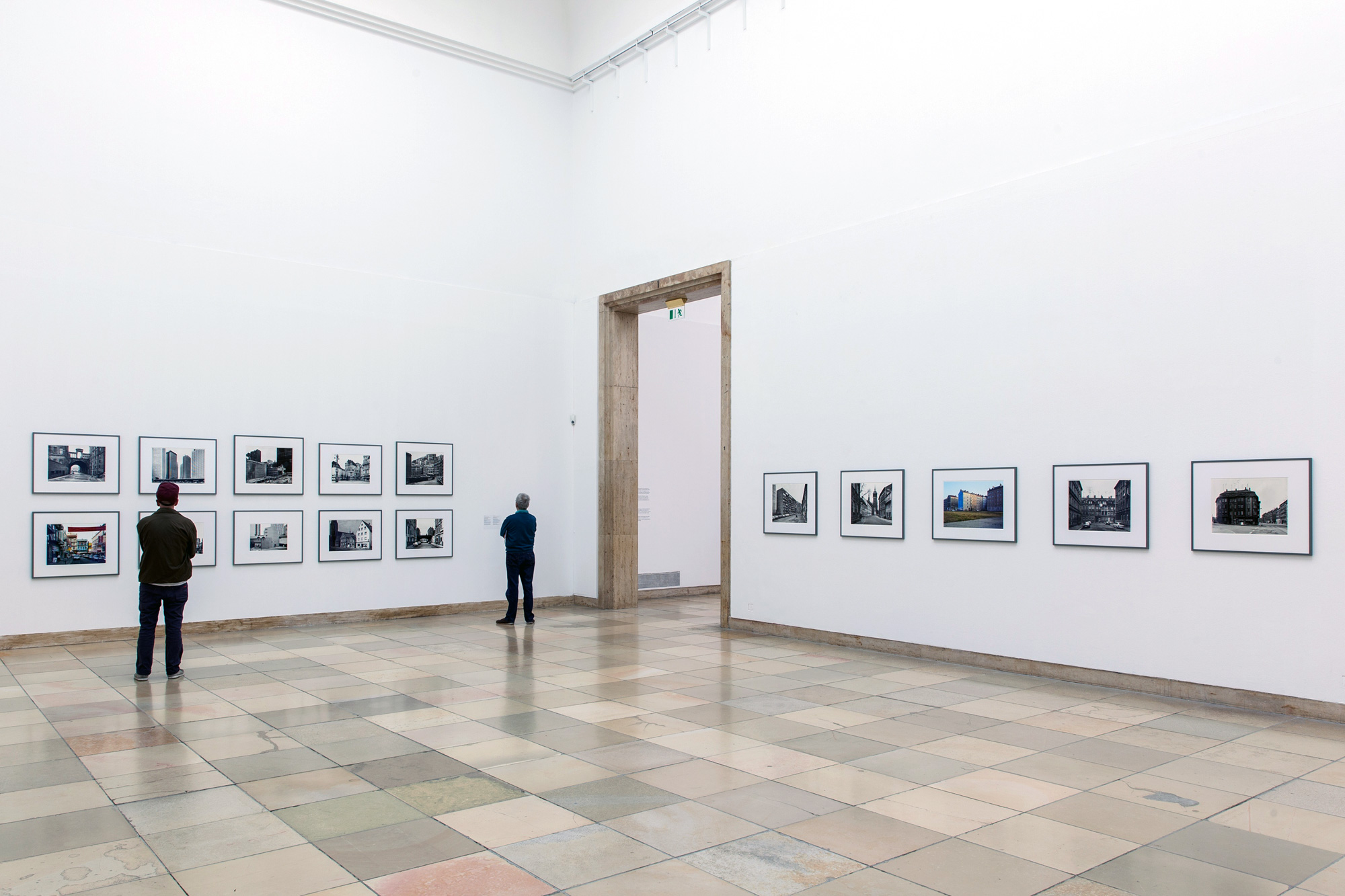
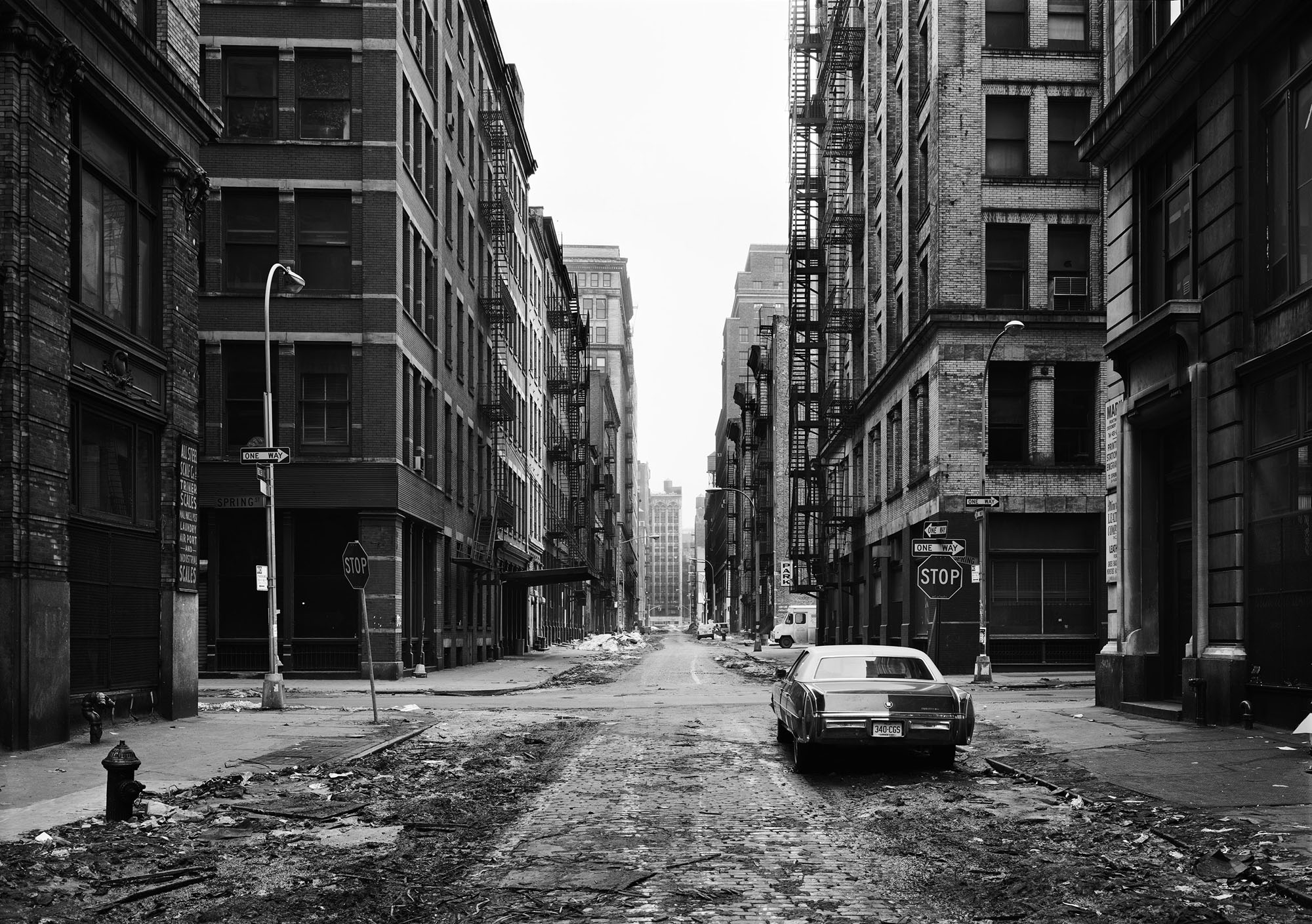

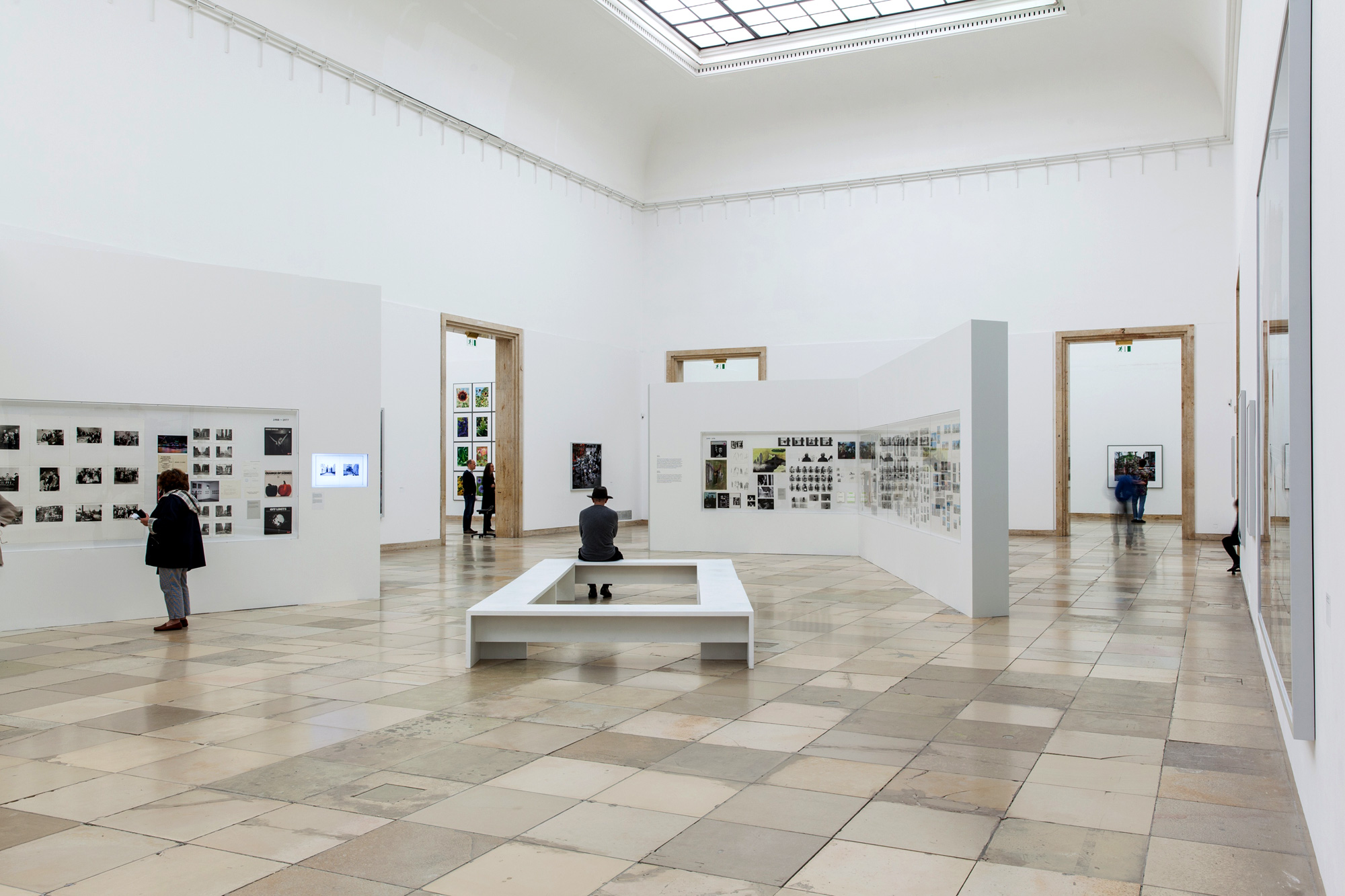

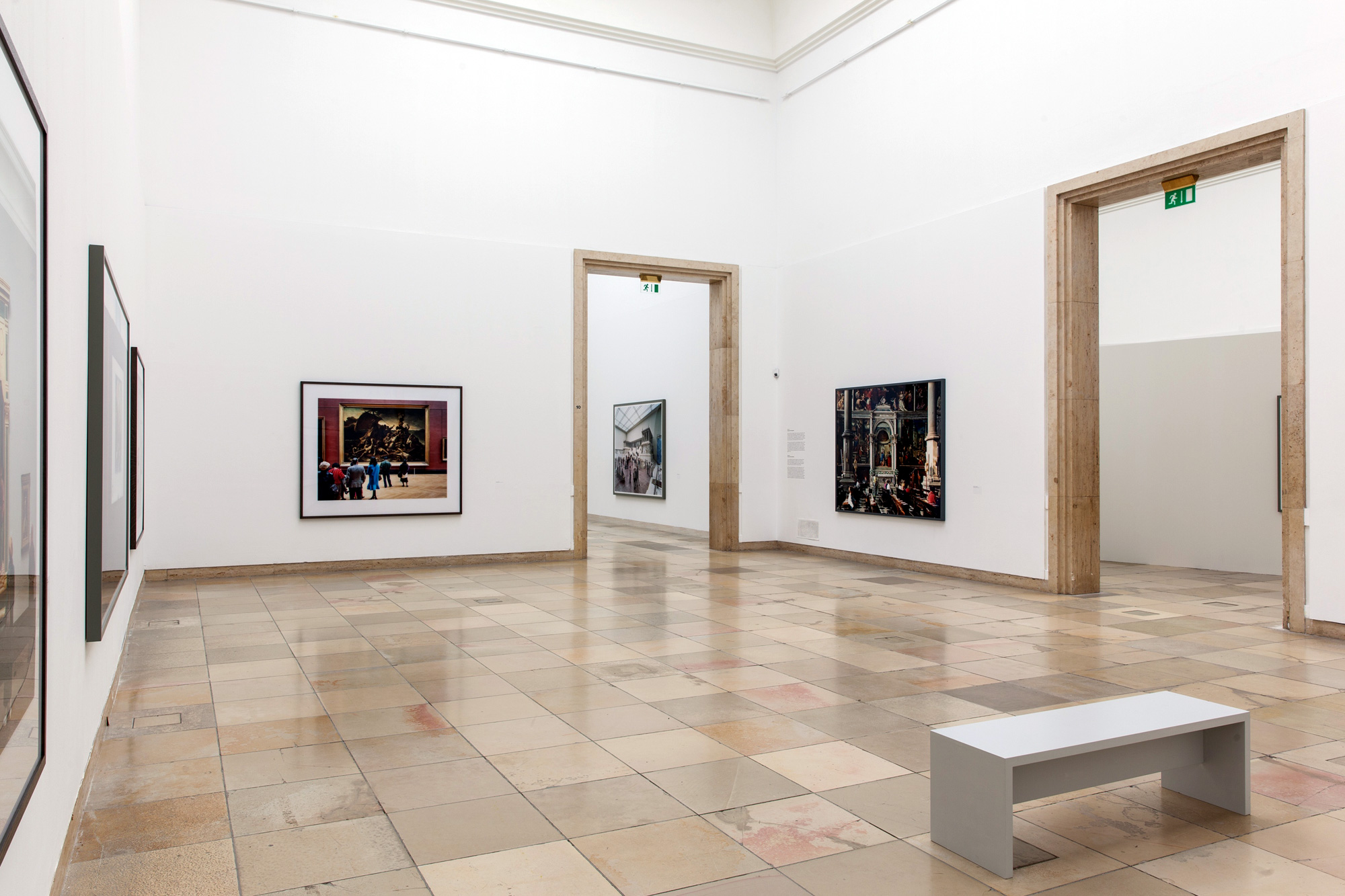

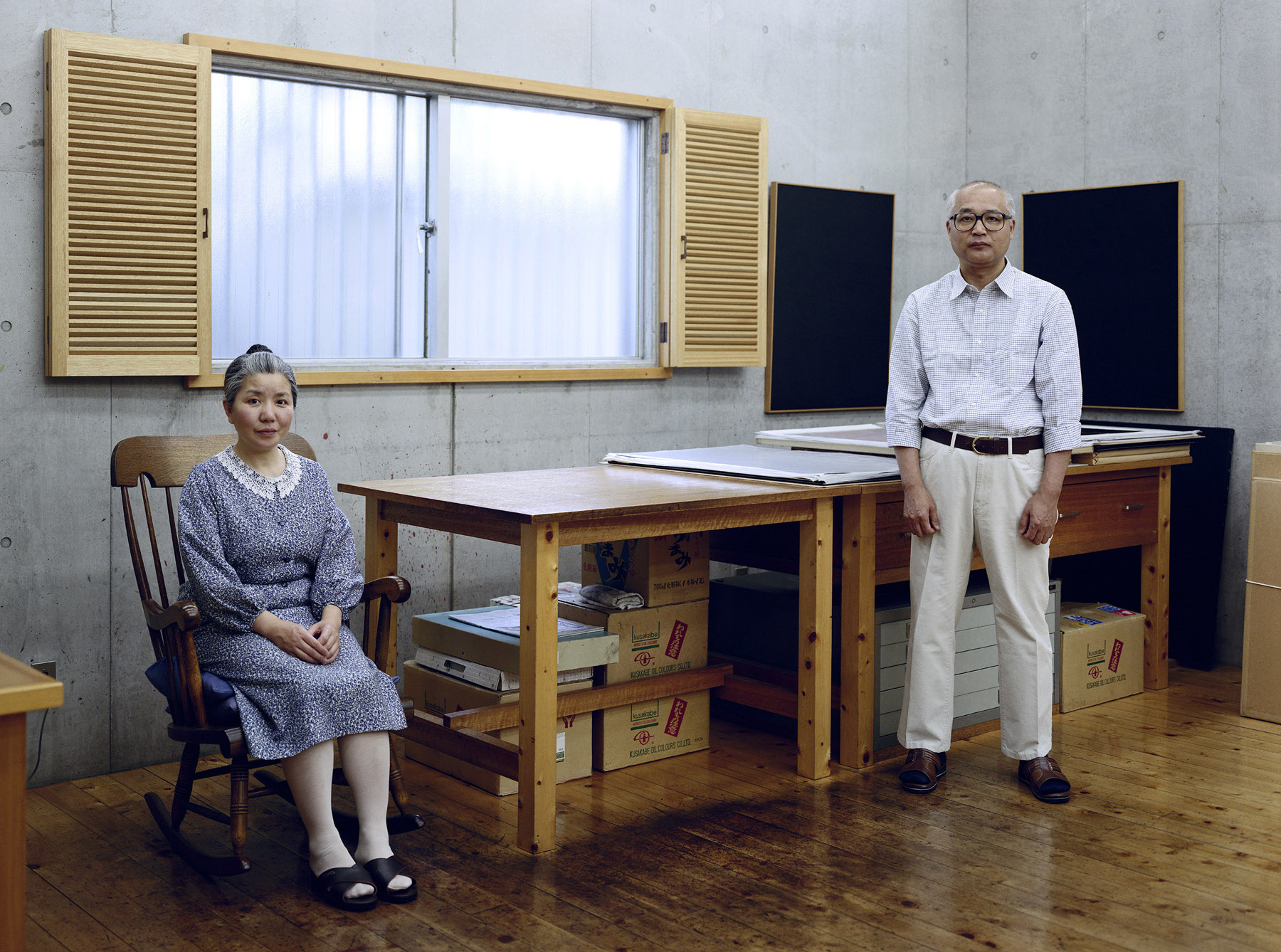


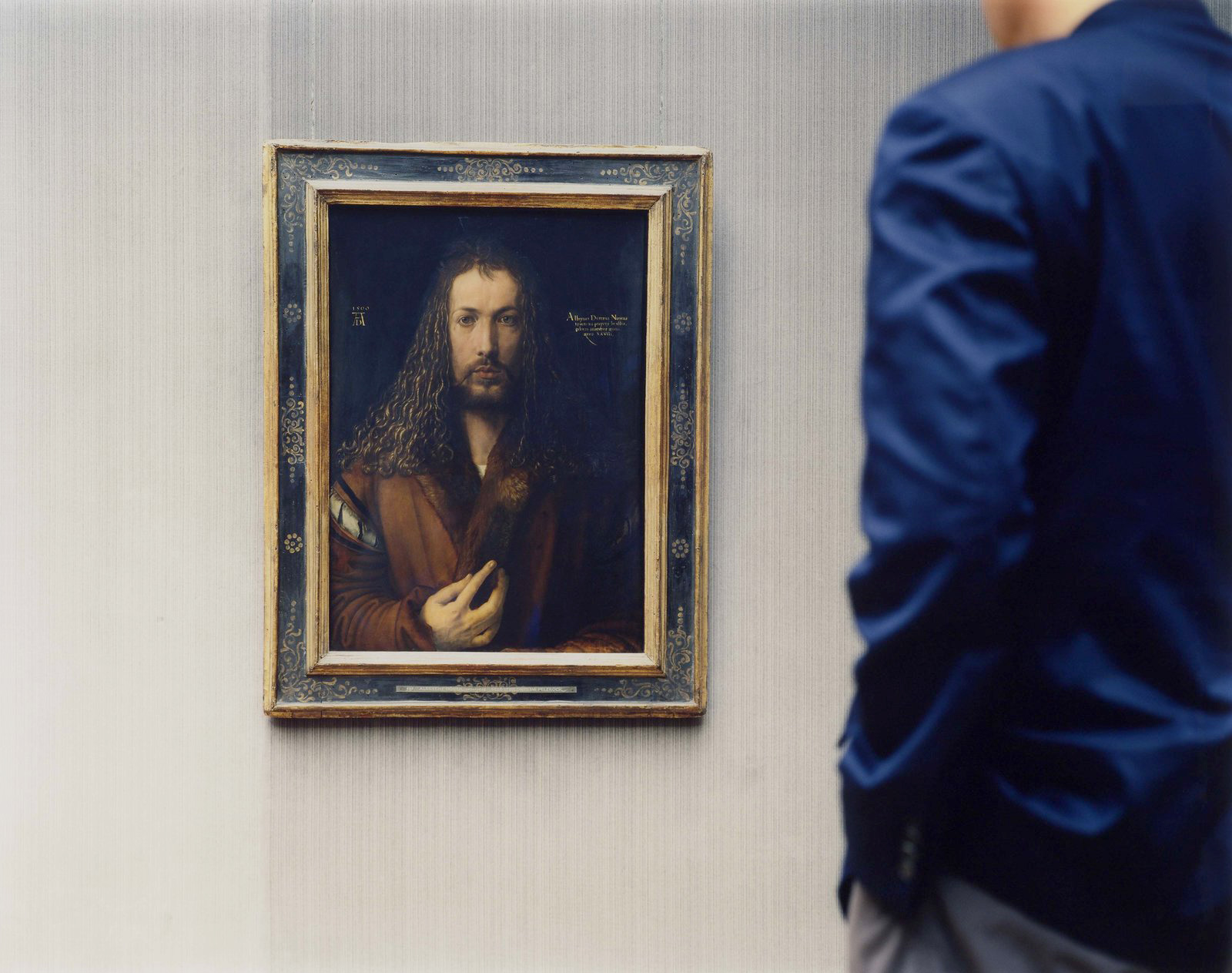

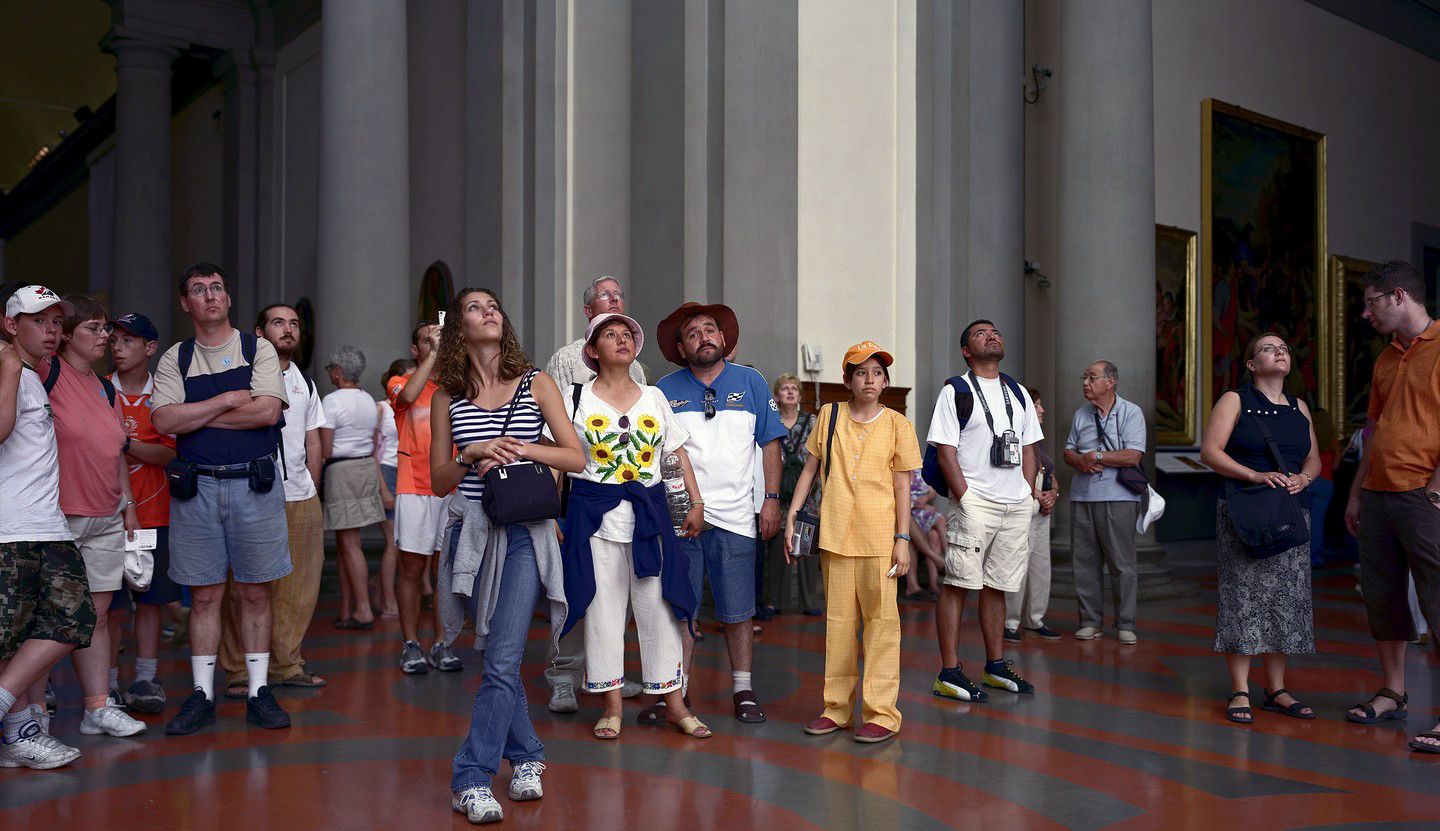
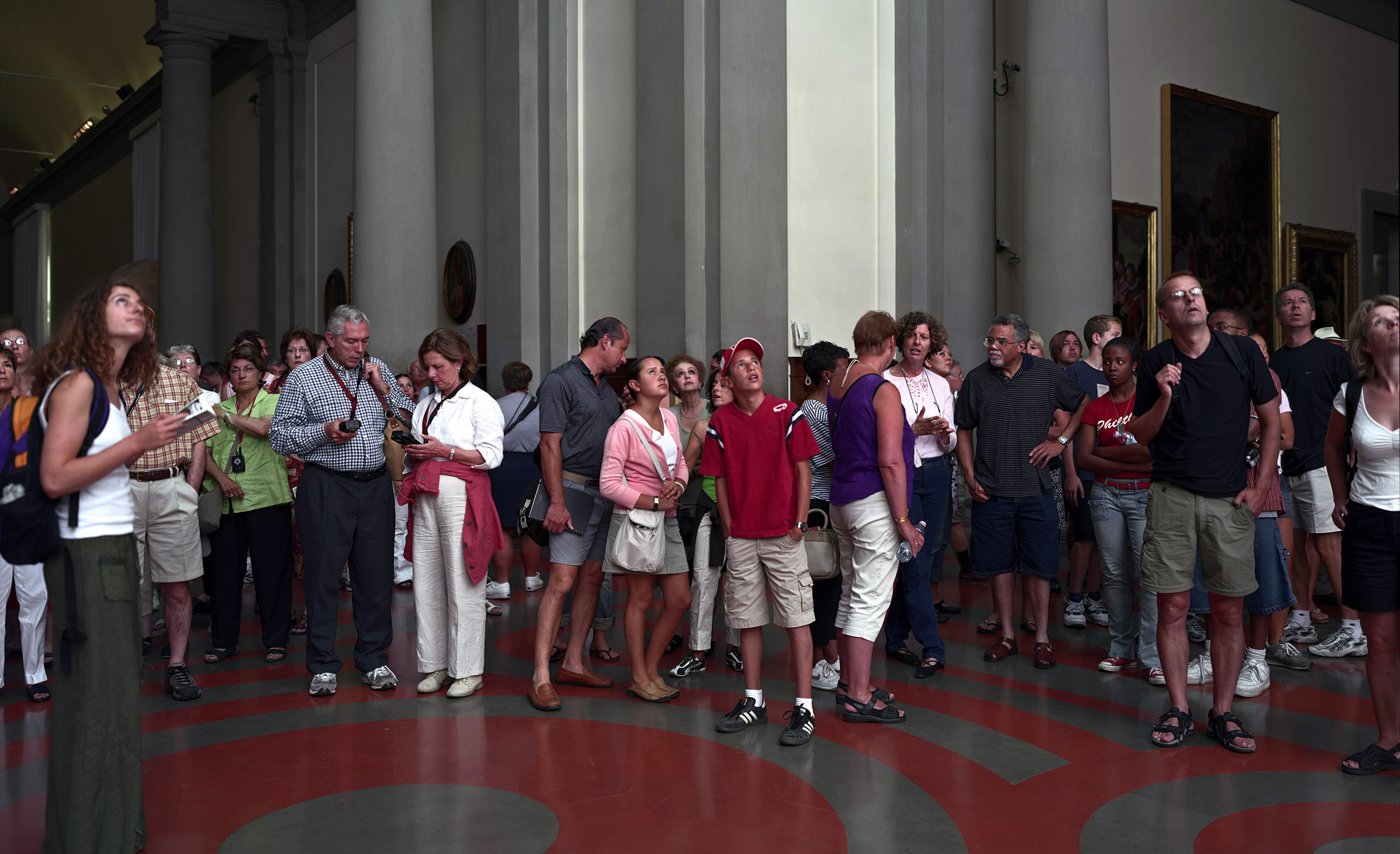
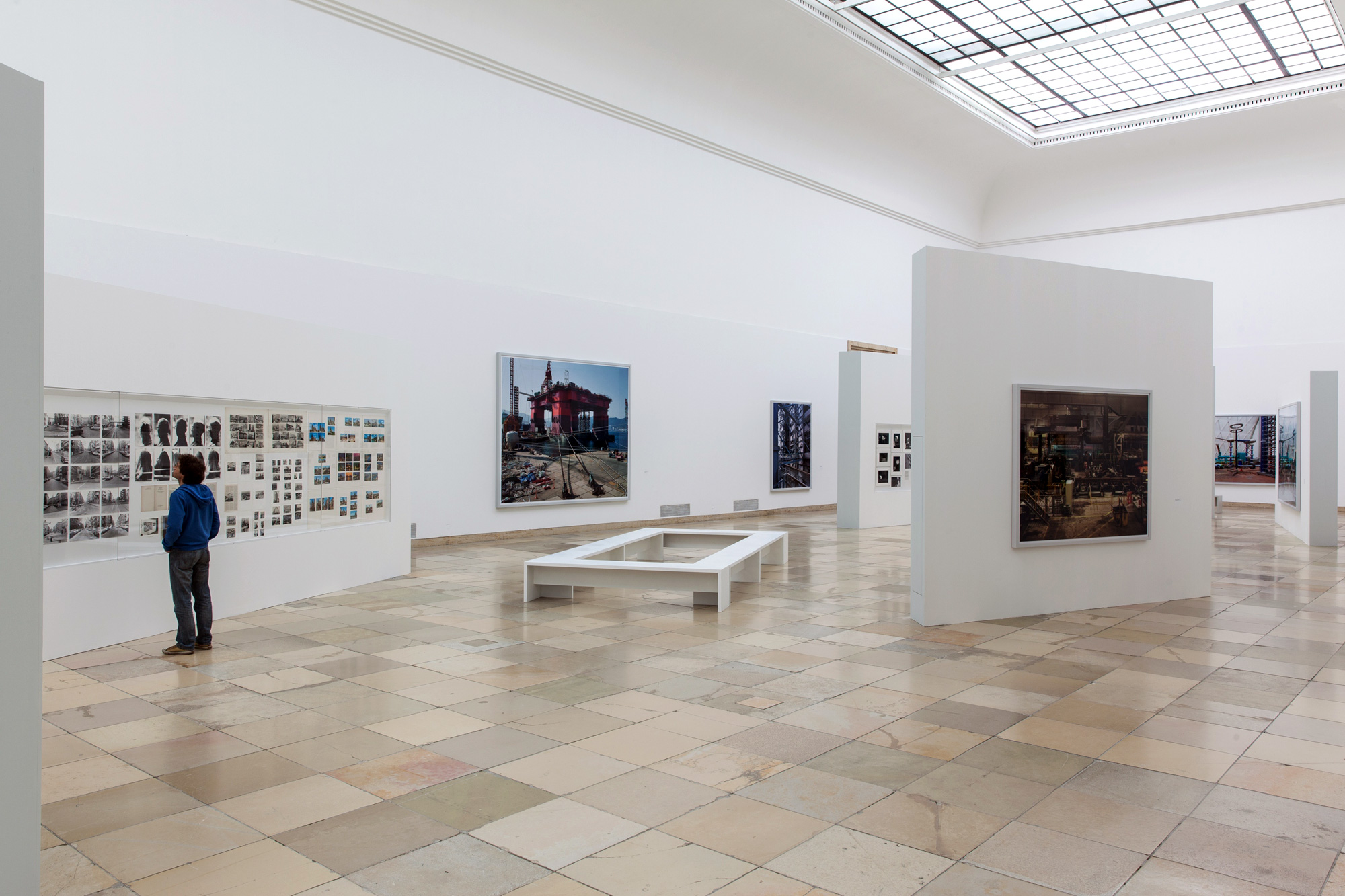
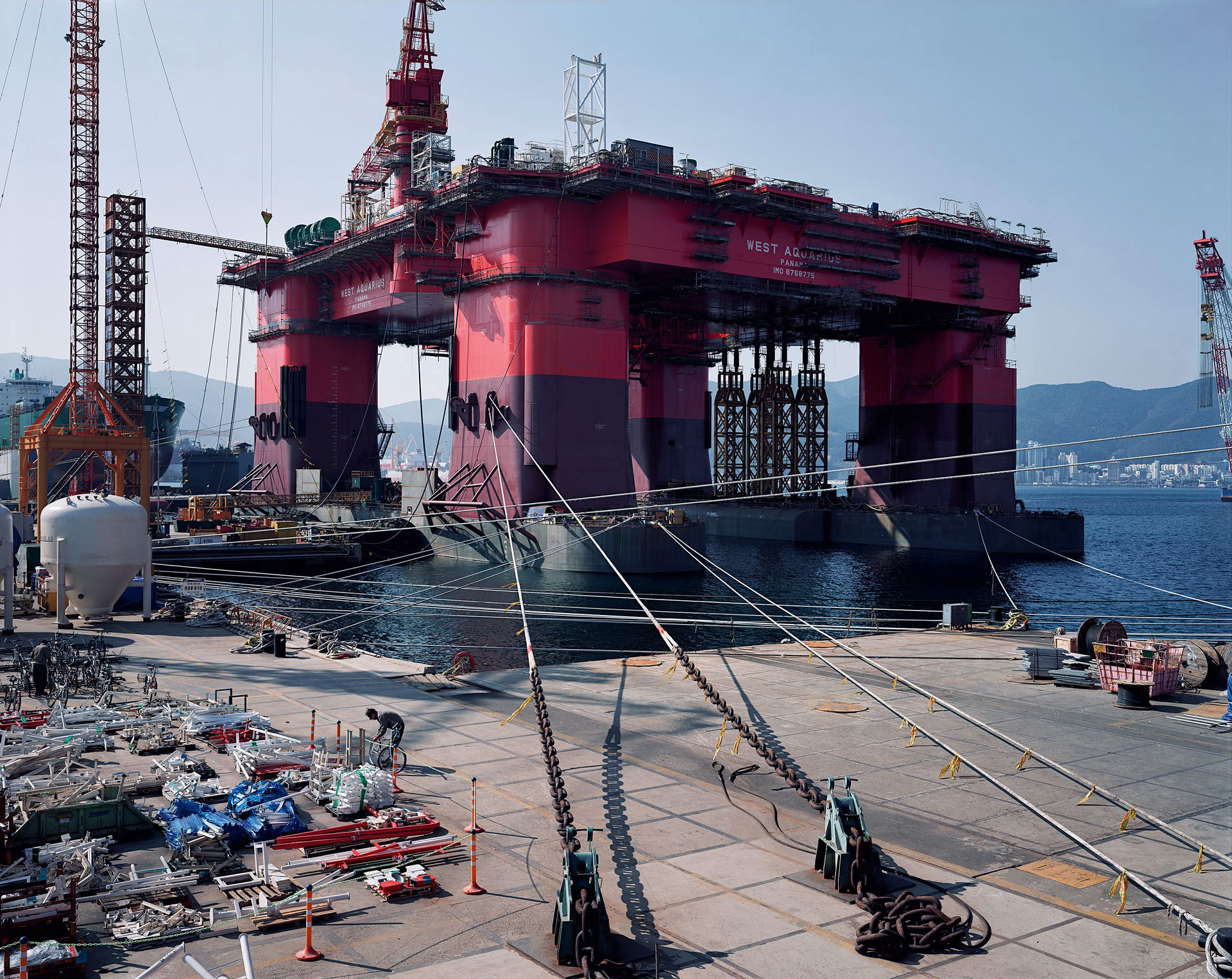

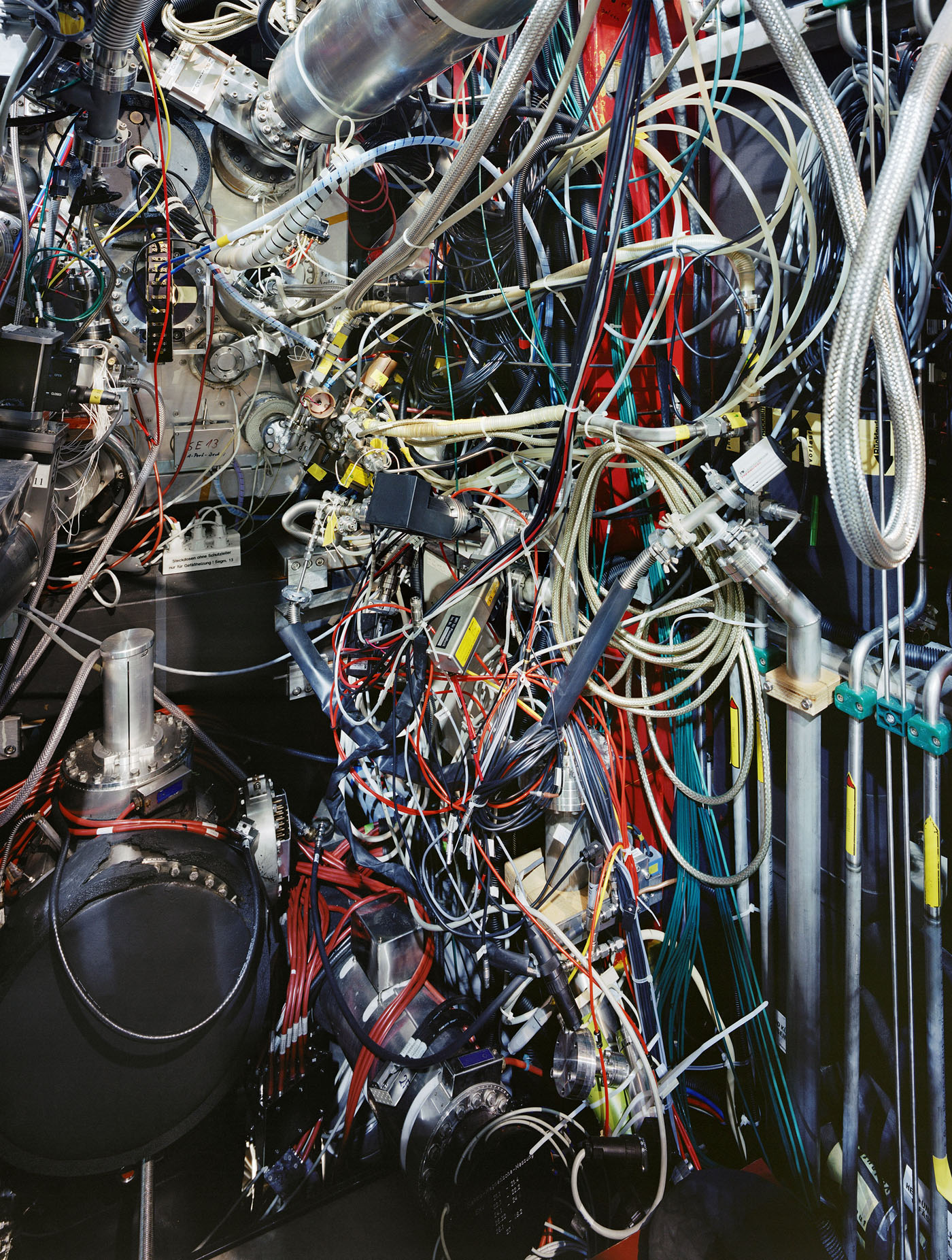

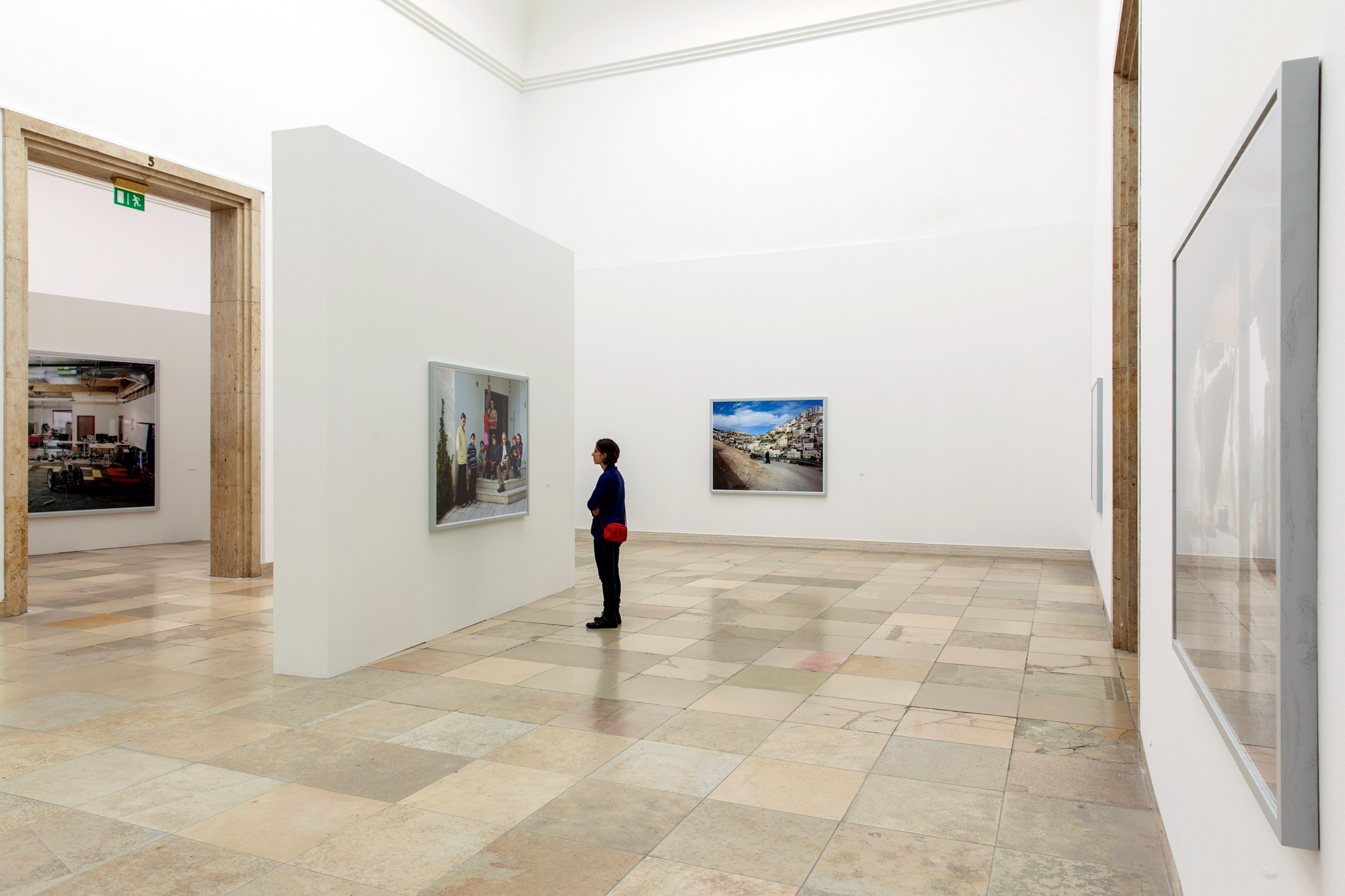

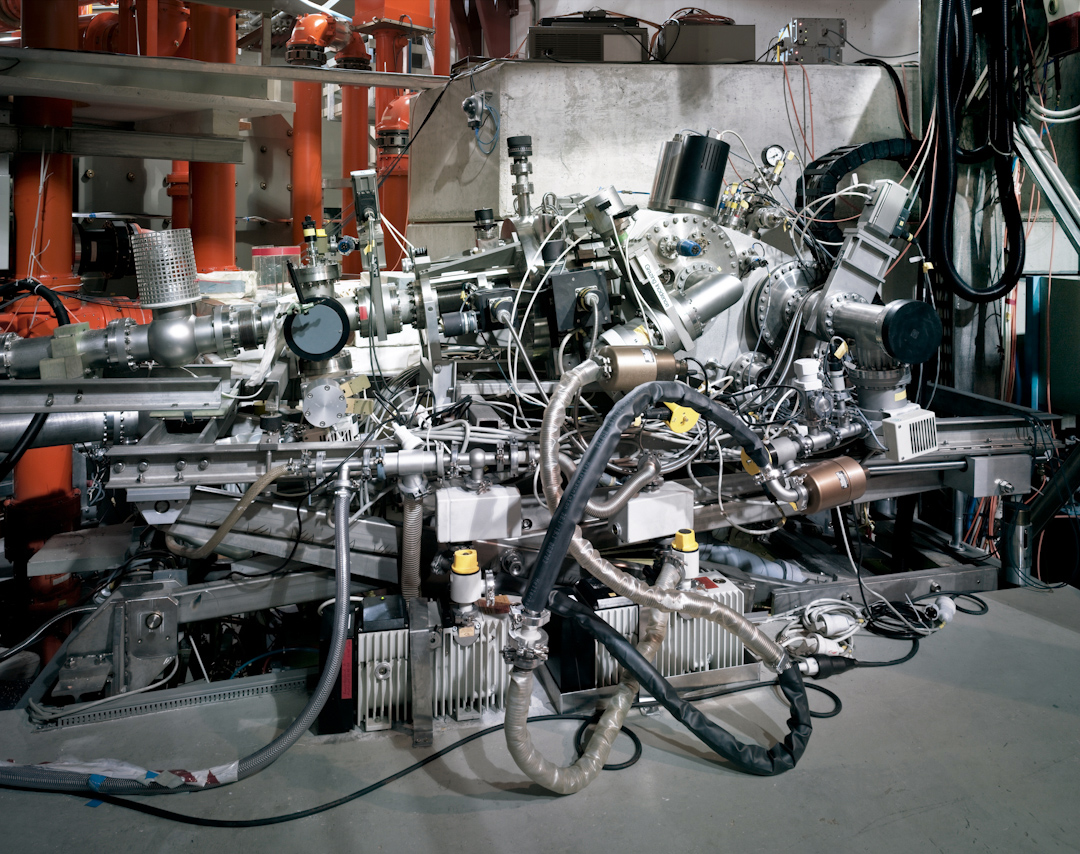
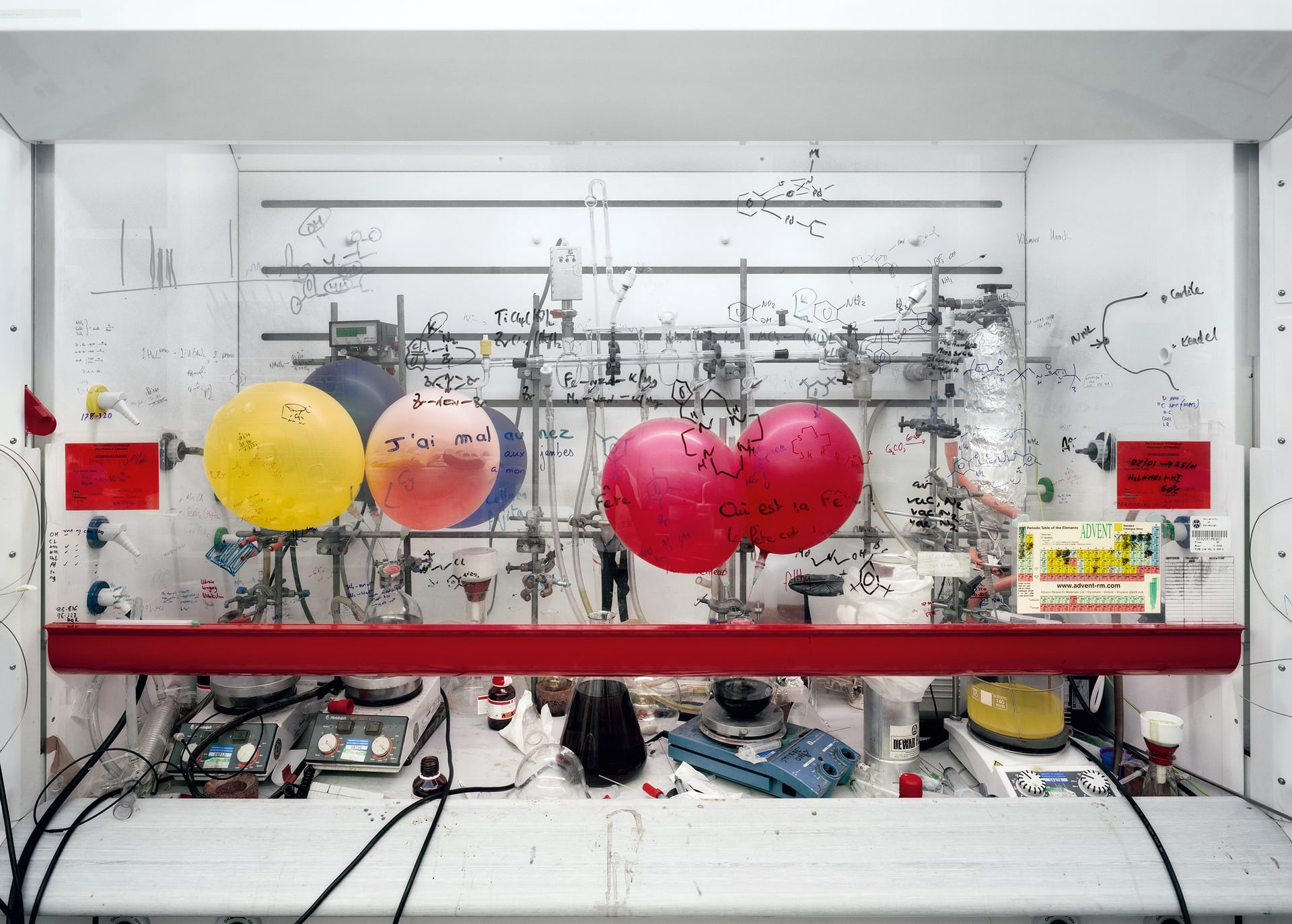

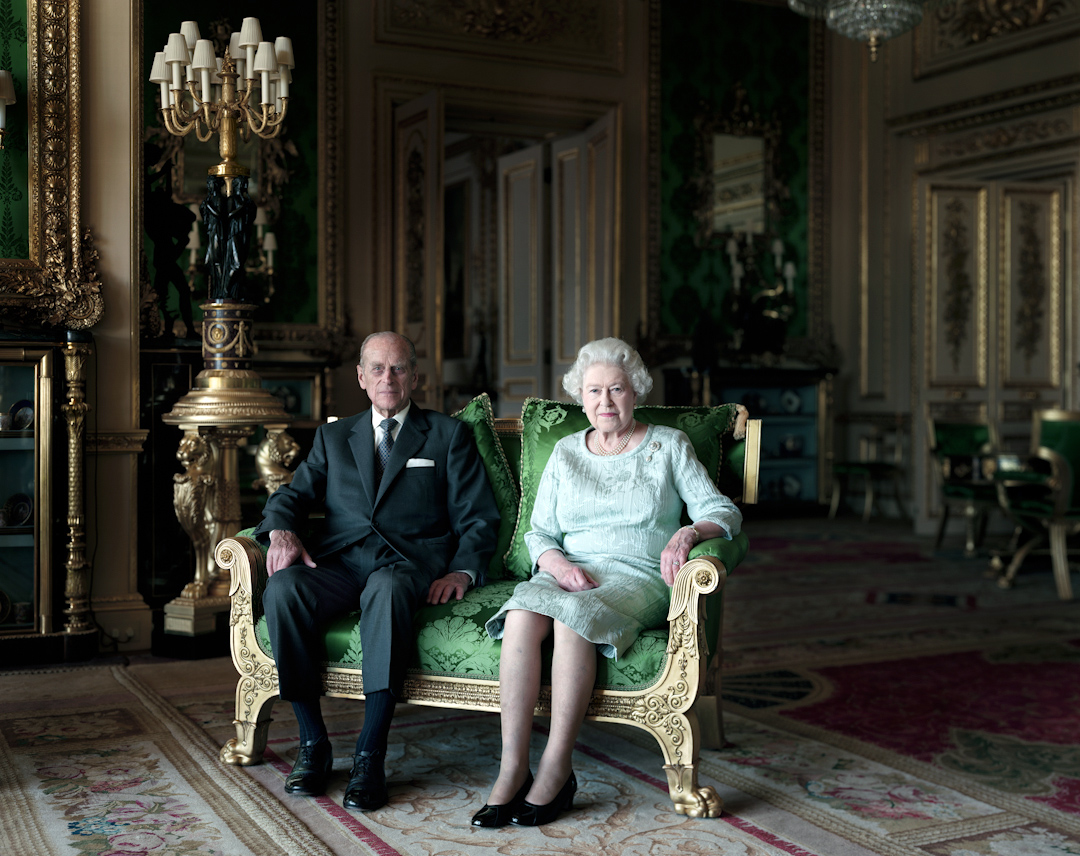
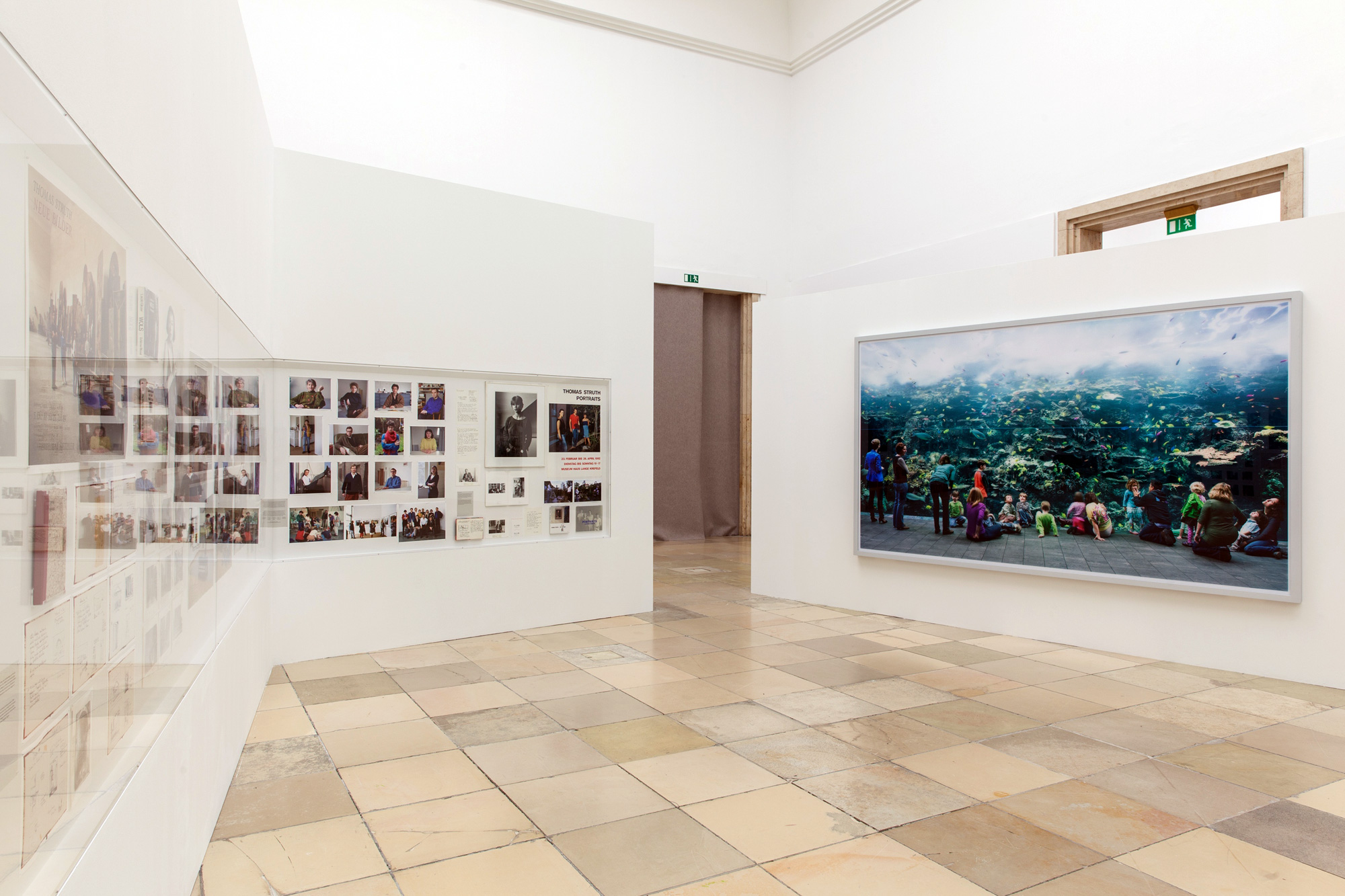

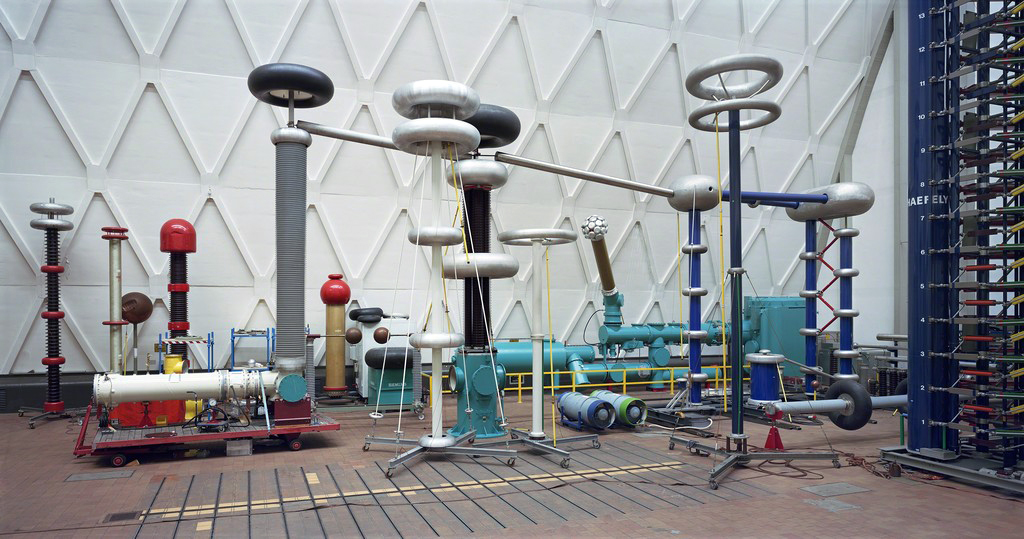
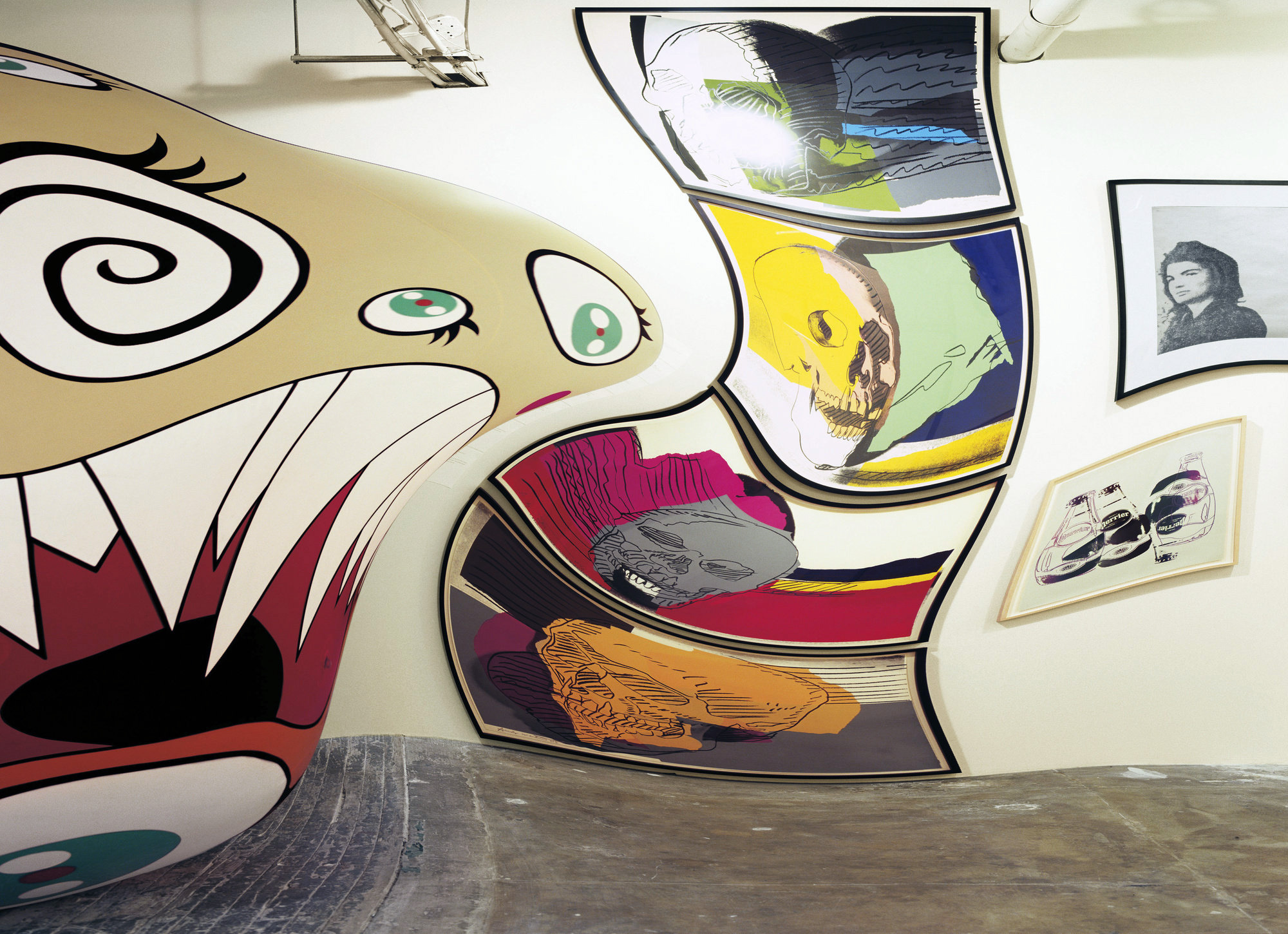

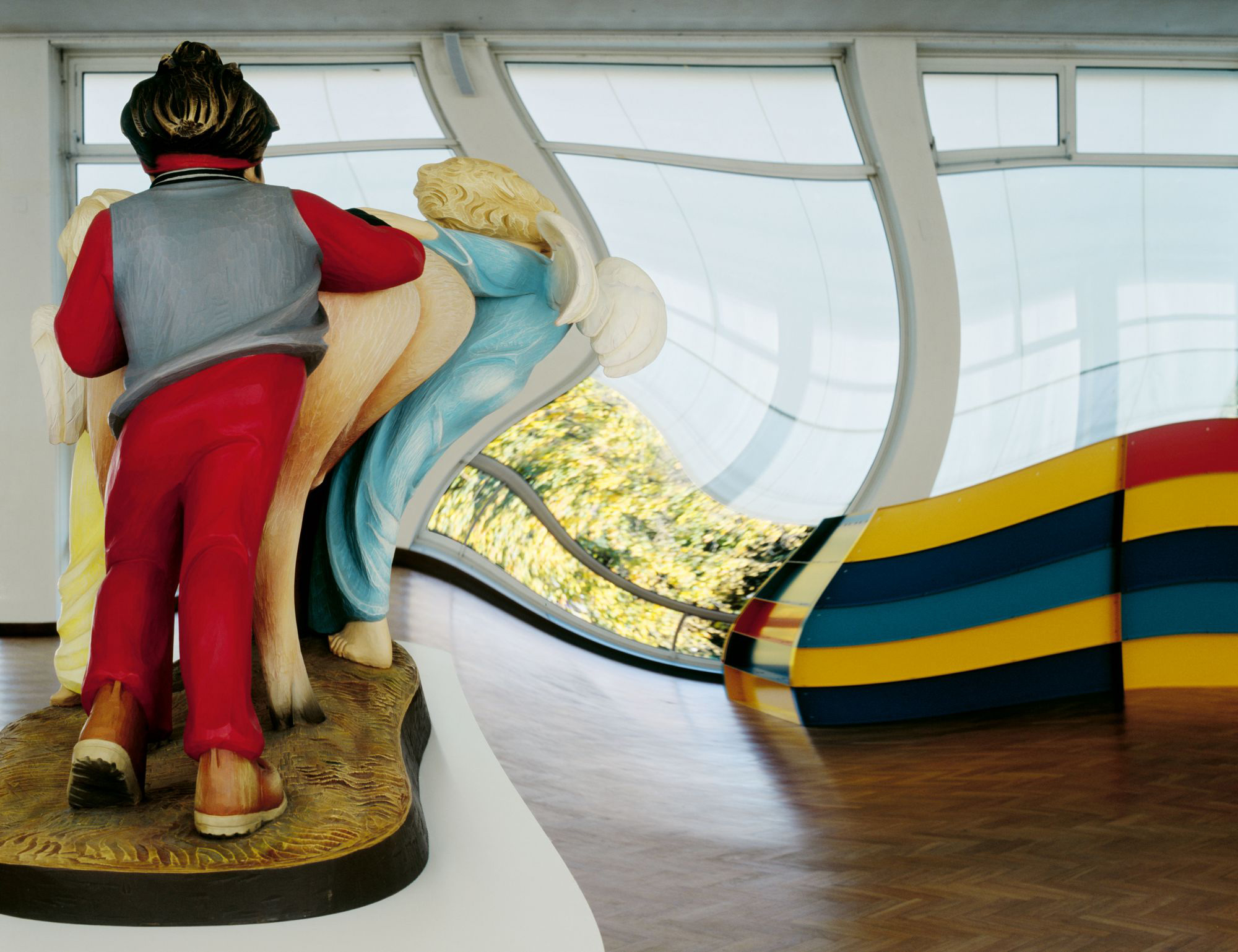
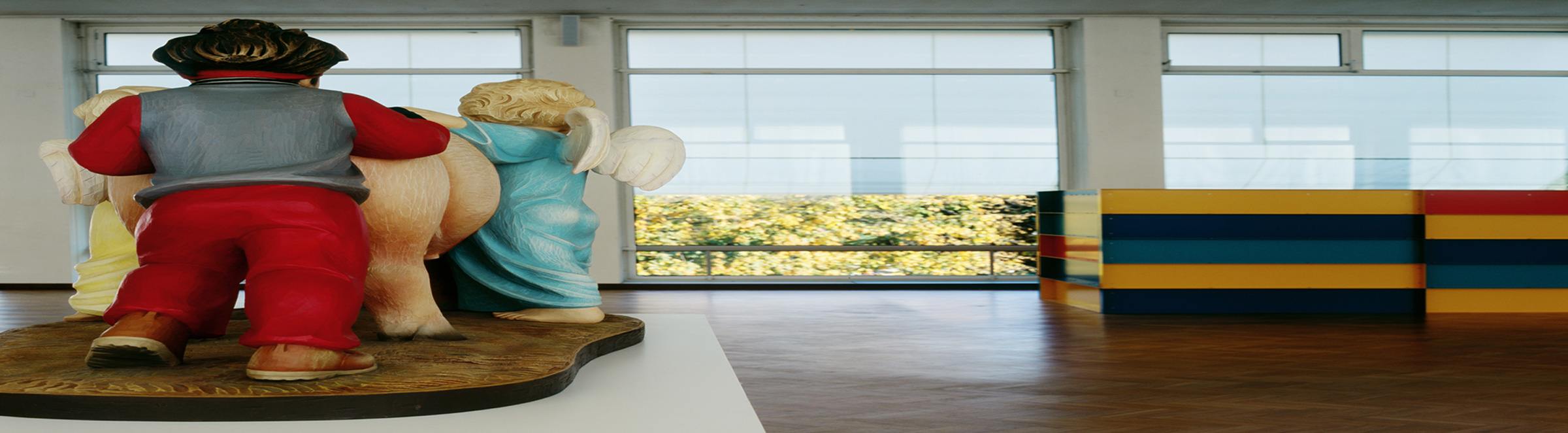
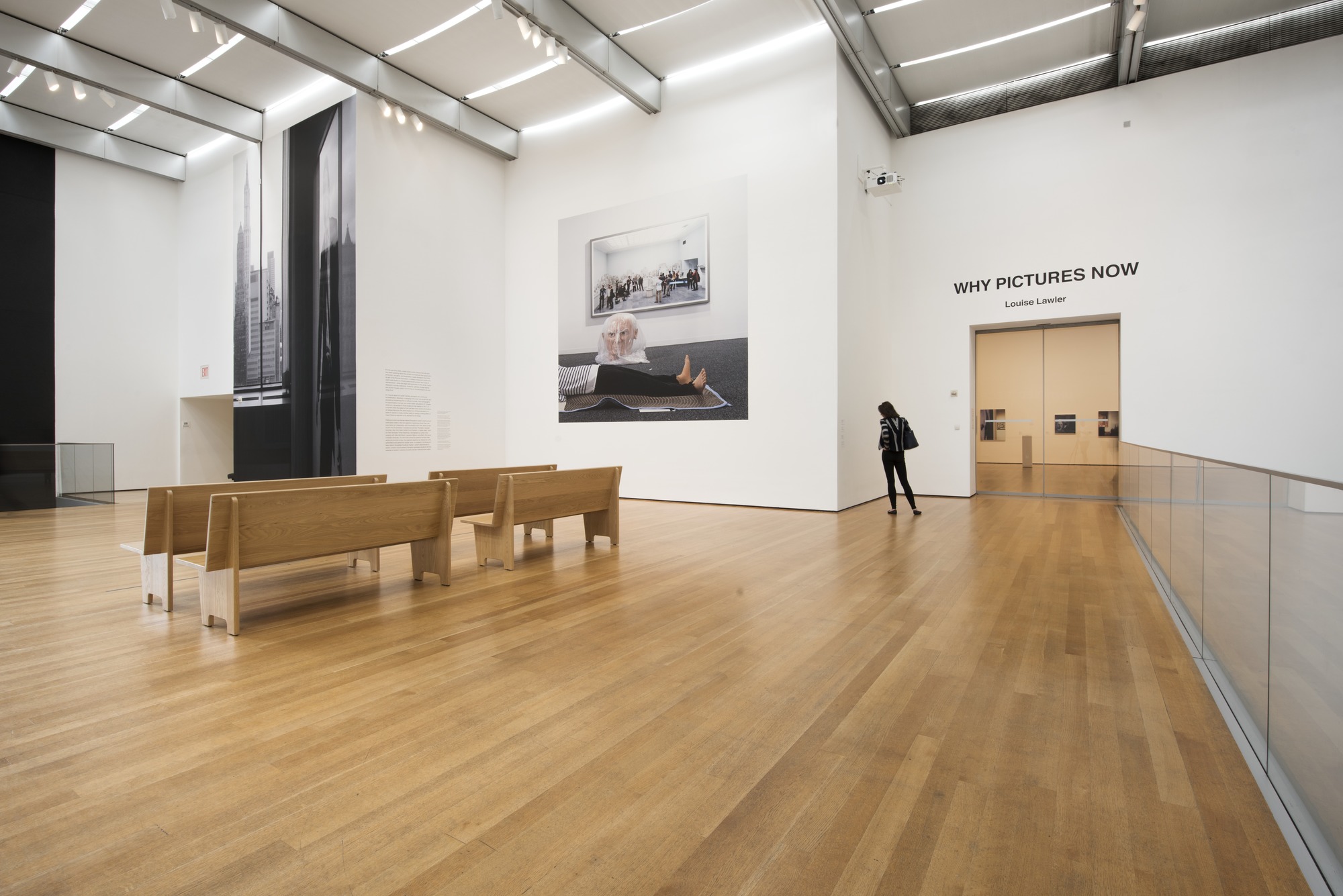
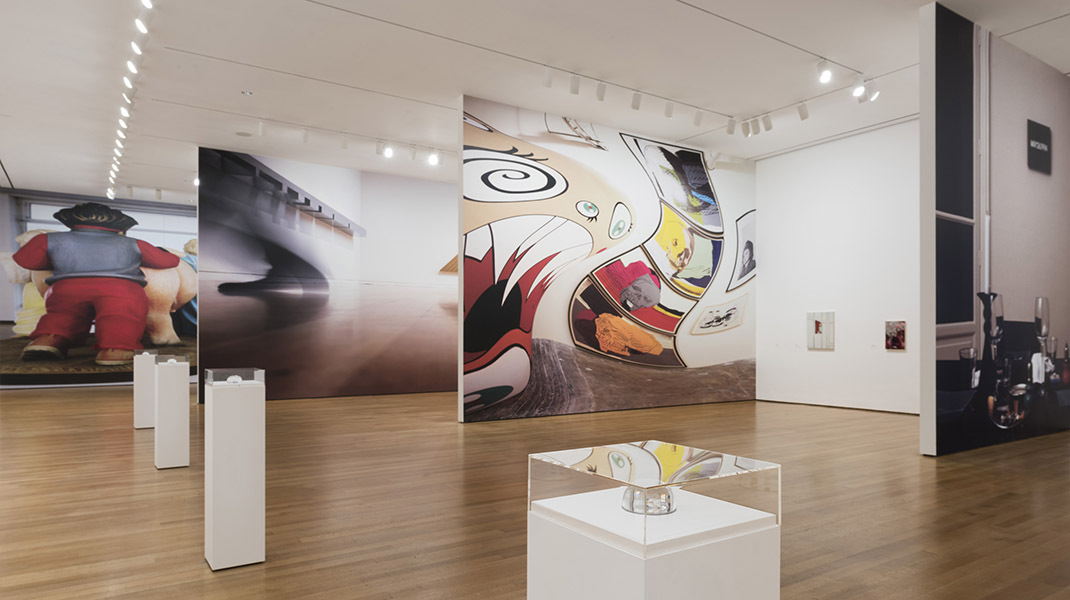
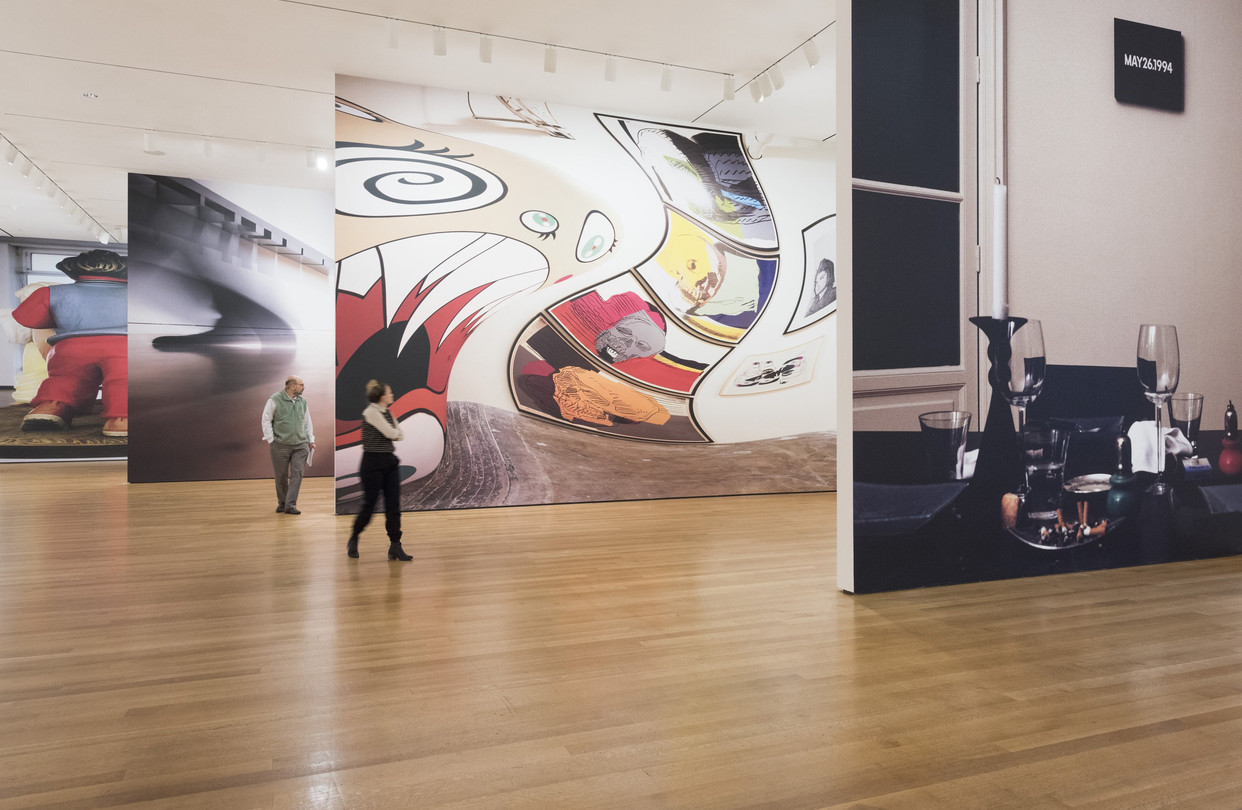
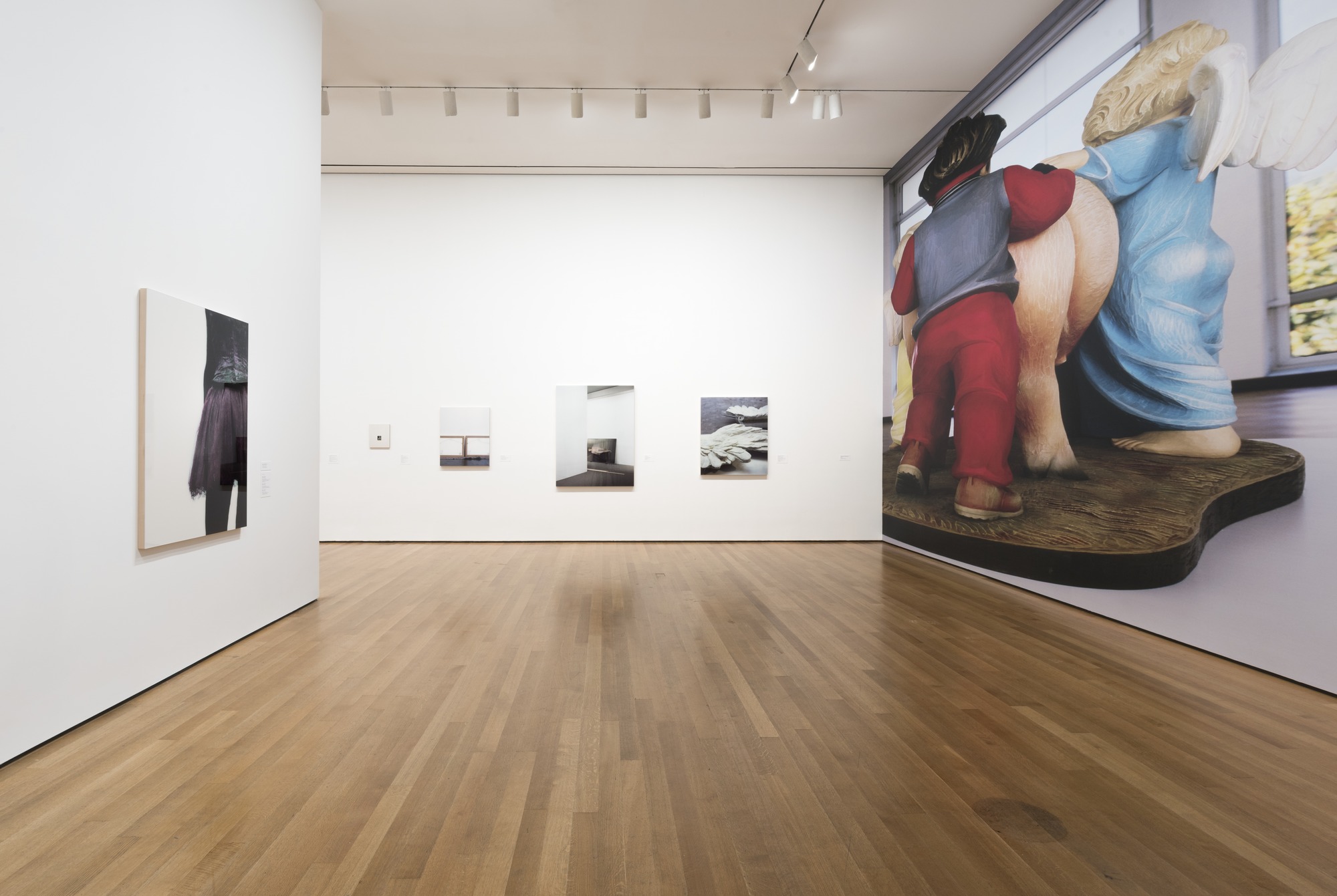
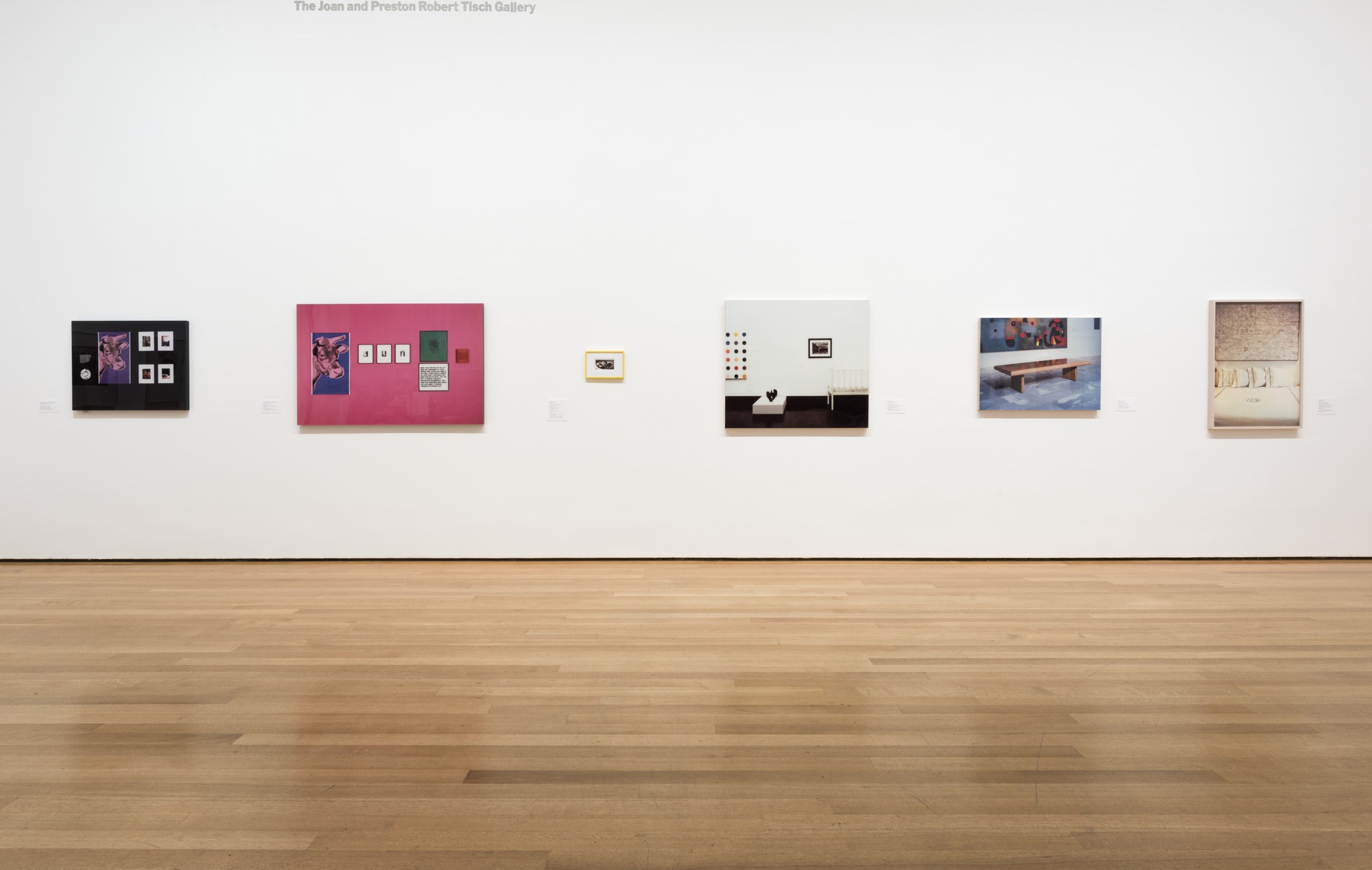
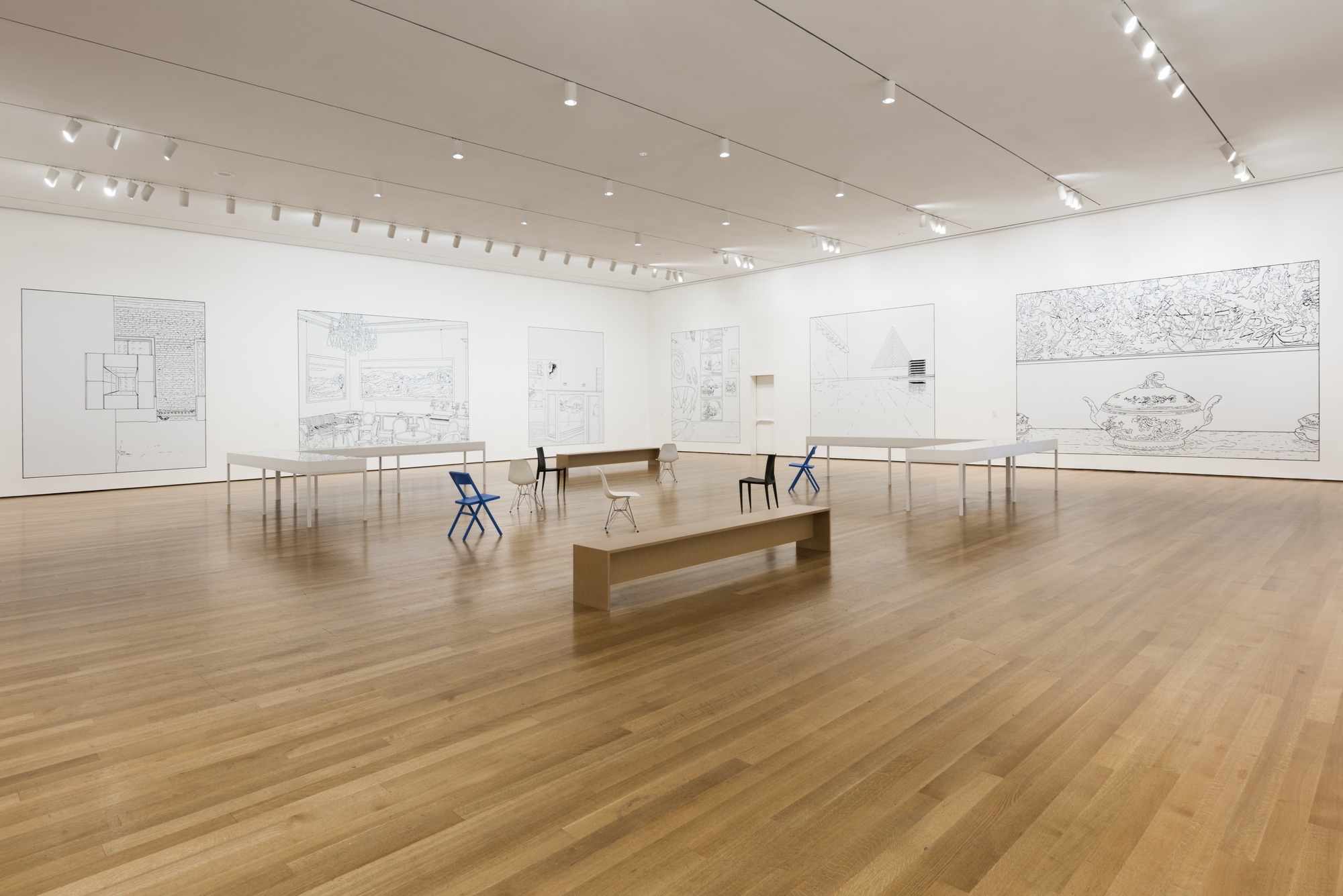
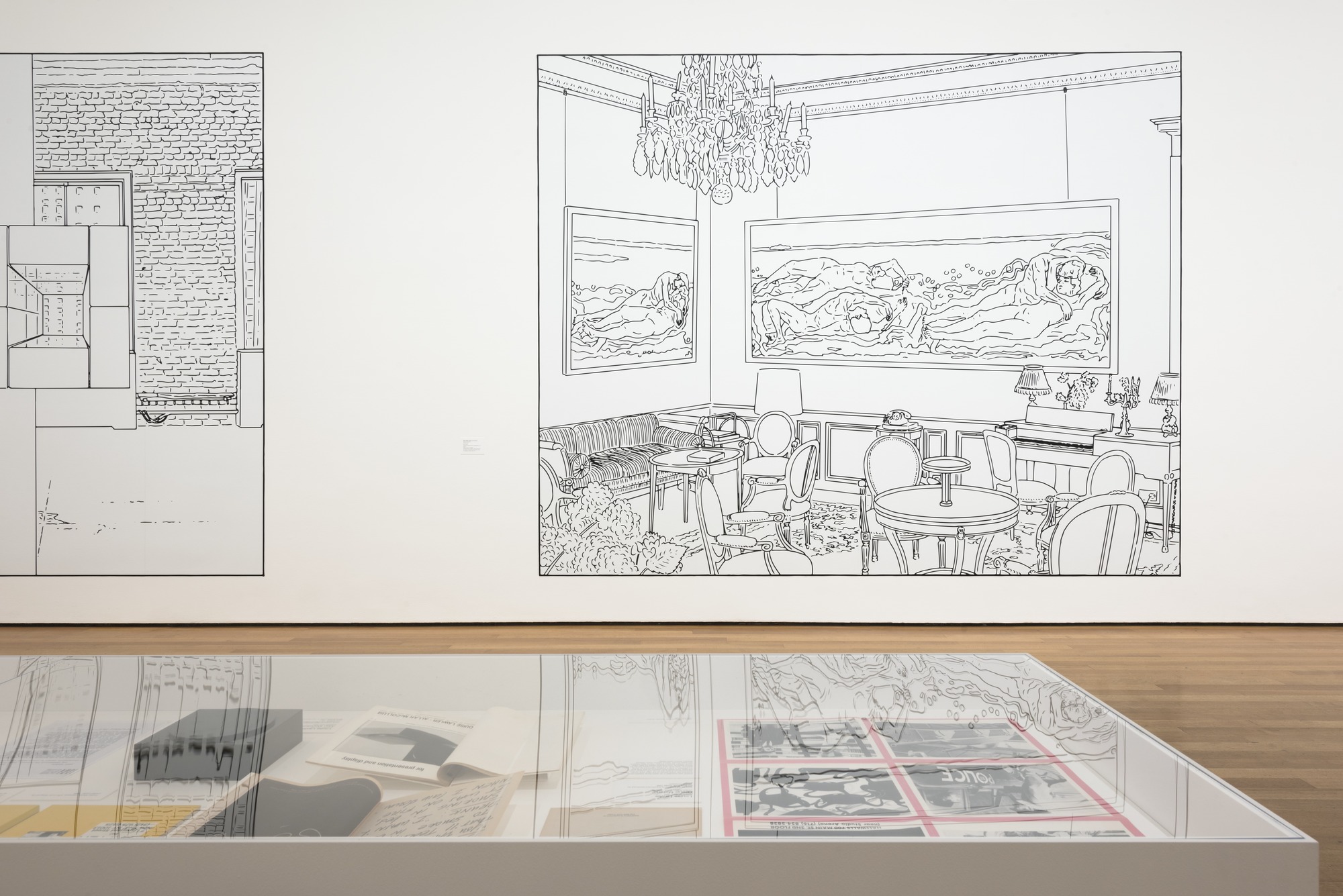
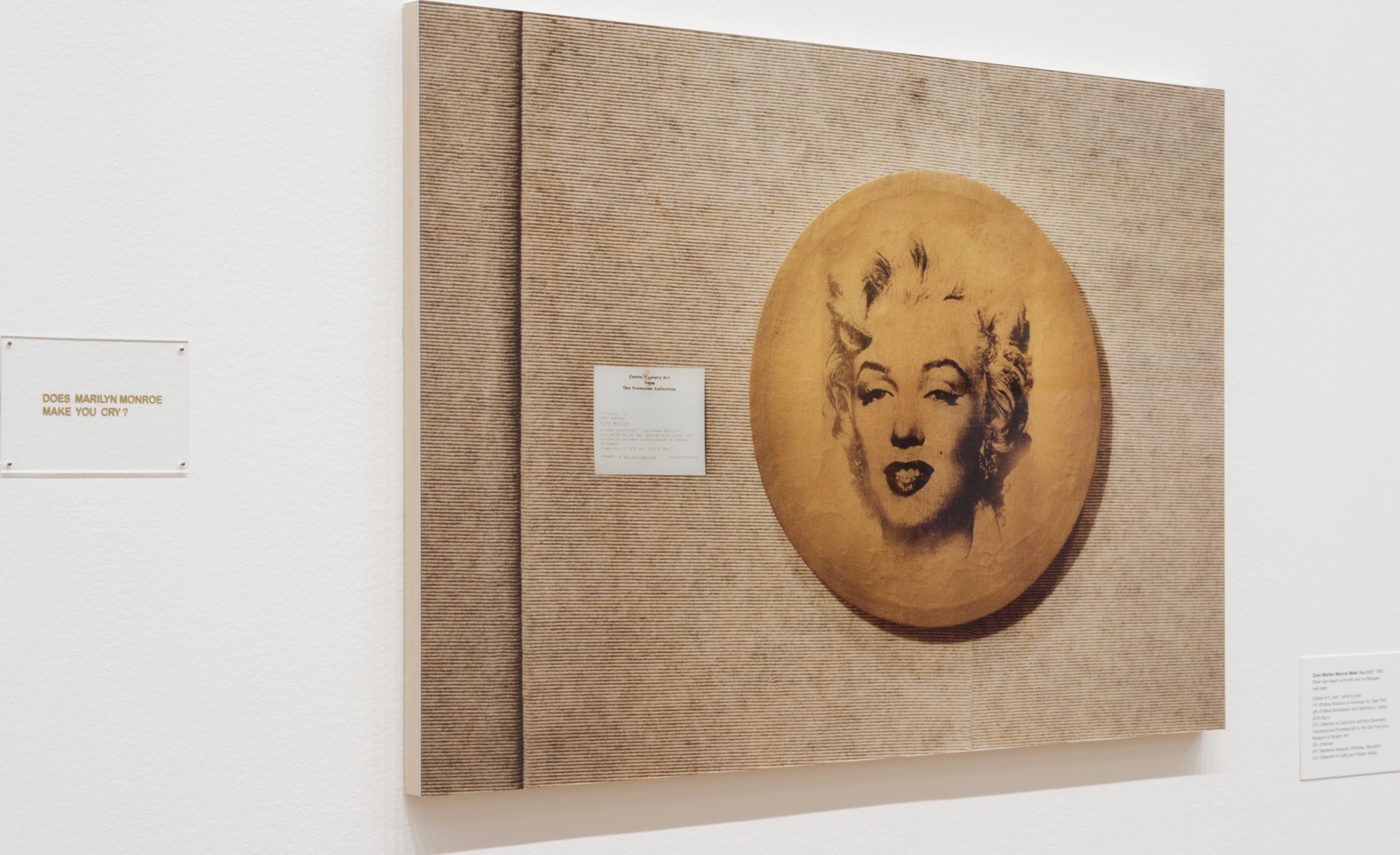
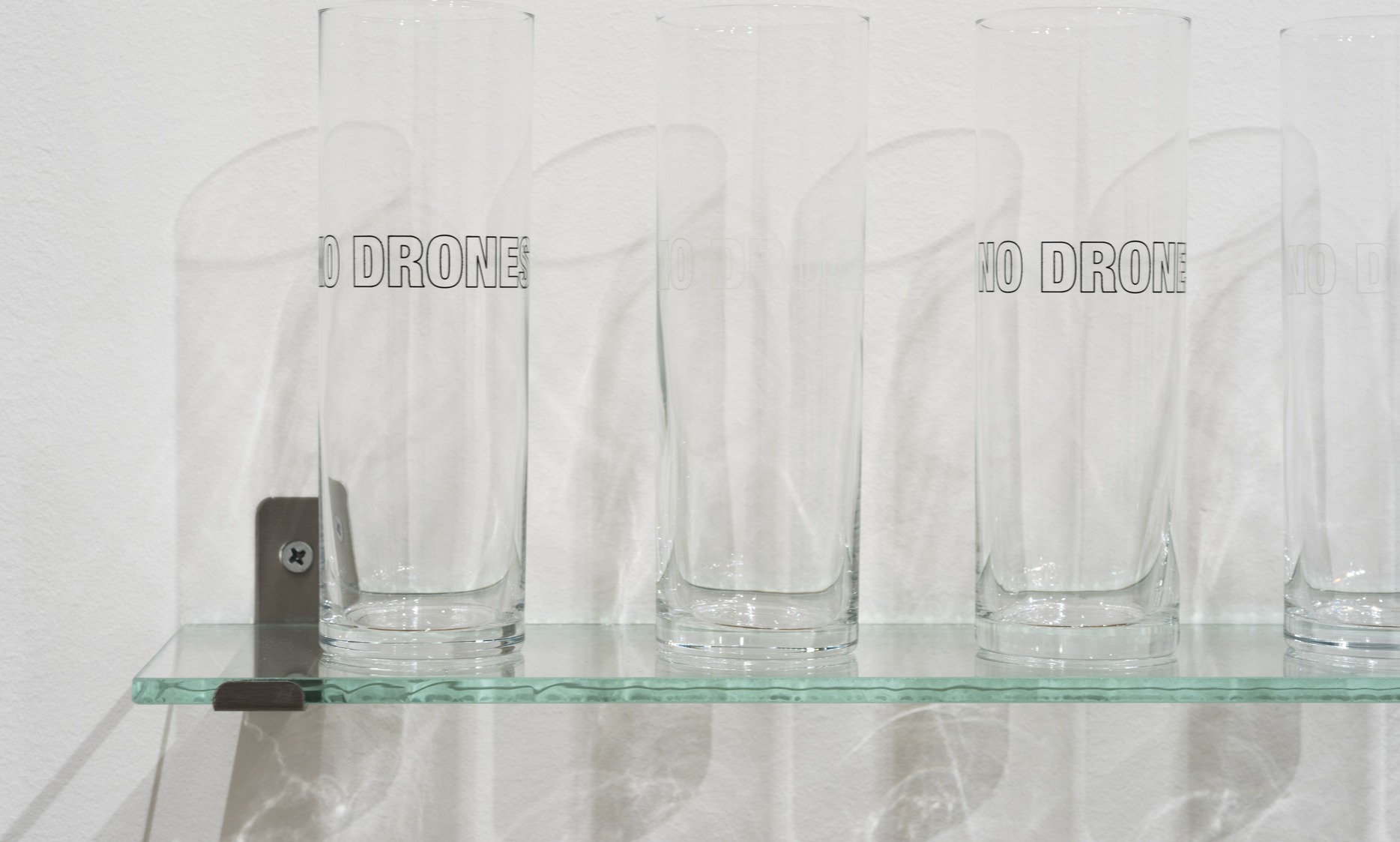
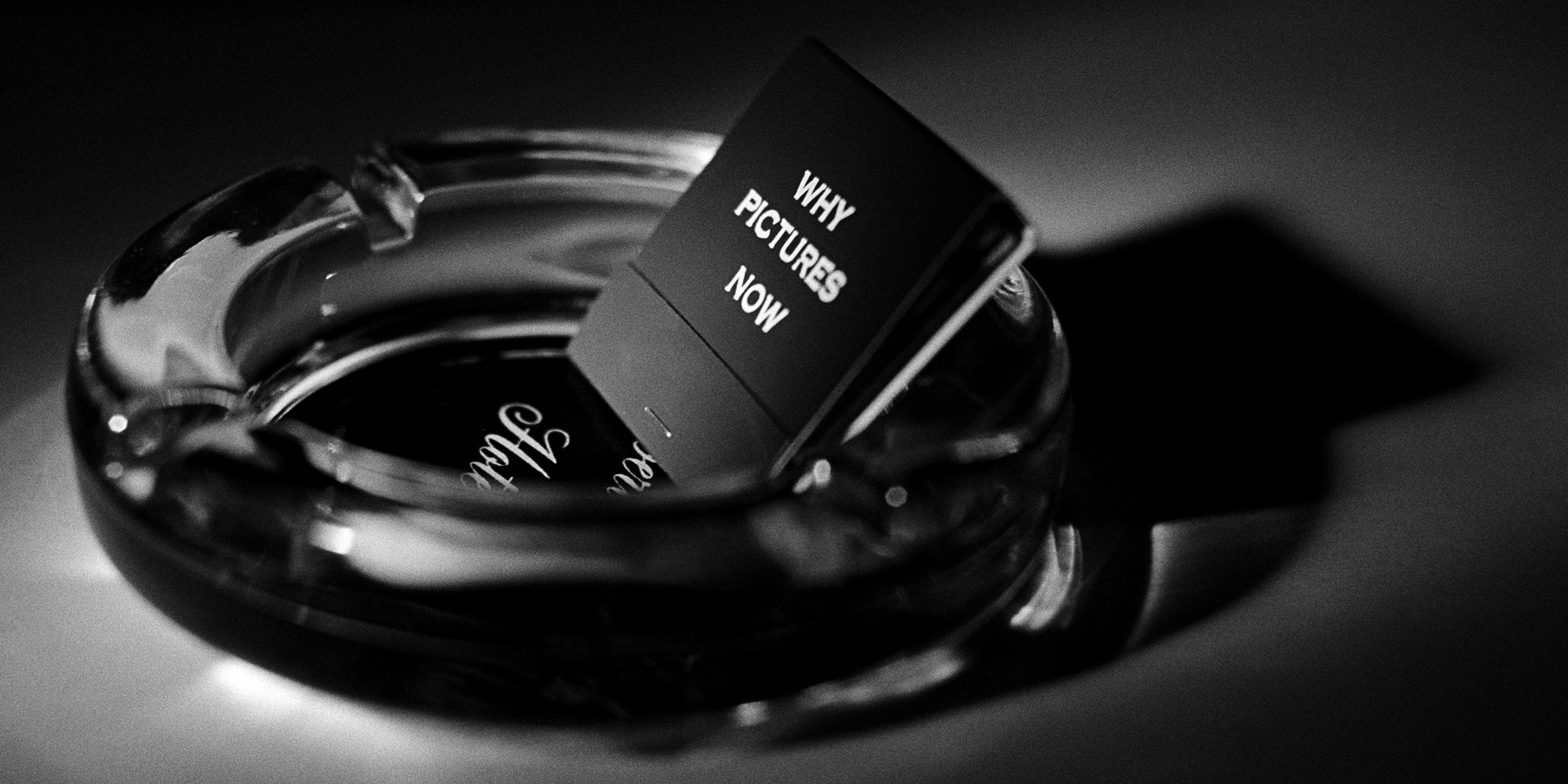
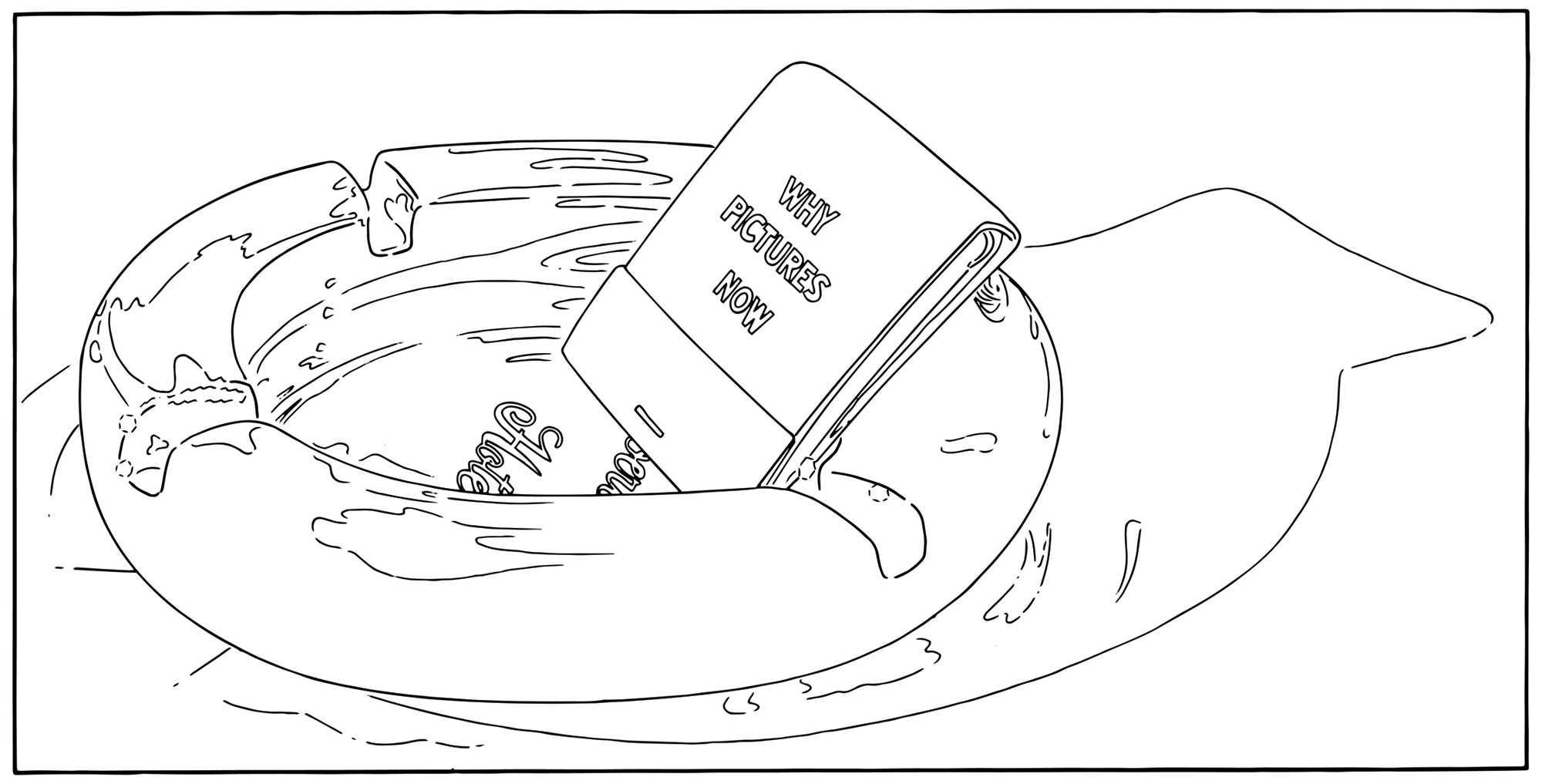
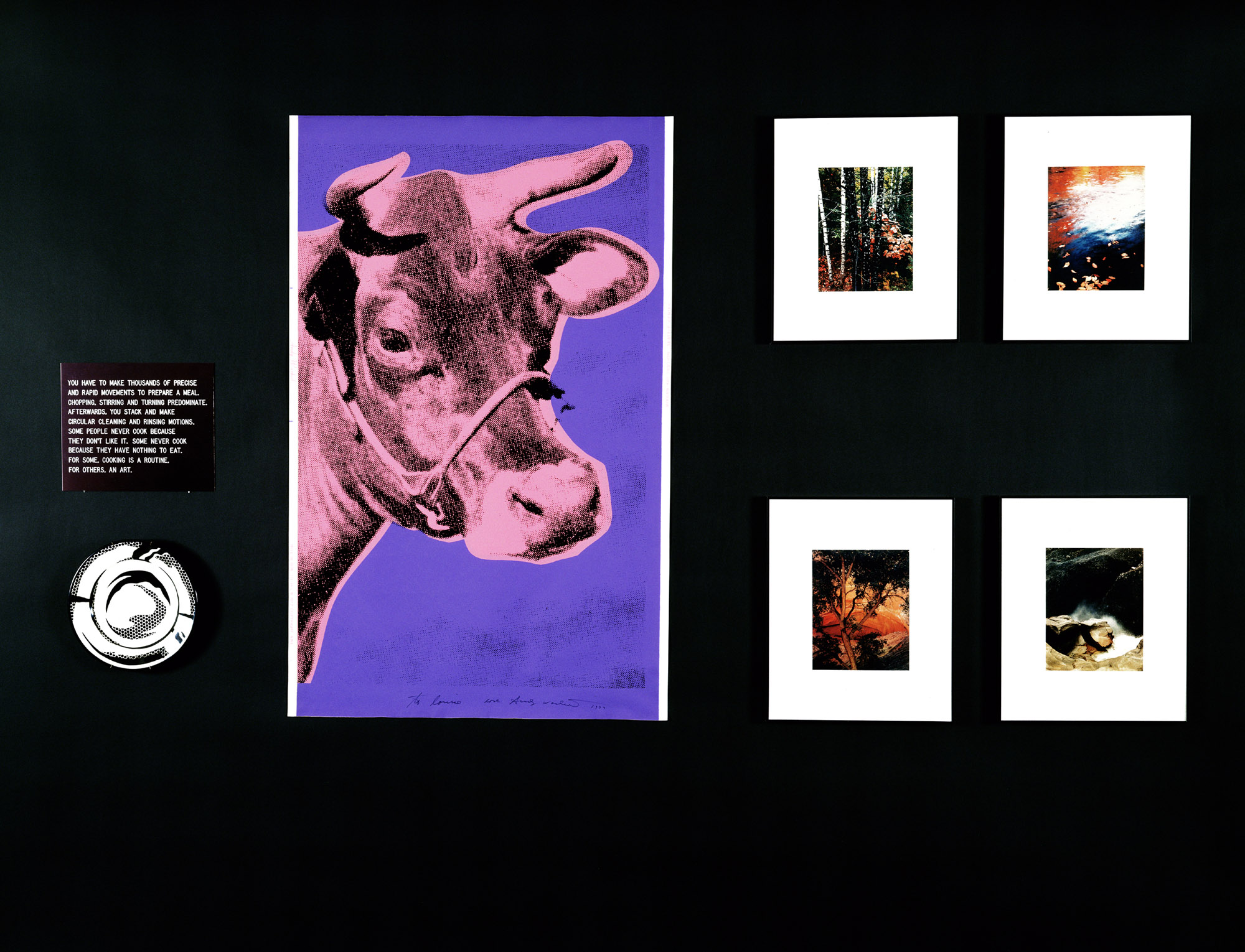
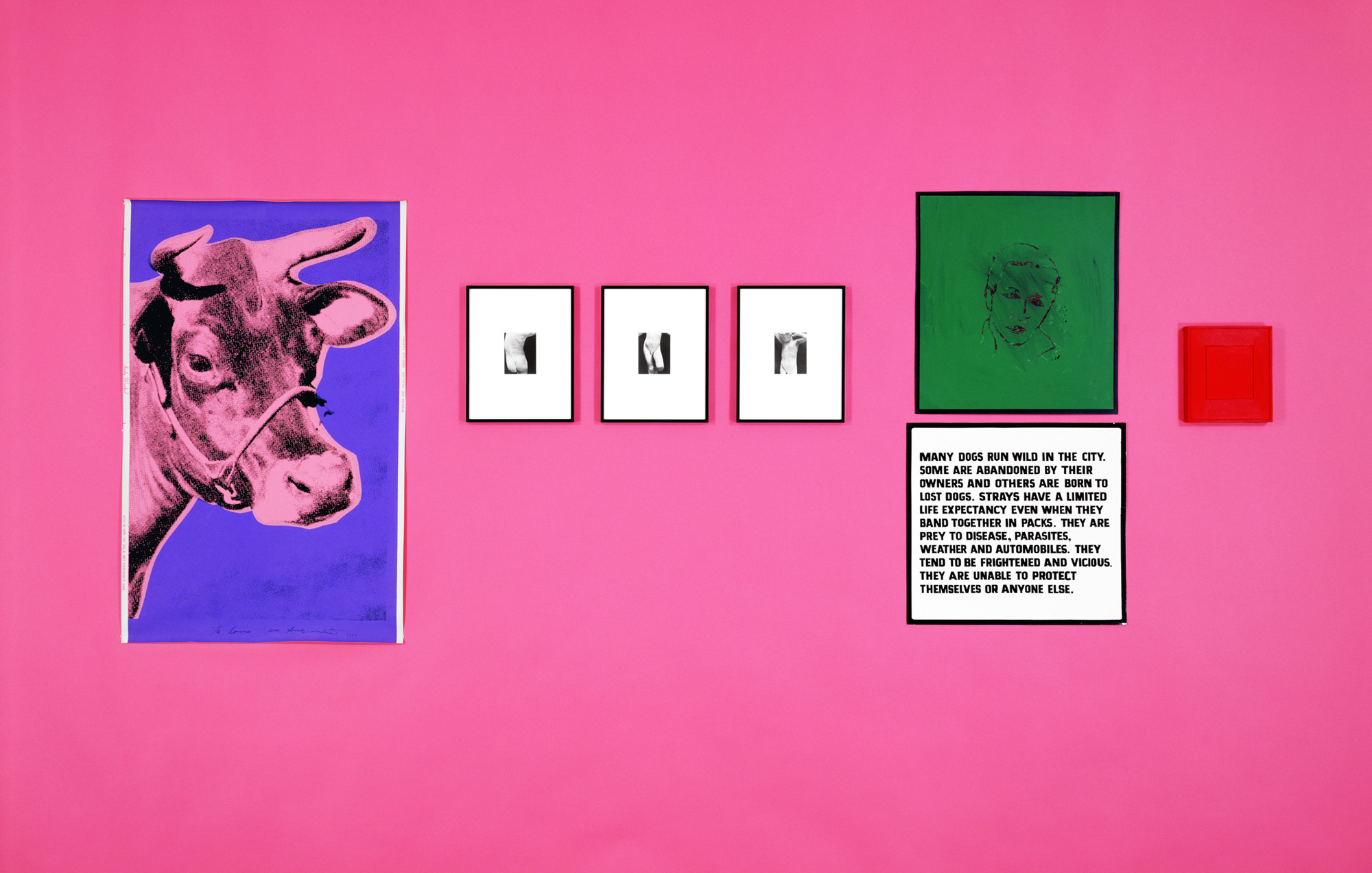
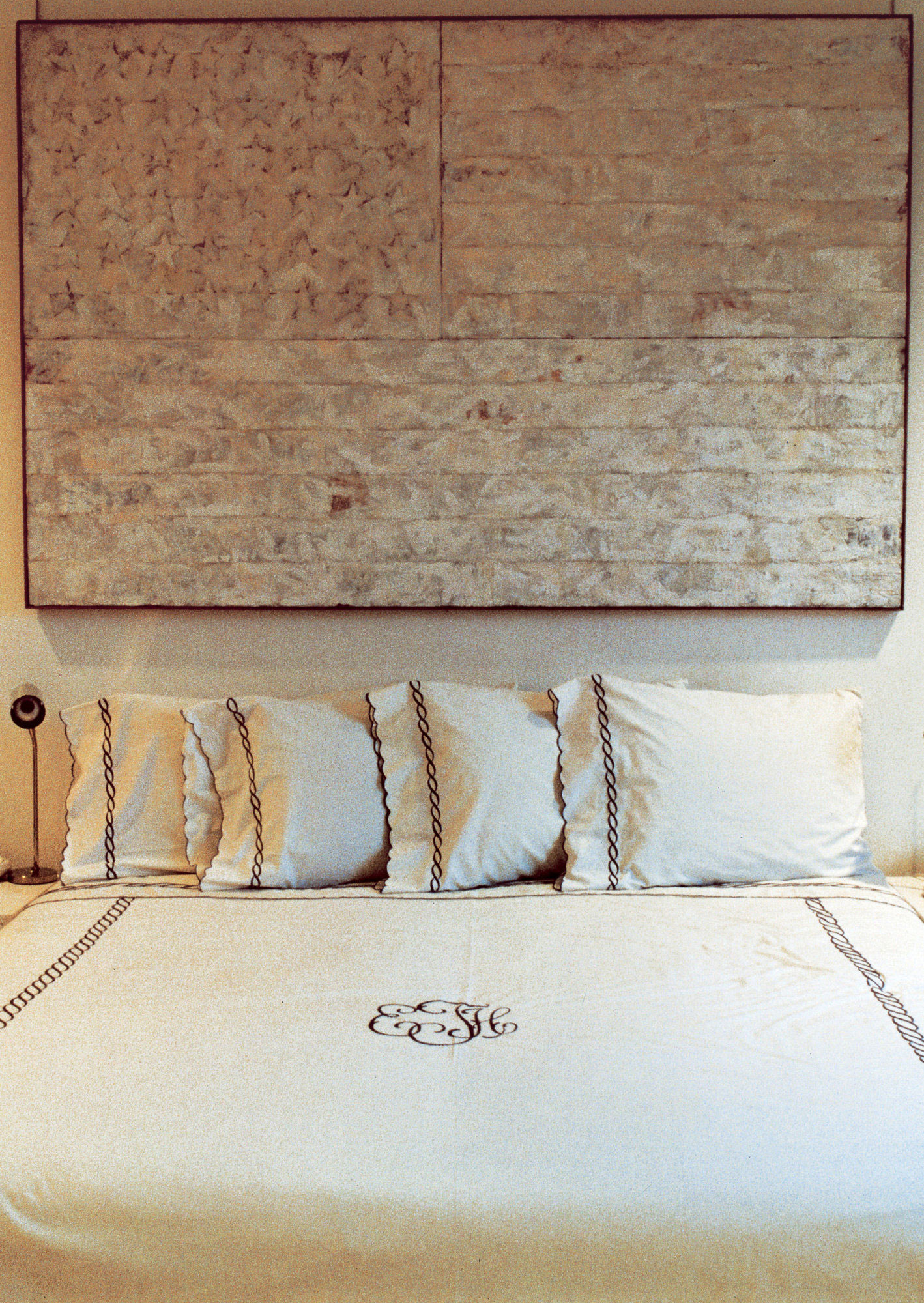
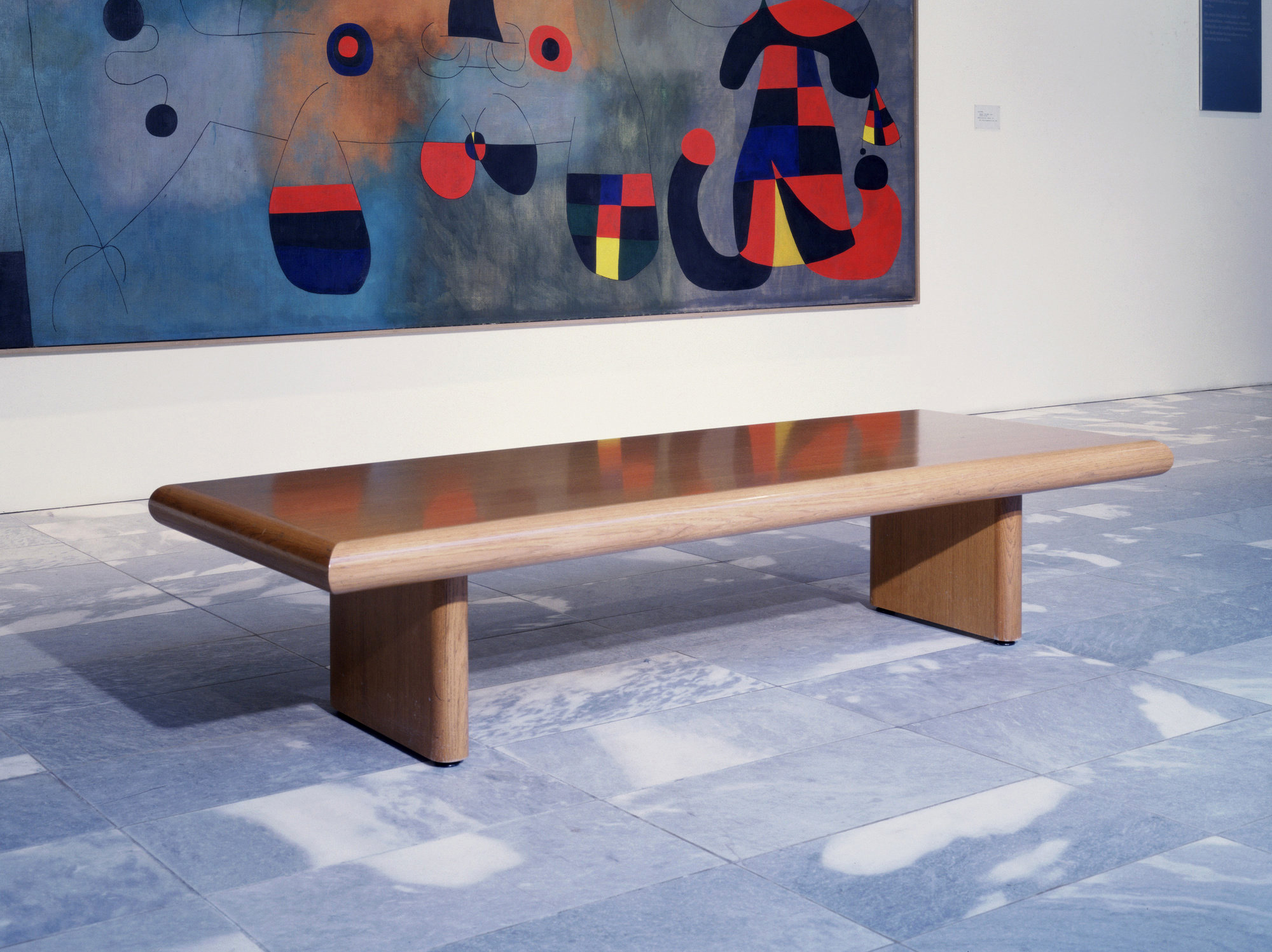
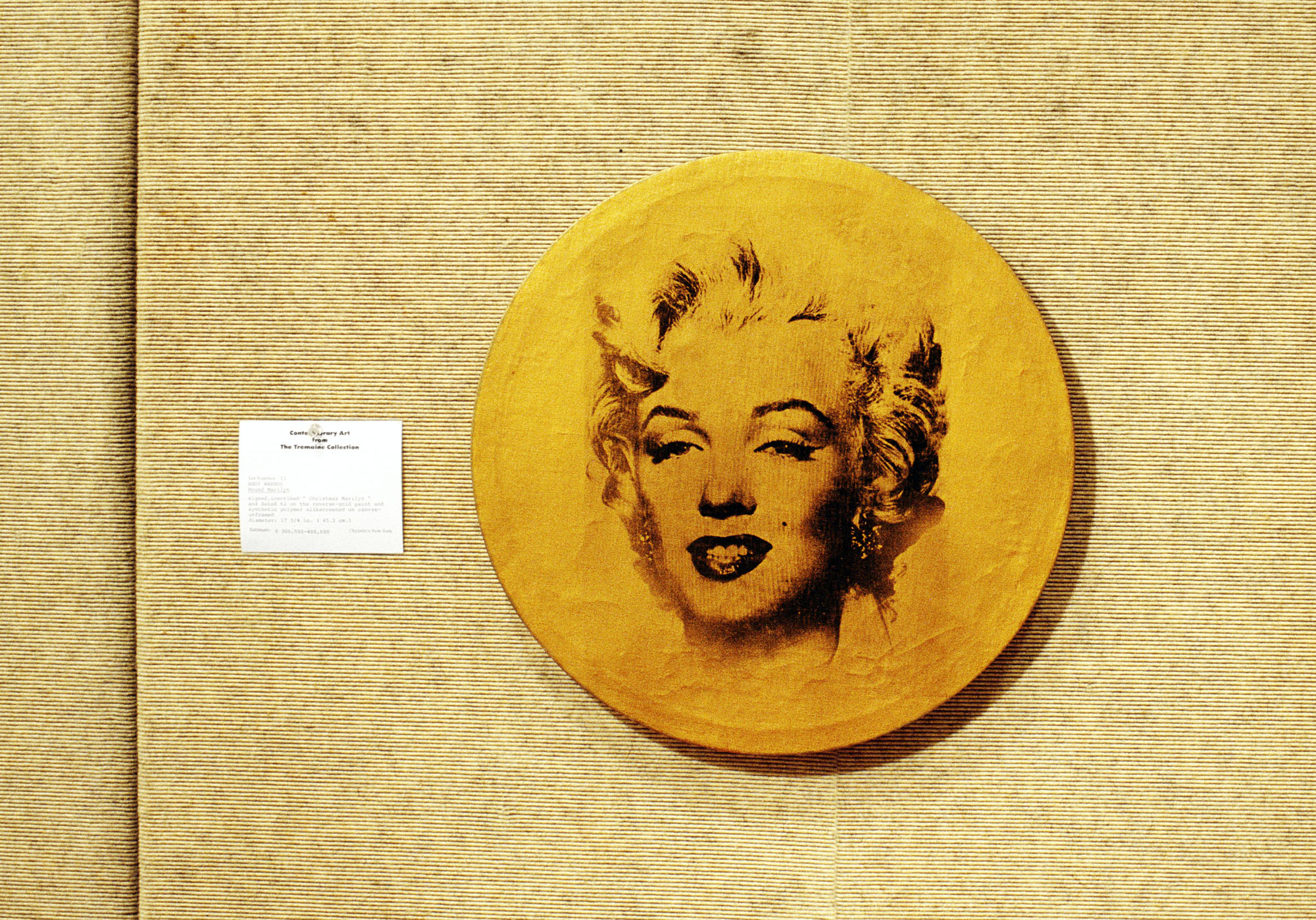
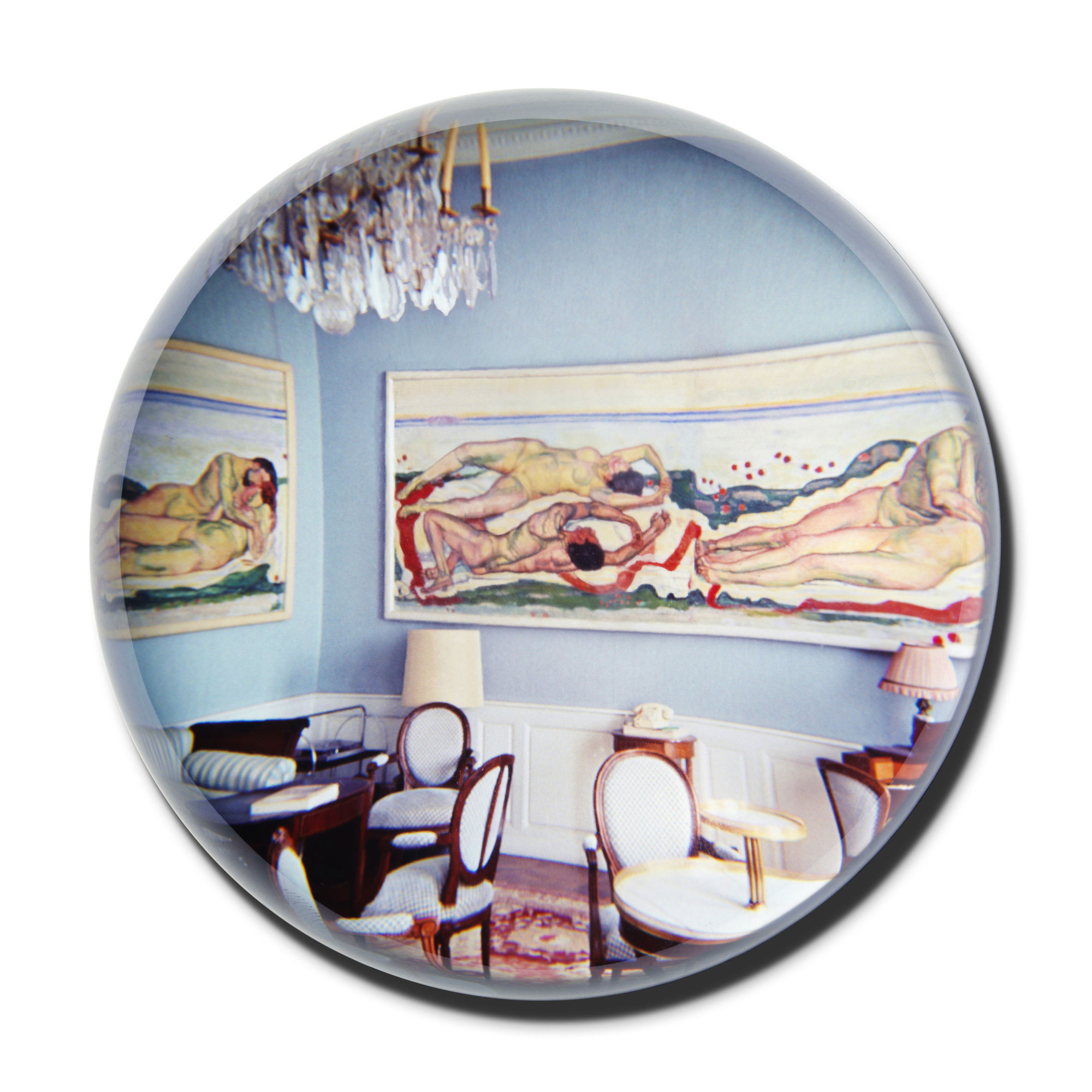
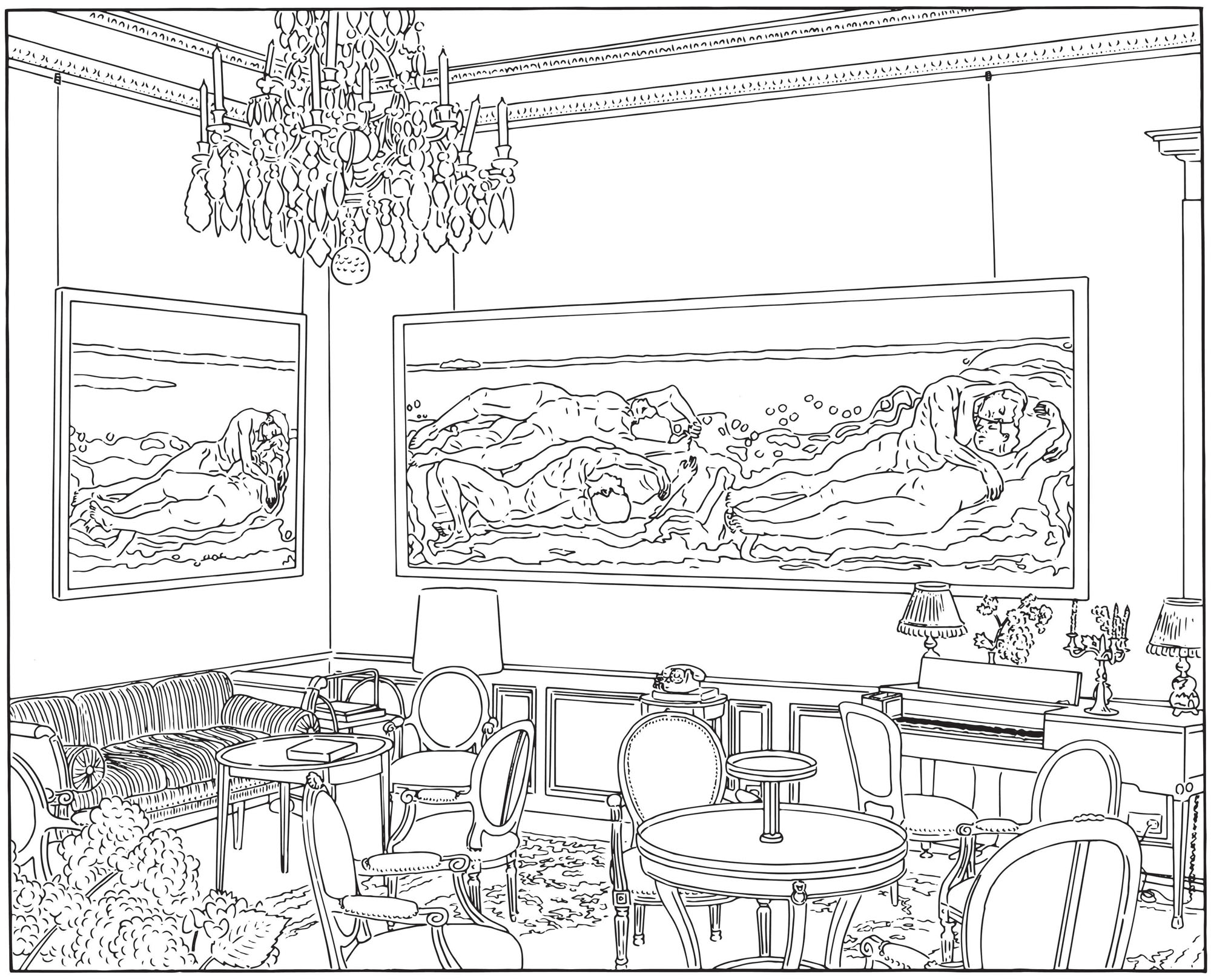
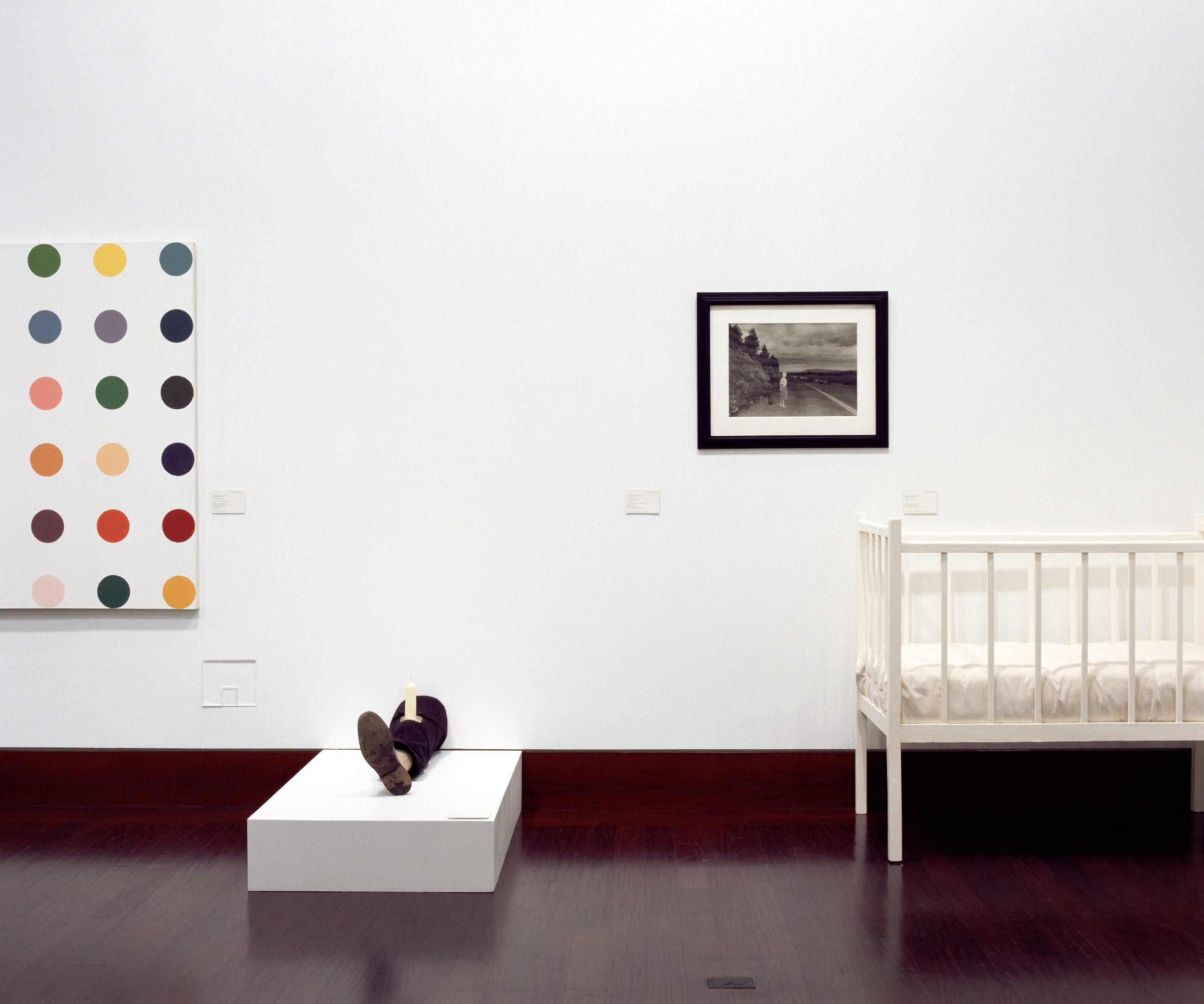
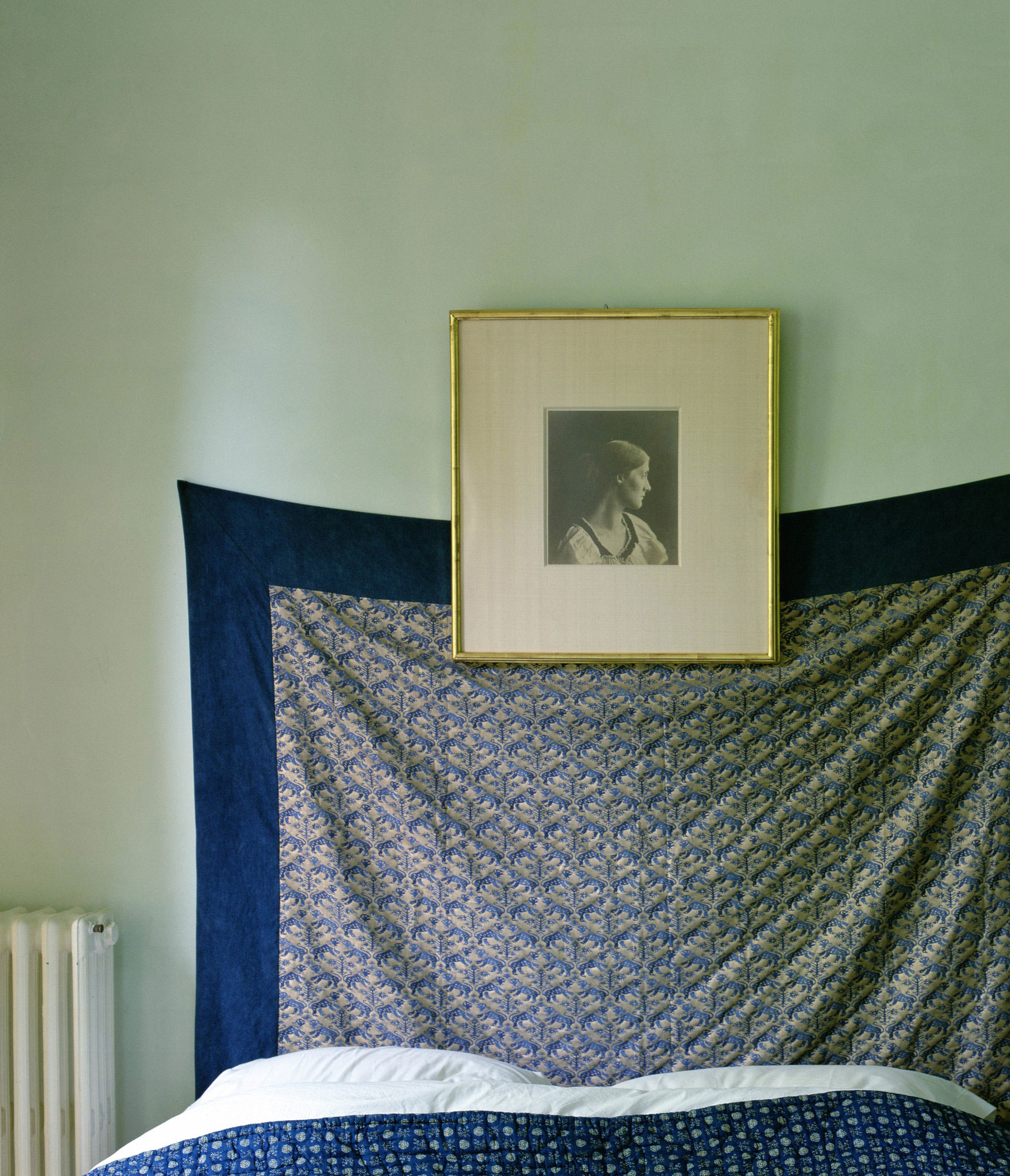

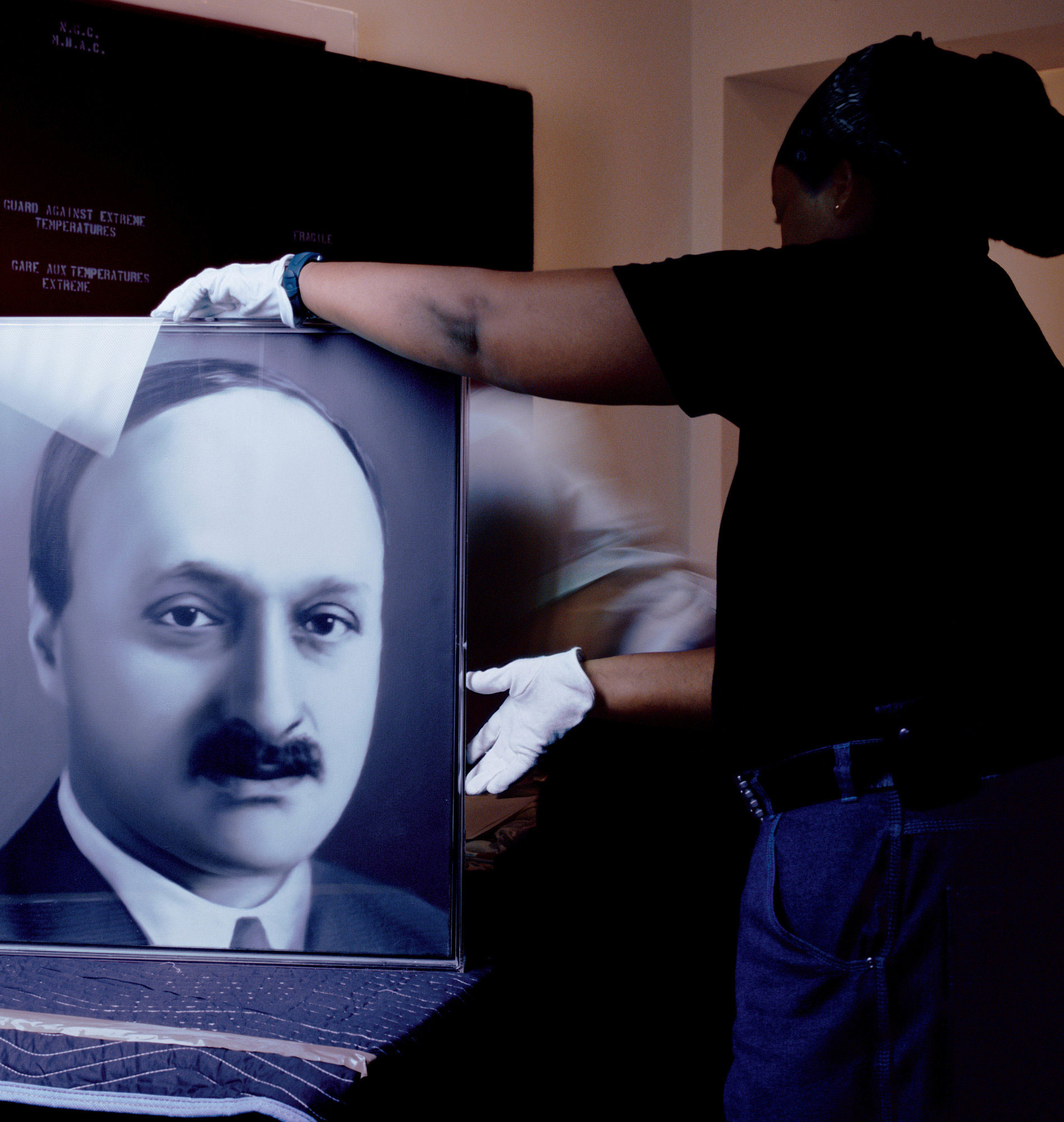

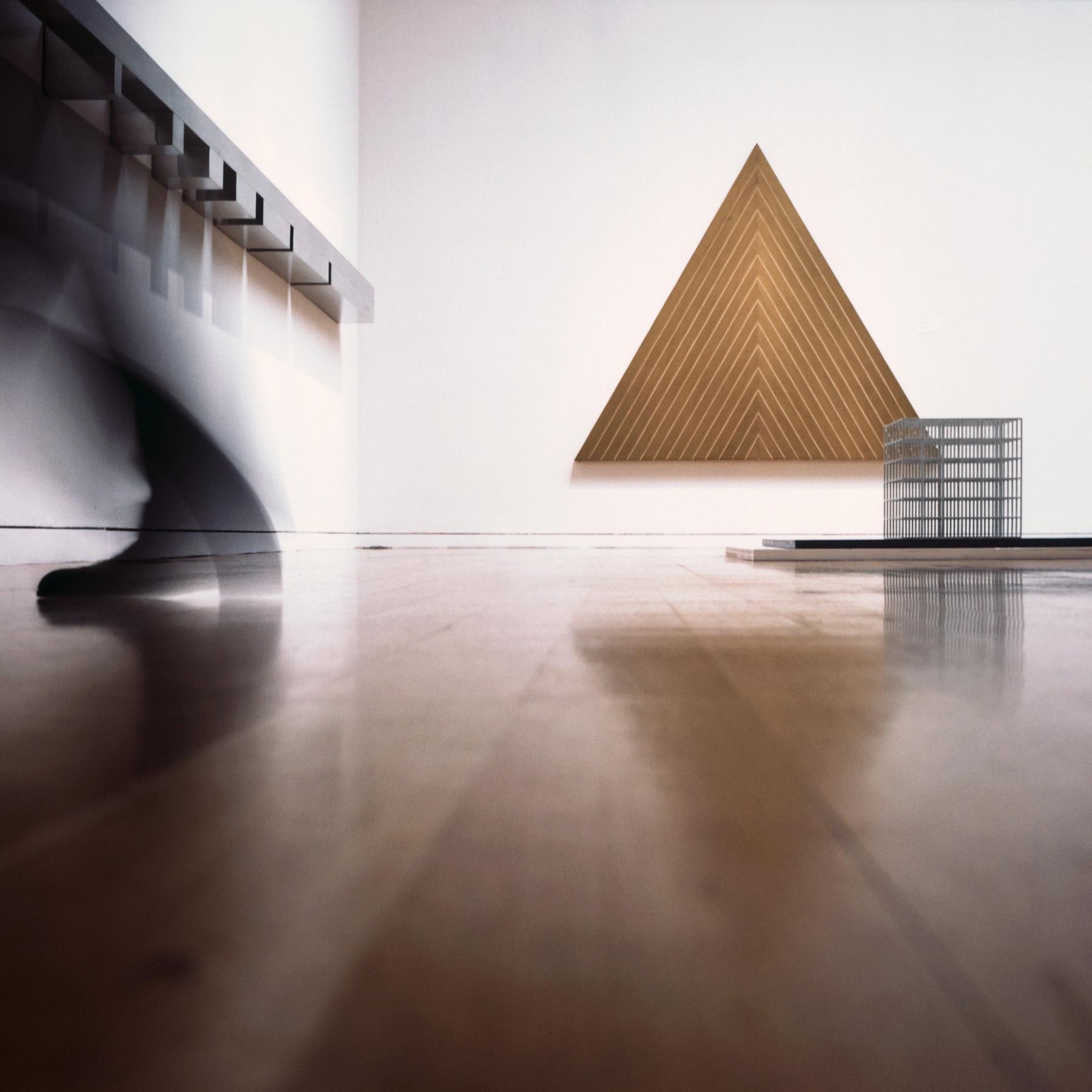

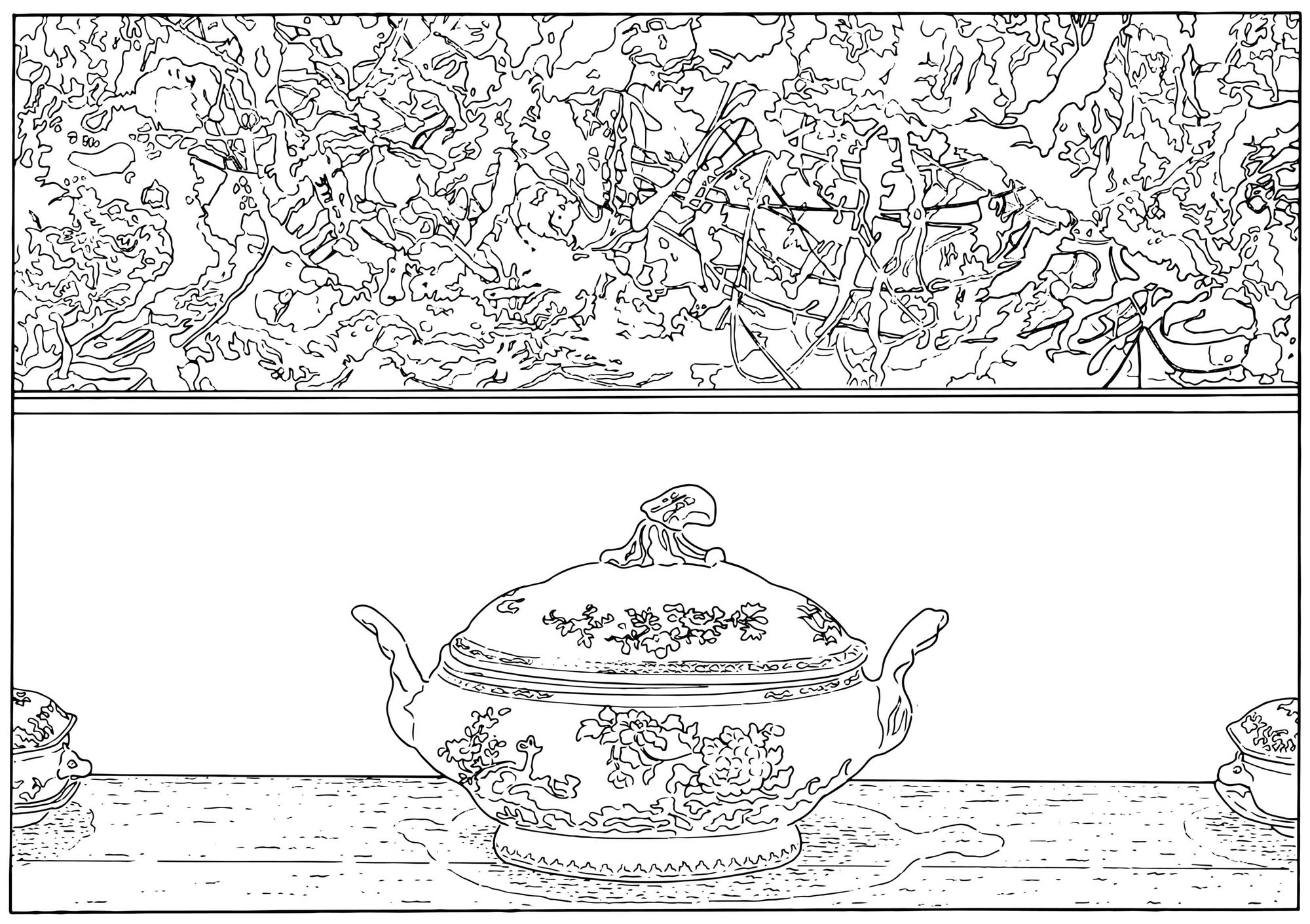


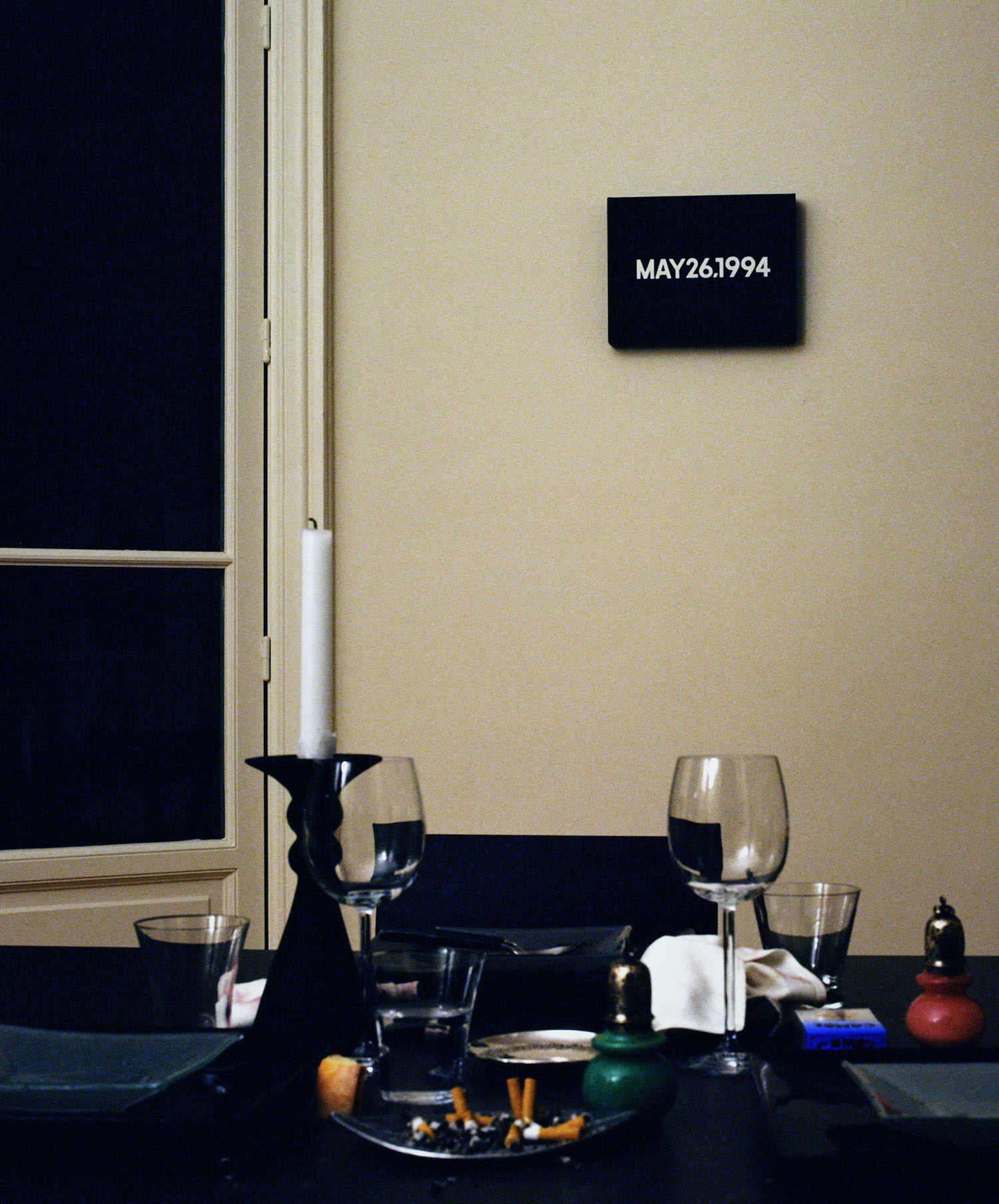
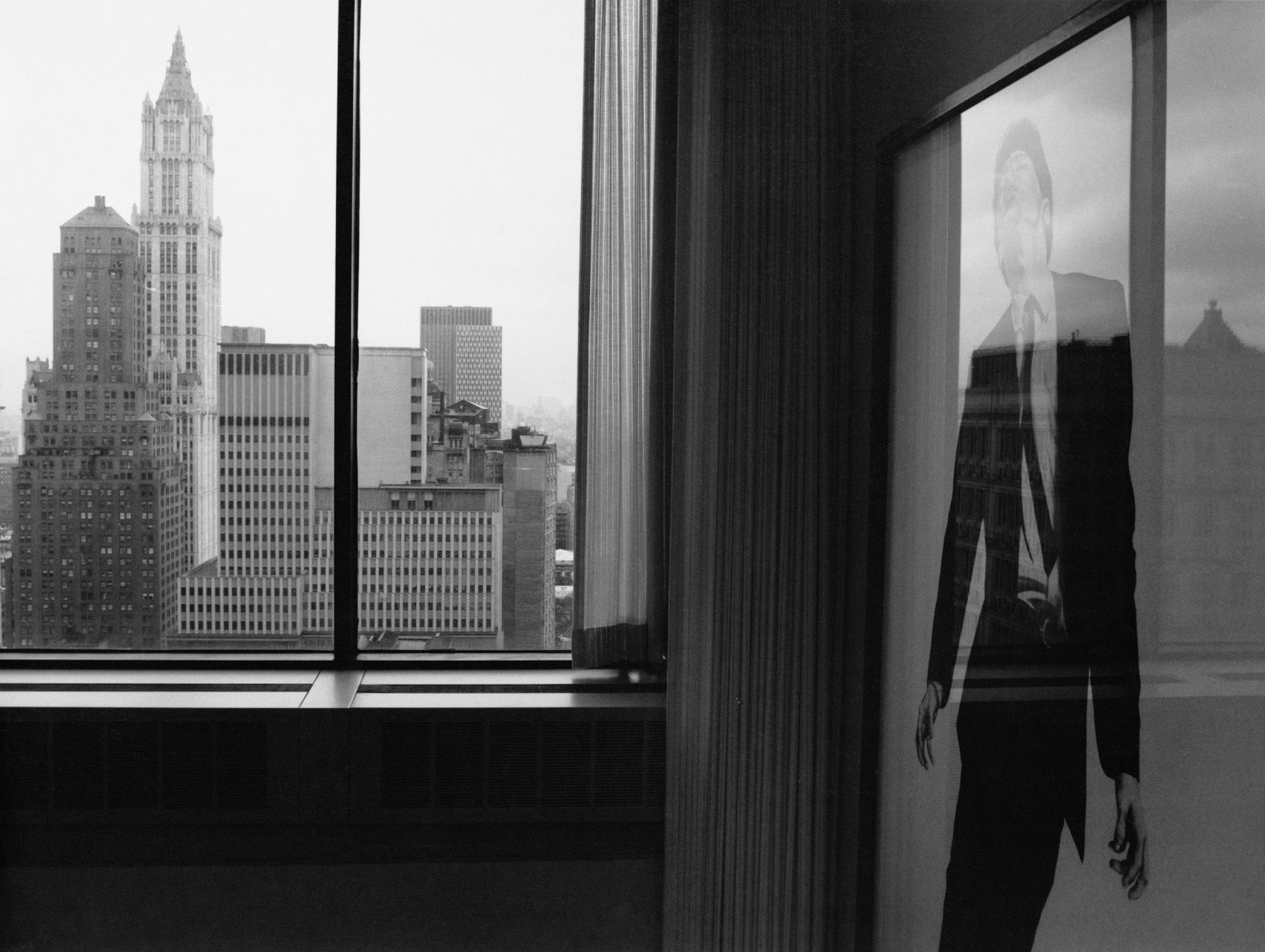
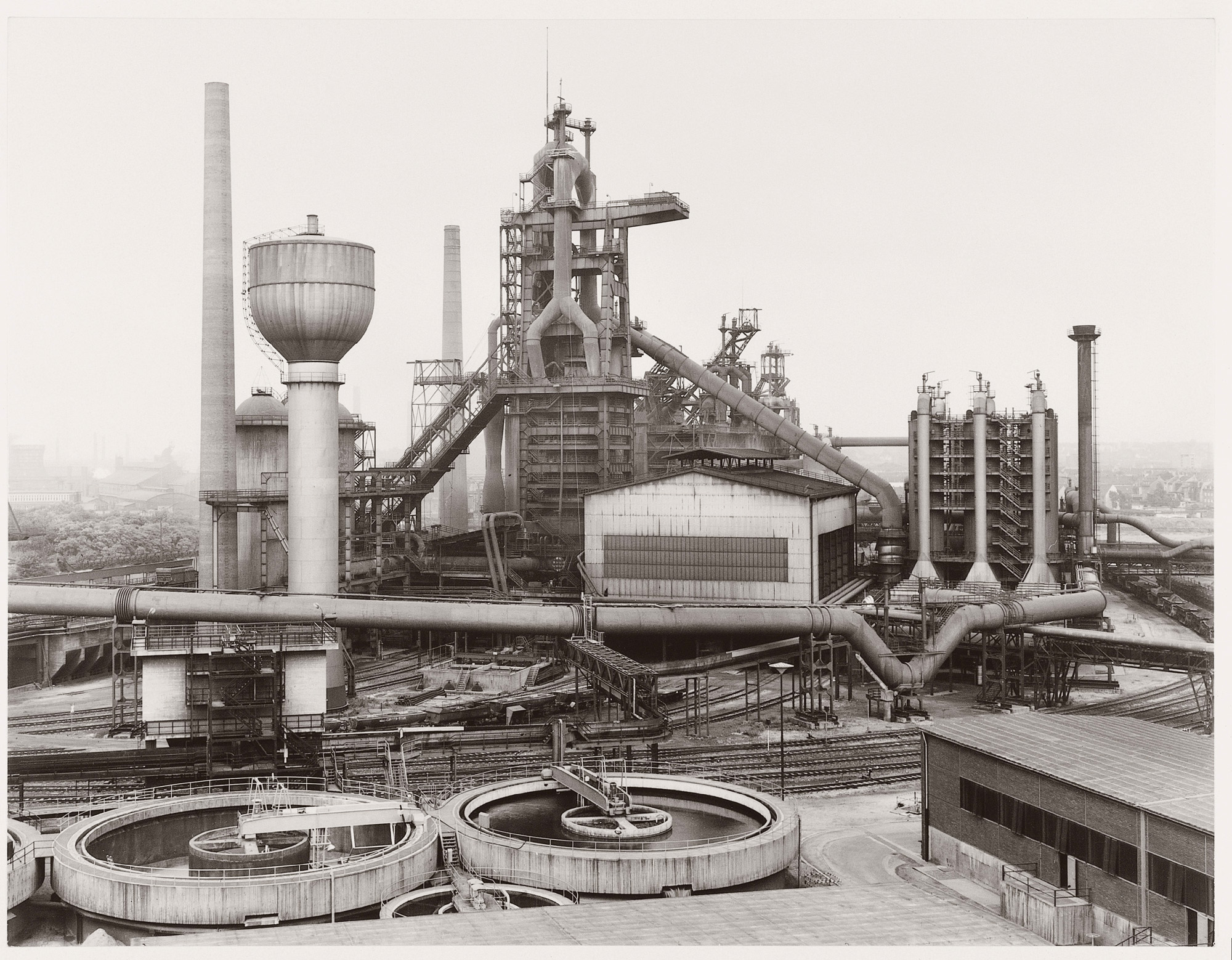


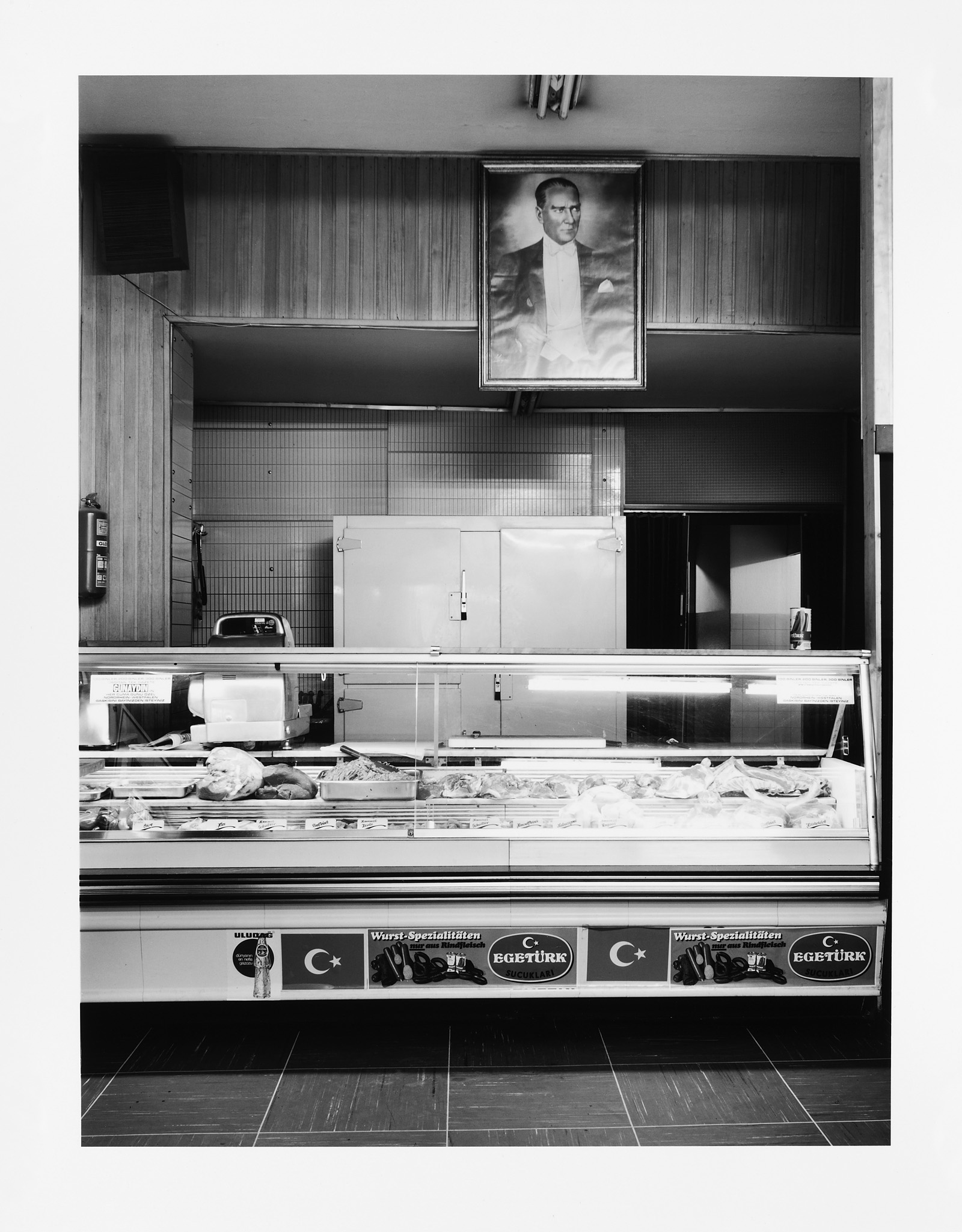

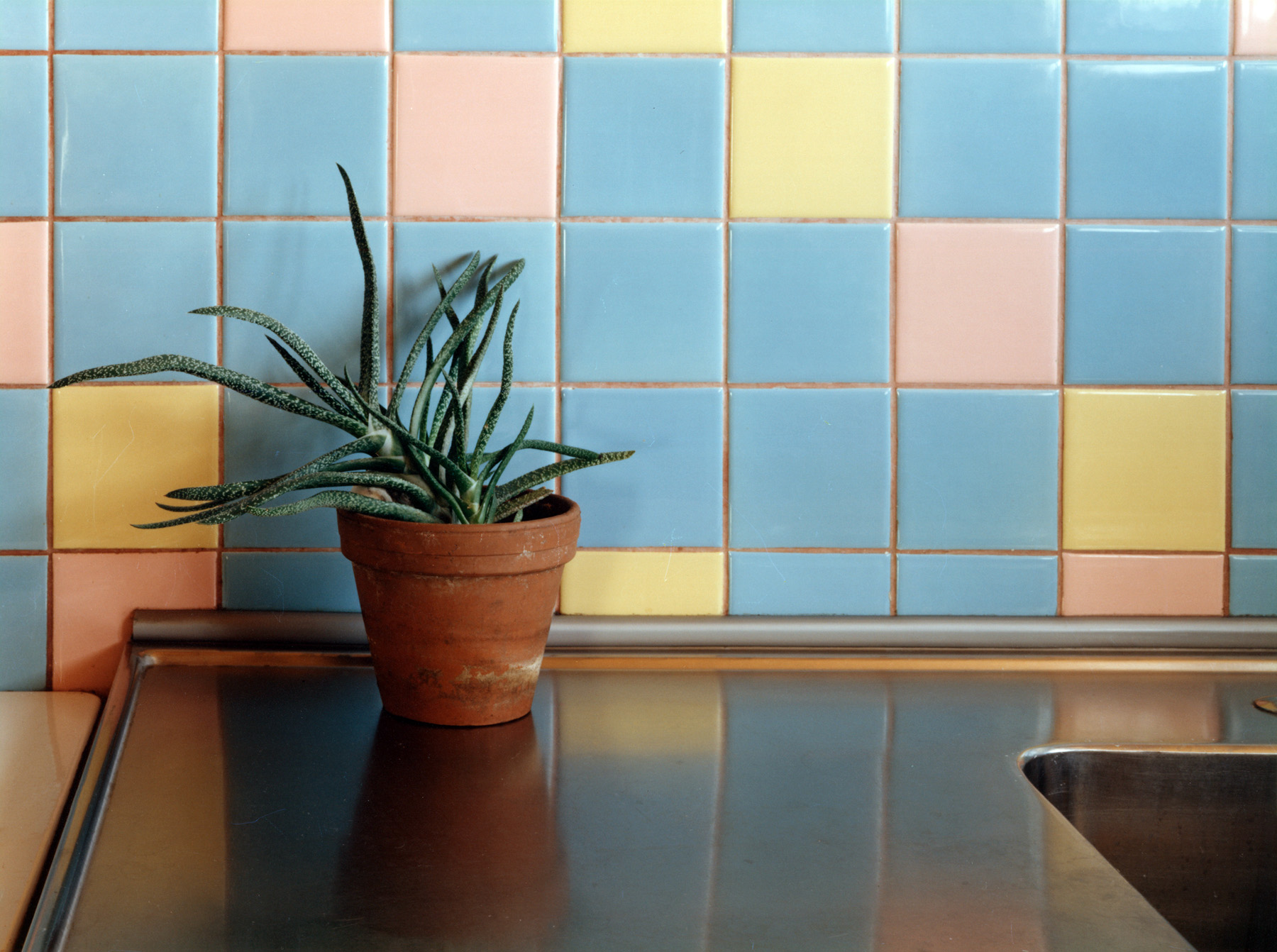
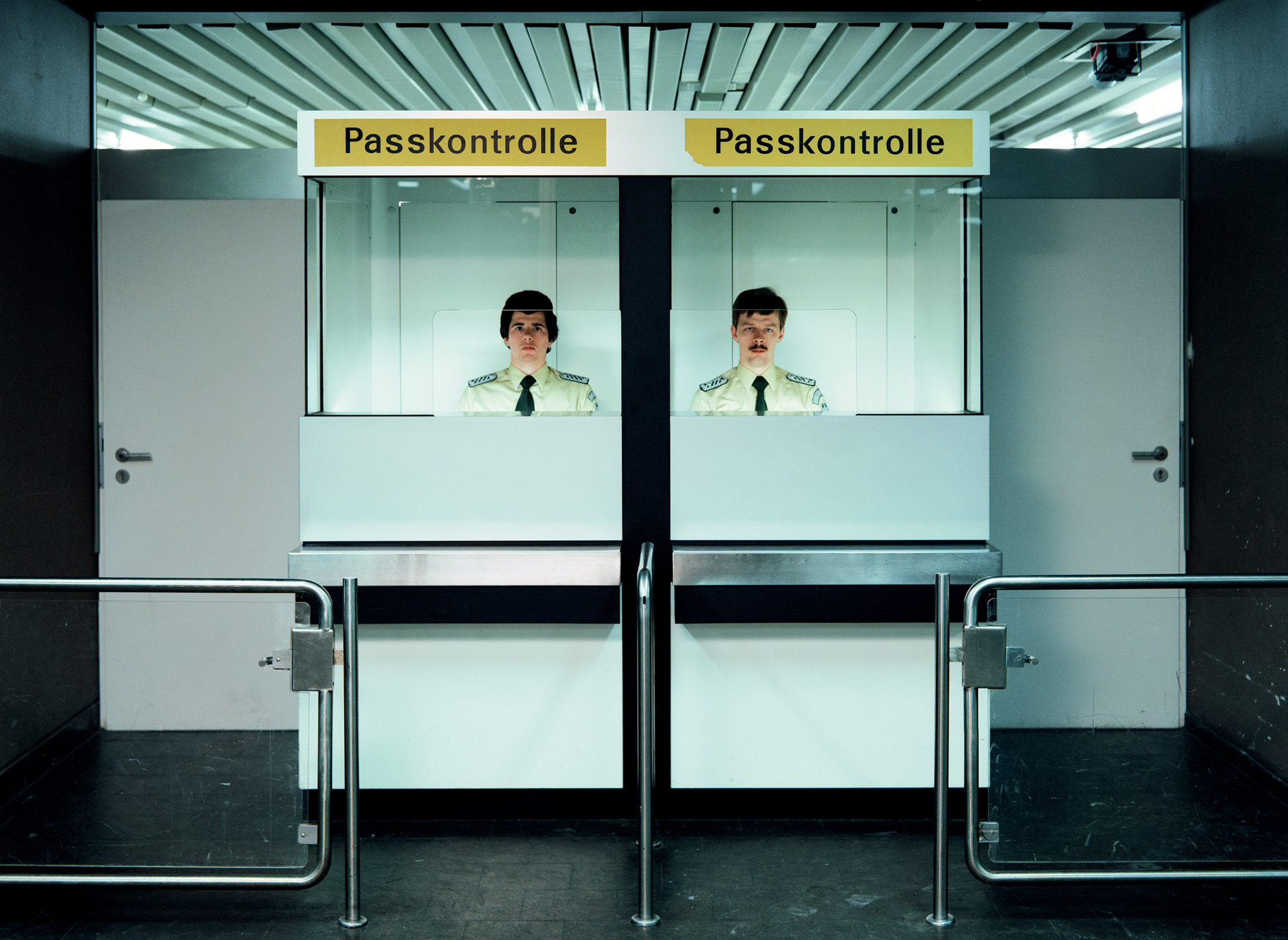
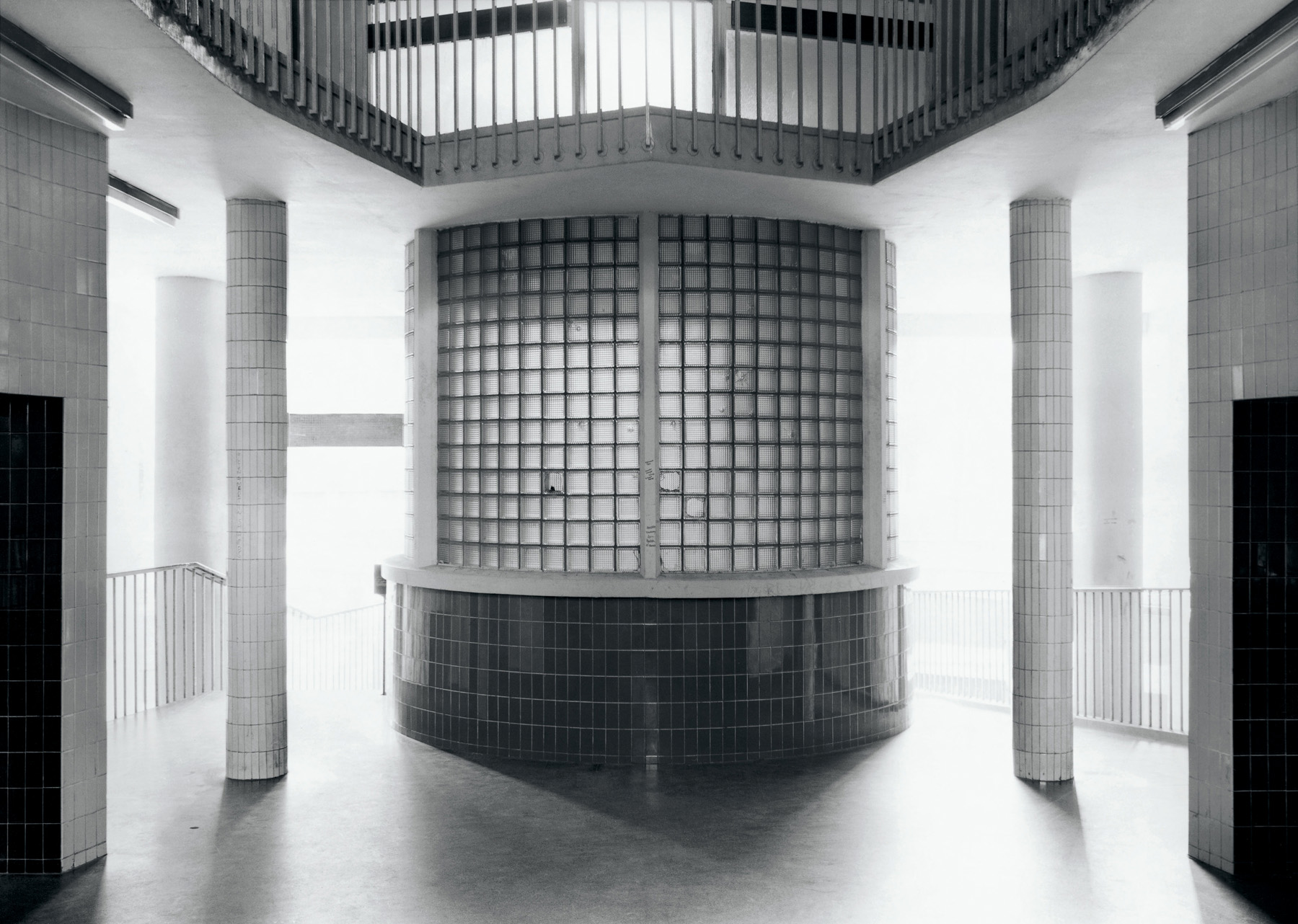
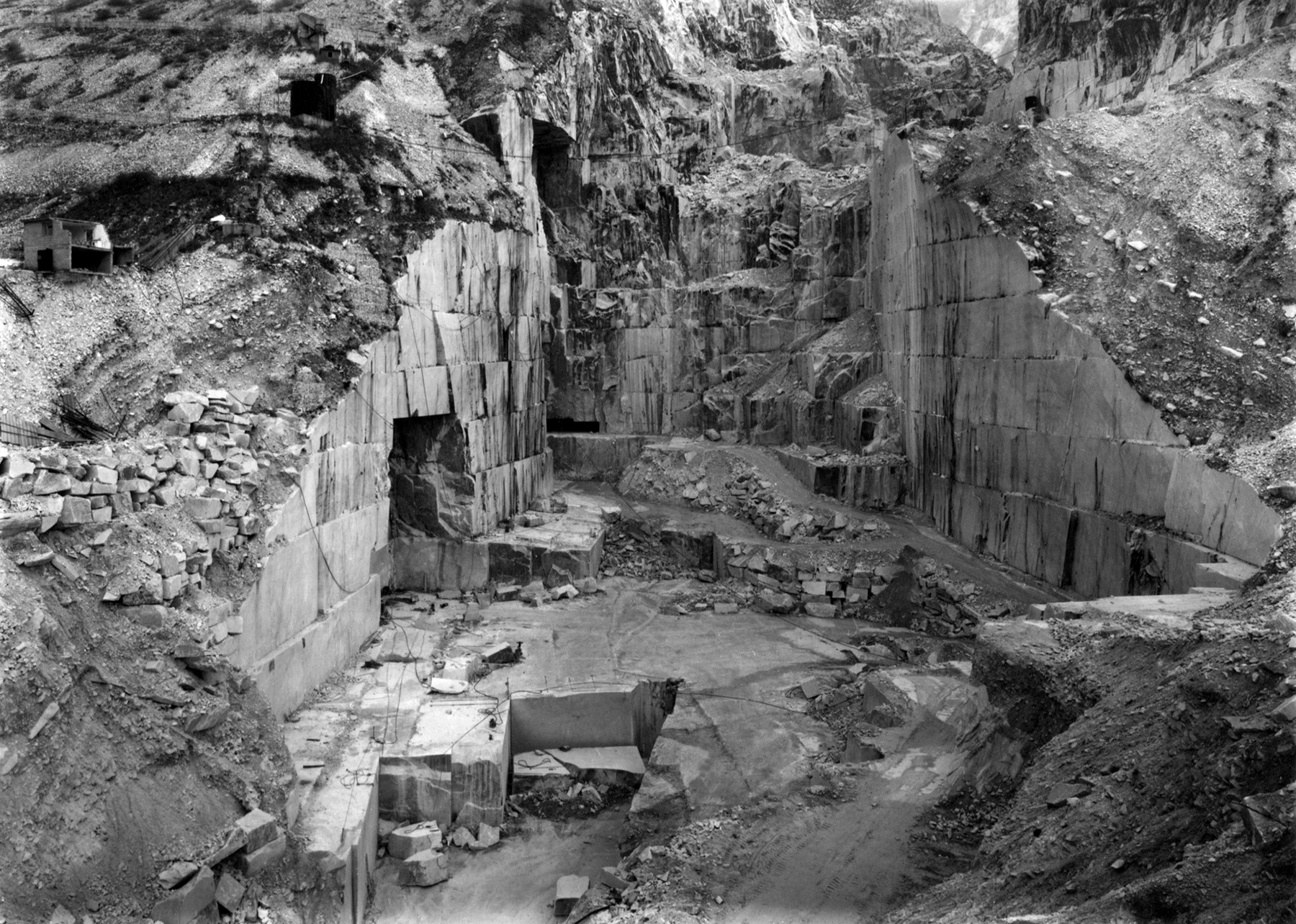

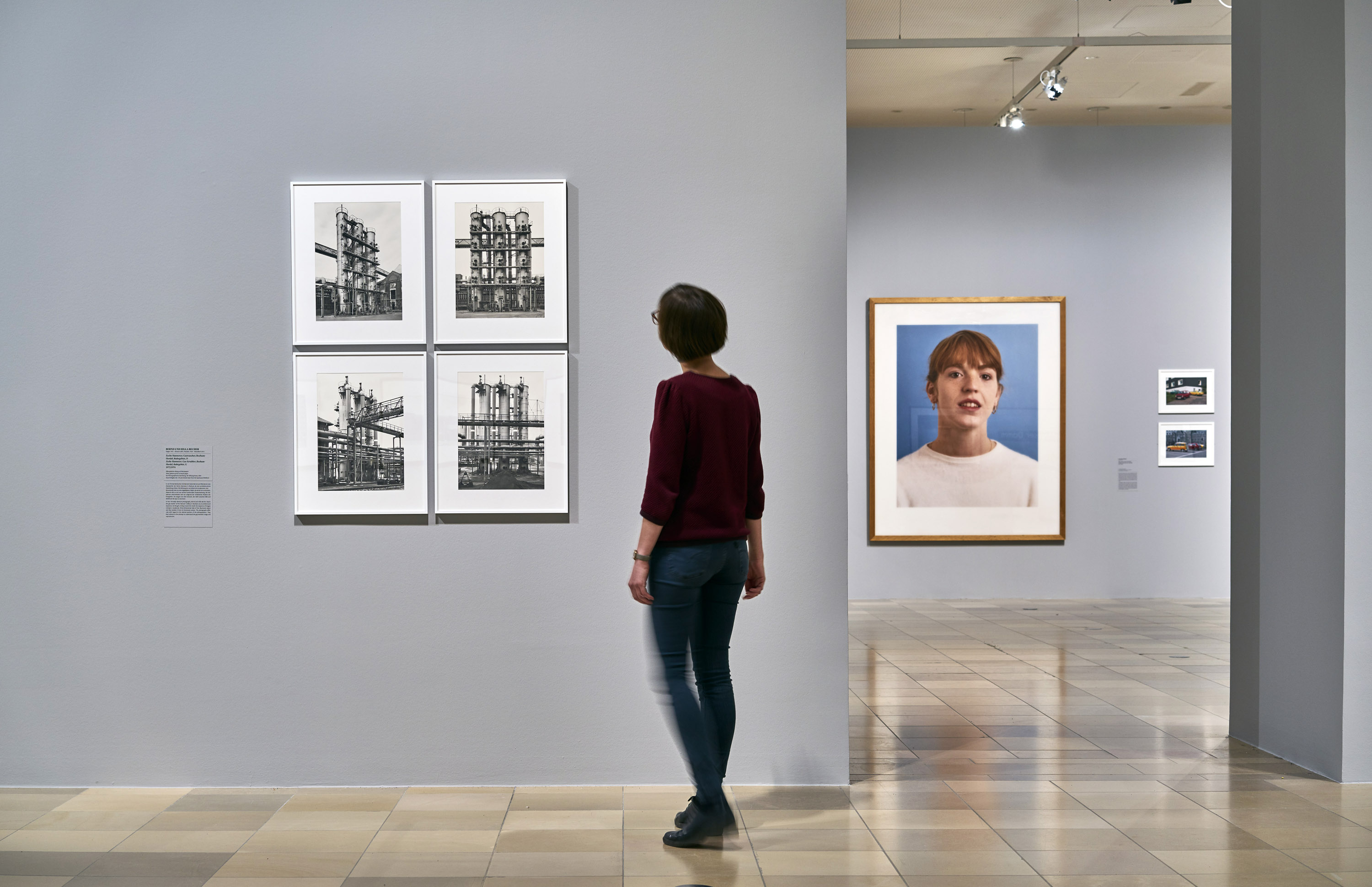
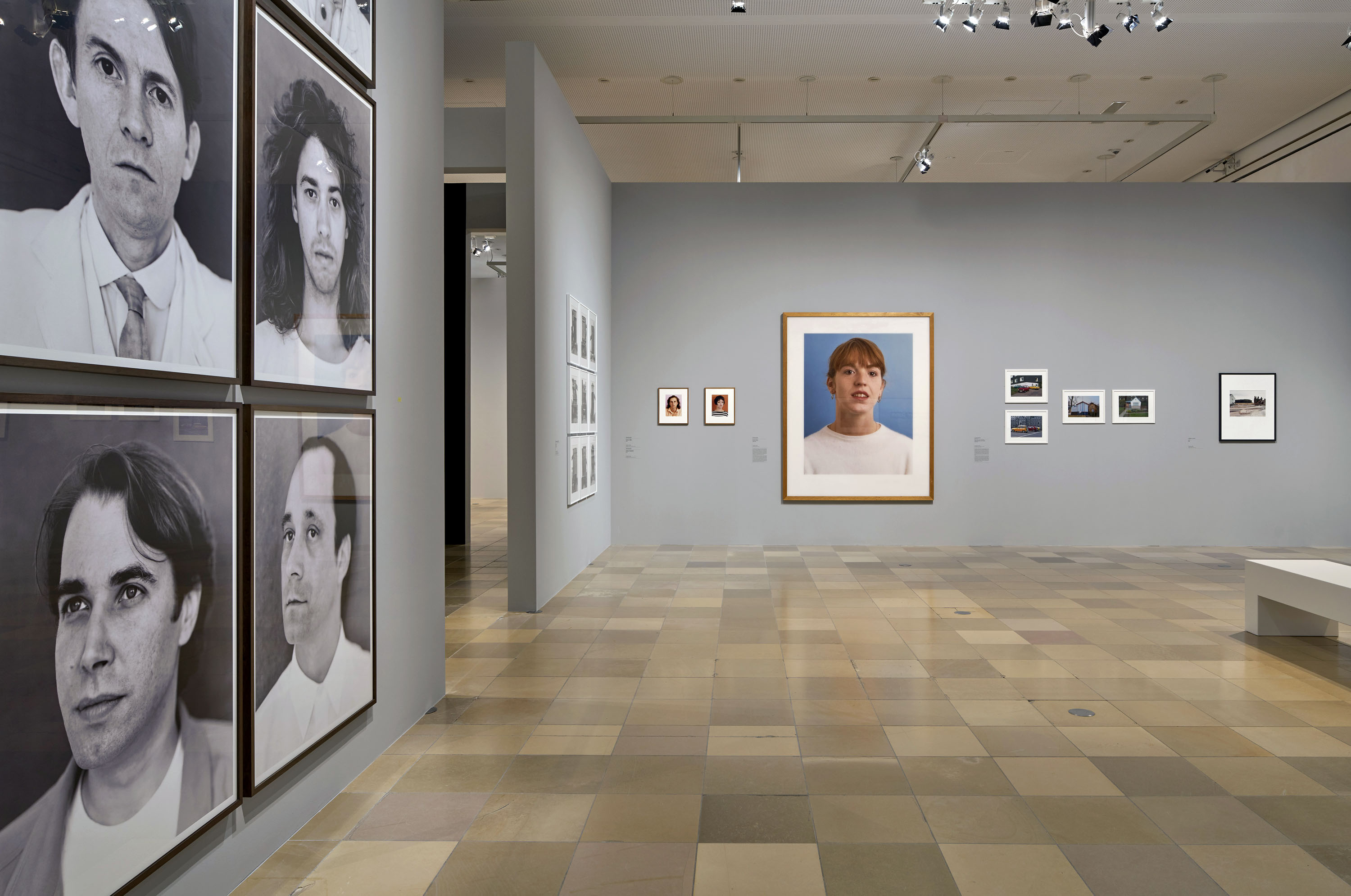
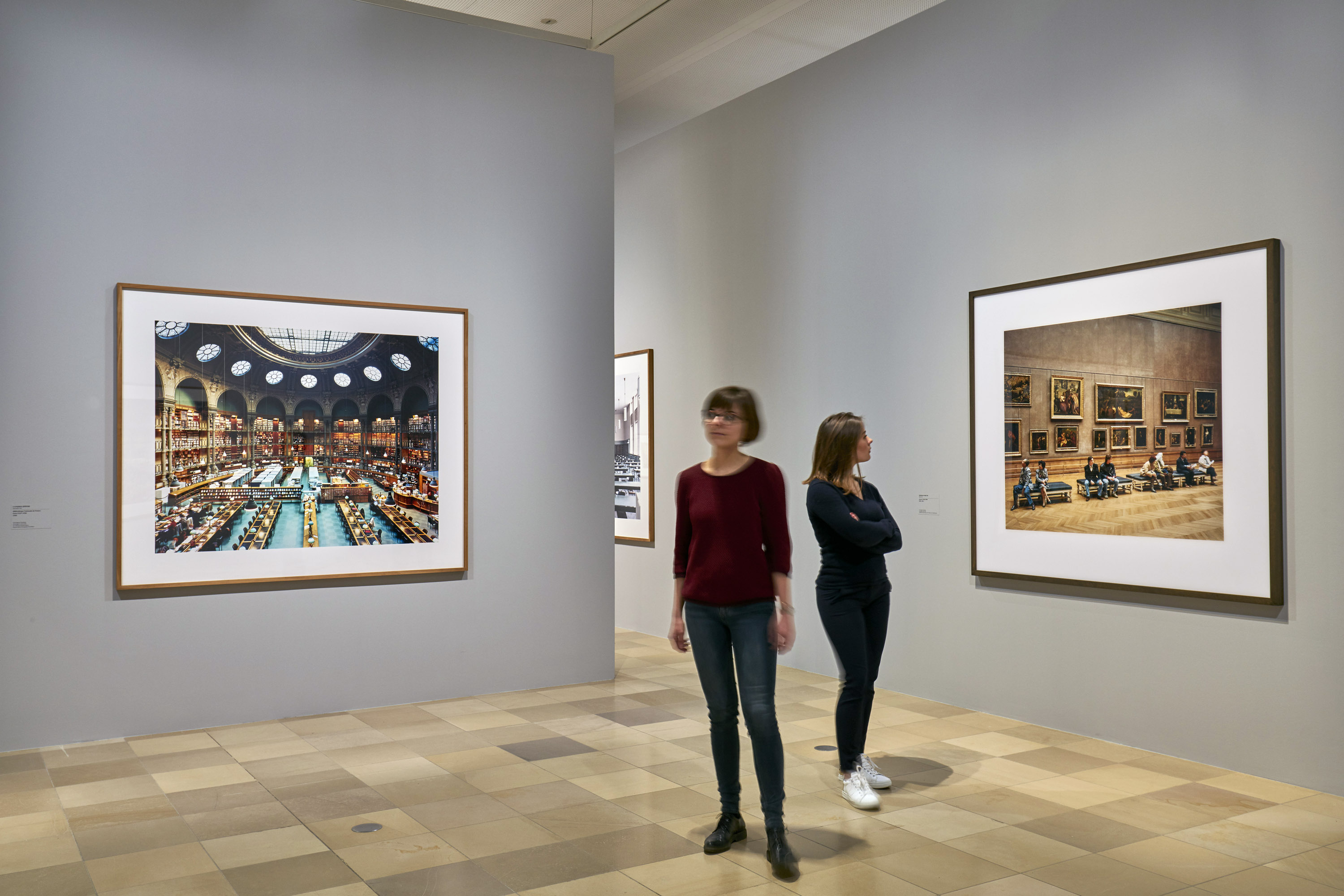


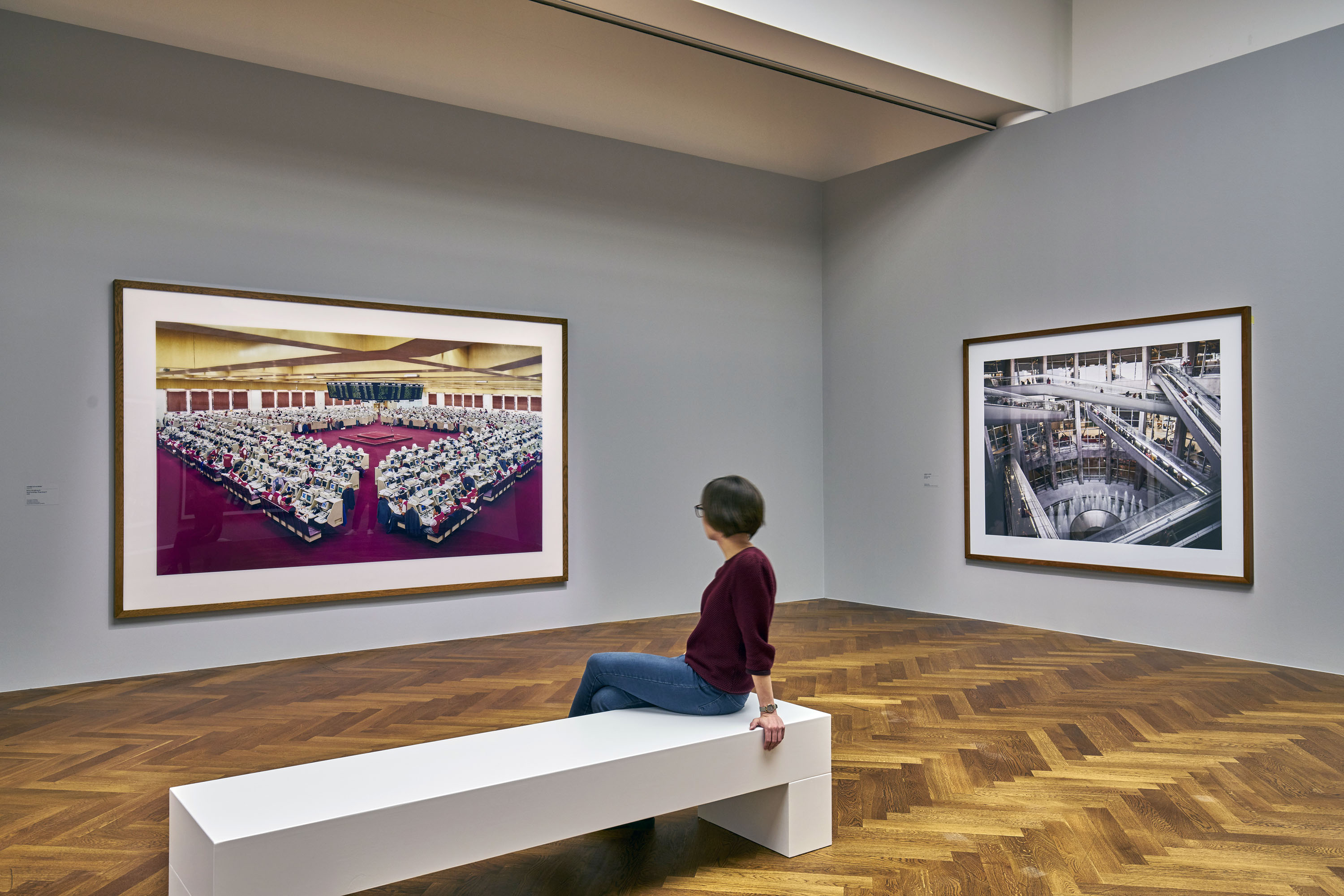
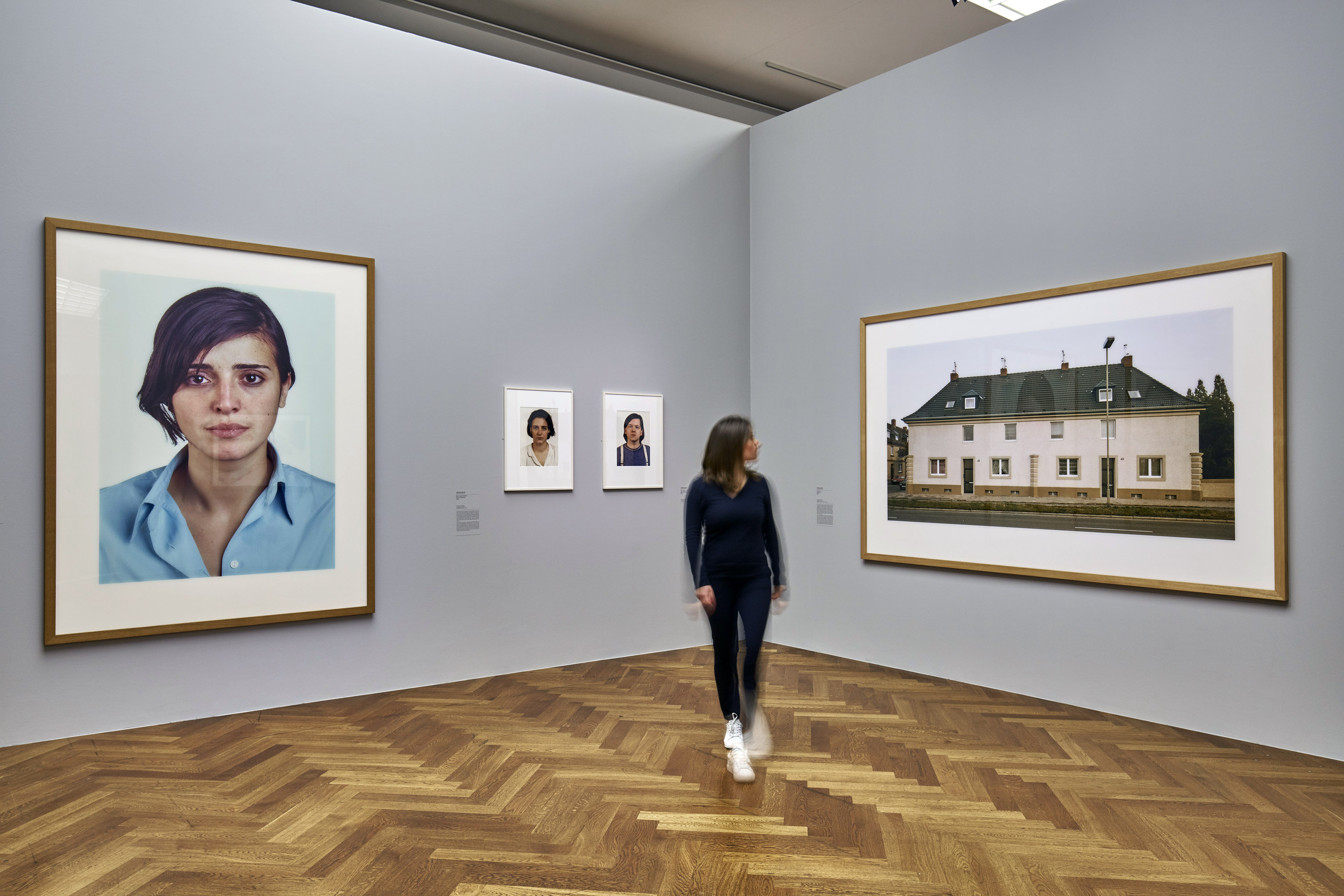


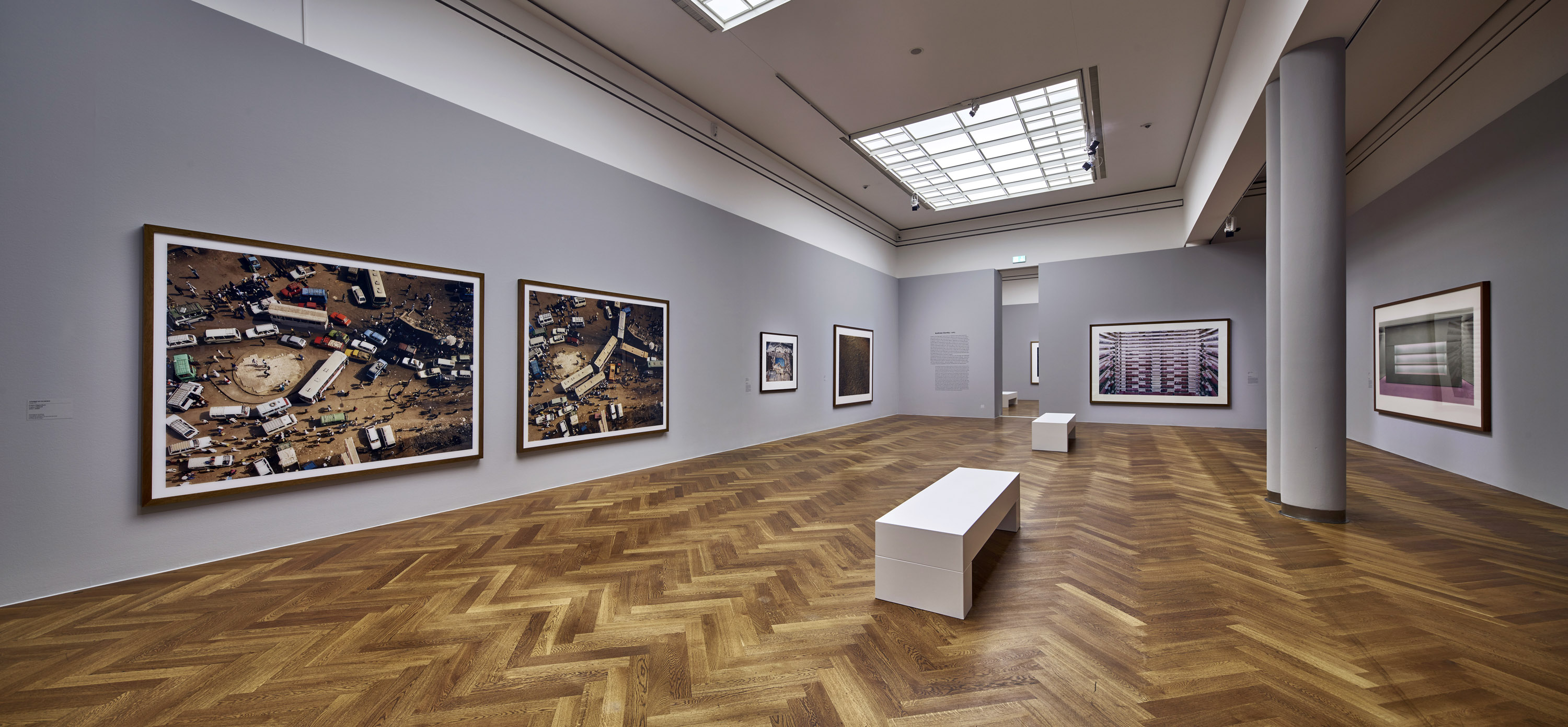


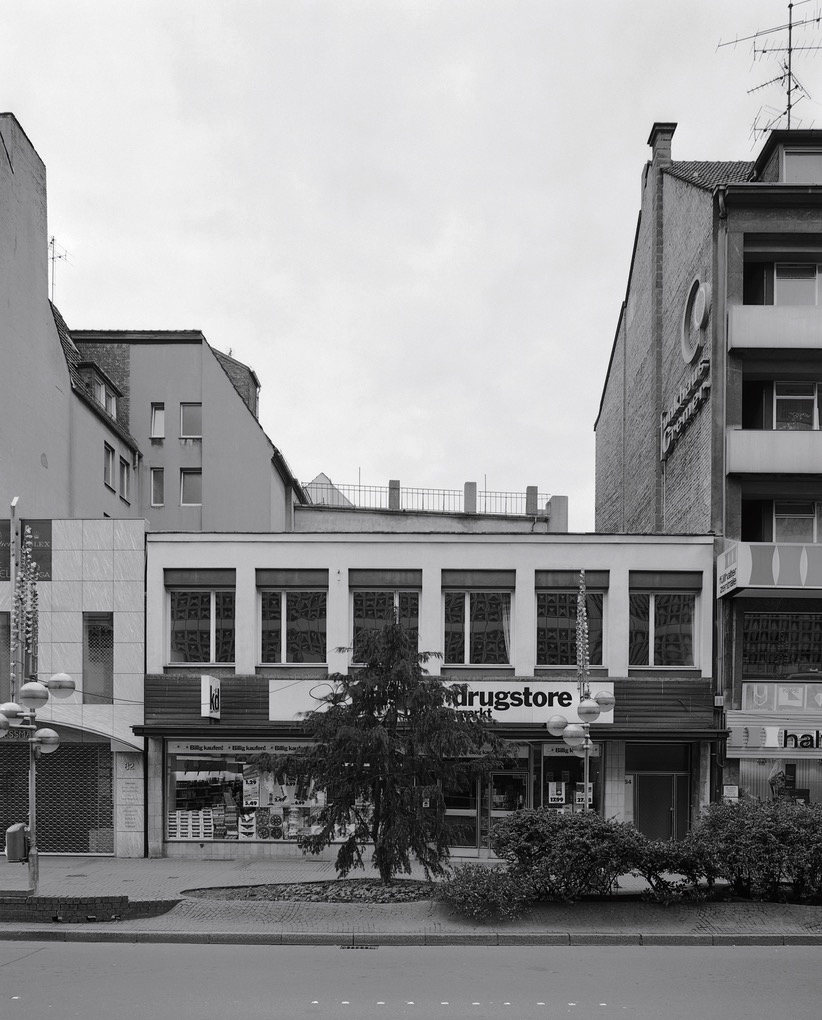


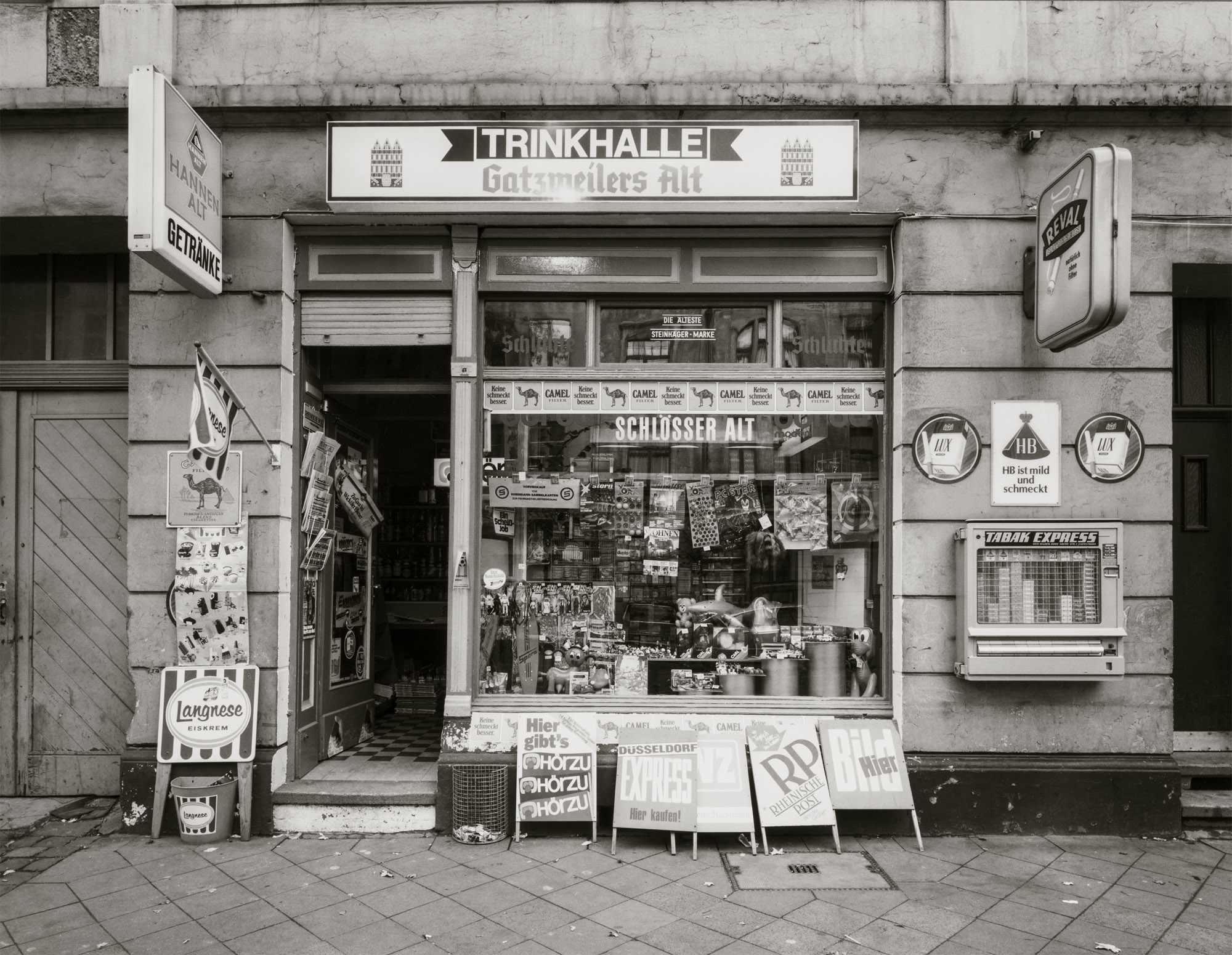
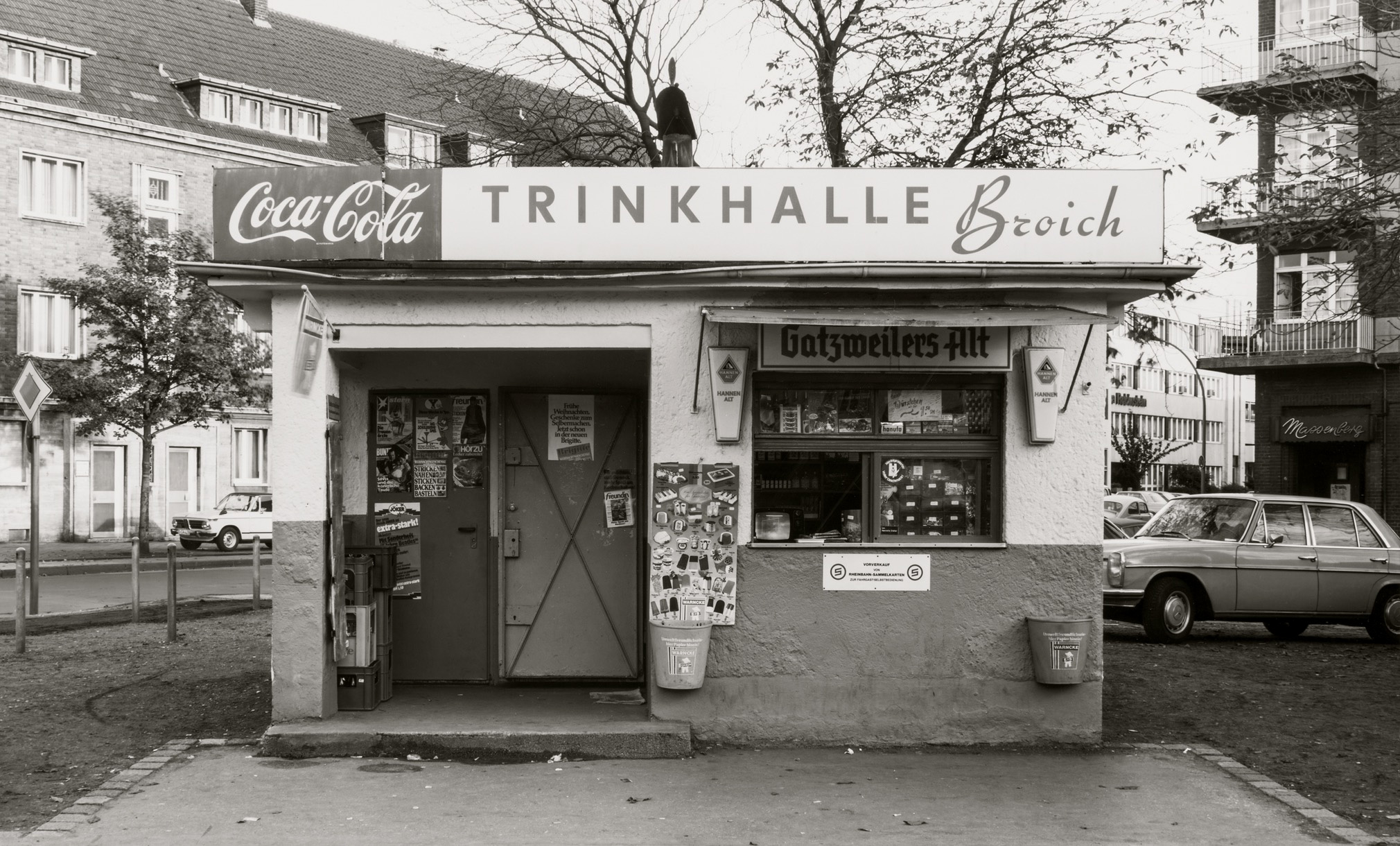


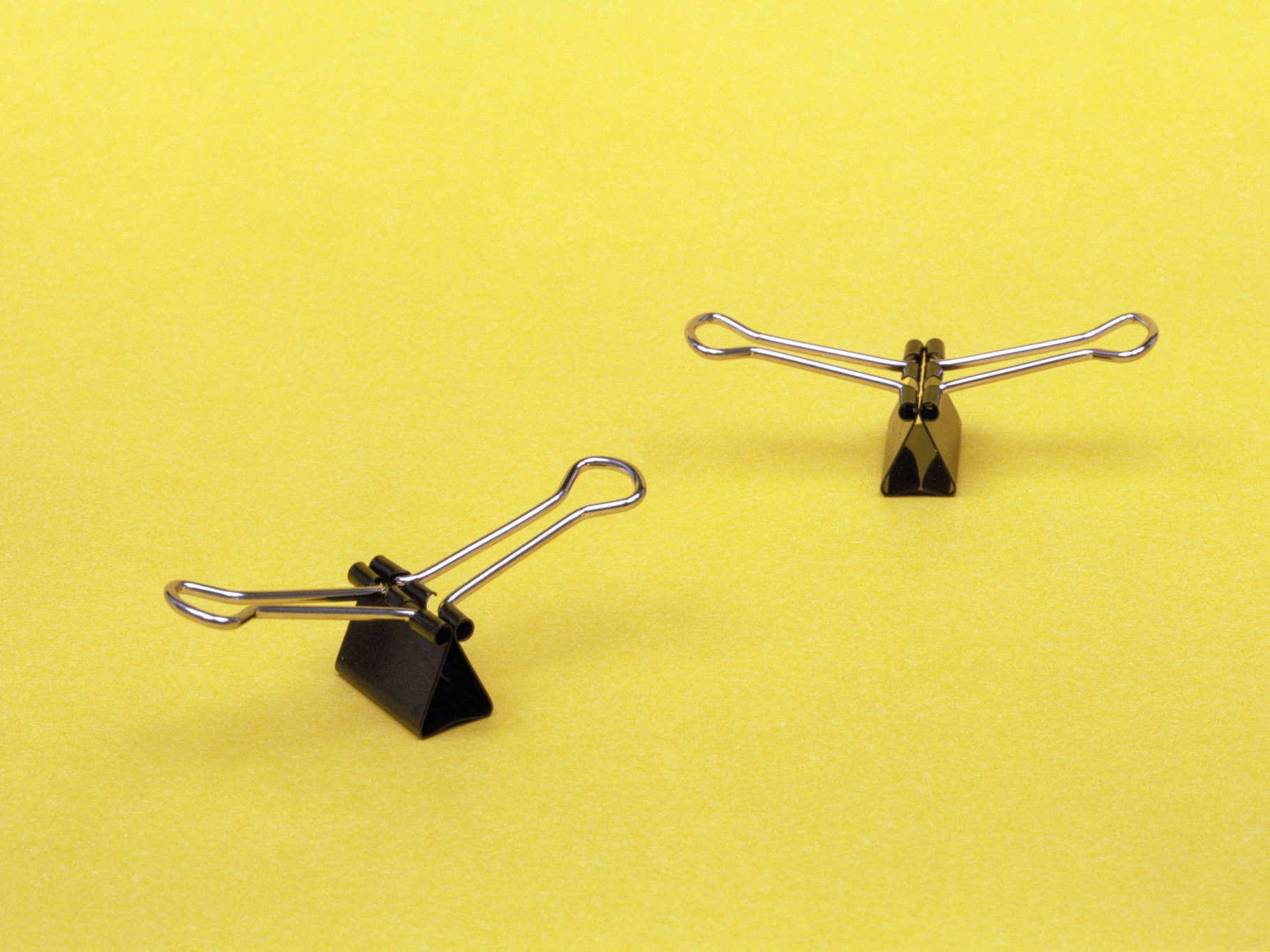
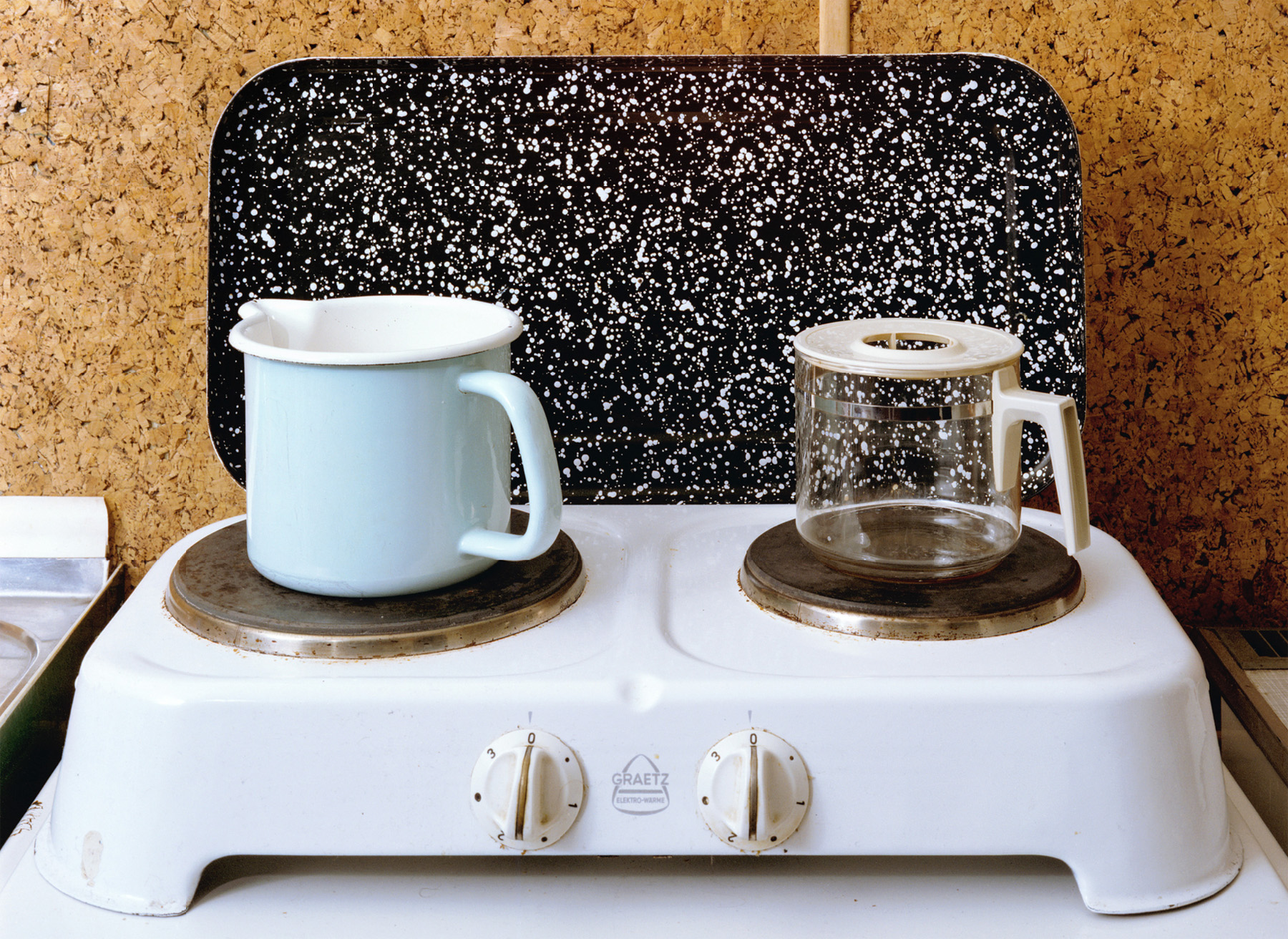


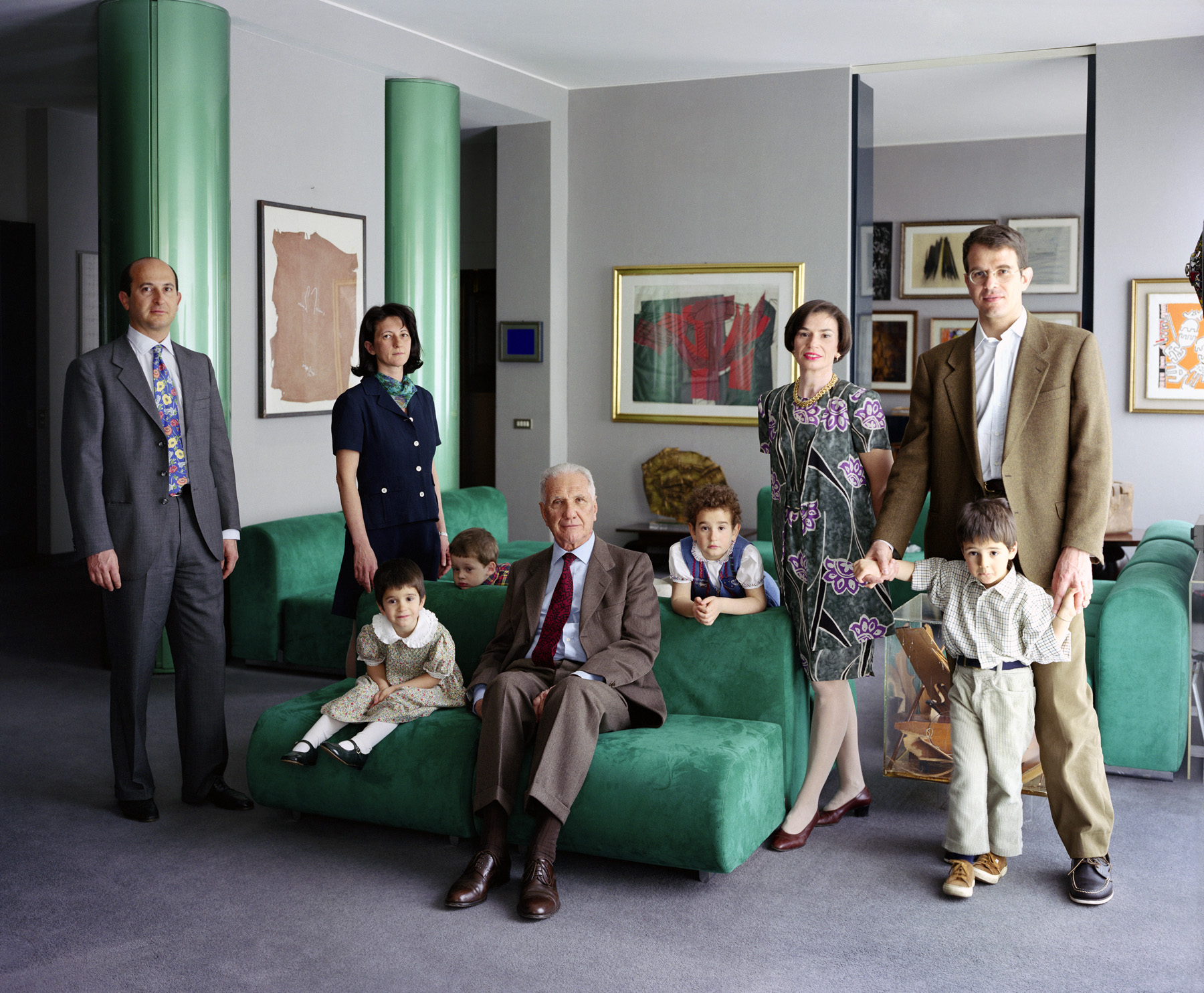
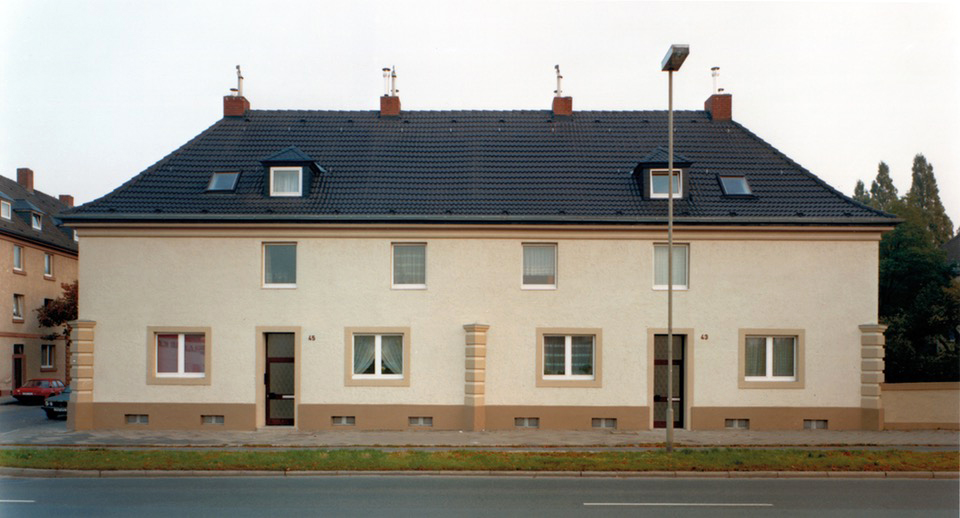
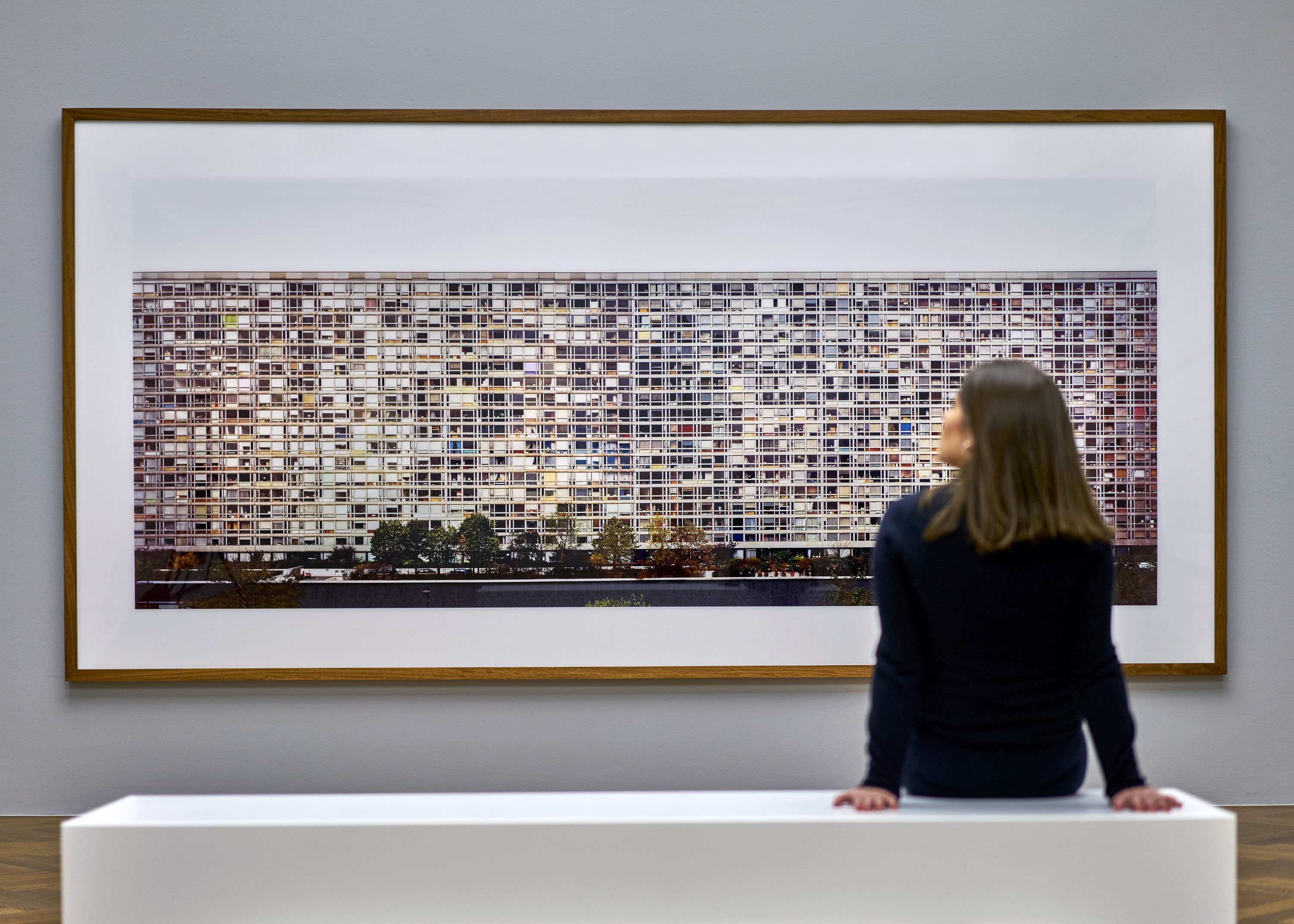
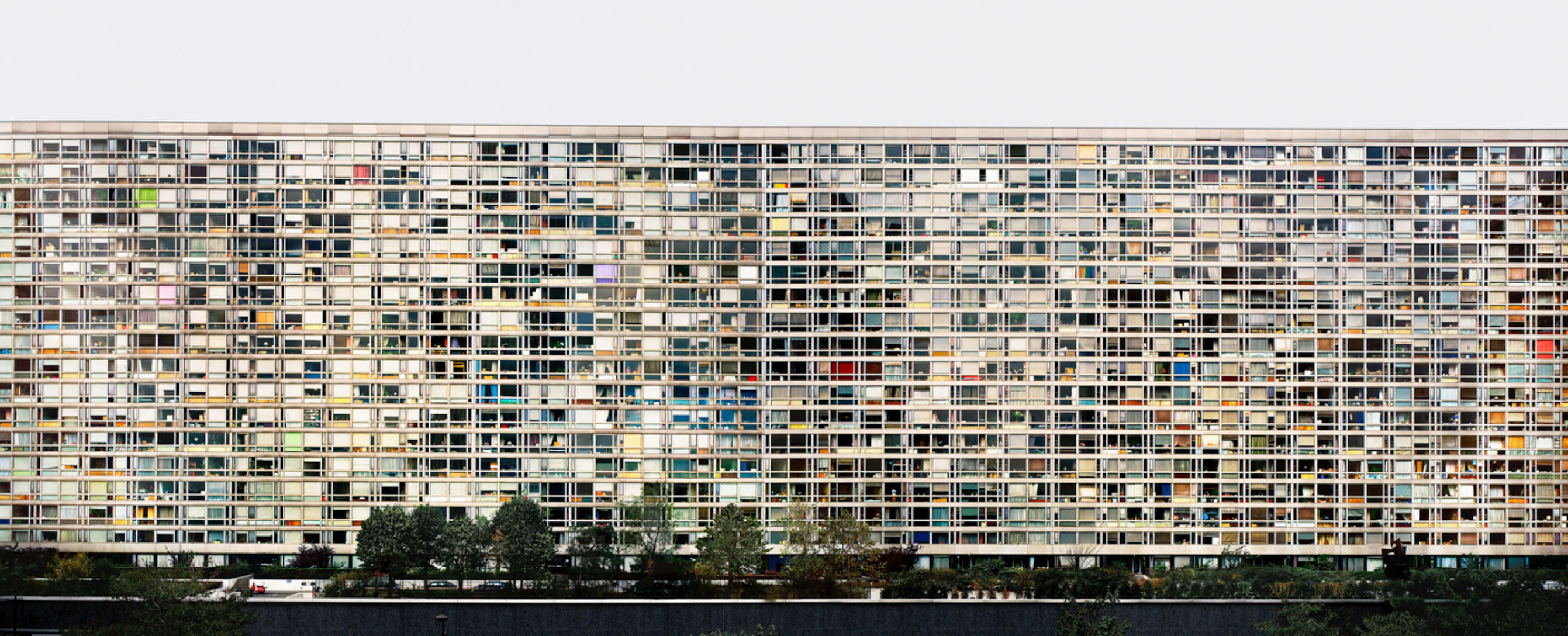


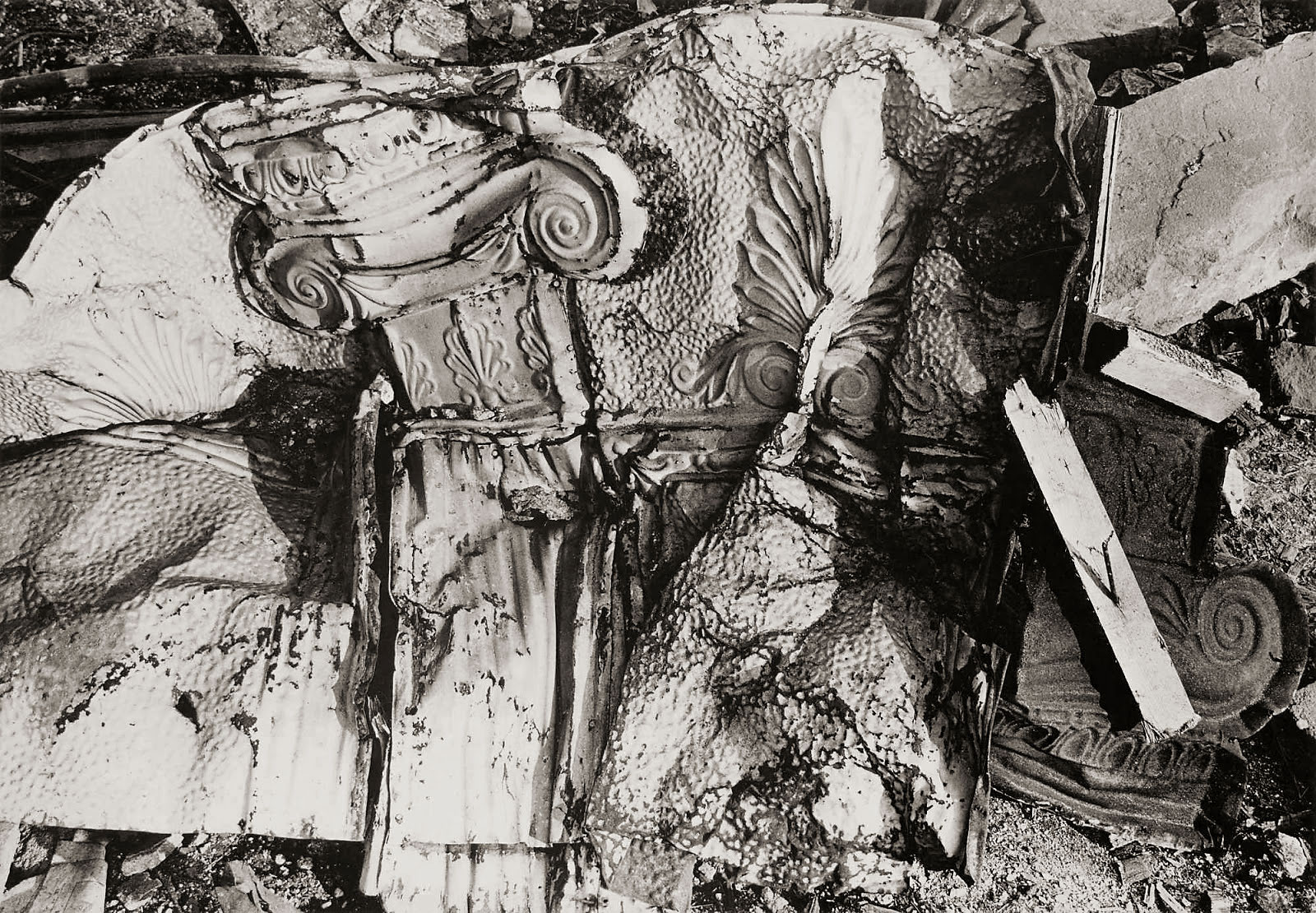
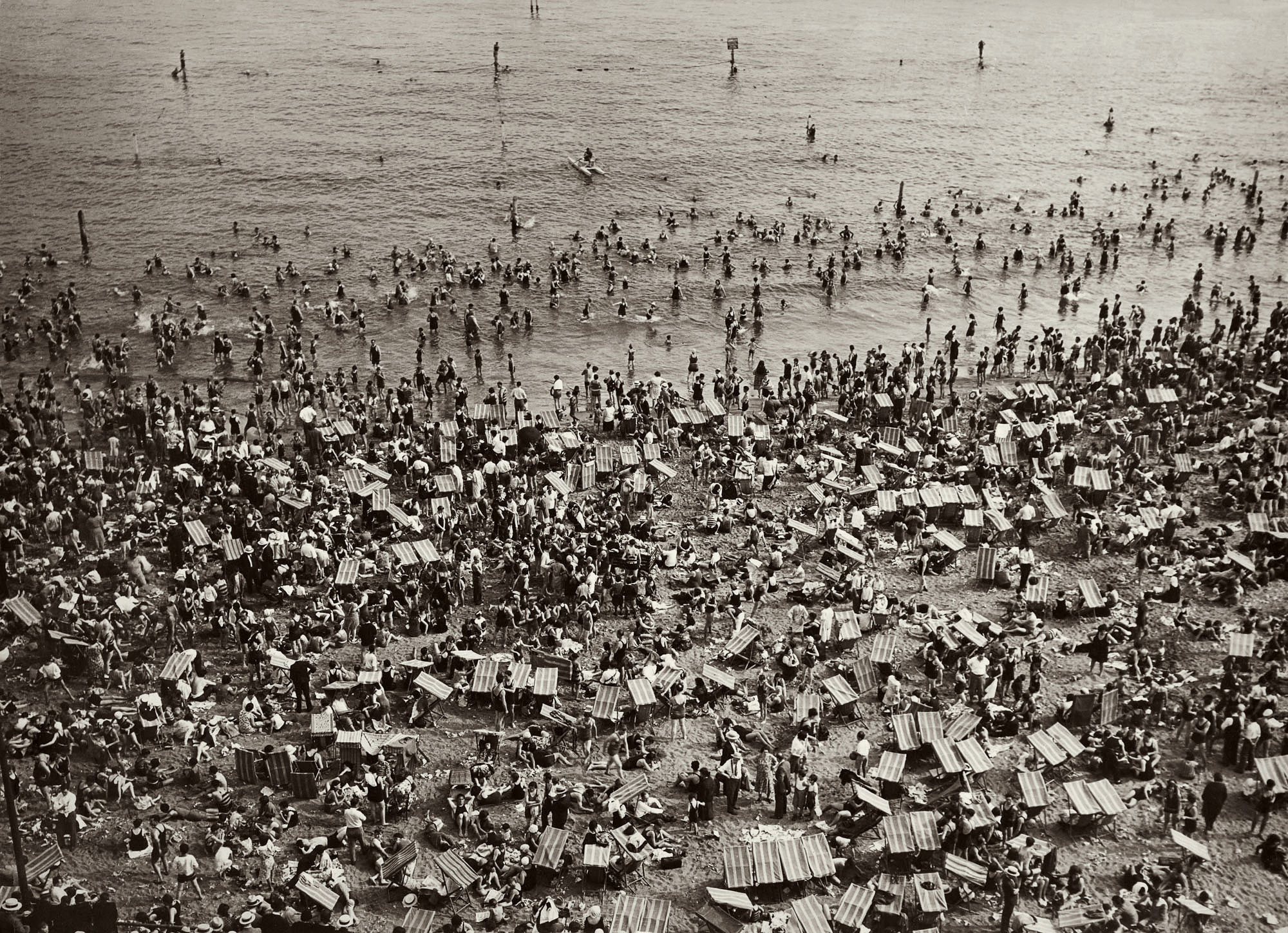
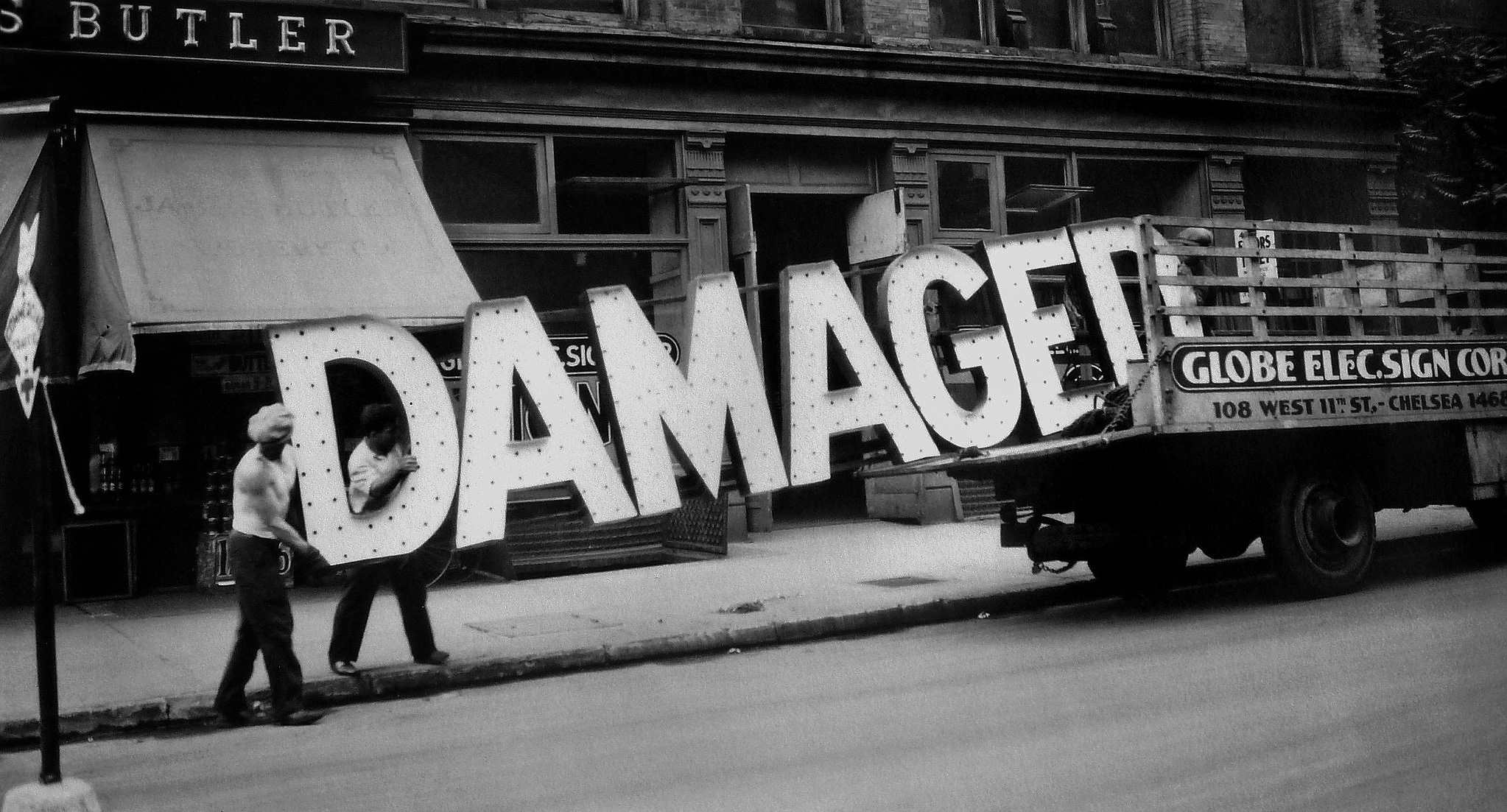
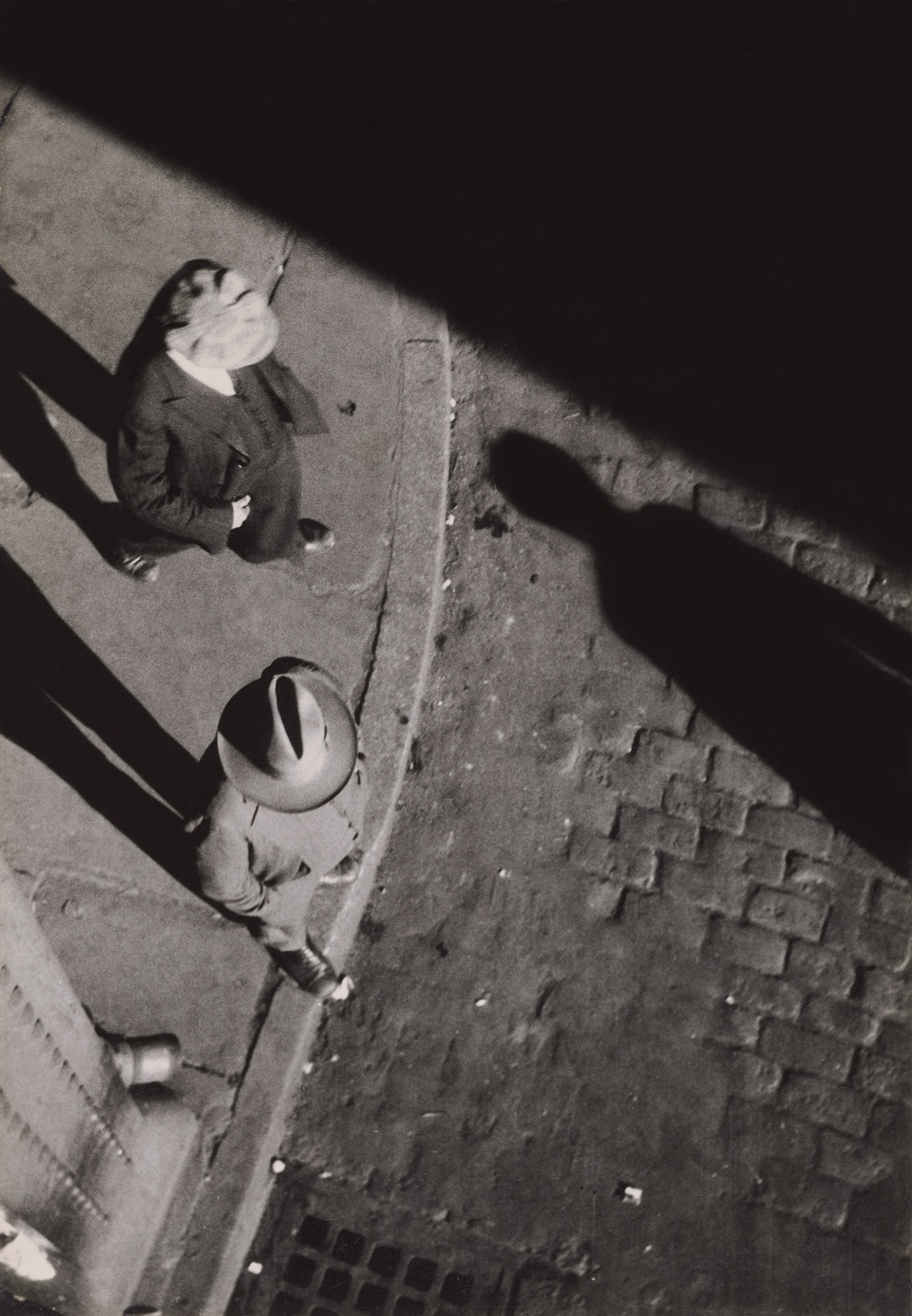
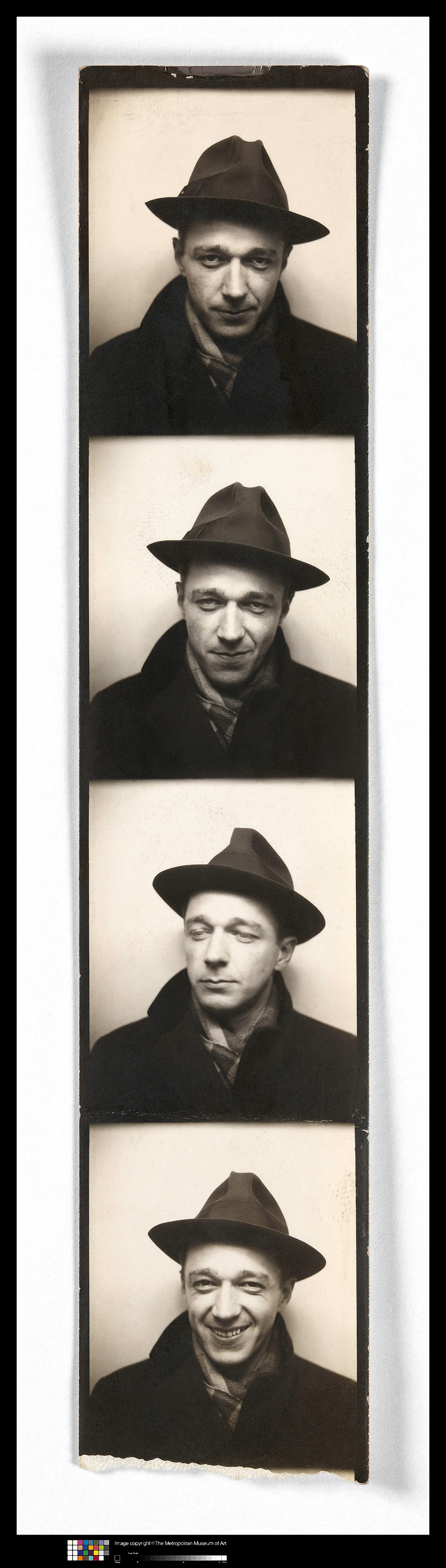

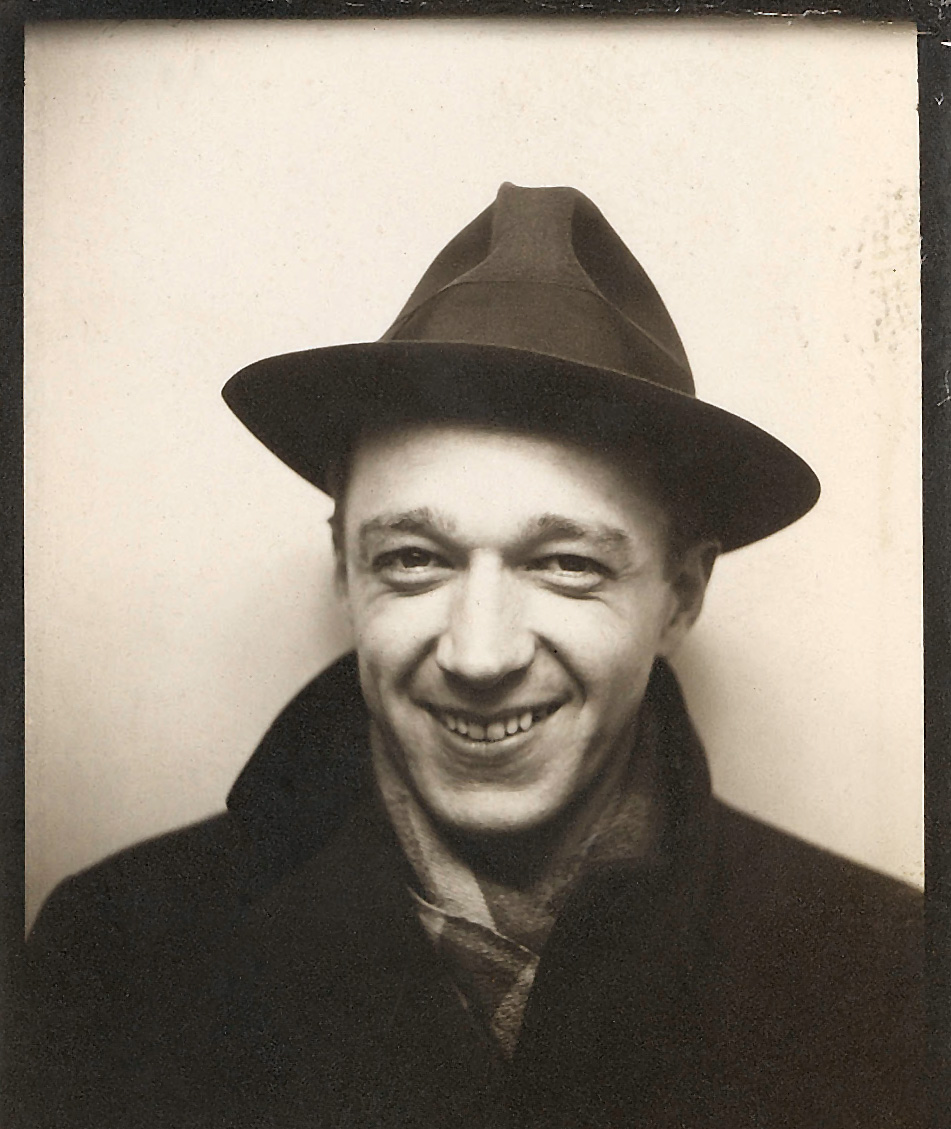
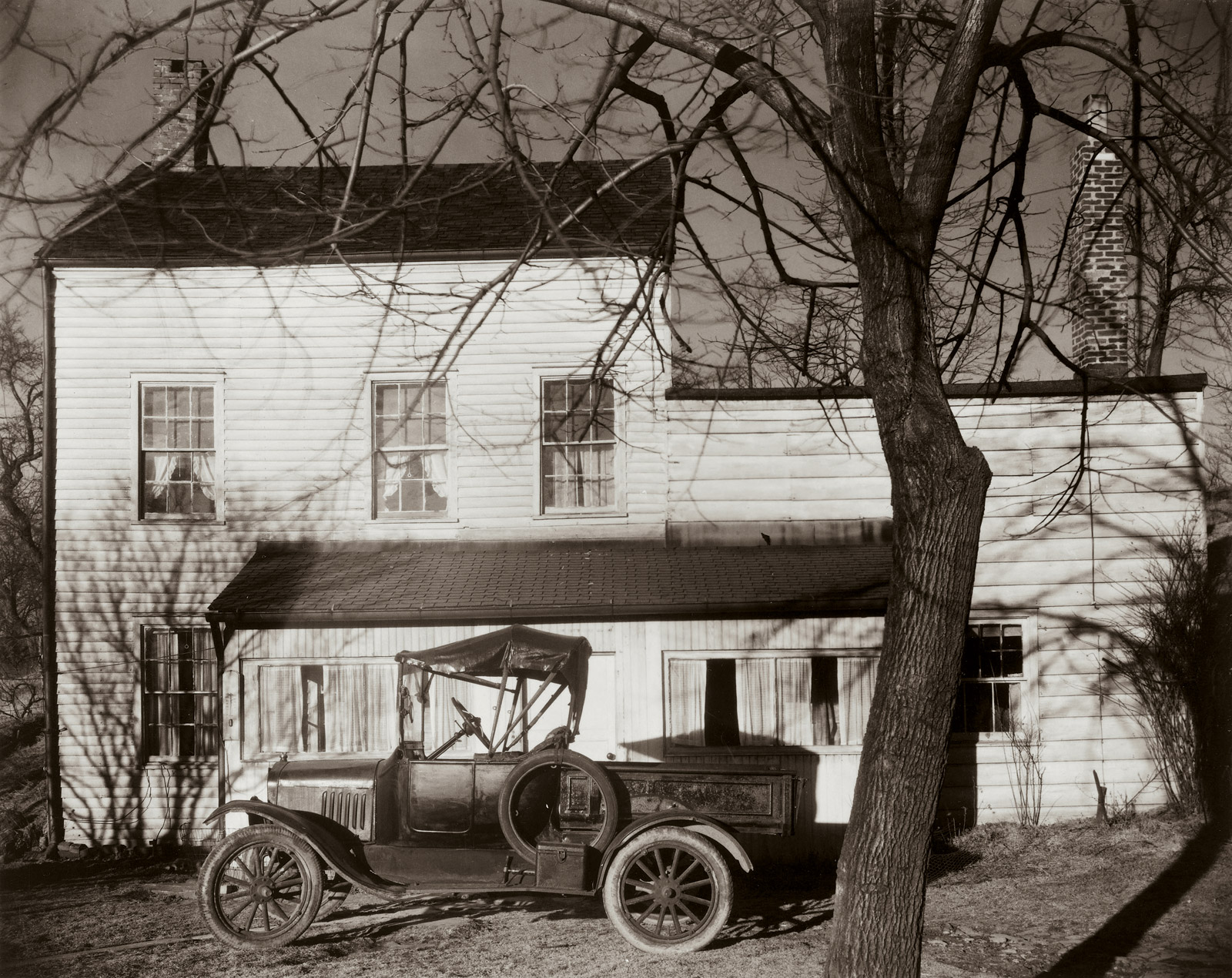


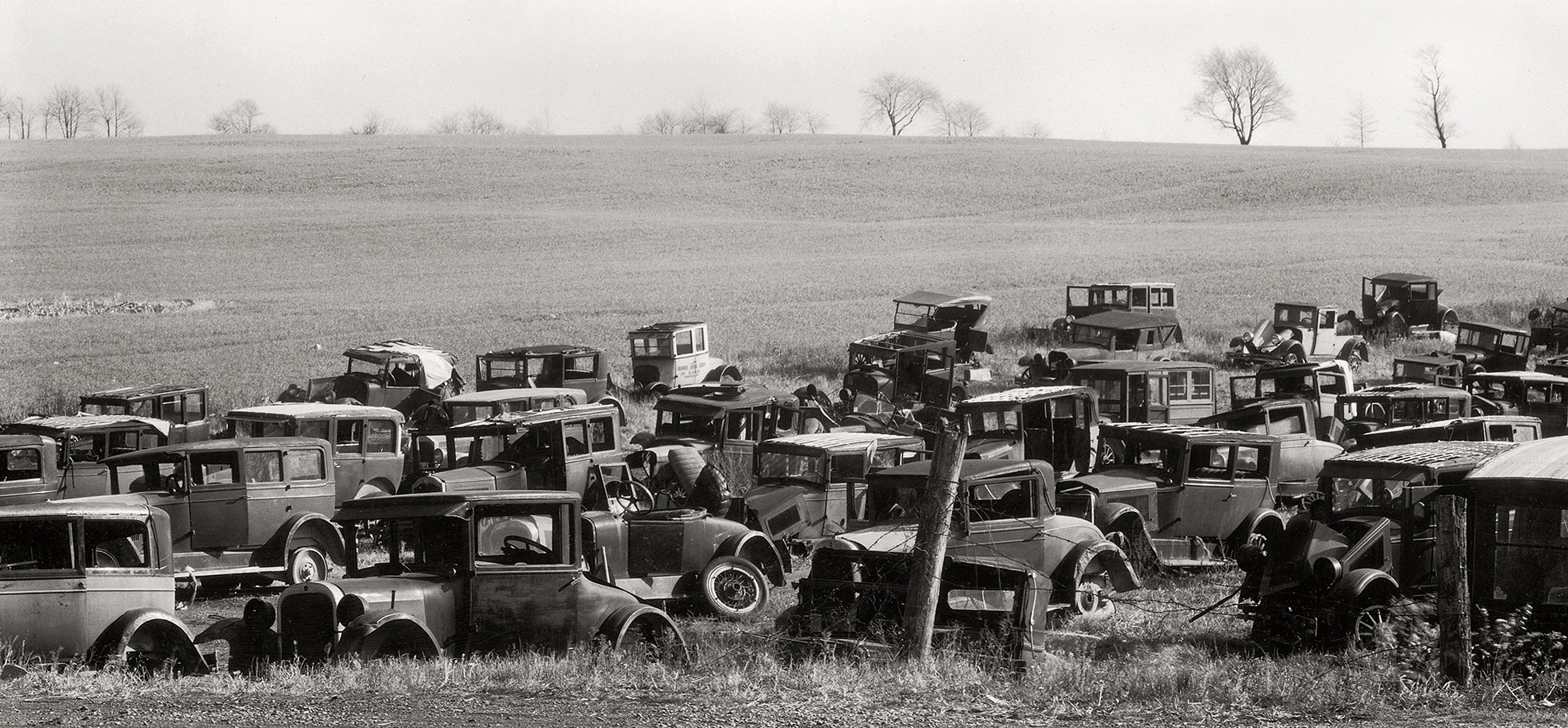
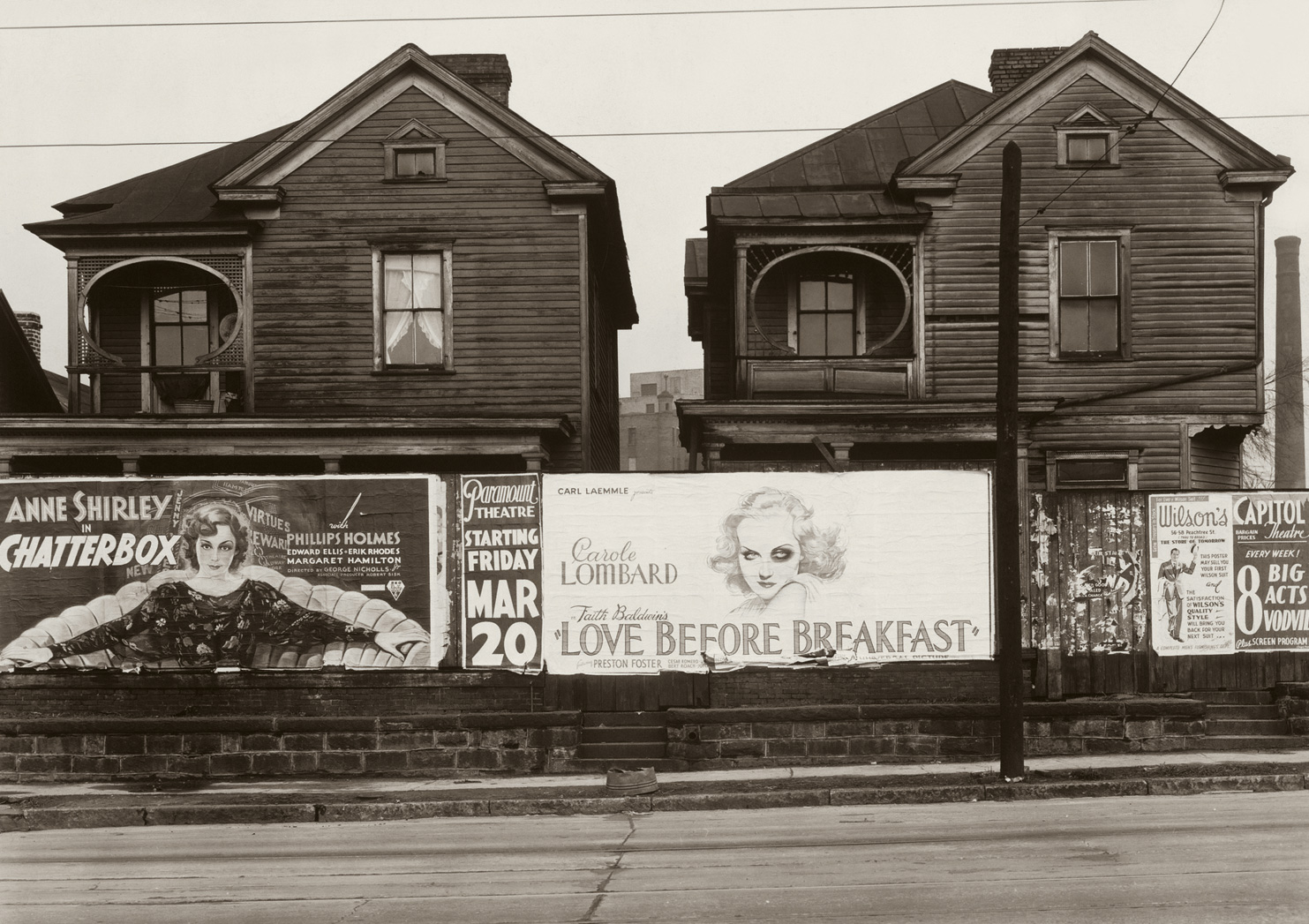
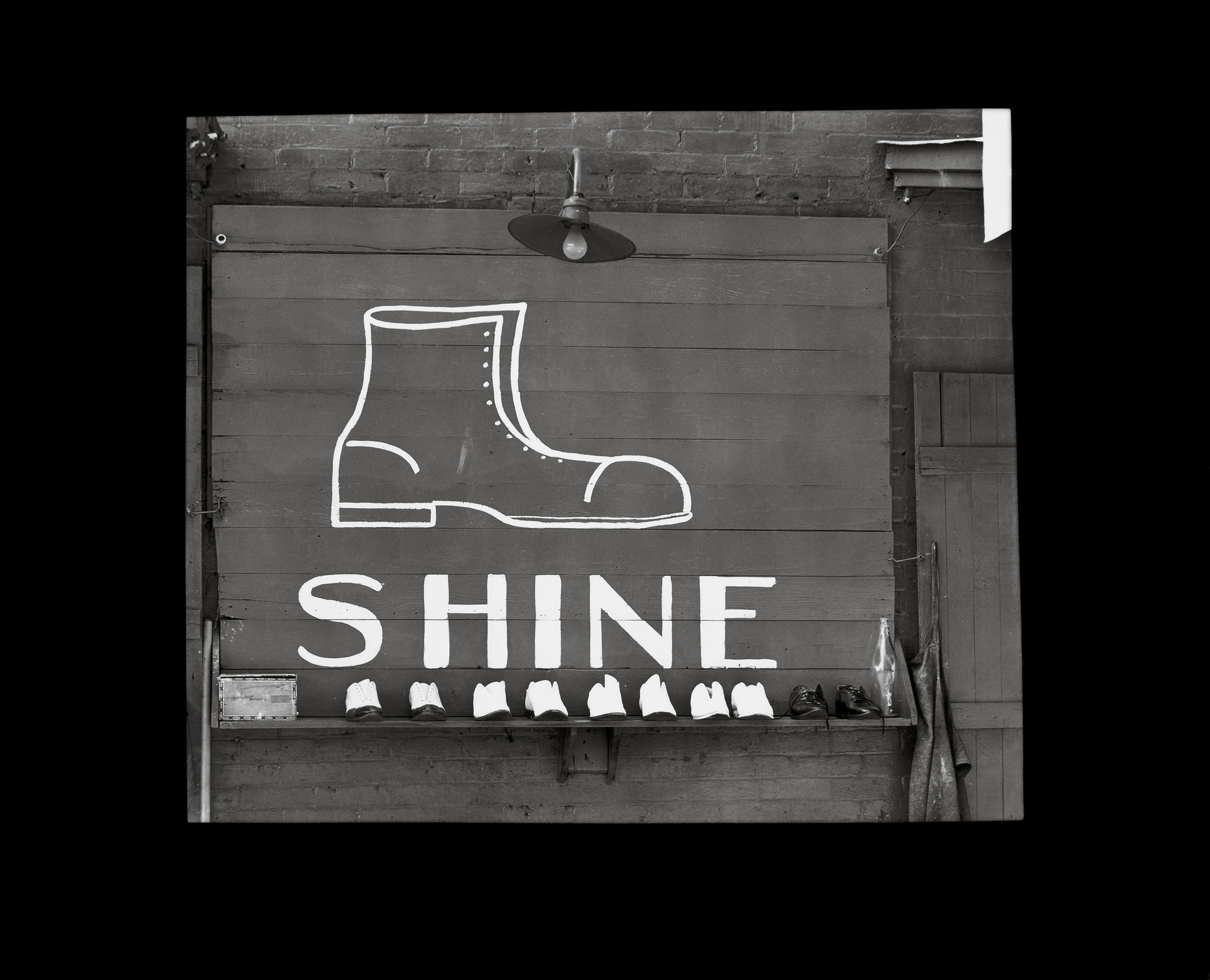


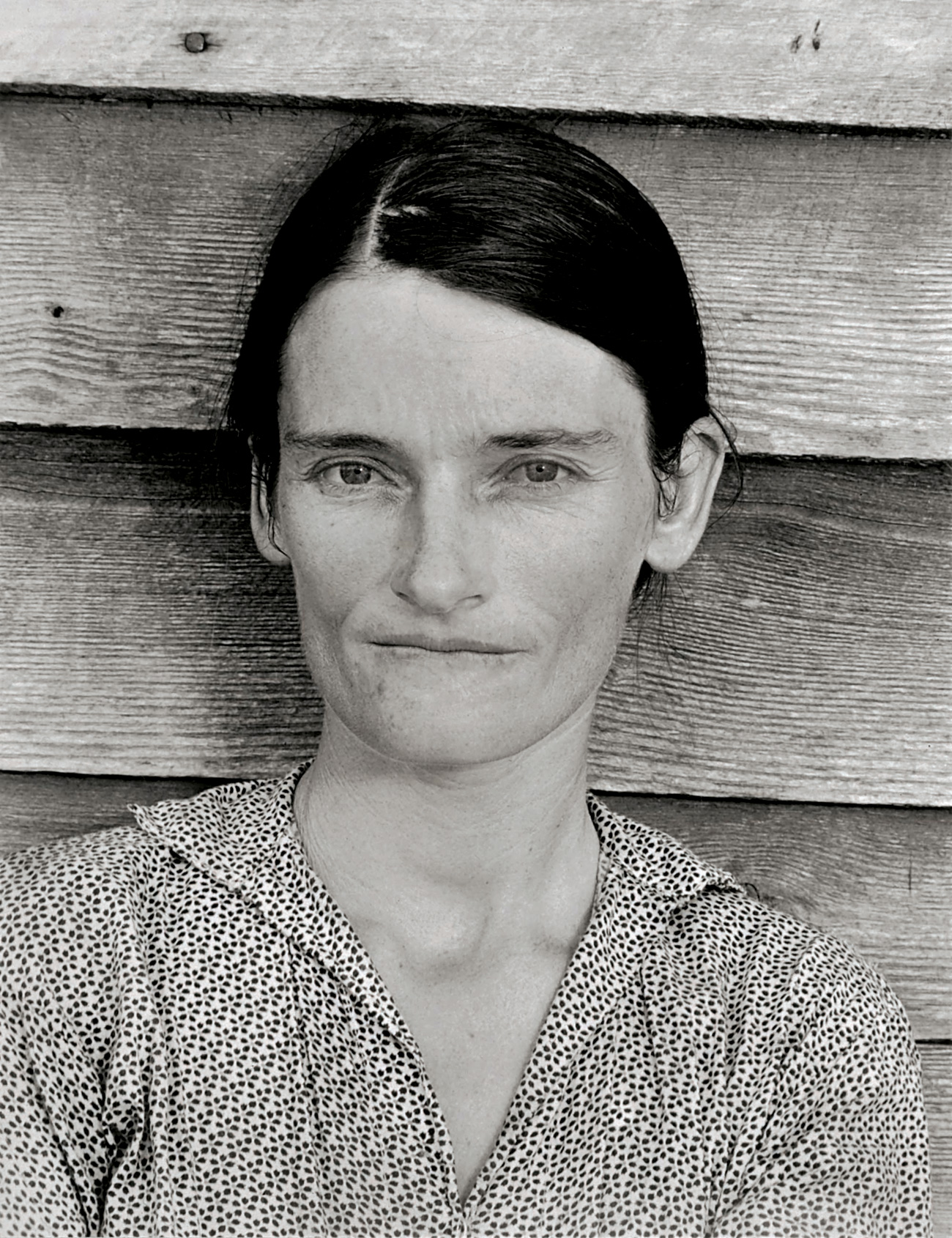

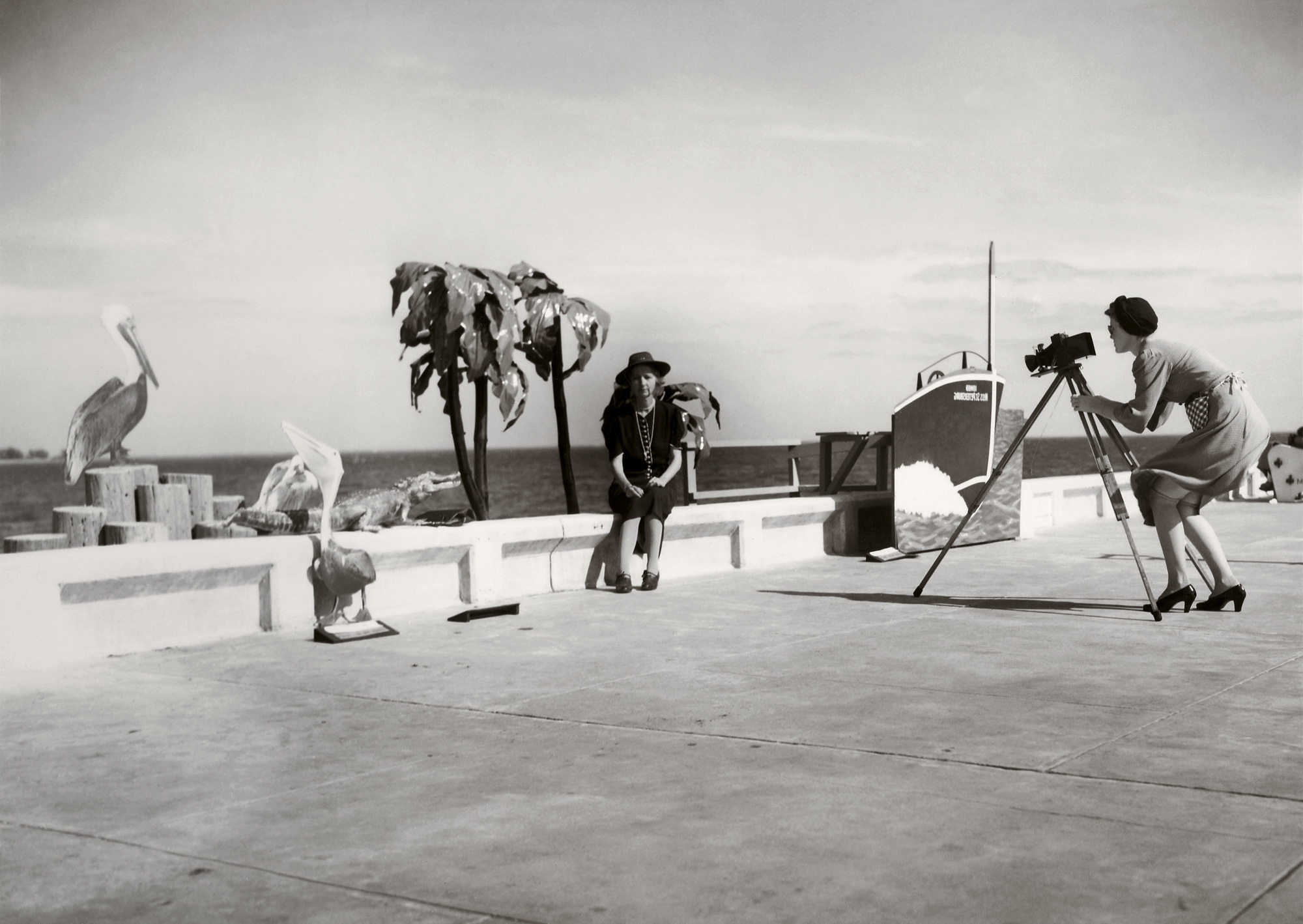
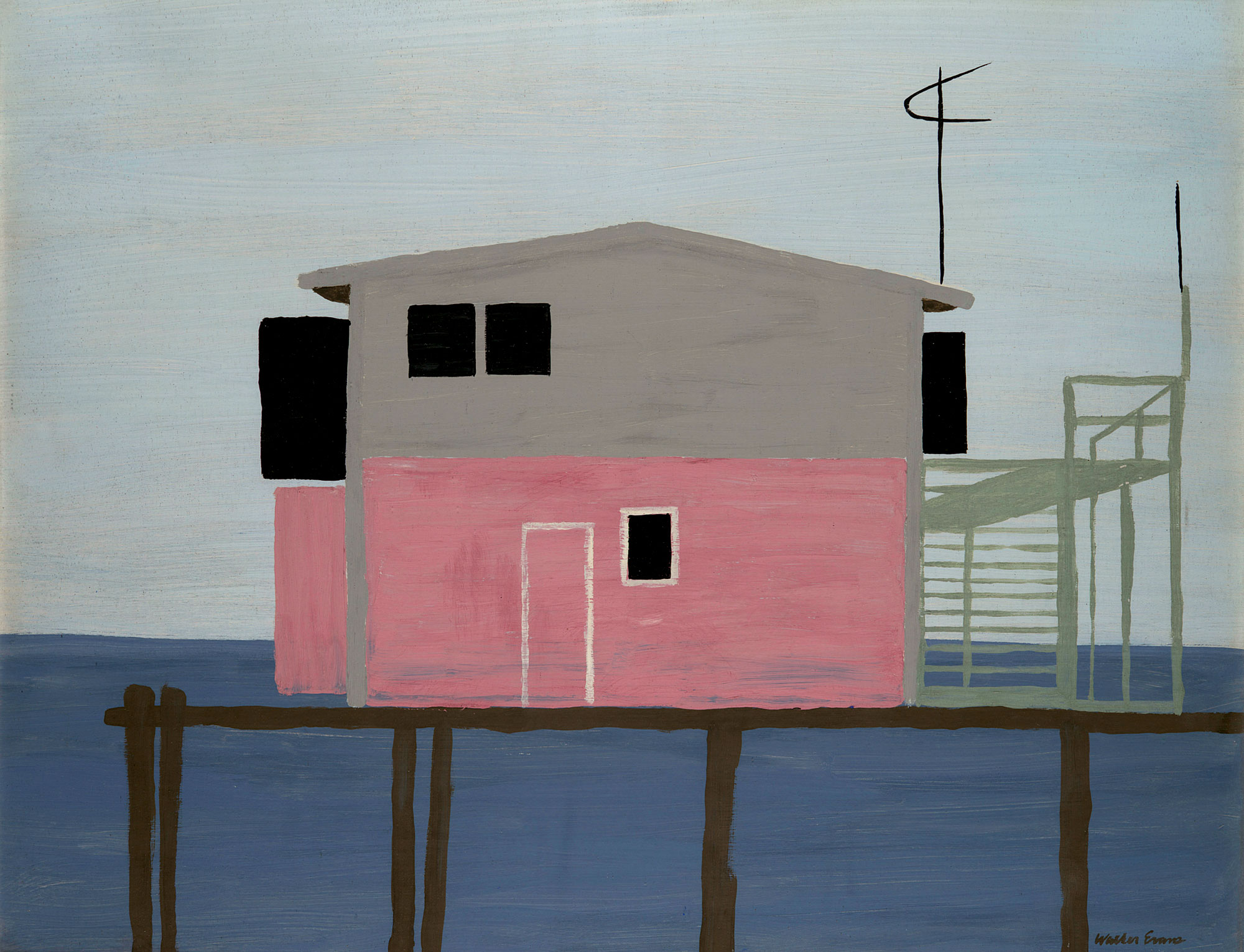


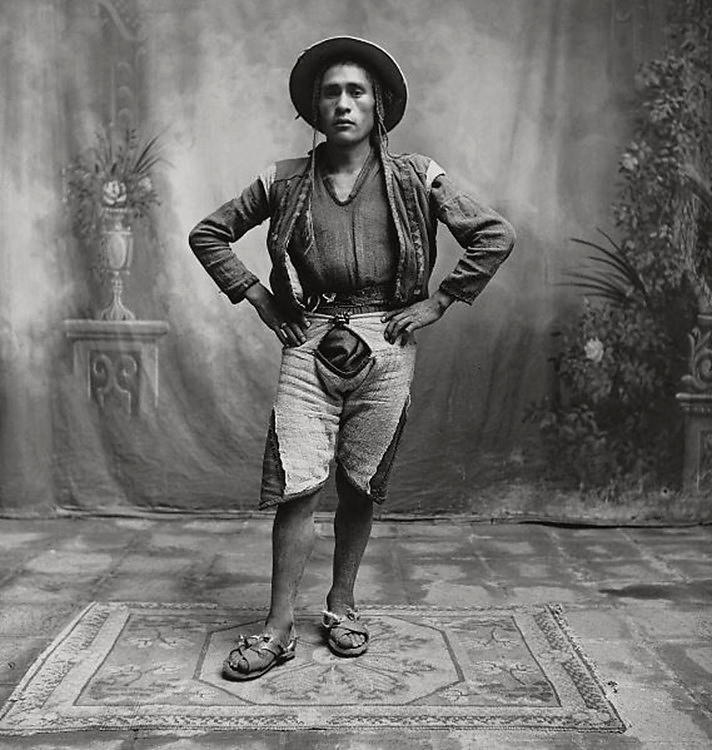
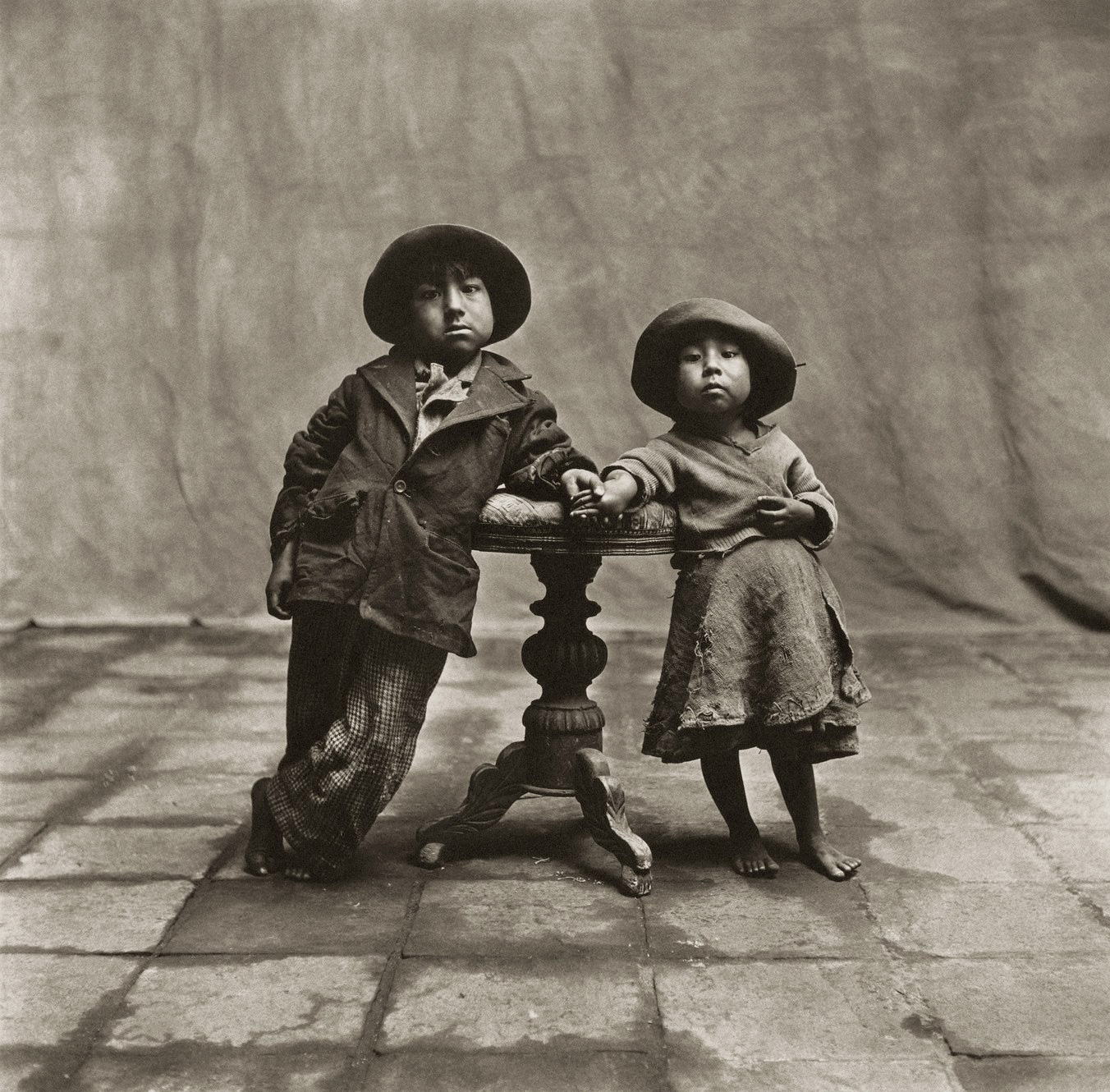
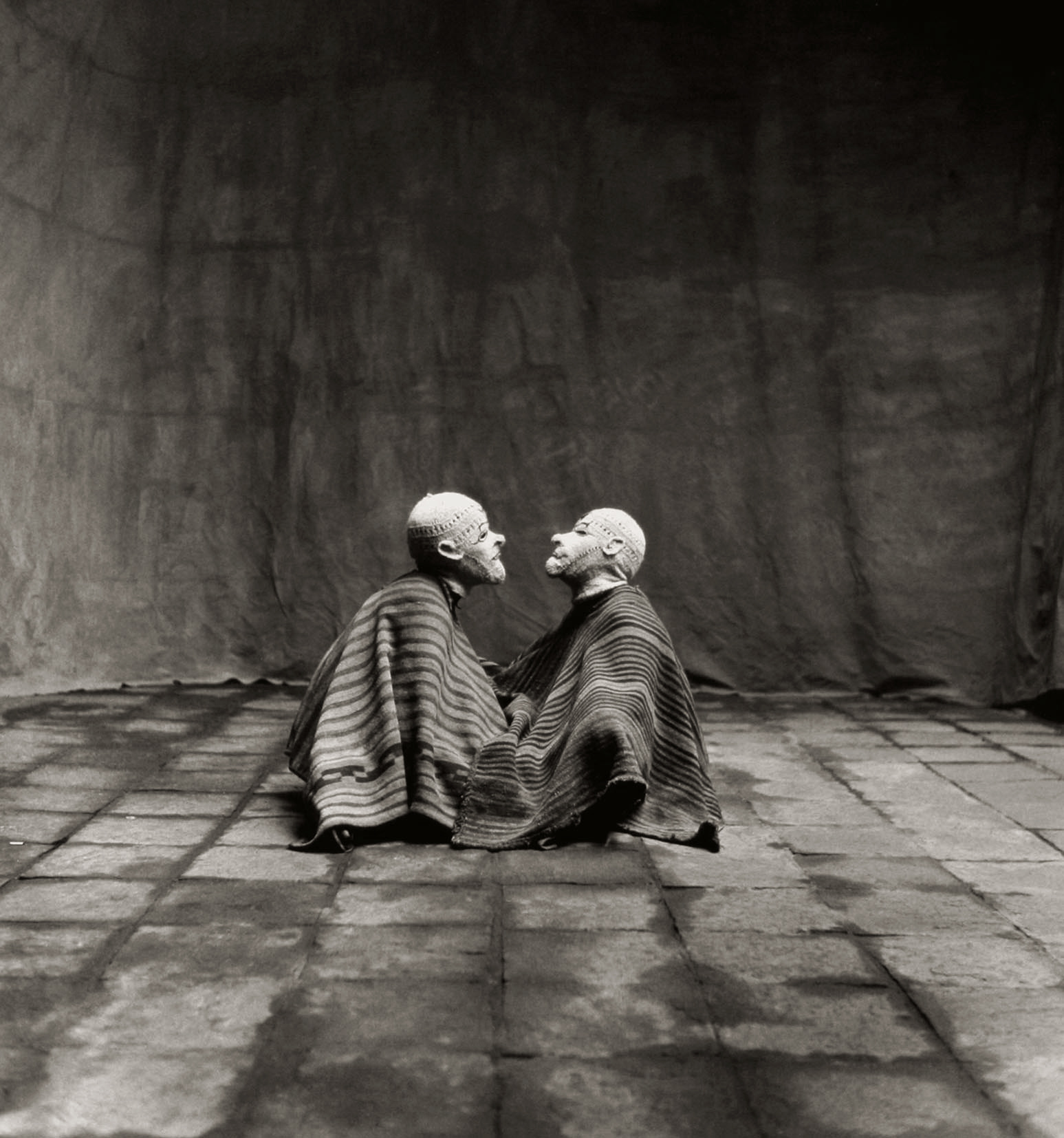


![Irving Penn (American, Plainfield, New Jersey 1917-2009 New York) 'Marchand de Concombres [Cucumber Seller]' 1950, printed 1976](https://artblart.com/wp-content/uploads/2017/07/penn-marchand-de-concombres-web1.jpg "Irving Penn (American, Plainfield, New Jersey 1917-2009 New York) 'Marchand de Concombres [Cucumber Seller]' 1950, printed 1976")





![Irving Penn (American, Plainfield, New Jersey 1917-2009 New York) 'Ballet Society, New York [Tanaquil Le Clercq with Corrado Cagli, Vittorio Rieti, and George Balanchine]' March 5, 1948, printed November 1976](https://artblart.com/wp-content/uploads/2017/05/penn-ballet-society-web.jpg "Irving Penn (American, Plainfield, New Jersey 1917-2009 New York) 'Ballet Society, New York [Tanaquil Le Clercq with Corrado Cagli, Vittorio Rieti, and George Balanchine]' March 5, 1948, printed November 1976")




















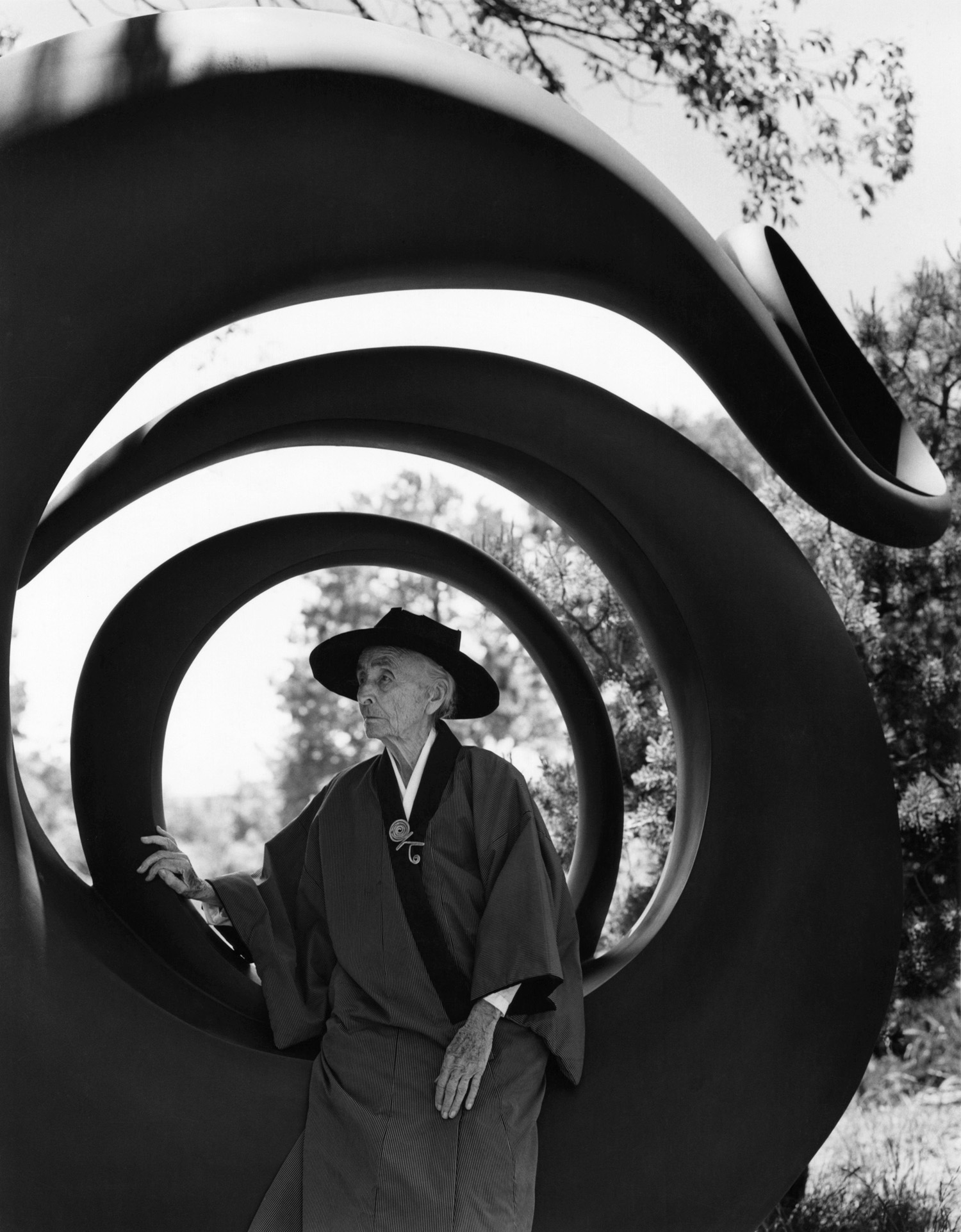
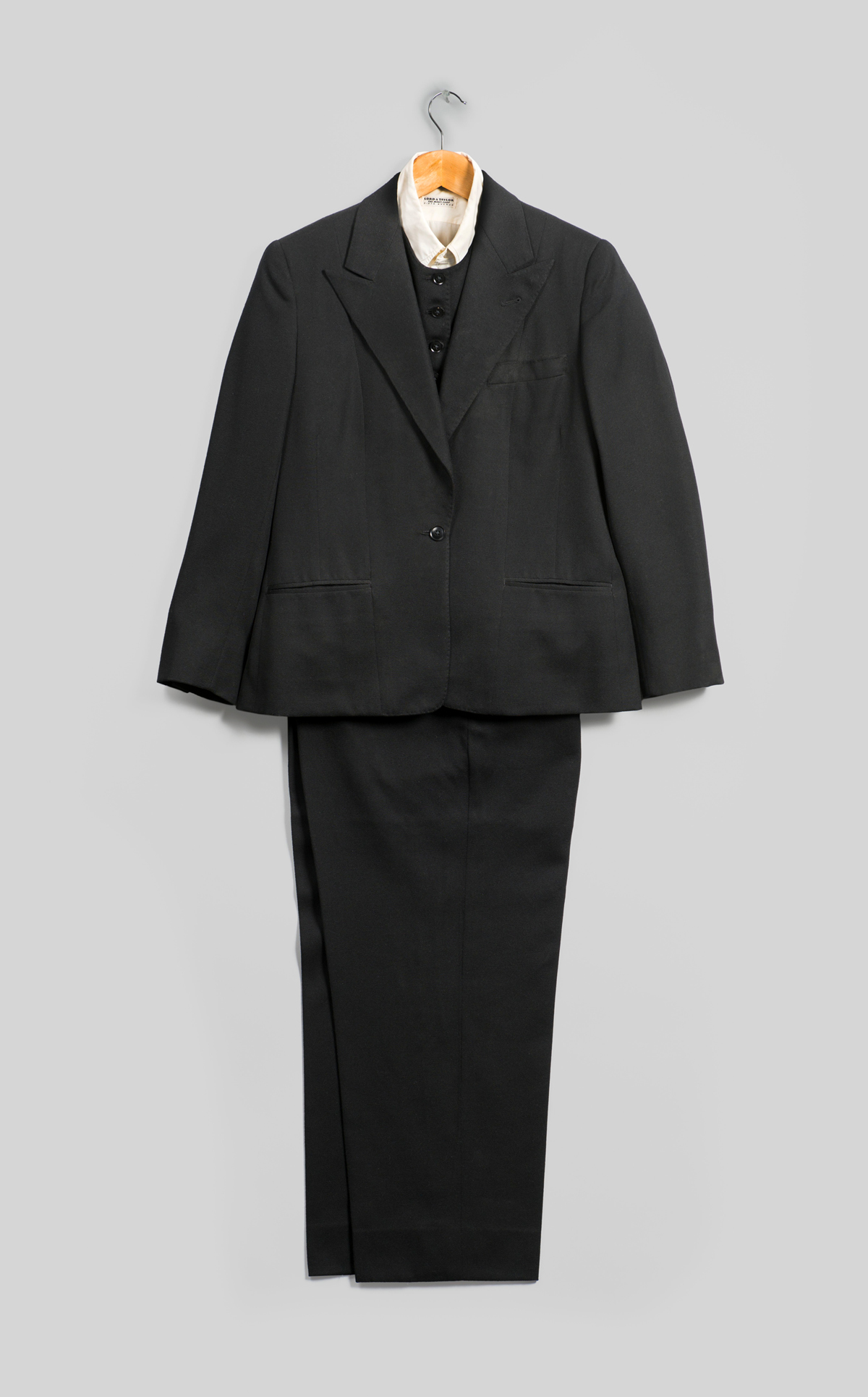


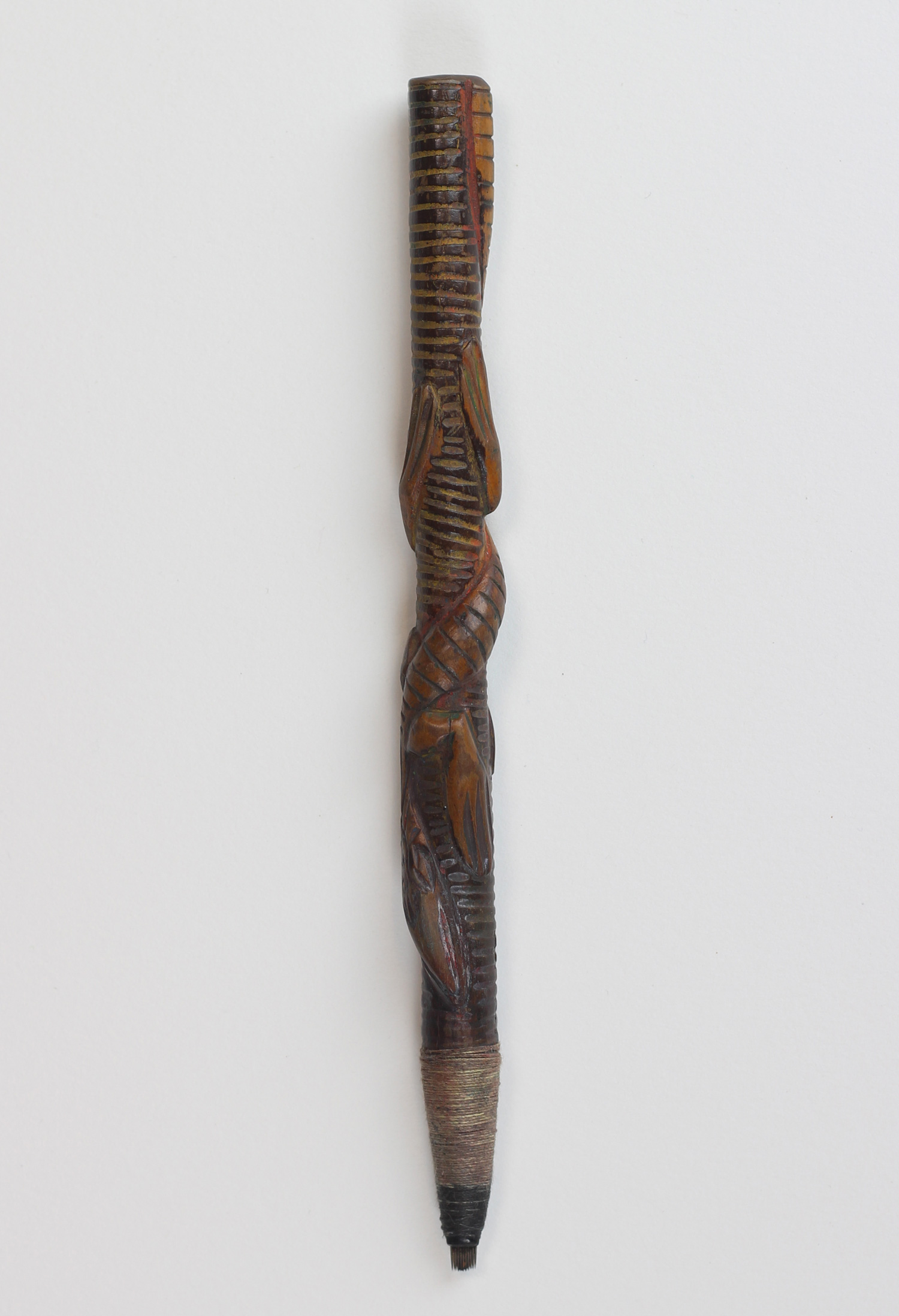
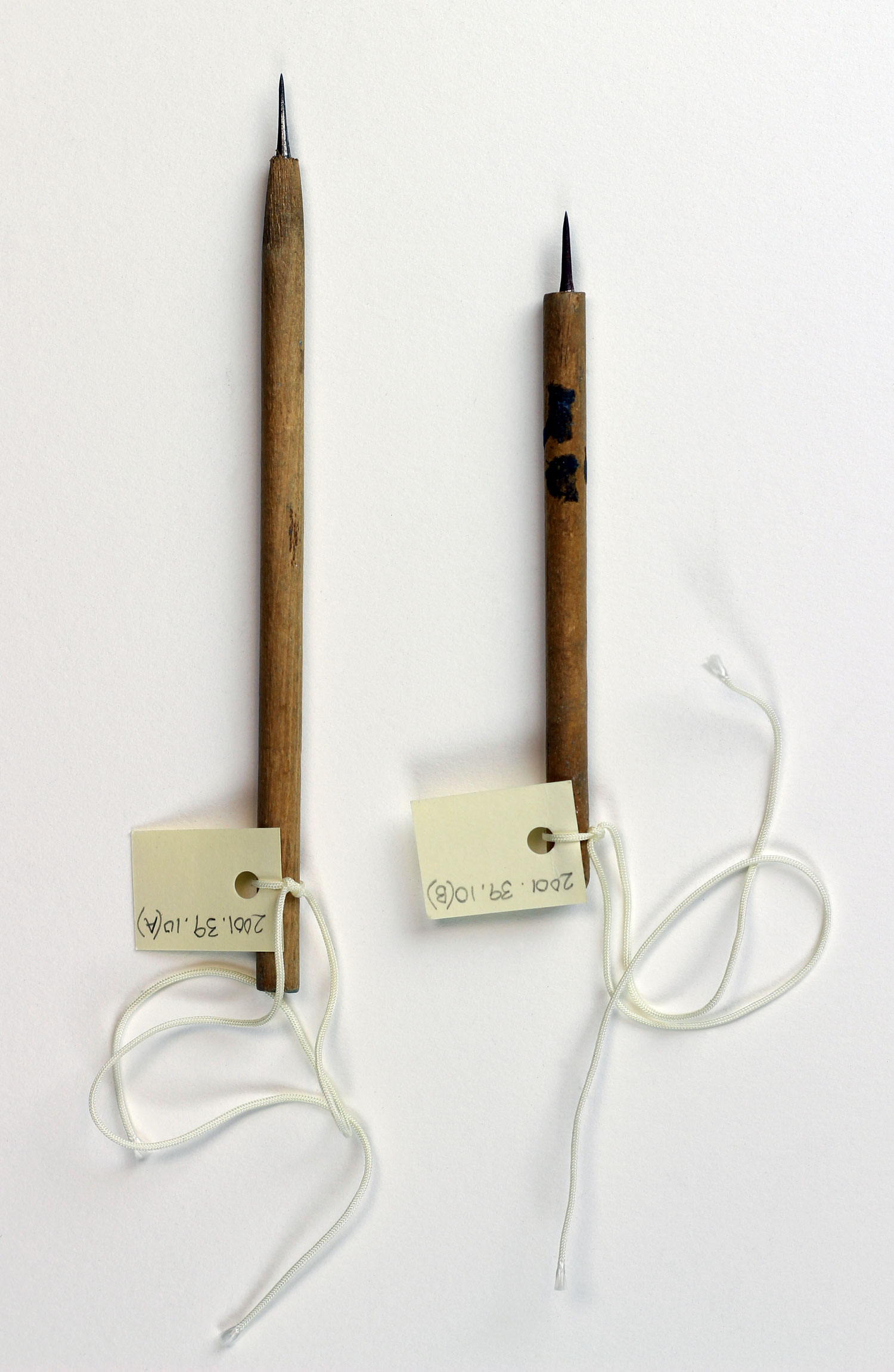








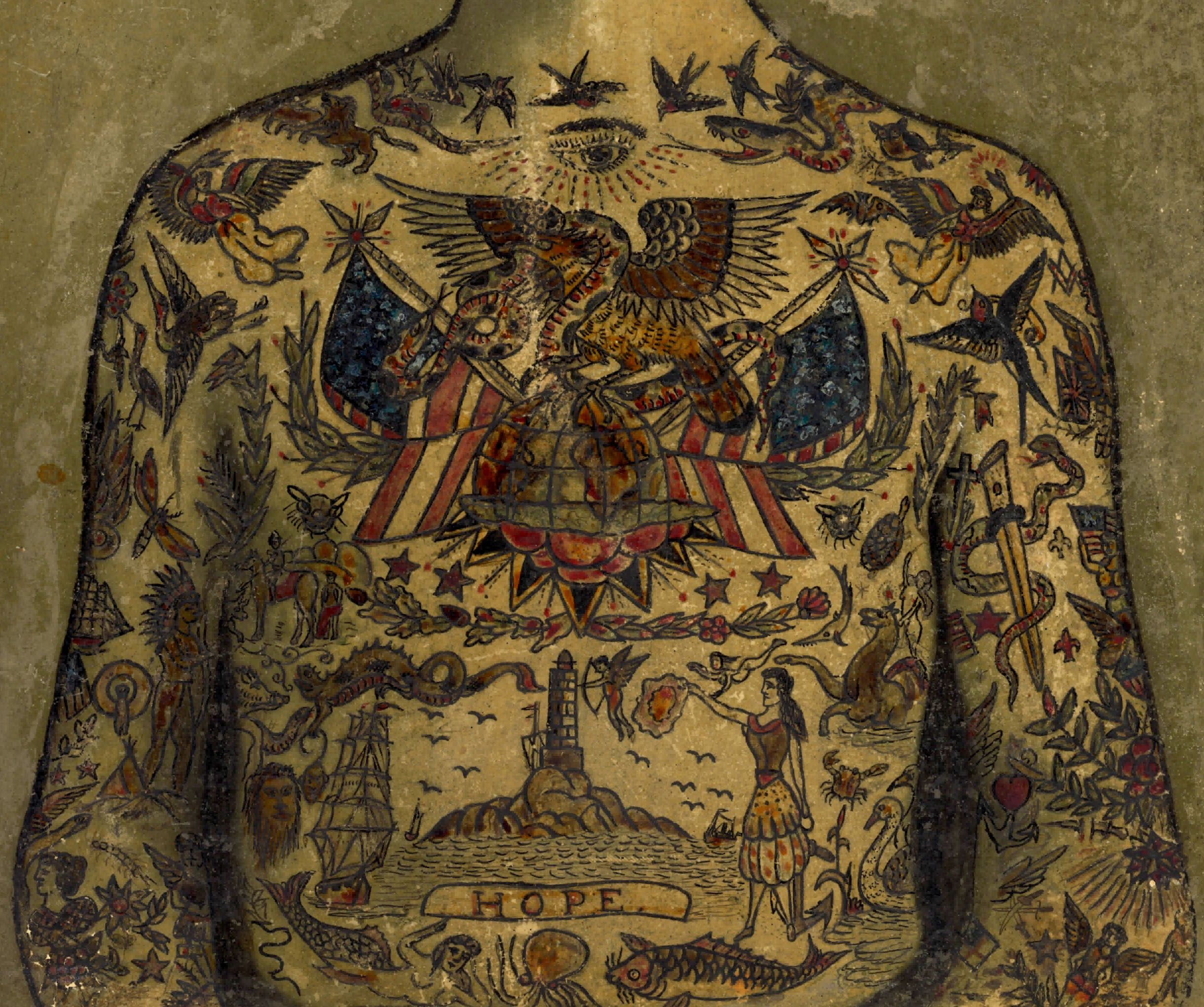
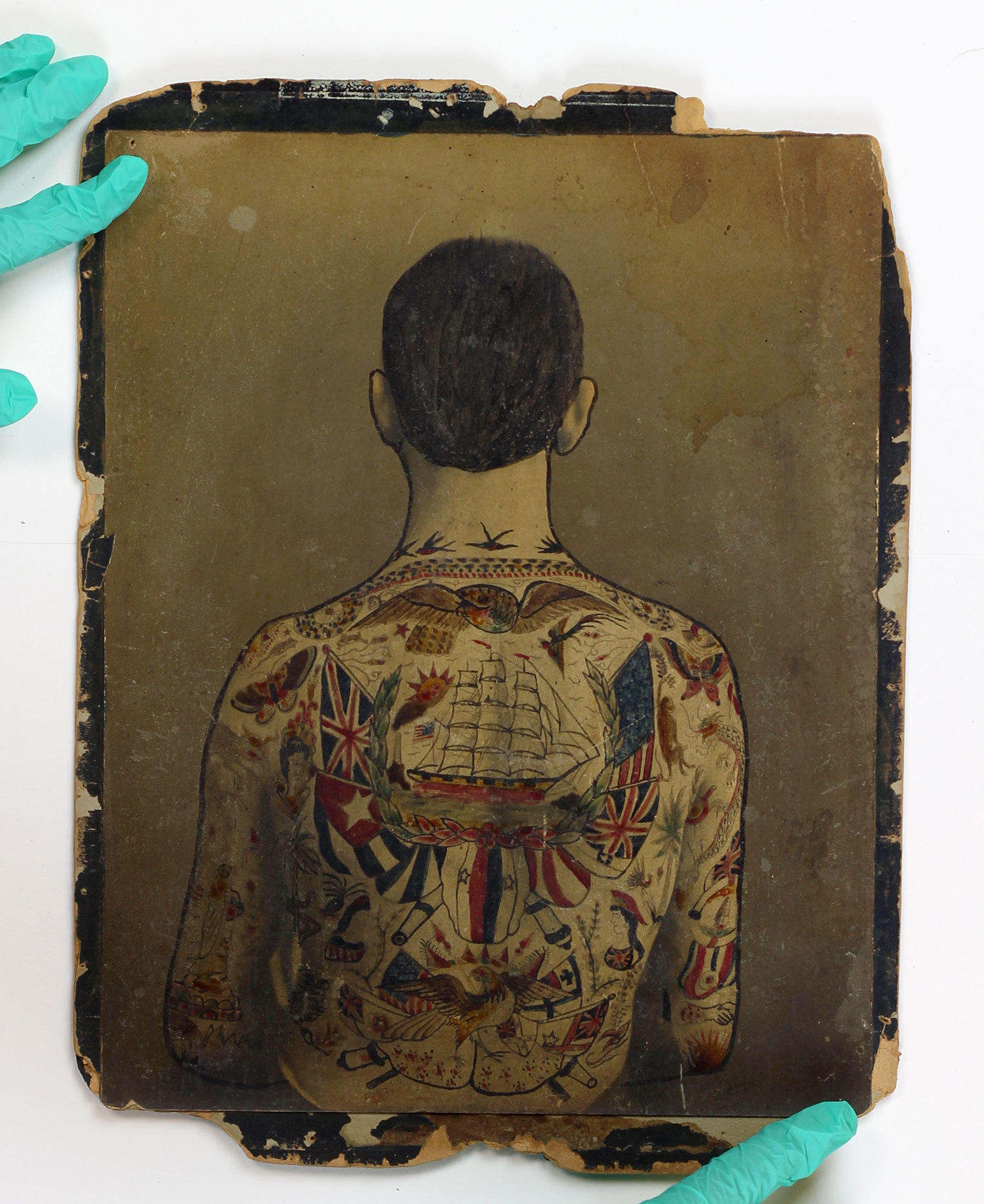
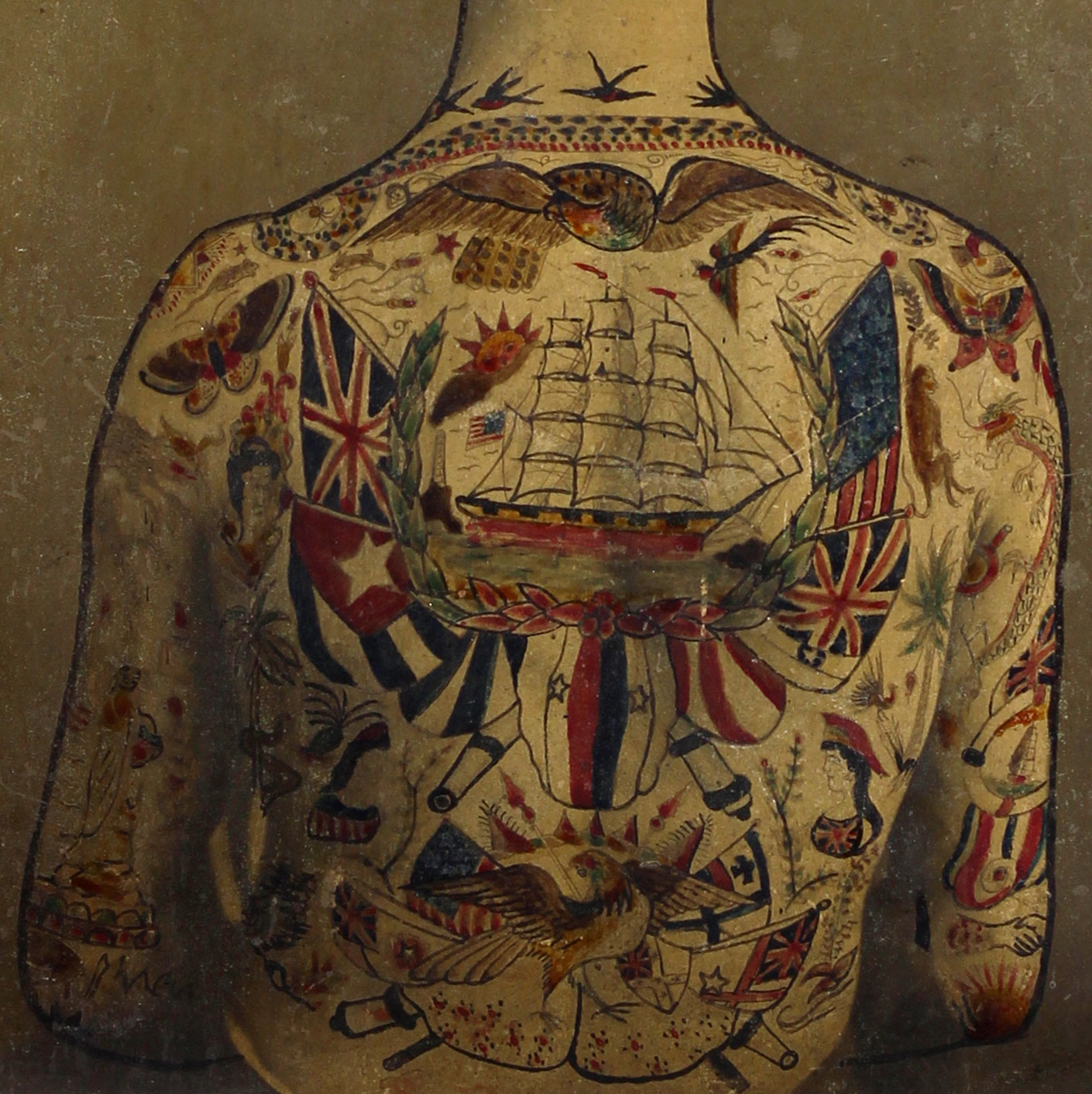

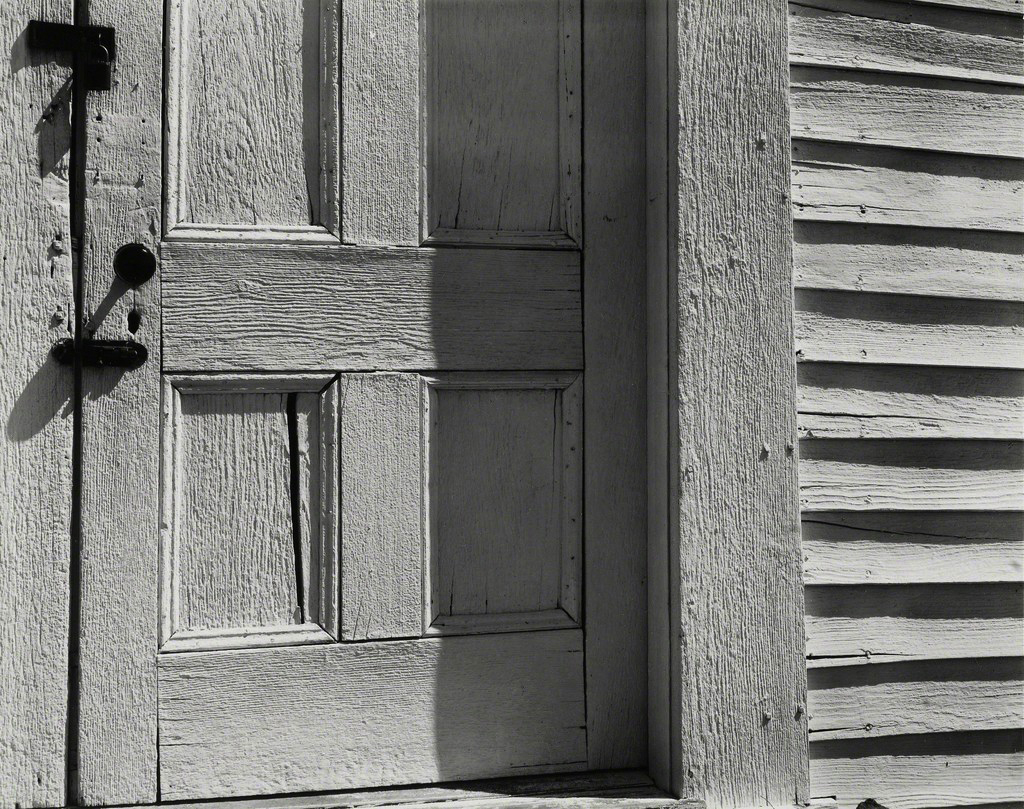







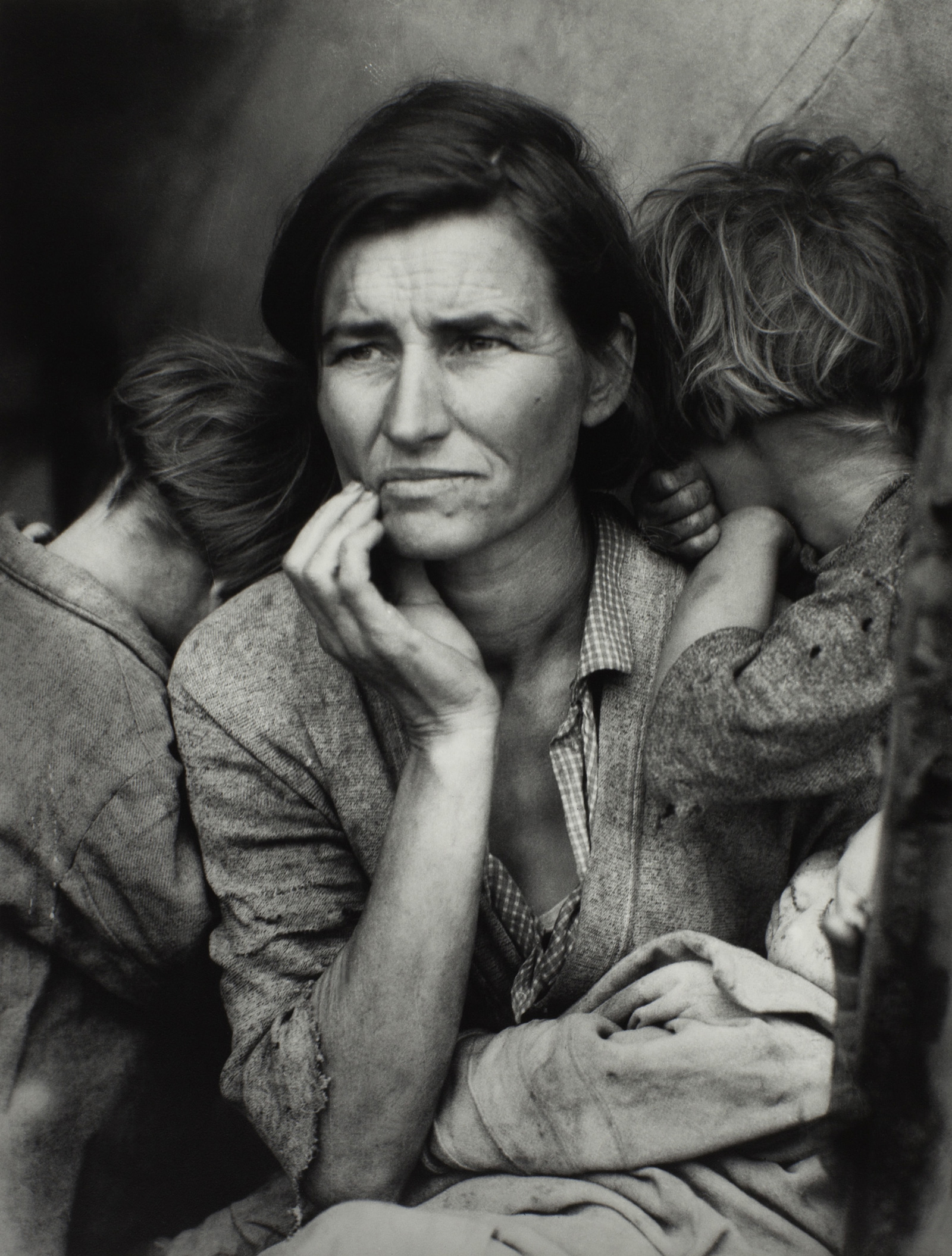
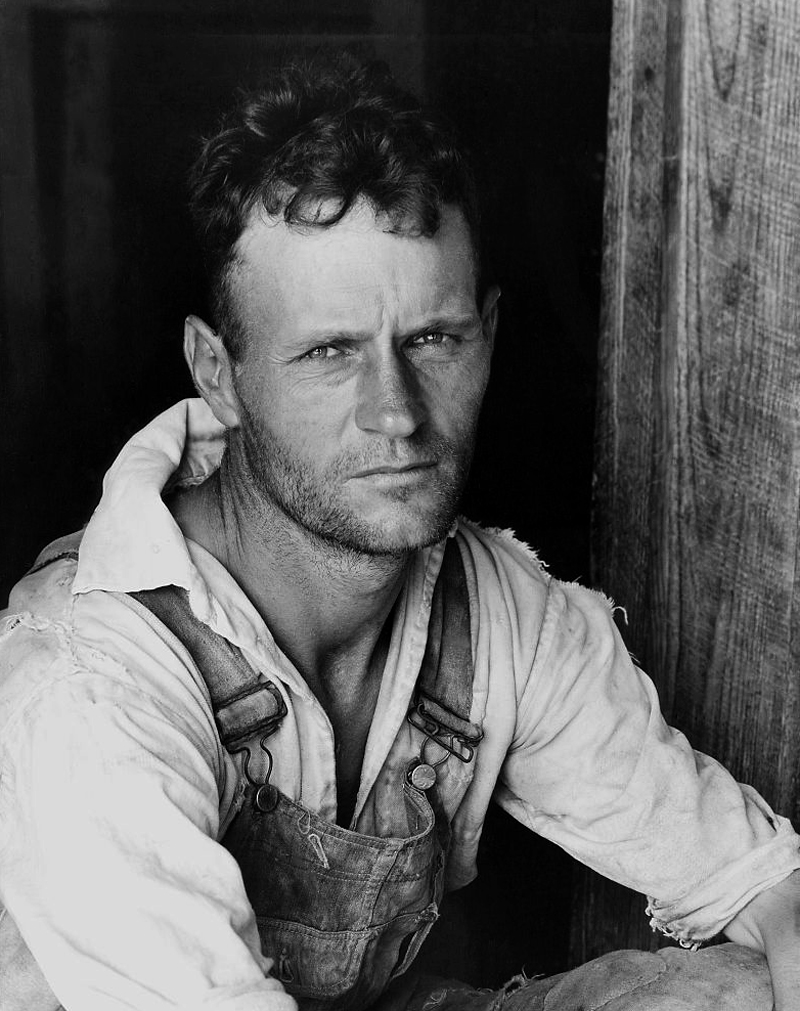








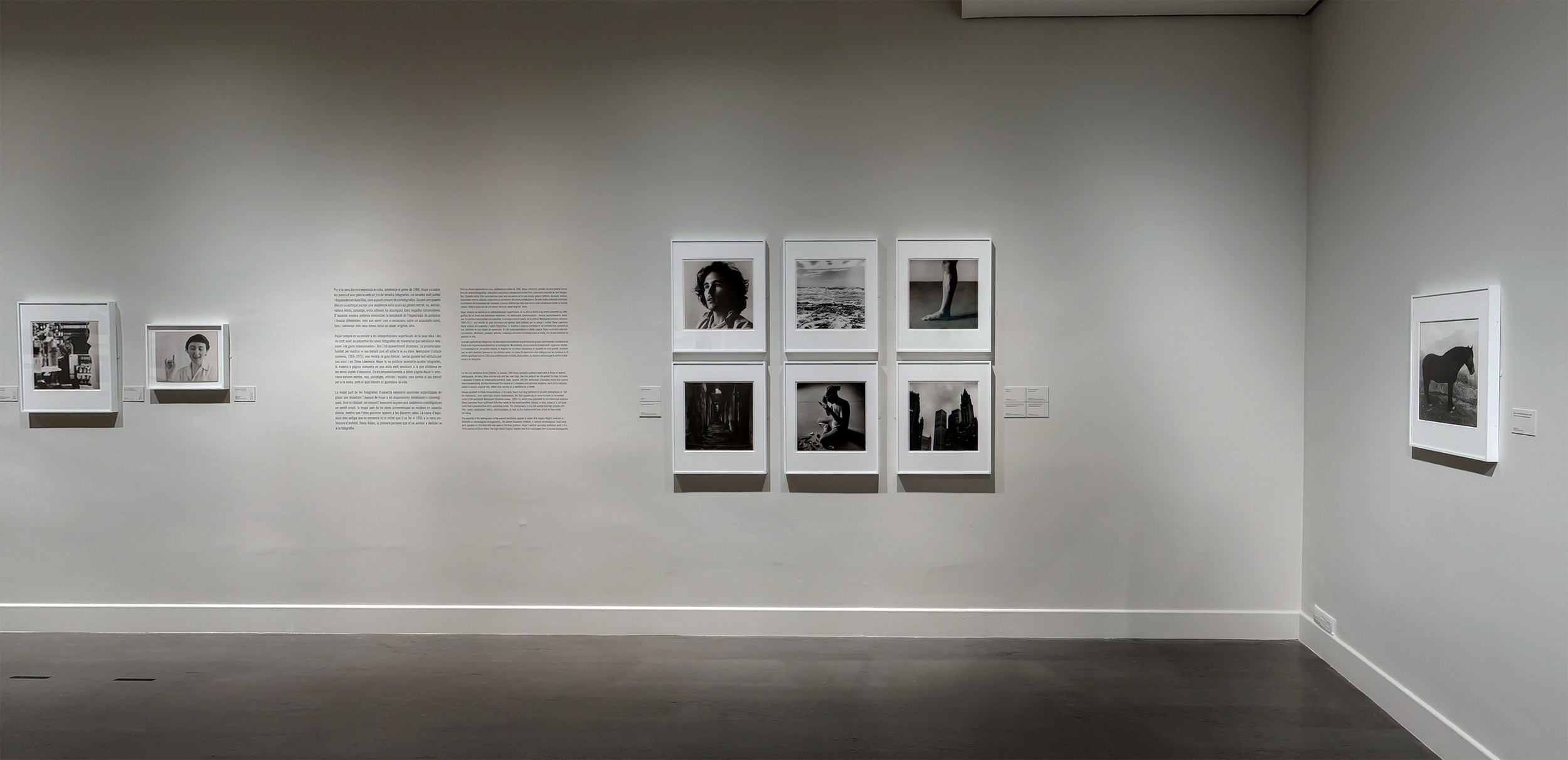
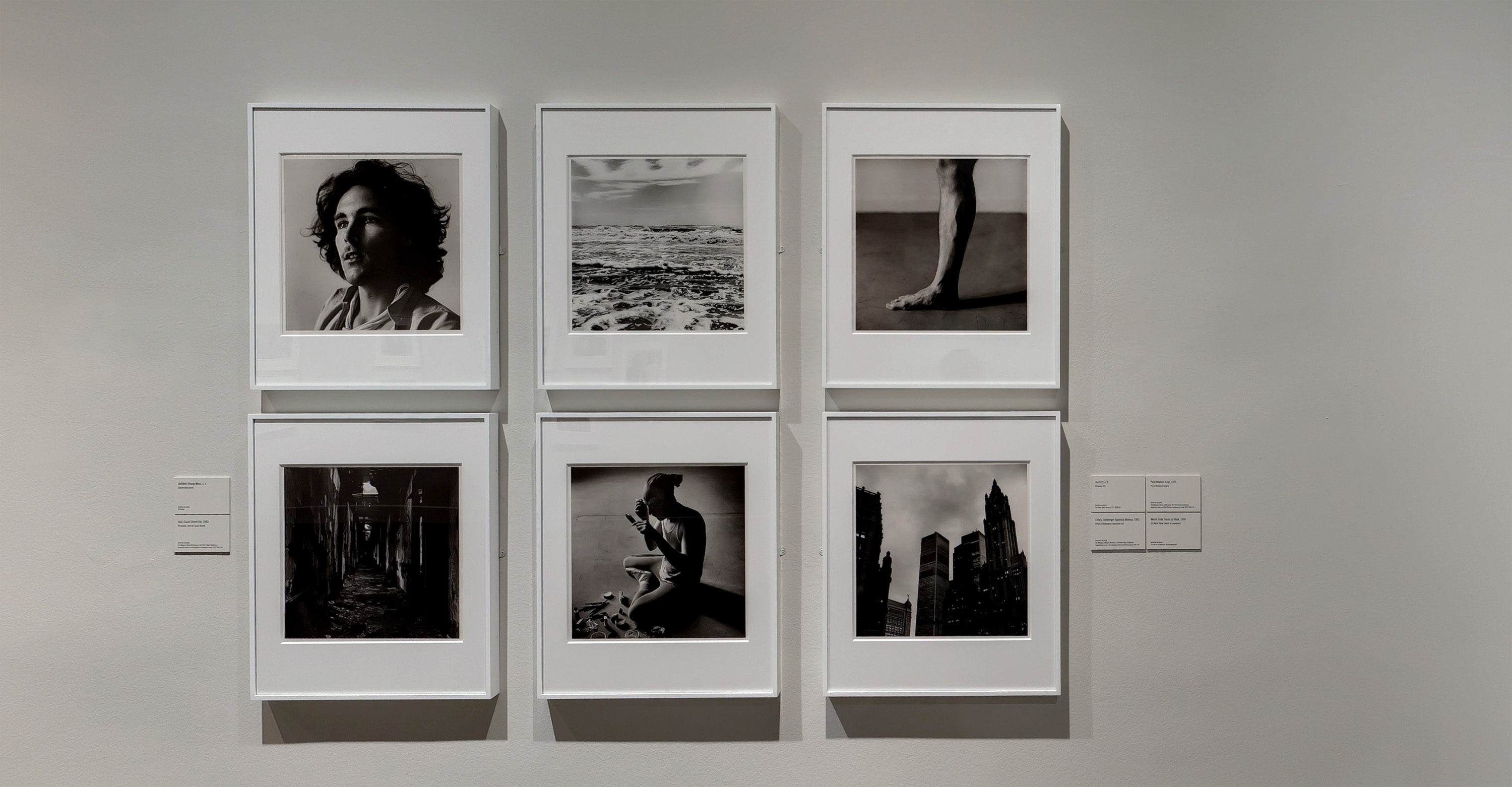


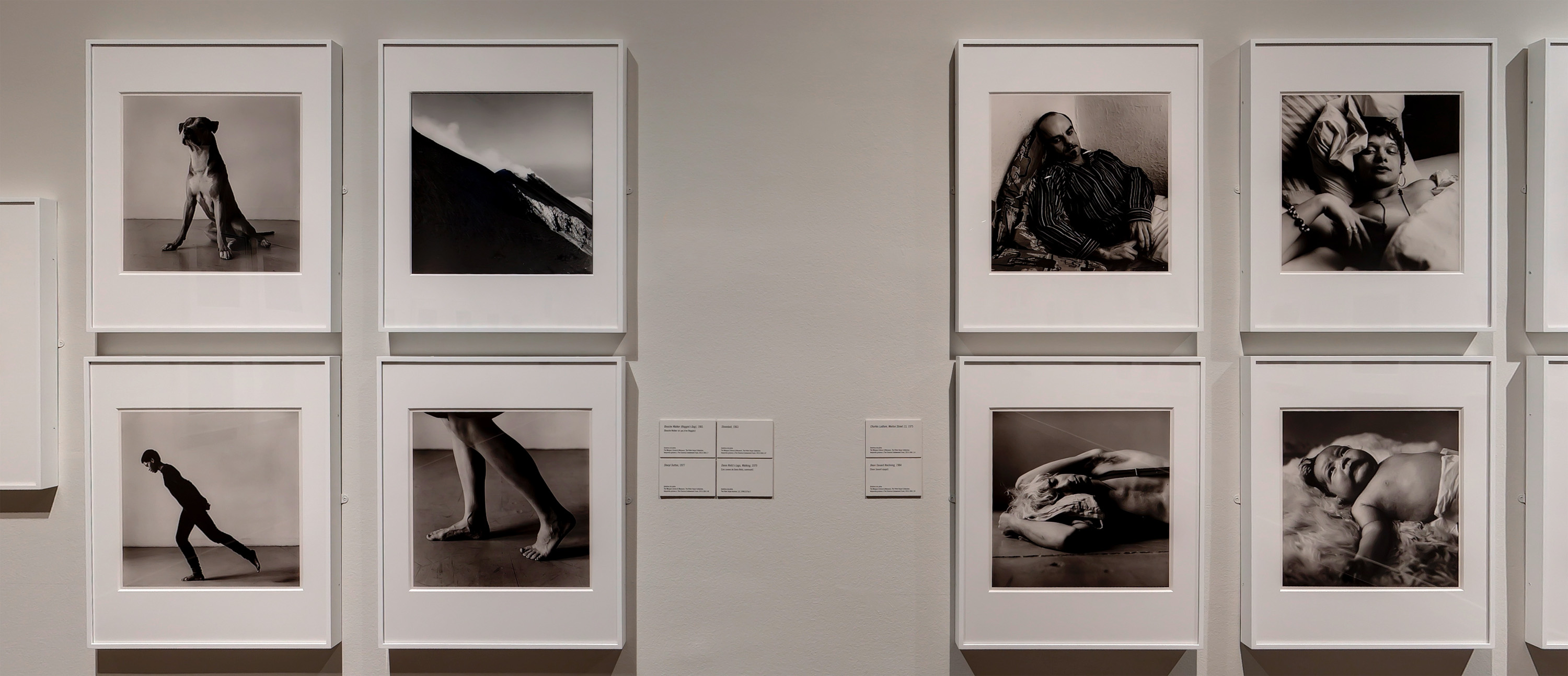
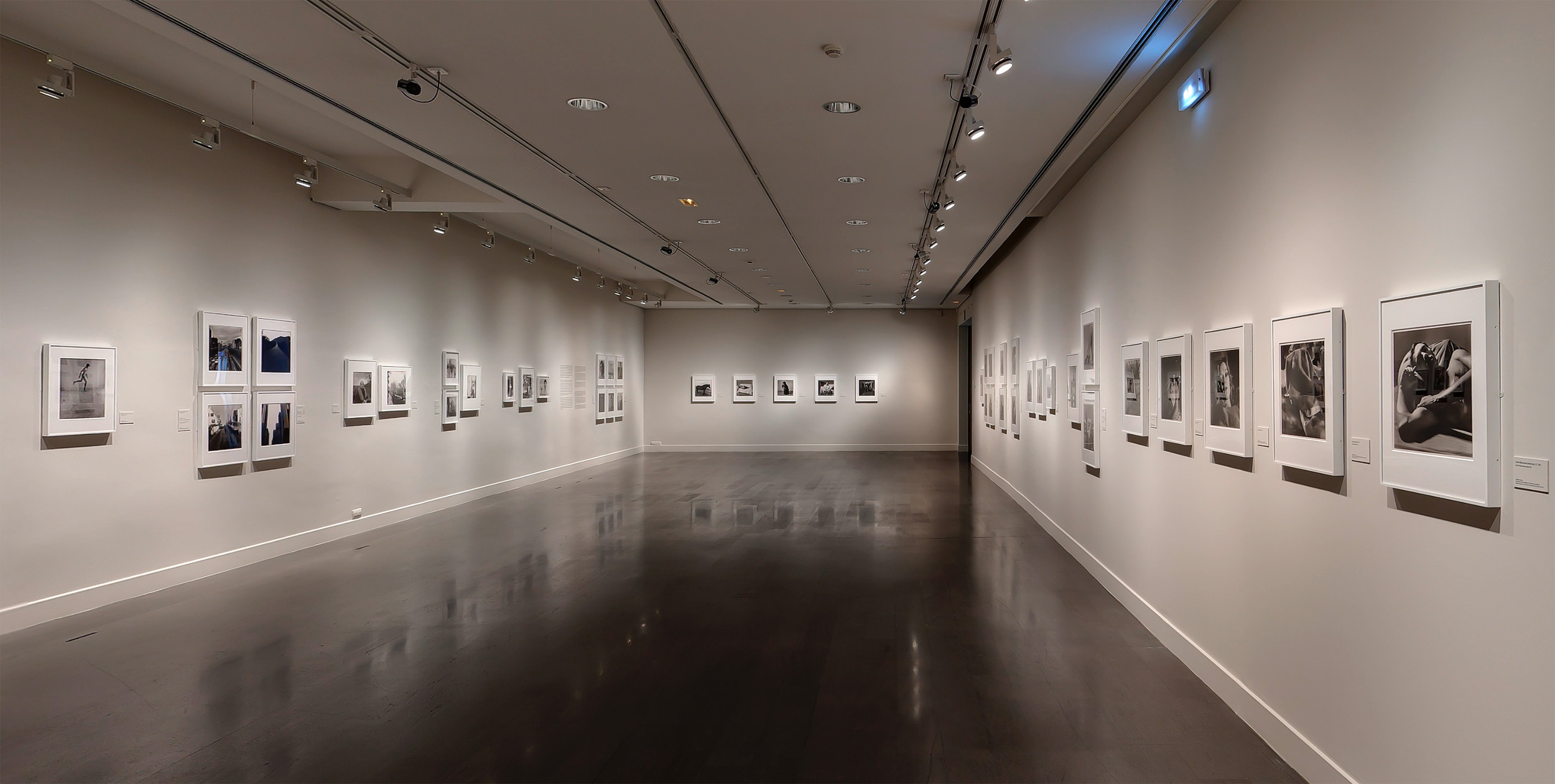


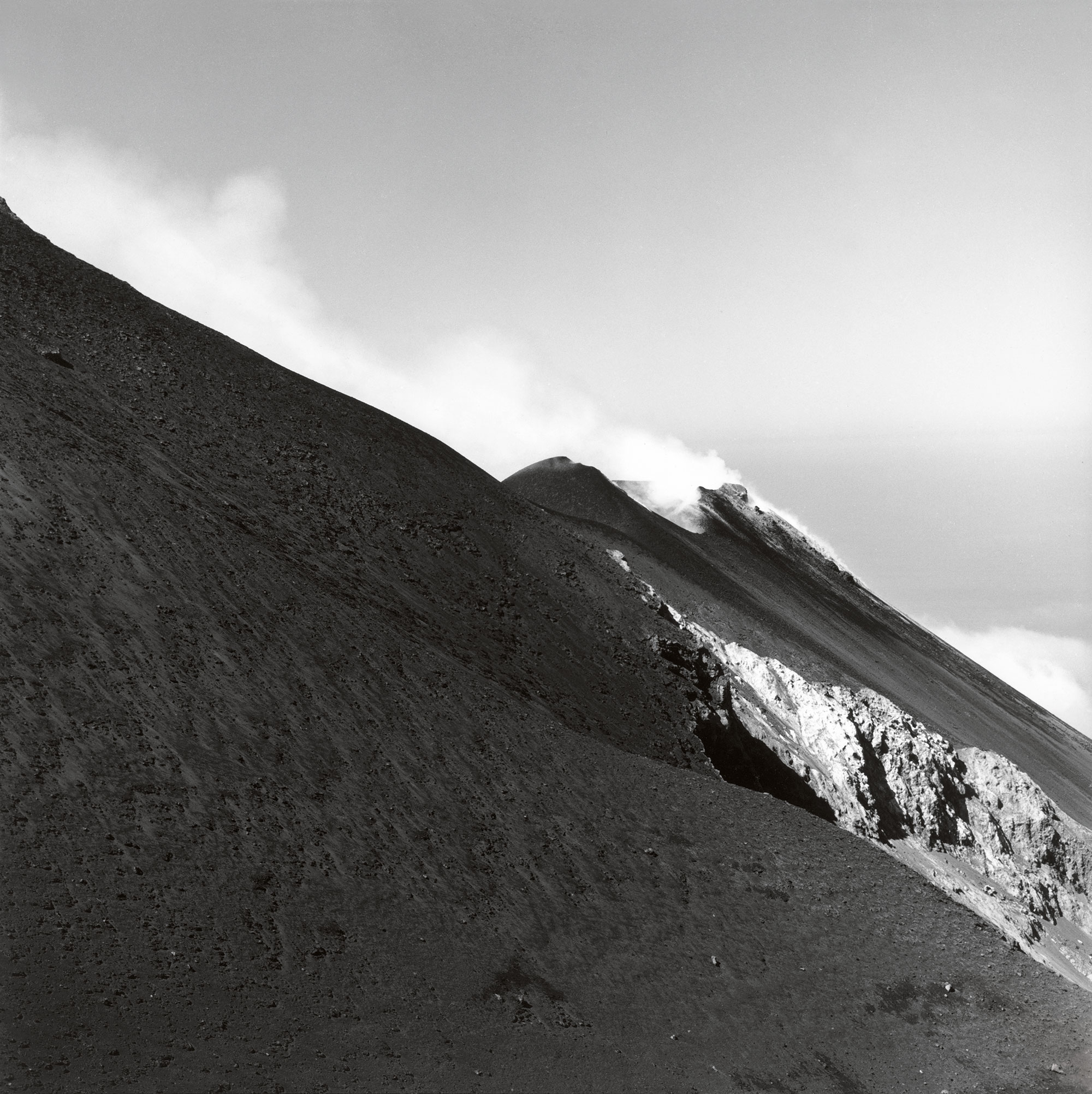
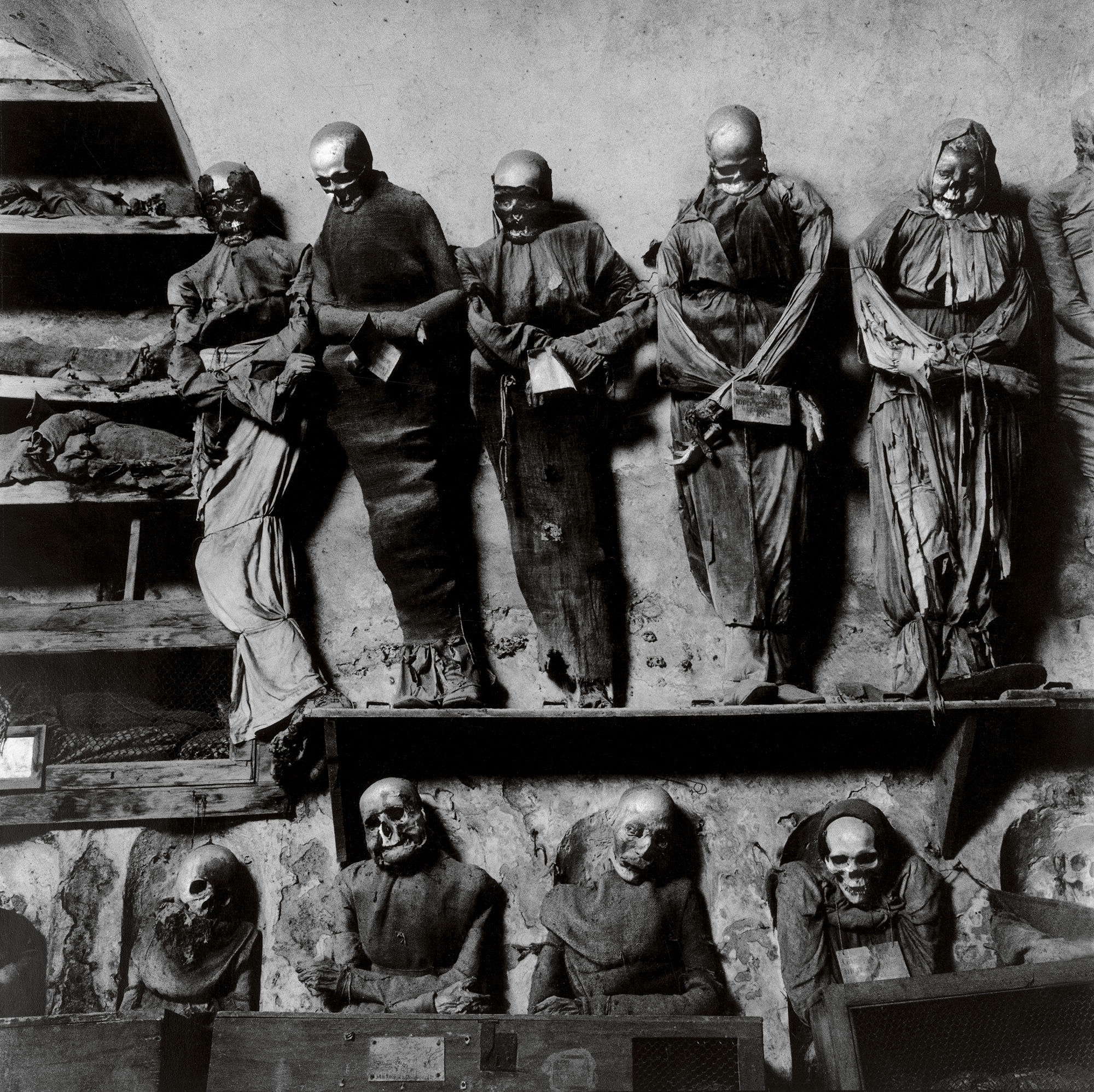

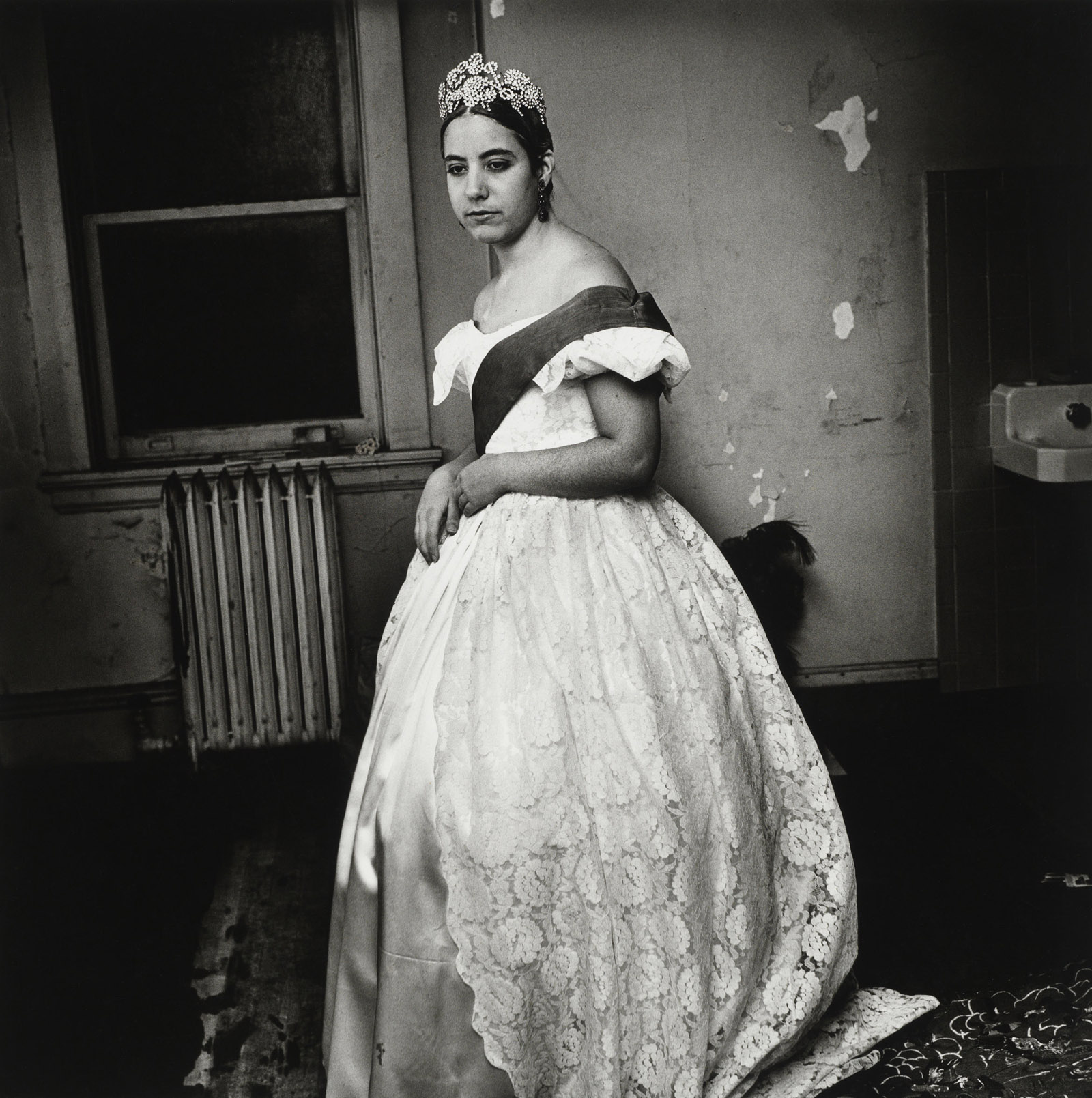

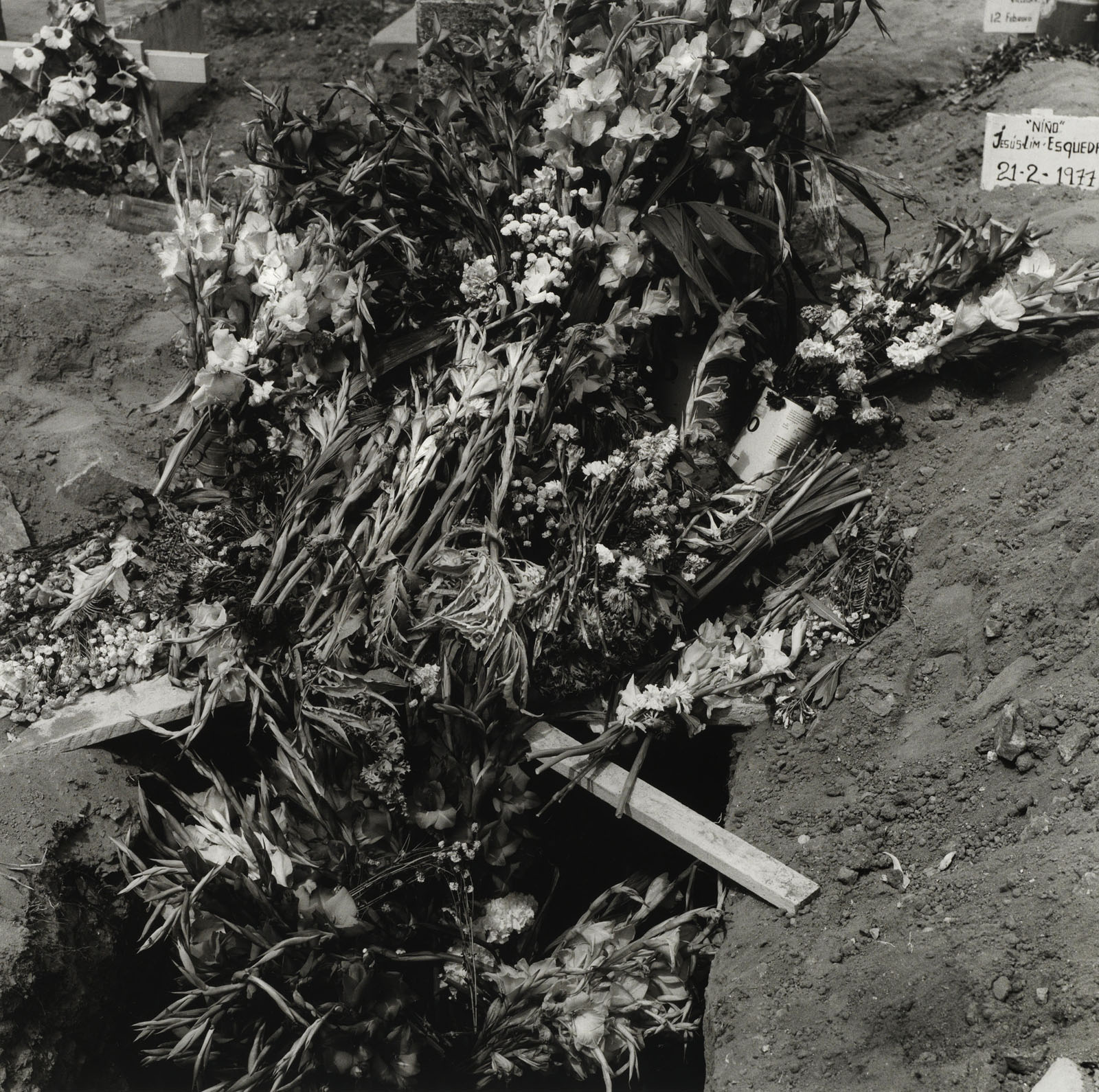

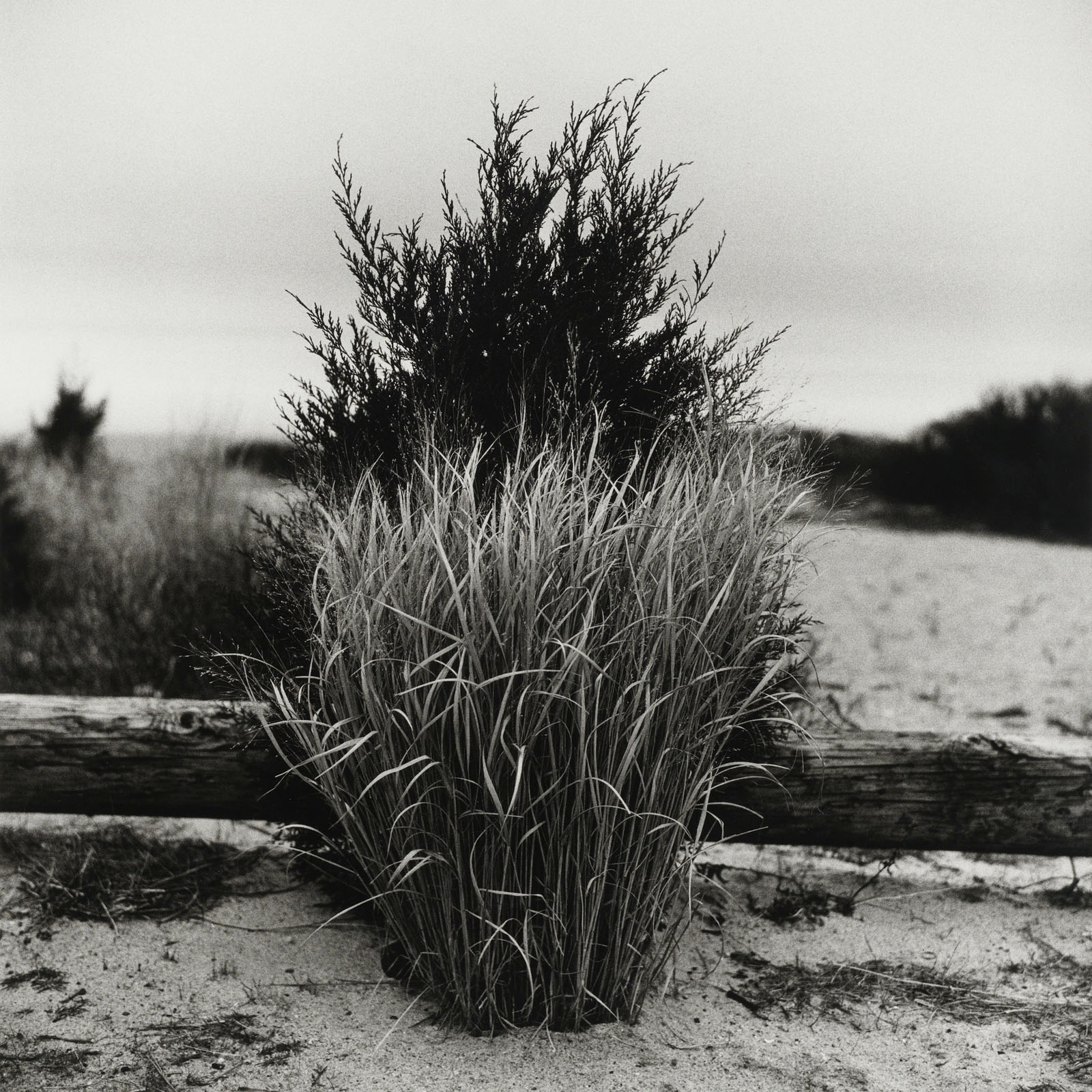







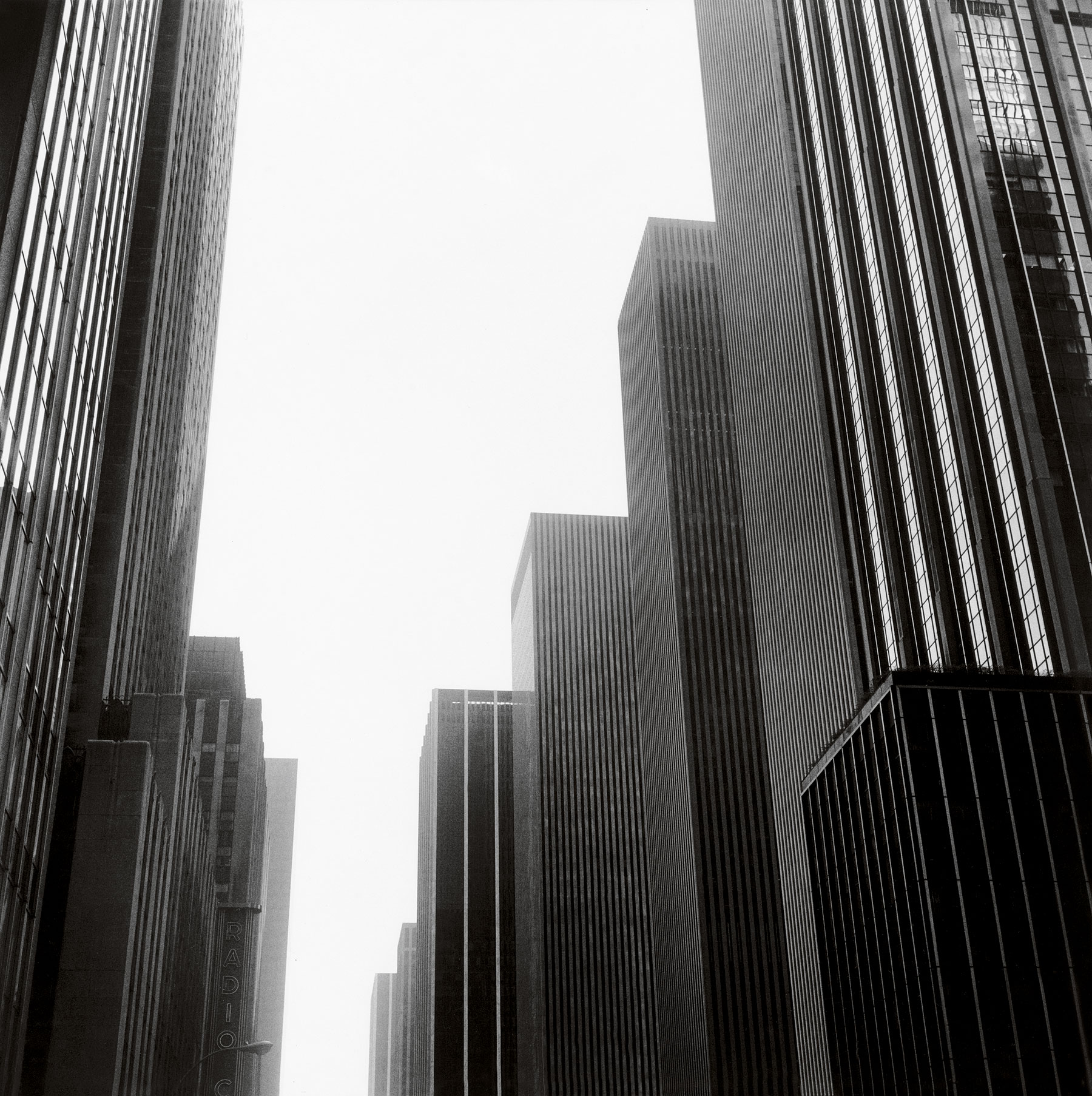
 Art Blart _ art and cultural memory archive
You must be logged in to post a comment.