Many thankx to The Denver Art Museum for allowing me to publish the photographs in the posting. Please click on the photographs for a larger version of the image.
Robert Adams (American, b. 1937) Burning oil sludge, north of Denver, Colorado 1973-1974 Gelatin silver print Yale University Art Gallery, purchased with a gift from Saundra B. Lane, a grant from the Trellis Fund and the Janet and Simeon Braguin Fund
Robert Adams (American, b. 1937) North of Keota, Colorado 1973 printed 1989
Gelatin silver print
Yale University Art Gallery, purchased with a gift from Saundra B. Lane, a grant from the Trellis Fund and the Janet and Simeon Braguin Fund
Robert Adams (American, b. 1937) Mobile home park, north edge of Denver, Colorado 1973-1974 Gelatin silver print Yale University Art Gallery, purchased with a gift from Saundra B. Lane, a grant from the Trellis Fund and the Janet and Simeon Braguin Fund
The Denver Art Museum (DAM) is the first U.S. venue for Robert Adams: The Place We Live, A Retrospective Selection of Photographs. The exhibition features more than 200 black-and-white photos spanning Adams’s 45-year career, showcasing the artistic legacy of the American photographer and his longstanding engagement with the contemporary Western landscape. Adams lived and worked in Colorado for nearly 30 years. Many of his most acclaimed images were taken in the Rocky Mountain region and will strike a familiar chord with visitors. The exhibition, organised by the Yale University Art Gallery, will be on view September 25, 2011 – January 1, 2012 in the museum’s Gallagher Family Gallery.
“We’re excited to host the work of one of the foremost photographers of our time,” said Eric Paddock, the DAM’s curator of photography. “Robert Adams’s striking yet quiet photos provoke thought about current economic, political and environmental issues Westerners confront every day. We think visitors will see something very familiar in his work.”
Since becoming a photographer in the mid-1960s, Adams has been widely regarded as one of the most significant and influential chroniclers of the American West. Adams’s photographs and writing insist that the realities of everyday landscapes are as beautiful as idealised scenes from nature. They ask questions about the ways people change and interact with nature, and what it means to live simply and quietly in today’s world. This commitment earned Adams prominence in photography’s “New Topographics” movement of the late 20th century and lends authority to his ongoing work. His photographs of Colorado suburban growth and clear cut forests in the Pacific Northwest, for example, express shock at mainstream social and economic values.
“The Denver Art Museum is pleased to be the first U.S. venue for The Place We Live, showcasing our continued commitment to our photography program,” said Christoph Heinrich, Frederick and Jan Mayer Director of the DAM. “Colorado has a rich photography history and we’re excited to have visitors engage with these artworks that provide a narrative to the American experience and take a fresh look at their surroundings.”
Featuring more than 200 gelatin silver prints, The Place We Live weaves together four decades of Adam’s work into a cohesive, epic narrative of American experience in the late 20th and early 21st centuries. Each of the photographer’s major projects is represented, from early pictures of quiet buildings and monuments erected by prior settlers of his native Colorado to his most recent images of forests and migratory birds in the Pacific Northwest.
Biography
Born in Orange, N.J., in 1937, Robert Adams moved with his family from Madison, Wis., to Denver, Colo., at the age of 15. He earned a doctorate degree from the University of Southern California and, intent on pursuing an academic career, returned to Colorado in 1962 as an assistant professor of English at Colorado College. Disturbed by the rapid transformation of the Colorado Springs and Denver areas, Adams began photographing a landscape transformed by tract housing, highways, strip malls and gas stations. “The pictures record what we purchased, what we paid and what we could not buy,” Adams wrote. “They document a separation from ourselves, and in turn from the natural world that we professed to love.” Since 1997, he has lived and worked in Oregon.”
Press release from The Denver Art Museum
Robert Adams (American, b. 1937) Lakewood, Colorado 1968-1971 Gelatin silver print Yale University Art Gallery, purchased with a gift from Saundra B. Lane, a grant from the Trellis Fund and the Janet and Simeon Braguin Fund
Robert Adams (American, b. 1937) In a New Subdivision, Colorado Springs, Colorado 1969 Gelatin silver print Yale University Art Gallery, purchased with a gift from Saundra B. Lane, a grant from the Trellis Fund and the Janet and Simeon Braguin Fund
Robert Adams (American, b. 1937) Frame for a Tract House, Colorado Springs, Colorado 1969 Gelatin silver print Yale University Art Gallery, purchased with a gift from Saundra B. Lane, a grant from the Trellis Fund and the Janet and Simeon Braguin Fund
Robert Adams (American, b. 1937) Pikes Peak, Colorado Springs, Colorado 1969 Gelatin silver print Yale University Art Gallery, purchased with a gift from Saundra B. Lane, a grant from the Trellis Fund and the Janet and Simeon Braguin Fund
Robert Adams (American, b. 1937) Denver, Colorado c. 1970 Gelatin silver print Yale University Art Gallery, purchased with a gift from Saundra B. Lane, a grant from the Trellis Fund and the Janet and Simeon Braguin Fund
Robert Adams (American, b. 1937) Longmont, Colorado 1973-1974, printed 2007 Gelatin silver print Yale University Art Gallery, purchased with a gift from Saundra B. Lane, a grant from the Trellis Fund and the Janet and Simeon Braguin Fund
Robert Adams (American, b. 1937) Eden, Colorado 1968 Gelatin silver print Yale University Art Gallery Purchased with a gift from Saundra B. Lane, a grant from the Trellis Fund and the Janet and Simeon Braguin Fund
Robert Adams (American, b. 1937) Colorado Springs, Colorado 1968 Gelatin silver print Yale University Art Gallery Purchased with a gift from Saundra B. Lane, a grant from Trellis Fund, and the Janet and Simeon Braguin Fund
Robert Adams (American, b. 1937) Edge of San Timoteo Canyon, looking toward Los Angeles, Redlands, California 1978 Gelatin silver print Yale University Art Gallery Purchased with a gift from Saundra B. Lane, a grant from the Trellis Fund and the Janet and Simeon Braguin Fund
Robert Adams (American, b. 1937) Quarried Mesa Top, Pueblo County, Colorado 1978 Gelatin silver print Yale University Art Gallery Purchased with a gift from Saundra B. Lane, a grant from Trellis Fund, and the Janet and Simeon Braguin Fund
Robert Adams (American, b. 1937) Longmont, Colorado 1979, printed 1985 Gelatin silver print Yale University Art Gallery, purchased with a gift from Saundra B. Lane, a grant from the Trellis Fund and the Janet and Simeon Braguin Fund
Robert Adams (American, b. 1937) Santa Ana Wash, Redlands, California 1983, printed 1991 Gelatin silver print Yale University Art Gallery, purchased with a gift from Saundra B. Lane, a grant from the Trellis Fund and the Janet and Simeon Braguin Fund
Robert Adams (American, b. 1937) Sitka spruce, Cape Blanco State Park, Curry County, Oregon 1999-2000 Gelatin silver print Yale University Art Gallery, purchased with a gift from Saundra B. Lane, a grant from the Trellis Fund and the Janet and Simeon Braguin Fund
The Denver Art Museum Civic Center Cultural Complex Located on 13th Avenue between Broadway and Bannock in downtown Denver
Here’s my pick of the nine best exhibitions in Melbourne (with excursions to Bendigo and Hobart thrown in) that appeared on the Art Blart art and cultural archive in 2011. Enjoy!
Sidney Nolan (Australian, 1917-1992) Untitled (calf carcass in tree) 1952 Archival inkjet print 23.0 cm x 23.0cm
This was a superb exhibition of 61 black and white photographs by Sidney Nolan. The photographs were shot using a medium format camera and are printed in square format from the original 1952 negatives.
The work itself was a joy to behold. The photographs hung together like a symphony, rising and falling, with shape emphasising aspects of form. The images flowed from one to another. The formal composition of the mummified carcasses was exemplary, the resurrected animals (a horse, for example, propped up on a fifth leg) and emaciated corpses like contemporary sculpture. The handling of the tenuous aspects of human existence in this uniquely Australian landscape was also a joy to behold. Through an intimate understanding of how to tension the space between objects within the frame Nolan’s seemingly simple but complex photographs of the landscape are previsualised by the artist in the mind’s eye before he even puts the camera to his face.
2/ Bill Henson at Tolarno Galleries, Melbourne, March – April 2011
This was an exquisite exhibition by one of Australia’s preeminent artists. Like Glenn Gould playing a Bach fugue, Bill Henson is grand master in the performance of narrative, structure, composition, light and atmosphere. The exhibition featured thirteen large colour photographs printed on lustre paper (twelve horizontal and one vertical) – nine figurative of adolescent females, two of crowd scenes in front of Rembrandt paintings in The Hermitage, St. Petersburg (including the stunning photograph that features The return of the prodigal son c. 1662 in the background, see below) and two landscapes taken off the coast of Italy. What a journey this exhibition took you on!
Henson’s photographs have been said by many to be haunting but his images are more haunted than haunting. There is an indescribable element to them (be it the pain of personal suffering, the longing for release, the yearning for lost youth or an understanding of the deprecations of age), a mesmeric quality that is not easily forgotten. The photographs form a kind of afterimage that burns into your consciousness long after the exposure to the original image has ceased. Haunted or haunting they are unforgettable.
Bill Henson (Australian, b. 1955) Untitled 2009/10 CL SH767 N17B Archival inkjet pigment print 127 x 180cm Edition of 5
3/ Networks (cells & silos) at Monash University Museum of Art (MUMA), Caulfield, February – April 2011
This was a vibrant and eclectic exhibition at MUMA, one of the best this year in Melbourne. The curator Geraldine Barlow gathered together some impressive, engaging works that were set off to good effect in the new gallery spaces. I spent a long and happy time wandering around the exhibition and came away visually satiated and intellectually stimulated. The exhibition explored “the connections between artistic representation of networks; patterns and structures found in nature; and the rapidly evolving field of network science, communications and human relations.”
Installation photograph of one of the galleries in the exhibition NETWORKS (cells & silos) at the newly opened Monash University Museum of Art (MUMA) with Nick Mangan’s Colony (2005) in the foreground
This was a stupendous exhibition by Monika Tichacek, at Karen Woodbury Gallery. One of the highlights of the year, this was a definite must see!
The work was glorious in it’s detail, a sensual and visual delight (make sure you click on the photographs to see the close up of the work!). The riotous, bacchanalian density of the work was balanced by a lyrical intimacy, the work exploring the life cycle and our relationship to the world in gouache, pencil & watercolour. Tichacek’s vibrant pink birds, small bugs, flowers and leaves have absolutely delicious colours. The layered and overlaid compositions show complete control by the artist: mottled, blotted, bark-like wings of butterflies meld into trees in a delicate metamorphosis; insects are blurred becoming one with the structure of flowers in a controlled effusion of life.
Monika Tichacek (Australian born Switzerland, b. 1975) To all my relations (detail) 2011
This was a fabulous survey exhibition of the great artists of 20th century American photography, a rare chance in Australia to see such a large selection of vintage prints from some of the masters of photography. If you had a real interest in the history of photography then you hopefully saw this exhibition, showing as it is just a short hour and a half drive (or train ride) from Melbourne at Bendigo Art Gallery.
6/ Time Machine: Sue Ford at Monash Gallery of Art, Wheelers Hill, Victoria, April – June 2011
Sue Ford (Australian, 1943-2009) Self-portrait 1976 1976 From the series Self-portrait with camera (1960-2006) Selenium toned gelatin silver print, printed 2011 24 x 18cm Courtesy Sue Ford Archive
This beautifully hung exhibition flowed like music, interweaving up and down, the photographs framed in thin, black wood frames. It featured examples of Ford’s black and white fashion and street photography; a selection of work from the famous black and white Time series (being bought for their collection by the Art Gallery of New South Wales); a selection of Photographs of Women – modern prints from the Sue Ford archive that are wonderfully composed photographs with deep blacks that portray strong, independent, vulnerable, joyous women (see last four photographs below); and the most interesting work in the exhibition, the posthumous new series Self-portrait with camera (1960-2006) that evidence, through a 47 part investigation using colour prints from Polaroids, silver gelatin prints printed by the artist, prints made from original negatives and prints from scanned images where there was no negative available, a self-portrait of the artist in the process of ageing.
Whether looking down, looking toward or looking inward these fantastic photographs show a strong, independent women with a vital mind, an élan vital, a critical self-organisation and an understanding of the morphogenesis of things that will engage us for years to come. Essential looking.
My analogy: you are standing in the half-dark, your chest open, squeezing the beating heart with blood coursing between your fingers while the other hand is up your backside playing with your prostrate gland. I think ringmeister David Walsh would approve. My best friends analogy: a cross between a car park, night club, sex sauna and art gallery.
Weeks later I am still thinking about the wonderful immersive, sensory experience that is MONA. Peter Timms in an insightful article in Meanjin calls it a post-Google Wunderkammer, or wonder chest. It can be seen as a mirabilia – a non-historic installation designed primarily to delight, surprise and in this case shock. The body, sex, death and mortality are hot topics in the cultural arena and Walsh’s collection covers all bases. The collection and its display are variously hedonistic, voyeuristic, narcissistic, fetishistic pieces of theatre subsumed within the body of the spectacular museum architecture …
Spectatorship and their attendant erotics has MONA as a form of fetishistic cinema. It is as if what Barthes calls “the eroticism of place” were a modern equivalent of the eighteenth century genius loci, the “genius of the place.” The place is spectacular, the private collection writ large as public institution, the symbolic power of the institution masked through its edifice. The art become autonomous, cut free from its cultural associations, transnational, globalised, experienced through kinaesthetic means; the viewer meandering through the galleries, the anti-museum, as an international flaneur. Go. Experience!
Corten Stairwell & Surrounding Artworks February 2011 Museum of Old and New Art – interior Photo credit: MONA/Leigh Carmichael Image Courtesy of MONA Museum of Old and New Art
John Bodin (Australian) I Was Far Away From Home 2009 Type C print on metallic paper 80 x 110cm
The photographs become the surface of the body, stitched together with lines, markers pointing the way – they are encounters with the things that we see before us but also the things that we carry inside of us. It is the interchange between these two things, how one modulates and informs the other. It is this engagement that holds our attention: the dappled light, ambiguity, unevenness, the winding path that floats and bobs before our eyes looking back at us, as we observe and are observed by the body of these landscapes.
One of the fundamental qualities of the photographs is that they escape our attempts to rationalise them and make them part of our understanding of the world, to quantify our existence in terms of materiality. I have an intimate feeling with regard to these sites of engagement. They are both once familiar and unfamiliar to us; they possess a sense of nowhereness. A sense of groundlessness and groundedness. A collapsing of near and far, looking down, looking along, a collapsing of the constructed world.
Like the road in these photographs there is no self just an infinite time that has no beginning and no end. The time before my birth, the time after my death. We are just in the world, just being somewhere. Life is just a temporary structure on the road from order to disorder. “The road is life,” writes Jack Kerouac in On the Road.
Simply put, this was one of the best exhibitions I saw in Melbourne this year.
I had a spiritual experience with this work for the paintings promote in the human a state of grace. The non-material, the unconceptualisable, things which are outside all possibility of time and space are made visible. This happens very rarely but when it does you remember, eternally, the time and space of occurrence. I hope you had the same experience.
Curated by Naomi Cass as part of the Melbourne Festival, this was a brilliant exhibition at the Centre for Contemporary Photography, Melbourne. The exhibition explored, “the fraught relationship between the camera and the subject: where the image is stolen, candid or where the unspoken contract between photographer and subject is broken in some way – sometimes to make art, sometimes to do something malevolent.” It examined the promiscuity of gazes in public / private space specifically looking at surveillance, voyeurism, desire, scopophilia, secret photography and self-reflexivity. It investigated the camera and its moral and physical relationship to the unsuspecting subject.
This is one of the best exhibitions this year in Melbourne bar none. Edgy and eclectic the work resonates with the viewer in these days of uncertainty: THIS should have been the Winter Masterpieces exhibition!
The title of the exhibition, The mad square (Der tolle Platz) is taken from Felix Nussbaum’s 1931 painting of the same name where “the ‘mad square’ is both a physical place – the city, represented in so many works in the exhibition, and a reference to the state of turbulence and tension that characterises the period.”The exhibition showcases how artists responded to modern life in Germany in the interwar years, years that were full of murder and mayhem, putsch, revolution, rampant inflation, starvation, the Great Depression and the rise of National Socialism. Portrayed is the dystopian, dark side of modernity (where people are the victims of a morally bankrupt society) as opposed to the utopian avant-garde (the prosperous, the wealthy), where new alliances emerge between art and politics, technology and the mass media. Featuring furniture, decorative arts, painting, sculpture, collage and photography in the sections World War 1 and the Revolution, Dada, Bauhaus, Constructivism and the Machine Aesthetic, Metropolis, New Objectivity and Power and Degenerate Art, it is the collages and photographs that are the strongest elements of the exhibition, particularly the photographs. What a joy they are to see.
Albert Renger-Patzsch (American born Hungary, 1895-1946) Harbour with crane c. 1927 Gelatin silver photograph Printed image 22.7 h x 16.8 w cm Purchased 1983 National Gallery of Australia, Canberra
What a great piece of writing by Peter Roebuck (below). Such insight into the human condition, so eloquently expounded.
Wise words about life. His wisdom will be greatly missed.
Dr Marcus Bunyan
“We are, indeed, shadows passing across the mouth of a cave.”
“If perspective insists that our daily lives are not important, then it is a fool”
Marcus Bunyan (Australian, b. 1958) Woody’s room, 226 Punt Road, Prahran
1993
Silver gelatin print
NOTHING is sadder than the extinguishing of a young life. Besides the loss itself, and the pain that follows, the premature ending of a life serves as a shock, reminds of the fragility and foolishness of our existences. When Princess Di died, her country temporarily became a better place. When David Hookes departed, the sorrow reached beyond his immediate circle and into the masses.
Not that it lasts. Still we complain about traffic wardens and shampoo bottles that will not open, and the weather, and the neighbours and taxes and noise and the rest of it. An then a child dies, or a friend is suddenly removed, or a familiar face vanishes, whereupon regret comes over us for the life unled.
Do not suppose your author is any wiser in these regards than anyone else. Everything works in theory and then a drill starts in a nearby house, or a traffic jam is encountered, or a queue, whereupon reason flies out the window. Rage resumes till someone is lost, a depressed youngster or an acquaintance amid a screeching of brakes, whereupon calm returns, for then the truth must be faced. We are, indeed, shadows passing across the mouth of a cave.
It is absurd that we take ourselves and our lives seriously when it all hangs by a thread. Yet it is likewise foolish to waste gifts, for they carry with them a certain responsibility. Without intensity, much less can be achieved. A man cannot spend his entire life with a gaga grin upon his face. Blood, sweat and tears are part of the human expression, part of our growth, and there is no need to regret their place in our lives. Mozart and Tendulkar have provided myriad delights because they dared to pursue their talents.
Often it is the striving that provided satisfaction and then follows the laughter and the strength. If perspective insists that our daily lives are not important, then it is a fool. Nevertheless, much can be missed along the way and it can take an untimely passing to remind us that we are, in so many ways, behaving like fools.
Edited extract of a piece penned by Peter Roebuck after the death of cricketer David Hookes in January 2004
Author and journalist Peter Roebuck fell to his death from a balcony in South Africa in November 2011
Kaho Yu (Hong Kong) Untitled from the series Infinitesimal Residual Vibration of An Unknown Sound 2009-2011
I like these photographs. There is a stillness to them that is intoxicating.
The wonderful quotation by Charles Babbage (the air as a form of perpetual palimpsest) coupled with Yu’s insight that he sought to capture – through long time exposure – those infinitesimal residual movements of voice and sound trapped in the diffused movements of all the particles in the atmosphere, compliment the work.
These are intelligent, emotive, quiet photographs.
Kaho Yu (Hong Kong) Untitled From the series Infinitesimal Residual Vibration of An Unknown Sound 2009-2011
Kaho Yu (Hong Kong) Untitled From the series Infinitesimal Residual Vibration of An Unknown Sound 2009-2011
Kaho Yu (Hong Kong) Untitled Fom the series Infinitesimal Residual Vibration of An Unknown Sound 2009-2011
“The air is one vast library, on whose pages are for ever written all that man has ever said or woman whispered. There, in their mutable but unerring characters, mixed with the earliest, as well as the latest sighs of mortality, stand for ever recorded, vows unredeemed, promises unfulfilled, perpetuating in the unified movements of each particle, the testimony of man’s changeful will.”
Charles Babbage, 1837
The photographs in this series were taken during a period when I was feeling existentially bored. Instead of distracting myself with activities and accumulating new sensations, I decided to “look” at boredom, to study, and perhaps to understand it. The most natural strategy was to observe the immediate environments where my daily activities take place – train stations, cubicles, copy machines room, etc. I carried a medium format camera on a tripod and spent the odd hours wandering alone through those familiar spaces.
My “study” did not lead me to any revelation or answer. Instead, I found myself spending a lot of time waiting in a long silence, between the opening and the closing of the camera shutter.
Charles Babbage, a scientist in 1837, postulated that every voice and sound, once imparted on the air particles, does not dissipate but remains in the diffused movements of all the particles in the atmosphere. Thus, there might one day come a person equipped with the right mathematical knowledge of these motions who will be able to capture the infinitesimal vibrations and to trace back to their ultimate source.
Taking a long exposure, letting the light slowly accumulate an image on the celluloid surface, to me, is not unlike a sound seeker searching in the air particles, for the tiny residual movements that have been conveyed through the history of mankind, from the beginning of time.
Kaho Yu artist statement
Kaho Yu (Hong Kong) Untitled From the series Infinitesimal Residual Vibration of An Unknown Sound 2009-2011
Kaho Yu (Hong Kong) Untitled From the series Infinitesimal Residual Vibration of An Unknown Sound 2009-2011
Kaho Yu (Hong Kong) Untitled From the series Infinitesimal Residual Vibration of An Unknown Sound 2009-2011
Kaho Yu (Hong Kong) Untitled From the series Infinitesimal Residual Vibration of An Unknown Sound 2009-2011
Exhibition dates: 14th October – 16th December, 2011
Co-curators: Stephen Zagala and Stella Loftus-Hills
Many thankx to the Anne & Gordon Samstag Museum of Art for allowing me to publish the photographs in the posting. Please click on the photographs for a larger version of the image.
Bill Henson (Australian, b. 1955) Untitled 1977/78 1977-1978 From the Untitled sequence 1977/78 series 1977-1978 From a series of 16 gelatin silver print Monash Gallery of Art, City of Monash Collection Donated by James Mollison AO through the Australian Government’s Cultural Gifts Program 2008
Untitled 1977 is a series of black-and-white photographs that depict a naked adolescent male seemingly lost in a state of private reverie.
This early series highlights Henson’s interest in states of existence that are
indeterminate or ambiguous, which has remained a central concern of his practice over the years. In this body of work, a slightly androgynous youth seems to float in and out of consciousness. In later work, Henson continues to explore borderline states between night and day, dream and reality, childhood and adulthood.
Henson’s interest in ambiguity is also apparent at a formal level, with his use of lighting. Shadows swallow the figure’s contours and highlights dissolve the details, giving the youth a ghostly quality.
Stephen Zagala and Stella Loftus-Hills. “Bill Henson: early work from the MGA collection Education Resource,” on the University of South Australia website 2010 [Online] Cited 18/12/2024. No longer available online. Used under fair use conditions for the purposes of education and research
Bill Henson (Australian, b. 1955) Untitled 1977/78 1977-1978 From the Untitled sequence 1977/78 series 1977-1978 From a series of 16 gelatin silver print Monash Gallery of Art, City of Monash Collection
Bill Henson (Australian, b. 1955) Untitled 1977/78 1977-1978 From the Untitled sequence 1977/78 series 1977-1978 From a series of 16 gelatin silver print Monash Gallery of Art, City of Monash Collection
Bill Henson (Australian, b. 1955) Untitled 1977/78 1977-1978 From the Untitled sequence 1977/78 series 1977-1978 From a series of 16 gelatin silver print Monash Gallery of Art, City of Monash Collection
Bill Henson (Australian, b. 1955) Untitled 1980-82 1980-82 From a series of 220 gelatin silver print Monash Gallery of Art, City of Monash Collection
These five works come from a series that includes a total of 220 photographs, which are printed at various sizes. When exhibiting the full series, Henson arranges the works into small groupings that create an overall effect of aberrant movement and fragmentation. From within these bustling clusters of images, individual faces emerge like spectres of
humanity that will once again dissolve into the crowd.
Henson shot this series over several years in different cities around the world, capturing images of individuals, crowds and architectural details, all apparently adrift in the flow of urban life. The people in these images have an anonymity that allows them to represent universal human experiences of alienation, mortality and fatigue. The views of buildings, however, are more specific. They were photographed in Dresden and East Berlin in the 1970s, when Henson travelled to Germany specifically for the purpose of
documenting these world-weary structures. Taken together, the images remind us of how tragically fleeting a sense of belonging can be.
Stephen Zagala and Stella Loftus-Hills. “Bill Henson: early work from the MGA collection Education Resource,” on the University of South Australia website 2010 [Online] Cited 18/12/2024. No longer available online. Used under fair use conditions for the purposes of education and research
Bill Henson (Australian, b. 1955) Untitled 1980-82 1980-82 From a series of 220 gelatin silver print Monash Gallery of Art, City of Monash Collection
Bill Henson (Australian, b. 1955) Untitled 1980-82 1980-82 From a series of 220 gelatin silver print Monash Gallery of Art, City of Monash Collection
Bill Henson (Australian, b. 1955) Untitled 1980-82 1980-82 From a series of 220 gelatin silver print Monash Gallery of Art, City of Monash Collection
Bill Henson: early work from the MGA collection draws on work from the Monash Gallery of Art, City of Monash Collection. MGA holds one of the largest collections of Bill Henson’s photography. With its concentration of work from 1977-92, the collection provides a significant survey of Henson’s early career.
Bill Henson is one of Australia’s best-known artists. Many of us have heard his name. Some of us may also be familiar with his photographs. For many, the experience of Henson’s extraordinary work has probably been through reproduction of it in the media. However, it is important to view Henson’s actual photographs. This offers a much richer visual experience, and a deeper appreciation of his art. Henson printed all of the work in this exhibition in the darkroom by hand, using chemicals and carefully chosen paper stock. The uneven surfaces of the early black-and-white photographs are a result of this wet-printing process, and give the photographs a mysterious, almost alchemic quality. The larger colour photographs display a richness of tone and palette that is an artefact of the artist’s meticulous approach to the printing process. These material properties are not evident in reproductions of Henson’s images.
The other aspect that is lost in reproduction is the physical difficulty of seeing Henson’s pictures clearly. The darkness of Henson’s photographs appeals to the artist’s romantic sensibility. He tends to let shadows obscure visual detail so that enigmas lurk at the threshold of perception. Publishers like to override this quality of Henson’s work by adjusting the contrast and brightness of the images for print. Viewers of this exhibition will find themselves drawn into an inscrutable visual space of shadows and deep, reflective blacks.
Born in 1955, Bill Henson grew up in Glen Waverley, a burgeoning suburb of
Melbourne. From the 1950s to the 1970s the area swelled beyond the termination of the Glen Waverley train line, urged on by the relative affordability, ease and comfort of car travel. Self-serve petrol stations appeared at major intersections, their brightly coloured signage adding their glow to the landscape.
The influence of expanding American suburbia on Australia continued with Glen Waverley becoming home to the first McDonalds restaurant in Victoria (1971). The 1980s saw an expansion of large international chains that offered ‘drive-thru’ services (from fast food to alcohol) favouring prominent roadside locations and large signage to stamp their corporate identities on the landscape.
It is from within this ever changing and expanding landscape, between the end of the train line and country, that Henson’s vision was founded; a place where listless youth claim the vacant lots and preservations between estates as their own private worlds, lost in the evening shadows.
The youth that populate Henson’s images take on a strange, almost hollow look, their eyes becoming dark holes in their ghostly facades. Light and shadow compete to pull their bodies from one plane to the other, Henson seeks to capture this moment, the hovering between child and adult.
These liminal zones, the “intervals in the landscape”1 provided a backdrop for the developing artist. Bill Henson’s early work is undeniably – and perhaps unintentionally – a discussion of the changing landscape of suburbia and in turn the influence of international trends on what it meant to be growing up in Australia at that time. Henson’s early work is significant in Australian photography because of its depiction of this change in both this suburban landscape and the human condition.
1/ Bill Henson as quoted in Dominic Sidhu. “Nocturne: The photographs of Bill Henson (Interview with Bill Henson),” in EGO Magazine, New York, August 29, 2005. No longer available online.
Stephen Zagala and Stella Loftus-Hills. “Bill Henson: early work from the MGA collection Education Resource,” on the University of South Australia website 2010 [Online] Cited 18/12/2024. No longer available online. Used under fair use conditions for the purposes of education and research
Bill Henson (Australian, b. 1955) Untitled 57 1985-1986 From the series Untitled 1985-86 Chromogenic print 106 x 86cm Monash Gallery of Art, City of Monash Collection Courtesy of the artist and Roslyn Oxley9 Gallery, Sydney
Bill Henson (Australian, b. 1955) Untitled 61 1985-1986 From the series Untitled 1985-86 Chromogenic print 128 × 100cm Monash Gallery of Art, City of Monash Collection Courtesy of the artist and Roslyn Oxley9 Gallery, Sydney
Monash Gallery of Art (MGA) holds one of the largest collections of photographs by Bill Henson. With its concentration on work made between 1977 and 1992, the MGA collection represents a significant survey of Henson’s early career, from which twenty-nine works have been selected for the Bill Henson: early work from the MGA collection exhibition.
Henson has been described as a ‘passionate and visionary explorer’, and has been exhibited extensively nationally and internationally for over three decades, yet this is the first exhibition dedicated to this major artist’s work to be presented in Adelaide.
Passionate discussion about Henson’s work in the Australian media in recent times, has served to illuminate an important debate about the nature of art. But while many of us may be familiar with Henson’s images through reproduction, to view a museum exhibition of the artist’s photographs offers a much deeper appreciation of his art, and is a rare opportunity for audiences to themselves experience his work first hand.
The ‘in conversation’ event is a highlight to accompany a very special exhibition at the Samstag Museum from one of Australia’s most distinguished artists. Bill Henson: early work from the MGA Collection, with selected recent landscapes offers South Australians a unique opportunity to experience the power and beauty of the work of Bill Henson, Australia’s best-known contemporary photographer. This is the first exhibition dedicated to this major artist’s work ever to be presented in Adelaide.
The exhibition features twenty-nine iconic images from many of Henson’s major series from the 1970s through to the early 1990s, all drawn from the Monash Gallery of Art, who hold one of the largest collections of Henson’s work in the country.
For many, the experience of Henson’s extraordinary work has been through its reproduction in the media. However, it is important to view the actual photographs as this offers a much richer visual experience. All of the early work in the exhibition was printed by hand in the darkroom, and consequently the uneven surfaces of the black and white photographs have a mysterious, alchemic quality not present in reproductions of Henson’s images.
Alongside the MGA Collection exhibition, the Samstag Museum is presenting a selection of recent landscape photographs by Henson. These are works of compelling power and continue the artist’s fascination with a diverse range of subject matter. Through them we explore an island of rocky outcrops, monoliths rising dramatically from the ocean and waterfalls captured in a blaze of light.
Text and press release from the Anne and Gordon Samstag Museum of Art website
Bill Henson (Australian, b. 1955) Untitled 63 1985-1986 From the series Untitled 1985-86 Chromogenic print 106 x 86cm Monash Gallery of Art, City of Monash Collection acquired 1991 Courtesy of the artist and Roslyn Oxley9 Gallery, Sydney
Bill Henson (Australian, b. 1955) Untitled 72 1985-1986 From the series Untitled 1985-86 Chromogenic print 106 x 86cm Monash Gallery of Art, City of Monash Collection acquired 1991 Courtesy of the artist and Roslyn Oxley9 Gallery, Sydney
The series Untitled 1985-86 is constructed of 154 photographs that explore the psychological space of Henson’s youth. Henson grew up in Glen Waverley, in Melbourne’s South-east, and he has often spoken about the importance of maintaining a connection with the suburban environment that shaped his sensibilities. This series includes a range of specific references to the streetscapes of the area, often shot at night or dusk,
with fluorescent lights investing the darkness with a wistful glow.
Henson’s emphasis on nocturnal life alludes to his interest in treating real landscape as if it is a dreamscape, an idea that is underscored by the use of sleeping figures in this series. And, by juxtaposing suburbia with photographs of summertime girls and Egyptian temples, Henson takes us into the dreamy imaginings of an adolescent boy living on the outskirts of the city.
Stephen Zagala and Stella Loftus-Hills. “Bill Henson: early work from the MGA collection Education Resource,” on the University of South Australia website 2010 [Online] Cited 18/12/2024. No longer available online. Used under fair use conditions for the purposes of education and research
Bill Henson (Australian, b. 1955) Untitled 73 1985-1986 From the series Untitled 1985-86 Chromogenic print 106 x 86cm Monash Gallery of Art, City of Monash Collection Donated by the artist 1989 Courtesy of the artist and Roslyn Oxley9 Gallery, Sydney
Bill Henson (Australian, b. 1955) Untitled 137 1985-1986 From the series Untitled 1985-86 Chromogenic print 106 x 86cm Monash Gallery of Art, City of Monash Collection Courtesy of the artist and Roslyn Oxley9 Gallery, Sydney
Bill Henson (Australian, b. 1955) Untitled 1990-1991 From the series Paris Opera Project Type C photograph 130 × 130cm Monash Gallery of Art, City of Monash Collection Courtesy of the artist and Roslyn Oxley9 Gallery, Sydney
In 1990 Bill Henson was commissioned to produce a body of work that responded to the world-renown Opéra de Paris. He decided to focus on the audience, and while at the Opéra photographed the faces of people while they sat enveloped in darkness, their features softly illuminated by the reflected glow of stage lighting. The photographs shot in Paris subsequently became Henson’s source material, as he restaged the portraits in his Melbourne studio to accentuate the mood and atmosphere of an evening at the opera.
When the subsequent series of fifty photographs was first exhibited in Melbourne during 1991, they were hung floor-to-ceiling as if to suggest an auditorium of spectators. With their far-away eyes, gazing off toward something that is not revealed in the photographs, these faces express the sublime sensuality of a musical experience. And the atmospheric cloudscapes that punctuate the series allude to the rich horizons being opened up in the imaginations of the audience.
Stephen Zagala and Stella Loftus-Hills. “Bill Henson: early work from the MGA collection Education Resource,” on the University of South Australia website 2010 [Online] Cited 18/12/2024. No longer available online. Used under fair use conditions for the purposes of education and research
Bill Henson (Australian, b. 1955) Untitled 1990-1991 From the series Paris Opera Project Type C photograph 130 × 130cm Monash Gallery of Art, City of Monash Collection Courtesy of the artist and Roslyn Oxley9 Gallery, Sydney
Bill Henson (Australian, b. 1955) Untitled 1-5 B 1990-1991 From the series Paris Opera Project Type C photograph 130 × 130cm Monash Gallery of Art, City of Monash Collection Courtesy of the artist and Roslyn Oxley9 Gallery, Sydney
Bill Henson (Australian, b. 1955) Untitled 1990-1991 From the series Paris Opera Project Type C photograph 130 × 130cm Monash Gallery of Art, City of Monash Collection Courtesy of the artist and Roslyn Oxley9 Gallery, Sydney
Anne & Gordon Samstag Museum of Art Hawke Building, City West campus University of South Australia 55 North Terrace, Adelaide Phone: (08) 8302 0870
More planes, this time a series of work titled Vertical (2011). The series is now online on my website.
These are original black and white aircraft recognition slides from the Second World War, turned vertically, with the natural colour embedded in the slides enhanced through Photoshop.
Inspiration for the series came from the tragic crash of “The Galloping Ghost”, a highly modified North American P-51D Mustang racing aircraft, which crashed vertically into spectators while competing at the Reno Air Races in 2011.
There are 22 images in the series formed as a sequence. Below is a selection of images from the series. I hope you like the work!
Dr Marcus Bunyan
Please click on the photographs for a larger version of the image.
Photographs are available from this series for purchase. As a guide, a digital colour 16″ x 20″ costs $1000 plus tracked and insured shipping. For more information please see my Store web page.
Marcus Bunyan (Australian, b. 1958) Untitled 2011 From the series Vertical Digital prints
Curator: Anne Lyden, Associate Curator in the Department of Photographs at the J. Paul Getty Museum
Many thankx to Melissa Abraham for her help and to the J. Paul Getty Museum for allowing me to publish the photographs in the posting. Please click on the photographs for a larger version of the image.
Col. Henry Stuart Wortley (British, 1832-1890) The Day is Done, and the Darkness Falls from the Wings of Night., About 1862 Albumen silver print 29.5 x 35.2cm (11 5/8 x 13 7/8 in.) The J. Paul Getty Museum, Los Angeles
With its immensity, immateriality, and variability, the sky has been an enduring subject in art history, fascinating and challenging generations of artists. As soon as the medium of photography was introduced in 1839, photographers attempted to represent the sky and its natural phenomena.
Atmospheric light and its constant mutability have always been hard to capture, but by the 1850s the greater light sensitivity of collodion negatives (compared to the daguerreotype and calotype processes) allowed the spectacles of the sky to be more easily transposed to photography.
With further technical improvements such as the development of instantaneous processes in the 1880s and the advent of Kodachrome colour film around 1935, photographers have continued to explore this theme in diverse and imaginative ways.
Text from the J. Paul Getty Museum website
Gustave Le Gray (French, 1820-1884) Cloudy Sky – Mediterranean Sea 1857 Albumen silver print 12 1/4 x 16 7/16 in. The J. Paul Getty Museum, Los Angeles
Clouds
The collodion process (in which a syrupy, light-sensitive mixture was applied to glass-plate negatives) was advantageous for its short exposure time and sharpness, but its sensitivity to blue light could also pose a challenge. By the time the camera captured detail in the foreground, the sky was often overexposed and thus printed as blank space.
To create his sweeping seascape, Cloudy Sky – Mediterranean Sea, Gustave Le Gray combined two slightly overlapping negatives: one for the sky and one for the sea.
Text from the J. Paul Getty Museum website
Carleton Watkins (American, 1829-1916) [Solar Eclipse] January 1, 1889 Albumen silver print 16.5 x 21.6cm (6 1/2 x 8 1/2 in.) The J. Paul Getty Museum, Los Angeles
Standing atop Mount Santa Lucia in northern California at approximately 3.50 p.m. on January 1, 1889, Carleton Watkins was able to make only one exposure during the instant of complete eclipse. Accompanied by professors from the newly created University of California and the United States Naval Observatory, Watkins waited slightly more than an hour for the moon to begin its movement and assume its temporary position directly in front of the sun. The radiating sun, its brilliance hidden by the black moon, lies suspended over a sea of clouds whose rippling waves dominate the sky. Only the inclusion of the treetops in the foreground serves to ground the image in a familiar reality.
Text from the J. Paul Getty Museum website
The J. Paul Getty Museum presents In Focus: The Sky, a thematically-installed exhibition of permanent collection photographs, on view at the Getty Center from July 26 – December 4, 2011.
“The sky has fascinated and challenged photographers since the invention of the medium,” said Anne Lyden, associate curator, Department of Photographs, the J. Paul Getty Museum, and curator of the exhibition. “This exhibition showcases a wide range of approaches to capturing the many moods and effects of the sky – things we usually take for granted.”
The selection of 22 artworks provides visitors with an opportunity to explore the Getty Museum’s world-renowned photographs collection through the pictorial subject of the sky, with the works loosely organised under four different themes: urban skies, clouds, dark skies, and colourful skies.
The exhibition features photographs by artists such as: Ansel Adams, John Divola, André Kertész, Joel Meyerowitz, Alfred Stieglitz, and Carleton Watkins, among others. The Getty’s collection includes exemplary objects that demonstrate both technological and aesthetic innovations in photography. Among the different processes highlighted are daguerreotypes, albumen silver prints, palladium prints, platinum prints, and more contemporary inkjet prints.
One of the most well-known works in the exhibition is Ansel Adams’ Moonrise, Hernandez, New Mexico, (negative made November 1, 1941; printed December 16, 1948). Traveling by car through New Mexico, Adams was inspired by light from the setting sun illuminating crosses in the graveyard at the side of the road. By carefully considering the composition, visualising the printed image before creating the photograph, understanding the required exposure needed in response to the available light, and exerting a certain degree of control in the printing process so that detail and shadows were retained, Adams succeeded in capturing the fleeting moment when the sun was setting and the bright moon appeared in the darkening sky.
The summer sky of Cape Cod features in Meyerowitz’s photograph Fence, Truro, negative 1976; printed 1992. Having recently acquired a large view camera, Meyerowitz spent two summers recording the structures and light of the coastal area that ultimately resulted in the 1978 book, Cape Light. Noting the shifting shadows as they played across the picket fence, his use of colour aptly describes the very subject of light itself.
Included in the exhibition is a selection from John Divola’s Zuma Beach series. In the fall of 1977, after discovering an abandoned lifeguard headquarters at Zuma Beach, California, Divola began visiting the site mornings and evenings to photograph. Bringing paints, using flash, and depending on the Pacific Ocean and the ever-changing sky for a dramatic backdrop, he created spontaneous scenes in this seaside theatre.
Also on view is a small group of three photographs by Alfred Stieglitz. From 1922 to 1934, Stieglitz photographed clouds and created a series of abstract configurations which reflected the fluctuation of his subjective state. By simply titling each piece Equivalent, he invited an open reading of the images and their content.
In Focus: The Sky is the ninth installation of the ongoing In Focus series of exhibitions, thematic presentations of photographs from the Getty’s permanent collection.
Press release from the J. Paul Getty Museum website
The first image with artistic intention that Edward Weston made in Mexico was of a cloud. Stopped in the port of Mazatlan on his way to Mexico City in 1923, Weston, for the first time in his career, was moved to photograph the sky, a theme that would occupy him intermittently throughout his entire sojourn in Mexico. Working with his Graflex, which allowed for greater flexibility than his tripod-mounted eight-by-ten-inch camera, he shot clouds spontaneously and maintained a personal collection of prints that he referred to as his “cloud series.” He noted in his daybook, “Next to the recording of a fugitive expression, or revealing the pathology of some human being, is there anything more elusive to capture than cloud forms! And the Mexican clouds are so swift and ephemeral, one can hardly allow the thought, ‘Is this worth doing?’ or, ‘ls this placed well?’ – for an instant of delay and what was, is not!”
The economy of form achieved in this 1926 image through the isolation of a single strip of stratus clouds oriented diagonally within the frame was not new to Weston’s aesthetic; his 1924 picture of Tina Modotti (1896-1942) nude on the roof of their home (see 86.XM.710.8) employs a remarkably similar composition. If Mexico provided Weston the inspiration to explore and expand the range of his oeuvre, adding clouds, still lifes, and landscapes to his repertoire of portraits and nudes, it simultaneously served as the place where his visual approach to the world was honed. His time in Mexico came to an end the same year he made this picture, but many of the principles he developed there would last him throughout his career.
“If [photography] is to be utterly honest and direct, it should be related to the pulse of the times – the pulse of today.” ~ Berenice Abbott
Nowhere is Berenice Abbott’s statement better demonstrated than in this photograph of the pulsating vibrancy of New York City, alive at night with thousands of glittering lights. The flashes of illumination perforate the frame, reflecting the dynamism of the world’s fastest-changing city. Abbott set about documenting New York when she returned there in 1929 after nine years spent in Europe. Abbott made this photograph from a high vantage point in the Empire State Building on Fifth Avenue looking north.
Soon after arriving in New York in October 1936, André Kertész spent time searching the city streets for fresh material, just as he had done in Paris for a decade. One afternoon he observed a solitary white cloud in a vast blue sky, dwarfed by the monolithic presence of the Rockefeller Center. Kertész later recounted that he was “very touched when he saw the cloud, as it “didn’t know which way to go” (Bela Ugrin, Dialogues with Kertész, ” 1978-1985, the Getty Research Institute) – a sentiment he strongly identified with as a new immigrant.
From the lyrical to the abstract, photography has often been an apt medium with which to capture the fleeting nature of skies.
Text from the J. Paul Getty Museum website
The impenetrable façade of Rockefeller Center in New York dominates the frame of this photograph, filling the lower and right sides of the image with its cold, hard, modern lines. The other third of the composition belongs to the sky, in which a lone puff of white cloud hangs isolated like a cotton ball, holding sway against the force of the skyscraper. The brilliant white form is “lost” in this scene that is otherwise devoid of natural, spirited shapes. The cloud possesses an innate impermanence; it will be gone with the next gust of wind, blown along on its path to some other expanse of sky. Andre Kertész’s juxtaposition of the whimsical cloud and unforgiving architecture seems to emphasise his own sense of isolation; the photograph was made soon after he had emigrated from Europe.
Arguably Ansel Adams’s most famous image, this photograph is titled Moonrise rather than Sunset, even though the moon technically does not rise in the sky. As a scholar noted: The factuality and, moreover, the meaning of the setting sun were rejected by him in favour of the expressive symbolism of the rising moon; of the shining luminescence ablaze with greatness in its primal mystery, dramatically isolated in the infinity of darkness.
Instead of making an unmanipulated print from the negative, Adams selectively printed the sky black and the foreground dark in order to achieve a particular illumination and spiritual transcendence. The photographer’s skill and vision transformed the tiny town of Hernandez, dotted with glowing white cemetery and church crosses, into a spectral landscape.
An ardent conservationist, Garnett became concerned about land use and air pollution in the early 1940s. He made this photograph in an attempt to raise public awareness. Over the years Garnett came to believe that he was more likely to inspire positive change by pointing out nature’s enduring beauty than by showing the ugliness caused by poor choices.
Dorothea Lange suffered health problems in the late 1940s, but she wanted to travel again and be part of the current documentary effort. Since the federal government was no longer funding such projects, this meant working for the thriving picture magazines. Lange proposed to Life that she and Ansel Adams do a project in Utah. They would travel with her son Daniel, who would write text for the article, and her husband, who had a continuing interest in the survival of utopian communities. Their purpose was to record the landscape, built environment and inhabitants of three towns in southwestern Utah settled in the mid-nineteenth century by Mormons. The grandchildren of some of these pioneers were Lange’s subjects during her visit to Gunlock, Toquerville, and St. George in 1953.
In the fall of 1977, after discovering an abandoned lifeguard headquarters at Zuma Beach, California, John Divola began visiting the site to photograph. Painting the walls, incorporating props, using flash, and depending on the Pacific Ocean and the sky for a dramatic backdrop, he created a series of makeshift scenes.
Discussing his work in 1980, Divola said, “These photographs are the product of my involvement with an evolving situation. The house evolving in a primarily linear way toward its ultimate disintegration, the ocean and light evolving and changing in a cyclical and regenerative manner.”
This man is legend. He created some of the most memorable and moving photographs in the history of the medium. Once seen, for example his seminal photograph Tomoko Uemura in Her Bath (1972, below), they are never forgotten. Look at the photographs, really look deeply at them. The compositions are flawless, peerless. Smith’s use of chiaroscuro makes his images sing and flow, like a Bach fugue. In spite of everything, “in spite of all the wars and all I had gone through that day, I wanted to sing a sonnet to life and to the courage to go on living it.”
Through that courage he left us a body of work that will live forever as masterpieces of the art of photography. Applause.
Dr Marcus Bunyan
Many thankx to the Martin-Gropius-Bau for allowing me to publish the photographs in the posting. Please click on the photographs for a larger version of the image.
One of the most well-known photojournalists in the 20th century, Eugene Smith, with his wife at that time Aileen, took this photograph of Tomoko Uemura bathed by her mother, Ryoko. Tomoko was severally disabled, as a result of mercury poisoning, through her mother who ate fish caught in the nearby bay, contaminated by industrial wastewater from a chemical factory. The Smiths lived in a small fishng village in Southern Japan for four years, and documented the human victims and the natural environments destroyed by industrial pollution.
This photograph was carefully posed and lit by the photographers to create a composition similar to that of Michelangelo’s Pietà, a sculpture in which Mary holds the dead body of her son Jesus. The Smiths created the photograph as a tool to raise the public’s awareness of mercury poisoning and to help the victims’ fight against the polluting corporation and ultimately the Japanese government.
W. Eugene Smith, who was born in 1918 in Wichita, Kansas, and died in 1978 in Tucson, Arizona, first made a name for himself as a politically and socially committed photojournalist in the USA in the 1940s. Many of his photographic reports appeared in Life, the leading picture magazine that had been launched in New York in 1936. Smith saw in photography more than just an illustration to a text and had often asked editors for a greater say in the composition of a photo-essay. His painstakingly researched and emotionally moving features set new standards of photojournalism in the 1940s and 1950s.
Smith had begun to take photographs as a fifteen-year-old, having been inspired by his mother, a keen amateur photographer. In 1936, following the suicide of his father as a result of the Great Crash, Smith initially enrolled at the University of Notre Dame, Indiana. But he dreamed of becoming a photographer and moved to New York, where he attended the New York Institute of Photography. He embarked on his professional career in 1937 as a photo reporter for Newsweek.
A year later he began to work as a freelance for the Black Star Agency, and his pictures appeared in Harper’s Bazaar, Collier’s, Time and Life. With Life he was to have a close association that went on for years.
When the USA found itself at war at the end of 1941 Smith initially took propaganda shots for the magazine Parade to support the American troops. Then, as a correspondent for Flying magazine, he took part in reconnaissance flights, taking photos from the air. In 1944 he was back on the staff of Life – this time as a war correspondent – documenting the battle of Saipan and the American landings on the islands of Iwo Jima and Okinawa. In the course of the fighting the style of his photos changed. Instead of being gung ho they tended to focus on the terrible sufferings of the civilian population and were shot in a way that involved the viewer emotionally. On 22 May 1945 Smith himself was seriously injured, forcing him to submit to a series of operations that went on until 1947.
His new lease of life was symbolised by the first photograph he took after his wound. A Walk to Paradise Garden depicts his two youngest children walking towards a sun-bathed clearing. “While I followed my children into the undergrowth and the group of taller trees – how they were delighted at every little discovery! – and observed them, I suddenly realized that at this moment, in spite of everything, in spite of all the wars and all I had gone through that day, I wanted to sing a sonnet to life and to the courage to go on living it.” (1954)
After his recovery he went back to work for Life again. Documentary features showing the dedicated work of ordinary people were particularly popular with readers. In The Country Doctor (1948) he accompanied a young country doctor from the Denver area on his rounds for several weeks. His report Nurse Midwife (1951) on the black midwife Maud Callen was produced against a background of racial discrimination and the brazen activities of the Ku Klux Klan in the Deep South. In developing the prints Smith adjusted the lighting so as to enhance the emotional atmosphere – during a birth, for example – and so arouse sympathy for the selfless efforts of the midwife. His social commitment, however, did not always meet with approval, as in the case of the unpublished report (1950) on the re-election campaign of Clement Attlee, the candidate of the British Labour Party.
Life intended the report to strengthen indirectly the position of the Conservatives by presenting the results of Attlee’s nationalisation policies in a critical light. Smith’s coverage, however, aroused sympathy for Attlee’s programme and the candidate himself. Smith had more success with his Spanish Village feature (1951). He wanted to convey an impression of living conditions under a fascist regime. After obtaining the necessary shooting permission, he spent two months studying the Spanish countryside before finally selecting a remote village in the Estremadura as his subject. Not a few of the photographs, with their chiaroscuro and clearly structured composition, are reminiscent of classical paintings and convey by means of this stylistic device a sense of the hardships but also the beauty of life there.
Smith’s feature on the work of Albert Schweitzer in Lambaréné was to be his last for Life whose refusal to give him a say in the selection and layout of pictures had become unacceptable, and he left the periodical after the appearance of his photo essay Albert Schweitzer – Man of Mercy in November 1955.
A career alternative offered itself in the shape of membership of Magnum, the photographers’ agency founded in 1947. Stefan Lorant commissioned Smith to do an extensive feature on the city of Pittsburgh and its iron foundries, which occupied him for the next few years and nearly exhausted his financial and personal resources. Instead of the 100 prints agreed with Lorant, there arose 13,000 shots out of which he wanted to compose an essay which would be entirely in line with his convictions. In 1958 88 photographs were published in Popular Photography’s Annual Guide, although the essay never appeared in its entirety.
In 1957 Smith, who was known for his excessive devotion to his work, had left his family and moved to 821 Sixth Avenue in New York. The house was visited and used for rehearsals by many well-known jazz musicians, and Smith, who was a passionate music lover, photographed and documented this creative milieu over the next few years, while also keeping an audio record on 1,740 tapes, which were only discovered among his posthumous effects in 1998. At the same time he photographed street scenes from his window while also working on the construction of a psychiatric clinic in Haiti.
In 1961 a commission from the Cosmos PR Agency to photograph the company Hitachi Ltd. took Smith to Japan for a year. This was followed in 1963 by a book which contrasted modern Japan with its deeply rooted traditions. A decade later he again turned to the forced modernisation of Japan and its grave consequences with a shocking series about the Minamata epidemic which had been triggered by the environmental pollution caused by the chemical concern Chisso, which had discharged mercurial waste into the sea near the town of Minamata. The Committee for the Defence of the Victims hired Smith to document the human and ecological dimensions of the catastrophe, and the photographer, who threw himself heart and soul into the project, moved with his second wife, Aileen Mioko Smith, to Minamata. In the course of his researches he was beaten up by company security guards and severely injured. The pictures he took, which appeared in Life and his book Minamata: A Warning to the World largely contributed to publicising the scandal.
By the early 1970s Smith’s photographic work was attracting the attention of museums. His photo A Walk to Paradise Garden had already been selected by Edward Steichen as a symbolic climax to the exhibition The Family of Man (1955), but it was not until 1971 that the first retrospective Let Truth Be the Prejudice was held in the Jewish Museum in New York. In 1977 Smith, by this time seriously ill, moved to Tucson, Arizona, to take up a teaching post at the university there in what was to be the last year of his life.
Exhibition dates: 17th November – 27th November, 2011
Curator: the artist
David Ashley Kerr (Australian, b. 1986) I hear the River 2009 Lightjet photographic print 80 x 140cm
Congratulations to David-Ashley Kerr on his first solo exhibition: the photographs and concept are very interesting.
Dr Marcus Bunyan
Many thankx to David for allowing me to publish the photographs in the posting. Please click on the photographs to see a larger version of the image.
David Ashley Kerr (Australian, b. 1986) I hear the Sea 2010 Lightjet photographic print 80 x 140cm
David Ashley Kerr (Australian, b. 1986) I hear the Wind 2010 Lightjet photographic print 80 x 140cm
Although rückenfigur is popularly associated with the German romantic painter Caspar David Friedrich, its appearances in art very much pre-date his time. Early forms of it were attributed to Giotto but it became a more substantial style in the 15th century, creeping into the works of painters such as Jan van Eyck and later with Allaert van Everdingen and Jan Luiken.
Often these uses were simply to direct the viewer to behold the landscape in the scene. Friedrich’s approach transfigured this into a different concept, sometimes referred to as “the halted traveller”, where the lonely wanderer has appeared to have been “stopped” by the view of the landscape. This implies to us as a viewer that there is perhaps more to the landscape than we see, but those thoughts may remain unknown to us… privately contained in the mind of the rückenfigur in the scene.
It appears to me that in looking at rückenfigur art, there are two distinct thematic conveyances. The first is the aforementioned “halted traveller” lost in the contemplation of the landscape. In gazing upon the landscape, the rückenfigur is quite separate from the scene being viewed. Although s/he is anonymous and without identity, there is still a distinct identity from that of the landscape.
The second appears, to me at least, to be quite the opposite. Another form of rückenfigur seems to be where the figure(s) are distantly placed deep within the landscape itself. You’ve still got “back figures” in contemplation, but the composition makes them part of the landscape rather than separate. While we still identify with them as a viewer, the identity of the figures are very much subsumed into the grandeur of the landscape, maybe even biblically so.
David Ashley Kerr (Australian, b. 1986) I hear Them 2010 Lightjet photographic print 80 x 140cm
David Ashley Kerr (Australian, b. 1986) Territory 2010 Lightjet photographic print 80 x 140cm
David Ashley Kerr is a Melbourne based visual artist working with large-format photography. This is his first Australian solo show, a selection of landscape studies completed since 2009 that began as a photographic investigation of the Rückenfigur, or back figure. This visual device is commonly associated with German Romantic painter Caspar David Friedrich. It involves depicting a human figure that does not engage the viewer, introspectively contemplating the natural world or landscape before them.
David Ashley Kerr’s photographic practice is a visual inquiry into the relationship between cultural identity and physical environment, site, or place. He currently investigates the use of a staged lone figure in contemporary landscape photography, attempting a symbolic representation of belonging to ‘place’ in a national context, in relation to both indigenous and non-indigenous Australian ownership and connection to land.
David Ashley Kerr completed a Bachelor of Contemporary Art at Deakin University (2009) and a Master of Fine Art at RMIT University (2010). He is currently undertaking a PhD at Monash University on an Australian Postgraduate Award Scholarship, his research inquiring into place theory through photography, investigating the visual relationship between Australian cultural identity and physical environment.
Text from the Dear Patti Smith website
David Ashley Kerr (Australian, b. 1986) Ore 2010 Lightjet photographic print 80 x 140cm
David Ashley Kerr (Australian, b. 1986) Trash 2010 Lightjet photographic print 80 x 140cm
David Ashley Kerr (Australian, b. 1986) Game 2009 Lightjet photographic print 80 x 140cm
Exhibition dates: 25th August – 20th November, 2011
Curators: Stefan Weppelmann from the Staatliche Museen zu Berlin (Gemäldegalerie) and Keith Christiansen from the Metropolitan Museum of Art in New York
“Facies simultaneously signifies the singular air of a face, the particularity of its aspect, as well as the genre or species under which this aspect should be subsumed. The facies would thus be a face fixed to a synthetic combination of the universal and the singular: the visage fixed to the regime of representation, in a Helgian sense.
Why the face? – Because in the face the corporeal surface makes visible something of the movements of the soul, ideally.”
Didi-Huberman, Georges. Invention of Hysteria: Charcot and the Photographic Iconography of the Salpetriere (trans. Alisa Hartz). Cambridge, Mass.: MIT Press, 2003, p. 49
Dr Marcus Bunyan
Many thankx to the Bode Museum for allowing me to publish the artwork in the posting. Please click on the images for a larger version.
Jacopo Bellini (Italian, 1400-1470) Saint Bernardino of Siena Between c. 1450 and c. 1455 Tempera and gold leaf on panel Weber Collection, New York
Pisanello (c. 1395 – c. 1455), known professionally as Antonio di Puccio Pisano or Antonio di Puccio da Cereto, also erroneously called Vittore Pisano by Giorgio Vasari, was one of the most distinguished painters of the early Italian Renaissance and Quattrocento. He was acclaimed by poets such as Guarino da Verona and praised by humanists of his time, who compared him to such illustrious names as Cimabue, Phidias and Praxiteles.
Filippo Lippi (Italian, 1406-1469) Portrait of a Lady c. 1445 Paint on poplar panel Height: 49.5 cm (19.4 in) Width: 32.9 cm (12.9 in) Gemäldegalerie
Andrea del Castagno (Italian, 1420-1457) Portrait of a Man c. 1450 Tempera on panel Height: 54cm (21.2 in) Width: 40.5cm (15.9 in) Andrew W. Mellon collection National Gallery of Art
Andrea Mantegna (c. 1431 – September 13, 1506) was an Italian painter, a student of Roman archeology, and son-in-law of Jacopo Bellini. Like other artists of the time, Mantegna experimented with perspective, e.g. by lowering the horizon in order to create a sense of greater monumentality. His flinty, metallic landscapes and somewhat stony figures give evidence of a fundamentally sculptural approach to painting. He also led a workshop that was the leading producer of prints in Venice before 1500.
Piero del Pollaiuolo (Italian, 1443–1496) Portrait of Galeazzo Maria Sforza c. 1471 Tempera on panel Height: 65cm (25.5 in) Width: 42cm (16.5 in) Uffizi Gallery
Piero Pollaiuolo painted this portrait during one of Galeazzo Maria Sforza’s visits to Florence. The work is based on a similar portrait by his brother, Antonio. That the portrait is of Sforza is beyond doubt, as copies exist bearing Sforza’s name. Restored in 1994.
Alessandro di Mariano di Vanni Filipepi (c. 1445 – May 17, 1510), known as Sandro Botticelli, was an Italian painter of the Early Renaissance. He belonged to the Florentine School under the patronage of Lorenzo de’ Medici, a movement that Giorgio Vasari would characterise less than a hundred years later in his Vita of Botticelli as a “golden age”. Botticelli’s posthumous reputation suffered until the late 19th century; since then, his work has been seen to represent the linear grace of Early Renaissance painting.
The Gemäldegalerie – National Museums in Berlin and the Metropolitan Museum of Art, New York, have joined forces in organising a major exhibition on the genesis of the Italian portrait. For Berlin, the Bode Museum presents itself as the ideal location to hold such an exhibition: on its opening in 1904, it was conceived by its founder, Wilhelm von Bode, as a ‘Renaissance Museum’ on the Museum Island. The Bode Museum will host the first stage of the exhibition, running from 25 August to 20 November 2011, before it subsequently goes on show at the Metropolitan Museum of Art in New York, from 19 December 2011 to 18 March 2012.
More than 150 key works, including paintings, drawings, medals and busts, are about to go on display for the first time together. The more than 50 lenders include the Uffizi in Florence, the Louvre in Paris and the National Gallery in London. Among the exhibition’s many highlights is Leonardo da Vinci’s Lady with an Ermine from the Czartoryski Collection, Cracow.
The exhibition highlights depictions of the appearance and personality of real people. Portraits of feminine beauty vie with portraits of generals, princes and humanists, offering us a fascinating insight into the age of the early Renaissance.
At the heart of the exhibition stands the Italian Renaissance portrait. The Italian art of portraiture evolved under the influence of antique models. However, it was equally shaped by the innovations of the great Netherlandish painters. The history of the art of portraiture, from Pisanello up to Verrocchio, Botticelli, Bellini and Leonardo, is retold in a selection of magnificent and sensational key works, including paintings, sculptures, medals and drawings. The exhibition focuses both on the art produced at the Italian courts, as well as the development of the portrait in Florence and Venice.
A unique architectural and lighting concept, especially designed for the exhibition, takes into account the individual qualities of each exhibit in its presentation. Of crucial importance here is the aesthetic experience, both of the quality of the artworks and of the materials used in creating them.
The artistic diversity evident in these early portraits, the various roles the images served and their historical contexts all resonate with suspense. The Gemäldegalerie – National Museums in Berlin and the Metropolitan Museum of Art in New York embarked on an intense collaboration to present this to the general public. Masterpieces from New York and the rich collections of the National Museums in Berlin, not just from the Gemäldegalerie itself but also from the Sculpture Collection, Kupferstichkabinett and Numismatic Collection, offer visitors an unprecedented insight into this epoch. Furthermore, for the first time the show in the Bode Museum also encompasses all media of Italian Renaissance portraiture – medals, drawings, sculptures and panel paintings.
Portraits – either in the form of a painting, photograph and less often a medal – have become commonplace today, but between the 5th and 15th century independent portraits of individual people were rare and the exclusive reserve of rulers and historic figures. Only in the 15th century did it again become customary for artists on both sides of the Alps to produce independent portraits of men and women. Today’s exhibition Renaissance Faces pays homage to Italy’s contribution to this first great age of European portraiture and conveys a sense of the innovative ways in which artists responded to the challenge of creating individual portraits and how they explored questions of identity that arose as a result.
When selecting the exhibits, the organisers’ chief aim was to highlight the prevailing conventions and decisive innovations in a period spanning more than eight decades. Set against the backdrop of Italy’s geographical, political and cultural complexities in the 15th century, the exhibition is divided into three clearly outlined thematic sections. The first of these is Florence, as it was here that the independent portrait first appeared on a significant scale. The visitor’s gaze is then directed to the courts of Ferrara, Mantua, Bologna, Milan, Urbino, Naples and finally papal Rome. The circle is then completed in Venice, where a portrait tradition only established itself remarkably late in the century. In each section, works in all media are juxtaposed with each other to give visitors the chance to see for themselves how the various art forms mutually influenced each other with their own unique qualities.
In a society dominated by family descent and social hierarchies, conventions were binding. And it is precisely these conventions that are depicted in profile portraits from 15th-century Italy. Profile portraits were equally popular as reliefs or paintings. Compared with the far more naturalistic art produced north of the Alps, which people in 15th-century Italy were definitely familiar with, this form of portrait seems at first a little surprising, as the Italian artists present the sitters in a soft light and at a slight angle to the picture plane. The sitters are seen standing either at a window or behind a parapet and gaze at the viewer. Sometimes a hand is seen resting on the edge of the painted frame. When looking at these images, it is clear that Italian portraits are not primarily concerned with achieving an accurate likeness, at least not in the conventional sense. Italian portraits do not so much reveal personality, rather convey social conventions and cultural identity.
The profile portrait was frequently given such exceptional importance in Italy, because it largely drew from Roman coins and reliefs for inspiration. But the profile portrait has always been the most elementary form of capturing someone’s likeness. Informal, direct and frontal views have become so familiar to us in portraits today thanks to photography that we first have to be resensitised to the unique possibilities inherent in the profile portrait. For one, it makes it possible to objectify a person’s outer appearance and allows physiognomies to convey cultural meaning. The pleasing aspect of a high forehead, the refinement or contemptuousness expressed in a raised brow, the aristocratic curve of a nose and the severity or gentleness of a chin and jawline – all these are physiognomical characteristics that come to stand as emblems for beauty, rank and power.
Press release from the Bode Museum website quoting the exhibition catalogue
Antonello da Messina, properly Antonello di Giovanni di Antonio, but also called Antonello degli Antoni and Anglicised as Anthony of Messina (c. 1430 – February 1479), was an Italian painter from Messina, Sicily, active during the Early Italian Renaissance. His work shows strong influences from Early Netherlandish painting although there is no documentary evidence that he ever travelled beyond Italy. Giorgio Vasari credited him with the introduction of oil painting into Italy. Unusually for a south Italian artist of the Renaissance, his work proved influential on painters in northern Italy, especially in Venice.
Hans Memling (Italian, c. 1433-1494) Portrait of a Man at a Loggia c. 1480 Oil on panel Height: 40cm (15.7 in) Width: 28cm (11 in) Metropolitan Museum of Art
Davide Ghirlandaio (Italian, 1452-1525) Selvaggia Sassetti (born 1470) Between 1487 and 1488 Tempera on panel Height: 57.2cm (22.5 in) Width: 44.1cm (17.3 in) Metropolitan Museum of Art
Leonardo di ser Piero da Vinci,known as Leonardo da Vinci , was an Italian polymath of the Renaissance whose areas of interest included invention, drawing, painting, sculpture, architecture, science, music, mathematics, engineering, literature, anatomy, geology, astronomy, botany, paleontology, and cartography. He has been variously called the father of palaeontology, ichnology, and architecture, and is widely considered one of the greatest painters of all time (despite perhaps only 15 of his paintings having survived).
Lorenzo di Credi (Italian, 1459-1537) Portrait of a Young Woman c. 1490s Oil on panel Height: 58.7cm (23.1 in) Width: 40cm (15.7 in) Metropolitan Museum of Art
Gentile Bellini (Italian, 1429-1507) Self-portrait c. 1496 Black chalk and charcoal on paper Height: 23 cm (9 in) Width: 19.4 cm (7.6 in) Kupferstichkabinett Berlin
Sandro Botticelli (Italian, 1445-1510) Portrait of Michael Tarchaniota Marullus 1497 Tempera from wood transferred to canvas Height: 49cm (19.2 in) Width: 35cm (13.7 in) Institut Cambó
Bode Museum Museum Island Berlin, Am Kupfergraben 1, 10117 Berlin



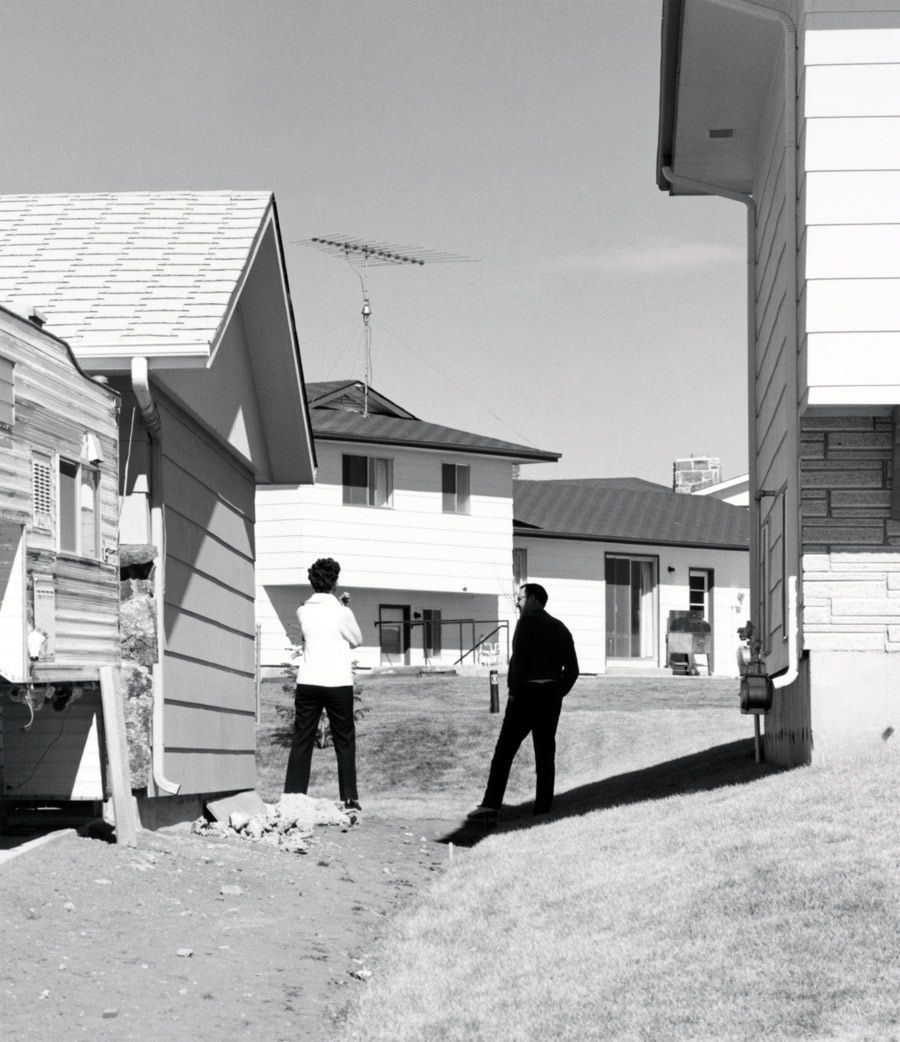
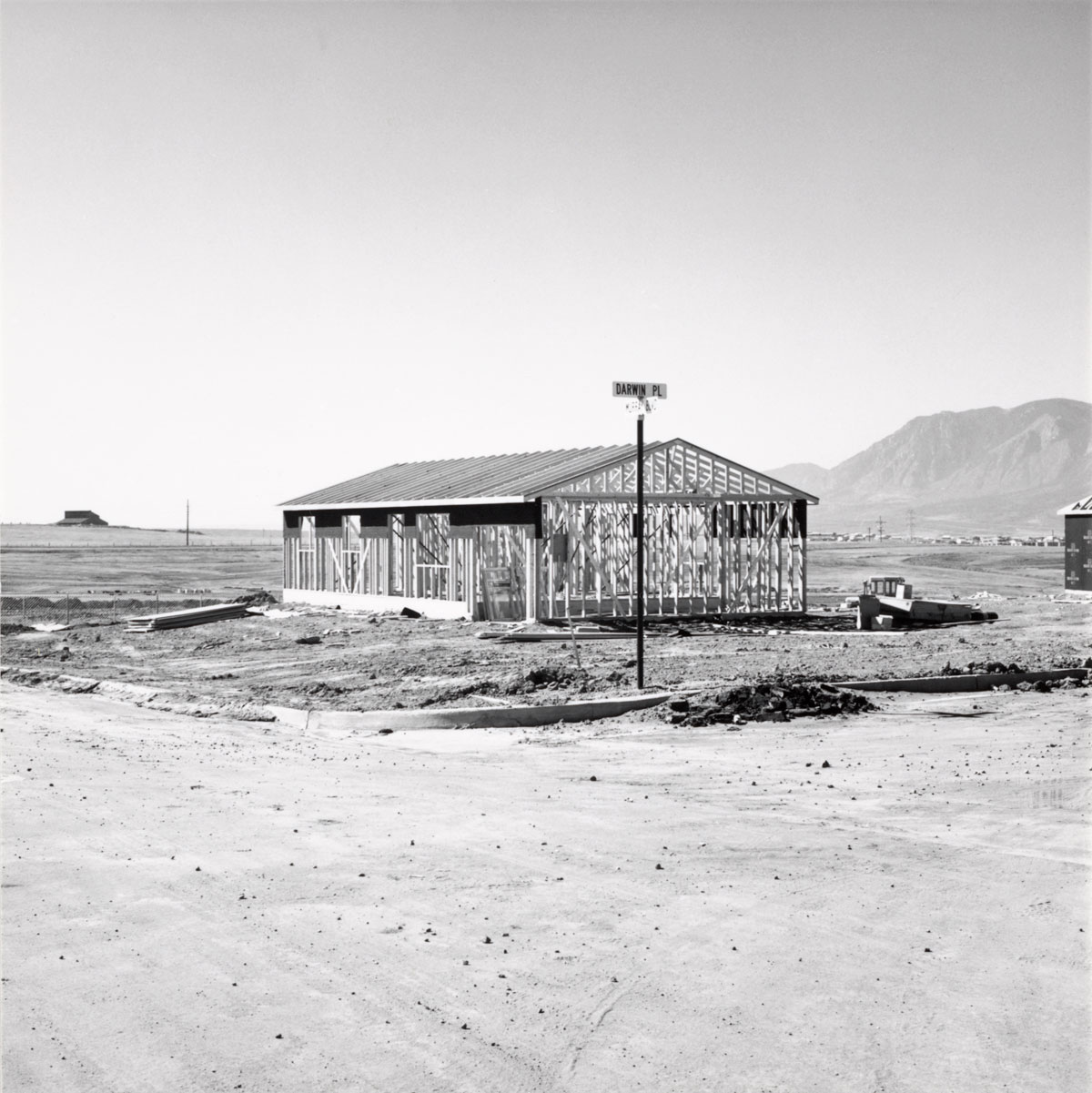


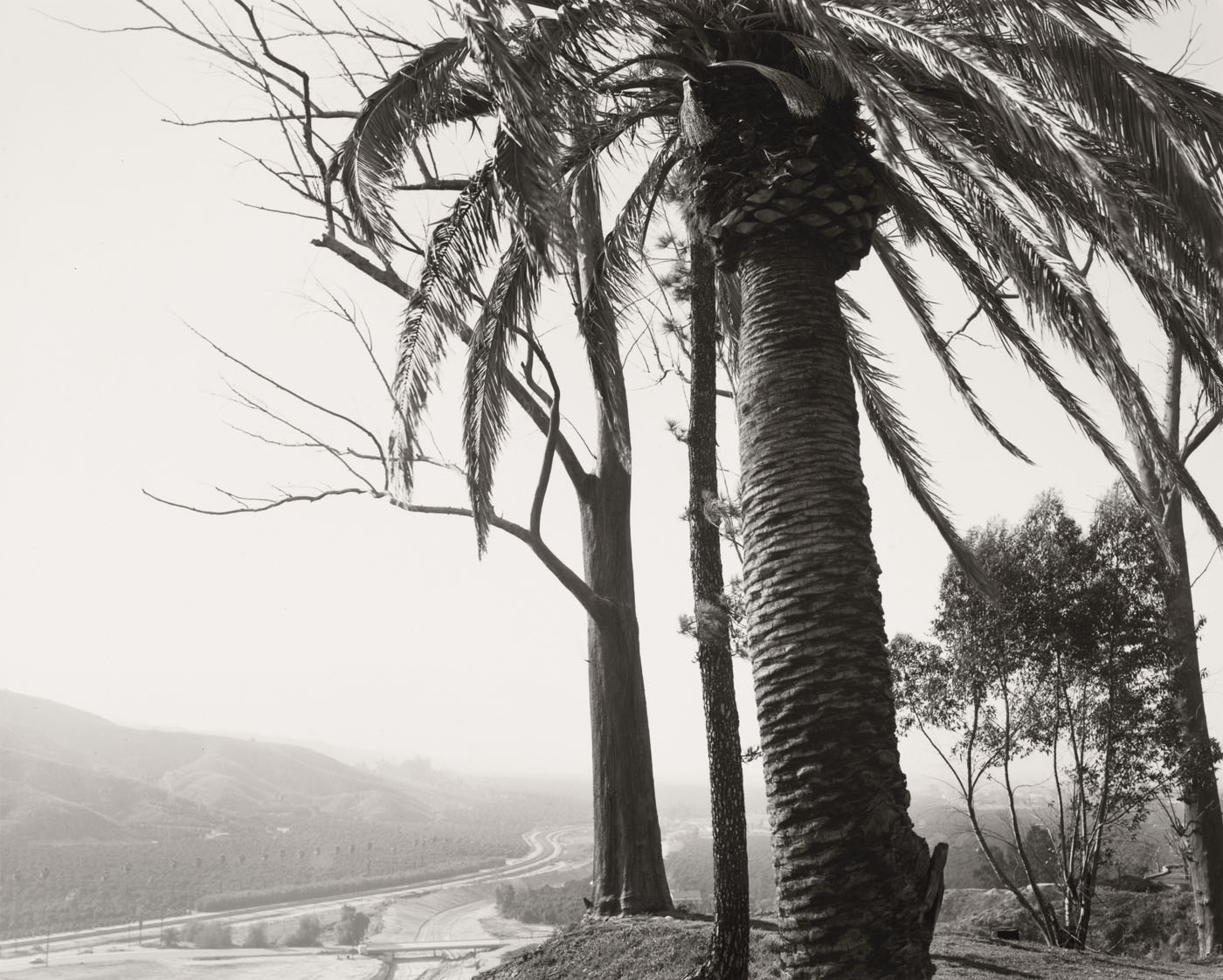
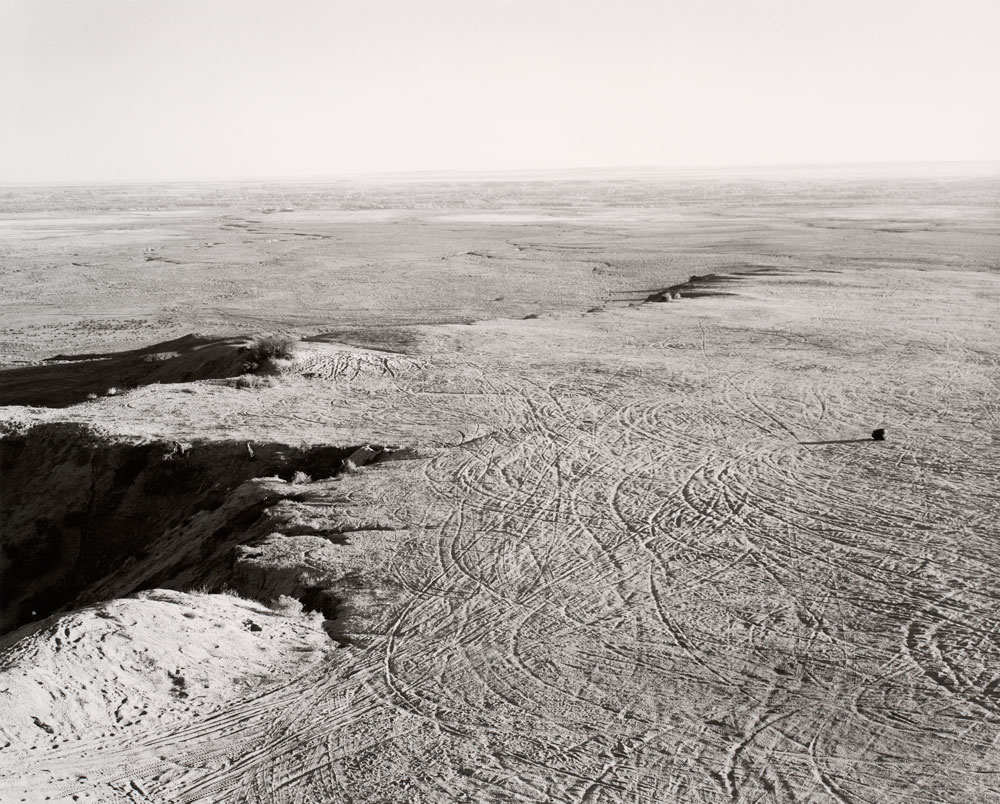
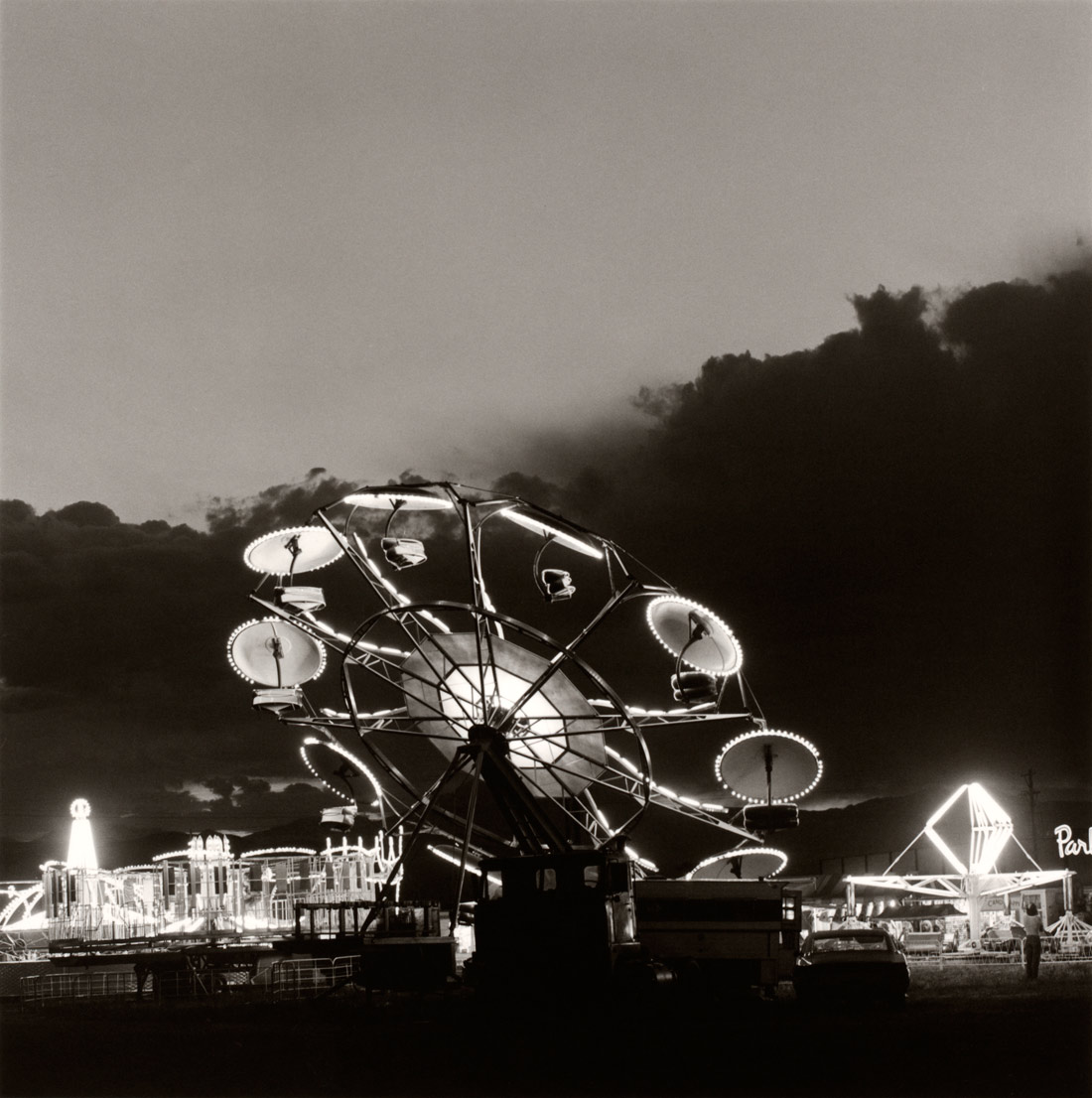
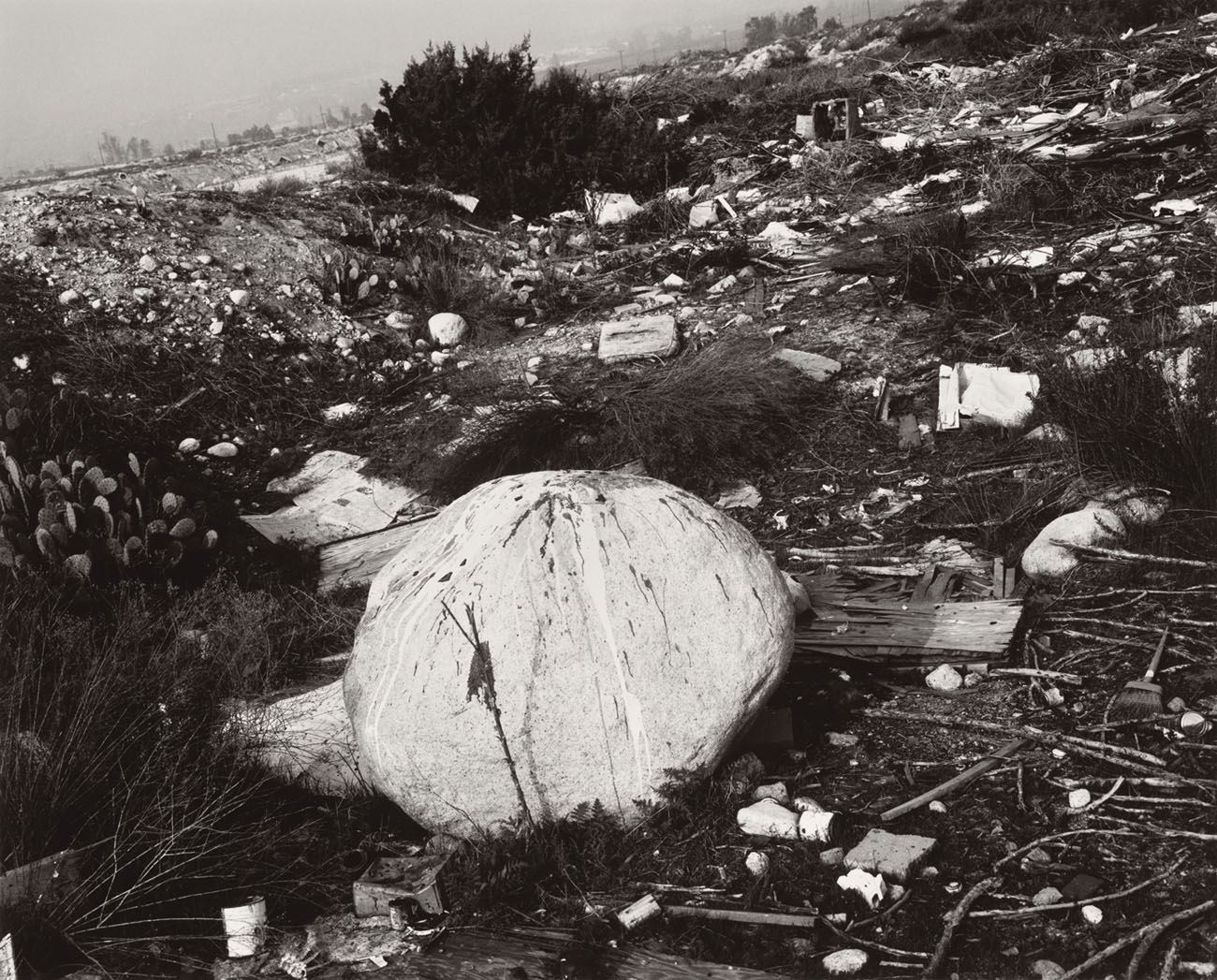
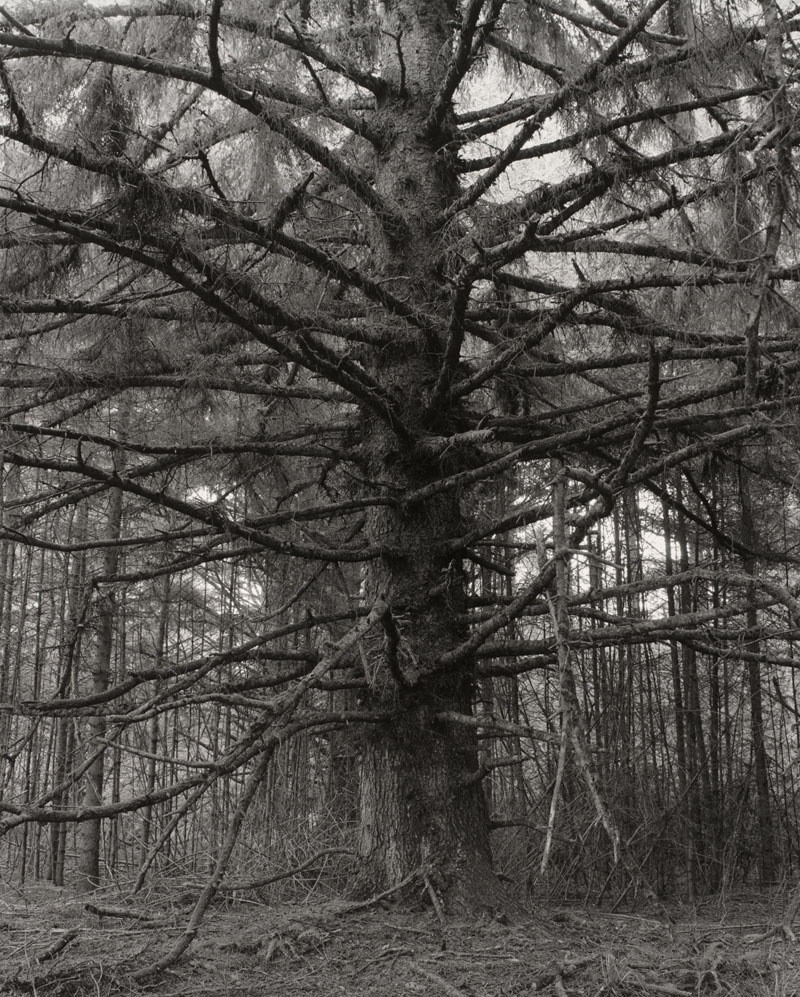


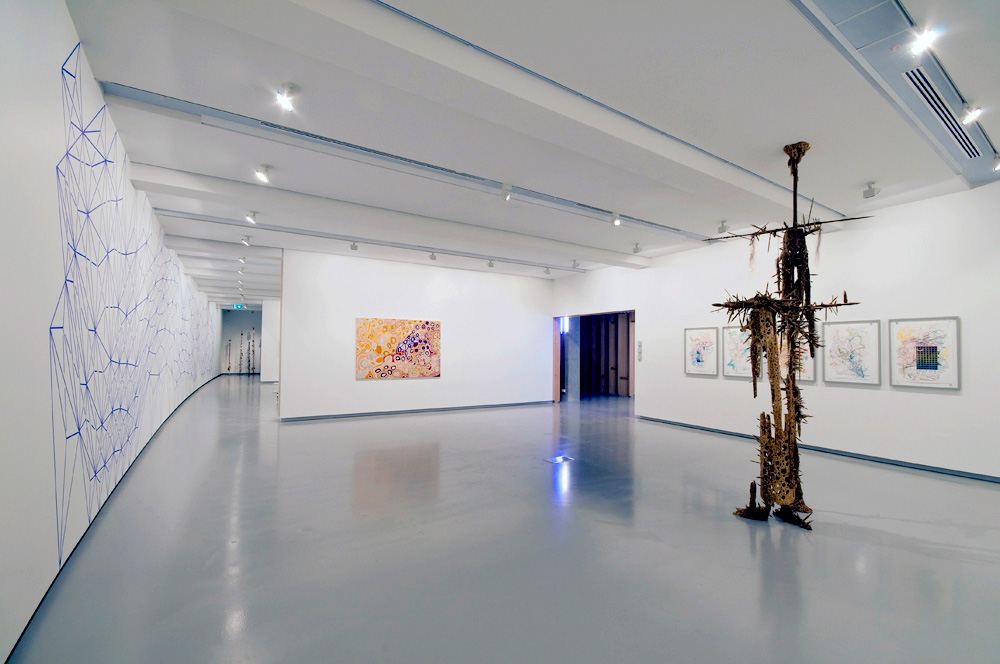
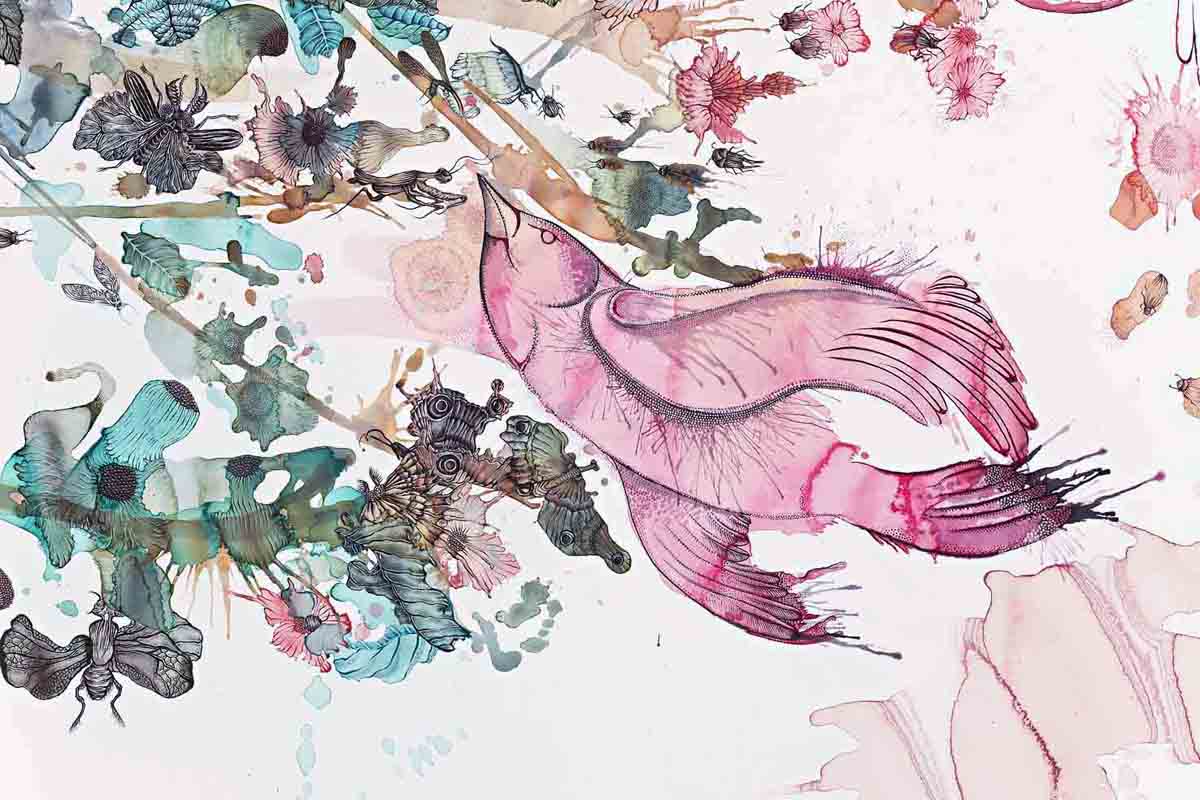
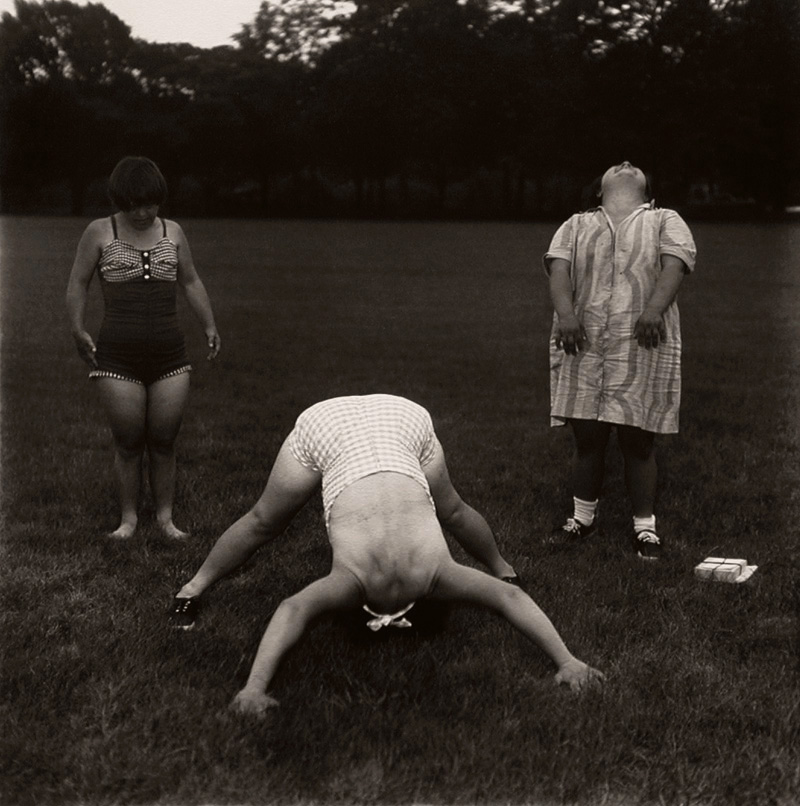

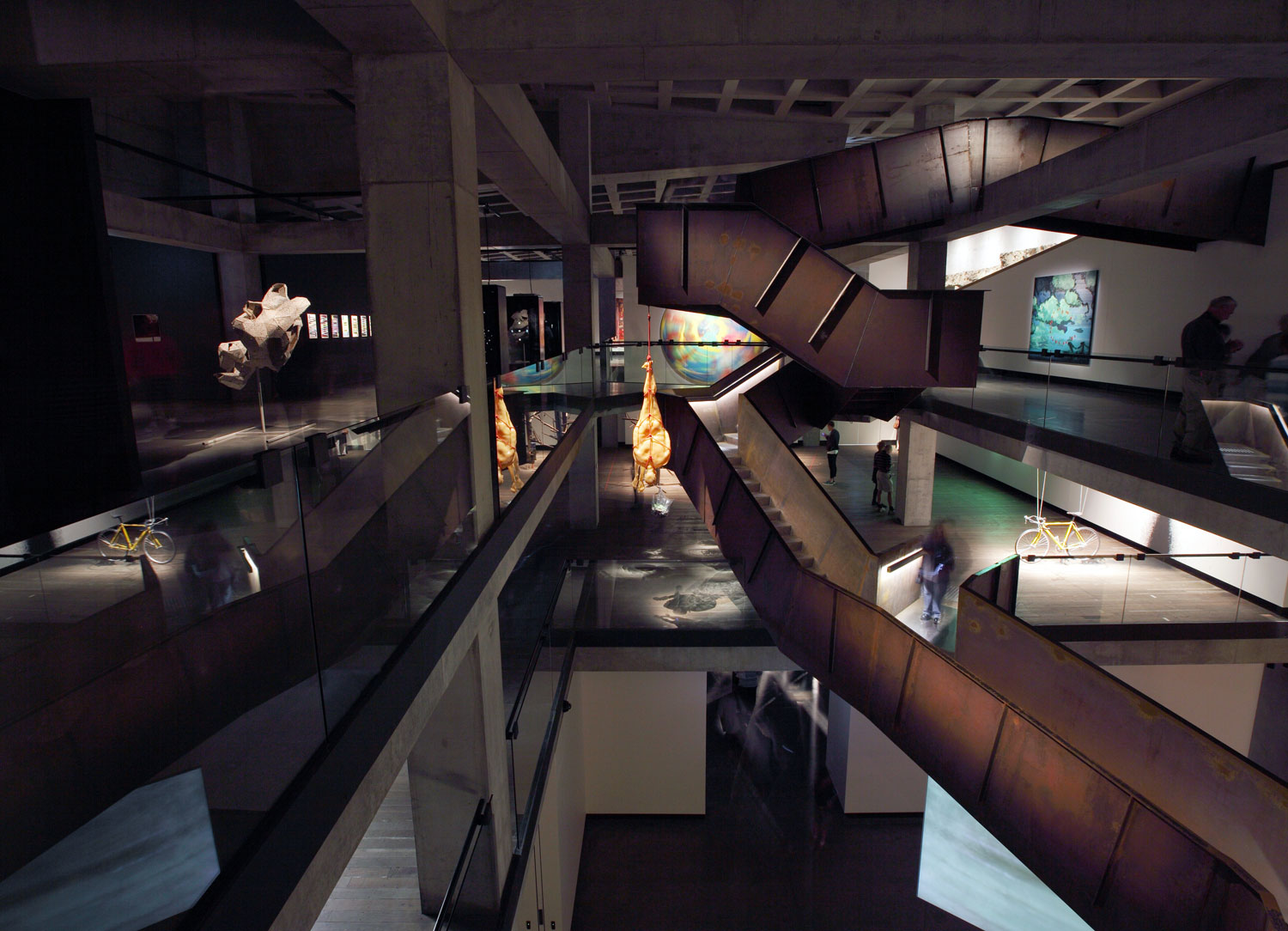

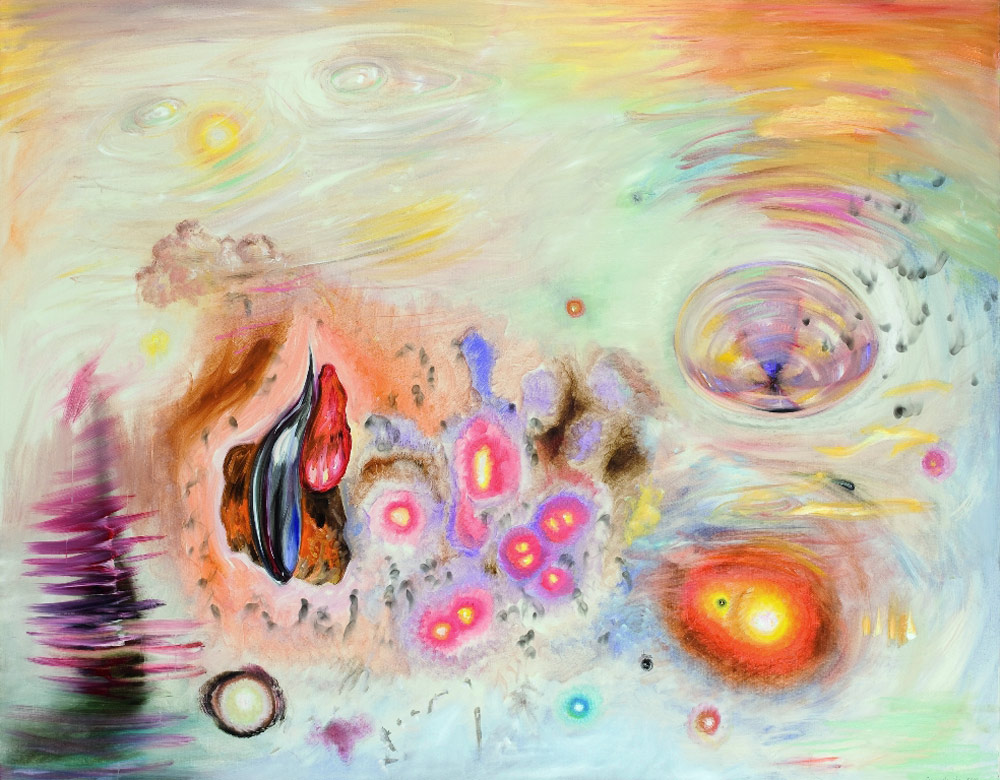

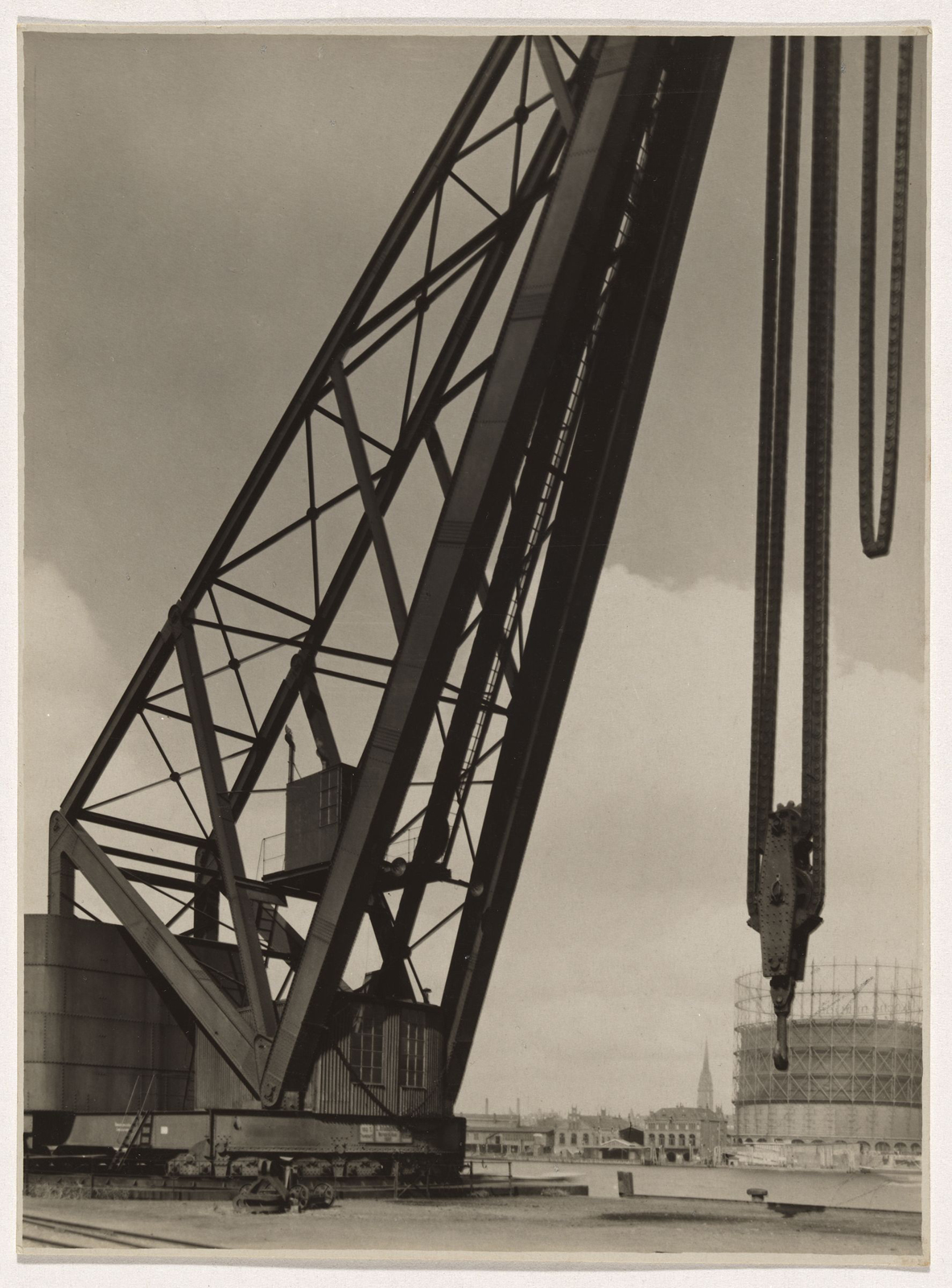
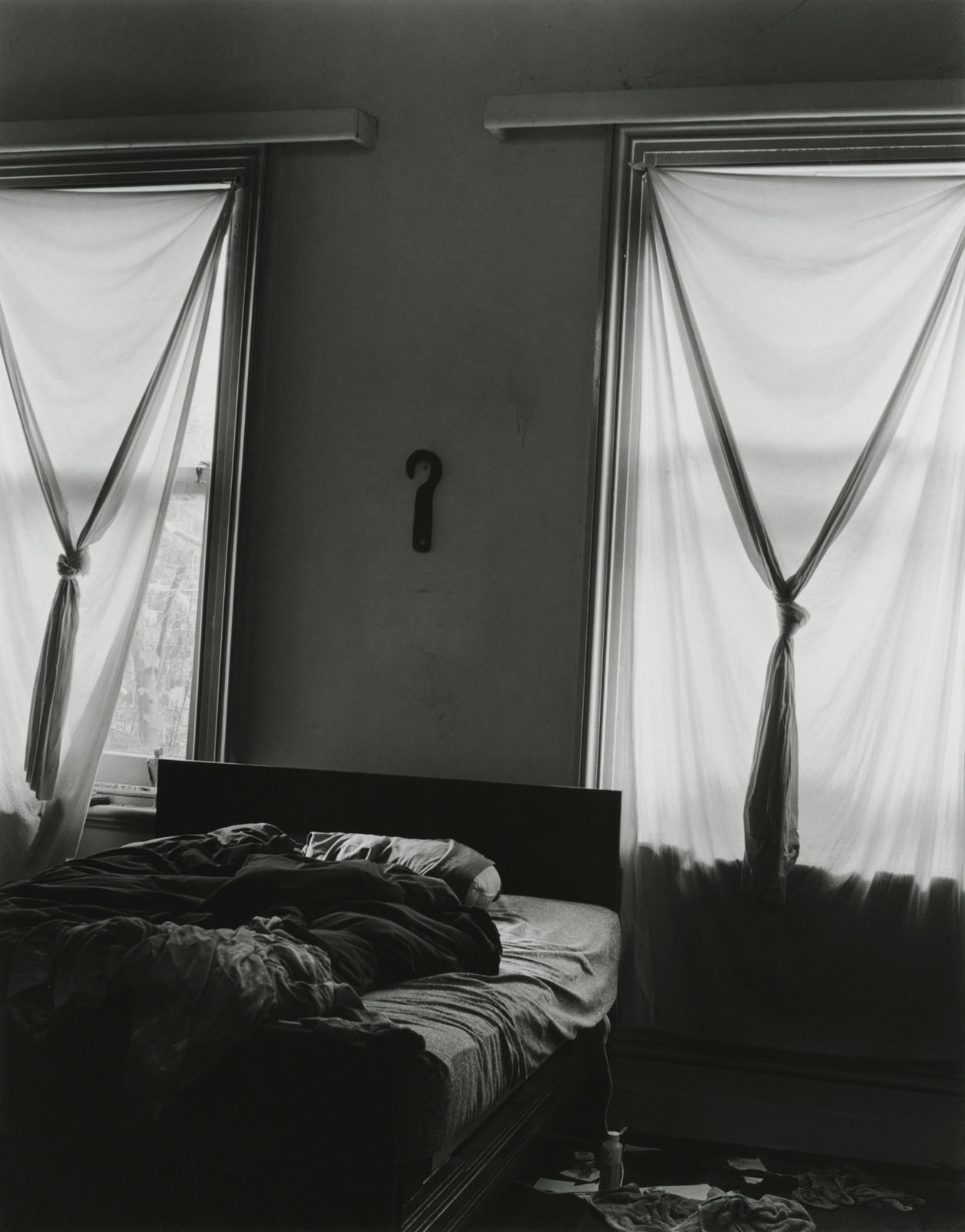
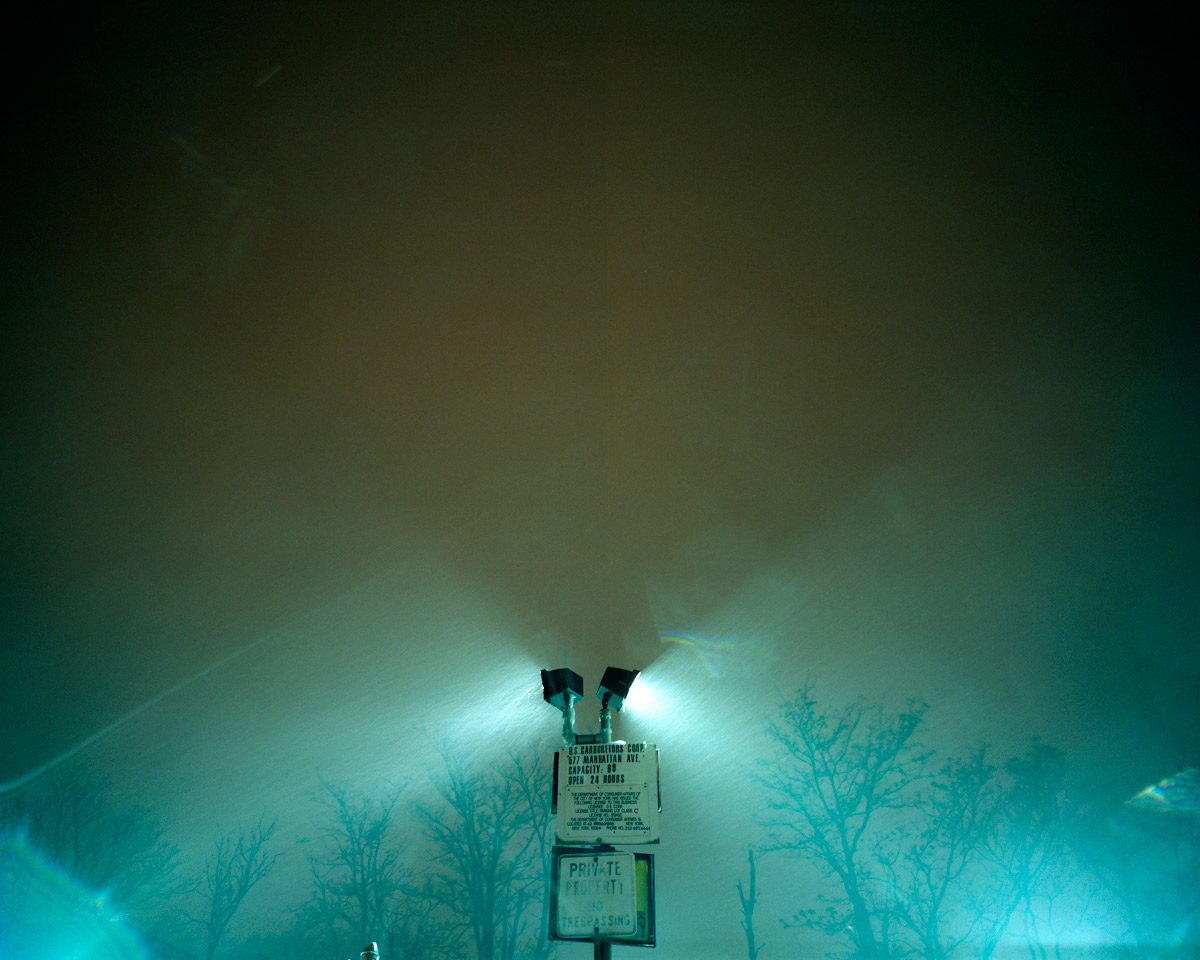

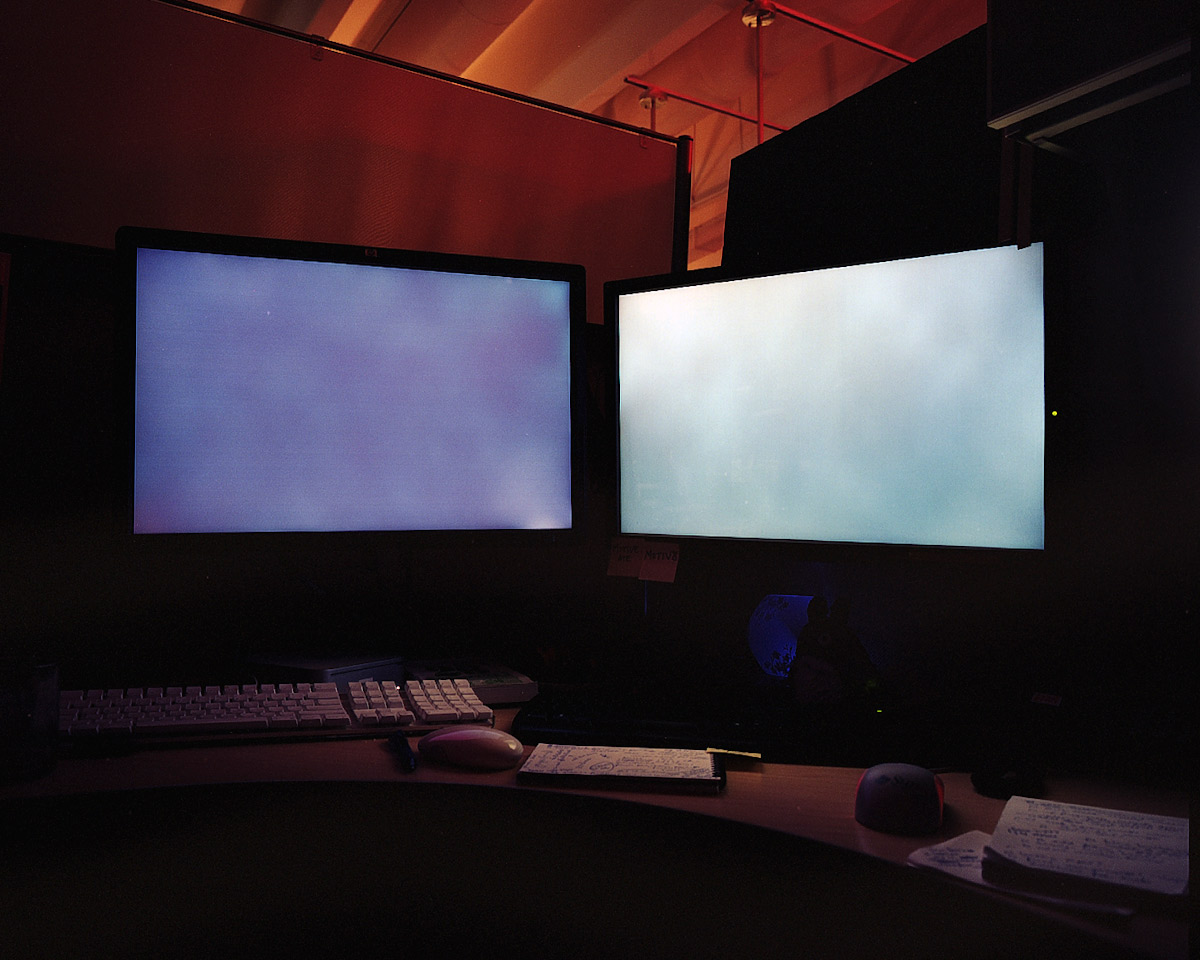
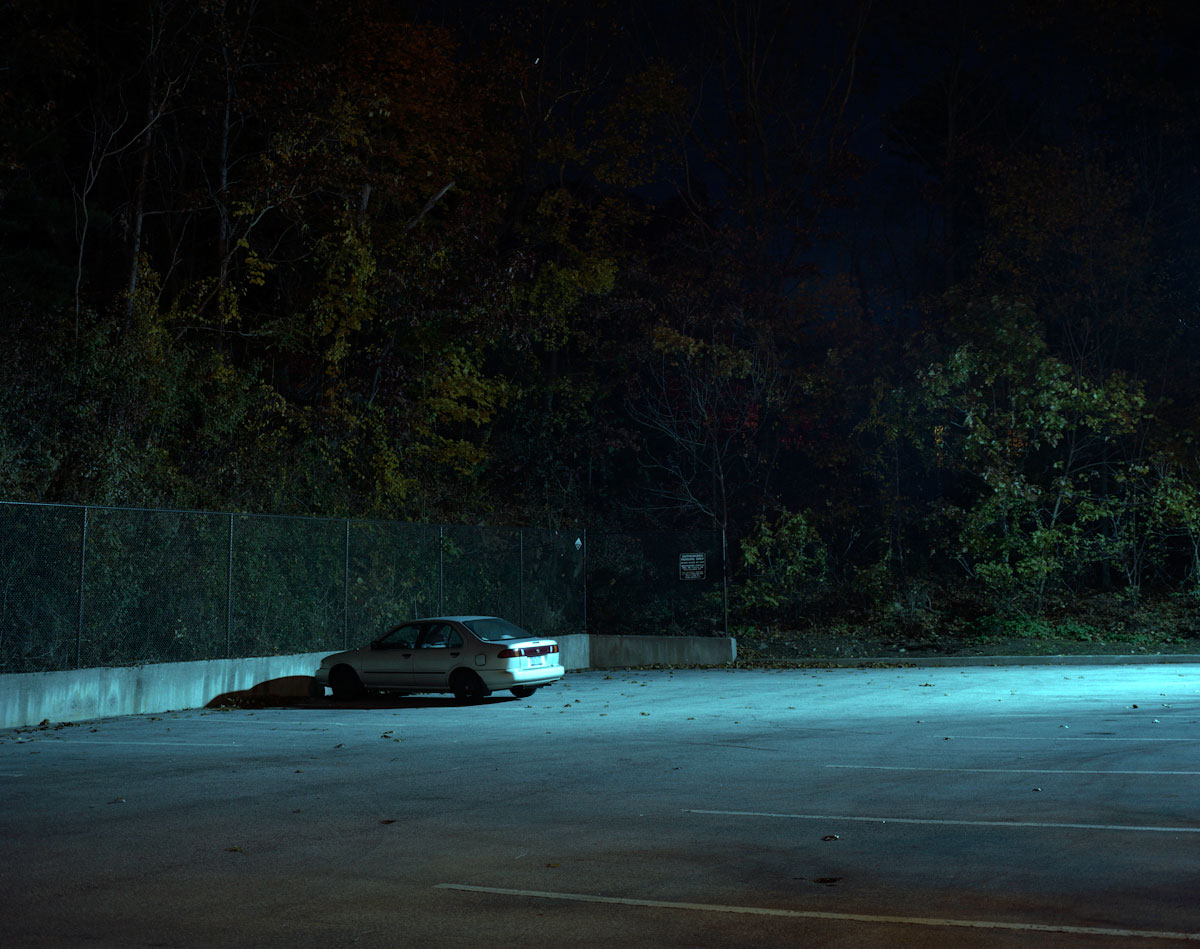
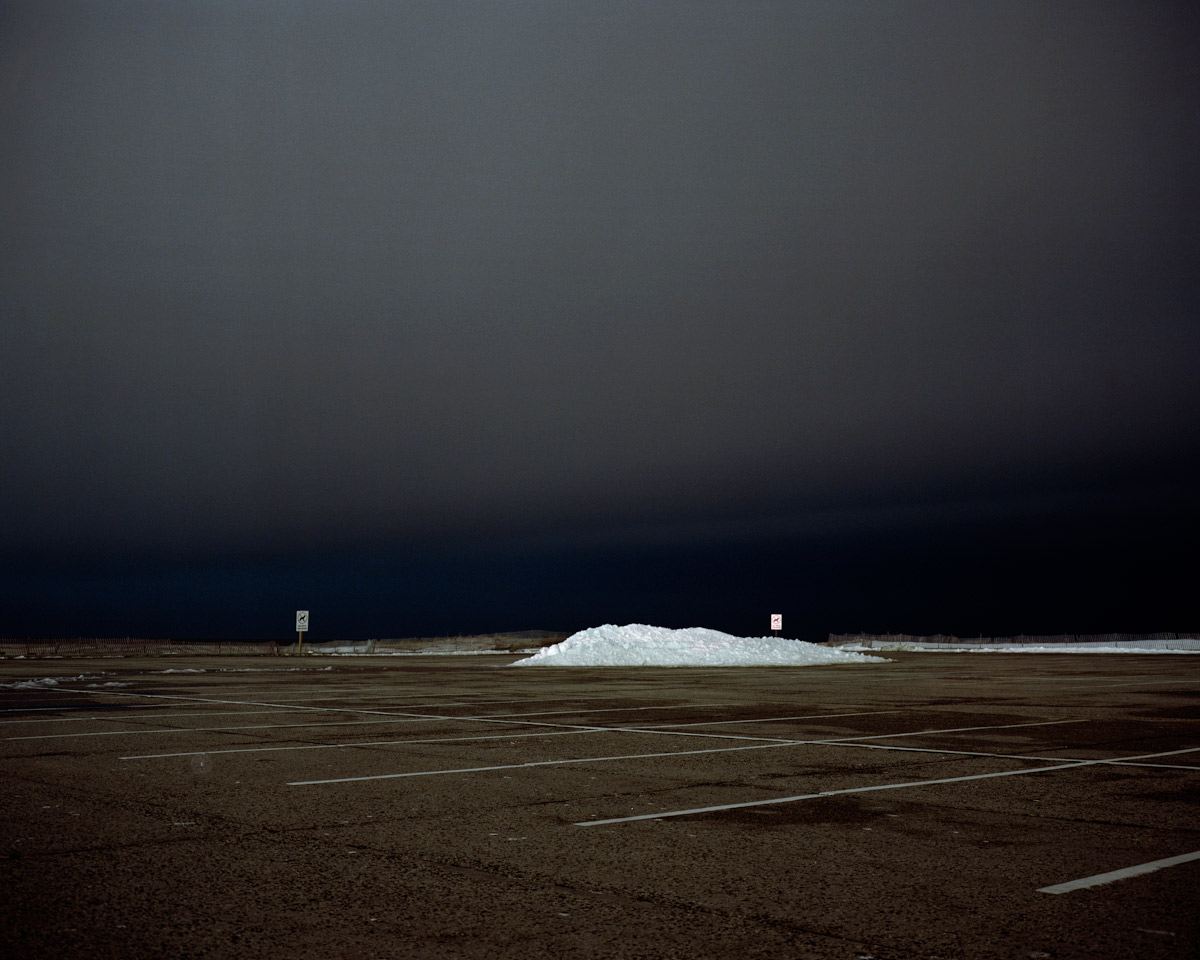
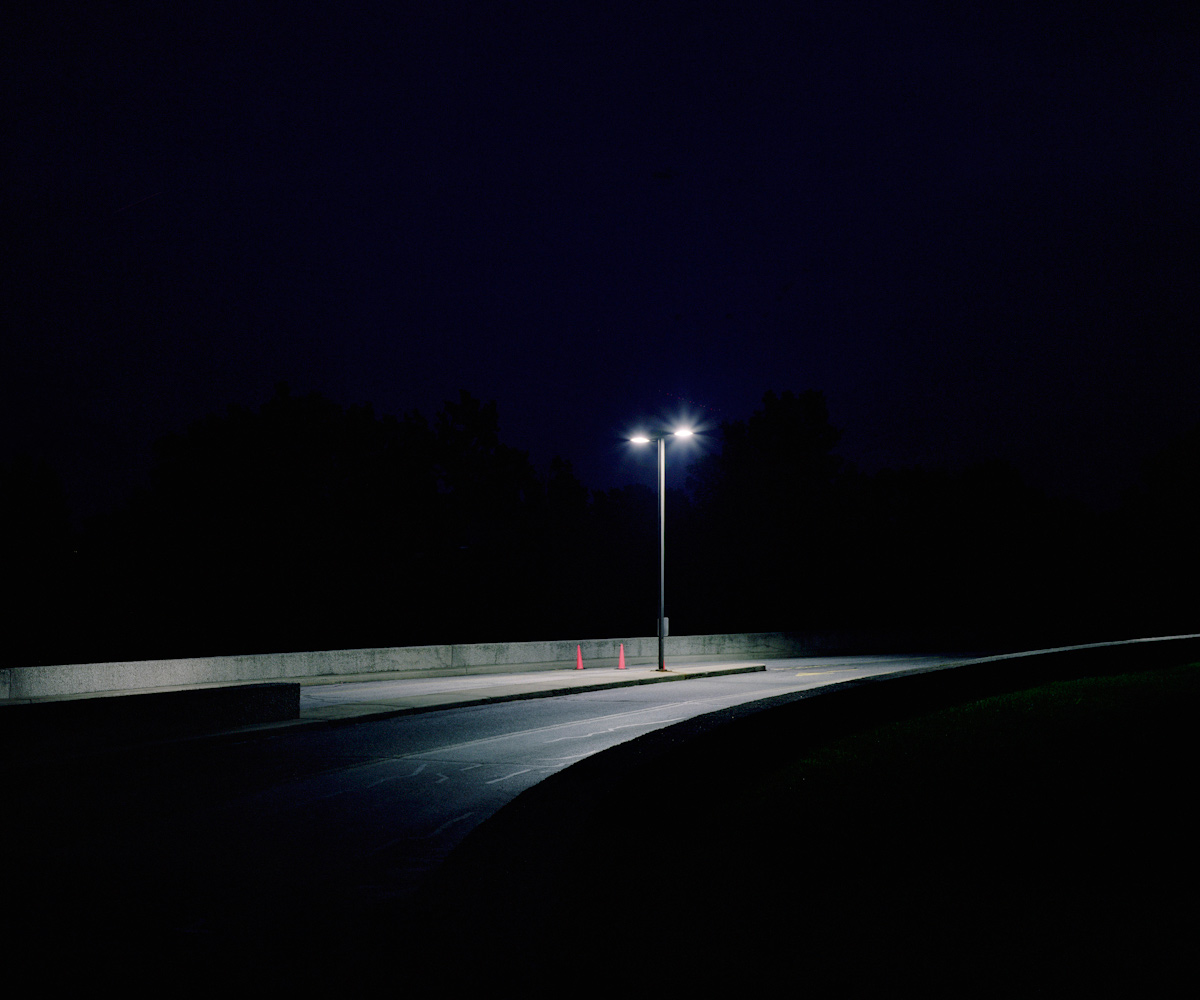
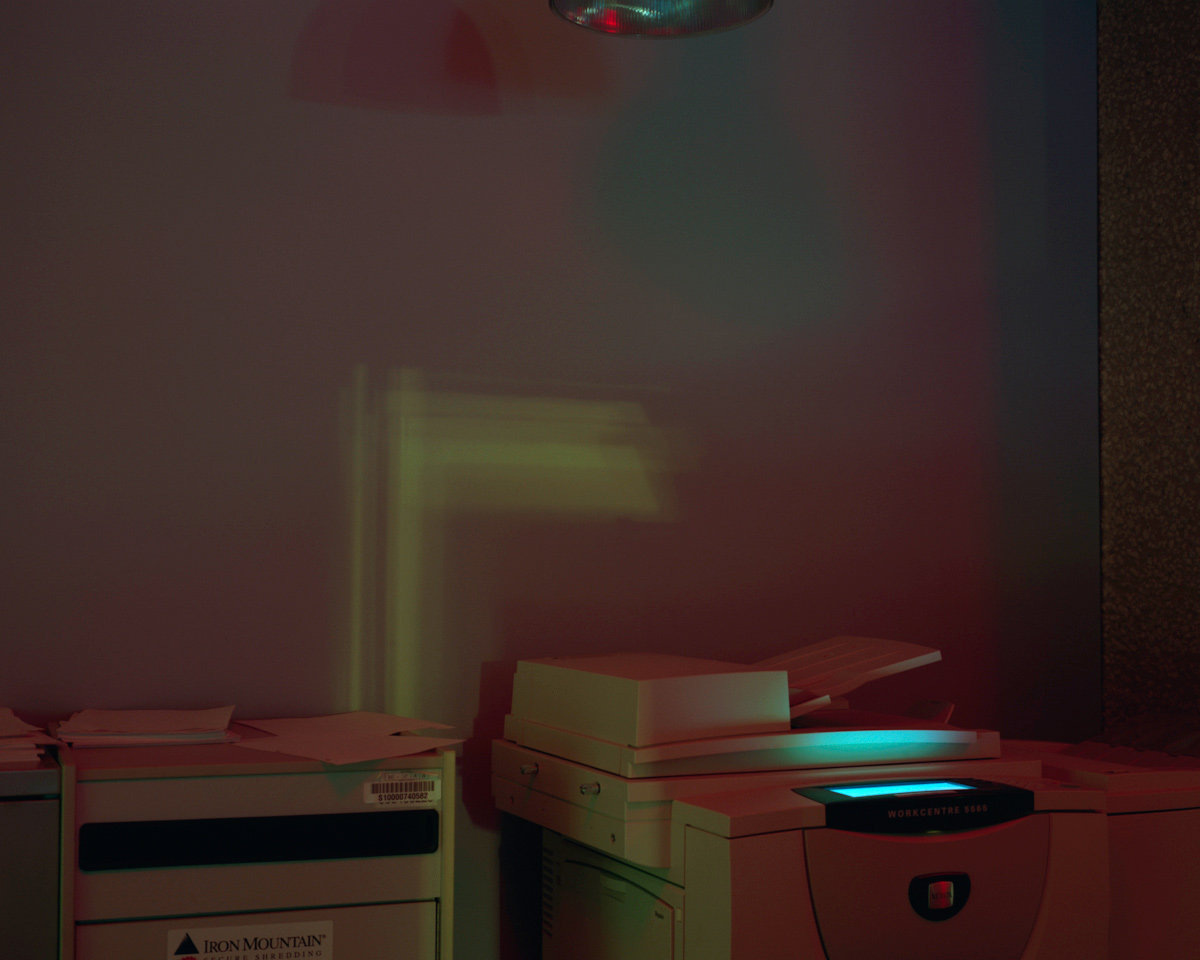
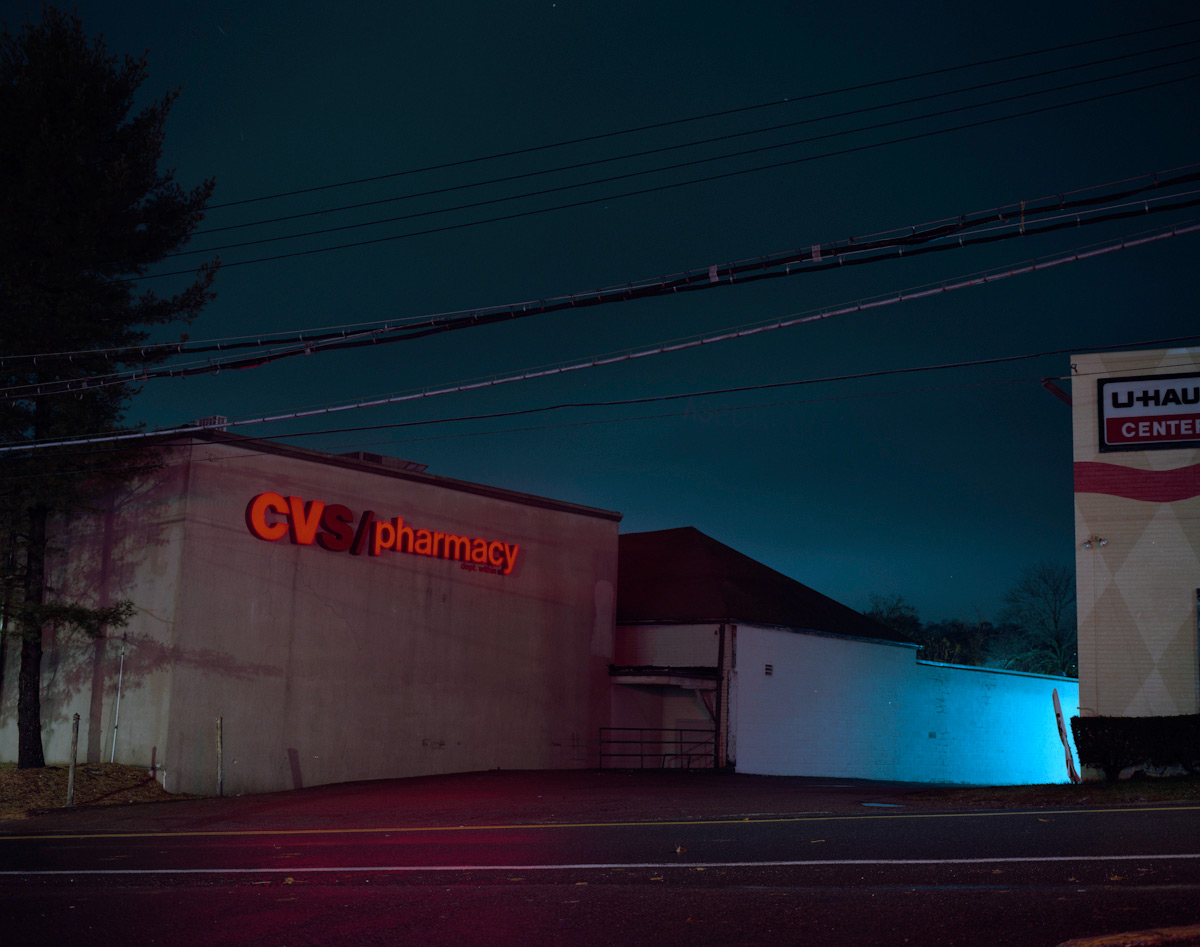


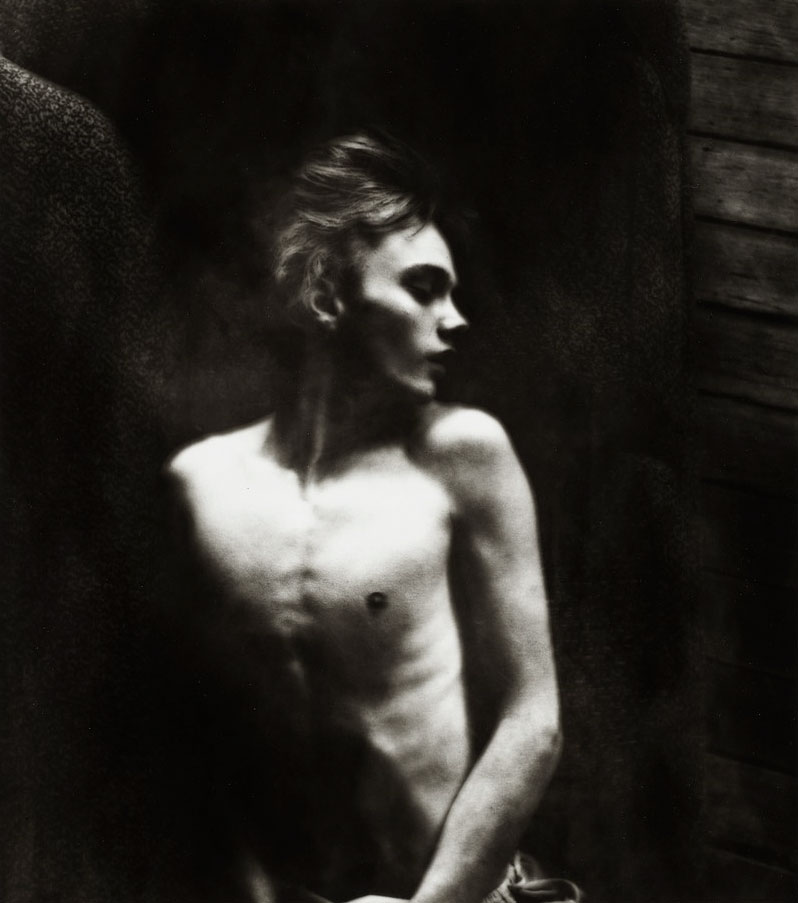


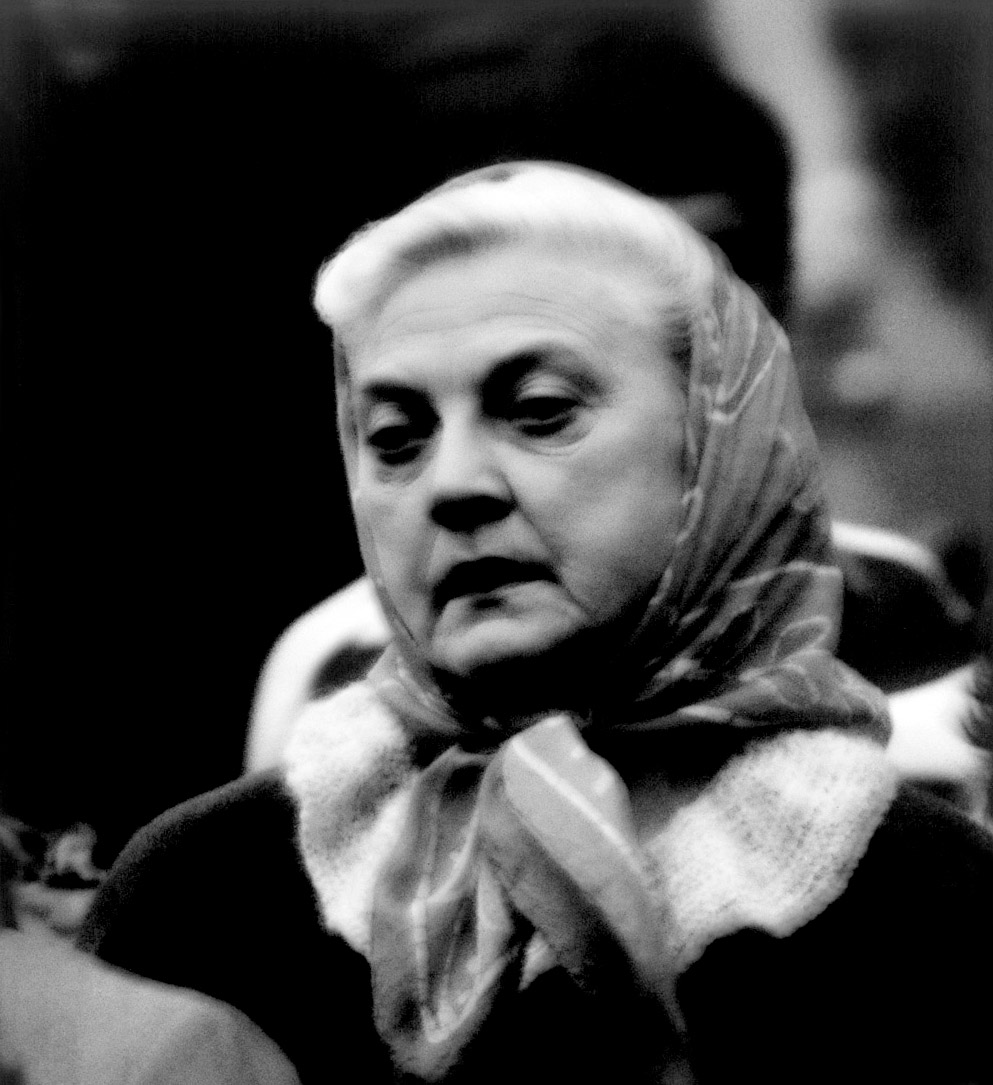


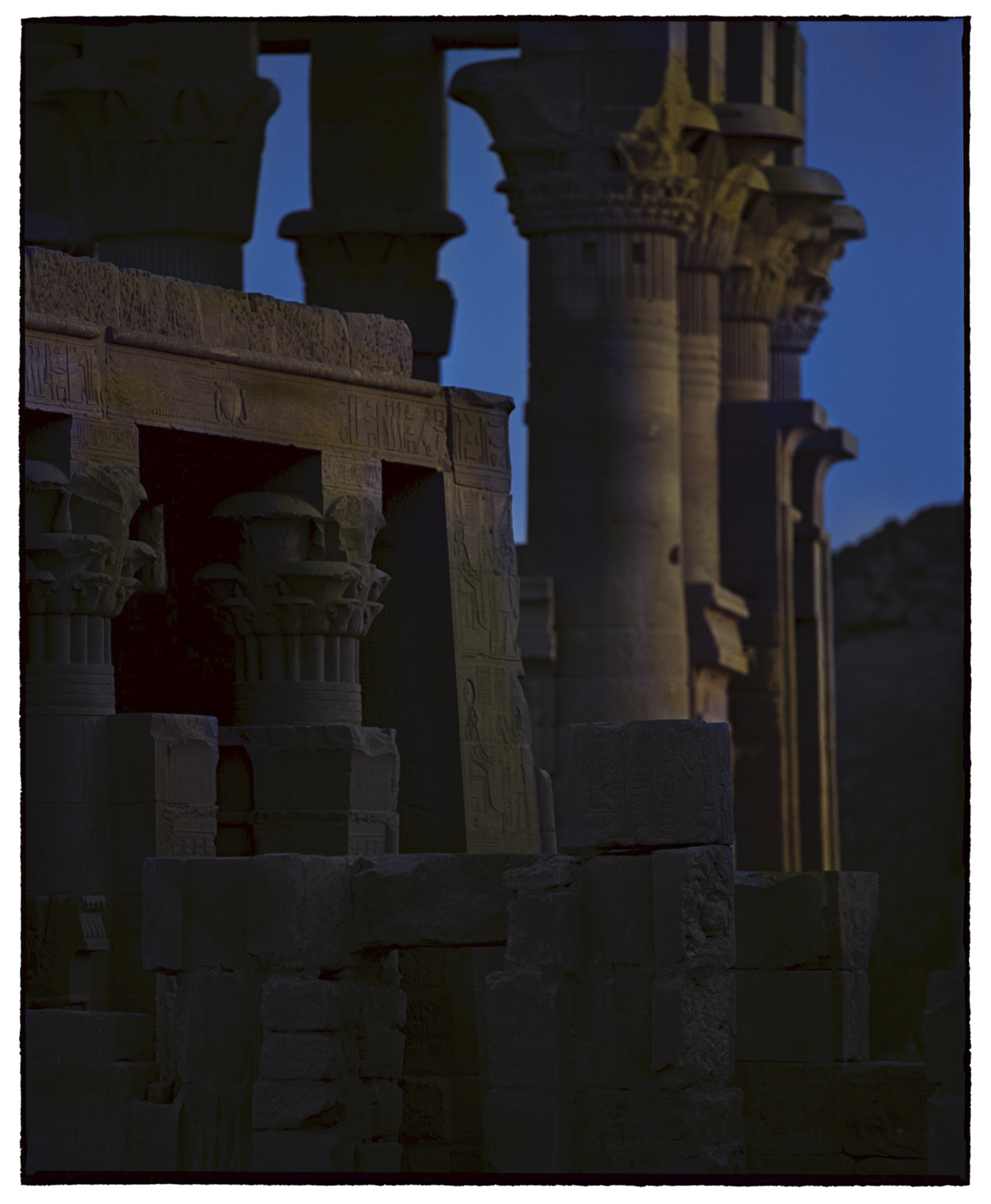
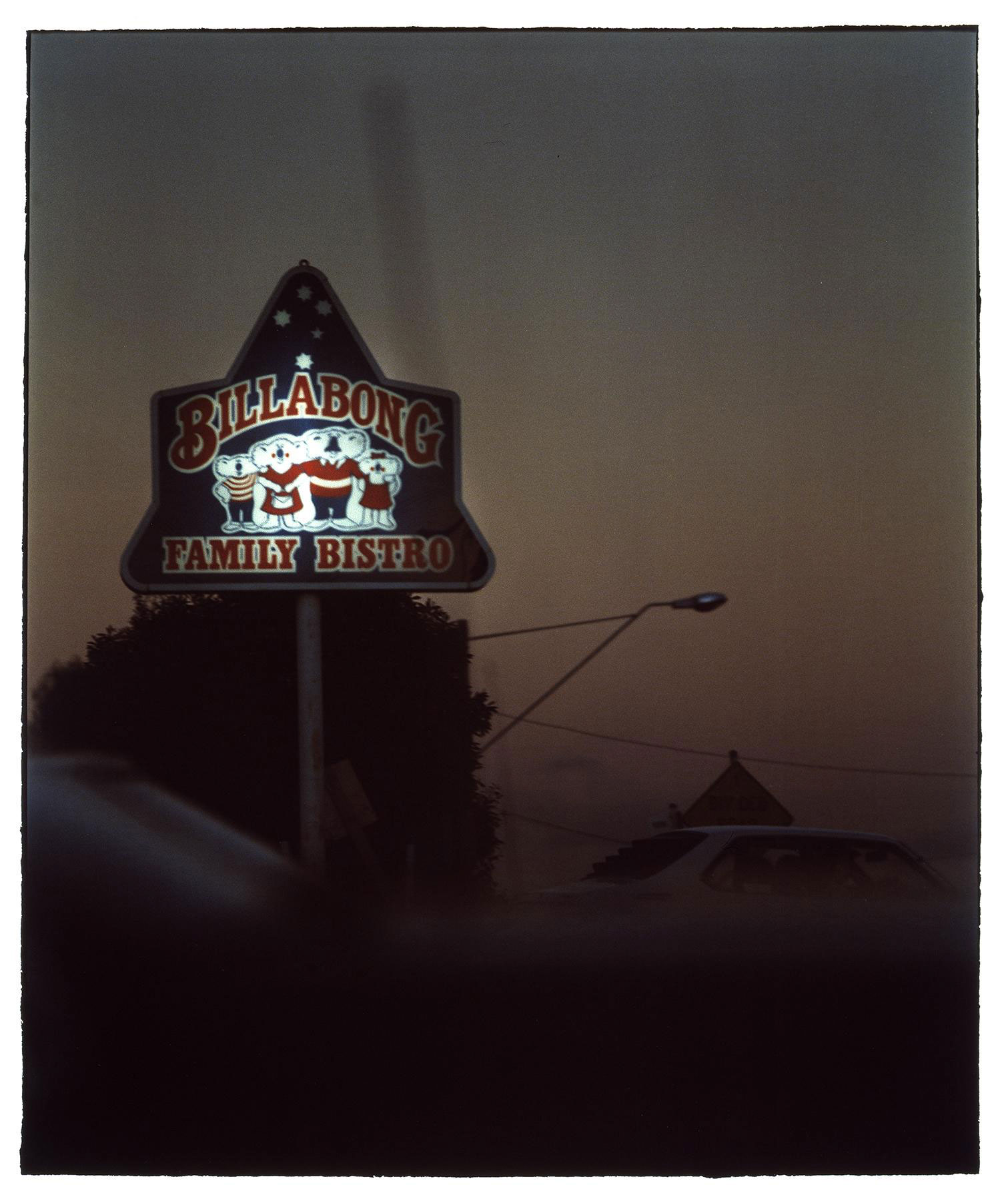

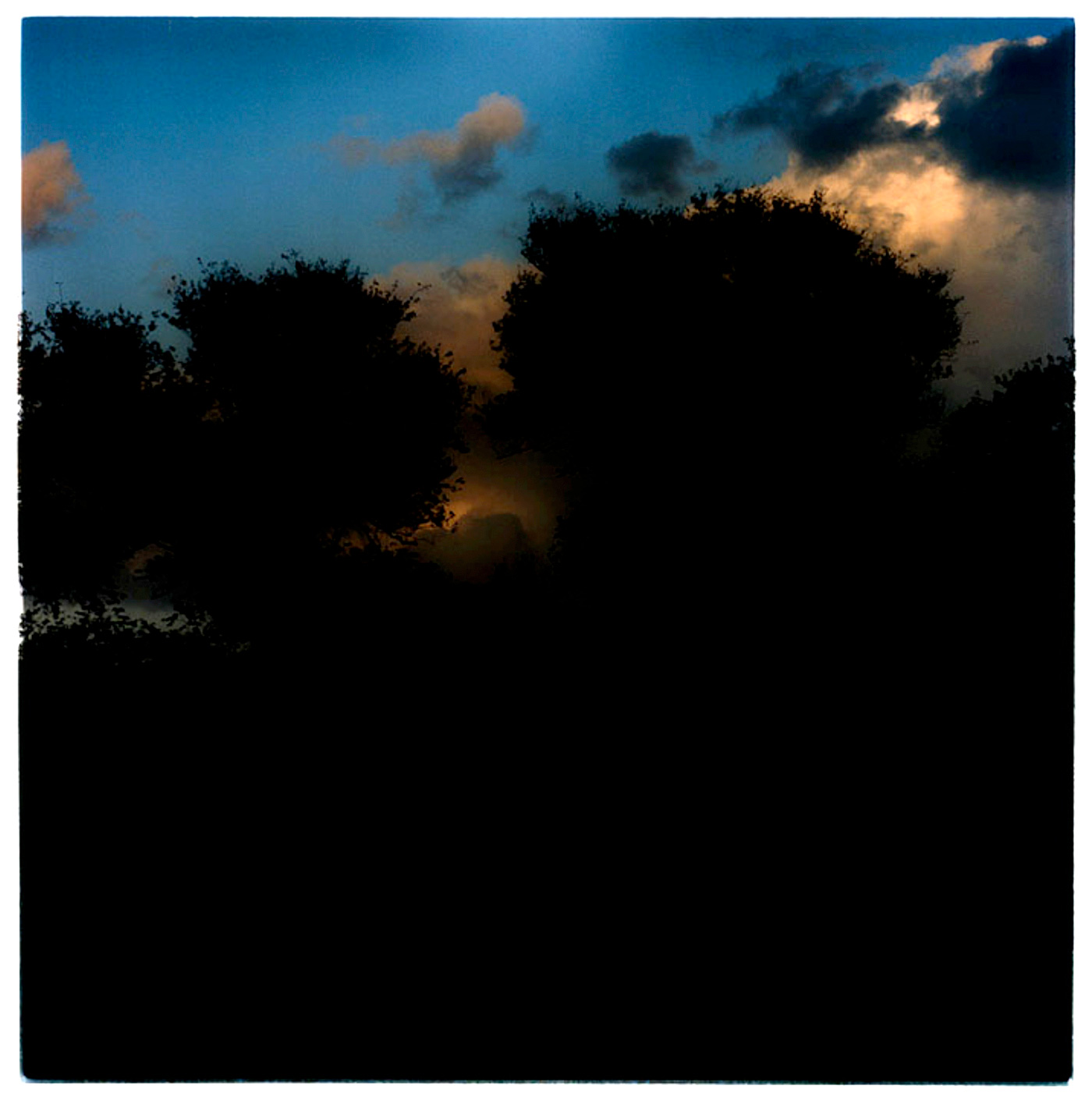


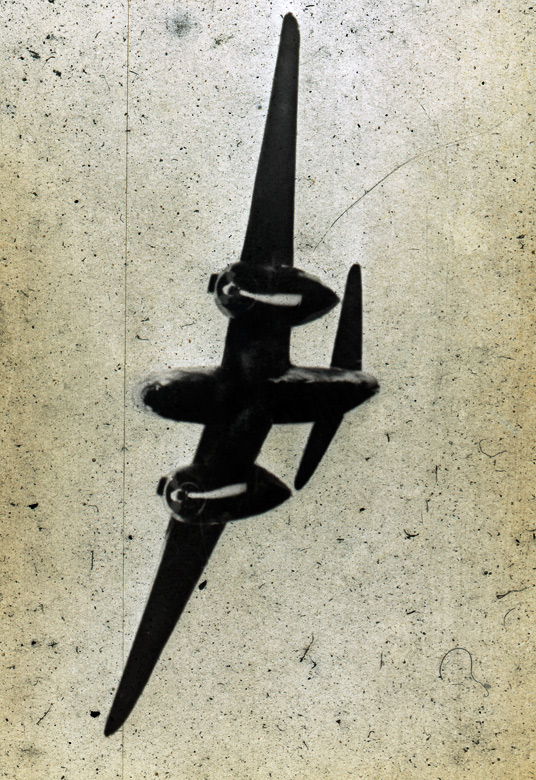
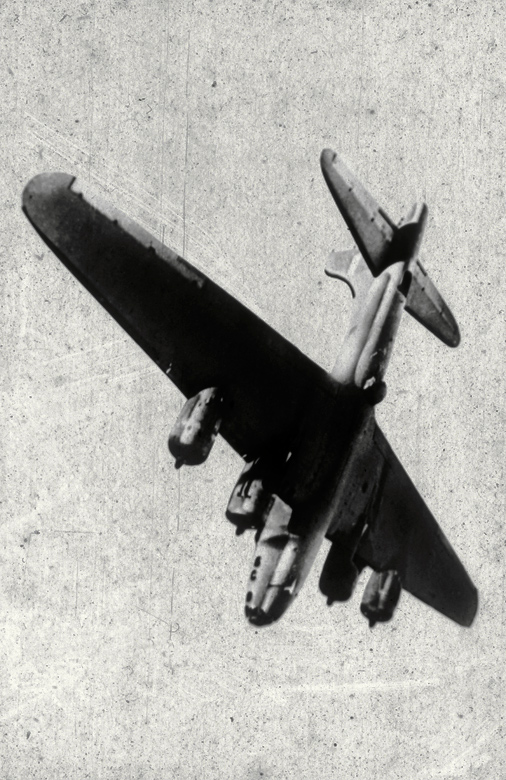
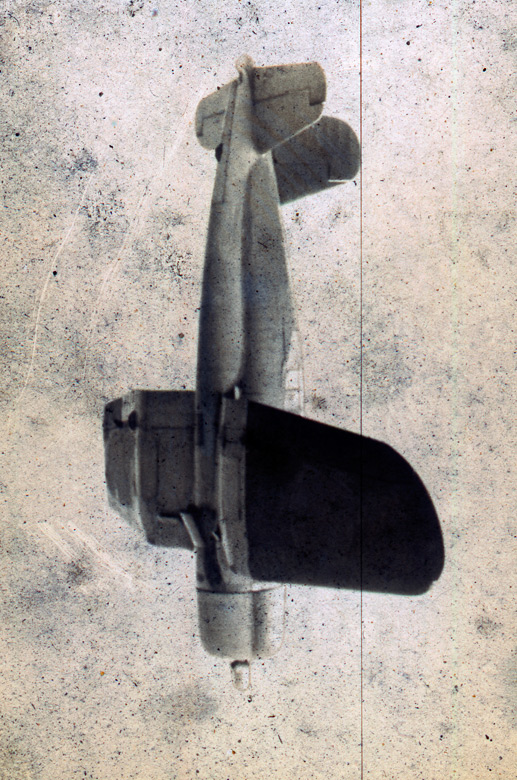
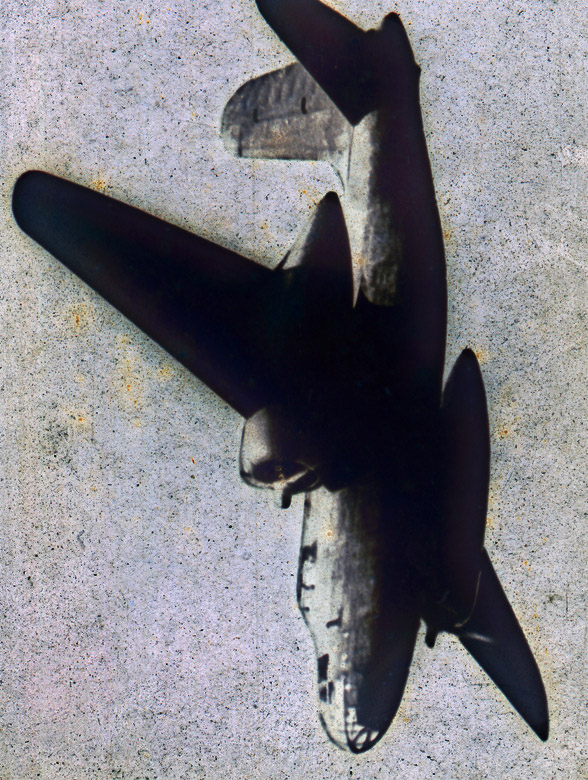
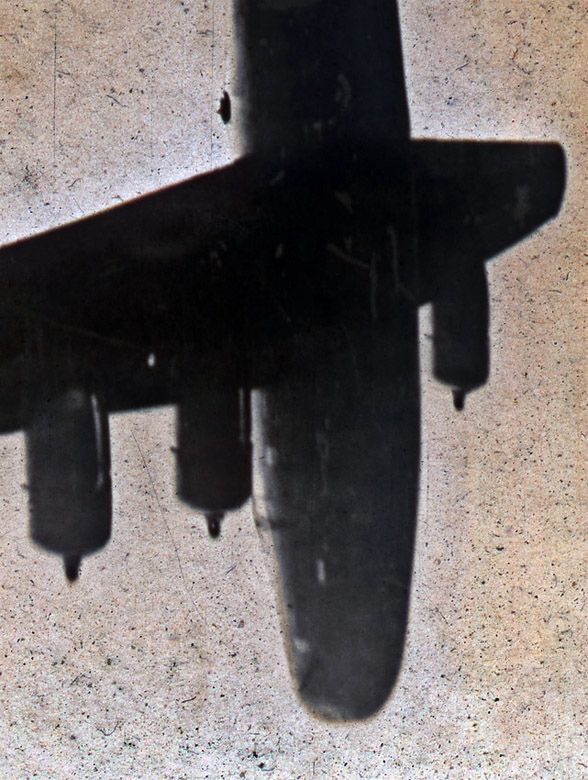
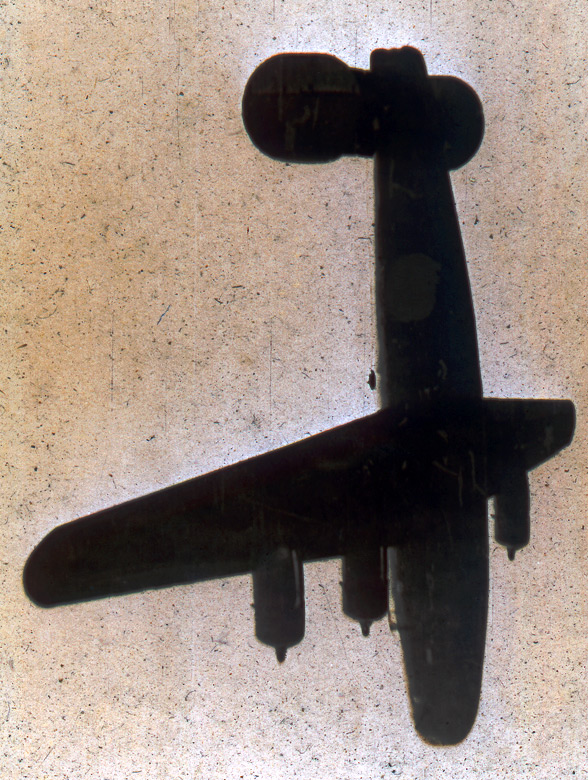
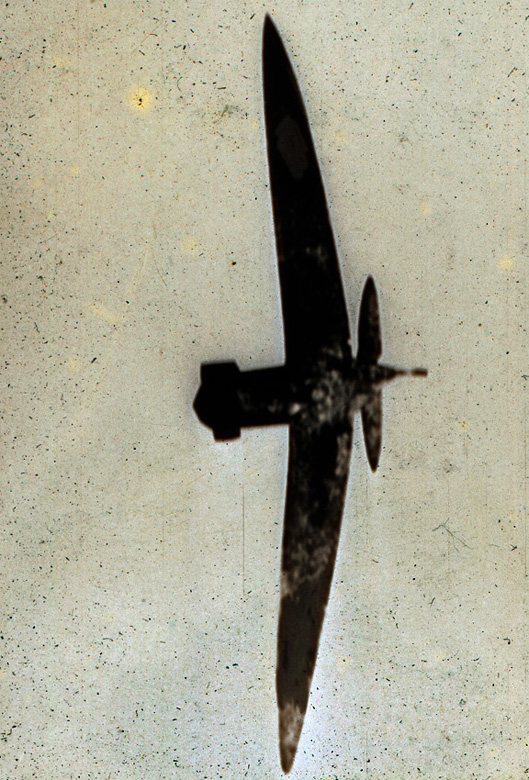
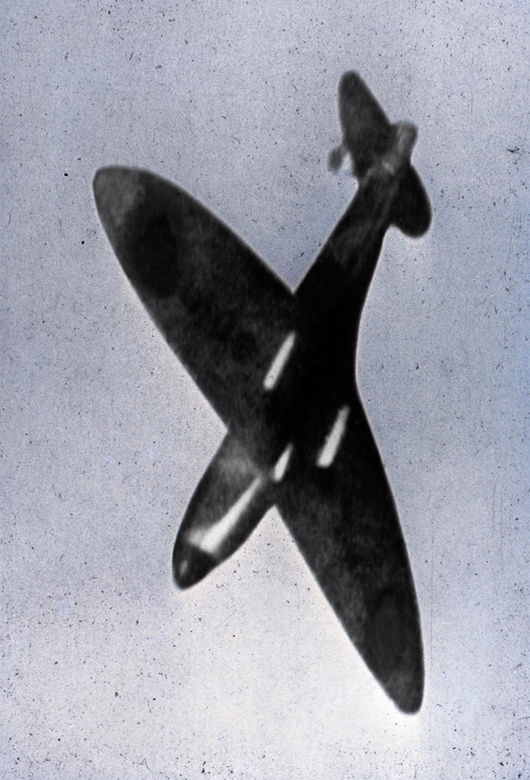


![Carleton Watkins (American, 1829-1916) '[Solar Eclipse]' January 1, 1889](https://artblart.com/wp-content/uploads/2011/11/carleton-watkins-solar-eclipse.jpg "Carleton Watkins (American, 1829-1916) '[Solar Eclipse]' January 1, 1889")


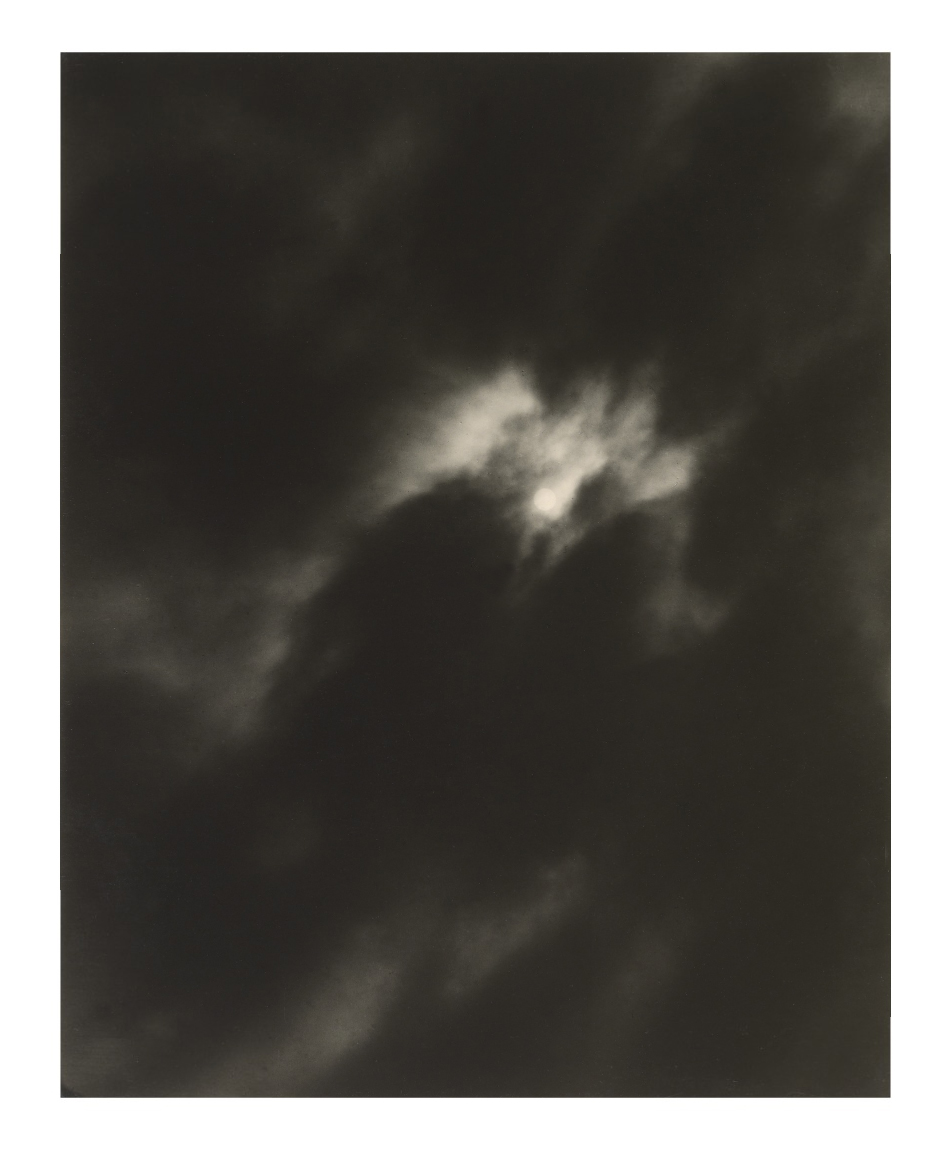


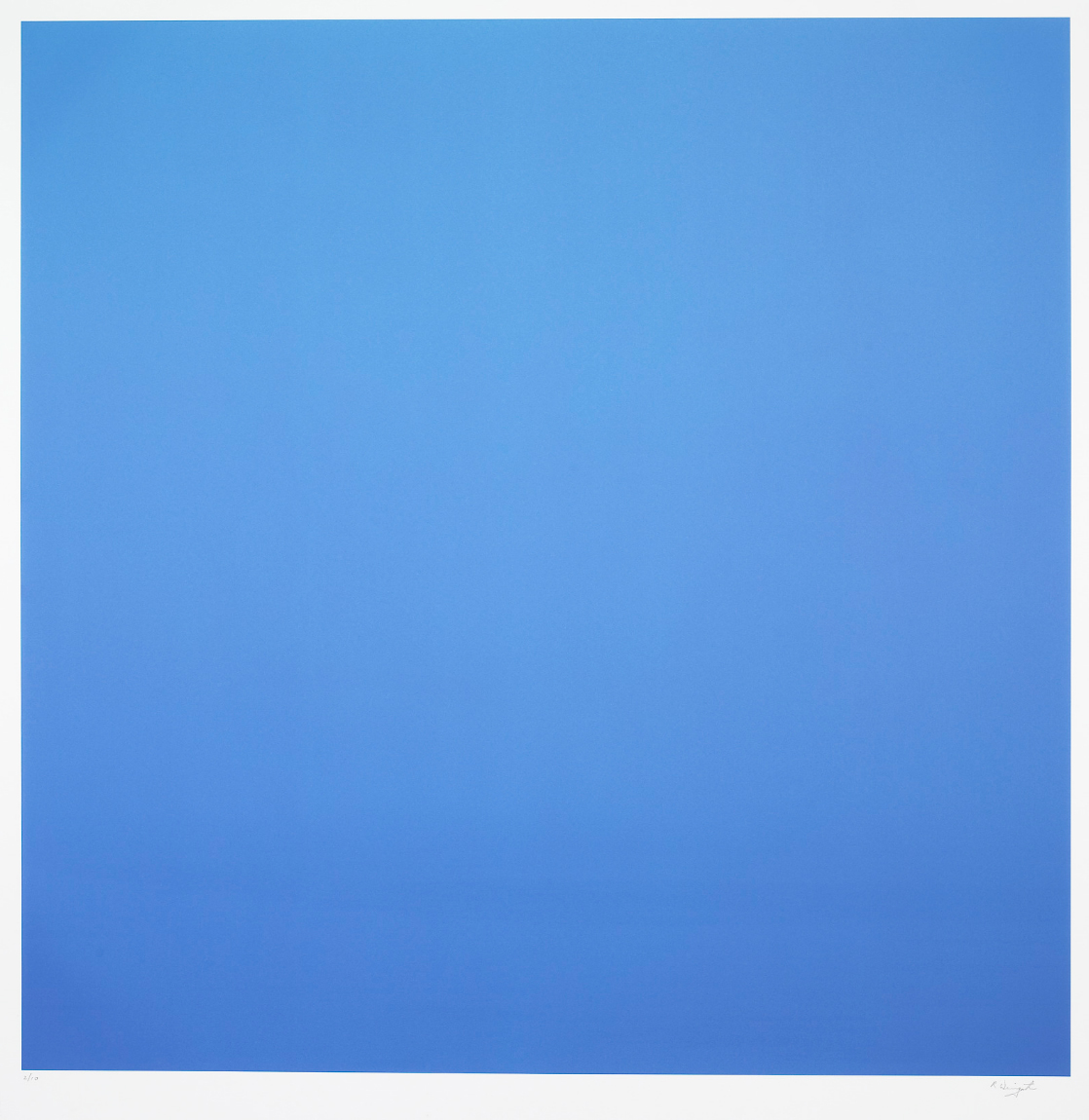


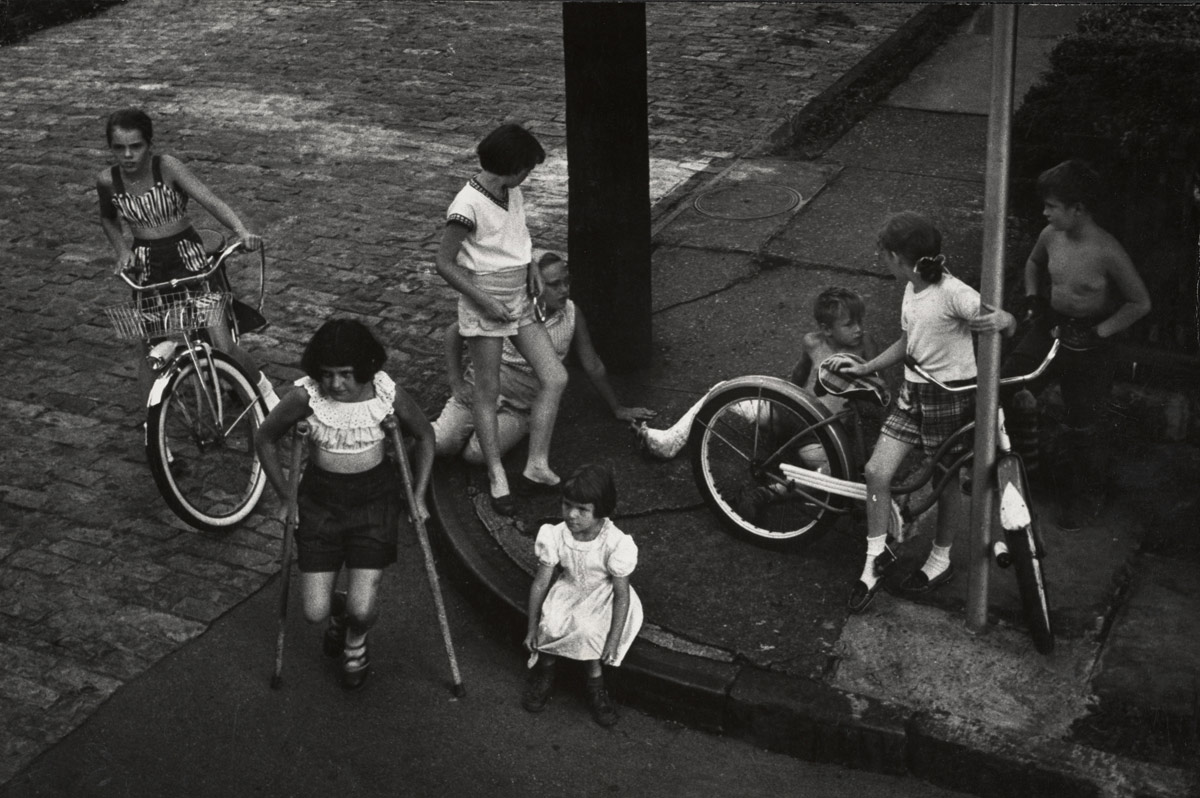
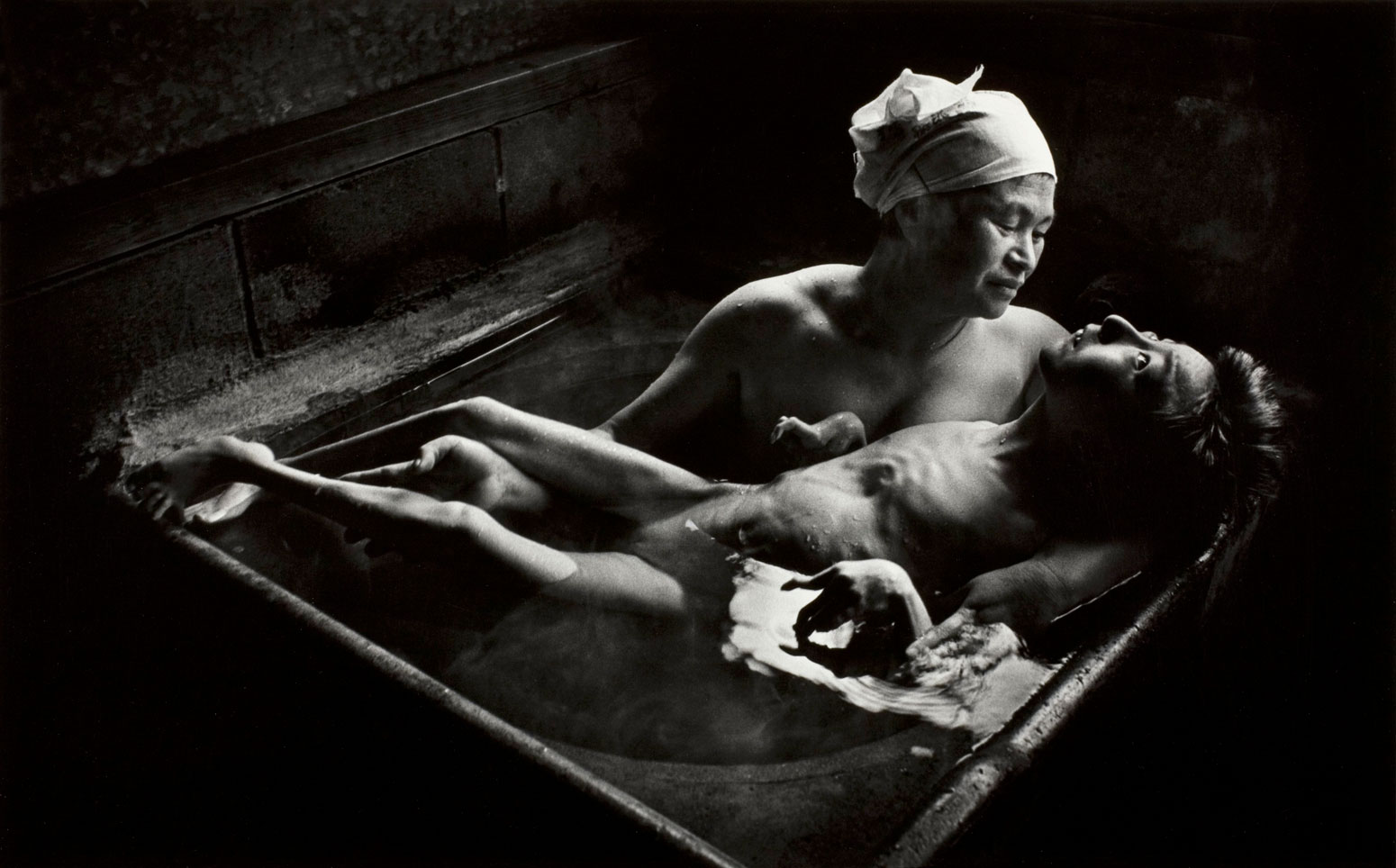
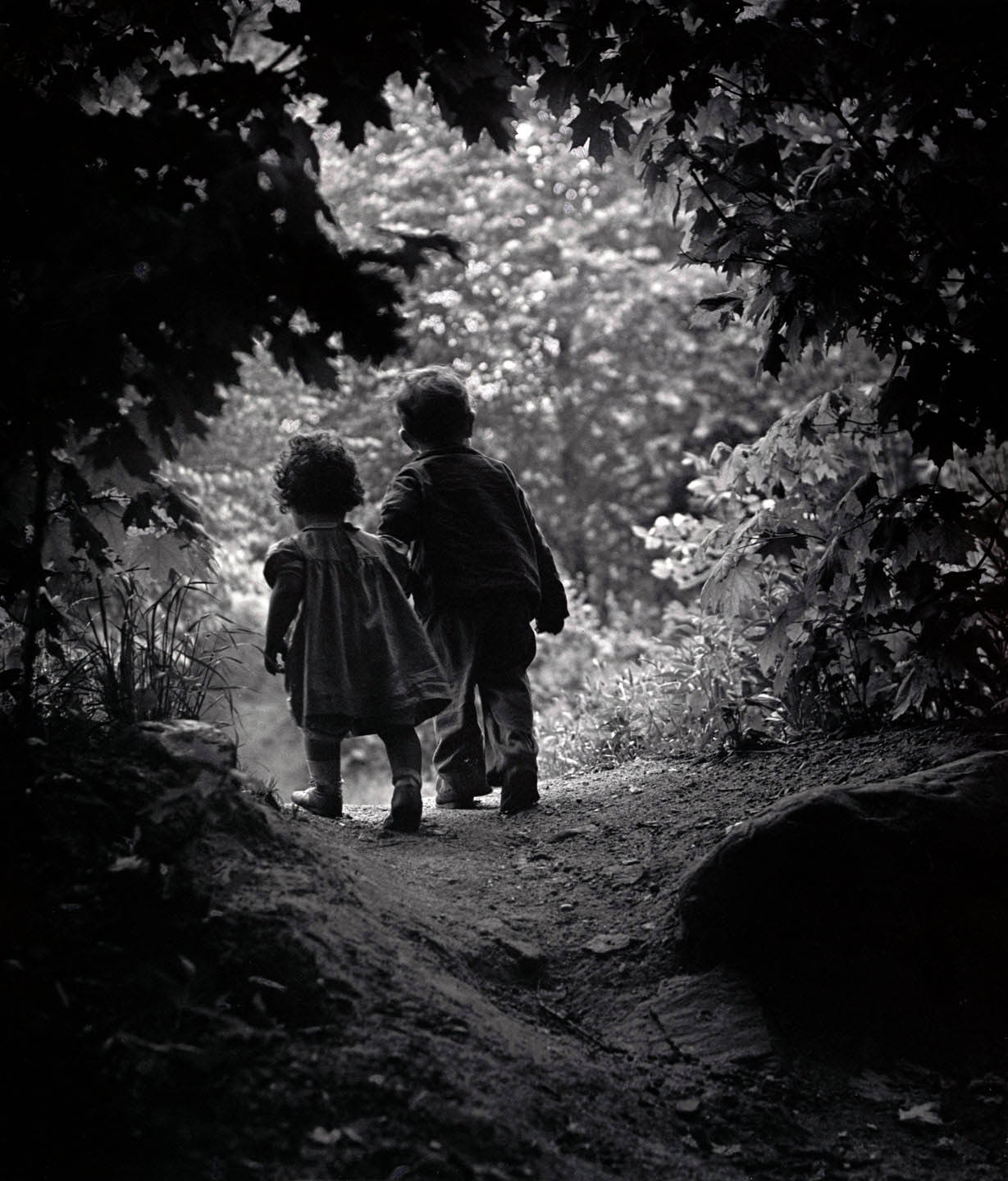

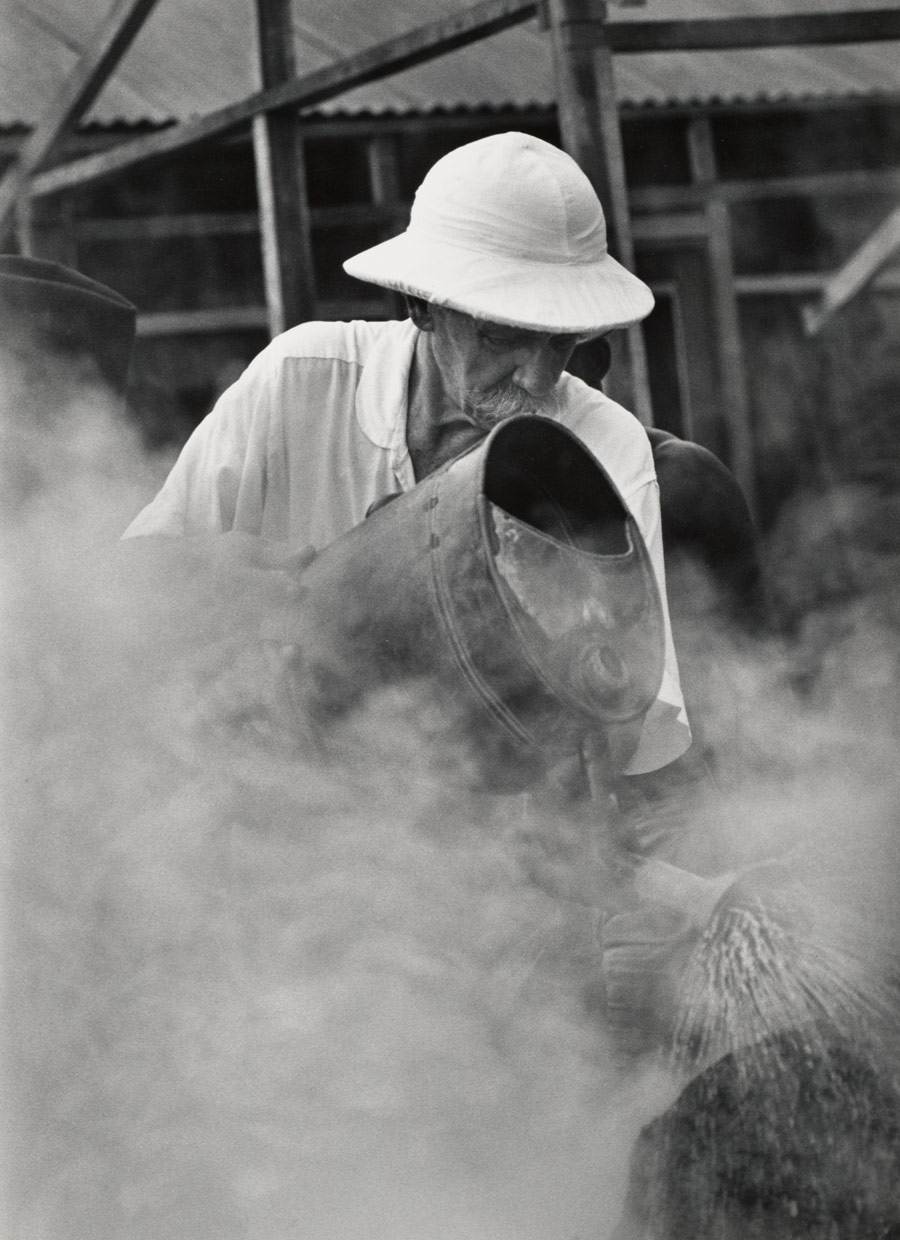

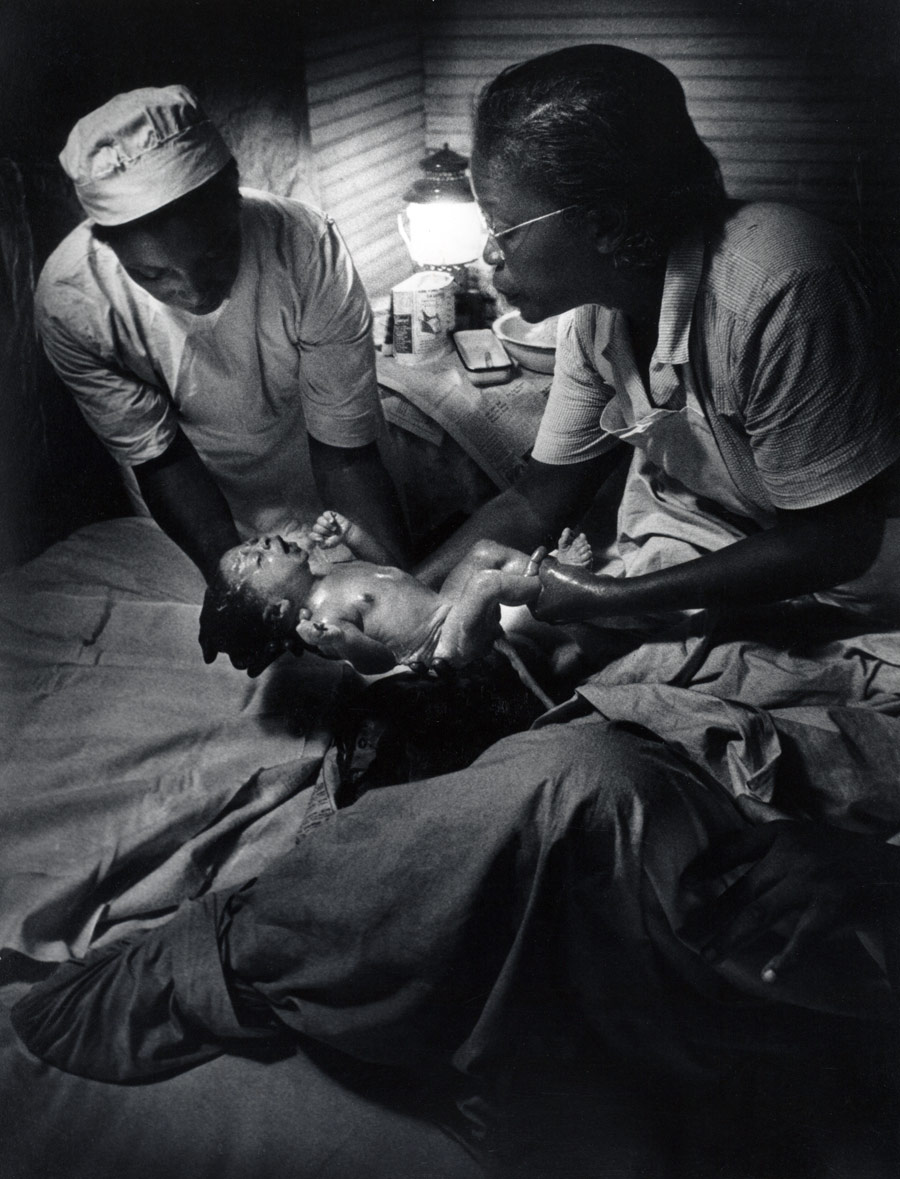

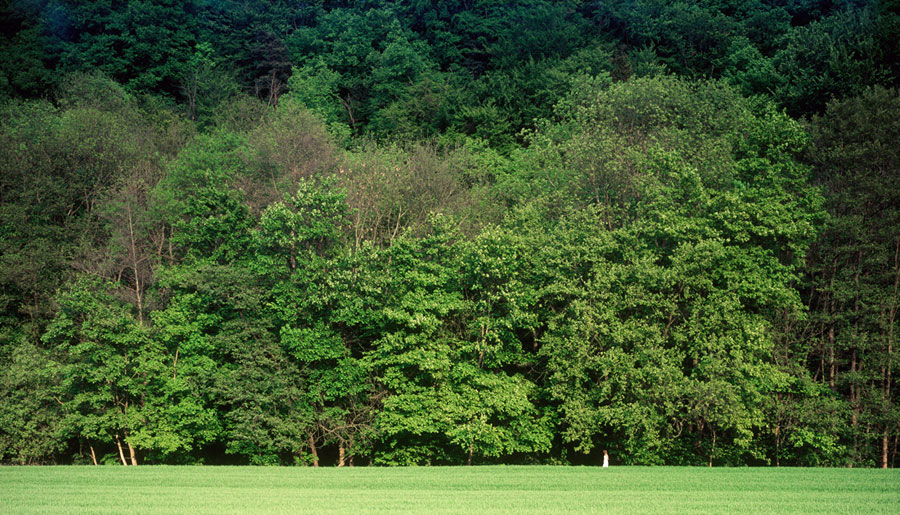
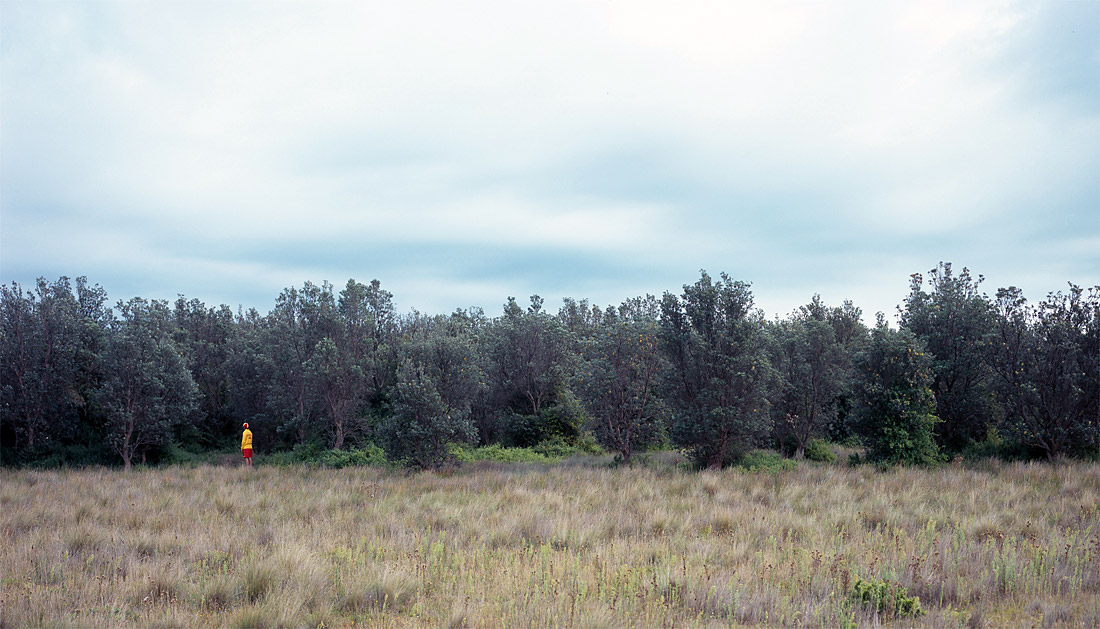
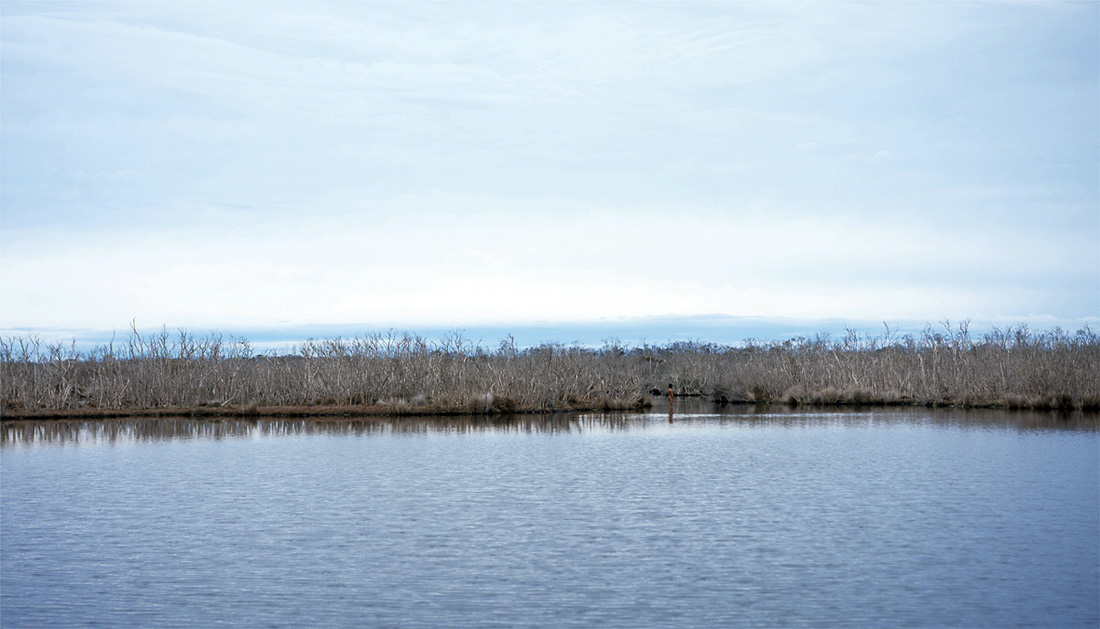
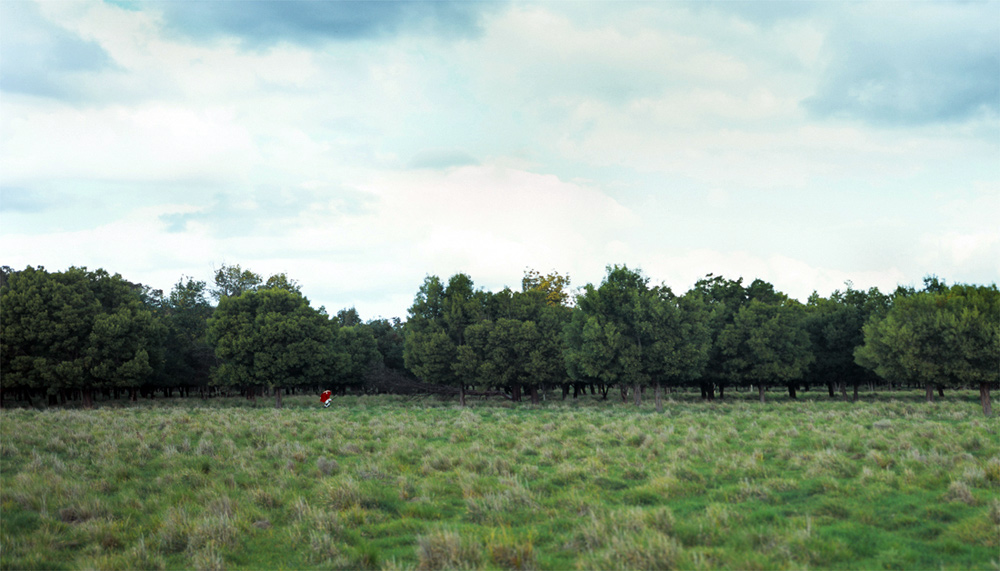
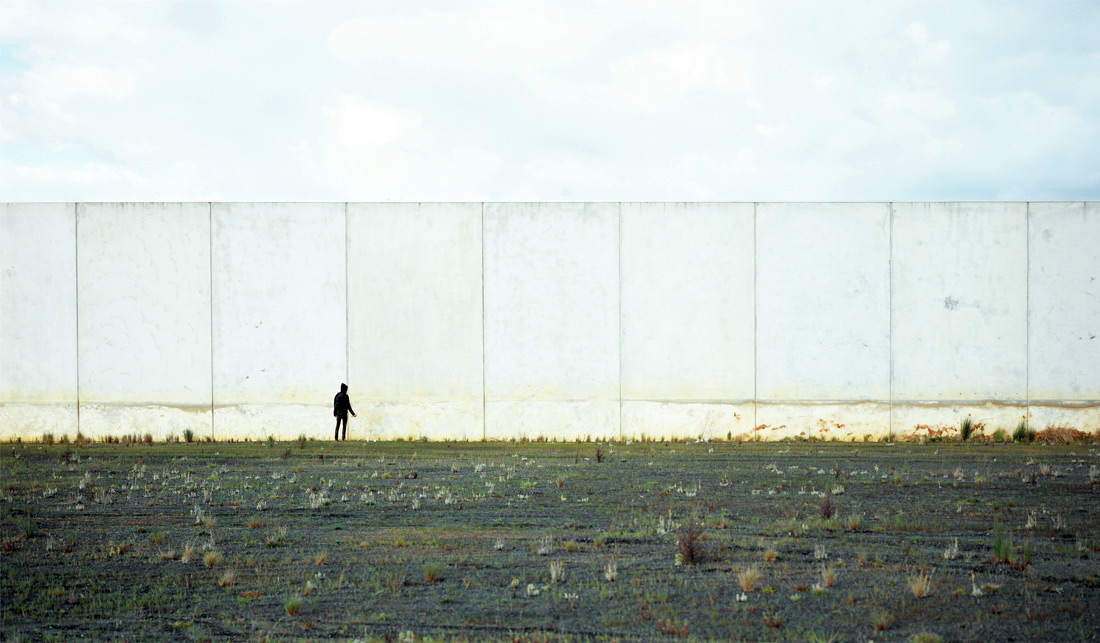
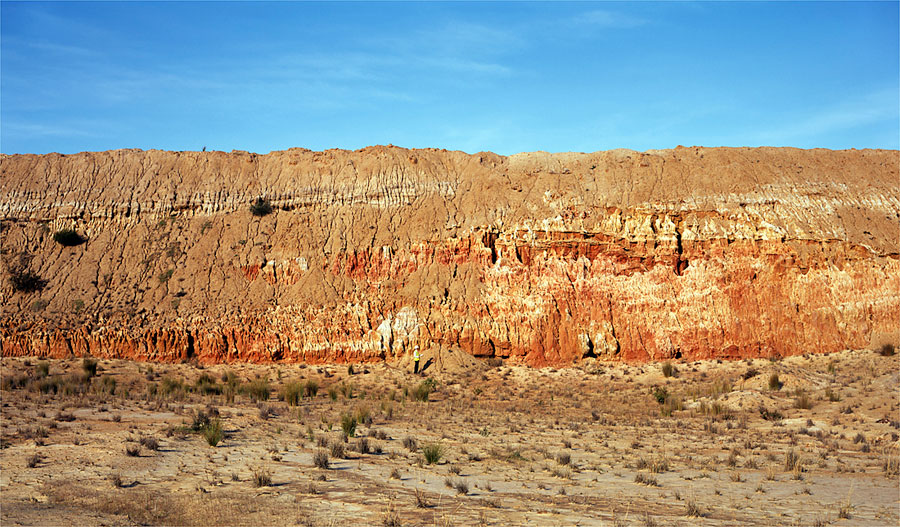
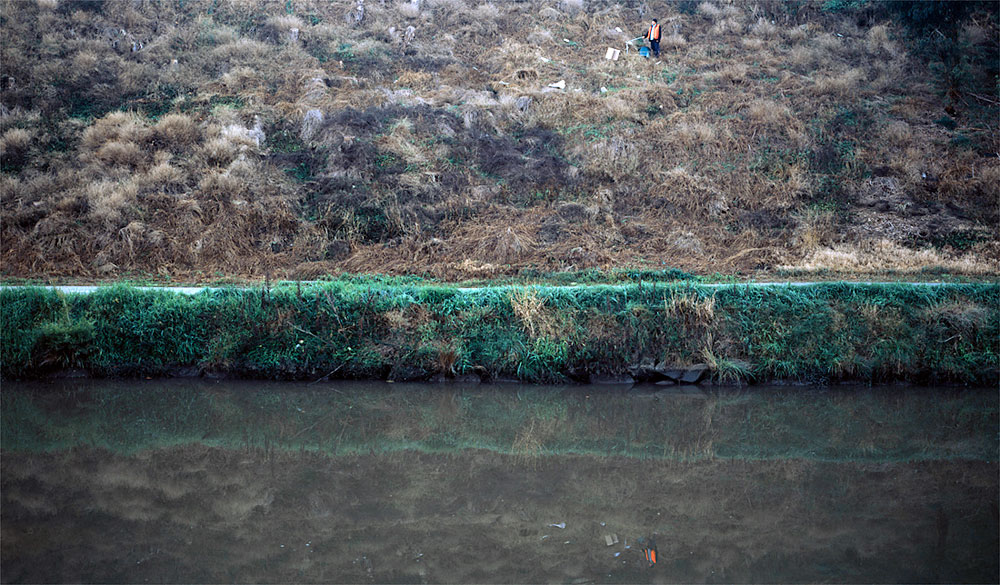
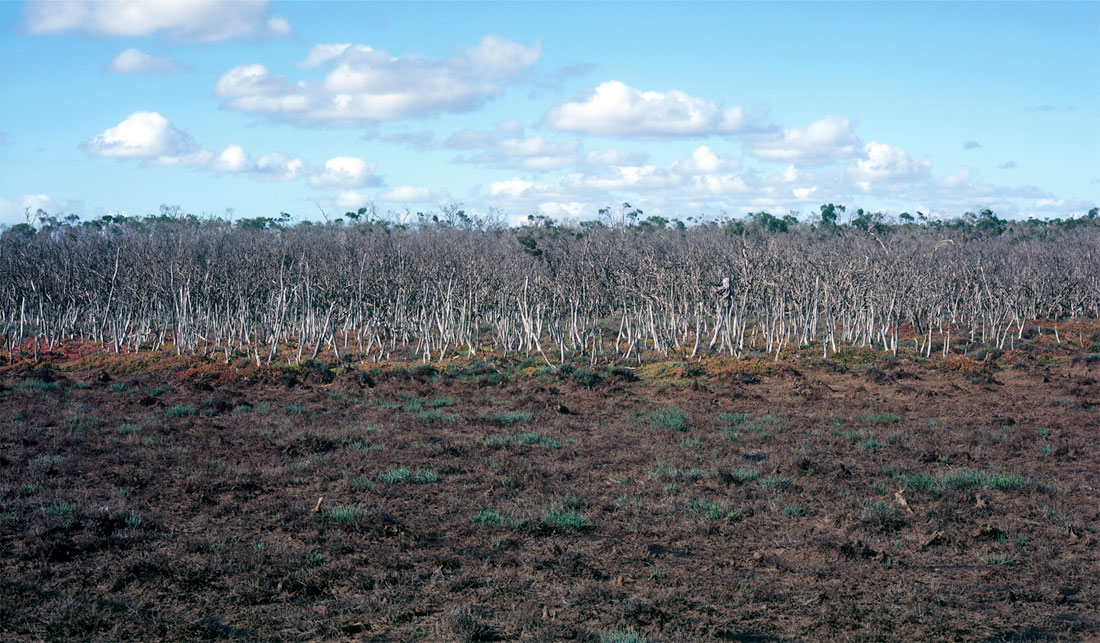

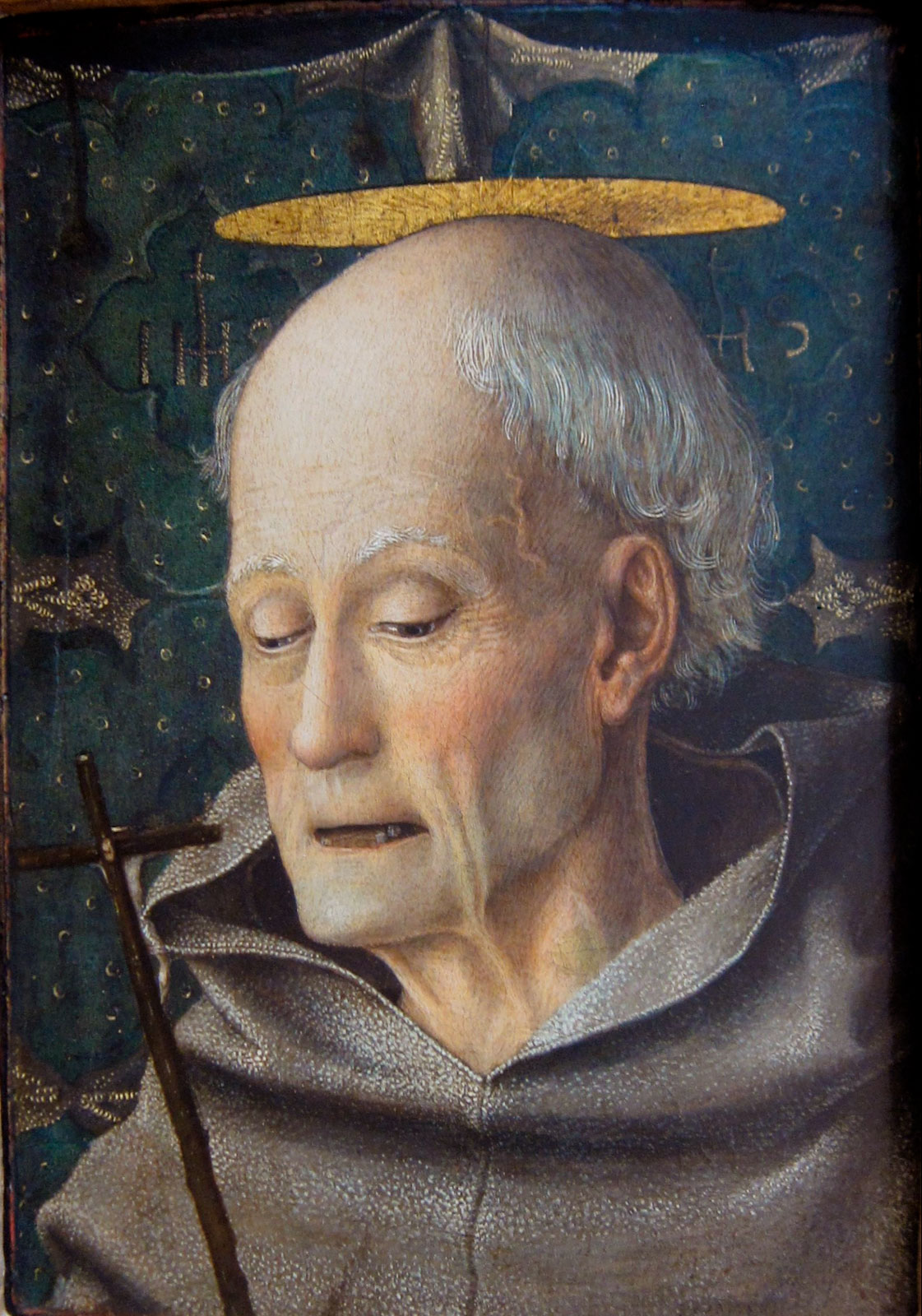
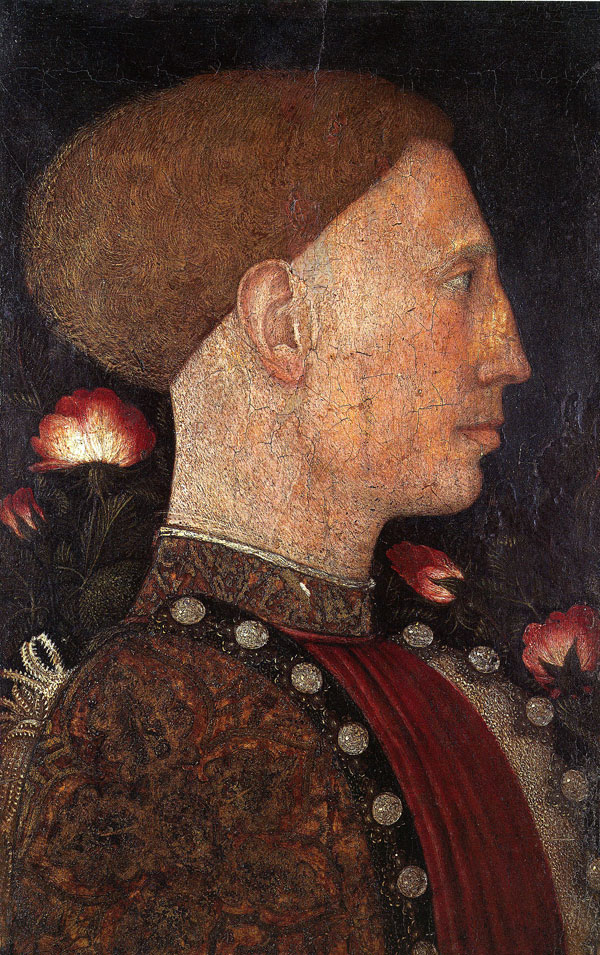
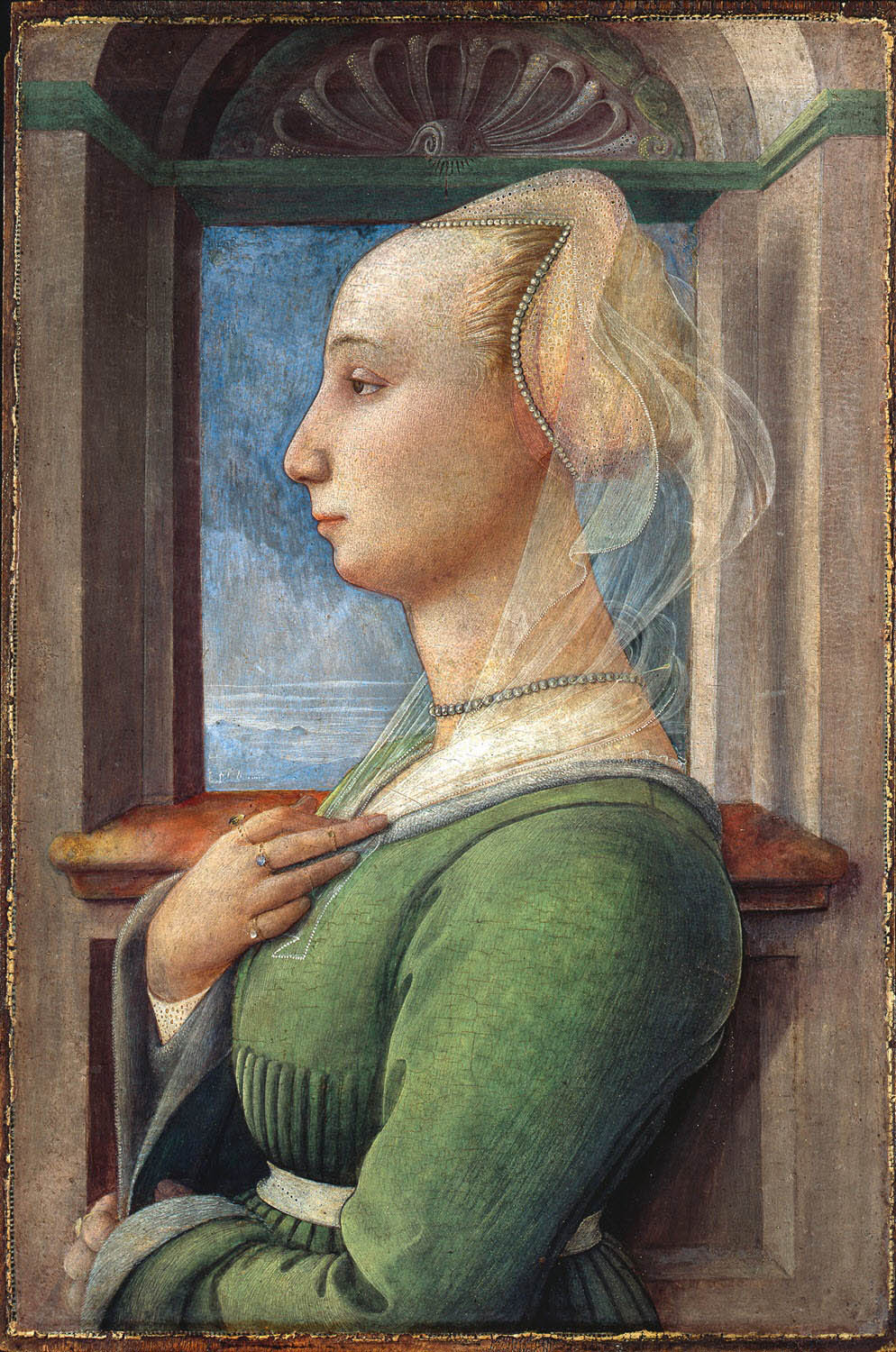
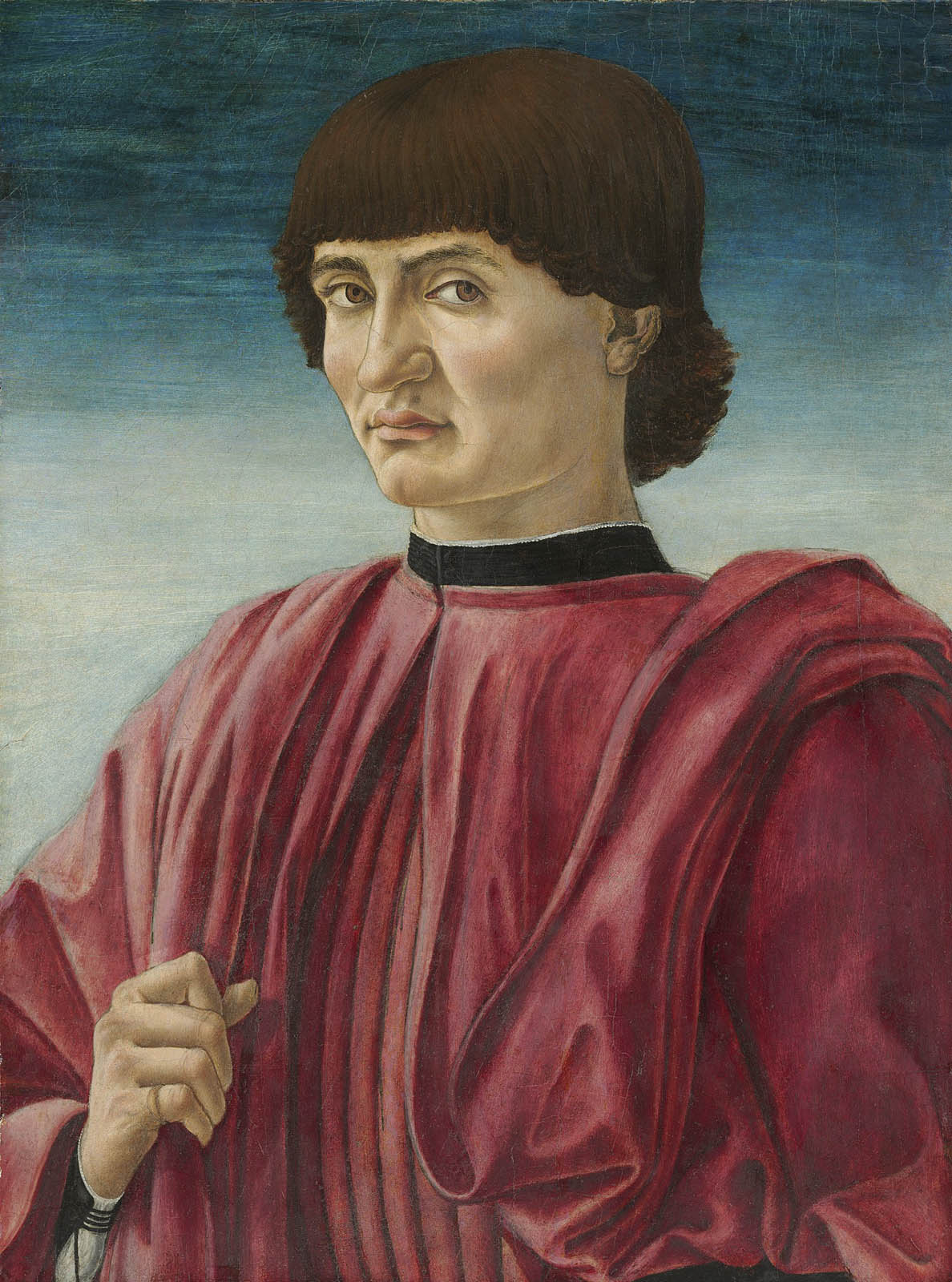
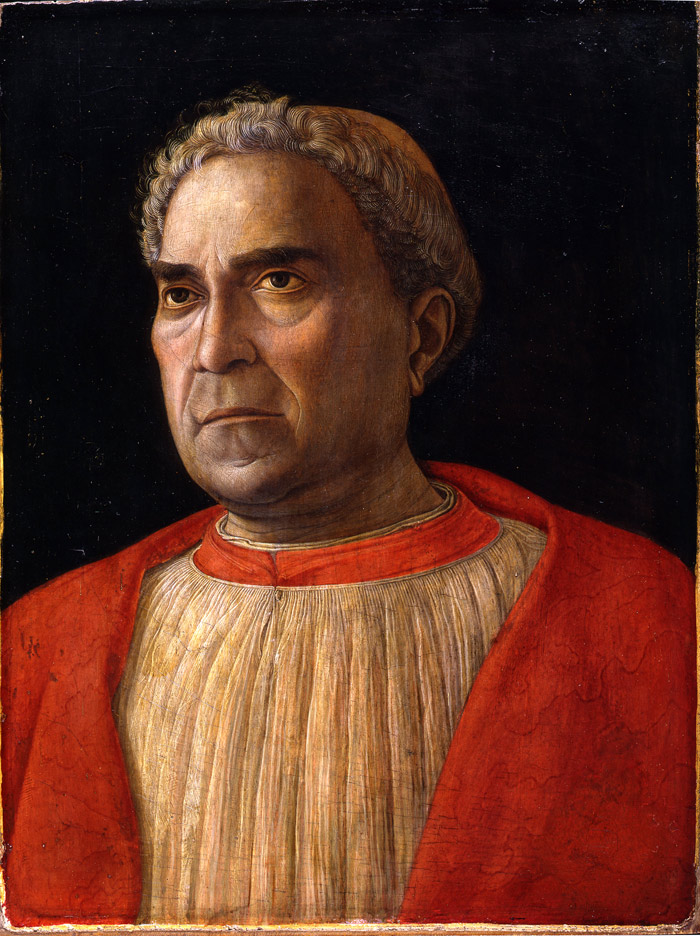
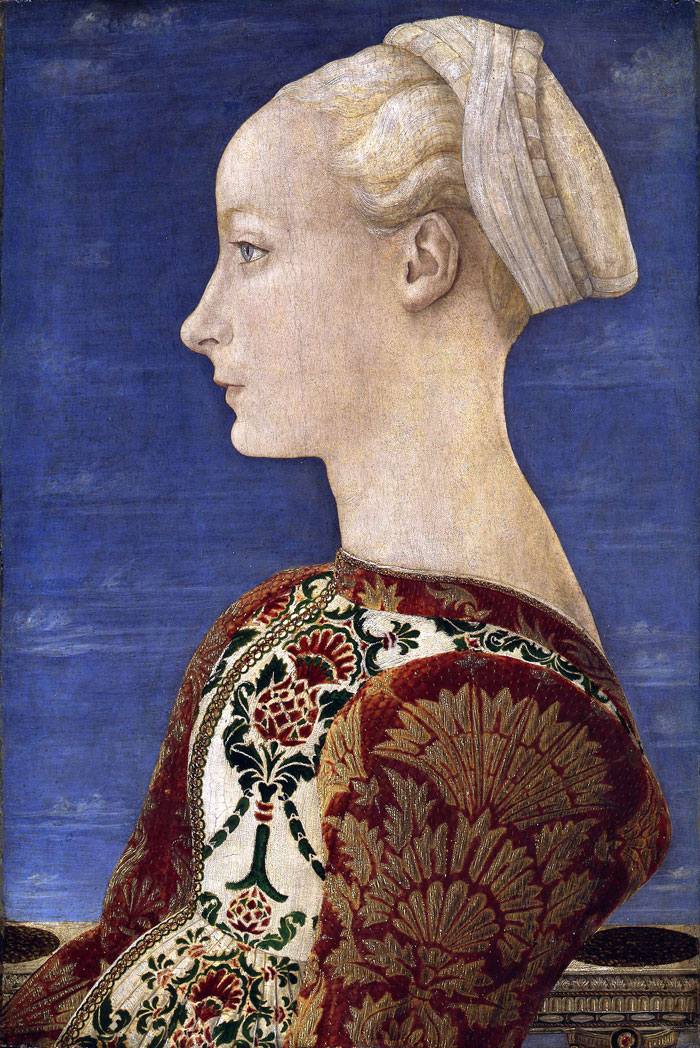

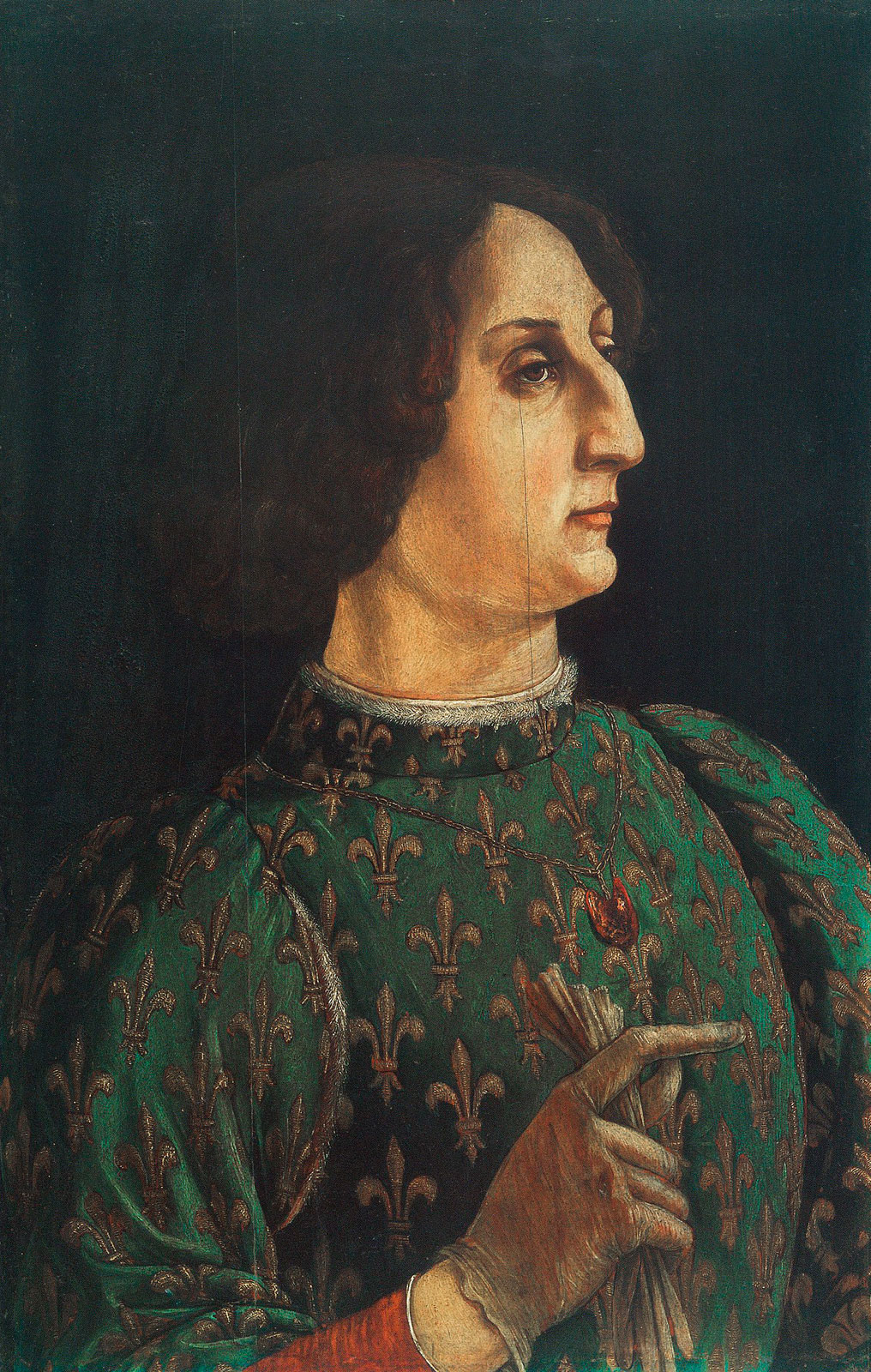


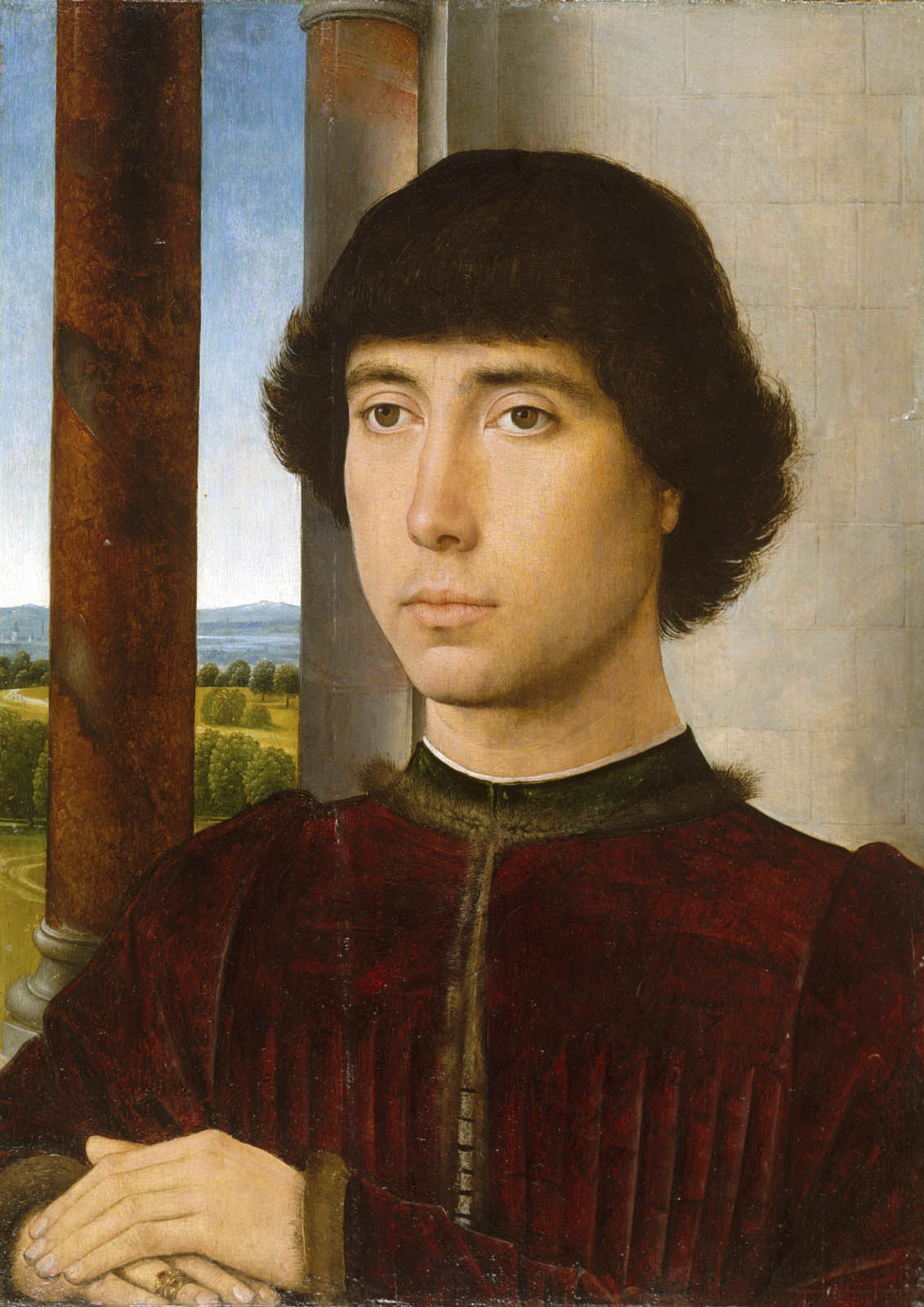
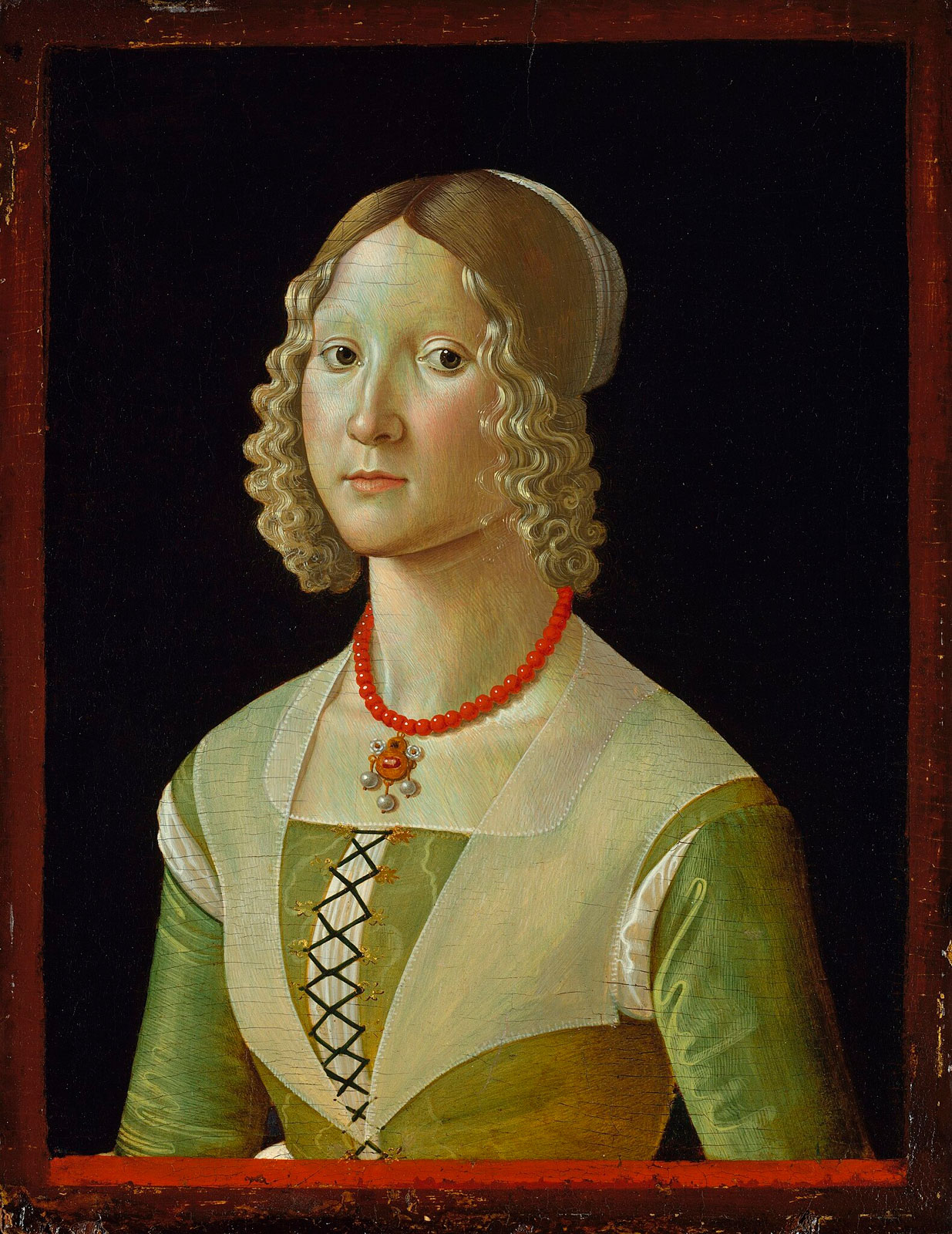
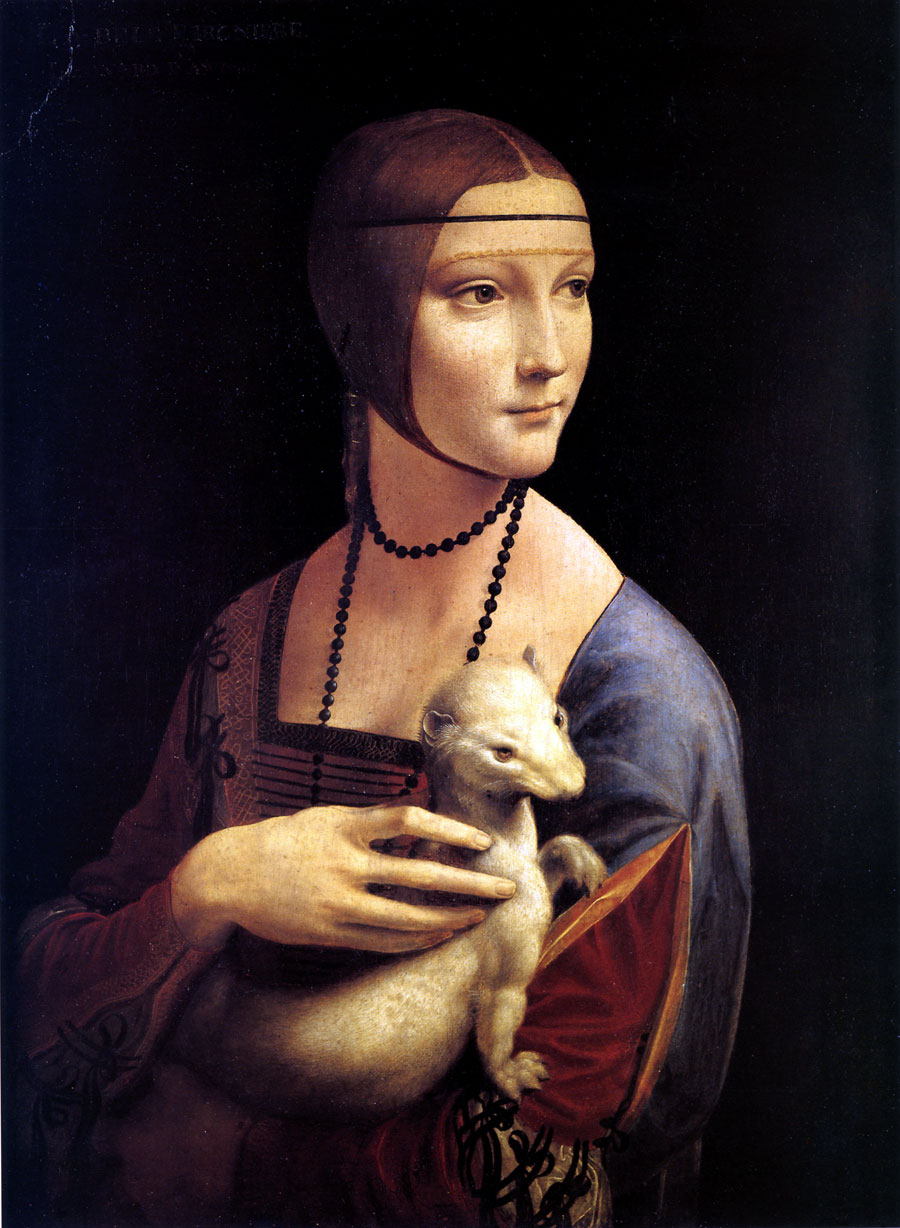
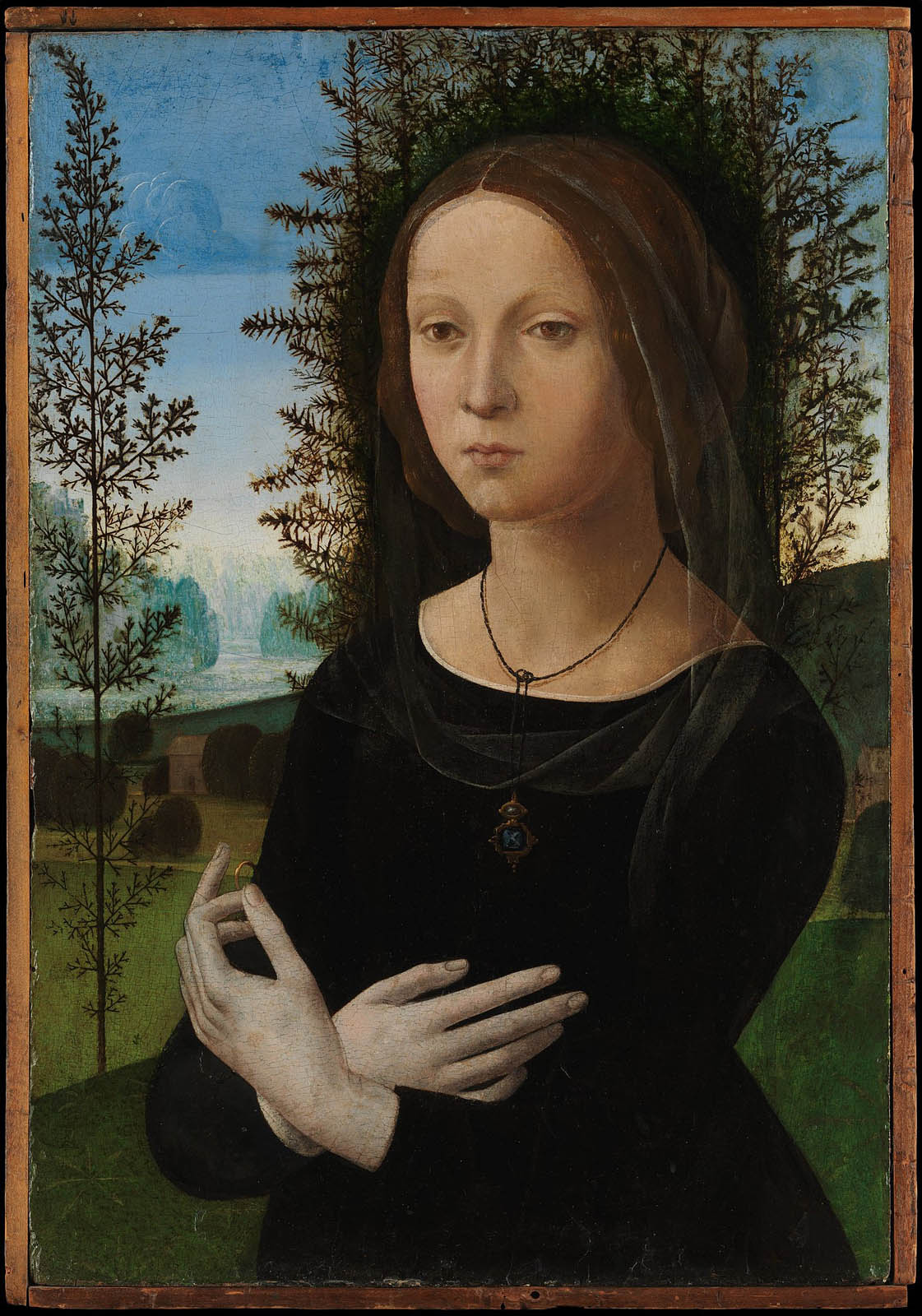

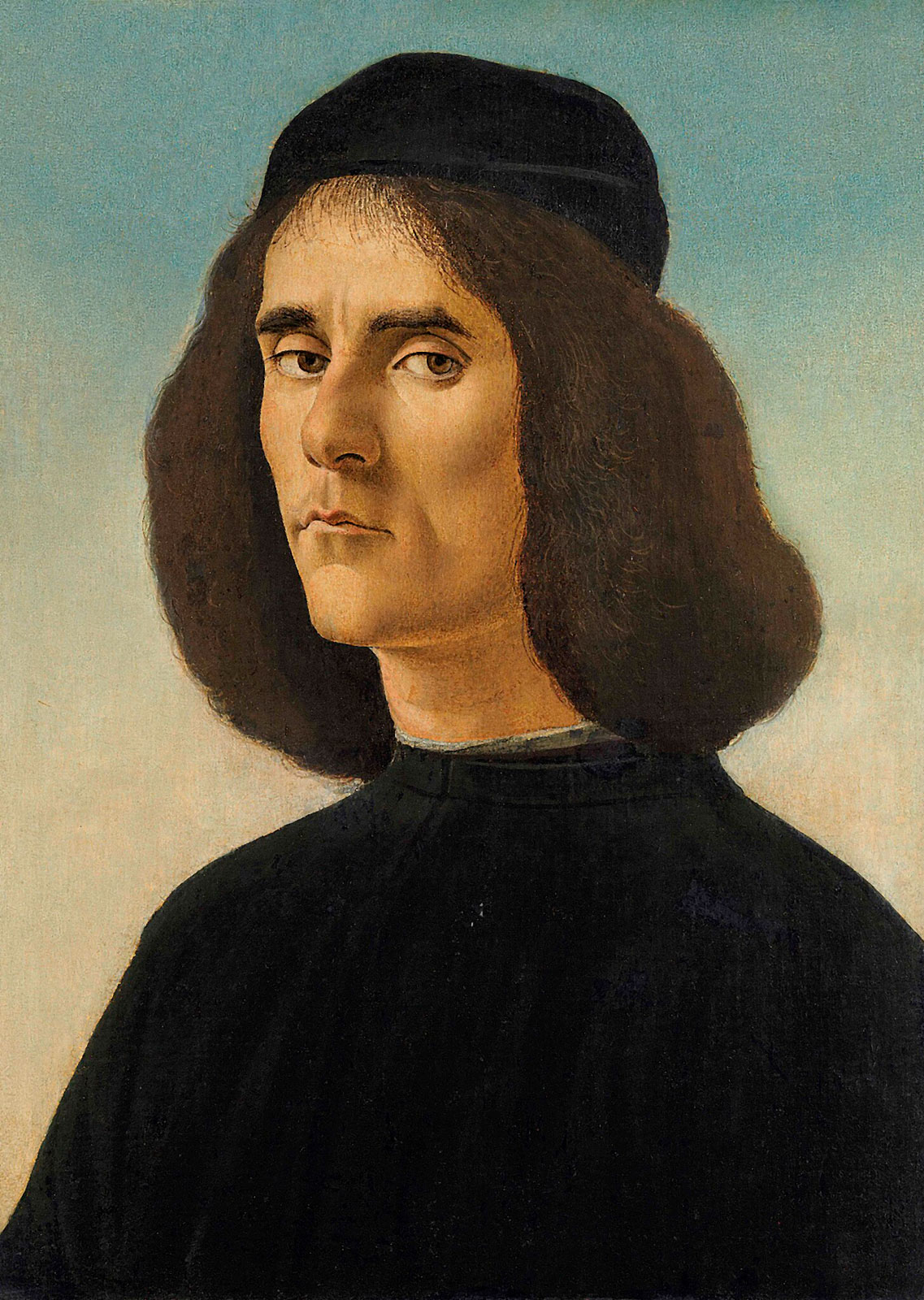


You must be logged in to post a comment.