Many thankx to The Nelson-Atkins Museum of Art for allowing me to publish the photographs in the posting. Please click on the photograph for a larger version of the image.
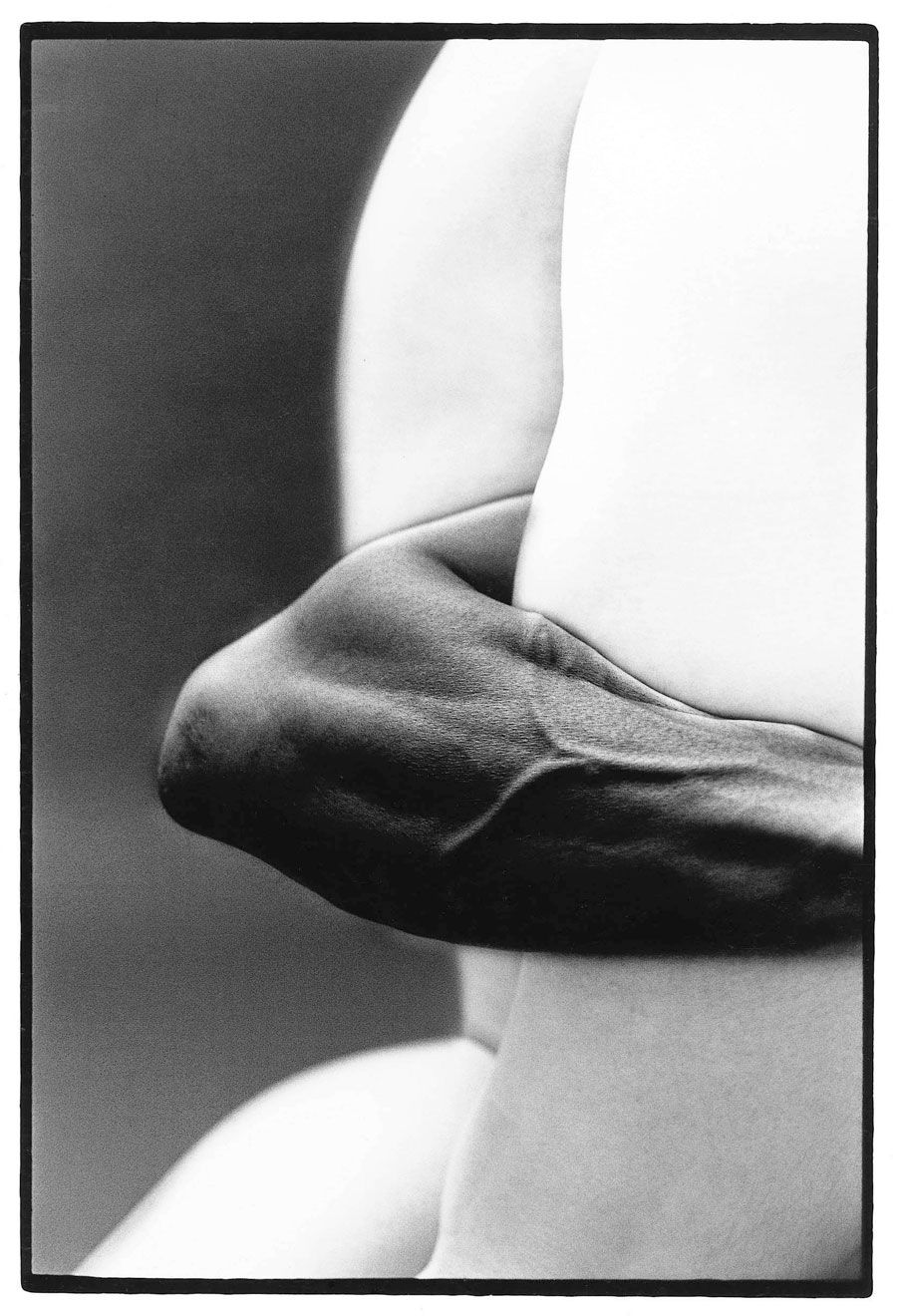
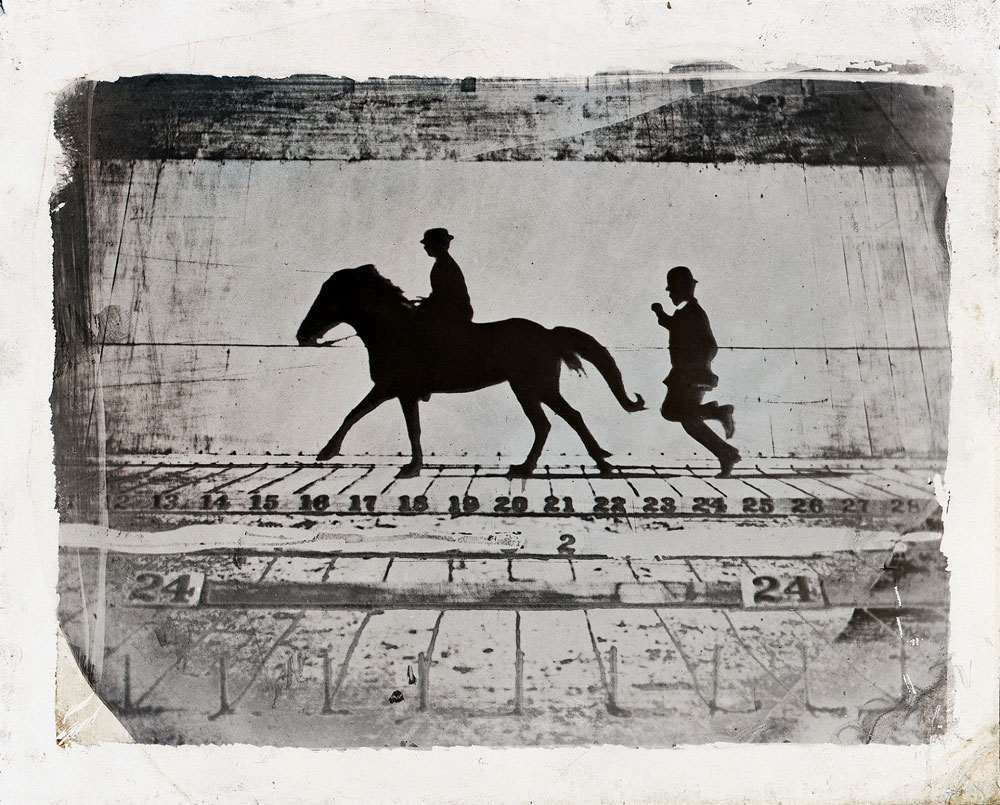
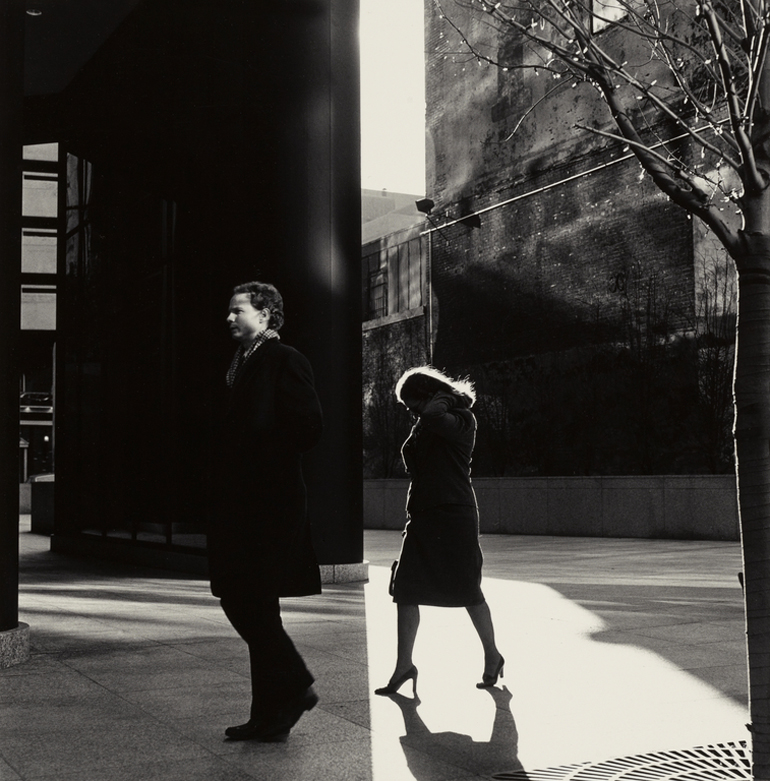
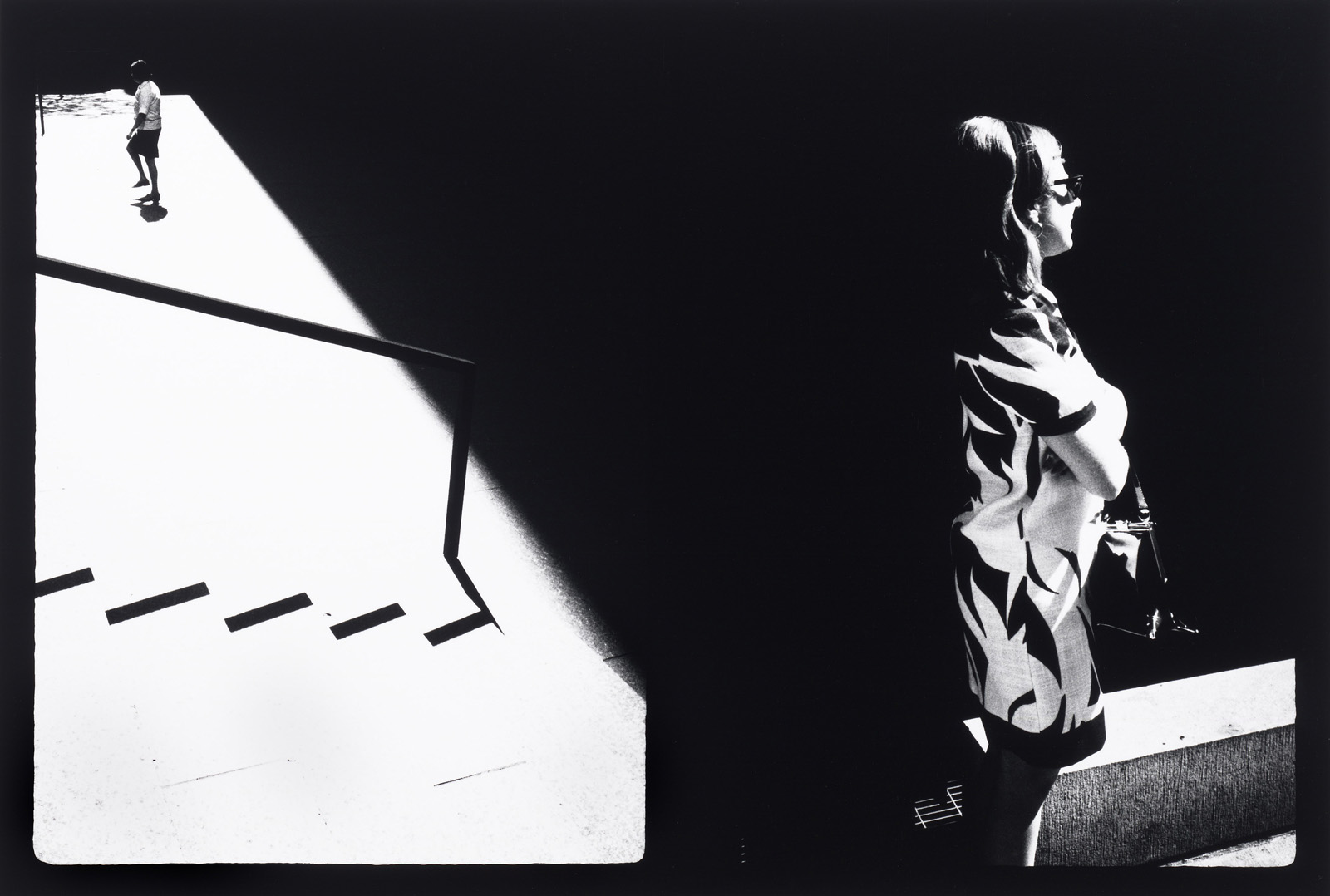
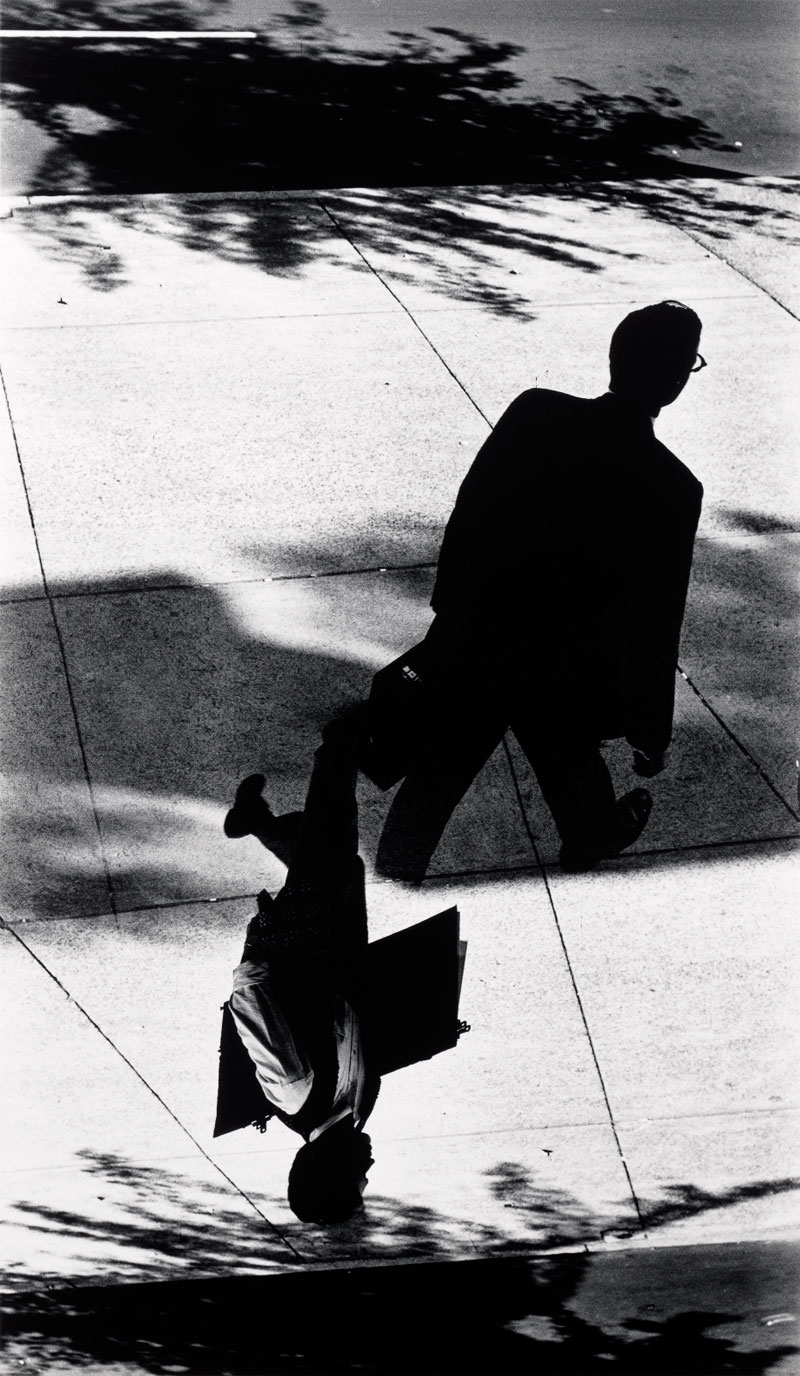
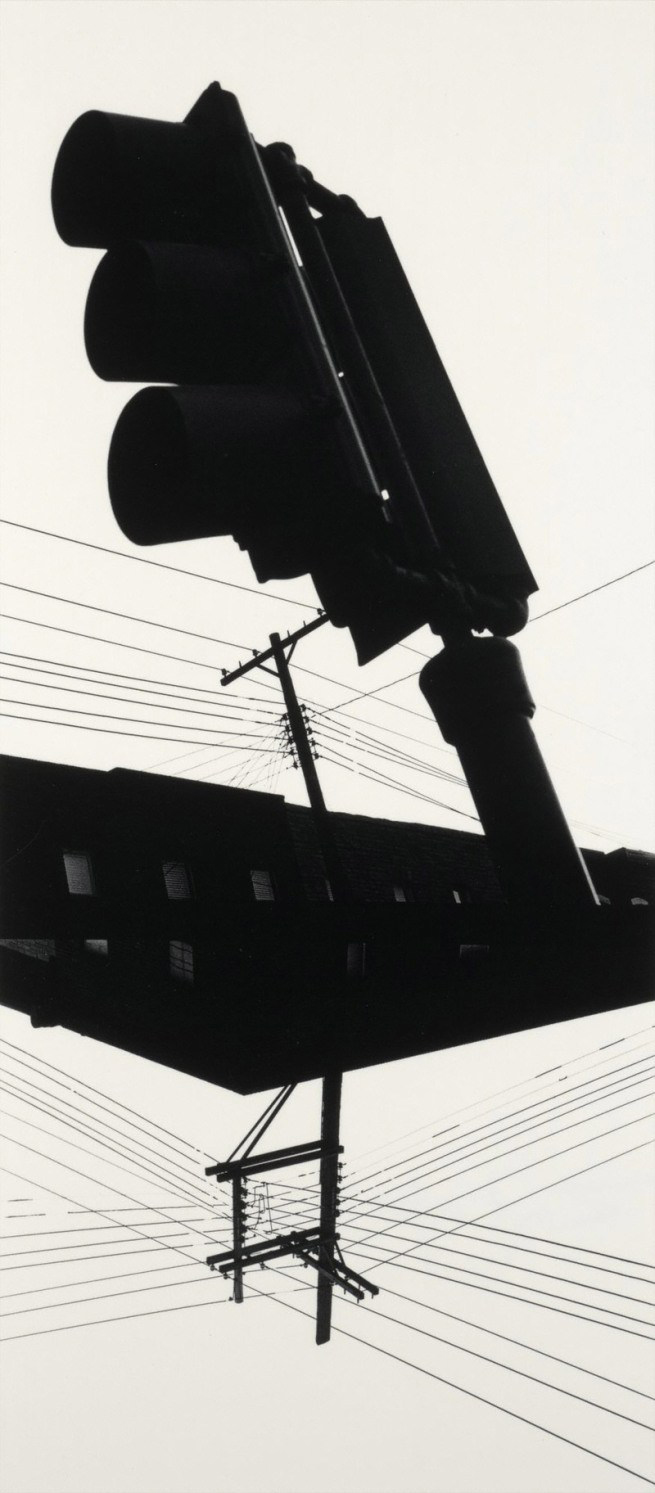
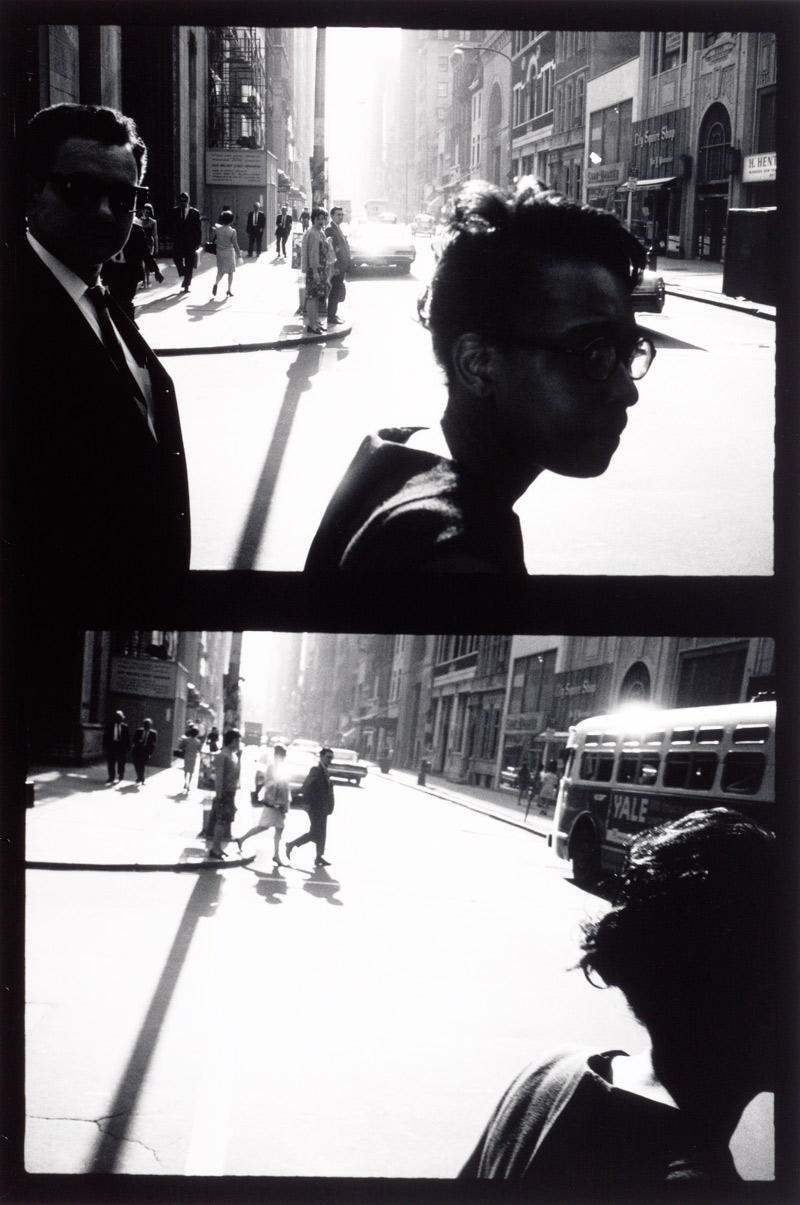
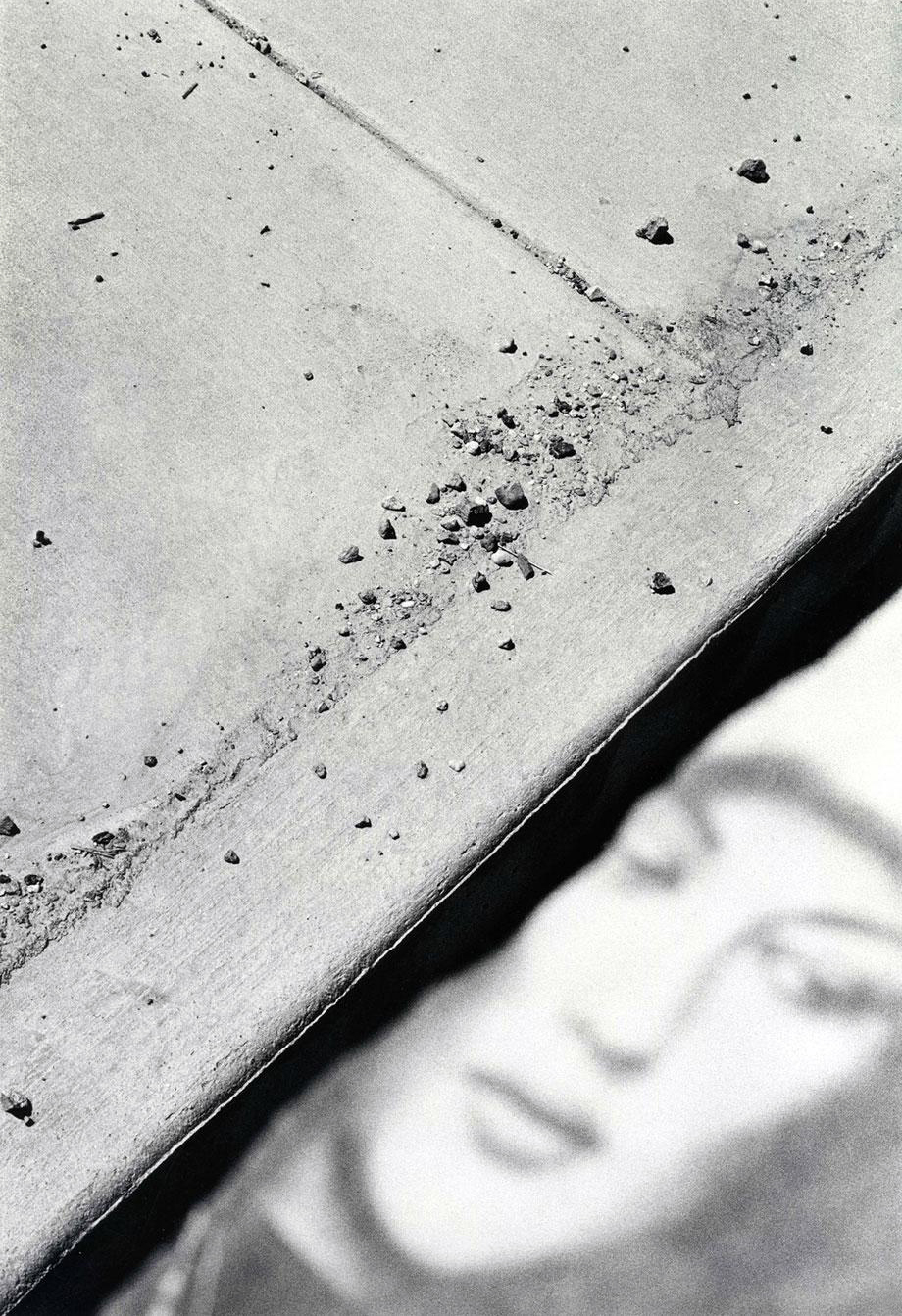
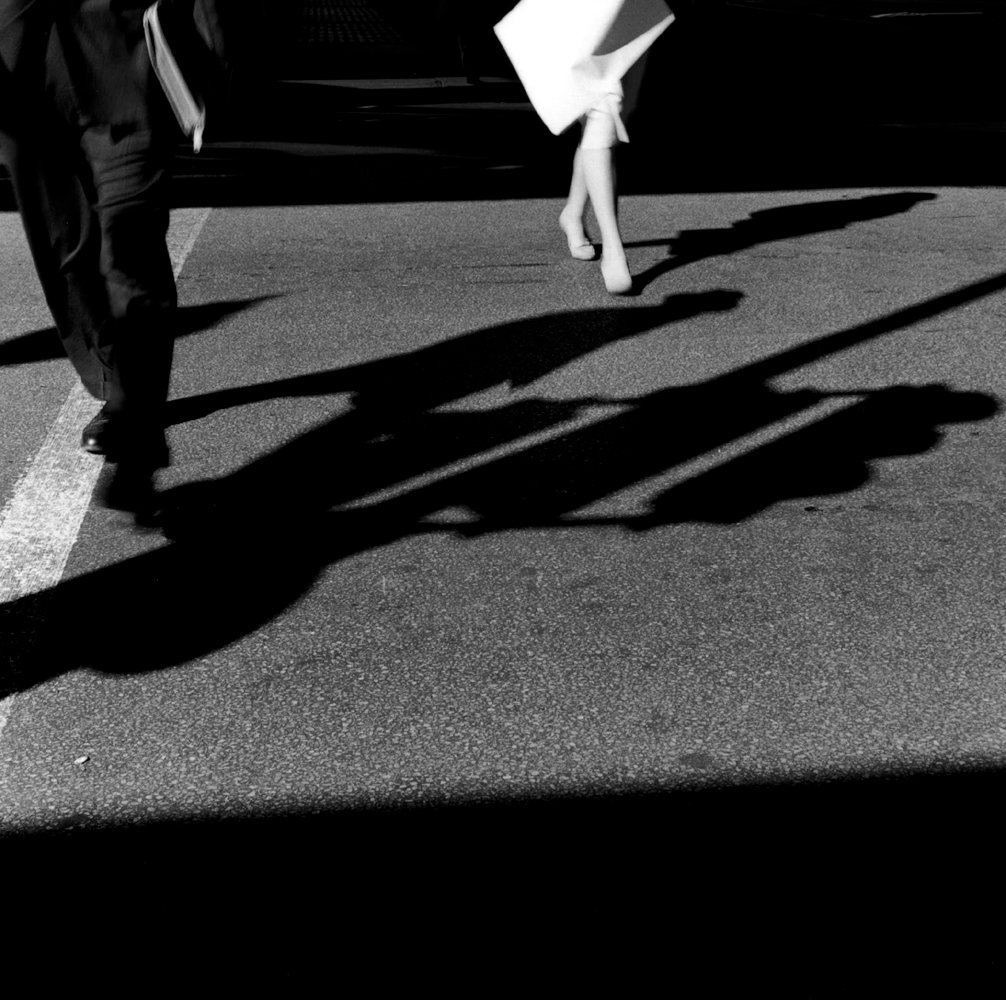
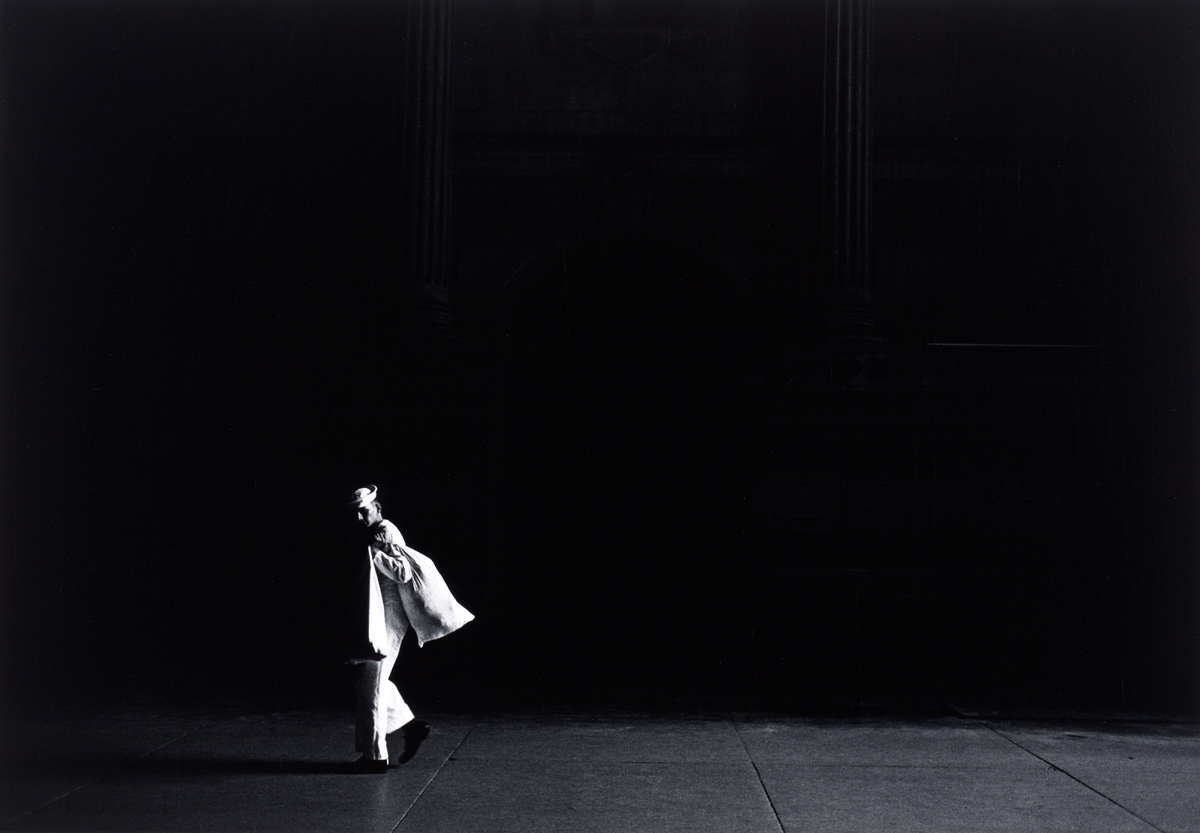
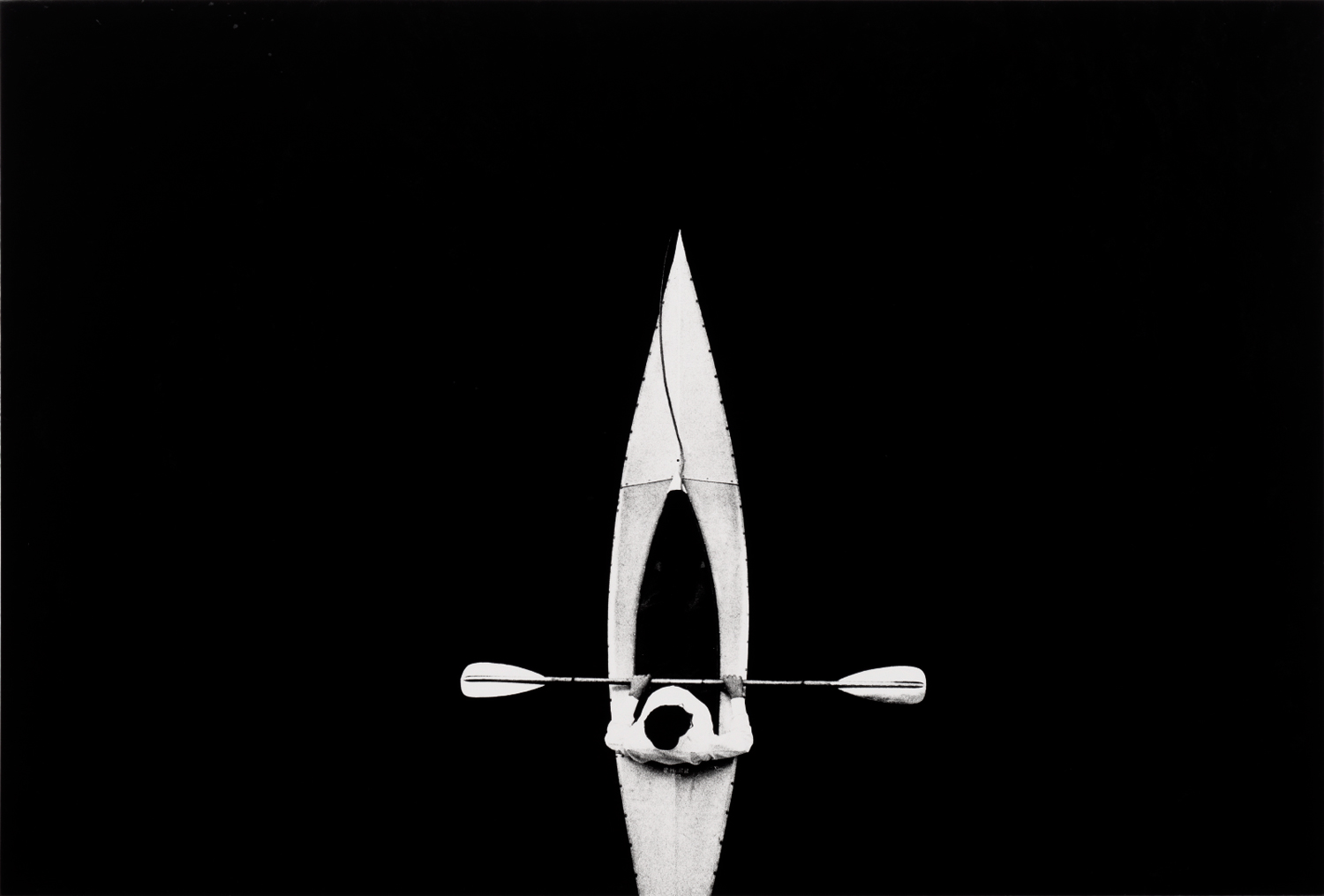
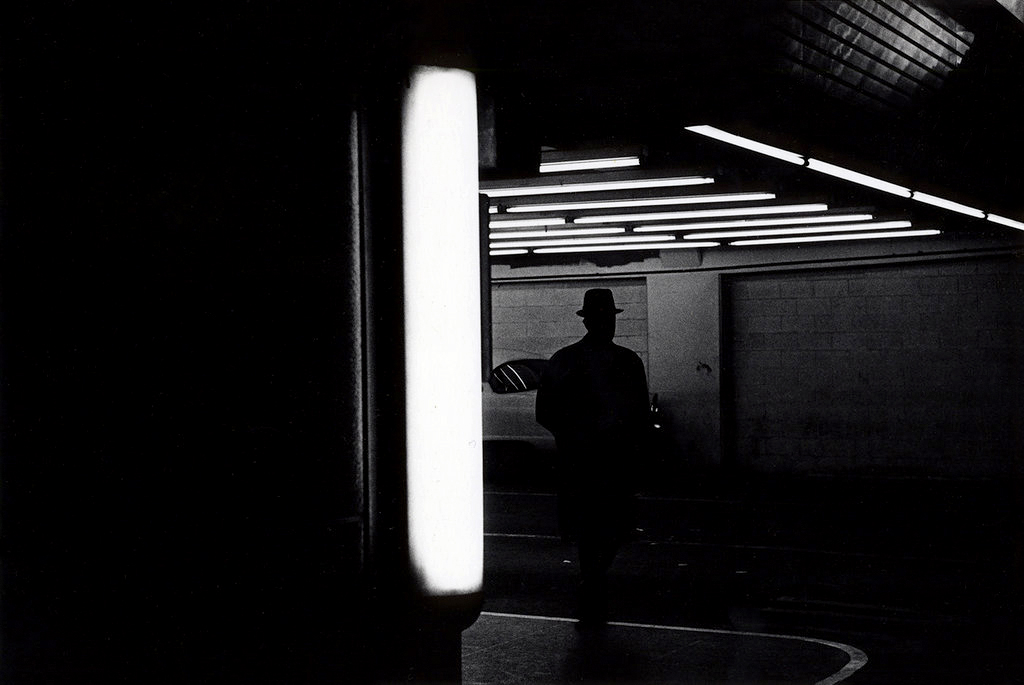
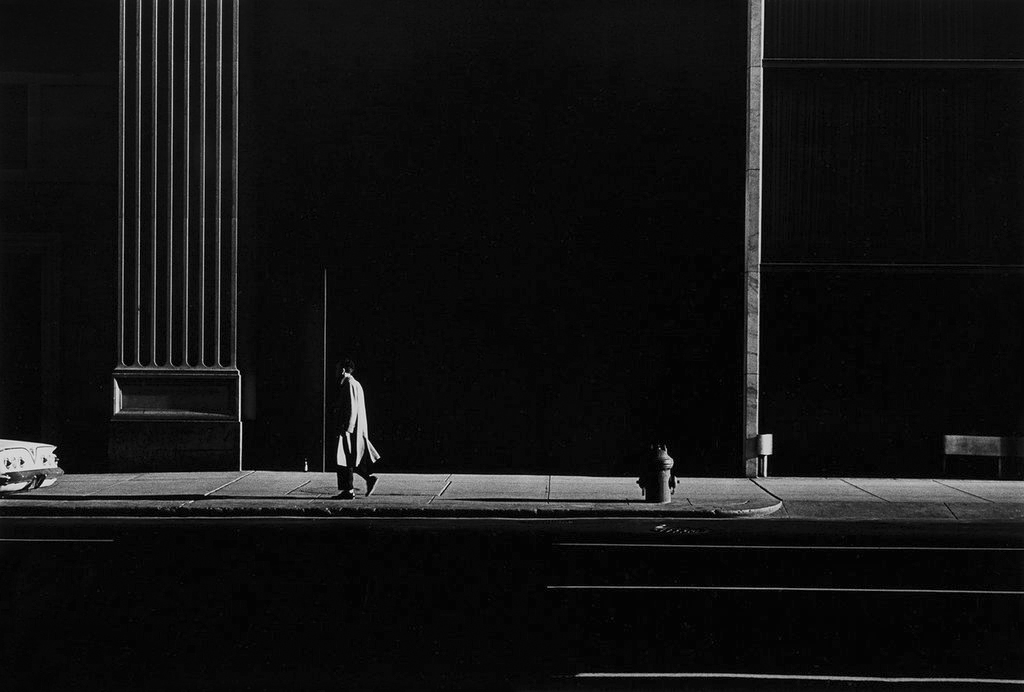
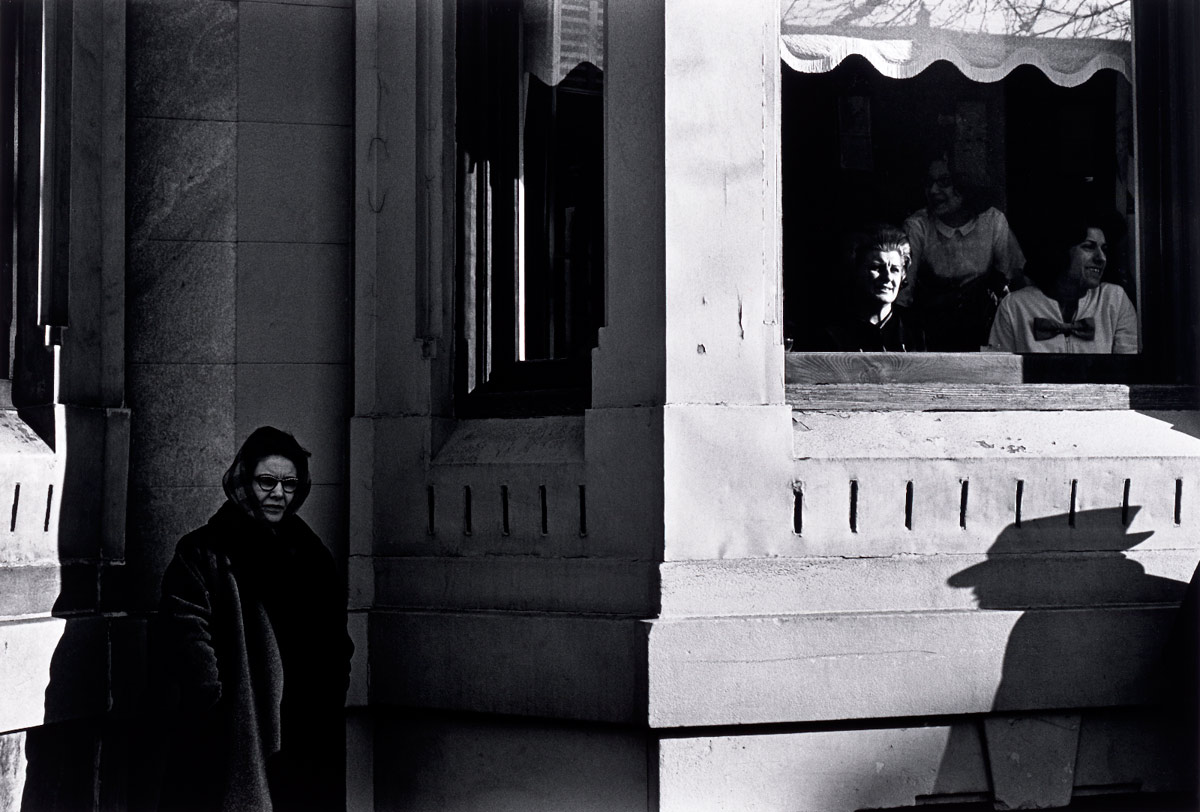
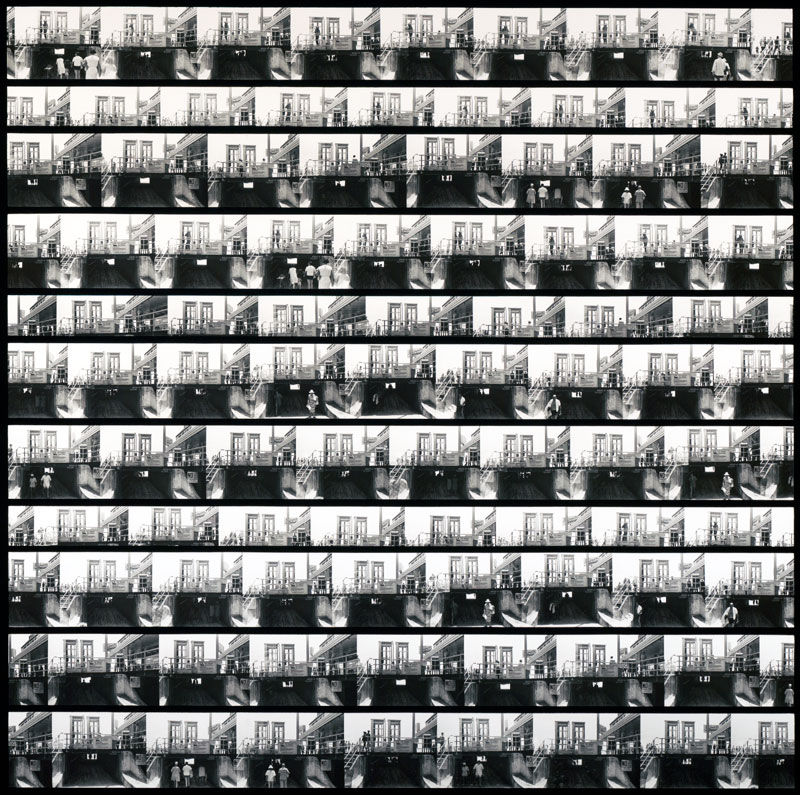
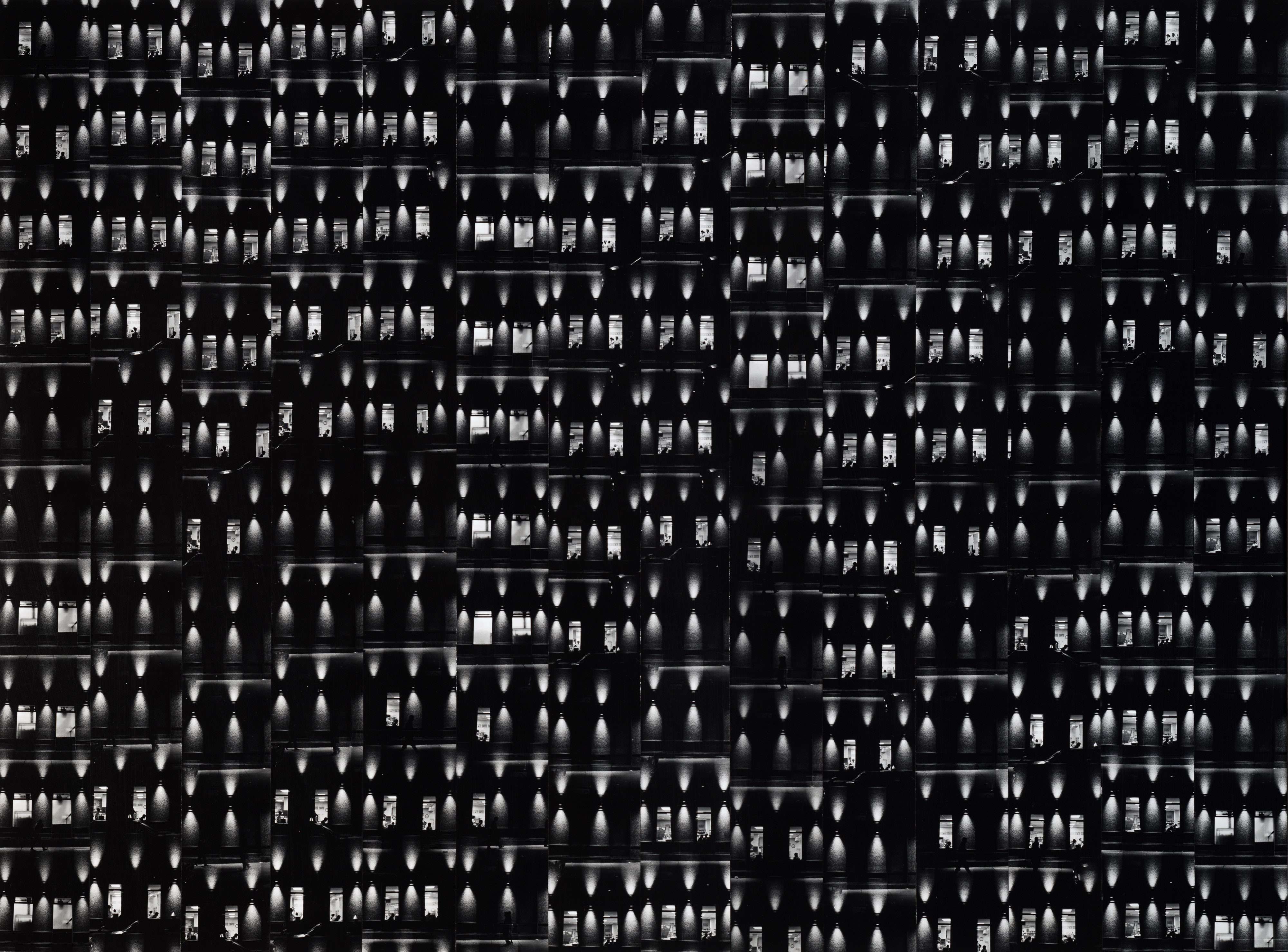
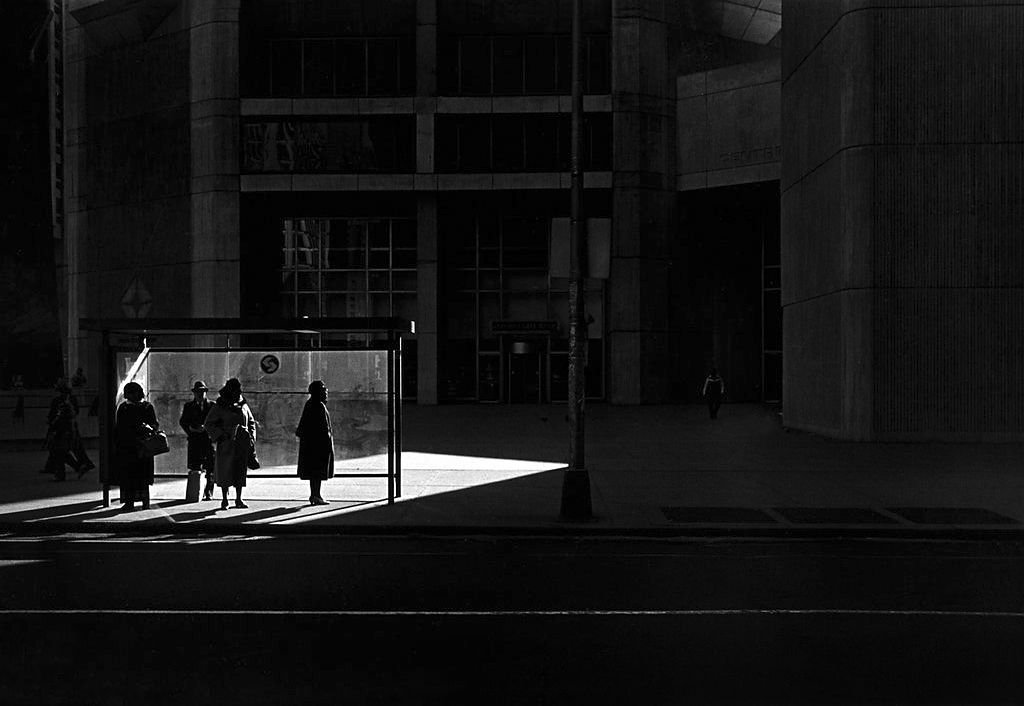
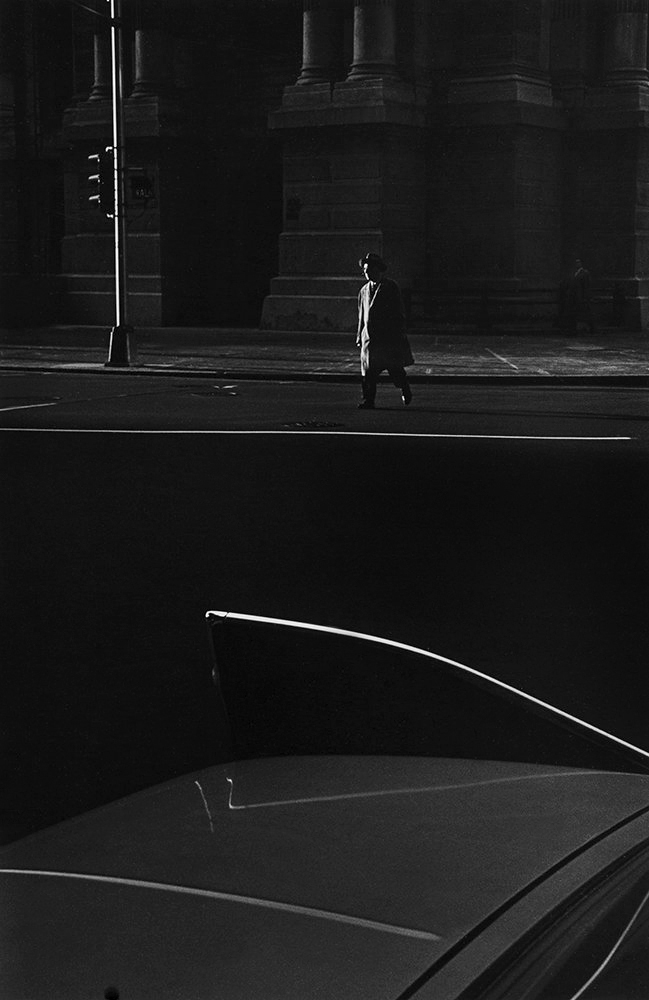
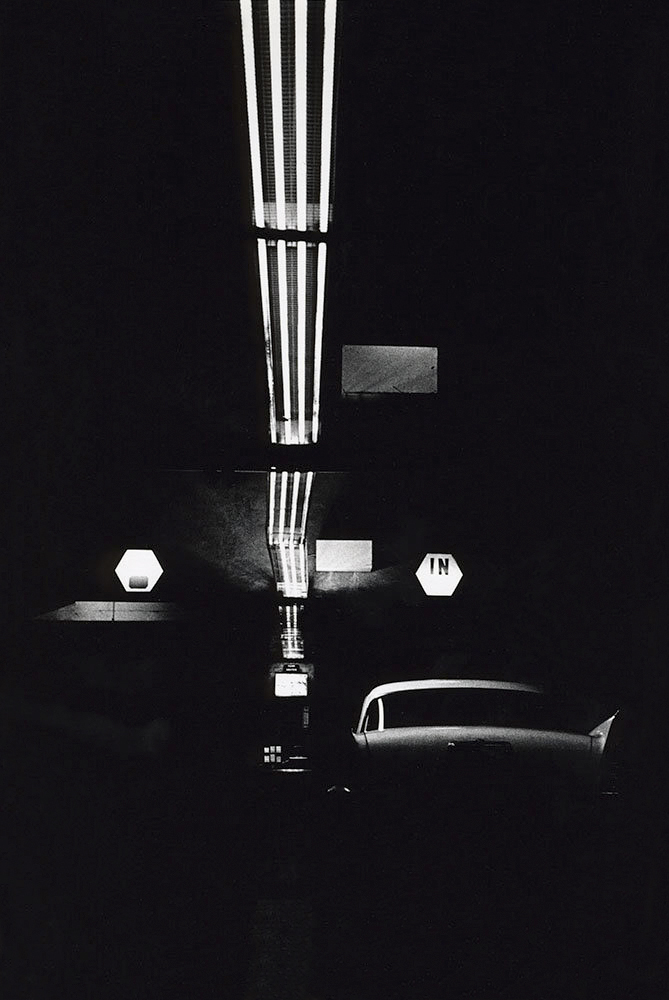
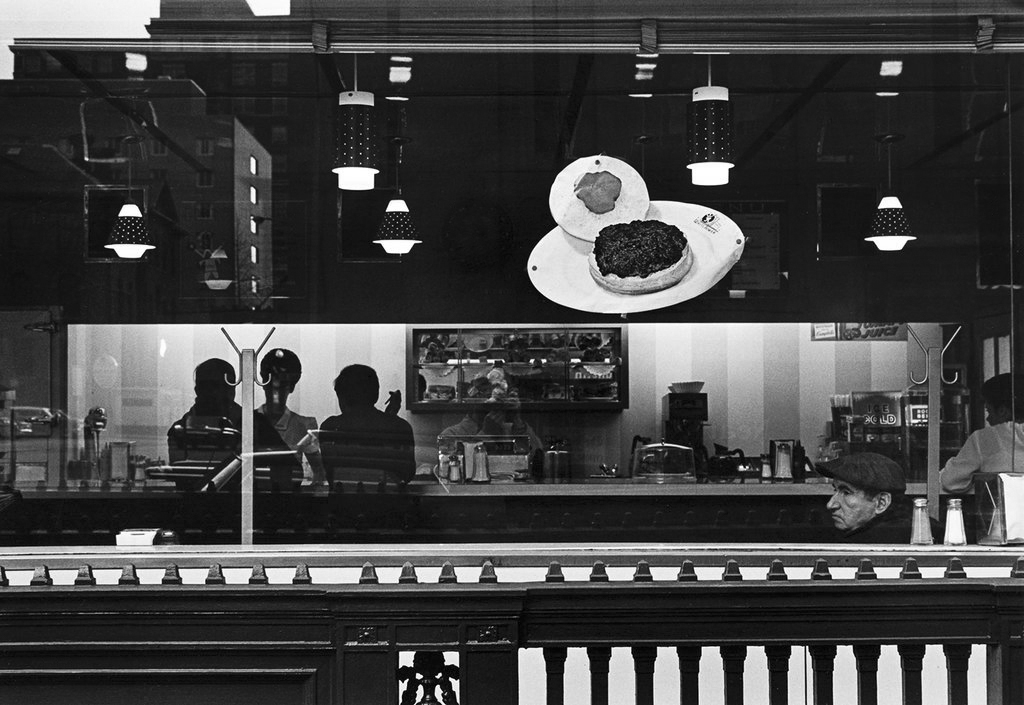
Works by Ray K. Metzker, one of the most original and influential photographers of the last half century, will be on view from Jan. 15 to June 5, 2011, at The Nelson-Atkins Museum of Art. The Photographs of Ray K. Metzker will reveal Metzker’s ability to turn ordinary subjects, including the urban experience and nature, into the visual poetry of the finely crafted black-and-white print.
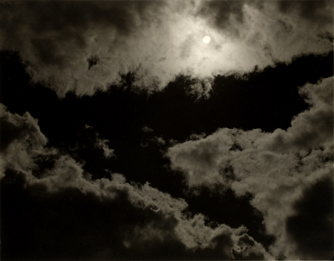
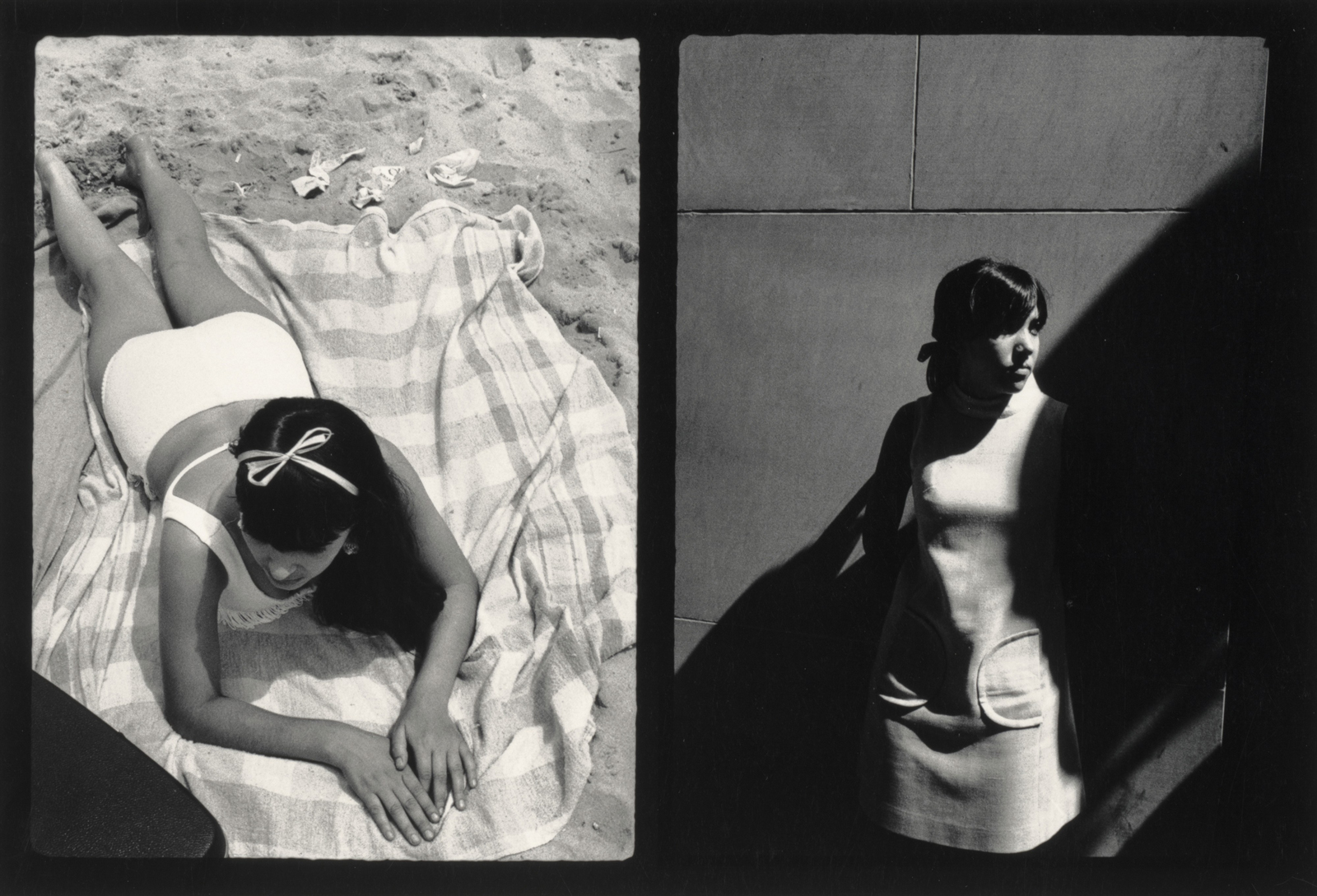
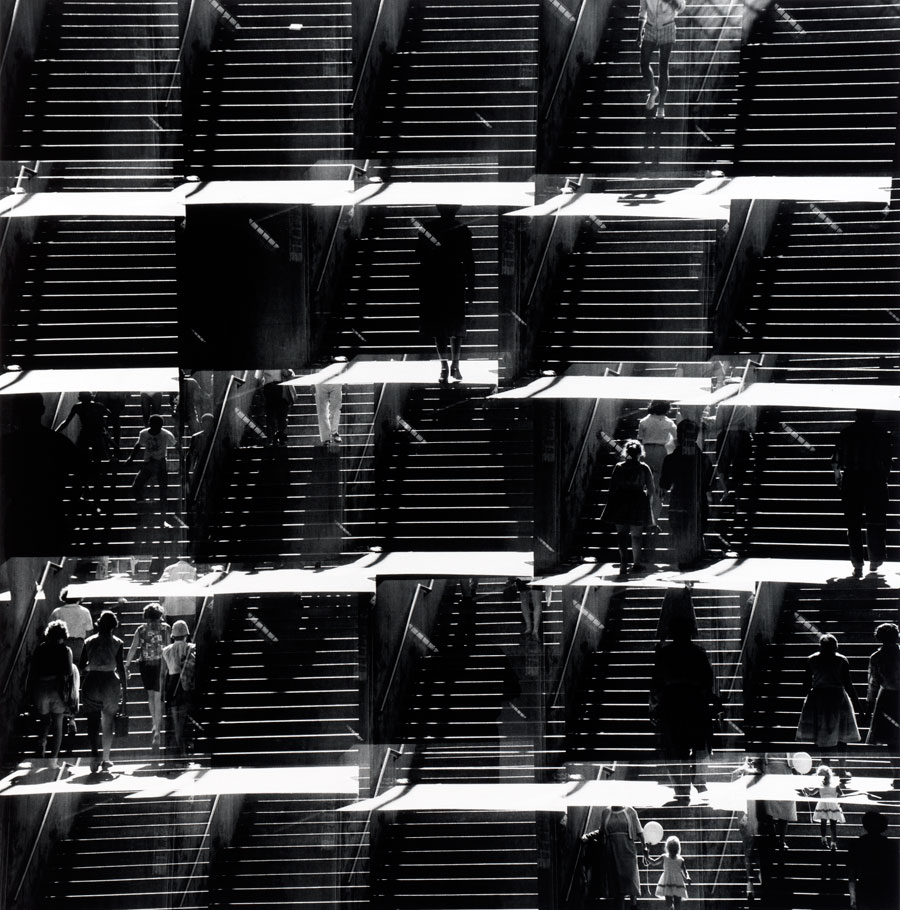
At the age of nearly 80, Metzker is greatly admired for his passionate engagement with both photography and the world. He has explored the use of high contrast and selective focus, the potentials of multiple and composite images, and the infinite gradations of daylight, from dazzling white to inky shadow.
This is great and lasting work – the very best of a classic form of American modernism, said Keith F. Davis, senior curator of photography at the Nelson-Atkins. Metzker has led a life of deep devotion to understanding the potential, challenge and pleasure of photographic seeing. In so doing, he has transcended any simple notion of technical experimentation or formalism to illuminate a vastly larger human realm – one of uncertainty, isolation and vulnerability, as well as of unexpected beauty, grace and transcendence.
Thanks to a major gift from the Hall Family Foundation, the Nelson-Atkins now has the largest holding of Metzker’s work (92 prints) in the United States.
Born in Milwaukee, Wis., in 1931, Metzker first took up photography as a teenager. After two years in the army, he entered the graduate program at the Institute of Design, Chicago, in the fall of 1956. His professors, Aaron Siskind and Harry Callahan, were acclaimed artists and inspiring teachers, and they emphasised the medium’s remarkable range and visual potential. Metzker’s artistic vision grew from a union of ideas: the realities of modern life, the medium’s myriad technical possibilities, and the quest for a distinctly individual vision.
Metzker has lived and worked in Philadelphia since 1962, and as he approaches the age of 80, he continues to make new pictures there.
The photographs in the exhibition feature examples from all his major series, including his earliest mature work from Chicago (1957-1959); photographs from an extended visit to Europe (1960-1961); the street activity, people, and structures of Philadelphia (from 1962 to the present); beachgoers at the New Jersey shore, Sand Creatures (1968-1977); the starkness of the Southwestern light and landscape, New Mexico (1971-1972); and the lush mysteries of the natural realm, in his Landscapes (1985-1996) from Italy, France and the United States.
The exhibition features a host of innovative and ingenious approaches to photography, including the use of the double image, Double Frame (1964-1966) and Couplets (1968-1969); single works created from an entire roll of film, Composites (1964-1966); and the creative control of focus in both Pictus Interruptus (1976-1980) and Landscapes (1985-1996).
Press release from The Nelson-Atkins Museum of Art website
Many thankx to the Martin-Gropius-Bau, Berlin for allowing me to publish the photographs in the posting. Please click on the photographs for a larger version of the image.
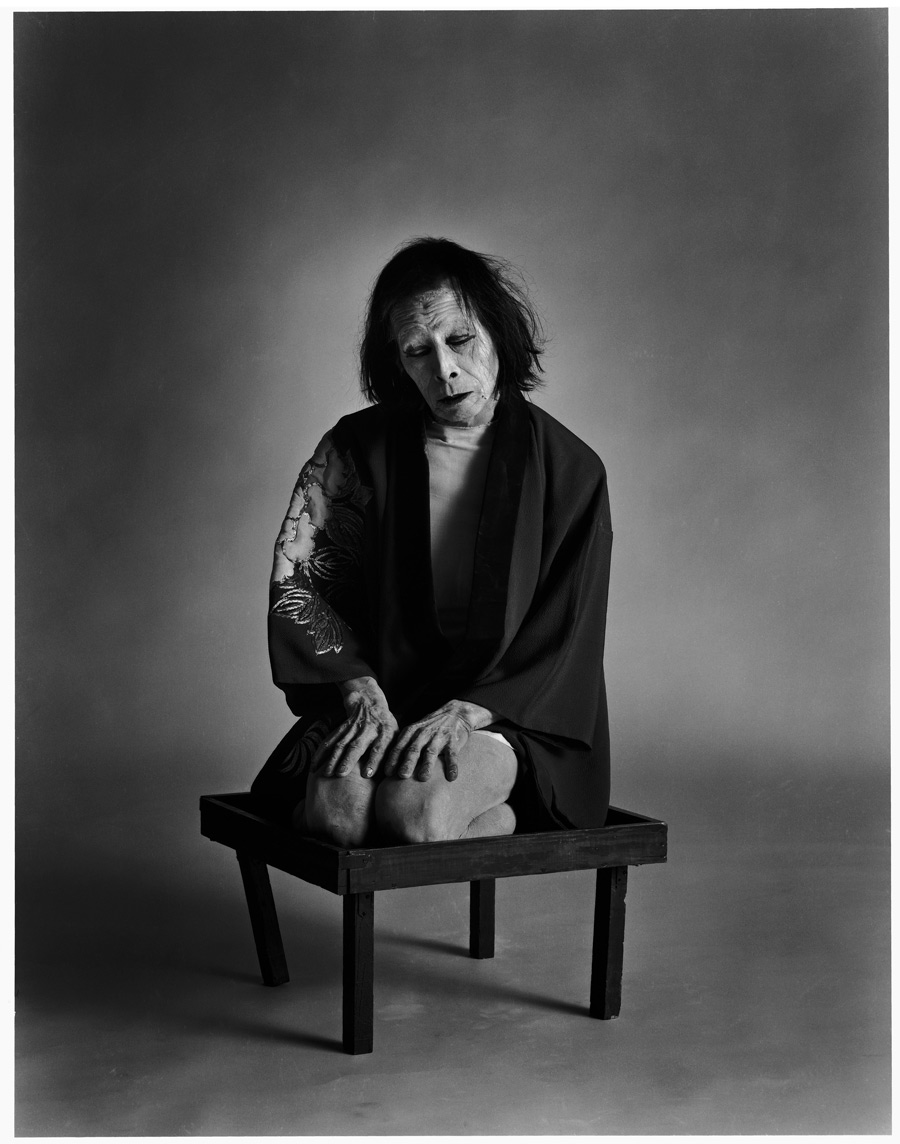
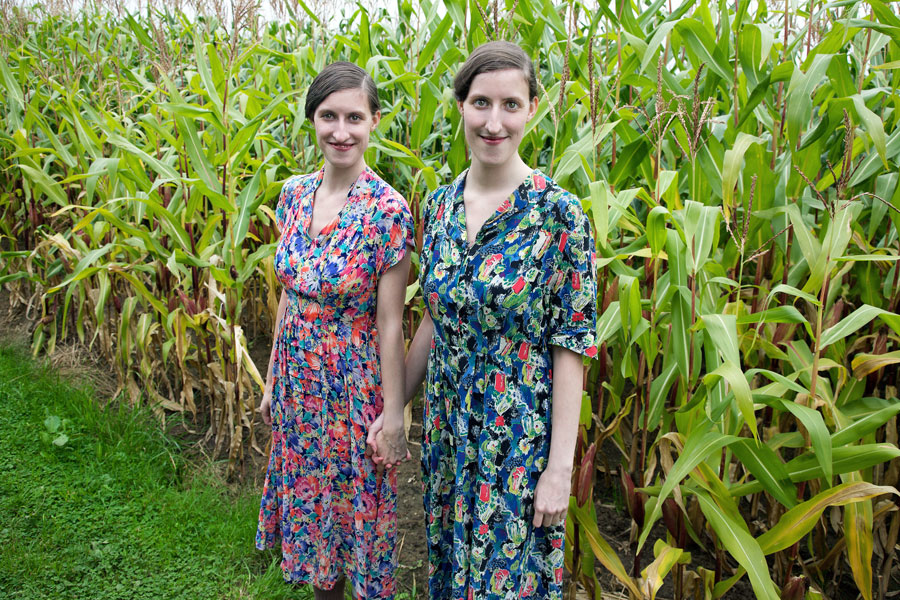
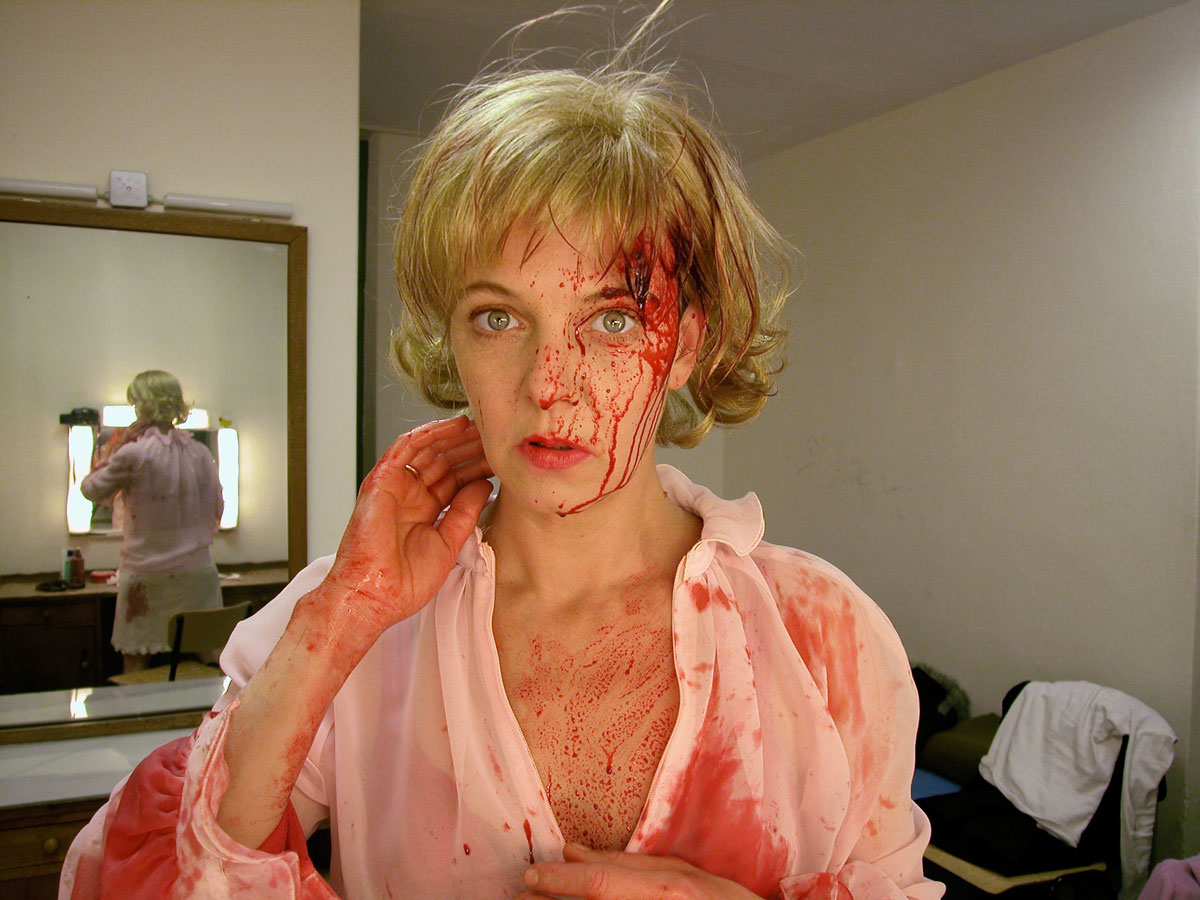
As an actress Margarita Broich is one of the big names, but it may come as a surprise to many that she is also a photographer. For the first time the Martin-Gropius-Bau is showing an exhibition of her work consisting of over 60 portraits of her fellow artists, including Ben Becker, Kate Winslet, Veronika Ferres, Klaus Maria Brandauer, Christoph Schlingensief, Thomas Quasthoff and many more. Margarita Broich has captured those fleeting moments when the actor sheds the role in the intervals or a few minutes after the end of a performance. The role can still be discerned on the features of the players when they are still surrounded by the world of scenery and mirrors but not acting any more. They have been sought out in changing rooms, theatre foyers, or with the make-up artist, taking off their make-up while still surrounded by the tools of their transformation.
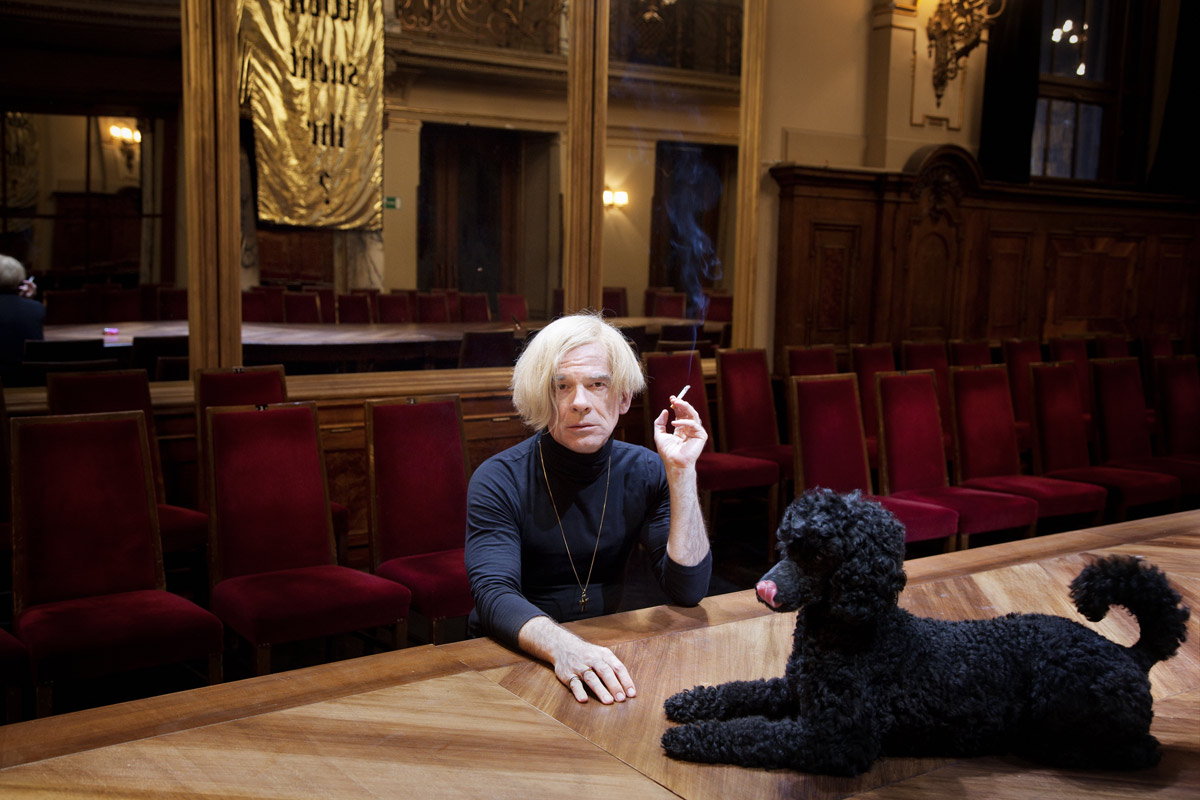
Broich portrays the artists with the instinct of a colleague. Her photographs capture famous artists from her circle of acquaintances at those moments when they are returning from the stage after playing their role. However matter-of-fact the situation of the subject may occasionally appear, each photograph has its own charm. The beholder is granted glimpses of scenes that must be among the most intimate in show business: whether they show Martin Wuttke with a blonde, Andy Warhol mane and his poodle, Taxi, smoking a cigarette after a performance of “Gretchens Faust”, or Klaus Maria Brandauer at the end of a 10-hour Wallenstein epic, sitting on a stool with a bottle of beer, the snapshots are full of tension.
Born in Neuwied in 1960, Margarita Broich initially studied photo design in Dortmund and worked as a theatrical photographer at the Bochum Schauspielhaus (Theatre) under Claus Peymann, before studying dramatic art herself at Berlin’s College of Arts. Since then she has appeared in numerous German-language stage performances and television dramas, working with such directors as Claus Peymann, Robert Wilson and, earlier, with Christoph Schlingensief.
Text from the Martin-Gropius-Bau website [Online] Cited 26/05/2011 no longer available online
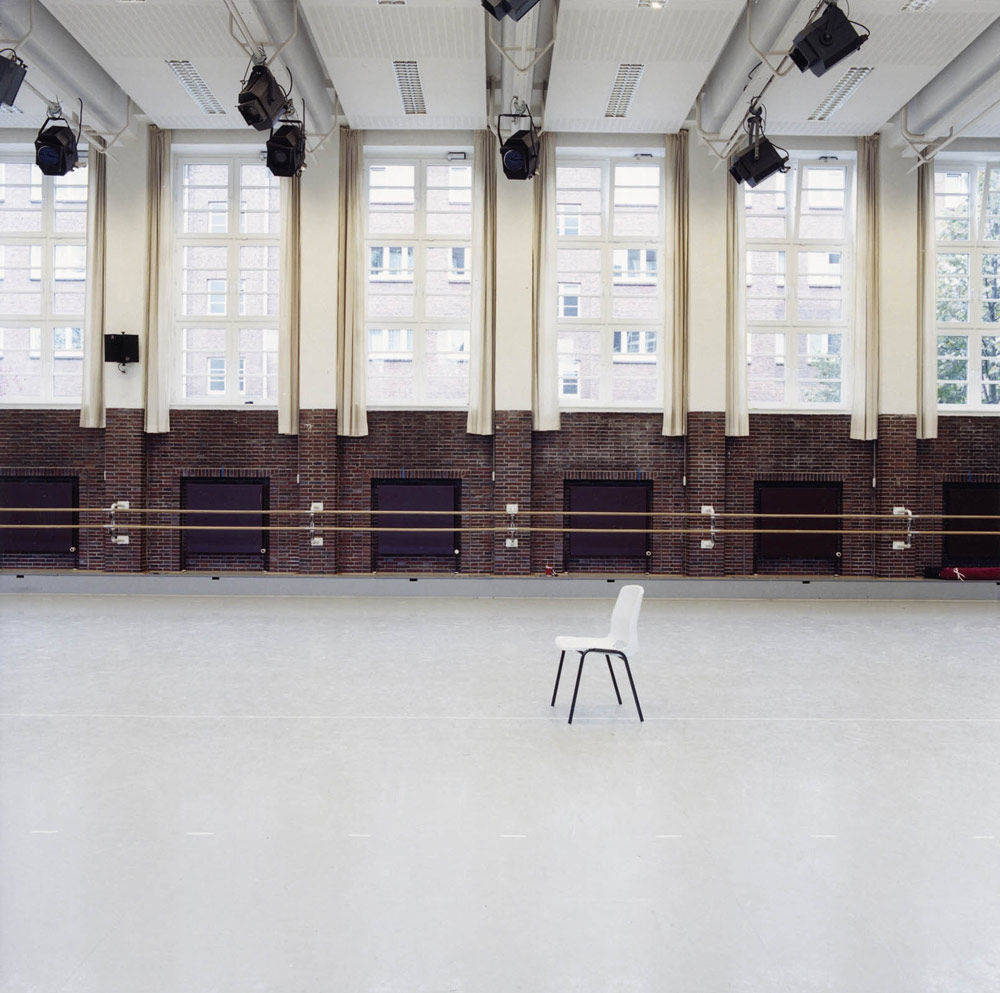
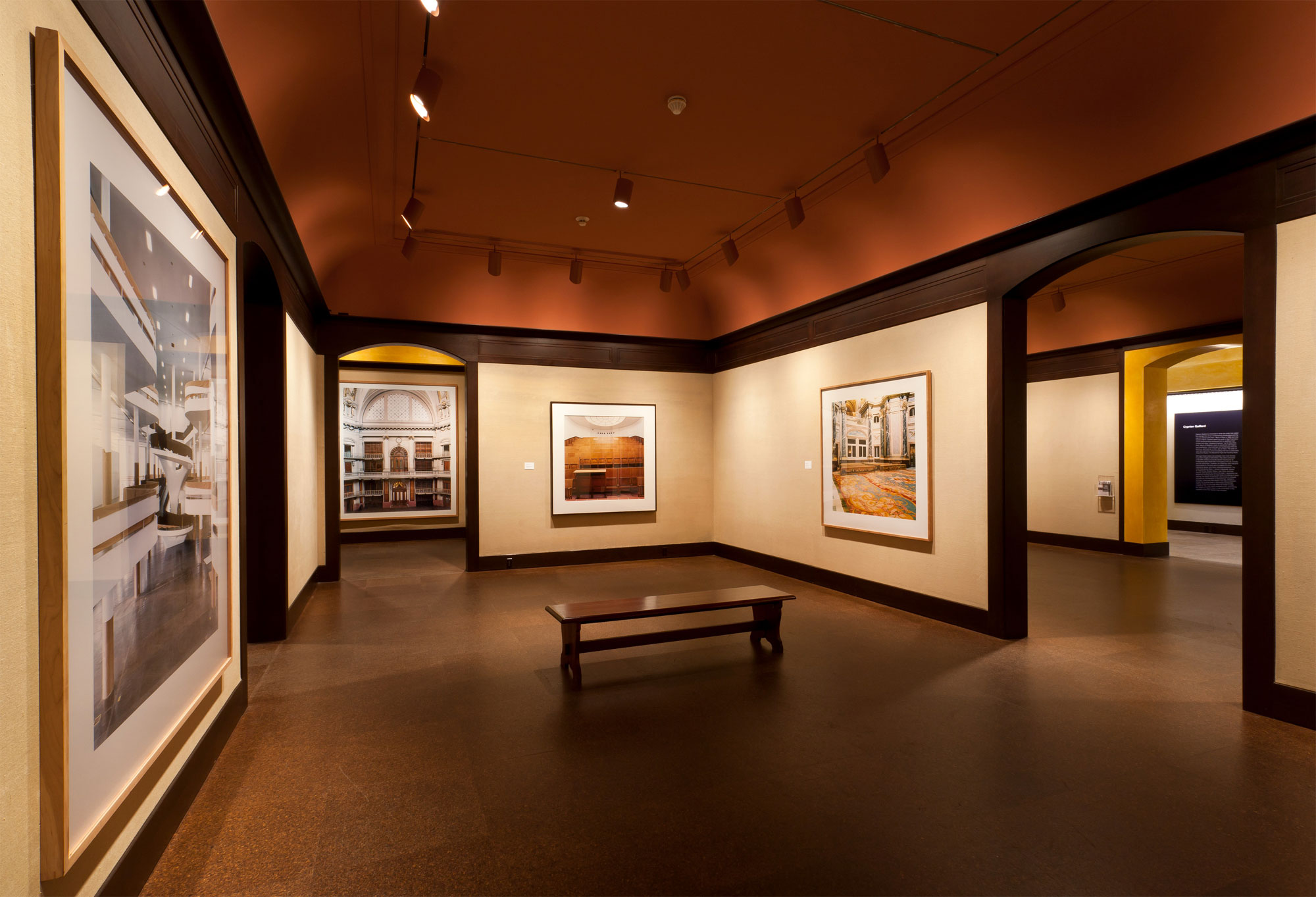
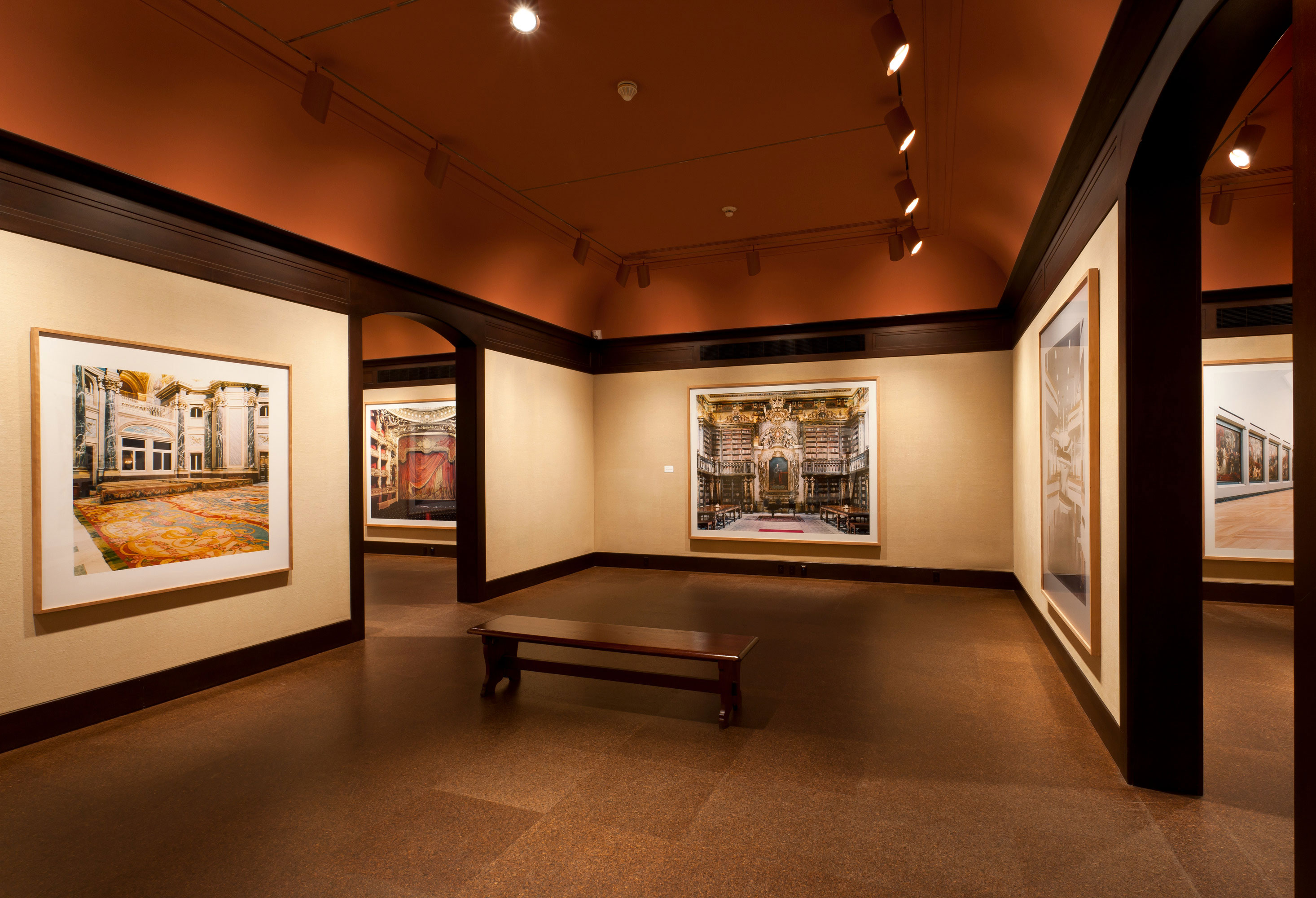
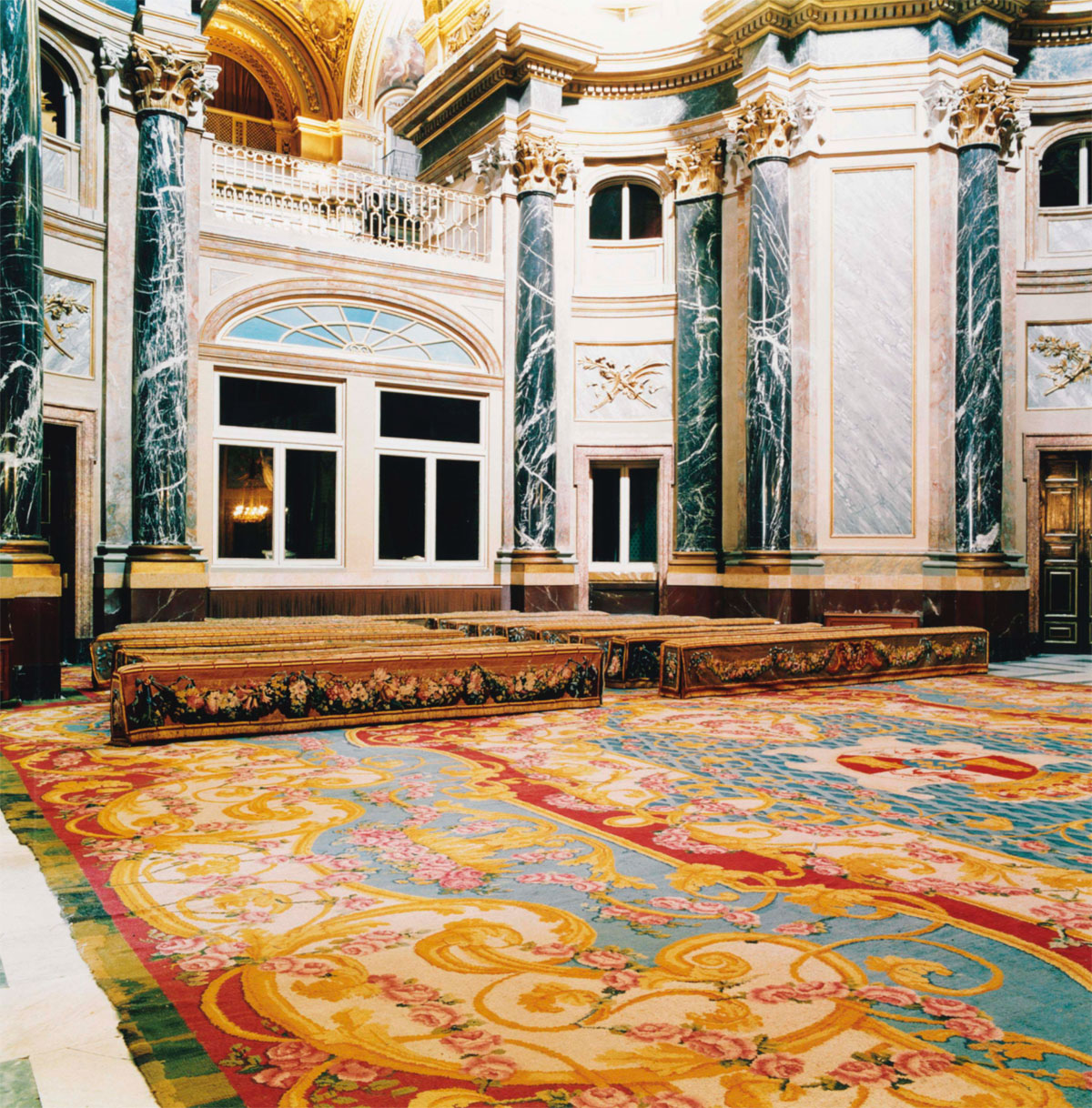
Candida Höfer (German, b. 1944) Ballettzentrum Hamburg III 2000 Chromogenic print Courtesy of Sonnabend Gallery
Inspired curating conjoins the monumental, classicist purity of Höfer with the picturesque, dystopian (dis)quietude of Gaillard in an exhibition that investigates our relationship to buildings and their environments and their relationship to us – the ‘i’ in our histor-i-city.
Dr Marcus Bunyan
Many thankx to the Carnegie Museum of Art for allowing me to publish the photographs in the posting. Please click on the photographs for a larger version of the image.
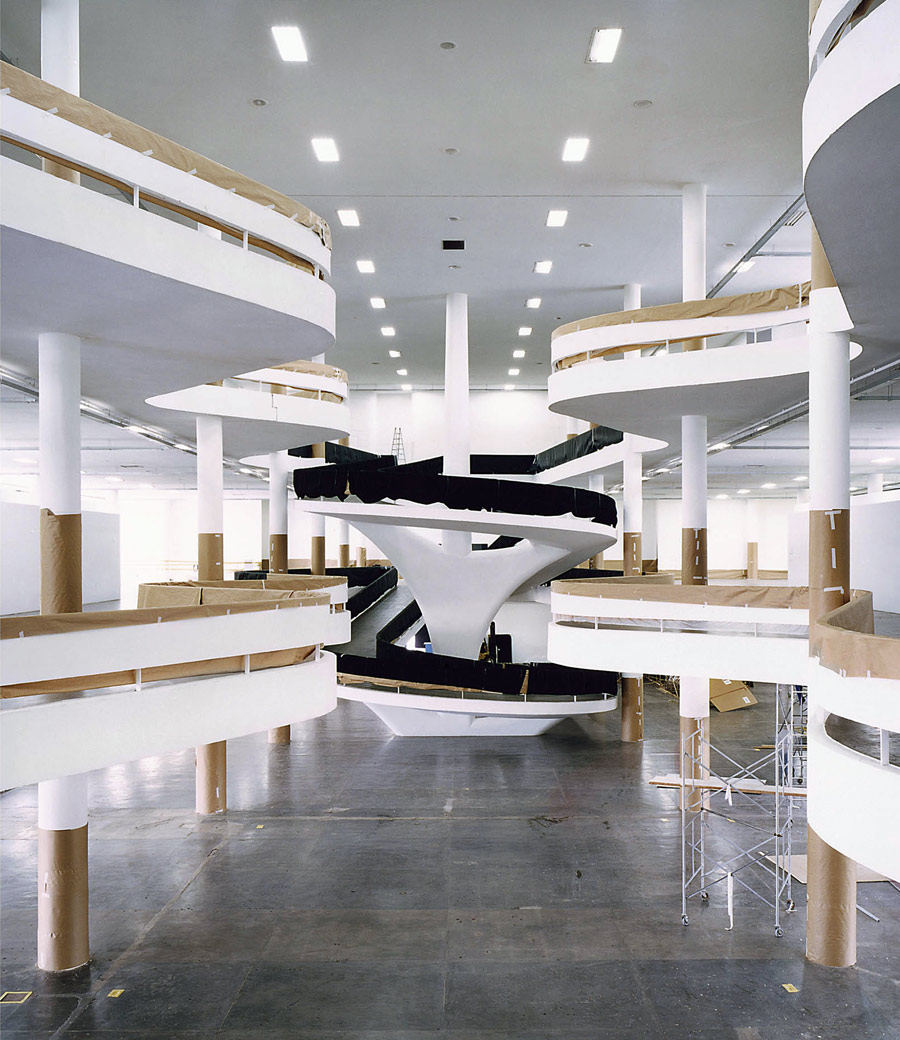
Candida Höfer (German, b. 1944) Fundação Bienal de São Paulo XI 2005 Chromogenic print 81 3/8 x 71 7/8 in. Courtesy of Sonnabend Gallery
Carnegie Museum of Art presents the powerful work of two contemporary artists – Candida Höfer and Cyprien Gaillard – who explore architectural environments and how they influence experiences and perceptions of the world.
“We shape our buildings, and afterwards our buildings shape us.” With that simple but profound insight, Winston Churchill conveyed people’s complex relationship to architecture: The physical form of a building is controlled by its designer, but the impact a constructed environment has can be unpredictable, emotional, and even visceral. That dynamic is evident in the upcoming exhibition You Are Here: Architecture and Experience, which brings together the photographs of German artist Candida Höfer and a video and etchings by French artist Cyprien Gaillard. Both artists express the formative power of architecture in different but complementary ways, according to Tracy Myers, curator of architecture at the Heinz Architectural Center and organiser of the exhibition.
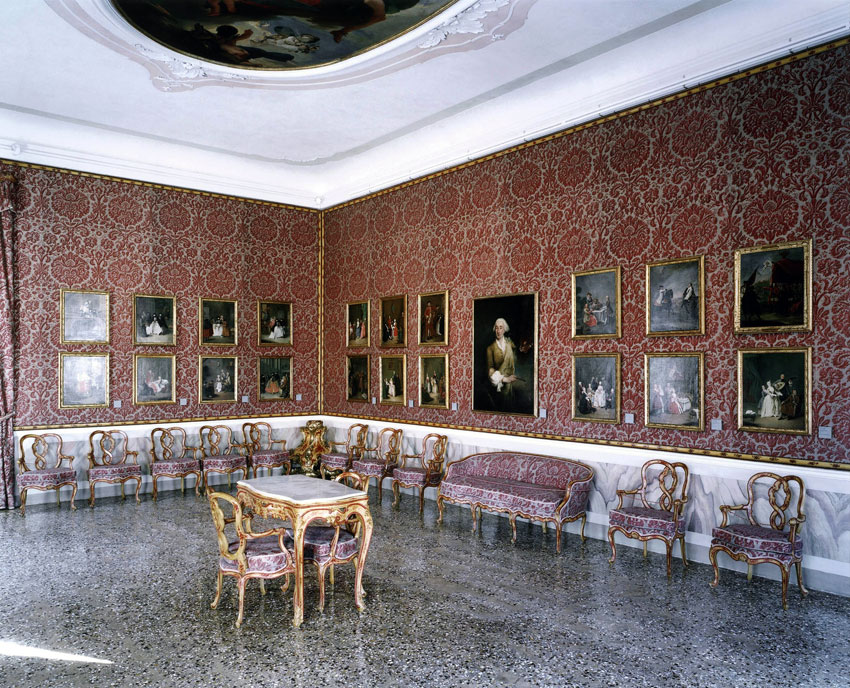
Candida Höfer’s lush colour photographs of ornate historical and contemporary interior spaces are usually devoid of humans, yet they reveal details that draw the viewer into a consideration of what each place means. Höfer’s photographs usually focus on spaces of cultural and social activity. Printed very large (from about 4 x 4 feet to a massive 6 x 8 feet), the 17 photographs in You Are Here represent the range of Höfer’s work in terms of scale, point of view, building type, and geographical location.
By contrast, Cyprien Gaillard’s video Desniansky Raion and his meticulously detailed etchings probe the human legacy of Modernist high-rise housing blocks. Constructed after World War II throughout the United States, Europe, and the Eastern Bloc to provide decent housing, these buildings often became warehouses for the poor and incubators of crime and antisocial behaviours.
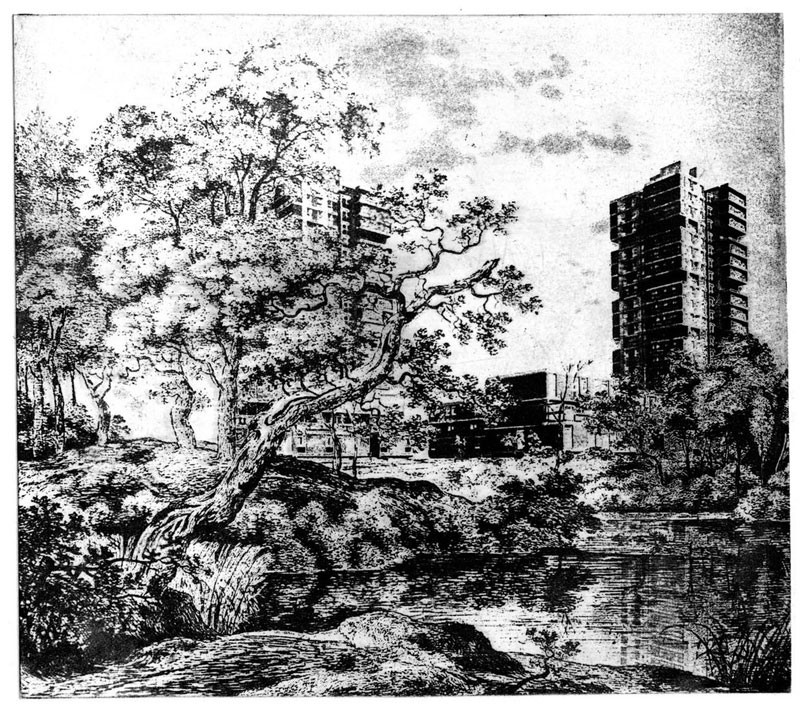
Named for an administrative district in Kiev, Desniansky Raion poignantly reflects on the gap between the utopian Modernist aspiration for universal housing and the banal reality that instead prevailed. It comprises three parts. In the first section, weekend fight clubs of 50 or 100 people face off against each other in a pugilistic ritual set against the backdrop of housing towers in St. Petersburg, Russia. The second part shows the implosion of a similar tower in Meaux, a small city near Paris; the demolition of the building was treated by the city government as a literal spectacle, with a light show and fireworks preceding the destruction. The final third is a very long panning aerial shot of seemingly endless ranks of virtually identical housing blocks in Kiev, Ukraine. The video is accompanied by a soundtrack composed by Koudlam, a young musician born in the Ivory Coast. Also featured are six etchings by Gaillard, collectively titled Belief in the Age of Disbelief, in which the Modernist housing tower is placed in classic picturesque landscapes.
“Gaillard’s video packs a powerful and direct emotional punch: each time I view it, I experience physically the anticipation that ebbs and flows through the course of the work,” said Myers. “By contrast, Höfer’s photographs embody a kind of quietude that encourages slow, sustained exploration of the meaning that builds through accumulation of detail. But both works are equally affecting and bring the viewer with compelling intensity into the realm of architectural experience. Höfer and Gaillard capture the constant oscillation between what we make of our buildings, and what they make of us.”
Artists’ Biographies
Candida Höfer has been creating photographs for more than 30 years. Born in Eberswalde, Germany, in 1944, she studied with Berndt Becher and is identified with a group of German artists – Thomas Ruff, Andreas Gursky, Axel Hütte, and Thomas Struth – best known for their unsentimental photographs of architecture, landscapes, and urban developments. Höfer has made interiors her focus.
Cyprien Gaillard, born in Paris in 1980 and currently based in Berlin, explores contemporary landscapes and buildings in a variety of media, including video, painting, and etchings. Much of his work is concerned with the legacy and inheritance of buildings and landscapes that are left to us, and the ways in which we interact with them.
Press release from the Carnegie Museum of Art website
Cyprien Gaillard – Desniansky Raion, Part 1, 2008
The video takes place in a parking lot of a drab housing complex in St. Petersburg, Russia, where he witness two large groups of men – one mostly wearing red shirts and the other blue – slowly walking towards each other. Set by Gaillard to the hypnotic electronic beats of French composer Koudlam’s I See you All, the video shows the colour-coordinated groups marching in loose formation, reminiscent of ancient armies confronting each other on some distant battlefield. Suddenly, signal flares billowing smoke arc through the air and the two groups come together, clashing in flurry of fists – a breathtaking display of raw physical violence set against the stark backdrop of the housing block. As the sounds of Koudlam’s pulsing music draw louder and more urgent, the furious hand-to-hand combat intensifies while bodies of the fallen lay strewn on the pavement. Before long, the blue faction beats a hasty retreat, only to regroup moments later on one side of a nearby pedestrian bridge. The two sides come together again, this time clashing on the impossibly narrow span of the footbridge. The blue group is once more chased off, and the victors in red erupt in victorious celebration.
Consumed by the passion of unrequited love, a young woman lies suspended in the dark space of her unrealised dreams in Henry Peach Robinson’s illustration of the Shakespearean verse “She never told her love,/ But let concealment, like a worm i’ the bud,/ Feed on her damask cheek” (Twelfth Night II,iv,111-13). Although this picture was exhibited by Robinson as a discrete work, it also served as a study for the central figure in his most famous photograph, Fading Away, of 1858.
Purportedly showing a young consumptive surrounded by family in her final moments, Fading Away was hotly debated for years. On the one hand, Robinson was criticised for the presumed indelicacy of having invaded the death chamber at the most private of moments. On the other, those who recognised the scene as having been staged and who understood that Robinson had created the picture through combination printing (a technique that utilised several negatives to create a single printed image) accused him of dishonestly using a medium whose chief virtue was its truthfulness.
While addressing the moral and literary themes that Robinson believed crucial if photography were to aspire to high art, this picture makes only restrained use of the cloying sentimentality and showy technical artifice that often characterise this artist’s major exhibition pictures. Perhaps intended to facilitate the process of combination printing, the unnaturally black background serves also to envelop the figure in palpable melancholia.
Text from the Metropolitan Museum of Art website [Online] Cited 27/01/2020
The historian and art critic, John Ruskin, had a great influence in Great Britain not only on the Pre-Raphaelite movement created in 1848, but on the development of early photography in the 1850s. The leading Pre-Raphaelite painters, John Everett Millais, Dante Gabriel Rossetti, Holman Hunt and Ford Madox Brown and their followers, wished to change the pictorial conventions laid down by the Royal Academy, and in order to demonstrate the transformations in modern life, invented a radically new idiom marked by bright colours and clarity of detail.
Pre-Raphaelite painters and photographers frequently made similar choices of subjects, and the photographers, particularly Julia Margaret Cameron, David Wilkie Wynfield and Lewis Carroll, were often had close links with the painters.
When painting landscapes, the Pre-Raphaelite artists answered Ruskin’s call, meticulously observing nature in order to capture every nuance of detail. For their part, photographers, such as Roger Fenton, Henry White, William J. Stillman and Colonel Henry Stuart Wortley, experimented with the new process of wet plate collodion negatives that allowed much greater image detail, and achieved similar effects. Although highly impressed at first by the daguerreotype, which enabled the eye to see tiny, overlooked details, Ruskin was nonetheless still very critical of landscape photography, which could not reproduce the colours of nature and in particular of the sky. This failing also gave rise to a major debate amongst photography critics.
In portraiture, there were clear links between the painted portraits of Watts and Cameron’s photographic portraits. By using special lenses and photographing her models in close-up, Cameron, achieved, with a glass negative, exactly the opposite effect to the clear image advocated by Ruskin, and her work was distinctive for the breadth of relief and contour, as well as the compositions evoking Raphael’s paintings, also a source of inspiration for Watts.
The painter Dante Gabriel Rossetti repeatedly drew and painted Jane Morris, a model with whom he was infatuated, and he asked Robert Parsons to produce a series of photographs, under his personal direction, which captured the fascinating presence of the young woman as effectively as his own paintings.
Just like the Pre-Raphaelite painters, Victorian photographers would turn to religious or historical subjects, finding a shared inspiration in the poems of Dante, Shakespeare and possibly Byron, and above all in the Arthurian legend made popular once more by Lord Tennyson, the poet laureate. From a formal point of view, Millais’ Ophelia, one of his most successful paintings, was a source for Henry Peach Robinson’s photograph, The Lady of Shalott, even though it had a different theme.
Finally, Pre-Raphaelite painters and Victorian photographers both liked to present scenes from modern life with a moralising undertone: hence She Never Told Her Love, a photograph by Robinson that was very successful when exhibited at the Crystal Palace in 1858, William Holman Hunt’s painting, Awakening of Conscience, and Rossetti’s Found, a painting depicting a countryman who comes across his former sweetheart, now a prostitute in the city.
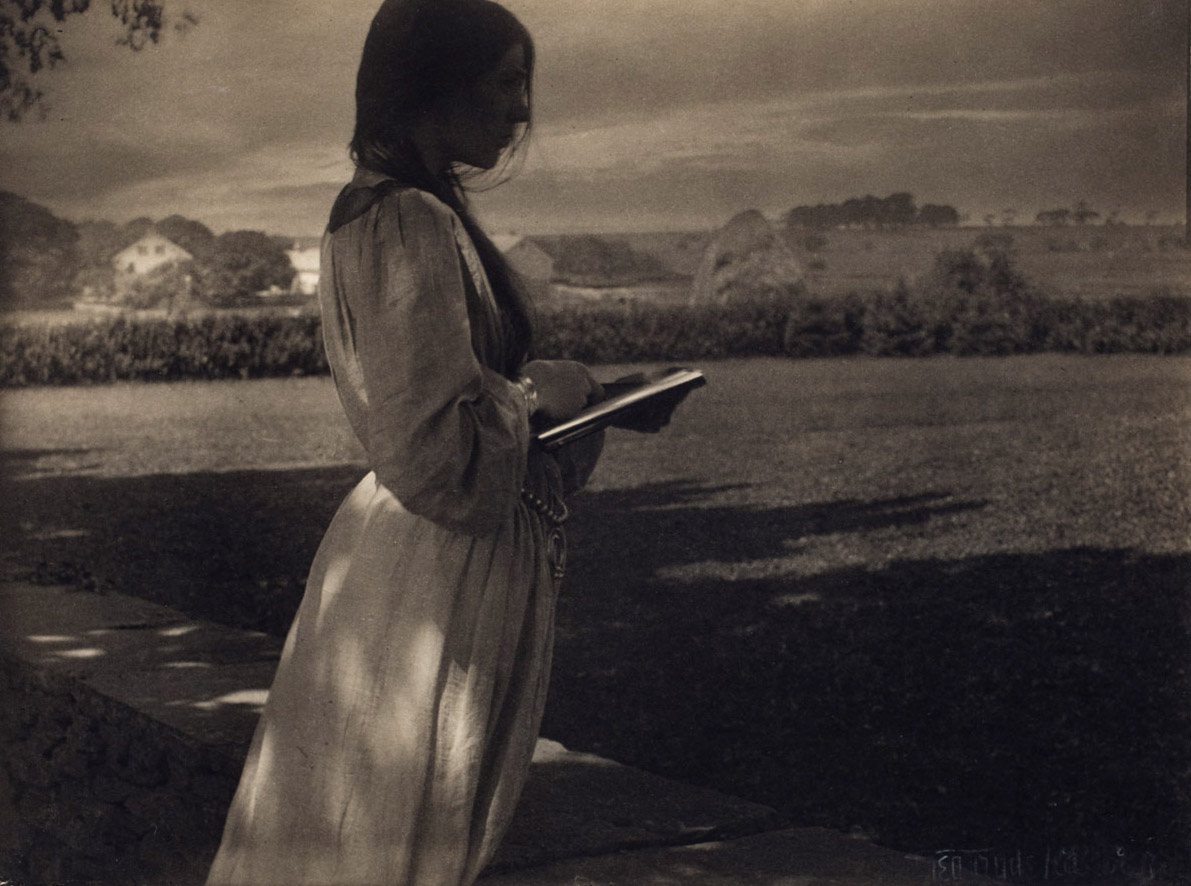
In the 1880s, Pre-Raphaelite painting would be transformed, with artists and writers like William Morris, Burne-Jones, Whistler and Oscar Wilde, into a very different movement concerned only with the cult of beauty and rejecting Ruskin’s concept of art as something moral or useful. British photographers, however, inspired by the Pre-Raphaelites would inspire the Pictorialist movement that flourished in the 1890s, encouraged by the writings of Henry Peach Robinson and Peter Henry Emerson, extolling artistic photography.
Monika Tichacek (Australian, b. 1975 Switzerland) To all my relations 2011 Diptych Gouache, pencil and watercolour on paper 244 x 300cm overall
This is a stupendous exhibition by Monika Tichacek, at Karen Woodbury Gallery. One of the highlights of the year, this is a definite must see!
The work is glorious in it’s detail, a sensual and visual delight (make sure you click on the photographs to see the close up of the work!). The riotous, bacchanalian density of the work is balanced by a lyrical intimacy, the work exploring the life cycle and our relationship to the world in gouache, pencil & watercolour. Tichacek’s vibrant pink birds, small bugs, flowers and leaves have absolutely delicious colours. The layered and overlaid compositions show complete control by the artist: mottled, blotted, bark-like wings of butterflies meld into trees in a delicate metamorphosis; insects are blurred becoming one with the structure of flowers in a controlled effusion of life. The title of the exhibition, To all my relations,
“has inspired an understanding that all animist cultures’ peoples have who live in close relationship to the earth. We are all related, we all exist in an interdependent system. The ecosystem is such an unbelievably complex, harmonious system. Every drop of rain, every insect, every micro-organism has its place for the perfect functioning and health of nature… The title is an acknowledgement and honouring of all that is live-giving, every little element that makes up the big picture of life on earth.”1
It was very difficult to pull myself away from the beauty and intimate polyphony of voices contained within the work. I loved it!
Dr Marcus Bunyan
1/ O’Sullivan, Jane. “Artist Interview: Monika Tichacek,” on Australian Art Collector website, 19th May 2011 [Online] Cited 21/05/2010 no longer available online
Many thankx to Karen Woodbury Gallery for allowing me to publish the photographs and Art Guide Australia for allowing me to publish the text in the posting. The text by Dylan Rainforth was commissioned by Art Guide Australia and appears in the May/June 11 issue of Art Guide Australia magazine. Please click on the photographs for a larger version of the image.
Monika Tichacek (Australian, b. 1975 Switzerland) To all my relations (detail) 2011 Diptych Gouache, pencil and watercolour on paper 244 x 300cm overall
Monika Tichacek (Australian, b. 1975 Switzerland) To all my relations (detail) 2011 Diptych Gouache, pencil and watercolour on paper 244 x 300cm overall
The Cycle of Nature – Monika Tichacek’s To All My Relations
Dylan Rainforth
Anyone used to the immaculately controlled, exactingly lit photographic and video mise en scène that Swiss-born artist Monika Tichacek presented in such series as The Shadowers, for which she won the prestigious Anne Landa Award for Video and New Media Arts in 2007, may be surprised by the direction her work has taken in her latest exhibition. To All My Relations consists entirely of works on paper – watercolour and ink drawings that evince a tension between abstract, gestural shapes and bleeds of colour, recalling (just for convenience’s sake) Kandinsky, and intricately rendered natural forms that owe more to the scientific, zoological and botanical narratives of the Endeavour voyages of Captain Cook, Joseph Banks and the artist Sydney Parkinson.
The work has come out of an intensive period over the last few years in which Tichacek spent considerable time in the jungles of South America and the deserts of the United States, as well as time spent in the New South Wales bush and studying nature books. “I’m getting more and more interested in the cellular, microscopic imagery that you get when you enlarge something and peer deeper into the structure of how material elements are composed, and that really coincides with my interest in Eastern philosophies of Buddhism and many other things too. I guess I’m looking as deeply into the nature of something as is possible but I’m trying not to do it so much with my mind – but of course that’s very challenging,” she says, laughing lightly.
“The exploration of feeling is quite important to me – it’s quite a departure from what I used to do, which were certainly works that came from a very inner landscape but then the execution would be very conceptual, obviously – it had to be and this new work is much more intimate.”
That challenge to the rational, objective Western subject is informed by Tichacek’s exposure to indigenous traditions in South America and other places.
“In 2006 I had a research grant and I went to the Amazon because I wanted to look more deeply into animist cultures, meaning cultures that really see the land as living and as alive with energy and with spirit or ‘beingness’. So I went to the Amazon and spent quite a long time there and also in the mountains in Peru and saw a little bit of Central America and also North America in the desert. I spent time there and really learnt a lot about their indigenous ways and got to participate in a lot of things and experience a lot of things. In the Amazon shamanic tradition there is a process – they call it dieting – you spend a few months more or less alone, existing on very limited foods. You get very little, limited food and very little contact and they give you different traditional plants that, through the communion they do, they are ‘told’ to give you. And you are encouraged to connect with this plant for its healing properties to come through. So that was quite an amazing time to get quite still…”
The exhibition title comes from a Native American ceremony. According to Tichacek, “It’s always said when entering the sweat lodge and it’s an acknowledgement of being related to everything in nature, every being, the understanding that without all these other relations one wouldn’t exist. In those cultures it’s much more understood – we’ve lost that understanding because we can just buy things in the supermarket and eat them but if we lived that way we would probably remember a lot more that we are closely related to everything around us.”
From this perspective we can see that this new work is not a complete departure from Tichacek’s earlier work after all, yet its intentions are radically different. Both the natural world and shamanistic knowledge played their part in The Shadowers. Professor Anne Marsh has described Tichacek’s video, played out in a violent scene occurring between three women (one of whom Marsh characterises as a witch doctor or shaman) in a forest environment, as “stretch[ing] the boundaries between body art, ritual and sado-masochism by assaulting the senses and transgressing the social realm. In psychoanalytic terms it tears at the screen of the real and immerses the viewer into the abject world of instinctual response where language has no authority.” [i]
Pain, sado-masochism, ritual and endurance certainly have their place in shamanistic traditions – one need only think of any number of initiation rites – but now Tichacek is looking for a less conflicted relationship with nature. “The work has always been very personal and I guess in The Shadowers that nature relationship was starting to come in but it was very tense and very violent and very confused. The continuation of that theme is still there – the exploration of how to understand the experience of the self and what we are doing here and how we come to exist. That’s definitely been there before but this new work is more in the realm of psychology and the previous works are more in the realm of the female body.”
To All My Relations will present several drawings, with one in particular being conceived on a massive scale that Tichacek intends to convey the sense of awe we experience when surrounded by nature. The artist will also stage a performance – something her interdisciplinary practice has always embraced – at the opening. Although she had not completely determined the details when I spoke to her the performance was inspired by a drawing she made a few years ago and will symbolically connect the artist’s body to the roots of a tree.
“I always feel like [performance serves] to bring my body into it. Although I feel like my body’s very much in these drawings there’s something about performance that’s really physically present.”
Dylan Rainforth.
Monika Tichacek (Australian, b. 1975 Switzerland) To all my relations (detail) 2011 Diptych Gouache, pencil and watercolour on paper 244 x 300cm overall
Monika Tichacek (Australian, b. 1975 Switzerland) Birth of generosity 2011 Diptych Pencil and watercolour on paper 70 x 114cm overall
Monika Tichacek (Australian, b. 1975 Switzerland) Transmission 2011 Pencil and watercolour on paper 150 x 125cm
Adrian Mauriks (Australian, 1942-2020) Strange fruit 2010 Epoxy resin, steel, paint
“[Massumi] posits ‘a physiology of perception’ in which he analyses sensory forms of knowledge as being driven by affect. Massumi understands affect as a moment of confrontation in which there are many possibilities, a moment embedded with potential responses, reactions and directions which is characterised by a sense of openness … narratives produced through affect are the result of the tensions and interplays between form and content or space and objects and the viewer.”
Kate Gregory and Andrea Witcomb1
Meandering around the trails of the McClelland Sculpture Park is a wonderful experience; the meandering provides the suspense and excitement of a treasure hunt. Unfortunately, viewing most of the sculptures of the McCelland Sculpture Survey Award 2010 that are the prize of such a treasure hunt left me a little disappointed. I had little feeling for most of the sculptures dotted around the landscape. As conceptual ideas I understood their rationale but most left me cold and emotionally unengaged – they had little affect upon me.
Embodied forms of knowledge production apprehended by the senses, such as affect, produce new forms of understanding. Emotional responses open up possibilities for interpretation. In this sense, affect is important for the maintenance and production of memory as well as social and cultural understanding. For the historian Dipesh Chakrabarty, it is the subjective, felt response that is the most relevant for contemporary forms of political, social and cultural engagement – how emotional responses open up possibilities for interpretation.2
“Narratives produced through affect are the result of the tensions and interplays between form and content or space and objects and the viewer.” I felt little of that tension and interplay when viewing most of these works.
While understanding that, for an award of this nature, the work has to be self-contained, has to sit in a particular environment that the artist has only a general idea of (not a particular position) when proposing the work – on the evidence of this survey it would seem that contemporary Australian sculpture tends towards one shot statements that lack nuance and layering in composition and meaning. An understanding of how the work inhabits space and the aura that the work projects is notably absent from most of the works. Most are exercises in design rather than aesthetically pleasing artworks, the design aspect of making art works for these competitions having taken over from making work that has an emotional connection to the viewer and relevance to the world in which we live. As evidence see the photographs below and note how many are seemingly masculine, square / oblong / totemic / monolithic structures, compositions that assume the viewer cannot decipher sensual, layered narratives that are revealed over time, through space. There is little music and pleasure to be had here!
Notable exceptions include the primordial, reflective eggs of Matthew Harding (Primordial, 2010, below); the wonderfully tactile, sensual, stitched bronze dogs of Caroline Rothwell (Tygers I, II, III, 2010, below); and the incongruously placed, limpid, distorted, rusting Holden HQ Kingswood Station Wagon by Jason Waterhouse (Glory Days, 2010, below) covered in pine needles that delighted, surprised and made me feel something (about the work, myself and the world we inhabit). This was my winner, hands down. The most unedifying experience of the afternoon was walking under the black table of the winner, Louise Paramor’s Top shelf (2010). While the “brilliant assemblage” looks acceptable from a distance, “the oversized table acts as an altar upon which the saccharine paraphernalia of a modern, disposable age sit as objects that have been elevated for aesthetic contemplation,”3 the underside through which the viewer walks was the most emotionally dead space I have had to endure when viewing contemporary art over the past few years.
Gregory and Witcomb observe, “sculpture gives shape to emptiness, to space, as much as to material form.” The space to produce new forms of understanding that offer the viewer fresh perspectives, that allow the viewer to have a openness and receptiveness to the sensuality of the work and it’s placement in and relationship to, the world. The space to breathe, to touch, to explore, to be excited, to create and bring forth memory, to bear witness to the engagement with our senses. We are the product of numerous interactions with our environment; this survey, rather than leaving me feeling uplifted and informed through these interactions, left me feeling rather dead and deflated.
In this sense I loved the landscape but I didn’t feel most of the art.
Dr Marcus Bunyan
1/ Gregory, K. and Witcomb, A. “Beyond Nostalgia: the Role of Affect in Generating Historical Understanding at Heritage Sites,” in, Knell, S.J., Macleod, S. and Watson, S. (eds.,). Museum Revolutions: How Museums Change and are Changed. New York: Routledge, 2007, pp. 264-265
2/ Ibid., p. 263
3/ Lindsay, Robert. Art and Nature/Nature and Art. [Online] Cited 15/05/2011. No longer available online
Many thankx to the Fotomuseum Winterthur, Zurich for allowing me to publish the photographs in the posting. Please click on the photographs for a larger version of the image.
Alan Constable (Australian, b. 1956) Konica Pop 2009 Ceramic 21 x 32 x 10cm
“For me, art is what is most animal in us … It is the most noble thing because it’s a celebration precisely of the forces of the body and the forces of life.”
Elizabeth Grosz
This Saturday, after a journey around the galleries of Albert Street, Richmond (underwhelming) and a visit to Sutton Gallery to see Simon Terrill’s photographic exhibition Phantom (an exhibition that I was going to review but when I saw it I changed my mind: two excellent photographs, Balfron Tower 2010-2011 and Rivoli #2 2010-2011, let down by three “empty” long exposure photographs allegedly showing traces of humanity, residues of presence) had left me a little deflated, I ventured to the opening of Alan Constable’s twenty-year retrospective Viewfinder curated by Dr Cheryl Daye at Arts Project Australia.
What a breath of fresh air this exhibition is!
The exhibition shows beautifully in the gallery space. Hung chronologically, the more tightly controlled early series feature luminous pastels that investigate themes: landscapes, birds (rarely figures) – the rubbed and layered medium building up an almost translucent surface that reminded me of the pastel work of Odilon Redon. Later work, such as the two paintings Not titled (person with binoculars) 2009 and Not titled (figure with camera) 2006 (both below) show a greater engagement with the world and a freeing up of technique – running figures, Barak Obama, Dr. Who, suited men with headdresses, football players: happenings – with exaggerated form (hands for example), wonderful spontaneity and an essential simplicity that engages the viewer directly. All the paintings evidence a spatial flatness that brings everything onto the same plane, gives everything equal importance within the image (denying Renaissance perspective; as Cliff Burtt notes in the catalogue the converging lines and horizons act as elements of design, forming the scaffolding of composition). This technique is one of the most powerful elements of Constable’s work. A wonderful understanding of light and use of colour are other essential elements. The transformational, rough hewn, playful clay cameras (such as Konica Pop, 2009, below) are a particular favourite of mine. The glazes on the cameras, their tactility, the colours – are luscious. To hold them, to pick them up and feel them in your hands is a very special experience for me. Outstanding.
Constable has a unique way of seeing and imaging the world; his working method is unique. After carefully selecting source images from journals, magazines (for example National Geographic) and newspapers, Constable visually scans the photograph from a few inches, holding it up to his eyes and carefully manoeuvring his way across the surface of the image, then making what he sees – a direct pointing to reality. Without a concept to worry about, through an enabled fluidity and freedom of expression, the artist cuts to the essential form of what he wants to make and because of this directness his work contains absolute kernels of wisdom. His observation is fantastic.
These are exuberant works that are a celebration of the body and of life. They have great spontaneity. What Constable sees, he feels and makes: the mark of the maker writ bold. They made me feel so alive. After the disappointment of earlier exhibitions in the day, this work made me laugh and smile!
You really can’t ask for more. It made my day.
Dr Marcus Bunyan
Many thankx to Sue Roff, Melissa Petty, Sim Lutin and everyone at Arts Project Australia for their help and for allowing me to publish the photographs in the posting. Please click on the photographs for a larger version of the image.
Alan Constable (Australian, b. 1956) Untitled (three-lens camera) 2011 Ceramic
Alan Constable (Australian, b. 1956) Not titled (person with binoculars) 2009 acrylic on canvas 71 x 71.5cm
Alan Constable (Australian, b. 1956) Not titled (figure with camera) 2006 gouache on paper 65.5 x 45cm
Alan Constable is both a painter and a ceramicist. Alan Constable: Viewfinder is a major survey exhibition that will include paintings, drawings and ceramics, opening Saturday 30 April until Wednesday 1 June 2011.
Showcasing more than 60 works selected from over a 20 year period, Viewfinder offers new and rich insights into the unique art of Alan Constable. Legally blind, Constable has been able to create a body of work that is highly regarded. He is been a finalist in numerous Australian Art Awards and his ceramic cameras are highly collectable.
‘Often when a painter is faced with a scene, there’s simply so much that’s appealing it’s hard to choose what to focus on’, says Dr Cheryl Daye, founding director, Arts Project Australia. ‘This is where a viewfinder comes in useful; as it helps you focus on particular parts of the scene, enabling you to decide what will make the best composition, both in terms of focus and format’. Daye has worked closely with Constable from the time he joined the Arts Project studio in 1987.
Viewfinder the title of his survey suggests the artist’s process and methodology as well as the composition and subject matter of his work.
In Constable’s two-dimensional works this can be traced from very early self-portraits (1992), through to carefully observed depictions of birds and animals to the series based on silhouettes framed in industrial or stormy landscapes, a fascination with light and energy and, more recently with colourful interpretations of political and cultural figures, all of which are sourced from photographic images carefully and sometimes painstakingly selected by the artist.
Based on imagery from newspapers and magazines, Constables recent paintings are notable for their vibrant kaleidoscopic effects and strong sense colour and patterning. Though Constable’s works are often centred on political events and global figures, his thematic concerns are frequently subjugated by the pure visual experience of colour and form.
His three-dimensional works, most notably the cameras, also sit well within this theme and given the fact that Constable is legally blind is also obliquely referenced. Constable’s ceramic works reflect a life-long fascination with old cameras, which began with his making replicas from cardboard cereal boxes at the age of eight. The sculptures are lyrical interpretations of technical instruments, and the artist’s finger marks can be seen clearly on the clay surface like traces of humanity. In this way, Constable’s cameras can be viewed as extensions of the body, as much as sculptural representations of an object.
Arts Project Australia supports people with disabilities to become practitioners in the visual arts. The studio and gallery nurtures and promotes artists with an intellectual disability as they develop their body of work.
Press release from Arts Project Australia
Arts Project Australia Artist Profile: David Hurlston on Alan Constable
Alan Constable’s ceramic cameras have seen international acclaim for their tactile, poetic resonances. In this video David Hurlston, Senior Curator of Australian Art at the National Gallery of Victoria, talks through Constable’s process, Constable’s highly idiosyncratic practice and why he believes Constable is one of the most important contemporary artists working today.
Alan Constable (Australian, b. 1956) Red NEK SLR 2011 Ceramic 5.5 x 12.25 x 4.75 inches
Alan Constable (Australian, b. 1956) Orange AKI SLR 2011 Ceramic 6 x 10 x 4 inches
Alan Constable (Australian, b. 1956) Not titled (explosion II) 1996 pastel on paper 50 x 66cm
Alan Constable (Australian, b. 1956) Not titled (fruit) 1993 pastel on paper 66 x 50cm Arts Project Australia Permanent Collection
Arts Project Australia
Studio 24 High Street Northcote Victoria 3070 Phone: + 61 3 9482 4484
Gallery Level 1 Perry Street building Collingwood Yards Enter via 35 Johnson Street or 30 Perry Street, Collingwood Phone: +61 477 211 699
Hot on the heels of my reviews of Stormy Weather: Contemporary Landscape Photography at NGV Australia and Sidney Nolan: Drought Photographs at Australian Galleries, Melbourne comes the exhibition Photography & place: Australian landscape photography, 1970s until now at the Art Gallery of New South Wales. An insightful, eloquent text by Vigen Galstyan (Assistant curator, photographs, AGNSW) accompanies the posting.
Dr Marcus Bunyan
Many thankx to Susanne Briggs for her help and to the Art Gallery of New South Wales for allowing me to publish the photographs and the text in the posting. Please click on the photographs for a larger version of the image.
Australian born and American based photographer Douglas Holleley has experimented with many aberrant photographic techniques over the course of his career. Holleley received a Bachelor of Arts in Psychology in 1971 at Macquarie University before relocating to America to undertake a Master of Fine Arts, studying at the Visual Studies Workshop in Rochester, New York between 1974 and 1976. Founded by Nathan Lyons in 1969 and affiliated with important photographers including Minor White and Frederick Sommers, the Visual Studies Workshop was a bedrock institution that fostered innovative photographic practice from the 1970s onwards. It was here that Holleley received tutelage from Ansel Adams in 1975. His early photographic output includes hand coloured black and white photographs as well as photograms and gridded arrangements of Polaroids. He later began experimenting with digital photography, applying the same principles of the photogram to his experiments with a flatbed scanner.
During the time spent studying photography in America in the 1970s Holleley became interested in Polaroid technology. When he returned to Australia in 1979, before later relocating permanently to America, Holleley commenced an extensive photographic project of documenting the Australian bush with a Polaroid SX-70 camera, effectively becoming one of the first professional practitioners of the medium in the country. The resulting images were presented as a series and published as a book – Visions of Australia – in 1980. Employing a refined formalist vocabulary, Holleley produced photographic mosaics by arranging his Polaroids into gridded compositions.
Dissected, disassembled and then collated within the pictorial frame, the landscape in Holleley’s works becomes slightly unnatural and detached. These works negate linear single point perspective by focusing on the ground and reducing the scene to a formal composite. Here, the expanse of the view and the horizon does not dominate the space of the image. The tessellating images produce a ‘whole’ that is slightly misaligned and unsettled. In some works, the photographer’s shadow is visible. It asserts itself as an ambivalent presence that is not tethered to the scene. This spectral form heightens the sense of disquiet that pervades the images.
Text from the Art Gallery of New South Wales website [Online] Cited 16/01/2020
Ian North is an Adjunct Professor of Visual Arts at both the University of Adelaide and the University of South Australia. He is a photographer, painter and writer, and was the founding curator of photography at the National Gallery of Australia 1980-1984. Throughout his career, he has been concerned with the legacy of Australian landscape, the impact of colonial narratives and their established visual conventions and, as a consequence, the politics of representing the subject. …
North’s methodology is concerned with the processes of vision and interaction as they have shaped the landscape. In Canberra Suite North presents an encyclopaedic record of Walter Burley Griffin’s intricately designed city, exploring the spatial interface between nature and humanity. The works are absent of human life – reminiscent of Ed Ruscha’s Twenty-six Gasoline Stations. The emotional ambivalence of the images is reflected in their use of colour, like that of postcards. As one of the first instances of larger format colour art photography in Australia, the images topographically map space as a depersonalised, banal subject. Yet their colour, like that of landscape painting, highlights flora, revealing the number of non-native plants included in Canberra’s design. As such, these artefacts of North’s private wanderings and systemic mode of looking are able to subtly critique colonialism.
Text from the Art Gallery of New South Wales website [Online] Cited 16/01/2020
EARTH SCANS AND BUSH RELEVANCES: Photography & place in Australia, 1970s till now
For many of us, landscape is a noun. A view from the window or the balcony, a strange immaterial ‘thing’ that makes people exclaim in awe, point to in pride, recall nostalgically, pose in front of or be used to bump up real estate prices. If one is an urban dweller, which most Australians are, then the landscape exists essentially as a mirage, something to create in the backyard, occasionally look at on holidays or hang on the walls. However, noted American cultural theorist and art historian W. J. T. Mitchell has proposed that we should think of landscape as a verb: an act of creation on our part that engenders cultural constructs, national identities and shared mythologies.
Photography & place is an exhibition that investigates this process of ‘landscaping’ through the work of 18 Australian photographers between the 1970s and now. Their significant contribution to representation of landscape broke new ground in what has always been a confounding topic. Indeed, as Judy Annear has pointed out in a 2008 essay in Broadsheet magazine, the practice of documenting and interpreting the notion of ‘place’ in Australian photography has been fragmentary in comparison to traditions in America, Europe or New Zealand. This reluctance to focus on the natural environment is perhaps a residue of the ‘terra nullius’ polemic, which shifted the attention of many photographers on the building of colonial Australia. Photography from the mid 19th to the early 20th century by photographers such as Charles Bayliss and Nicholas Caire actively documented the conquest of nature by white settlers, or presented views of untouched wilderness as epitomes of the picturesque: endless waterfalls, lakes, forests in twilights, enigmatic caves and an occasional nymph like creature prancing. Despite Bayliss’ efforts to show the indigenous people on their land, they are, as Helen Ennis observed in her 2007 book Photography and Australia, conspicuous by their absence: the land that we see surrounding them in early Australian photography by the likes of J.W. Lindt is often a mass-produced painted studio backdrop.
The advent of modernism in the 1930s only served to entrench the photographers deeper into the urban space. ‘Place’ is the city and it is here that industry, progress and culture shapes the Australian identity. It is still difficult to dislodge the iconic images of Max Dupain and David Moore as epitomes of Australianness, promulgated as they were through countless renditions in mass media and consumer culture. But as post-modern anxiety started to seep through the patchwork of the Australian dream, it was landscape that many critically informed photographers turned to as a tool for analysis and revision.
A number of factors conflated in the mid 1970s, engendering a radical shift in perspectives. One of the primary forces that began to reshape the approaches to landscape in Australian photography was the awareness of new artistic movements taking place in USA and Europe. The enormously influential exhibition New Topographics: Photographs of a Man-Altered Landscape held in 1975 at the George Eastman House, Rochester, consolidated the spread of minimalist and conceptually informed photography which was avidly embraced by a younger generation of Australian photographers. One can also cite the rise of the Australian greens movement in Tasmania, the increasing awareness of Indigenous cultures and rights and not the least, the phenomenon of university-educated photographers as key milestones during this decade.
Lynn Silverman, Douglas Holleley, Jon Rhodes, Wes Stacey and Marion Marrison were among the practitioners who pointed their lenses out of the city, often exploring the fringes of human settlement and sometimes as in the case of Silverman, Stacey and Holleley, venturing into the desert. The element that collectively stamps their work is the ostensible fragmentation of the landscape. Instead of the holistic, positivist postcard views of Australia, we get something resembling a lunar vista. The palpable sense of alienation in American expatriate Lynn Silverman’s striking Horizons series from 1979 echoes in the disorienting grid-based Polaroid assemblages by Holleley conjuring up a space that appears hostile and to a degree indifferent to our presence. The foreignness of these landscapes is not necessarily a malevolent force as was customary to show in a slate of Australian New Wave films of the 70s and 80s. Rather a much more meditative stance is taken in regards to our relationship to a place which has been claimed without being understood or in many ways respected. Ingeborg Tyssen’s photographs hint at existing presences, forms and phenomena which are full of life and meaning that remain perpetually unresolved to an outsider. The imported paradigms of Western culture can not take root in this environment. One could easily define the landscape photography of this period in Lynn Silverman’s words as “an orienting experience” and a belated attempt at a proper reconnaissance of the land.
The coolly detached outlook that underlines the investigative drive of most of these photographers is magnified by their adoption of serial or multi-panel formats. It was certainly a way to expand and collapse the accepted faculties of the pictorial field, challenging and questioning the accepted notions of photographic ‘truth’. Jon Rhodes demonstrates the inherent power of this simple device in his cinematically sequential Gurkawey, Trial Bay, NT 1974, which transforms a seemingly wild and uninhabitable swamp into a joyful playground of an Aboriginal child.
In some instances the photographic approach is more concerned with elucidating the nature of the photographic image itself and the way it can influence and control our perception. As Arnold Hauser has lucidly described in his groundbreaking Social History of Art, images have always been used to secure and infer political power. As such, the metamorphosis of a visual representation into an iconographic one carries within it an element of danger as images begin to seduce the viewer away from objectivity. Indeed, images of Australia have been the most relentlessly and carefully used signifiers in promoting a (colonial) national consciousness by political, commercial and cultural institutions. In this light, it is not difficult to see the works of Wes Stacey and Ian North as acts of iconoclasm. Stacey’s droll and gently parodic series The road 1973-1975, charts a snapshot journey that goes nowhere. Seemingly random, half-glimpsed shots of empty dirt roads, sunburnt grass mounds and endless highways emanate a sense of rootlessness and displacement, negating any possibility of objectification or identification with the landscape. Instead of epic grandeur and jingoism we get something that is confronting, uncomfortably real and in no way ‘advertisable’.
‘The Real’ is even more startling in Ian North’s subversive Canberra suite 1980-81, where the utopian dream capital has been reduced to banal ‘documents’ of depopulated, custom-made suburbia. The hyperreal concreteness of North’s Canberra gives the city an aura of a De Chiricoesque waking nightmare. In line with the set practices of conceptual photography of the period, North has distilled his images from any sign of formal mediation, forcing the viewer to focus on the raw content. It is through this forensic directness that the strange incongruity of human intervention within the landscape becomes ostensible.
Daniel Palmer has noted that North’s images “are highly prescient of much photography produced by artists in Australia today”. Certainly by the 1980s photographers became more actively engaged in analysing the nature / culture median. Strongly influenced by feminist and post-colonial theory, a number of practitioners used photography as a medium to document ideas rather than objective reality. Anne Ferran and Simryn Gill are particularly notable in this regard. Both artists are concerned with the historical and political dimensions of the locations they chose to photograph, resulting in multi-layered and complex strategies that require more involved intellectual interaction from the audience. Gill’s ‘staged’ photographs relate to us the agency of nature and time upon the cultural environment. Synthesis and amalgamation of outwardly irreconcilable elements – imported plants, Australian bush, cotton shirts – slowly, but surely melt into new, as yet unknown entities in Rampant 1999. The force of inevitable decay is absolute yet imbued with generative power as well. Exploring the constantly shifting certainties of what constitutes a ‘place’ the artist draws the audience into questioning its own role in this transformative process.
Ferran takes a more archaeological position in relation to her subject matter. Her eerie surveys of rather ordinary grass mounds in the series Lost to worlds 2008 become evocative paeans to obliterated lives, once we learn that the mounds are all that remain of the factories where convict women were sent to work. Looking at these shimmering ghost worlds one is reminded of Walter Benjamin’s essay The Ruin where the writer analyses the capacity of ruins to reveal the “philosophical truth content”. It is through this allegorical device that Ferran achieves a degree of rehabilitation for the absent histories she photographs.
History, in its manifold and troubling guises, is directly ‘exposed’ in the landscapes of Ricky Maynard, Michael Riley and Rosemary Laing. As Indigenous photographers, Maynard and Riley have played an important role in translating the cultural and political status of Aboriginal peoples into a ‘language’ that is universally understood. Their work remains firmly rooted in the traditions of contemporary art, yet the heavily symbolical slant shows a more ardent and personal engagement with the Australian landscape. Riley’s expressionistic series flyblown 1998 sums up in a few strategically juxtaposed metaphors the spiritual dimension of the landscape, while simultaneously revealing the diverging connotations of Australia’s fundamentally divided identity. The colonial legacy is shown as one of conquest and domination that clashes with the artist’s engagement with country. Maynard’s Portrait of a distant land 2005, explores the same dichotomy in more site specific terms. After permanently settling in Flinders Island, Maynard decided to return to the portrayal of Tasmanian Aborigines, taking a more collaborative approach. He sees this as a way of bypassing the propensity of the photographic image “to subjugate its subjects”. The resulting series is a profoundly poetic treatment that rises above social documentation to suggest the wider implications of historical change and disclose the ability of people to overcome what the artist has described as victimisation through a deeply compassionate relationship with the land. Ultimately Maynard gives us an edifying testimony to the affirmative power of the landscape as collective memory.
Interest in the political aspects of landscape photography has continued unabated into the 21st century. Yet a more philosophically inclined thread has become evident in the last two decades. No longer is it enough to deconstruct and pull apart ideas about landscape’s relationship to identity and nationhood. What photographers like Bill Henson, David Stephenson, Simone Douglas and Rosemary Laing question is the very possibility (or impossibility) of seeing itself. If positioning oneself in relation to nature seems like a distinct, albeit problematic proposition in the 1970s and 80s, the later works in the exhibition are resolutely ambivalent on the subject.
What can one grab onto when faced with the endless expanses of white in Stephenson’s The ice 1992, the terrifying darkness of Henson’s night scenes or the infuriating haze of Douglas’s twilight worlds? Perhaps the only recourse is to dissolve into the beckoning ‘forever’ of the vanishing point in Laing’s To walk on a sea of salt 2004. This void is not a boundary point between nature and culture – it is where culture ends and an entirely new state of consciousness begins: the realm of the sublime and the imagination. As history seems no longer to be trustworthy, ‘place’ can only be constructed as a metaphysical entity. It is a curious turnabout in some ways that echoes some of the early, turn-of-the-century encounters with the Australian landscape by photographers such as John Paine and Norman C. Deck. The sense of fear and awe towards the unfamiliar environment permeates their images, transcending the merely investigative / didactic motives of most colonial photography. What has eventuated from walking into this environment? Subjugation? Destruction? Incomprehension? Indifference? By going back to the point zero of the void and the sublime, contemporary photography negotiates a second attempt at engagement with nature through a renewed and deeper understanding of humanity’s symbiotic relationship with this life-giving force.
Vigen Galstyan Assistant curator, photographs1
1/ Galstyan, Vigen. “EARTH SCANS AND BUSH RELEVANCES: Photography & place in Australia, 1970s till now,” in Look gallery magazine. Sydney: Art Gallery Society of New South Wales, 2011, pp. 25-29.
Riley’s fine art photography began in black and white but he quickly progressed to large-scale colour, a format that also expanded the cinematic qualities of his images, no doubt reflecting the influence film and video were having upon the artist as he worked simultaneously with these media. He produced, for example, the documentaries Blacktracker and Tent boxers for ABC television in the late nineties.
The photographic series flyblown bears a close relationship to the film Empire which Riley created in 1997. Like the film, these photographs give expression to the artist’s concern with the impact of European culture upon that of Australia’s Indigenous population, specifically, as he described it, the ‘sacrifices Aboriginal people made to be Christian’ (Avril Quaill, ‘Marking our times: selected works of art from the Aboriginal and Torres Straight Islander Collection at the National Gallery of Australia’, National Gallery of Australia, Canberra 1996 p. 66).
Christian iconography looms large in the series, as it has across much of Riley’s work. In flyblown, an imposing reflective cross is raised in the sky. Repeated in red, gold and blue its presence is inescapable. A symbol capable of inspiring awe, fear, devotion, Riley also engages with its elegiac qualities so that it functions as memorial marker. Another image depicting a bible floating face down in water conceptualises the missionary deluge, perhaps; submersion and loss through baptism, definitely.
flyblown reverberates with a subtle ominous hum – the quiet tension that precedes a storm. The parched earth beneath a dead galah seems to ache for the rain and water promised in the other images of clouds and dark skies. The nourishment Christianity offered and the inadvertent drowning of traditional culture that often followed is implied.
Visually linking the natural environment with religious symbolism Riley articulates Indigenous spirituality’s connections to country and widens his examination beyond to examine the sustained environmental damage. The negative side effects of pastoralist Australia are indicated by contrasting images of the long grass of cattle pastures with that of drought and wildlife death.
Riley’s success in articulating these issues and complexities, incorporating religious iconography so laden by history and meaning is a testament to his sensitivity and subtlety. Allowing room for ambiguity, Riley provides space for the mixed emotions of the subject and its history.
Text from the Art Gallery of New South Wales website [Online] Cited 16/01/2020
In Rampant, Simryn Gill turned her eye once more on Australia ‘… to see if I could find friends among the local flora’. This series of photographs was shot in sub-tropical northern New South Wales and shows unnerving images of trees and plants dressed up in clothes. In the photographs these ghostly forms are seen lingering in groves of introduced plants such as bamboo, bananas, sugar cane and camphor laurels. The plants are dressed in lungis and sarongs, generic clothing from South and South- East Asia, where many of these plants originate. Rampant is a form of memento mori, a record of the aspirations that saw plants only too successfully introduced into a pristine terrain which was unable to offer any resistance to their feral ways.
French philosopher Gaston Bachelard condenses his complex thinking on creativity and the human imagination into the metaphor of a tree, with its living, evolving growth and the simultaneity of being earth bound and heaven reaching, symbolising both the real and ideal.1 However, what happens when that tree is a camphor laurel, an admirable thing in its native land but out of place and wrecking havoc along the creeks of rural New South Wales?
Many once-useful species are now noxious weeds and over-successful colonisers, despised for their commonness, their success, their over-familiarity, and for being where we feel they should not be. They disrupt the order we would like to impose and remind us of our fallibility when attempting to play god and create our own earthly Edens. The language of natural purity that we use to protect our landscape also resonates with the nationalist rhetoric used to police our borders and to decide who are acceptable new arrivals and who are illegal aliens, often determined through scales of economic and social usefulness.
Text from the Art Gallery of New South Wales website [Online] Cited 16/01/2020
1/ Gaston Bachelard, ‘The totality of the root image’, On poetic imagination and reverie, editor and translator Colette Graudin, Spring Publications, Quebec, 1987, p. 85.
Dorothea Lange (American, 1895-1965) Couple Seated on Porch, Gunlock, Utah 1953 Silver gelatin photograph Brigham Young University Museum of Art, purchased with funds provided by Jack and Mary Lois Wheatley
“The camera is an instrument that teaches people how to see without a camera.”
Dorothea Lange
Lange observes the minutiae, the precise details that go to make up the lives of these three towns and puts them together in a wonderful symphony of beautifully calculated, seemingly happenstance associations. Masterful!
Dorothea Lange (American, 1895-1965) Doorway, Toquerville, Utah 1953 Silver gelatin photograph Brigham Young University Museum of Art, purchased with funds provided by Jack and Mary Lois Wheatley
Dorothea Lange (American, 1895-1965) Mulberry Tree, Neagle Home, Toquerville, Utah 1953 Silver gelatin photograph Brigham Young University Museum of Art, purchased with funds provided by Jack and Mary Lois Wheatley
Dorothea Lange (American, 1895-1965) Riley Savage, Toquerville, Utah 1953 Silver gelatin photograph Brigham Young University Museum of Art, purchased with funds provided by Jack and Mary Lois Wheatley
Dorothea Lange (American, 1895-1965) Hands, Toquerville, Utah 1953 Silver gelatin photograph Brigham Young University Museum of Art, purchased with funds provided by Jack and Mary Lois Wheatley
Dorothea Lange (American, 1895-1965) Eggs, Toquerville, Utah 1953 Silver gelatin photograph Collection of John and Lolita Dixon
In August 1953, renowned American photographer Dorothea Lange travelled to southern Utah where she met up with her long-time friend Ansel Adams. The two photographers spent three weeks photographing the landscape and people of Toquerville, Gunlock and St. George with the intention of publishing the work in LIFE magazine.
Lange’s enthusiasm for her subject yielded hundreds of photographs from which she composed an extended essay of 135 photographs, including images by Ansel Adams. Thirty-five of those photographs with text by Daniel Dixon appeared under the title Three Mormon Towns in the September 6, 1954 issue of LIFE.
“Dorothea Lange’s Three Mormon Towns,” a new exhibition at the Brigham Young University Museum of Art, features 21 of Lange’s photographs from this series acquired by the museum. The exhibition also draws from the collections of the J. Paul Getty Museum of Art, the Museum of Contemporary Photography, Columbia College Chicago, and the collection of John and Lolita Dixon.
The 62 vintage prints in the exhibition, accompanied by excerpts from Dixon’s original text, examine Lange’s lasting interest in the people of southern Utah and their relationship with the land, their heritage and the transformation of the West in post-war America.
“Subtle and poetic, the series of photographs that has come to be known as Three Mormon Towns is a bridge between Lange’s famous Depression Era photographs and her detailed photo essays of the 1950s,” Diana Turnbow, Curator of Photography at Brigham Young University Museum of Art, said.
Utah attracted Lange’s interest when she and her first husband, Maynard Dixon, spent the summer of 1933 camping and working in Zion National Park. She originally intended to photograph southern Utah with the support of a Guggenheim Foundation fellowship in 1941; however, a family crisis, followed by the onset of World War II prevented Lange from traveling to Utah. Yet, the desire to photograph the Mormon towns of southern Utah never faded. In 1953, Lange returned to the place that had captured her attention decades earlier.
“While Lange’s photographs depict communities bound together by hard work and religion in the formidable landscape of the Colorado Plateau, they also explore the changes that were beginning to affect not only Utah, but rural communities throughout the United States,” Turnbow said. “Three Mormon Towns was a study of contrasts – of old and new, of quiet villages and a growing city, of deep roots and transient highways. In this series, Lange memorialised the dignity and simplicity of agrarian life in light of post-war urbanisation.”
Published in the September 6, 1954 issue of LIFE magazine, the series of photographs that has come to be known as Three Mormon Towns bridges Dorothea Lange’s famous Depression era photographs with her detailed photo essays of the 1950s. Featuring sixty-two vintage photographs from the series, this exhibition considers Dorothea Lange’s lasting interest in the people of southern Utah and their relationship with the land, their heritage, and the transformation of the West in post-war America.
Known for her candid and sympathetic depiction of people, Dorothea Lange (1895-1965) is one of the most revered photographers of the twentieth century. For over four decades she explored the human psyche through portraiture and documentary photography. The probing portraits of her early career prepared Lange to photograph the people involved in the tumultuous events of the San Francisco labor strikes of 1934, the Great Depression, and the Japanese internment during World War II. Her 1935 photograph, TheMigrant Mother, is one of the great icons of the American century.
In the 1950s, Lange began to create photographic essays for the popular picture and news magazine LIFE. She eventually completed five major essays for publication, with two of the essays, including Three Mormon Towns, printed in LIFE. In addition, Lange was a founding member of Aperture magazine and played a role in organising the influential Family of Man exhibition that premiered in New York in 1955.
In the later part of her life, Lange photographed and traveled extensively with her husband, Paul Taylor, in conjunction with his work in international development. Her photographs of South America, Africa, and Asia were deft and subtle, exploring a rich visual landscape populated with diverse objects and people.
In 1964, Lange was diagnosed with terminal cancer. Sustained by determination, she worked steadily to complete a number of projects including a retrospective exhibition of her work at the Museum of Modern Art in New York City. She passed away on October 11, 1965, content with the life that she had been able to live.
Text from the Brigham Young University Museum of Art website [Online] Cited 24/03/2011 no longer available online
Gunlock, Utah
Dorothea Lange (American, 1895-1965) Sky and Clouds, Gunlock, Utah 1953 Silver gelatin photograph Brigham Young University Museum of Art, purchased with funds provided by Jack and Mary Lois Wheatley
Dorothea Lange (American, 1895-1965) Jake Jones’ Hands, Gunlock, Utah 1953 Silver gelatin photograph Brigham Young University Museum of Art, purchased with funds provided by Jack and Mary Lois Wheatley
Dorothea Lange (American, 1895-1965) Horseplay, Gunlock, Utah 1953 Silver gelatin photograph Brigham Young University Museum of Art, purchased with funds provided by Jack and Mary Lois Wheatley
Dorothea Lange (American, 1895-1965) Four Young Riders in Summer 1953 Silver gelatin photograph Museum of Contemporary Photography, Columbia College Chicago
St. George, Utah
Dorothea Lange (American, 1895-1965) Anne Carter Johnson, St. George, Utah 1953 Silver gelatin photograph Brigham Young University Museum of Art, purchased with funds provided by Jack and Mary Lois Wheatley
Dorothea Lange (American, 1895-1965) Young Woman, St. George, Utah 1953 Silver gelatin photograph Brigham Young University Museum of Art, purchased with funds provided by Jack and Mary Lois Wheatley
Brigham Young University Museum of Art North Campus Drive, Provo, UT 84602-1400
You must be logged in to post a comment.