Exhibition dates: 7th June – 22nd September, 2019 Visited September 2019 posted March 2020
Curator: Barbara Engelbach
Benjamin Katz (Belgian, b. 1939) Untitled 1960-1961 From the series Berlin Havelhöhe (1960/1961) Gelatin silver print
The eye of the law guards
I saw this TERRIFIC exhibition at Museum Ludwig while I was on my European photography research trip. None of the photographs are available online, so I am grateful that I took some iPhone installation images while I was there.
Tight, focused social documentary images that have real presence and power. They feel cooly and directly observed, essential, gritty, a unique take on an in/hospitable institution and the people in it. The word Havelhöhe translates to “hospital”. Katz was there for 18 months for the treatment of tuberculosis.
I admire the light, subject matter and the photographer’s point of view, his frontal and demanding perspective.
Dr Marcus Bunyan
All iPhone installation images taken by Marcus Bunyan. Please click n the photographs for a larger version of the image.
Installation views of the exhibition Benjamin Katz Berlin Havelhöhe, 1960/61 at the Museum Ludwig, Cologne Photos: Marcus Bunyan
Benjamin Katz became known in the 1980s as a fixture of the art scene in West Germany. He took portraits of artists such as Georg Baselitz, James Lee Byars, A.R. Penck, Cindy Sherman, and Rosemarie Trockel, photographed the bustling art scene at openings, and documented the creation of major exhibitions such as Westkunst in Cologne in 1981, documenta 7 in Kassel in 1982, and von hier aus in Düsseldorf in 1984.
On the occasion of the eightieth birthday of Benjamin Katz (born on June 14, 1939, in Antwerp, Belgium), the Museum Ludwig will present his series of photographs Berlin Havelhöhe (1960/1961), which has never before been shown in its entirety. The series was recently acquired directly from the artist’s archive. Even before Katz devoted himself professionally to photography, he captured his surroundings in 1960 and 1961 during an eighteen-month stay at the Havelhöhe hospital. Suffering from tuberculosis, he spent his time there as a patient and photographed everyday life: his fellow patients, the hospital staff, the buildings built during the Nazi era as an air force academy, and the surrounding area. The photographs represent a socio-historical as well as an artistic and personoal document, since they record Katz’s beginnings as a photographer. Berlin Havelhöhe also exemplifies the image of the artist as a young man.
Director Yilmaz Dziewior: “The Museum Ludwig has a large collection of Katz’s portraits of artists spanning several decades. It also includes his extensive documentation of the 1981 exhibition Westkunst as well as photographs from the installation of many exhibitions. I am all the more delighted that we were able to acquire Berlin Havelhöhe, a significant early series by Katz. We would like express our warmest thanks for his trust and for sharing his memories with us.”
The entire series will be shown in the form of forty-one photographs printed in three different sizes and 318 vintage prints mounted on A4 paper. On the first floor, as part of the permanent collection, the Museum Ludwig will also present Katz’s well-known portraits of artists, which he took during his studio visits beginning in the 1980s, including Georg Baselitz, A.R. Penck, Gerhard Richter, and Rosemarie Trockel.
Benjamin Katz: Berlin Havelhöhe, 1960/1961 is the sixth presentation in the photography room, which since 2017 has featured changing selections of the approximately 70,000 works from the Museum Ludwig photography collection. The photography room is located in the permanent collection on the second floor.
Text from the gallery website [Online] Cited 04/03/2020
Wall text from the exhibition Benjamin Katz Berlin Havelhöhe, 1960/61 at the Museum Ludwig, Cologne Photo: Marcus Bunyan
Benjamin Katz (Belgian, b. 1939) Untitled (installation view) 1960-1961 From the series Berlin Havelhöhe (1960/1961) Gelatin silver print Photo: Marcus Bunyan
Benjamin Katz (Belgian, b. 1939) Untitled 1960-1961 From the series Berlin Havelhöhe (1960/1961) Gelatin silver print
Installation view of the exhibition Benjamin Katz Berlin Havelhöhe, 1960/61 at the Museum Ludwig, Cologne Photo: Marcus Bunyan
Benjamin Katz (Belgian, b. 1939) Untitled (installation view) 1960-1961 From the series Berlin Havelhöhe (1960/1961) Gelatin silver print Photo: Marcus Bunyan
Benjamin Katz (Belgian, b. 1939) Untitled 1960-1961 From the series Berlin Havelhöhe (1960/1961) Gelatin silver print
Benjamin Katz (Belgian, b. 1939) Untitled (installation view) 1960-1961 From the series Berlin Havelhöhe (1960/1961) Gelatin silver print Photo: Marcus Bunyan
Installation view of the exhibition Benjamin Katz Berlin Havelhöhe, 1960/61 at the Museum Ludwig, Cologne Photo: Marcus Bunyan
Benjamin Katz (Belgian, b. 1939) Untitled (installation view) 1960-1961 From the series Berlin Havelhöhe (1960/1961) Gelatin silver print Photo: Marcus Bunyan
Benjamin Katz (Belgian, b. 1939) Untitled 1960-1961 From the series Berlin Havelhöhe (1960/1961) Gelatin silver print
Installation view of the exhibition Benjamin Katz Berlin Havelhöhe, 1960/61 at the Museum Ludwig, Cologne Photo: Marcus Bunyan
Benjamin Katz (Belgian, b. 1939) Untitled (installation view) 1960-1961 From the series Berlin Havelhöhe (1960/1961) Gelatin silver print Photo: Marcus Bunyan
Benjamin Katz (Belgian, b. 1939) Untitled 1960-1961 From the series Berlin Havelhöhe (1960/1961) Gelatin silver print
Installation view of the exhibition Benjamin Katz Berlin Havelhöhe, 1960/61 at the Museum Ludwig, Cologne Photo: Marcus Bunyan
Benjamin Katz (Belgian, b. 1939) Untitled (installation view) 1960-1961 From the series Berlin Havelhöhe (1960/1961) Gelatin silver print Photo: Marcus Bunyan
Benjamin Katz (Belgian, b. 1939) Untitled (installation view) 1960-1961 From the series Berlin Havelhöhe (1960/1961) Gelatin silver print Photo: Marcus Bunyan
Benjamin Katz (Belgian, b. 1939) Untitled (installation view) 1960-1961 From the series Berlin Havelhöhe (1960/1961) Gelatin silver print Photo: Marcus Bunyan
Benjamin Katz (Belgian, b. 1939) Untitled (installation view) 1960-1961 From the series Berlin Havelhöhe (1960/1961) Gelatin silver print Photo: Marcus Bunyan
Benjamin Katz (Belgian, b. 1939) Untitled (installation view) 1960-1961 From the series Berlin Havelhöhe (1960/1961) Gelatin silver print Photo: Marcus Bunyan
Benjamin Katz (Belgian, b. 1939) Untitled (installation view) 1960-1961 From the series Berlin Havelhöhe (1960/1961) Gelatin silver print Photo: Marcus Bunyan
Benjamin Katz (Belgian, b. 1939) Untitled (installation view) 1960-1961 From the series Berlin Havelhöhe (1960/1961) Gelatin silver print Photo: Marcus Bunyan
Some of the text translates as: ‘The English finder’ (bottom left) and ‘The eye of the law guards’ (centre)
Benjamin Katz (Belgian, b. 1939) Untitled (installation view) 1960-1961 From the series Berlin Havelhöhe (1960/1961) Gelatin silver print Photo: Marcus Bunyan
Benjamin Katz (Belgian, b. 1939) Untitled (installation view) 1960-1961 From the series Berlin Havelhöhe (1960/1961) Gelatin silver print Photo: Marcus Bunyan
Installation view of the exhibition Benjamin Katz Berlin Havelhöhe, 1960/61 at the Museum Ludwig, Cologne Photo: Marcus Bunyan
Benjamin Katz (Belgian, b. 1939) Untitled (installation view) 1960-1961 From the series Berlin Havelhöhe (1960/1961) Gelatin silver print Photo: Marcus Bunyan
Benjamin Katz (Belgian, b. 1939) Untitled 1960-1961 From the series Berlin Havelhöhe (1960/1961) Gelatin silver print
Benjamin Katz (Belgian, b. 1939) Untitled (installation view) 1960-1961 From the series Berlin Havelhöhe (1960/1961) Gelatin silver print Photo: Marcus Bunyan
Benjamin Katz (Belgian, b. 1939) Untitled (installation view) 1960-1961 From the series Berlin Havelhöhe (1960/1961) Gelatin silver print Photo: Marcus Bunyan
Benjamin Katz (Belgian, b. 1939) Untitled 1960-1961 From the series Berlin Havelhöhe (1960/1961) Gelatin silver print
Museum Ludwig Heinrich-Böll-Platz, 50667 Köln, Germany
Opening hours: Tuesday through Sunday: 10 am – 6 pm
Curators: Jim Ganz, senior curator of photographs at the Getty Museum in collaboration with Getty curators Mazie Harris, Virginia Heckert, Karen Hellman, Arpad Kovacs, Amanda Maddox, and Paul Martineau.
Imagine having these photographs in your collection!
My particular favourite is Hiromu Kira’s The Thinker (about 1930). For me it sums up our singular 1 thoughtful 2 imaginative 3 ephemeral 4 ether/real 5 existence.
“Aether is the fifth element in the series of classical elements thought to make up our experience of the universe… Although the Aether goes by as many names as there are cultures that have referenced it, the general meaning always transcends and includes the same four “material” elements [earth, air, water, fire]. It is sometimes more generally translated simply as “Spirit” when referring to an incorporeal living force behind all things. In Japanese, it is considered to be the void through which all other elements come into existence.” (Adam Amorastreya. “The End of the Aether,” on the Resonance website Feb 16, 2015 [Online] Cited 23/02/2020)
Dr Marcus Bunyan
Many thankx to the J. Paul Getty Museum for allowing me to publish the photographs in the posting. Please click on the photographs for a larger version of the image.
Carleton Watkins (American, 1829-1916) [Guadalupe Mill] 1860 Salted paper print Image (dome-topped): 33.8 × 41.6cm (13 5/16 × 16 3/8 in.) The J. Paul Getty Museum, Los Angeles
Hiromu Kira (1898-1991) was one of the most successful and well-known Japanese American photographers in prewar Los Angeles. He was born in Waipahu, O’ahu, Hawai’i on April 5, 1898, but was sent to Kumamoto, Japan, for his early education. When he was eighteen years old, he returned to the United States and settled in Seattle, Washington, where he first became interested in photography. In 1923, he submitted prints to the Seattle Photography Salon which accepted two of the photographs. In 1923, his work was accepted in the Pittsburg Salon and the Annual Competition of American Photography. He found work at the camera department of a local Seattle pharmacy and began meeting other Issei, Nisei and Kibei photographers such as Kyo Koike and joined the Seattle Camera Club.
In 1926, Kira moved to Los Angeles with his wife and two young children. Although he was never a member of the Japanese Camera Pictorialists of California, a group that was active in Los Angeles at that time, he developed strong friendships with club members associated with the pictorialist movement of the 1920s and ’30s such as K. Asaishi and T. K. Shindo. In 1928, Kira was named an associate of the Royal Photography Society, and the following year he was made a full fellow and began exhibiting both nationally and internationally. In 1929 alone, Kira exhibited ninety-six works in twenty-five different shows. In the late twenties, he worked at T. Iwata’s art store. In 1931, his photograph The Thinker, made while showing a customer how to use his newly purchased camera properly, appeared on the March 1931 issue of Vanity Fair magazine.
On December 5, two days before the attack on Pearl Harbor, Kira was selected to be included in the 25th Annual International Salon of the Camera Pictorialists of Los Angeles. Within a few months, he was forced to store his camera, photography books and prints in the basement of the Nishi Hongwanji Buddhist Temple in Little Tokyo, Los Angeles for the duration of World War II. He and his family were incarcerated at Santa Anita Assembly Center and the Gila River, Arizona concentration camp from 1942-1944, leaving the latter in April 1944.
Following his release, he lived briefly in Chicago before returning to Los Angeles in 1946, where he remained for the rest of his life. In Los Angeles, he worked as a photo retoucher and printer for the Disney, RKO and Columbia Picture studios but never exhibited again as he had before the war.
Text from the Hiromu Kira page on the Densho Encyclopedia website [Online] Cited 23/02/2020
Markéta Luskačová (born 1944) is a Czech photographer known for her series of photographs taken in Slovakia, Britain and elsewhere. Considered one of the best Czech social photographers to date, since the 1990s she has photographed children in the Czech Republic, Slovakia, and also Poland…
In the 1970s and 1980s, the communist censorship attempted to conceal her international reputation. Her works were banned in Czechoslovakia, and the catalogues for the exhibition Pilgrims in the Victoria and Albert Museum were lost on their way to Czechoslovakia.
Luskačová started photographing London’s markets in 1974. In the markets of Portobello Road, Brixton and Spitalfields, she “[found] a vivid Dickensian staging”.
In 2016 she self-published a collection of photographs of street musicians, mostly taken in the markets of east London, under the title To Remember – London Street Musicians 1975-1990, and with an introduction by John Berger.
During the 1960s Nagano observed the period of intense economic growth in Japan, depicting the lives of Tokyo’s sarariman with some humour. The photographs of this period were only published in book form much later, as Dorīmu eiji and 1960 (1978 and 1990 respectively).
Nagano exhibited recent examples of his street photography in 1986, winning the Ina Nobuo Award. He published several books of his works since then, and won a number of awards. Nagano had a major retrospective at the Tokyo Metropolitan Museum of Photography in 2000.
Nagano died two months short of his 94th birthday, on January 30, 2019.
A three-panel silkscreen print on glass, Succulent Screen depicts a detail view of one of the signature miter-cut windows of Frank Lloyd Wright’s Freeman House. The house was built in the Hollywood Hills in 1923, was listed on the National Register of Historic Places in 1971 as a California Historical Landmark and as Los Angeles Historic-Cultural Monument #247 in 1981; it was bequeathed to the USC School of Architecture in 1986.
The Getty Museum holds one of the largest collections of photographs in the United States, with more than 148,000 prints. However, only a small percentage of these have ever been exhibited at the Museum. To celebrate the 35th anniversary of the founding of the Department of Photographs, the Getty Museum is exhibiting 200 of these never-before-seen photographs and pull back the curtain on the work of the many professionals who care for this important collection in Unseen: 35 Years of Collecting Photographs, on view December 17, 2019 – March 8, 2020.
“Rather than showcasing again the best-known highlights of the collection, the time is right to dig deeper into our extraordinary holdings and present a selection of never-before-seen treasures. I have no doubt that visitors will be intrigued and delighted by the diversity and quality of the collection, whose riches will support exhibition and research well into the decades ahead,” says Timothy Potts, director of the J. Paul Getty Museum.
The exhibition includes photographs by dozens of artists from the birth of the medium in the mid-19th century to the present day. The selection also encompasses a variety of photographic processes, including the delicate cyanotypes of Anna Atkins (British, 1799-1871), Polaroids by Carrie Mae Weems (American, born 1953) and Mary Ellen Mark (American, 1940-2015) and an architectural photographic silkscreen on glass by Veronika Kellndorfer (German, born 1962).
Visual associations among photographs from different places and times illuminate the breadth of the Getty’s holdings and underscore a sense of continuity and change within the history of the medium. The curators have also personalised some of the labels in the central galleries to give voice to their individual insights and perspectives.
Growth of the collection
In 1984, as the J. Paul Getty Trust was in the early stages of conceiving what would eventually become the Getty Center, the Getty Museum created its Department of Photographs. It did so with the acquisition of several world-famous private collections, including those of Sam Wagstaff, André Jammes, Arnold Crane, and Volker Kahmen and Georg Heusch. These dramatic acquisitions immediately established the Museum as a leading center for photography.
While the founding collections are particularly strong in 19th and early 20th century European and American work, the department now embraces contemporary photography and, increasingly, work produced around the world. The collection continues to evolve, has been shaped by several generations of curators and benefits from the generosity of patrons and collectors.
Behind the scenes
In addition to the photographs on view, the exhibition spotlights members of Getty staff who care for, handle, and monitor these works of art.
“What the general public may not realise is that before a single photograph is hung on a wall, the object and its related data is managed by teams of professional conservators, registrars, curators, mount-makers, and many others,” says Jim Ganz, senior curator of photographs at the Getty Museum. “In addition to exposing works of art in the collection that are not well known, we wanted to shed light on the largely hidden activity that goes into caring for such a collection.”
Collecting Contemporary Photography
The department’s collecting of contemporary photography has been given strong encouragement by the Getty Museum Photographs Council, and a section of the exhibition will be dedicated to objects purchased with the Council’s funding. Established in 2005, this group supports the department’s curatorial program, especially with the acquisition of works made after 1945 by artists not yet represented or underrepresented in the collection. Since its founding, the Council has contributed over $3 million toward the purchase of nearly five hundred photographs by artists from Argentina, Australia, Canada, Japan, Korea, Malaysia, South Africa, and Taiwan, as well as Europe and the United States.
Looking ahead
The exhibition also looks towards the future of the collection, and includes a gallery of very newly-acquired works by Laura Aguilar (American, 1959-2018), Osamu Shiihara (Japanese, 1905-1974), as well as highlights of the Dennis Reed collection of photographs by Japanese American photographers. The selection represents the department’s strengthening of diversity in front of and behind the camera, the collection of works relevant to Southern California communities, and the acquisition of photographs that expand the understanding of the history of the medium.
“With this exhibition we celebrate the past 35 years of collecting, and look forward to the collection’s continued expansion, encompassing important work by artists all over the world and across three centuries,” adds Potts.
Unseen: 35 Years of Collecting Photographs is on view December 17, 2019 – March 8, 2020 at the Getty Center. The exhibition is organised by Jim Ganz, senior curator of photographs at the Getty Museum in collaboration with Getty curators Mazie Harris, Virginia Heckert, Karen Hellman, Arpad Kovacs, Amanda Maddox, and Paul Martineau.
Press release from the J. Paul Getty Museum [Online] Cited 09/20/2020
Julia Margaret Cameron (British born India, 1815-1879) [Spring] 1873 Albumen silver print 35.4 × 25.7cm (13 15/16 × 10 1/8 in.) The J. Paul Getty Museum, Los Angeles
Reverend William Ellis (British, 1794-1872) and Samuel Smith [Portrait of a Black Couple] about 1873 Albumen silver print 24.1 × 18.6cm (9 1/2 × 7 5/16 in.) The J. Paul Getty Museum, Los Angeles
Prince Roland Napoleon Bonaparte (French, 1858-1924) Jacobus Huch, 26 ans about 1888 Albumen silver print 15.9 × 10.9cm (6 1/4 × 4 5/16 in.) The J. Paul Getty Museum, Los Angeles
Underwood & Underwood (American, founded 1881, dissolved 1940s) Les Chiens du Front, eux-mems, portent des masques contre les gaz May 27, 1917 Rotogravure 22 × 20.4cm (8 11/16 × 8 1/16 in.) The J. Paul Getty Museum, Los Angeles
Munkácsi was a newspaper writer and photographer in Hungary, specialising in sports. At the time, sports action photography could only be done in bright light outdoors. Munkácsi’s innovation was to make sport photographs as meticulously composed action photographs, which required both artistic and technical skill.
Munkácsi’s break was to happen upon a fatal brawl, which he photographed. Those photos affected the outcome of the trial of the accused killer, and gave Munkácsi considerable notoriety. That notoriety helped him get a job in Berlin in 1928, for Berliner Illustrirte Zeitung, where his first published photo was a motorcycle splashing its way through a puddle. He also worked for the fashion magazine Die Dame.
More than just sports and fashion, he photographed Berliners, rich and poor, in all their activities. He traveled to Turkey, Sicily, Egypt, London, New York, and Liberia, for photo spreads in Berliner Illustrirte Zeitung.
The speed of the modern age and the excitement of new photographic viewpoints enthralled him, especially flying. There are aerial photographs; there are air-to-air photographs of a flying school for women; there are photographs from a Zeppelin, including the ones on his trip to Brazil, where he crossed over a boat whose passengers wave to the airship above.
On 21 March 1933, he photographed the fateful Day of Potsdam, when the aged President Paul von Hindenburg handed Germany over to Adolf Hitler. On assignment for Berliner Illustrirte Zeitung, he photographed Hitler’s inner circle, although he was a Jewish foreigner.
Munkácsi left for New York City… Munkácsi died in poverty and controversy. Several universities and museums declined to accept his archives, and they were scattered around the world.
Erwin Blumenfeld (American born Germany, 1897-1969)
Blumenfeld was born in Berlin on 26 January 1897. As a young man he worked in the clothes trade and wrote poetry. In 1918 he went to Amsterdam, where he came into contact with Paul Citroen and Georg Grosz. In 1933 he made a photomontage showing Hitler as a skull with a swastika on its forehead; this image was later used in Allied propaganda material in 1943.
He married Lena Citroen, with whom he had three children, in 1921. In 1922 he started a leather goods shop, which failed in 1935. He moved to Paris, where in 1936 he set up as a photographer and did free-lance work for French Vogue. After the outbreak of the Second World War he was placed in an internment camp; in 1941 he was able to emigrate to the United States. There he soon became a successful and well-paid fashion photographer, and worked as a free-lancer for Harper’s Bazaar, Life and American Vogue. Blumenfeld died in Rome on 4 July 1969.
Barbara Morgan (American, 1900-1992) City Shell 1938 Gelatin silver print 49.2 × 39.4cm (19 3/8 × 15 1/2 in.) Reproduced courtesy of the Barbara and Willard Morgan Photographs and Papers, Library Special Collections, Charles E. Young Research Library, UCLA The J. Paul Getty Museum, Los Angeles
Henry Holmes Smith (1909-1986) was an American photographer and one of the most influential fine art photography teachers of the mid 20th century. He was inspired by the work that had been done at the German Bauhaus and in 1937 was invited to teach photography at the New Bauhaus being founded by Moholy-Nagy in Chicago. After World War II, he spent many years teaching at Indiana University. His students included Jerry Uelsmann, Jack Welpott, Robert W. Fichter, Betty Hahn and Jaromir Stephany.
Smith was often involved in the cutting edge of photographic techniques: in 1931 he started experimenting with high-speed flash photography of action subjects, and started doing colour work in 1936 when few people considered it a serious artistic medium. His later images were nearly all abstract, often made directly (without a camera, i.e. like photograms), for instance images created by refracting light through splashes of water and corn syrup on a glass plate. However, although acclaimed as a photographic teacher, Holmes’ own photographs and other images did not achieve any real recognition from his peers.
Otto Steinert (German, 1915-1978) Schlammweiher 2 Negative 1953, print about 1960s Gelatin silver print 39.6 x 29.1cm (15 9/16 x 11 7/16 in.) The J. Paul Getty Museum, Los Angeles Courtesy Galerie Johannes Faber
Exhibition dates: 20th November 2019 – 15th March 2020
Curators: Dora Maar is curated by Karolina Ziebinska-Lewandowska, Curator, Centre Pompidou, Paris, Damarice Amao, Assistant Curator, Centre Pompidou, Paris and Amanda Maddox, Associate Curator, the J. Paul Getty Museum, Los Angeles with Emma Lewis, Assistant Curator, Tate Modern. The Tate Modern presentation is curated by Emma Lewis, Assistant Curator with Emma Jones, Curatorial Assistant, Tate Modern.
What a creative woman. But yet another abused by the ego of a male, that of her lover, Picasso.
Beth Gersh-Nesic observes, “Was Dora Maar’s brilliant career cut short by the typical conflicts facing professional women in the 1930s, and even today? Or was she a victim of Picasso’s psychological abuse, which chipped away at her original confidence? Was she compromised to the point that she only wanted to please the man she loved? According to art historian John Richardson, Dora Maar sacrificed her gifts on the altar of her art god, her idol, Picasso. Based on the early Surrealist photographs we see in her retrospective, one can only wish she hadn’t taken up with Picasso, for it seems she might have achieved far more in her lifetime without him.”
What we can say is that Maar left behind a strong body of photographic work – from fashion and commercial, to restrained, classical formalism with surrealist inflections; from street photography to “the stuff of delirium and nightmare, [which] taps into the unconscious, internalised sublime”, her Portrait of Ubu (1936, below) reminding me strongly of William Blake’s painting The Ghost of a Flea (c. 1819). Ubu is “a ghastly being of indeterminate origin and melancholy aspect… [an idea] something like l’informe, the concept Maar’s lover Georges Bataille coined to describe his fellow-Surrealists’ admiration for all things larval and grotesquely about-to-be.” Ubu is a her dark notion of a street “urchin”.
Her warped photomontages are technical marvels. “”She captures the mysterious,” Caws wrote, “in a combination of the unresolved and the sharply angled. This frequently creates a sense of ambiguity, even menace.” Caws notes that Dora Maar responded to Louis Aragon’s invocation “for each person there is one image to find that will disturb the whole universe.” Maar’s images managed to “disturb and reveal” with a bit of the macabre mixed in.”
But her images are more than a bit of this and a bit of that. They possess a utilitarian feeling in the enunciation of their menace, which makes them all the more effective when impinging on our waking dreams. Susan Sontag notes, “Photographs are perhaps the most mysterious of all the objects that make up, and thicken, the environment we recognise as modern” (Sontag, On Photography, p. 2). Thicken is the critical word. Maar’s photographs thicken our atmospheric (and mental) miasma, prescient of our modern world full of dark passages: pitch black sewers, fatbergs, drone strikes, bush fire skies, virus, murder and mayhem. In the back of my head. My eyes. Roll, roll, roll. Skewered. Roasted.
Dr Marcus Bunyan
Many thankx to the Tate Britain for allowing me to publish the photographs in the posting. Please click on the photographs for a larger version of the image.
The most accomplished examples of Maar’s art are the photomontages of 1935 and 1936. There were already many vaults and arches in her Mont-Saint-Michel pictures; now she took the cloistral galleries of the Orangerie at Versailles, upended them so that they looked like sewers, and populated them with cryptic beings engaged in arcane rituals or dramas. In “The Simulator,” [below] a boy from one of her street photographs is bent backward at an obscene angle; Maar has retouched his eyes so that they roll back in his head toward us, like one of those thrashing hysterics photographed in the nineteenth century. In “29 Rue d’Astorg” (below) – of which Maar made several versions, black-and-white and hand-coloured – a human figure with a curtailed, avian head is seated beneath arches that have been subtly warped in the darkroom.
During the 1930s, Dora Maar’s provocative photomontages became celebrated icons of surrealism.
Her eye for the unusual also translated to her commercial photography, including fashion and advertising, as well as to her social documentary projects. In Europe’s increasingly fraught political climate, Maar signed her name to numerous left-wing manifestos – a radical gesture for a woman at that time.
Her relationship with Pablo Picasso had a profound effect on both their careers. She documented the creation of his most political work, Guernica 1937. He painted her many times, including Weeping Woman 1937. Together they made a series of portraits combining experimental photographic and printmaking techniques.
In middle and later life Maar withdrew from photography. She concentrated on painting and found stimulation and solace in poetry, religion, and philosophy, returning to her darkroom only in her seventies.
This exhibition will explore the breadth of Maar’s long career in the context of work by her contemporaries.
Installation views of the exhibition Dora Maar at Tate Modern, 2019 showing, in the bottom image, the photographs Untitled (Nude) 1930s (left) and Untitled (Nude) c. 1938 (right)
Dora Maar (French, 1907-1997) Assia 1934 Gelatin silver print 26.4 x 19.5cm
This autumn, Tate Modern presents the first UK retrospective of the work of Dora Maar (1907-1997) whose provocative photographs and photomontages became celebrated icons of surrealism. Featuring over 200 works from a career spanning more than six decades, this exhibition shows how Maar’s eye for the unusual also translated to her commercial commissions, social documentary photographs, and paintings – key aspects of her practice which have, until now, remained little known.
Born Henriette Théodora Markovitch, Dora Maar grew up between Argentina and Paris and studied decorative arts and painting before switching her focus to photography. In doing so, Maar became part of a generation of women who seized the new professional opportunities offered by advertising and the illustrated press. Tate Modern’s exhibition will open with the most important examples of these commissioned works. Around 1931, Maar set up a studio with film set designer Pierre Kéfer specialising in portraiture, fashion photography and advertising. Works such as Untitled (Les années vous guettent) c. 1935 – believed to be an advertising project for face cream that Maar made by overlaying two negatives – will reveal Maar’s innovative approach to constructing images through staging, photomontage and collage. Striking nude studies such as that of famed model Assia Granatouroff will also reveal how women photographers like Maar were beginning to infiltrate relatively taboo genres such as erotica and nude photography.
During the 1930s, Maar was active in left-wing revolutionary groups led by artists and intellectuals. Reflecting this, her street photography from this time shot in Barcelona, Paris and London captured the reality of life during Europe’s economic depression. Maar shared these politics with the surrealists, becoming one of the few photographers to be included in the movement’s exhibitions and publications. A major highlight of the show will be outstanding examples of this area of Maar’s practice, including Portrait d’Ubu 1936, an enigmatic image thought to be an armadillo foetus, and the renowned photomontages 29, rue d’Astorg c. 1936 and Le Simulateur 1935. Collages and publications by André Breton, Georges Hugnet, Paul and Nusch Eluard, and Jacqueline Lamba will place Maar’s work in context with that of her inner circle.
In the winter of 1935-1936 Maar met Pablo Picasso and their relationship of around eight years had a profound effect on both their careers. She documented the creation of his most political work Guernica 1937, offering unprecedented insight into his working process. He in turn immortalised her in the motif of the ‘weeping woman’. Together they made a series of portraits that combined experimental photographic and printmaking techniques, anticipating her energetic return to painting in 1936. Featuring rarely seen, privately-owned canvases such as La Conversation 1937 and La Cage 1943, and never-before exhibited negatives from the Dora Maar collection at the Musée National d’art Moderne, the exhibition will shed new light on the dynamic between these two artists during the turbulent wartime years.
After the Second World War, Maar began dividing her time between Paris and the South of France. During this period, she explored diverse subject matter and styles before focusing on gestural, abstract paintings of the landscape surrounding her home. Though these works were exhibited to acclaim in London and Paris into the 1950s, Maar gradually withdrew from artistic circles. As a result, the second half of her life became shrouded in mystery and speculation. The exhibition will reunite over 20 works from this little-known – yet remarkably prolific – period. Dora Maar concludes with a substantial group of camera-less photographs that she made in the 1980s when, four decades after all but abandoning the medium, Maar returned to her darkroom.
Dora Maar is curated by Karolina Ziebinska-Lewandowska, Curator, Centre Pompidou, Paris, Damarice Amao, Assistant Curator, Centre Pompidou, Paris and Amanda Maddox, Associate Curator, the J. Paul Getty Museum, Los Angeles with Emma Lewis, Assistant Curator, Tate Modern. The Tate Modern presentation is curated by Emma Lewis, Assistant Curator with Emma Jones, Curatorial Assistant, Tate Modern.
The exhibition will be accompanied by a fully-illustrated catalogue jointly published by Tate and the J. Paul Getty Museum and a programme of talks and events in the gallery.
Press release from Tate Britain [Online] Cited 16/11/2019
Installation views of the exhibition Dora Maar at Tate Modern, 2019 showing at second left, Untitled (Study of Beauty) (c. 1931, below)
Dora Maar (French, 1907-1997) Portrait of Lise Deharme, chez elle devant sa cage a oiseaux Portrait of Lise Deharme, at home in front of her birdcage 1936 Gelatin silver print
Associated with Pierre Kéfer from 1930 to 1934, she collaborated in 1931 on the photographic illustration of the art historian Germain Bazin’s book Le Mont Saint-Michel (1935). She then shared a studio with Brassaï, after which Emmanuel Sougez, the spokesman for the New Photography movement, became her mentor. Her work met the aesthetic criteria of the time: close-ups of flowers and objects, and photograms in the style of Man Ray. She also took portraits, original publicity shots, and fashion and erotic photographs. In 1934, while traveling alone in Spain, Paris and London, she shot a vast number of urban views (posters, shop windows, ordinary people). Both a passionate lover and committed intellectual, she became the mistress of the filmmaker Louis Chavance and of the writer Georges Bataille, whom she met in a left-wing activist group. She signed the Contre-Attaque manifesto and rubbed shoulders with the agitprop artistic group Octobre. A close friend of Jacqueline Lamba, who became Breton’s wife, she was fully involved in the surrealist group, of whose members she made many portraits. At the height of her creativity in 1935-1936, she composed strange and bold photomontages, the most famous being 29, rue d’Astorg and The Simulator (both below). Some of her compositions verge on eroticism, like the photomontage showing fingers crawling out of a shell and sensually digging into the sand (Untitled, 1933-1934, top). She also used her city photographs as backdrops for unsettling scenes: her Portrait of Ubu (1936, below) – in fact the picture of an armadillo foetus – conforms to the surrealists’ fascination for macabre and deformity.
Anne Reverseau. “Dora Maar,” from the Dictionnaire universel des créatrices on the Archives of Women Artists Research & Exhibitions website [Online] Cited 16/11/2019
When Maar began her career, the illustrated press was expanding quickly. This created a growing market for experimental photography. Maar embraced this opportunity, exploring the creative potential of staged images, darkroom experiments, collage and photomontage.
Most of Maar’s work had one thing in common: an uncanny atmosphere. Her connection to the surrealists led her to create fantastical images. This included using photomontage to bring together contrasting images and reflect the workings of the unconscious mind.
Unlike many other photomontage creators of this time, Maar did not use photographs taken from illustrated newspapers or magazines. Instead the images often came from her own work, including both street and landscape photography. This experimentation and obvious construction became a defining feature of Maar’s work.
Anonymous text from “Seven Things to Know: Dora Maar,” on the Tate website [Online] Cited 16/11/2019
Installation view of the exhibition Dora Maar at Tate Modern, 2019 showing at second left, Arcade (1934, see below)
Dora Maar (French, 1907-1997) Arcade 1934 Photomontage
Dora Maar (French, 1907-1997) Danger 1936 Gelatin silver print
Maar’s early photomontages look almost as modish and styled as her fashion work. From a shell resting on sand, a dummy hand protrudes, with delicate fingers and painted nails, just like Maar’s own (see top image). In a way, the image could be by one of many photographers of the period – Cecil Beaton, say, or Angus McBean – who politely surrealised their pictures, as if the artistic movement were merely a visual style. Except: there is something ominously self-involved about this hybrid thing. The shell and hand recall Bataille’s obsessions with crustaceans, mollusks, and orphaned or butchered body parts. The hand rhymes with similar ones in the photographs of Claude Cahun, where they sometimes have masturbatory implications. And what are we to make of the storm-lit, gothic sky that looms over this auto-curious object?
The most accomplished examples of Maar’s art are the photomontages of 1935 and 1936. There were already many vaults and arches in her Mont-Saint-Michel pictures; now she took the cloistral galleries of the Orangerie at Versailles, upended them so that they looked like sewers, and populated them with cryptic beings engaged in arcane rituals or dramas. In “The Simulator,” (above) a boy from one of her street photographs is bent backward at an obscene angle; Maar has retouched his eyes so that they roll back in his head toward us, like one of those thrashing hysterics photographed in the nineteenth century. In “29 Rue d’Astorg” (above) – of which Maar made several versions, black-and-white and hand-coloured – a human figure with a curtailed, avian head is seated beneath arches that have been subtly warped in the darkroom.
Dora Maar also participated in the Surrealists’ group exhibitions, such as the one at Charles Ratton’s Gallery in 1936, wherein her Portrait of Ubu became the “icon of Surrealism,” according to her biographer Mary Ann Caws in her exceptional book Picasso’s Weeping Woman: The Life and Art of Dora Maar (2000). “She captures the mysterious,” Caws wrote, “in a combination of the unresolved and the sharply angled. This frequently creates a sense of ambiguity, even menace.” (p. 20) Caws notes that Dora Maar responded to Louis Aragon’s invocation “for each person there is one image to find that will disturb the whole universe.” Maar’s images managed to “disturb and reveal” with a bit of the macabre mixed in. (p. 71)
Installation view of the exhibition Dora Maar at Tate Modern, 2019 showing Maar’s photographs Portrait of Ubu (1936, left), Untitled (Hand-Shell) (1934, top middle) and Danger (1936, bottom right) Photo: Tate (Andrew Dunkley)
In 1936, at the summit of her celebrity as a photographic artist, Dora Maar showed her picture “Portrait of Ubu” in the International Surrealist Exhibition, at the New Burlington Galleries, London. Named after a scatological, ur-Surrealist play by Alfred Jarry, from 1896, the black-and-white photograph shows a ghastly being of indeterminate origin and melancholy aspect. Maar would never say what the clawed, scaly creature was, nor where she had come across it. Her Ubu has elements of Jarry’s porcine, louse-like original, and, with its doleful eye and drooping ears, it also resembles an ass or an elephant. Scholars generally agree that the monster is in fact an armadillo foetus, preserved in a specimen jar. It is also an idea: something like l’informe, the concept Maar’s lover Georges Bataille coined to describe his fellow-Surrealists’ admiration for all things larval and grotesquely about-to-be.
To produce this complex image, Maar sandwiched together two negatives of the same model, one frontal and one profile, scavenged from a magazine assignment on springtime hats, and painted the background and hat (or decomposing halo?) onto the negative. Softening the emulsion, she scraped and lifted it off, techniques that involve destruction and suggest disintegration. The face evokes Picasso’s depictions of female faces, especially his 1938 paintings of weeping women for which Maar was the model. Although the divided face is not Maar’s, it is tempting to interpret it as a reflection of her emotional state at the time, torn between her career and independence and Picasso’s demands and potent personality. frontal and one profile, scavenged from a magazine assignment on springtime hats, and painted the background and hat (or decomposing halo?) onto the negative. Softening the emulsion, she scraped and lifted it off, techniques that involve destruction and suggest disintegration. The face evokes Picasso’s depictions of female faces, especially his 1938 paintings of weeping women for which Maar was the model. Although the divided face is not Maar’s, it is tempting to interpret it as a reflection of her emotional state at the time, torn between her career and independence and Picasso’s demands and potent personality.
Text from The Cleveland Museum of Art website [Online] Cited 16/11/2019
Maar became involved with the surrealists from 1933 and was one of the few artists – and even fewer women – to be included in the surrealists’ exhibitions. She became close to the group because of their shared left-wing politics at a time of social and civil unrest in France.
Maar’s photography and photomontages explore surrealist themes such as eroticism, sleep, the unconscious and the relationship between art and reality. Cropped frames, dramatic angles, unexpected juxtapositions and extreme close-ups are used to create surreal images. Contrasting with the idea of a photograph as a factual record, Maar’s scenes disorientate the viewer and create new worlds altogether.
Anonymous text from “Seven Things to Know: Dora Maar,” on the Tate website [Online] Cited 16/11/2019
Installation view of the exhibition Dora Maar at Tate Modern, 2019 showing Maar’s photographs Portrait of Nusch Éluard (1935, left) and Les années vous guettent (The Years are Waiting for You) (1932, right)
Dora Maar (French, 1907-1997) Portrait of Nusch Éluard 1935 Gelatin silver print
Dora Maar (French, 1907-1997) Untitled c. 1940 Gelatin silver print
Eileen Agar (British-Argentinian, 1899-1991) Photograph of Dora Maar and Pablo Picasso on the beach September 1937 Gelatin silver print 68 x 60 mm Taken in Juan-les-pins, France Tate Archive Presented to Tate Archive by Eileen Agar in 1989 and transferred from the photograph collection in 2012
Eileen Agar (British-Argentinian, 1899-1991) Photograph of Dora Maar, Nusch Éluard, Pablo Picasso and Paul Éluard on the beach September 1937 Gelatin silver print 66 x 66 mm Taken in Juan-les-pins, France Tate Archive Presented to Tate Archive by Eileen Agar in 1989 and transferred from the photograph collection in 2012
Pablo Picasso (Spanish, 1881-1973) Portrait of Dora Maar 1937 Musée National Picasso-Paris Copyright RMN-Grand Palais, Mathieu Rabeau and Succession Picasso, 2018
Dora Maar (French, 1907-1997) Guernica May-June, 1937 Gelatin silver print Musée National Picasso-Paris Copyright RMN-Grand Palais, Mathieu Rabeau and Succession Picasso, 2018
Dora Maar (French, 1907-1997) Picasso working on “Guernica” 1937 Gelatin silver print Courtesy VEGAP / Museo Nacional Centro de Arte Reina Sofia
Dora Maar (French, 1907-1997) Picasso working on “Guernica” 1937 Gelatin silver print Courtesy VEGAP / Museo Nacional Centro de Arte Reina Sofia
Installation view of the exhibition Dora Maar at Tate Modern, 2019 showing Maar’s painting The Conversation 1937 Photo: Tate (Andrew Dunkley)
“I must dwell apart in the desert,” the artist and surrealist photographer Dora Maar once said. “I want to create an aura of mystery about my work. People must long to see it.
“I’m still too famous as Picasso’s mistress to be accepted as a painter.”
These words form part of a conversation recorded by Maar’s friend, the art writer James Lord, in his memoir “Picasso and Dora.” During the exchange, the French artist also explains how she rationalised the work of her later years, given that she rarely exhibited and was not in demand. …
With its deliberate focus on their art, the exhibition doesn’t address certain troubling questions about the pair’s unequal personal relationship. In her memoirs, Picasso’s later lover, Françoise Gilot, recounted the brutal bullying to which the artist subjected Maar. Picasso once described the time that Maar and a previous lover, Marie-Thérèse Walter, came to blows in his studio as one of his “choicest memories.”
It’s a subject Maar didn’t shy away from in her art, painting herself alongside Walter in “The Conversation,” one of the works on show at the Tate Modern. Maar is depicted facing away while Walter looks directly at the viewer.
During the aforementioned exchange with James Lord, Maar told the writer that Picasso’s portraits of her were “lies.” But the struggle for recognition she went on to describe is more insightful – that she had to survive in the “desert” to be celebrated on her own terms.
Pablo Picasso (Spanish, 1881-1973) Dora Maar seated 1938 Ink, gouache and oil paint on paper on canvas Support: 689 x 625 mm Frame: 925 x 685 x 120 mm Tate Purchased 1960
In late 1935 or early 1936, Maar met Pablo Picasso. They became lovers soon afterwards. She was at the height of her career, while he was emerging from what he described as ‘the worst time of my life’. He had not sculpted or painted for months.
Their relationship had a huge affect on both their careers. Maar documented the creation of Picasso’s most political work, Guernica 1937, encouraged his political awareness and educated him in photography. Specifically, Maar taught Picasso the cliché verre technique – a complex method combining photography and printmaking.
Picasso painted Maar in numerous portraits, including Weeping Woman 1937. However, Maar explained that she felt this wasn’t a portrait of her. Instead it was a metaphor for the tragedy of the Spanish people. Picasso also encouraged Maar to return to painting. The flattened features and bold outlines of the cubist-style portraits Maar made at this time suggest Picasso’s influence. By 1940 her passport listed her profession as ‘photographer-painter’.
Anonymous text from “Seven Things to Know: Dora Maar,” on the Tate website [Online] Cited 16/11/2019
Installation view of the exhibition Dora Maar at Tate Modern, 2019 showing portraits of the artist by numerous artists, some of which you can see below
Dora Maar (French, 1907-1997) Self-portrait with Fan 1930 Gelatin silver print
Emmanuel Sougez (French, 1889-1972) Dora Maar Paris, 1934 Gelatin silver print
Dora Maar considered the French commercial photographer Emmanuel Sougez (1889-1972) her mentor. Her first commission was a book on Mont-Saint-Michel written by art critic Germain Bazin. She collaborated with the stage-set designer Pierre Kéfer in 1931. From that experience they formed a business partnership, set up at first in his parents’ garden in Neuilly and then moving to their own studio at 9 rue Campagne-Première, lent by the Polish photographer Harry Ossip Meerson (1910-1991), younger brother of the cinema art director Lazare Meerson (1900-1938), who had worked with Kéber at Film Albatros studio in the mid-1920s. Harry Meerson also lent out his darkroom to the Hungarian photographer Brassai (Gyula Halász, 1899-1984), who became Dora Maar’s close friend. Her contact with Brassai brought her into the Surrealist circle.
The Kéfer-Dora Maar studio produced glamorous, innovative images for advertising and portraits, becoming part of the booming industry of commercial photography in glossy magazines. It was a fertile context for Dora Maar’s imagination. Her perspective on the modern women of the 1930s produced models oozing with elegant sensuality. Cool, natural, sometimes athletic, sometimes aristocratic, the Kéfer-Dora Maar female gave off a whiff of eroticise insouciance that emanated from Dora’s own disposition. This conceptualisation of contemporary beauty fed the appetite for luxury and leisure time activities, despite the Great Depression. It was a fantasy for some, a reality for others. During this period of working intensely with Pierre Kéfer, Dora had affairs with the filmmaker Louis Chavance (c. 1932-1933) and the erotically transgressive writer Georges Bataille (late 1933-1934). The Kéfer-Dora Maar studio closed in 1934.
Israëlis Bidermanas (17 January 1911 in Marijampolė – 16 May 1980 in Paris), who worked under the name of Izis, was a Lithuanian-Jewish photographer who worked in France and is best known for his photographs of French circuses and of Paris.
Upon the liberation of France at the end of World War II, Izis had a series of portraits of maquisards (rural resistance fighters who operated mainly in southern France) published to considerable acclaim. He returned to Paris where he became friends with French poet Jacques Prévert and other artists. Izis became a major figure in the mid-century French movement of humanist photography – also exemplified by Brassaï, Cartier-Bresson, Doisneau, Sabine Weiss and Ronis – with “work that often displayed a wistfully poetic image of the city and its people.”
For his first book, Paris des rêves (Paris of Dreams), Izis asked writers and poets to contribute short texts to accompany his photographs, many of which showed Parisians and others apparently asleep or daydreaming. The book, which Izis designed, was a success. Izis joined Paris Match in 1950 and remained with it for twenty years, during which time he could choose his assignments.
Although the late works are not as significant contributions to the history of art as her Surrealist photomontages, they inform our knowledge of this Parisian artist’s accomplishments in general and beg the question: Was Dora Maar’s brilliant career cut short by the typical conflicts facing professional women in the 1930s, and even today? Or was she a victim of Picasso’s psychological abuse, which chipped away at her original confidence? Was she compromised to the point that she only wanted to please the man she loved? According to art historian John Richardson, Dora Maar sacrificed her gifts on the altar of her art god, her idol, Picasso. Based on the early Surrealist photographs we see in her retrospective, one can only wish she hadn’t taken up with Picasso, for it seems she might have achieved far more in her lifetime without him.
The 1940s brought a series of traumas. Maar’s father left Paris for Argentina, her mother and best friend Nusch Eluard both died suddenly, her relationship with Picasso ended, and friends went into exile. The difficulty of this time is reflected in some of her work from this period.
Maar was included in many group and solo exhibitions in the 1940s and 1950s. In the mid-1940s she began to spend more time in rural surroundings of Ménerbes in the south of France. Here she regained her confidence as a painter and developed her own style of abstract landscapes. Exhibited across Europe, this work received very positive reviews.
In the 1980s, Maar returned to photography. However, she was no longer interested in photographing life on the street. Instead, Maar was interested in what she could create in the darkroom and experimented with hundreds of photograms (camera-less photographs).
Dora Maar died on July 16, 1997, at 89 years old. Throughout her life she created a vast and varied range of work, much of which was only discovered after her death.
Anonymous text from “Seven Things to Know: Dora Maar,” on the Tate website [Online] Cited 16/11/2019
Exhibition dates: 11th September, 2019 – 2nd February, 2020 Visited October 2019 posted January 2020
Curators: Martin Myrone, Senior Curator, pre-1800 British Art, and Amy Concannon, Curator, British Art 1790-1850
Installation view of the exhibition William Blake at Tate Britain, London Photo: Marcus Bunyan
This first of two parts of this humongous posting. This exhibition has to be one of the highlights of my (art) life. The techniques, the colours, the forms and the MAGIC of Blake’s compositions brought me to tears.
“Every page is a window open in Heaven … interwoven designs companion the poems, and gold and yellow tints diffuse themselves over the page like summer clouds. The poems [of Songs of Innocence] are the morning song of Blake’s genius.”
W.B. Yeats
“Blake sang of the ideal world, of the truth of the intellect, and of the divinity of the imagination. … The only writer to have written songs for children with the soul of a child … he holds, in my view, a unique position because he unites intellectual sharpness with mystic sentiment.”
Tate Britain presents the largest survey of work by William Blake (1757-1827) in the UK for a generation. A visionary painter, printmaker and poet, Blake created some of the most iconic images in the history of British art and has remained an inspiration to artists, musicians, writers and performers worldwide for over two centuries. This ambitious exhibition brings together over 300 remarkable and rarely seen works and rediscovers Blake as a visual artist for the 21st century.
Tate Britain reimagines the artist’s work as he intended it to be experienced. Blake’s art was a product of his tumultuous times, with revolution, war and progressive politics acting as the crucible of his unique imagination, yet he struggled to be understood and appreciated during his life. Now renowned as a poet, Blake also had grand ambitions as a visual artist and envisioned vast frescos that were never realised. For the first time, The Spiritual Form of Nelson Guiding Leviathan c. 1805-1809 and The Spiritual Form of Pitt Guiding Behemoth c. 1805 have been enlarged and projected onto the gallery wall on the huge scale that Blake imagined. The original artworks are displayed nearby in a re-staging of Blake’s ill-fated exhibition of 1809, the artist’s only significant attempt to create a public reputation for himself as a painter. Tate has recreated the domestic room above his family hosiery shop in which the show was held, allowing visitors to encounter the paintings exactly as people did over 200 years ago.
The exhibition also provides a vivid biographical framework in which to consider Blake’s life and work. There is a focus on London, the city in which he was born and lived for most of his life. The burgeoning metropolis was a constant source of inspiration for the artist, offering an environment in which harsh realities and pure imagination were woven together. Blake’s creative freedom was also dependent on the unwavering support of those closest to him: his friends, family and patrons. Tate Britain highlights the vital presence of his wife Catherine Blake who offered both practical assistance and became an unacknowledged hand in the production of the artist’s engravings and illuminated books. The exhibition showcases a series of illustrations to Pilgrim’s Progress 1824-1827 and a copy of the book The Complaint, and the Consolation, or, Night Thoughts 1797, now thought to be coloured by Catherine.
William Blake was a staunch defender of the fundamental role of art in society and the importance of artistic freedom. Shaped by his personal struggles in a period of political terror and oppression, his technical innovation, and his political commitment, these beliefs have inspired the generations that followed and remain pertinent today. Tate Britain’s exhibition opens with Albion Rose c. 1793, an exuberant visualisation of the mythical founding of Britain, created in contrast to the commercialisation, austerity and crass populism of the times. A section of the exhibition is also dedicated to his illuminated books such as Songs of Innocence and of Experience 1794, his central achievement as a radical poet.
Additional highlights include some of Blake’s best-known works including Newton 1795 – c. 1805 and Ghost of a Flea c. 1819-1820. This intricate painting was inspired by a séance-induced vision and is shown alongside a rarely seen preliminary sketch. The exhibition closes with The Ancient of Days 1827, an illustration for an edition of Europe: A Prophecy, completed only days before the artist’s death.
William Blake at Tate Britain is curated by Martin Myrone, Senior Curator, pre-1800 British Art, and Amy Concannon, Curator, British Art 1790-1850. The exhibition is accompanied by a catalogue from Tate Publishing and a programme of talks and events in the gallery.
Text from Tate Britain
William Blake (British, 1757-1827) Albion Rose (installation views) c. 1793 Colour engraving 250 x 211 mm Courtesy of the Huntington Art Collections Photos: Marcus Bunyan
This image exemplifies how any single work by Blake might have multiple meanings. It can be related to several different strands within Blake’s poetry and thought. The figure has been reinterpreted many times, as a symbol of youthful rebellion, spiritual freedom and of creativity.
Wall text from the exhibition
William Blake (British, 1757-1827) Albion Rose c. 1793 Colour engraving 250 x 211 mm Courtesy of the Huntington Art Collections
William Blake
The art and poetry of William Blake have influenced generations. He has inspired many creative people, political radicals and independent minds. His images and words are admired around the world for their originality and spirituality.
Blake lived at a time of radical thought, war and global unrest. The British Empire was expanding. New ideas about social justice developed alongside rapid industrialisation. Blake created imaginative images and texts that resonated with this changing world. They drew on his deeply felt religious beliefs and personal struggles.
The exhibition is organised chronologically. It takes us through the ups and downs of Blake’s creative and professional life. The full range of Blake’s work is on display here. His commercial engravings, original prints, his unique ‘illuminated books’ and paintings are all included. These have been drawn from public and private collections from around the world. To preserve these rarely seen objects, the light levels across the exhibition are deliberately low.
Blake’s art and poetry have appealed to many kinds of people, for different reasons. His work has provoked diverse interpretations. This exhibition does not try to explain Blake’s imagery and symbolism in a definitive way.
Instead it considers the reception of his art and how it was experienced by his contemporaries. It sets out the personal and social conditions in which it was made. In doing so we hope to reveal the circumstances that gave Blake the freedom to create such innovative works.
Wall text
Room 1
The art and poetry of William Blake have influenced generations. He has inspired many creative people, political radicals and independent minds. His images and words are admired around the world for their originality and spirituality.
Blake lived at a time of radical thought, war and global unrest. The British Empire was expanding. New ideas about social justice developed alongside rapid industrialisation. Blake created imaginative images and texts that resonated with this changing world. They drew on his deeply felt religious beliefs and personal struggles.
The exhibition is organised chronologically. It takes us through the ups and downs of Blake’s creative and professional life. The full range of Blake’s work is on display here. His commercial engravings, original prints, his unique ‘illuminated books’ and paintings are all included. These have been drawn from public and private collections from around the world. To preserve these rarely seen objects, the light levels across the exhibition are deliberately low.
Blake’s art and poetry have appealed to many kinds of people, for different reasons. His work has provoked diverse interpretations. This exhibition does not try to explain Blake’s imagery and symbolism in a definitive way. Instead it considers the reception of his art and how it was experienced by his contemporaries. It sets out the personal and social conditions in which it was made. In doing so we hope to reveal the circumstances that gave Blake the freedom to create such innovative works.
William Blake (British, 1757-1827) Joseph Making himself Known to his Brethren (installation views) 1784-1785 India ink and watercolour over graphite on paper The Syndics of the Fitzwilliam Museum, University of Cambridge Photos: Marcus Bunyan
Installation view of the exhibition William Blake at Tate Britain, London showing at left, Blake’s Joseph’s Brethren Bowing down before him (1784-1785) and at right, Joseph Ordering Simeon to be Bound (1784-1785) Photo: Marcus Bunyan
The story of Joseph
Blake’s bitter view of the contemporary art world has its origins in the disappointments and frustrations he experienced early in his career.
In 1785 Blake exhibited these three watercolour designs showing the biblical story of Joseph. Blake showed them at the annual exhibition at the Royal Academy of Arts, the main showcase for contemporary art.
Students at the Academy were encouraged to depict serious, dramatic subject matter in a classical style. But these exhibitions were filled with more commercial artworks. The exhibition catalogue, also on display here, shows the dominance of portraits, landscapes and light-hearted ‘fancy’ subjects. Being watercolours, Blake’s designs were shown in a separate space where they got less public attention than the oil paintings in the main gallery.
Wall text from the exhibition
William Blake (British, 1757-1827) Joseph’s Brethren Bowing down before him (installation views) 1784-1785 India ink and watercolour over graphite on paper The Syndics of the Fitzwilliam Museum, University of Cambridge Photos: Marcus Bunyan
Installation view of the exhibition William Blake at Tate Britain, London with at bottom middle, Drawing of the legs of Cincinnatus (c. 1779-1780) Photo: Marcus Bunyan
William Blake wall text
William Blake (British, 1757-1827) Drawing of the legs of Cincinnatus (installation view) c. 1779-1780 Ink and wash over graphite on paper Bolton Museum and Archive Photo: Marcus Bunyan
This intimate and apparently casually-drawn portrait shows Catherine Blake (née Boucher, 1762-1831). William and Catherine were married from 1782 until Blake’s death in 1827. Catherine played a huge part in Blake’s creative and commercial work. She helped him with printing and colouring his works, even finishing some of his drawings. Blake’s extraordinary vision depended on his partnership with Catherine.
Wall text
William Blake (British, 1757-1827) Catherine Blake (installation view) 1805 Graphite on paper 286 x 221 mm Tate. Bequeathed by Miss Alice G.E. Carthew 1940 Photo: Marcus Bunyan
William Blake (British, 1757-1827) Catherine Blake 1805 Graphite on paper 286 x 221 mm Tate. Bequeathed by Miss Alice G.E. Carthew 1940
A portrait of William Blake, thought to be his only self-portrait, will be exhibited in the UK for the first time in a major survey of his work at Tate Britain. In the 200 years since its creation, the detailed pencil drawing only been shown once before and never in the artist’s own country. It offers a unique insight into the visionary painter, printmaker and poet responsible for some of Britain’s best loved artwork and will be displayed alongside a sketch of Blake’s wife Catherine from the same period, highlighting her vital contribution to his life and work.
Created when Blake was around 45 years old, the work is thought to present an idealised likeness. Rather than showing Blake as a painter or engraver, signs of his creative intensity are conveyed in his direct hypnotic gaze. This compelling image was produced after 1802, at a turning-point in Blake’s life. Having lived in Sussex for three years and been falsely accused of treason, Blake returned to his native city of London and was re-establishing himself as an artist. The portrait shows Blake as an isolated and misunderstood figure.
A crucial presence in Blake’s life, Catherine offered both practical assistance and became an unacknowledged hand in the production of his engravings and illuminated books. His visual art and poetry began to develop in original ways only after their marriage in 1782. At the time she was illiterate but learnt to read and write with her husband and became an accomplished printmaker in her own right. Together, these rare examples of Blake’s portraiture highlight the ways in which his extraordinary vision was dependent on the domestic stability of his life with Catherine.
Text from the Tate Britain website
William Blake (British, 1757-1827) Portrait of William Blake (installation view) c. 1802 Graphite with black, white and grey washes on paper Collection of Robert N. Essick Photo: Marcus Bunyan
This is probably a self-portrait drawn by Blake when he was in his 40s. It does not present him in the act of writing or drawing. Instead, the image invites us to see his intense gaze as a sign of his creative force. This perhaps reflects his claim that he saw visions. Blake’s art and personal behaviour divided contemporary opinion. A few friends and supporters accepted him as a genius. Many others considered him eccentric or questioned his mental health.
Wall text from the exhibition
William Blake (British, 1757-1827) Portrait of William Blake (installation view) c. 1802 Graphite with black, white and grey washes on paper Collection of Robert N. Essick Photo: Marcus Bunyan
‘Blake be an artist!’
Blake was born in London in 1757, the son of a fairly successful shopkeeper in Broad Street, Soho. Blake wanted to be an artist from an early age. His family indulged his passion. They bought prints and plaster casts for him to copy, paid for drawing lessons and funded his training as an apprentice engraver. In 1779 he enrolled as a student at the Royal Academy of Arts. This gallery explores the art he created in the years that followed. It was during this time that he developed his ambitions as an original artist and poet.
The Royal Academy encouraged its students to imitate the great art of the past. They were expected to copy antique sculptures and look to Renaissance artists like Michelangelo and Raphael for inspiration.
Blake later rejected the more rigid ideas associated with Academic teaching. He sought to create a more personal vision and began to identify with the ‘Gothic’ artists of the medieval past. He felt the Academy was being taken over by portrait painters motivated by self-interest. But he did admire some ambitious and individualistic figures there. These included James Barry and Henry Fuseli. Blake took seriously their ideas about painting great public works full of moral purpose and drama. The conflict between such aims and the realities of a cynical and market-driven art world would be a shaping force in Blake’s creative life.
Wall text from the exhibition
William Blake (British, 1757-1827) Academy Study (installation view) 1779-1780 Graphite on paper Lent by the British Museum, London Photo: Marcus Bunyan
Installation view of the exhibition William Blake at Tate Britain, London Photo: Marcus Bunyan
Early drawings and watercolours
Blake’s earliest drawings typically used sweeping lines and areas of grey washed ink or watercolour. His figures make grand gestures in bare, even abstract, settings.
His style was based on the innovative art of the 1760s and 1770s, especially the drawings of James Barry, Henry Fuseli, and John Flaxman. They became well known for creating works with strong visual and emotional impact and communicating ideas in a bold way.
Blake’s subjects were often drawn from history, literature and the Bible. This was in keeping with the teaching of the Royal Academy and traditional ideas about ‘high art’. However, Blake’s subject matter from these early years is sometimes unclear. Spiritual forms, ghosts and visions start to appear. This means that the story and meaning of his individual works can be difficult to decipher.
Wall text from the exhibition
Installation view of the exhibition William Blake at Tate Britain, London showing Blake’s Age Teaching Youth (c. 1785-1790) Photo: Marcus Bunyan
William Blake (British, 1757-1827) An Allegory of the Bible (installation view) c. 1780-1785 Graphite, ink and watercolour on paper Tate, Bequeathed by Miss Rachel M. Dyer 1969 Photo: Marcus Bunyan
Blake started using more colours in the mid-1780s. The mysterious subject matter of this design is new as well. The title is not the artist’s own. It was added by later commentators, as is often the case with Blake’s symbolic designs.
Wall text from the exhibition
William Blake (British, 1757-1827) An Allegory of the Bible c. 1780-1785 Graphite, ink and watercolour on paper Tate, Bequeathed by Miss Rachel M. Dyer 1969
The title of this work is not Blake’s, but its theme seems to be the revelation of knowledge.
Unusually, the foreground and background were both painted initially with a single base colour. The figures and the screen behind those in the background were applied straight onto the white paper. The screen and the lower half of the sky behind it were originally painted a deep rose, with a red lake pigment that is probably brazilwood. This has lost so much colour, except at the edges, that it gives the unintended effect of a flat brown base tone to the whole screen.
Gallery label, September 2004
Installation view of the exhibition William Blake at Tate Britain, London showing Blake’s The Good Farmer, Probably the Parable of the Wheat and the Tares (c. 1780-1785) Photo: Marcus Bunyan
This is an illustration of one of Christ’s parables, which appears in several biblical sources.
William Blake (British, 1757-1827) The Good Farmer, Probably the Parable of the Wheat and the Tares (installation view) c. 1780-1785 Ink and watercolour on paper Tate. Bequeathed by Miss Alice G.E. Carthew 1940 Photo: Marcus Bunyan
Installation views of the exhibition William Blake at Tate Britain, London Photos: Marcus Bunyan
Tiriel
In the late 1780s Blake had established a reputation as a designer and poet among a small circle of friends. He began writing an epic poem, which he also intended to illustrate. It is not clear how Blake would have funded the production of an illustrated edition and it was not published.
Blake’s manuscript and many of the surviving drawings are displayed here. The story combined elements of Greek tragedy and Shakespeare. It also drew on supposedly ancient Gaelic stories (actually composed by the Scottish writer James Macpherson in the 1760s). The narrative concerns a king, now blind, his arguments with his sons and daughters, and his encounter with his elderly parents, Har and Heva. The language is dramatic, with exaggerated imagery suggesting surging emotions, ‘Thunder & fire & pestilence’.
The project represents the culmination of Blake’s early efforts as a painter and poet. It also exposes how his ambitions to combine epic images and texts were frustrated by conventional publishing techniques.
Wall text from the exhibition
Installation view of the exhibition William Blake at Tate Britain, London Photo: Marcus Bunyan
William Blake (British, 1757-1827) Oberon, Titania and Puck with Fairies Dancing c. 1786 Watercolour and graphite on paper Support: 475 × 675 mm Tate. Presented by Alfred A. de Pass in memory of his wife Ethel 1910 Creative Commons CC-BY-NC-ND (3.0 Unported)
The subject is from Shakespeare’s A Midsummer Night’s Dream illustrating Titania’s instruction to her fairy train in the last scene:
Hand in hand, with fairy grace, Will we sing, and bless this place.
Oberon and Titania, King and Queen of the fairies, are on the left. Puck, the perplexer of mortals, faces us. The fairies Moth and Peaseblossom are easily identifiable.
During the 1780s there was a growing taste for Shakespeare illustrations. Blake had formed a print-publishing partnership in 1784. If the approximate dating of this work is correct, it may represent an attempt by Blake to break into this market.
Supernatural and fantastical subject matter like this enjoyed great popularity in Blake’s time.
Wall text from the exhibition and gallery label, August 2004
William Blake (British, 1757-1827) Oberon, Titania and Puck with Fairies Dancing (installation view details) c. 1786 Watercolour and graphite on paper Support: 475 × 675 mm Tate. Presented by Alfred A. de Pass in memory of his wife Ethel 1910 Photos: Marcus Bunyan
Installation views of the exhibition William Blake at Tate Britain, London Photos: Marcus Bunyan
William Blake (British, 1757-1827) Europe, A Prophecy (Copy E) (installation views) 1794 Book, 17 plates on 10 leaves Open to plates 17: Ethinius queen of waters... and 18 Shot from the heights of Enitharrnon Relief and white-line etching with colour printing and hand colouring Library of Congress. Lessing J. Rosenwald collection, 1806 Photos: Marcus Bunyan
William Blake (British, 1757-1827) Europe, A Prophecy (Copy A) (installation views) 1794 Book, 17 plates on 17 leaves Open to Plate 2, title page Colour-printed relief etching in dark brown with pen and black ink, oil and watercolour on paper Photos: Marcus Bunyan
Europe, A Prophecy relates contemporary historical events – specifically the French Revolution – in an epic, symbolic form. As Blake’s biographer Alexander Gilchrist (1828-1861) observed of the book: ‘It is hard to describe poems wherein the dramatis personae are giant shadows, gloomy phantoms; the scene, the realms of space; the time, of such corresponding vastness, that eighteen hundred years pass as a dream’. Catherine Blake is likely to have coloured many of the plates in this copy, including the title page. This copy, may be that bought from Blake by the painter George Romney (1734-1802).
Label text
William Blake (British, 1757-1827) First Book of Urizen pl. 6 ‘I sought Pleasure & found Pain, Unntennable’ 1796, printed c. 1818 Etching with paint, watercolour and ink on paper Tate. Purchased with funds provided by the Art Fund, Tate Members, Tate Patrons, Tate Fund and individual donors 2009 Creative Commons CC-BY-NC-ND (3.0 Unported)
William Blake (British, 1757-1827) The First Book of Urizen (Copy G) (installation views) 1794, printed c. 1818 27 leaves, open to plate number 14 Relief etching printed in yellow brown with watercolour and gold Library of Congress. Lessing J. Rosenwald collection, 1807 Photos: Marcus Bunyan
During his lifetime, Blake’s books were appreciated by collectors for their visual qualities far more than for their political and literary content. The First Book of Urizen was first printed in 1794. It was already strongly visual. In this new copy, printed in around 1818, Blake has enhanced this full-page image with intense colouring and gold.
Label text
William Blake (British, 1757-1827) The Marriage of Heaven and Hell (Copy H) (installation view) c. 1790 Book, 27 plates on 15 leaves Open to title page Relief etching with hand-colouring The Syndics of the Fitzwilliam Museum, University of Cambridge Photo: Marcus Bunyan
William Blake (British, 1757-1827) The Marriage of Heaven and Hell (Copy B) (installation views) c. 1790 Book, 27 plates on 15 leaves Open to A Memorable Fancy Relief etched plates in coloured inks with glue-based pigments and hand-colouring paper Bodlieian Libraries, University of Oxford Photos: Marcus Bunyan
A Memorable Fancy describes Blake’s invention of relief etching in symbolic terms. His text does little to explain his process practically. Blake’s commitment to individualism and rebellious nature are present in this description of art-making as an experimental and inspired process. This copy belonged to the scholar and collector Francis Douce (1757-1834) and may be in his original binding.
Label text
Relief etching
Blake conceived his technique of relief etching in around 1788. He claimed this was under the inspiration of his brother Robert, who had died in 1787. The technical details of his method have long fascinated and frustrated scholars and collectors and remain debated.
Engraving and etching involve making lines in a copper plate which are filled with ink to create the printed image. Relief etching, on the other hand, involves using acid to eat away areas of the plate that you want to leave unprinted. The remaining surfaces are inked and printed. Relief etching allowed Blake to combine hand-written texts and images on a single plate. These were normally entirely separate processes. Blake also experimented in printing with colours, and added pen and ink, watercolour and later on gold to create more dense, painterly images.
Wall text from the exhibition
William Blake (British, 1757-1827) There is no Natural Religion (Copy B) (installation view) c. 1788 (composition date) c. 1794 (print date) Book, 11 plates on 11 leaves Open to Plate 10. I Mans Perceptions are not Bounded… Colour-printed relief etching on paper Yale Center for British Art, Paul Mellon Collection Photo: Marcus Bunyan
This collection of short philosophical statements was one of Blake’s first experiments in relief etching. This copy, printed in coloured inks, was produced in 1794.
Label text
Room 2
Making prints, making a living
“I curse & bless Engraving alternately because it takes so much time & is so untractable. tho capable of such beauty & perfection” ~ William Blake
Blake was trained as a reproductive engraver. This exacting craft involved copying an image by cutting fine lines onto a metal plate so that it could be printed and reproduced many times. Blake enjoyed the precision of this work. He gained a good reputation and engraving provided him with an income throughout his life. He was sometimes employed to design as well as engrave illustrations, and for a short period from 1784 ran his own print publishing business with his friend and fellow engraver James Parker.
While Blake admired the uncompromising qualities of older prints, the market favoured more obviously decorative techniques. Blake could adapt his style, but he found the limitations of commercial work frustrating.
Around 1788 Blake invented a new form of printmaking, ‘relief etching’. He described the technique in poetic rather than practical terms so his exact methods remain mysterious. The process allowed Blake to print in colour and combine texts and images. Blake used the technique to create a succession of visionary books. These engaged with the most pressing moral and political questions of the day, including revolution, sexual freedom and the slave trade. Blake’s illuminated books combined poetry and images in experimental ways. His images rarely illustrate the text directly. He also printed some of the images separately without words. Later in life Blake continued to print copies for fellow artists and rare book collectors, adding richer colours and gold to make them more visually enticing.
Wall text from the exhibition
William Blake (British, 1757-1827) Joseph of Arimathea among the Rocks of Albion (installation view) c. 1810 Engraving using carbon ink on paper The Syndics of the Fitzwilliam Museum, University of Cambridge Photo: Marcus Bunyan
William Blake (British, 1757-1827) Joseph of Arimathea among the Rocks of Albion (installation view) c. 1810 Engraving using carbon ink on paper The Syndics of the Fitzwilliam Museum, University of Cambridge Photo: Marcus Bunyan
William Blake (British, 1757-1827) Los and Orc c. 1792-1793 Ink and watercolour on paper 217 × 295 mm Tate. Presented by Mrs Jane Samuel in memory of her husband 1962 Creative Commons CC-BY-NC-ND (3.0 Unported)
This watercolour represents a turning-point in Blake’s art because it depicts a subject taken from his invented mythology which he used across the illuminated books. The figures appear to be the characters Los, representing imagination, and the chained Orc, the spirit of rebellion.
Wall text from the exhibition
William Blake (British, 1757-1827) Hell beneath is Moved for thee, to Meet thee at thy Coming (installation view) Isaiah, xiv, 9 c. 1780-1785 Ink and grey wash on toned paper Lent by her Majesty The Queen Photo: Marcus Bunyan
William Blake (British, 1757-1827) Lucifer and the Pope in Hell (installation view) c. 1794-1796 Etching or engraving printed in colour with gum or glue-based pigments and hand-finished with watercolours and ink on paper The Huntington Library, Art Collections, and Botanical Gardens Photo: Marcus Bunyan
This image was produced using Blake’s relief etching method, printed in colour with additional pen and ink and watercolour, to create a dense, painterly effect. It is based on an earlier drawing.
Wall text from the exhibition
William Blake (British, 1757-1827) Frontispiece to ‘Visions of the Daughters of Albion’ (installation view) c. 1795 Relief etching, ink and watercolour on paper Tate
William Blake (British, 1757-1827) Plate 4 of ‘Visions of the Daughters of Albion’ (installation view) c. 1795 Relief etching, ink and watercolour on paper Tate Photo: Marcus Bunyan
William Blake (British, 1757-1827) Frontispiece to ‘Visions of the Daughters of Albion’ (installation view) c. 1795 Relief etching, ink and watercolour on paper Tate Photo: Marcus Bunyan
William Blake (British, 1757-1827) Small Book of Designs: Plate 7, ‘Of life on his forsaken mountains’ (installation view) 1794 Colour-printed relief etching with hand-colouring, on paper Lent by the British Museum, London
William Blake (British, 1757-1827) Small Book of Designs: Plate 8, ‘dark seascape with figure in water’ (installation view) 1794 Colour-printed relief etching with hand-colouring, on paper Lent by the British Museum, London Photo: Marcus Bunyan
William Blake (British, 1757-1827) Small Book of Designs: Plate 7, ‘Of life on his forsaken mountains’ (installation view) 1794 Colour-printed relief etching with hand-colouring, on paper Lent by the British Museum, London Photo: Marcus Bunyan
William Blake (British, 1757-1827) A Small Book of Designs copy A object 7 The First Book of Urizen plate 23 1796 Colour-printed relief etching with hand-colouring, on paper The William Blake Archive, The British Museum Wikipedia Commons, Public Domain
William Blake (British, 1757-1827) Small Book of Designs: Plate 8, ‘dark seascape with figure in water’ (installation view) 1794 Colour-printed relief etching with hand-colouring, on paper Lent by the British Museum, London Photo: Marcus Bunyan
William Blake (British, 1757-1827) Small Book of Designs: Plate 9, ‘Lo, a shadow of horror’ (installation view) 1794 Colour-printed relief etching with hand-colouring, on paper Lent by The British Museum, London Photo: Marcus Bunyan
William Blake (British, 1757-1827) Small Book of Designs: Plate 11, ‘Gowned Male Seen from behind’ (installation view) 1794 Colour-printed relief etching with hand-colouring, on paper Lent by The British Museum, London Photo: Marcus Bunyan
William Blake (British, 1757-1827) The Book of Thel, Plate 6 ‘Doth God take Care of these’ (installation views) 1796, c. 1818 Etching with paint, watercolour and ink on paper Tate. Purchased with funds provided by the Art Fund, Tate Members,Tate Patrons, Tate Fund and individual donors 2009 Photos: Marcus Bunyan
William Blake (British, 1757-1827) Copy A, Plate 7 in ‘The First Book of Urizen’ (installation view) 1794 Colour relief etching predominantly in black, grey and pink, with hand-colouring, on paper Lent by The British Museum, London Photo: Marcus Bunyan
William Blake (British, 1757-1827) Copy A, plate 12, Design from ‘Preludium’ in ‘The First Book of Urizen’ (installation view) 1794 Colour-printed relief etchings with hand-colouring, on paper Lent by The British Museum, London Photo: Marcus Bunyan
William Blake (British, 1757-1827) First Book of Urizen, Plate 10 ‘Every thing is an attempt, To be Human’ (installation views) 1796, c. 1818 Etching with paint, watercolour and ink on paper Tate. Purchased with funds provided by the Art Fund, Tate Members, Tate Patrons, Tate Fund and individual donors 2009 Photos: Marcus Bunyan
William Blake (British, 1757-1827) First Book of Urizen, Plate 10 ‘Every thing is an attempt, To be Human’ 1796, c. 1818 Etching with paint, watercolour and ink on paper Tate. Purchased with funds provided by the Art Fund, Tate Members, Tate Patrons, Tate Fund and individual donors 2009 Creative Commons CC-BY-NC-ND (3.0 Unported)
“I was in a Printing house in Hell, & saw the method in which knowledge is transmitted from generation to generation.”
William Blake, ‘The Marriage of Heaven and Hell’ c. 1790
William Blake (British, 1757-1827) First Book of Urizen, Plate 15 (installation views) 1796, c. 1818 Etching with paint, watercolour and ink on paper Tate. Purchased with funds provided by the Art Fund, Tate Members, Tate Patrons, Tate Fund and individual donors 2009 Photos: Marcus Bunyan
William Blake (British, 1757-1827) First Book of Urizen, Plate 15 ‘Vegetating in fibres of Blood’ 1796, c. 1818 Etching with paint, watercolour and ink on paper Tate. Purchased with funds provided by the Art Fund, Tate Members, Tate Patrons, Tate Fund and individual donors 2009 Creative Commons CC-BY-NC-ND (3.0 Unported)
William Blake (British, 1757-1827) First Book of Urizen, Plate 17 ‘Is the Female Death, Become new Life’ (installation views) 1796, c. 1818 Etching with paint, watercolour and ink on paper Tate. Purchased with funds provided by the Art Fund, Tate Members, Tate Patrons, Tate Fund and individual donors 2009 Photos: Marcus Bunyan
William Blake (British, 1757-1827) First Book of Urizen, Plate 17 ‘Is the Female Death, Become new Life’ 1796, c. 1818 Etching with paint, watercolour and ink on paper Tate. Purchased with funds provided by the Art Fund, Tate Members, Tate Patrons, Tate Fund and individual donors 2009 Creative Commons CC-BY-NC-ND (3.0 Unported)
Songs of Innocence and of Experience
Songs of Innocence (1789), Songs of Experience (1793) and the combined Songs of Innocence and of Experience (1794) are the best known of Blake’s illuminated books. He sold more copies of these books than any other (although he probably printed no more than 30 in his lifetime).
The poems deal with themes of childhood and morality, and include striking observations about suffering and social injustice. The visual style is highly decorative. The dense crowding of texts and borders is suggestive of illustrations to children’s books or even embroidered samplers.
Wall text
Installation view of the exhibition William Blake at Tate Britain, London Photo: Marcus Bunyan
Installation view of the exhibition William Blake at Tate Britain, London Photo: Marcus Bunyan
William Blake (British, 1757-1827) America, A Prophecy (Copy M) Plate 13, ‘Fiery the Angels Rose…’ (installation view) 1793 18 plates on 18 leaves, disbound Colour-printed relief etching in brown with ink and watercolour on paper Yale Center for British Art, Paul Mellon Collection Photo: Marcus Bunyan
The American War of Independence (1775-1783) was the key historical event of Blake’s youth. It shattered the British elite’s assumptions that they could rule over a global, English-speaking empire. For many others, including Blake, it was a heroic overturning of the oppressive old order. Blake’s poem deals with historical events in mythical terms. The central character is Orc, the spirit of revolution, who pursues the ‘shadowy daughter of Urthona’. It was produced at a time when the French Revolution inspired both hope and fear that revolution would spread across Europe.
Wall text
Room 3
Patronage and independence
Throughout his life Blake depended upon the support of family and friends. These included several fellow-artists and amateurs, including John and Ann Flaxman, Thomas Stothard and George Cumberland. In the 1790s Blake started selling works to Thomas Butts, a senior civil servant. Butts became his most important patron, eventually owning up to 200 works by the artist. The Rev. Joseph Thomas also commissioned series of watercolours illustrating Milton and Shakespeare. The wealthy poet William Hayley was another important supporter. In 1800-1803 Blake went to work for Hayley, moving with Catherine to Sussex.
The move opened up new connections, with the Rev. John Johnson and Elizabeth Ilive, Countess of Egremont. The support of Flaxman, Butts, Hayley and their friends gave Blake a degree of financial stability. Blake’s patrons were well-off and socially established, much more so than the artist. They admired the artist’s unconventional character and independent spirit. But Blake resented being their employee and the advice they sometimes offered. As a result these relationships often became strained.
Wall text from the exhibition
Edward Young (British, 1683-1765) Night Thoughts (installation view) 1797 Book, 43 plates on 43 leaves Engravings with hand-colouring By courtesy of the Trustees of Sir John Soane’s Museum, London Photo: Marcus Bunyan
Blake produced over 530 watercolours for Edward Young’s long poem on ‘life, death and immortality’. He created bold designs in large margins around each sheet of the printed text. These often give literal form to ideas in the text. Publisher Richard Edwards commissioned Blake, but later abandoned the project and closed down his business. Blake had asked for over £100 for the designs but was paid only £21. He despaired, writing in 1799: ‘I am laid by in a corner as if I did not Exist’. This copy was hand-coloured by Blake or by Catherine Blake.
Label text
William Blake (British, 1757-1827) The Christ Child Asleep on the Cross (installation view) 1799-1800 Tempera on canvas Lent by the Victoria and Albert Museum, London Photo: Marcus Bunyan
William Blake (British, 1757-1827) Christ Blessing the Little Children (installation views) 1799 Tempera on canvas Tate. Presented by the executors of W. Graham Robertson through the Art Fund 1949 Photos: Marcus Bunyan
William Blake (British, 1757-1827) Christ Blessing the Little Children 1799 Tempera on canvas Tate. Presented by the executors of W. Graham Robertson through the Art Fund 1949 Creative Commons CC-BY-NC-ND (3.0 Unported)
This painting is from of a group of fifty illustrations to the Bible commissioned by Blake’s patron, Thomas Butts. Its subject is taken from chapter 10 of St Mark’s Gospel. Christ, seated beneath a spreading tree, blesses children brought to him while he was preaching. To the left is one of his disciples, who tries to send the children away. Christ tells the disciples:
Suffer the little children to come unto me, and forbid them not: for of such is the kingdom of God… Whosoever shall not receive the kingdom of God as a little child, he shall not enter therein.
Gallery label, August 2004
William Blake (British, 1757-1827) The Body of Christ Borne to the Tomb (installation views) c. 1799-1800 Tempera on canvas mounted onto cardboard Tate. Presented by Francis T. Palgrave 1884 Photos: Marcus Bunyan
The frame is original and may even have been chosen by Blake.
William Blake (British, 1757-1827) The Body of Christ Borne to the Tomb c. 1799-1800 Tempera on canvas mounted onto cardboard Tate. Presented by Francis T. Palgrave 1884 Creative Commons CC-BY-NC-ND (3.0 Unported)
This tempera is very well preserved, mainly because it was painted on thin linen canvas, stuck onto thin cardboard. This is stiff enough to reduce the cracking that develops on flexible canvas. It also made it unnecessary to add the animal glue lining which has spoilt the opaque white effect of Blake’s chalk preparatory layer in many temperas. As a result, Blake’s delicate painted details can still be seen as he intended.
This is the only Blake tempera in this room in a frame dating from the time it was painted. Blake may have chosen the frame design himself.
Gallery label, August 2004
William Blake (British, 1757-1827) The Great Red Dragon and the Beast from the Sea (installation views) c. 1805 Ink with watercolour over graphite on paper National Gallery of Art, Washington, Rosenwald Collection, 1943 Photos: Marcus Bunyan
William Blake (British, 1757-1827) The Great Red Dragon and the Beast from the Sea c. 1805 Ink with watercolour over graphite on paper National Gallery of Art, Washington, Rosenwald Collection, 1943 Wikipedia Commons, Public Domain
William Blake (British, 1757-1827) The Number of the Beast is 666 (installation views) c. 1805 Ink and watercolour on paper The Rosenbach, Philadelphia Photos: Marcus Bunyan
William Blake (British, 1757-1827) The Number of the Beast is 666 c. 1805 Ink and watercolour on paper The Rosenbach, Philadelphia Wikipedia Commons, Public Domain
William Blake (British, 1757-1827) Satan in his Original Glory: ‘Thou wast Perfect till Iniquity was Found in Thee’ (installation views) c. 1805 Ink and watercolour on paper Tate. Presented by the executors of W. Graham Robertson through the Art Fund 1949 Photos: Marcus Bunyan
This watercolour shows how such works have changed over time. There is a strip of much stronger blue colour at the bottom right edge, in an area which had been masked from the light in the past.
This watercolour shows Satan as he once was, a perfect part of God’s creation, before his fall from grace. His orb and sceptre symbolise his role as Prince of this World. It is also an extreme example of the damaging effects of over-exposure to light. The sky was originally an intense blue, now only visible at the lower right edge. The only colours which have survived unaltered are the vermilion red Blake used for the flesh, and red ochre in Satan’s wings. The paper has yellowed considerably. There is no evidence left of any yellow gamboge or pinkish red lakes.
Gallery label, September 2004
William Blake (British, 1757-1827) Christ Girding Himself with Strength (installation view) c. 1805 Chalk and watercolour over pencil on paper 280 × 325 mm Bristol Culture: Bristol Museums & Art Gallery Photo: Marcus Bunyan
William Blake (British, 1757-1827) David Delivered out of Many Waters c. 1805 Ink and watercolour on paper Tate. Presented by George Thomas Saul 1878 Creative Commons CC-BY-NC-ND (3.0 Unported)
This work shows how Blake responded visually to textual sources. It is an illustration to Psalm 18, in which David (at the bottom of the image with his arms stretched wide) calls out to God for salvation from his enemies. Christ appears above, riding upon seven cherubim (angels), not one as in the text. Blake’s gentle, linear style, formal composition and free interpretation of a written source made him attractive to many modern artists. Paul Nash saw Blake as representing a British imaginative tradition.
Gallery label, August 2004
William Blake (British, 1757-1827) The Crucifixion: ‘Behold Thy Mother’ c. 1805 Ink and watercolour on paper Tate. Presented by the executors of W. Graham Robertson through the Art Fund 1949 Creative Commons CC-BY-NC-ND (3.0 Unported)
Blake often treated subjects from Jerusalem’s history. Christian thought is centred on Christ’s crucifixion at Calvary outside the city, when he died to redeem mankind. His cross, his resurrection and return to earth three days after his death are central to Stanley Spencer’s Resurrection of the Soldiers altarpiece at Sandham; sketches for this are shown in the display case to your left.
Spencer believed that the soldiers had a ‘perfect understanding’ of the sacrifice they had to make. This suggests that both Blake’s ‘Mental Fight’ to build the Jerusalem of peace in England, and the soldiers’ physical fight are equally valid.
Gallery label, July 2008
William Blake (British, 1757-1827) The Magdalene at the Sepulchre (installation views) c. 1805 Pen, ink and watercolour on paper 427 × 311 mm Yale Center for British Art, Paul Mellon Collection Photos: Marcus Bunyan
William Blake (British, 1757-1827) The Angel Rolling away the Stone c. 1805 Watercolour on paper Victoria and Albert Museum, London, the Morse gift
Two angels in white the one at the head, and the other at the feet / Matw. cn. 28th v. 2nd And below there was a great earthquake, for the angel of the Lord descended from heaven, and came and rolled back the stone from the door. /17.
William Blake (British, 1757-1827) The Angel Rolling away the Stone (detail) c. 1805 Watercolour on paper Victoria and Albert Museum, London, the Morse gift
William Blake (British, 1757-1827) Illustrations to Milton’s ‘Paradise Lost’ Plate 1: ‘Satan Arousing the Rebel Angels’ (Thomas set) (installation views) 1807 12 designs on 12 sheets Ink and watercolour on paper The Huntington Library, Art Collections, and Botanical Gardens Photos: Marcus Bunyan
John Milton’s epic poem describes Adam and Eve’s banishment from the Garden of Eden. Satan, the rebellious fallen angel, is a major character. Blake made these illustrations for the Rev. Joseph Thomas, following an introduction from Flaxman.
There are three sets: the Thomas set (1807), the Butts set (1808) and the incomplete Linnell set (1822).
The Thomas set
The paintings of the Thomas set are each approximately 10x 8.25 inches. They were commissioned by the Reverend Joseph Thomas at an unrecorded date, sometime before 1807. Although the sheets were trimmed at some time, obliterating the date from several, some still retain the date of 1807, establishing the year of their completion. Thomas’ grandson inherited them from his father, and sold them at Sotheby’s in 1872. By 1876 they were in the collection of Alfred Aspland, who by 1885 took them to Sotheby’s again, dispersing the set among several buyers. Henry Huntington reunited the works in 1914, and today they are still in the collection of the Huntington Library.
Text from the Wikipedia website
Reverend Joseph Thomas
The Rev. Joseph Thomas of Epsom, Surrey, was a clergyman and friend of Flaxman. Flaxman put him and Blake in touch, leading to a series of commissions. Thomas had married an heiress, Millicent Pankhurst. He held no church appointment and was free to pursue his artistic and scholarly interests.
Blake produced several series of watercolours for Thomas illustrating the poetry of the 17th-century writer John Milton, and Shakespeare’s plays. Thomas also purchased a few published works by Blake.
Wall text from the exhibition
William Blake (British, 1757-1827) Illustrations to Milton’s ‘Paradise Lost’ Plate 1: ‘Satan Arousing the Rebel Angels’ (Thomas set) 1807 12 designs on 12 sheets Ink and watercolour on paper The Huntington Library, Art Collections, and Botanical Gardens Google Art Project, Wikipedia Commons, Public Domain
William Blake (British, 1757-1827) Illustrations to Milton’s ‘Paradise Lost’ Plate 2: ‘Satan, Sin, and Death: Satan Comes to the Gates of Hell’ (Thomas set) 1807 12 designs on 12 sheets Ink and watercolour on paper The Huntington Library, Art Collections, and Botanical Gardens Google Art Project, Wikipedia Commons, Public Domain
William Blake (British, 1757-1827) Illustrations to Milton’s ‘Paradise Lost’ Plate 4: ‘Satan Spying on Adam and Eve’s Descent into Paradise’ (Thomas set) 1807 12 designs on 12 sheets Ink and watercolour on paper The Huntington Library, Art Collections, and Botanical Gardens Google Art Project, Wikipedia Commons, Public Domain
William Blake (British, 1757-1827) Illustrations to Milton’s ‘Paradise Lost’ Plate 7: ‘The Rout of the Rebel Angels’ (Thomas set) (installation view) 1807 12 designs on 12 sheets Ink and watercolour on paper The Huntington Library, Art Collections, and Botanical Gardens Photo: Marcus Bunyan
William Blake (British, 1757-1827) Illustrations to Milton’s ‘Paradise Lost’ Plate 7: ‘The Rout of the Rebel Angels’ (Thomas set) 1807 12 designs on 12 sheets Ink and watercolour on paper The Huntington Library, Art Collections, and Botanical Gardens Google Art Project, Wikipedia Commons, Public Domain
William Blake (British, 1757-1827) Illustrations to Milton’s ‘Paradise Lost’ Plate 8: ‘The Creation of Eve’ (Thomas set) (installation views) 1807 12 designs on 12 sheets Ink and watercolour on paper The Huntington Library, Art Collections, and Botanical Gardens Photos: Marcus Bunyan
William Blake (British, 1757-1827) Illustrations to Milton’s ‘Paradise Lost’ Plate 8: ‘The Creation of Eve’ (Thomas set) 1807 12 designs on 12 sheets Ink and watercolour on paper The Huntington Library, Art Collections, and Botanical Gardens Google Art Project, Wikipedia Commons, Public Domain
William Blake (British, 1757-1827) Illustrations to Milton’s Hymn ‘On the Morning of Christ’s Nativity’ Plate 2: ‘The Angels appearing to the Shepherds’ (installation views) 1809 6 designs on 6 sheets Graphite, ink and watercolour on paper The Whitworth, The University of Manchester Photos: Marcus Bunyan
Blake was paid two pounds for each of these six designs by Thomas, twice what he was paid by Butts for the individual Bible watercolours. He made another set of these illustrations for Thomas Butts. Milton’s poem celebrates the birth of Christ, and the retreat of pagan and evil forces.
William Blake (British, 1757-1827) Illustrations to Milton’s Hymn ‘On the Morning of Christ’s Nativity’ Plate 3: ‘The Descent of Typhon and the Gods into Hell’ (installation views) 1809 6 designs on 6 sheets Graphite, ink and watercolour on paper The Whitworth, The University of Manchester Photos: Marcus Bunyan
Tate Britain Millbank, London SW1P 4RG United Kingdom Phone: +44 20 7887 8888
Duane Michals is one of the greatest photographic storytellers of the twentieth century. His parables – seemingly simple stories used to illustrate a moral or spiritual lesson – resonate, vibrate, with energy, and insight into, the human condition. They are as profound as the air we breathe but cannot see – expressing the invisible, presencing the spiritual. I feel, I know these stories, intimately. Those things-for-which-there-are-no-words.
“Presencing. In 1885, Van Gogh, wrote a letter to his brother Theo: ‘Rembrandt goes so deep into the mysterious that he says things for which there are no words in any language. It is with justice that they call Rembrandt – [a] magician.’ (Letter from Vincent van Gogh to Theo van Gogh [letter 534], on or about 10 October 1885, in Leo Jansen, Luijten and Nienke Bakker (eds.,). Vincent van Gogh: The Letters. Van Gogh Museum and the Huygens Institute, Amsterdam, 2009 [Online] Cited 11/10/2019)
The things-for-which-there-are-no-words remain hidden when approached with conceptual thought. They need to be experienced to be known. The currency of this experience, as we have seen, is deeply personal, but in allowing it we can touch on truth, perhaps even the truth.”1
There are things here not seen in this photograph. The spirit leaves the body. William Blake and Duane Michals. Enchanted melancholy. The mysterious / music. In swift embrace. In love. In memory. In death. The fluidity of the line of the artist. Things are queer. The world implodes and ravages itself. Paradise is reborn. The letter, and love, from my father that I, also, never did receive. The nature of reality. Truth?
“I’m completely overwhelmed by the nature of our reality,” he is quoted as saying in the exhibition catalog about human evolution. “We’ve been working on this version of man for a thousand years. He lives longer, he’s healthier, but he’s still an unproven product. Still the same greedy little bastard.”
“For Michals, photography is not documentary in nature but theatrical and fictive: the camera is one of many tools humanity uses to construct a comprehensible version of reality. In his imaginative, visually rich photographs, the artist exploits the medium’s storytelling capacity,” says the press release. Isobel Crombie suggests the ‘medium’ of photography has ‘The ability to speak to us across time and to connect to the mind and the heart.’2
When I was young. What was time?
Dr Marcus Bunyan
1/ Kim Devereux. “Me and My Muse,” in the NGV Magazine Issue 19 Nov – Dec 2019, p. 55
2/ Isobel Crombie. “One Suggestive Moment,” in the NGV Magazine Issue 19 Nov – Dec 2019, p. 33
Many thankx to The Morgan Library & Museum for allowing me to publish the photographs in the posting. Please click on the photographs for a larger version of the image.
“I write with this photograph not to tell you what you can see, rather to express what is invisible.”
Duane Michals 1966 in Johnson, B. (ed.,) 2004, ‘Photography speaks: 150 photographers on their art’, Aperture, New York p. 150
“I think photographs should be provocative and not tell you what you already know. It takes no great powers or magic to reproduce somebody’s face in a photograph. The magic is in seeing people in new ways.”
Duane Michals
Duane Michals uses visual narrative, symbolism and metaphysical imagery to interpret the human condition. His photographic sequences have a film-like appearance and represent intangible elements of dreams, imagination, death, time, myth and spirit. A freelance commercial photographer, Michals began experimenting with sequence works in the 1960s, later adding text to illuminate emotion and philosophical ideas and following in the tradition of painters such as René Magritte and Giorgio de Chirico whom he greatly admired. His staged, fictive tableaux vivants are intimate scenes that explore the atmosphere of the invisible and metaphysical…
Robert Wiles Evelyn Francis McHale May 1, 1947 1947 Gelatin silver print Overall: 9 1/2 × 8 in. (24.1 × 20.3cm) Purchased on the Goldsmith Fund for Americana The Morgan Library & Museum
“At the bottom of Empire State Building the body of Evelyn McHale reposes calmly in grotesque bier her falling body punched into the top of a car.”
LIFE Magazine caption
“On May Day, just after leaving her fiancé, 23-year-old Evelyn McHale wrote a note. “He is much better off without me. … I wouldn’t make a good wife for anybody,” she wrote. Then she crossed it out. She went to the observation platform of the Empire State Building. Through the mist she gazed at the street, 86 floors below. Then she jumped. In her desperate determination she leaped clear of the setbacks and hit a United Nations limousine parked at the curb. Across the street photography student Robert Wiles heard an explosive crash. Just four minutes after Evelyn McHale’s death Wiles got this picture of death’s violence and its composure.”
LIFE Magazine description
On 30 April she visited her fiancée in Easton presumably to celebrate his 24th birthday and boarded a train back to NYC at 7 a.m., 1 May 1947. Barry [Rhodes] stated to reporters that “When I kissed her goodbye she was happy and as normal as any girl about to be married.”
Of course we’ll never know what went through Evelyn’s mind on 66 mi train ride home. But after she arrived in New York she went to the Governor Clinton Hotel where she wrote a suicide note and shortly before 10:30 a.m. bought a ticket to the 86th floor observation deck of the Empire State Building.
Around 10:40 am Patrolman John Morrissey, directing traffic at Thirty-fourth Street and Fifth Avenue, noticed a white scarf floating down from the upper floors of the building. Moments later he heard a crash and saw a crowd converge on 34th street. Evelyn had jumped, cleared the setbacks, and landed on the roof of a United Nations Assembly Cadillac limousine parked on 34th street, some 200 ft west of Fifth Ave.
Across the street, Robert C. Wiles, a student photographer, also noticed the commotion and rushed to the scene where he took several photos, including this one, some four minutes after her death. Later, on the observation deck, Detective Frank Murray found her tan (or maybe gray, reports differ) cloth coat neatly folded over the observation deck wall, a brown make-up kit filled with family pictures and a black pocketbook with the note which read:
“I don’t want anyone in or out of my family to see any part of me. Could you destroy my body by cremation? I beg of you and my family – don’t have any service for me or remembrance for me. My fiance asked me to marry him in June. I don’t think I would make a good wife for anybody. He is much better off without me. Tell my father, I have too many of my mother’s tendencies.”
Duane Michals (American, b. 1932) The Spirit Leaves the Body 1968 Gift of Richard and Ronay Menschel The Morgan Library & Museum
Duane Michals (American, b. 1932) I Build a Pyramid 1978 6 (5 x 7 inch) silver gelatin prints with hand-applied text The Morgan Library & Museum
ILLUSION
Francesco Salviati (Italian, 1510-1563) Emblematic Design with Two-Headed Horse and Moth c. 1550-1563 Pen and brown ink, brown wash, on paper; framing lines at upper left and right edges in pen and brown ink Overall: 7 1/2 × 7 3/8 in. (19.1 × 18.7cm) Gift of János Scholz The Morgan Library & Museum
William Blake (British, 1757-1827) Satan Smiting Job with Boils c. 1805-1810 Pen and black and grey ink, grey wash, and watercolour, over faint indications in pencil, on paper Overall: 9 3/16 x 11 inches (233 x 280 mm) Purchased by Pierpont Morgan (1837-1913) in 1909 The Morgan Library & Museum
Jehan Georges Vibert (French, 1840-1902) A Cardinal in Profile 1880 Watercolour on paper Overall: 4 7/8 × 3 3/8 in. (12.4 × 8.6cm) Gift of John M. Thayer The Morgan Library & Museum
Henry Pearson (American, 1914-2006) 128th Psalm (Study for “Five Psalms”) 1968 Chinese ink on heavy paper Overall: 23 1/2 × 18 in. (59.7 × 45.7cm) Gift of Regina and Lawrence Dubin, M.D The Morgan Library & Museum
Duane Michals (American, b. 1932) The Illuminated Man 1968 Gelatin silver print, unique print Image: 15 5/8 x 22 7/8 inches The Morgan Library & Museum
When Michals arrived in New York from Pittsburgh in the early 1950s, the city provided not only freedom from the strict conventions of his Catholic upbringing, but an opening to worlds of ideas and experiences that extended in all directions. By the early 1960s, he was living with his life partner, the architect Frederick Gorree (who passed away in 2017) and experimenting with the photographic image beyond the single frame, often including handwritten texts.
“Duane cut photography’s umbilical cord,” Smith said about the photographer’s contributions to the medium. “He saw there’s no reason to limit the camera to what you find in the world; it should be part of the history of expressing ideas.” Michals’s 1970 one-man show at the Museum of Modern Art confirmed his significance in establishing a new genre.
In the 1960s, he became interested in Buddhism and meditation, further expanding his artistic concerns. At the Morgan, Michals walked over to a large, eye-popping ink drawing by Henry Pearson, an abstract artist loosely associated with the Op Art movement. Pearson’s “128th Psalm (Study for ‘Five Psalms’)” from 1968, is a light-bulb-shaped form with lines emanating from the center like electrified nerve endings and pulsating out beyond the frame.
“This drawing is pure energy,” he said. That same year, Michals – who had not known Pearson’s work – made “The Illuminated Man,” a photograph of a male figure facing the camera, his head emanating light, suggesting enlightenment. “The Illuminated Man” and “128th Psalm” share the theme of spiritual radiance.
Michals cited a 1937 painting by René Magritte not in the Morgan Collection called “The Pleasure Principle.” It is a portrait of the poet Edward James, a patron of Surrealist art, his head a glowing light bulb. “I only discovered the painting later,” he said, after he had made his own photographic homage, in 1965, in which Magritte appears ghostlike in double exposure, against a canvas on an easel, behind an empty chair. “I was very proud to have had a similar idea to one of my deities,” he said.
“The nature of consciousness is always the central question,” he asserted. In The Human Condition, his panel of six photographs from 1969 begins with a man standing on the 14th Street subway platform; the train arrives and he is bathed in a halo of light; the light becomes a swirl and in the last frame he is swept into a white disc the size of a galaxy passing through the night sky. From the immediate to the universal in six frames.
Duane Michals (American, b. 1932) The Bewitched Bee 1986 Gelatin silver print Gift of Duane Michals The Morgan Library & Museum
IMAGE AND WORD
Duane Michals (American, b. 1932) There Are Things Here Not Seen in This Photograph 1977 10 15/16 x 13 7/8 inches The Morgan Library & Museum
Duane Michals (American, b. 1932) I Remember Pittsburgh 8 1982 Gelatin silver print The Morgan Library & Museum
Ciro Ferri (Italian, 1634-1689) Fame Painting a Portrait Held by Religion 17th century Brush and brown and white gouache, pen and and brown ink, over black chalk, on brown toned paper Overall: 11 x 7 9/16 inches (279 x 192 mm) Purchased as the gift of the Fellows The Morgan Library & Museum
Design for a frontispiece engraved by Gérard Audran for a volume of portraits of cardinals published by Giovanni Giacomo de’ Rossi
Irving Penn (American, 1917-2009) Giorgio de Chirico, Rome Rome, 1944 (negative), 1946-1947 (print) Gelatin silver print on paper; mounted to cardstock Image And Sheet: 7 1/16 × 7 3/8 in. Gift of Irving Penn, 2006 The Morgan Library & Museum
Duane Michals (American, b. 1932) Andy Warhol 1958 Gelatin silver print 8 × 10 inches (20.3 × 25.4cm) Collection of Richard and Ronay Menschel The Morgan Library & Museum
Duane Michals (American, b. 1932) René Magritte at His Easel 1965 77/8 × 97/8 inches (20 × 25.1cm) Collection of Richard and Ronay Menschel The Morgan Library & Museum
Florian, Marquis de (1755-1794) Red leather portfolio [realia] – Portefeuille de Monsieur de Voltaire and Donné à Monsieur de Florian “Voltaire’s briefcase” 18th century Leather, gold clasp Stamped on front: “Portefeuille de Monsieur / de Voltaire”; on back: “Donné a Monsieur / de Florian” Overall: 16 15/16 × 12 5/8 in. (43 × 32cm) Purchased by Pierpont Morgan, 1911 Pierpont Morgan Library Dept. of Literary and Historical Manuscripts The Morgan Library & Museum
Voltaire gave this briefcase to the marquis de Florian, the husband of his niece Elisabeth Mignot. Her sister, Marie-Louise Mignot, Mme Denis, was Voltaire’s companion for the last twenty-nine years of his life. With extensive decorative gold tooling. Exhibited numerous times at the Morgan Library as “Voltaire’s briefcase.”
“The things we chose from the collection were so close to what my instincts are,” he said to Joel Smith, the curator of photography at the Morgan, who organised the show with Michals.
The photographer was referring to the kinship between things he chose and the irreverent nature of his own work. “I’m completely overwhelmed by the nature of our reality,” he is quoted as saying in the exhibition catalog about human evolution. “We’ve been working on this version of man for a thousand years. He lives longer, he’s healthier, but he’s still an unproven product. Still the same greedy little bastard.”
To illustrate the point, he reached for Voltaire’s briefcase among the holdings in the Morgan’s collection. It dates from the 1700s and is decorated with gold-leaf filigree on its red leather casing.
Smith recalled that Michals was so “wowed at the thought of Voltaire’s ideas living inside it and amused by the showbiz of its provenance” that he went home and painted a portrait of Candide on an old tintype, adding Voltaire’s bitterly ironic refrain in white block letters: “This Is the Best of All Possible Worlds.” The briefcase and Candide, 2019 are both in the show.
Yet, Michals doesn’t share Voltaire’s bleak view of existence. His own work is often characterised by an iconoclastic wit, imbued with serious metaphysical inquiry – a “curiosity about the nature of reality, in a much more profound sense than just a bunch of atoms.”
Auguste Rodin (French, 1840-1917) Lucifer c. 1900 Pencil and watercolour, on paper Overall: 9 3/8 × 12 7/16 in. (23.8 × 31.6cm) Gift of Alexandre P. Rosenberg The Morgan Library & Museum
Egon Schiele (Austrian, 1890-1918) Embrace 1914 Graphite on wove paper Overall: 19 1/8 × 12 3/4 in. (48.6 × 32.4cm) Bequest of Fred Ebb The Morgan Library & Museum
[Looks at Egon Schiele’s drawing Embrace (p. 22)] There’s so much emotion in this; it’s so immediate. There’s a few things happening: physical entanglement, then you see the look on his face, registering some kind of emotional response. I love the idea: Schiele had no thought that in a hundred years we’d be standing here or how we’d be talking about it. Art is not really about the future.
Duane Michals in Illusions of the Photographer: Duane Michals at the Morgan exhibition catalogue 2019, p. 21
In this depiction of the artist in the arms of an unidentified companion, the jagged, seemingly erratic contours suggest a psychological agitation characteristic of Schiele’s self-portraits. A feeling of tension derives from the position of the artist’s head-turned away from the woman embracing him – as well as from the placement of the couple to the left of the sheet, with the figure of the woman cropped. The resulting asymmetry conveys the artist’s emotional unbalance and emphasises his egocentric character while demonstrating the amazing technical agility he brought to bear to express a wide range of emotions.
Text from The Morgan Library & Museum website
Duane Michals (American, b. 1932) A Letter from My Father 1960 (image), 1975 (text) 15 3/4 × 19 7/8 inches (40 × 50.5cm) Gift of Duane Michals The Morgan Library & Museum
The Morgan Library & Museum proudly presents an exhibition combining a six-decade retrospective of Duane Michals with an artist’s-choice selection of works from all corners of the permanent collection. Michals is known for his picture sequences, inscribed photographs, and, more recently, films that pose emotional, conceptual, and cosmic questions beyond the scope of the lone camera image. Illusions of the Photographer: Duane Michals at the Morgan (October 25, 2019 to February 2, 2020) takes viewers on a tour of the artist’s mind, putting work from his expansive career in conversation with Old Master and modern drawings, books, manuscripts, and historical objects.
The first retrospective on Michals to be mounted by a New York City institution, the exhibition is organised around animating themes in the artist’s work: Theatre, Reflection, Love and Desire, Playtime, Image and Word, Nature, Immortality, Time, Death, and Illusion. It showcases his storytelling instincts, both in stand-alone staged photographs and in sequences. The exhibition also includes screenings of short films, Michals’s preferred medium in recent years.
For Michals, photography is not documentary in nature but theatrical and fictive: the camera is one of many tools humanity uses to construct a comprehensible version of reality. In his imaginative, visually rich photographs, the artist exploits the medium’s storytelling capacity. For example, the six images in I Build a Pyramid (1978) find the artist in Egypt, stacking stones in a modest pile that, from the camera’s perspective, appears to rival the scale of the ancient pharaohs’ monuments. Michals reveals that the scenario echoes his childhood habit of building cities from stones in his backyard in McKeesport, Pennsylvania. In the exhibition, Michals’s staged scenes are juxtaposed with those of his creative heroes, who include William Blake, Edward Lear, and Saul Steinberg. In his dual role as artist and curator he matches wits with writers, stage designers, toy makers, and his fellow portraitists of the past and the present.
Since 2015 Michals has focused his creative efforts on filmmaking, a natural outgrowth of his directorial habits as a photographer. On a screen in the exhibition, three short films are featured amid a cycle of over 200 photographs from the series Empty New York (1964-1965), the project through which the artist first recognised his theatrical vision of reality. Michals will host two special programs of film screenings in the Morgan’s Gilder Lehrman Hall, introducing films that have never been screened publicly before.
Illusions of the Photographer revives the format of the 2015 exhibition Hidden Likeness: Emmet Gowin at the Morgan, which The New York Times said “all but redefined the genre” of the collection dive curated by a contemporary artist. The present project is a personal one for Michals, who explains, “The Morgan literally is my favourite museum in New York. I always learn something at the Morgan. I’m so thrilled about this show, because it’s probably going to be the very last time to see me there, with all my resources and touchstones. I’m … archaic, in a way. I’m eighty-seven! I’m of my generation. My references are not at all to what people are talking about today. I’m comfortable there, that’s where I belong – and that’s what I contribute.”
Joel Smith, the Morgan’s Richard L. Menschel Curator and Department Head, says “Duane Michals’s art is contemplative, confessional, and comedic. It transcends the conventional bounds, and audience, of photography. Through narration and sequencing he reorients the camera towards timeless human dilemmas; he derives poetic effects from technical errors such as double exposure and motion blur. His originality and intimacy as an artist come through in the discoveries he brings to light from the Morgan’s collection.”
Illusions of the Photographer: Duane Michals at the Morgan is accompanied by an 88-page softcover catalogue featuring a wide-ranging interview with the artist and illustrations of seventy works, including his selections from the Morgan’s collection and the previously unpublished 1969 title sequence.
About Duane Michals
Duane Michals (b. February 18, 1932, McKeesport, Pennsylvania) is an American photographer who often combines images with text in a format that recalls cinematic storytelling. Michals received his BA from the University of Denver in 1953. He began photographing for magazines in 1960 and became a prolific portraitist of artists such as Andy Warhol, René Magritte, and Marcel Duchamp. His first solo exhibition was held at the Museum of Modern Art, New York, in 1970. Michals lives and works in New York City.
Press release from The Morgan Library & Museum [Online] Cited 14/11/2019
NATURE
James Jacques Joseph Tissot (French, 1836-1902) God Creating the World c. 1900-1902 Gouache on board 7 3/4 x 5 1/4 inches (201 x 135 mm) Morgan Family Collection
James Jacques Joseph Tissot (French, 1836-1902) God Creates Eve while Adam is Asleep c. 1900-1902 Gouache on board 12 x 9 1/8 inches (305 x 233 mm) Morgan Family Collection
James Jacques Joseph Tissot (French, 1836-1902) Adam and Eve in the Garden of Eden c. 1900-1902 Gouache on board 11 x 8 inches (279 x 203 mm) Morgan Family Collection
James Jacques Joseph Tissot (French, 1836-1902) Adam and Eve Perceive their Nakedness c. 1900-1902 Gouache on board 12 1/8 x 8 3/4 inches (308 x 221 mm) Morgan Family Collection
Duane Michals (American, b. 1932) Paradise Regained 1968 6 silver gelatin prints with hand-applied text
… He picked up a panel of gouache drawings from around 1900 by French illustrator James Jacques Joseph Tissot titled “God Creating the World,” a biblical morality tale in a series of lighthearted scenes depicting the creation of Adam; then Eve; the two of them frolicking; Eve eating the apple; and their banishment from paradise. The Tissot sequence is among nearly 60 works in his final selection for the current exhibition Illusions of the Photographer: Duane Michals at the Morgan, through Feb. 2. His pick of drawings, paintings and artefacts resides in dialogue with 38 of Michals’s photographic works – his narrative sequences as well as stand-alone prints, projected images from a series titled “Empty New York,” and several of his recent short films.
He pointed out a link between the Tissot drawings and his own “Paradise Regained,” from 1968: a suite of six images that begins with a well-dressed young couple sitting and facing the camera in an empty apartment. With each frame they get progressively undressed, and more and more plants fill up the space behind them. In the final image, they are naked amid a lush, domestic Eden.
“I had been looking at a lot of Rousseau paintings when I made the sequence,” Michals said, referring to the jungle scenes of the French Post-Impressionist. While he loves the Tissot panel, he admitted, “I’m a raging atheist,” distancing himself from its religious message. “I was a pretend Catholic and then I stopped pretending.” The spiritual dimension of “Paradise Regained” is balanced by the artist’s tongue-in-cheek view of urban life, where men and women only return to a natural state indoors, where everything is unnatural.
Jacob Hoefnagel (Flemish, 1573 – c. 1632) Orpheus Charming the Animals 1613 Watercolour and gouache, heightened with white gouache, over traces of black chalk, on vellum mounted to panel; bordered in gold Overall: 6 9/16 × 8 5/16 in. (16.7 × 21.1cm) Purchased on the Sunny Crawford von Bülow Fund 1978 Morgan Family Collection
Duane Michals (American, b. 1932) Warren Beatty 1967 Gelatin silver print 8 × 9 15/16 inches (20.3 × 25.2cm) Purchased on the Photography Acquisition Fund The Morgan Library & Museum
PLAYTIME
Duane Michals (American, b. 1932) Things Are Queer 1973 Nine gelatin silver prints Images: 5 × 7 inches (12.7 × 17.8cm) each Gift of Duane Michals The Morgan Library & Museum
REFLECTION
Wallace Studio, Manchester, New Hampshire Untitled (Mirror) c. 1880s Cabinet card with rounded corners Mount: 6 7/16 × 4 3/16 in. (16.4 × 10.6cm) Print: 5 11/16 × 4 in. (14.4 × 10.2cm) Gift of Adam Fuss The Morgan Library & Museum
Carlo Galli Bibiena (1728 – c. 1778) Interior of a Gallery 1750s Pen and black ink and grey and brown wash Sheet is framed by an overmount of paper that leaves around 8 5/8 x 11 7/8 inches visible Overall: 9 1/4 × 12 13/16 in. (23.5 × 32.5cm) Thaw Collection The Morgan Library & Museum
John F. Collins (American, 1888-1990) Multiple Self-Portrait 1935 Gelatin silver print Image: 13 3/4 × 10 9/16 in. (34.9 × 26.8cm) Purchase on the Photography Collectors Committee Fund The Morgan Library & Museum
Duane Michals (American, b. 1932) A Story About a Story 1989 15 7/8 x 19 3/4 inches (40.3 × 50.2cm) Purchased on the Photography Collectors Committee Fund The Morgan Library & Museum
In Michals work, the immediate and the infinite spar. In the show is a single image by a little-known photographer named John F. Collins. The 1935 self-portrait shows Collins looking at us while holding a large photograph of himself; in that photograph he is looking down at the same photograph of himself. In each subsequent picture within a picture, he is looking out, and then into the photograph he is holding, into a spiralling infinity.
It is a striking parallel to Michals’ “A Story Within a Story” of 1989, in which a man leans against a mirror in the corner of the frame and faces a mirror in which his reflection echoes repeatedly as it recedes behind him. “This is a story about a man telling a story about a man. …” starts his text.
N. Institoris (d. 1845) Interior of a Prison c. 1825-1845 Pen and black ink, with grey wash, over pencil, on paper; verso contains slight sketch of a building, in graphite. 13 x 17 1/2 inches (330 x 445 mm) Gift of Mrs. Donald M. Oenslager, 1982 The Morgan Library & Museum
Gabriel Pierre Martin Dumont (French, 1720-1791) Perspective View of the Mechanical Works and Construction of a Theater. Verso: Sketch of an elevation of a colonnade 18th century Pen and black ink, with grey wash, over graphite, on paper; verso: graphite 12 1/4 x 14 9/16 inches (310 x 369 mm) Purchased as the gift of Mrs. Donald M. Oenslager in memory of her husband The Morgan Library & Museum
Eugène Atget (French, 1857-1927) Cour de Rouen 1898 Albumen print Overall: 8 × 6 3/4 in. (20.3 × 17.1cm) Purchased on the Photography Collectors Committee Fund The Morgan Library & Museum
Louis Faurer (American, 1916-2001) Penn Station Lovers 1946-1947, printed c. 1981 Gelatin silver print 14 x 11 in. (sheet) Purchased as the gift of Elaine Goldman The Morgan Library & Museum
Duane Michals (American, b. 1932) Empty New York, Subway Interior c. 1964 Gelatin silver print 8 × 10 inches (20.3 × 25.4cm) Collection of Nancy and Burt Staniar The Morgan Library & Museum
Duane Michals (American, b. 1932) Empty New York, Dry cleaners upper East side c. 1964 Gelatin silver print 8 × 10 inches (20.3 × 25.4cm) Collection of Nancy and Burt Staniar The Morgan Library & Museum
Duane Michals (American, b. 1932) From the series Empty New York c. 1964 Gelatin silver prints 8 × 10 inches (20.3 × 25.4cm) Collection of Nancy and Burt Staniar The Morgan Library & Museum
TIME
Herbert Matter (American born Switzerland, 1907-1984) Alexander Calder hanging mobile in motion 1936 Gelatin silver print with additions by hand 5 9/16 × 6 3/16 in. (14.13 × 15.72cm) Purchased as the gift of Richard and Ronnie Grosbard The Morgan Library & Museum
Herbert Matter (April 25, 1907 – May 8, 1984) was a Swiss-born American photographer and graphic designer known for his pioneering use of photomontage in commercial art. The designer’s innovative and experimental work helped shape the vocabulary of 20th-century graphic design.
Biography
Born in Engelberg, Switzerland, Matter studied painting at the École des Beaux-Arts in Geneva [fr] and at the Académie Moderne in Paris under the tutalge of Fernand Léger and Amédée Ozenfant. He worked with Adolphe Mouron Cassandre, Le Corbusier and Deberny & Peignot. In 1932, he returned to Zurich, where he designed posters for the Swiss National Tourist Office and Swiss resorts. The travel posters won instant international acclaim for his pioneering use of photomontage combined with typeface.
He went to the United States in 1936 and was hired by legendary art director Alexey Brodovitch. Work for Harper’s Bazaar, Vogue and other magazines followed. In the 1940s, photographers, including Irving Penn, at Vogue’s studios at 480 Lexington Avenue often used them for shooting the advertising work commissioned by outside clients. The practice was at first tolerated, but by 1950 it was banned on the grounds that it “has interfered with our own interests and has been a severe handicap to our editorial operations”. In response Matter and three other Condé Nast photographers Serge Balkin, Constantin Joffé and Geoffrey Baker left to establish Studio Enterprises Inc. in the former House & Garden studio on 37th Street (Penn stayed on but also left in 1952).
From 1946 to 1966 Matter was design consultant with Knoll Associates. He worked closely with Charles and Ray Eames. From 1952 to 1976 he was professor of photography at Yale University and from 1958 to 1968 he served as design consultant to the Solomon R. Guggenheim Museum in New York and the Museum of Fine Arts in Houston. He was elected to the New York Art Director’s Club Hall of Fame in 1977, received a Guggenheim Fellowship in photography in 1980 and the AIGA medal in 1983.
As a photographer, Matter won acclaim for his purely visual approach. A master technician, he used every method available to achieve his vision of light, form and texture. Manipulation of the negative, retouching, cropping, enlarging and light drawing are some of the techniques he used to achieve the fresh form he sought in his still lifes, landscapes, nudes and portraits. As a filmmaker, he directed two films on his friend Alexander Calder: “Sculptures and Constructions” in 1944 and “Works of Calder” (with music by John Cage) for the Museum of Modern Art in 1950.
Close friends of Matter and his wife Mercedes were the painters Jackson Pollock, Willem de Kooning, fellow Swiss photographer Robert Frank and Alberto Giacometti. Matter’s wife Mercedes was the daughter of the American modernist painter Arthur Beecher Carles, and was herself the chief founder of the New York Studio School.
“The absence of pomposity was characteristic of this guy”, said another designer, Paul Rand, about Matter. His creative life was devoted to narrowing the gap between so-called fine and applied arts. Matter died on May 8, 1984, in Southampton, New York.
Saul Steinberg (American born Romania, 1914-1999) Untitled (Cat and wheel of time) 1965 Ink (black, blue, red, green, brown) and pencil on laid Strathmore 19 × 25 in. (48.26 × 63.5cm) Gift of the Saul Steinberg Foundation The Morgan Library & Museum
Saul Steinberg defined drawing as “a way of reasoning on paper,” and he remained committed to the act of drawing. Throughout his long career, he used drawing to think about the semantics of art, reconfiguring stylistic signs into a new language suited to the fabricated temper of modern life. Sometimes with affection, sometimes with irony, but always with virtuoso mastery, Saul Steinberg peeled back the carefully wrought masks of 20th-century civilisation.
Text from The Morgan Library & Museum website
Duane Michals (American, b. 1932) When He Was Young 1979 8 x 9 15/16 inches (20.3 × 25.2cm) Purchased on the Photography Collectors Committee Fund The Morgan Library & Museum
Duane Michals (American, b. 1932) What is Time? 1994 Gelatin silver print 16 × 19 7/8 inches (40.6 × 50.5cm) Gift of Duane Michals The Morgan Library & Museum
Included in his selection from the Morgan is an amusing drawing by Saul Steinberg, “Cat and the Wheel of Time,” 1965, in which the months of the year, the days of the week, and the hours of the day are written in circles inside a large wheel following a small cat down a hill. “Time has always been central to so much of my thinking,” Michals said. Smith handed him his text and image piece, What Is Time? from 1994, in which an eternally handsome young man holds an old-fashioned round clock to his ear. The text beneath it begins, “Time is the duration of everything, and life is an event, a fluttering of wings … the moment is the interval between now and then and, then, again.”
Exhibition dates: 13th September – 30th November, 2019 Visited September 2019 posted January 2020
Installation view of the exhibition Robert Frank. Unseen at C/O Berlin Photo: Marcus Bunyan
Utopian dreaming / dystopian dreams
Synchronicity… when I visited this exhibition on the 16th September 2019, the grand man had only died the previous week on the 9th September 2019.
This was a fabulous exhibition of mainly VINTAGE prints (see labels) at C/O Berlin, with the added bonus of seeing many Robert Frank photographs I had never seen before.
Thoughts
1/ The vintage prints were much larger than I had thought they would be
2/ The English photographs were very impressive. A similar tonal range to Josef Sudek’s prints in these works i.e. no hard blacks or whites zones 2.5-8
3/ The Americans – to actually see a large vintage print of the Trolley Car was incredible. The Black American man’s face was only his mouth, nose and eyes, the rest was completely dark
4/ The vintage prints seemed more whimsical than the later prints: not so much contrast. Sometimes edges bleed off, grain was large, depth of field low, skylines askew. Frank loved his silhouettes and chiaroscuro
It was a great pleasure to see these iconic photographs together in one place. Several times I had to catch my breath as one famous image followed another. But then there were images I had never seen before. Mostly vintage prints as well… as close to Frank’s original vision as you can get. More poetic, more spontaneous, than the later prints. The United States photographs form a road trip of impressions, a reflective and elegiac poem to the American dream.
It’s not often that you can say that an artist changed how we see and interpret the world but that is the case. Through his seminal work The Americans, Frank’s importance to the history of photography and visual culture cannot be denied. Americans didn’t like the mirror that was held up to their society by an outsider, a European Jew. Frank certainly wasn’t afraid to picture the underbelly of America – a phlegmatic portrait of a disaffected and divided country that still has great relevance today.
Installation views of the exhibition Robert Frank. Unseen at C/O Berlin showing photographs titled Landsgemeinde / Cantonal Assembly Hundwil, Schweiz (1949). Later silver gelatin prints. No individual titles. Donation of the artist. Photos: Marcus Bunyan
Robert Frank (Swiss-American, 1924-2019) Landsgemeinde / Cantonal Assembly Hundwil, Schweiz (installation views) 1949 Gelatin silver photograph, later print Donation of the artist Photos: Marcus Bunyan
Installation views of the exhibition Robert Frank. Unseen at C/O Berlin Photos: Marcus Bunyan
Robert Frank (Swiss-American, 1924-2019) Peru (installation view) 1948 Gelatin silver photograph, later print Collection Fotomuseum Winterthur Permanent loan of the Volkart Stiftung Photo: Marcus Bunyan
Robert Frank. Unseen wall text Photo: Marcus Bunyan
Robert Frank (Swiss-American, 1924-2019) Geneva (installation view) 1945 Gelatin silver photograph, later print Donation of the artist Photo: Marcus Bunyan
Robert Frank (Swiss-American, 1924-2019) Geneva (installation view) 1945 Gelatin silver photograph, later print Donation of the artist Photo: Marcus Bunyan
Robert Frank (Swiss-American, 1924-2019) Geneva (installation view) 1944-1945 Vintage gelatin silver print Donation of the artist Photo: Marcus Bunyan
Robert Frank (Swiss-American, 1924-2019) New York c. 1949 Vintage silver gelatin print Donation of the artist
Robert Frank (Swiss-American, 1924-2019) Times Square, New York (installation view) 1949 Gelatin silver photograph, later print Donation of the artist Photo: Marcus Bunyan
Robert Frank. Unseen wall text Photo: Marcus Bunyan
Installation view of the exhibition Robert Frank. Unseen at C/O Berlin Photo: Marcus Bunyan
Robert Frank (Swiss-American, 1924-2019) Portfolio. 40 Photos (installation views) 1941-1946 First Edition Steidl, Göttingen, 2000 Photos: Marcus Bunyan
Installation views of the exhibition Robert Frank. Unseen at C/O Berlin Photos: Marcus Bunyan
Robert Frank (Swiss-American, 1924-2019) Mississippi, St Louis (installation view) 1948 Vintage gelatin silver print Property of the Confédération Suisse, Federal Office of Culture, Bern Photo: Marcus Bunyan
Robert Frank (Swiss-American, 1924-2019) Paris (installation view) 1949 Gelatin silver photograph, later print Donation of the artist Photo: Marcus Bunyan
Robert Frank (Swiss-American, 1924-2019) Paris (installation view) 1949 Vintage gelatin silver print Donation of the artist Photo: Marcus Bunyan
Installation views of the exhibition Robert Frank. Unseen at C/O Berlin Photos: Marcus Bunyan
Robert Frank (Swiss-American, 1924-2019) Mary and Pablo, New York (installation views) 1951 Vintage gelatin silver print Property of the Confédération Suisse, Federal Office of Culture, Bern Photos: Marcus Bunyan
Robert Frank (b. 1924 in Zurich, d. 2019 in Nova Scotia, Canada) traveled thousands of kilometres between America’s East and West coasts, taking almost 30,000 photographs. Just 83 black-and-white pictures from this mixture of diary, social portrait, and photographic road movie have influenced generations of photographers after him. Frank’s book The Americans was first published in Paris before it was released in the United States in 1959 with an introduction by the Beat novelist Jack Kerouac. Oblique angles, cropped figures, and blurred movement became the hallmarks of a new photographic style that would change the course of postwar photography. In 1985, Franks photographs have been displayed in Germany for the first time – in the Amerika Haus in Berlin. Now, C/O Berlin presents contact sheets, first editions, and vintage material from the photographer’s early work at the same place. His time in Switzerland, travels through Europe and South America, and unpublished pictures from the United States in the 1950s will be shown together with famous classic photos from The Americans.
Robert Frank. Unseen reveals the narrative power of a visual language that Frank developed long before it earned him international recognition.
The exhibition was organised in cooperation with the Fotostiftung Schweiz, Winterthur.
Robert Frank was born in Zurich in 1924. A trained photographer, he traveled to New York for the first time in 1947, where he found a position at the Harper’s Bazaar photo studio. He worked between Europe and the US for several years and in 1950, Edward Steichen invited him to participate in the 51 American Photographers exhibition at Museum of Modern Art, New York. Frank freelanced for Life, McCall’s, Look, Vogue and other magazines. In 1955, he was the first European to receive a prestigious Guggenheim fellowship that funded a comprehensive photo series for which he traveled across America. The result was the seminal photobook The Americans (1959). Following the volume’s unexpected success, the photographer turned to film. His later work juxtaposed Polaroids and autobiographical text fragments. This year Frank published his most recent book, Good Days Quiet, at the age of 95. Frank’s photographs have been exhibited internationally, most recently at Les Rencontres d’Arles (2018); Albertina, Vienna (2018); Art Institute of Chicago (2017); Museum Folkwang, Essen (2014); and at Tate Modern, London (2004). His films were shown at C/O Berlin in 2009. Robert Frank lived in New York and in Nova Scotia, Canada, where he died on September 9, 2019.
Text from the C/O Berlin [Online] Cited 28/12/2019
Installation views of the exhibition Robert Frank. Unseen at C/O Berlin showing at bottom, photographs of London Photos: Marcus Bunyan
Robert Frank (Swiss-American, 1924-2019) London (installation view) 1951 Vintage gelatin silver print Property of the Confédération Suisse, Federal Office of Culture, Bern Photo: Marcus Bunyan
Robert Frank (Swiss-American, 1924-2019) Paris (installation view) 1949 Vintage gelatin silver print Property of the Confédération Suisse, Federal Office of Culture, Bern Photo: Marcus Bunyan
Installation view of the exhibition Robert Frank. Unseen at C/O Berlin showing at right a photograph of London Photos: Marcus Bunyan
Robert Frank (Swiss-American, 1924-2019) London (installation view) 1951 Vintage gelatin silver print Arnold Kübler Archive Photo: Marcus Bunyan
Robert Frank (Swiss-American, 1924-2019) London 1951 Vintage gelatin silver print Arnold Kübler Archive
Robert Frank (Swiss-American, 1924-2019) London (installation views) 1951 Gelatin silver photographs, later prints Permanent loan of the Friends of the Fotostiftung Schweiz Photos: Marcus Bunyan
Robert Frank (Swiss-American, 1924-2019) London 1951 Gelatin silver photograph, later print Permanent loan of the Friends of the Fotostiftung Schweiz
Robert Frank (Swiss-American, 1924-2019) Paris 1952 Gelatin silver photograph, later print Donation of the artist
America
Robert Frank. Unseen wall text Photo: Marcus Bunyan
Installation view of the exhibition Robert Frank. Unseen at C/O Berlin showing at left, Nevada (1956); at second left, Los Angeles (1956); and at right, On the road to Carolina (1955) Photo: Marcus Bunyan
Robert Frank (American, 1924-2019) Nevada (installation view) 1956 Vintage gelatin silver print Donation of the artist Photo: Marcus Bunyan
Robert Frank (American, 1924-2019) Los Angeles (installation view) 1956 Vintage gelatin silver print Donation of the artist Photo: Marcus Bunyan
Robert Frank (American, 1924-2019) On the road to Carolina (installation view) 1955 Vintage gelatin silver print Donation of the artist Photo: Marcus Bunyan
Robert Frank (Swiss-American, 1924-2019) Route US 91, leaving Blackfoot, Idaho (installation views) 1956 Gelatin silver photograph, later print Donation of the artist Photos: Marcus Bunyan
Robert Frank (Swiss-American, 1924-2019) Route US 91, leaving Blackfoot, Idaho 1956 Gelatin silver photograph, later print Donation of the artist
Installation view of the exhibition Robert Frank. Unseen at C/O Berlin showing at left, Florida(1956); at third left, New York City (early 1950s); and at right, Ranch Market, Hollywood (1955-1956) Photo: Marcus Bunyan
Robert Frank (Swiss-American, 1924-2019) New York City (installation view) early 1950s Vintage gelatin silver photograph Donation of the artist Photo: Marcus Bunyan
Robert Frank (American, 1924-2019) Florida (installation view) 1956 Gelatin silver print Swiss Foundation for Photography Collection, Winterthur Photo: Marcus Bunyan
Robert Frank (American, 1924-2019) New York City (installation view) early 1950s Vintage gelatin silver photograph Donation of the artist Photo: Marcus Bunyan
Installation view of the exhibition Robert Frank. Unseen at C/O Berlin showing at left, Bar – Gallup, New Mexico (1955) and at right, Rodeo – New York City (1954) Photo: Marcus Bunyan
Robert Frank (Swiss-American, 1924-2019) Rodeo – New York City (installation views) 1954 Vintage gelatin silver print Property of the Confédération Suisse, Federal Office of Culture, Bern Photos: Marcus Bunyan
Robert Frank (Swiss-American, 1924-2019) Rodeo – New York City 1954 Vintage gelatin silver print Property of the Confédération Suisse, Federal Office of Culture, Bern
Installation view of the exhibition Robert Frank. Unseen at C/O Berlin showing at right, Charity Ball, New York 1954 Photo: Marcus Bunyan
Robert Frank (American, 1924-2019) Charity Ball, New York (installation views) 1954 Vintage gelatin silver print Property of the Confédération Suisse, Federal Office of Culture, Bern Photos: Marcus Bunyan
Robert Frank (Swiss-American, 1924-2019) Charity Ball, New York 1954 Vintage gelatin silver print Property of the Confédération Suisse, Federal Office of Culture, Bern
Installation views of the exhibition Robert Frank. Unseen at C/O Berlin showing at left in the bottom photograph, Bar – New York (1955) followed by, Yom Kippur – East River, New York City (1954) Photos: Marcus Bunyan
Robert Frank (Swiss-American, 1924-2019) Los Angeles (installation view) 1955 Vintage gelatin silver photograph Donation of the artist Photo: Marcus Bunyan
Robert Frank (Swiss-American, 1924-2019) Los Angeles 1955 Vintage gelatin silver photograph Donation of the artist
Robert Frank (Swiss-American, 1924-2019) Wanamaker Fire, 10th Street East, New York (installation view) 1956 Vintage gelatin silver print Donation of the artist Photo: Marcus Bunyan
Robert Frank (Swiss-American, 1924-2019) Bar – New York (installation view) 1955 Gelatin silver photograph, later print Donation of the artist Photo: Marcus Bunyan
Robert Frank (Swiss-American, 1924-2019) Bar – New York 1955 Gelatin silver photograph, later print Donation of the artist
Robert Frank (Swiss-American, 1924-2019) Yom Kippur – East River, New York City (installation view) 1954 Vintage gelatin silver print Property of the Confédération Suisse, Federal Office of Culture, Bern Photo: Marcus Bunyan
Robert Frank (Swiss-American, 1924-2019) USA (installation view) 1950s Vintage gelatin silver print Donation of the artist Photo: Marcus Bunyan
Robert Frank (Swiss-American, 1924-2019) Contact Sheet 62 / Factory, Detroit (installation views) 1955 From The Americans. 81 Contact Sheets. Yugensha, Tokyo/Motomura Kazuhiko, 2009 Private Collection Photos: Marcus Bunyan
Robert Frank (Swiss-American, 1924-2019) Contact Sheet 31 / U.S. 91, Leaving Blackfoot, Idaho (installation views) 1956 From The Americans. 81 Contact Sheets. Yugensha, Tokyo/Motomura Kazuhiko, 2009 Private Collection Photos: Marcus Bunyan
Robert Frank (Swiss-American, 1924-2019) Contact Sheet 18 / Trolley, New Orleans (installation views) 1955 From The Americans. 81 Contact Sheets. Yugensha, Tokyo/Motomura Kazuhiko, 2009 Private Collection Photos: Marcus Bunyan
Installation view of the exhibition Robert Frank. Unseen at C/O Berlin showing wall text Photo: Marcus Bunyan
Robert Frank (Swiss-American, 1924-2019) Bryant Park, New York (installation view) around 1955 Vintage gelatin silver print Donation of the artist Photo: Marcus Bunyan
Robert Frank (Swiss-American, 1924-2019) 42nd Street, New York (installation view) early 1950s Vintage gelatin silver print Donation of the artist Photo: Marcus Bunyan
Robert Frank (Swiss-American, 1924-2019) 41st Street and 7th Avenue (installation view) 1953 Vintage gelatin silver print Donation of the artist Photo: Marcus Bunyan
Robert Frank (Swiss-American, 1924-2019) Les Américans book cover and pages (installation views) 1958 Delpire. Paris
Robert Frank (Swiss-American, 1924-2019) Gli Americani book cover (installation view) 1959
Robert Frank (Swiss-American, 1924-2019) The Americans book cover and pages (installation views) 1959 Grove Press, New York
Robert Frank (Swiss-American, 1924-2019) Trolley – New Orleans (installation view) 1955 Vintage gelatin silver print Property of the Confédération Suisse, Federal Office of Culture, Bern Photo: Marcus Bunyan
Robert Frank (Swiss-American, 1924-2019) Trolley – New Orleans (installation view) 1955 Vintage gelatin silver print Property of the Confédération Suisse, Federal Office of Culture, Bern Photo: Marcus Bunyan
Robert Frank (Swiss-American, 1924-2019) Trolley – New Orleans 1955 Vintage gelatin silver print Property of the Confédération Suisse, Federal Office of Culture, Bern
Installation views of the exhibition Robert Frank. Unseen at C/O Berlin showing at left, Parade – Hoboken, New Jersey (1955) and at right, City Fathers – Hoboken, New Jersey (1955) Photos: Marcus Bunyan
Robert Frank (Swiss-American, 1924-2019) Parade – Hoboken, New Jersey (installation view) 1955 Vintage gelatin silver print Property of the Confédération Suisse, Federal Office of Culture, Bern Photo: Marcus Bunyan
Robert Frank (Swiss-American, 1924-2019) City Fathers – Hoboken, New Jersey (installation views) 1955 Vintage gelatin silver print Property of the Confédération Suisse, Federal Office of Culture, Bern Photos: Marcus Bunyan
Robert Frank (Swiss-American, 1924-2019) City Fathers – Hoboken, New Jersey 1955 Vintage gelatin silver print Property of the Confédération Suisse, Federal Office of Culture, Bern
Installation views of the exhibition Robert Frank. Unseen at C/O Berlin Photos: Marcus Bunyan
Installation views of the exhibition Robert Frank. Unseen at C/O Berlin Photos: Marcus Bunyan
C/O Berlin Foundation, Amerika Haus, Hardenbergstraße 22–24, 10623 Berlin Phone: +49 30 2844416 62
Installation view of the exhibition Peter Hujar: Speed of Life at Jeu de Paume, Paris
“I photograph those who push themselves to any extreme, and people who cling to the freedom to be themselves.”
Peter Hujar
Free your mind
A huge posting to finish what has been a bumper year on Art Blart: two book chapters published, a photographic research trip to Europe in which I saw some incredible exhibitions and took over 7000 photographs for my art work, lots of postings and writing and, sadly, the loss of two friends – my mother in Australia, the bohemian photographer and poet Joyce Evans and vision impaired photographer Andrew Follows.
I couldn’t think of a better posting to finish the year than with a photographer who put it all on the line: Peter Hujar. Not for him the world of Apollonian perfection, wishing for fortune and fame, relying on some big time backer to promote him. Hujar stuck to his craft, carving images, performances if you like, from dystopian contexts and Dionysian revellers. “Hujar was the instigator of the performances captured in his portraits, as much as a director as a photographer.”
Paraphrasing Mark Durant, we might say that Hujar was a poet of the urban nocturne, a photographer of subjective desire known for his gritty, erotic, sentimental yet (im)personal images. Philip Gefter observes that, “A hallmark of Hujar’s portraiture is the invisibility of technique – a kind of visual innocence – as if the camera were not present and the subject had been happened upon.” Richard Woodward says that Hujar, “observed his companions in this outlaw life with what might be called warm objectivity.” Photographer Duane Michals says that, “Hujar was a pioneer, years ahead of Mapplethorpe in his sexual candor, as well as an artist whose photographs are less swank and less affected.”
Ah! what a time it was to be an artist and to be gay in New York, with the likes of Hujar, Warhol, Mapplethorpe, Wojnarowicz, Haring, Arthur Tress, and Duane Michals, to name but a few. A time of sexual liberation, followed by a period of disease and death. Hujar pictures this “scene” – the flowering of gay life and then the AIDS crisis of the 1980s. He pictures the constellations as they swirl around him. He allows the viewer to enter his world without judgement, just showing it how it was – a world of avant-garde dance, music, art, and drag performance; “glowing skyscrapers, assorted rubble, discarded rugs, boys in drag, and girls passed out in his doorway.” This is it he is saying, this is how I live, this is who surrounds me, suck it up and breathe it in. He allows the viewer to enter his world of ideas and possible metaphors. No judgement is offered nor accepted.
As my appreciation of his photographs grows, I reflect on the skill that it takes to make these photographs look effortless. Hujar, “a student of Lisette Model, admirer of August Sander, and friend of Diane Arbus, made his photographs distinctly his own: a perfect and unmistakable mirror of his own body and milieu.” A mirror of strength and determination / of friendship / of love – his pictures gather, together, a feeling for – the freedom of people, and places, to be themselves. Do places have feelings? yes they do! (I remember visiting the Coliseum in Rome and having to leave after 20 minutes the energy of the place was so bad; and then visiting the Loretta Sanctuary in Prague and feeling, such calm and peace in that place, that I have rarely felt before).
Hujar’s photographs are memorable. Nan Goldin and Vince Aletti said that his work, “like that of so few photographers, can’t be forgotten and becomes even deeper and more compelling over time.” His work is so compelling it’s like you can’t take tear your eyes away from the photographs. They demand repeat viewing. They seem possessed of an awareness of their own making. That is Hujar’s music, his signature.
Like any great artist, his images reveal themselves over time, expounding his love of life and his intimate and free engagement with the world. Hujar was, is, and always will be… a watcher, a dreamer, a cosmic spirit.
Dr Marcus Bunyan
Many thankx to Jeu de Paume for allowing me to publish the photographs in the posting. Many thankx to David for the iPhone installation images. Please click on the photographs for a larger version of the image.
The life and art of Peter Hujar (1934-1987) were rooted in downtown New York. Private by nature, combative in manner, well-read, and widely connected, Hujar inhabited a world of avant-garde dance, music, art, and drag performance. His mature career paralleled the public unfolding of gay life between the Stonewall uprising in 1969 and the AIDS crisis of the 1980s.
In his loft studio in the East Village, Hujar focused on those who followed their creative instincts and shunned mainstream success. He made, in his words, “uncomplicated, direct photographs of complicated and difficult subjects,” immortalising moments, individuals, and subcultures passing at the speed of life.
What was Hujar’s truth, his photographic truth? Hujar understood and utilized photography’s tension between document and theatricality. In the act of photographing there is a performance, not only on the part of the subject, but for the photographer as well. For Hujar, to photograph was a balancing act between fierce observation and manifesting his devotion. As Jennifer Quick observes in her essay for the catalogue, This Will Have Been: Art, Love & Politics in the 1980s, “While Arbus and Mapplethorpe are known for their detached postures, Hujar’s silent, tacit presence pervades his work. Like Avedon, Hujar was the instigator of the performances captured in his portraits, as much as a director as a photographer.” That Hujar is considered in the same company of Avedon, Arbus, and Mapplethorpe, reminds us that the retrospective Speed of Life is long overdue.
Hujar’s restlessness led him to wander beyond the confines of the studio. Like Brassai, Hujar was a poet of the urban nocturne, prowling the streets with his camera as the day unraveled. Brassai’s Paris is gritty, erotic, sentimental, yet impersonal. Hujar’s photographs of New York’s streets at night embrace emptiness and furtive gestures, glowing skyscrapers, assorted rubble, discarded rugs, boys in drag, and girls passed out in his doorway. His nighttime images of the Hudson river are disquieting, suggesting powerful currents not fully understood by the dappled surfaces. The thrill and danger of an anonymous sexual encounter is manifested in the 1981 image, Man Leaning Against Tree. It is the moment for Hujar to surveille and assess, when the object of desire is seen but has not yet turned his head to return the gaze. There is a little bit of softness in the image, due, perhaps, to the dim light or the camera moving while the shutter remained open. This image is as much a document of Hujar’s habits of looking as it is about the man leaning against the tree. Despite claims of photography’s objectivity or passive observation, the photographer, consciously or not, visually manifests subjective desire, and Hujar was masterful in this regard. …
While all photographs are tethered to mortality, there is something exemplary in Hujar’s cool acceptance of our temporality. He was fully engaged with his moment yet unsentimental in his attachment. Whether he was photographing a lover or an abandoned dog as elegant as it is scruffy, we can sense that Hujar’s interest was intellectual and physical in equal measure. He may not have been comfortable with the world as it was, but he embraced and even loved what was in front of his camera. “My work comes out of my life, the people I photograph are not freaks or curiosities to me,” he said. “I like people who dare.”
Hujar put his art to political use in 1969. In late June, a police raid inspired fierce resistance from the patrons of the Stonewall Inn, in the West Village. Hujar’s boyfriend at the time, Jim Fouratt, arrived on the scene to organise for the Gay Liberation Front (GLF), the first political group to cite homosexuality in its name. Hujar agreed to make a photograph for a GLF poster. Early one Sunday morning that fall, members of the group assembled and ran back and forth past the photographer on Nineteenth Street, west of Broadway. The poster, bearing the slogan COME OUT!!, appeared in late spring 1970 in advance of the gay liberation march that marked the first anniversary of Stonewall.
In September 1973, transgender Warhol Superstar Candy Darling (born James Lawrence Slattery) was hospitalised for lymphoma. She asked Hujar to make a portrait of her “as a farewell to my fans.” Out of several dozen exposures, Hujar chose to print this languorous pose. As rendered in the print, Candy’s banal, fluorescent-lit hospital room looks as elegant as the studio props in a Hollywood starlet’s portrait. Hujar later wrote that his style cues came from Candy, who was “playing every death scene from every movie.” The image, first seen in print in the New York Post after Candy’s death six months later, became the most widely reproduced of Hujar’s works during his lifetime.
Jeu de Paume presents a selection of 150 photographs of this singular artist from October 15th, 2019 to January 19th, 2020. The exhibition follows Hujar’s work from the beginnings mid 1950 until the 1980s, shaping a portrait of the underground New York City.
The life and art of Peter Hujar (1934-1987) were rooted in downtown New York. Private by nature, combative in manner, well-read, and widely connected, Hujar inhabited a world of avant-garde dance, music, art, and drag performance. His mature career paralleled the public unfolding of gay life between the Stonewall uprising* in 1969 and the AIDS crisis of the 1980s.
After graduating from high school in 1953, Hujar worked as an assistant to commercial photographers until 1968. Five years of contributing features to mass-market magazines convinced him that a fashion career “wasn’t right for me” and in 1973 he opted for an autonomous, near-penniless life as an artist. In his loft studio above a theater in the East Village, Hujar focused on those who obeyed their creative instincts and shunned mainstream success.
At age forty-two, he published his only monograph, Portraits in Life and Death, and opened his first solo gallery show. The searching intimacy he achieved as a portraitist carried over into unsentimental photographs of animals and plants, landscapes, buildings, and the unique features of nude bodies.
Hujar’s brief affair in 1981 with the young artist David Wojnarowicz evolved into a mentoring bond that changed both their lives. On their excursions to blighted areas around New York, Hujar crafted the portrait of a city in free fall, complementing Wojnarowicz’s dark vision of Reagan-era America.
Peter Hujar died of AIDS-related pneumonia in November 1987.
Press release from Jeu de Paume
Early years
In 1953, Peter Hujar finished high school in Manhattan, where he had studied photography. He then worked for some fifteen years as an assistant to commercial photographers. Punctuating those years were two long periods in Italy, buoyed by scholarships – a first one that was obtained by a boyfriend (1958-1959) and then his own (1962-1963). From 1968 to 1972, he tried to make it as a freelancer in the mass-market world of fashion, music, and advertising photography. The hustle “wasn’t right for me,” and he turned his back on the commercial mainstream. From this time on he lived on almost nothing, squeaking by on small jobs, taking paying jobs only when necessary and focusing on the subjects he found compelling. In 1973, he moved to the crumbling East Village, into a loft that would become the setting for his mature studio work, most notably the vast majority of his portraits.
Portraits
Portraiture was central to Hujar’s practice. The subjects of his art, Hujar wrote, were “those who push themselves to any extreme” and those who “cling to the freedom to be themselves.” “In a sense, I am still a fashion photographer. These people are chic but in a dark kind of way. Most of them are unknown or maybe known to just a few, but they have all been creative adventurers and possess a certain spirit.”
Most of his portraits were posed, but Hujar often expected his models to perform in front of the camera, which made many of the shoots truly collaborative ventures. Disguises and props were often incorporated, and his subjects were sometimes veiled, simultaneously revealing and masking themselves.
The reclining portrait is a photographic genre Hujar made his own. The pose features extensively in his 1976 monograph Portraits in Life and Death, and he continued to rely on it as a means of capturing something unique in his sitter: to face a camera lens from a reclining position is an unfamiliar and provoking experience.
New York
“The happiest times with Peter, when he wasn’t photographing, were walking around Manhattan, looking at the crowns of buildings, and the fantasies about ‘living there,'” remembers Gary Schneider, one of his close friends.
Born in New Jersey, Hujar spent all his life in New York, and more specifically in Manhattan, whose buildings, streets, and piers he started photographing more extensively in the second half of the 1970s. Divided between Downtown’s derelict areas and Midtown’s skyscrapers, Hujar’s New York is often a nocturnal city: a place of abandoned structures, night-time cruising, and early-dawn vistas. A few journeys outside New York, during the summer months, to the beaches of Fire Island in the Hamptons, and, in the early 1980s, to the countryside around Germantown, forty miles north of New York, along the Hudson River, offer other glimpses of Peter Hujar’s personal geography, testifying to the variety of subjects that he found worth photographing.
Bodies
Portraiture of bodies was another focal point of Hujar’s last decade of work. In 1978, some of his works were included in The Male Nude: A photographic Survey at the Marcuse Pfeifer Gallery in New York.
Bodies, he suggested, could be read as freely as faces for character, emotion, or life story.
He photographed bodies in the extremes of youth and old age, bodies displaying unique features, and bodies in transient states, notably pregnancy and arousal.
Whether photographing faces or bodies, Hujar was attentive to the characteristics conferred by time and experience, such as Manny Vasquez’s spinal tap scar and the imprint left by socks on Randy Gilberti’s ankles. “I want people to feel the picture and smell it,” he said of his nudes, which he contrasted to the idealised bodies in Robert Mapplethorpe’s work.
Gracie Mansion Gallery, 1986
When exhibiting his work, Hujar employed two distinct methods. He displayed prints either in isolation (notably in his loft, where just one photograph at a time was on view) or in large groupings, two images high, as on this wall. For the last exhibition during his lifetime, in January 1986 in New York, Hujar covered the walls of the Gracie Mansion Gallery with a frieze of seventy photographs in no apparent order. He fine-tuned the layout for days until no one type of image (portrait, nude, animal, still life, landscape, cityscape) appeared twice consecutively. Each of his subjects thus preserved its own identity and singularity rather than serving as a variation on an imposed theme.
The arrangement highlighted his inventive range, created echoes among seemingly unrelated images, and drew attention to preoccupations that had recurred throughout his career. The display in this room centres on images taken in the 1980s and is freely inspired by that 1986 exhibition.
Andy Warhol
In 1964 Peter Hujar was a regular visitor to The Factory, Andy Warhol’s studio at 231 East 47th Street in New York. He posed four times for Screen Tests, brief portraits filmed by Warhol and screened in slow motion. Together with his friend Paul Thek, Hujar was chosen as one of the “Thirteen Most Beautiful Boys”, whose film portraits were regularly shown at the Factory and at parties and events elsewhere. Among the other personalities figuring in the Screen Tests in 1964-1965 were the actor-directors Dennis Hopper and Jack Smith, together with writer-critic Susan Sontag and poet John Ashbery – both of whom would later pose for Hujar.
A hallmark of Hujar’s portraiture is the invisibility of technique – a kind of visual innocence – as if the camera were not present and the subject had been happened upon, discovered there, as Ludlam appears to be, in medias res.
“Hermetic appeal and an identification with psychic damage came together in Hujar’s last important relationship, with the meteoric younger artist David Wojnarowicz, who was a ravaged hustler when they met at a bar in late 1980 and who died from AIDS in 1992. They were lovers briefly, then buddies and soul mates. Wojnarowicz said that Hujar “was like the parent I never had, like the brother I never had.” In return, he inspired fresh energies in Hujar’s life and late work. In a breathtakingly intimate portrait of Wojnarowicz with a cigarette and tired eyes, from 1981, the young man’s gaze meets that of the camera, with slightly wary – but willing and plainly reciprocated – devotion: love, in a way. Their story could make for a good novel or movie – as it well may, in sketched outline in your mind, while you navigate this aesthetically fierce, historically informative, strangely tender show.”
Hujar observed his companions in this outlaw life with what might be called warm objectivity. Whatever the portrait subject – doll maker and transgender pioneer Greer Lankton, model Bruce St. Croix sitting naked on a chair and handling his huge erection, Warhol superstar Candy Darling on her death bed, or a pair of cows in a muddy field – he photographed them directly with his 2 1/4, often at close range, without props or gauzy lighting.
He began as a street photographer, on the prowl for unrehearsed gestures, as can be seen in a 1958 picture in Italy of a well-dressed young man touching his thick coif of dark hair and standing next to a pudgy boy in a cap who has his hands in his pockets.
Hujar’s indelible portraits of famous avant-garde artists and drag queens, and his curiously gothic landscapes and animal pictures, are so fastidiously exquisite, so fussily exact, so representative of a period past (“Speed of Life” is a very odd title) that they immediately summon the ratty hauteur, the necessary obsessions, and the cold-eyed dignity that helped most gay men survive, and not survive, in the early gay lib and AIDS years. …
… His portraits often combine the freakish curiosity of Arbus and the monumental candidness of his mentor Richard Avedon into something resembling momento mori portraits suitable for displaying atop a casket. They are unmistakably contemporary but they feel historic, as if burned to silver plates. (Not for nothing did Hujar make his own display prints.) That doesn’t mean there’s no life in those portraits; far from it, these are the essences of his subjects so well-distilled that there’s really no need to go on. We see nostalgia washing over the present.
Visit: Tuesday 10th September 2019, published December 2019
Josef Sudek (Czech, 1896-1976) Střelecky Ostrov, Prague (Střelecky Island with Legion Bridge and Vltava river, Prague) 1950s-1960s Gelatin silver print
Spirit has no boundaries
On my European photographic research tour I was invited to visit The Museum of Decorative Arts at their collection headquarters outside Prague for a private viewing of vintage prints of the Czech master photographer Josef Sudek. What a privilege.
My very great thankx to Jan Mlčoch, photography collections curator at u(p)m Prague, for his knowledge, humour and generosity of time and spirit in showing me approx. 40 vintage Josef Sudek prints and 6 rare books. Jan couldn’t believe of an interest in Sudek all the way from Australia!
All vintage photographs were donated by the family to the museum.
1/ Firstly, I was shown 6 rare books of Josef Sudek photographs. The most notable was the book “Praha panoramatická”, an edition of 300 published by SNK LHU in 1959. With a cloth cover and a star design on the front, this book featured 284 gravure panoramic plates. The photos start at the centre of Prague and then work out in a spiral in terms of location, to the countryside looking back at the city. Several double pages featured panorama close up of a house or building on the left hand side and a more distant shot of the same building on the right hand side. Close / far. The images, the tonality and the vision of this man was incredible
2/ Secondly, I was shown vintage contact prints from 1950s-1960s ranging in size from 4 x 5″ negatives (printed on 8 x 10″ paper) up to at least 12 x 16″
3/ All contact prints centred on single weight, some semi matt others slight gloss papers, with the rest of the sheet EXPOSED TO BLACK. This was Sudek’s preferred method of printing – one negative / exposure per piece of paper, not cutting the sheet ever
4/ NO TRUE BLACK AND NO BRIGHT WHITE. Tones ranged from zone 2 to maximum zone 7.5-8. Most unusual – the grey tonality of the prints that almost blended completely across the zone spectrum from 2-8. No hard delineation. On this viewing all reproductions have way too much contrast (including these iPhone images!)
5/ The highlight was 3 originally mounted pigment photographs by Sudek in 1953 (see two below). Photos sandwiched between 2 panes of glass, mounted on different coloured pieces of paper (pink, another almost tissue paper) with pigment prints. Edges of glass sealed with lead in one example. Reminiscent of Stieglitz’s use of coloured mount board for his framing. The prints were so “inky” – “of such extraordinary depth and warmth”
On many occasions I was close to tears the prints were so moving. As a friend of mine Randall Tosh observed of his prints, “his take on prints is so different from the Weston / Adams mid-century canon. I don’t always think they work, but when they do, they are otherworldly.” From what I observed on this viewing, they worked incredibly well.
This was a sublime experience, one of the photographic highlights of my life. Sudek’s magical work has always struck me as a form of psychotherapy and so it proved… photography as a form of healing after his injuries during the First World War.
Spirit has no boundaries.
Dr Marcus Bunyan
Many thankx to Jan Mlčoch for allowing me to publish the photographs in the posting and to Alfonso Melendez and the Josef Sudek public Facebook group for their brains trust, for finding out the location and date of some of the images featured here. Please click on the photographs for a larger version of the image.
“There is no approach, no recipe. Each thing has to be done differently.”
Josef Sudek
Josef Sudek (Czech, 1896-1976) Praha panoramatická book cover, SNK LHU, 1959
“Praha Panoramaticka (Prague In Panoramic Photographs)” published by Statni Nakladatelstvi, Prague in 1959. Containing 284 striking black-and-white panoramic photogravures of Prague and the surrounding countryside, Sudek masterfully captures the city that he loved and shows why he earned the nickname, “The Poet of Prague”. In The Photobook: A History, Martin Parr and Gerry Badger provide an excellent critique, “Sudek is a photographer whose body of work suggests that photography was as necessary to him as breathing, Josef Sudek claimed the city of Prague and his surroundings as comprehensively as Eugene Atget claimed Paris. His masterpiece is one of the most singular photobooks ever made, Praha panoramaticka (Prague Panorama). To create this wealth of memorable images, Sudek used an antique 1894 Kodak Panorama camera with a spring-drive lens that produced a negative of approximately 4 by 12 inches. Of all his books, this one sums up his love of Prague. The panoramic camera is a strong unifying element in the imagery, but so is Sudek’s democratic eye, which disregards nothing. His feeling for light, weather, and space in combination has never been surpassed. Praha panoramaticka is a veritable encyclopaedia of how to plot, construct and unify a panoramic photograph. And if this were not enough, Sudek even pulls off a near impossible trick at the end of the book: good vertical panoramas”.
Text from the Abebooks website [Online] Cited 09/11/2019
Josef Sudek. Praha panoramatická book pages, SNK LHU, 1959
Josef Sudek (Czech, 1896-1976) Both Střelecky Ostrov, Prague (Střelecky Island, Prague) 1950s-1960s Gelatin silver print
Josef Sudek (Czech, 1896-1976) Střelecky Ostrov, Prague (Střelecky Island, Prague) 1950s-1960s Gelatin silver print
Josef Sudek (Czech, 1896-1976) Both Střelecky Ostrov, Prague (Střelecky Island, Prague) 1950s-1960s Gelatin silver print
Josef Sudek (Czech, 1896-1976) Střelecky Ostrov, Prague (Střelecky Island, Prague) 1950s-1960s Gelatin silver print
Josef Sudek (Czech, 1896-1976) Střelecky Ostrov, Prague (Střelecky Island, Prague) with a statue of St John of Nepomuk? 1950s-1960s Gelatin silver print
Saint John of Nepomuk (or John Nepomucene) (Czech: Jan Nepomucký; German: Johannes Nepomuk; Latin: Ioannes Nepomucenus) (c. 1345 – 20 March 1393) is the saint of Bohemia (Czech Republic) who was drowned in the Vltava river at the behest of Wenceslaus, King of the Romans and King of Bohemia. Later accounts state that he was the confessor of the queen of Bohemia and refused to divulge the secrets of the confessional. On the basis of this account, John of Nepomuk is considered the first martyr of the Seal of the Confessional, a patron against calumnies and, because of the manner of his death, a protector from floods and drowning.
Plate 38 Untitled 1950-1954 from the book Joseph Sudek Still Lifes, Torst, 2008
From the mid-1920s until his death in 1976, Czech photographer Joseph Sudek shot Gothic and Baroque architecture, street scenes and still lifes – usually leaving the frame free of people and capturing a poetic and highly individualistic glimpse of Prague. The still lifes are the best known aspect of his oeuvre; indeed, his graceful depictions of drinking-glasses and eggs are familiar to those who don’t necessarily even know his name. Acceding to his reclusive nature, Sudek began The Window of My Studio series in the 1940s. It allowed him to capture street scenes without going outside and helped him discover a particular fondness for how glass refracts light. The still lifes emerged from the informal arrangements Sudek would make on his windowsill, and occupied him for a number of years. Depicting a range of quotidian objects with a marked artfulness – some were made in homage to favourite painters like Caravaggio – the series deserves a deeper look. This volume is the first in-depth study of Sudek’s still lifes and also explores his creative use of carbon printing – a pigment process on rag paper not often used photographically – which lent so many of his images such extraordinary depth and warmth.
Plate 22 Labyrinth on My Table 1967 from the book by Daniela Hodrová and Antonín Dufek Joseph Sudek Labyrinths, Torst, 2013
Like the previous volumes The Window of My Studio and Still Lifes, this new Josef Sudek monograph collects a series of photographs made within the confines of the Czech photographer’s workspace. Sudek’s studio famously verged on installation art, as the poet Jaroslav Seifert recalled: “Breton’s surrealism would have come into its own there. A drawing by Jan Zrzavy lay rolled up by a bottle of nitric acid, which stood on a plate where there was a crust of bread and a piece of smoked meat with a bite taken out of it. And above this hung the wing of a Baroque angel with Sudek’s beret hanging from it… This disorder was so picturesque, so immensely rich, that it almost came close to being a strange but highly subtle work of art.” Gathered here in all their surreal beauty, the Labyrinths series depicts multilayered assemblages of objects in endlessly permutated combinations.
Text from Google Books website
Folders of vintage Josef Sudek prints at the Central Depository UPM Stodůlky
u(p)m The Museum of Decorative Arts 17. listopadu Street No.2 110 00 Prague 1 Phone: +420 778 543 900
Remembering all my lovers, friends, and everyone who has passed or been affected by this disease on World AIDS Day.
To survive the initial wave was just luck of the draw. We lost so many people. Thinking of you all.
Marcus xx
The titles from this period tend to be poetic, pragmatic or composed, like Japanese haiku. The two photographs How will it be when you have changed and Tell me your face before you were born (1994, above) were included in the seminal exhibition Don’t Leave Me This Way: Art in the Age of AIDS at the National Gallery of Australia in 1994. Please click on the photographs for a larger version of the image.
A couple of years ago I was in Paris, searching for French peasant work clothes of the 1950s in the trendy secondhand shops of the Marais. It took me forever but I eventually found one blue shirt that fitted me… only one. Battered, patched up, but still present after all these years – hard wearing, practical, and tough. But also soft and pliable like a second skin, with its own look and feel, its own distinctive aesthetic. I knew what I wanted, I found it… or it found me. A treasure.
The same could be said of the photographs of Helga Paris. Her photographs picture the tough, hard existence of life in postwar East Germany but there is a fond affection for subject matter in the cameras engagement. Paris approaches her subjects, whether city or people, with directness but it is also a dialogue between the artist and her subjects which “give the viewer an insight into a moment of the everyday lives of an East German resident.”
“Paris opened herself to the worker’s world she found in Prenzlauer Berg, and often took photographs in the immediate surroundings – of friends and neighbours, the area’s old and run-down streets, and the melancholic vitality of the regulars in Berlin’s bars and cafés. The people in her photographs look deeply rooted, as if they had moved to the area with the intention of never going away.”
Misty cobbled corners, people in bars, in clubs, at work, on the street. Much as Ara Güler did for Istanbul (in a more romantic way), Paris captures the essence of an ecosystem, the culture and survival that was the living, behind the Iron Curtain. There is melancholy aplenty, the brooding streets with swooping pigeons and ubiquitous Trabant, all dark in their small sulkiness. There are beautiful boys with Anarchy stencilled on their jumper desiring liberated life, and reflective women deep in their own thoughts. Naira! Naira! Smoking a fag, with drunk-eyed pictures of a child on dirty wall, behind. Oh Naira, of what were you thinking! What brought you to this place?
There is sullenness, compassion, bohemians, students and countercultural intellectuals all pictured with her probing mind. If you could say that a subject finds an artist then this is that aphorism in full technicolor. Engaged and engaging, these essential images stand the test of time – as relevant now in an era of neo-liberal fascism as they ever were in the past.
Dr Marcus Bunyan
Many thankx to the Akademie der Künste for allowing me to publish the photographs in the posting. Please click on the photographs for a larger version of the image.
Helga Paris (born in 1938 in Goleniów, Poland) occupies an outstanding position in German photography. Her oeuvre exhibits the poetry of a Henri Cartier-Bresson as well as the austerity of an August Sander or Renger-Patzsch. Paris, who has lived in Prenzlauer Berg in Berlin since 1966, has chronicled the long history of postwar East Germany. For more than three decades she has directed her gentle yet precise gaze toward the people who live it. Her photographs tell of the melancholy vitality of East Berlin corner pubs and the poetic tristesse of the old streetcars of the seventies. We encounter garbage truck drivers, stubbornly furious or calm teenagers, and proud female textile mill workers. We travel through Georgia and Siebenbürgen, and meander through the central German industrial city of Halle, a “diva in gray.” But these photographs also tell of the end of the postwar era, of the search for images of childhood and their retrieval.
Fotografie is a retrospective look at the work of German photographer, Helga Paris. Exhibiting a collection of photos taken in East Germany in the postwar period, Paris’s work is considered to be one of the most revealing and compassionate bodies of work reflecting life in Germany at that time. Going beyond a simple ‘social study’, Paris’s technique was simply to engage with her subjects, rather than take on the role of the distant street photographer. In making this connection, the result has been a collection of photos that give the viewer an insight into a moment of the everyday lives of an East German resident.
Starting in the 60s, Helga Paris took an interest in photography and began teaching herself the basics. Paris came from a fashion and art background, but it was her interest in the everyday lives of the East Berlin people, during the postwar period that made her want to capture that on film.
Since 1966 Helga Paris has lived in Berlin’s Prenzlauer Berg, a traditionally working class district that in the DDR days had become a refuge for bohemians, students and countercultural intellectuals, condoned by the authorities. Here she became a chronicler of post-war East Germany. Paris opened herself to the worker’s world she found in Prenzlauer Berg, and often took photographs in the immediate surroundings – of friends and neighbours, the area’s old and run-down streets, and the melancholic vitality of the regulars in Berlin’s bars and cafés. The people in her photographs look deeply rooted, as if they had moved to the area with the intention of never going away. Their faces express both their exhaustion and their lust for life.
From 8 November 2019 to 12 January 2020 at its exhibition halls at Pariser Platz, the Akademie der Künste will present the photographic work of Helga Paris from 1968 to 2011. Featuring 275 works, including many individual images and series that are to be shown for the first time, this will be her most comprehensive exhibition to date and the first retrospective of the artist in her home city of Berlin in 25 years. Excerpts from the extensive Leipzig, Hauptbahnhof (1981), Moskau (1991/1992) and Mein Alex (2011) series will be seen for the first time, among others.
In addition to the photographer’s special ability to make ever-changing compressed contemporary history tangible in her images and series over the course of decades, it is her tender, graceful and heavily nuanced black-and-white modulations expressing social empathy that make her work unmistakable.
Helga Paris was born in 1938 in Gollnow, Pomerania (today Polish town of Goleniów), and grew up in Zossen near Berlin. She began her work as a self-taught photographer in the 1960s. She became one of the key chroniclers of life in East Berlin with images of her neighbourhood in the Berlin district of Prenzlauer Berg, pictures of pub-goers, sanitation workers, the women from the VEB Treffmodelle clothing factory, artists, punks, children from Hellersdorf and passers-by from Alexanderplatz. Helga Paris also took photographs in Transylvania (1980), Georgia (1982) and the city of Halle (1983-1985), where she produced her Diva in Grau series that was banned from being shown until 1989/1990, as well as in Volgograd (1990), New York (1995) and Poland (1996/1997), among others. Helga Paris has been a member of the Film and Media Art Section of the Akademie der Künste since 1996.
The curator of the exhibition is art historian Inka Schube, who has worked with Helga Paris on numerous occasions. Filmmaker Helke Misselwitz will present an installation involving interviews with Helga Paris on the topics of origin, the changing city and her work as a photographer in East Germany and up into the early 21st century.
On the occasion of the exhibition, the Spector Books publishing house, Leipzig has released the photography book Helga Paris. Leipzig Hauptbahnhof, 1981.
An exhibition by the Akademie der Künste in cooperation with the ifa (Institut für Auslandsbeziehungen), with the kind support of the Alfried Krupp von Bohlen und Halbach-Stiftung that allowed the living legacy to be indexed and new prints of three previously unpublished series to be made, as well as the DEFA-Foundation.
Press release from the Akademie der Künste website [Online] Cited 11/11/2019
In the early 1980s the DDR’s Gesellschaft für Fotografie im Kulturbund gave professional photographers commissions that allowed them to work on projects of their own choosing. These commissions not only gave photographers financial security, but also opened doors to places where, under normal circumstances, only media loyal to the regime had been allowed to work. Helga Paris chose to photograph a clothing factory, Treff-Modelle VEB in Berlin, where she herself had had some work experience during her fashion design studies. There she portrayed the factory’s female workers, eliciting a wide variety of subtle reactions from them: from self-confident and open to confrontational and defensive.
With around 275 photographs from the period of 1968 till 2011 – including numerous single frames and series shown for the first time – the exhibition of Helga Paris at the Akademie der Künste on Pariser Platz is the photographer’s most comprehensive to date. It is the first retrospective of Paris’ work in her home city of Berlin in 25 years.
Having lived in Berlin’s Prenzlauer Berg district since 1966, Helga Paris (born 1938) began taking photos of people in her neighbourhood in the early 1970s. She found her photographic motifs in flats, pubs, break rooms and factory halls, or on the streets and in train stations. With a background in modernist painting, theatre and poetry as well as early Soviet, Italian and French cinema, the autodidact photographer has spent the last four and a half decades developing an extensive oeuvre of delicate, nuanced black-and-white photography.
But she is not only a chronicler of Prenzlauer Berg. Helga Paris also has taken photos in Halle, Leipzig, Transylvania, Georgia, Moscow, Volgograd and New York. There, as in her local neighbourhood, she constantly explores how it feels “to be in history”, and how the respective circumstances are reflected at the most private level. Helga Paris’s imagery has a particular poetic approachability, in part because it forgoes all ideological interpretations; her gaze suggests profound solidarity.
For the exhibition, the director Helke Misselwitz has designed a documentary film triptych, in which she makes it possible to experience how the life and work of Helga Paris are both interwoven and interdependent. Misselwitz traces a wide arc from the photographer’s childhood to the present; from Prenzlauer Berg to sites around the world; and from Paris’ close-ups to her farsighted vision.
Text from the Akademie der Künste website [Online] Cited 11/11/2019
As a result of the Cold War, the remarkable oeuvre of the German photographer Helga Paris (1938) was long almost unknown west of the Iron Curtain. While Paris enjoyed widespread popularity in East Germany, her photographs rarely reached a public in the West. Although her work, with its quite intimate glimpses of daily life in East Germany, is strongly linked to the course of her own life, its expressiveness is universal. The empathy of her gaze makes it easy for us to imagine ourselves in the people and places she photographed.
Resilience
On one hand Helga Paris’ photographs are about life in the German Democratic Republic (DDR), where the Second World War and the country’s communist regime brought restriction, loss, destruction and decline in their wake. On the other they show the gaze of a photographer who had been born in Pommeren (now in Poland), who grew up close to postwar Berlin, and who faced the world with resilience, curiosity and compassion. In 1966 Paris moved for good to Prenzlauer Berg in East Berlin, a traditionally working-class district that had become a refuge for bohemians, students and countercultural intellectuals, closely watched but condoned by the authorities. Here she became a chronicler of postwar East Germany. She often worked in the immediate surroundings – taking photographs of friends and neighbours, on the street, and in bars and cafés.
Hidden tensions
Although in the 1970s and 1980s Helga Paris also photographed in Romania, Poland and Georgia, the accent in the Huis Marseille exhibition is on East Germany before and after the Wende (1989-1990). She created the series Berliner Jugendliche (Berlin Youth) in 1980-1981, when her own children were teenagers, portraying youngsters who believed in an alternative way of life and who went to the concerts given by independent bands – a sort of East German variant of the Western punk scene. Their anarchic lifestyle did not go unnoticed by the regime, and many of those she portrayed also spent some time in prison. Paris subtly but revealingly captures the hidden tensions of the time in the teenagers’ postures, gestures, and facial expressions. She elicited a similar scale of reactions in the workers she photographed for the series Frauen im Bekleidungswerk VEB Treffmodelle Berlin (Women at the textile factory VEB Models, 1984): from self-confident and open to confrontational and defensive.
Run-down
In the same period Helga Paris documented the decline of the old city centre of Halle, interspersing photos of the city’s long-neglected buildings and streets with portraits of its residents – who only allowed themselves to be photographed if they had a say in how their portraits were taken. The impoverishment of Halle was only partly the result of the faltering East German economy; the government was also deliberately allowing the historic centre of Halle and other East German cities to become rundown in order to compel their populations to move into modern flats on urban peripheries. The exhibition Häuser und Gesichter: Halle 1983-85 was banned by the regime in 1987; it was 1990 before the people of Halle could see the photographs for themselves.
Helga Paris was born Helga Steffens in 1938 in Gollnow, Pommeren, now known as Goleniów in Poland. At the end of the war she fled with her family to Zossen, her father’s native city. She first came into contact with photography through an aunt who worked in a photographic laboratory. Between 1956 and 1960 she studied fashion design at the Fachschule für Bekleidung in Berlin. There she met the artist Ronald Paris, to whom she was married between 1961 and 1974, and with whom she had two children.
Via the Arbeiter- und Studententheater in Berlin, for which she made costumes, Paris came into contact with the later documentary maker Peter Voigt, who encouraged her to take more photographs. To improve her techniques, from 1967 to 1968 she worked in the Deutsche Werbeund Anzeigengesellschaft DEWAG photographic laboratory. She took many photographs in the theatre, such as productions of the Volksbühne, as her husband was also its set designer. In later years she would say that this experience had given her a solid foundation for her attitude to space as a street photographer.
Paris’s work was first exhibited in 1978, in the Hochschule für Bildende Künste in Dresden. In 1996 she became a member of the Akademie der Künste in Berlin. Her self-portraits were a great success at the Kunst in der DDR exhibition in the Neue Nationalgalerie in Berlin (2003), and in 2004 Helga Paris was awarded the prestigious Hannah-Höch-Preis for a lifetime of achievement in the arts.
Press release from Huis Marseille for the exhibition Helga Paris / East Germany 1974-1998 Cited 26/11/2019


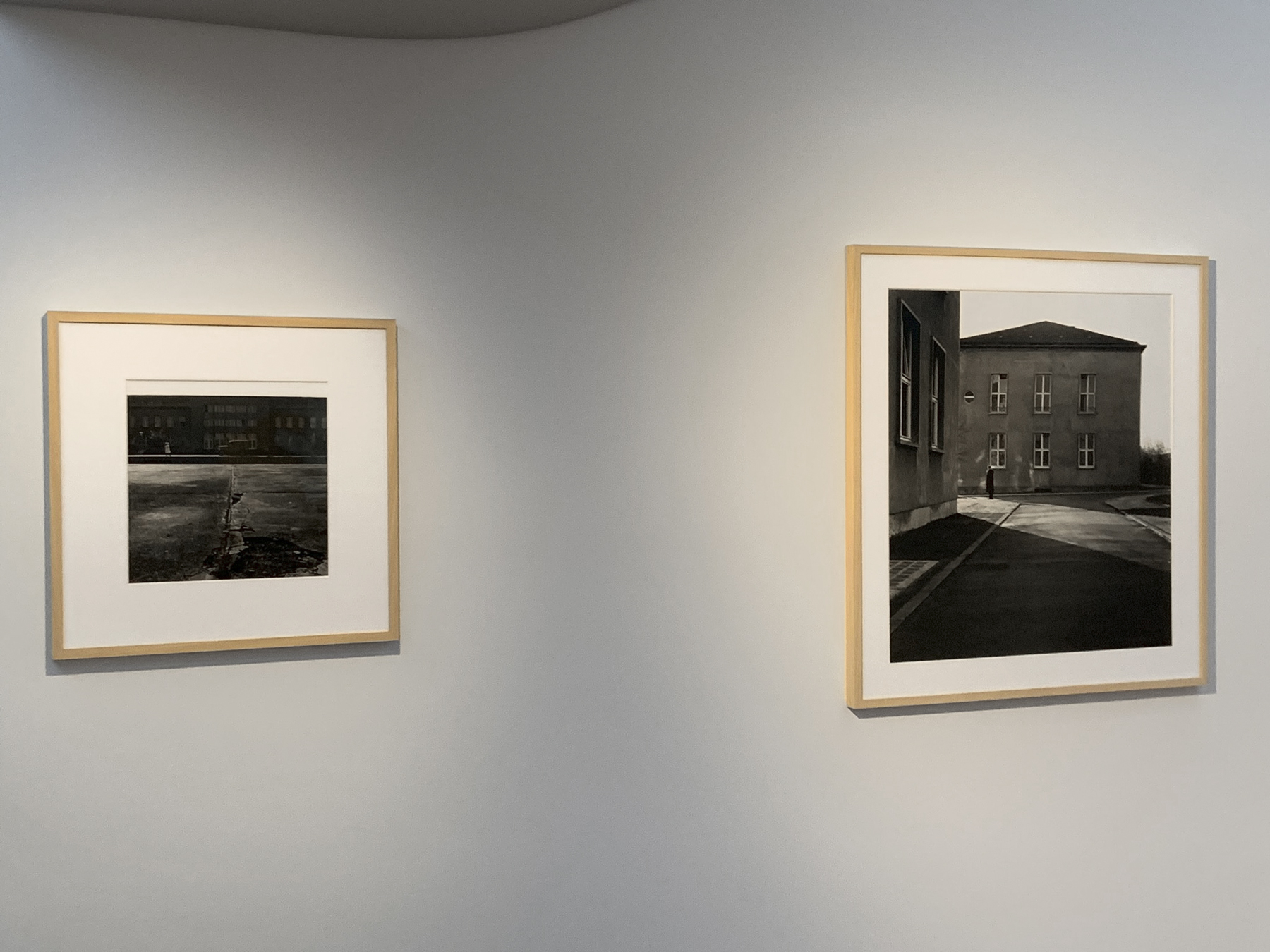

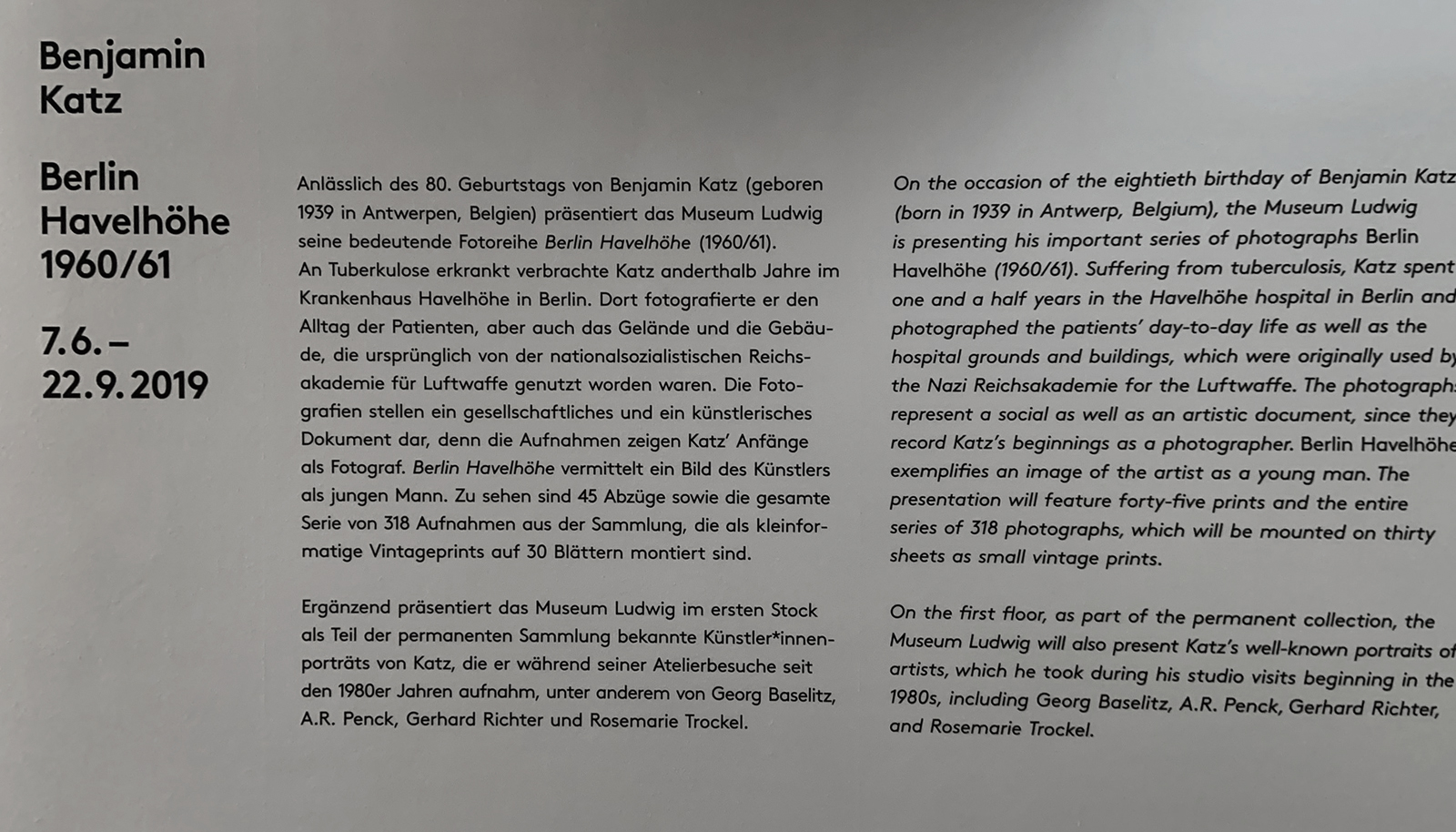


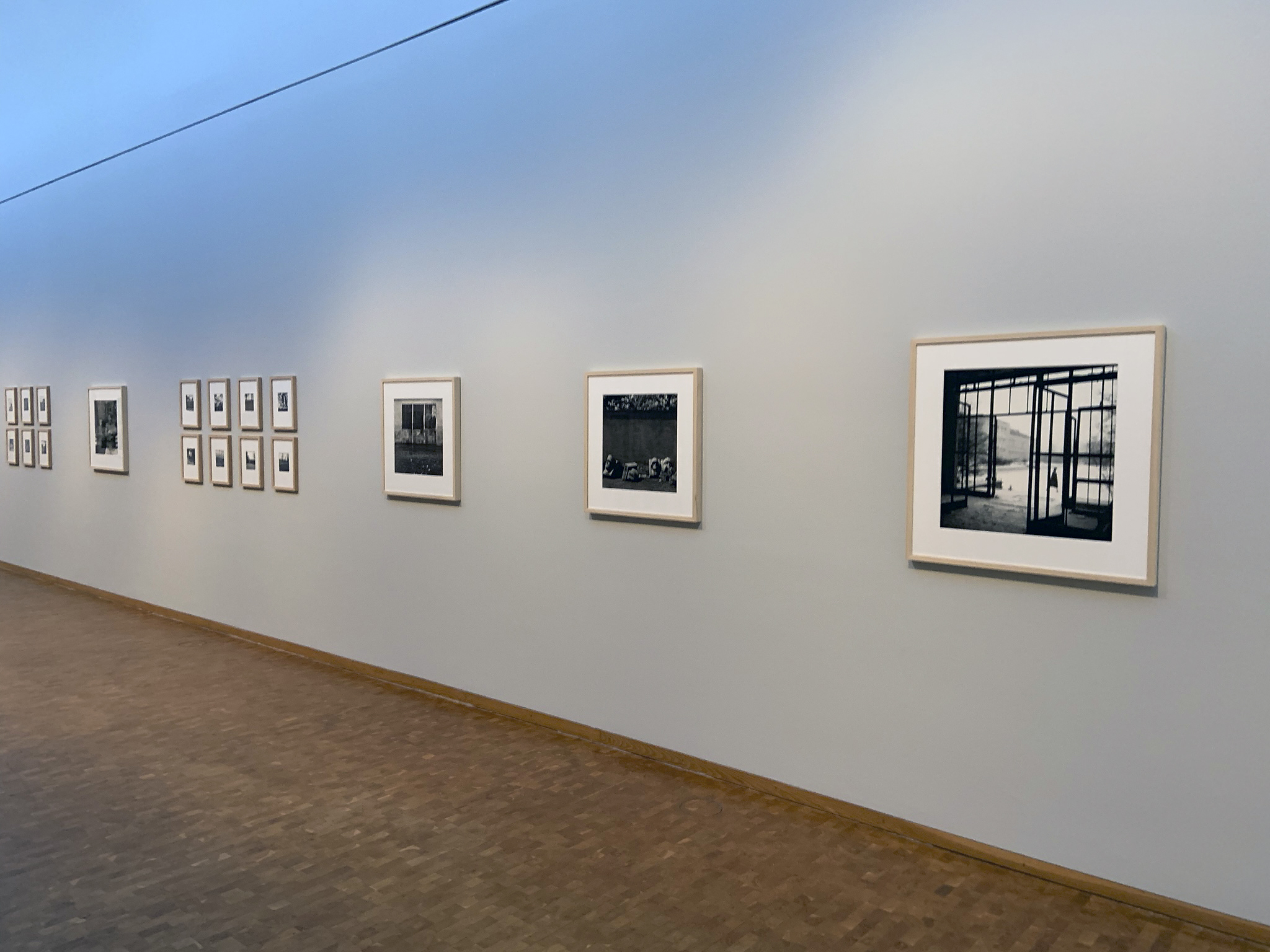


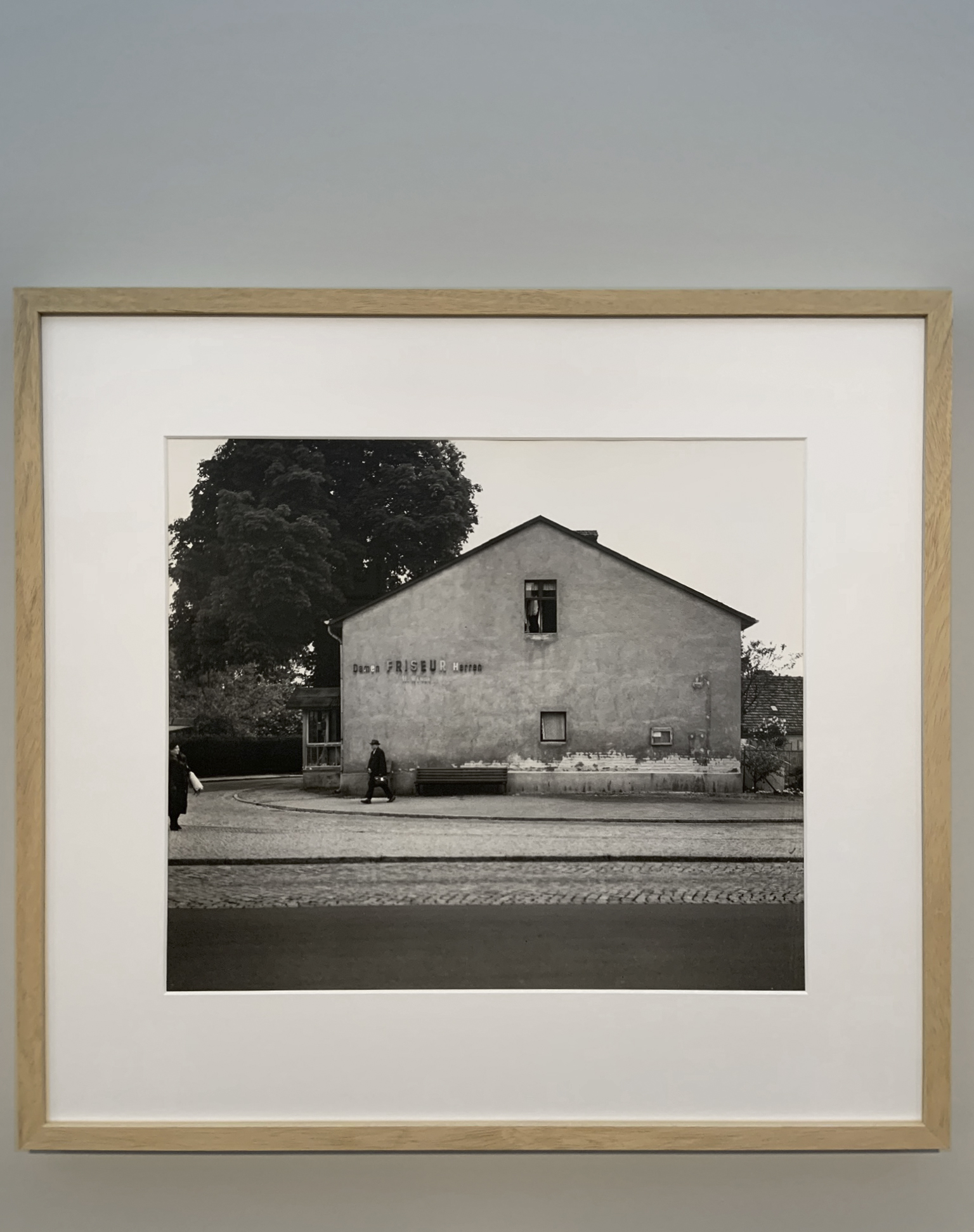

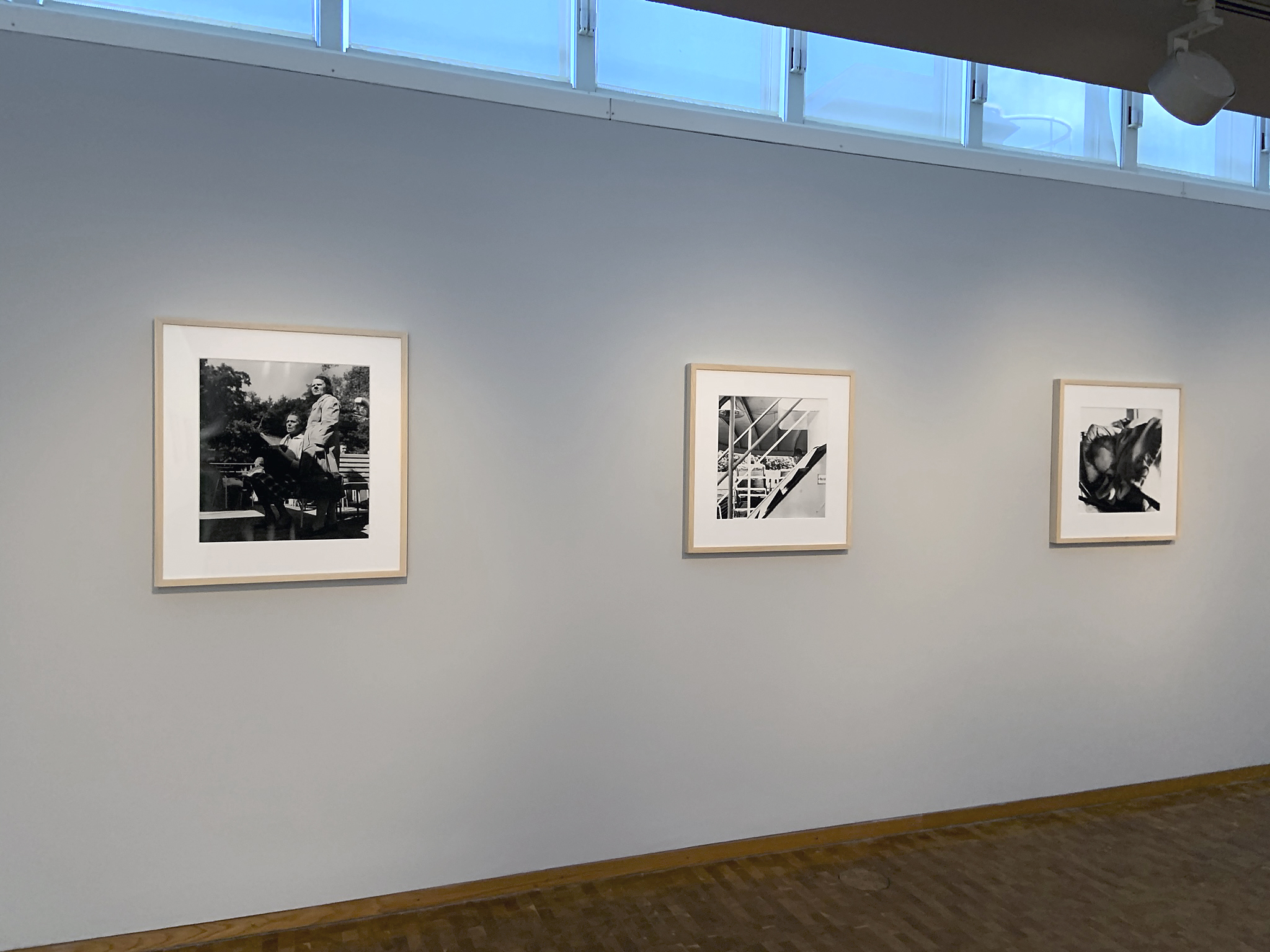


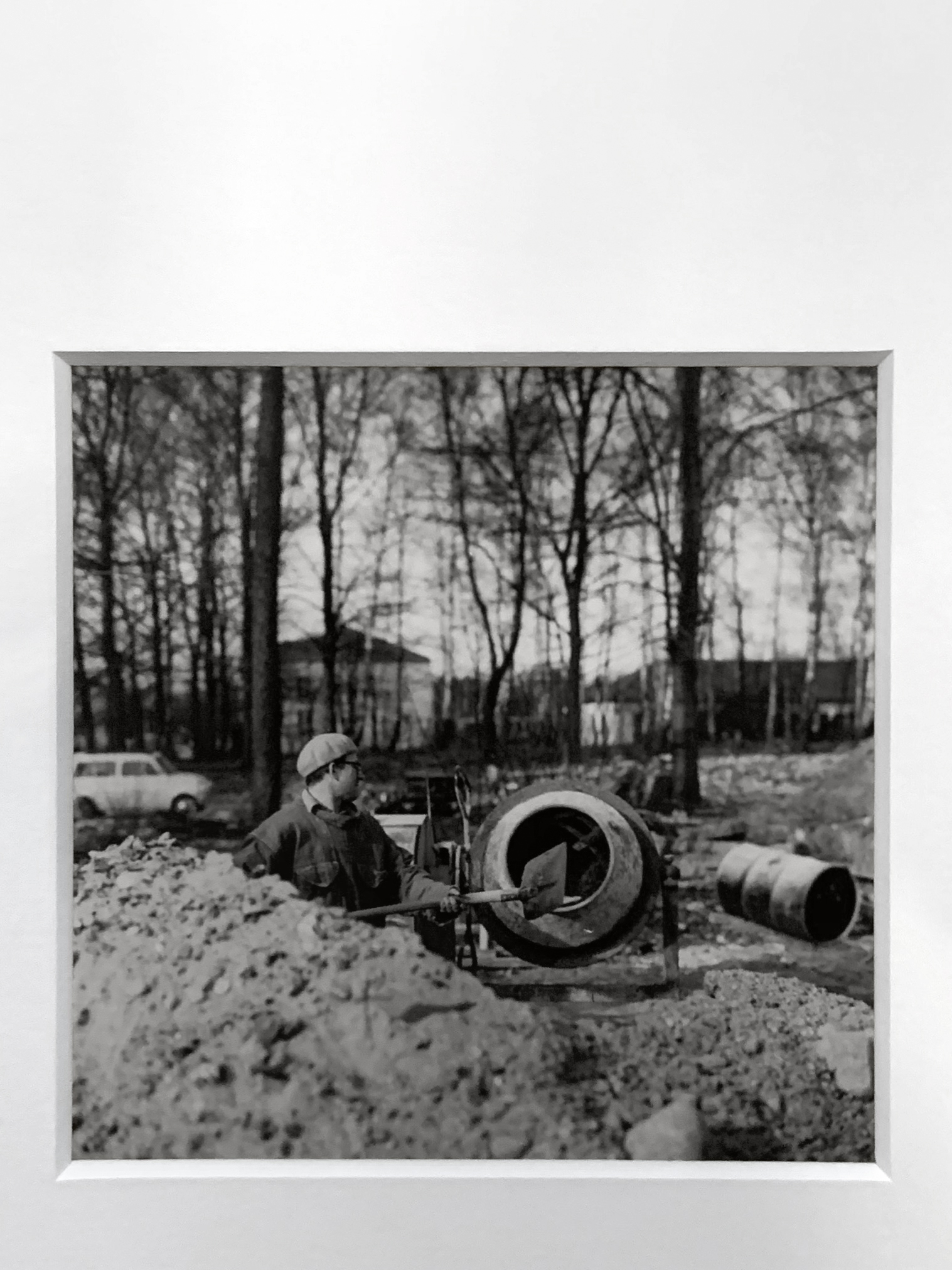


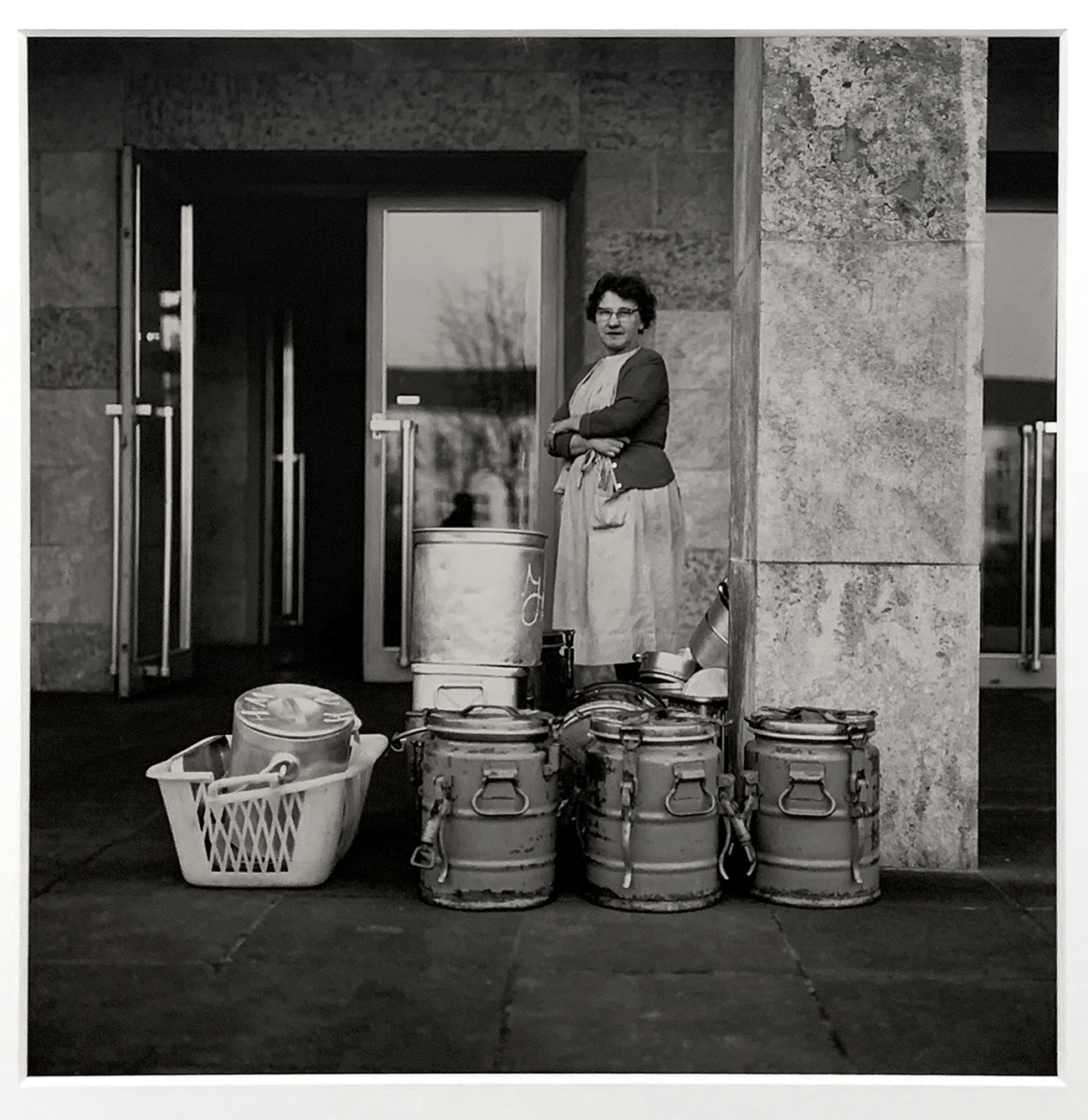


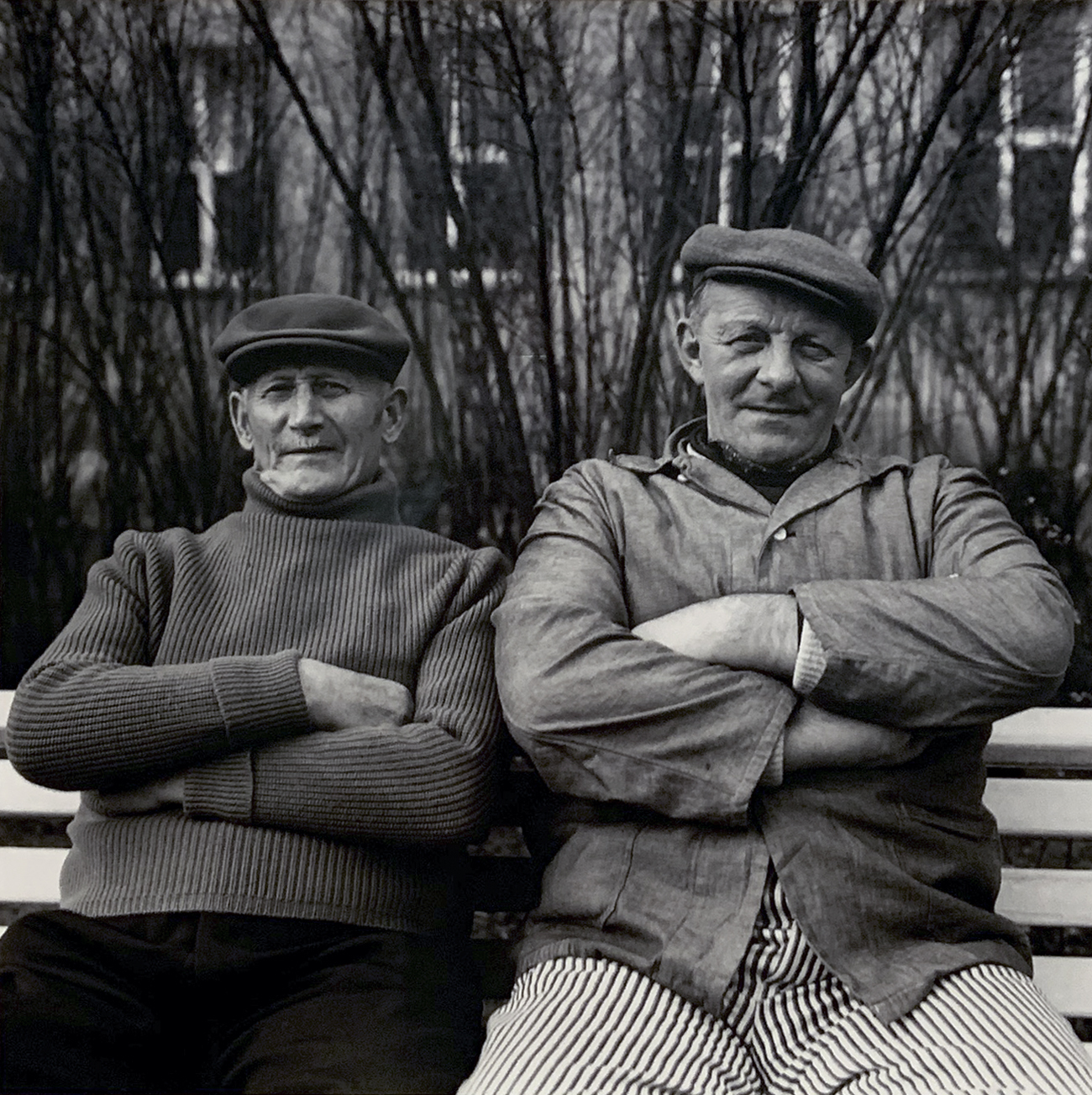


![Weegee (Arthur Fellig) (American born Austria, 1899-1968) '[Calypso]' about 1944; before 1946 from the exhibition Exhibition: 'Unseen: 35 Years of Collecting Photographs' at the J. Paul Getty Museum, Los Angeles, Dec 2019 - March 2020](https://artblart.com/wp-content/uploads/2020/02/gm_04305501_2000x2000.jpg "Weegee (Arthur Fellig) (American born Austria, 1899-1968) '[Calypso]' about 1944; before 1946 from the exhibition Exhibition: 'Unseen: 35 Years of Collecting Photographs' at the J. Paul Getty Museum, Los Angeles, Dec 2019 - March 2020")
![Carleton Watkins (American, 1829-1916) '[Guadalupe Mill]' 1860 from the exhibition Exhibition: 'Unseen: 35 Years of Collecting Photographs' at the J. Paul Getty Museum, Los Angeles, Dec 2019 - March 2020](https://artblart.com/wp-content/uploads/2020/02/gm_06196501_2000x2000.jpg "Carleton Watkins (American, 1829-1916) '[Guadalupe Mill]' 1860 from the exhibition Exhibition: 'Unseen: 35 Years of Collecting Photographs' at the J. Paul Getty Museum, Los Angeles, Dec 2019 - March 2020")


![Marinus Jacob Kjeldgaard (Danish, 1884-1964, active Paris, France late 1930s - late 1940s) '[Collage: Balance of Powers]' about 1939](https://artblart.com/wp-content/uploads/2020/02/gm_05085801_2000x2000.jpg "Marinus Jacob Kjeldgaard (Danish, 1884-1964, active Paris, France late 1930s - late 1940s) '[Collage: Balance of Powers]' about 1939")
![Paul Outerbridge (American, 1896-1958) '[Egg in Spotlight]' 1943](https://artblart.com/wp-content/uploads/2020/02/gm_32105401_2000x2000.jpg "Paul Outerbridge (American, 1896-1958) '[Egg in Spotlight]' 1943")


![Shigeichi Nagano (Japanese, 1925-2019, active Tokyo, Japan) '[Tokyo, Aobadai (Nishi Saigoyama Park), Meguro Ward]' 1988](https://artblart.com/wp-content/uploads/2020/02/gm_30687901_2000x2000.jpg "Shigeichi Nagano (Japanese, 1925-2019, active Tokyo, Japan) '[Tokyo, Aobadai (Nishi Saigoyama Park), Meguro Ward]' 1988")


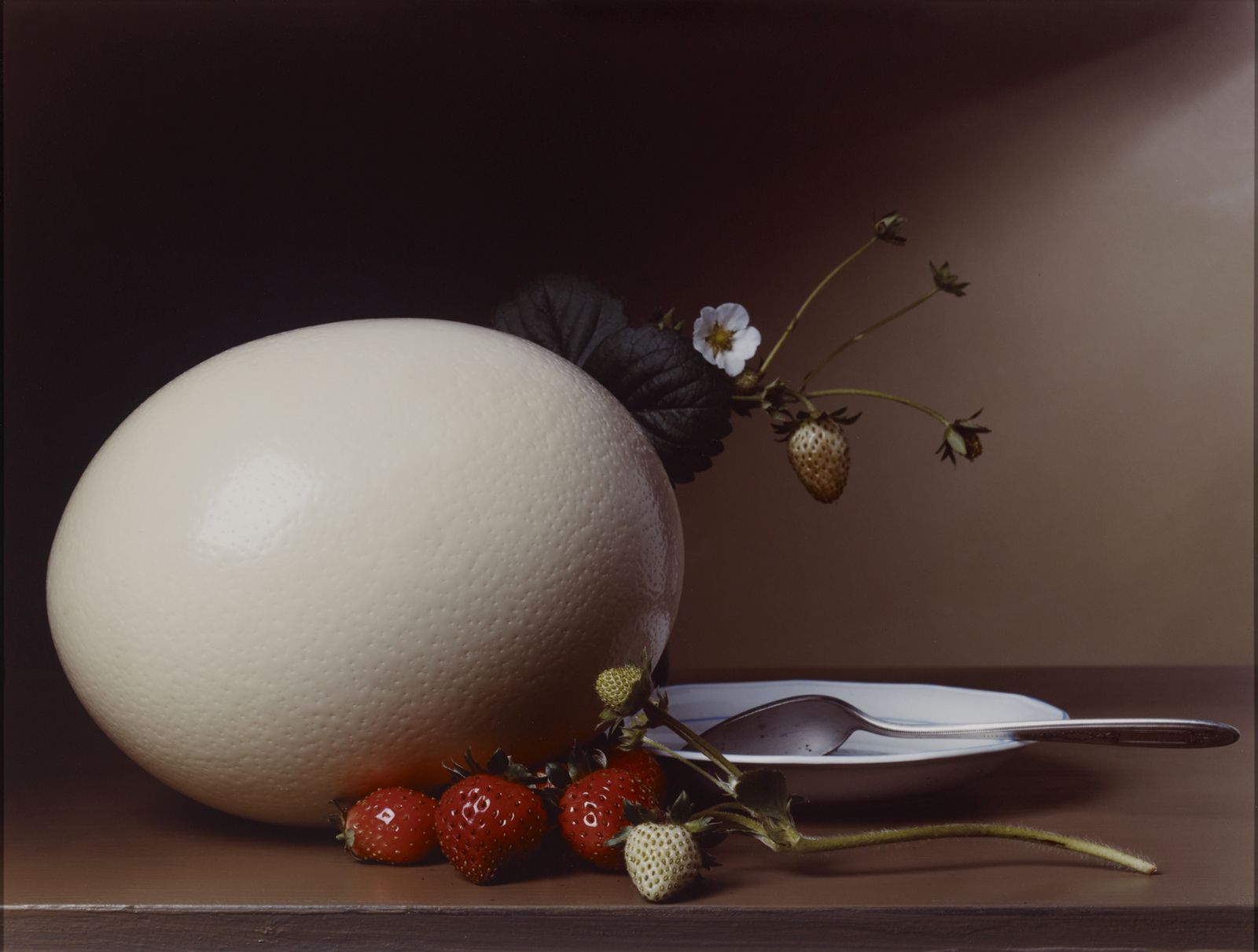

![Julia Margaret Cameron (British born India, 1815-1879) '[Spring]' 1873](https://artblart.com/wp-content/uploads/2020/02/gm_06520801_2000x2000.jpg "Julia Margaret Cameron (British born India, 1815-1879) '[Spring]' 1873")
![Reverend William Ellis (British, 1794-1872) and Samuel Smith. '[Portrait of a Black Couple]' about 1873](https://artblart.com/wp-content/uploads/2020/02/gm_133436t1v1_2000x2000.jpg "Reverend William Ellis (British, 1794-1872) and Samuel Smith. '[Portrait of a Black Couple]' about 1873")

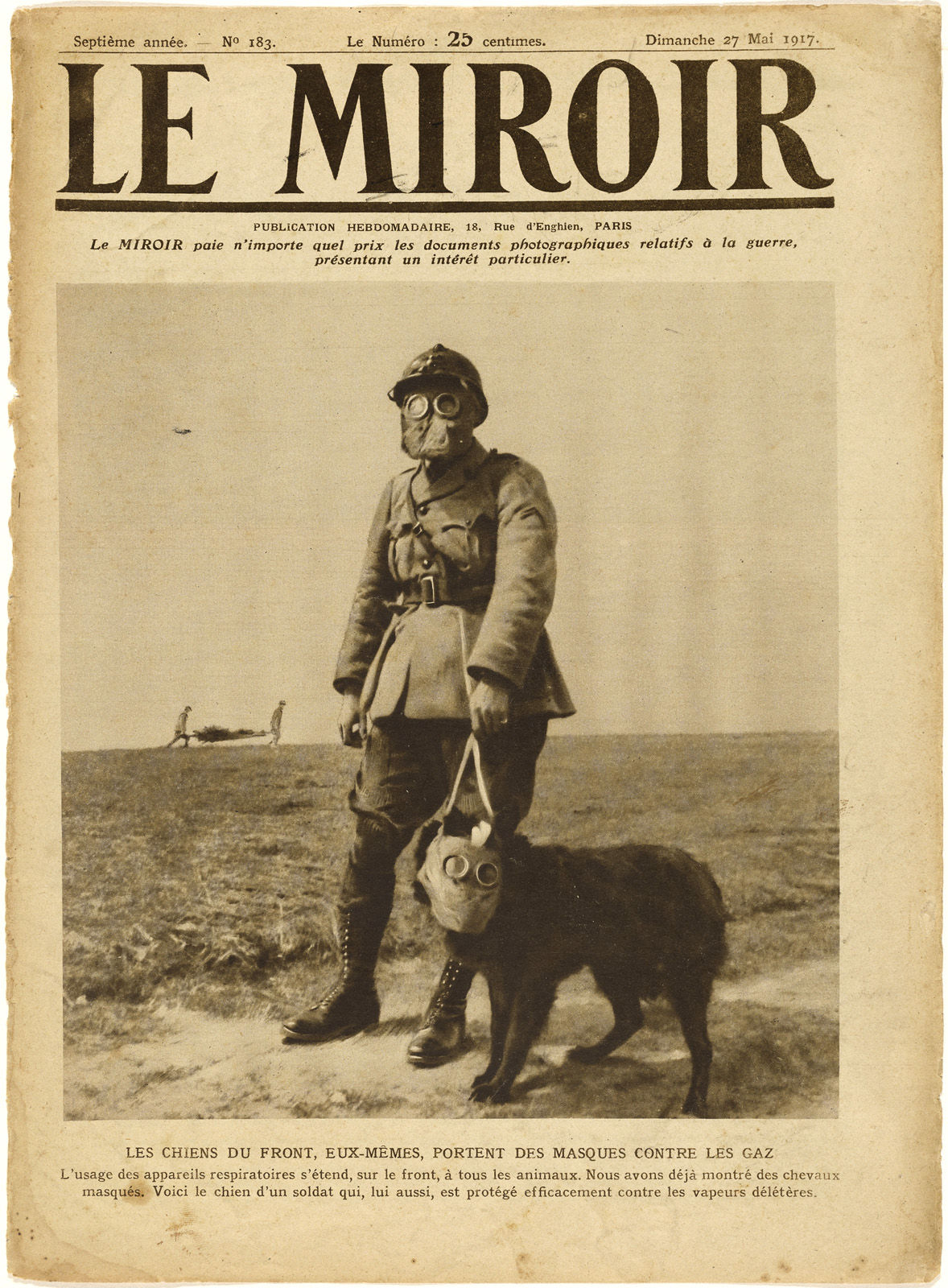
![László Moholy-Nagy (American born Hungary, 1895-1946) '[The Law of the Series]' 1925](https://artblart.com/wp-content/uploads/2020/02/gm_05309301_2000x2000.jpg "László Moholy-Nagy (American born Hungary, 1895-1946) '[The Law of the Series]' 1925")


![Paul Wolff (German, 1887-1951) and Dr Wolff & Tritschler OHG (German, founded 1927, dissolved 1963) '[Dog at the beach]' 1936](https://artblart.com/wp-content/uploads/2020/02/gm_041552t1v1_2000x2000-1.jpg "Paul Wolff (German, 1887-1951) and Dr Wolff & Tritschler OHG (German, founded 1927, dissolved 1963) '[Dog at the beach]' 1936")
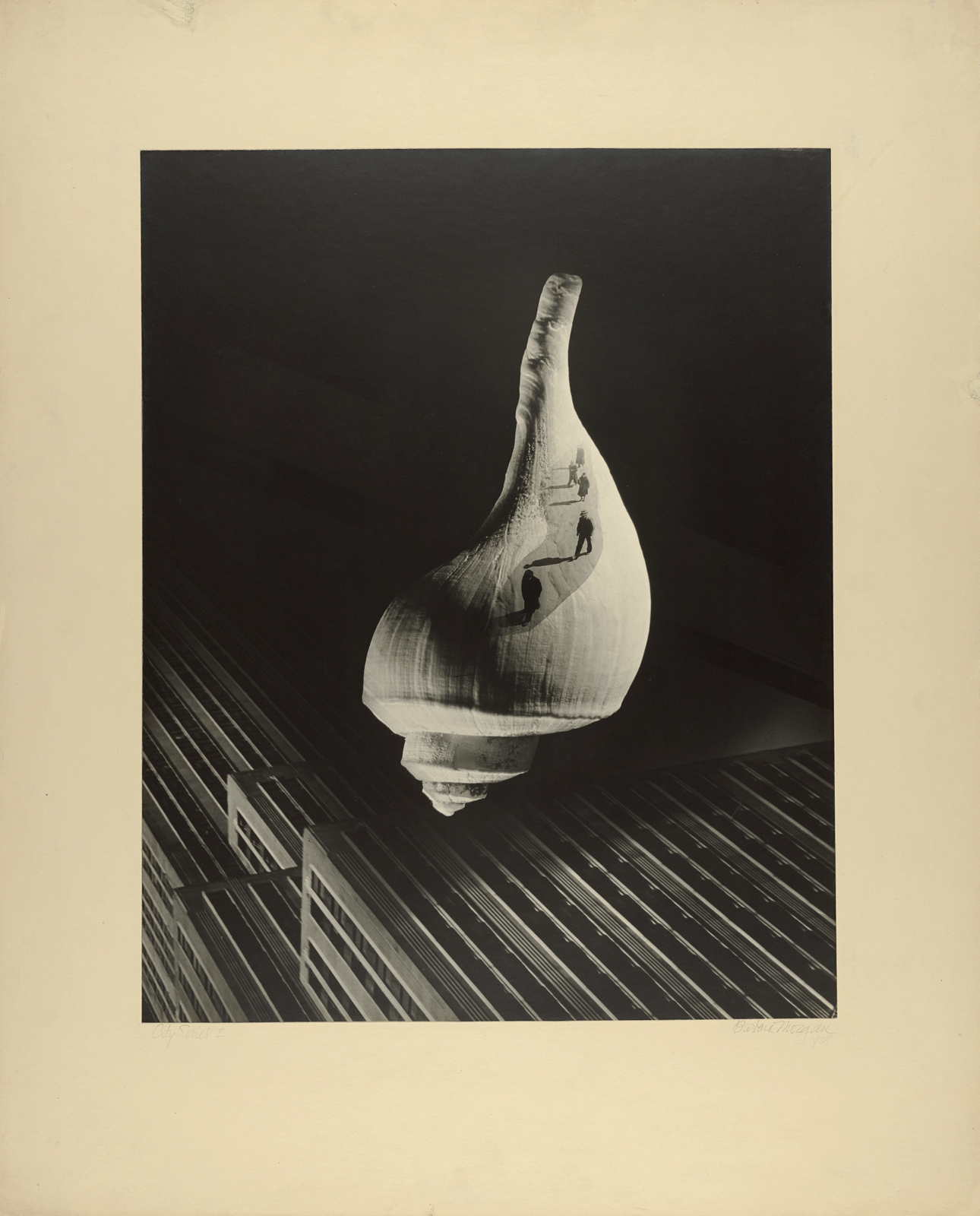
![Walker Evans (American, 1903 - 1975) '[Two Giraffes, Circus Winter Quarters, Sarasota]' 1941](https://artblart.com/wp-content/uploads/2020/02/gm_05269601_2000x2000.jpg "Walker Evans (American, 1903 - 1975) '[Two Giraffes, Circus Winter Quarters, Sarasota]' 1941")
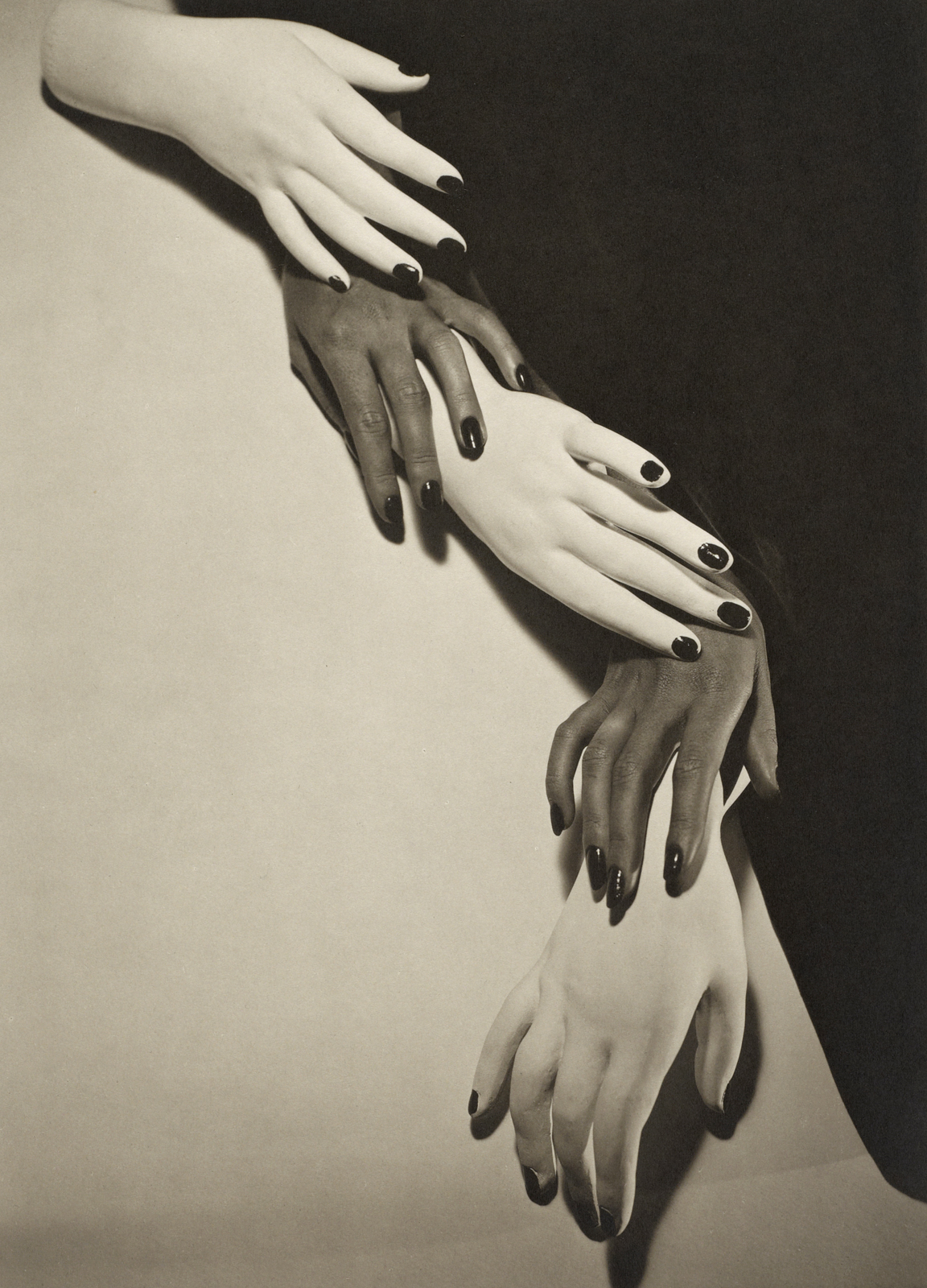


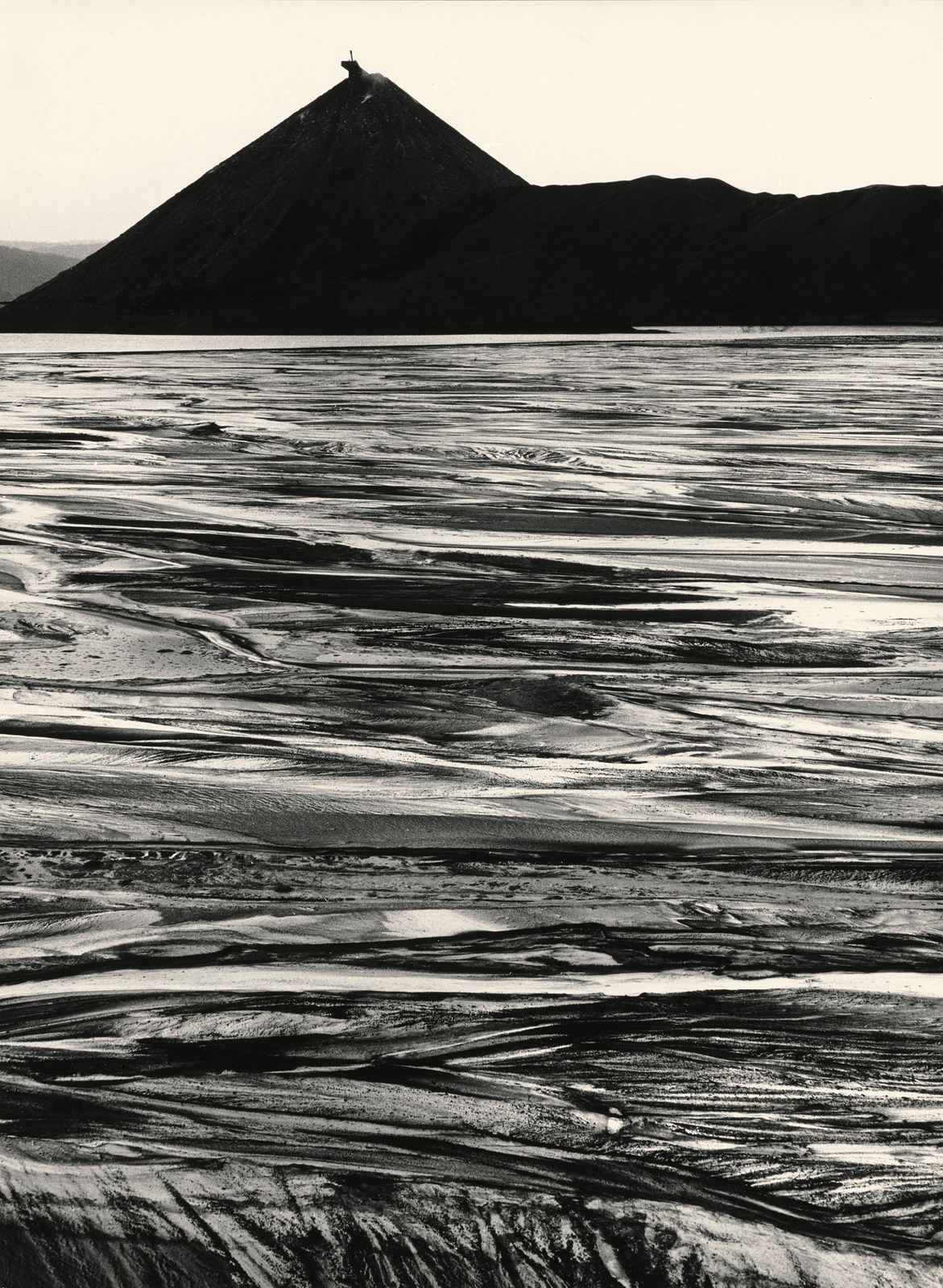



![Myoung Ho Lee (South Korean, b. 1975) '[Tree #2]' 2006](https://artblart.com/wp-content/uploads/2020/02/gm_31977201_2000x2000.jpg "Myoung Ho Lee (South Korean, b. 1975) '[Tree #2]' 2006")
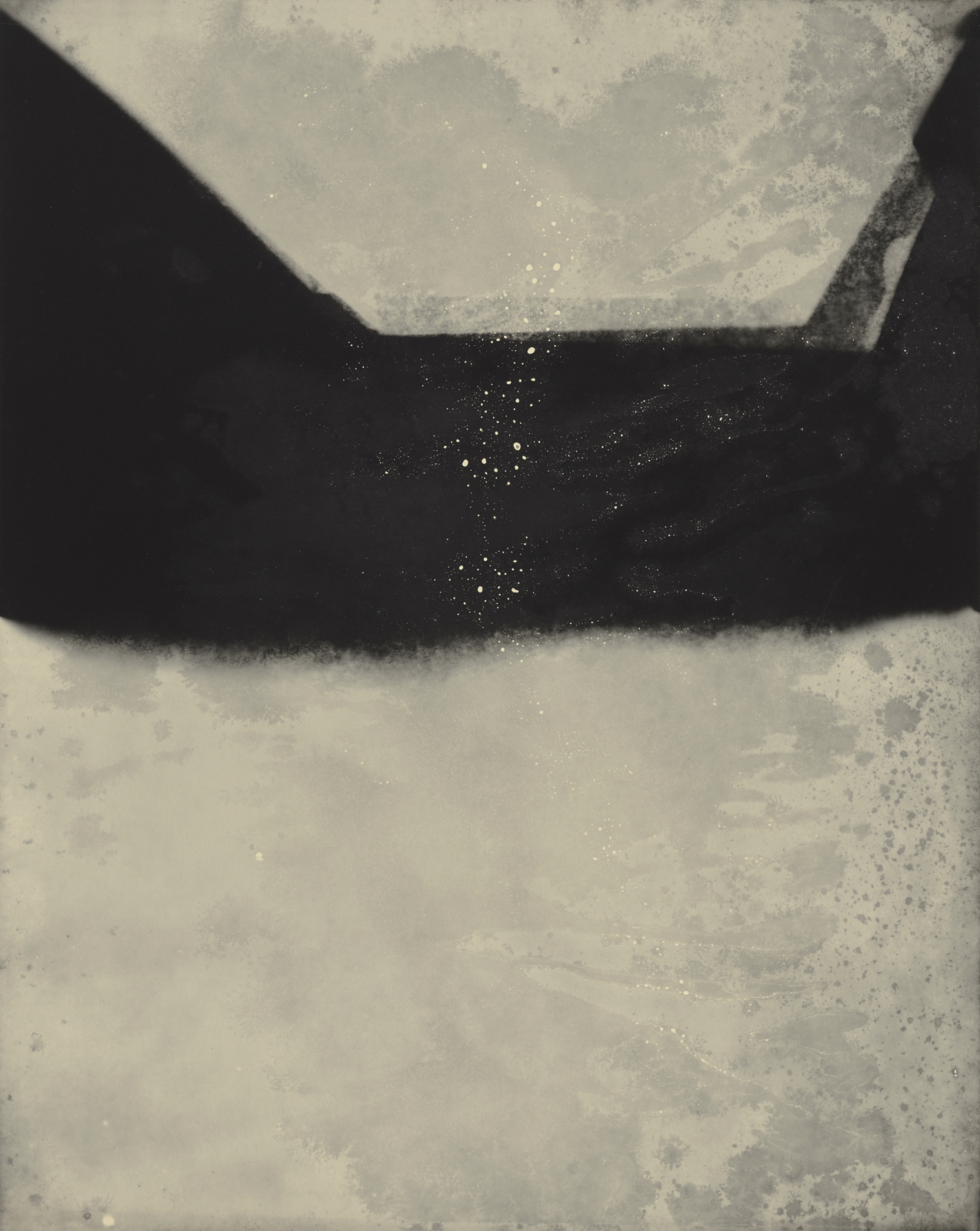


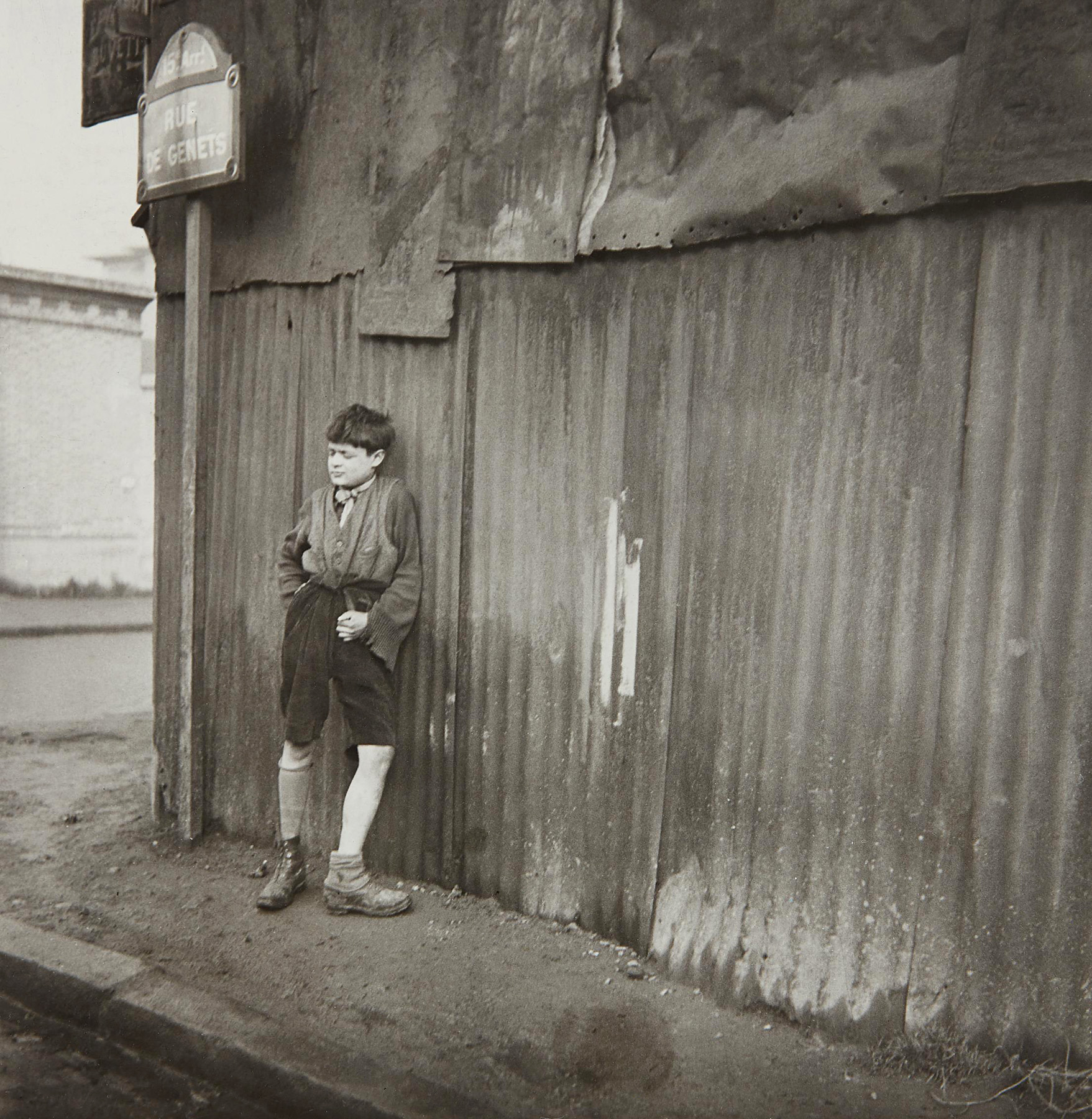

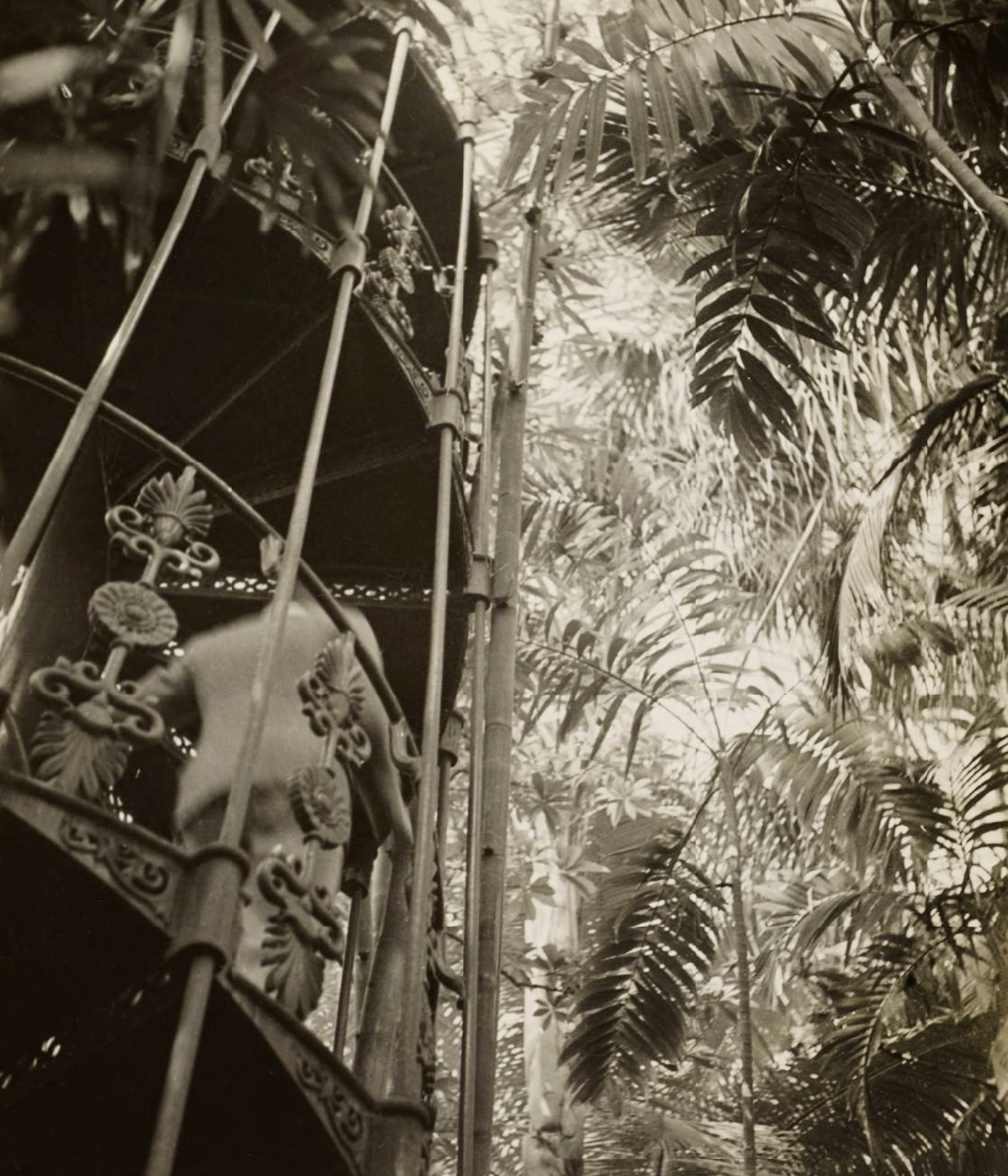
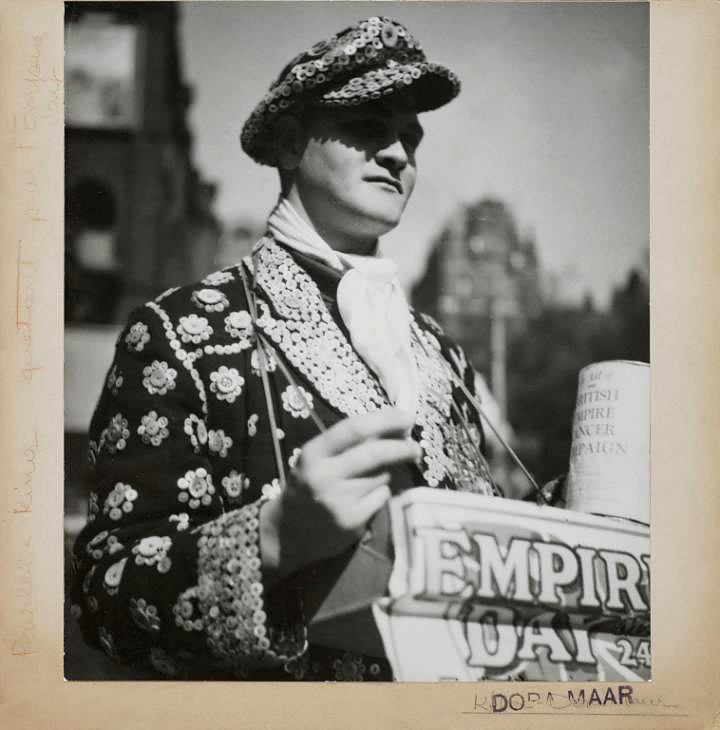

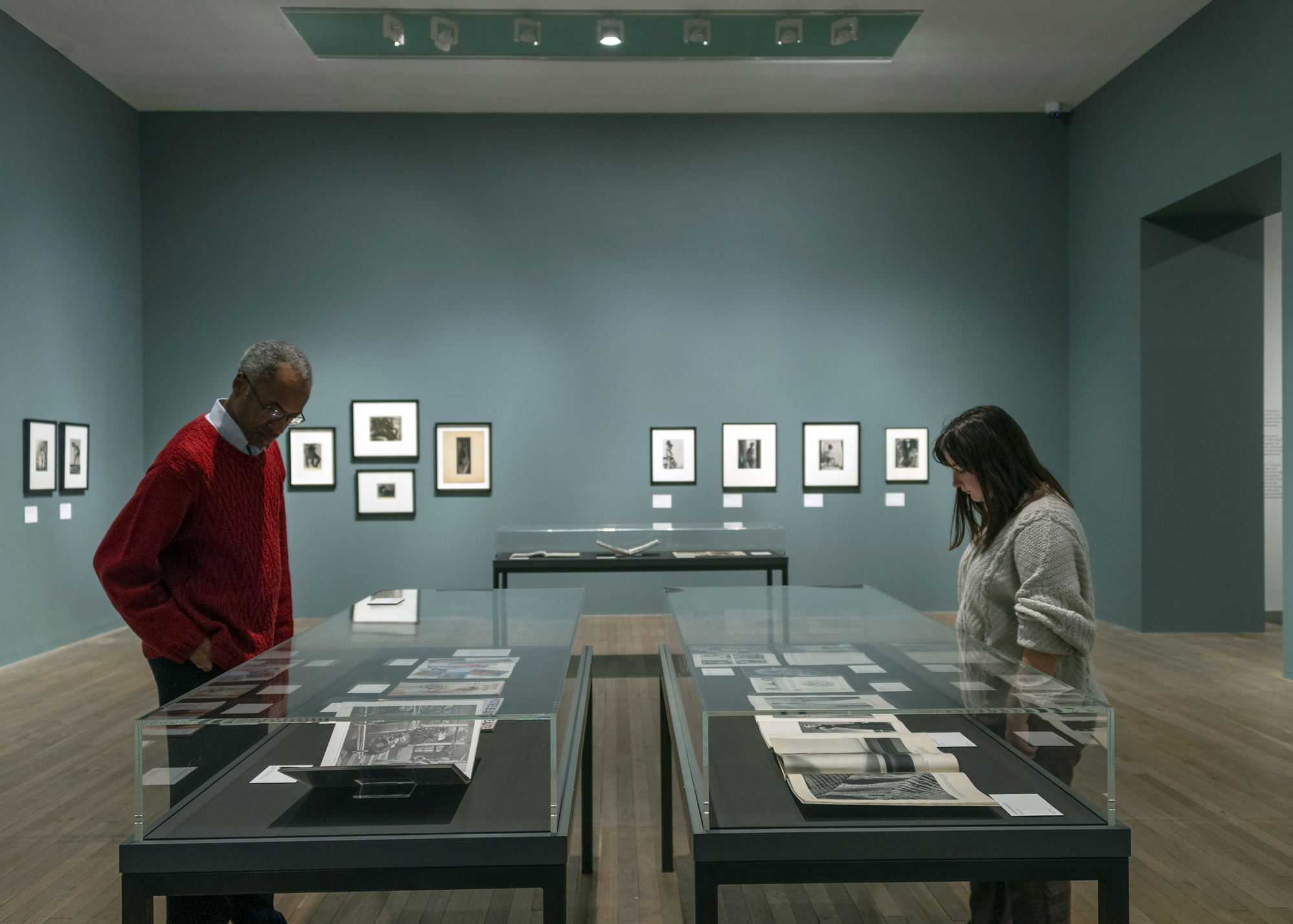

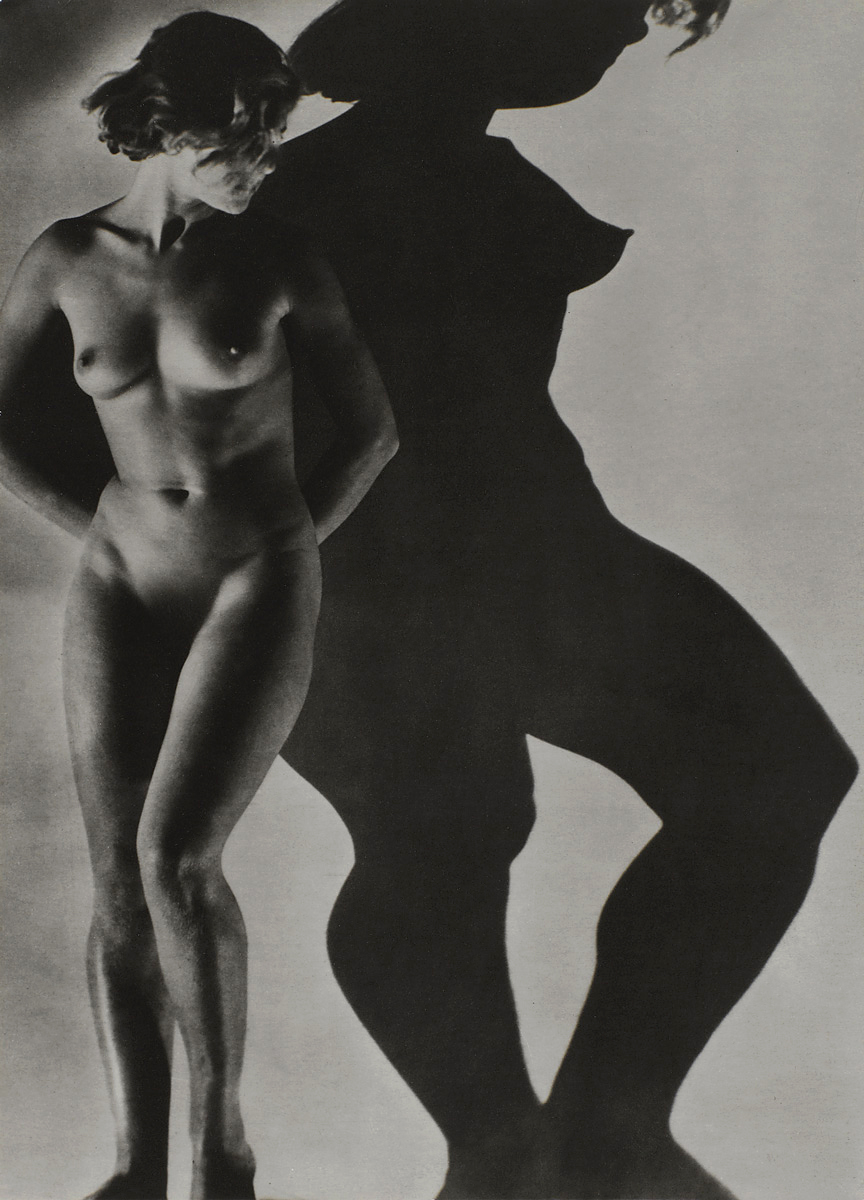


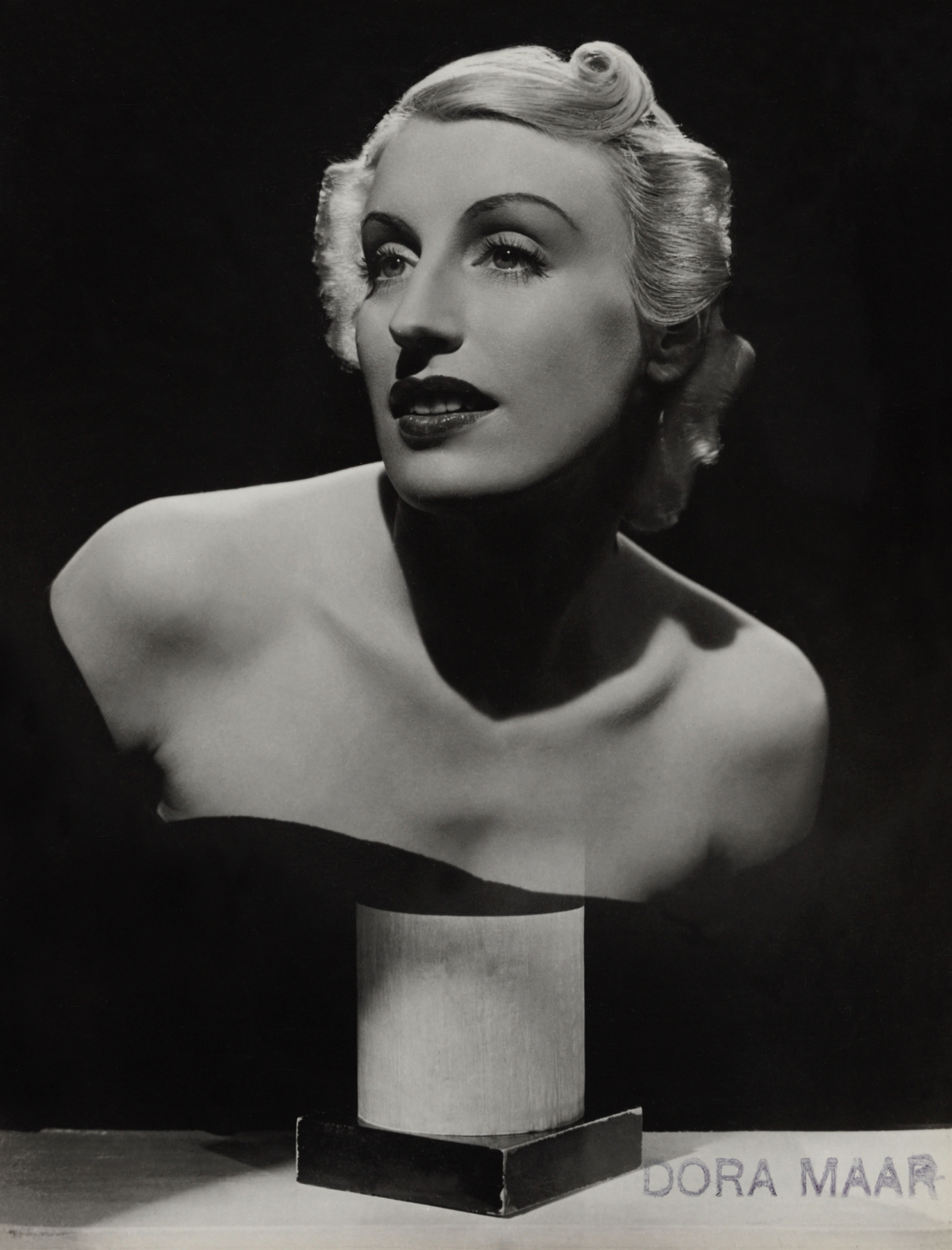
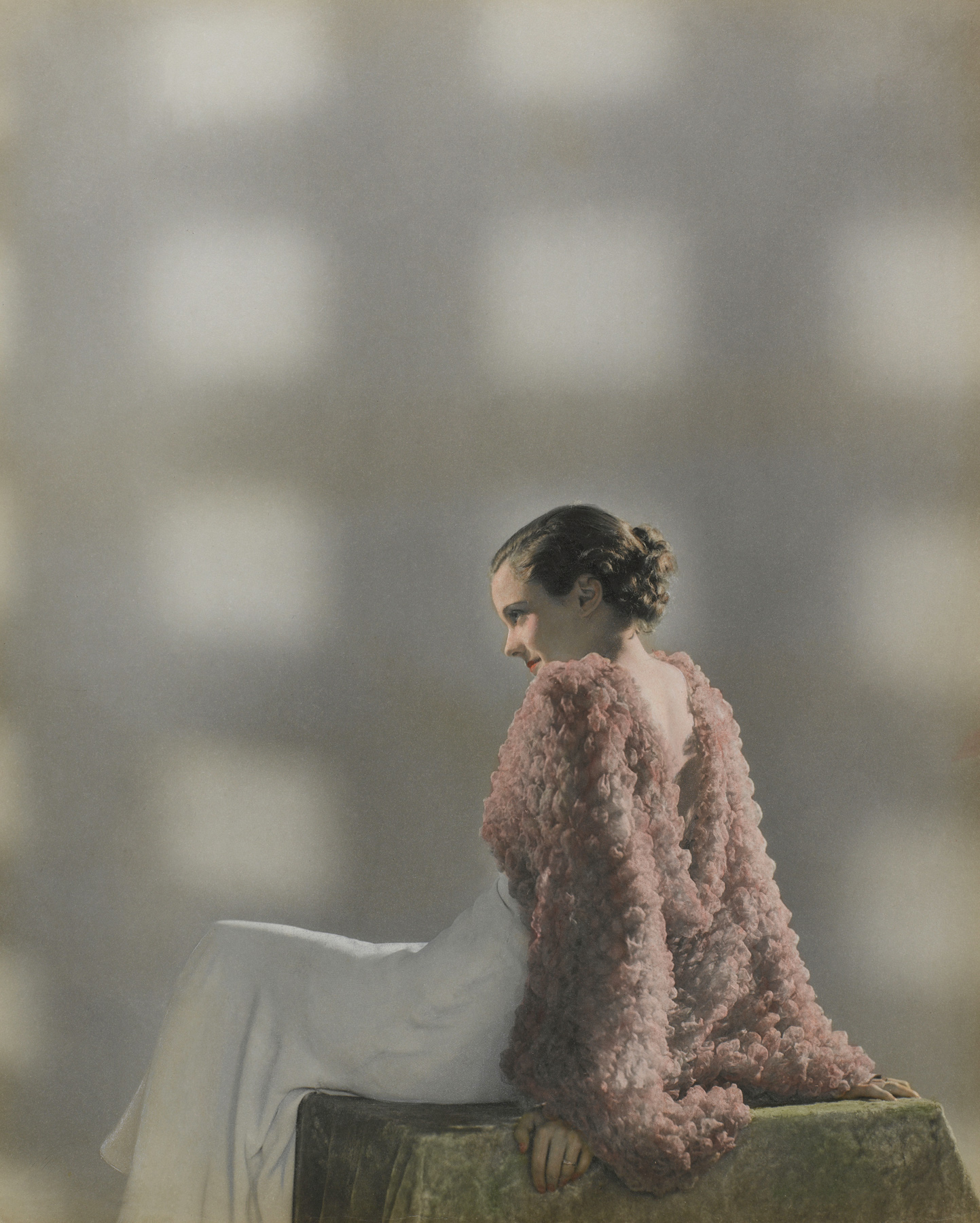
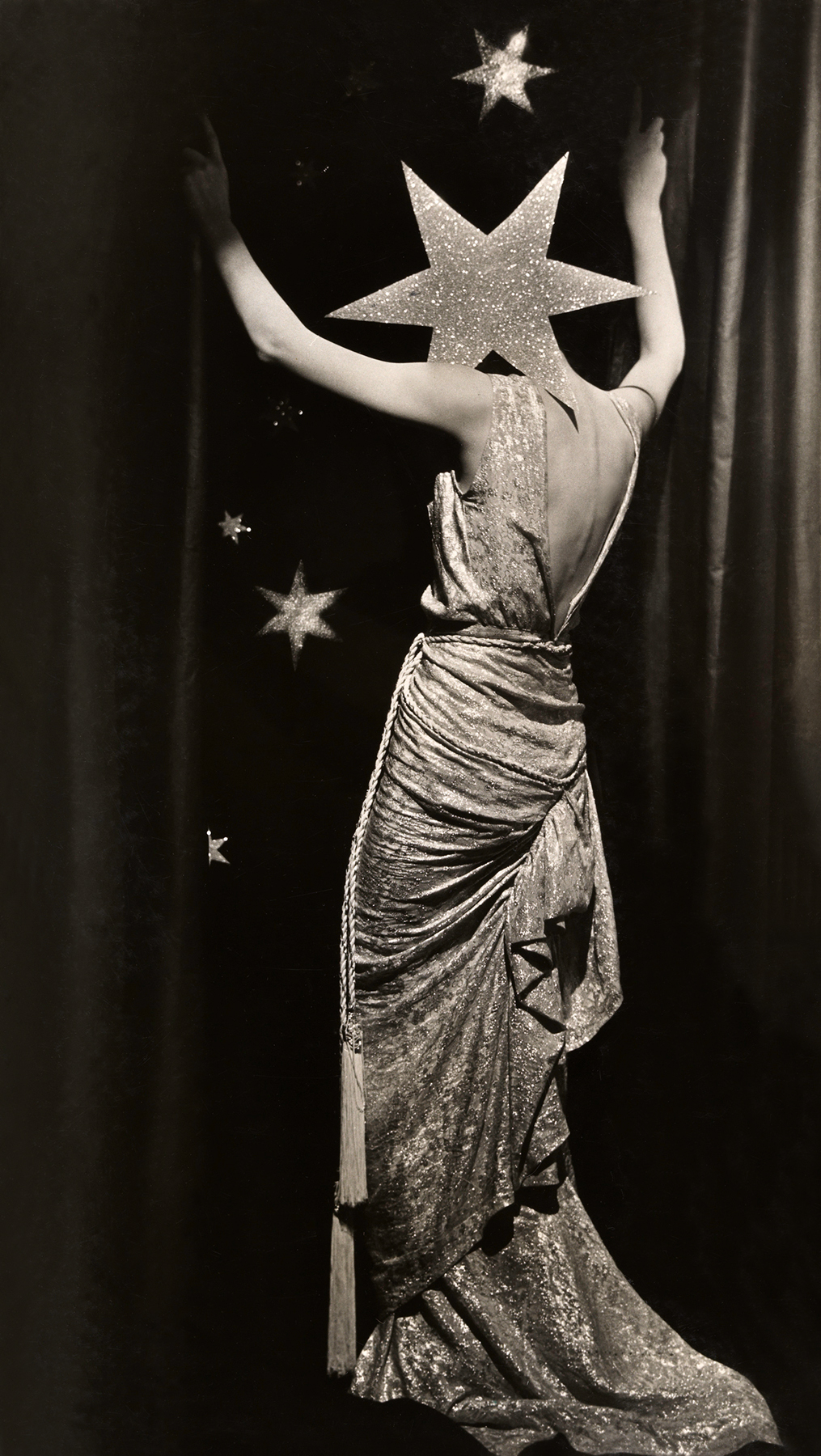
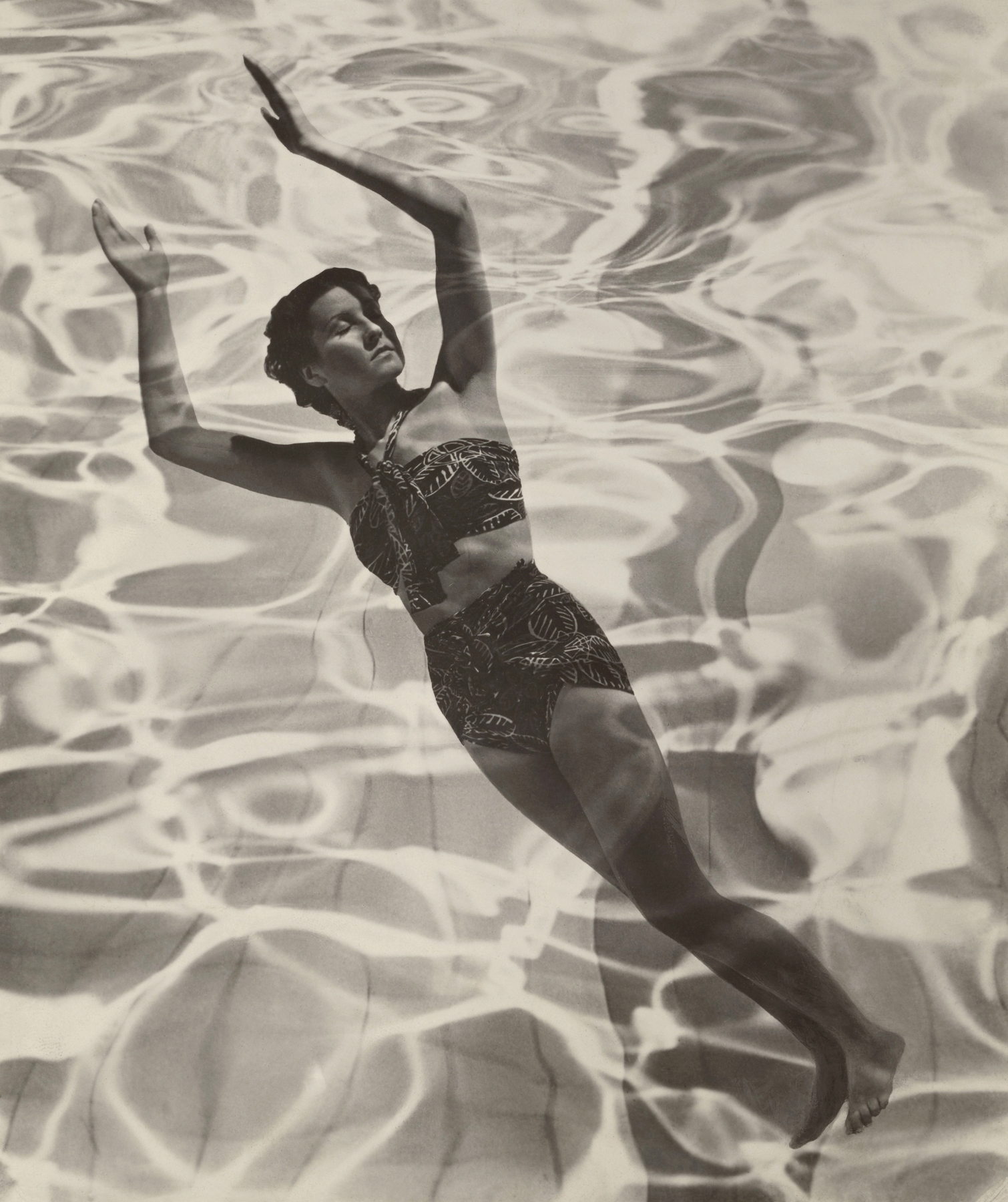
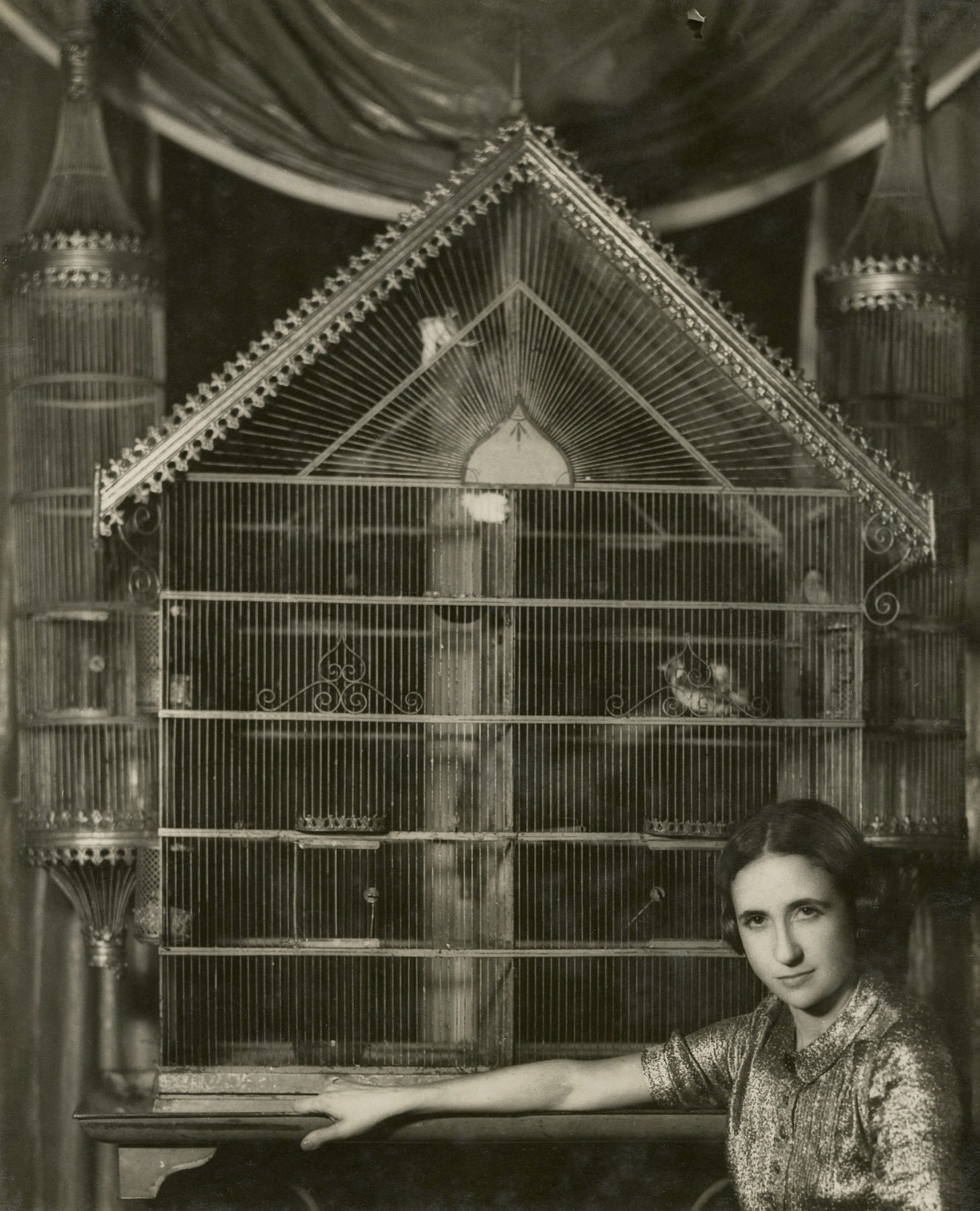
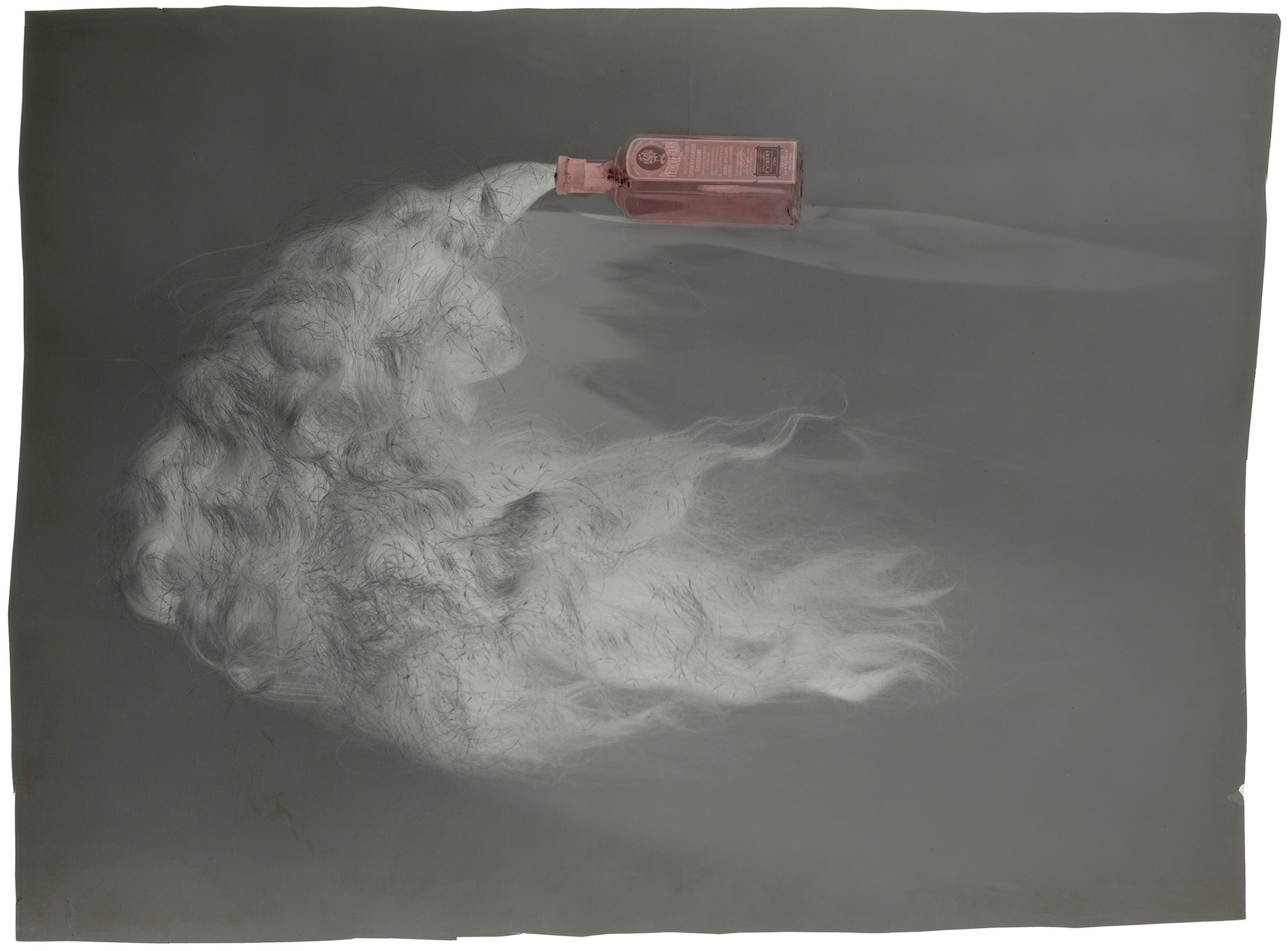
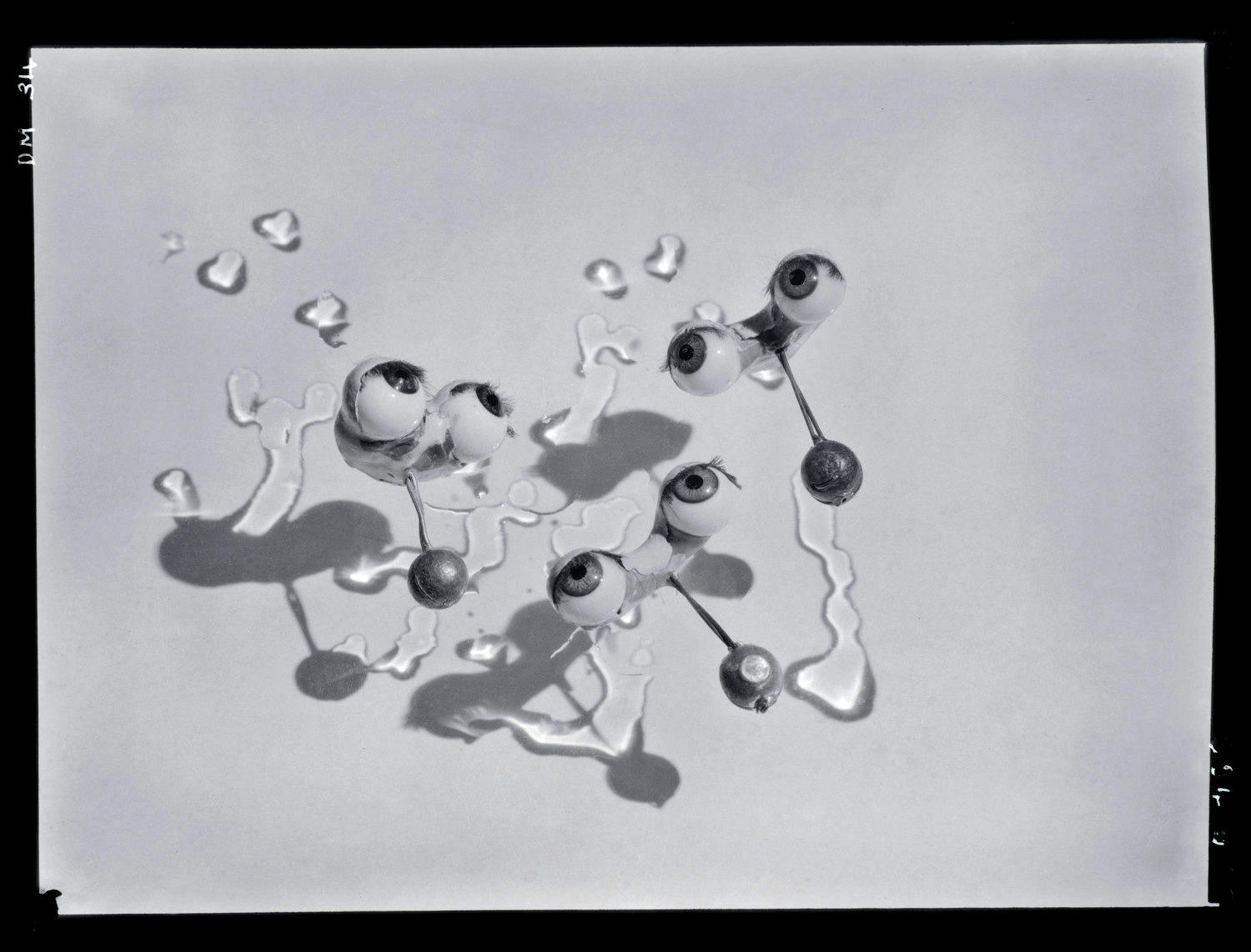
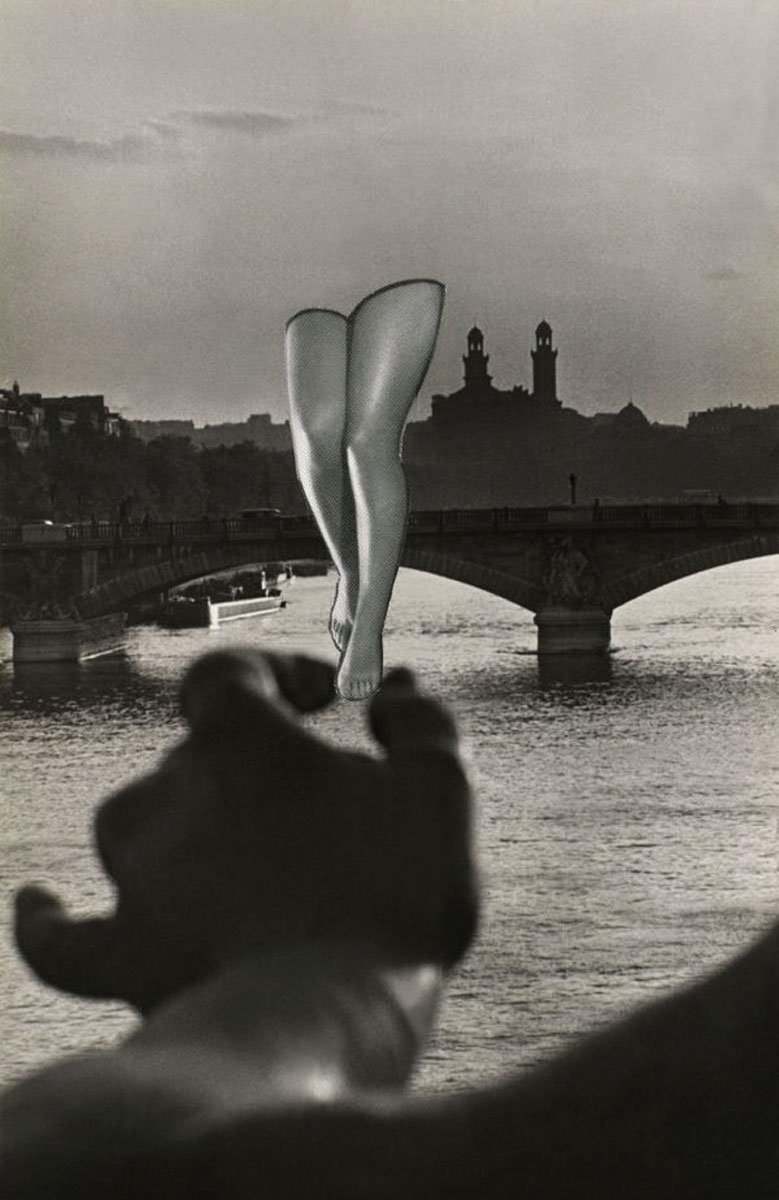
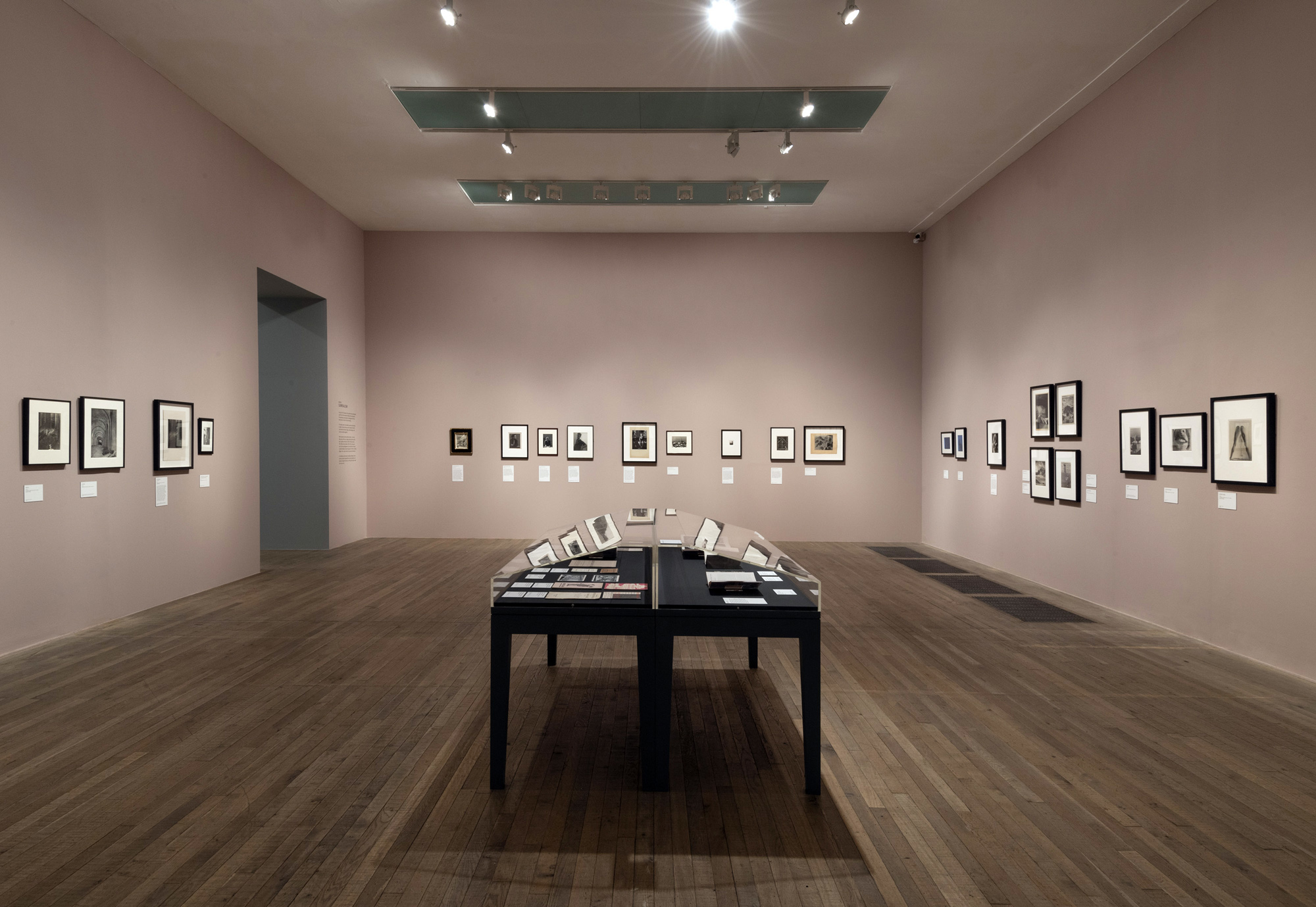
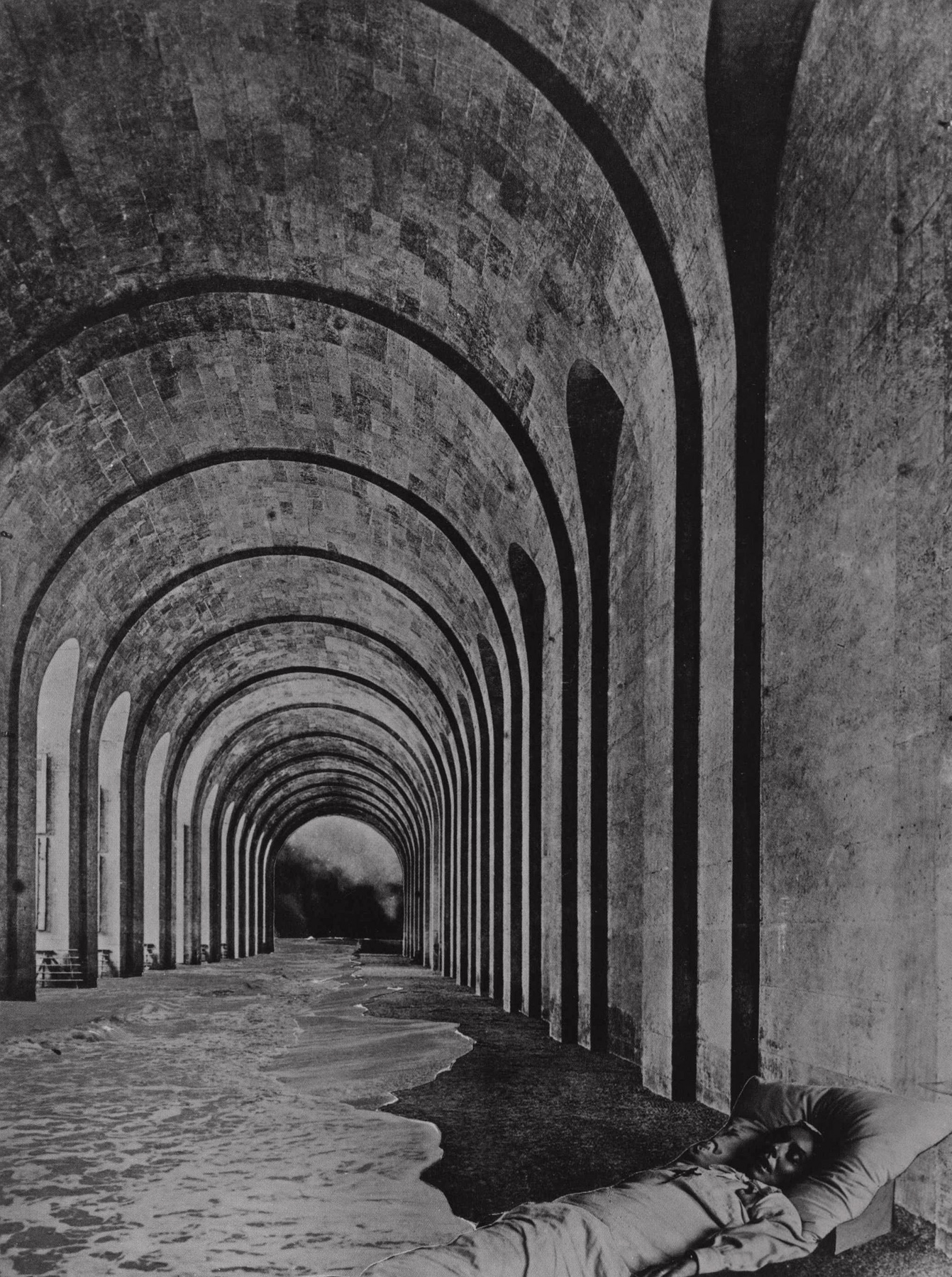
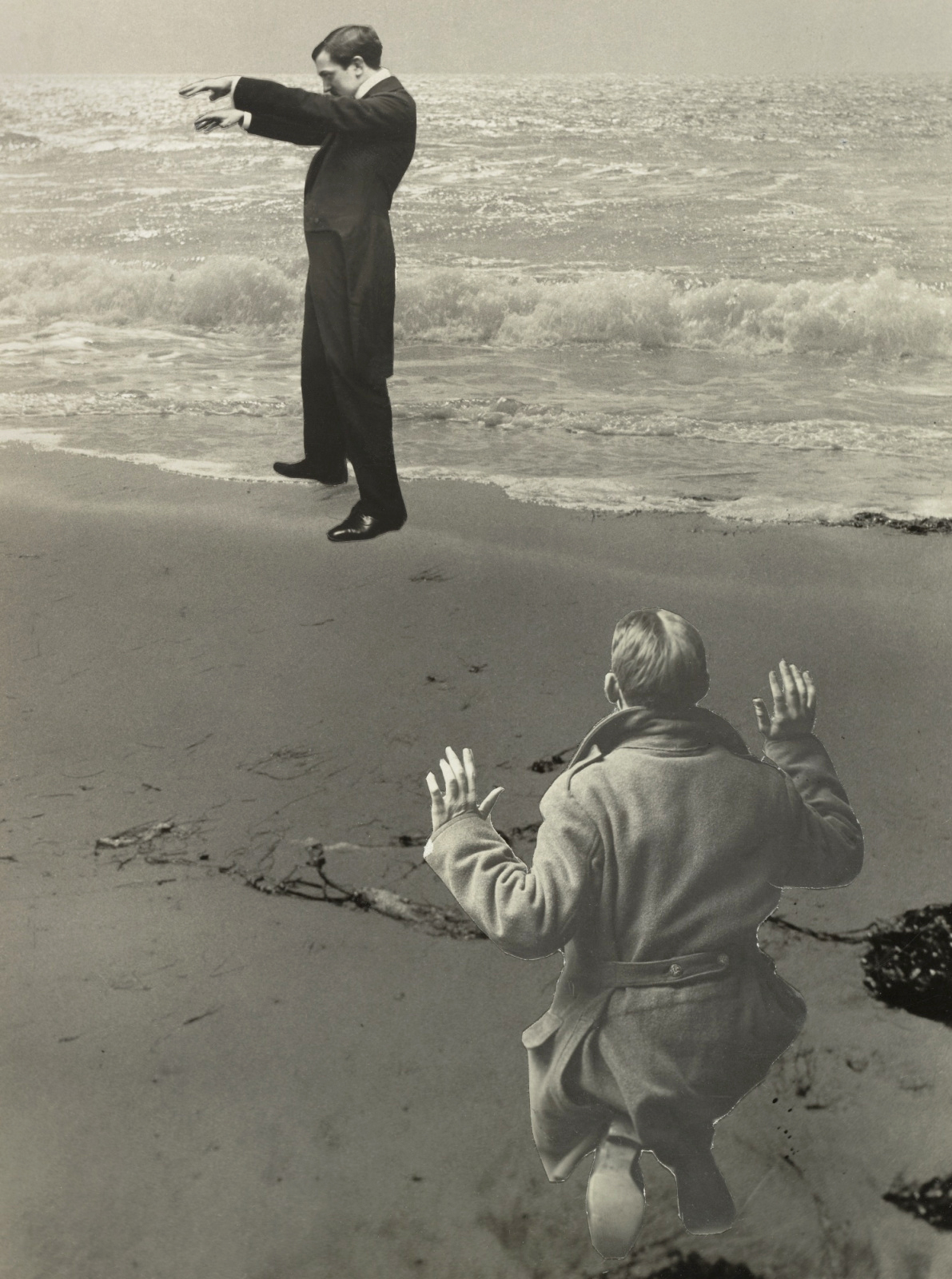


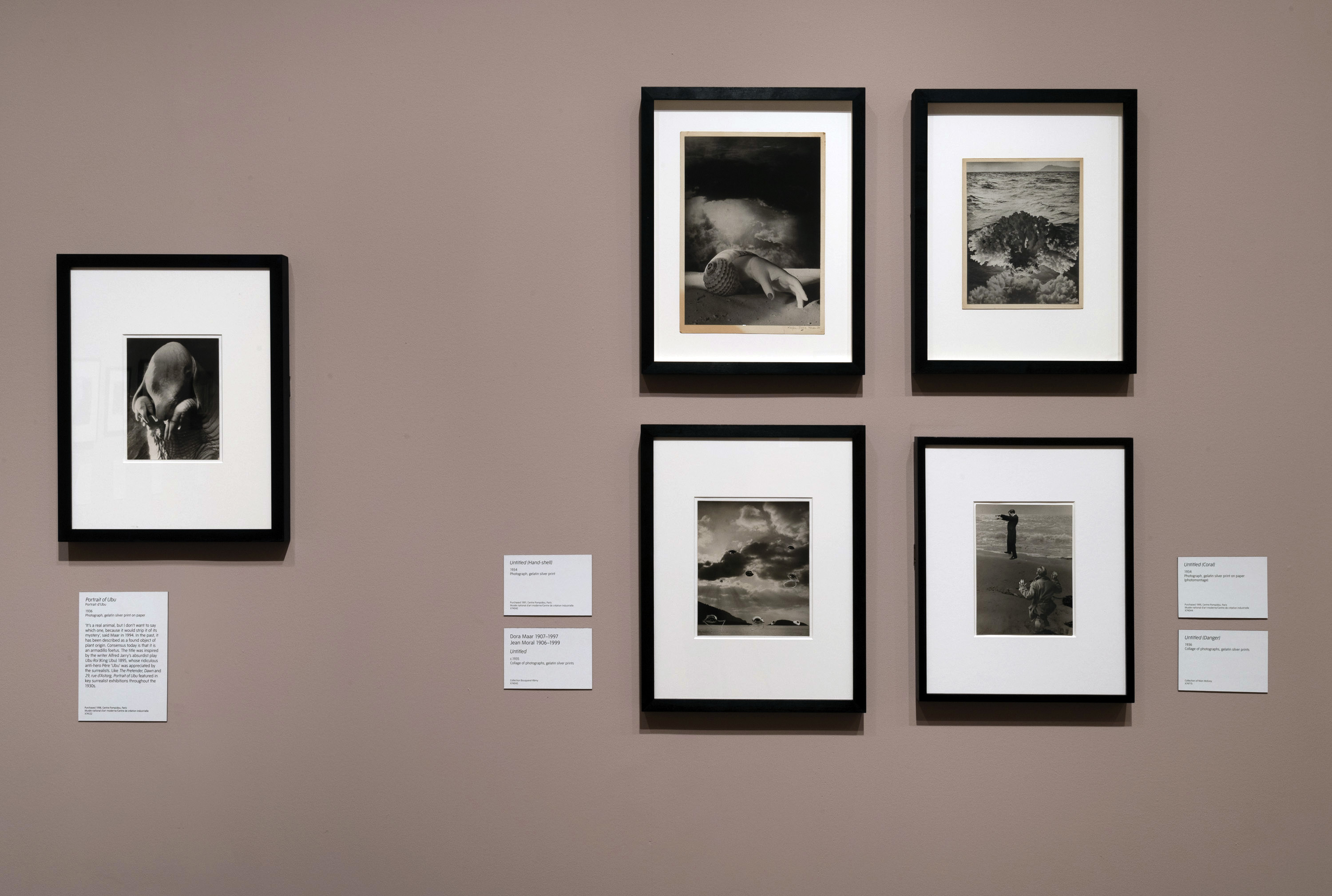
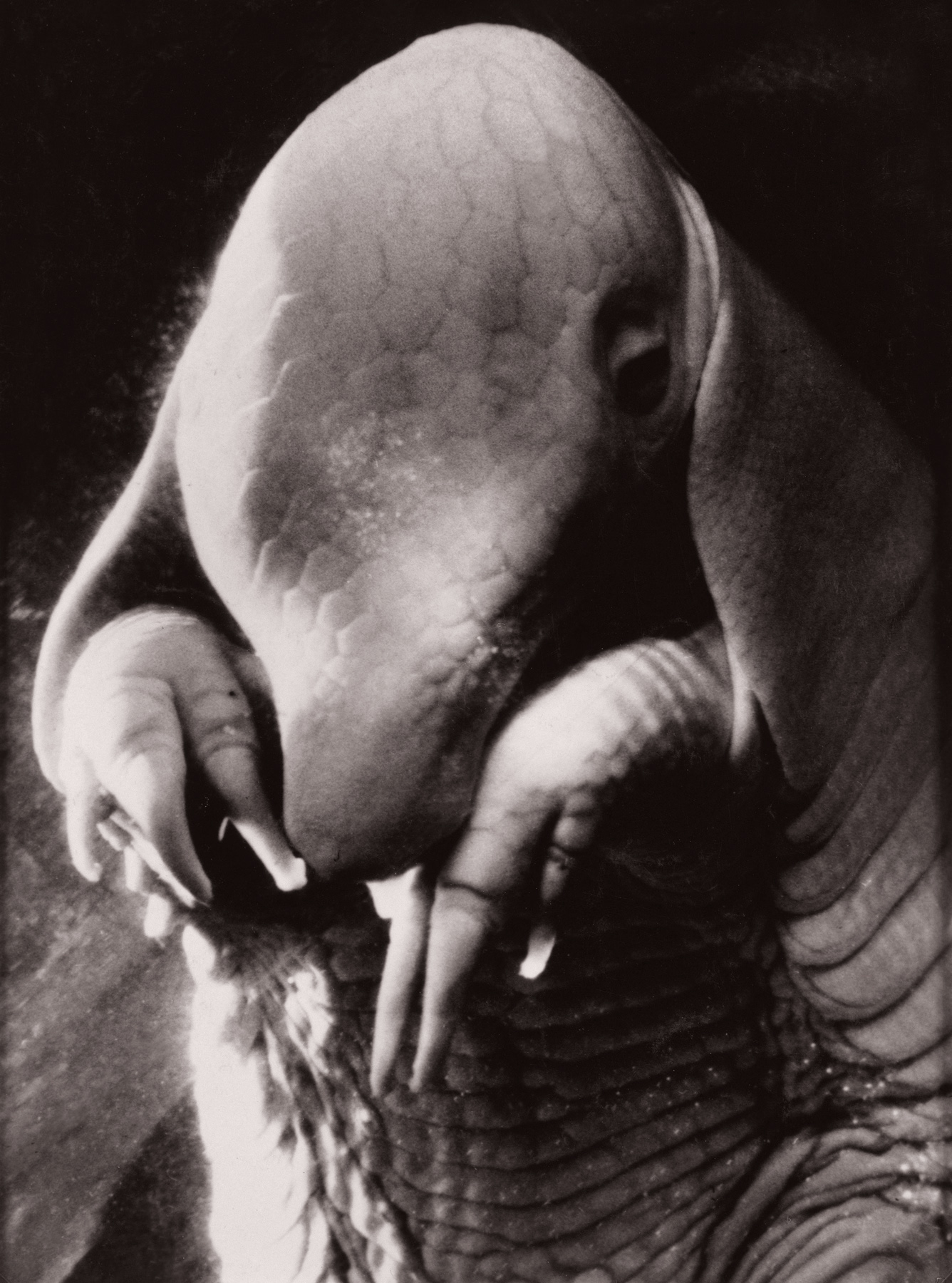

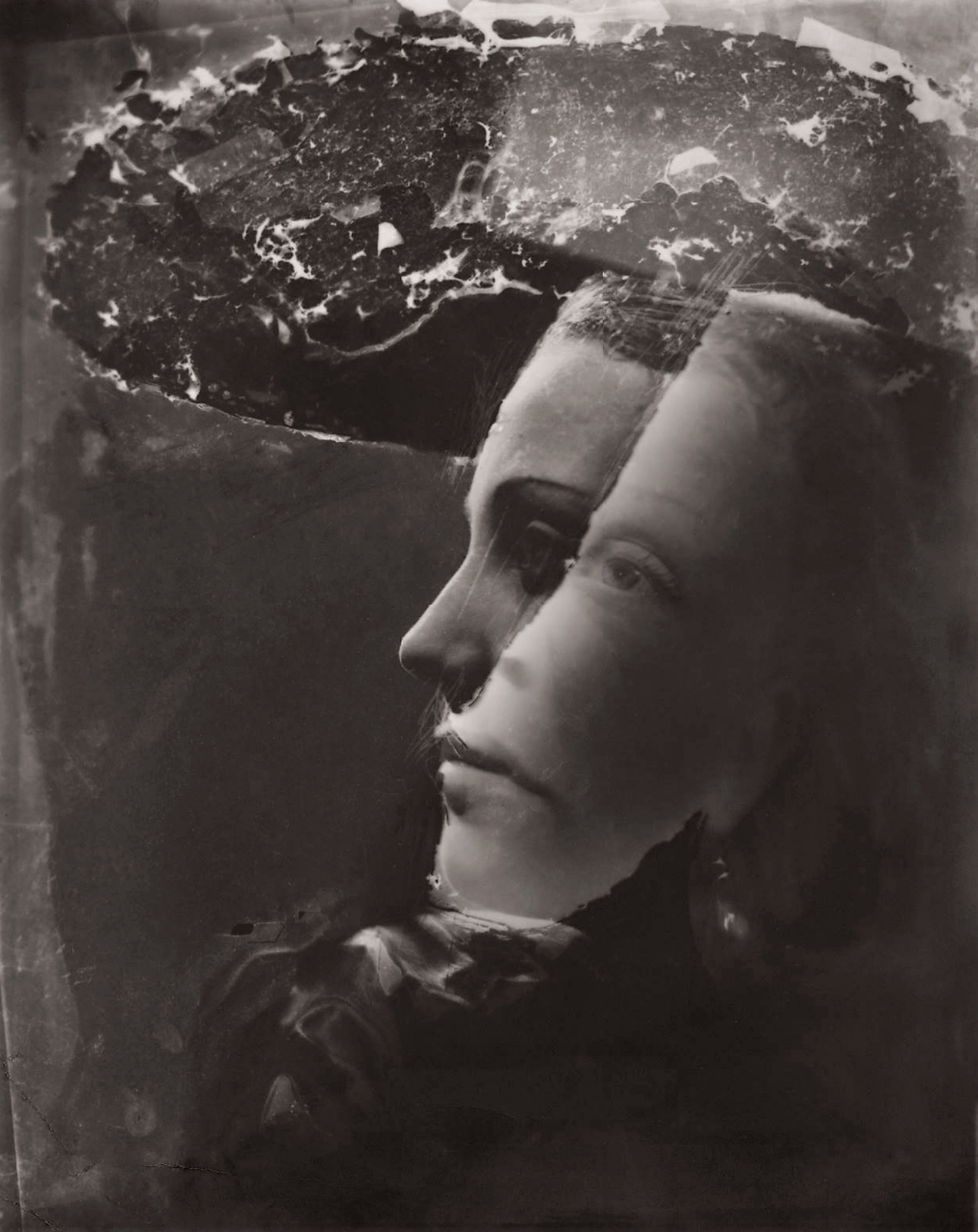


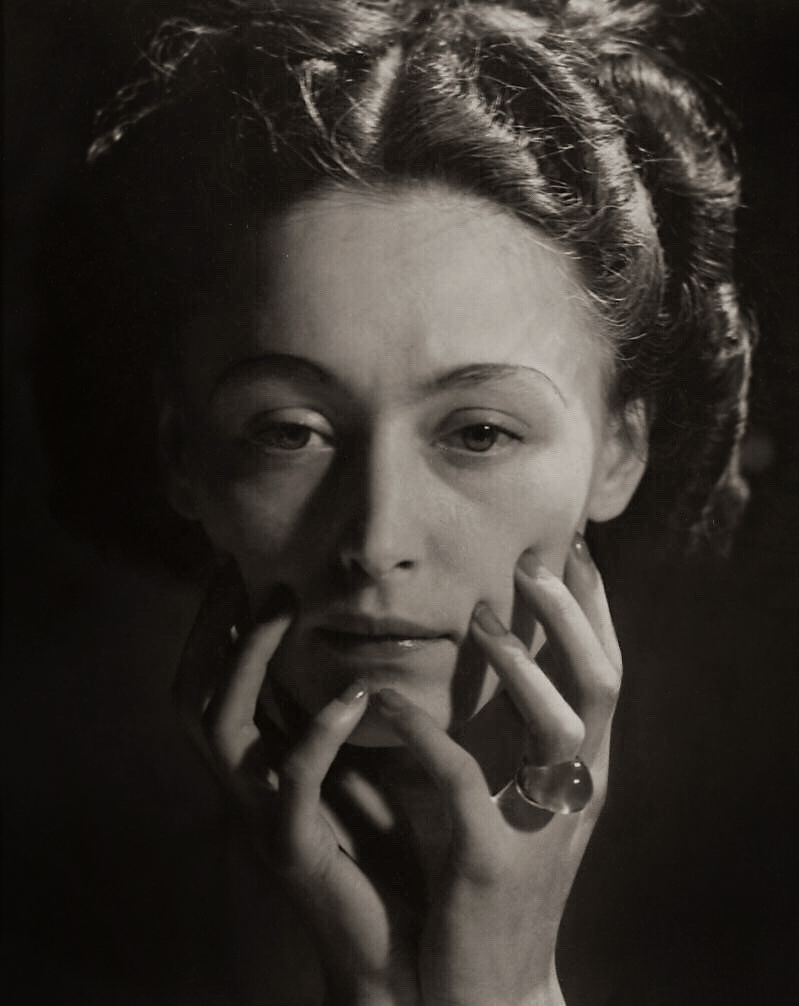
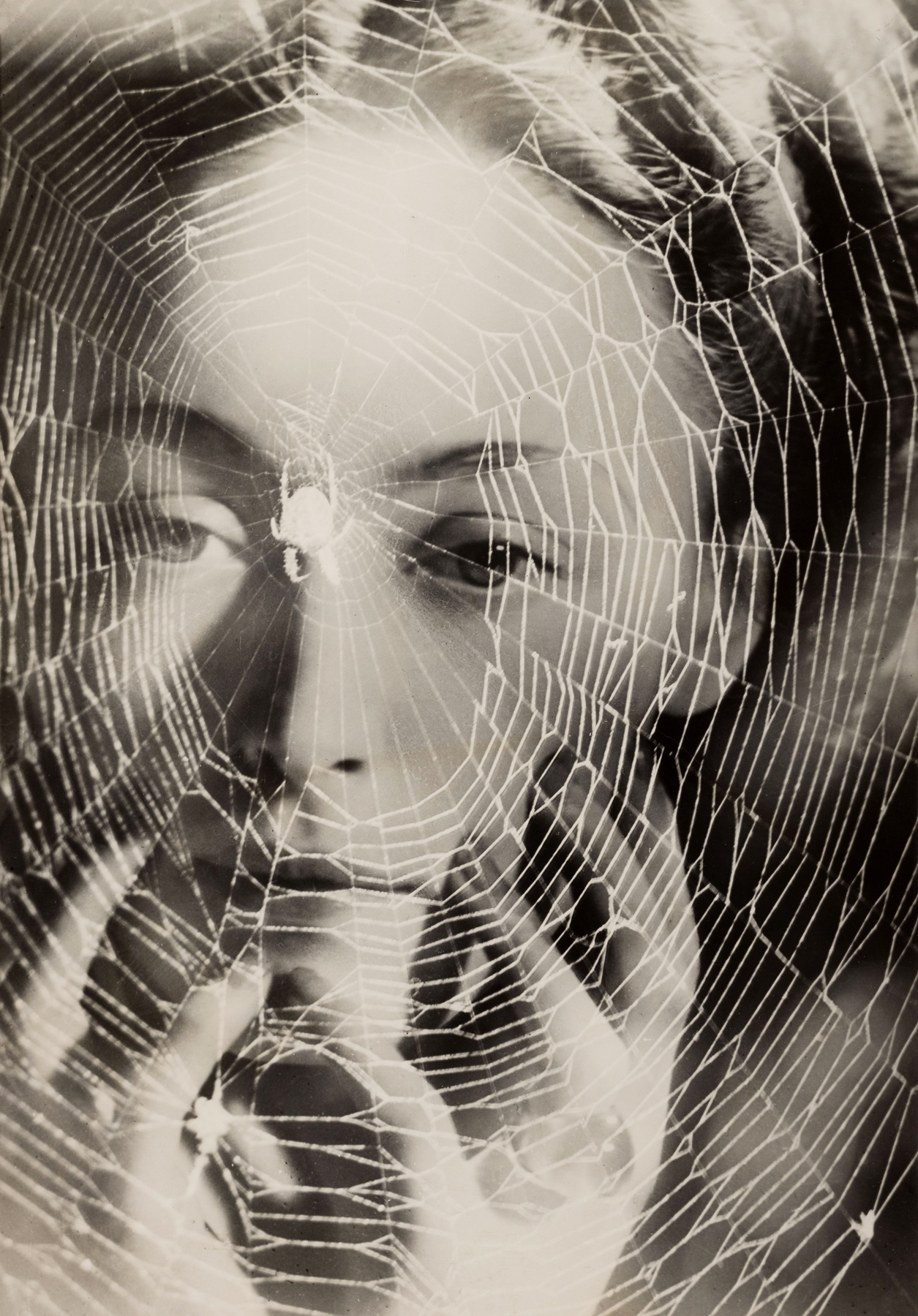

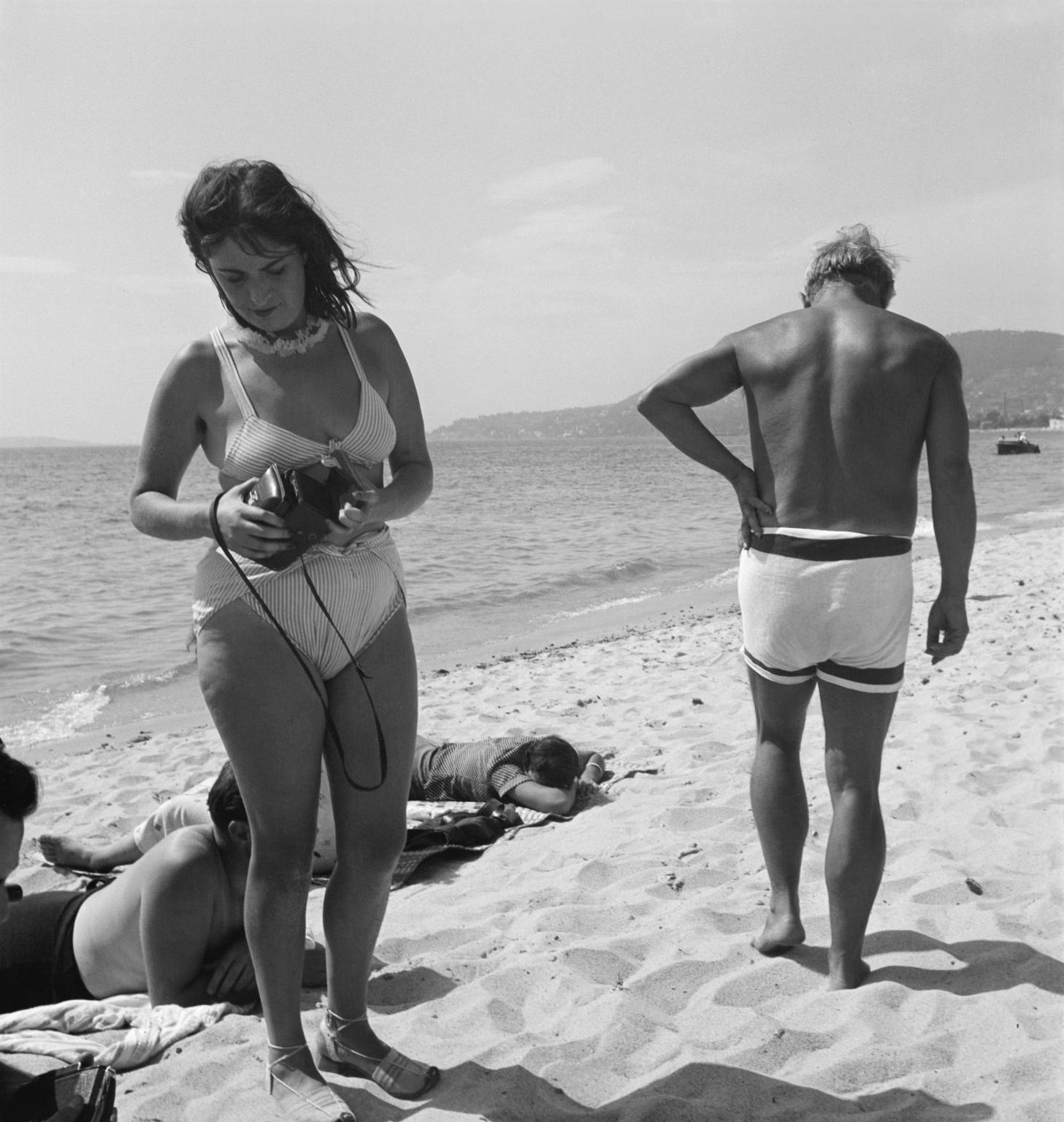
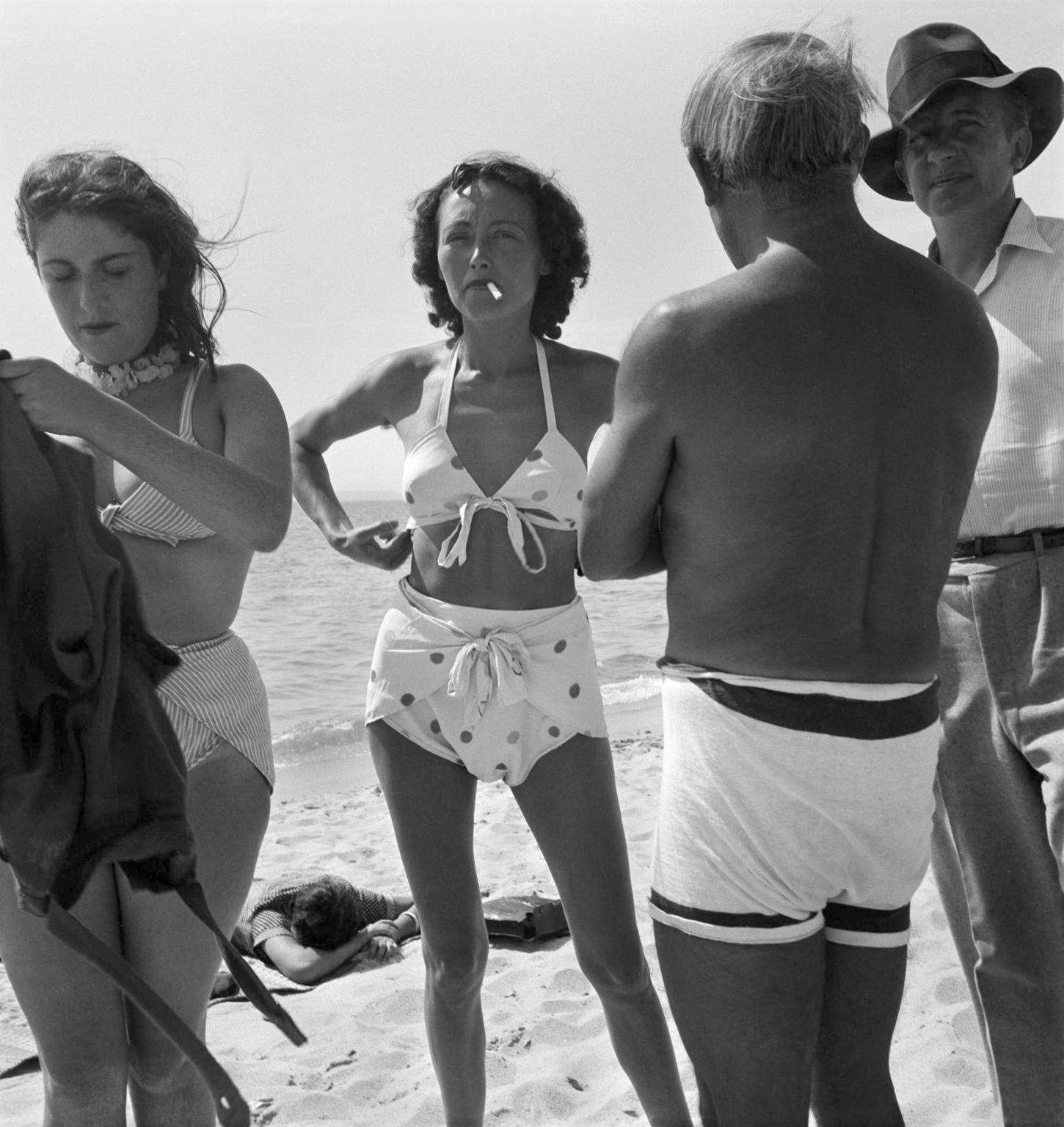
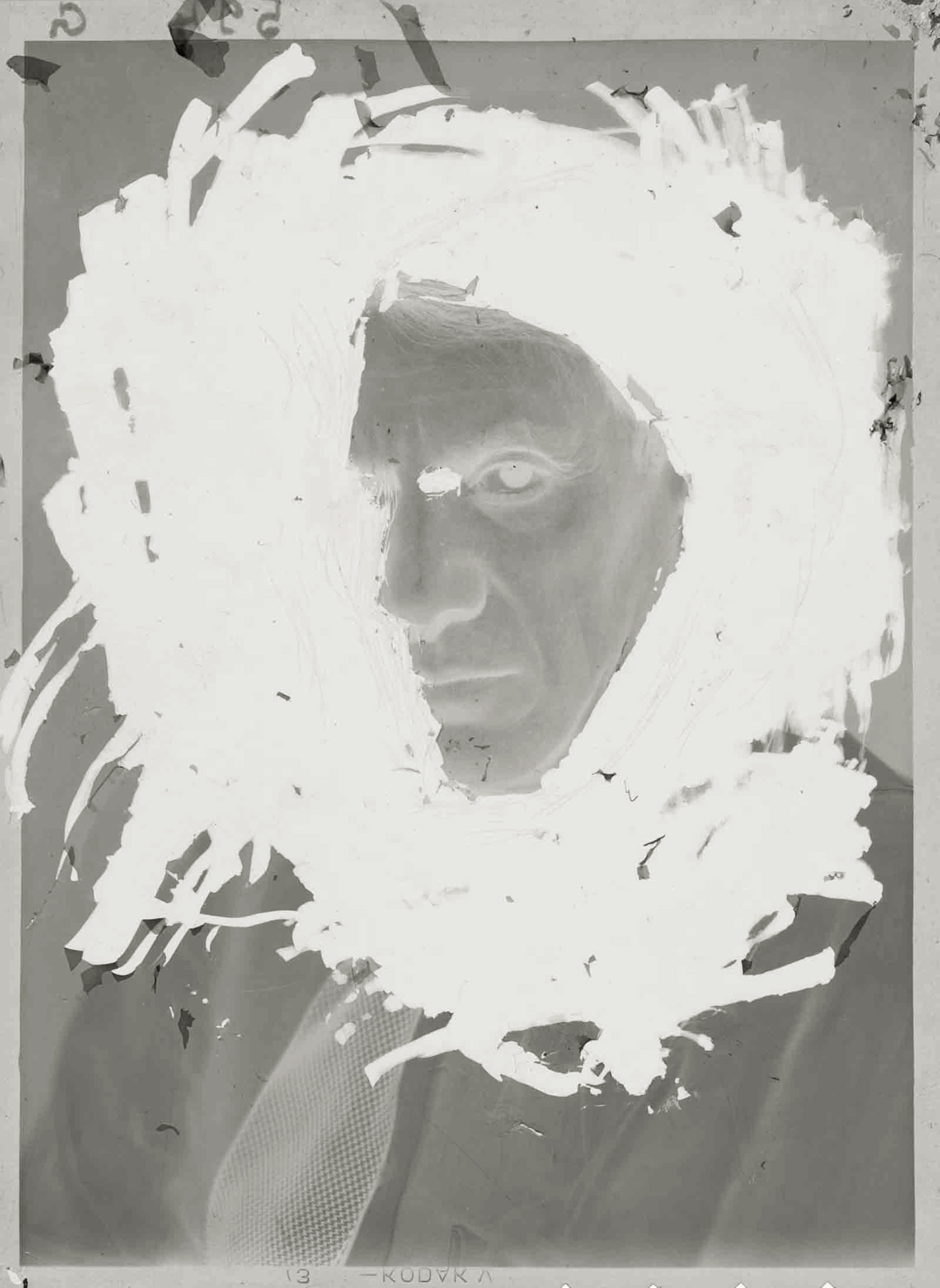
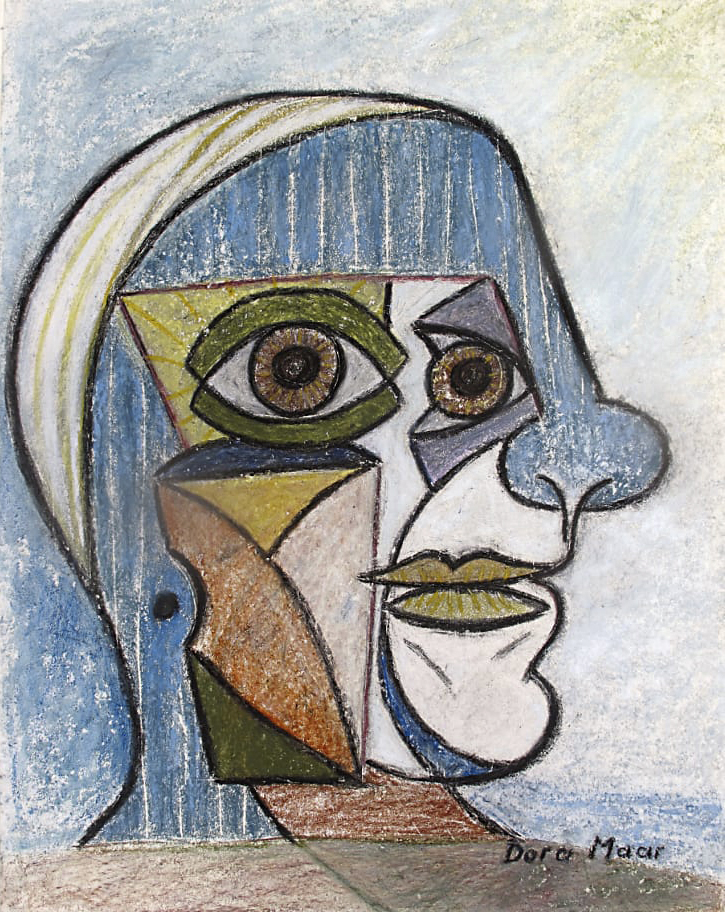
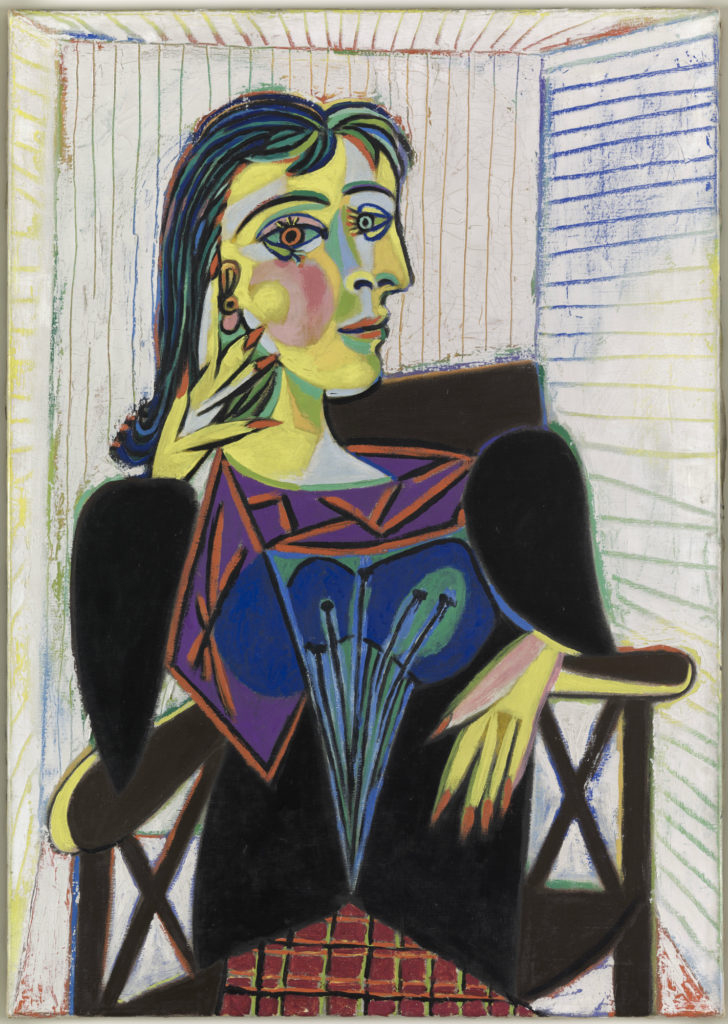
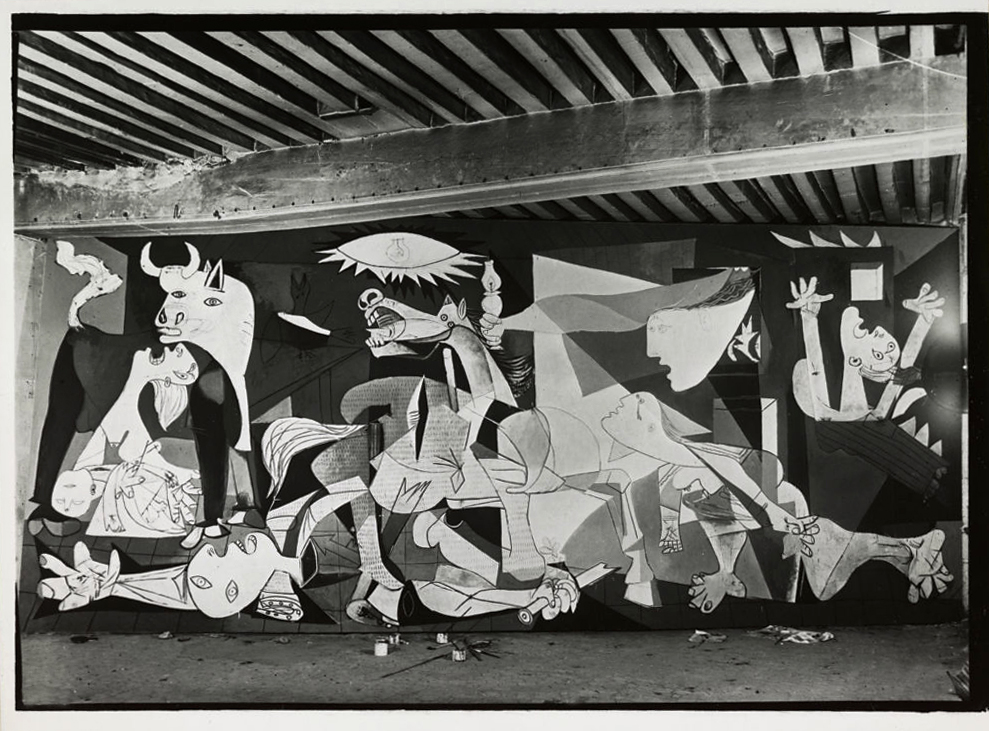
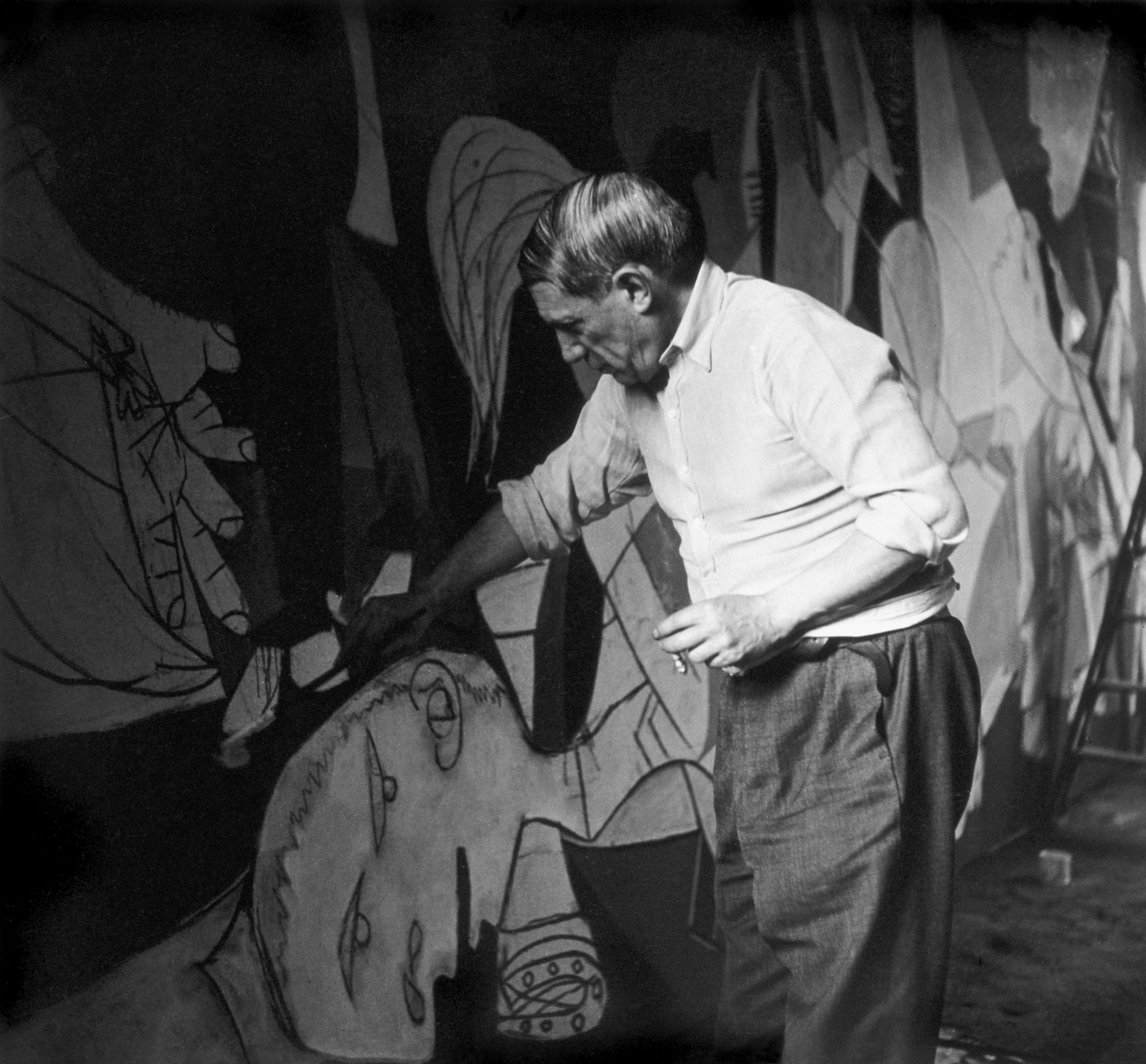
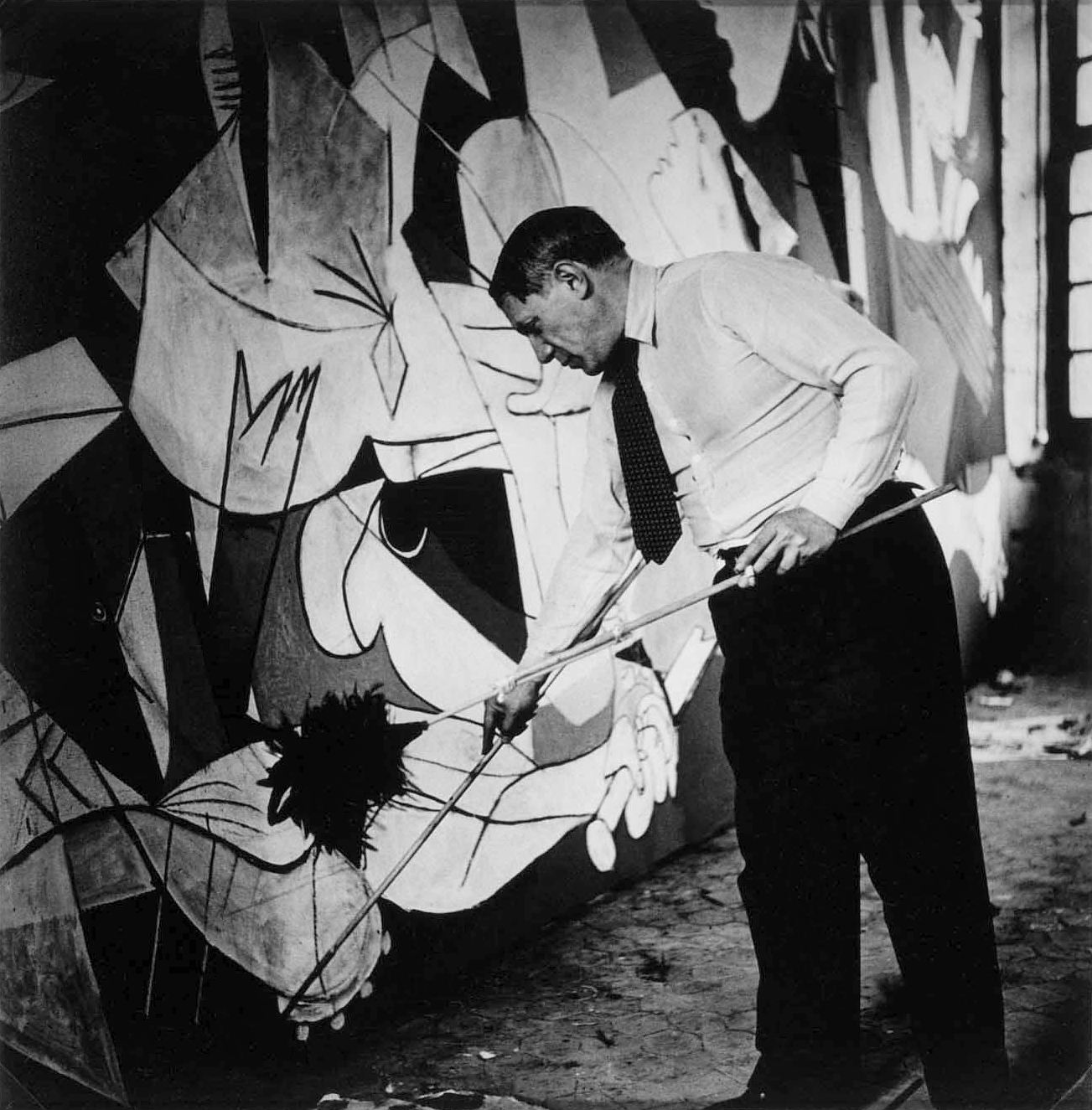
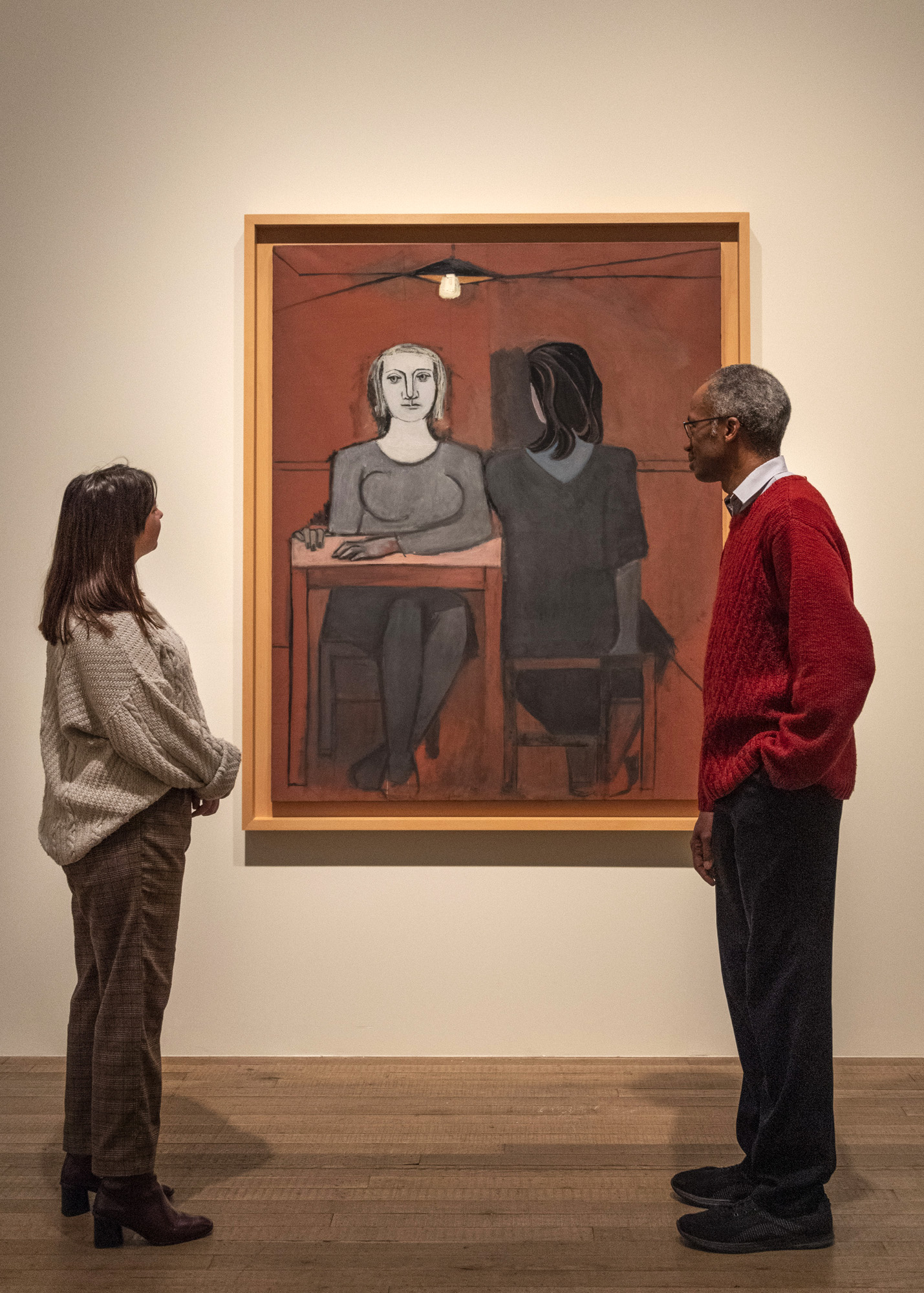
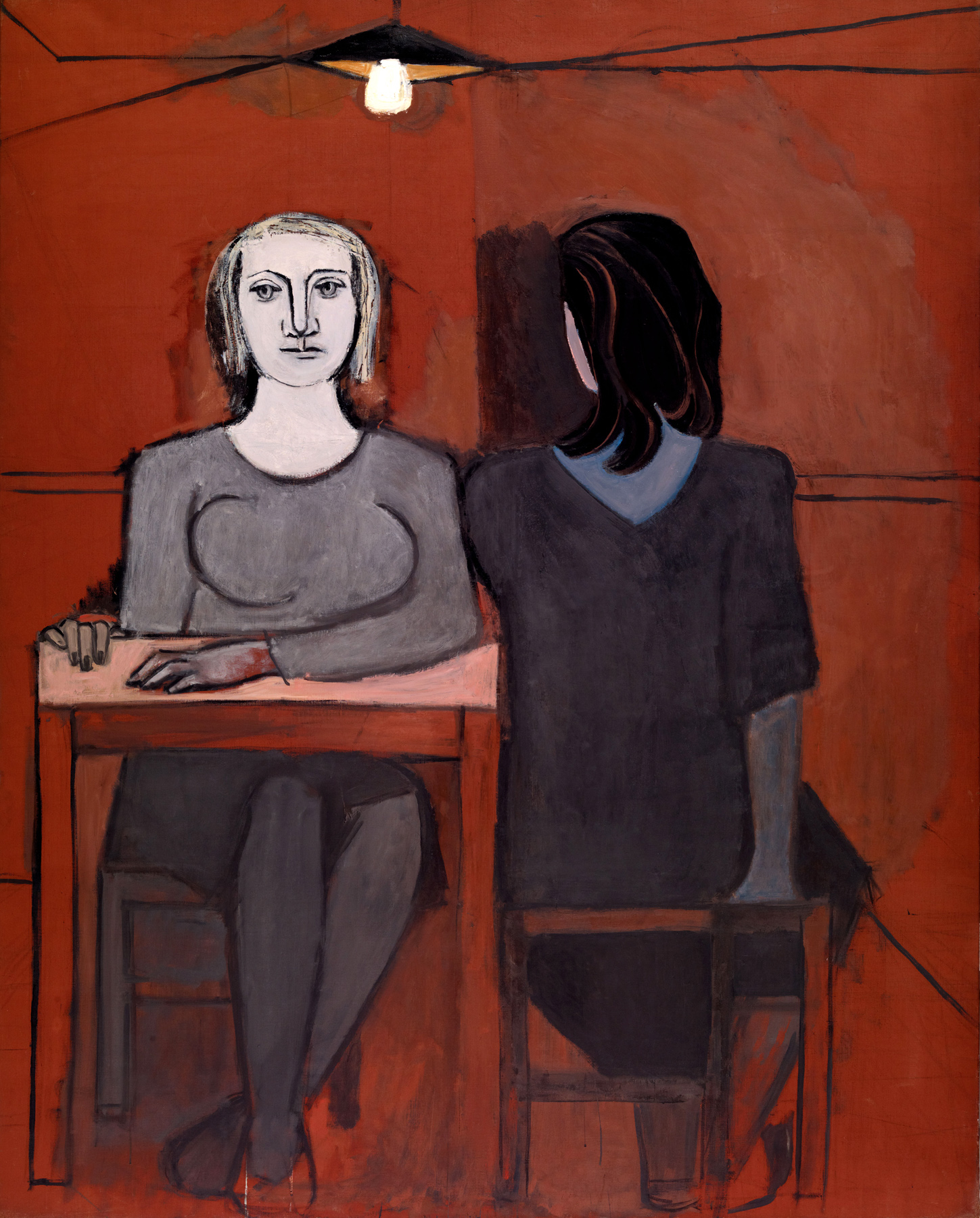
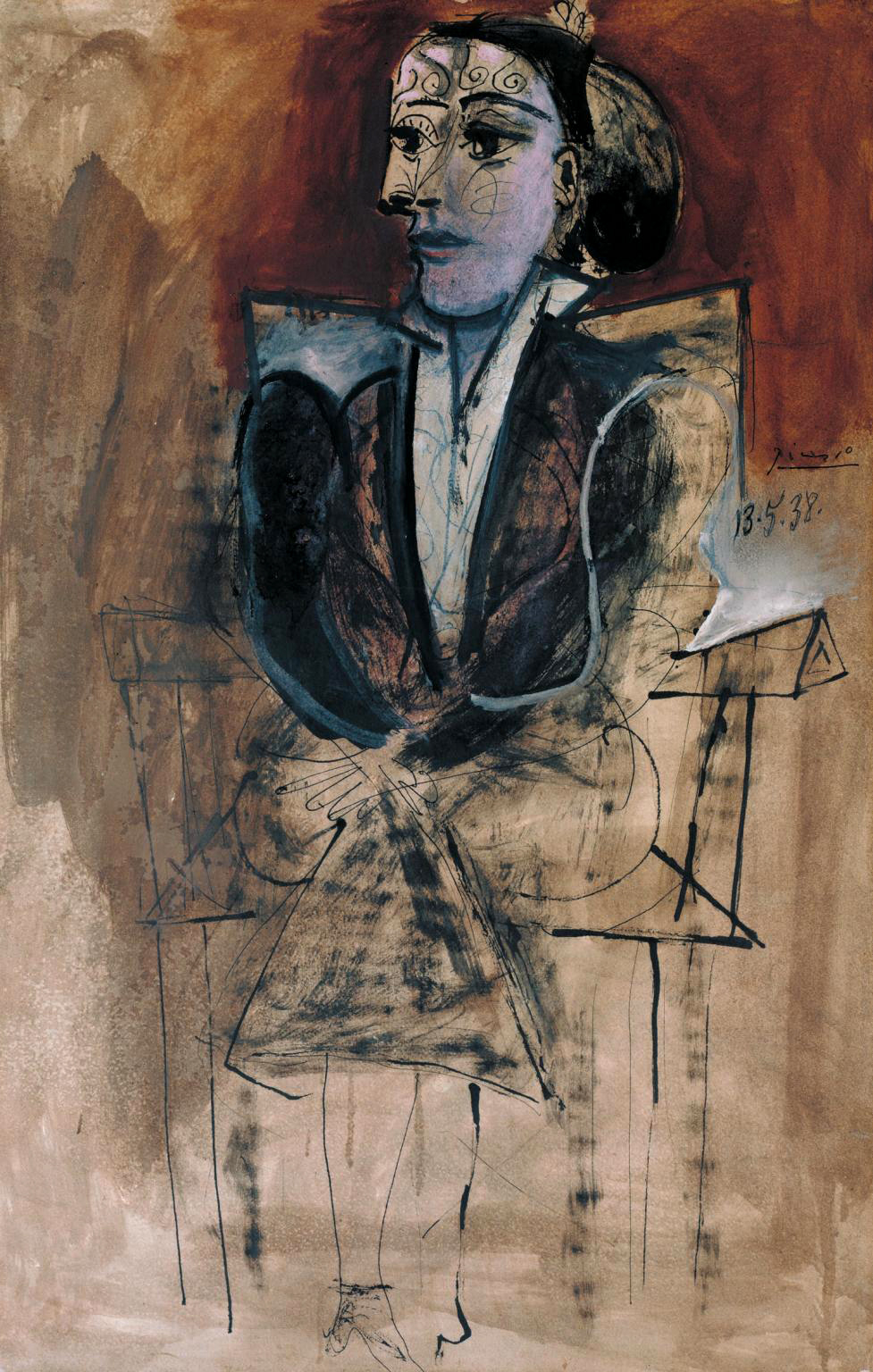
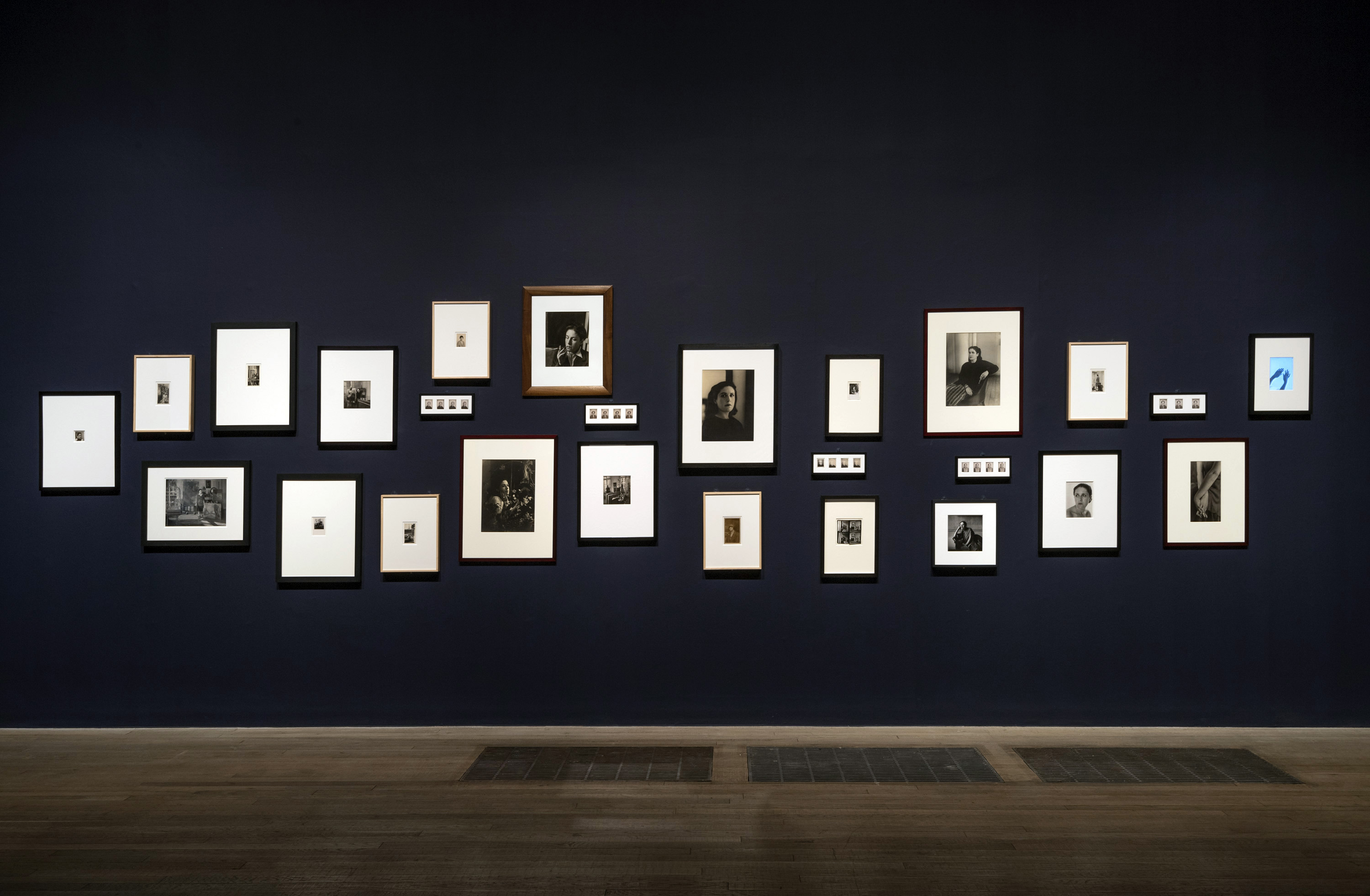
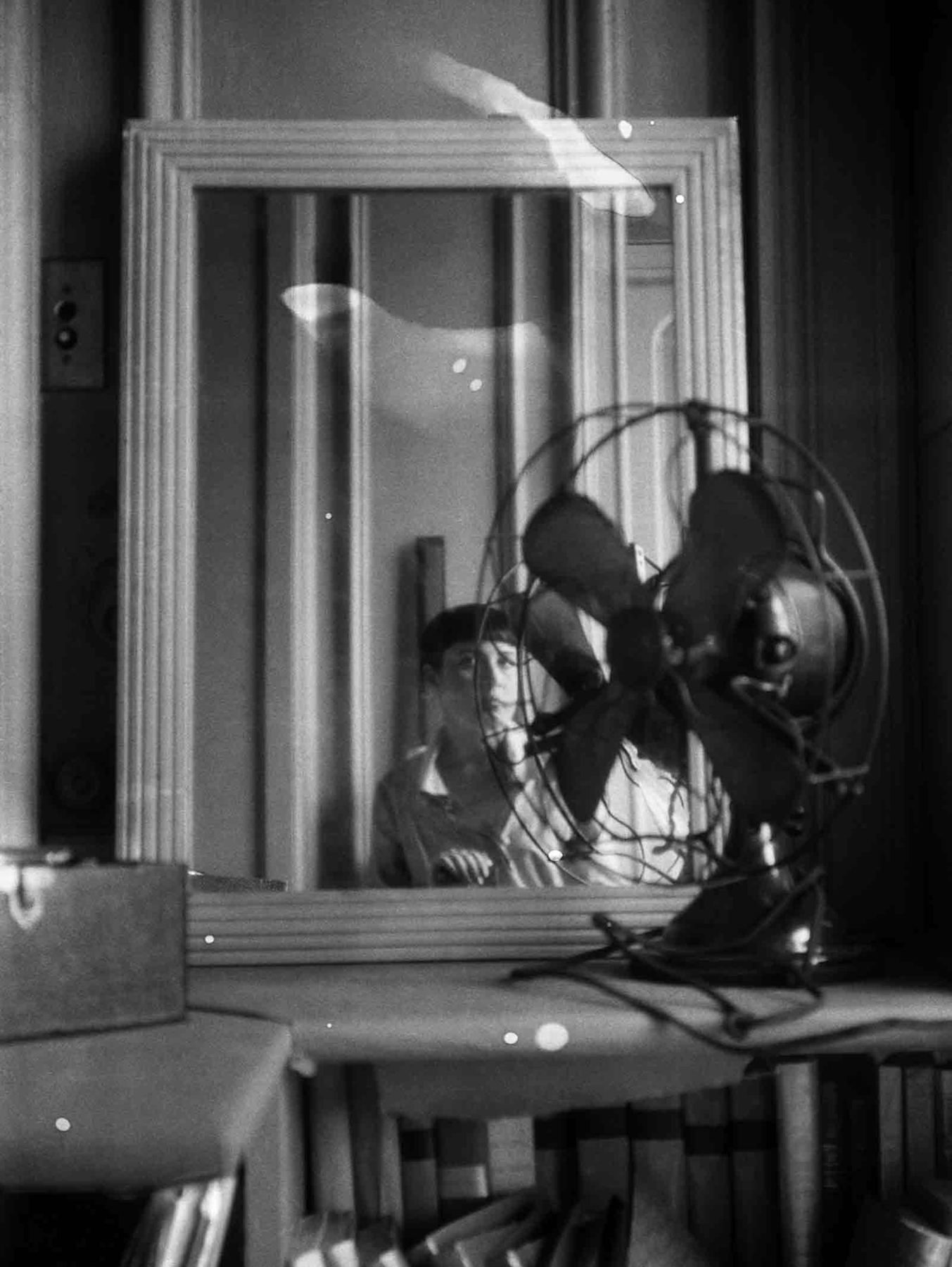
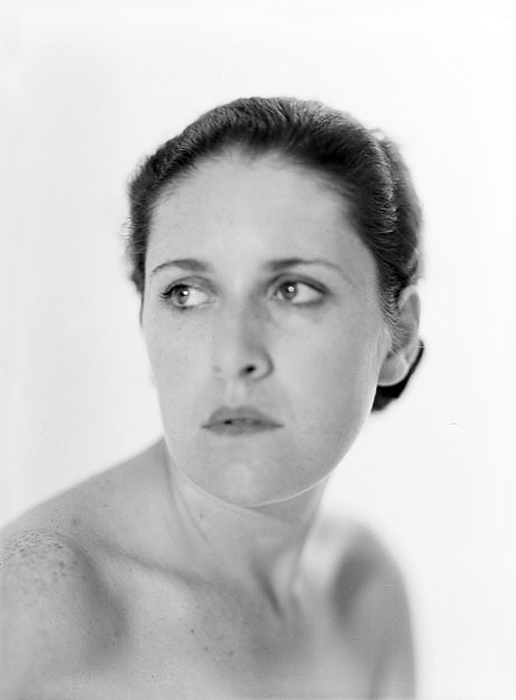
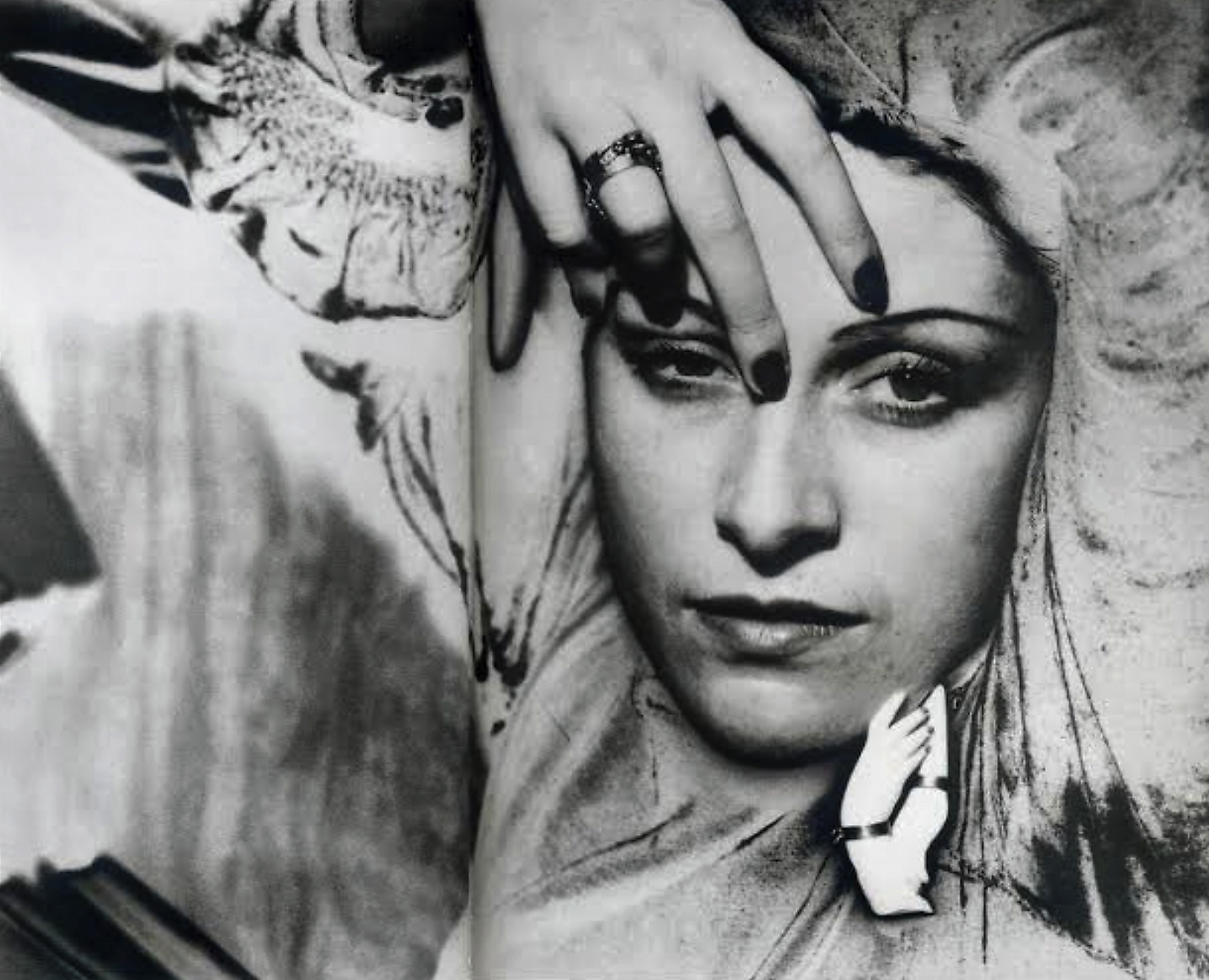
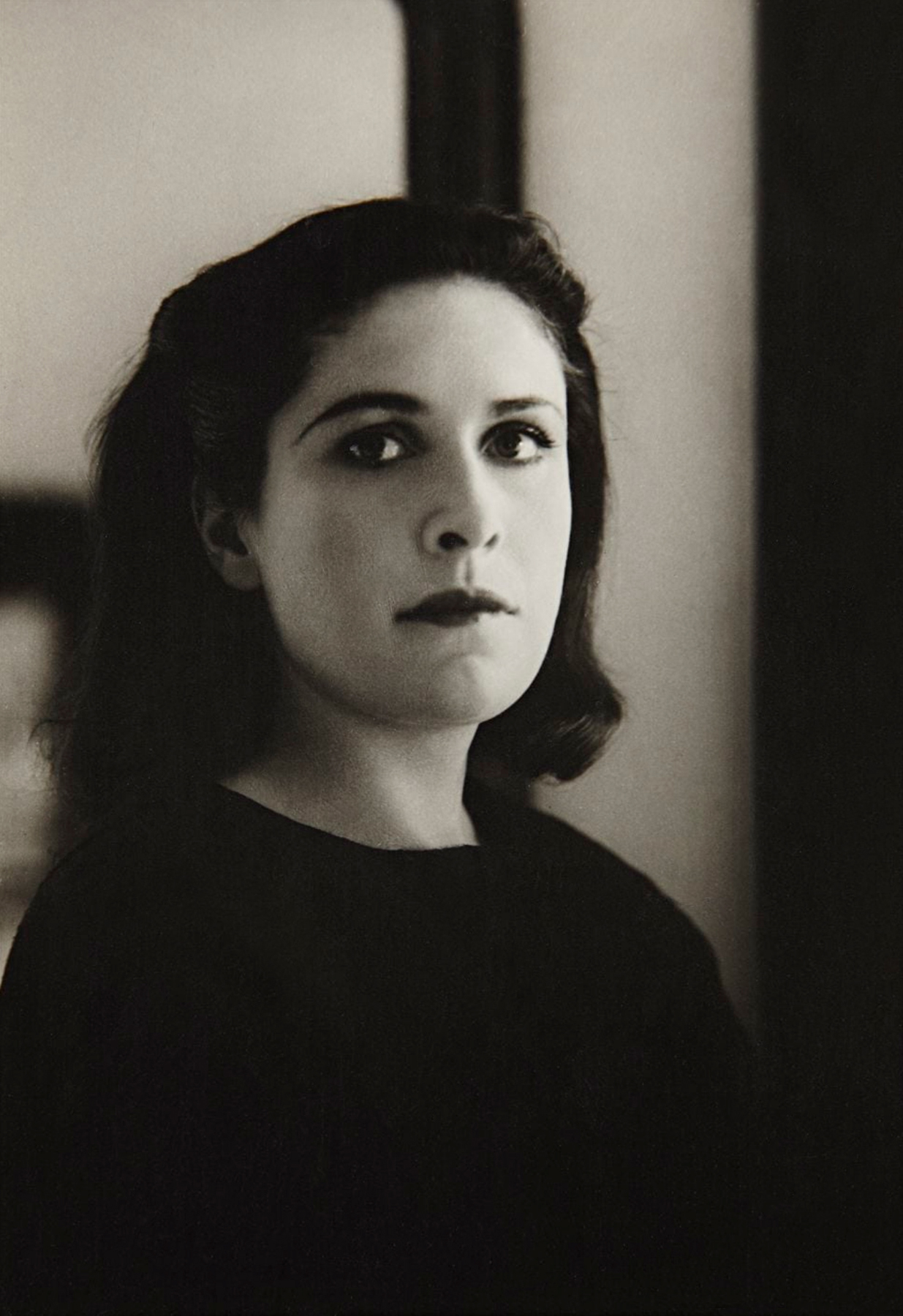
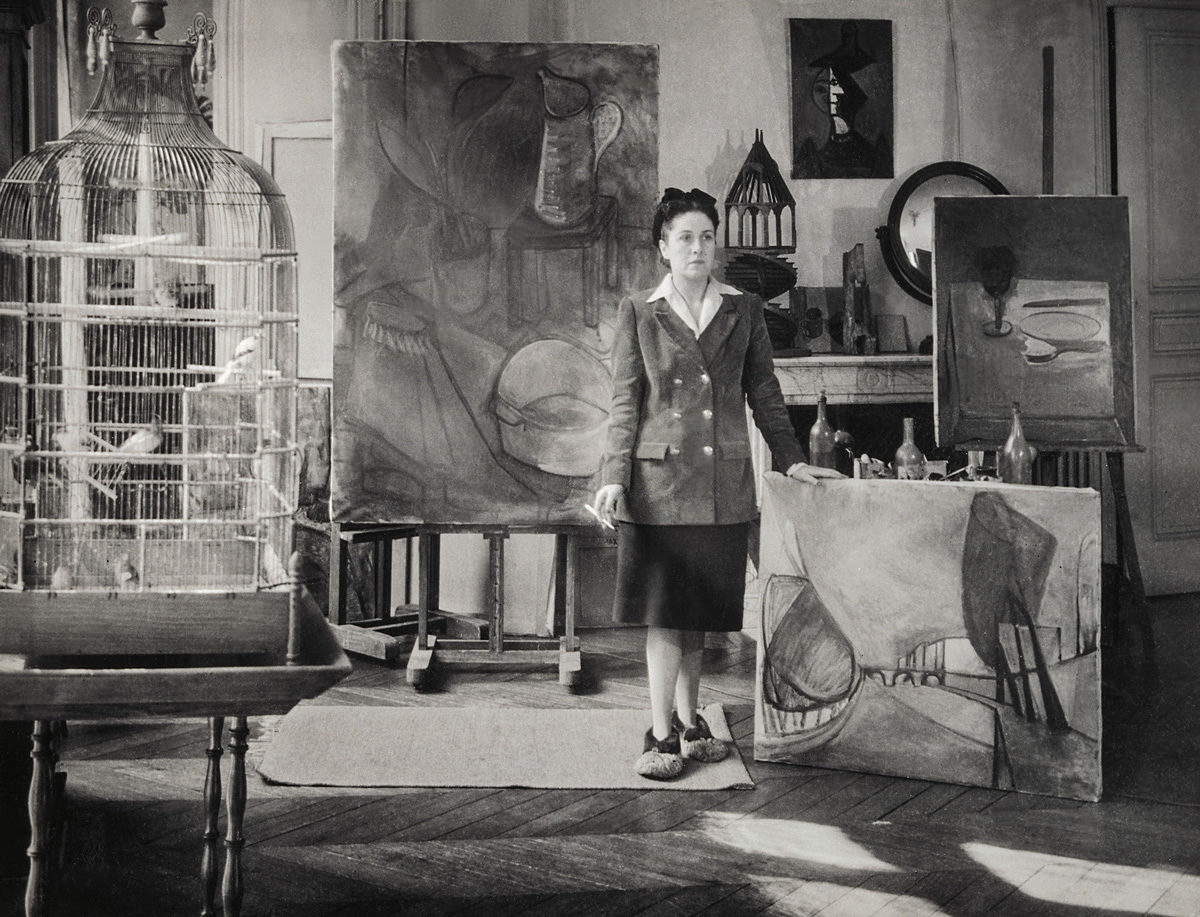
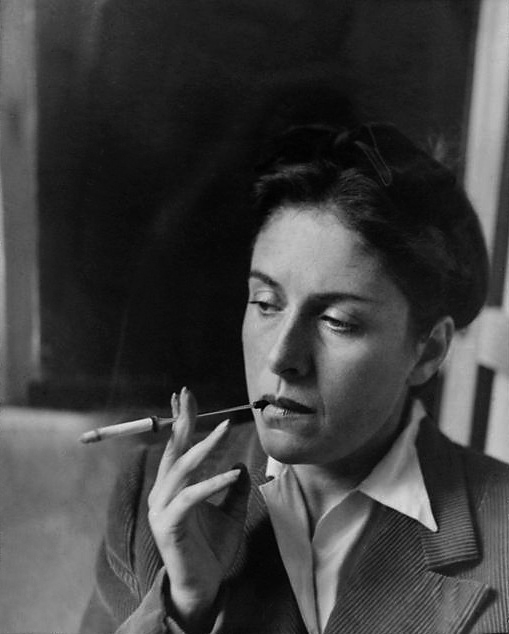

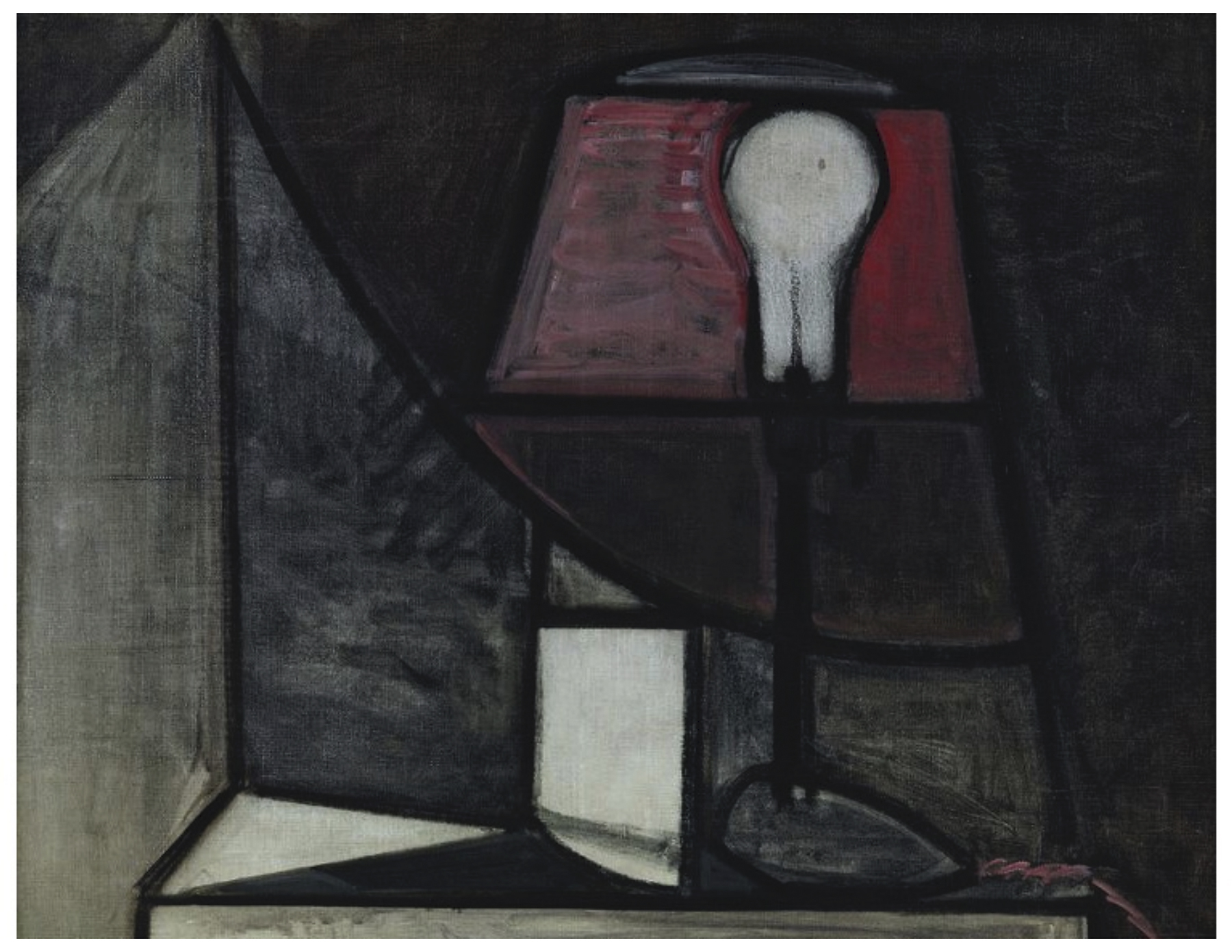
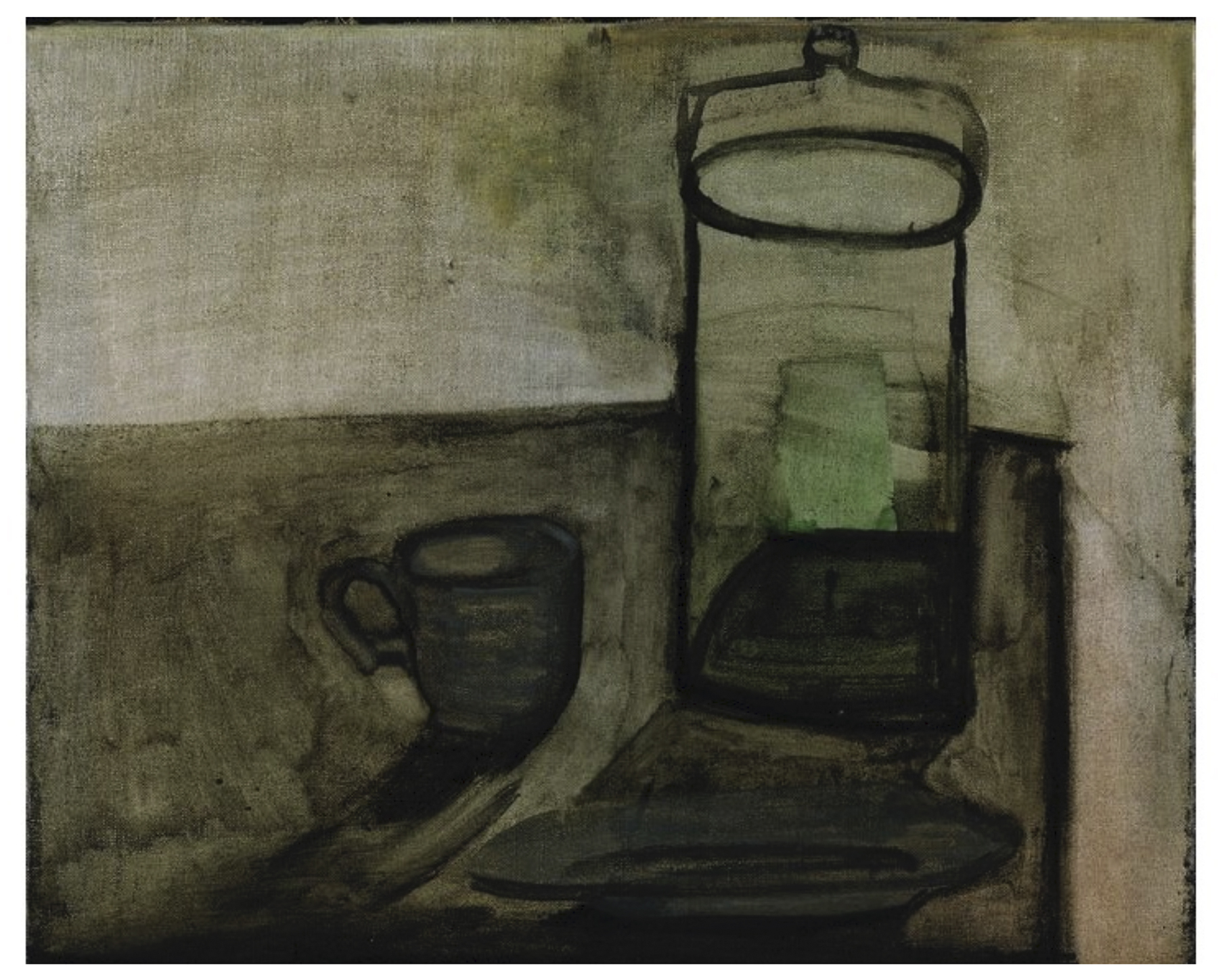

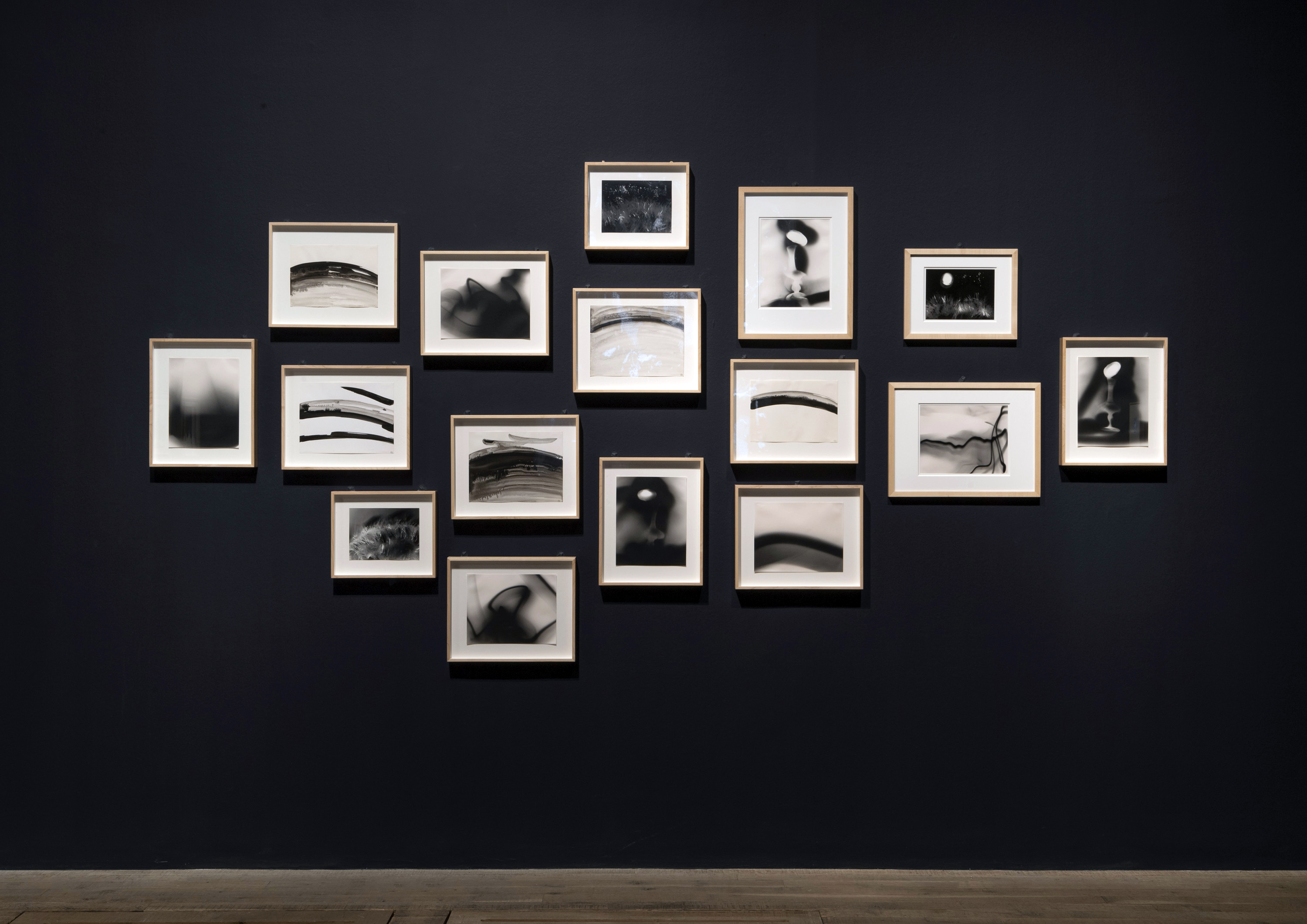
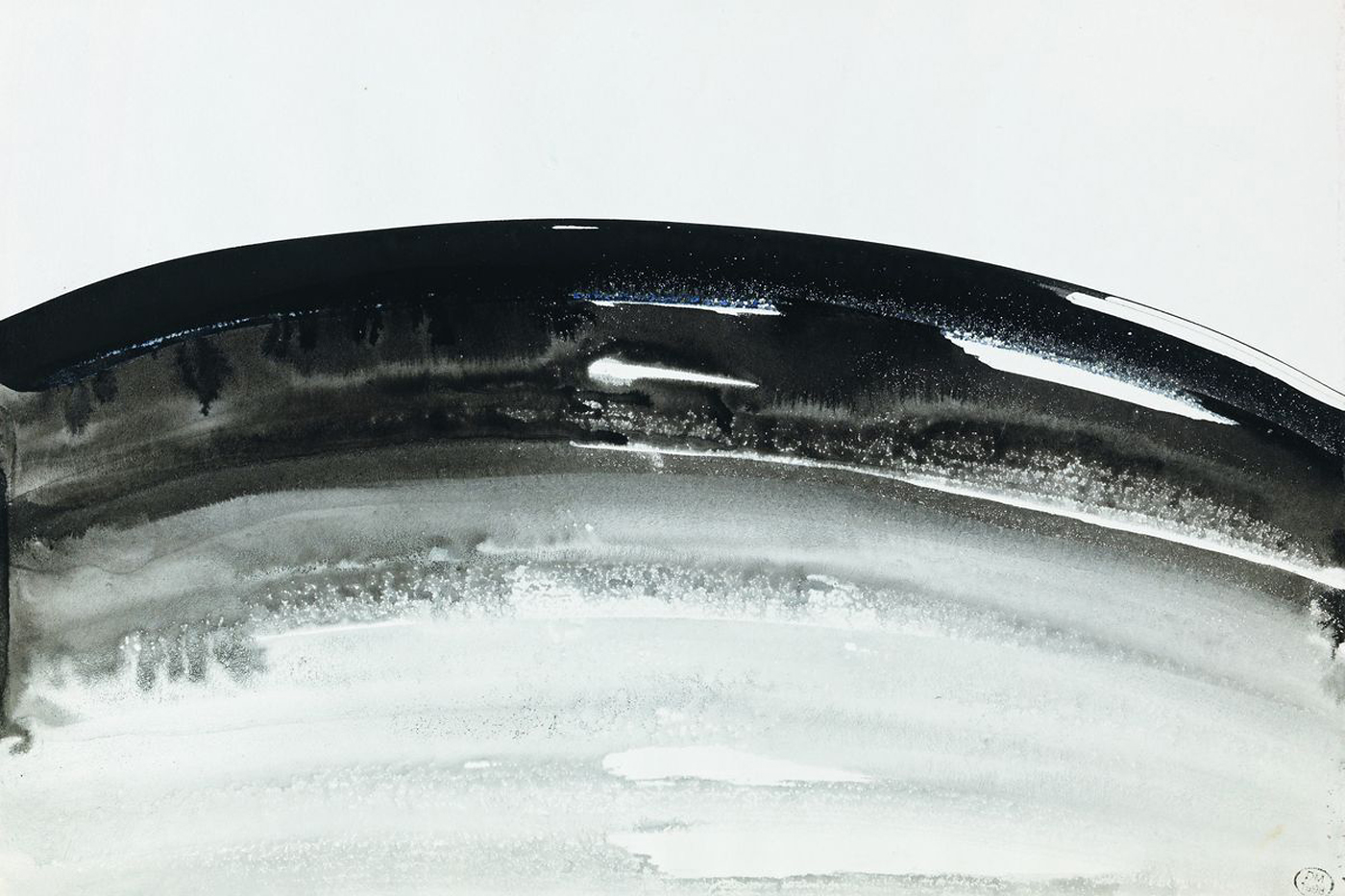
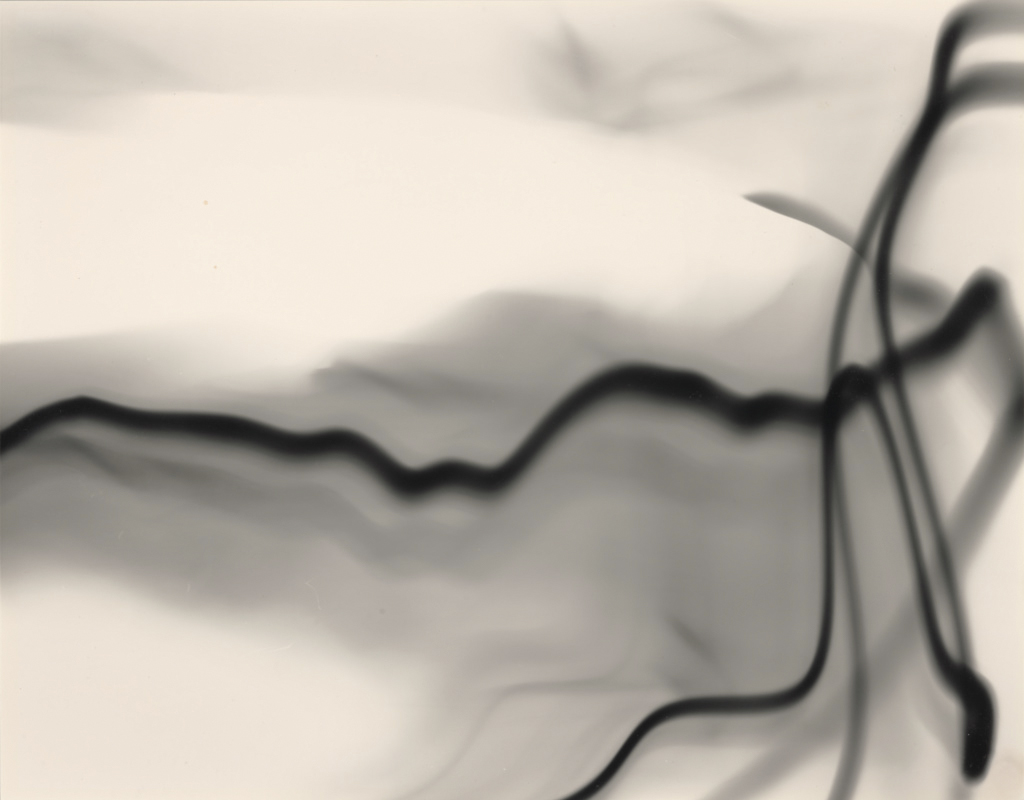
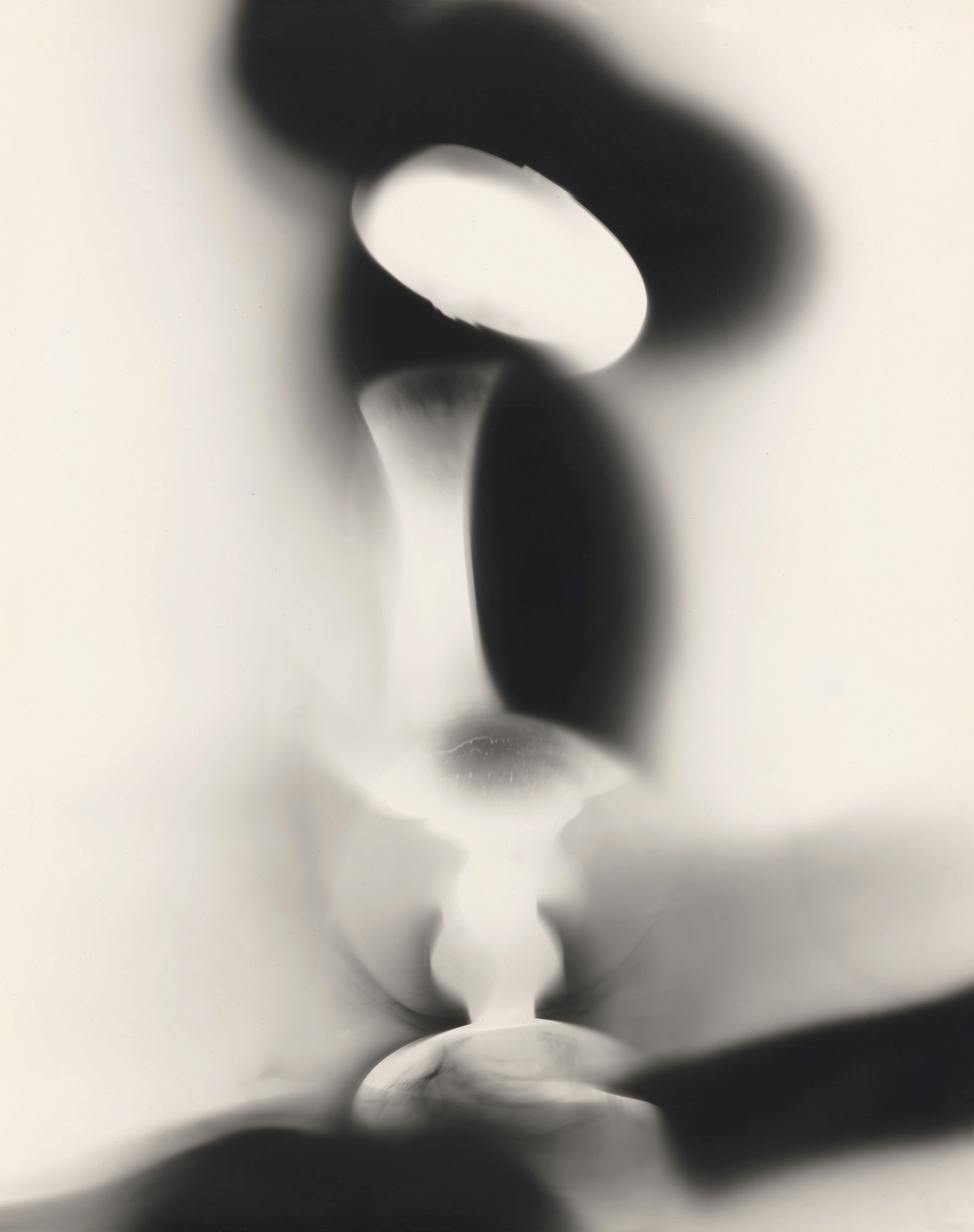

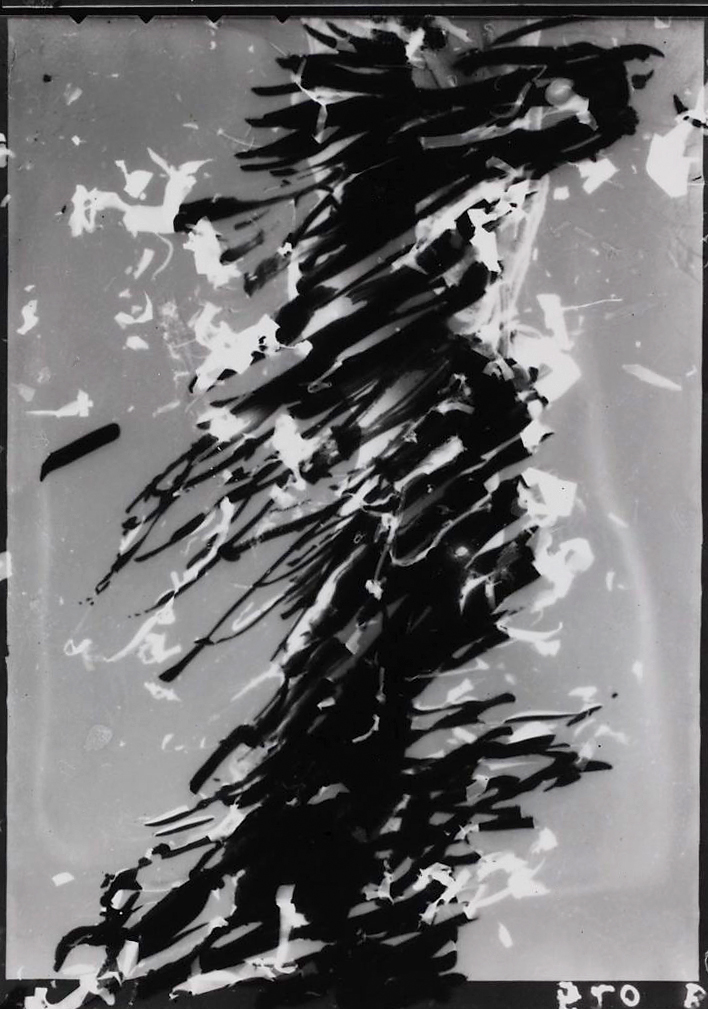

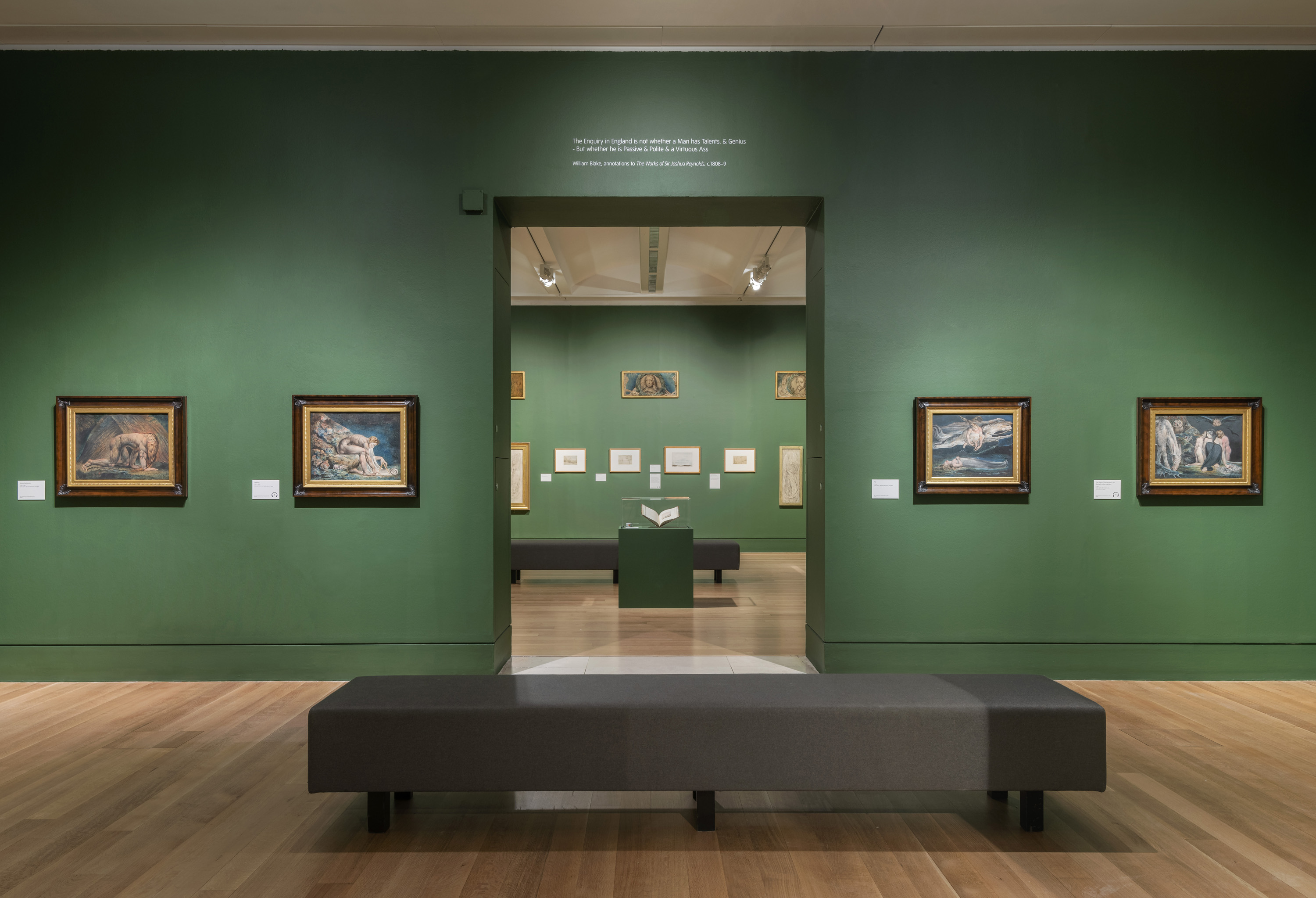

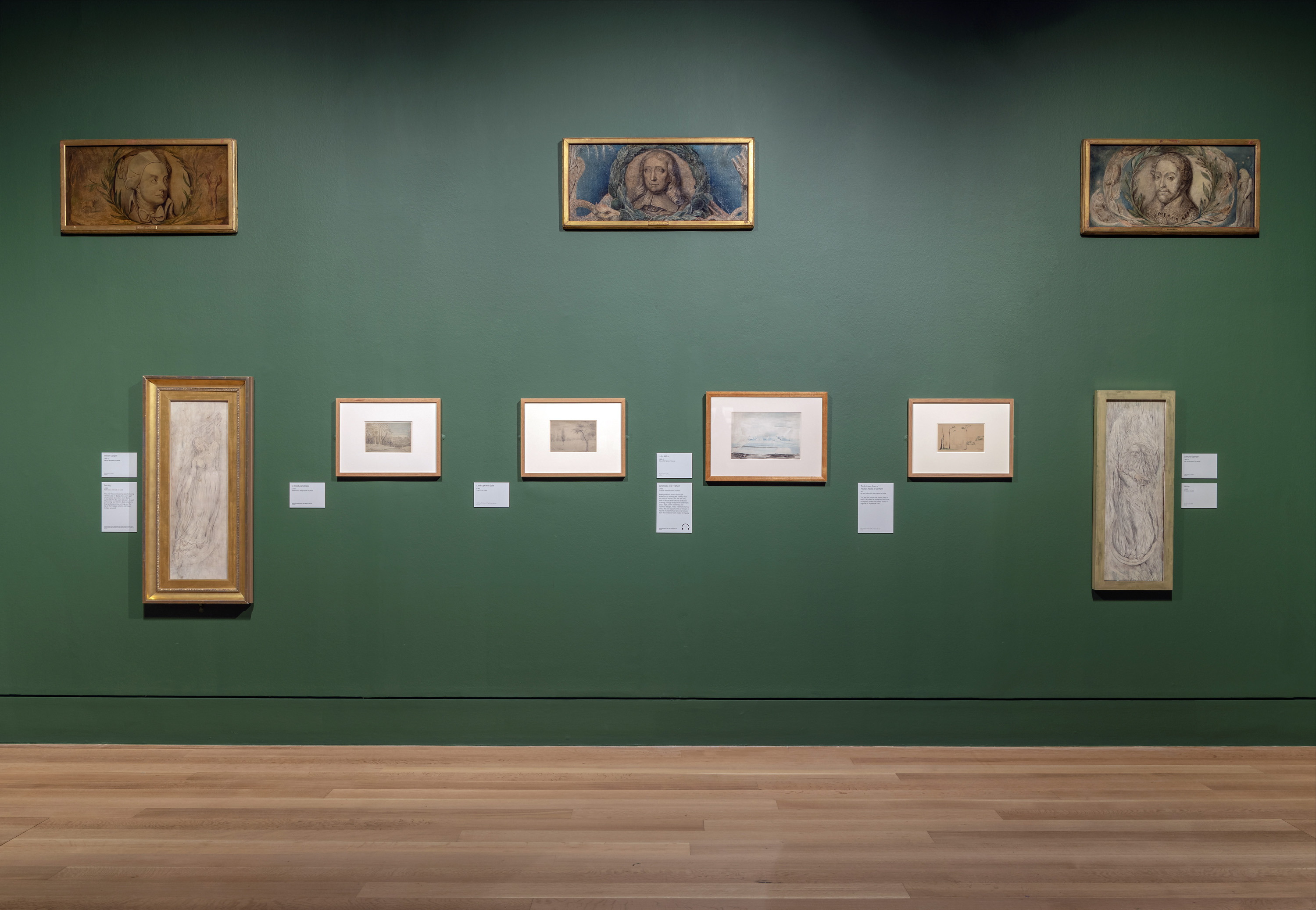
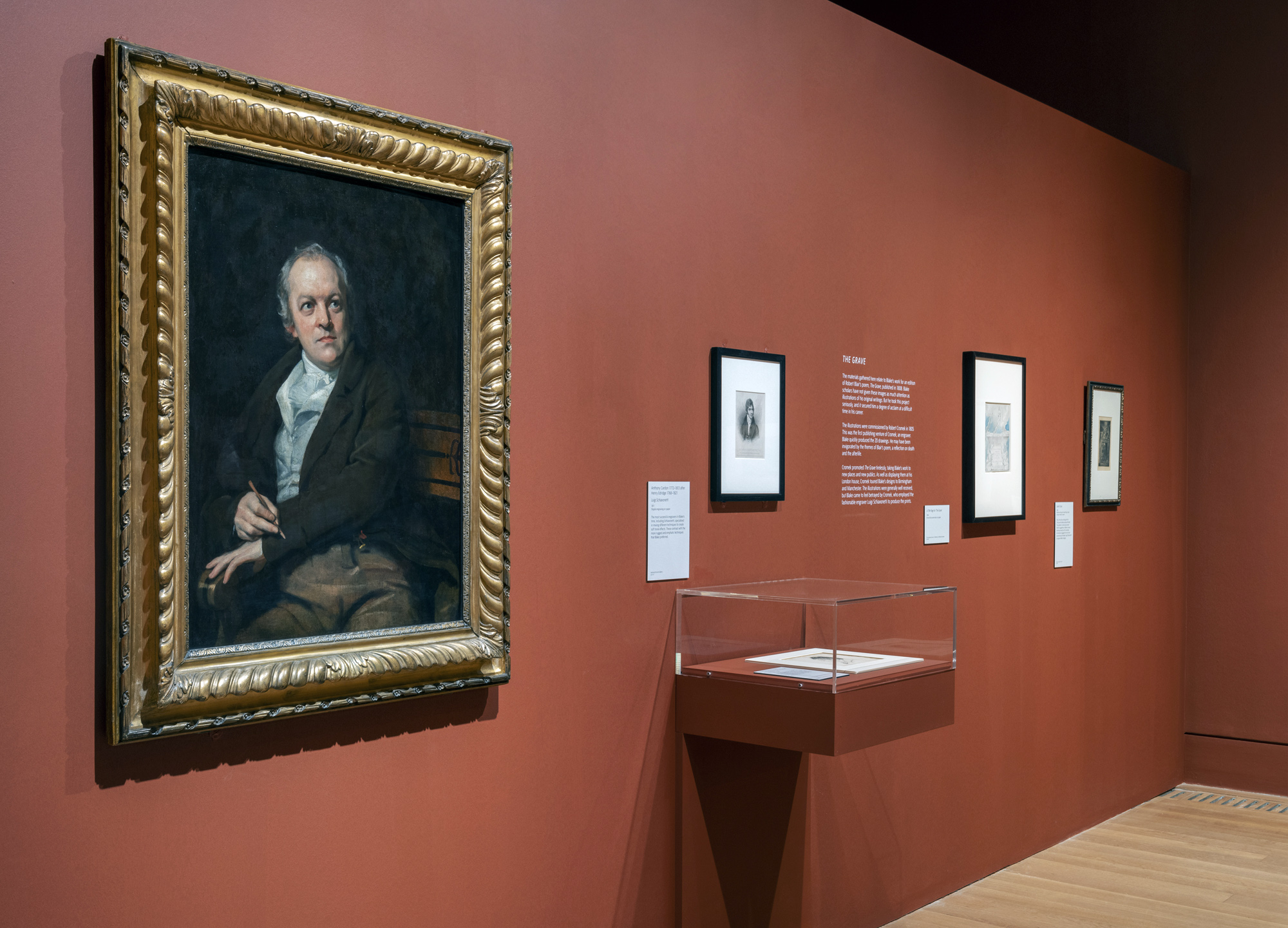

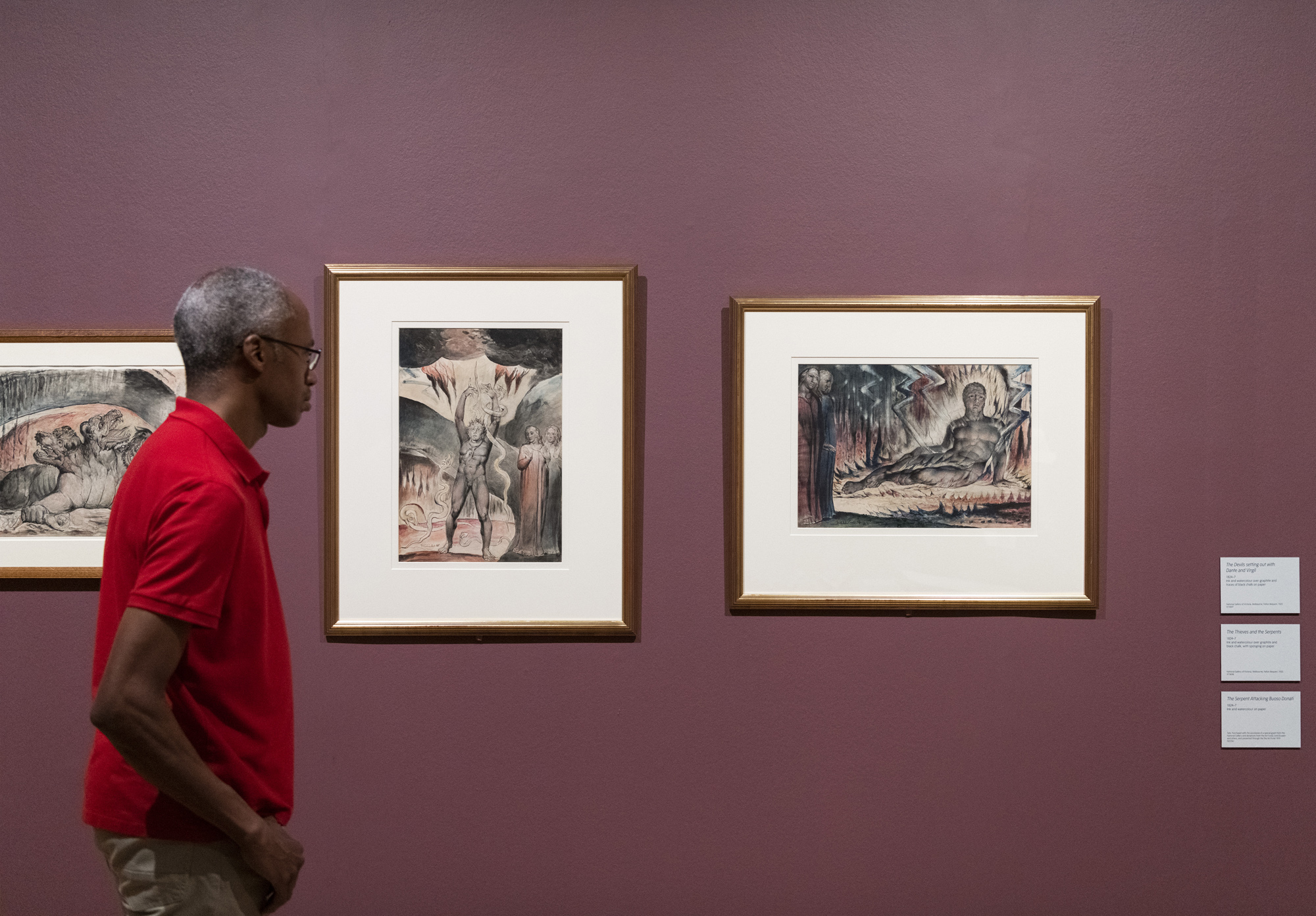


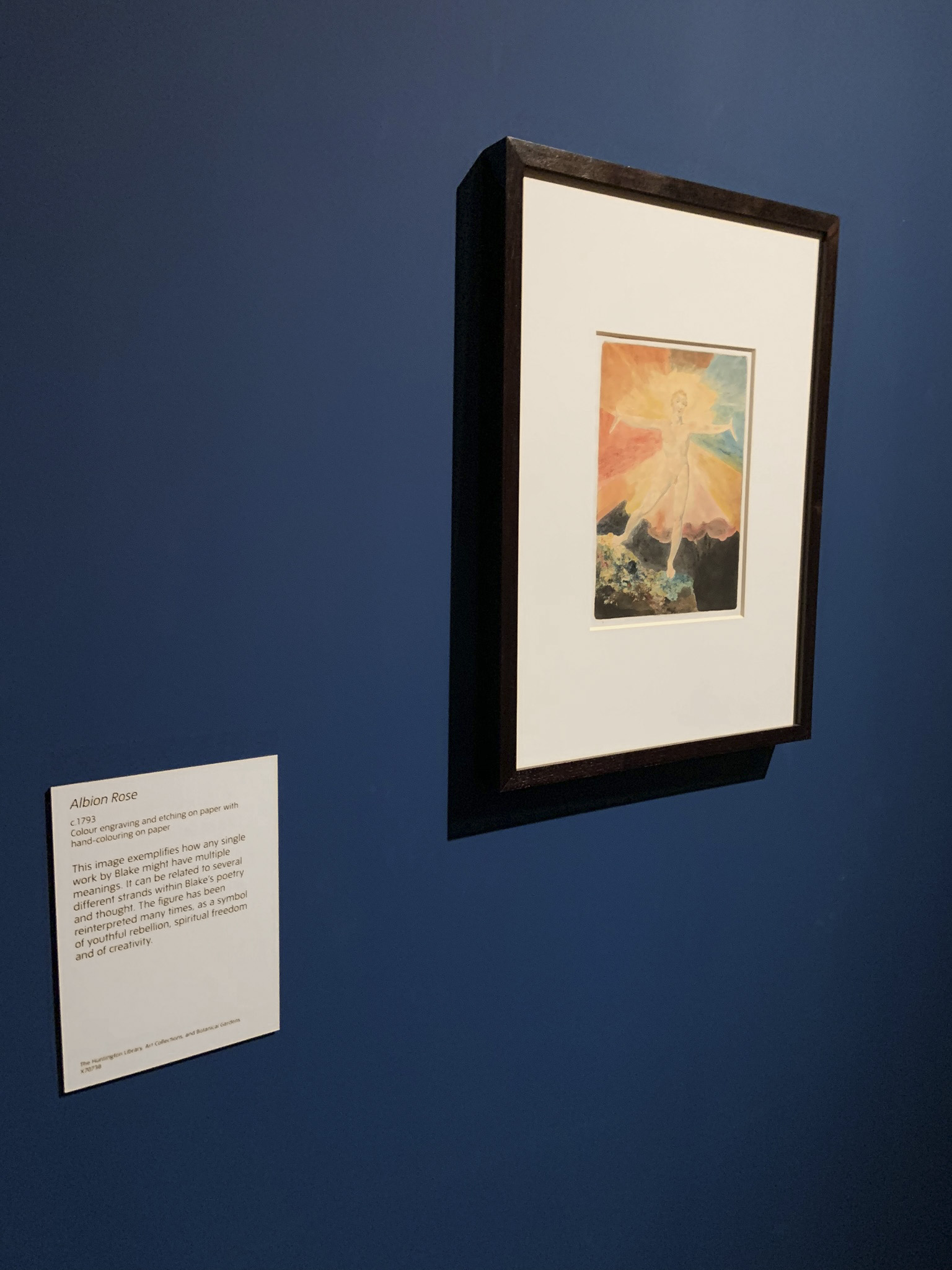

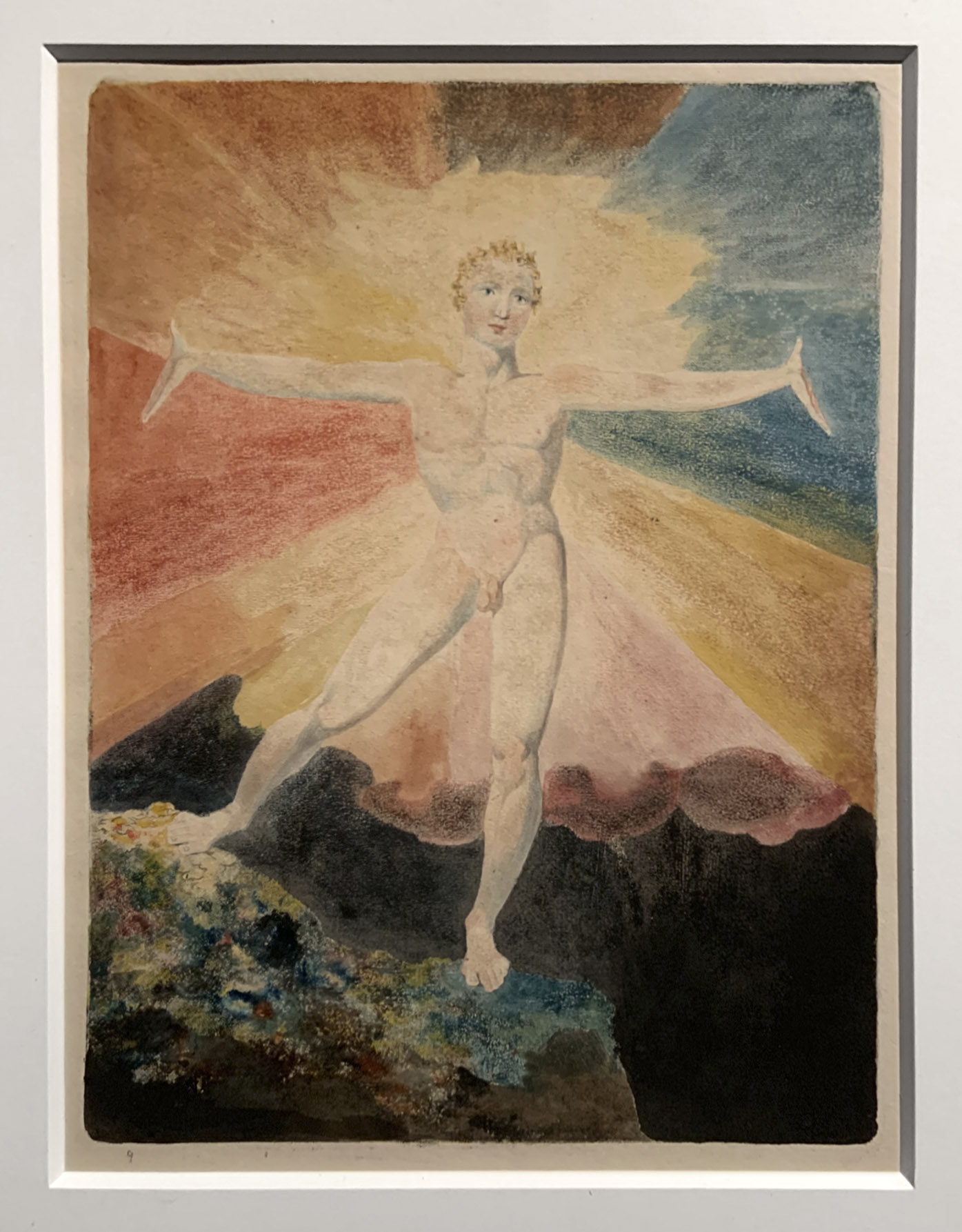

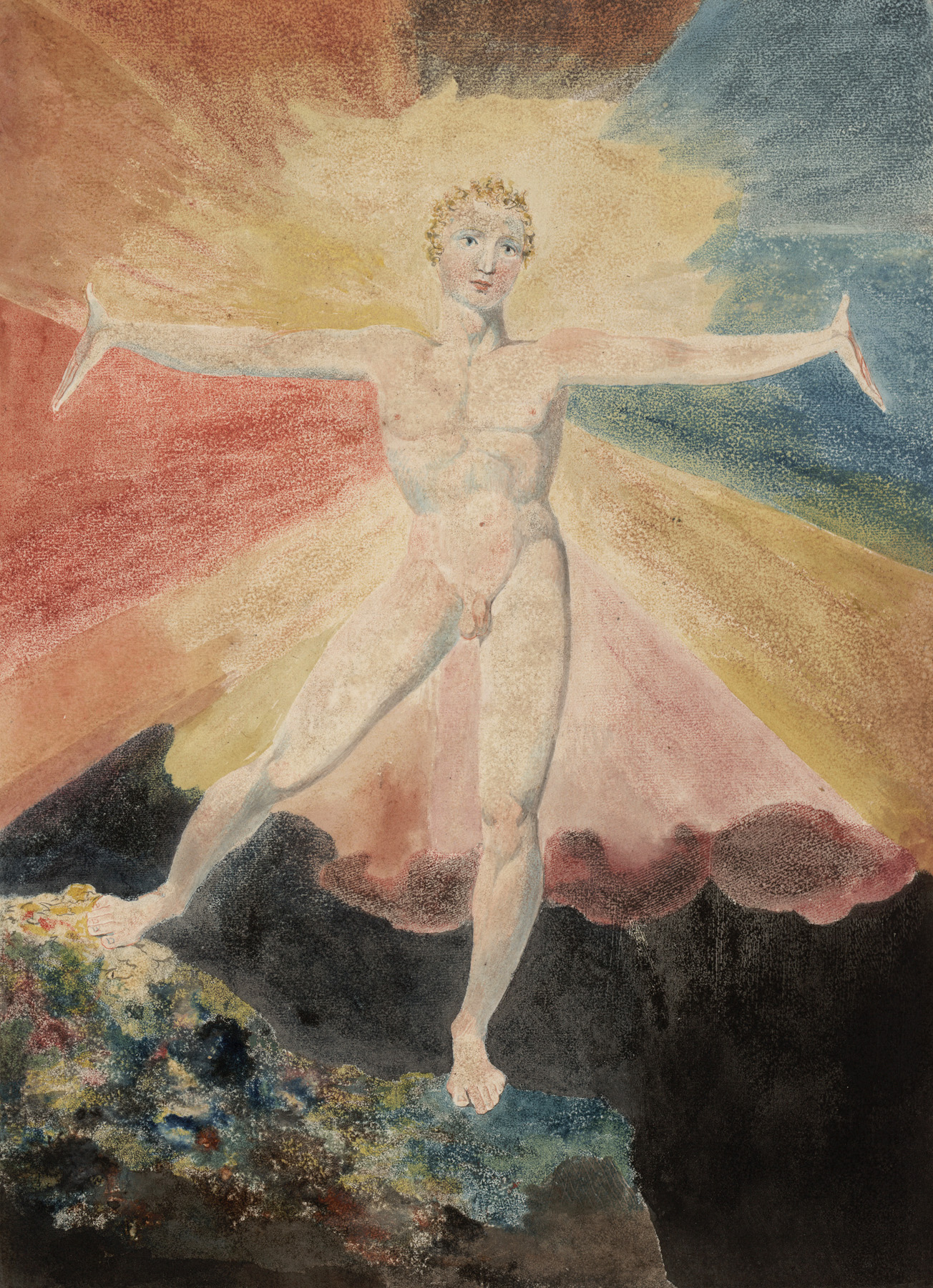


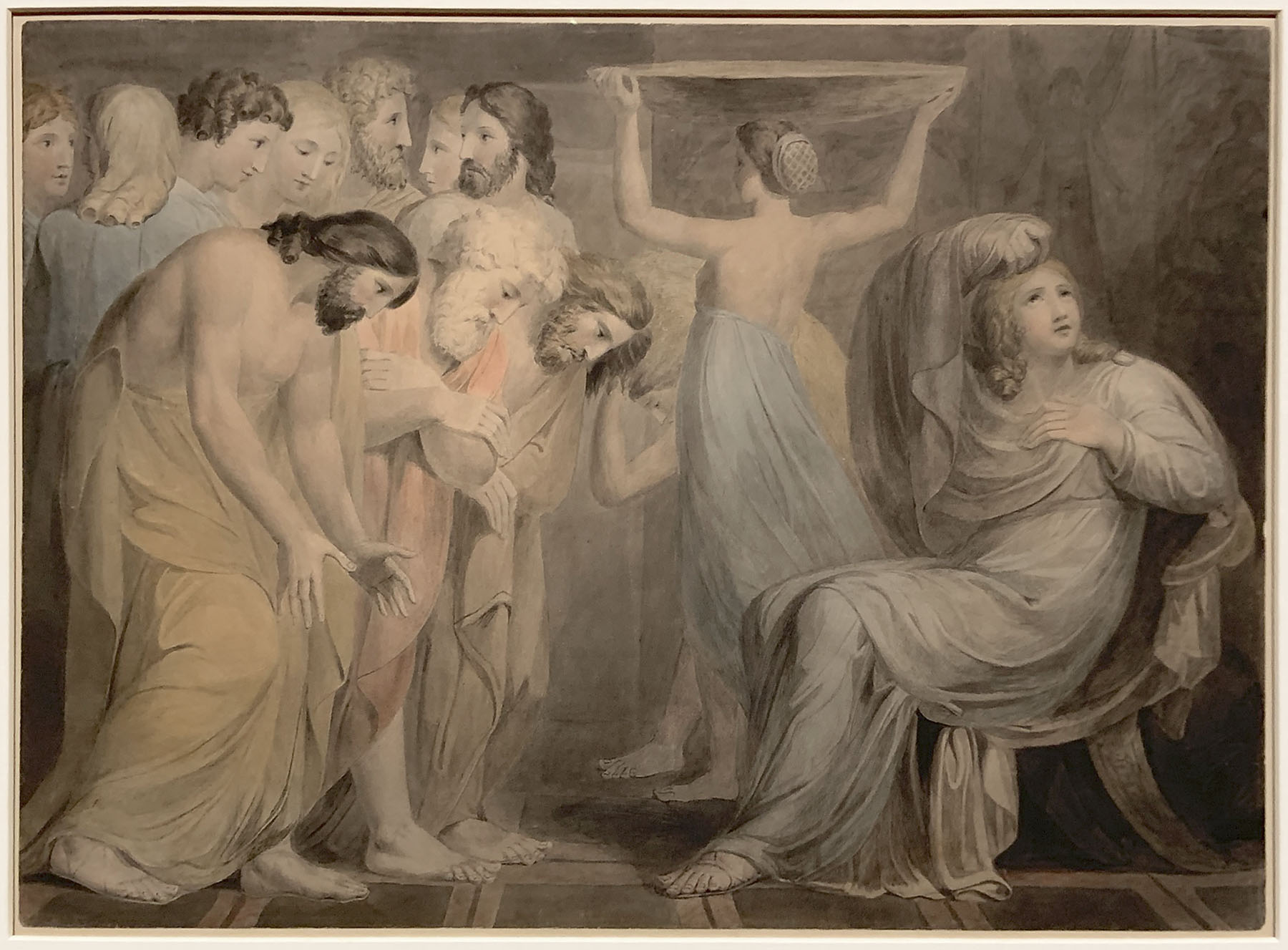
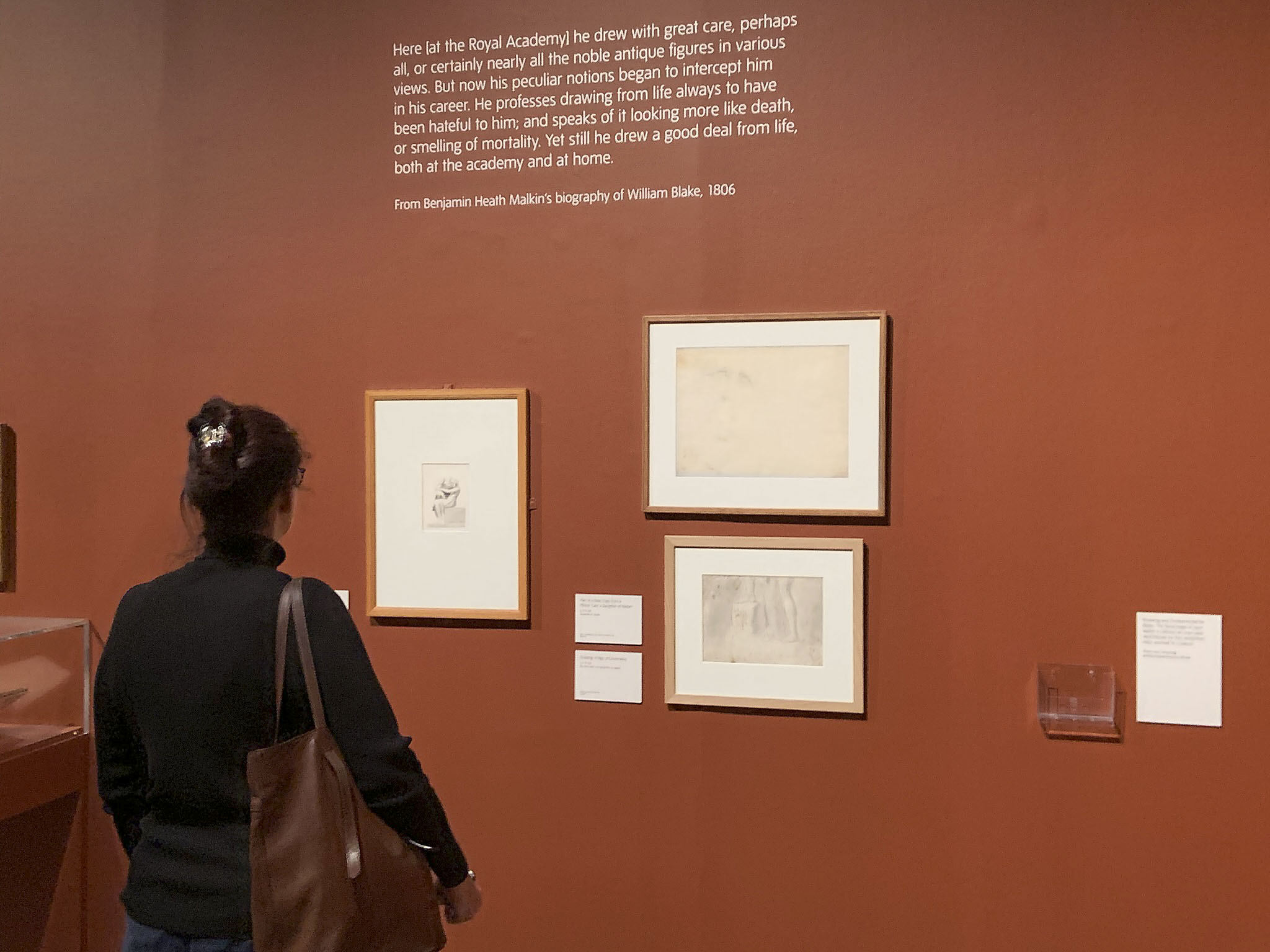


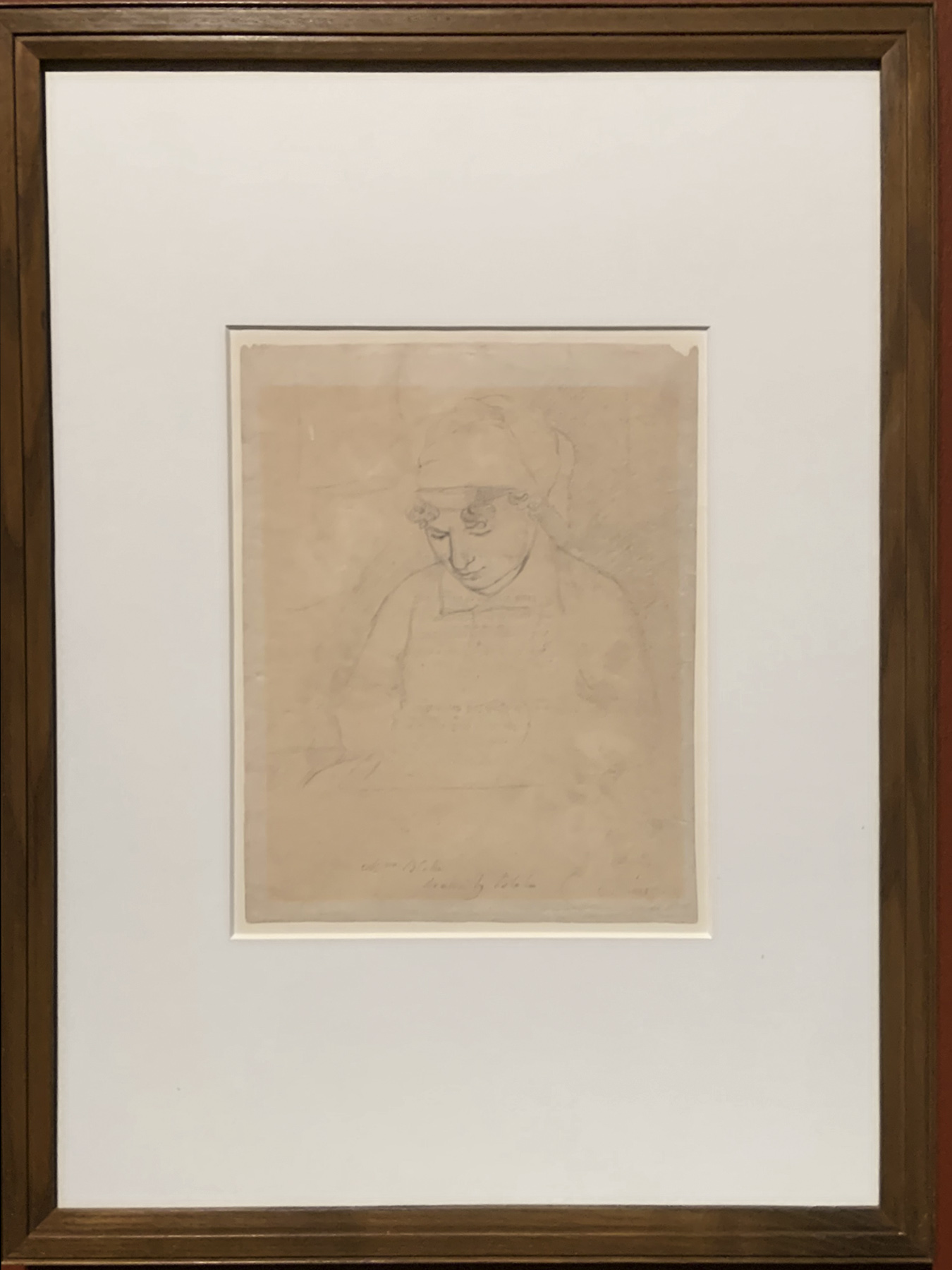
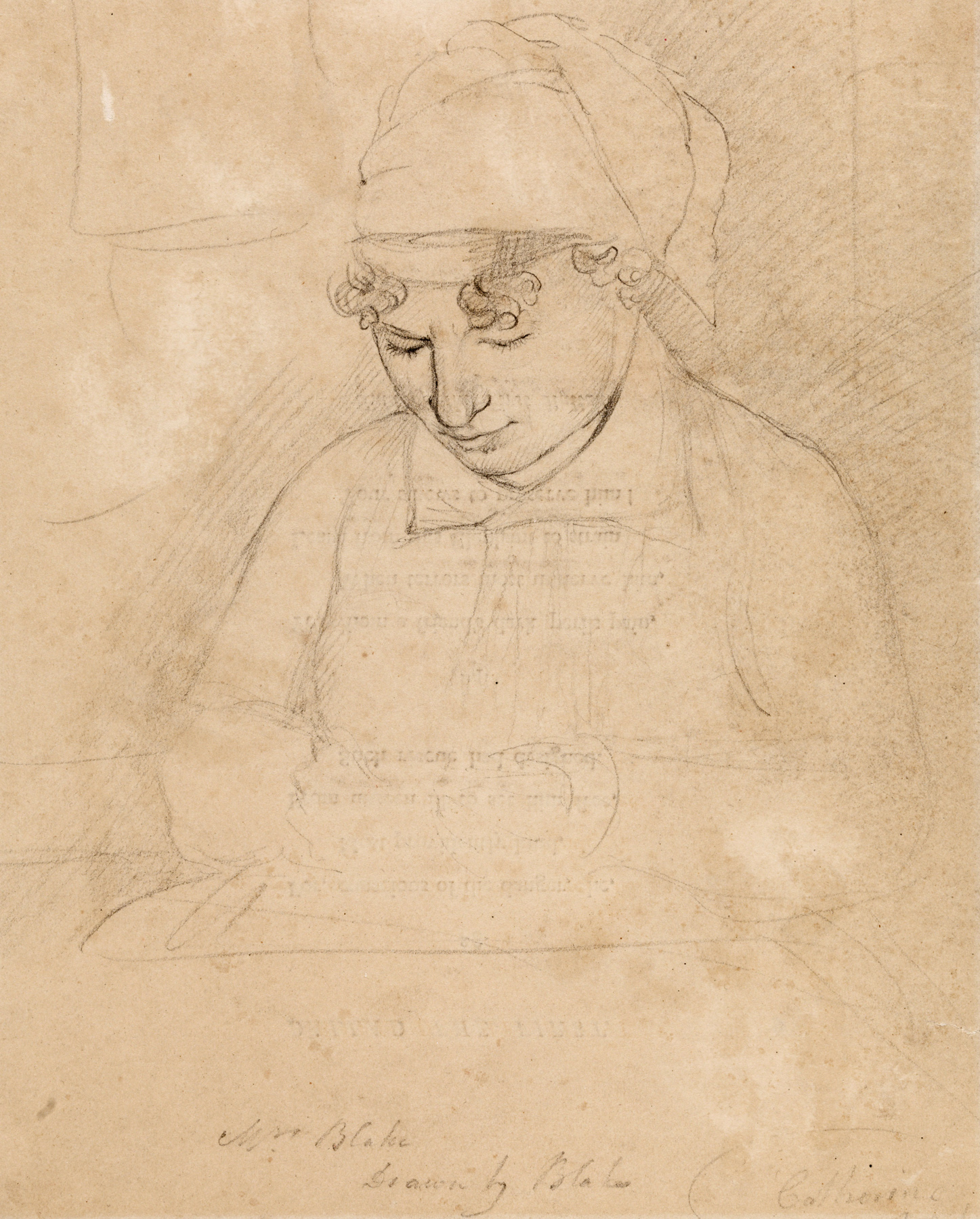

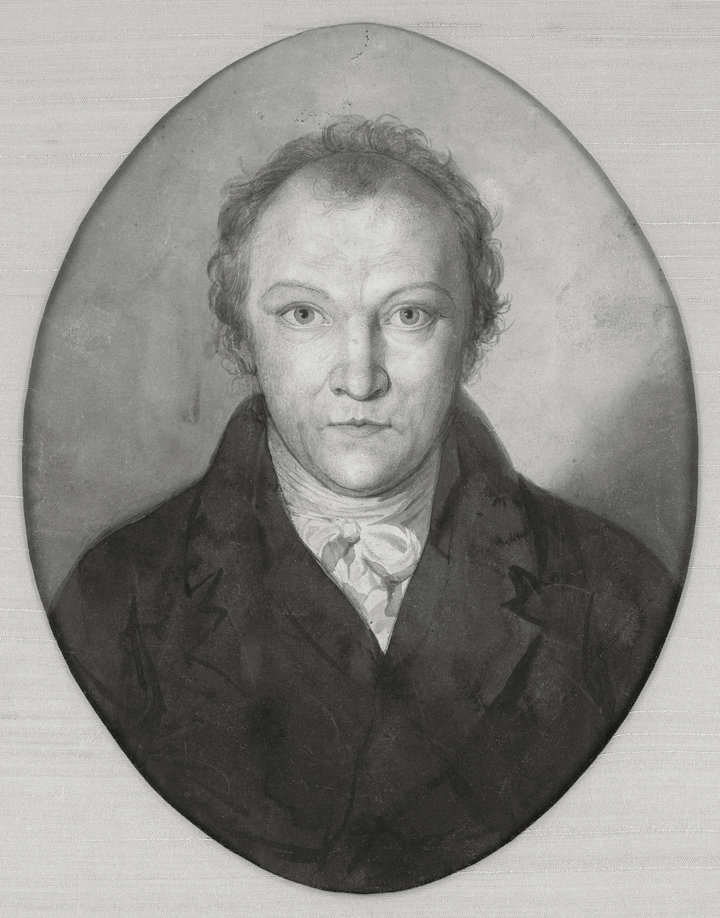


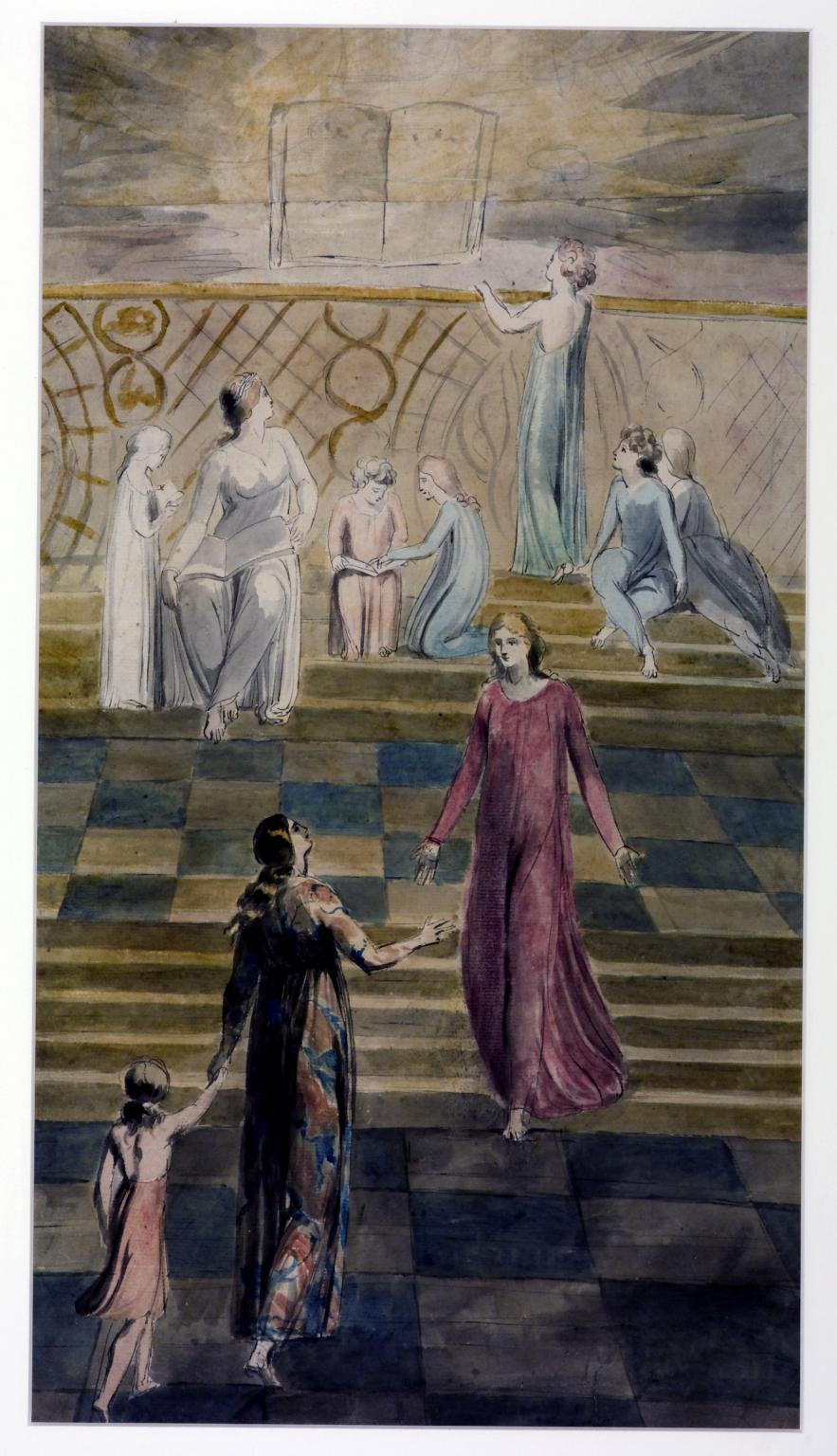


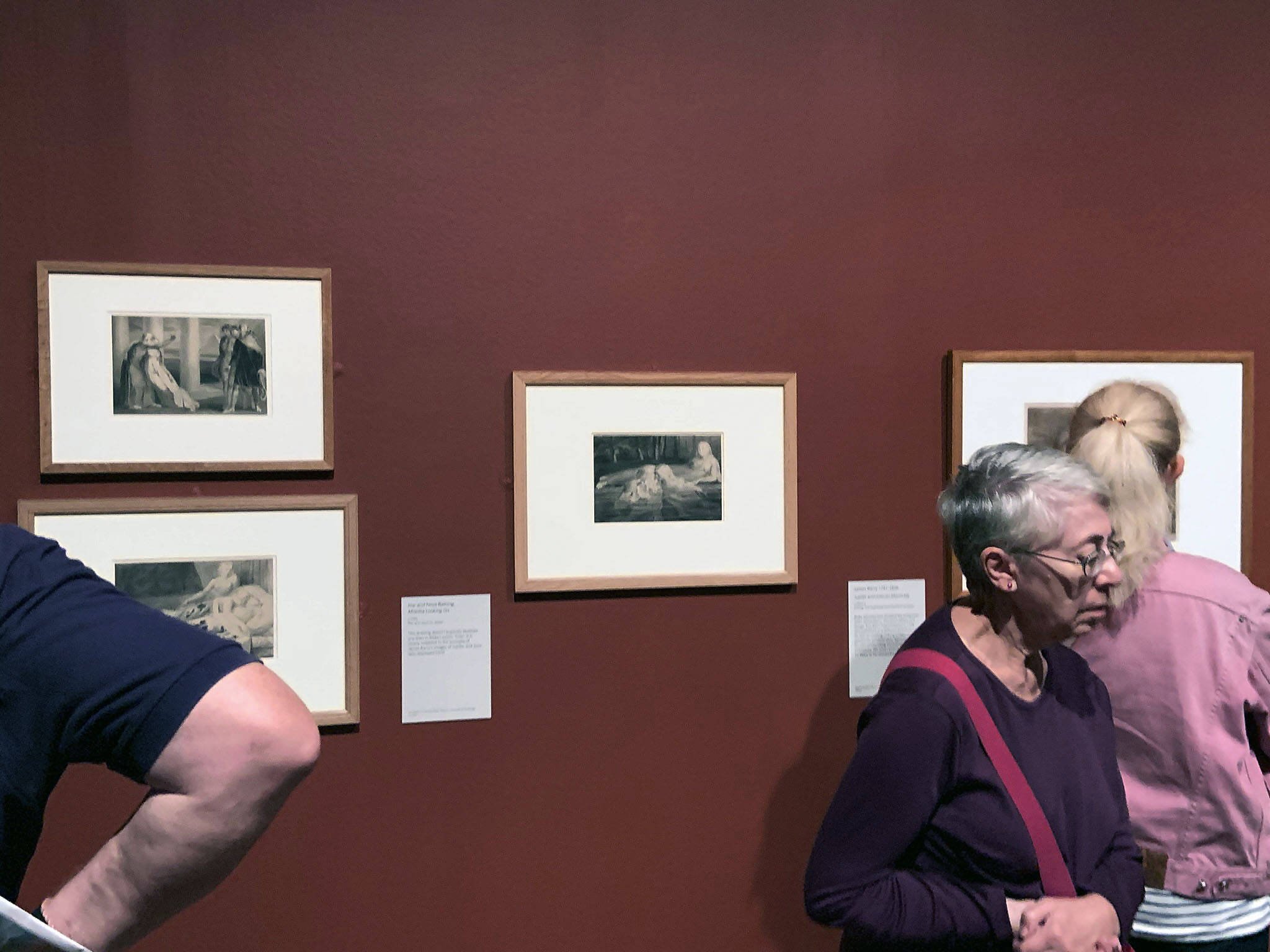
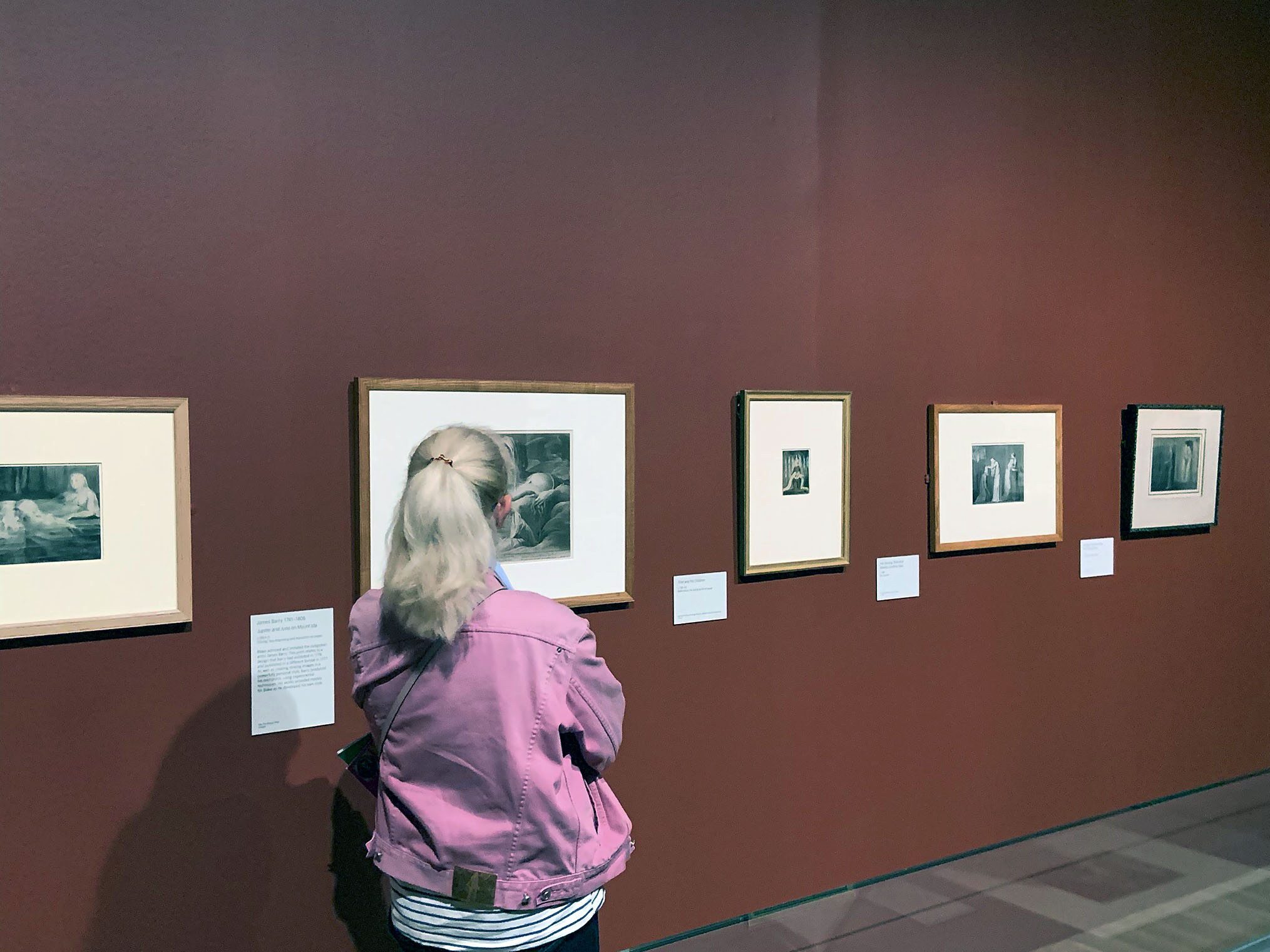

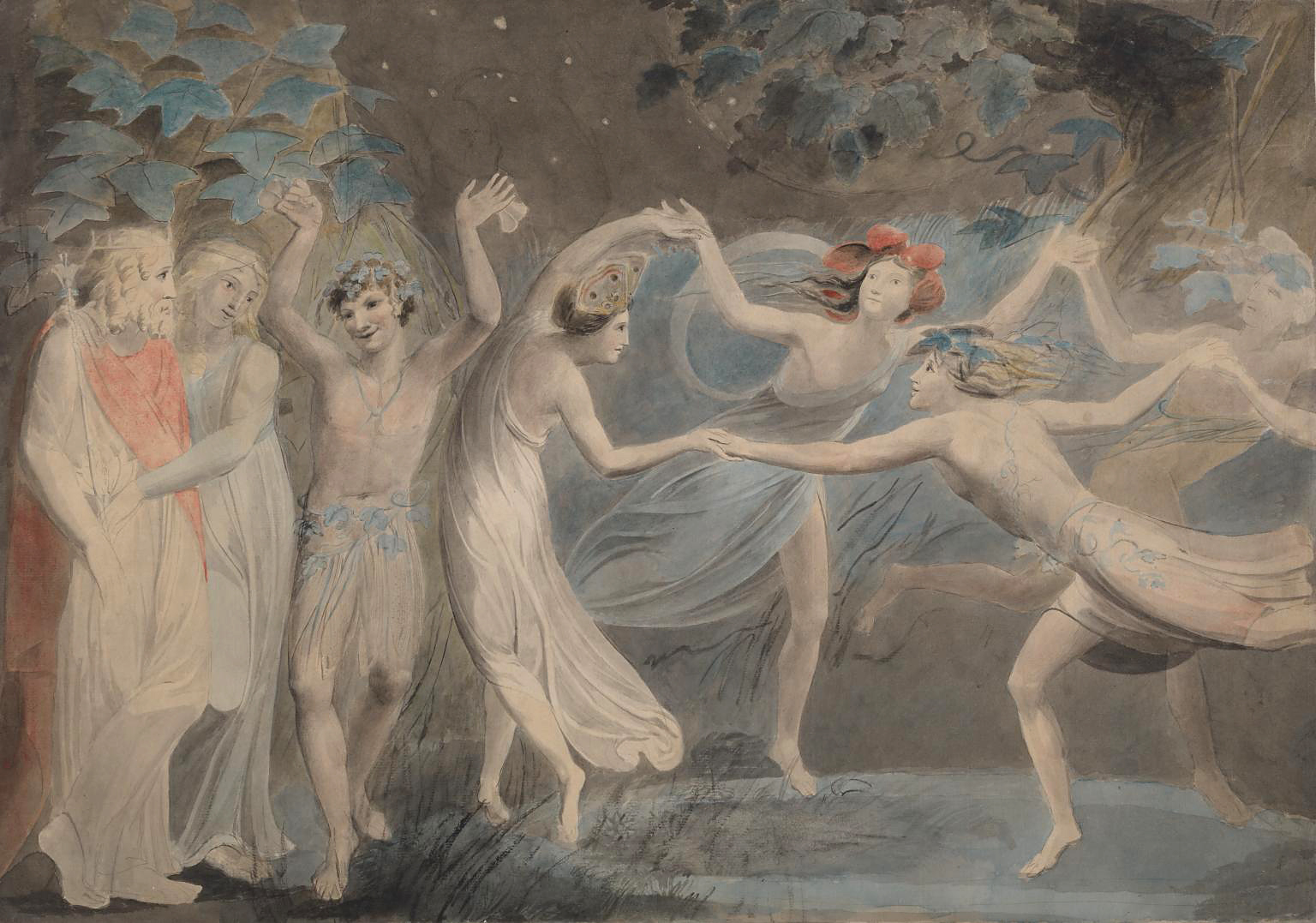

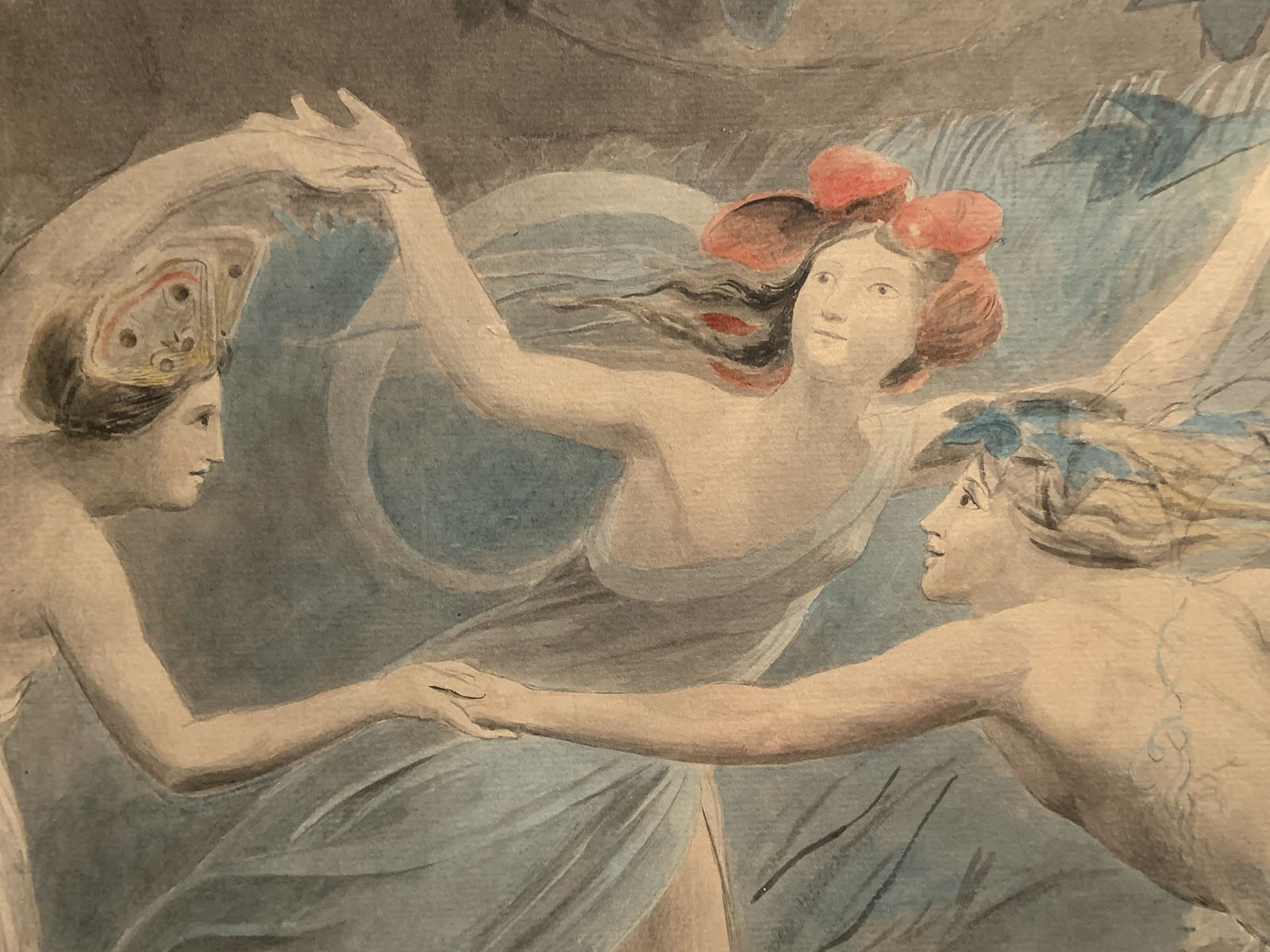


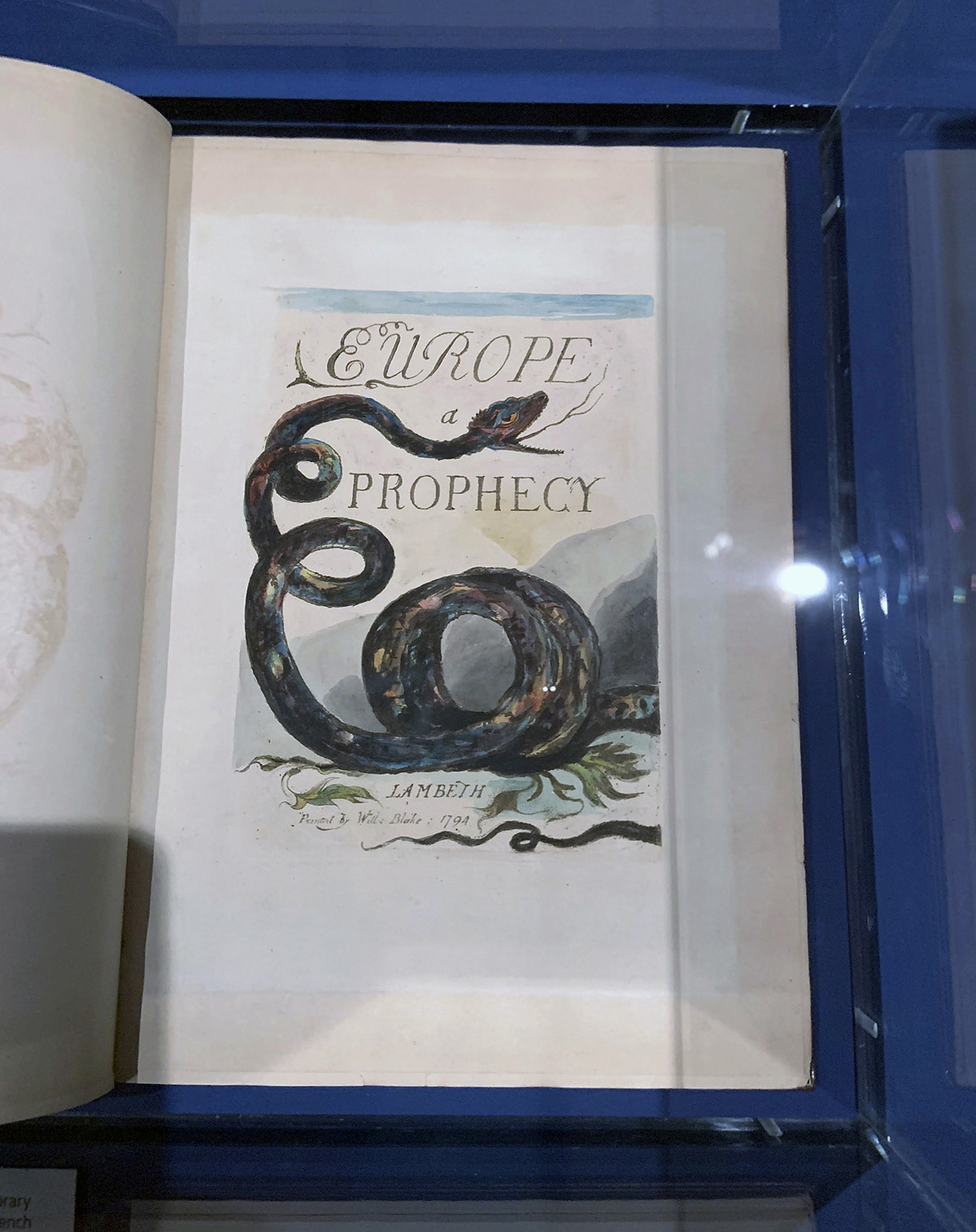


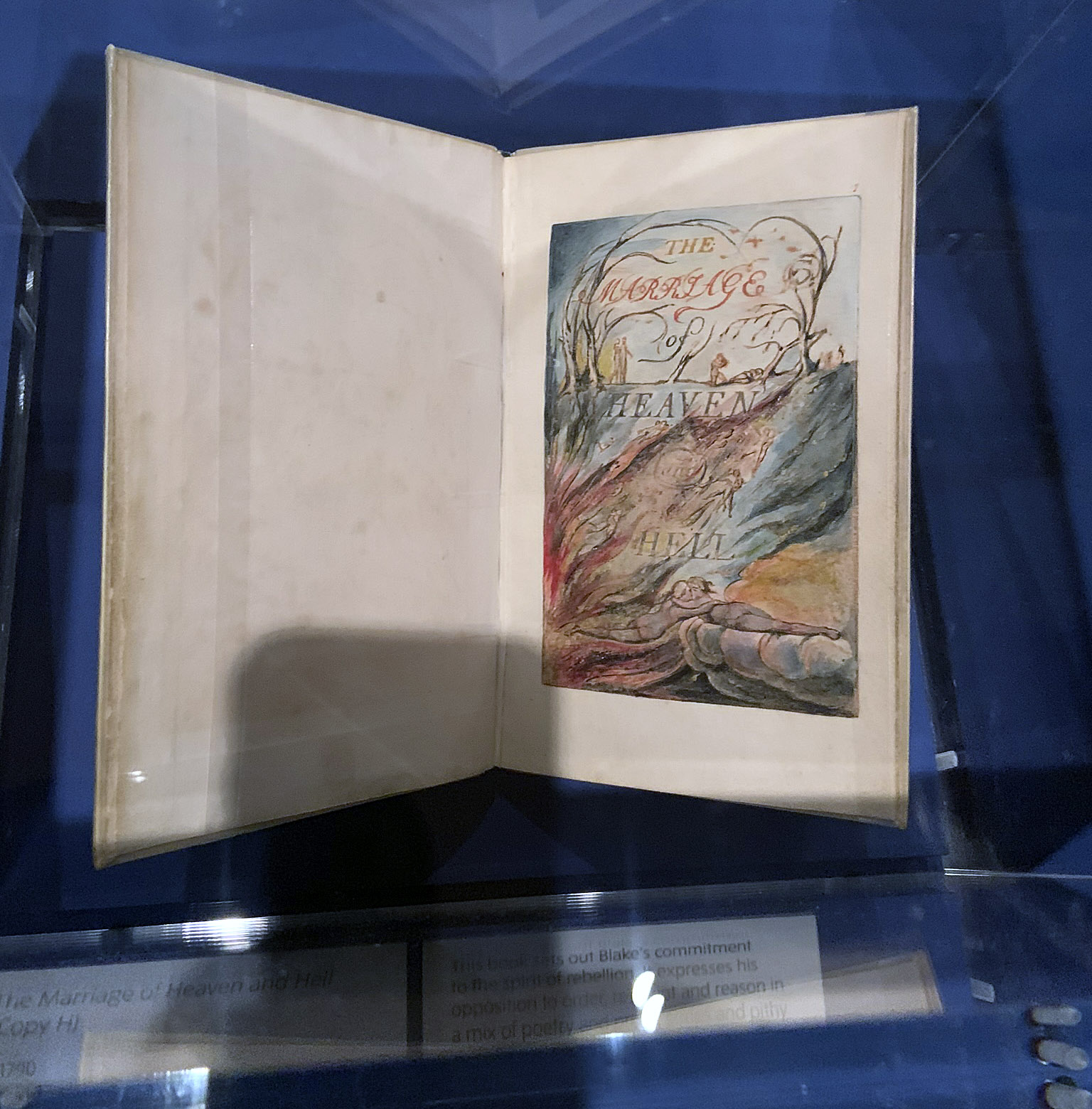
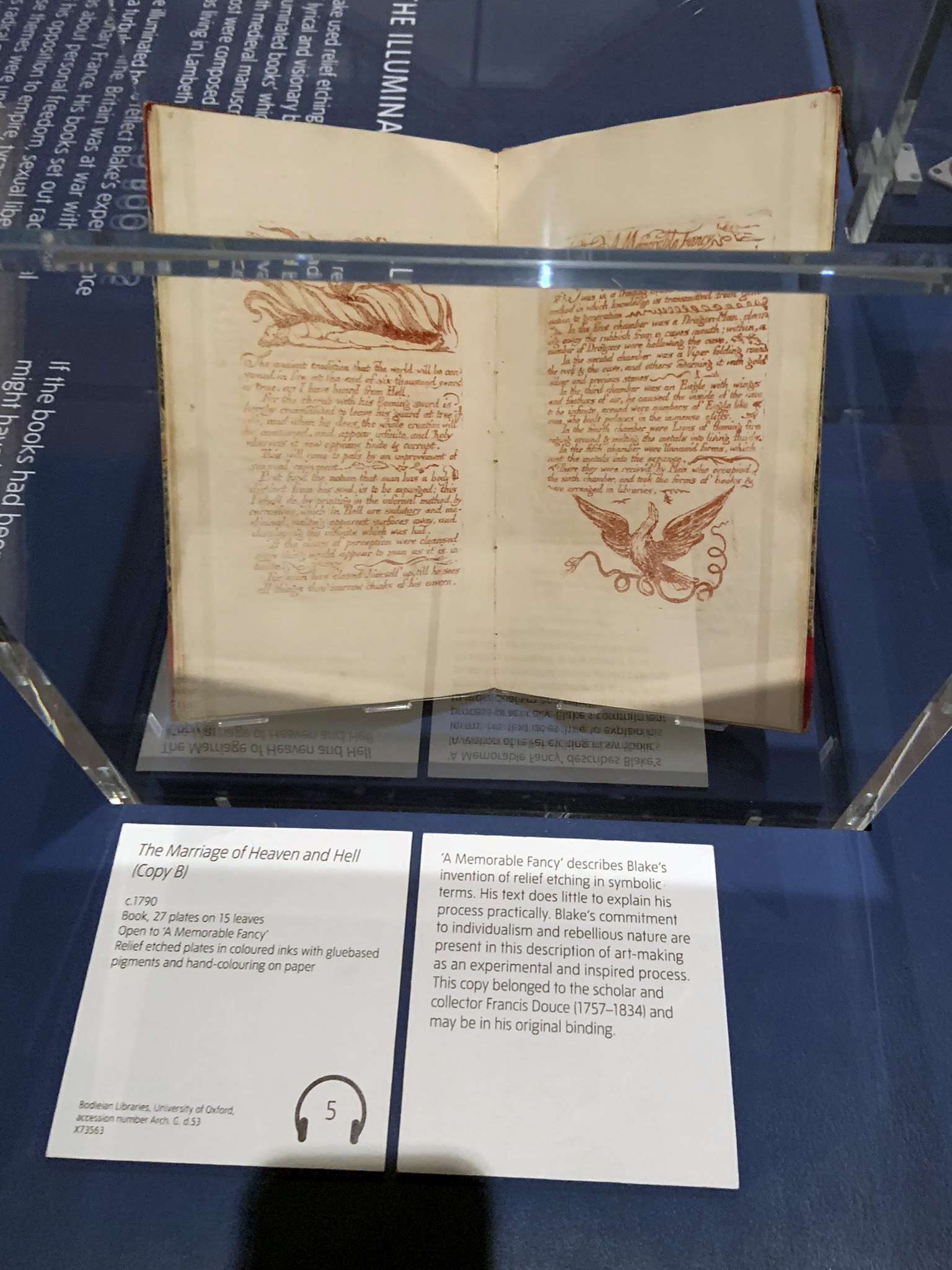
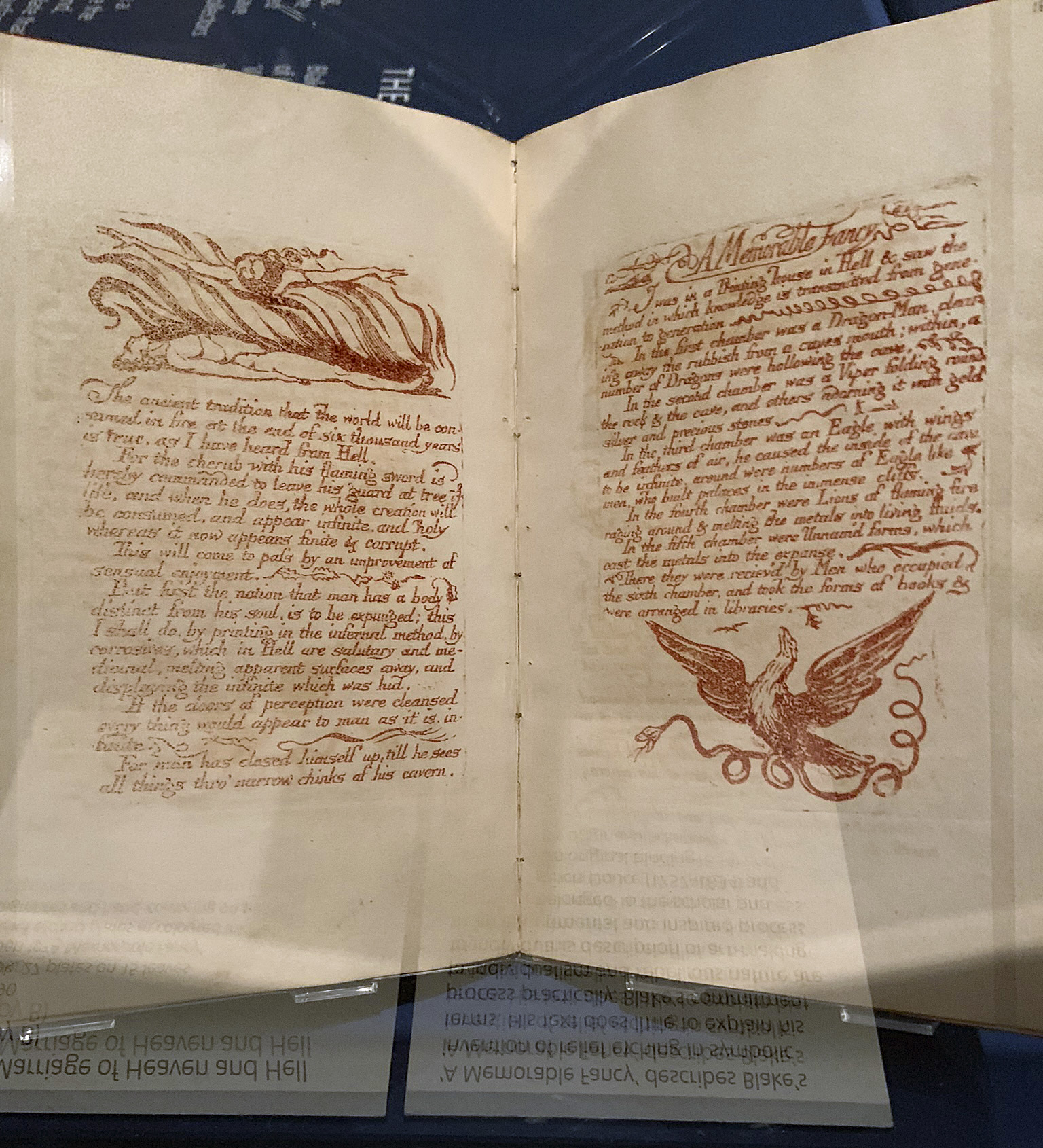

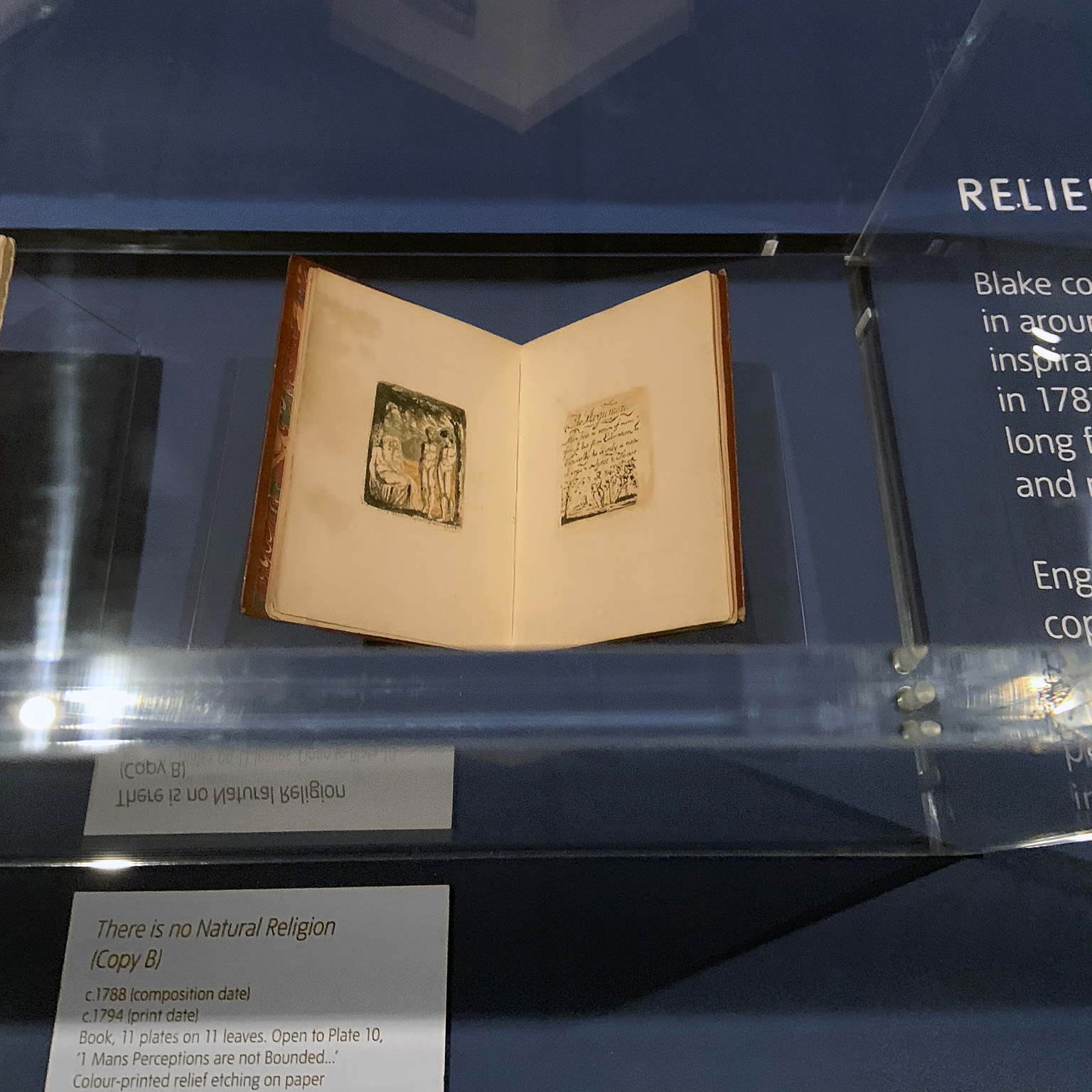
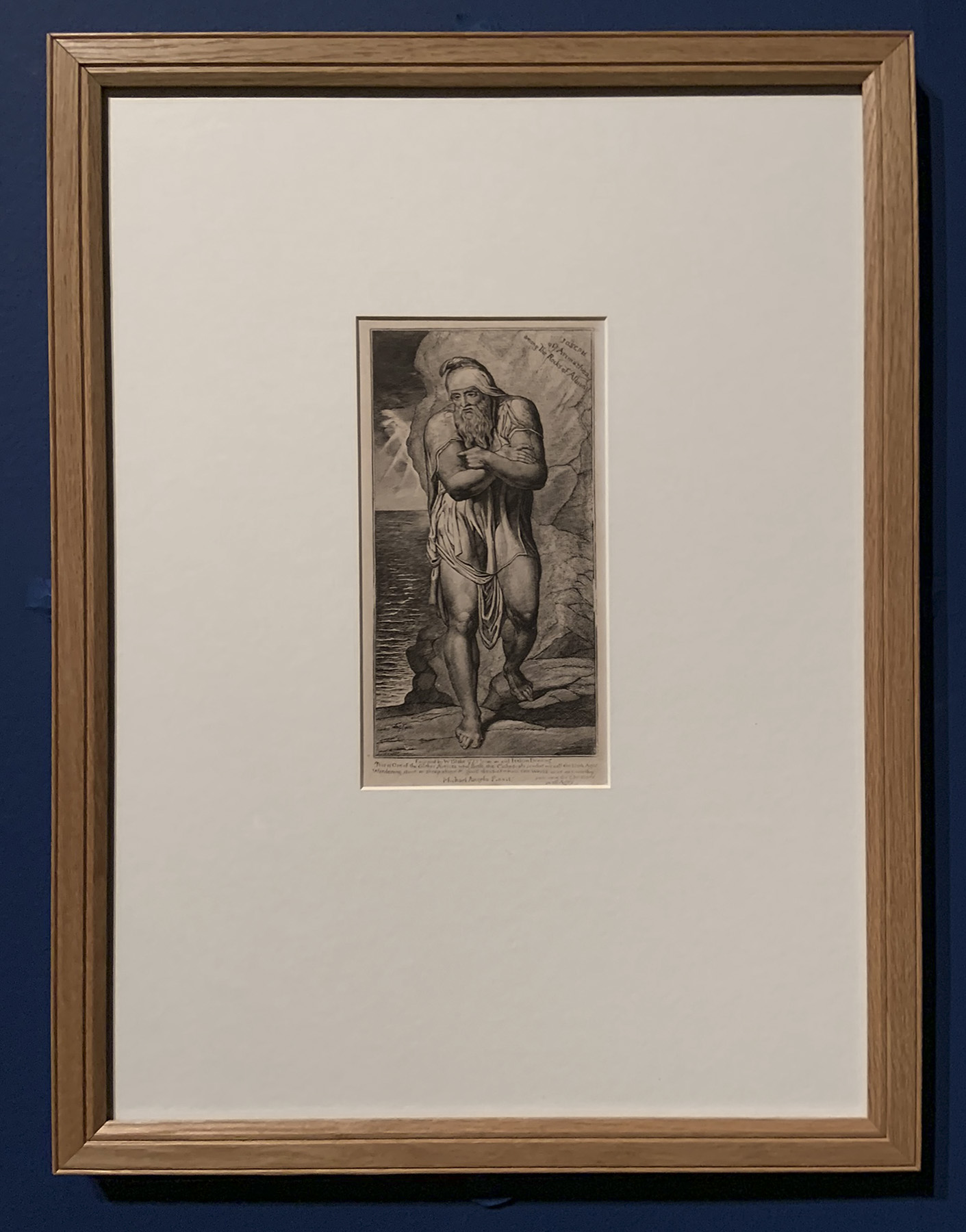

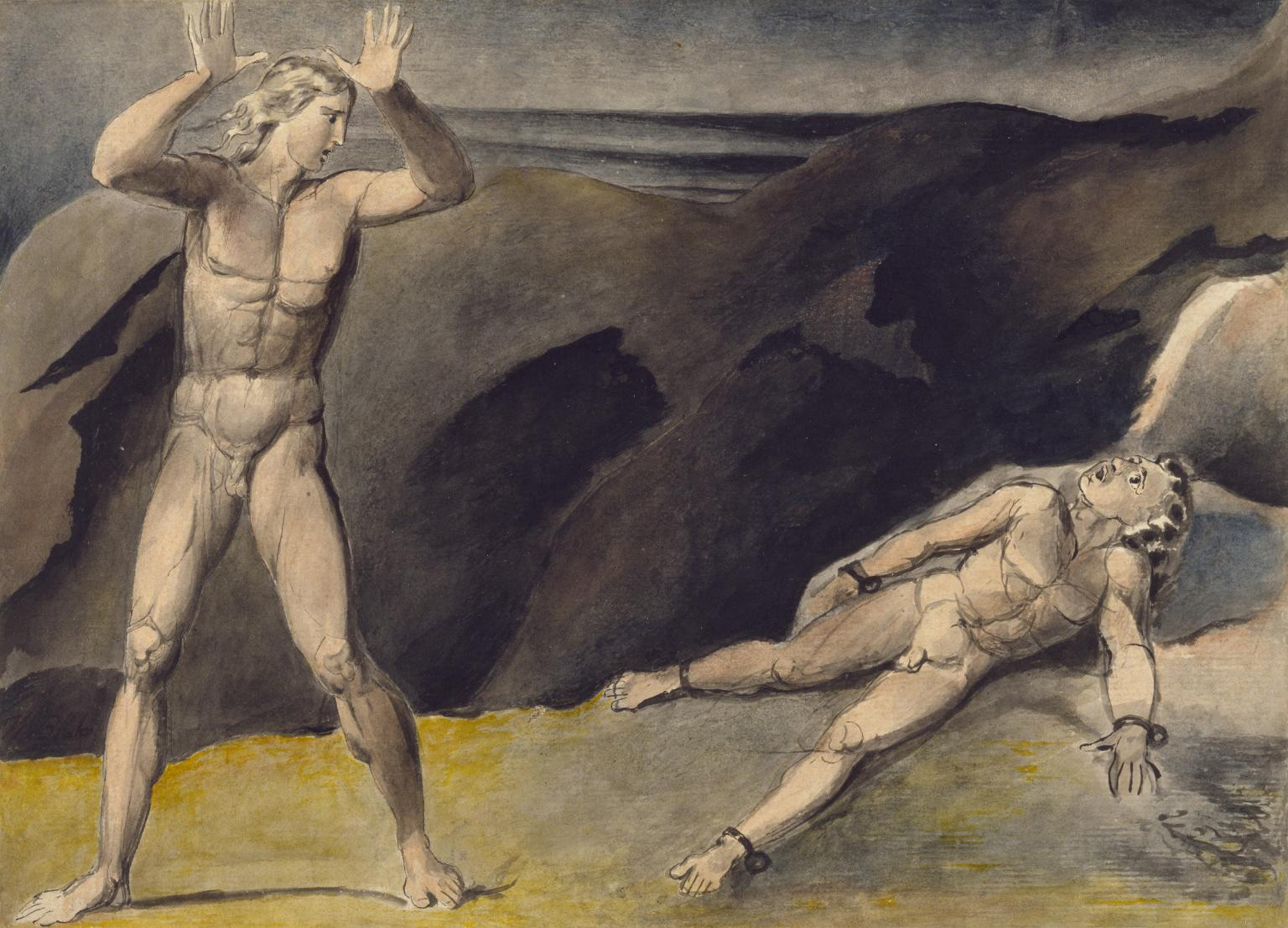
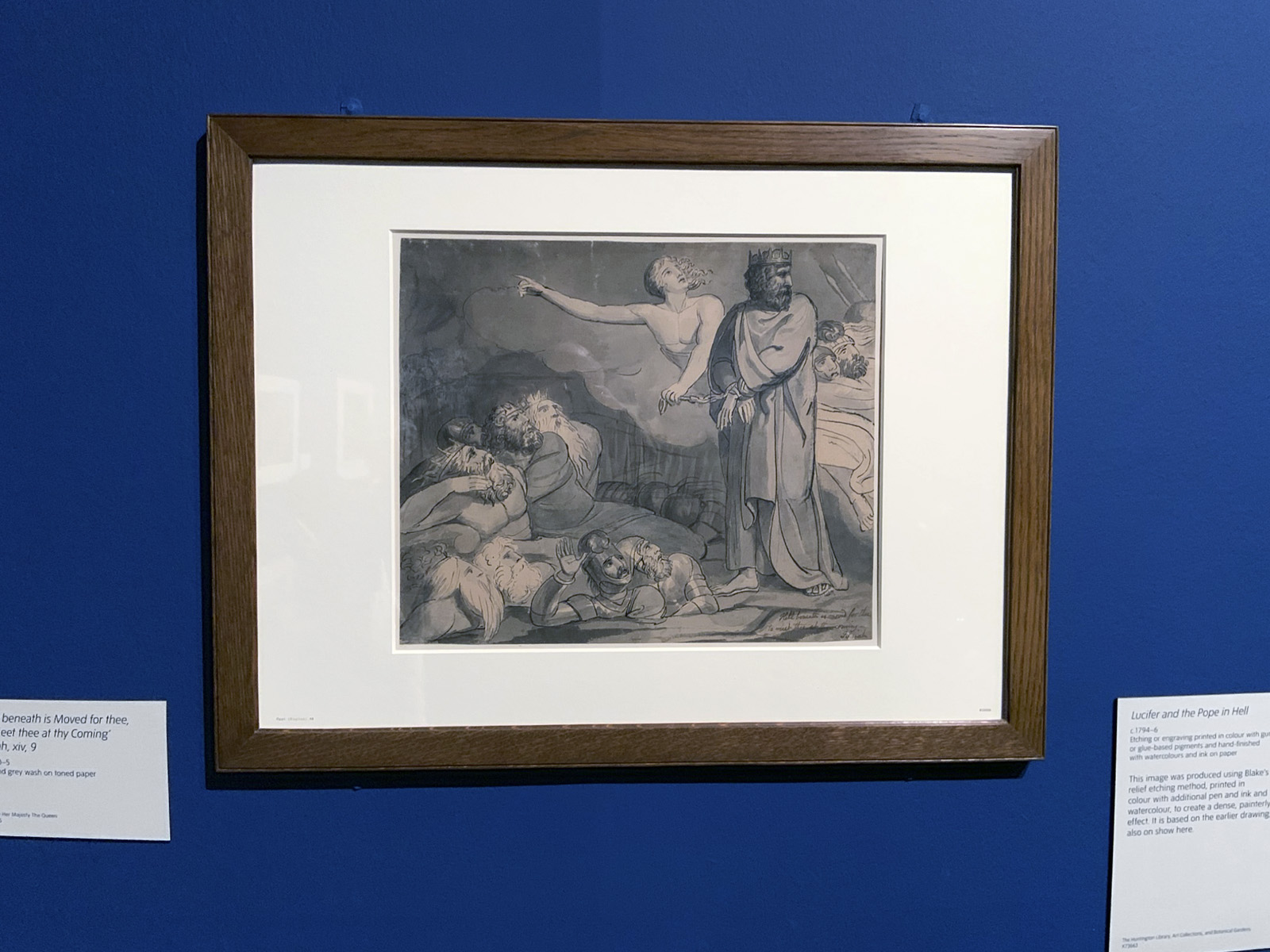
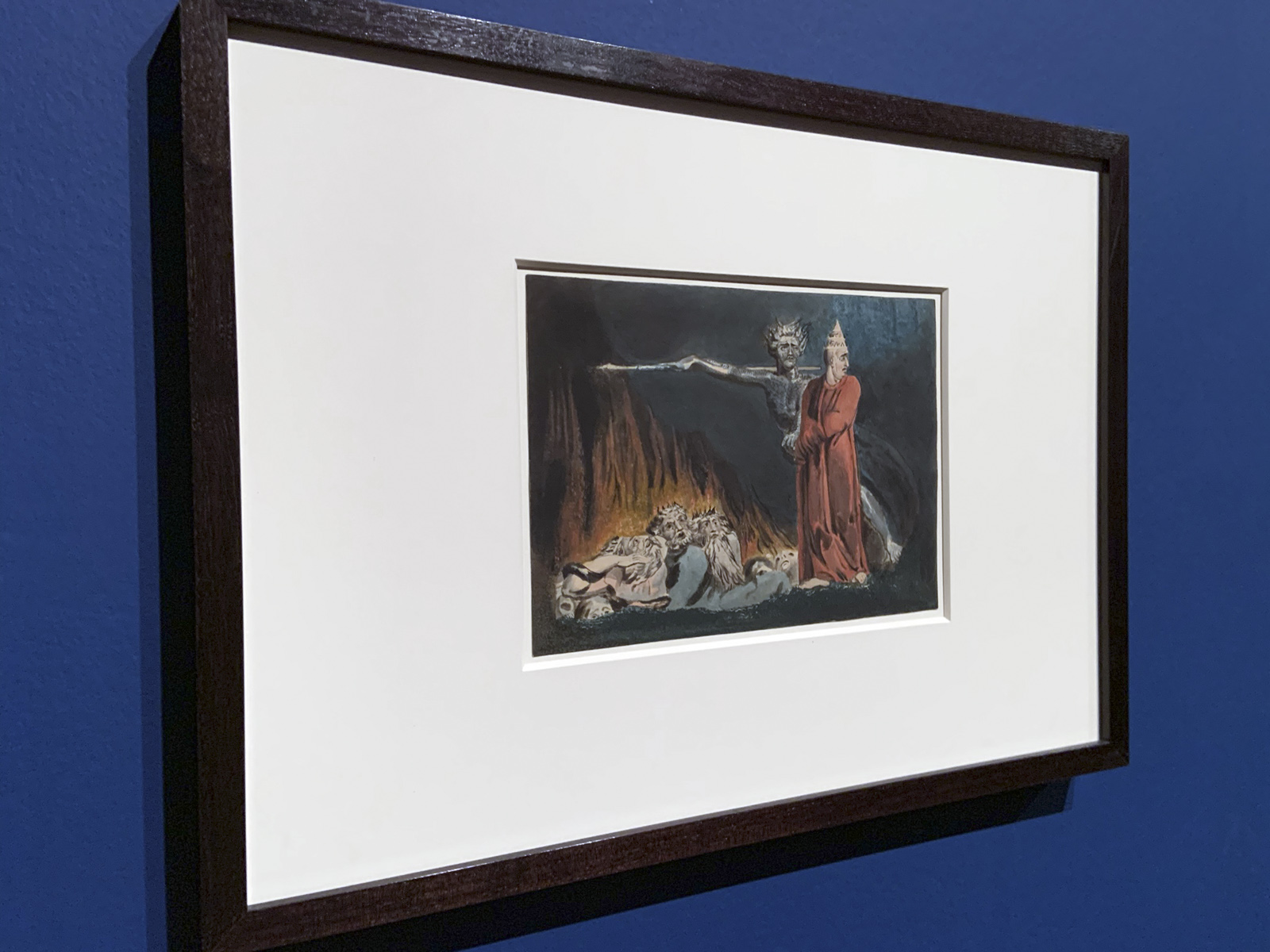
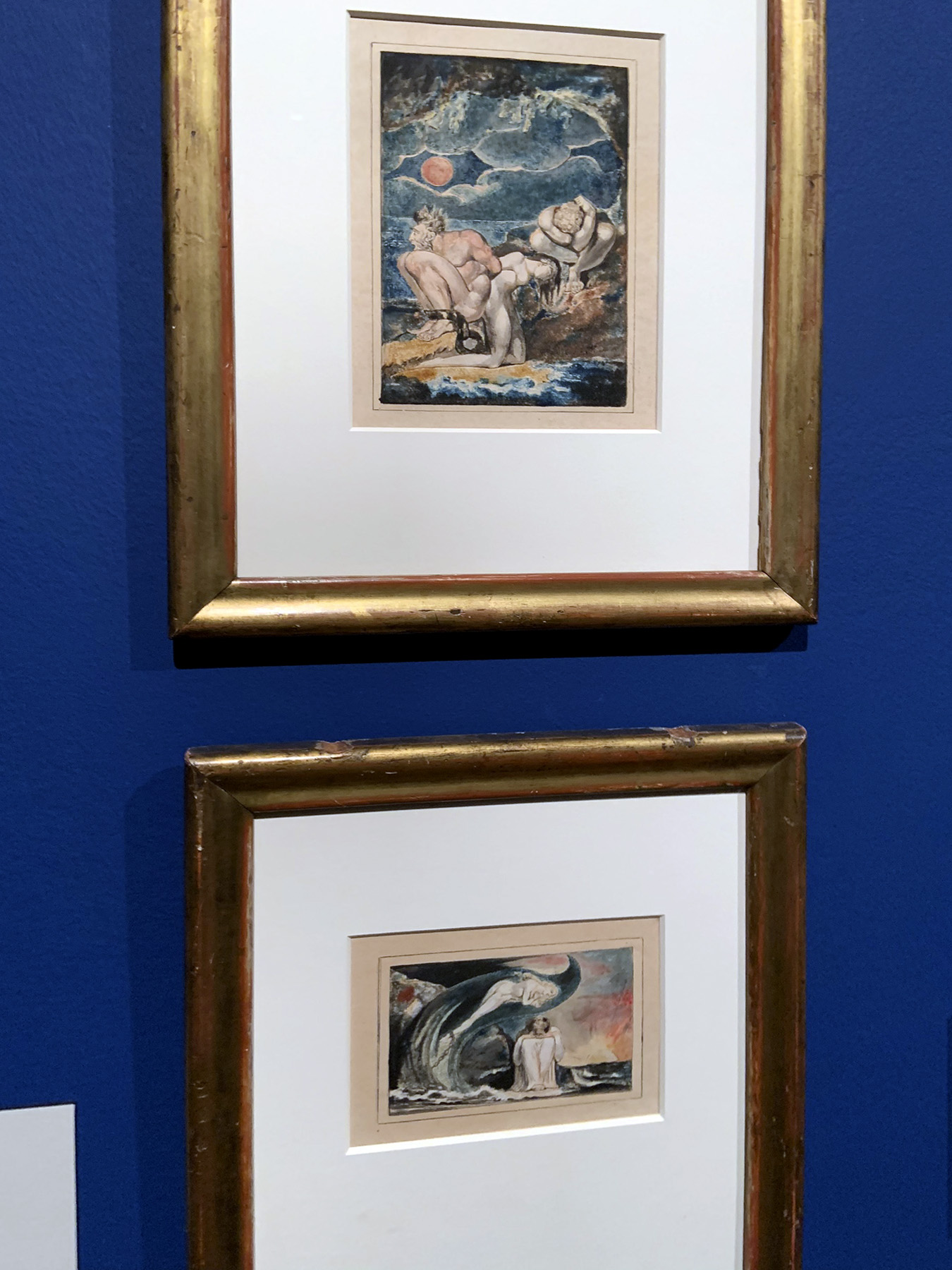
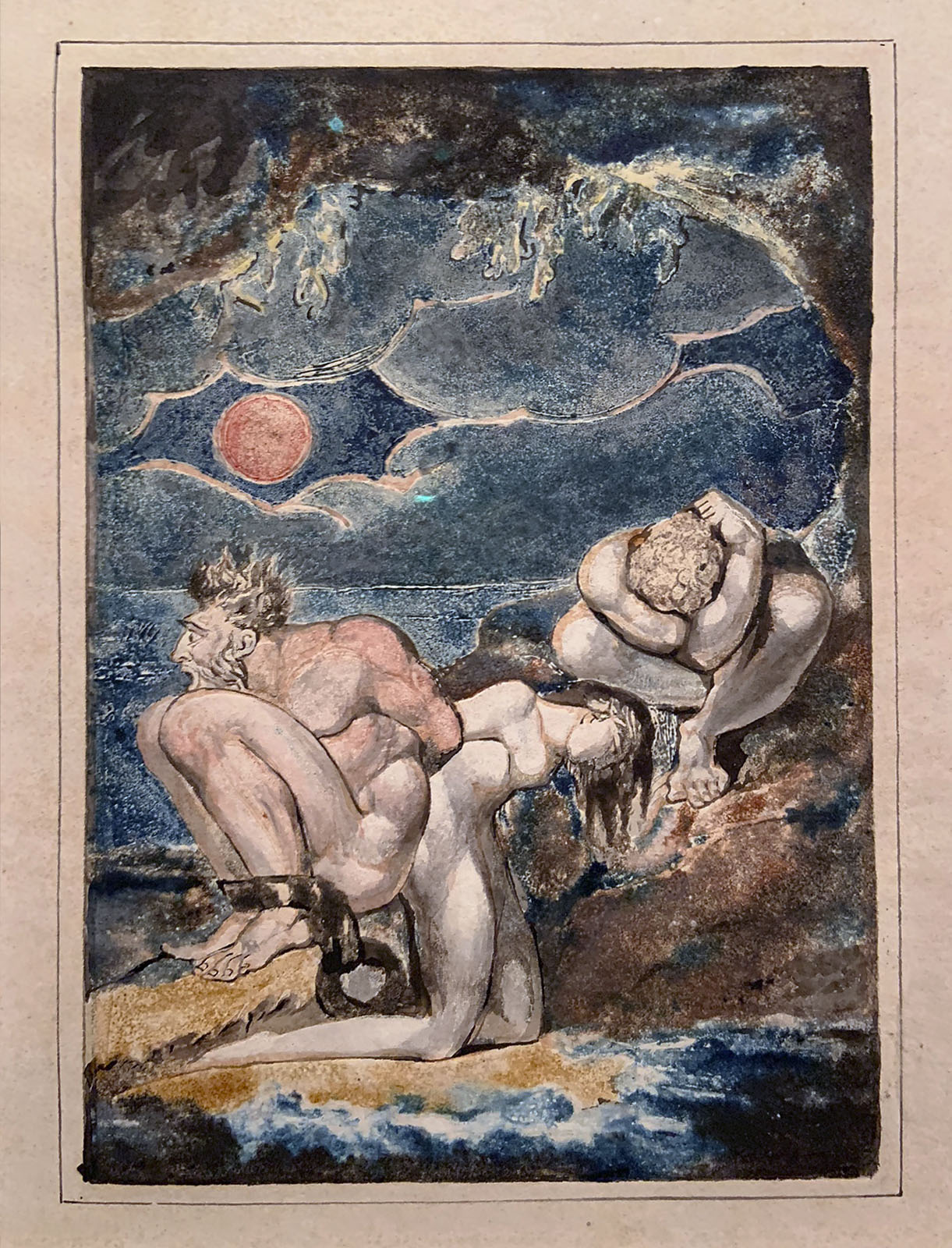


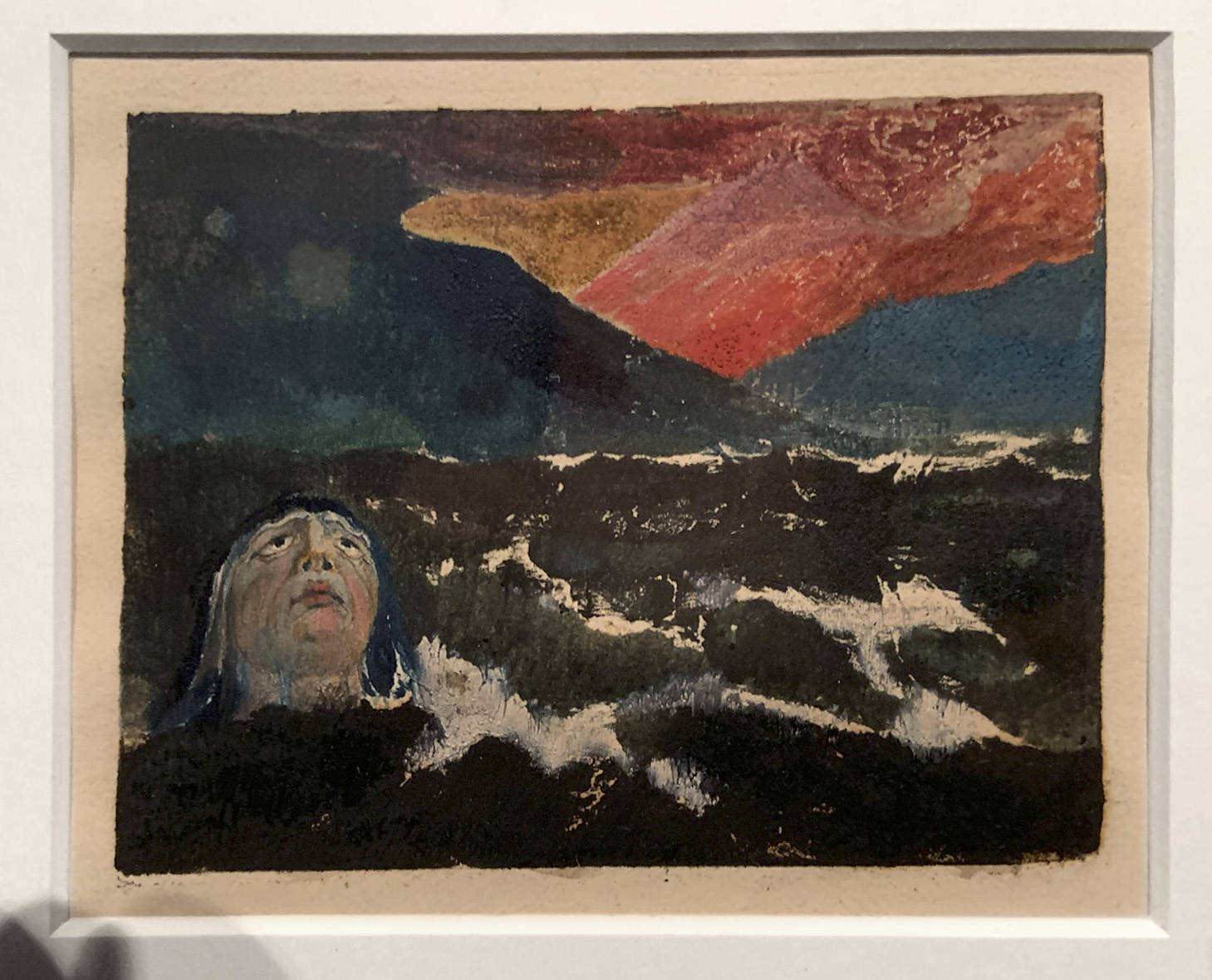
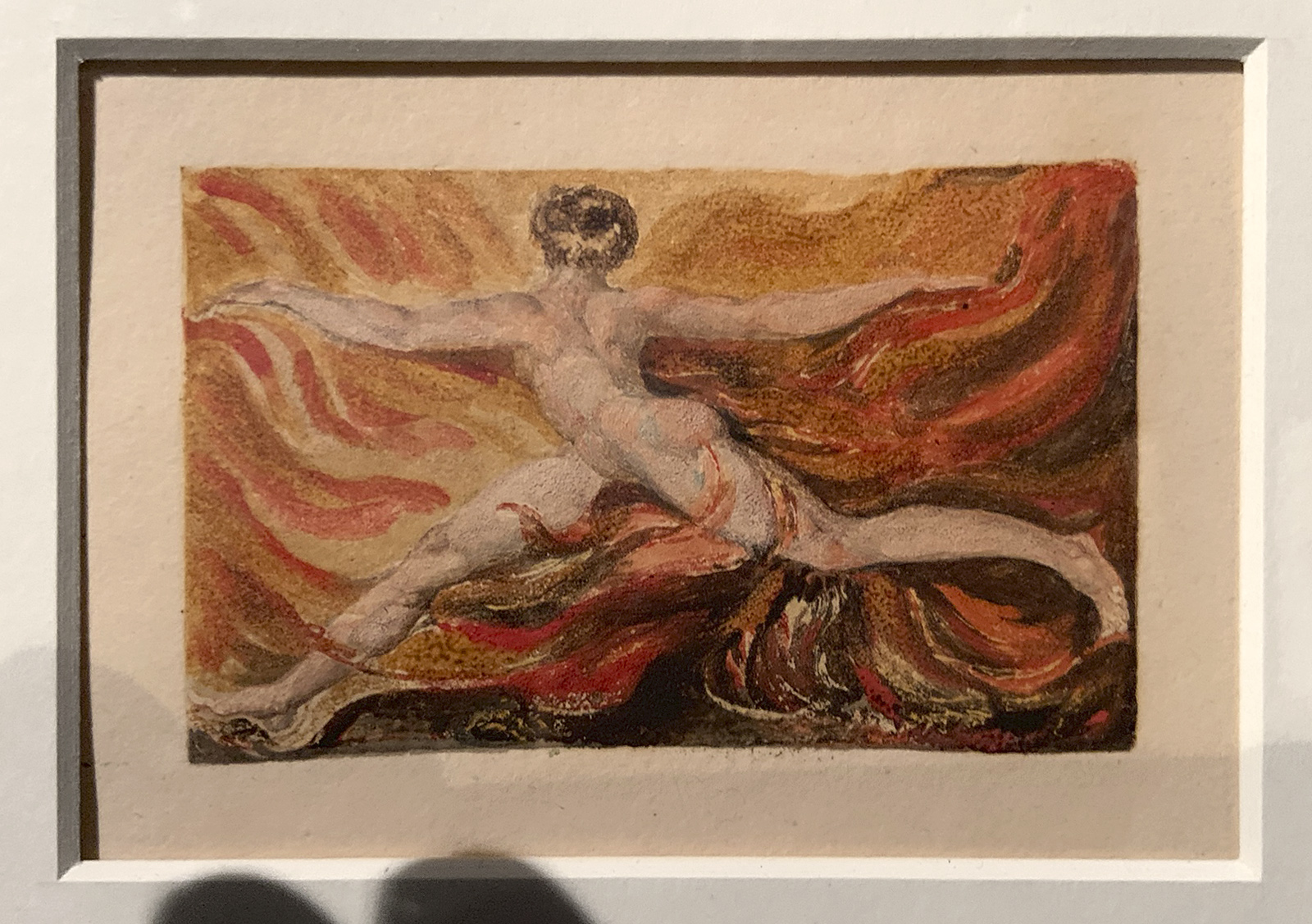
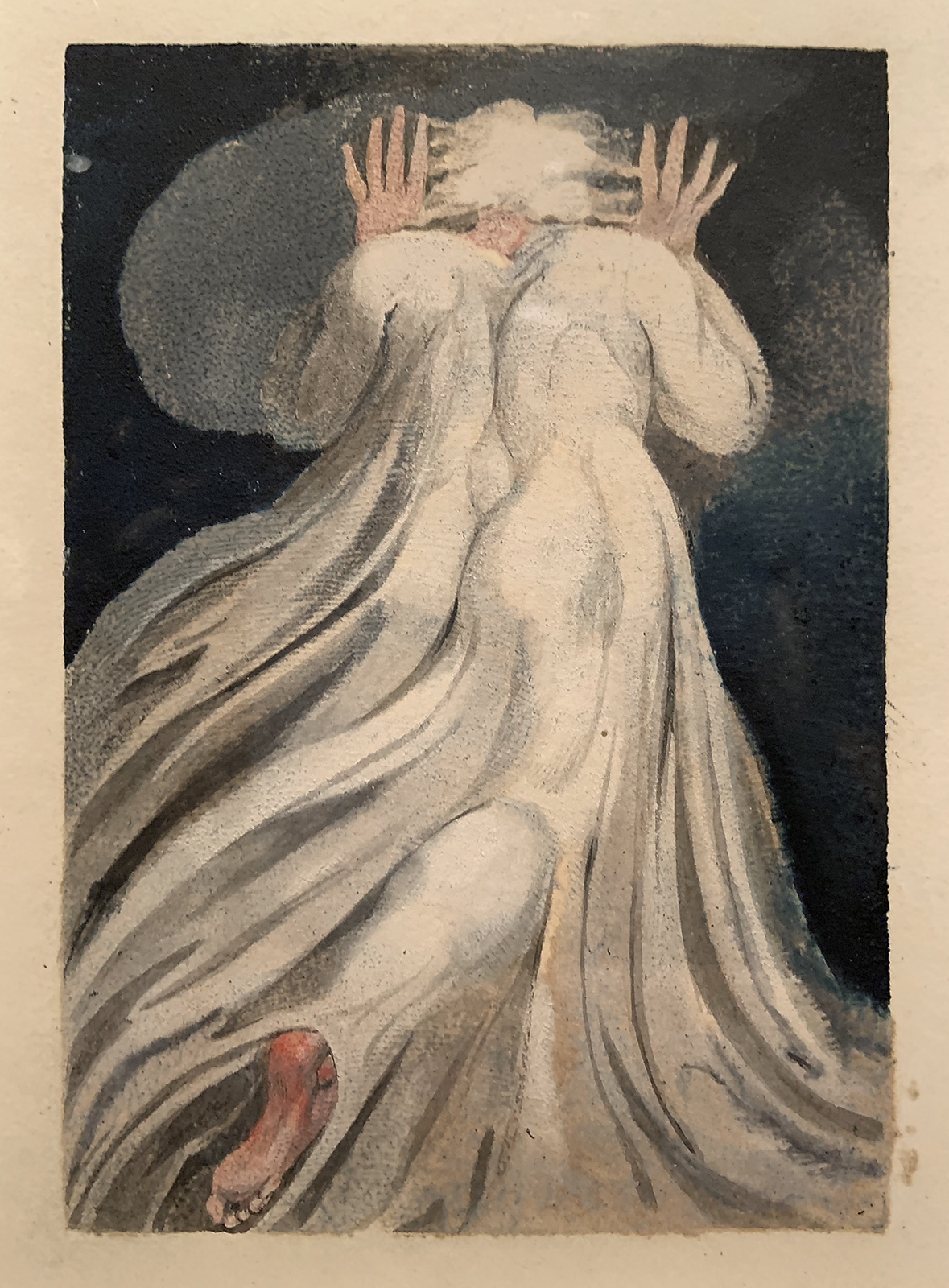
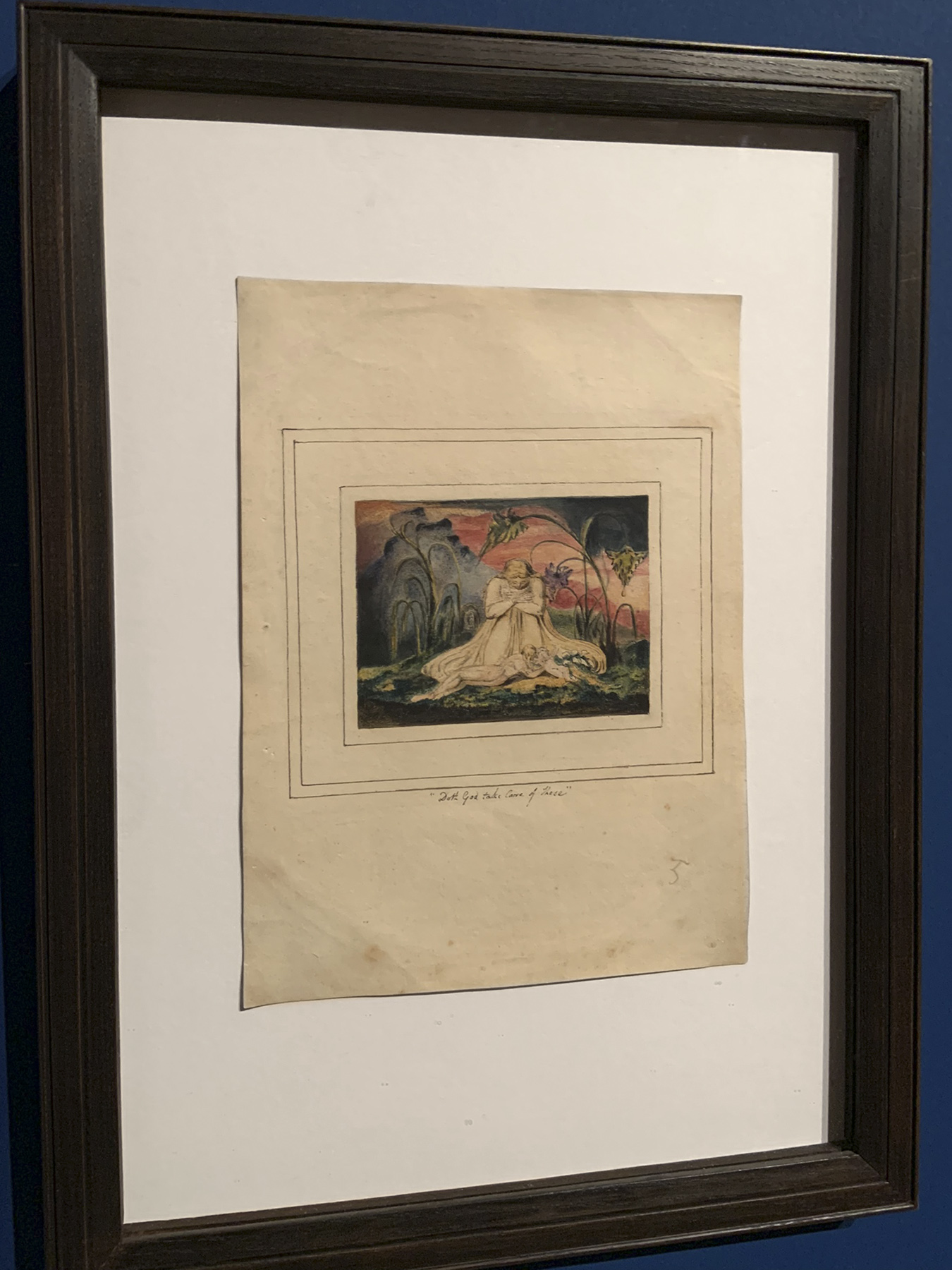

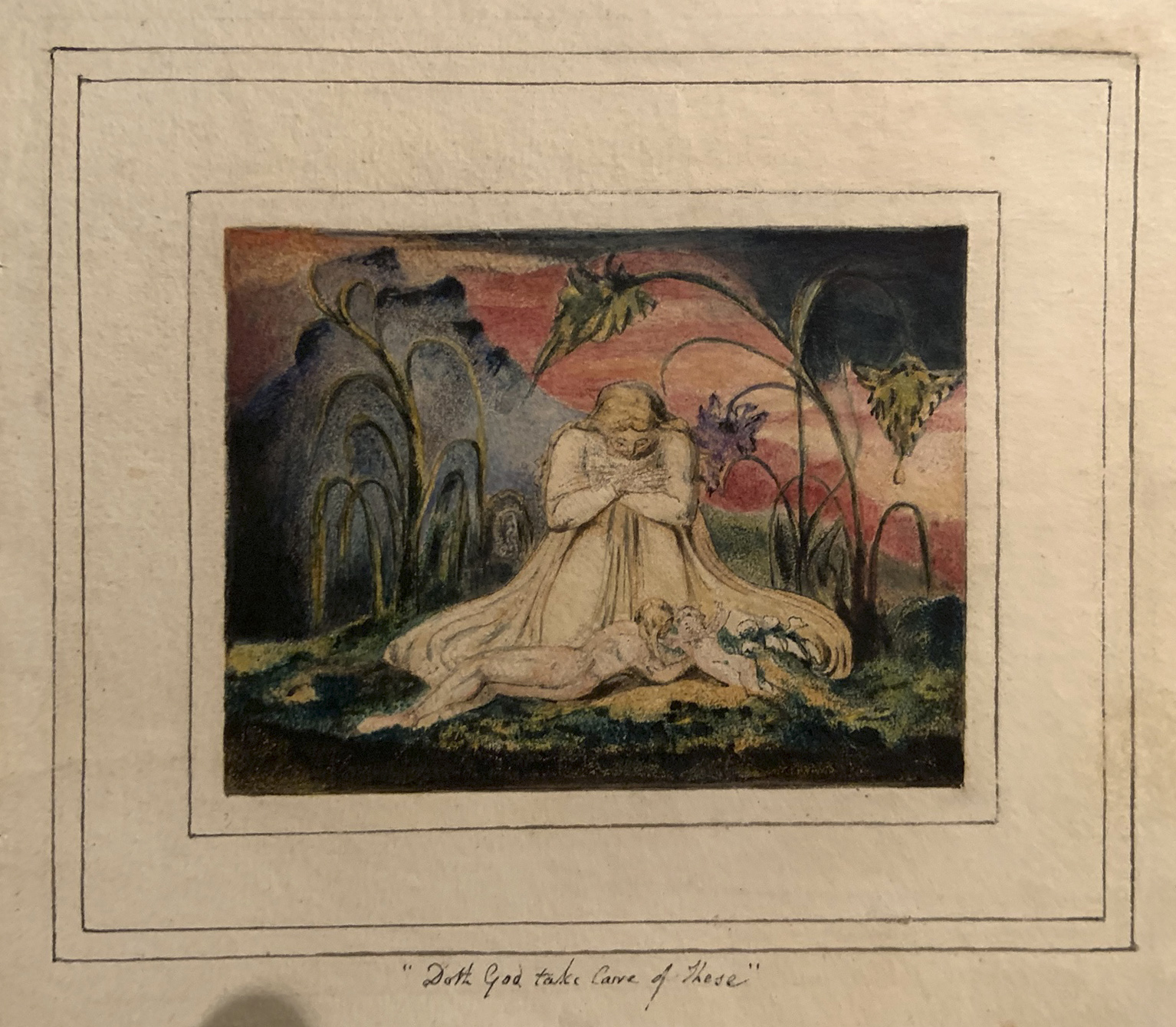
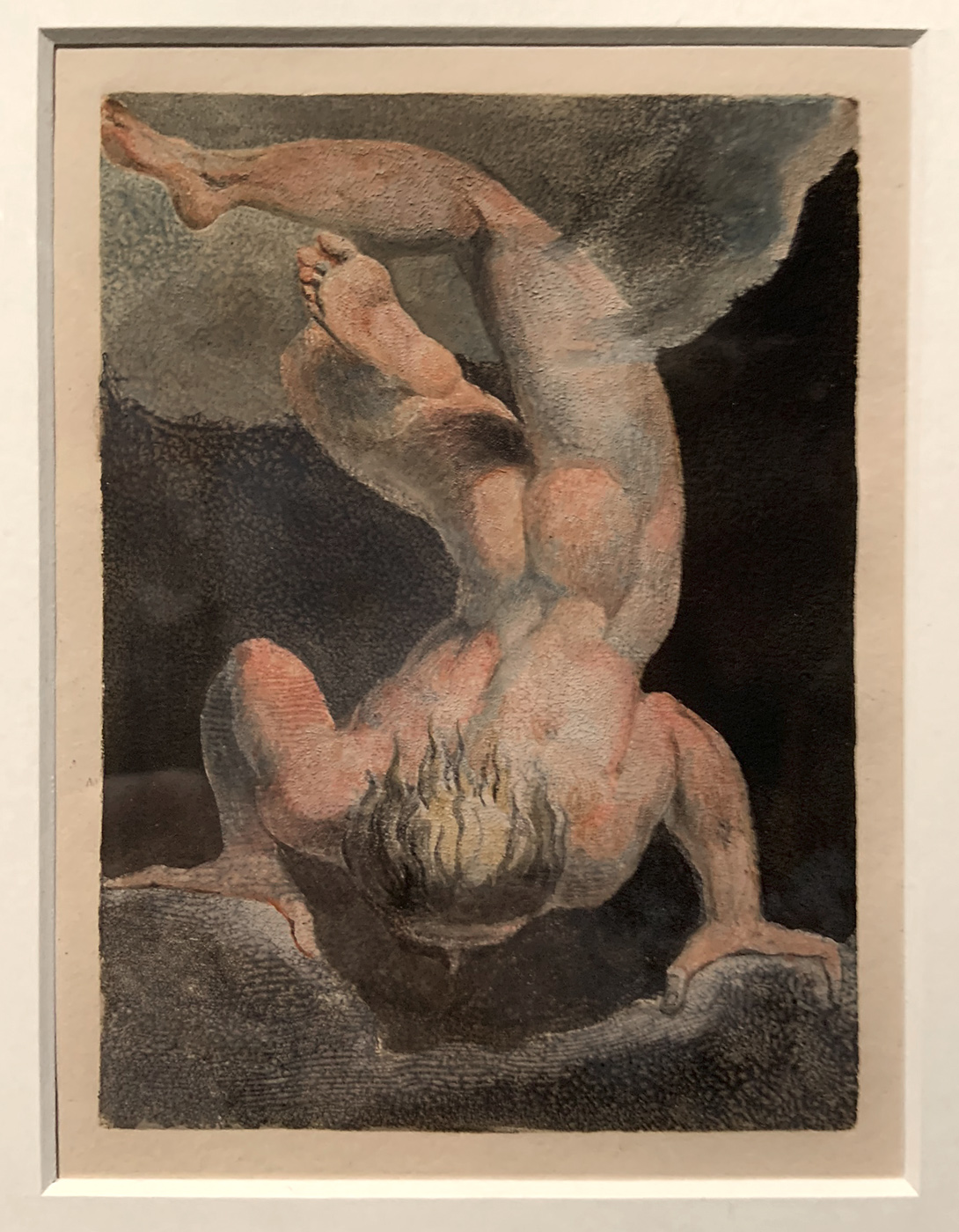
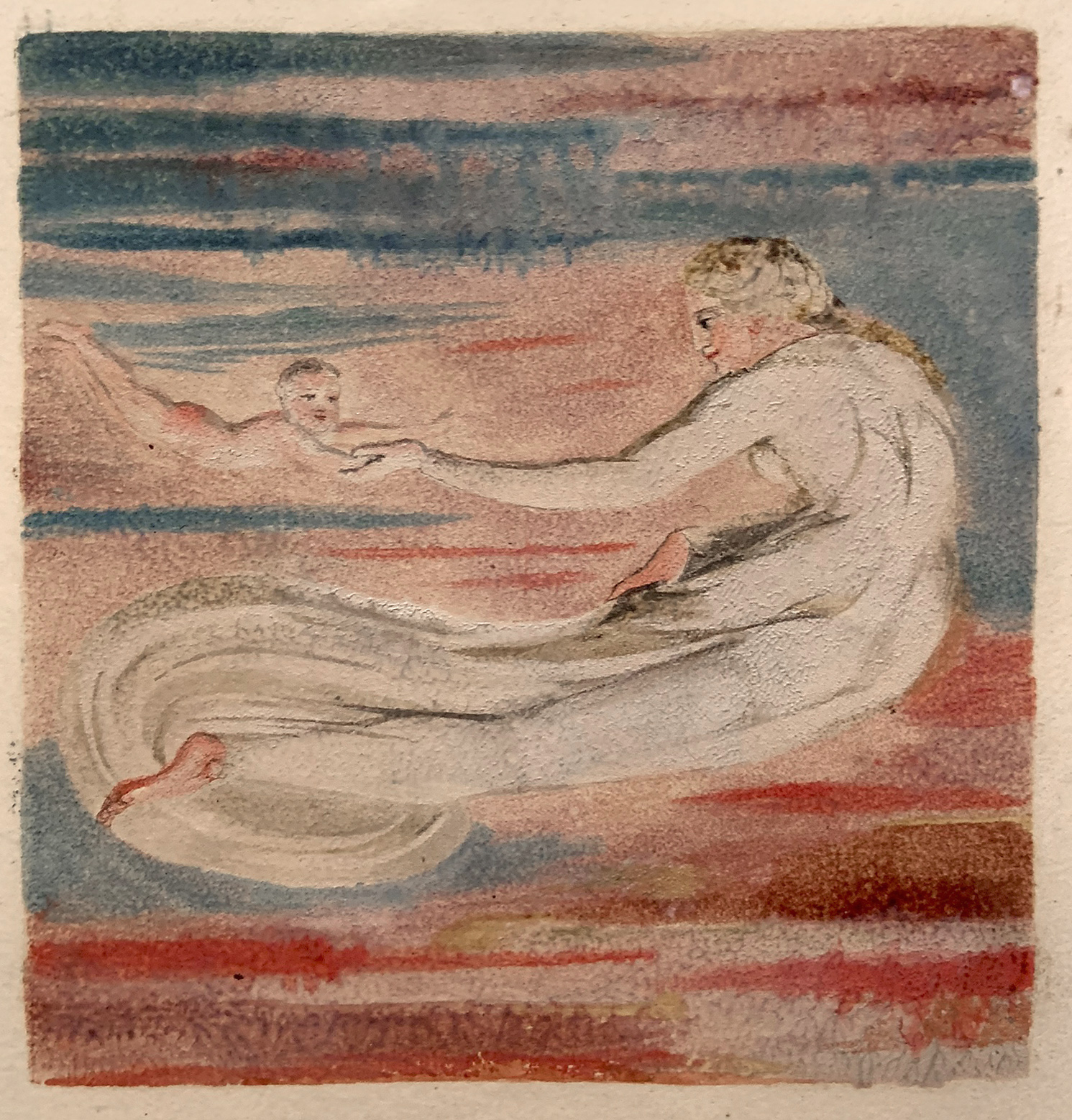


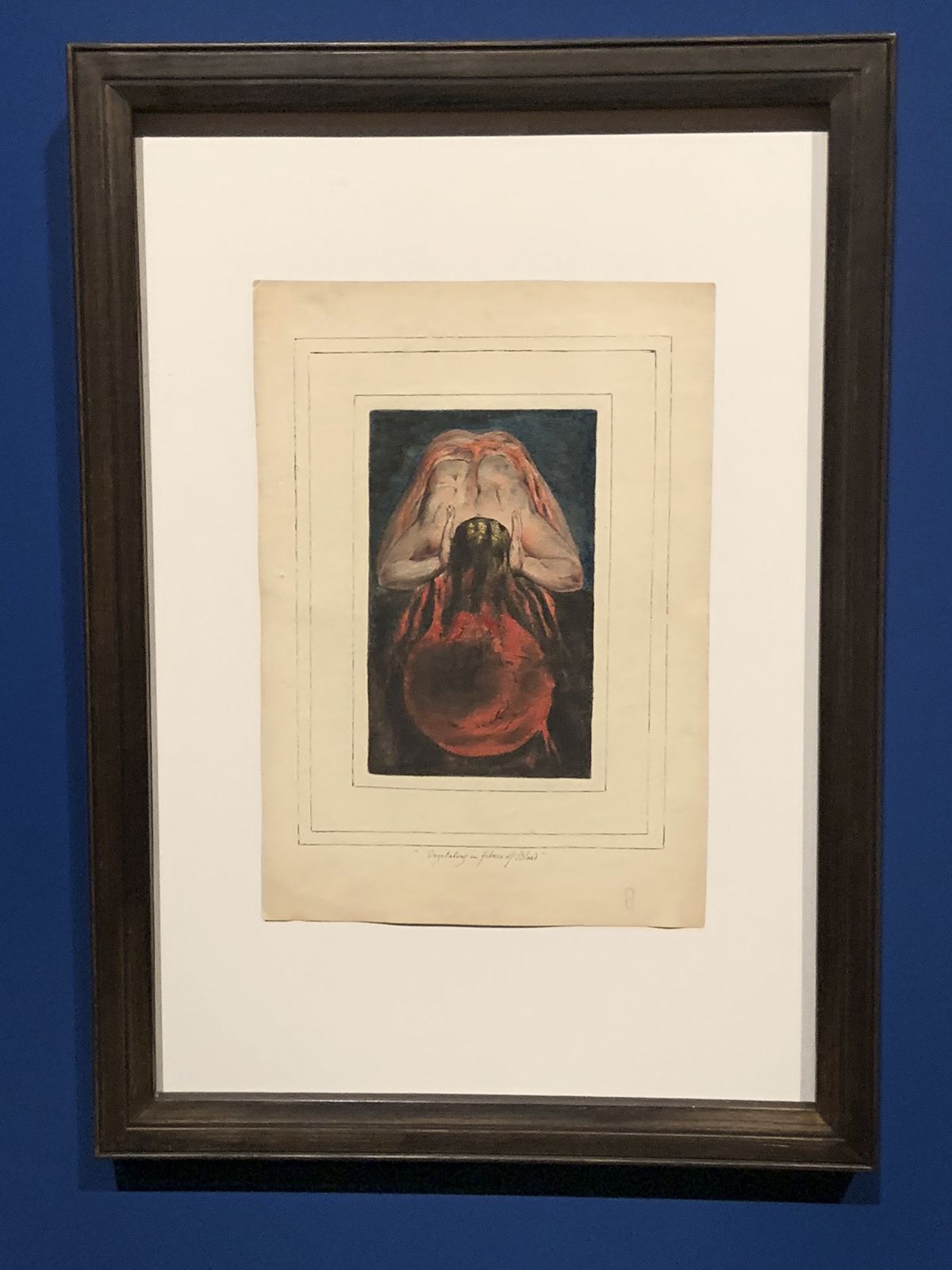
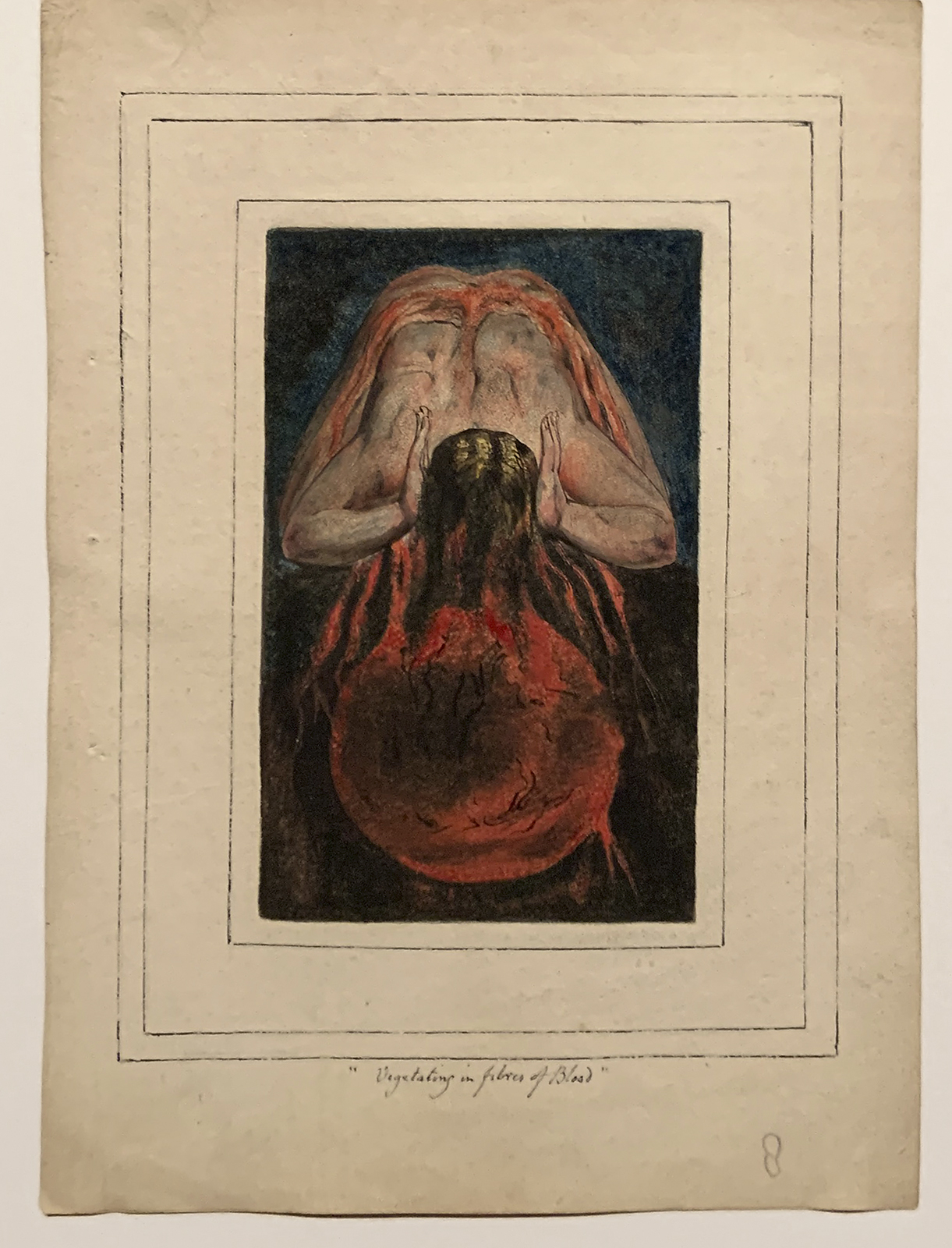

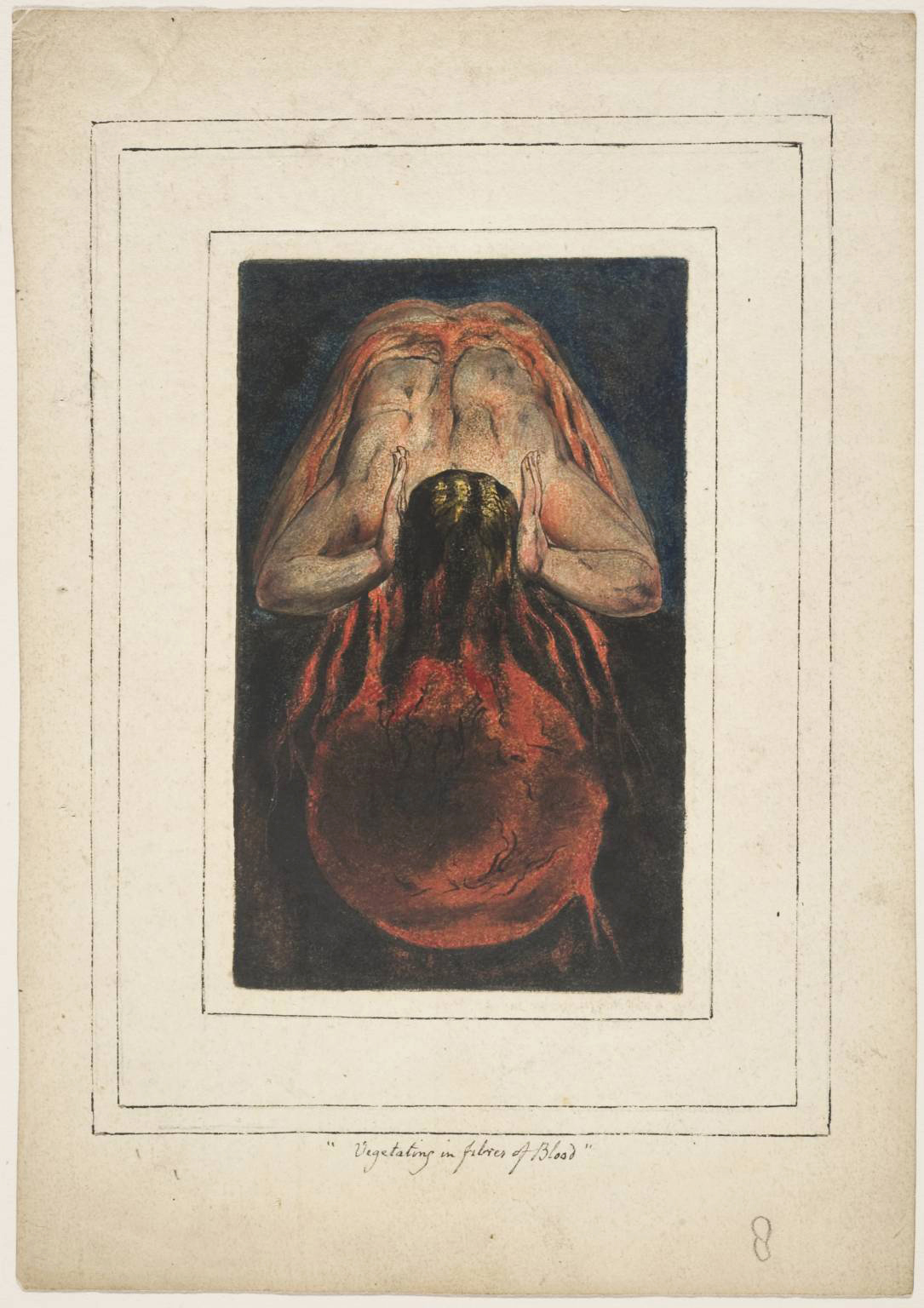
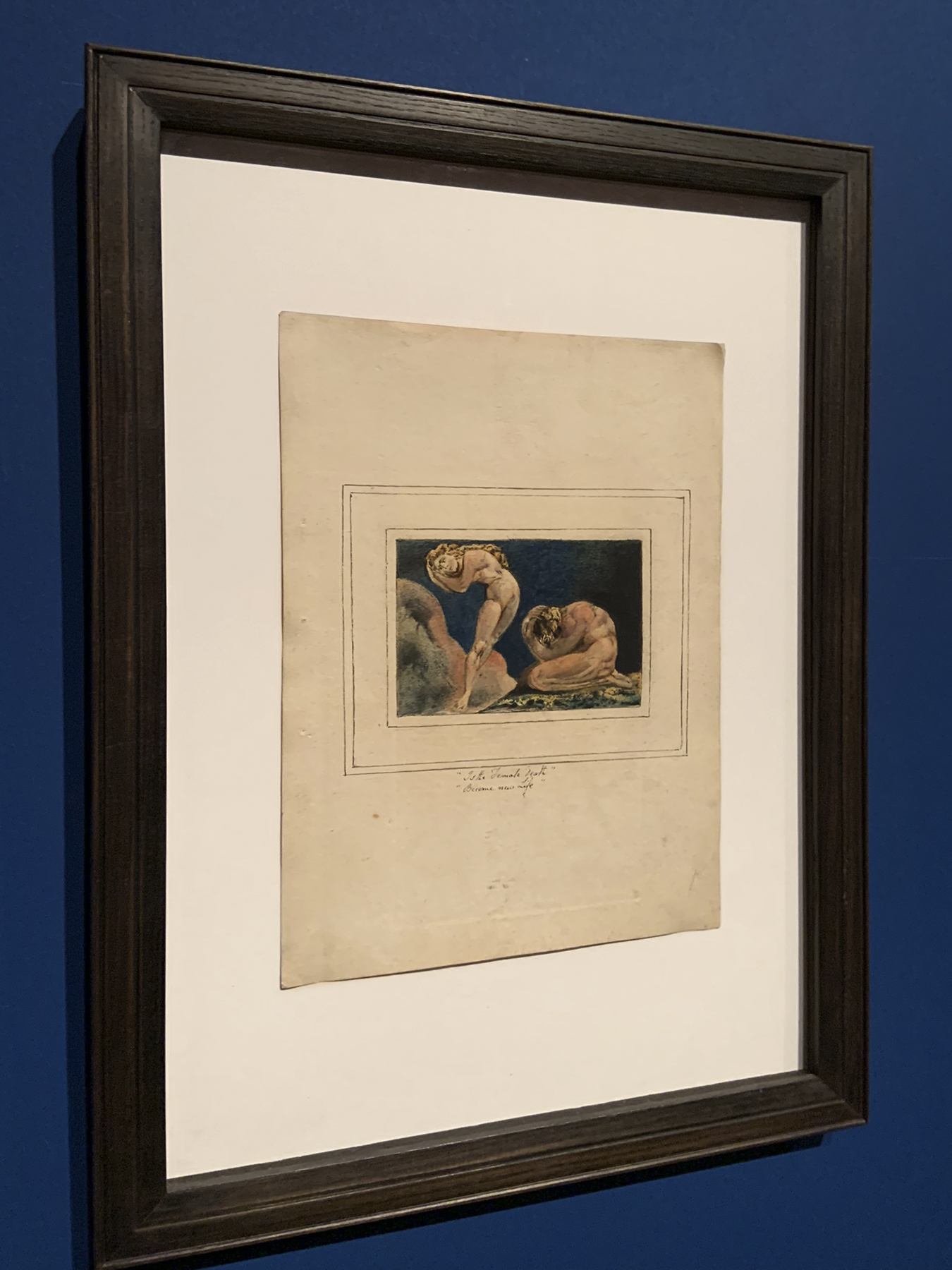
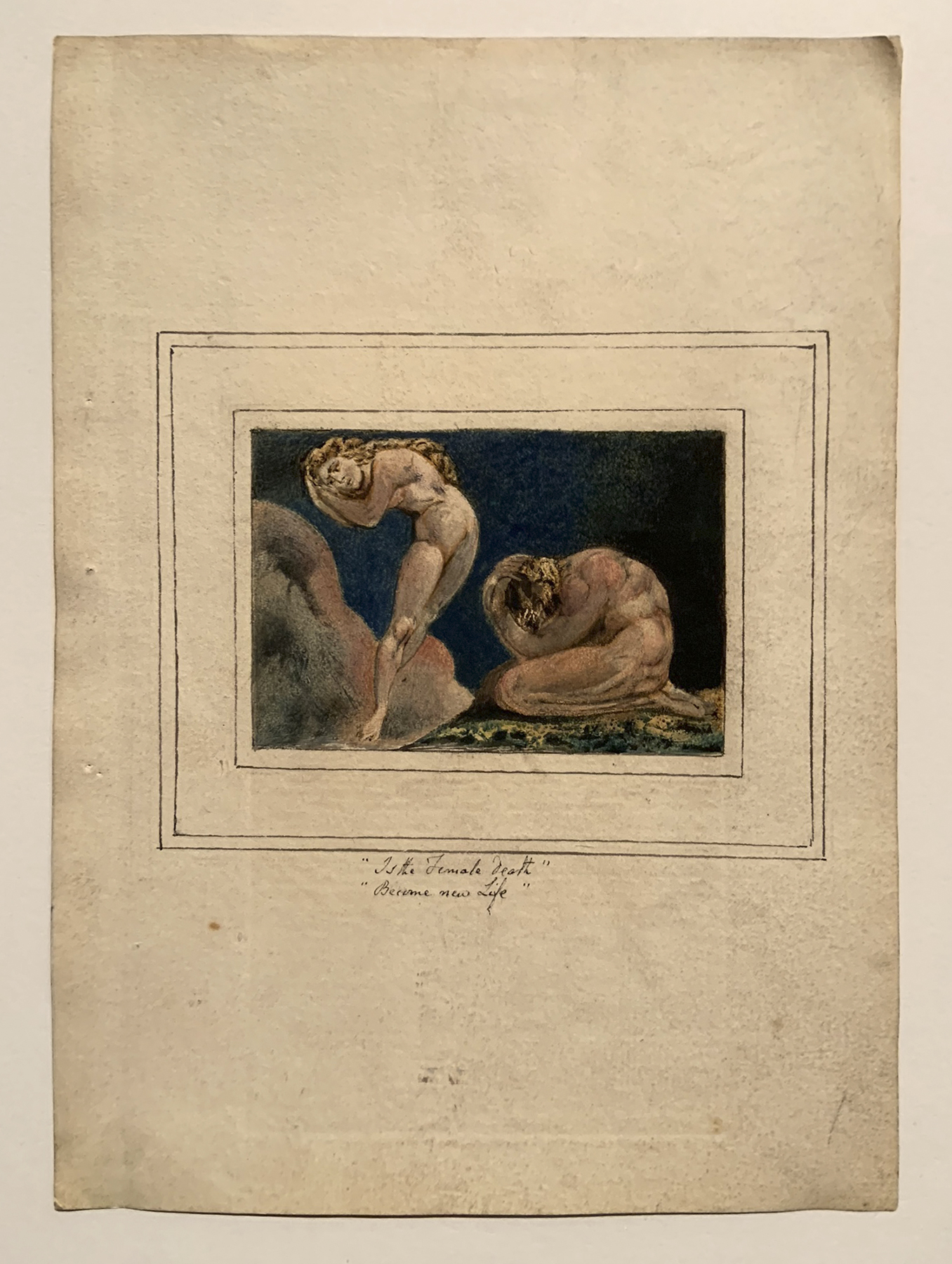
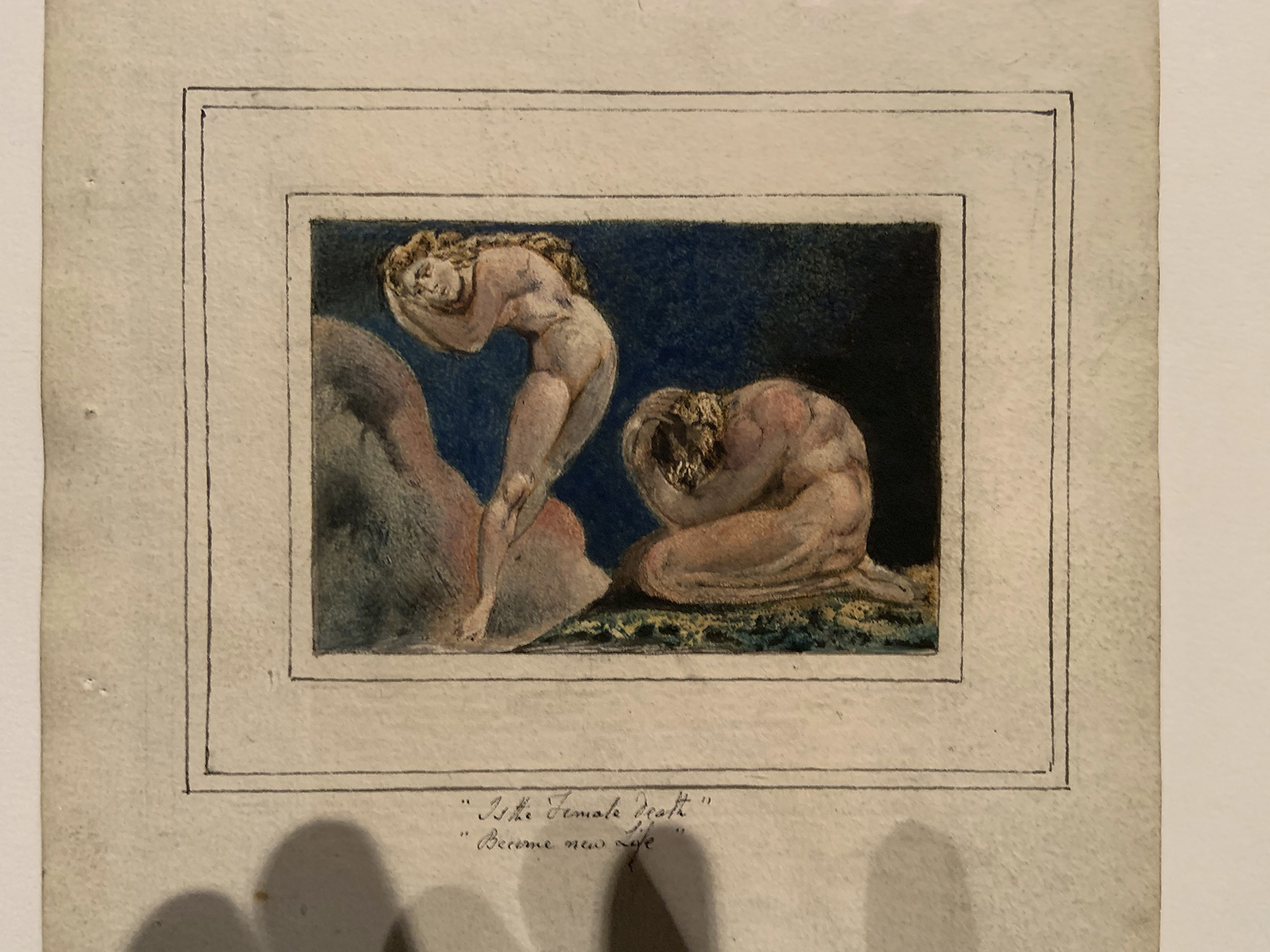


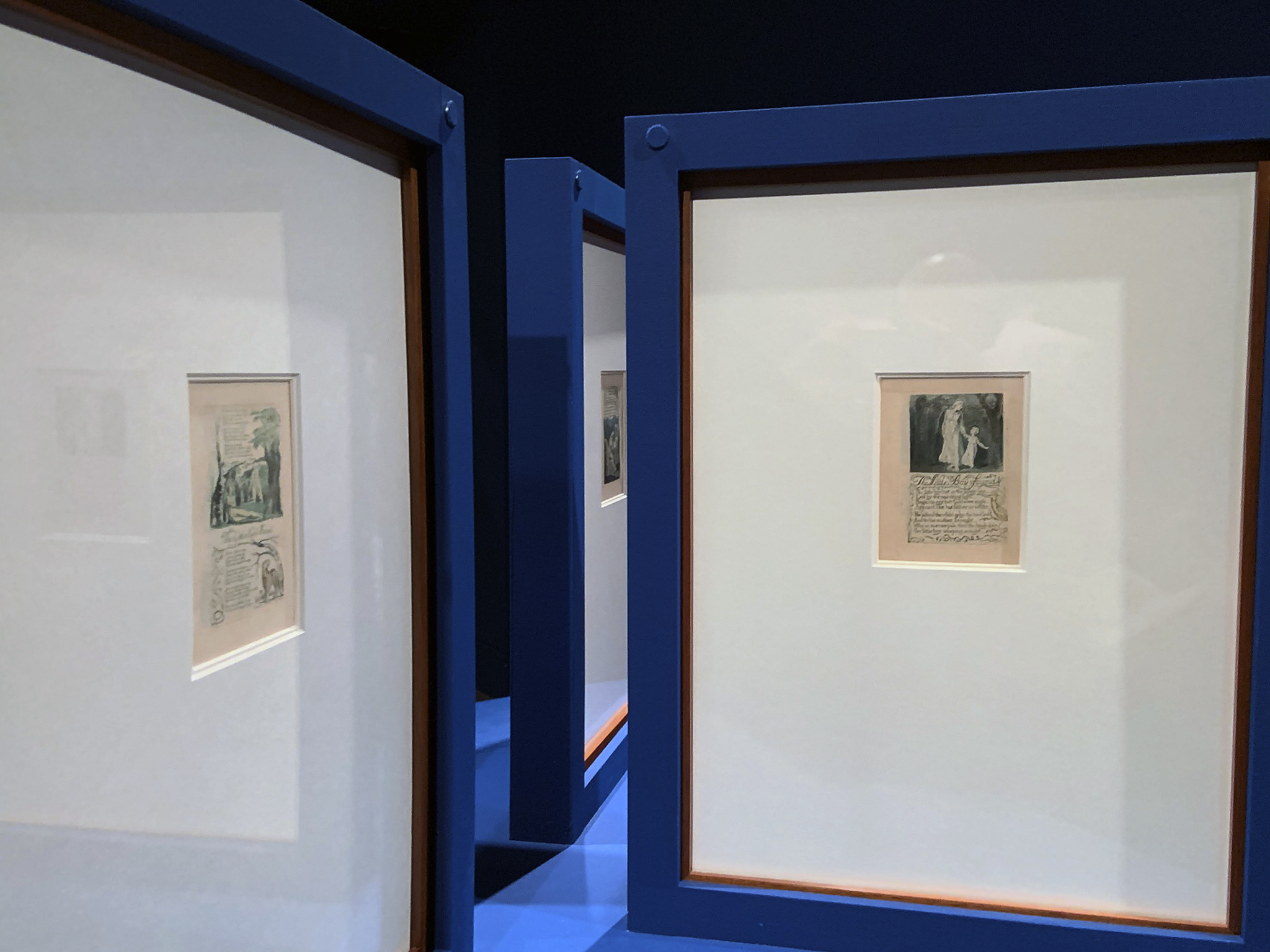


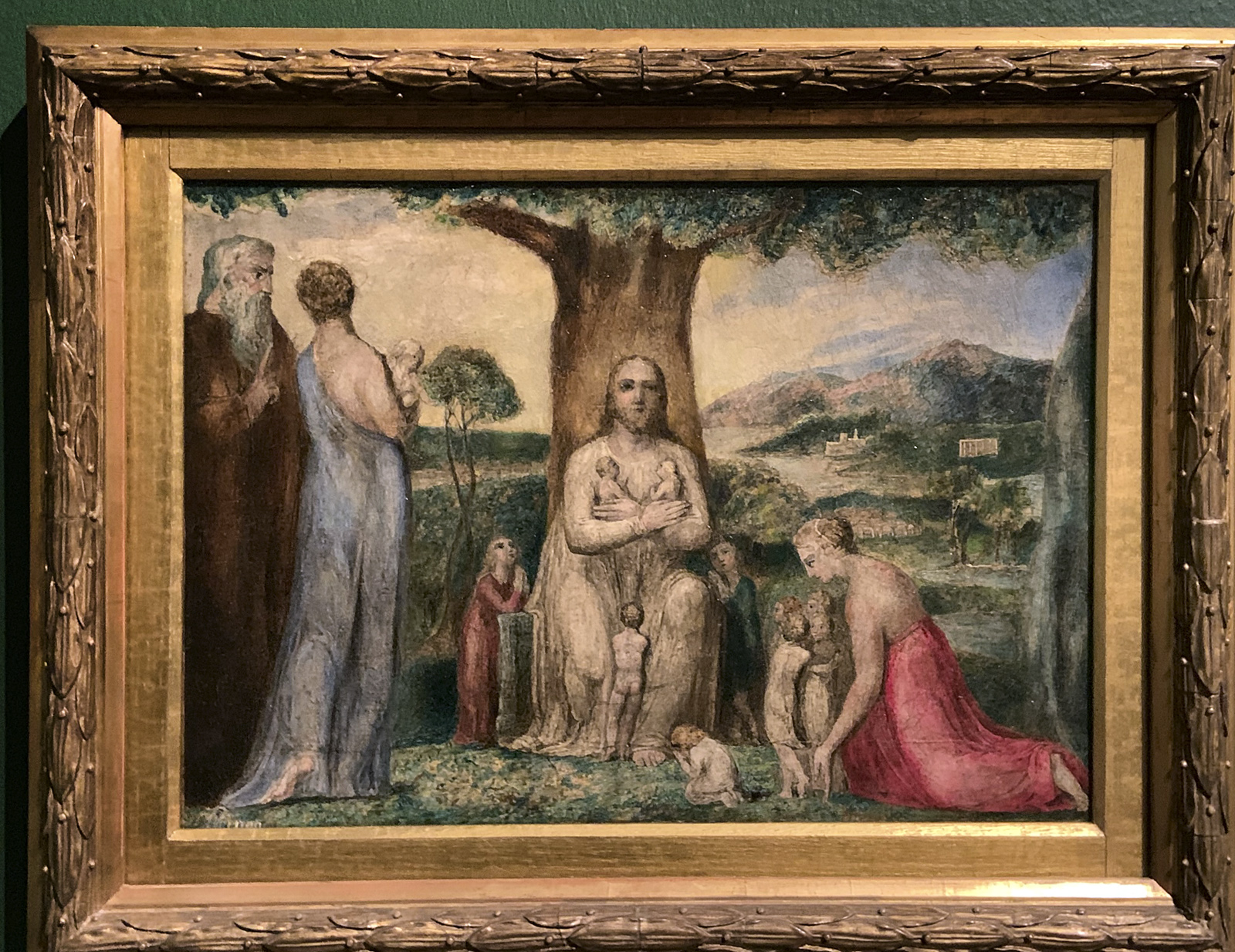

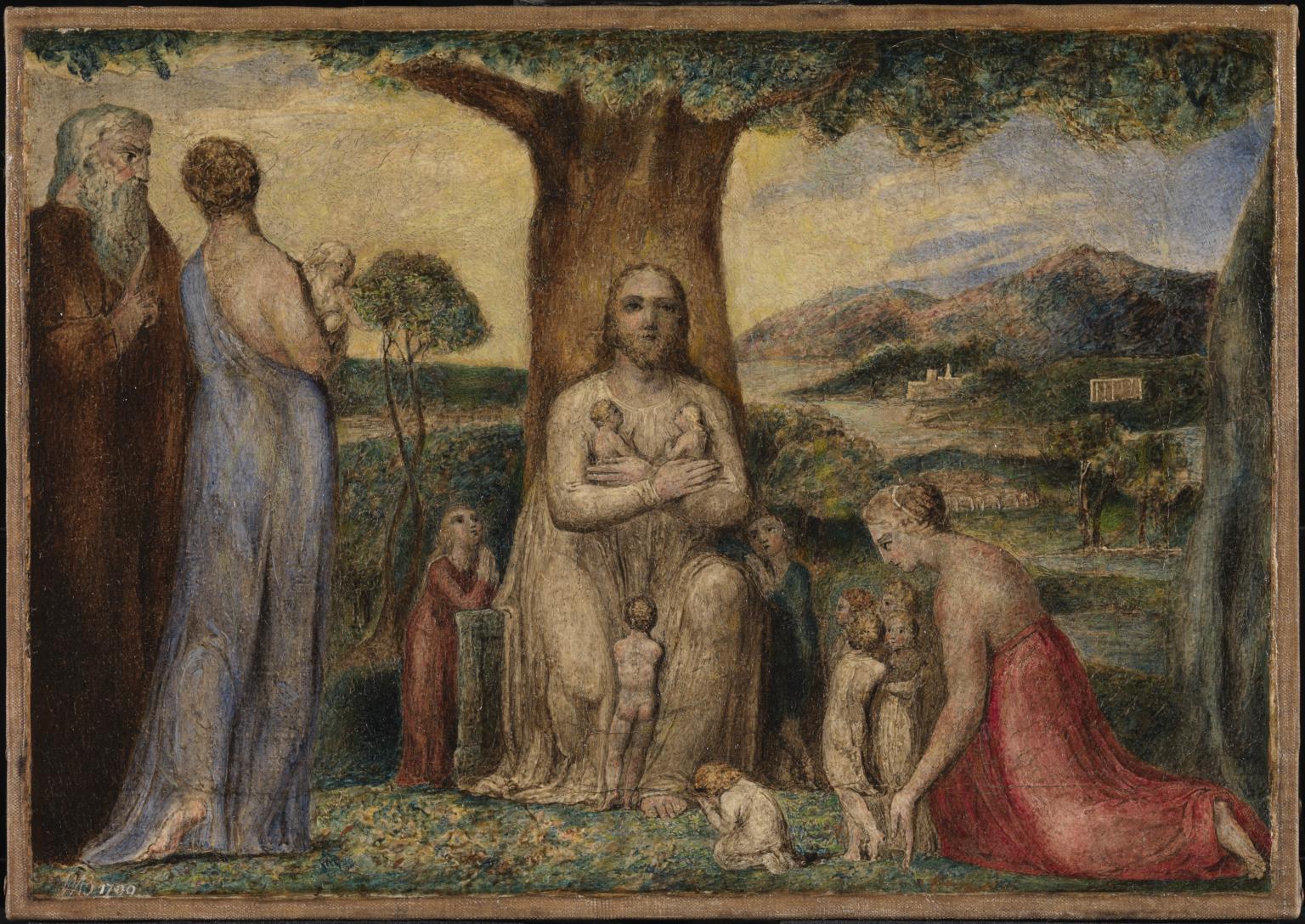

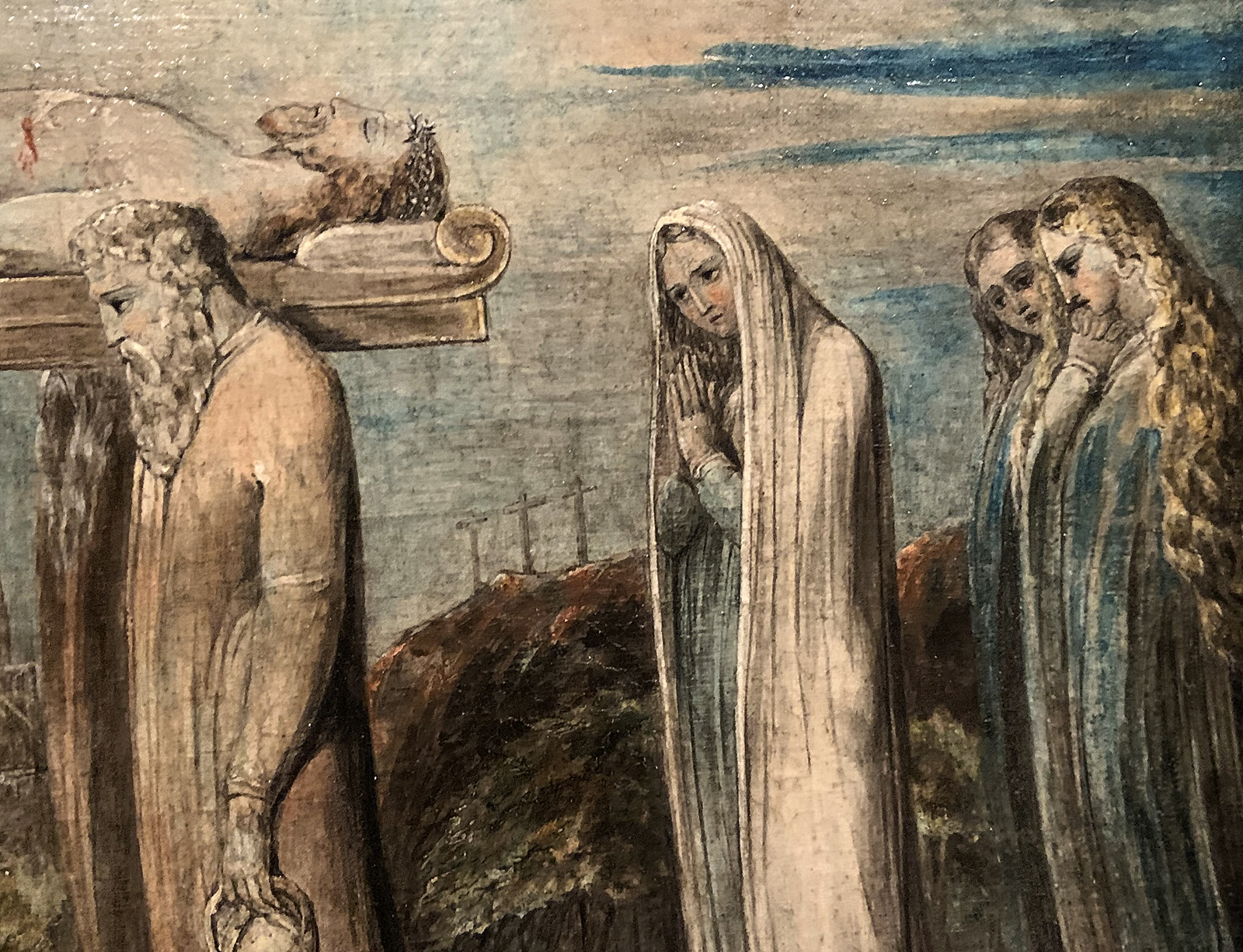
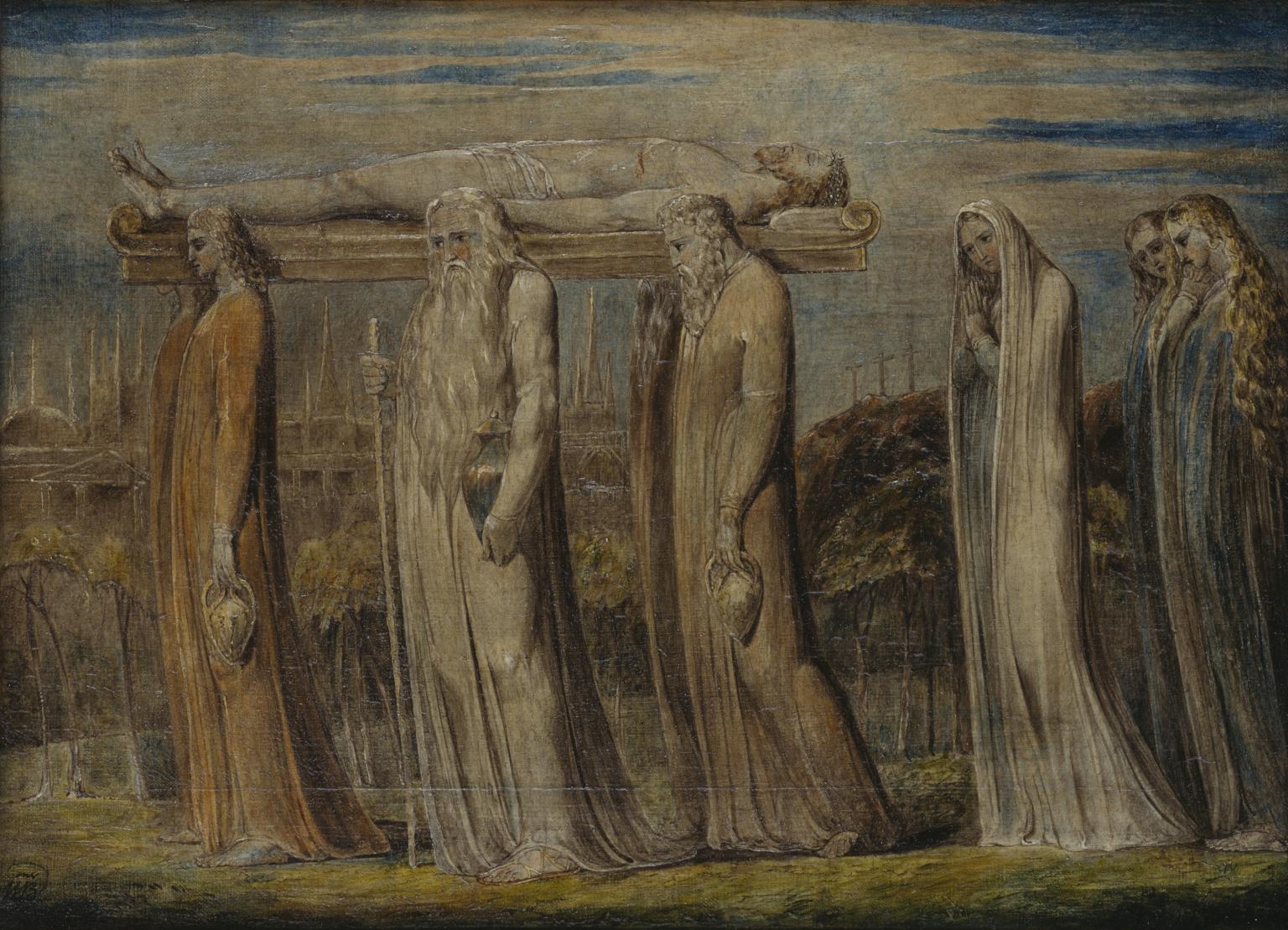
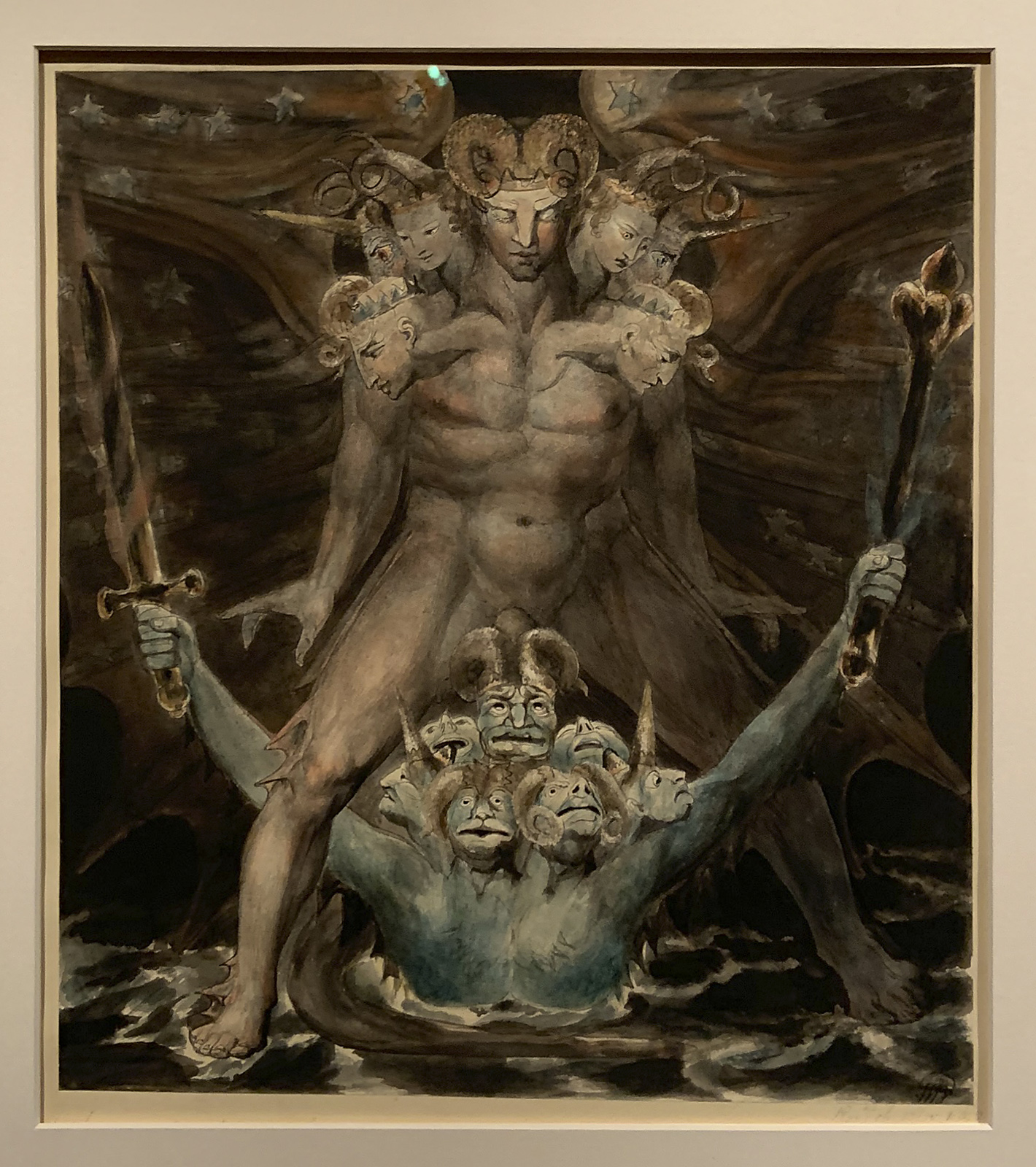
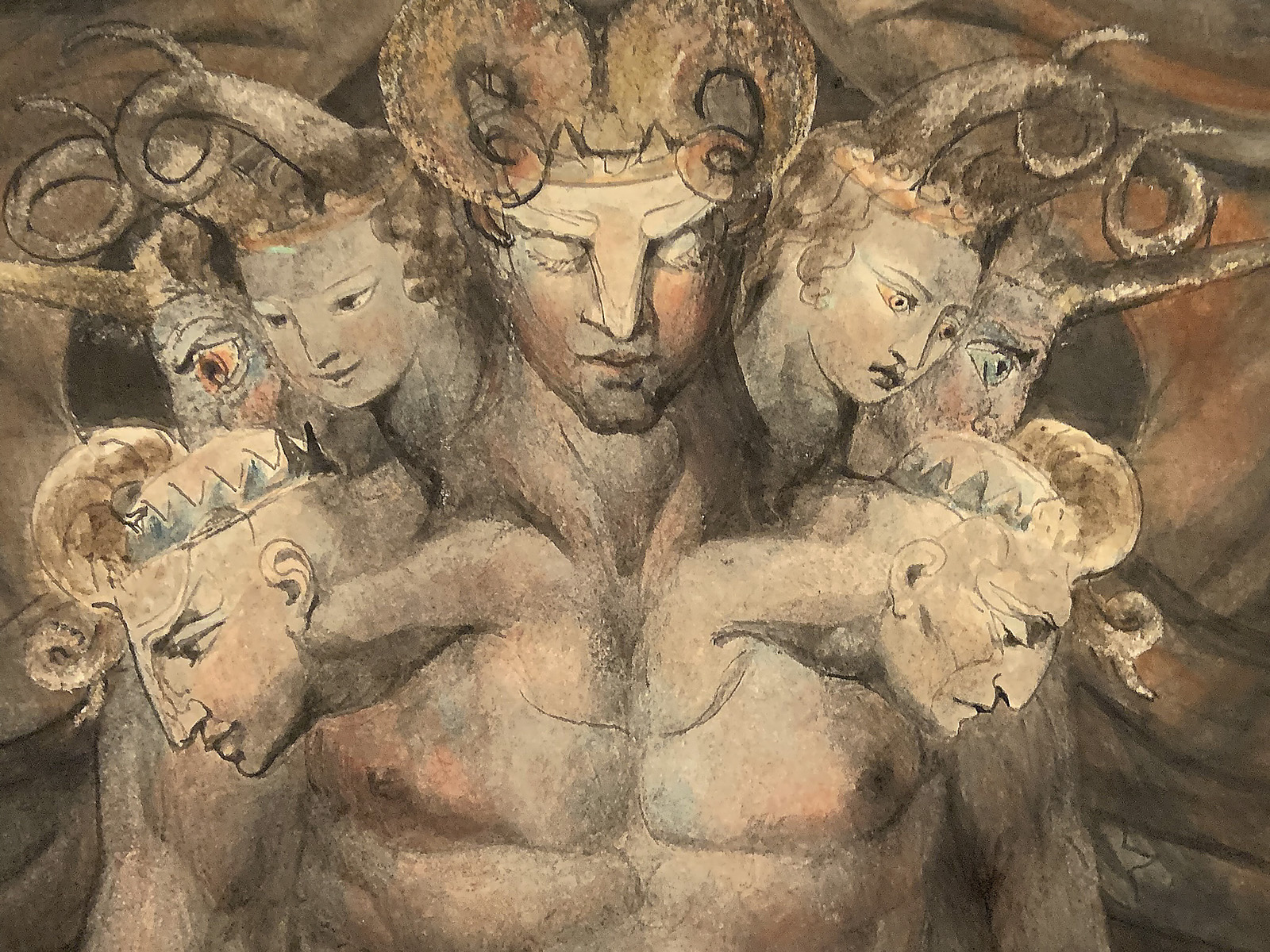

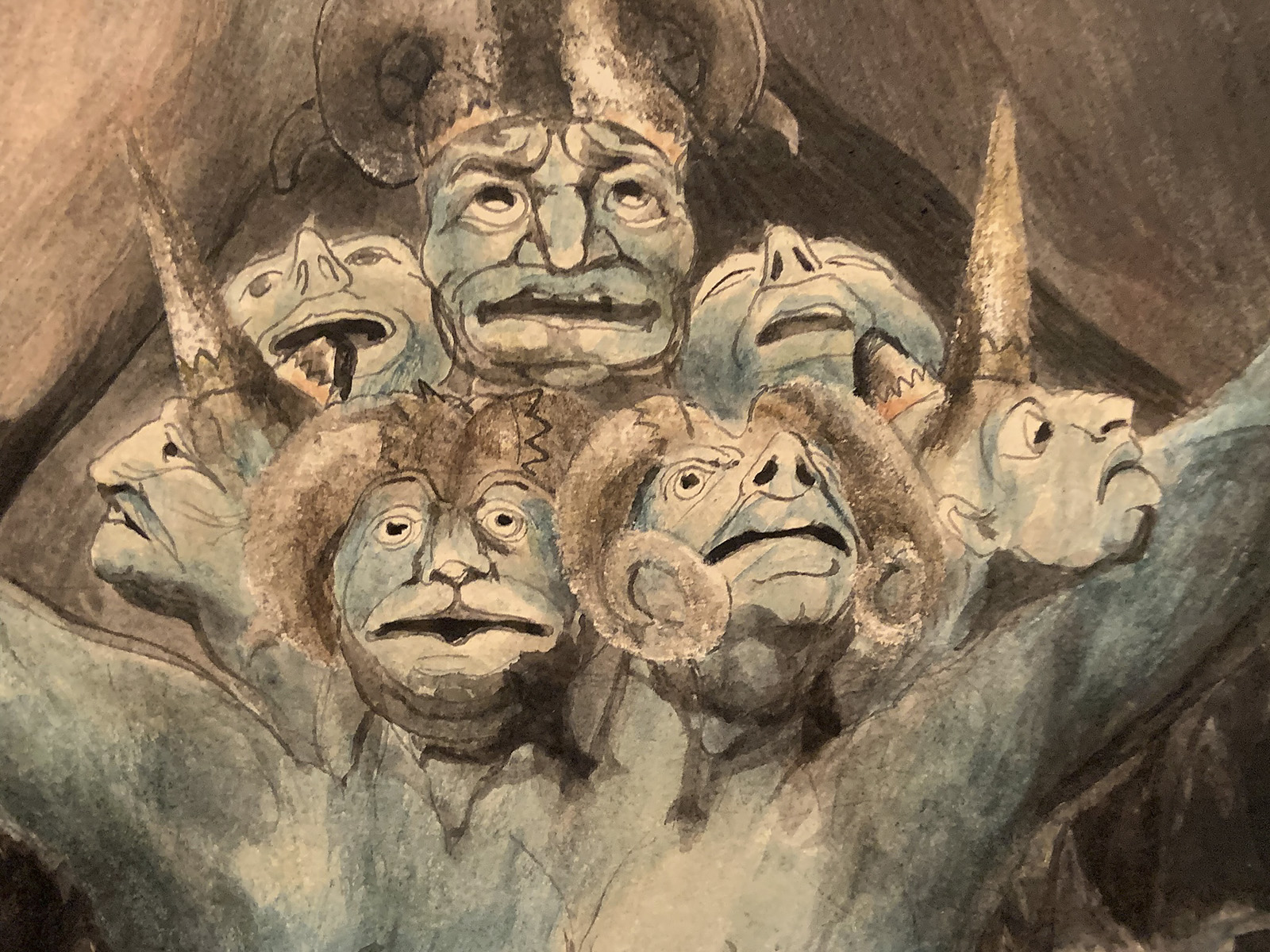
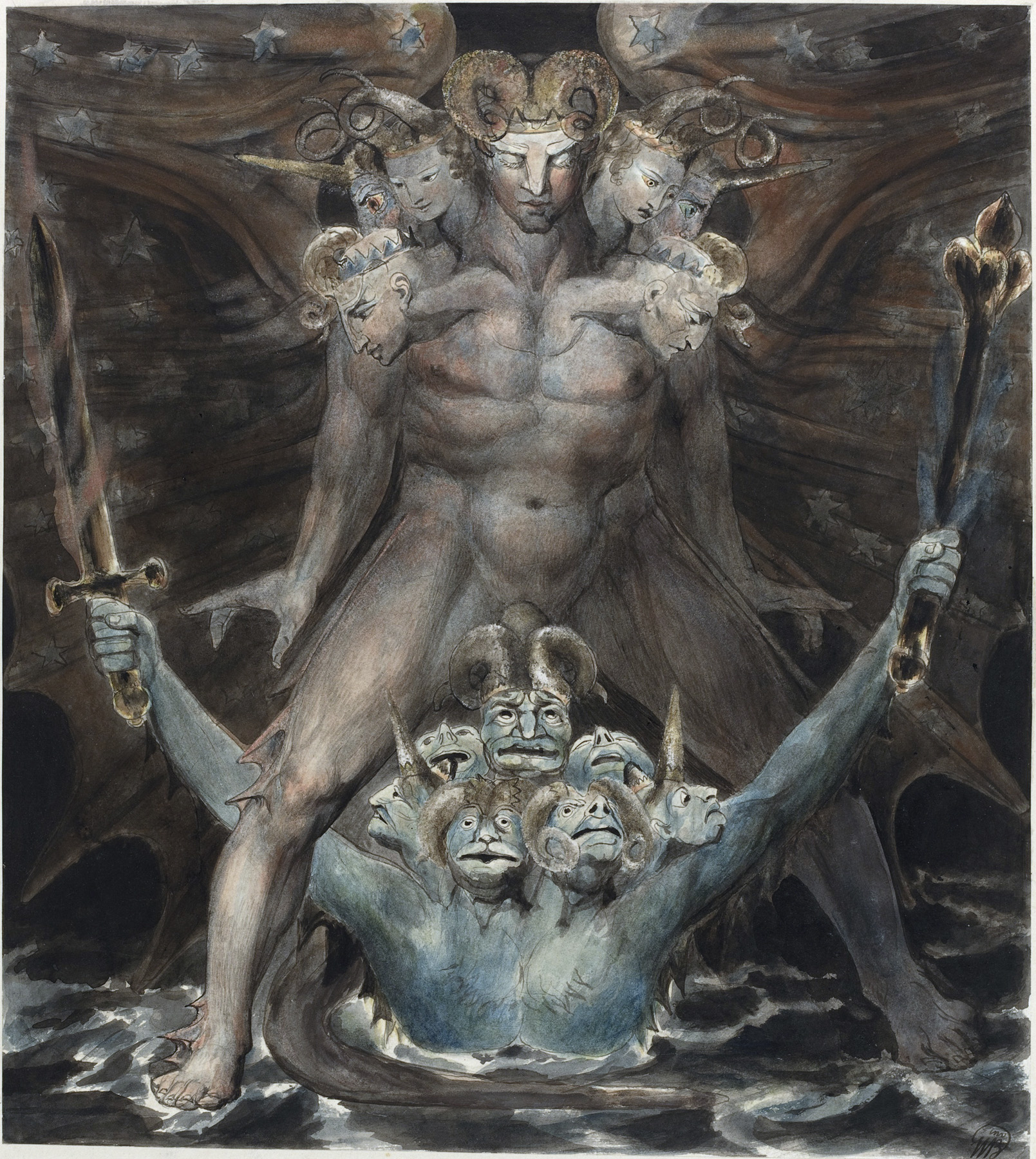
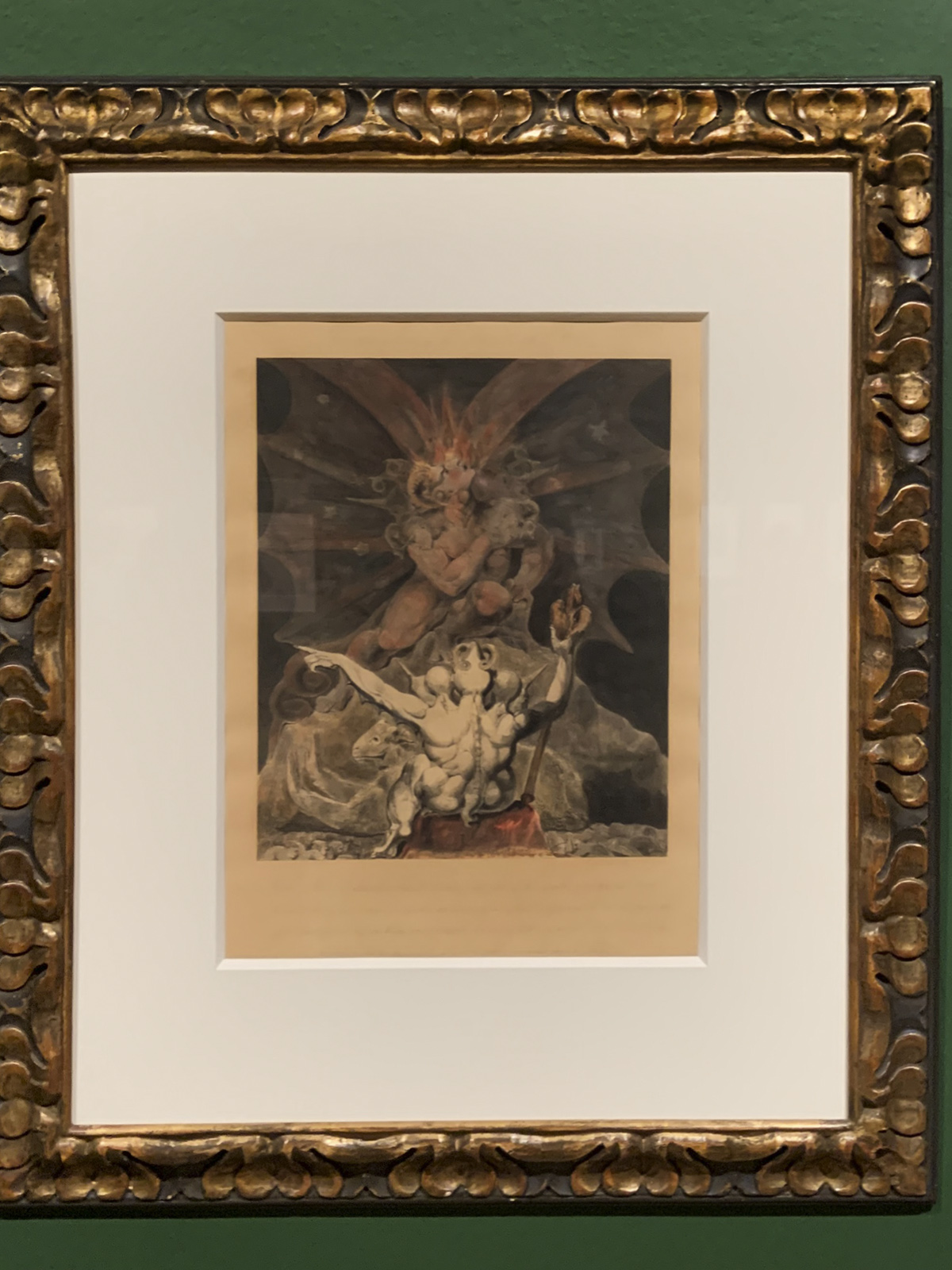

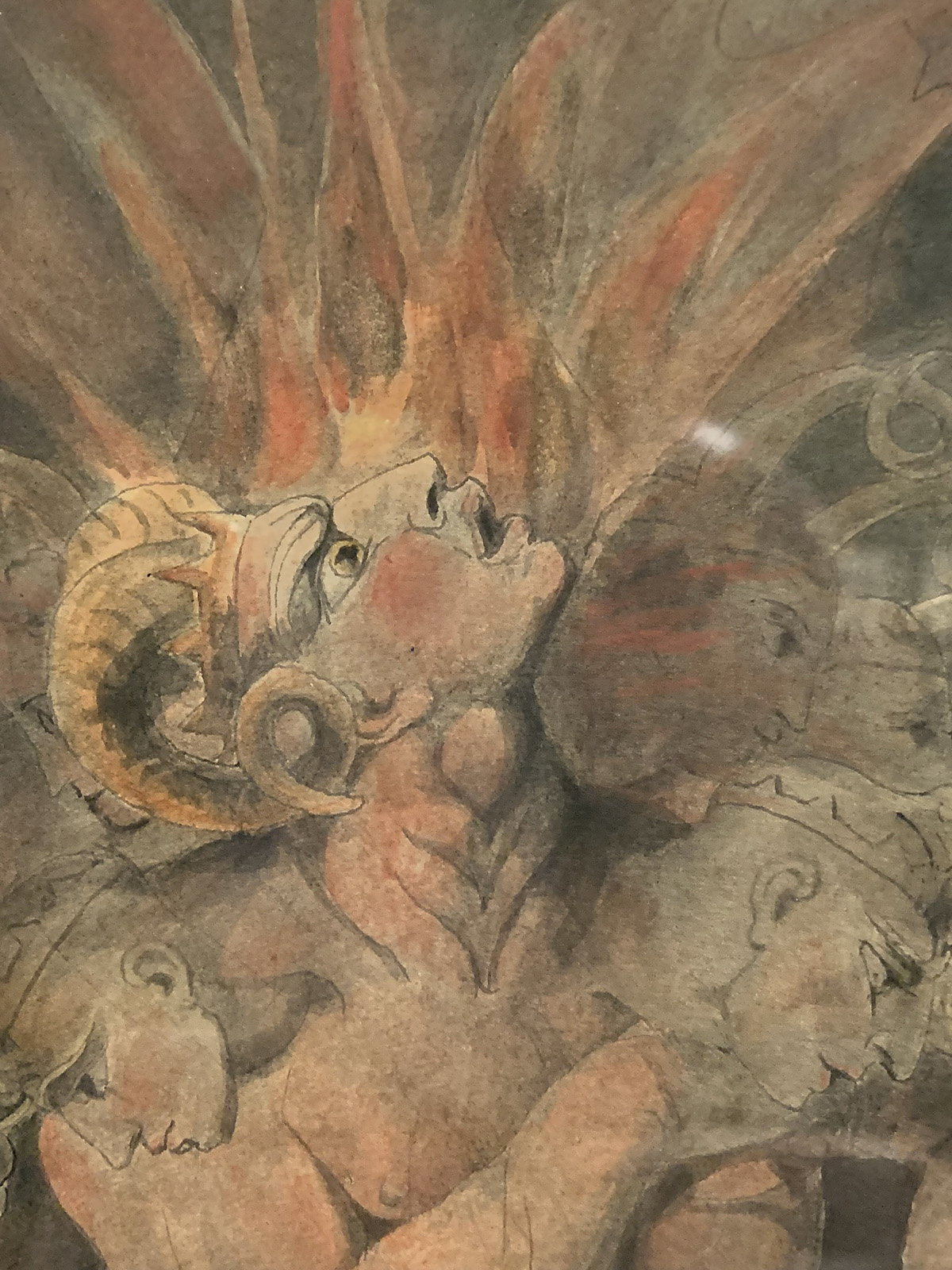
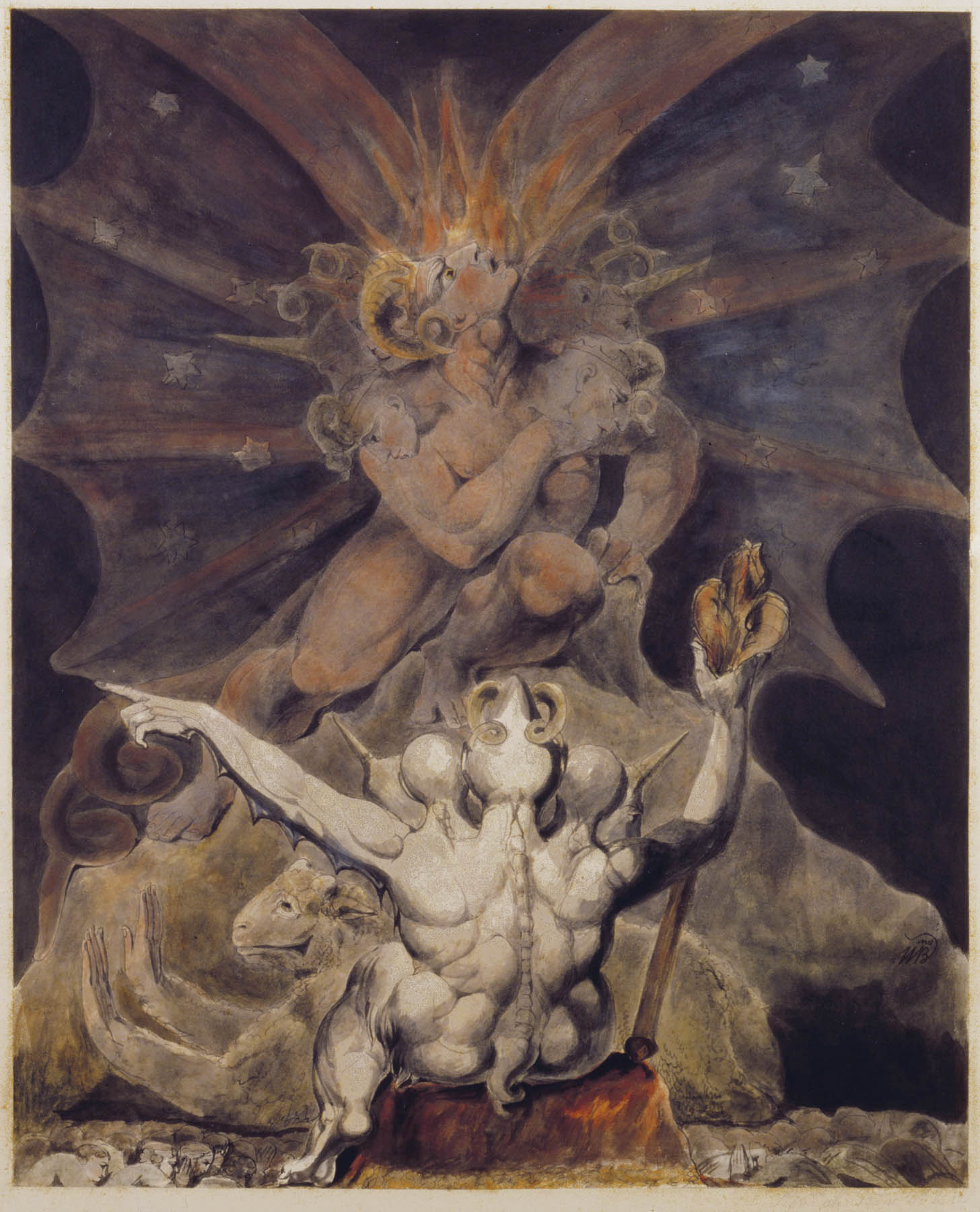
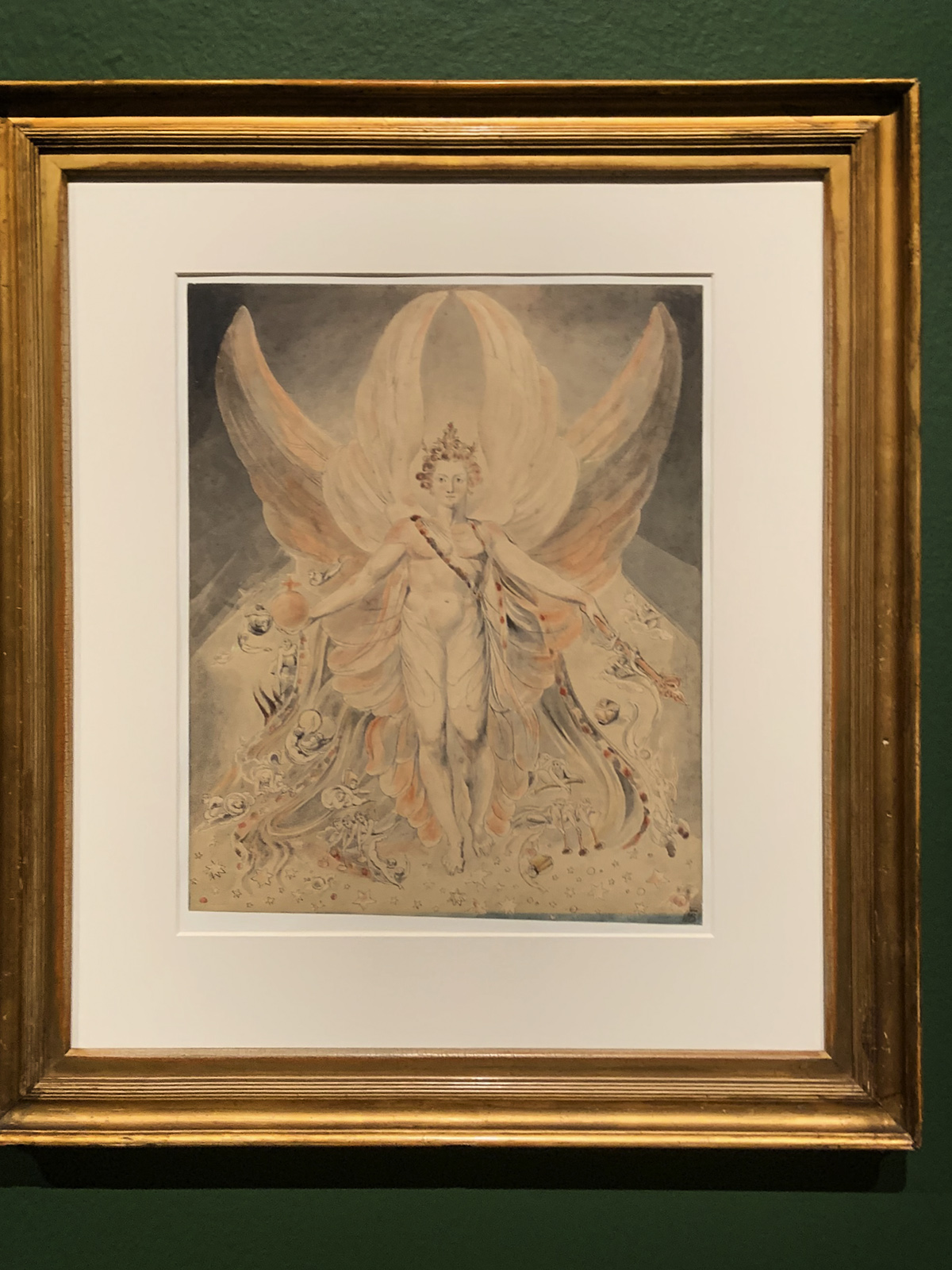

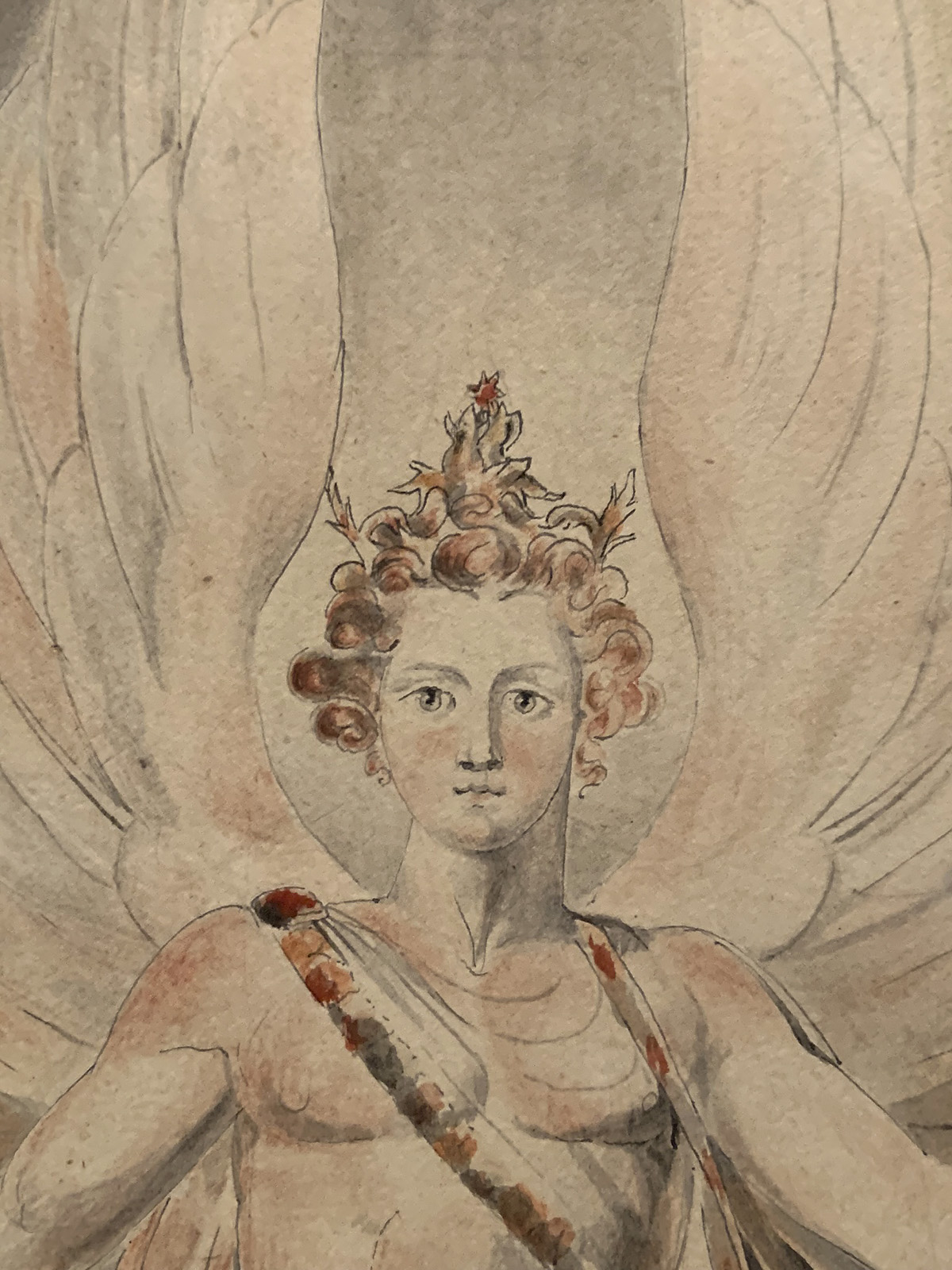
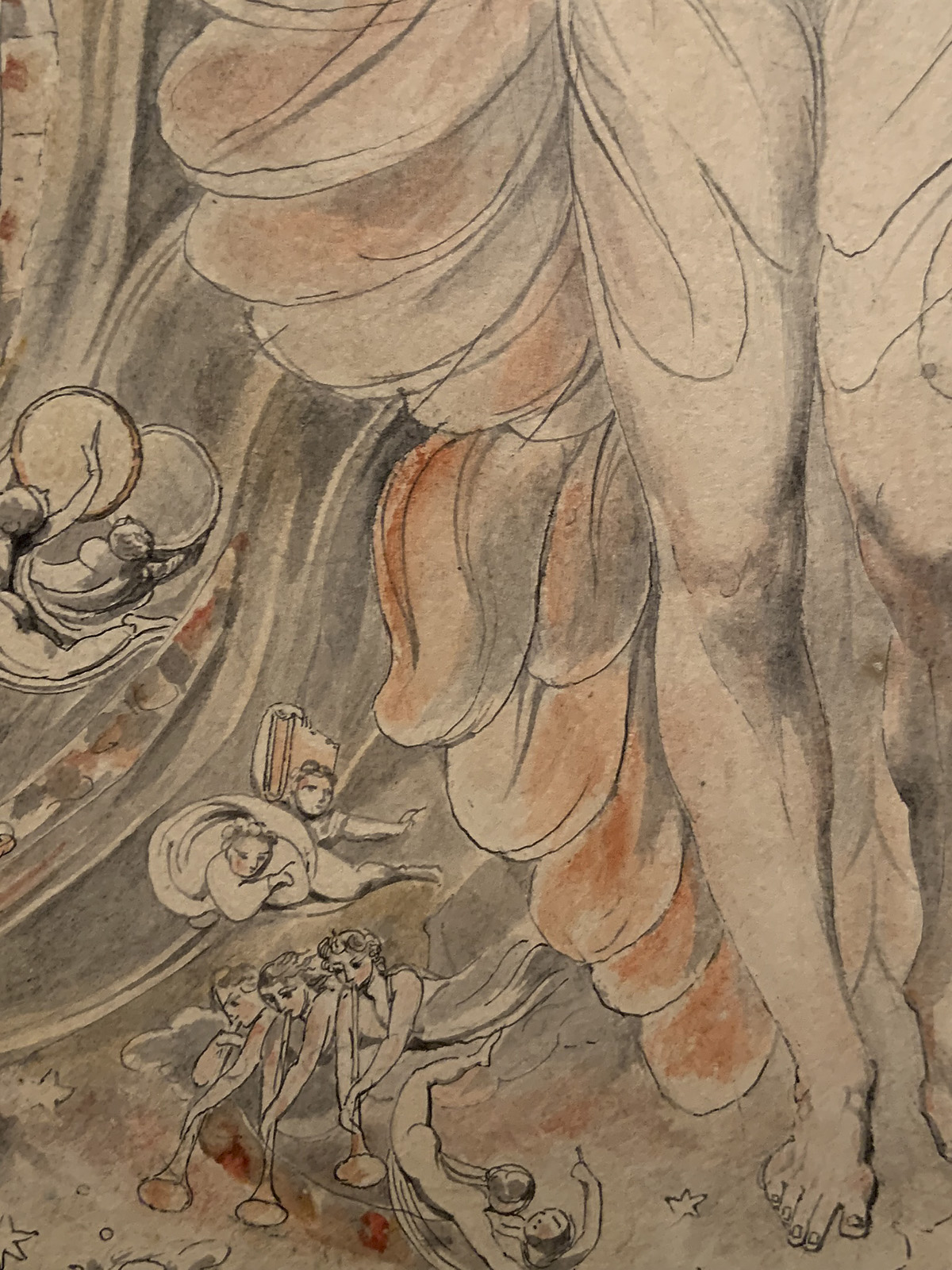
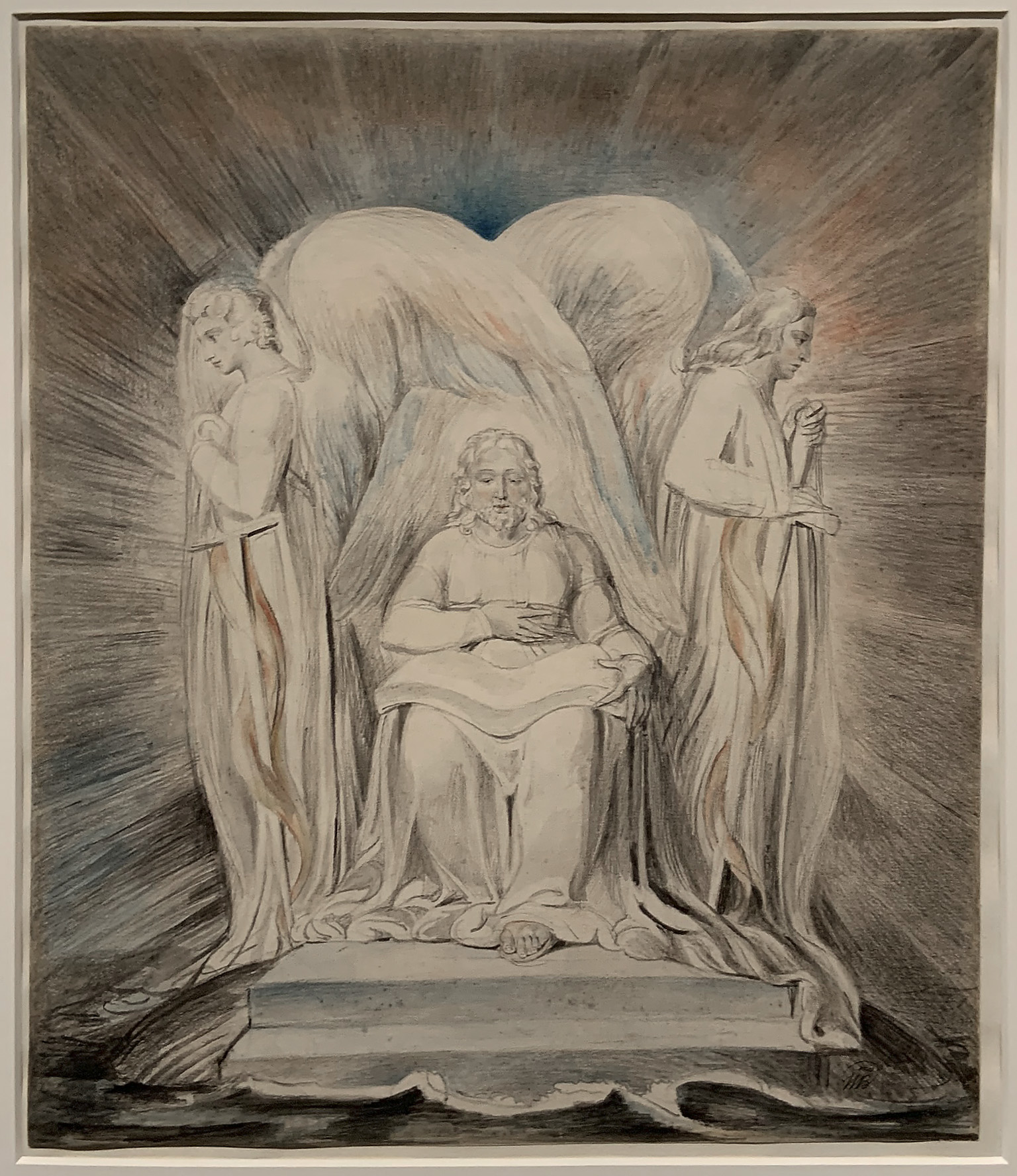

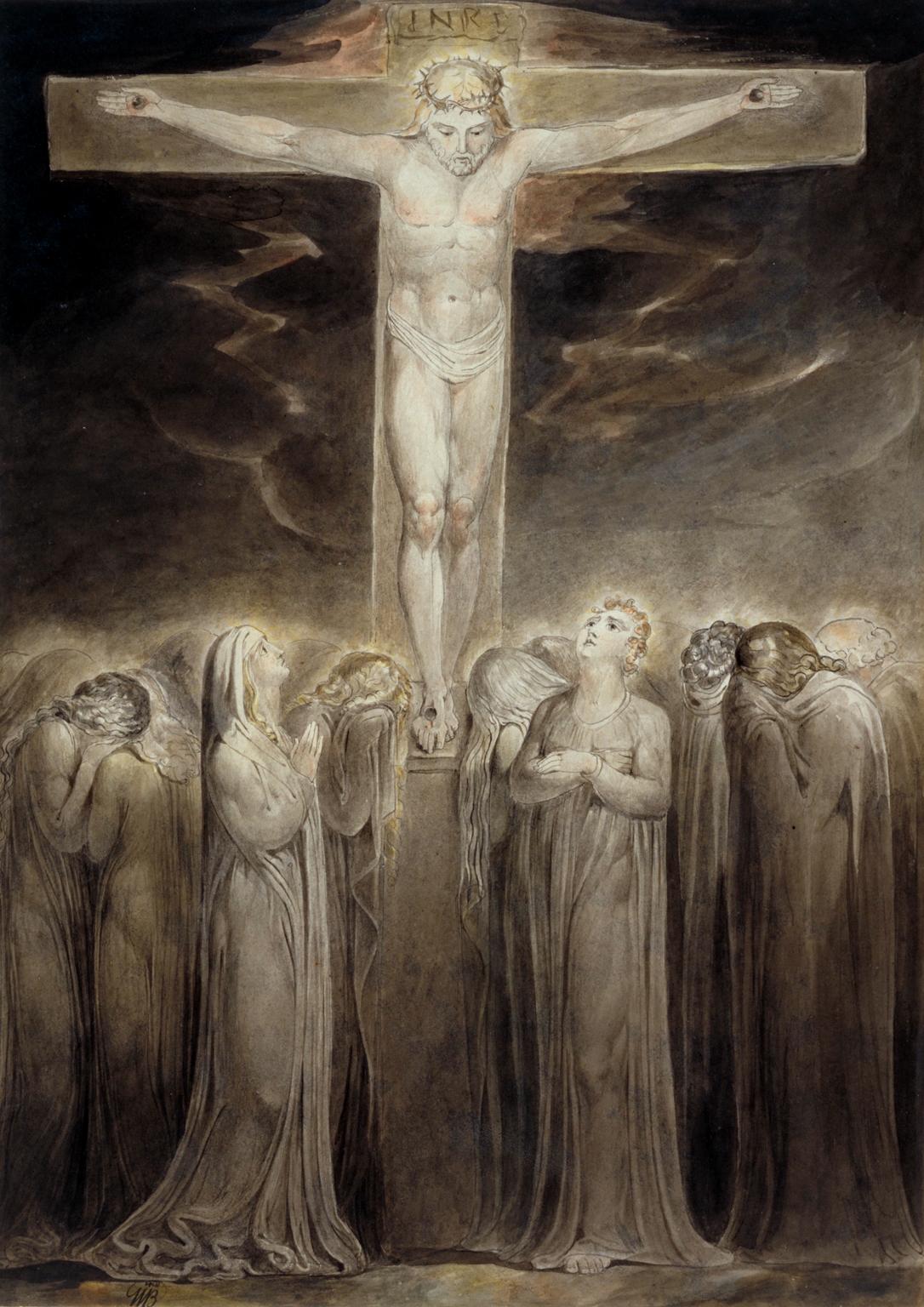

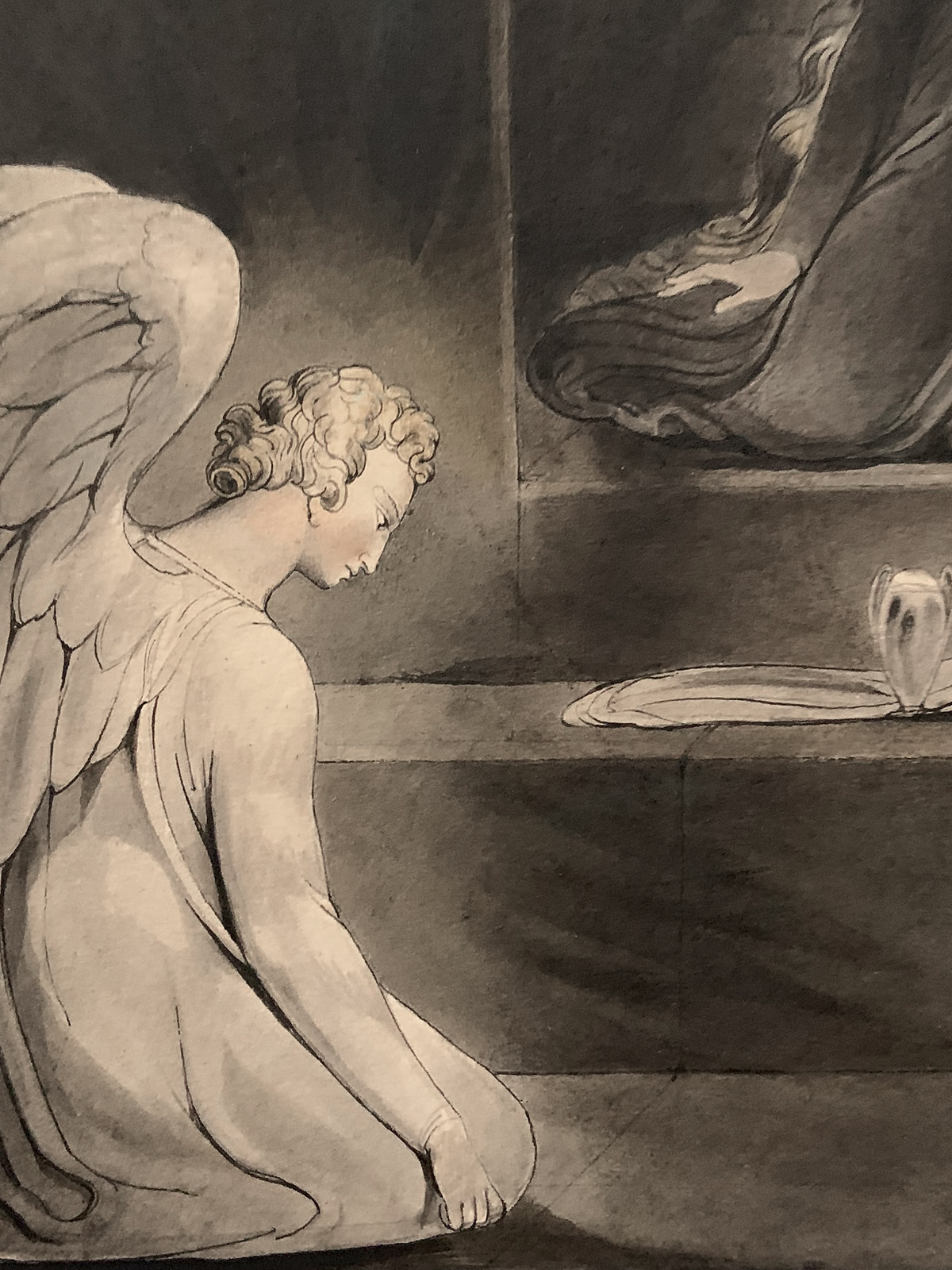

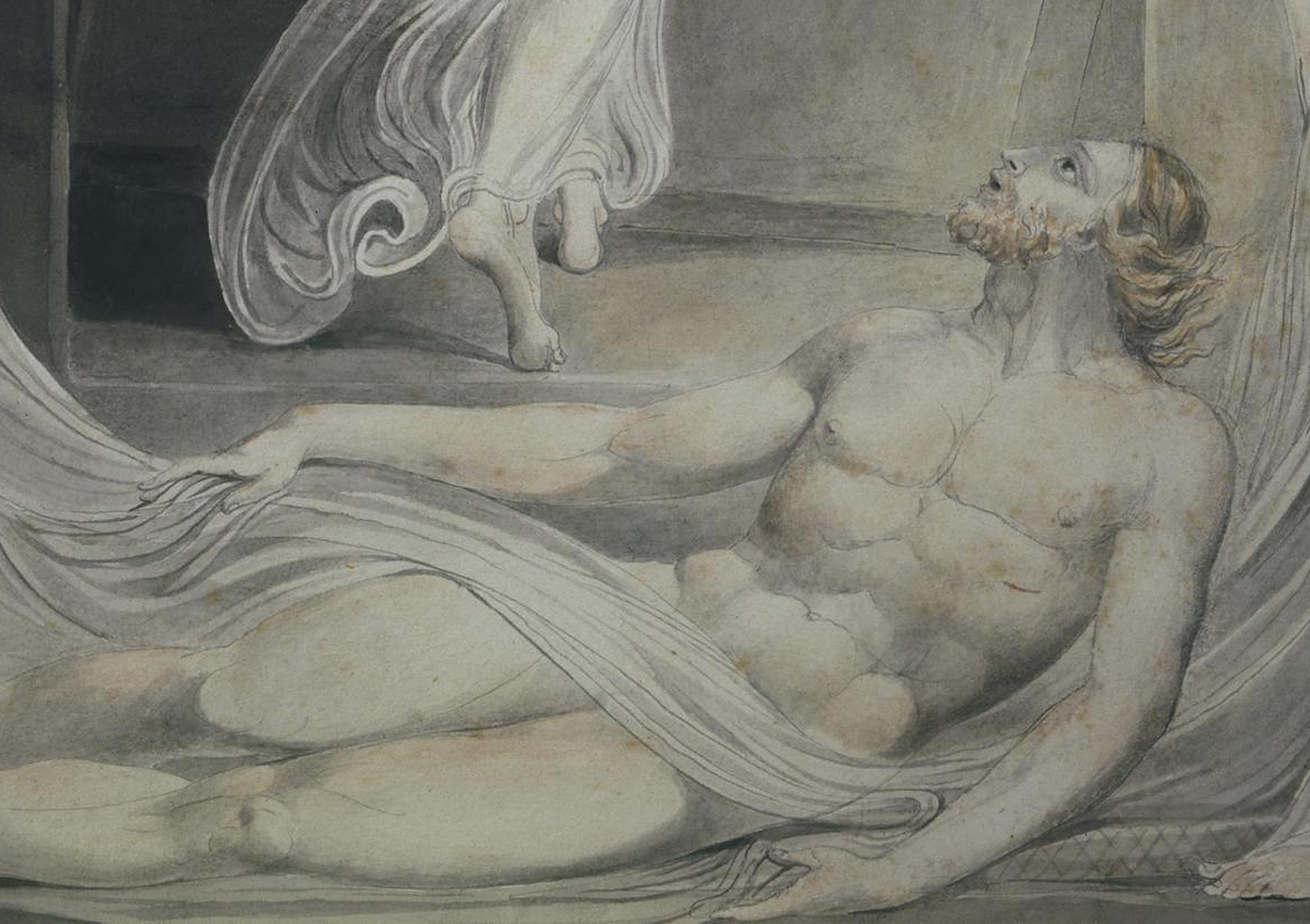
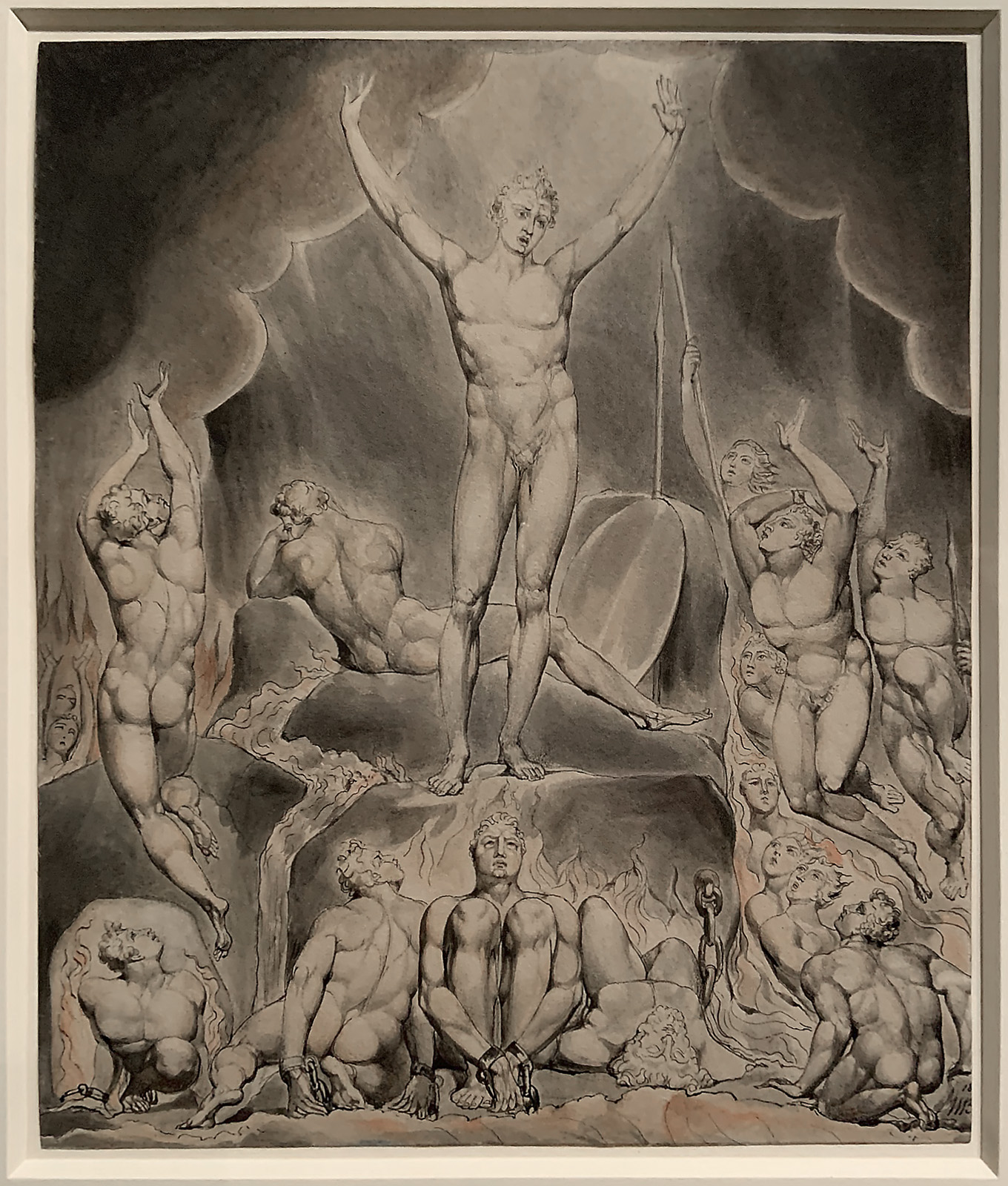


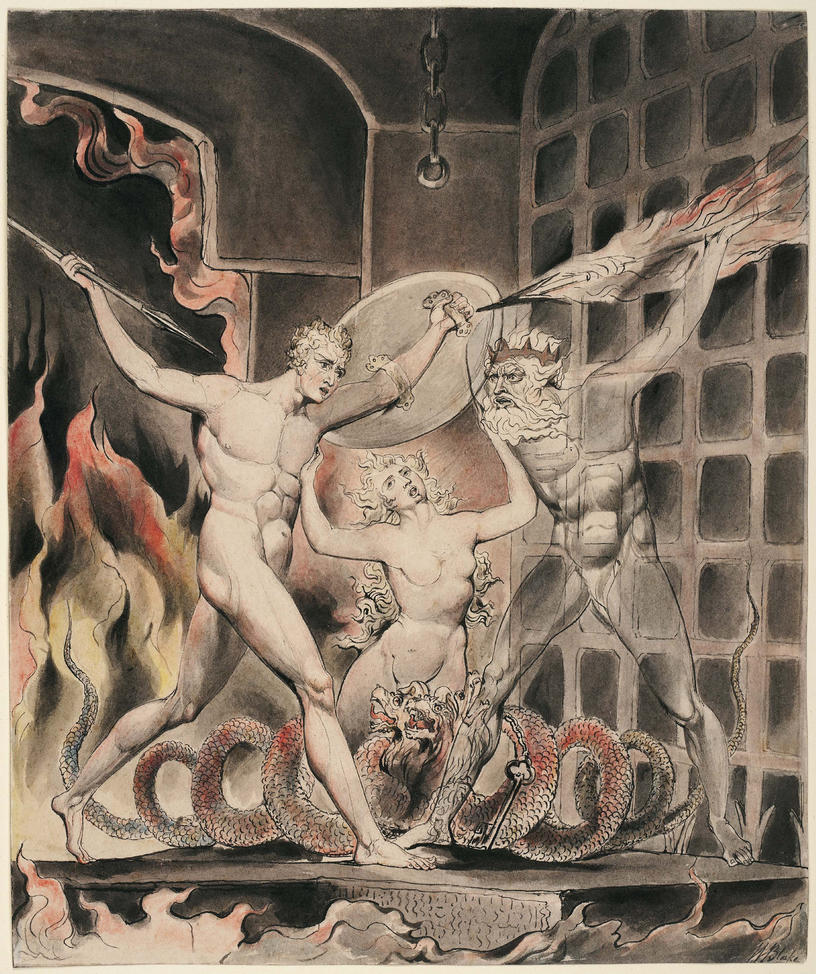
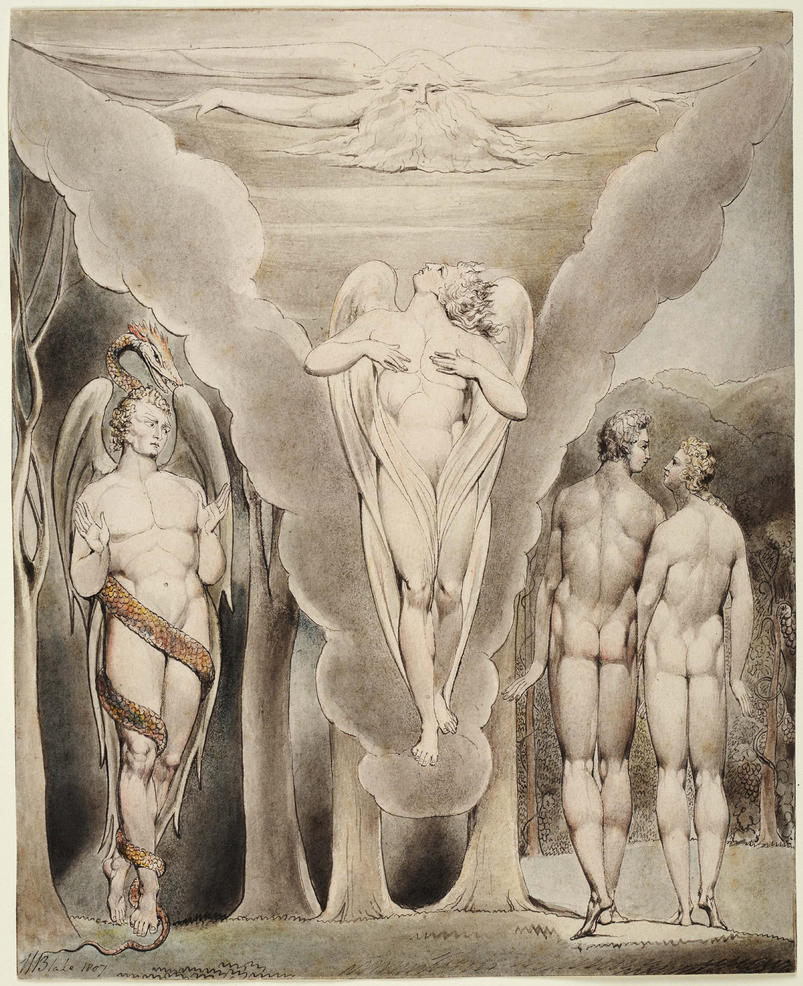


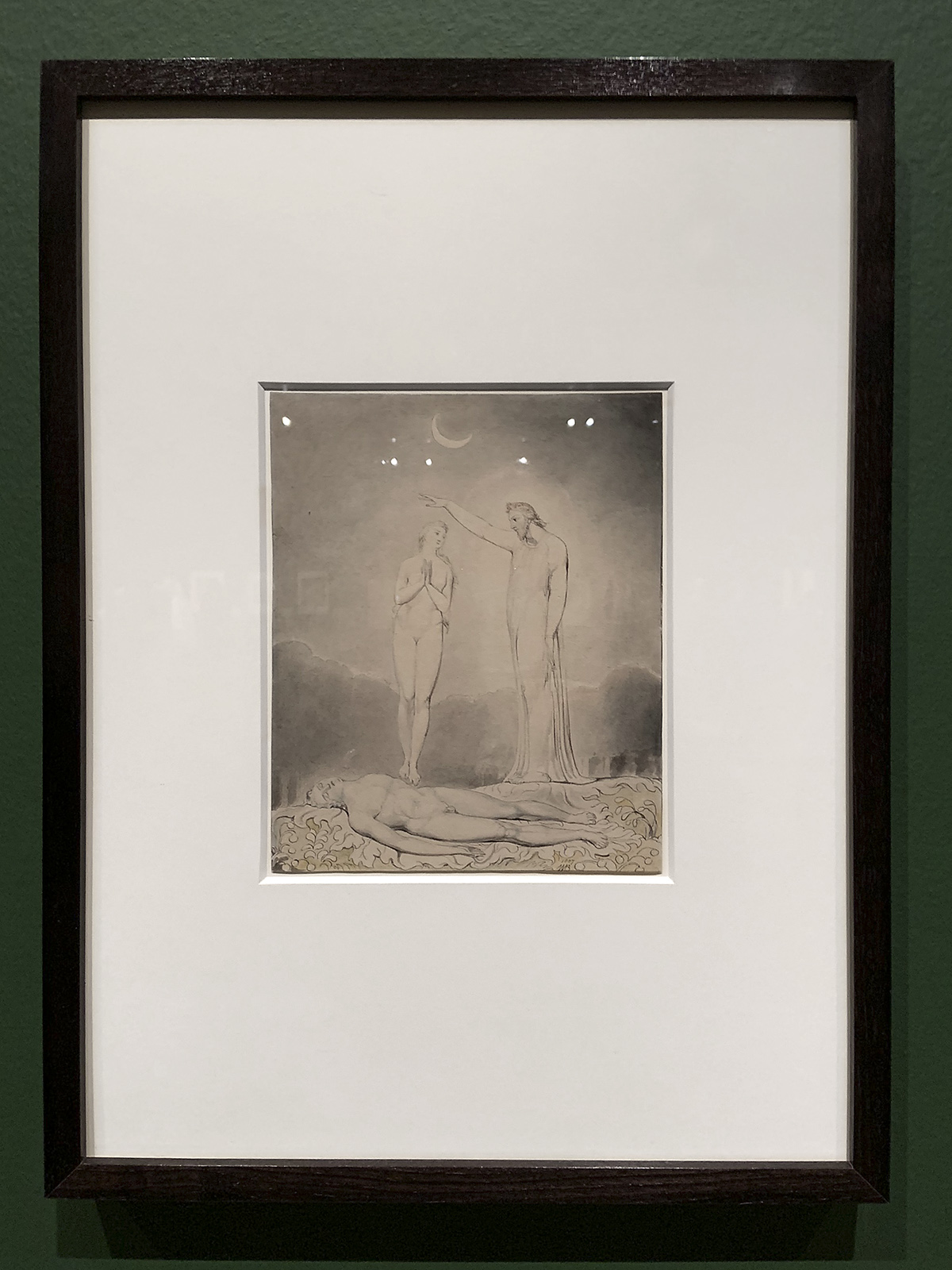


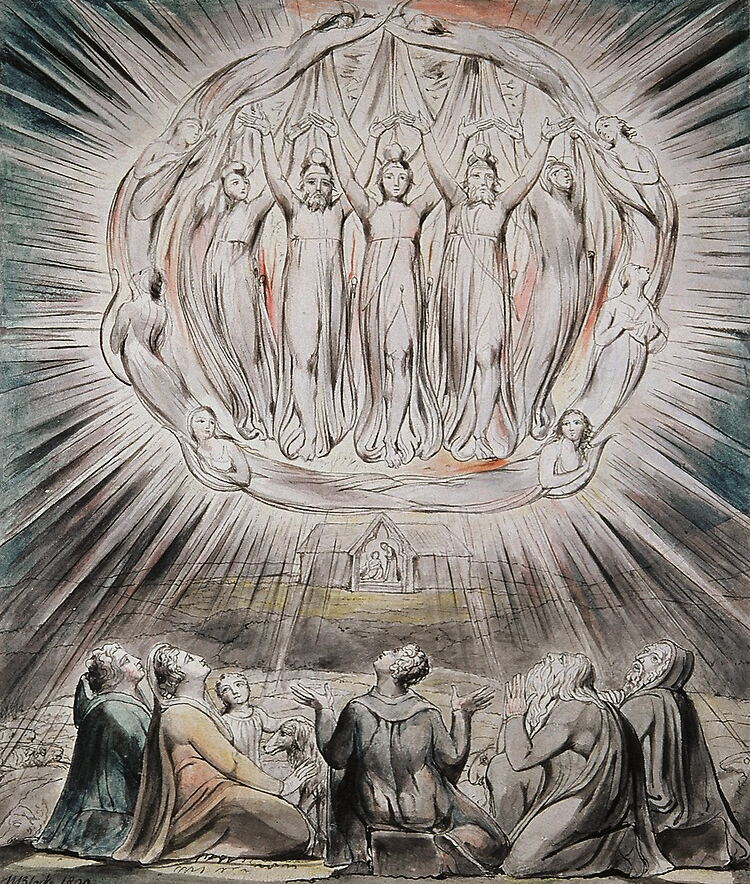

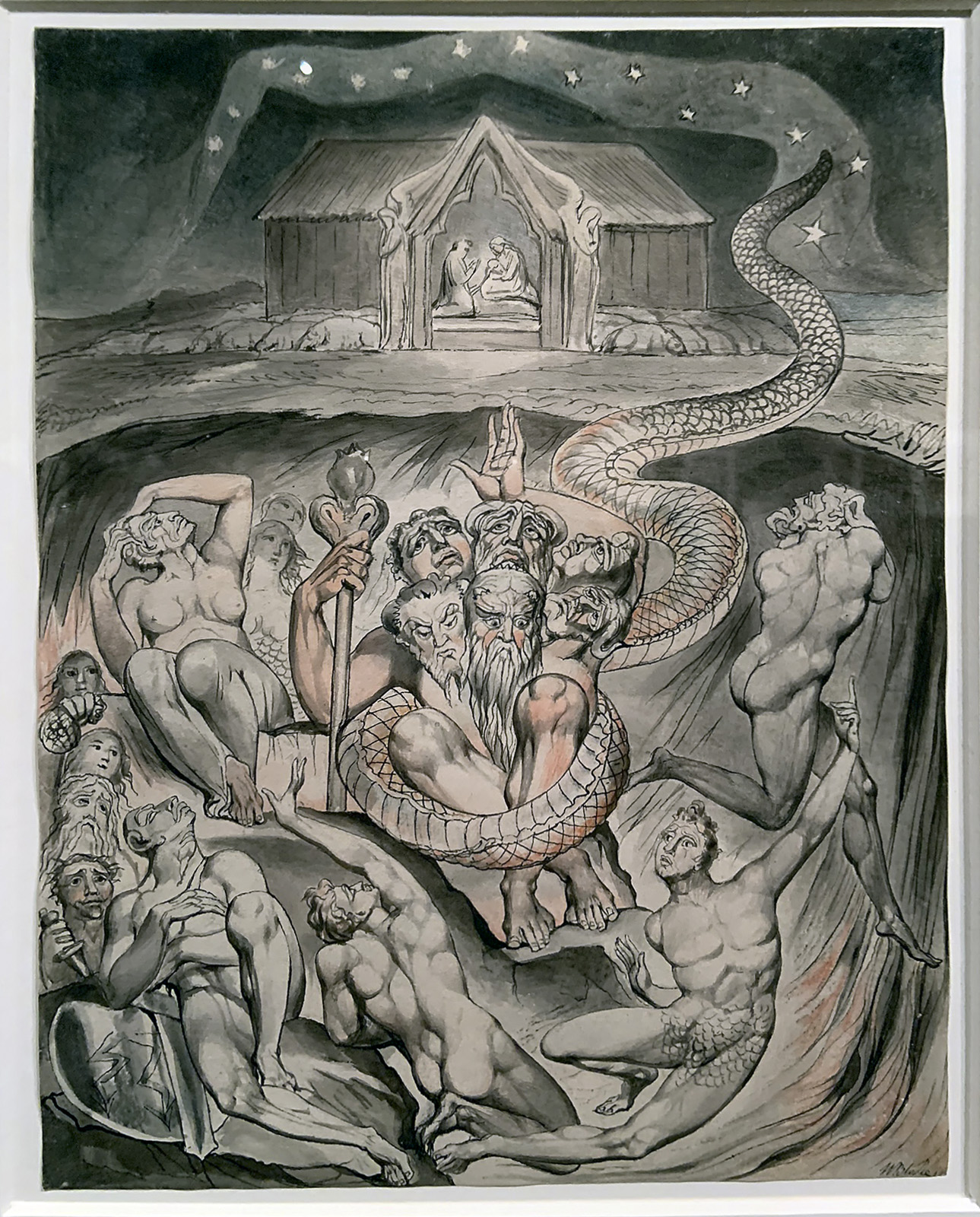

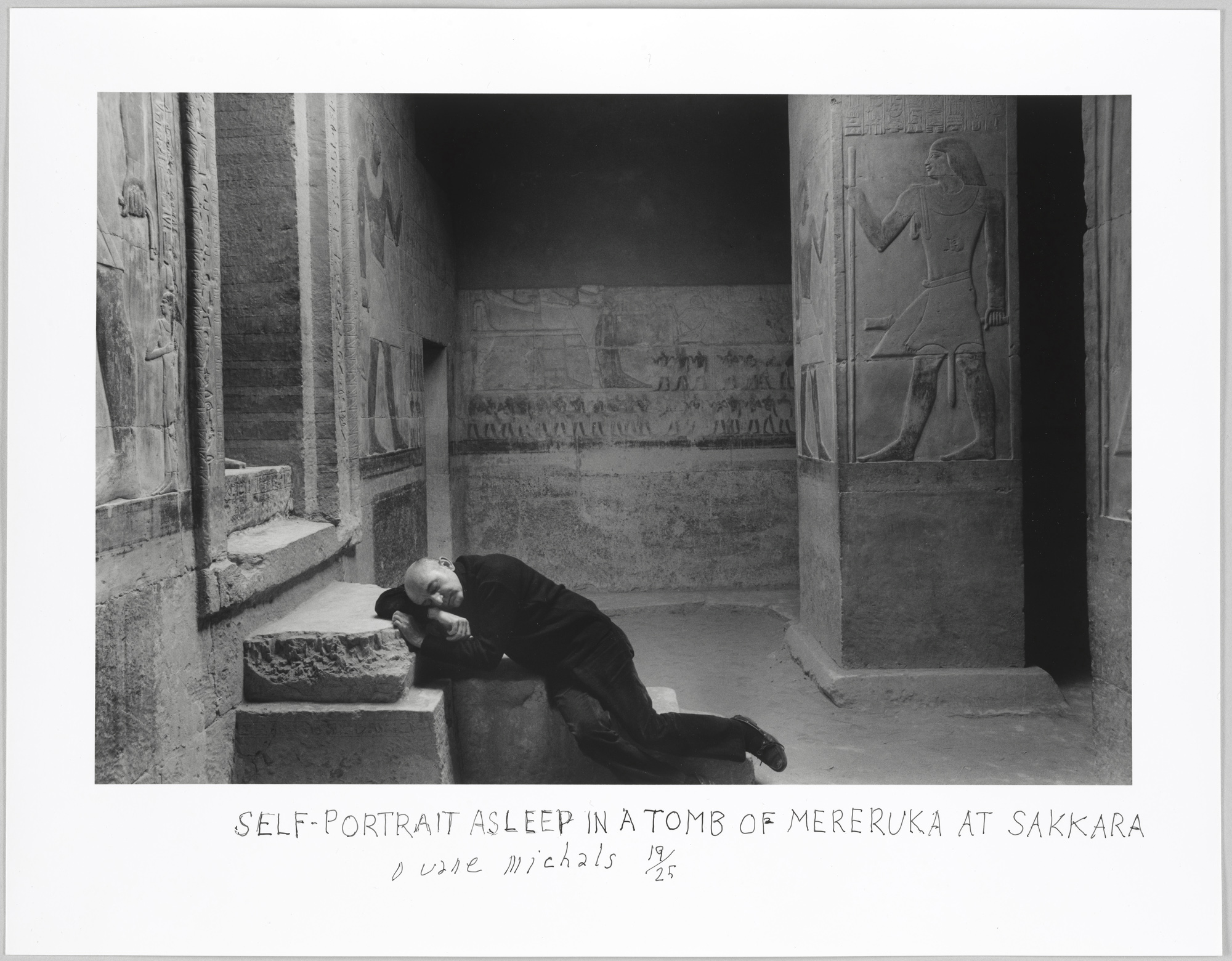


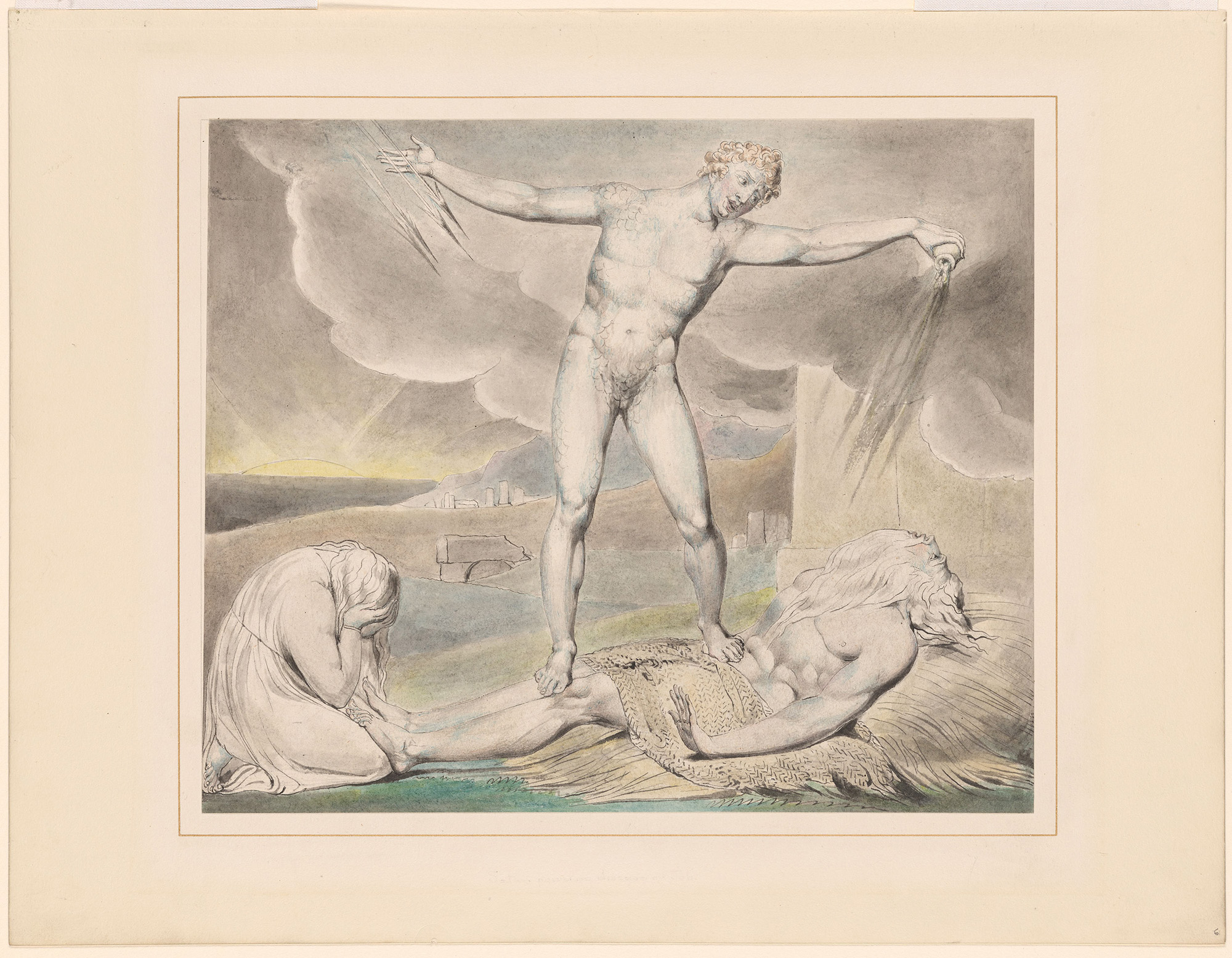


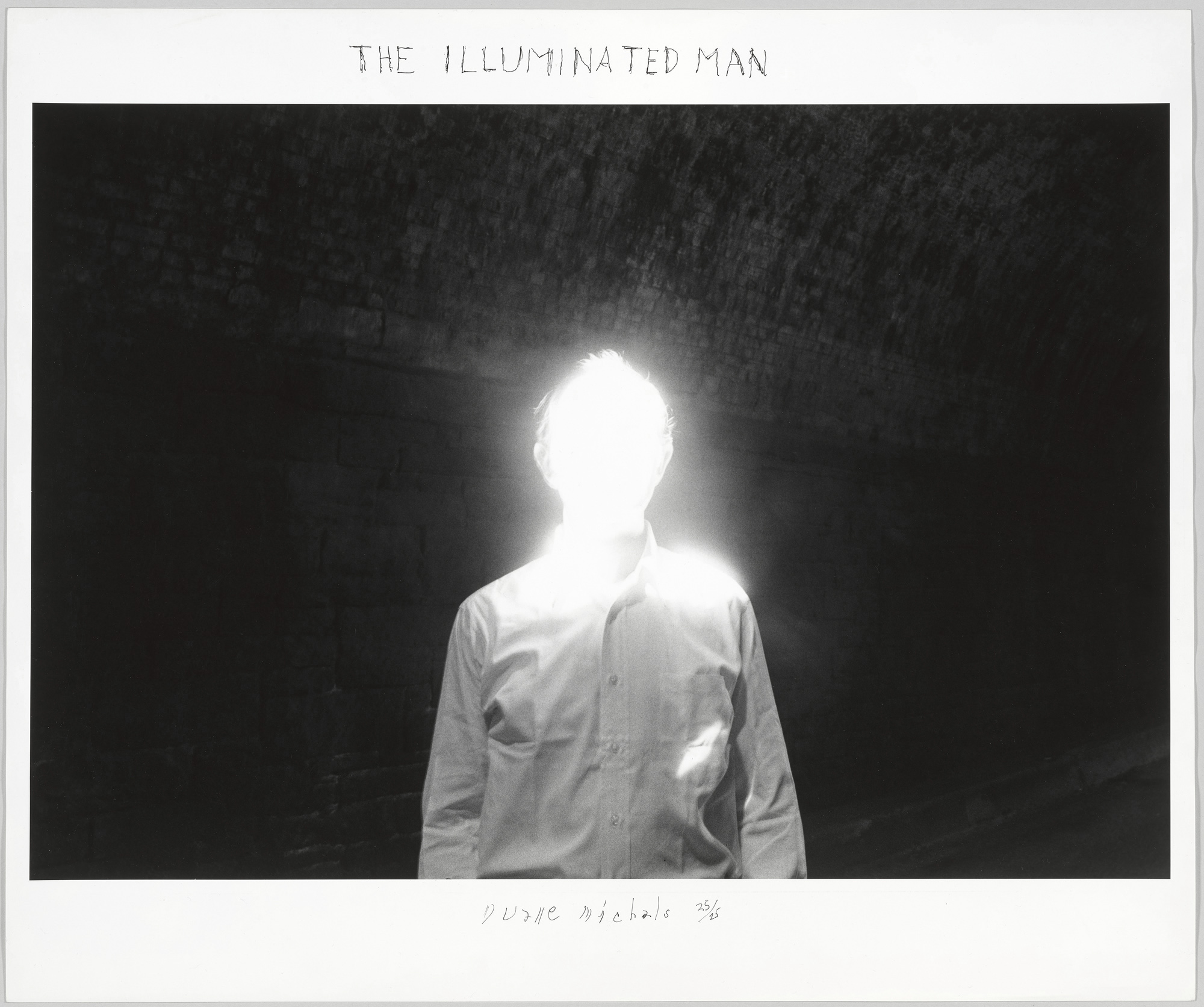






![Florian, Marquis de (1755-1794) 'Red leather portfolio [realia]' 18th century](https://artblart.com/wp-content/uploads/2019/11/voltaire-briefcase.jpg "Florian, Marquis de (1755-1794) 'Red leather portfolio [realia]' 18th century")






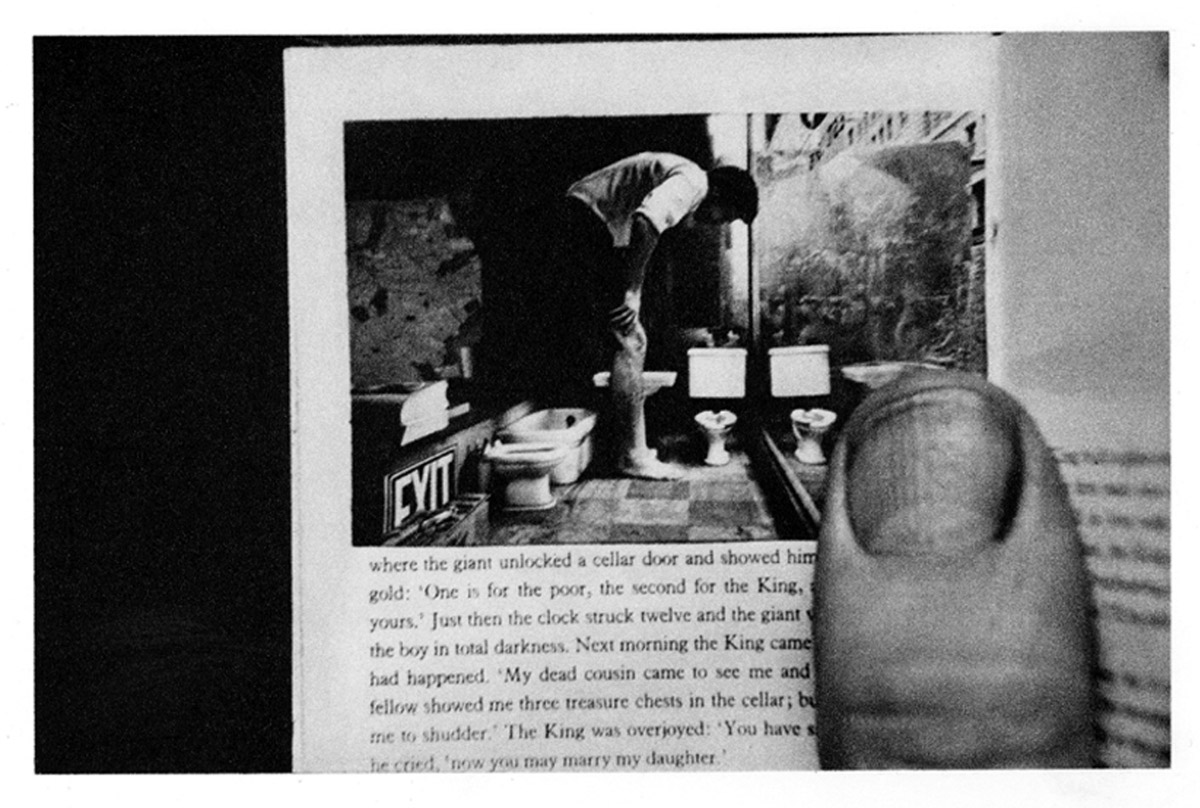


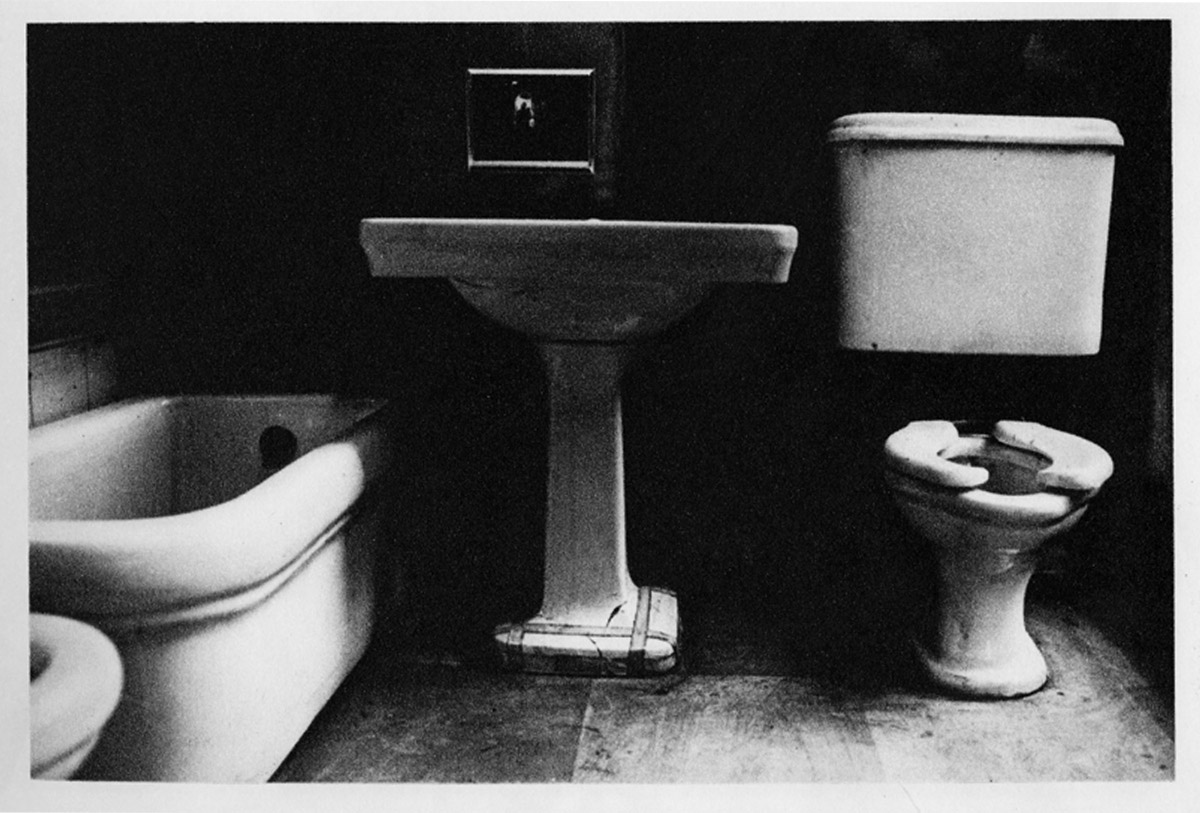

























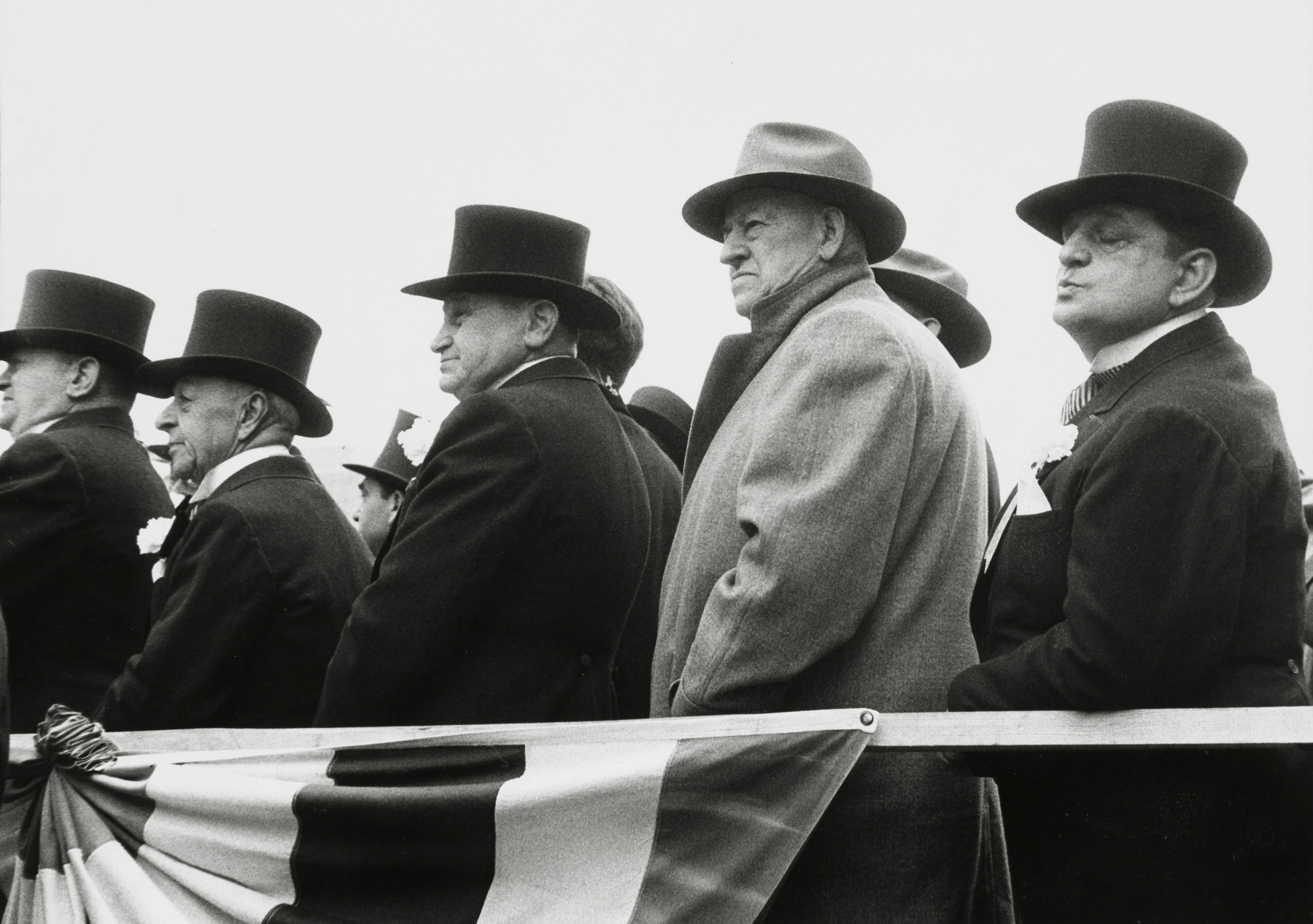

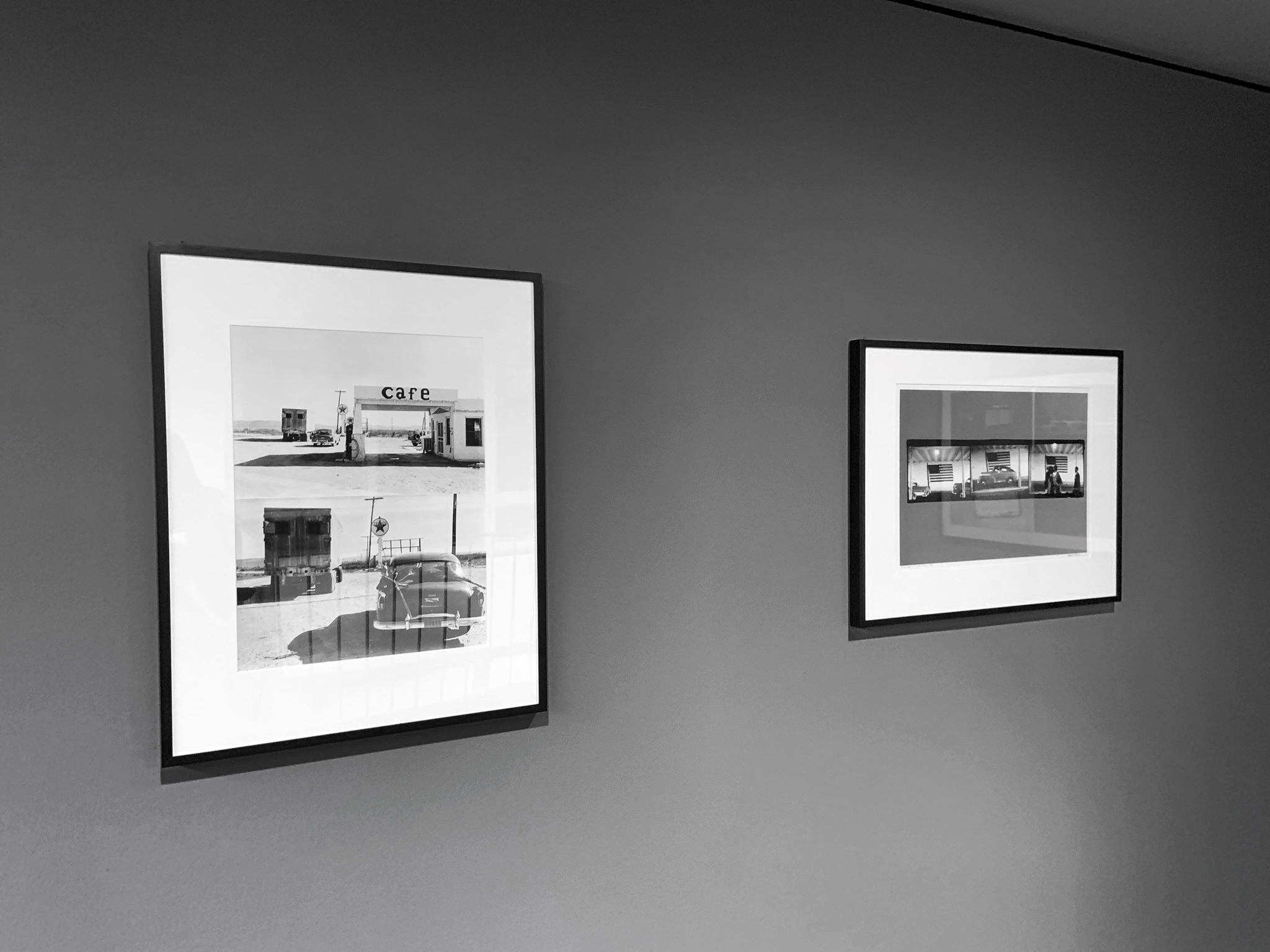


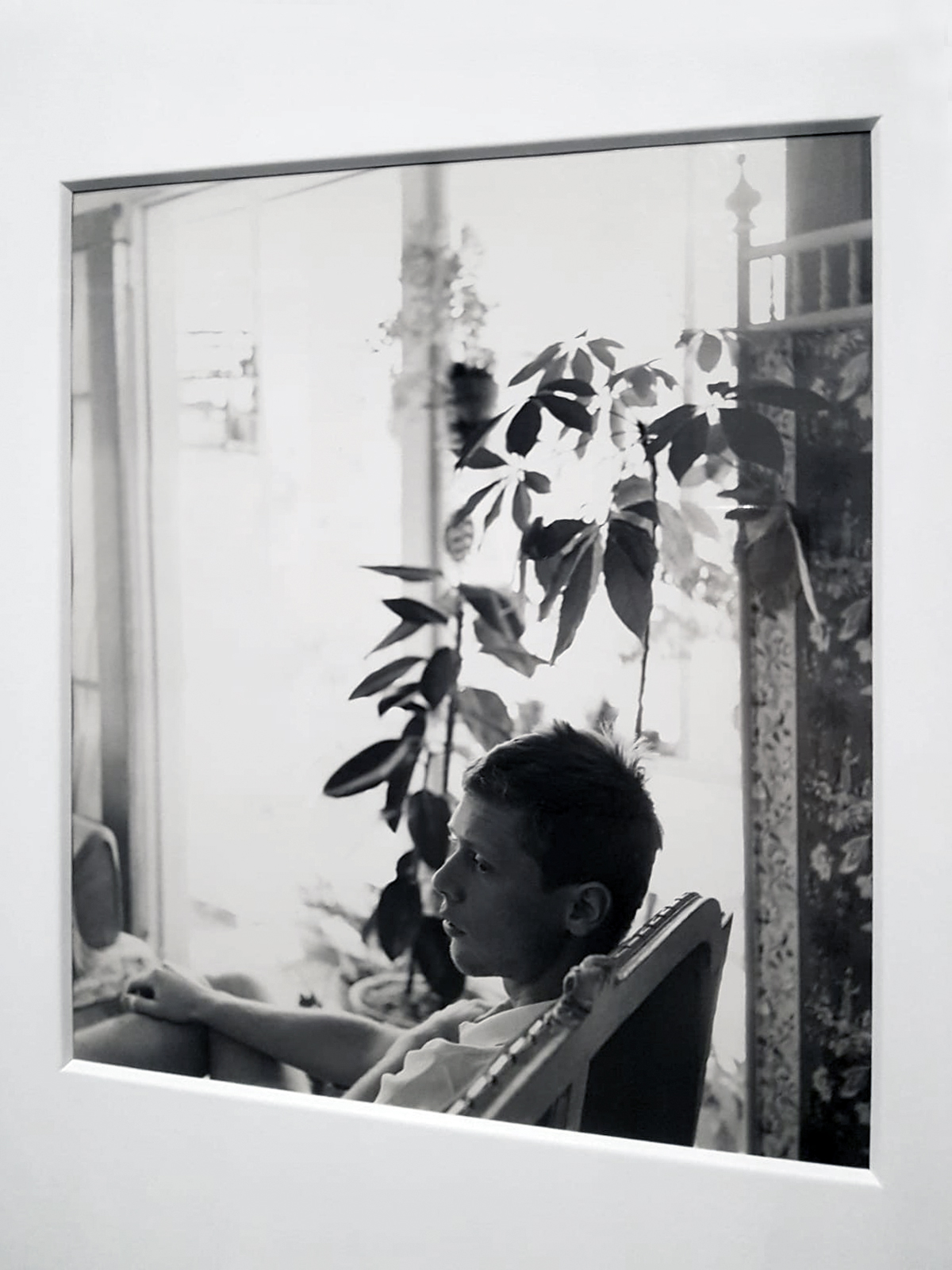

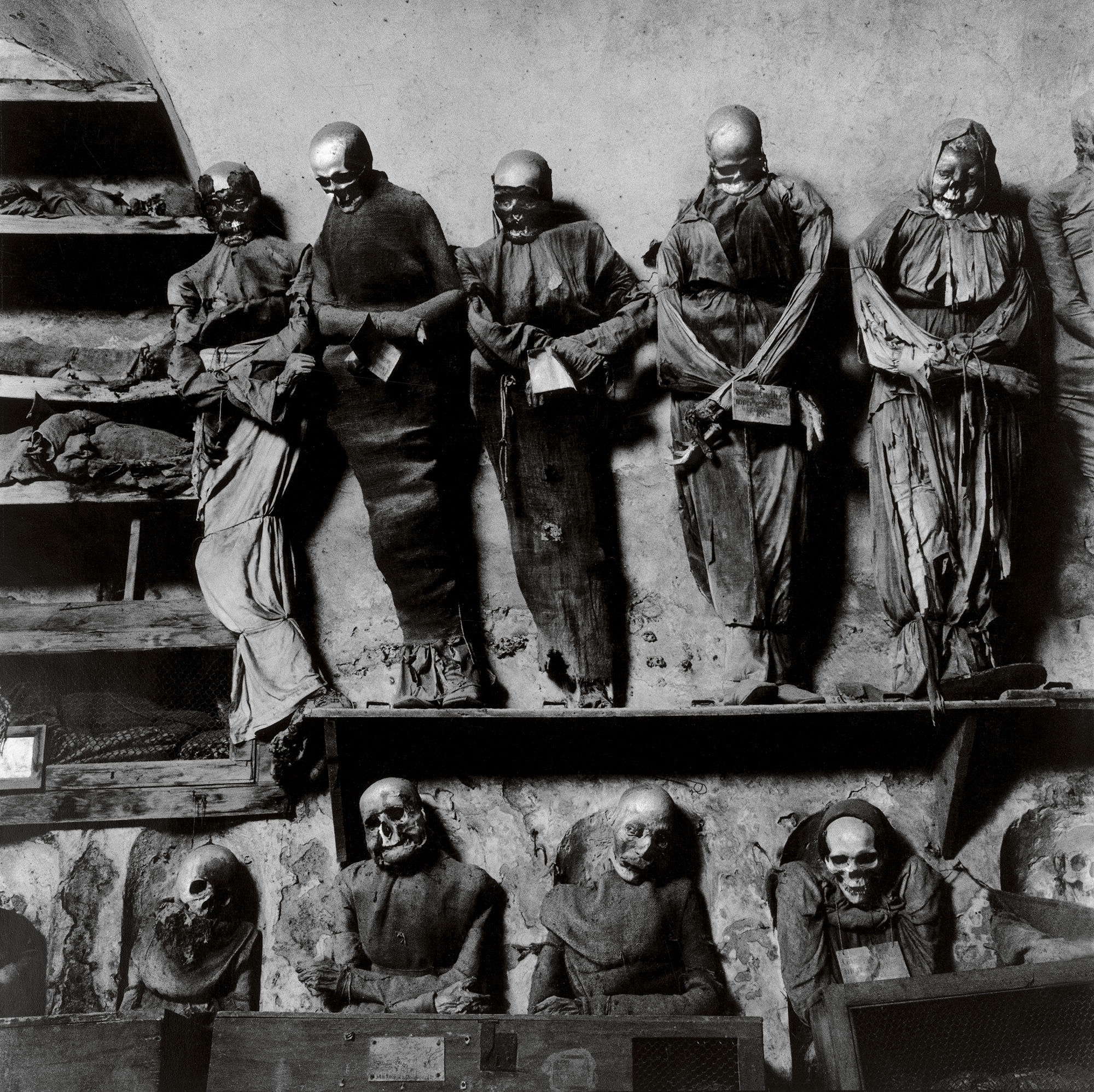


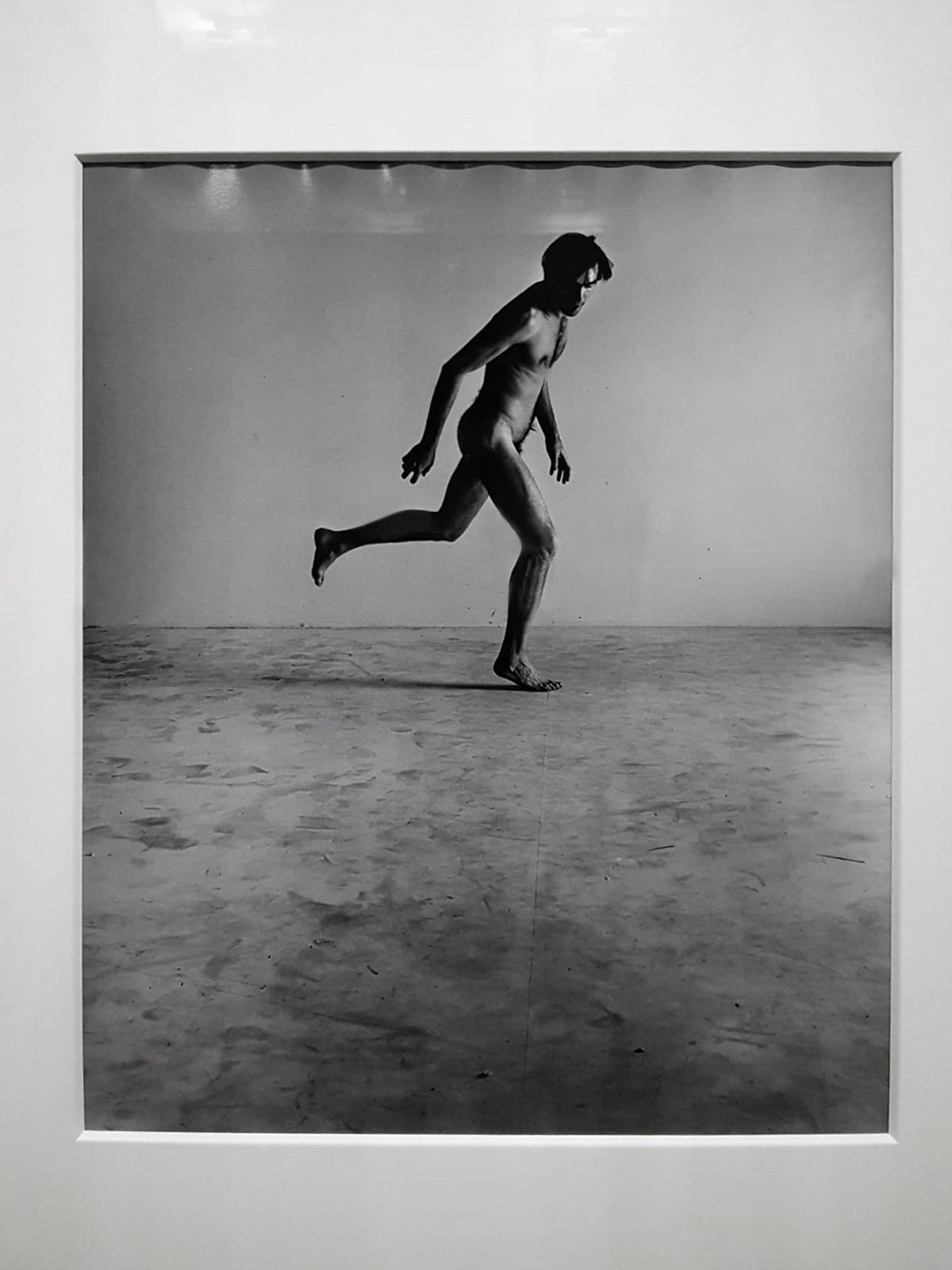


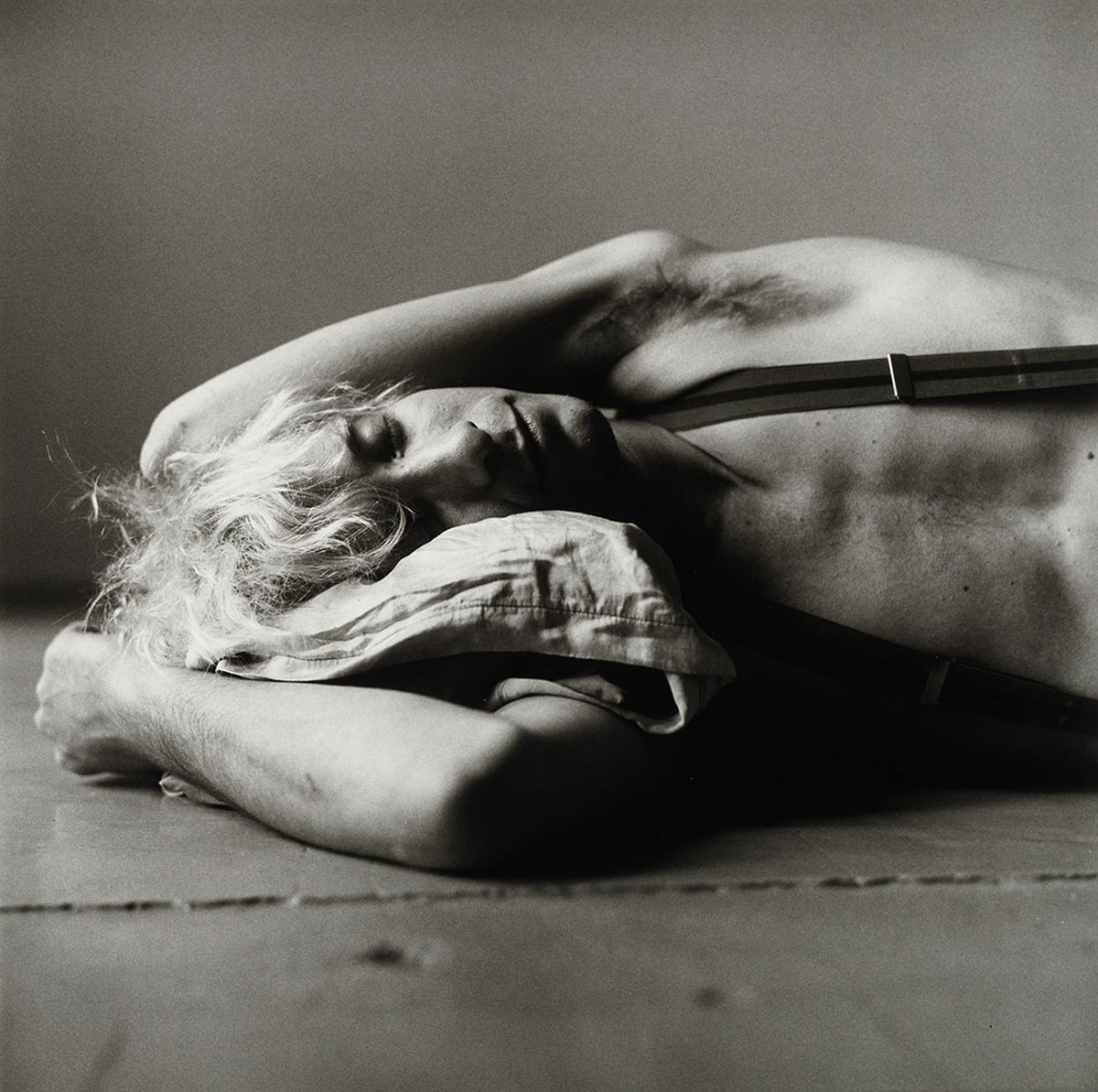


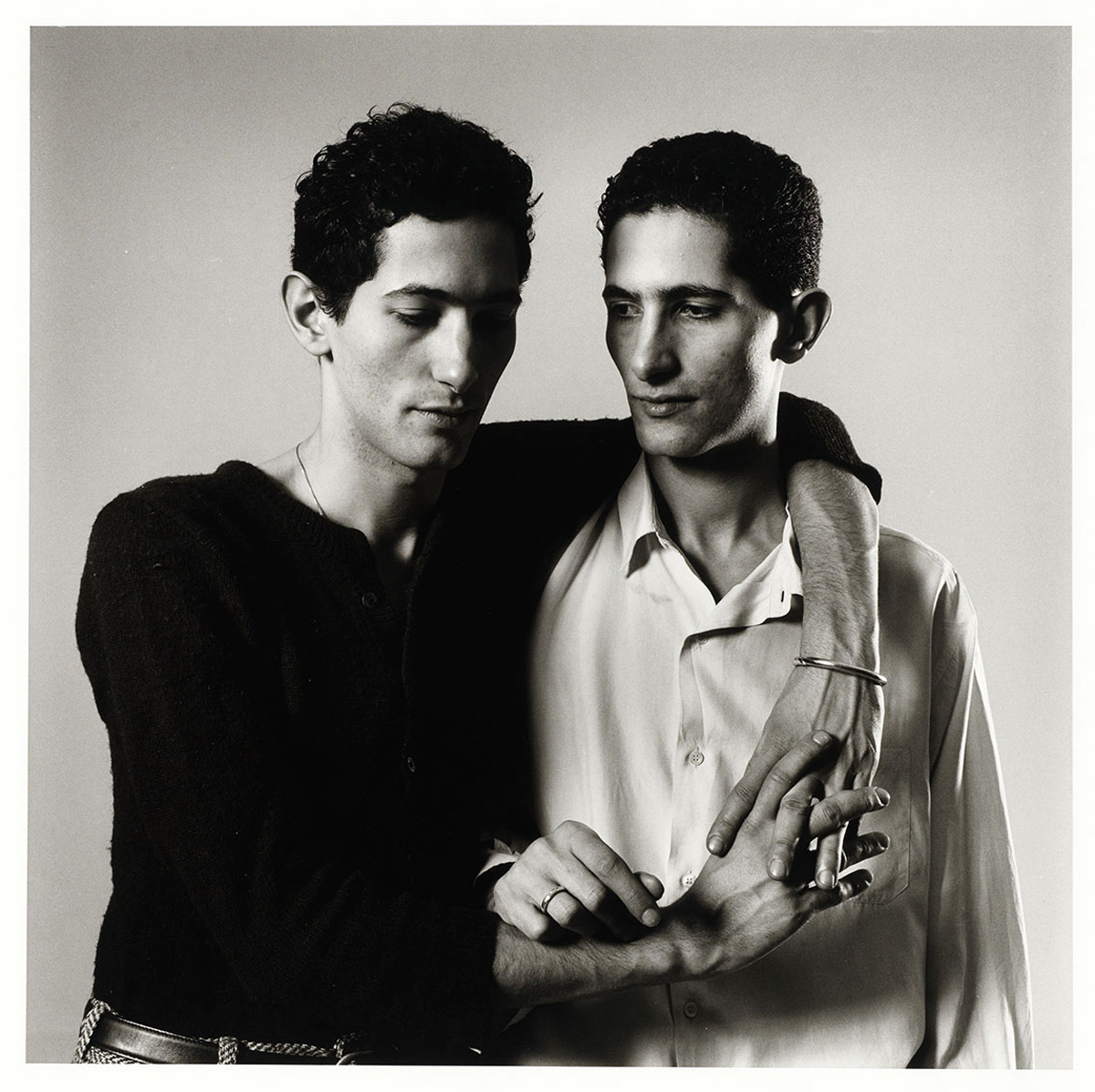


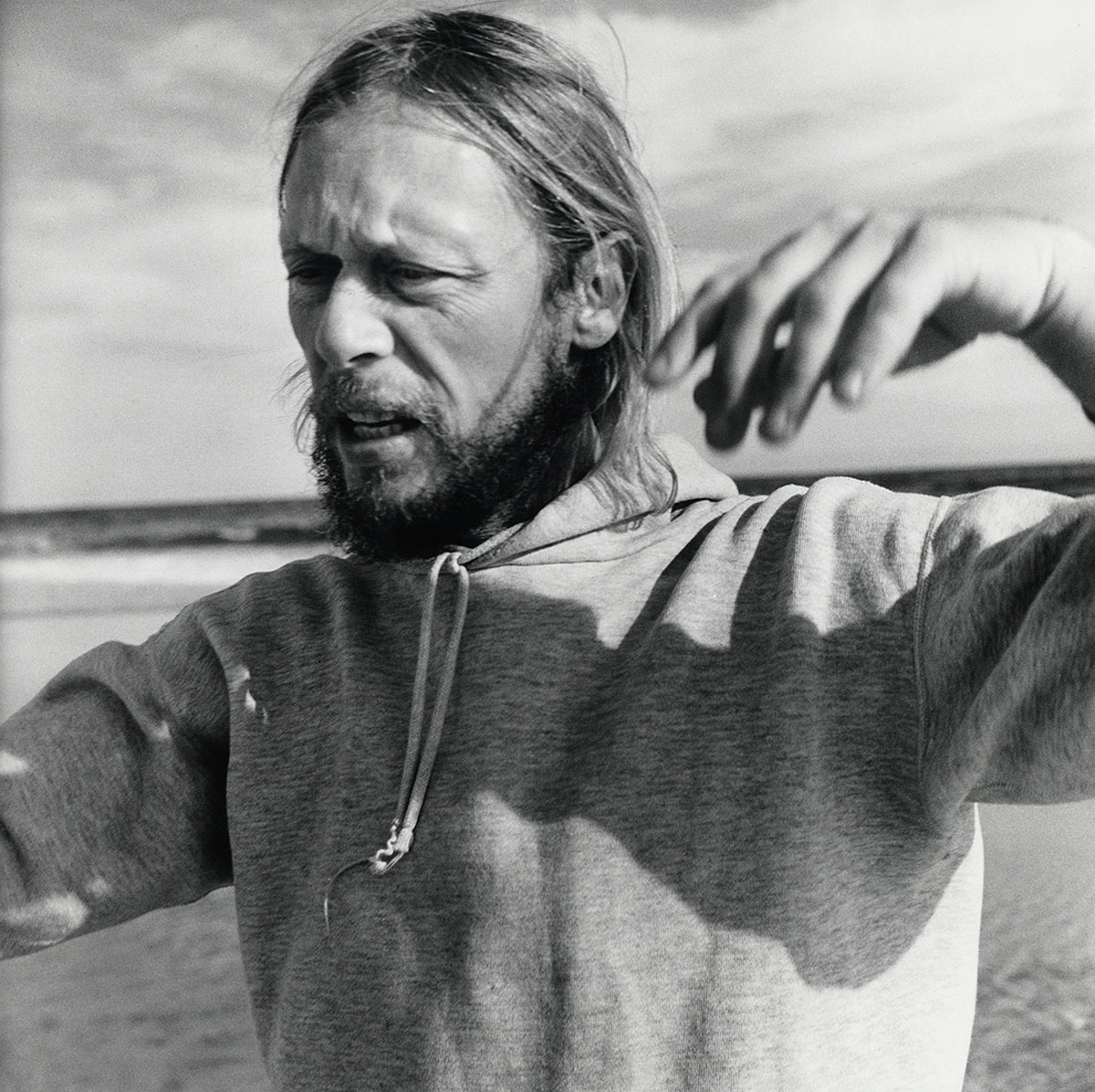


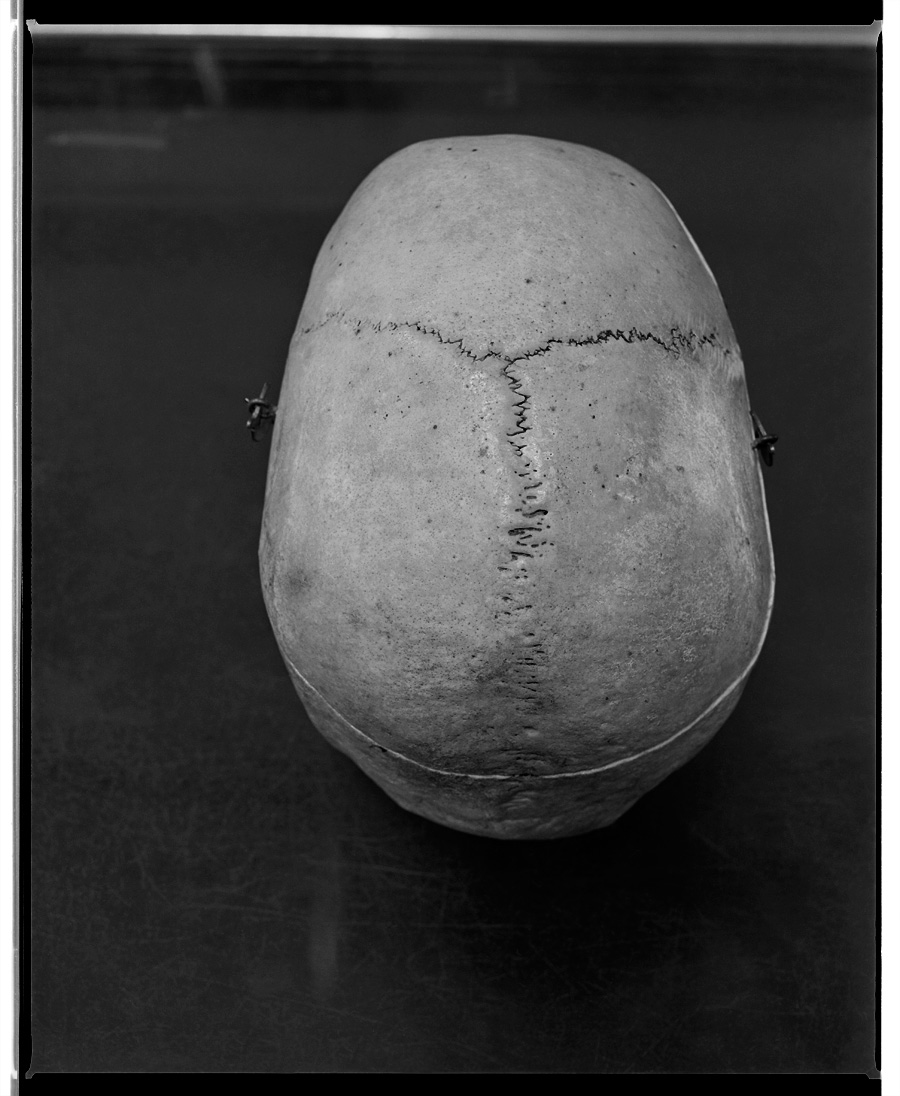
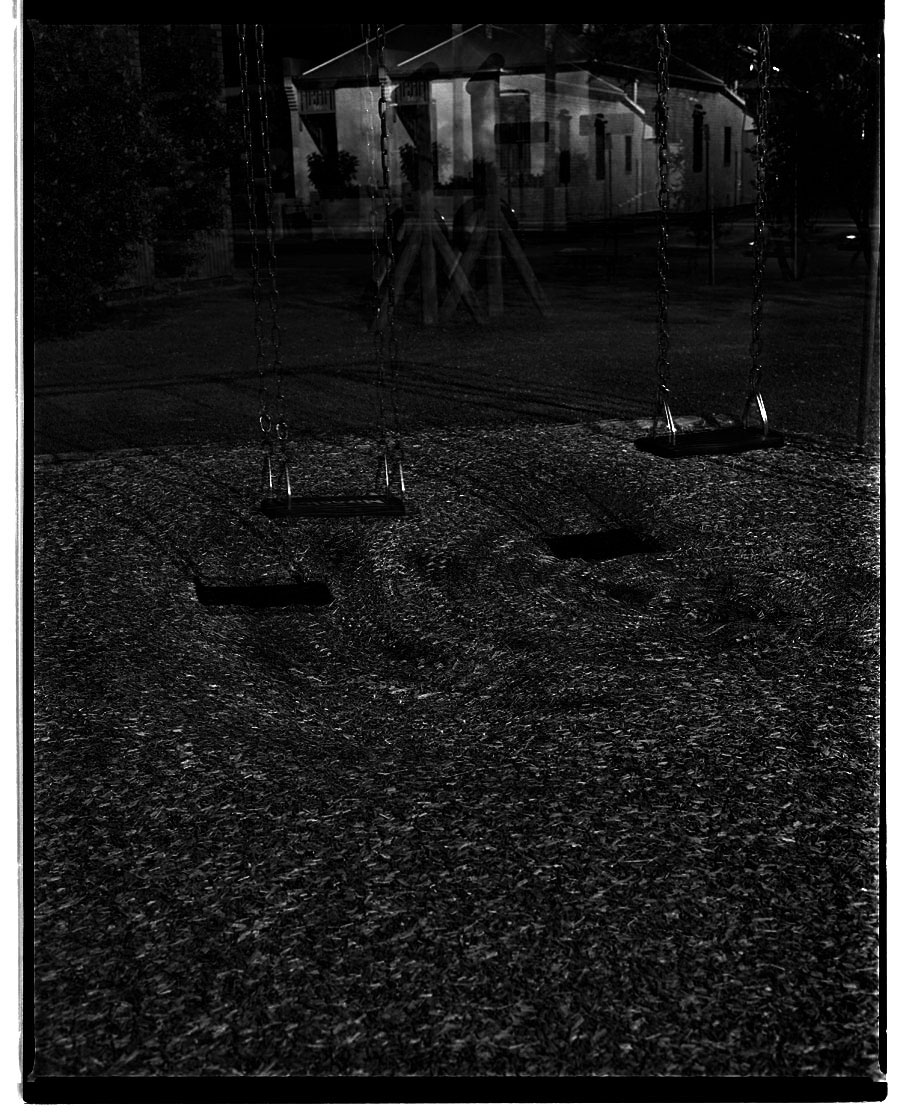


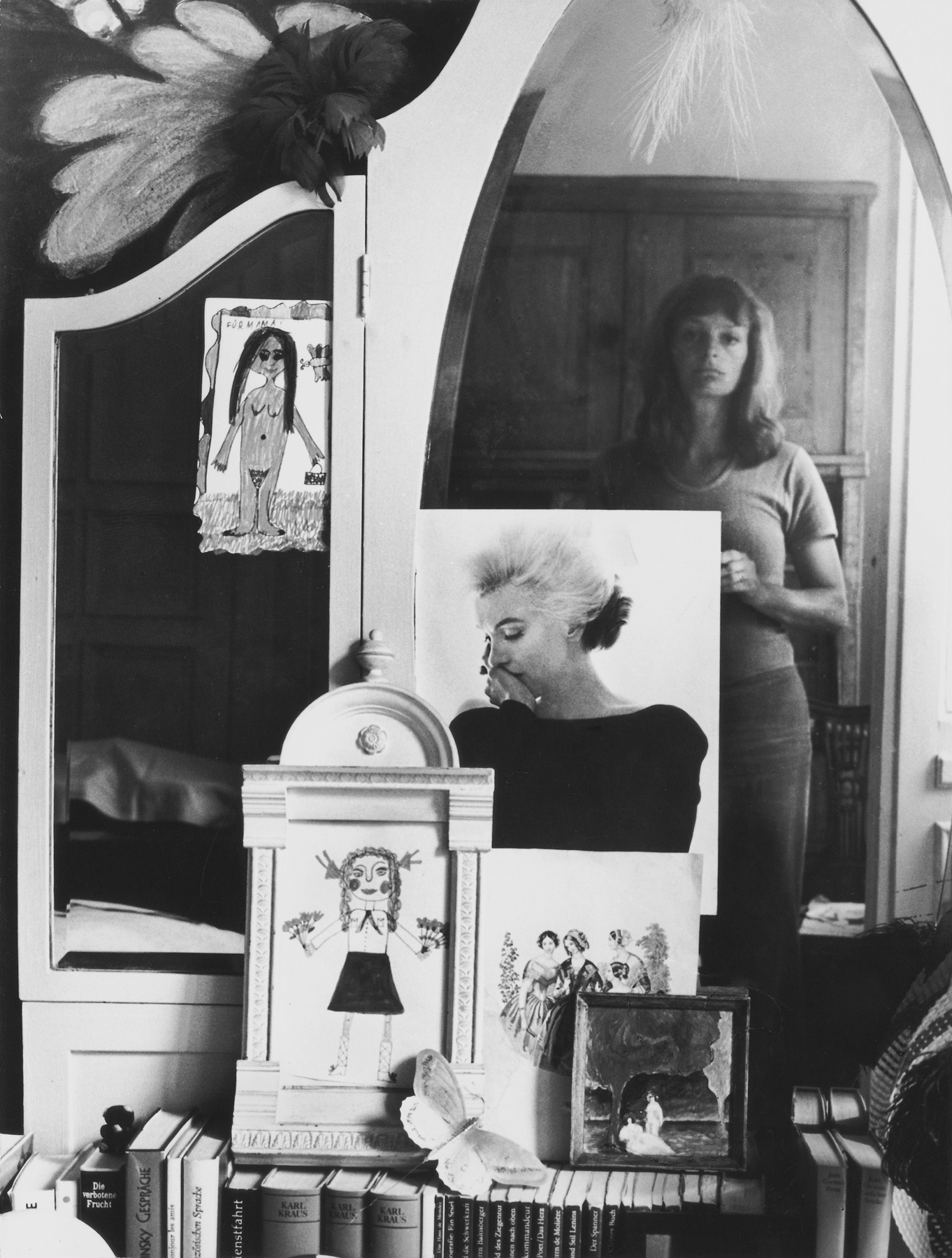
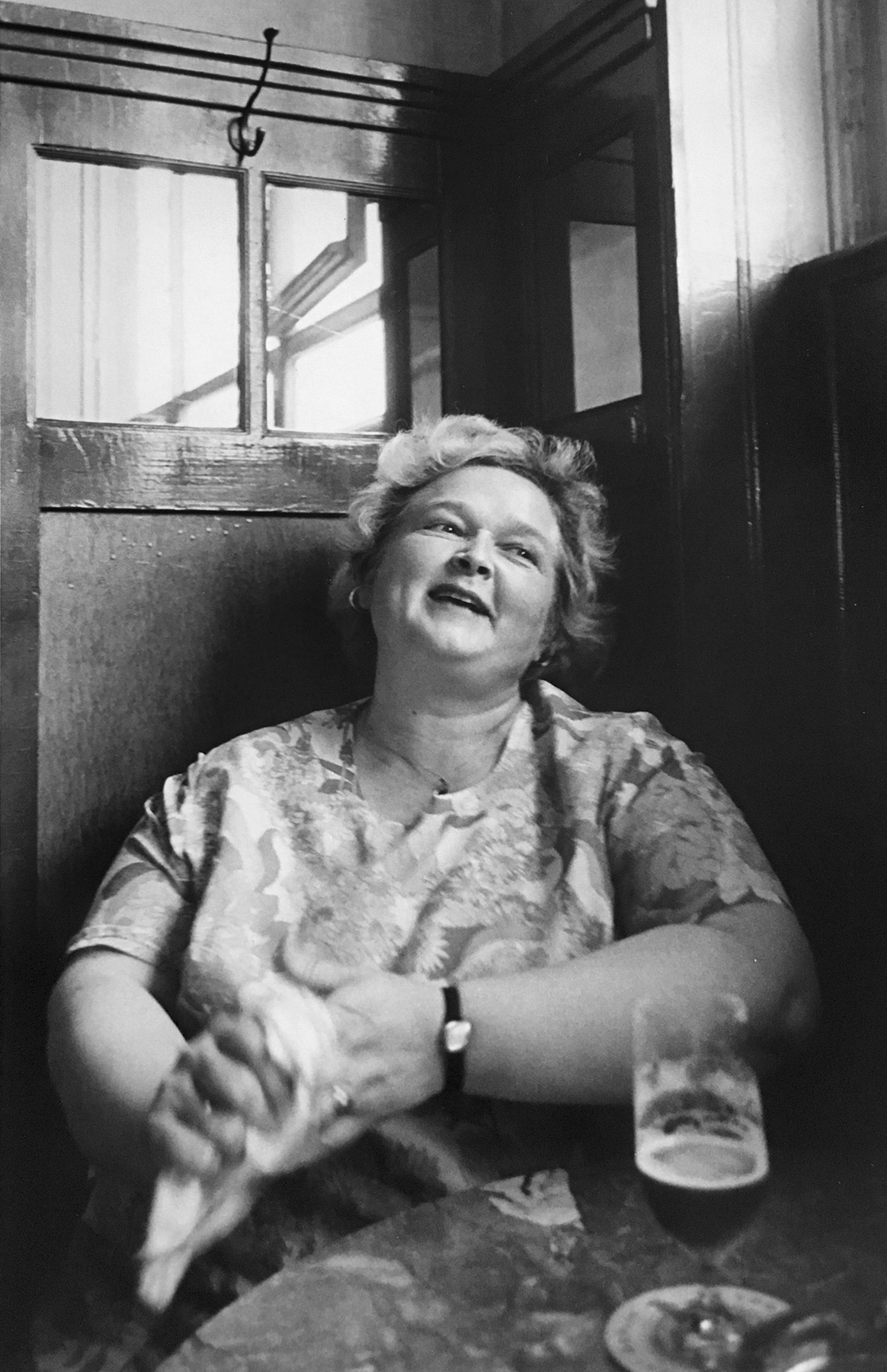



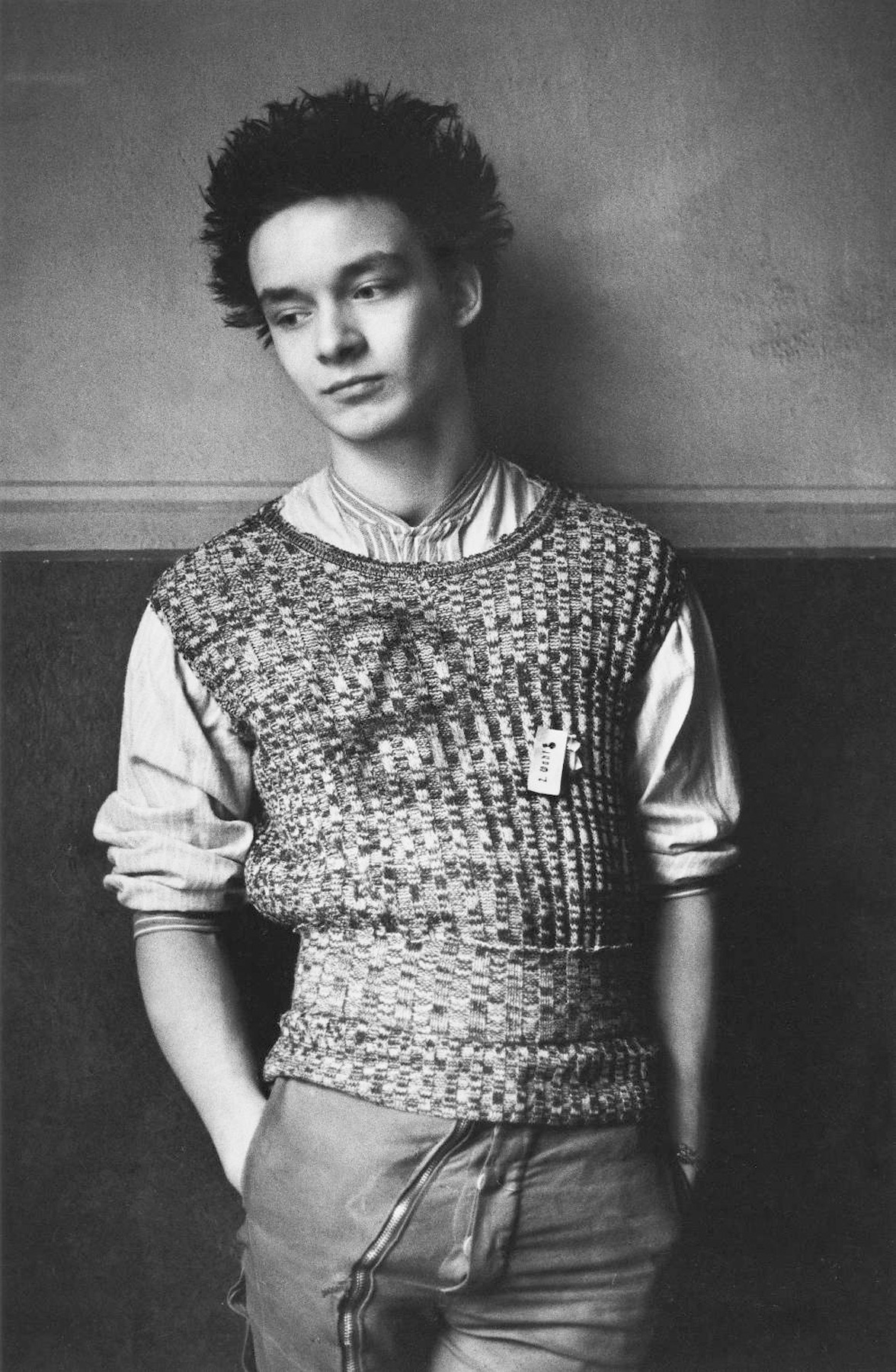
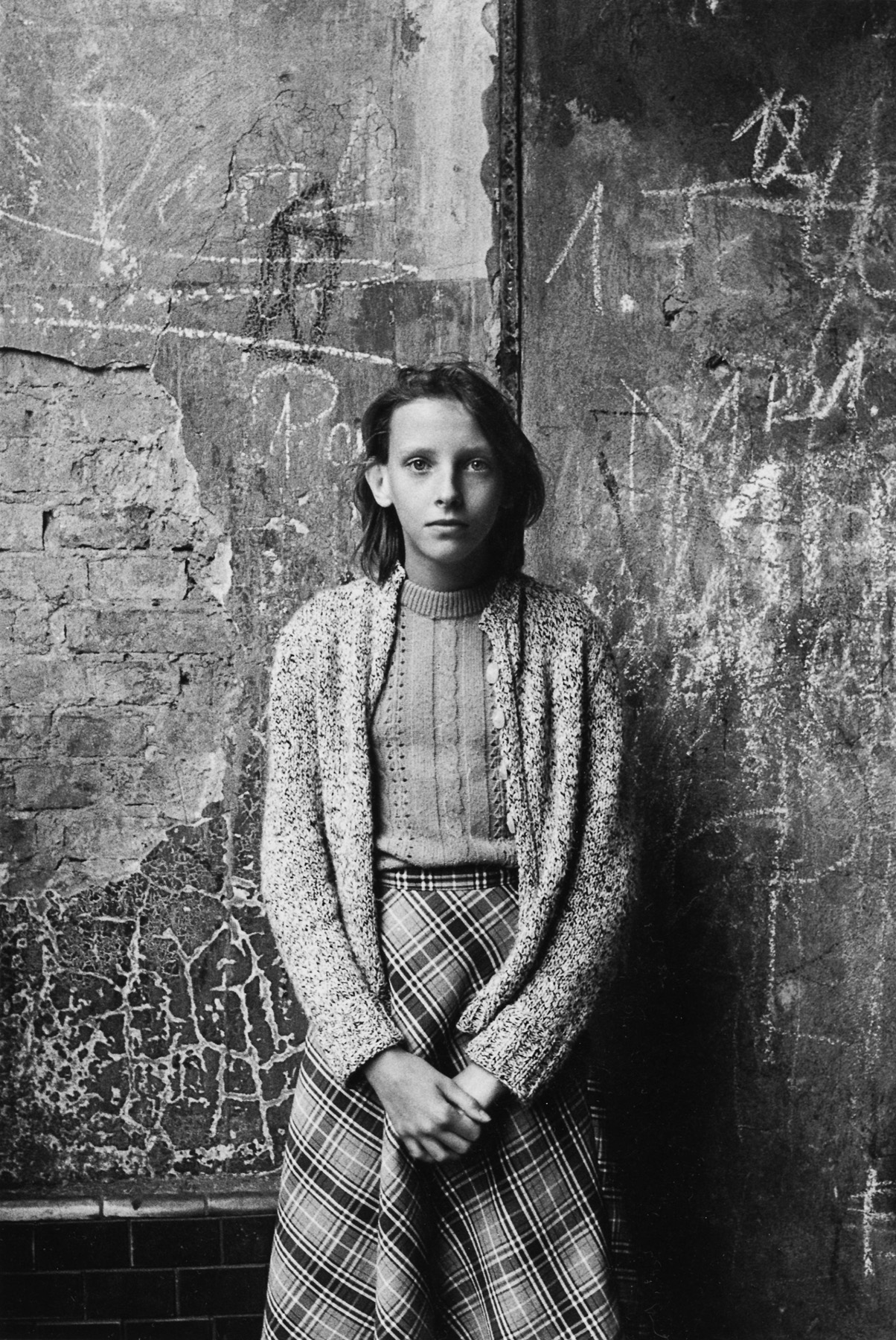
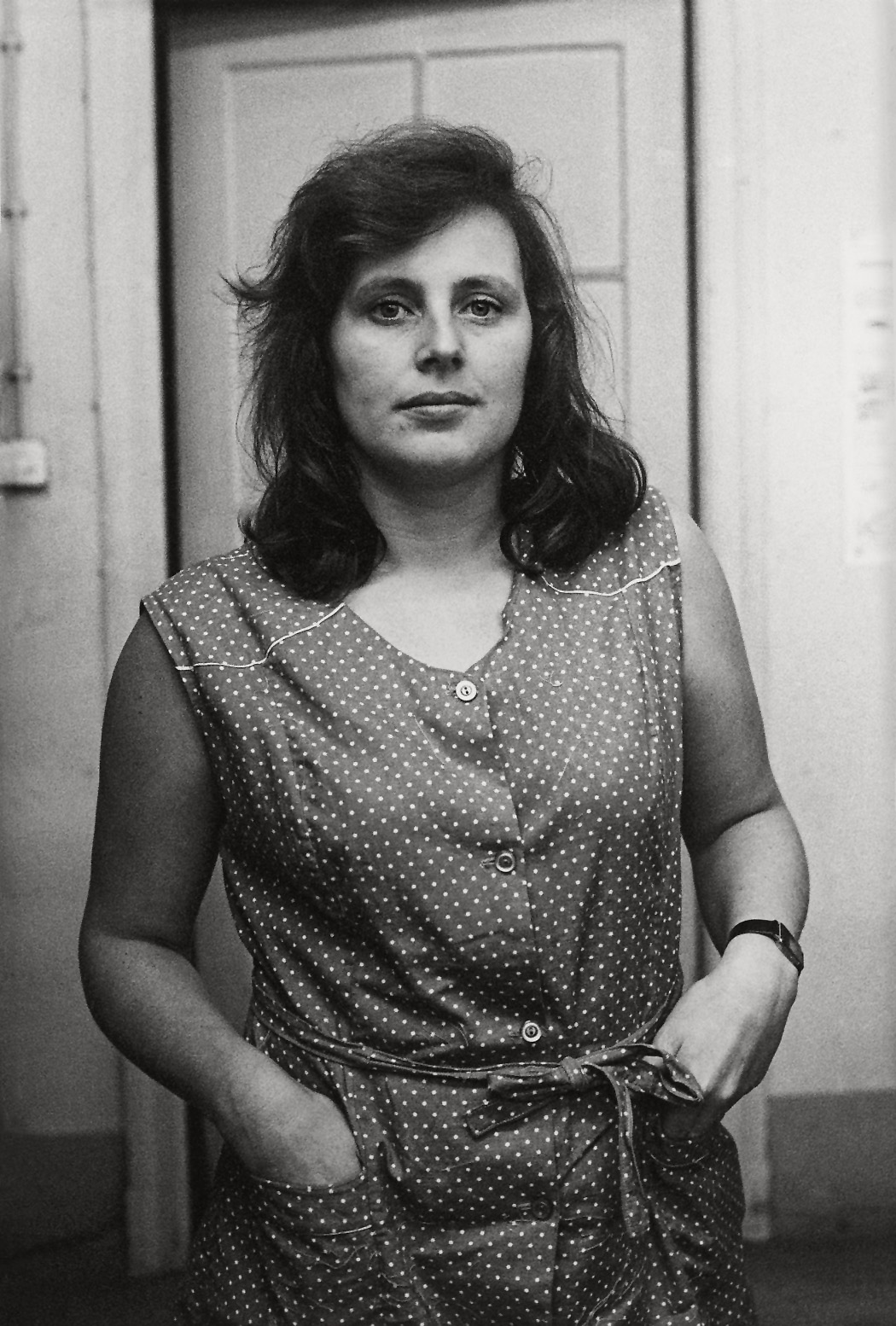
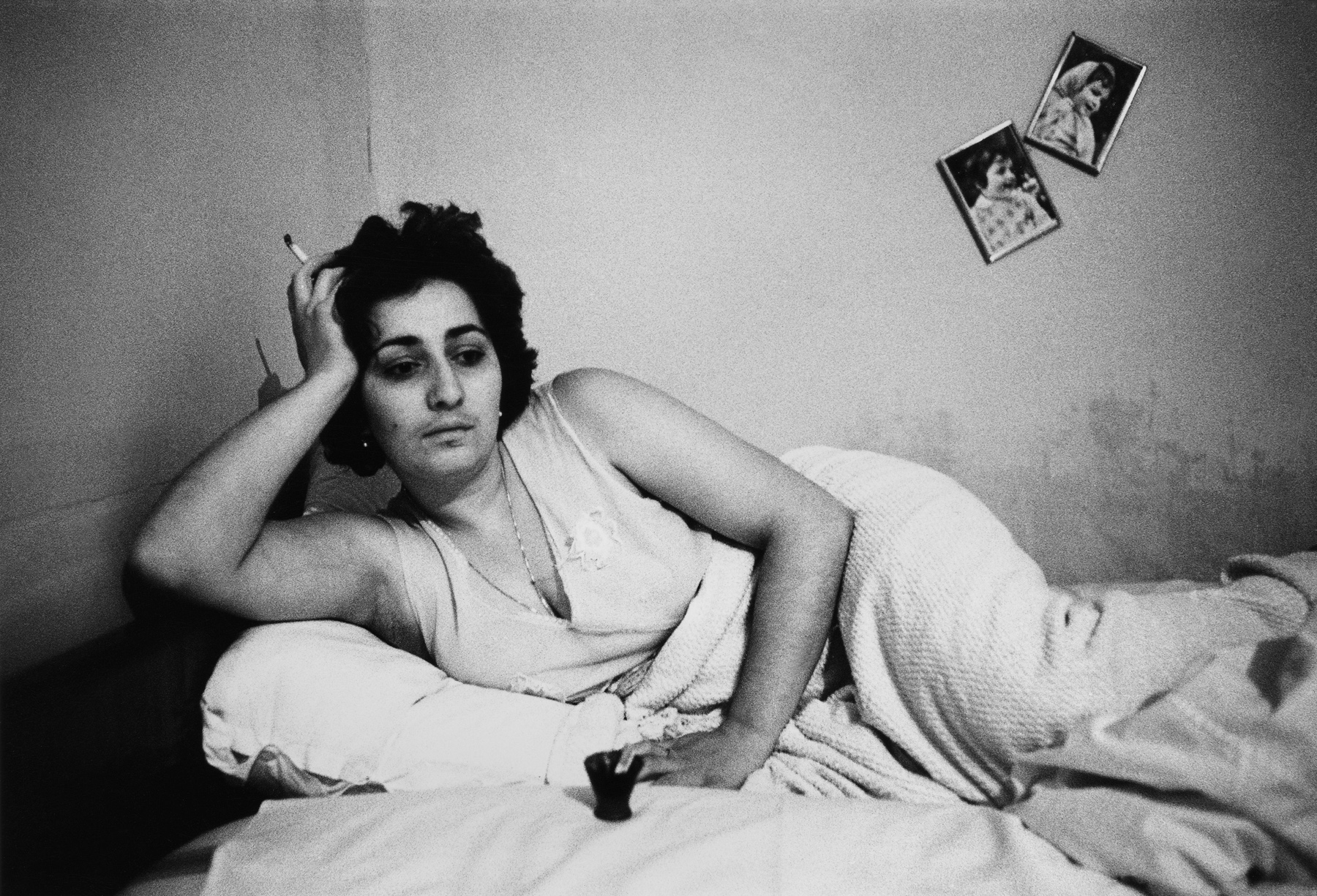



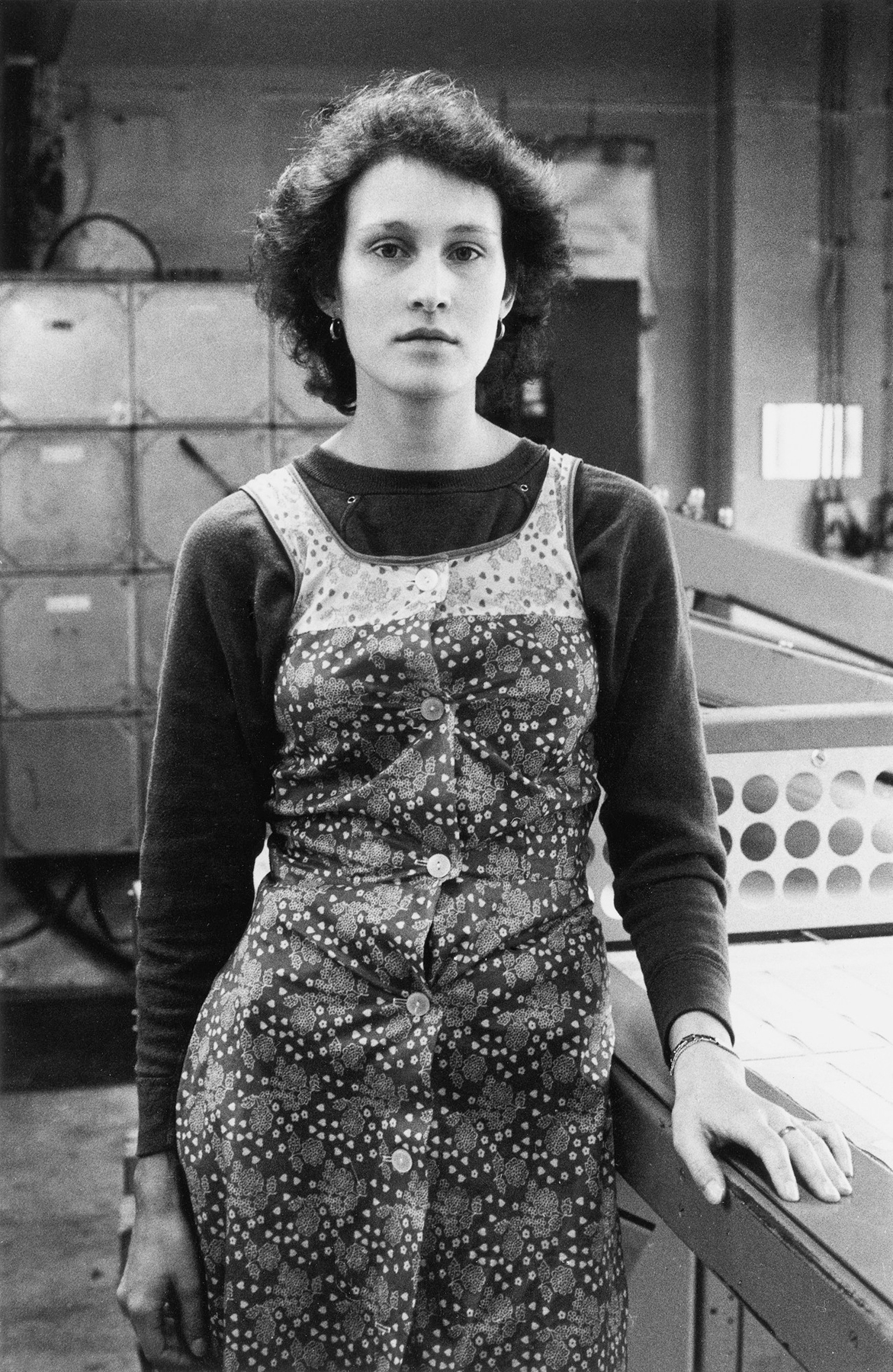

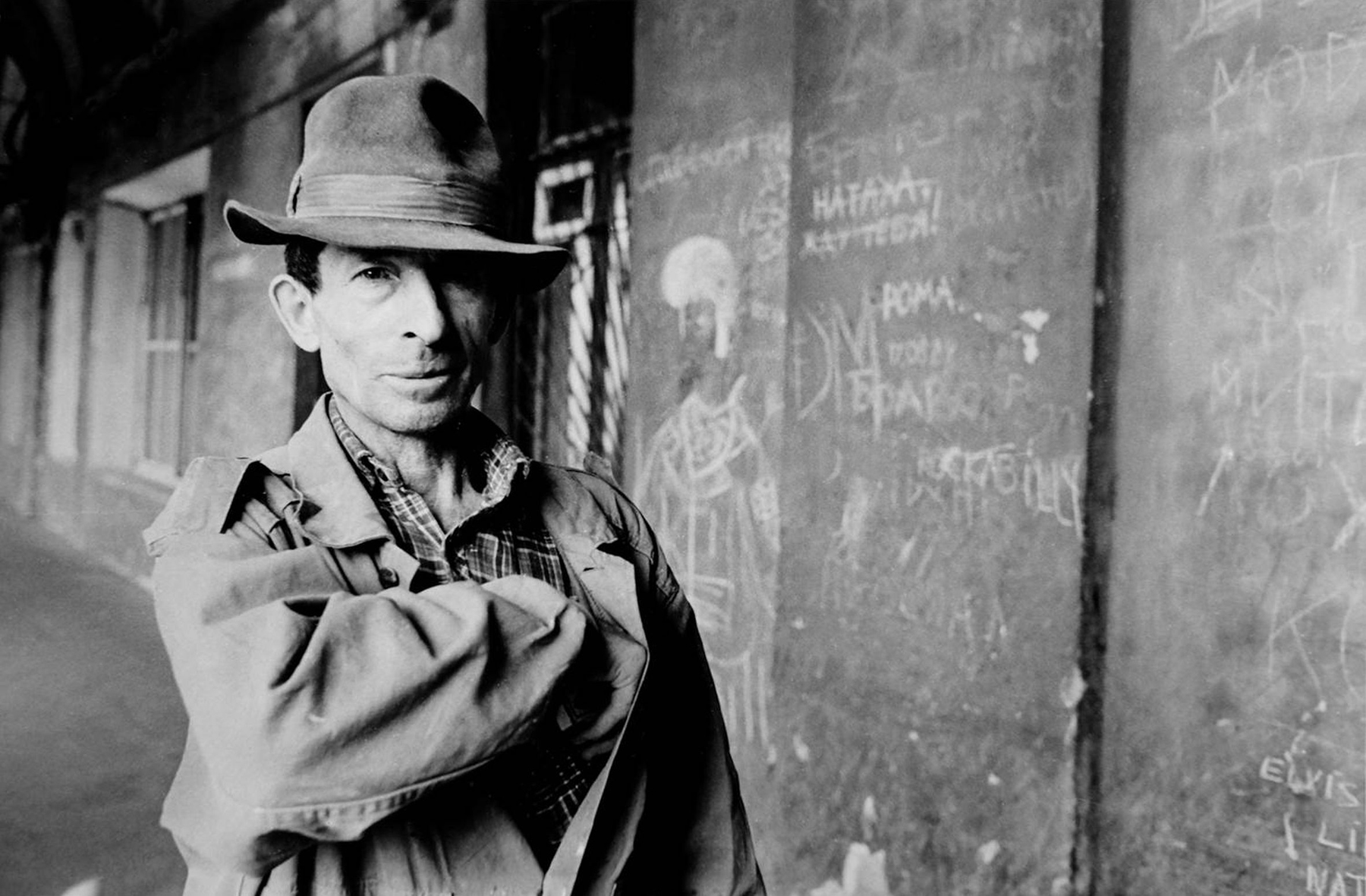
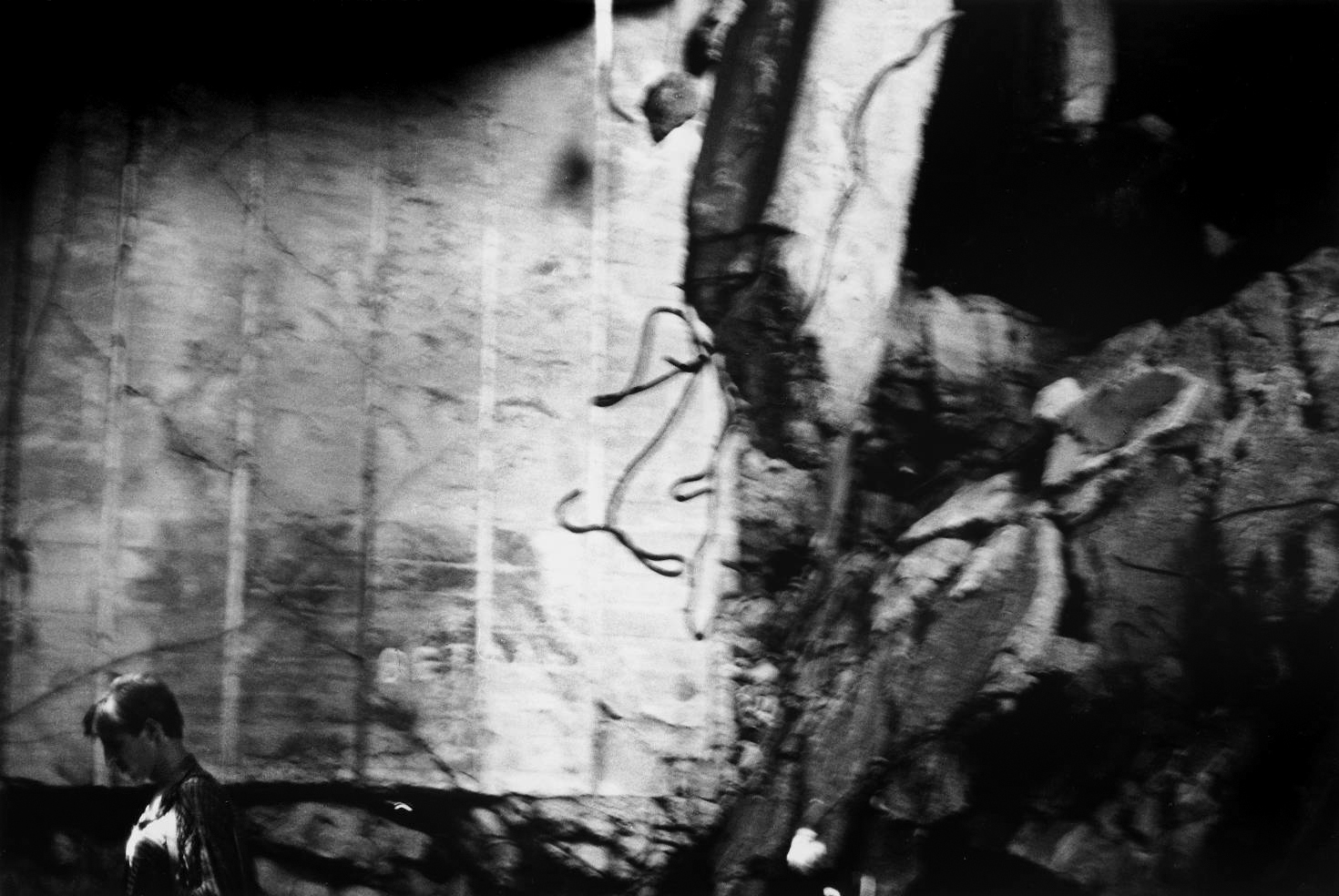
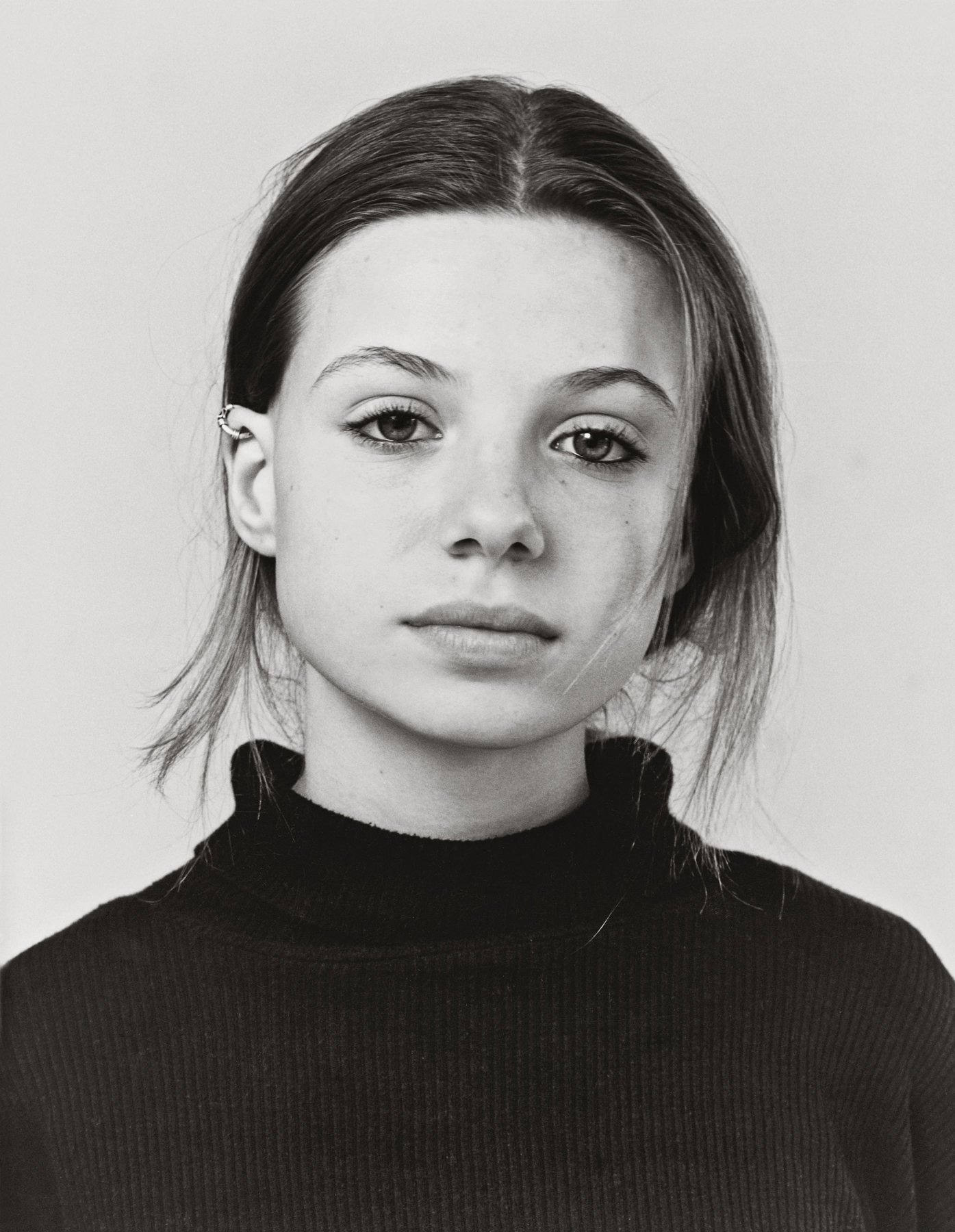

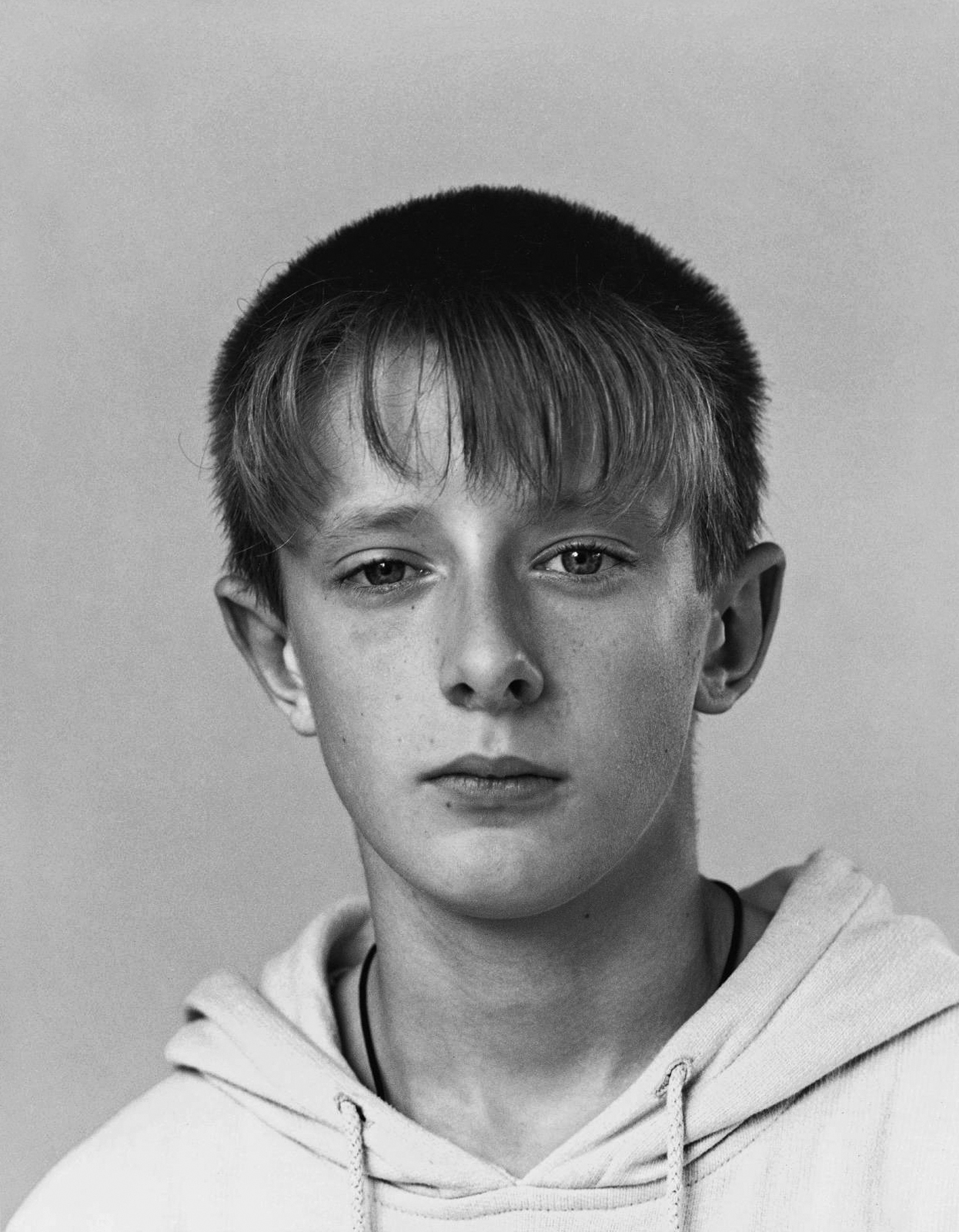
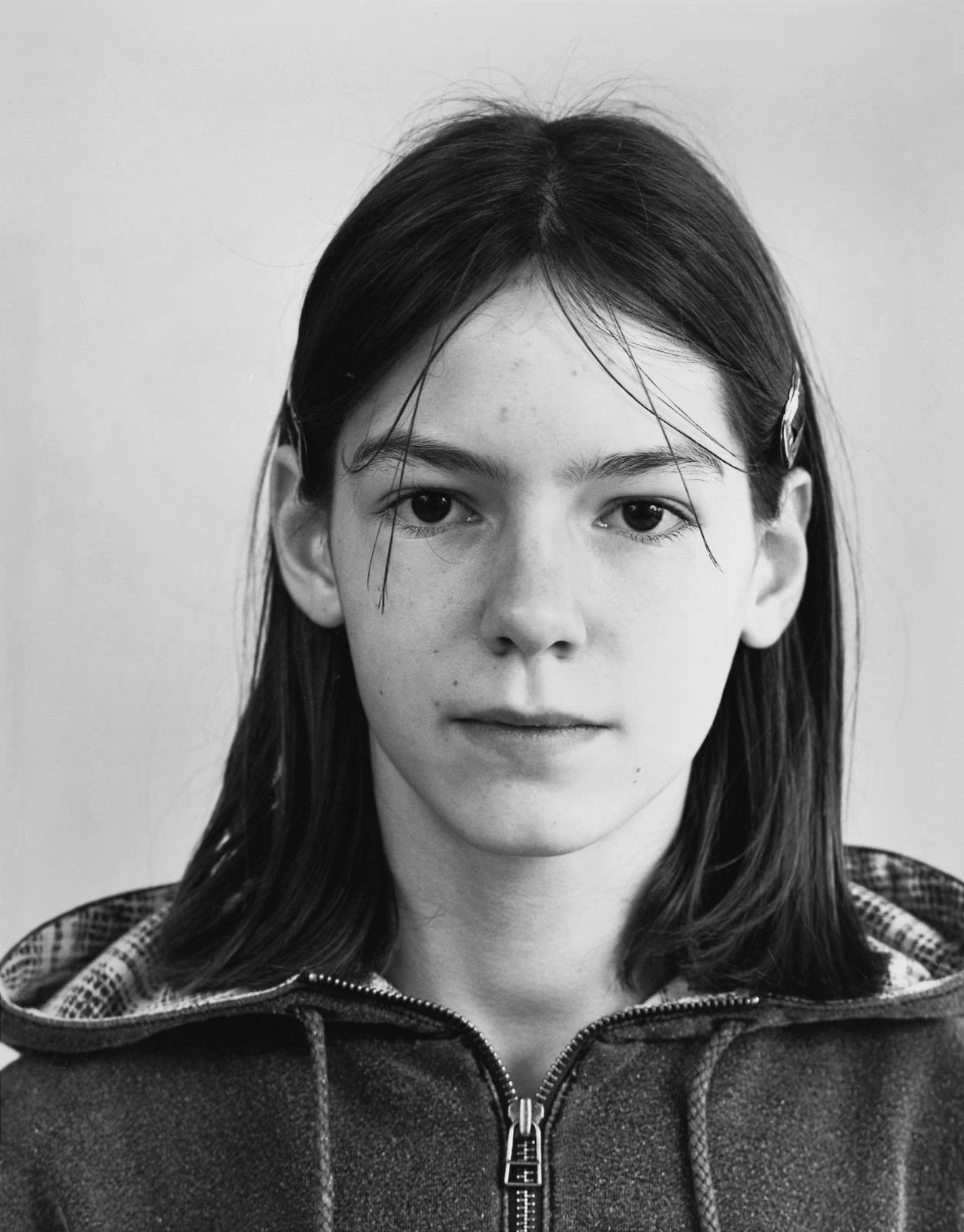
 Art Blart _ art and cultural memory archive
You must be logged in to post a comment.