The augur of passion, the fire of movement, the colour of the embrace!
She used to ask herself, “does it work?”, as every artist should… not seeking affirmation from others but just being focused in her own mind on what she wanted to say, on that inner experience.
She was the equal of men, surpassing most. Krasner is finally getting the accolades she so richly deserves.
Dr Marcus Bunyan
Many thankx to the Barbican Art Gallery for allowing me to publish the art work in the posting. Please click on the photographs for a larger version of the image. The black and white photographs have been digitally cleaned by myself.
The cold winter on Long Island, where Krasner and Pollock were now living, forced her to work downstairs by the stove, where she made two brilliantly coloured mosaic tables using wagon wheels she found in the barn.
After Pollock’s funeral, Krasner almost immediately began work on a series of violently erotic landscapes in shades of grey, black and pink. ‘Painting is not separate from life,’ she said, when asked how she had managed to paint in the midst of grief. ‘It is one. It is like asking – do I want to live? My answer is yes – and I paint.’
“I like a canvas to breathe and be alive. Be alive is the point.”
“Painting is a revelation, an act of love… as a painter I can’t experience it any other way.”
“I was a woman, Jewish, a widow, a damn good painter, thank you, and a little too independent…”
“Aesthetically I am very much Lee Krasner. I am undergoing emotional, psychological, and artistic changes but I hold Lee Krasner right through.”
“Painting is not separate from life. It is one. It is like asking – do I want to live? My answer is yes – and I paint.”
“I couldn’t run out and do a one-woman job on the sexist aspects of the art world, continue my painting, and stay in the role I was in as Mrs Pollock… What I considered important was that I was able to work and other things would have to take their turn.”
“Jackson always treated me as an artist… he always acknowledged, was aware of what I was doing… I was a painter before I knew him, and he knew that, and when we were together, I couldn’t have stayed with him one day if he didn’t treat me as a painter.”
“[The Surrealists] treated their women like French poodles, and it sort of rubbed off on the Abstract Expressionists. The exceptions were Bradley Walker Tomlin, Franz Kline, and Jackson Pollock. That might be the end of my listing. The other big boys just didn’t treat me at all. I wasn’t there for them as an artist.”
“I go on the assumption that the artist is a highly sensitive, intellectual and aware human being… It’s a total experience which has to do with the sensitivity of being a painter. The painter’s form of expressing [them]self is through painting.”
Lee Krasner
“… their blossoming was remarkable. In fact “blossoming” is hardly the word, for it suggests a soft, floral, ethereal event, adjectives one would not pick for the tough paintings, often full of barely controlled anger, that she was to produce after 1960… Is there a less “feminine” woman artist of her generation? Probably not.”
Polar Stampede 1960, one of a series of paintings she made at night during bouts of insomnia and which her friend, the poet Richard Howard, called her ‘Night Journeys’
Lee Krasner (American, 1908-1984) The Guardian 1960 Oil and house paint on canvas 53 1/8 × 58 1/8 in. (134.9 × 147.6cm) Whitney Museum of American Art Purchase, with funds from the Uris Brothers Foundation, Inc.
Palingenesis noun Biology: the exact reproduction of ancestral characteristics in ontogenesis (the development of an individual organism or anatomical or behavioural feature from the earliest stage to maturity).
When Krasner showed 12 new paintings at the Marlborough Gallery in New York the critic Robert Hughes described this pink as rapping ‘hotly on the eyeball at 50 paces’.
Barbican Art Gallery is pleased to stage the first retrospective in Europe for over 50 years of American artist Lee Krasner (1908-1984). One of the pioneers of Abstract Expressionism, Krasner made work reflecting the feeling of possibility and experiment in New York in the post-war period. Lee Krasner: Living Colour features nearly 100 works – many on show in the UK for the first time – from across her 50-year career, and tells the story of a formidable artist whose importance has often been eclipsed by her marriage to Jackson Pollock.
The exhibition celebrates Krasner’s spirit for invention – including striking early self-portraits; a body of energetic charcoal life drawings; original photographs of her proposed department store window displays, designed during the war effort; and her acclaimed ‘Little Image’ paintings from the 1940s with their tightly controlled geometries. It also features collages comprised of torn-up earlier work and a selection of her most impressive large-scale abstract paintings. This work is accompanied by rare photography and film from the period, in an elegant exhibition design by David Chipperfield Architects.
Jane Alison, Head of Visual Arts, Barbican, said: ‘We are thrilled to be staging Lee Krasner: Living Colour. Despite featuring in museum collections around the world and being one of the few women to have had a solo show at New York’s Museum of Modern Art, in 1984, Krasner has not received the recognition that she deserves in Europe, making this an exciting opportunity for visitors here to experience the sheer impact of her work’.
Krasner was determined to find new ways to capture inner experience. As the playwright Edward Albee commented at her memorial at the Metropolitan Museum of Art, in both her life and her work, ‘… she looked you straight in the eye, and you dared not flinch’. Born in Brooklyn in 1908 in a family recently emigrated from Russia, she chose to attend Washington Irving High School (which at the time was the only school in New York to offer an art course for girls) before going on to study at the National Academy of Design. She was inspired by the opening of MoMA in 1929; joined the Hans Hofmann School of Fine Arts, where she made lifelong friends including renowned designer Ray Eames; was a member of the American Abstract Artists; and became a friend to many leading artists of the day including Willem de Kooning and Franz Kline.
In 1945, Krasner married Jackson Pollock and they moved to Springs, Long Island, borrowing $2000 from collector and dealer Peggy Guggenheim to buy a run-down clapboard farmhouse. Krasner worked in the living room and then an upstairs bedroom – intimate make-shift studio spaces, which are mirrored in the Barbican Art Gallery’s upstairs rooms – while Pollock worked in a converted barn outside. After Pollock’s early death in a car crash in 1956, Krasner made the courageous decision to claim his studio as her own, which allowed her to work for the first time on large, un-stretched canvas tacked to the wall. The result would be the remarkable ‘Umber’ and ‘Primary’ series paintings, in which her exploration of scale, biomorphic form and colour collided into some of her most celebrated work. Examples on show include The Guardian, 1960; Happy Lady, 1963; Icarus, 1964; and Siren, 1966.
Lee Krasner: Living Colour draws from more than 50 international collections: from museums, including the Metropolitan Museum of Art, Los Angeles County Museum of Art, San Francisco Museum of Modern Art, the National Gallery of Washington, the Whitney Museum of American Art, Hirshhorn Museum and Sculpture Garden, Philadelphia Museum of Art, the Jewish Museum and the Museum of Fine Arts Houston, as well as from a large number of private collections. Many works are being exhibited in Europe for the first time, such as the monumental Combat (1965), which is over 4 metres long, and has travelled from the National Gallery of Victoria in Australia.
The exhibition is curated and organised by Barbican Centre, London, in collaboration with Schirn Kunsthalle Frankfurt, Zentrum Paul Klee, Bern and Guggenheim Museum Bilbao.
Press release from the Barbican Art Gallery website [Online] Cited 14 June 2019
Unknown Photographer Lee Krasner and her younger sister, Ruth c. 1915-1916
“I was brought up to be independent. I made no economic demands on my parents so in turn they let me be… I was not pressured by them, I was free to study art. It was the best thing that could have happened.”
Fred Prater Lee Krasner at the WPA Pier, New York City, where she was working on a WPA commission c. 1940 Gelatin silver print Lee Krasner Papers, c. 1905-1984 Archives of American Art, Smithsonian Institution
Lee Krasner photo booth images 1940s-1950s?
With Jackson Pollock in Springs, London Island, 1949 Photo: Wilfred Zogbaum
“She would ask me to the studio. One didn’t just go there. One waited for an invitation. But she didn’t talk about her painting. The most distinct thing for her was the question: does it work? That was the big way that she thought. She wasn’t insecure about it. She wasn’t asking my opinion. She was asking herself.
“She had a very strong conviction about herself as a painter. She saw her own worth. She saw herself as equal to the men. She didn’t have the attention Pollock had, but she’d grown inured to that. Lee knew all about brands: she was Mrs Pollock, and sometimes she took advantage of it. But she also had great feeling for him as a painter. He wasn’t an easy person, but she never disparaged him, and he never disparaged her, either. The most powerful attraction between them was their intellectual acknowledgement of each other.”
Halley Erskine Lee Krasner standing on a ladder in front of ‘The Gate’ (1959) before it was completed, Springs, July or August 1959 1959 Gelatin silver print
Hans Namuth (German, 1915-1990) Lee Krasner in her studio in the barn, Springs 1962 Gelatin silver print Lee Krasner Papers, Archives of American Art, Smithsonian Institution, Washington, D.C.
PLEASE NOTE: Postings will be limited over the next 2 months as I travel to see photographic prints and exhibitions in Europe: August Sander, Brassai, Kertesz, Josef Sudek, Fortepan and more.
“Im Grunde ist es nichts anderes als die Welt seiner Bilder, die in den Bühnenschöpfungen Schlemmers Gestalt gewinnt. […] Es ist eine künstliche, aber auch eine in hohem Maße künstlerische Welt, die ihren Eindruck auf ein formenempfindliches Auge nicht verfehlen wird.” (Curt Glaser: Schlemmers Bühnenentwürfe, 1932). / “Essentially, it is nothing but the world of his pictures that takes form in Schlemmer’s stage creations. […] It is an artificial, but also to a high degree artistic world which cannot fail to make an impression on an eye that is sensitive to form.” (Curt Glaser: Schlemmer’s Stage Designs, 1932).
A COSMIC posting of all that is good about the Neues Sehen (New Vision) photographic movement (Neues Sehen considered photography to be an autonomous artistic practice with its own laws of composition and lighting, through which the lens of the camera becomes a second eye for looking at the world. This new way of seeing was based on the use of unexpected framings, the search for contrast in form and light, the use of high and low camera angles, etc… Moholy-Nagy, László, (1932) The new vision, from material to architecture. New York: Brewer, Warren & Putnam).
Many thankx to the Museum of Photography, Berlin for allowing me to publish the photographs in the posting, and to Nick Henderson for the installation photographs. Please click on the photographs for a larger version of the image.
László Moholy-Nagy (Hungarian, 1895-1946) O.T. (Am Strand) / No title (on the shore) (installation view) c. 1929 Gelatin silver print
Die Aufnahme war 1929 auf der FiFo in Stuttgart zu sehen. “Ich habe fast nie einen vorbedachten plan bei meinen fotos. Sie sind aber auch nicht zufallsergebnisse. Ich habe – seitdem ich fotografiere – gelernt, eine gegebene situation rasch zu erfassen. Wenn mich dabei die verhältnisse von licht und schatten stark beeindrucken, fixiere ich den am günstigsten erscheinenden ausschnitt. Das strandbild ist auch auf diese weise entstanden.” (László Moholy-Nagy in: Uhu, 1929) / This photo was on view in 1929 at FiFo in Stuttgart. “With my photos, I almost never have a predetermined plan. Nor however are they the result of happenstance. I have learned – ever since I began making photographs – to grasp a given situation quickly. When I am also strongly impressed by relationships of light and shadow, I record the framed view that seems most favorable. The beach picture was also produced in this way.” László Moholy-Nagy in: Uhu, 1929)
Max de Esteban (Spanish, b. 1959) TOUCH ME NOT: Fleeing the Presence of Death 2013 Inkjet print Courtesy of Max de Esteban
In Touch Me Not (2013), Max de Esteban focuses on microelectronic de-vices: CDs, plastic boxes, and electronic circuit boards derived from computers. As data carriers that are X-rayed, the metal surfaces and structures do not reveal any information and refuse to be read.
Bauhaus and Photography catalogue cover
Installation views of the exhibition Bauhaus and Photography at the Museum für Fotografie, Berlin
International Exhibition of the Deutscher Werkbund Film und Foto (FiFo) at Städtische Ausstellungshallen
Poster for Film und Foto 1929 Offset lithograph 33 x 23 1/8″ (84 x 58.5cm)
To mark the centenary of the founding of the Bauhaus, this exhibition opens up a dialogue between contemporary art and the photographic avant-garde of the 1930s.
The Bauhaus is not just a key figure in the history of twentieth-century design and art, but also of photography. How are the innovations that were made then still influencing the evolution of the visual language of today’s photography and contemporary aesthetic concepts? What role does the photographic avant-garde of circa 1930 play for contemporary artists? This exhibition juxtaposes works by artists such as László Moholy-Nagy, Lucia Moholy, Man Ray, Jan Tschichold, Hedda Walther, Florence Henri, Hans Robertson and Erich Consemüller with groups of works by Thomas Ruff, Dominique Teufen, Daniel T. Braun, Wolfgang Tillmans, Doug Fogelson, Max de Esteban, Viviane Sassen, Stephanie Seufert, Kris Scholz, Taiyo Onorato & Nico Krebs, Antje Hanebeck and Douglas Gordon.
The historical reference point of the exhibition is the Werkbund exhibition Film and Photo, which was shown in Stuttgart, Berlin and Zurich, among other locations in 1929/1930. The Berlin leg was put together by the Kunstbibliothek. The Hungarian artist László Moholy-Nagy (1895-1946), who had already made a name for himself with his experimental photographic works, curated one room on the history of photography, and one on the future. The Bauhaus artist was interested in conducting a systematic investigation of Neues Sehen (New Vision) in photography. The historical exhibition, which functioned as a kind of manifesto, intervening in the debates of the time around the position of photography in the hierarchy of art, is reconstructed virtually with over 300 exhibits. Additionally, there will be a recreation of part of the Berlin exhibition. The reconstruction of the original exhibition design will be complemented by numerous vintage prints from the holdings of the Kunstbibliothek and a presentation of films from the 1920s. In combination with photographic works by contemporary artists, the exhibition opens up a dialogue between this historical event and the present moment.
Students from the design department at the Darmstadt University of Applied Sciences and the faculty of design at Nuremberg Tech offer a glimpse into the future, presenting their own forward-looking designs, which also incorporate digital media.
Text from the Museum für Fotografie website [Online] Cited 03/08/2019
David Octavius Hill / Robert Adamson (Scottish, 1802-1870 / 1821-1848) Lady Mary Hamilton (Campbell) Ruthven 1843 / Reprint 1890-1900 by James Craig Annan Pigment print
David Octavius Hill / Robert Adamson (Scottish, 1802-1870 / 1821-1848) Newhaven Fisherman. John Henning and Alex H. Ritchie 1843 / Reprint 1890-1900 by James Craig Annan Oil/bromide transfer print or pigment print
Eugène Atget (French, 1857-1927) Au Franc Pinot, quai Bourbon, 1 1902 Aus der Folge / From the series L’Art dans le Vieux Paris Albumen print
Atget, der sich selbst als Dokumentarfotograf verstand, wurde auf der FiFo als Erneuerer der Fotografie vorgestellt. / Atget, who saw himself as a documentary photographer, was presented at FiFo as a renewer of photography.
Das Fotogramm war 1929 auf der FiFo in Stuttgart und Berlin zu sehen. Die Motivvorlage ist 1929 in Moholy-Nagys Buch von material zu architektur abgebildet: “spielzeug / durch die bewegung erzeugtes, virtuelles volumen – optische auflösung des festen materials […] spielzeuge sind in vielen fällen die zeitgemäßen plastiken. Sie enthalten oft geistreiche übersetzungen technischer ideen, die meist mehr von dem wesen technischer vorgänge vermitteln als gelehrte vorträge.” / The photogram was on view in 1929 at FiFo in Stuttgart and Berlin. The template for this motif is reproduced in Moholy-Nagy’s book from material towards architecture (1929): “toy / through the virtual volumes generated by movement – optical dissolution of the solid material […] toys are in many cases contemporary sculptures. They often contain ingenious translations of technical ideas, most convey more concerning the nature of technical procedures than learned lectures.”
In 1927, Consemüller was commissioned by Gropius to photographically document Bauhaus’s activities and people. This resulted in the creation of around 300 photographs documenting the school’s work and environment. “Bauhaus Scene,” a frequently reproduced photograph of his, combines three works by Bauhaus artists in one photo. It depicts a woman sitting in Breuer’s Wassily Chair, wearing a theatrical mask made by Oskar Schlemmer and a dress designed by Lis Volger-Beyer [de]. Other notable photographs of his feature Bauhaus architecture, often with figures interposed.
“Eines der wundervollsten Fotos, das überhaupt in unserer Zeit entstanden ist, ist die Rengersche Orchideenblüte […]. Hier ist ein fotografischer Bildraum entstanden, der mehr räumlich als plastisch lebendig ist.” (Die Form, 1929) / “One of the most marvellous photographs produced during our time is the orchid blossom by Renger […]. Emerging here is a photographic picture space that is more lively in spatial than in sculptural terms.” (Die Form, 1929)
Albert Renger-Patzsch (German, 1897-1966) Bügeleisen für Schuhfabrikation. Fagus-Werk Benscheidt in Alfeld / Flat iron for shoe fabrication. Fagus-Werk Benscheidt in Alfeld 1926 Gelatin silver print
Albert Renger-Patzsch (German, 1897-1966) Gebirgsforst im Winter / Montane woods in winter 1926 Gelatin silver print
Das Plakat war 1929 im Raum 1 der FiFo in Berlin zu sehen. “Zu den elementaren Mitteln neuer Typographie gehört in der heutigen, auf Optik eingestellten Welt auch das exakte Bild: die Photographie.” (Jan Tschichold: Elementare Typographie, 1925). / The poster was shown in 1929 in Room 1 at FiFo in Berlin. “In the contemporary world, with its orientation toward optics, among the elementary resources of the new typography is the exact image: photography.” (Jan Tschichold: Elementary Typography, 1925).
Jan Tschichold (2 April 1902 Leipzig, Germany – 11 August 1974 Locarno, Switzerland) (born as Johannes Tzschichhold, also Iwan Tschichold, Ivan Tschichold) was a calligrapher, typographer and book designer. He played a significant role in the development of graphic design in the 20th century – first, by developing and promoting principles of typographic modernism, and subsequently (and ironically) idealising conservative typographic structures. His direction of the visual identity of Penguin Books in the decade following World War II served as a model for the burgeoning design practice of planning corporate identity programs. He also designed the much-admired typeface Sabon.
Eine ähnliche Aufnahme der Fotografin Charlotte Rudolph von Palucca bildete László Moholy-Nagy 1925 in dem Buch Malerei Photographie Film ab. / This shot of Palucca by the photographer Charlotte Rudolph was reproduced by László Moholy-Nagy in the book Painting Photography Film in 1925.
László Moholy-Nagy – Bauhaus artist and pioneer of media art – co-curated the legendary exhibition Film und Foto (FiFo) in 1929, which was set up by the Deutscher Werkbund in the exhibition halls on Interimtheaterplatz in Stuttgart. The FiFo, which subsequently travelled to Zurich, Berlin, Gdansk, Vienna, Agram, Munich, Tokyo and Osaka, presented a total of around 200 artists with 1200 works and showed the creations of the international film and photography scene of those years. Moholy-Nagy curated the hall, which reflected the history and present of photography. His artistic perspective on the history of photography and his efforts to provide a comprehensive overview of the contemporary fields of photo-graphic application were fundamental. At the exit of the large hall, Moholy-Nagy suggestively posed the question of the future of photographic development. On the basis of extensive scientific research, the Moholy-Nagy room was virtually reconstructed with approximately 300 exhibits.
The exhibition Film und Foto took its starting point in 1929 in Stuttgart, but was opened only a short time later in the Kunstgewerbemuseum (today: Gropius Bau) in Berlin. In the inner courtyard of the museum, large partition walls were erected to present the numerous photo exhibits. The hanging concept, handed down through three documentary photos, apparently deviated from the Stuttgart hanging. A corner situation, mainly showing photographs by Lucia Moholy and László Moholy-Nagy, was restored in a 1:1 reconstruction. In this way, the curatorial concept of comparative contemplation, as envisioned by Moholy-Nagy, can be re-experienced.
Play with Images
The rooms organised by László Moholy-Nagy at FiFo illustrated the continuity between the formal and optical qualities of photography, as well as the forward-looking influence of technical image media on contemporary culture. Moholy-Nagy’s works were interpretable as exemplifying visual modernism. They comprised close-up portrait fragments, architectural photographs using unconventional perspectives, and playful photo collages. Appearing entirely new at the time were the technical and material qualities of these photographs, as well as the aesthetic principles upon which they functioned. This was true in particular for the boldly configured light spaces of his photograms. These cameraless photographs embodied Moholy-Nagy’s artistic intentions in a very special way, and the medium offered him maximal autonomy in the use of light as a creative resource.
As examples of the photography of the Neue Sehen (New Vision), his works also entered the Kunstbibliothek, which – as the organiser of the Berlin FiFo – also acquired works by other artists from the show. The selection on view here evokes the comparative play with images and with modes of perception and use that was instigated by Moholy-Nagy, while confronting photographs from the 1920s with those from the 19th century. The form of presentation using passe-partouts and frames, prescribed by museum custom, renders the material and formal properties of each individual original print sensuously graspable.
A New Way of Seeing: An Homage to Film und Foto
In the exhibition Film und Foto, the camera emerged as the key to an expanded perception of the world, and as a mediator of new modes of seeing. In conjunction with photographic and cinematic experimentation, the New Objectivity and the New Vision came to epitomise avant-garde production. The central role of film for 20th-century culture was now recognised and manifested for the first time. Today, devices that can produce photographs or filmic scenes depending upon the chosen setting are at our disposal. This medial juxtaposition was conceptualised for the first time at FiFo – not coincidentally in 1929, the year sound film was inaugurated. Questions such as: “What is a photograph?” “What is a cinematic image?” “What is a technically produced image?” were investigated. In the Russian room, El Lissitzky hung photographs in open frames that were reminiscent of filmstrips, and ran excerpts from Soviet films on continuous loops from daylight projectors directly adjacent to them. The presentation of both media in both tandem and on equal terms was realised for the first time here in a modern dispositive. The program The Good Film, assembled by Victor Schamoni, ran at the former Kunstgewerbemuseum, today the GropiusBau, and at other Berlin cinemas, establishing cinema as an art form.
Daniel T. Braun
Daniel T. Braun describes his pictorial work as performative form research. Behind this lies an actionist stubbornness that wrestles unknown facets from the analogue forms of photography. The work group of Rocketograms may serve as an apt example. Following the action forms of action painting, Braun brings light-sensitive colour photographic paper into physical contact with burning pyrotechnics. With the uncommon use of magnesium torches, he refers to undertakings largely forgotten today, which were used for lighting in the early days of photography. In addition, the artefacts created in this way have an emphatically expressive effect. The moment of explosion is inscribed in the unique pieces in a virtually picture-creative way. Referring to Susan Sontag, Braun explicitly directs his goal “not to the creation of harmony, but to the overexpansion of the medium through destructive processes.”
A material-based exploration of light is also reflected in several sculptures, which Daniel T. Braun has transferred into another aspect of being through nuanced lighting and rotations in the studio. In the photographic image, the recorded light traces of the objects develop a strange independence. They seem to elude the observer’s gaze and yet are present in a peculiar way.
Max de Esteban
In the photographic works of Max de Esteban we encounter references critical of civilisation. His digital photo collages are designed as visual textures. They are inscribed with a skepticism based on media theory. He already indicates the vertigo that the works can trigger in their titles: Heads Will Roll is the name of a series of works from 2014. Fragments of perception from the media world are transformed into a visual totality. A spectrum of constructive forms and colour surfaces, as handed down from Modernism, is combined with individual motif elements from the image pool of mass media. In the sense of Zygmunt Bauman, the motifs of Heads Will Roll represent the unredeemed world of a “retrotopia”.
In Touch Me Not (2013), Max de Esteban focuses on microelectronic devices: CDs, plastic boxes, and electronic circuit boards derived from computers. As data carriers that are X-rayed, the metal surfaces and structures do not reveal any information and refuse to be read.
Doug Fogelson
For his series Forms & Records, the American artist Doug Fogelson visited a historically significant site of the New Bauhaus. His analogue black-and-white and colour photographs were taken in the darkroom of the IIT Institute of Design (ID) photography school in Chicago, which was founded by László Moholy-Nagy.
Fogelson’s graphically adept pictorial inventions can be understood as an expression of visual archaeology. He uses architectural models, vinyl singles, film and tape strips from the immediate post-war era as found motifs. In doing so, he refers to concepts of recording, designing, documenting and ephemerality in order to find his way back from a historical distance to the basics of form-finding with light. In addition, Moholy-Nagy’s series also refers to suggestions published in 1922 in his essay “New Plasticism in Music. Possibilities of the Gramophone”. The Bauhaus teacher there implements his ideas on the manipulative use of wax records with the intention of creating new sounds.
Douglas Gordon
In an obsessive way, the video and photographic works of Douglas Gordon wrestle with the receptive parameters of New Vision. His passionate engagement reveals itself in the leitmotif of the eye. For the artist’s book Punishment Exercise in Gothic (2001), the Scottish Turner Prize winner portrays himself in a black-and-white photograph, which shows his bleached portrait in cut. The fragmented cyclopean gaze is directed straight at the viewer and can be interpreted ambiguously. The motif is based on Max Burchartz’s photograph Lotte (eye), a key image of photo-graphic modernism presented in 1929 at the Stuttgart exhibition Film und Foto. In the book, the artist repeats his self-portrait no less than 118 times.
Antje Hanebeck
Antje Hanebeck dedicates her artistic photography to the architecture of post-war Modernism and the present. A moment of the documentary does not apply to her. Instead, she operates with a coarse-grained, tonal black-and-white aesthetic that seems pre-modern in an confounding way. Graphic and photographic elements are subtly intertwined and contrasted with the captured buildings, which retain their strictly constructive character. “Her pictures are picture puzzles, riddles, question marks, which – also – resist any temporal classification” (Hans-Michael Koetzle). This also applies to the large-format work Borough (2008). Hanebeck’s motif refers to photographs taken by László Moholy-Nagy in 1928 on the viewing platform of the Berlin Radio Tower. However, her spectacular downward gaze leads to a new irritation of perception. The irritation can only be resolved by a change of view – a 90 degree turn of the head to the left. Of course, the artist’s intervention is not limited to the formal. “The Borough motif undergoes transformation into a newly created, utopian, urban land-scape through a rotation.” (Ellen Maurer Zilioli).
Behind the poetic name of the work Desert Rose lies the National Museum of Qatar, designed by Jean Nouvel, which is due to open in March 2019. The French star architect develops his representative buildings from various stylistic concepts, including Bauhaus modernist architecture. It is not uncommon for the buildings to be symbolically formulated. In her horizontal-format photographs, Hanebeck exposes a section of the constructive sub-layers of the “desert rose”. She interprets the functional longwall system of the steel pillars as a deeply vital, vibrating fabric.
Taiyo Onorato & Nico Krebs
“The enemy of photography is the convention, the fixed rules, the ‘how to do it’. The rescue of photography takes place through experimentation.” Programmatically, this quotation by László Moholy-Nagy is prefixed in a catalogue on the works of Taiyo Onorato and Nico Krebs. The Swiss artist duo, who have been working together since 2003, is interested in the shifting of photo-technical boundaries, in a productive confusion of the perception of things and their representation. Onorato & Krebs act inventively, ironically and always with analogue means in their image findings. For their work group Color Spins, created in 2012, they have developed their own rotational apparatuses. The dynamic light sculptures, which are captured by colour photography, create a surprising illusionism. With a wink, the figurations recall the famous ensembles that Oskar Schlemmer developed more than a hundred years ago and later performed on the Bauhaus stage in Dessau.
The ephemeral light sculptures of the black-and-white series Ghost from 2012, on the other hand, step in front of the dreary backdrop of a piece of woodland. A disturbing surreality emanates from the appearances. The medium of photography still retains its magical character in the works of Onorato & Krebs.
Thomas Ruff
The phg series by Thomas Ruff is characterised by digital processes. They can be interpreted as an homage. The work phg.05_II, in its spiral form, recites one of László Moholy-Nagy’s most famous photograms from 1922. The three-letter abbreviation, which recalls the name of a file format, refers to a contemporary approach to image generation. The process is completely virtualised. Both the generation of the objects and the simulation of the shadows on the paper take place in an immaterial space.
“With phg, Ruff transfers an analogue technique into virtual space – and at the same time questions all attributes assigned to the photogram, such as immediacy and objectivity, as they were relevant to Moholy-Nagy’s ‘Photography of New Vision'” (Martin Germann). But the phg series can also be thought of in the opposite way. By radically erasing the analogue essence of the photogram, but retaining the terminology of the photograms, Ruff redeems a central doctrine of photography for the digital present. As early as 1928, László Moholy-Nagy brought the doctrine to a formula: “Photography is the shaping of light.”
Viviane Sassen
What is photography? Viviane Sassen understands the imaging process as a peculiar “art of darkening”. Umbra (Latin: “shadow”) is the title of her group of works created in 2014. In it, the Dutch fashion and art photographer explores in a number of variations the effect aspects of semi-transparent colour surfaces placed in desert sceneries. For the three-part work Vlei, Viviane Sassen locates square plates of coloured glass in a hollow. In their form and colour, these plates are reminiscent of the abstract paintings by Bauhaus master Josef Albers. The surfaces of the Umbra series are also partly captured in perspective foreshortening. They, too, assert themselves as an autonomous, colour-shaded picture within the picture. Sassen’s arrangements always retain a slight contradictoriness. Moments of realism and abstraction are equally effective in them.
The artist’s book Umbra from 2015 brings together eleven coloured shadow motifs in the form of a loose-leaf collection. The motifs once again operate with variations of gaze and reflections. Sassen’s artistic oeuvre often contains feminist references to modernist photography. The work Marte #03, for example, is based on Germaine Krull’s experimental self-portraits.
Kris Scholz
In the age of the digital, there can be no question of a demand for ahistoricity, as evoked by the New Vision. This is documented by the series Marks and Traces by Kris Scholz. His large-format colour photographs show worn floors, floor boards, and tabletops from German, Spanish, Moroccan and Chinese studios and art academies. One may initially classify the motifs as pictorial documents. “But just as important is the question of who left these markings and traces. As documents, his pictures ‘fail’ because they hardly provide any information” (Gérard A. Goodrow). The perceptual perspective of the pictures is based on a radically lowered gaze that was already applied by Umbo and László Moholy-Nagy in the 1920s. Scholz also uses stretched linen as a medium for his highly abstract large formats, which, despite their sharpness of detail, are, from a greater distance, perceived as painterly artefacts.
Stefanie Seufert
The works of Stefanie Seufert show an architectural reference. Her sculptures from 2016 are titled Towers. Photographic papers serve as the start-ing point for her experimental exploration. In the darkroom, these papers are edited by elaborate folding and exposure processes. From the respective layers and trace-like superimpositions, a materiality of its own is formulated, which the artist consciously expands into space. “Fragile, strangely monumental and oddly alien to themselves, they arise from a folding of the picture, which now occupies a space, encloses a space and suggests the idea of an (interior) space of the pictures themselves” (Ma-en Lübbke-Tidow). As tower-like artefacts, Seufert’s Towers, which are reminiscent of contemporary high-rise buildings, literally stand in the way of the viewer. Like an ensemble of materialised metaphors, they insist on autonomy that includes both alienation and abstraction.
Dominique Teufen
The artistic works of Dominique Teufen are characterised by an expansive drive of photography towards the genres of sculpture and architecture. Her group of Blitzlicht-Skulpturen (flashlight sculptures) was created in 2013. The setting follows a strict arrangement. Like architectural models, glass structures composed of shapes of cubes, slabs, and pyramids are positioned on the stage of a black plinth or white table. Something theatrical happens on it. The camera flashes. Reflective surfaces reflect the light onto the walls, catch these light forms again and connect the perspectival surfaces and lines to an illusion: the concrete moves into the background, the light as a sculpture enters the room; as soon as the eye suspects it, only the photograph remains as a witness to its existence. Teufen’s tableaus explore border areas. What already is architecture? What is sculpture? What, in turn, is photography?
In an ironic way, a catalogue of questions opens up in Teufen’s installation Selfiepoint from 2016. The expansive work formulates the invitation to shoot a selfie with the smartphone and thus to practice a central iconic gesture of our time. The backdrop of a mountain landscape quickly turns out to be a whimsically composed mountain of paper. It originated solely from the copier. What remains is a creative desire for self-reflection. Selfiepoint reminds us that the snapshot aesthetics of amateur photography have already been tried out by the students at the Bauhaus. At that time, the students were already playfully exploring new ways of presenting individual and group portraits with the 35 mm camera.
Wolfgang Tillmans
To what extent was the Bauhaus politically oriented? With a view to photography, the question still arises today as to the degree to which New Vision can be assigned to an artistic avant-garde of Modernism. Because the latter “aims, beyond the aesthetic, at radical social change […] which hardly applies to the protagonists of the New Vision. They were interested in little more than new perspectives from which they put people and things into the picture” (Timm Starl). The accusation of aestheticism arises. It contradicts the thesis that a reflexive visual process already provides political impulses itself. For the self-conception of contemporary art, however, the integration of political fields of thought and action has gained central importance. Both aspects of the political can be found exemplarily in the work of Wolfgang Tillmans. In June 2016, the artist launched an Anti-Brexit campaign for which he designed a 25-part poster series and called for Great Britain to remain in the EU. Tillmans does not want his project to be understood as an art action. He uses images from his Vertical Landscapes, which is a group of motifs of heavens and horizons. His photo-graphs are used as a form of agitation and placed in a tradition of image propaganda. Think, for example, of the collages by John Heartfield.
An edition realised by Wolfgang Tillmans in 2016 at the invitation of Tate Modern in London acts with a different field of photography. The occasion is the reopening of the Switch House, a brick building apse by Swiss architects Herzog & de Meuron. The sequence of images shows the still empty room areas of the museum on colour photocopies. Even this materiality undermines the auratic charge of the building. In their limited colour spectrum, Tillmans’ pictures produce “patterns and reductions that are literally subtracted from the naturalistic image” (Heinz Schütz). Paradoxically enough, the reproductions are transformed back into unique pieces through alienating colour shifts.
Many thankx to the The Morgan Library & Museum for allowing me to publish the photographs in the posting. Please click on the photographs for a larger version of the image.
Photographer Unidentified Untitled (women in aprons pose among trees) 1913 Commercially processed gelatin silver print; postcard The Morgan Library & Museum Gift of Peter J. Cohen
Photographer Unidentified Untitled (women in aprons pose among trees) (detail) 1913 Commercially processed gelatin silver print; postcard The Morgan Library & Museum Gift of Peter J. Cohen
Myers Cope Co. Atlantic City Photo-multigraph of unidentified girl (Woman in trick photo-booth) c. 1920s Gelatin silver print with postcard back The Morgan Library & Museum Gift of Peter J. Cohen
Studio Retrato-Escultura Victor Fotoescultura with eight subjects c. 1940s Carved, painted, and assembled wood with hand-coloured gelatin silver prints The Morgan Library & Museum Purchased as the gift of Richard and Ronay Menschel
Photographer Unidentified Group at the Main Building, Moscow State University after 1953 Gelatin silver print and mixed media The Morgan Library & Museum Purchased as the gift of Peter J. Cohen
Photographer Unidentified (American) Untitled (seventeen women in swimsuits hold magazines up on a low stage on a lawn) 20th century (c. 1950s) Commercially processed gelatin silver print The Morgan Library & Museum Gift of Peter J. Cohen
Robert Frank (Swiss-American, 1924-2019) Trolley – New Orleans 1955 Gelatin silver print The Morgan Library & Museum
The Morgan Library & Museum presents a new exhibition about photography’s unique capacity to represent the bonds that unite people. From posed group portraits and candid street scenes to collages, constructions, and serial imagery, photographers have used many methods to place people in a shared frame of reference. Opening May 31, 2019, Among Others: Photography and the Group brings together more than sixty exceptional works spanning the 1860s to the present to explore the complexity of a type of image that is often taken for granted. Drawn primarily from the Morgan’s collection, the works in the exhibition include images by Amy Arbus, Eve Arnold, Robert Frank, Peter Hujar, and August Sander.
Among Others presents the seemingly endless possibilities of the group photograph, placing historically important portraits alongside records of significant cultural moments and experiments that helped reinvent the genre. In representations of the group, artist, subjects, and circumstances come together to create an image that might call to mind a loving family, a chance encounter among strangers, an embodiment of the democratic spirit, or a photographer’s ability to read and respond to a crowd. The photographs in the exhibition come in many formats: not just exhibition prints, snapshots, and posters, but also photo books, painted wooden sculpture, collages, baseball cards, and even a wastepaper basket featuring Richard M. Nixon. In their range and ingenuity, the works pose questions about family, diversity, democracy, representation, and the varieties of visual delight.
One section of the exhibition features candid scenes from public life, such as Robert Frank’s Trolley, New Orleans (1955), seen in a large-scale print the artist made around the time it graced the cover of his landmark book, The Americans (1959). Also on view are photographs of collective actions that came to define significant cultural moments, such as Eve Arnold’s 1960 photograph of a training school for Black sit-ins and Danny Lyon’s image of Haitian women praying in the month after the collapse of the corrupt regime of Jean-Claude Duvalier.
Photographers took a wide range of approaches to representing the group beyond the arranged sittings of families or civic organisations. Bob Adelman’s People Wall, World’s Fair, New York exploits the way IBM’s 1965 attraction cast a spotlight on the social and ethnic diversity of fair attendees. For a 1970 recruitment poster for the Gay Liberation Front, Peter Hujar asked the group’s members to run exuberantly toward him on the street, enacting their slogan, “Come Out!!” Camera artists have often embedded themselves in the action they portray, as Susan Meiselas did when mingling with carnival strippers, first to capture them behind the scenes and then to photograph their audience from a performer’s perspective.
When the subjects are beloved celebrities, the portrait seals a relationship of shared admiration between maker and viewer. In 1965, press photographer Jean-Pierre Ducatez made four images that zeroed in on the lips of each of the Beatles, creating likenesses that appealed directly to dedicated fans. In 1981, Amy Arbus happened to snap a photo of a photogenic group hanging out near Times Square, and only later learned they were members of the Clash and their entourage.
The exhibition features items of “pop photographica” that play radically with the conventions of camera representation. In these pieces, individual portraits are mixed and matched to suit the purposes of board games, collectibles such as cigarette cards, and even psychological tests.
“The Morgan’s photography collection has grown and evolved in many directions since its founding in 2012, always with a dual emphasis on the camera’s creative possibilities and its role in shaping modern sensibilities,” said Colin B. Bailey, Director. “We are excited to present this wide-ranging selection of works, most of which are recent acquisitions and have never been exhibited before at the Morgan.”
Joel Smith, the Morgan’s Richard L. Menschel Curator and Department Head, said, “The group is a subject we’re so accustomed to seeing in photographs, it’s easy to forget that the conventions around it had to be invented, and that they shape our picture of reality. This exhibition invites viewers to explore the many ways images have defined – since long before the selfie – how it looks to belong to a group and what it means to be represented.”
Press release from The Morgan Library & Museum [Online] Cited 21/07/2019
Powell & Co. Anti-Slavery Constitutional Amendment Picture 1865 Albumen print The Morgan Library & Museum Purchased on the Charina Endowment Fund
Powell & Co. Anti-Slavery Constitutional Amendment Picture (detail) 1865 Albumen print The Morgan Library & Museum Purchased on the Charina Endowment Fund
Eugene Omar Goldbeck (American, 1892-1986) Indoctrination Division, Air Training Command, Lackland Air Base, San Antonio, Texas, July 19, 1947 1947 Gelatin silver print The Morgan Library & Museum Purchased on funds given by members of the Photography Collectors Committee
Eugene Omar Goldbeck (American, 1892-1986) Indoctrination Division, Air Training Command, Lackland Air Base, San Antonio, Texas, July 19, 1947 (detail) 1947 Gelatin silver print The Morgan Library & Museum Purchased on funds given by members of the Photography Collectors Committee
Photographer Unidentified (American) Untitled (human pyramid: fifty-six boys in white uniforms arranged in eight levels in a gymnasium) 20th century Commercially processed gelatin silver print The Morgan Library & Museum Gift of Peter J. Cohen
Photographer Unidentified (American) Untitled (human pyramid: fifty-six boys in white uniforms arranged in eight levels in a gymnasium) (detail) 20th century Commercially processed gelatin silver print The Morgan Library & Museum Gift of Peter J. Cohen
Artists: Alan Constable, Lyndal Irons, Glenn Sloggett, Michelle Tran, David Wadelton
Curator: Madé Spencer-Castle
Lyndal Irons (Australian) Backstage before Parade of Champions 2015 From the series Physie Courtesy of the artist
Picturing themselves
This is another strong exhibition at the Centre for Contemporary Photography, Melbourne, principally due to the integrity of the work and not the investigation of the theme for the exhibition, why take pictures?
I have always loved Alan Constable’s tactile cameras every since I first saw them. Constable is legally blind. He holds photographs of old cameras up to his eyes, a couple of inches away, and scans the images, committing them to memory. He then creates these most wonderful evocations of a seeing machine, almost as though he is transferring his in/sight into these in/operable, beautifully glazed structures. He twists two dimensional, photographic reality into these lumpy, misshapen sculptures, evocations of his memory and imagination. I have three of these cameras in my own collection. I treasure them.
Glen Sloggett’s works is, well… Glen Slogett’s work. What I mean by the statement is that you can always recognise his photographs through his signature as an artist. There is a delicious irony and dark humour present in his work… the cat / dead. The rose / a brothel. The scree of concrete / solidified. Slogett’s insightfulness into our existential condition is evidenced through his unique view of the world, pictured in thought provoking photographs. Nothing is quite as it seems. He has a fantastic eye and aesthetic. I remember the image Cheaper and Deeper (1996) from a book I saw many years ago and it so resonated with me. Just the sensibility of looking at these spaces and contexts. He pokes around in the strangeness of the world and reflects what he sees back to us: life hidden in plain sight, revealed in all its intricacies, in all its mundanity and glory. I really like his work.
Another artist I have a great affection for is David Wadelton. Again, the signature of his work is striking. You know it’s a Wadelton image. What I admire about his work is the persistence of his vision. His intellectual vision, his photographic vision. He sets out on a project and he puts his whole mind and soul into the work, documenting the shifting and changing spaces and places of Melbourne’s suburbs since 1975. What a great eye! The black and white objective newsagents, all Becher frontality, with this seeming emotional detachment when in fact each image is so emotionally charged – through the signage, and through the knowledge that these newsagents are disappearing from our city landscape. And then the colour, some might say kitsch, Suburban Baroque living rooms which picture “mid-century suburban interiors of the formerly working-class northern areas that were the destination of choice for many post-war immigrants from Europe.” Here a different technique, photographed at an angle, off to one side, from above, sometimes central, letting the spaces and colours speak for themselves. Now vanishing, these habitats redolent with pathos and longing for the motherland.
And then Lyndal Irons, an artist whose work I have never seen before. Again, beautifully composed images, the use of a limited colour palette and rouge highlights in Grooming Routine being particularly effective. There is something unnerving about the entire scenario – the fake tans, the too bright lipstick, the fervent admiration, the ecstatic posing… the winners having their photograph taken with their trophies while off to the side others watch (enviously?); the lines of young competitors and a photograph with the instructions: ‘Ideas For Photo Poses’ and ‘Make Sure The Photographer Can See your Number’. The whole charade reminds me of the hideous child beauty pageants in the good ol’ US of A. I would have liked to have seen more photographs from this body of work.
Where the exhibition fails is in its investigation into the theme, why take pictures? The exhibition does not interrogate with any rigour, in fact does not really scratch the surface of why we humans are so obsessed with taking photographs. Through the few lines of text that accompanies the exhibition (below), it offers a few titbits as way of remediation, a few possible ideas to cling to so as to answer the question: perhaps desire, perhaps obsession, curiosity, nostalgia and information. It then throws the photographic work of these artists at us as an answer, but what we are actually looking at is just representation, the outcome of the desire to picture, not an examination of the act itself. What the exhibition really needed was a thoroughly insightful text that examined our impulse to take pictures.
Here is a controversial statement. Every photograph is a self-portrait. What do I mean by this?
When we think back to the cave paintings of the Neolithic period, human beings picture the world around them by painting in colour on the rock that is earth. They picture themselves in that scene by painting what they know of the world around them. Through their imagination and creativity they place themselves in the scene – physically as hunters in the scene, and metaphorically through their relationship to the animals that they know and the objects that they carve, pictured on the cave walls. Theirs is a conscious decision to picture themselves as an infinite presence.
The same with photographs. Every time we press the shutter of a camera, it is a conscious decision to picture our relationship with the world. Through our will (to power), though our imagination and our desire, we place ourselves metaphorically (and physically when actually appear in the photograph) in every photograph. We stand behind the camera but imagine ourselves in that environment, have placed ourselves there to take the photograph. Every photograph is a self-portrait, one that establishes our relationship to the world, our identity, our values, who we are and how we react in each and every context.
These photographs are not memories at the time of their taking, although they make be taken under an impulse to memorialise. They will become memories, as when looking at old photo albums. They are not simply documents either, a recording of this time and place, because there is always the personal, the subjective relationship to the objective. Look at David Wadelton’s photographs of living rooms. Why was he present in all of these spaces? Just to observe, to document, to capture? No… he was their, to imagine, to create, to place himself at the scene, in the scene. Human beings make conscious choices to take photographs for all different kinds of reasons. But the one reason that is never mentioned is that, in reality, they are always picturing themselves.
Dr Marcus Bunyan
Many thankx to the Centre for Contemporary Photography for allowing me to publish the photographs in the posting. Please click on the photographs to view a larger version of the image.
Installation views of the exhibition Why Make Pictures? at the Centre for Contemporary Photography, Melbourne Photographs: J. Forsyth
Why Take Pictures? returns to one of the fundamental questions in photography, to consider our desire-drive and obsession with taking photographs, the apparatus of the camera and diverse approaches of looking through, or at, the lens. Featuring work by Alan Constable (VIC), Michelle Tran (VIC), Lyndal Irons (NSW), Glenn Sloggett (VIC) and David Wadelton (VIC), Why Take Pictures? considers the divergent motivations and compulsions as to why we take images in the first place.
We all take pictures, leaving every one of us with an extensive collection of images, historically as physical artefacts, but now stored within our digital devices. These collections become vessels of information and nostalgia, desire and curiosity. Why Takes Pictures? interrogates how and why we build up these storehouses of images, as considered through the lens of five exceptional artists.
Traversing documentary, commercial, political and highly personal modes, Why Take Pictures? presents a broad cross-section of different approaches to making photographs. Whether documenting social environments in states of change, examining the discarded or overlooked, prying at the strange behaviour of humans; or through examining the obsession with the camera itself, the artists in Why Take Pictures? are driven to continue to take photographs, like an itch that can’t be scratched.
Press release from the Centre for Contemporary Photography 21/09/2019
Biographies
Alan Constable is a multi-disciplinary artist whose practice spans drawing, painting and ceramics. His ceramic sculptures, which he began developing in 2007, reflects his life-long fascination with old cameras, which started at the age of eight when he would make replicas from cardboard cereal boxes. Constable’s finger impressions can be seen clearly on the clay surface, leaving the mark of the maker as a lasting imprint. Constable has been a regular studio artist at Arts Project Australia since 1991. Alongside selection in group exhibitions throughout Australia (including the Museum of Old and New Art in 2017), Constable has presented in a number of solo exhibitions including Andrew Baker Art Dealer, Brisbane; Darren Knight Gallery, Sydney; South Willard (curated by Ricky Swallow), Los Angeles; Stills Gallery, Sydney; and Helen Gory Galerie, Melbourne. Alan Constable is represented by Arts Projects Australia, Melbourne; Darren Knight Gallery, Sydney; and DUTTON, New York.
Hand-built from slabs of clay, Alan Constable’s charing sculptural cameras and optical devices … evoke and absolute obsession with the photographic apparatus. Legally blind, Constable creates his work through appropriating photographs from old books and magazines, holding the images close to his face and committing them to memory. Through recall, Constable reinterprets these images, transforming them from high-precision consumer objects, to tactile sculptures imbued with vitality, personality and warmth. Elegantly clunky, anthropomorphic and on the edge of the surreal, Constable’s compelling works all have ‘fictional’ apertures or viewfinders that can be physically seen through. Asking us to consider the functionality of vision, Constable’s ceramics have a human touch and sensibility that connects us directly to the devices we often consider merely utilitarian.
Alan Constable (Australian, b. 1956) Not titled 2018 Earthenware and glaze 9 x 19 x 8cm Courtesy of the artist Alan Constable is represented by Arts Project Australia, Melbourne; Darren Knight, Sydney; Dutton, New York Image copyright the artist, courtesy Arts Projects Australia Photo: Andrew Barcham
Alan Constable (Australian, b. 1956) Not titled 2019 Earthenware and glaze Courtesy of the artist Alan Constable is represented by Arts Project Australia, Melbourne; Darren Knight, Sydney; Dutton, New York Image copyright the artist, courtesy Arts Projects Australia Photo: Andrew Barcham
Alan Constable (Australian, b. 1956) Not titled 2018 Earthenware and glaze Courtesy of the artist Alan Constable is represented by Arts Project Australia, Melbourne; Darren Knight, Sydney; Dutton, New York Image copyright the artist, courtesy Arts Projects Australia Photo: Andrew Barcham
Lyndal Irons (Australian) Mermaid Beach 2015 From the series Physie Archival inkjet print 37 x 55cm Courtesy the artist
Lyndal Irons is a Sydney-based photographer and writer focused on local reportage, who is interested in seeking out parts of Australian society that are familiar and accessible, yet not often closely encountered. By recording social histories and building legacies using photographs and words, her work encourages curiosity and a deeper connection to daily life. Irons has presented solo exhibitions at the State Library of New South Wales (2015), the Australian Centre for Photography (2014), and Elizabeth Street Gallery (2014). Lyndal has been a finalist in the National Photographic Portrait Prize (2017), the Bowness Prize (2015) and the Olive Cotton Award for Portraiture (2015). Lyndal Irons’ Physie series documents one of Australia’s oldest sporting institutions: physical culture (physie) and calisthenics.
Lyndal Irons (Australian) Fans 2015 From the series Physie Archival inkjet print 37 x 55cm Courtesy the artist
Lyndal Irons (Australian) Grooming Routine 2015 From the series Physie Archival inkjet print 37 x 55cm Courtesy the artist
Lyndal Irons (Australian) Junior National Repecharge 2015 From the series Physie Archival inkjet print 37 x 55cm Courtesy the artist
Lyndal Irons (Australian) Ideas for Photo Poses 2015 From the series Physie Archival inkjet print 37 x 55cm Courtesy the artist
Glenn Sloggett (Australian, b. 1964) Pawn shop 2018 C-type print 120 x 100cm Courtesy the artist
Glenn Sloggett has been exhibiting since the mid-90s. He won the prestigious Josephine Ulrick & Win Schubert Photography Award in 2008, and the inaugural John and Margaret Baker Memorial Fellowship for an Emerging Artist in 2001. He has held numerous solo exhibitions, including Cheaper and Deeper, a national touring show organised by the Australian Centre for Photography (2007). Sloggett’s work was featured on the ABC program The Art Life, and has been included in significant survey exhibitions of Australian art, including Australian Vernacular Photography, Art Gallery of New South Wales (2014); Melbourne Now, National Gallery of Victoria (2013-2014); internationally touring Photographica Australis (2002–2004); and nationally touring New Australiana, Australian Centre for Photography (2001). His work is held in numerous private and public collections including the Art Gallery of New South Wales, the National Gallery of Victoria and Monash Gallery of Art.
Interested in failure as a mechanism, Glenn Sloggett’s series of medium format photograph made with his twin-lens Rolleiflex could almost have been taken on a single walk around the neighbourhood on a strange, sunlit day. Wryly infused with dark humour and intermittent text punctuations such as “ICE IS A BAD THING” and “DO NOT LEAVE CHILDREN IN CARS”, Sloggett ask us to look beneath the surface of his documentary-style images. Why are people leaving their children in their cars? What precarious situation has driven someone to graffiti “is a bad thing” on this sign?
Sloggett’s work is at times bleak, and at others sublime. Looking closely, a cat that appears to be peacefully sunbaking has sunken eyes, an innocuous rose bush was taken in a brothel carpark. dumped concrete on the sidewalk looks like it has been churned up from a Friday night on the town.
Glenn Sloggett (Australian, b. 1964) Industrial dumping 2019 C-type print 120 x 100cm Courtesy the artist
Glenn Sloggett (Australian, b. 1964) Dead cat 2019 C-type print 120 x 100cm Courtesy the artist
Glenn Sloggett (Australian, b. 1964) Brothel car park 2019 C-type print 120 x 100 cm Courtesy the artist
Michelle Tran (Australian, b. 1985) Sachi 2019 Archival inkjet print 79 x 54cm Courtesy the artist and Hart & Co., Melbourne
Michelle Tran is a fashion and portrait photographer, born and raised in Melbourne by Vietnamese refugee parents. She began her photographic studies at the Victorian College of the Arts with an exploration into cultural identity through portraiture. Commercially, she has applied her interest in people to fashion, creating an approach that is both delicate and candid. Making a connection with her subjects, Michelle puts people at ease in front of the camera. Her portfolio includes portraits of celebrities such as Kendrick Lamar and Christian Louboutin, while her fashion and advertising work spans across brands including Adidas, MECCA, Amazon, Moroccan Oil, L’Oréal and Myer. Michelle lives in Melbourne with her partner, daughter and two rabbits. Michelle Tran is represented by Hart & Co., Melbourne.
Michelle Tran (Australian, b. 1985) Madison Shauna 2019 Archival inkjet print 79 x 54cm Courtesy the artist and Hart & Co., Melbourne
Michelle Tran (Australian, b. 1985) Sachi In Shadow 2019 Archival inkjet print 79 x 54cm Courtesy the artist and Hart & Co., Melbourne
Installation views of the exhibition Why Make Pictures? at the Centre for Contemporary Photography, Melbourne showing the work of David Wadelton and his series Living Rooms (top), Milk Bars (middle) and Small business (bottom)
David Wadelton is a Melbourne-based painter and photographer who has documented the changing face of Melbourne’s Northern suburbs since 1975. Wadelton has held over 20 solo exhibitions, including three career surveys: Pictorial Knowledge, Geelong Art Gallery (1998); Icons Of Suburbia, McClelland Gallery, Langwarrin (2011) and The Northcote Hysterical Society, Bundoora Homestead Gallery (2015). Wadelton’s work has been included in Vision In Disbelief, 4th Biennale of Sydney (1982); Australian Culture Now, National Gallery of Victoria (2004); Far-Famed City of Melbourne, Ian Potter Museum of Art (2013); Melbourne Now, National Gallery of Victoria (2014); Crossing paths with Vivian Maier, Centre for Contemporary Photography (2014); The Documentary Take, Centre for Contemporary Photography (2016); Romancing the Skull, Ballarat Art Gallery (2017) and Beyond boundaries – Discoveries in contemporary photography, Aperture Gallery, New York (2019).
David Wadelton (Australian, b. 1955) Coburg 2018 From the series Living Rooms Courtesy the artist
David Wadelton (Australian, b. 1955) Reservoir 2017-2019 From the series Living Rooms Courtesy the artist
David Wadelton (Australian, b. 1955) Pascoe Vale South 2018 From the series Living Rooms Courtesy the artist
David Wadelton (Australian, b. 1955) Reservoir 2017 From the series Living Rooms Courtesy the artist
David Wadelton (Australian, b. 1955) Reservoir 2017 From the series Living Rooms Courtesy the artist
David Wadelton (Australian, b. 1955) Glenferrie Road, Hawthorn 2018 From the series Newsagents Courtesy the artist
David Wadelton (Australian, b. 1955) Broadway, Reservoir 2019 From the series Newsagents Courtesy the artist
David Wadelton (Australian, b. 1955) Watsonia Road, Watsonia 2016 From the series Newsagents Courtesy the artist
Shea Kirk (Australian, b. 1985) Dale Robertson (left and right view) 2019 From the series Vantages Courtesy the artist
In Vantages, Kirk invites people to be photographed in the setting of his home studio, in front of simple, unadorned backdrops. Using dual large-format cameras, each portrait is exposed onto separate sheets of black-and-white film, capturing two images of the sitter from slightly different perspectives, emulating the viewpoints of each eye. In an explicitly contemporary take on traditional modes of portraiture, Kirk’s considered and methodical process facilitates an intimate exchange between photographer and subject, with the intention of creating a heightened sense of agency for each sitter. In this way, the series becomes an exercise for the sitter in representing themselves, defying the threat of reduction to a single vantage point.
Another impressive exhibition at the Centre for Contemporary Photography, this time by artist Shea Kirk in their first solo exhibition.
Photographed in a home-studio with plain backdrops (which remind me of photo-booth images and the white backgrounds of Richard Avedon) on dual large format cameras, I love the split screen vision of these stereoscopic portraits. The schism between left and right, as when you close and open your left and right eye to see something from a different point of view. I couldn’t get the stereoscopic viewer provided to work for me when looking through it… which is probably a good thing because I like the split between the images, those different vantage points, instead of the image being combined into a statuesque edifice.
(The definition of “vantage” is a point of view or position that is more superior or advantageous than another. Personally I don’t think any point of view, in terms of identity construction, should be superior to another.)
Where I think the exhibition is less successful is in the pose of some of the subjects. The press release states that the subjects “stare at us with a disarming self-awareness … presenting as though conscious of their own vulnerabilities – they are aware of what it means to represent themselves”, but all to often I get no sense of who these people really are, what their personality is, in their stillness and statuesqueness, in the time freeze snap of the camera shutter.
I am no great fan of dead pan photography, and here the subjects too often stare off into the distance, supposedly immersed in their own reverie, allowing the viewers eye to rove over their outer appearance, as though the edifice tells us all about who they are. This works well in the image of the nude women covered in tattoos, a magnificent image of strength and beauty but the technique falls flat in the image of Christiane D’Arc (2018, below) for example. I just don’t buy this vacant stare, or to put it another way, photography as mere representation.
The sitter might be aware of their own vulnerabilities and aware of what it means to represent themselves, but it’s not they who are engaged in deciphering the enigma. The best images give you more, for example the photographs of Dale Robertson (2019, above). Here, in the right hand side image, the subject stares straight at the camera engaging me directly, while the mystery of this human being is enhanced by the left hand portrait where he is staring away. What is he thinking, feeling? I get it, it works.
This is a fantastic exhibition for a first solo effort. What is going to be really interesting is to see how Kirk develops this work further. What direction will the work take, which pathways will the artist uncover on their journey of discovery. I would suggest reading the Robert Johnson books He, She and We if not already read. For any artist, these are exciting times!
Dr Marcus Bunyan
Many thankx to the Centre for Contemporary Photography for allowing me to publish the photographs in the posting. Please click on the photographs to view a larger version of the image.
Installation views of the exhibition Shea Kirk: Vantages at the Centre for Contemporary Photography, Melbourne Photographs: J. Forsyth
Vantages is an ongoing series of stereoscopic portraits by Melbourne-based artist Shea Kirk. Working with dual large-format cameras to simultaneously capture two images from different perspectives, Kirk invites subjects to be photographed in his humble home-studio. Each portrait is exposed onto black and white sheet film through a slow and methodical process, enabling an intimate exchange that highlights the agency between photographer and subject. When viewed through a stereoscope, these dual-portraits can be seen three-dimensionally, rendering the subject hauntingly statuesque.
Often in states of undress and portrayed standing or sitting in front of simple backdrops, the subjects in Vantages stare at us with a disarming self-awareness, perhaps only possible in the selfie-obsessed, smart-phone age. Subjects present as though conscious of their own vulnerabilities – they are aware of what it means to represent themselves – and through the very nature of this dual imaging process, they resist being reduced to a single vantage point.
Vantages references a rich history of photographic portraiture, with a freshness that is distinctly contemporary. Vantages considers the significance of portraiture now, through Kirk’s powerfully contemplative, and beautifully realised dual images.
Biography
Shea Kirk is a Melbourne-based visual artist working with traditional photographic methods and techniques. Shea Kirk has been a finalist in the Olive Cotton Award (2019); National Photographic Portrait Prize (2019) and the Head On Portrait Prize (2018), and has participated in a number of group exhibitions across Victoria.
Press release from the Centre for Contemporary Photography 21/09/2019
Shea Kirk (Australian, b. 1985) Mohini Hillyer (left and right view) 2017 From the series Vantages Courtesy the artist
Shea Kirk (Australian, b. 1985) Christiane D’Arc (left and right view) 2018 From the series Vantages Courtesy the artist
Shea Kirk (Australian, b. 1985) Jacob Coppedge (left and right view) 2019 From the series Vantages Courtesy the artist
Shea Kirk (Australian, b. 1985) Paul Stillen (left and right view) 2019 From the series Vantages Courtesy the artist
Shea Kirk (Australian, b. 1985) Joao Quintao Marcolla (left and right view) 2019 From the series Vantages Courtesy the artist
Sophie Gabrielle (Australian) Worry For The Fruit The Birds Won’t Eat #5 2017-2019
This is the first posting on three strong exhibitions at the Centre for Contemporary Photography, Melbourne… and my pick of the bunch.
I admire an artist who can tell a moving personal story using historic images. An artist who has the imagination, does the research, and works on the process to fulfil the conceptualisation of an idea… to tell that personal story in strong, emotive images that really engage the viewer. Sophie Gabrielle is one such artist.
Gabrielle moves these historic images into the present, and into contemporary relevance, through clear insight into the condition of their becoming. What I mean by that is, she knows her subject matter and she knows where she wants to go with the work. So much contemporary photography is so full of concept that the images are crap. They have no feeling, they have no emotion. Will they engage me a week down the track, or a month, or a year? Will they speak to me, will they reveal themselves to me over and over again? Probably not.
In these photographs Gabrielle combines sci-fi, Village of the Dammed photographs and images of botanicals (which are either medicinal or poisonous, a reflection of the alternate medicinal methods attributed to fighting cancer) with “traces” of her DNA, then re-photographing the image many times, and then degrading the emulsion of the negative in polluted water. In doing so, she pictures worlds in which people think that they are doing the right thing, only to later find that their world has been corrupted and has lost its moral certainty. In this case, Soviet era children blasted with ultraviolet light to cure vitamin D deficiency, or to rid them of freckles, inevitably leading to cancer down the track. The process is called heliotherapy, an archaic treatment for tuberculosis that involved UV light so the kids would produce vitamin D that would fight the bacteria. But as we now know in Australia, solarium and tanning beds have been banned because they significantly increase your risk of cancer.
And why would you want to cure someone of having freckles? Or to extrapolate further, for being left handed, or being gay, or having autism. To make them wear a yellow star or a pink triangle? According to the dictionary, a cure is a method or course of remedial treatment, as for disease. A means of correcting or relieving anything that is troublesome or detrimental. Troublesome or detrimental… or different!
Gabrielle describes Worry for the Fruit the Birds Won’t Eat as “an exploration into the world of the unseen through optics, chemical interactions, and the investigative processes used to photograph something invisible to the naked eye.” Cancer. The Big C. Death. Chemotherapy. Radiation treatment. Leukemia. Melanoma. On and on. Invisible but ever. Present. Here. Now. And then she shows us photographs that seek to dissolve, to dis-solve what is present – freckles, DNA, emulsion, reality – into light. To find an answer to, explanation for, or means of effectively dealing with (a problem or mystery). I’ll let you guess what that mystery might be.
Dr Marcus Bunyan
Many thankx to the Centre for Contemporary Photography for allowing me to publish the photographs in the posting. Please click on the photographs to view a larger version of the image.
Installation views of the exhibition Sophie Gabrielle: Worry For The Fruit The Birds Won’t Eat at the Centre for Contemporary Photography, Melbourne Photographs: J. Forsyth
Through channelling her interest in psychology, science and perception, Sophie Gabrielle creates poetically arresting images that reflect the fragility of the human body, psyche and experience. Combining archival imagery from MRI scans, brain synaptic structures and science experiments from the 1930s and 1940s, Gabrielle creates haunting narratives that interweave the personal and clinical.
Worry For The Fruit The Birds Won’t Eat is a dreamy and deeply personal exploration of the artists’ experiences with cancer, presenting medicinal botanicals and photographic portraits, alongside archival images from obscure medical research catalogues. Photographed through plates of glass to catch minute particles of her own skin – images are overlaid with the artists’ own DNA – creating interwoven, abstract self-portraits.
“Worry For The Fruit The Birds Won’t Eat is an exploration drawn from my experiences with cancer through optics and chemical interactions, and an investigative process to photograph that which is generally invisible to the naked eye.
This project started as a coping mechanism to address the impact cancer has had on my life over the past few years, after all the men in my family were diagnosed with stage four cancer. These works give a sense of the unsettled, fragile, daunting and overwhelming aspects that have culminated during this time in my life.”
~ Sophie Gabrielle, 2019
Biography
Sophie Gabrielle is a Melbourne based artist and curator working between analogue and digital photographic practices. Graduating from Photography Studies College in 2015, her work has been exhibited in Australia, Malaysia, New York, UK and Amsterdam. In 2018, Gabrielle was the first Australian chosen as a finalist for Foam Talent, Foam Fotografiemuseum, Amsterdam. In 2016, Gabrielle was a finalist for the Lensculture Emerging Talent Award.
Press release from the Centre for Contemporary Photography 21/09/2019
Sophie Gabrielle (Australian) Worry For The Fruit The Birds Won’t Eat 2017-2019
Sophie Gabrielle (Australian) Worry For The Fruit The Birds Won’t Eat #7 2017-2019
After discovering a number of her close family members were ill with the disease, she searched through physical and digital scientific archives connected to the various strains associated with each loved one. “I was interested in archives that were connected to my family’s own story of diagnosis, treatment, recovery and death,” she explains. The resulting images make up her body of work Worry for the Fruit the Birds Won’t Eat, which Gabrielle describes as “an exploration into the world of the unseen through optics, chemical interactions, and the investigative processes used to photograph something invisible to the naked eye.”
As Gabrielle worked through the archives, she also worked through her own personal trauma and confusion. “It was an all-consuming process, both physically and emotionally. The images I was most drawn to ran parallel to the events happening in the lives of my family members during that painful time.” Each archival discovery pointed Gabrielle in another direction, so that she eventually found major points of comparison across multiple sets of images from a variety of different sources. “My father’s diagnosis of stage four prostate cancer made me reflect on the surgical procedures in the images, and my grandfather’s diagnosis of lung cancer drew me to x-rays, especially after seeing the dark clustered patterns of abnormal cells in the imagery. Also, the collection of botanicals are either medicinal or poisonous – a reflection of the alternate medicinal methods attributed to fighting cancer.”
Upon selecting each archival image, Gabrielle used historical processes to involve her own photographic practice in the work. After leaving each image under a glass plate to collect floating particles of dust and hair, she re-photographed each piece multiple times, creating negatives that incorporate flecks of the environment’s natural disruptions. “There was something healing about getting lost within the process of creating these images, transforming their scientific purpose into something personal and poetic. I left them to collect dust in places that were significant to me and my family.”
After re-photographing the images, Gabrielle submerged her negatives in polluted water, allowing the emulsion’s degradation to further highlight the lyrical features of illness. “I actually did it while sitting on a jetty in Penang, Malaysia,” she explains. “I was thinking about the clear water that runs from taps, and how this re-enters nature to become ill and polluted. It was this unseen danger that intrigued me, and I wanted to incorporate that into the work. The microbes in the polluted water ate away at the film, leaving their own marks upon the negatives before I made the prints.”
This incorporation of intervention and decay into her photographic process soon became an integral part of Gabrielle’s own healing process, affording her a clear state of mind to work through a number of complex emotions.
Edward Weston (American, 1886-1958) Dr. Federico Marín, Jean Charlot, and Tina Modotti 1925 Vintage gelatin silver print 7 1/2 x 9 1/4 inches
Shown with Modotti are Federico Marín, who was Diego Rivera’s brother-in-law and physician, and Jean Charlot, who is here seen making a sketch on Tina’s back.
If there is one period and two countries that I love more than anything else in the history of medium, it is the avant-garde photography of the interwar years in France and the photography of Mexico in the 1920s and 1930s.
American, French and Italian photographers were drawn like bees to a honey pot to the blossoming artistic scene in Mexico City and the country in general. They soaked up the unique Mexican culture, its atmosphere of work, religion, beauty, death, poverty, and sensuality – its churches, religious icons, sculptures, festivals, pottery, and people – the land, the mountains and the inhabitants all photographed in this dazzling light. They photographed in an “international modernism” style (the supposed revolution in modern photography named in the title), expatriate photographers in a hospitable but impoverished land. But this was not their land, for this was not their country.
While Strand “modified his 5 × 7 Graflex camera, adding a special prism extension that enabled him to clandestinely shoot a subject at a 90° angle from the front of his camera”, surreptitiously making portraits as he had done in his New York subway portraits; while Weston documents the murals of Mexican culture at a distance, the clay pots as an abstract composition, and the traditional art and craft Tehuana dress as idealised icon; while Modotti comes closer with her political statements and constructed still life; it is only the Mexican artist Manuel Álvarez Bravo that steals my heart.
His work exudes the spirit of the country through its sensitivity and connection to the earth from which he was born. The light and form in Bravo La Siesta de los Peregrinos; the light and form in Retrato de lo Eterno. I have studied his work quite thoroughly. He is the blessed one. Through his music, he captures the light and life of Mexico, the spirit of the eternal, “the sunlight [as] a discreet veil that turns the shadows into velvet.” His work is the art of the People.
Dr Marcus Bunyan
Hands in the Water of the Mind
The water of the mind has filled with forms. Come, come closer now, elusive as an anemone or a jellyfish a criminal, a saint;
dip your hand in and pull from the tormented water angles and profiles, an incessant music,
the murmur of the sky, the mouth of the earth, the crown of the breeze, the rings of fire,
the bodies of the lynxes, the wings of the bat, the glasses and the pillow, the brightness of hunger.
David Huerta
Many thankx to the Palmer Museum of Art for allowing me to publish the photographs in the posting. Please click on the photographs for a larger version of the image.
In the aftermath of the Mexican Revolution (1910-1920), expatriate photographers flocked to the blossoming artistic scene in Mexico City. Los Angelino Edward Weston reinvented his approach to the medium during three years there in the 1920s. In exploring the development of international modernism into the next decades, this exhibition features rare photographs by Italian Tina Modotti, New Yorkers Helen Levitt and Paul Strand, French master Henri Cartier-Bresson, and Mexico’s own Manuel Álvarez Bravo.
“For six months I worked at still photographs of Mexico, made about sixty platinum prints, completed and mounted them. Among other things I made a series of photographs in the churches, of the Christs and Madonnas, carved out of wood by the Indians. They are among the most extraordinary sculptures I have seen anywhere, and have apparently gone relatively unnoticed. These figures so alive with the intensity of the faith of those who made them. That is what interested me, the faith, even if it is not mine; a form of faith, to be sure, that is passing, that has to go. But the world needs a faith equally intense in something else, something more realistic, as I see it. Hence my impulse to photograph these things, and I think the photographs are pretty swell.”
Paul Strand
“At first the brilliance of technique is commented on. Laymen say: What reality! How three-dimensional. Photographers say: What texture! What a scale of values! What print quality! This is a first reaction and the least significant one. All this virtuosity is at the service of what Strand has to express, the felt idea behind the photograph.”
Leo Hurwitz
“Popular Art is the art of the People. A popular painter is an artisan who, as in the Middle Ages, remains anonymous. His work needs no advertisement, as it is done for the people around him. The more pretentious artist craves to become famous, and it is characteristic of his work that it is bought for the name rather than for the work – a name that is built up by propaganda. Before the Conquest all art was of the people, and popular art has never ceased to exist in Mexico.”
Manuel Álvarez Bravo
Charles Betts Waite (American, 1861-1927) The Iguana 1901 Vintage gelatin silver print 5 x 7 7/8 inches
In this playful study, the shadows dominate: the bowl of vittles atop the man’s shadow suggest a sombrero shielding a sleeping man’s face during an afternoon siesta.
[Waite] traveled to Mexico City and in May 1897 established a photography studio there, during the Porfirio Díaz government. He became part of Porfirian society, taking photographs of many in the ruler’s circle. He was among a group of expatriate photographers (such as Winfield Scott and fellow San Diegans Ralph Carmichael and Percy S. Cox) working in Mexico in the first decade of the 20th century. Waite traveled throughout Mexico, exploring archaeological sites and the countryside.
[Waite’s life] corresponds with that of adventurers, brave explorers with romantic spirits and materialistic outlooks, who toured the hitherto unknown world, discovering their riches and inventing paradises.” ~ Francisco Montellano, author of C. B. Waite, fotógrafo
His works were published in books, travel magazines, and on post cards, having contracted with the Sonora News Company. He also worked for several Mexican newspapers, and he documented United States scientific expeditions in Mexico. The images often included scenic Mexican images and the country’s native residents. Many of Waite’s photographs depict railroads, parks, archaeological sites, and business enterprises.
Tina Modotti (Italian, 1896-1942) Experiment in Related Form 1924 Vintage gelatin silver print 7 3/8 x 9 3/8 inches
This is one of only two known photomontages by Modotti, in which a single image of six wine glasses is enlarged and cropped and then superimposed onto itself.
Edward Weston (American, 1886-1958) Ollas de Oaxaca 1926 Vintage palladium print 8 x 10 inches
An olla is a clay pot or jar. Weston wrote that his first thought of Oaxaca “is always of the market, – and the market means first of all loza– crockery! I bought and bought – dishes, jars, jugettes, – of the dull black or grey-black ware, and of the deep green glaze ware… Very well do these people reproduce, make use of the essential quality of the material, – splendidly do they observe and utilise to advantage the very essence of a form. A race of born sculptors!”
Edward Weston (American, 1886-1958) Detail of stone frieze, ruins of Mitla, Oaxaca 1926 Vintage gelatin silver print 7 1/2 x 9 1/2 inches
“I was fascinated by the stone mosaics at Mitla, for besides a variation on the Greek fret, there was a unique pattern – oblique lines of dynamic force – flashes of stone lightning, which remain my strongest memory.” ~ Edward Weston, The Daybooks, vol. I.
Edward Weston (American, 1886-1958) Stone lions in relief, Oaxaca 1926 Vintage gelatin silver print 7 1/2 x 9 1/2 inches
Edward Weston (American, 1886-1958) Two clay pitchers 1926 Vintage gelatin silver print 7 1/2 x 9 1/4 inches
These studies of pre-Columbian and folk-art statuary and pottery, done for Anita Brenner’s Idols Behind Altars project, taught Weston the art of the table-top still life. As such, they were the direct precursor to the iconic shells, peppers, and cabbages that occupied him immediately upon his return to Los Angeles in December 1926.
Edward Weston (American, 1886-1958) Tarascan Pottery, Michoacán 1926 Vintage gelatin silver print 7 1/2 x 8 1/4 inches
The Tarascan people flourished from 1100 A.D. to 1530 A.D. After the Spanish Conquest, missionaries organised the Tarascan empire into a series of craft-oriented villages. Their artistic traditions survive today in the Lake Pátzcuaro region.
Tina Modotti (Italian, 1896-1942) Jean Charlot 1923 Vintage gelatin silver print 9 1/2 x 7 1/2 inches
Anita Brenner and Tina Modotti remained friendly rivals in Mexico City’s close-knit artistic expatriate community throughout the 1920s. Their intertwined social life revolved around the French-Mexican painter Jean Charlot, who had been a principal assistant to Rivera. Charlot was Weston’s closest friend in Mexico as well as Brenner’s paramour and professional collaborator. In a diary entry in 1927, Brenner made a three-column table captioned “Actively Friends; Actively Enemies; and Actively Both.” Modotti’s name appears in the third column.
This sensitive Modotti portrait is inscribed by Charlot to Brenner, “You are bad tempered / I am worst tempered / Does that explain the sweet / Hours we passed together”
Tina Modotti (Italian, 1896-1942) Elisa Kneeling 1924 Vintage palladium print 8 7/8 x 6 5/8 inches
The power of Modotti’s portrait of her young chambermaid is due to the contrast between her beatific face and her coiled hands, which suggest a lifetime of hard manual labor.
Edward Weston (American, 1886-1958) Anita (“Pear-Shaped Nude”) 1925 Vintage gelatin silver print 8 5/8 x 7 3/8 inches
“I was shaving when A[nita] came, hardly expecting her on such a gloomy, drizzling day. I made excuses, having no desire, no ‘inspiration’ to work … but she took no hints, undressing while I reluctantly prepared my camera… And then appeared to me the most exquisite lines, forms, volumes – and I accepted, – working easily, rapidly, surely…
Reviewing the new prints, I am seldom so happy as I am with the pear-like nude of A[nita]. I turn to it again and again. I could hug the print in sheer joy. It is one of my most perfect photographs.” ~ Edward Weston, The Daybooks, vol. I
Edward Weston (American, 1886-1958) Excusado 1926 Gelatin silver print, 1930s 10 x 8 inches
“‘Form follows function.’ Who said this I don’t know, but the writer spoke well! I have been photographing our toilet, that glossy enamelled receptacle of extraordinary beauty. It might be suspicioned that I am in a cynical mood to approach such subject matter… My excitement was absolute aesthetic response to form… I was thrilled! – here was every sensuous curve of the ‘human form divine’ but minus imperfections.” ~ Edward Weston, The Daybooks, vol. I
Weston was particularly amused when his chambermaid placed a bouquet of flowers in the bowl, in a well-meaning effort to create a more fitting subject for her employer’s lens.
Edward Weston (American, 1886-1958) Casa de Vecindad 1926 Vintage gelatin silver print 7 3/8 x 9 1/2 inches
A casa de vecindad or “neighborhood house” was a community home or tenement. This one had once been “a fine old convent,” wrote Weston. “The light was made perfect by the collective noise of cats and dogs, children laughing and crying, women gabbling and vendors calling.”
Edward Weston (American, 1886-1958) Arches, Oaxaca 1926 Vintage gelatin silver print 9 1/2 x 7 1/2 inches
Edward Weston (American, 1886-1958) Guadalajara, Barranca de los Oblatos: Rocky Trail 1925 Vintage palladium print 10 x 8 inches
Mexico City in the 1920s-30s was the scene of one of the great artistic flowerings of the twentieth century. Like Paris in the aftermath of World War I, Mexico City after the decade-long Mexican Revolution served as a magnet for international artists and photographers. Foremost among the expatriate photographers was the Los Angelino, Edward Weston, who embedded himself in the artistic milieu surrounding the muralist painters Rivera, Orozco, and Siqueiros. Weston reinvented his approach to picture-making during his three years in Mexico, 1923-26. The soft-focus painterliness that had characterised his studio portraiture in the ‘teens melted away under the brilliant Mexican sun, to be replaced by crystalline landscapes as well as evocative still life that prefigured his later shells and peppers. Meanwhile his paramour and protégée, the Italian silent film star Tina Modotti, created photographs that would place her in the pantheon of great photographers of the era. This exhibition features rare vintage Mexican masterworks by both Weston and Modotti from the 1920s, as well as stellar photographs from the 1930s by the New Yorker Paul Strand, the Frenchman Henri Cartier-Bresson, and by Mexico’s own self-taught master of the camera, Manuel Álvarez Bravo.
Already in the first two decades of the 20th century, immigrant photographers had played an outsize role in Mexican photography. German-born Hugo Brehme published picturesque views of Mexican life and landscape in local and international tourist magazines, including National Geographic. Brehme’s fellow German émigré, Carl Wilhelm (Guillermo) Kahlo, meticulously photographed Mexico’s colonial architecture; his daughter Frida would marry Diego Rivera and become a legendary painter and personality. A third talented immigrant photographer was the Californian C.B. Waite, who moved to Mexico City in 1897 and opened a photo studio. At their best, as in The Iguana from 1901, seen here, Waite’s genre studies prefigure by a quarter century the exotic Surrealism that would characterise the work of Modotti, Álvarez Bravo, and Cartier-Bresson.
In 1923, C.B. Waite left Mexico and retired to Glendale, California, a suburb of Los Angeles. Coincidentally, within a few months, Glendale’s leading photographer, Edward Weston, would make that same journey in the opposite direction. Weston sought to escape from the personal and professional distractions that he felt were deterring him from an aesthetic breakthrough. His love affair with Tina Modotti made him realise that he would never be a conventional husband. In August, 1923, Weston left the port of Los Angeles and sailed to Mexico on the S.S. Colima, accompanied by Modotti, who agreed to run his studio in exchange for photography lessons.
The Weston-Modotti home in Mexico City became a gathering place for writers, painters and photographers. This was the time of the Mexican Renaissance, a cultural movement that celebrated the country’s modern artists as well as its popular and indigenous arts. Under the presidency of Álvaro Obregón, the education minister José Vasconcelos sponsored an ambitious program of progressive public art, most notably the mural movement which was led by Diego Rivera, who was in all ways a larger-than-life character.
While Weston never second-guessed his decision to give up the steady income from studio portraiture, he and Tina faced constant money problems during their three years together in Mexico. Financial salvation came in the unlikely guise of a brash 19-year-old anthropology student, Anita Brenner. Born to a mercantile family with roots in both Texas and Mexico, Brenner befriended Weston and Modotti in Mexico City and hired them to furnish 400 photographs for her book, Idols Behind Altars. This was to be the first serious art-historical treatise on pre-Columbian art, Spanish Colonial architecture, and contemporary Mexican folk art. Weston and Modotti rose to the task with gusto, criss-crossing southern Mexico from Oaxaca to Guadalajara in search of prime examples of these genres.
Weston was first introduced to pulquerías, or working-class bars, by Diego Rivera, who was writing an article on pulquería mural painting for Mexican Folkways magazine. Weston was impressed by the vitality of these anonymous murals, writing:
“The aspiring young painters of Mexico should study the unaspiring paintings – popular themes – popular art – which adorn the humble pulquería… brave matadores at the kill – white veiled ladies, pensive beside moonlit waters – an exquisitely tender group of Indians … and all the pictured thoughts, nearest and dearest to the heart of the people.”
When Modotti left Mexico in 1930, she gifted her large-format view cameras to her close friend and protégé, Manuel Álvarez Bravo. With a seven-decade career, he is considered Mexico’s greatest photographer. “I was born in the city of Mexico, behind the Cathedral, in the place where the temples of the ancient Mexican gods must have been built, February fourth, 1902,” he wrote, invoking the magical realism that infuses his most iconic photographs. As a teenager he studied painting at the Academia San Carlos, the same art school that Rivera and Orozco had attended. “Interested since always in art, I committed the common error of believing that photography would be the easiest,” he confessed. In addition to Modotti, another important early mentor was the painter Rufino Tamayo, who counselled Álvarez Bravo against the “surface nationalism” of political art, such as that of Rivera, Orozco, or indeed Modotti herself: “Art is a way of expression that has to be understood by everybody, everywhere. It grows out of the earth, the texture of our lives and our experiences.” Tamayo’s words became Álvarez Bravo’s touchstones.
In 1934, Álvarez Bravo befriended the young painter-turned-photographer Henri Cartier-Bresson, who had come to Mexico to spend the year photographing in the brilliant natural light not often found in his native Paris. At a technical level their approach to photography diverged: Álvarez Bravo, like Weston and Modotti, favoured traditional large-format view cameras, while Cartier-Bresson, the progenitor of the “decisive moment,” was an early proponent of the hand-held 35mm Leica camera. Yet their common interest in capturing the “accidental theater of the street” outweighed these differences. “Cartier-Bresson and I did not photograph together but we walked the same streets and photographed many of the same things,” Álvarez Bravo recalled. They exhibited together in 1935 in a show entitled Documentary and Anti-Graphic Photographs, first at the Palacio de Bellas Artes in Mexico City and then at the Julien Levy Gallery in New York. This seminal exhibit was the first time that “street photography” had been placed in a serious fine art setting. Reviewing that show, poet Langston Hughes wrote: “In a photograph by Cartier-Bresson, as in modern music, there is a clash of sunlight and shadow, while in Bravo, the sunlight is a discreet veil that turns the shadows into velvet.”
Text from the Palmer Museum of Art
Edward Weston (American, 1886-1958) Los Changos Vaciladores (Playful Monkeys), pulquería mural 1926 Vintage gelatin silver print 7 1/2 x 9 1/2 inches
Edward Weston (American, 1886-1958) Charrito, pulquería mural 1926 Vintage gelatin silver print 7 1/2 x 9 1/2 inches
Edward Weston (American, 1886-1958) Two children with pulquería mural 1926 Vintage gelatin silver print 9 3/8 x 6 3/4 inches
Edward Weston (American, 1886-1958) Ceiling of the Church of Santiago, Tupátaro 1926 Vintage gelatin silver print 7 1/2 x 9 1/2 inches
“Few had seen this church of Tupátaro, far from tourist tracks. The ceiling was entirely lacquered, even the beams – a notable achievement in colour, design and craftsmanship. That was a hard day of work. Exposures were prolonged to even fifteen minutes with additional flash light, the while I must remain quite still upon a rickety balcony for fear of jarring the camera, which was real torture with more fleas biting and crawling than I ever knew could jump from a few square feet of space.” ~ Edward Weston, The Daybooks, vol. I
Brett Weston (American, 1911-1993) Tin roofs, Mexico 1926 Vintage gelatin silver print 7 1/8 x 9 1/2 inches
Edward Weston’s son Brett joined him in his final year in Mexico. Brett was himself a child prodigy photographer, as evidenced by this sensitively balanced and exquisitely printed abstract masterwork, taken when he was fourteen years old.
Theodore Brett Weston (December 16, 1911, Los Angeles – January 22, 1993, Hawaii) was an American photographer. Van Deren Coke described Brett Weston as the “child genius of American photography.” He was the second of the four sons of photographer Edward Weston and Flora Chandler.
Weston began taking photographs in 1925, while living in Mexico with Tina Modotti and his father. He began showing his photographs with Edward Weston in 1927, was featured at the international exhibition at Film und Foto in Germany at age 17, and mounted his first one-man museum retrospective at age 21 at the De Young Museum in San Francisco in January, 1932.
Weston’s earliest images from the 1920s reflect his intuitive sophisticated sense of abstraction. He often flattened the plane, engaging in layered space, an artistic style more commonly seen among the Abstract Expressionists and more modern painters like David Hockney than other photographers. He began photographing the dunes at Oceano, California, in the early 1930s. This eventually became a favourite location of his father Edward and later shared with Brett’s third wife Dody Weston Thompson. Brett preferred the high gloss papers and ensuing sharp clarity of the gelatin silver photographic materials of the f64 Group rather than the platinum matte photographic papers common in the 1920s and encouraged Edward Weston to explore the new silver papers in his own work. Brett Weston was credited by photography historian Beaumont Newhall as the first photographer to make negative space the subject of a photograph. Donald Ross, a photographer close to both Westons, said that Brett never came after anyone. He was a true photographic equal and colleague to his father and “one should not be considered without the other.”
“Brett and I are always seeing the same kinds of things to do – we have the same kind of vision. Brett didn’t like this; naturally enough, he felt that even when he had done the thing first, the public would not know and he would be blamed for imitating me.” Edward Weston –Daybooks– May 24, 1930.
Edward Weston (American, 1886-1958) Rosa Covarrubias in Tehuana dress 1926 Vintage gelatin silver print 9 3/8 x 7 1/2 inches
Rosa and Miguel Covarrubias were early promoters of traditional Mexican art and craft; their extensive collection now resides at San Francisco’s Mexican Museum. This striking portrait of Rosa in traditional Zapotec dress was appropriated by Diego Rivera for his painting Tehuana Woman, 1929.
Born in Los Angeles, Rosa Rolanda was a dancer with the Marion Morgan dance troupe and the Ziegfeld Follies. She married the Mexican artist Miguel Covarrubias, who was the leading caricaturist of the jazz age. While Rosa and Miguel were accompanying Edward and Tina on one of their trips for Anita Brenner, they taught Rosa the basics of photography. Later, Man Ray would teach her his technique of cameraless photograms. With such tutelage, it is no surprise that Rosa became a gifted photographer in her own right.
Edward Weston (American, 1886-1958) Rosa Covarrubias 1926 Vintage gelatin silver print 9 x 6 3/4 inches
Edward Weston (American, 1886-1958) Palma Bendita 1926 Vintage gelatin silver print 9 1/2 x 7 3/8 inches
The branches of the palma bendita, or “blessed palm,” were believed to have been strewn on the road before Christ during his entry into Jerusalem and are blessed on Palm Sunday, an important Mexican holiday.
Tina Modotti (Italian, 1896-1942) Campesinos (Workers’ Parade) 1926 Vintage palladium print 8 3/8 x 7 1/2 inches
Modotti’s iconic Campesinos has the same formal structure – circular forms filling the picture frame – as Weston’s Olla Pots of Oaxaca made the same year. But Modotti’s picture adds a political dimension that Weston would by nature recoil from. Modotti’s increasingly fervent politicisation contributed to the dissolution of her relationship with Weston, who was fundamentally apolitical. Weston returned to Los Angeles at the end of 1926; Modotti would remain in Mexico another four years.
Tina Modotti (Italian, 1896-1942) Bandolier, Corn, Sickle 1927 Vintage gelatin silver print 8 3/4 x 7 1/2 inches
This politically-charged still life, and its companion piece Bandolier, Corn and Guitar, were made the year Modotti formally joined Mexico’s Communist Party. At the time she was modelling for Diego Rivera, a fellow traveler. Modotti’s likeness appears in several of Rivera’s most famous Revolutionary murals; she would also be blamed for the break-up of his marriage to Lupe Marín.
Tina Modotti (Italian, 1896-1942) Bandolier, Corn and Guitar 1927 Vintage gelatin silver print 9 1/2 x 7 1/2 inches
Tina Modotti (Italian, 1896-1942) Women of Tehuantepec 1929 Vintage gelatin silver print 9 x 7 1/4 inches
This is one of Modotti’s final masterworks. The following year she would be expelled from Mexico for sedition, due to her work on behalf of the Communist Party. She settled in Russia, giving up photography for relief work with International Red Aid. When the Spanish Civil War erupted in 1936, she joined the fray. She returned to Mexico under a pseudonym in 1939, and died of a heart attack three years later, at age 45, her life the stuff of legend.
Manuel Álvarez Bravo (Mexican, 1902-2002) La Siesta de los Peregrinos (the siesta of the migrants) 1930s Vintage gelatin silver print 6 7/8 x 9 3/8 inches
Manuel Álvarez Bravo (February 4, 1902 – October 19, 2002) was a Mexican artistic photographer and one of the most important figures in 20th century Latin American photography. He was born and raised in Mexico City. While he took art classes at the Academy of San Carlos, his photography is self-taught. His career spanned from the late 1920s to the 1990s with its artistic peak between the 1920s and 1950s. His hallmark as a photographer was to capture images of the ordinary but in ironic or Surrealistic ways. His early work was based on European influences, but he was soon influenced by the Mexican muralism movement and the general cultural and political push at the time to redefine Mexican identity. He rejected the picturesque, employing elements to avoid stereotyping. He had numerous exhibitions of his work, worked in the Mexican cinema and established Fondo Editorial de la Plástica Mexicana publishing house. He won numerous awards for his work, mostly after 1970. …
Álvarez Bravo’s photography career spanned from the late 1920s to the 1990s. It formed in the decades after the Mexican Revolution (1920s to 1950s) when there was significant creative output in the country, much of it sponsored by the government wanting to promote a new Mexican identity based on both modernity and the country’s indigenous past.
Although he was photographing in the late 1920s, he became a freelance photographer full-time in 1930, quitting his government job. That same year, Tina Modotti was deported from Mexico for political activities and she left Alvarez Bravo her camera and her job at Mexican Folkways magazine. For this publication, Alvarez Bravo began photographing the work of the Mexican muralists and other painters. During the rest of the 1930s, he established his career. He met photographer Paul Strand in 1933 on the set of the film “Redes”, and worked with him briefly. In 1938, he met French Surrealist artist André Breton, who promoted Alvaréz Bravo’s work in France, exhibiting it there. Later, Breton asked for a photograph for the cover of catalog for an exhibition in Mexico. Alvarez Bravo created “La buena fama durmiendo” (The good reputation sleeping), which Mexican censors rejected due to nudity. The photograph would be reproduced many times after that however.
Alvarez Bravo trained most of the next generation of photographers including Nacho López, Héctor García and Graciela Iturbide. From 1938 to 1939, he taught photography at the Escuela Central de Artes Plásticas, now the National School of Arts (UNAM). In the latter half of the 1960s he taught at the Centro Universitario de Estudios Cinematográficos.
Manuel Álvarez Bravo (Mexican, 1902-2002) Retrato de lo Eterno (Portrait of the Eternal) 1935 Vintage gelatin silver print 9 1/2 x 7 3/8 inches
Henri Cartier-Bresson (French, 1908-2004) The Spider of Love, Mexico City 1934 Gelatin silver print c. 1960 6 1/2 x 9 3/4 inches
“I was very lucky. I had only to push the door open. It was so voluptuous, so sensual. I couldn’t see their faces. It was miraculous – physical love in all its fullness. Tonio grabbed a lamp, and I took several shots. There was nothing obscene about it. I could never have got them to pose – a matter of decency.” ~ Cartier-Bresson
Henri Cartier-Bresson (French, 1908-2004) Calle Cuauhtemoctzin (two prostitutes), Mexico City 1934 Gelatin silver print c. 1960 9 1/8 x 13 3/4 inches
Manuel Álvarez Bravo (Mexican, 1902-2002) Niña con Leña (Girl with Firewood) 1930s Vintage gelatin silver print 7 x 9 5/8 inches
Helen Levitt’s photographs of Mexico City, taken in 1941, are a notable exception to her otherwise exclusive focus on New York City during her long career (1930s through 1970s). But the principal subject matter of Levitt’s work was the same in both metropolises: the lives of children in working-class neighbourhoods. In this evocative image, the children’s play is undeterred by their poverty, which is evidenced by their bare feet, the dirt road, and the dilapidated buildings. Levitt studied with the noted photographer Walker Evans; her work was also influenced by the other artists in the present exhibition: like Cartier-Bresson, she favoured the hand-held Leica camera; like Paul Strand, she used a secret sideways lens that enabled her to photograph surreptitiously.
Levitt printed her Mexican photographs only after returning to New York, where they added to her blossoming reputation. Her first one-woman show at the Museum of Modern Art included sixteen photographs from Mexico, including a variant of this image (below).
Helen Levitt (American, 1913-2009) Mexico City 1941 Vintage gelatin silver print 7 1/4 x 9 5/8 inches
Henri Cartier-Bresson (French, 1908-2004) Mexico 1963 Vintage gelatin silver print 9 3/4 x 6 1/2 inches
Paul Strand (American, 1890-1976)
Paul Strand achieved early recognition as a protégé of Alfred Stieglitz, the New York photographer and gallerist. In 1917 Stieglitz devoted the final two issues of his Camera Work magazine to Strand’s high modernist photography, which was heavily influenced by avant garde artists such as Paul Cezanne and Pablo Picasso. Stieglitz praised Strand’s work as “brutally direct” and “devoid of all flim-flam.”
By 1932, when Strand drove his Model A Ford from Taos to Mexico, his style had evolved dramatically. Abstraction had given way to humanism, reflecting the influence of his high school photography teacher, the eminent social documentarian Lewis Hine. Strand was now concerned with how people lived, and especially with those aspects of life that “make a place what it is.” Mexico was a logical destination for Strand, whose political concern for the common man intersected with the proletarian goals of the Mexican Revolution.
Over the next several months Strand photographed people and places in rural small towns across southern Mexico, from Michoacán in the West to Oaxaca in the East, unconsciously retracing Edward Weston and Tina Modotti’s footsteps from the 1920s. Strand’s work in Mexico set the tone for the photographic journeys to out-of-the-way destinations in Europe and Africa that would occupy the rest of his long career.
For these Mexican portraits, Strand modified his 5 x 7 Graflex camera, adding a special prism extension that enabled him to clandestinely shoot a subject at a 90° angle from the front of his camera. The subjects of these portraits, absorbedly watching the Yankee photographer at work, were unaware that he was actually aiming his camera at them. Strand had pioneered this technique as a young photographer on the streets of New York.
Strand originally printed his Mexican photographs as platinum prints. The prints shown here are hand-pulled photogravures created for a 1940 portfolio Photographs of Mexico. In his introduction to the portfolio, Strand describes the prints as “a step forward in the art of reproduction processes,” attributing their quality to the production team’s combined two centuries of experience.
Paul Strand (American, 1890-1976) Near Saltillo 1932 Vintage photogravure 5 x 6 3/8 inches
“When you leave the Texas border for about 70 miles – flat desert, it could still be Texas. Then suddenly appear the mountains of the North around Monterrey and Saltillo – amazing mountains. They are a continuation of the American spur – our Rockies I suppose – but how different – utterly fantastic shapes, like mountains in fairy books. And I never saw the forms within each individual mountain – defined – come right at you as those in the North.” ~ Paul Strand to painter John Marin
Paul Strand (American, 1890-1976) Gateway – Hidalgo 1933 Vintage photogravure 10 1/8 x 8 inches
“What have come to be known as ‘Strand clouds’ – heavy, lowering shapes holding rain and threat of storm – appear in a great many of his photographs. A friend of Strand’s remembers him cursing under his breath whenever fluffy, cottony cloud formations, which he referred to as ‘Johnson & Johnson,’ took over the sky; they never appear in his prints.” ~ Calvin Tomkins
Paul Strand (American, 1890-1976) Boy – Hidalgo 1933 Vintage photogravure 6 3/8 x 5 inches
Paul Strand (American, 1890-1976) Man with Hoe – Los Remedios 1933 Vintage photogravure 6 1/4 x 5 inches
Paul Strand (American, 1890-1976) Plaza – State of Puebla 1933 Vintage photogravure 5 x 6 3/8 inches
Paul Strand (American, 1890-1976) Church, Cuapiaxtla 1933 Vintage photogravure 6 3/8 x 5 inches
Paul Strand (American, 1890-1976) Man – Tenancingo 1933 Vintage photogravure 6 1/2 x 5 1/8 inches
Paul Strand (American, 1890-1976) Girl and Child – Toluca 1933 Vintage photogravure 6 1/2 x 5 1/8 inches
Paul Strand (American, 1890-1976) Boy – Uruapan 1933 Vintage photogravure 10 1/8 x 8 1/8 inches
Paul Strand (American, 1890-1976) Cristo – Oaxaca 1933 Vintage photogravure 10 x 8 inches
Paul Strand (American, 1890-1976) Cristo with Thorns – Huexotla 1933 Vintage photogravure 10 1/4 x 8 1/8 inches
Paul Strand (American, 1890-1976) Cristo – Tlacochoaya – Oaxaca 1933 Vintage photogravure 10 1/4 x 8 inches
Paul Strand (American, 1890-1976) Virgin – San Felipe – Oaxaca 1933 Vintage photogravure 10 1/4 x 8 1/8 inches
Palmer Museum of Art The Pennsylvania State University Curtin Road University Park, PA 16802
Curator of the exhibition: István Virágvölgyi Co-curator: Miklós Tamási Curatorial assistant: Mária Madár
The catalog is a richly illustrated catalog in Hungarian and English.
Unknown photographer Untitled 1948 Fortepan / Capital of Budapest Archives
In seeking to understand the past, present and future of a people and a country, the importance of analysing the pictures stored within a historical photographic archive cannot be underestimated. The photographs in an archive such as the Hungarian Fortepan digital photo archive are a form of cultural memory, a collective consciousness, in pictures, of the numerous lifelines of the people of that country, its history, it triumphs, its trials and tribulations. Jean-Paul Sartre observes, “Time … is everywhere a self-transcendence and a referring of the before to the after and of the after to the before…” Photographs do this very well, as the future beyond the click of the shutter, becomes past time; that very time is then transcended back into present time, the past into the present embracing the future, when someone looks at an “old” photograph. The old is young again.
The Fortepan digital photo archive usually de/pics anonymous people taken by unknown photographers in sometimes known, sometimes unknown settings. It represents “Hungary’s 20th century history, the images focusing on the lives of ordinary people and their experiences, as conveyed by private photographers.” These vernacular photographs act as a tabula rasa,1 a touchstone for hidden stories and histories. The prima materia, the base material of chaos, forms a clean slate (tabula rasa) on which is written the order of the image. Out of light emerges darkness, the inversion that is the negative, which is then made positive again during printing. The etching of light onto the negative builds up a story first seen in the mind’s eye – that knowledge then decoded (or not) through experience and perception: how do you interpret a photograph? What language does it speak? Do you understand what it is saying? The before to the after and the after to the before…
And then we see. Images of happy human beings hanging from a crossbar; a young boy with amputation looking quizzically at the camera while a doctor and nurses pose stiffly, sullenly; and the horrors of war and an uprising that failed. The bits and pieces of lives and people and places and things and events and wars and death and youth and happiness and fun. A palimpsest. The past presently emerging, the present being constantly overwritten, the future embedded in the past. We are but a speck, an infinitesimal speck in the cosmos, not even a micron of a grain of sand in the fluidity of space/time.
“Even our experience of time and space, argues Jameson, has been transformed under postmodernism. Time has collapsed into a perpetual present, in which everything from the past has been severed from its historical context in order to circulate anew in the present, devoid of its original meanings but contributing to the cluttered texture of our commodified surroundings. The result, he writes, is historical amnesia, a lack of knowledge about the past that, in its pathological form, resembles the schizophrenic’s inability to remember anything and consequent inability to sustain a coherent identity.”2
What the photographs of the Fortepan archive let us achieve is to compile an incomplete, an in/coherent but valid identity from a certain perspective (and that is very important). As with any system of classification, it all depends who is looking and from what point of view. They also let us meditate on our brief existence in order to say, we were/are/will be here. And it mattered.
I look forward to hopefully meeting my friends Tamás Németh and Miklós Tamási when I am in Budapest soon.
Dr Marcus Bunyan
1/ Tabula rasa is the theory that individuals are born without built-in mental content and that therefore all knowledge comes from experience or perception.
2/ Jameson, Frederic. Postmodernism, or, The Cultural Logic of Late Capitalism. Duke University Press, Durham, N.C., 1991, p. 419 quoted in Springer, Claudia. Electronic Eros: Bodies and Desire in the Postindustrial Age. Austin: University of Texas Press, 1996, p. 40
Many thankx to the Hungarian National Gallery, Tamás Németh, Ákos Szepessy and the Fortepan digital photo archives for allowing me to publish the photographs in the posting. Please click on the photographs for a larger version of the image.
“Time … is everywhere a self-transcendence and a referring of the before to the after and of the after to the before … If time is considered by itself, it immediately dissolves into an absolute multiplicity of instants which considered separately lose all temporal nature and are reduced pure and simply to the total a-temporality of the this.”
Satre, Jean-Paul. Being and Nothingness. (trans. Hazel Barnes). London: Methuen, 1966, p. 215.
“Fortepan is a collective effort at “codebreaking” the assembled scanned negatives, to decipher what is there before us in the image. Fortepan has become a public resource of the Hungarian audio-visual culture.”
“In a word, Fortepan perhaps helps to make the 20th century, with all its turns and twists, a little more understandable, bearable and emotionally fathomable.”
Miklós Tamási, Founder of Fortepan
“The archive is one that is free, high resolution, and operates based on Creative Commons 3. This means that it can be used free of charge even for commercial purposes. Even in such cases, people don’t owe us anything.”
András Török, Cultural Manager of Fortepan
FORTEPAN ADOMANYOZÓK, FELHASZNÁLÓK
Unknown photographer Untitled (amputation) 1916 Fortepan / Capital of Budapest Archives
Unknown photographer Hungary, Slovakia, Esztergom the Castle Hill and the Basilica from the Maria-Valeria Bridge 1900 Fortepan / Capital of Budapest Archives
Unknown photographer Hungary, Balaton, Siofok 1920 Fortepan / Capital of Budapest Archives
Unknown photographer Hungary, Rácalmás opposite the Catholic Church (demolished in 1969) 1920 Fortepan / Capital of Budapest Archives
Unknown photographer Hungary, Budapest III., Óbuda Óbuda Shipyard, Danube branch next to Hajógyári Island, BL floating crane and two DDSG barge 1920 Fortepan / Capital of Budapest Archives
From the material of the popular Fortepan digital photo archive, a selection of more than three hundred pieces at the Hungarian National Gallery is presented. The exhibited pictures are closely related to Hungary’s 20th century history. The age in which they were made is manifested in many different ways in these images, but the emphasis is on the view and life events of the average person through the private photographs that provide the backbone of the collection.
Representing Hungary’s 20th century history, the images focus on the lives of ordinary people and their experiences, as conveyed by private photographers.
The founders of the collection, two high school classmates Miklós Tamási and Ákos Szepessy, began to collect the photographs in the digital Fortepan archives back in the 1980s. They launched an online site with 5,000 digitised images in 2010. Today the collection numbers 110,000 photos.
Each photograph in the exhibition tells a story. In some cases these stories can be reconstructed, but in most others the people in the pictures are no longer known, and neither are the circumstances in which the photo was taken, allowing visitors to use their imagination and invent their own stories linked to the images.
Unknown photographer Untitled (woman and boy) 1935 Fortepan / Capital of Budapest Archives
Unknown photographer Romania, Transylvania, Strait of Békés 1935 Fortepan / Capital of Budapest Archives
Unknown photographer Slovakia, Three Revuca highway between Veľký Šturec pass and village, opposite Čierny Kameň 1935 Fortepan / Capital of Budapest Archives
Unknown photographer Hungary, Szentes St. Imre street, opposite number 5 1936 Fortepan / Capital of Budapest Archives
Unknown photographer Hungary, Budapest VIII. Tavaszmező utca 1, Gartner Károly, writer of sipotei Golgotha 1942 Fortepan / Capital of Budapest Archives
Gartner Károly (author) Gyula Komjáti (graphics). A Sipotei Golgotha: Romániai Rabmagyarok Története (A Sipotei Golgotha: The history of the Romanian prisoners of Hungarians). G. Z. Hartrampf I, 1932
The name of Șipotele, even for those interested in history, is mostly unknown. One of the most inhumane prisoners of war prisons in the First World War was established near this Romanian settlement, and most of the prisoners were Hungarian. Șipotele was located near the Romanian-Russian border at the time, eight kilometres from the Prut River and 40 kilometers south of lași.
Gartner Károly (Hungarian born Transylvania, 1908-1972) (author) Gyula Komjáti (Hungarian, 1894-1958) (graphics) G. Z. Hartrampf I (publisher) A Sipotei Golgotha: Romániai Rabmagyarok Története Golgotha Sipotei: The history of the Romanian prisoners of Hungarians 1932 Book cover
Gartner Károly (1908-1972) was born in Transylvania and married Irén Weigand, an officer of the Waterworks in Székesfehérvár, in 1936. Károly Gartner was mentioned in his thirties and forties as a result of his reminiscences of Golgotha, which depicts the death of fourteen thousand Hungarian prisoners of war from the experiences of the First World War. Together with his wife he also wrote a Hungarian song titled Cherry Blossom, was former director of the Phoenix Chocolate Shop, was the national director of the Bethlen István National Unity Party, and from 1938 he was the head of the Municipal Food Plant in Budapest.
Gyula Komjáti (1894-1958) was a Hungarian graphic artist, painter and teacher. He studied at Olgyai Viktors at the College of Fine Arts in Budapest. He was captured in World War I; it has become known through the graphics and etchings of the Sipotei prison camp. In 1926 he won the Ernst Prize and the Zichy Prize. Between 1927 and 1929 he spent a longer time in London with a state scholarship. He also captured World War II in drawings. From 1953 he was a teacher at the Budapest School of Fine Arts and Applied Arts.
Gyula Komjáti (Hungarian, 1894-1958) Csendélet Sipotén 1917 Drawing for the book Golgotha Sipotei
Unknown photographer Untitled 1942 Fortepan / Capital of Budapest Archives
Unknown photographer Hungary, Budapest XIV., City Park, Budapest International Fair showing captured Soviet I-15 Csajka fighter wreck 1942 Fortepan / Capital of Budapest Archives
Polikarpov I-15
The Polikarpov I-15 (Russian: И-15) was a Soviet biplane fighter aircraft of the 1930s. Nicknamed Chaika (Russian: Чайка, “Seagull”) because of its gulled upper wings, it was operated in large numbers by the Soviet Air Force, and together with the Polikarpov I-16 monoplane, was one of the standard fighters of the Spanish Republicans during the Spanish Civil War, where it was called Chato (snub-nose).
More than 1,000 I-15bis fighters were still in Soviet use during the German invasion when the biplane was employed in the ground attack role. By late 1942, all I-15s and I-15bis’ were relegated to second line duties.
Kogo Polikarpov I-15bis ‘Bort 19’ (Aviarestoration) 2005 CC 2.0
Unknown photographer Untitled 1943 Fortepan / Capital of Budapest Archives
More than 110,000 photographs of Fortepan’s digital collection were collected by two high school classmates, Miklós Tamási and Ákos Szepessy in the 1980s. After the regular, but possibly collecting, amateur photos and negatives appearing on the out of stock markets, they launched their Internet site in 2010 with the publication of 5,000 digitised photos. Soon, many private individuals and public institutions have joined the donating circle of 600 people, whose images are expanding monthly with the archive.
The two most important features of Fortepan’s archive (named after the most popular amateur film by amateur photographers of the former Vác Forte) are free and common. Shared because it is made up of our pictures and is about our world. Shared because it is based on volunteers. Shared because anyone can help identify individual locations and people. Free because it is freely available to anyone without any restrictions, and images can be used without royalty.
It belongs to all the photos in the exhibition, it was a story. In the fortunate case, this story can be recalled, but in most cases it is no longer known what the individuals in the photos are, the history of the individual images – so the visitor’s imagination is left to see the story behind the photo. Today’s background stories provide an insight into the misery of the world champion, who is modelled on the figure on the back of the old twenty-pound banknote, or the rescue of a burnt photo archive. In addition to this, the exhibition is strongly summoned by the ruined Budapest destroyed during World War II; visitors can walk through an imaginary capital street with pictures taken over decades and in different places, placed in the position of Fortepan editors and picking pictures of a legacy; or read into the many readers’ letters written to Fortepan.
In the exhibition, as well as in a large, common family photo album, along the paths of human life, photographs taken before the 1990s are followed by a total of about 200 pieces. For the first time in this exhibition, the main characters are children, then young people, adults and finally the elderly. In addition, we present more than 150 photos, of which sixteen well-described stories are drawn. Including the 2 World War II fronts – as a war correspondent saw; the idyll of rural life with the eyes of a photographic painter; barely photographed history of the Hungarian Holocaust; life in Transylvania during the dictatorship of the 1980s or everyday life of a First World War Prisoner in Siberia. The pictures of Budapest, destroyed by war, or youth sports with the defence content of the Cold War years form a separate story. But there is more unity in the last years of the Austro-Hungarian Monarchy, pictures of the Stalin statue in 1956, photographs of the rebellious youth of the 1970s and 1980s, or banned photos of commuters from 1964. The sixteen stories, with their associated photos and their complementary items, appear in a separate installation at the exhibition.
In our centuries-old common history, the exhibition updates our memory of the memories that are directly and directly linked to us, just as Zsuzsa Rakovszky puts it in his poem Fortepan: “Every past is my past”.
Text from the Hungarian National Gallery website [Online] Cited 29/06/2019
Installation views of the exhibition Every Past Is My Past at the Hungarian National Gallery (MNG), Budapest
About Fortepan
Fortepan is a copyright-free and community-based photo archive with over 100,000 photographs available for anyone to browse and download in high-resolution, free of charge. The images are free to share with the appropriate credit given as FORTEPAN / NAME OF DONOR. Please do provide the full credit at all times as it is a tribute to the selfless contribution of the donor.
This website was launched in 2010 by Ákos Szepessy and Miklós Tamási and it initially contained photographs found randomly in the streets of Budapest. The archive has expanded since then through donations from families, amateur and professional photographers, along with public collections. The images on the website are selected by editors. The descriptions attached to the images are compiled and edited by volunteers, utilising information contributed at the Fortepan Forum. We gladly offer to process your photographs and negatives as well, you can contact us at fortepan@gmail.com.
Fortepan’s collaborators are: László Gál, Luca Jávor, László Lajtai, Pál Négyesi, Tamás Németh, András Pálfi, Zsolt Pálinkás, Gábor Péter, Dávid Sándor, Gyula Simon, Miklós Tamási, András Török, János Varga, János F. Varga. Fortepan’s work is supported by Arcanum, Blinken OSA Archivum, Archive of Modern Conflict and Forum Hungaricum Nonprofit Kft. Administrative management is provided by Summa Artium Nonprofit Kft.
Unknown photographer Hungary, Uzsa (at that time part of the Lesenceistvánd settlement), Liget utca 1950 Fortepan / Capital of Budapest Archives
Unknown photographer Hungary on 8126 from Söréd and Csákberény towards Csákberény. To the right is the Bodajk-Gánt railway 1950s Fortepan / Capital of Budapest Archives
Unknown photographer Hungary, Budapest VII. Elizabeth (Lenin) road from New York Palace to Blaha Lujza Square 1956 Fortepan / Capital of Budapest Archives
Unknown photographer Hungary, Budapest V. South of Kossuth Lajos Square, underground construction area 1956 Fortepan / Capital of Budapest Archives
Unknown photographer Hungary, Budapest VIII. II. Pope John Paul (Republic) Square, main entrance of the Erkel Theater 1956 Fortepan / Capital of Budapest Archives
Unknown photographer Untitled 1957 Fortepan / Capital of Budapest Archives
Unknown photographer Untitled 1957 Fortepan / Capital of Budapest Archives
Unknown photographer Untitled 1957 Fortepan / Capital of Budapest Archives
Unknown photographer Untitled 1969 Fortepan / Capital of Budapest Archives
Unknown photographer Untitled 1969 Fortepan / Capital of Budapest Archives
Installation views of the exhibition Every Past Is My Past at the Hungarian National Gallery (MNG), Budapest
Hungarian National Gallery 1014 Budapest, Szent György Square 2 Central Telephone: +361 201 9082
Opening hours Tuesday to Sunday 10.00 to 18.00 Monday closed
Butchers, lion tamers, and Lustmord (sexualised murder) makers. War, rape, prostitution, violence, old age and death. Creativity, defeat, disfigurement, and revelry. Suicide and misery, poverty and widowhood, beauty and song. Magic in realism, realism and magic.
The interwar years are one of the most creative artistic periods in human history. But there is a magical dark undertone which emanates from the mind of this Neue Sachlichkeit or New Objectivity:
“The art historian Dennis Crockett says there is no direct English translation, and breaks down the meaning in the original German:
Sachlichkeit should be understood by its root, Sache, meaning “thing”, “fact”, “subject”, or “object.” Sachlich could be best understood as “factual”, “matter-of-fact”, “impartial”, “practical”, or “precise”; Sachlichkeit is the noun form of the adjective/adverb and usually implies “matter-of-factness” …
The New Objectivity was composed of two tendencies which Hartlaub characterised in terms of a left and right wing: on the left were the verists, who “tear the objective form of the world of contemporary facts and represent current experience in its tempo and fevered temperature;” and on the right the classicists, who “search more for the object of timeless ability to embody the external laws of existence in the artistic sphere.”
The verists’ vehement form of realism emphasised the ugly and sordid. Their art was raw, provocative, and harshly satirical. George Grosz and Otto Dix are considered the most important of the verists. The verists developed Dada’s abandonment of any pictorial rules or artistic language into a “satirical hyperrealism”, as termed by Raoul Hausmann, and of which the best known examples are the graphical works and photo-montages of John Heartfield. Use of collage in these works became a compositional principle to blend reality and art, as if to suggest that to record the facts of reality was to go beyond the most simple appearances of things. This later developed into portraits and scenes by artists such as Grosz, Dix, and Rudolf Schlichter. Portraits would give emphasis to particular features or objects that were seen as distinctive aspects of the person depicted. Satirical scenes often depicted a madness behind what was happening, depicting the participants as cartoon-like.
Other verists, like Christian Schad, depicted reality with a clinical precision, which suggested both an empirical detachment and intimate knowledge of the subject. Schad’s paintings are characterised by “an artistic perception so sharp that it seems to cut beneath the skin”, according to the art critic Wieland Schmied. Often, psychological elements were introduced in his work, which suggested an underlying unconscious reality.
Compared to the verists, the classicists more clearly exemplify the “return to order” that arose in the arts throughout Europe. The classicists included Georg Schrimpf, Alexander Kanoldt, Carlo Mense, Heinrich Maria Davringhausen, and Wilhelm Heise. The sources of their inspiration included 19th-century art, the Italian metaphysical painters, the artists of Novecento Italiano, and Henri Rousseau.
The classicists are best understood by Franz Roh’s term Magic Realism, though Roh originally intended “magical realism” to be synonymous with the Neue Sachlichkeit as a whole. For Roh, as a reaction to expressionism, the idea was to declare “[that] the autonomy of the objective world around us was once more to be enjoyed; the wonder of matter that could crystallise into objects was to be seen anew.” With the term, he was emphasising the “magic” of the normal world as it presents itself to us – how, when we really look at everyday objects, they can appear strange and fantastic.” (Text from the Wikipedia website)
It strikes me, with a slap of the hand across the face, that the one, realism, cannot live cannot breathe with/out the other, the Other, magic. One cannot coexist without the other, as in the body not living without oxygen to breathe: one occupies the other whilst itself being inhabited. The precondition to reality is in essence the unknown. As order relies on mutation to define itself, so reality calls forth that form of hyperrealism, a state of magic, that we can have knowledge of (the image of ourselves before birth, that last image, can we remember, before death) but cannot mediate.
Magic/realism is no duality but a fluid, observational, hybridity which exists on multiple planes of reality – from the downright mad and evil to the ecstatic and revelatory. The fiction of a stable reality is twisted; magic or the supernatural is supposedly presented in an otherwise real-world or mundane setting. Or is it the other way round? Or no way round at all?
It is the role of the artist to set up opposites, throwing one against the other, to throw… into the void.
Dr Marcus Bunyan
Many thankx to the Tate Modern for allowing me to publish the art work in the posting. Please click on the photographs for a larger version of the image.
“Art is exorcism. I paint dreams and visions too; the dreams and visions of my time. Painting is the effort to produce order; order in yourself. There is much chaos in me, much chaos in our time.”
Otto Dix
Tate Modern will explore German art from between the wars in a year-long, free exhibition, drawing upon the rich holdings of The George Economou Collection.
These loans offer a rare opportunity to view a range of artworks not ordinarily on public display, and to see a small selection of key Tate works returned to the context in which they were originally created and exhibited nearly one hundred years ago.
This presentation explores the diverse practices of a number of different artists, including Otto Dix, George Grosz, Albert Birkle and Jeanne Mammen. Although the term ‘magic realism’ is today commonly associated with the literature of Latin America, it was inherited from the artist and critic Franz Roh who invented it in 1925 to describe a shift from the art of the expressionist era, towards cold veracity and unsettling imagery. In the context of growing political extremism, the new realism reflected a fluid social experience as well as inner worlds of emotion and magic.
When the First World War erupted, Dix enthusiastically volunteered for the German Army. He was assigned to a field artillery regiment in Dresden. In the autumn of 1915 he was assigned as a non-commissioned officer of a machine-gun unit on the Western front and took part in the Battle of the Somme. In November 1917, his unit was transferred to the Eastern front until the end of hostilities with Russia, and in February 1918 he was stationed in Flanders. Back on the western front, he fought in the German Spring Offensive. He earned the Iron Cross (second class) and reached the rank of vizefeldwebel. In August of that year he was wounded in the neck, and shortly after he took pilot training lessons.
He took part in a Fliegerabwehr-Kurs (“Defense Pilot Course”) in Tongern, was promoted to Vizefeldwebel and after passing the medical tests transferred to Aviation Replacement Unit Schneidemühl in Posen. He was discharged from service in 22 December 1918 and was home for Christmas.
Dix was profoundly affected by the sights of the war, and later described a recurring nightmare in which he crawled through destroyed houses. He represented his traumatic experiences in many subsequent works, including a portfolio of fifty etchings called Der Krieg, published in 1924. Subsequently, he referred again to the war in The War Triptych, painted from 1929-1932.
Otto Dix (German, 1891-1969) International Riding Act (Internationaler Reitakt) 1922 Etching, drypoint on paper 496 x 431 mm The George Economou Collection On short term loan
Otto Dix (German, 1891-1969) International Riding Scene (Internationale Reiterszene) 1922 Watercolour, pen and ink on paper 510 × 410 mm The George Economou Collection On short term loan
Otto Dix (German, 1891-1969) Butcher Shop (Fleischerladen) 1920 Etching, drypoint on paper 495 x 338 mm The George Economou Collection On short term loan
Otto Dix (German, 1891-1969) Lion-Tamer (Dompteuse) 1922 Etching, drypoint on paper 496 x 429 mm The George Economou Collection On short term loan
Otto Dix (German, 1891-1969) Lust Murder (Lustmord) 1922 Watercolour, ink and graphite on paper 485 x 365 mm The George Economou Collection On short term loan
At the end of 1918 Dix returned to Gera, but the next year he moved to Dresden, where he studied at the Hochschule für Bildende Künste. He became a founder of the Dresden Secession group in 1919, during a period when his work was passing through an expressionist phase. In 1920, he met George Grosz and, influenced by Dada, began incorporating collage elements into his works, some of which he exhibited in the first Dada Fair in Berlin. He also participated in the German Expressionists exhibition in Darmstadt that year.
In 1924, he joined the Berlin Secession; by this time he was developing an increasingly realistic style of painting that used thin glazes of oil paint over a tempera underpainting, in the manner of the old masters. His 1923 painting The Trench, which depicted dismembered and decomposed bodies of soldiers after a battle, caused such a furore that the Wallraf-Richartz Museum hid the painting behind a curtain. In 1925 the then-mayor of Cologne, Konrad Adenauer, cancelled the purchase of the painting and forced the director of the museum to resign.
Dix was a contributor to the Neue Sachlichkeit exhibition in Mannheim in 1925, which featured works by George Grosz, Max Beckmann, Heinrich Maria Davringhausen, Karl Hubbuch, Rudolf Schlichter, Georg Scholz and many others. Dix’s work, like that of Grosz – his friend and fellow veteran – was extremely critical of contemporary German society and often dwelled on the act of Lustmord, or sexualised murder. He drew attention to the bleaker side of life, unsparingly depicting prostitution, violence, old age and death.
In one of his few statements, published in 1927, Dix declared, “The object is primary and the form is shaped by the object.”
Among his most famous paintings are Sailor and Girl (1925), used as the cover of Philip Roth’s 1995 novel Sabbath’s Theater, the triptych Metropolis (1928), a scornful portrayal of depraved actions of Germany’s Weimar Republic, where nonstop revelry was a way to deal with the wartime defeat and financial catastrophe, and the startling Portrait of the Journalist Sylvia von Harden (1926). His depictions of legless and disfigured veterans – a common sight on Berlin’s streets in the 1920s – unveil the ugly side of war and illustrate their forgotten status within contemporary German society, a concept also developed in Erich Maria Remarque’s All Quiet on the Western Front.
Otto Dix (German, 1891-1969) Technical Personnel (Technisches Personal) 1922 Etching, drypoint on paper 497 x 426 mm The George Economou Collection On short term loan
Magic Realism
The term magic realism was invented by German photographer, art historian and art critic Franz Roh in 1925 to describe modern realist paintings with fantasy or dream-like subjects.
The term was used by Franz Roh in his book Nach Expressionismus: Magischer Realismus (After Expressionism: Magic Realism).
In Central Europe magic realism was part of the reaction against modern or avant-garde art, known as the return to order, that took place generally after the First World War. Magic realist artists included Giorgio de Chirico, Alberto Savinio and others in Italy, and Alexander Kanoldt and Adolf Ziegler in Germany. Magic realism is closely related to the dreamlike depictions of surrealism and neo-romanticism in France. The term is also used of certain American painters in the 1940s and 1950s including Paul Cadmus, Philip Evergood and Ivan Albright.
In 1955 the critic Angel Flores used the term magic realism to describe the writing of Jorge Luis Borges and Gabriel García Márquez, and it has since become a significant if disputed literary term.
Text from the Tate website [Online] Cited 23/06/2019
George Grosz (German, 1893-1959) Suicide (Selbstmörder) 1916 Oil paint on canvas 1000 x 775 mm Tate Purchased with assistance from the Art Fund 1976
The horrific picture ofSuicide by Groz astonishes by its savage imagery, harsh colours and restless composition. Highlighting the misery of the middle class who has no means to live on today and no future tomorrow, the artist gets one man strung up on a lamp post and the other shot on a stage just near a prompter guy in his cabin. Is his death a real thing or is it a part of some performance? It seems to be quite real because everybody promptly abandons the scene except for the hungry dogs roaming the desolate streets of Berlin. And these murders are no worse than dubious pleasures given by an ugly, man-like prostitute to an aged bald client visiting her in a cheap apartment block – the only source of solace from the cold and desolation for the bourgeois at the time. The pervasive moral corruption in Berlin during the war years is underlined by the forsaken Kirche at the back.
Text from the Arthive website [Online] Cited 23/06/2019
Grosz was drafted into the German army in 1914, after the outbreak of the First World War. His experiences in the trenches deepened his intense loathing for German society. Discharged from the army for medical reasons, he produced savagely satirical paintings and drawings that ‘expressed my despair, hate and disillusionment’. This work shows dogs roaming past the abandoned bodies of suicides in red nocturnal streets. The inclusion of an aged client visiting a prostitute reflects the pervasive moral corruption in Berlin during the war years.
Gallery label, September 2004
Rudolf Schlichter (German, 1890-1955) The Artist with Two Hanged Women (Der Künstler mit zwei erhängten Frauen) 1924 Watercolour and graphite on paper 453 x 340 mm The George Economou Collection On short term loan
Sexualised murder was a recurrent theme within this period: the exhibition holding a number of other works similar to the piece by Dix. An example is Rudolf Schlichter’s The Artist with Two Hanged Women watercolour. Schlichter was known to have sexual fantasies revolved around hanging, as well as an obsession with women’s buttoned boots. Acting as a self-portrait, the image represents Schlichter’s private fantasies, whilst also drawing upon the public issues of suicide, which saw an unsettling rise during this period.
Text by Georgia Massie-Taylor from the G’s Spots blog
Albert Birkle (German, 1900-1986) Crucifixion (Kreuzigung) 1921 Oil paint on board 920 x 607 mm The George Economou Collection On short term loan
Herbert Gurschner (Austrian, 1901-1975) Lazarus (The Workers) (Lazarus (Die Arbeiter)) 1928 Oil paint on canvas 920 x 690 mm The George Economou Collection On short term loan
Herbert Gurschner (Austrian, 1901-1975)
Herbert Gurschner was born on August 27, 1901 in Innsbruck. In 1917 he attended the art school in Innsbruck and had his first exhibition. Between 1918 and 1920 he studied at the Munich Art Academy. After that he had other exhibitions in Innsbruck.
In 1924 he married an English nobleman, through which he came to London artist and collector circles. In 1929 he had his first exhibition in the London Fine Art Society. Two years later, he showed another exhibition in the Fine Art Society and made the artistic breakthrough in England. Subsequently, he was able to open several exhibitions throughout the UK. Herbert Gurschner found access to aristocratic, diplomatic and business circles and was able to exhibit his works in New York City, among others .
At the time of World War II Gurschner obtained British citizenship and served in the British army. During this time, he met his future second wife, the actress Brenda Davidoff, with whom he lived in London. In the postwar years Gurschner exhibited only sporadically and instead focuses on the stage design (including for the Royal Opera House, Globe Theater and Hammersmith Apollo). On January 10, 1975 Gurschner died in London.
Herbert Gurschner (Austrian, 1901-1975) The Annunciation 1929-30 Oil on canvas 1617 x 1911 mm Tate Presented by Lord Duveen 1931
This summer, Tate Modern will explore the art of the Weimar Republic (1919-33) in a year-long, free display, drawing upon the rich holdings of The George Economou Collection. This presentation of around seventy paintings and works on paper will address the complex paradoxes of the Weimar era, in which liberalisation and anti-militarism flourished in tandem with political and economic uncertainty. These loans offer a rare opportunity to view a range of artworks not ordinarily on public display – some of which have never been seen in the United Kingdom before – and to see a selection of key Tate works returned to the context in which they were originally created and exhibited nearly one hundred years ago.
Although the term ‘magic realism’ is today commonly associated with the literature of Latin America, it was inherited from the artist and critic Franz Roh who invented it in 1925 to describe a shift from the anxious and emotional art of the expressionist era, towards the cold veracity and unsettling imagery of this inter-war period. In the context of growing political extremism, this new realism reflected a more liberal society as well as inner worlds of emotion and magic.
The profound social and political disarray after the First World War and the collapse of the Empire largely brought about this stylistic shift. Berlin in particular attracted a reputation for moral depravity and decadence in the context of the economic collapse. The reconfiguration of urban life was an important aspect of the Weimar moment. Alongside exploring how artists responded to social spaces and the studio, entertainment sites like the cabaret and the circus will be highlighted, including a display of Otto Dix’s enigmatic Zirkus (‘Circus’) print portfolio. Artists recognised the power in representing these realms of public fantasy and places where outsiders were welcomed.
Works by Otto Dix, George Grosz and Max Beckmann perhaps best known today for their unsettling depictions of Weimar life, will be presented alongside the works of under recognised artists such as Albert Birkle, Jeanne Mammen and Rudolf Schlichter, and many others whose careers were curtailed by the end of the Weimar period due to the rise of Nationalist Socialism and its agenda to promote art that celebrated its political ideologies.
The display comes at a pertinent time, in a year of commemoration of the anniversary of the end of the First World War, alongside Aftermath: Art in the Wake of World War One at Tate Britain and William Kentridge’s new performance for 14-18 Now at Tate Modern entitled The Head and the Load, running from 11-15 July 2018.
Magic Realism is curated by Matthew Gale, Head of Displays and Katy Wan, Assistant Curator, Tate Modern. The display is realised with thanks to loans from The George Economou Collection, with additional support from the Huo Family Foundation (UK) Limited.
Press release from the Tate website [Online] Cited 23/06/2019
Jeanne Mammen (German, 1890-1976) Boring Dolls (Langweilige Puppen) 1929 Watercolour and graphite on paper mounted on cardboard 384 x 286 mm The George Economou Collection On short term loan
Jeanne Mammen (German, 1890-1976) Free room (Brüderstrasse (Zimmer frei)) 1930 Watercolour, ink and graphite on vellum The George Economou Collection On short term loan
Jeanne Mammen (21 November 1890 – 22 April 1976) was a German painter and illustrator of the Weimar period. Her work is associated with the New Objectivity and Symbolism movements. She is best known for her depictions of strong, sensual women and Berlin city life.
… In 1921, Mammen moved into an apartment with her sister in Berlin. This apartment was a former photographer’s studio which she lived in until her death. Aside from Art throughout her life Mammen also was interested in science. She was close friends with Max Delbrück who left Europe and took some of her artwork with him and exhibited them in California. In addition to bringing these art works to be exhibited he also sent Mammen care packages from the United States with art supplies.
In 1930 she had a major exhibition in the Fritz Gurlitt gallery. Over the next two years, at Gurlitt’s suggestion, she created one of her most important works: a series of eight lithographs illustrating Les Chansons de Bilitis, a collection of lesbian love poems by Pierre Louÿs.
In 1933, following her inclusion in an exhibition of female artists in Berlin, the Nazi authorities denounced her motifs and subjects as “Jewish”, and banned her lithographs for Les Chansons de Bilitis. The Nazis were also opposed to her blatant disregard for apparent ‘appropriate’ female submissiveness in her expressions of her subjects. Much of her work also includes imagery of lesbians. The Nazis shut down most of the journals she had worked for, and she refused to work for those that complied with their cultural policies. Until the end of the war she practiced a kind of “inner emigration”. She stopped exhibiting her work and focused on advertising. For a time she also peddled second-hand books from a handcart.
Otto Rudolf Schatz (Austrian, 1900-1961) Moon Women (Mondfrauen) 1930 Oil paint on canvas 1915 x 1110 mm The George Economou Collection On short term loan
Otto Rudolf Schatz (Austrian, 1900-1961)
Otto Rudolf Schatz was born on January 18, 1900, the son of a post office family in Vienna. From 1915 to 1918 Schatz studied at the Viennese Art Academy under Oskar Strnad and Anton von Kenner. In 1918 his studies were interrupted by military service in the Second World War although he graduated in 1919. During this time the artist’s chosen medium was wood. From 1920 he worked with the painter Max Hevesi who exhibited Schatz’s paintings and woodcuts. Otto Rudolf Schatz also published books with the art critic Arthur Roessler including The Gothic Mood.
In 1923 Schatz became friends with the Viennese gallery owner Otto Kallir who became one of his most important patrons. Kallir continuously presented Schatz’s works in the Neue Galerie. In the same year the Austrian collector Fritz Karpfen published Austrian Art featuring Schatz’s art. The artist’s book of twelve woodcuts was published with a foreword by the art historian Erica Tietze-Conrat. The painter also traveled to Venice in 1923.
In 1924 he had his first collective exhibition in the Neue Galerie. In 1925 Schatz exhibited in the Neue Galerie together with Anton Faistauer, Franz Probst, and Marianne Seeland. In the same year he became a member of the Austrian artists’ association Kunstschau and he provided eight original woodcuts for the publication of a fairytale book Im Satansbruch by Ernst Preczang.
In 1927 Schatz contributed woodcuts to the volume The New Town by the Berlin Büchergilde Gutenberg. From 1928 to 1938 he was a valued member in the Hagenbund in Vienna. In 1929 he produced several illustrations for The Stromverlag among others and for Stefan Zweig’s Fantastic Night and H. G. Wells The Invisible. In 1936 he participated in a collective exhibition with Georg Ehrlich in the Neue Galerie. In 1936 to 1937 Schatz traveled through the United States as well as visited the World Exhibition in Paris. His paintings were seen in exhibition of his New York, in the Neue Galerie, and in the Hagenbund. The artists provided illustrations for the Büchergilde Gutenberg edition of Upton Sinclair’s Co-op.
When the National Socialists gained power in 1938 Schatz was forbidden to work. In 1938 he lived with his Jewish wife Valerie Wittal in Brno and in 1944 in Prague where he painted landscape miniatures. In 1944 Schatz was imprisoned in the Klettendorf labour camp and then transferred to the Graditz and Bistritz concentration camps. In 1946 Schatz returned to Vienna where he was promoted by the cultural politician, city counsellor, and writer Viktor Matejka. In 1946 he became a member of the Vienna Secession. In 1947 Schatz received the prize of the city of Vienna for graphics. In the same year eighteen woodcuts were created for Peter Rosegger’s Jakob der Letzte. In 1949 Scatz’s watercolour series Das war der Prater was published in book form. In 1951 Schatz won the competition for the design of the Vienna Westbahnhof. On April 26, 1961 Otto Rudolf Schatz died of lung cancer in Vienna.
As a graphic artist and painter Otto Rudolf Schatz occupies a leading position in the Austrian inter-war period. His multi-faceted work which moves between Expressionism and New Objectivity, was characterised by a social-critical attitude that gives his work historical significance. The artist’s works are now found in numerous collections including the Belvedere in Vienna, the Vienna Museum, and the Hans Schmid Private Foundation.
Anonymous text. “Biography,” on the Otto Rudolf Schatz website Nd [Online] Cited 23/06/2019
Rudolf Schlichter (German, 1890-1955) Lady with Red Scarf (Speedy with the Moon) (Frauenportrait (Speedy)) 1933 The George Economou Collection On short term loan
Rudolf Schlichter (German, 1890-1955)
Rudolf Schlichter (or Rudolph Schlichter) (December 6, 1890 – May 3, 1955) was a German artist and one of the most important representatives of the Neue Sachlichkeit (New Objectivity) movement.
Schlichter was born in Calw, Württemberg. After an apprenticeship as an enamel painter at a Pforzheim factory he attended the School of Arts and Crafts in Stuttgart. He subsequently studied under Hans Thoma and Wilhelm Trübner at the Academy in Karlsruhe. Called for military service in World War I, he carried out a hunger strike to secure early release, and in 1919 he moved to Berlin where he joined the Communist Party of Germany and the “November” group. He took part in a Dada fair in 1920 and also worked as an illustrator for several periodicals.
A major work from this period is his Dada Roof Studio, a watercolour showing an assortment of figures on an urban rooftop. Around a table sit a woman and two men in top hats. One of the men has a prosthetic hand and the other, also missing a hand, appears on closer scrutiny to be mannequin. Two other figures in gas masks may also be mannequins. A child holds a pail and a woman wearing high button shoes (for which Schlichter displayed a marked fetish) stands on a pedestal, gesturing inexplicably.
In 1925 Schlichter participated in the “Neue Sachlichkeit” exhibit at the Mannheim Kunsthalle. His work from this period is realistic, a good example being the Portrait of Margot (1924) now in the Berlin Märkisches Museum. It depicts a prostitute who often modelled for Schlichter, standing on a deserted street and holding a cigarette.
When Adolf Hitler took power, bringing to an end the Weimar period, his activities were greatly curtailed. In 1935 he returned to Stuttgart, and four years later to Munich. In 1937 his works were seized as degenerate art, and in 1939 the Nazi authorities banned him from exhibiting. His studio was destroyed by Allied bombs in 1942.
At the war’s end, Schlichter resumed exhibiting works. His works from this period were surrealistic in character. He died in Munich in 1955.
Sergius Pauser, who was born in Vienna on 28 December 1896, represents the prototype of this generation of artists. As a painter, he enjoyed the recognition of his contemporaries and as a much sought-after artist who was able to earn his living with his paintings. He was never a revolutionary but rather a “gentleman of the Viennese order”, who sought to capture moods and atmosphere in his paintings. The writer Thomas Bernhard (1931-1989) wrote of Pauser: “Sergius Pauser uttered thoughts about people – Adalbert Stifter, for example – that I have never heard before or since; he succeeded in revealing the most concealed corners of poetic sensitivity; he was a tender and vigilant diviner on the landscape of world literature, a philosopher and an artist through and through.” And yet a painter like Sergius Pauser is barely known today; only a few of his works hang in Austrian galleries and many of his paintings cannot be traced due to the emigration of their owners.
Hans Grundig (February 19, 1901 – September 11, 1958) was a German painter and graphic artist associated with the New Objectivity movement.
He was born in Dresden and, after an apprenticeship as an interior decorator, studied in 1920–1921 at the Dresden School of Arts and Crafts. He then studied at the Dresden Academy from 1922 to 1923. During the 1920s his paintings, primarily portraits of working-class subjects, were influenced by the work of Otto Dix. Like his friend Gert Heinrich Wollheim, he often depicted himself in a theatrical manner, as in his Self-Portrait during the Carnival Season (1930).
He had his first solo exhibition in 1930 at the Dresden gallery of Józef Sandel. He made his first etchings in 1933.
Politically anti-fascist, he joined the German Communist Party in 1926, and was a founding member of the arts organisation Assoziation revolutionärer bildender Künstler in Dresden in 1929.
Following the fall of the Weimar Republic, Grundig was declared a degenerate artist by the Nazis, who included his works in the defamatory Degenerate Art exhibition in Munich in 1937. He expressed his antagonism toward the regime in paintings such as The Thousand Year Reich (1936). Forbidden to practice his profession, he was arrested twice – briefly in 1936, and again in 1938, after which he was interned in Sachsenhausen concentration camp from 1940 to 1944.
In 1945 he went to Moscow, where he attended an anti-fascist school. Returning to Berlin in 1946, he became a professor of painting at the Dresden Academy of Fine Arts. In 1957 he published his autobiography, Zwischen Karneval und Aschermittwoch (“Between Shrovetide carnival and Ash Wednesday”). He was awarded the Heinrich Mann Prize in Berlin in 1958, the year of his death.
Conrad Felixmüller (21 May 1897 – 24 March 1977) was a German expressionist painter and printmaker. Born in Dresden as Conrad Felix Müller, he chose Felixmüller as his nom d’artiste.
He attended drawing classes at the Dresden School of Arts and Crafts in 1911-1912 before studying under Carl Bantzer at the Dresden Academy of Art. In 1917 he performed military service as a medical orderly, and became a founding member of the Dresden Expressionist group Expressionistische Arbeitsgemeinschaft Dresden. He achieved his earliest success as a printmaker. Felixmüller was a member of the Communist Party of Germany from 1918 to 1922. He published many woodcuts and drawings in left-wing magazines, and remained a prolific printmaker throughout his career. He was a close friend of the composer Clemens Braun of whom he produced a number of portraits and a woodcut depicting him on his deathbed.
He was one of the youngest members of the New Objectivity movement. His paintings often deal with the social realities of Germany’s Weimar Republic. He was mentor to the German Expressionist Otto Dix.
Felixmüller’s work became more objective and restrained after the mid-1920s. He wrote in 1929:
“It has become increasingly clear to me that the only necessary goal is to depict the direct, simple life which one has lived oneself, also involving the design of colour as painting – in the manner in which it was cultivated by the Old Masters for centuries, until Impressionism and Expressionism, infected by the technical and industrial delusions of grandeur, rejected every affinity for tradition, ability and results, committing harakiri.”
In the 1930s, many of his works were seized as degenerate art by the Nazis, and destroyed. In 1944, his studio in Berlin was bombed, resulting in more losses of his works. From 1949 to 1962 Felixmüller taught at the University of Halle. He died in the Berlin suburb of Zehlendorf.
Heinrich Maria Davringhausen (German, 1894-1970) The Poet Däubler (Der Dichter Däubler) 1917 Oil paint on canvas 1810 x 1603 mm The George Economou Collection On short term loan
Heinrich Maria Davringhausen (German, 1894-1970)
Heinrich Maria Davringhausen (21 October 1894 – 13 December 1970) was a German painter associated with the New Objectivity.
Davringhausen was born in Aachen. Mostly self-taught as a painter, he began as a sculptor, studying briefly at the Düsseldorf Academy of Arts before participating in a group exhibition at Alfred Flechtheim’s gallery in 1914. He also traveled to Ascona with his friend the painter Carlo Mense that year. At this early stage his paintings were influenced by the expressionists, especially August Macke.
Exempted from military service in World War I, he lived in Berlin from 1915 to 1918, forming friendships with George Grosz and John Heartfield. In 1919 he had a solo exhibition at Hans Goltz’ Galerie Neue Kunst in Munich, and exhibited in the first “Young Rhineland” exhibition in Düsseldorf. Davringhausen became a member of the “Novembergruppe” and gained some prominence among the artists representing a new tendency in German art of the postwar period. He was asked to take part in the Neue Sachlichkeit (New Objectivity) exhibition in Mannheim which brought together many leading “post-expressionist” artists, including Grosz, Otto Dix, Max Beckmann, Alexander Kanoldt and Georg Schrimpf.
Davringhausen went into exile with the fall of the Weimar republic in 1933, first going to Majorca, then to France. In Germany approximately 200 of his works were removed from public museums by the Nazis on the grounds that they were degenerate art. Prohibited from exhibiting, Davringhausen was interned in Cagnes-sur-Mer but fled to Côte D’Azur. In 1945 however he returned to Cagnes-sur-Mer, a suburb of Nice, where he remained for the rest of his life. He worked as an abstract painter under the name Henri Davring until his death in Nice in 1970.
Perhaps the best-known work from Davringhausen’s New Objectivity period is Der Schieber (The Black-Marketeer), a Magic realist painting of 1920-1921, which is in the Kunstmuseum Düsseldorf im Ehrenhof. Painted in acidulous colours, it depicts a glowering businessman seated at a desk in a modern office suite that foreshortens dramatically behind him. Although Davringhausen rarely presented social criticism in his work, in Der Schieber “the artist created the classic pictorial symbol of the period of inflation that was commencing”.
Much of Davringhausen’s work was deposited in 1989 in the Leopold Hoesch museum in Düren, which has subsequently organised several exhibitions of his pictures, above all those from the later period.
Albert Birkle was born in Charlottenburg, then an independent city and since 1920 part of Berlin. His grandfather on his mother’s side, Gustav Bregenzer, and his father, Carl Birkle, both were painters, originally from Swabia. Albert Birkle was trained as a decorative painter in his father’s firm. From 1918 to 1924, he studied at the Hochschule für die bildenden Künste / College of Fine Arts, a predecessor of today’s Universität der Künste Berlin. Birkle developed a unique style informed by expressionism and New Objectivity / Neue Sachlichkeit. His subjects were lonely, mystic landscapes, typical scenes of Berlin of the 20’s and 30’s, such as scenes from Tiergarten Park, bar scenes etc., character portraits, and religious scenes. In his style of portrait painting he was often compared to Otto Dix and George Grosz.
In 1927, Birkle had his first one man show in Berlin, which turned out to be very successful. He decided to turn down a professorship at the Koenigsberg Acadamy of Arts in order to continue to work independently as an artist and to dedicate himself to assignments in the field of church decoration, where he had become a specialist. As National Socialism was on its way to power, Birkle moved to Salzburg, Austria in 1932. Nevertheless, he represented Germany at the Venice Biennale as late as 1936. In 1937, his artwork was declared to be “entarted”, his works were removed from public collections, and a painting ban was imposed on him.
In 1946, Birkle received Austrian citizenship. In the post-war year, he made a living painting religious frescos for various churches and doing oil paintings. In his final year, he more and more returned back to his Berlin themes of the 20’s and 30’s.
Curators: Lori Pauli, curator of photographs at the National Gallery of Canada, and Karen Hellman, assistant curator of photographs at the J. Paul Getty Museum
Oscar G. Rejlander (British born Sweden, 1813-1875) Two Ways of Life (Hope in Repentance) 1857 Albumen silver print 21.8 x 40.8cm (8 9/16 x 16 1/16 in.) Moderna Museet, Stockholm
Oscar Rejlander, the father of photography, sets in motion many of the later developments of photographic art.
I could wax lyrical about the light, staging and humour of the images; the allegorical, religious and emotional portraits; the influence of photography on painting; the spontaneous act caught on film (Eh!); the combination printing, precursor to digital manipulation (Two Ways of Life); the costume dramas (The Comb Seller); or the presaging of the work of August Sander (The Juggler). But I won’t.
Instead, I just want you to think about the period in which these photographs were made – that Dickensian era of archetypal humanity, intricate narrative. I want you to feel that these reality pictures are alive and how they transcend the time of their creation through the lyricism of the print.
From the mind of the artist to works of art that stare down that cosmic time shift, from cradle to grave.
Marcus
Many thanks to the J. Paul Getty Museum for allowing me to publish the photographs in the posting. Please click on the photographs for a larger version of the image.
“It is the mind of the artist, and not the nature of his materials which makes his production a work of art.”
Oscar G. Rejlander
Oscar Gustav Rejlander is best known for his work “Two Ways of Life,” a masterpiece for which he used over 32 different negatives. It took him around six weeks to create it and over 3 days to produce a final print.
Oscar G. Rejlander (British born Sweden, 1813-1875) The Infant Photography Giving the Painter an Additional Brush c. 1856 Albumen silver print 6 × 7.1cm (2 3/8 × 2 13/16 in.) Courtesy The J. Paul Getty Museum, Los Angeles
After emigrating from Sweden to England in 1839 and taking up photography in 1852, he became one of the first to recognise photography’s potential as a “handmaid of art” – exemplified by early photographs like “The Infant Photography Giving the Painter an Additional Brush.” This tiny print served to demonstrate how photography could preserve an allegorical scene for a painter’s extended study. It also functioned as a self-portrait and hinted at Rejlander’s hidden ambitions: reflected in the convex mirror, he presents himself as a modern-day Jan van Eyck.
Extract from Dana Ostrander. “The Overlooked Legacy of Oscar Rejlander, Who Elevated Photography to an Art,” on the Hyperallergic website April 2, 2019 [Online] Cited 06/06/2019
Oscar G. Rejlander (British born Sweden, 1813-1875) Non Angeli sed Angli (Not Angels but Anglos), after Raphael’s Sistine Madonna c. 1854-1856 Albumen silver print 20.5 x 26.3cm (8 1/16 x 10 3/8 in.) Princeton University Art Museum Museum purchase, David H. McAlpin, Class of 1920, Fund
Oscar G. Rejlander (British born Sweden, 1813-1875) Mary Constable and Her Brother 1866 Albumen silver print 16.8 x 22.1cm (6 5/8 x 8 11/16 in.) The Metropolitan Museum of Art, Gilman Collection Purchase, Harriette and Noel Levine Gift, 2005
Oscar G. Rejlander (British born Sweden, 1813-1875) The Bachelor’s Dream c. 1860 Albumen silver print 13.9 x 19.6cm (5 1/2 x 7 11/16 in.) George Eastman Museum, purchase Photo: Courtesy of the George Eastman Museum
Oscar G. Rejlander (British born Sweden, 1813-1875) Hard Times (The Out of Work Workman’s Lament) 1860 Albumen silver print 13.8 x 19.7cm (5 7/16 x 7 3/4 in.) George Eastman Museum, purchase Photo: Courtesy of the George Eastman Museum
Oscar G. Rejlander (British born Sweden, 1813-1875) Head of St. John the Baptist in a Charger c. 1860 Albumen silver print 14.1 x 17.8cm (5 9/16 x 7 in.) George Eastman Museum, purchase Photo: Courtesy of the George Eastman Museum
Oscar G. Rejlander (British born Sweden, 1813-1875) Study of Hands 1856 Albumen silver print 14.8 x 17.6cm (5 13/16 x 6 15/16 in.) National Gallery of Canada, Ottawa Purchased 2014
Oscar G. Rejlander (British, born Sweden, 1813-1875) was one of the 19th century’s greatest innovators in the medium of photography, counting Queen Victoria, Prince Albert, Charles Darwin, Lewis Carroll and Julia Margaret Cameron among his devotees. Nevertheless, the extent of Rejlander’s work and career has often been overlooked. Oscar Rejlander: Artist Photographer, on view March 12 – June 9, 2019 at the J. Paul Getty Museum, Getty Center, Los Angeles, is the first exhibition to explore the prolific career of the artist who became known as “the father of art photography,” and whose bold experimentation with photographic techniques early in the medium’s development and keen understanding of human emotion were ahead of their time.
The exhibition features 150 photographs that demonstrate Rejlander’s remarkable range, from landscapes and portraits to allegories and witty commentaries on contemporary society, alongside a selection of his early paintings, drawings, and prints.
“Rejlander tells us in his writings that ‘It is the mind of the artist, and not the nature of his materials, which makes his production a work of art’,” says Timothy Potts, director of the J. Paul Getty Museum. “While technologies have dramatically changed, some of the fundamental issues that Rejlander grappled with in his photographs still resonate with photographic practice today. His photographs, though made a century and a half ago, are both meticulously of their time and timeless, foreshadowing many later achievements of the medium through to the digital age.”
Oscar G. Rejlander was born in Sweden and moved to England in 1839, working first as a painter before turning to photography in 1852. He made a living as a portrait photographer while experimenting with photographic techniques, most notably combination printing, in which parts of multiple negatives were exposed separately and then printed to form a single picture. Rejlander moved to London in 1862, where his business continued to grow and where his wife, Mary Bull, worked alongside him in his photography studios.
Portraits and Images of Everyday Life
Portraiture, particularly of members of the higher ranks of London society, was Rejlander’s main professional activity and supported his livelihood. Art critics and clients alike admired his skill with lighting as well as the natural and seemingly spontaneous expressions he was able to capture. Rejlander photographed some of the most important figures of the day, including the English scientist Charles Darwin, known for his theory of evolution, and poets Alfred Lord Tennyson and Henry Taylor. He also guided the first photographic efforts of the writer and mathematician Charles Lutwidge Dodgson (known as Lewis Carroll), the creator of Alice’s Adventures in Wonderland, as well as photographer Julia Margaret Cameron.
From the beginning of his career as a photographer, Rejlander was keenly interested in depicting the activities of ordinary people, particularly the middle and lower classes of society. It was through his staged domestic images that he illustrated familial relationships with tenderness and humour, often using models and props to re-create in his studio the scenes he had witnessed in the streets, from young boys who swept up dirt and debris in exchange for tips, to street vendors such as “flower girls” who offered bouquets for sale to passersby. Like a modern street photographer, Rejlander chose his compositions and subjects based on what he saw and heard, realising the final images in the studio.
In 1863 Rejlander constructed a unique iron, wood, and glass “tunnel studio,” where the sitter, positioned in the open, light-filled part of the studio, would look into the darker part of the room where the camera and operator were situated, nearly invisible. The pupils of the sitters’ eyes expanded, allowing for “more depth and expression,” as a writer observed in Photographic News. In addition to this technique, Rejlander often exploited his own unique ability to enact exaggerated emotions to assist his subjects. Charles Darwin illustrated many of Rejlander’s expressive photographs in The Expression of the Emotions in Man and Animals, published in 1872.
Combination Printing and Two Ways of Life
Rejlander holds an important place in the history of photography primarily because of the groundbreaking way he applied the technique of combination printing. On view in the exhibition is the most ambitious example of the artist’s pioneering experimentation, the epic photograph, Two Ways of Life, or Hope in Repentance (1857). It attracted immediate attention upon its exhibition both for its large size and the ambition of its production, which included the combination printing of over 30 separate wet collodion on glass negatives, a process that took more than three days.
The work represents an intricate allegory of two opposing philosophies of life: Vice and Virtue. In the centre of the picture, a wise man guides a younger man to the right, toward a life of virtue – work, study, and religion. To the left, a second young man is tempted by the call of desire, gambling, idleness, and vice. Prince Albert may have worked with Rejlander on the overall conception of the picture, and he and Queen Victoria purchased three versions for their art collection.
Despite this support from the Royal Family, Two Ways of Life divided the photographic community, with professional photographers considering it a technical tour de force, and amateurs seeing it as not only artificial in production but also immoral in its subject. However, it remains one of finest examples of combination printing to come from this period.
Art and Photography
Today, the debate about photography’s status as an art may be obsolete, but the arts community in 19th-century Britain was passionately divided over Rejlander’s chosen medium. Rejlander strongly advocated the view that photography was an independent art, while he was also convinced that a photograph could help artists by providing an effective substitute for working from live models. He was possibly the first to provide artists with visual references for their work in photographs, creating figure studies in a range of poses and costumes, including close-ups of hands, feet, drapery, and even fleeting facial expressions. Although many painters were reluctant to disclose their reliance on photography, several collected Rejlander’s photographs, including George Frederic Watts (English, 1817-1904) and Henri Fantin-Latour (French, 1836-1904).
Paintings also strongly influenced Rejlander’s choice of subjects, leading him not only to imitate the styles of artists but also to re-create the figures found in their compositions. He frequently photographed actors or models posing as a “Madonna,” a “Devotee,” a “Disciple,” or specific Christian figures such as John the Baptist. He may have intended these studies, as well as others showing figures in classical robes, for artists to consult as well.
“What we hope comes through in the exhibition is Rejlander’s humanity and humour, as well as his humble nature, particularly evident in the fact that he often sent his work to exhibitions under the name ‘amateur’,” says Karen Hellman, assistant curator of photographs at the Getty Museum. “His explanation: ‘When I compare what I have done with what I think I ought to do, and some day hope I shall do, I think of myself as only an amateur, after all – that is to say, a beginner’.”
Oscar Rejlander: Artist Photographer, is on view March 12 – June 9, 2019 at J. Paul Getty Museum, Getty Center. The exhibition is curated by Lori Pauli, curator of photographs at the National Gallery of Canada, and Karen Hellman, assistant curator of photographs at the J. Paul Getty Museum.
Press release from the J. Paul Getty Museum
Oscar G. Rejlander (British born Sweden, 1813-1875) Mr. Collett’s Return 1841 Black chalk, charcoal and white wash highlights on paper (backed) 92.8 × 74.4cm The Collection: Art and Archaeology in Lincolnshire (Usher Gallery, Lincoln)
Attributed to Oscar G. Rejlander (British born Sweden, 1813-1875) [Landscape] c. 1855 Salted paper print 22.3 × 19.7cm National Gallery of Canada, Ottawa Purchased 2014
Oscar G. Rejlander (British born Sweden, 1813-1875) Ariadne 1857 Albumen print from a wet collodion negative Paul Mellon Fund Courtesy National Gallery of Art, Washington
“I believe photography will make painters better artists and more careful draughtsmen. You may test their figures by photography. In Titian’s Venus and Adonis, Venus has her head turned in a manner that no female could turn it and at the same time shows so much of her back. Her right leg also is too long. I have proved the correctness of this opinion by photography with variously shaped female models.” ~ Oscar G. Rejlander 1863
“He was perhaps the first to market photographic nude studies to artists, and he even used them to test the anatomical accuracy of the Old Masters. His photograph “Ariadne” was created, in part, to expose the unnatural pose and elongated feminine proportions in Titian’s “Venus and Adonis.” Many of Rejlander’s contemporaries came to rely on these nude studies, and the exhibition contains at least three originally owned by the painter Henri Fantin-Latour.”
Extract from Dana Ostrander. “The Overlooked Legacy of Oscar Rejlander, Who Elevated Photography to an Art,” on the Hyperallergic website April 2, 2019 [Online] Cited 06/06/2019
Oscar G. Rejlander (British born Sweden, 1813-1875) Madonna and Child with St. John the Baptist c. 1860 Albumen silver print 17.8 × 12.4cm (7 × 4 7/8 in.) Courtesy The J. Paul Getty Museum, Los Angeles
Oscar G. Rejlander (British born Sweden, 1813-1875) Young Lady in a Costume c. 1860 Albumen silver print Courtesy National Gallery of Canada, Ottawa
Oscar G. Rejlander (British born Sweden, 1813-1875) Eh! negative about 1854-1855; print about 1865 Albumen silver print 8.9 x 5.9cm (3 1/2 x 2 5/16 in.) The J. Paul Getty Museum, Los Angeles
In “The First Negative,” Rejlander restages Pliny’s account of the origins of painting, boldly suggesting that the act of tracing a shadow is more akin to creating a photographic negative than a painting.
Oscar G. Rejlander (British born Sweden, 1813-1875) The Participles, or Grammar for Little Boys: Catching 1857 Albumen silver print 18.7 x 12.7cm (7 3/8 x 5 in.) Moderna Museet, Stockholm
Oscar G. Rejlander (British born Sweden, 1813-1875) The Participles, or Grammar for Little Boys: Caught 1857 Albumen silver print 20.3 x 15.7cm (8 x 6 3/16 in.) The J. Paul Getty Museum, Los Angeles
Oscar G. Rejlander (British born Sweden, 1813-1875) Please Give Us a Copper c. 1866-1868 Albumen silver print 17.9 x 12.6cm (7 1/16 x 4 15/16 in.) Princeton University Art Museum. Museum purchase
A copper is a brown coin of low value made of copper or bronze.
Oscar G. Rejlander (British born Sweden, 1813-1875) Enchanted by a Parrot (Mary Rejlander?) c. 1860 Albumen silver print Image (approx.): 50 x 30cm (19 11/16 x 11 13/16 in.) William Talbott Hillman Collection Photo: Hans P. Kraus, Jr., New York
Oscar G. Rejlander (British born Sweden, 1813-1875) The Cup that Cheers c. 1860 Albumen silver print 19.9 x 15cm (7 13/16 x 5 7/8 in.) Princeton University Art Museum Museum purchase, gift of Mr. and Mrs. Max Adler
Oscar G. Rejlander (British born Sweden, 1813-1875) Knuckle Bones 1860 Albumen silver print 15.4 x 12.5cm (6 1/16 x 4 15/16 in.) George Eastman Museum, purchase Photo: Courtesy of the George Eastman Museum
Knucklebones
Knucklebones, also known as Tali, Fivestones, or Jacks, is a game of ancient origin, usually played with five small objects, or ten in the case of jacks. Originally the “knucklebones” (actually the astragalus, a bone in the ankle, or hock) were those of a sheep, which were thrown up and caught in various manners. Modern knucklebones consist of six points, or knobs, projecting from a common base, and are usually made of metal or plastic. The winner is the first player to successfully complete a prescribed series of throws, which, though similar, differ widely in detail. The simplest throw consists in either tossing up one stone, the jack, or bouncing a ball, and picking up one or more stones or knucklebones from the table while it is in the air. This continues until all five stones or knucklebones have been picked up. Another throw consists in tossing up first one stone, then two, then three and so on, and catching them on the back of the hand. Different throws have received distinctive names, such as “riding the elephant”, “peas in the pod”, “horses in the stable”, and “frogs in the well”.
Oscar G. Rejlander (British born Sweden, 1813-1875) “Father Times” (Where’s the Cat?) c. 1860 Albumen paper print 16.5 x 14.2cm (6 1/2 x 5 9/16 in.) Wilson Centre for Photography
Oscar G. Rejlander (British born Sweden, 1813-1875) Night in Town (Poor Jo, Homeless) before 1862; print after 1879 Carbon print 20.3 x 15.7cm (8 x 6 3/16 in.) National Gallery of Canada, Ottawa Purchased 1993
Oscar G. Rejlander (British born Sweden, 1813-1875) Grief (Hidden Her Face, Yet Visible Her Anguish) 1864 Albumen silver print 19.6 x 14cm (7 11/16 x 5 1/2 in.) Fine Arts Museums of San Francisco, M. H. de Young Memorial Museum. Gift of John H. Rubel
Oscar G. Rejlander (British born Sweden, 1813-1875) The Comb Seller (Oscar and Mary Rejlander) c. 1860 Albumen silver print 20 x 14.9cm (7 7/8 x 5 7/8 in.) University of New Mexico Art Museum, Albuquerque. Gift of Eleanor and Van Deren Coke
Oscar G. Rejlander (British born Sweden, 1813-1875) Lionel Tennyson c. 1863 Albumen print from a wet collodion negative Image (oval): 18.3 x 14.3cm (7 3/16 x 5 5/8 in.) National Gallery of Art, Washington, Paul Mellon Fund
Oscar G. Rejlander (British born Sweden, 1813-1875) Lewis Carroll (Charles Lutwidge Dodgson) 1863 Albumen silver print 8.9 x 5.9cm (3 1/2 x 2 5/16 in.) The Metropolitan Museum of Art, Gilman Collection Purchase, Sam Salz Foundation Gift, 2005
Oscar G. Rejlander (British born Sweden, 1813-1875) Allegorical Study (Sacred and Profane Love) c. 1860 Albumen paper print 12 x 17.5cm (4 3/4 x 6 7/8 in.) Wilson Centre for Photography
Oscar G. Rejlander (British born Sweden, 1813-1875) Henry Taylor 1863 Albumen silver print 20.2 x 15cm (7 15/16 x 5 7/8 in.) Spencer Museum of Art, University of Kansas Gift of Dr. and Mrs. William D. Paden
Sir Henry TaylorKCMG (18 October 1800 – 27 March 1886) was an English dramatist and poet, Colonial Office official, and man of letters.
Oscar G. Rejlander (British born Sweden, 1813-1875) Self-Portrait with Parrot c. 1865 In “Album of Photographs by Oscar G. Rejlander,” 1856-72 Albumen silver print Closed: 37.4 x 27.6 x 0.3cm (14 3/4 x 10 7/8 x 1/8 in.) Sir Nicholas Mander Collection
The J. Paul Getty Museum 1200 Getty Center Drive Los Angeles, California 90049

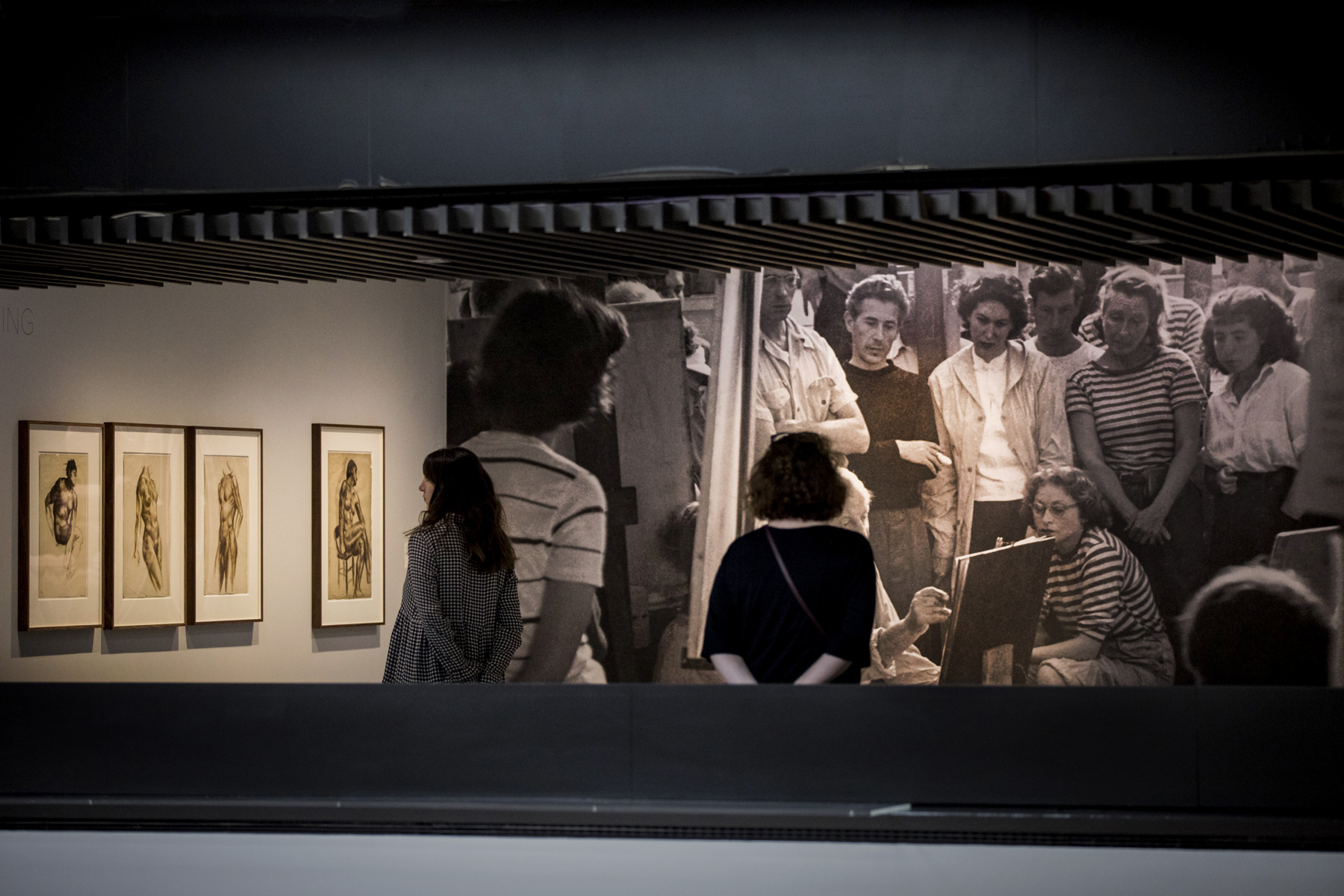
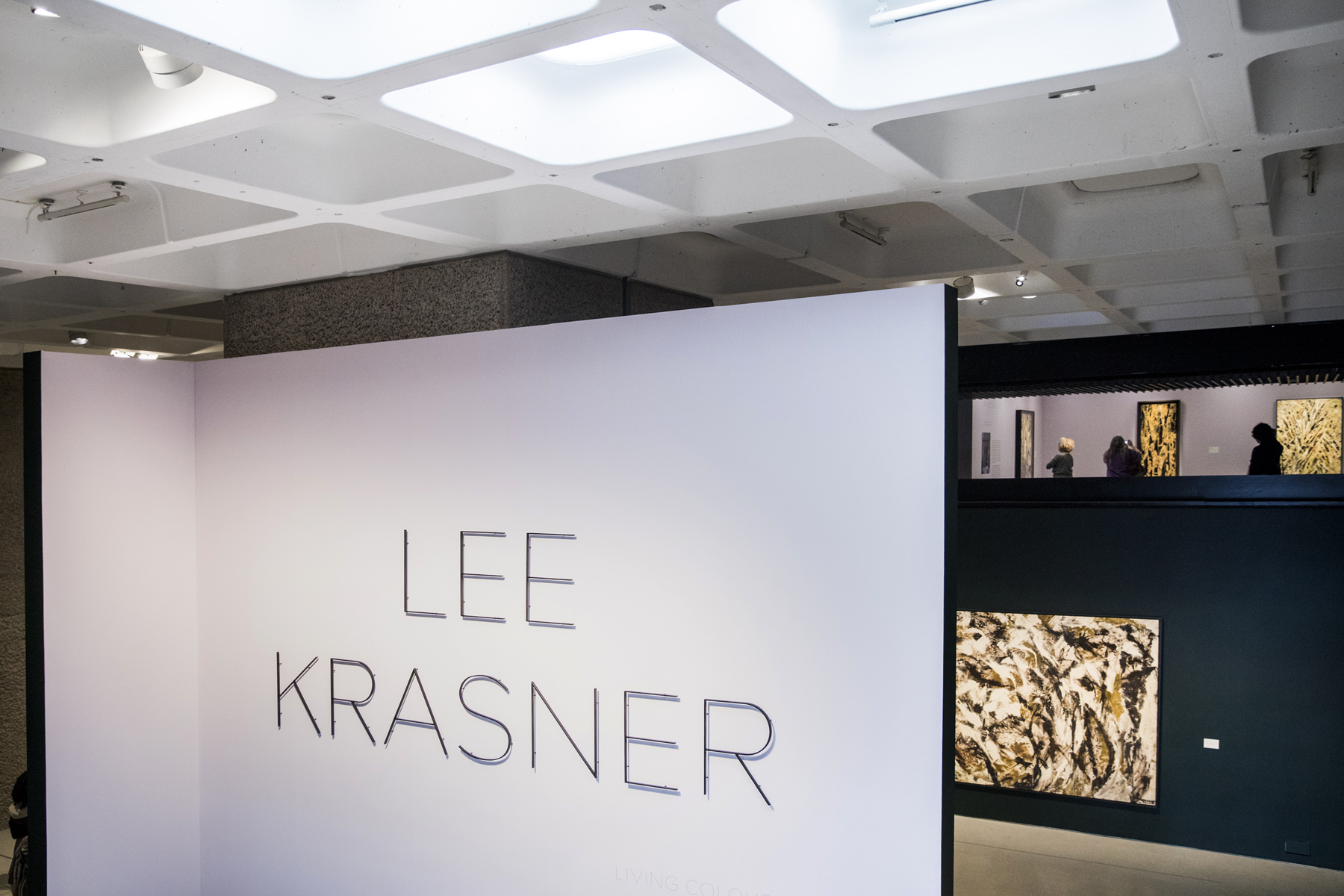
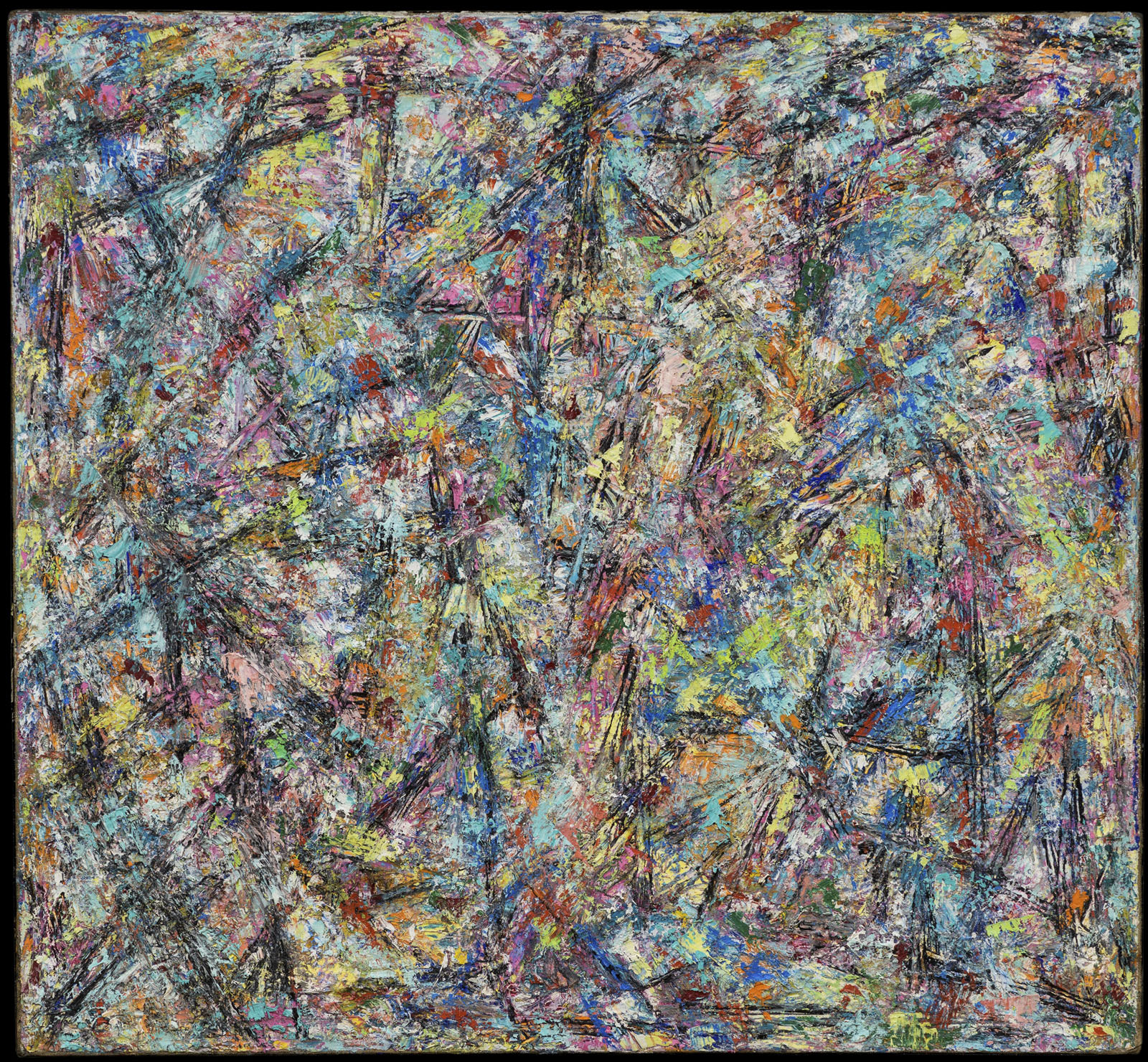

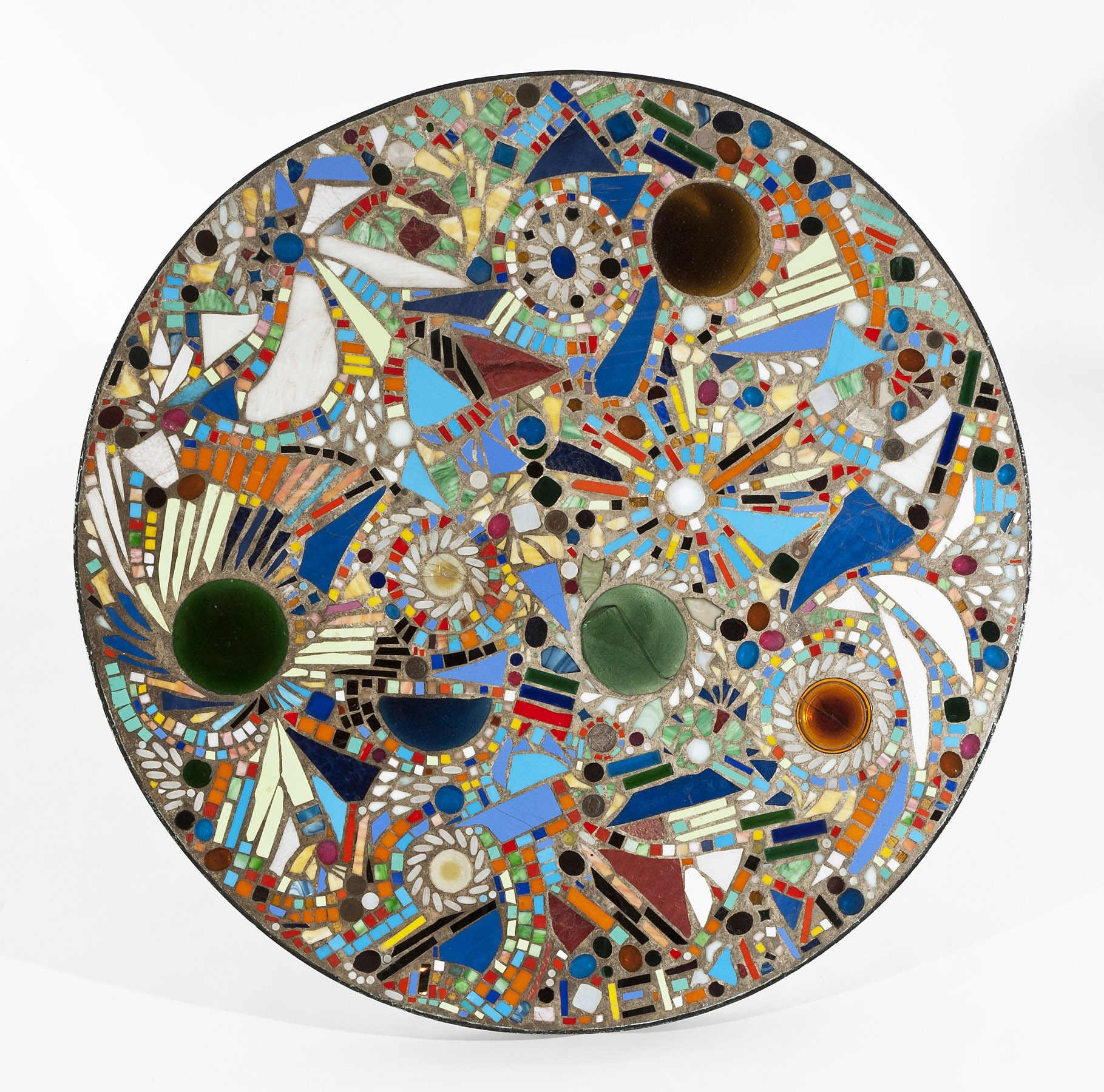
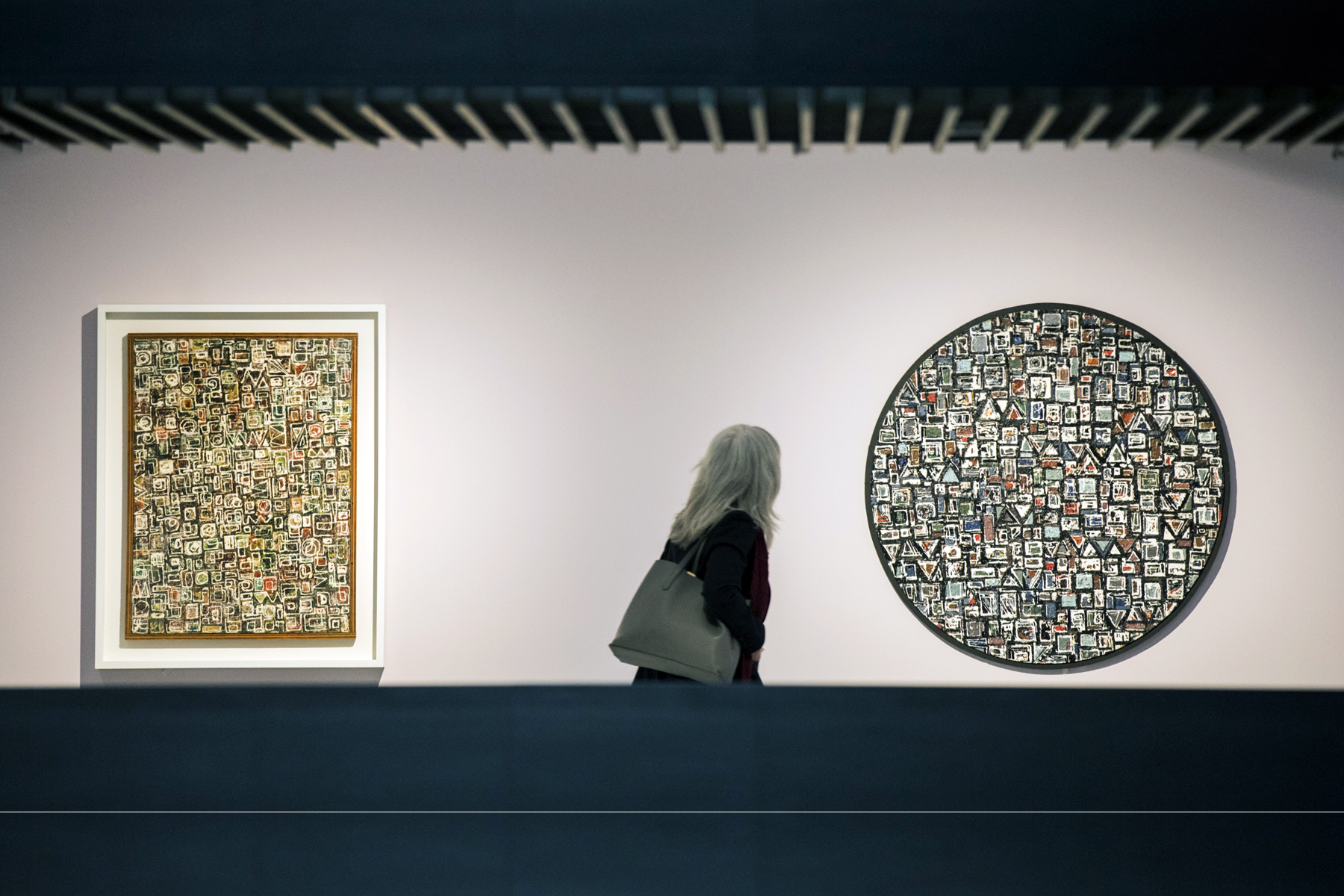
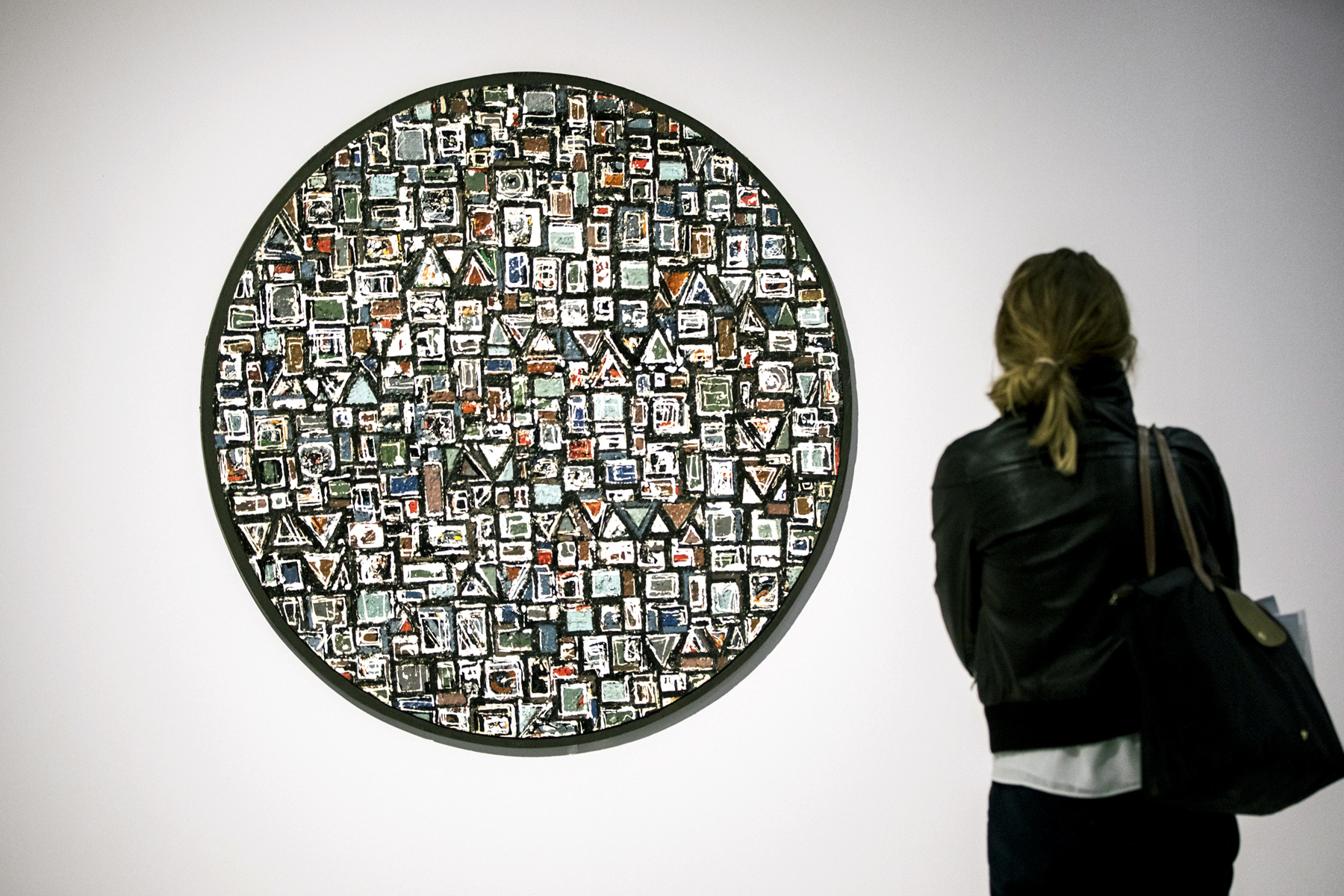

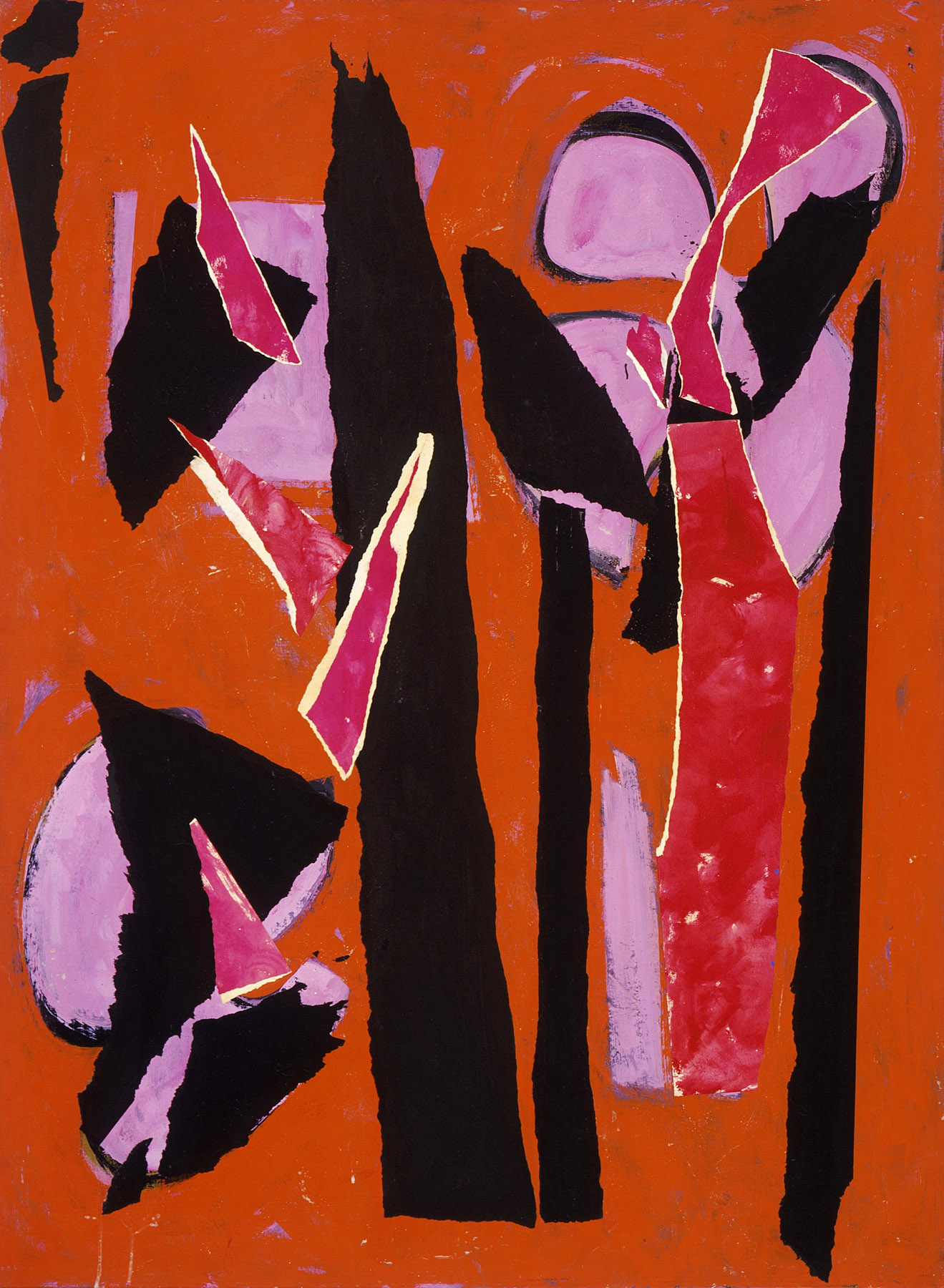
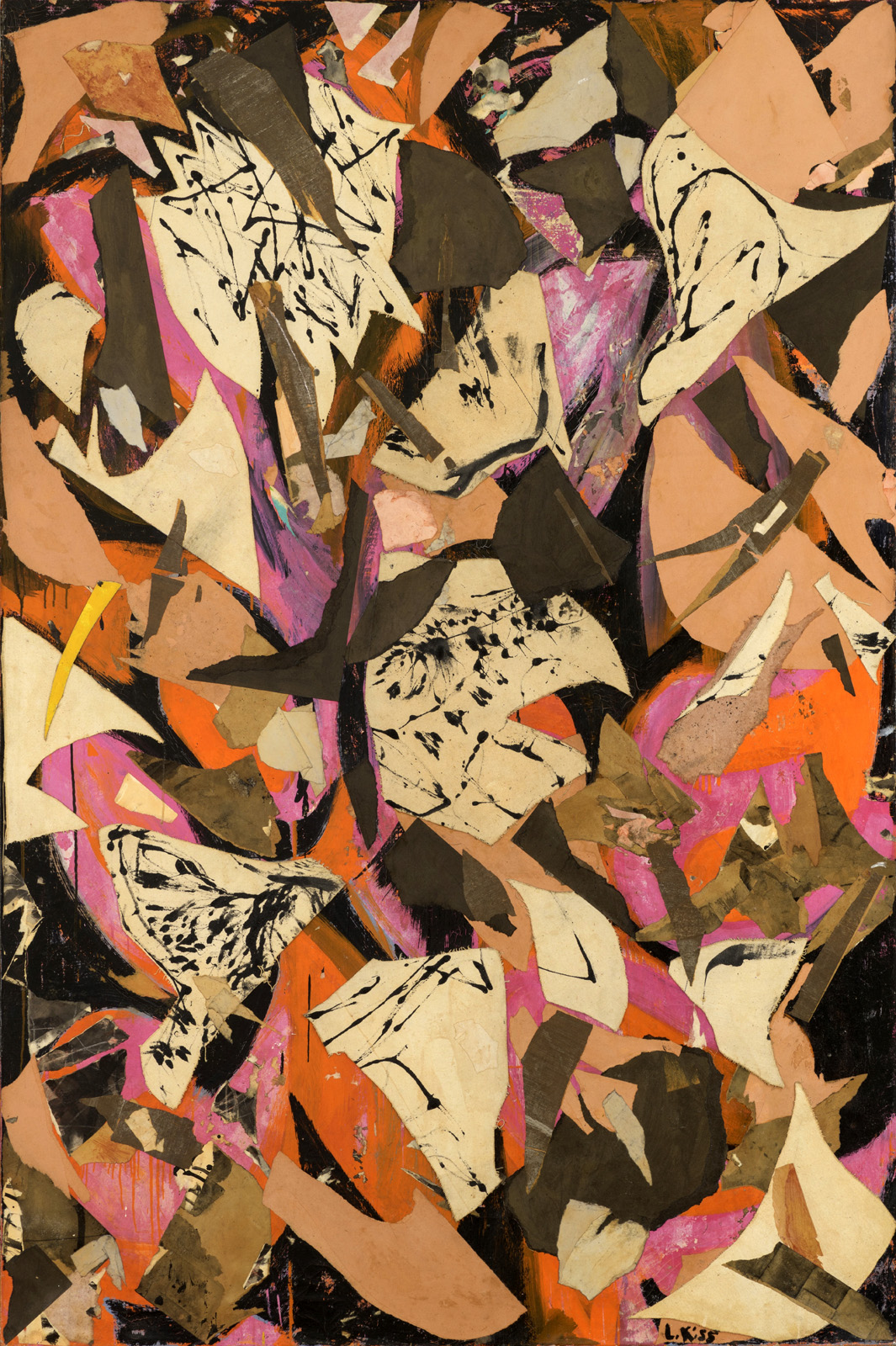
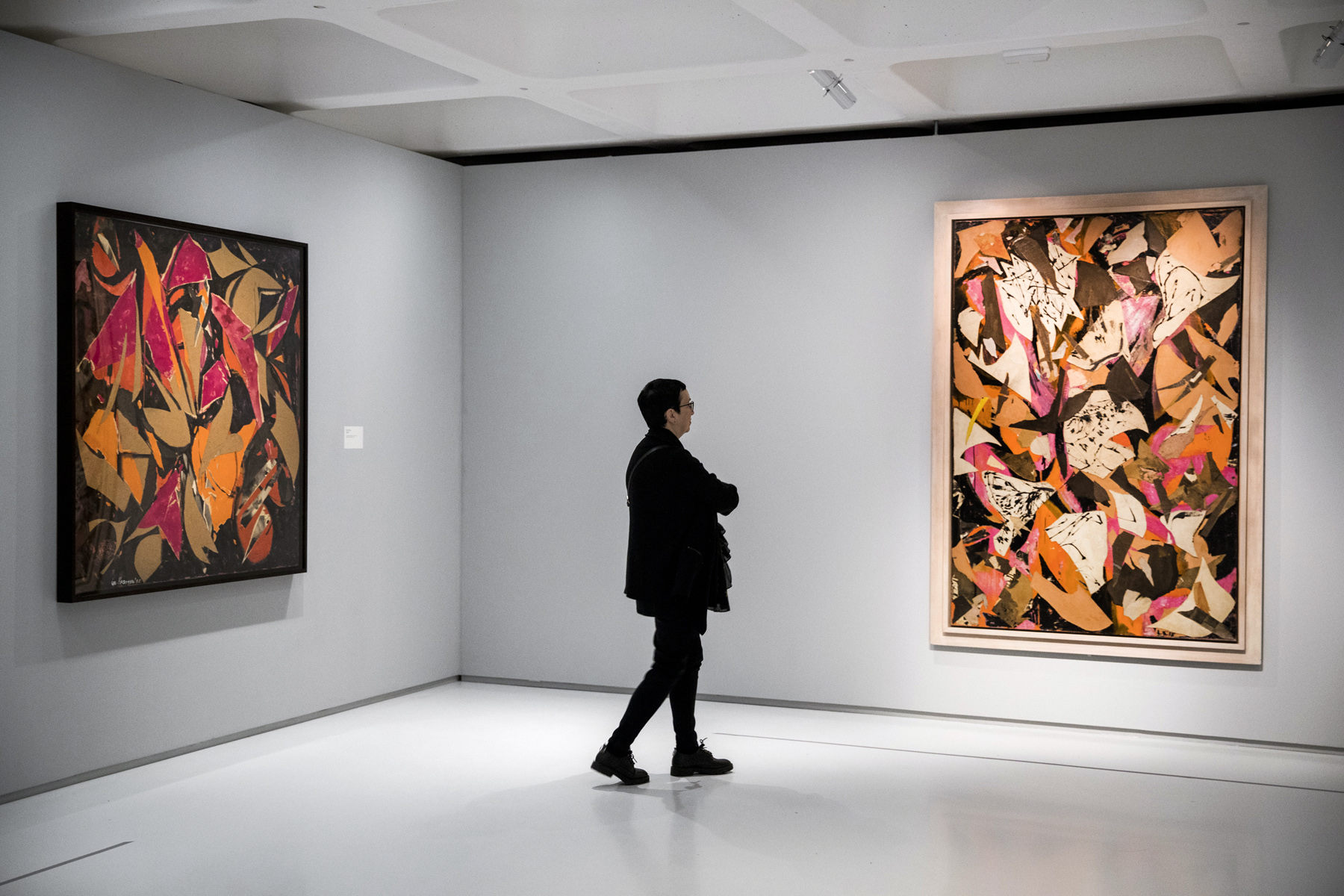
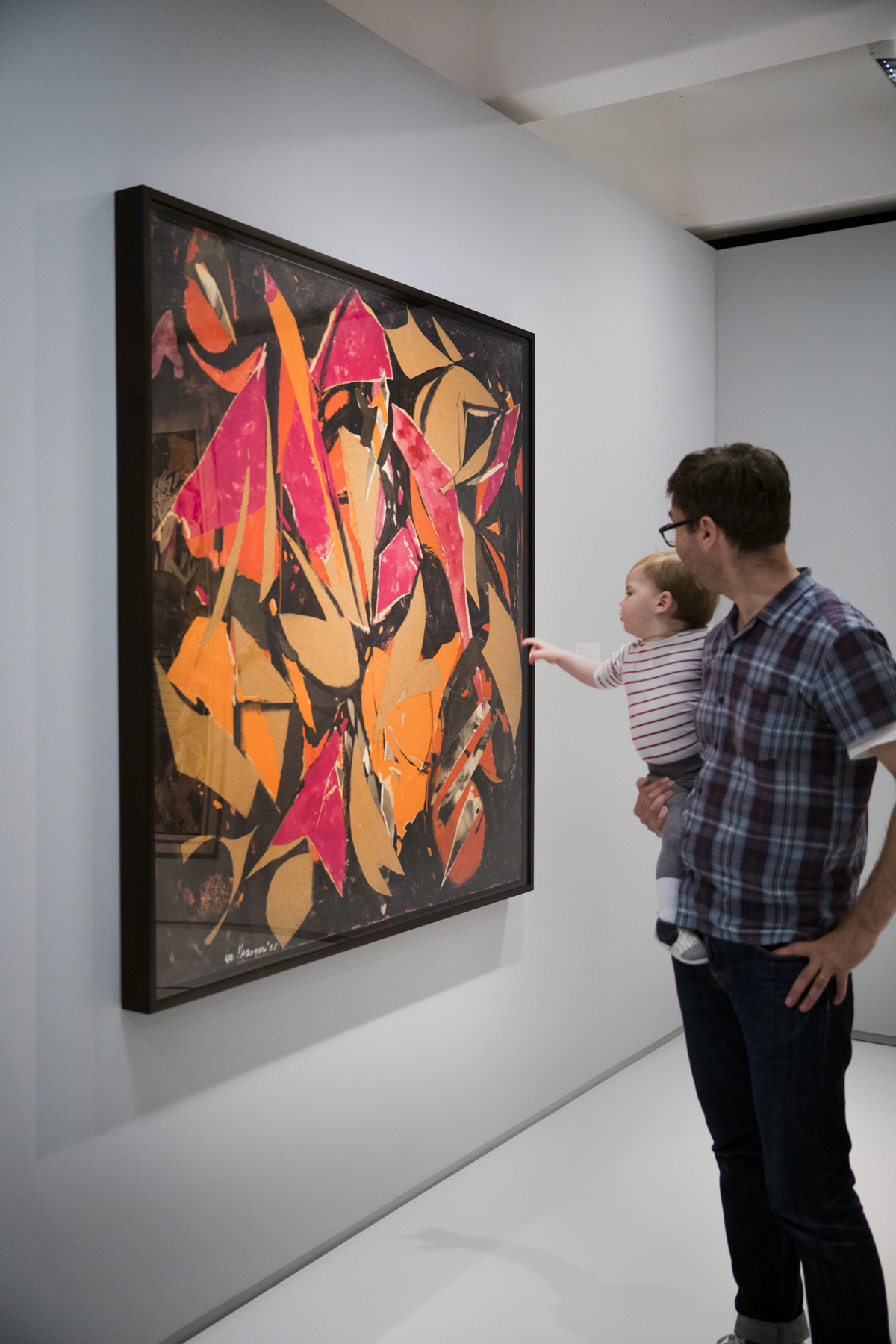
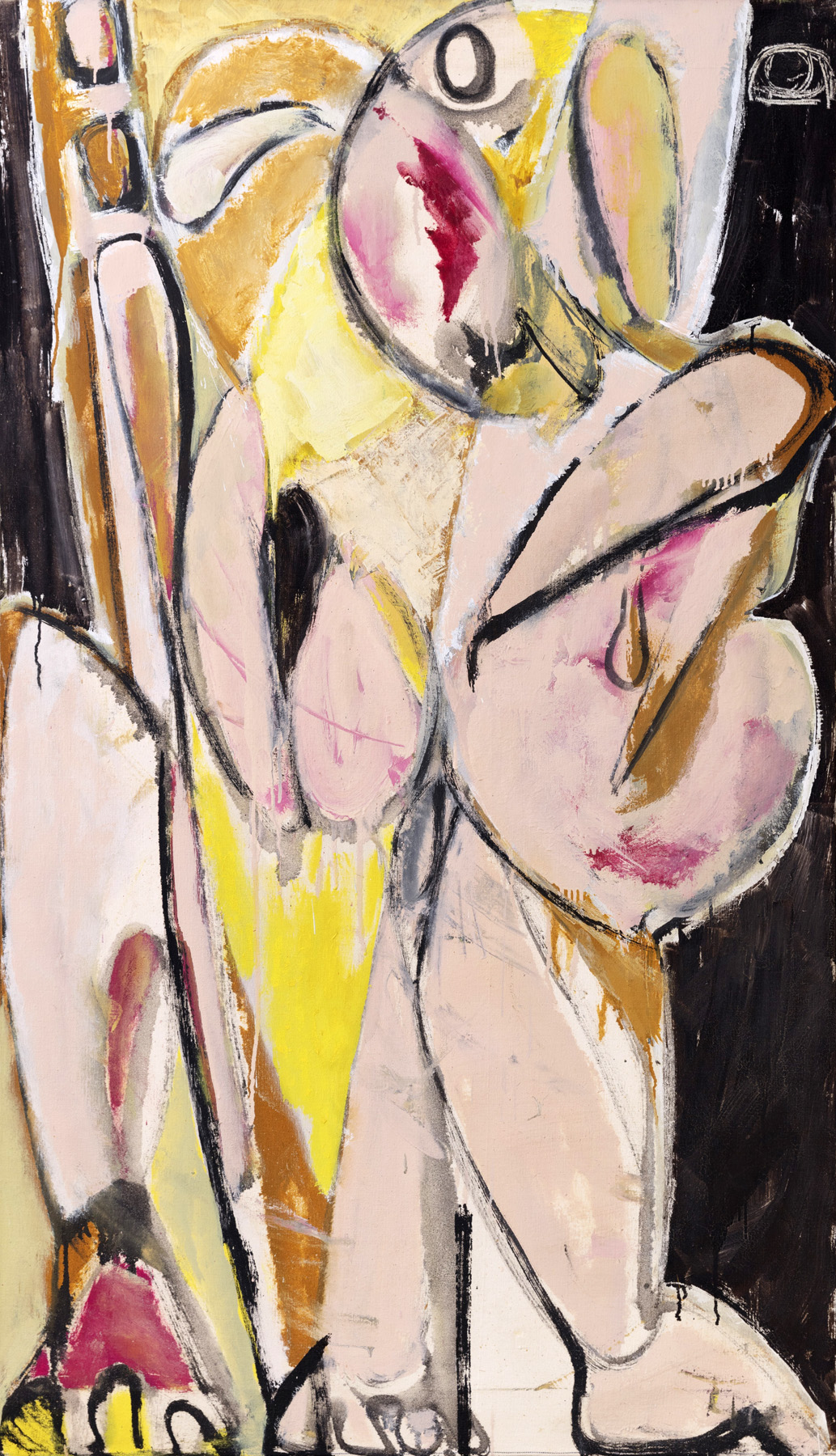
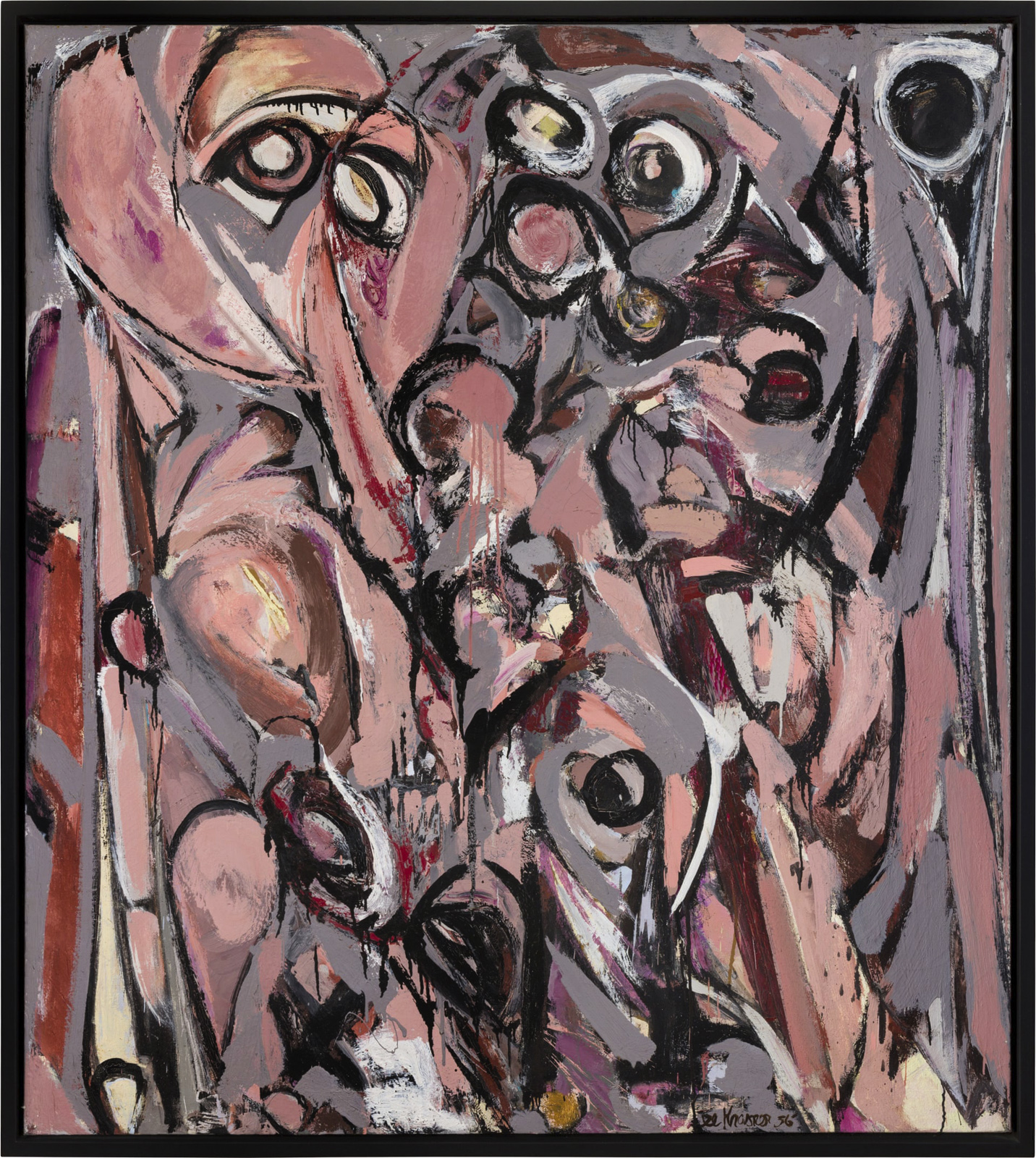
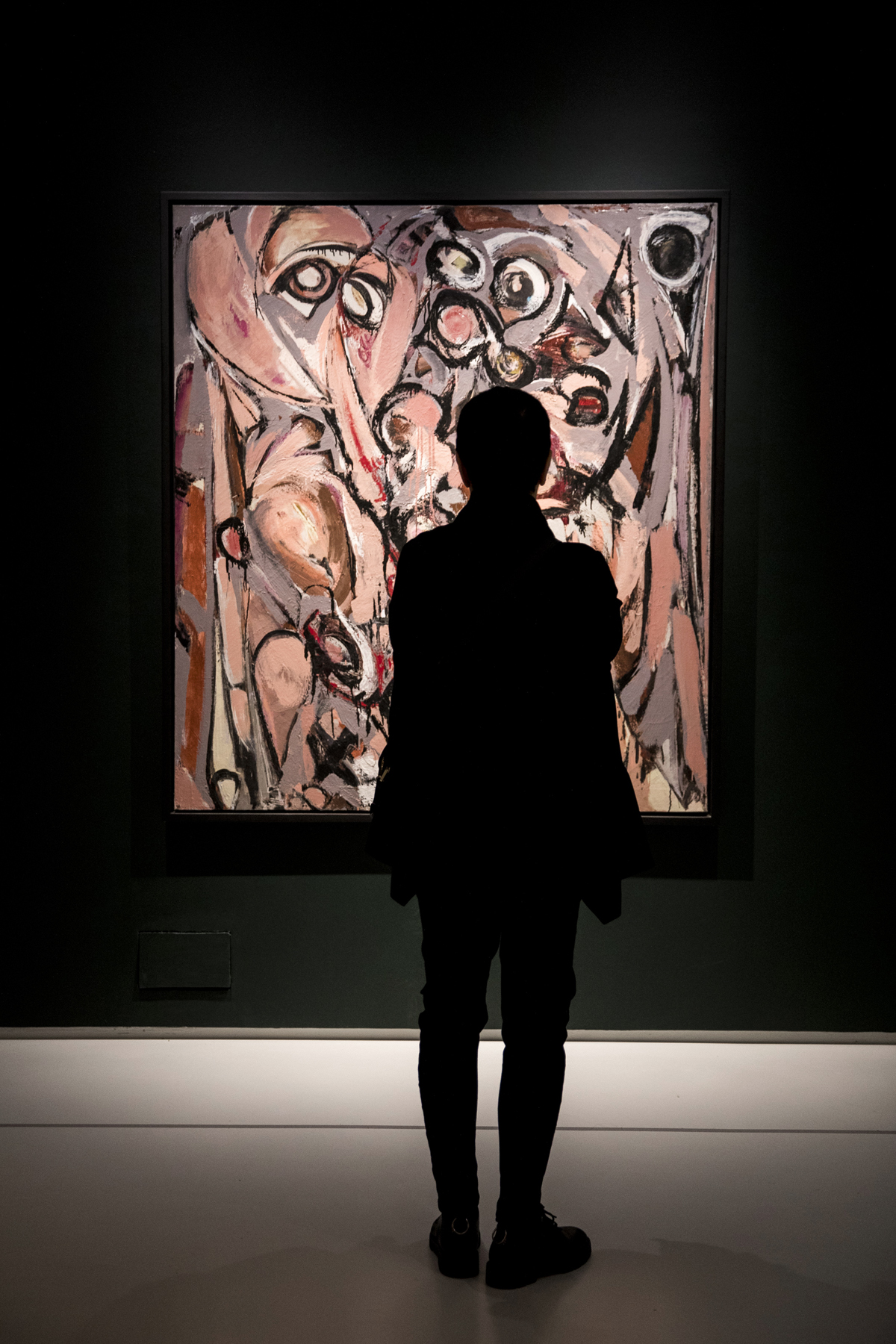
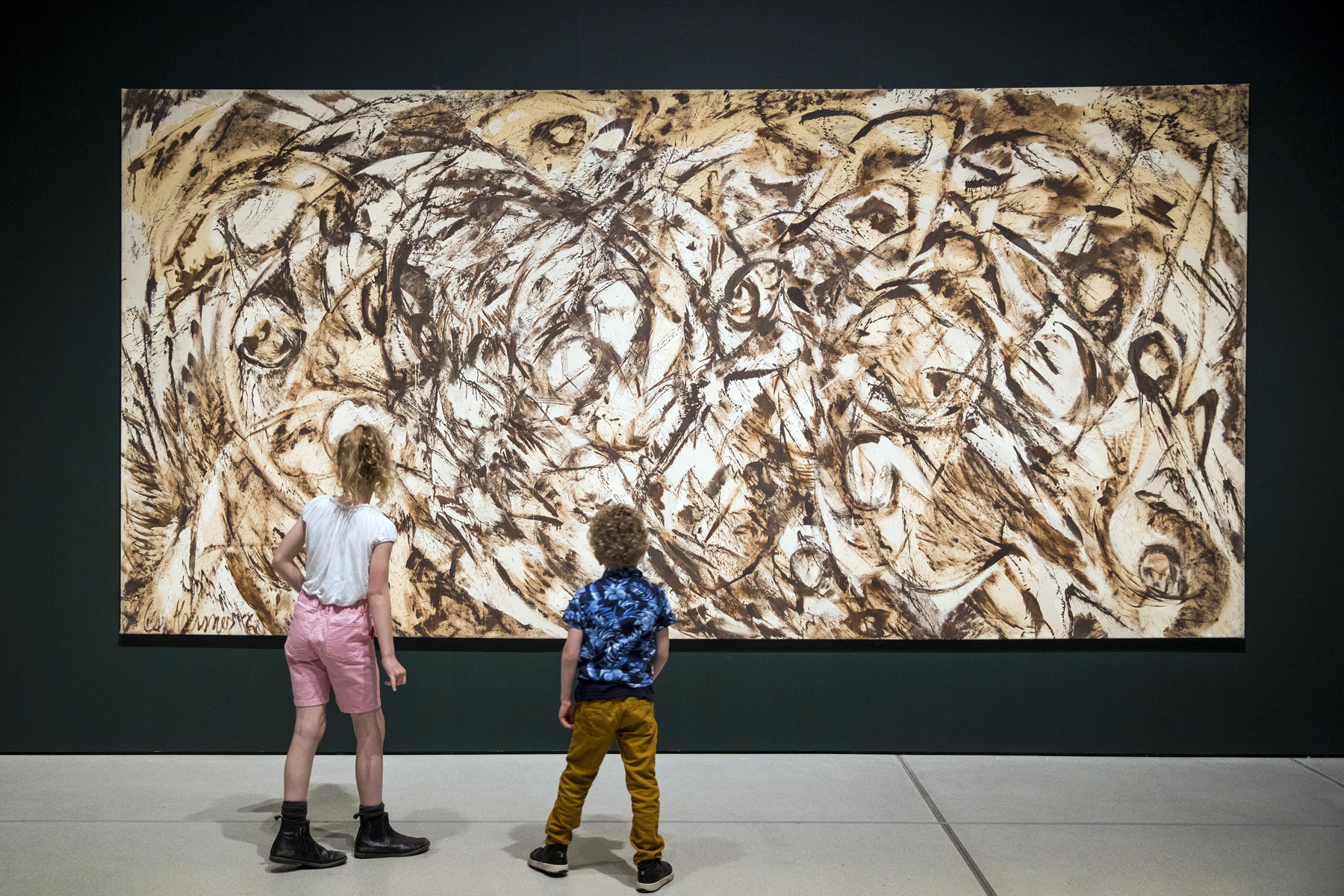
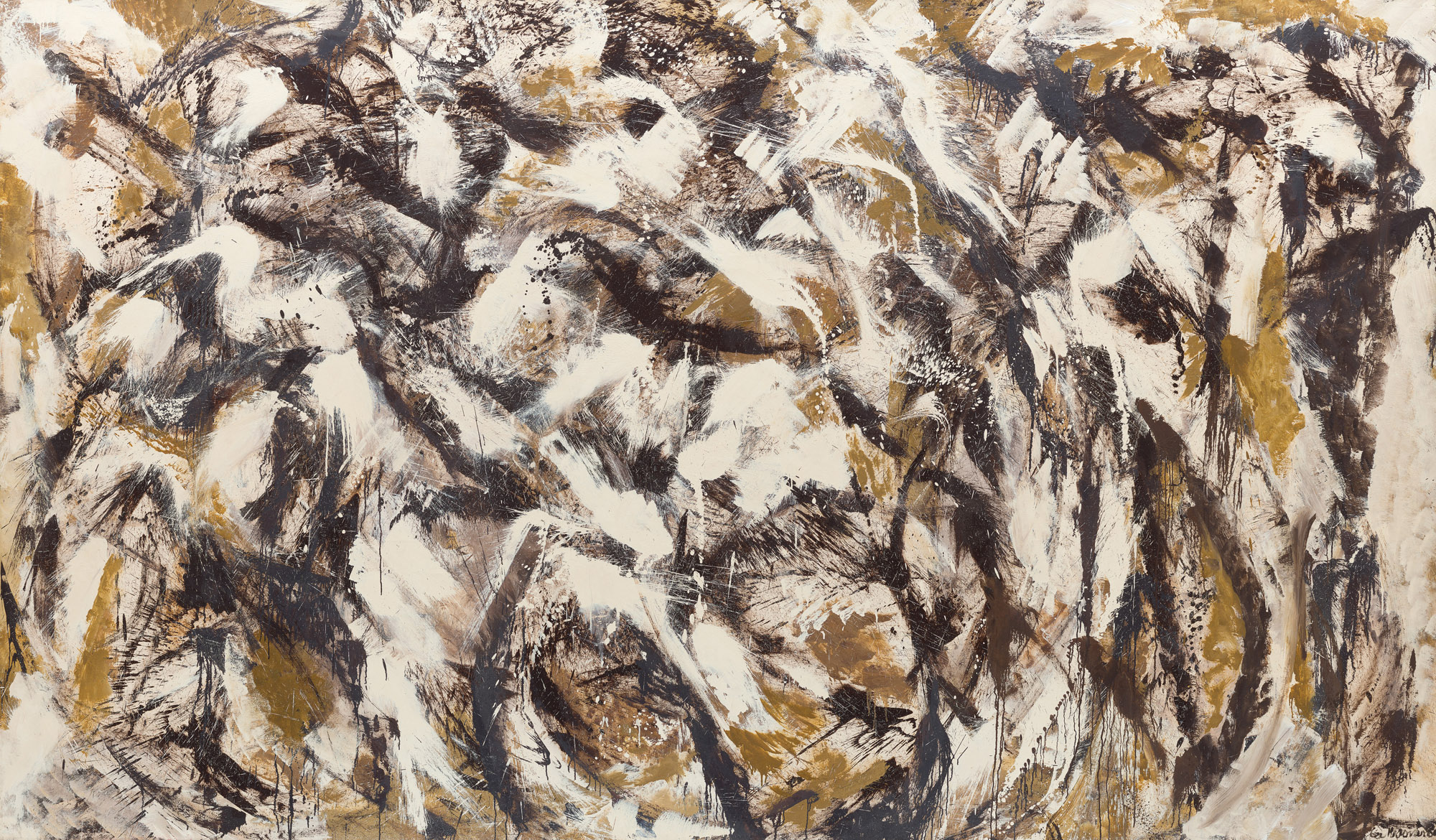
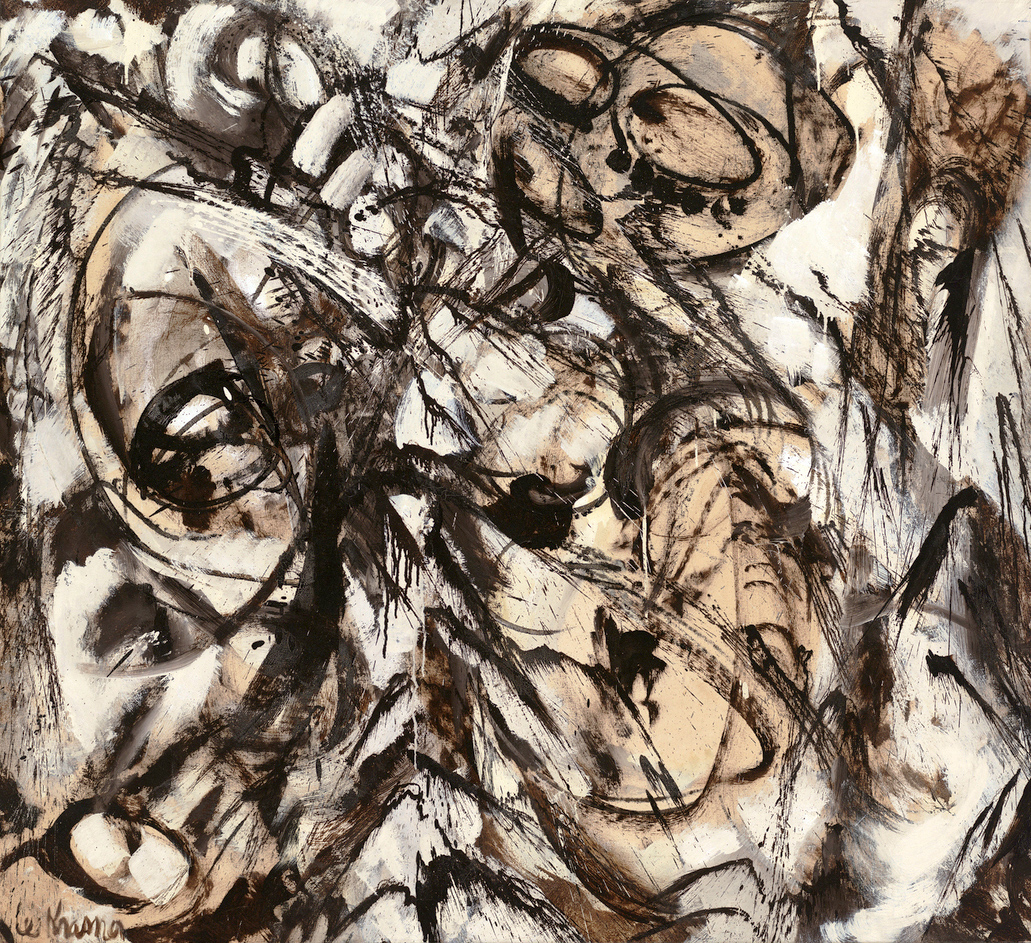
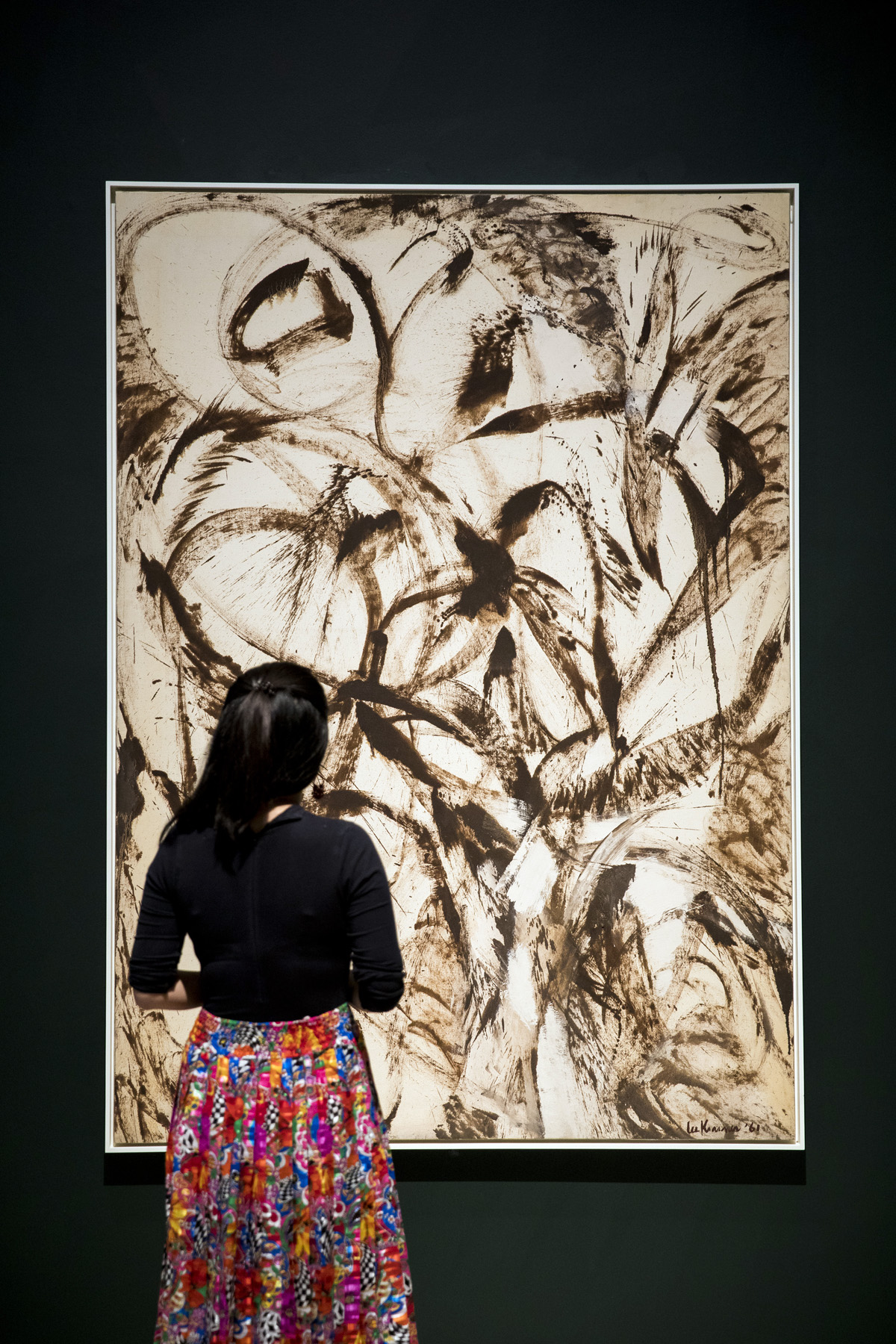
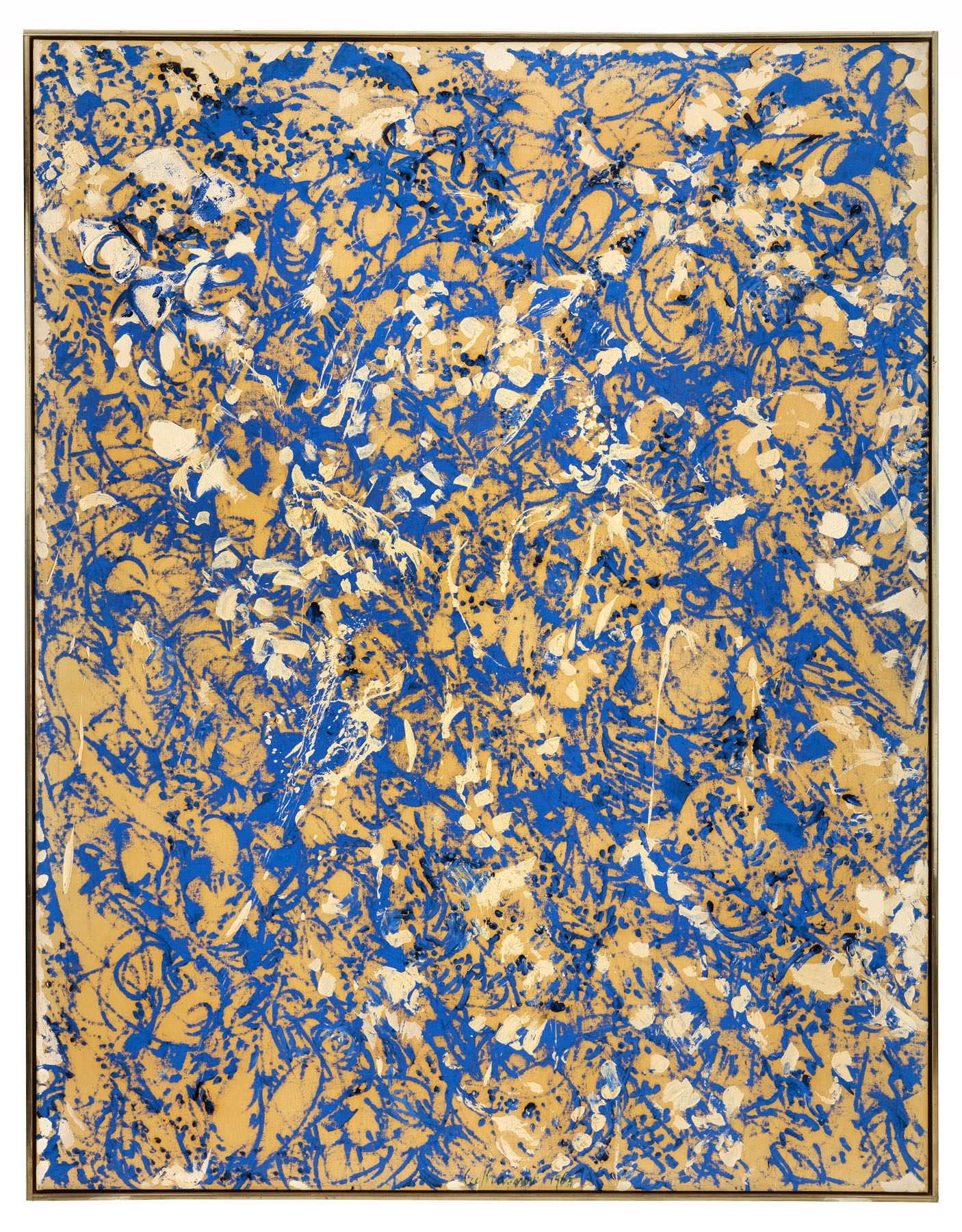

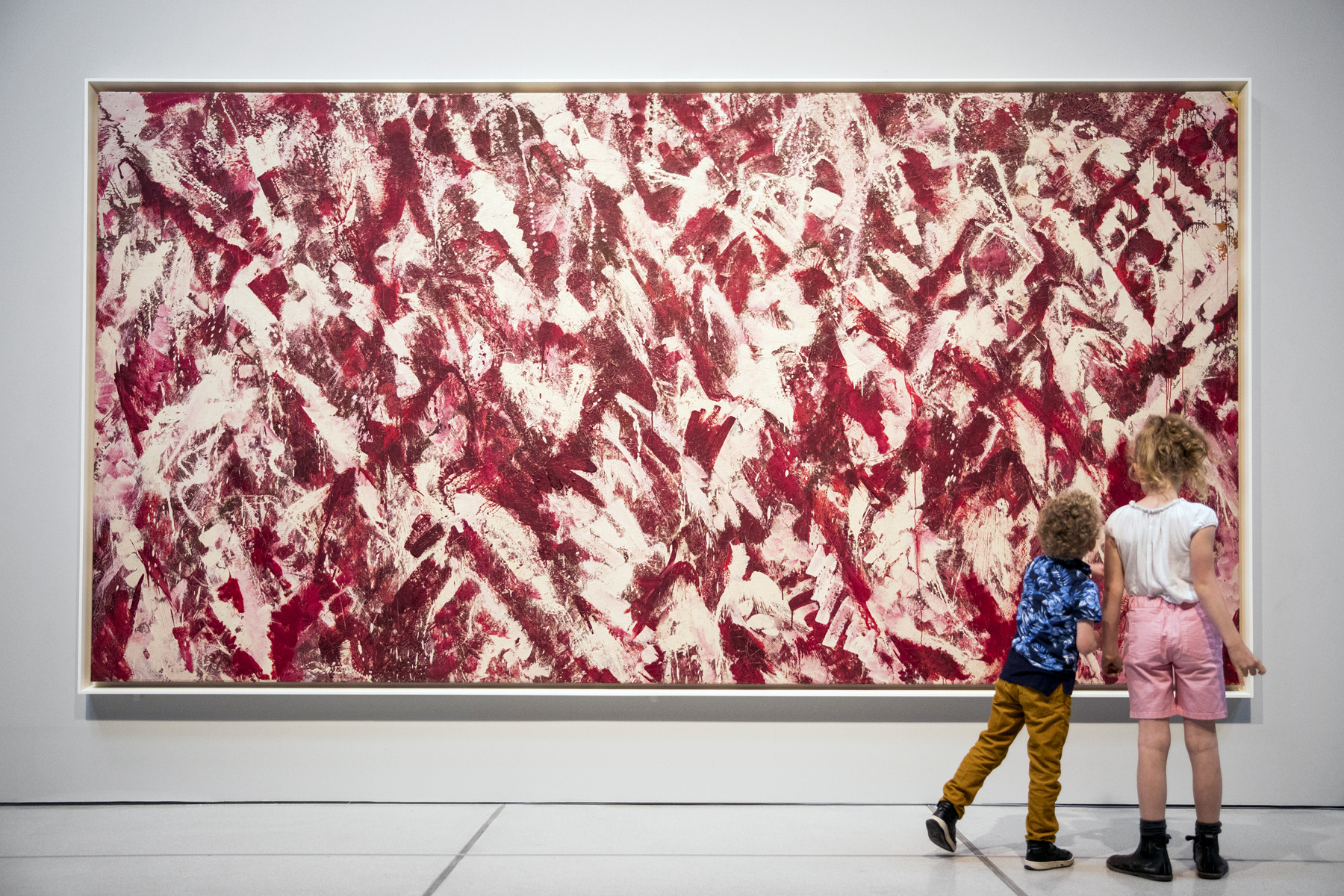
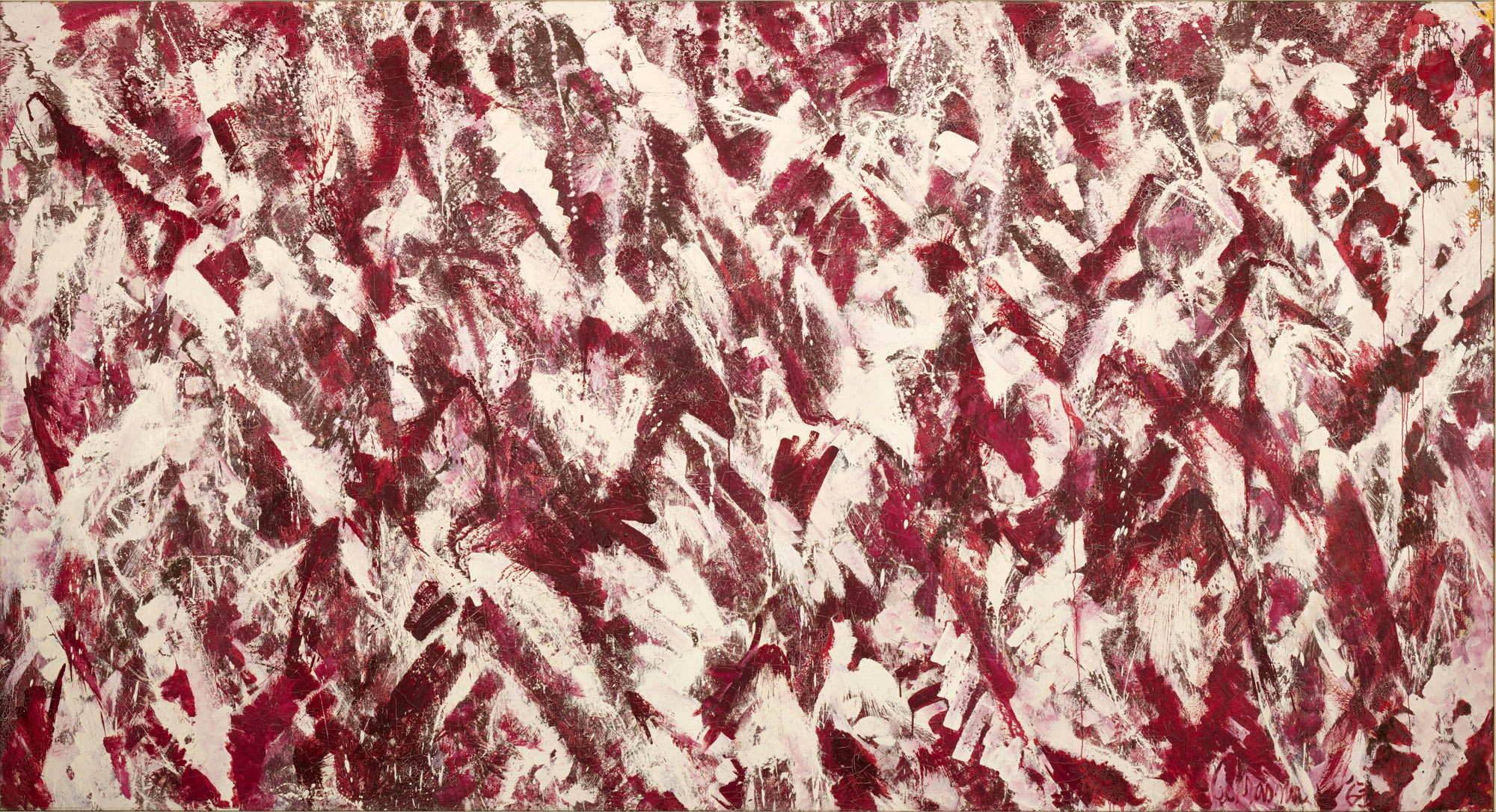
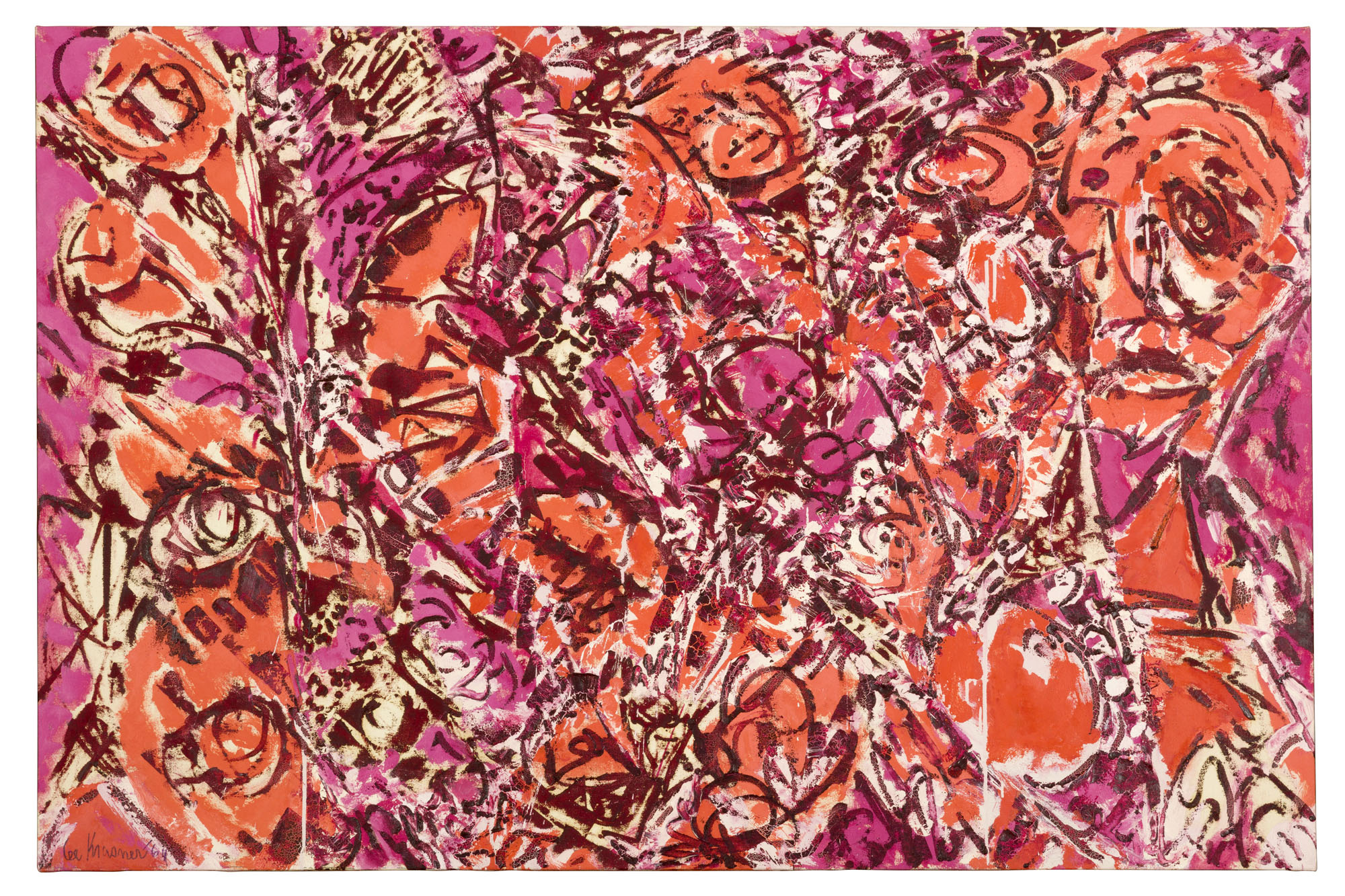
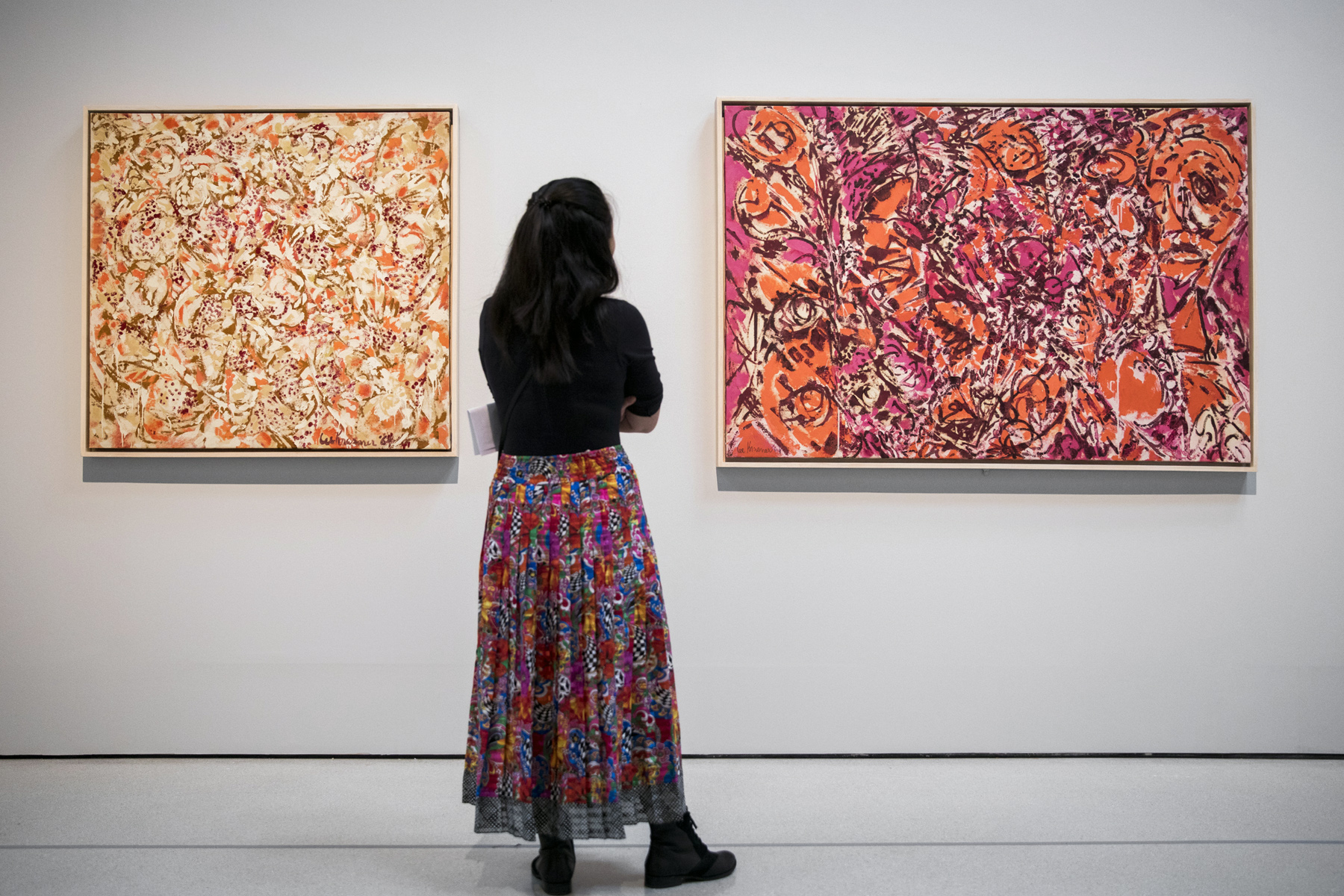
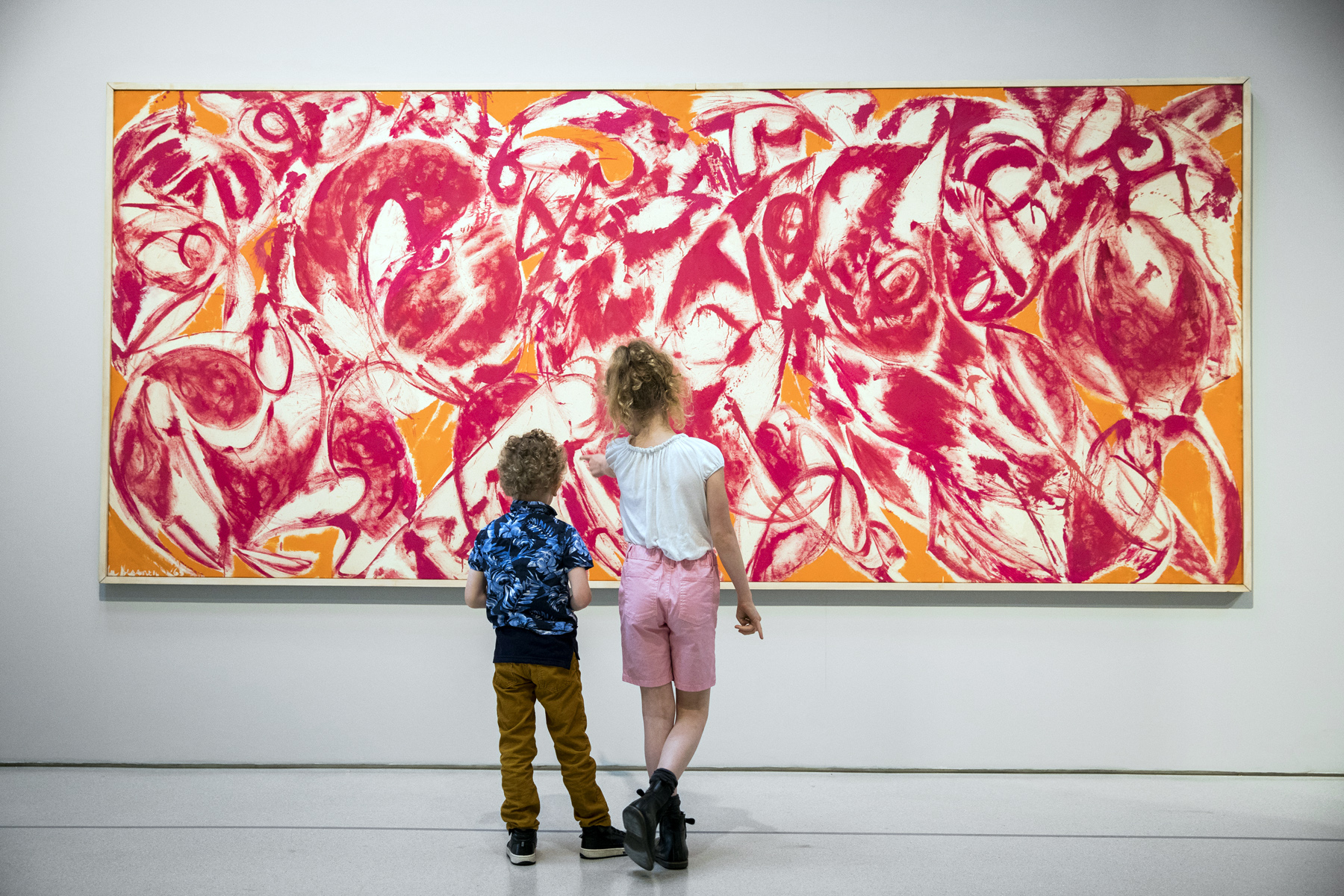
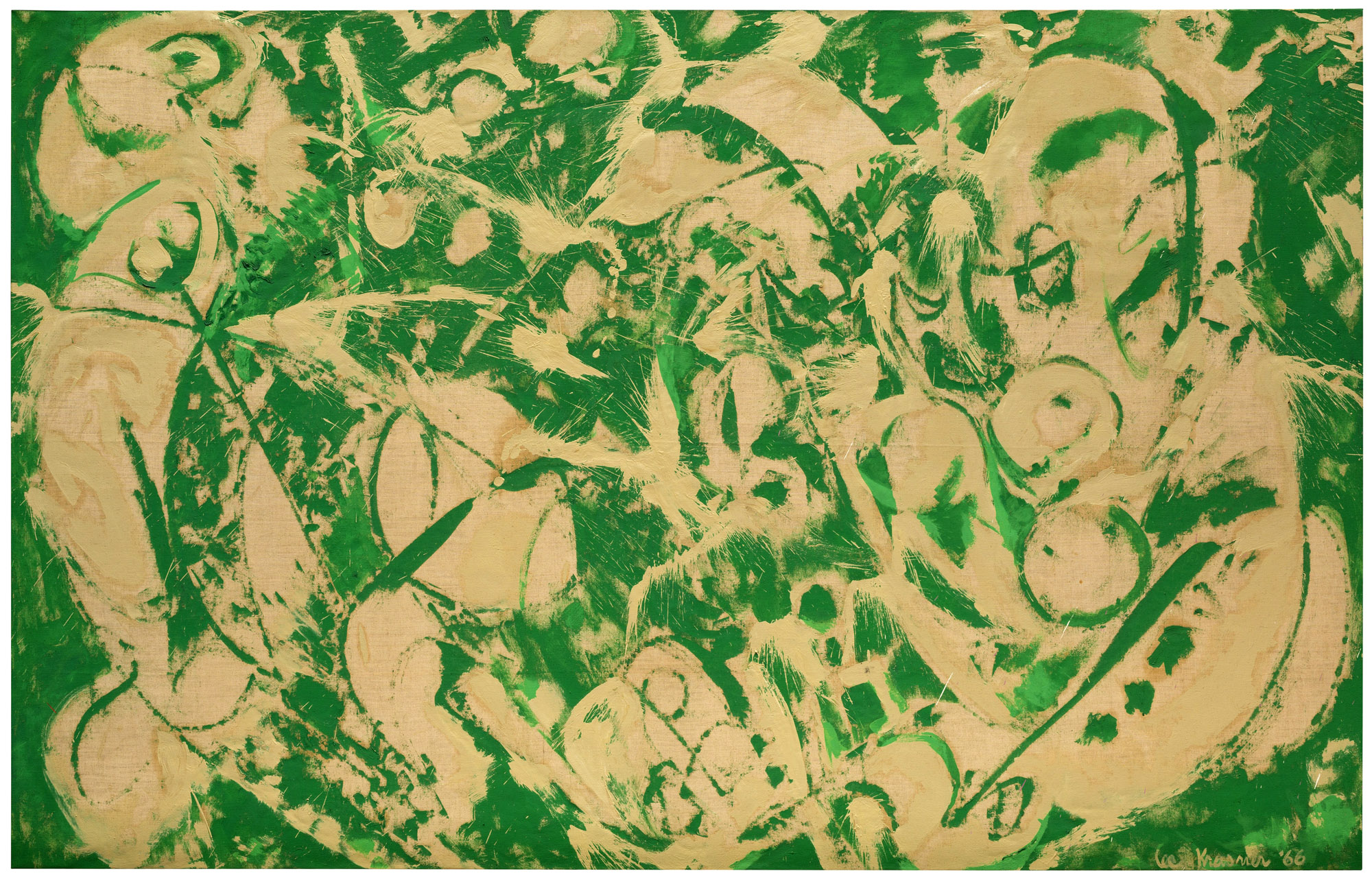

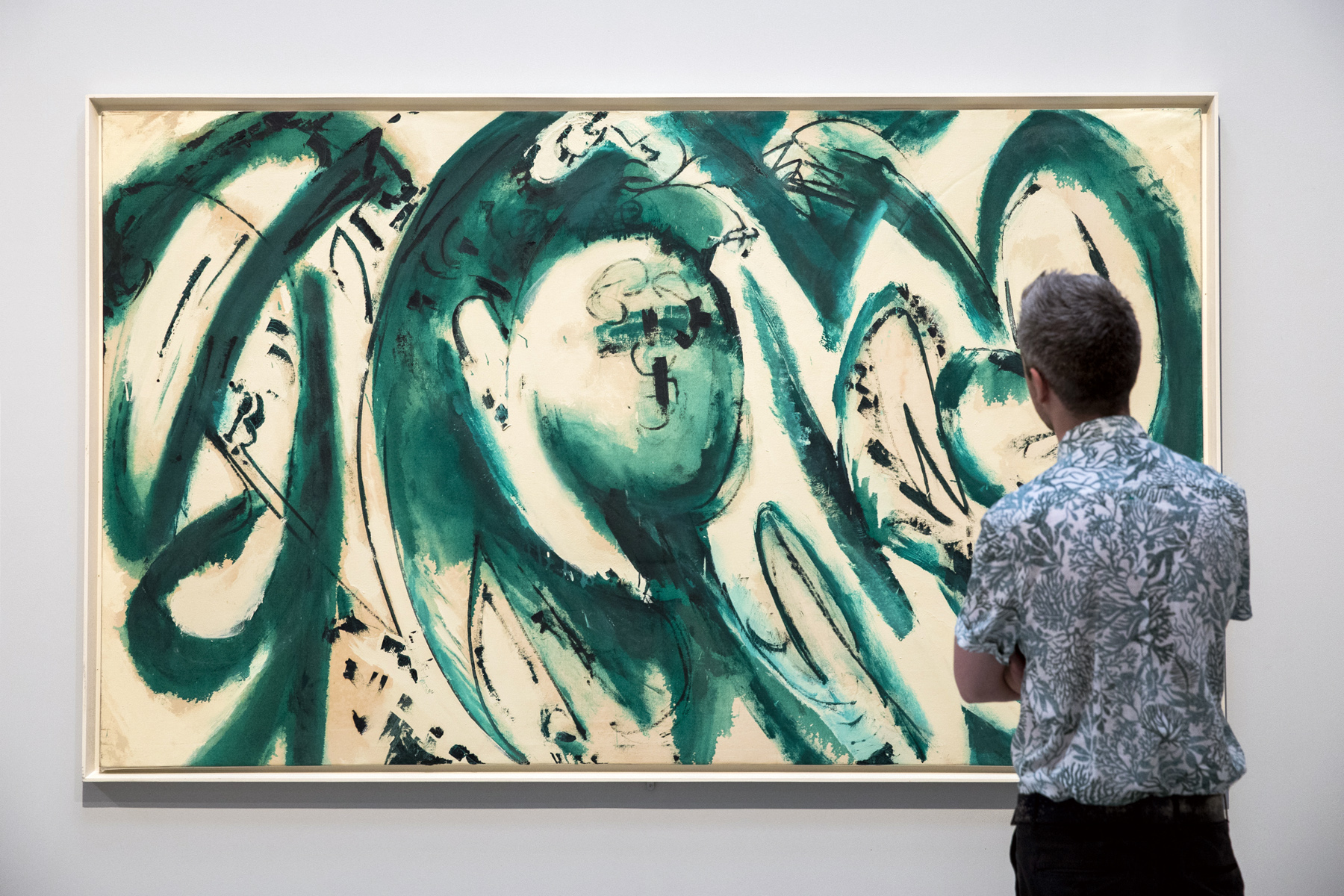
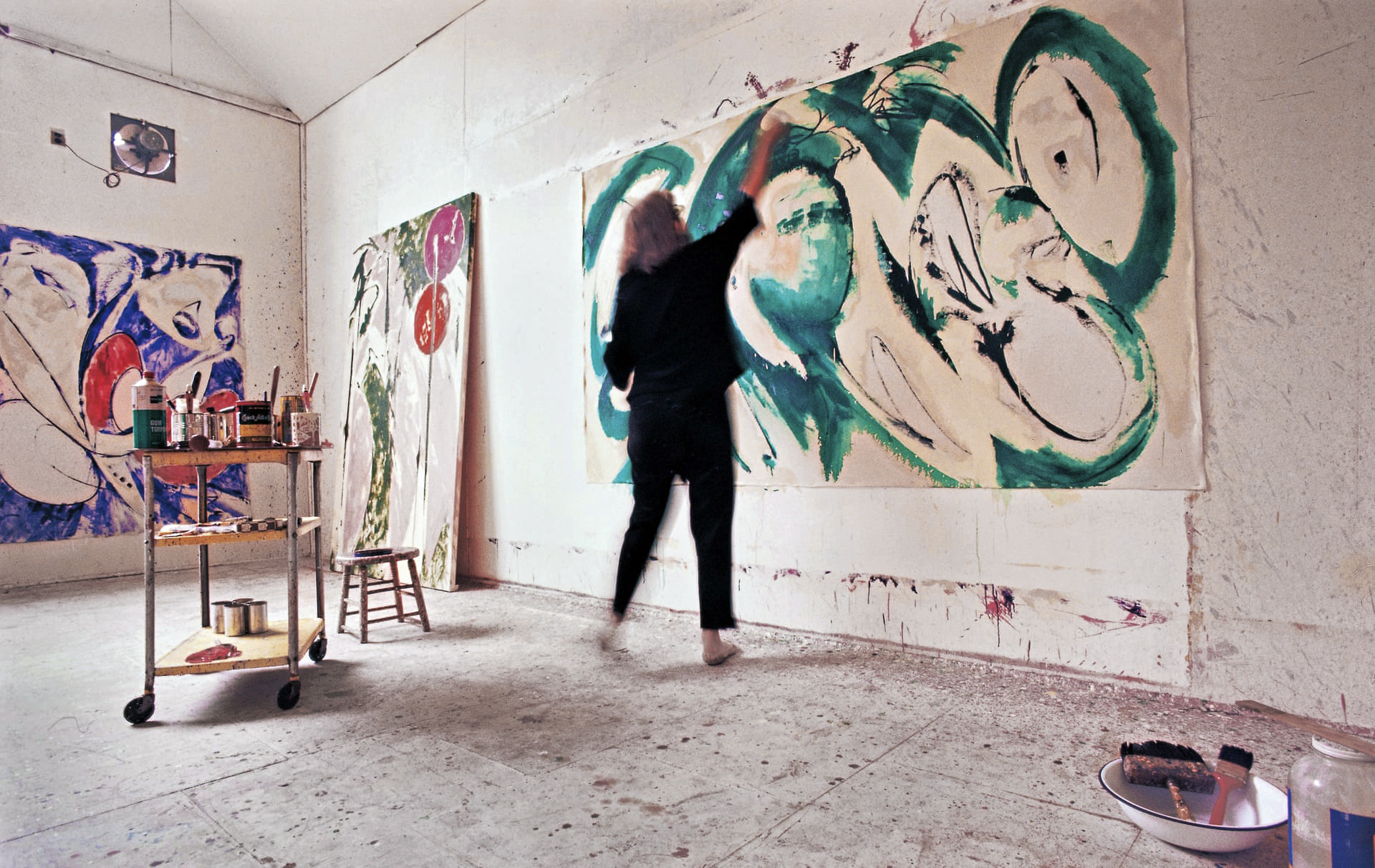
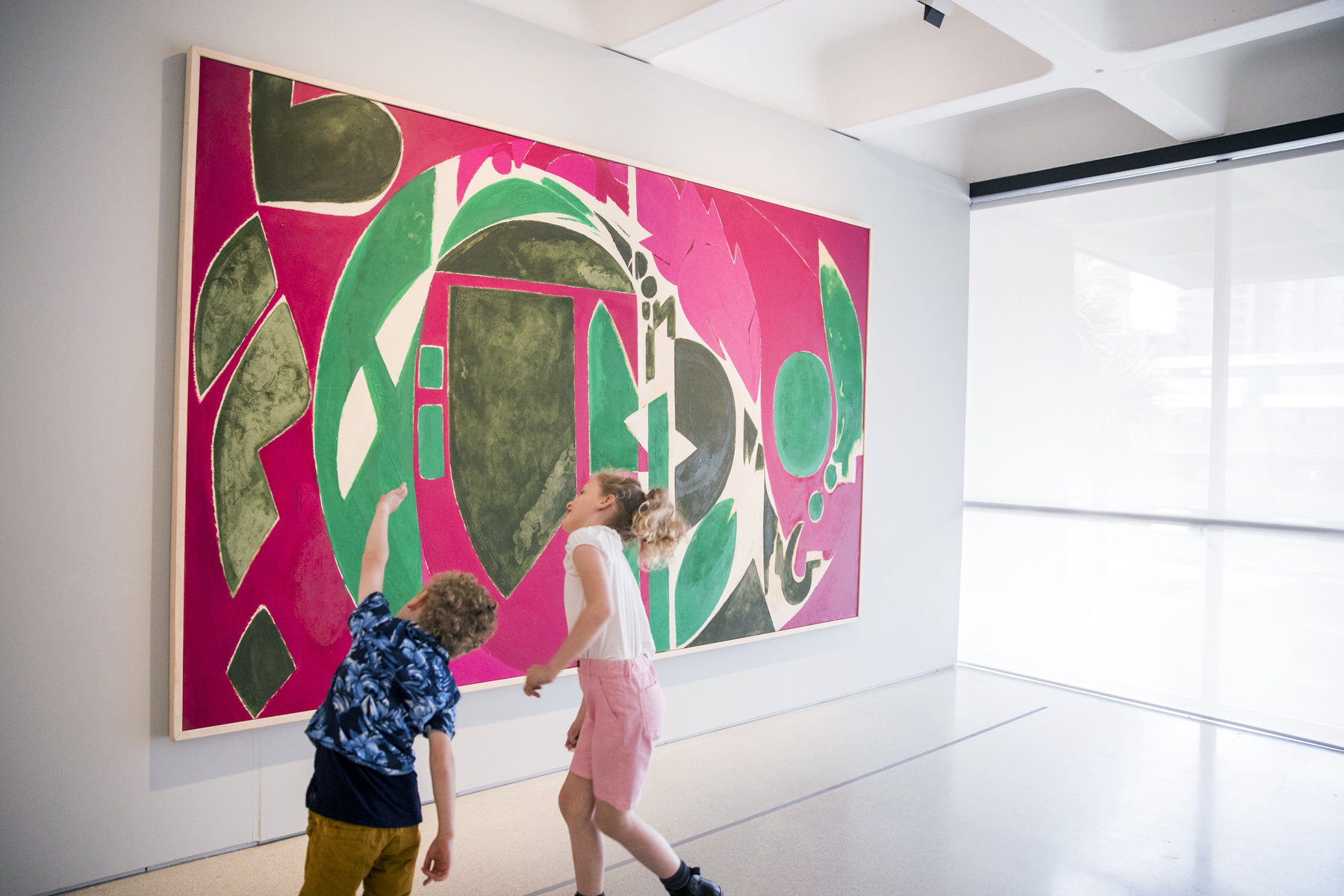
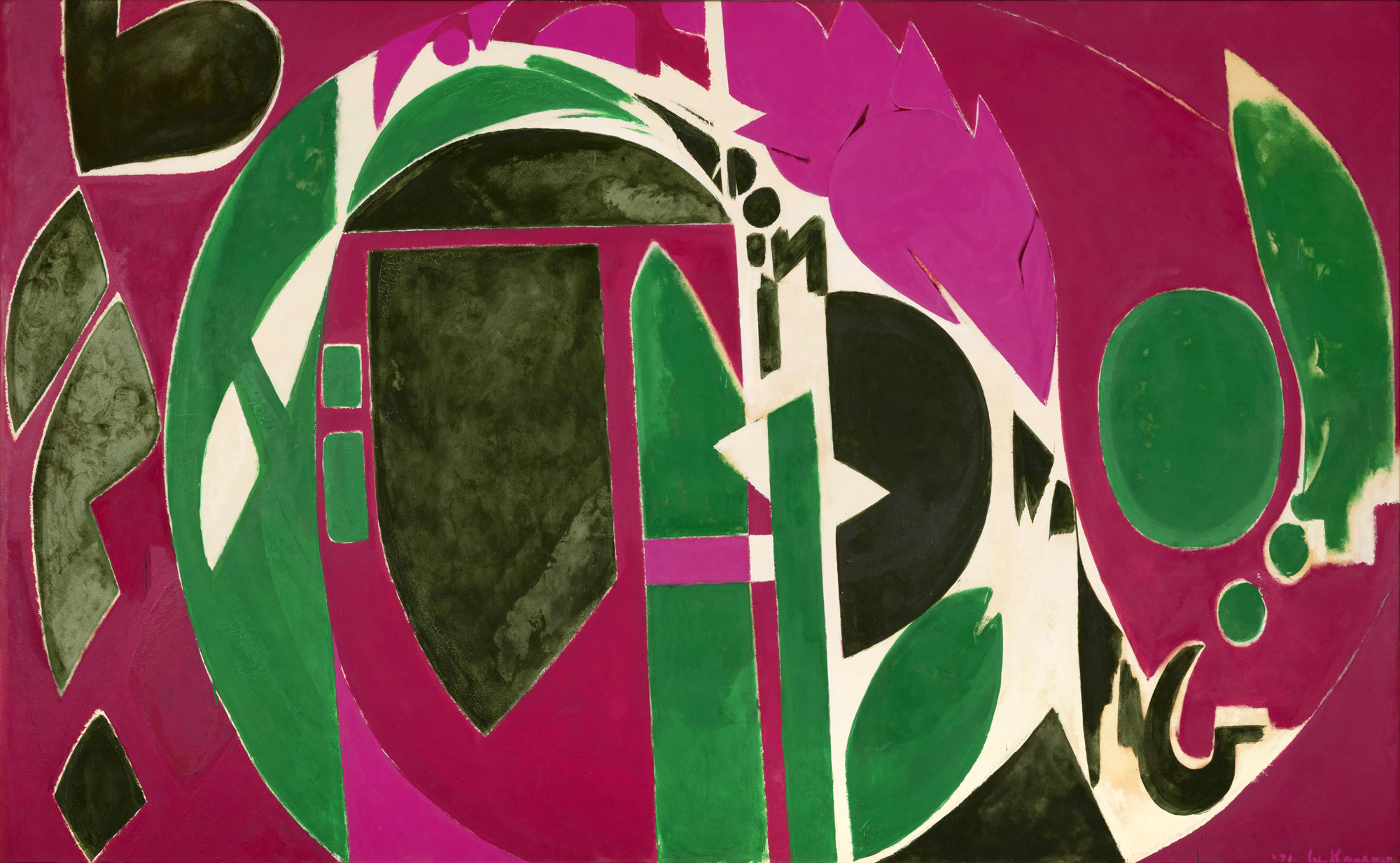
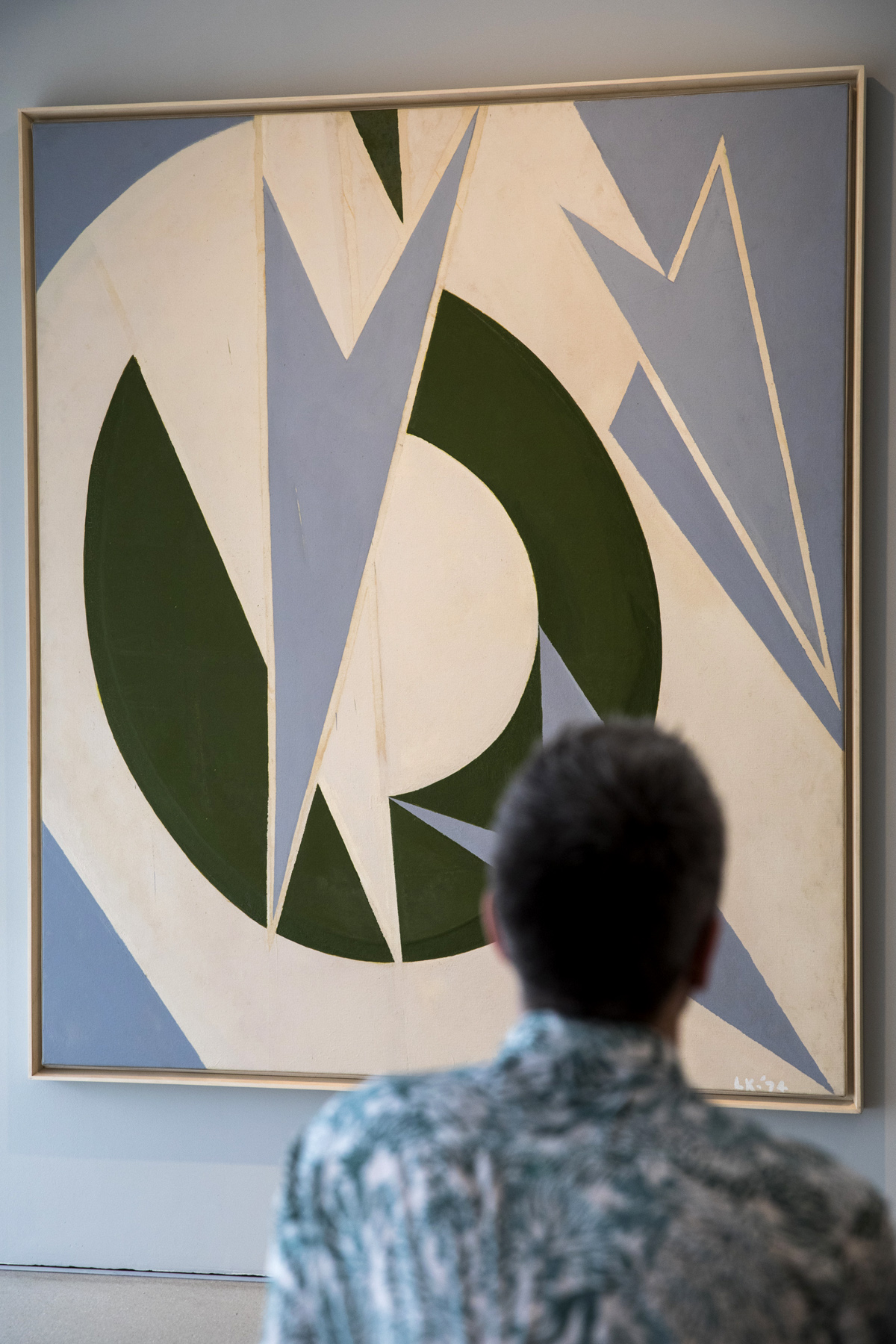
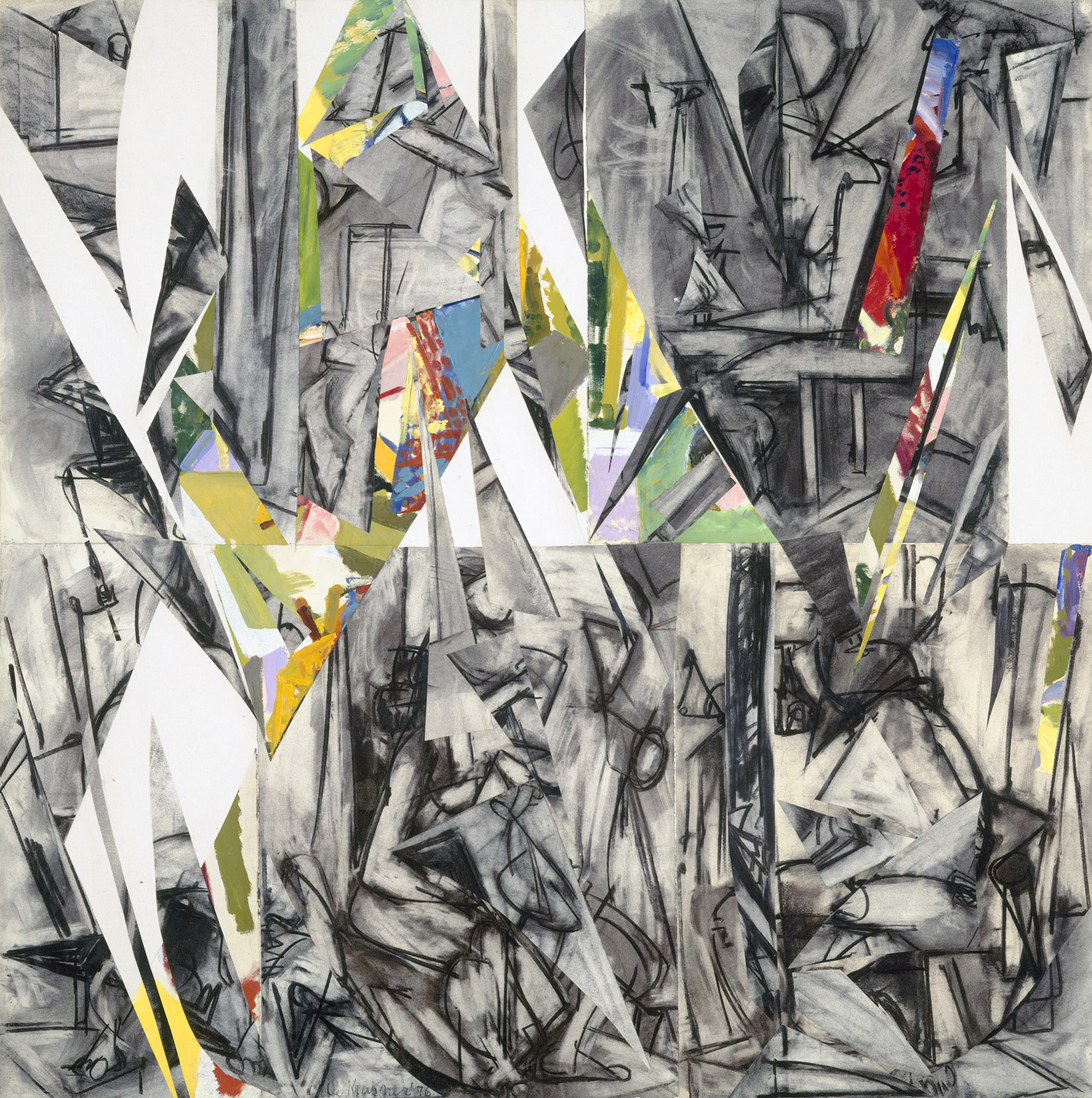
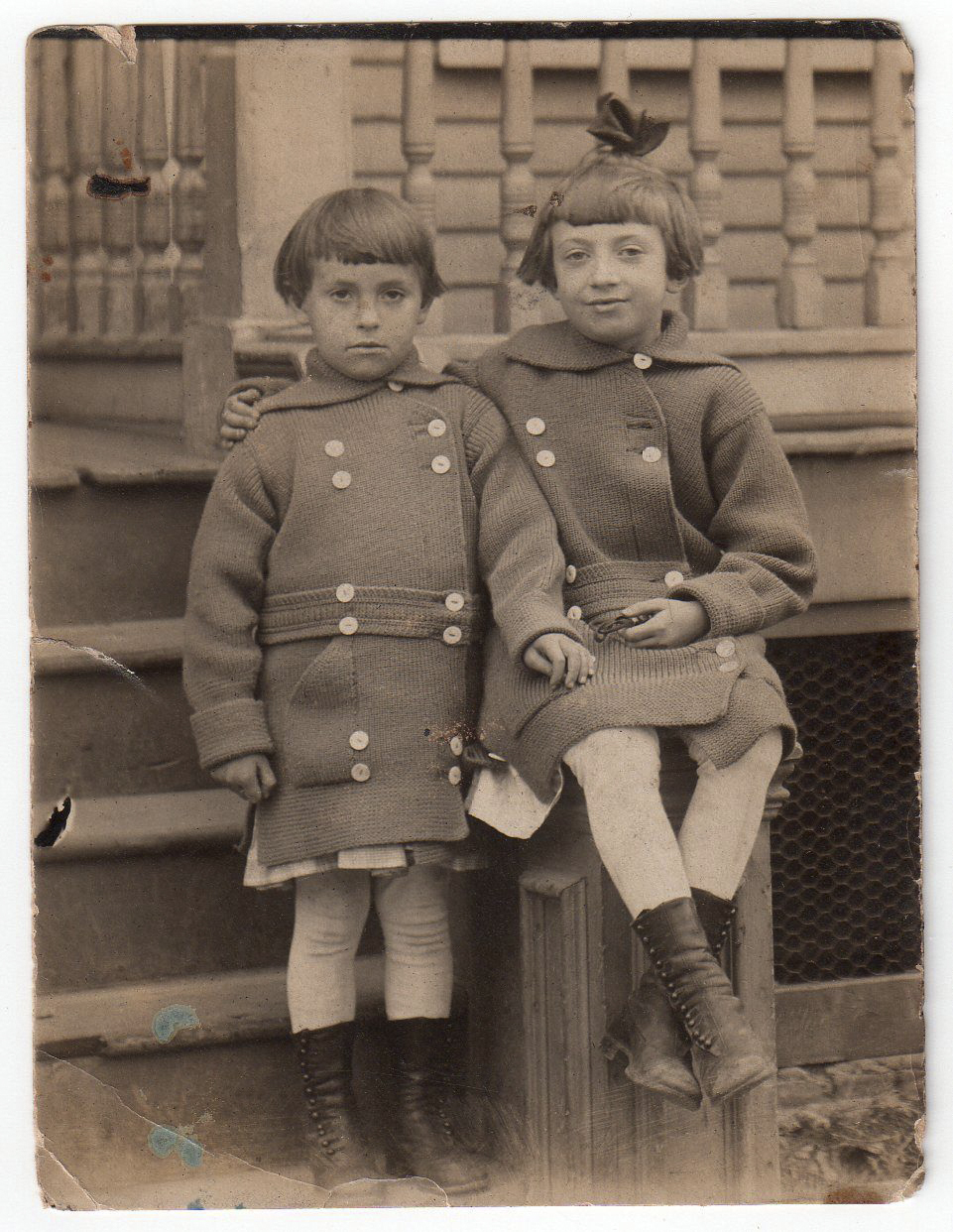

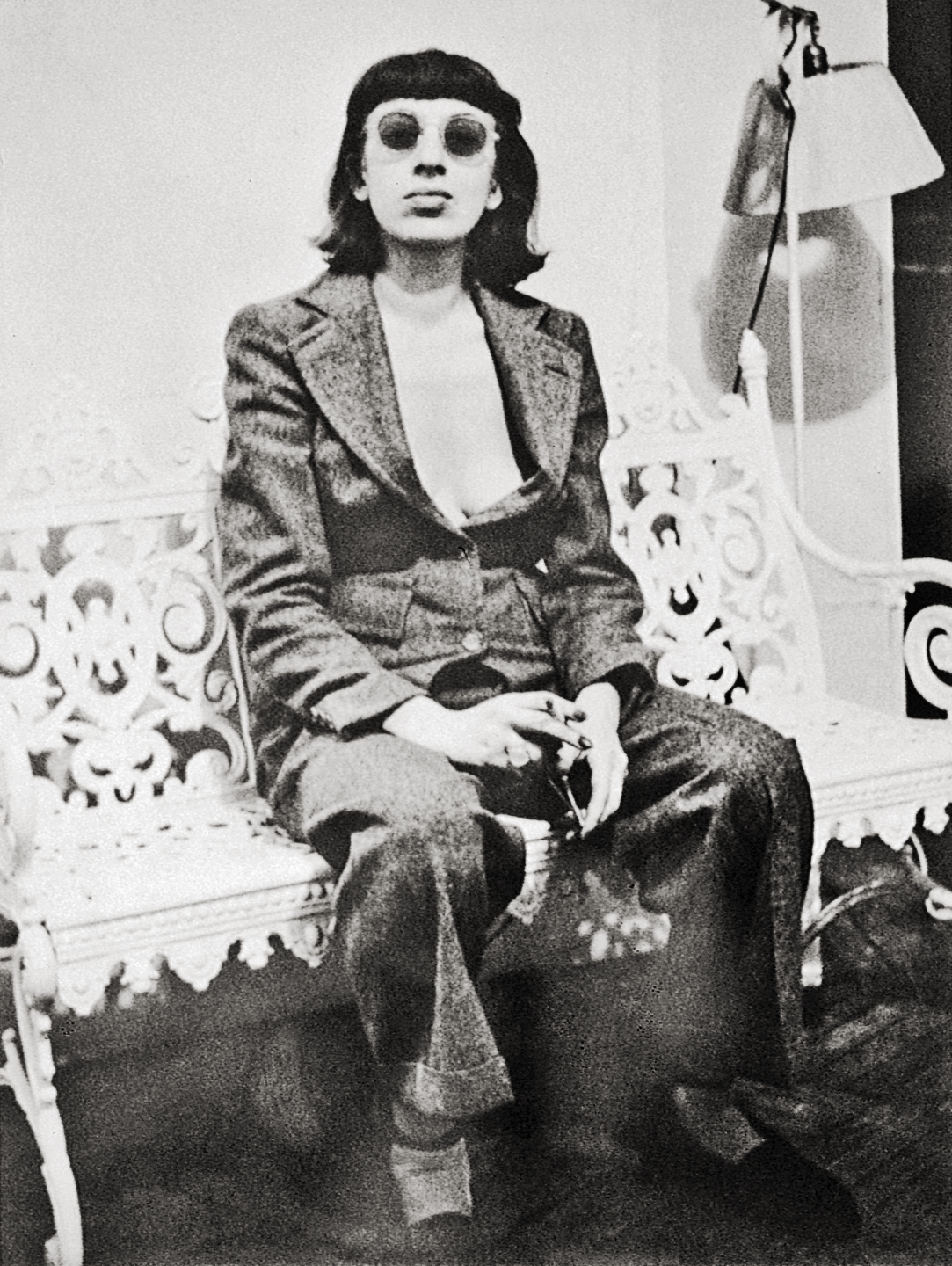
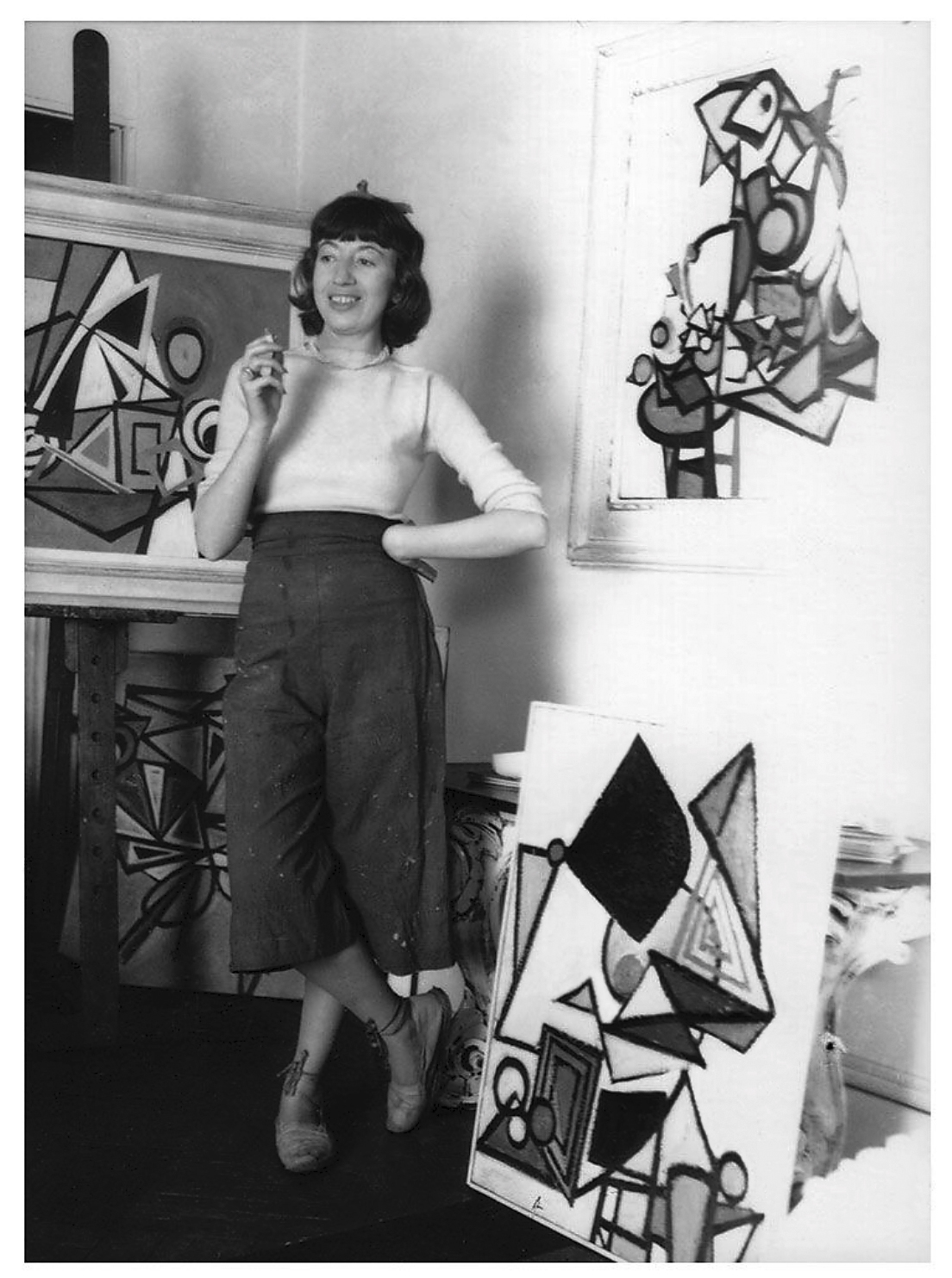
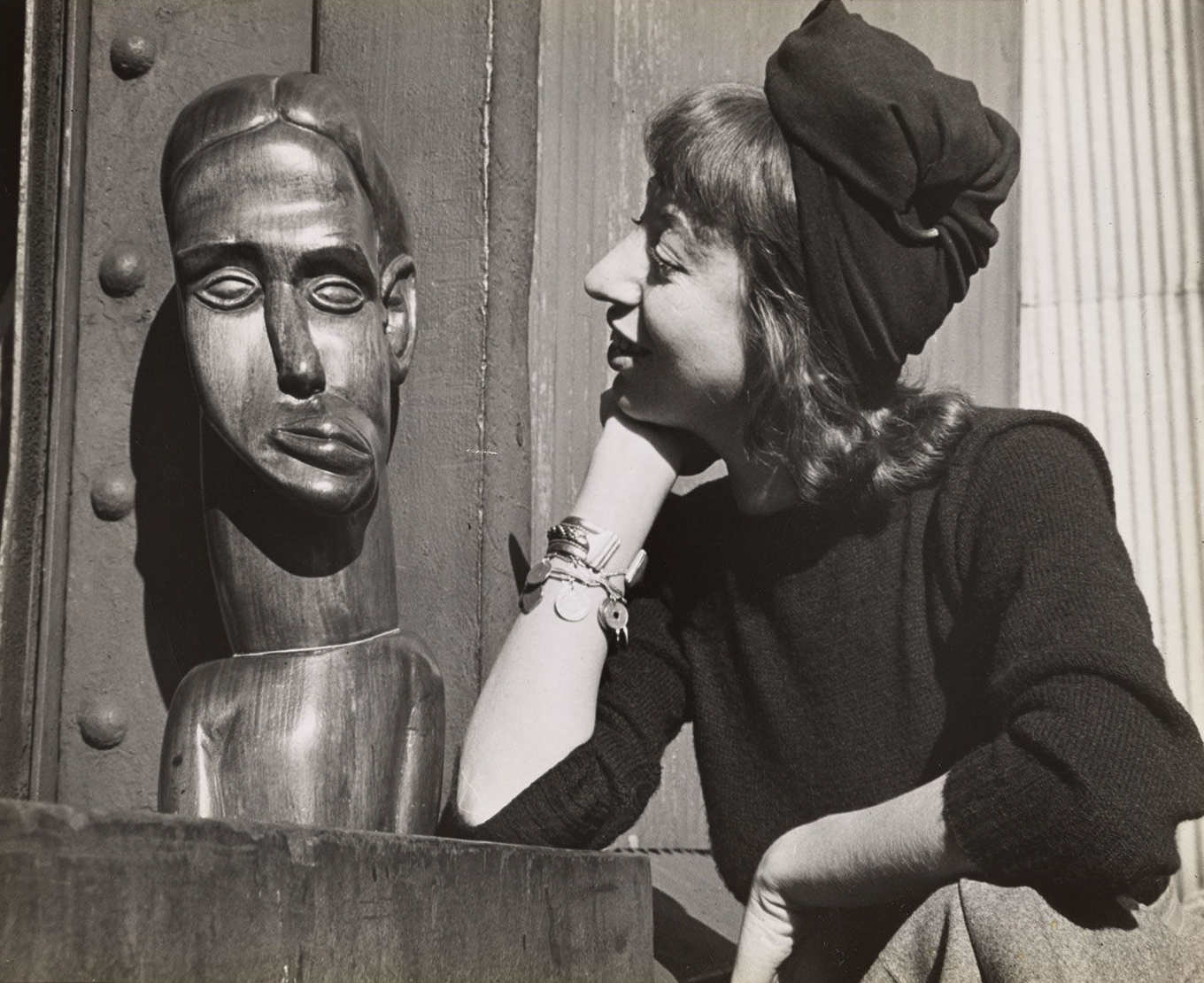
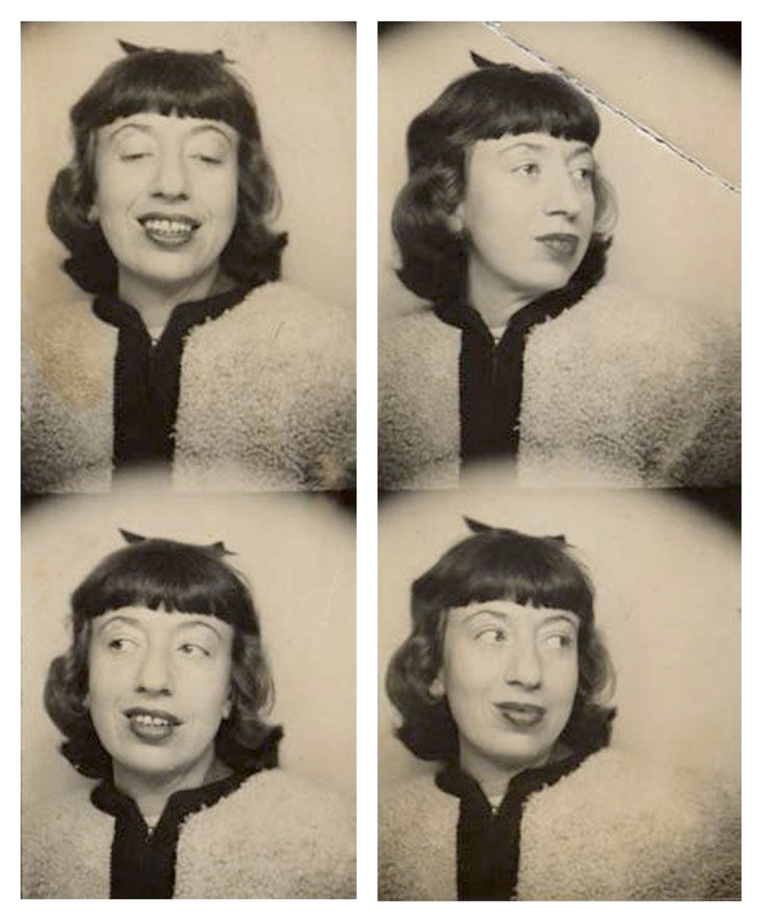
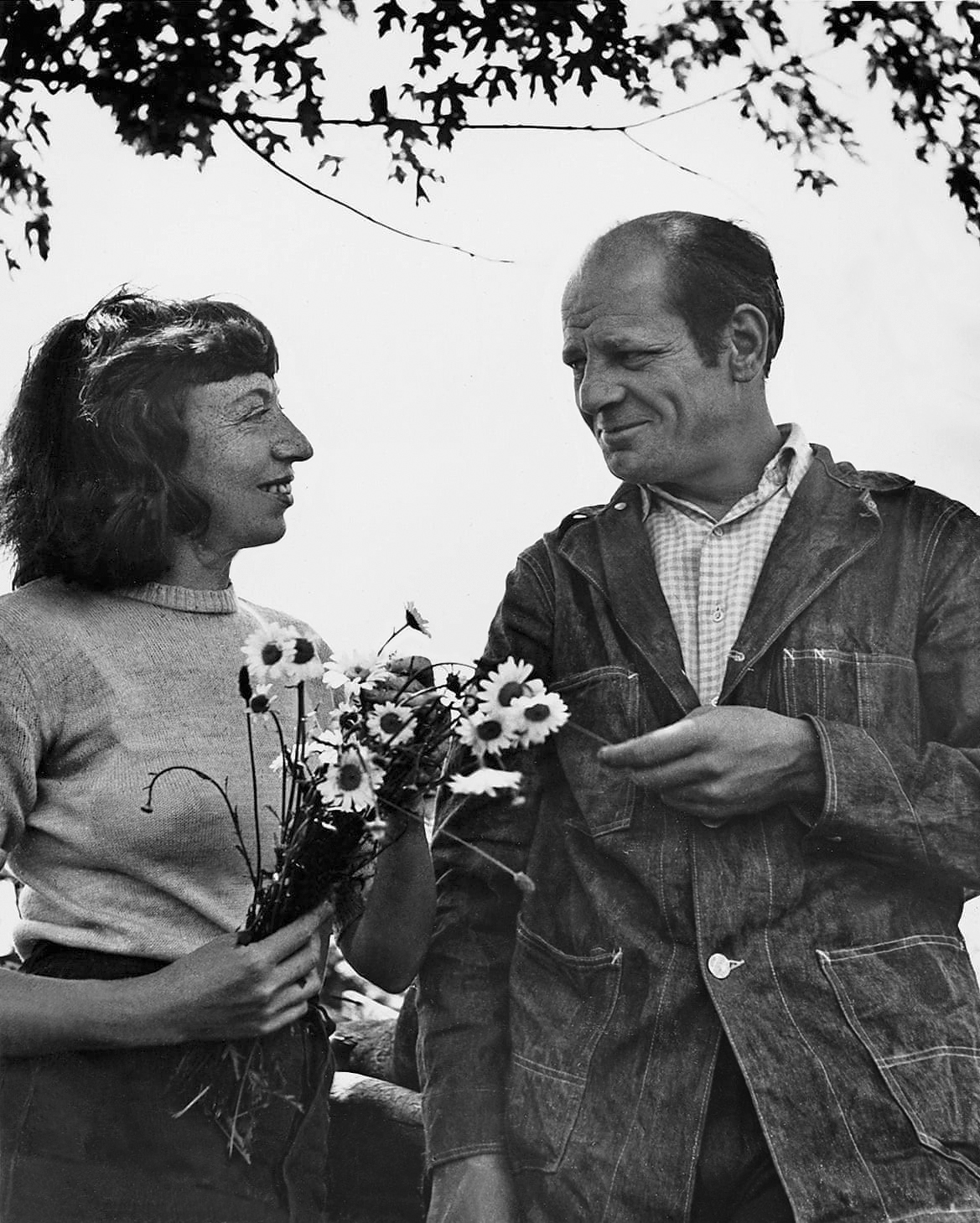

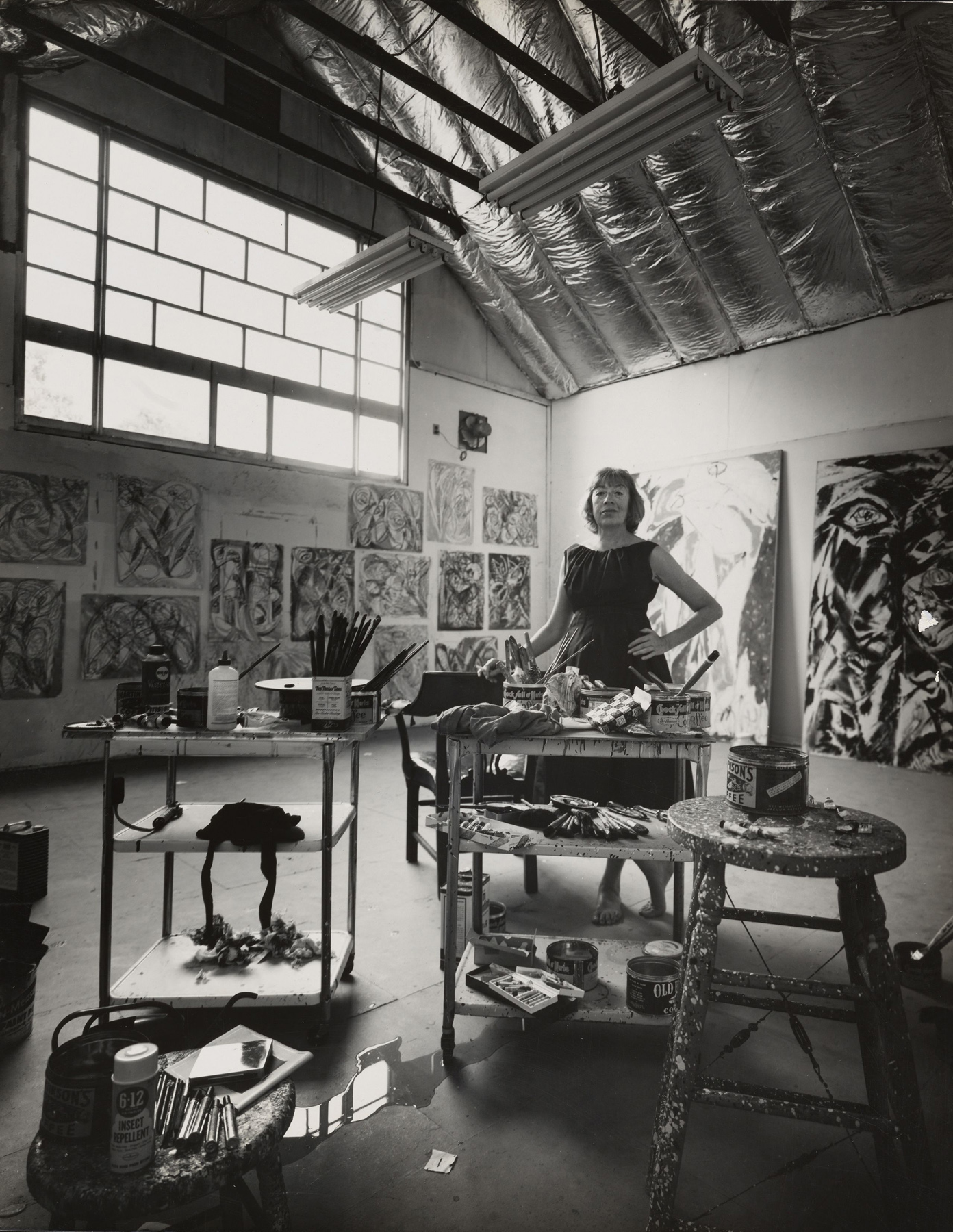


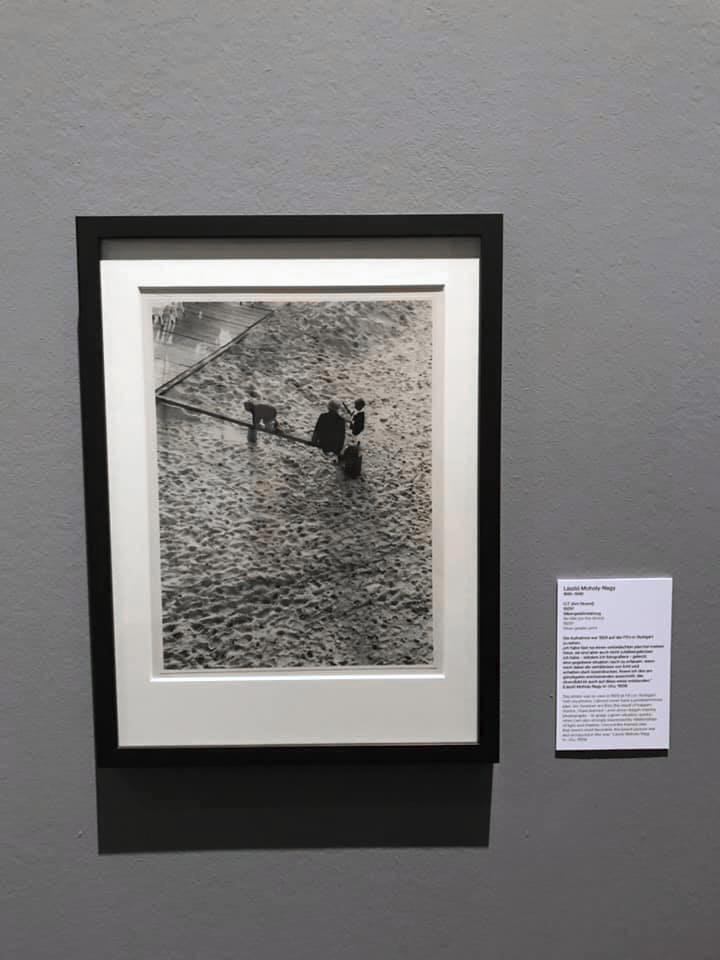
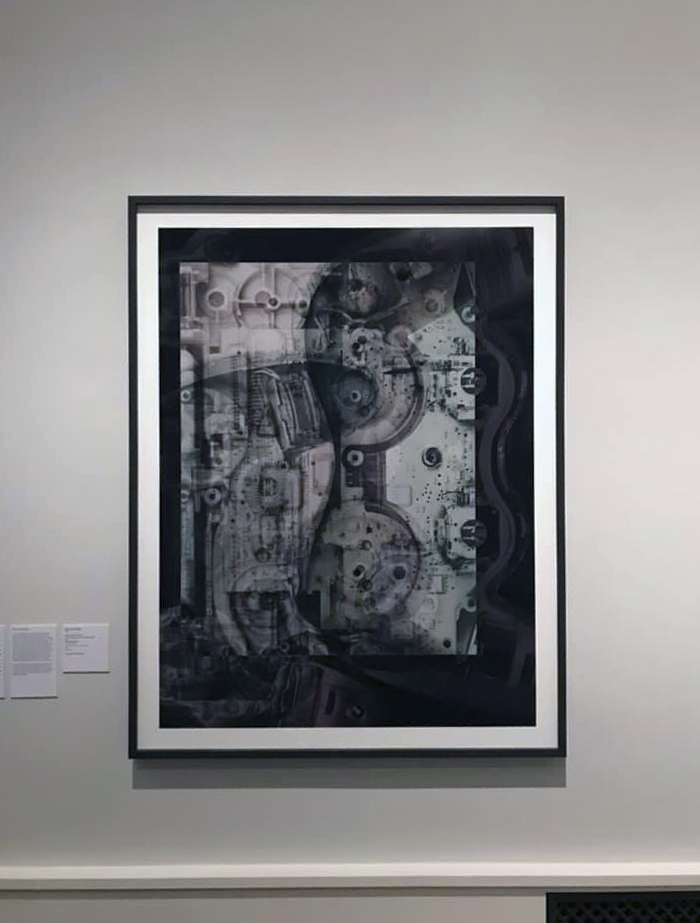


![Albert Renger-Patzsch (German, 1897-1966) 'Bügeleisen für Schuhfabrikation, Faguswerk Alfeld [Shoemakers' irons, Fagus factory, Alfeld]' 1928](https://artblart.com/wp-content/uploads/2018/01/renger-patzsch-bugeleisen-fur-schuhfabrikation.jpg "Albert Renger-Patzsch (German, 1897-1966) 'Bügeleisen für Schuhfabrikation, Faguswerk Alfeld [Shoemakers' irons, Fagus factory, Alfeld]' 1928")
![Albert Renger-Patzsch (German, 1897-1966) 'Gebirgsforst im Winter (Fichtenwald im Winter)' [Mountain forest in winter (spruce forest in winter)] 1926](https://artblart.com/wp-content/uploads/2018/01/renger-patzsch-gebirgsforst-im-winter.jpg "Albert Renger-Patzsch (German, 1897-1966) 'Gebirgsforst im Winter (Fichtenwald im Winter)' [Mountain forest in winter (spruce forest in winter)] 1926")


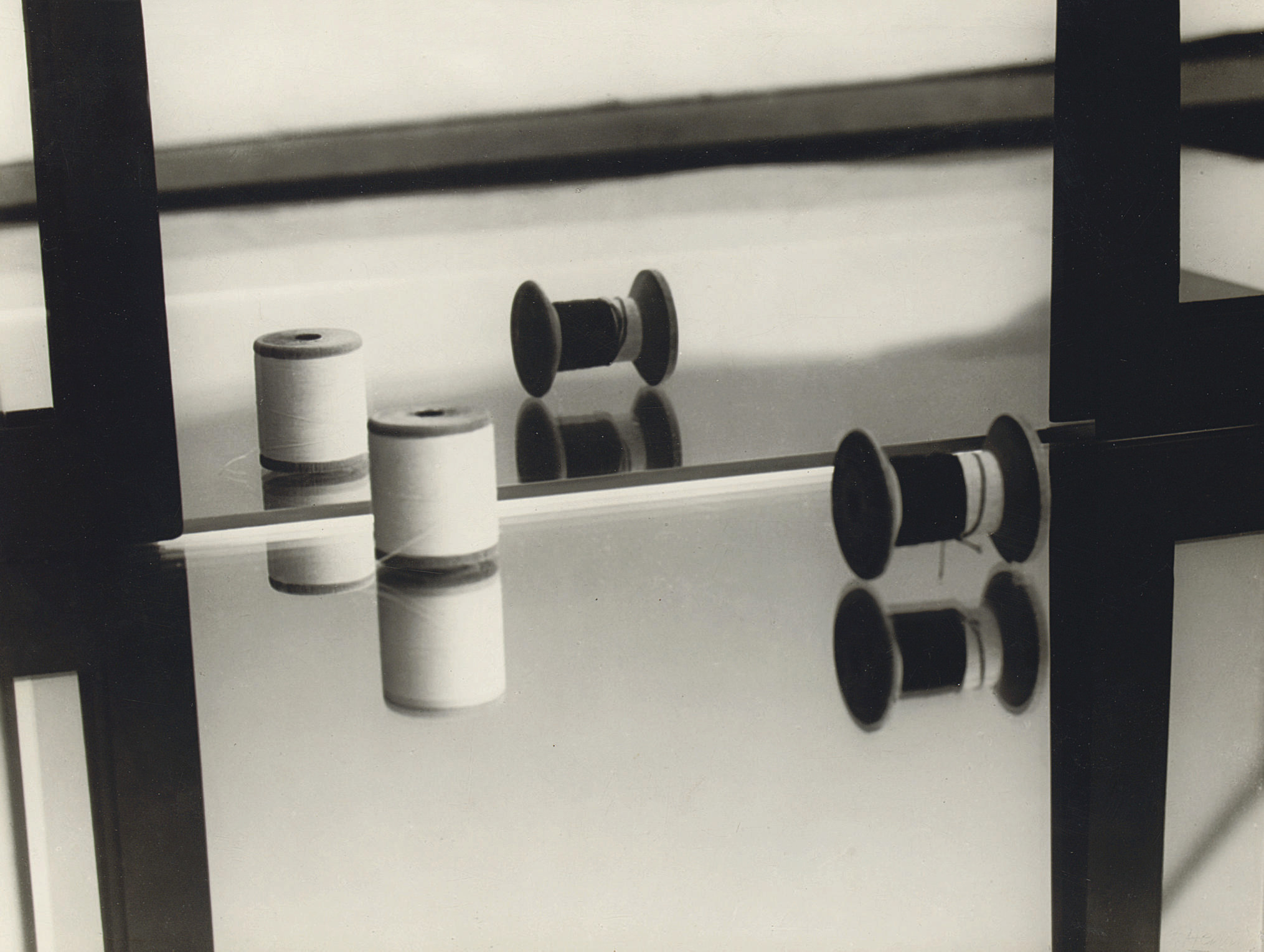
![Max Burchartz (German, 1887-1961) 'Lotte (Eye)' (Lotte [Auge]) 1928](https://artblart.com/wp-content/uploads/2015/04/max-burchartz-lotte-eye-1928-web.jpg "Max Burchartz (German, 1887-1961) 'Lotte (Eye)' (Lotte [Auge]) 1928")


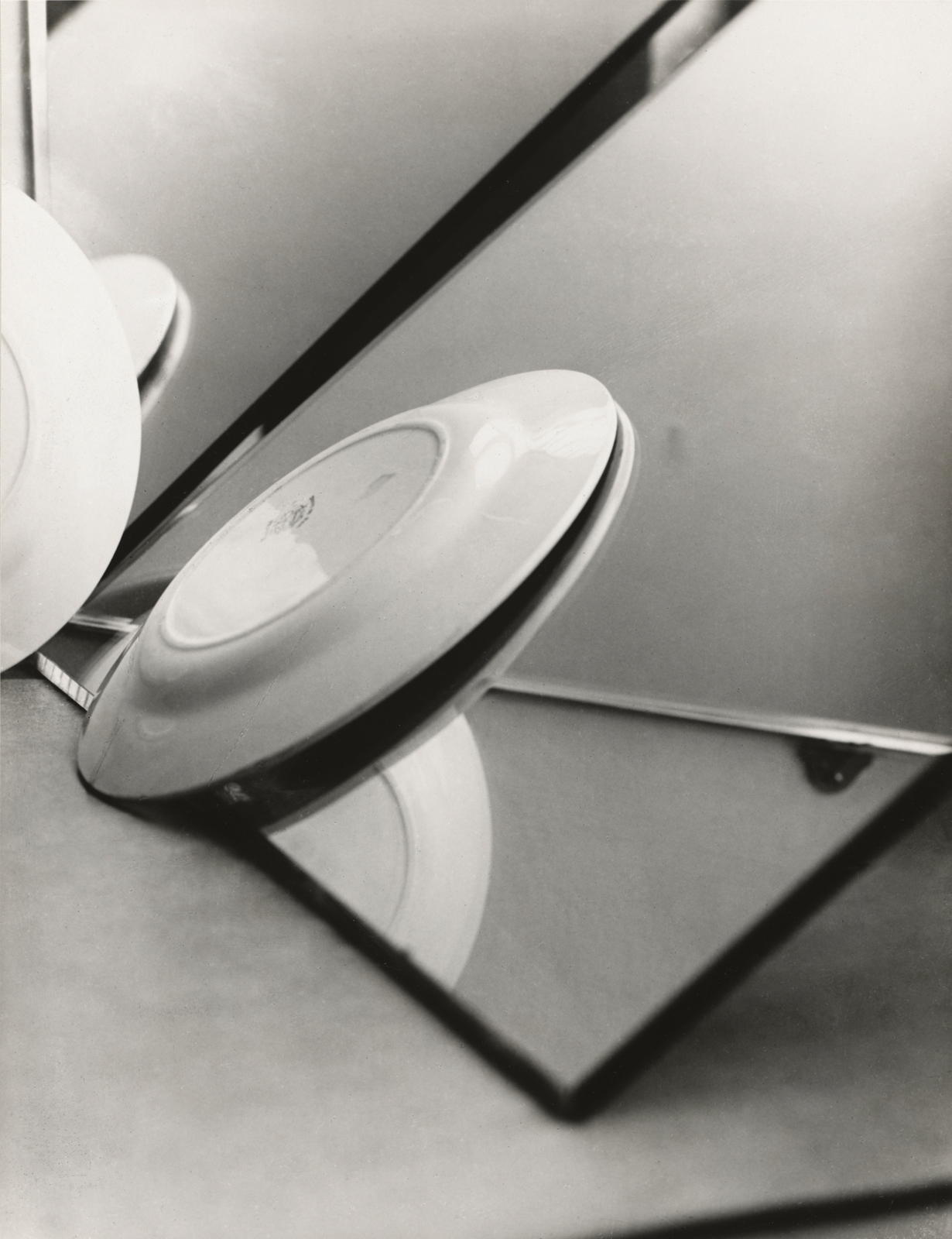
![Florence Henri. 'Fenêtre [Window]' 1929](https://artblart.com/wp-content/uploads/2015/03/florencehenri_06_fenetre-web.jpg "Florence Henri. 'Fenêtre [Window]' 1929")


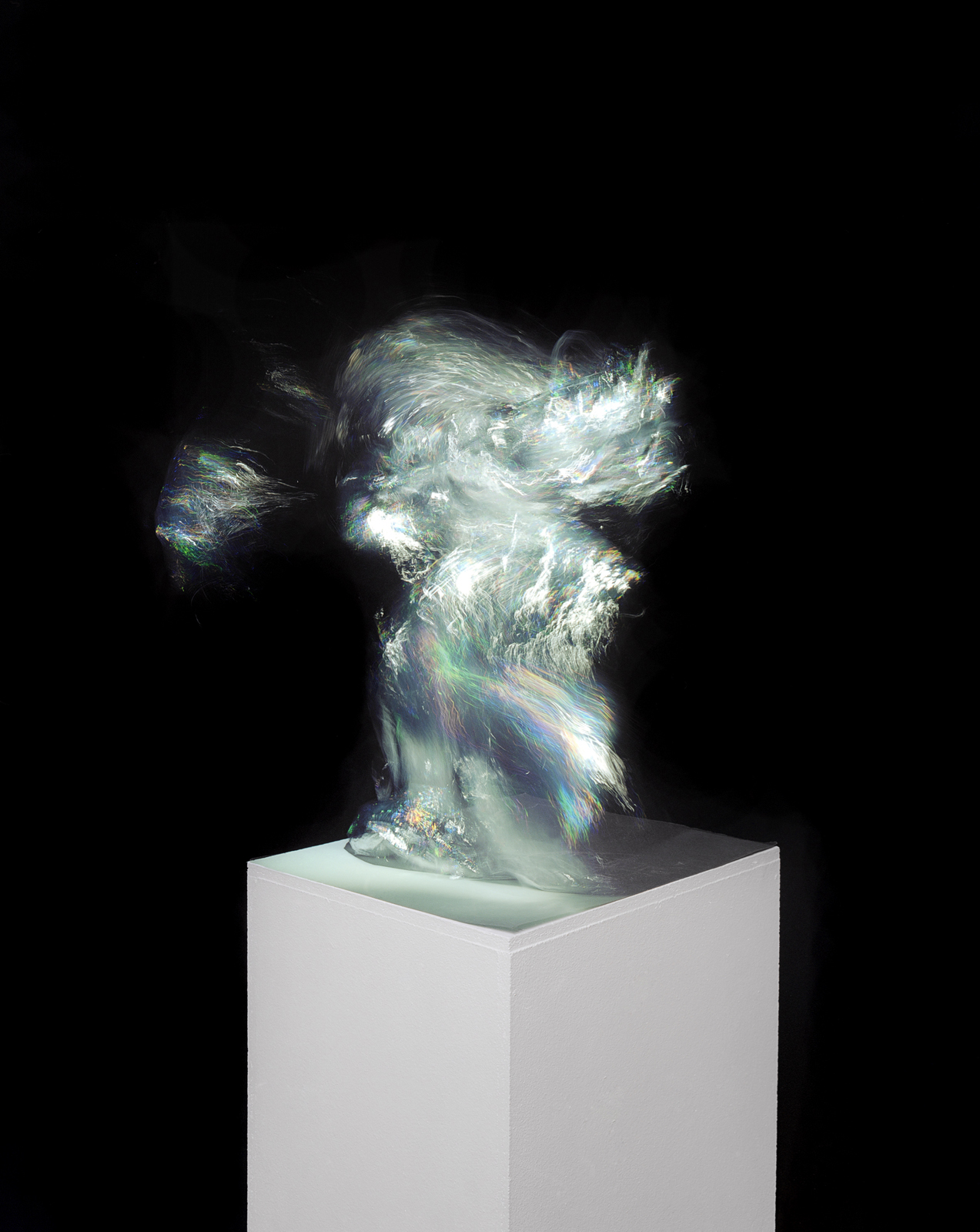


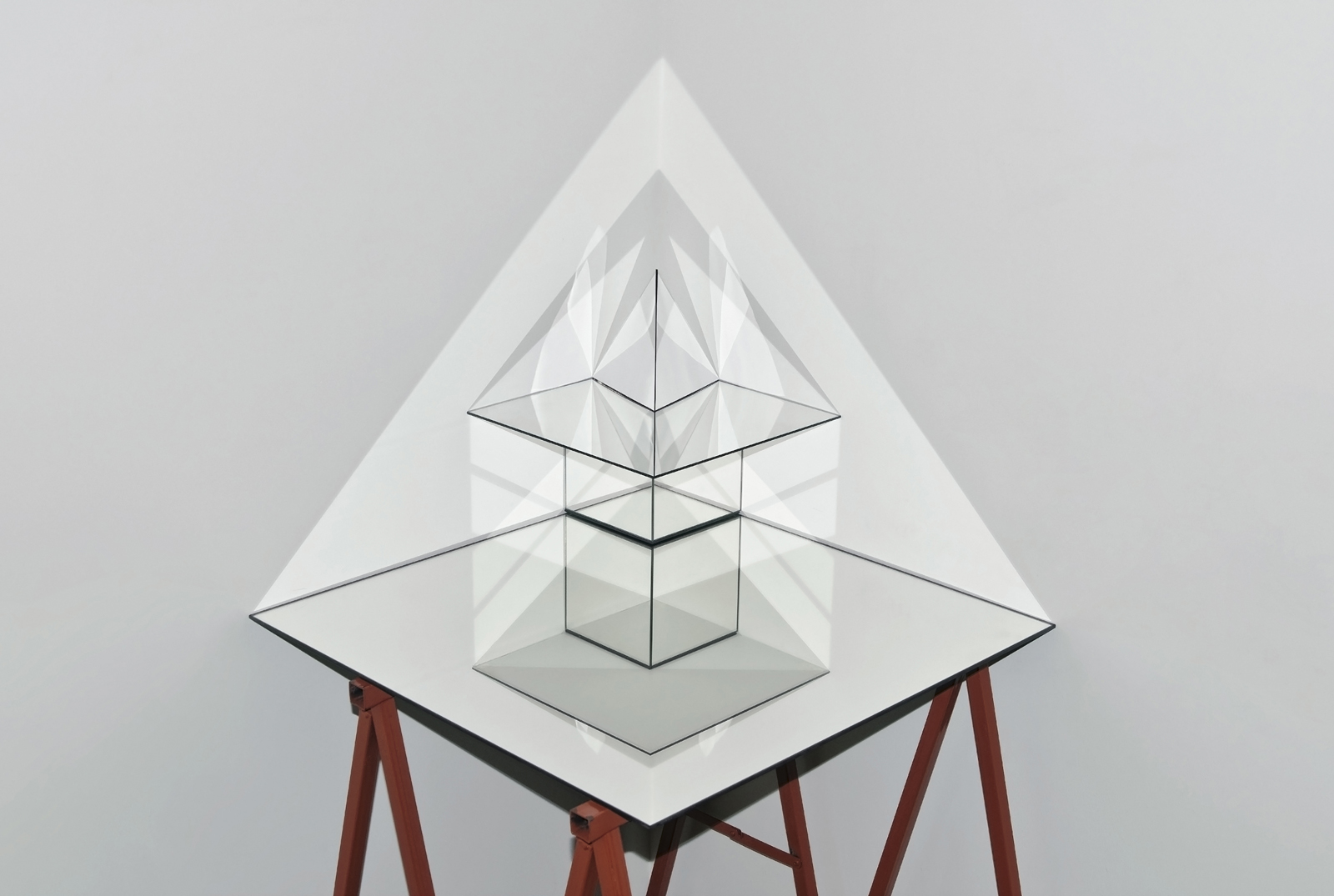


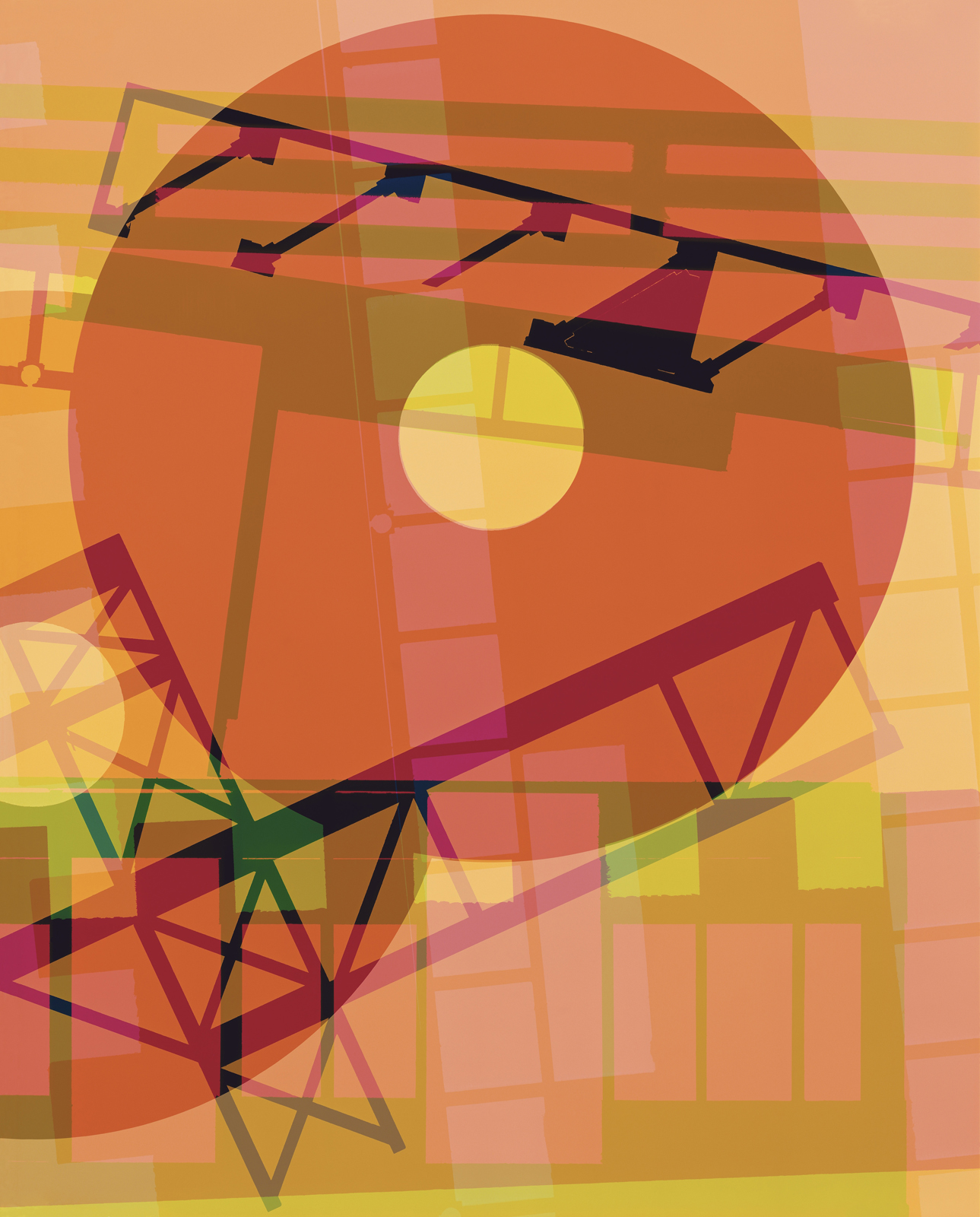

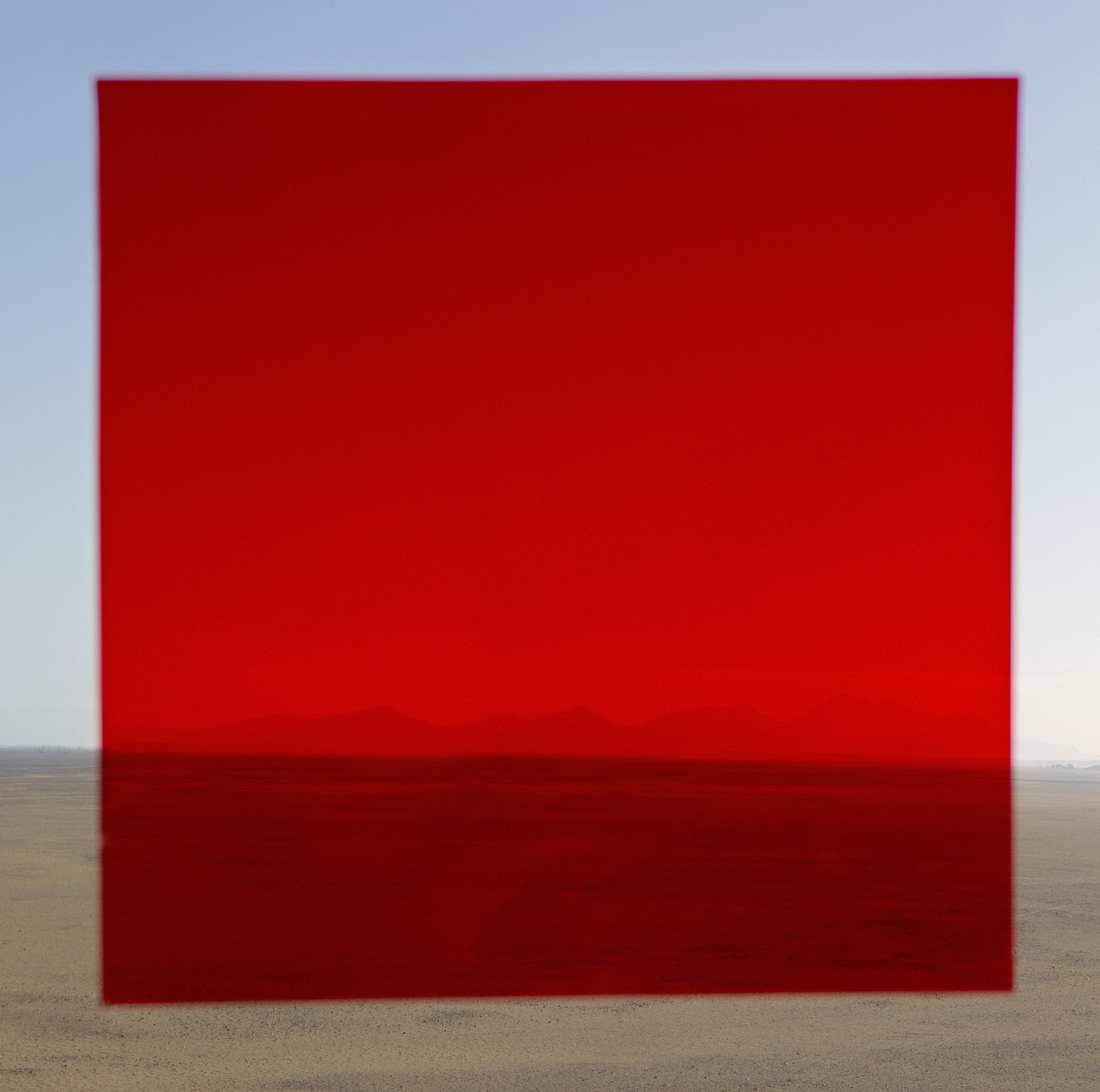


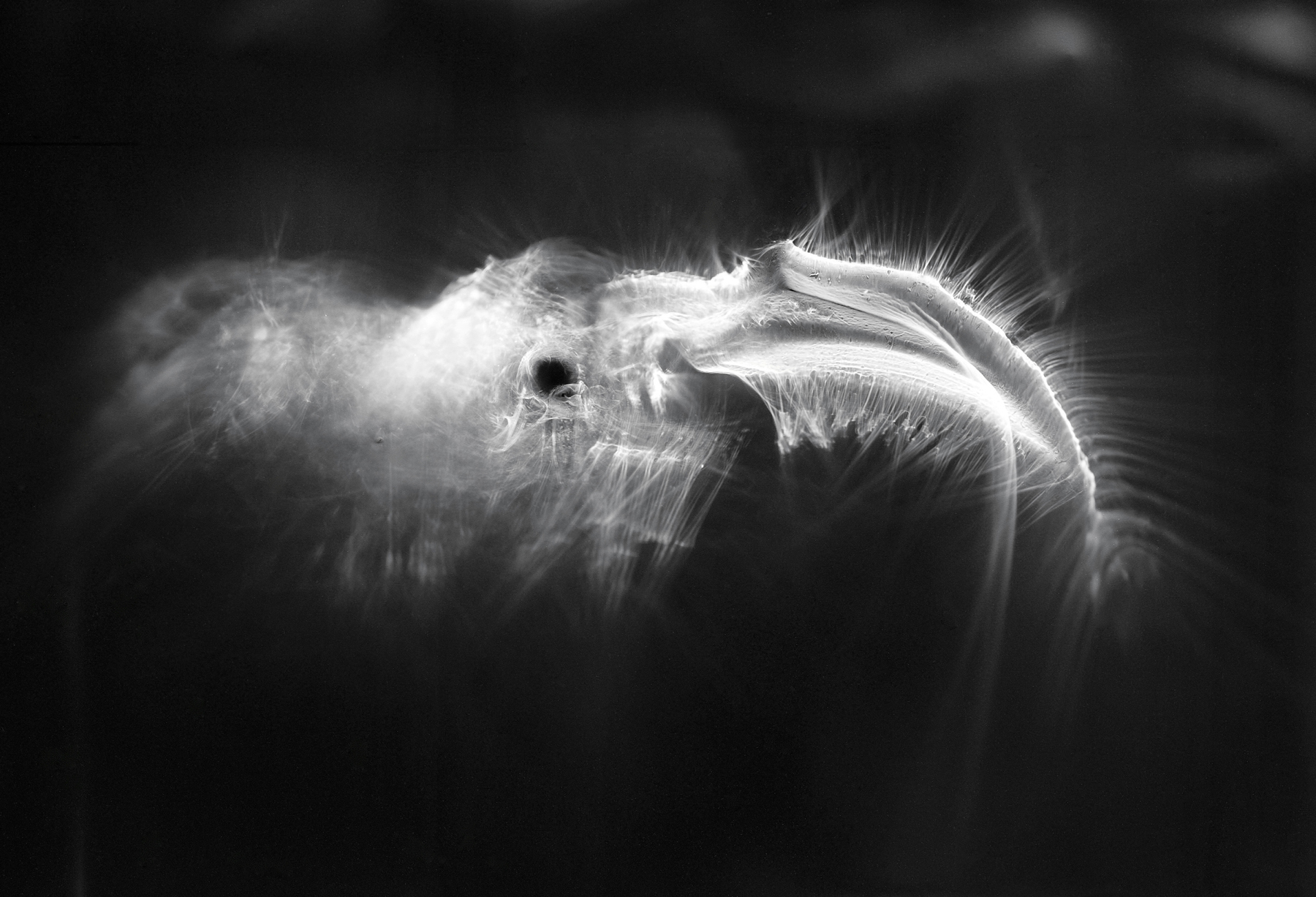

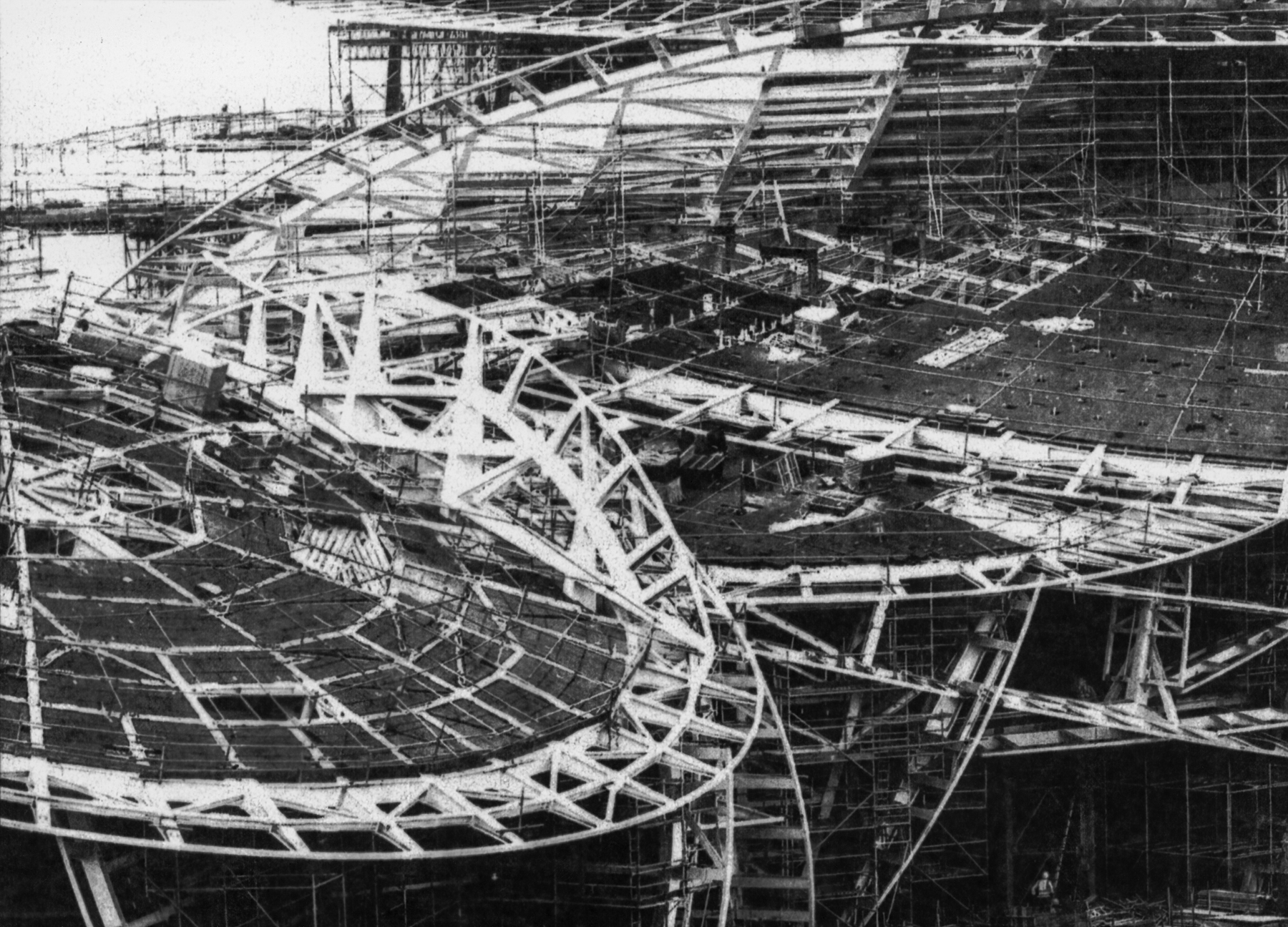
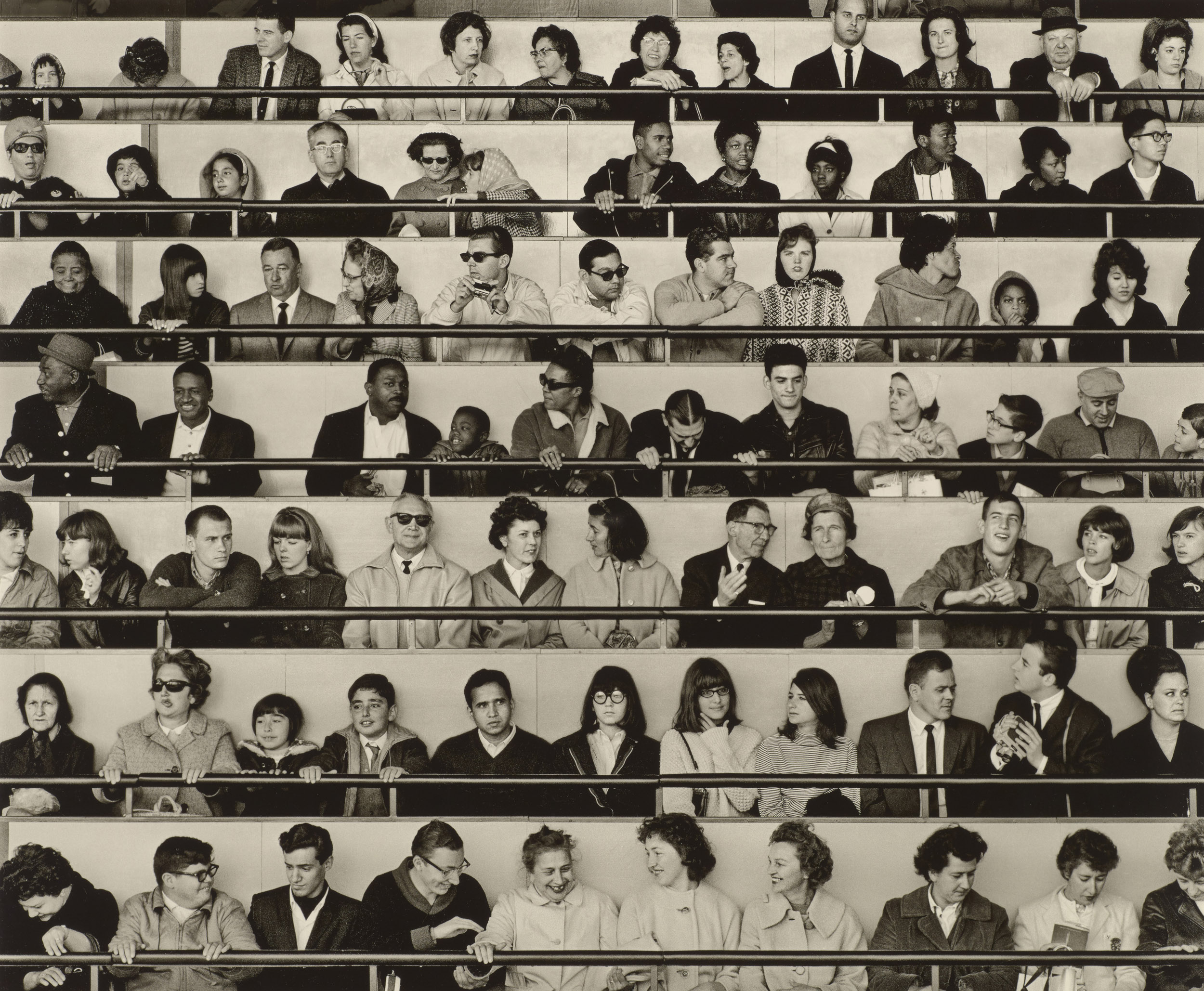
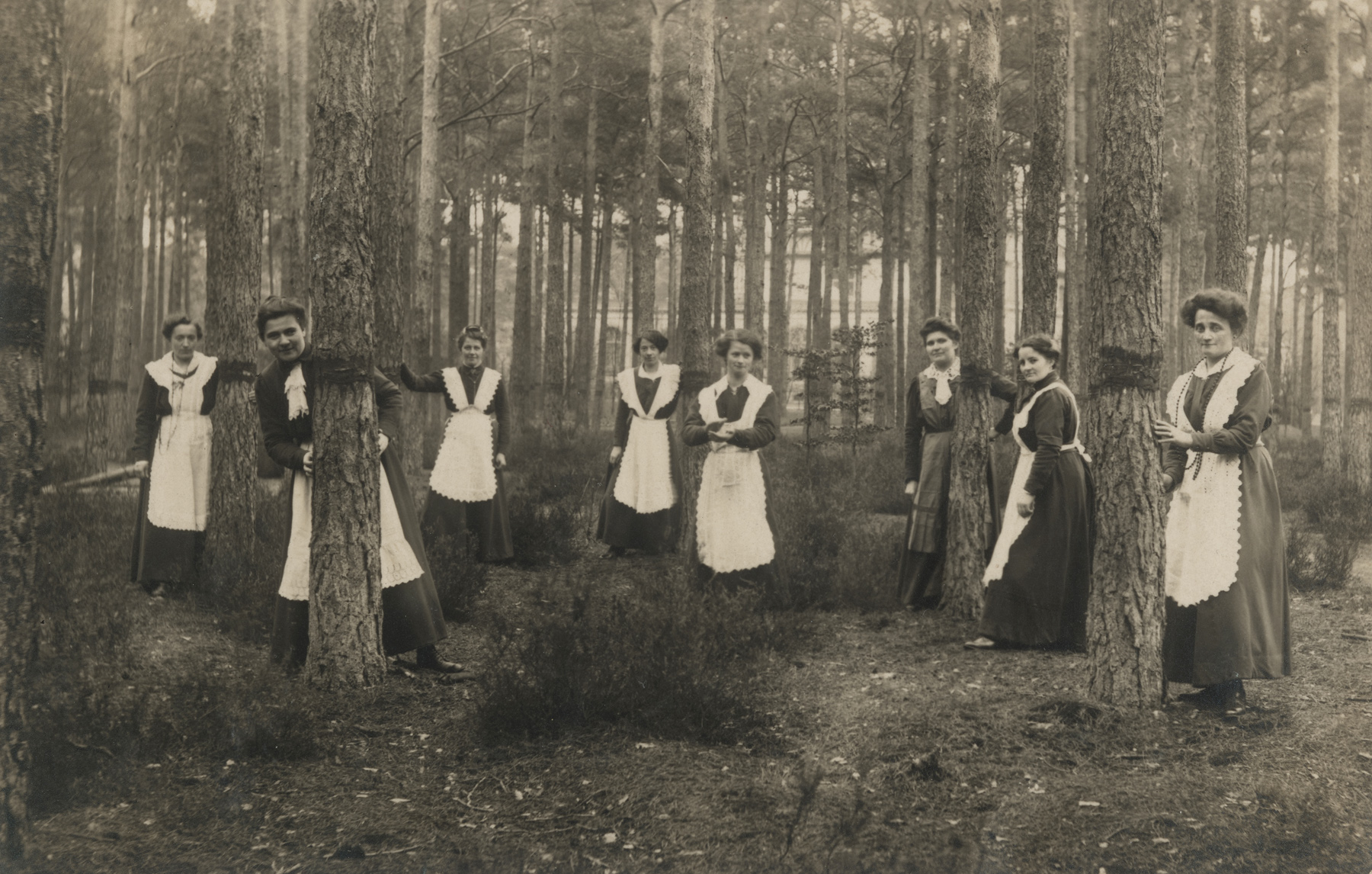

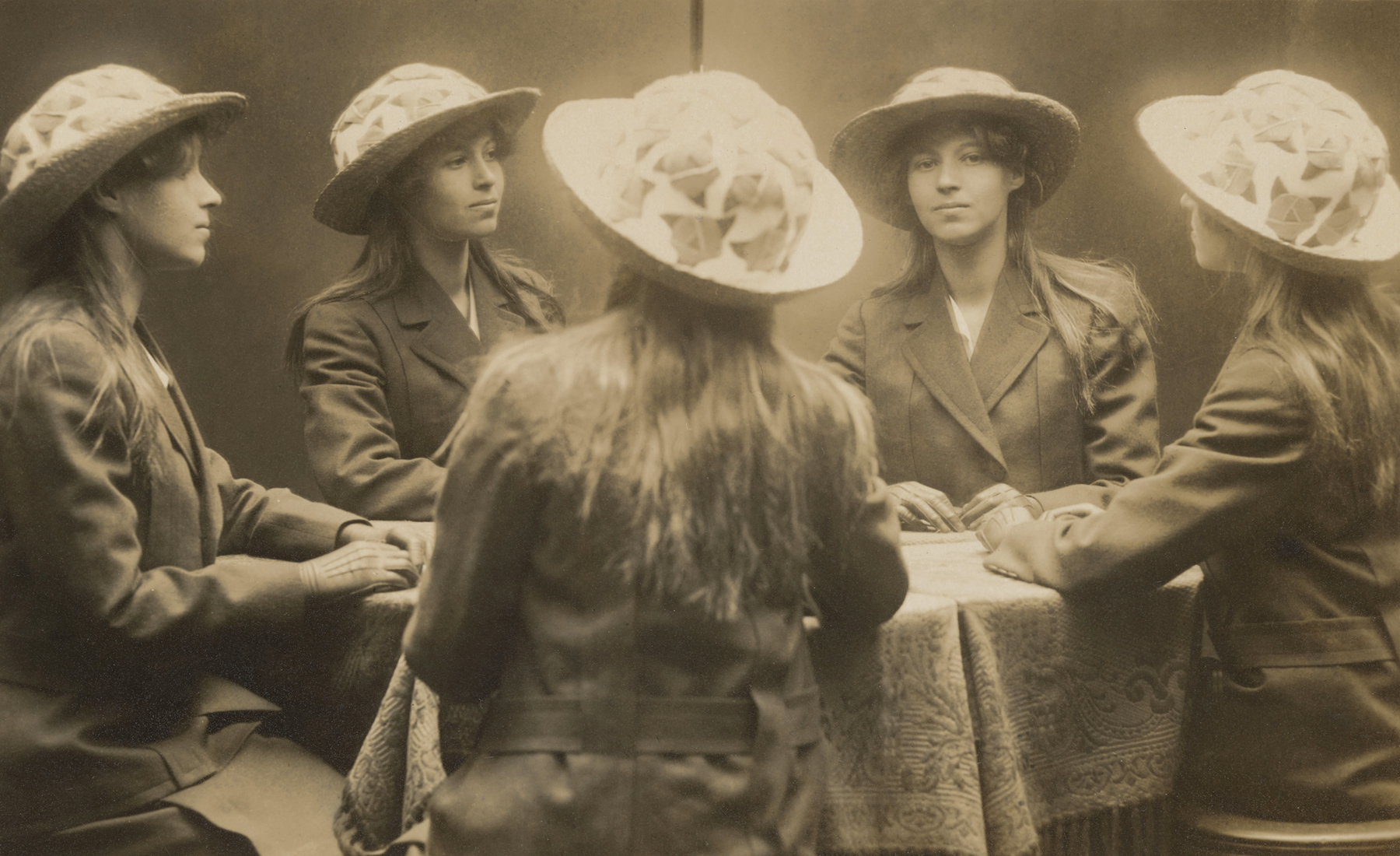
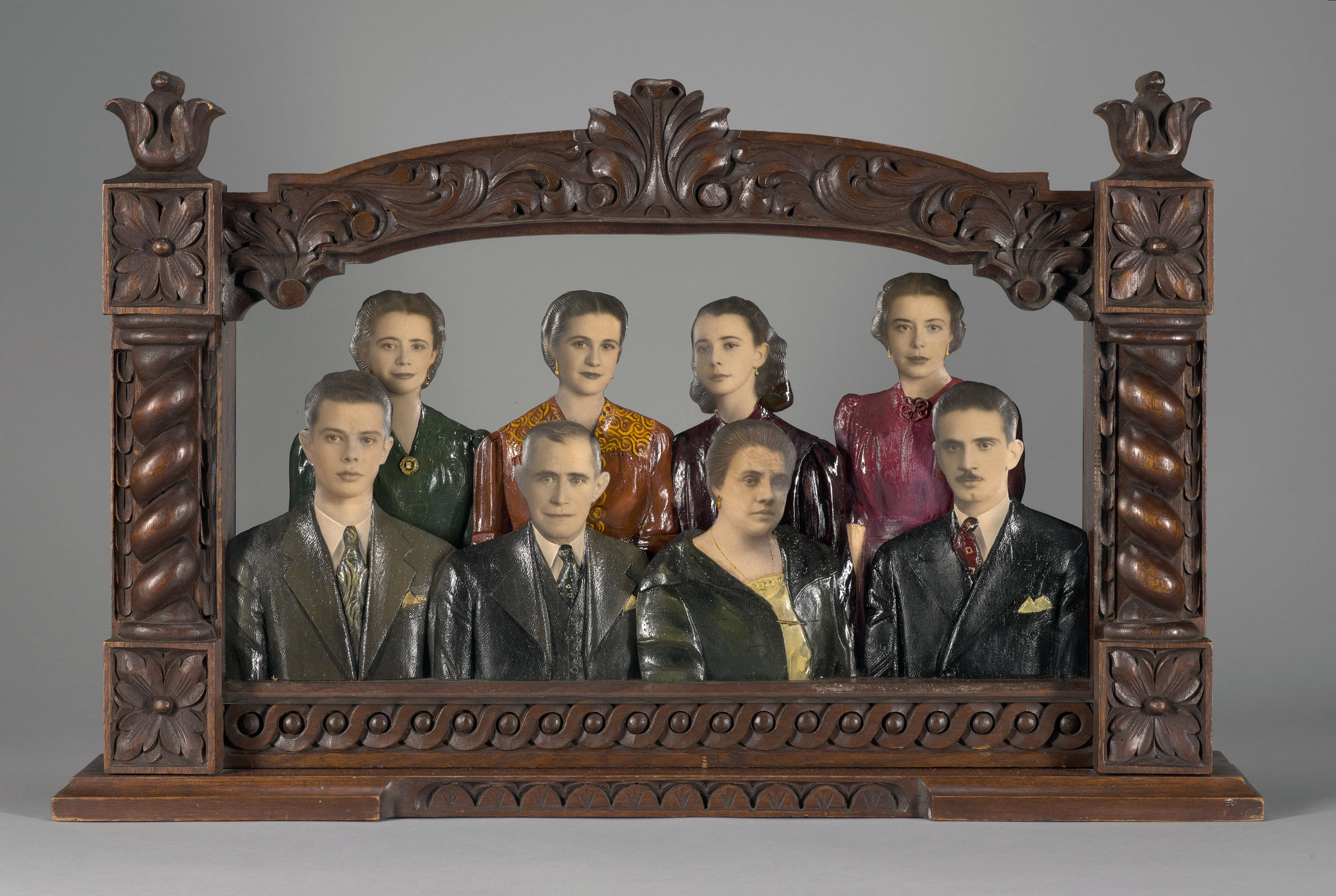
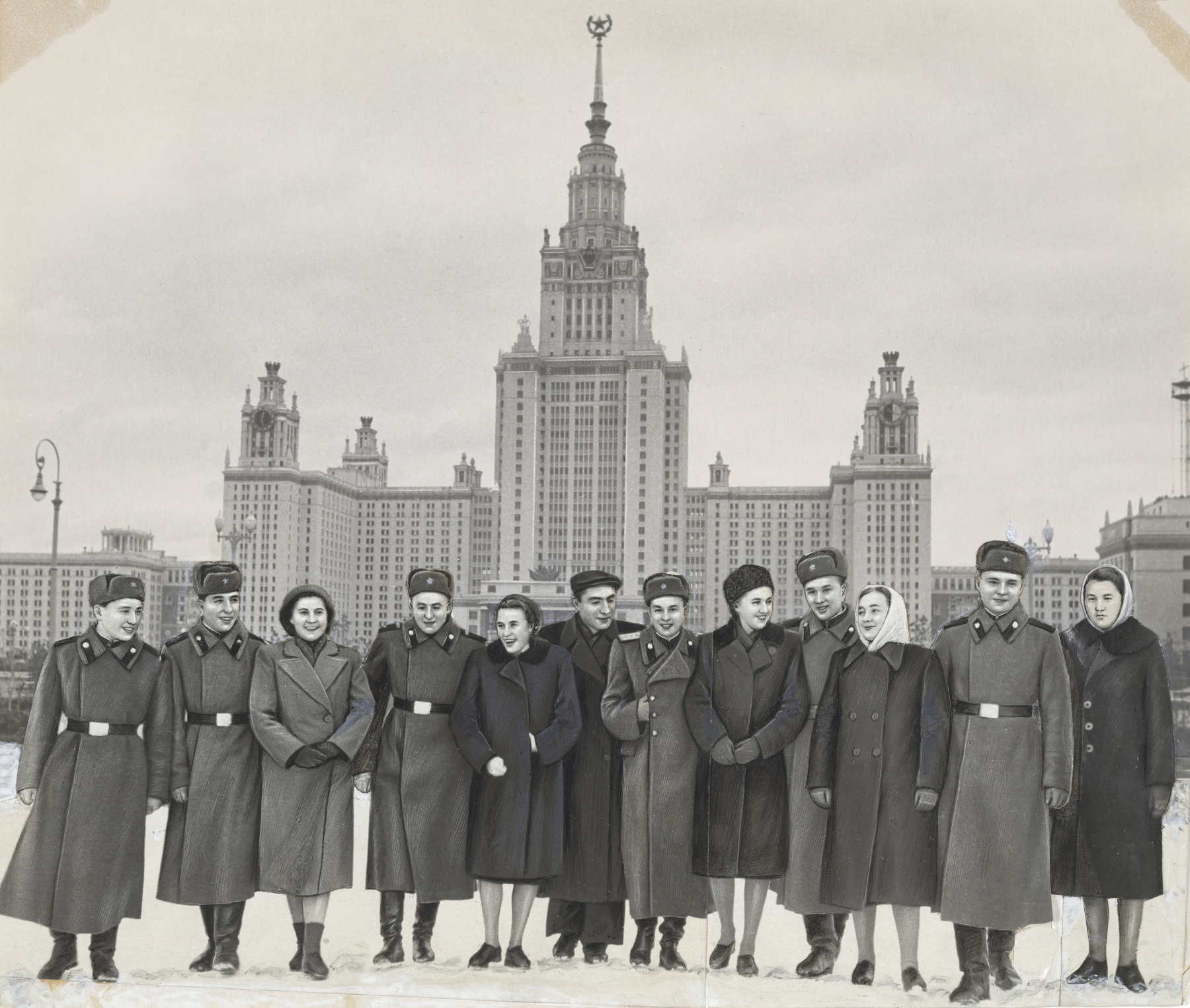
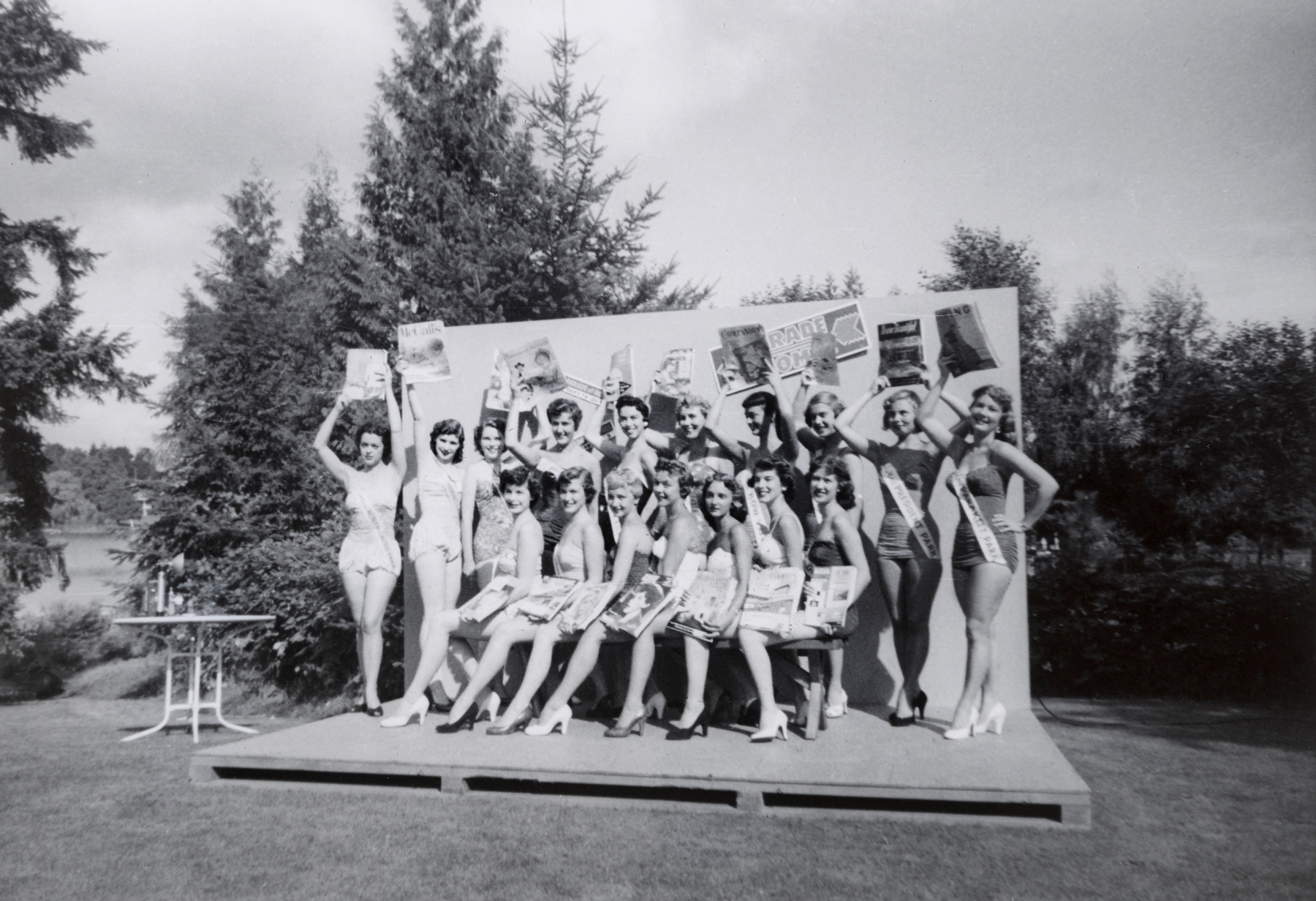
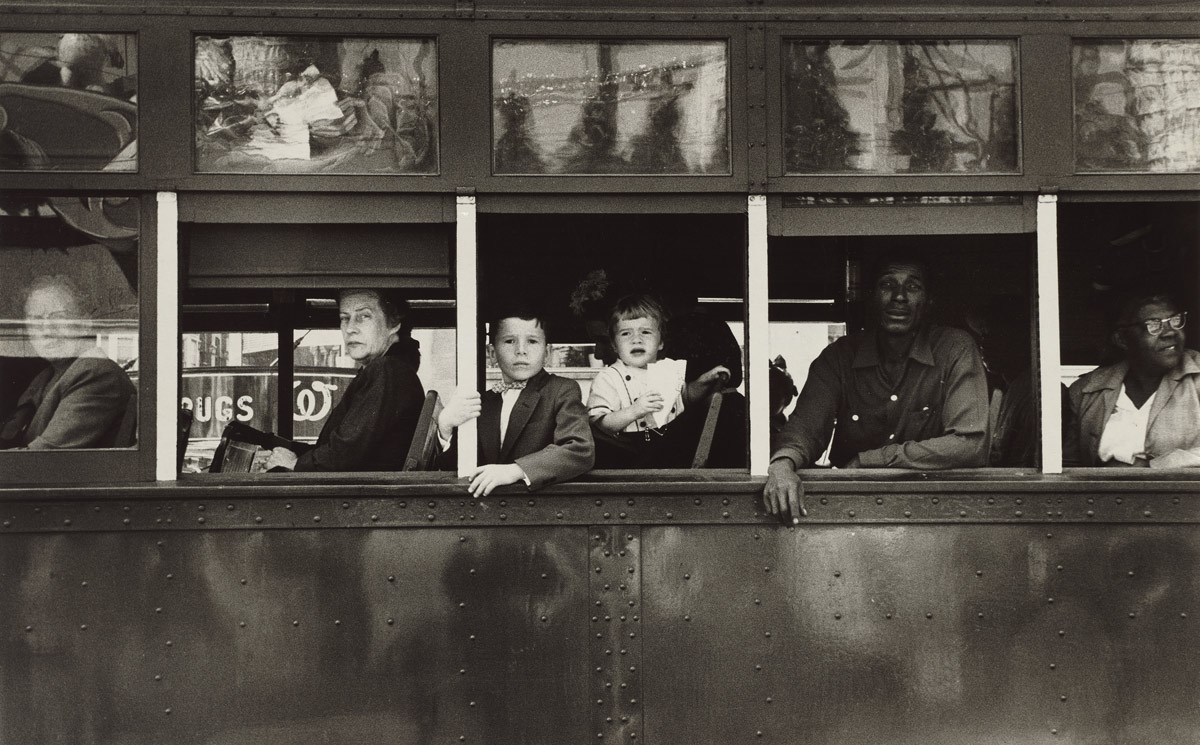
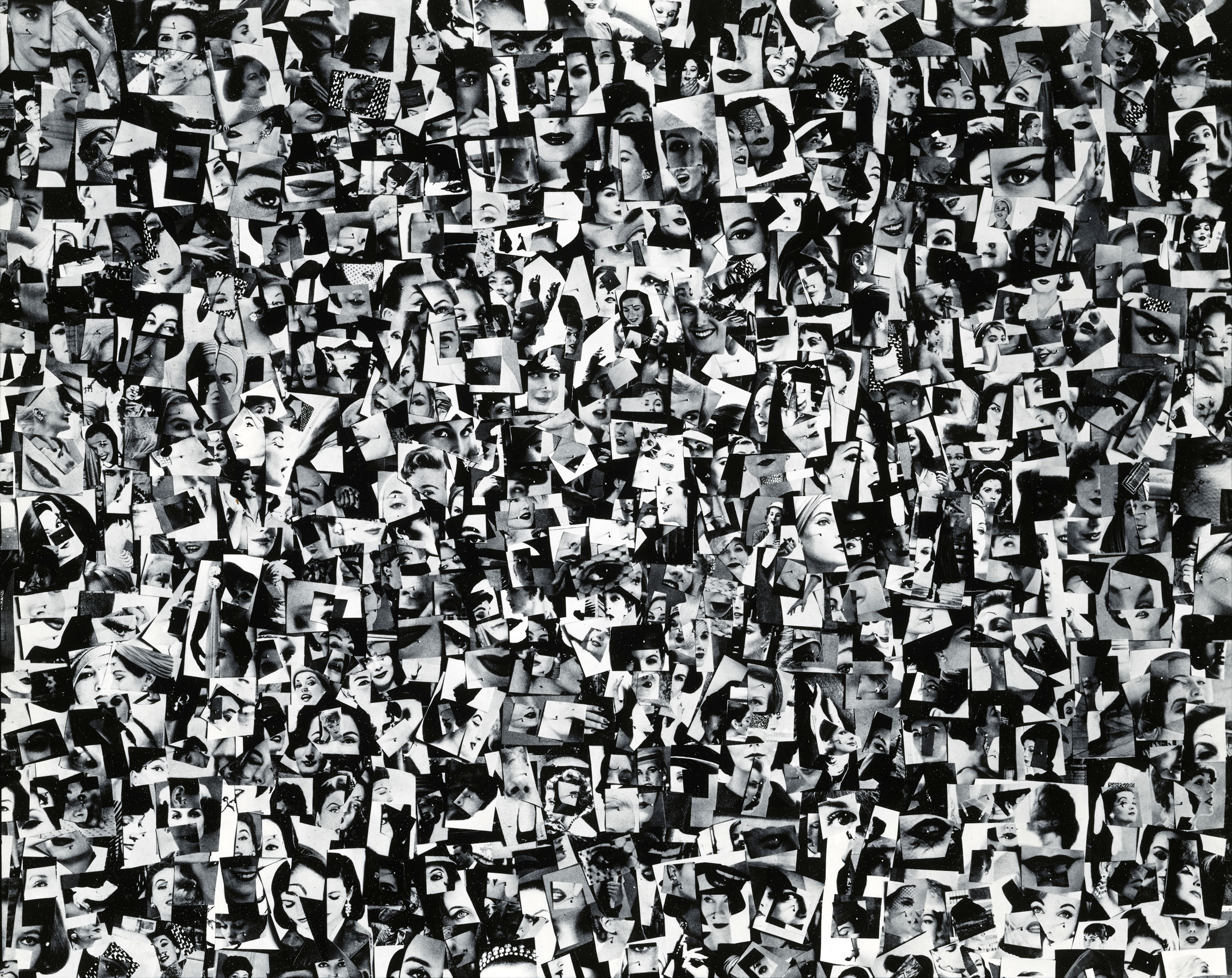

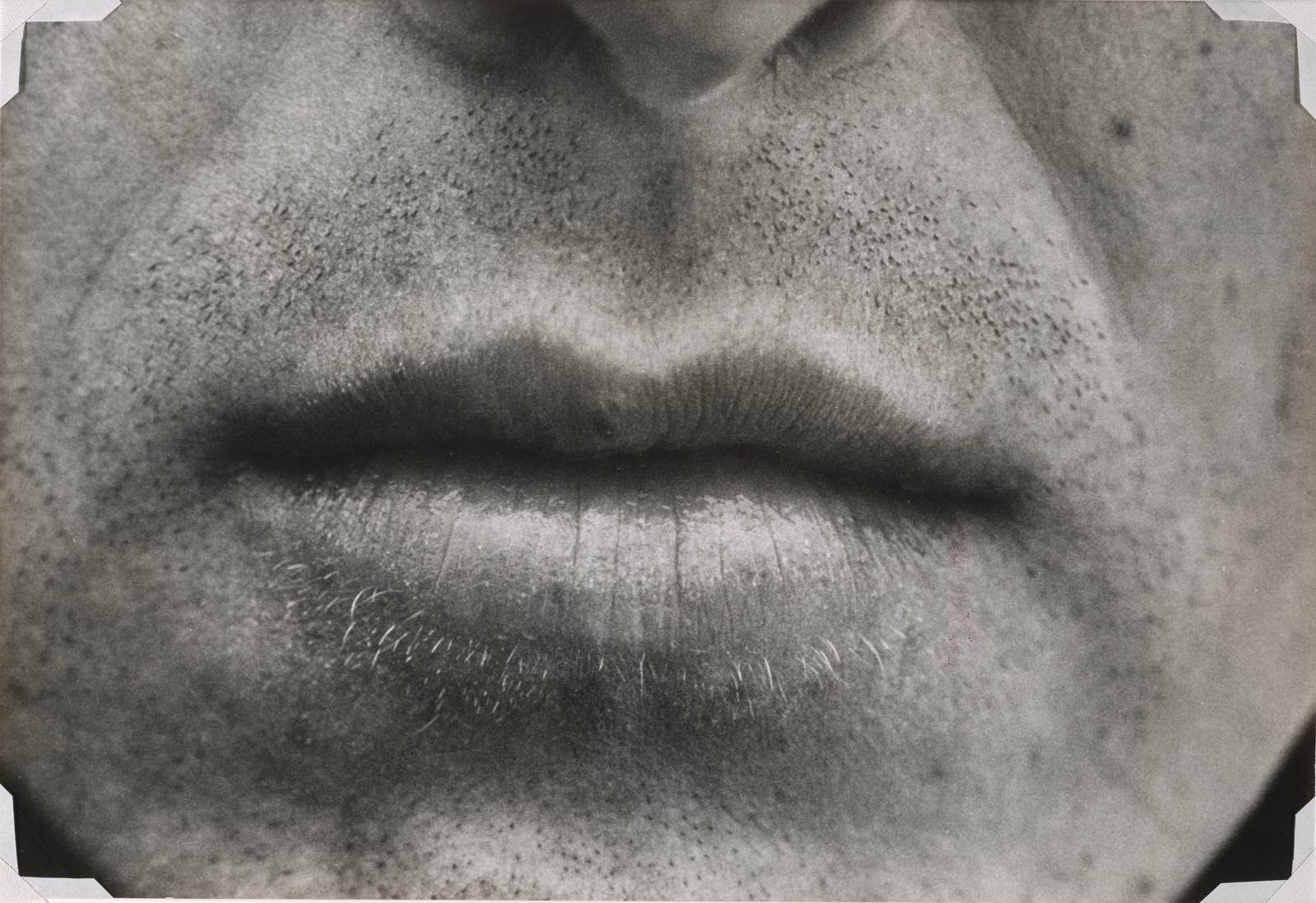

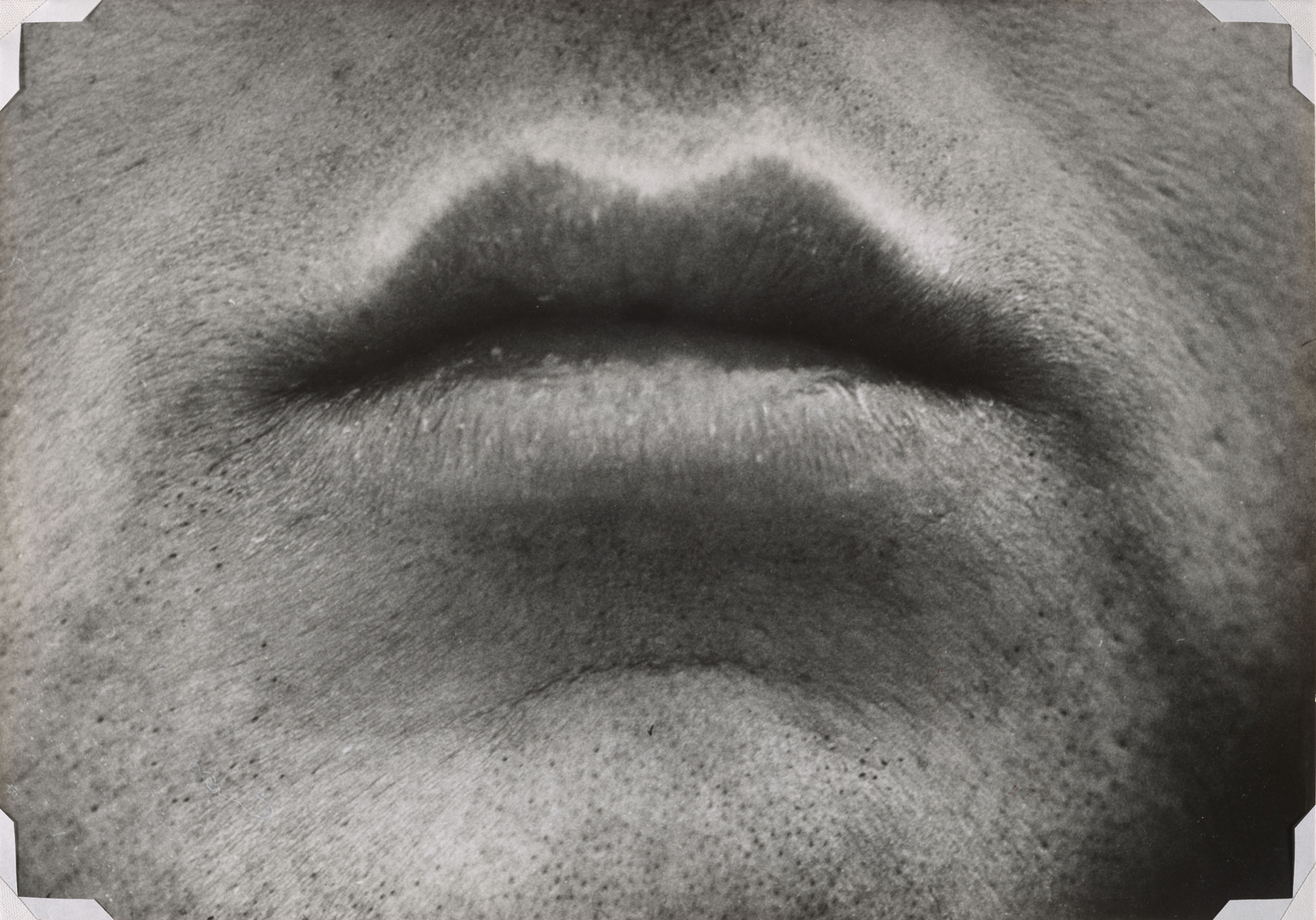
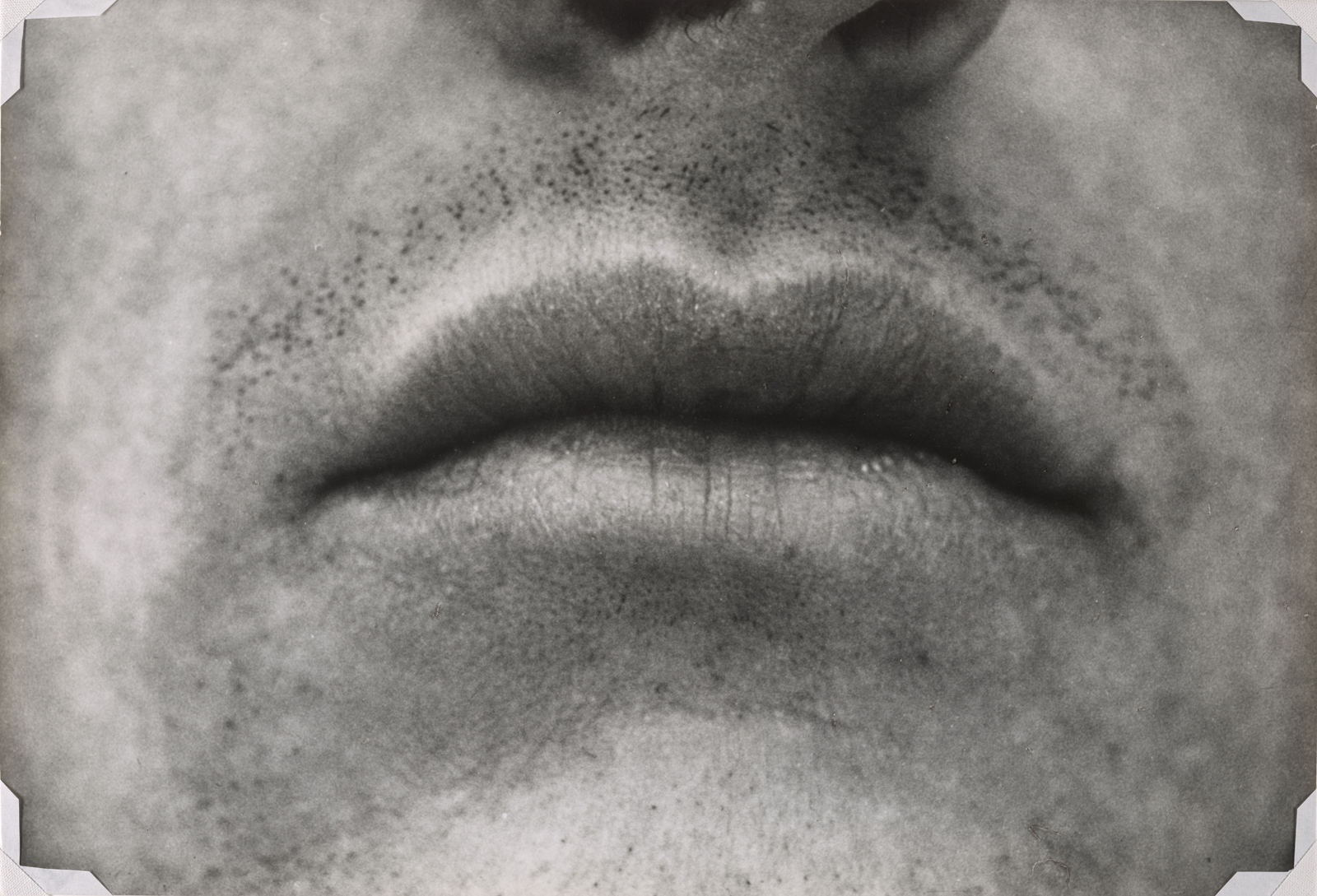
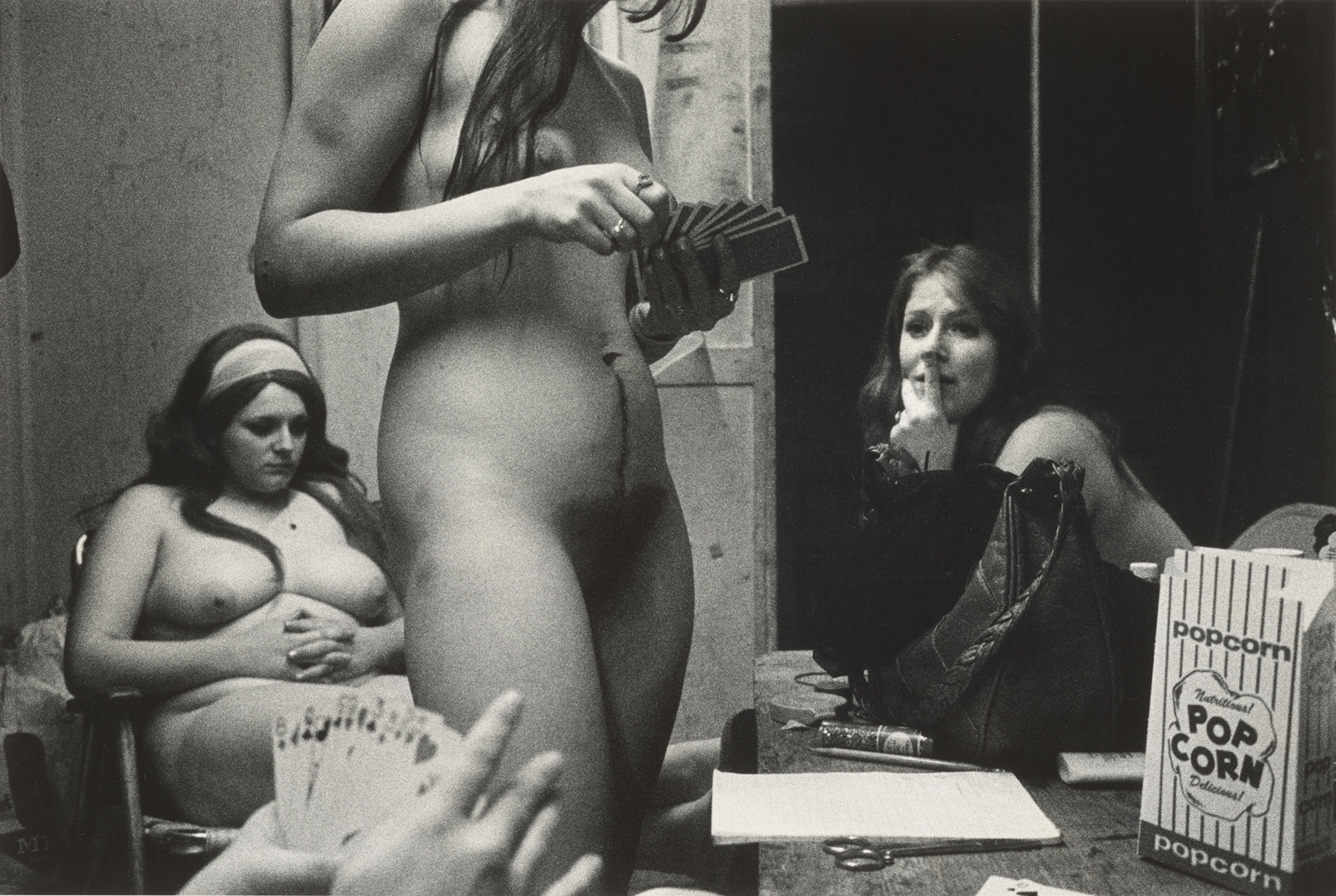
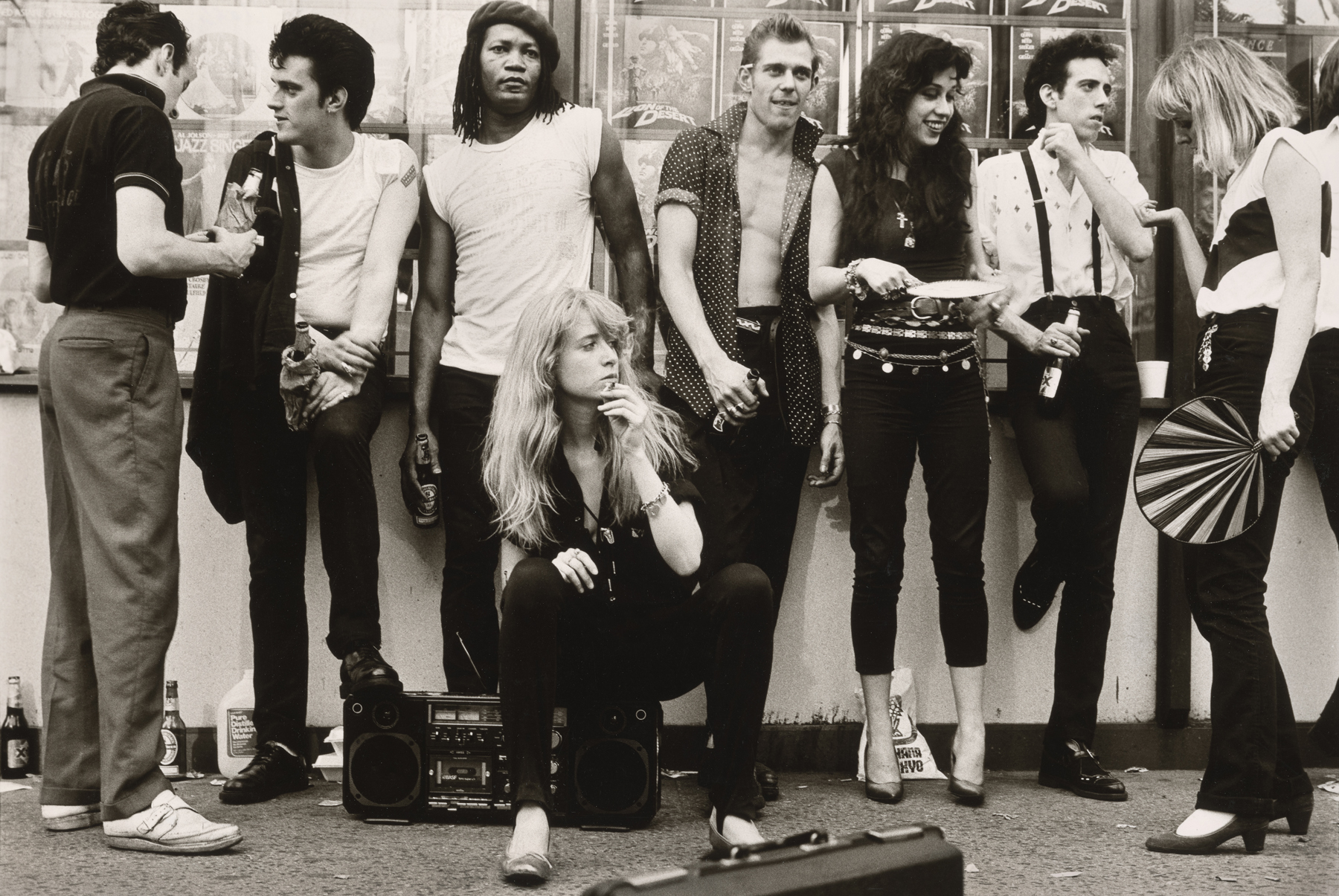
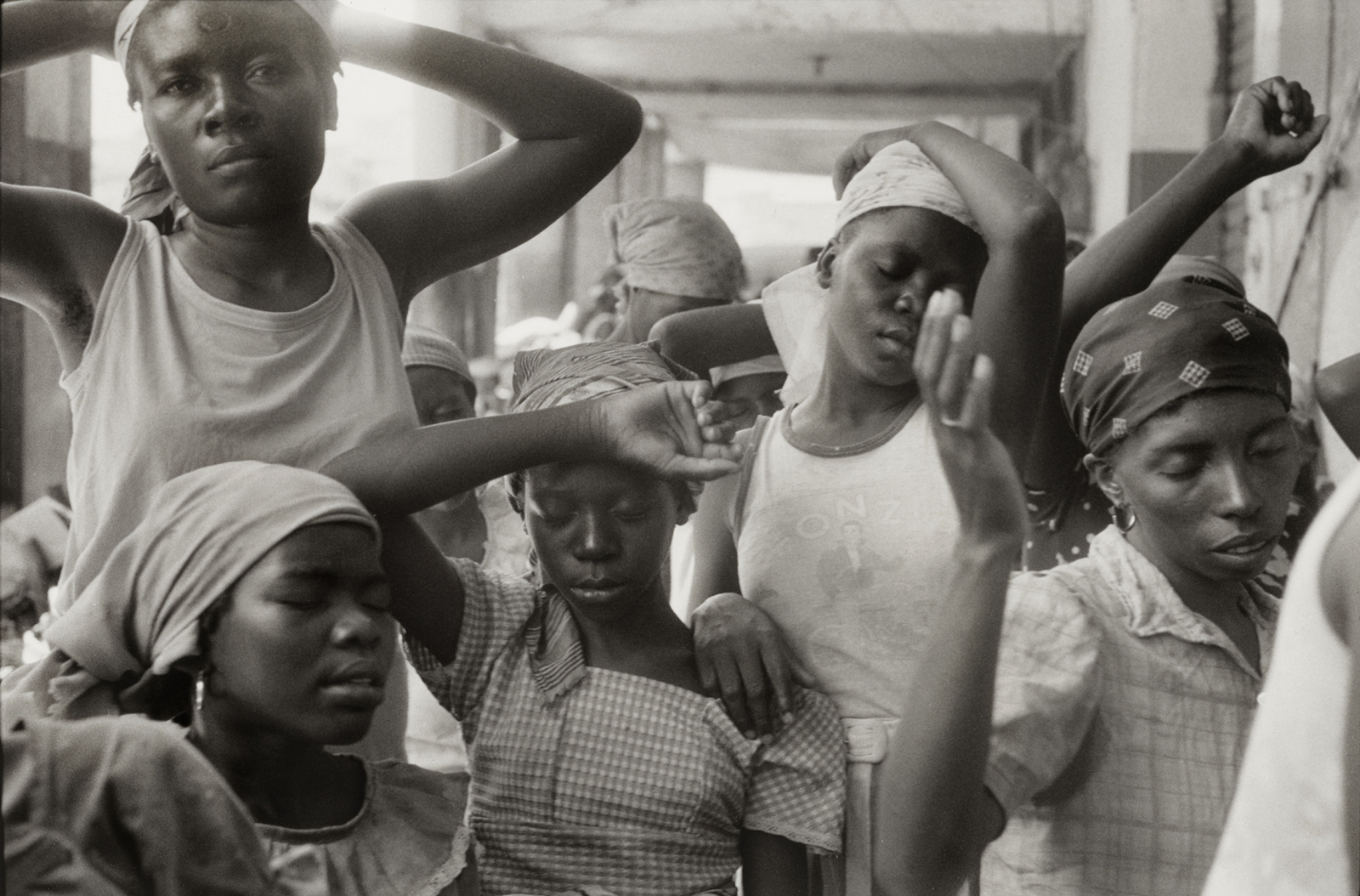
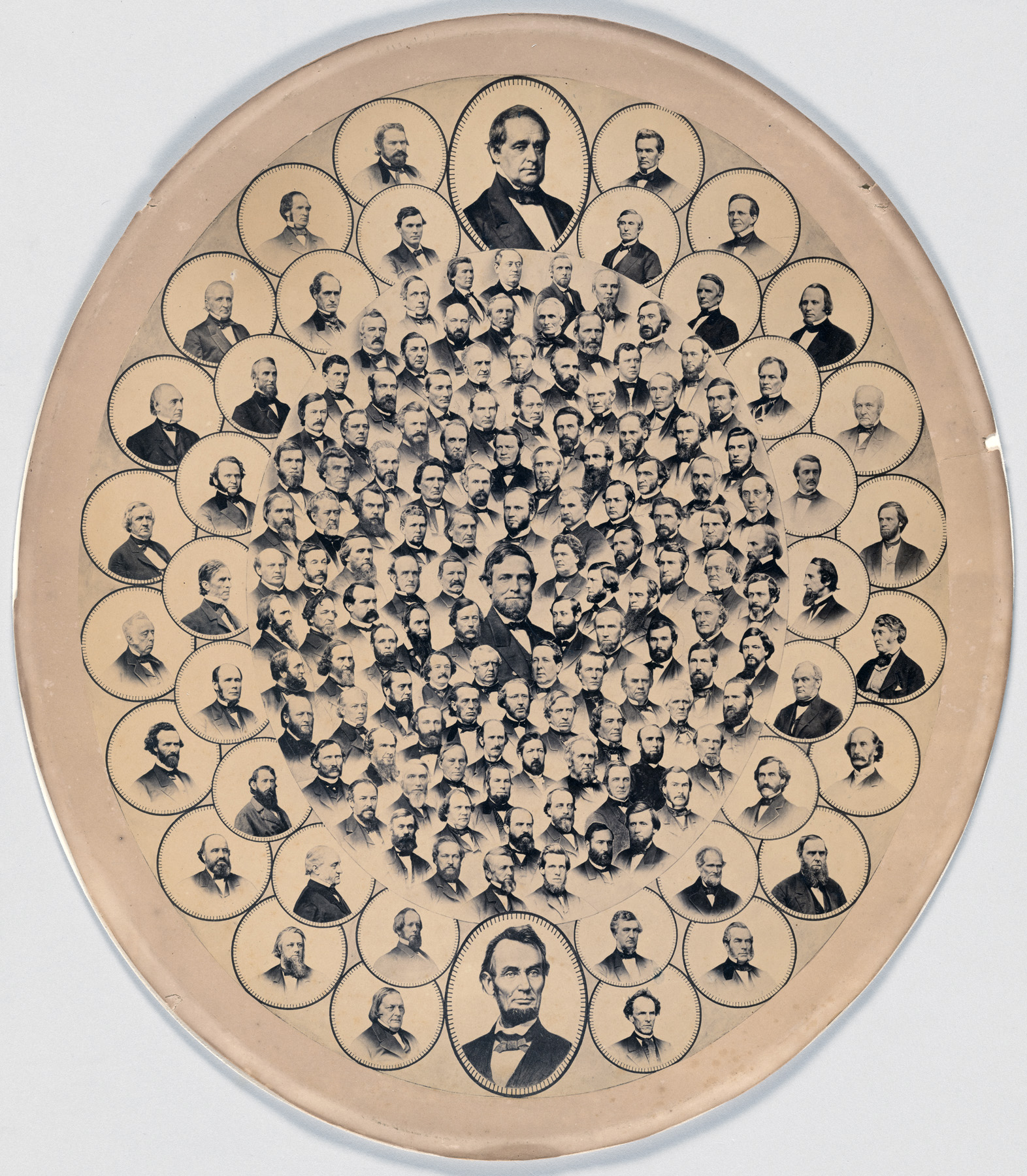
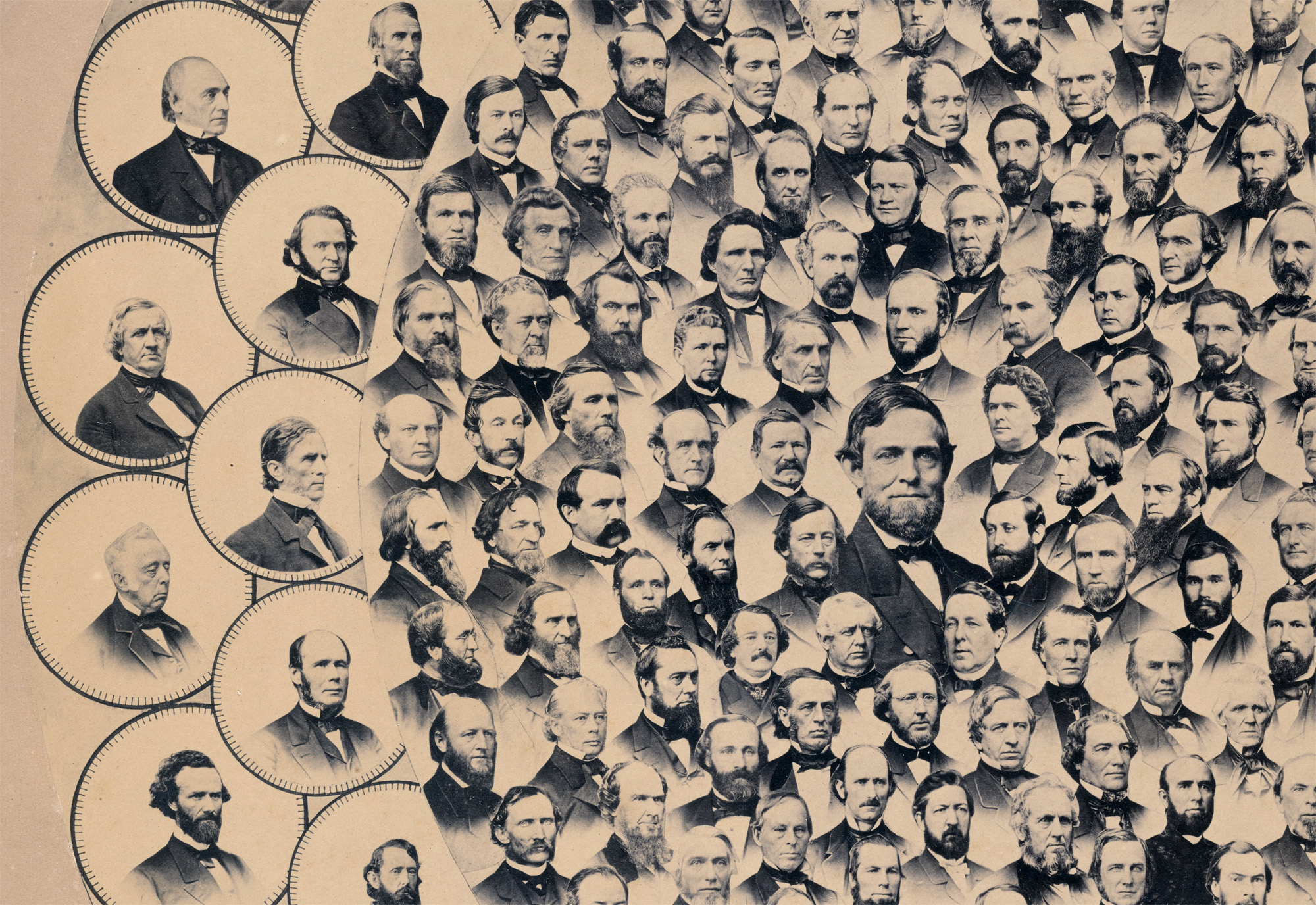


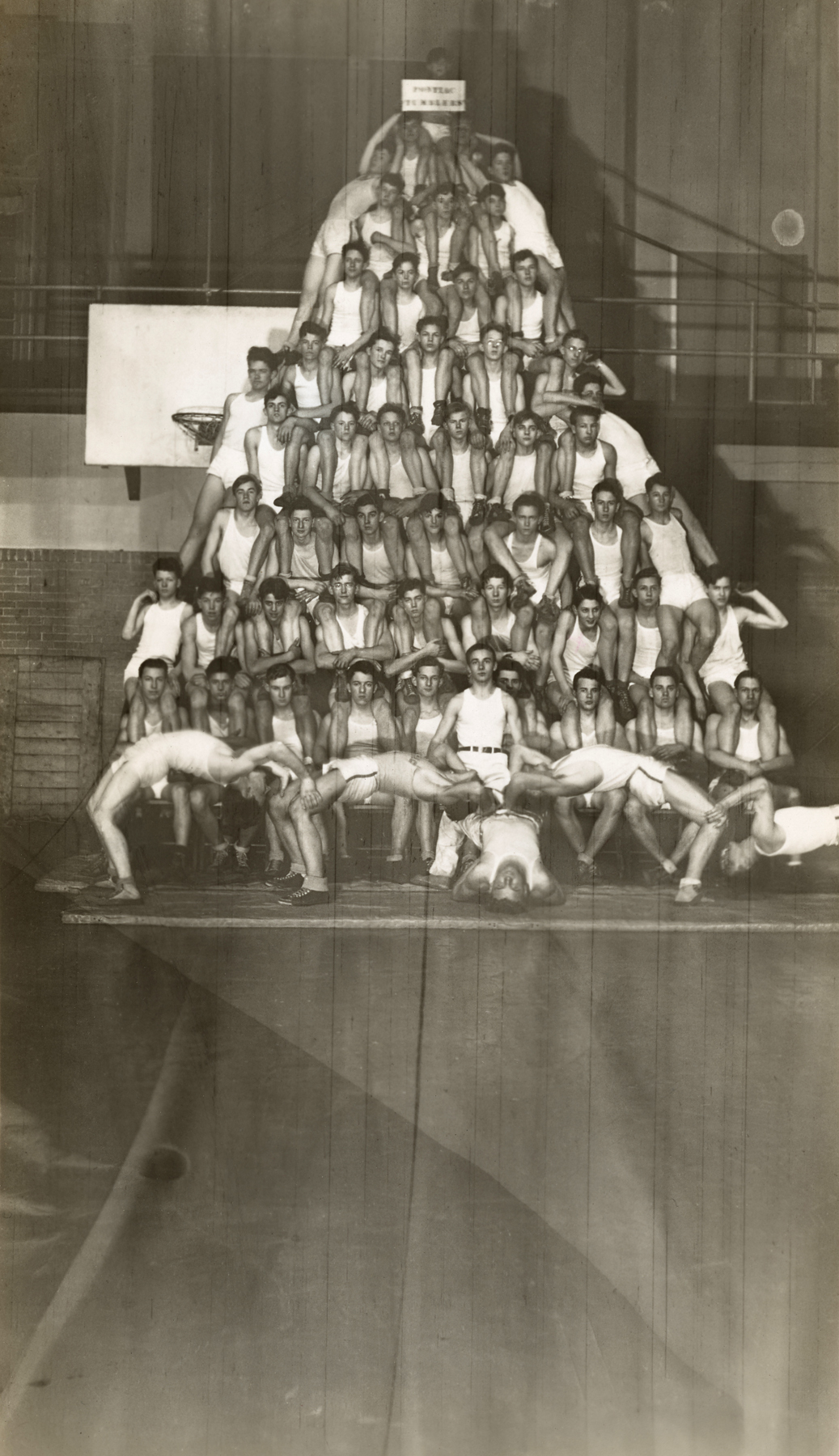
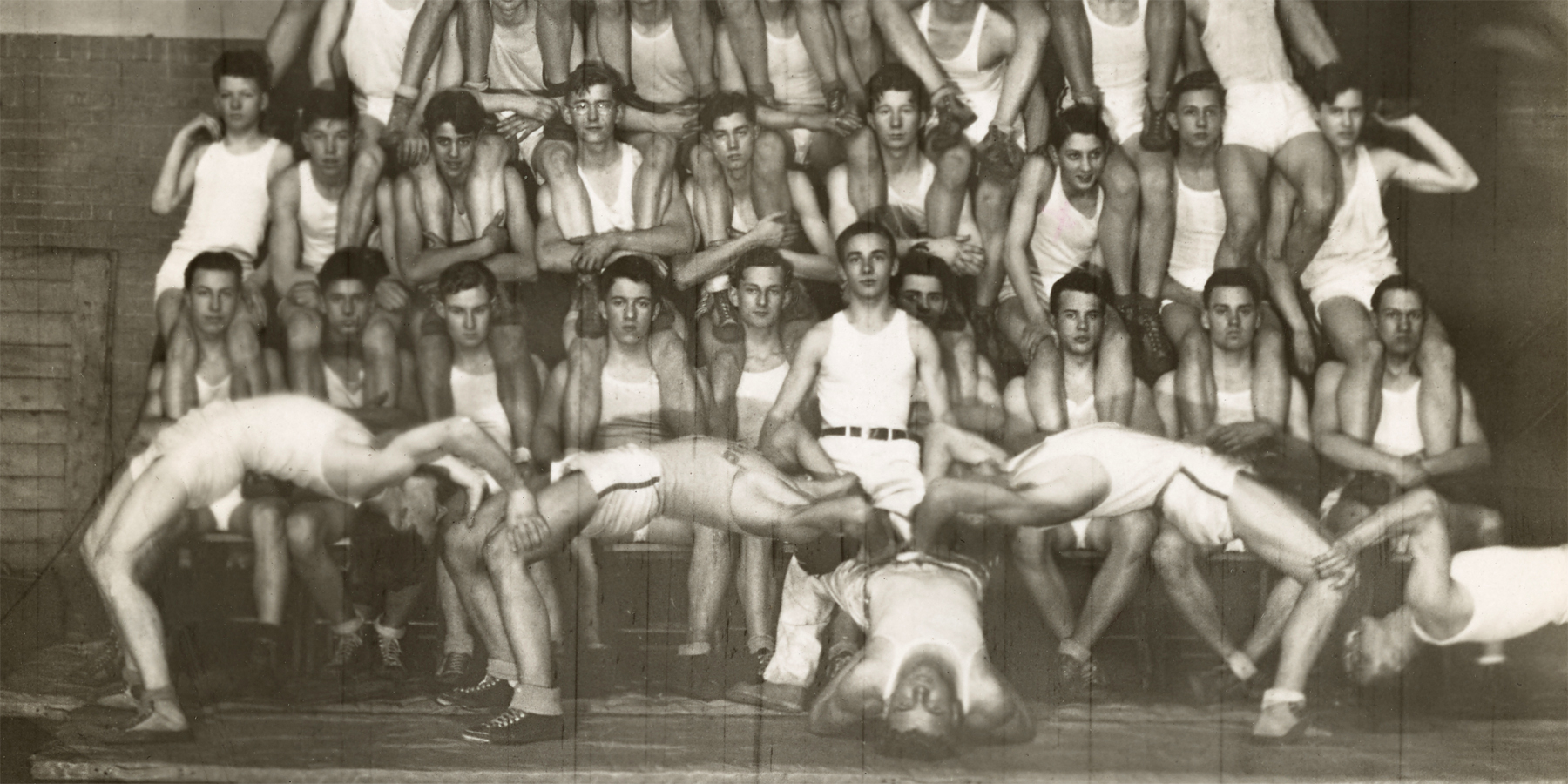
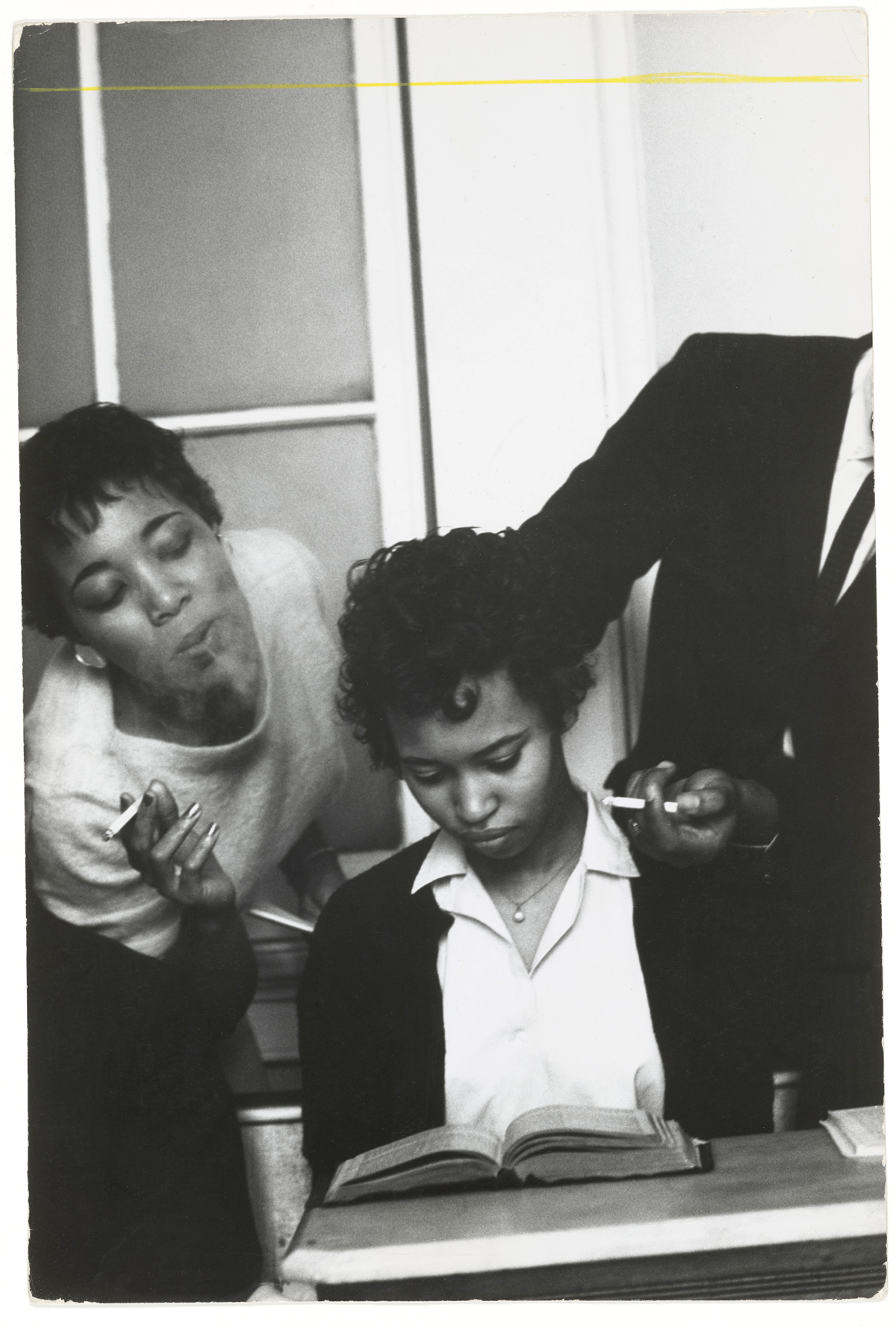
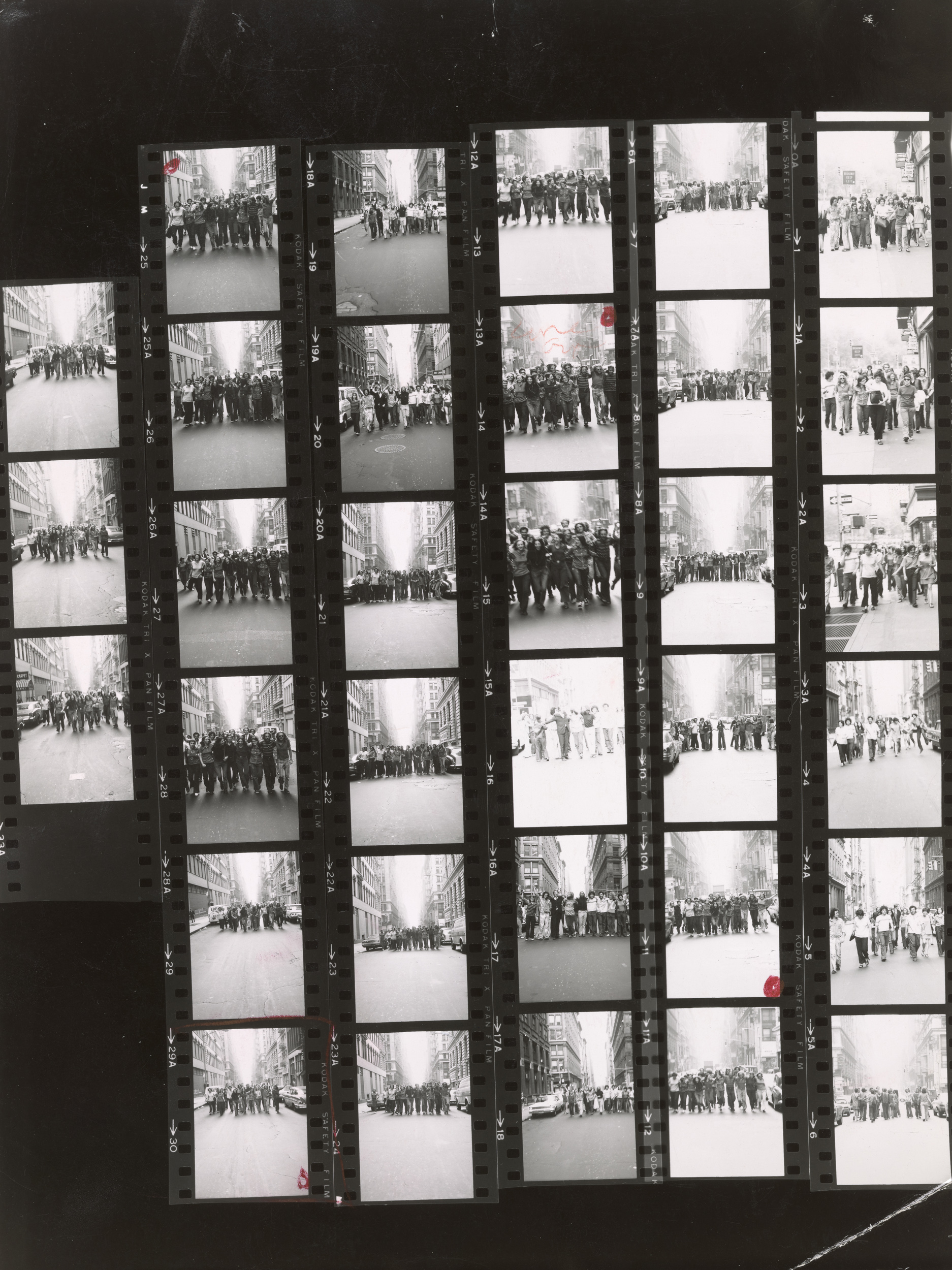
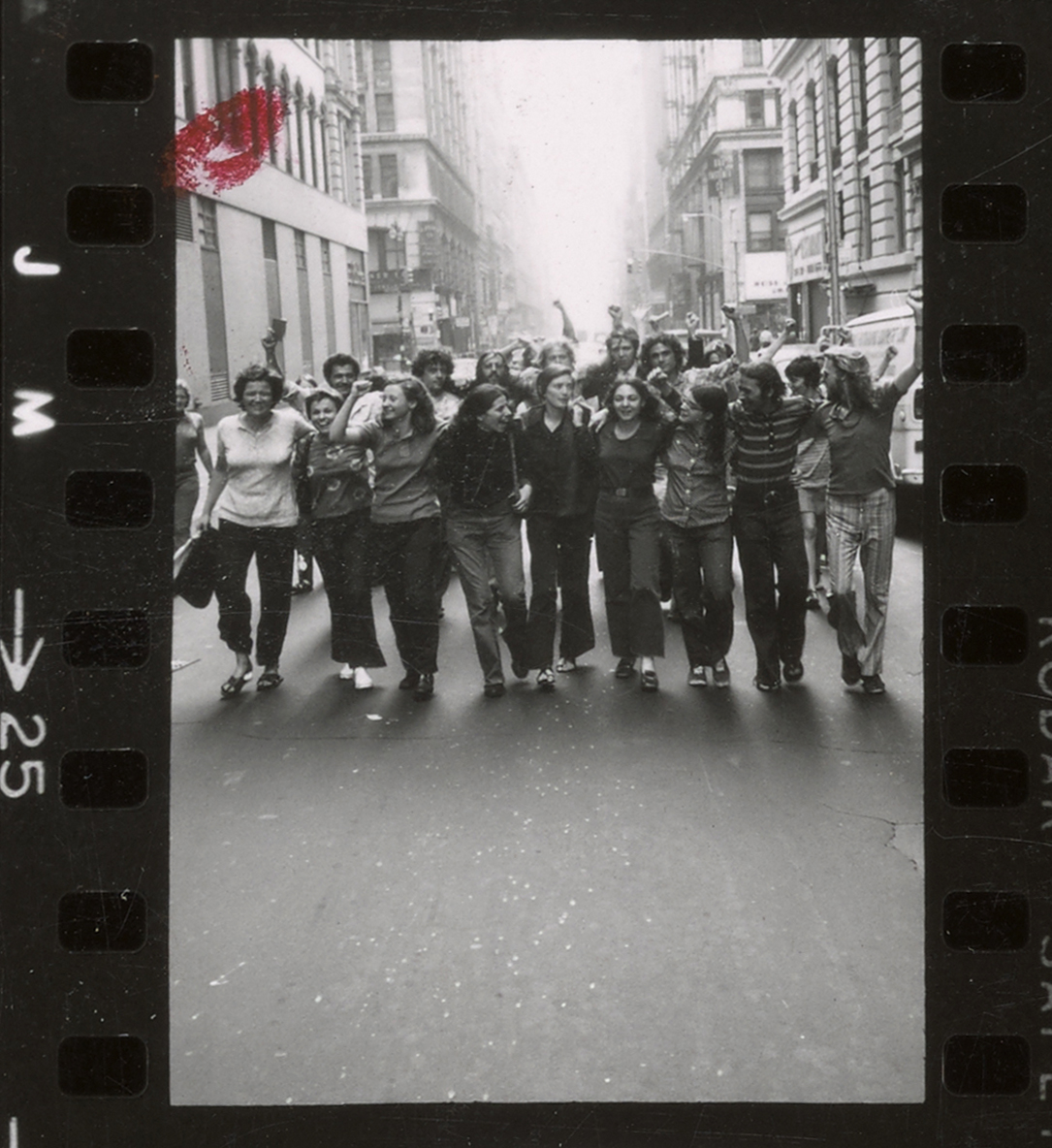
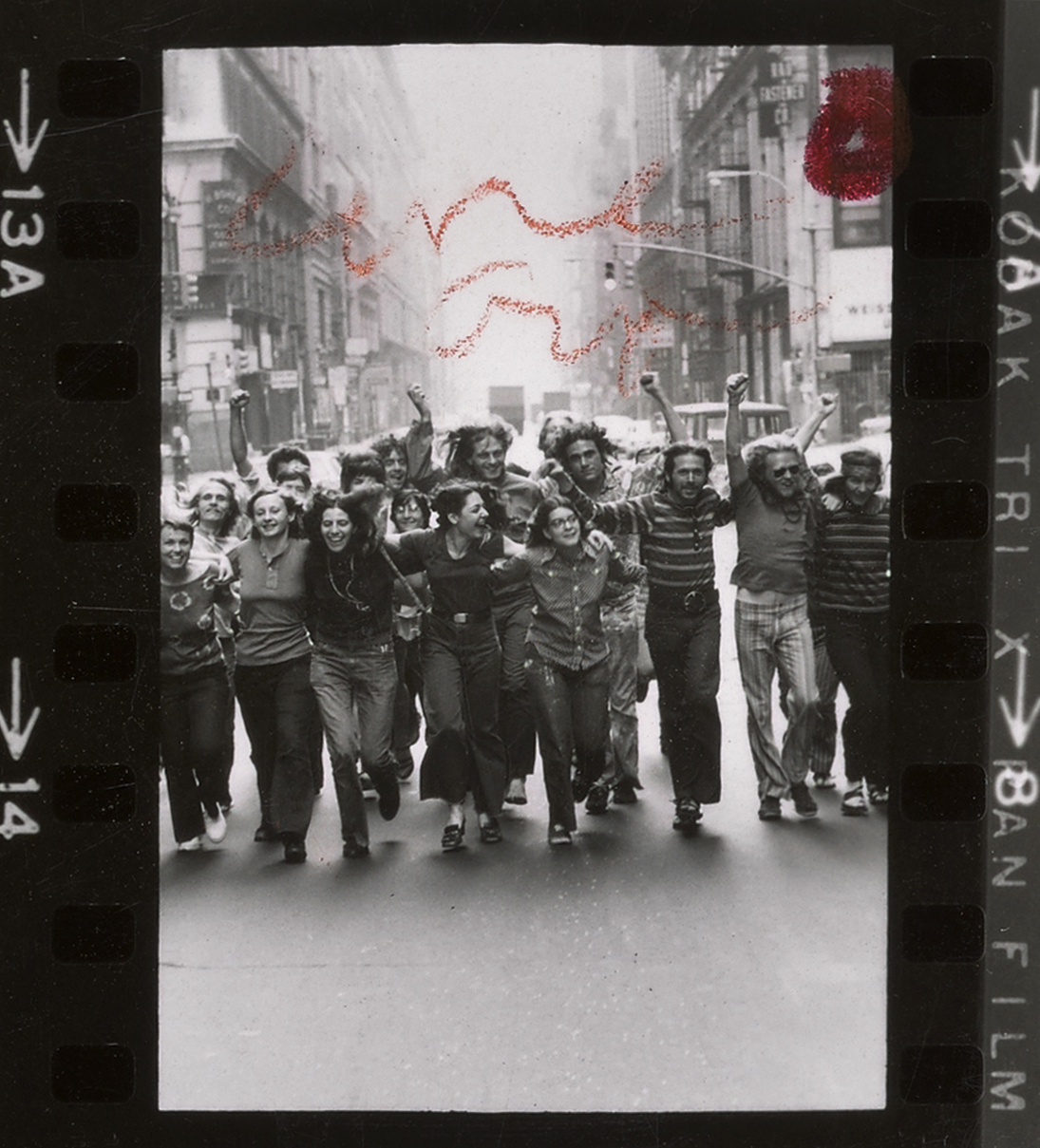
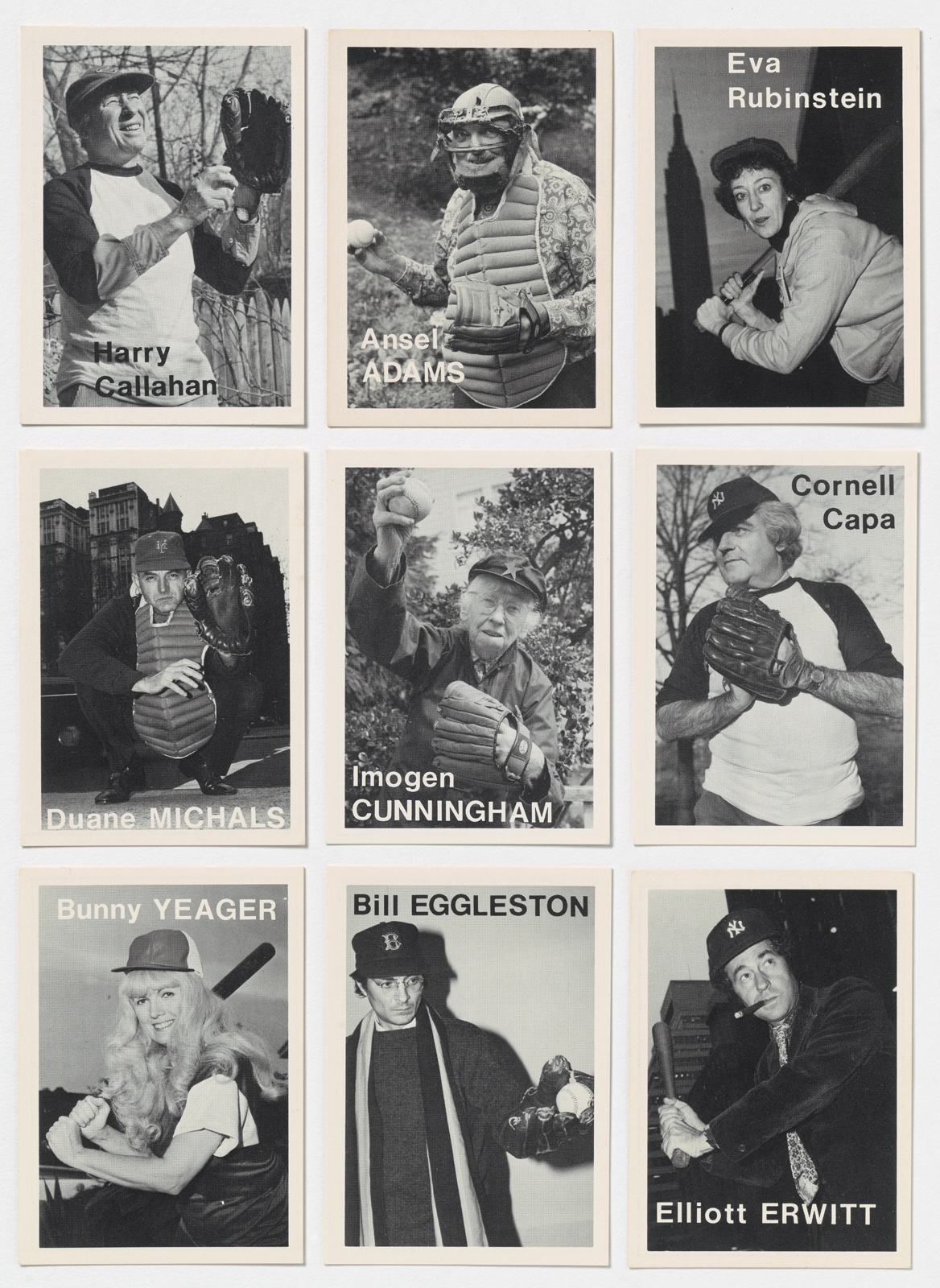
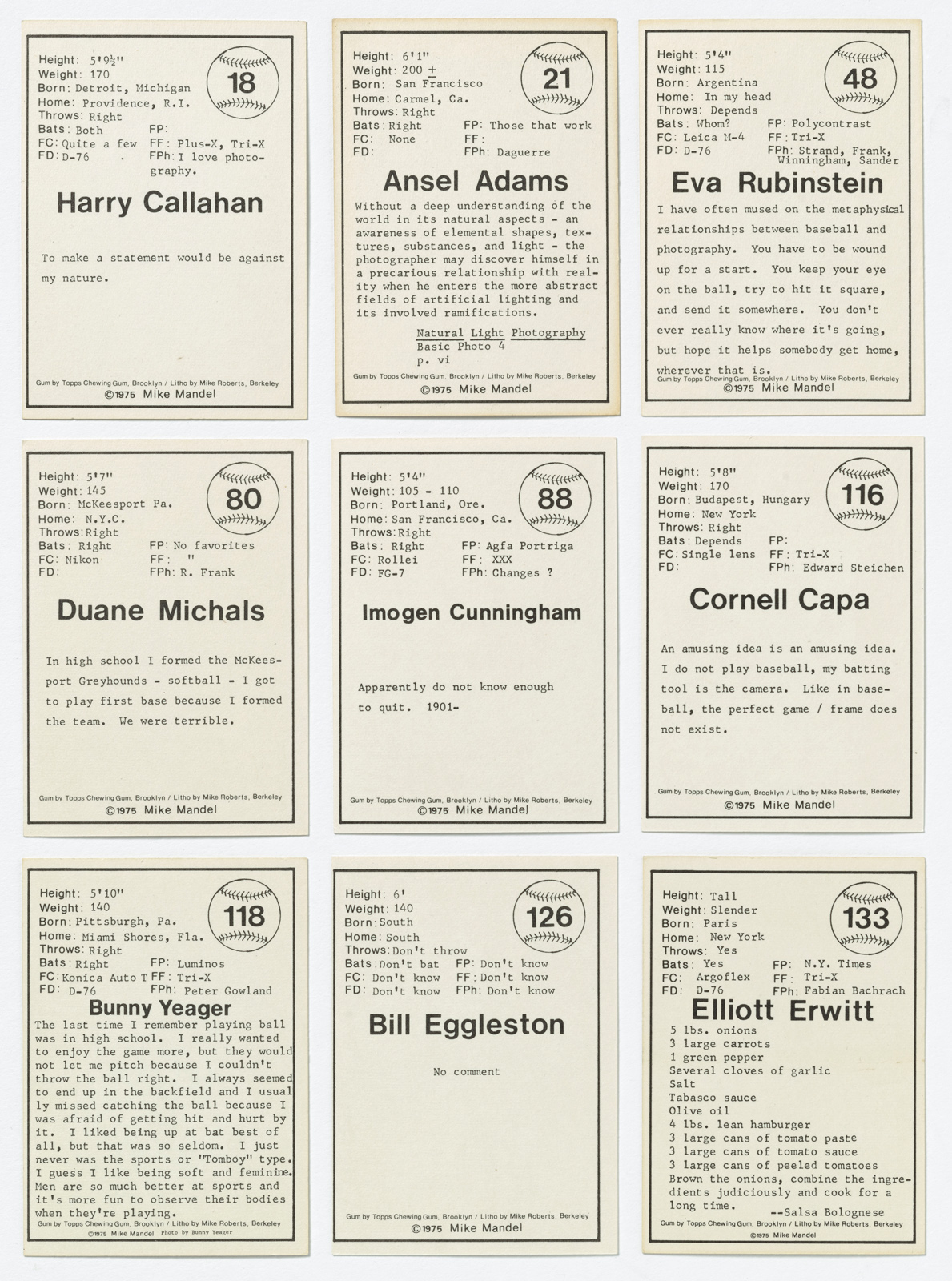


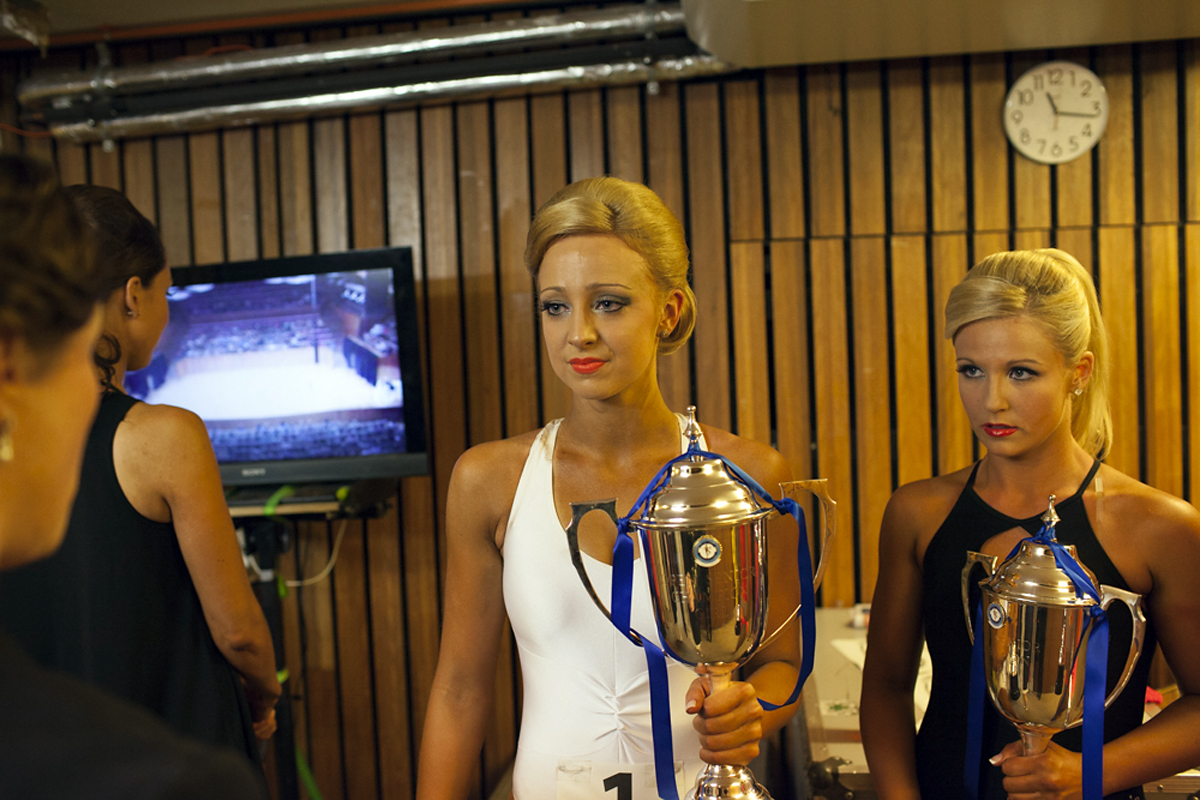
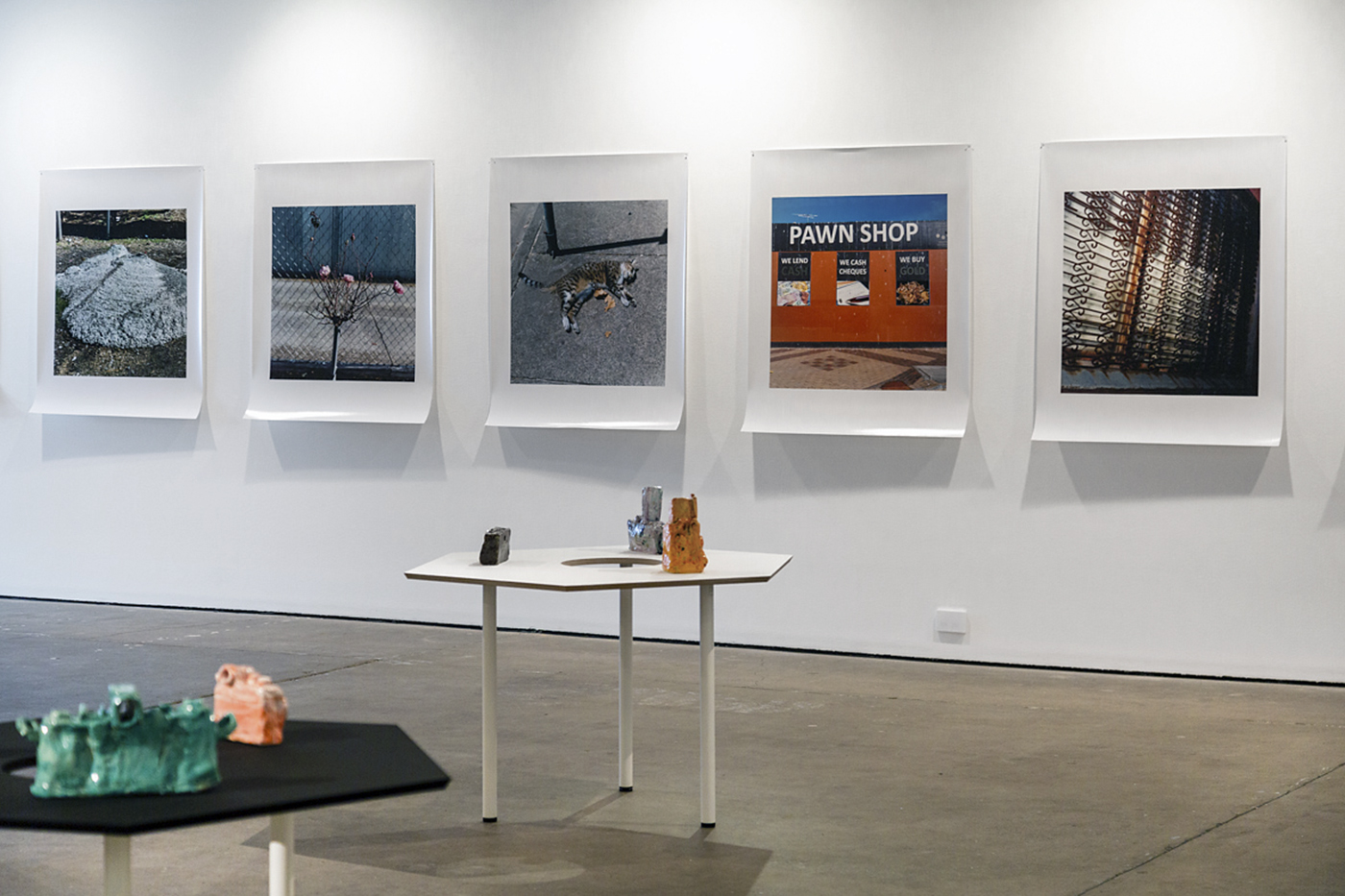
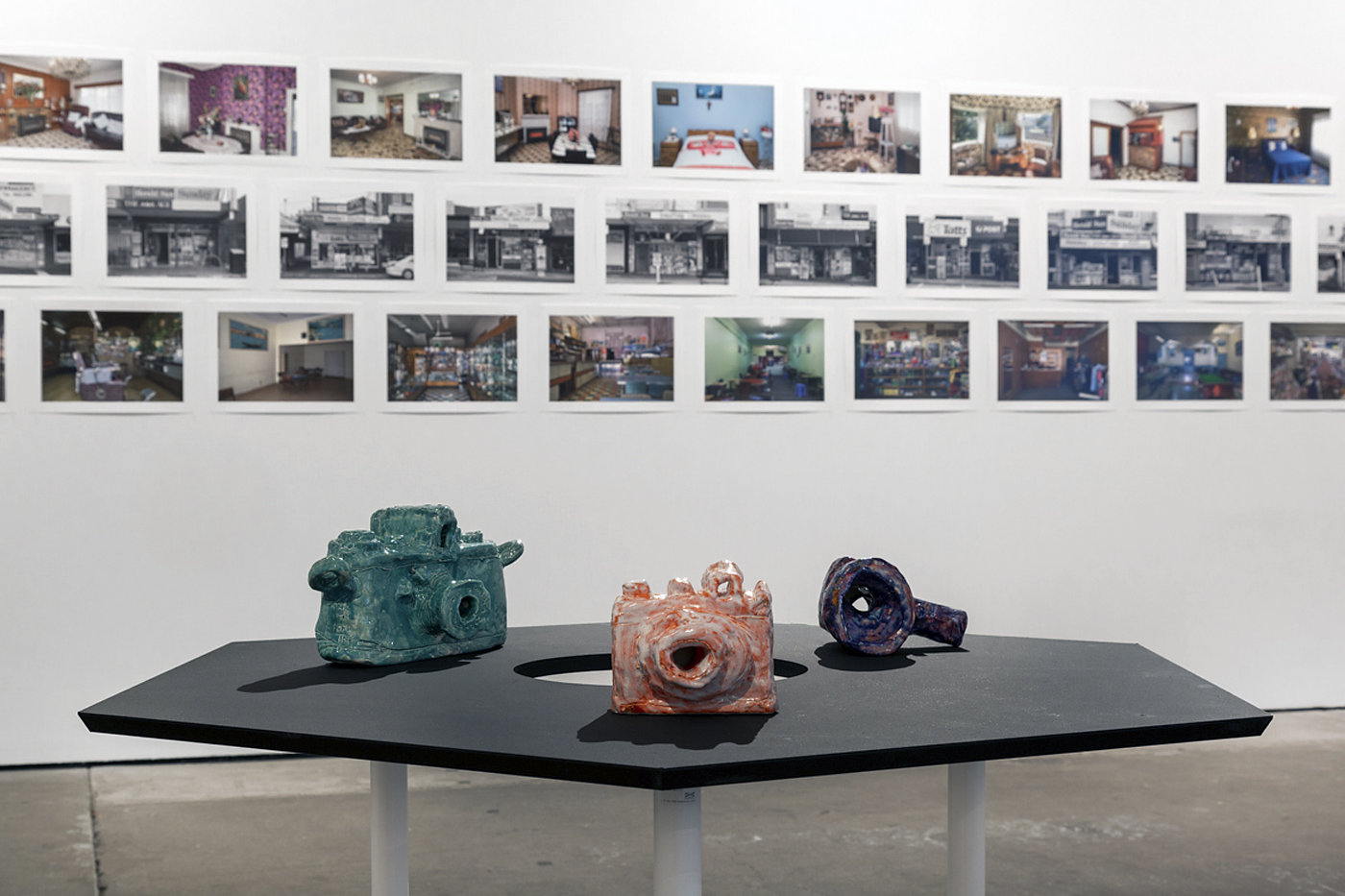
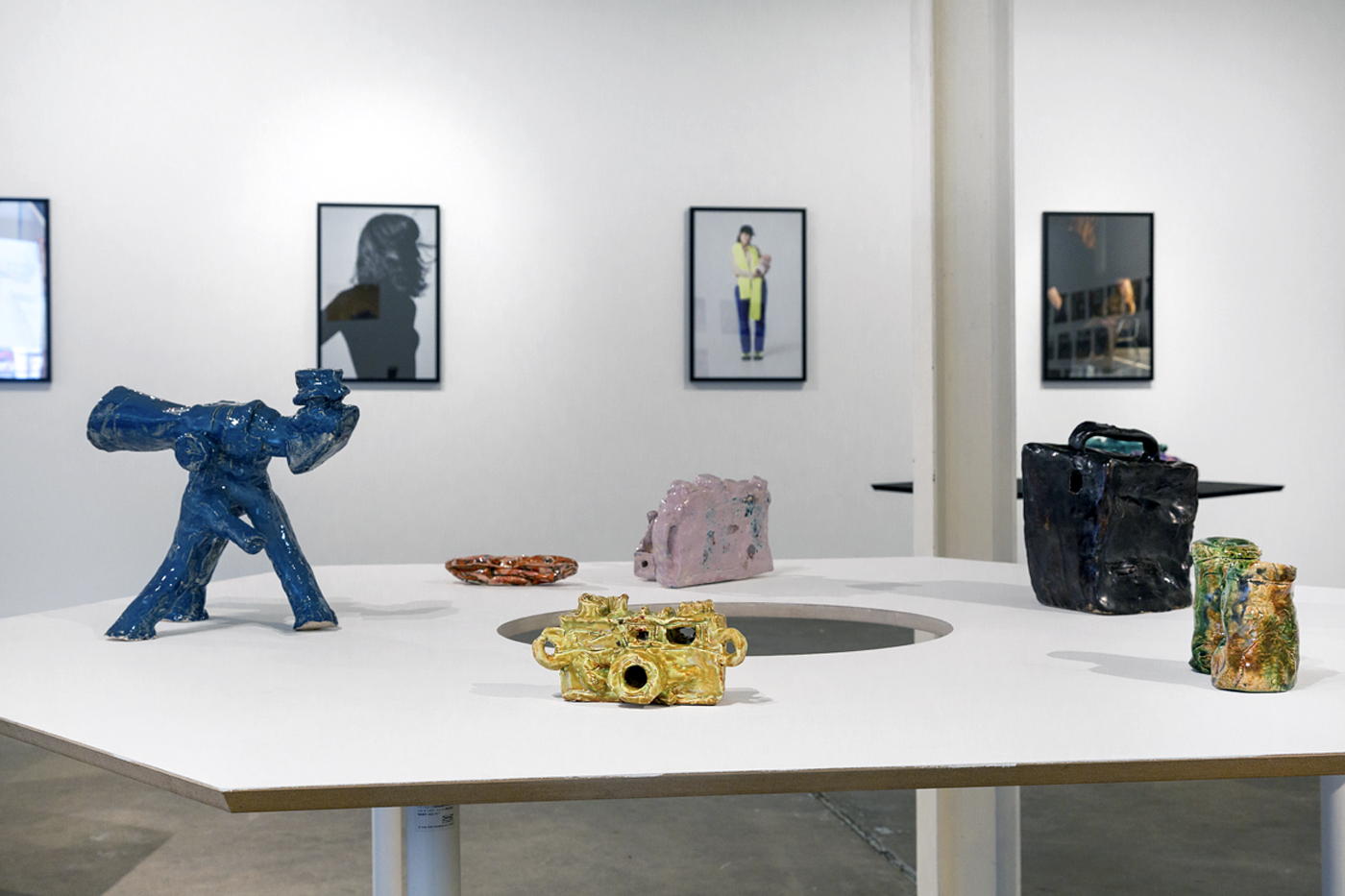
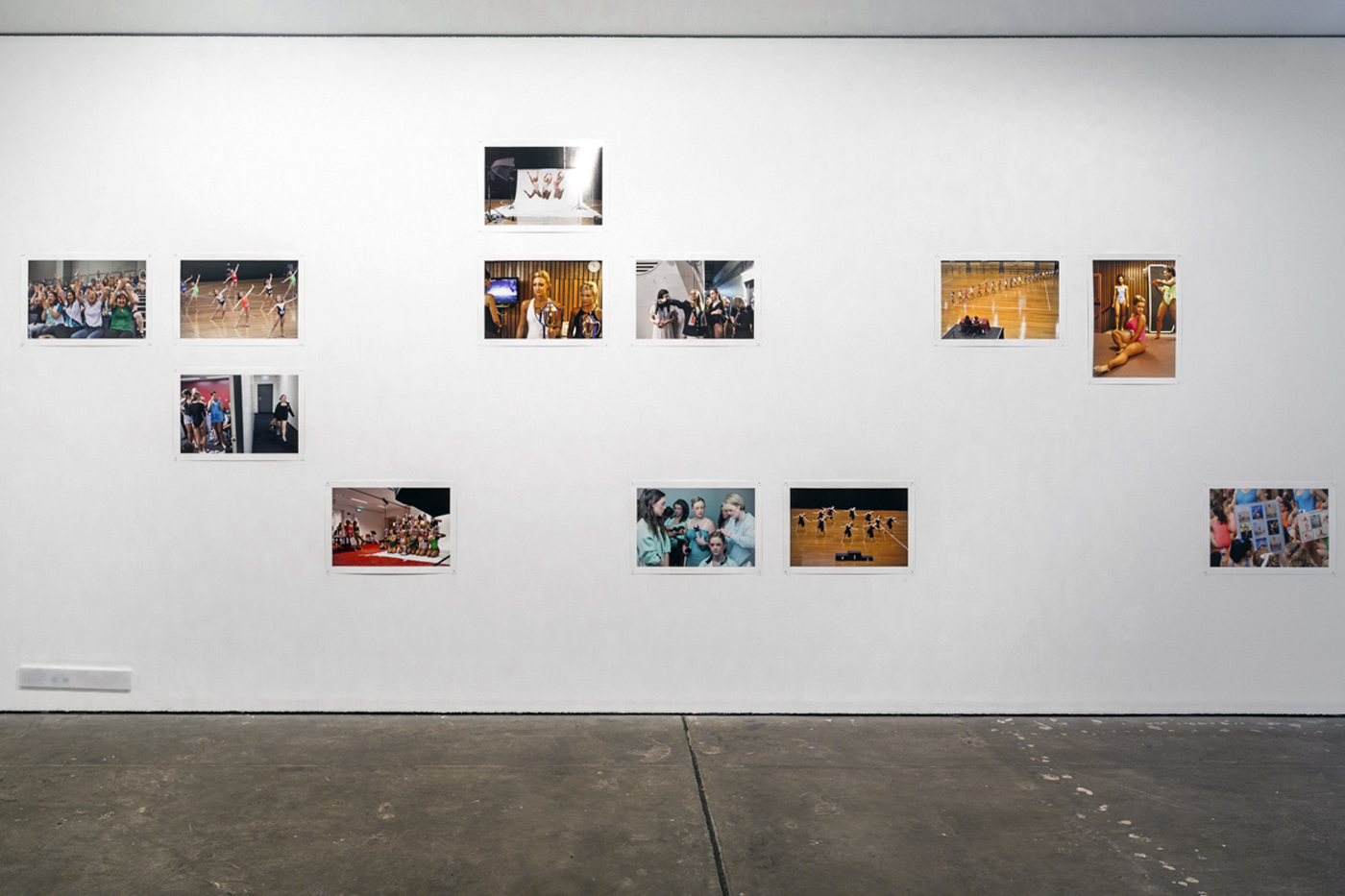
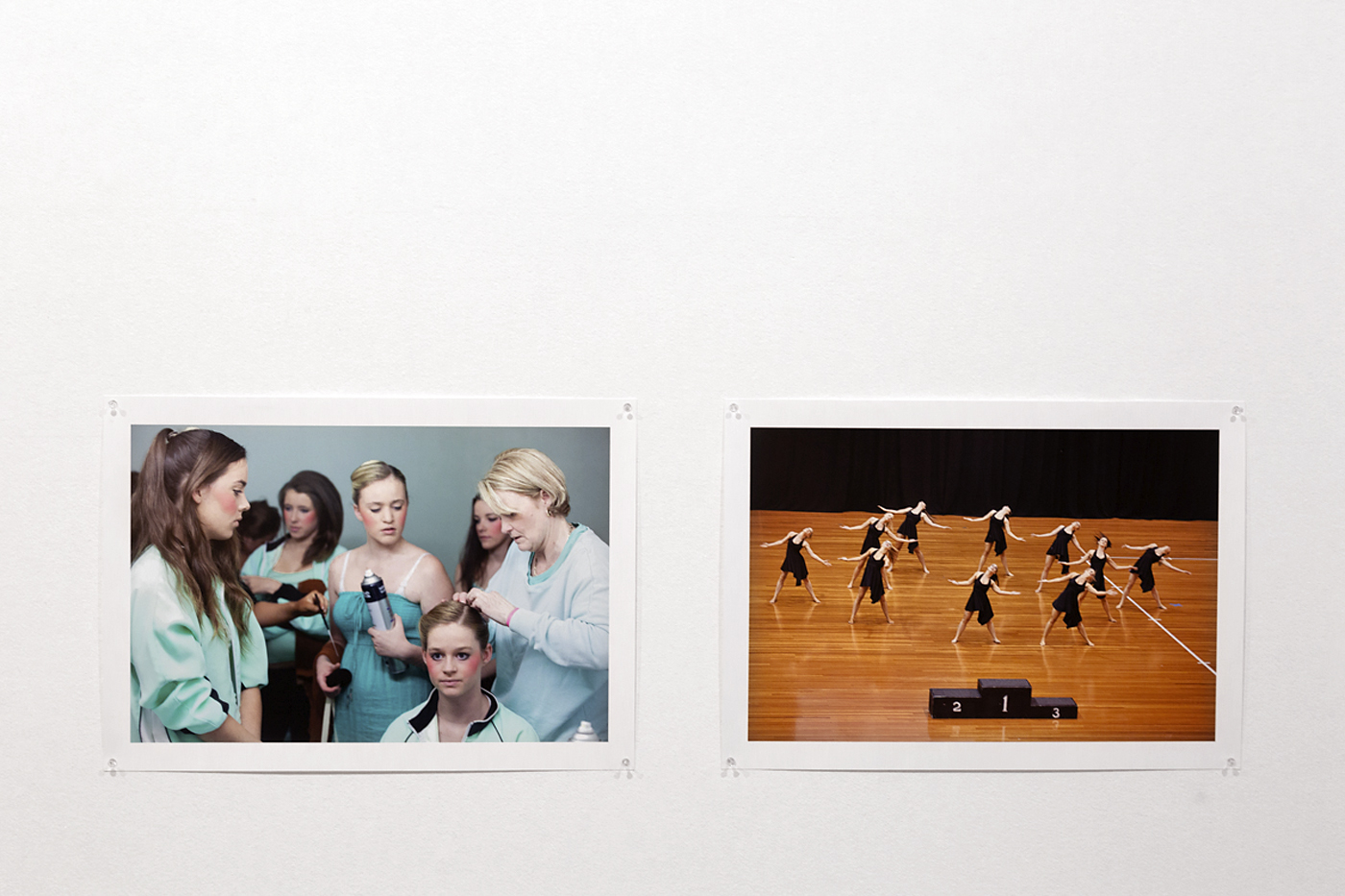
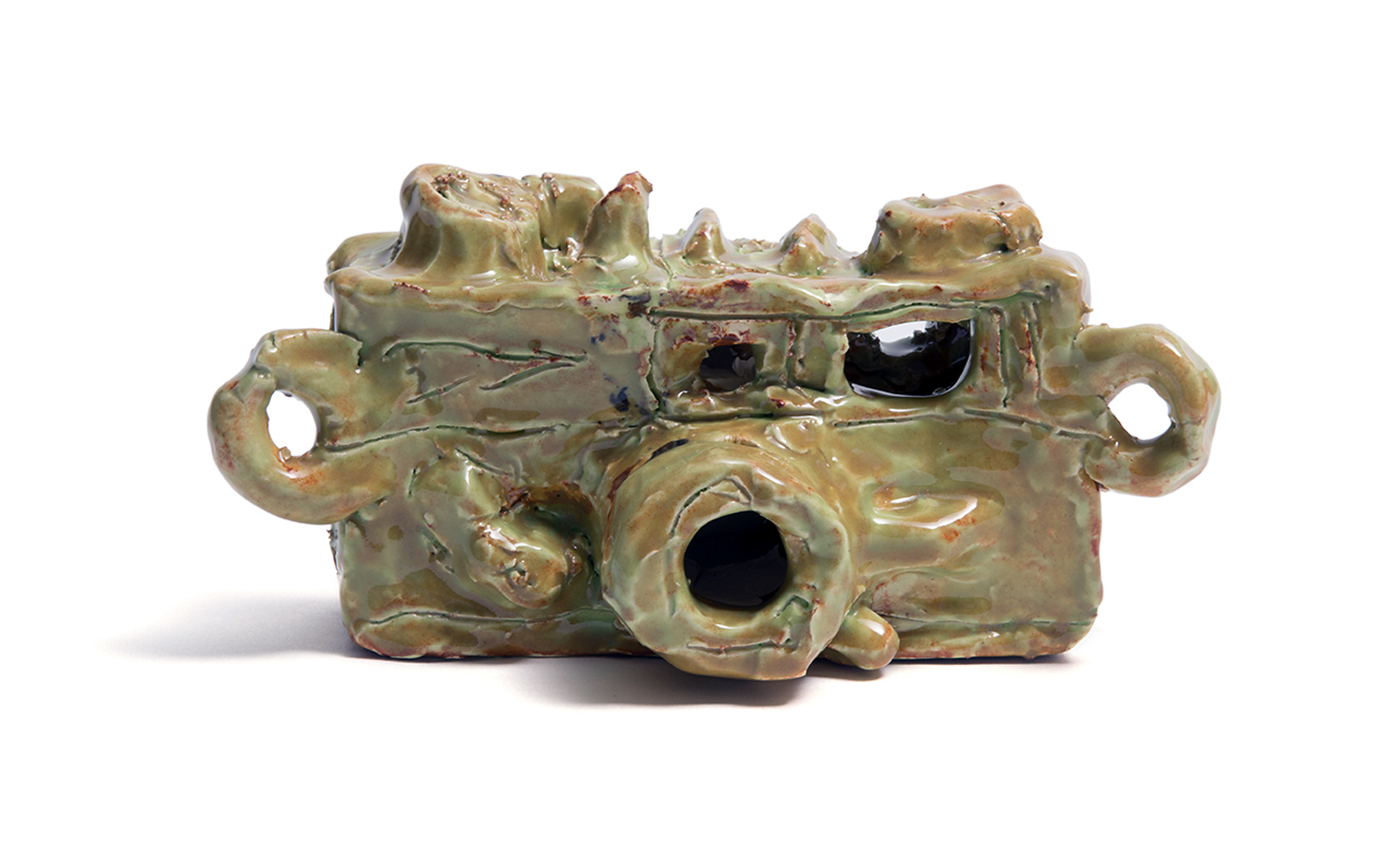
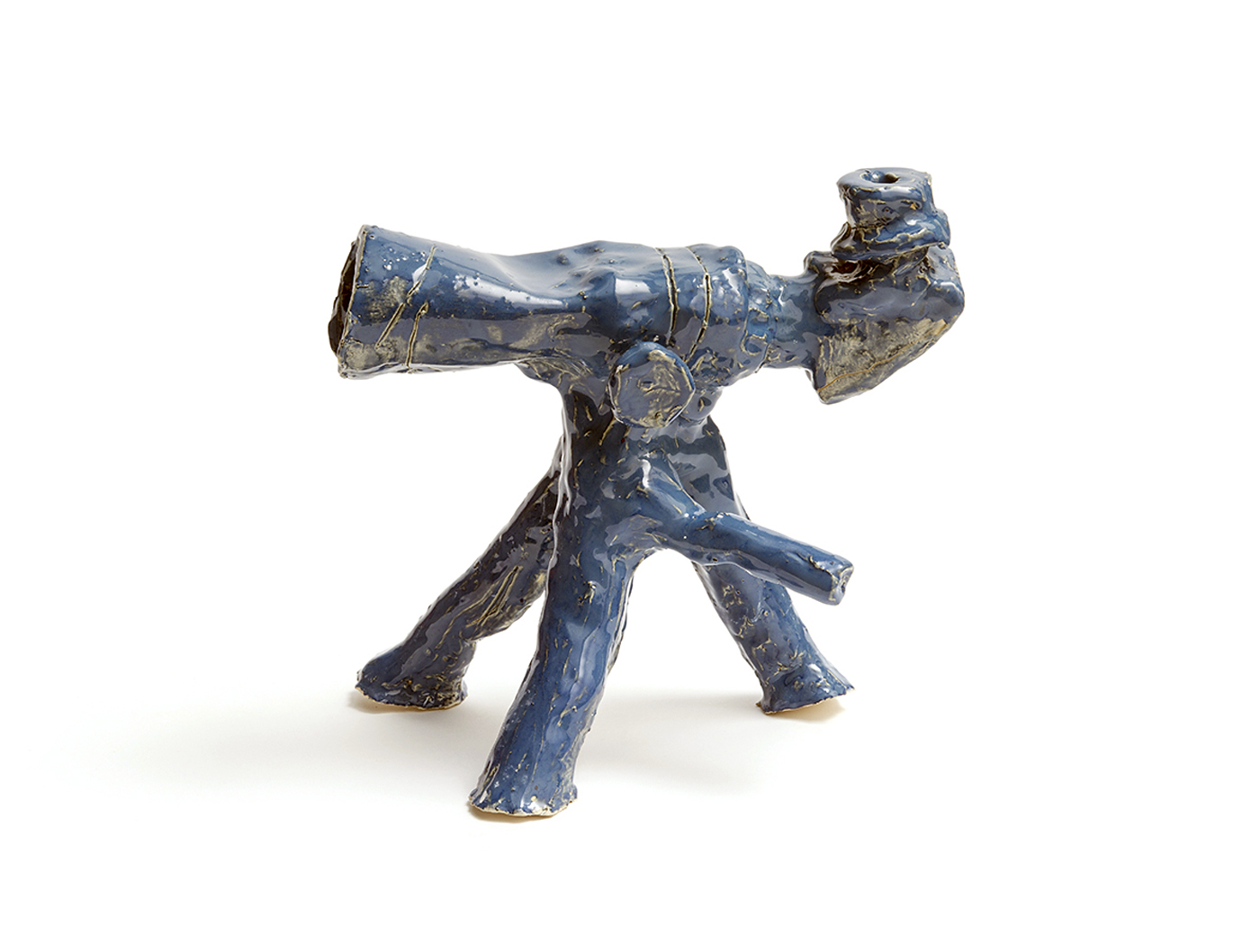
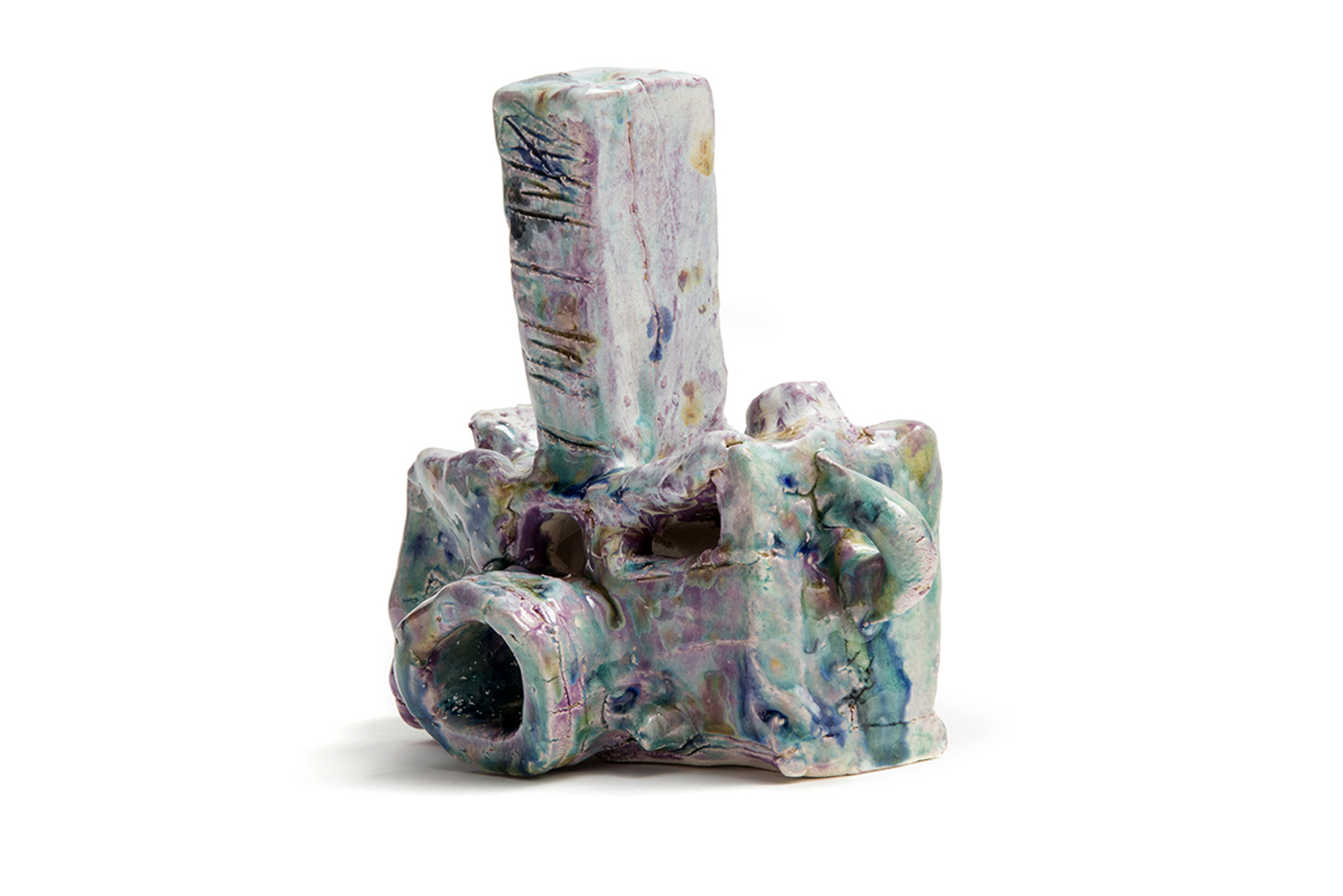


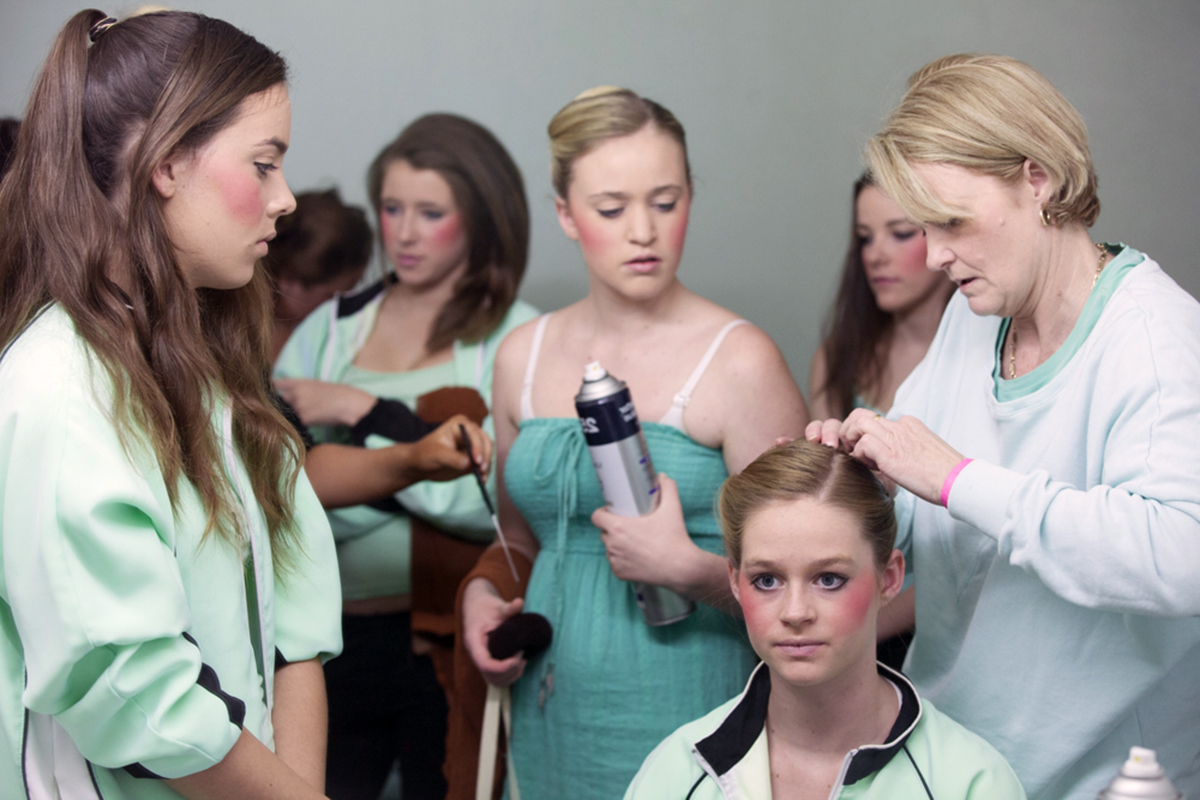
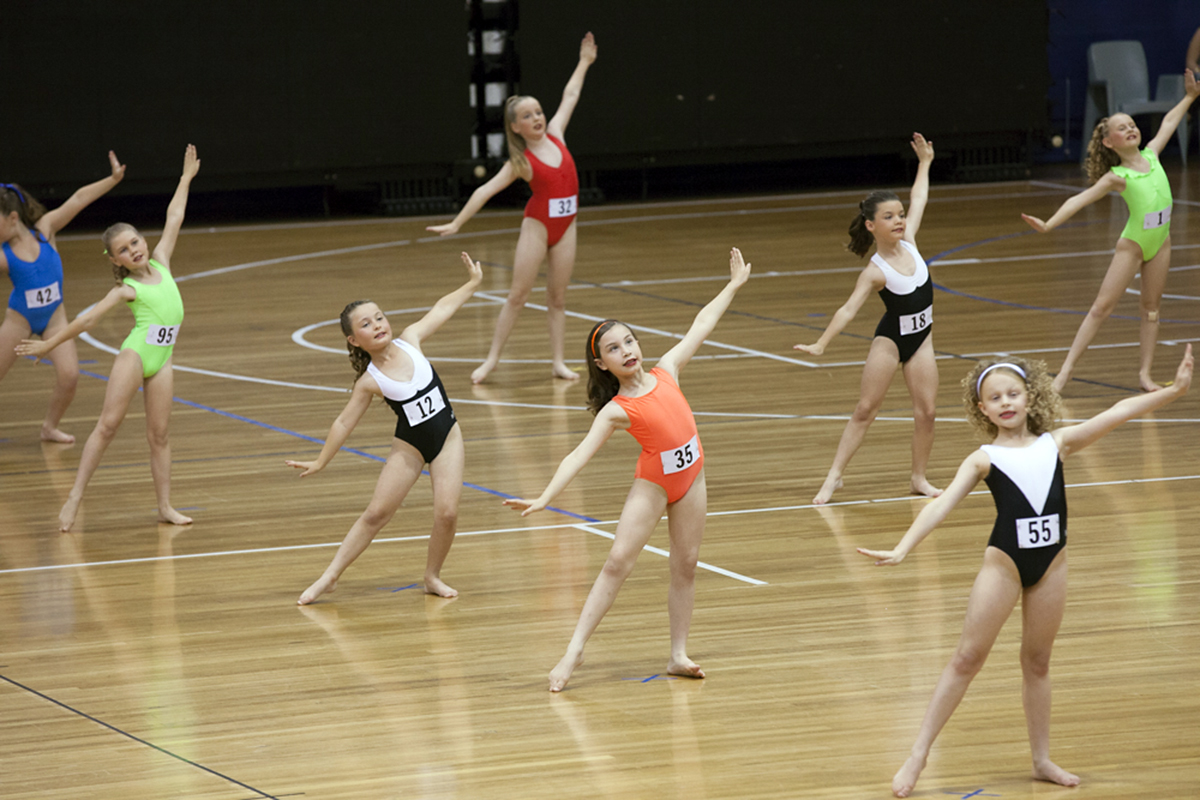
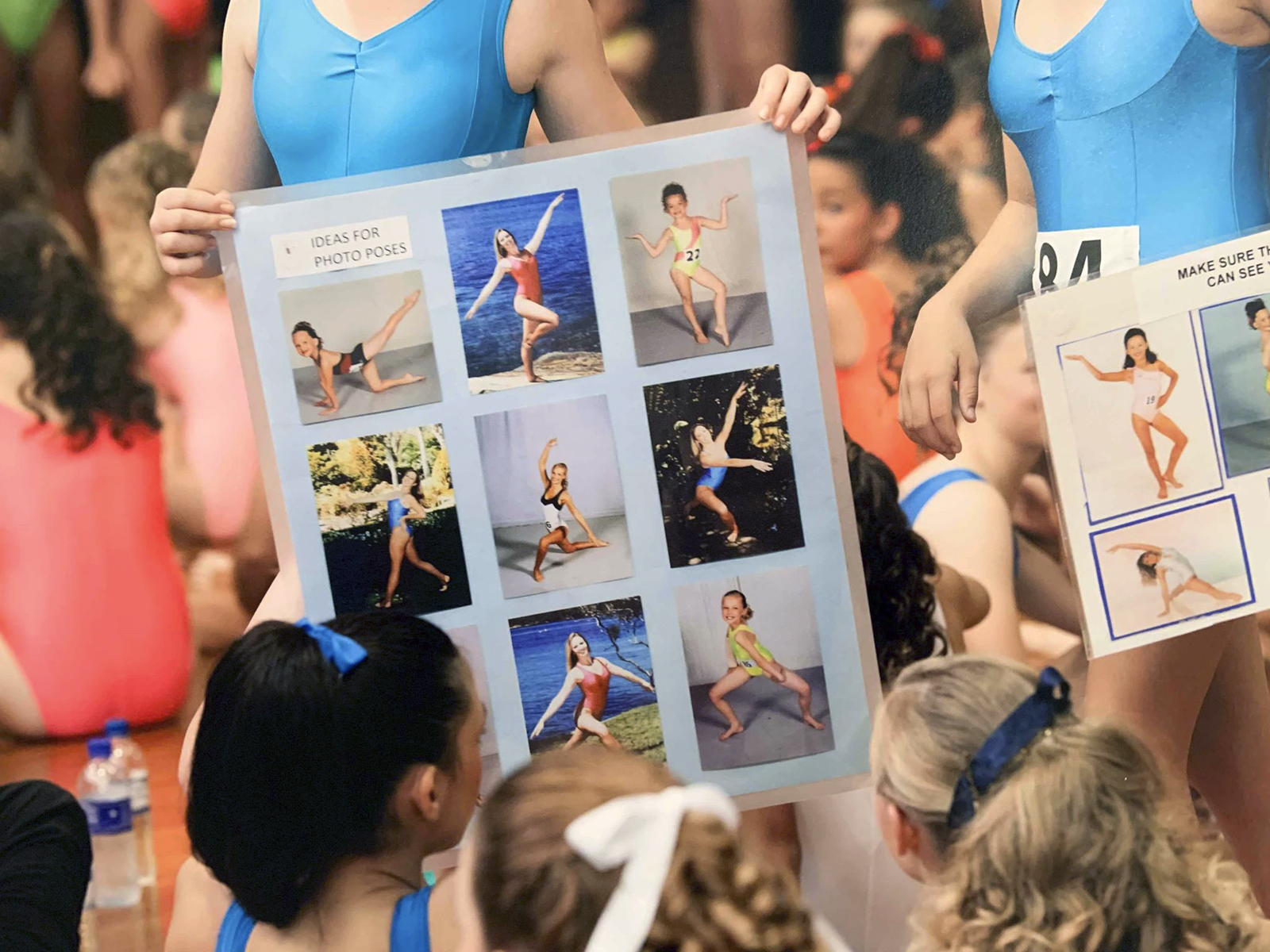
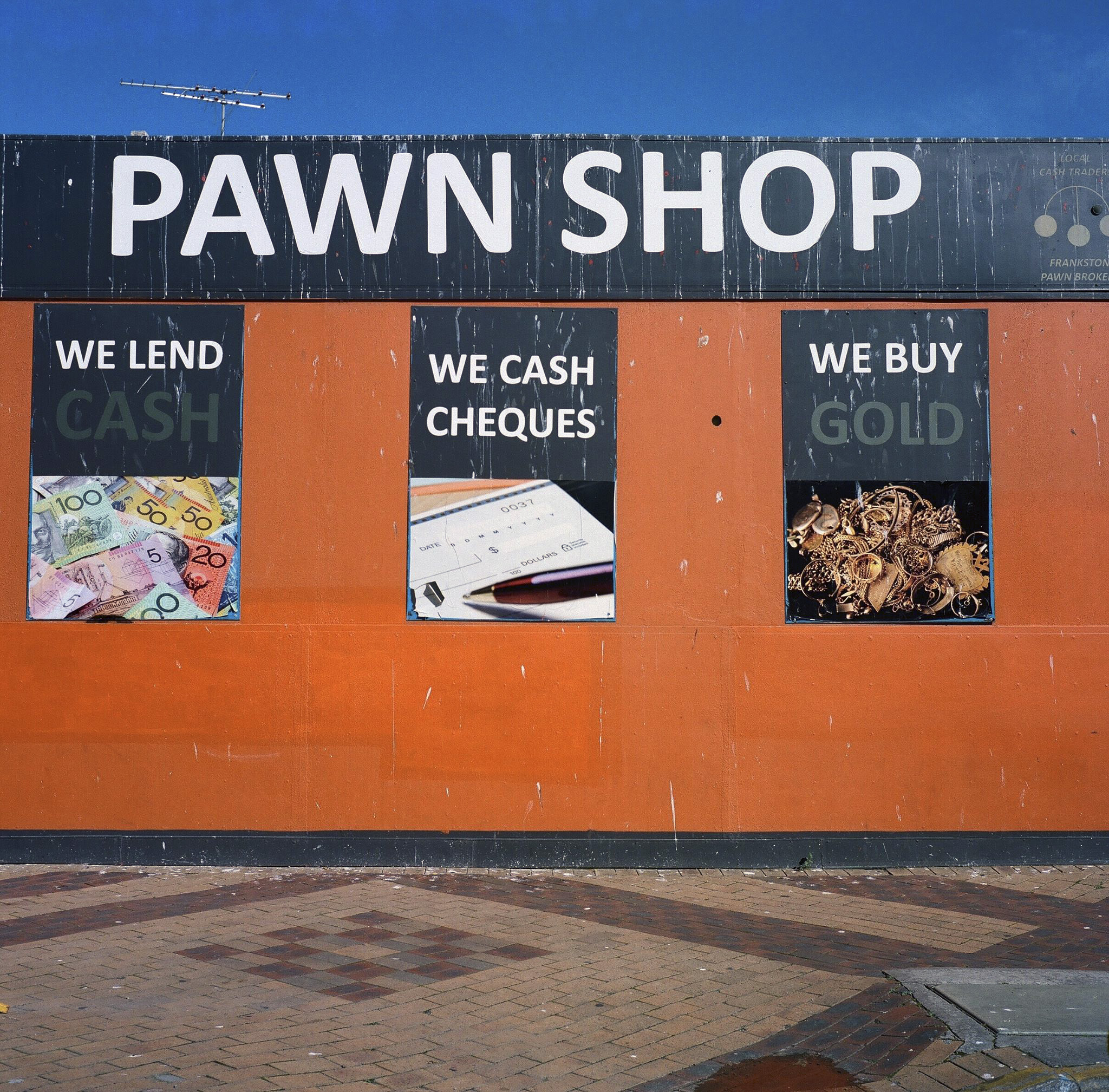

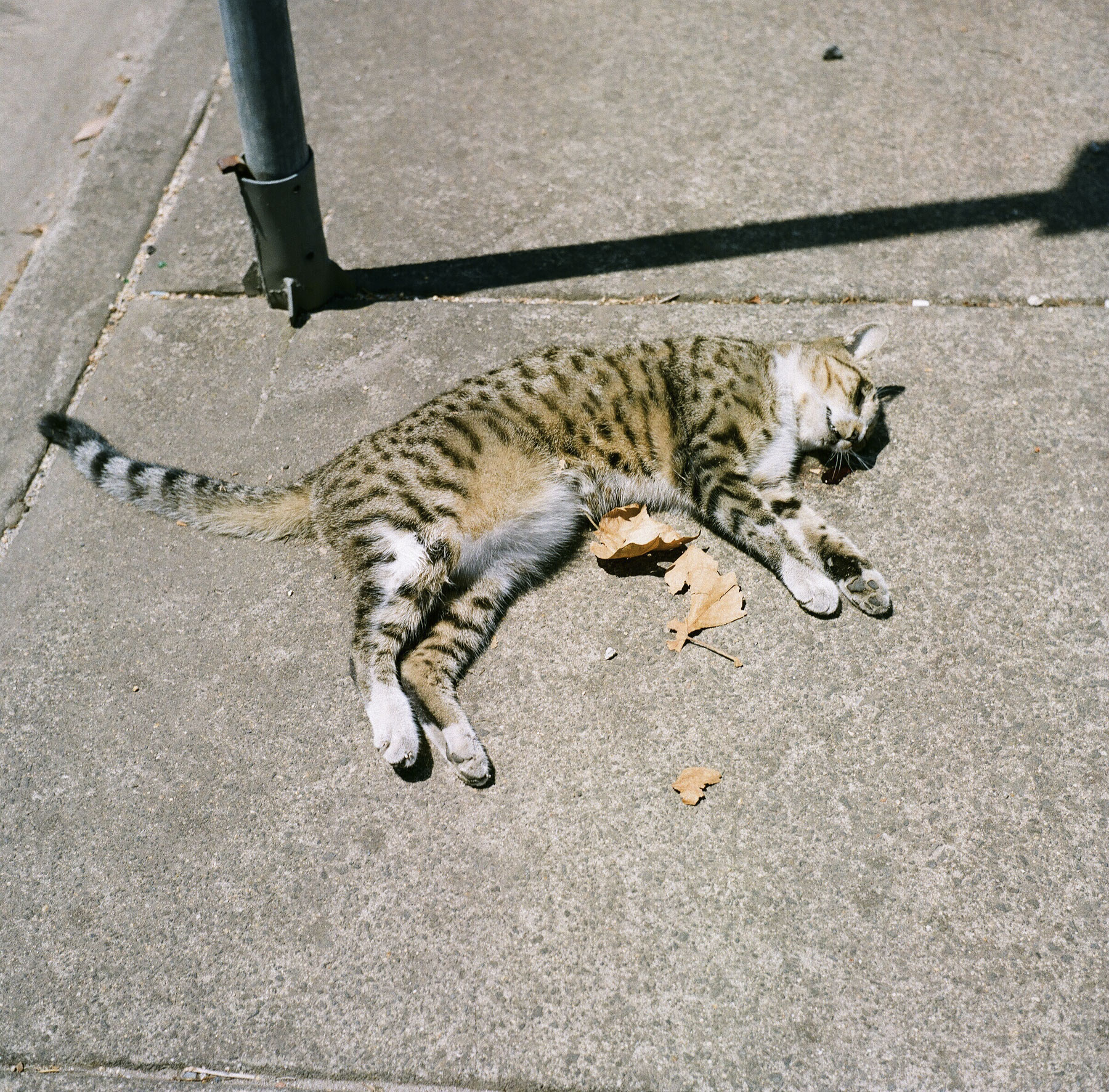
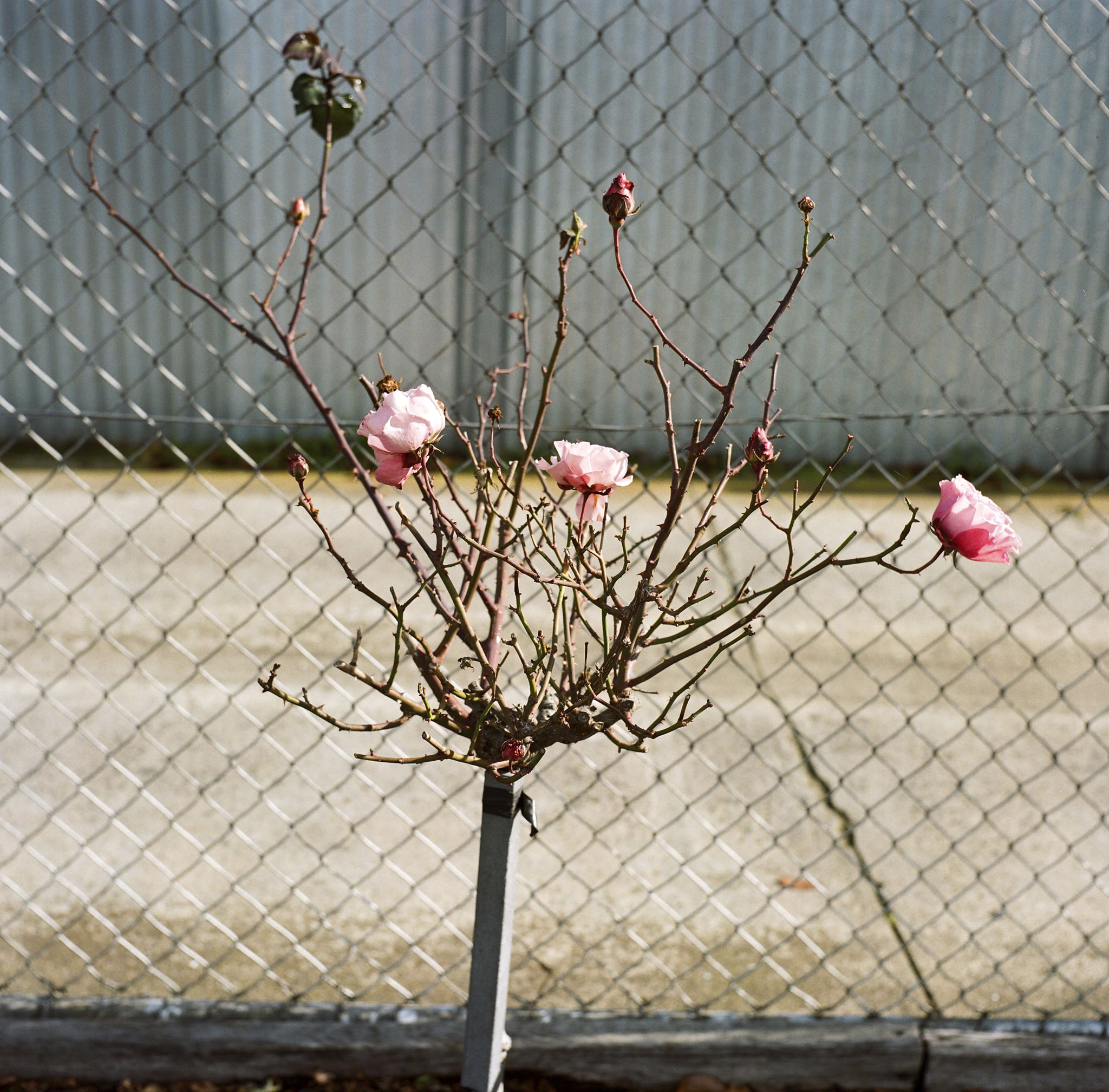

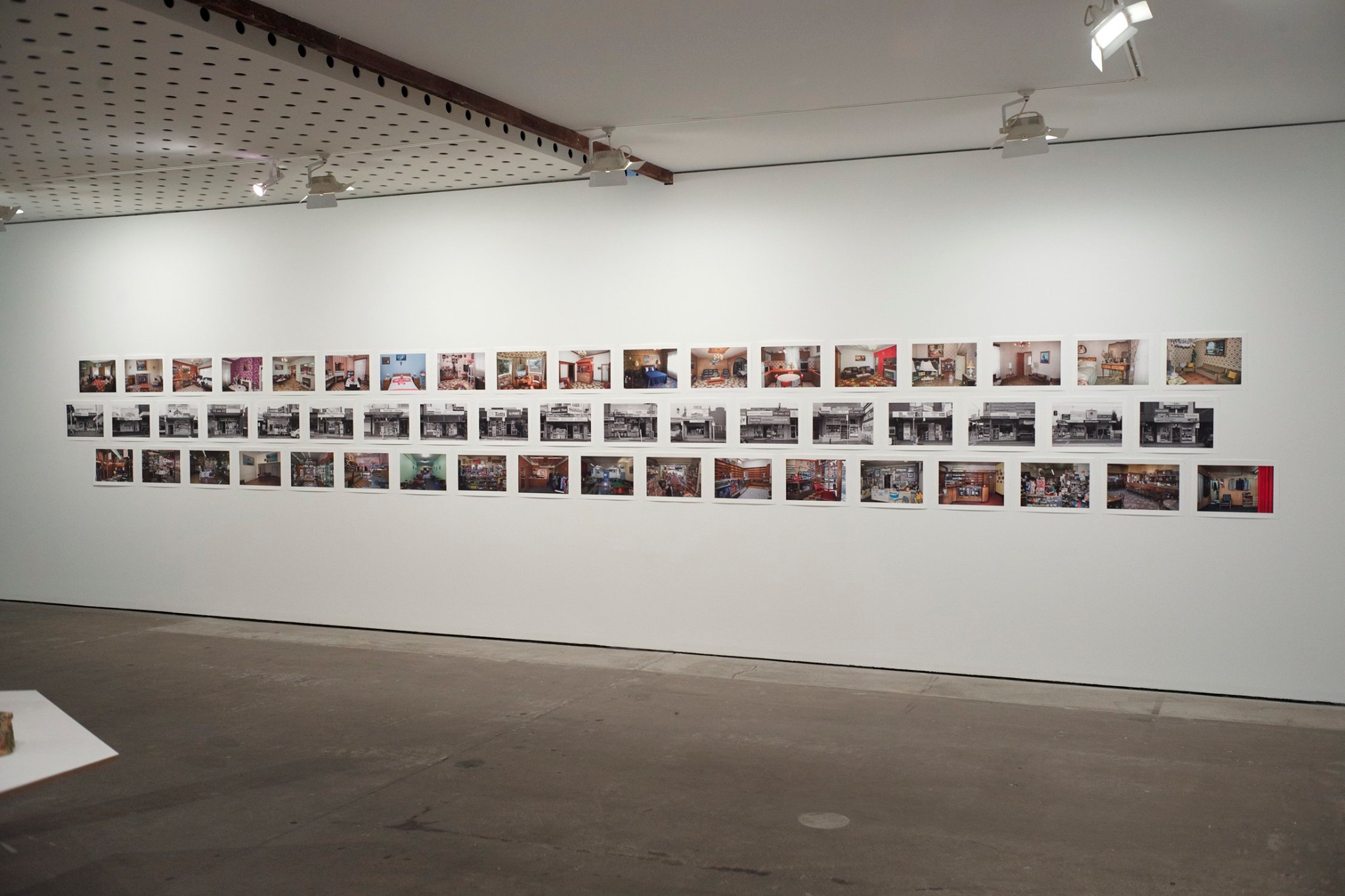
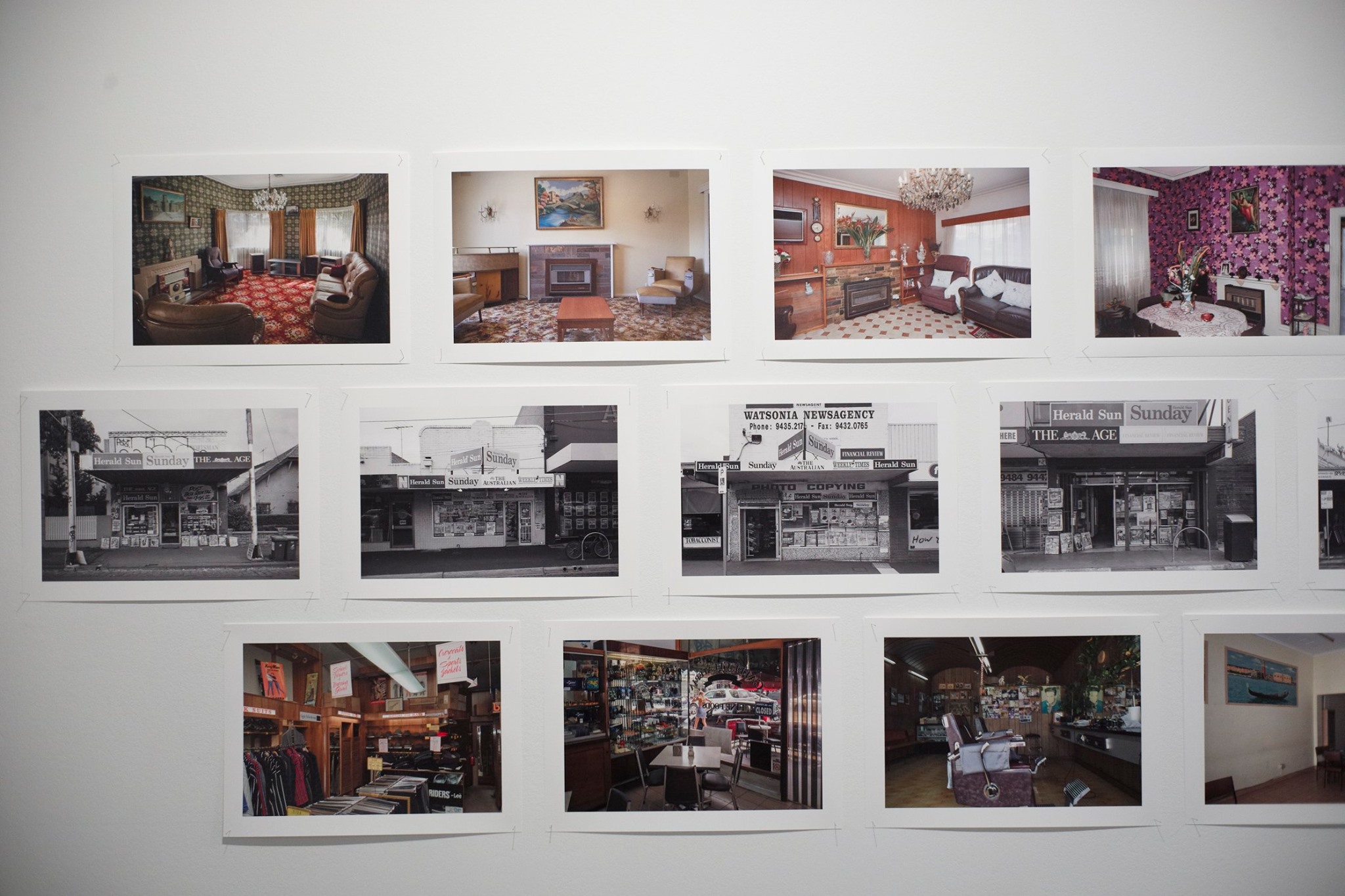
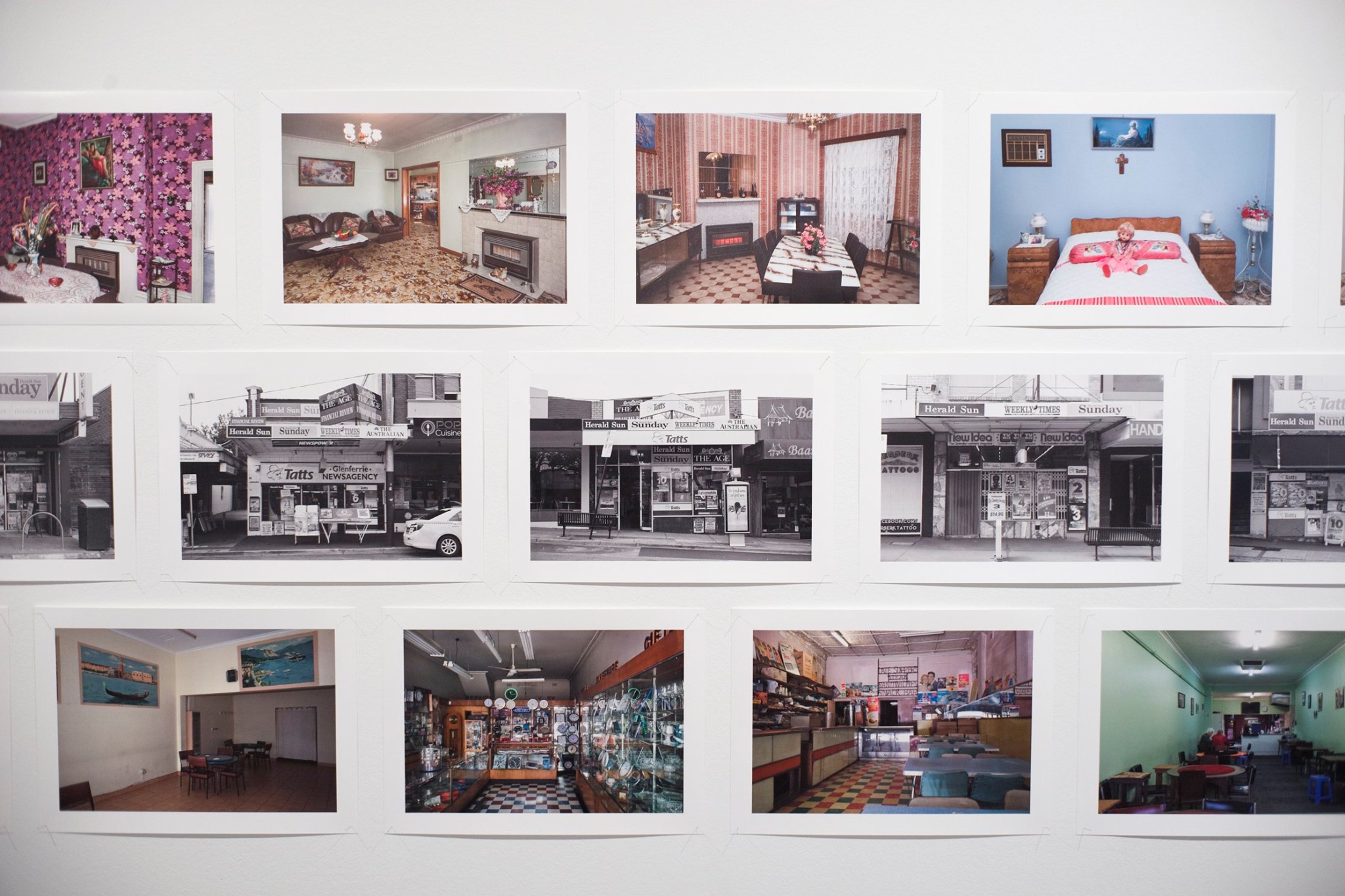
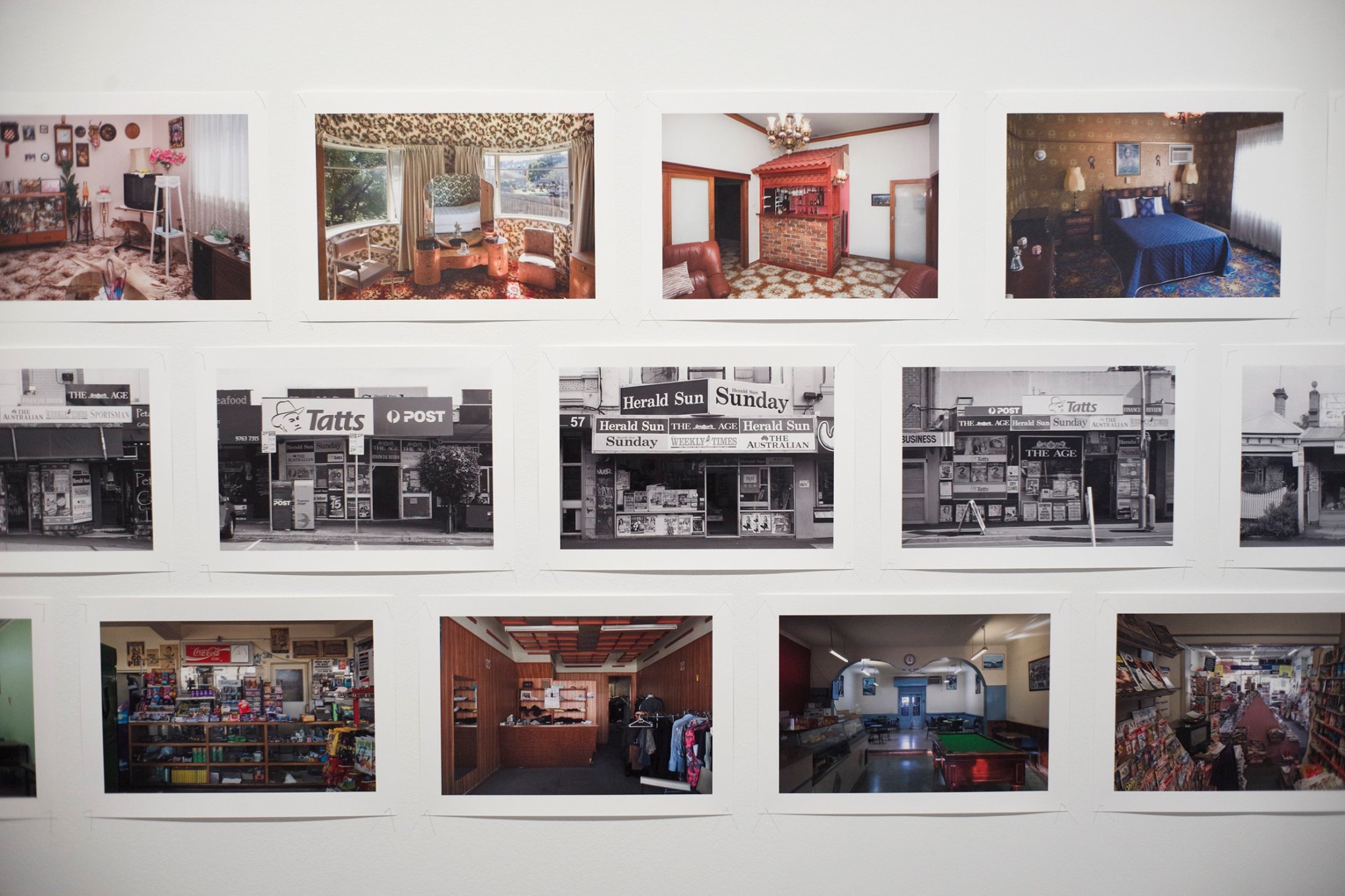
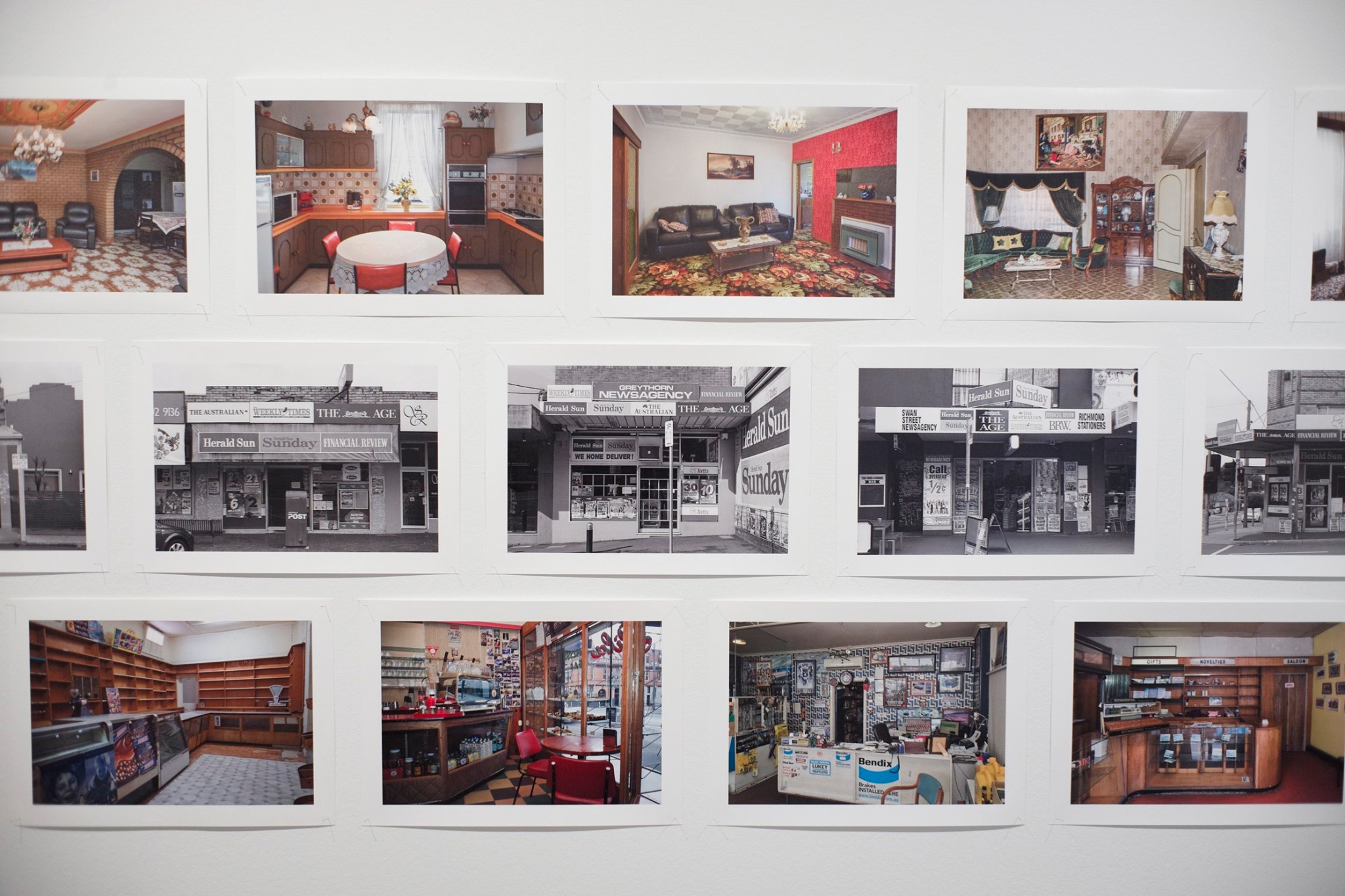
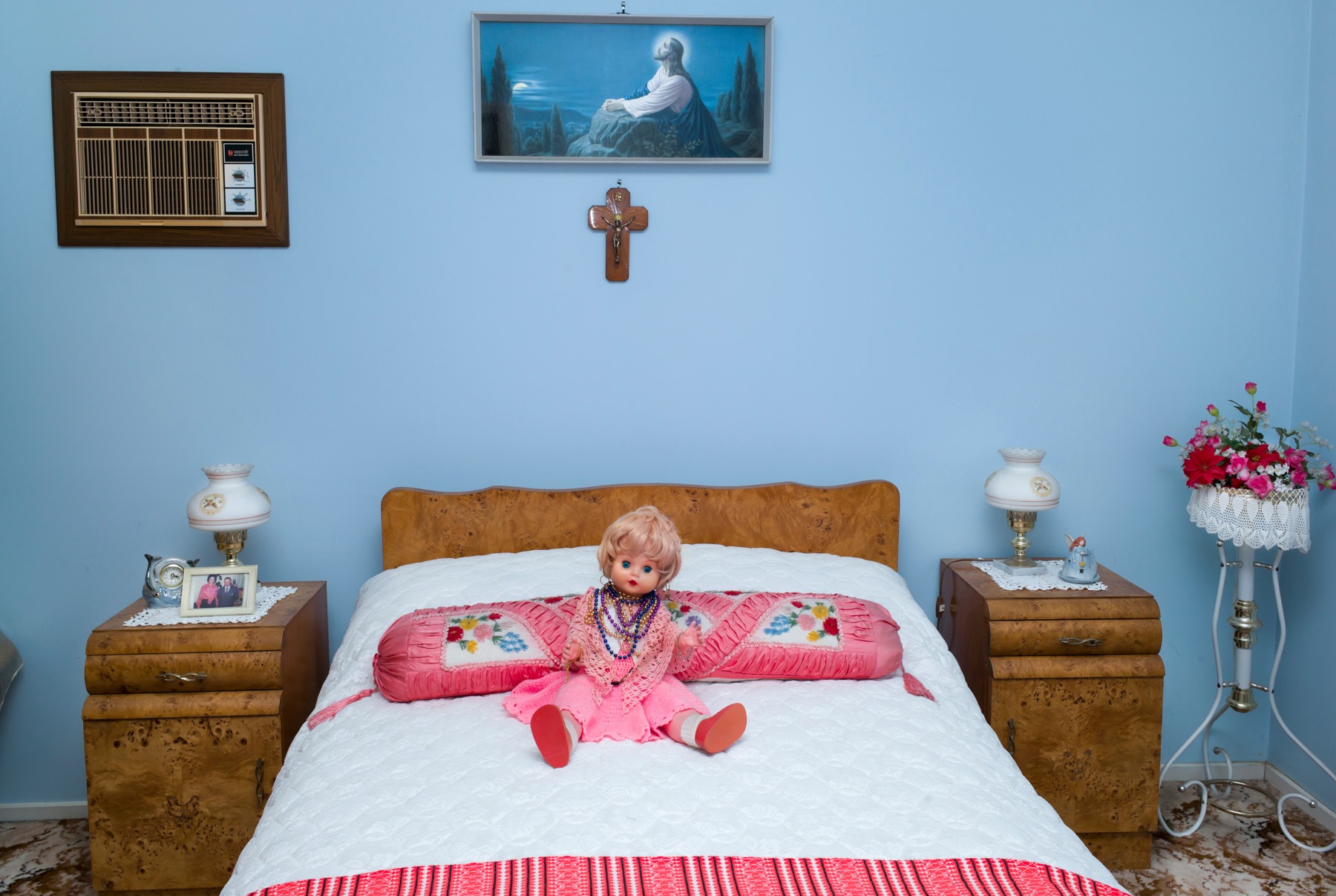
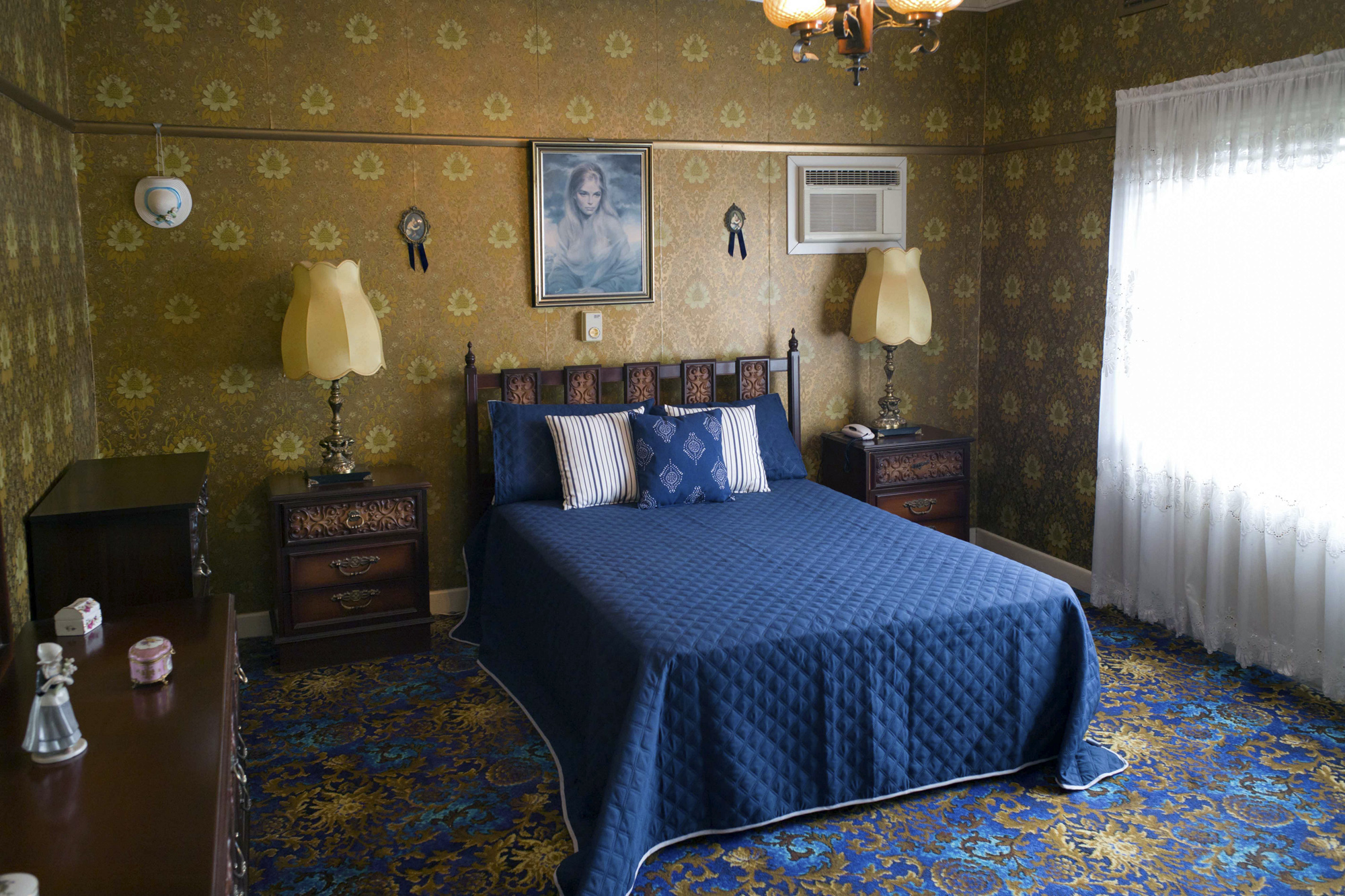
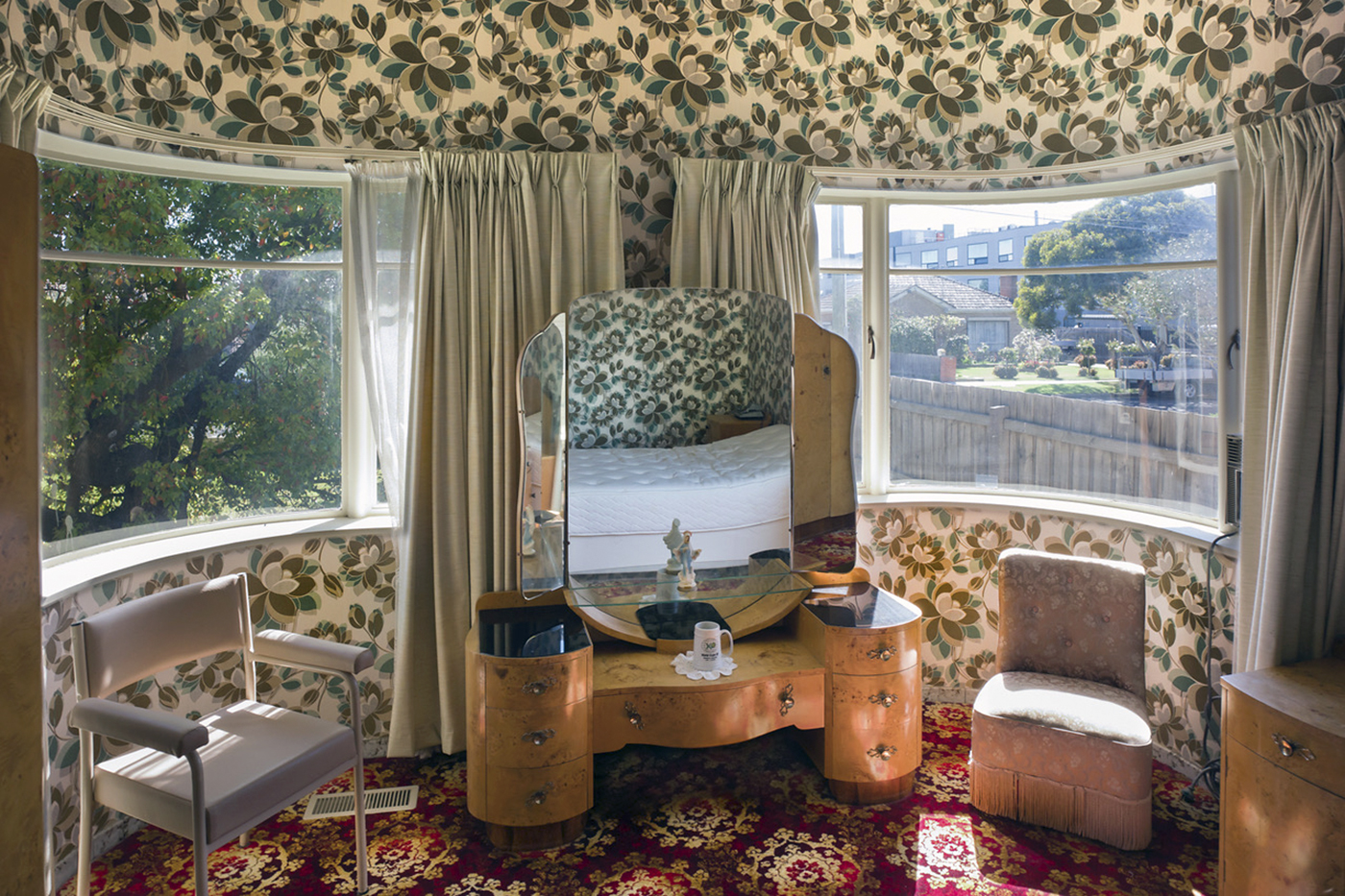
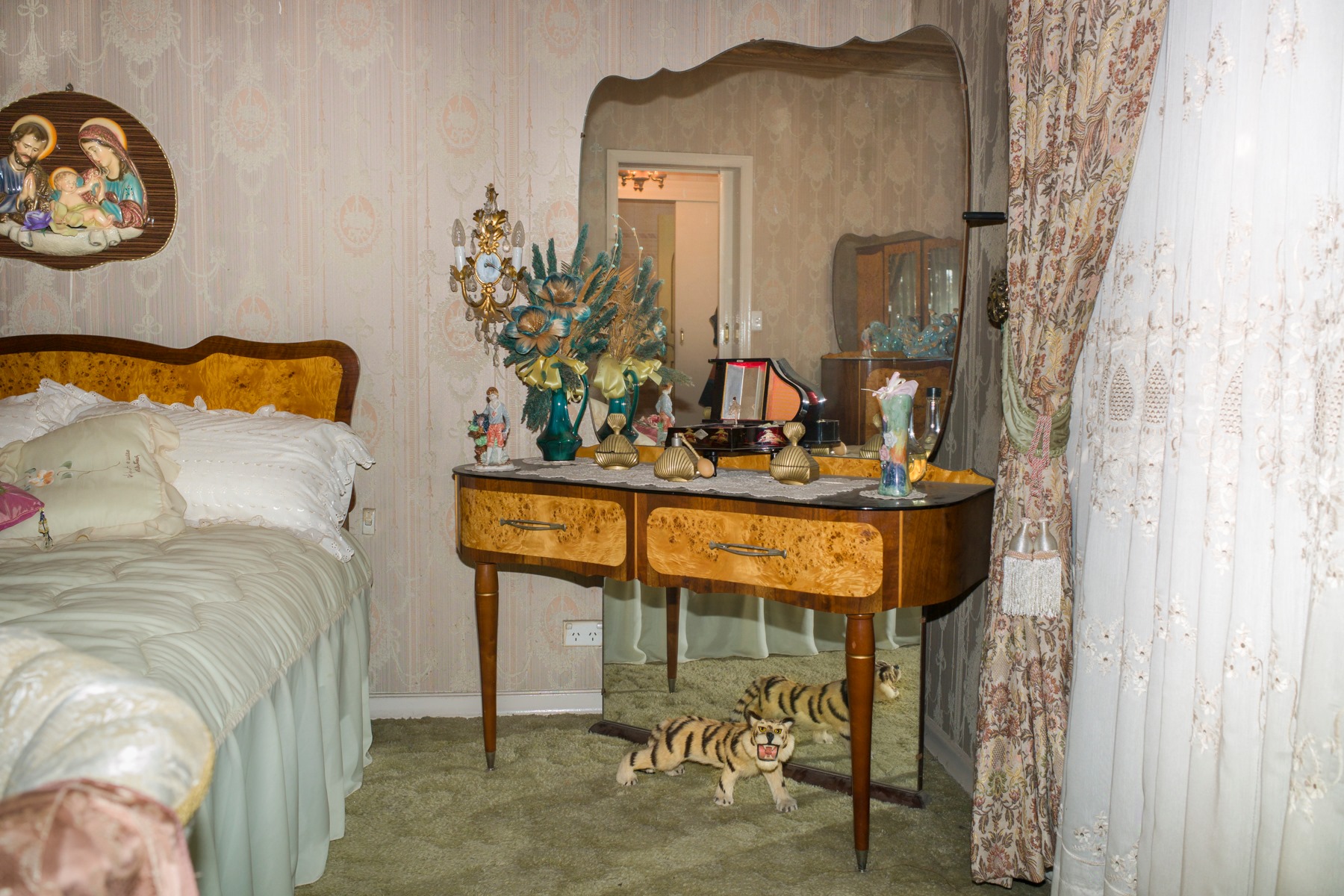
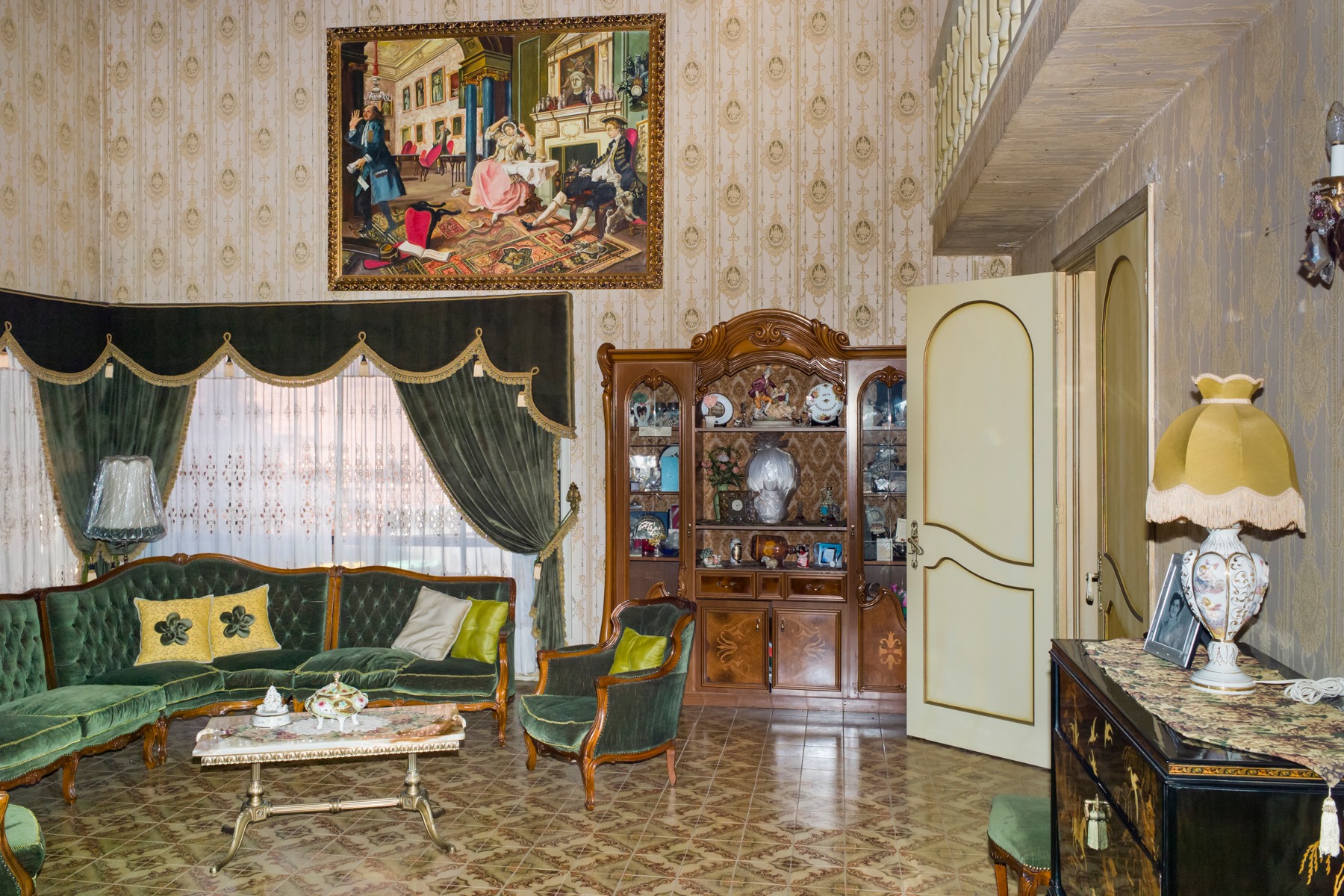

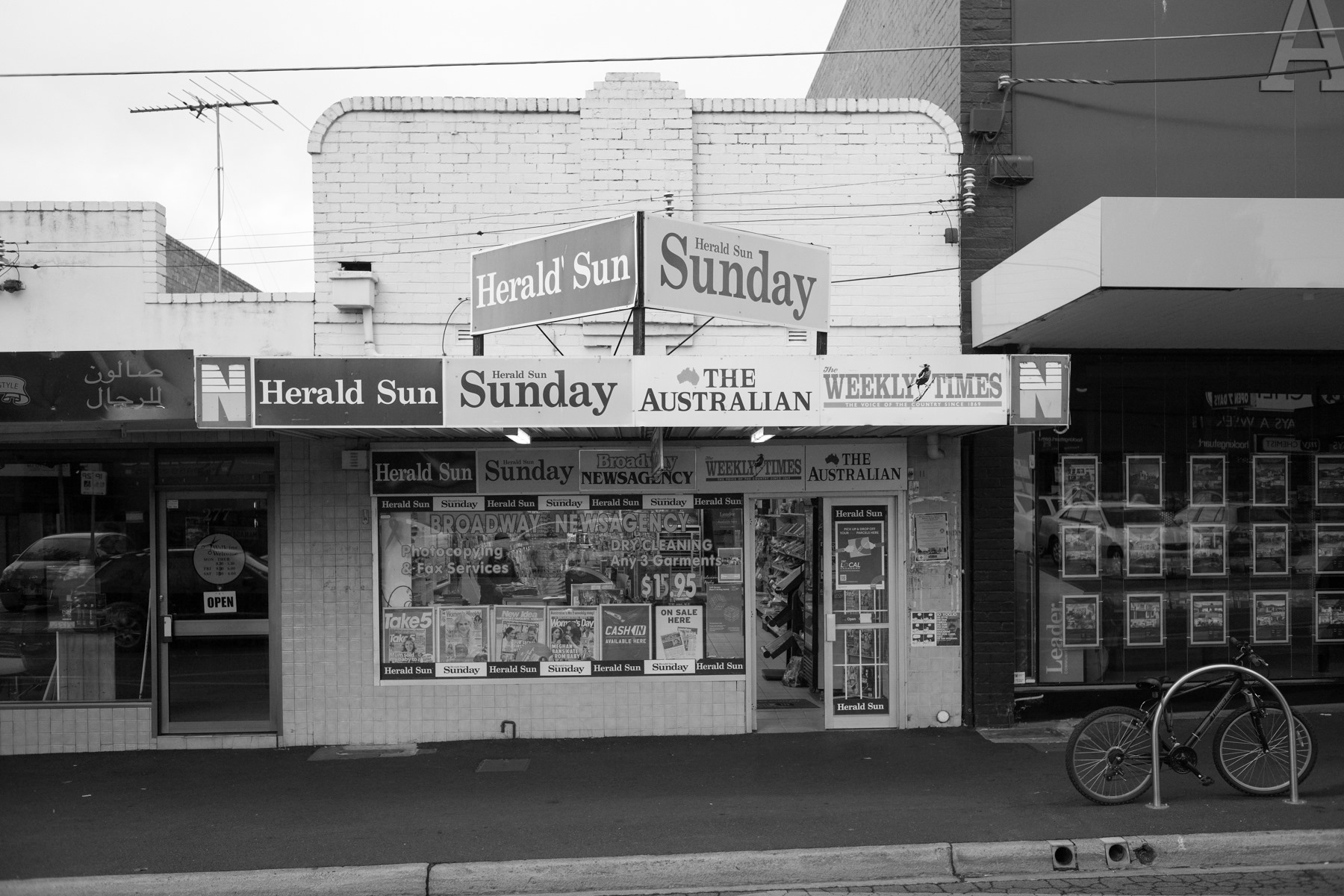
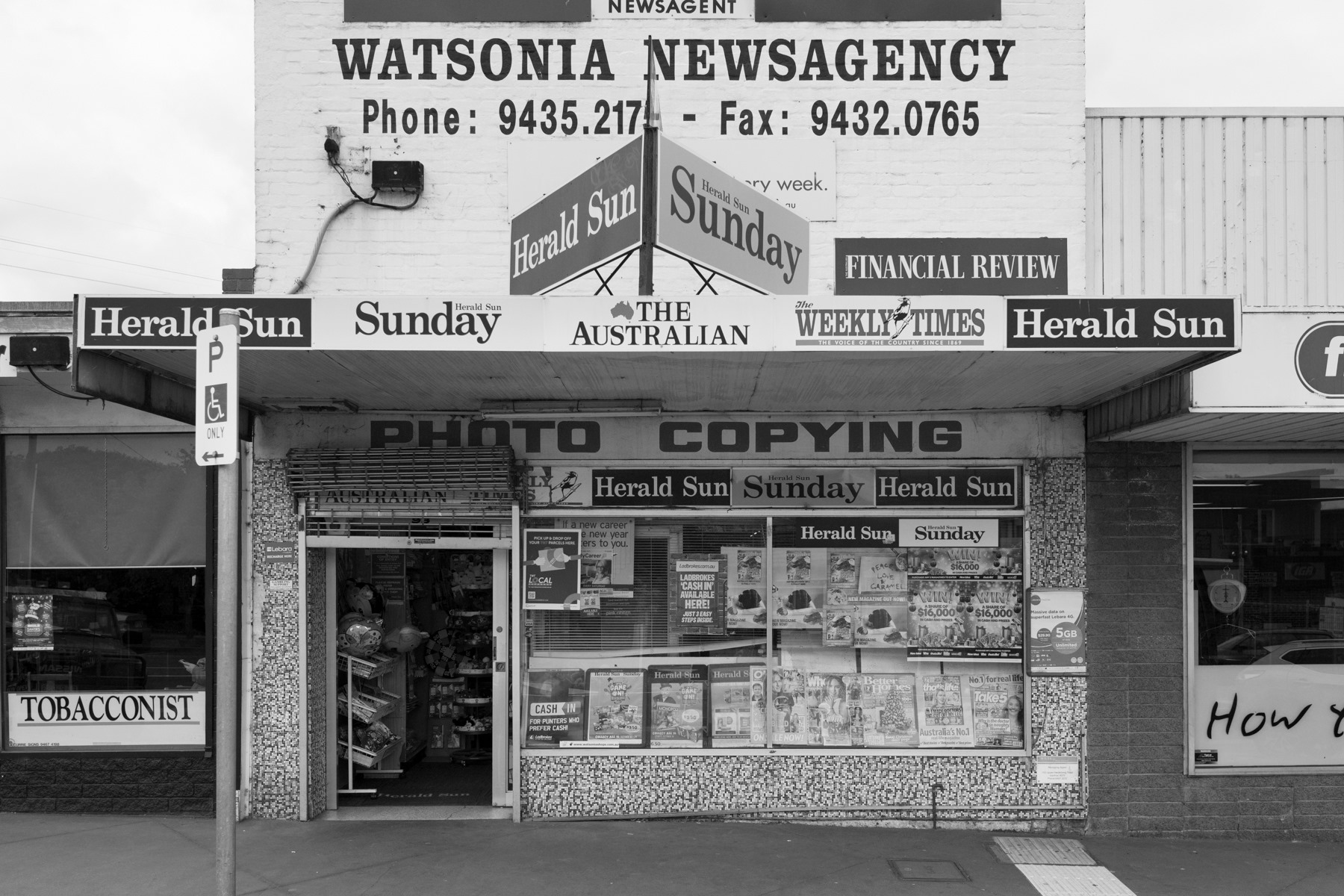
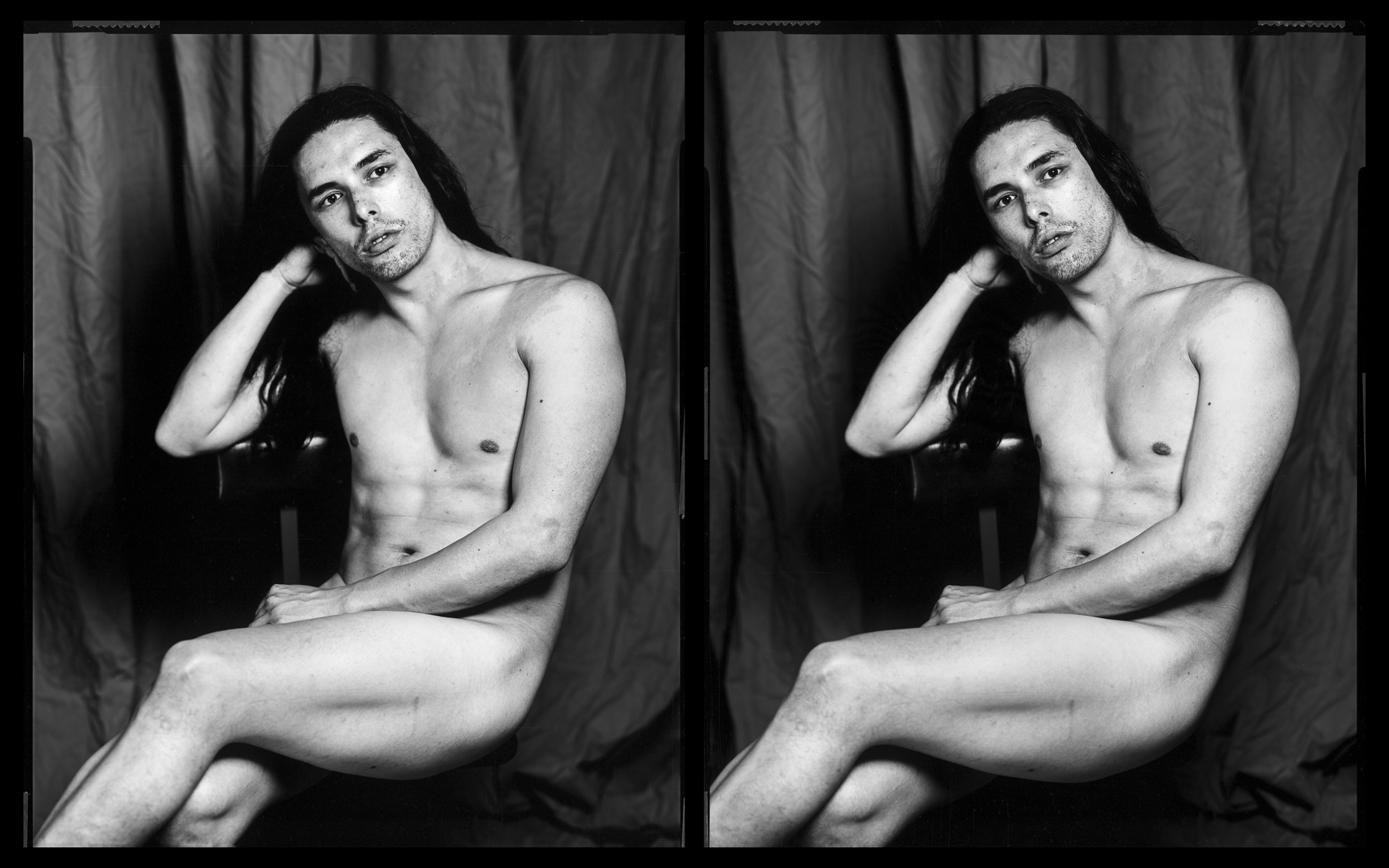


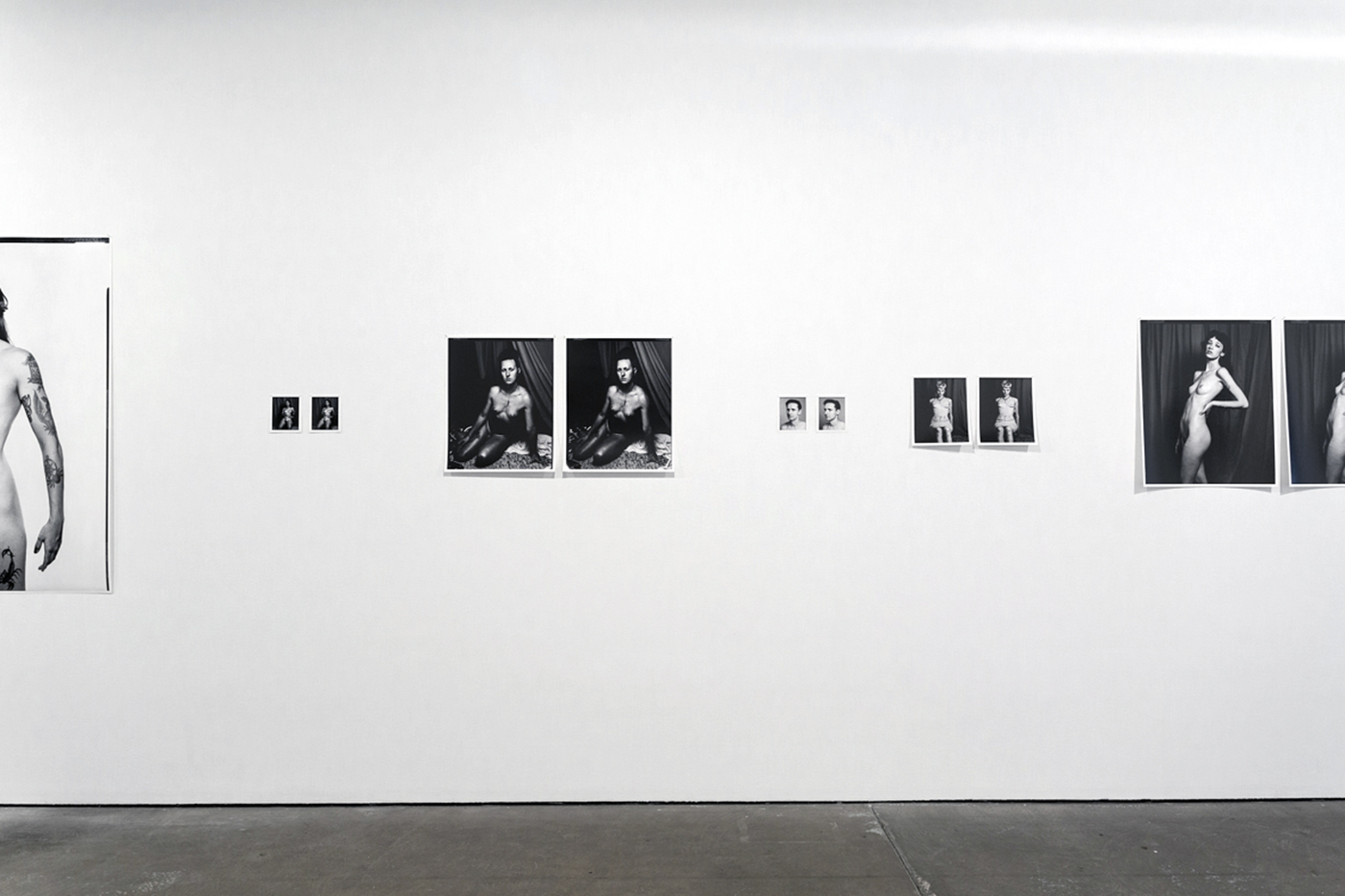


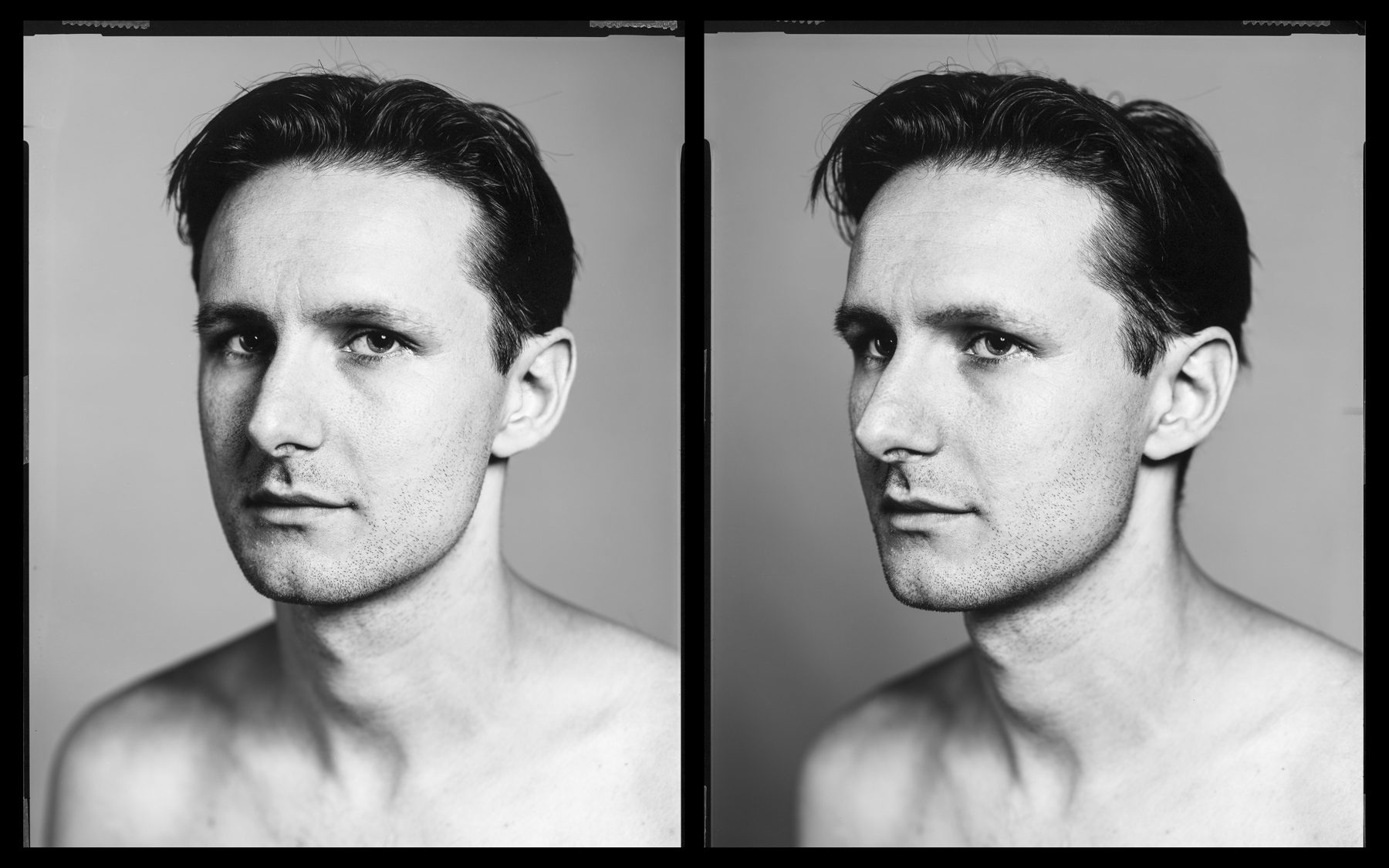

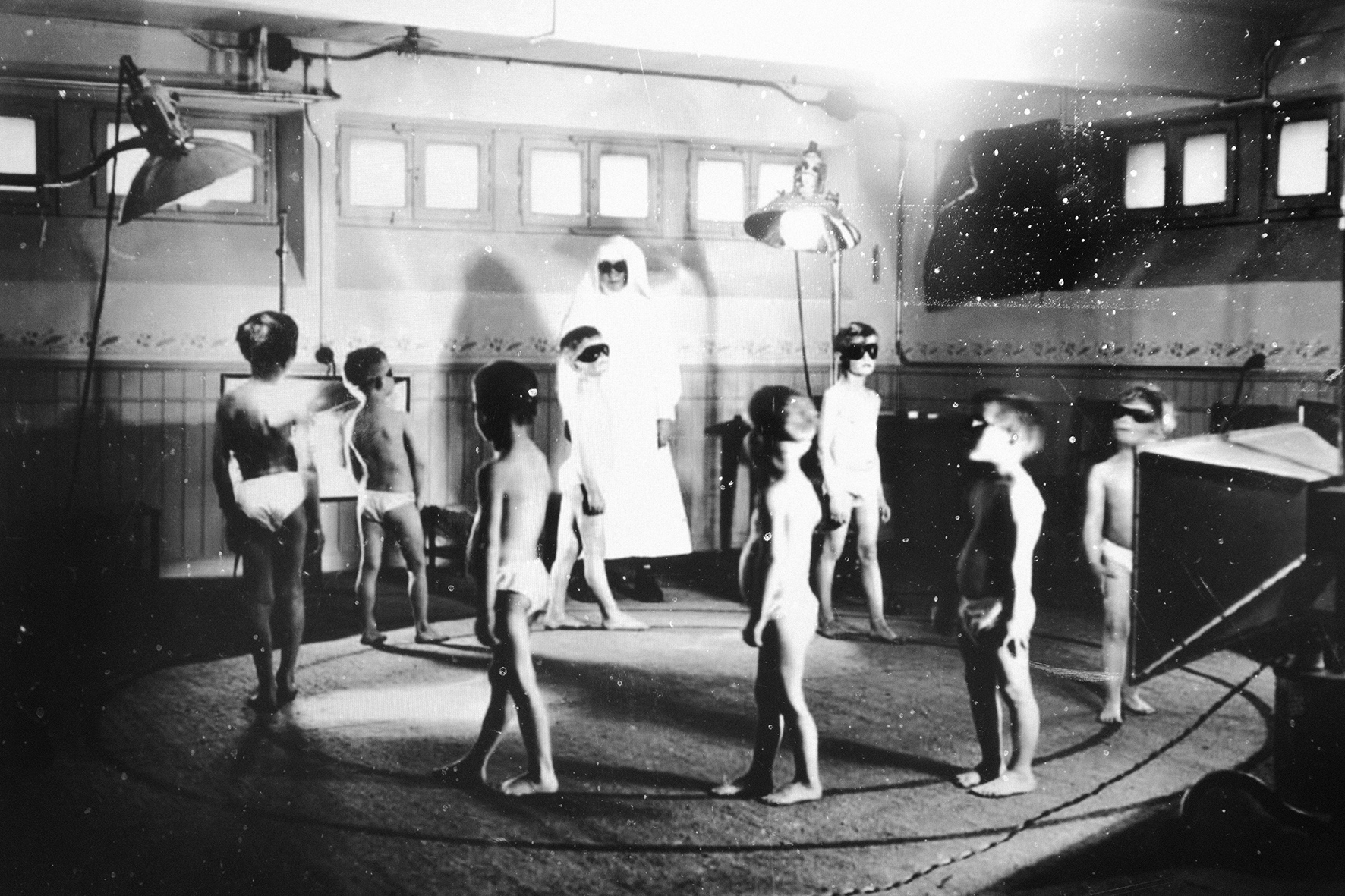
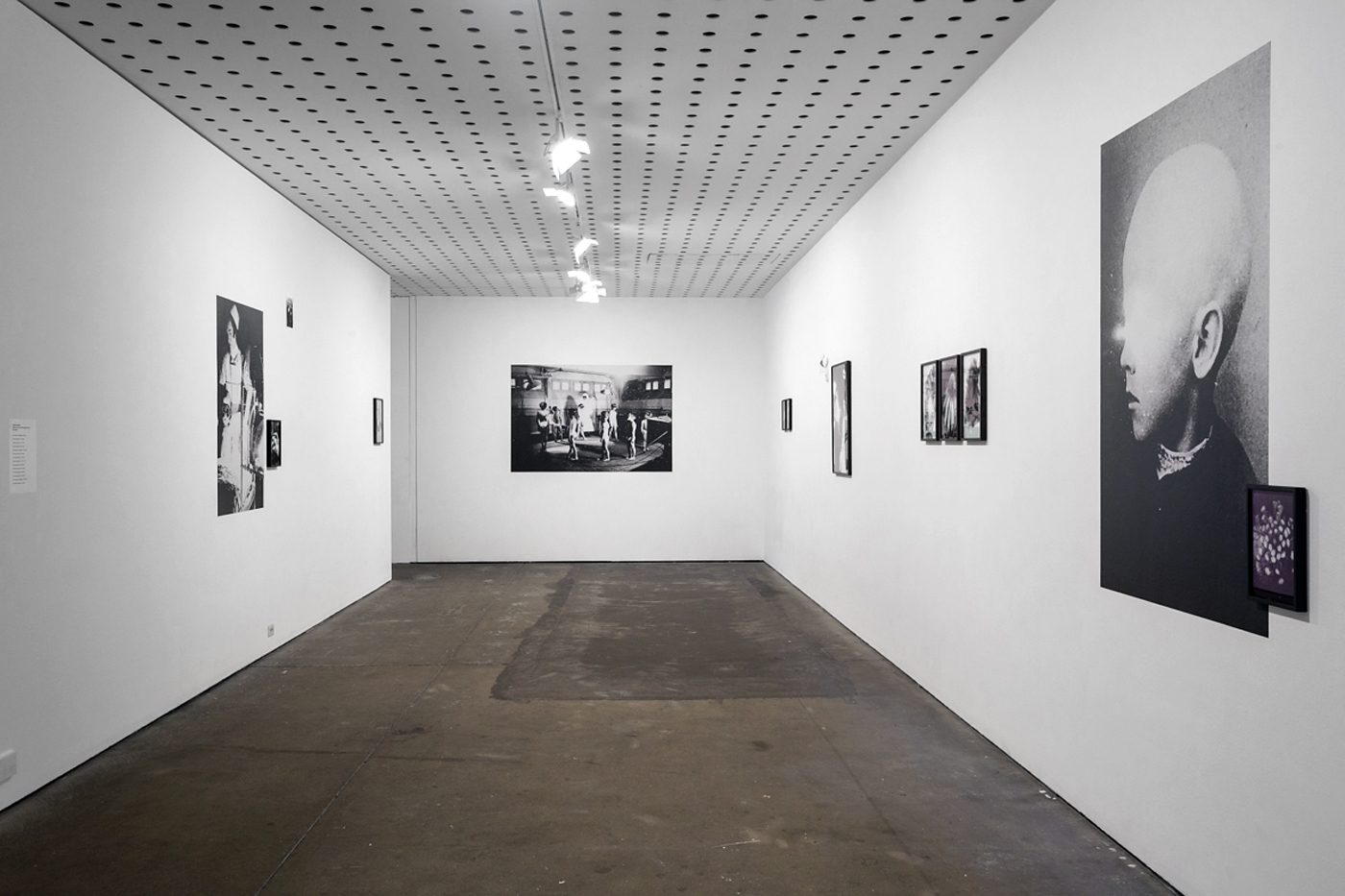
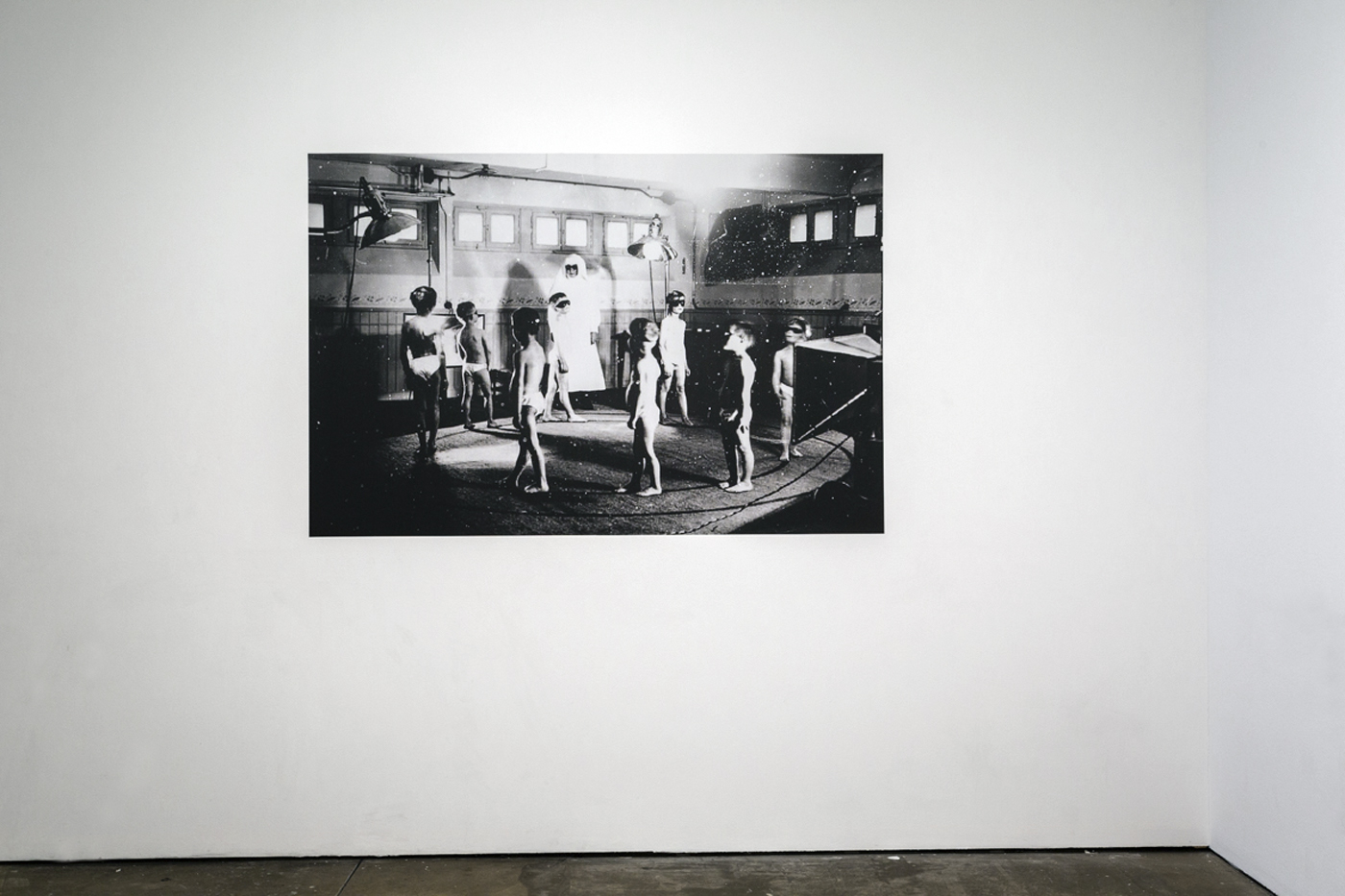


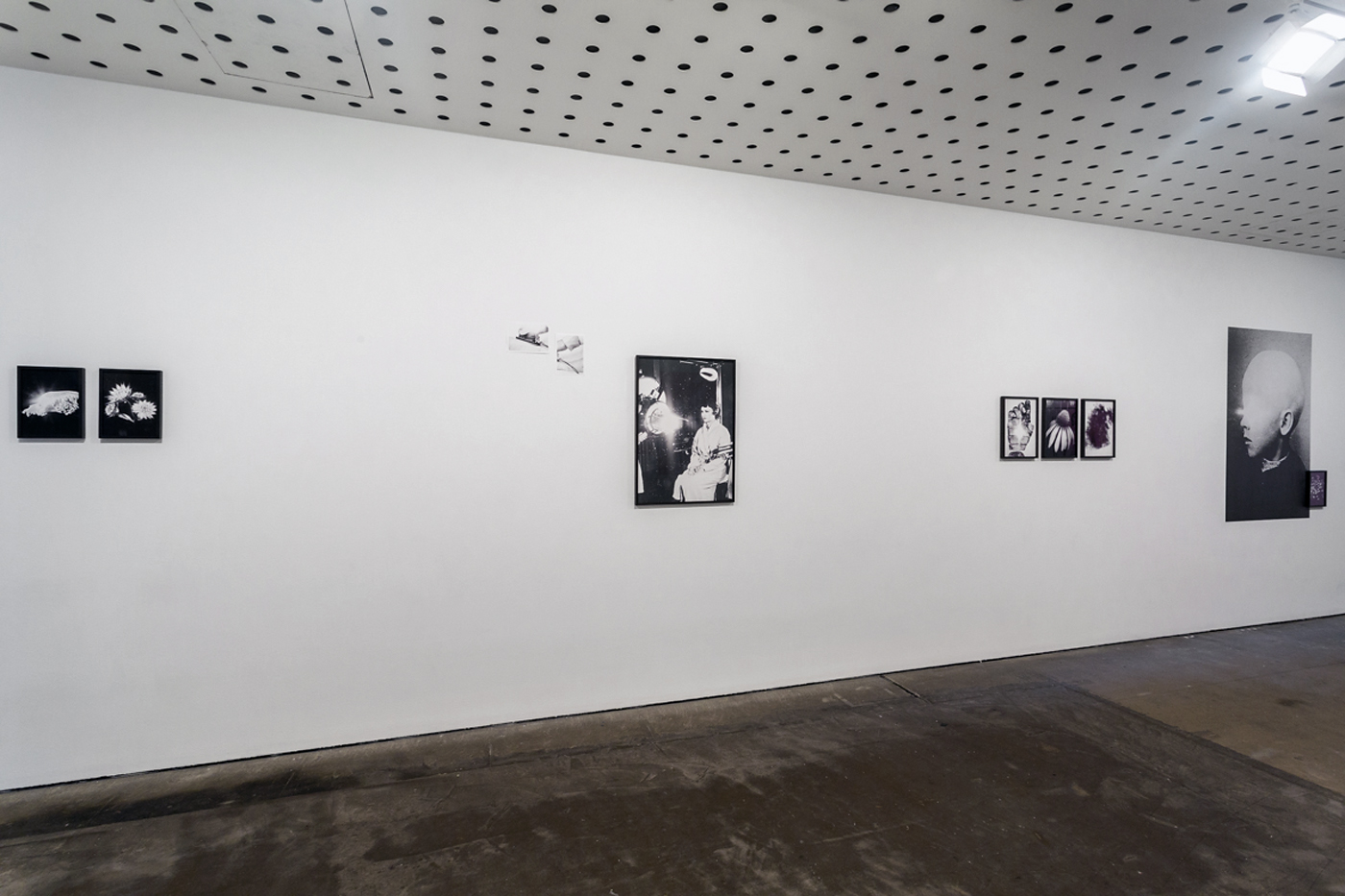
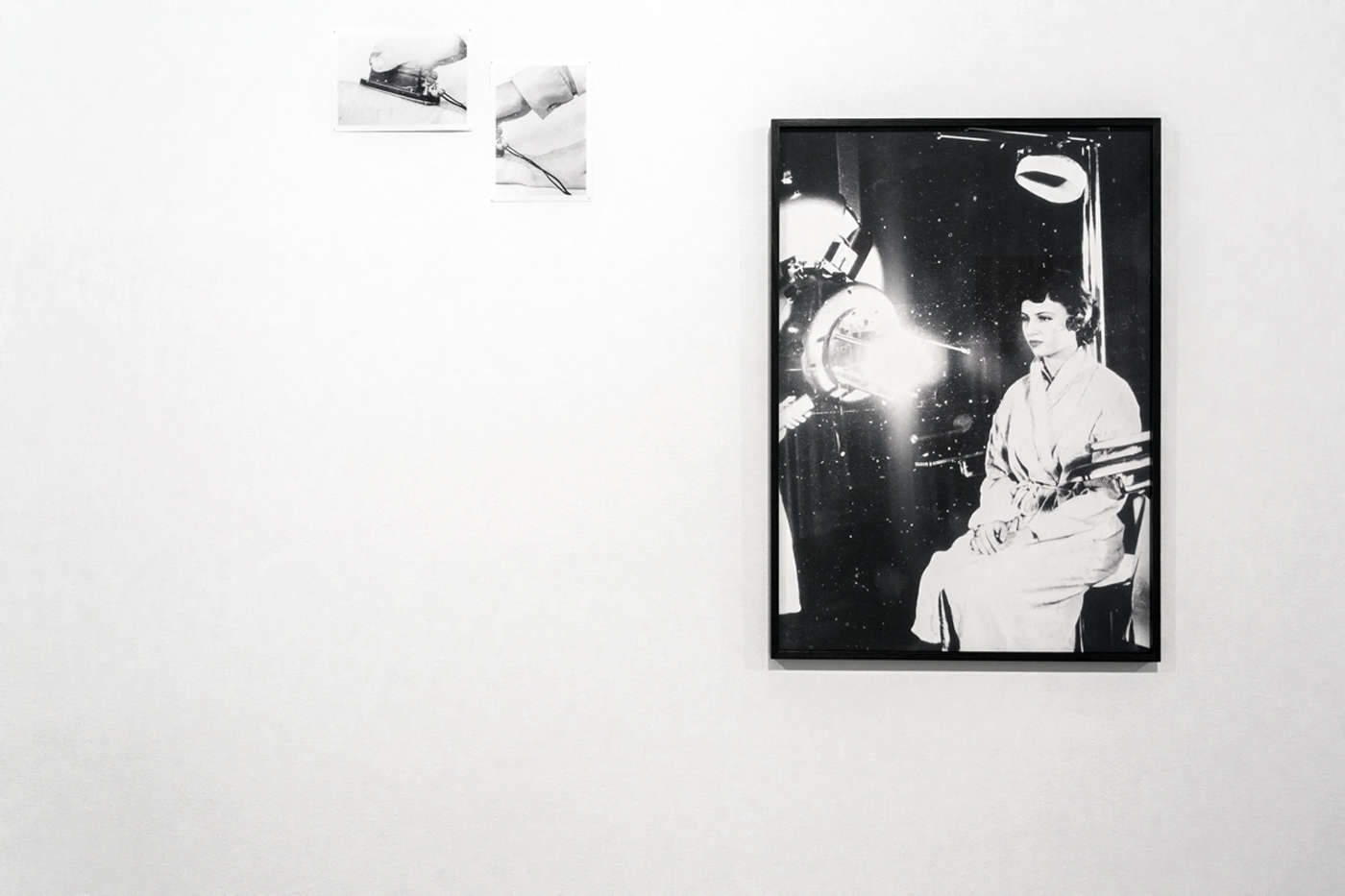


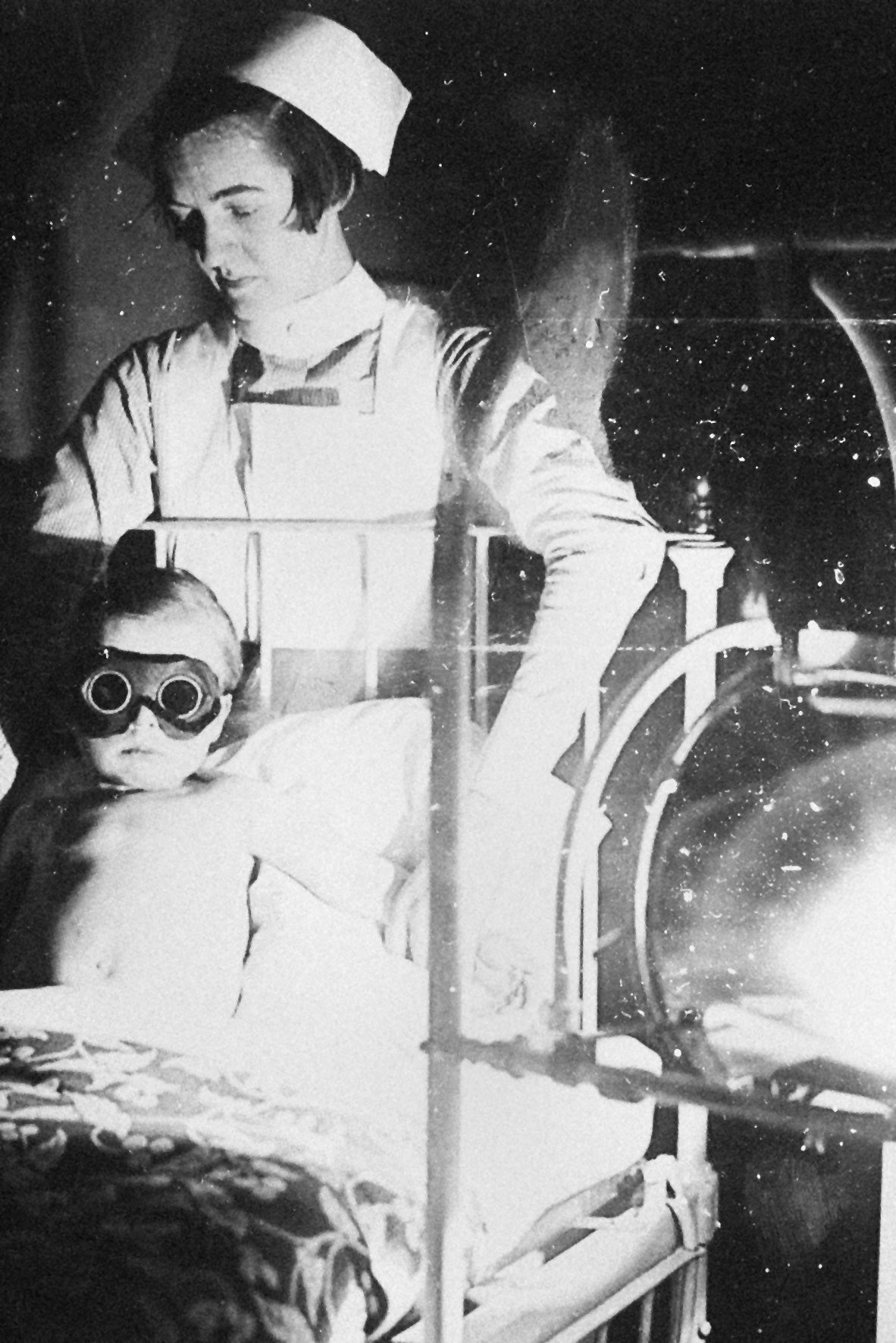
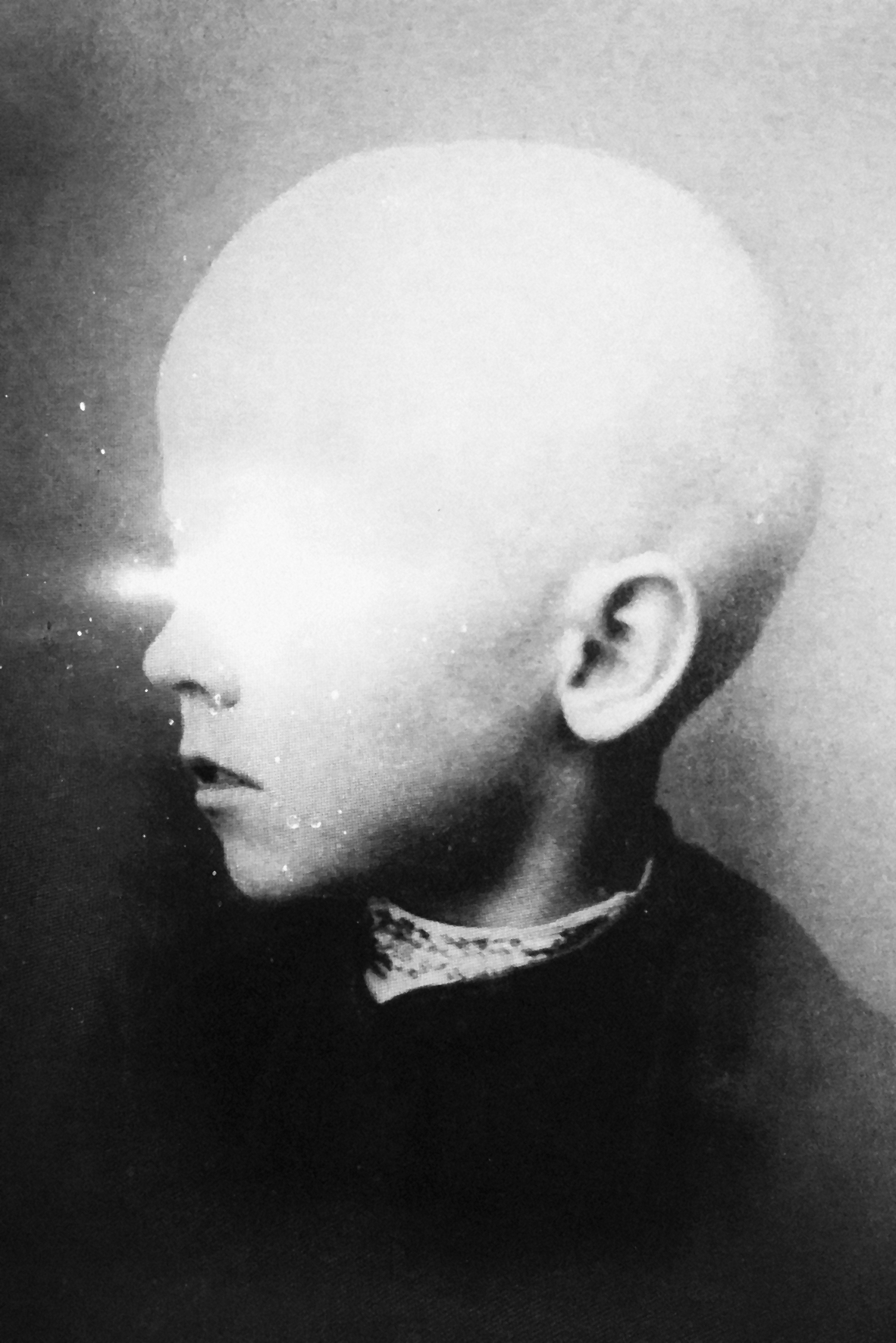
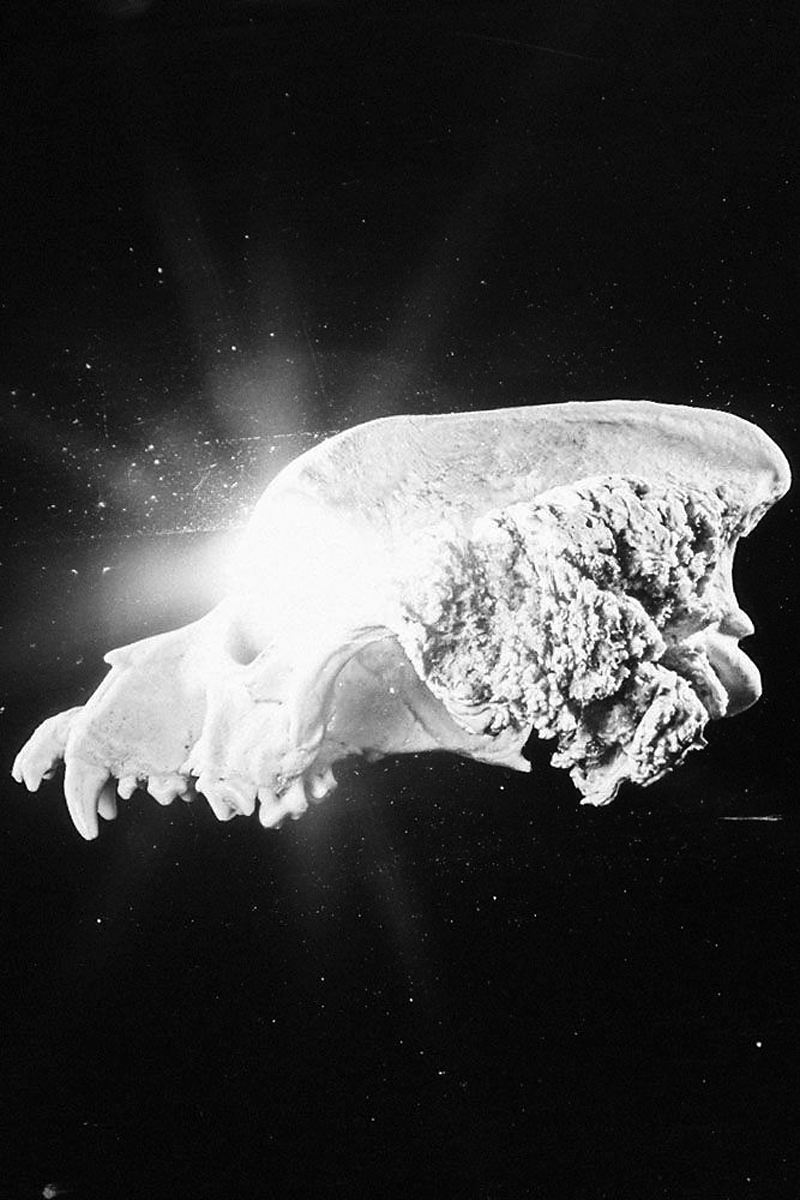
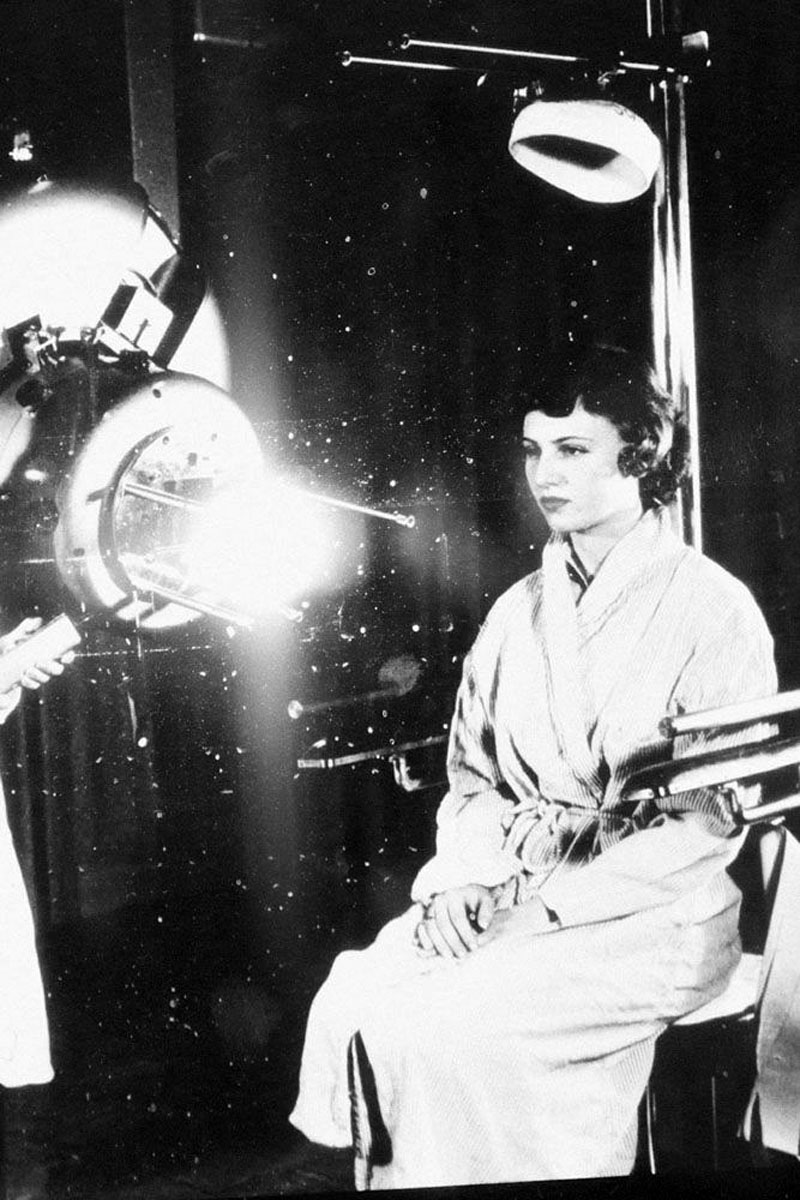























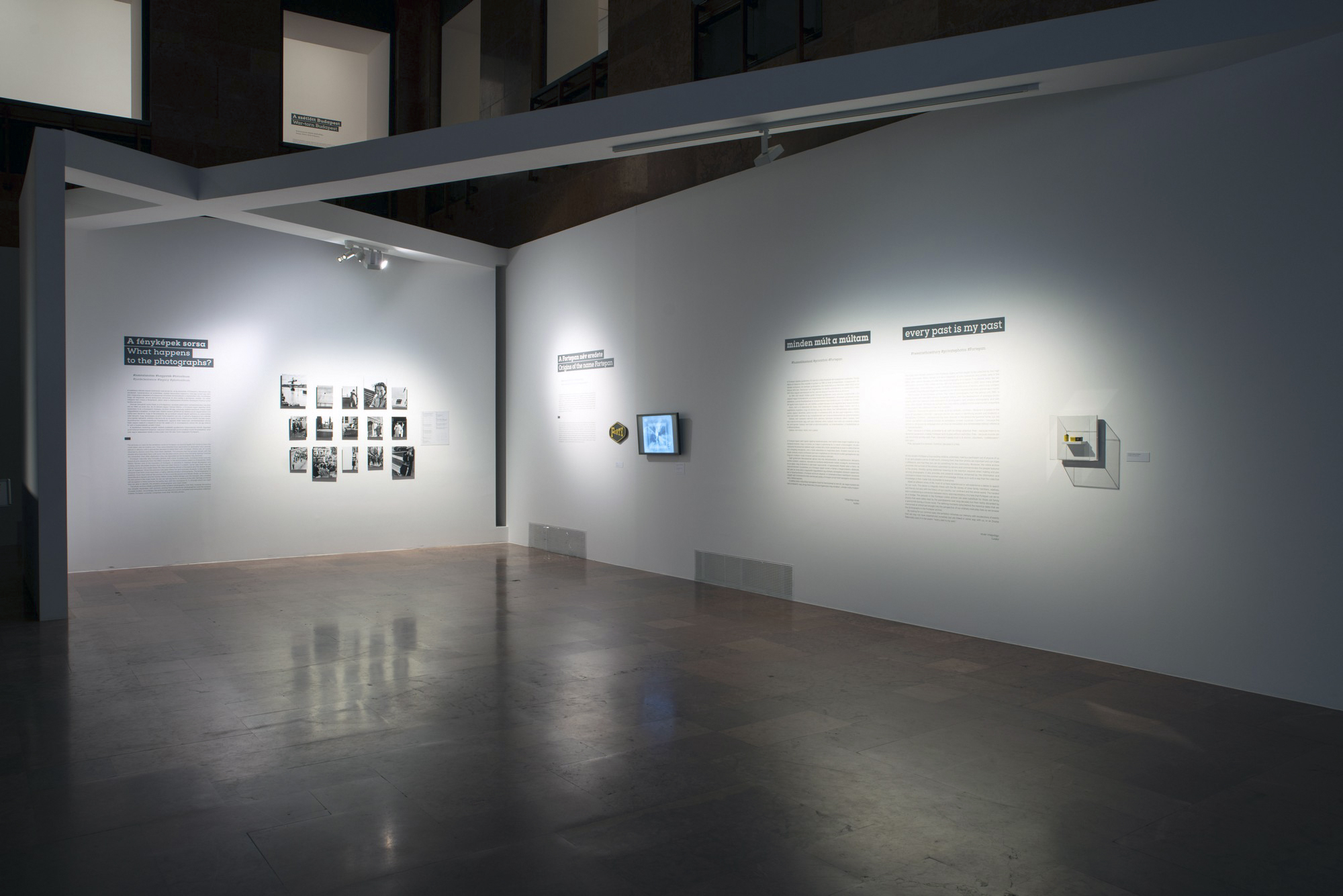
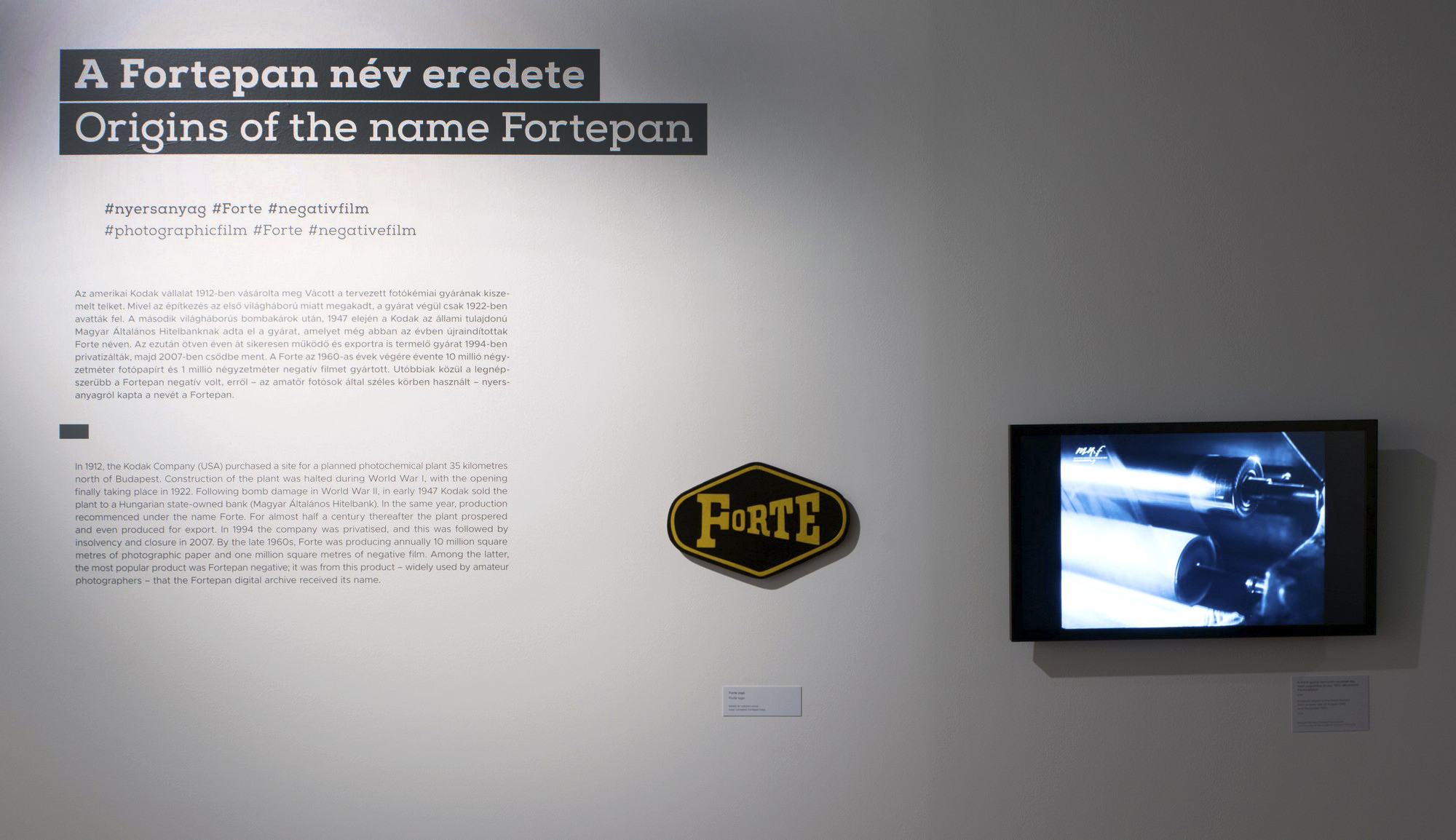


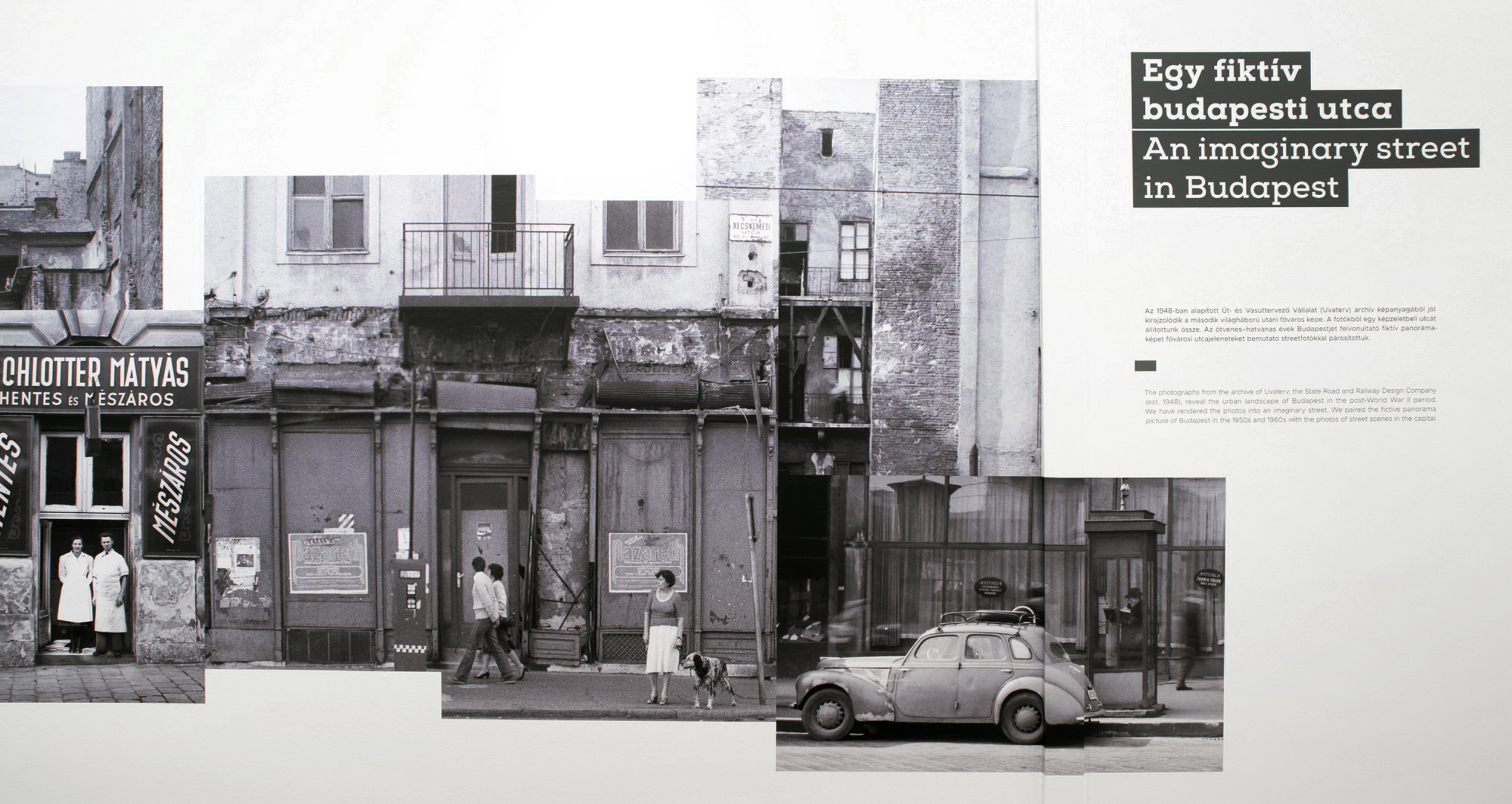
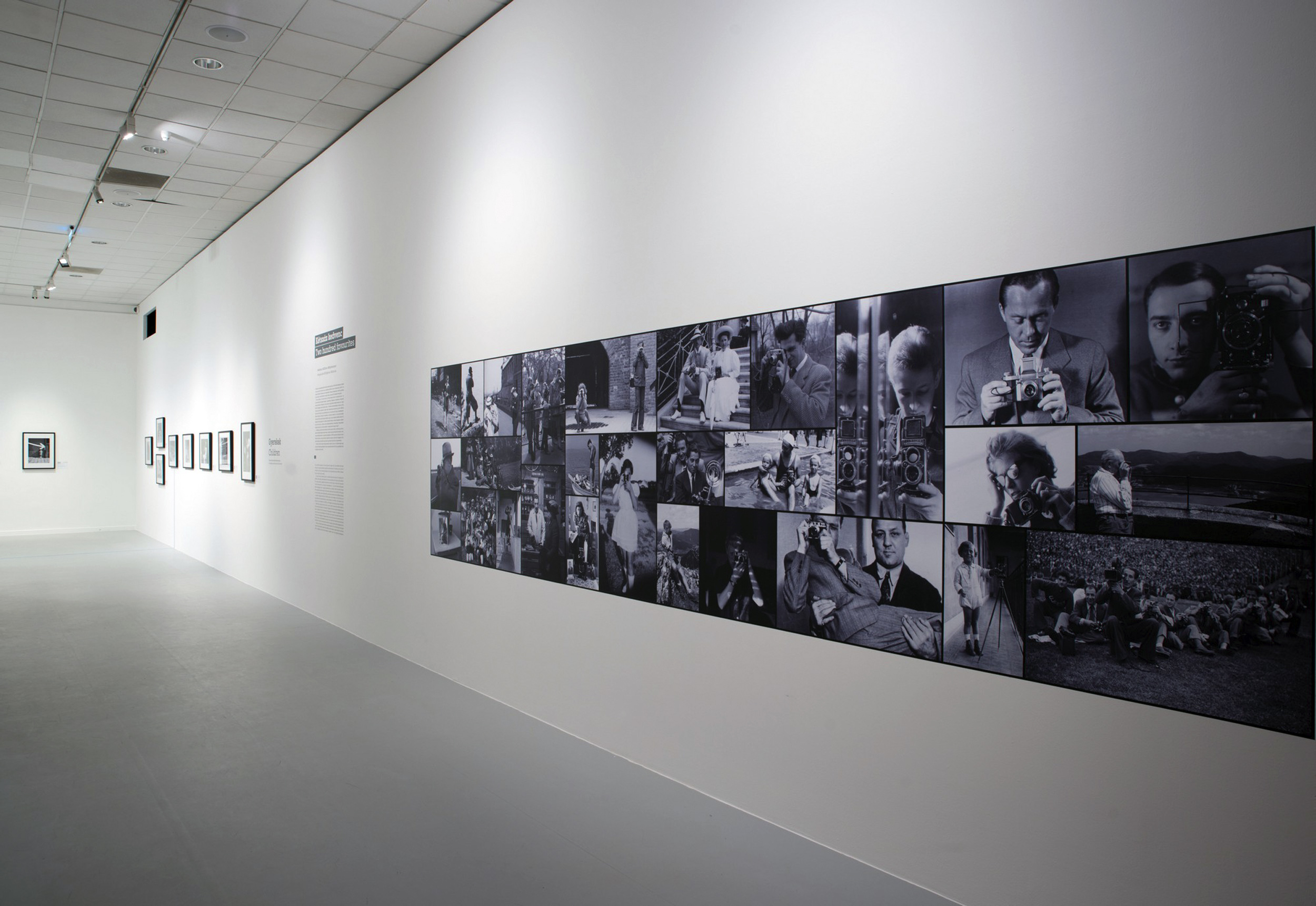
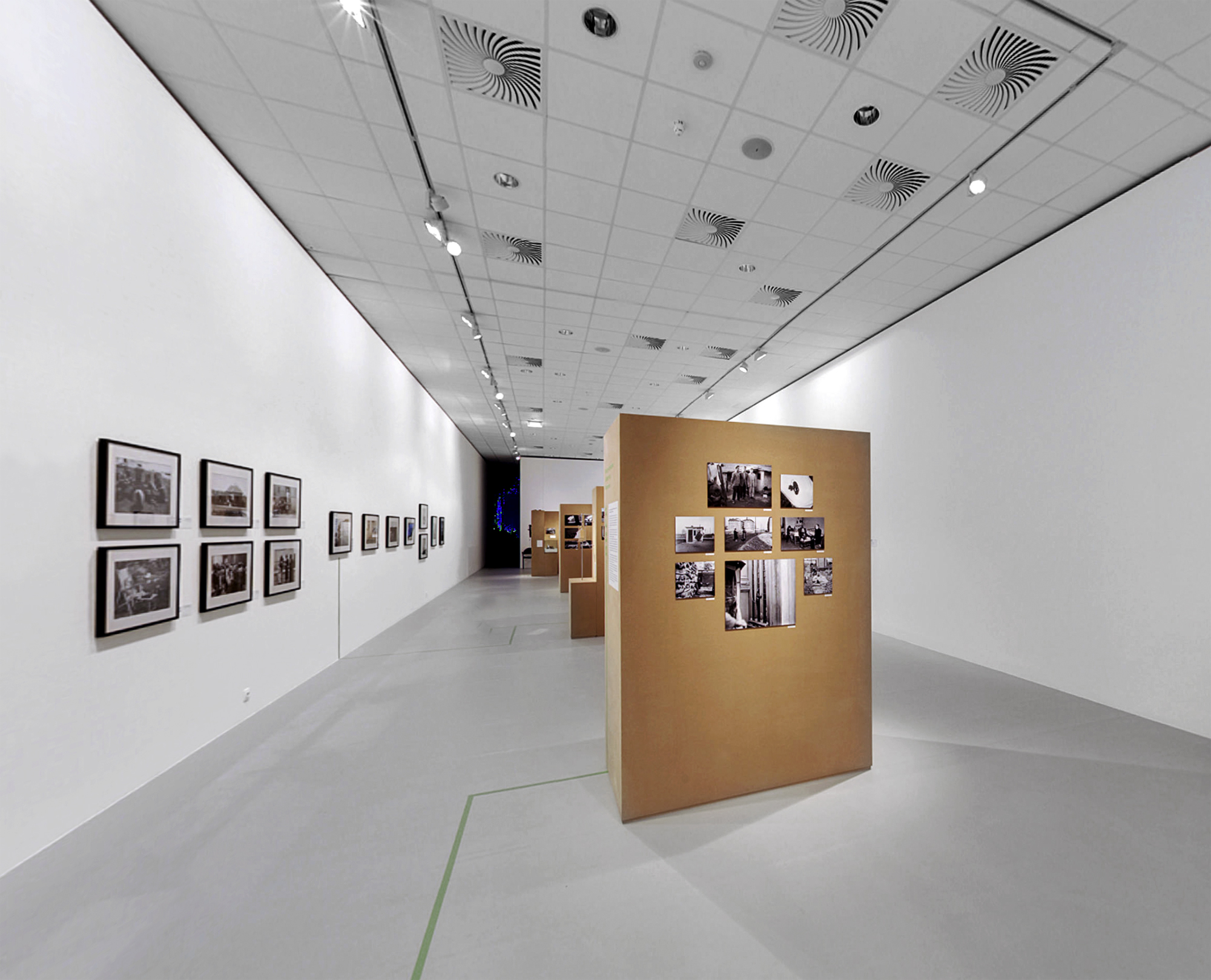


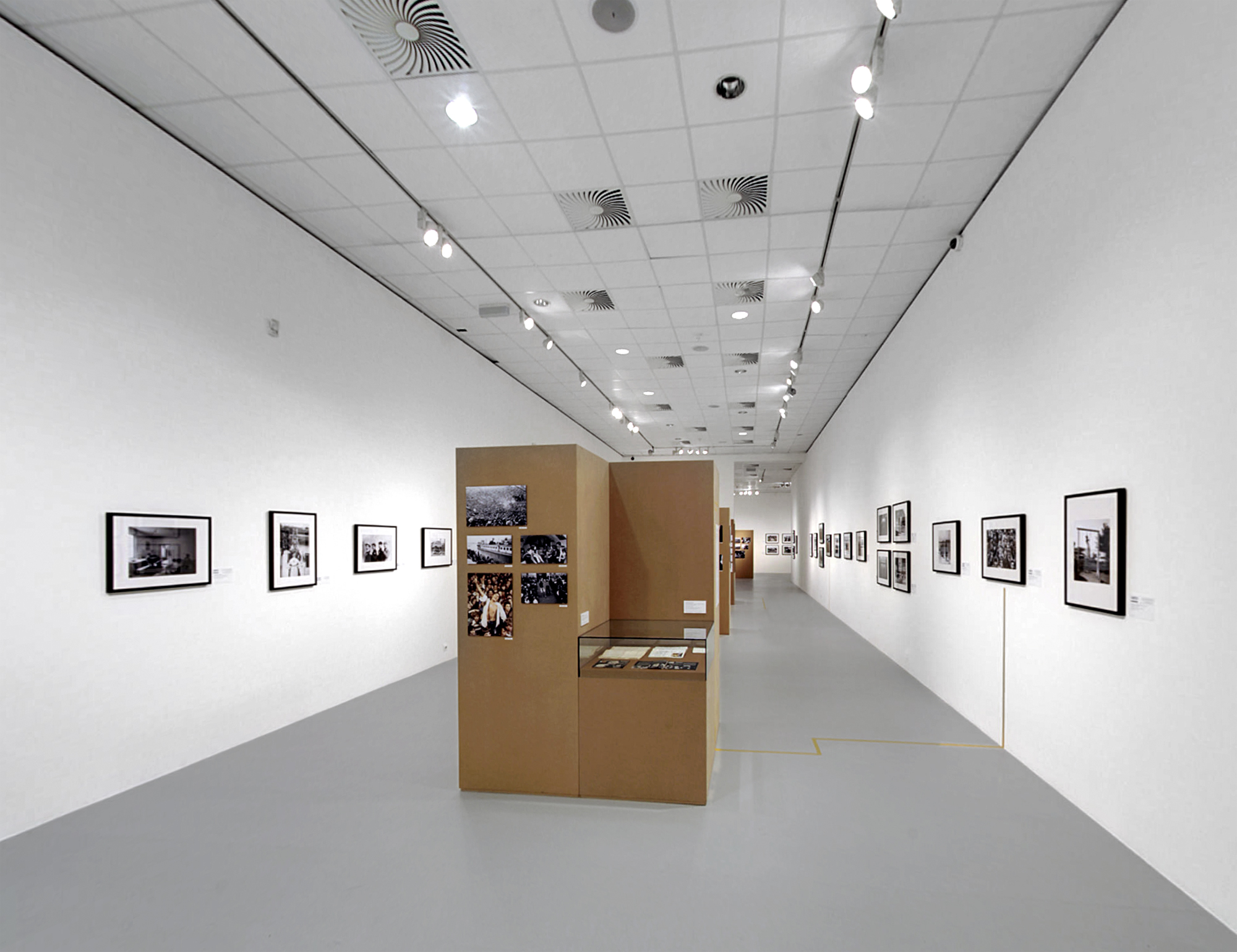
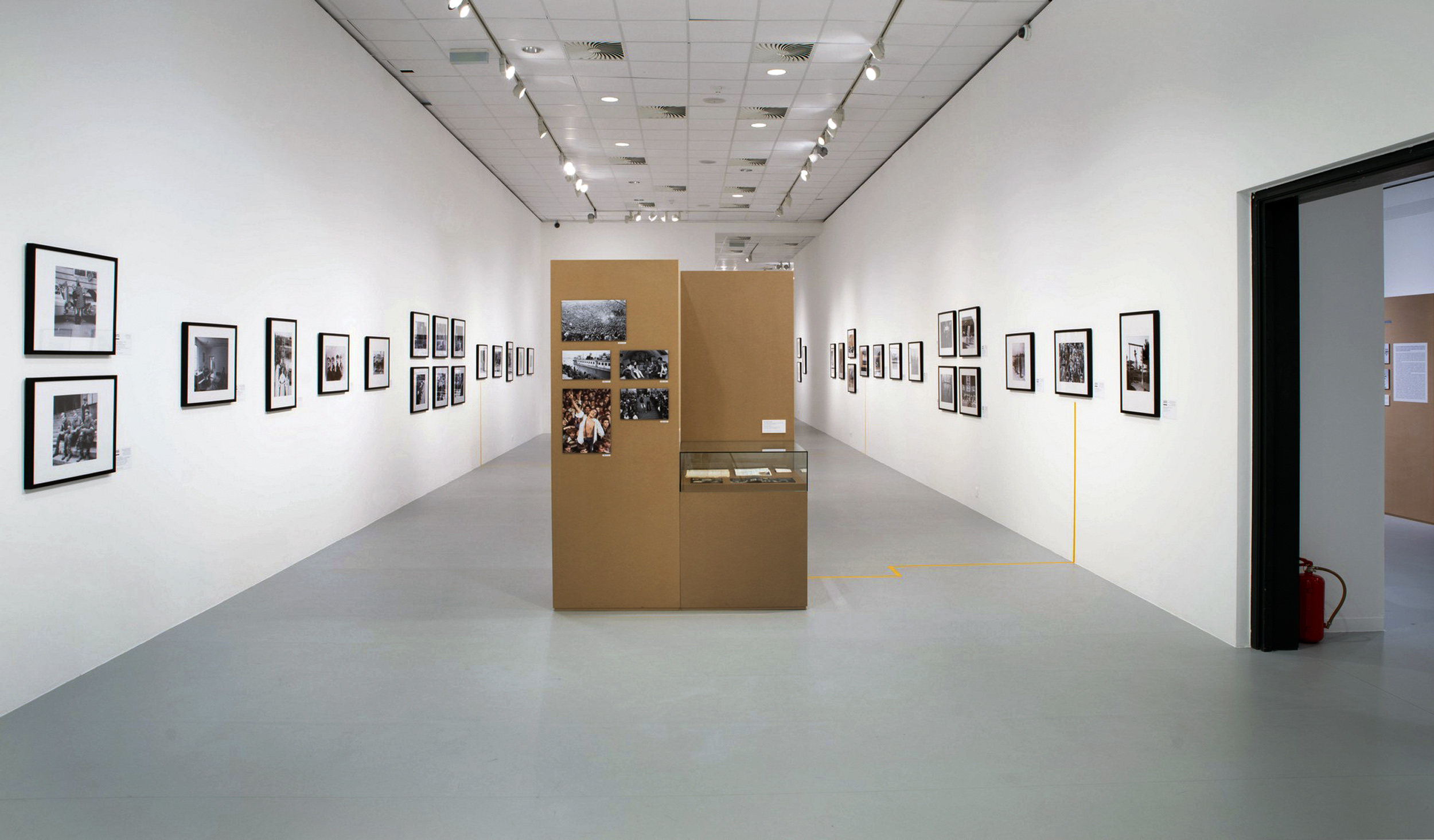

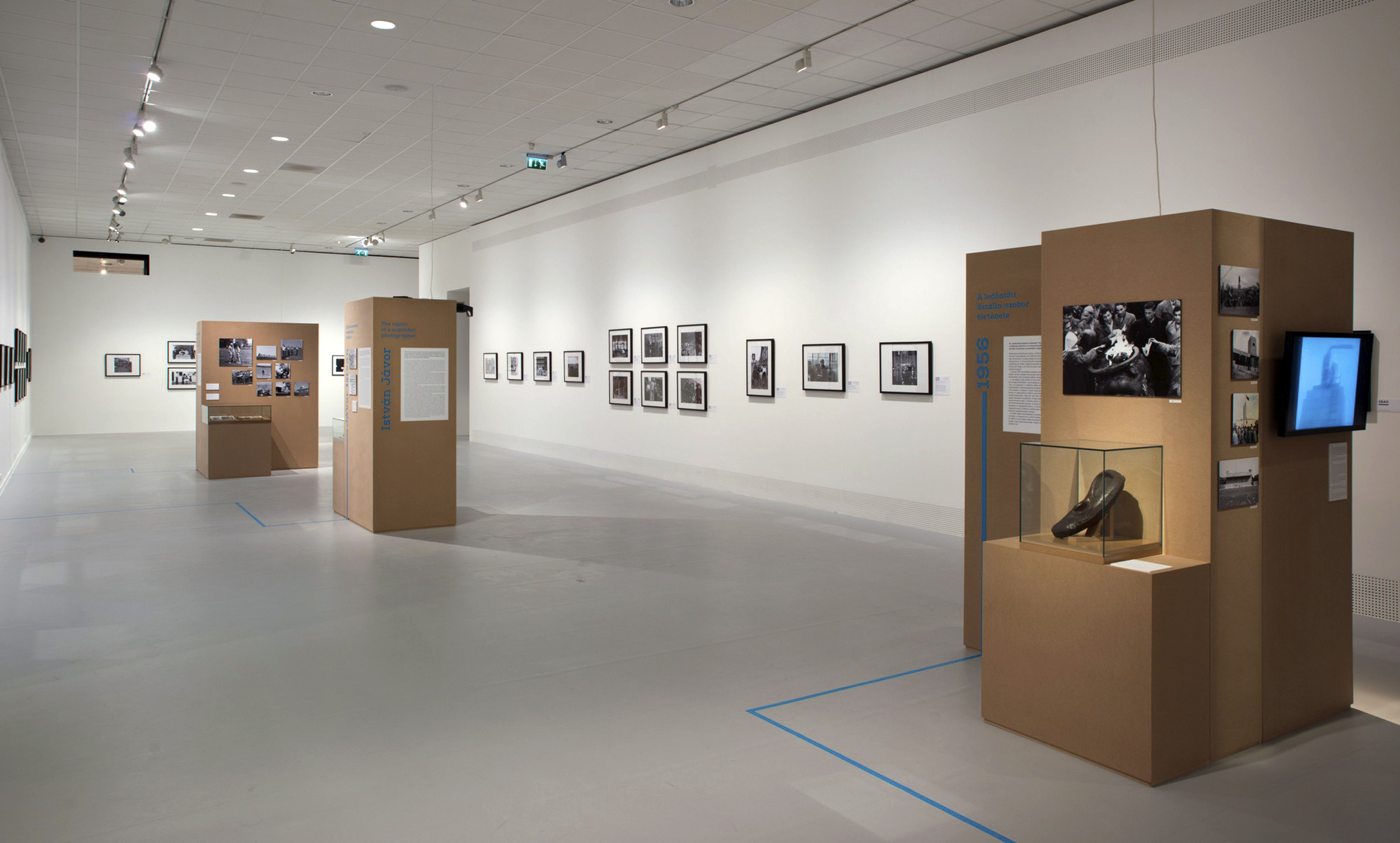

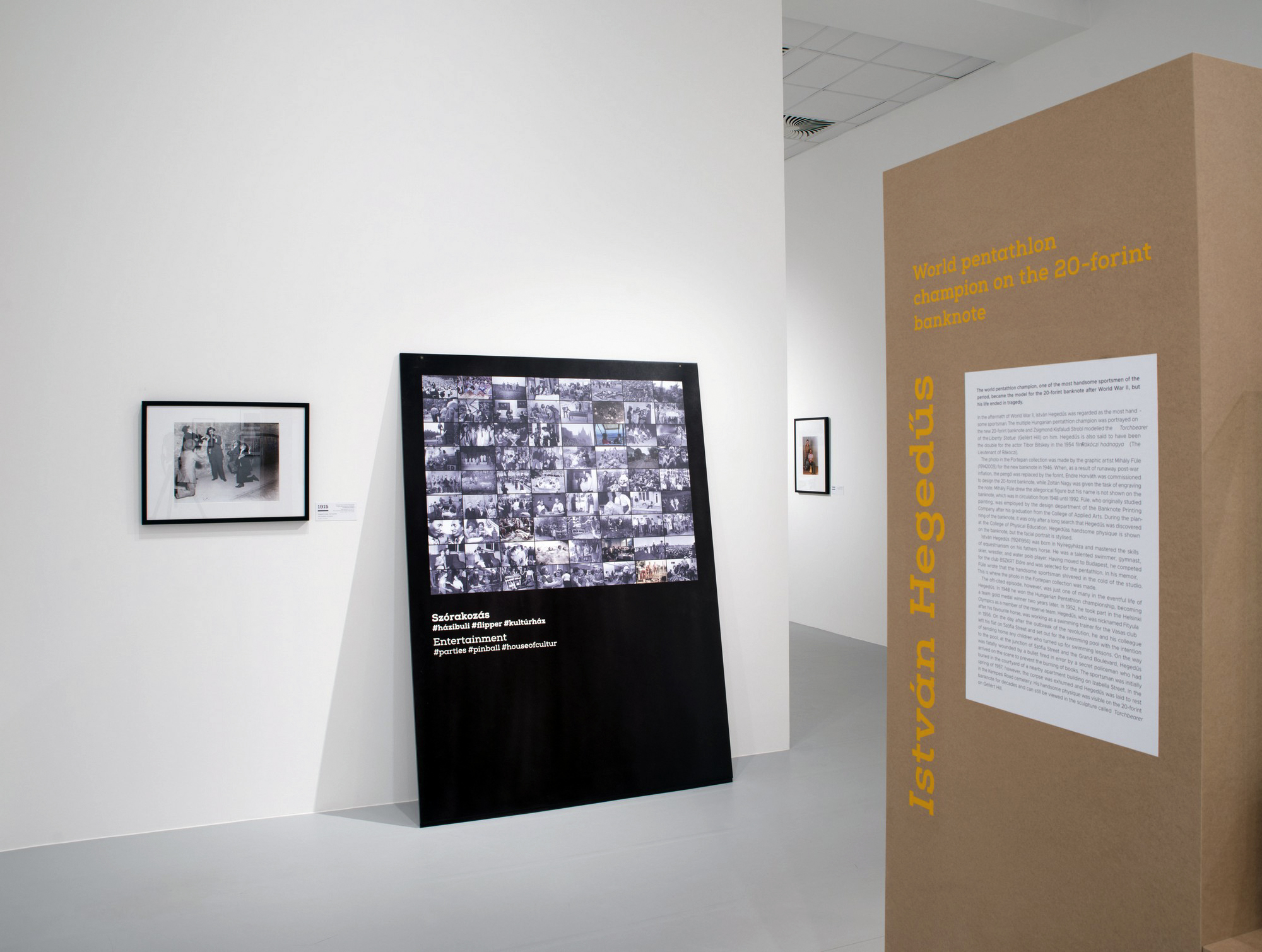

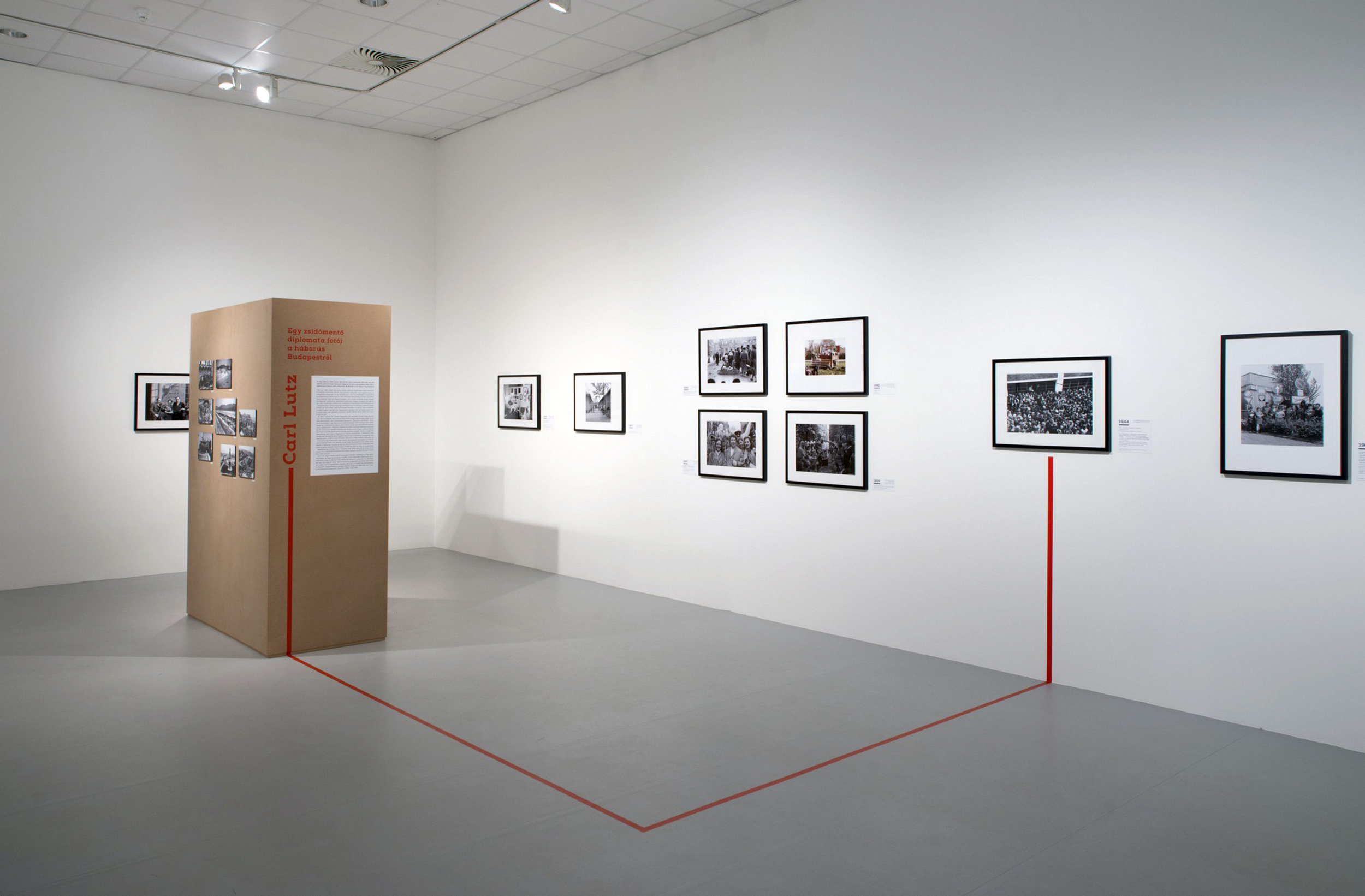


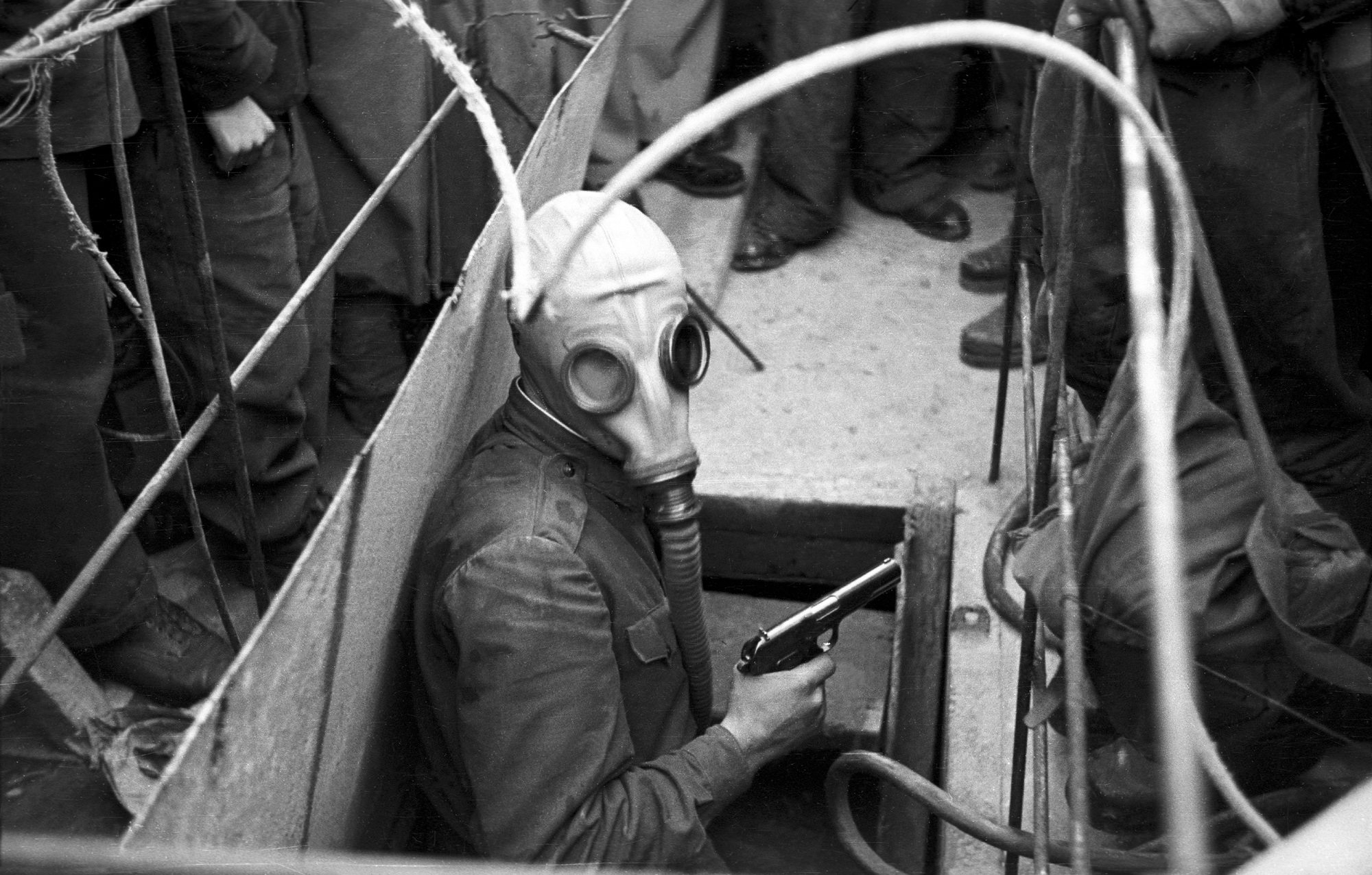
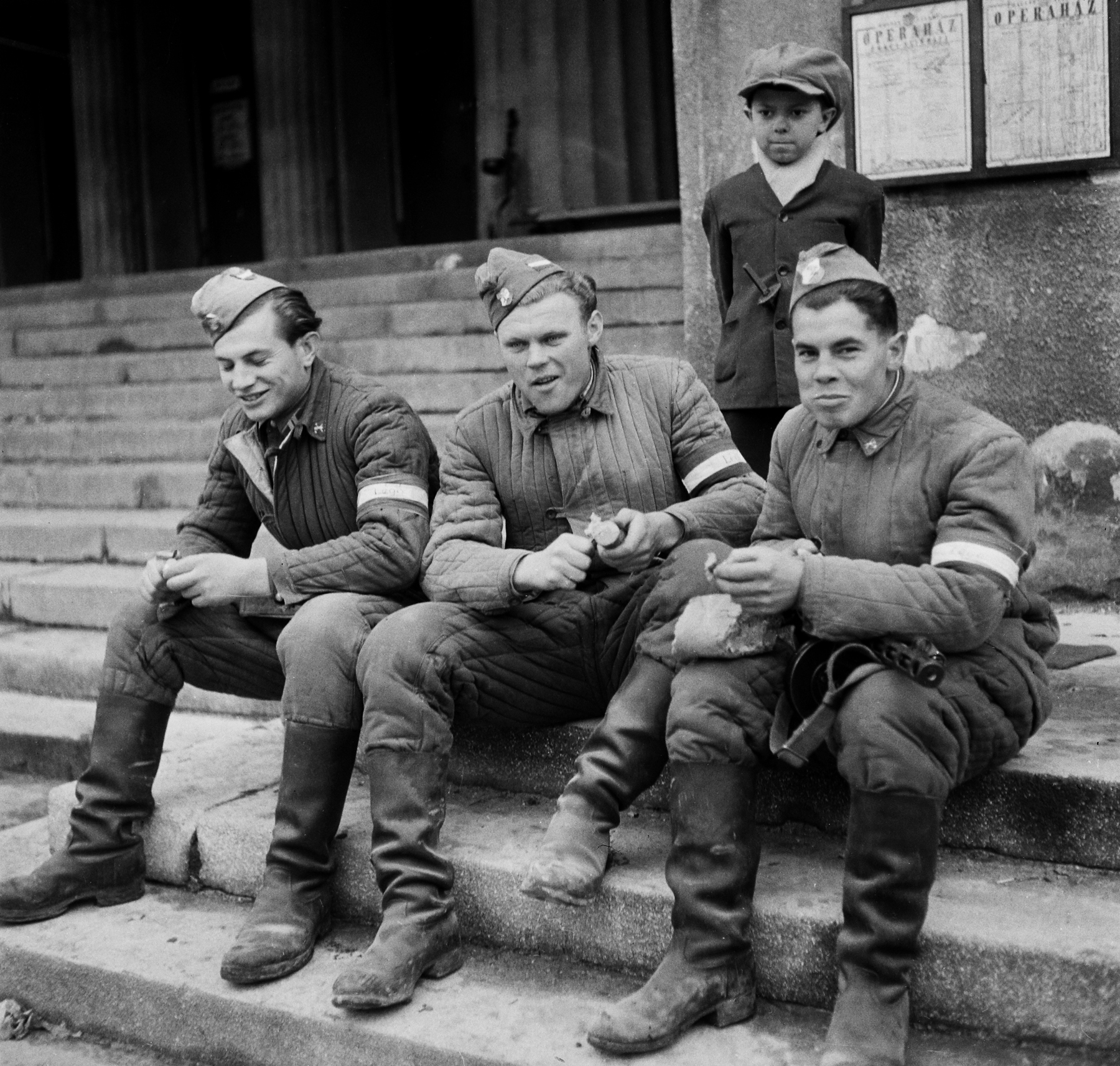
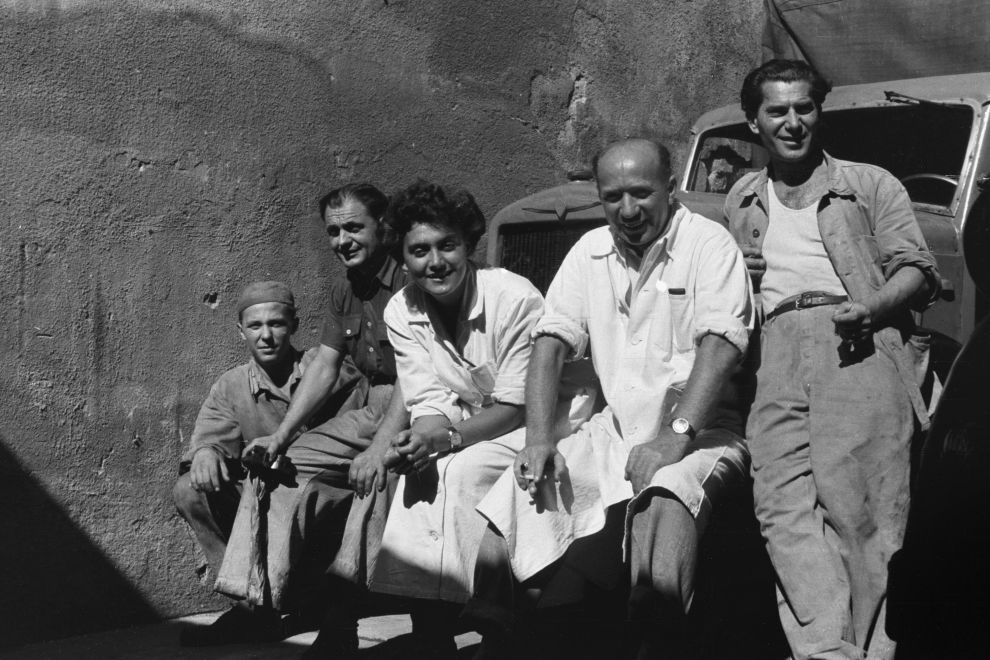
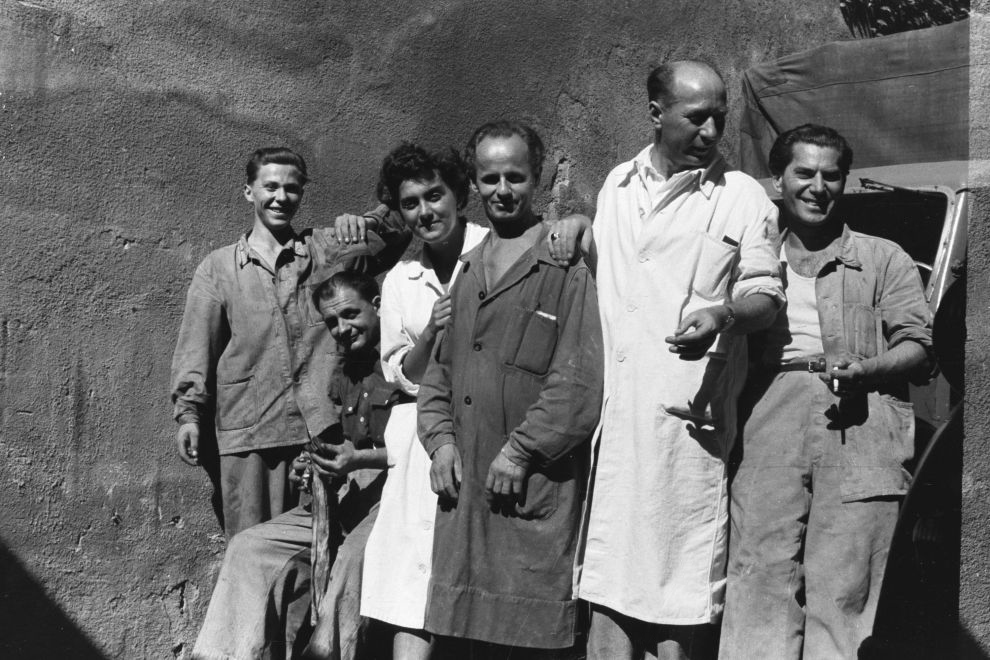
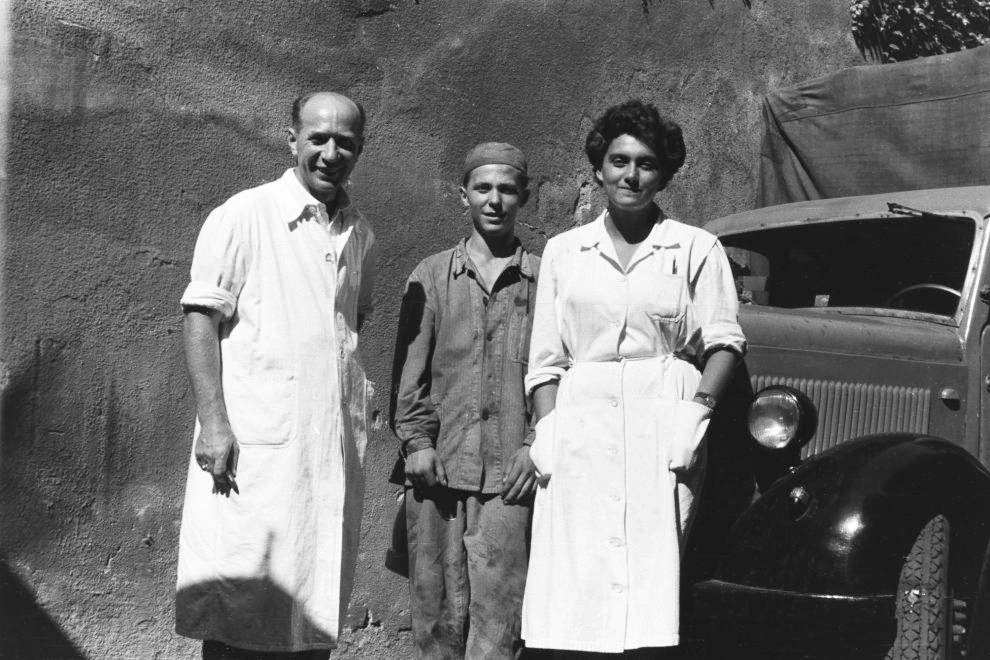


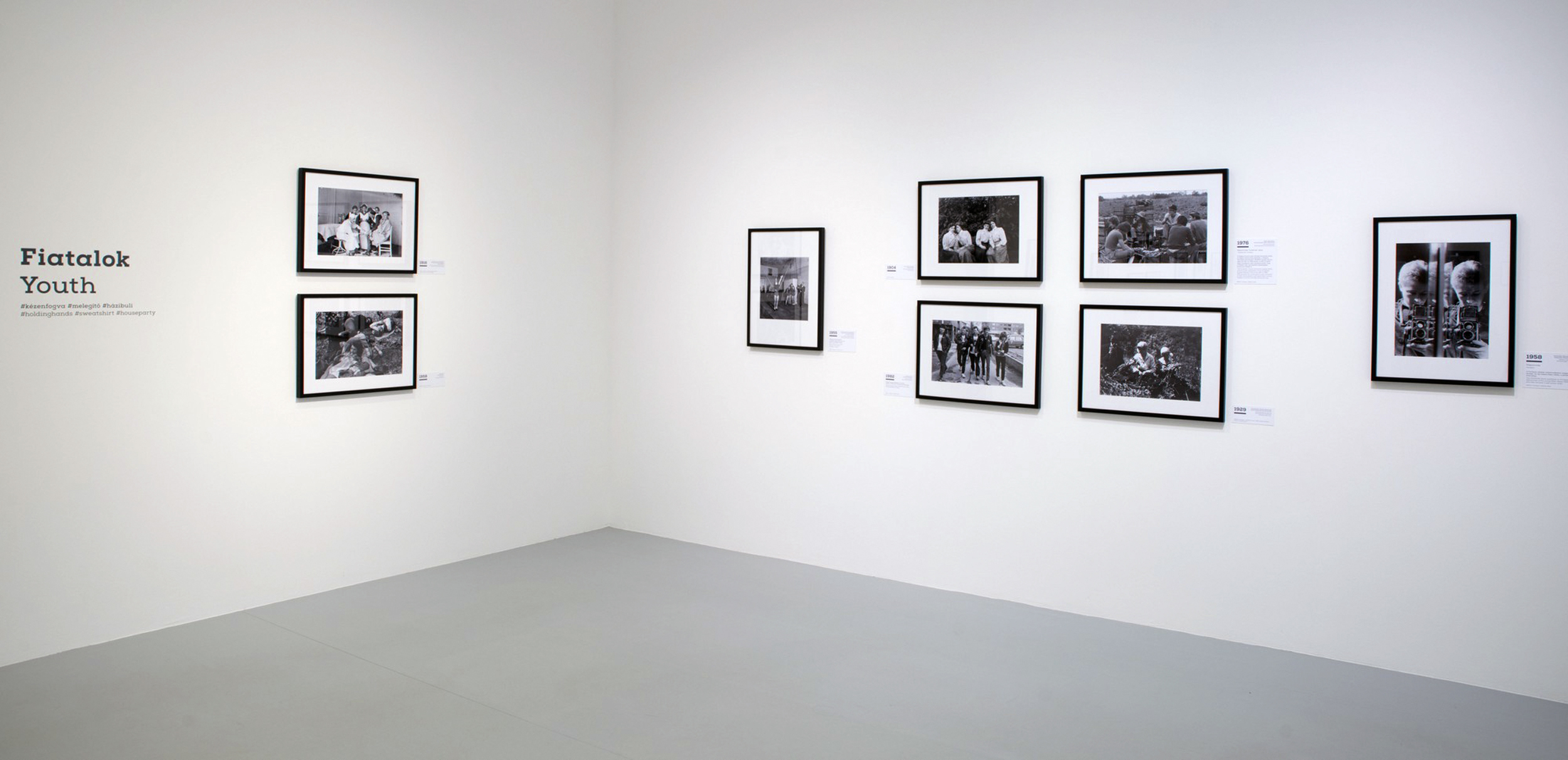

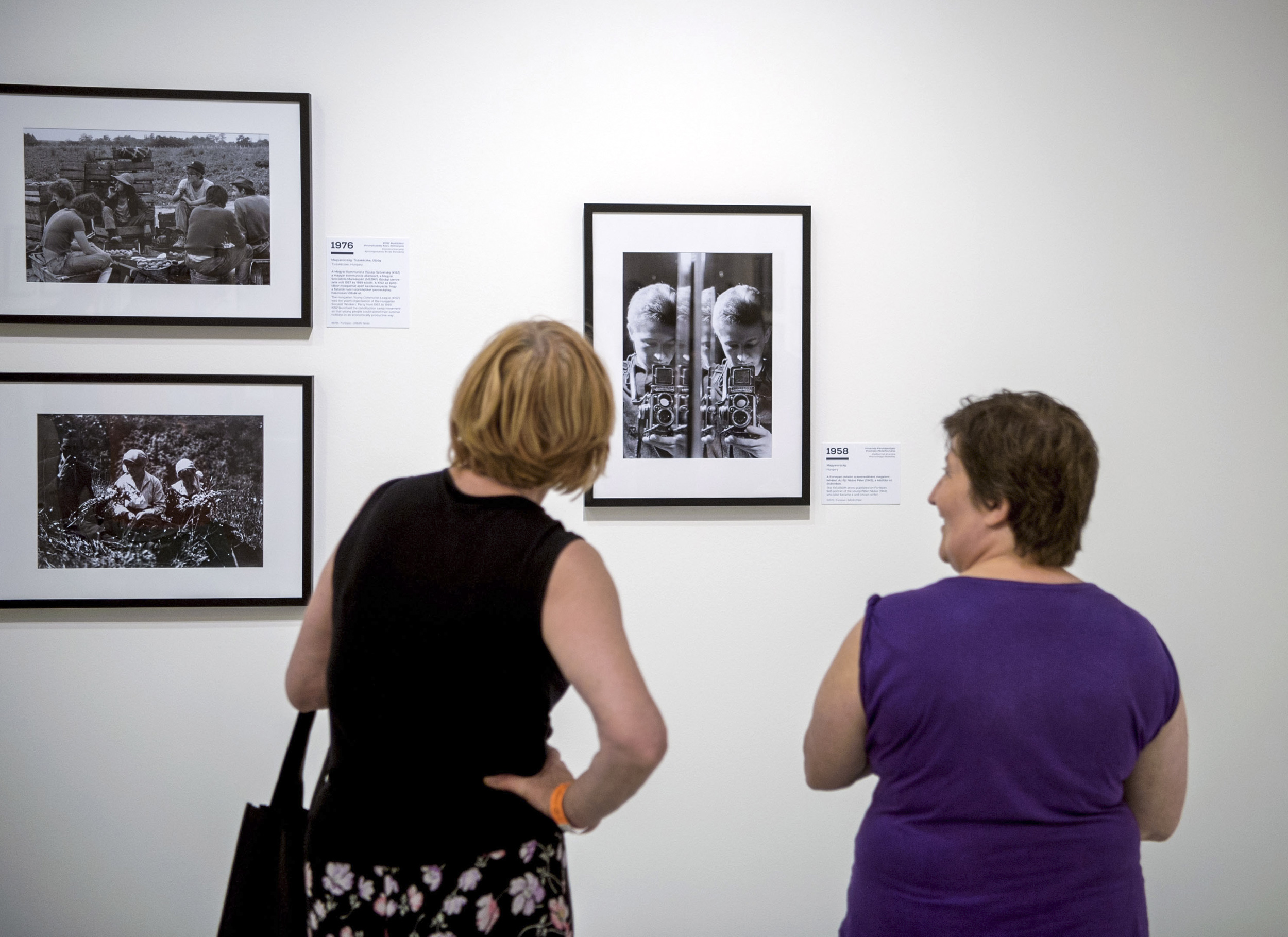
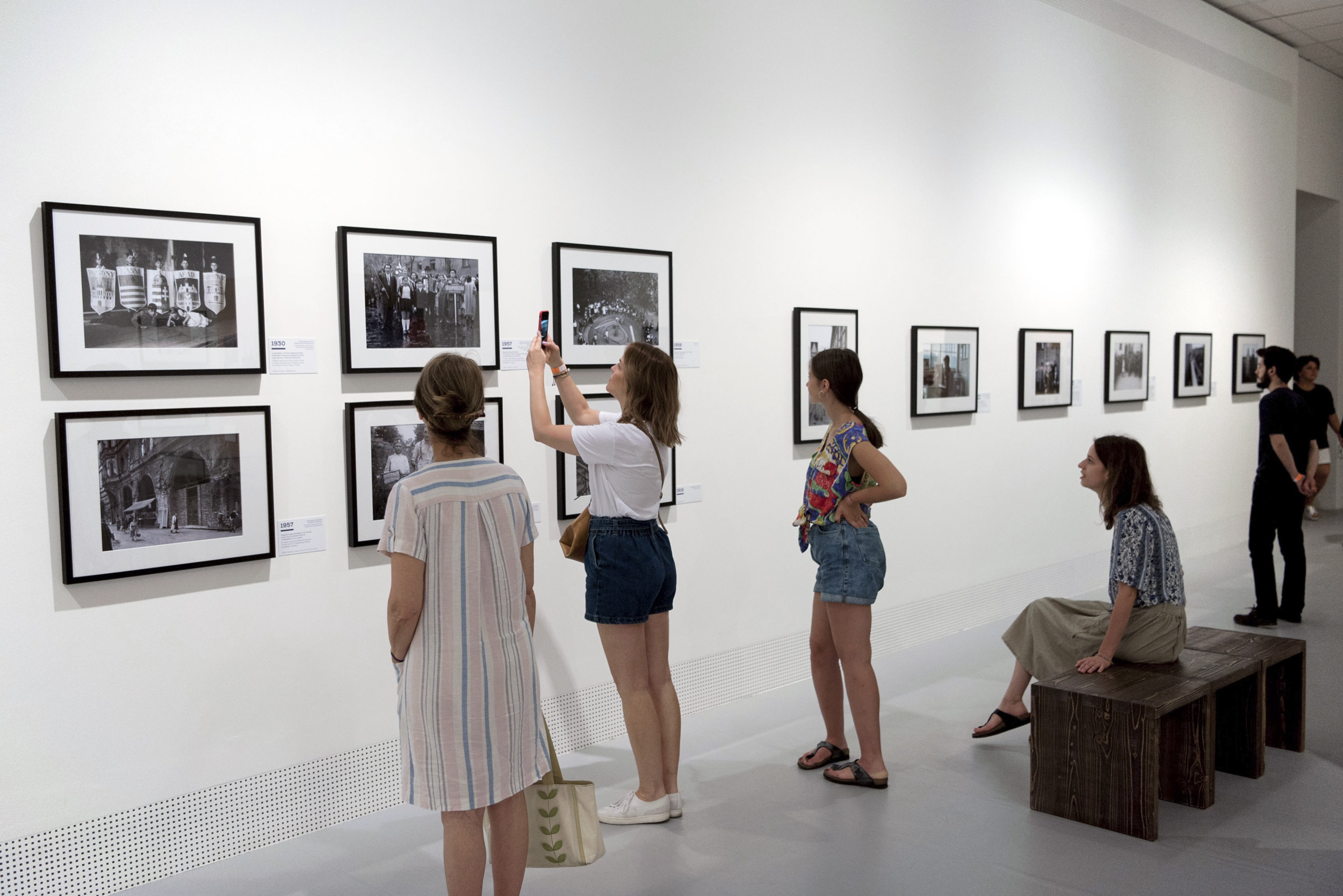


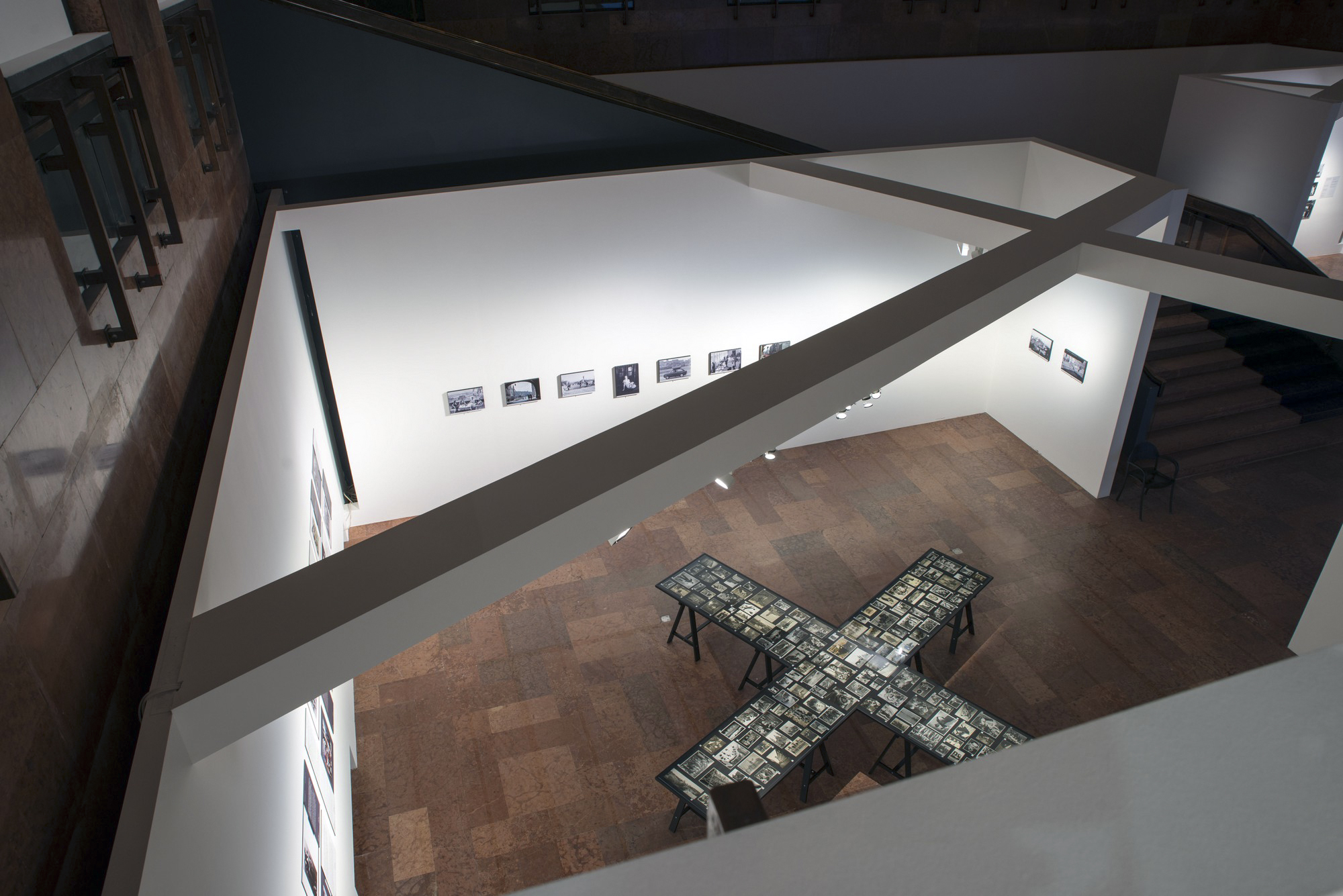
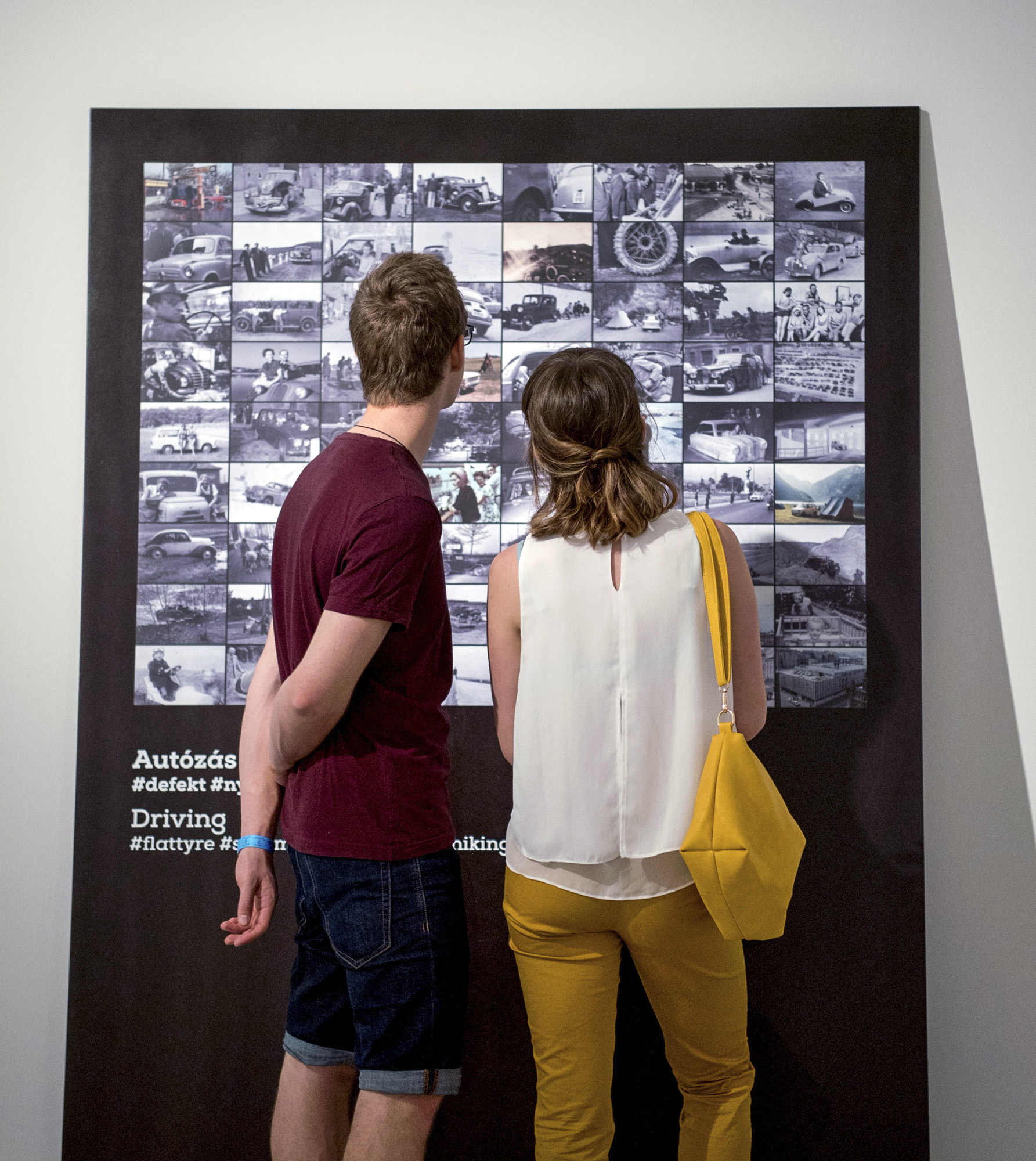





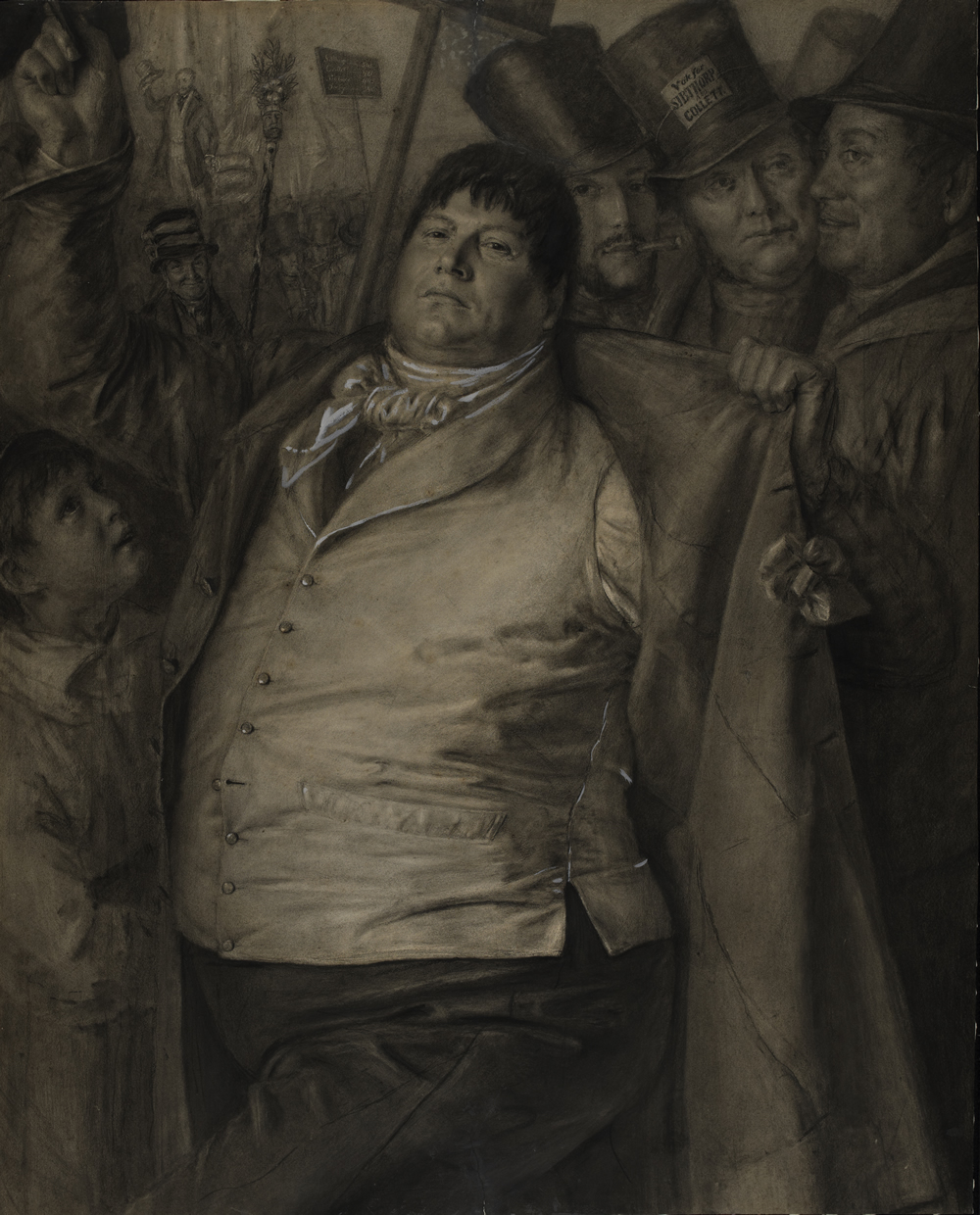
![Attributed to Oscar G. Rejlander (British born Sweden, 1813-1875) '[Landscape]' c. 1855](https://artblart.com/wp-content/uploads/2019/06/rejlander-landscape-c-1855-web.jpg "Attributed to Oscar G. Rejlander (British born Sweden, 1813-1875) '[Landscape]' c. 1855")


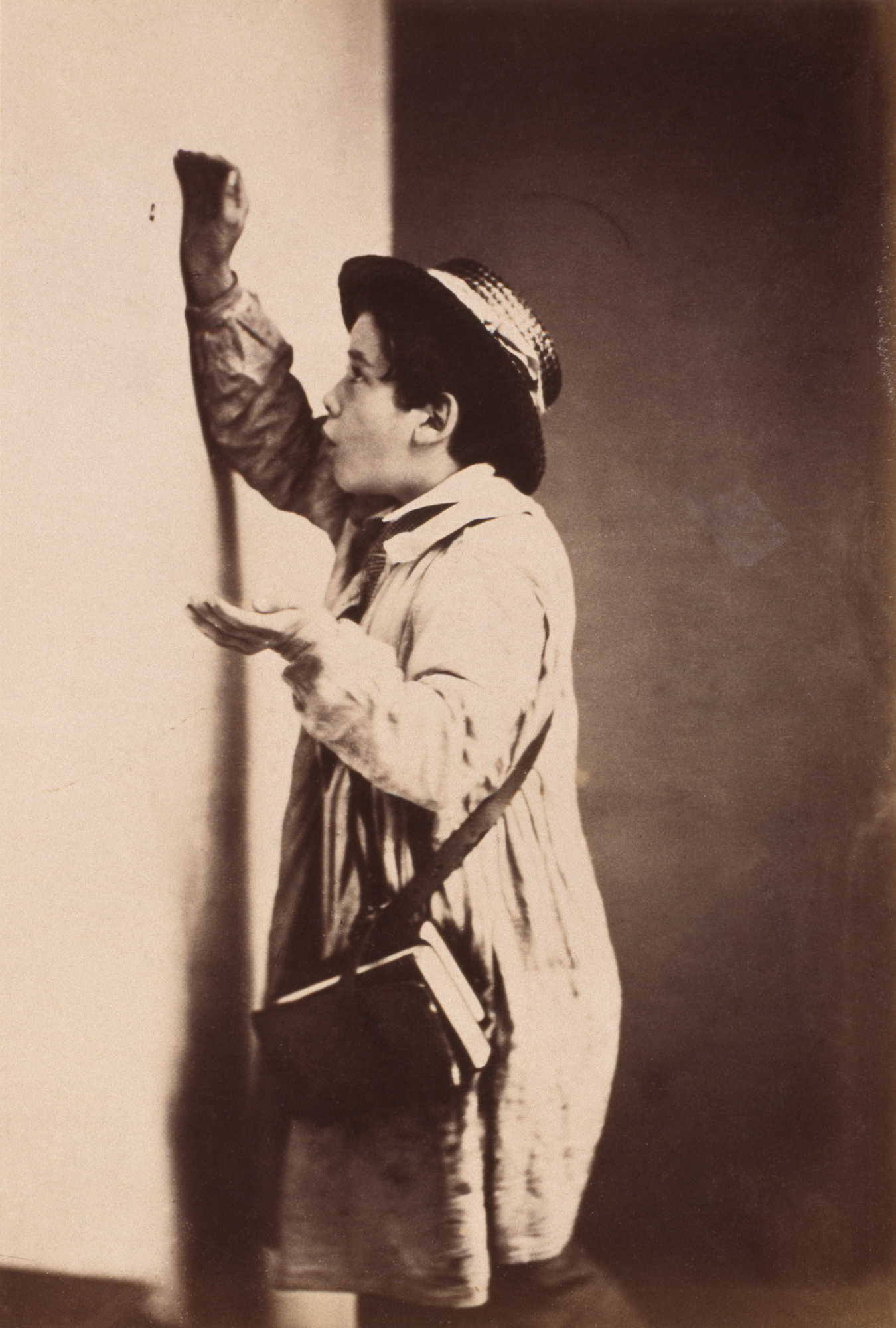


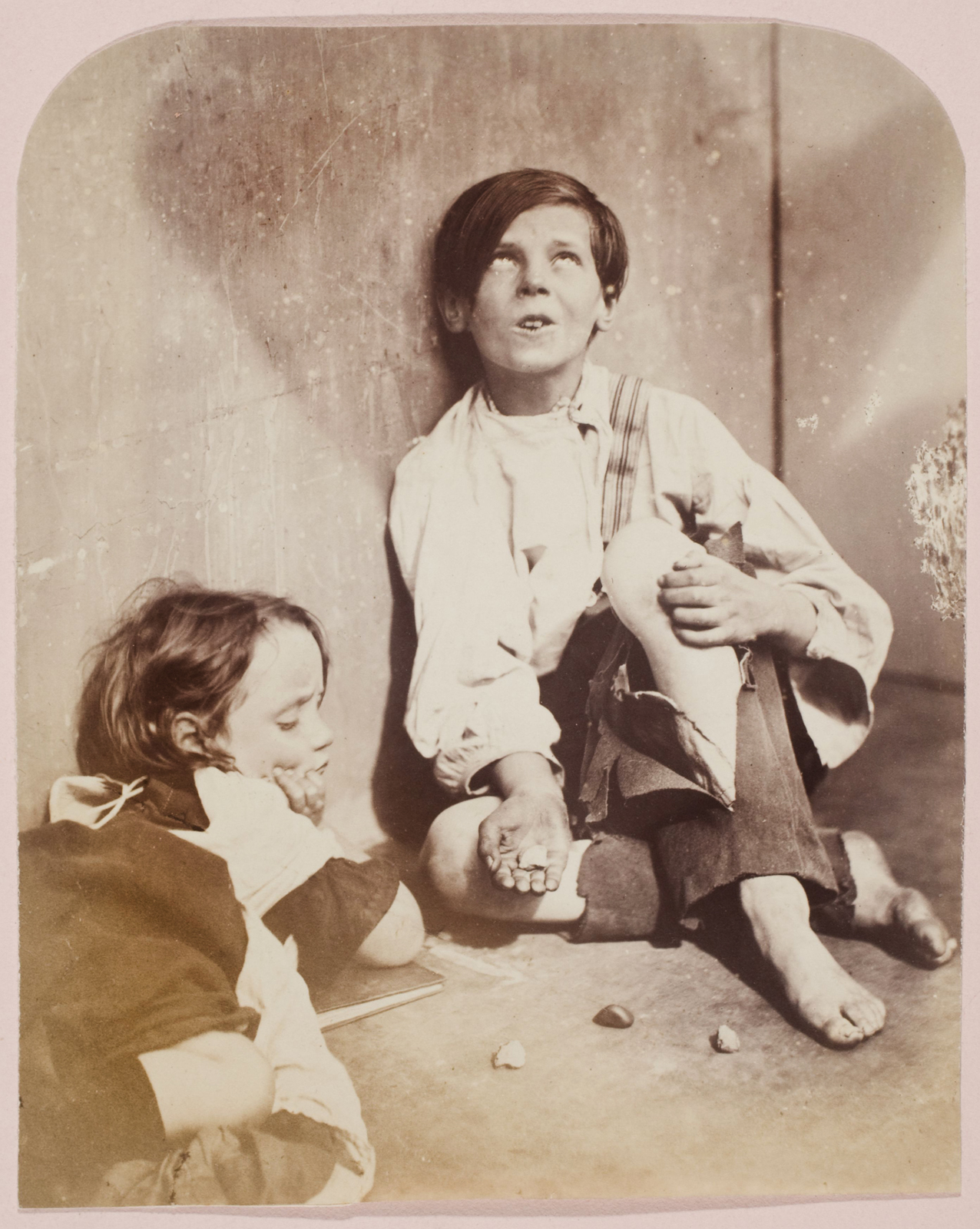


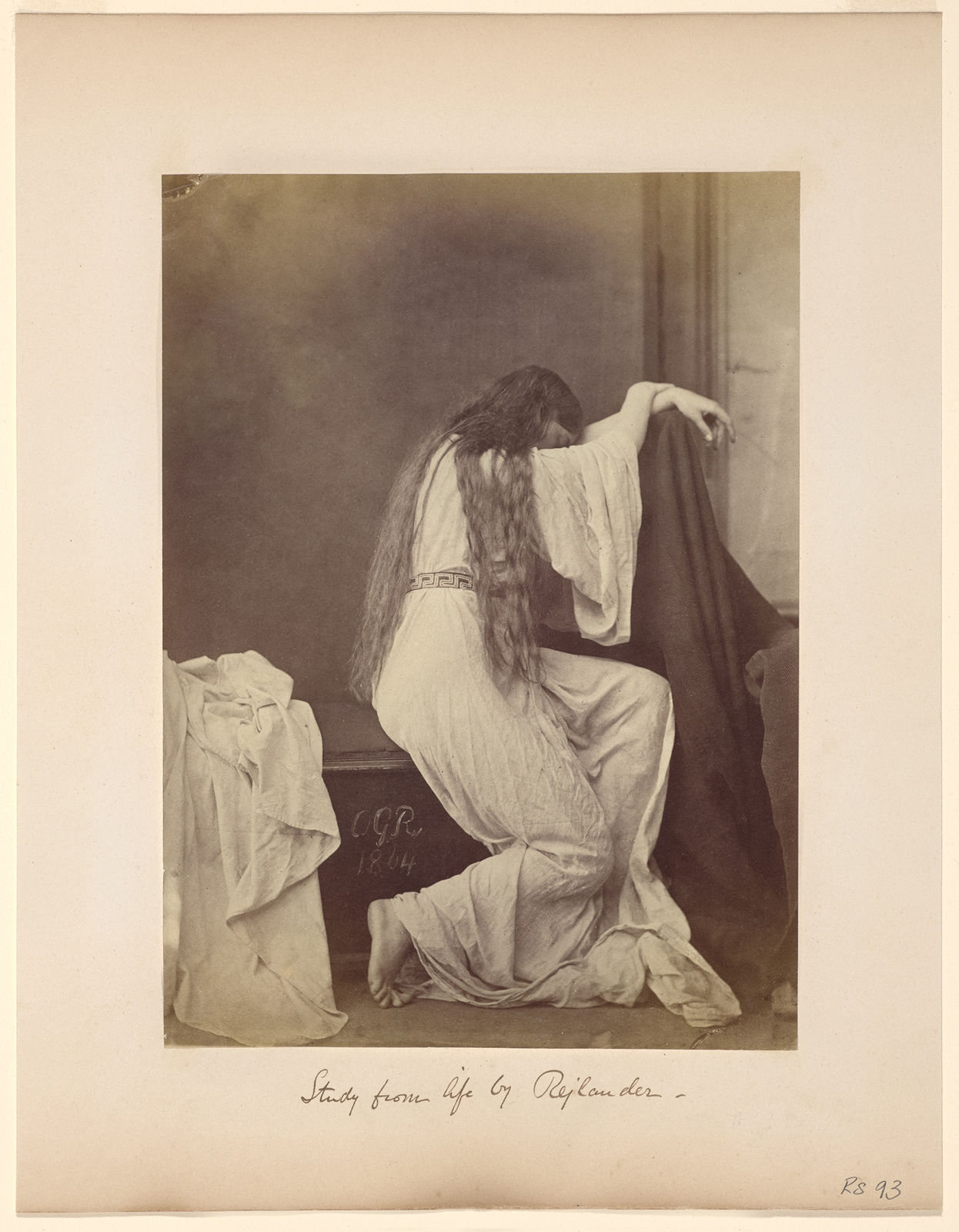


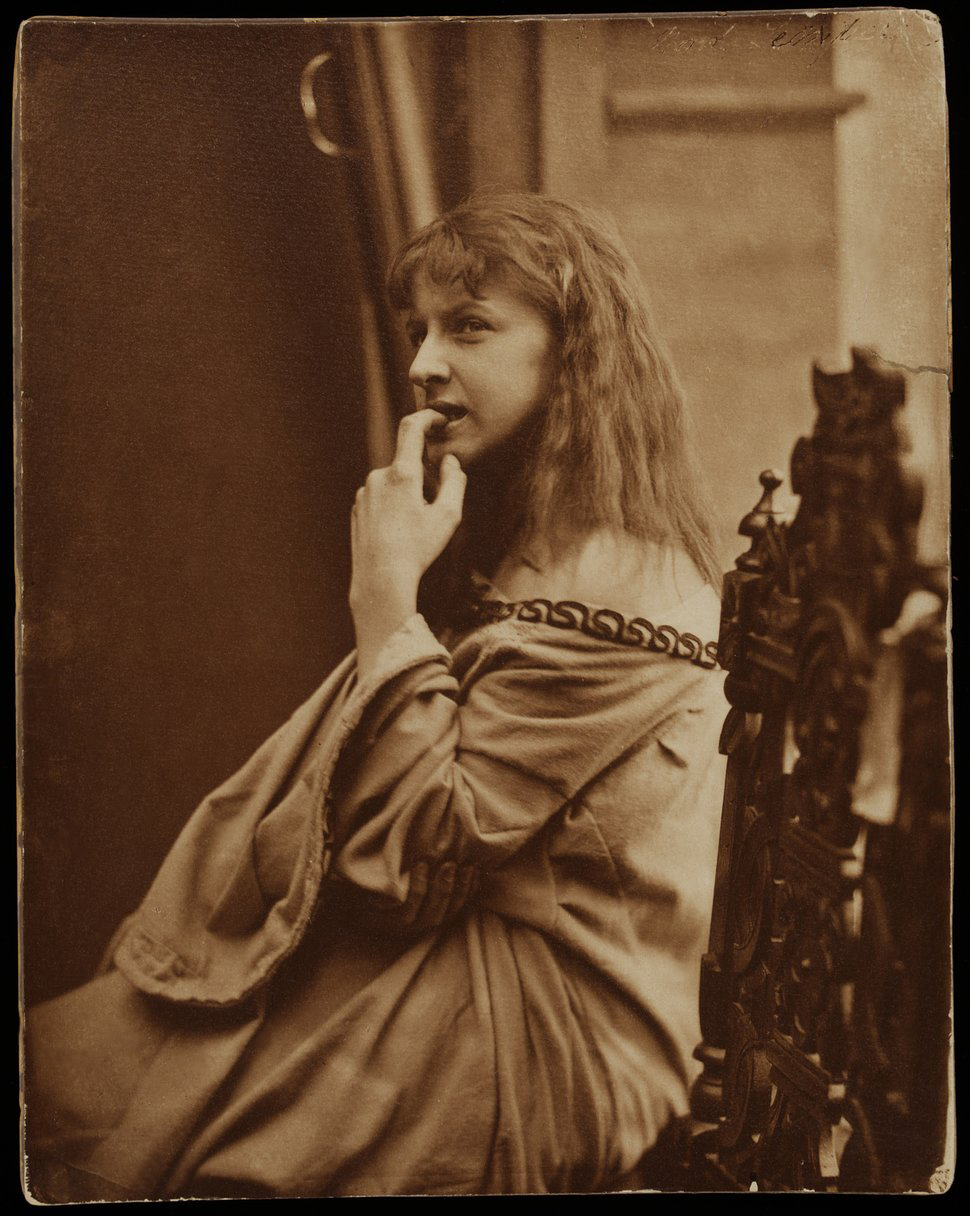


 Art Blart _ art and cultural memory archive
You must be logged in to post a comment.