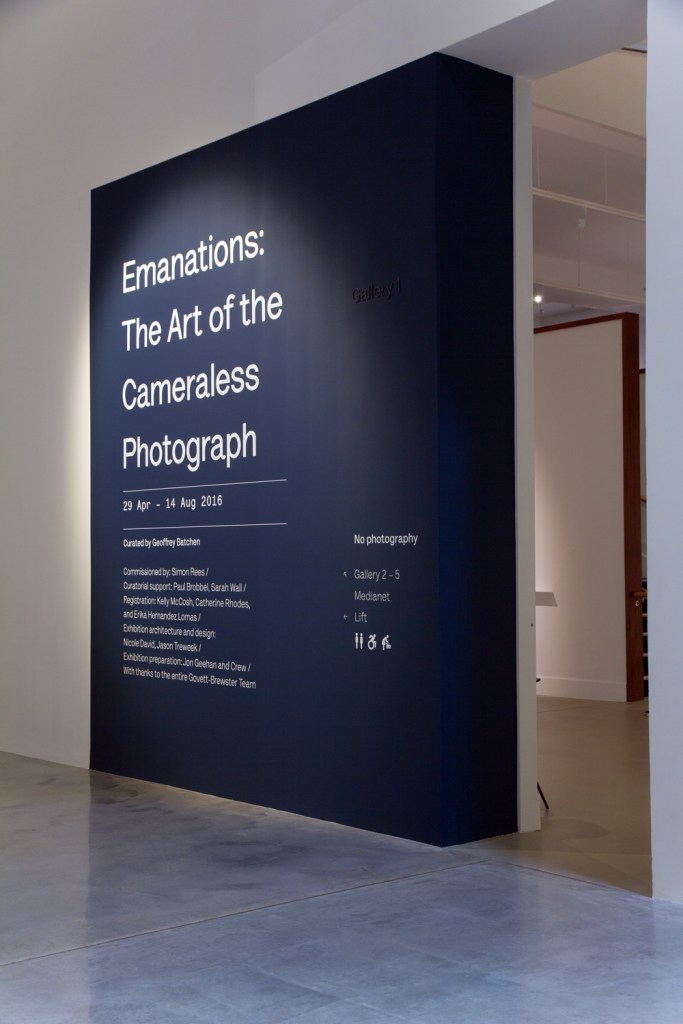
Exhibition: ‘Emanations: The Art of the Cameraless Photograph’ at the Govett-Brewster Art Gallery/Len Lye Centre, New Plymouth, New Zealand Part 2

Exhibition dates: 29th April – 14 August, 2016

Curator: Geoffrey Batchen


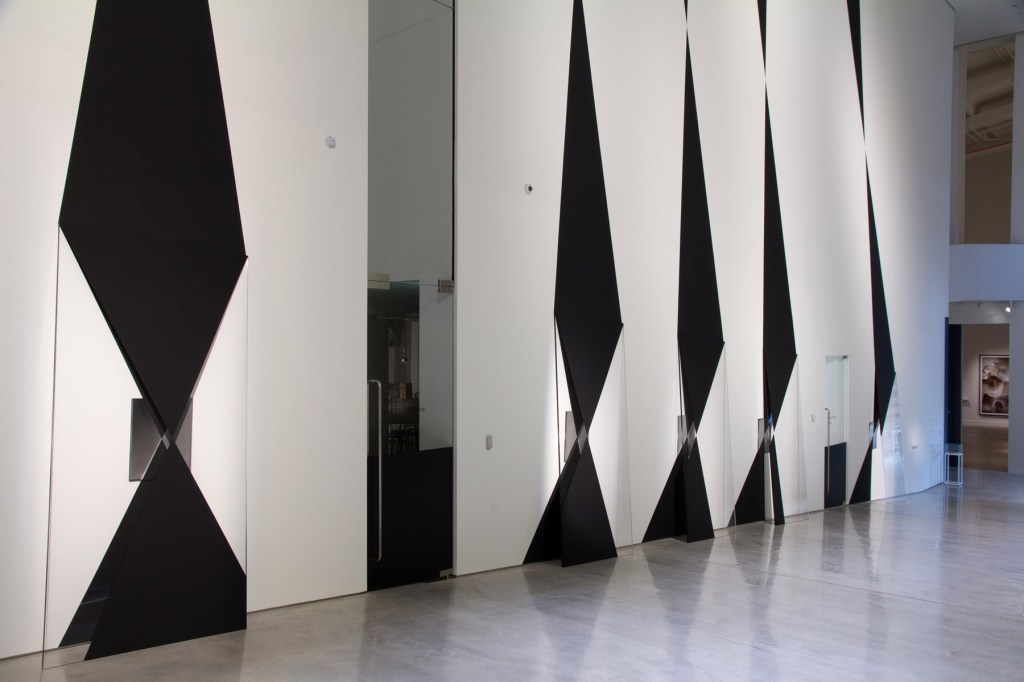
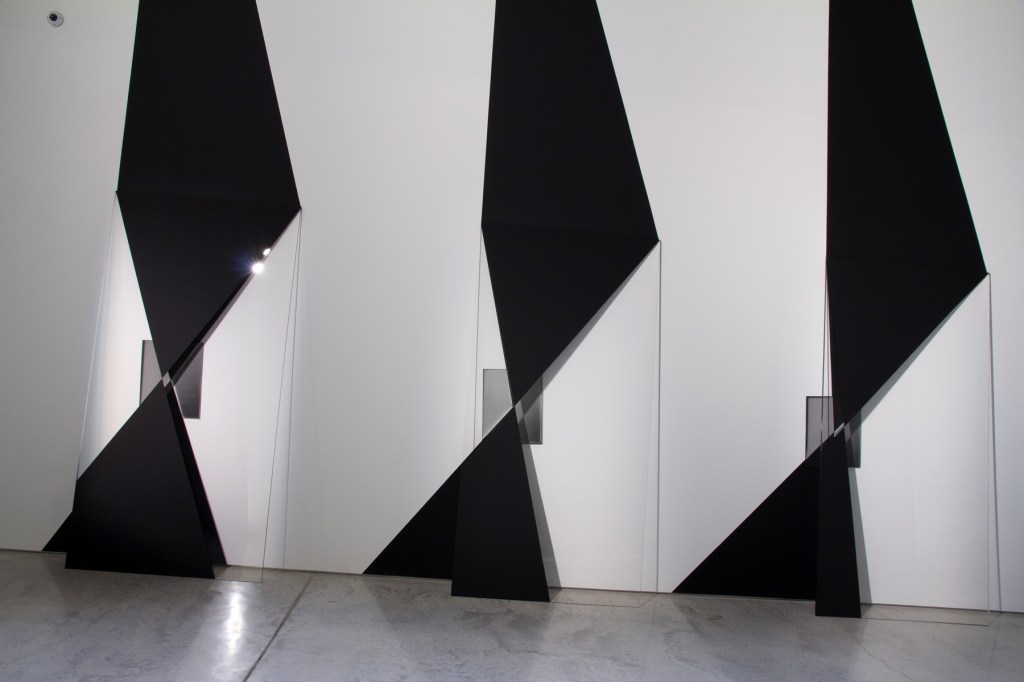
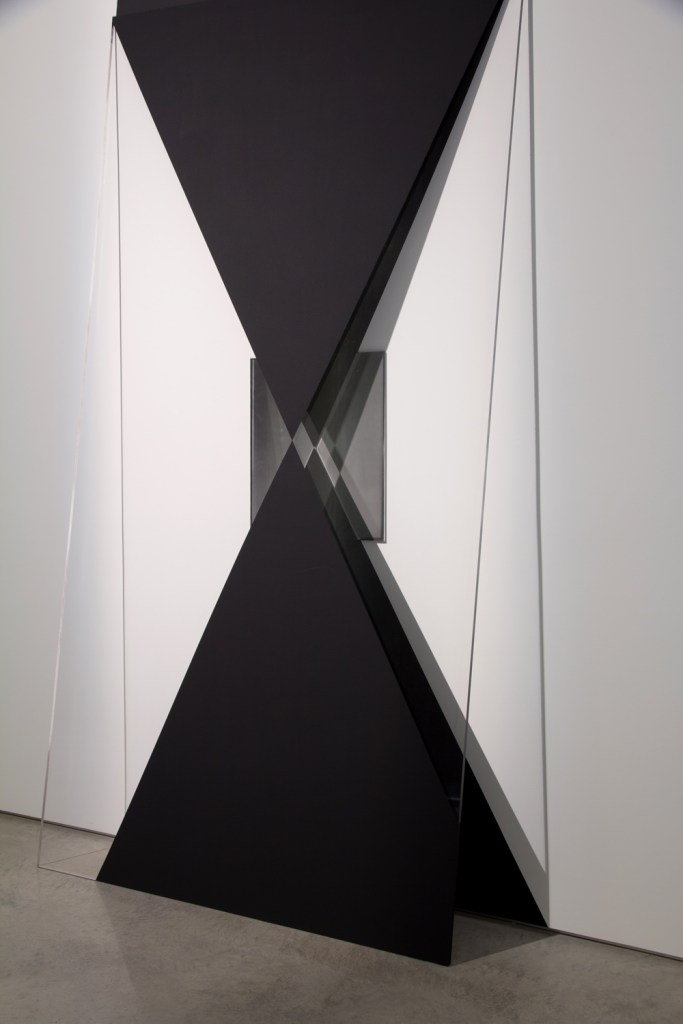
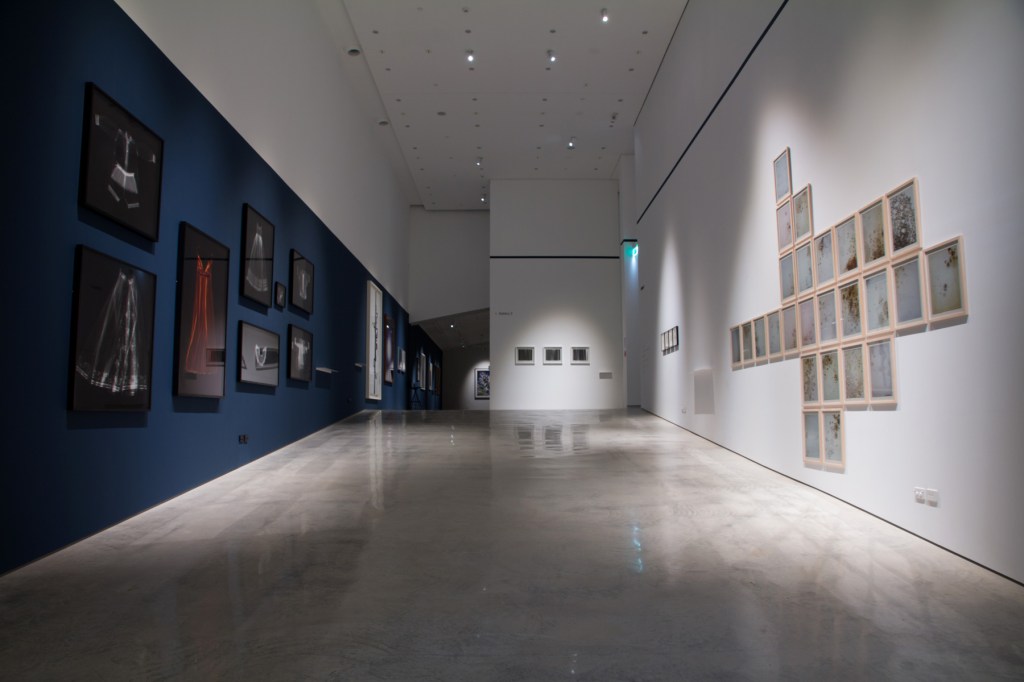
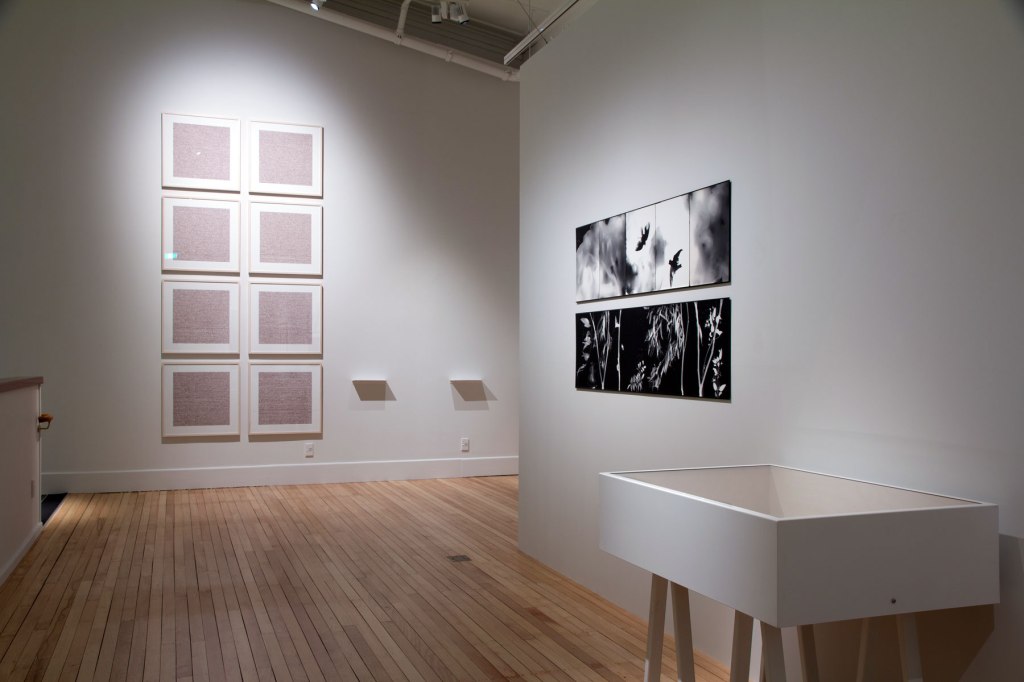
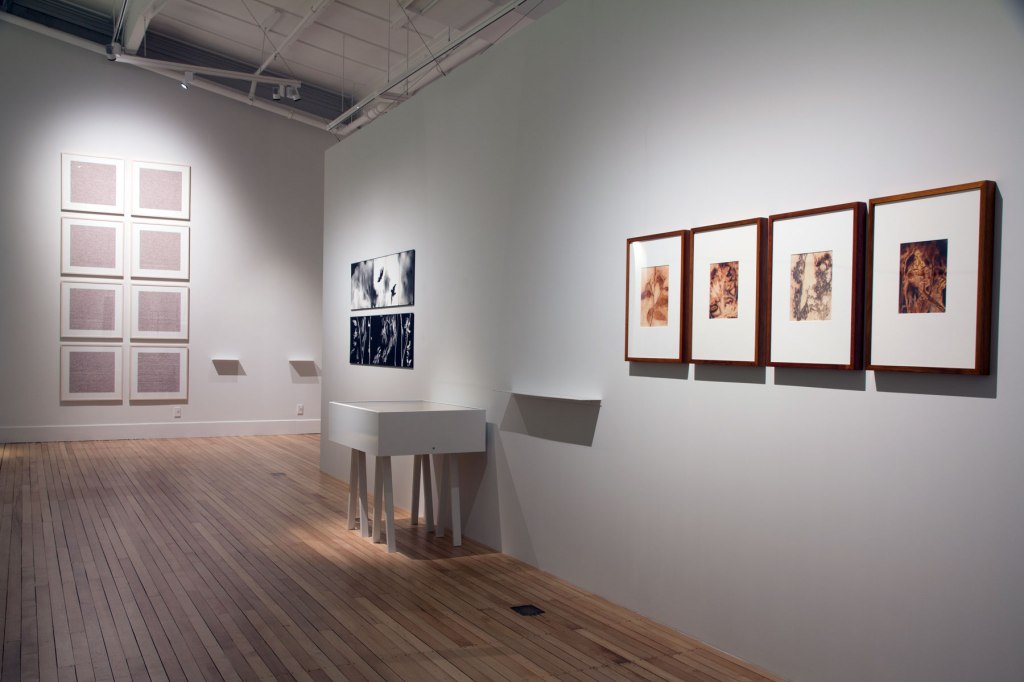
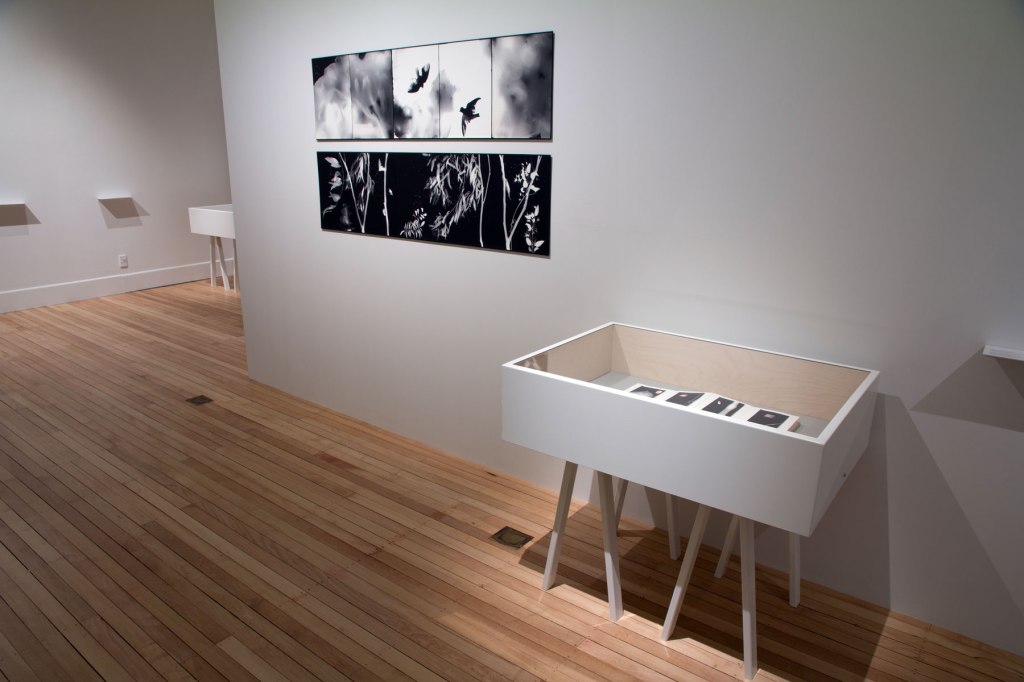
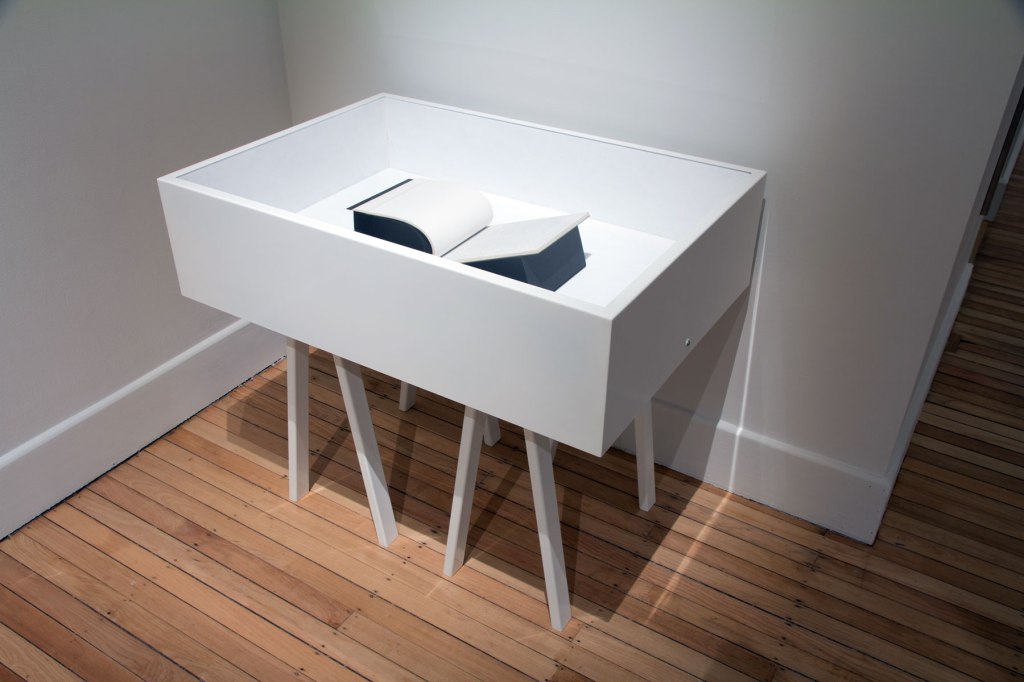
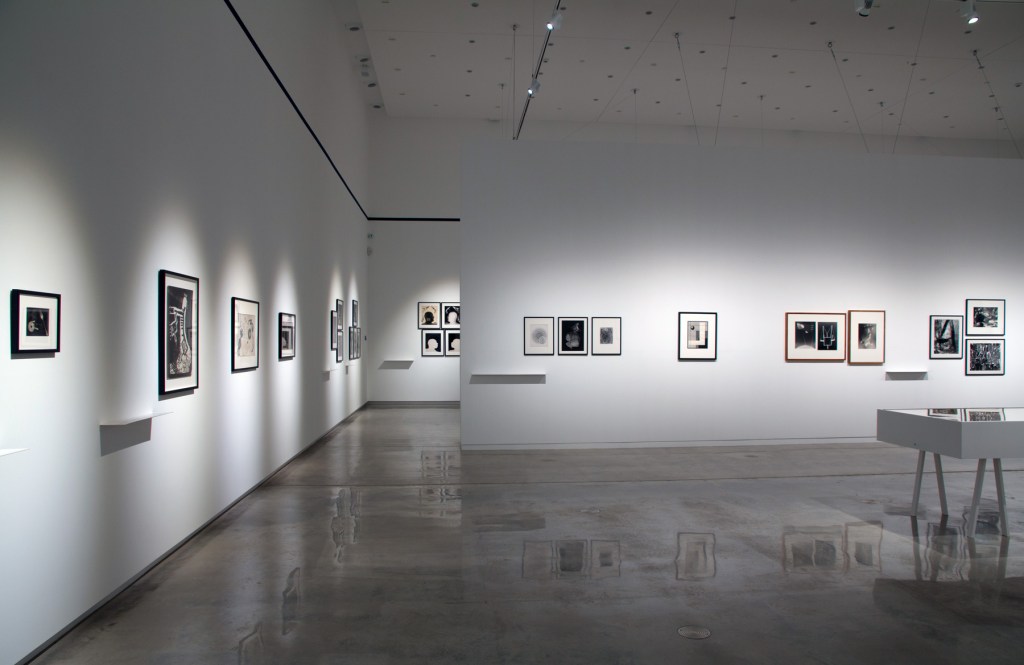
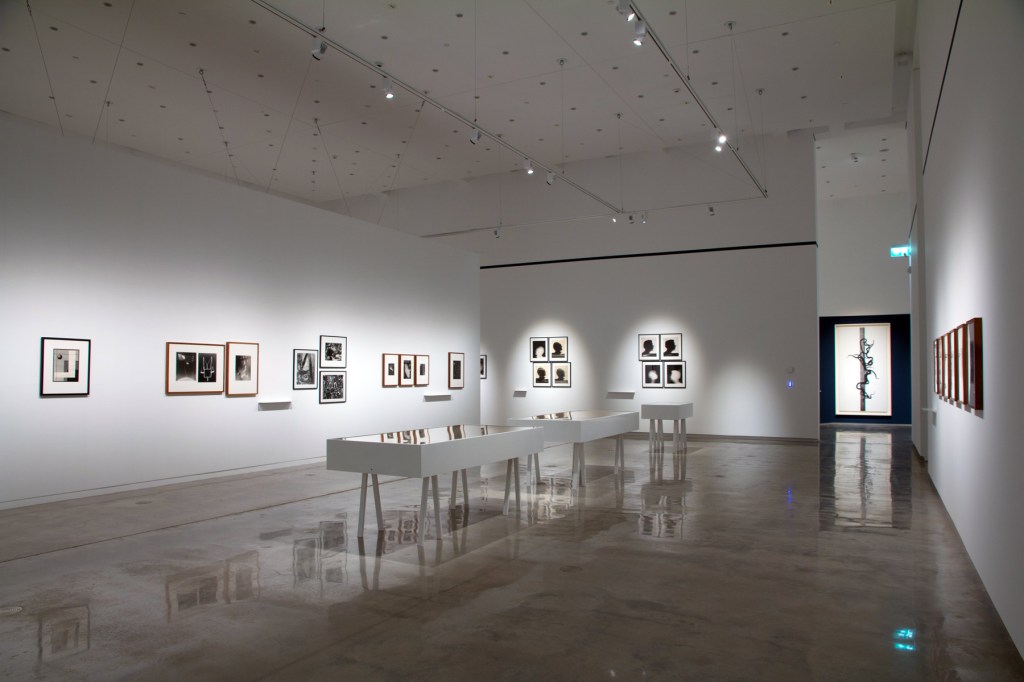
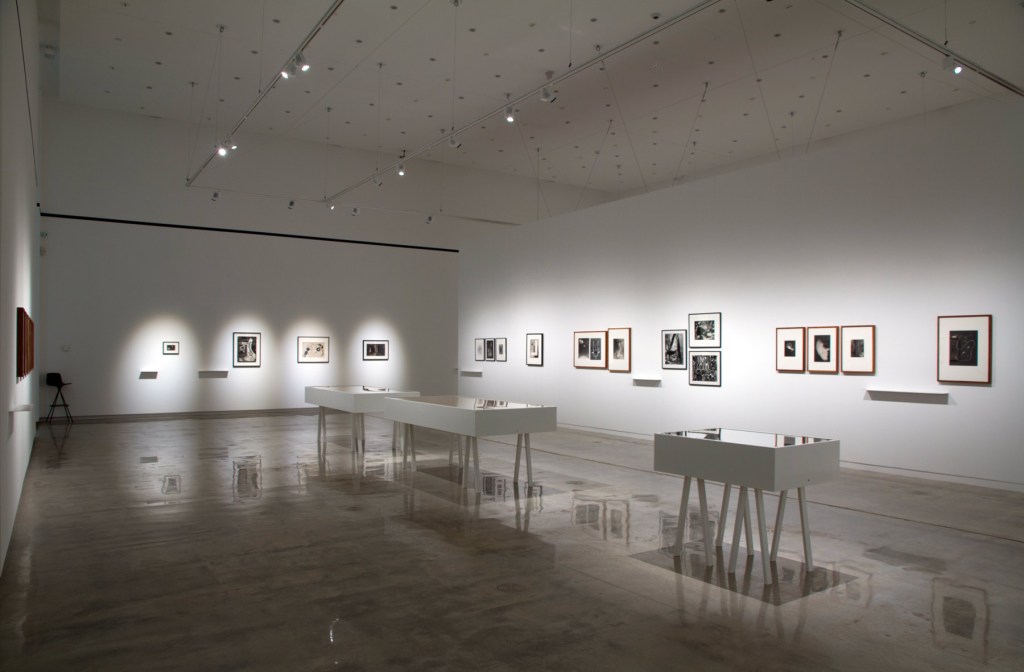
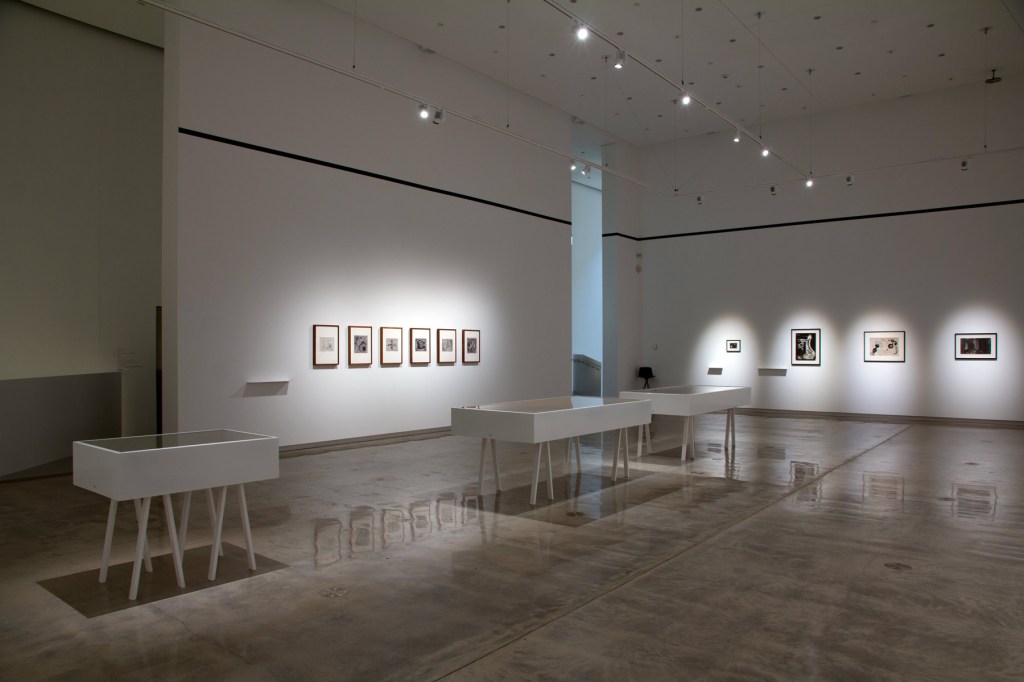
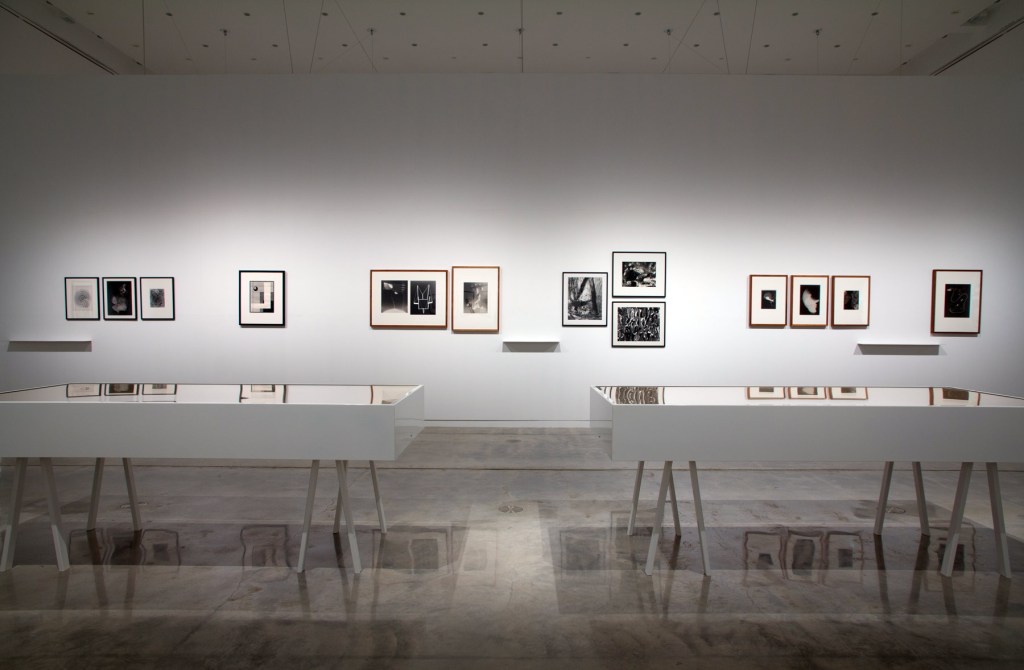
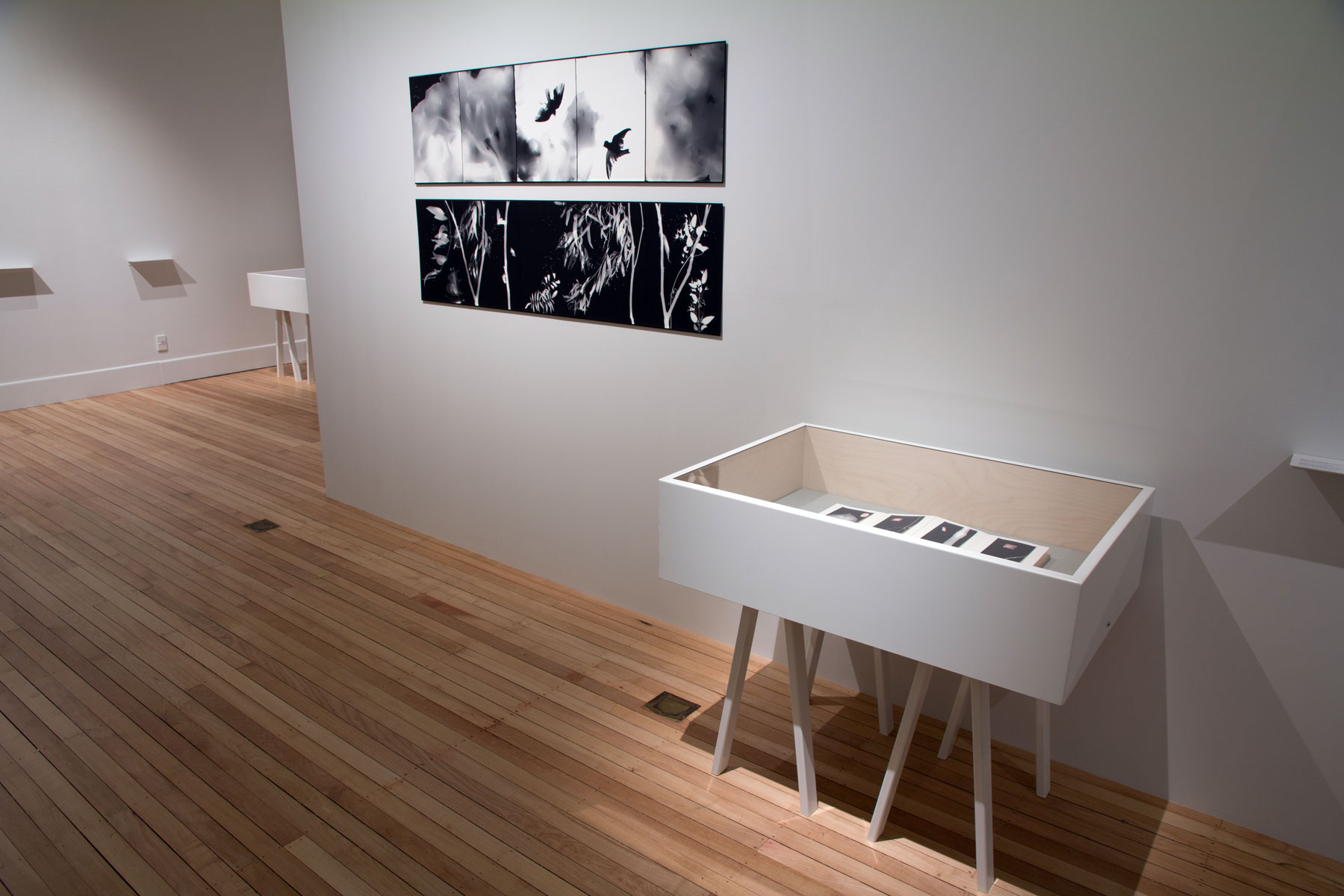
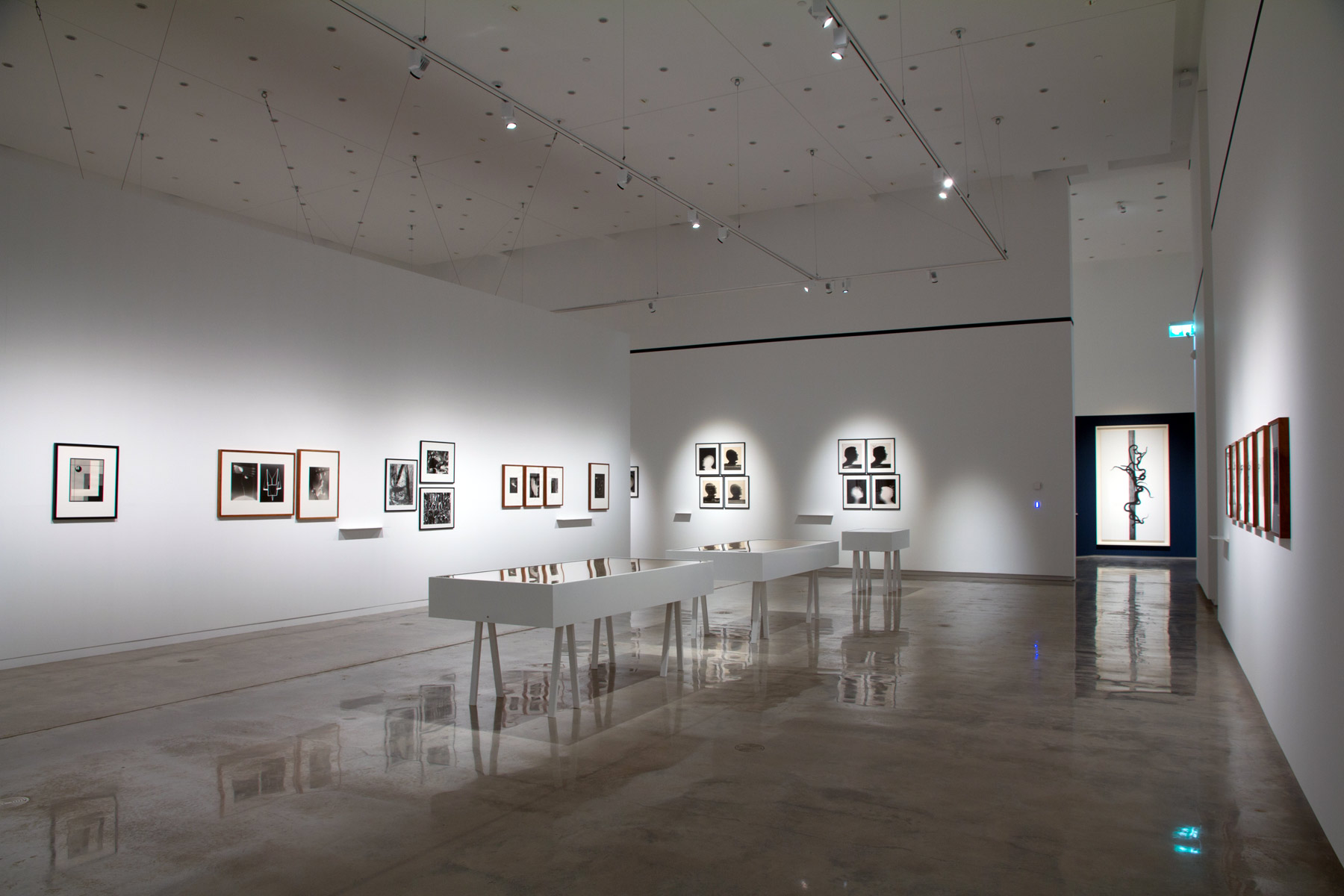
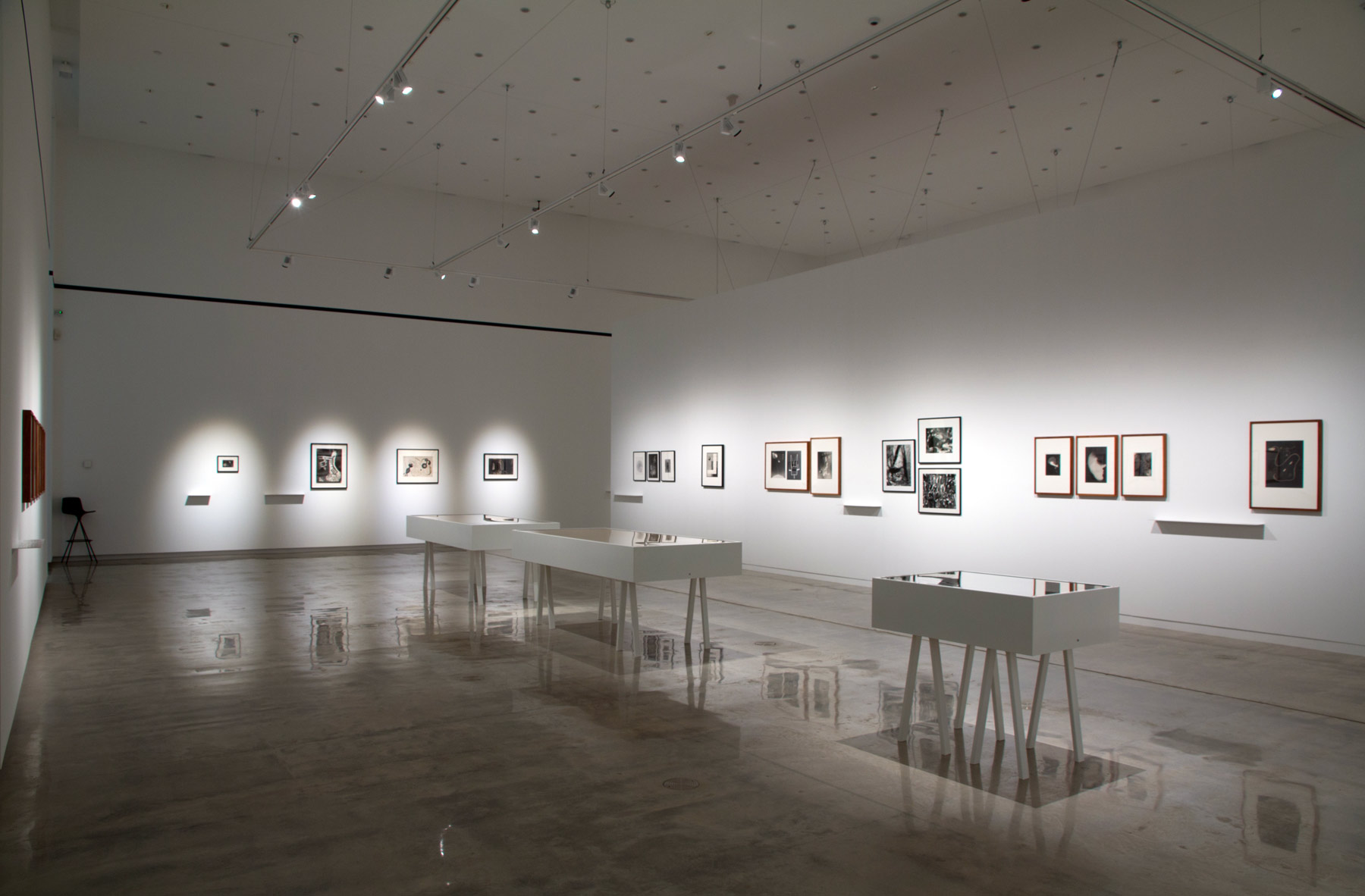
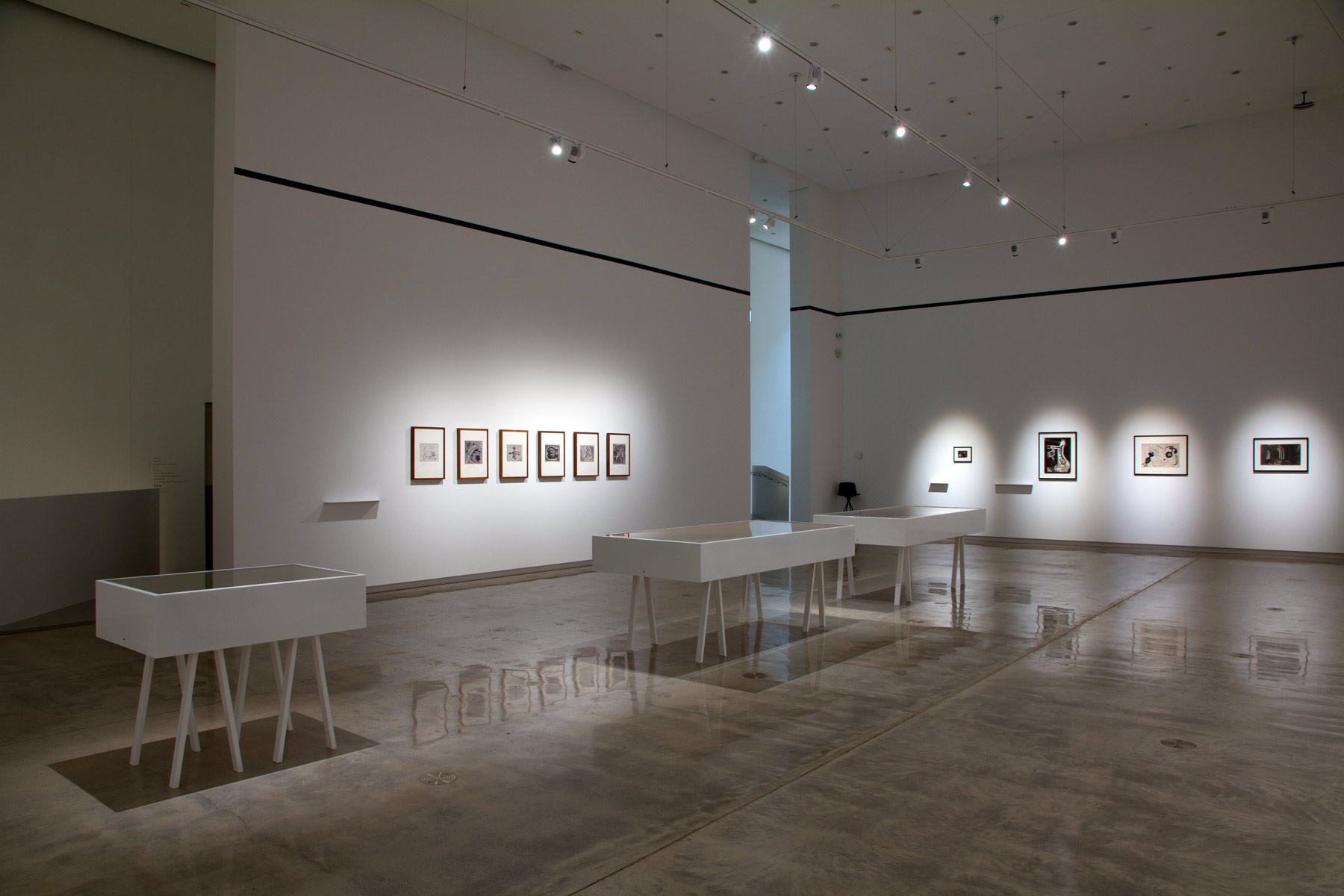
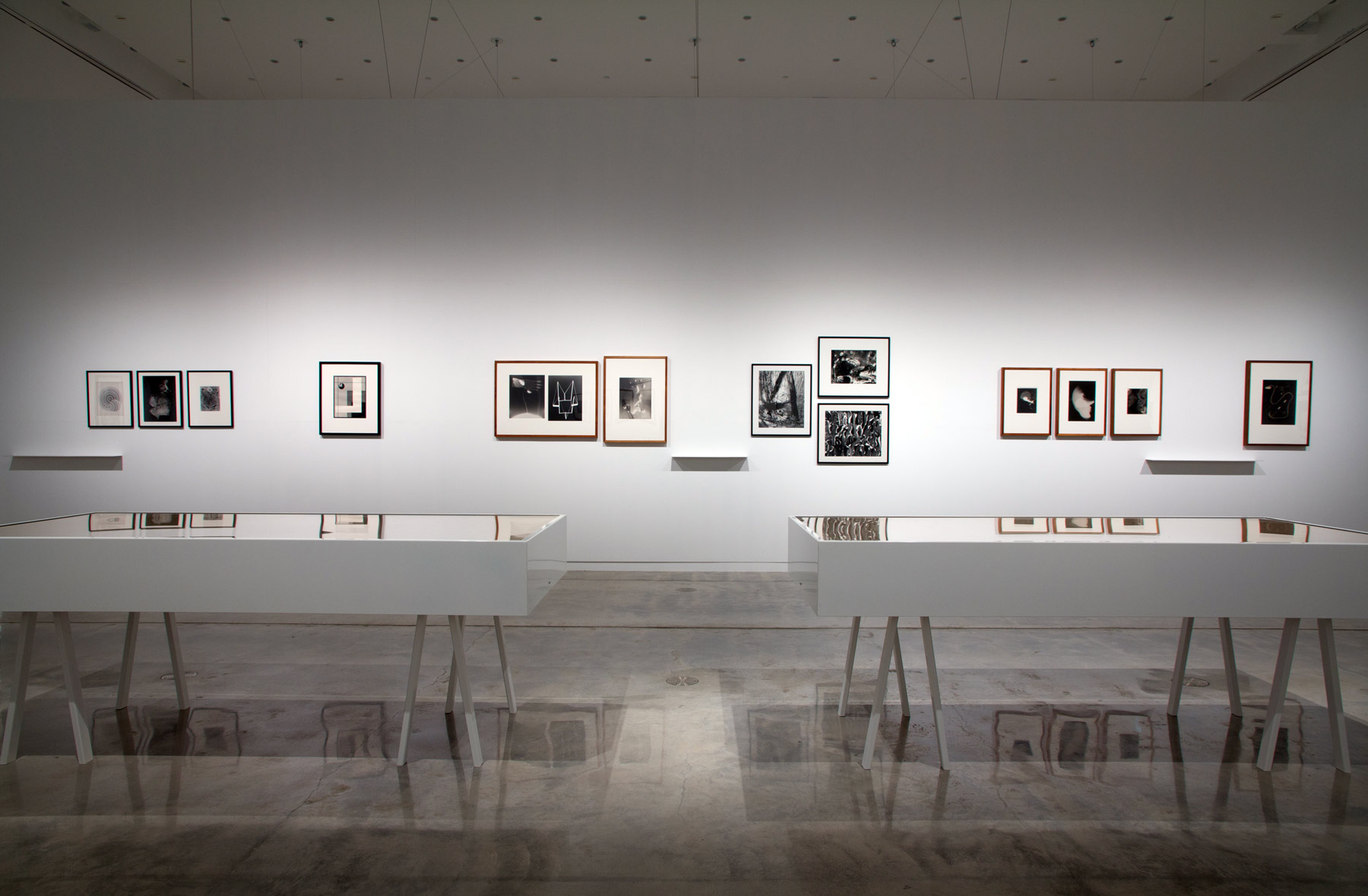
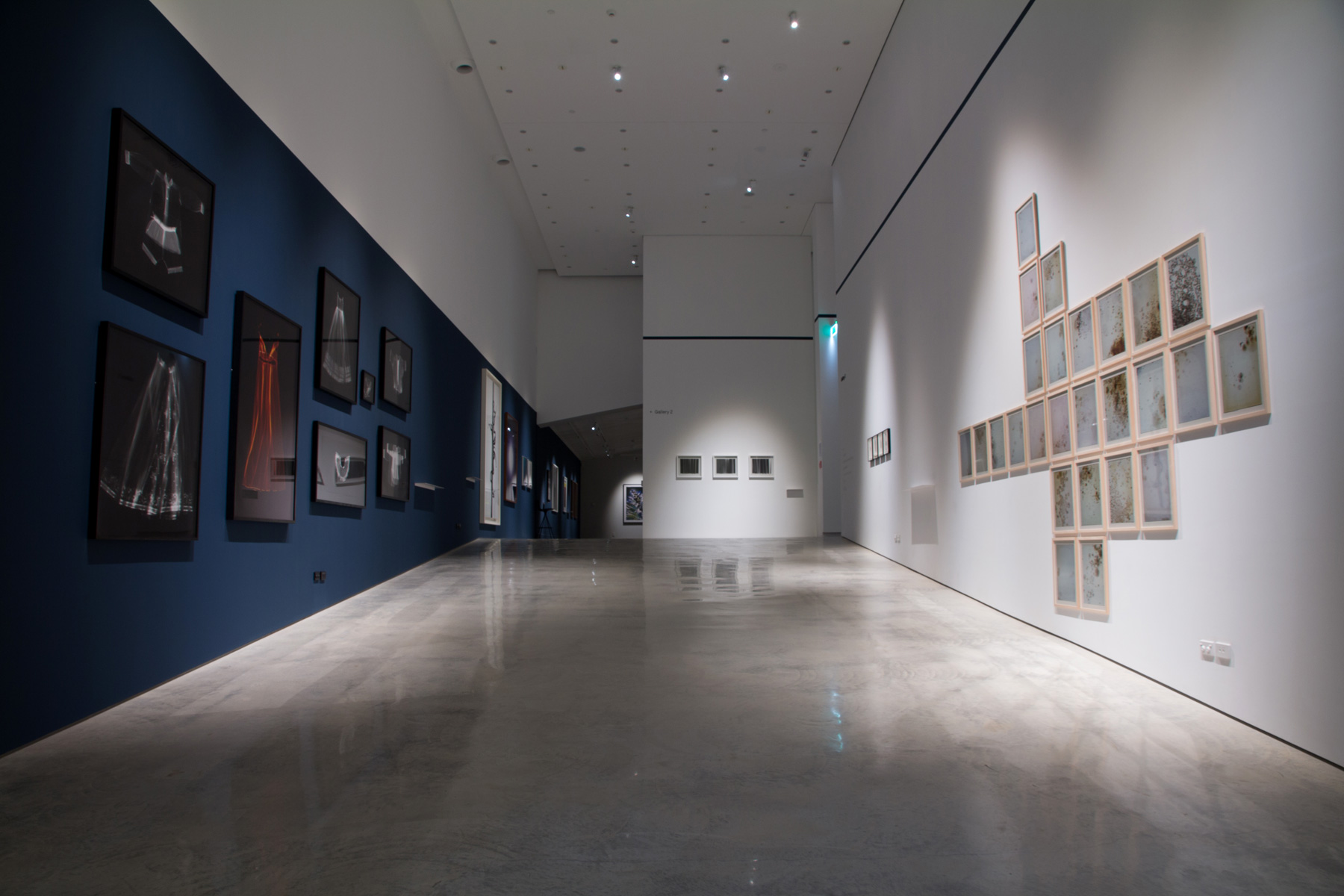
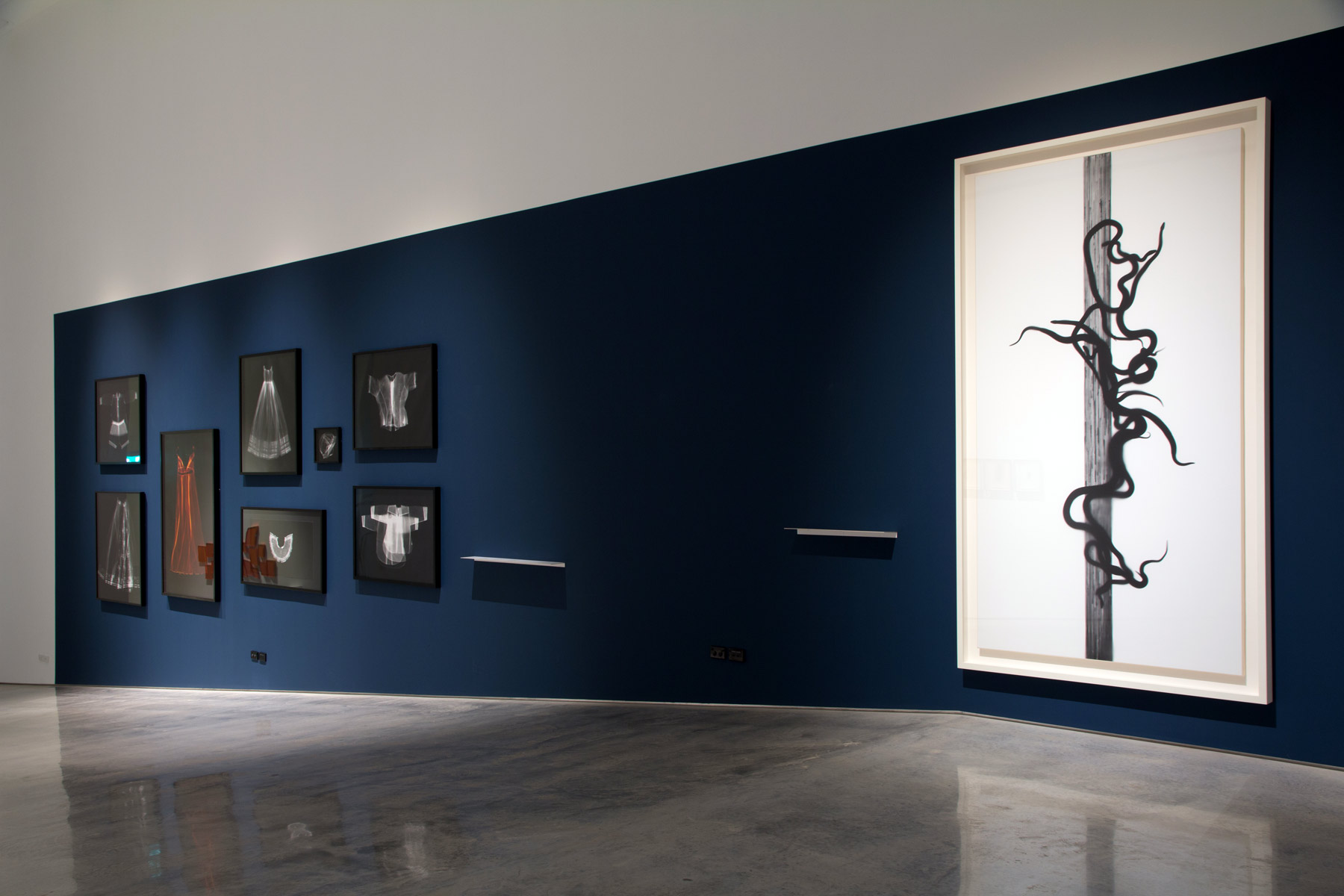
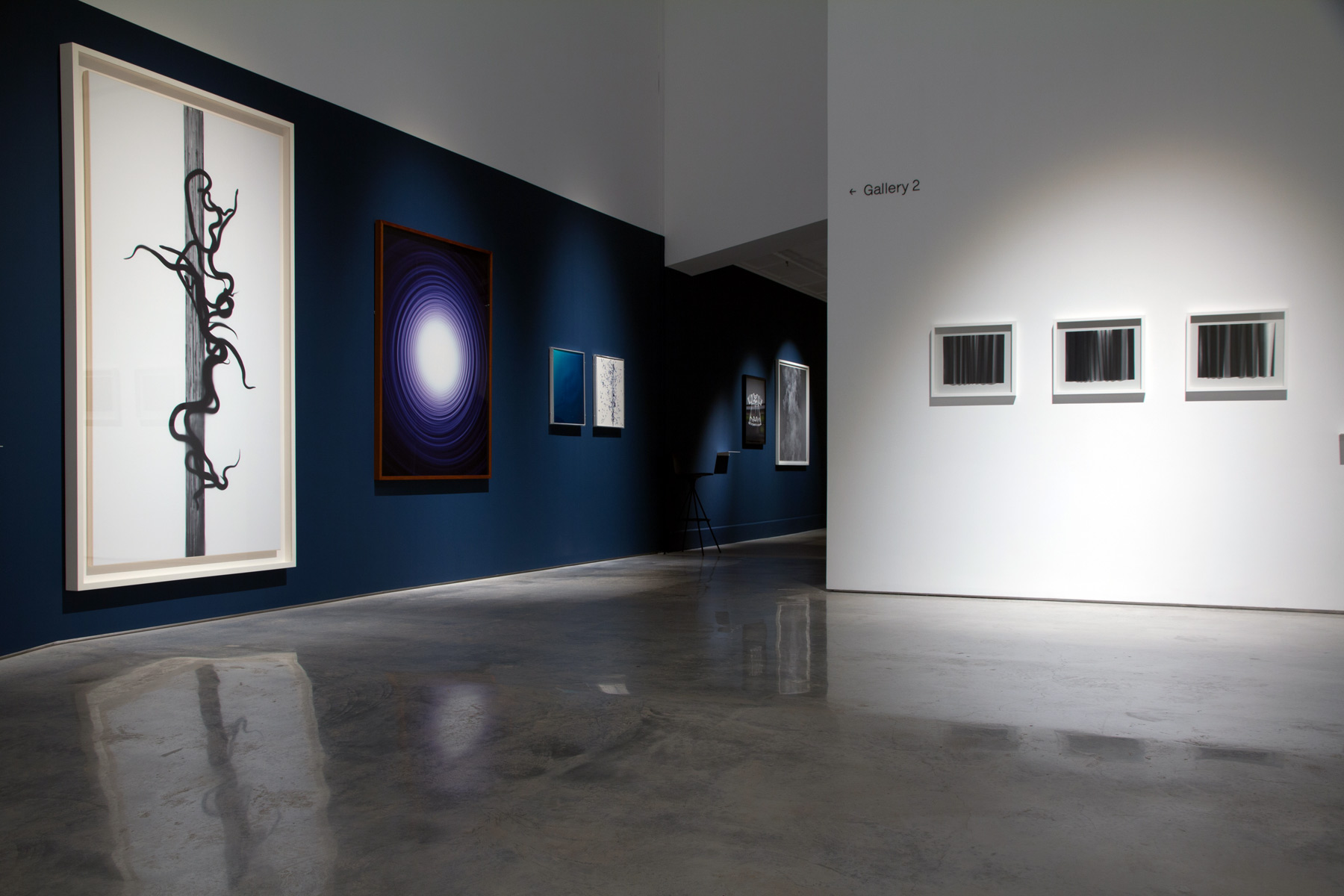
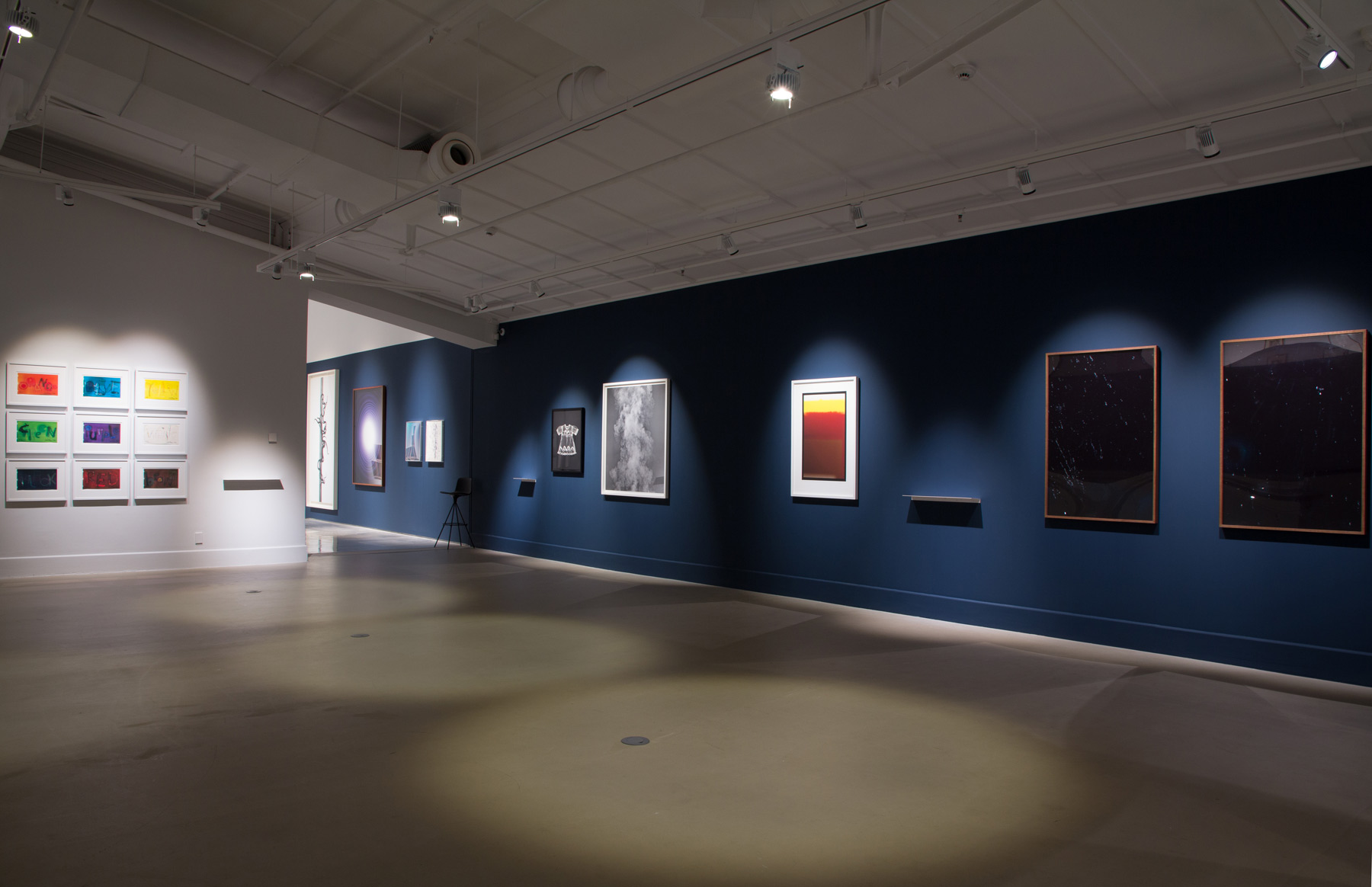
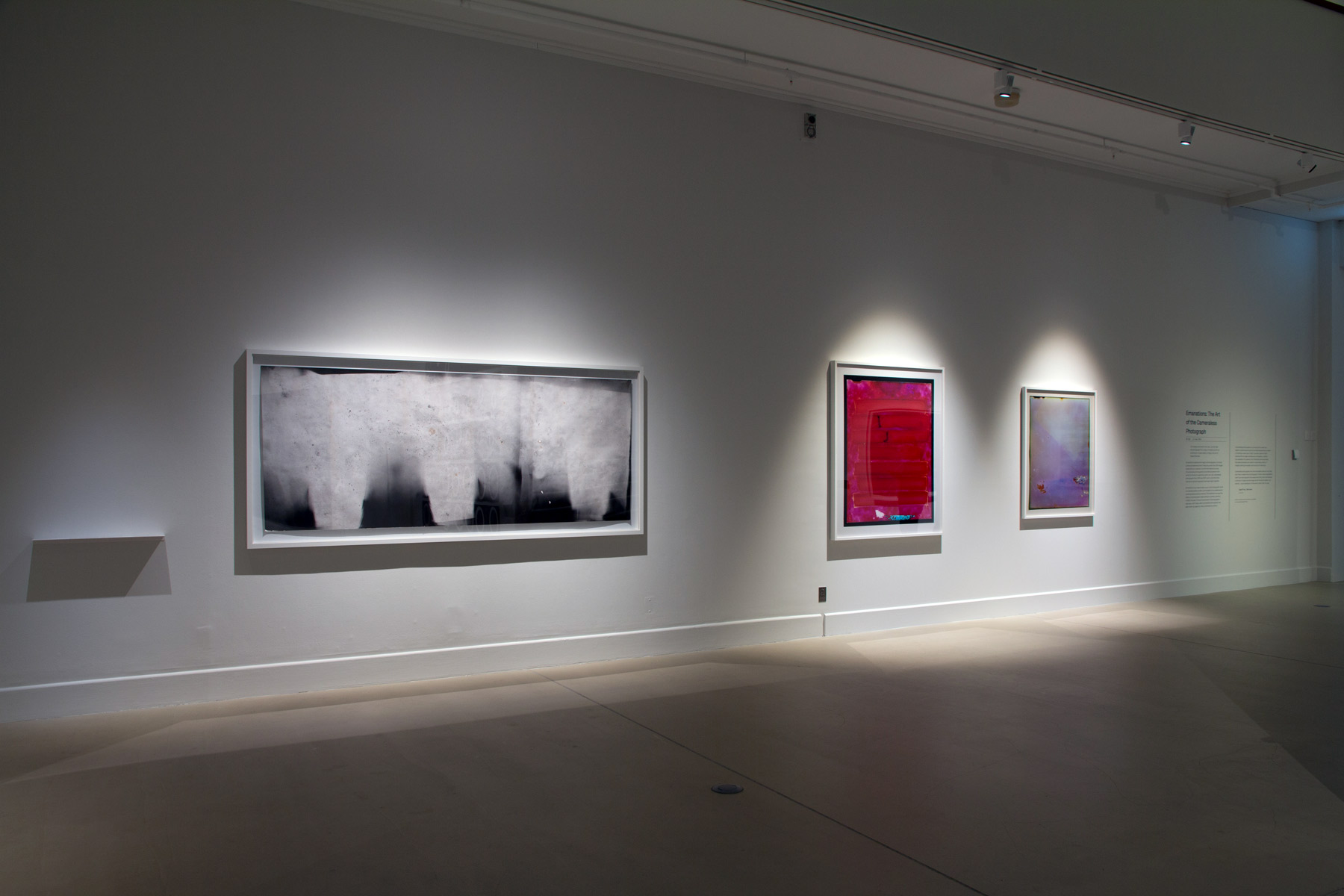
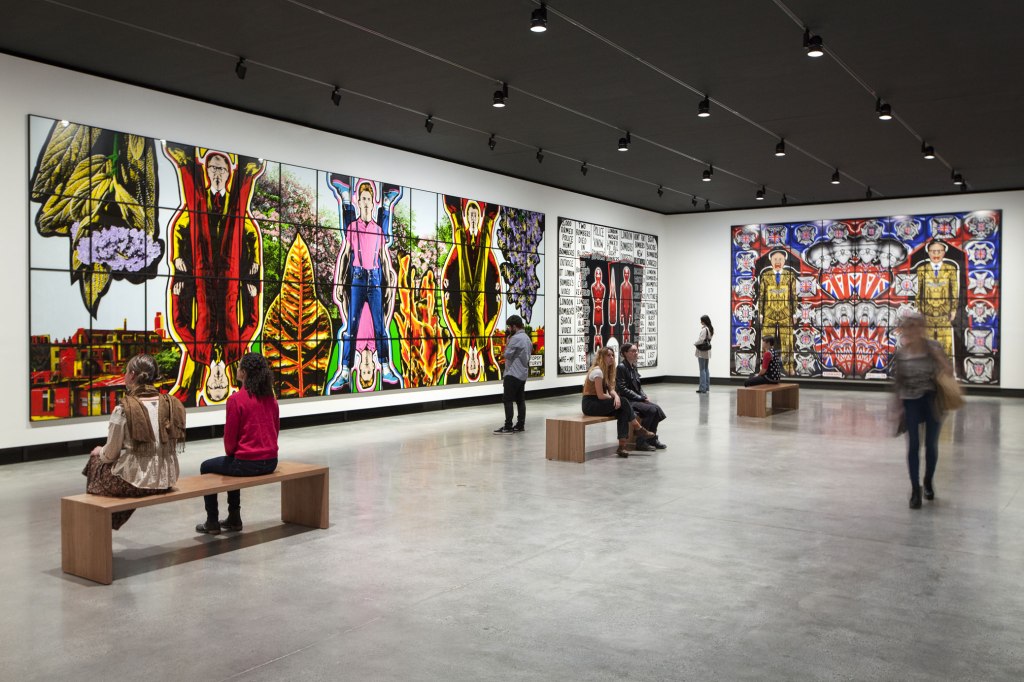
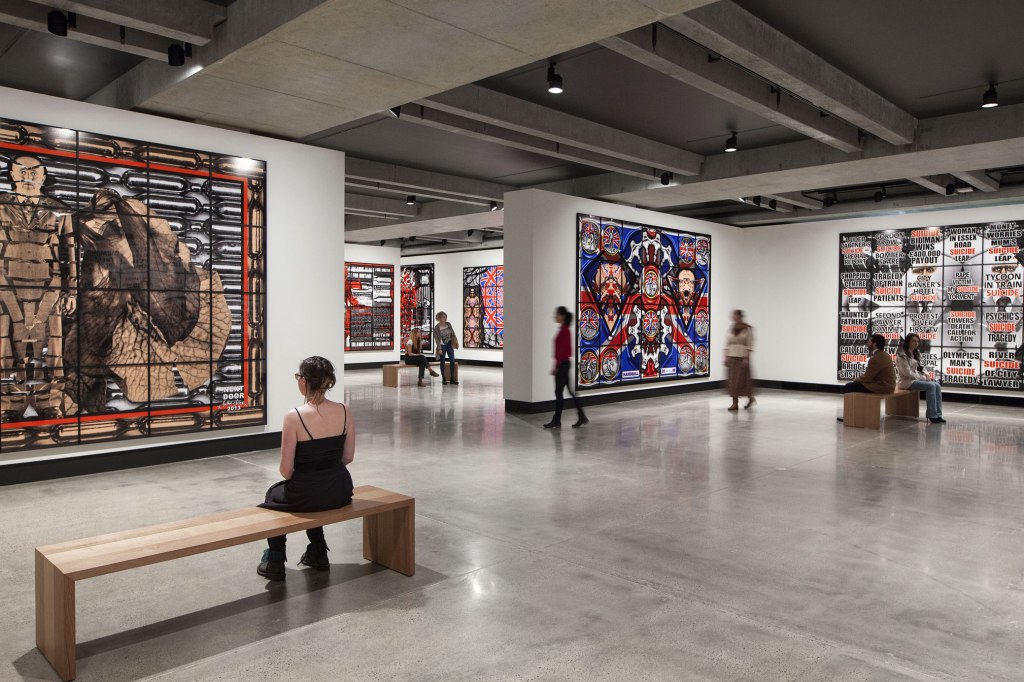
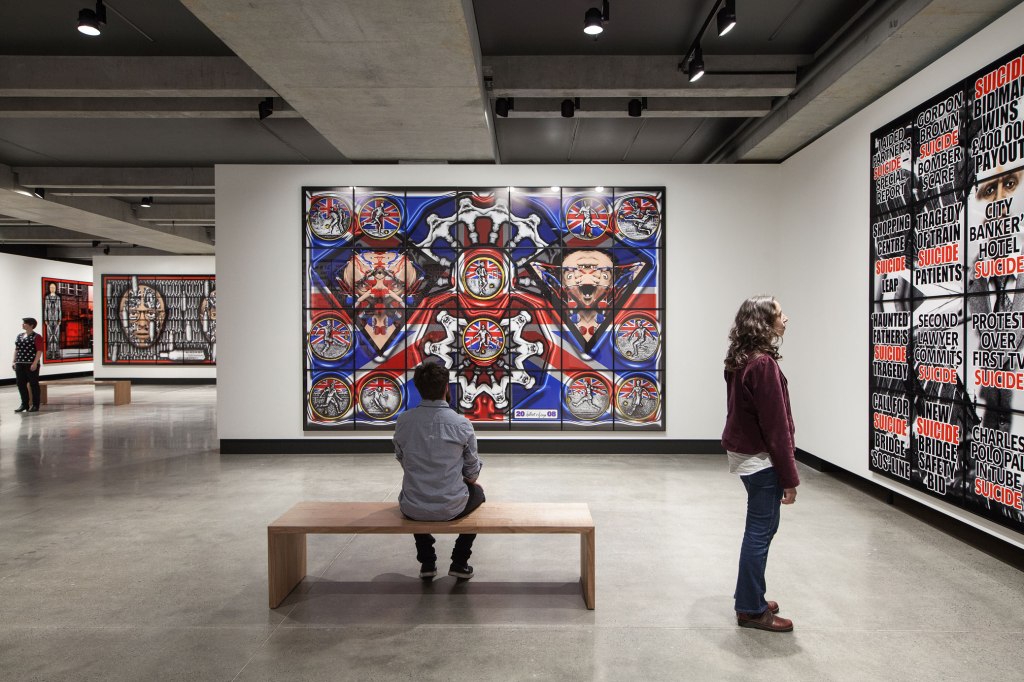
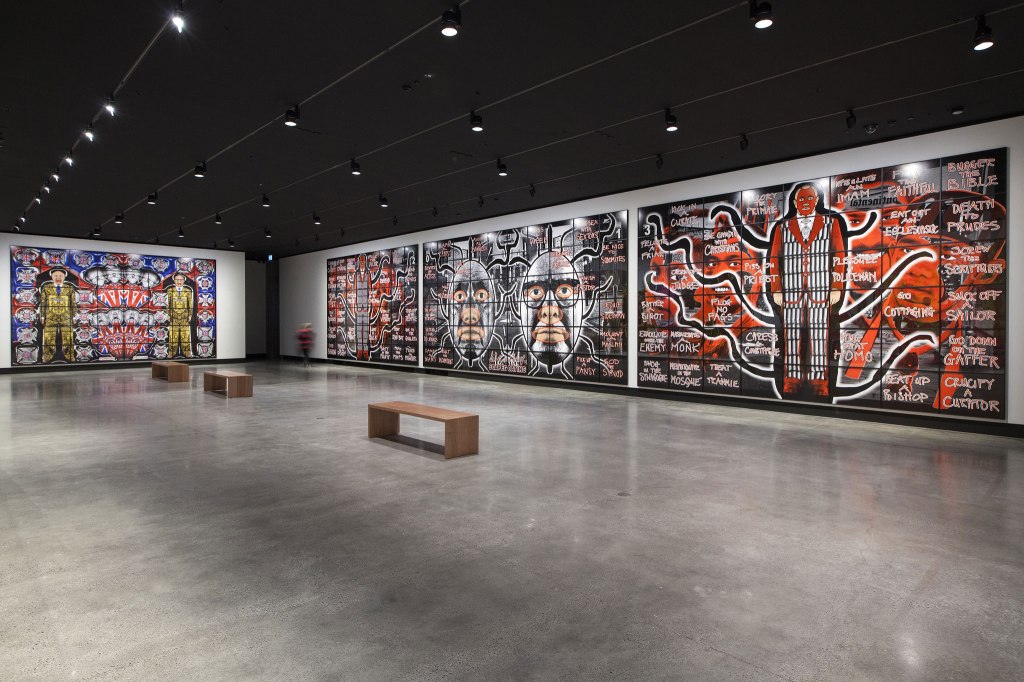
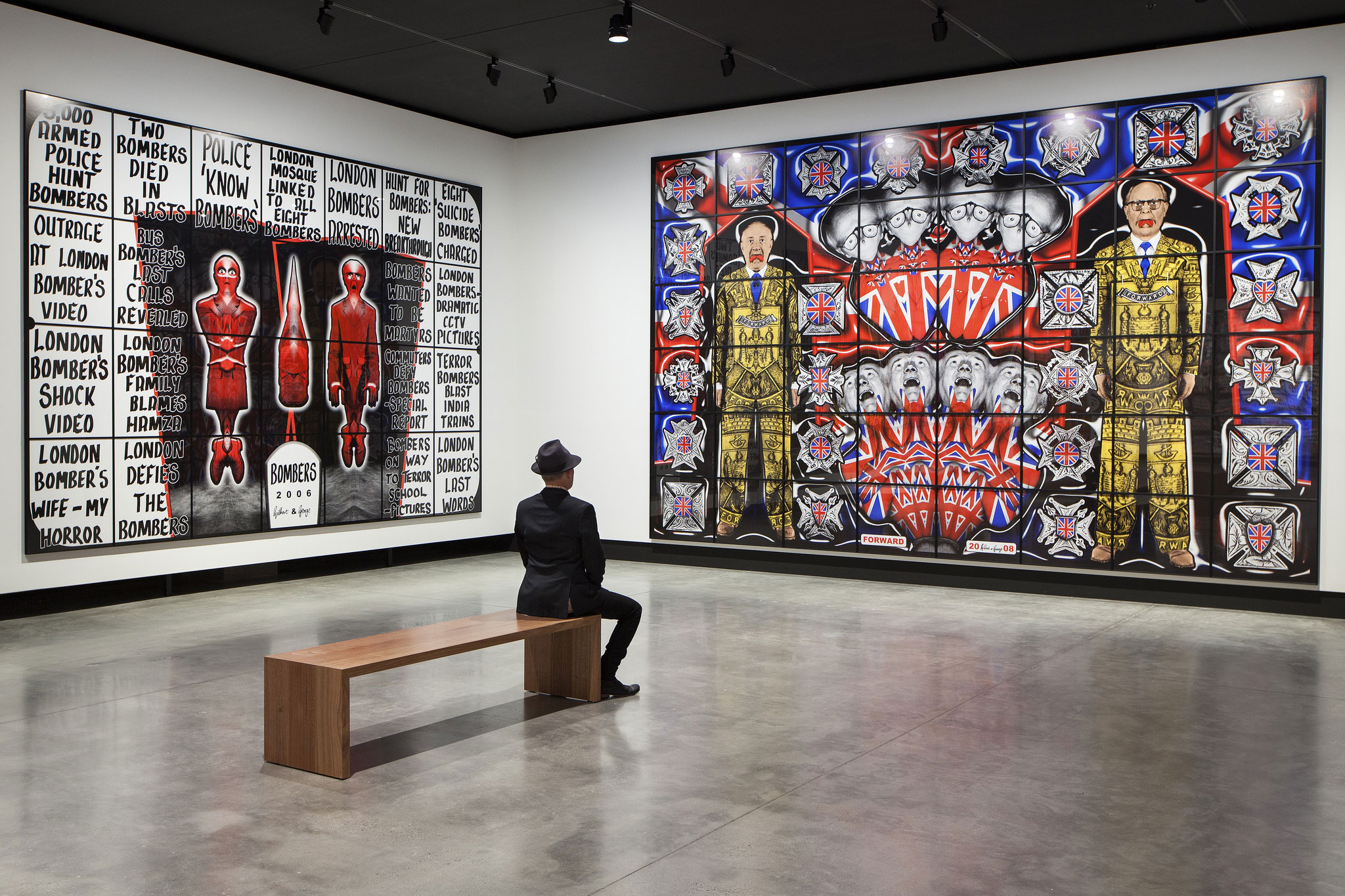
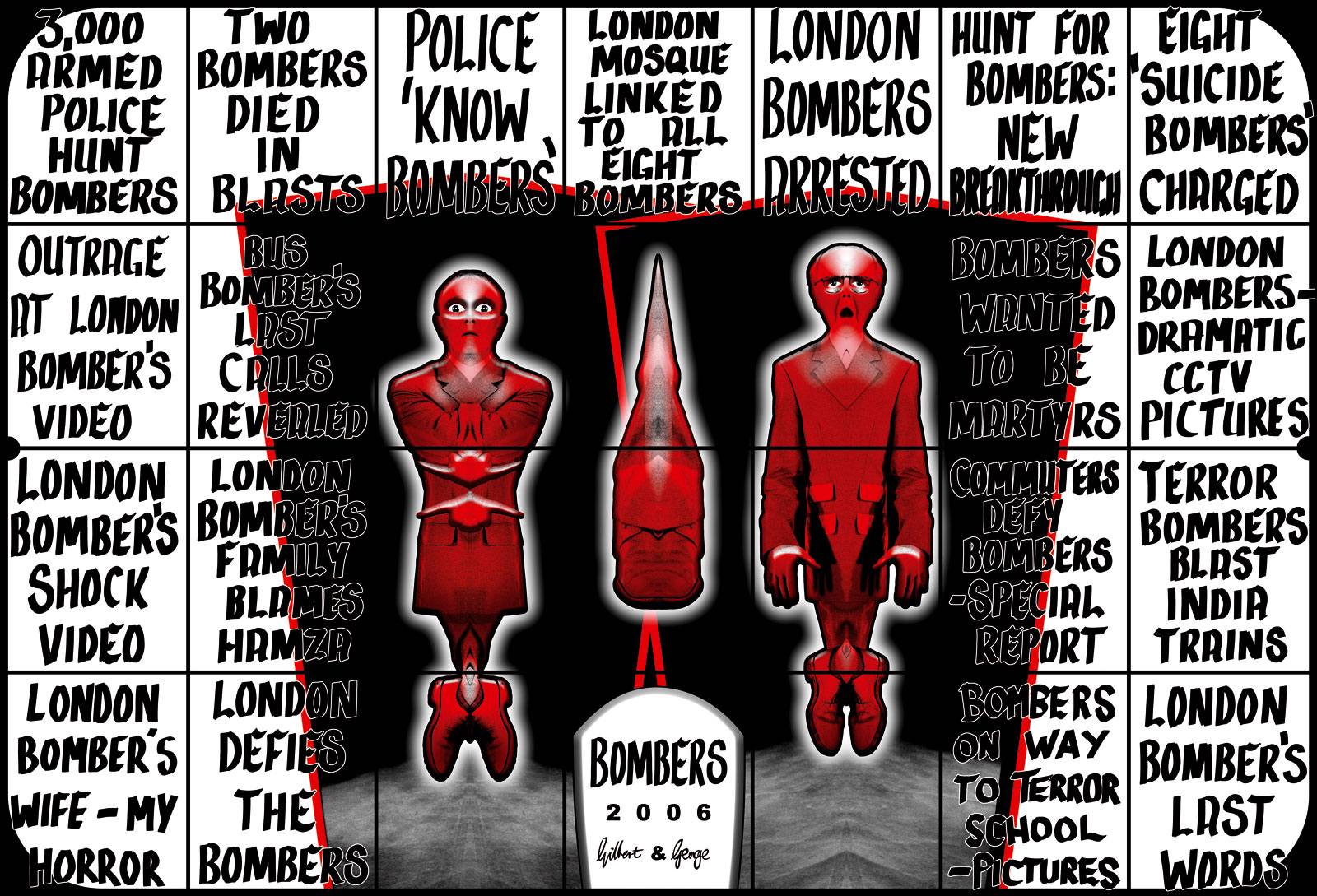
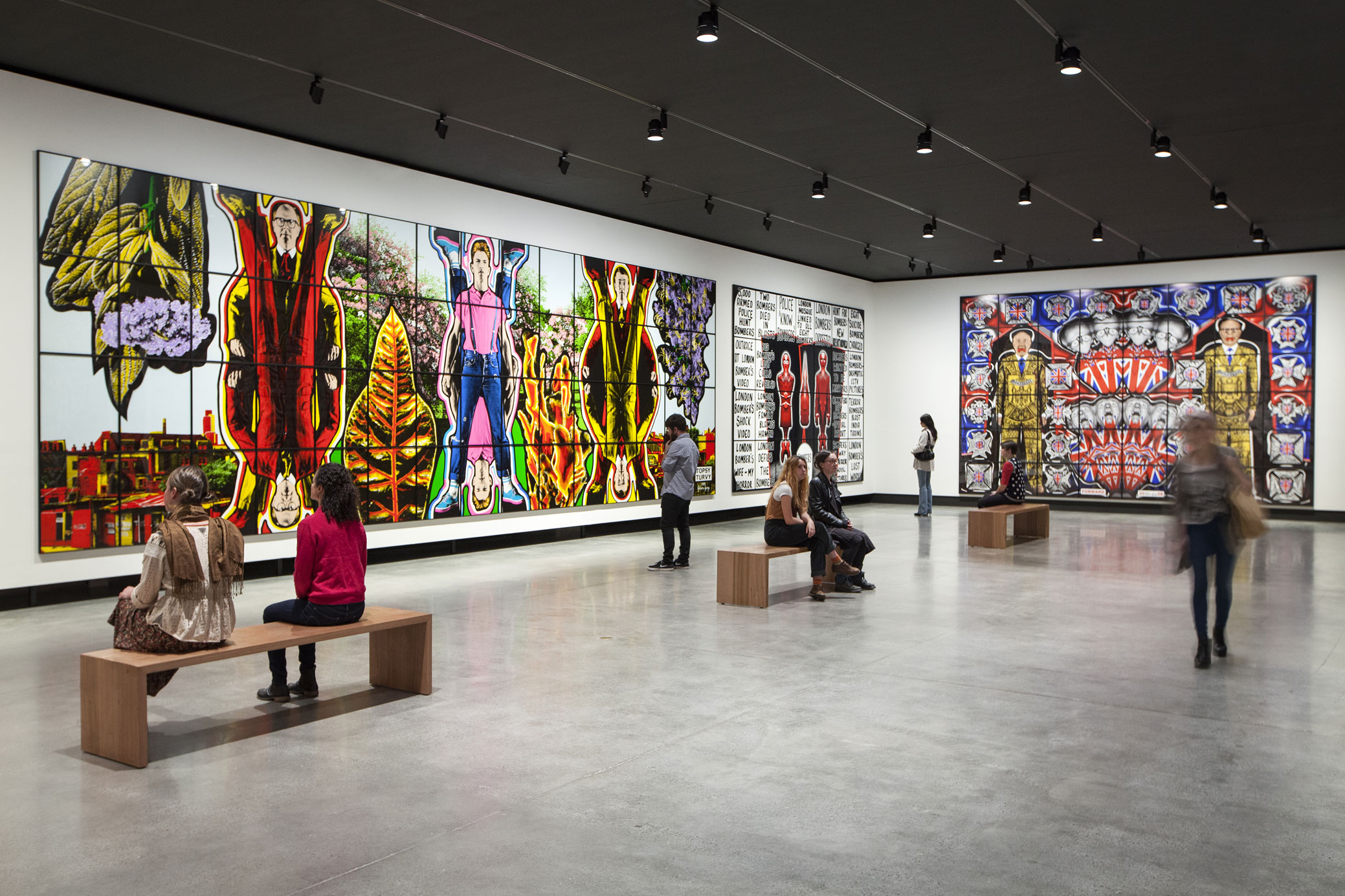
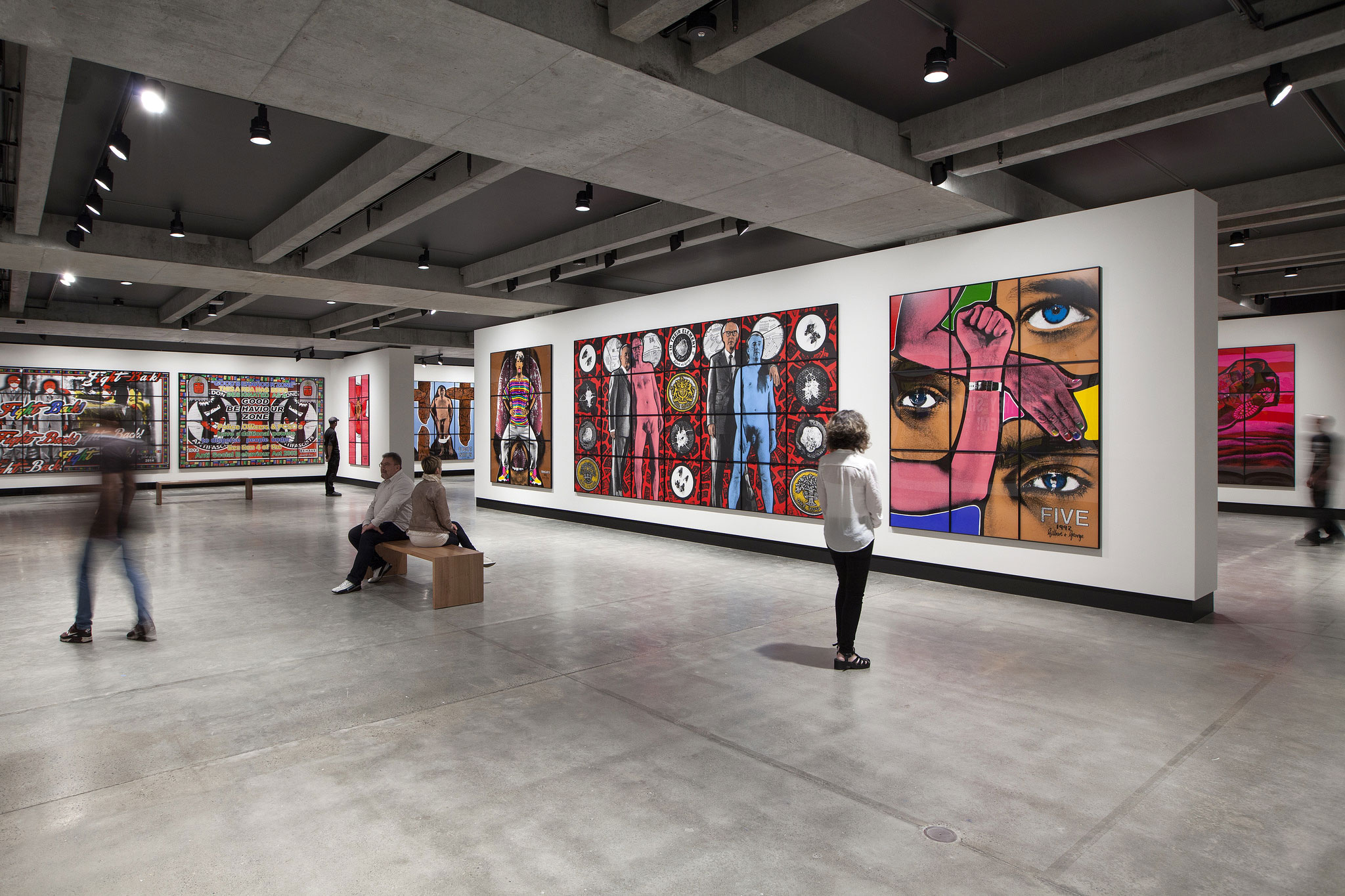
Installation view of the exhibition 'Emanations: The Art of the Cameraless Photograph' at the Govett-Brewster Art Gallery


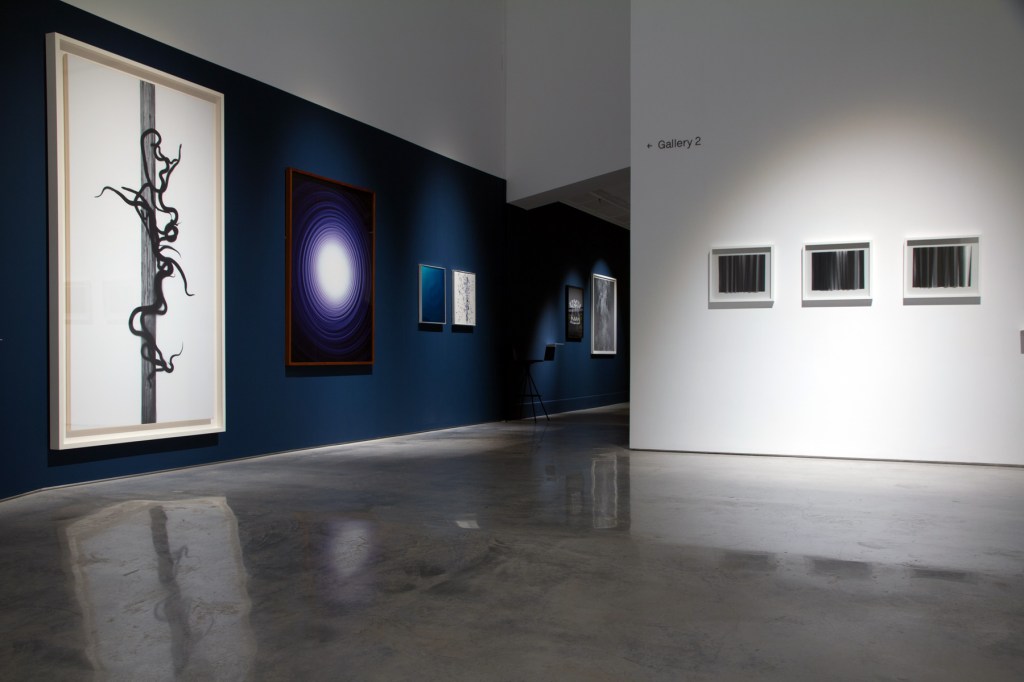
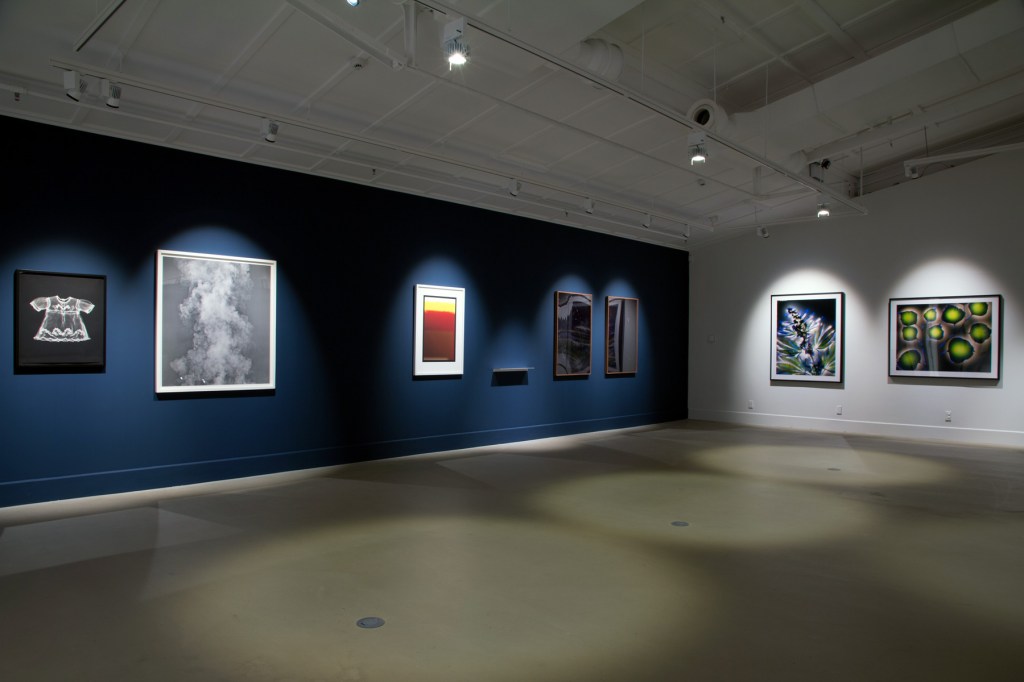
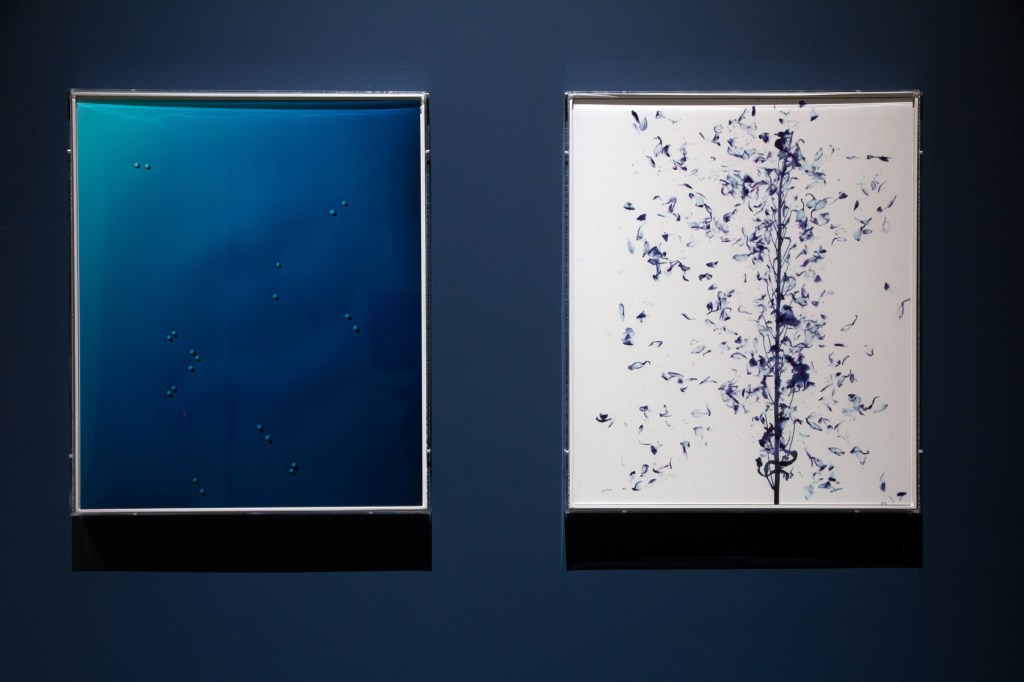
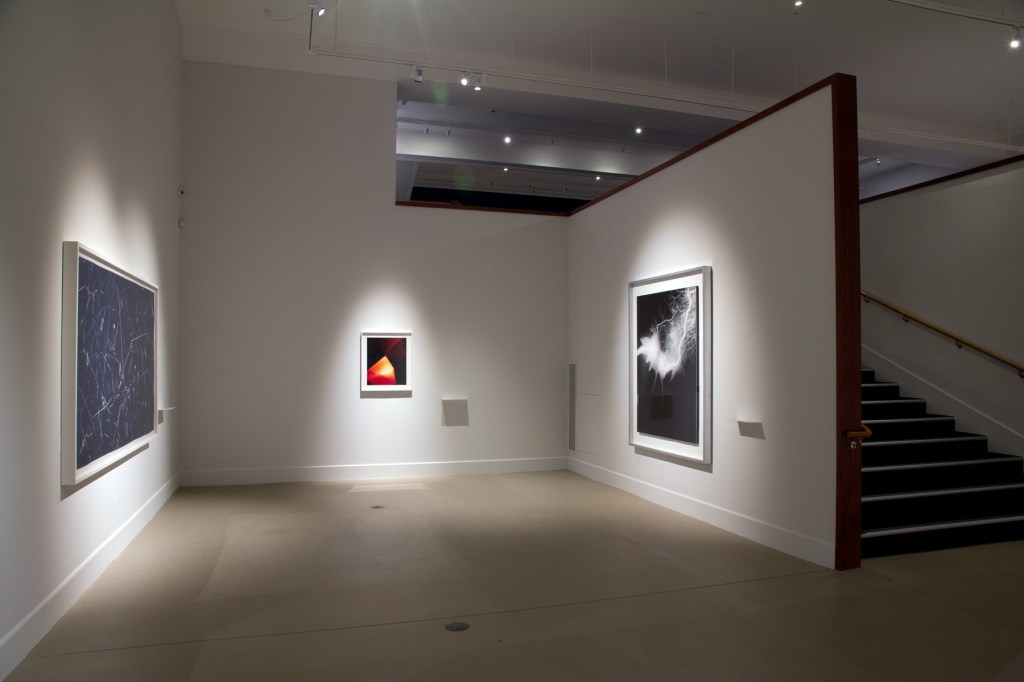
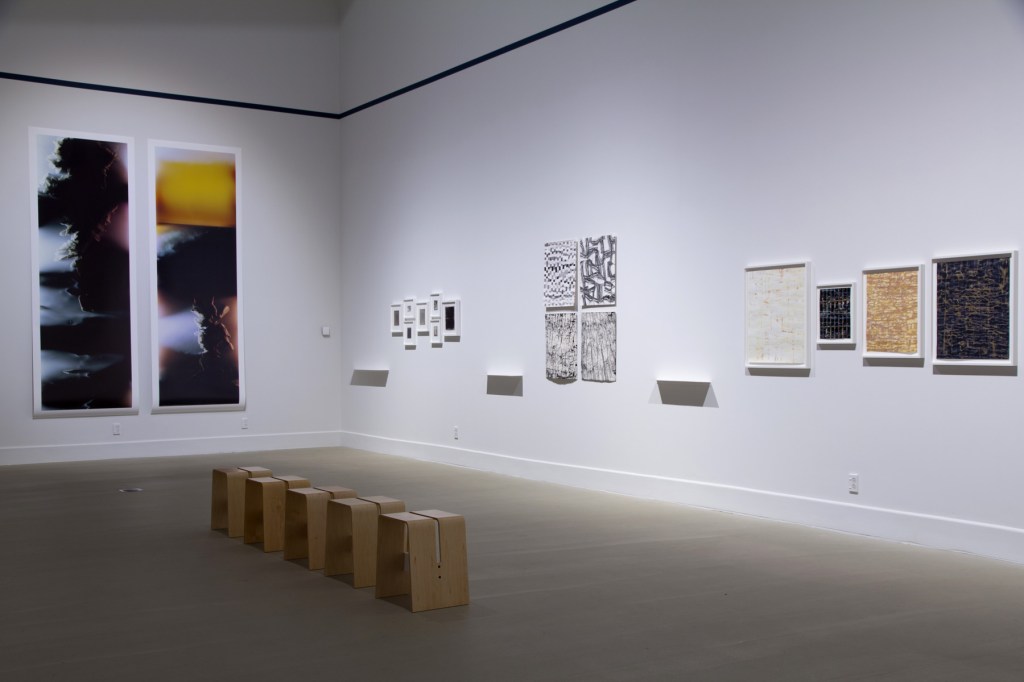
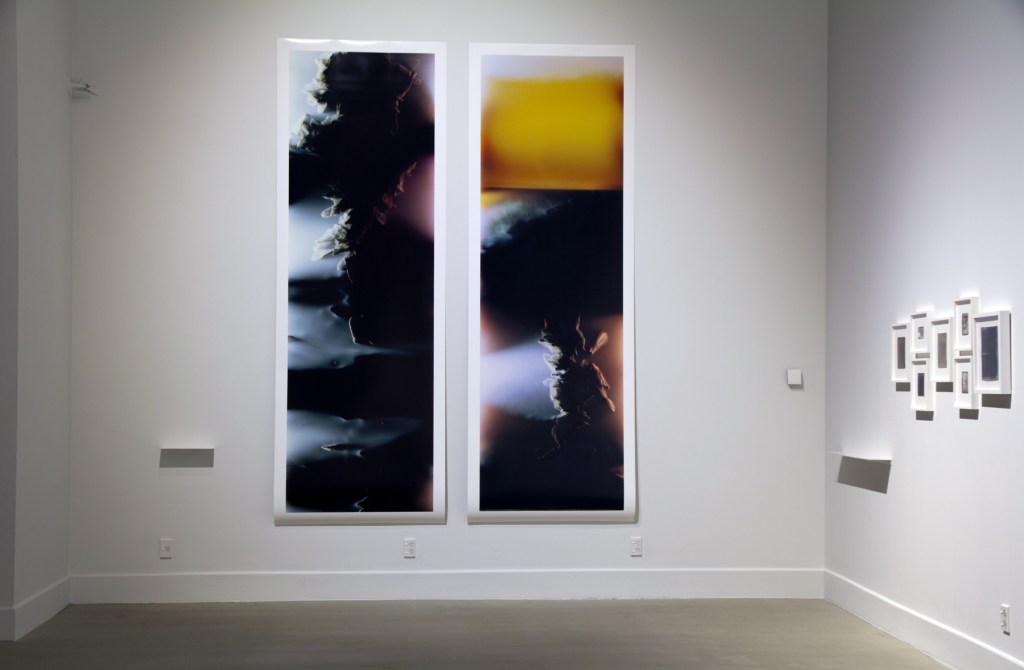
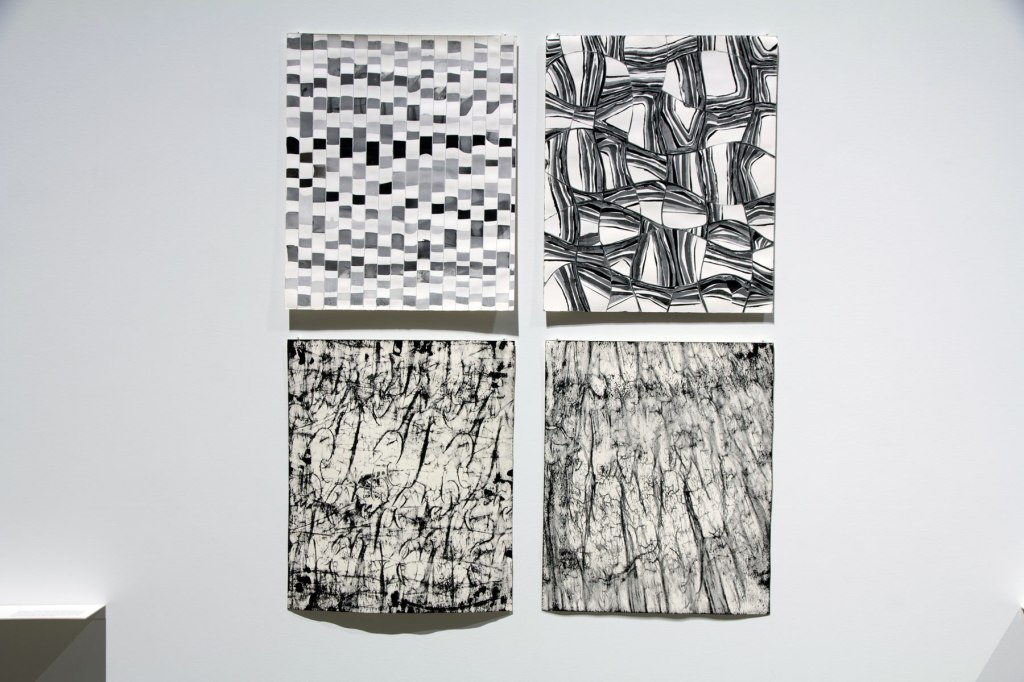
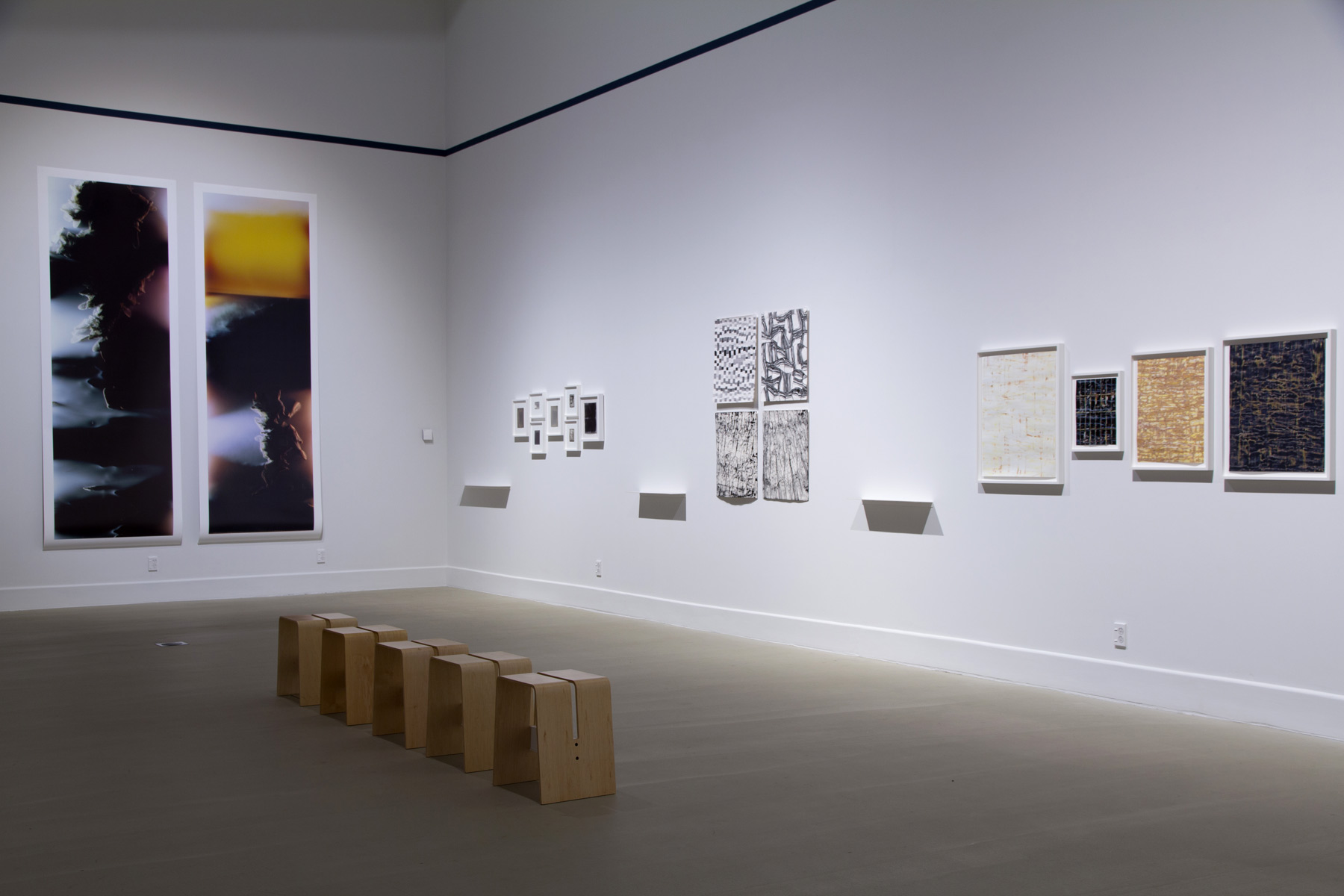
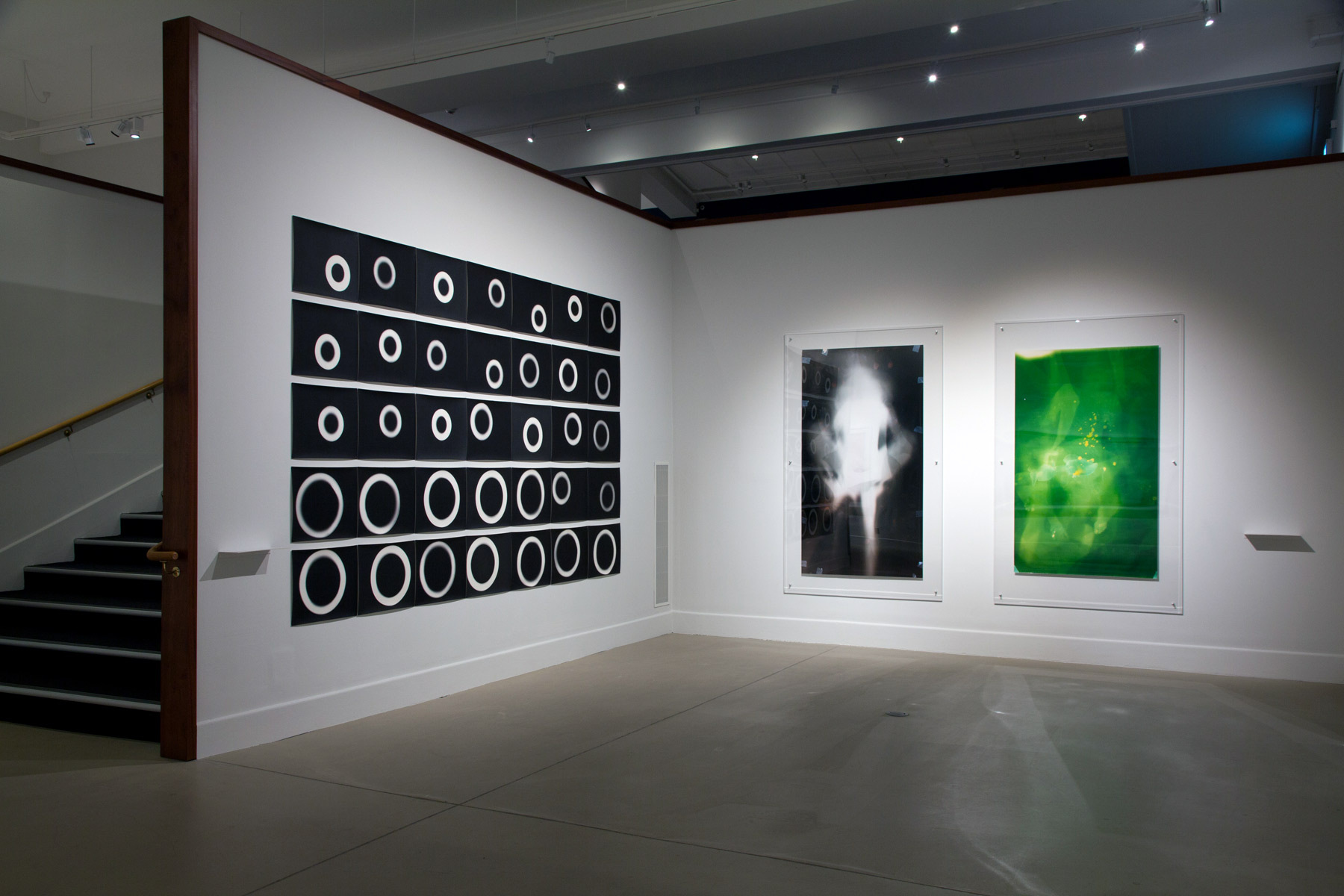
Installation view of the exhibition Emanations: The Art of the Cameraless Photograph at the Govett-Brewster Art Gallery with at left, Christian Marclay and at right, Hiroshi Sugimoto


Part 2 of a posting on the wonderful exhibition Emanations: The Art of the Cameraless Photograph at the Govett-Brewster Art Gallery / Len Lye Centre, New Plymouth, New Zealand. See Part 1 of the posting.


While there is no doubt as to the quality and breadth of the work on display, nor how it has been curated or installed in these beautiful contemporary spaces, I question elements of the conceptual rationale that ground the exhibition. Curator Geoffrey Batchen correctly notes that “artists are coming back to the most basic and elemental chemistry of photography, hands on, making unique images where there is a direct relationship between the thing being imaged and then image itself” as a response to the dematerialisation of the image that occurs in a digital environment and the proliferation of reproductions of digital images, but his assertion in a Radio New Zealand interview that the cameraless photograph has a direct relationship to the world, unmediated – through the unique touch of the object on the photographic paper – is an observation that seems a little disingenuous.

Batchen observes, “it’s as if nature represents itself, completely unmediated and directly. In some ways … [this] is far more realist, far more true to the original object than any camera picture could be.” Note how he qualifies his assertion and position by the statement “in some ways”.

The reality of the situation is that every photograph is mediated to one degree or another, whether through the use of the camera, the choice of developer, photographic paper, size, perspective and so forth. The physicality of the actual print and the context of capture and display are also mediated, in each instance and on every occasion. Every photograph is mediated through the choices of the photographer, even more so in the production of cameraless photographs (what to choose to photograph, where to position the object, what to draw with the light) because the artist has the ultimate control on what is being pictured (unlike the reality of the world). To say that cameraless photographs have a more direct and unmediated relationship to the world than analogue and digital photographs could not be further from the truth – it is just that the taxonomic system of ordering “reality” is of a different order.

Batchen further states in the Radio new Zealand interview that “in these photographs the object is still there, that’s the strange thing about cameraless photographs. There is a sense of presentness to this kind of photograph. … Cameraless photographs seem to exist in a kind of eternal present, and in that sense they complicate our understanding both of photography but also to the world that is being represented here.”

This is a contentious observation that argues for some special state of being that exists within the cameraless photograph which I believe does not exist. I argue that EVERY photograph possesses the POSSIBILITY of a sense of presentness of the object being photographed (whether it be landscape, portrait, street, abstract, etc…). It just depends whether the photographer is attuned to what is present before their eyes, whether they are attuned to the mediation of the camera and whether the print reveals what has been captured in the negative. Minor White’s “revelation of spirit”.

A “hands on” process does not guarantee a more meaningful form of photographic authenticity, or cameraless photographs possess some inherent authentic reality (the appeal to the aura of the object, Benjamin), any more than analogue or digitally reproduced photographs do. They are all representations of a mediated reality in one form or another. Some photographs will simply not capture that “presence” no matter how hard you try, be they cameraless or not.

Further, every photograph exists in an eternal present, bringing past time to present and, in the process of existence, transcending time. In this regard, to claim special status for cameraless photographs is a particularly incongruous and elliptical argument, an argument which posits an obfuscation of the theoretical history of photography.

Dr Marcus Bunyan

PS. I particularly love Len Lye’s work for its visual dexterity and robustness.


Many thankx to the Govett-Brewster Art Gallery for allowing me to publish the photographs in the posting. Please click on the photographs for a larger version of the image. All images are photographed by Bryan James.


“You assume that the image caught by the camera is “the” image, but of course a camera is ultimately a device – about from the Renaissance on – in which perspective is organised within a box using a lens, based on a principle that light travels in straight lines. So what you get when you use a camera is a mediated image, an image constructed according to certain conventions developed during the Renaissance and beyond in which the world is developed … according to the rules of perspective, and we’ve learnt to accept those rules as, as reality itself. But … when you put an object directly onto a piece of paper without any mediation [of a machine], it’s as if nature represents itself, completely unmediated and directly. In some ways … [this] is far more realist, far more true to the original object than any camera picture could be.”


Geoffrey Batchen


Geoffrey Batchen: Cameraless Photography

From Standing Room Only, 2:25 pm on 17 April 2016 Radio New Zealand

Today, if you have a smartphone, you have a camera with you wherever you go. But how were the first ever photos taken?  Professor of Art History at Victoria University and world-renowned historian Geoffrey Batchen is the curator of ‘Emanations: The Art of the Cameraless Photograph’ exhibition at the Govett-Brewster Art Gallery and Len Lye Centre in New Plymouth.


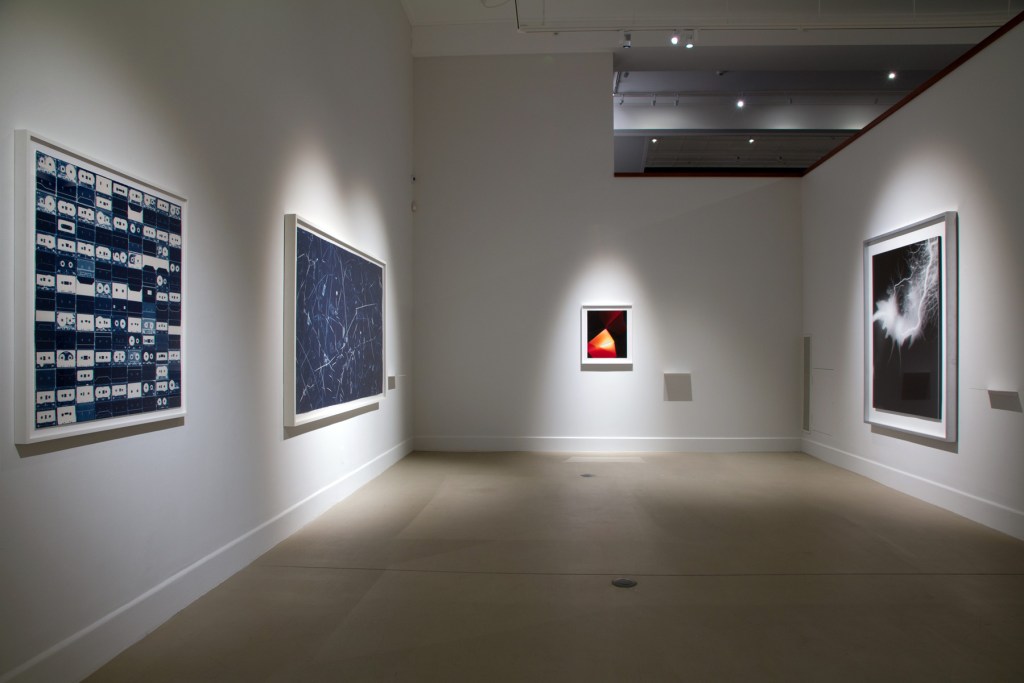
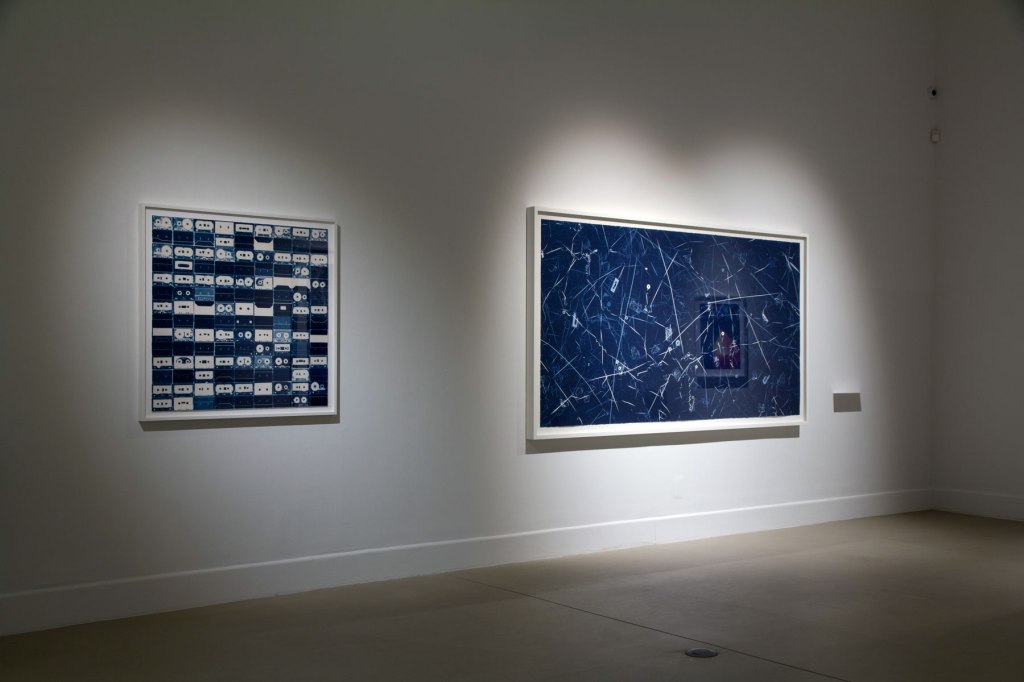
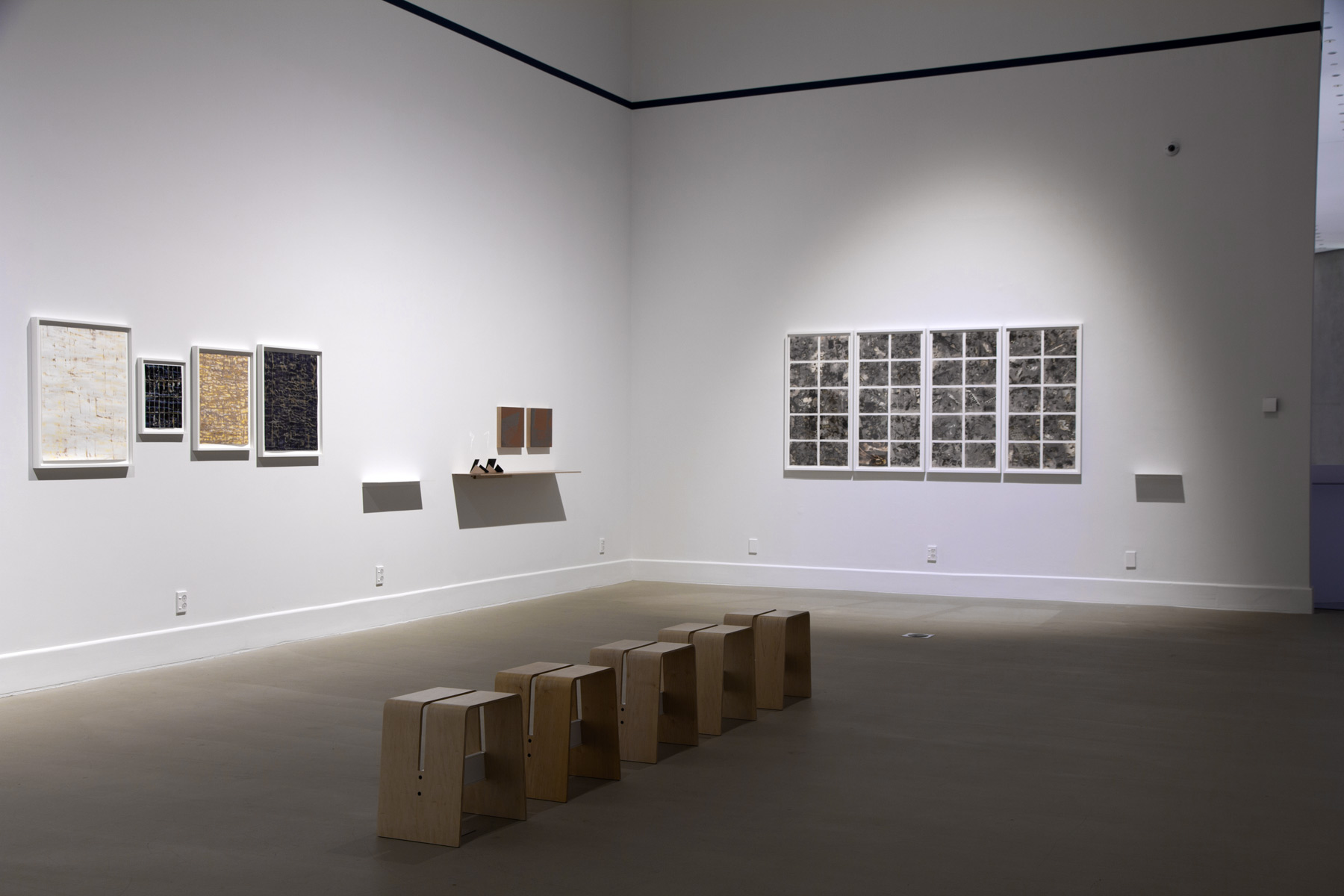
Installation view of the exhibition Emanations: The Art of the Cameraless Photograph at the Govett-Brewster Art Gallery showing Christian Marclay's 'Large Cassette Grid No. 6', 2009 (left) and 'Allover (Rush, Barbra Streisand, Tina Turner, and Others)', 2008 (right)


Installation view of Christian Marclay’s Large Cassette Grid No. 6, 2009 (left) and Allover (Rush, Barbra Streisand, Tina Turner, and Others), 2008 (right)


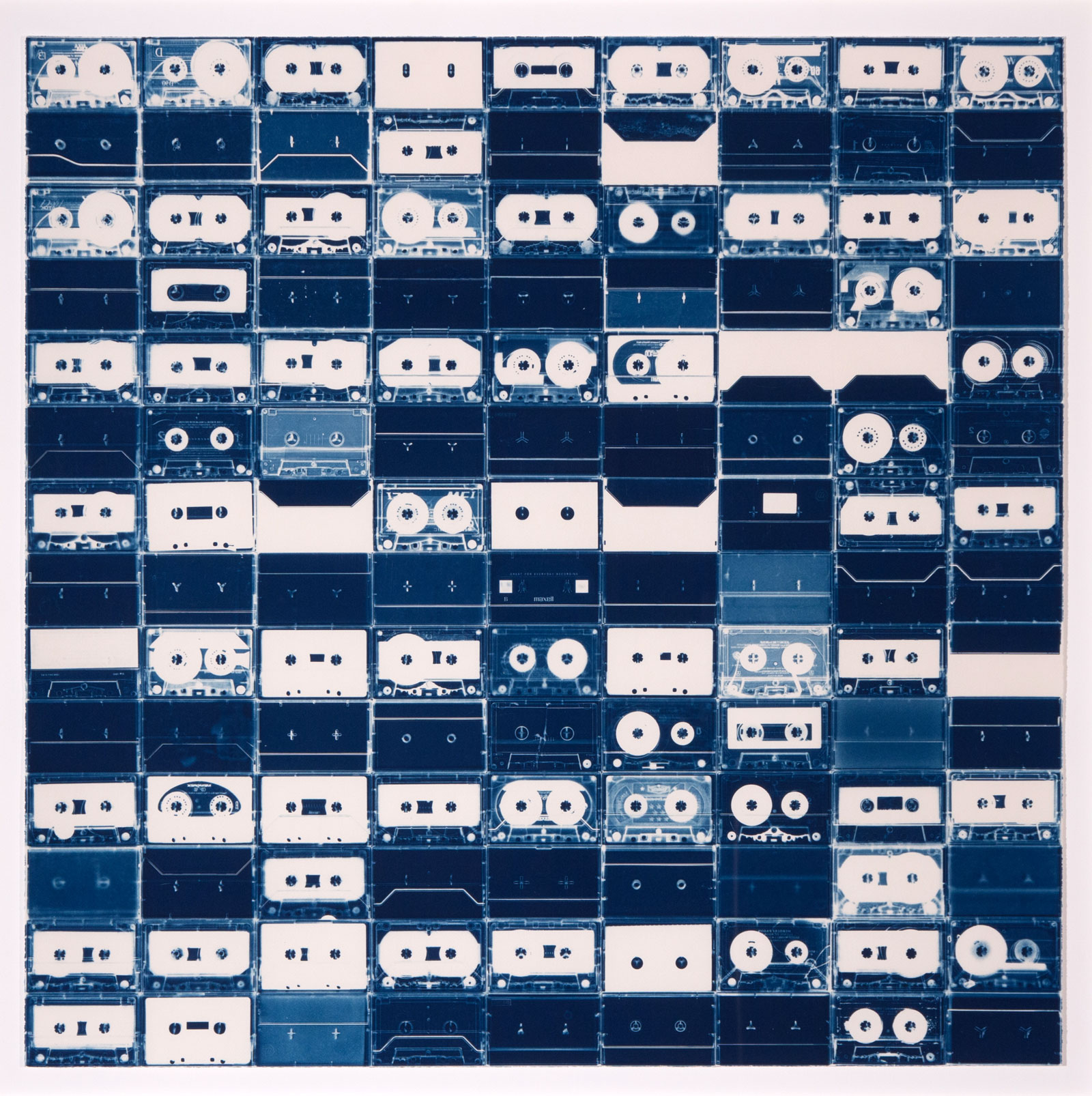
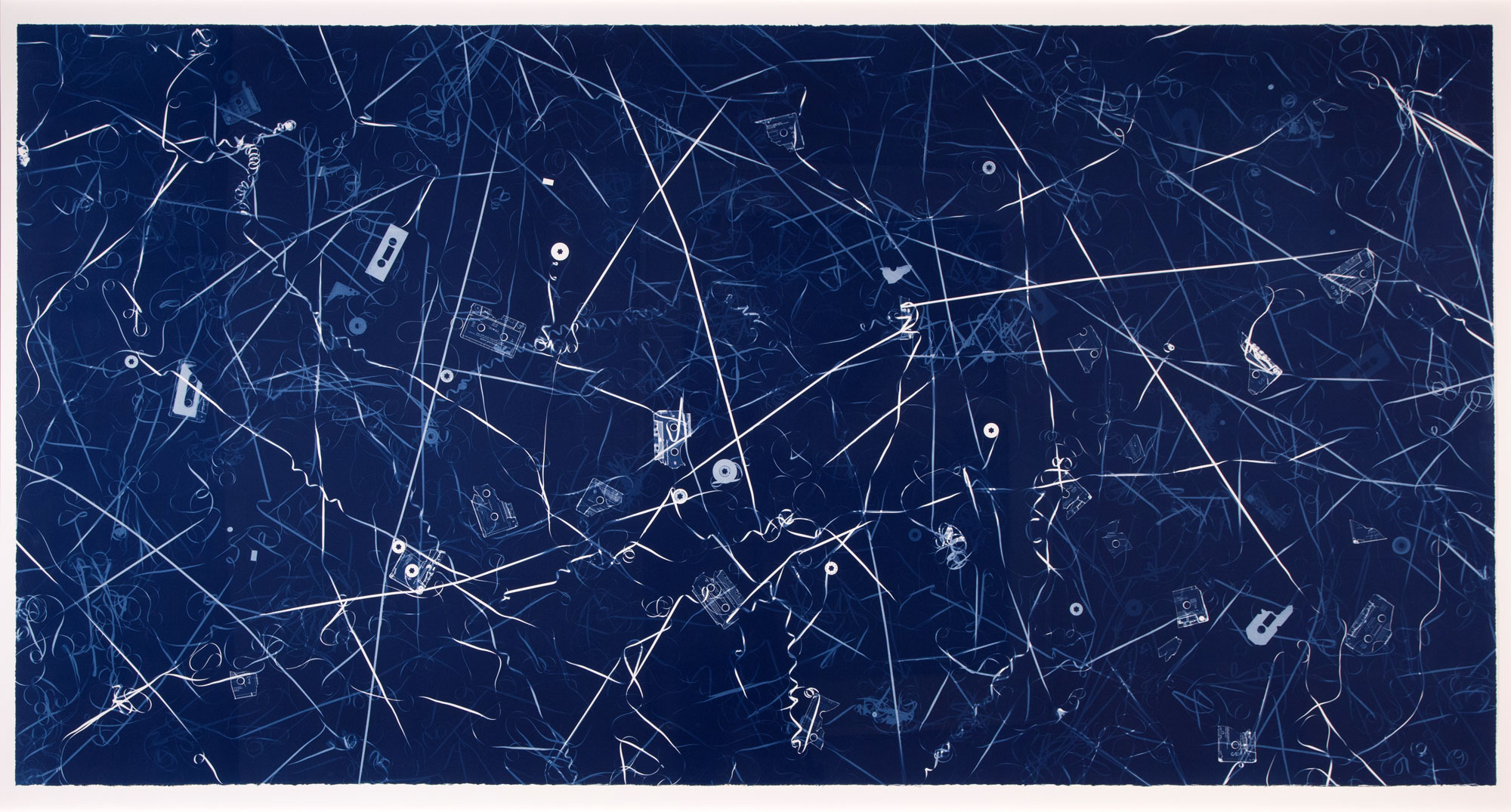
Christian Marclay (US) 'Large Cassette Grid No. 6' 2009 from the exhibition 'Emanations: The Art of the Cameraless Photograph' at the Govett-Brewster Art Gallery/Len Lye Centre, New Plymouth, New Zealand, April - August, 2016


Christian Marclay (American, b. 1955)
Large Cassette Grid No. 6
2009
Cyanotype photograph


Christian Marclay (American, b. 1955) 'Allover (Rush, Barbra Streisand, Tina Turner, and Others)' 2008


Christian Marclay (American, b. 1955)
Allover (Rush, Barbra Streisand, Tina Turner, and Others)
2008
Cyanotype photograph


Using hundreds of cassette tapes bought in thrift stores, Christian Marclay has scattered the entangled strands of the tapes across large sheets of specially prepared blueprint paper, deliberately adopting the “action painter” techniques of Jackson Pollock and similar artists. He then exposed them, sometimes multiple times, under a high-powered ultraviolet lamp. In other cases, the cassettes themselves were stacked in translucent grids to make a minimalist composition.


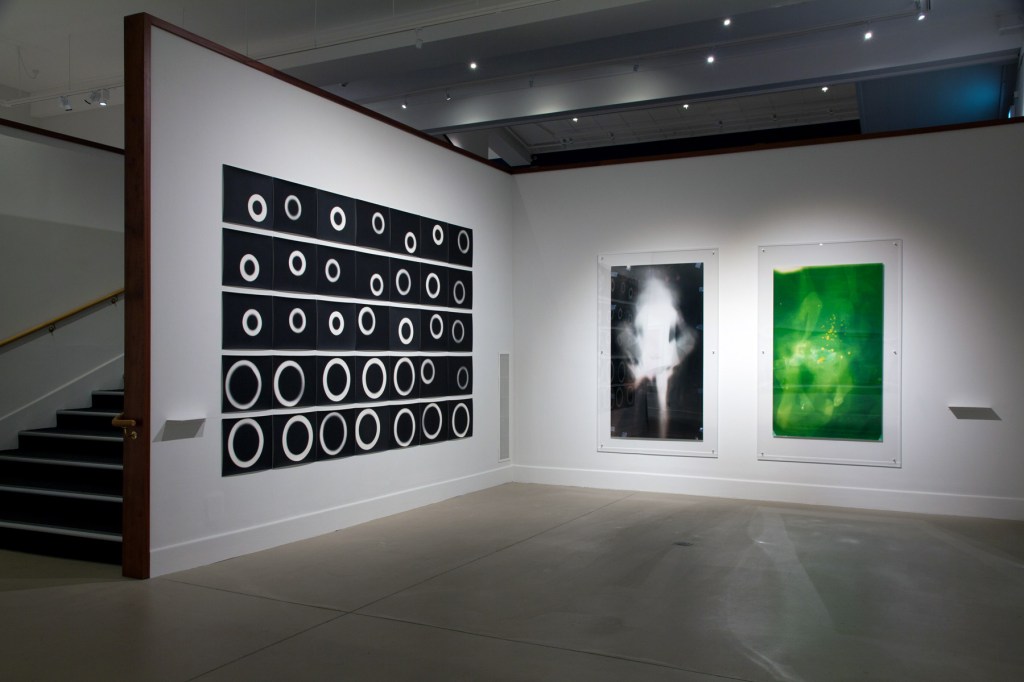
Installation view of the exhibition 'Emanations: The Art of the Cameraless Photograph' at the Govett-Brewster Art Gallery with at left, Christian Marclay and at right, Hiroshi Sugimoto


Installation view of the exhibition Emanations: The Art of the Cameraless Photograph at the Govett-Brewster Art Gallery with at left, Christian Marclay and at right, Hiroshi Sugimoto


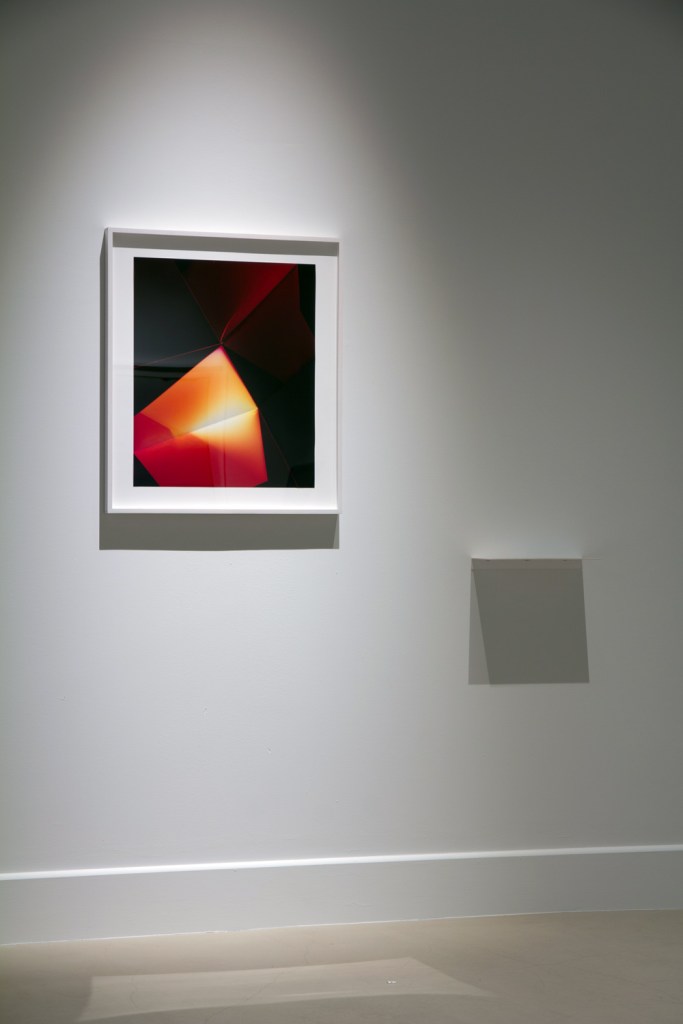
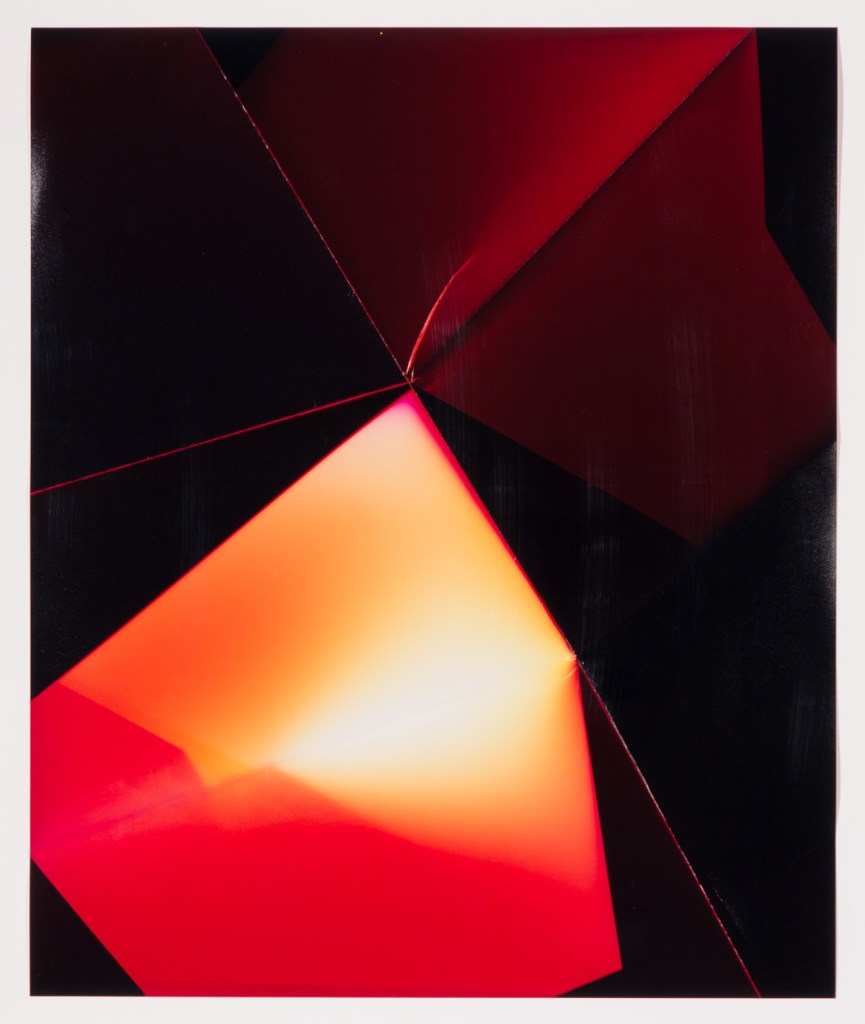
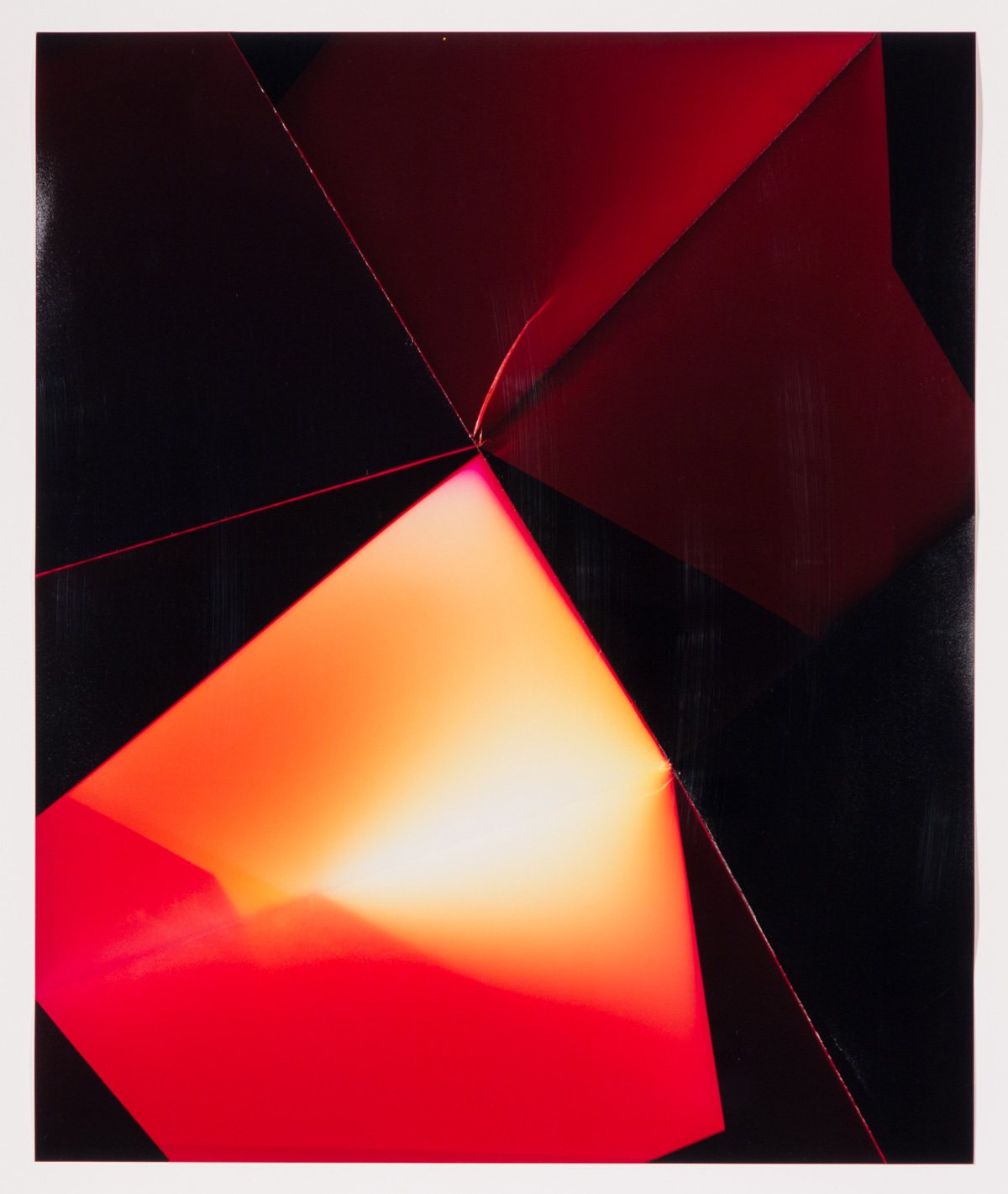
Walead Beshty (American, b. 1976) 'Two Sided Picture (RY), January 11, 2007, Valencia, California, Fujicolor Crystal Archive, 2007' from the exhibition 'Emanations: The Art of the Cameraless Photograph' at the Govett-Brewster Art Gallery/Len Lye Centre, New Plymouth, New Zealand, April - August, 2016


Walead Beshty (American, b. 1976)
Two Sided Picture (RY), January 11, 2007, Valencia, California, Fujicolor Crystal Archive, 2007
Chromogenic photograph


In the series from which this work comes American photographic artist Walead Beshty cut and folded sheets of photographic paper into three-dimensional forms and then exposed each side to a specific colour of light, facilitating the production of multi-faceted prints with the potential to exhibit every possible colour combination. The trace of this process remains visible, with the original folds transformed into a network of contours on the surface of the print.


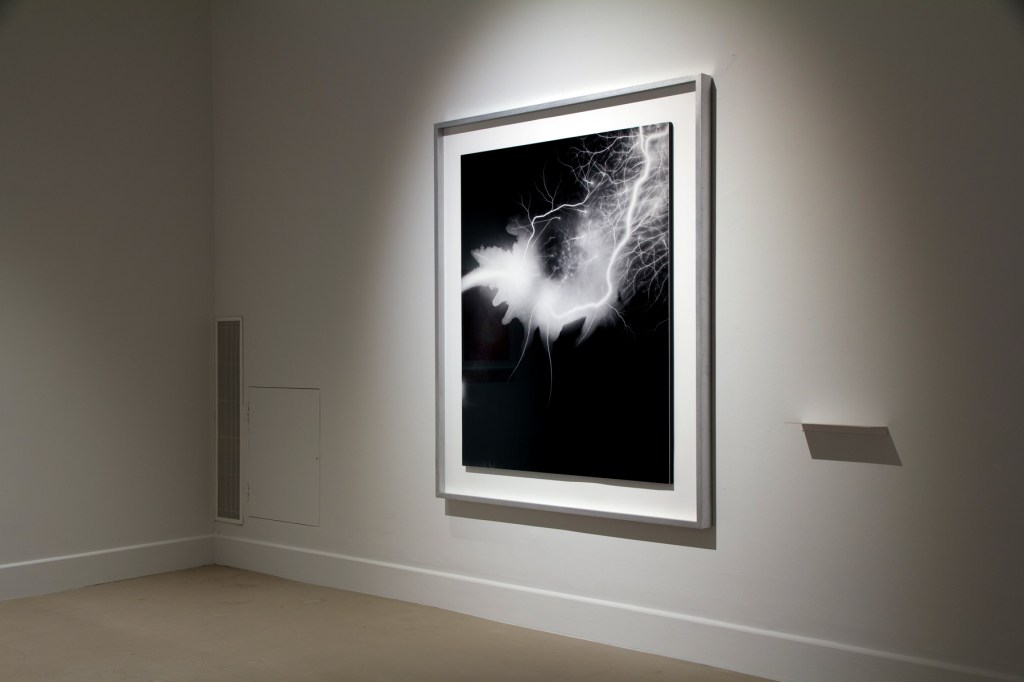
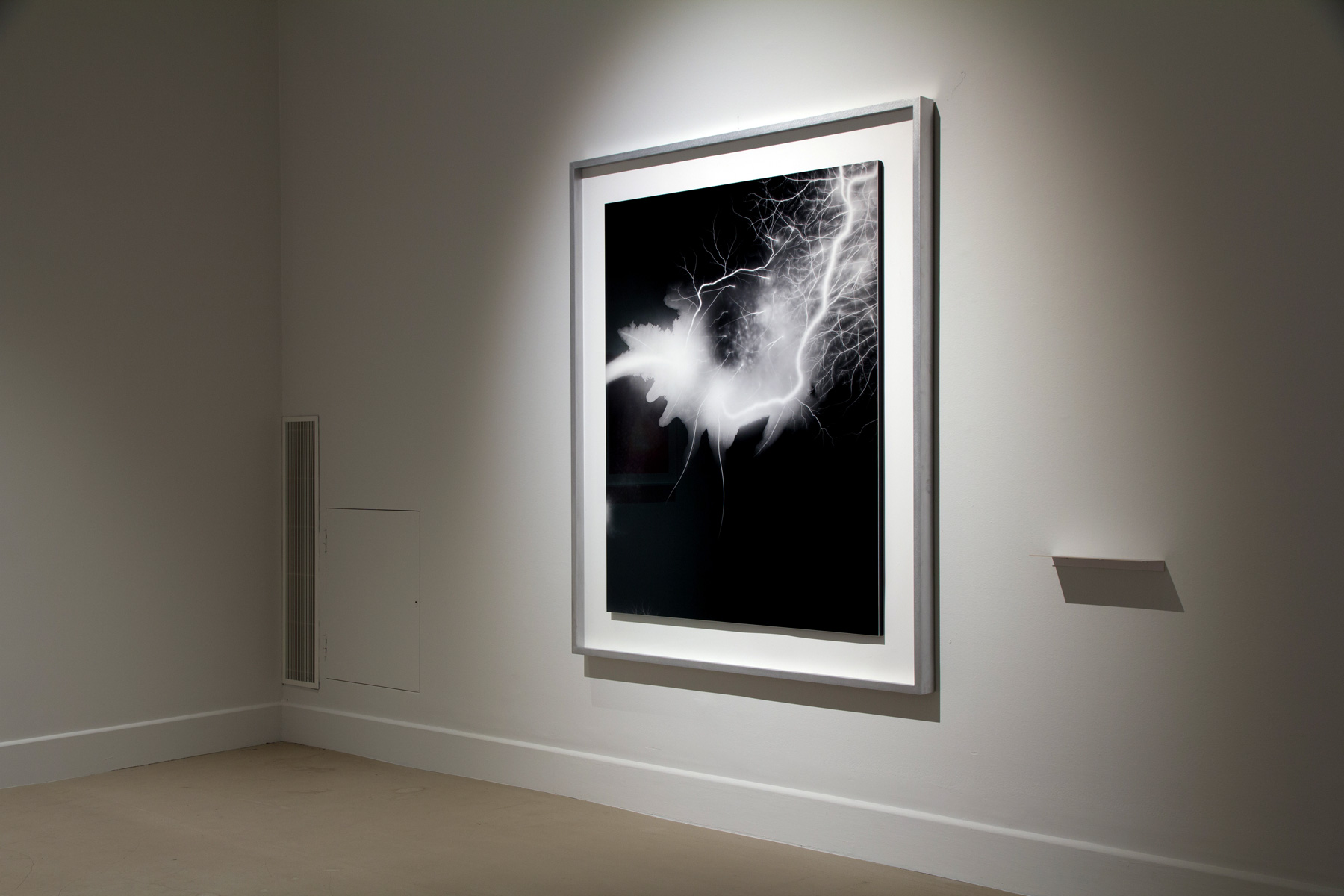
Hiroshi Sugimoto (Japanese, b. 1948) 'Lightning Fields 168' 2009 (installation view)


Hiroshi Sugimoto (Japanese, b. 1948)
Lightning Fields 168 (installation view)
2009


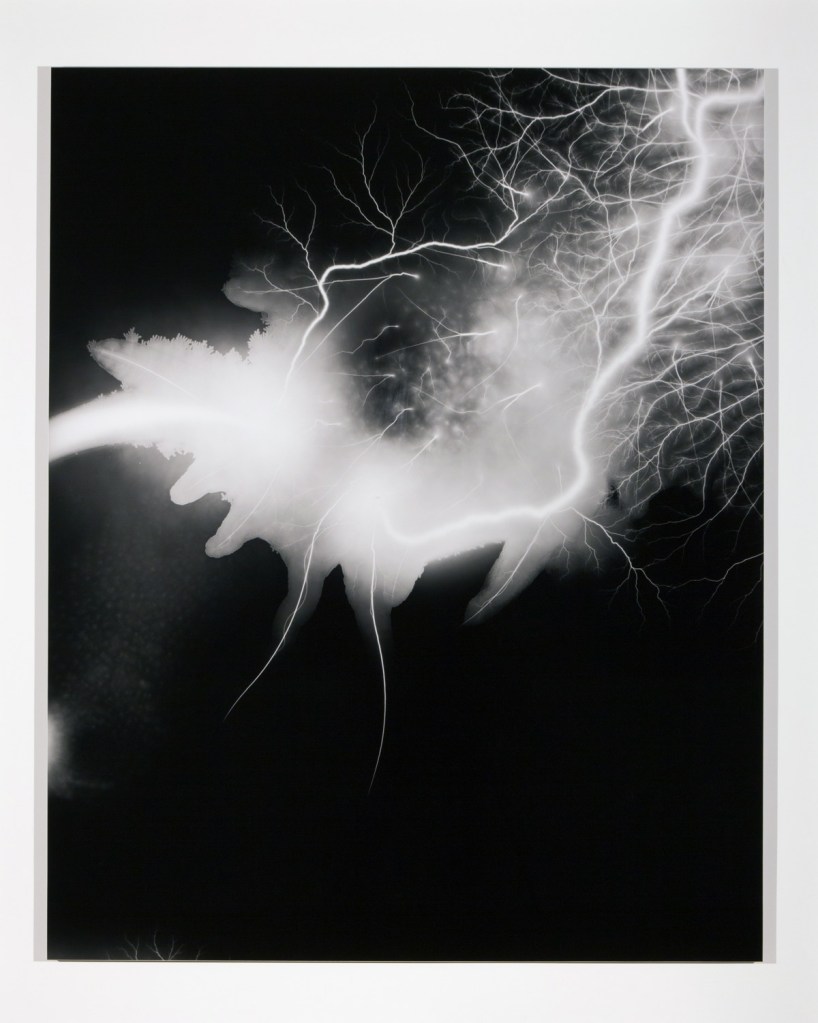
Hiroshi Sugimoto (Japanese, b. 1948) 'Lightning Fields 168' 2009


Hiroshi Sugimoto (Japanese, b. 1948)
Lightning Fields 168
2009
Gelatin silver photograph


Hiroshi Sugimoto’s photographs of static electricity were inspired by his unsuccessful efforts to banish such discharges from the surface of his negatives during the printing process. Sugimoto decided instead to try and harness such discharges for the purposes of image making. Utilising a Van der Graaf generator, he directed as many as 40,000 volts onto metal plates on which rested unexposed film. He soon changed tactics when he discovered that immersing the film in saline water during the discharge gave much better results.


Installation view of the exhibition 'Emanations: The Art of the Cameraless Photograph' at the Govett-Brewster Art Gallery

Installation view of the exhibition 'Emanations: The Art of the Cameraless Photograph' at the Govett-Brewster Art Gallery

Installation view of the exhibition 'Emanations: The Art of the Cameraless Photograph' at the Govett-Brewster Art Gallery


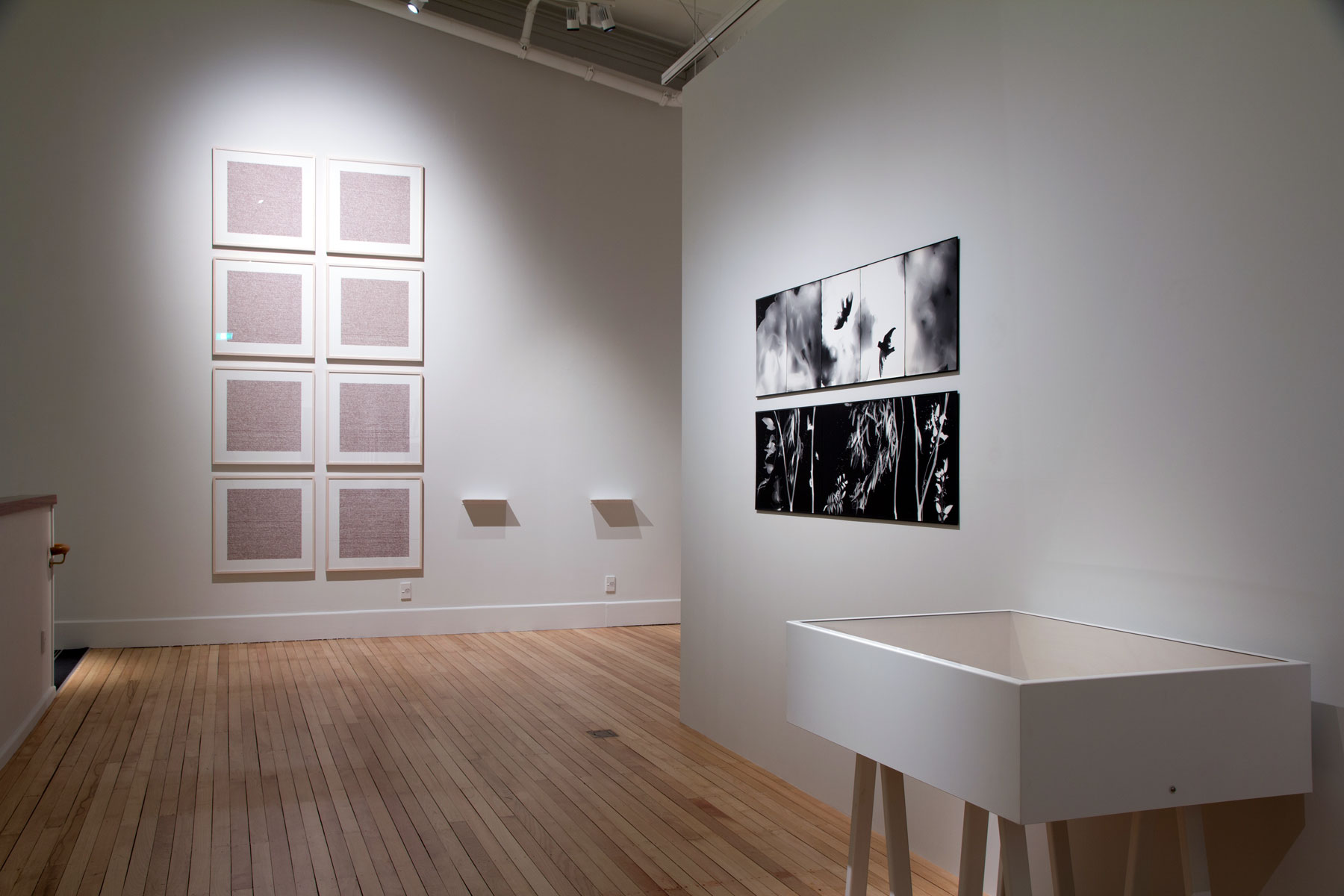
Installation views of the exhibition Emanations: The Art of the Cameraless Photograph at the Govett-Brewster Art Gallery with at left, Andreas Müller-Pohle Digital Scores (after Nicéphore Niépce) 1995, and to the right in the second and third images, Susan Purdy


In 1995 the German artist Andreas Müller-Pohle took the digital code generated by a scan of the supposed “first photograph,” Nicéphore Niépce’s 1827 heliograph View from the window at Le Gras, and spread it across eight panels as a messy swarm of numbers and computer notations. Each of Müller-Pohle’s separations represents an eighth of a full byte of memory, a computer’s divided remembrance of the first photograph. The Scores are therefore less about Niépce’s photograph than about their own means of production (as the title suggests, they bear the same abstracted relation to an image as sheet music has to sound). We see here, not a photograph, but the new numerical rhetoric of digital imaging.


Installation view of Ian Burn (Australian, 1939-1993) 'Xerox book # 1', 1968 from the exhibition 'Emanations: The Art of the Cameraless Photograph' at the Govett-Brewster Art Gallery


Installation view of Ian Burn (Australian, 1939-1993) Xerox book # 1, 1968 from the exhibition Emanations: The Art of the Cameraless Photograph at the Govett-Brewster Art Gallery


In the 1960s a number of artists sought to distil artwork from the new imaging technologies becoming commonly available. Ian Burn, an Australian artist then living in New York, made a series of Xerox Books in 1968 in which he churned out 100 copies of a blank sheet of white paper on a Xerox 660 photocopying machine, copying each copy in turn until the final sheet was filled with the speckled visual noise left by the machine’s own imperfect operations.


Installation view of the exhibition 'Emanations: The Art of the Cameraless Photograph' at the Govett-Brewster Art Gallery


Installation view of the exhibition Emanations: The Art of the Cameraless Photograph at the Govett-Brewster Art Gallery


Installation view of the exhibition 'Emanations: The Art of the Cameraless Photograph' at the Govett-Brewster Art Gallery with at left, the cyanotypes of Anna Atkins

Installation view of the exhibition 'Emanations: The Art of the Cameraless Photograph' at the Govett-Brewster Art Gallery

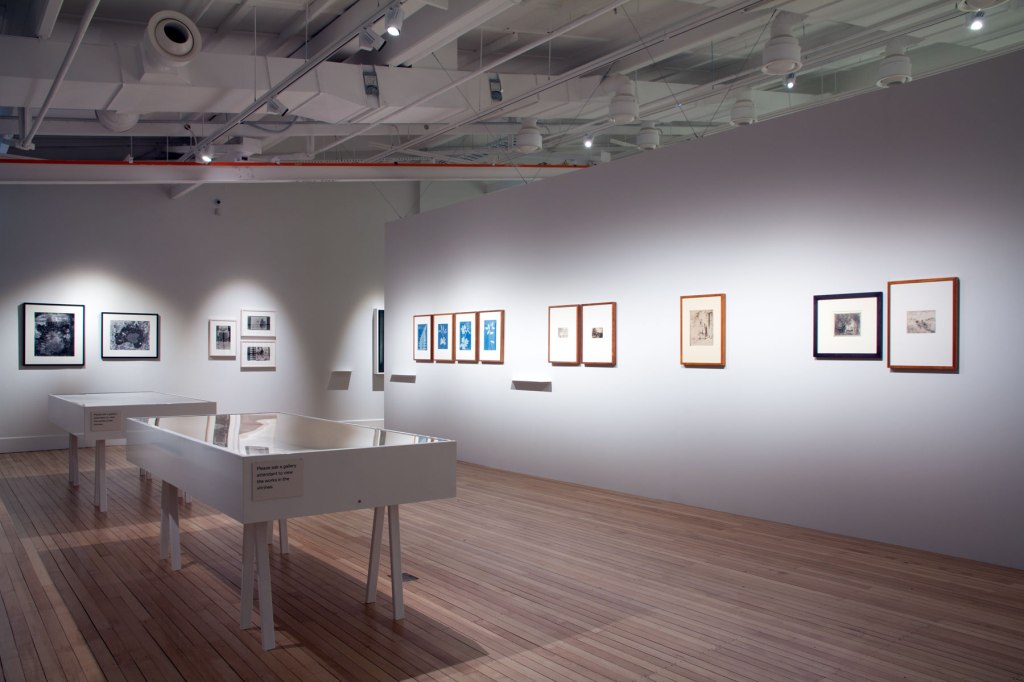
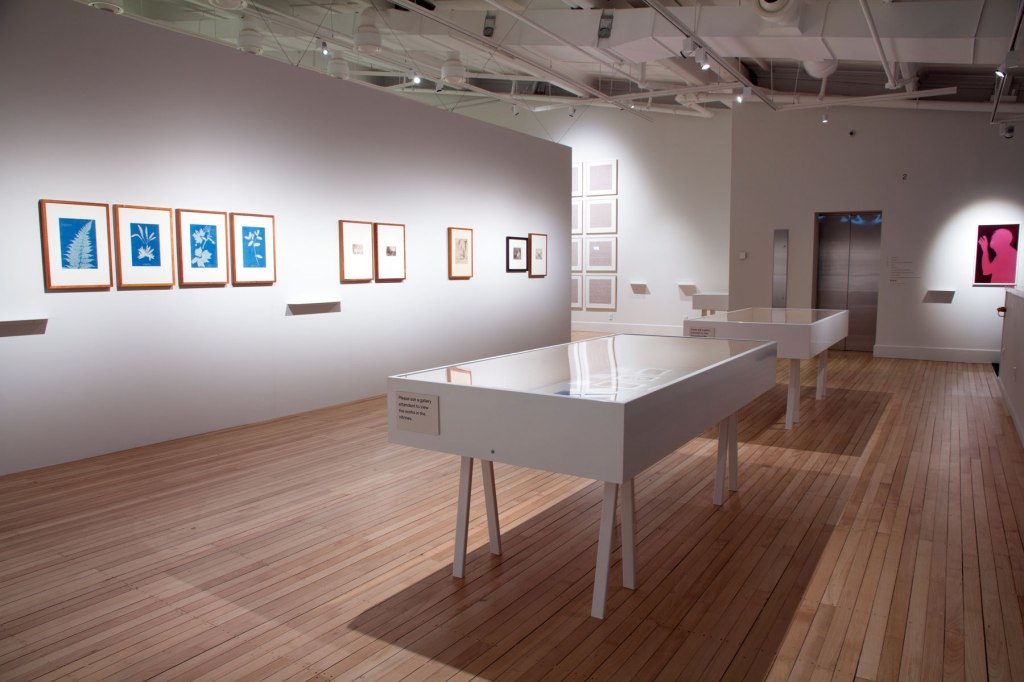
Installation view of the exhibition 'Emanations: The Art of the Cameraless Photograph' at the Govett-Brewster Art Gallery with in foreground display case, Herbert Dobbie's illustrated cyanotype books 'New Zealand Ferns (148 Varieties)' 1880, 1882, 1892 and background, the cyanotypes of Anna Atkins


Installation views of the exhibition Emanations: The Art of the Cameraless Photograph at the Govett-Brewster Art Gallery with in foreground display case, Herbert Dobbie’s illustrated cyanotype books New Zealand Ferns (148 Varieties) 1880, 1882, 1892 and background, the cyanotypes of Anna Atkins


Herbert Dobbie, a railway station master and amateur botanist who emigrated to New Zealand from England in 1875, made cyanotype contact prints of specimens of all 148 known species of fern in his new country in 1880 and sold them in album form. Dobbie was responding to a fashion for collecting and displaying ferns among his local audience, a fashion driven in part by a nostalgia for a pre-modern style of life and in part by a developing nationalism. The end result is a group of images that hover somewhere between science and art, between popular aesthetic enjoyment and commercial profit.


Anna Atkins (English, 1799-1871) 'Untitled' (from the disassembled album 'Cyanotypes of British and Foreign Flowering Plants and Ferns') c. 1854


Anna Atkins (English, 1799-1871)
Untitled (from the disassembled album Cyanotypes of British and Foreign Flowering Plants and Ferns)
c. 1854
Cyanotype photographs


The English photographer Anna Atkins issued albums of cyanotype prints of seaweed and algae from 1843, and these are often regarded as the earliest photographic books.

In the 1850s, Atkins collaborated with her friend Anne Dixon to produce at least three presentation albums of cyanotype contact prints, including Cyanotypes of British and Foreign Ferns (1853) and Cyanotypes of British and Foreign Flowering Plants and Ferns (1854). These albums included examples from places like Jamaica, New Zealand and Australia – a reminder that, for an English observer, all these places were but an extension of home, a part of the British Empire. These cyanotypes look as if they were made yesterday, offering a trace from the past that nevertheless always remains contemporary.


William Henry Fox Talbot (British, 1800-1877) 'Lace' c. 1845


William Henry Fox Talbot (British, 1800-1877)
Floral patterned lace
c. 1845
Salted paper print
23.0 x 18.8 cm (irregular)


During the 1850s, William Henry Fox Talbot focused his energies on the invention of a way of producing photographic engravings on metal plates, so that permanent ink on paper imprints could be taken from them. In April 1858, having found a way to introduce an aquatint ground to the process, he filed a patent for a system which he called photoglyphic engraving.

Talbot described his invention in terms of an ability to make accurate photographic impressions without a camera: “The objects most easily and successfully engraved are those which can be placed in contact with the metallic plate, – such as the leaf of fern, the light feathery flowers of a grass, a piece of lace, etc. In such cases the engraving is precisely like the object; so that it would almost seem to any one, before the process was explained to him, as if the shadow of the object had itself corroded the metal, – so true is the engraving to the object.”

This photograph was made using the calotype process, patented in 1841 by its inventor, the English gentleman William Henry Fox Talbot. The increased exposure speeds allowed by the process made it easier to print positive photographs from a negative image, so that multiple versions of that image could be produced. In this case, a positive photograph has been made from a contact print of a piece of lace.


Installation view of the exhibition 'Emanations: The Art of the Cameraless Photograph' at the Govett-Brewster Art Gallery

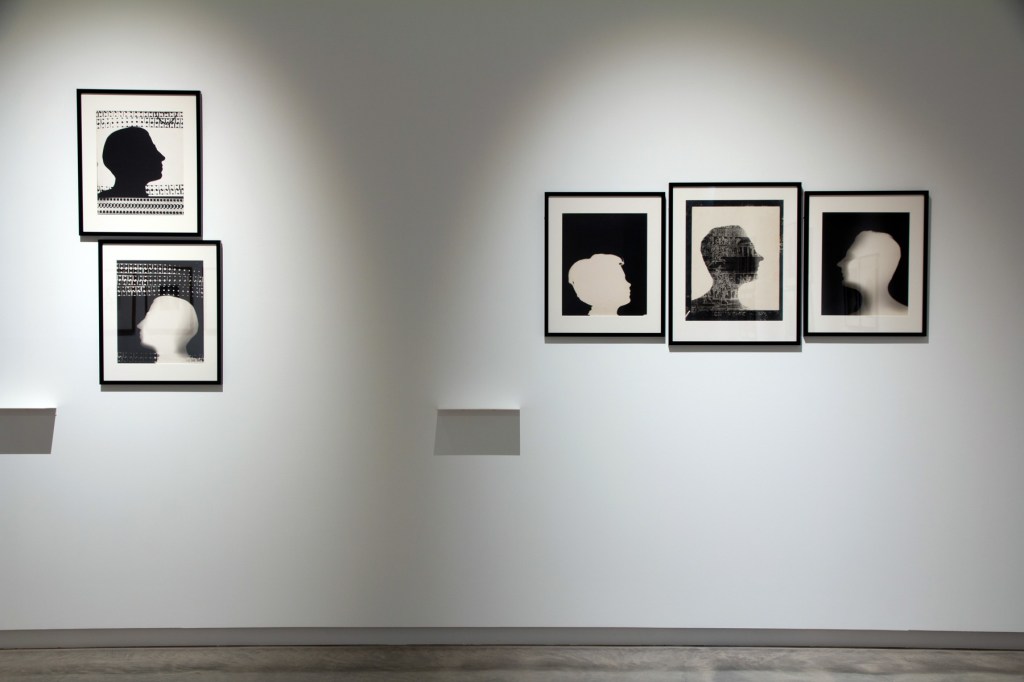
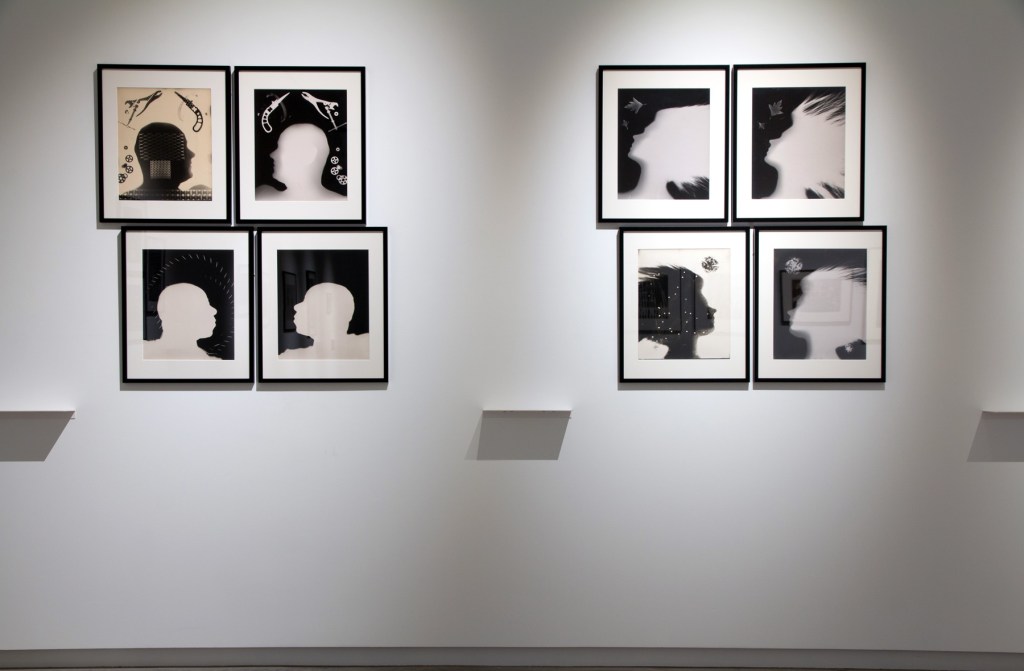
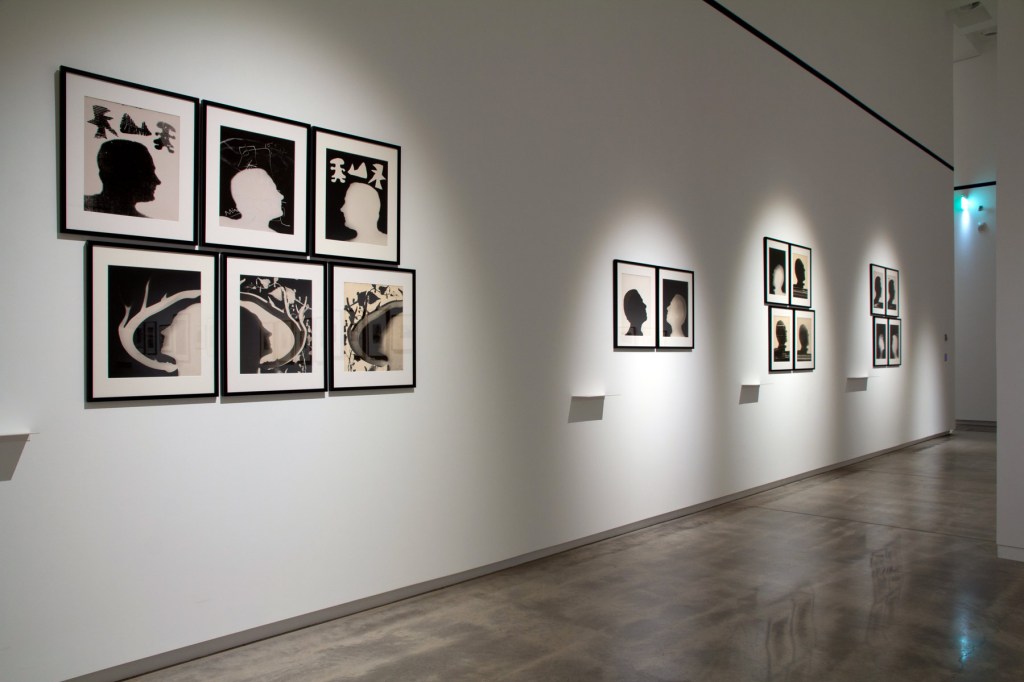
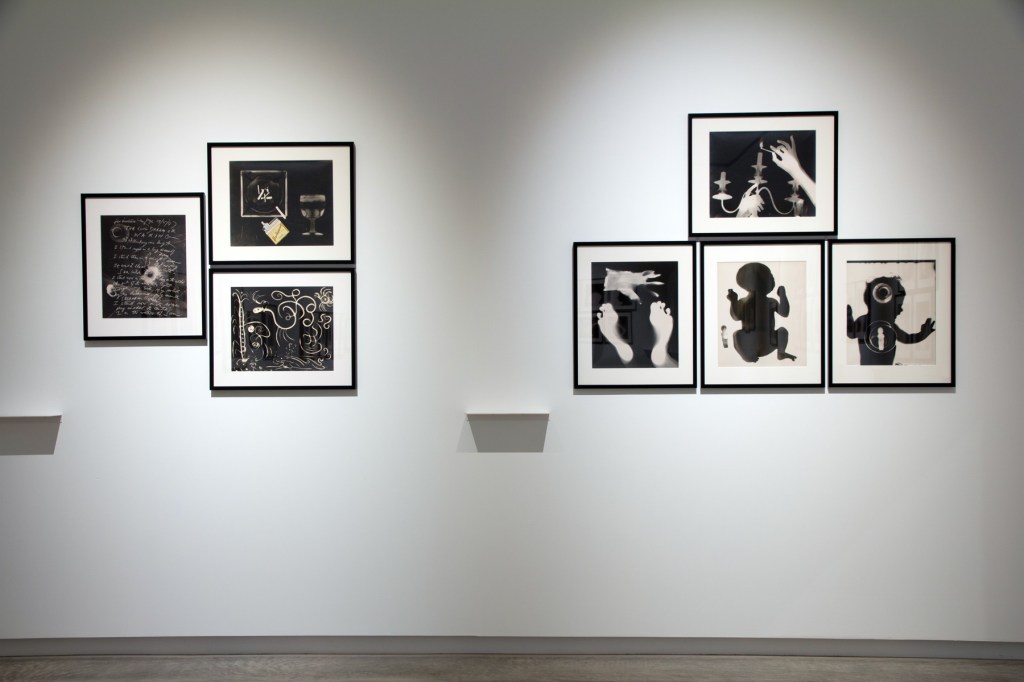
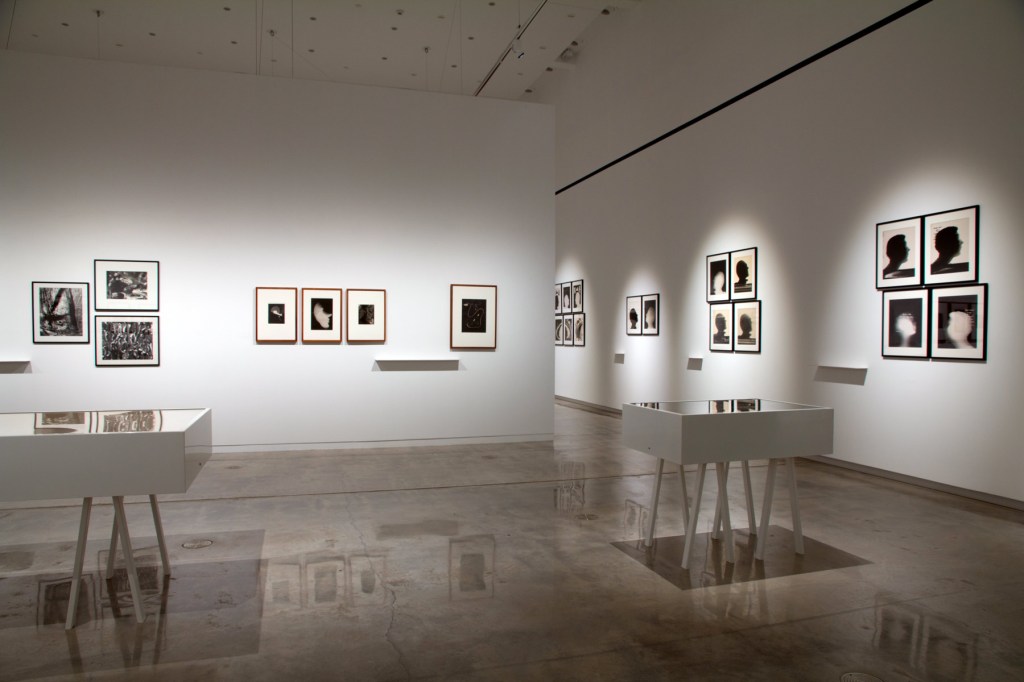
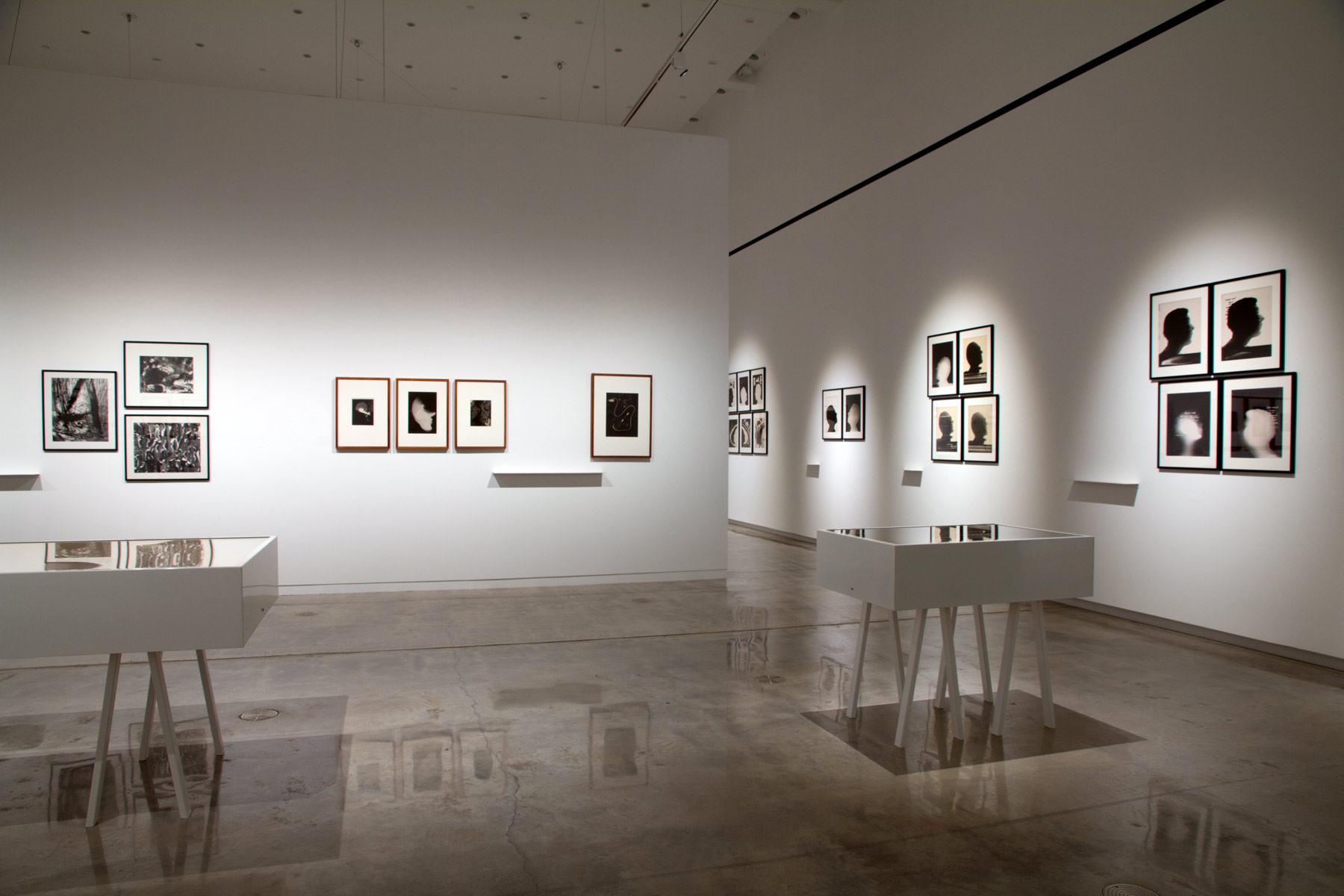
Installation view of the exhibition 'Emanations: The Art of the Cameraless Photograph' at the Govett-Brewster Art Gallery featuring Len Lye's cameraless photographic portraits

Installation view of the exhibition 'Emanations: The Art of the Cameraless Photograph' at the Govett-Brewster Art Gallery

Installation view of the exhibition 'Emanations: The Art of the Cameraless Photograph' at the Govett-Brewster Art Gallery

Installation view of the exhibition 'Emanations: The Art of the Cameraless Photograph' at the Govett-Brewster Art Gallery


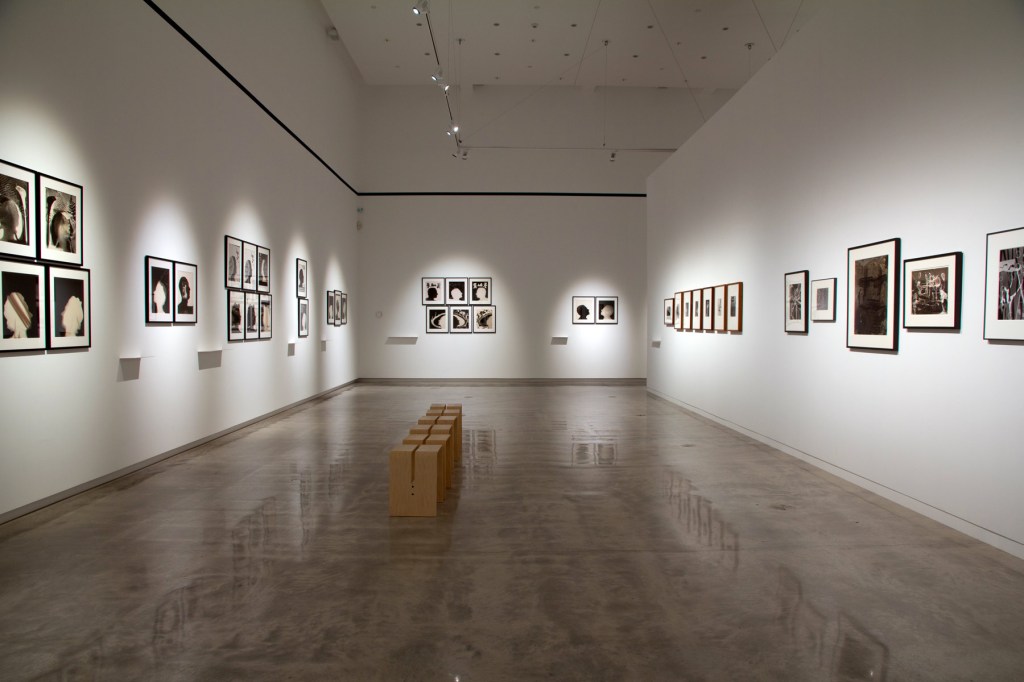
Installation views of the exhibition Emanations: The Art of the Cameraless Photograph at the Govett-Brewster Art Gallery featuring Len Lye’s cameraless photographic portraits


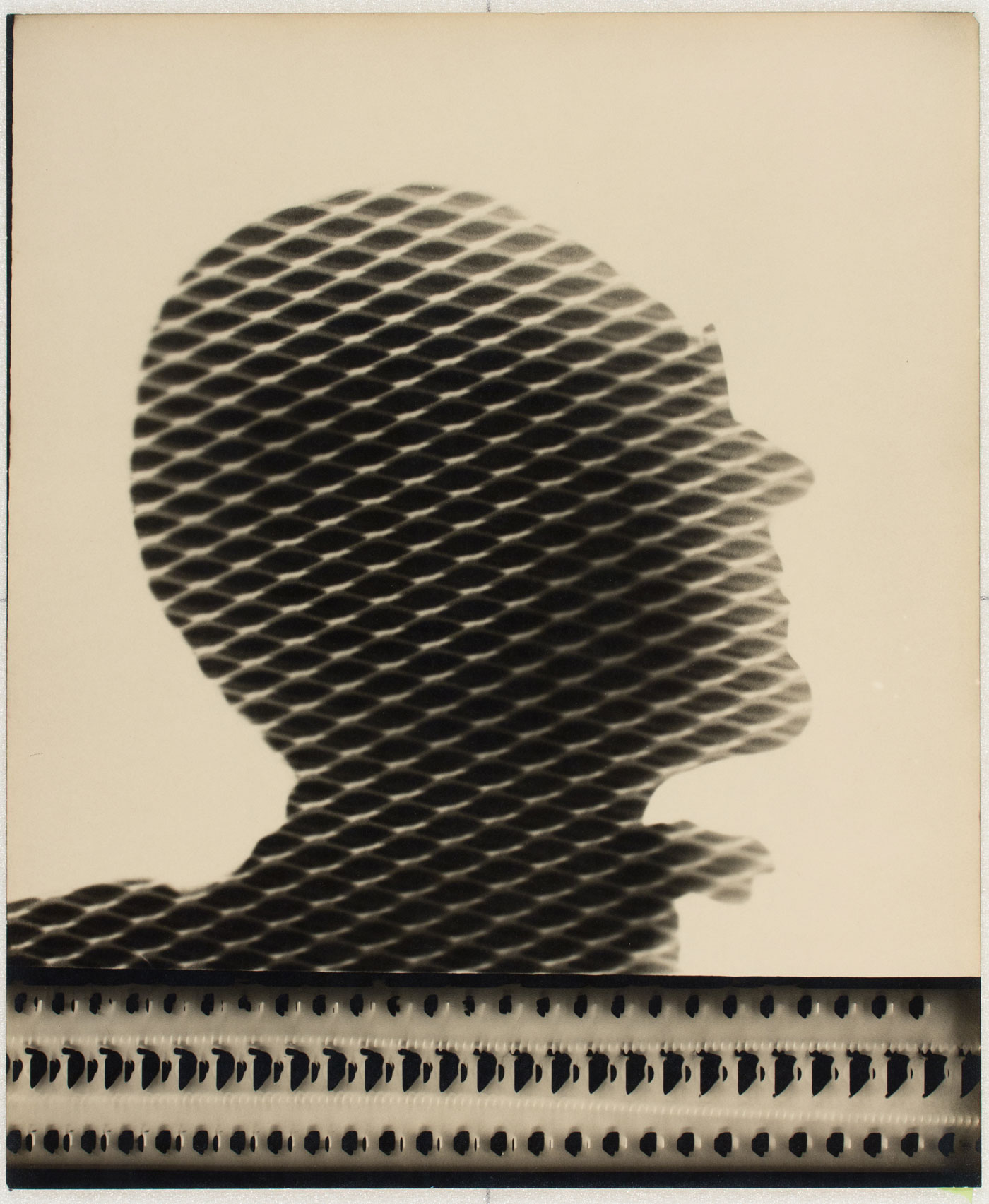
Len Lye (New Zealand, 1901-1980) 'Georgia O'Keeffe' 1947


Len Lye (New Zealand, 1901-1980)
Georgia O’Keeffe
1947
Courtesy of the Len Lye Foundation Collection
Govett-Brewster Art Gallery/Len Lye Centre


Len Lye (New Zealand, 1901-1980) 'Le Corbusier' 1947


Len Lye (New Zealand, 1901-1980)
Le Corbusier
1947
Courtesy of the Len Lye Foundation Collection and Archive
Govett-Brewster Art Gallery/Len Lye Centre


Lye’s subjects included notable artists such as Joan Miró, Hans Richter, and Georgia O’Keeffe (who brought some deer antlers to the shoot), the architect Le Corbusier, the jazz musician Baby Dodds, the scientist Nina Bull, and the writer W. H. Auden. But they also included a baby and a young woman who remain unnamed; Lye’s new partner, Ann Hindle; and Albert Bishop, a plumber who had come by to do some repairs. (Referencing the history of “silhouette” art)


Len Lye (New Zealand, 1901-1980) 'Marks and Spencer in a Japanese Garden (Pond People)' 1930


Len Lye (New Zealand, 1901-1980)
Marks and Spencer in a Japanese Garden (Pond People)
1930
Courtesy of the Len Lye Foundation Collection and Archive
Govett-Brewster Art Gallery/Len Lye Centre


Len Lye’s earliest cameraless photographs were made around 1930 as he settled into the London art scene and before he emerged as a leading figure in experimental cinema. His practice was eclectic during this period. He exhibited paintings, batiks, photographs and sculpture as part of the Seven and Five Society, Britain’s leading avant-garde group. During a visit to Mallorca with his friends Robert Graves and Laura Riding, Lye made a number of photograms with plasticine and cellophane shapes arranged over the photographic paper. Two of these, Self-Planting at Night (Night Tree) and Watershed, were exhibited in the 1936 International Surrealist Exhibition in London.


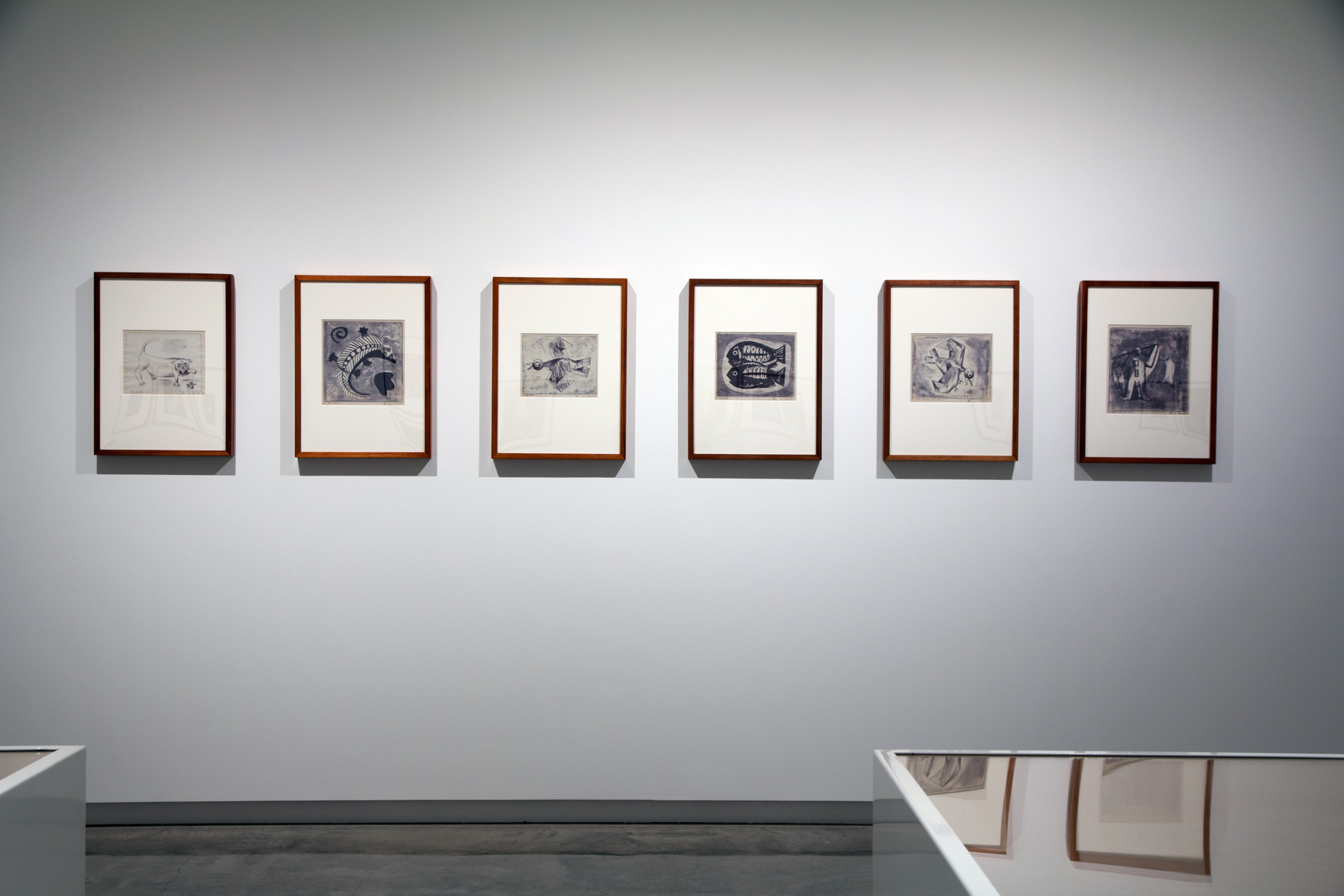
Installation view of the exhibition 'Emanations: The Art of the Cameraless Photograph' at the Govett-Brewster Art Gallery featuring James Cant's 'Six Signed Artist's Prints' 1948


Installation view of the exhibition Emanations: The Art of the Cameraless Photograph at the Govett-Brewster Art Gallery featuring James Cant’s Six Signed Artist’s Prints 1948


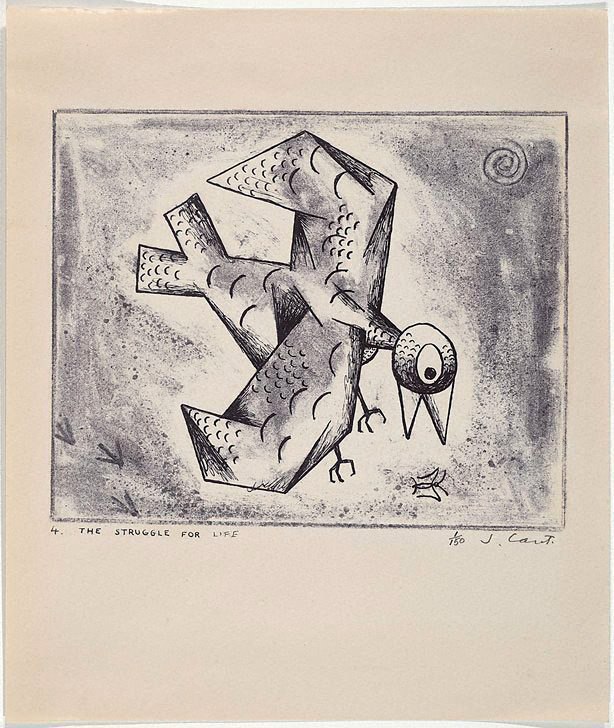
James Cant (Australian, 1911-1982) 'The struggle for life' 1948


James Cant (Australian, 1911-1982)
The struggle for life
1948
Cliché verre print (cyanotype blueprint from one hand-drawn glass plate)
35 x 29.6cm sheet


A number of Australian artists, some working in Melbourne and some in London, issued prints in the 1940s and early 50s using architectural blueprint (or cyanotype) paper, perhaps because, during the deprivations that attended the aftermath of World War Two, it was a cheap and available material for this purpose. James Cant, an artist interested in both Surrealism and Australian Aboriginal art, brought the two together in his designs for a portfolio of Six Signed Artist’s Prints that he issued in a print run of 150 in 1948. Each image was painted on a sheet of glass and then this glass was contact printed onto the blueprint paper to create a photograph.

In August 1834, while resident in Geneva, William Henry Fox Talbot had a friend make some drawings on sheets of varnished glass exposed to smoke, using an engraver’s needle to scratch through this darkened surface. The procedure came to be known as cliché verre.


Kilian Breier (German, 1931-2011) 'Kilian Breier: Fotografik 1953-1990' 1991 (cover)


Kilian Breier (German, 1931-2011)
Kilian Breier: Fotografik 1953-1990 (cover)
1991


The German artist Kilian Breier began making abstract photographs in the 1950s, some by folding his photographic paper and others by allowing rivulets of developer to flow across and stain it. A 1991 exhibition catalogue, Kilian Breier: Fotografik 1953-1990, gave the artist an opportunity to make a provocative gesture in line with his dedication to the self-generated image; he included in it a loose unfixed piece of signed photographic paper that continues to develop every time it is exposed to light. It therefore inhabits the book that protects it like a ghost, unable to be seen but nonetheless always present.


Max Dupain (Australian, 1911-1992) 'Untitled rayograph [with water]' 1936


Max Dupain (Australian, 1911-1992)
Untitled rayograph [with water]
1936
Gelatin silver photograph


The Australian modernist photographer Max Dupain was a great admirer of the work of Man Ray. In 1935 Dupain reviewed a book of the American’s photographs for The Home magazine in Sydney, declaring that “He is alone. A pioneer of the 20th century who has crystallised a new experience in light and chemistry.” With this book as his inspiration, Dupain himself made a number of experimental cameraless photographs in the later 1930s.


Běla Kolářová (Czechoslovakia, 1923-2010) 'Pecky broskve' (z 'cyklu' Stopy) 'Peach Stones' (From 'Traces' series) 1961


Běla Kolářová (Czechoslovakia, 1923-2010)
Pecky broskve (z cyklu Stopy)
Peach Stones
(From Traces series)
1961
Gelatin silver photograph from an artificial negative


Taking up photography in 1956 during the Cold War, the Czech artist Běla Kolářová wrote about the need to photograph things normally beneath the notice of photography, the negligible detritus of everyday life. Her initial experiments along these lines involved the making of prints from what she called “artificial negatives.” Collecting all sorts of discarded items (onion peels, peach pits), she either placed her scraps directly on celluloid or embedded them in a layer of paraffin, projecting the resulting image onto bromide paper using an enlarger. Kolářová also began to produce photographic images by placing her light-sensitive paper on a record turntable, rotating it at varying speeds, and allowing the light to produce a series of overlapping and wavy concentric circles.


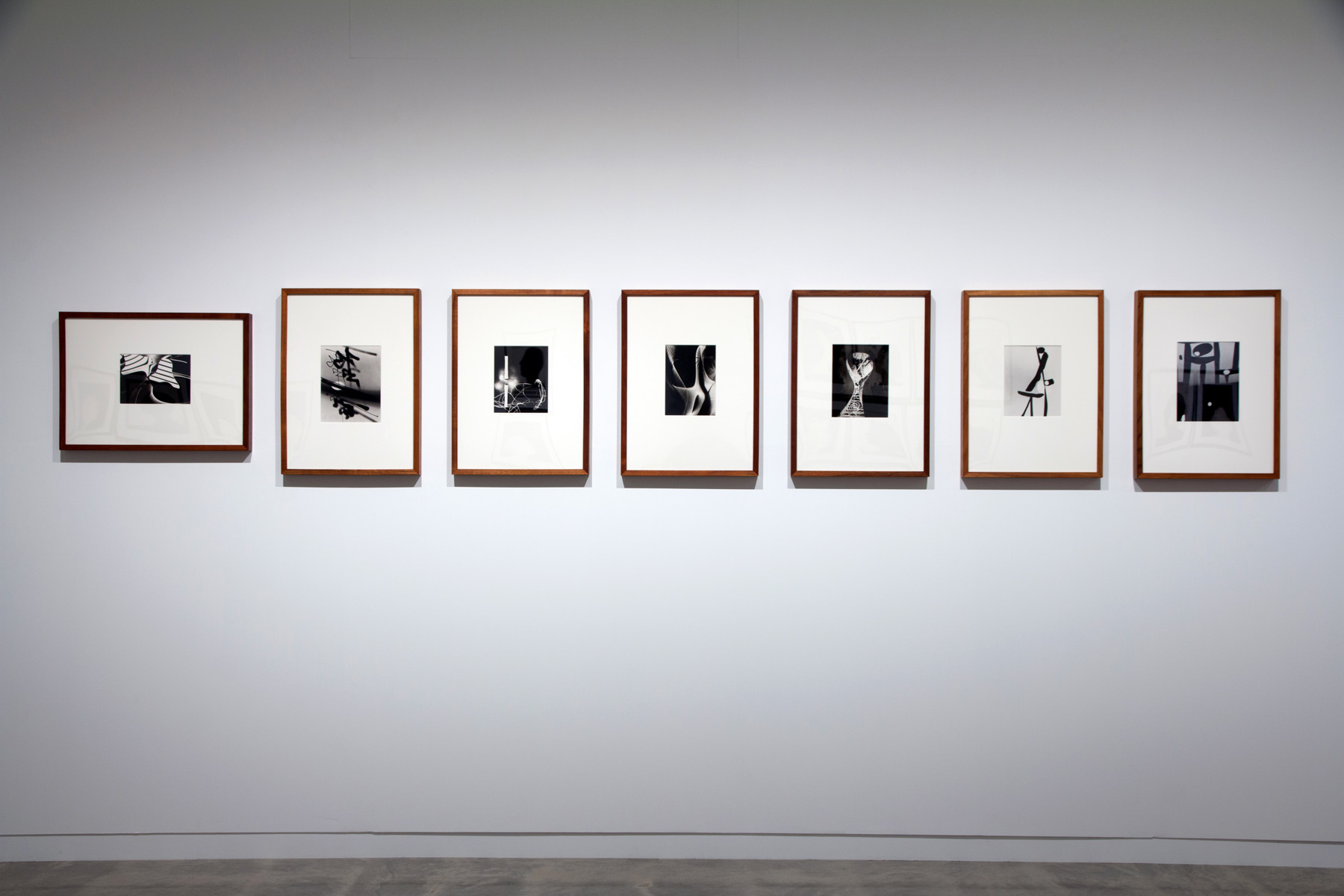
Installation view of György Kepes (Hungarian, 1906-2001) 'Black, great and white light composition', 1949; 'Black and white calligraphy', 1951; 'Fluid patterns', 1938; '(Calligraphic light)', 1948; 'Optical transformation', 1938; 'Hieroglyphic body', 1942; '(Magnetic pattern)', 1938


Installation view of
György Kepes (Hungarian, 1906-2001)
Black, great and white light composition, 1949
Black and white calligraphy, 1951
Fluid patterns, 1938
(Calligraphic light), 1948
Optical transformation, 1938
Hieroglyphic body, 1942
(Magnetic pattern), 1938
Gelatin silver photographs (printed c. 1977)


The Hungarian-born artist György Kepes moved to the United States in the late 1930s, where he published a series of interdisciplinary books concerned with the “language of vision.” Informed by his study of psychological theory, Kepes particularly favoured the cameraless photograph as offering a kind of universal language, stressing the need for images that combined “transparency and interpenetration… the order of our time is to knead together the scientific and technical knowledge required, into an integrated whole on the biological and social plane.” Even when they appear to be abstractions, Kepes’s own photograms were intended as an expression of the interdependence of natural and manmade structures and as an advocacy for the interrelationship of art, science, and technology.


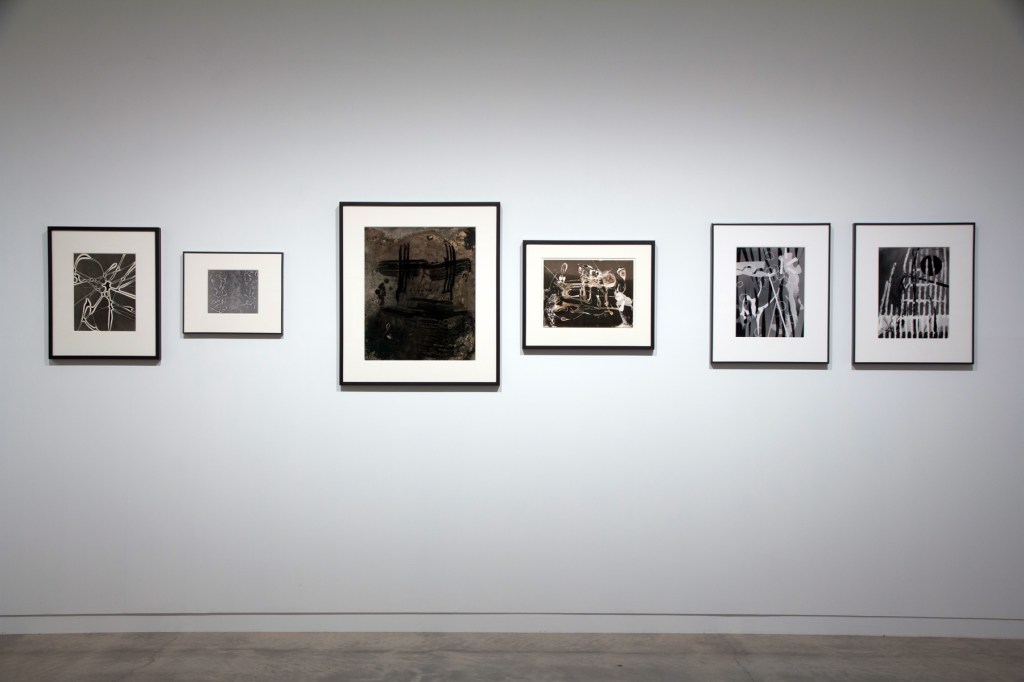
Installation view of the exhibition 'Emanations: The Art of the Cameraless Photograph' at the Govett-Brewster Art Gallery showing the work of Herbert Matter (left), Chargesheimer (centre), and Roger Catherineau (right)


Installation view of the work of Herbert Matter (left), Chargesheimer (centre), and Roger Catherineau (right)


Herbert Matter (American born Switzerland, 1907-1984) 'Untitled' c. 1939-1943


Herbert Matter (American born Switzerland, 1907-1984)
Untitled
c. 1939-1943
Gelatin silver photograph


Born in Switzerland, Herbert Matter studied with Fernand Léger in Paris before working there and in Switzerland as a graphic designer, incorporating photographic images into his many posters. In 1935 he moved to the United States, involving himself in the design and art world he found there, with a special interest in the work of abstract painters. He produced a number of experimental photographs in this period, deliberately designed to break with what he called “the chains of documentation.” These included a calligraphic image made in 1944 by tracing brush strokes on a wet emulsion plate charged by an electrical current and a series of sinuous, painterly photographs, perhaps made by pouring chemicals on sheets of glass already marked with a resist and then printing from them.


Chargesheimer (German, 1924-1972) 'Scenarium' 1961


Chargesheimer (German, 1924-1972)
Scenarium
1961
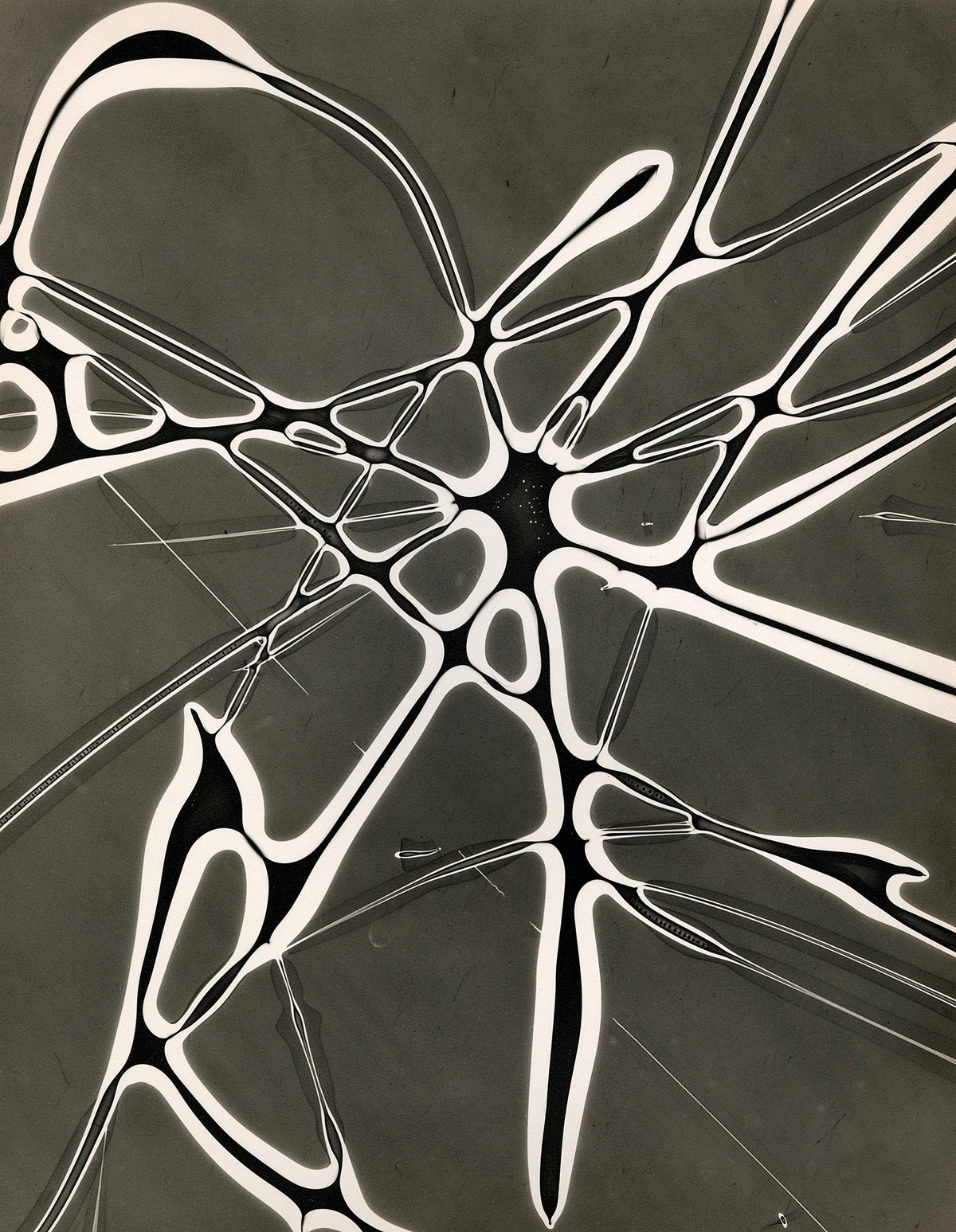
Gelatin silver chemigram


In 1961, the German artist Karl-Heinz Hargesheimer, who went by the single name of Chargesheimer, published a limited-edition book titled Lichtgrafik [Light Graphic]. He described the ten unique prints gathered in it as photochemische Malereien or “photo-chemical paintings,” inducing their strange combinations of gestural calligraphic marks and organic-looking surface using only developer and fixer on gelatin silver photographic paper.


Roger Catherineau (French, 1925-1962) 'Photogramme' 1957


Roger Catherineau (French, 1925-1962)
Photogramme
1957
Gelatin silver photograph


Starting in the 1950s, French artist Roger Catherineau drew on his interest in sculpture and dance to produce sinuous, layered photograms that look more like graphics than paintings. Their ambiguous depths were made even more elusive by the addition of coloured inks to their surfaces.


Installation view of the exhibition 'Emanations: The Art of the Cameraless Photograph' at the Govett-Brewster Art Gallery with at left, Marco Breuer and at right, Lynn Cazabon


Installation view of the exhibition Emanations: The Art of the Cameraless Photograph at the Govett-Brewster Art Gallery with at left, Marco Breuer and at right, Lynn Cazabon


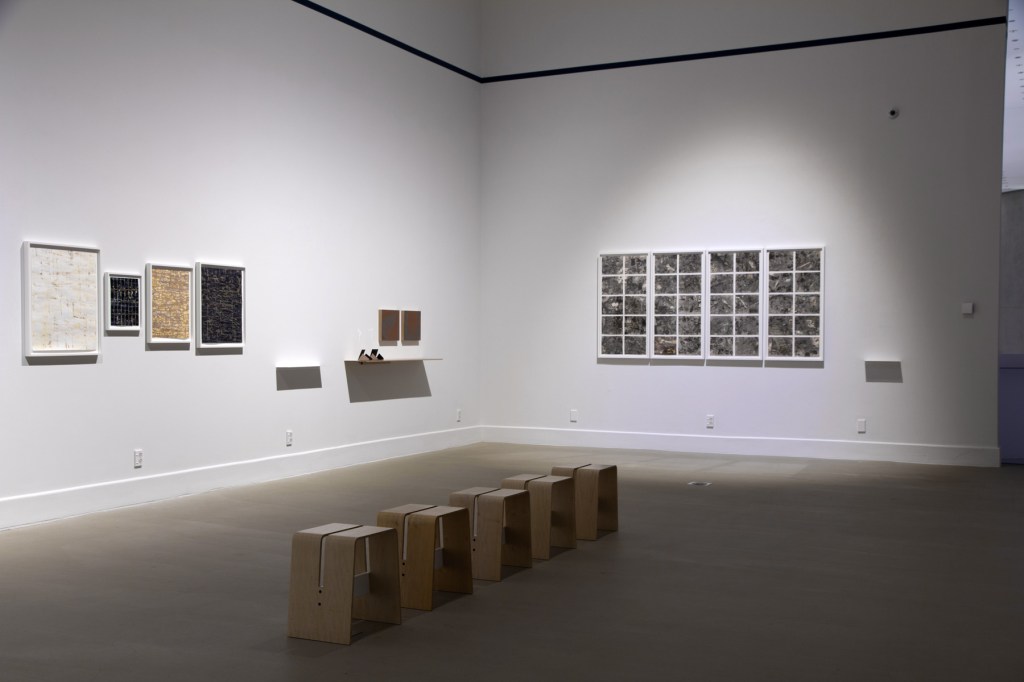
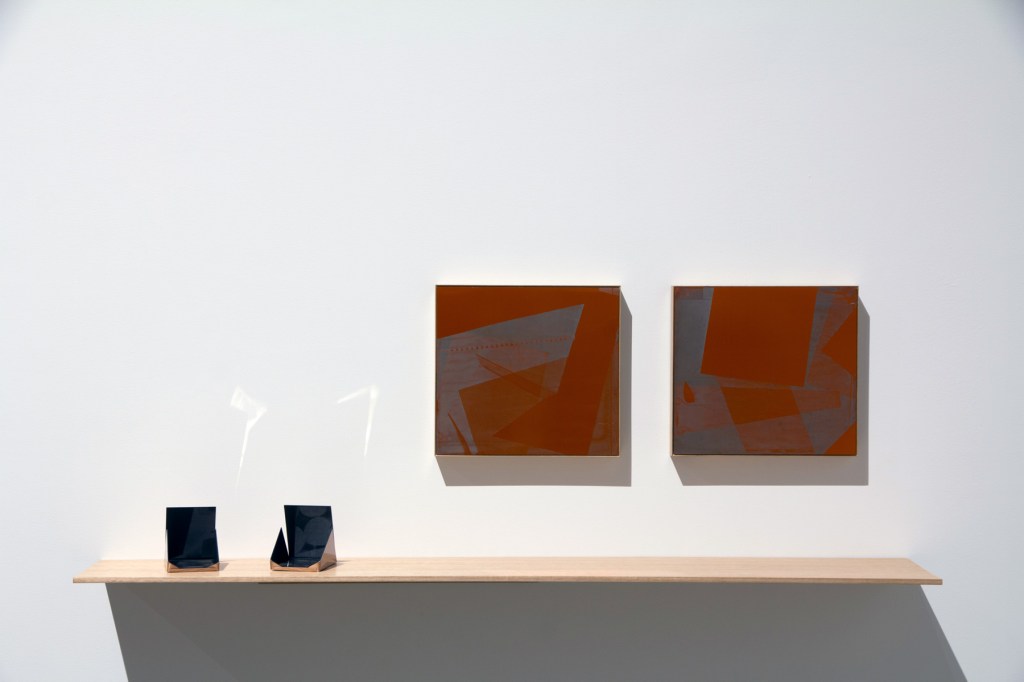
Installation view of Danica Chappell (Australia) 'Slippery Image #1' 2014-2015 'Slippery Image #2' 2014-2015 and 'Traversing Edges & Corners (Orange #9)' 2014 'Traversing Edges & Corners (Orange #10)' 2014 tintype


Installation view of
Danica Chappell (Australian, b. 1972)
Slippery Image #1, 2014-2015
Slippery Image #2, 2014-2015
Daguerreotype

Danica Chappell (Australian, b. 1972)
Traversing Edges & Corners (Orange #9), 2014
Traversing Edges & Corners (Orange #10), 2014
Tintype


The work of Australian artist Danica Chappell brings together the formal experiments of early modernist avant-garde groups, such as the Russian Constructivists and the German Bauhaus, with some of photography’s earliest techniques, resulting in geometrically patterned daguerreotypes and tintypes. These patterns of light and shadow animate the surface of Chappell’s metallic photographs, while also recording her work in the darkroom, her negotiation of radiation, object, body and time.


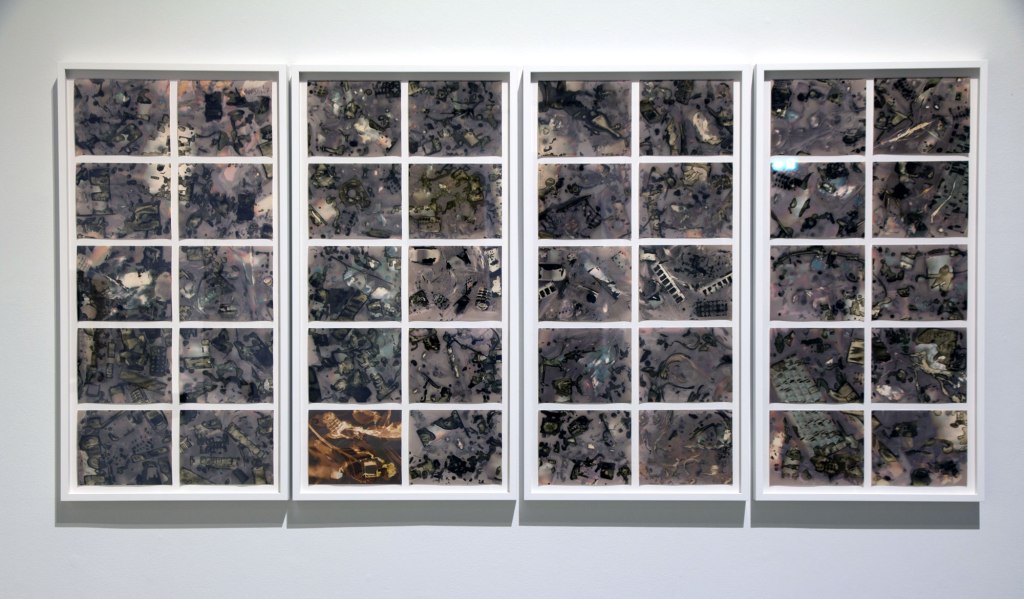
Installation view of Lynn Cazabon (American, b. 1964) 'Diluvian' 2010-2013


Installation view of
Lynn Cazabon (American, b. 1964)
Diluvian
2010-2013
40 unique silver gelatin solar photographs


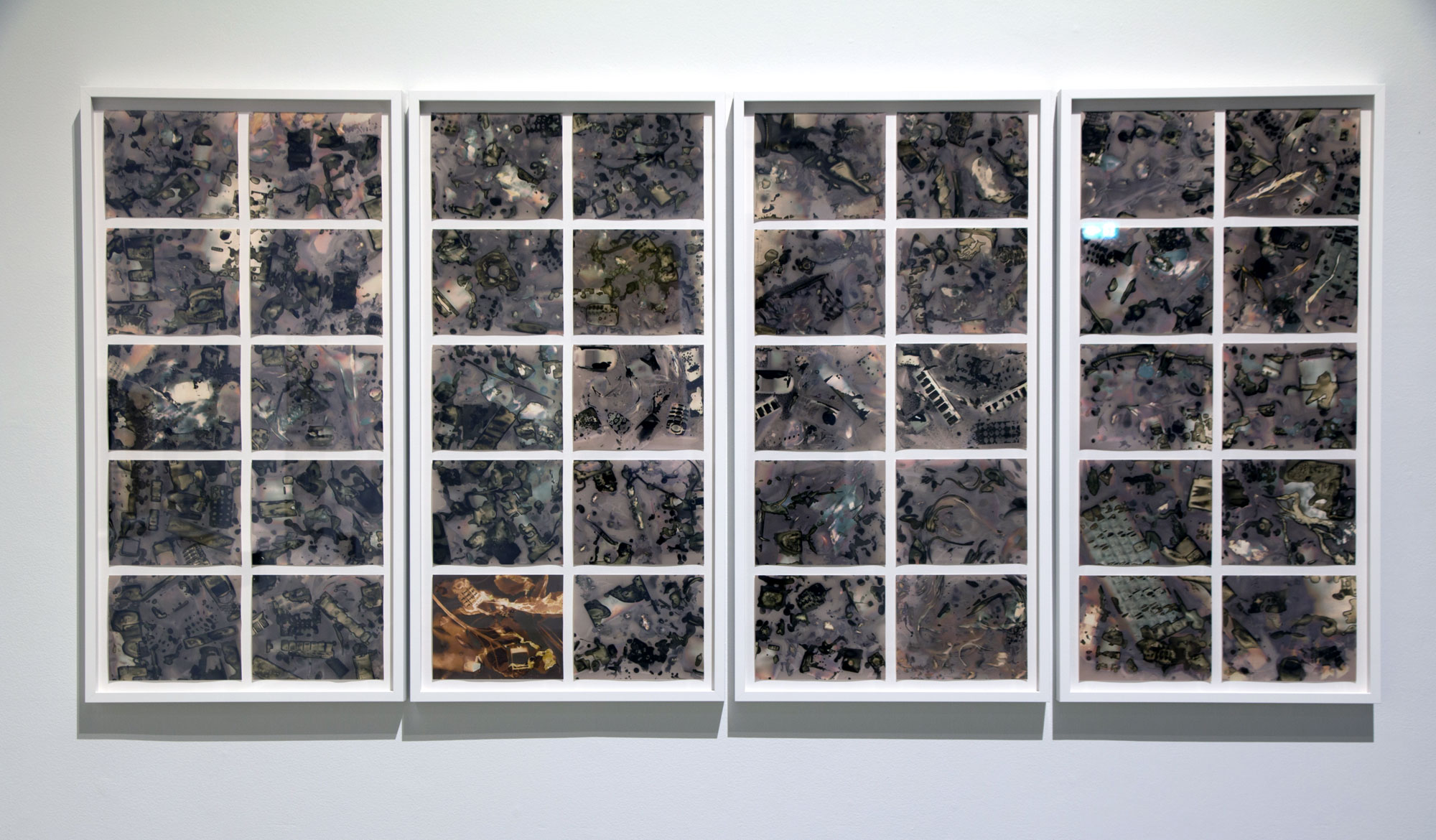
Diluvian, by American artist Lynn Cazabon, comprises a grid of unique contact prints, with their imagery and the means of its production both being directly generated by the work’s subject matter. Embedded in a simulated waste dump, covered with discarded cell phones and computer parts as well as organic material, expired sheets of gelatin silver paper were sprayed with baking soda, vinegar and water, sandwiched under a heavy sheet of glass, and left in direct sunlight for up to six hours, four prints at a time. The chemical reactions that ensued left visual traces – initially vividly coloured and then gradually fading when fixed – of our society’s flood of toxic consumer items, produced by the decomposing after-effects of those very items.


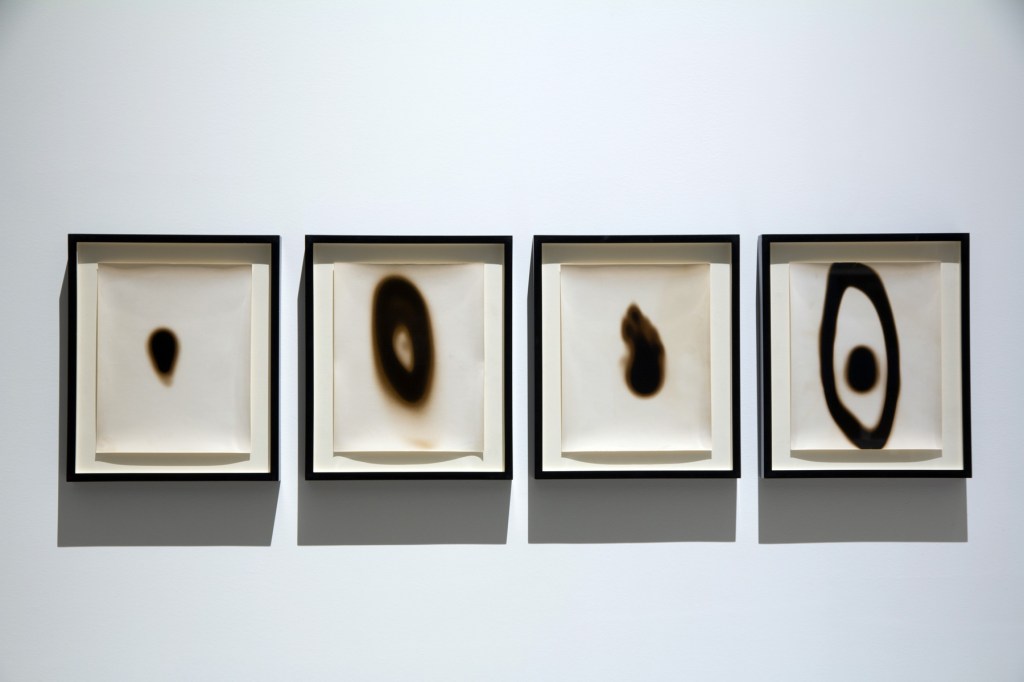
Installation view of works by Marco Breuer (German, b. 1966) Untitled (C-1378), 2013; Untitled (C-1598), 2014; Untitled (C-1526), 2014; Untitled (C-1338), 2013


Installation view of
Marco Breuer (German, b. 1966)
Untitled (C-1378), 2013
Untitled (C-1598), 2014
Chromogenic paper, embossed/burned/scraped

Marco Breuer (German, b. 1966)
Untitled (C-1526), 2014
Chromogenic paper, burned/scraped

Marco Breuer (German, b. 1966)
Untitled (C-1338), 2013
Chromogenic paper, burned


By folding, scoring, burning, scouring, abrading, and/or striking his pieces of photographic paper, German-born, US-based artist Marco Breuer coaxes a wide range of colours, markings and textures from his chosen material. Both touched and tactile, Breuer’s photographs have become surrogate bodies, demonstrating the same fragility and relationship to violence as any other organism. And like any other body, they also bear the marks of time, not of a single instant from the past, like most photographs, but rather of a duration of actions that have left accumulated scars.


Installation view of the exhibition 'Emanations: The Art of the Cameraless Photograph' at the Govett-Brewster Art Gallery with at left, the work of Anne Noble

Installation view of the exhibition 'Emanations: The Art of the Cameraless Photograph' at the Govett-Brewster Art Gallery with at centre, the work of Anne Noble


Installation views of the exhibition Emanations: The Art of the Cameraless Photograph at the Govett-Brewster Art Gallery with at centre, the work of Anne Noble


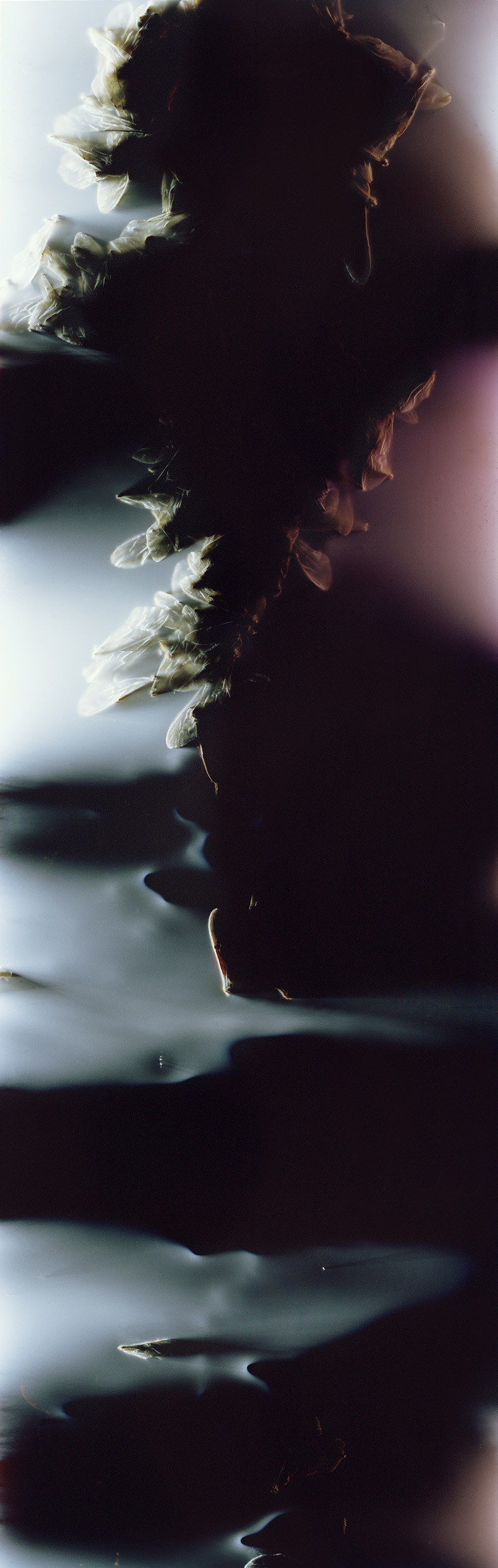
Anne Noble (New Zealand, b. 1954) 'Bruissement: Bee Wing Photograms #10' 2015


Anne Noble (New Zealand, b. 1954)
BruissementBee Wing Photograms #10
2015
Pigment print on Canson baryta paper
320 x 110cm
Courtesy of the artist, Wellington


In recent times, the New Zealand artist Anne Noble has made a number of works that address the calamitous collapse of the global honeybee population. In these two cameraless photographs, cascading vertically down the wall like Chinese scroll paintings, we get to see the imprint of thousands of detached bee wings, their determined hum stilled by disease, human interference and a toxic ecology. The haunting beauty of these delicate traceries and strange shadows is also a warning. A beekeeper herself, Noble looks at bees as a living system under stress but also as a model for our own society; as she says, “what is happening to the bees we are likely doing to ourselves.”


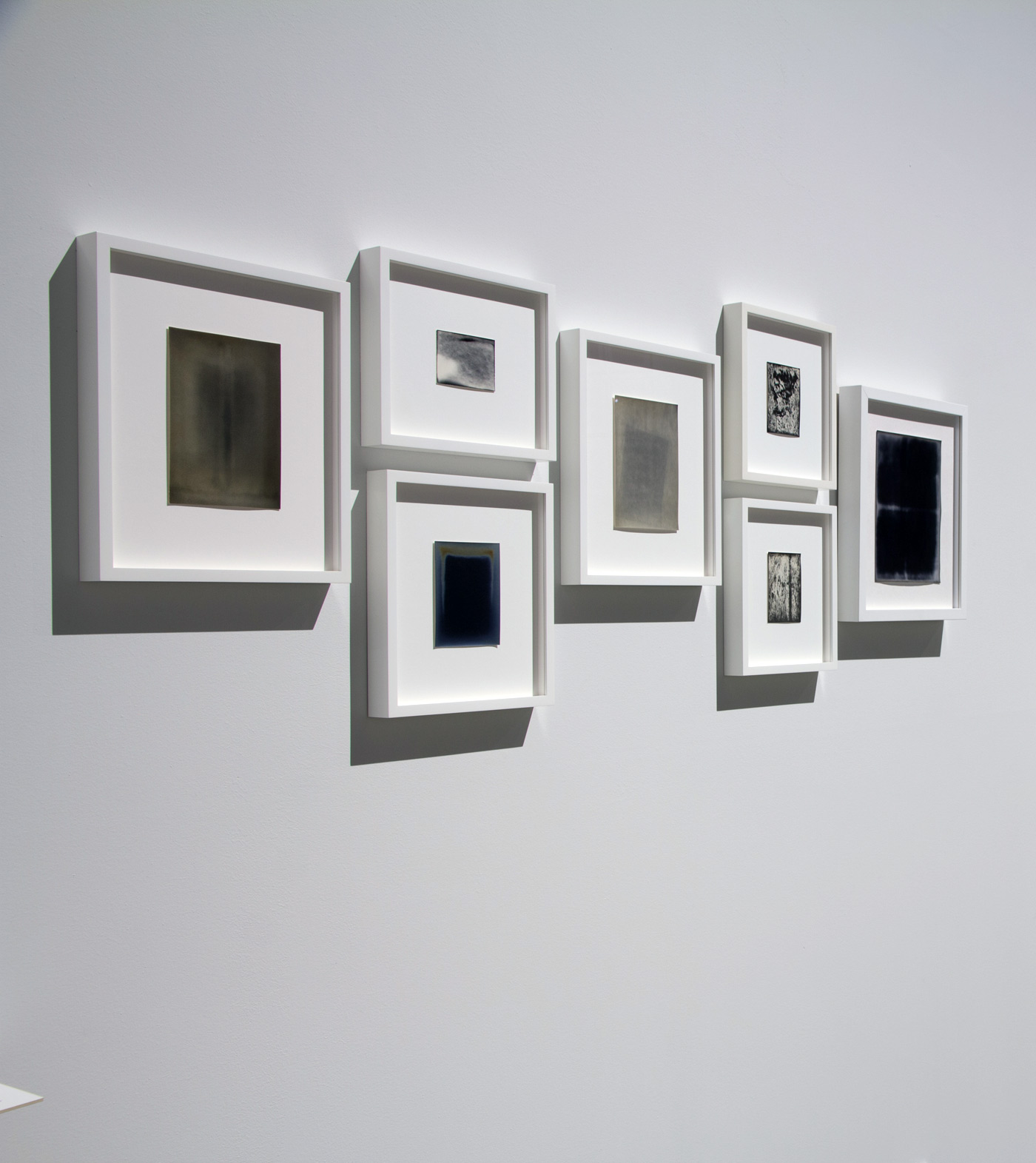
Installation view of works by Alison Rossiter (American, b. 1953) Agfa Cykora, expired January 1942, processed 2013; Eastman Kodak Velox, expired March 1919a, processed 2014; Eastman Kodak Medalist E2, expired September 1956, processed 2010; Eastman Kodak Velox, expired March 1919b, processed 2014; Eastman Kodak PMC No.11, expired September 1937, processed 2013; Defender Argo, exact expiration date unknown, c. 1910, processed 2013; Velox T4, expiry date October 1, 1940, processed 2008

Installation view of works by Alison Rossiter (American, b. 1953) Agfa Cykora, expired January 1942, processed 2013; Eastman Kodak Velox, expired March 1919a, processed 2014; Eastman Kodak Medalist E2, expired September 1956, processed 2010; Eastman Kodak Velox, expired March 1919b, processed 2014; Eastman Kodak PMC No.11, expired September 1937, processed 2013; Defender Argo, exact expiration date unknown, c. 1910, processed 2013; Velox T4, expiry date October 1, 1940, processed 2008


Installation views of
Alison Rossiter
(American, b. 1953)
Agfa Cykora, expired January 1942, processed 2013
Eastman Kodak Velox, expired March 1919a, processed 2014
Eastman Kodak Medalist E2, expired September 1956, processed 2010
Eastman Kodak Velox, expired March 1919b, processed 2014
Eastman Kodak PMC No.11, expired September 1937, processed 2013
Defender Argo, exact expiration date unknown, c. 1910, processed 2013
Velox T4, expiry date October 1, 1940, processed 2008
Unique gelatin silver photographs


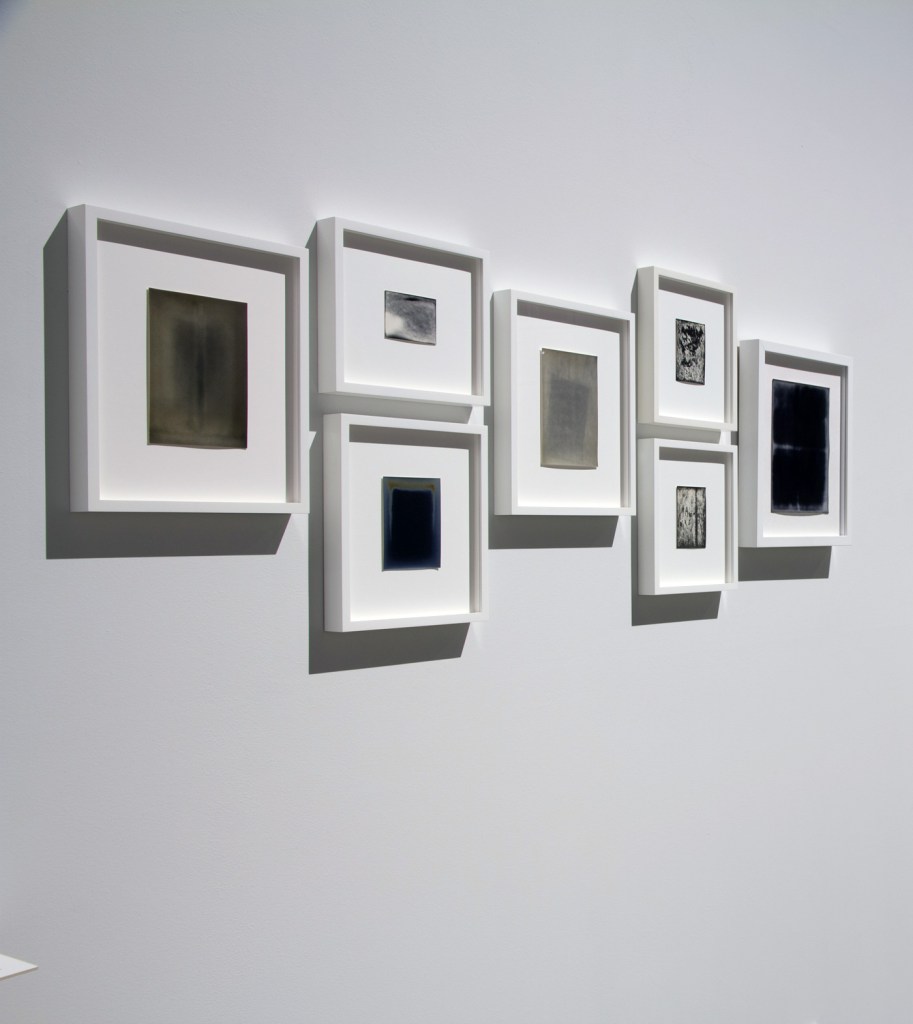
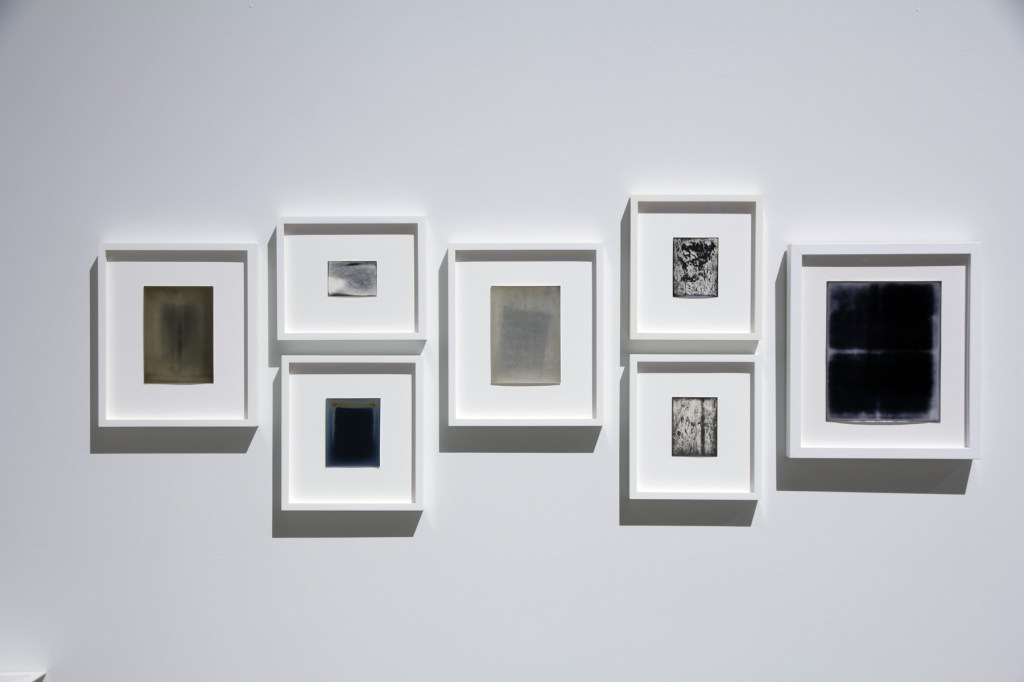
Since 2007, American photographic artist Alison Rossiter has been buying old expired packets of unexposed film at auction or on the internet, some of them dating from as early as 1900. She then develops these sheets in her darkroom with no further exposure to light, never quite sure what the resulting object-image will look like. The one inscribed Velox T4, expiry date October 1, 1940, for example, was developed in 2008, and displays a Mark Rothko-like grid of pale impressions on a dark ground. These are the chemical traces left behind by the wrapping paper that once protected it from light. We’re looking, then, at an exposure – to chemicals as well as to leaked light – of approximately seventy years.


Installation view of works by Matt Higgins (Australia) Untitled 134-5, 2014; Untitled 254-5, 2014; Untitled 287-5, 2014; Untitled 292-5, 2014


Installation view of
Matt Higgins (Australia)
Untitled 134-5, 2014
Untitled 254-5, 2014
Untitled 287-5, 2014
Untitled 292-5, 2014
Unique chemigram on gelatin silver photographic paper


Australian artist Matt Higgins makes what are called ‘chemigrams,’ created by the interplay of various manual and chemical processes on a single sheet of photographic paper or film. Higgins also uses resists to help create his patterned surfaces, from soft organic substances such as apple syrup to industrial compounds such as epoxy enamel. He thereby returns photography to its historical roots: the desire to coax images from a chemical reaction to light.


Installation view of the exhibition 'Emanations: The Art of the Cameraless Photograph' at the Govett-Brewster Art Gallery

Installation view of the exhibition 'Emanations: The Art of the Cameraless Photograph' at the Govett-Brewster Art Gallery

Installation view of the exhibition 'Emanations: The Art of the Cameraless Photograph' at the Govett-Brewster Art Gallery

Installation view of the exhibition 'Emanations: The Art of the Cameraless Photograph' at the Govett-Brewster Art Gallery

Installation view of the exhibition 'Emanations: The Art of the Cameraless Photograph' at the Govett-Brewster Art Gallery

Installation view of the exhibition 'Emanations: The Art of the Cameraless Photograph' at the Govett-Brewster Art Gallery

Installation view of the exhibition 'Emanations: The Art of the Cameraless Photograph' at the Govett-Brewster Art Gallery


Installation views of the exhibition Emanations: The Art of the Cameraless Photograph at the Govett-Brewster Art Gallery


Govett-Brewster Art Gallery/Len Lye Centre
Queen St, New Plymouth, New Zealand
Phone: +64 6 759 6060
Email: info@govettbrewster.com

Opening hours:
Daily 10am – 5pm

Govett-Brewster Art Gallery/Len Lye Centre website

LIKE ART BLART ON FACEBOOK

Back to top

Exhibition: ‘Emanations: The Art of the Cameraless Photograph’ at the Govett-Brewster Art Gallery/Len Lye Centre, New Plymouth, New Zealand Part 1

Exhibition dates: 29th April – 14 August, 2016

Curator: Geoffrey Batchen


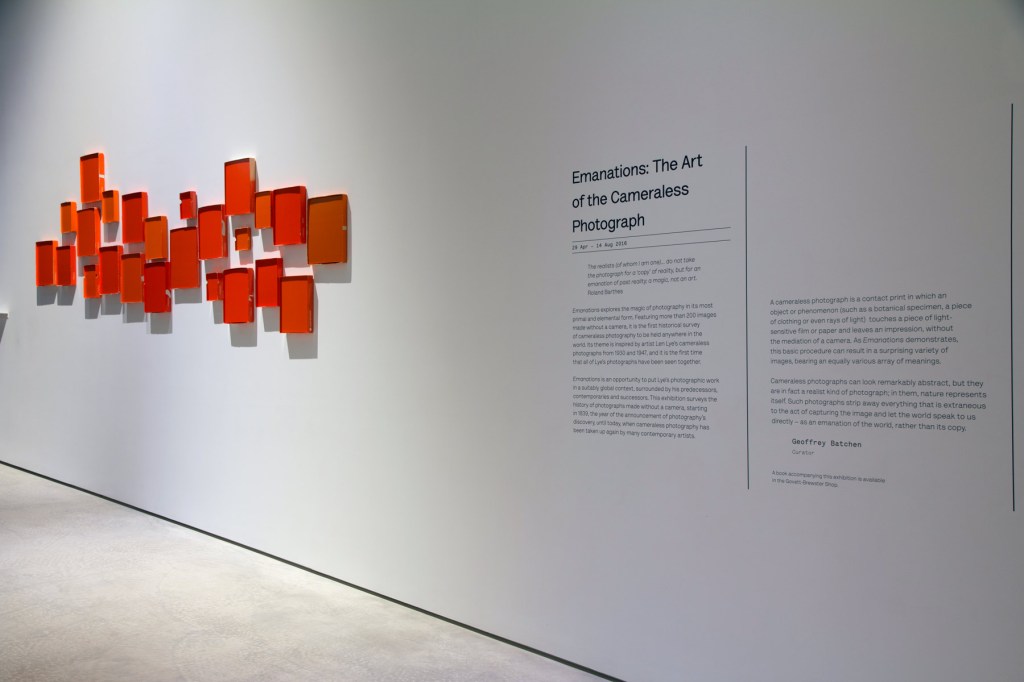
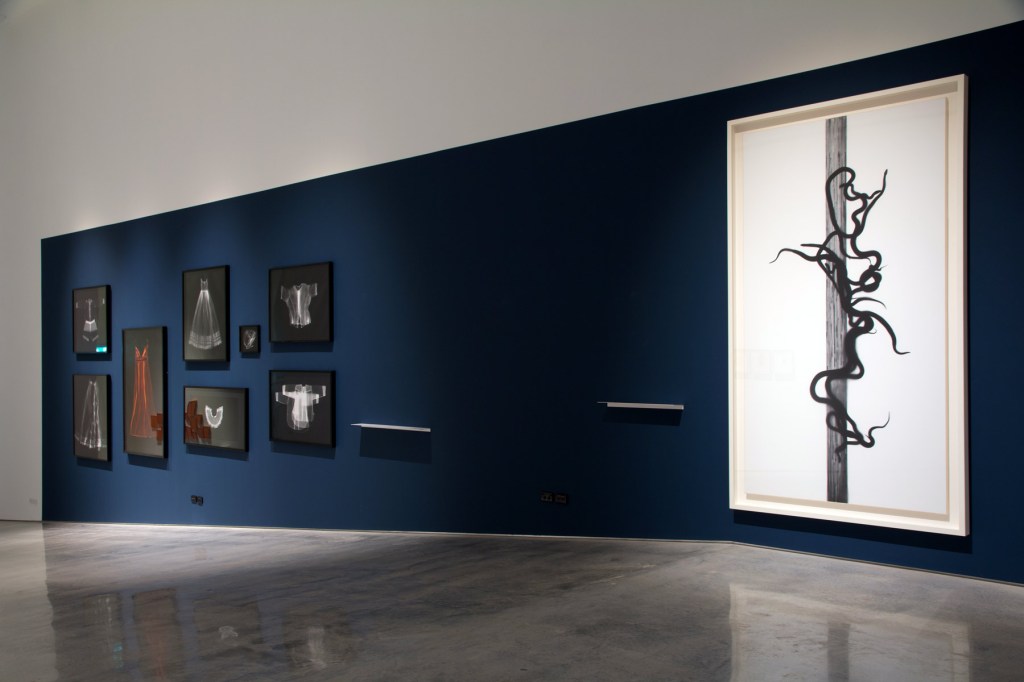
Installation view of the exhibition 'Emanations: The Art of the Cameraless Photograph' at the Govett-Brewster Art Gallery


Installation view of the exhibition Emanations: The Art of the Cameraless Photograph at the Govett-Brewster Art Gallery


This is how best a contemporary art exhibition can show the work to advantage. Just gorgeous!

The well curated, comprehensive content is complemented by a beautifully paced hang nestled within stunning contemporary art spaces. Labels are not just plonked on the wall, but are discretely displayed on horizontal shelves next to the work – accessible but so as not to interrupt the flow of the work. Coloured walls add to the ambience of the installation and act as an adjunct to the colours of the art. Beautiful modernist contemporary display cabinets keep the spaces fresh and vibrant.

A discussion of the content of the exhibition to follow in part 2 of the posting.

Dr Marcus Bunyan


Many thankx to the Govett-Brewster Art Gallery for allowing me to publish the photographs in the posting. Please click on the photographs for a larger version of the image. All images are photographed by Bryan James.


“Exploring the art of cameraless photography, encompassing historical, modern and contemporary works. Emanations: The Art of the Cameraless Photograph is the first comprehensive survey of cameraless photography held anywhere in the world, presenting more than 200 examples, from 1839 – when photography’s invention was announced – through to contemporary artists. We present the most complete study of cameraless photography to date, focusing on the cameraless mode from the 1830s through to today and offering a global perspective on this way of working.

The theme of the exhibition is inspired by artist Len Lye’s cameraless photographs from 1930 and 1947, and it’s the first time all 52 of Lye’s photograms have been seen together. Emanations is an opportunity to put Lye’s photographic work in a suitably global context, surrounded by his predecessors, contemporaries and successors. Emanations includes many masterpieces of photographic art and showcases the talents of some of the world’s leading contemporary photographic artists.

The exhibition has work by photographic pioneers William Henry Fox Talbot and Anna Atkins, important modernist photographers Man Ray and László Moholy-Nagy, and many of today’s most significant photographic artists including Walead Beshty, Marco Breuer, Liz Deschenes, Joan Fontcuberta, Christian Marclay, Thomas Ruff, and Hiroshi Sugimoto. Emanations also includes work by both senior and emerging Australian and New Zealand artists, from Anne Noble and Anne Ferran to Andrew Beck and Justine Varga.

The exhibition presents artwork by more than 50 artists hailing from New Zealand, Australia, Japan, Poland, Czechoslovakia, Hungary, France, Germany, Italy, England, Canada and the United States. Almost every photographic process is included in the exhibition – photogenic drawings, calotypes, daguerreotypes, and tintypes, as well as gelatin silver, chromogenic and ink-jet photographic prints, photocopies, verifax and thermal prints.

The exhibition is accompanied by a major book by the same name and on the same theme, co-published by the Govett-Brewster Art Gallery and DelMonico Books/Prestel, based in New York and Munich. The book contains 184 full-page colour plates and a 25,000 word essay by Geoffrey Batchen. The Govett-Brewster is also publishing another book reproducing all the cameraless photographs by Len Lye, along with an essay by Wystan Curnow.

Emanations is curated by Geoffrey Batchen, Professor of Art History at Victoria University of Wellington, and a world-renowned historian and curator of photography.”

Text from the Govett-Brewster Art Gallery website


Installation view of Andrew Beck ‘Double Screen’ 2016 part of the exhibition 'Emanations: The Art of the Cameraless Photograph' at the Govett-Brewster Art Gallery

Installation view of Andrew Beck ‘Double Screen’ 2016 part of the exhibition 'Emanations: The Art of the Cameraless Photograph' at the Govett-Brewster Art Gallery

Installation view of Andrew Beck ‘Double Screen’ 2016 part of the exhibition 'Emanations: The Art of the Cameraless Photograph' at the Govett-Brewster Art Gallery


Installation views of
Andrew Beck (New Zealand, b. 1987)
Double Screen
2016
Glass, acrylic paint, gelatin silver photographs


In the 1930s, László Moholy-Nagy made art that combined a cameraless photograph, plexiglass and paint. New Zealand artist Andrew Beck works in a similar way to produce sculptural installations that complicate our expectations of the relationship between light and shadow, the natural and the artificial, images and objects, art and reality. He forces us to look very closely at what we are seeing, and even to critically reflect on the act of seeing itself.


Installation view of the exhibition 'Emanations: The Art of the Cameraless Photograph' at the Govett-Brewster Art Gallery with at left, works by Anne Ferran and at right, Joyce Campbell


Installation view of the exhibition Emanations: The Art of the Cameraless Photograph at the Govett-Brewster Art Gallery with at left, Anne Ferran and at right, Joyce Campbell


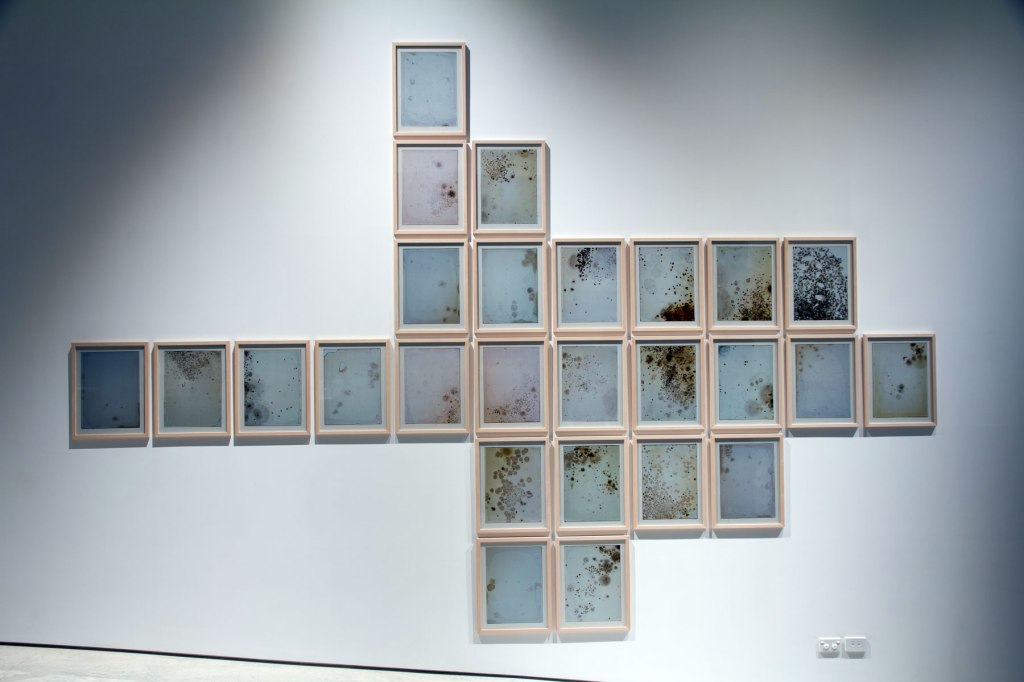
Installation view of Joyce Campbell ‘LA Bloom’ 2002 part of the exhibition 'Emanations: The Art of the Cameraless Photograph' at the Govett-Brewster Art Gallery


Installation view of
Joyce Campbell (New Zealand, b. 1971)
LA Bloom
2002
Cibachrome photographs
Courtesy of the artist, Auckland


In 2002 the New Zealand photographer Joyce Campbell decided to conduct a microbial survey of Los Angeles, a city in which she lives for part of each year. She swabbed the surfaces of plants and soil from twenty-seven locations chosen out of her Thomas Guide to the city. She then transferred each sample onto a sterilised plexiglass plate of agar and allowed it to grow as a living culture. The Cibachrome positive colour contact prints she subsequently made from these plates resemble abstract paintings and yet also offer a critical mapping of the relative fertility of this particular urban landscape, revealing its dependence on the politics of water distribution.


Installation view of Aldo Tambellini (Italy/US) 'Videograms' 1969


Installation view of
Aldo Tambellini
(Italian-American, 1930-2020)
Videogram, 1969
Videogram, 1969
Videogram, 1969
Videogram, 1969
Gelatin silver photographs


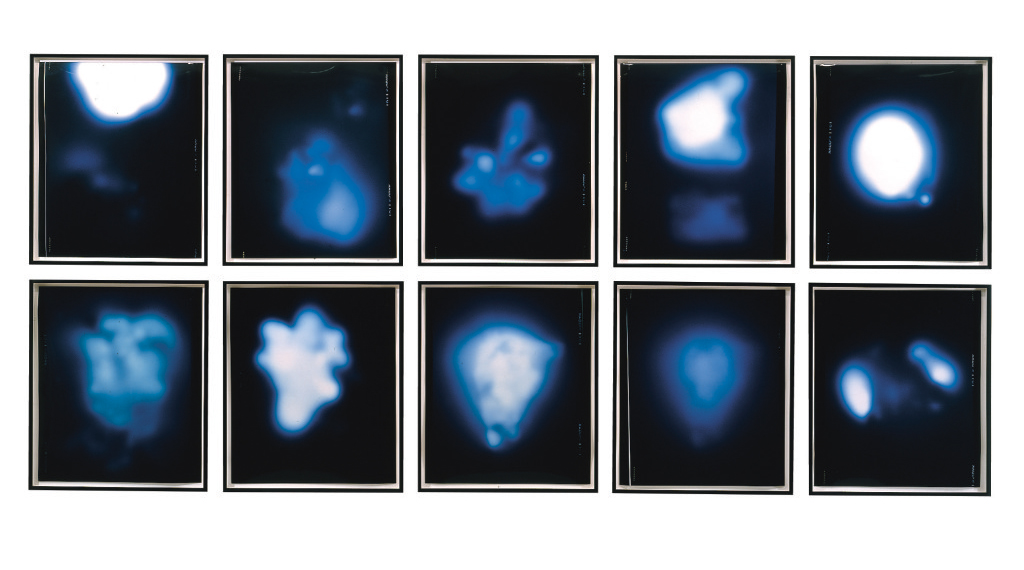
Although raised in Italy, Aldo Tambellini was working in New York in 1969 when he manipulated the cathode ray tube of a TV set into the shape of a spiral (for this artist, a universal sign of energy) and exposed sheets of light-sensitive paper by laying them over its screen. The calligraphic inscriptions that resulted made his paper look as if it had been scorched from the inside out. These ‘videograms,’ as Tambellini called them, highlight the chaos and chance operations that lurk just beneath the surface of technology’s apparent rationality.


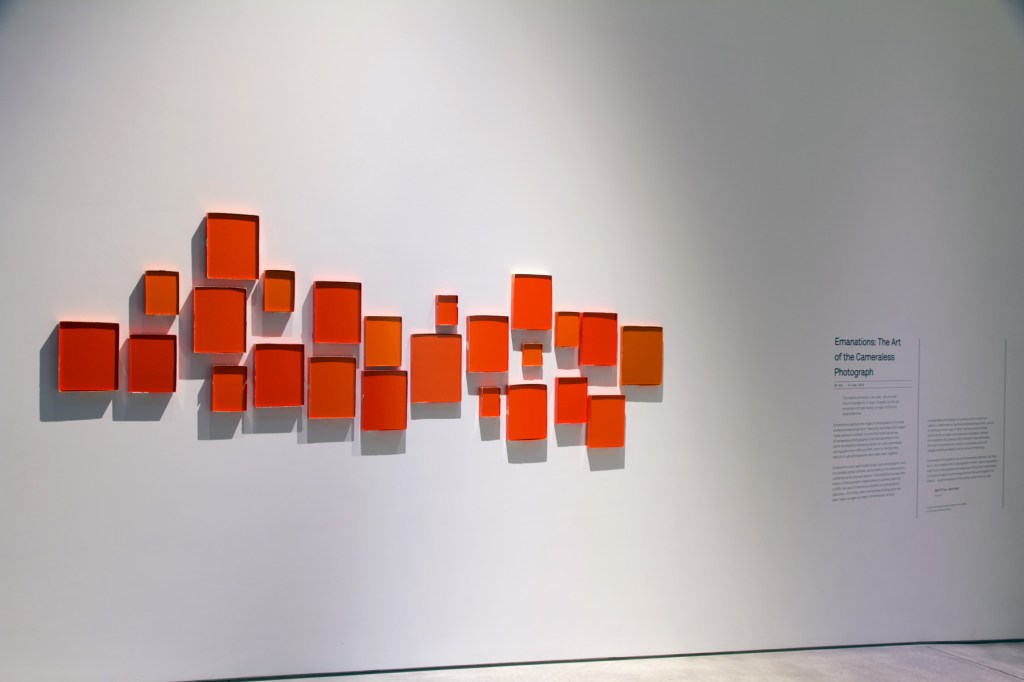
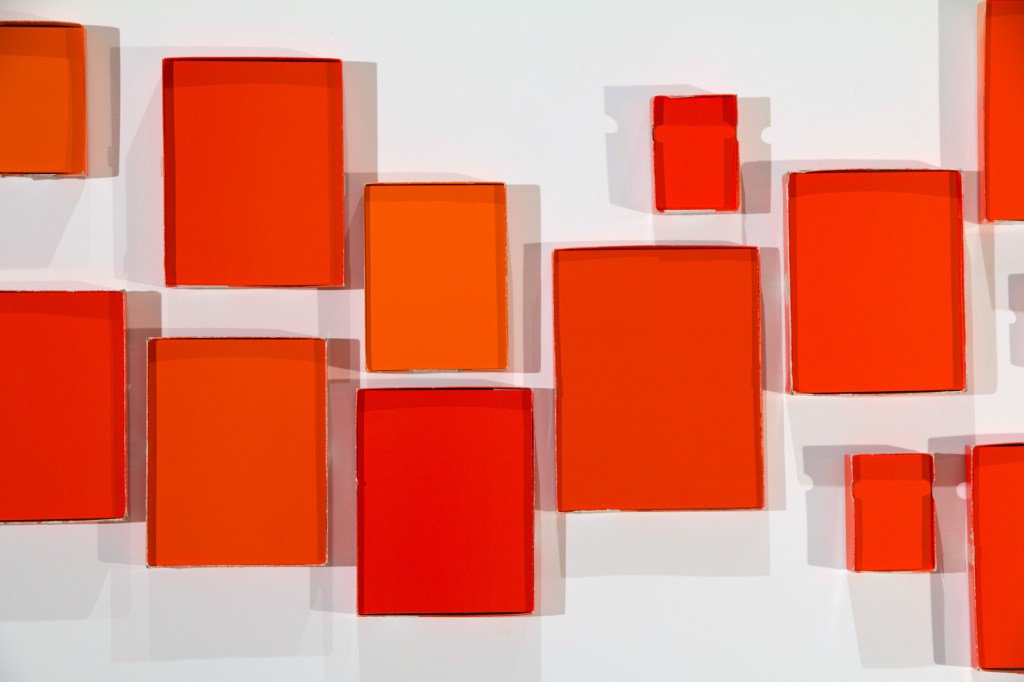
Installation view of Shaun Waugh (New Zealand) 'ΔE2000 1.1' 2014 part of the exhibition of the exhibition 'Emanations: The Art of the Cameraless Photograph' at the Govett-Brewster Art Gallery

Installation view of Shaun Waugh (New Zealand) 'ΔE2000 1.1' 2014 part of the exhibition of the exhibition 'Emanations: The Art of the Cameraless Photograph' at the Govett-Brewster Art Gallery

Installation view of Shaun Waugh (New Zealand) 'ΔE2000 1.1' 2014 part of the exhibition of the exhibition 'Emanations: The Art of the Cameraless Photograph' at the Govett-Brewster Art Gallery


Installation views of
Shaun Waugh (New Zealand, b. 1982)
ΔE2000 1.1
2014
24 Agfa boxes with mounted solid colour inkjet photographs


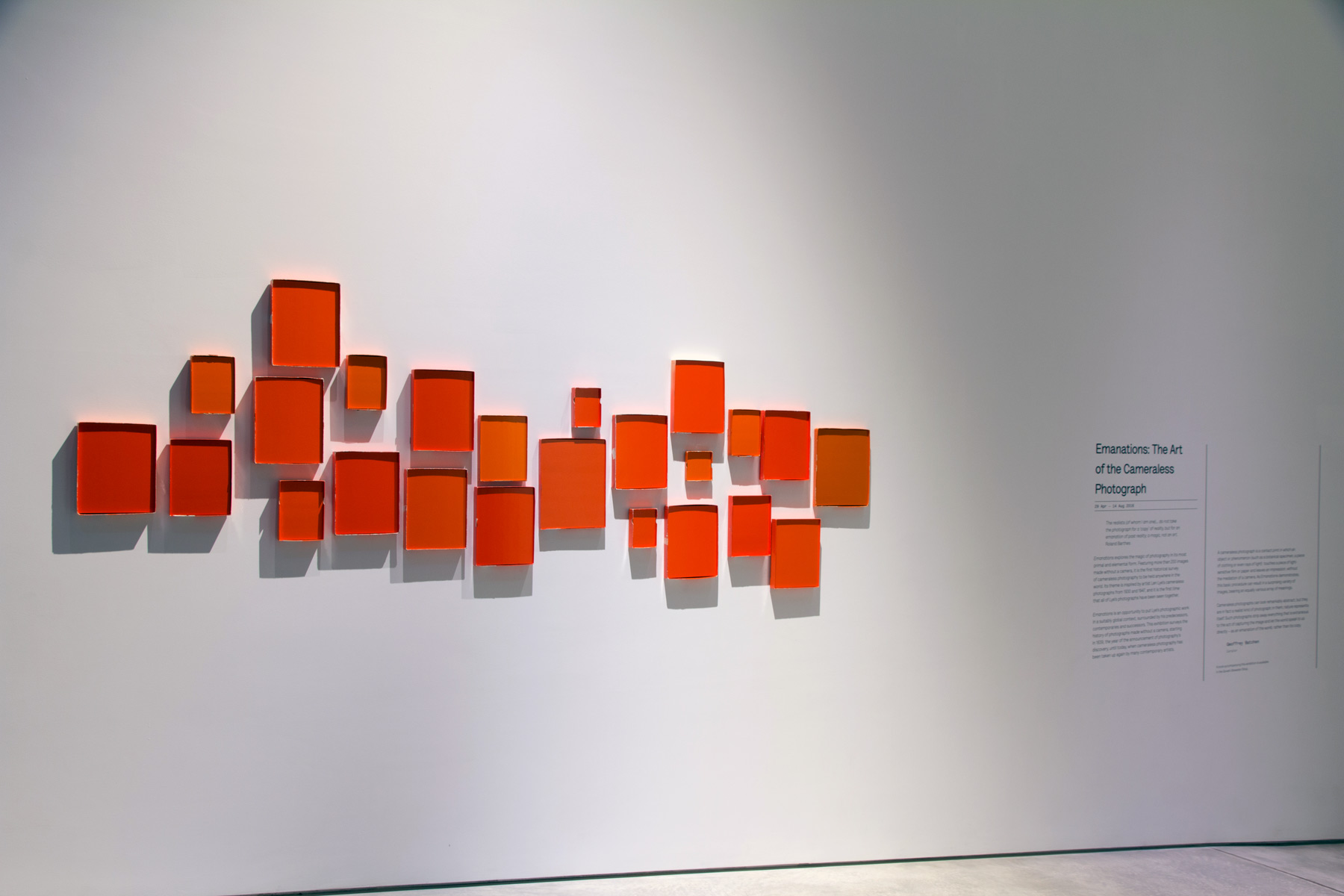
This work by New Zealand artist Shaun Waugh began with the purchase of empty boxes that once held Agfa photographic paper. Waugh then took readings of all four sides of the inside lip of each box lid using a spectrophotometer, employing this data and Photoshop to generate a solid orange-red inkjet print. The box lid is used to frame a two-dimensional version of itself, bringing analogue and digital printing into an uncomfortably close proximity to create a memorial to a kind of photography that is now defunct. Hung salon style, like so many small paintings, Waugh’s work manages to turn the photograph inside out, and thus into something other than itself.


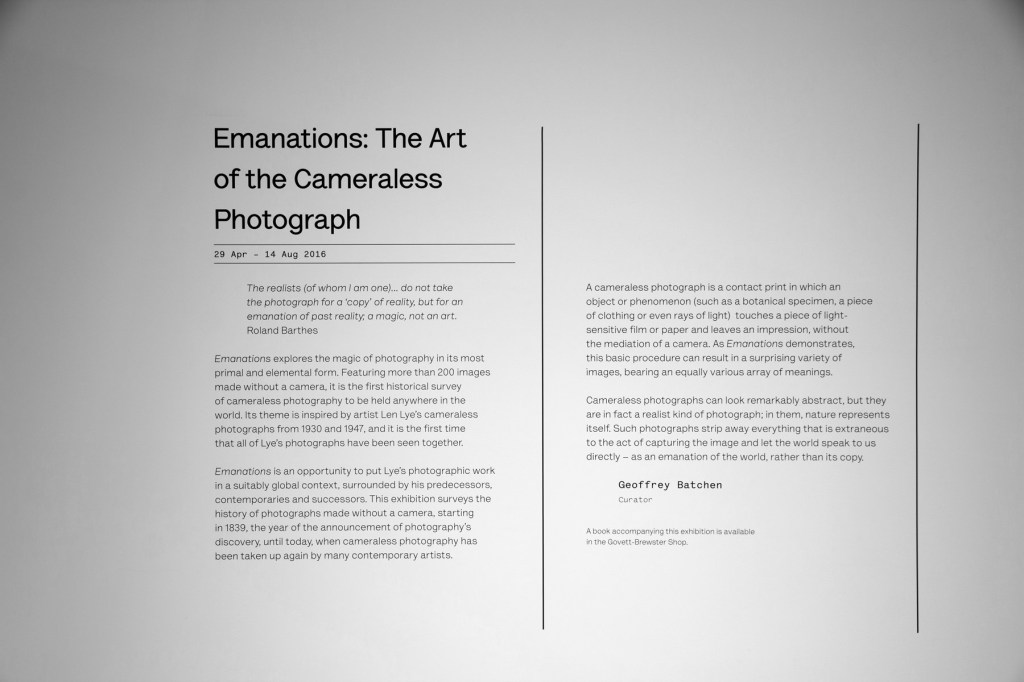
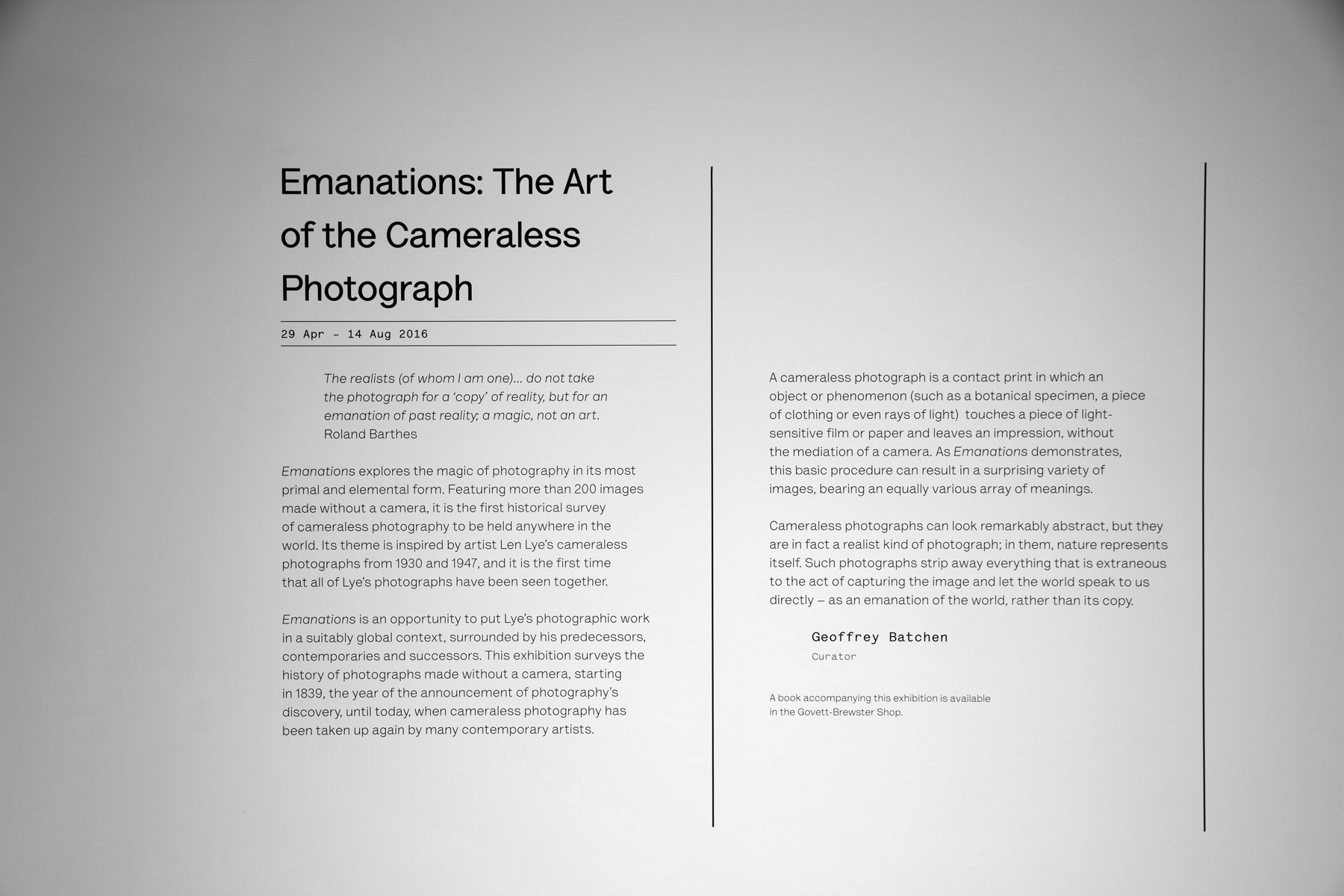
Wall text from the exhibition 'Emanations: The Art of the Cameraless Photograph' at the Govett-Brewster Art Gallery


Wall text from the exhibition Emanations: The Art of the Cameraless Photograph at the Govett-Brewster Art Gallery


Installation view of the exhibition 'Emanations: The Art of the Cameraless Photograph' at the Govett-Brewster Art Gallery with, at left, work by Anne Ferran and, at right, Adam Fuss


Installation view of the exhibition Emanations: The Art of the Cameraless Photograph at the Govett-Brewster Art Gallery with at left, Anne Ferran and at right, Adam Fuss


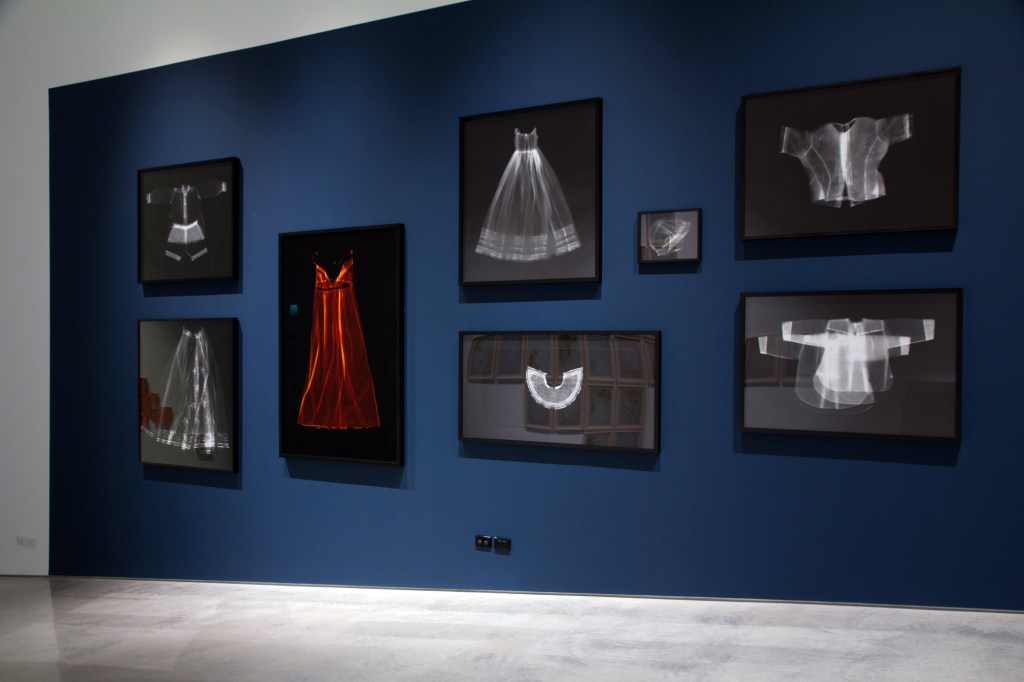
Installation view of the work of Anne Ferran (Australian, b. 1949) Untitled, 1998; Untitled, 1998; Untitled, 1998; Untitled (baby's petticoat), 1998; Untitled (collar), 1998; Untitled (baby's bonnet), 1998; Untitled (sailor suit), 1998; Untitled (shirts), 1998


Installation view of
Anne Ferran (Australian, b. 1949)
Untitled, 1998
Untitled, 1998
Untitled, 1998
Untitled (baby’s petticoat), 1998
Untitled (collar), 1998
Untitled (baby’s bonnet), 1998
Untitled (sailor suit), 1998
Untitled (shirts), 1998

Unique gelatin silver photographs


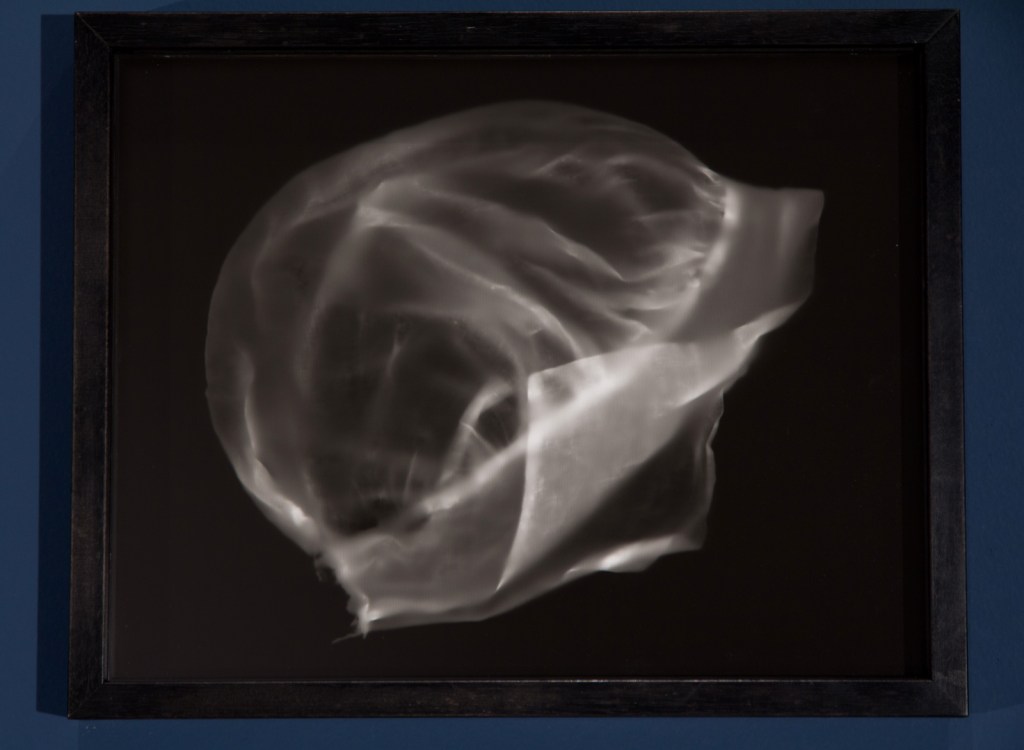
In 1998 Australian artist Anne Ferran was offered an artist-in-resident’s position at an historic homestead not far from Sydney that had been occupied by successive generations of the same family since 1813. Ferran spent six months systematically making contact prints using the dresses, bodices, skirts, petticoats, and collars still contained in the house. Hovering in a surrounding darkness, softly radiating an inner light, the ghostly traces of these translucent garments now act as residual filaments for a century of absorbed sunshine. Many of them have been patched over the years and their signs of wear and repair are made clear. This allows us to witness a history of the use of each piece of clothing, seeing inside them to those small and skilful acts of home economy – the labour of women – usually kept hidden from a public gaze.


Anne Ferran (Australian, b. 1949) 'Untitled (baby's bonnet)' 1998


Anne Ferran (Australian, b. 1949)
Untitled (baby’s bonnet)
1998
Unique gelatin silver photograph


Installation view of the exhibition Emanations: The Art of the Cameraless Photograph at the Govett-Brewster Art Gallery with, at left, work by Adam Fuss and, at right, Lisa Clunie


Installation view of the exhibition Emanations: The Art of the Cameraless Photograph at the Govett-Brewster Art Gallery with at left, Adam Fuss and at right, Lisa Clunie


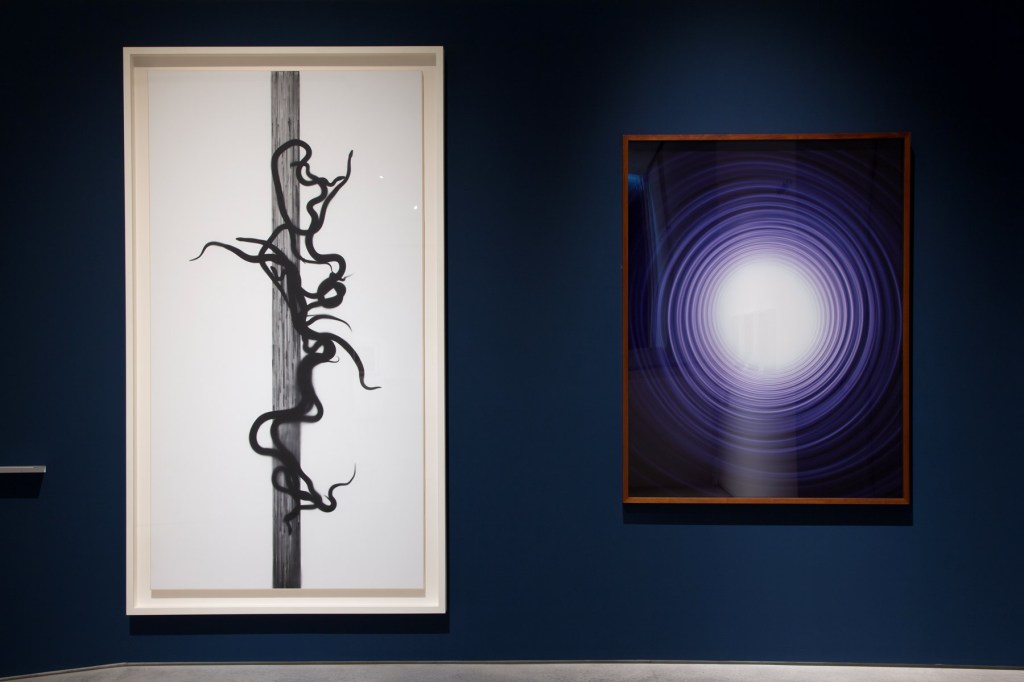
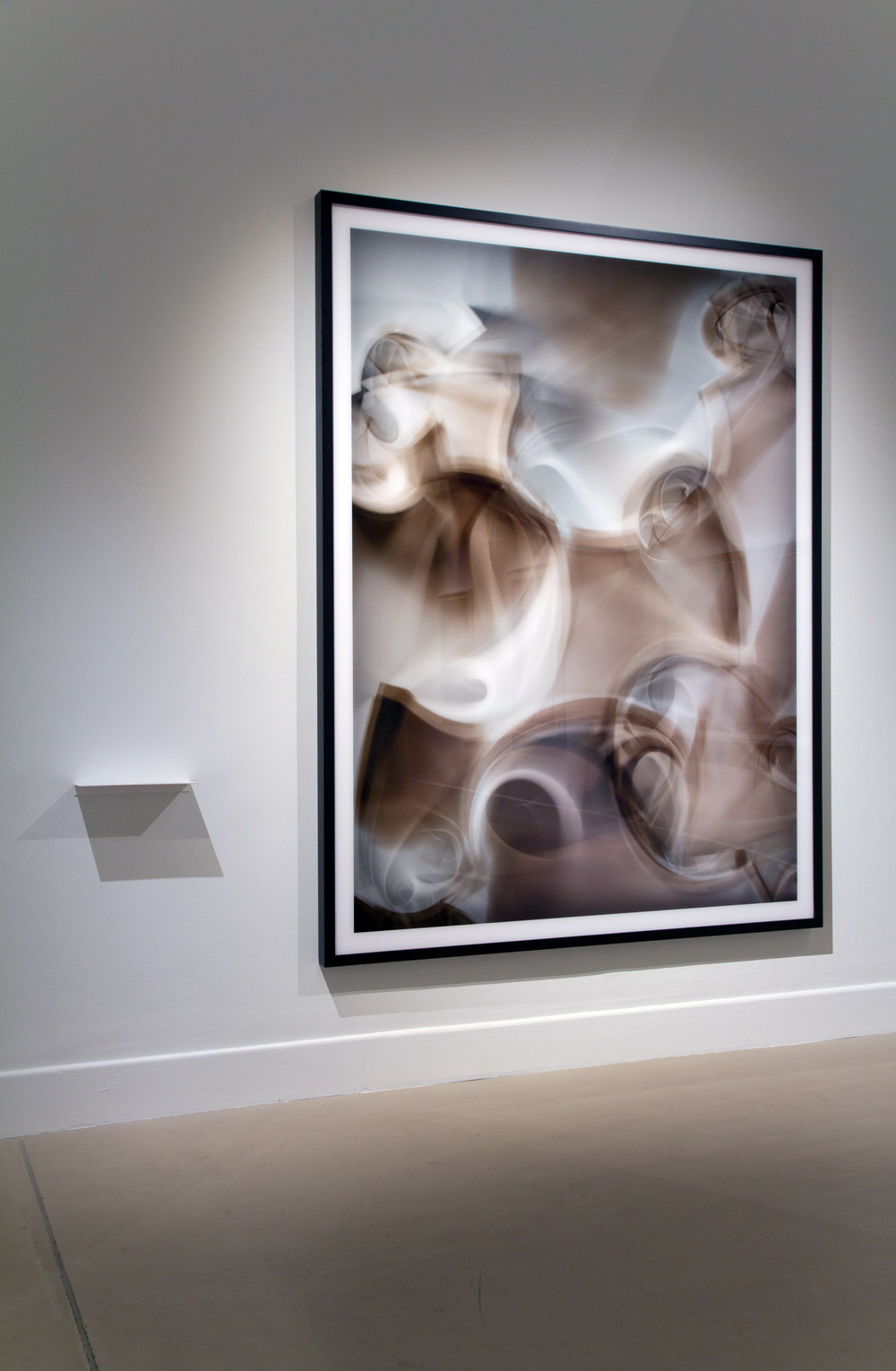
installation view of Adam Fuss (UK/Australia/US) ‘Caduceus’ 2010 (left) and ‘Untitled’ 1991 (right)


Installation view of Adam Fuss (UK/Australia/US) Caduceus 2010 (left) and Untitled 1991 (right)


Born in England, raised in Australia, and resident in New York, Adam Fuss has produced a diverse range of large cameraless photographs since the 1980s, asking his light-sensitive paper to respond to the physical presence of such phenomena as light, water, a slithering snake, flocks of birds, and sunflowers.


Adam Fuss (British, b. 1961) 'Untitled' 1991 from the exhibition 'Emanations: The Art of the Cameraless Photograph' at the Govett-Brewster Art Gallery/Len Lye Centre, New Plymouth, New Zealand, April - August, 2016


Adam Fuss (British, b. 1961)
Untitled
1991
Type C photograph


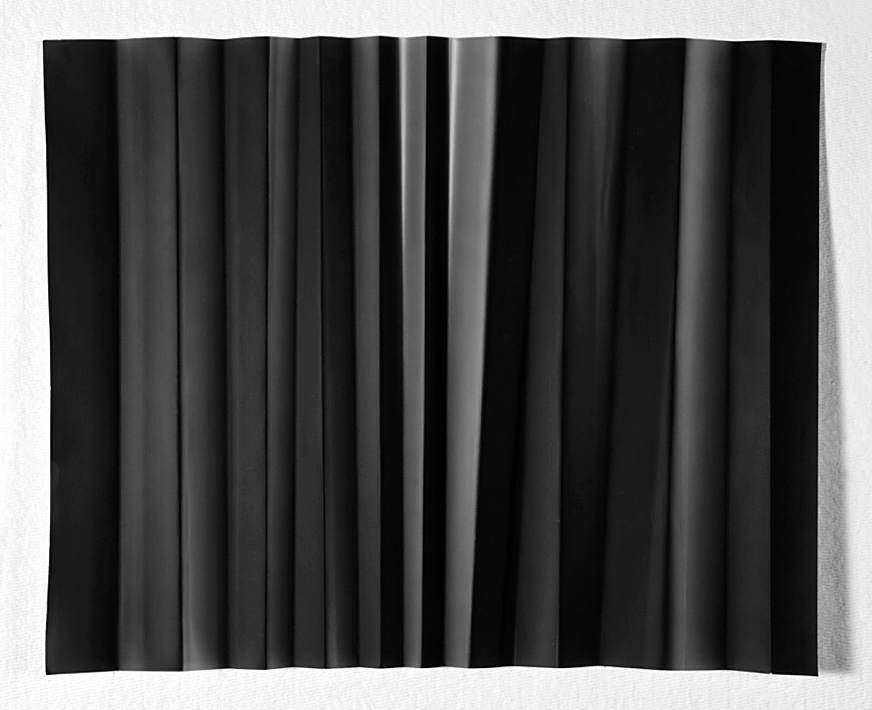
Lisa Clunie (New Zealand) ‘Fold I’ 2014 from the exhibition 'Emanations: The Art of the Cameraless Photograph' at the Govett-Brewster Art Gallery/Len Lye Centre, New Plymouth, New Zealand, April - August, 2016


Lisa Clunie (New Zealand)
Fold I
2014
Silver gelatin photograph


The work of New Zealand artist Lisa Clunie looks back to the work of pioneer modernist László Moholy-Nagy in order to manifest the idea that our lives are shaped by a continual play of forces. Like Moholy, she wets her photographic paper and then tightly folds it, before moving the paper back and forth under her enlarger, selectively exposing these folds to the ‘force’ of light. The resulting work reminds us that a photograph has weight, surface, texture, tension and edges.


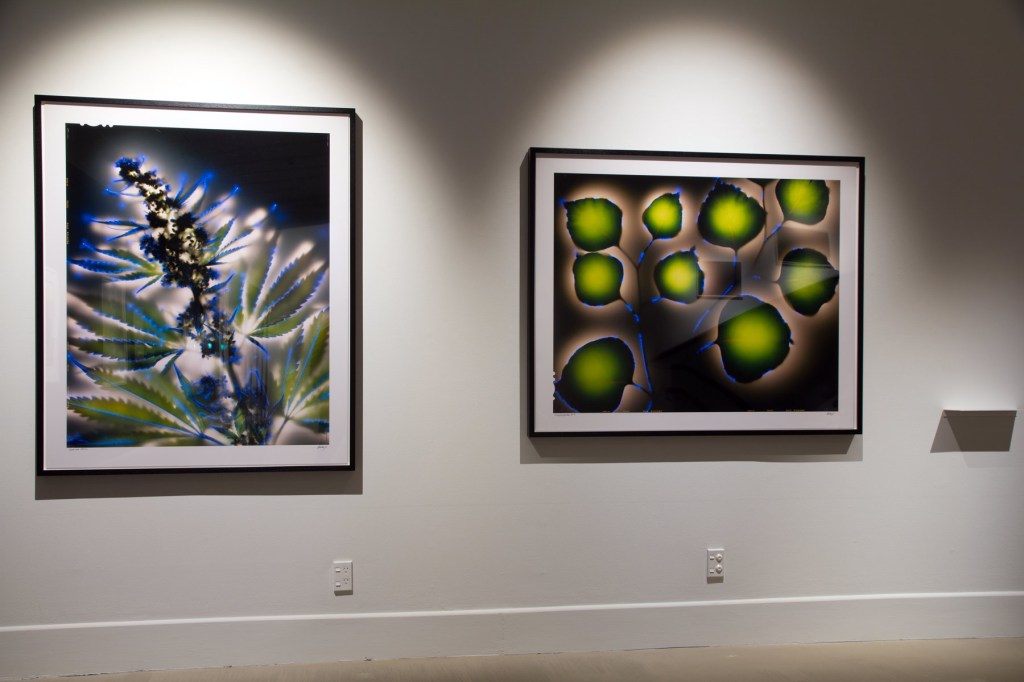
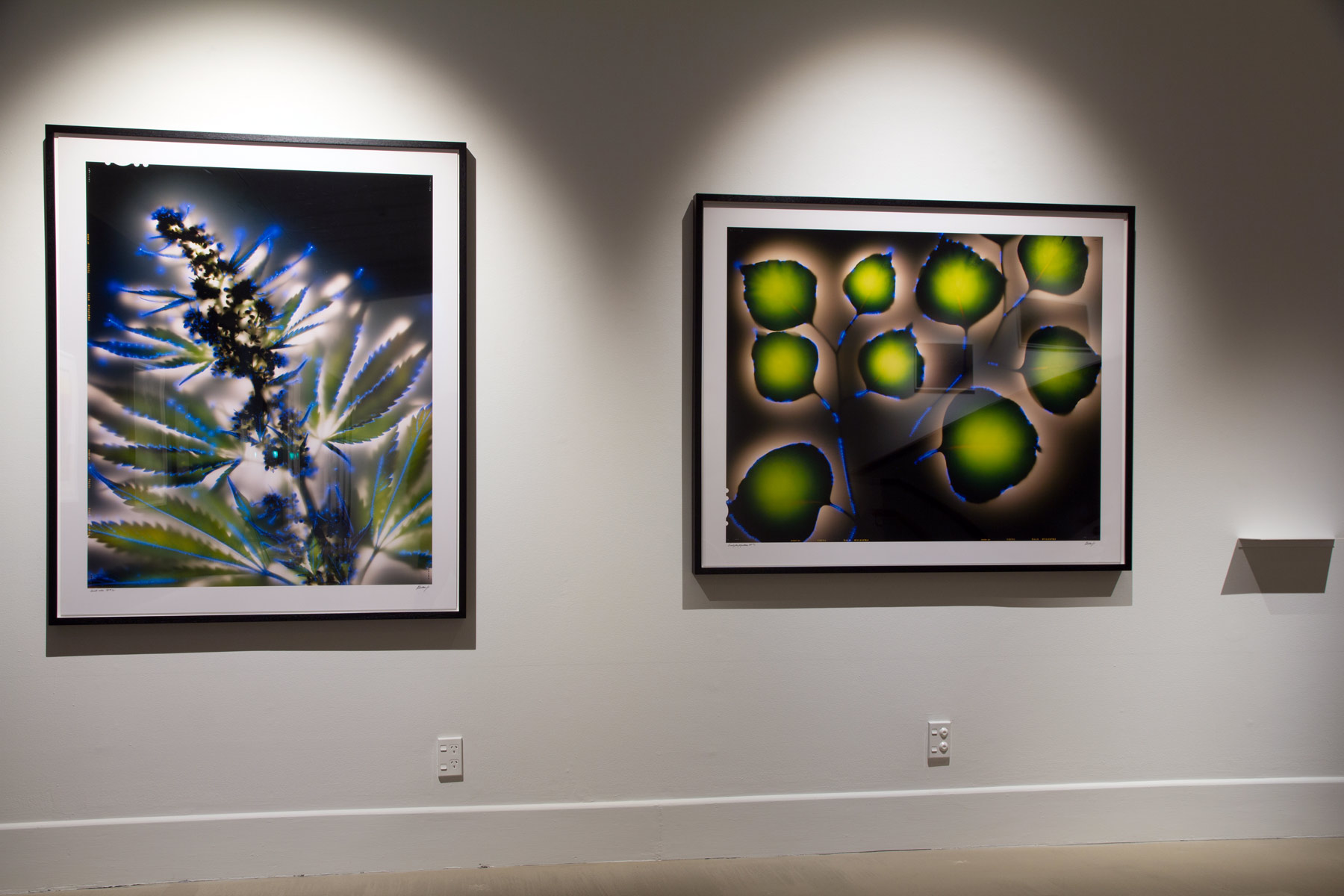
Installation view of the exhibition 'Emanations: The Art of the Cameraless Photograph' at the Govett-Brewster Art Gallery with at right, the work of Robert L. Buelteman


Installation view of the exhibition Emanations: The Art of the Cameraless Photograph at the Govett-Brewster Art Gallery with at right, the work of Robert L. Buelteman


Installation view of Robert L. Buelteman (American, b. 1954) ‘Cannabis sativa’ 2002 (left) and ‘Eucalyptus polyanthemos’ 2000 (right)


Installation view of
Robert L. Buelteman (American, b. 1954)
Cannabis sativa (left)
2002
Digital chromogenic development photograph

Robert L. Buelteman (American, b. 1954)
Eucalyptus polyanthemos (right)
2002
Digital chromogenic development photograph


The San-Franciscan artist Robert Buelteman takes his leaves and other botanical specimens and slices them into paper-thin sections, before charging them, in a complicated and dangerous process, with a pulse of 40,000 volts of electricity. This leaves behind a colorised trace on his photographic paper, a photogram in which these plants appear to be aflame, as if emitting an energy all their own. Hovering between life and death, this is a nature that seems to be on the cusp of its transmutation into something else entirely.


Installation view of the exhibition Emanations: The Art of the Cameraless Photograph at the Govett-Brewster Art Gallery with at centre, the work of Robert Owen and at right, Joan Fontcuberta


Installation view of the exhibition Emanations: The Art of the Cameraless Photograph at the Govett-Brewster Art Gallery with at centre, Robert Owen and at right, Joan Fontcuberta


Robert Owen (Australian, b. 1937) ‘Endings (Rothko died today) – Kodachrome 64, No. 21, 26/02/1970’ 2009


Robert Owen (Australian, b. 1937)
Endings (Rothko died today) – Kodachrome 64, No. 21, 26/02/1970
2009
Pigment ink-jet print


The photographic work of Australian artist Robert Owen is part of a broader tendency on the part of contemporary artists to reflect in morbid terms on aspects of photography’s past. Owen has been collecting film stubs since 1968. Although better known as a painter and sculptor, he recently decided to print these end strips of film as a series of large colour photographs, paying homage to this residue of the Kodak era in a chronological sequence of readymade chromatic fields. This one was collected on the day that the American abstract painter Mark Rothko killed himself.


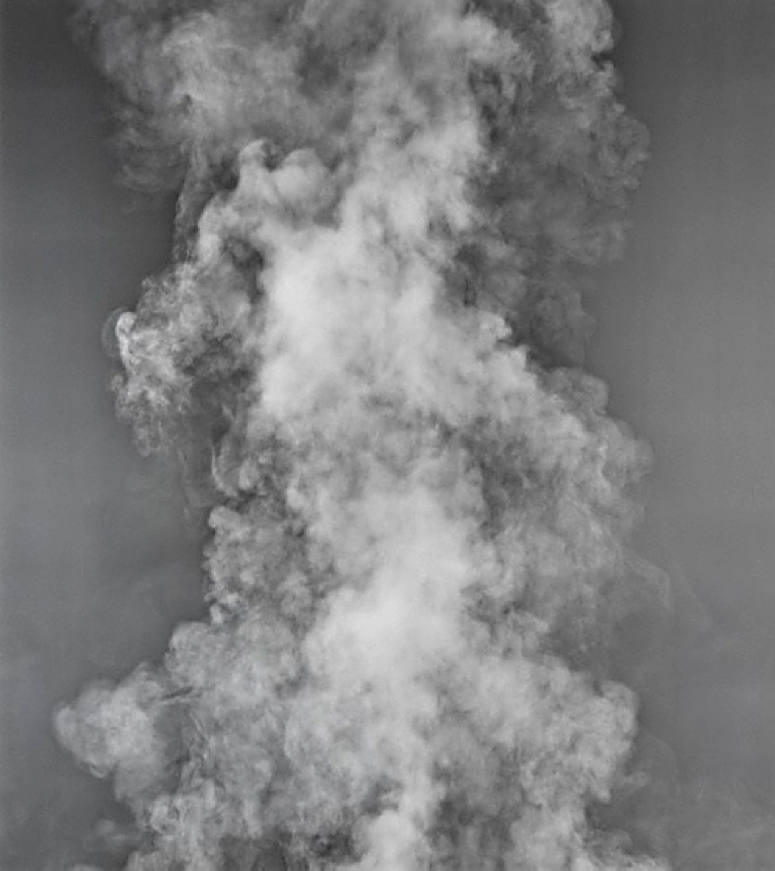
Adam Fuss (British, b. 1961) 'Untitled' (from the series 'My Ghost') 2001


Adam Fuss (British, b. 1961)
Untitled (from the series My Ghost)
2001
Unique gelatin silver photograph


In his series, titled My Ghost, Adam Fuss put together a body of contact photographs of such things as plumes of smoke, patterns of light, a butterfly, a swan and a baptism dress. As his title suggests, Fuss’s work aims to evoke rather than describe; for all their evident tactility, these photographs are meant as metaphors, as prayers, perhaps even as poems.


Adam Fuss (British, b. 1961) both 'Untitled' 1989


Installation view of
Adam Fuss (British, b. 1961)
Untitled
1989
Cibachrome photograph

Adam Fuss (British, b. 1961)
Untitled
1989
Cibachrome photograph


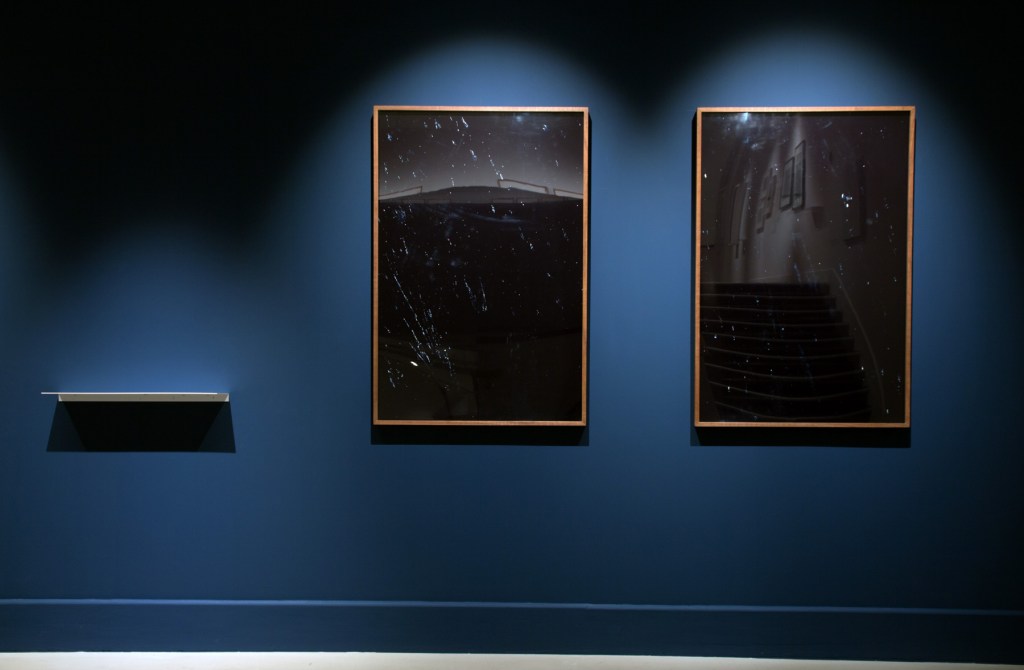
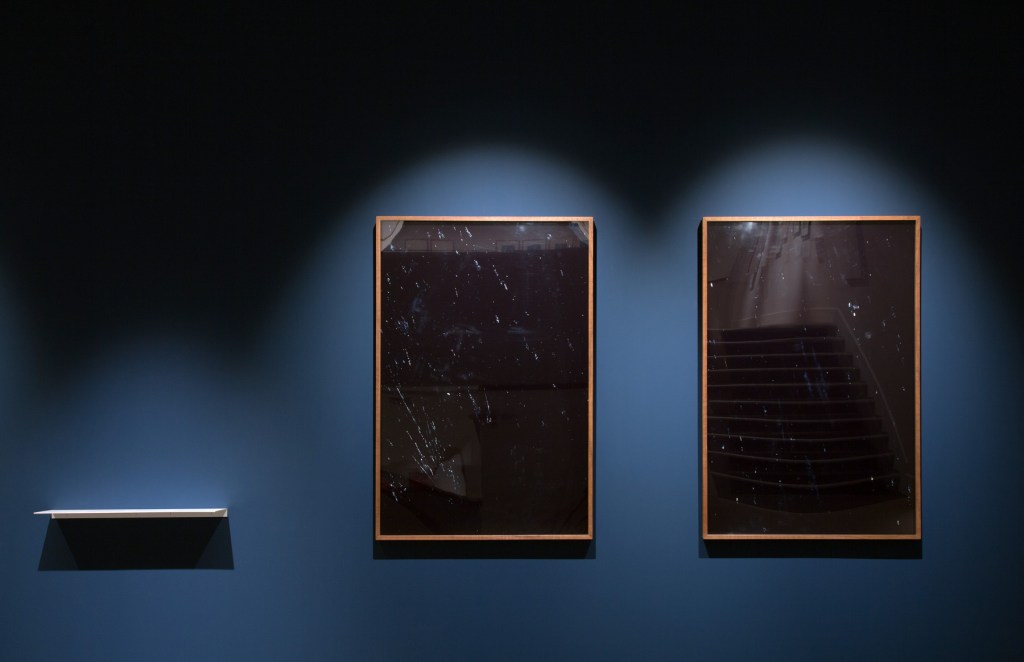
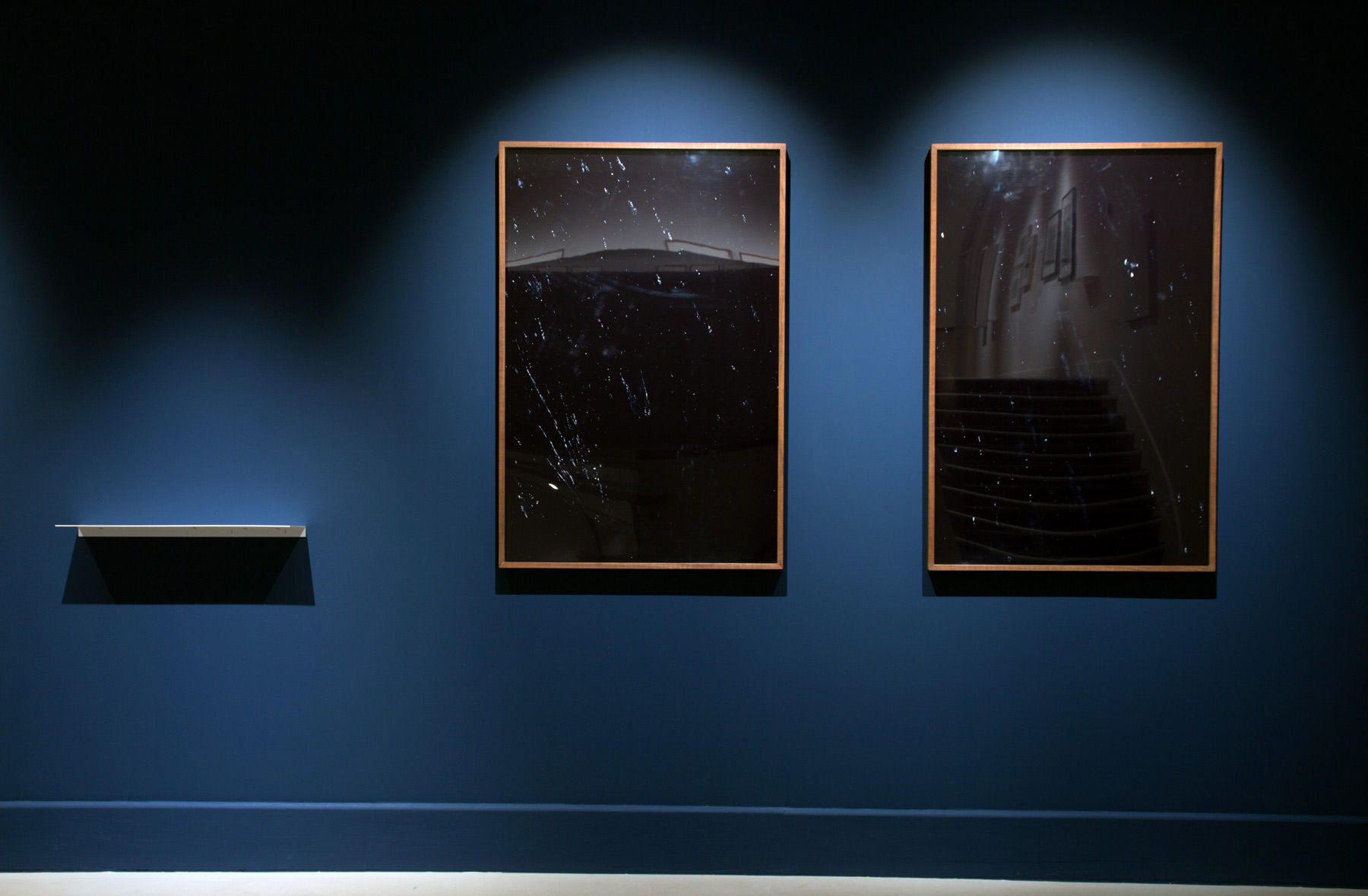
Installation view of Joan Fontcuberta (Spain). ‘MN 62: OPHIUCUS (NGC 6266), AR 17 h. 01,2 min. / D -30º 07’’ (left) and ‘LAMBDA CORONAE AUSTRALIS (Mags 5,1/9,7 Sepn 29,2" AP 214º), AR 18 h 43,8 min. / D -38º 19’’ (right) both 1993

Installation view of Joan Fontcuberta (Spanish, b. 1955) ‘MN 62: OPHIUCUS (NGC 6266), AR 17 h. 01,2 min. / D -30º 07’’ (left) and ‘LAMBDA CORONAE AUSTRALIS (Mags 5,1/9,7 Sepn 29,2" AP 214º), AR 18 h 43,8 min. / D -38º 19’’ (right) both 1993


Installation views of
Joan Fontcuberta (Spanish, b. 1955)
MN 62: OPHIUCUS (NGC 6266), AR 17 h. 01,2 min. / D -30º 07′ (left)
LAMBDA CORONAE AUSTRALIS (Mags 5,1/9,7 Sepn 29,2″ AP 214º), AR 18 h 43,8 min. / D -38º 19′ (right)
both 1993
From the Constellations series
Cibachrome photographs


Photographs from the Constellations series by Spanish artist Joan Fontcuberta come filled with fields of sparkling blackness, their speckled surfaces redolent of infinite space and twinkling stars. Their titles imply we are looking upwards towards the heavens. But this artist’s prints actually record dust, crushed insects and other debris deposited on the windscreen of his car, a trace of the evidence of his own rapid passage through terrestrial space and time. The artist applied sheets of 8-by-10-inch film directly onto the glass windscreen and shone a light through, creating photograms which were then made into glossy Cibachrome prints.


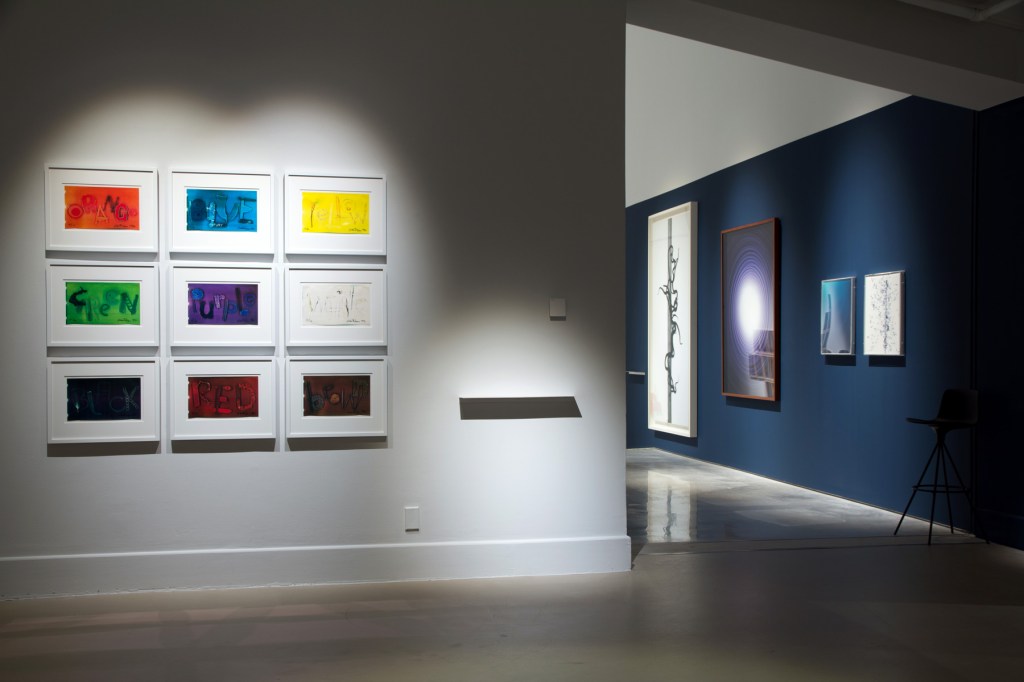
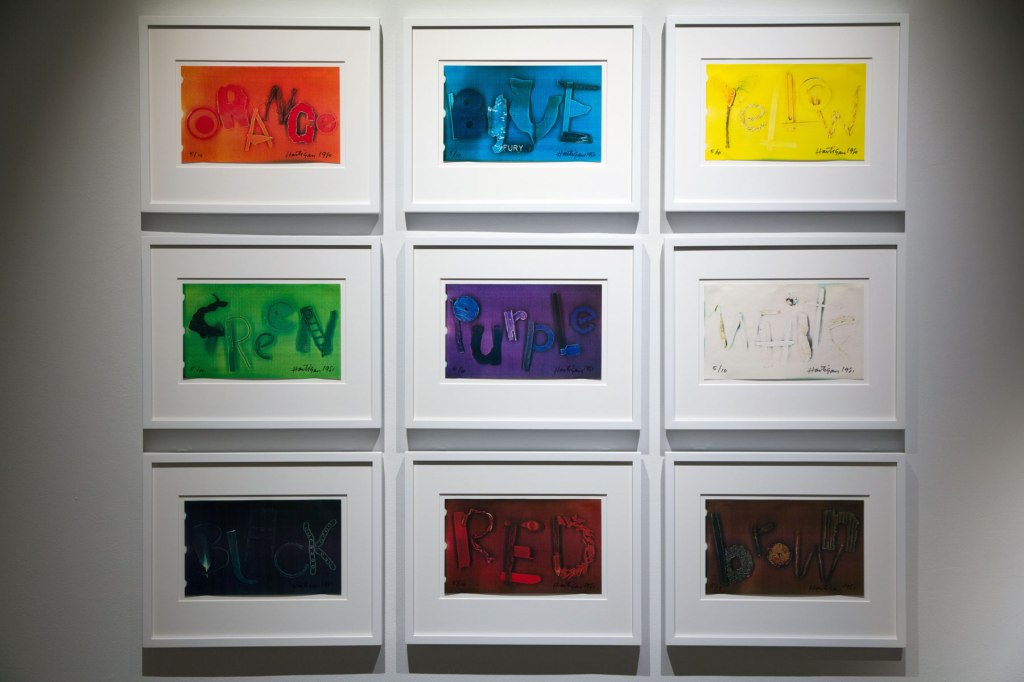
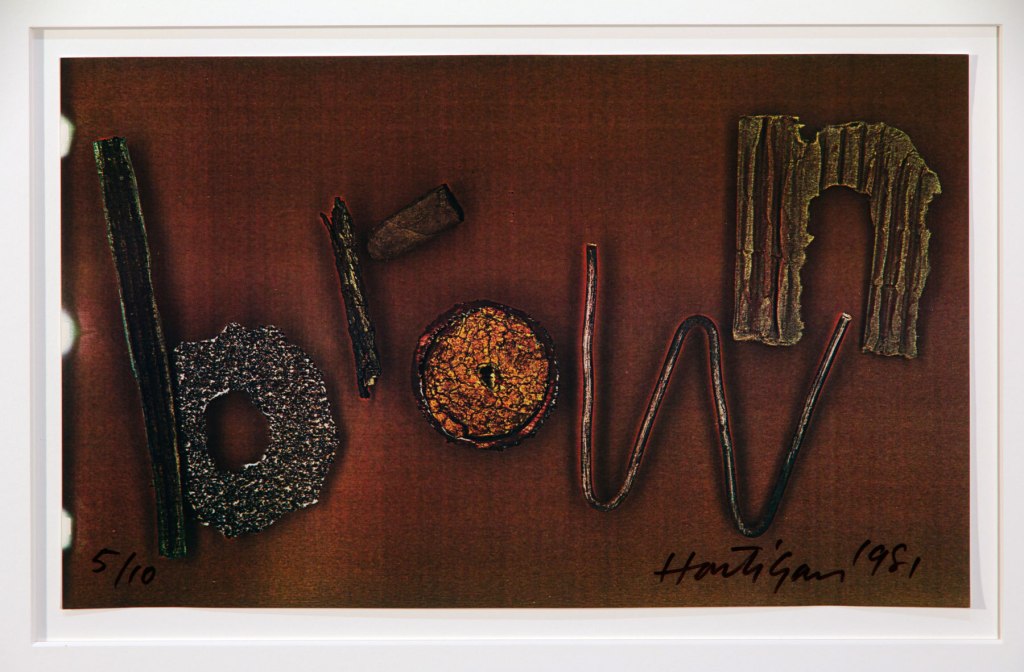
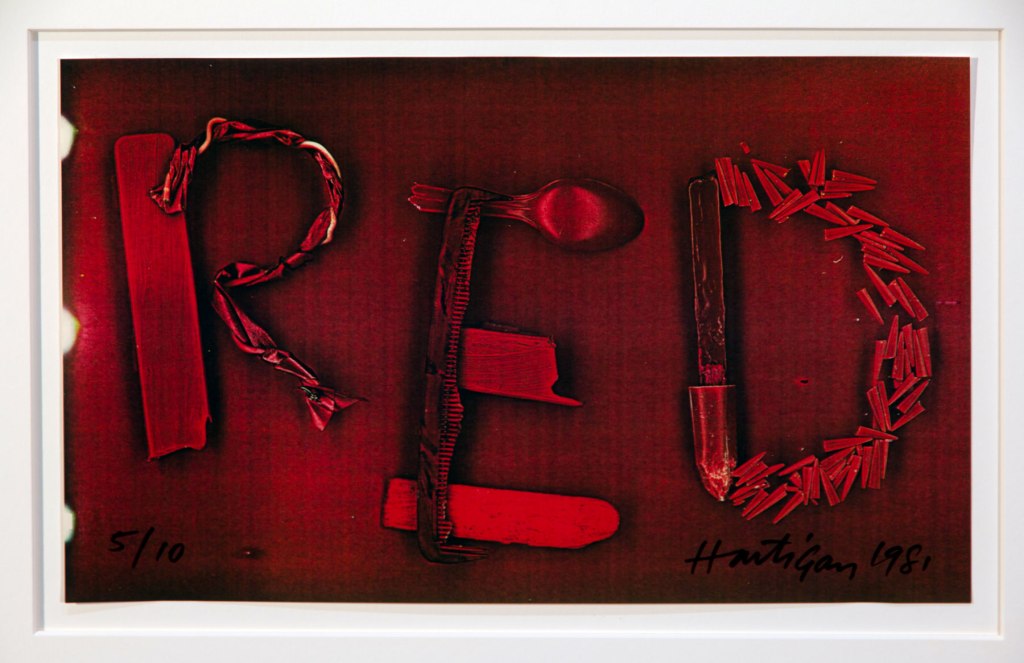
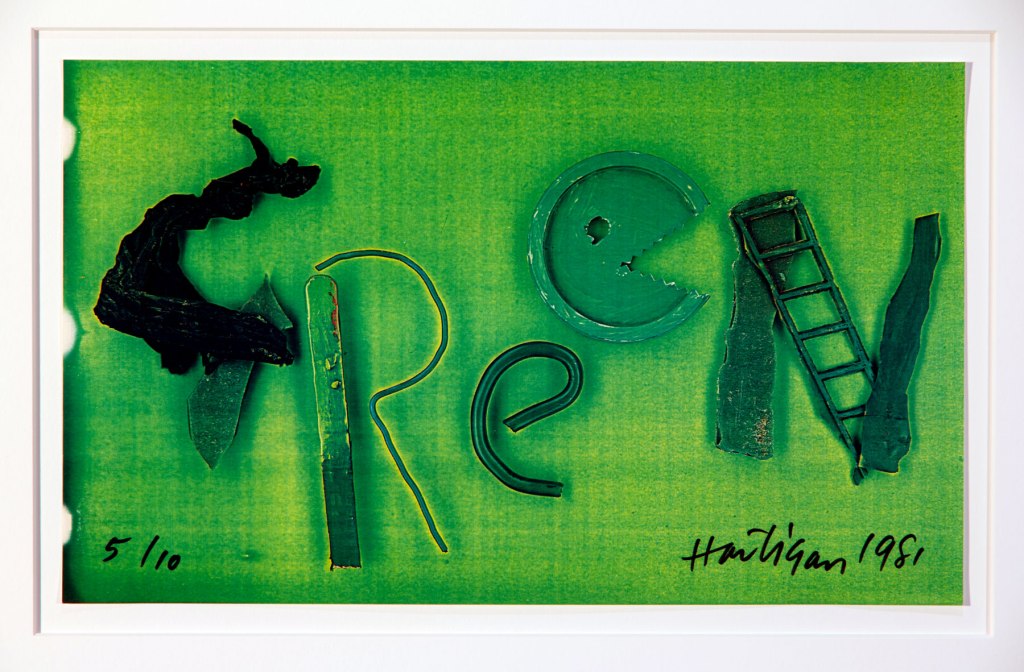
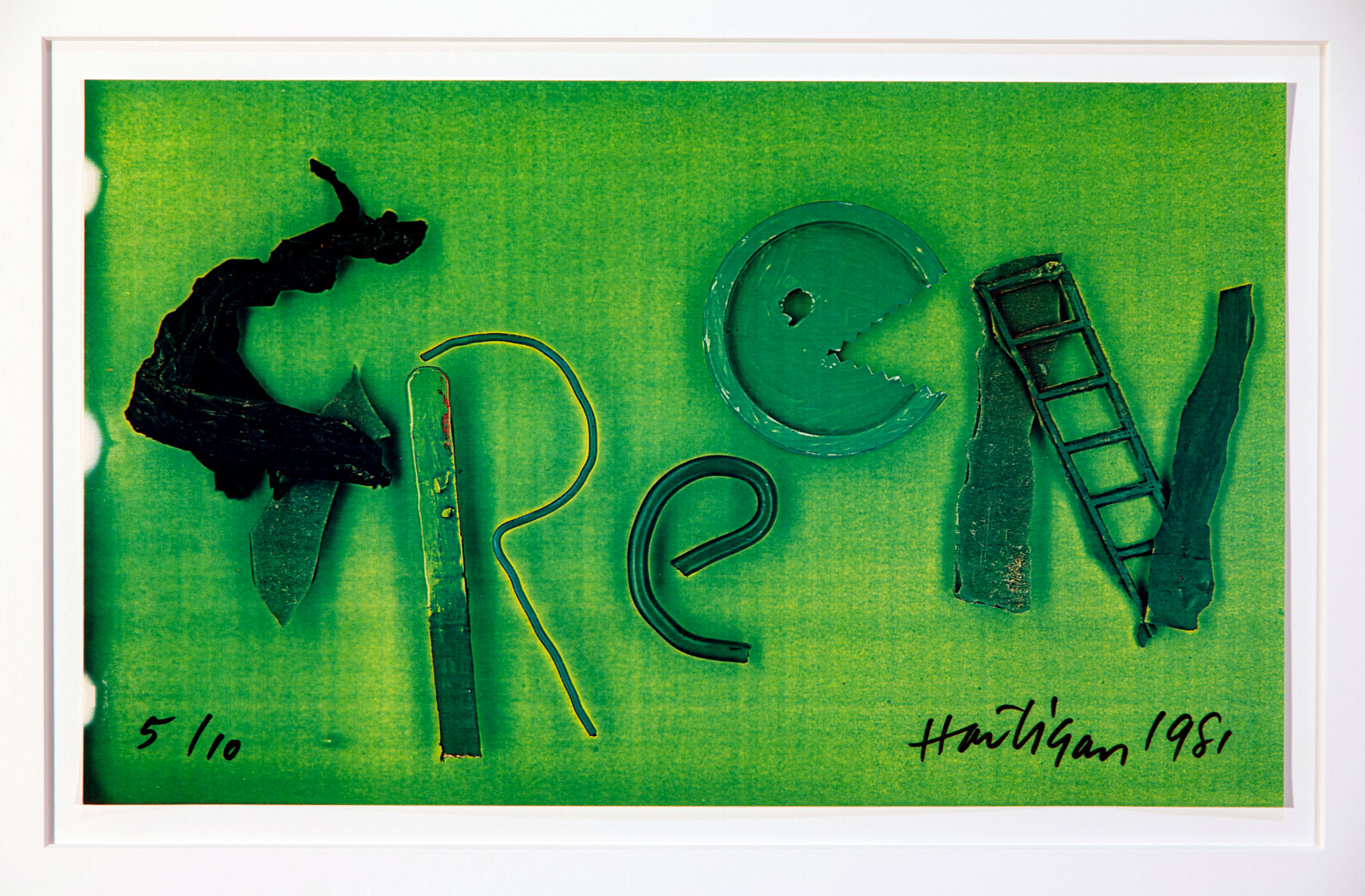
Installation view of Paul Hartigan (New Zealand) 'Colourwords' 1980-1981 as part of the exhibition 'Emanations: The Art of the Cameraless Photograph' at the Govett-Brewster Art Gallery

Installation view of Paul Hartigan (New Zealand) 'Colourwords' 1980-1981 as part of the exhibition 'Emanations: The Art of the Cameraless Photograph' at the Govett-Brewster Art Gallery

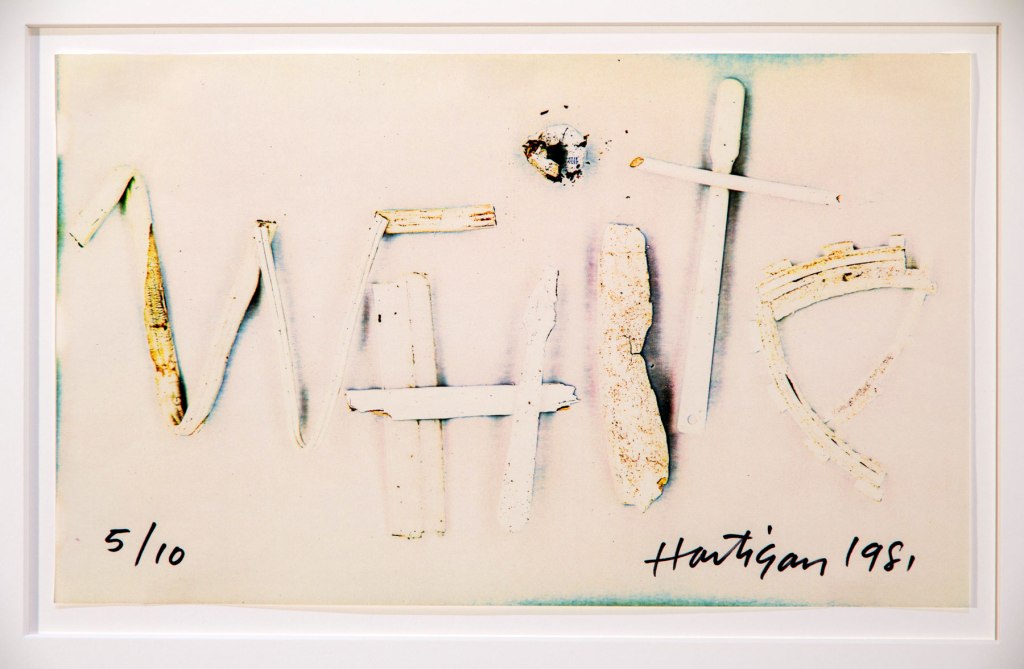
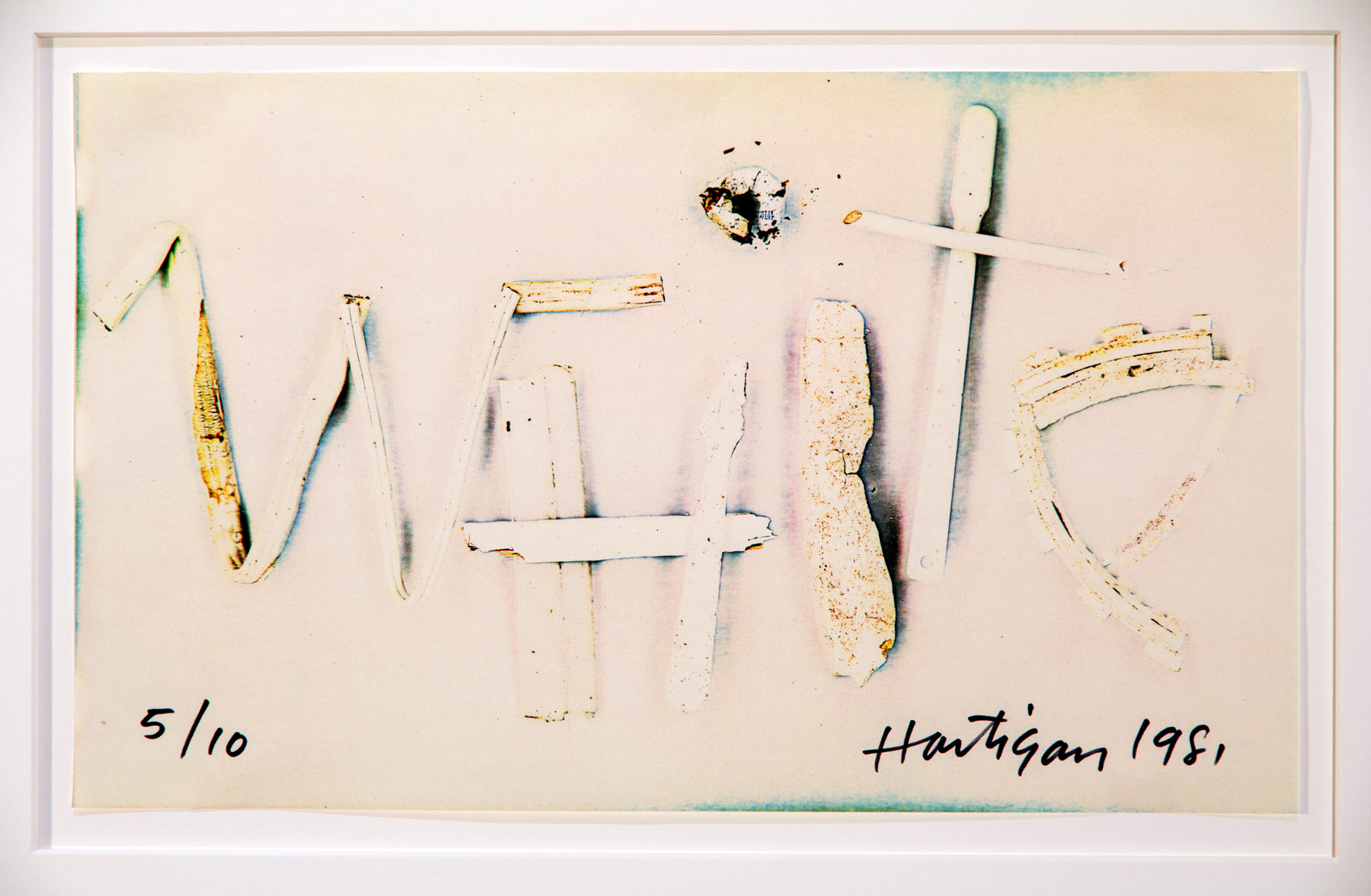
Detail of Paul Hartigan (New Zealand, b. 1939) 'Colourwords' 1980-1981 as part of the exhibition 'Emanations: The Art of the Cameraless Photograph' at the Govett-Brewster Art Gallery

Detail of Paul Hartigan (New Zealand, b. 1939) 'Colourwords' 1980-1981 as part of the exhibition 'Emanations: The Art of the Cameraless Photograph' at the Govett-Brewster Art Gallery

Detail of Paul Hartigan (New Zealand, b. 1939) 'Colourwords' 1980-1981 as part of the exhibition 'Emanations: The Art of the Cameraless Photograph' at the Govett-Brewster Art Gallery

Detail of Paul Hartigan (New Zealand, b. 1939) 'Colourwords' 1980-1981 as part of the exhibition 'Emanations: The Art of the Cameraless Photograph' at the Govett-Brewster Art Gallery

Detail of Paul Hartigan (New Zealand, b. 1939) 'Colourwords' 1980-1981 as part of the exhibition 'Emanations: The Art of the Cameraless Photograph' at the Govett-Brewster Art Gallery


Installation views and detail of
Paul Hartigan (New Zealand, b. 1939)
Colourwords
1980-1981
Colour photocopy


Consistently defined by a subversive edge and a darkly witty humour, the work of New Zealand artist Paul Hartigan is often subtly permeated by astute social and political perceptions. Shortly after they were introduced into New Zealand in 1980, Hartigan explored the creative possibilities of a colour photocopying machine, making a series of images in which words and found objects ironically refer to each other in an endless loop. With the objects arranged to spell out their own colour, each picture offers an oscillation of word and meaning, flatness and dimension, art and detritus.


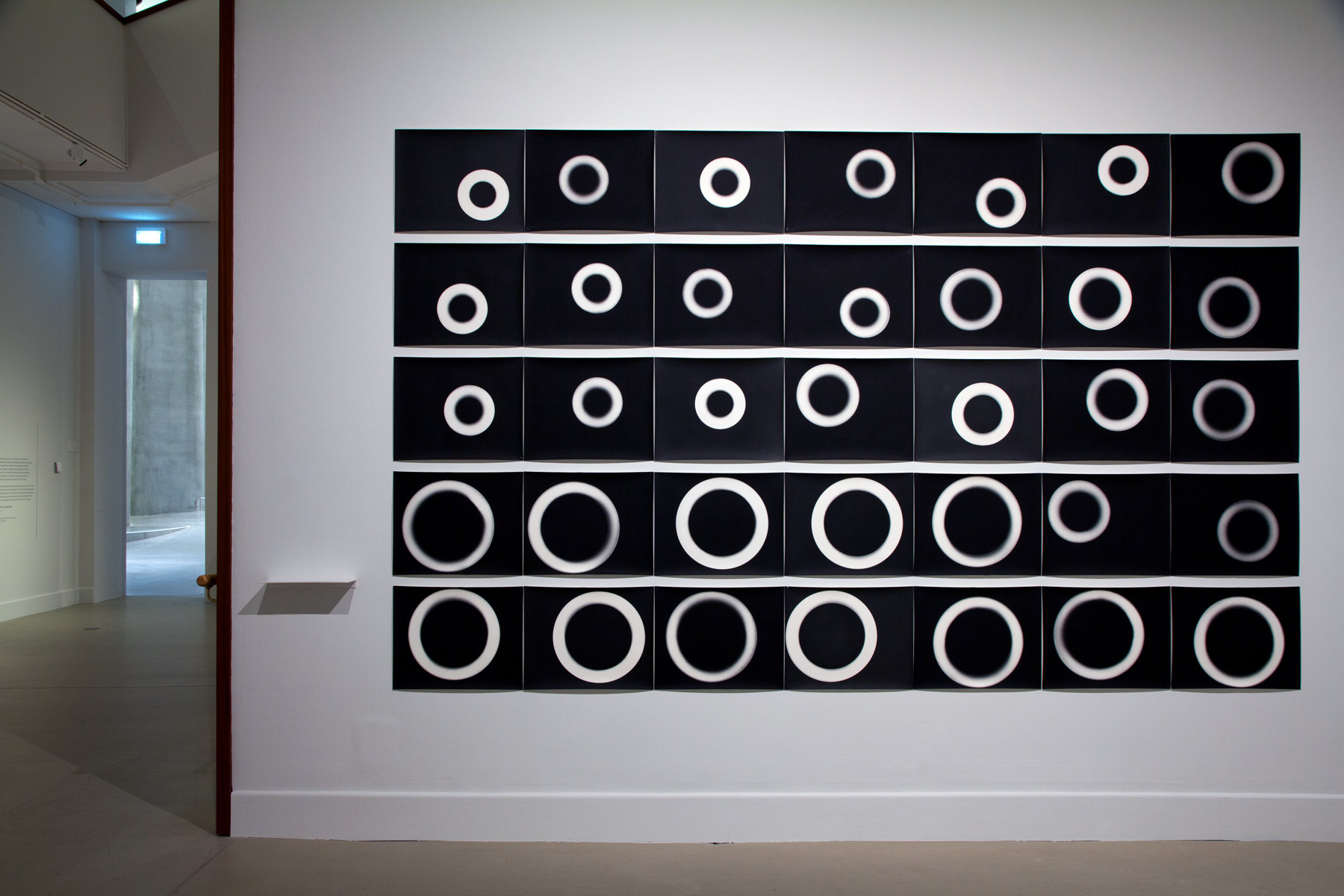
Installation view of Gavin Hipkins (New Zealand) ‘The Coil’ 1998 (left) and Lucinda Eva-May as part of the exhibition 'Emanations: The Art of the Cameraless Photograph' at the Govett-Brewster Art Gallery


Installation view of Gavin Hipkins (left) and Lucinda Eva-May (right) as part of the exhibition Emanations: The Art of the Cameraless Photograph at the Govett-Brewster Art Gallery


Installation view of Gavin Hipkins (New Zealand, b. 1968) ‘The Coil’ 1998


Installation view of
Gavin Hipkins (New Zealand, b. 1968)
The Coil
1998
Silver gelatin photographs


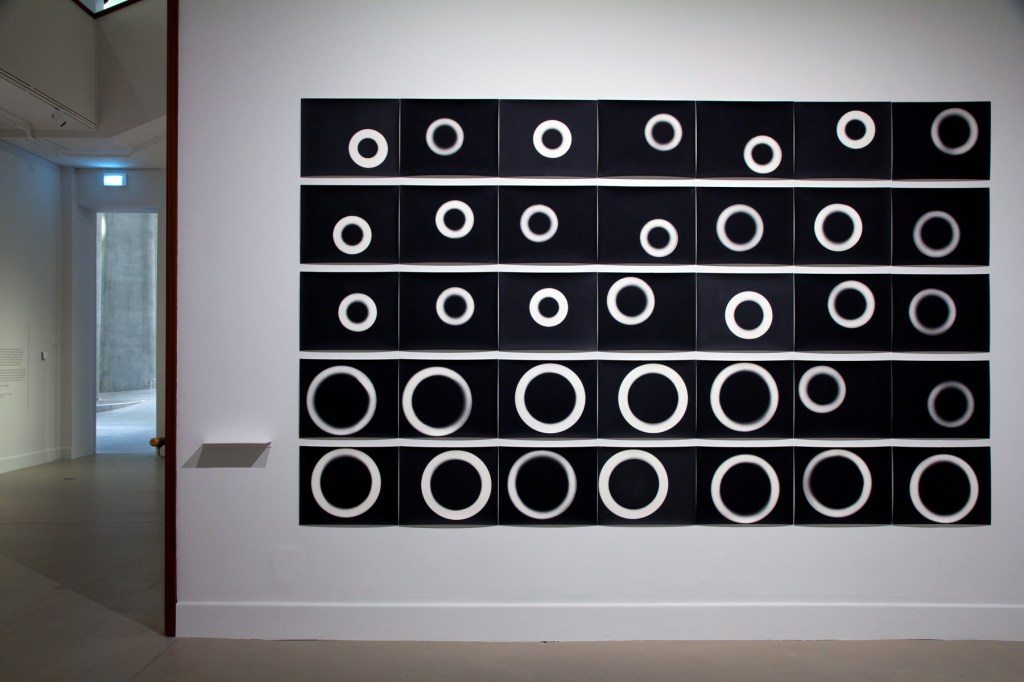
Inspired by the kinetic films of Len Lye, in the 1990s Gavin Hipkins made a series of cameraless photographs that play with sequence and implied movement. The 32 images that make up The Coil were made by resting polystyrene rings on sheets of photographic paper and then exposing them to light.


Installation view of Lucinda Eva-May (Australia) 'Unity in light #6' 2012 (left) 'Unity in light #9' 2012 (right)


Installation view of
Lucinda Eva-May (Australia)
Unity in light #6, 2012 (left)
Unity in light #9, 2012 (right)
C-type prints


Australian artist Lucinda Kennedy has sought to capture a phenomenological representation of the feelings and sensations of sexual intercourse through the direct imprint on sheets of photographic paper of this most primal of human interactions. Turned into a single blurred organism by the extended duration of the exposure, the artist and her partner become an abstraction, thereby aptly conjuring an experience that has always been beyond the capacity of mere description.


Installation view of the exhibition 'Emanations: The Art of the Cameraless Photograph' at the Govett-Brewster Art Gallery with at left, the work of Thomas Ruff, and at right, Justine Varga


Installation view of the exhibition Emanations: The Art of the Cameraless Photograph at the Govett-Brewster Art Gallery with at left, Thomas Ruff, and at right, Justine Varga


Installation view of Thomas Ruff (Germany, b. 1958) 'r.phg.07_II' 2013

Installation view of Thomas Ruff (Germany, b. 1958) 'r.phg.07_II' 2013


Installation views of
Thomas Ruff (Germany, b. 1958)
r.phg.07_II
2013
Chromogenic print


Thomas Ruff (Germany, b. 1958) 'r.phg.07_II' 2013


Thomas Ruff (Germany, b. 1958)
r.phg.07_II
2013
Chromogenic print


German artist Thomas Ruff uses his computers to construct virtual objects with simulated surfaces and to calculate the lights and shadows they might cast in different compositions. He then prints the results, in colour and at very large scale. Combining variations of spheres, curves, zig-zags and sharp edges, all set within richly coloured surrounds, Ruff’s images are both untethered abstractions and historical ciphers. Although referred to by the artist as photograms, the final prints are perhaps better conceived as being about the photogram, studiously replaying an analogue process in digital terms so as to make a spectacle of its logic.


Installation view of the exhibition 'Emanations: The Art of the Cameraless Photograph' at the Govett-Brewster Art Gallery with at left, Shimpei Takeda and at right, Justine Varga

Installation view of the exhibition 'Emanations: The Art of the Cameraless Photograph' at the Govett-Brewster Art Gallery


Installation view of the exhibition Emanations: The Art of the Cameraless Photograph at the Govett-Brewster Art Gallery with at left, Shimpei Takeda and at right, Justine Varga


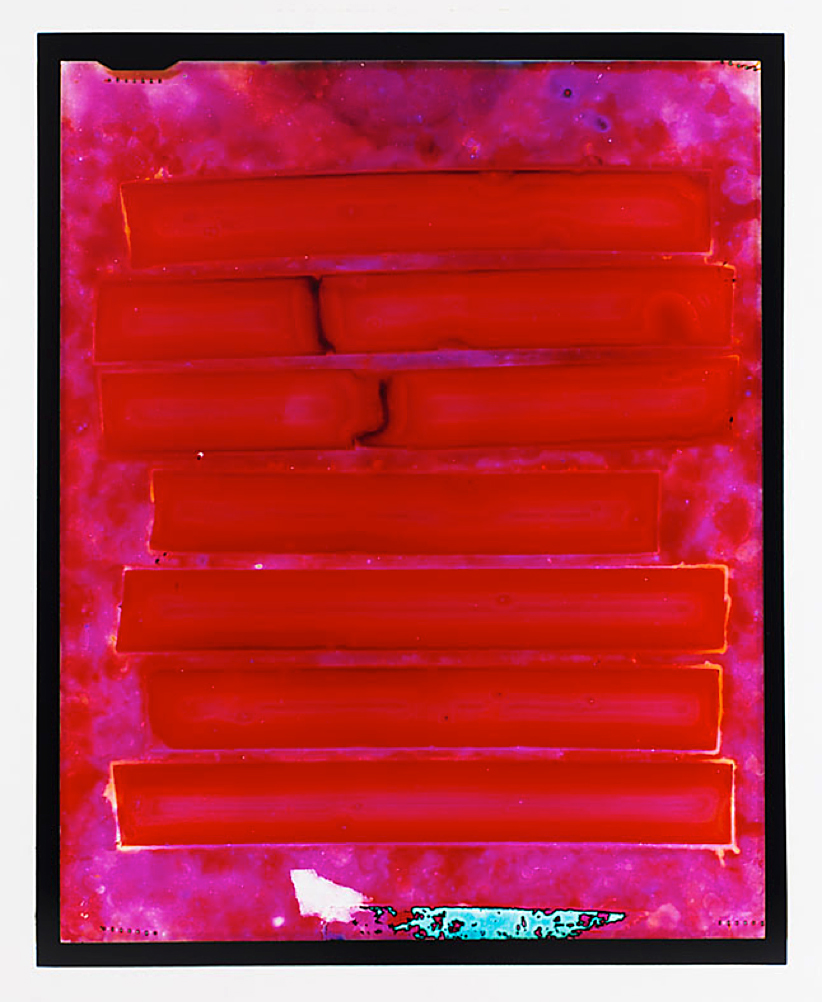
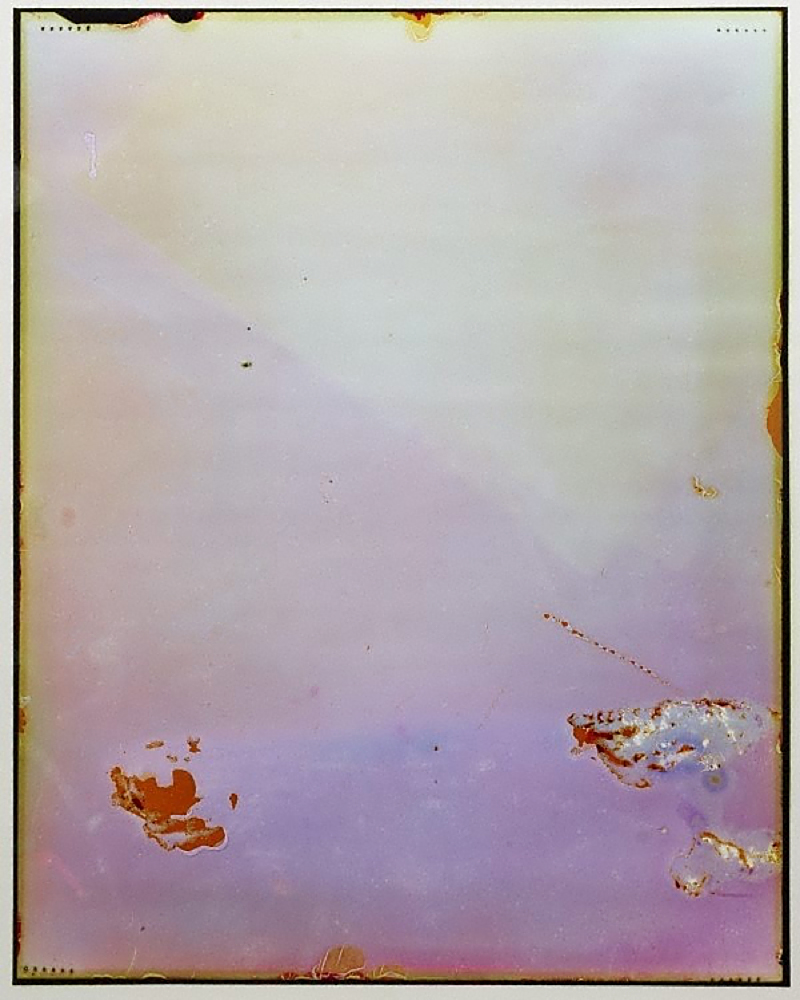
Justine Varga (Australian, b. 1984) 'Exit (Red State)' 2014-2015


Justine Varga (Australian, b. 1984)
Exit (Red State)
2014-2015
Chromogenic photograph


Justine Varga (Australian, b. 1984) 'Desklamp' 2011-2012


Justine Varga (Australian, b. 1984)
Desklamp
2011-2012
Chromogenic photograph


Australian artist Justine Varga creates photographic works from an intimate and often prolonged exchange between a strip of film and the world that comes to be inscribed on it. Desklamp involved the year-long exposure of a large format negative placed on top of the artist’s desk lamp. Exit was derived from a similar piece of film that was scarred and weathered during a three-month exposure on her windowsill during a residency in London. Both were then turned into luscious colour photographs in the darkroom via various printing procedures.


Govett-Brewster Art Gallery/Len Lye Centre
Queen St, New Plymouth, New Zealand
Phone: +64 6 759 6060
Email: info@govettbrewster.com

Opening hours:
Daily 10am – 5pm

Govett-Brewster Art Gallery/Len Lye Centre website

LIKE ART BLART ON FACEBOOK

Back to top

Exhibition: ‘Bill Henson: Landscapes’ at Castlemaine Art Gallery and Historical Museum, Victoria

Exhibition dates: 30th April – 30th June, 2016


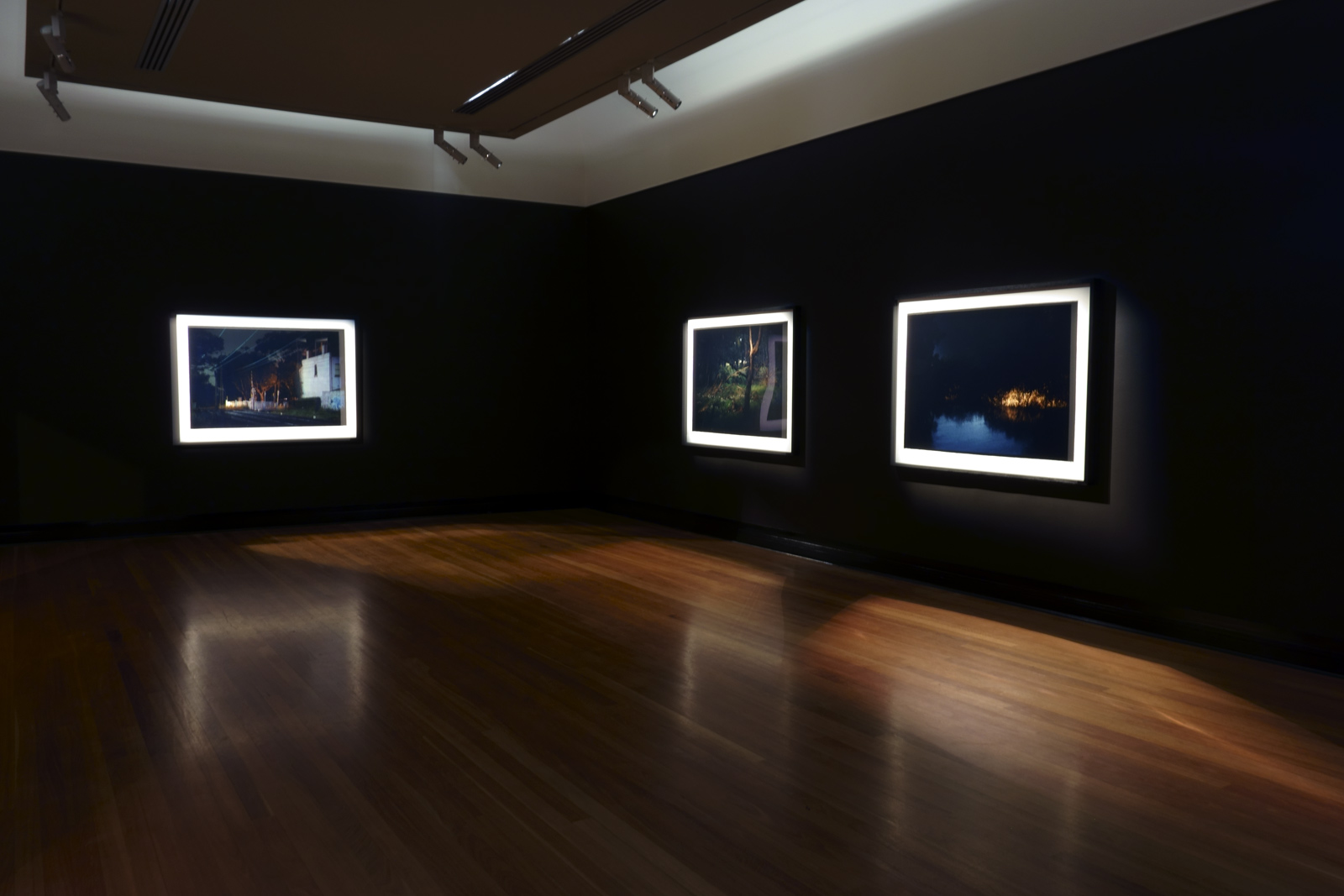
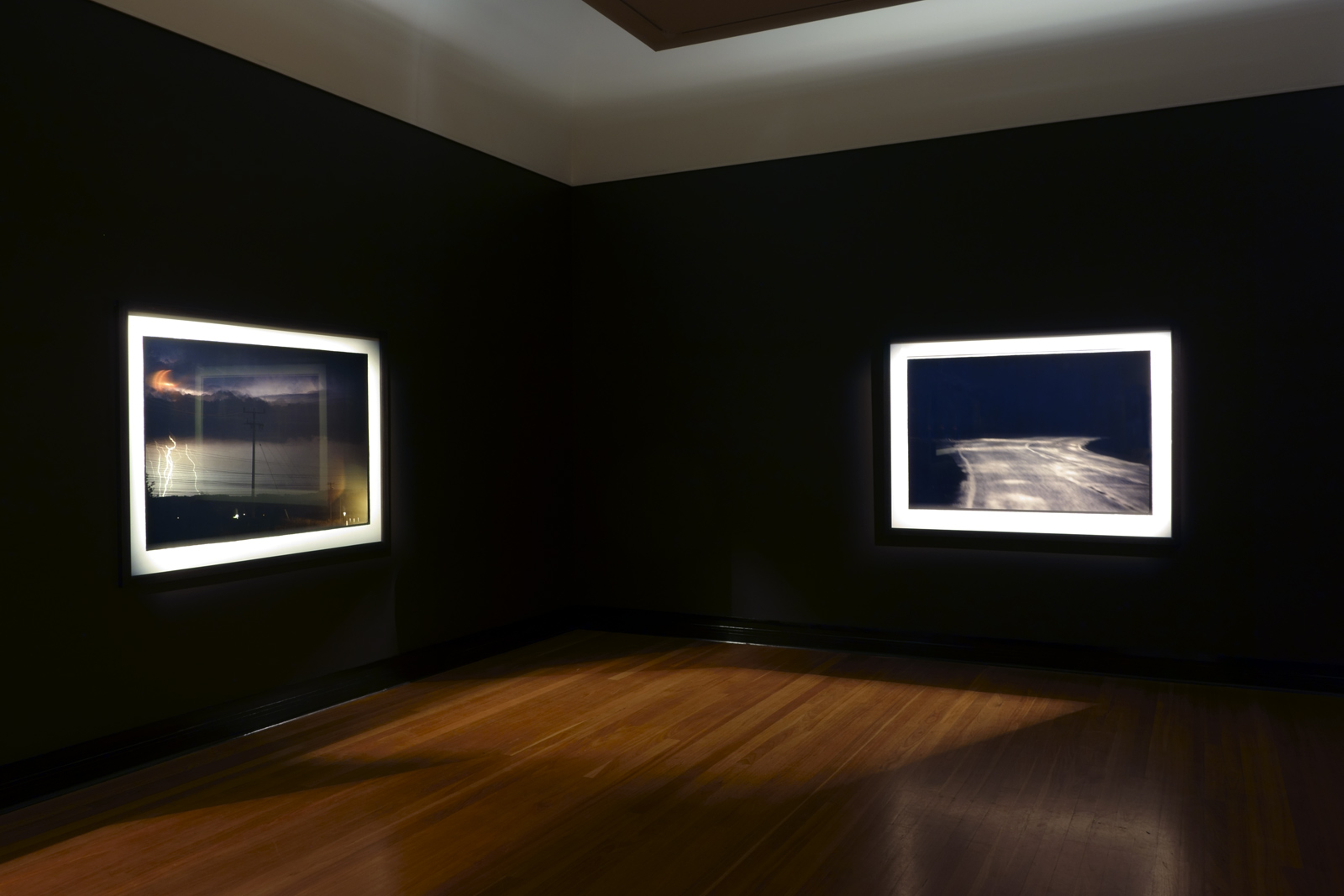
Installation photograph of the exhibition 'Bill Henson: Landscapes' at the Castlemaine Art Gallery and Historical Museum


Installation photograph of the exhibition Bill Henson: Landscapes at the  Castlemaine Art Gallery and Historical Museum
Photo: © Marcus Bunyan and the Castlemaine Art Gallery and Historical Museum


Drawing on light

A magnificent installation from one of the world’s great photographers.

Why this artist is not having sell out retrospectives at MoMA New York, Centre Georges Pompidou Paris or the Tate in London is beyond me. Is it because of continuing cultural cringe, or the fact that he’s not as well known in Europe and America?

Their loss is our gain.

The darkened room contains only eight images beautifully lit to create a wondrous, enveloping atmosphere. Henson’s night photographs emit light as though a result of the excitation of atoms by energy – the energy of the mind transferred to the light of place. A luminescence of thought is imaged in the photograph through the emission of light … produced not so much by physiological or electromagnetic processes as much as by a culturally informed mind that seems to bring forth its own light. And behold there is light.

As that eminent photographer Minor White used to opine when asked for technical information on his photographs in the back of popular American photography monthlies: for technical information the camera was creatively used.

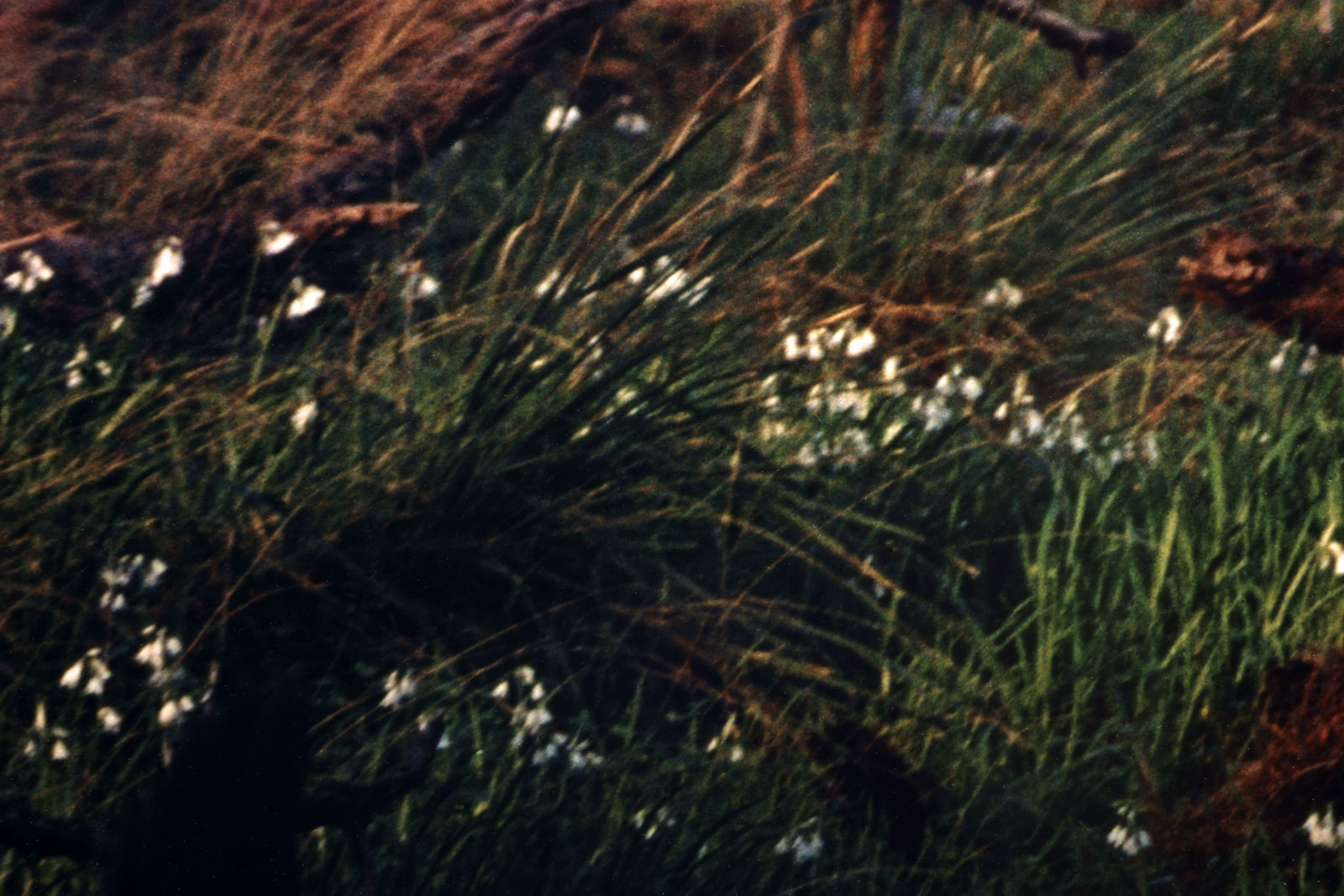
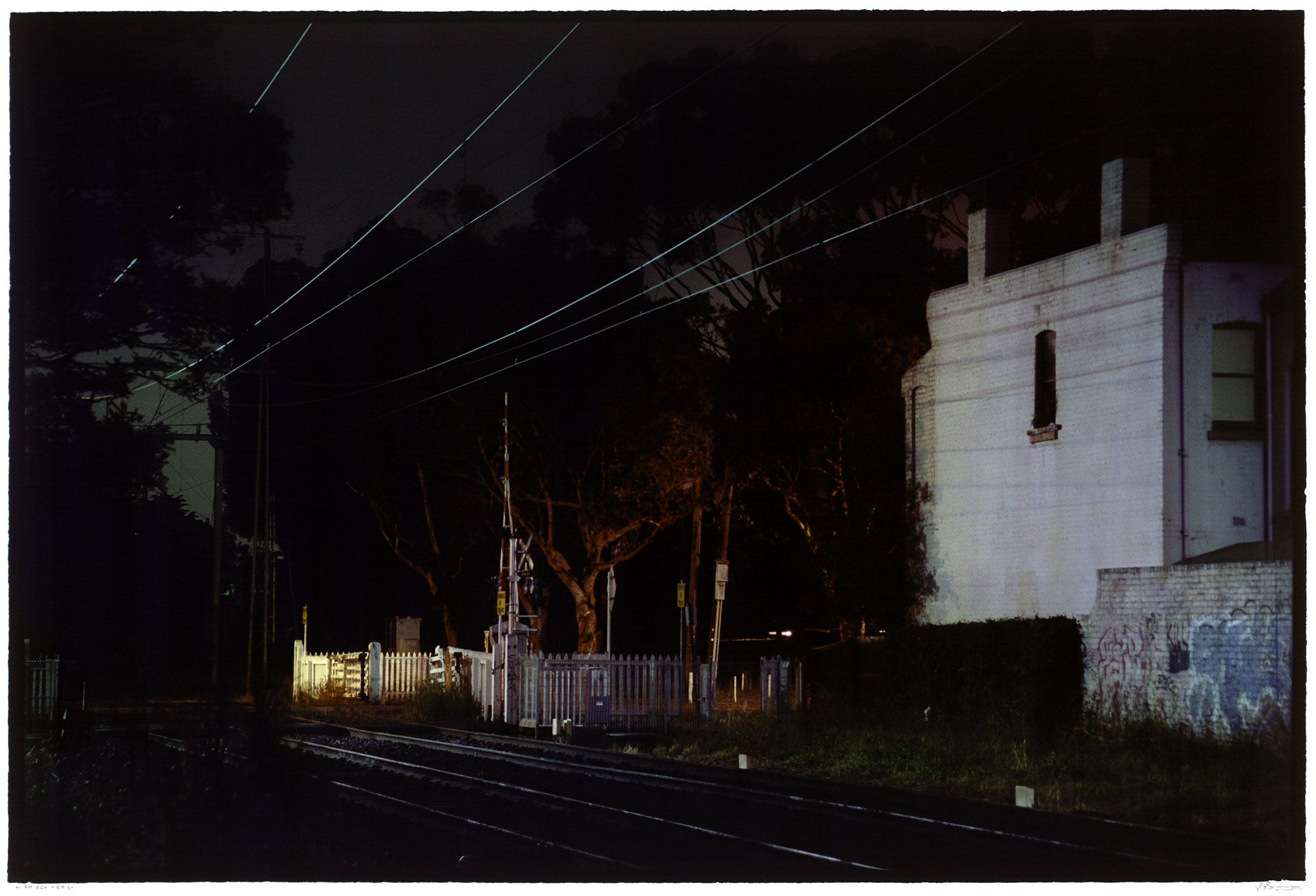
For me, these are not images of ethereal malevolence or Australian anxiety about our environment and the ominous ordinary. They do not possess that feeling at all. These pictures are about an understanding and contemplation of light and place, a process which is in balance one with the other. Yes, the transient nature of earthly existence but more than that. The soft details of flowers in the grass, or the spatter of rain on water, not noticed until you really look at the image; or the shadow of a truck on a bridge underpass. In my mind I know where this is, in Gipps Street, Abbottsford near the train bridge… or so I believe in my imagination. All of these photographs have a feeling of a subtle vibration of energy in the universe. There is no malevolence here.

My only criticism of this, the first photographic exhibition at Castlemaine Art Gallery, is that there is not enough of it. There needed to be more of the work. It just felt a little light on. Another gallery was needed to make the installation experience fully enveloping. Having said that, congratulations must go to the artist and to gallery who are putting on some amazing exhibitions in the heart of regional Victoria.

Dr Marcus Bunyan


Many thankx to Castlemaine Art Gallery and Historical Museum for allowing me to publish the photographs in the posting. Please click on the photographs for a larger version of the image. All images © Marcus Bunyan and the Castlemaine Art Gallery and Historical Museum


Opening titles for the exhibition 'Bill Henson: Landscapes' at the Castlemaine Art Gallery and Historical Museum


Opening titles for the exhibition Bill Henson: Landscapes at the  Castlemaine Art Gallery and Historical Museum
Photo: © Marcus Bunyan and the Castlemaine Art Gallery and Historical Museum


Installation photograph of the exhibition 'Bill Henson: Landscapes' at the Castlemaine Art Gallery and Historical Museum


Installation photograph of the exhibition Bill Henson: Landscapes at the  Castlemaine Art Gallery and Historical Museum
Photo: © Marcus Bunyan and the Castlemaine Art Gallery and Historical Museum


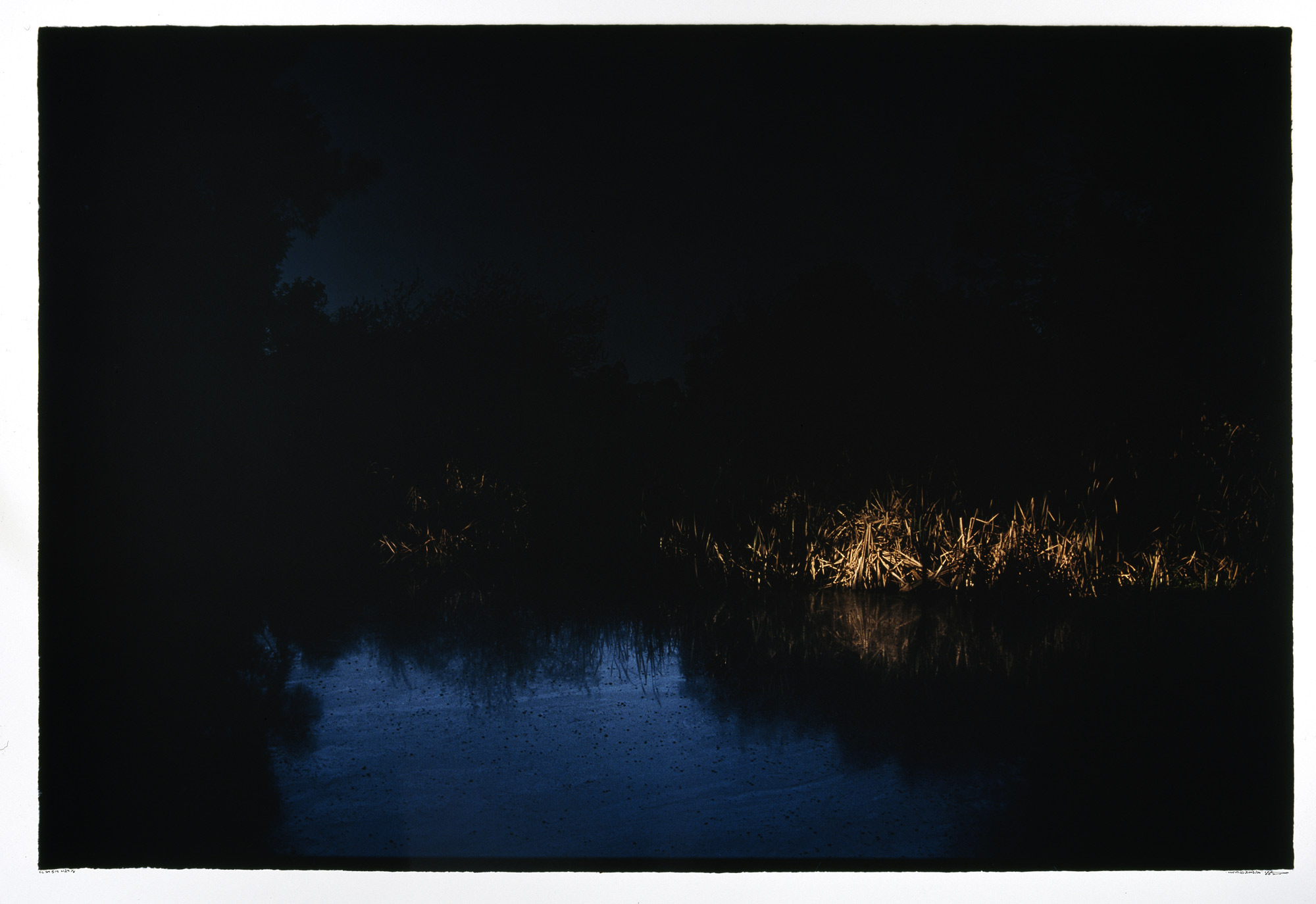
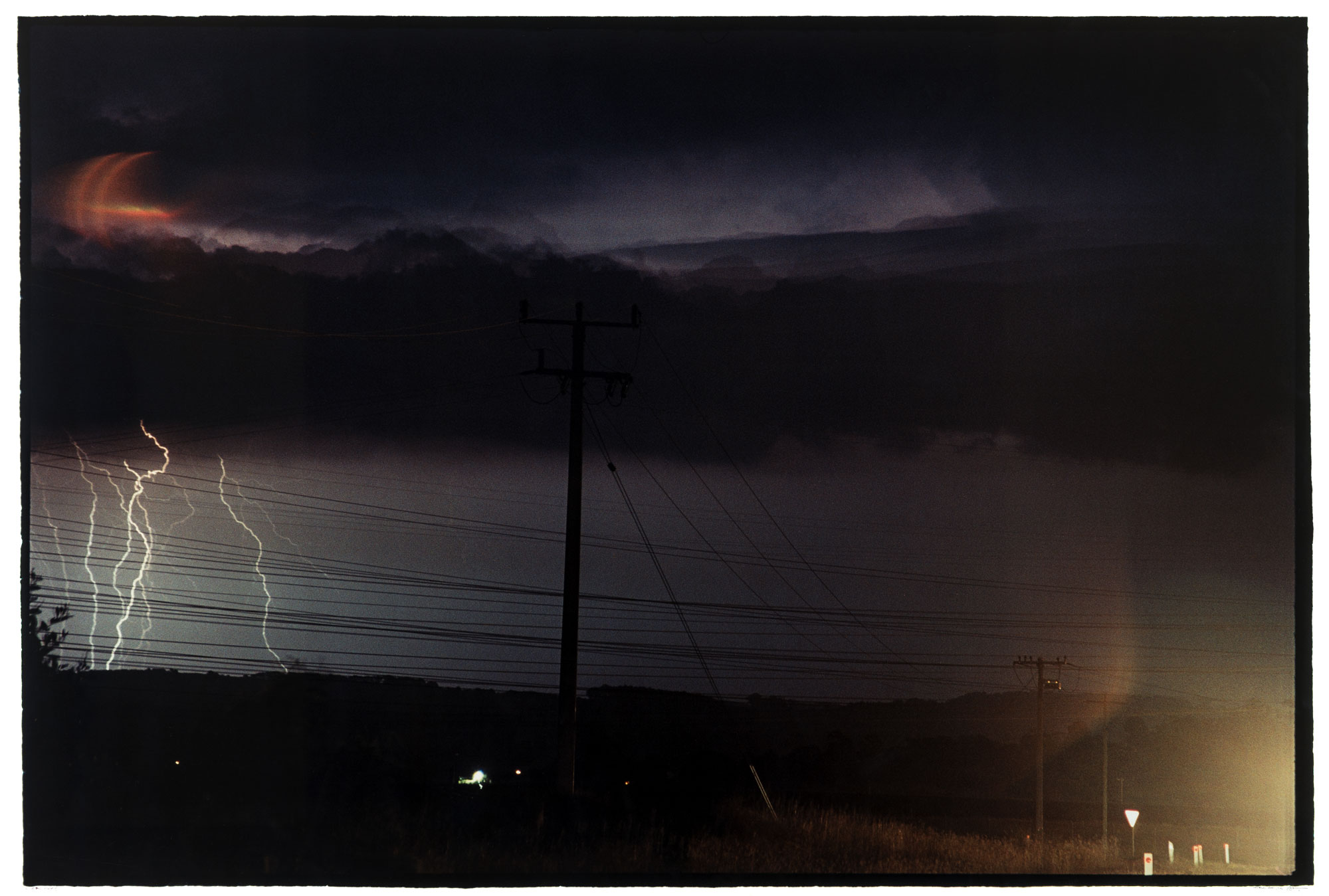
Bill Henson (Australian, b. 1955) 'Untitled #9 2005/2006' 2005-2006 from the exhibition 'Bill Henson: Landscapes' at Castlemaine Art Gallery and Historical Museum, Victoria, April - June, 2016


Bill Henson (Australian, b. 1955)
Untitled #9 2005/2006
2005-2006
CL SH541 N2
Type C photograph
127 x 180cm (sheet)
Courtesy of the artist and Roslyn Oxley9 Gallery, Sydney


Bill Henson (Australian, b. 1955) 'Untitled #9 2005/2006' 2005-2006 (detail)


Bill Henson (Australian, b. 1955)
Untitled #9 2005/2006 (detail)
2005-2006
CL SH541 N2
Type C photograph
127 x 180cm (sheet)
Courtesy of the artist and Roslyn Oxley9 Gallery, Sydney


Installation photograph of the exhibition 'Bill Henson: Landscapes' at the Castlemaine Art Gallery and Historical Museum with 'Untitled #21 2005/2006' at left and 'Untitled #9 2005/2006' at right


Installation photograph of the exhibition Bill Henson: Landscapes at the  Castlemaine Art Gallery and Historical Museum with Untitled #21 2005/2006 at left and Untitled #9 2005/2006 at right
Photo: © Marcus Bunyan and the Castlemaine Art Gallery and Historical Museum


Bill Henson (Australian, b. 1955) 'Untitled #21 2005-2006' 2005-2006 (detail)


Bill Henson (Australian, b. 1955)
Untitled #21 2005-2006 (detail)
2005-2006
CL SH541 N2
Type C photograph
127 x 180cm


Bill Henson (Australian, b. 1955) 'Untitled 1999/2000' 1999-2000 from the exhibition 'Bill Henson: Landscapes' at Castlemaine Art Gallery and Historical Museum, Victoria, April - June, 2016


Bill Henson (Australian, b. 1955)
Untitled 1999-2000
1999-2000
Type C photograph
103.8 x 154.0cm (image) 126.8 x 179.9cm (sheet)
National Gallery of Victoria, Melbourne
Purchased with funds from the Victorian Foundation for Living Australian Artists, 2005 (2005.501)
Courtesy of the artist and Roslyn Oxley9 Gallery, Sydney


“Our current exhibition, Bill Henson: Landscapes captures the haunting convergence of opposites; two worlds, darkness and light.

These dreamlike pictures pursue the Romantic project by engulfing the viewer in the urban or semi-rural sublime. Through these landscapes, we are immersed in a realm which offers an otherworldly view of the transient nature of earthly existence. The inky depths of the encroaching natural environment suggest a dark abyss, an ethereal malevolence that relates to both the artistic conventions of Renaissance landscape painting and, a uniquely Australian anxiety about our environment and the ominous ordinary.”

Text from the Castlemaine Art Gallery Facebook page


Installation photograph of the exhibition 'Bill Henson: Landscapes' at the Castlemaine Art Gallery and Historical Museum

Installation photograph of the exhibition 'Bill Henson: Landscapes' at the Castlemaine Art Gallery and Historical Museum

Installation photograph of the exhibition 'Bill Henson: Landscapes' at the Castlemaine Art Gallery and Historical Museum with in the bottom image at left, 'Untitled' 2001-2002; and at right, 'Untitled #23' 1998/1999/2000


Installation photographs of the exhibition Bill Henson: Landscapes at the  Castlemaine Art Gallery and Historical Museum with in the bottom image at left, Untitled 2001-2002; and at right, Untitled #23 1998/1999/2000
Photos: © Marcus Bunyan and the Castlemaine Art Gallery and Historical Museum


Bill Henson (Australian, b. 1955) 'Untitled 2001-2002' 2001-2002


Bill Henson (Australian, b. 1955)
Untitled 2001-2002
2001-2002
Type C photograph
127 x 180cm (sheet)
Collection of Annabel and Rupert Myer


Bill Henson (Australian, b. 1955) 'Untitled 2001/02' 2001-2002 (detail)


Bill Henson (Australian, b. 1955)
Untitled 2001-2002 (detail)
2001-2002
Type C photograph
127 x 180cm (sheet)
Collection of Annabel and Rupert Myer


Installation photograph of the exhibition 'Bill Henson: Landscapes' at the Castlemaine Art Gallery and Historical Museum showing 'Untitled #28' 1998 at right


Installation photograph of the exhibition Bill Henson: Landscapes at the  Castlemaine Art Gallery and Historical Museum showing Untitled #28 1998 at right
Photo: © Marcus Bunyan and the Castlemaine Art Gallery and Historical Museum


Bill Henson (Australian, b. 1955) 'Untitled #28' 1998 (detail)


Bill Henson (Australian, b. 1955)
Untitled #28 (detail)
1998
Type C photograph
104 × 154cm


Bill Henson (Australian, b. 1955) 'Untitled #48' 1998/1999/2000 (detail)


Bill Henson (Australian, b. 1955)
Untitled #48 (detail)
1998/1999/2000
Type C photograph
127 × 180cm


Castlemaine Art Gallery and Historical Museum
14 Lyttleton Street (PO Box 248)
Castlemaine, Vic 3450 Australia
Phone: (03) 5472 2292
Email: info@castlemainegallery.com

Opening hours:
Thursday 12pm – 4pm
Friday 12pm – 6.30pm
Weekends 12pm – 4pm

Castlemaine Art Gallery and Historical Museum website

LIKE ART BLART ON FACEBOOK

Back to top

Photographs: ‘Andrew Follows: Carmania 2’

June 2016


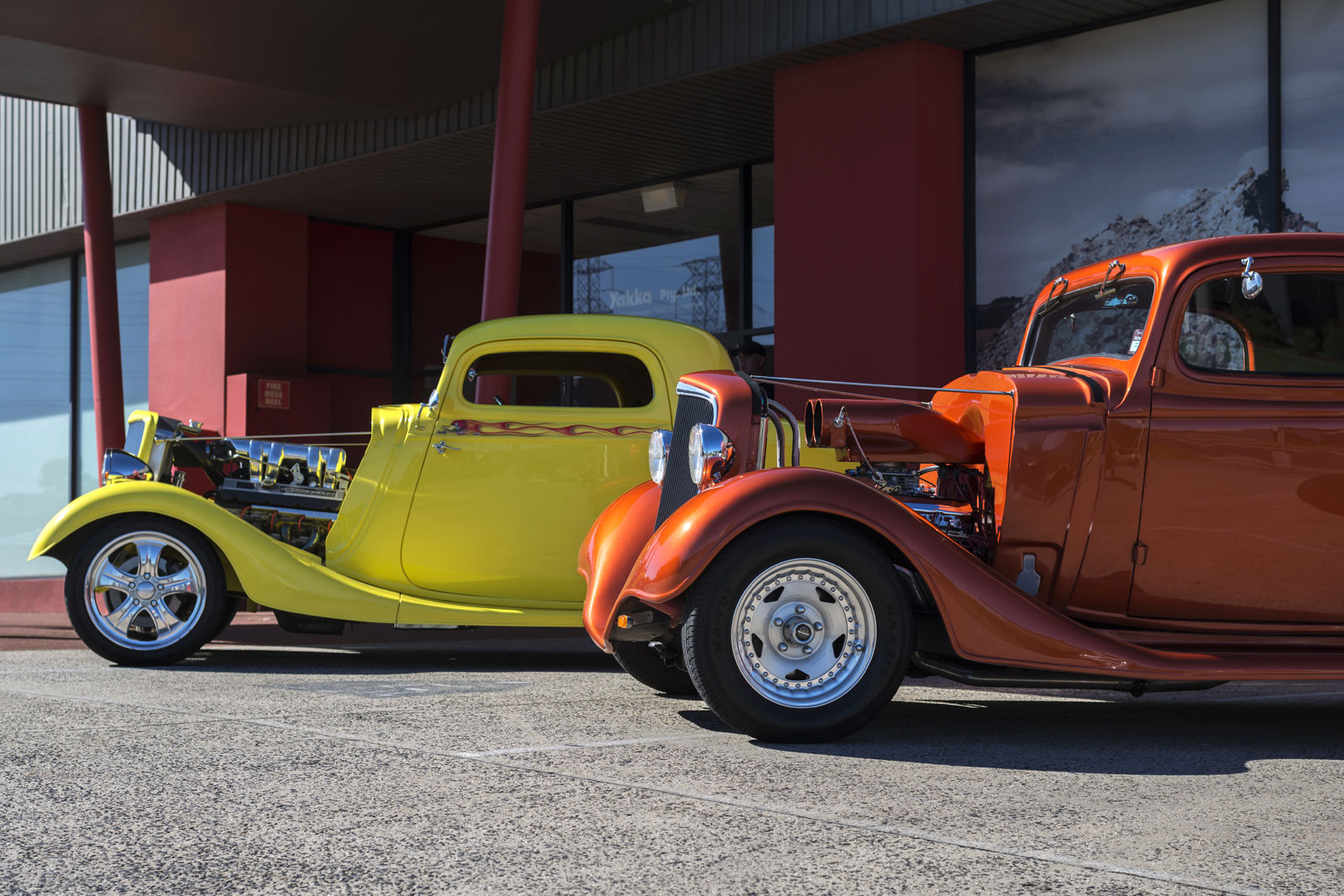
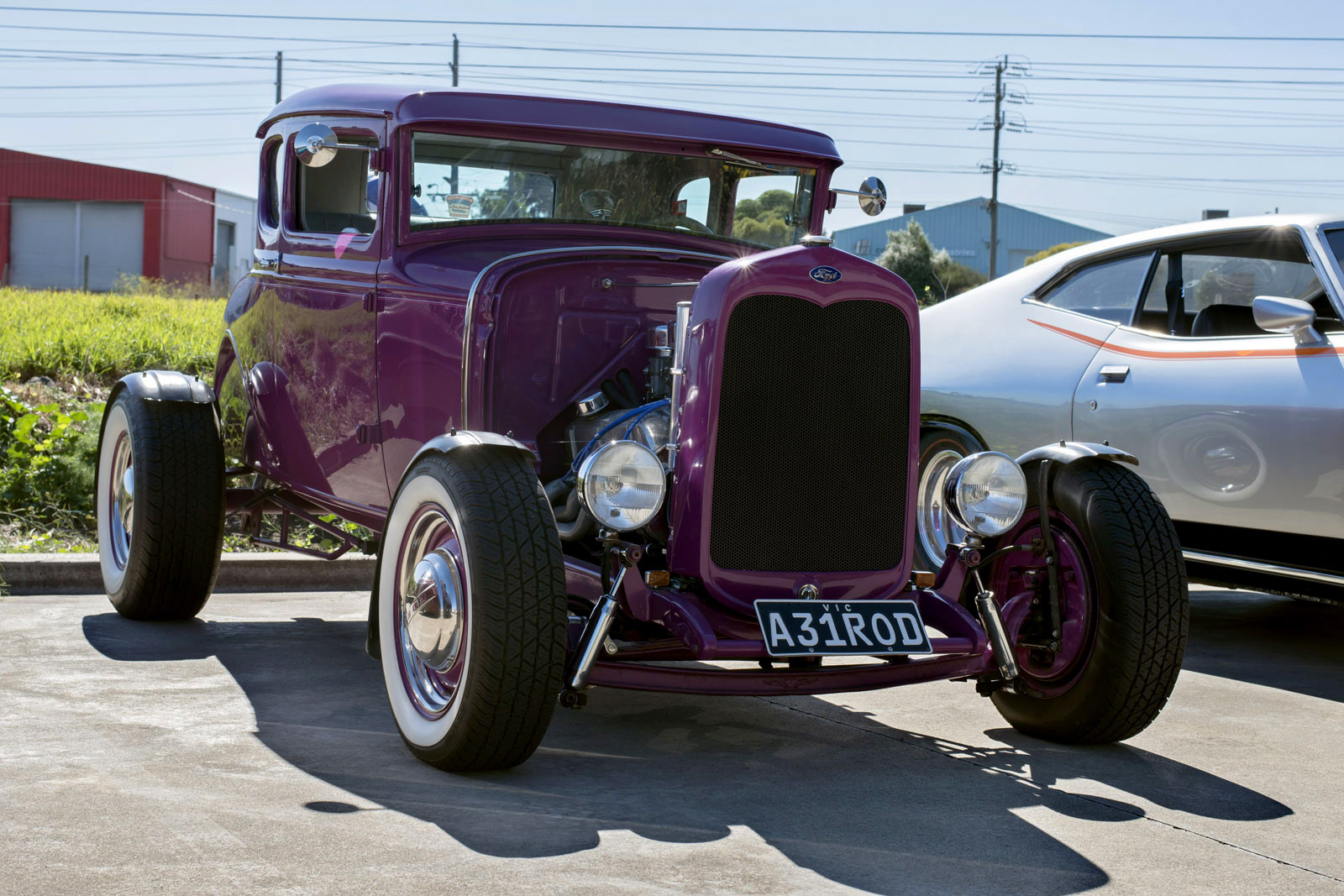
Andrew Follows (Australian, d. 2019) 'Two 1930s Chevrolet hotrods' 2016 from the series 'Carmania 2'


Andrew Follows (Australian, d. 2019)
Two 1930s Chevrolet hotrods
2016
From the series Carmania 2
Digital photograph


Australian vernacular

Hats off to my photographer friend Andrew Follows for another stunning set of Australian automobile photographs.

These photographs were taken at a fund raising display for brain injury in Epping, Melbourne, Australia.

Great job Andrew… with a little digital clean, retouch and colour balance from me!

Dr Marcus Bunyan

PS. Don’t forget Andrew is a vision impaired photographer, with only 10% vision in one eye and no vision at all in the other eye. All the more remarkable…

** Please make sure you enlarge these images to see them to best advantage. **


Many thankx to Andrew Follows for allowing me to publish the photographs in the posting. Please click on the photographs for a larger version of the image. All images © Andrew Follows 2016.


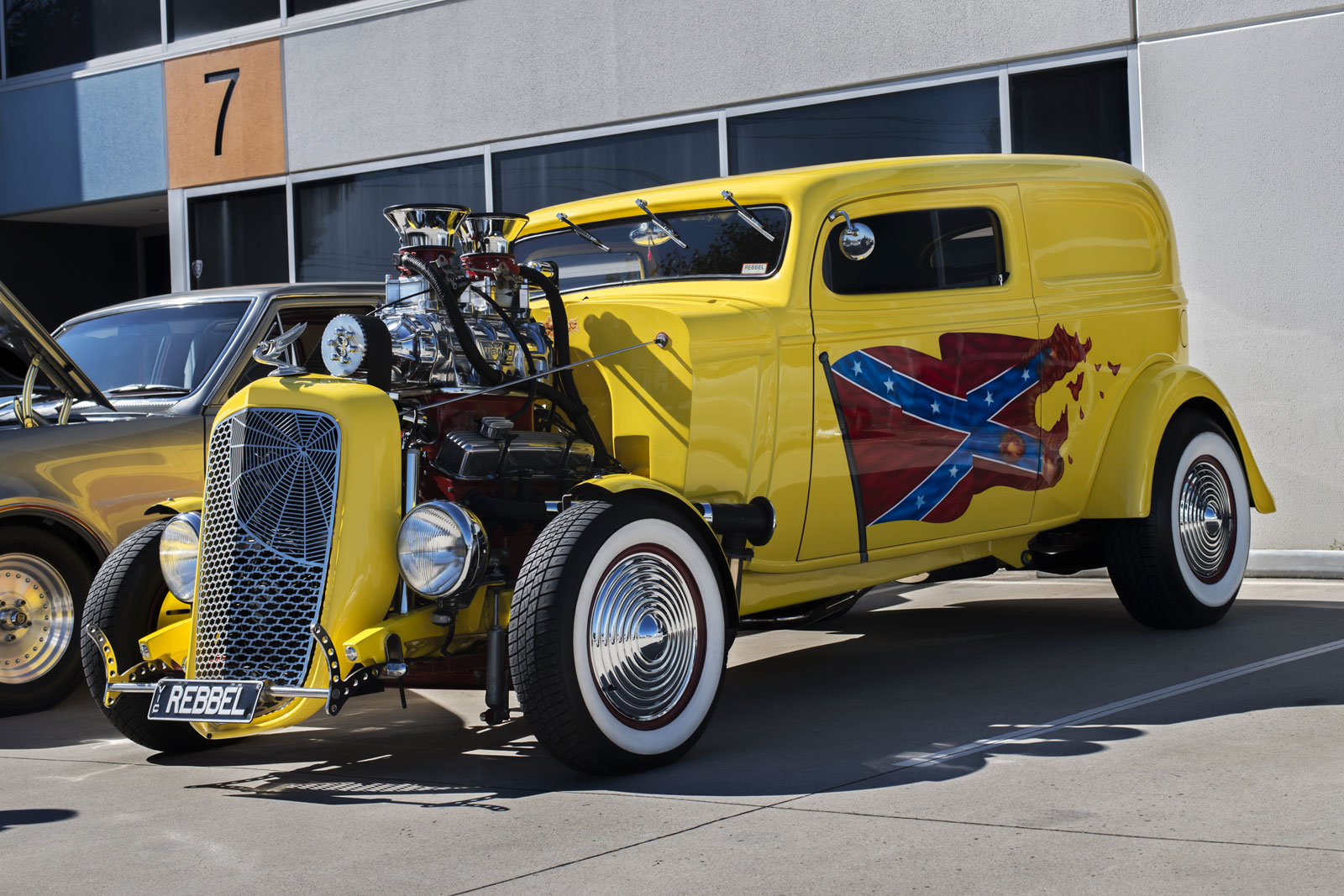
Andrew Follows (Australian, d. 2019) 'Ford REBBEL hotrod' 2016 from the series 'Carmania 2'


Andrew Follows (Australian, d. 2019)
Ford REBBEL hotrod
2016
From the series Carmania 2
Digital photograph


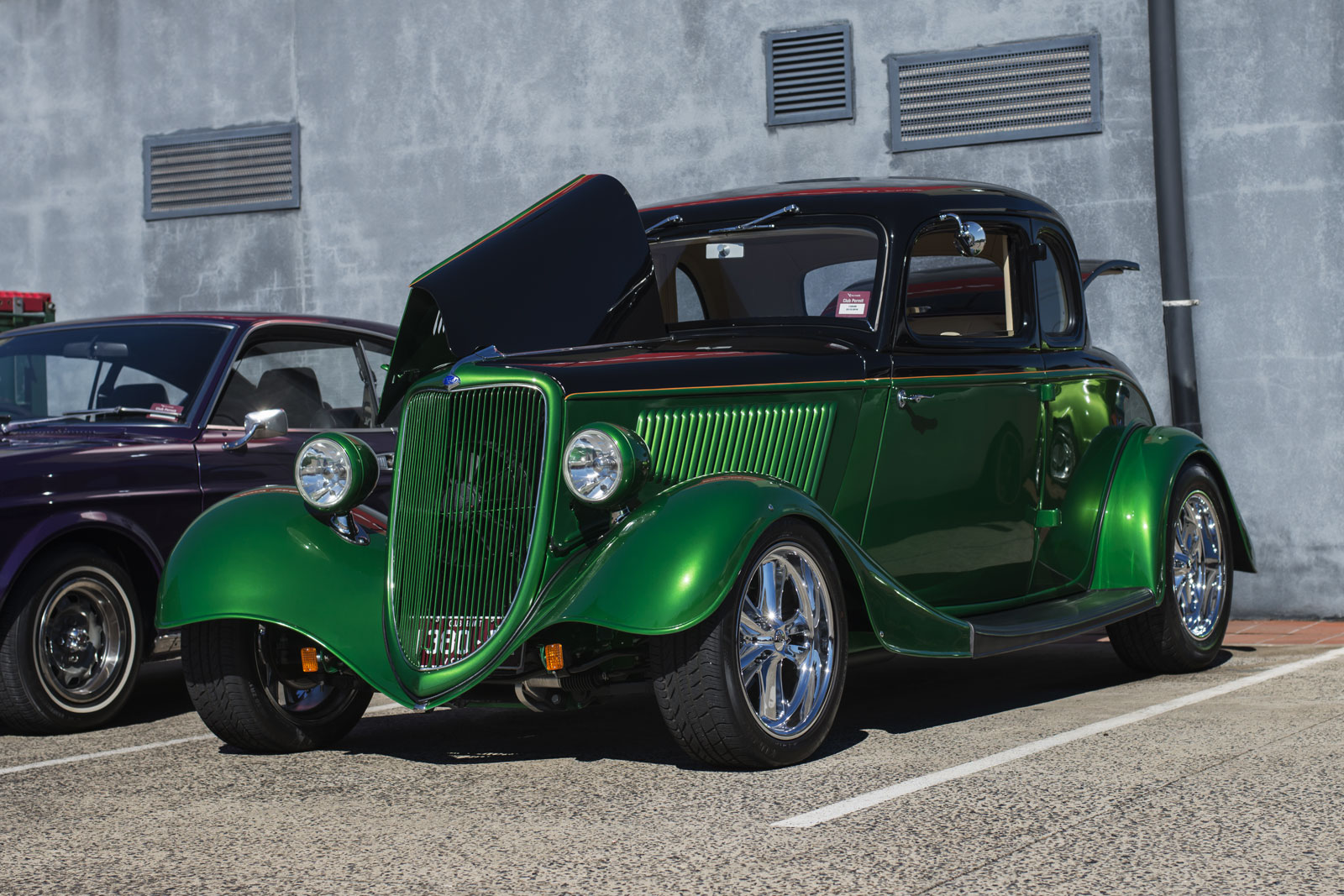
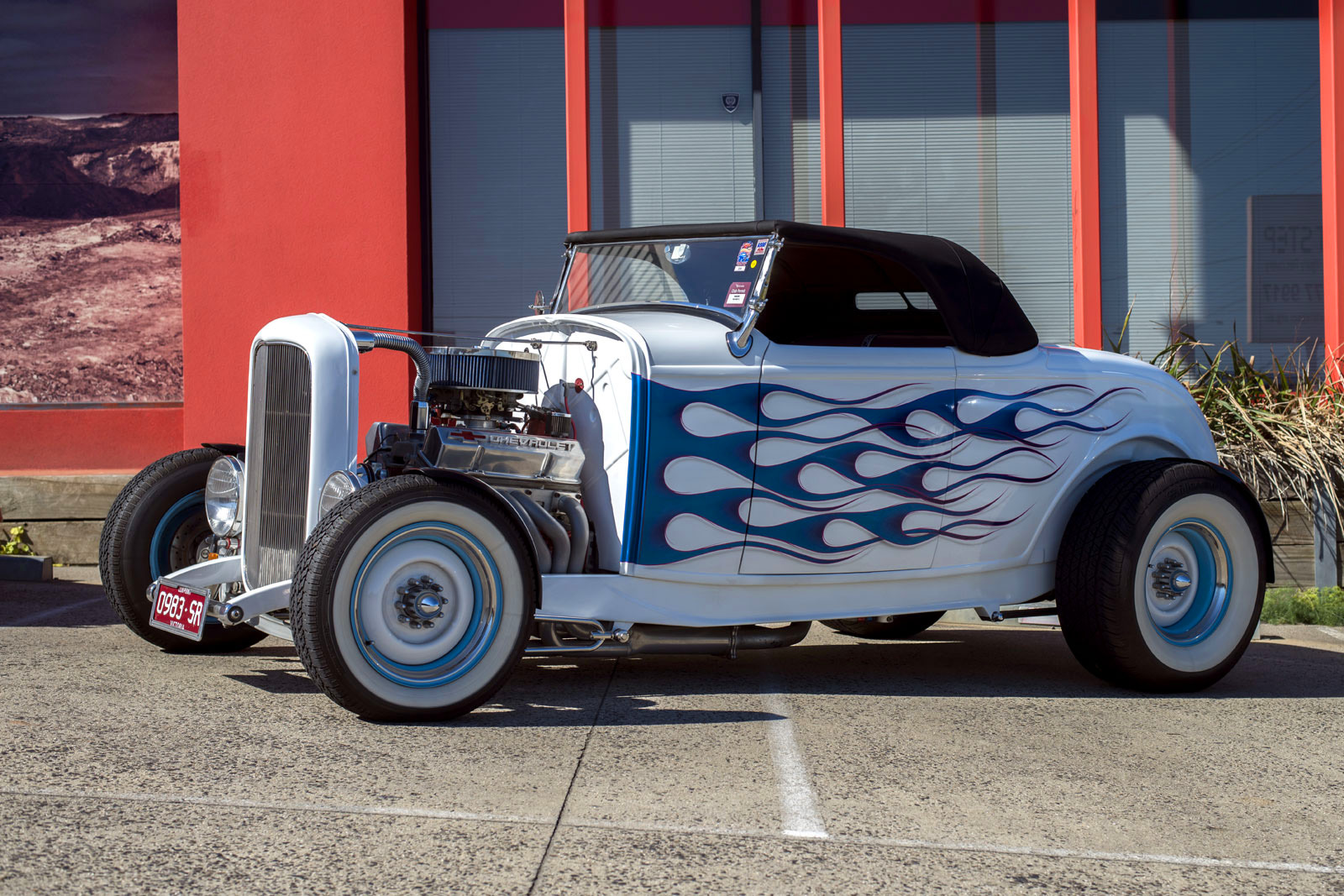
Andrew Follows (Australian, d. 2019) '1930s Ford hotrod' 2016


Andrew Follows (Australian, d. 2019)
1930s Ford hotrod
2016
From the series Carmania 2
Digital photograph


Andrew Follows (Australian, d. 2019) '1930s Ford hotrod' 2016


Andrew Follows (Australian, d. 2019)
1930s Ford hotrod
2016
From the series Carmania 2
Digital photograph


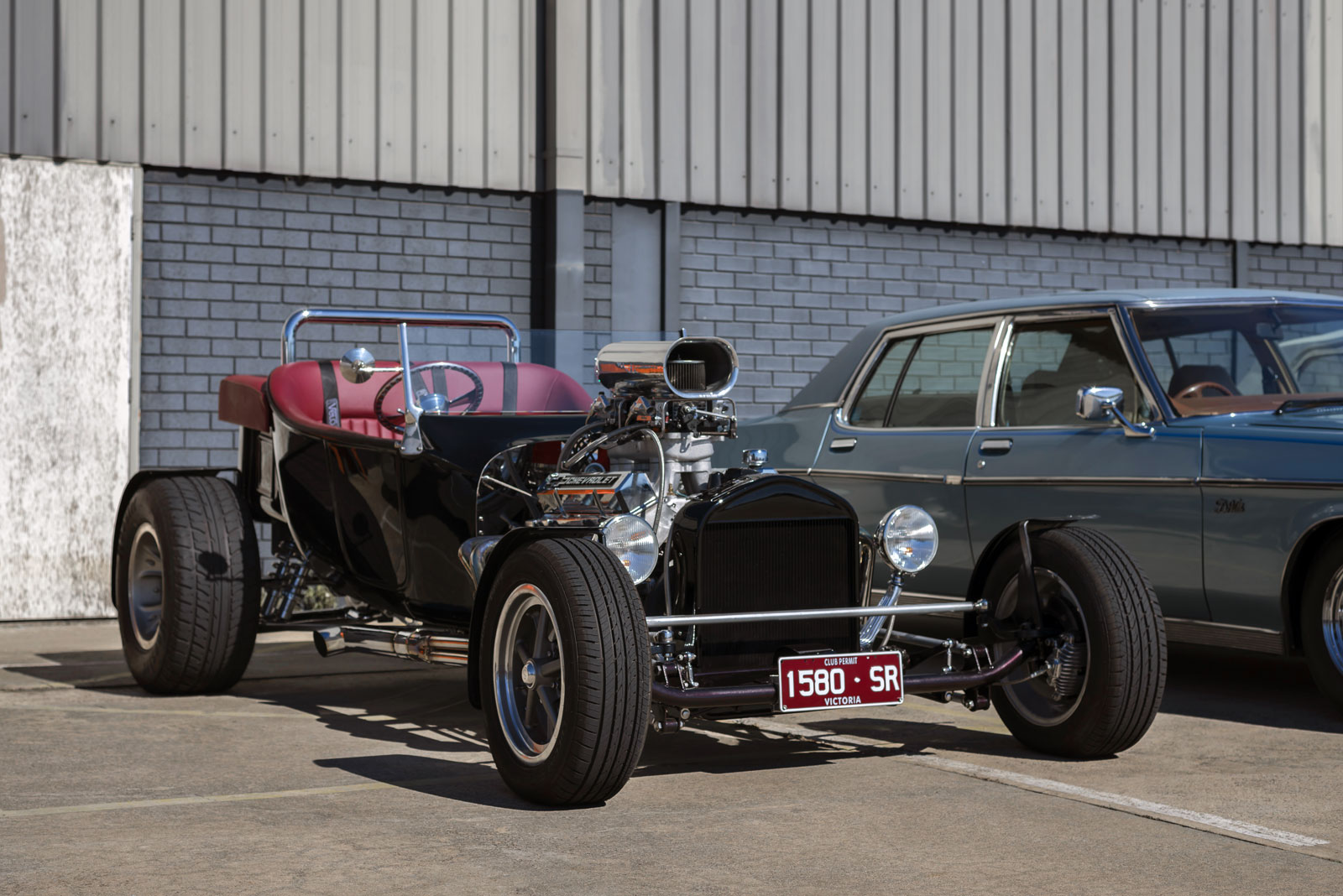
Andrew Follows (Australian, d. 2019) 'Chevrolet bucket hotrod' 2016


Andrew Follows (Australian, d. 2019)
Chevrolet bucket hotrod
2016
From the series Carmania 2
Digital photograph


Andrew Follows (Australian, d. 2019) '1930s Chevrolet hotrod' 2016


Andrew Follows (Australian, d. 2019)
1930s Chevrolet hotrod
2016
From the series Carmania 2
Digital photograph


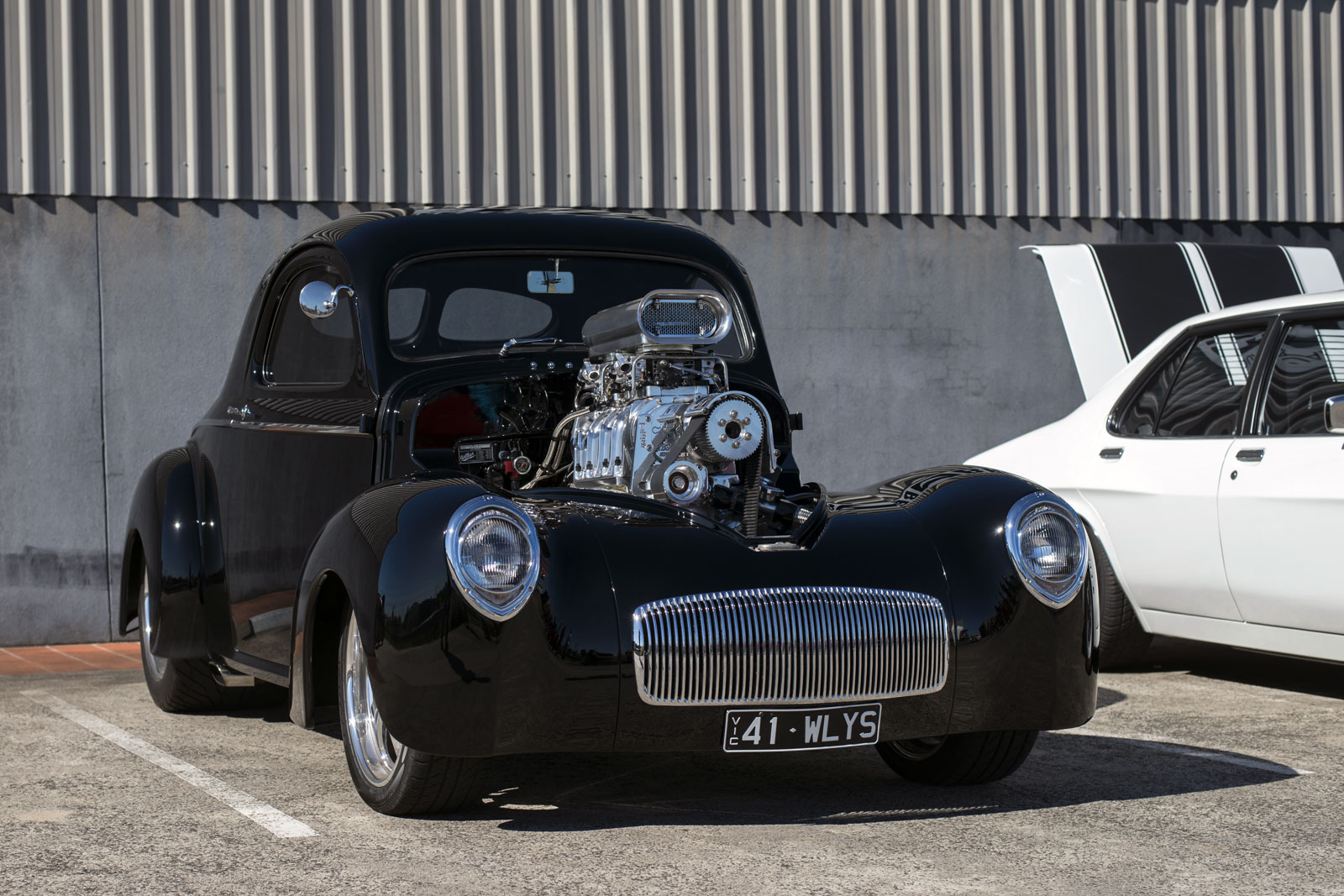
Andrew Follows (Australian, d. 2019) '1941 Willys hotrod' 2016


Andrew Follows (Australian, d. 2019)
1941 Willys hotrod
2016
From the series Carmania 2
Digital photograph


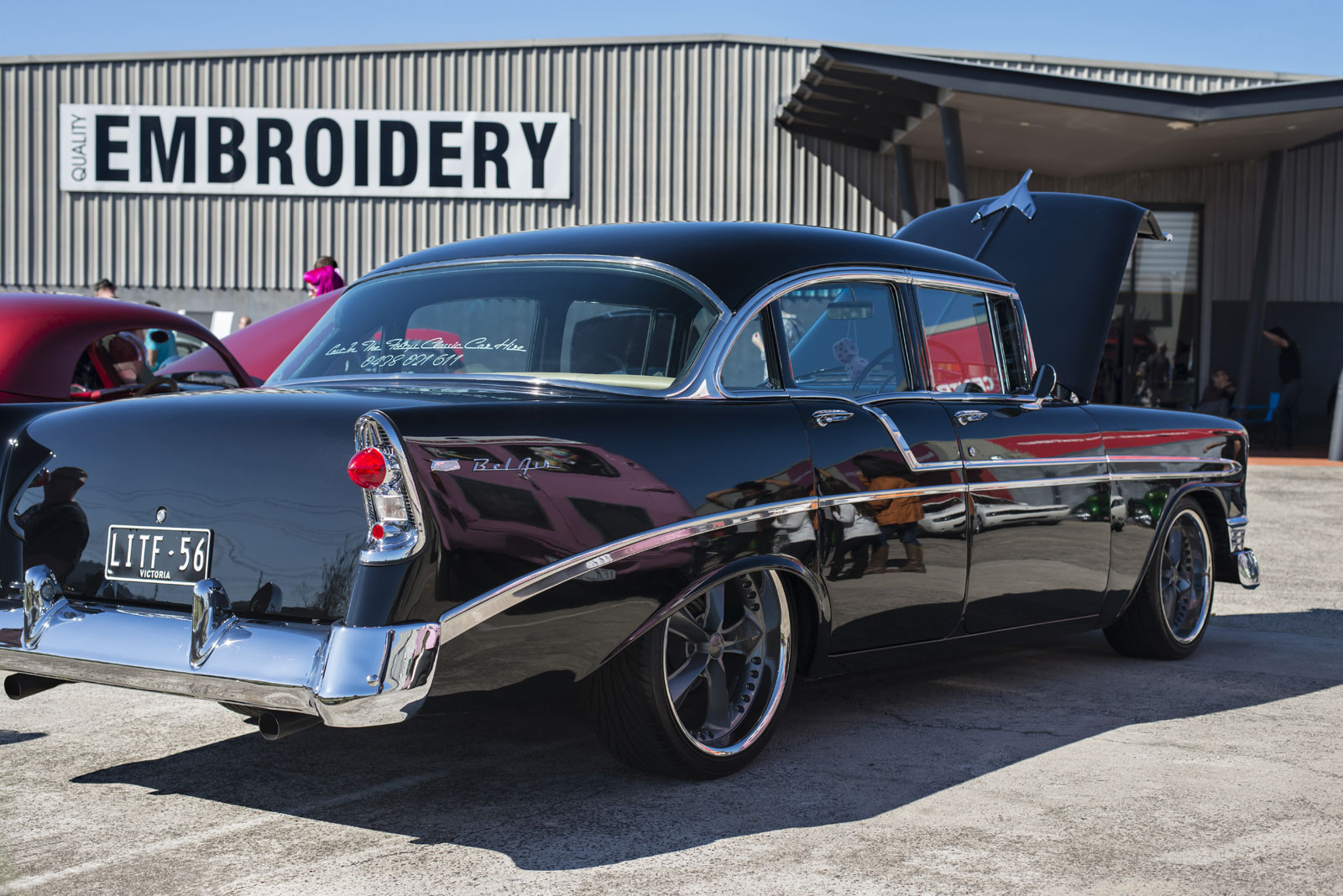
Andrew Follows (Australian, d. 2019) '1956 Chevrolet Belair 2016


Andrew Follows (Australian, d. 2019)
1956 Chevrolet Belair
2016
From the series Carmania 2
Digital photograph


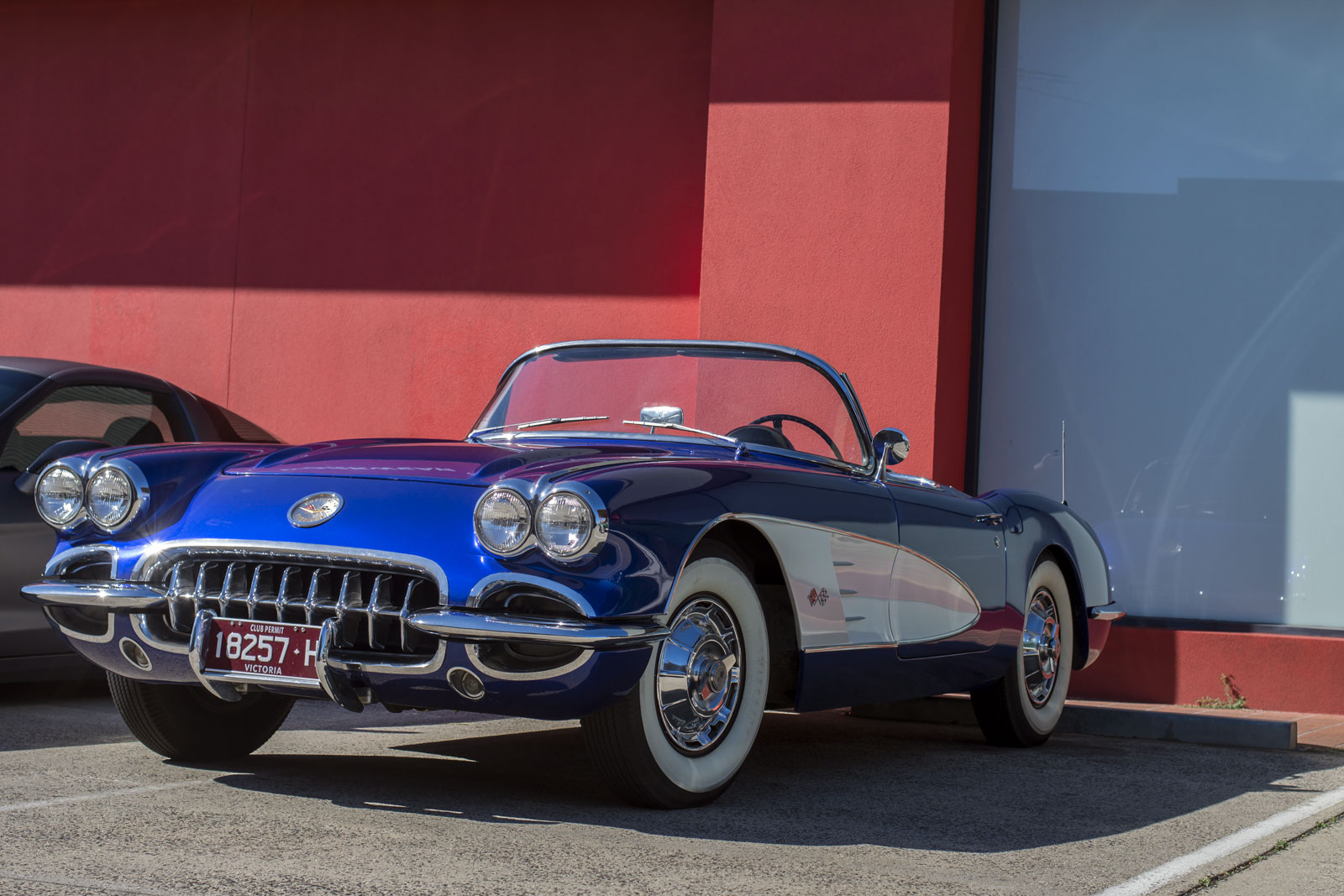
Andrew Follows (Australian, d. 2019) '1958 Chevrolet Corvette Convertible Coupe' 2016


Andrew Follows (Australian, d. 2019)
1958 Chevrolet Corvette Convertible Coupe
2016
From the series Carmania 2
Digital photograph


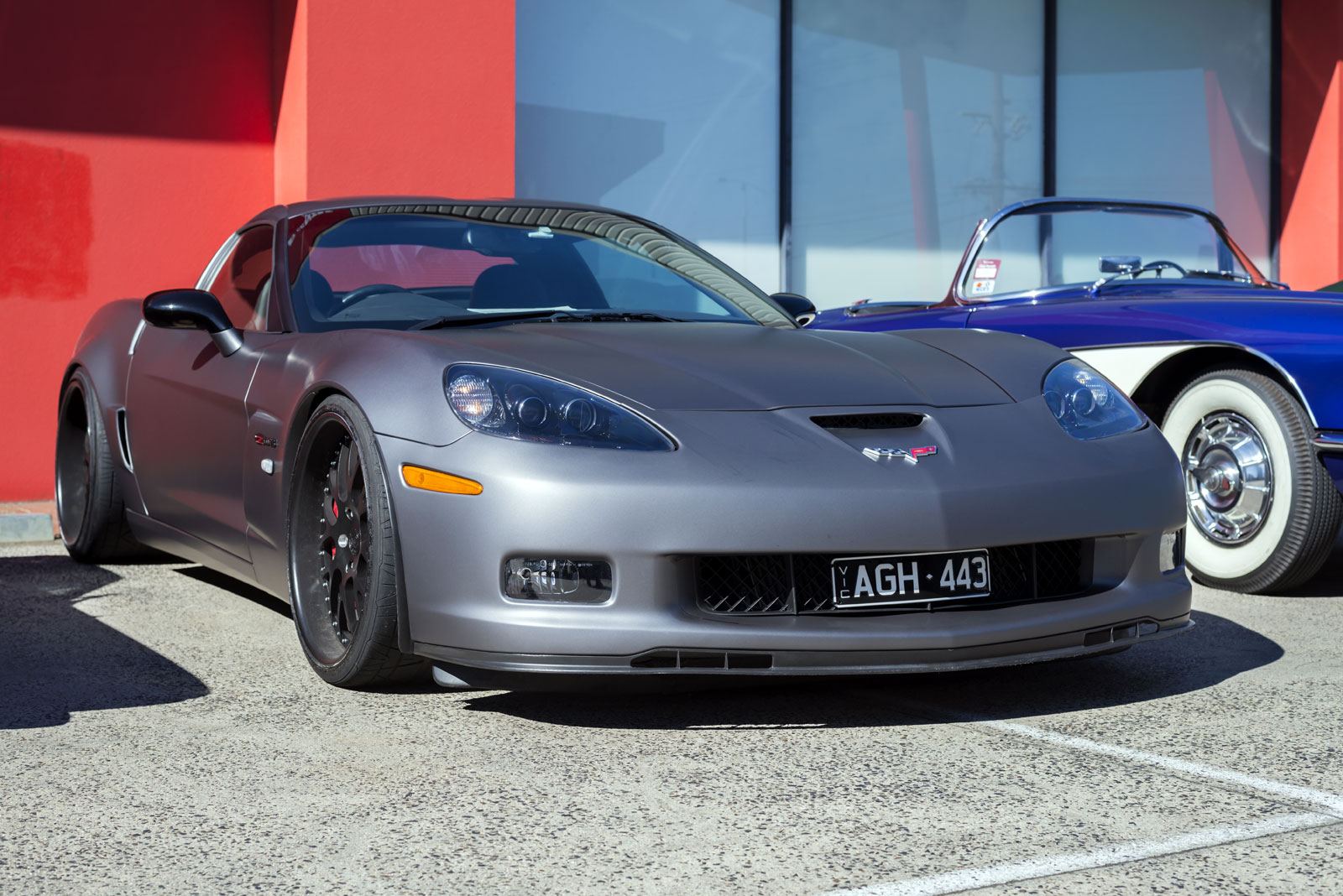
Andrew Follows (Australian, d. 2019) '2010 Chevrolet Corvette Z06' 2016


Andrew Follows (Australian, d. 2019)
2010 Chevrolet Corvette Z06
2016
From the series Carmania 2
Digital photograph


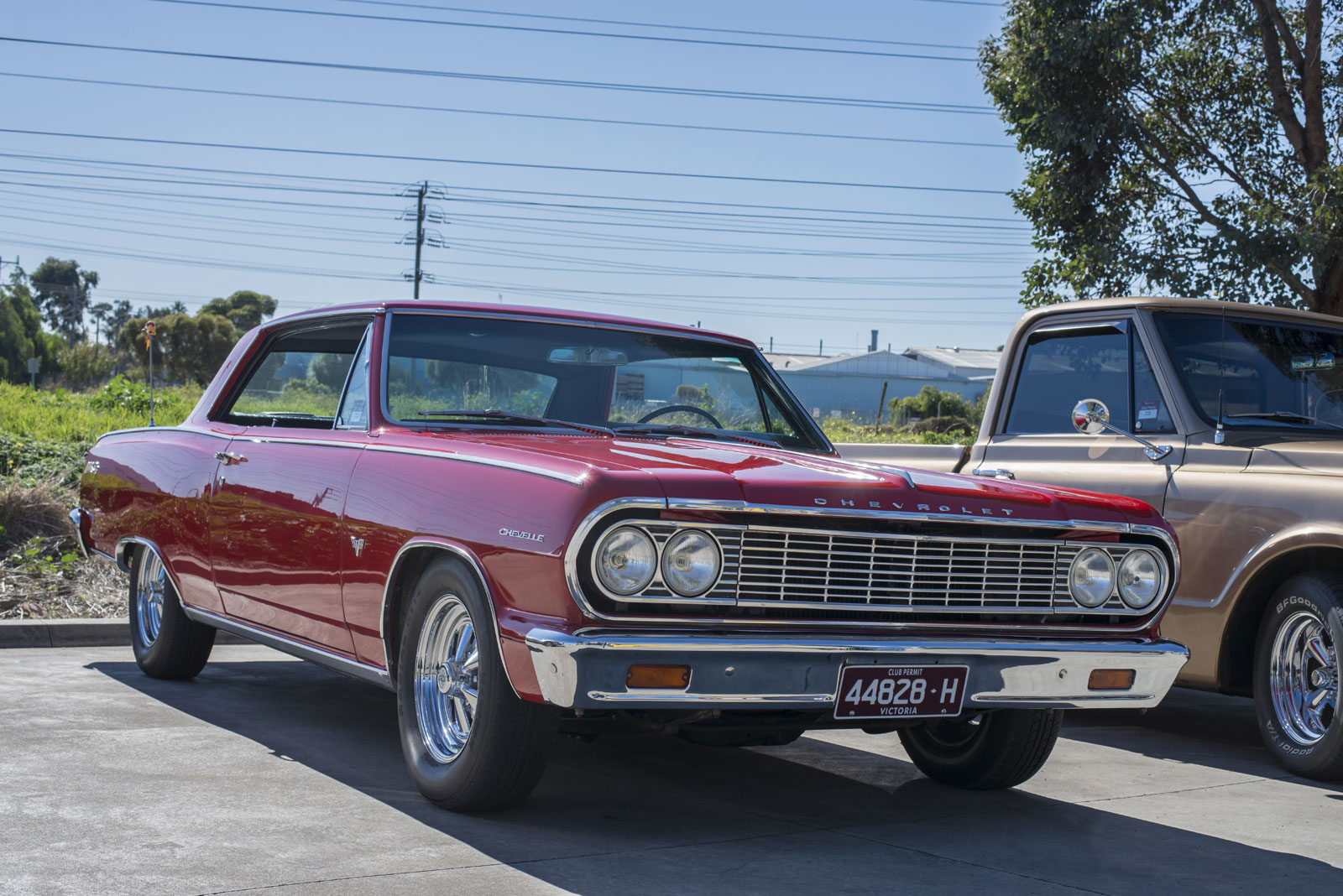
Andrew Follows (Australian, d. 2019) '1964 Chevrolet Chevelle' 2016


Andrew Follows (Australian, d. 2019)
1964 Chevrolet Chevelle
2016
From the series Carmania 2
Digital photograph


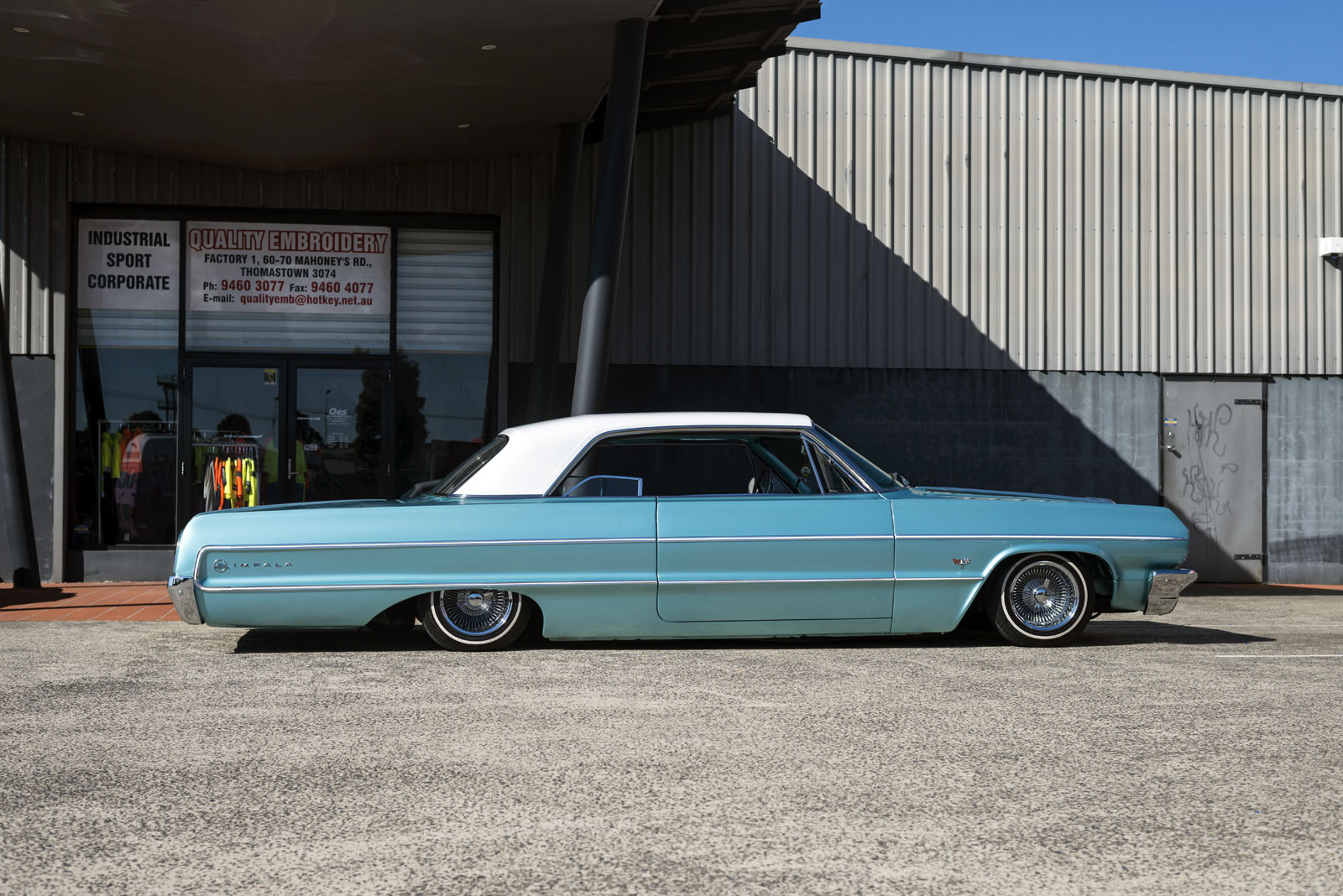
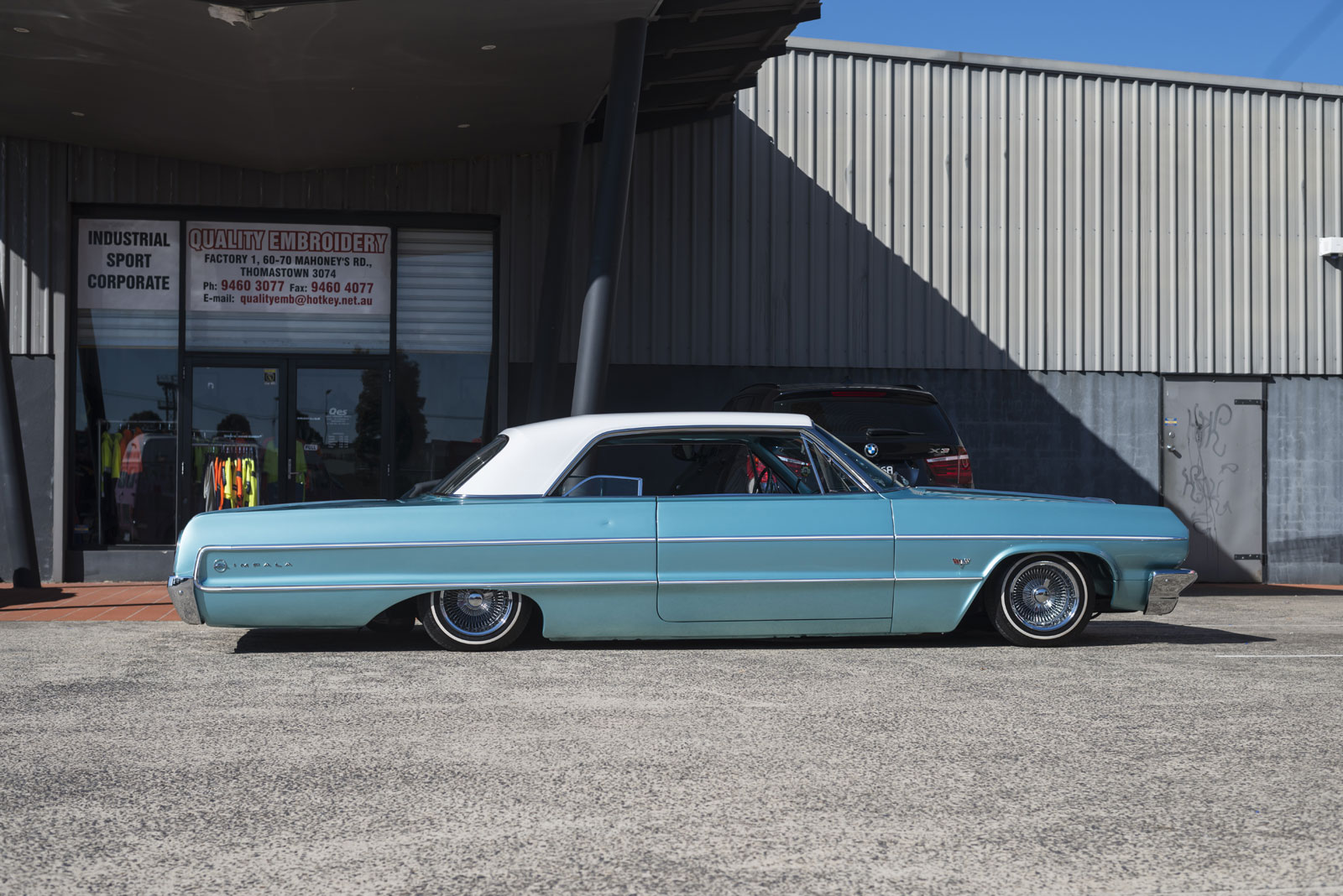
Andrew Follows (Australian, d. 2019) '1964 Chevrolet Impala' 2016


Andrew Follows (Australian, d. 2019)
1964 Chevrolet Impala
2016
From the series Carmania 2
Digital photograph


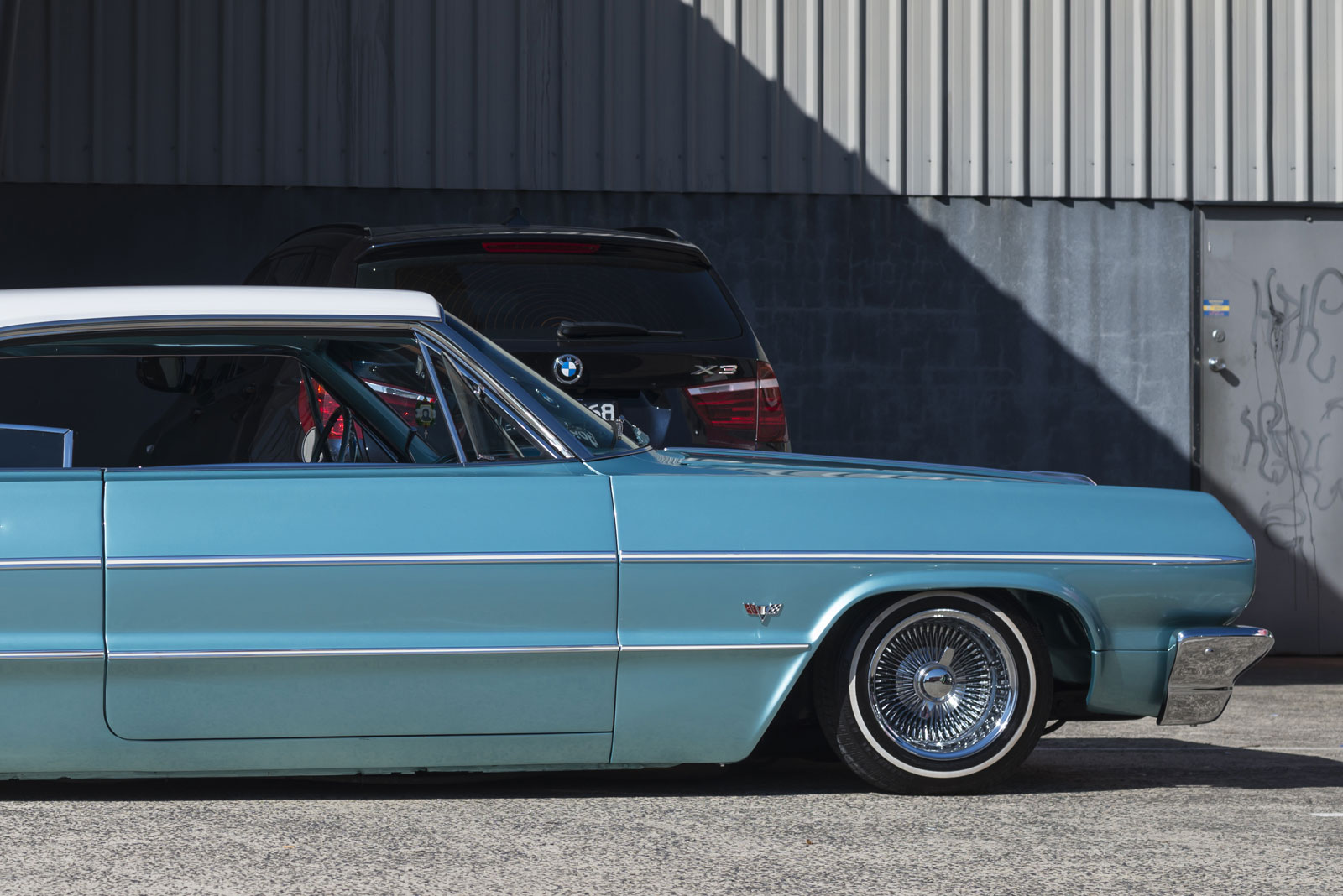
Andrew Follows (Australian, d. 2019) '1964 Chevrolet Impala' 2016 no retouch

Andrew Follows (Australian, d. 2019) '1964 Chevrolet Impala' 2016 no retouch detail


Retouching (by Marcus Bunyan) detail – now you see it, now you don’t!


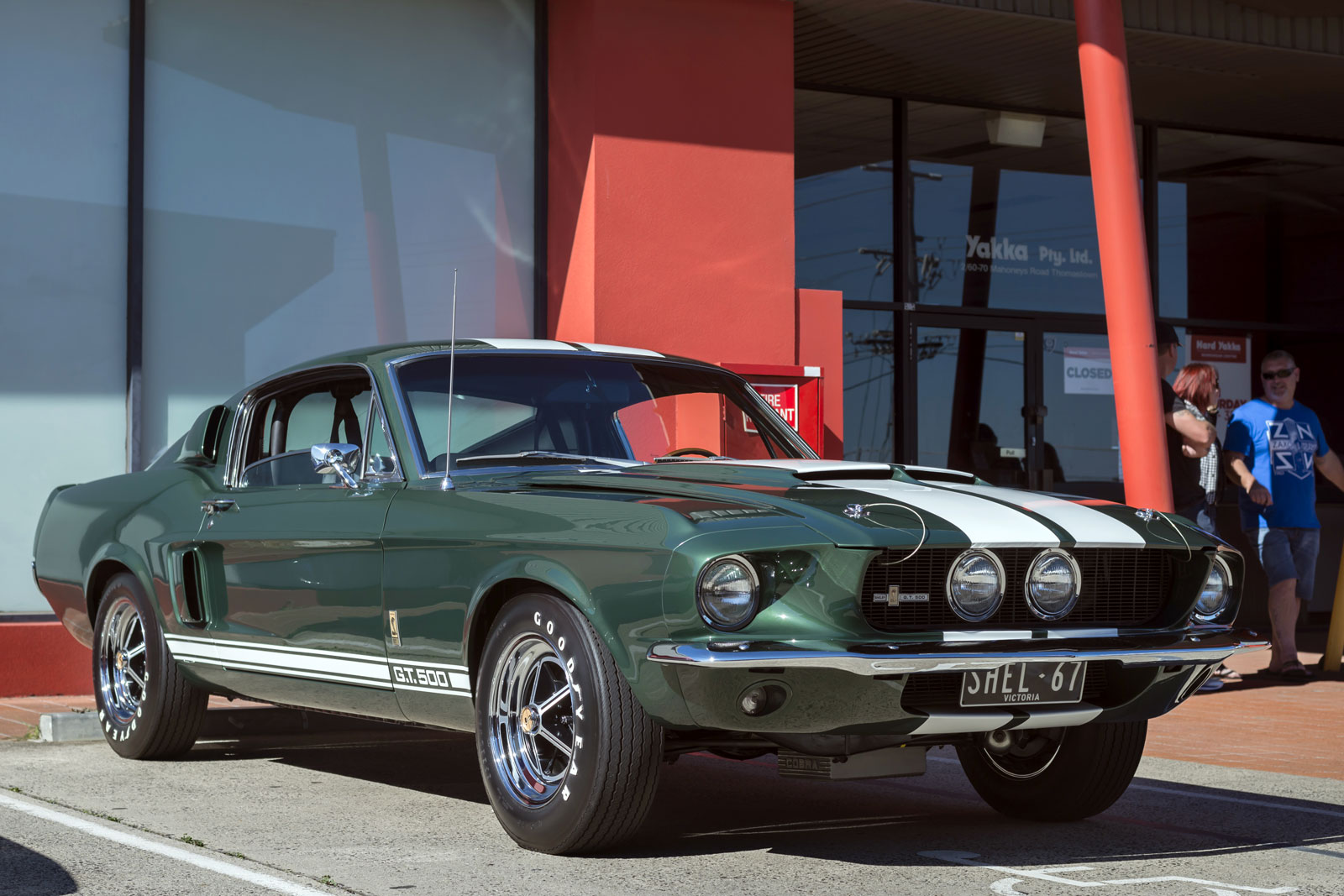
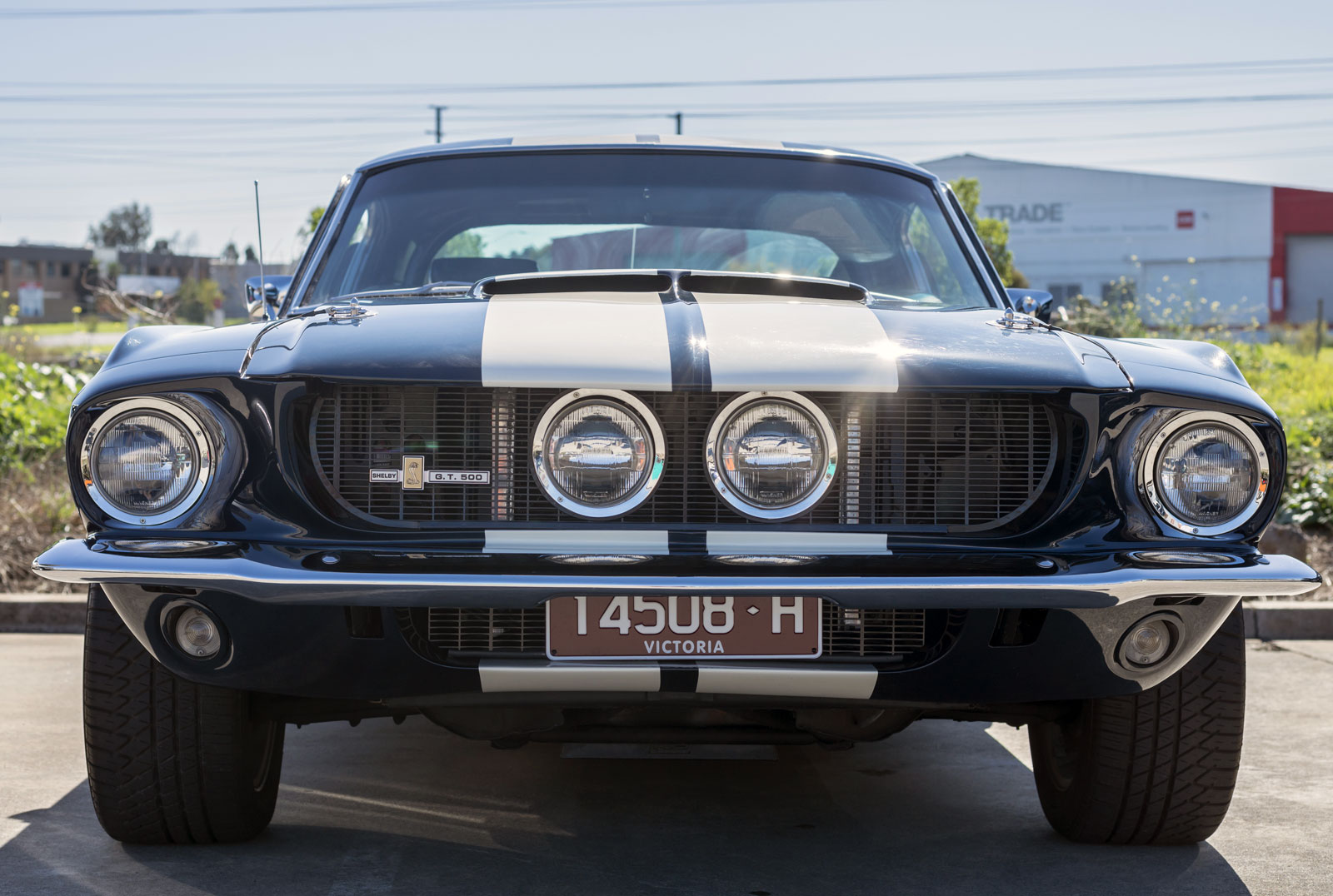
Andrew Follows (Australian, d. 2019) '1967 Ford Shelby Mustang G.T. 500 Cobra' 2016


Andrew Follows (Australian, d. 2019)
1967 Ford Shelby Mustang G.T. 500 Cobra
2016
From the series Carmania 2
Digital photograph


Andrew Follows (Australian, d. 2019) '1967 Ford Shelby Mustang G.T. 500 Cobra' 2016


Andrew Follows (Australian, d. 2019)
1967 Ford Shelby Mustang G.T. 500 Cobra
2016
From the series Carmania 2
Digital photograph


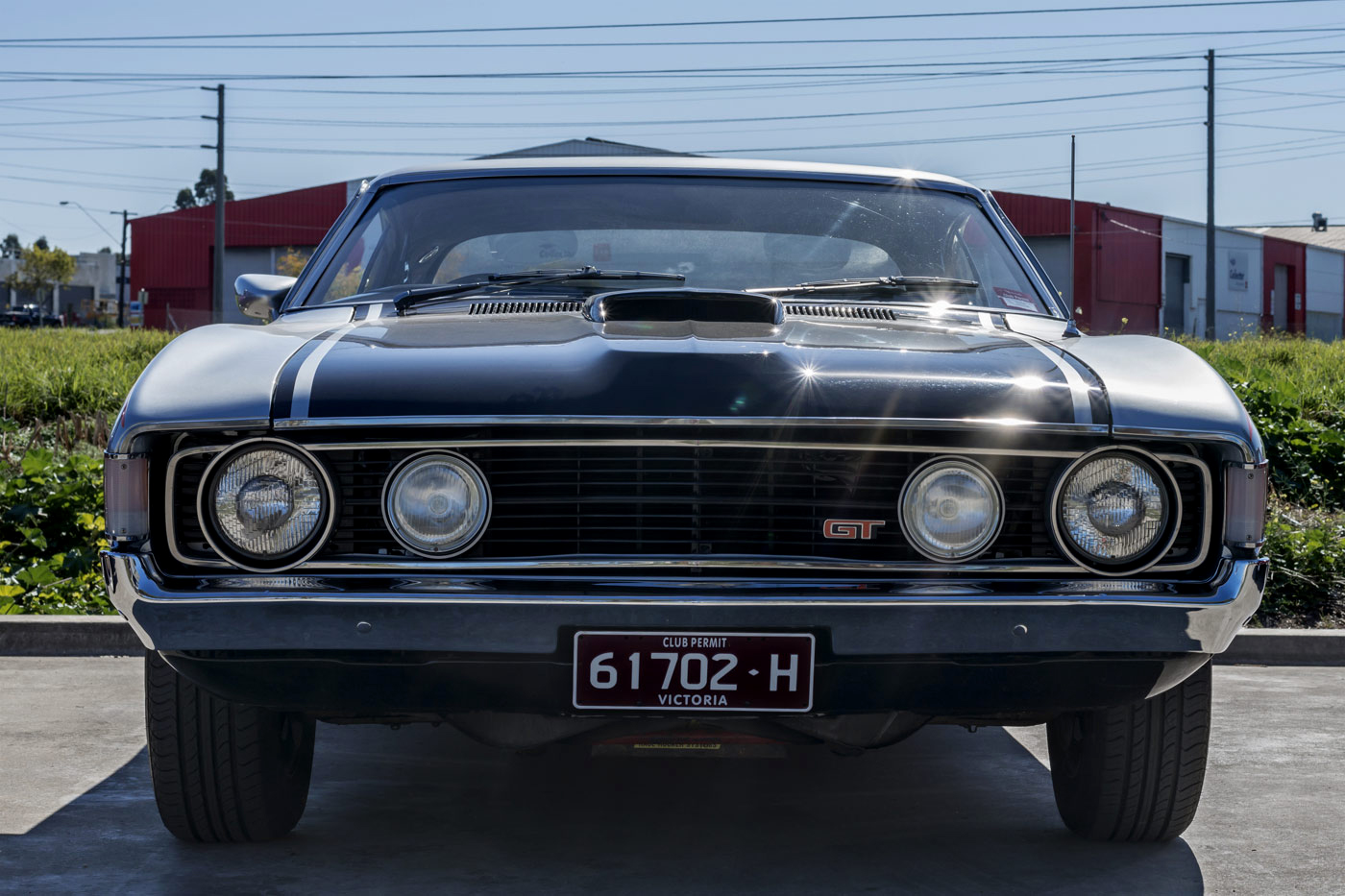
Andrew Follows (Australian, d. 2019) '1972 Ford XA GT coupe' 2016


Andrew Follows (Australian, d. 2019)
1972 Ford XA GT coupe
2016
From the series Carmania 2
Digital photograph


Andrew Follows (Australian, d. 2019) '1967 Ford Shelby Mustang G.T. 500 Cobra' 2016


Andrew Follows (Australian, d. 2019)
1967 Ford Shelby Mustang G.T. 500 Cobra
2016
From the series Carmania 2
Digital photograph


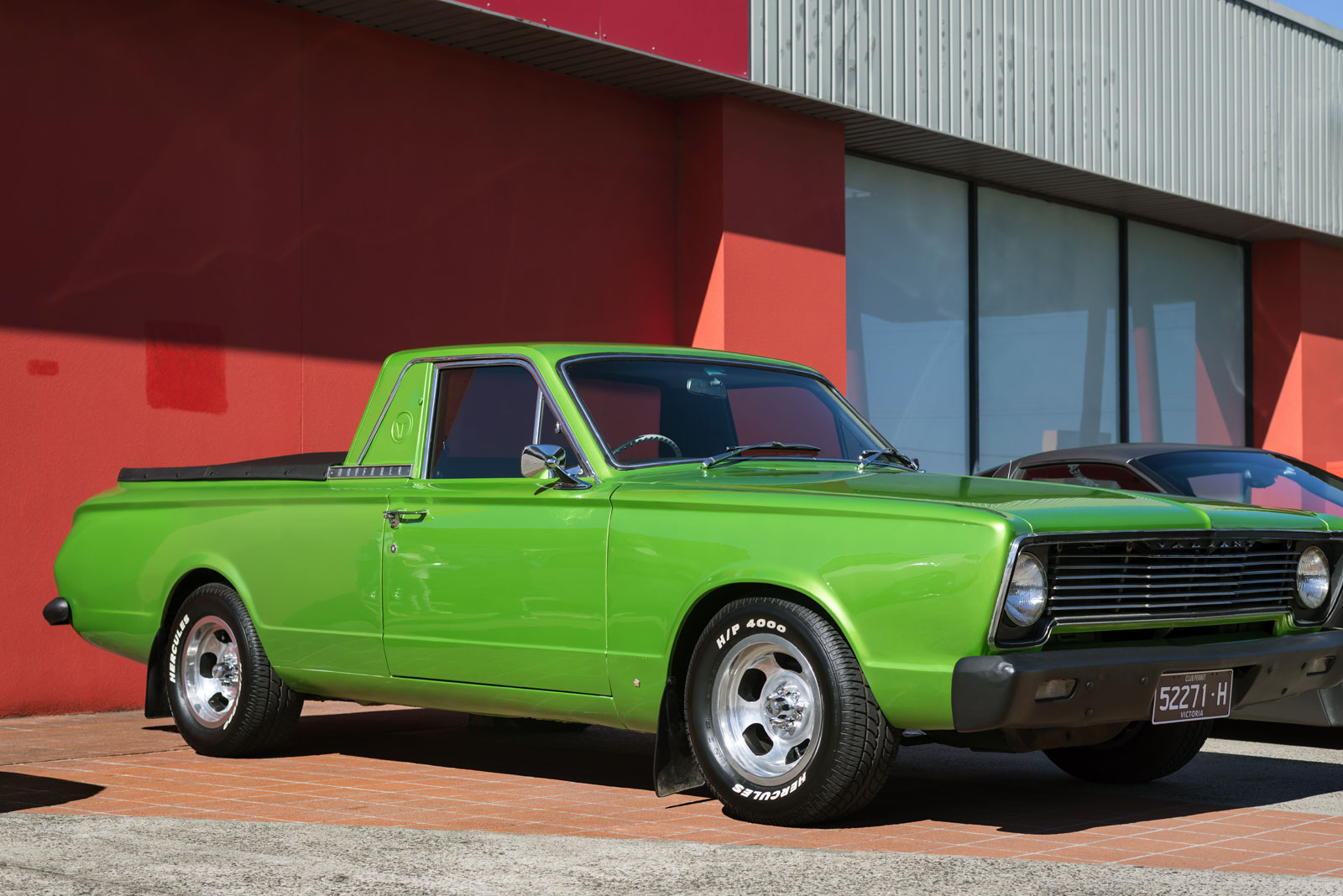
Andrew Follows (Australian, d. 2019) '1966-67 Chrysler Valiant Wayfarer ute' 2016


Andrew Follows (Australian, d. 2019)
1966-67 Chrysler Valiant Wayfarer ute
2016
From the series Carmania 2
Digital photograph


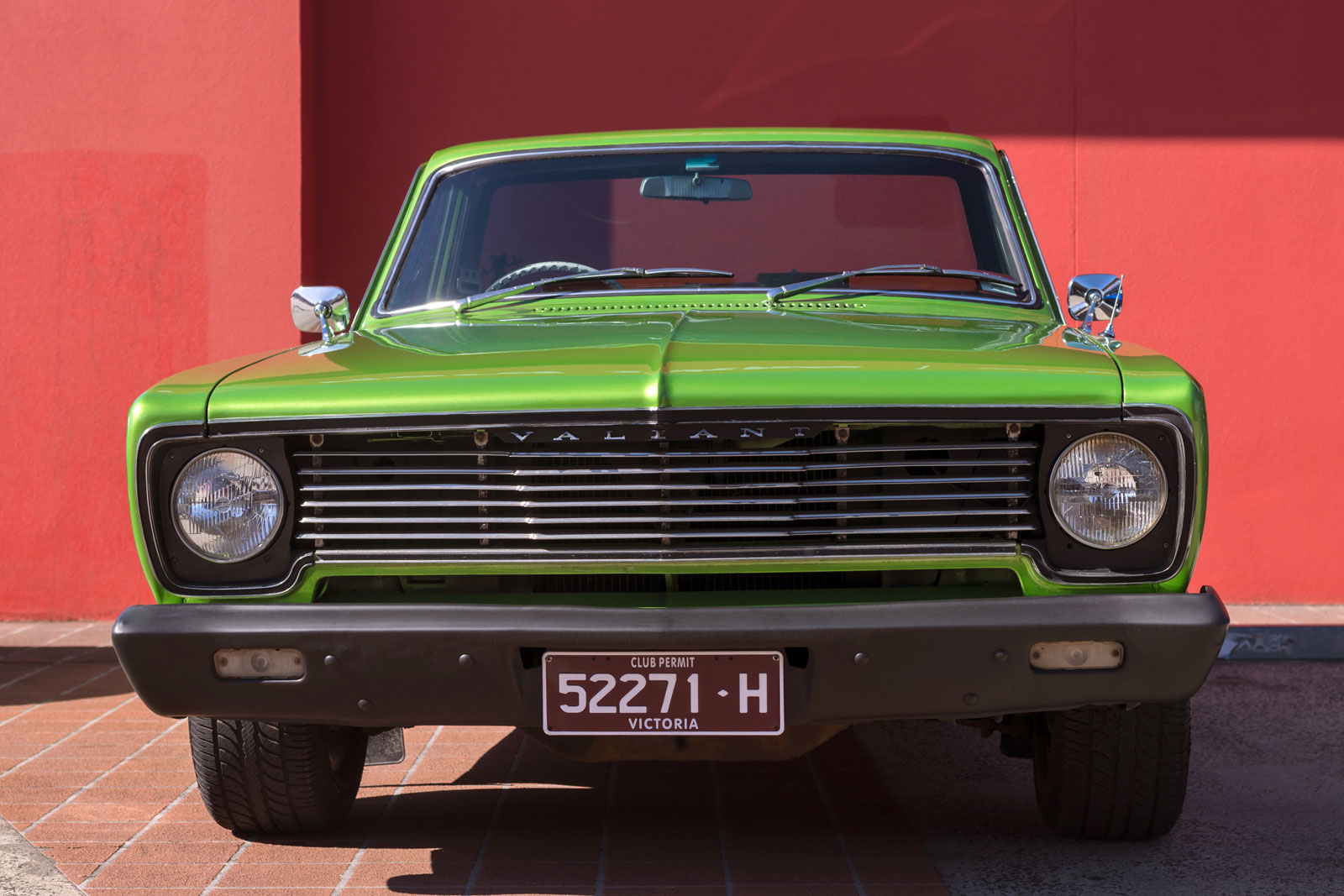
Andrew Follows (Australian, d. 2019) '1966-67 Chrysler Valiant Wayfarer ute' 2016


Andrew Follows (Australian, d. 2019)
1966-67 Chrysler Valiant Wayfarer ute
2016
From the series Carmania 2
Digital photograph


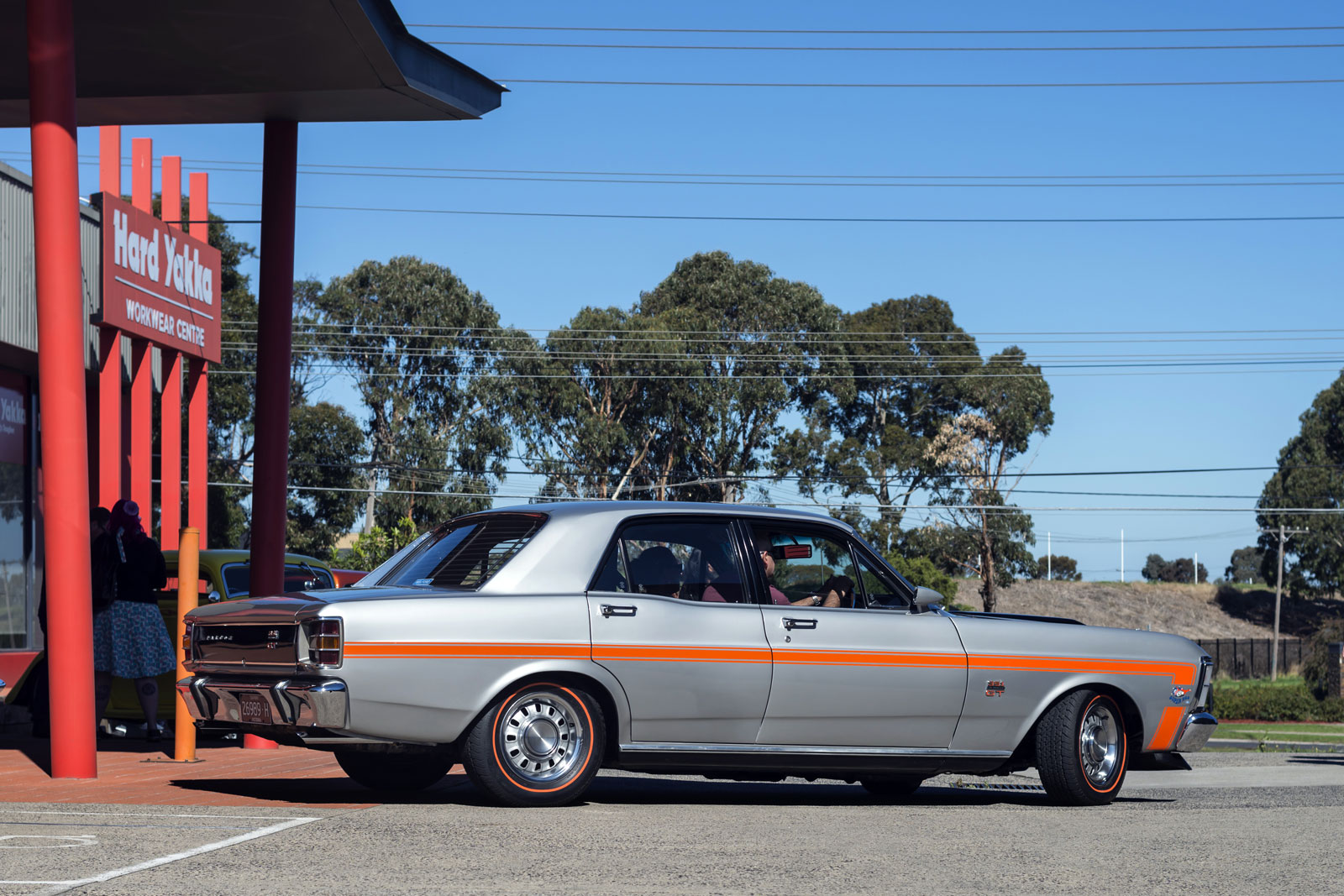
Andrew Follows (Australian, d. 2019) '1969-70 Ford XW Fairmont GT' 2016


Andrew Follows (Australian, d. 2019)
1969-70 Ford XW Fairmont GT
2016
From the series Carmania 2
Digital photograph


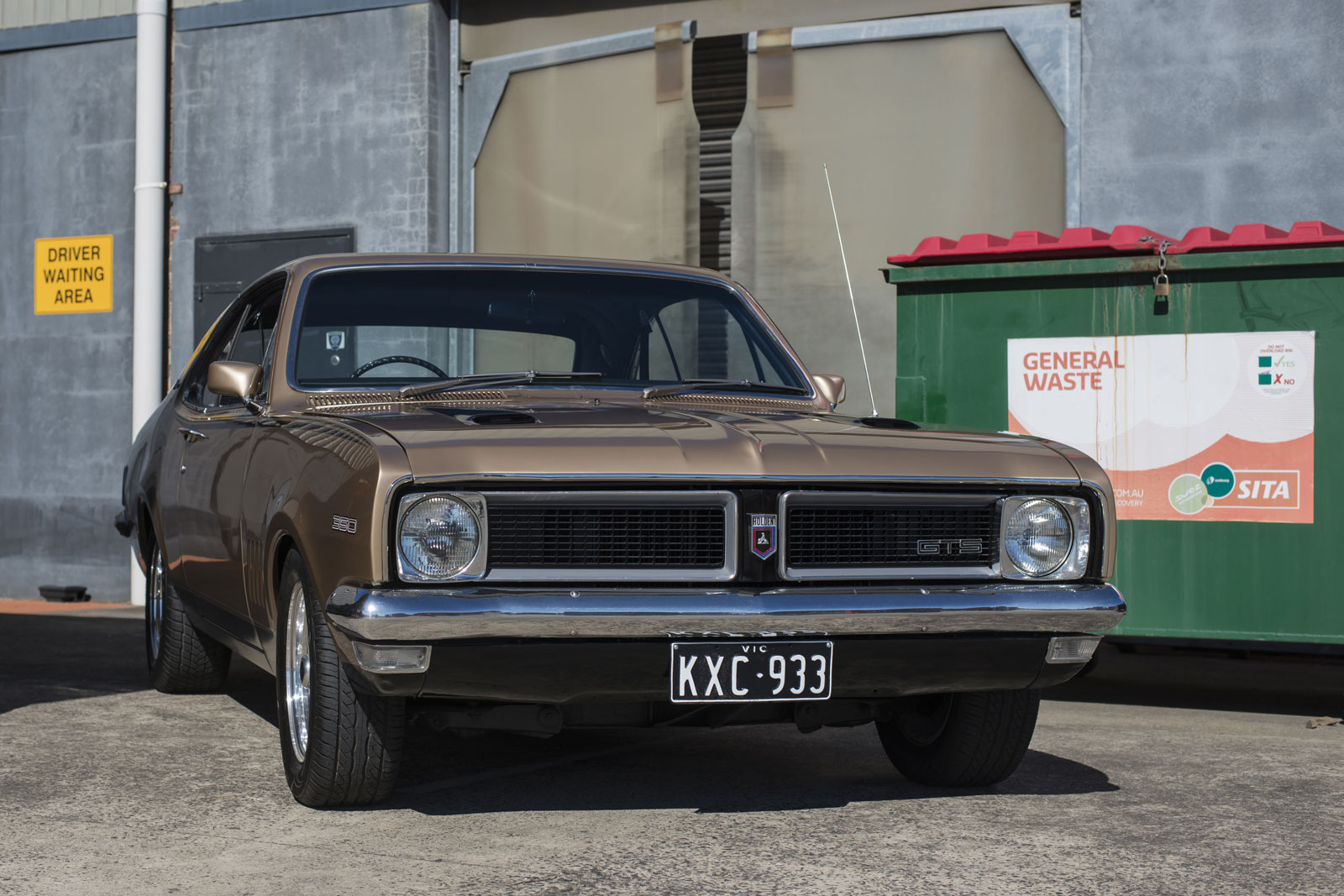
Andrew Follows (Australian, d. 2019) '1970-71 Holden Monaro HG GTS 350' 2016


Andrew Follows (Australian, d. 2019)
1970-71 Holden Monaro HG GTS 350
2016
From the series Carmania 2
Digital photograph


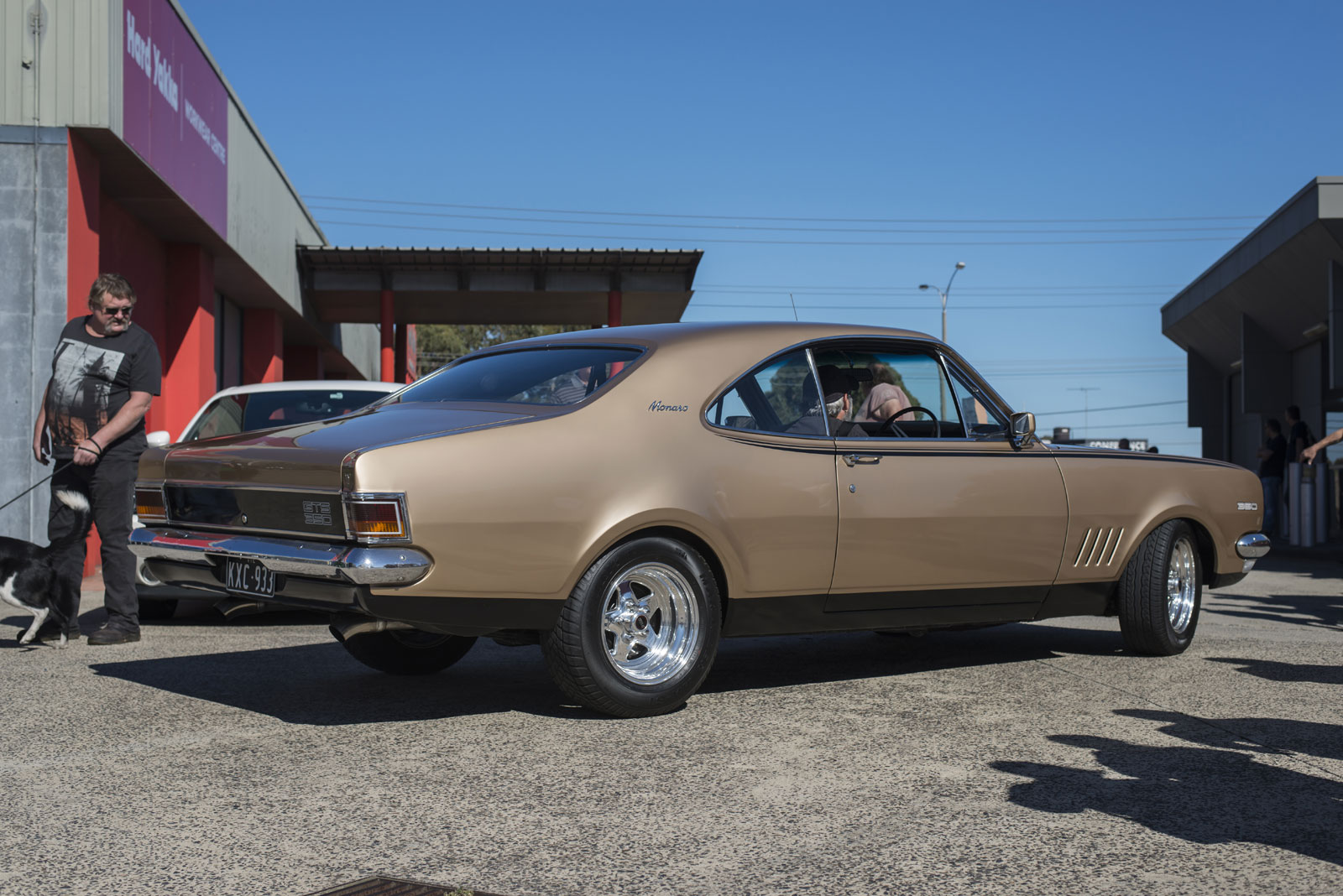
Andrew Follows (Australian, d. 2019) '1970-71 Holden Monaro HG GTS 350' 2016


Andrew Follows (Australian, d. 2019)
1970-71 Holden Monaro HG GTS 350
2016
From the series Carmania 2
Digital photograph


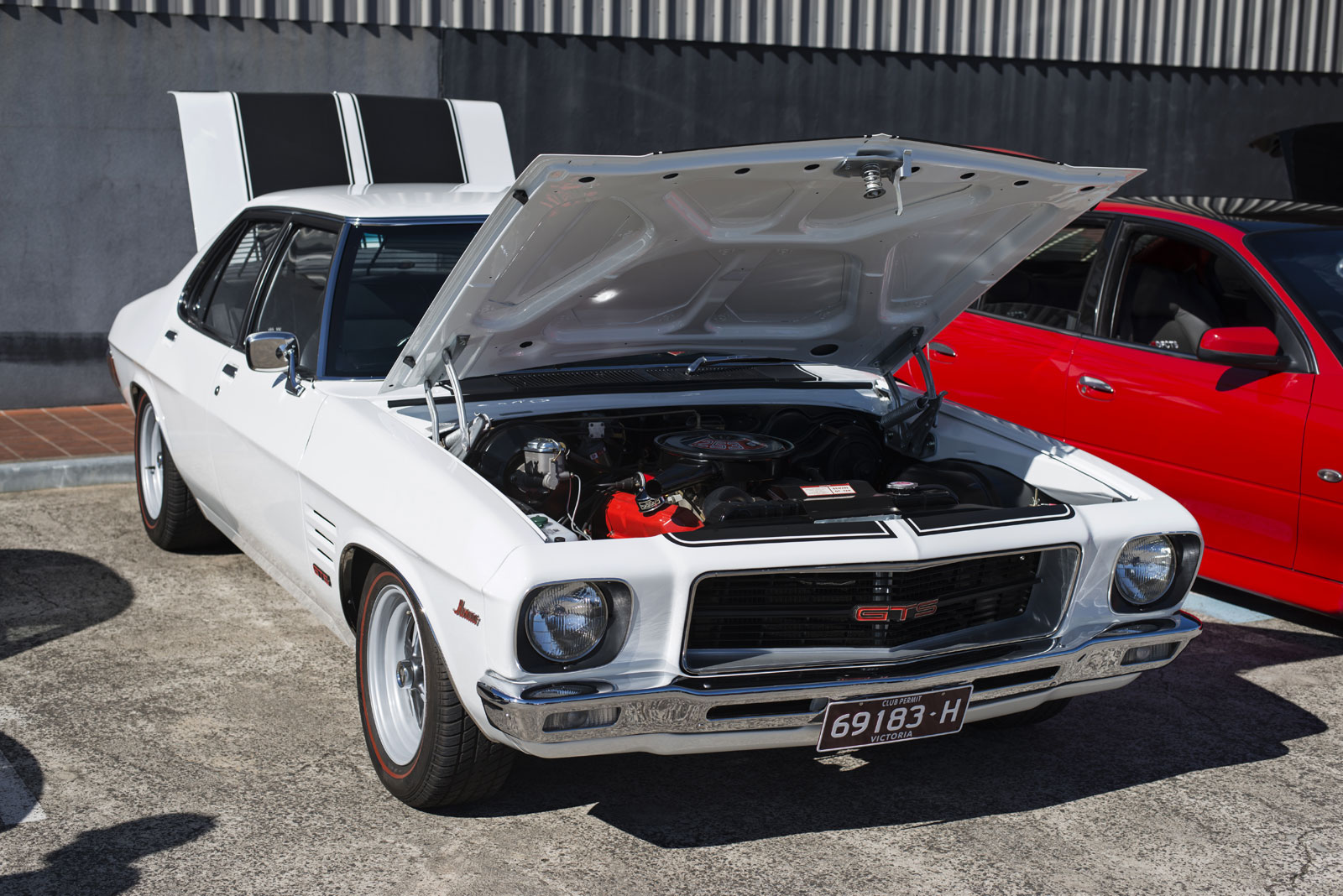
Andrew Follows (Australian, d. 2019) '1972 Holden Monaro HQ GTS Coupe' 2016


Andrew Follows (Australian, d. 2019)
1972 Holden Monaro HQ GTS Coupe
2016
From the series Carmania 2
Digital photograph


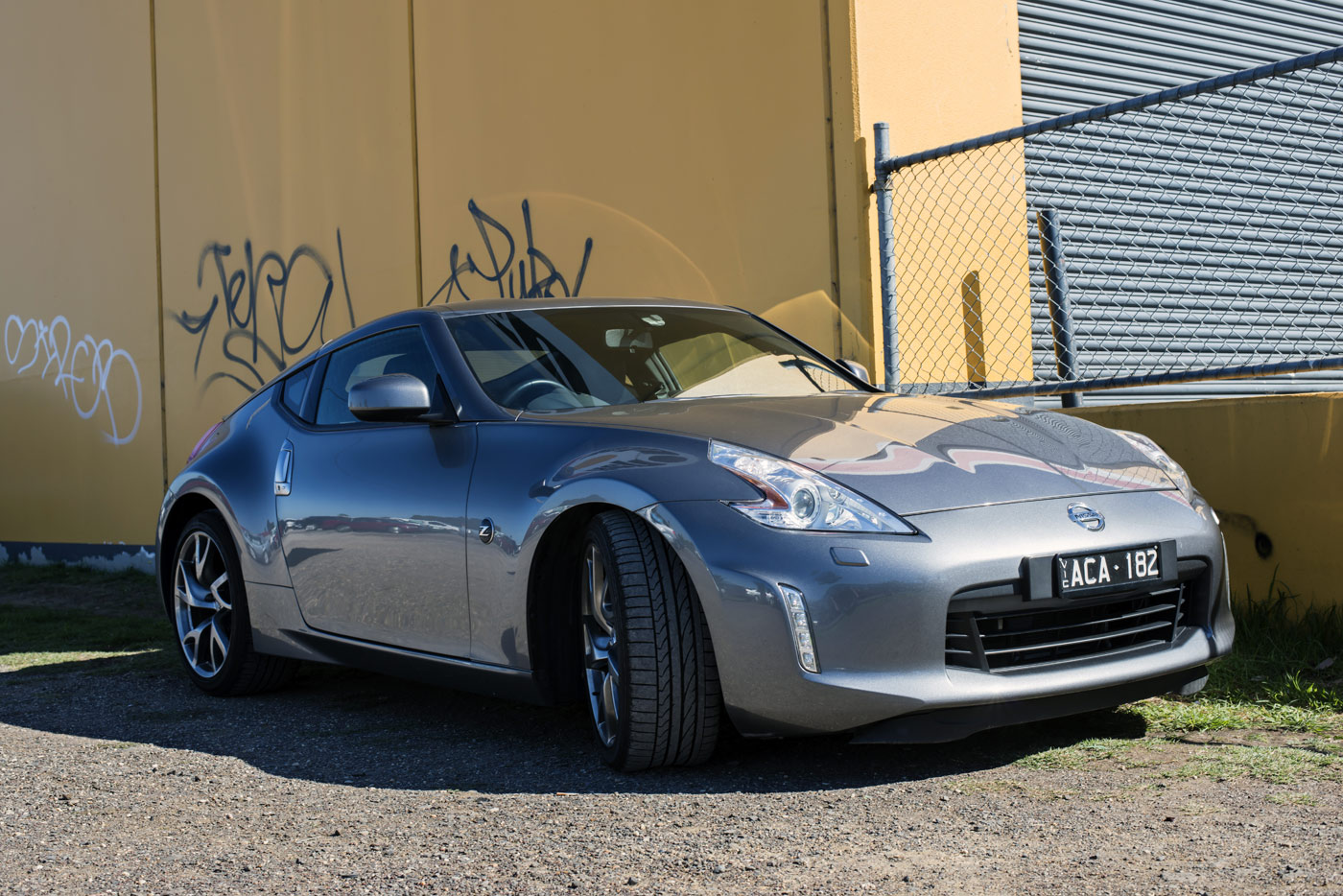
Andrew Follows (Australian, d. 2019) 'Nissan 350Z' 2016


Andrew Follows (Australian, d. 2019)
Nissan 350Z
2016
From the series Carmania 2
Digital photograph


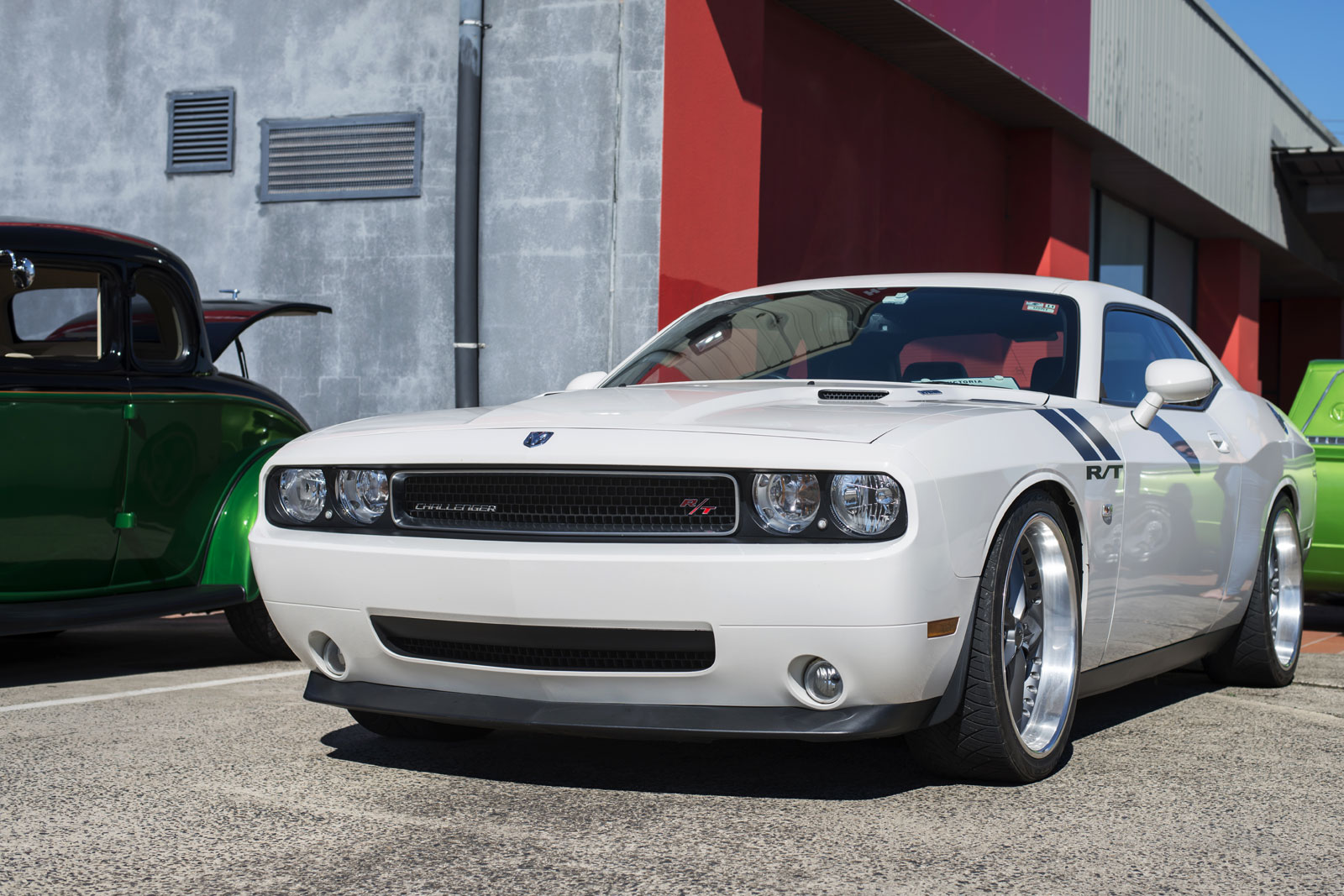
Andrew Follows (Australian, d. 2019) '2009 Dodge Challenger R/T' 2016


Andrew Follows (Australian, d. 2019)
2009 Dodge Challenger R/T
2016
From the series Carmania 2
Digital photograph


Andrew Follows Photographer website

LIKE ART BLART ON FACEBOOK

Back to top

Exhibition: ‘Sight Reading: Photography and the Legible World’ at the Morgan Library & Museum, New York

Exhibition dates: 19th February – 30th May, 2016

Co-curators: Joel Smith, the Morgan’s Richard L. Menschel Curator and Department Head of Photography, and Lisa Hostetler, Curator in Charge of Photography at the Eastman Museum


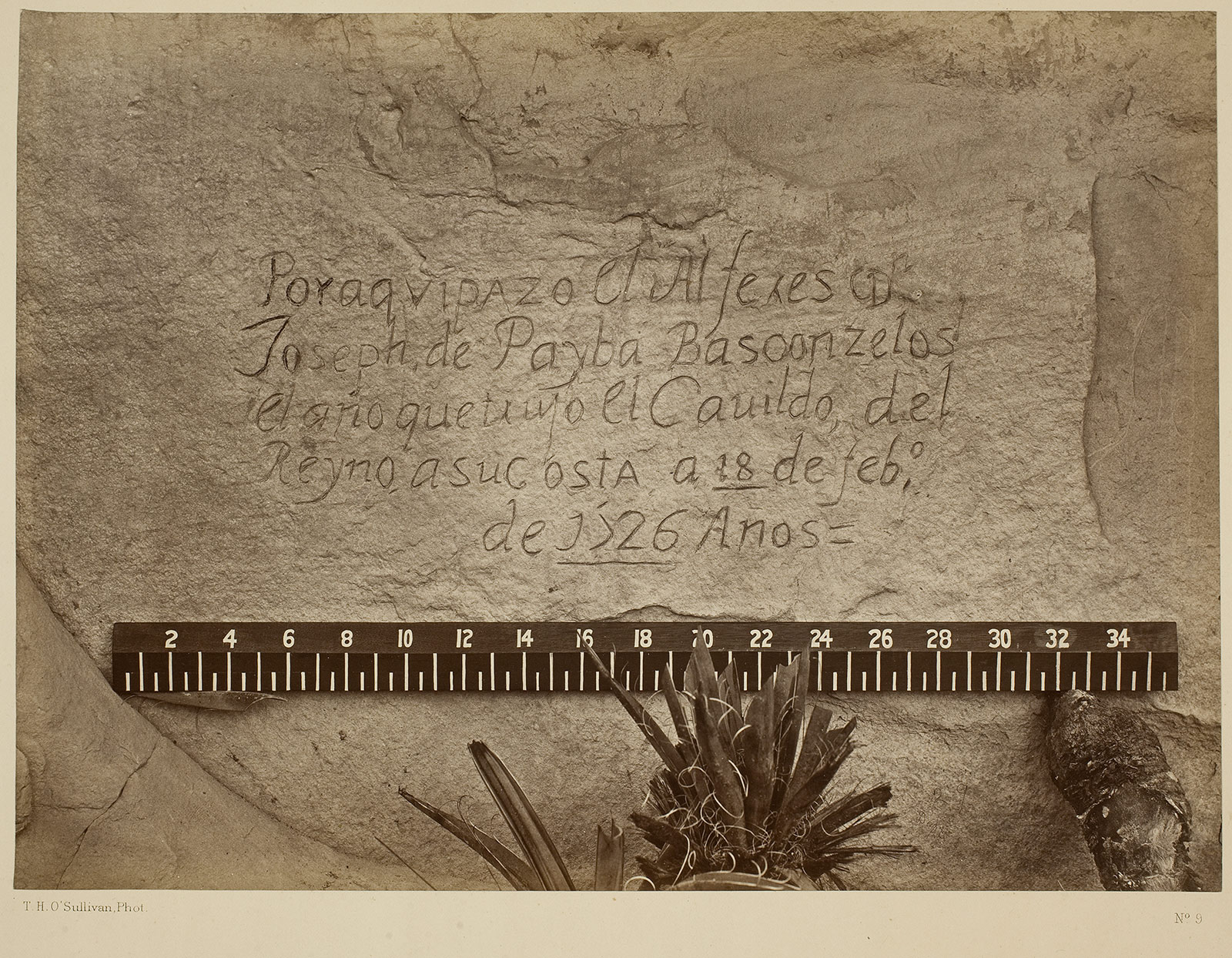
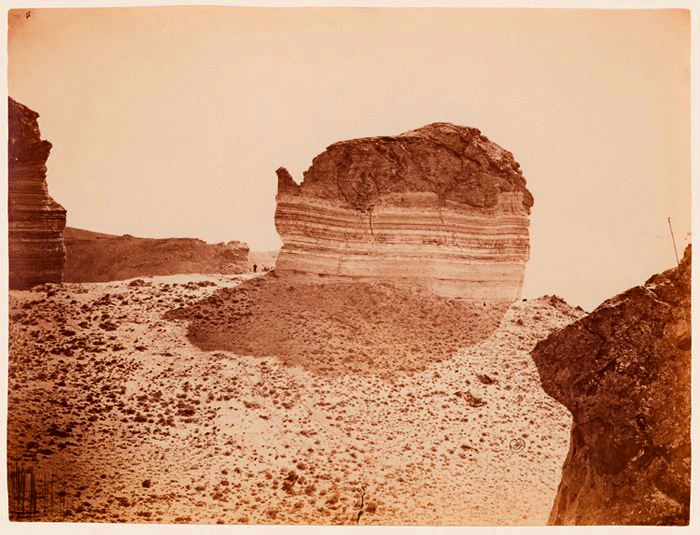
Timothy H. O'Sullivan (American born Ireland, 1840-1882) 'Historic Spanish Record of the Conquest, South Side of Inscription Rock' 1873 from the exhibition 'Sight Reading: Photography and the Legible World' at the Morgan Library & Museum, New York, Feb - May, 2016


Timothy H. O’Sullivan (American born Ireland, 1840-1882)
Historic Spanish Record of the Conquest, South Side of Inscription Rock
1873
From the album Geographical Explorations and Surveys West of the 100th Meridian
Albumen silver print
George Eastman Museum, purchase


In 1873 O’Sullivan joined Lieutenant George Wheeler’s Geographic Survey in New Mexico and Arizona. At El Morro, a sandstone promontory covered with ancient petroglyphs and historic-era inscriptions, the photographer singled out this handsomely lettered sentence to record and measure. It states: By this place passed Ensign Don Joseph de Payba Basconzelos, in the year in which he held the Council of the Kingdom at his expense, on the 18th of February, in the year 1726. Nearby, the rock record now bears another inscription that reads T. H. O’Sullivan.


This looks to be a fascinating exhibition. I wish I could see it.

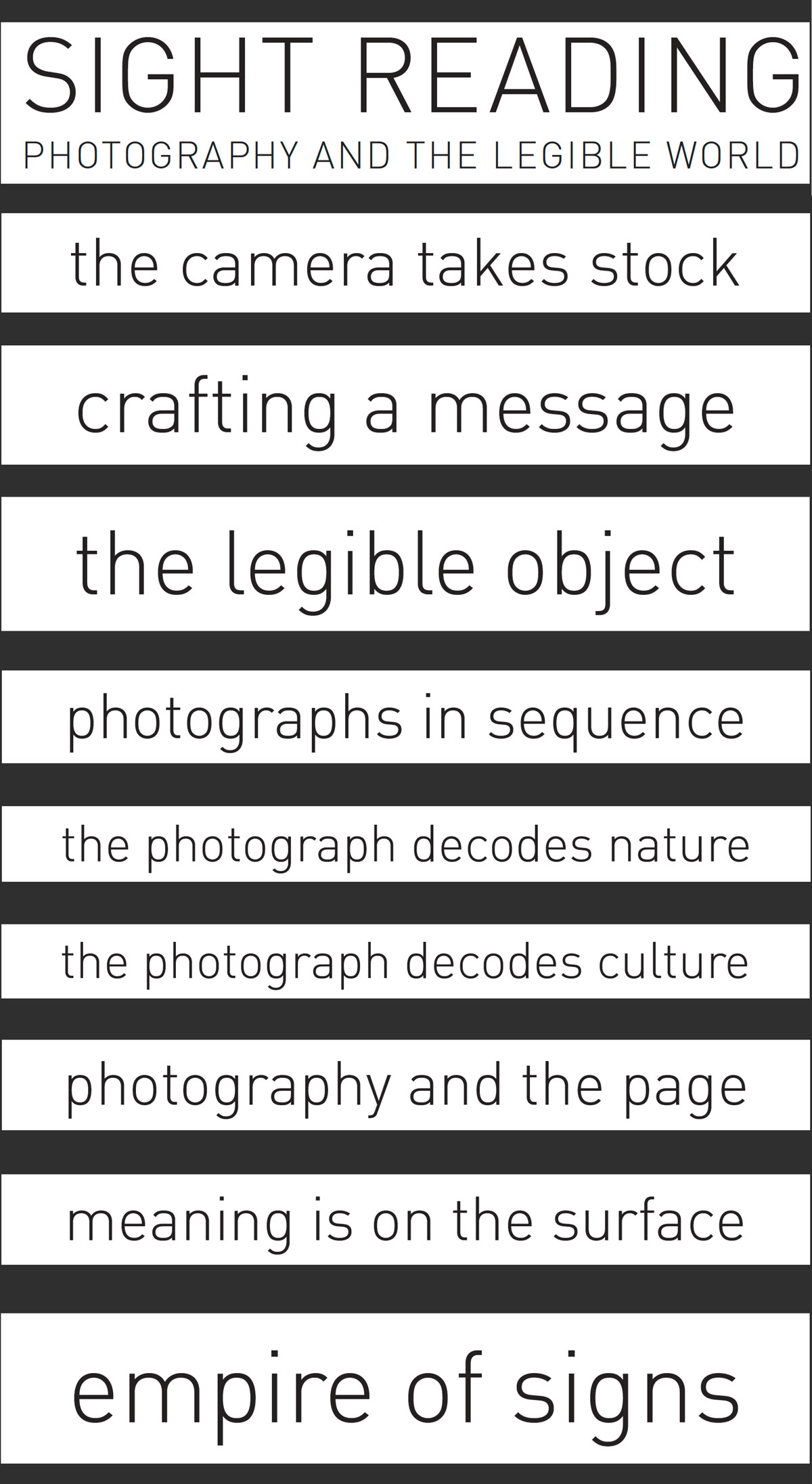
While Sight Reading cuts across conventional historical and geographic divisions, with the exhibition being organised into nine “conversations” among diverse sets of works, we must always remember that these “themes” are not exclusory to each other. Photographs do cross nominally defined boundaries and themes (as defined by history and curators) so that they can become truly subversive works of art.

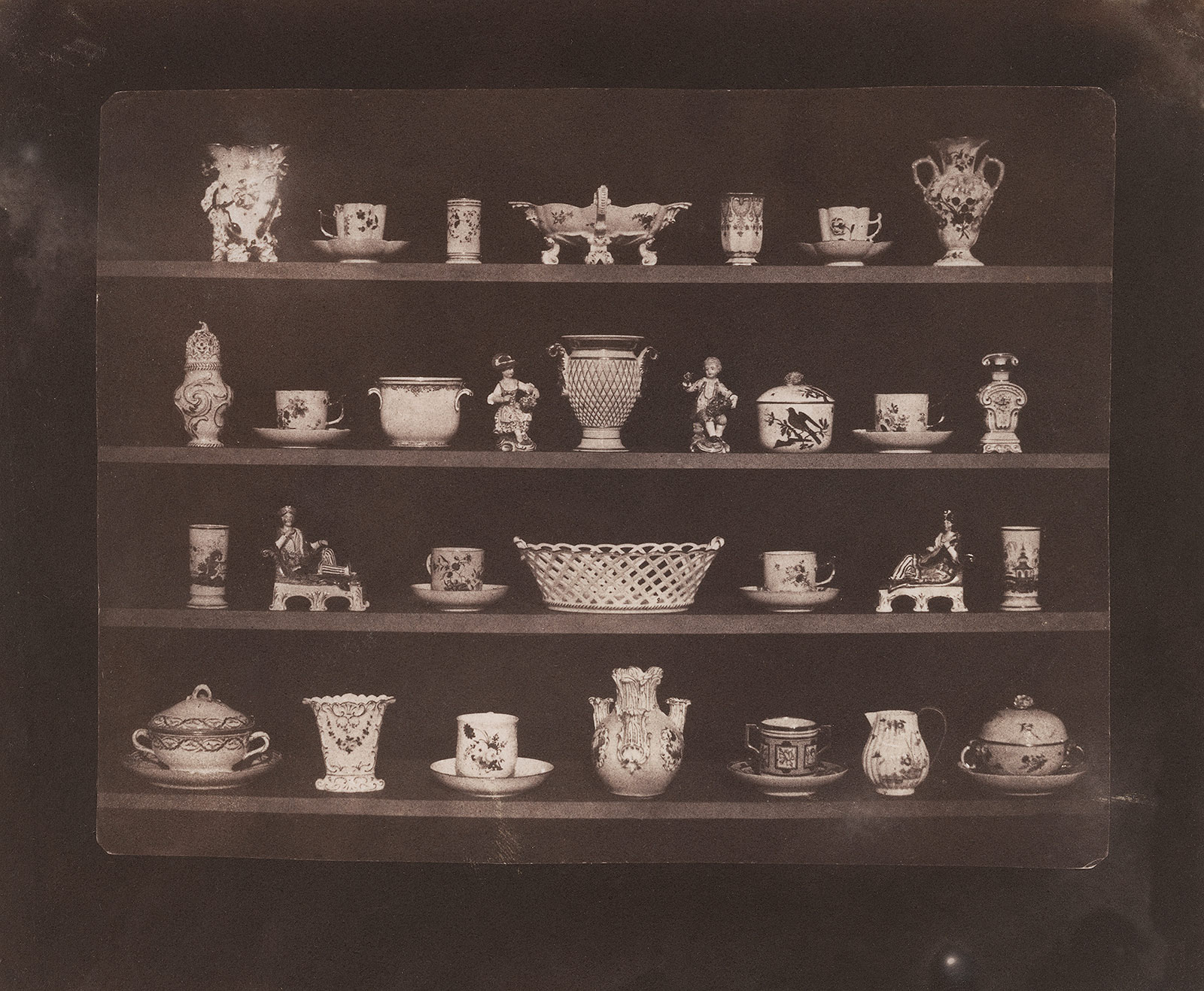
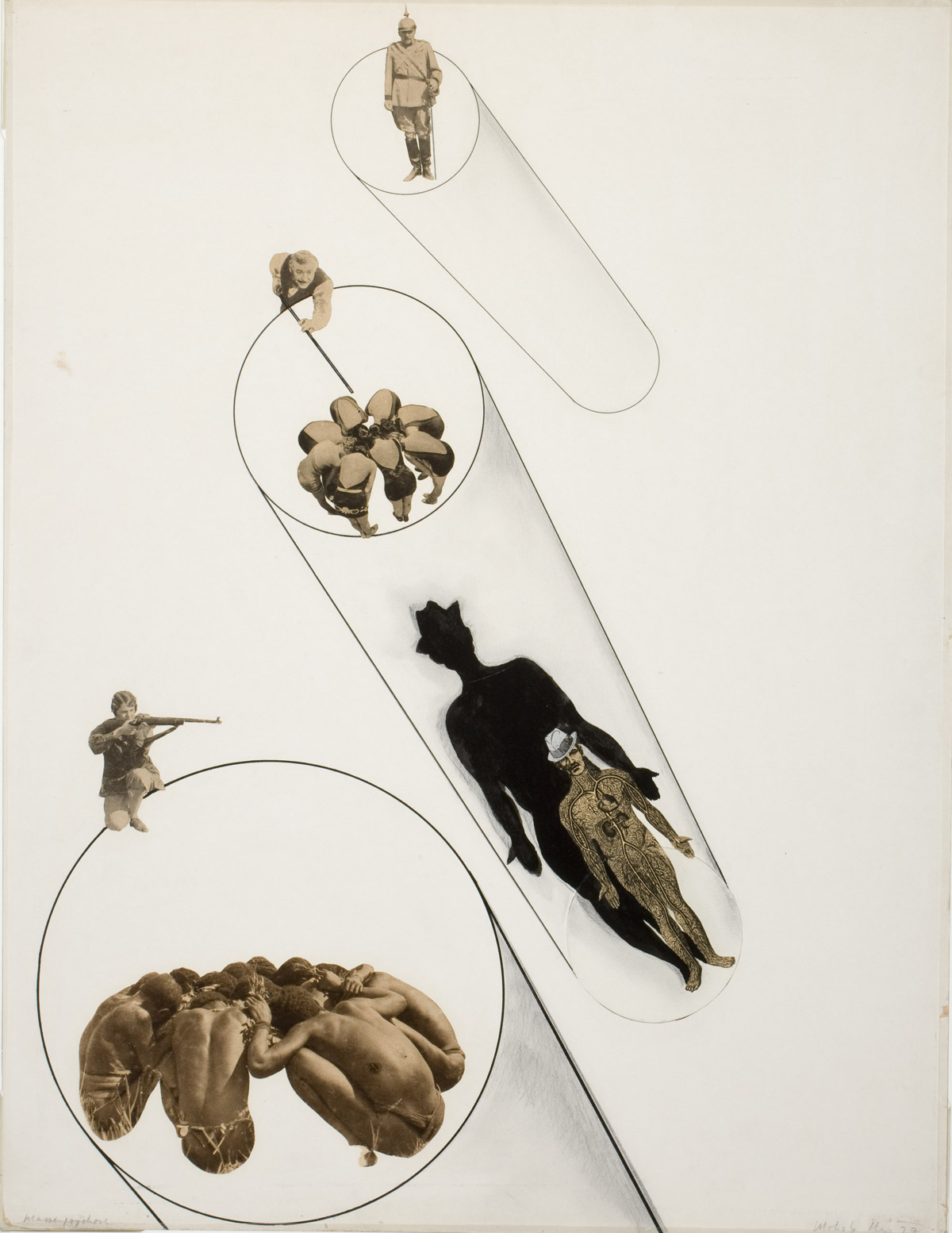
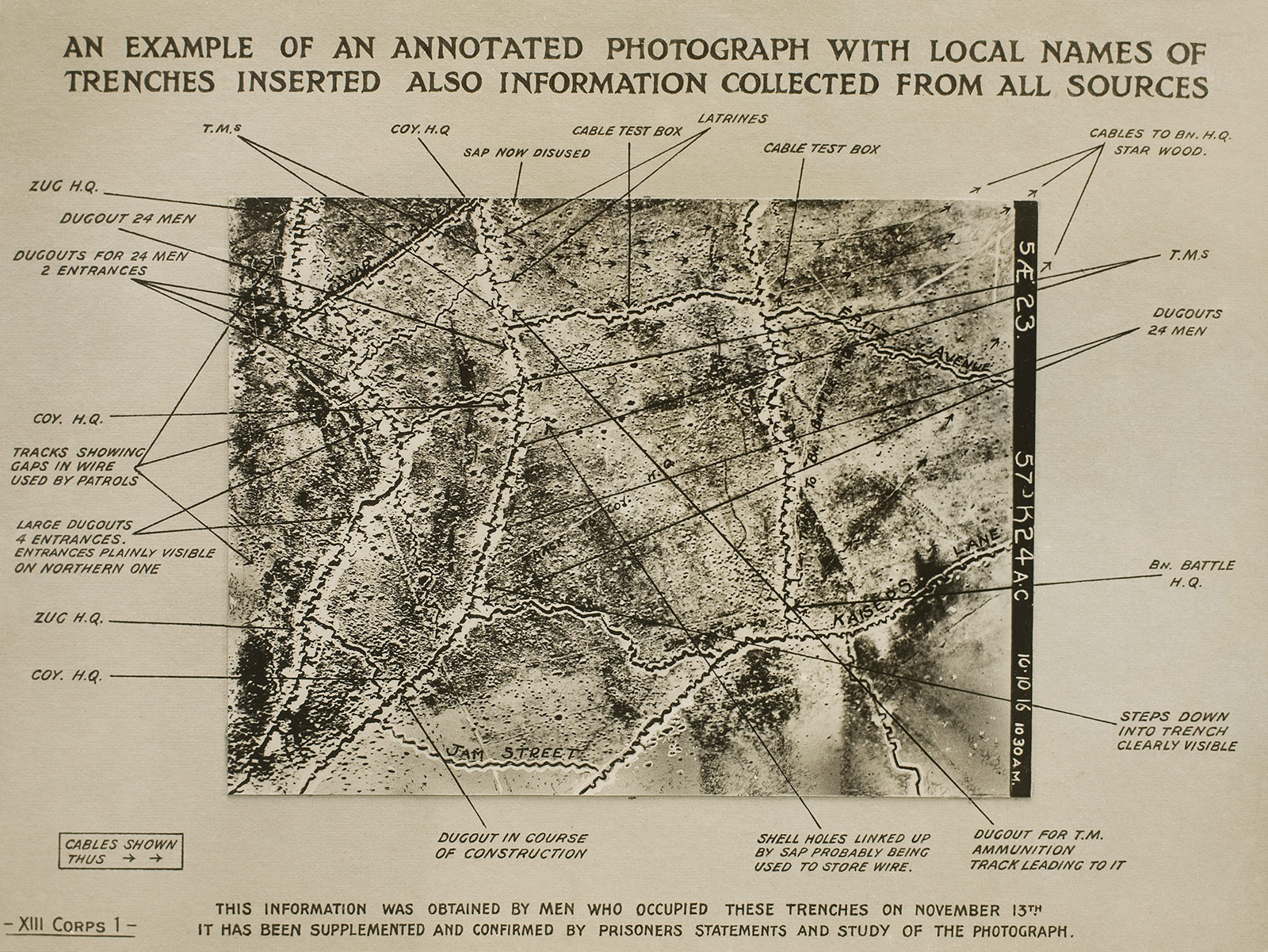
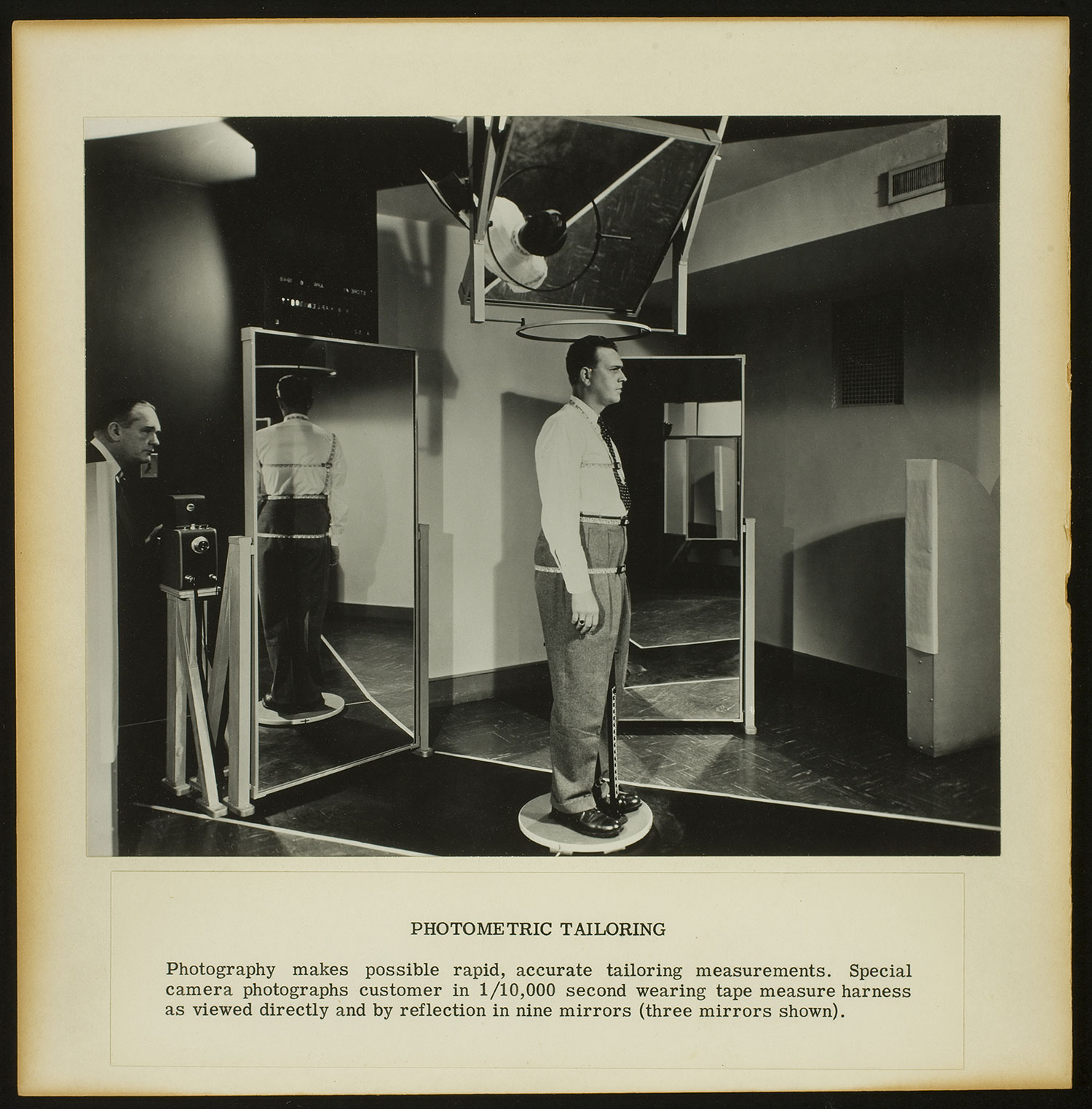
Photographs can form spaces called heterotopia, “a form of concept in human geography elaborated by philosopher Michel Foucault, to describe places and spaces that function in non-hegemonic conditions. These are spaces of otherness, which are neither here nor there, that are simultaneously physical and mental, such as the space of a phone call or the moment when you see yourself in the mirror… Foucault uses the term “heterotopia” (French: hétérotopie) to describe spaces that have more layers of meaning or relationships to other places than immediately meet the eye.”1

In photographs, there is always more than meets the eye. There is the association of the photograph to multiple places and spaces (the histories of that place and space); the imagination of the viewer and the memories they bring to any encounter with a photograph, which may change from time to time, from look to look, from viewing to viewing; and the transcendence of the photograph as it brings past time to present time as an intimation of future time. Past, present and future spacetime are conflated in the act of just looking, just being. Positioning this “‘annihilation of time and space’ as a particular moment in a dynamic cycle of rupture and recuperation enables a deliberate focus on the process of transition.”2 And that transition, Doreen Massey argues, ignores often-invisible contingencies that define spaces those relations that have an effect upon a space but are not visible within it.3

Photographs, then, form what Deleuze and Guattari call assemblages4, where the assemblage is “the processes by which various configurations of linked components function in an intersection with each other, a process that can be both productive and disruptive. Any such process involves a territorialization; there is a double movement where something accumulates meanings (re-territorialization), but does so co-extensively with a de-territorialization where the same thing is disinvested of meanings. The organization of a territory is characterized by such a double movement … An assemblage is an extension of this process, and can be thought of as constituted by an intensification of these processes around a particular site through a multiplicity of intersections of such territorializations.”5 In other words, when looking at a photograph by William Henry Fox Talbot or Timothy H. O’Sullivan today, the meaning and interpretation of the photograph could be completely different to the reading of this photograph in the era it was taken. The photograph is a site of both de-territorialization and re-territorialization – it both gains and looses meaning at one and the same time, depending on who is looking at it, from what time and from what point of view.

Photographs propose that there are many heterotopias in the world, many transitions and intersections, many meanings lost and found, not only as spaces with several places of/for the affirmation of difference, but also as a means of escape from authoritarianism and repression. We must remember these ideas as we looking at the photographs in this exhibition.

Dr Marcus Bunyan


Footnotes

1/ Heterotopia (space) on the Wikipedia website [Online] Cited 27/05/2016.

2/ McQuire, Scott. The Media City. London: Sage Publications, 2008, p. 14.

3/ Massey, Doreen. Space, Place and Gender. Cambridge: Polity Press, 1994, p. 5 in Wood, Aylish. “Fresh Kill: Information technologies as sites of resistance,” in Munt, Sally (ed.,). Technospaces: Inside the New Media. London: Continuum, 2001, pp. 163-164.

4/ Deleuze, Gilles and Guattari, Felix. A Thousand Plateaus: Capitalism and Schizophrenia. Minneapolisand London: University of Minneapolis Press, 1987.

5/ Wood, Aylish. “Fresh Kill: Information technologies as sites of resistance,” in Munt, Sally (ed.,). Technospaces: Inside the New Media. London: Continuum, 2001, p.166


Many thankx to the Morgan Library & Museum for allowing me to publish the text and photographs in the posting. Please click on the photographs for a larger version of the image.


'Sight Reading: Photography and the Legible World' exhibition sections


Sight Reading: Photography and the Legible World exhibition sections


As its name declares, photography is a means of writing with light. Photographs both show and tell, and they speak an extraordinary range of dialects.

Beginning February 19 the Morgan Library & Museum explores the history of the medium as a lucid, literate – but not always literal – tool of persuasion in a new exhibition, Sight Reading: Photography and the Legible World. A collaboration with the George Eastman Museum of Film and Photography, the show features more than eighty works from the 1840s to the present and reveals the many ways the camera can transmit not only the outward appearance of its subject but also narratives, arguments, and ideas. The show is on view through May 30.

Over the past 175 years, photography has been adopted by, and adapted to, countless fields of endeavour, from art to zoology and from fashion to warfare. Sight Reading features a broad range of material – pioneering x-rays and aerial views, artefacts of early photojournalism, and recent examples of conceptual art – organised into groupings that accentuate the variety and suppleness of photography as a procedure. In 1936, artist László Moholy-Nagy (1895-1946) defined “the  illiterate of the future” as someone “ignorant of the use of the camera as well as the pen.” The JPEG and the “Send” button were decades away, but Moholy-Nagy was not the first observer to argue that photography belonged to the arts of commentary and persuasion. As the modes and motives of camera imagery have multiplied, viewers have continually learned new ways to read the information, and assess the argument, embodied in a photograph.

“Traditional narratives can be found throughout the Morgan’s collections, especially in its literary holdings,” said Colin B. Bailey, director of the Morgan. “Sight Reading encourages us to use a critical eye to read and discover the stories that unfold through the camera lens and photography, a distinctly modern, visual language. We are thrilled to collaborate with the Eastman Museum, and together unravel a rich narrative, which exemplifies photography’s deep involvement in the stories of modern art, science, and the printed page.”

The exhibition

Sight Reading cuts across conventional historical and geographic divisions. Featuring work by William Henry Fox Talbot (1800-1877), Eadweard Muybridge (1830-1904), John Heartfield (1891-1968), Lewis Hine (1874-1940), Harold Edgerton (1903-1990), John Baldessari (1931-2020), Sophie Calle (b. 1953), and Bernd and Hilla Becher (1931-2007; 1934-2015), among many others, the exhibition is organised into nine “conversations” among diverse sets of works.

I. The Camera Takes Stock

Photography’s practical functions include recording inventory, capturing data imperceptible to the human eye, and documenting historical events. In the first photographically illustrated publication, The Pencil of Nature (1845), William Henry Fox Talbot used his image Articles of China to demonstrate that “the whole cabinet of a … collector … might be depicted on paper in little more time than it would take him to make a written inventory describing it in the usual way.” Should the photographed collection suffer damage or theft, Talbot speculated, “the mute testimony of the picture … would certainly be evidence of a novel kind” before the law.

A century later, Harold Edgerton, an electrical engineer at the Massachusetts Institute of Technology, used the pulsing light of a stroboscope to record states of matter too fleeting for the naked eye. Gun Toss, an undated image of a spinning pistol, is not a multiple exposure: the camera shutter opened and closed just once. But during that fraction of a second, seven bright flashes of light committed to film a seven-episode history of the gun’s trajectory through space.
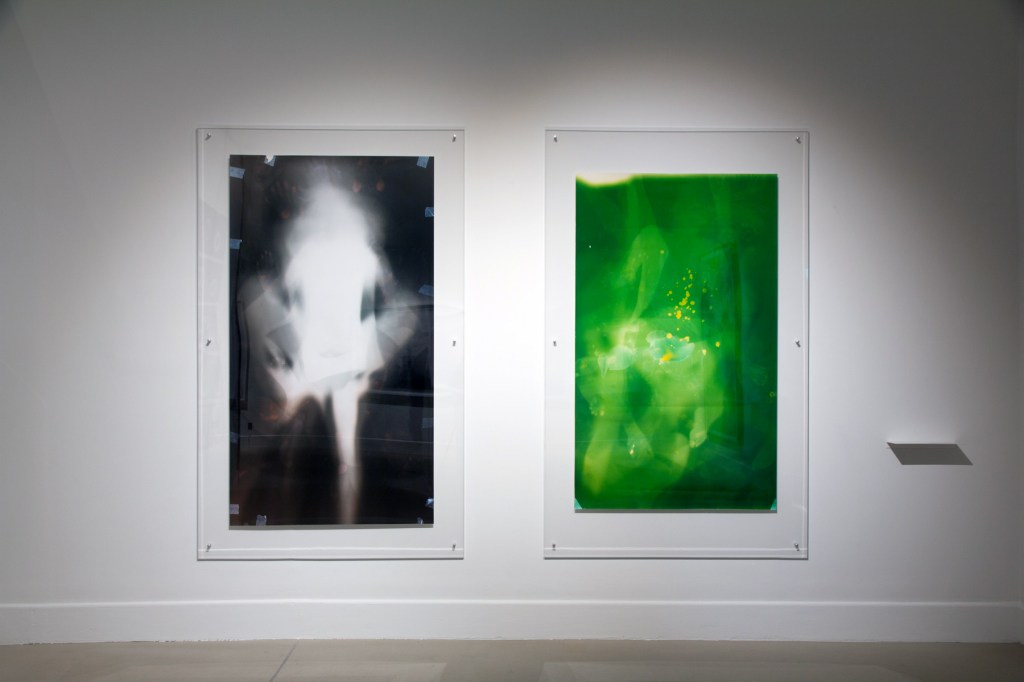
 

William Henry Fox Talbot (British, 1800-1877) 'Articles of China' c. 1843, printed c. 1845 from the exhibition 'Sight Reading: Photography and the Legible World' at the Morgan Library & Museum, New York, Feb - May, 2016


William Henry Fox Talbot (British, 1800-1877)
Articles of China
c. 1843, printed c. 1845
Salted paper print from calotype negative
Collection of Richard and Ronay Menschel


In The Pencil of Nature (1845), the first photographically illustrated publication, Talbot used Articles of China to demonstrate that “the whole cabinet of a … collector … might be depicted on paper in little more time than it would take him to make a written inventory describing it in the usual way.” Should the collection suffer damage or theft, Talbot added, “the mute testimony of the picture … would certainly be evidence of a novel kind” before the law.


Harold Edgerton (American, 1903-1990) 'Gun Toss' 1936-1950


Harold Edgerton (American, 1903-1990)
Gun Toss
1936-1950
Gelatin silver print
Collection of Richard and Ronay Menschel


Edgerton, an electrical engineer, used the rapidly pulsing light of a stroboscope to record states of matter too fleeting to be perceived by the naked eye. This image of a spinning pistol is not a multiple exposure: the camera shutter opened and closed just once. But during that fraction of a second, seven bright flashes of light committed to film a seven-episode history of the gun’s trajectory through space.
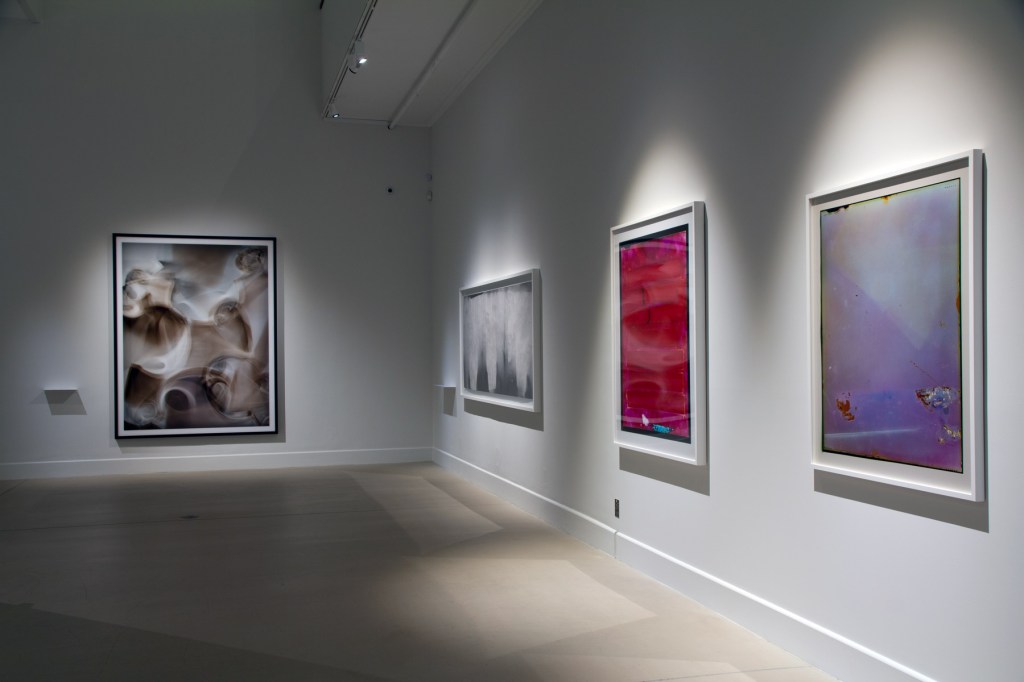
 

John Pfahl (American, 1939-2020) 'Wave Theory I–V, Puna Coast, Hawaii, March 1978' 1978


John Pfahl (American, 1939-2020)
Wave Theory I-V, Puna Coast, Hawaii, March 1978
1978
From the series Altered Landscapes
Chromogenic development (Ektacolor) process prints, 1993
George Eastman Museum, purchase


In this sequence, Pfahl twisted the conventions of photographic narrative into a perceptual puzzle. The numbered views appear to chronicle a single event: a wave breaking on the shore. Close inspection, however, reveals that the numeric caption in each scene is made of string laid on the rock in the foreground. The exposures, then, must have been made over a span of at least several minutes, not seconds – and in what order, one cannot say.


II. Crafting A Message

The camera is widely understood to be “truthful,” but what photographs “say” is a product of many procedures that follow the moment of exposure, including page layout, captioning, and cropping of the image. During World War I, military personnel learned to interpret the strange, abstract looking images of enemy territory made from airplanes. Their specialised training fundamentally altered the nature of wartime reconnaissance, even as the unusual perspective unique to aerial photography introduced a new dialect into the expanding corpus of modern visual language. An Example of an Annotated Photograph with Local Names of Trenches Inserted (1916), on view in the exhibition, shows that the tools of ground strategy soon included artificial bunkers and trenches, designed purely to fool eyes in the sky.

In László Moholy-Nagy’s photocollages of the late 1920s, figures cut out of the plates in mass market magazines appear in new configurations to convey messages of the artist’s devising. Images such as Massenpsychose (Mass Psychosis) (1927) propose a new kind of visual literacy for the machine age. To contemporary eyes, Moholy’s collages seem to foreshadow cut-and-paste strategies that would later characterise the visual culture of cyberspace.


László Moholy-Nagy (American born Hungary, 1895-1946) 'Massenpsychose' (Mass Psychosis) 1927


László Moholy-Nagy (American born Hungary, 1895-1946)
Massenpsychose (Mass Psychosis)
1927
Collage, pencil, and ink
George Eastman Museum, Purchased with funds provided by Eastman Kodak Company


To make his photocollages of the late 1920s, Moholy-Nagy cut figures out of photographs and photomechanical reproductions and arranged them into new configurations that convey messages of his own devising. By extracting the images from their original context and placing them into relationships defined by drawn shapes and volumes, he suggested a new visual literacy for the modern world. In this world – one in which images course through mass culture at a psychotic pace – a two-dimensional anatomical drawing acquires sufficient volume to cast a man’s shadow and a circle of bathing beauties cues up for a pool sharp. To contemporary eyes, the language of Moholy-Nagy’s photo collages seems to foreshadow strategies common to the visual culture of cyberspace.


Unidentified maker. 'An Example of an Annotated Photograph with Local Names of Trenches Inserted' c. 1916


Unidentified maker
An Example of an Annotated Photograph with Local Names of Trenches Inserted
c. 1916
Gelatin silver print
George Eastman Museum


During World War I, aerial photography progressed from a promising technological experiment to a crucial strategic operation. As advances in optics and engineering improved the capabilities of cameras and aircraft, military personnel learned to identify topographic features and man-made structures in the images recorded from above. Such training fundamentally altered the significance and practice of wartime reconnaissance. At the same time, the unusual perspective unique to aerial photography introduced a new dialect into the expanding corpus of modern visual language.


PhotoMetric Corporation, 1942-1974 'PhotoMetric Tailoring' c. 1942-1948


PhotoMetric Corporation, 1942-1974
PhotoMetric Tailoring
c. 1942-1948
Gelatin silver prints
George Eastman Museum


In an effort to streamline the field of custom tailoring, textile entrepreneur Henry Booth devised a method for obtaining measurements by photographing customers with a special camera and angled mirrors. The system was said to be foolproof, making it possible for any sales clerk to operate it. The resulting slides were sent to the manufacturer along with the customer’s order. A tailor translated the images into physical measurements using a geometric calculator, and the company mailed the finished garment to the customer.


III. Photographs in Sequence

Photography’s debut in the late 1830s happened to coincide with the birth of the modern comic strip. Ultimately the narrative photo sequence would lead to the innovations that gave rise to cinema, another form of storytelling altogether. Exact contemporaries of one another, Eadweard J. Muybridge in the United States and Étienne-Jules Marey (1830-1904) in France both employed cameras to dissect human movement. Muybridge used a bank of cameras positioned to record a subject as it moved, tripping wires attached to the shutters. The result was a sequence of “stop-action” photographs that isolated gestures not otherwise visible in real time. Beginning in 1882, Marey pursued motion studies with a markedly different approach. In the works for which he is best known, he exposed one photographic plate multiple times at fixed intervals, recording the arc of movement in a single image.


Étienne Jules Marey (French, 1830-1904) 'Chronophotographic study of man pole vaulting' c. 1890


Étienne Jules Marey (French, 1830-1904)
Chronophotographic study of man pole vaulting
c. 1890
Albumen silver print
George Eastman Museum, Exchange with Narodni Technical Museum


Exact contemporaries, Muybridge and Marey (the former in the United States, the latter in France) both employed cameras to dissect human movement. Muybridge used a bank of cameras positioned and timed to record a subject as it moved, tripping wires attached to the shutters. The result was a sequence of “stop-action” photographs that isolated gestures not otherwise visible in real time. Beginning in 1882, Marey took a markedly different approach. In the works for which he is best known – such as the image of the man pole-vaulting – he exposed a single photographic plate multiple times at fixed intervals, recording the arc of movement in a single image. In Marey’s chronophotograph of a man on a horse, the action reads from bottom to top. The convention of arranging sequential photographic images from left to right and top to bottom, on the model of written elements on a page, was not yet firmly established.


William N. Jennings (American, b. England, 1860-1946) 'Notebook pages with photographs of lightning' c. 1887


William N. Jennings (American, b. England, 1860-1946)
Notebook pages with photographs of lightning
c. 1887
Gelatin silver prints mounted onto bound notepad paper
George Eastman Museum, Gift of 3M Foundation; Ex-collection of Louis Walton Sipley


With his first successful photograph of a lightning bolt on 2 September 1882, Jennings dispelled the then widely held belief – especially among those in the graphic arts – that lightning traveled toward the earth in a regular zigzag pattern. Instead, his images revealed that lightning not only assumed an astonishing variety of forms but that it never took the shape that had come to define it in art.


Bernd Becher (German, 1931-2007) Hilla Becher (German, 1934-2015) 'Industriebauten' 1968

Bernd Becher (German, 1931-2007) Hilla Becher (German, 1934-2015) 'Industriebauten' 1968


Bernd Becher (German, 1931-2007)
Hilla Becher (German, 1934-2015)
Industriebauten
1968
Gelatin silver prints in presentation box
George Eastman Museum, Purchase


The photographs in this portfolio were made only a few years into what would become the Bechers’ decades-long project of systematically documenting industrial architecture in Europe and the United States. The straightforward and rigidly consistent style of their work facilitates side-by-side comparison, revealing the singularity of structures that are typically understood to be generic.


IV. The Legible Object

Some photographs speak for themselves; others function as the amplifier for objects that can literally be read through the image. In her series Sorted Books, American artist Nina Katchadourian (b. 1968) composes statements by combining the titles of books drawn from the shelves of libraries and collections. Indian History for Young Folks, 2012, shows three books from the turn of the twentieth century that she found in the Delaware Art Museum’s M.G. Sawyer Collection of Decorative Bindings. The viewer’s eye silently provides punctuation: “Indian history for young folks: Our village; your national parks.” Though at first glance it appears merely to arrange words into legible order, Katchadourian’s oblique statement – half verbal, half visual – would be incomplete if divorced from the physical apparatus of the books themselves.


David Octavius Hill (Scottish, 1802-1870) Robert Adamson (Scottish, 1821-1848) 'The Artist and the Gravedigger (Denistoun Monument, Greyfriars Churchyard, Edinburgh)' c. 1845


David Octavius Hill (Scottish, 1802-1870)
Robert Adamson (Scottish, 1821-1848)
The Artist and the Gravedigger (Denistoun Monument, Greyfriars Churchyard, Edinburgh)
c. 1845
Salted paper print from calotype negative
George Eastman Museum, Gift of Alvin Langdon Coburn


Hill, his two nieces, and an unidentified man pose for the camera at the tomb of Robert Denistoun, a seventeenth-century Scottish ambassador. Contemplative poses helped the sitters hold still during the long exposure, even while turning them into sculptural extensions of the monument. Hill puts pen to paper, perhaps playing the part of a graveyard poet pondering mortality. Above him, the monument’s Latin inscription begins: “Behold, the world possesses nothing permanent!”


Robert Cumming (American, 1943-2021) 'Submarine cross-section; feature film, "Gray Lady Down" - Stage #12, March 14, 1977' 1977


Robert Cumming (American, 1943-2021)
Submarine cross-section; feature film, “Gray Lady Down” – Stage #12, March 14, 1977
1977
Inkjet print
George Eastman Museum, Gift of Nash Editions


In the Studio Still Lifes he photographed on the backlots of Universal Studios, Cumming sought to portray the mechanisms behind cinema vision “in their real as opposed to their screen contexts.” Admiring yet subversive, his documents use strategies native to the still camera – distance, point of view, and clear-eyed testimony – to translate Hollywood’s familiar illusions into worksites where “marble is plywood, stone is rubber, … rooms seldom have ceilings, and when the sun shines indoors, it casts a dozen shadows.”


Nina Katchadourian (American, b. 1968) 'Indian History for Young Folks' 2012


Nina Katchadourian (American, b. 1968)
Indian History for Young Folks
2012
From Once Upon a Time in Delaware / In Quest of the Perfect Book
Chromogenic print
The Morgan Library Museum, Purchase, Photography Collectors Committee


In her ongoing series Sorted Books, Katchadourian composes statements by combining the titles of books from a given library – in this case, the M. G. Sawyer Collection of Decorative Bindings at the Delaware Art Museum. Though her compositions are driven by the need to arrange words in a legible order, Katchadourian’s oblique jokes, poems, and koans would be incomplete if divorced from the cultural information conveyed by the physical books themselves.


V. The Photograph Decodes Nature

As early as 1840, one year after photography’s invention was announced, scientists sought to deploy it in their analysis of the physical world. Combining the camera with the microscope, microphotographs recorded biological minutiae, leading to discoveries that would have been difficult, if not impossible, to obtain by observing subjects in real time. Similarly, the development of X-ray technology in 1895 allowed scientists to see and understand living anatomy to an unprecedented degree. Such innovations not only expanded the boundaries of the visible world but also introduced graphic concepts that would have a profound impact on visual culture. In other ways, too, nature has been transformed in human understanding through the interpretive filter of the lens, as seen in Sight Reading in the telescopic moon views of astronomers Maurice Loewy (1833-1907) and Pierre Henri Puiseux (1855-1928) and in the spellbinding aerial abstractions of William Garnett (1916-2006).


William Garnett (American, 1916-2006) 'Animal Tracks on Dry Lake' 1955


William Garnett (American, 1916-2006)
Animal Tracks on Dry Lake
1955
Gelatin silver print
The Morgan Library & Museum, Purchased on the Charina Endowment Fund


After making films for the U.S. Signal Corps during World War II, Garnett used GI-Bill funding to earn a pilot’s license. By the early 1950s, he had the field of artistic aerial landscape virtually to himself. This print, showing the ephemeral traces of wildlife movement on a dry lake bed, appeared in Diogenes with a Camera IV (1956), one in a series of exhibitions at the Museum of Modern Art that highlighted the great variety of ways in which artists used photography to invent new forms of visual truth.


William Henry Jackson (American, 1843-1942) '"Tea Pot" Rock' 1870


William Henry Jackson (American, 1843-1942)
“Tea Pot” Rock
1870
Albumen silver print
George Eastman Museum, Purchase


Jackson made this photograph as a member of the survey team formed by Ferdinand V. Hayden to explore and document the territory now known as Yellowstone National Park. Hayden’s primary goal was to gather information about the area’s geological history, and Jackson’s photographs record with precision and clarity the accumulated layers of sediment that allow this natural landmark to be fit into a geological chronology. The human figure standing at the left of the composition provides information about the size of the rock, demonstrating that photographers have long recognised the difficulty of making accurate inferences about scale based on photographic images.


Dr. Josef Maria Eder (Austrian, 1855-1944) Eduard Valenta (Austrian, 1857-1937) 'Zwei Goldfische und ein Seefisch (Christiceps argentatus)' 1896


Dr Josef Maria Eder (Austrian, 1855-1944)
Eduard Valenta (Austrian, 1857-1937)
Zwei Goldfische und ein Seefisch (Christiceps argentatus)
Two goldfish and a sea fish (Christiceps argentatus)
1896
From the book Versuche über Photographie mittelst der Röntgen’schen Strahlen (Experiments on photography using X-rays)
Photogravure
George Eastman Museum, Gift of Eastman Kodak Company; Ex-collection of Josef Maria Eder


As early as 1840 – a year after photography’s invention was announced – scientists sought to deploy it in their analysis of the physical world. Combining the camera with the microscope, microphotographs recorded biological minutiae, leading to discoveries that would have been difficult, if not impossible, to obtain by observing subjects in real time. Similarly, the development of x-ray technology in 1895 allowed doctors to study living anatomy to an unprecedented degree. Such innovations not only expanded the boundaries of the visible world but also introduced graphic concepts that would have a profound impact on visual culture.


Dr James Deane (American, 1801-1858) 'Ichnographs from the Sandstone of Connecticut River' 1861


Dr James Deane (American, 1801-1858)
Ichnographs from the Sandstone of Connecticut River
1861
Book illustrated with 22 salted paper prints and 37 lithographs
George Eastman Museum, Gift of Alden Scott Boyer


These photographs, which depict traces of fossils discovered in a sandstone quarry, illustrate a book written by Massachusetts surgeon James Deane, who was the author of texts on medicine as well as natural history. Published posthumously using his notes and photographs as a guide, the volume is an early demonstration of photography’s potential as a tool of scientific investigation.


VI. The Photograph Decodes Culture

The photograph not only changed but to a great extent invented the modern notion of celebrity. Modern-age celebrities live apart from the general public, but their faces are more familiar than those of the neighbours next door. Since the mid-nineteenth century, viewers have come to “know” the famous through accumulated photographic sightings, which come in formats and contexts that vary as much as real-life encounters do. In four images that would have communicated instantly to their intended viewers in 1966, Jean-Pierre Ducatez (b. 1970) portrayed the Beatles through closeups of their mouths alone. The graphic shorthand employed by Jonathan Lewis in his series The Pixles is of a more recent variety, but he, too, relies on the visual familiarity conferred by tremendous celebrity. Each print in the series reproduces the iconic art of a Beatles album cover at life size (12 x 12 inches) but extremely low resolution (12 x 12 pixels). Like celebrities themselves, perhaps, the images look more familiar to the eye at a distance than close-up.


Unidentified maker. 'U. S. Grant' c. 1862


Unidentified maker
U. S. Grant
c. 1862
Albumen silver print
George Eastman Museum, Purchase


Timothy H. O'Sullivan (American born Ireland, 1840-1882) 'A Council of War at Massaponax Church, Va. 21st May, 1864. Gens. Grant and Meade, Asst. Sec. of War Dana, and Their Staff Officers' 1864


Timothy H. O’Sullivan (American born Ireland, 1840-1882)
A Council of War at Massaponax Church, Va. 21st May, 1864. Gens. Grant and Meade, Asst. Sec. of War Dana, and Their Staff Officers
1864
From the series Photographic Incidents of the War
Albumen silver print stereograph
George Eastman Museum, Gift of Albert Morton Turner


Modern celebrities live apart from the general public, yet their faces are more familiar than those of the neighbors next door. Since the mid-nineteenth century, viewers have come to “know” the famous through accumulated photographic sightings, which come in formats and contexts that vary as much as real-life encounters do. First as a Union hero in the American Civil War and later as president, Ulysses S. Grant (1822-1885) lived in the public imagination through news images, popular stereographs, campaign buttons, and ultimately the (photo-based) face on the $50 bill. Grant was even a subject for Francois Willème’s patented process for generating a sculpted likeness out of photographs made in the round – an early forerunner to the technology of 3-D printing.


Jonathan Lewis (British, b. 1970) 'Abbey Road' 2003


Jonathan Lewis (British, b. 1970)
Abbey Road
2003
From The Pixles
Inkjet print
George Eastman Museum, By exchange with the artist


Jonathan Lewis (British, b. 1970) 'Please Please Me' 2003


Jonathan Lewis (British, b. 1970)
Please Please Me
2003
From The Pixles
Inkjet print
George Eastman Museum, By exchange with the artist


Jonathan Lewis (British, b. 1970) 'Rubber Soul' 2003


Jonathan Lewis (British, b. 1970)
Rubber Soul
2003
From The Pixles
Inkjet print
George Eastman Museum, By exchange with the artist


Synecdoche is a poetic device in which a part stands in for the whole. (In the phrase “three sails set forth,” sails mean ships.) In four images that would have communicated instantly to their intended viewers in 1966, Ducatez portrayed the Beatles solely through close-ups of their mouths. The graphic shorthand Lewis employs in his series The Pixles is of a more recent variety, though he, too, relies on the visual familiarity conferred by tremendous celebrity. Each print in the series reproduces a Beatles album cover at life size (12 x 12 inches) but extremely low resolution (12 x 12 pixels).


VII. Meaning is on the Surface

Photographs are not just windows onto the world but pieces of paper, which can themselves be inscribed or otherwise altered in ways that enrich or amend their meaning. The group portrait Joint Meeting of the Railway Surgeons Association, Claypool Hotel, Indianapolis (1920) is contact printed, meaning that the negative was the same size as the print. After the portrait sitting, the photographer appears to have presented the developed film to the sixty-four sitters for signing during the three days they were assembled for their convention. The result is a document that unites two conventional signifiers of character: facial features and the autograph.


Gravelle Studio, Indianapolis (American, active 1920) 'Joint Meeting of the Railway Surgeons Association, Claypool Hotel, Indianapolis' 1920


Gravelle Studio, Indianapolis (American, active 1920)
Joint Meeting of the Railway Surgeons Association, Claypool Hotel, Indianapolis
1920
Gelatin silver print
The Morgan Library & Museum, Purchased as the gift of Peter J. Cohen


Panoramic group portraits such as this are made using a banquet camera, which admits light through a narrow vertical slit while rotating on its tripod. This image was contact printed, meaning the negative was the same size as the print. The photographer appears to have presented the developed film to the sixty-four sitters for signing during the three days they were assembled. The result is a document that unites two conventional signifiers of character: facial features and the autograph.


Keith Smith (American, b. 1938) 'Book 151' 1989


Keith Smith (American, b. 1938)
Book 151
1989
Bound book of gelatin silver prints, thread, and leather
Collection of Richard and Ronay Menschel


This unique object unites the arts of photography, quilting, and bookmaking. The composite image on each right-hand page appears to be made of prints cut apart and sewn together. In fact, Smith began by printing patchwork-inspired photomontages in the darkroom. He then stitched along many of the borders where abutting images meet, creating the illusion of a photographic crazy quilt.


VIII. Photography and the Page

News of the world took on a newly visual character in the 1880s, when the technology of the halftone screen made it practical, at last, to render photographs in ink on the printed page.

Among the earliest examples of photojournalism is Paul Nadar’s (1820-1910) “photographic interview” with Georges Ernest Boulanger, a once-powerful French politician. The article’s introduction explains that the photographs were printed alongside the text in order to provide evidence of the encounter and to illustrate Boulanger’s dynamic body language during the conversation.


Stephen Henry Horgan (American, 1854-1941) 'Shanty Town' April 1880


Stephen Henry Horgan (American, 1854-1941)
Shanty Town
April 1880
Photomechanical printing plate A Scene in Shantytown, New York, c. 1928
Lithograph
George Eastman Museum, Gift of 3M Foundation; Ex-collection of Louis Walton Sipley


Paul Nadar (French, 1856-1939) 'Interview with Georges Ernest Jean Marie Boulanger' 1889


Paul Nadar (French, 1856-1939)
Interview with Georges Ernest Jean Marie Boulanger
1889
Le Figaro, 23 November 1889
Photomechanical reproduction
George Eastman Museum, gift of Eastman Kodak Company; ex-collection Gabriel Cromer


Among the earliest examples of photojournalism is Nadar’s “photographic interview” with Georges Ernest Boulanger, a once-powerful French politician who had fallen out of public favour by the time this was published. The article’s introduction explains that the photographs were printed alongside the text in order to provide evidence of the encounter and to illustrate Boulanger’s body language during the conversation.


Lewis W. Hine (American, 1874-1940) 'Italian Family Looking for Lost Baggage, Ellis Island' 1905


Lewis W. Hine (American, 1874-1940)
Italian Family Looking for Lost Baggage, Ellis Island
1905
Ellis Island Group, 1905
Gelatin silver print
George Eastman Museum, Gift of Photo League Lewis Hine Memorial Committee


In an effort to counter American xenophobia in the early years of the twentieth century, Hine photographed immigrants as they arrived at Ellis Island, composing his images to stir sympathy and understanding among viewers. He understood the importance of disseminating his photographs and actively sought to publish them in newspapers, magazines, and pamphlets. The white outline in the photograph on the right instructs the designer and printer where to crop the image for a photomontage featuring figures from multiple portraits.


Claude Cahun (French, 1894-1954) 'La Poupée' (Puppet) 1936


Claude Cahun (French, 1894-1954)
La Poupée (Puppet)
1936
Gelatin silver print
Collection of Richard and Ronay Menschel


John Heartfield (German, 1891-1968) 'Hurrah, die Butter ist alle!' (Hooray, the Butter Is Finished!) 1935


John Heartfield (German, 1891-1968)
Hurrah, die Butter ist alle! (Hooray, the Butter Is Finished!)
1935
Rotogravure
George Eastman Museum, purchase


This is one of 237 photomontages that Heartfield created between 1930 and 1938 for the antifascist magazine Arbeiter-Illustrierte-Zeitung (Worker’s Pictorial Newspaper). It is a parody of the “Guns Before Butter” speech in which Hermann G.ring exhorted German citizens to sacrifice necessities in order to aid the nation’s rearmament. The text reads: “Iron ore has always made an empire strong; butter and lard have at most made a people fat.” Heartfield combined details from several photographs to conjure the image of a German family feasting on tools, machine parts, and a bicycle in a swastika-laden dining room, complete with a portrait of Hitler, a framed phrase from a popular Franco-Prussian war-era song, and a throw pillow bearing the likeness of recently deceased president Paul von Hindenburg.


Unidentified maker. 'Certificate of Marriage between Daniel W. Gibbs and Matilda B. Pierce' c. 1874


Unidentified maker
Certificate of Marriage between Daniel W. Gibbs and Matilda B. Pierce
c. 1874
Tintypes in prepared paper mount
George Eastman Museum, Purchase


Graphic cousins to one other, these wedding certificates are equipped with precut windows for photographs of the bride, groom, and officiant. The portraits, in partnership with the printed and inscribed text on the forms, contribute both to the documentary specificity of the certificates and to their value as sentimental souvenirs.


IX. Empire of Signs

The plethora of signs, symbols, and visual noise endemic to cities has attracted photographers since the medium’s invention. Their records of advertisers’ strident demands for attention, shopkeepers’ alluring displays, and the often dizzying architectural density of metropolitan life chronicle sights that are subject to change without notice. The photographer’s perspective on contemporary social life – whether it is anecdotal, as in John Thompson’s (1837-1921) Street Advertising from Street Life in London (1877), or haunting, as in Eugène Atget’s (1857-1927) Impasse des Bourdonnais (c. 1908) – is embedded in each image.


John Thomson (Scottish, 1837-1921) 'Street Advertising' 1877


John Thomson (Scottish, 1837-1921)
Street Advertising
1877
From Street Life in London, 1877
Woodburytype
George Eastman Museum, Gift of Alden Scott Boyer


Eugène Atget (French, 1857-1927) 'Impasse des Bourdonnais' c. 1908


Eugène Atget (French, 1857-1927)
Impasse des Bourdonnais
c. 1908
Albumen silver print
George Eastman Museum, Purchase


Margaret Bourke-White (American, 1904-1971) 'At the Time of the Louisville Flood' 1937


Margaret Bourke-White (American, 1904-1971)
At the Time of the Louisville Flood
1937
Gelatin silver print
George Eastman Museum


The plethora of signs, symbols, and visual noise endemic to cities has attracted photographers since the medium’s invention. Their records of advertisers’ strident demands for attention, shopkeepers’ alluring displays, and the often dizzying architectural density of metropolitan life chronicle sights that are subject to change without notice. The photographer’s perspective on contemporary social life – whether it is ironic, as in Margaret Bourke-White’s image of a line of flood victims before a billboard advertising middle-class prosperity, or bemused, as in Ferenc Berko’s photograph of columns of oversized artificial teeth on the street – is embedded in each image.


Ferenc Berko (American born Hungary, 1916-2000) 'Rawalpindi, India' 1946


Ferenc Berko (American born Hungary, 1916-2000)
Rawalpindi, India
1946
Gelatin silver print
George Eastman House, Gift of Katharine Kuh


Aaron Siskind (American, 1903-1991) 'New York 6' 1951


Aaron Siskind (American, 1903-1991)
New York 6
1951
Gelatin silver print
The Morgan Library & Museum, Gift of Richard and Ronay Menschel


Alex Webb (American, b. 1952) 'India' 1981


Alex Webb (American, b. 1952)
India
1981
Chromogenic development print
George Eastman Museum, Purchased with funds from Charina Foundation


The Morgan Library & Museum
225 Madison Avenue, at 36th Street
New York, NY 10016-3405
Phone: (212) 685-0008

Opening hours:
Tuesday – Thursday, Saturday – Sunday: 10.30am – 5pm
Friday: 10.30am – 7pm
Closed Mondays
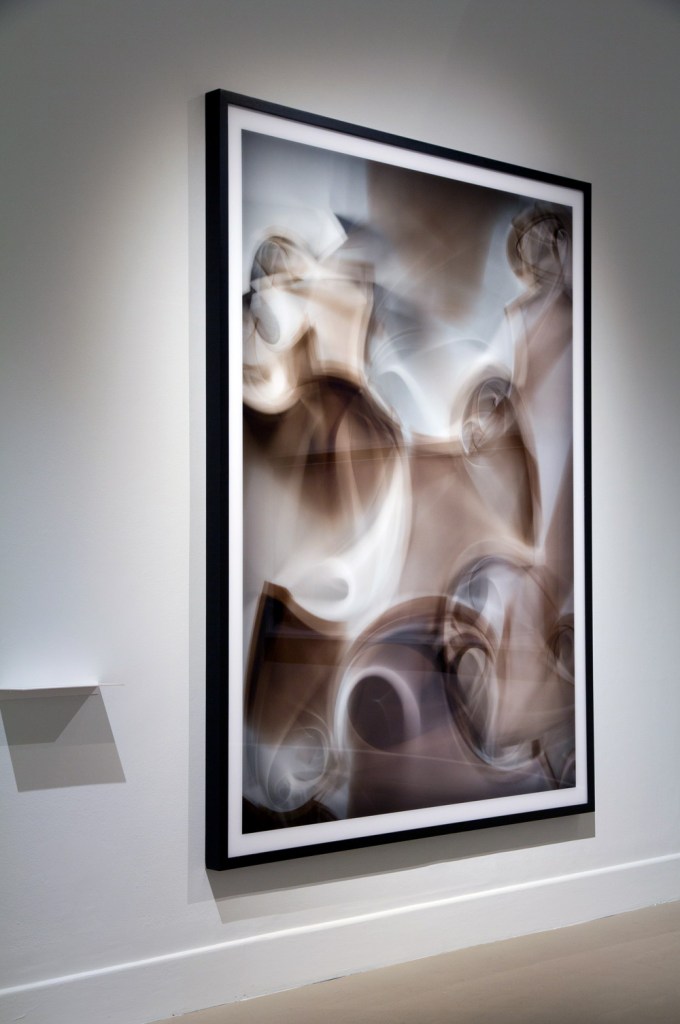
The Morgan Library & Museum website

LIKE ART BLART ON FACEBOOK

Back to top

Exhibition: ‘Darron Davies: The Travellers’ at the Centre for Theology and Ministry, Melbourne

Exhibition dates: 9th April – 10th May, 2016


Darron Davies (Australian) 'Voyager' 2016 from the exhibition 'Darron Davies: The Travellers' at the Centre for Theology and Ministry, Melbourne, April - May, 2016


Darron Davies (Australian)
Voyager
2016
From the series The Travellers
Pigment print


I opened this exhibition for Darron Davies at the Centre for Theology and Ministry, Melbourne. I can’t remember exactly what I said but it went something like this…

When artists find themselves on a path to new ways of seeing the world, to new forms of enlightenment, then that is a magical and energising place to be. And so it is with this new body of work by Darron Davies. A path of many patterns and possibilities.

I spoke of synaesthesia – the production of a sense impression relating to one sense or part of the body by stimulation of another sense or part of the body. Here, colour and form produce music. As in Messiaen’s music, rather than being a decorative element Davies shows that colour can be a structural, a fundamental element which is the material of the music itself. Little vibrations of energy (in the universe), are caught in time and space and brought forth into consciousness through colour.

I extemporised on the question – is the [origami] model immanent in the paper, or is the paper a blank slate to be written on by the creator? – by asking, are these images already in Davies’ mind before he creates them as a kind of subconscious previsualisation, before he looks through the camera lens, before he relies on the serendipity and happenstance to capture what emerges out of the ether. Does the artist’s consciousness bring forth what he needs to see as an artist so that he can recognise it as such, forms that are already buried in the structure of the cosmos itself.

Perhaps this recognition does allow the artist (and subsequently the viewer) to go on a journey, to travel into other realms of being, of existence, to probe the boundaries of what is possible and what is probable. This work is about just that – being in the world and transcending it, and recognising that we can exist between the phenomenal and the noumenal. As has been said of Joseph Cornell’s boxes, “They partake of both dream and reality, and of something else that doesn’t have a name. They tempt the viewer in two opposite directions. One is to look and admire… and the other is to make up stories about what one sees… Neither (way) by itself is sufficient. It’s the mingling of the two that makes up the third image.”1

The Thirdspace – in which “everything comes together… subjectivity and objectivity, the abstract and the concrete, the real and the imagined, the knowable and the unimaginable, the repetitive and the differential, structure and agency, mind and body, consciousness and the unconscious, the disciplined and the transdisciplinary, everyday life and unending history”2 – allows that none of these couples, such as the phenomenal and the noumenal, can be divided by an either-or attitude. “This… does not mean differences are denied, instead, it most of all means the inevitable reciprocity of any pair of definitions. In such a case both leave a mark on the other. It is a question of both-and – how each of the pair influences the other.”3 In the case of Davies’ work, this reciprocity allows the images to possess a multivalent narrative, which is neither here nor there. It allows the work to be accessible to different interpretations, meanings, and values: a new door or path opens up on the basis of very diverse needs and objectives. For the artist the possibilities are endless.

Dr Marcus Bunyan


Footnotes

1/ Simic, Charles. “First, there are,” in Dime Store Alchemy. New York: The Ecco Press, 1992, p. 60 quoted in Heaney, Seamus. The Redress of Poetry. Faber and Faber, London, 1995, p. 181.

2/ Soja, Edward W. Thirdspace. Malden (Mass.): Blackwell, 1996, p. 57 quoted in “Edward Soja” on the Wikipedia website [Online] Cited 01/05/2016.

3/ Hannula, Mika. “Third space – a merry-go-round of opportunity,” on the Kiasma Magazine website No 12 Vol 4, 2001 [Online] Cited 01/05/2016. No longer available online


Many thankx to Darron Davies for allowing me to publish the photographs in the posting. Please click on the photographs for a larger version of the image.


Darron Davies (Australian) 'Horizon' 2016 from the exhibition 'Darron Davies: The Travellers' at the Centre for Theology and Ministry, Melbourne, April - May, 2016


Darron Davies (Australian)
Horizon
2016
From the series The Travellers
Pigment print


Darron Davies (Australian) 'Unbridle' 2016


Darron Davies (Australian)
Unbridle
2016
From the series The Travellers
Pigment print


Darron Davies (Australian) 'Emanation' 2016


Darron Davies (Australian)
Emanation
2016
From the series The Travellers
Pigment print


Darron Davies (Australian) 'The Break' 2016


Darron Davies (Australian)
The Break
2016
From the series The Travellers
Pigment print


The Travellers is a series exploring light, in particular its abstractions as it passes through glass. Utilising a framework that supports glass sheets, a light, filters, and all manner of glass ranging from old ash trays to vases, I use a macro lens to focus on patterns created by the interaction of light. The prismatic effects are extraordinary. The narrow depth of field allows patterns to be further discovered within the glass.

Based on the experiments of photographers such as Wynn Bullock – his much under-recognised light abstraction work from 1959 to 1965 utilising similar experimentation – this project uses a digital camera to create fascinating landscapes. These landscapes in their variety of forms, at times volcanic, primordial, celestial, or atomic, are a metaphor for the ancient and current travellers – perhaps the subatomic world – that shape and have shaped our world.

Apart from slightly adjusting the blowing out of light caused by the delicate uneveneness of light within the macro image none of these images are highly photoshopped. What is captured is pretty much true to what is seen through the lens – an extraordinary world at play within light and colour fields. I have a heard the story that the experimental filmmaker Stan Brakhage once changed a film about the interior of a house to a pure focus of patterns that he found in ashtrays lying on a table. Fantastic! See the film The Text of Light. This is an interesting tradition embracing the likes of Brakhage, Bullock , Len Lye and the Cantrills.

At the discussion session after the premiere of his film The Text of Light at the Carnegie Institute, Pittsburgh in 1974, he (Brakhage) paraphrased the later English ‘Light Philosopher’ Robert Grosseteste: “all that sense can comprehend, is Light: because it partakes of that which it is. To comprehend dark, or a shape, it must withdraw from its own nature – it must withdraw or turn against its own electrical illuminating nature in order to comprehend a shape”.

Courtesy Cantrill’s Filmnotes, 21/22, (April 1975) photography. (Arthur was my lecturer at Melb State College in the early 80s and he and Corinne live now in Castlemaine, where I live, so have discussed these ideas on many occasions, as well as assisted them with their screenings).

Extract from the artist’s statement


Darron Davies (Australian) 'Manifest' 2016


Darron Davies (Australian)
Horizon
2016
From the series The Travellers
Pigment print


Darron Davies (Australian) 'Embodiment' 2016


Darron Davies (Australian)
Embodiment
2016
From the series The Travellers
Pigment print


Darron Davies (Australian) 'Guise' 2016


Darron Davies (Australian)
Guise
2016
From the series The Travellers
Pigment print


Darron Davies (Australian) 'Frame' 2016


Darron Davies (Australian)
Frame
2016
From the series The Travellers
Pigment print


Darron Davies (Australian) 'The Self Returning' 2016


Darron Davies (Australian)
The Self Returning
2016
From the series The Travellers
Pigment print


Darron Davies (Australian) 'Advent' 2016


Darron Davies (Australian)
Advent
2016
From the series The Travellers
Pigment print


Darron Davies (Australian) 'The Mainspring' 2016


Darron Davies (Australian)
The Mainspring
2016
From the series The Travellers
Pigment print


Darron Davies (Australian) 'Designer' 2016


Darron Davies (Australian)
Designer
2016
From the series The Travellers
Pigment print


The Centre for Theology and Ministry
29 College Crescent, Parkville,
Melbourne, Victoria
Phone: (03) 9340 8800

Gallery hours:
Monday to Friday 9am – 5pm (not weekends)

Centre for Theology and Ministry website

Darron Davies website

LIKE ART BLART ON FACEBOOK

Back to top

Exhibition: ‘The world is beautiful: photographs from the collection’ at the National Gallery of Australia, Canberra

Exhibition dates: 4th December, 2015 – 10th April, 2016

Curators: Dr. Shaune Lakin, Senior Curator of Photography at NGA with collaborator Anne O’Hehir, Curator of Photography at NGA


Man Ray (United States of America 1890 - France 1976) 'No title (Woman with closed eyes)' c. 1928 from the exhibition 'The world is beautiful: photographs from the collection' at the National Gallery of Australia, Canberra, Dec 2015 - April 2016
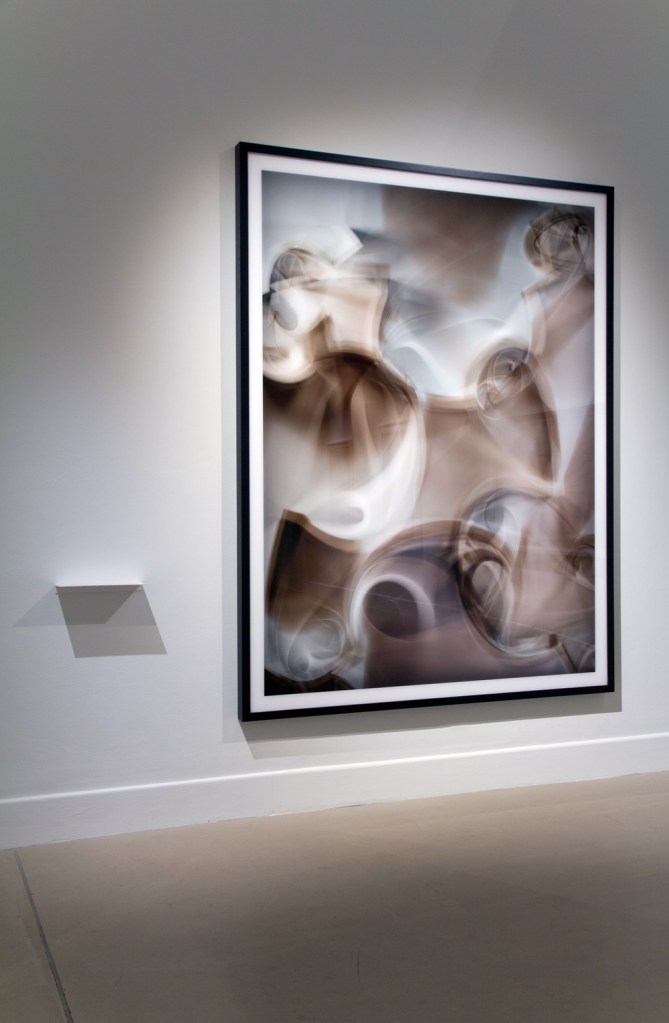
 

Man Ray (United States of America 1890 – France 1976)
No title (Woman with closed eyes)
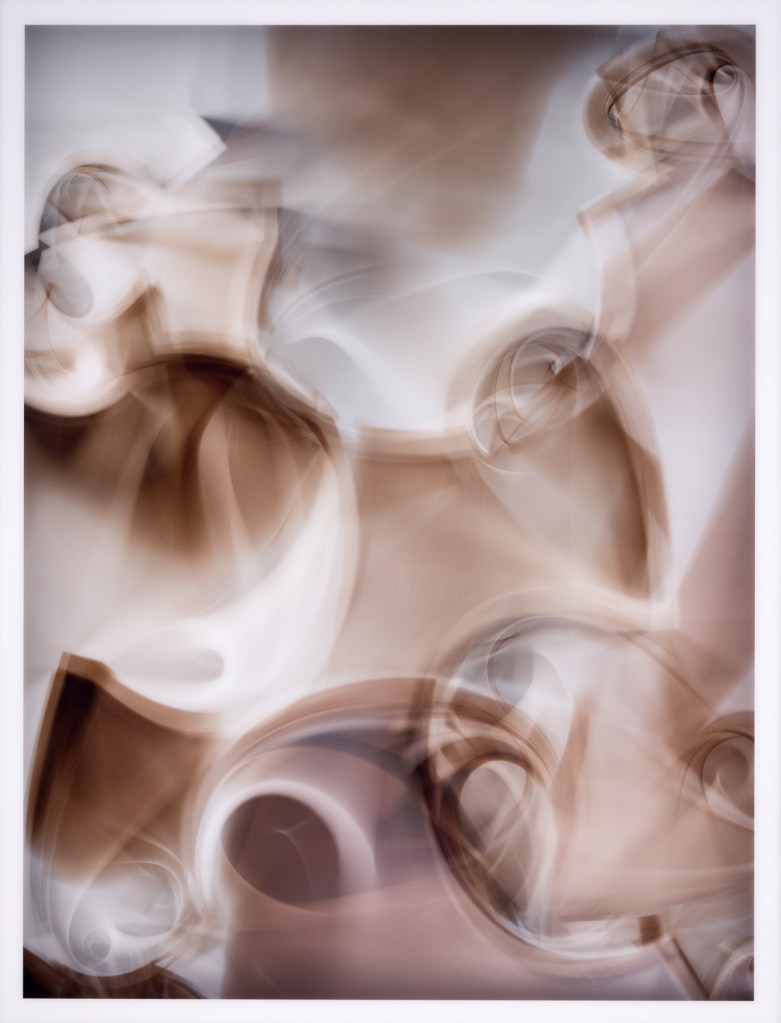
c. 1928
Gelatin silver photograph
Not signed, not dated. Stamp, verso, l.r., “Man Ray / 81 bis. Rue / Campagne Premiere / Paris / XIV”.
Image: 8.9 x 12.8cm
National Gallery of Australia, Canberra, purchased 1984
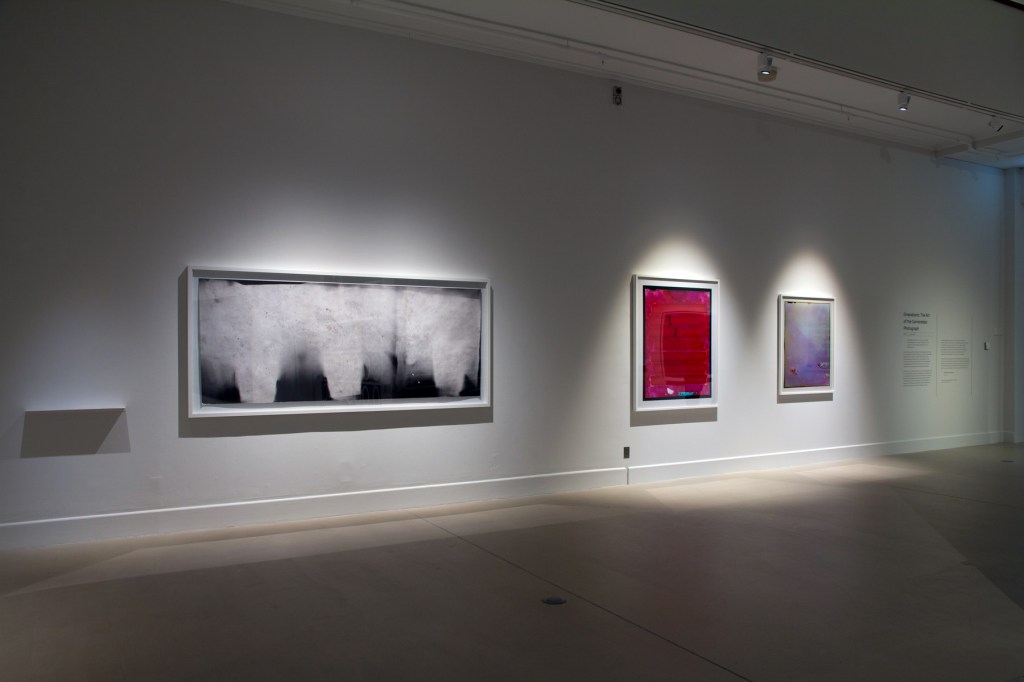


Despite a focus on the camera’s relationship to the beauty and pure form of the modern world – “the attraction and charm of the surface” – these photographs are more than just being skin deep. In their very straightforwardness the photographs propose a “rigorous sensitivity to form revealed patterns of beauty and order in the natural and man-made alike.” But more than the portrayal of something we would not see if it were not for the eye of the photographer, the lens of the camera, the speed of the film, the sensitivity of the paper, the design of the architect, the genetics of nature … is the mystery of life itself.
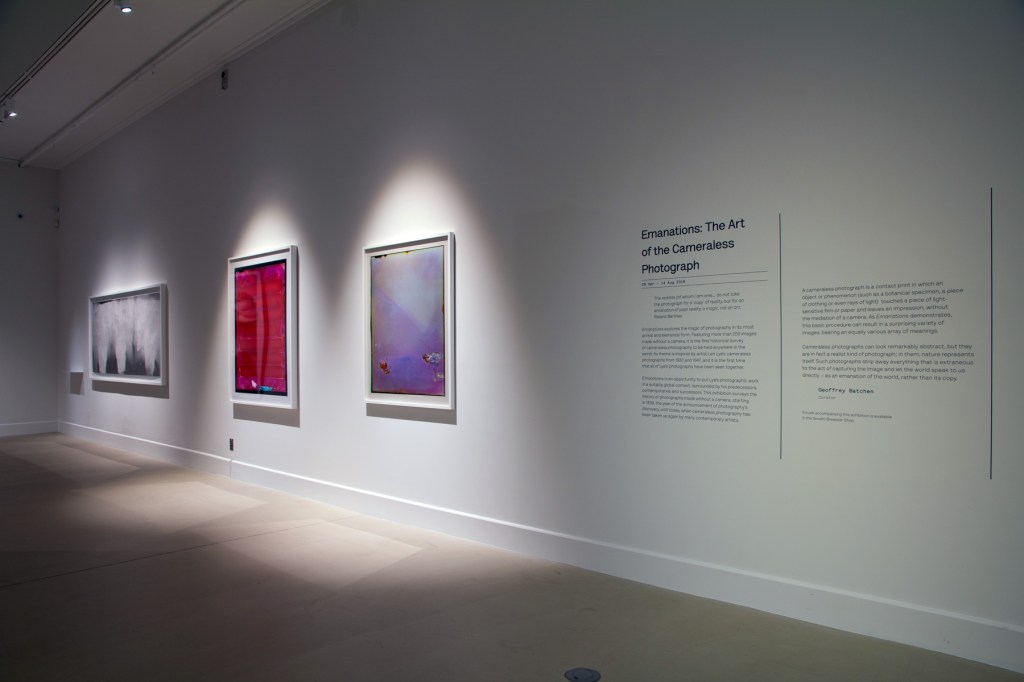
Modernist structures and mass-produced objects can never beat a good mystery. Just look at Man Ray’s Woman with closed eyes (c. 1928, above) or the look in the eyes of Robert Frank’s son, Pablo. You can never pin that down.
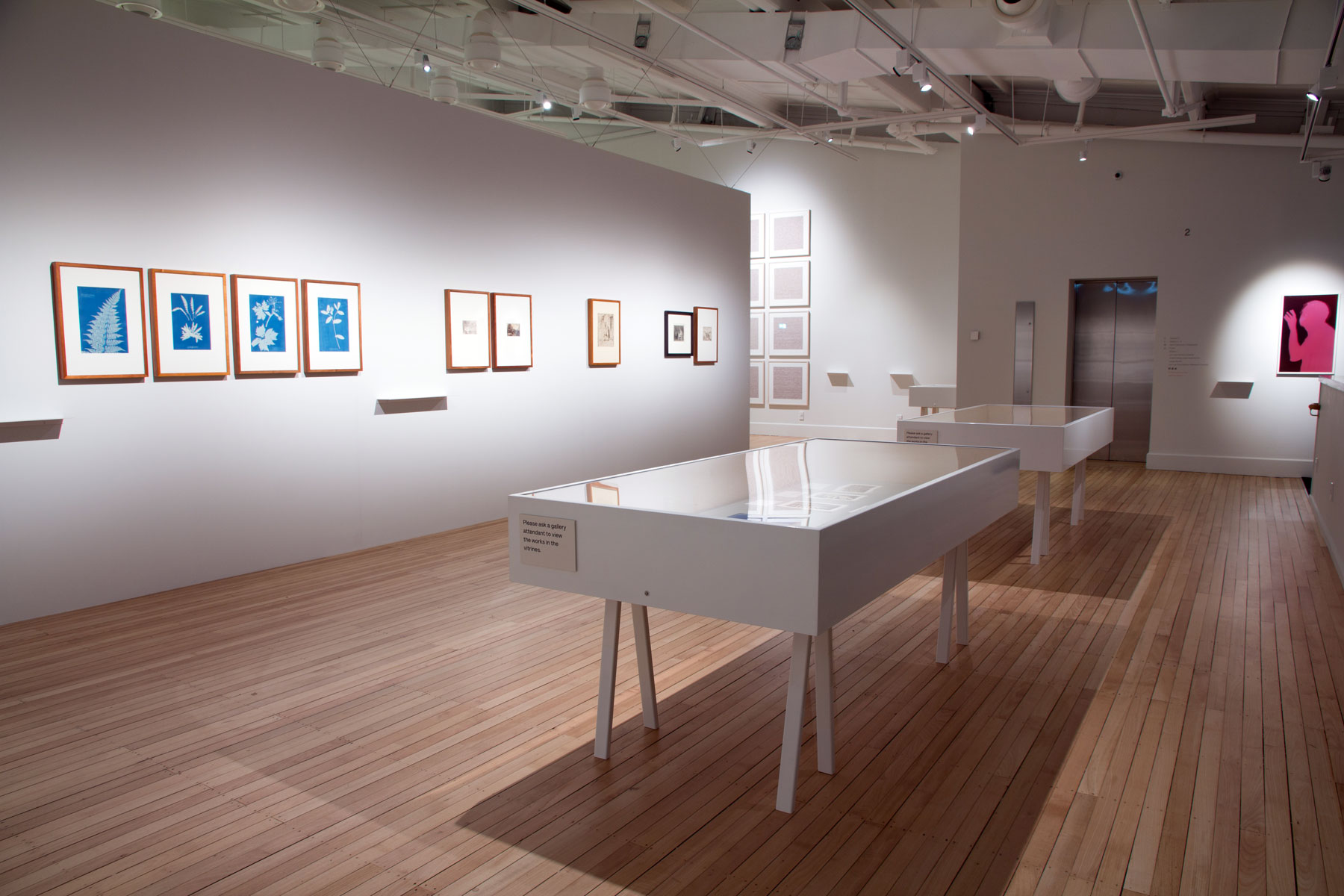
While form may be beauty, mystery will always be beautiful.

Dr Marcus Bunyan


Please click on the photographs to view a larger version of the image.


Walker Evans (United States of America, 1903-1975) 'Graveyard and steel mill, Bethlehem, Pennsylvania' 1935 from the exhibition 'The world is beautiful: photographs from the collection' at the National Gallery of Australia, Canberra, Dec 2015 - April 2016


Walker Evans (United States of America, 1903-1975)
Graveyard and steel mill, Bethlehem, Pennsylvania
1935
Gelatin silver photograph
Image: 19.1 h x 24.0cm
Sheet: 20.2 x 25.2cm
National Gallery of Australia, Canberra, purchased 1980


The world is beautiful is an exhibition of photographs taken over the last 100 years from the National Gallery of Australia’s magnificent photography collection, including work by Diane Arbus, Henri Cartier-Bresson, Max Dupain, Bill Henson, Robert Mapplethorpe, Man Ray, Cindy Sherman and many more.

It draws its title from one of the twentieth-century’s great photographic moments, the publication of Albert Renger-Patzsch’s book The world is beautiful in 1928. Renger-Patzsch’s approach embodied his belief that ‘one should surely proceed from the essence of the object and attempt to represent it with photographic means alone’.

Inspired by this confidence in the medium, the exhibition looks at the way the camera interacts with things in the world. One of photography’s fundamental attributes is its capacity to adopt a range of relationships with its subject, based on the camera’s physical proximity to it. Indeed, one of the most basic decisions that a photographer makes is simply where he or she places the camera. The pictures in this exhibition literally take you on a photographic trip, from interior worlds and microscopic detail to the cosmic: from near to far away.

Together, these photographs capture some of the delight photographers take in turning their cameras on the world and re-imaging it, making it beautiful through the power of their vision and their capacity to help us see the world in new ways.”

Text from the National Gallery of Australia website


Near

Close up, the world can be surprising. There is an undeniable intensity and focus that comes with getting up close to people and objects. It is rude to stare, but photography has no such scruples.

Pioneers of the medium attempted to photograph organic forms through a microscope, making once-hidden worlds accessible. The pleasure photographers take in getting up close to their subject has followed the medium’s progress. This was especially the case during the twentieth century, when advances in photographic technology and profound shifts in our relationship to space brought about by events such as war often turned our attention away from the outside world.

For many photographers, the camera’s capacity to subject people and objects to close scrutiny has provided a way of paring back vision to its essence, to view the world unencumbered by emotion and sentiment. For others, getting up close is not just about physical proximity; it is also about psychological and emotional states that are otherwise difficult to represent. Experiences such as intimacy, love and emotional connection, as well as disquiet, anxiety and hostility, can all be suggested through the use of the close-up. Photographers have also used it literally to turn inwards, escaping into the imagination to create dreamworlds. The camera-eye really can see what the human eye cannot.

Text from the National Gallery of Australia website


Albert Renger-Patzsch (German, 1897-1966) 'Mantelpavian [Hamadryas Baboon]' c. 1925 from the exhibition 'The world is beautiful: photographs from the collection' at the National Gallery of Australia, Canberra, Dec 2015 - April 2016


Albert Renger-Patzsch (German, 1897-1966)
Mantelpavian [Hamadryas Baboon]
c. 1925
Gelatin silver photograph
23.8 x 16.8cm
National Gallery of Australia, Canberra


“In photography one should surely proceed from the essence of the object and attempt to represent it with photographic terms alone.”

~ Albert Renger-Patzsch


Renger-Patzsch’s primary interest was in the object as a document, removed from its usual context and unencumbered with sentiment. Die Welt ist schön [The world is beautiful], published in Munich in 1928, is one of the great photographic books in the history of photography and its influence across the world was profound. It is an astounding study of the world, celebrating beauty wherever the photographer found it – in modernist structures and mass-produced objects or in plants and animals. The connection and continuity of industry to the natural world is conveyed by emphasising underlying structural and formal similarities. The Gallery has a major holding of works by Renger-Patzsch, including a copy of Die Welt ist schön and 121 vintage prints, most of which were reproduced in the book.

Renger-Patzsch was always firmly committed to the principle of the photograph as a document or record of an object. While the title for his most famous contribution to photography came from his publisher, he wanted his now-iconic 1928 book Die Welt ist schön (The world is beautiful) to be titled simply Die Dinge (Things). In 1937 he wrote that the images in his book, ‘consciously portray the attraction and charm of the surface’. Indeed, the power of these pictures resides in their straightforwardness.

Text © National Gallery of Australia, Canberra


“German photographer Albert Renger-Patzsch was a pioneering figure in the New Objectivity movement, which sought to engage with the world as clearly and precisely as possible.

Rejecting the sentimentality and idealism of a previous generation, Neue Sachlichkeit (New Objectivity) emerged as a tendency in German art, architecture and literature in the 1920s. Applying this attitude to the field of photography, Renger-Patzsch espoused the camera’s ability to produce a faithful recording of the world. ‘There must be an increase in the joy one takes in an object, and the photographer should be fully conscious of the splendid fidelity of reproduction made possible by his technique’, he wrote.

This selection reflects the range of subjects that Renger-Patzsch returned to throughout his career. It includes his early wildlife and botanical studies, images of traditional craftsmen, formal studies of mechanical equipment, commercial still lifes, and landscape and architectural studies. His images of the Ruhr region, where he moved in 1928, document the industrialisation of the area in almost encyclopaedic detail. All of his work demonstrates his sustained interest in the camera’s relationship to the beauty and complexity of the modern world.

In 1928 Renger-Patzsch published The World is Beautiful, a collection of one hundred photographs whose rigorous sensitivity to form revealed patterns of beauty and order in the natural and man-made alike. Embodying a new, distinctly modern way of looking at the world, the book established Renger-Patzsch as one of the most influential photographers of the twentieth century.”

Text by Emma Lewis on the Tate website [Online] Cited 01/04/2016. No longer available online


Edward Weston (American, 1886-1958) 'Guadalupe de Rivera, Mexico' 1924


Edward Weston (American, 1886-1958)
No title (Guadalupe, Mexico, 1924): from “Edward Weston fiftieth anniversary portfolio 1902-1952”
1924
Gelatin silver photograph
20.7 x 17.8cm
National Gallery of Australia, Canberra, purchased 1981


In 1923 Weston travelled from San Francisco to Mexico City with his son, Chandler and his model and lover, Tina Modotti. The photographs he made there represented a startling, revolutionary breakthrough. Everything got stripped down to its essence, with objects isolated against neutral backgrounds. For these heroic head shots, he moved out of the studio, photographing in direct sunlight, from below and with a hand-held camera. They are monumental but still full of life: Weston was excited by the idea of capturing momentary expressions, in people he found ‘intense and dramatic’.

Text © National Gallery of Australia, Canberra


Robert Frank (Swiss-American, 1924-2019) 'Pablo' 1959


Robert Frank (Swiss-American, 1924-2019)
Pablo
1959
Gelatin silver photograph
Image: 20.8 x 31.0cm
Sheet: 27.0 x 35.4cm
National Gallery of Australia, Canberra, purchased 1980


Frank set out on a two-year road trip across the States in 1955. The images he made of race and class divisions, poverty, alienated youth and loneliness expose America’s dark soul. Others, such as this haunting image of his son, Pablo, were more personal. A selection appeared in The Americans, published in Paris in 1958 and in the States the following year. Many saw it as a bitter indictment of the American Dream, others saw an evocative, melancholic vision of humanity that is deeply moving. As Jack Kerouac commented in his introduction to the American edition, Frank ‘sucked a sad, sweet, poem out of America’

Text © National Gallery of Australia, Canberra


Carol Jerrems (Australian, 1949-1980) 'Vale Street' 1975


Carol Jerrems (Australian, 1949-1980)
Vale Street
1975
St Kilda, Melbourne, Victoria, Australia
Gelatin silver photograph
Image: 20.2 x 30.3cm
Sheet: 40.5 x 50.4cm
Gift of the Philip Morris Arts Grant 1982
© Ken Jerrems and the Estate of Lance Jerrems
National Gallery of Australia, Canberra


“I try to reveal something about people, because they are so separate, so isolated, maybe it’s a way of bringing people together I don’t want to exploit people. I care about them.”

~ Carol Jerrems, 1977


Carol Jerrems became prominent in the 1970s as part of a new wave of young photographers. Influenced by the counter-culture values of the 1960s, they used art to comment on social issues and engender social change. Jerrems photographed associates, actors and musicians, always collaborating with her subjects, thereby declaring her presence as the photographer. Vale Street raises interesting questions about what is artifice and what is real in photography. She deliberately set up this image, employing her aspiring actress friend and two young men from her art classes at Heidelberg Technical School. Vale Street has achieved an iconic status in Australian photography; the depiction of a confident young woman taking on the world is an unforgettable one. It is an intimate group portrait that is at once bold and vulnerable. In 1975 it was thought to be an affirmation of free love and sexual licence. The image also appears to be about liberation from society’s norms and taboos – ‘we are all three bare-chested, we have tattoos and so what?’

The implication that this scene is perfectly natural is reinforced by locating the figures in a landscape. The young woman is strong and unafraid of the judgement of the viewer. The necklace around her neck is an ankh – a symbol of the new spiritualty of the Age of Aquarius and a re-affirmation of the ancient powers of women.

Text © National Gallery of Australia, Canberra 2010
From: Anne Gray (ed.,). Australian art in the National Gallery of Australia. National Gallery of Australia, Canberra, 2002


Paul Outerbridge (United States of America, 1896-1958; Paris 1925-1928, Berlin and London 1928) 'Nude lying on a love seat' c. 1936


Paul Outerbridge (United States of America, 1896-1958; Paris 1925-1928, Berlin and London 1928)
Nude lying on a love seat
c. 1936
Carbro colour photograph
30.2 x 41cm
National Gallery of Australia, Canberra, purchased 1980


Like the Australian-born Anton Bruehl, Paul Outerbridge studied at the Clarence White School of Photography in New York. White was keen to see photography establish itself as a practical art that could be used in the service of the rapidly expanding picture magazine industry. Within a year of enrolling in the school, Outerbridge’s work was appearing in Vogue and Vanity Fair. During his lifetime, Outerbridge was known for his commercial work, particularly his elegant, stylish still-life compositions which show the influence of earlier studies in painting. He was also admired for the excellence of his pioneering colour work, which was achieved by means of a complicated tri-colour carbro process.

Much of Outerbridge’s fame now rests on work that he made following more private obsessions. His fetishistic nude photographs of women are influenced primarily by eighteenth-century French painters such as Ingres. Although the depiction of nudes was a genre pursued from the inception of photography, Outerbridge’s interest in breaking down taboos resulted in this material, if known at all, being passed over or vilified in his lifetime. Outerbridge sought to express what he described as an ‘inner craving for perfection and beauty’ through these often mysterious, languid and richly toned images.

Text © National Gallery of Australia, Canberra 2014


Cindy Sherman (American, b. 1954) 'Untitled #92' 1981


Cindy Sherman (American, b. 1954)
Untitled #92
1981
Type C colour photograph
61.5 x 123.4cm
National Gallery of Australia, Canberra, purchased 1983


This is one of 12 Centerfolds made by Sherman in 1981. The Centerfolds present Sherman posing in a range of situations, each suggesting heightened emotional states and violent narratives; these associations are augmented by the uncomfortably tight framing and the panoramic format used by Sherman across the series. Initially commissioned for the art magazine Artforum, the Centerfolds were never published because they were deemed, with their apparently voyeuristic points of view, to reaffirm misogynist views of women.

Text © National Gallery of Australia, Canberra


William Eggleston (American, b. 1939) 'Untitled (Greenwood, Mississippi)' 1980


William Eggleston (American, b. 1939)
Greenwood, Mississippi
1973, printed 1979
Dye transfer colour photograph
Image: 29.5 x 45.4cm
Sheet: 40.2 x 50.8cm
National Gallery of Australia, Canberra, purchased 1980


With its intense red, Eggleston’s picture of the spare room in a friend’s home is one of the most iconic of all colour photographs. Often called The red room, this photograph was intended to be shocking: Eggleston described the effect of the colour as like ‘red blood that is wet on the wall’. But the radicalness of the picture is not just in its juicy (and impossible to reproduce) redness; it is also found in the strange view it provides of a domestic interior, one that Eggleston has described as a ‘fly’s eye view’.

Text © National Gallery of Australia, Canberra


Imogen Cunningham (American, 1883-1976) 'Magnolia Blossom' 1925


Imogen Cunningham (American, 1883-1976)
Magnolia Blossom
1925
Gelatin silver photograph
Image: 17.1 x 34.6cm
Mount: 38.2 x 50.7cm
National Gallery of Australia, Canberra, purchased 1978


During the 1920s, raising three young sons, Cunningham began to focus on her immediate surroundings. This restricted environment encouraged Cunningham to develop a new way of working, as she began to place her camera closer to the subject: to zebras on a trip to the zoo, to snakes brought to her by her sons, and perhaps most famously to the magnolia blossoms and calla lilies she grew in her garden. Observing what she termed the ‘paradox of expansion via reduction’, the intensity and focus attendant to this way of seeing flooded her work with sensuality and reductive power.

Text © National Gallery of Australia, Canberra


Olive Cotton (Australian, 1911-2003) 'Skeleton Leaf' 1964


Olive Cotton (Australian, 1911-2003)
Skeleton leaf
1964
Gelatin silver photograph
Image: 50.4 x 40.8cm
Sheet: 57.8 x 47.6cm
National Gallery of Australia, Canberra, purchased 1987


This leaf skeleton – a leaf that has had its pulp removed with heat and soda – was probably photographed in front of a window in Cotton’s home near Cowra, NSW. Since the 1930s Cotton had been drawn to the close study of nature, and many of her best photographs feature close-ups of flowers, tufts of grass and foliage. This photograph is notable because it was taken in the studio, and reflects the austerity and simplicity that pervaded Cotton’s work in the decades after the Second World War.

Text © National Gallery of Australia, Canberra


Lee Friedlander (American, b. 1934) 'Nashville, 1963' 1963


Lee Friedlander (American, b. 1934)
Nashville, 1963
1963
Gelatin silver photograph
Image: 28.2 x 18.7cm
Sheet: 35.3 x 27.8cm
National Gallery of Australia, Canberra, purchased 1981


Middle distance

The further away we move from a subject, the more it and its story open up to us. While the close-up or compressed view tends to be very frontal (the camera presses up against the subject), the defining characteristic of much mid-century photography was its highly mobile relationship to space: its extraordinary capacity to survey and to organise the world.

The space between the camera and its subject can suggest impartiality and detachment. Documentary photographers and photojournalists, for example, open their cameras up to their subjects, as if to ‘let them speak’. But the depiction of the space between the camera and its subject, and the way that it is rendered through the camera’s depth of field, can also reflect decision making on the part of the photographer. By adjusting the camera’s settings, and thus choosing to render part of the subject in focus, the photographer can direct our focus and attention to certain parts of an image. In this way, photographers put forward an argument based on their world view. Photography can change the way we think about the world.

Text from the National Gallery of Australia website


Ilse Bing (Germany 1899 - United States of America 1998; France 1930-1941 United States from 1941) 'Eiffel Tower, Paris, 1931' 1931


Ilse Bing (Germany 1899 – United States of America 1998; France 1930-1941 United States from 1941)
Eiffel Tower, Paris
1931
Gelatin silver photograph
Signed and dated recto, l.r., pen and ink “Ilse Bing/ 1931”
Image: 22.3 x 28.2cm
National Gallery of Australia, Canberra, purchased 1989


Bing took up photography in 1928 and quickly developed a reputation as a photojournalist and photographer of modernist architecture. Inspired by an exhibition of modern photography and the work of Paris-based photographer Florence Henri, Bing moved to Paris 1930 and quickly became associated with the city’s photographic avant-garde. Bing worked exclusively with the fledgling Leica 35mm-format camera; her interest in the pictorial possibilities of the hand-held Leica can clearly be seen in this striking view of the Eiffel Tower.

Text © National Gallery of Australia, Canberra


Garry Winogrand (American, 1928-1984) 'World´s Fair', New York, 1964


Garry Winogrand (American, 1928-1984)
World’s Fair, New York
1964
Gelatin silver photograph
Image: 21.8 x 32.7cm
Mount: 37.4 x 50.1cm
Image rights: © The Estate of Garry Winogrand, courtesy Fraenkel Gallery, San Francisco
National Gallery of Australia, Canberra, purchased 1978


Winogrand had a tremendous capacity to photograph people in public spaces completely unawares. This image records a group of visitors to the 1964 World’s Fair; it focuses on three young women – Ann Amy Shea, whispering into the ear of Janet Stanley, while their friend Karen Marcato Kiaer naps on Stanley’s bosom. The figures fill the space between the picture’s fore- and middle-grounds, to the extent of allowing the viewer to examine people’s expressions and interactions in close detail. This in turn allows us to encroach on the personal space of people we don’t know.

Text © National Gallery of Australia, Canberra


Diane Arbus (American, 1923-1971) 'Child with a toy hand grenade in Central Park, N.Y.C. 1962'


Diane Arbus (American, 1923-1971)
Child with toy hand grenade, in Central Park, New York City
1962
Gelatin silver photograph
Image: 20 x 17.2cm
Sheet: 32.8 x 27.6cm
National Gallery of Australia, Canberra, purchased 1980


During workshops with Lisette Model, Arbus was encouraged to develop a direct, uncompromising approach to her subjects. She did this using the square configuration of a medium-format camera which Arbus most usually printed full frame with no cropping. Model also convinced Arbus, who had been interested in myth and ritual, that the more specific her approach to her subjects, the more universal the message. In many ways this image of a boy caught hamming it up in Central Park, with his contorted body and grimacing face, captures and prefigures many of the anxieties of America during the sixties, a country caught in an unwinnable war in Vietnam and undergoing seismic social change.

Text © National Gallery of Australia, Canberra


Henri Cartier-Bresson (French, 1908-2004) 'Rue Mouffetard, Paris' 1954 prtd c. 1980


Henri Cartier-Bresson (French, 1908-2004)
Rue Mouffetard, Paris
1954, printed c. 1980
Gelatin silver photograph
Image: 35.9 x 24.2cm
Sheet: 39.4 x 29.6cm
National Gallery of Australia, Canberra, purchased 1982


Helen Levitt (United States of America, 1913 - 2009) 'New York' 1972


Helen Levitt (United States of America, 1913 – 2009)
New York
1972
Dye transfer colour photograph
Image: 23.9 x 36.2cm
Sheet: 35.6 x 42.9cm
National Gallery of Australia, Canberra, purchased 1984


“The streets of the poor quarters of the great cities are, above all, a theatre and a battleground.”

~ Helen Levitt


Inspired by seeing work by Walker Evans and Henri Cartier-Bresson in 1935, Levitt took to the streets. Children became her most enduring subject. Like Evans, Levitt was famously shy and self-effacing, seeking to shoot unobserved by fitting a prism finder on her Leica. Her approach eschews the sensational; instead she is interested in capturing small, idiosyncratic actions in the everyday. Her images were often shot through with a gentle, lyrical humour though a dark strangeness also surfaces at times.

Text © National Gallery of Australia, Canberra


Helen Levitt (American, 1913-2009) 'New York' c. 1972


Helen Levitt (American, 1913-2009)
New York
1972
Dye transfer colour photograph
Image: 23.4 x 35.6cm
Sheet: 35.4 x 42.9cm
National Gallery of Australia, Canberra, purchased 1984


Ernst Haas (Austria 1921 - United States of America 1986; United States from 1951) 'Route 66, Albuquerque, New Mexico, USA' 1969


Ernst Haas (Austria 1921 – United States of America 1986; United States from 1951)
Albuquerque, New Mexico
1969
Dye transfer colour photograph
Image: 44.9 x 67.8cm
Sheet: 52.3 x 75.7cm
National Gallery of Australia, Canberra, purchased 2000


For Haas, colour photography represented the end of the grey and bitter war years and he started seriously working in the medium after moving to America in 1951. Work on his photoessay, Land of Enchantment and film stills assignments for The Misfits, The Bible and Little Big Man took Haas to the Southwest. The desert landscape of Albuquerque, located on Route 66, had been totally transformed by progress since the 1920s. Photographing the street after rain, Haas has signified that evolution by way of his distinctive ability to translate the world into shimmering energy.

Text © National Gallery of Australia, Canberra


Faraway

Photography has a long-standing interest in faraway places. In 1840, right in photography’s infancy, astronomical photography was launched when the first photograph of the moon was made. As photographic imaging technology has improved, so has the medium’s capacity to make faraway places accessible to us.

Photography can bring foreign places and people closer to home, or collect together images of places and structures that are located in different places. It can also attempt to give a picture to experiences that are otherwise difficult to grasp or represent, such as complex weather events or transcendental phenomena.

Against the odds, there are photographers who make images that are about what cannot be seen. Faraway is often used as a metaphor for thinking about the ineffable and the inexplicable. Science and spirit go hand-in-hand. ‘The most beautiful thing we can experience is the mysterious’, Albert Einstein believed. Photographers can take us to new worlds.

Text from the National Gallery of Australia website


Ansel Adams (American, 1902-1984) 'Moonrise, Hernandez, New Mexico' 1941


Ansel Adams (San Francisco, California, United States of America 1902 – Carmel, California, United States of America 1984)
Moonrise, Hernandez, New Mexico
1941
Ansel Adams Museum Set
Gelatin silver photograph
Image: 38.6 x 49cm
Mount: 55.6 x 71cm
National Gallery of Australia, Canberra, purchased 1980


Adams became the most famous landscape photographer in the world on the back of his images of America’s West. While mass tourism was invading these wilderness areas, Adams’s photographs show only untouched natural splendour. His landscapes are remarkable for their deep, clear space, distinguishable by an uncanny stillness and clarity. The story of Moonrise is legendary: driving through the Chama River Valley toward Española, Adams just managed by a few seconds to catch this fleeting moment before the dying sunlight stopped illuminating the crosses in the graveyard. Through hours of darkroom manipulation and wizardry, Adams created an image of almost mystical unworldliness.

Text © National Gallery of Australia, Canberra


Tracey Moffatt (Australian, b. 1960) 'Up in the sky' 1997


Tracey Moffatt (Australian, b. 1960)
Up in the sky [Up in the sky – a set of 25 photolithographs]
1997
No. 8 in a series of 25
Photolithograph
Image: 61.0 x 76.0cm
Sheet: 72.0 x 102.0cm
KODAK (Australasia) PTY LTD Fund 1997
National Gallery of Australia, Canberra


Up in the sky is unusual in Moffatt’s oeuvre for being shot out of doors on location. Her photomedia practice is informed by an upbringing watching television, fascinated by film and pop culture. This series takes many of its visual cues from Pier Paolo Pasolini’s Accattone of 1961 as well as the Mad Max series – the references, twisted and re-imagined, are like half-forgotten memories. She addresses race and violence, presenting a loose narrative set against the backdrop of an outback town. The sense of unease is palpable: Moffatt here is a masterful manipulator of mood.

Text © National Gallery of Australia, Canberra


Laurence Aberhart (Aotearoa New Zealand, b. 1949) 'Taranaki, from Oeo Road, under moonlight, 27-28 September 1999' 1999


Laurence Aberhart (Aotearoa New Zealand, b. 1949)
Taranaki, from Oeo Road, under moonlight, 27-28 September 1999
1999
Gelatin silver photograph
19.4 x 24.3cm
Gift of Peter Fay 2005
National Gallery of Australia, Canberra


For four decades, Aberhart has photographed the Taranaki region of New Zealand’s North Island, including its settled landscape and its most distinctive feature, the sacred TeMounga (Mount) Taranaki. Using an 8 x 10-inch view camera, Aberhart has over time built up an important archive documenting the social geography and landscape of the Taranaki. Aberhart describes the conical mountain as a ‘great physical and spiritual entity’ and sees his photographs of it as a counterbalance to the countless images of the mountain that circulate on tea towels and postcards.

Text © National Gallery of Australia, Canberra


National Gallery of Australia
Parkes Place, Canberra
Australian Capital Territory 2600
Phone: (02) 6240 6411

Opening hours:
Open daily 10.00am – 5.00pm
(closed Christmas day)

National Gallery of Australia website

LIKE ART BLART ON FACEBOOK

Back to top

Exhibition: ‘Cosa Mentale: Art and Telepathy in the 20th century’ at the Centre Pompidou-Metz, Paris

Exhibition dates: 28th October, 2015 – 28th March, 2016

Curator: Pascal Rousseau, Professor of Contemporary History of Art at the University of Paris I Panthéon Sorbonne


Louis Darget (French, 1847-1923) 'Fluidic Thought-Image Photography' 1896 from the exhibition 'Cosa Mentale: Art and Telepathy in the 20th century' at the Centre Pompidou-Metz, Paris, Oct 2015 - March 2016


Louis Darget (French, 1847-1923)
Fluidic Thought-Image Photography
1896

(L) Inscribed: “Photo… of thought. Head obtained by Mr. Henning, having a plate wrapped in black paper on his forehead while he played the piano. Opposite him on the piano was a portrait of Beethoven. Could this be that [same] portrait reflected by the brain onto the plate through the black paper. Comt. Darget”

(R) “Photograph of a Dream: The Eagle.” 25 June, 1896.
Inscribed: “Obtained by placing a photographic plate above the forehead of Mme Darget while she was asleep.”


Telepathic art in the 20th century. What a fascinating subject for a spiritual, phantasmagoric exhibition which explores artists’ fascination with the direct transmission of thought and emotion. A lot of phenomena – for example telepathy, X-rays, psychoanalysis – were named or discovered in the last half of the nineteenth century or are concepts and things that began to gain popularity in the collective consciousness at that time, such as the unconscious mind, the anima and animus, the study of signs, photographs of thought, photographs of hysteria (Charcot) and notes and photographs on unexplained paranormal experiences.

“The exhibition enables the spectator to understand how, throughout the 20th century, attempts to give material and visible form to thought processes coincide with the experiments of avant-garde artists. This fantasy of a direct projection of thought not only had a decisive impact on the birth of abstraction but also influenced surrealism and its obsession with the collective sharing of creation and, in the post war period, it gave rise to numerous visual and sound installations inspired by the revolution in information technology, leading to the declaration of “the dematerialisation of art” in conceptual practices.”

Love the work of Émile Cohl and Len Lye, both a revelation to me.

Dr Marcus Bunyan


Many thankx to the Centre Pompidou-Metz for allowing me to publish the photographs in the posting. Please click on the photographs for a larger version of the image.


Edvard Munch (Norwegian, 1863-1944) 'Madonna' 1895 from the exhibition 'Cosa Mentale: Art and Telepathy in the 20th century' at the Centre Pompidou-Metz, Paris, Oct 2015 - March 2016


Edvard Munch (Norwegian, 1863-1944)
Madonna
1895
Paris, Centre Pompidou, Musée national d’Art moderne
© Centre Pompidou, MNAM-CCI, Dist. RMN-Grand Palais / Georges Meguerditchian


Odilon Redon (French, 1840-1916) 'Portrait de Paul Gauguin' 1903-1906


Odilon Redon (French, 1840-1916)
Portrait of Paul Gauguin
1903-1906
Paris, Musée d’Orsay
© RMN-Grand Palais (musée d’Orsay) / Hervé Lewandowski


Émile Cohl (French, 1857-1938)
Le retapeur de cervelles (The creators brain)
1910


Auguste Rodin (French, 1840-1917) 'Le Penseur [The Thinker]' 1903


Auguste Rodin (French, 1840-1917)
Le Penseur [The Thinker]
1903
Plâtre patiné / patinated plaster
72 x 37 x 57.50cm
© Photographe: Christian Baraja
© Musée Rodin, Paris


When conceived in 1880 in its original size (approx. 70cm) as the crowning element of The Gates of Hell, seated on the tympanum, The Thinker was entitled The Poet. He represented Dante, author of the Divine Comedy which had inspired The Gates, leaning forward to observe the circles of Hell, while meditating on his work. The Thinker was therefore initially both a being with a tortured body, almost a damned soul, and a free-thinking man, determined to transcend his suffering through poetry. The pose of this figure owes much to Carpeaux’s Ugolino (1861) and to the seated portrait of Lorenzo de Medici carved by Michelangelo (1526-31).

While remaining in place on the monumental Gates of Hell, The Thinker was exhibited individually in 1888 and thus became an independent work. Enlarged in 1904, its colossal version proved even more popular: this image of a man lost in thought, but whose powerful body suggests a great capacity for action, has became one of the most celebrated sculptures ever known. Numerous casts exist worldwide, including the one now in the gardens of the Musée Rodin, a gift to the City of Paris installed outside the Panthéon in 1906, and another in the gardens of Rodin’s house in Meudon, on the tomb of the sculptor and his wife.

Text from the Rodin Museum website [Online] Cited 22/03/2016. No longer available online


Stephen Haweis (British, 1878-1969) and Henry Coles 'Le Penseur' c. 1903-1904


Stephen Haweis (British, 1878-1969) and Henry Coles
Le Penseur
c. 1903-1904
Epreuve au charbon / Charcoal
23 x 16.60cm
© Musée Rodin, Paris


Cosa Mentale is a unique exhibition that offers a re-reading of the history or art from 1990 to modern day by exploring artists’ fascination with the direct transmission of thought and emotion. It invites the spectator to re-live one of the unexpected adventures of modernity: telepathic art in the 20th century. This exhibition traces a chronological path from symbolism to conceptual art with a collection of some one hundred works by major artists, ranging from Edvard Munch to Vassily Kandinsky, and from Joan Miró to Sigmar Polke. These artists provide innovative ways of communicating with spectators that take us beyond conventional linguistic codes.

The exhibition enables the spectator to understand how, throughout the 20th century, attempts to give material and visible form to thought processes coincide with the experiments of avant-garde artists. This fantasy of a direct projection of thought not only had a decisive impact on the birth of abstraction but also influenced surrealism and its obsession with the collective sharing of creation and, in the post war period, it gave rise to numerous visual and sound installations inspired by the revolution in information technology, leading to the declaration of “the dematerialisation of art” in conceptual practices.

The exhibition begins with the invention of the term “telepathy” in 1882, at a time when the study of psychology interacted with rapid developments in telecommunications. Endeavours ranged from the creation of “photographs of thought” in 1895 to the first “encephalograms” in 1924 (the year when the Surrealist Manifesto was published) and it was the actual activity of the brain which was to be shown in all its transparency, which encouraged artists to reject the conventions of representation by suppressing all restrictions of translation. Telepathy was far from remaining an obscure paranormal fantasy and consistently intrigued and enthralled artists throughout the 20th century. Always present in the world of science fiction, it resurfaced in psychedelic and conceptual art in the period from 1960 to 1970 before reappearing today in contemporary practices enraptured by technologies of “shared knowledge” and the rapid development of neuroscience.

Curator

Pascal Rousseau, professor of contemporary history of art at the University of Paris I Panthéon Sorbonne. Pascal Rousseau has also curated Robert Delaunay exhibitions: From impressionism to abstraction, 1906-1914, at the Centre Pompidou (1999) and To the origins of abstraction (1800-1914) at the Musée d’Orsay (2003).

Press release from the Centre Pompidou-Metz


Joan Miró (Spanish, 1893-1983) 'La Sieste' July-September 1925


Joan Miró (Spanish, 1893-1983)
La Sieste
July – September 1925
© Successió Miró/ ADAGP, Paris, 2015


Vassily Kandinsky (Russian, 1866-1944) 'Bild mit rotem Fleck [Tableau à la tache rouge / Image with red spot]' 25 February 1914


Vassily Kandinsky (Russian, 1866-1944)
Bild mit rotem Fleck [Tableau à la tache rouge / Image with red spot]
25 February 1914
Paris, Centre Pompidou – Musée national d’art moderne
© Centre Pompidou, MNAM-CCI, Dist. RMN-Grand Palais / Adam Rzepka


Frantisek Kupka (Czech, 1871-1957) 'Facture robuste' 1920


Frantisek Kupka (Czech, 1871-1957)
Facture robuste
1920
Strasbourg, Musée d’Art moderne et contemporain
© ADAGP, Paris, 2015
© Centre Pompidou, MNAM-CCI, Dist. RMN-Grand Palais / Jacques Faujour


Len Lye (New Zealand/America, 1901-1980)
Tusalava
1929
Film
10 min. 5 sec.


As a student, Lye became convinced that motion could be part of the language of art, leading him to early (and now lost) experiments with kinetic sculpture, as well as a desire to make film. Lye was also one of the first Pākehā artists to appreciate the art of Māori, Australian Aboriginal, Pacific Island and African cultures, and this had great influence on his work. In the early 1920s Lye travelled widely in the South Pacific. He spent extended periods in Australia and Samoa, where he was expelled by the New Zealand colonial administration for living within an indigenous community.

Working his way as a coal trimmer aboard a steam ship, Lye moved to London in 1926. There he joined the Seven and Five Society, exhibited in the 1936 International Surrealist Exhibition and began to make experimental films. Following his first animated film Tusalava, Lye began to make films in association with the British General Post Office, for the GPO Film Unit. He reinvented the technique of drawing directly on film, producing his animation for the 1935 film A Colour Box, an advertisement for “cheaper parcel post”, without using a camera for anything except the title cards at the beginning of the film. It was the first direct film screened to a general audience. It was made by painting vibrant abstract patterns on the film itself, synchronising them to a popular dance tune by Don Baretto and His Cuban Orchestra. A panel of animation experts convened in 2005 by the Annecy film festival put this film among the top ten most significant works in the history of animation (his later film Free Radicals was also in the top 50).

Text from the Wikipedia website


Rudolf Steiner (Austrian, 1861-1925) 'Untitled (drawing on blackboard at a conference of 14 May 1924)' Dornach, 14 May 1924


Rudolf Steiner (Austrian, 1861-1925)
Untitled (drawing on blackboard at a conference of 14 May 1924)
Dornach, 14 May 1924
Chalk on black paper
Rudolf Steiner Archive, Dornach
© Rudolf Steiner Archiv, Dornach
© ADAGP, Paris, 2015


A room of the exhibition features ten blackboards by Rudolf Steiner. They are the instructions of a new design language that the artist wants to develop. Steiner believes in the development of a supersensible consciousness, a big change for the future of humanity. He gives many lectures in which he details his research on the concept of transmission and its influence on the social. Whether true or not, artists such as Piet Mondrian, Wassily Kandinsky and others are interested in the complex graphics of Steiner and his research. Mondrian will even write: “Art is a way of development of mankind.”

Text from the Culture Box website translated from the French


Victor Brauner (Romanian, 1903-1966) 'Signe' 1942-1945


Victor Brauner (Romanian, 1903-1966)
Signe
1942-45
© ADAGP, Paris, 2015


Exhibition layout

Introduction

The exhibition starts with a version of the famous figure of Rodin’s Thinker, set off against a sequence of seven photographs from the start of the century, in which the Pictorialist dimension seems to attempt to show lighting emissions produced by the cerebral concentration of the subject. This collection is presented opposite TV Rodin, a video installation created by the artist Nam June Paik who, in the 1970s, reinterpreted electromagnetic animation of closed-circuit thought, when interest in cybernetics was at its peak.

Auras

The direct visualisation of thought and emotional states and the impact of this on the beginnings of abstraction at the start of the 20th century.

The first room focuses on the passion during the century for “photography of thought.” As a direct response to the discovery of radiography by Röntgen, in 1895, numerous amateur researchers attempted to produce images of the brain on photosensitive plates. Since it was possible to see through opaque bodies, why not try to see through the skull, which was now transparent? A curiosity cabinet presents the photographic experiments of Hippolyte Baraduc and Louis Darget with “psychic ones” or “images of thought.” This selection of photographs interacts with two film animation extracts by Émile Cohl, showing, with some humour, the direct projection of thought onto the big screen with the arrival of the cinema.

In the second room, a collection of engravings from the theosophical works of Annie Besant and Charles Leadbeater, presented by the American artist Christian Sampson, reveals the close relationship between the representation of emotional states (thought-patterns) and early abstract painting. They inspired many pioneers of abstract painters, including Kupka and Kandinsky. A group of auras and halos is shown, associated with a colour code for different effects, captured by Kandinsky in order to paint authentic abstract (auto) portraits. In the same vein, paintings by Wilhelm Morgner, Janus de Winter and Jacob Bendien present “psychic portraits” which illustrate a psychological range of emotions by means of chromatic signs.

The third room presents a sequence of ten “blackboards” by Rudolph Steiner, the founder of anthroposophy (the “science of the mind” that was a major influence on some of the members of the avant-garde abstract movement), showing how he developed his theories of the “mental body” and “psychic force”. Next to this is a collection of watercolours by the Swedish painter Hilma af Klint, a pioneer of abstract art. Around this area a multimedia installation by the artist Tony Oursler has been specially created for this exhibition reinterpreting the historical imagination of these “mental projections”.

Magnetic fields

The spread of telepathy in the inter-war period and its influence on surrealism.

In 1924, André Breton published the Surrealist Manifesto (1924) just when the neurologist Hans Berger invented the first electroencephalogram as a result of experimental research into telepathy: this being a less than accidental coincidence, relating to automated transcriptions of the mind. The “exquisite corpses” or “communicated drawings” of the surrealists are linked to experiments that took place at that time into the telepathic transfer of images.

The first room presents a sequence of photographs of the surrealist group in poses in which heads and bodies communicate with each other to produce a collective work under the mysterious influence of “magnetic fields.” Tusalava (1929), a film by the Australian artist Len Lye, illustrates the cinematographic solution found to make mental activity visible, in the form of abstract ideograms taken from aboriginal language.

The second room shows a collection of photographs from the 1920s, some of which are presented by the artist Frédéric Vaesen, relating to the materialisation of psychic entities, the famous “ectoplasms” which give a more tangible reality to imponderable thought. Next to this is a series of works by Joan Miró, in which the painter depicts coloured auras, including a mental map of emotional states, a “photograph of his dreams”.

Mind expander

With the reconstruction of the post war period, divided between the cybernetic model and psychedelic liberation, telepathy remained more than ever a creative horizon for artists in search of perception extended to the electromagnetic manifestations of consciousness.

The New Age spirit of the 1960s witnessed the curious revival of “photographs of thought” (Ted Serios and Salas Portugal), which influenced experimental cinema and psychedelic video (Jordan Belson), a well as some photographic practices (Anna and Bernhard Blume, Dieter Appelt, Suzanne Hiller, John Baldessari and Sigmar Polke).

Under the influence of psychotropic drugs or immersed in highly intense audiovisual devices, electric thought in motion is captured with a penetrating eye. Experimental and radical architectural patterns embody “expanded consciousness”, as is seen in the Mind Expander project (1967) by the Austrian group Haus Rucker Co, which invites the spectator to venture into “superception.” Music has its role here, with the rise in “biomusic” at the end of the 1960s, led by Alvin Lucier, Pierre Henry and David Rosenboom, who produced authentic “brain symphonies,” by means of the sound transcription of the activity of electric waves emitted by the brain, directly captured by electrodes.

Telepathy

The establishment of telepathic art in the 1970s influenced by conceptual practices.

On the margins of pop art, avant-garde artists in the 1970s produced a critique of both form and the art market, by means of strategies that emphasised language and sociological discourse. This also involved a major project in the dematerialisation of art works in which telepathy could be an ideal model for a new non-standard form of communication.

The American artist Robert Morris produced his own Autoportrait in the form of an encephalogram (EEG Portrait) at the same time as his compatriot Robert Barry, a central figure in conceptual art, produced Telepathic Pieces (1969) and Vito Acconci explored extra sensory perception through the form of video (Remote Control, 1971). Against this backdrop, we see considerable new interest in a utopia of shared creation (Robert Filliou and Marina Abramovic) in the era of global communication and the “noosphere” prophetically declared by Teilhard de Chardin and Marshall McLuhan.

The exhibition ends with a vast installation by the artist Fabrice Hyber, a major figure of contemporary art in France, with experimental telepathic booths, paintings, drawings and “prototypes of operating objects” (POF). Hyber invites the spectator to participate, alone or in groups, in an experience which has several surprises, reminding us how, today, under the influence of information networks, neuroscience and the globalised internet, telepathy (ultra democratic and utopian yet also obscure) is more topical than ever and can be explored by artists with the same spirit of derision or anticipation.

Press release from the Centre Pompidou-Metz


Haus-Rucker-Co (Viennese, founded 1967) Laurids, Zamp and Pinter with 'Environment Transformern (Flyhead, Viewatomizer and Drizzler)' 1968, from the 'Mind Expander project'


Haus-Rucker-Co (Viennese, founded 1967)
Laurids, Zamp and Pinter with Environment Transformern (Flyhead, Viewatomizer and Drizzler)
1968
From the Mind Expander project
Photo: Gert Winkler


Taking their cue from the Situationist’s ideas of play as a means of engaging citizens, Haus-Rucker-Co created performances where viewers became participants and could influence their own environments, becoming more than just passive onlookers. These installations were usually made from pneumatic structures such as Oase No. 7 (1972), which was created for Documenta 5 in Kassel, Germany. An inflatable structure emerged from the façade of an existing building creating a space for relaxation and play, of which contemporary echoes can be found in the ‘urban reserves’ of Santiago Cirugeda. The different versions of the Mind Expander series (1967-1969), consisted of various helmets that could alter the perceptions of those wearing them, for example the ‘Fly Head’ disoriented the sight and hearing of the wearer to create an entirely new apprehension of reality; it also produced one of their most memorable images.

Haus-Rucker-Co’s installations served as a critique of the confined spaces of bourgeois life creating temporary, disposable architecture, whilst their prosthetic devices were designed to enhance sensory experience and highlight the taken-for-granted nature of our senses, seen also in the contemporaneous work of the Brazilian artist Lygia Clark. Contemporary versions of such work can be found in the pneumatic structures favoured by Raumlabor and Exyzt.

Anonymous text from the Spatial Agency website [Online] Cited 22/03/2016.


Installation view of Haus-Rucker-Co, 'Mindexpander 1' 1967 in the exhibition 'Cosa mentale' at the Centre Pompidou-Metz


Installation view of Haus-Rucker-Co, Mindexpander 1 1967 in the exhibition Cosa mentale at the Centre Pompidou-Metz.
Photo Pompidou Centre. MNAM CCI-distrib. RMN / G. Meguerditchian.


In 1968, the Austrian collective Haus-Rucker-Co designed the Mind Expander as an immersive capsule propelling the audience into a new mode of perception of reality: the “Superception”. This, then, is a synthesis of avant-garde utopias, throughout the twentieth century, influenced by the imagination that gave rise to the development of telecommunications, seeking to develop a way of live transmission of emotion. Its aim was to invent a new, immediate, relationship between the artist and the viewer.


Haus-Rucker-Co. 'Mind Expander' 1967


Haus-Rucker-Co (Viennese, founded 1967)
Mind Expander
1967 Vienna
Epreuve gélatino-argentique
Photo: Michael Plitz. Haus-Rucker-Co.


David Rosenboom (American, b. 1947) 'Portable Gold and Philosophers' Stones in Paris 1' 1975


David Rosenboom (American, b. 1947)
Portable Gold and Philosophers’ Stones in Paris 1
1975
© David Rosenboom 1975
All rights reserved


Pianist-composer J.B. Floyd, a long-time collaborator with David Rosenboom is seen with electrodes attached to his head while performing a solo version of Rosenboom’s brainwave music composition Portable Gold and Philosophers’ Stones at Centre Culturel Americain in Paris on 7 January 1975. The equipment shown includes a brainwave monitoring device and an ARP 2600 Synthesizer. The performance occurred simultaneously with a lecture given by David Rosenboom in a presentation titled Biofeedback and the Arts. Artist Jacqueline Humbert, who also participated in the performance, is seated off to the right of the picture frame.


Nam June Paik (American, 1932-2006) 'TV Rodin' 1976-1978 (detail)


Nam June Paik (American, 1932-2006)
TV Rodin (detail)
1976-1978
Plaster, video camera, tripod, monitor, pedestal
132 x 110 x 115 cm


Long considered the most important video artist since the advent of the form in the late 1960s, Nam June Paik’s TV Rodin is one of several related works that involve sculpture – in this case, a cast of Auguste Rodin’s Thinker, studying itself in a small video monitor via closed circuit television. As museum visitors walk around the work and look over the sculpture’s shoulder, their image also appears on the screen. Paik’s influential vision of television as a global cultural force found intelligent and witty form in his videotapes, video sculptures, and intercontinental satellite performances.
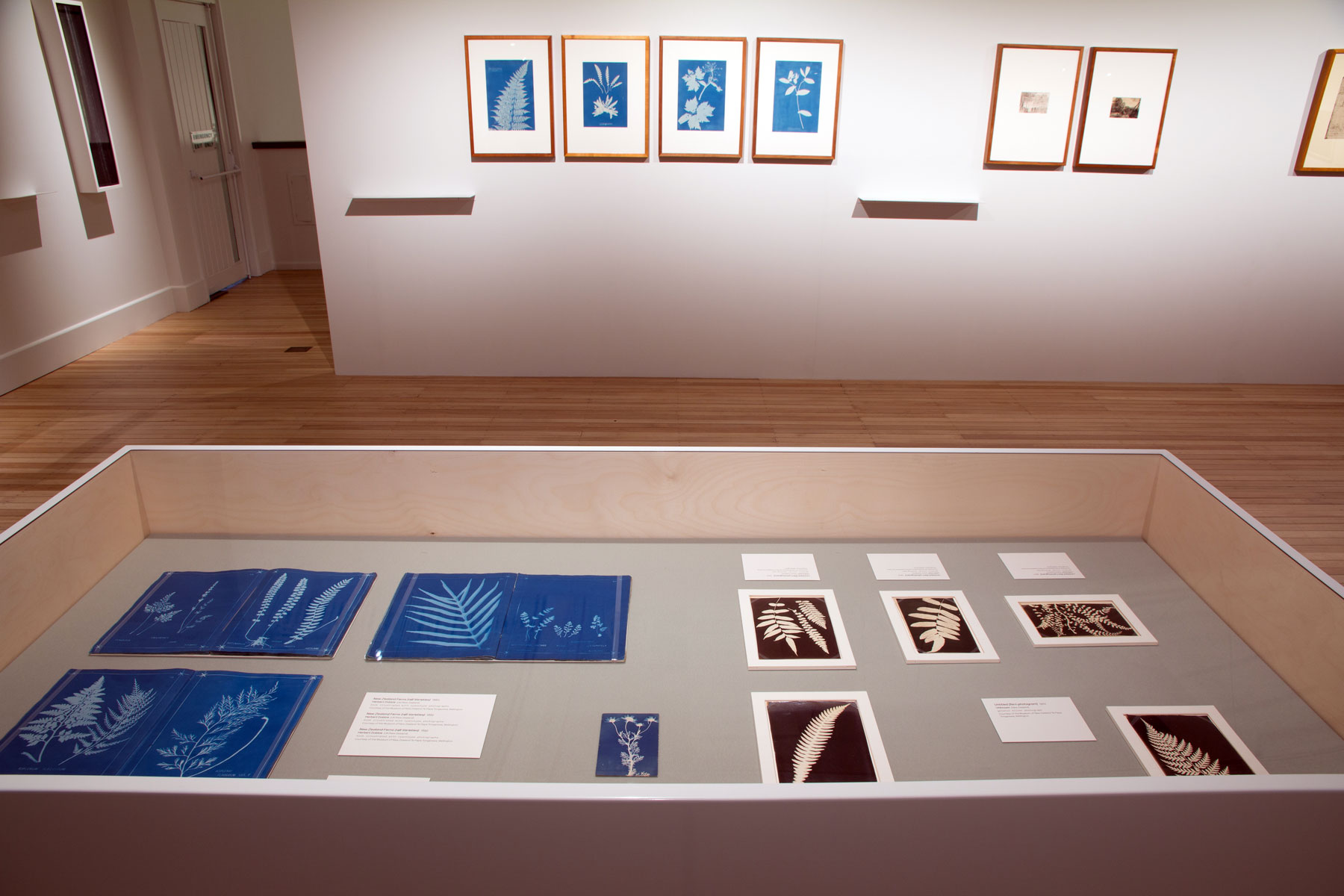
Text from the Carnegie Museum of Art website [Online] Cited 22/03/2016.


Nam June Paik (American, 1932-2006) 'TV Rodin' 1976-1978


Nam June Paik (American, 1932-2006)
TV Rodin
1976-1978
Plaster, video camera, tripod, monitor, pedestal
132 x 110 x 115cm
Photo: Primae / Claude Germain. The Estate of Nam June Paik


Marina Abramovic (Serbian, b. 1946) and Ulay (Frank Uwe Laysiepen) (German, 1943-2020) 'That Self – Point of Contact' 1980


Marina Abramovic (Serbian, b. 1946) and Ulay (Frank Uwe Laysiepen) (German, 1943-2020)
That Self – Point of Contact
1980
Performance au De Appel Art Centre, Amsterdam
© Adagp, Paris 2015
Courtesy Marina Abramovic Archives


Sigmar Polke (German, 1941-2010) 'Untitled (Blue)' 1992


Sigmar Polke (German, 1941-2010)
Untitled (Blue)
1992
Set of 10 Cibachromes trials
61 x 51cm
The estate of Sigmar Polke / ADAGP, Paris, 2015


Fabrice Hyber (French, b. 1961) 'screen+télépathy' 2013


Fabrice Hyber (French, b. 1961)
screen+télépathy
2013
Watercolour, charcoal on paper
76 x 57cm
Collection of the artist
© Photographie Marc Domage


Susan Hiller (American, 1940-2019) 'Homage to Marcel Duchamp: Aura (Blue Boy)' 2011


Susan Hiller (American, 1940-2019)
Homage to Marcel Duchamp: Aura (Blue Boy)
2011
© Susan Hiller


Centre Pompidou-Metz
1, parvis des Droits-de-l’Homme
CS 90490
F-57020 Metz Cedex 1
Phone: +33 (0)3 87 15 39 39

Opening hours:
Monday 10am – 6pm
Tuesday closed
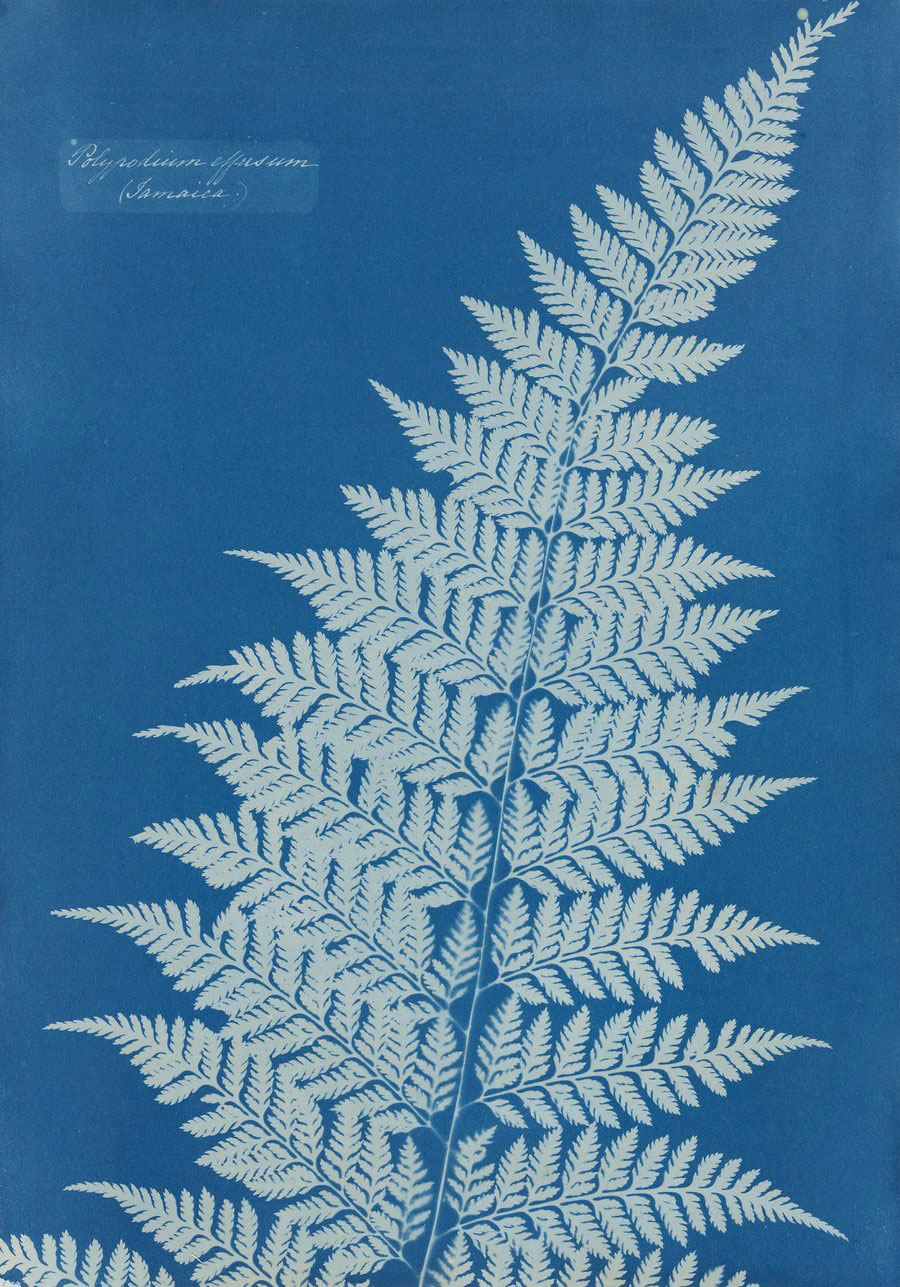
Wednesday 10am – 6pm
Thursday 10am – 6pm
Friday 10am – 7pm
Saturday 10am – 7pm
Sunday 10am – 7pm

Centre Pompidou-Metz website

LIKE ART BLART ON FACEBOOK

Back to top

Exhibition: ‘Gilbert & George: The Art Exhibition’ at the Museum of Old and New Art (MONA), Hobart

Exhibition dates: 28th November, 2015 – 28th March, 2016

Curators: Gilbert & George with organising curators, Mona’s Co-Directors of Exhibitions and Collections, Olivier Varenne and Nicole Durling


Gilbert & George (Gilbert Prousch, British born Italy, 1943; George Passmore, British, b. 1942) 'FORWARD' 2008 from the exhibition 'Gilbert & George: The Art Exhibition' at the Museum of Old and New Art (MONA), Hobart, Nov 2015 - March 2016


Gilbert & George (Gilbert Prousch, British born Italy, 1943; George Passmore, British, b. 1942)
FORWARD
2008
Mixed media
381 x 604cm
Courtesy of the artists and White Cube


Gentlemen of the gutter

While I admire the mythology of Gilbert and George, that ever so British pair of deviant artists, they have never been among my favourites.

They had a tough road. Imagine meeting in 1967, pre-Stonewall and the beginning of gay liberation, and then moving into the roughest part of London, the East End, to live together and make art, dressed as a pair of besuited businessmen. The prejudice and the abuse would have been intense, but they stuck together, they stuck to their path as artists, and they stuck to each other as human beings. It is fascinating to see the trajectory of their development, to follow the development of the grid, the introduction of one colour and then multiple colours.
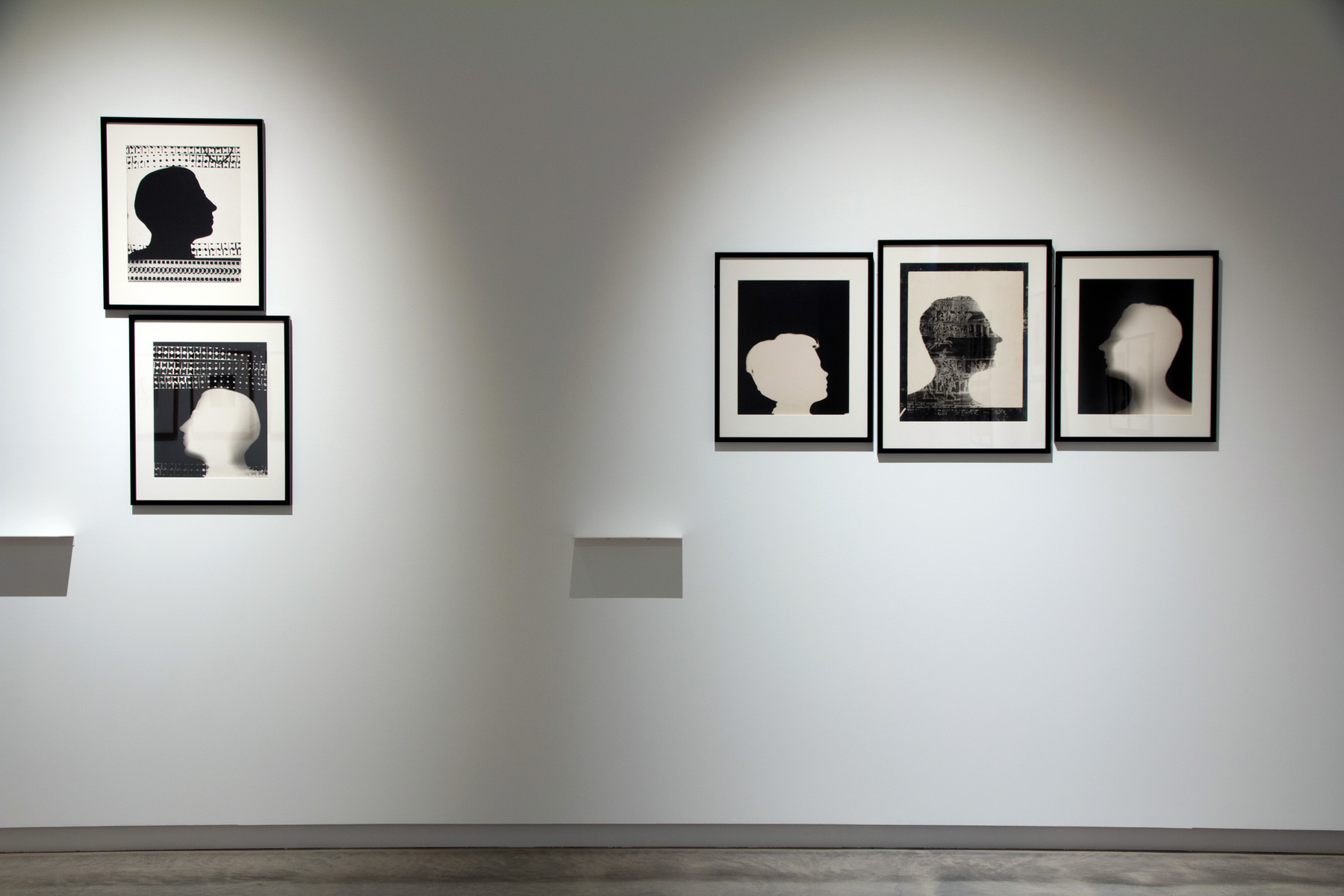
I understand what they do, empathise with their endeavour (anti-nationalism, religion, bigotry, racism, homophobia etc etc…) but wonder whether they have not painted themselves and their art into a corner. They are so well known for their long running performance – their vaudeville act reminding me of a contemporary Hieronymus Bosch with text ripped from the headlines / images riffed from hell (portraits of cut up reflections assembled to make surreal creatures with gaping mouths), the gridded works, the colours, the content AS graphic gothic cathedral with stained glass windows – that they seem incapable or willing to push themselves and their art further. To shock us in an altogether different way? Now that would be a greater surprise, than just semen, spit and shit.

What I am saying is that they have got their schtick down pat. They worked hard for their anti-establishment schlock horror. The work has presence and they do know how to reach people with a picture but with each repetition, with each ritual performance the cracks grow ever larger. As John McDonald observes, “They are iconoclastic non-entities making art that attracts and repels.”

What actually lies underneath all of this rhetoric. Two caring human beings, two compassionate souls? I think not, therefore I am.**

As can be seen in many of their works, the emperors literally have no clothes…

Dr Marcus Bunyan

** Perhaps it should have been “I care not, therefore I am” … because they don’t really give a dam what people think. This is part of the problem: their rather mean spirited view of the world.


Many thankx to MONA for allowing me to publish the photographs in the posting. Please click on the photographs for a larger version of the image.


“We are unhealthy, middle-aged, dirty-minded, depressed, cynical, empty, tired-brained, seedy, rotten, dreaming, badly-behaved, ill-mannered, arrogant, intellectual, self-pitying, honest, successful, hard-working, thoughtful, artistic, religious, fascistic, blood-thirsty, teasing, destructive, ambitious, colourful, damned, stubborn, perverted and good. We are artists.”


“Art has just become decoration for the very, very rich. We manage to keep our feet on the ground. We have never been part of an elitist art group. Our art is so confrontational that a lot of collectors would never touch it because they don’t want a naked shit picture in their living room… More and more it is difficult to speak as an artist. Nobody hears you because there are too many and there are too many different ways of making art today that there didn’t use to be when we started out in 1969.”


“We never go to the cinema, the theatre, or the ballet or opera. We stopped 40 years ago. We just didn’t want to become contaminated. We know what we’re interested in, we know how we can reach people with a picture. We have a feeling, what we put in that picture that will mean something to somebody.”


Gilbert & George


Gilbert & George: The Art Exhibition


Gilbert & George In Conversation With Olivier Varenne


Two people, but one artist: the legendary Gilbert & George’s first ever exhibition in Australasia, Gilbert & George: The Art Exhibition, is now open at the Museum of Old and New Art in Tasmania, Australia, until March 28, 2016.

Gilbert & George: The Art Exhibition is a major retrospective, including pictures spanning five decades; dating from 1970 to most recent pictures of 2014. Curated by Gilbert & George with organising curators, Mona’s Co-Directors of Exhibitions and Collections, Olivier Varenne and Nicole Durling, the pictures are installed across the entirety of Mona’s touring galleries, 14 metres underground.

“Our pictures deal with the great universals: death, hope, life, fear, sex, money, race and religion. Seeing is believing. See for yourself: Gilbert & George: The Art Exhibition. This is your very first – and last – chance to see one hundred of our pictures, at the wonderful Museum of Old and New Art in Hobart, Tasmania.” ~ Gilbert & George


Since first meeting at St Martin’s school of Art, London, in 1967, Gilbert & George have lived and worked together as one single and fiercely independent artist, dedicated solely to the creation of their art. They have no allegiance to any other trend, school, movement, doctrine, theory or style of art.

Gilbert & George already knew that they were seeking for a form of art that was to them entirely rooted in the real world – in the streets and clamour and traffic and buildings and hearts of strangers: an “Art for All.”

Today, their art continues to be multi-allusive, contemporary and contentious, as their subject is literally at their feet – along countless streets, the thoroughfares of the passage of millions of lives, and dense with the sedimentary tracings of social existence.

Text from MONA


Installation view of the exhibition ‘Gilbert & George: The Art Exhibition’ at the Museum of Old and New Art, Hobart showing at left, 'BOMBERS' (2006), and at right, 'FORWARD' (2008)
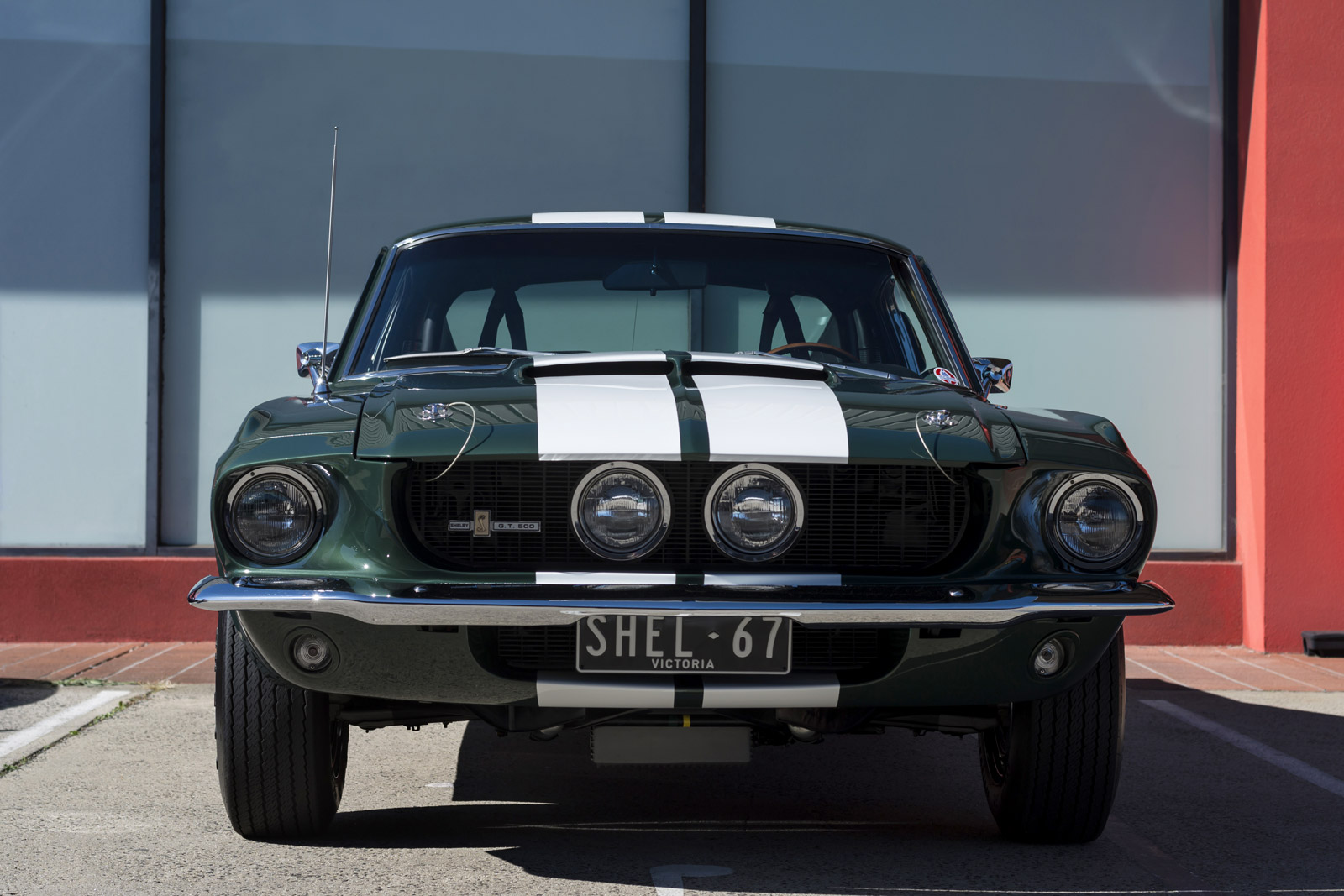
 

Installation view of the exhibition Gilbert & George: The Art Exhibition at the Museum of Old and New Art, Hobart showing at left, BOMBERS (2006), and at right, FORWARD (2008)
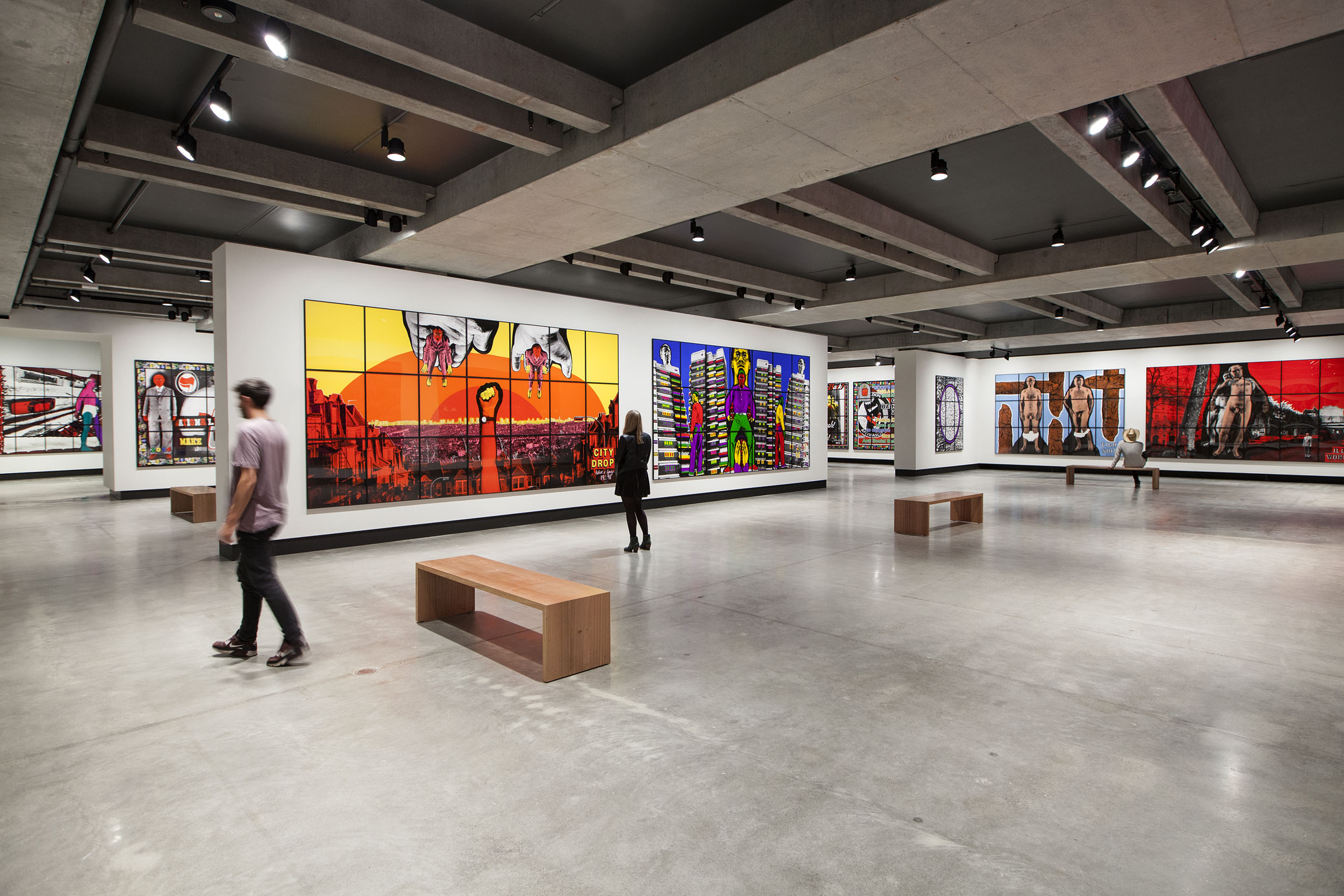
 

Gilbert & George (Gilbert Prousch, British born Italy, 1943; George Passmore, British, b. 1942) 'BOMBERS' 2006 from the exhibition 'Gilbert & George: The Art Exhibition' at the Museum of Old and New Art (MONA), Hobart, Nov 2015 - March 2016


Gilbert & George (Gilbert Prousch, British born Italy, 1943; George Passmore, British, b. 1942)
BOMBERS
2006
From Bomb Pictures
Mixed media
336 x 493cm
Courtesy of the artists and White Cube


Gilbert & George created an important group of six pictures for their major retrospective at Tate Modern. The six Bomb Pictures, the only pictures created by the artists in 2006, comprise a 14 metre triptych entitled Bomb and five other pictures: Bombs; Bomber; Bombers; Bombing; and Terror. The artists have described this group of pictures as their most chilling to date. The artists intend the pictures to be seen as modern townscapes reflecting the daily exposure in urban life to terror alerts.

Barry Grayshon. “Gilbert and George – The Bomb Pictures (2006),” on the Pinterest website [Online] Cited 16/03/2016


Installation view of the exhibition ‘Gilbert & George: The Art Exhibition’ at the Museum of Old and New Art, Hobart showing at left, 'TOPSY TURVY' (1989) from 'The Cosmological Pictures'


Installation view of the exhibition Gilbert & George: The Art Exhibition at the Museum of Old and New Art, Hobart showing at left, TOPSY TURVY (1989) from The Cosmological Pictures


Gilbert & George (Gilbert Prousch, British born Italy, 1943; George Passmore, British, b. 1942) 'DEAD HEAD' 1989


Gilbert & George (Gilbert Prousch, British born Italy, 1943; George Passmore, British, b. 1942)
DEAD HEAD
1989
From The Cosmological Pictures
Picture courtesy of the artists and Mona, Museum of Old and New Art, Tasmania, Australia


With this body of work Gilbert & George stress the power of human thought to remake life and so create the future through a process of communication, discussion and questioning, stimulated by the pictures. The word ‘cosmology’ derives from the Greek words for ‘world’ and ‘discourse’. Since September 1991, The Cosmological Pictures have been touring many European cities. Gilbert and George’s aim – to speak to many people in all of these cities – is at the heart of their cosmology.

Barry Grayshon. “Gilbert and George – The Cosmological Pictures (1989),” on the Pinterest website [Online] Cited 16/03/2016


Installation view of the exhibition ‘Gilbert & George: The Art Exhibition’ at the Museum of Old and New Art, Hobart showing at left, 'NEXT DOOR' (2013), in the middle 'HANDBALL' (2008), and at right, 'SUICIDE STRAIGHT' (2011) from 'The London Pictures'


Installation view of the exhibition Gilbert & George: The Art Exhibition at the Museum of Old and New Art, Hobart showing at left, NEXT DOOR (2013), in the middle HANDBALL (2008), and at right, SUICIDE STRAIGHT (2011) from The London Pictures


Gilbert & George (Gilbert Prousch, British born Italy, 1943; George Passmore, British, b. 1942) 'KILLERS STRAIGHT' 2011


Gilbert & George (Gilbert Prousch, British born Italy, 1943; George Passmore, British, b. 1942)
KILLERS STRAIGHT
2011
From The London Pictures


The London Pictures are made up of 292 of the 3,712 newspaper ‘bills’ the pair have doggedly pilfered from outside London newsagents over many years. The pictures present an epic survey of modern urban life in all its volatility, tragedy, absurdity and routine violence. They are Dickensian in scope and ultra-modern in sensibility.

Barry Grayshon. “Gilbert and George – London Photos (2011),” on the Pinterest website [Online] Cited 16/03/2016


Installation view of the exhibition ‘Gilbert & George: The Art Exhibition’ at the Museum of Old and New Art, Hobart showing in the middle 'HANDBALL' (2008), and at right, 'SUICIDE STRAIGHT' (2011) from 'The London Pictures'


Installation view of the exhibition Gilbert & George: The Art Exhibition at the Museum of Old and New Art, Hobart showing in the middle HANDBALL (2008), and at right, SUICIDE STRAIGHT (2011) from The London Pictures


Installation view of the exhibition ‘Gilbert & George: The Art Exhibition’ at the Museum of Old and New Art, Hobart showing from left (large pictures), 'CITY DROP' (1991), 'FLAT MAN' (1991), 'EIGHT SHITS' (1994) and 'ILL WORLD' (1994), both from 'The Naked Shit Pictures'


Installation view of the exhibition Gilbert & George: The Art Exhibition at the Museum of Old and New Art, Hobart showing from left (large pictures), CITY DROP (1991), FLAT MAN (1991), EIGHT SHITS (1994) and ILL WORLD (1994), both from The Naked Shit Pictures


Gilbert & George (Gilbert Prousch, British born Italy, 1943; George Passmore, British, b. 1942) 'ILL WORLD' 1994


Gilbert & George (Gilbert Prousch, British born Italy, 1943; George Passmore, British, b. 1942)
ILL WORLD
1994
Mixed media
253 x 426cm
Courtesy of the artists


The frieze-like composition of The Naked Shit Pictures, with its striking contrasts of scale, was displayed high on the gallery walls. As the title indicates, works in the group depict the artists naked, or semi-dressed, often in conjunction with scaled-up images of faeces. These primary motifs are juxtaposed with urban/parkland scenes, giant anonymous suited bodies and the artists, or set against colour grounds. Marked contrasts in scale are a dominant feature in the series.

Barry Grayshon. “Gilbert and George – The Naked Shit Pictures (1994),” on the Pinterest website [Online] Cited 16/03/2016


Installation view of the exhibition ‘Gilbert & George: The Art Exhibition’ at the Museum of Old and New Art, Hobart showing at middle, 'IN THEIR ELEMENT' (1998) from the series 'The Rudimentary Pictures' (1998) followed by 'FIVE' (1992)


Installation view of the exhibition Gilbert & George: The Art Exhibition at the Museum of Old and New Art, Hobart showing at middle, IN THEIR ELEMENT (1998) from the series The Rudimentary Pictures (1998) followed by FIVE (1992)


Gilbert & George (Gilbert Prousch, British born Italy, 1943; George Passmore, British, b. 1942) 'IN THEIR ELEMENT' 1988


Gilbert & George (Gilbert Prousch, British born Italy, 1943; George Passmore, British, b. 1942)
IN THEIR ELEMENT
1988
From the series The Rudimentary Pictures
Mixed media
254 x 528 cm
Courtesy of the artists


The Rudimentary Pictures, presents thirty-three new works, in which they explore such themes as alienation, sex, race, and human existence. Many of these striking pictures extend the distinctive range of images they have created exploring city life. In Gum City, City Sweat, Money City, Blood City, Piss City, Sex City and Crying City, backgrounds of London street plans are combined with map-like microscopic details of blood, sweat, tears, urine and semen, together with themselves.

Barry Grayshon. “Gilbert and George – The Rudimentary Pictures (1998),” on the Pinterest website [Online] Cited 16/03/2016


Installation view of the exhibition ‘Gilbert & George: The Art Exhibition’ at the Museum of Old and New Art, Hobart showing at middle, 'FLYING SHIT WHEEL OF DEATH' (1998); and at right, 'RAIN WHEEL OF LIFE' (1998), both from 'The Rudimentary Pictures'


Installation view of the exhibition Gilbert & George: The Art Exhibition at the Museum of Old and New Art, Hobart showing at middle, FLYING SHIT WHEEL OF DEATH (1998) and, at right, RAIN WHEEL OF LIFE (1998), both from The Rudimentary Pictures


Gilbert & George (Gilbert Prousch, British born Italy, 1943; George Passmore, British, b. 1942) 'FLYING SHIT WHEEL OF DEATH' 1998 (installation view)


Gilbert & George (Gilbert Prousch, British born Italy, 1943; George Passmore, British, b. 1942)
FLYING SHIT WHEEL OF DEATH (installation view)
1998
from the series The Rudimentary Pictures


Gilbert & George hardcover catalogue from MONA


Gilbert & George hardcover catalogue
Photo Credit: Mona/Rémi Chauvin
Image Courtesy Mona, Museum of Old and New Art, Hobart, Tasmania, Australia


Gilbert & George (Gilbert Prousch, British born Italy, 1943; George Passmore, British, b. 1942) 'RED MORNING DEATH' 1977


Gilbert & George (Gilbert Prousch, British born Italy, 1943; George Passmore, British, b. 1942)
RED MORNING DEATH
1977
Mixed media
241 x 201cm
Private collection


Gilbert & George (Gilbert Prousch, British born Italy, 1943; George Passmore, British, b. 1942) 'BLACK JESUS' 1980


Gilbert & George (Gilbert Prousch, British born Italy, 1943; George Passmore, British, b. 1942)
BLACK JESUS
1980
Mixed media
181 x 251cm
Private collection


In the early 1980s, Gilbert & George began to add a range of bright colours to their photographic images. They dramatically expanded their palette although black & white still remained. The series of photo-pieces that emerge during this vibrant period display a heightened reality, moving away from the earlier naturalism. They also began photographing each other as gargoyles, producing large close-ups of their faces, lit from below, grimacing horribly.

Barry Grayshon. “Gilbert and George – Mixed Media (1980),” on the Pinterest website [Online] Cited 16/03/2016


“… In a show as vast as the MONA survey, one sees the shit pictures as only a small chapter in their catalogue of would-be outrages. There are microscopic close-ups of their own sweat, blood, piss and sperm, presented as a form of decorative art. There are galleries of handsome young men, lined up like homoerotic altarpieces. There are works that excoriate religion – all forms of religion – and nationalism.

It would be an understatement to say these works sail close to the edge – they have plunged joyously over the precipice, beyond any conventions of good or bad taste. The “moral dimension” Gilbert & George seek is a systematic attempt to explode everything they see as false morality and hypocrisy. Homophobia is a constant target, as is racism and religious dogmatism. They are not the first to see organised religion as the root of all evil, but few artists or thinkers have been so consistently, so violently anti-religious.

The joke, of course, is that they look and act like conservative businessmen. Even their most confronting works are as bold and colourful as advertising billboards, or perhaps stained glass windows. They are iconoclastic non-entities making art that attracts and repels.

From behind a façade of consummate Englishness they set out to expose the grossness and depravity of the world around them. The Jack Freak Pictures (2008) use images of the Union Jack combined with grotesque morphings of their own figures that make them look like demons or mutants. The London Pictures (2011) use hundreds of daily newspaper banners, purloined from newsagents, to produce a chorus of sordidness and sensationalism.

We see two deadpan comedians enjoying the adolescent humour of exposing themselves to an audience, making wall-sized images of all those things not spoken of in ‘polite’ society. I could almost accept the idea of Gilbert & George as two overgrown children, intent on making mischief, but every so often they hit the mark with surprising force.”

John McDonald. “Gilbert & George,” on the John McDonald website December 4, 2015 [Online] Cited 11/03/2016.


Installation view of the exhibition ‘Gilbert & George: The Art Exhibition’ at the Museum of Old and New Art, Hobart showing at left, 'MONEY' (2011) from 'The London Pictures' and, at right, 'Raack' (2005) from 'Ginkgo Pictures'


Installation view of the exhibition Gilbert & George: The Art Exhibition at the Museum of Old and New Art, Hobart showing at left, MONEY (2011) from The London Pictures and, at right, Raack (2005) from Ginkgo Pictures


Installation view of the exhibition ‘Gilbert & George: The Art Exhibition’ at the Museum of Old and New Art, Hobart showing at left, 'VALLANCE ROAD' (2013); at centre left 'RIDLEY ROAD' (2013) and at centre right 'HABDABS' (2013) all from the series 'Scapegoating Pictures'


Installation view of the exhibition Gilbert & George: The Art Exhibition at the Museum of Old and New Art, Hobart showing at left, VALLANCE ROAD (2013); at centre left RIDLEY ROAD (2013) and at centre right HABDABS (2013) all from the series Scapegoating Pictures


There are 292 pieces in this series featuring whippets and hippy crack (laughing gas). The SCAPEGOATING PICTURES unflinchingly describe the volatile, tense, accelerated and mysterious reality of our increasingly technological, multi-faith and multi-cultural world. It is a world in which paranoia, fundamentalism, surveillance, religion, accusation and victimhood become moral shades of the city’s temper.

Barry Grayshon. “Gilbert and George – Scapegoating Pictures for London (2013),” on the Pinterest website [Online] Cited 16/03/2016


Installation view of the exhibition ‘Gilbert & George: The Art Exhibition’ at the Museum of Old and New Art, Hobart showing at left, 'Citied Gents' (2005) from 'Ginkgo Pictures'; at left rear, 'COLOURED FRIENDS' (1982); and at right rear 'SPEAKING YOUTH' (1981)


Installation view of the exhibition Gilbert & George: The Art Exhibition at the Museum of Old and New Art, Hobart showing at left, Citied Gents (2005) from Ginkgo Pictures; at left rear, COLOURED FRIENDS (1982); and at right rear SPEAKING YOUTH (1981)


Installation view of the exhibition ‘Gilbert & George: The Art Exhibition’ at the Museum of Old and New Art, Hobart showing at left, 'RAIN WHEEL OF LIFE' (1998), and at right 'KINK' (1998), both from 'The Rudimentary Pictures'


Installation view of the exhibition Gilbert & George: The Art Exhibition at the Museum of Old and New Art, Hobart showing at left, RAIN WHEEL OF LIFE (1998), and at right KINK (1998), both from The Rudimentary Pictures


Installation view of the exhibition ‘Gilbert & George: The Art Exhibition’ at the Museum of Old and New Art, Hobart showing at left, 'TONGUES' (1992) followed by 'IN THEIR ELEMENT' (1998) from the series 'The Rudimentary Pictures' followed by 'FIVE' (1992); to the right 'TOFF'S OUT!' (2014) followed by 'THEY SHOT THEM!' (2014), both from the series 'Utopian Pictures'


Installation view of the exhibition Gilbert & George: The Art Exhibition at the Museum of Old and New Art, Hobart showing at left, TONGUES (1992) followed by IN THEIR ELEMENT (1998) from the series The Rudimentary Pictures followed by FIVE (1992); to the right TOFF’S OUT! (2014) followed by THEY SHOT THEM! (2014), both from the series Utopian Pictures


Gilbert & George (Gilbert Prousch, British born Italy, 1943; George Passmore, British, b. 1942) 'THEY SHOT THEM!' 2014


Gilbert & George (Gilbert Prousch, British born Italy, 1943; George Passmore, British, b. 1942)
THEY SHOT THEM!
2014
Mixed media
254 x 453 cm
Courtesy of ARNDT and Gilbert & George


The 26 UTOPIAN PICTURES convey, like an energy storm, the frenetic forces of an endlessly embattled state: between the voices of authority and civic order. These pictures depict a modern world in which authority and the resentment of authority, rules and rebellion, advertising and public information, dogma and warning, boasts and threats co-exist in seemingly endless proclamations.

Barry Grayshon. “Gilbert and George – Utopian Pictures (2014),” on the Pinterest website [Online] Cited 16/03/2016


Installation view of the exhibition ‘Gilbert & George: The Art Exhibition’ at the Museum of Old and New Art, Hobart showing from left to right, 'SHIT ON SPIT' (1997) from 'The New Testamental Pictures', 'BLOOD ROADS' (1998), 'BLOOD CITY' (1998) and 'PISS GARDEN' (1998) from 'The Rudimentary Pictures'


Installation view of the exhibition Gilbert & George: The Art Exhibition at the Museum of Old and New Art, Hobart showing from left to right, SHIT ON SPIT (1997) from The New Testamental Pictures, BLOOD ROADS (1998), BLOOD CITY (1998) and PISS GARDEN (1998) from The Rudimentary Pictures


Gilbert & George (Gilbert Prousch, British born Italy, 1943; George Passmore, British, b. 1942) 'BLOOD CITY' 1988


Gilbert & George (Gilbert Prousch, British born Italy, 1943; George Passmore, British, b. 1942)
BLOOD CITY
1988
Mixed media
151 x 127 cm
Courtesy of the artists


Installation view of the exhibition ‘Gilbert & George: The Art Exhibition’ at the Museum of Old and New Art, Hobart showing at left, 'KINK' (1998), and at rear, 'COLD STREET' (1991)


Installation view of the exhibition Gilbert & George: The Art Exhibition at the Museum of Old and New Art, Hobart showing at left, KINK (1998), and at rear, COLD STREET (1991)


Installation view of the exhibition ‘Gilbert & George: The Art Exhibition’ at the Museum of Old and New Art, Hobart showing from left to right, 'BLOODY LIFE No. 4' (1975), 'AKIMBO' (2005) from 'Sonofagod Pictures', 'SHITTY WORLD' (1994), 'DEAD HEAD' (1989), and 'CHRISTS' (1992) from 'The China Pictures'


Installation view of the exhibition Gilbert & George: The Art Exhibition at the Museum of Old and New Art, Hobart showing from left to right, BLOODY LIFE No. 4 (1975), AKIMBO (2005) from Sonofagod Pictures, SHITTY WORLD (1994), DEAD HEAD (1989), and CHRISTS (1992) from The China Pictures


In the BLOODY LIFE pictures, from 1975, Gilbert & George strike poses with clenched fists and legs kicking. Even the introspective image of the artists in BLOODY LIFE NO.3 is embedded within a frame of alcohol and the boxing ring. The brutality of these pictures reflects their experience at the time. ‘We went through this big destructive period of the drunken scenery, exploring ourselves, exploring our dark side, going out, getting drunk, all those destructive elements’.

Barry Grayshon. “Gilbert and George – Bloody Life (1975),” on the Pinterest website [Online] Cited 16/03/2016


The SONOFAGOD PICTURES consist of 20 paintings that possess a darkly graven strangeness, at once archaic and ultra-modern, in which their temper no less than their signage appears deeply contemporary, ritualistic and disturbed and have all of the dramatic visual impact which one might expect to find in neo-Gothic medievalism.

Christs shows a local youth imagining a butterfly Christ with Gilbert and George wings.


Installation view of the exhibition ‘Gilbert & George: The Art Exhibition’ at the Museum of Old and New Art, Hobart showing at left, 'FORWARD' (2008) and in the middle right, 'SCAPEGOATING' (2013)


Installation view of the exhibition Gilbert & George: The Art Exhibition at the Museum of Old and New Art, Hobart showing at left, FORWARD (2008) and in the middle right, SCAPEGOATING (2013)


Gilbert & George (Gilbert Prousch, British born Italy, 1943; George Passmore, British, b. 1942) 'ASTRO STAR' 2013


Gilbert & George (Gilbert Prousch, British born Italy, 1943; George Passmore, British, b. 1942)
ASTRO STAR
2013
From Scapegoating Pictures
Picture courtesy of the artists and Mona, Museum of Old and New Art, Tasmania, Australia


There are 292 pieces in this series featuring whippets and hippy crack (laughing gas). The SCAPEGOATING PICTURES unflinchingly describe the volatile, tense, accelerated and mysterious reality of our increasingly technological, multi-faith and multi-cultural world. It is a world in which paranoia, fundamentalism, surveillance, religion, accusation and victimhood become moral shades of the city’s temper.

Barry Grayshon. “Gilbert and George – Scapegoating Pictures for London (2013),” on the Pinterest website [Online] Cited 16/03/2016


Gilbert & George (Gilbert Prousch, British born Italy, 1943; George Passmore, British, b. 1942) 'FIGHT BACK' 2014


Gilbert & George (Gilbert Prousch, British born Italy, 1943; George Passmore, British, b. 1942)
FIGHT BACK
2014
From the series Utopian Pictures
Mixed media
254 x 377cm
Courtesy of ARNDT and Gilbert & George


Gilbert & George (Gilbert Prousch, British born Italy, 1943; George Passmore, British, b. 1942) 'ONE WORLD' 1988


Gilbert & George (Gilbert Prousch, British born Italy, 1943; George Passmore, British, b. 1942)
ONE WORLD
1988
Mixed media
226 x 254cm
Courtesy of the artists


Gilbert & George (Gilbert Prousch, British born Italy, 1943; George Passmore, British, b. 1942) 'ALL MY LIFE I GIVE YOU NOTHING AND STILL YOU ASK FOR MORE' 1970 (Gilbert)


Gilbert & George (Gilbert Prousch, British born Italy, 1943; George Passmore, British, b. 1942)
ALL MY LIFE I GIVE YOU NOTHING AND STILL YOU ASK FOR MORE (Gilbert)
1970
Mixed media
Each 193 x 75cm
Private collection


Gilbert & George (Gilbert Prousch, British born Italy, 1943; George Passmore, British, b. 1942) 'ALL MY LIFE I GIVE YOU NOTHING AND STILL YOU ASK FOR MORE' 1970 (George)


Gilbert & George (Gilbert Prousch, British born Italy, 1943; George Passmore, British, b. 1942)
ALL MY LIFE I GIVE YOU NOTHING AND STILL YOU ASK FOR MORE (George)
1970
Mixed media
Each 193 x 75cm
Private collection


Museum of Old and New Art
655 Main Road Berriedale
Hobart Tasmania 7011, Australia

Opening hours:
Daily 10am – 6pm

MONA website

LIKE ART BLART ON FACEBOOK

Back to top

Exhibition: ‘Photo-Poetics: An Anthology’ at the Solomon R. Guggenheim Museum, New York

Exhibition dates: 20th November, 2015 – 23rd March, 2016

Curators: Jennifer Blessing, Senior Curator, Photography, with Susan Thompson, Assistant Curator, Solomon R. Guggenheim Museum


Photo-Poetics image


My apologies, I am feeling very poorly at the moment, so just a small comment on this exhibition.

After the trilogy of 19th century photography, now for something completely different… two consecutive postings on contemporary photography.

In this art, the photograph becomes a conceptual “speech” act, where the artists speak with photographs, working with the context of the image – the image as concept, as talk.

It’s not just that the artists make photographic objects, they push what the medium can do. As the press release observes, “Theirs is a sort of “photo poetics,” an art that self-consciously investigates the laws of photography and the nature of photographic representation, reproduction, and the photographic object.” It is art that requires contemplation and meditation on source by Self. I have included several videos and extra text to illuminate aspects of the work in the posting.

I like the intertextuality that the artists employ when pushing the boundaries of photographic practice and representation, particularly Claudia Angelmaier’s series Works on Paper (2008-) and Lisa Oppenheim’s series The Sun is Always Setting Somewhere Else (2006).

Dr Marcus Bunyan


Many thankx to the Solomon R. Guggenheim Museum for allowing me to publish the photographs in the posting. Please click on the photographs for a larger version of the image.


99 SECONDS OF: PHOTO-POETICS: An Anthology / Guggenheim New York


The exhibition and its accompanying catalogue examine an important new development in contemporary photography, offering an opportunity to define the concerns of a younger generation of artists and contextualise their work within the history of art and visual culture. Drawing on the legacies of Conceptualism, these artists pursue a largely studio-based approach to still-life photography that centres on the representation of objects, often printed matter such as books, magazines, and record covers. The result is an image imbued with poetic and evocative personal significance – a sort of displaced self-portraiture – that resonates with larger cultural and historical meanings. Driven by a profound engagement with the medium of photography, these artists investigate the nature, traditions, and magic of photography at a moment characterised by rapid digital transformation. They attempt to rematerialise the photograph through meticulous printing, using film and other disappearing photo technologies, and creating artist’s books, installations, and photo-sculptures. While they are invested in exploring the processes, supports, and techniques of photography, they are also deeply interested in how photographic images circulate. Theirs is a sort of “photo poetics,” an art that self-consciously investigates the laws of photography and the nature of photographic representation, reproduction, and the photographic object.

Text from the exhibition web page.


Anne Collier (American, b. 1970) 'Crying' 2005 from the exhibition 'Photo-Poetics: An Anthology' at the Solomon R. Guggenheim Museum, New York, Nov 2015 - March 2016


Anne Collier (American, b. 1970)
Crying
2005
Chromogenic print
99.1 x 134cm
Solomon R. Guggenheim Museum, New York
Purchased with funds contributed by Mr. and Mrs. Aaron M. Tighe
© Anne Collier


Collier’s photographs offer a straightforward presentation of found images and printed ephemera, and explore themes of appropriation, iconography, and surrogacy… Though implicitly layered with feminist critiques of mass media, Collier’s images of famous women – especially those of other artists, like Cindy Sherman, for example – can also be interpreted as oblique self-portraits.

Text from the Guggenheim artist’s web page


“Ephemera and mediation are at the quiet center of Collier’s Crying, one of her works in the exhibition. Seen from across the room, “Crying” looks like a photograph overlaid upon a painted surface, or perhaps a portrait integrated within a two-dimensional space. The image, indeed a photo, is divided horizontally; the upper two-thirds are white, the bottom third is black, and on the left-hand side there is a small square close-up of a distraught woman crying. The woman is Ingrid Bergman, and this is the cover of the LP that accompanied her 1943 film For Whom the Bell Tolls. The LP is upright, facing the viewer dead-on, and up close we can see that there are a number of records behind it and that the flat spaces above and below are actually a white wall and black floor. The work is in no way overwhelming; there is nothing bombastic about it. Rather, the thrill of it comes from the reading it requires. Collier deploys her references strategically – this brings to mind abstract painting, Bas Jan Ader’s I’m Too Sad to Tell You, Bergman’s films and unconventional life, and the joy of the collector in the record store. Should that not be enough, it also awakens the empathy centers that begin firing when we see someone cry. Crying is part of a series involving records – others are of The Smiths and Sylvia Plath – but it contains the tensions within all of her work: advertising and fine art, nostalgia and distance, the camera and the eye. Collier has said she is interested in photographing objects that have “had previous lives… been handed and used,” and these rely on a kind of slow intertextuality; the gradual unfolding of meaning and feeling working towards a dizzying remove. It’s disorienting and evocative, a poetics in which the camera is not just the set-up but the punchline, and all the previous lives can be felt lurking beneath the surface.”

Anonymous text from “Woman with Camera: Anne Collier’s Feminist Image Critique,” on the Deutsche Bank ArtMag 88 website Nd [Online] Cited 13/03/2016. No longer available online


Moyra Davey (American, b. 1958) 'Les Goddesses' 2011 from the exhibition 'Photo-Poetics: An Anthology' at the Solomon R. Guggenheim Museum, New York, Nov 2015 - March 2016


Moyra Davey (American, b. 1958)
Les Goddesses (still)
2011
HD colour video, with sound, 61 min.
Courtesy the artist and Murray Guy, New York
© Moyra Davey


In the mid-2000s, the moving image took on a renewed prominence in Davey’s work. Inspired by her deep interest in the process of reading and writing, the artist’s essayistic video practice layers personal narrative with detailed explorations of the texts and lives of authors and thinkers she admires, such as Walter Benjamin, Jean Genet, and Mary Wollstonecraft. Davey’s own writing is central to her videos. The transcript of Fifty Minutes (2006), in which the artist reflects on her years in psychoanalysis, was published as a personal essay in the artist book Long Life Cool White: Photographs and Essays by Moyra Davey (2008), and her text “The Wet and the Dry” formed the basis of the narration of Les Goddesses (2011).

Text from the Guggenheim artist’s web page


Erin Shirreff (Canadian, b. 1975) 'UN 2010' 2010


Erin Shirreff (Canadian, b. 1975)
UN 2010 (still)
2010
HD color video, silent, 17 min.
Solomon R. Guggenheim Museum, New York
Purchased with funds contributed by Erica Gervais
© Erin Shirreff


Erin Shirreff (Canadian, b. 1975)
UN 2010 (excerpt)
2010
HD color video, silent, 17 min.
Solomon R. Guggenheim Museum, New York
Purchased with funds contributed by Erica Gervais
© Erin Shirreff


Shirreff’s work in photography, video, and sculpture reflects on the distance between an object and its representation, exploring the capacities of photography in conveying a sculptural experience.

Since scale and presence were central concerns of much mid-century abstract sculpture, Shirreff often draws on images of such works as she explores the disjunction between photographs and their subjects. Sculpture Park (Tony Smith) (2006), Shirreff’s first video work, features small cardboard maquettes the artist made of five Tony Smith sculptures. Filmed against a black background, their dark forms become discernible only as “snow” (Styrofoam) slowly accumulates on their surfaces. For subsequent video works, including Ansel Adams, RCA Building, circa 1940 (2009), Roden Crater (2009), and UN 2010 (2010), Shirreff photographed printed pictures of her subjects – often landscapes or iconic modernist buildings – under varying lighting conditions in the studio, inputting the resultant images into video editing software. These videos appear at first to be long, static shots of the subjects pictured, but eventually belie their own artifice as the viewer becomes gradually aware of the texture of the image surface.

Text from the Guggenheim artist’s web page


Lisa Oppenheim (American, b. 1975) 'The Sun is Always Setting Somewhere Else' 2006 (detail)


Lisa Oppenheim (American, b. 1975)
The Sun is Always Setting Somewhere Else (detail)
2006
Slide projection of fifteen 35 mm slides, continuous loop, dimensions variable
Solomon R. Guggenheim Museum, New York
Purchased with funds contributed by the Photography Committee


Oppenheim’s work explores the interactions between an image, its source, and the context in which it is encountered. The Sun is Always Setting Somewhere Else (2006) originates from photographs of the setting sun taken by U.S. soldiers in Iraq, which Oppenheim found on the image-sharing website Flickr. Holding each photograph at arm’s length in such a way that it aligns with the horizon of the setting sun in the artist’s native New York, the artist reshot the images as the sun set within the frame. Presented as a 35 mm slide show, the significance of seemingly quotidian sunsets shifts with the knowledge of who captured them and where.

Text from the Guggenheim artist’s web page


Guggenheim Examines New Developments in Contemporary Photography with Photo-Poetics: An Anthology

The Solomon R. Guggenheim Museum presents Photo-Poetics: An Anthology, an exhibition documenting recent developments in contemporary photography and consisting of photographs, videos, and slide installations by ten international artists. With more than 70 works by Claudia Angelmaier, Erica Baum, Anne Collier, Moyra Davey, Leslie Hewitt, Elad Lassry, Lisa Oppenheim, Erin Shirreff, Kathrin Sonntag, and Sara VanDerBeek, the exhibition runs from November 20, 2015 – March 23, 2016, and presents a focused study into the nature, traditions, and magic of photography in the context of the rapid digital transformation of the medium.

Organised by Jennifer Blessing, Senior Curator, Photography, with Susan Thompson, Assistant Curator, Solomon R. Guggenheim Museum, Photo-Poetics: An Anthology offers an opportunity to define the concerns of a new generation of photographic artists and contextualise their work within the history of art and visual culture. These artists mainly pursue a studio-based approach to still-life photography that centres on the representation of objects, often printed matter such as books, magazines, and record covers. The result is often an image imbued with poetic and evocative personal significance that resonates with larger cultural and historical meanings.

The artists in the exhibition attempt to rematerialise the photograph through meticulous printing, using film and other disappearing photo technologies. Drawing on the legacies of Conceptualism and invested in exploring the processes and techniques of photography, they are also deeply interested in how photographic images circulate. Theirs is a sort of “photo poetics,” an art that self-consciously investigates the laws of photography and the nature of photographic representation, reproduction, and the photographic object. The works in the exhibition, rich with detail, reward close and prolonged regard; they ask for a mode of looking that is closer to reading than the cursory scanning fostered by the clicking and swiping functionalities of smartphones and social media. Both the exhibition and its accompanying catalogue are conceived as anthologies, as independent vehicles to introduce each artist’s important and unique practice. #photopoetics

Press release from the Solomon R. Guggenheim Museum


Sara VanDerBeek (American, b. 1976) 'From the Means of Reproduction' 2007


Sara VanDerBeek (American, b. 1976)
From the Means of Reproduction
2007
Chromogenic print
101.6 x 76.2cm
Solomon R. Guggenheim Museum, New York
Purchased with funds contributed by the Photography Committee
© Sara VanDerBeek


VanDerBeek’s photographs utilise a variety of formal strategies and references yet remain consistently engaged with issues of memory and the experience of time and space.

VanDerBeek first became known in the mid-2000s for photographs featuring her own makeshift sculptural configurations in which appropriated photos were combined into collages that resounded with personal and political meaning. Constructed in the studio out of found images and pieces of wood, metal, and string, these works, such as From the Means of Reproduction (2007) and Calder and Julia (2006), were created solely for the camera and were disassembled after being photographed.

Text from the Guggenheim artist’s web page


Kathrin Sonntag (German, b. 1981) 'Mittnacht' 2008 (detail)


Kathrin Sonntag (German, b. 1981)
Mittnacht (detail)
2008
Slide projection of eighty one 35 mm slides, continuous loop, dimensions variable
Solomon R. Guggenheim Museum, New York
Purchased with funds contributed by the Photography Committee and Manuel de Santaren
© Kathrin Sonntag


Kathrin Sonntag (German, b. 1981) 'Mittnacht' 2008 (detail)


Kathrin Sonntag (German, b. 1981)
Mittnacht (detail)
2008
Slide projection of eighty one 35 mm slides, continuous loop, dimensions variable
Solomon R. Guggenheim Museum, New York
Purchased with funds contributed by the Photography Committee and Manuel de Santaren
© Kathrin Sonntag


Encompassing sculpture, photography, film, and drawing, Sonntag’s work offers a complex analysis of the nature of objects and the division between fiction and reality. Using stools, tripods, tables, and mirrors to create unusual perspectives, her installations strip meaning from readily identifiable objects via photographic experiments within the confines of her studio. Mittnacht (2008) comprises eighty-one slides of found images of paranormal phenomena photographed among the artist’s studio tools and furniture. The supernatural elements are enhanced by their disorienting placement within the studio, which both creates illusions and allows errors and smudges in processing to cast an eerie shadow on certain images in the series.

Text from the Guggenheim artist’s web page


Claudia Angelmaier (German, b. 1972) 'Betty' 2008


Claudia Angelmaier (German, b. 1972)
Betty
2008
Chromogenic print, face-mounted to acrylic
130 x 100cm
Solomon R. Guggenheim Museum, New York
Purchased with funds contributed by the Photography Committee with additional funds contributed by Mr. and Mrs. Aaron M. Tighe, and Rona and Jeffrey Citrin
© Claudia Angelmaier


Taking art historical masterpieces – and, by extension, art history itself – as her referents, Angelmaier traces the photographic representation of artworks across the pages of textbooks, classroom slides, coffee table monographs, and postcards. Cognisant that major artworks are most often encountered via reproduction rather than in person, she highlights the analogue media that have facilitated the circulation of such images for many decades…

The larger scope of Angelmaier’s concerns is particularly evident in the series Works on Paper (2008- ). Here, the artist photographs the backlit versos of postcards from museum gift shops. The artwork pictured on a card’s front appears muted yet faintly discernible, while the caption information and museum insignia on the back remain fully legible. By foregrounding the text, logos, and barcodes, Angelmaier not only examines the material realities of the postcard, but the social and economic systems both the souvenir and the work it depicts inhabit.

Text from the Guggenheim artist’s web page


Erica Baum (American, b. 1961) 'Jaws' (from the series 'Naked Eye'), 2008


Erica Baum (American, b. 1961)
Jaws (from the series Naked Eye)
2008
Inkjet print
47 x 41.6cm
Solomon R. Guggenheim Museum, New York
Purchased with funds contributed by Mr. and Mrs. Aaron M. Tighe
© Erica Baum


Baum takes the printed page as her primary subject, photographing fragments of found language at close range. Commingling image and text, her works often operate simultaneously as both photograph and poem… For the Naked Eye series (2008- ), Baum directs her camera into the partially opened pages of stipple-edged paperbacks from the 1960s and ’70s, capturing slivers of image and text separated by the vertical striations of adjacent pages’ brightly dyed edges. Although the compositions are each the result of a single, unaltered photograph, they operate visually as collages and veer toward abstraction.

Text from the Guggenheim artist’s web page


Elad Lassry (Israeli-American, b. 1977) 'Bengal' 2011


Elad Lassry (Israeli-American, b. 1977)
Bengal
2011
Chromogenic print in painted frame
36.8 x 29.2 x 3.8cm
A.P. 1/2, edition of 5
Solomon R. Guggenheim Museum, New York, Purchased with funds contributed by the Photography Committee
© Elad Lassry. Photo: Kristopher McKay © Solomon R. Guggenheim Foundation


Elad Lassry (Israeli-American, b. 1977) 'Untitled (Woman, Blond)' 2013


Elad Lassry (Israeli-American, b. 1977)
Untitled (Woman, Blond)
2013
Chromogenic print in walnut frame with four-ply silk
36.8 x 29.2 x 3.8cm
Solomon R. Guggenheim Museum, New York
Purchased with funds contributed by the Photography Committee
© Elad Lassry


Lassry positions his photographic works as “pictures,” entities that operate simultaneously as both objects and images. In doing so, he shifts their relationship to the viewer, inviting a broader examination of how photographs are seen and understood.

Lassry regularly presents his photographs in lacquered frames that match the colours of his bright, saturated images, or in warm walnut frames in the case of his work in black and white. The artist used this approach as early as 2008, in works such as Wolf (Blue) (2008). The continuity between frame and photo, heightened by the absence of matting, highlights the physicality of the picture without disrupting the illusion of depth in the photographic image. Lassry’s pictures derive from his own studio-based photographs as well as appropriated imagery. In both cases, the images reference the language of advertising and stock photography – and the attendant notions of desire therein. However, the would-be product is either obscured or excluded, removing the sense of purpose that drives such imagery. The artist sometimes employs techniques such as double exposure, blurring, superimposition, or collage that create an unsettling instability within his pictures. In more recent works, Lassry has incorporated sculptural elements, most often silk valances that cover significant sections of the image, as in Untitled (Woman, Blond) (2013), or looping coloured wires that penetrate it, as in Untitled (Dolphins, Two) (2014).

Text from the Guggenheim artist’s web page


Leslie Hewitt (American, b. 1977) 'Riffs on Real Time (3 of 10)', 2006-2009


Leslie Hewitt (American, b. 1977)
Riffs on Real Time (3 of 10)
2006-09
Chromogenic print
76.2 x 61cm
Solomon R. Guggenheim Museum, New York
Purchased with funds contributed by the Photography Committee


Commingling photography and sculpture, Hewitt’s works often present arrangements of personally and politically charged materials – including historically significant books and magazines from the 1960s and ’70s as well as family photos (not necessarily her own) – that conjure associative meaning through juxtaposition.

In Hewitt’s series Riffs on Real Time (2006-2009), snapshots lay atop appropriated printed matter shot against a wood floor or carpet so that the contrasting textures of these layered materials build up and outward toward the viewer. In Hewitt’s various photo-sculptural series, the photographs begin to pointedly inhabit the space of the viewer. Positioned on the floor, their frames lean against the gallery walls, asserting their own materiality and calling attention to the space of the gallery.

Text from the Guggenheim artist’s web page


Solomon R. Guggenheim Museum
1071 5th Avenue (at 89th Street)
New York

Opening hours:
Sunday – Friday 11am – 6pm
Saturday 11am – 8pm

Solomon R. Guggenheim Museum website

LIKE ART BLART ON FACEBOOK

Back to top