Another strong, passionate photographer has gone. One of his best images and one of my favourites is Men on a rooftop (1960, above). For more images see my earlier posting René Burri: A Retrospective at Flo Peters Gallery, Hamburg, November 2009 – January 2010.
Marcus
Please click on the photographs for a larger version of the image.
“When Burri left Zurich in the 1950s, he set out to discover the world and some sense of man’s smallness within it. Switzerland was landlocked, bordered by mountains; a camera was a way out. Even then, he worried about what he could do that was new – “when shutters rattle from morning to night in every corner of the world … when every continent is lit with the flash of cameras.” His job, he believes, has been to “trace the enormous social changes taking place in our age, conveying my thoughts and images of them.” And, more poetically, “to put the intensity that you yourself have experienced into the picture – otherwise it is just a document.” He retired from reporting once that intensity, that sense of the bigness of the world, was gone.”
It is with great sadness that the Musée de l’Elysée has learned of the death of René Burri, on Monday October 20 in Zurich, at the age of 81. In his later years, René Burri wished to create a foundation for the preservation of his work. The Musée de l’Elysée in Lausanne hosts the Fondation René Burri established in June 2013.
The members of the Fondation de l’Elysée as well as the Musée de l’Elysée team extend their deepest sympathies to the family. A member of Magnum, René Burri was without a doubt one of the most talented photographers of his generation. He was present wherever history was being made and an acute witness of the major events of his time.
On the occasion of his 80th year, René Burri wished to create a foundation for the conservation and promotion of his work in museums and among the public, both in Switzerland and around the world. The Musée de l’Elysée hosts the Fondation René Burri and has been working closely with the artist and his family since June 2013 toward this goal.
“Thanks to the work being undertaken by the Musée de l’Elysée, we feel confident that René Burri’s legacy, which is of universal importance, will be passed on to future generations in the best possible conditions,” says the family.
This major Swiss patrimony has been bestowed to the Musée de l’Elysée on a 20-year loan, with the possibility for renewal. The René Burri photographic archives consist of approximately 30,000 images (vintage and modern prints, contact sheets and slides), in black and white and in colour. One third of this collection has already been received by the museum and an open-air exhibition will be organised in Lausanne as early as next year.
Exhibition dates: 8th February – 2nd November, 2014
The Edward Steichen Photography Galleries, third floor
Curators: Organised by Quentin Bajac, The Joel and Anne Ehrenkranz Chief Curator, with Lucy Gallun, Assistant Curator, Department of Photography
Peter Hujar (American, 1934-1987) David Wojnarowicz 1981 Gelatin silver print 14 x 14″ (35.6 x 35.6cm) The Fellows of Photography Fund Museum of Modern Art Collection
Many thankx to MoMA for allowing me to publish four of the photographs in the posting. The rest of the images were sourced from the Internet in order to give the reader a more comprehensive understanding of what this exhibition is actually about – especially if you are thousands of miles away and have no hope of ever seeing it!
Please click on the photographs for a larger version of the image.
The exhibition is divided into 6 themes each with its own gallery space:
1/ Surveying the Studio 2/ The Studio as Stage 3/ The Studio as Set 4/ A Neutral Space 5/ Virtual Spaces 6/ The Studio, from Laboratory to Playground
A Neutral Space
Harry Callahan (American, 1912-1999) Eleanor 1948 Gelatin silver print 4 1/2 x 3 1/4″ (11.4 x 8.3cm) Gift of the artist Museum of Modern Art Collection
Charles Harry Jones (English, 1866-1959) Brussels Sprouts c. 1900 Gelatin silver printing-out-paper print 6 1/8 × 8 1/16″ (15.5 × 20.5cm) Acquired through the generosity of Robert B. Menschel Museum of Modern Art Collection
Charles Harry Jones (1866 – 15 November 1959) was an English gardener and photographer, noted for his still lifes of fruit and vegetables.
The photographs were probably made between 1895 and 1910, and likely while he was employed at Ote Hall. Jones’ work was never exhibited in his lifetime, and was largely unknown even to his family, until the photographic prints were discovered by accident in 1981. Sean Sexton found a suitcase containing hundreds of prints of vegetables, fruits and flowers at Bermondsey antiques market. Other than a very few exceptions, Jones’ photographs exist only in unique examples. None of the glass-plate negatives have been located.
Jones isolated his vegetables, fruits and flowers against neutral dark or light backgrounds, in the manner of formal studio portraits. He used long exposures and small apertures to give depth of field.
Imogen Cunningham (American, 1883-1976) Cala Leaves 1932 Gelatin silver print 9 9/16 x 7 9/16″ (24.3 x 19.2cm) Gift of Paul F. Walter Museum of Modern Art Collection
Richard Avedon (American, 1923-2004) Carl Hoefert, unemployed blackjack dealer, Reno, Nevada, from the series In the American West August 30, 1983 Gelatin silver print, printed 1985 47 1/2 x 37 1/2″ (120.6 x 95.2cm) Gift of the artist Museum of Modern Art Collection
Peter Hujar (American, 1934-1987) Pascal (Paris) 1980 Gelatin silver print 14 5/8 x 14 11/16″ (37.1 x 37.3cm) Gift of David Wojnarowicz Museum of Modern Art Collection
Valérie Belin (French, b. 1964) Untitled from the series Mannequins 2003 Gelatin silver print 61 x 49″ (154.9 x 124.5cm) Purchase Museum of Modern Art Collection
Laurie Simmons (American, b. 1949) Allan McCollum (American, b. 1944) Untitled from the series Actual Photos 1985 Silver dye bleach print 9 5/16 x 6 5/16″ (23.7 x 16.1cm) Joel and Anne Ehrenkranz Fund Museum of Modern Art Collection
Josephine Meckseper (German, b. 1964) Blow-Up (Michelli, Knee-Highs) 2006 Chromogenic colour print 78 5/8 x 62 5/8″ (199.7 x 159.1cm) Fund for the Twenty-First Century Museum of Modern Art Collection
Christian Marclay (American and Swiss, b. 1955) Allover (Genesis, Travis Tritt, and Others) 2008 Cyanotype Composition and sheet: 51 1/2 x 97 3/4″ (130.8 x 248.3cm) Publisher and printer: Graphic studio, University of South Florida, Tampa Acquired through the generosity of Steven A. and Alexandra M. Cohen Museum of Modern Art Collection
Luigi Veronesi (28 May 1908 – 25 February 1998) was an Italian photographer, painter, scenographer and film director born in Milan.
Thomas Ruff (German, b. 1958) phg.06 2012 Chromogenic colour print 100 3/8 x 72 13/16″ (255 x 185cm) Courtesy David Zwirner, New York/London Museum of Modern Art Collection
Man Ray (American, 1890-1976) Rayograph 1923 Gelatin silver print 9 7/16 x 7″ (23.9 x 17.8cm) Purchase Museum of Modern Art Collection
György Kepes (American born Hungary, 1906-2001) Abstraction – Surface Tension #2 c. 1940 Gelatin silver print 14 x 11 1/8″ (35.6 x 28.3cm) Gift of the artist Museum of Modern Art Collection
The Studio, from Laboratory to Playground
Barbara Morgan (American, 1900-1992) Pure Energy and Neurotic Man 1941 Gelatin silver print, printed 1971 19 1/8 x 15 1/2″ (48.6 x 39.3cm) Gift of the artist Museum of Modern Art Collection
Barbara Morgan (American, 1900-1992) Cadenza 1940 Gelatin silver print, printed 1971 17 7/8 x 15″ (45.4 x 38.2cm) Gift of the artist Museum of Modern Art Collection
Berenice Abbott (American, 1898-1991) Focusing Water Waves, Massachusetts Institute of Technology 1958-1961 Gelatin silver print 6 9/16 x 7 15/16″ (16.7 x 20.1cm) Gift of Ronald A. Kurtz Museum of Modern Art Collection
Berenice Abbott (American, 1898-1991) Wave Pattern with Glass Plate, Massachusetts Institute of Technology 1958-1961 Gelatin silver print 6 9/16 x 7 9/16″ (16.7 x 19.2cm) Gift of Ronald A. Kurtz Museum of Modern Art Collection
Heinz Hajek-Halke (German, 1898-1983) Embrace (Umarmung) 1947-1951 Gelatin silver print 15 5/8 x 11 3/8″ (39.7 x 29.0cm) Gift of the artist Museum of Modern Art Collection
Harold Edgerton (American, 1903-1990) Lead Falling in a Shot Tower 1936 Gelatin silver print 7 9/16 x 9 1/2″ (19.3 x 24.2cm) Gift of Gus and Arlette Kayafas Museum of Modern Art Collection
Harold Edgerton (American, 1903-1990) Bouncing Ball Bearing 1962 Gelatin silver print 9 9/16 x 7 11/16″ (24.3 x 19.5cm) Gift of Gus and Arlette Kayafas Museum of Modern Art Collection
Harold Edgerton (American, 1903-1990) This is Coffee 1933 Gelatin silver print 9 7/8 x 12 7/8″ (25.1 x 32.7cm) Gift of the artist Museum of Modern Art Collection
Roman Signer (Swiss, b. 1938) Sand Curtain (Sandvorhang) 1983 Super 8 film transferred to video (colour, silent) Approximately 2 min. Committee on Media Funds Museum of Modern Art Collection
Roman Signer (Swiss, b. 1938) Sand Stairs (Sandtreppe) 1975 Super 8 film transferred to video (colour, silent) Approximately 2 min. Committee on Media Funds Museum of Modern Art Collection
Roman Signer (Swiss, b. 1938) Rubber Motor (Gummimotor) 1983 Super 8 film transferred to video (colour, silent) Approximately 2 min. Committee on Media Funds Museum of Modern Art Collection
Roman Signer (Swiss, b. 1938) Sand Cone (Sandkegel) 1984 Super 8 film transferred to video (colour, silent) Approximately 2 min. Committee on Media Funds Museum of Modern Art Collection
Roman Signer (Swiss, b. 1938) Sand Pillar (Sandturm) 1987 Super 8 film transferred to video (colour, silent) Approximately 2 min. Committee on Media Funds Museum of Modern Art Collection
Roman Signer (Swiss, b. 1938) Sand (Sand) 1988 Super 8 film transferred to video (colour, silent) Approximately 2 min. Committee on Media Funds Museum of Modern Art Collection
Roman Signer (Swiss, b. 1938) Umbrella (Schirm) 1989 Super 8 film transferred to video (colour, silent) Approximately 2 min. Committee on Media Funds Museum of Modern Art Collection
Roman Signer (Swiss, b. 1938) Barrel (Fass) 1985 Super 8 film transferred to video (colour, silent) Approximately 2 min. Committee on Media Funds Museum of Modern Art Collection
Roman Signer (Swiss, b. 1938) Carriage (Wagen) 1982 Super 8 film transferred to video (colour, silent) Approximately 2 min. Committee on Media Funds Museum of Modern Art Collection
Roman Signer (Swiss, b. 1938) Tube (Schlauch) 1982 Super 8 film transferred to video (colour, silent) Approximately 2 min. Committee on Media Funds Museum of Modern Art Collection
Roman Signer (b. 1938 in Appenzell, Switzerland) is principally a visual artist who works in sculpture, installations photography, and video. Signer’s work has grown out of, and has affinities with both land art and performance art, but they are not typically representative of either category.It is often being described as following the tradition of the Swiss engineer-artist, such as Jean Tinguely and Peter Fischli & David Weiss.
Signer’s “action sculptures” involve setting up, carrying out, and recording “experiments” or events that bear aesthetic results. Day-to-day objects such as umbrellas, tables, boots, containers, hats and bicycles are part of Signer’s working vocabulary. Following carefully planned and strictly executed and documented procedures, the artist enacts and records such acts as explosions, collisions, and the projection of objects through space. Signer advocates ‘controlled destruction, not destruction for its own sake’.Action Kurhaus Weissbad (1992) saw chairs catapulted out of a hotel’s windows; Table (1994) launched a table into the sea on four buckets; Kayak (2000) featured the artist being towed down a road in a canoe. In documenta 8 (1987), he catapulted thousands of sheets of paper into the air to create an ephemeral wall in the room for a brief, but all the more intense moment. As the Swiss representative at the Venice Biennale in 1999, he made 117 steel balls fall from the ceiling on to lumps of clay lying on the ground.Many of his happenings are not for public viewing, and are only documented in photos and film.Video works like Stiefel mit Rakete (Boot with Rocket) are integral to Signer’s performances, capturing the original setup of materials that self-destruct in the process of creating an emotionally and visually compelling event.
Kiki Smith (American born Germany, b. 1954) My Secret Business 1993 Lithograph 23 9/16 x 18 1/8″ (59.8 x 46cm) Gift of Howard B. Johnson Museum of Modern Art Collection
Adrian Piper (American, b. 1948) Food for the Spirit #2 1971, printed 1997 Gelatin silver print 14 9/16 x 15″ (37 x 38.1cm) The Family of Man Fund Museum of Modern Art Collection
Adrian Piper (American, b. 1948) Food for the Spirit #8 1971, printed 1997 Gelatin silver print 14 9/16 x 14 15/16″ (37 x 38cm) The Family of Man Fund Museum of Modern Art Collection
Adrian Piper (American, b. 1948) Food for the Spirit #14 1971, printed 1997 Gelatin silver print 14 9/16 x 15″ (37 x 38.1cm) The Family of Man Fund Museum of Modern Art Collection
Harold Edgerton (American, 1903-1990) Indian Club Demonstration 1939 Gelatin silver print 13 x 10″ (33.0 x 26.0cm) Gift of the artist Museum of Modern Art Collection
Harold Edgerton (American, 1903-1990) Bobby Jones with an Iron 1938 Gelatin silver print 9 5/8 x 11 1/2″ (24.4 x 29.2cm) Gift of the artist Museum of Modern Art Collection
John Divola (American, b. 1949) Untitled from the series Vandalism 1974 Gelatin silver print 7 1/16 x 7 1/16″ (18.0 x 18.0cm) Purchase Museum of Modern Art Collection
John Divola (American, b. 1949) Untitled from the series Vandalism 1974 Gelatin silver print 7 x 7″ (17.9 x 17.9cm) Purchase Museum of Modern Art Collection
Robert Frank (American born Switzerland, 1924-2019) Boston (detail) March 20, 1985 Colour instant prints (Polaroids) with hand-applied paint and collage Each 27 3/4 x 22 1/4″ (70.3 x 56.4cm) Acquired through the generosity of Polaroid Corporation Museum of Modern Art Collection
Anna Blume (German, 1937-2020) Bernhard Blume (German, 1937-2011) Kitchen Frenzy (Küchenkoller) (detail) 1986 Gelatin silver prints Each 66 15/16 x 42 1/2″ (170 x 108cm) Acquired through the generosity of the Contemporary Arts Council of The Museum of Modern Art Museum of Modern Art Collection
Anna Blume (née Helming; 21 April 1936 – 18 June 2020) and Bernhard Johannes Blume (8 September 1937 – 1 September 2011) were German art photographers. They created sequences of large black-and-white photos of staged scenes in which they appeared themselves, with objects taking on a “life” of their own. Their works have been shown internationally in exhibitions and museums, including New York’s MoMA. They are regarded as “among the pioneers of staged photography”. …
Anna and Bernhard Blume together created installations, sequences of large photo scenes and, mostly in the 1990s, Polaroids. Both created drawings. They staged and photographed scenes in which they appeared themselves, with objects taking on a “life” of their own. According to the Deutsche Börse Photography Foundation, their process was to create their picture sequences together and complete all related tasks without outside help. That included designing the sets and costumes, developing the negatives, and producing enlargements; at each stage the artwork was refined, polished and painted. Anna said: “Wir malen mit der Kamera, und diese malerische Arbeit findet auch noch im Labor statt.” (We paint with our camera, and this painterly work continues in the lab, too.) The images were produced without the aid of digital manipulation or post-production montages. Taking pictures of a “flying, crashing, and swirling world”, the artists used safety features such as ropes, nets and mattresses.
Exhibition dates: 8th February – 2nd November, 2014
The Edward Steichen Photography Galleries, third floor
Curators: Organised by Quentin Bajac, The Joel and Anne Ehrenkranz Chief Curator, with Lucy Gallun, Assistant Curator, Department of Photography
Bruce Nauman (American, b. 1941) Composite Photo of Two Messes on the Studio Floor 1967 Gelatin silver print 40 1/2″ x 10′ 3″ (102.9 x 312.4cm) Gift of Philip Johnson Museum of Modern Art Collection
A bumper two part posting on this fascinating, multi-dimensional subject: photographic practices in the studio, which may be a stage, a laboratory, or a playground. The exhibition occupies all MoMA’s six photography galleries, each gallery with its own sub theme, namely, Surveying the Studio, The Studio as Stage, The Studio as Set, A Neutral Space, Virtual Spaces and The Studio, from Laboratory to Playground. See Part 2 of the posting.
The review of this exhibition “When a Form Is Given Its Room to Play” by Roberta Smith on the New York Times website (6th February 2014) damns with faint praise. The show is a “fabulous yet irritating survey” which “dazzles but often seems slow and repetitive.” Smith then goes on to list the usual suspects: “And so we get professional portraitists, commercial photographers, lovers of still life, darkroom experimenters, artists documenting performances and a few generations of postmodernists, dead and alive, known and not so, exploring the ways and means of the medium. This adds up to plenty to see: around 180 images from the 1850s to the present by some 90 photographers and artists. The usual suspects here range from Julia Margaret Cameron to Thomas Ruff, with Laszlo Moholy-Nagy, Lucas Samaras, John Divola and Barbara Kasten in between.” There are a few less familiar and postmodern artists thrown in for good measure, but all is “dominated by black-and-white images in an age when colour reigns.”
The reviewer then rightly notes the paucity of “postmodern photography of the 1980s, much of it made by women, that did a lot to reorient contemporary photo artists to the studio. It is a little startling for an exhibition that includes so many younger artists dealing with the artifice of the photograph (Ms. Belin, for example) to represent the Pictures Generation artists with only Cindy Sherman, James Casebere and (in collaboration with Allan McCollum) Laurie Simmons” before finishing on a positive note (I think!), noting that the curators “had aimed for a satisfying viewing experience, which, these days, is something to be grateful for.”
SOMETHING TO BE GRATEFUL FOR… OH, TO BE SO LUCKY IN AUSTRALIA!
Just to have the opportunity to view an exhibition of this quality, depth and breadth of concept would be an amazing thing. Even a third of the number of photographs (say 60 works) that address this subject at any one of the major institutions around Australia would be fantastic but, of that, there is not a hope in hell.
Think Marcus, think… when was the last major exhibition, I mean LARGE exhibition, at a public institution in Australia that actually addressed specific ISSUES and CONCEPTS in photography (such as this), not just putting on monocular exhibitions about an artists work or exhibitions about a regions photographs?
Ah, well… you know, I can’t really remember.
Perhaps the American Dreams exhibition at Bendigo Art Gallery, but that was a GENERAL exhibition about 20th century photography with no strong investigative conceptual theme and it was imported from George Eastman House.
Here in Australia, all we can do is look from afar, purchase the catalogue and wonder wistfully what the exhibition actually looks like and what we are missing out on. MoMA sent me just 10 images media images. I have spent hours scouring the Internet for other images to fill the void of knowledge and vision (and then cleaning those sometimes degraded images), so that those of us not privileged enough to be able to visit New York may gain a more comprehensive understanding of what this exhibition, and this multi-faceted dimension of photography, is all about.
It’s a pity that our venerable Australian institutions and the photography curators in them seem to have had a paucity of ideas when it comes to expounding interesting critiques of the medium over the last twenty years or so. What a missed opportunity.
Dr Marcus Bunyan
Many thankx to MoMA for allowing me to publish six of the photographs in the posting. The rest of the images were sourced from the Internet. Please click on the photographs for a larger version of the image.
Installation view of the exhibition A World of Its Own: Photographic Practices in the Studio at the Museum of Modern Art (MoMA), New York, February – November, 2014
Installation view of the exhibition A World of Its Own: Photographic Practices in the Studio at the Museum of Modern Art (MoMA), New York, February – November, 2014
Installation view of the exhibition A World of Its Own: Photographic Practices in the Studio at the Museum of Modern Art (MoMA), New York, February – November, 2014 showing at right, Seydou Keïta’s Untitled 1959
Installation view of the exhibition A World of Its Own: Photographic Practices in the Studio at the Museum of Modern Art (MoMA), New York, February – November, 2014 showing at left and centre the work of Richard Avedon including Carl Hoefert, unemployed blackjack dealer, Reno, Nevada, from the series In the American West August 30, 1983; and at right, the work of Peter Hujar including at second and third right, David Wojnarowicz both 1981, and at right, Pascal (Paris) 1980
Installation view of the exhibition A World of Its Own: Photographic Practices in the Studio at the Museum of Modern Art (MoMA), New York, February – November, 2014
Surveying the Studio
Uta Barth (American, b. 1958) Sundial (07.13) 2007
Chromogenic colour prints
each 30 x 28 1/4″ (76.2 x 71.8cm)
The Photography Council Fund
Museum of Modern Art Collection
Geta Brâtescu (Romanian, 1926-2018) The Studio. Invocation of the Drawing (L’Atelier. Invocarea desenului)
1979
Gelatin silver prints with tempera on paper
33 1/16 x 27 9/16″ (84 x 70cm)
Modern Women’s Fund
Museum of Modern Art Collection
Geta Brătescu was a Romanian visual artist with works in drawing, collage, photography, performance, illustration and film. In 2008, Brătescu received an honorary doctorate from the Bucharest National University of Arts for “her outstanding contributions to the development of contemporary Romanian art”. Brătescu was artistic director of literature and art magazine Secolul 21. A major retrospective of her work was held at the National Museum of Art of Romania in December 1999. In 2015 Brătescu’s first UK solo exhibition was held at the Tate Liverpool. In 2017, she was selected to represent Romania at the 57th Venice Biennale.
Man Ray (American, 1890-1976) Laboratory of the Future 1935
Gelatin silver print
9 1/16 x 7″ (23.1 x 17.8cm)
Gift of James Johnson Sweeney
Museum of Modern Art Collection
Charles Sheeler (American, 1883-1965) Cactus and Photographer’s Lamp, New York 1931
Gelatin silver print
9 1/2 x 6 5/8″ (23.5 x 16.6cm)
Gift of Samuel M. Kootz
Museum of Modern Art Collection
Bringing together photographs, films, videos, and works in other mediums, A World of Its Own: Photographic Practices in the Studio examines the ways in which photographers and artists using photography have worked and experimented within the four walls of the studio space, from photography’s inception to today. Featuring both new acquisitions and works from the Museum’s collection that have not been on view in recent years, A World of Its Own includes approximately 180 works, by approximately 90 artists, such as Berenice Abbott, Uta Barth, Zeke Berman, Karl Blossfeldt, Constantin Brancusi, Geta Brătescu, Harry Callahan, Robert Frank, Jan Groover, Barbara Kasten, Man Ray, Bruce Nauman, Paul Outerbridge, Irving Penn, Adrian Piper, Edward Steichen, William Wegman, and Edward Weston.
The exhibition considers the various roles played by the photographer’s studio as an autonomous space; depending on the time period, context, and the individual motivations (commercial, artistic, scientific) and sensibilities of the photographer, the studio may be a stage, a laboratory, or a playground. Organised thematically, the display unfolds in multiple chapters. Throughout the 20th century, artists have explored their studio spaces using photography, from the use of composed theatrical tableaux (in photographs by Julia Margaret Cameron or Cindy Sherman) to neutral, blank backdrops (Richard Avedon, Robert Mapplethorpe); from the construction of architectural sets within the studio space (Francis Bruguière, Thomas Demand) to chemical procedures conducted within the darkroom (Walead Beshty, Christian Marclay); and from precise recordings of time and motion (Eadweard Muybridge, Dr. Harold E. Edgerton) to amateurish or playful experimentation (Roman Signer, Peter Fischli / David Weiss). A World of Its Own offers another history of photography, a photography created within the walls of the studio, and yet as groundbreaking and inventive as its seemingly more extroverted counterpart, street photography.”
Text from the MoMA website
The exhibition is divided into 6 themes each with its own gallery space:
1/ Surveying the Studio 2/ The Studio as Stage 3/ The Studio as Set 4/ A Neutral Space 5/ Virtual Spaces 6/ The Studio, from Laboratory to Playground
The Studio as Stage
Unidentified photographer (French?) Untitled c. 1855 Albumen silver print from a wet-collodion glass negative 9 3/16 × 6 1/8″ (23.4 × 15.5cm) Gift of Paul F. Walter Museum of Modern Art Collection
George Platt Lynes (American, 1907-1955) Untitled 1941 Gelatin silver print 7 5/8 x 9 5/8″ (19.2 x 24.4cm) Anonymous gift Museum of Modern Art Collection
Lucas Samaras (American born Greece, 1936-2024) Auto Polaroid 1969-1971 Eighteen black-and-white instant prints (Polapan), with hand-applied ink Each 3 3/4 x 2 15/16″ (9.5 x 7.4cm) Overall 14 5/8 x 24″ (37.2 x 61cm) Gift of Robert and Gayle Greenhill Museum of Modern Art Collection
Working in the digital realm long before it was associated with fine art, Samaras pioneered radical new modes of image making throughout his storied career, pushing and redefining the boundaries of portraiture and self-portraiture over the course of seven decades. Centering on the body and the psyche, Samaras’s autobiographical work across photography, painting, installation, assemblage, drawing, textile, and sculpture often meditates on the malleable, shapeshifting nature of selfhood. “I like remaking myself in photography,” the artist once said. …
In the late 1960s, Samaras began working with a Polaroid 360 camera, creating his iconic Auto Polaroids by altering hundreds of images, mostly self-portraits, with applications of ink by his own hand. In 1973, using a Polaroid SX-70, he took this collagist approach further by manipulating the wet emulsion of the film with a stylus or his fingertip before the chemicals set. The resulting distortions in his Photo-Transformations series took on abstract, otherworldly effects, which he would continue exploring amid the rise of other image making technologies in the following decades.
Lucas Samaras (American, 1936-2024) Auto Polaroid (details) 1969-1971 Eighteen black-and-white instant prints (Polapan), with hand-applied ink Each 3 3/4 x 2 15/16″ (9.5 x 7.4cm) Overall 14 5/8 x 24″ (37.2 x 61cm) Gift of Robert and Gayle Greenhill Museum of Modern Art Collection
Julia Margaret Cameron (British, 1815-1879) Madonna with Children 1864 Albumen silver print 10 1/2 x 8 5/8″ (26.7 x 21.9cm) Gift of Shirley C. Burden Museum of Modern Art Collection
Julia Margaret Cameron (British, 1815-1879) Untitled (Mary Ryan?) c. 1867 Albumen silver print 13 3/16 x 11″ (33.5 x 27.9cm) Gift of Shirley C. Burden Museum of Modern Art Collection
Nadar (Gaspard-Félix Tournachon) (French, 1820-1910) Adrien Tournachon (French, 1825-1903) Pierrot Surprised 1854-1855 Albumen silver print 11 1/4 x 8 3/16″ (28.6 x 20.8cm) Suzanne Winsberg Collection. Gift of Suzanne Winsberg Museum of Modern Art Collection
Maurice Tabard (French, 1897-1984) Untitled 1929 Gelatin silver print 6 9/16 x 6 1/2″ (16.7 x 16.5cm) Gift of Robert Shapazian Museum of Modern Art Collection
Edward Steichen (American born Luxembourg, 1879-1973) Anna May Wong 1930 Gelatin silver print 16 9/16 x 13 7/16″ (42.1 x 34.1cm) Gift of the artist Museum of Modern Art Collection
“Taking people away from their natural circumstances and putting them into the studio in front of a camera did not simply isolate them, it transformed them. Sometimes the change was subtle; sometimes it was great enough to be almost shocking. But always there was transformation.”
~ Irving Penn 1974
Cindy Sherman (American, b. 1954) Untitled #131 1983 Chromogenic colour print 35 x 16 1/2″ (89 x 41.9cm) Joel and Anne Ehrenkranz Fund Museum of Modern Art Collection
The Studio as Set
Barbara Kasten (American, b. 1936) Construct I-F 1979 Colour instant print (Polaroid Polacolor) 9 1/2 x 7 1/2″ (24.0 x 19.0cm) Acquired through the generosity of Wendy Larsen Museum of Modern Art Collection
Barbara Kasten (American, b. 1936) Construct NYC 17 1984 Silver dye bleach print 29 3/8 x 37 1/16″ (74.7 x 94.1cm) Gift of Foster Goldstrom Museum of Modern Art Collection
James Casebere (American, b. 1953) Subdivision with Spotlight 1982 Gelatin silver print 14 13/16 x 18 15/16″ (37.6 x 48.1cm) Purchase Museum of Modern Art Collection
Francis Bruguière (American, 1879-1945) Light Abstraction c. 1925 Gelatin silver print 9 15/16 x 7 15/16″ (25.2 x 20.2cm) Gift of Arnold Newman Museum of Modern Art Collection
Francis Joseph Bruguière (15 October 1879 – 8 May 1945) was an American photographer.
Francis Bruguière was born in San Francisco, California, to Emile Antoine Bruguière (1849-1900) and Josephine Frederikke (Sather) Bruguière (1845-1915). He was the youngest of four sons born into a wealthy banking family and was privately educated. His brothers were painter and physician Peder Sather Bruguière (1874-1967), Emile Antoine Bruguiere Jr. (1877-1935), and Louis Sather Bruguière (1882-1954), who married wealthy heiress Margaret Post Van Alen. He was also a grandson of banker Peder Sather. His mother died in the 1915 sinking of the British ocean liner SS Arabic by a German submarine.
In 1905, having studied painting in Europe, Bruguière became acquainted with photographer and modern art promoter Alfred Stieglitz (who accepted him as a Fellow of the Photo-secession), and set up a studio in San Francisco, recording in a Pictorialist style images of the city after the earthquake and fire; some of them were reproduced in a book called San Francisco in 1918. He co-curated the photographic exhibition at the 1915 Panama-California Exposition in San Diego, and nine of his photographs were included in The Evanescent City (1916) by George Sterling.
In 1918, following the decline of the family fortune, he moved to New York City where he made his living by photographing for Vanity Fair, Vogue, and Harper’s Bazaar. Soon he was appointed the official photographer of the New York Theatre Guild. In this role he photographed the British stage actress Rosalinde Fuller, who was debuting in What’s in a Name? (1920), and she partnered him for the rest of his life.
Throughout his life, Bruguière experimented with multiple-exposure, solarization (years ahead of Man Ray), original processes, abstracts, photograms, and the response of commercially available film to light of various wavelengths. Until his one-man show at the Art Centre of New York in 1927, he showed this work only to friends. In the mid-1920s, he planned to make a film called The Way, depicting stages in a man’s life, to be played by Sebastian Droste with Rosalinde doing all the female parts. To obtain funding, Bruguière took photographs of projected scenes, but Droste died before filming started; so we are left with only the still pictures.
In 1927 they moved to London, where Bruguière co-created the first British abstract film, Light Rhythms, with Oswell Blakeston. Long thought to have been lost, it has now been recovered. During World War II, he returned to painting.
Jaromír Funke (1 August 1896 – 22 March 1945) was a leading Czech photographer during the 1920s and 1930s.
Funke was recognised for his “photographic games” using mirrors, lights, and insignificant objects, such as plates, bottles, or glasses, to create unique works. In his still life imagery he created abstracts of forms and shadows reminiscent of photograms. His work was regarded as logical, original and expressive in nature. A typical feature of Funke’s work would be the “dynamic diagonal.”
Paul Outerbridge (American, 1896-1958) Images de Deauville 1936 Tri-colour carbro print 15 3/4 x 12 1/4″ (40 x 31.1cm) Gift of Mrs. Ralph Seward Allen Museum of Modern Art Collection
Elad Lassry (Israeli, b. 1977) Nailpolish 2009 Chromogenic colour print 14 1/2 x 11 1/2″ (36.8 x 29.2cm) Fund for the Twenty-First Century Museum of Modern Art Collection
The Museum of Modern Art 11 West 53 Street New York, NY 10019 Phone: (212) 708-9400
Opening hours: 10.30am – 5.30pm Open seven days a week
David Goldblatt (South African, 1930-2018) 9:00 Going home: Marabastad-Waterval bus: For most of the people in this bus the cycle will start again tomorrow at between 2:00 and 3:00 a.m. 1983-1984 From the series The Transported of KwaNdebele. A South African Odyssey Silver gelatin print 55.5 x 37cm Courtesy of David Goldblatt and the Goodman Gallery, Johannesburg
This looks like a very interesting exhibition, one which “examines documentary photographs dating from around 1979 in terms of their aesthetic, ethical, performative, and political engagement with reality” by examining one series of work for each of the thirteen artists. The exhibition investigates the photographs in terms of the documentary approaches they embody not through individual images, but through a series of images.
As the press release rightly notes, “Documentary standpoints are revealed not only by the photographs themselves, but also by the way in which they are used. The exhibition thus addresses five sets of issues in relation to each series of photographs: who the photographers were or are; when and where the photographs were taken; who commissioned them; where, how, and with which target audience in mind they were first published; and the extent to which they open up possibilities for photography today.”
The selection of the series offers a broad range of styles, continents and subject matter – as well as illustrating the changing nature of documentary photography between the years 1974-1985, between Candida Hofer’s series Turks in Germany and Thomas Ruff’s Portraits.
I think I have to buy the catalogue.
Dr Marcus Bunyan
Many thankx to Museum Ludwig for allowing me to publish the photographs in the posting. Please click on the photographs for a larger version of the image.
David Goldblatt (South African, 1930-2018) AM/PM Travelers from KwaNdebele buying their weekly season tickets at the PUTCO depot in Pretoria 1983-1984 From the series The Transported of KwaNdebele. A South African Odyssey Silver gelatin print 55.5 x 37cm Courtesy of David Goldblatt and the Goodman Gallery, Johannesburg
Miyako Ishiuchi (Japanese, b. 1947) Apartment #45 1977-1978 Silver gelatin print 35.5 x 28cm Courtesy of Miyako Ishiuchi and The Third Gallery Aya, Edobori, Nishi-ku, Osaka
Miyako Ishiuchi (Japanese, b. 1947) Apartment #47 1977-1978 Silver gelatin print 35.5 x 28cm Courtesy of Miyako Ishiuchi and The Third Gallery Aya, Edobori, Nishi-ku, Osaka
In his short book Camera Lucida, written in 1979 and first published in 1980, Roland Barthes distinguished two responses to photography – its taming by means of aesthetic categories, including authorship, oeuvre, and genre, and its acceptance as an unflinching record of reality relying on untamed effects. Some twenty years later the exhibitions documenta 10 and 11, set up in 1997 and 2002 respectively, proved that viewing photography both as an art form and as a reproduction of reality need not be a contradiction in terms. On the contrary, Okwui Enwezor has shown that in its documentary capacity photography can redefine the relationship between aesthetics and ethics. Today, thirty-four years after the publication of Barthes’s volume, our exhibition examines documentary photographs dating from around 1979 in terms of their aesthetic, ethical, performative, and political engagement with reality.
The far-reaching social upheavals and crises associated with the period around 1979 highlighted the documentary approach as a major artistic concern. In his Age of Extremes: The Short Twentieth Century, 1914‒1991 historian Eric Hobsbawm described the decades after 1975 as a period of crisis. The U.S.A. and the Soviet Union fought proxy wars in Latin America and many African countries in an attempt to cement their spheres of influence; the Islamic revolution took place in Iran; destabilisation of the Soviet Union began around 1980; and China developed into one of world’s most dynamic economic regions. In addition, banking policy worldwide led to a debt crisis in the so-called Third World and the power of transnational economies, promoted by revolutions in transport, manufacturing, and communication technology, grew in proportion to the decreasing influence of territorial states.
Artists and photographers monitored and documented these global changes over longer periods of time, generally in the places where they lived. This activity often resulted in a multitude of photographs. The exhibition therefore focuses not on individual images, but on series. It features one series for each of the thirteen artists and photographers represented in the museum’s collection, including Robert Adams, Joachim Brohm, Ute Klophaus, and Candida Höfer. Loans of works by David Goldblatt, Miyako Ishiuchi, and Raghubir Singh complement the collection.
Barthes based his discussion on the immediate emotional effect of single photographic images, on their arousal of feelings of wonder, sorrow, and empathy. His analysis revolved around viewer responses to what he perceived as the essence of photography. By contrast, the exhibition investigates photographs in terms of the documentary approaches they embody. Do they represent an ethnographic view, for example, aimed solely at recording change, or are they linked to a policy of investigative disclosure? Documentary standpoints are revealed not only by the photographs themselves, but also by the way in which they are used. The exhibition thus addresses five sets of issues in relation to each series of photographs: who the photographers were or are; when and where the photographs were taken; who commissioned them; where, how, and with which target audience in mind they were first published; and the extent to which they open up possibilities for photography today.
The catalogue, which contains an introductory essay and a text on each of the thirteen series of photographs, outlines the basic attitudes to photography and documentary work apparent in the works. Addressing the current role of documentary photography from a historical perspective, the volume constitutes a major contribution to the ongoing discourse on documentary work. Its extensive bibliographies also make it an important a resource for further research. Moreover, since the majority of the photographs come from the Museum Ludwig’s holdings, the catalogue acts as a reevaluation of its collection.
Installation view of the exhibition The Museum of Photography. A Revision at Ludwig Museum of Contemporary Art, Budapest
The ghost of the photography museum. The ghost of the machine.
Marcus
Many thankx to Museum Ludwig for allowing me to publish the photographs in the posting. Please click on the photographs for a larger version of the image.
Installation views of the exhibition The Museum of Photography. A Revision at Ludwig Museum of Contemporary Art, Budapest
Born in Granville, Ohio in 1808, Marcus Aurelius Root moved to Philadelphia, Pennsylvania in the early 1830s to study painting with Thomas Sully. Sully’s lack of enthusiasm for his pupil’s artistic skills led Root to open a penmanship school before he turned to the new medium of daguerreotyping as a way to earn his living. Root seems to have whole heartedly committed to this new endeavour since in 1844 he reportedly had daguerreotype studios in Mobile, AL; New Orleans, LA; St. Louis, MO; and Philadelphia. By 1845 he had resettled back in Philadelphia with a studio at 140 Chestnut Street. Root headed up one of the city’s most esteemed studios attracting well-known patrons including failed presidential candidates Henry Clay and Winfield Scott as well as local Philadelphians. In 1849 in partnership with his brother Samuel, he opened a New York City gallery located on Broadway and remained part of that business for several years.
In 1856 Marcus Root’s life took an unexpected turn when he was severely injured in a train accident. Root began writing a book, The Camera and the Pencil, during the long years spent recuperating from his accident. Published in 1864, The Camera and the Pencil provided a history of photography along with technical information about the medium, but primarily focused on promoting the aesthetics of the practice. Root wanted photographers to be considered equal to painters and argued for the importance of a pleasing studio environment for the sitters and an artistic eye for the operators. Good photography, Root argued, was not merely the successful mechanical operation of a piece of equipment. Root also wrote extensively for photographic journals including Philadelphia Photographer, Humphrey’s Journal of Photography and the Allied Arts and Sciences, and Photographic and Fine Arts Journal.
Anonymous. “Marcus Aurelius Root,” on the Luminous-Lint: History, Evolution and Analysis website [Online] Cited 20/06/2021.
In 1873 Vogel discovered dye sensitisation, a pivotal contribution to the progress of photography. The photographic emulsions in use at that time were sensitive to blue, violet and ultraviolet light, but only slightly sensitive to green and practically insensitive to the rest of the spectrum. While trying out some factory-made collodion bromide dry plates from England, Vogel was amazed to find that they were more sensitive to green than to blue. He sought the cause and his experiments indicated that this sensitivity was due to a yellow substance in the emulsion, apparently included as an anti-halation agent. Rinsing it out with alcohol removed the unusual sensitivity to green. He then tried adding small amounts of various aniline dyes to freshly prepared emulsions and found several dyes which added sensitivity to various parts of the spectrum, closely corresponding to wavelengths of light the dyes absorbed. Vogel was able to add sensitivity to green, yellow, orange and even red.
This made photography much more useful to science, allowed a more satisfactory rendering of coloured subjects into black-and-white, and brought actual colour photography into the realm of the practical.
In the early 1890s, Vogel’s son Ernst assisted German-American photographer William Kurtz in applying dye sensitisation and three-colour photography to halftone printing, so that full-colour prints could be economically mass-produced with a printing press.
“It is my deepest wish that photography, instead of falling within the domain of industry, of commerce, will be included among the arts. That is its sole, true place, and it is in that direction that I shall always endeavour to guide it. It is up to the men devoted to its advancement to set this idea firmly in their minds.”
~ Gustave Le Gray, 1852 edition of his treatise
A ghost has been haunting podiums, periodicals, and arts pages for decades: the ghost of the photography museum. “We need one,” say advocates; “really?” counter opponents. Chemist Erich Stenger (1878-1957), a passionate collector of photographs, viewed them not as art, but as technological evidence. Yet the way he envisaged presenting them was in a museum. At an early date he called for the establishment of a (technology-based) museum of photography, accumulating items for it and drawing up a display plan. Among the first collectors of photography, he amassed holdings of nineteenth-century landscapes, portraits, photographs taken by airmen in World War I, portraits framed as decorative items, prizewinning pictures of animals from the first half of the twentieth century, caricatures about photography, and much else besides. As a scientist, Stenger collected data and represented it in the form of tables and diagrams. That is also how he ordered everything relating to photography that he could lay his hands on. He distinguished some one hundred categories, from architecture photography to trick photography. His museum was to resemble an encyclopedia of photography, and in that sense he was very much a man of the nineteenth century. He showed his collection at most major photography exhibitions held during his lifetime, including Pressa in Cologne in 1928.
Stenger’s collection is now integrated into the Agfa collection, which in turn forms an important part of the photography holdings at the Museum Ludwig. The items amassed by Stenger now therefore constitute a museum within a museum – within an art museum, in fact. How is an art museum to deal with a collection of this kind? Individual items and sections from it have been exhibited since the early years of the twentieth century. At the Museum Ludwig it has been represented in Facts (2006), Silber und Salz (Silver and Salt; 1988), An den süssen Ufern Asiens (On the Sweet Shores of Asia; 1989), and many other shows. Stenger’s ideas about his collection are now being spotlighted and presented under one roof. This seems appropriate at a time when museums and archives are the subject of heated debates and intensive self-examination. As institutions, they shape and regulate cultural memory; and photography in museums, in particular, influences our view of the past and the present. This function of the Stenger collection acquired semi-official status in 2005, when it was named a national cultural treasure. That is reason enough to subject it to a reappraisal, re-examining its contents, the criteria governing its accumulation, and the ways in which an art museum might want to approach it today.
The exhibition comprises approximately 250 photographs and objects.
The Helgoländer Franz Schensky one of the pioneers of black and white photography and has a firm place in the German photo-story. In 2003, 1,400 of his glass negatives, believed to be lost, were found in a cellar on Helgoland and processed and digitised by the Museum Helgoland and the museum’s friends’ association in a special laboratory. The focus of these photographs from the period between 1900 and 1950 are the areas of old Heligoland, aquarium, sea and waves, sailing, destruction and reconstruction, people and time in Schleswig.
Grainer created numerous portraits of the children of the last crown prince of Bavaria, Rupprecht, especially the firstborn Luitpold and the son Albrecht, who was the only one to reach adulthood. In 1919, he was one of the founding members of the Gesellschaft Deutscher Lichtbildner (GDL), the predecessor of the German Academy of Photographs, whose chairmanship he later took over and still held in the power takeover of the National Socialists.
In addition to portrait photographs, more and more nude studies emerged in the 1920s. Works by Grainer are held at the Museum Folkwang in Essen and the Fotomuseum in the Munich Stadtmuseum.
Exhibition dates: 4th August – 21st September, 2014
Curators: Charles Silver, Curator, and Dave Kehr, Adjunct Curator, both from the Department of Film at MoMA
The Lost Patrol original theatrical poster
Art Blart is running hot at the moment, with lots of exhibitions finishing up around the 5th October 2014. I shall then scale things back for a while to start making a new body of my own art work. To get the ball rolling the next three postings on consecutive days feature photography and the First World War.
In this posting I have included text about each film, theatrical film posters and video to supplement the media images.
Dr Marcus Bunyan
Many thankx to the MoMA for allowing me to publish the photographs in the posting. Please click on the photographs for a larger version of the image.
The Lost Patrol. 1934. USA. Directed by John Ford
The Lost Patrol
The Lost Patrol is a 1934 war film made by RKO. It was directed and produced by John Ford. During World War I, the commanding officer of a small British patrol in the Mesopotamian desert is shot and killed by an unseen Arab sniper, leaving the Sergeant (Victor McLaglen) at a loss, since he had not been told what their mission is. He decides to try to rejoin the brigade, though he does not know where they are or where he is.
Eventually, the eleven men reach an oasis. During the night, one of the sentries is killed, the other seriously wounded, and all their horses are stolen, leaving them stranded. One by one, the remaining men are picked off by the unseen enemy. In desperation, the Sergeant sends two men chosen by lot on foot for help, but they are caught and tortured to death, before their bodies are sent back. The pilot of a British biplane spots the survivors, but nonchalantly lands nearby and is killed before he can be warned. The men take the machine gun from the airplane and set the plane on fire in a desperate bid to signal British troops. Sanders (Boris Karloff), a religious fanatic, goes mad.
In the end, only the Sergeant is left. When the Arabs finally show themselves, he manages to kill them all with the machine gun. Moments later, another British patrol arrives, attracted by the smoke from the burning plane.
Seventh Heaven. 1927. USA. Directed by Frank Borzage
7th Heaven (1927) is a silent film and one of the first films to be nominated for the Academy Award for Best Picture (then called “Outstanding Picture”). The film was written by H.H. Caldwell (titles), Benjamin Glazer, Katherine Hilliker (titles) and Austin Strong (play), and directed by Frank Borzage.
Hearts of the World. 1918. USA. Directed by D.W. Griffith
Hearts of the World. 1918. USA. Directed by D.W. Griffith
Hearts of the World
Hearts of the World (1918) is a silent film directed by D. W. Griffith, a wartime propaganda classic that was filmed on location in Britain and near the Western Front, made at the request of the British Government to change the neutral mindset of the American public.
Two families live next to one another in a French village on the eve of World War I. The Boy in one of the families falls for the only daughter in the other family. As they make preparations for marriage, World War I breaks out, and, although the Boy is American, he feels he should fight for the country in which he lives.
When the French retreat, the village is shelled. The Boy’s father and the Girl’s mother and grandfather are killed. The Girl, deranged, wanders aimlessly through the battlefield and comes upon the Boy badly wounded and unconscious. She finds her way back to the village where she is nursed back to health by The Little Disturber who had previously been a rival for the Boy’s affections. The Boy is carried off by the Red Cross. Von Strohm, a German officer, lusts after the Girl and attempts to rape her, but she narrowly escapes when he is called away by his commanding officer.
Upon his recovery, the Boy, disguised as a German officer, infiltrates the enemy-occupied village, finds the Girl. The two of them are forced to kill a German sergeant who discovers them. Von Strohm finds the dead sergeant and locates the Boy and Girl who are locked in an upper room at the inn. It’s a race against time with the Germans trying to break the door down as the French return to retake the village.
“I don’t believe that Mr. Griffith every forgave himself for making ‘Hearts of the World.’ ‘War is the villain,’ he repeated, ‘not any particular people'” said Lillian Gish, actress playing ‘The Girl’.
The Mysterious Lady. 1928. USA. Directed by Fred Niblo
The Mysterious Lady
The Mysterious Lady (1928) is an MGM silent film starring Greta Garbo, Conrad Nagel, and Gustav von Seyffertitz, directed by Fred Niblo, and based on the novel War in the Dark by Ludwig Wolff.
In Vienna, Captain Karl von Raden (Conrad Nagel) purchases a returned ticket to a sold-out opera and finds himself sharing a loge with a lovely woman (Greta Garbo). Though she repulses his first advance, she does spend an idyllic day with him in the countryside. Karl is called away to duty, however. Colonel Eric von Raden (Edward Connelly), his uncle and the chief of the secret police, gives him secret plans to deliver to Berlin. He also warns his nephew that the woman is Tania Fedorova, a Russian spy. Tania comes to him aboard the train, professing to love him, but he tells her he knows who she is. Dejected, she leaves. The next morning, when Karl wakes up, he finds the plans have been stolen. As a result, he is sentenced to military degradation and imprisonment for treason. However, Colonel von Raden visits him in prison and arranges for his release. He sends his nephew to Warsaw, posing as a Serbian pianist, to seek out the identity of the real traitor and thus exonerate himself.
In Warsaw, by chance, Karl is asked to play at a private party where he once again crosses paths with Tania. She is being escorted by General Boris Alexandroff (Gustav von Seyffertitz), the infatuated head of the Russian Military Intelligence Department. Foolhardily, Karl plays a tune from the opera they attended together. She recognises it, but does not betray him. As the party goers are leaving, she slips away for a few stolen moments with her love. The jealous Alexandroff suspects their feelings for each other. He hires Karl to play the next day at a ball he is giving at his mansion for Tania’s birthday.
While Alexandroff and Tania are alone in his home office, he receives a parcel containing the latest secrets stolen by the traitor, whom he casually identifies as Max Heinrich. Later, Tania steals the documents, gives them to Karl, and sends him out via a secret passage. However, it is all a trap. Alexandroff comes in and tells Tania that what she stole was mere blank paper; he shows her the real documents. He pulls out a gun and announces that he intends to use it on Karl, who has been captured outside. She struggles with Alexandroff and manages to fatally shoot him; the sound goes unheard amidst the merriment of the party. When the guards bring the prisoner, she pretends the general is still alive and wants to see him alone. She and Karl escape with the incriminating documents and get married.
What Price Glory. 1952. USA. Directed by John Ford
What Price Glory
What Price Glory is a 1952 American Technicolor war film based on a 1924 play by Maxwell Anderson and Laurence Stallings, though it used virtually none of Anderson’s dialogue. Originally intended as a musical, it was filmed as a straight comedy-drama, directed by John Ford and released by 20th Century Fox on 22 August 1952 in the U.S.
Broken Lullaby (The Man I Killed). 1932. USA. Directed by Ernst Lubitsch
Broken Lullaby
Broken Lullaby (1932) is an American drama film directed by Ernst Lubitsch and released by Paramount Pictures. The screenplay by Samson Raphaelson and Ernest Vajda is based on the 1930 play L’homme que j’ai tué by Maurice Rostand and its 1931 English-language adaptation, The Man I Killed, by Reginald Berkeley.
Haunted by the memory of Walter Holderlin, a soldier he killed during World War I, French musician Paul Renard (Holmes) confesses to a priest, who grants him absolution. Using the address on a letter he found on the dead man’s body, Paul then travels to Germany to find his family.
Because anti-French sentiment continues to permeate Germany, Dr. Holderlin (Barrymore) initially refuses to welcome Paul into his home, but changes his mind when his son’s fiancée Elsa identifies him as the man who has been leaving flowers on Walter’s grave. Rather than reveal the real connection between them, Paul tells the Holderlin family he was a friend of their son, who attended the same musical conservatory he did.
Although the hostile townspeople and local gossips disapprove, the Holderlins befriend Paul, who finds himself falling in love with Elsa (Carroll). When she shows Paul her former fiancé’s bedroom, he becomes distraught and tells her the truth. She convinces him not to confess to Walter’s parents, who have embraced him as their second son, and Paul agrees to forego easing his conscience and stays with his adopted family. Dr. Holderlin presents Walter’s violin to Paul, who plays it while Elsa accompanies him on the piano.
The Four Horsemen of the Apocalypse. 1921. USA. Directed by Rex Ingram
The Four Horsemen of the Apocalypse
The Four Horsemen of the Apocalypse (1921) is an American silent epic war film produced by Metro Pictures Corporation and directed by Rex Ingram. Based on the Spanish novel The Four Horsemen of the Apocalypse by Vicente Blasco Ibáñez, it was adapted for the screen by June Mathis. The film stars Pomeroy Cannon, Josef Swickard, Bridgetta Clark, Rudolph Valentino, Wallace Beery, and Alice Terry.
The film had a huge cultural impact, becoming the top-grossing film of 1921, beating out Charlie Chaplin’s The Kid, and going on to become the sixth-best-grossing silent film of all time. The film turned then-little-known actor Rudolph Valentino into a superstar and associated him with the image of the Latin Lover. The film also inspired a tango craze and such fashion fads as gauchopants. The film was masterminded by June Mathis, who, with its success, became one of the most powerful women in Hollywood at the time.
The film premiered in New York to great critical acclaim. Many critics hailed it as a new Birth of a Nation. However, the German press was less enthused with the portrayal of Germans in the film. With its extended scenes of the devastated French countryside and personalised story of loss, The Four Horsemen of the Apocalypse is often considered to be one of the first anti-war films made.
Four Horsemen of the Apocalypse Metro Pictures poster for the film (1921)
Opening on the 100th anniversary of the day World War I began, The Museum of Modern Art’s The Great War: A Cinematic Legacy runs from August 4 through September 21, 2014, highlighting 60 feature-length films and thematic programs that attempt to provide a comprehensive view of the war as portrayed in film. The various films focus on prewar activities; espionage; the battlefields in the trenches, in the air, and on and beneath the sea; actualités; and the various homefronts before, during, and after the war. Familiar films, such as A Farewell to Arms (1932) and Lawrence of Arabia (1962), along with several lesser-known works from as far away as New Zealand – including Chunuk Bair (1992) – reflect the universality of a war that reshaped the prevailing values of what passed for civilisation. In August, the program is predominately drawn from the early years, either during the war or in the succeeding decades, and includes several silent films. The program in September will concentrate mainly on later, more contemporary films up to, and including, Steven Spielberg’s War Horse (2011). The Great War is organised by Charles Silver, Curator, with Dave Kehr, Adjunct Curator, Department of Film, The Museum of Modern Art.
Many of the films in the series deal with the entrenched stalemate in France, including Verdun, Vision d’Histoire (Verdun, Vision of History) (1928) directed by Leon Poirier. The film, largely pacifist in nature, is based on the great 1916 battle and integrates actual footage with realistic restaged material using many actors who had been soldiers in the war. Similarly, Les Croix de bois (Wooden Crosses) (1932), directed by Raymond Bernard, forms something of a pacifist trench-based trio with Lewis Milestone’s All Quiet on the Western Front (1930) and G. W. Pabst’s Westfront 1918 (1930). The Oscar-winning All Quiet on the Western Front, adapted from the novel by Erich Maria Remarque, depicts the disillusionment of German youth after experiencing the realities of war.
Another series of films highlights the importance of aviation in the war. William Wellman’s Wings (1927) was the first film to win the Oscar for Best Picture. The romantic action-war film, which effectively launched Gary Cooper’s career, features the story of a pair of American pilots fighting over Europe. The film was praised for its spectacular aerial sequences, which have an added air of authenticity because Wellman was himself an ace pilot with the Lafayette Escadrille and winner of the Croix de Guerre. Hell’s Angels (1930), directed by Howard Hughes, includes lavishly produced scenes of aerial warfare and Zeppelin bombing. Howard Hawks’s Dawn Patrol (1930) emphasises the tension of a commander sending men on suicidal aerial missions in flying crates. Lilac Time(1928), from George Fitzmaurice, stars Cooper as a British aviator in a squadron based in France, who falls in love with a farmer’s daughter.
Several of the newer films in the exhibition exemplify how the horrors of the war have had a lasting effect on civilisation. Steven Spielberg’s War Horse (2011), an adaptation of Michael Morpurgo’s children’s novel about a thoroughbred in France, reminds us that war, and particularly World War I, is also a horror for non-human creatures. In My Boy Jack (2007), directed by Brian Kirk, Rudyard Kipling pulls strings to get his son John sent to France early in the war. Based on a play by David Haig, the film ends tragically at the Battle of Loos. Joyeux Noel (Merry Christmas) (2005), directed by Christian Carion, is a moving re-creation of a Christmas truce on the 1914 battlefield in France, as German, British, and French soldiers fraternise and exchange gifts.
Special thanks to Pacific Film Archive, Janus Films, Universal Pictures, Turner Classic Movies, Pathe.
Press release from the MoMA website
Friendly Enemies. 1942. USA. Directed by Allan Dwan
The Great Dictator. 1940. USA. Directed by Charles Chaplin
The Great Dictator
The Great Dictator is a 1940 American satirical political comedy-drama film starring, written, produced, scored, and directed by Charlie Chaplin, following the tradition of many of his other films. Having been the only Hollywood filmmaker to continue to make silent films well into the period of sound films, this was Chaplin’s first true talking picture as well as his most commercially successful film.
At the time of its first release, the United States was still formally at peace with Nazi Germany. Chaplin’s film advanced a stirring, controversial condemnation of Adolf Hitler, Benito Mussolini’s fascism, antisemitism, and the Nazis. Chaplin’s film followed only nine months after Hollywood’s first parody of Hitler, the short subject You Nazty Spy! by the Three Stooges which itself premiered in January 1940, although Chaplin had been planning it for years before. Hitler had been previously allegorically pilloried in the German film by Fritz Lang, The Testament of Dr. Mabuse. In his 1964 autobiography, Chaplin stated that he would not have made the film had he known about the actual horrors of the Nazi concentration camps at the time.
The Heart of Humanity. 1919. USA. Directed by Allen Holubar
The Heart of Humanity
The Heart of Humanity is a 1918 American silent war propaganda film produced by Universal Pictures and directed by Allen Holubar. The film stars Dorothy Phillips, William Stowell and Eric von Stroheim. A copy of the film is preserved at the EmGee Film Library and in private collections.
The film “follows the general theme and construction of [D. W. Griffiths’s film] Hearts of the World and, in places, parallels [its] plot”. The film was made toward the end of World War I and is known for showcasing von Stroheim as a lecherous ‘Hun’. The most notorious scene from this movie is the depiction of a near-rape prior to the defenestration of a crying baby.
Kameradschaft (Comradeship). 1931. Germany. Directed by G. W. Pabst
Kameradschaft – Georg Wilhelm Pabst, 1931
Coal – camaraderie, in the literal translation of the original title – is based on a reconstruction of a mine disaster that occurred in Courrières near the French-German border in 1906. Fire has broken out on the French side. The necessary equipment to combat it is lacking. All facilities are available on the adjacent German side which has been separated by an underground fence since 1919.
Comradeship
Comradeship (German: Kameradschaft, known in France as La Tragédie de la mine) is a 1931 dramatic directed by Austrian director G. W. Pabst. The French-German co-production drama is noted for combining expressionism and realism.
The picture concerns a mine disaster where German miners rescue French miners from an underground fire and explosion. The story takes place in the Lorraine / Saar region, along the border between France and Germany. It is based on an actual historical event, one of the worst industrial accidents in history, the Courrières mine disaster in 1906 in Courrières, France, where rescue efforts after a coal dust explosion were hampered by the lack of trained mine rescuers. Expert teams from Paris and Germany – miners from the Westphalia region – came to the assistance of the French miners. There were 1,099 fatalities, including children.
Kameradschaft in German means a bond between soldiers or those who have similar opinions and are in friendship. The word is similar to comradeship, camaraderie or fellowship.
In 1919, at the end of World War I the border between France and Germany changes, and an underground mine is split in two, with a gate dividing the two sections. An economic downturn and rising unemployment adds to tension between the two countries, as German workers seek employment in France but are turned away, since there are hardly enough jobs for French workers. In the French part of the mine fires break out, which they try to contain by building many brick walls, with the bricklayers wearing breathing apparatus. The Germans continue to work on their side, but start to feel the heat from the French fires.
Three German miners visit a French dance hall and one of them almost provokes a fight when Francoise (Andree Ducret), a young French woman, refuses to dance with him. The rejected miner thinks it’s because he’s German, but it’s actually because she’s tired. She and her boyfriend, Emile (Georges Charlia), a miner, leave, and she expresses her distress over the stories about fires and explosions in the mine. The next morning, he stops in to say goodbye to her before she leaves for Paris, then he and her brother, Jean (Daniel Mendaille), another miner, leave for work.
The fire gets out of control, causing an explosion that traps many French miners. In response, Wittkopp (Ernst Busch) appeals to his bosses to send a rescue team. As they ride out of town to help, the leader of the German rescue effort explains to his wife that the French are men with women and children and he would hope that they would come to his aid in similar circumstances. The trio of German miners breaks through the gate that marks the 1919 border. On the French side, an old retired miner (Alex Bernard) sneaks into the shaft hoping to rescue his young grandson (Pierre-Louis).
The Germans successfully rescue the French miners, not without difficulties. After all the survivors are rescued, there’s a big party with speeches about friendship between the French and Germans. French officials then rebuild the mining gate, and things return to the way they were before the disaster and rescue.
When the film was released in the United States in 1932, Mordaunt Hall, film critic for the New York Times, praised the realism and the screenplay, writing “[Kameradschaft is] one of the finest examples of realism that has come to the screen … [the] scenes in the mine are so real that one never thinks of them as being staged … [and] [t]hroughout the length of this tale of horror one feels as though one were permitted through some uncanny force to look into all parts of the mine … All the noises and sounds are wonderfully natural.”
The Road Back is a 1937 drama film made by Universal Pictures, directed by James Whale. The screenplay is by Charles Kenyon and R. C. Sherriff from the eponymous novel by Erich Maria Remarque. Combining a strong anti-war message with prescient warnings about the dangers of the rising Nazi regime, it was intended to be a powerful and controversial picture, and Universal entrusted it to their finest director, James Whale.
The novel on which the film is based was banned during Nazi rule. When the film was made, Universal Pictures was threatened with a boycott of all their films by the German government unless the anti-Nazi sentiments in the script were watered down. Carl Laemmle and his son, Carl Laemmle, Jr., the former heads of Universal, had recently been ousted by a corporate takeover. The new studio heads, fearing financial loss, caved in to German pressure and the film was partially reshot with another director, and the remainder extensively re-edited, leaving it a pale shadow of Whale’s original intentions. To the director’s further displeasure, writer Charles Kenyon was ordered to interject the script with comedy scenes between Andy Devine and Slim Summerville, which Whale found unsuitable. Disgusted with the studio’s cowardice under its new management, Whale left Universal after completing Wives Under Suspicion, an unsuccessful remake of his own The Kiss Before the Mirror. He returned two years later to direct Green Hell, but never made another film for Universal after that.
The Secret Agent. 1936. Great Britain. Directed by Alfred Hitchcock
Secret Agent
Secret Agent (1936) is a British film directed by Alfred Hitchcock, loosely based on two stories in Ashenden: Or the British Agent by W. Somerset Maugham. The film starred John Gielgud, Peter Lorre, Madeleine Carroll, and Robert Young. Future star Michael Redgrave made a brief, uncredited appearance; he would play the male lead in Hitchcock’s The Lady Vanishes two years later. This was also Michael Rennie’s film debut (uncredited).
Gielgud plays a British officer, a famous writer whose death is faked during World War I, and who is sent by the mysterious “R”, head of British intelligence, to Switzerland on a secret mission. Carroll plays a female agent who poses as his wife. Lorre appears as a British agent working with them, a killer known variously as “the Hairless Mexican” and “the General”. Typical Hitchcockian themes used here include mistaken identity and murder.
Tell England (The Battle of Gallipoli). 1931. Great Britain. Directed by Anthony Asquith, Geoffrey Barkas
Tell England
Tell England is a 1931 British drama film directed by Anthony Asquith and Geoffrey Barkas and starring Fay Compton, Tony Bruce and Carl Harbord. It is based on the novel Tell England by Ernest Raymond which featured two young men joining the army, and taking part in the fighting at Gallipoli. Both directors had close memories of Gallipoli, as did Fay Compton’s brother, Compton Mackenzie. Asquith’s father Herbert Asquith had been Prime Minister at the time of the Gallipoli Landings, a fact which drew press attention to the film, while Barkas had personally fought at Suvla Bay in the Gallipoli campaign. In the United States it was released under the alternative title The Battle of Gallipoli.
Exhibition dates: 29th April – 22nd September, 2014
Curatorship: Manuel J. Borja-Villel, Tamara Díaz y Teresa Velázquez
Artists: Vito Acconci, Efrén Álvarez , Erich Andrés, Karel Appel, Archigram, Archizoom, Ricardo Baroja, Bernardo Bertolucci, Lina Bo Bardi; André Vainer and Marcelo Ferraz. Photography: Paquito, André Breton, Hans Bruggeman, Caja Lúdica, Camping Producciones, Henri Cartier-Bresson, Tranquillo Casiraghi, Mariana Castillo Deball, Francesc Català-Roca, Mario Cattaneo, Agustí Centelles, Chto Delat?, Julieta Colomer, Joan Colom, Constant (Constant Nieuwenhuys), Waldemar Cordeiro, Corneille, Violette Cornelius, Margit Czenki, Guy Debord, Maya Deren, Disobedience Archive. Curator: Marco Scotini, Ed van der Elsken , James Ensor, El equipo de Mazzanti (Giancarlo Mazzanti, Carlos Medellín, Stanley Schultz, Juliana Zambrano, Eugenia Concha, Lucia Lanzoni and Mariana Bravo), Escuela de Valparaíso, Marcelo Expósito, Aldo van Eyck, Kattia García Fayat, Priscila Fernandes, Ángel Ferrant, José A. Figueroa, Robert Filliou, Peter Fischli, Peter Friedl, Alberto Giacometti, John Goldblatt, Francisco de Goya, GRAV (Groupe de Recherche d’Art Visuel), Grupo Contrafilé, Eric Hobsbawm, Lady Allen of Hurtwood, Internationale Situationniste, Cor Jaring, Kindel (Joaquín del Palacio), Henri Lefebvre, Fernand Léger, Helen Levitt, Liverani, L.S. Lowry, Maruja Mallo (Ana María Gómez González), Man Ray (Emmanuel Radnitzky), Melchor María Mercado, Boris Mikhailov, Masato Nakagawa, Beaumont Newhall, Palle Nielsen , Isamu Noguchi , Nils Norman, Nudo (Eduardo Marín and Vladimir Llaguno), Hélio Oiticica, OMA / Rem Koolhaas, Cas Oorthuys, Amédée Ozenfant, Martin Parr, Jan H Peeterse, Erik Petersen, Adrian Piper, Cedric Price, Ab Pruis, Edgar Reitz and Alexander Kluge, Oliver Ressler, Jorge Ribalta, Xavier Ribas, Marcos L. Rosa, Emilio Rosenstein (Emil Vedin), Roberto Rossellini, Otto Salemon, Louis Sciarli, Alison y Peter Smithson, Kenneth Snelson, José Solana (José Gutiérrez Solana), Carl Theodor Sørensen, Humphrey Spender, Christensen Tage, Túlio Tavares (comp.), Teatro Ojo, Robert Venturi, Denise Scott Brown and Steven Izenour, Jean Vigo, Nuria Vila, Dmitry Vilensky, Pedro Vizcaíno, Peter Watkins, Weegee (Arthur H. Fellig), David Weiss
Many thankx to the Museo Nacional Centro de Arte Reina Sofía for allowing me to publish the photographs in the posting. Please click on the photographs for a larger version of the image.
Installation views of the exhibition Playgrounds. Reinventing the square at the Museo Nacional Centro de Arte Reina Sofía, Madrid
Through a selection of works from different time periods and in different mediums (paintings, sculptures, installations, videos, photographs, archive devices…), this exhibition analyses the socialising, transgressive and political potential of play when it appears linked to public space. The premise of Playgrounds is twofold: on one side, the popular tradition of carnival shows how the possibility of using recreational logic to subvert, reinvent and transcend exists, if only temporarily. On the other side, there has been two fundamental constants in utopian imagery throughout history: the vindication of the need for free time (countering work time, productive time) and the acknowledged existence of a community of shared property, with a main sphere of materialisation in public space.
The historical-artistic approach to the political and collective dimension of spaces of play, on view in this exhibition, gets under way in the second half of the 19th century, a time that signals the start of the process of free time becoming consumption time; a process that threw the concept of public space into crisis as it started to be conceived not only as an element for exercising (political) control, but also one for financial gain. Thus, cities started to become the objects of rational and utilitarian planning, where the field of architecture was redefined, providing spaces for play with new values, built as one of the key points of the modern ideology of the public.
This ideology was reshaped in the early decades of the 20th century; for instance, during this time projects were implemented that allowed the recovery and increased value of land that had been completely torn apart by war, turning it into areas of play aimed at nurturing children’s independence. The significant turning point in this process of restructuring took place during the 1960s, when, as demonstrated by numerous artistic and activist experiences and practices in recent decades, the festive subversion and anti-authoritarian outbursts from carnivalesque logic started to be employed as political tools attempting to generate other ways of making and contemplating the city, as well as organising community life.
With some 300 works, the exhibition recounts a different history of art, from the end of the 19th century to the present day, whereby the artwork plays a part in redefining public space by exploring the city as a game board, questioning modern-day carnival, vindicating the right to laziness, reinventing the square as a place of revolt and discovering the possibilities of a new world through its waste. The exhibit takes the playground model as an ideological interrogation of an alienated and consumerist present.
Text from the Museo Nacional Centro de Arte Reina Sofía website
Frank Burke (Australian, 1920-1984) A kids scooter race at the Paddy’s Markets in Sydney, 19 August 1956 1956 Silver gelatin print
Helen Levitt (American, 1913-2009) Boy with Ribbon 1940 Silver gelatin print
Helen Levitt (American, 1913-2009) New York (Two girls with ribbon) c. 1940
Agustí Centelles (Catalan, 1909-1985) Barcelona, España. Guardería infantil en Vía Layetana [Babysitting in Layetana Road] 1936-1939 Silver gelatin print
Fernand Léger (French, 1881-1951) Les Loisirs – Hommage à Louis David [Leisure – Homage to Louis David] 1948-1949
Louis Sciarli (French, b. 1925) Le Corbusier. Marseille: Unité d’habitation, École Maternelle [Le Corbusier. Marseille: housing unit, Kindergarten] 1945/2014
Maruja Mallo (Ana María Gómez González) (Viveiro, Lugo, Spain, 1902 – Madrid, Spain, 1995) The Fair (La verbena) 1927 (September) Oil on canvas 119 x 165cm
In 1928, at a one-woman exhibition put on by Ortega y Gasset in the rooms of the Revista de Occidente, Maruja Mallo showed the four oil paintings in the Madrid Fair series from which La verbena (The Fair), currently in the Museo Reina Sofía collection, is taken. In this colourful painting, an example of her personal world-view, the artist creates Baroque-filled scenes that are apparently without logic, where the motifs self-multiply into a whirlwind of lines and sensations. Imbued with a sharp critical sense, which is translated by the painter into subtle satire, the painting contains all the elements of the traditional popular Madrid fairs (the shooting gallery, the test-your-strength machine), alongside the principal characters and other, stranger kinds of characters like the one-eyed giant, the priest enjoying one of the sideshows or the man with deformed feet, begging with a guitar on his back. All this contributes to an undeniably Surrealist atmosphere.
Marcos L. Rosa Revisitando los playgrounds de Aldo van Eyck 1974/2011
The exhibition addresses the socialising, transgressive and political potential of play in relation to public space. Ever since the popular tradition of the carnival, it has been recognised that it is possible, even if only temporarily, to subvert, reinvent and transcend an everyday life reduced to a mere exercise in survival. The recognition of the existence of communal goods and the need for free time, in direct contradistinction to working time, are two fundamental constants of the utopian imagination throughout history.The public space, as an ambience which synthesises the notion of communal goods, is materialised as part of the experience of citizen participation.
Adopting as its premise the notion of carnival pageantry as a practice that alters the established order, the exhibition Playgrounds. Reinventing the square will explore the collective dimension of play and the need for a “ground” of its own in order to engage in the construction of a new public arena. Playgrounds (curated by Manuel J. Borja-Villel, Tamara Díaz and Teresa Velázquez) takes a historical and artistic approach to the space reserved for play and its socialising, transgressive and political potential from the dawn of modernity to the present day. The show to be seen at the Museo Reina Sofía aims to explore the recreational, playful, festive side of life that puts the humdrum reality of the everyday on hold, subverting, reinventing and transcending it for one fleeting moment.
With approximately 300 works in several formats (painting, sculpture, facilities, video, photography, graphical arts, cinema and documents) of artists like James Ensor, Francisco of Goya, Henri Cartier-Bresson, Helen Levitt, Alberto Giacometti, Ángel Ferrant, Hélio Oiticica, Lina Bo Bardi, Fischli and Weiss, Vito Acconci, Priscila Fernandes, or Xabier Rivas, Playgrounds. Reinventing the square shows how the playful element, understood as creative strategy, coexists with questions related to the public sphere Departing from this idea, the exhibition explores the recognition of the time and the space of the game as areas of essay and learning.
The show adopts the model of the ‘playground’ as an ideological interrogation of an alienated and consumerist present. After the industrial revolution and the gradual implantation of labor systems based on the capitalist principle of minimum investment for maximum gain, there emerges an indissociable identification between producer and consumer, one of whose immediate consequences is the conversion of free time into consumption time. The alienation of labor dominates modes of life and gives rise to a crisis in public spaces, threatened in their turn by economic forces. Derived from a rational and utilitarian planning of the city, the public park is instituted as a surrogate collective paradise, leading from the mid-19th century to great urban facilities for mass consumption and entertainment. From architecture, within the Modern Movement and its derivates, comes the definition of the playground, endowed with new social, pedagogical and functional values while at the same time emerging as one of the key points of the modern ideology of the public.
The ideas of a “junk playground”, proposed by the Danish architect Carl Theodor Sørensen in 1935, and of an “adventure playground”, which was promoted in the United Kingdom by the landscape architect Lady Allen of Hurtwood and spread to several European cities after the Second World War, are means of retrieving and attaching significance to wastelands and bomb sites as play areas aimed at child autonomy. In the sixties, the child is vindicated as an autonomous political subject in a context dominated by the vindication of the right to the city, and coinciding with the high point of the revolt of the homo ludens (borrowing from the essay of the same name by Johan Huizinga) in the context of May ’68. As evidenced by the numerous processes of social activism in recent years, festive subversion and the anti-authoritarian overspilling of boundaries by the carnival become new ways of practising politics. The movements of 2011 in such scattered locations as Tahrir (Cairo), Sol (Madrid), Syntagma (Athens), and other squares, streets and neighbourhoods restored the public and democratic dimension of such spaces. This temporary occupation, articulated through virtual communications networks, implied a reappropriation of the political and experimentation with other forms of organisation and communal life.
The introduction to the exhibition will provide background on the carnivalesque concept of life, underscoring certain aspects related to the notion of free time in modern life. The show will also revisit the street as a place of play and self-realisation, through examples of adventure playgrounds as well as photographs and films that will give a historic panoramic since the 1930s from a documentary perspective. The nucleus of the exhibition is devoted to the model of the modern playground and its contradictions, with relevant materials accounting for the urban revolution of the 1960s, the consideration of the city as a relational and psychological construction and works that parallel aesthetic and political transformations.
The last section of the show will consist of a series of experiments based on anti-hegemonic exercises, such us the civil appropriation of the street for “playground” use and works that challenge passive recreation through the emancipative power of play, not to mention recent experiences that resume the collective reinvention of the square and have become essential in envisioning new ways of doing politics.
Press release from the Museo Nacional Centro de Arte Reina Sofía
Helen Levitt (American, 1913-2009) Untitled (Boy and gun) 1940 Silver gelatin print
Helen Levitt (American, 1913-2009) Children playing with a picture frame, New York (Niños jugando con un marco, Nueva York) c. 1940
Helen Levitt (American, 1913-2009) Fruit and candy Nd
Francesc Català-Roca Valls (Tarragona, Spain, 1922 – Barcelona, Spain, 1998) Games in an Empty Lot 1950 (circa) / Posthumous print, 2003 Selenium-toned gelatin silver print on paper
Joan Colom (Spanish, 1921-2017) No title 1958-1961 (circa) / Vintage print From the series El carrer (The Street) Gelatin silver print on paper
Joan Colom published his series on Barcelona’s Chinatown in the magazine AFAL (1962) with an autobiography: “Age: 40. Profession: Accountant. Hobbies: Apart from photography, obviously, none.” Of his method, Colom said: “I have decided to only work with subjects that I have predetermined.” Oriol Maspons adds the technical details: “Everything was taken using a Leica M2, shot from the hip without framing or focusing. A real photographer’s work. More than a year on the same subject.” The series had been exhibited with some success (and controversy) at the Sala Aixelá in Barcelona the previous year, under the title El carrer (The Street). In 1964 it was finally published by Lumen in one of the finest photo-books in their Palabra e Imagen collection, “Izas, rabizas y colipoterras”, designed by Oscar Tusquets and Cristian Cirici. Camilo José Cela contributed a text based around Colom’s (surreptitious but captionless) photos that was full of broad, cruel humour, pitilessly mocking the women, photographed by Colom and judged by Cela. Somewhat ahead of her time, one of the women actually sued the photographer, the only result of which was the photo-book’s withdrawal from bookshops, and Colom’s retirement from photography for years. From the 1980s onwards public obscurity became public recognition, which has continued to grow.
Museo Nacional Centro de Arte Reina Sofía Sabatini building. Room A1 Calle Santa Isabel, 52 Madrid 28012 Spain Phone: (+34) 91 7741000
Curators: by José Roca and María Wills Londoño (adjunct curator)
Oscar Muñoz (Colombian, b. 1951) El juego de las probabilidades [The Game of Probabilities]
2007
12 colour photographs
47 x 40cm each with frame
Courtesy of the artist and Sicardi Gallery, Houston
Another artist investigating the medium of photography in totally fascinating ways… breaking the glass, deconstructing the support, fragmenting the image, questioning the imprint of photography – in memory, in the photographs physicality, in what leaves an impression, in what remains. The un/stable image, in flux, in sediment, investigated through “work [that] defies systematic classification because he works in so many different media: photography, printmaking, drawing, installations, video and sculpture.”
Such inventiveness over such a long period of time “developing special techniques to produce images that reveal themselves as a kind of counterpoint to photography and the “decisive moment” it once claimed to capture.”
Ephemeral photography that is truly remarkable.
Dr Marcus Bunyan
Many thankx to the Jeu de Paume for allowing me to publish the photographs in the posting. Please click on the photographs for a larger version of the image.
This summer, the Jeu de Paume, which is celebrating 10 years devoted to the image, will be inviting the public to discover Oscar Muñoz (born in 1951), Colombia’s most emblematic artist, who has been producing a body of work for nearly forty years that centres on the capacity of images to preserve memory.
CALI-DOSCOPE: CITY FRAGMENTS
Oscar Muñoz (Colombian, b. 1951) Ambulatorio [Ambulatory] 1994 Aerial photograph enclosed in security glass, wood and aluminium, 36 units 100 x 100cm each Courtesy O.K. Centrum, Linz
Muñoz emerged on the Colombian art scene with his series of large-format hyperrealist drawings in charcoal on paper that revealed his interest in the social implications of empty or deteriorating spaces. This group includes drawings from the series entitled Inquilinatos [Tenement Houses] (1979) and Interiores [Interiors] (1980-1981). Also on display are works referring to Cali’s urban life, such as Ambulatorio [Ambulatory] (1994), El Puente [The Bridge] (2004), Archivo Porcontacto [Bycontact Archive] (2004-2008), which are images of a specific period and specific places in the city, and A través del cristal [Through the Glass] (2008-2009), the latter a way of introducing an absent cultural reference through sound.
Cali recurs in Muñoz’s work as a contextual reference or a support. This is literally the case with Ambulatorio, an aerial photograph of the city blown up to a monumental scale and laid out in a regular grid. Each segment of the photograph is fixed to a piece of security glass, which breaks into pieces when the viewer walks on the work. Each break creates another random mesh of lines over the urban image of a chaotic city in which rational planning and the unstructured coexist in a way typical of all modern South American cities.
THE SUPPORT RECONSIDERED
Oscar Muñoz (Colombian, b. 1951) Cortinas de Baño [Shower curtains] 1985-1986 Acrylic on plastic, 5 elements 190 x 140 cm and 190 x 70cm each, dimensions variable Banco de la República collection, Bogotá
Having achieved international renown as an exceptional draughtsman, in the 1980s Muñoz gradually abandoned paper as a support and experimented with new techniques of drawing and printmaking, using unconventional materials and supports such as acrylic applied to damp plastic and charcoal dust on water. This group includes the series Cortinas de Baño [Shower Curtains] (1985-1986), Tiznados [Tainted] (1990), Narcisos secos [Dry Narcissi] (1994-1995) and Simulacros [Simulacra] (1999).
In Cortinas de baño Muñoz experimented for the first time with an unconventional support, in this case an everyday plastic shower curtain, in order to construct an image from a photograph transferred onto a silkscreen mesh. In the printing process, executed with an airbrush through previously prepared silkscreen, the image was transferred onto an unstable surface, with the artist preventing the pigment from being totally fixed by sprinkling water on it.
Oscar Muñoz (Colombian, b. 1951) Narcisos(en proceso)[Narcissi (in process)] 1995-2011 Charcoal dust and paper on water, Plexiglas, 6 elements 10 x 50 x 50cm each Overall dimensions: 10 x 70 x 400cm Courtesy of the artist
Narcisos was a key series in the artist’s quest to dematerialise the support of the photographic image. Muñoz developed a new technique unprecedented in the history of art and probably never to be encountered again – that of printing on water. The earliest photographic images emerged from water, from the chemical baths that fixed the silver salts in different gradations of intensity produced by the action of light. The support was an incidental necessity. Muñoz has referred to the three phases in the process of Narcissi as allegories of an individual’s progress through life: creation, at the moment when the charcoal dust touches the surface of the water; the changes that come about during evaporation; and death, at the moment when the dried out dust finally settles at the bottom of the container. The result, which the artist has called Narcisos secos, is both the final image and the death of the process: the remains of a photograph that possessed a life after it was fixed for posterity. In this sense, Dry Narcissi are the record of a double death of the image.
Oscar Muñoz (Colombian, b. 1951) Narciso [Narcissus]
2001
Single-channel video 4:3, colour, sound, 3 min
Courtesy of the artist
Muñoz’s first work in video was Narciso, in which he dramatically presented the processes developed in his Narcissi of the 1990s (in which the evaporation was invisible to the naked eye) by making the water disappear in a few minutes. As in those earlier works, a self-portrait floats on the surface of the water but the drain in the sink and the sound of running water foretell for the viewer what the image’s final fate will be. In reality, there are two images here: that of the subject and that of its shadow on the white bottom of the basin. The images gradually come closer together, as if to suggest that life is a constant quest for self-understanding. However, at the moment when the two images are about to coincide, it is already too late: they fuse into a single distorted stain that disappears down the drain.
Oscar Muñoz (Colombian, b. 1951) Re/trato [Portrait/I Try Again] 2004 Single-channel video projection 4:3, colour, no sound, 28 min Courtesy of the artist
About the exhibition
“Through a multifaceted body of work that moves freely between photography, printmaking, drawing, installation, video and sculpture, eliminating the borderlines between these disciplines through innovative practices, Oscar Muñoz (Popayán, Colombia, 1951) explores the capacity of images to retain memory.
In 1826, for the first time in history the French inventor Nicéphore Niépce succeeded in fixing the elusive image produced by the camera obscura, a device known since antiquity. In contrast to painting or drawing, the camera obscura was able to obtain an image from life without the assistance of the human hand and in real time: what it could not do was freeze it or fix it onto a support in order to extract it from the passing of time. It could thus be said that the essence of the photographic act does not lie in taking the image but in permanently fixing it. What, then, is the status of the image in the instant prior to the moment when it is fixed for posterity?
If the ontology of photography lies in fixing a moving image for all time, extracting it from life, we might say that Oscar Muñoz’s work is located in the temporal space prior (or subsequent) to the true decisive moment when the image is fixed: that proto-moment when the image is finally about to become photography. In that sense, it could be said that Muñoz’s work is protographic.
The exhibition
Born in 1951 in Popayán (Colombia), Oscar Muñoz is regarded as one of the country’s most important contemporary artists, whilst also garnering attention on the international art scene. A graduate of the Escuela de Bellas Artes in Cali, he has built up over a period of four decades a body of work whose images deal with the realm of memory, loss and the precarious nature of human life. Muñoz’s work defies systematic classification because he works in so many different media: photography, printmaking, drawing, installations, video and sculpture.
“Protographs” (a term coined to evoke the instant just before or just after that split-second when the photographic image is captured and frozen for ever) presents his major series grouped by theme. These themes poetically and metaphorically juxtapose Muñoz’s own past and the different material states of the image. For example, he combines the dissolution, deterioration or disintegration of the image with the inherent fragility of memory and the impossibility of making time stand still; or the image’s evaporation and transformation with the tension between rationality and chaos in our urban societies. Finally, in the main part of his work, he creates ephemeral images that, as they disappear, invite the spectator to share in an experience that is simultaneously rational and sensual.
Oscar Muñoz began his career in the 1970s in Cali in a period when a whirlwind of cultural and cross-disciplinary activity saw the emergence of a generation of writers, photographers and filmmakers who today play a leading role in the contemporary art scene (with Carlos Mayolo, Luis Ospina, Fernell Franco and Andrés Caicedo to name but a few). At that time, Muñoz was drawing with charcoal on large-format supports presenting a cast of sad and sometimes sordid characters with a deep emotional charge. The main characteristics of his work emerged at an early stage. These include a profound and tireless interest in social questions, an original approach to materials, the use of photography as an aid to memory and the exploiting of the dramatic possibilities afforded by the play of shadow and light in defining the image. Moreover, the artist developed a phenomenological approach to minimalism by insisting on the relationship between the artwork, the spectator and the surrounding exhibition space.
In the mid-1980s, Oscar Muñoz moved away from traditional artistic methods and began to experiment with innovative processes that created a real interactive exchange with the spectator. This was the time of a radical reassessment of his artistic practices, whether drawing, printmaking, or photography, and a questioning of the relationship between the artwork and its surroundings. He abandoned traditional formats and techniques, whilst preserving something of their roots and wellsprings, to investigate ephemerality, highlighting the very essence of the materials themselves and their poetic associations. His use of the fundamental elements – water, air and fire – refers to the processes, the cycles and the transcendental manifestations of life, our very existence and death itself. “My work attempts to understand why the past and the present are so full of violent acts,” says the artist. By choosing to use a diverse selection of media and to apply innovative and unique processes, Oscar Muñoz blurs the boundaries between artistic disciplines.
The “Protographs” exhibition showcases a career that has lasted nearly forty years. It presents series of works grouped around the artist’s major themes, starting with his works on paper and his series of large format hyperrealist drawings in charcoal (1976-1981) – bearing witness to his deep interest in social context – and the drawings and engravings that he started making in the 1980s, which marked the relinquishing of paper for an exploration of unconventional materials and processes (printing on damp plastic, the use of sugar and coffee, etc.); continuing with his experiments in the 1990s and 2000s on the stability of the image and its relationship to the processes of memory; and including his latest works (2009-2014), characterised by a continual process of appearance and disappearance, including a new work produced specifically for the exhibition.”
Text by José Roca and María Wills Londoño
IMPRINTS
Over the last decade, Muñoz has created a series of works on the indicative relationship between the object and its image, making use of contact printing, a characteristic printmaking process. This was the case with La mirada del Cíclope [The Cyclops’ Gaze] (2001-2002), Intervalos (mientras respiro) [Intervals (While I Breathe)] (2004) and Paístiempo [Countrytime] (2007), as well as series from a number of other periods.
Oscar Muñoz (Colombian, b. 1951)
Aliento [Breath]
1995
Metal mirrors, screen-printed with grease, 7 mirrors Diameter: 20 cm each
Courtesy of the artist
The series Aliento comprises portraits printed in photo-silkscreen with grease on small round metal mirrors located at eye level. The mirrors initially seem blank and the printed image only reveals itself when the viewer, having recognised himself / herself, breathes onto the circular mirror. During this brief moment the reflected image is replaced by the printed image (photographs taken from obituaries) of a deceased person who fleetingly returns through the viewer’s breath.
Oscar Muñoz (Colombian, b. 1951) La mirada del cíclope [The Cyclops’ Gaze]
2002
Digital print on paper, 6 photographs
50 x 50 cm each one
Courtesy of the artist
La mirada del cíclope, in which the subject is considered in relation to death, uses one of the oldest techniques of portraiture and printmaking: a mould made by direct contact, in this case of the artist’s own face. This sculptural object (inspired by the ancient Roman tradition of funerary masks) becomes two-dimensional when it is captured by the camera’s single eye (hence the title). Lacking references to volume, the viewer’s eye cannot decide if the object represented is concave or convex, in a play of perceptual opposites: negative / positive, presence / absence, reality or illusions. Quoting Pierre Bourdieu, Muñoz has noted that “the imagines of ancient Rome are exactly equivalent to the social nature of some modern photographs; they play an important role in the tortuous act of mourning: we accept a reality by ‘becoming accustomed to the unreality of its images’.”
Oscar Muñoz (Colombian, b. 1951) Horizonte [Horizon] 2011 From the series Impresiones débiles [Weak Impressions] Charcoal dust print on methacrylate 4 elements, 85 x 73.5cm each Galerie mor. charpentier, Paris
The earliest successful images taken by Niépce were proto-photographs that did not survive intact as images because the light that had created them continued to affect them until they eventually succumbed to darkness in an inexorable fade to black. This is what happens in film photography when a photograph is not properly rinsed and the developing agent continues to act, or when the photographic paper is directly exposed to the action of light. However, the image can also move towards clarity. In Impresiones débiles, Muñoz employs photographs of great historical and political significance for Colombia and subjects them to a process that makes them seem like “washed out” photos in which over-exposure to light has made the image deteriorate to the point of near invisibility. The works that make up this series are in fact prints rather than photographs, given that they are silkscreens made with charcoal dust on acrylic. The variable distance between the silkscreen mesh and the support allows the artist to single out a different element from the original photograph in each print, making it more highly defined than the rest. The “variable focus” in this series questions another of the supposedly essential characteristics of photography, namely the camera’s systematic, technical objectivity in relation to its subjects.
THE IMAGE IN FLUX
In his most recent works, Muñoz depicts images in a process of continual appearance and disappearance. These are subtle impressions with varying emphases on the different parts of the image that are literally in flux and cannot be fixed, such as those produced by a camera obscura. This section includes the video Cíclope [Cyclops] (2011), the installation Editor solitario [Solitary Editor] and the work Sedimentaciones [Sedimentations] (2011), the latter comprising three tables with projections of documents that are constantly created and destroyed. The exhibition ends with the highly personal Fundido al blanco [Fade to White] (2010).
Oscar Muñoz (Colombian, b. 1951) Fundido a blanco (dos retratos)[Fade to White (Two Portraits)] 2010 HD Video, colour, sound, 7 min 40 s Courtesy of the artist
Fundido a blanco (dos retratos) is an autobiographical work: a family portrait with Muñoz behind the camera, constituting the third side of a temporal triangle that includes his mother and father. It is, in other words, a memorial. Rather than making their features more clear, the strong light that bathes the scene makes them imprecise and ethereal. Muñoz has referred to the intense light in Cali at a certain time of day, when people seem to “disintegrate”, and also to the blinding brilliance of the sun when the artist came out after seeing a film at the city’s film club. The central figure in Fundido a blanco momentarily falls asleep now and then, entering into the light. Rather than fixing that figure at a precise moment of its existence, in the manner of a photographic portrait or snapshot, Muñoz creates a portrait that develops in time. Fundido a blanco is one of the artist’s most moving works, an image that touches the viewer. Its power may perhaps lie in the fact that for the first time in his extensive output, we are here seeing a specific subject rather than the generic representation of one.
Oscar Muñoz (Colombian, b. 1951) Sedimentaciones [Sedimentations] 2011 2 HD video projections, colour, sound, 42 min 27 s, 41 min 42 s, on wooden tables Courtesy of the artist
The strategy of dissolving the image reappears in Sedimentaciones, a photographic development table on which there are numerous photographs arranged in lines, with various blank sheets between them. The photos are extremely varied in nature, ranging from universally known images to others that are very specific to a Colombian context, personal portraits by the artist and anonymous, generic images. There are two developing trays at opposite corners. A hand takes a photograph from the table and puts it in a plastic tray filled with liquid in which the image dissolves. The paper emerges white and is then randomly placed in one of the lines. On the other side of the table another hand takes up one of the empty sheets and slides it into another tray. On taking out the sheet, the image has magically re-formed on it and the hand places it in the line of photographs. The process starts again in the other corner. Through this alternation we thus witness the ceaseless life and death of the image (see video below).
More work
Oscar Muñoz (Colombian, b. 1951) Línea del destino [Line of Destiny] 2006 Single-channel video 4:3, black and white, no sound, 1 min 54 s Courtesy of the artist
Oscar Muñoz (Colombian, b. 1951) Pixeles [Pixels] 1999-2000 Coffee stains on sugar cubes, Plexiglas 9 panels 35 x 35 x 3cm each Courtesy of the artist and Sicardi Gallery, Houston
The magazine’s camera has gone behind the scenes of Oscar Muñoz’ exhibition Protographs at the Jeu de Paume. It attempts to show how the artist and his assistant, Juliana Guevara, produce unstable images, using unconventional materials and supports such as water, charcoal dust, grease on metal, the spectator’s breath, and shower curtains. Since the early 80s, Muñoz has been developing special techniques to produce images that reveal themselves as a kind of counterpoint to photography and the “decisive moment” it once claimed to capture.
Narcissi (1995), Breath (1995), Simulacra (1999), The Collector (2014): all these works question the fragile status of images and the way they live - and die – in our memory.
Jeu de Paume 1, Place de la Concorde 75008 Paris métro Concorde Phone: 01 47 03 12 50
Exhibition dates: Cecil Beaton at Wilton: 3rd May – 14th September, 2014 Cecil Beaton at Home: Ashcombe & Reddish: 23rd May – 19th September, 2014
Bright Young Things, Costume Balls And Country House Parties From The Roaring ’20s To The Swinging ’60s An Exhibition Of Cecil Beaton Photographs Designed And Curated By Jasper Conran
Frippery and finery taken by that dandy doyen of chic Cecil Beaton, partying in a highly structured class society that is seemingly oblivious to the approaching horrors of the Second World War (which only adds to the photographs air of insouciance). It must have been so much fun.
The thing is, Beaton was a talented artist who captured it all with total aplomb. To go from the haughty, stylish Georgia Sitwell, Renishaw (1930, below) to the Arcadian beauty of Rex Whistler (1927, below); from the formal organisation of The 15th Earl and Countess of Pembroke dressed for the coronation of George VI (1937, below) to the classic beauty of Princess Natasha Paley (1930s, below); or the structure and stillness of Alice von Hofmannsthal (1937, below) to the vivaciousness and movement of Lady Plunket (Dorothé) and Mr Maurice (1937, below) – takes a consistency of vision and an understanding of craft that few photographers possess.
The photograph of Lady Plunket is particularly astonishing… to see this composition in the twinkling of an eye: the movement, the joy, the flower in the hair, the women with the crossed legs in the background, and just the sheer grace of the couple, he suspended on one foot, she flying through the air. Unforgettable.
Dr Marcus Bunyan
Many thankx to Sotheby’s, Wilton House and The Salisbury Museum for allowing me to publish the photographs in the posting. Please click on the photographs for a larger version of the image.
Edith Maud Olivier MBE (31 December 1872 – 10 May 1948) was an English writer, also noted for acting as hostess to a circle of well-known writers, artists, and composers in her native Wiltshire… Olivier had lived with her father and younger sister Mildred, and it was after Mildred died in 1927 that she started to engage a broader social circle. She formed a profound friendship with Rex Whistler and acted as a frequent hostess to an elite, artistic, and largely homosexual, social set which included Cecil Beaton, Siegfried Sassoon, William Walton, and Osbert Sitwell.
Her first novel, The Love Child was published in 1927, and was followed by further novels, biographies, including one of Alexander Cruden, and the autobiographical Without Knowing Mr Walkley.
Georgia Doble, the Canadian-born wife of Sacheverell Sitwell, was born in 1905 to a banker of Cornish descent. She met Sitwell at a party in 1924 while participating in the social gaiety of the London season. Georgia was familiar with Sitwell’s Southern Baroque Art and enjoyed his company, but she waited almost a year before accepting his marriage proposals. They were married in Paris on October 12, 1925. Their first son, Reresby, was born in 1927 and his younger brother, Francis, in 1935.
Georgia found it difficult to blend in with the Sitwell family, which had more than the usual share of dynamics. She did her best to play the self-assigned role of muse, but Sitwell was not a social man and Georgia missed the busy whirl of London. She attended many social events without him, which led to a great deal of friction between them. They both had affairs over the years, but remained deeply attached to one another throughout their lives. Georgia died in 1980.
Stephen James Napier Tennant (21 April 1906 – 28 February 1987) was a British aristocrat known for his decadent lifestyle. During the 20s and 30s, Tennant was an important member – the “Brightest”, it is said – of the “Bright Young People.” His friends included Rex Whistler, Cecil Beaton, the Sitwells, Lady Diana Manners and the Mitford girls. He is widely considered to be the model for Cedric Hampton in Nancy Mitford’s novel Love in a Cold Climate; one of the inspirations for Lord Sebastian Flyte in Evelyn Waugh’s Brideshead Revisited, and a model for Hon. Miles Malpractice in some of his other novels.
Sir William Turner Walton OM (29 March 1902 – 8 March 1983) was an English composer. During a sixty-year career, he wrote music in several classical genres and styles, from film scores to opera. His best-known works include Façade, the cantata Belshazzar’s Feast, the Viola Concerto, and the First Symphony.
Zita Jungman‘s accounts of her fellow bright young things of the 1920s stress their high vocal pitch and decibel level – “shrieking”, “screaming”, “howling with laughter”. So it is significant that when, in 1926, Cecil Beaton met Zita, who has died aged 102, in the Gargoyle Club, Soho, he responded to her quietness and understanding. She was, he wrote, a “thoroughly unflashy” original… The antics of the bright young things were relatively innocent: bottle parties, fancy dress balls and pageants, with cocktails and fast cars. The Jungman girls, along with clever Alannah Harper, Eleanor Smith and Loelia Ponsonby, staged treasure hunts, using their connections to arrange a fake edition of the Evening Standard or Hovis loaves baked to order with clues inside.
Enter aspirant photographer Beaton. He had spotted the sisters at a performance of Edith Sitwell’s Facade, and met Zita again in Venice rehearsing for a ball. Alannah Harper modelled for him; Zita followed. He was financially thrilled. “They certainly would get into the papers … so very saleable.” She spent hours before the lens in the Beaton house: “She loved doing her hair in various exotic ways and looked quite beautiful and quite extraordinarily funny. She is a perfect young lady.”
Beaton described the sisters as “a pair of decadent 18th-century angels made of wax” and wrote of Zita: “With her smooth fringes, and rather flat head, like a silky coconut, like a medieval page, and with her swinging gait, she looks very gallant, very princely. But she can, if she wishes, easily become a snake-like beauty, with a mysterious smile and a cold glint in her upward slanting eyes.” Her reaction to the pictures was to “lay back in a chair looking at them for ages, never speaking, just occasionally grunting a grunt of satisfaction”.
Veronica Horwell. “Zita Jungman,” on the Guardian website Friday 3 March 2006 [Online] Cited 07/11/2022. Used under fair use conditions for the purposes of education and research
Reginald John “Rex” Whistler (24 June 1905 – 18 July 1944) was a British artist, designer and illustrator.
Reginald John Whistler was born in Britain on 24 June 1905, at Eltham, Kent, the son of Harry and Helen Frances Mary Whistler. In May 1919 he was sent to boarding school at Haileybury, where he showed a precocious talent for art, providing set designs for play productions and giving away sketches to prefects in lieu of “dates” (a punishment at Haileybury, similar to “lines” whereby offenders are required to write out set lists of historical dates).
After Haileybury the young Whistler was accepted at the Royal Academy, but disliked the regime there and was “sacked for incompetence”. He then proceeded to study at the Slade School of Art, where he met Stephen Tennant, soon to become one of his best friends and a model for some of the figures in his works. Through Tennant, he later met the poet Siegfried Sassoon and his wife Hester, to both of whom Whistler became close.
Upon leaving the Slade he burst into a dazzling career as a professional artist. His work encompassed all areas of art and design – from the West End theatre to book illustration (including works by Evelyn Waugh and Walter de la Mare, and perhaps most notably, for Gulliver’s Travels) and mural and trompe-l’oeil painting. Paintings at Port Lympne Mansion (within Port Lympne Wild Animal Park), Plas Newydd, Mottisfont Abbey and Dorneywood among others, show his outstanding talent in this genre. During his time at Plas Newydd he may well have become the lover of the daughter of the 6th Marquess of Anglesey, the owner of the house, who had commissioned him to undertake the decorative scheme. Whistler and Lady Caroline Paget are known to have become very close friends and he painted numerous portraits of her, including a startling nude. Whether this painting was actually posed for or whether it was how Whistler imagined her naked is a matter of debate.
His most noted work during the early part of his career was for the café at the Tate Gallery, completed in 1927 when he was only 22. He was commissioned to produce posters and illustrations for Shell Petroleum and the Radio Times. He also created designs for Wedgwood china based on drawings he made of the Devon village of Clovelly. Whistler’s elegance and wit ensured his success as a portrait artist among the fashionable; he painted many members of London society, including Edith Sitwell, Cecil Beaton and other members of the set to which he belonged that became known as the “Bright Young Things”.His murals for Edwina Mountbatten’s 30-room luxury flat in Brook House, Park Lane, London were later installed by the Mountbattens’ son-in-law, decorator David Hicks, in his own houses.
Whistler’s activities also extended to ballet design. He designed the scenery and costumes for Ninette de Valois and Gavin Gordon’s Hogarth-inspired 1935 ballet The Rake’s Progress.
When war broke out, although he was 35, Whistler was eager to join the army. He was commissioned into the Welsh Guards as Lieutenant 131651. His artistic talent, far from being a stumbling block to his military career, was greatly appreciated and he was able to find time to continue some of his work, including a notable self-portrait in uniform now in the National Army Museum. In 1944 he was sent to France following the D-Day landings.
In July he was with the Guards Armoured Division in Normandy as the invasion force was poised to break out of the salient east of Caen. On the hot and stuffy 18 July his tank, after crossing a railway line, drove over some felled telegraph wires beside the railway, which became entangled in its tracks. He and the crew got out to free the tank from the wire when a German machine gunner opened fire on them, preventing them from getting back into their tank. Whistler dashed across an open space of 60 yards to another tank to instruct its commander, a Sergeant Lewis Sherlock, to return the fire. As he climbed down from Sherlock’s tank a mortar bomb exploded beside him and killed him instantly, throwing him into the air. He was the first fatality suffered by the battalion in the Normandy campaign.
Sotheby’s and Wilton House will pay tribute to the life and work of the photographer, writer and Oscar-winning designer Cecil Beaton (1904-1980) with a new exhibition of photographs from Sotheby’s Cecil Beaton Studio Archive, designed and curated by Jasper Conran. Capturing the spirit of country house parties and costume balls, the exhibition will showcase previously unseen images from one of Britain’s most celebrated photographers, giving a fascinating glimpse into his life and a vivid portrait of a charmed age.
Staged at Wilton House in Wiltshire where Beaton was entertained by his friends the Pembroke family at grand parties and pageants for over 50 years, the exhibition will run between 18th- 21st April and 3rd May – 14th September 2014.
Described as “a worldly Peter Pan” who never aged1, Cecil Beaton – the acclaimed photographer for Vogue and Vanity Fair – was at the forefront of the fashion for costume and pageantry which swept through British society in the 1920s. Immortalised in the Noël Coward song ‘I’ve been to a marvellous party’, “Dear Cecil arrived wearing armour / Some shells and a black feather boa…,” Beaton was renowned for his flair for fancy dress and costumery, later winning Oscars, Academy and Tony awards for his designs. He invited friends from all over the world to legendary parties at his Wiltshire home Ashcombe, where guests arrived “in the knowledge that they were to exchange reality for a complete escape into the realms of fantasy.”2
As fancy dress became a popular feature of country house parties, and costume balls a highlight of the social calendar, Beaton seamlessly integrated his high-society personal life with his professional artistic quest to experiment with photography and fashion. Using the settings of Britain’s grandest country houses as the perfect backdrop, Beaton persuaded his friends to sit for him in their exotic costumes, often designed by him, for these most unconventional of photographs.
This fascinating collection of photographs will be displayed in a new exhibition space, especially renovated for the event at Wilton House. Situated just a few miles from Beaton’s country houses Ashcombe and Reddish, Wilton was the location for costume balls and theatrical events enjoyed and photographed by Beaton for over 50 years. Despite being pushed into a river at the first Ball he attended there in 1927, Beaton later became great friends with the Earls of Pembroke. Over time he photographed and chronicled the lives of three generations of the family in the surroundings of the house which he described as “perhaps the most wonderful piece in all Wiltshire’s heritage of domestic architecture… at every time of year, in all weathers, unfailing in its beauty.”3 On 14th January 1980, just three days before his death, Beaton celebrated his 76th birthday with a lunch party hosted by the family.
The Cecil Beaton Studio Archive
Sotheby’s is the privileged guardian of the Cecil Beaton Studio Archive, a matchless repository of over 100,000 negatives, 9,000 vintage prints and 42 scrapbooks from the celebrated photographer’s personal collection. Cecil Beaton negotiated the transfer of his private archive to Sotheby’s in 1977 in order to preserve its role for future generations. Today, the collection – some of which is still stored in Beaton’s original filing cabinets – is available for use as a picture library, lending images to be reproduced on the printed page and for exhibition worldwide.
Further photographs from the Cecil Beaton Studio Archive will be displayed at Salisbury Museum’s exhibition Cecil Beaton at Home: Ashcombe & Reddish between 23rd May – 19th September 2014. This exhibition will bring together original photographs, artworks and possessions from Cecil Beaton’s two Wiltshire homes, Ashcombe and Reddish which served as retreats, inspirations, and stages for impressive entertaining, to present a fascinating picture of Beaton’s extraordinary life.”
1/ Hugo Vickers, Cecil Beaton: The Authorised Biography, Introduction, p. xxiii 2/ Cecil Beaton, Ashcombe: The Story of a Fifteen-year Lease, p. 33 3/ Cecil Beaton, Ashcombe: The Story of a Fifteen-year Lease, p. 35
Princess Natalia Pavlovna Paley (Наталья Павловна Палей), Countess de Hohenfelsen (December 5, 1905 – December 27, 1981) was a member of the Romanov family. A daughter of Grand Duke Paul Alexandrovich of Russia, she was a first cousin of the last Russian emperor, Nicholas II. After the Russian revolution she emigrated first to France and later to the United States. She became a fashion model, socialite, vendeuse, and briefly pursued a career as a film actress…
Ethereal and glamorous, Princess Natalia would not follow any fashion trend, but would dictate her own. Hats and gloves were her signature. With deep-set gray eyes and pale blond hair, she became a sought after model establishing an image for herself in the Parisian elite becoming a well known socialite. As a model, she appeared in many magazines including Vogue. She was a favourite model for the great photographers of her time: Edward Steichen, Cecil Beaton, Horst P. Horst, Andre Durst and George Hoyningen-Huene.
Beauty, decadence and a damned good party: Cecil Beaton at Salisbury Museum
The not so private world of Cecil Beaton – photographer to the Royals, painter, designer of interiors, stage and costume and secret diarist – seems to have been as opulent as his professional career was varied. If we are to believe his candid diaries, it was a world of decadent parties and languid weekend soirees full of bright young things who caroused at his Wiltshire homes against a backdrop of sumptuous interiors and fabulous gardens.
The first of these private pleasure houses was Ashcombe, which he rented for £50 a year between 1930-1945. It was followed by Reddish, which Beaton purchased in 1945 and lived in until his death in 1980. By all accounts both were splendid residences, and the stream of celebrities and society people who came and went were photographed by Beaton or captured in his notoriously frank scrapbooks and diaries.
And it is these extravagant worlds that can be glimpsed at Salisbury Museum who, with the help of the vast Cecil Beaton Archive at Sotheby’s, are teasing them back to life. A tantalising glimpse into the photographer’s more hidden moments and the celebrity in-crowd of friends and acquaintances he lavishly entertained, the exhibition brings together 183 unique photographs (including 35 vintage prints) exhibited with some of his artworks and personal possessions within recreations of the interiors.
But it’s the cast of players that grabs the attention; bohemian aristocrats, socialites and some of the biggest stars of the stage, screen, fashion and art world form a procession of decadence that stretched across five decades from 1930-1980. Famous faces include Truman Capote, Leslie Caron, David Hockney, Bianca Jagger and Ivor Novello interspersed here with private snaps of his great loves – the Hollywood icon Greta Garbo, with whom he had an affair, and millionaire art collector Peter Watson, with whom (we are told) he didn’t.
But as well as the society faces the exhibition includes images of the photographer’s inspired garden designs at Reddish and his theatrically-styled home interiors at Ashcombe, which he created so he could ‘live in scenery’, inspired by his visit to Hollywood in 1929. Work in progress shots show the making of Beaton’s fantastical ‘Circus Bedroom’ in 1932 with freshly painted murals of a circus clown, a girl on a merry-go-round horse and a jolly fat lady.
The bedroom was apparently created “on a rainy weekend in 1932” by a typically decadent gang of dazzling society types that included artists Rex Whistler, ‘Jack’ von Bismarck, Oliver Messel, Lord Berners, Edith Olivier, Jorg von Reppert Bismarck and of course Beaton himself. Whistler also designed Beaton’s theatrical four-poster ‘carousel’ bed with gilded unicorns, stripey circus-top canopy and barley twist bedposts. Beaton is pictured with Watson amidst this baroque creation. And visitors can experience it for themselves courtesy of a full-scale recreation reconstructed for the very first time since it was broken up in 1945. A fascinating glance into a decadent disappeared world.
Richard Moss. “Beauty, decadence and a damned good party: Cecil Beaton at Salisbury Museum,” on the Culture 24 website 28 May 2014 [Online] Cited 16/06/2021. No longer available online. Used under fair use conditions for the purposes of education and research
Dorian Leigh (April 23, 1917 – July 7, 2008), born Dorian Elizabeth Leigh Parker, was an American model and one of the earliest modelling icons of the fashion industry.She is considered one of the first supermodels and was well known in the United States and Europe.
Henry Taylor Lamb (British born Australia, 1883-1960)
Henry Taylor Lamb MC RA (Adelaide 21 June 1883 – 8 October 1960 Salisbury) was an Australian-born British painter. A follower of Augustus John, Lamb was a founder member of the Camden Town Groupin 1911 and of the London Group in 1913.
Lamb is noted for his unusual portraits, as exemplified by his well-known picture of an elongated Lytton Strachey.He was elected an Associate of the Royal Academy in 1940 and was made a full Member in 1949. He was a Trustee of the National Portrait Gallery from 1942 and of the Tate Gallery from 1944 to 1951.His auction record was set at Christie’s in London in June 2006 when his 1910 Breton Boy oil on panel fetched £60,000.As well as the Imperial War Museum, works by Lamb are held in regional museums throughout Britain, in the British Government Art Collectionand in the National Gallery of Canada, which received the majority of Lambs portraits of Canadian troops at the end of World War Two.
Wilton House Wilton, Salisbury SP2 0BJ, United Kingdom +44 1722 746714
Opening hours: Temporarily closed
The Salisbury Museum The King’s House, 65 The Close, Salisbury SP1 2EN Phone: 01722 332151
Installation view of Cindy Sherman – Untitled Horrors at Kunsthaus Zürich Photo: Lena Huber
Horrors Untitled
I remember some time in the dim distant past when Cindy Sherman’s photographs actually had relevance and were important in and of themselves… but perhaps my memory is playing tricks with me. Memory is a strange thing for we remember only fragments of fragments, like an echo chamber, a distant echo of something (the construction of identity and gender) that was once cutting edge, now overtaken by reality itself – on the red carpet, in the cosmetic surgery offices, in the media mags. Once there may have been an original, an original Cindy Sherman, an original idea, but now there just seems to be pastiche after pastiche of a Sherman nobody is sure ever really existed.
There are certainly some horrors among this posting, images that I wish I had never seen, and never really wish to see again. As the amount of ‘Untitled’ works rises (untitled is such a cop out!) the numbers, and the body count, become irrelevant. The early work, through the 80s to the early 90s, had important things to say but now the artist formally known as Sherman is earth mother goddess to all, and ancestral trickster to many. Enough please!
Dr Marcus Bunyan
Many thankx to the Kunsthaus Zürich for allowing me to publish the photographs in the posting. Please click on the photographs for a larger version of the image.
From 6 June to 14 September 2014, the Kunsthaus Zürich plays host to a major retrospective featuring American artist Cindy Sherman (b. 1954). Sherman is one of the leading exponents of staged photography. In her work she deals with issues of identity, (gender) roles and physicality, almost always using herself as the model. Cindy Sherman’s earliest works were created in 1975. Preceding the celebrated Untitled Film Stills (1977-1980), these photographs were produced at home using an external shutter release, yet they were already concerned with the issues of identity and role play that are central to her oeuvre. The exhibition Cindy Sherman – Untitled Horrors includes a selection of these early and rarely shown works as well as her latest pieces, some of them monumental and covering entire walls. Sherman references the techniques and forms of advertising, cinema and classical painting.
THE THREATENING HEART OF UNTITLED HORRORS
The principal focus of the overview, which has been compiled by the Kunsthaus together with the artist, is the threatening and grotesque. The retrospective’s subtitle, Untitled Horrors, is partly a reference to the exhibition’s content, but also a play on the fact that Cindy Sherman invariably labels her photos Untitled. She leaves it to the viewer to read the pictures in their own way, inviting them to develop the stories behind them as they see fit, and come up with their own titles.
110 WORKS IN TOTAL
The presentation includes all the key works from the various phases of Cindy Sherman’s artistic career. Iconic pieces from the early period, such as the famous Untitled Film Stills series, reminiscent of Italian Neo-Realism and American film noir, appear alongside the later photographs of Hollywood / Hampton Types (2000-2002), while the Clowns (2003-2004) encounter the Sex Pictures series from 1992. These juxtapositions reveal the remarkable consistency with which, throughout her long career, the artist has engaged with fundamental issues of human existence and repeatedly explored new avenues of formal expression. Curated by Mirjam Varadinis and created in association with the Astrup Fearnley Museet, Oslo, and the Moderna Museet, Stockholm, the 110-work presentation dispenses with a linear or chronological approach, choosing instead to create unexpected combinations that shed new light on the oeuvre of this important artist and her exploration of the self through film and photography.



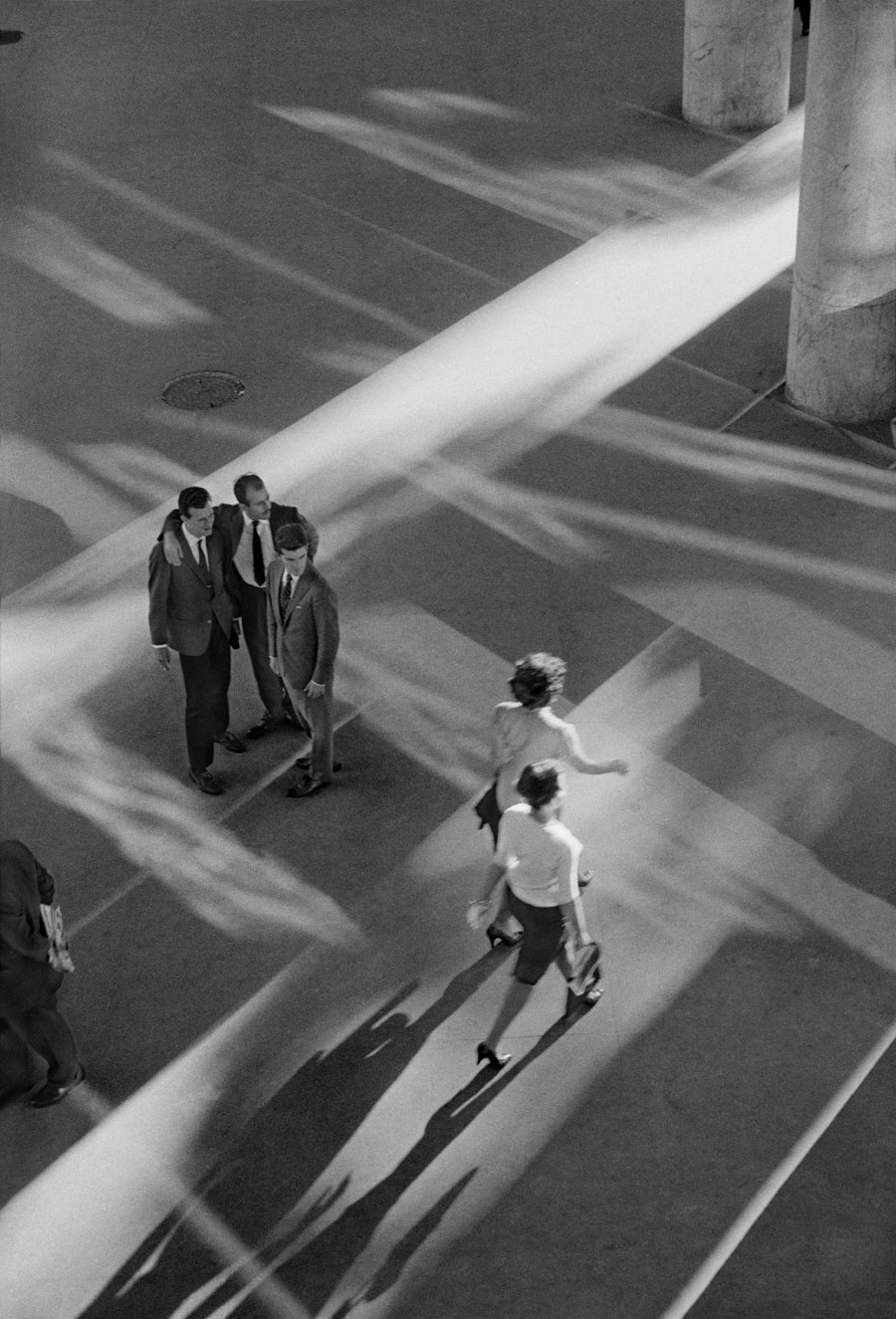

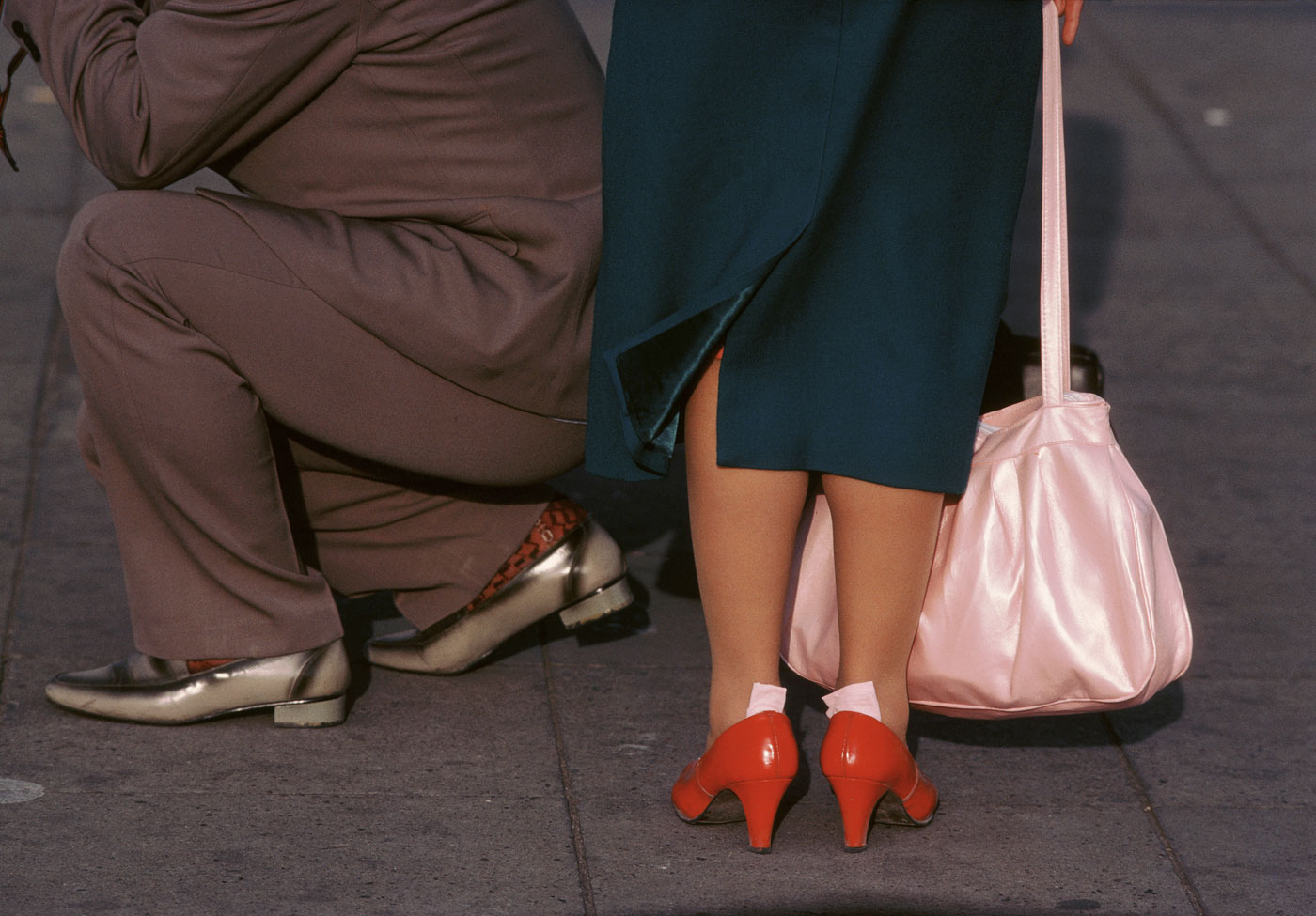
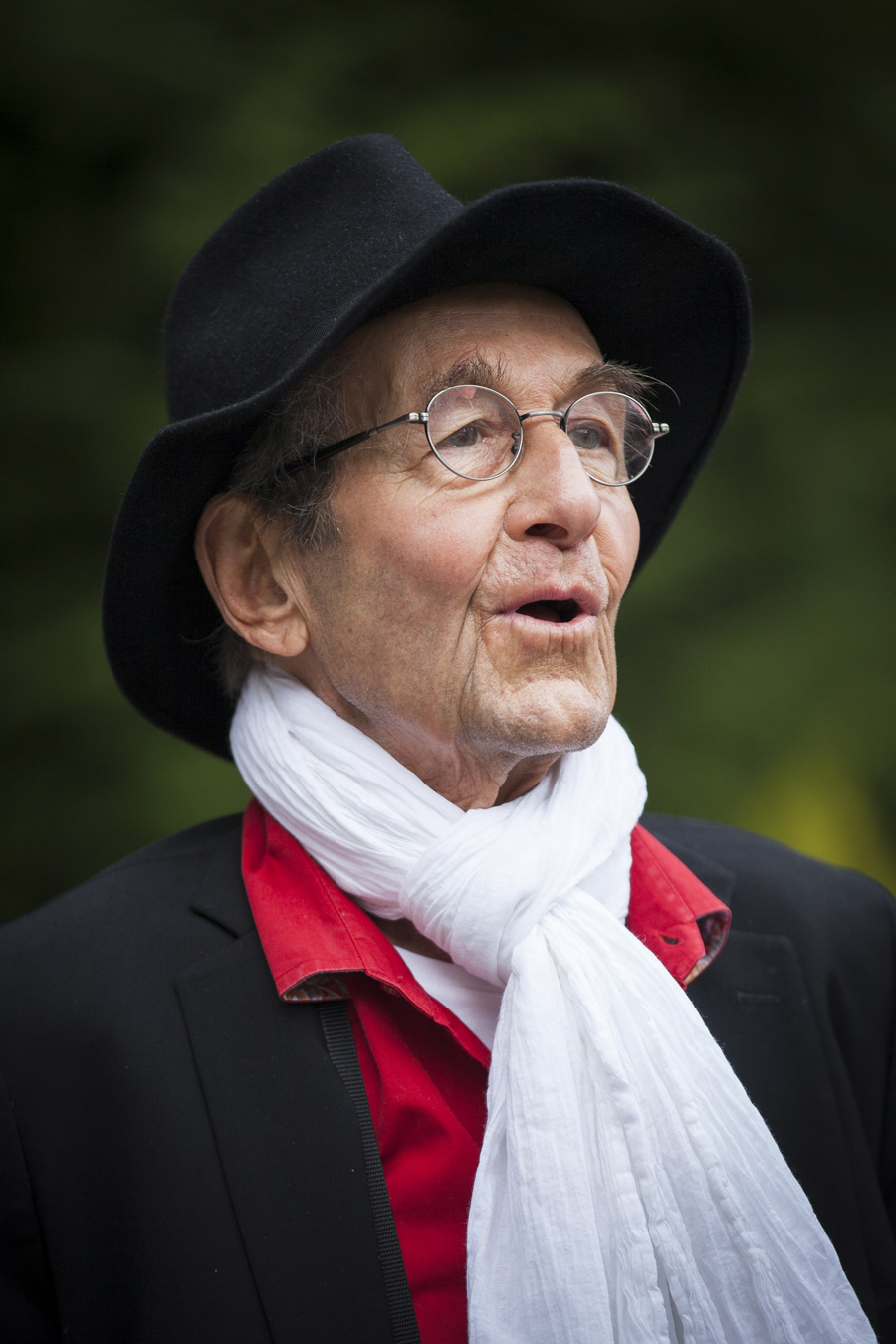
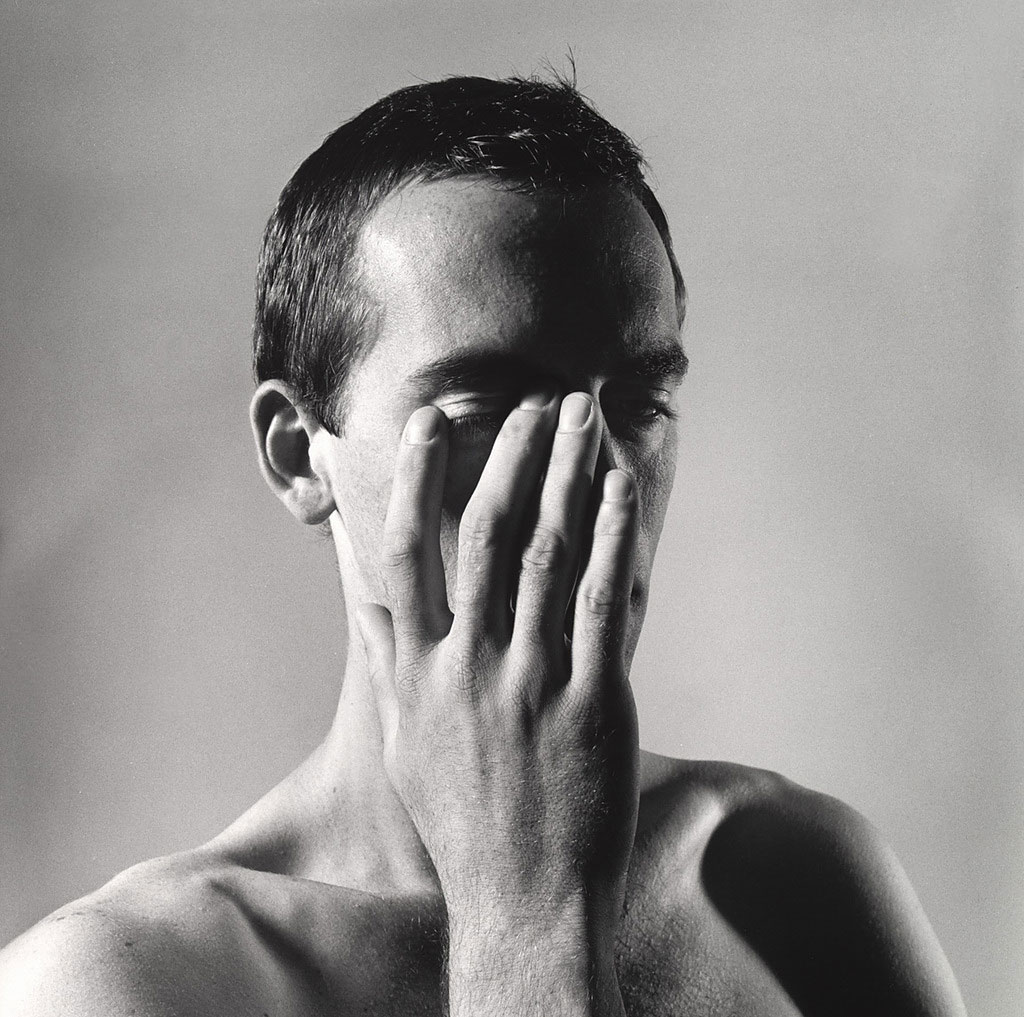
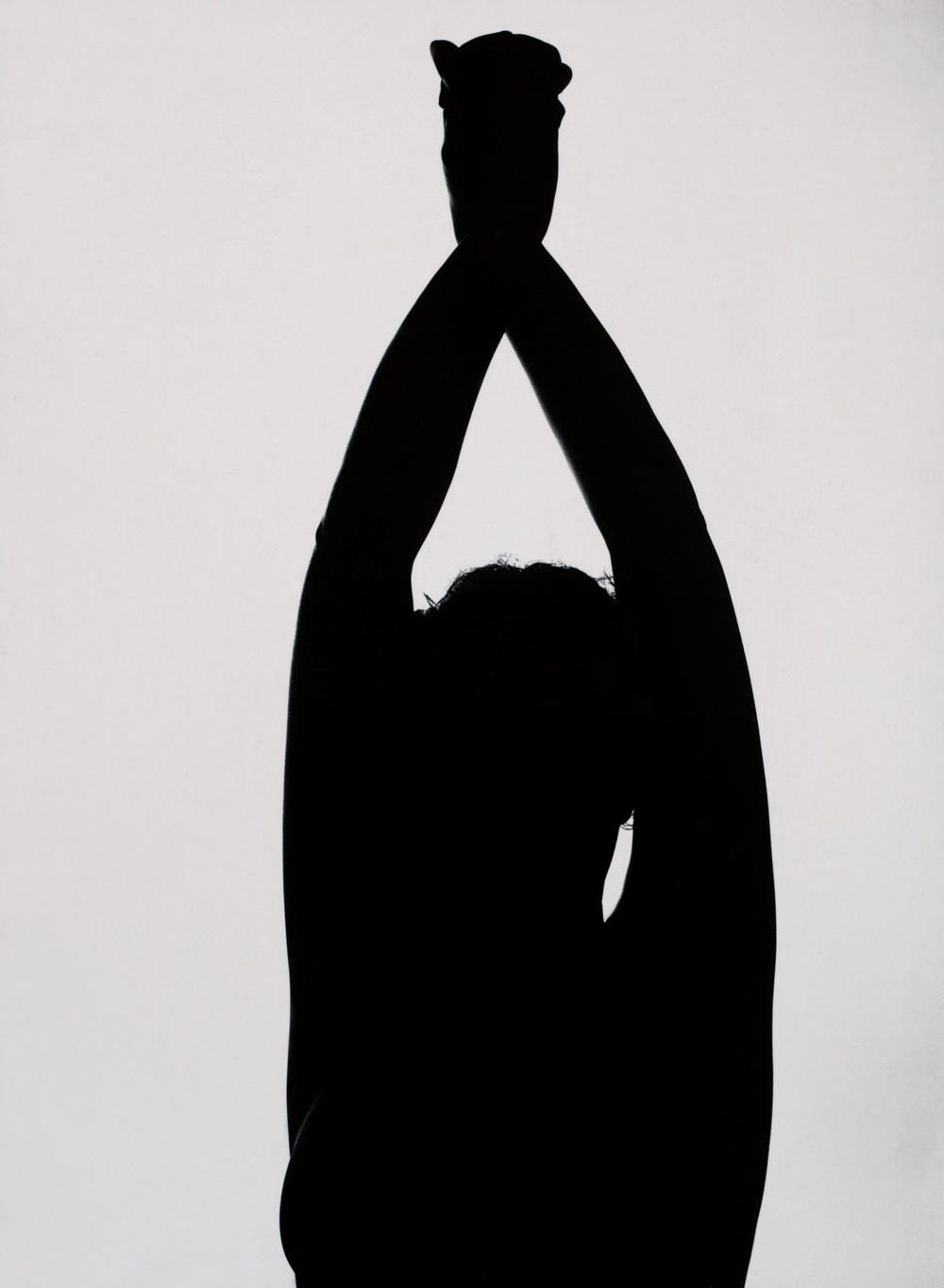

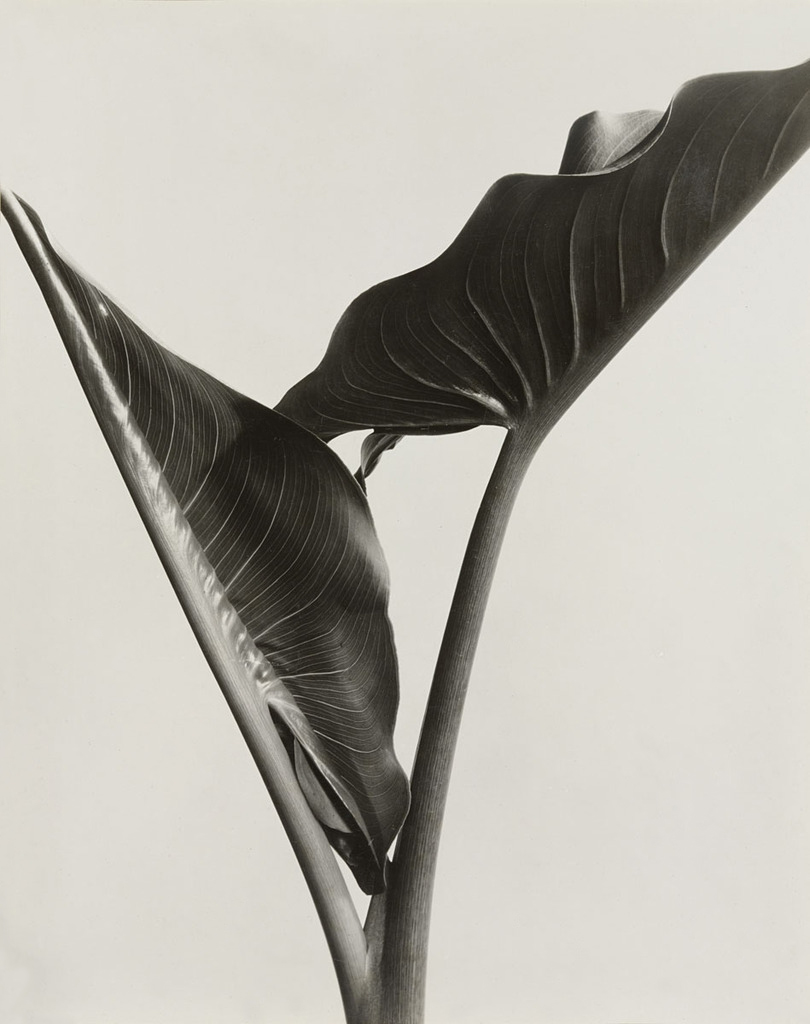
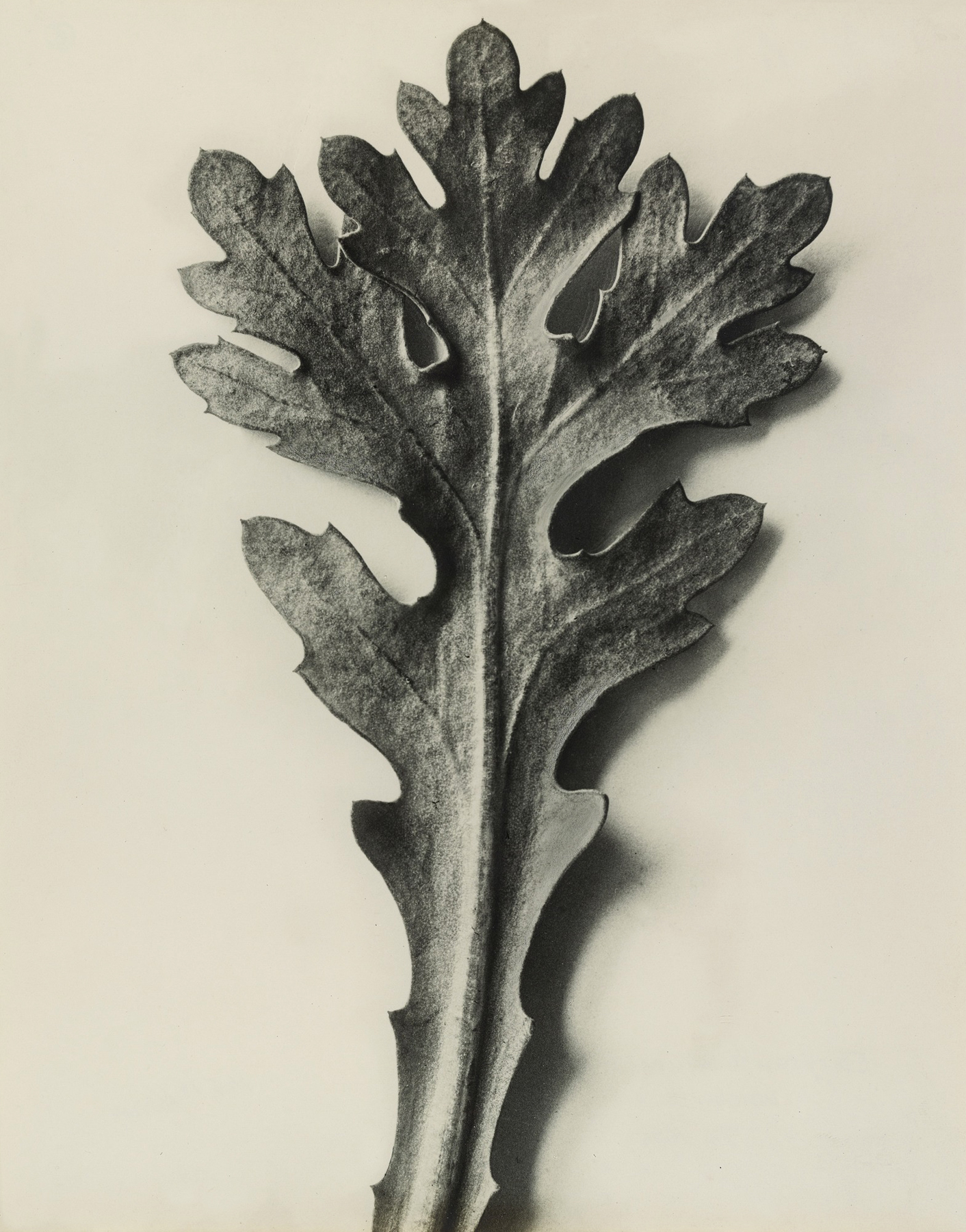
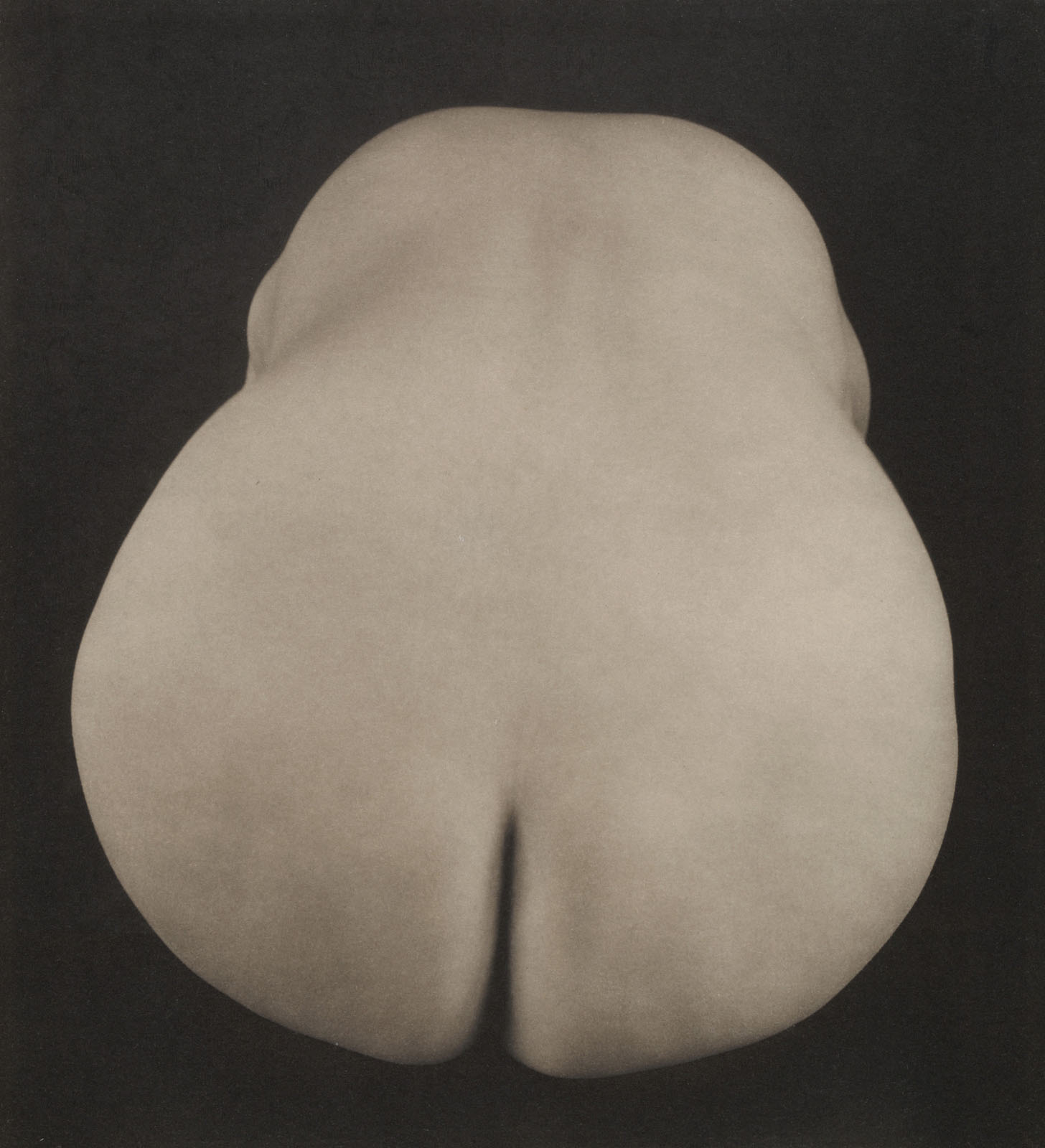

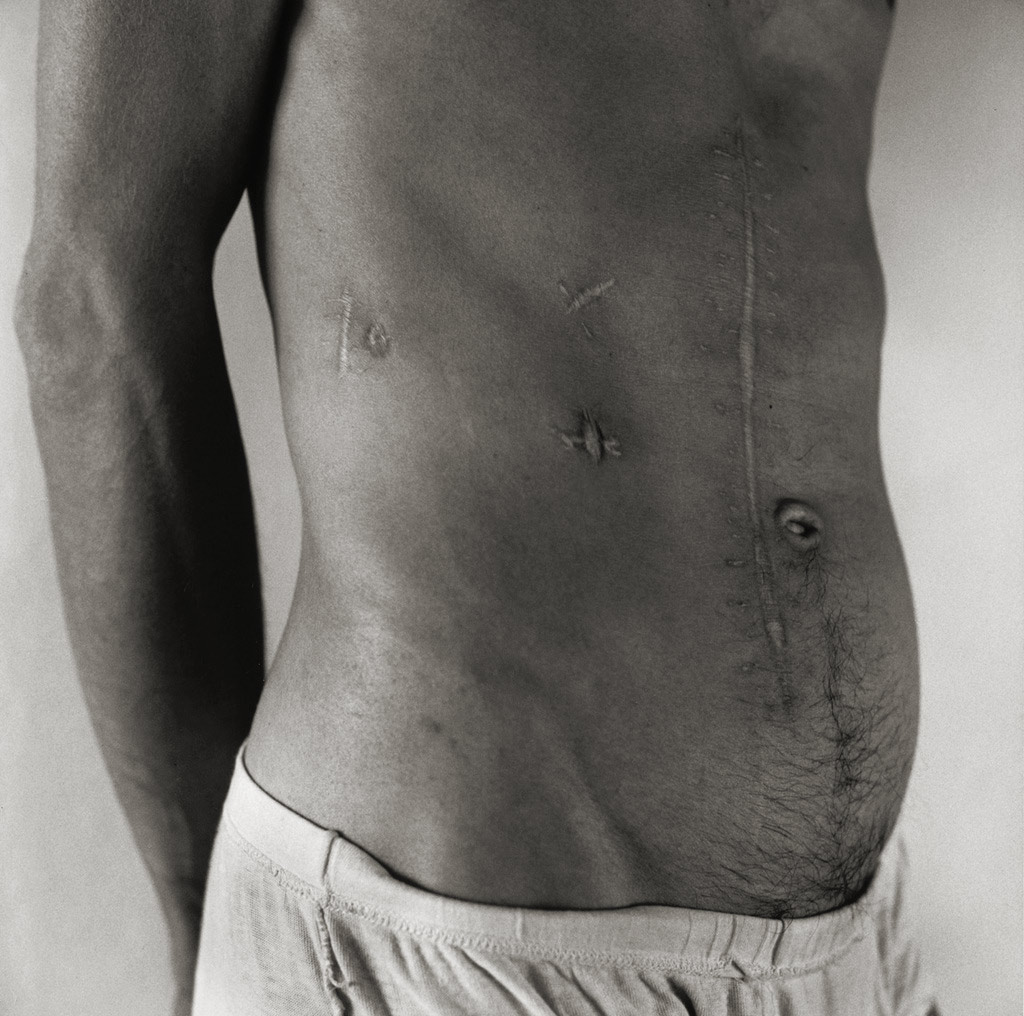
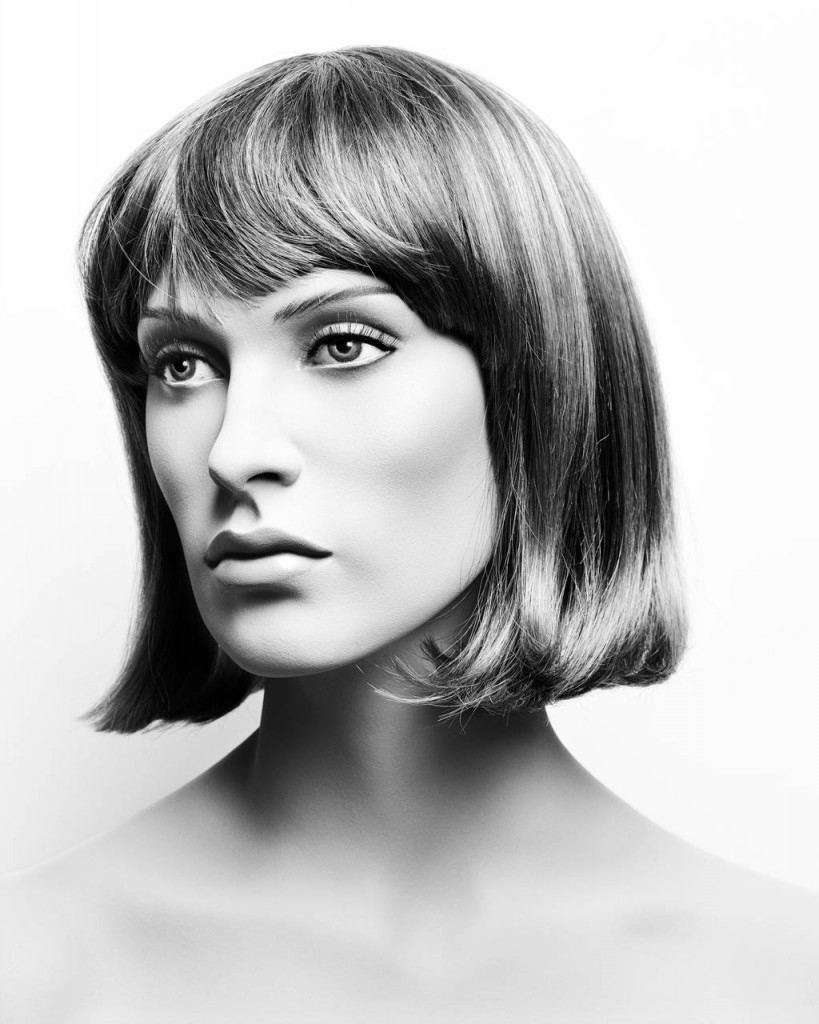
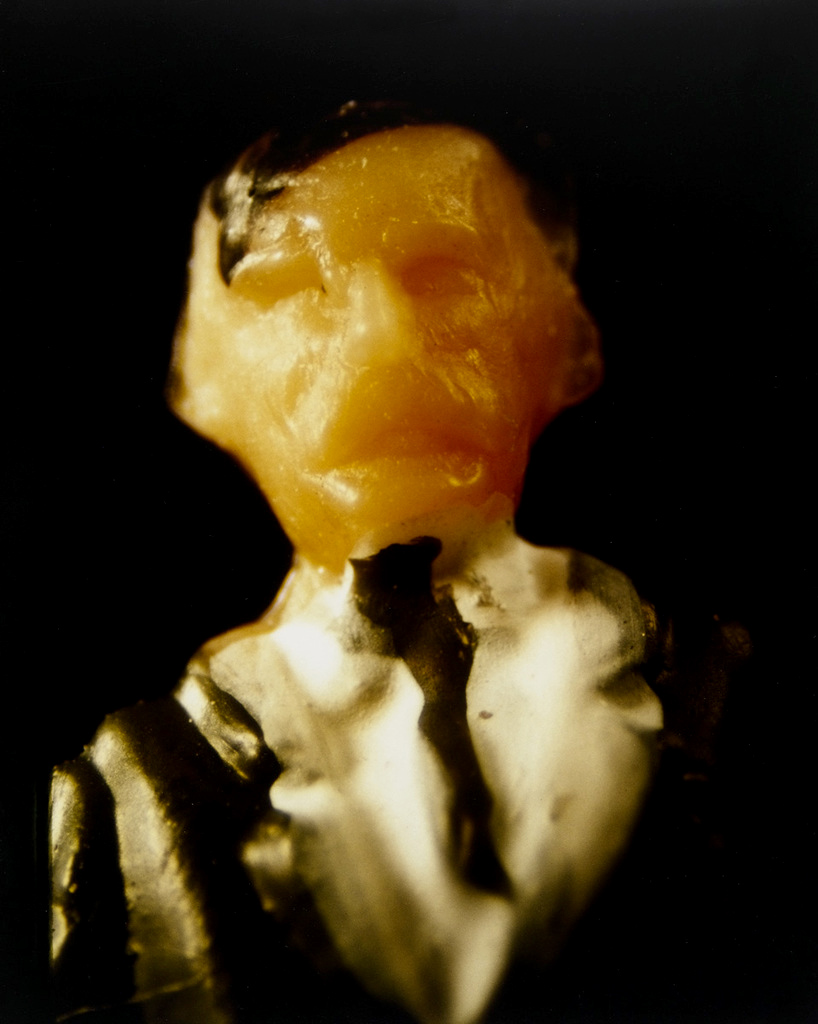
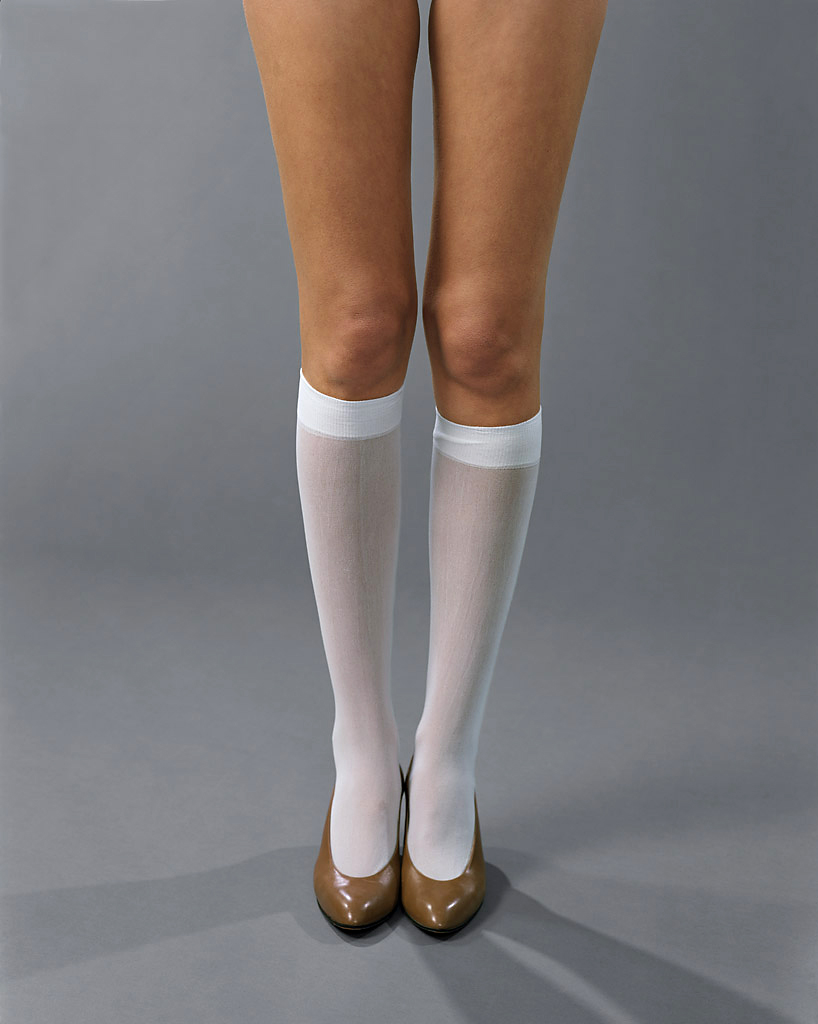
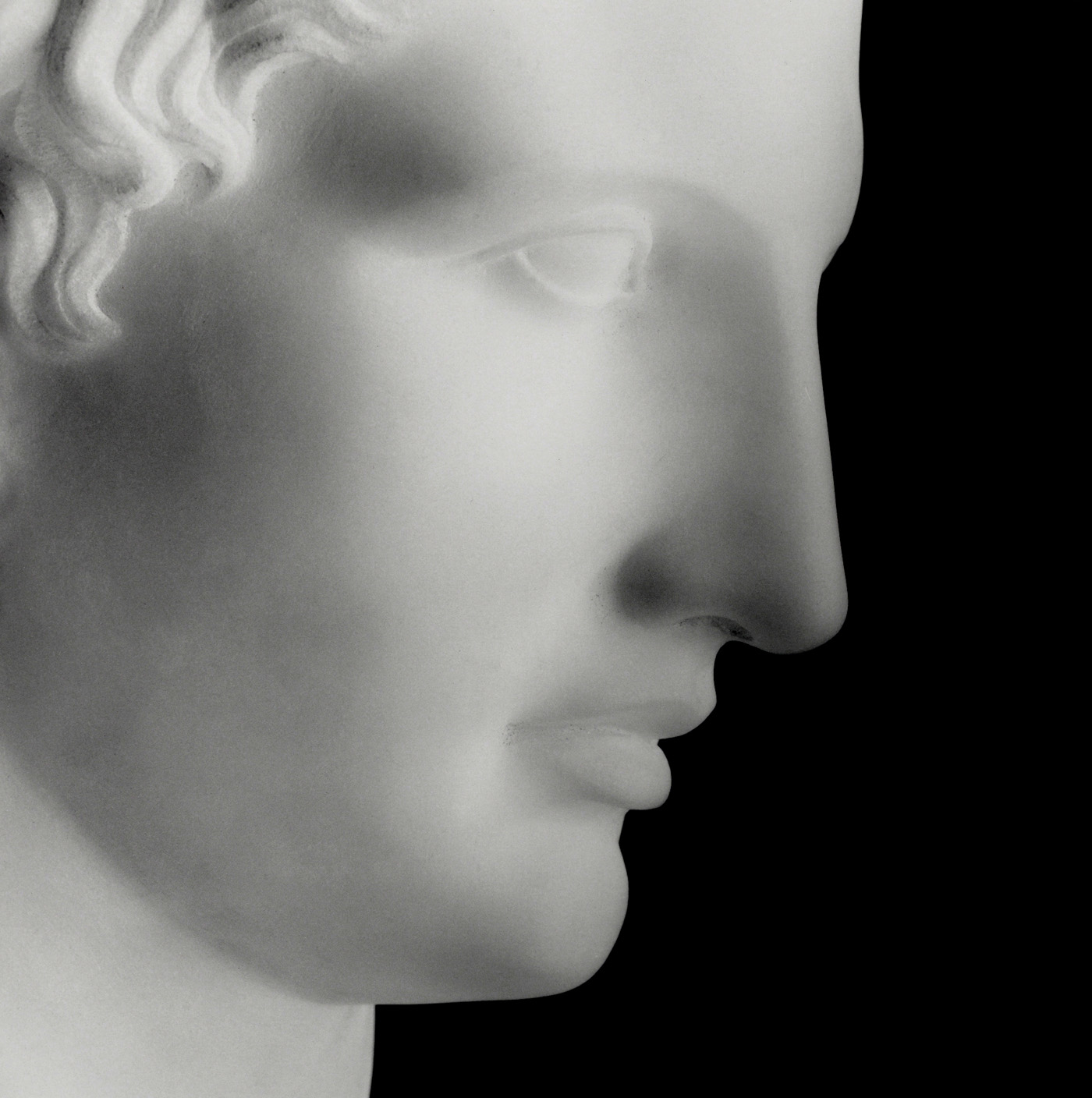


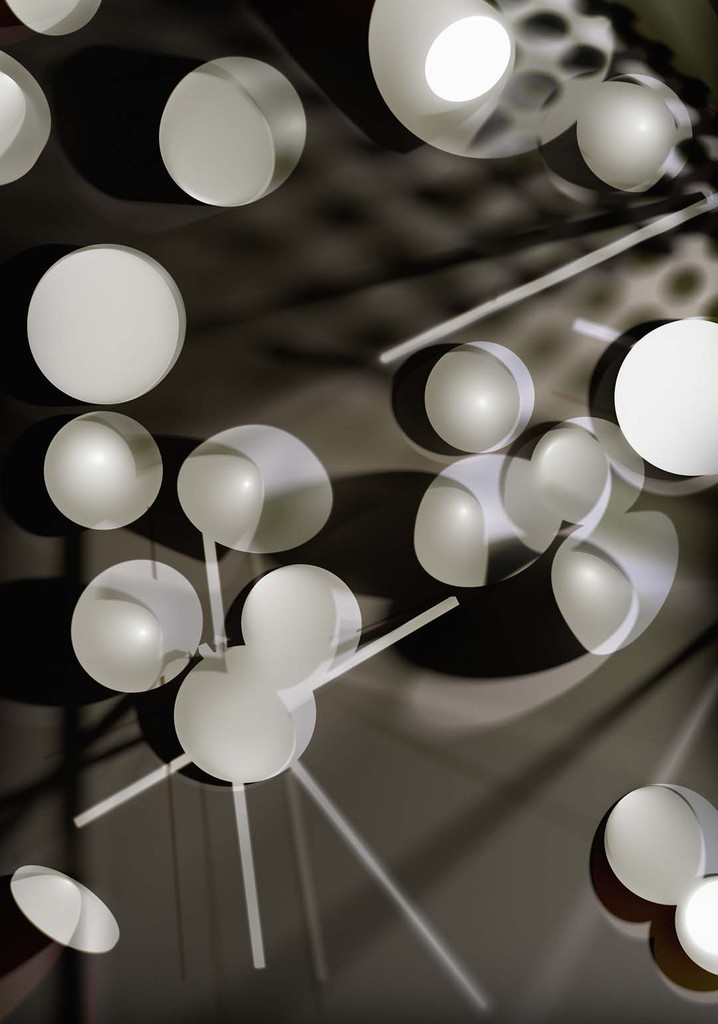
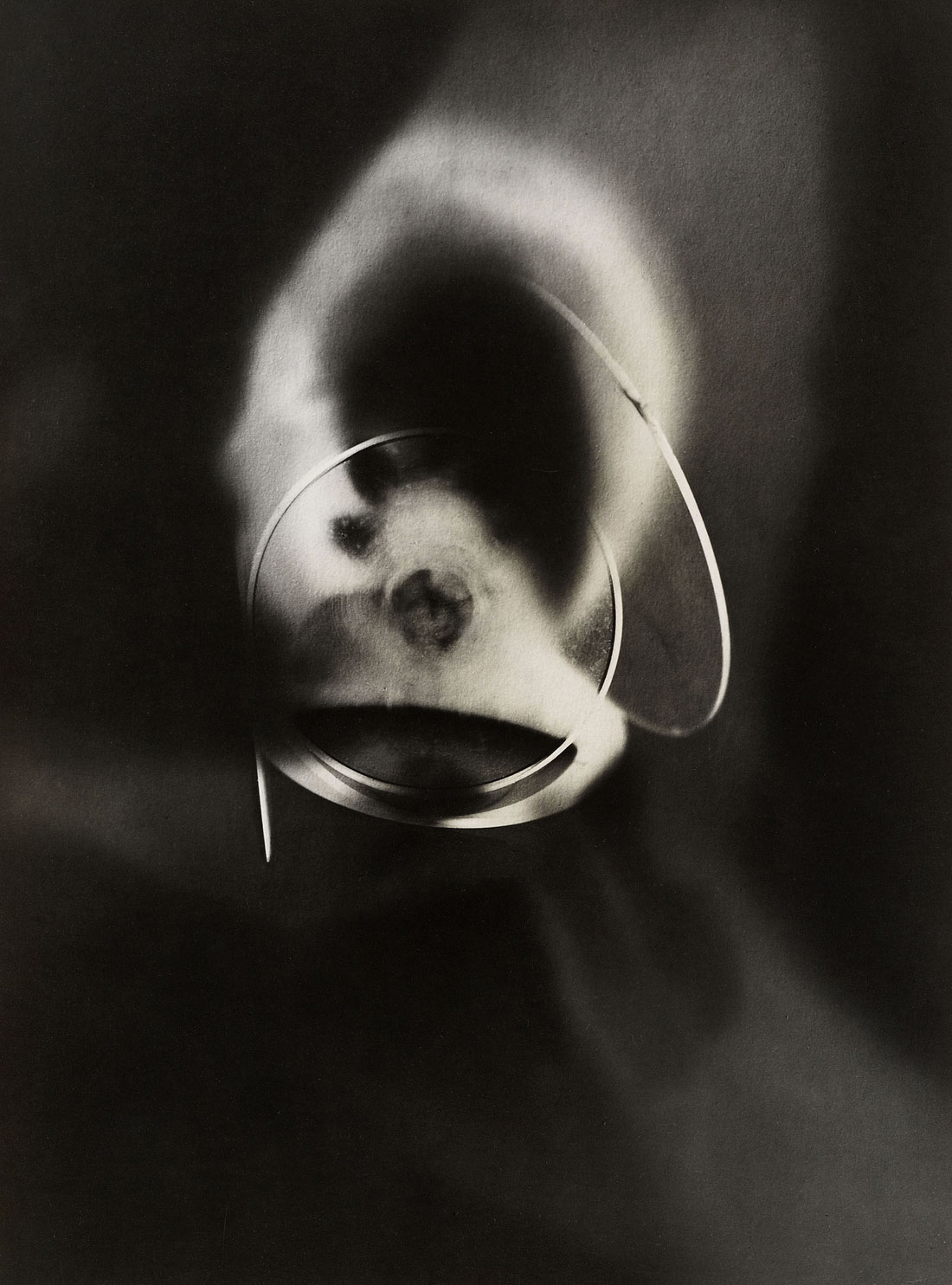
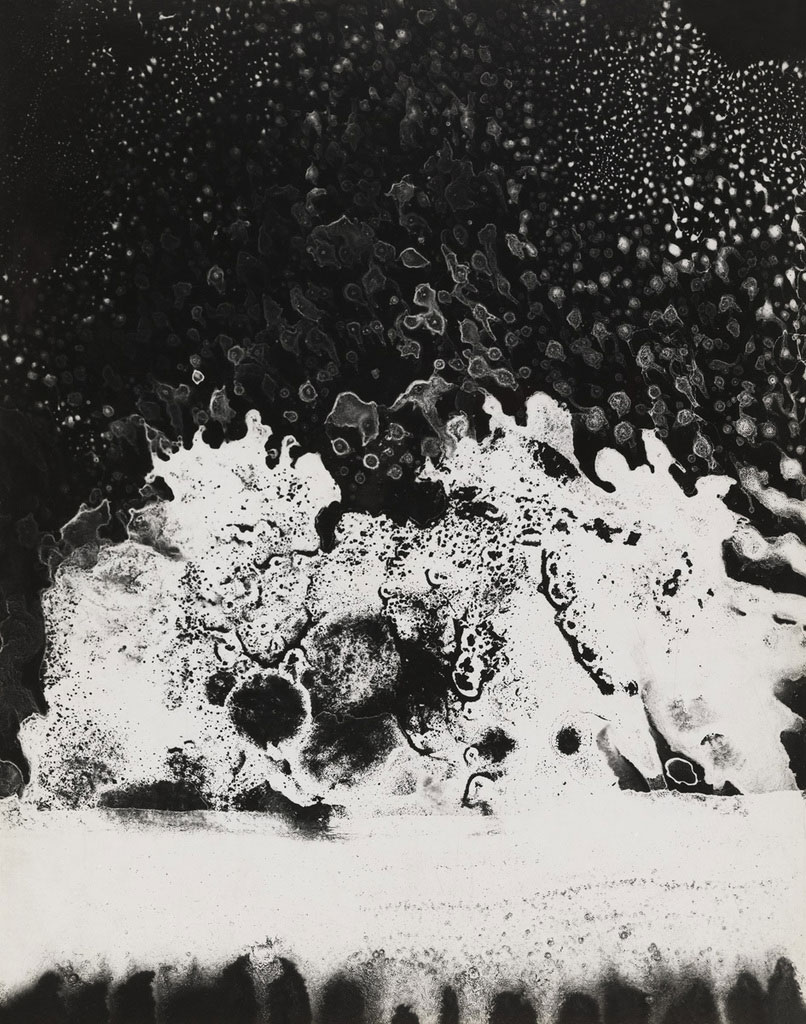


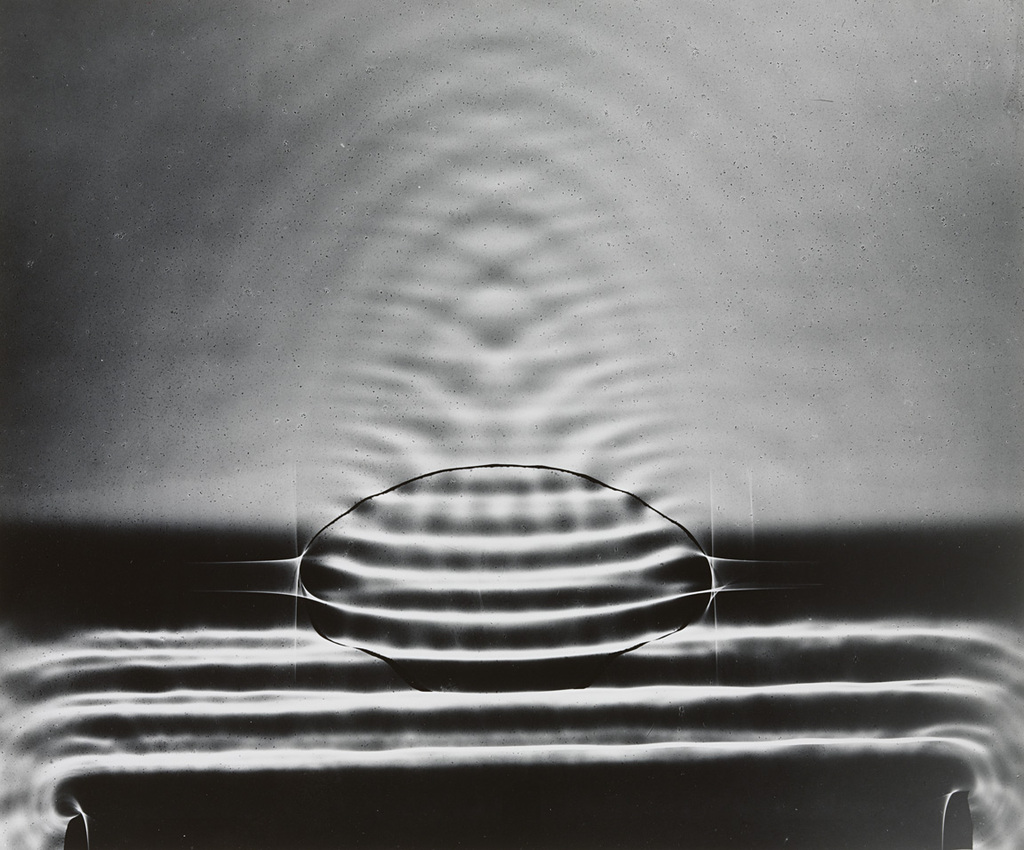

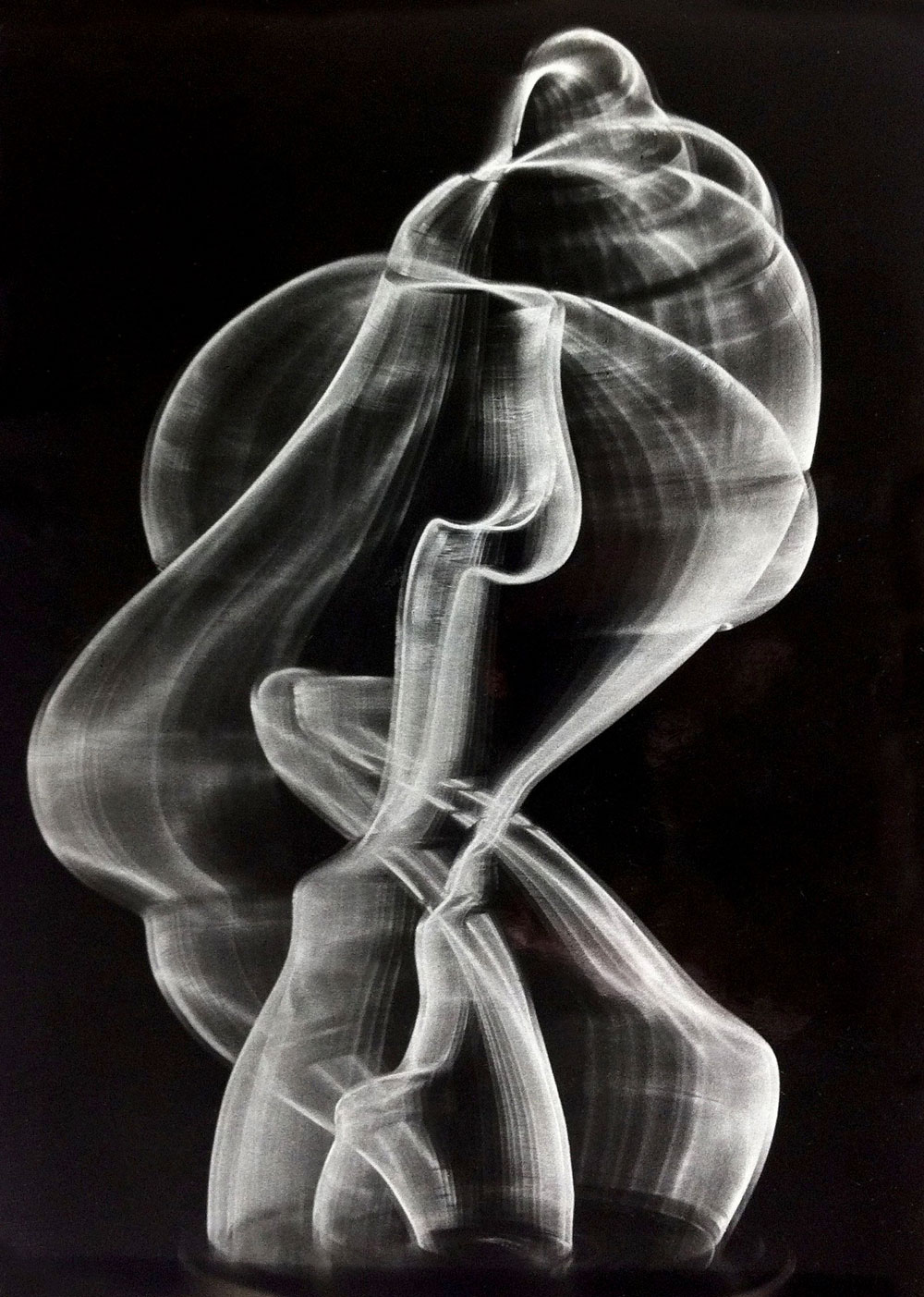
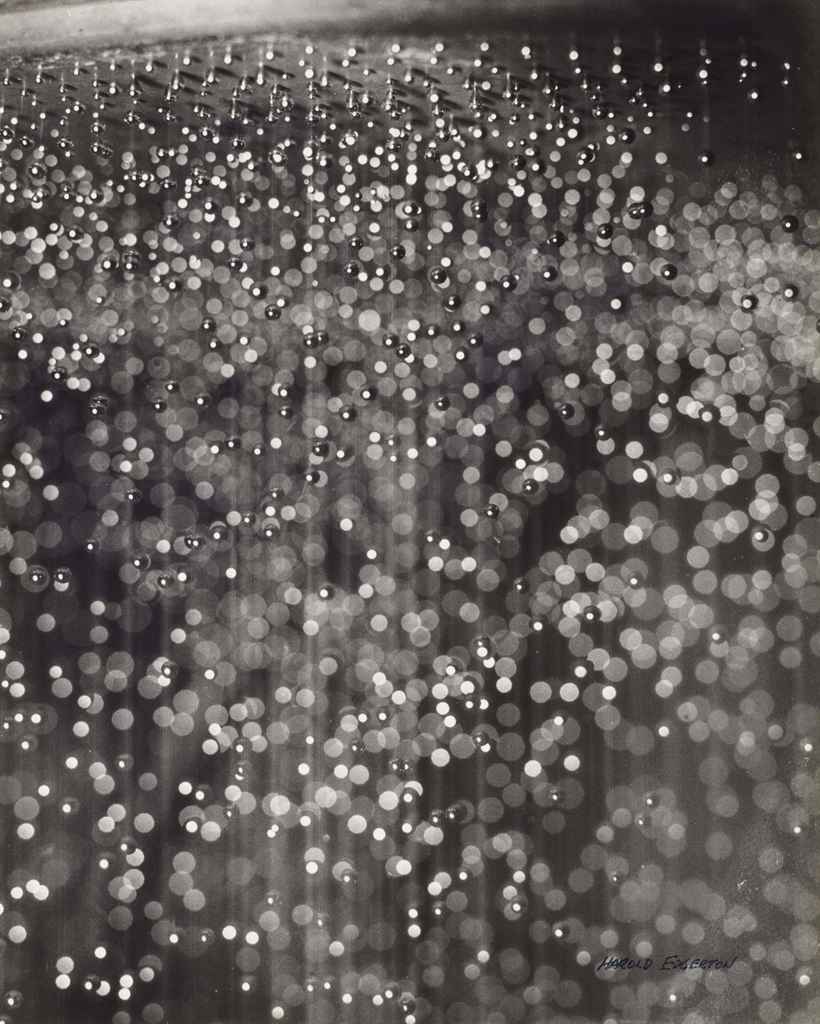

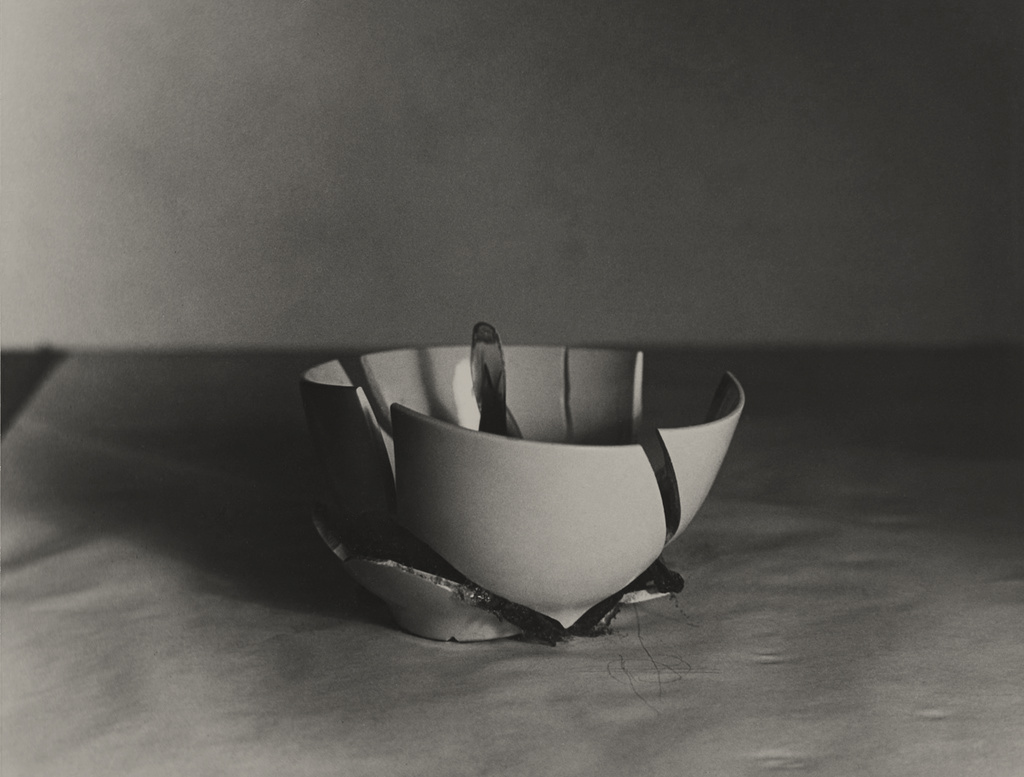


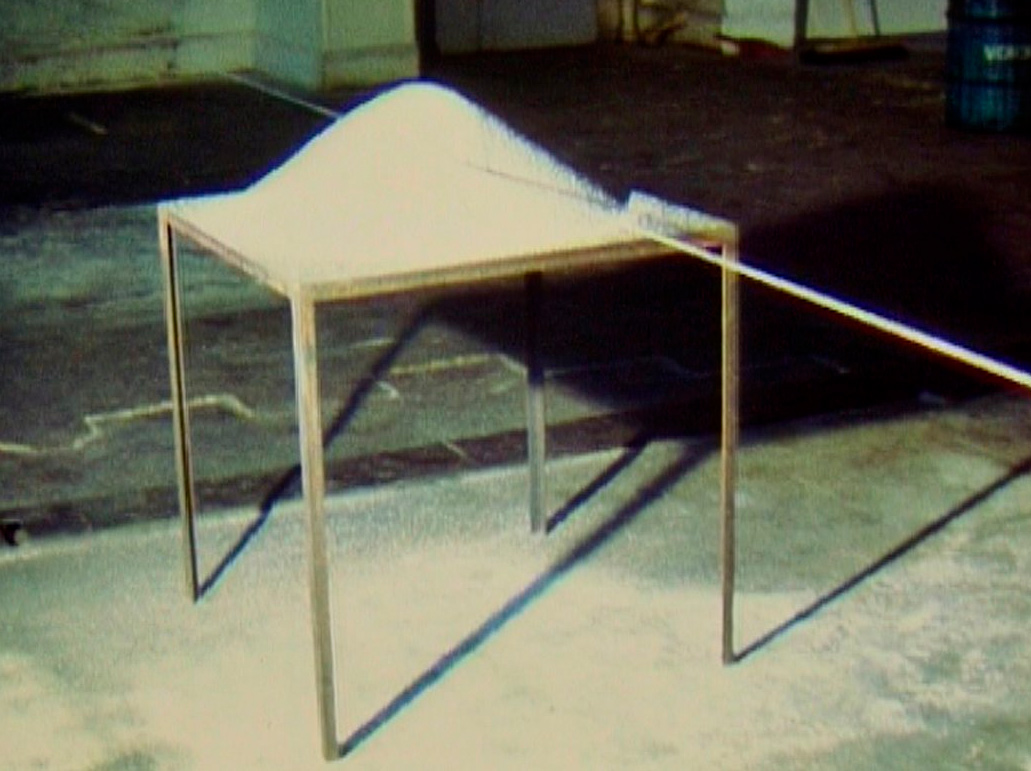
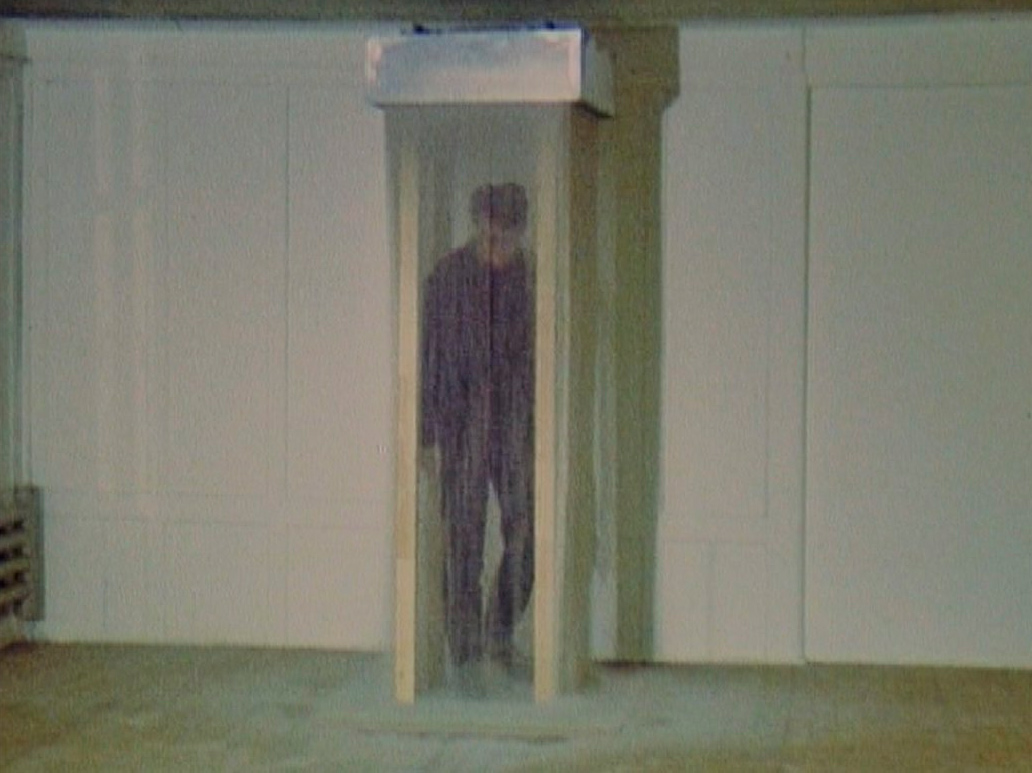
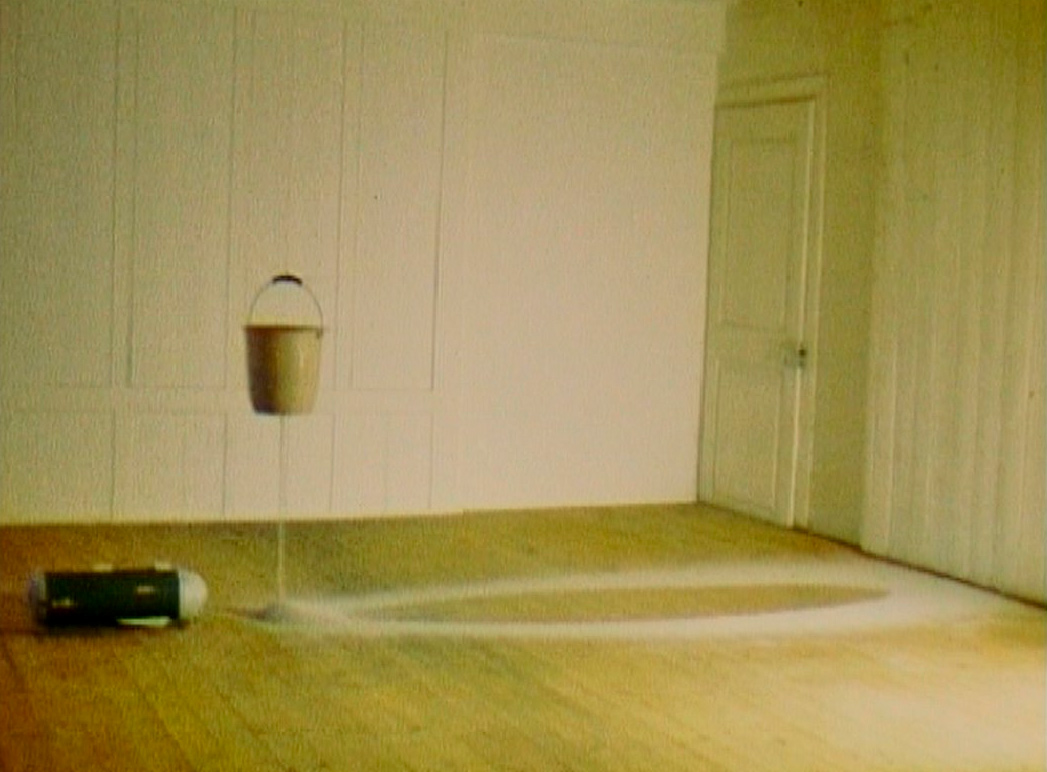
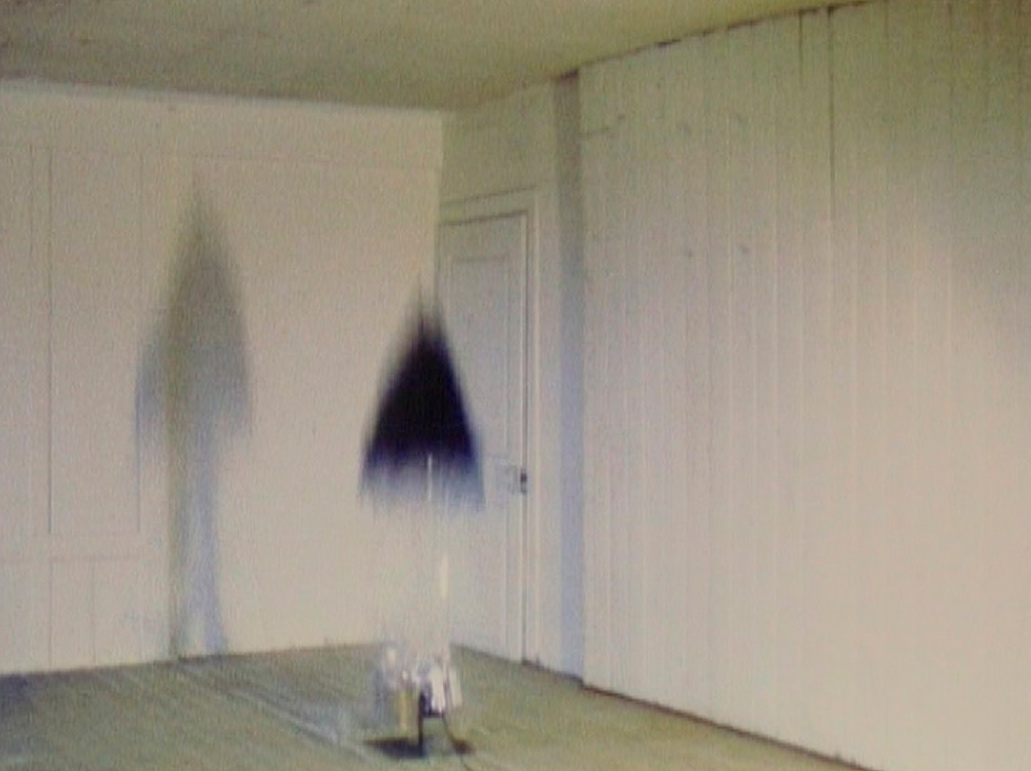
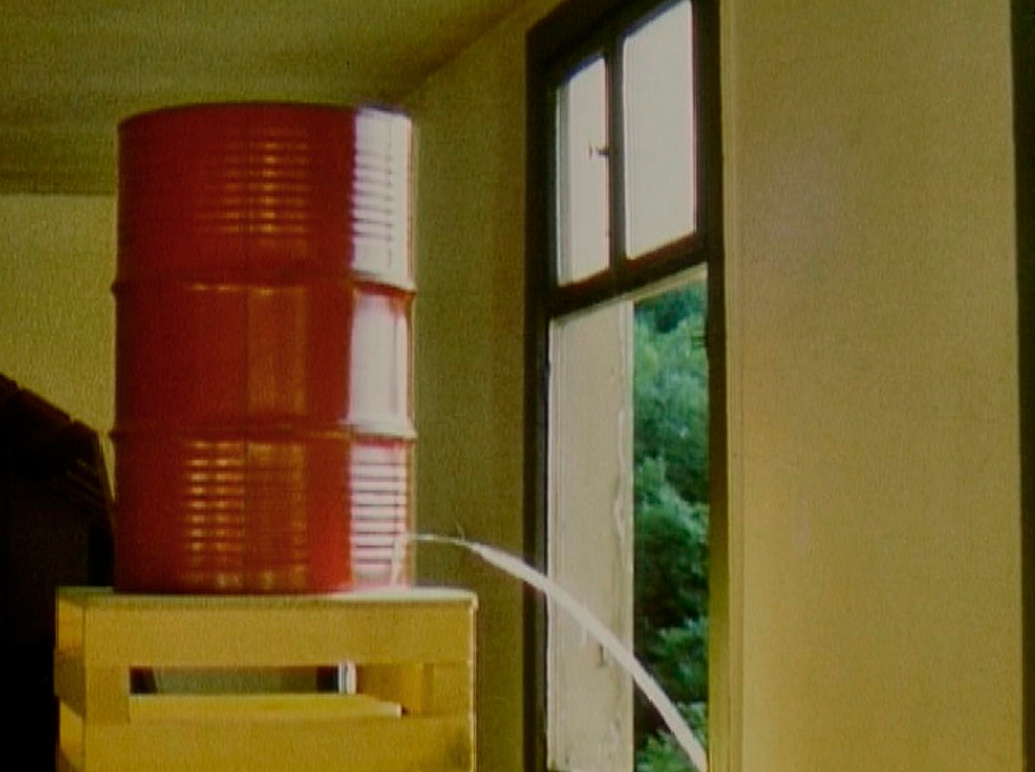
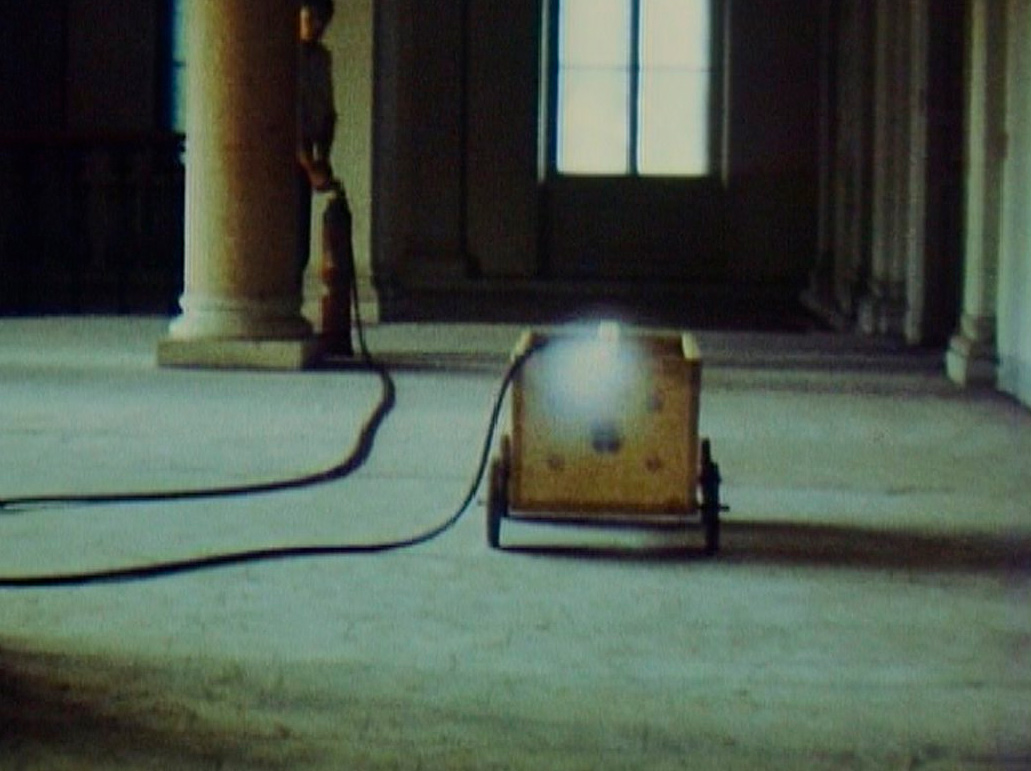
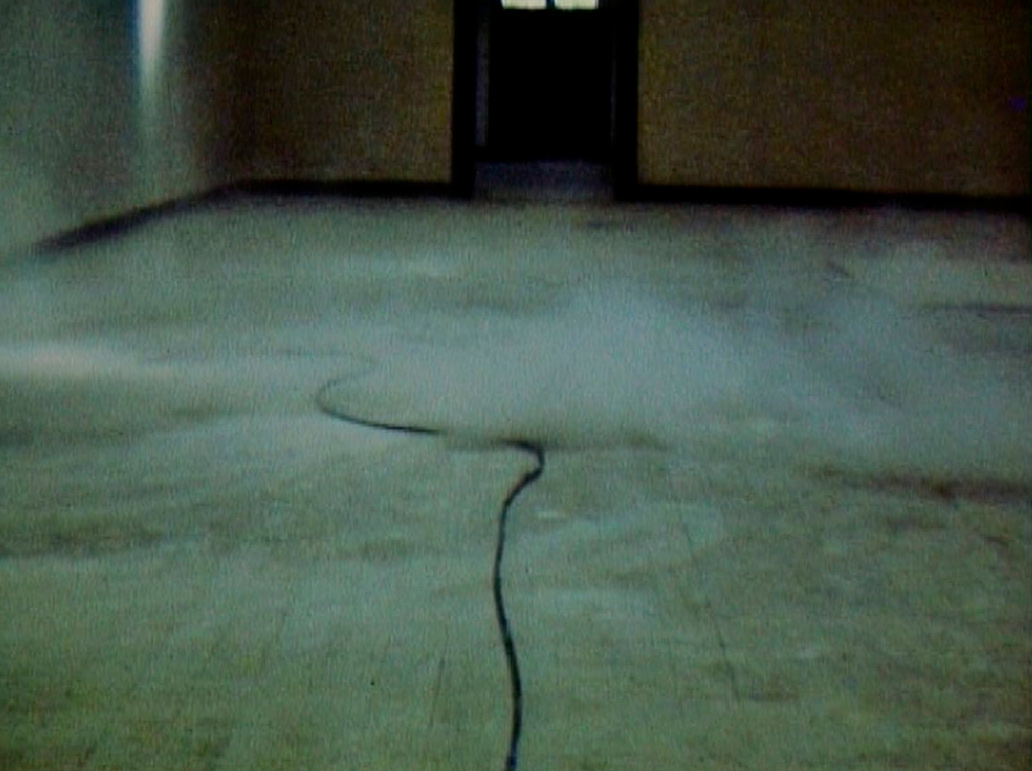

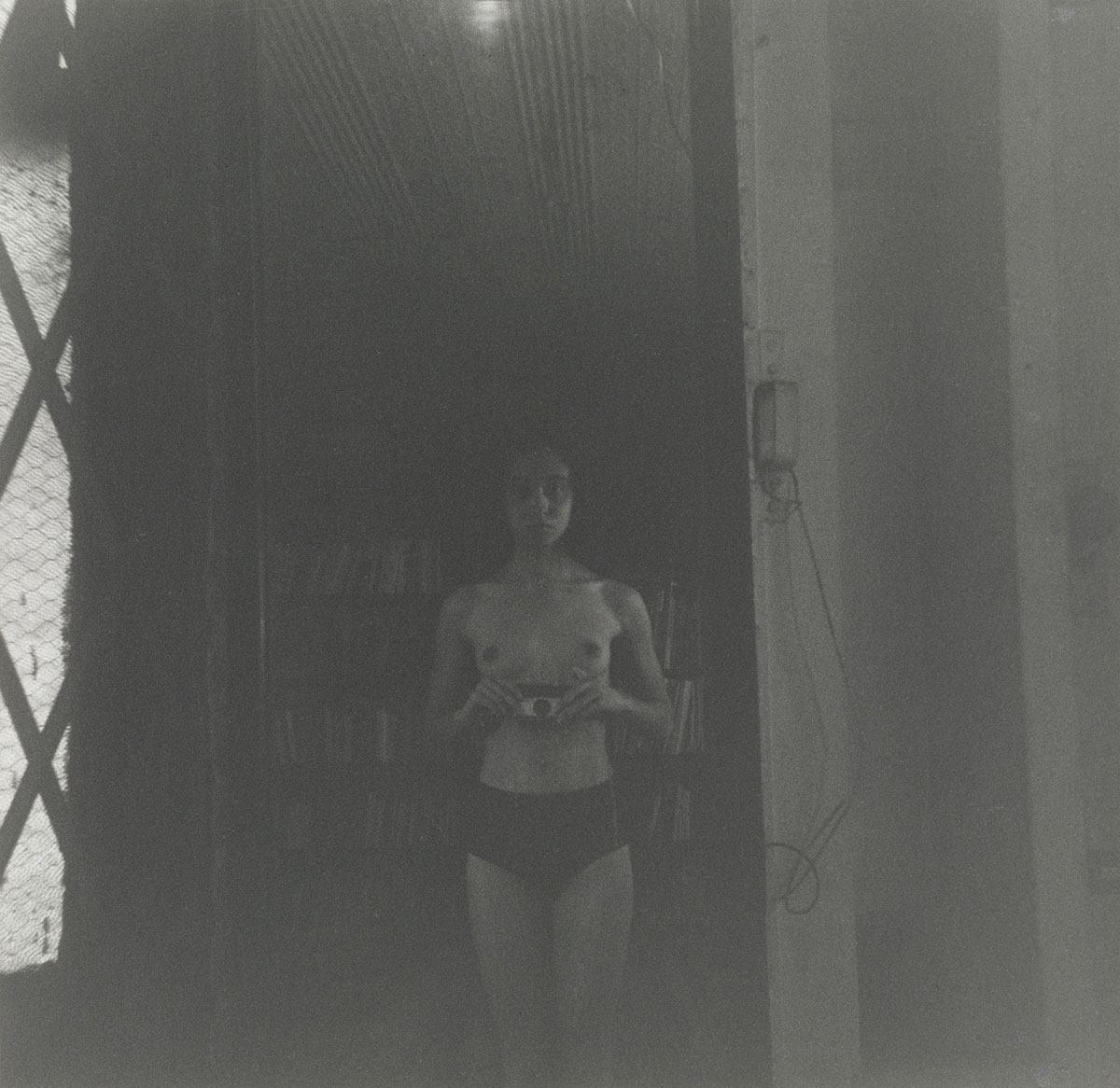


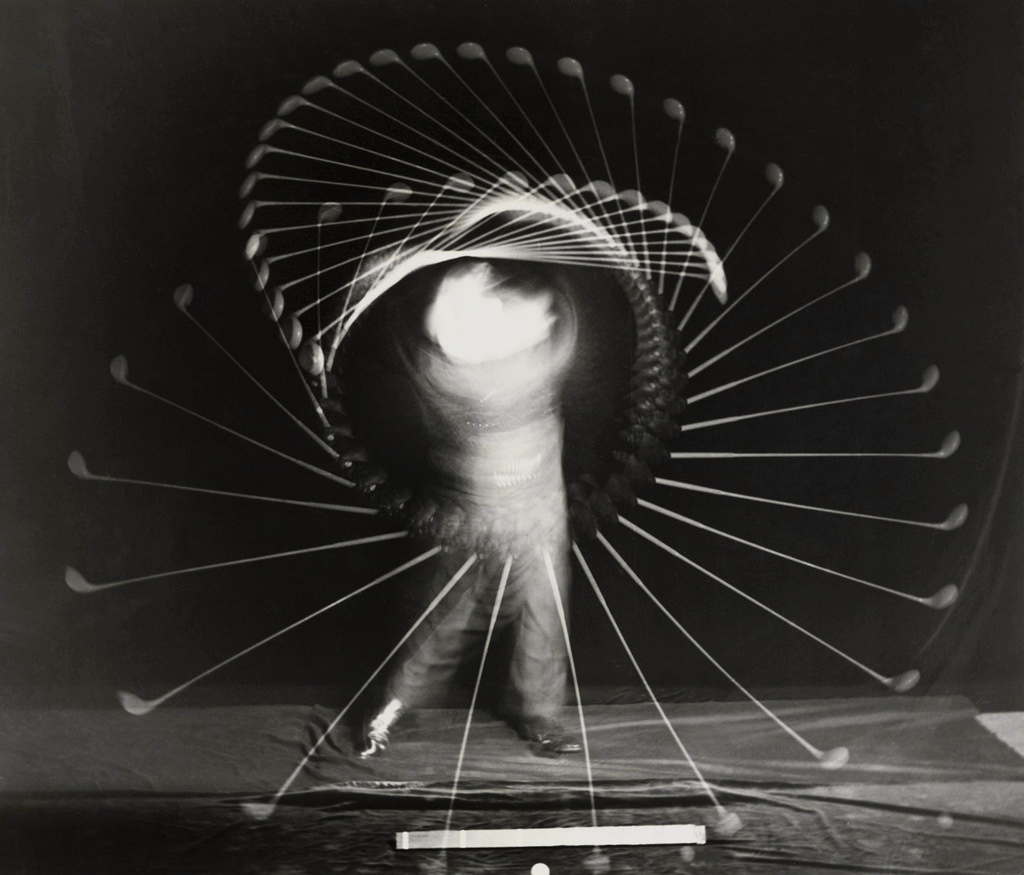
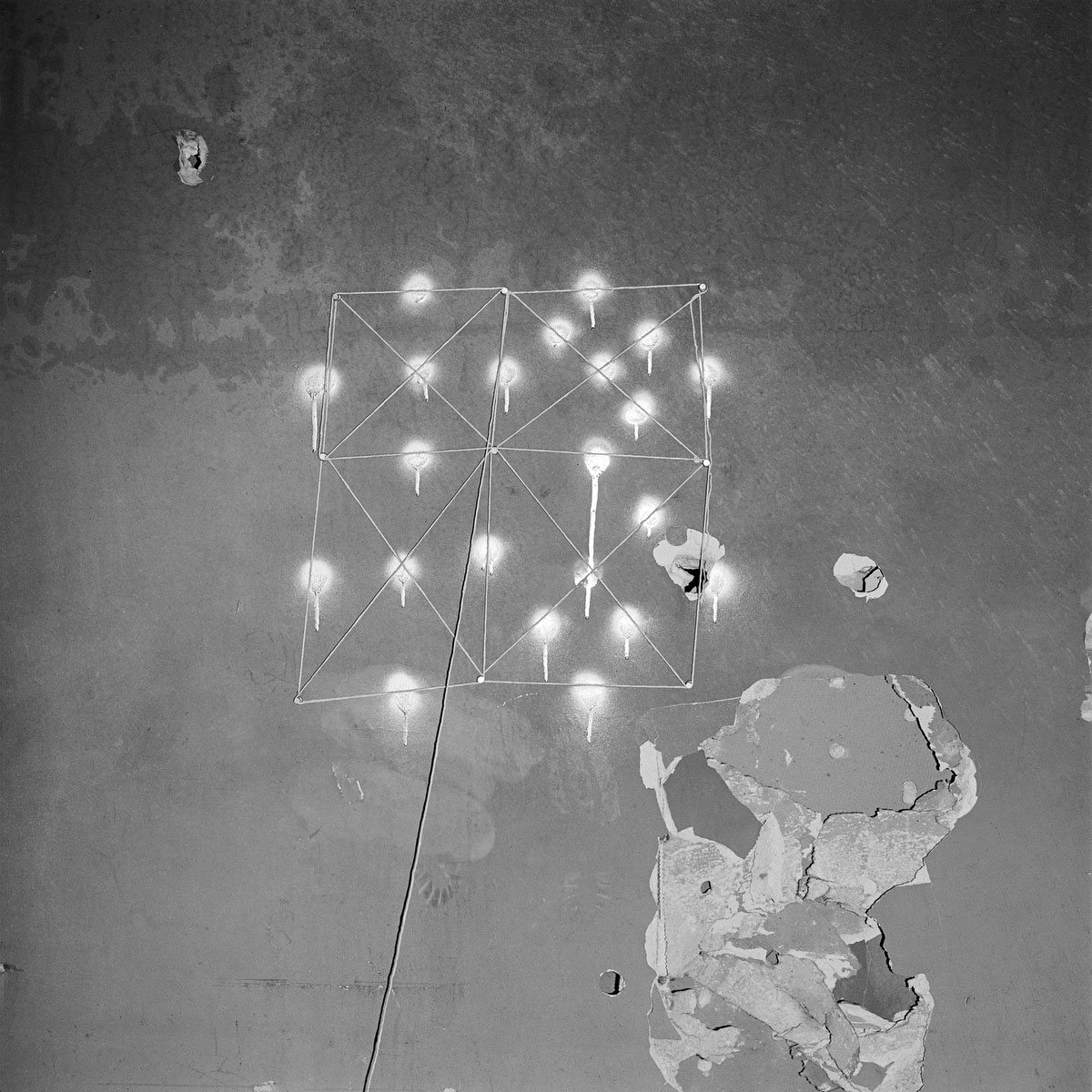
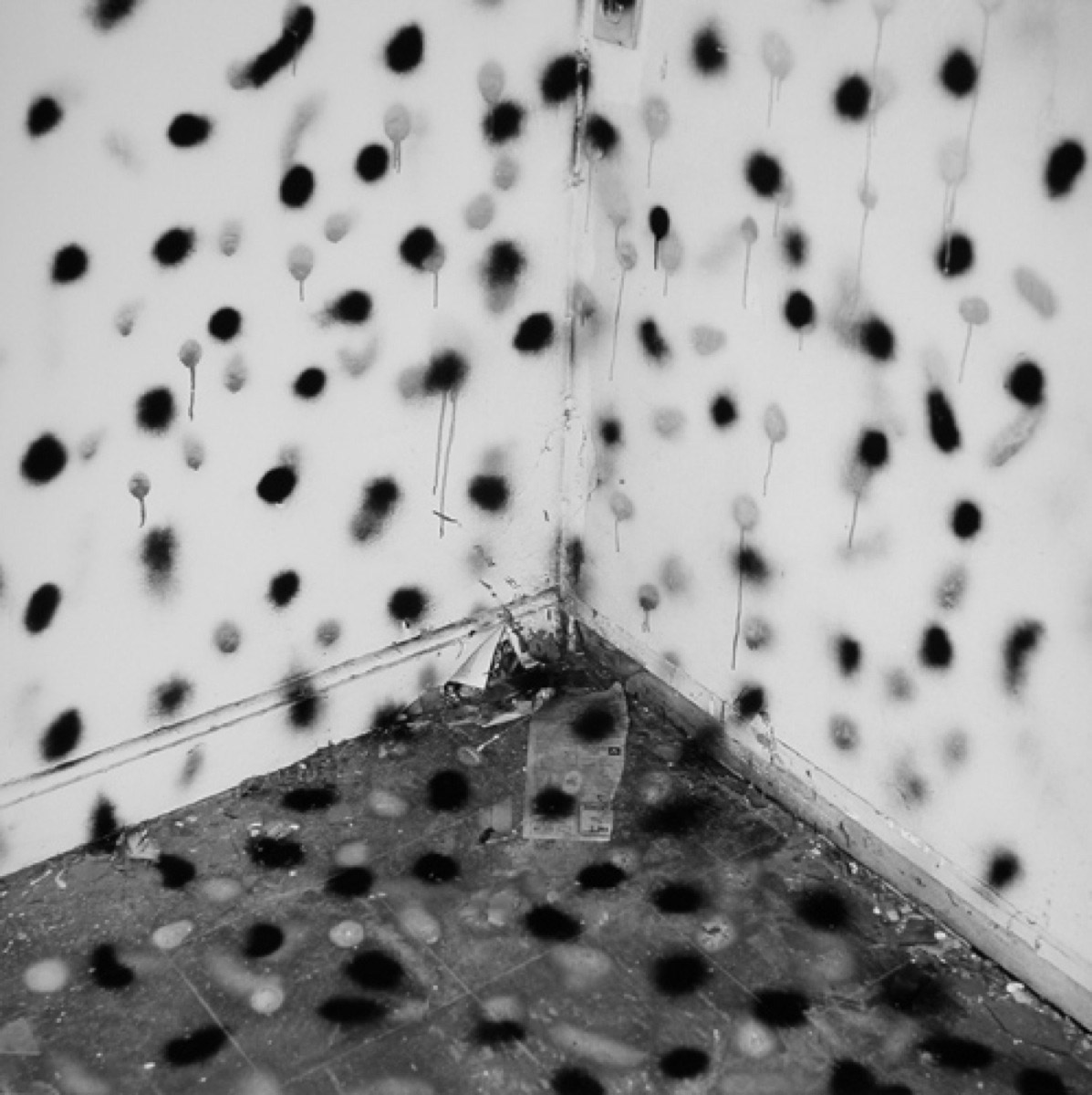
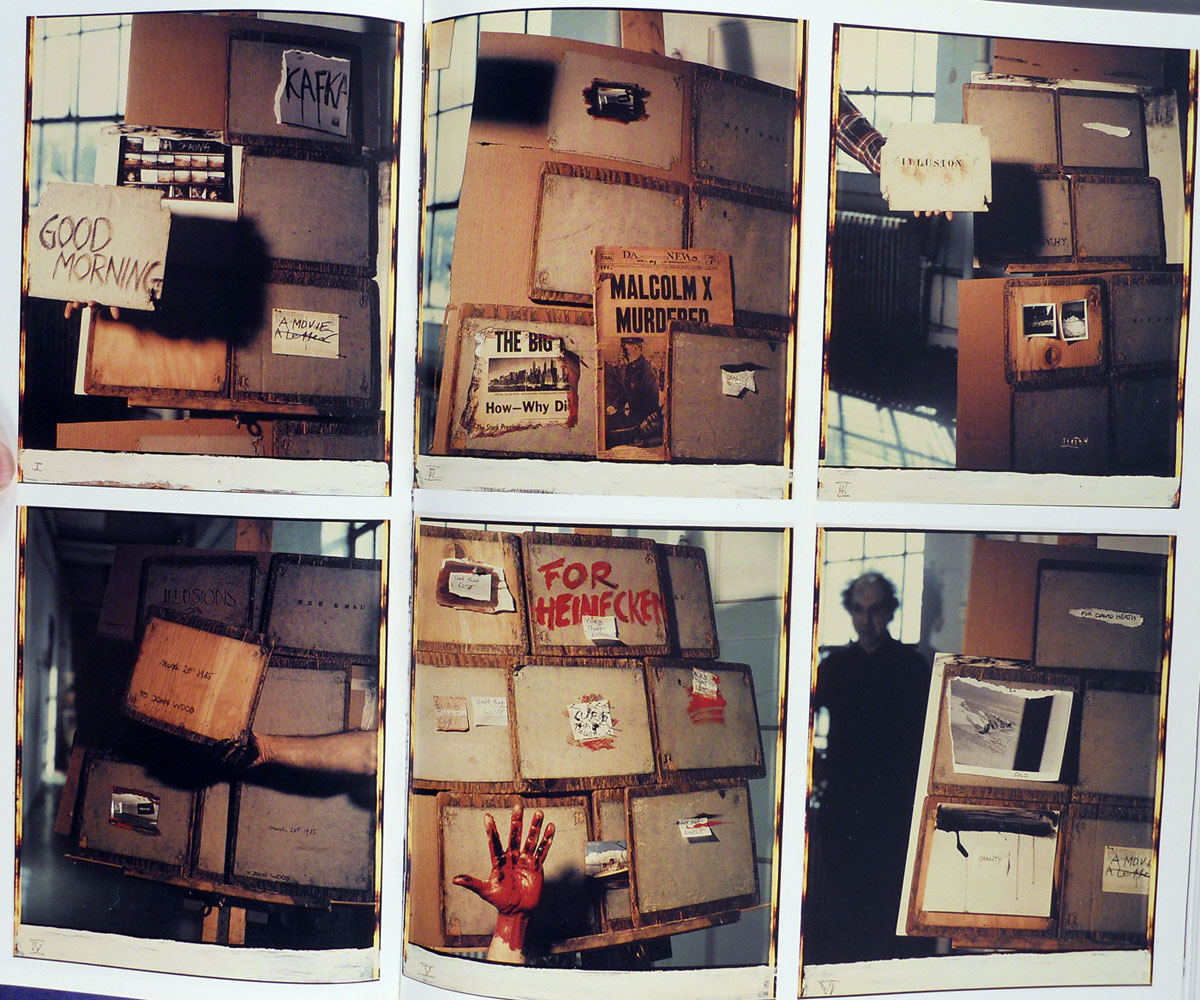

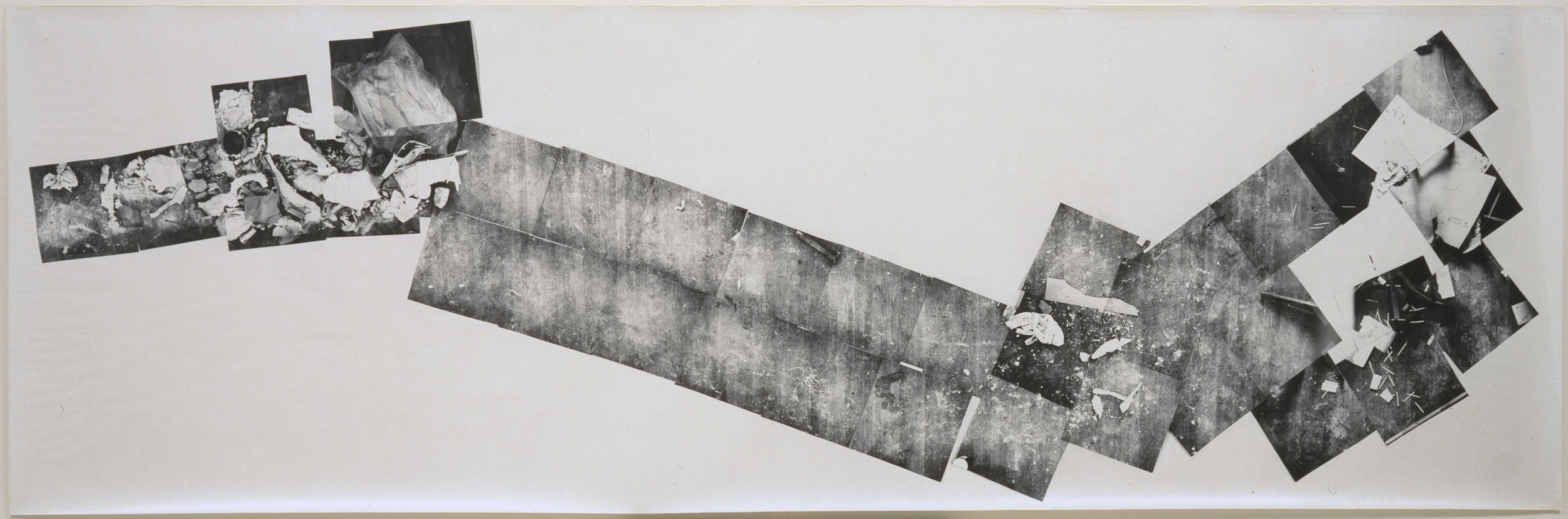
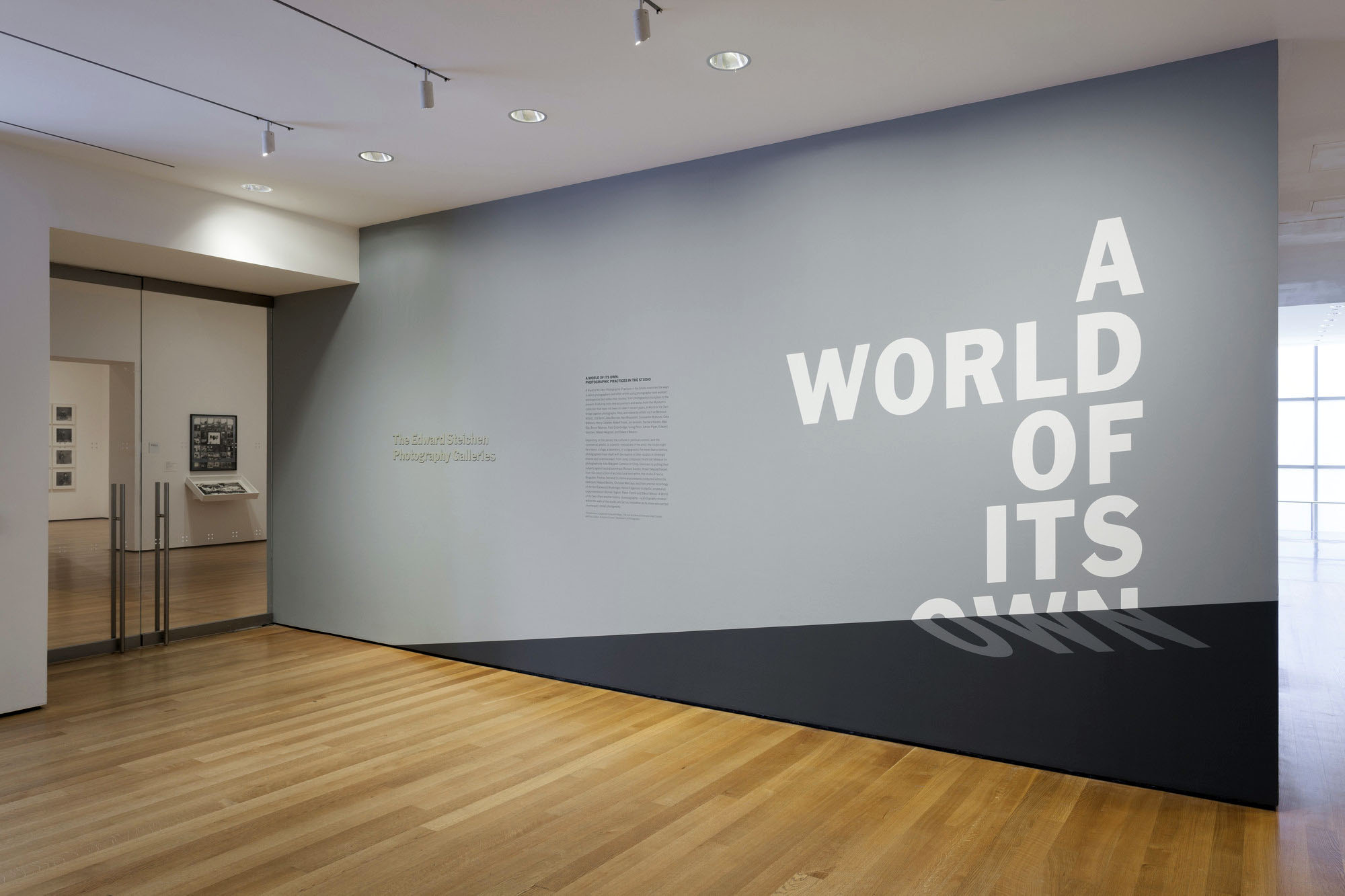
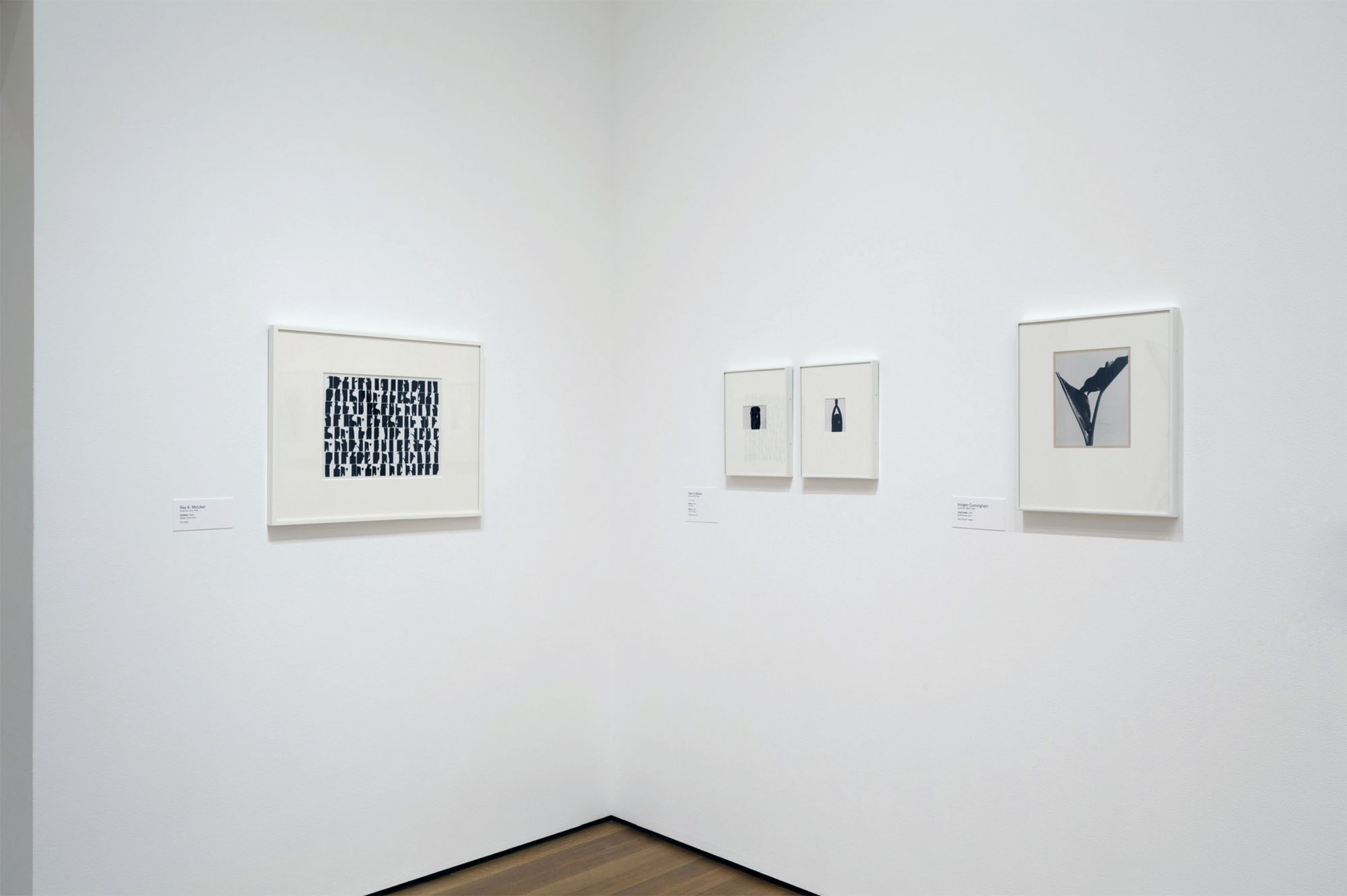
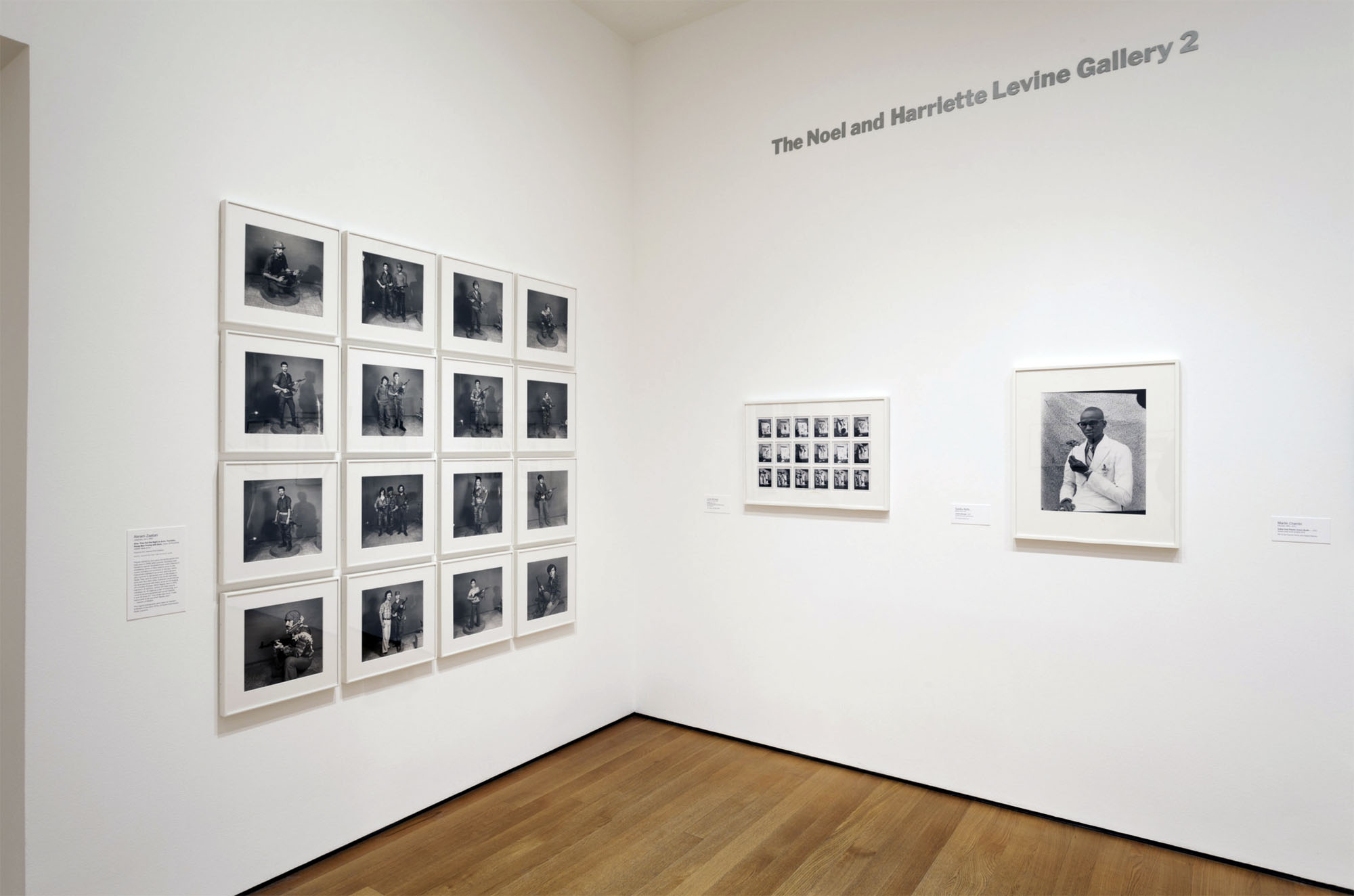
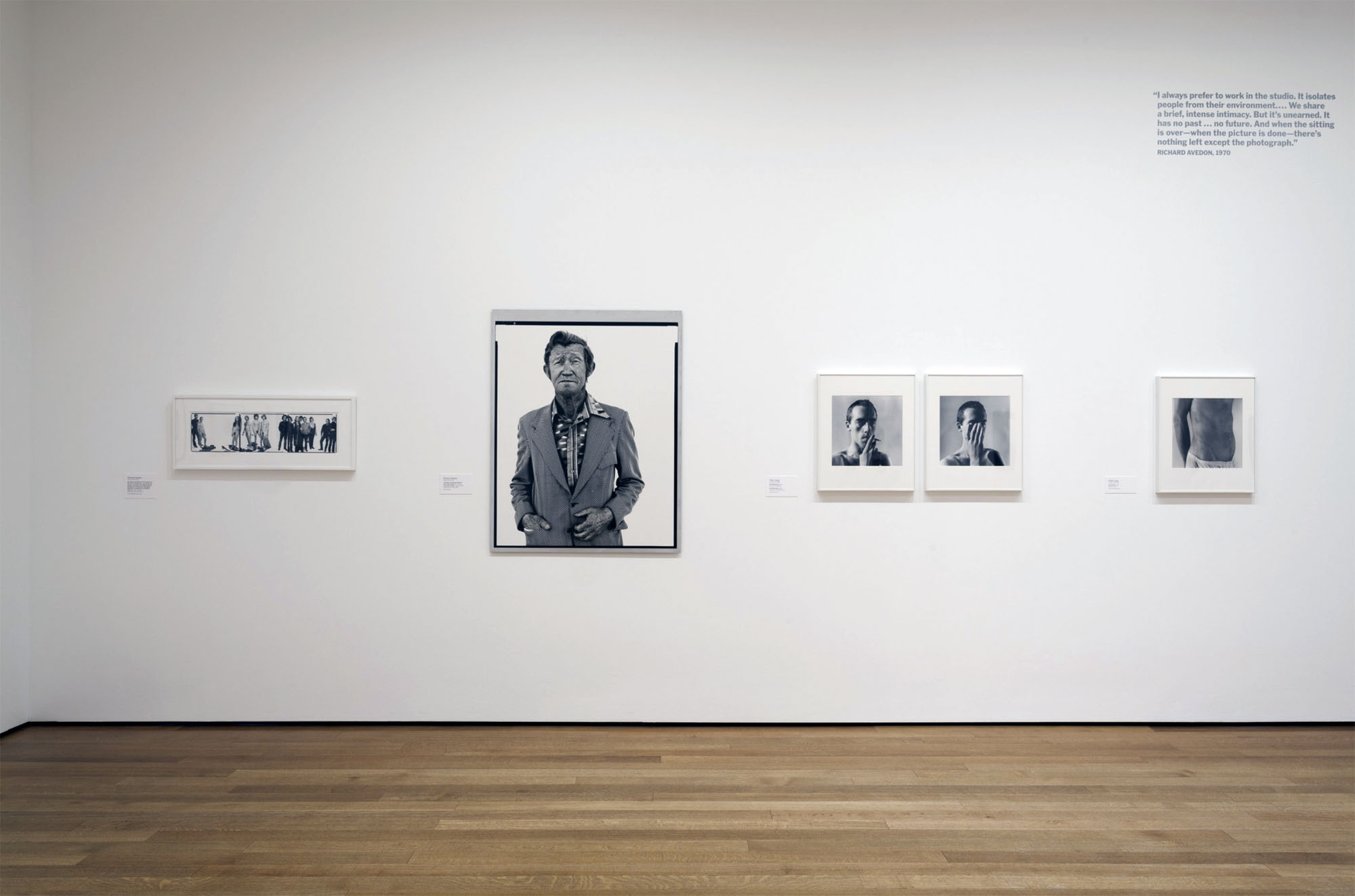
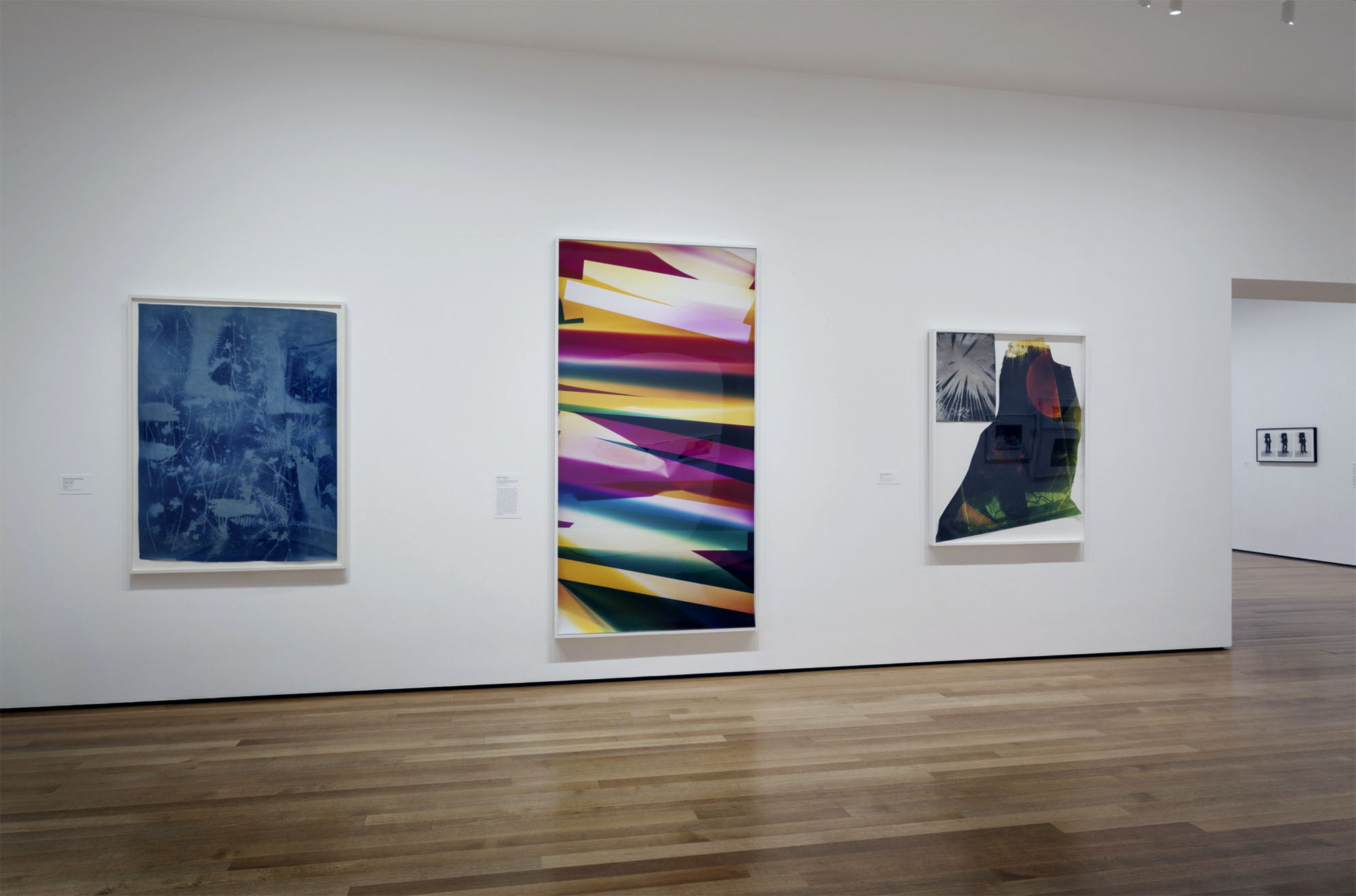
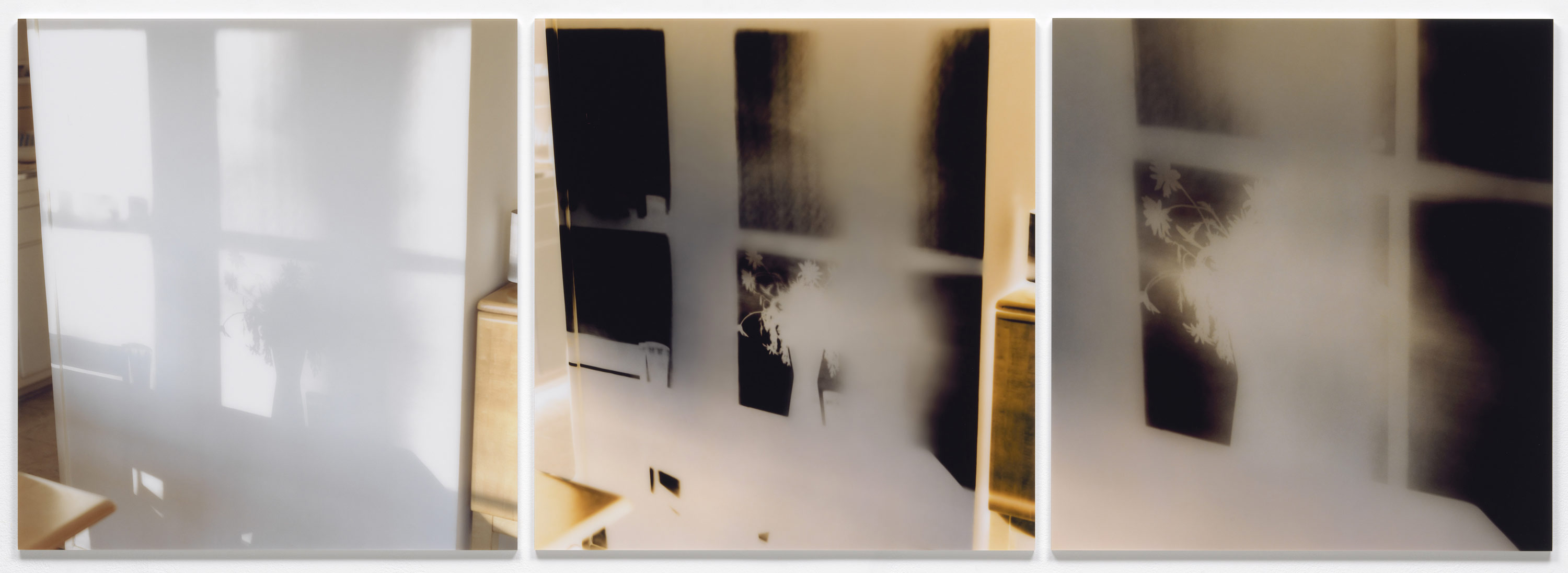
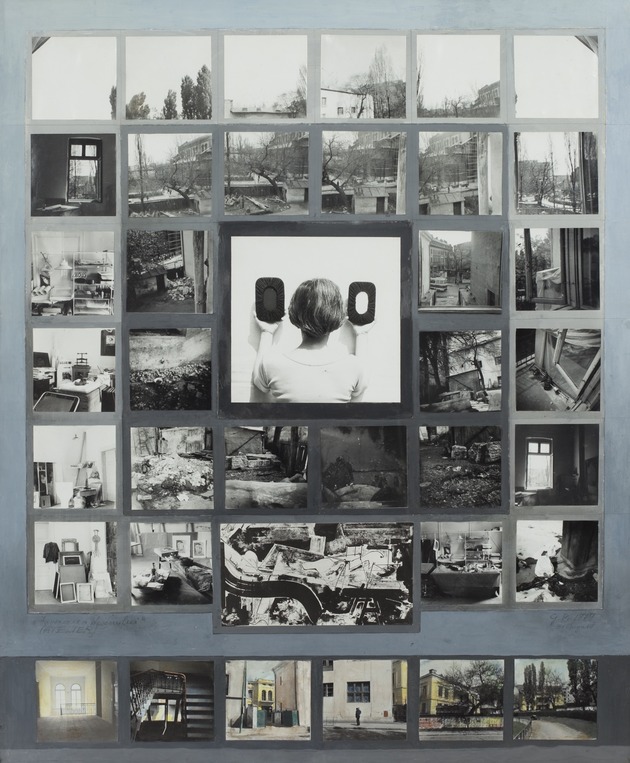

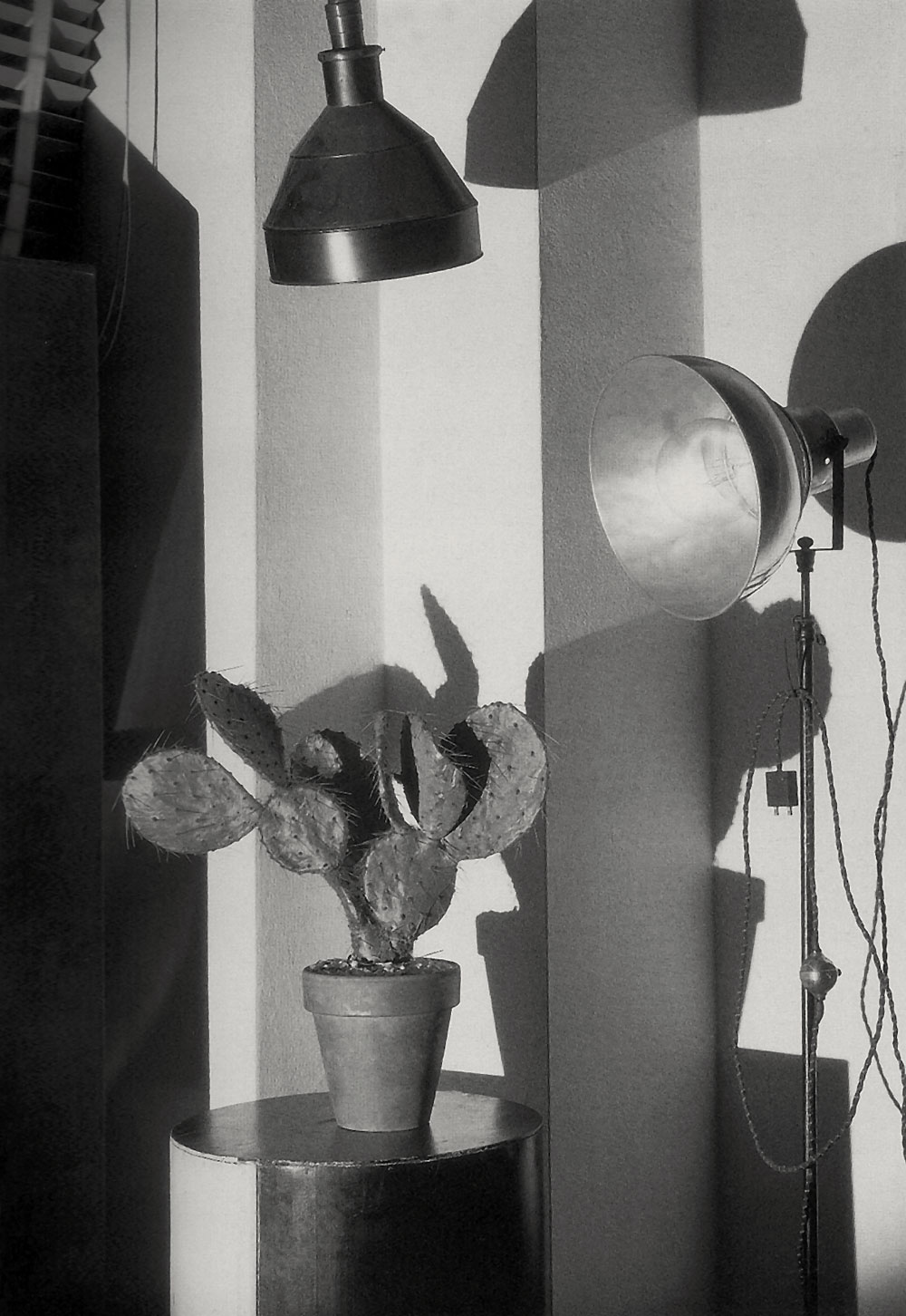
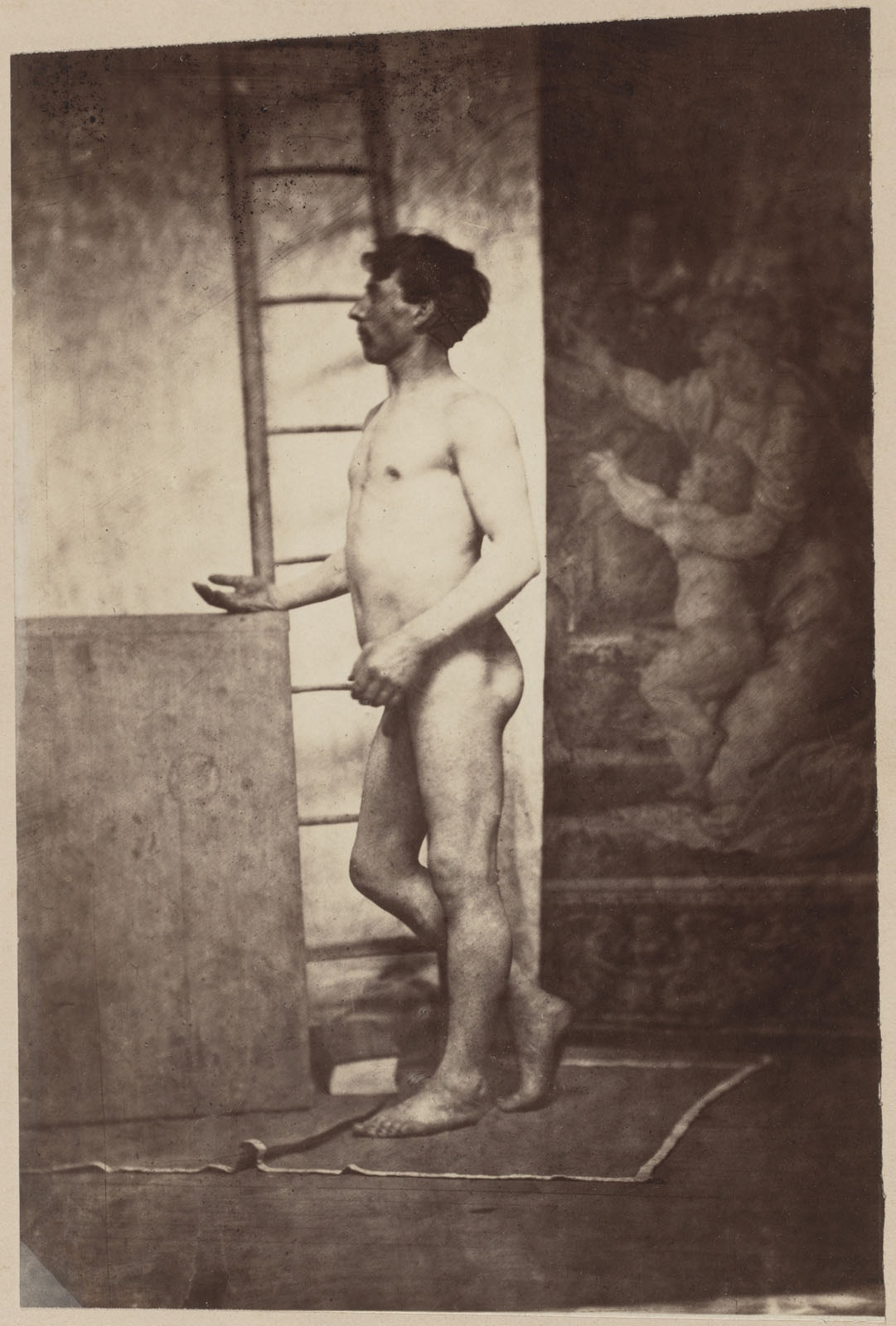

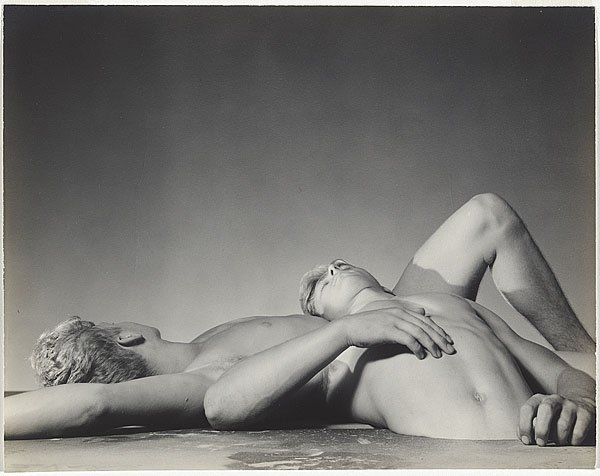

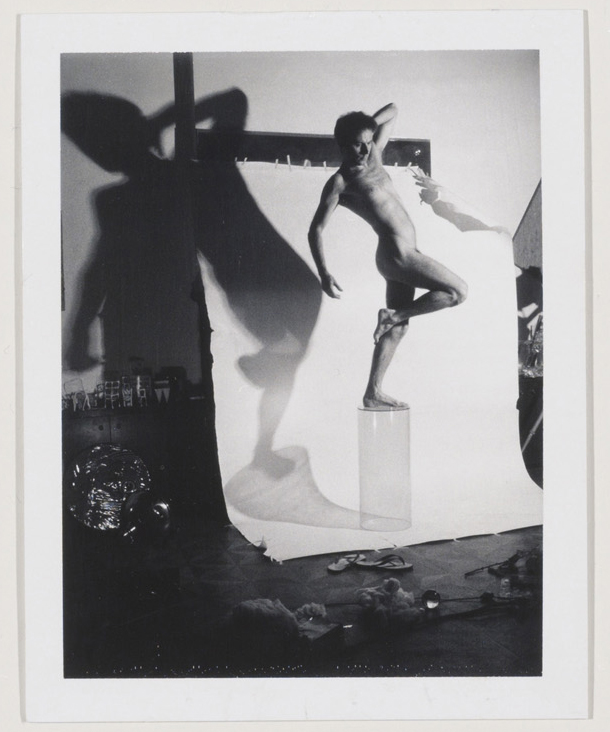
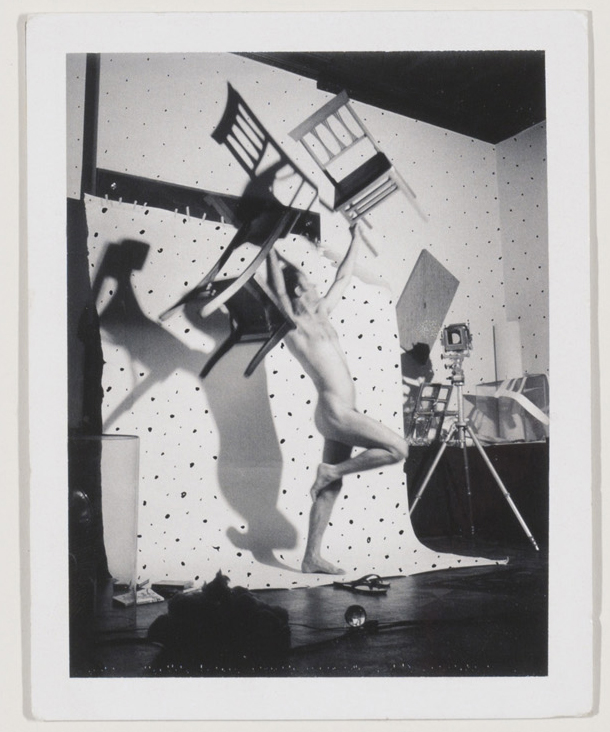
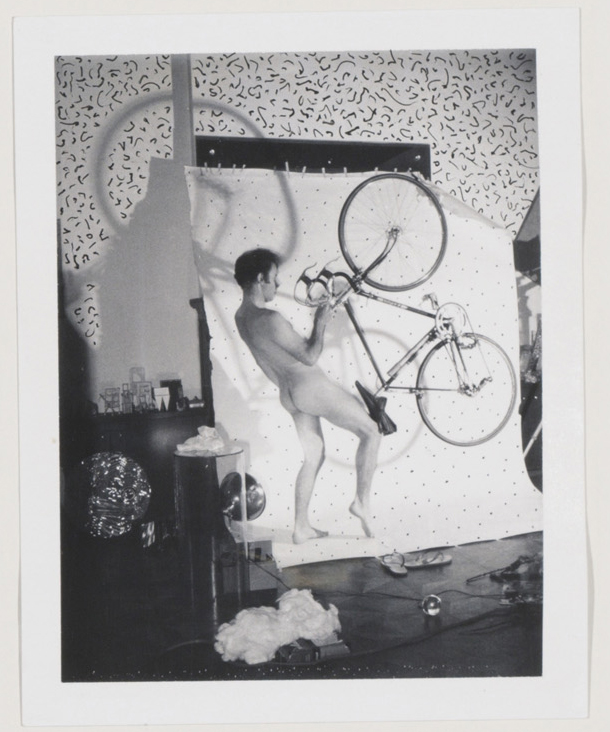


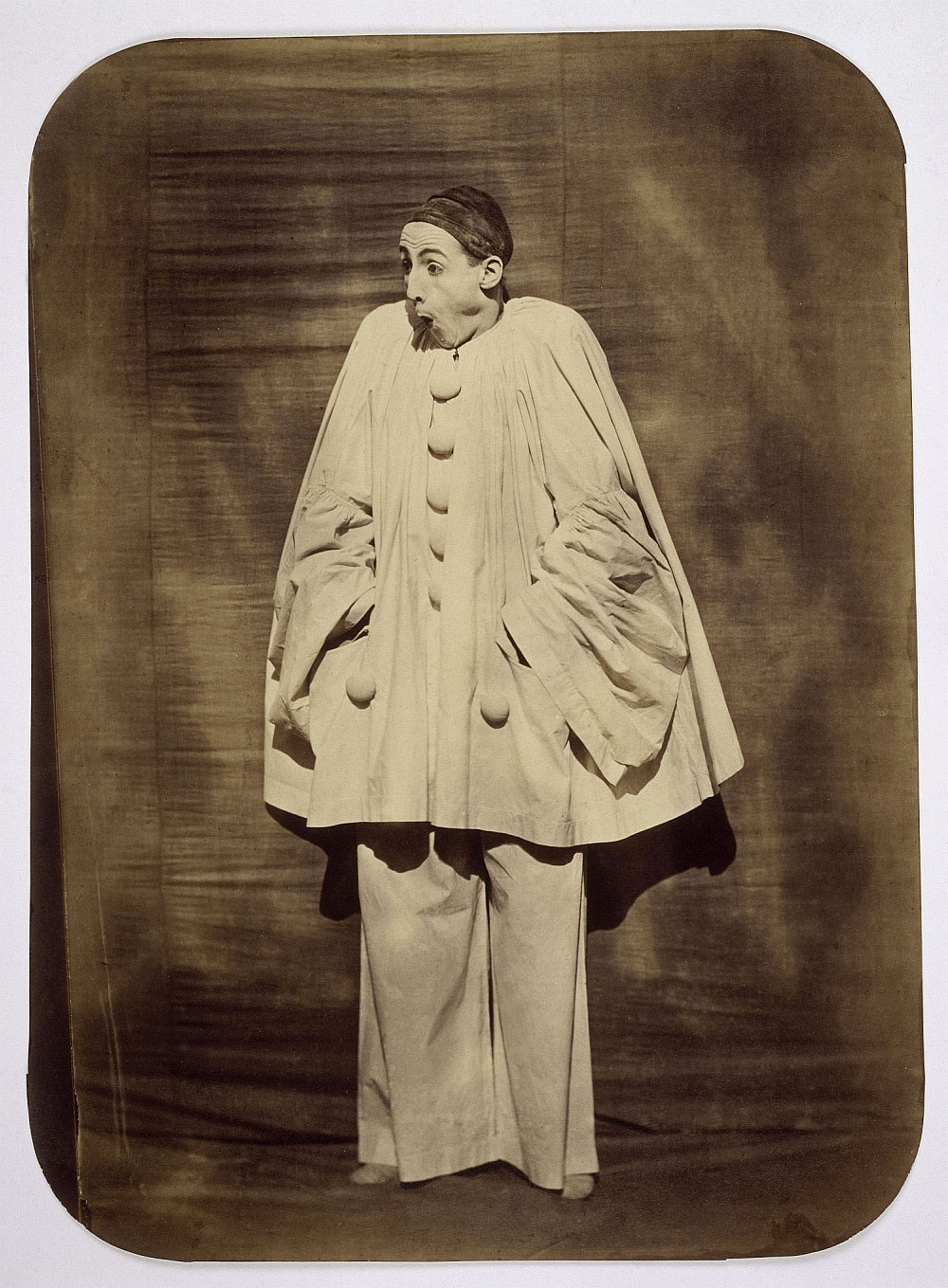
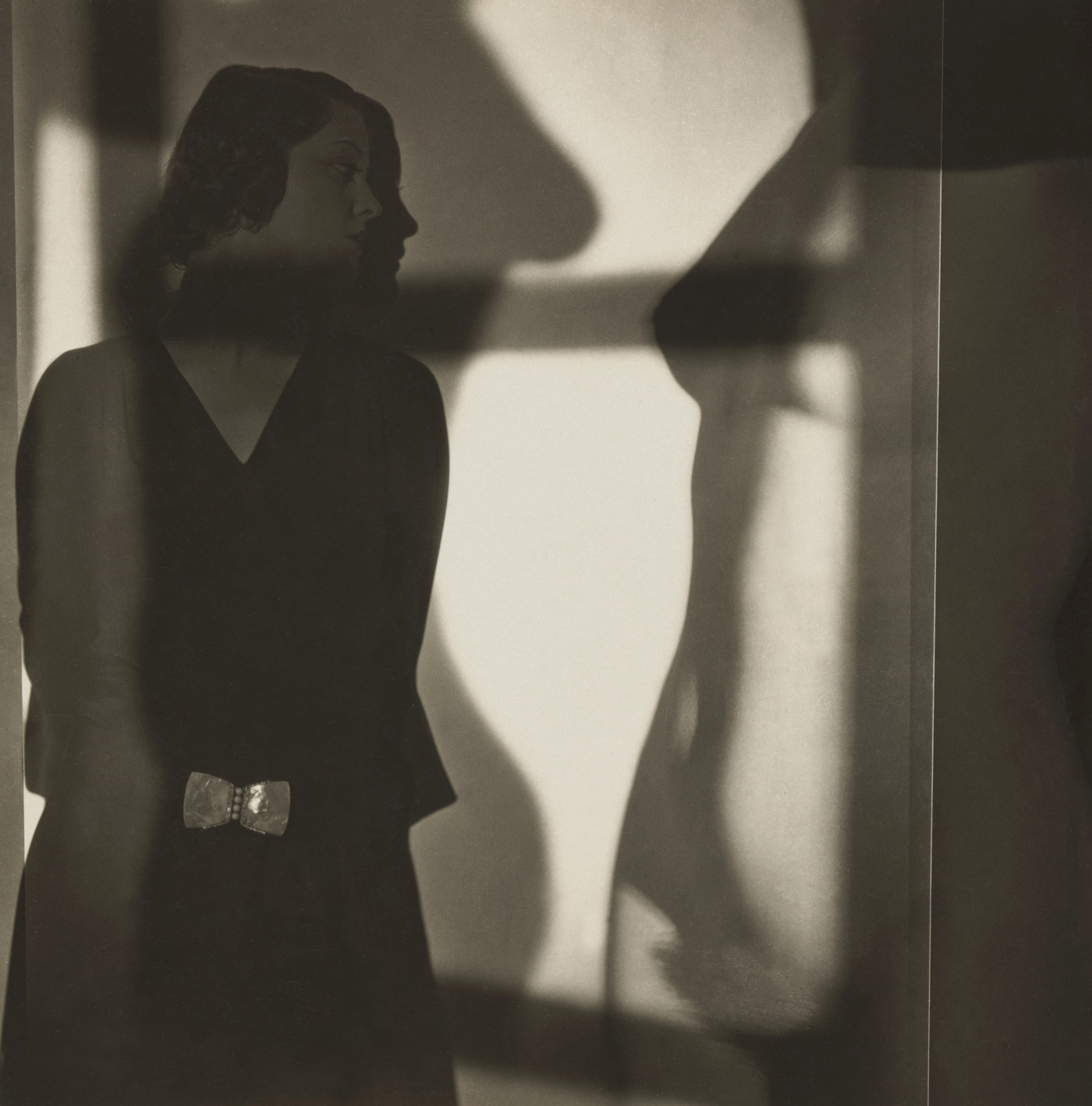
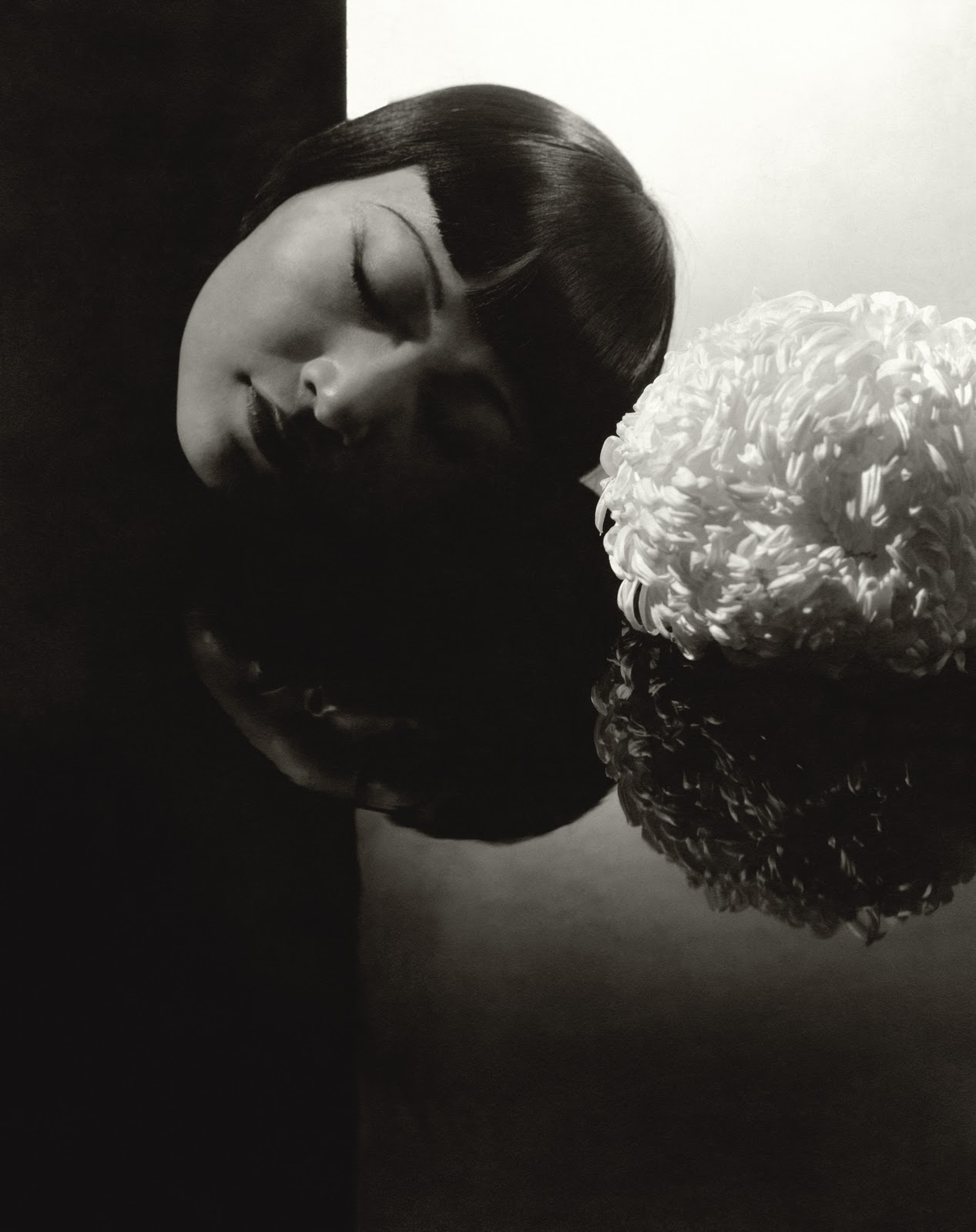
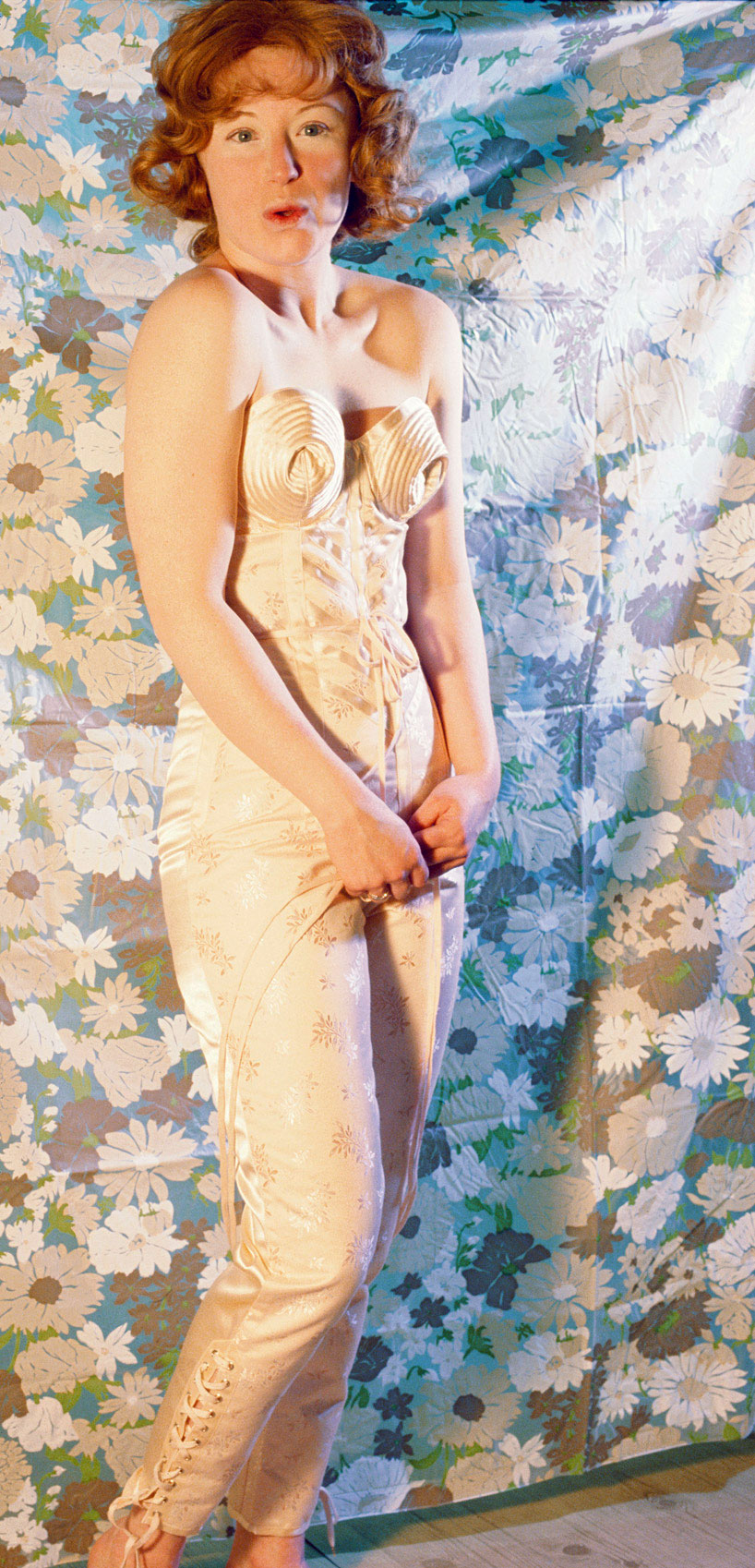

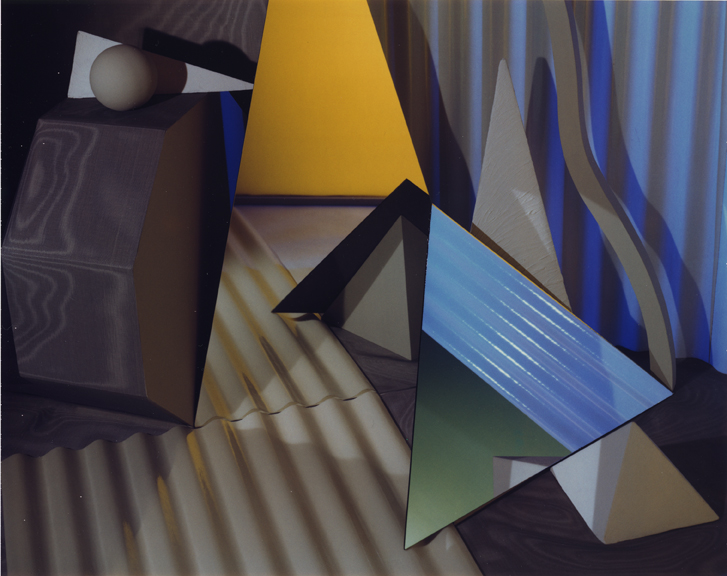

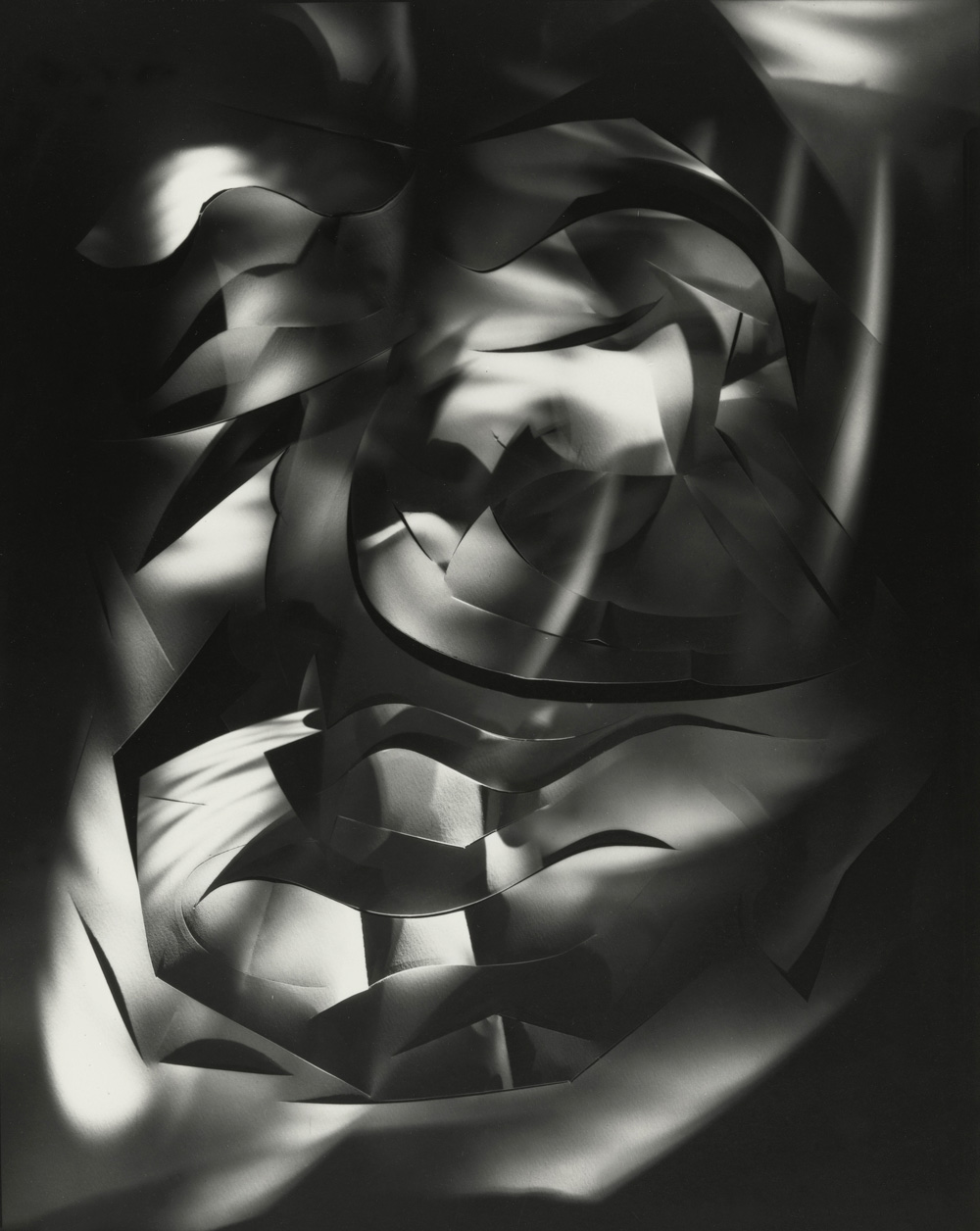

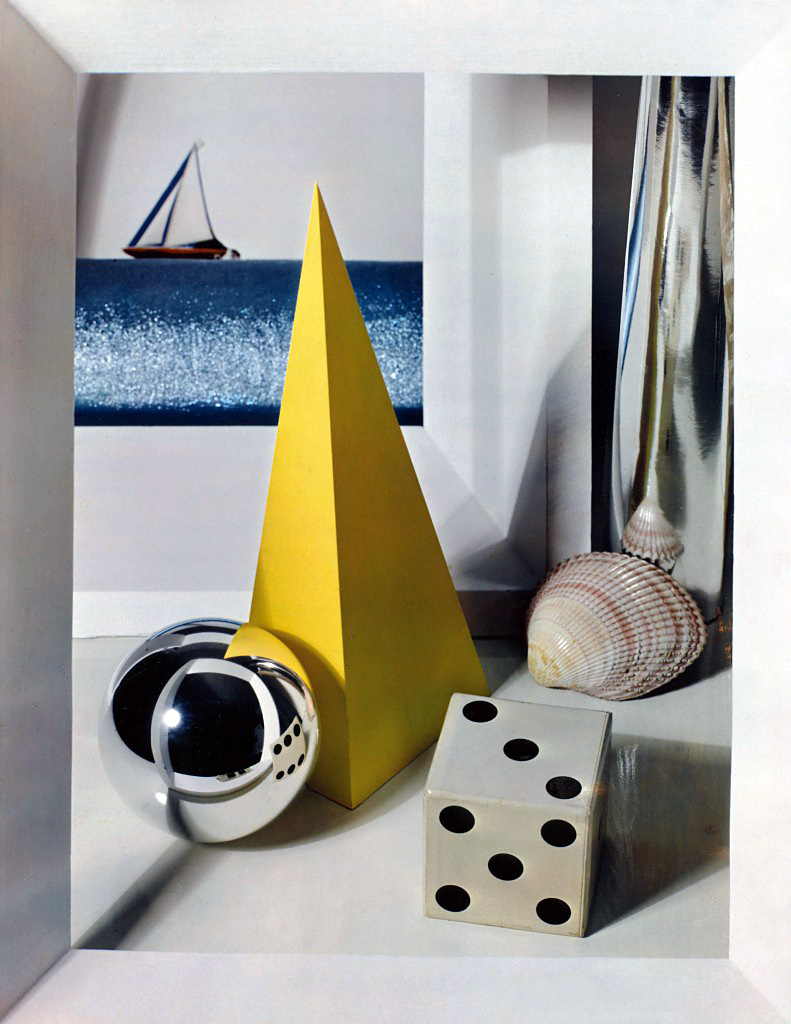
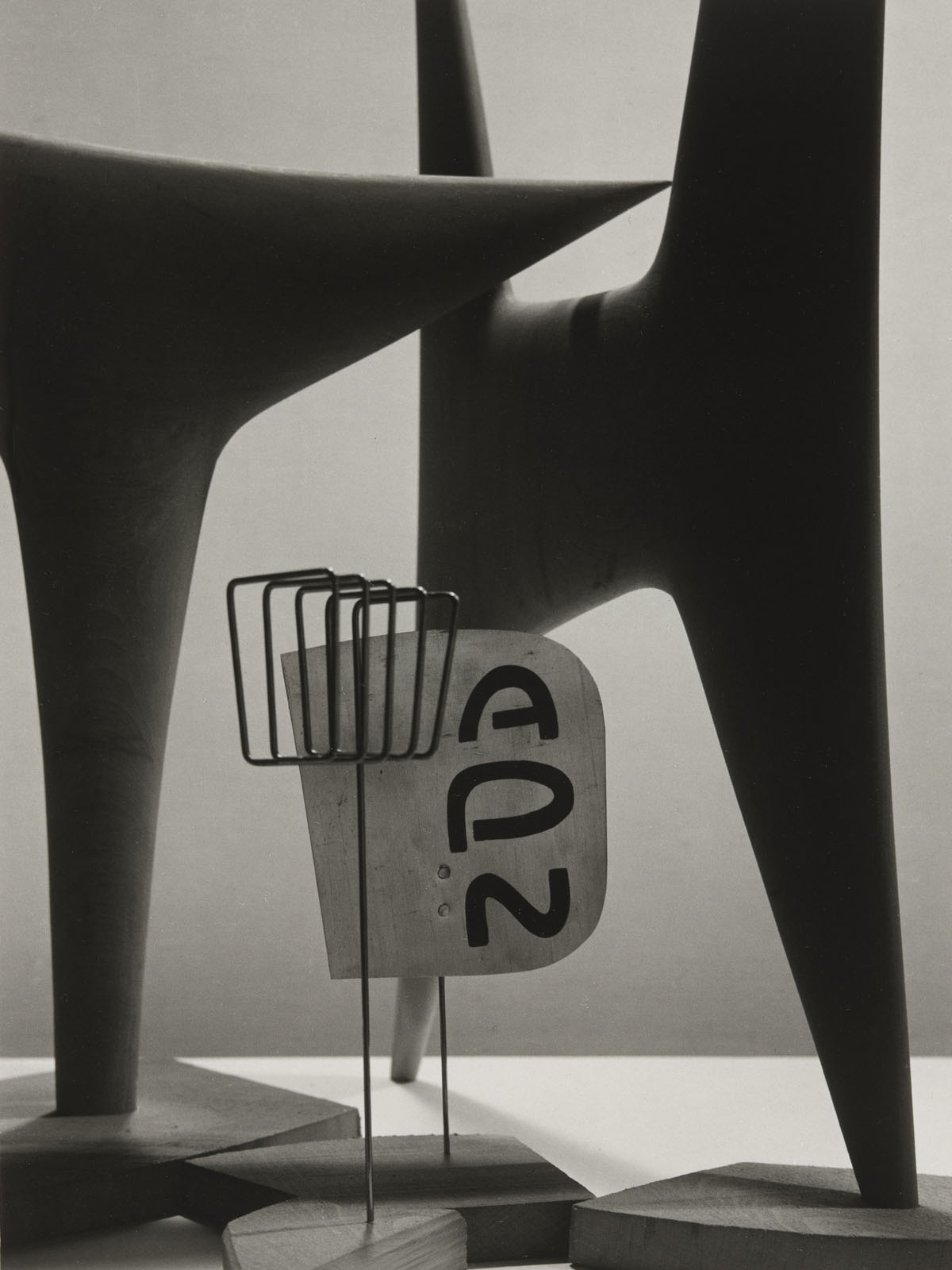
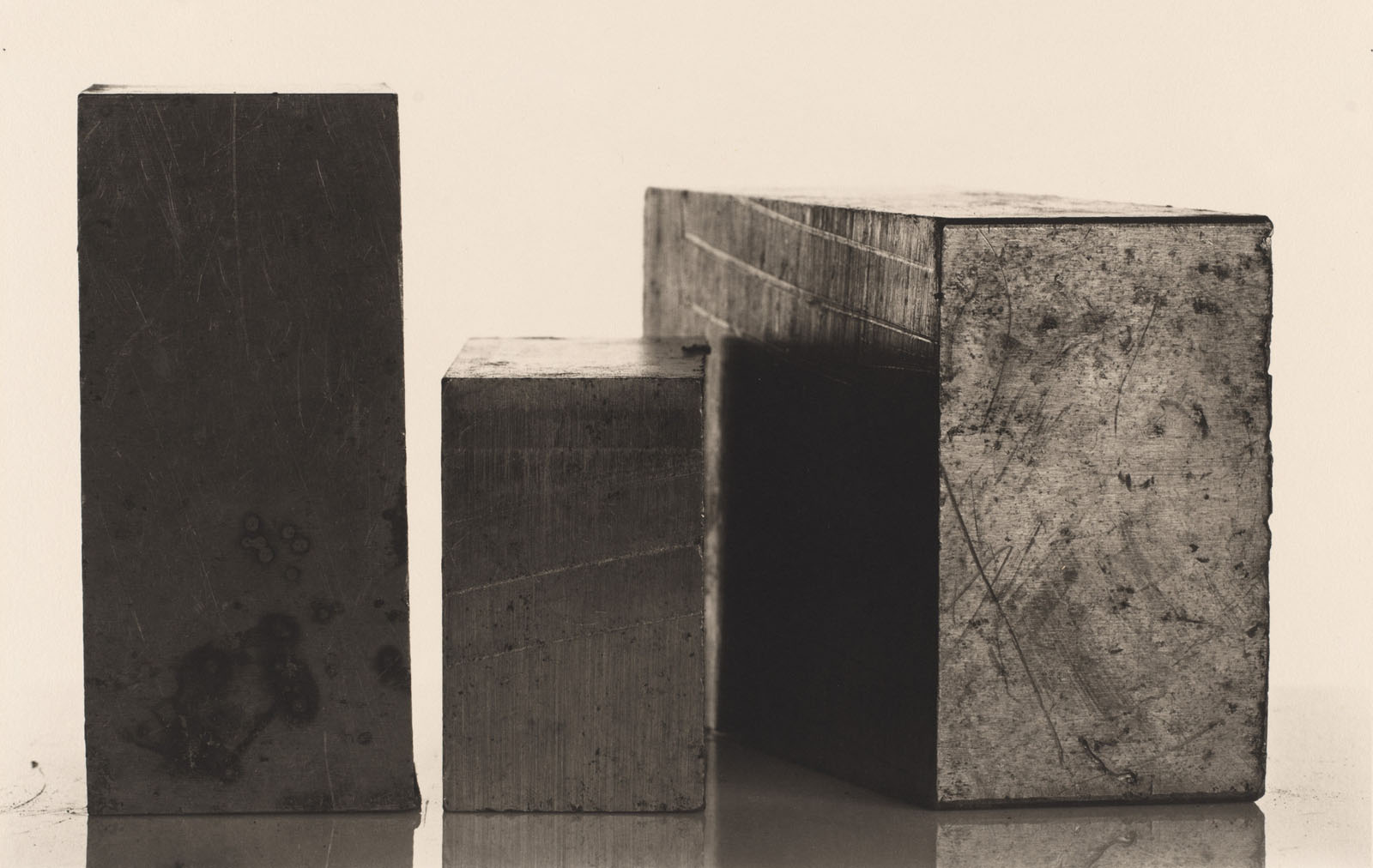
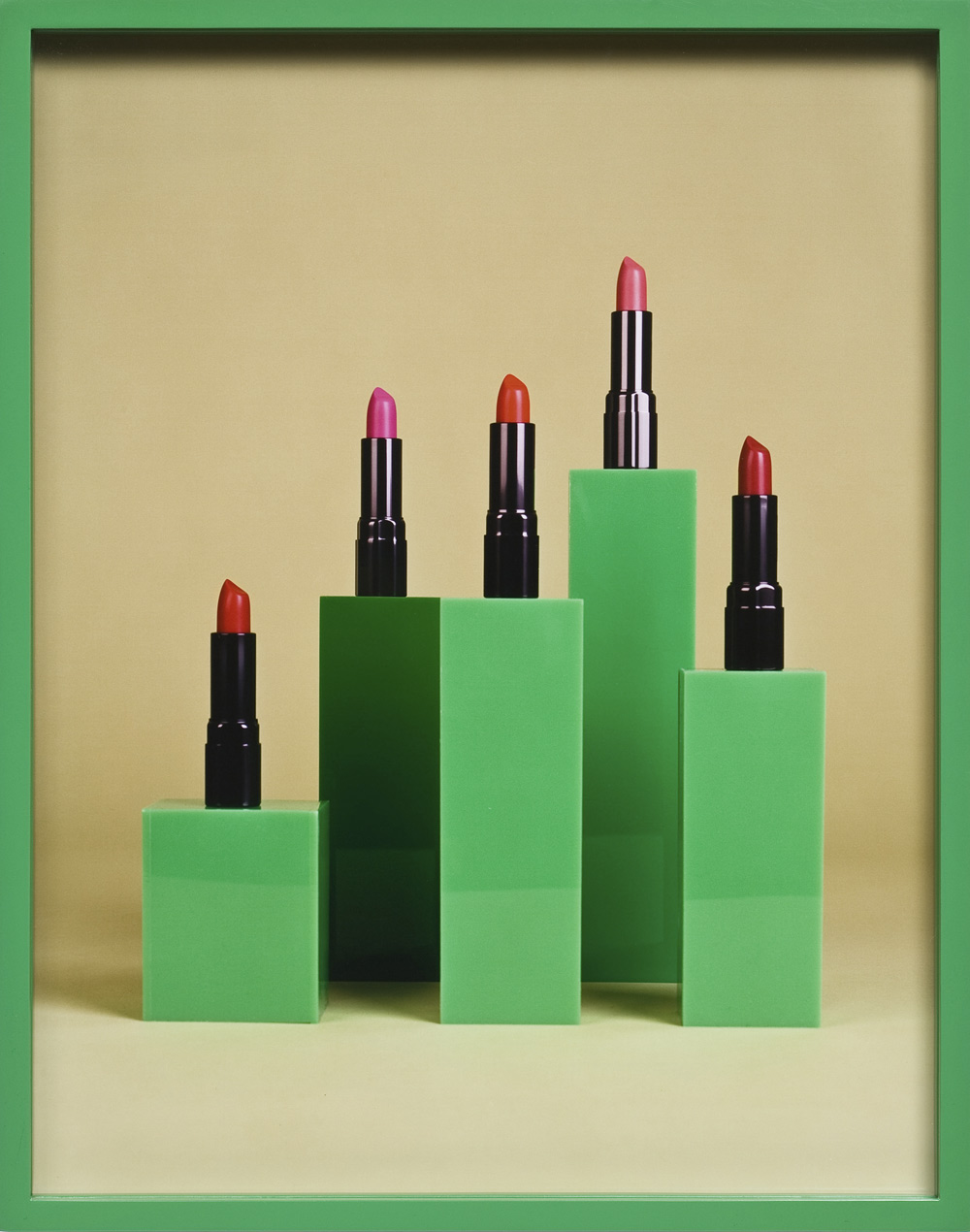


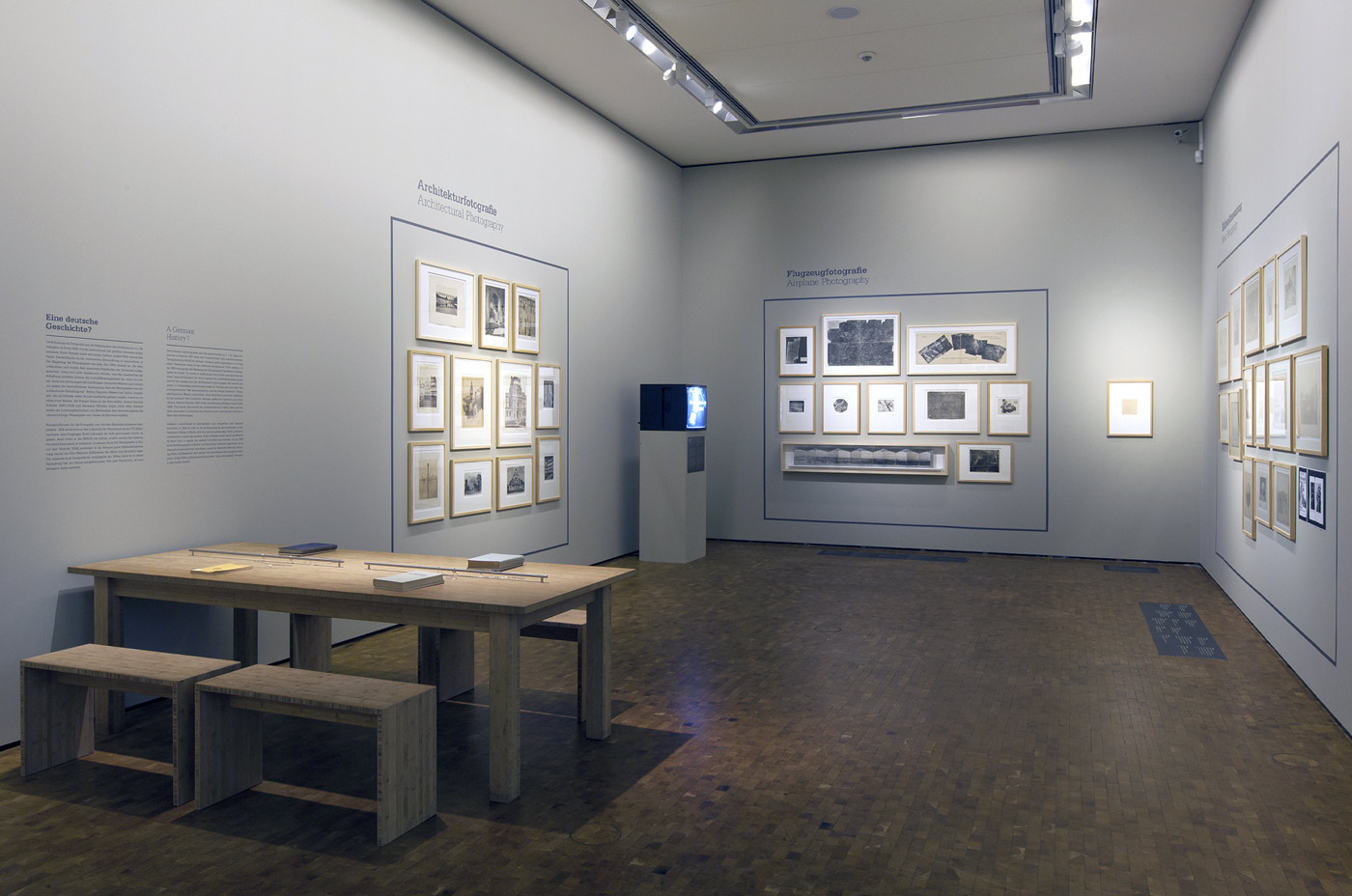
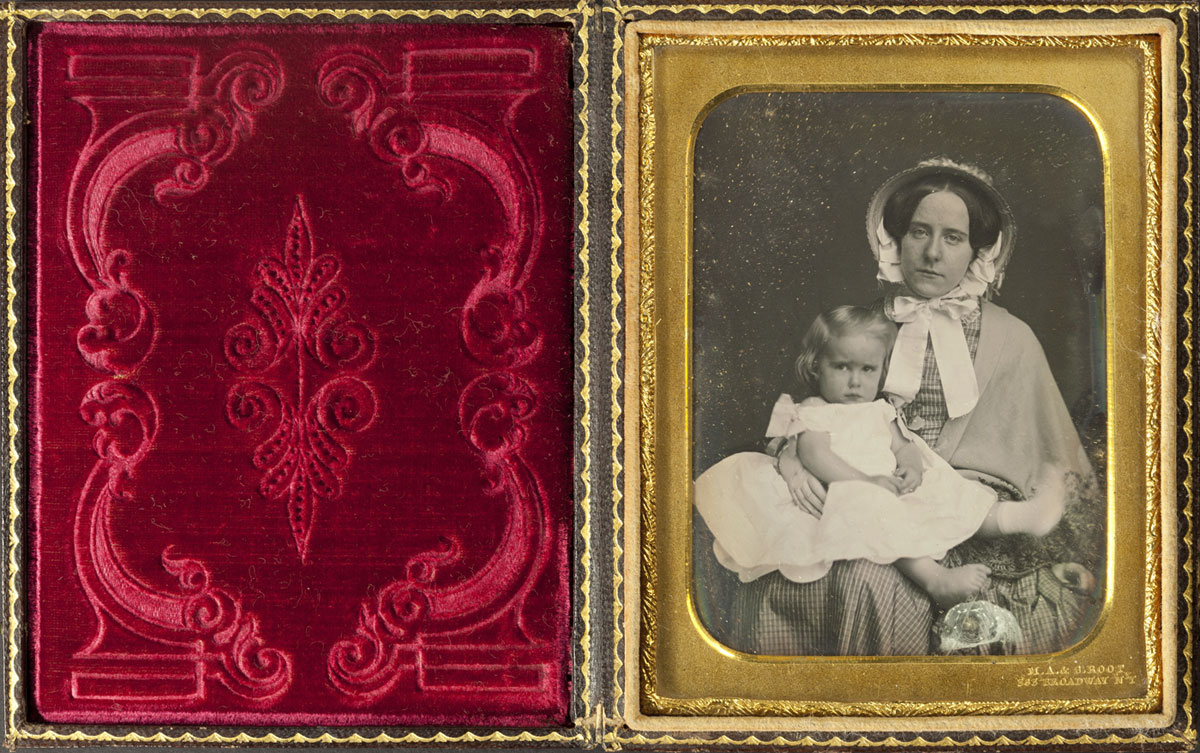
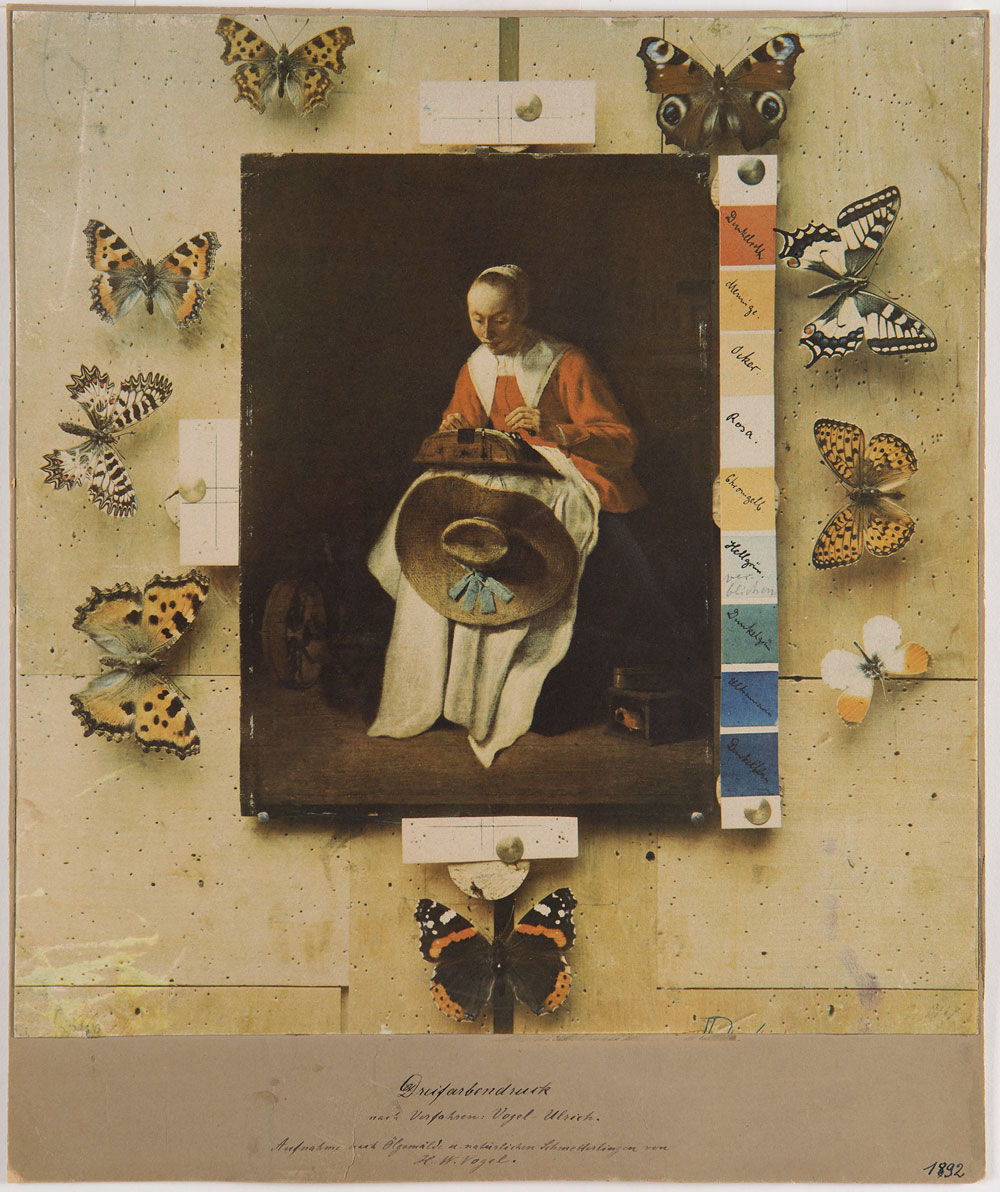
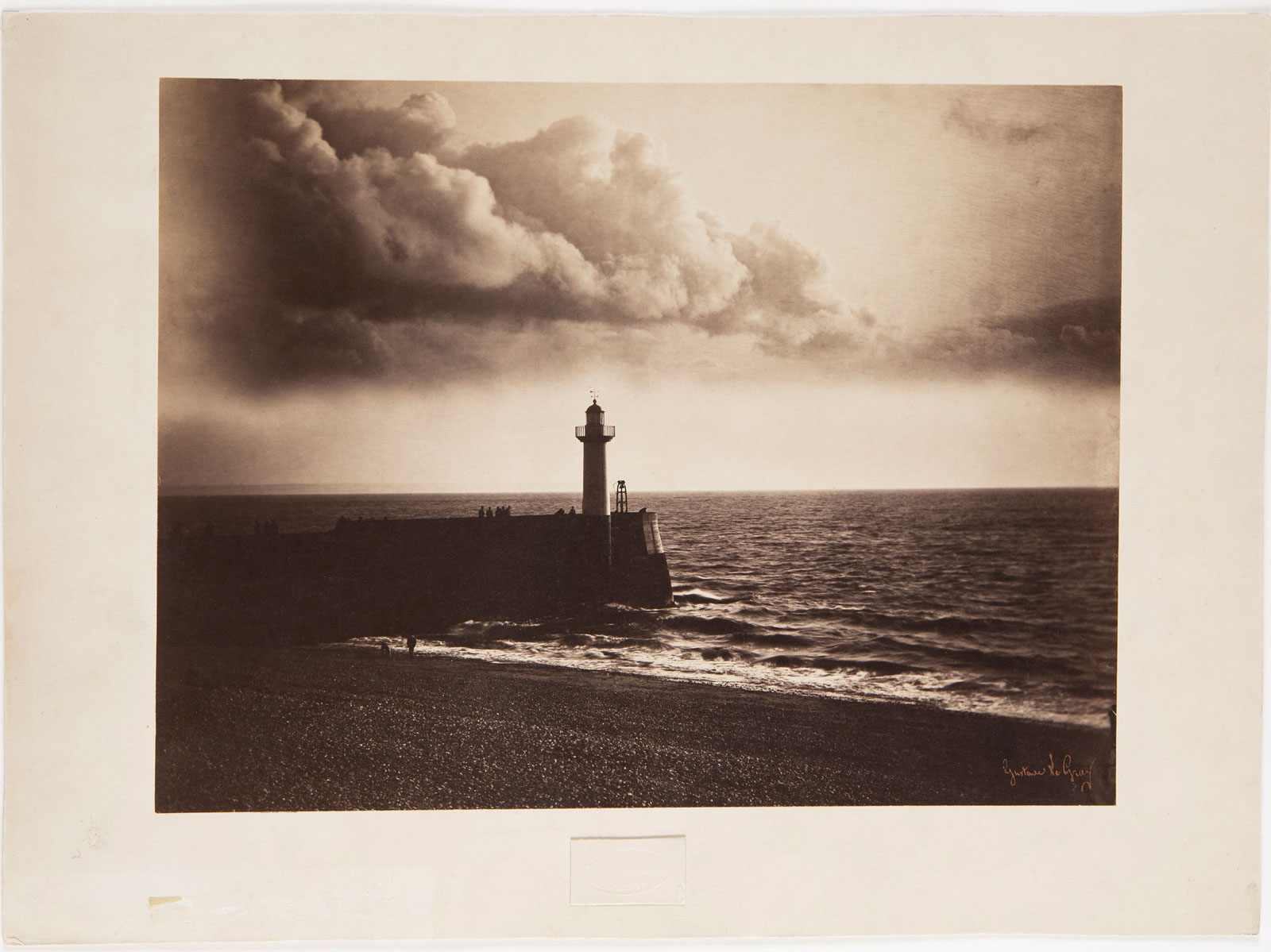
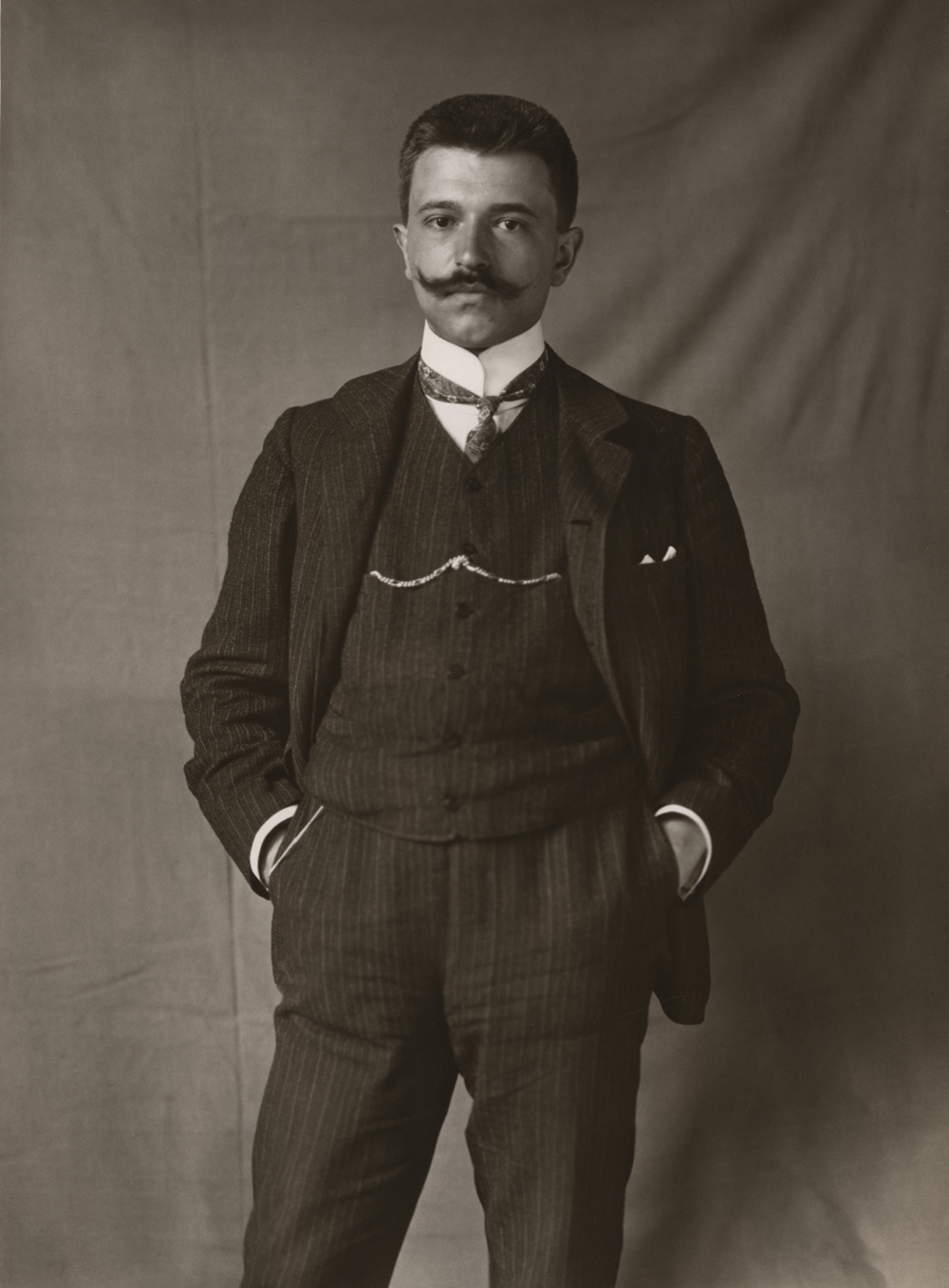
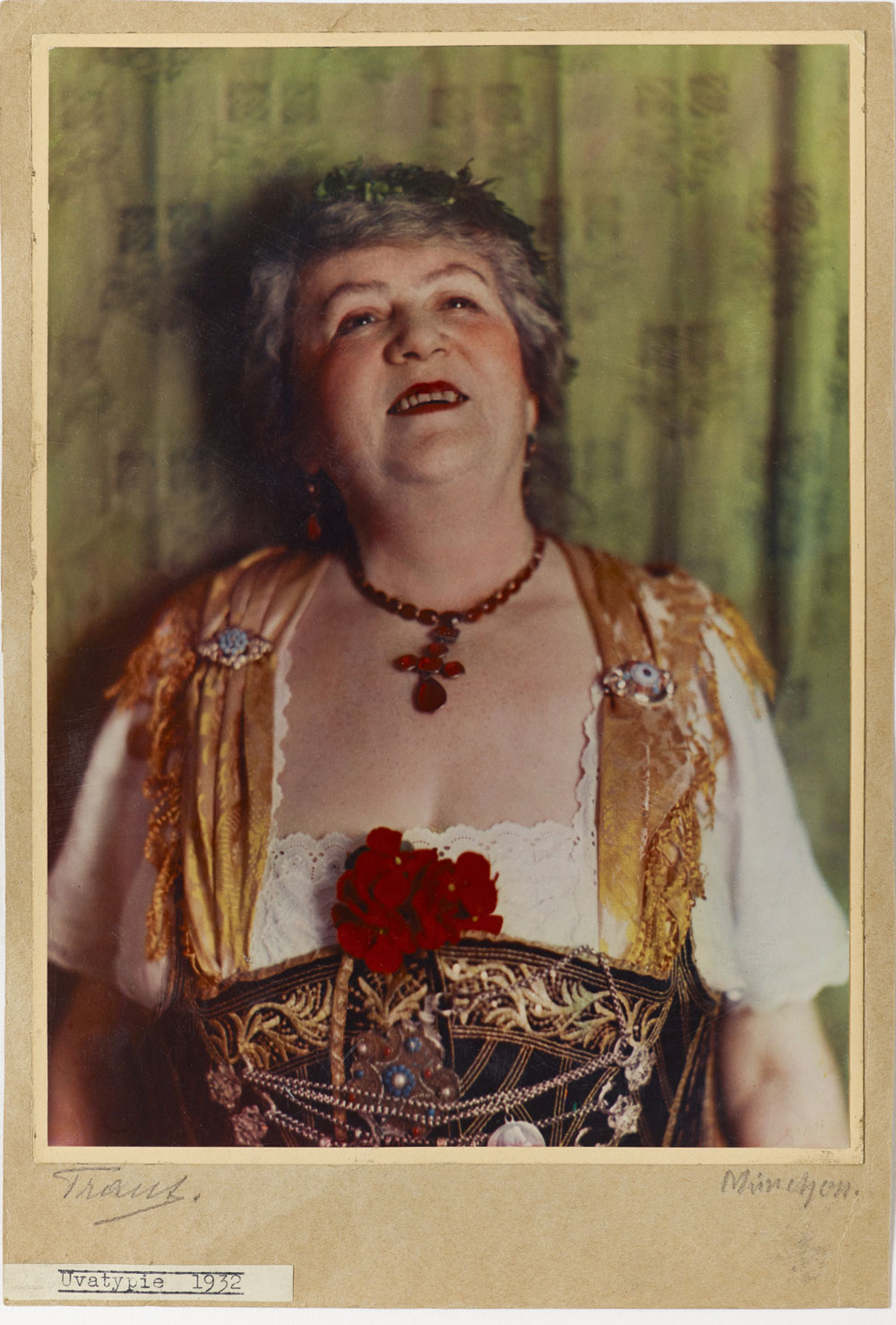
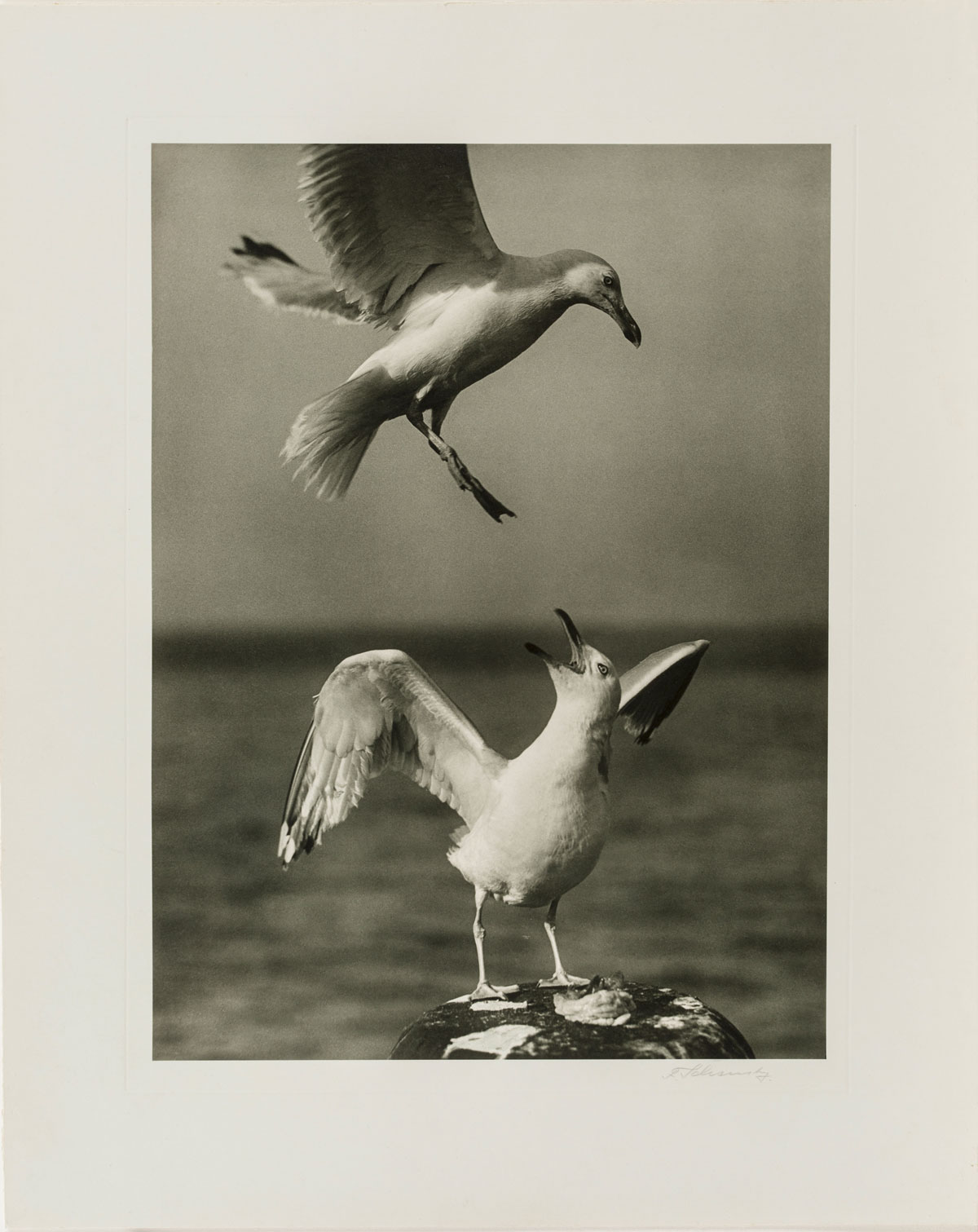

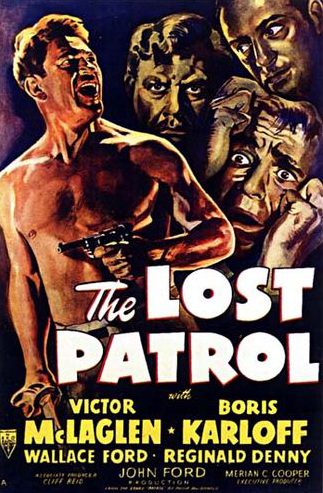

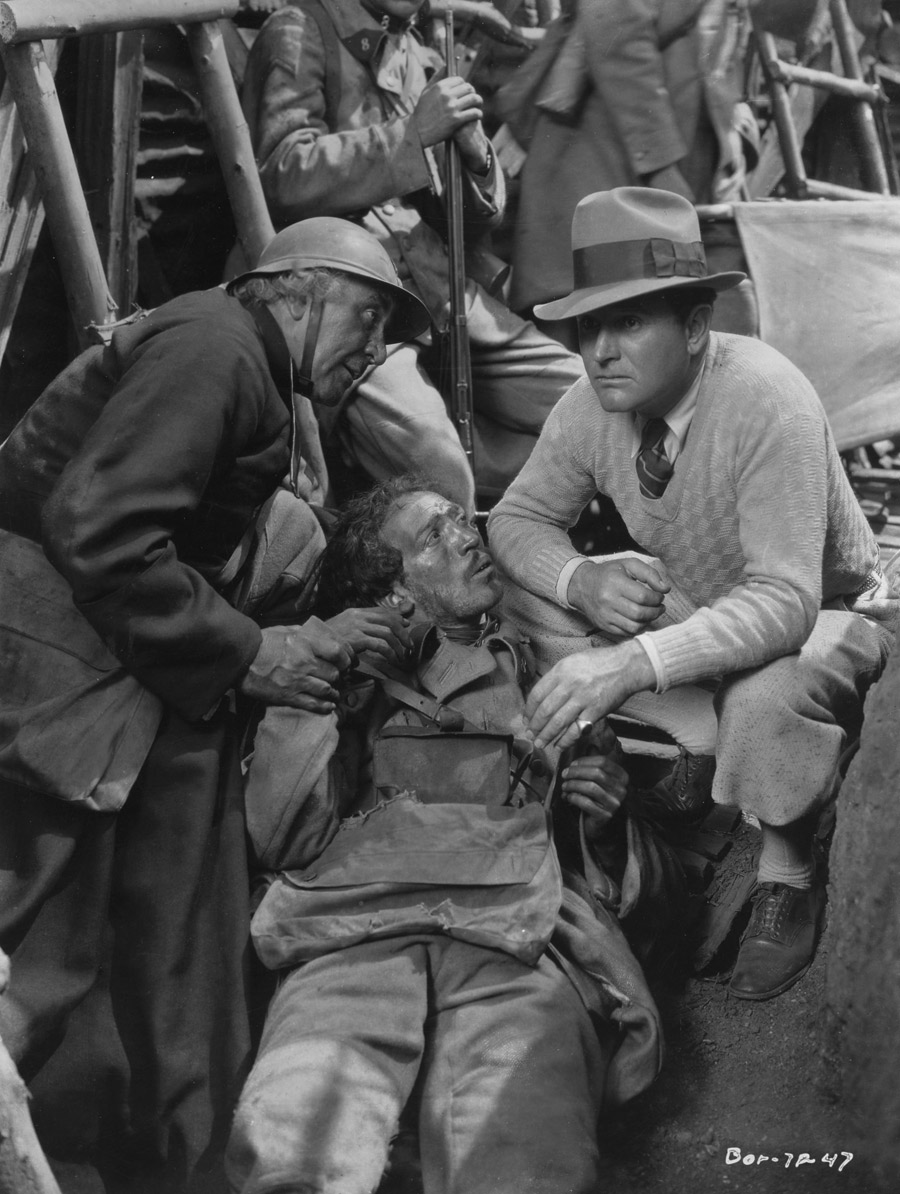


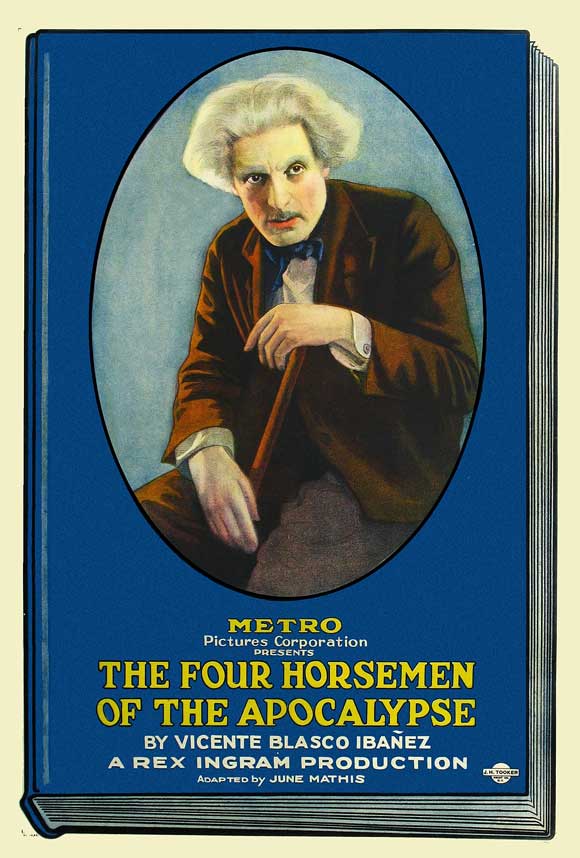


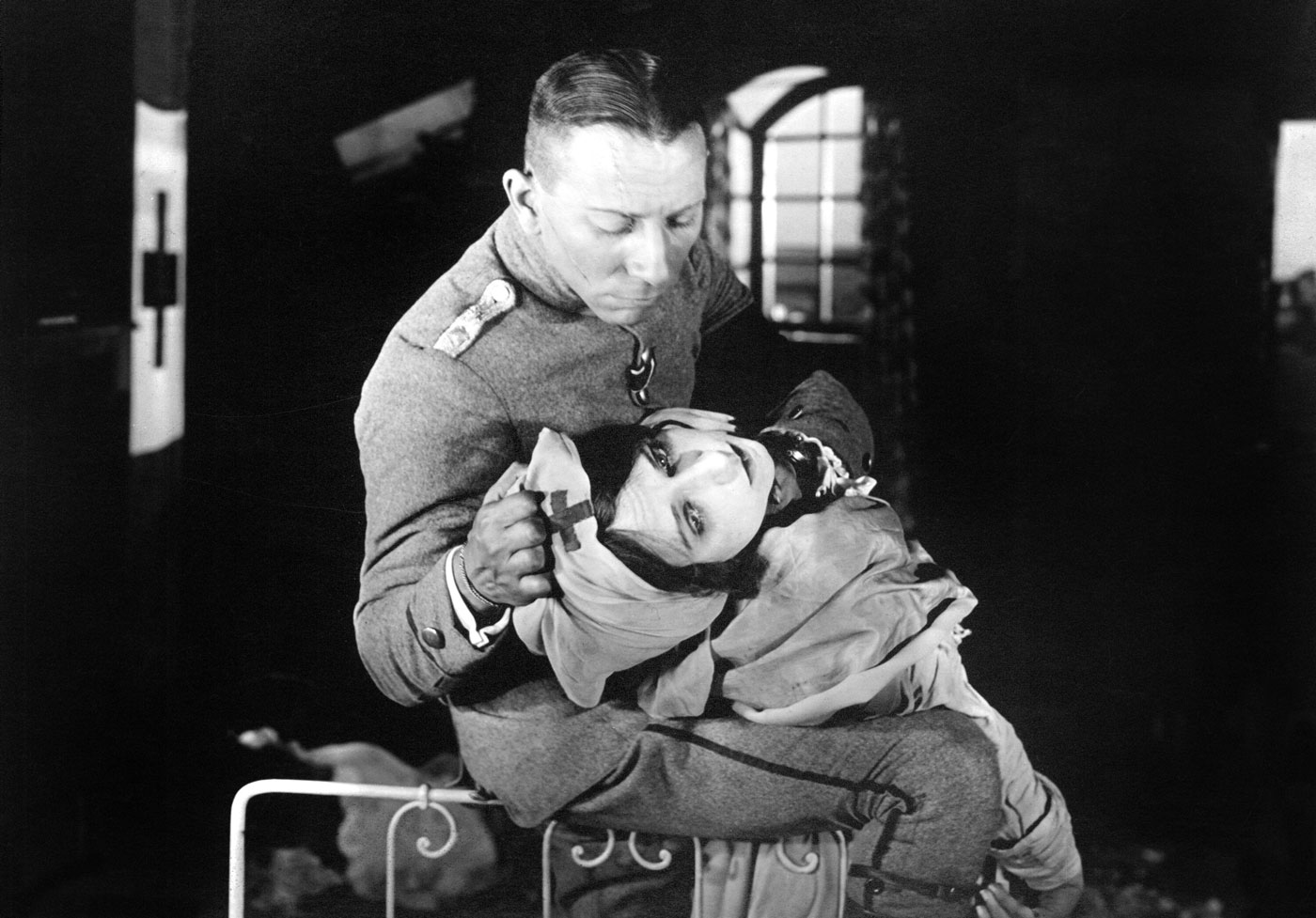


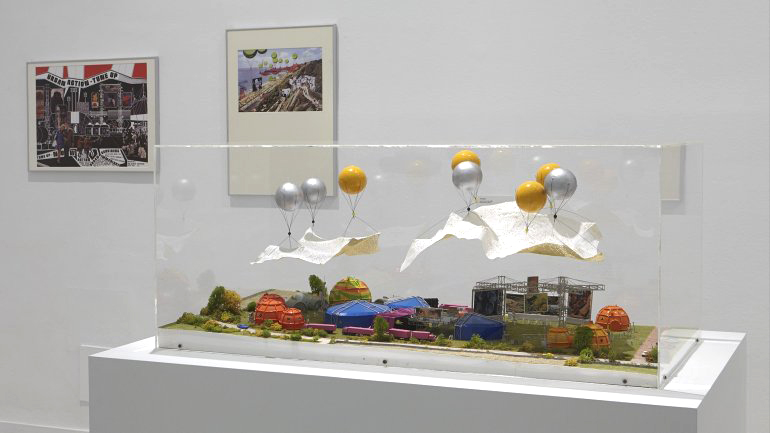
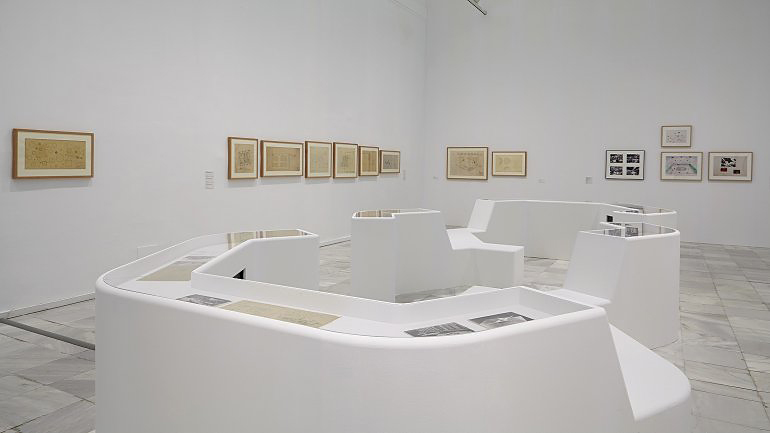
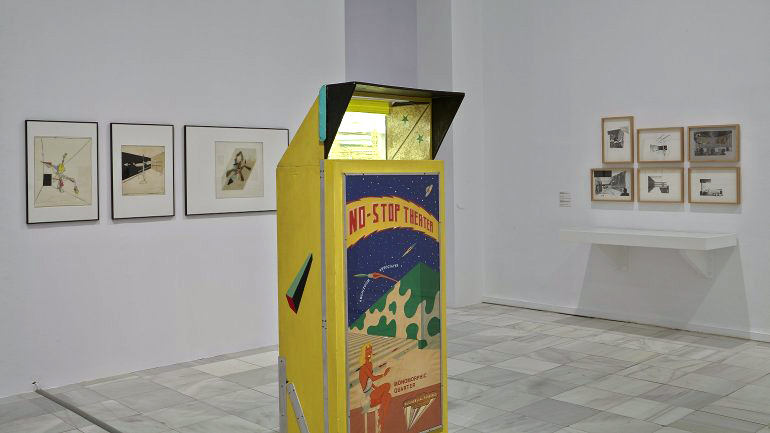

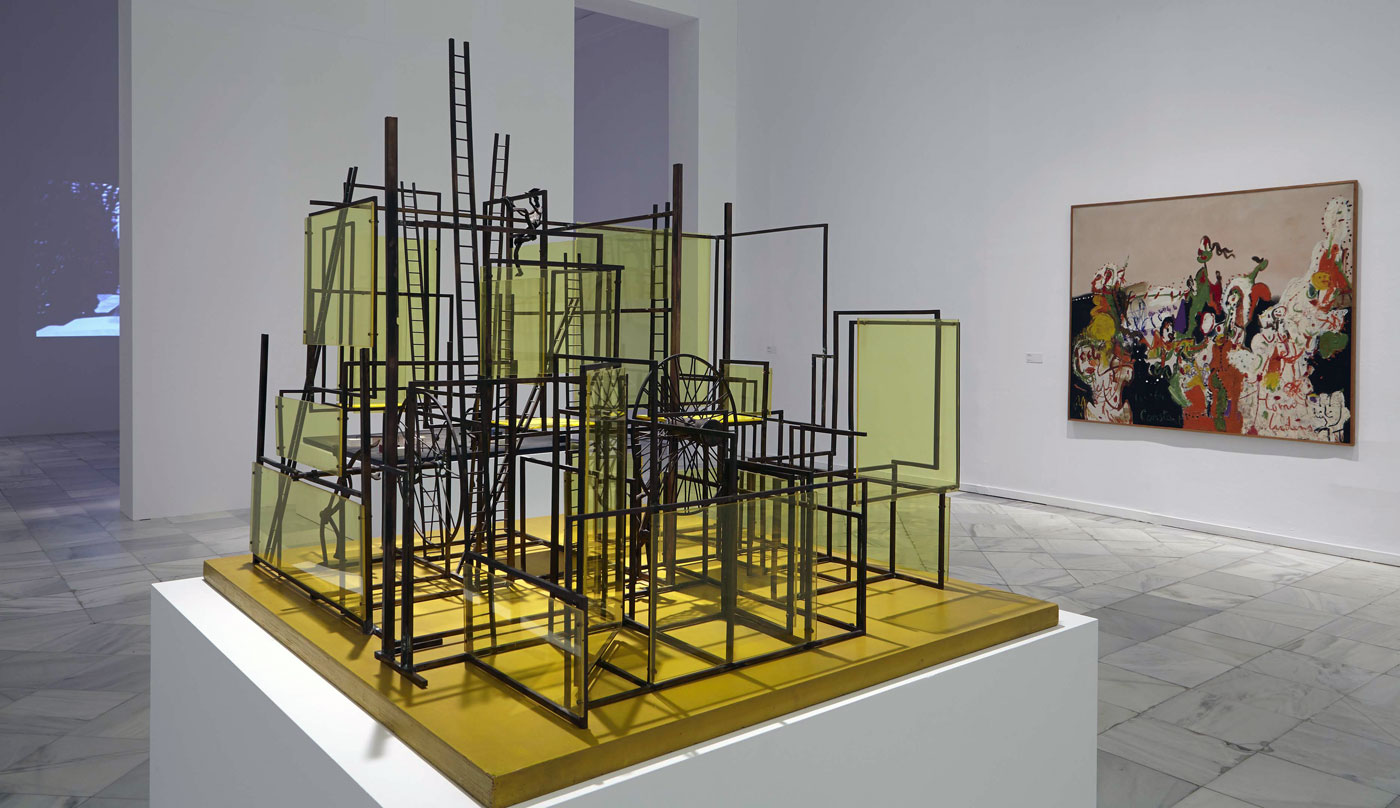


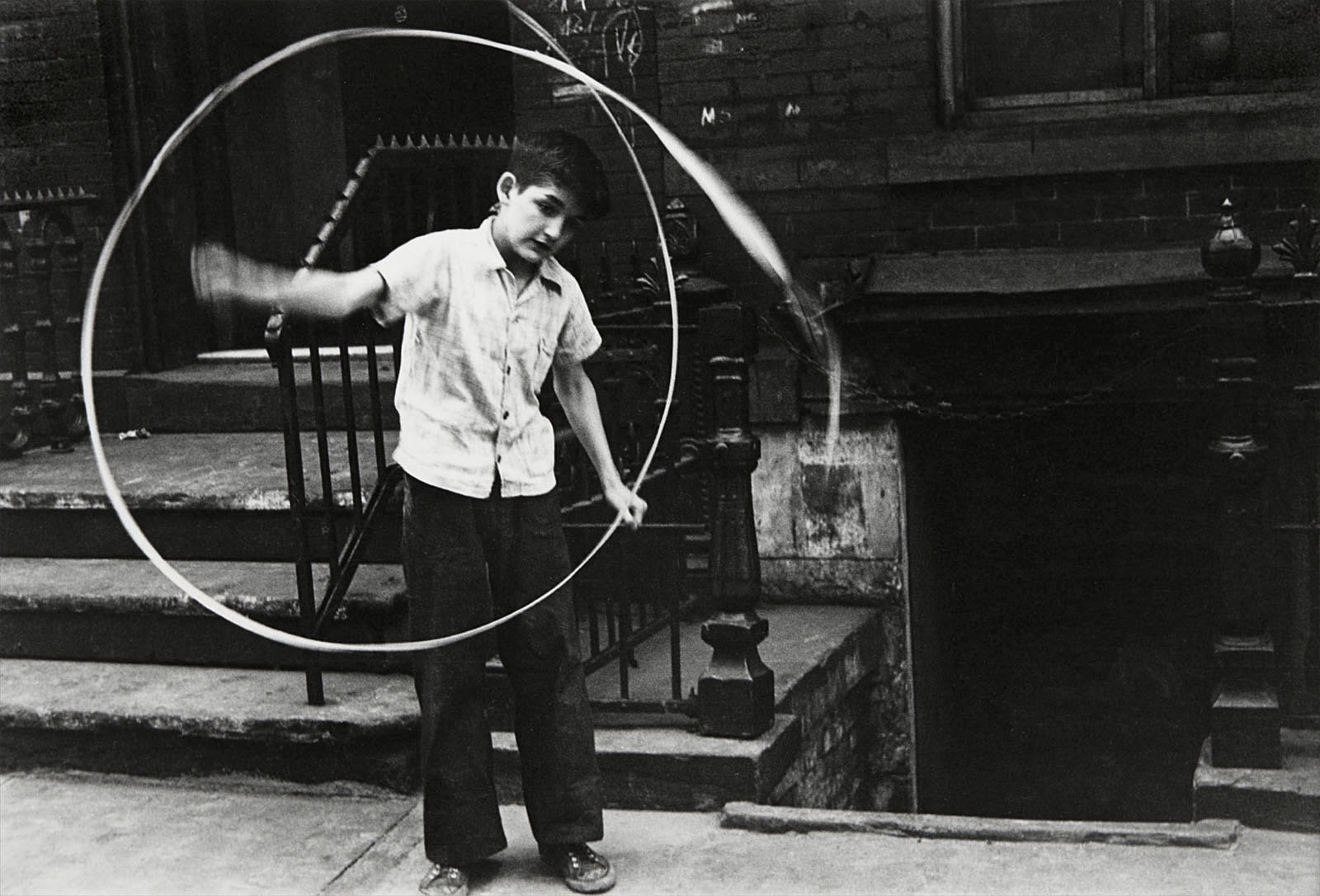

![Agustí Centelles (Catalan, 1909-1985) 'Barcelona, España. Guardería infantil en Vía Layetana' [Babysitting in Layetana Road] 1936-1939](https://artblart.com/wp-content/uploads/2014/09/agusti_centelles-guarderia_infantil-web.jpg "Agustí Centelles (Catalan, 1909-1985) 'Barcelona, España. Guardería infantil en Vía Layetana' [Babysitting in Layetana Road] 1936-1939")
![Fernand Léger (French, 1881-1951) 'Les Loisirs - Hommage à Louis David' [Leisure - Homage to Louis David] 1948-1949](https://artblart.com/wp-content/uploads/2014/09/leger-les_loisirs-web.jpg "Fernand Léger (French, 1881-1951) 'Les Loisirs - Hommage à Louis David' [Leisure - Homage to Louis David] 1948-1949")
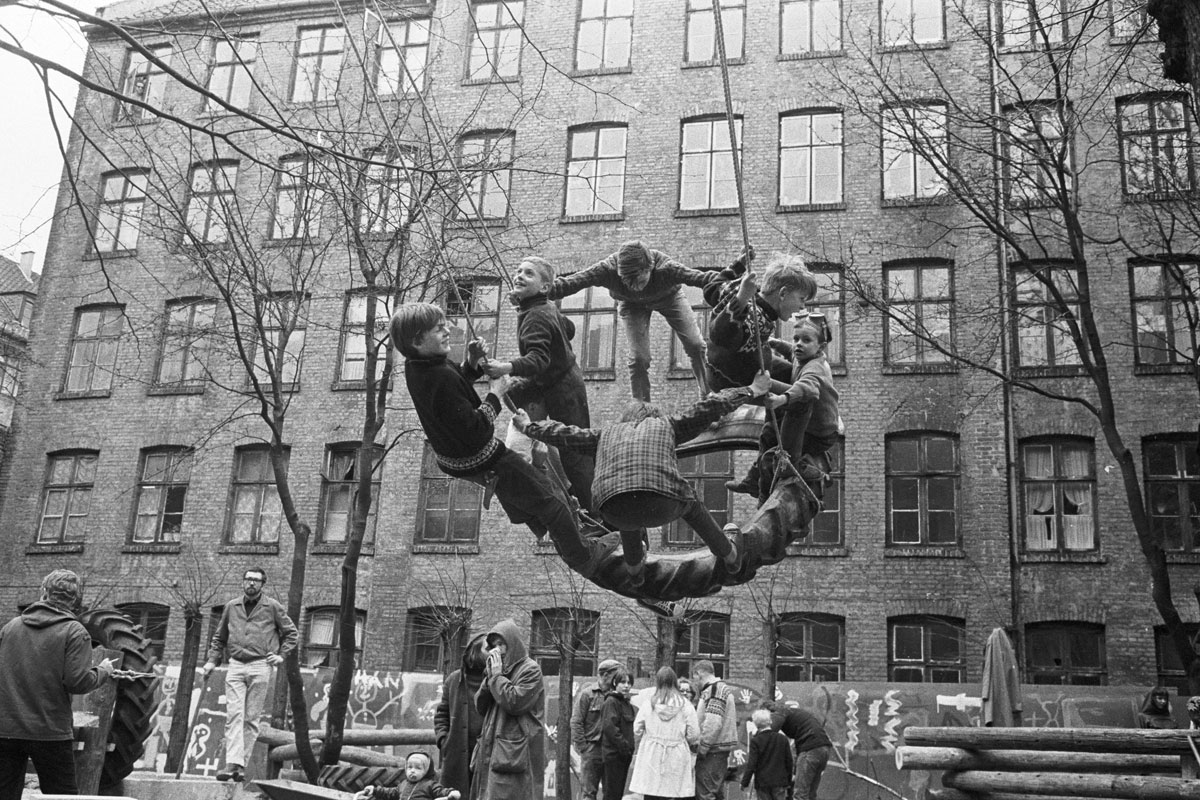
![Louis Sciarli (French, b. 1925) 'Le Corbusier. Marseille: Unité d'habitation, École Maternelle' [Le Corbusier. Marseille: housing unit, Kindergarten] 1945/2014](https://artblart.com/wp-content/uploads/2014/09/sciarli-le_corbusier_marseille-web.jpg "Louis Sciarli (French, b. 1925) 'Le Corbusier. Marseille: Unité d'habitation, École Maternelle' [Le Corbusier. Marseille: housing unit, Kindergarten] 1945/2014")

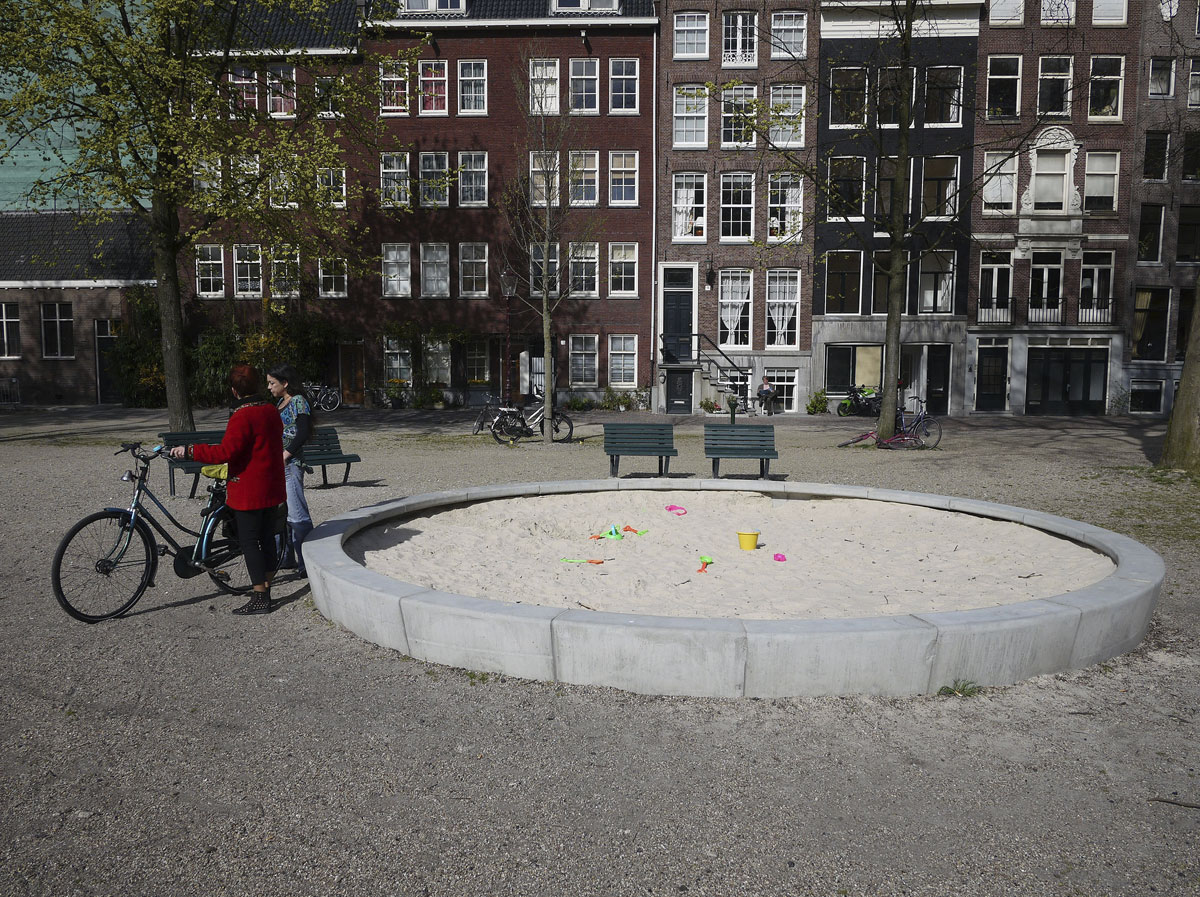
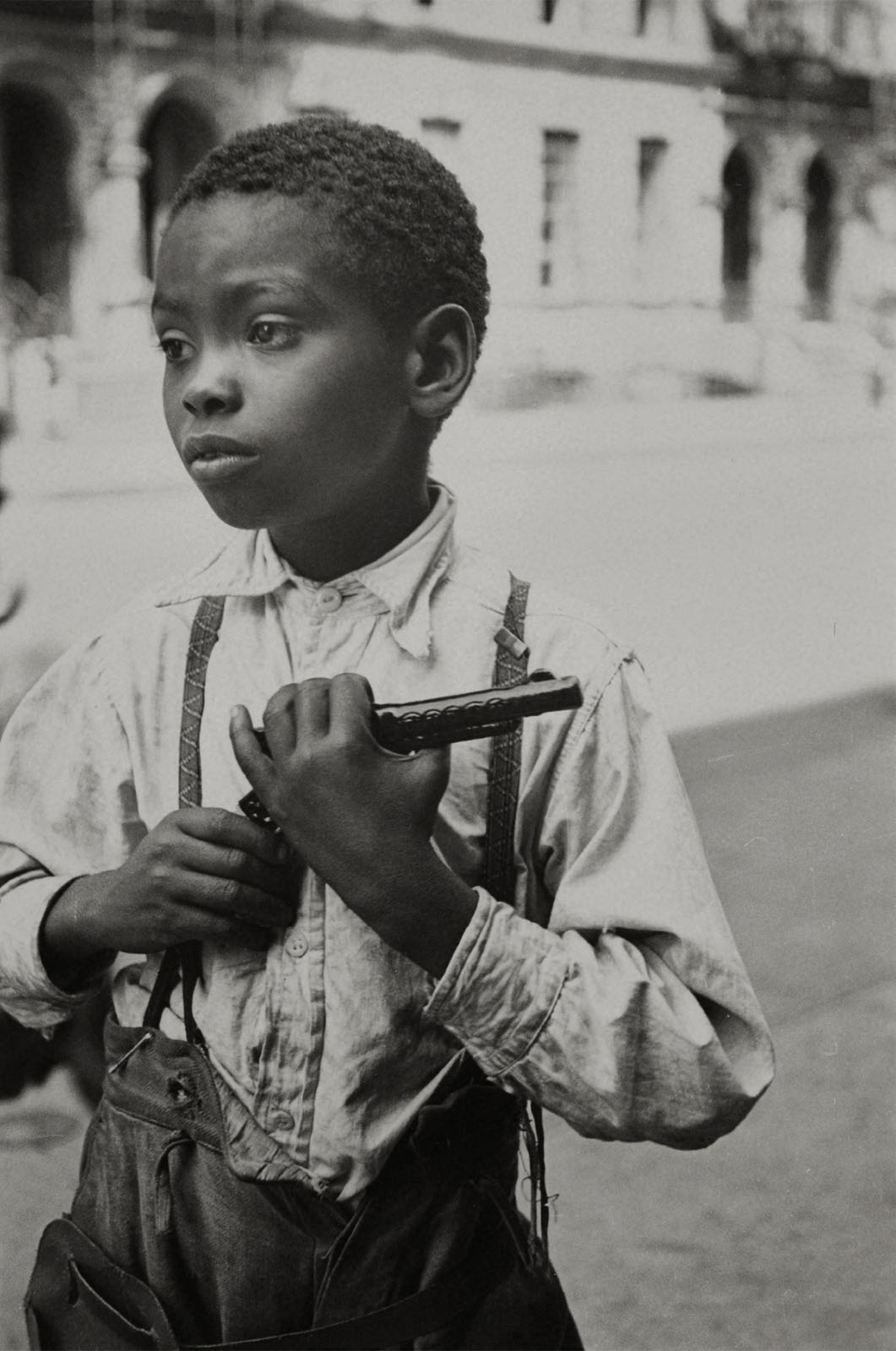

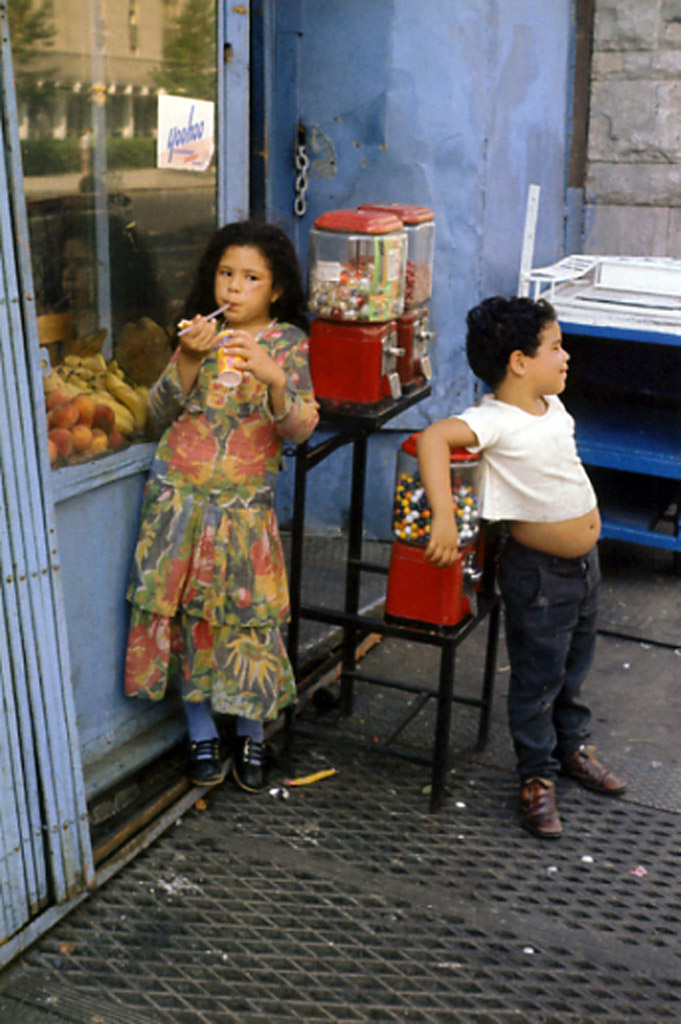
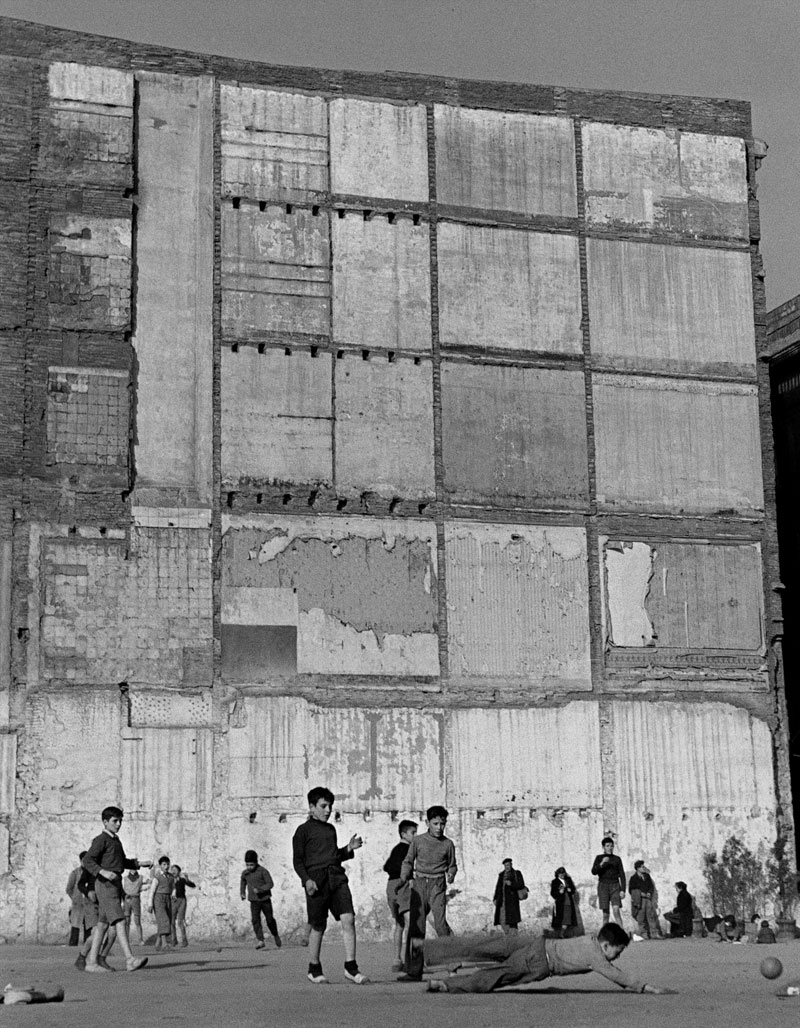

![Oscar Muñoz (Colombian, b. 1951) 'El juego de las probabilidades' [The Game of Probabilities] 2007 from the exhibition Exhibition: 'Oscar Muñoz: Protographies' at Jeu de Paume, Paris, June - September, 2014](https://artblart.com/wp-content/uploads/2014/09/el-juego-de-las-probabilidades-web.jpg "Oscar Muñoz (Colombian, b. 1951) 'El juego de las probabilidades' [The Game of Probabilities] 2007 from the exhibition Exhibition: 'Oscar Muñoz: Protographies' at Jeu de Paume, Paris, June - September, 2014")
![Oscar Muñoz (Colombian, b. 1951) 'Ambulatorio' [Ambulatory] 1994](https://artblart.com/wp-content/uploads/2014/09/ambulatorio-web.jpg "Oscar Muñoz (Colombian, b. 1951) 'Ambulatorio' [Ambulatory] 1994")
![Oscar Muñoz (Colombian, b. 1951) 'Cortinas de Baño' [Shower curtains] 1985-1986](https://artblart.com/wp-content/uploads/2014/09/cortinas-de-bac3b1o-web.jpg "Oscar Muñoz (Colombian, b. 1951) 'Cortinas de Baño' [Shower curtains] 1985-1986")
![Oscar Muñoz (Colombian, b. 1951) 'Narcisos (en proceso)' [Narcissi (in process)] 1995-2011](https://artblart.com/wp-content/uploads/2014/09/narcisos-web.jpg "Oscar Muñoz (Colombian, b. 1951) 'Narcisos (en proceso)' [Narcissi (in process)] 1995-2011")
![Oscar Muñoz (Colombian, b. 1951) 'Narciso' [Narcissus] 2001](https://artblart.com/wp-content/uploads/2014/09/narciso-web.jpg "Oscar Muñoz (Colombian, b. 1951) 'Narciso' [Narcissus] 2001")
![Oscar Muñoz (Colombian, b. 1951) 'Re/trato' [Portrait/I Try Again] 2004](https://artblart.com/wp-content/uploads/2014/09/re_trato-web.jpg "Oscar Muñoz (Colombian, b. 1951) 'Re/trato' [Portrait/I Try Again] 2004")
![Oscar Muñoz (Colombian, b. 1951) 'Aliento' [Breath] 1995](https://artblart.com/wp-content/uploads/2014/09/aliento-web.jpg "Oscar Muñoz (Colombian, b. 1951) 'Aliento' [Breath] 1995")
![Oscar Muñoz (Colombian, b. 1951) 'La mirada del cíclope' [The Cyclops' Gaze] 2002](https://artblart.com/wp-content/uploads/2014/09/la-mirada-del-cc3adclope-web.jpg "Oscar Muñoz (Colombian, b. 1951) 'La mirada del cíclope' [The Cyclops' Gaze] 2002")
![Oscar Muñoz (Colombian, b. 1951) 'Horizonte [Horizon]' 2011](https://artblart.com/wp-content/uploads/2014/09/horizonte-web.jpg "Oscar Muñoz (Colombian, b. 1951) 'Horizonte [Horizon]' 2011")
![Oscar Muñoz (Colombian, b. 1951) 'Fundido a blanco (dos retratos)' [Fade to White (Two Portraits)] 2010](https://artblart.com/wp-content/uploads/2014/09/fade-to-white-web.jpg "Oscar Muñoz (Colombian, b. 1951) 'Fundido a blanco (dos retratos)' [Fade to White (Two Portraits)] 2010")
![Oscar Muñoz (Colombian, b. 1951) 'Sedimentaciones' [Sedimentations] 2011](https://artblart.com/wp-content/uploads/2014/09/sedimentaciones-web.jpg "Oscar Muñoz (Colombian, b. 1951) 'Sedimentaciones' [Sedimentations] 2011")
![Oscar Muñoz (Colombian, b. 1951) 'Línea del destino' [Line of Destiny] 2006](https://artblart.com/wp-content/uploads/2014/09/lc3adnea-del-destino-web.jpg "Oscar Muñoz (Colombian, b. 1951) 'Línea del destino' [Line of Destiny] 2006")
![Oscar Muñoz (Colombian, b. 1951) 'Línea del destino' [Line of Destiny] 2006](https://artblart.com/wp-content/uploads/2014/09/lc3adnea-del-destino-b-web.jpg "Oscar Muñoz (Colombian, b. 1951) 'Línea del destino' [Line of Destiny] 2006")
![Oscar Muñoz (Colombian, b. 1951) 'Línea del destino' [Line of Destiny] 2006](https://artblart.com/wp-content/uploads/2014/09/lc3adnea-del-destino-c-web.jpg "Oscar Muñoz (Colombian, b. 1951) 'Línea del destino' [Line of Destiny] 2006")
![Oscar Muñoz (Colombian, b. 1951) 'Pixeles' [Pixels] 1999-2000](https://artblart.com/wp-content/uploads/2014/09/pixeles-web.jpg "Oscar Muñoz (Colombian, b. 1951) 'Pixeles' [Pixels] 1999-2000")


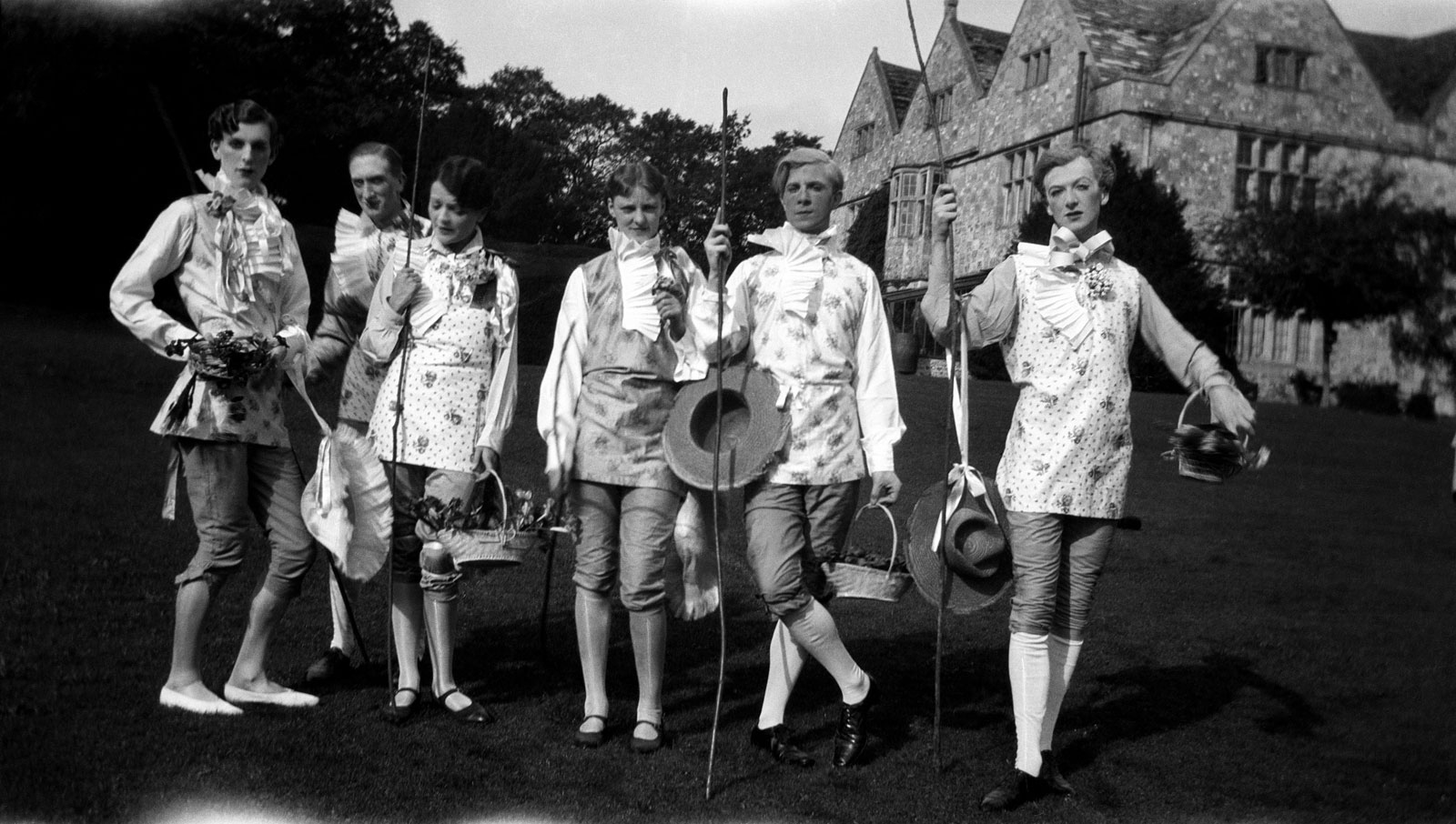




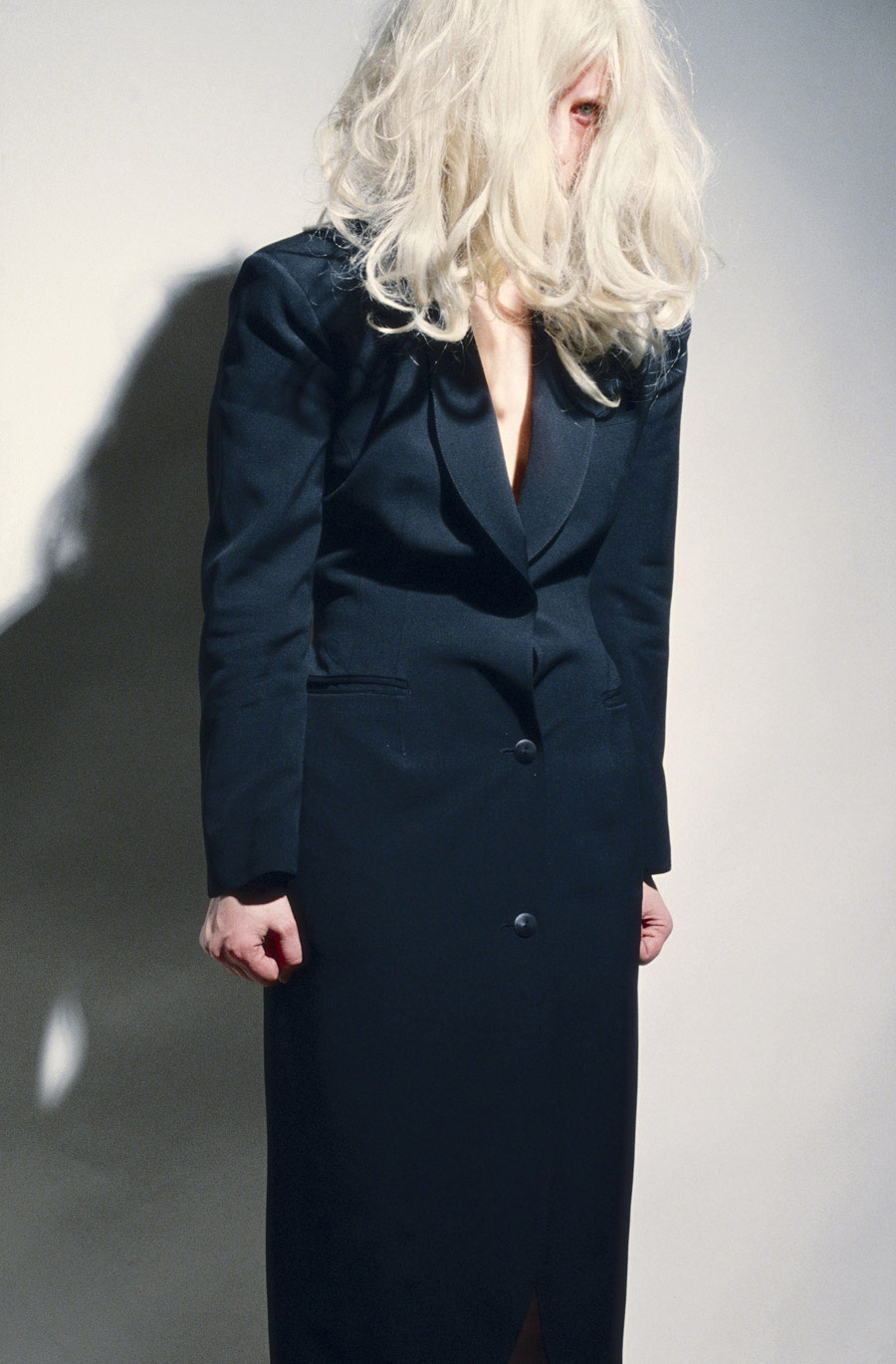


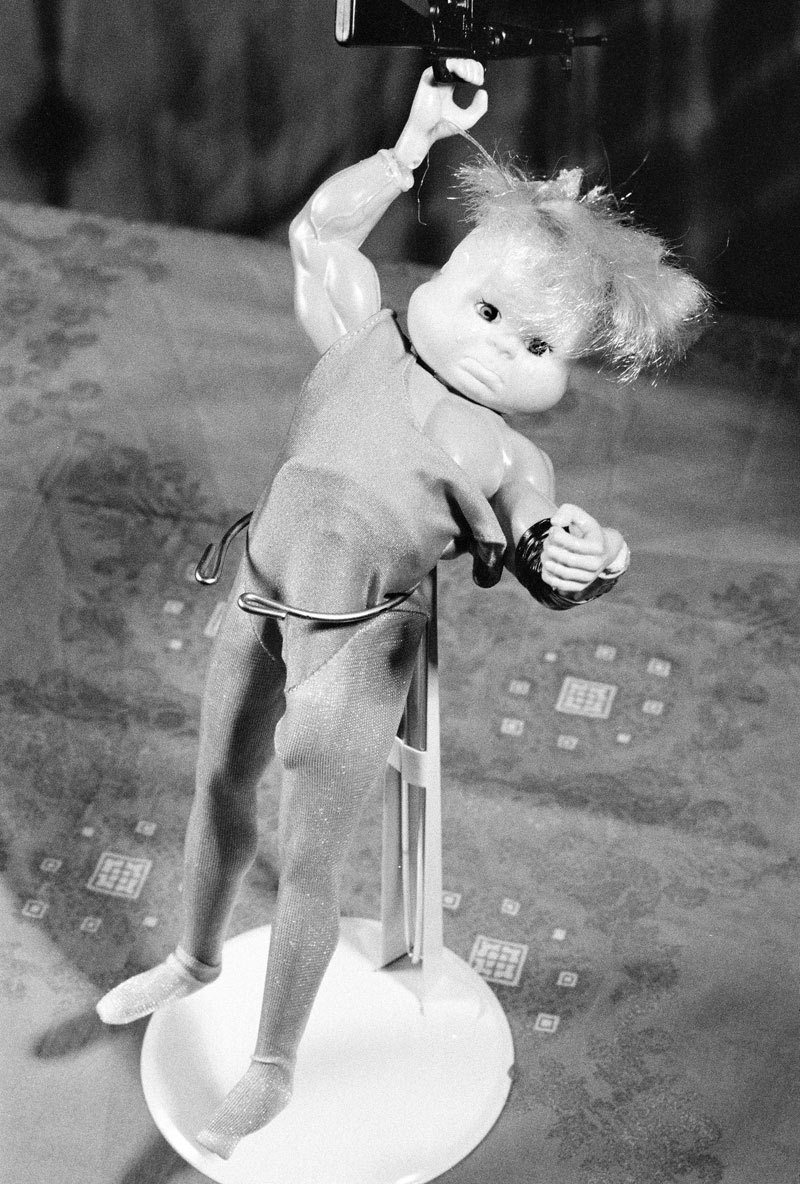


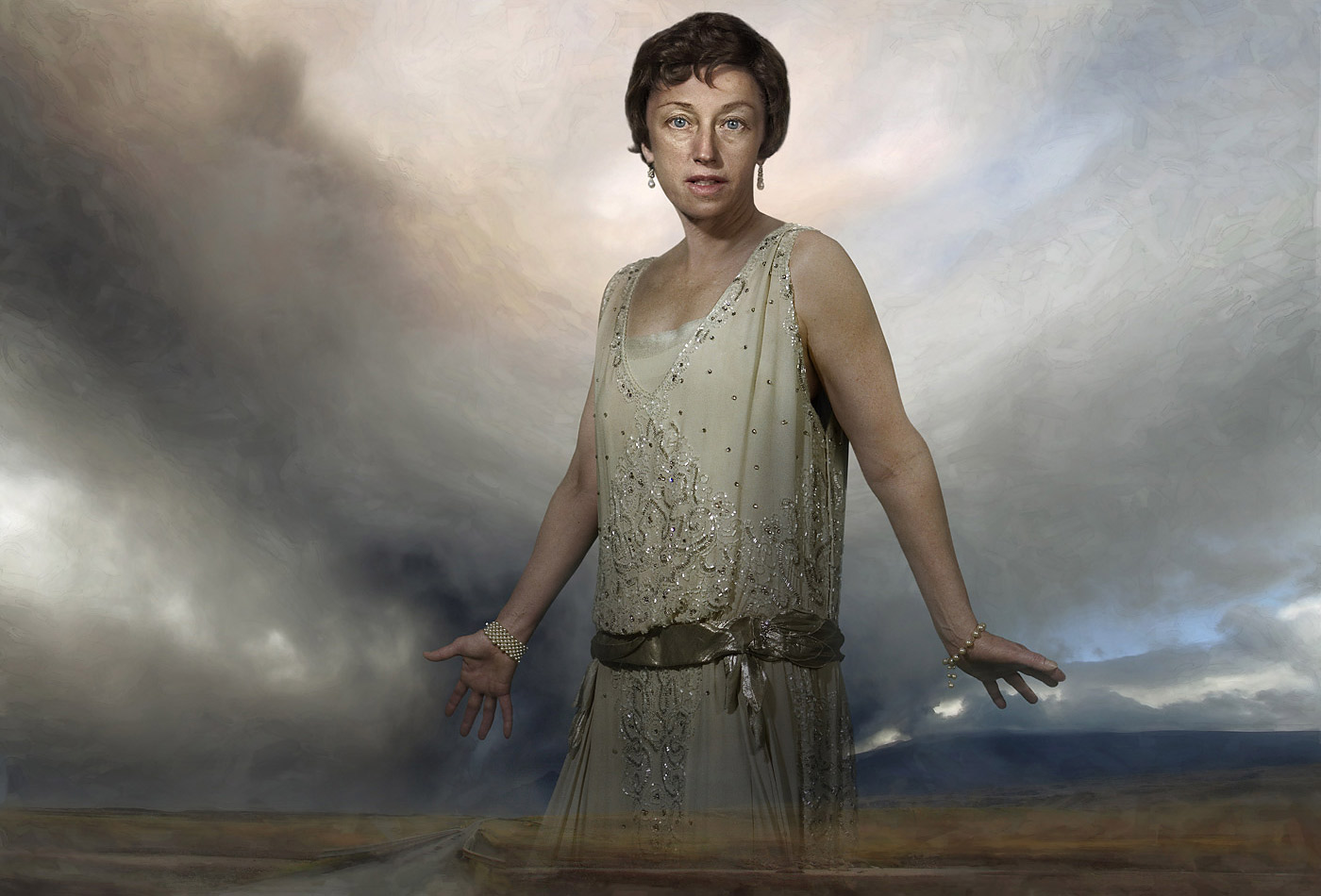

 Art Blart _ art and cultural memory archive
You must be logged in to post a comment.