I have been to so many clubs in my life I have lost count!
I started going to clubs in 1975 when I came out as a gay man – a year before disco hit, with Sylvester’s You Make Me Feel Mighty Real, the first (gay) superstar of disco. What a star he was. I danced on revolving turntables with lights underneath, just like in the movie Saturday Night Fever, dressed in my army gear for uniform night at Scandals nightclub in Soho, London. Adams club, in Leicester Square, was also a favourite gay nightclub haunt.
I remember dancing to a 17 minute extended version of Donna Summer’s MacArthur Park several times a night at the Pan Club in Luton; and going to Bang on Tottenham Court Road on a Monday and Thursday night to hear the latest releases from the USA. Heaven nightclub (still going), the largest gay nightclub in Europe at the time, was a particular favourite. All around the world, Ibiza, America, Amsterdam, Berlin, etc… I have partied, and still do, in clubs. Night fever for a night owl, one who loves do dance, loves music and life.
After disco came High NRG where we used to dance for hours on the dance floor at Heaven on pure adrenaline, only coming off the dance floor to have a drink of water. New romantics, punk, and soul, techno and trance (my favourite) followed. I am a recovering trance addict. So many memories, so many people, good times and tunes – Black Box, Gloria Gaynor, Barry White, David Bowie, Grace Jones, the list goes on and on.
While this posting shows the design of some amazing clubs, and some photographs of the people who inhabited them, what it cannot capture is the atmosphere of a place. The most important thing in any club are… the people; the music; the lighting; and the DJs.
Without all four working together it doesn’t matter how good the design of a club, it will fail. You can have the most minimal lighting but the most electric atmosphere if the vibe is there: a congress of like-minded people who love dance music, who commune together on the dance floor and in the club, all having a good time. The DJ’s orchestrate this secular celebration of spirit. They can take you up, bring you around, twist you inside out. The modern temple of love, light and healing. Party hard, party on.
Dr Marcus Bunyan
Many thankx to the Vitra Design Museum for allowing me to publish the photographs in the posting. Please click on the photographs for a larger version of the image.
The nightclub is one of the most important design spaces in contemporary culture. Since the 1960s, nightclubs have been epicentres of pop culture, distinct spaces of nocturnal leisure providing architects and designers all over the world with opportunities and inspiration. Night Fever. Designing Club Culture 1960 – Today offers the first large-scale examination of the relationship between club culture and design, from past to present. The exhibition presents nightclubs as spaces that merge architecture and interior design with sound, light, fashion, graphics, and visual effects to create a modern Gesamtkunstwerk. Examples range from Italian clubs of the 1960s created by the protagonists of Radical Design to the legendary Studio 54 where Andy Warhol was a regular, from the Haçienda in Manchester designed by Ben Kelly to more recent concepts by the OMA architecture studio for the Ministry of Sound in London. The exhibits on display range from films and vintage photographs to posters, flyers, and fashion, but also include contemporary works by photographers and artists such as Mark Leckey, Chen Wei, and Musa N. Nxumalo. A spatial installation with music and light effects takes visitors on a fascinating journey through a world of glamour and subcultures – always in search of the night that never ends.
Night Fever opens with the 1960s, exploring the emergence of nightclubs as spaces for experimentation with interior design, new media, and alternative lifestyles. The Electric Circus (1967) in New York, for example, was designed as a countercultural venue by architect Charles Forberg while renowned graphic designers Chermayeff & Geismar created its distinctive logo and font. Its multidisciplinary approach influenced many clubs in Europe, including Space Electronic (1969) in Florence. Designed by the collective Gruppo 9999, this was one of several nightclubs associated with Italy’s Radical Design avant-garde. The same goes for Piper in Turin (1966), a club designed by Giorgio Ceretti, Pietro Derossi, and Riccardo Rosso as a multifunctional space with a modular interior suitable for concerts, happenings, and experimental theatre as well as dancing. Gruppo UFO’s Bamba Issa (1969), a beach club in Forte dei Marmi, was another highly histrionic venue, its themed interior completely overhauled for every summer of its three years of existence.
With the rise of disco in the 1970s, club culture gained a new momentum. Dance music developed into a genre of its own and the dance floor emerged as a stage for individual and collective performance, with fashion designers such as Halston and Stephen Burrows providing the perfect outfits to perform and shine. New York’s Studio 54, founded by Ian Schrager and Steve Rubell in 1977 and designed by Scott Bromley and Ron Doud, soon became a celebrity favourite. Only two years later, the movie Saturday Night Fever marked the apex of Disco’s commercialisation, which in turn sparked a backlash with homophobic and racist overtones that peaked at the Disco Demolition Night staged at a baseball stadium in Chicago.
Around the same time, places in New York’s thriving nightlife like the Mudd Club (1978) and Area (1983) offered artists new spaces to merge the club scene and the arts and launched the careers of artists like Keith Haring and Jean-Michel Basquiat. In early 1980s London, meanwhile, clubs like Blitz and Taboo brought forth the New Romantic music and fashion movement, with wild child Vivienne Westwood a frequent guest at Michael and Gerlinde Costiff’s Kinky Gerlinky club night. But it was in Manchester that architect and designer Ben Kelly created the post-industrial cathedral of rave, The Haçienda (1982), from where Acid House conquered the UK. House and Techno were arguably the last great dance music movements to define a generation of clubs and ravers. They reached Berlin in the early 1990s just after the fall of the wall, when disused and derelict spaces became available for clubs like Tresor (1991); more than a decade later, the notorious Berghain (2004) was established in a former heating plant, demonstrating yet again how a vibrant club scene can flourish in the cracks of the urban fabric, on empty lots and in vacant buildings.
Developments have become ever more complex since the early 2000s. On the one hand, club culture is thriving and evolving as it is adopted by global brands and music festivals; on the other, many nightclubs have been pushed out of the city or survive merely as sad historical monuments and modern ruins of a hedonistic past. At the same time, a new generation of architects is addressing the nightclub typology. The architectural firm OMA, founded by Rem Koolhaas, has developed a proposal for a twenty-first-century Ministry of Sound II for London, while Detroit-based designers Akoaki have created a mobile DJ booth called The Mothership to promote their hometown’s rich club heritage.
Based on extensive research and featuring many exhibits never before displayed in a museum, Night Fever brings together a wide range of material, from furniture to graphic design, architectural models to art, film and photography to fashion. The exhibition takes visitors through a fascinating nocturnal world that provides a vital contrast to the rules and routines of our everyday life.
While the exhibition basically follows a chronological concept, a music and light installation created specially by exhibition designer Konstantin Grcic and lighting designer Matthias Singer offers visitors the opportunity to experience all the many facets of nightclub design, from visual effects to sounds and sensations. A display of record covers, ranging from Peter Saville’s designs for Factory Records to Grace Jones’s album cover Nightclubbing, underlines the significant relationship between music and design in club culture. The multidisciplinary exhibition reveals the nightclub as much more than a dance bar or a music venue; it is an immersive environment for intense experiences.
Represented artists, designers and architects (extract): François Dallegret, Gruppo 9999, Halston, Keith Haring, Arata Isozaki, Grace Jones, Ben Kelly, Bernard Khoury, Miu Miu, OMA (Office for Metropolitan Architecture), Peter Saville, Studio65, Roger Tallon, Walter Van Beirendonck, Andy Warhol
Represented clubs (extract): The Electric Circus, New York, 1967 Space Electronic, Florenz, 1969 Il Grifoncino, Bolzano, 1969 Studio 54, New York, 1977 Paradise Garage, New York, 1977 Le Palace, Paris, 1978 The Saint, New York, 1980 The Haçienda, Manchester, 1982 Area, New York, 1983 Palladium, New York, 1985 Tresor, Berlin, 1991 B018, Beirut, 1998 Berghain, Berlin, 2004
Hermann Kummler (compiler) (Swiss, 1863-1949) (Portrait of Indigenous Brazilian tradeswoman) 1861-1862 From Ethnographic portraits of indigenous women of Pernambuco and Bahia Salt paper print, hand-painted
Art Blart has been mining a rich vein of (anti-)colonial art and photography over the past few months, and the next two posts continue this trend.
Tonight we have Ethnographic portraits of Indigenous women of Pernambuco and Bahia (Brazil, 1861-1862) by unknown local photographers, collected and compiled by the Swiss photographer Hermann Kummler in 1888-1891 into an album. These were vintage prints when he purchased them and already had significant historical interest.
Thus, we have unknown sitters photographed by unknown photographers, removed from their original context(s) – the family, business or photographers album perhaps – to be annotated in a foreign hand, the machinations of (colonial, male) power evidenced through the gaze of the camera. And text. Mulatto; Mestizo; Negress.
The underprivileged of society being punished in their men/iality: servile; submissive: menial attitudes; pertaining to or suitable for domestic servants. Mistress punishing a native child. Teacher with a schoolgirl in Bahia in one picture, becomes Native Brazilian lady-in-waiting and young child attend to a veiled aristocrat in another (note the same background curtain).
None of the sitters look happy. Most scowl at the camera, unsmiling at their lot, probably being forced to have their photograph taken. The hand-coloured photographs are even more absurd, the lurid colours creating caricatures of human beings, cut out figures with all semblance of humanity removed. Rather than reinforcing “the sense of individual style associated with these remarkable figures”, the photographs become pure representation of figurative form. The camera enacts the shaping of disputed, contested identities into a particular figure, a particular palatable form.
Why it is valuable to show these photographs is that we must be ever vigilant in understanding the networks of power, dispossession and enslavement that patriarchal societies use to marginalise the poor, the weak, the different for their gain. For it is men that are looking.
“The category of “masculinity” should be seen as always ambivalent, always complicated, always dependent on the exigencies (necessary conditions and requirements) of personal and institutional power … [masculinity is] an interplay of emotional and intellectual factors – an interplay that directly implicates women as well as men, and is mediated by other social factors, including race, sexuality, nationality, and class … Far from being just about men, the idea of masculinity engages, inflects, and shapes everyone.”1
Dr Marcus Bunyan
PS. “two of the Indigenous women (one of whom wears a cross), simply pose in the studio” – they are not in a studio, a curtain has been drawn over a back wall.
1/ Berger, Maurice; Wallis, Brian and Watson, Simon. Constructing Masculinity. Introduction. New York: Routledge, 1995, pp. 3-7.
These digitally cleaned photographs are published under “fair use” for the purposes of academic research and critical commentary. Please click on the photographs for a larger version of the image.
Overview
Group of 19 ethnographic portraits of Indigenous women of Pernambuco and Bahia that were compiled by the Swiss photographer Hermann (Ermano) Kummler (1863-1949). With subjects of Indian and mixed-race descent, including vendors, wet nurses, maids, mothers and children, and merchants, including a mistress punishing a native child. Salted paper prints with trimmed corners, the images measuring 7 x 3 3/8 to 7 1/4 x 4 1/2 inches (17.8 x 8.4 to 18.4 x 11.4 cm).
7 are hand-coloured with gouache; the original mounts, 9 bright blue or green, 6 double mounted, measuring 9 1/4 x 7 to 8 1/4 x 11 1/4 inches (24.1 x 17.8 to 21 x 29.8 cm), most with Kummler’s caption notations, in ink, and each with his red hand stamp on prints (one) or mounts recto. 1861-1862
Kummler was a Swiss photographer who accompanied Als Kaufmann to Brazil, where they traveled extensively from 1888-91. Kummler apparently purchased vintage prints by local photographers (which he stamped and annotated), and eventually set up his own commercial studio in the town of Aarau. During the three year period he was in Brazil with Kaufmann, Kummler apparently made more than 130 photographs. Their journey was the subject of a monograph entitled Als Kaufmann in Pernambuco, Ein Reisebericht mit Bildern aus Brasiilien von Hermann Kummler (Als Kaufmann in Pernambuco 1888-1891. A travelogue with pictures from Brazil by Hermann Kummler), copiously illustrated with his images.
Tradeswomen are depicted with a teapot on a table, a comb, a basket laden with bottles or wares carefully balanced on their heads; maids hold embroidered cloth and a wet nurse is shown with an infant. A native lady-in-waiting (and a young child) attend to a gorgeously dressed aristocrat, who wears a long veil. The hand-coloured prints reinforce the sense of individual style associated with these remarkable figures; two of the Indigenous women (one of whom wears a cross), simply pose in the studio with trade womens objects.
Text from an auction house website
Pernambuco and Bahia
Pernambuco is a state of Brazil, located in the Northeast region of the country. Bahia is one of the 26 states of Brazil and is located in the Northeastern part of the country on the Atlantic coast.
Charles Darwin visited Bahia in 1832 on his famous voyage on the Beagle. In 1835, Bahia was the site of an urban slave revolt, particularly notable as the only predominately-Muslim slave rebellion in the history of the Americas. Under the Empire, Bahia returned 14 deputies to the general assembly and 7 senators; its own provincial assembly consisted of 36 members. In the 19th century, cotton, coffee, and tobacco plantations joined those for sugarcane and the discovery of diamonds in 1844 led to large influx of “washers” (garimpeiros = an independent prospector for minerals) until the still-larger deposits in South Africa came to light.
Hermann Kummler (compiler) (Swiss, 1863-1949) Mullatin (Portrait of a Indigenous Brazilian woman wearing a cross) 1861-1862 From Ethnographic portraits of indigenous women of Pernambuco and Bahia Salt paper print, hand-painted
Mulatto
Mulatto is a term used to refer to people born of one white parent and one black parent or to people born of a mulatto parent or parents. In English, the term is today generally confined to historical contexts. English speakers of mixed white and black ancestry seldom choose to identify themselves as “mulatto.” …
Mulattoes represent a significant part of the population of various Latin American and Caribbean countries: Brazil (49.1% mixed-race, Gypsy and Black, Mulattoes (20.5%), Mestiços, Mamelucos or Caboclos (21.3%), Blacks (7.1%) and Eurasian (0.2%).
In colonial Latin America, mulato could also refer to an individual of mixed African and Native American ancestry. In the 21st century, persons with indigenous and black African ancestry in Latin America are more frequently called zambos in Spanish or cafuzo in Portuguese.
According to the IBGE 2000 census, 38.5% of Brazilians identified as pardo, i.e. of mixed ancestry. This figure includes mulatto and other multiracial people, such as people who have European and Amerindian ancestry (called caboclos), as well as assimilated, westernised Amerindians, and mestizos with some Asian ancestry. A majority of mixed-race Brazilians have all three ancestries: Amerindian, European, and African. According to the Brazilian Institute of Geography and Statistics census 2006, some 42.6% of Brazilian identify as pardo, an increase over the 2000 census.
Hermann Kummler (compiler) (Swiss, 1863-1949) Mestize (Portrait of a Brazilian woman) 1861-1862 From Ethnographic portraits of indigenous women of Pernambuco and Bahia Salt paper print, hand-painted
Mestizo: (in Latin America) a person of mixed race, especially one having Spanish and American Indian parentage.
Mixed-race Brazilian
Brazilian censuses do not use a “multiracial” category. Instead, the censuses use skin colour categories. Most Brazilians of visibly mixed racial origins self-identify as pardos. However, many white Brazilians have distant non-white ancestry, while the group known as pardos likely contains non-mixed acculturated Amerindians. According to the 2010 census, “pardos” make up 82.277 million people, or 43.13% of Brazil’s population. …
History
Before the arrival of the Portuguese in 1500, Brazil was inhabited by nearly five million Amerindians. The Portuguese colonisation of Brazil started in the sixteenth century. In the first two centuries of colonisation, 100,000 Portuguese arrived in Brazil (around 500 colonists per year). In the eighteenth century, 600,000 Portuguese arrived (6,000 per year). Another race, Blacks, were brought from Africa as slaves, starting around 1550. Many came from Guinea, or from West African countries – by the end of the eighteenth century many had been taken from Congo, Angola and Mozambique (or, in Bahia, from Benin). By the time of the end of the slave trade in 1850, around 3.5 million slaves had been brought to Brazil – 37% of all slave traffic between Africa and the Americas.
In the late nineteenth and early twentieth centuries, a considerable influx of mainly European immigrants arrived in Brazil. According to the Memorial do Imigrante, Brazil attracted nearly 5 million immigrants between 1870 and 1953. Most of the immigrants were from Italy or Portugal, but also significant numbers of Germans, Spaniards, Japanese and Syrian-Lebanese.
The Portuguese settlers were the ones to start the intensive race-mixing process in Brazil. Miscegenation in Brazil… was not a pacific process as some used to believe: it was a form of domination from the Portuguese against the Native Brazilian and African populations. …
White/Amerindian
Most of the first colonists from Portugal who arrived in Brazil were singles or did not bring their wives. For that reason the first interracial marriages in Brazil occurred between Portuguese males and Amerindian females.
In Brazil, people of White/Indian ancestry are historically known as caboclos or mamelucos. They predominated in many regions of Brazil. One example are the Bandeirantes (Brazilian colonial scouts who took part in the Bandeiras, exploration expeditions) who operated out of São Paulo, home base for the most famous bandeirantes.
Indians, mostly free men and mamelucos, predominated in the society of São Paulo in the 16th and early 17th centuries and outnumbered Europeans. The influential families generally bore some Indian blood and provided most of the leaders of the bandeiras, with a few notable exceptions such as Antonio Raposo Tavares (1598-1658), who was European born.
White/Black
According to some historians, Portuguese settlers in Brazil used to prefer to marry Portuguese-born females. If not possible, the second option were Brazilian-born females of recent Portuguese background. The third option were Brazilian-born women of distant Portuguese ancestry. However, the number of White females in Brazil was very low during the Colonial period, causing a large number of interracial relationships in the country.
White/Black relationships in Brazil started as early as the first Africans were brought as slaves in 1550 where many Portuguese men starting marrying black women. The Mulattoes (people of White/Black ancestry) were also enslaved, though some children of rich aristocrats and owners of gold mines were educated and became important people in Colonial Brazil. Probably, the most famous case was Chica da Silva, a mixed-race Brazilian slave who married a rich gold mine owner and became one of the richest people in Brazil.
Other mulattoes largely contributed to Brazil’s culture: Aleijadinho (sculptor and architect), Machado de Assis (writer), Lima Barreto (writer), Chiquinha Gonzaga (composer), etc. In 1835, Blacks would have made up the majority of Brazil’s population, according to a more recent estimate quoted by Thomas Skidmore. In 1872, their number was shown to be much smaller according to the census of that time, outnumbered by pardos and Whites. …
Black/Amerindian
People of Black African and Native Brazilian ancestry are known as Cafuzos and are historically the less numerous group. Most of them have origin in black women who escaped slavery and were welcomed by indigenous communities, where started families with local amerindian men.
Modesto Brocos (Brazilian born Spain, 1853-1936) A Redenção de Cam (Ham’s Redemption) 1895 Oil on canvas 199cm (78.3 in) x 166cm (65.3 in) Public domain / Museu Nacional de Belas Artes
The painting shows a Brazilian family each generation becoming “whiter” (black grandmother, mulatto mother and white baby).
Hermann Kummler (compiler) (Swiss, 1863-1949) (Portrait of Indigenous Brazilian tradeswoman) 1861-1862 From Ethnographic portraits of indigenous women of Pernambuco and Bahia Salt paper print, hand-painted
Hermann Kummler (compiler) (Swiss, 1863-1949) (Portrait of Indigenous Brazilian tradeswoman) 1861-1862 From Ethnographic portraits of indigenous women of Pernambuco and Bahia Salt paper print, hand-painted
Hermann Kummler (compiler) (Swiss, 1863-1949) (Portrait of a maid holding an embroidered cloth) 1861-1862 From Ethnographic portraits of indigenous women of Pernambuco and Bahia Salt paper print, hand-painted
Hermann Kummler (compiler) (Swiss, 1863-1949) (Portrait of wet nurse with infant) 1861-1862 From Ethnographic portraits of indigenous women of Pernambuco and Bahia Salt paper print, hand-painted
Indigenous peoples in Brazil
Indigenous peoples in Brazil (Portuguese: povos indígenas no Brasil), or Indigenous Brazilians (Portuguese: indígenas brasileiros), comprise a large number of distinct ethnic groups who have inhabited what is now the country of Brazil since prior to the European contact around 1500. Unlike Christopher Columbus, who thought he had reached the East Indies, the Portuguese, most notably Vasco da Gama, had already reached India via the Indian Ocean route when they reached Brazil.
Nevertheless, the word índios (“Indians”) was by then established to designate the people of the New World and continues to be used today in the Portuguese language to designate these people, while a person from India is called indiano in order to distinguish the two.
At the time of European contact, some of the indigenous people were traditionally mostly semi-nomadic tribes who subsisted on hunting, fishing, gathering, and migrant agriculture. Many of the estimated 2,000 nations and tribes which existed in the 16th century suffered extinction as a consequence of the European settlement, and many were assimilated into the Brazilian population.
The indigenous population was largely killed by European diseases, declining from a pre-Columbian high of millions to some 300,000 (1997), grouped into 200 tribes. However, the number could be much higher if the urban indigenous populations are counted in all the Brazilian cities today. A somewhat dated linguistic survey found 188 living indigenous languages with 155,000 total speakers.
The rubber trade
The 1840s brought trade and wealth to the Amazon. The process for vulcanising rubber was developed, and worldwide demand for the product skyrocketed. The best rubber trees in the world grew in the Amazon, and thousands of rubber tappers began to work the plantations. When the Indians proved to be a difficult labor force, peasants from surrounding areas were brought into the region. In a dynamic that continues to this day, the indigenous population was at constant odds with the peasants, who the Indians felt had invaded their lands in search of treasure.
Urban Rights Movement
The urban rights movement is a recent development in the rights of indigenous peoples. Brazil has one of the highest income inequalities in the world, and much of that population includes indigenous tribes migrating toward urban areas both by choice and by displacement. Beyond the urban rights movement, studies have shown that the suicide risk among the indigenous population is 8.1 times higher than the non-indigenous population.
Many indigenous rights movements have been created through the meeting of many indigenous tribes in urban areas. For example, in Barcelos, an indigenous rights movement arose because of “local migratory circulation.” This is how many alliances form to create a stronger network for mobilisation. Indigenous populations also living in urban areas have struggles regarding work. They are pressured into doing cheap labor. Programs like Oxfam have been used to help indigenous people gain partnerships to begin grassroots movements. Some of their projects overlap with environmental activism as well.
Many Brazilian youths are mobilising through the increased social contact, since some indigenous tribes stay isolated while others adapt to the change. Access to education also affects these youths, and therefore, more groups are mobilising to fight for indigenous rights.
Hermann Kummler (compiler) (Swiss, 1863-1949) (Portrait of Indigenous Brazilian tradeswoman) 1861-1862 From Ethnographic portraits of indigenous women of Pernambuco and Bahia Salt paper print
Hermann Kummler (compiler) (Swiss, 1863-1949) (Kellnerinnen im Grand Hotel / Waitresses in Grand Hotel) 1861-1862 From Ethnographic portraits of indigenous women of Pernambuco and Bahia Salt paper print
Hermann Kummler (compiler) (Swiss, 1863-1949) (Lehrerin mit Schülerin im Bahia / Teacher with a schoolgirl in Bahia) 1861-1862 From Ethnographic portraits of indigenous women of Pernambuco and Bahia Salt paper print
Hermann Kummler (compiler) (Swiss, 1863-1949) (Native Brazilian lady-in-waiting and young child attend to a veiled aristocrat) 1861-1862 From Ethnographic portraits of indigenous women of Pernambuco and Bahia Salt paper print
Hermann Kummler (compiler) (Swiss, 1863-1949) (Negerin mit dem Knaben in schlechter Stimmung / Negress with a boy in a bad mood) 1861-1862 From Ethnographic portraits of indigenous women of Pernambuco and Bahia Salt paper print
Hermann Kummler (compiler) (Swiss, 1863-1949) (Portrait of Brazilian woman servant and child) 1861-1862 From Ethnographic portraits of indigenous women of Pernambuco and Bahia Salt paper print
Hermann Kummler (compiler) (Swiss, 1863-1949) (Portrait of a young Brazilian woman) 1861-1862 From Ethnographic portraits of indigenous women of Pernambuco and Bahia Salt paper print
Hermann Kummler (compiler) (Swiss, 1863-1949) (Portrait of a Brazilian woman) 1861-1862 From Ethnographic portraits of indigenous women of Pernambuco and Bahia Salt paper print
Hermann Kummler (compiler) (Swiss, 1863-1949) (Portrait of a Brazilian woman) 1861-1862 From Ethnographic portraits of indigenous women of Pernambuco and Bahia Salt paper print
Hermann Kummler (compiler) (Swiss, 1863-1949) (Portrait of a Brazilian woman with two children) 1861-1862 From Ethnographic portraits of indigenous women of Pernambuco and Bahia Salt paper print
Hermann Kummler (compiler) (Swiss, 1863-1949) (Portrait of a Brazilian mother and child) 1861-1862 From Ethnographic portraits of indigenous women of Pernambuco and Bahia Salt paper print
Hermann Kummler (compiler) (Swiss, 1863-1949) (Mistress punishing a native child) 1861-1862 From Ethnographic portraits of indigenous women of Pernambuco and Bahia Salt paper print
Marcus Bunyan (Australian, b. 1958) Parc de Sceaux 2018 From the series Paris in film Digital photograph
Paris in film
These photographs were taken on a trip to Paris in 2017 using my Mamiya twin-lens C220 medium format camera shot on Kodak Ektra 100 colour negative film.
It was strange taking these photographs over numerous, adventurous, energised days in Paris. Different from the yet to be sorted 4,000+ digital photographs I took, the act of taking these photographs allowed me to fully concentrate, to immerse myself in the environment, to loose myself in the process – with a commensurate dropping away of ego. I just was in the moment, “in the zone” as athletes would say.
They are reasonable scans of the negatives, full frame, no cropping, and I have colour corrected as best I can, noting that all digital images look different from computer monitor to monitor – one of the perennial hazards of looking at work online. They have not been sequenced at the moment.
The photographs seem to hang well together as a body of work.
Through their clear visualisation, the photographs speak directly to the viewer.
Please click on the photographs for a larger version of the image.
Photographs are available from this series for purchase. As a guide, a digital colour 16″ x 20″ costs $1000 plus tracked and insured shipping. For more information please see my Store web page.
“The great goal that we must all pursue is to kill off the great evil that eats away at us: egotism.”
“Sometimes I think I love nature just as much, if not more, for not being capable of translation into words… No words can describe some things. The more one says the less one sees. You see… nature is like love, it’s in the heart and you must not talk about it too much. You diminish what you try to describe. As for myself, I have no idea of my own nature when I act unselfconsciously. I only see what there is between the sky and myself. I have no part in it all. If I think of you, in my odd way I am you and I cease to exist.”
George Sand
Marcus Bunyan (Australian, b. 1958) Parc de Sceaux 2018 From the series Paris in film Digital photograph
Marcus Bunyan (Australian, b. 1958) Parc de Sceaux 2018 From the series Paris in film Digital photograph
Marcus Bunyan (Australian, b. 1958) Parc de Sceaux 2018 From the series Paris in film Digital photograph
Marcus Bunyan (Australian, b. 1958) Parc de Sceaux 2018 From the series Paris in film Digital photograph
Marcus Bunyan (Australian, b. 1958) Parc de Sceaux 2018 From the series Paris in film Digital photograph
Marcus Bunyan (Australian, b. 1958) Parc de Sceaux 2018 From the series Paris in film Digital photograph
Marcus Bunyan (Australian, b. 1958) Parc de Sceaux 2018 From the series Paris in film Digital photograph
Marcus Bunyan (Australian, b. 1958) Parc de Sceaux 2018 From the series Paris in film Digital photograph
Marcus Bunyan (Australian, b. 1958) Parc de Sceaux 2018 From the series Paris in film Digital photograph
Marcus Bunyan (Australian, b. 1958) Parc de Sceaux 2018 From the series Paris in film Digital photograph
Marcus Bunyan (Australian, b. 1958) Parc de Sceaux 2018 From the series Paris in film Digital photograph
Marcus Bunyan (Australian, b. 1958) Parc de Sceaux 2018 From the series Paris in film Digital photograph
Marcus Bunyan (Australian, b. 1958) Parc de Sceaux 2018 From the series Paris in film Digital photograph
Marcus Bunyan (Australian, b. 1958) Parc de Sceaux 2018 From the series Paris in film Digital photograph
Marcus Bunyan (Australian, b. 1958) Parc de Sceaux 2018 From the series Paris in film Digital photograph
Marcus Bunyan (Australian, b. 1958) Parc de Sceaux 2018 From the series Paris in film Digital photograph
Marcus Bunyan (Australian, b. 1958) Parc de Sceaux 2018 From the series Paris in film Digital photograph
Marcus Bunyan (Australian, b. 1958) Parc de Sceaux 2018 From the series Paris in film Digital photograph
Marcus Bunyan (Australian, b. 1958) Fontainebleau 2018 From the series Paris in film Digital photograph
Marcus Bunyan (Australian, b. 1958) Fontainebleau 2018 From the series Paris in film Digital photograph
Marcus Bunyan (Australian, b. 1958) Animaux Nuisibles 2018 From the series Paris in film Digital photograph
Marcus Bunyan (Australian, b. 1958) Animaux Nuisibles 2018 From the series Paris in film Digital photograph
Marcus Bunyan (Australian, b. 1958) Animaux Nuisibles 2018 From the series Paris in film Digital photograph
Marcus Bunyan (Australian, b. 1958) Rats Surmulots Captures aux Halles vers 1925 2018 From the series Paris in film Digital photograph
Marcus Bunyan (Australian, b. 1958) Saint-Eustache Church 2018 From the series Paris in film Digital photograph
Marcus Bunyan (Australian, b. 1958) Saint-Eustache Church 2018 From the series Paris in film Digital photograph
Marcus Bunyan (Australian, b. 1958) Saint-Eustache Church 2018 From the series Paris in film Digital photograph
Marcus Bunyan (Australian, b. 1958) Saint-Eustache Church 2018 From the series Paris in film Digital photograph
Marcus Bunyan (Australian, b. 1958) Saint-Eustache Church 2018 From the series Paris in film Digital photograph
Marcus Bunyan (Australian, b. 1958) Saint-Eustache Church 2018 From the series Paris in film Digital photograph
Marcus Bunyan (Australian, b. 1958) Saint-Eustache Church 2018 From the series Paris in film Digital photograph
Marcus Bunyan (Australian, b. 1958) Dying light, Keith Haring in Saint-Eustache Church 2018 From the series Paris in film Digital photograph
Marcus Bunyan (Australian, b. 1958) Fontainebleau 2018 From the series Paris in film Digital photograph
Paris in film
These photographs were taken on a trip to Paris in 2017 using my Mamiya twin-lens C220 medium format camera shot on Kodak Ektra 100 colour negative film.
They are reasonable scans of the negatives, full frame, no cropping, and I have colour corrected as best I can, noting that all digital images look different from computer monitor to monitor – one of the perennial hazards of looking at work online. They have not been sequenced at the moment.
The photographs seem to hang well together as a body of work.
Through their clear visualisation, the photographs speak directly to the viewer.
Please click on the photographs for a larger version of the image.
Photographs are available from this series for purchase. As a guide, a digital colour 16″ x 20″ costs $1000 plus tracked and insured shipping. For more information please see my Store web page.
Marcus Bunyan (Australian, b. 1958) Fontainebleau 2018 From the series Paris in film Digital photograph
Marcus Bunyan (Australian, b. 1958) Fontainebleau 2018 From the series Paris in film Digital photograph
Marcus Bunyan (Australian, b. 1958) Fontainebleau 2018 From the series Paris in film Digital photograph
Marcus Bunyan (Australian, b. 1958) Fontainebleau 2018 From the series Paris in film Digital photograph
Marcus Bunyan (Australian, b. 1958) Fontainebleau 2018 From the series Paris in film Digital photograph
Marcus Bunyan (Australian, b. 1958) Cimetière du Père Lachaise 2018 From the series Paris in film Digital photograph
Marcus Bunyan (Australian, b. 1958) Cimetière du Père Lachaise 2018 From the series Paris in film Digital photograph
Marcus Bunyan (Australian, b. 1958) Cimetière du Père Lachaise 2018 From the series Paris in film Digital photograph
Marcus Bunyan (Australian, b. 1958) Cimetière du Père Lachaise 2018 From the series Paris in film Digital photograph
Marcus Bunyan (Australian, b. 1958) Cimetière du Père Lachaise 2018 From the series Paris in film Digital photograph
Marcus Bunyan (Australian, b. 1958) Cimetière du Père Lachaise 2018 From the series Paris in film Digital photograph
Marcus Bunyan (Australian, b. 1958) Cimetière du Père Lachaise 2018 From the series Paris in film Digital photograph
Marcus Bunyan (Australian, b. 1958) Parc de Sceaux 2018 From the series Paris in film Digital photograph
Marcus Bunyan (Australian, b. 1958) Parc de Sceaux 2018 From the series Paris in film Digital photograph
Marcus Bunyan (Australian, b. 1958) Parc de Sceaux 2018 From the series Paris in film Digital photograph
Marcus Bunyan (Australian, b. 1958) Parc de Sceaux 2018 From the series Paris in film Digital photograph
Marcus Bunyan (Australian, b. 1958) Parc de Sceaux 2018 From the series Paris in film Digital photograph
Marcus Bunyan (Australian, b. 1958) Parc de Sceaux 2018 From the series Paris in film Digital photograph
Marcus Bunyan (Australian, b. 1958) Parc de Sceaux 2018 From the series Paris in film Digital photograph
Marcus Bunyan (Australian, b. 1958) Parc de Sceaux 2018 From the series Paris in film Digital photograph
Marcus Bunyan (Australian, b. 1958) Parc de Sceaux 2018 From the series Paris in film Digital photograph
Marcus Bunyan (Australian, b. 1958) Parc de Sceaux 2018 From the series Paris in film Digital photograph
Marcus Bunyan (Australian, b. 1958) Parc de Sceaux 2018 From the series Paris in film Digital photograph
Marcus Bunyan (Australian, b. 1958) Fontainebleau 2018 From the series Paris in film Digital photograph
Marcus Bunyan (Australian, b. 1958) Fontainebleau 2018 From the series Paris in film Digital photograph
Marcus Bunyan (Australian, b. 1958) Fontainebleau 2018 From the series Paris in film Digital photograph
Marcus Bunyan (Australian, b. 1958) Fontainebleau 2018 From the series Paris in film Digital photograph
Marcus Bunyan (Australian, b. 1958) Fontainebleau 2018 From the series Paris in film Digital photograph
Marcus Bunyan (Australian, b. 1958) Fontainebleau 2018 From the series Paris in film Digital photograph
Marcus Bunyan (Australian, b. 1958) Fontainebleau 2018 From the series Paris in film Digital photograph
Marcus Bunyan (Australian, b. 1958) Fontainebleau 2018 From the series Paris in film Digital photograph
Marcus Bunyan (Australian, b. 1958) Parc de Sceaux 2018 From the series Paris in film Digital photograph
Marcus Bunyan (Australian, b. 1958) Parc de Sceaux 2018 From the series Paris in film Digital photograph
Marcus Bunyan (Australian, b. 1958) Parc de Sceaux 2018 From the series Paris in film Digital photograph
Jacqui Stockdale (Australian, b. 1968) The New Pilgrim 2018 C Type Print 130 x 100cm
It’s time…
As I said to Jacqui recently in an email, her images are magnificent – as always. She has knocked the Debil right out of the park.
We are so lucky to have such a talented group of female artist photographers in Australia at the moment.
You would think one of the big galleries, such as the National Gallery of Victoria or the National Gallery of Australia, would curate a large exhibition on the emergence of these artists, whose work mainly revolves around issues of gender, sexuality, identity, and place.
Here is a list of prospective artists that I can already think of: Hoda Afshar, Jane Burton, Pat Brassington, Rosemary Laing, Anne Ferran, Destiny Deacon, Simryn Gill, Katrin Koenning, Jane Brown, Carolyn Lewens, Clare Rae, Claudia Terstappen, Bindi Cole, Elizabeth Gertsakis, Janina Green, Siri Hayes, Joan Ross, Nicola Loder, Tracey Moffatt, Petrina Hicks, Robyn Stacey, Patricia Piccinini, Jacqui Stockdale and the late Polixeni Papapetrou – to name but a few.
What an illuminating exhibition and research it would be, digging around in the backstories of these amazing artists. Never, ever, in Australia have we had such creative talent amassed in one place at one time.
Someone, anyone, now is the time!
Dr Marcus Bunyan
Many thankx to Jacqui Stockdale and This Is No Fantasy for allowing me to publish the photographs in the posting. Please click on the photographs for a larger version of the image.
Installation views of the exhibition Jacqui Stockdale: Ghost Hoovanah at This Is No Fantasy, Melbourne
Jacqui Stockdale (Australian, b. 1968) The Migrant 2018 C Type Print 130 x 100cm
Jacqui Stockdale (Australian, b. 1968) The Donkey Debil 2018 C Type Print 130 x 100cm
Jacqui Stockdale (Australian, b. 1968) The Hoo 2018 C Type Print 130 x 100cm
Jacqui Stockdale (Australian, b. 1968) The L’hybride 2018 C Type Print 130 x 100cm
Hoovanah in the highest: Jacqui Stockdale and the post-colonial lens
Ghost Hoovanah is the title of Jacqui Stockdale’s new exhibition; but neither conventional geography nor modern linguistics will help in its decipherment. Instead, if we are to unpick her cryptic patois, an imaginative leap is required. Hoovanah? The word behooves its sassy Caribbean sister, Havana, that sweaty town of utopias where desires both real and imagined are woven into the fabric of its streets. And what of those spirits that inhabit this Ghost Hoovanah? The articulation of its name conjures a city of the dead; one that slumbers, but where those shouts of fervent praise, hosanna, might awaken the citizen spirits, who in turn come out to play for just one day of the year.
Stockdale is a contemporary Australian artist but her project is the production of a colonial history, albeit one that is conceived and written by all but the colonisers themselves. A classical historian might baulk at the site of a Mexican wrestler at large in the Australian landscape, displaced in time and space even as his status as ‘other’ is entirely suited to the job. This disruption of historical realities has a magical realist quality, but one also that unseats the authority of official histories. After all, how can one know if scenarios such as these were not a part of the local story? And why after all, would their narratives not be important as well?
Stockdale’s take on history – conflated, dark and elliptical – and which already has our attention, is further energised by a palpable sexuality. It pervades much of her imagery. Stockdale’s compositions beckon with sassy visual come-ons and haughty gestures of defiance, rolled together into tightly packed tableaus. This libidinous assertion of figures who are otherwise passively observed, is declarative in its liberating intent. In Stockdale’s photographic piece The Migrant 2018, the upright sitter gazes directly at the viewer, who surveys in turn, the curvaceous female form. The inference: Shove off, for the game is on. But the prerogative, dear viewer, is now mine and not yours, as once you might have thought. This is the crux of the artist’s revisionist position, the reanimation of voices that paternal histories repress. The awakening brings forth mothers, monsters, lovers and the wild folk, known to haunt the colonial scene. Even the tooth fairy is a fiend, as Stockdale reveals in The Donkey Debil 2018, a composition that captures a strange bunyip-like creature that suggests multiple mythic forms.
The question of who speaks for our past depends largely on who is asking the question. In Stockdale’s work that inquiry is the clarion call of the other. Yet in speaking for the past, Stockdale is accounting also for the present, and with it, the presence of those who are new to the local scene. This politicised stance draws strength from the artist’s historical awareness, wherein those who do not fit are simply expunged from the record. In Stockdale’s photograph The New Pilgrim 2018, the first impression is of a Georgian aristocrat set in the saddle, as one might see in a painting by George Stubbs (1724-1806), yet this is eclipsed as our eyes alight on a traditional Burmese skirt. The figure is revealed as a Karen Thai refugee, a friend of the Stockdale family, who arrived most recently on Australia’s distant shores and has now settled in Bendigo, in Northern Victoria.
In Ghost Hoovanah each of Stockdale’s figures is set before a backdrop painted by the artist for the project. The staging is not new to Stockdale, and indeed it is a trope of early studio photography. It enabled that exciting yet gimmicky invention to look like posh old painting. But in Stockdale’s work, the link to painting recalls both her own immersion in the medium and also a self-conscious lineage. It is anchored in the Baroque canvases of Diego Velazquez (1599-1660) and the Romanticised vistas of colonial interloper John Glover (1767-1849). Velazquez confronted his viewers with the unnerving stares of spoilt Spanish Infantas and bilious courtier dwarfs, while Glover, enthralled by his arrival in Tasmania, evoked an idyll where the natives were at one with nature, even as the slaughter was upon them. Flickers of these antecedents emerge in Stockdale’s images and it is not surprising to discover that the scene she chose to paint is a disused gold-mine slag-heap abandoned by Chinese hopefuls who named their promised land as ‘Big Gold Mountain’.
The spectre of failure, as befell those Asian migrants and which dogged almost every colonial adventure, from Captain Cook to Burke and Wills, and our favourite outlaw Ned, is expunged in their unique apotheosis. Raised up as mythic spirits, their inability to triumph is transformed in the telling of their tales. Yet in Stockdale’s work, a subterranean undercurrent, of sub-cultures and those unnamed others who the white-man’s hall of fame passed by, emerge as entirely more enticing as they call us out to play. These are Dionysian dancers, and their haughty disinterest is catnip to our imagination. Even the mule, who appears in L’hybride 2018 seems fresh from Francisco de Goya’s nightmare Los Caprichos etchings. But on an upbeat note, the Sudanese Australian figure who appears in The Rider 2018, sets her eyes on the sky as clouds billow from her mind, as she, like all of Stockdale’s figures take possession of their imaginative space, and refuse in the face of all that surrounds them to be defined in the eyes of another. The promise of Stockdale’s work is the enfoldment of the world and its double, of all that is known and all that is dreamt of, and in that consummation of difference, the emergence of her vision is revealed. For the timid, such scenes may be affronting, but this bestiary is the artist’s presentiment, and in many respects, it is already the world.
Damian Smith, 2018
Dr Damian Smith is a freelance curator, arts writer and academic working in Australia at the University of Melbourne and RMIT, in Asia and Latin America. He is the Director of Words For Art, a member of the International Association of Art Critics and an art historian. He is currently curating Australian participation in the 2019 Bienal de la Habana, Cuba.
Installation views of the exhibition Jacqui Stockdale: Ghost Hoovanah at This Is No Fantasy, Melbourne
Jacqui Stockdale (Australian, b. 1968) The Rider 2018 C Type Print 130 x 100cm
Jacqui Stockdale (Australian, b. 1968) Duel of the Mount (installation view) 2018 Diptych Dimensions variable
Jacqui Stockdale (Australian, b. 1968) Duel of the Mount 1 2018 C Type Print 130 x 100cm
Jacqui Stockdale (Australian, b. 1968) Duel of the Mount 2 2018 C Type Print 130 x 100cm
This Is No Fantasy 108-110 Gertrude St Fitzroy VIC 3065 Australia Phone: +61 3 9417 7172
Artists: Pamela Bain and Carolyn Lewens Curator:Stephanie Sacco
Installation view of gallery one at the exhibition Deeper Darker Brighter at Town Hall Gallery, Hawthorn Arts Centre, Melbourne Photo:Christian Capurro
It is a great pleasure to be able to post on my friend Carolyn Lewens’ joint exhibition with Pamela Bains, DEEPER DARKER BRIGHTER at Town Hall Gallery, Hawthorn Arts Centre, both Visiting Fellows at Swinburne University’s Centre for Astrophysics and Supercomputing.
I have known Carolyn since we were both studying photography at Brighton Tech under the tutelage of Peter Barker in 1989. Nearly 30 years later, we are both still making art and writing about art, which says a lot for our perseverance and perspicacity as both artists and human beings. There are not a lot of us left from those days, photographers who are still being creative, still following the path of enquiry with dedication and insight into the condition of (our) becoming.
In this latest iteration, an exhibition which investigates our place in the universe, Carolyn and Pamela offer a “creative response to an astrophysics program that is searching for the fastest explosions in the universe… an immersive and stimulating space wherein fresh awareness of the cosmos and science is mediated via aesthetic and conceptual means.” As the catalogue essay by Associate Professor Christopher Fluke observes, “Science and Art are both highly creative endeavours, that cannot succeed without research, experimentation, and an acceptance that some ideas will not work.” And so with this exhibition also. Some ideas work, some ideas do not.
The highlight for me in the first two galleries were the model telescopes, observatories and types of star made by research staff and postgraduate students in weekly workshops with the two artists. It was fascinating to see how modern astronomers see their own building blocks, fantastical human creations, architectural marvels made specifically to capture faint electromagnetic signals from the sky; and stars that can only be “captured” on photographic plates which record features invisible to the human eye. Akin to naive or “outsider” art (I hate that term but there is no better one at present to describe the work), these sculptures possess an essential presence in the “hands on” nature of their construction. Only in the darkened third gallery does the work of the two main artists coalesce, cosmogrify (I know that’s not a real word, but we are “out of this world”, as in cosmography, the branch of science which deals with the general features of the universe) into a satisfying whole. And what an out of this world gallery it is!
Pamela’s wondrous paintings, full of colour and paint splatters, transmogrify their earthly origins into music from the stars, while the paintings themselves are physically transformed and printed as digital photographs: in other words, there is a double transmogrification of concept and aesthetics going on here, moving from hand to universe and from analog to digital. As Fluke states, “The death event and the life giving properties shared between supernovae and our own physical outcome often reside in the subtext of Pam’s work, offering scope for the contemplation of ourselves as celestial entities.” These “creations” are illuminated by spotlights on one side of gallery three, and their multi-hued presence play off Carolyn’s blue cyanotype photogram images digitally printed on cotton rag on the other side of the long gallery – the exchange of constructed cosmos’ making for a truly immersive, quite moving experience.
Carolyn’s camera-less photograms use cyanotype photography, a process invented by astronomer Sir John Herschel in the early 1840s, so this process is entirely appropriate for her investigation into the “metaphors of light and the mysteries of shadows.” As Fluke notes, “The creations that emerge are a direct response to the presence or absence of light, generating a shadowy imprint of more complexity than we can perceive. Links to photosynthesis via the cyanotype process mean her work is more about life than death.” Carolyn uses objects and materials which are often dense – folded and layered – which she then over exposes in order to get detail in some areas of the image. The resultant cyanotypes are then digital remastered (but not manipulated) in Photoshop, so that the resultant prints do not loose that beautiful blue that is the signature of the cyanotype process. Here again, transmogrification becomes a happening concept – an idea, a concept uses photosynthesis, the light of the sun, to create images in an early photographic process which are then scientifically remastered into digital photographs.
In both artists work, there is evidence of the ineffable, the unknowable, which is what makes this exhibition so special. These works have been created out of the explosions of human imagination and creativity (like little big bangs) after observing light from stars millions of miles away, light that may no longer exist since it takes millions of years to reach us here on Earth. The light that these artists and astronomers observe may no longer exist, it is just an after image of a physical presence that may be long gone. To then create these universal emanations as intimations of the retina of the eye, being underwater, in the womb, or being a plant (think the tactile qualities of Karl Blossfeldt’s photographs); or cells of the brain and spermatozoa, is a special thing. The nexus between the works and the universe make these associations quite breathtaking.
Dr Marcus Bunyan
Many thankx to Pamela Bain, Carolyn Lewens and Town Hall Gallery for allowing me to publish the photographs in the posting. Please click on the photographs for a larger version of the image.
Conveying the wonder of science through art, Pamela Bain and Carolyn Lewens explore the universe with Swinburne University’s Centre for Astrophysics and Supercomputing, resulting in an odyssey of aesthetic and sensory experiences.
DEEPER DARKER BRIGHTER is a creative response to an astrophysics program that is searching for the fastest explosions in the universe. The artists, present for real-time space observations, were stimulated by bombardments of astronomical imagery, data and technology that inspired these new bodies of work. The exhibition offers an immersive and stimulating space wherein fresh awareness of the cosmos and science is mediated via aesthetic and conceptual means.
Carolyn Lewens in front of her work In the Photic Zone 2017 at the opening of the exhibition Photo:ImagePlay
Pamela Bain in front of her work Electric Cosmic 2018 at the opening of the exhibition Photo:ImagePlay
THG Artist Interview: Carolyn Lewens & Pamela Bain – DEEPER DARKER BRIGHTER, 12 May – 1 July 2018
Installation views of gallery one at the exhibition Deeper Darker Brighter at Town Hall Gallery, Hawthorn Arts Centre, Melbourne Photos:Christian Capurro
Installation view of Pamela Bain’s work Candidate Light Collective 2018 (watercolour on cotton rag) Photo:ImagePlay
Installation views of gallery two at the exhibition Deeper Darker Brighter at Town Hall Gallery, Hawthorn Arts Centre, Melbourne Photos:Christian Capurro
Augmented visions: the art of the dynamic universe
Associate Professor Christopher Fluke
The consistency of the night sky was important for the development of astronomy: a science of observation, record-keeping and prediction. Across human lifetimes, the stars maintained their positions with respect to an imagined celestial sphere. The planets – literally wandering stars – moved with respect to the fixed stars in their own regular cycles.
Much rarer, and sometimes a cause for alarm, were the unexpected events – an eclipse of the Sun or the sudden appearance of a new star in the immutable heavens. On 4 July 1054, Chinese astronomers recorded a bright light appearing in the constellation Taurus. So luminous that it was visible in the daylight for 20 days, it faded from view over the next two years. The cause of this transient celestial event was the explosion of a star 6500 light years away: a supernova event in our own Galaxy. Today, astronomers search the sky for other exploding stars – but in galaxies far beyond our own. Sophisticated telescopes capture the brief yet spectacular death throes of some of the biggest stars, revealing valuable information about the origin and evolution of all stars. The spark of inspiration for artists Pamela Bain and Carolyn Lewens was the Deeper Wider Faster project: a systematic search for short-lived, transient explosions. Led by Swinburne University of Technology’s Associate Professor Jeff Cooke and PhD student Igor Andreoni, Deeper Wider Faster requires the coordination of multiple observatories distributed around the Earth, all watching the same regions of the sky, waiting to catch a cosmic cataclysm.
While signalling the death of a star, a supernova is also a source of new life. At the heart of the explosion, nuclear processes create gold, silver, and other elements. Billions of years ago, supernovae created the elemental mixture that would collapse and coalesce into our Solar System: the raw materials for life. As Carl Sagan noted “we are made of star-stuff”.
The mutual composition shared by humans and the Universe has influenced Pamela’s work for some time. Her paintings capture the essence of the explosion and the aftermath. The interplay between light and dark and the shadowy in between also reveals a human presence via daubs of colour, paint splatters and brushstrokes amalgamating the artist with the Universe. While technical processes are later integrated, evidence of an organic origin remain. The death event and the life giving properties shared between supernovae and our own physical outcome often reside in the subtext of Pam’s work, offering scope for the contemplation of ourselves as celestial entities.
Many of the great astronomers of the Renaissance were also great artists, perhaps none more so than Galileo Galilei. Although not the first to draw the Moon through a telescope, Galileo’s sketches of the craters and shadows of the Moon were an essential step in overturning the conception that the Moon was a perfect object. Through drawing and illustration, astronomers could share, discuss and debate what was seen via the augmentation of lenses and mirrors. As telescopes grew in size, the increased level of detail they revealed challenged the skills of many astronomers. The quality of the interpretation was only as good as the talents of the astronomer-artist. During the 19th century, a move from subjectivity to objectivity in astronomical imaging took place. While not without their own challenges, photographic plates could record features invisible to the human eye, and the era of the astronomer-artist came to an end. The longer the exposure, the DEEPER and DARKER elements of the Universe could be seen.
The cyanotype photography used by Carolyn was invented by astronomer Sir John Herschel in the early 1840s. While Herschel created the process to make blueprint copies of his notes, Carolyn’s camera-less photograms allow her to “investigate the metaphors of light and the mysteries of shadows.”
Physical engagement with processes of light and materiality is central to Carolyn’s work. The creations that emerge are a direct response to the presence or absence of light, generating a shadowy imprint of more complexity than we can perceive. Links to photosynthesis via the cyanotype process mean her work is more about life than death. There has always been a close connection between art and astronomy. Depictions of the night sky, accompanied by stories of the origin of the Universe, appear throughout human history. Complex motions of the celestial objects were often encoded in architecture. In Peru, the Thirteen Towers of Chankillo encode the Sun’s motion on the horizon throughout the year.
Modern astronomers build architectural marvels to capture faint electromagnetic signals from the sky. Large white domes huddle together on the tops of mountains far from the light pollution of cities, holding mirrors with diameters measured in metres. Elsewhere, an enormous parabolic dish sits incongruously in the Australian countryside, surrounded by sheep and the occasional poisonous snake.
The orchestration of observatories at the heart of Deeper Wider Faster is depicted in an animation in the Gallery, conceived by Pamela and Carolyn, and animated by James Josephides. Connections are made between geographical locations of observatories and their place in the electromagnetic spectrum. Radio waves, X-rays, infrared, ultraviolet and visible light are all the same phenomena. Yet each holds its own secret about the transient, dynamic Universe.
In a return to astronomy’s artistic roots, Pamela and Carolyn led weekly workshops with research staff and postgraduate students from Swinburne’s Centre for Astrophysics & Supercomputing. The opportunity to make model telescopes with Carolyn or learn to paint supernova with Pamela was taken up enthusiastically. Science and Art are both highly creative endeavours, that cannot succeed without research, experimentation, and an acceptance that some ideas will not work. The creative outputs of Swinburne’s astronomers are shown alongside the primary works of the exhibition.
Science and Art are both iterative experiences – it can be hard to say when either has come to an end. DEEPER DARKER BRIGHTER is an aesthetic and sensory response by Pamela Bain and Carolyn Lewens to Deeper Wider Faster. It implores us to reconsider the nature of the Universe, the light and the dark, and the augmented visions that astronomers use to capture the art of the dynamic Universe. This is the era of transient astronomy: the heavens are immutable no more.
Installation views of gallery three at the exhibition Deeper Darker Brighter at Town Hall Gallery, Hawthorn Arts Centre, Melbourne Photos:Christian Capurro
The highlights for me in this posting, and probably in the exhibition if I actually saw it, are the works of Alfred G. Buckham and Iain Mackenzie.
The first, a daredevil, crash-prone pilot who trained as a painter and then became the leading aerial photographer of his day, renowned for his atmospheric shots of the landscape. “Over the years Buckham amassed a vast collection of photographs of skies which he could integrate with a separate landscape photograph to enhance the drama and create a more impressive composition. He also often manipulated his images further by adding hand painted aircraft… which heightens the viewer’s awareness of the dominating power and scale of the natural world.”
These ever so romantic constructions are, in effect, flights of fancy. Buckingham wanted them to be as accurate as possible to ‘the effect that I saw’ through effect – he “collaged or hand-painted the form of a tiny aircraft to enhance the vertiginous effect” and also to enhance the surreal nature of nature. Just imagine the skill needed to combine multiple negatives and then hand-paint aircraft and airships, such as the R100 below, at the correct scale and delicate composition into the photographic image. Impressive not just from a technical perspective (the taking of the photographs; the montaging of the negatives) – but also from an aesthetic, sensual and spiritual perspective of the land and the air, the clouds and the sky. The stuff we breathe and the clouds that we observe everyday.
Speaking of the everyday, the second artist that I admire in this posting for his down to earth photographs of everyday life, is Iain Mackenzie. You can see many more of his photographs than are in this posting on the National Galleries of Scotland website. Notice the isolated figures in the brittle, urban landscape – the large, empty white-washed windows, the large signs, the “weight” of the heavy space that hangs above the grounded figures: The Cabin Restaurant, Shoe Repairs, The Govan Restaurant, Enjoy Your Seafood in Comfort!
The desolate streets of downtown Glasgow where the Shoe Repair Shop man stares straight at the camera, while his sign proclaims ~ Long Life ~ Repair Specialist. I absolutely love this type of photography, it washes over me and refreshes me, it seeps into my bones and lives there. Because I grew up belonging to this “working class”; they are me when I was young. We had no hot water when I was a child, my mother used to boil the kettle on the stove and fill a bath tub on the kitchen floor to bathe us kids, we were that poor. There is a grittiness about these people, resilience and fortitude, charm on occasion, that Mackenzie captures perfectly. Just look at the faces of the people on the Glasgow Metro. It’s a tough life.
Dr Marcus Bunyan
Many thankx to the Scottish National Portrait Gallery for allowing me to publish the photographs in the posting. Please click on the photographs for a larger version of the image.
Planes, Trains & Automobiles is the third in a series of thematic exhibitions exploring the exceptional permanent collection of photography at the National Galleries of Scotland.
Navigating land, sea and air, this exhibition takes a look at the variety of modes of transport used around the world from the 1840s onwards. This is a truly global look at travel, from pedal power to commercial airliners, via cars, horse-drawn carriages, sleighs, buses, and the occasional camel!
Through work by the likes of Alfred G. Buckham, Humphrey Spender and Alfred Stieglitz we examine how photography has been used to chart the technological innovations created by the desire to travel and the impact that transportation has on society. The exhibition shows how transport is part of our everyday lives, from the daily grind of commuting to the pleasure of holidays away.
During the construction of the Forth Bridge, the young engineer Evelyn George Carey was given privileged access to the site in order to make a comprehensive photographic record of the bridge’s development. It was hoped that this visual documentation would restore public confidence in British engineering following the Tay Bridge disaster of 1879. In this photograph Carey uses volunteers, possibly the architects of the bridge Sir John Fowler and Sir Benjamin Baker, to demonstrate the cantilever principle. If you look closely you can see that the boy’s weight is sufficiently supported for his feet to rise off the ground – just as the cantilevers support the central girder of the bridge.
The building of the Forth Bridge was celebrated in its day as “a triumph of engineering skill to eclipse the Ship Canal which has turned Africa into an island and a work which will reduce the pyramids to mere child’s play”. Following the disastrous collapse of the Tay Bridge in 1879, the engineers, John Fowler and Benjamin Baker, proposed a revolutionary design. The project was observed and controlled through photography. The official photographer was Evelyn George Carey, who was the assistant engineer from 1883-1890. His pictures express the labour, tensions and hazards of the project. Together, his photographs create a sequence, following and examining the course of the construction with a critical eye, and offer an understanding of the later, Modernist fascination with such structures.
It was during a journey through Scotland in 1976 that Appelt first saw the Forth Rail Bridge. It made an immediate impact and he began to imagine a film work based on its construction. He returned to the project in 2002, producing a precisely composed photographic montage of the Rail Bridge comprising 312 separate black and white prints. Appelt then began by making a 35mm film, running the camera along the parallel Road Bridge. For the artist, the piece “emerges like a musical score from the filmic frame”, constructing a formal complexity as intricate as the physical laws that govern the original structure. This work lends an expressive weight both to photography and the conceptualisation of one of Scotland’s iconic monuments.
Dieter Appelt (German, b. 1935)
Dieter Appelt (born Niemegk, 3 March 1935) is a German photographer, painter, sculptor and video artist.
He studied music from 1954 to 1958 in the Mendelssohn Bartholdy Akademie in Leipzig. There, he discovers and develops a strong interest for Impressionism, Fauvism, and Russian constructivism. In 1959, he leaves East Germany and settles in West Berlin to study in the music school of Berlin until 1964. That same year, he decides to study fine art and he takes his first steps in painting, photography, etching, and sculpture. In the 1970s, he makes his appearance on the public stage, with his first exhibition at the Deutsche Oper Berlin in 1974. In 1976 he focuses on visual arts and his career as an artist takes off. Appelt is also known for his works on the mechanics and techniques of photography that he made in the 1980s. In 1990 and 1999, he took part in the Venice Biennale. During this decade, Dieter Appelt exhibited in several major capitals of the world including: Tokyo, New-York, Berlin, Moscow, Budapest, Montreal, and Edinburgh. He lives and works in Berlin.
Eugene Clutterbuck Impey (British born France, 1830-1904) Riding Camel with trappings. The figure on foot is a Rajpoot Thakoor 1858-1865 Albumen print 15.4 x 20.4cm Collection: National Galleries of Scotland Gift of Mrs. Riddell in memory of Peter Fletcher Riddell, 1985
The British Government began to build a photographic record of India in 1855. At first this was a random selection of images of important architectural and archaeological sites, produced by amateur photographers working as government officials and amateurs alike. From the 1860s images of Indian society were also added to this archive. Impey, a government colonial official as well as a skilled photographer, made numerous portraits illustrating characteristic Indian types and activities. This scene of a royal court invokes a sense of a timeless Indian past. Such ‘exotic’ scenes were popular with Victorian Britons.
Unknown photographer Man on a Bicycle c. 1910 Silver gelatin print 15.30 x 10.80cm Collection: National Galleries of Scotland Gift of Mrs. Riddell in memory of Peter Fletcher Riddell 1985
In the late nineteenth century cycling became a popular leisure activity. This was in part due to the introduction of the pneumatic tyre, patented in 1888 by the Ayrshire-born John Dunlop. This made bicycles more reliable and less expensive. Cycling clubs formed across Europe and America and for many women cycling provided unprecedented mobility and freedom. In recent years cycling has seen a resurgence in popularity amongst both sports enthusiasts and commuters.
Stieglitz was sailing to Europe in 1907 and found the company of other first class passengers unbearable. One day as he was trying to avoid them, he walked to the end of his deck and looked down into the part of the ship which accommodated the poor passengers. He perceived the ordinary men and women as flashes of colour dotted in among the geometric shapes of ‘iron machinery’. Moved and fascinated by this sight, he raced to his cabin and returned with his camera to take a picture that to him constituted a step in his ‘own evolution’.
The extraordinary advances in the technology of travel over the past 170 years, and their wide-ranging impact on our lives are the subject of a dramatic and inspiring new exhibition of photographs at the Scottish National Portrait Gallery this summer. Planes, Trains and Automobiles draws upon the outstanding collection of the National Galleries of Scotland to consider the rapid expansion of transportation from the end of the Industrial Revolution to the present day. It features 70 outstanding images, including key images by Alfred G Buckham and Alfred Stieglitz, which demonstrate how the technologies of photography and transport have evolved in tandem, each of them broadening our horizons and radically altering our perception of our ever-shrinking world.
The exhibition includes iconic photographs such as The Steerage, a career-defining image by the American photographer Alfred Stieglitz (1864-1946), made in 1907, while he was travelling to Europe by sea; and Inge Morath’s striking portrait Mrs Eveleigh Nash, The Mall, London (1953). Walking on the first-class deck, Stieglitz looked down into the third-class steerage area below him. Immediately struck by the strength of the composition created by the group of travellers gathered there, he quickly retrieved his camera, and captured the jarring class divide. Celebrated both for its modernist composition and its social commentary, the resulting photograph is one of the most recognisable images in the history of photography. Similarly, Morath (1923-2002), one of the first female photographers to work for renowned photo agency Magnum, used the door frame of an open-topped car to artfully divide her composition, suggesting the social gulf between the wealthy Mrs Nash and her chauffeur.
One of aerial photography’s pioneers was Alfred G. Buckham (1879-1956) who took breath-taking photographs in the skies above Edinburgh. Just as fascinating as his photographs, are Buckham’s dare-devil techniques to capture the perfect shot. He gave this sage advice to budding aerial photographers: ‘It is essential to stand up, not only to make the exposures but to see what is coming along ahead. If one’s right leg is tied to the seat with a scarf or a piece of rope, it is possible to work in perfect security’. Buckham also pioneered early layering of multiple negatives to create the perfect shot giving his photographs an ethereal, otherworldly quality.
The Industrial Revolution led to the rapid expansion of the railways, which had a huge impact on the way that people lived and worked and led to the expansion of many towns and cities. As early as 1845, the railway line in Linlithgow was photographed by David Octavius Hill (1802-1870) and Robert Adamson (1821-1848), who travelled by train to document the main sights of the town.
The Forth Bridge was the longest bridge in the world when it opened in 1890 and it is now widely regarded as a symbol of Scottish innovation and cultural identity. Radical in style, materials and scale, it marked an important milestone in bridge design and construction during the period when railways came to dominate long-distance land travel. Evelyn George Carey (1858-1932), a young engineer working on the construction of the bridge, made an incredible series of photographs as the building work progressed. In one of these photographs Carey records the amusing sight of two men demonstrating the cantilever principle – resulting in the boy sitting at the centre of the ‘bridge’ being lifted into the air. This series of photographs inspired the German contemporary photographer Dieter Appelt (b. 1935) to make Forth Bridge – Cinema. Metric Space – a photographic montage of 312 separate silver gelatine prints which together offer a beautiful, lyrical interpretation of an engineering masterpiece.
Another innovation explored in Planes, Trains and Automobiles is the Victorian phenomenon of the stereograph. Made of two nearly identical scenes, which when viewed together in a special device, create a single three-dimensional image, this new photographic technology essentially mimicked how we see the world. It sparked curiosity and encouraged the public to view images of far-flung places from the comfort of their own home. The natural association between travel and transport meant that modes of transport were one of the most popular themes for stereographs. This exhibition features over 100 stereographs from the National Galleries of Scotland’s collection in a dynamic wall display, alongside digital interpretations.
524 million journeys were made by public transport in Scotland last year and Planes, Trains and Automobiles explores this common form of travel. Photographers have been repeatedly drawn to the theme of commuting, fascinated by its ability to show humanity in movement, following regulated routes to work. Among these are documentary photographers Humphrey Spender (1910-2005) and Larry Herman (b. 1942) who both made work observing Glasgow and Glasweigians on their the daily commute. From photographs of the iconic Forth Bridge to images of commuting, Planes, Trains and Automobiles is a photographic celebration of transportation in all its forms.
“his is the third in a hugely popular series of thematic exhibitions drawn entirely from the outstanding collection of photography held by the National Galleries of Scotland. The carefully selected photographs on display show how technology and transport have impacted on so many aspects of our lives and provided such a rich and thought-provoking focus for outstanding Scottish and international photographers, from very earliest days of the medium to today’s innovators.” ~ Christopher Baker, Director, European and Scottish Art and Portraiture, National Galleries of Scotland
Press release from the Scottish National Portrait Gallery
Buckham was the leading aerial photographer of his day and was renowned for his atmospheric shots of the landscape. He felt that the most spectacular cloud formations and theatrical light could be captured on “stormy days, with bursts of sunshine and occasional showers of rain”. This is an example of one of his shots of an impressive cloud formation. It features the R100 airship, noted for its more oval, aerodynamic shape in comparison to the traditional Zeppelin. The R100 embarked on its maiden flight in 1929 but in 1930 it was deflated and removed from service following the crash of her sister ship, the R101, with the loss of forty-eight lives. Buckham painted the airship into the scene by hand.
This dramatic, and almost surreal photograph, shows the diversity of cloud formations during a fierce thunderstorm. Over the years Buckham amassed a vast collection of photographs of skies which he could integrate with a separate landscape photograph to enhance the drama and create a more impressive composition. He also often manipulated his images further by adding hand painted aircraft, such as in this image, which heightens the viewer’s awareness of the dominating power and scale of the natural world.
This image shows Captain Jordan flying his ‘Black Camel’ biplane at very close proximity to Buckham’s aircraft. Taken over the landscape around Rosyth, this was near to where Buckham crashed for the ninth time in 1918 and sustained serious injuries.
Over the years he amassed a vast collection of photographs of skies which he integrated with a separate landscape photograph to enhance the drama and create a more impressive composition. This image over the Firth of Forth, encapsulates the romantic fusion of man’s engineering achievements against the dramatic beauty of nature. The three steel arches of the Forth Rail Bridge are mirrored in the three biplanes, which Buckham added later by hand, silhouetted against the spectacular sky.
About Alfred G. Buckham’s art
From the earliest days of manned flight, photographers sought to capture the strange and unfamiliar beauty of the view from above. Whether it was from balloons, airships or later, fixed-wing aircraft, enterprising pioneers overcame formidable technical obstacles to create striking new images of the world below. It was, however, through warfare in the twentieth century that aerial photography came to prominence. Alfred Buckham’s remarkable body of work in the air had its origins in a brief, eventful career with the Royal Navy in the last phase of the First World War, but he was also able to develop a highly personal approach that combined his skills in documentary reconnaissance with an artist’s feeling for mood and atmosphere.
Born in London, Buckham’s first ambition was to become a painter but after seeing an exhibition of work by J.M.W. Turner at the National Gallery he apparently destroyed all his own work. He turned instead to photography and in 1917 was enlisted into the photographic division of the Royal Navy. He was stationed first at Turnhouse near Edinburgh and was later transferred to the Grand Fleet based at Rosyth on the Firth of Forth. On his missions he took two cameras, one for his technical photography for the Navy and the other for personal use. Flying over Scotland he took numerous photographs of cloud formations, hilly landscapes and views of towns, often seeking out extremes of weather to add drama to his subject matter.
Buckham’s aerial view of Edinburgh has become one of the most popular photographs in our collection. The view is taken from the west, with the castle in the foreground and the buildings of the Old Town along the Royal Mile gradually fading into a bank of mist with the rocky silhouette of Arthur’s Seat just visible in the distance. Buckham was always keen to capture strong contrasts of light and dark, often combining the skies and landscapes from separate photographs to achieve a theatrical effect. As he does here, he sometimes collaged or hand-painted the form of a tiny aircraft to enhance the vertiginous effect. Yet accuracy remained a concern; Buckham later professed a particular fondness for his view of Edinburgh, ‘because it presents, so nearly, the effect that I saw’.
In the early days of flight, aerial reconnaissance was a hazardous task. Buckham crashed nine times and in 1919 was discharged out of the Royal Navy as one hundred per cent disabled. However, he continued to practise aerial photography through the 1920s, and in 1931 he travelled to Central and South America to take photographs for an American magazine, a commission that resulted in a remarkable series of views of mountain ranges and snow-rimmed volcanoes. In his journals and in various magazine articles, Buckham conveyed a spirit of adventure and derring-do that is not for the faint-hearted or those with a fear of flying. In an article dating from 1927 he wrote:
“It is not easy to tumble out of an aeroplane, unless you really want to, and on considerably more than a thousand flights I have used a safety belt only once and then it was thrust upon me. I always stand up to make an exposure and, taking the precaution to tie my right leg to the seat, I am free to move about rapidly, and easily, in any desired direction; and loop the loop and indulge in other such delights, with perfect safety.”
This text was originally published in 100 Masterpieces: National Galleries of Scotland, Edinburgh, 2015.
Buckham had crashed nine times before he was discharged from the Royal Naval Air Service as a hundred per cent disabled. Continuing to indulge his passion for aerial photography, he wrote that “If one’s right leg is tied to the seat with a scarf or a piece of rope, it is possible to work in perfect security”. Presumably these were the perilous conditions in which the photographer took this dazzling picture of Edinburgh.
This is a very elegant composition, with an element of surrealism. It seems to have two perspectives and two vanishing points – the avenue of trees and the little figures on the left inhabit another world from the terrace of the houses on the right. The wealthy Mrs Eveleigh Nash in the foreground is, unexpectedly, shown as a shy woman. The two men in conversation walking by and the distant figures on the left are not so much a background as other lives being lived at the same time.
The New York subway was officially opened in 1904, forty-one years after the London Underground and eight years after the Glasgow Subway. It is now one of the largest underground systems in the world. In this atmospheric photograph, Hudson captures the often claustrophobic experience of travelling underground with hundreds of other people.
In the 1980s Mackenzie made a series of photographs depicting life in Glasgow, several of which show Glaswegians navigating the subway on their way to work. The Glasgow Subway opened in 1896, making it one of the world’s first underground systems.
The internationally renowned archives of the School of Scottish Studies, based at the University of Edinburgh, were established in 1951 for the collection, research, archiving and publication of materials relating to the cultural life and traditions of Scotland. …
The Photographic Archive contains thousands of images from all over Scotland and beyond. Notable collections include work by Werner Kissling in the Hebrides and Galloway and Robert Atkinson’s images of the Western Isles. Ian MacKenzie’s extensive ethnological record, containing both still and video footage of local customs, festivals and working life, resides alongside his portfolio of fine art photography, of which the School of Scottish Studies Archives is custodian.
MacKenzie was born in Inverness and grew up in the distillery village of Tomatin, Strathdearn. He graduated from Napier College and went on to London to obtain a masters degree in photography from the Royal College of Art. Throughout his life, his devotion to the Highlands inspired him to capture the essence of Scottish culture in his artwork, even when travelling abroad. He came to work at the School of Scottish Studies in 1985, where he was curator of the Photographic Archive for nearly twenty-five years. Aside from maintaining the existing collections, he travelled all over Scotland capturing scenes and customs on the edge of extinction.
His photos reflect his belief that there is always room for the appreciation of the important things in life that are so often overlooked. His project ZenBends reflected this philosophy by focusing on the quality of day-to-day life rather than the constant pursuit of a final goal.
The Ian MacKenzie Memorial Fund was established after his passing in 2009 and all proceeds go to the School of Scottish Studies Archives.
Talitha MacKenzie. Broadsheet Issue 22, January 2013 on the Scottish Council on Archives website [Online] Cited 20/06/2018. No longer available online
For many of us, being pushed in a pram is the first mode of transport we will experience. In this carefully composed photograph it appears that the baby is joined in the pram by a statue of the Madonna and Child and an elderly man – prompting us to contemplate the different stages of life. In 1980, when this photograph was taken, Inverleith House in the Royal Botanic Garden was home to the Scottish National Gallery of Modern Art. The collection was moved to its current location on Belford Road in 1984. The sculpture seen in this photograph, La Vierge d’Alsace (The Virgin of Alsace) by Emile-Antoine Bourdelle, can now been found in the grounds of Modern Two.
Sir Brian Souter (born 5 May 1954) is a Scottish businessman and philanthropist. With his sister, Ann Gloag, he founded the Stagecoach Group of bus and rail operators. He also founded the bus and coach operator Megabus, the train operating company South West Trains, his investments company Souter Holdings Ltd and the Souter Charitable Trust. (Wikipedia)
Jeffrey Milstein is a photographer, architect and pilot. His photographic work reflects both his lifelong passion for flight (he received his pilot’s licence when only seventeen years old) and his love of architecture. Milstein utilises small planes and helicopters to create stunning aerial photographs which display a graphic designer’s eye for geometry and design. In addition to photographing from aircraft Milstein has also produced a body of work in which aircraft are the subject of the photograph. For these Milstein positions himself below the aircraft and photographs them as they pass overhead, preparing to land. In the resulting prints Milstein removes the background to better focus on the colours and design of the aircraft. Milstein’s photographs have been exhibited and published worldwide.
It’s hard to get a sense of this exhibition from the media images, therefore difficult to make any constructive comment on the strength of the exhibition.
Apparently,
“The exhibition’s gallery feels very domestic. Groups of photos hang on the walls – different sizes, colours, formats and frames – like you’d see in a living room or hallway. MFA curator Karen Haas confirms that evocation is absolutely intentional.
“Photographers from the very beginning have been fascinated by the way that the camera could capture images of loved ones, freeze them in time,” she says. “They form sort of reliquaries of memory, and these sorts of relationships to the objects – that idea of the photograph as a talisman-like object I think has been somewhat forgotten in our contemporary world.” …
Haas’ goal in creating this show is to illustrate how broad and diverse family configurations can be – without defining them. “The families that we’re born into, generational families,” she describes, “but also romantic unions, couples and chosen families – families we have chosen for ourselves.” And that includes the military and the church, Haas says. “I think the family is such a basic social construct – so basic to so many of our lives – that I hope that these kinds of images will really resonate with people.”1
Outsider family, insider family, single parent family, nuclear family, extended family, reconstituted family, childless family, gay family, step family, “family has always taken diverse forms: affluent and destitute, cohesive and fractured, expected and unexpected. Taken together, the photographs challenge visitors to consider what family means to them.”
But what is most important is this:
“There is no right or wrong answer when it comes to what is the best type of family structure. As long as a family is filled with love and support for one another, it tends to be successful and thrive. Families need to do what is best for each other and themselves, and that can be achieved in almost any unit.”2
Families all have secrets, no matter how perfect they may seem to the outside world. Whether it be domestic violence behind closed doors or skeletons in the closet there is always more than meets the eye. And that’s where these photographs of families fail in their representation of the family. That, and the title of the exhibition – (un)expected families – because in the 21st century, nothing should be unexpected.
By adding emphasis to the (un), the title merely propagates a form of discrimination, of outsider as different and therefore worthy of abuse because of that very difference.
Expected families: we are all human beings and therefore anything is to be expected.
Many thankx to the Museum of Fine Arts Boston for allowing me to publish the photographs in the posting. Please click on the photographs for a larger version of the image.
Lewis W. Hine (American, 1874-1940) Home Workers, New York 1915 Lewis W. Hine/Museum of Fine Arts, Boston
Bringing together more than 80 pictures taken by American photographers from the 19th century to today, (un)expected families explores the definition of the American family – from the families we are born into to the ones we have chosen for ourselves. The works on view depict a wide range of relationships, including multiple generations, romantic unions, and alternative family structures.
Using archival, vernacular, and fine art photographs, (un)expected families offers a variety of perspectives on the American family, from Dorothea Lange’s depiction of a migrant family at the time of the Dust Bowl to Louie Palu’s portraits of US Marines fighting in Afghanistan. The exhibition illustrates that the family has always taken diverse forms: affluent and destitute, cohesive and fractured, expected and unexpected. Taken together, the photographs challenge visitors to consider what family means to them.
(un)expected families features celebrated practitioners like Nan Goldin, Carrie Mae Weems, LaToya Ruby Frazier, and Harry Callahan, as well as a number of renowned Boston-area artists, such as David Hilliard, Nicholas Nixon, Abe Morell, and Sage Sohier.
Text from the Museum of Fine Arts, Boston website
Louis Faurer (American, 1916-2001) Ritz Bar, New York 1947-1948 Estate of Louis Faurer/Museum of Fine Arts, Boston
Duane Michals (American, b. 1932) When he was young, he could not imagine being old. And now that he is old, he cannot imagine ever having been young 1979 Gelatin silver print Duane Michals, courtesy of the DC Moore Gallery, New York, and Osmos, New York
Sage Sohier (American, b. 1954) Mum in her bathtub, Washington, D.C. 2002 Inkjet print Living New England Artists Purchase Fund, created by the Stephen and Sybil Stone Foundation Courtesy Museum of Fine Arts, Boston
David Hilliard (America, b. 1964) Rock Bottom 2008 Panorama Construction
Rock Bottom features, in the left panel, a close up sharp focus portrait of Hilliard’s father standing in a lake, with a severe and harsh facial expression, yet vulnerably placing his hands on his chest between his two sailor swallow’s tattoos. In the right panel, Hilliard himself appears somewhat further from the camera. With a gentler facial expression, the photographer contrasts with his tense patriarchal figure, but features a similar hairy chest and matching tattoos – giving the viewer a hint on the subject’s father-son relationship. The middle panel is exclusive for environmental portraiture and the creation of meaning in the composition: a sunny day at the lake, where the blue skies and soft clouds perfectly reflect on the water and separate the subject matters. The real meaning of the juxtaposition relies on the knowledge of Hilliard’s personal life and the presence of the middle panel: although the father accept his son’s homosexuality, the issue has clearly been a source of tension between them, creating both emotional and physical distance between the subject matters. Represented by the central panel, a stunning view divides the two generations both visually and metaphorically, symbolising the idea of emotional distance in an atypical form.
Like most of Hilliard’s photographs, Rock Bottom exposes how physical distance is often manipulated to represent emotional distance. The presence of the middle panel, exclusively dedicated to environmental portraiture and the emphasis on the importance of our surroundings, also suggests the emotional distance between the subjects. The lack of elements and presence of great depth of field of the center panel insinuates that, regardless of the level of intimacy between the subject matters – distance is always palpable.
Marina Pedrosa. “David Hilliard: Building Meaning Through Composition,” on the medium website [Online] Cited 22/08/2018. No longer available online
Caleb Cole (American, b. 1981) The Big Sister 2012 From the series Odd One Out (2010-Present) Archival pigment print 49 × 68cm (19 5/16 × 26 3/4 in.) Museum purchase with funds donated by James N. Krebs
Bringing together more than 80 pictures taken by photographers from the 19th century to today, (un)expected families at the Museum of Fine Arts, Boston (MFA), explores the definition of the American family – from the families we’re born into to the ones we’ve chosen. The photographs in the exhibition, on view from December 9, 2017 through June 17, 2018, depict a wide range of relationships – multiple generations, romantic unions and alternative family structures – whether connected by DNA, shared life experiences, common interests or even a social media network. Encompassing both carefully staged portraits and serendipitous snapshots, the selection of vernacular, documentary and fine art photographs in (un)expected families illustrates that the concept of family has long taken many forms – a subject that has fascinated photographers since the invention of the camera – and challenges visitors to consider what family means to them. Drawn primarily from the MFA’s holdings, the exhibition includes photographs by celebrated artists such as Nan Goldin, Gordon Parks, Nicholas Nixon, Sally Mann, Diane Arbus, Tina Barney, Emmet Gowin and Bruce Davidson. Loans from private collections include Victorian-era “hidden mother” photographs of children and turn-of-the-century portraits of women in intimate relationships sometimes referred to as “Boston marriages.” Additionally, (un)expected families highlights many New England photographers whose work centers on familial relationships, debuting eight photographs – acquired specifically for the exhibition – by Zoe Perry-Wood, Arno Rafael Minkkinen, Amber Tourlentes, Caleb Cole, Tanja Hollander, David Hilliard and Jeannie Simms. An interactive component of (un)expected families invites visitors to share thoughts about their own families on response cards. A selection will be displayed in the gallery on a rotating basis, and all will be archived as part of the permanent exhibition record. Additionally, a free family guide engages children with close looking and drawing activities. The exhibition is generously supported by an anonymous donor.
“Almost as soon as exposure times became short enough to make portraiture feasible, photographers have been drawn to capture likenesses of loved ones. Perhaps that power to freeze a moment in time is what explains why family photographs are so often described as the first thing one would save from a burning building,” said Karen Haas, Lane Curator of Photographs. “I find it particularly fascinating that there seems to be a growing interest among contemporary photographers to focus on families in their work – even as with the rise of smartphones and social media, our own personal pictures are increasingly relegated to the ether, rarely experienced as tangible objects.”
The images presented in (un)expected families span 150 years. Among the oldest pictures are photographs of “hidden mothers” (1860s-1870s), depicting infants in the laps of concealed adults – a trick to keep the children still during long sittings or exposures. The mothers or nursemaids were draped with scarves or blankets, or hidden behind furniture or painted backdrops. Similarly, the contemporary photograph Nayla, Ted, Alexandra, Nick, March 30, 1995 (1995) by Cambridge-based Elsa Dorfman (born 1937) focuses solely on the children. While names of the parents are among those handwritten on the bottom of the large-scale Polaroid, only their legs are visible in the composition. Another contemporary photograph juxtaposed with the Victorian-era “hidden mothers,” which were made during a period of high infant mortality rates, is Tammy Hindle (2006) by Nicholas Nixon (born 1947). Part of Nixon’s series documenting a family’s heartbreaking loss of a child, the image shows the mother, Tammy, carrying a portrait of the baby, Claire, to the funeral service, their bodies appearing to magically merge in the reflection within the picture frame.
Father-and-son relationships are explored in images by Dawoud Bey (born 1953), Duane Michals (born 1932) and Jim Goldberg (born 1953), all of which incorporate texts that amplify the moving and often painful stories behind the images, as well as recently acquired photographs by David Hilliard (born 1964) and Arno Rafael Minkkinen (born 1945). Hilliard’s triptych Rock Bottom (2008) is one of an extended series of panoramic photographs that trace the shifting narrative of the gay artist’s complicated relationship with his father. The beautifully choreographed self-portrait visually links the two men, unmistakably related to each other and sporting identical swallow tattoos, across a serene expanse of lake. Minkkinen’s 31-12-86, Self-Portrait with Daniel, Andover (1986), recently gifted to the MFA by the artist, is one of a little-known series of portraits that he took of his son Daniel as the boy grew and matured from infancy to adolescence. The photograph shows Daniel sitting on a bed, bathed in raking light and looking directly at his father’s large-format camera. With his head hidden from view, Minkkinen’s outstretched arms perfectly echo the curve of the headboard and create a haunting embrace that speaks to a parent’s deep-seated desire to encircle and protect a child.
Seventeen photographs representing multiple generations of a family are arranged in a salon-style hang, ranging from intimate depictions of parents with children, such as Baby Toss (2009) by Julie Blackmon (born 1966); to pairs of siblings, such as Twins at WDIA, Memphis (about 1948) by Ernest C. Withers (1922–2007); to a 1925 panorama capturing an extended family reunion encompassing about 200 people. The display also features recently acquired photographs by Sage Sohier (born 1954) and Jeannie Simms (born 1967). Sohier’s Mum in her bathtub, D.C. (2002) is from an extended series devoted to her mother, a former fashion model who had posed for Richard Avedon and Irving Penn in the 1940s. Simms’ Arnie, Susan & Elijah, Jamaica Plain, MA (2015) is from a series documenting the lives of couples married in Cambridge after Massachusetts became the first U.S. state to issue same-sex marriage licenses on May 17, 2004.
Recently acquired works by Amber Tourlentes (born 1970), Zoe Perry-Wood (born 1959) and Jess Dugan (born 1986) also document the experience of LGBTQ couples, families and individuals. Tourlentes has regularly made LGBTQ family portraits on the Town Hall stage in Provincetown, Massachusetts, during its annual Family Week, sometimes revisiting the same subjects over the course of several years. Perry-Wood has spent the last decade photographing another annual event, the Boston Alliance of Gay and Lesbian Youth (BAGLY) Prom, which offers a safe and celebratory occasion for young couples – an alternative to more traditional high-school proms. Allowing her subjects to pose in front of the camera in a studio-like setting, as seen in José and Luis (2015), Perry-Wood helps to give them a sense of personal agency and collective pride at a pivotal moment in their lives. Unlike Tourlentes and Perry-Wood, Dugan photographs her subjects – friends within the LGBTQ community – in natural light and the privacy of their own living spaces, exploring issues of gender, identity and social connection through large-format portraits such as Devotion, from the series Every Breath We Drew (2012).
With the invention of the small and affordable Kodak camera in the late 19th century, followed by the instant camera in the 1940s, many Americans no longer felt the need to visit formal portrait studios in order to record their personal lives. Among the casual snapshots featured in (un)expected families are Polaroids of Caroline Kennedy and her cousin Tina Radziwill, taken by Andy Warhol (1928-1987) in the summer of 1972 and exhibited at the MFA for the first time. The artist – along with filmmaker Jonas Mekas and photographer Peter Beard – was hired by Jacqueline Kennedy Onassis to teach the children filmmaking and photography. Also on view are an album of photographs commemorating a fraternity at Baker University in Kansas (1910s) and six snapshots depicting “Boston marriages” (1920s-1930s) – a turn-of-the-century term used to describe two women living together without the support of a man – romantic relationships in some cases and simply platonic partnerships in others.
Several groupings in the exhibition are centered on places of family life. Working roughly 50 years apart, one on New York’s Lower East Side and the other in Harlem, Lewis Hine (1874-1940) and Bruce Davidson (born 1933) both found the kitchen table an ideal site for their documentary photographs of tenement families in New York City. The groundbreaking Kitchen Table series (1990) by Carrie Mae Weems (born 1953) – featuring the photographer herself as the central figure, alongside lovers, children and friends – speaks to all those who have loved, quarrelled and come together around a communal table. Similarly, Tina Barney (born 1945) often acts as both guide and participant in her photographs – including Thanksgiving (1992) – which portray complex family moments in the wealthy East Coast social scene that she grew up in. In another selection of photographs by Julie Mack (born 1982), Mary Ellen Mark (1940-2015) and Dorothea Lange (1895-1965), the car is shown as a setting for a contemporary family self-portrait, a shelter for a homeless family in Los Angeles, and a vehicle for escape for migrant farm workers and their families during the Dust Bowl.
Alongside biologically related families and romantic unions, the exhibition highlights bonds among close-knit communities – “chosen families” – often documented by photographers embedded within the groups. Louie Palu (born 1968) spent several years covering the conflict in Afghanistan, producing portraits of U.S. Marines that capture the terrible toll of war etched on their faces and reflected in their eyes. Danny Lyon (born 1942) was a student at the University of Chicago when he first befriended members of the Chicago Outlaws, a notorious motorcycle club. For a number of years, he documented the individual gang members, their families and friends, as well as races, meetings, social gatherings, rides throughout the Midwest and even their funerals. Nan Goldin (born 1953) uses her camera as a form of diary to record the lives of friends, whom she considers a surrogate family. In Jimmy Paulette and Tabboo! in the bathroom, NYC (1991), Goldin represents two drag queens in New York City’s East Village, working in her characteristically direct, snapshot-like style. For the artist, who has lost many in her circle to HIV-AIDS, such images form tangible records of powerful human connections in fragile times.
Ethel Shariff in Chicago (1963) by Gordon Parks (1912-2006) and Hutterite Classroom, Gilford, MT (2005) by Christopher Churchill (born 1977) are among the photographs depicting religious communities. Ethel Shariff, the eldest daughter of longtime Nation of Islam head Elijah Mohammed, stands at the apex of Parks’ group portrait, surrounded by fellow members of the organisation’s women’s corps. Churchill’s photograph is from a series of pictures on the theme of American faith – a project he undertook in the years just after 9/11. Traveling across the country, he visited various sacred landscapes, places of worship and religious communities including the Hutterites, a branch of the Anabaptists who trace their beginnings back to the Protestant Reformation. For Churchill, the series became an exploration into the very basic human need to be connected to something greater than ourselves. Similarly, Tanja Hollander (born 1972) traveled all over the world – across the U.S. and Europe, but also as far away as Kuala Lumpur and New Zealand – for five years, tracking down all of her hundreds of Facebook friends and making portraits of them set in their own homes. Shot with an iPhone or a simple point-and-shoot camera, these intimate pictures – two of which were acquired for the exhibition – present a fascinating commentary on the role of social media and interpersonal relationships in the 21st century.
Additional highlights of (un)expected families include photographs in a variety of formats. Caleb Cole (born 1981) is a local photographer particularly fascinated by the dynamics of family photographs found at estate sales and flea markets in which one of the subjects – in contrast to the rest of the smiling faces – appears especially sad or downcast. Cole digitally alters these vernacular images to isolate the single, lonely figure, all the while maintaining the shapes of the remaining sitters so that the “odd one out” is set off against the blank, white expanse of the group. In The Big Sister (2012), a recent acquisition, a young girl whose parents have just introduced her to a new baby looks dejectedly off into space as if desperately wishing she could return to her former status as an only child. Digital projections from the series To Majority Minority (2014-2015) by Annu Palakunnathu Matthew (born 1964) are also based on found snapshots, sourced from photo albums of immigrant families that have come to the U.S. from all over the world. Working with the owners of these albums, Matthew digitises the images and then recreates the figures and their poses using contemporary family members in place of the original sitters. By presenting them as projections that seamlessly flow from one generation into another, the artist measures the passage of time through the faces of subsequent generations, and the accompanying texts tell stories inspired by the treasured photographs of their ancestors.
And then there’s Louie Palu’s black and white portraits of Marines. These are some of the few single-person portraits among images of families or groups. Paired with a group photo, there is an initial sense of loneliness. But isolate the image and it’s a different story.
“In the military, you arrive alone and leave the military alone but live on a battlefield as part of a close group of people who will do everything to support you and are willing to risk their life to save yours,” he said. “When you are a soldier, your comrades can define a life-changing experience not a single member of your biological family will ever understand. When you come home, your mother, father, wife, brothers, sisters and children can never connect to that experience like your comrades can. When you are in a group, you are strong, and when you are alone, you are not.”
Elsa Dorfman (April 26, 1937 – May 30, 2020) was an American portrait photographer. She worked in Cambridge, Massachusetts, and was known for her use of a large-format instant Polaroid camera. …
Dorfman’s principal published work, originally published in 1974, was Elsa’s Housebook – A Woman’s Photojournal, a photographic record of family and friends who visited her in Cambridge when she lived there during the late 1960s and early 1970s. Many well known people, especially literary figures associated with the Beat generation, are prominent in the book, including Lawrence Ferlinghetti, Allen Ginsberg, Peter Orlovsky, Gary Snyder, Gregory Corso, and Robert Creeley, in addition to people who would become notable in other fields, such as radical feminist Andrea Dworkin, and civil rights lawyer Harvey Silverglate (who would become Dorfman’s husband). She also photographed staples of the Boston rock scene such as Jonathan Richman, frontman of The Modern Lovers, and Steven Tyler of Aerosmith.
In 1995, she collaborated with graphic artist Marc A. Sawyer to illustrate the booklet 40 Ways to Fight the Fight Against AIDS. She photographed people, both with and without AIDS, each engaged in one of forty activities that might help AIDS victims in their daily life. The photographs were exhibited 1995 at the Lotus Development Corporation in Cambridge, in Provincetown and New York City. The artist donated the costs of producing the photographs for this project.
Dorfman co-starred in the documentary No Hair Day (1999).
She was known for her use of the Polaroid 20 by 24 inch camera (one of only six in existence), from which she created large prints. She photographed famous writers, poets, and musicians including Bob Dylan and Allen Ginsberg. Due to bankruptcy, the Polaroid Corporation entirely ceased production of its unique instant film products in 2008. Dorfman stocked up with a year’s supply of her camera’s last available 20 by 24 instant film.
Dawoud Bey (b. 1953) is a photographer known for his colour portraits of various subjects, perhaps most notably teenagers. This 2005 photograph is of a teen named Kevin and is from Bey’s series Class Pictures, which is a study of high school students across the country
Annu Palakunnathu Matthew (British, b. 1964) To Majority Minority – Thuan 2014-2015
The word immigrant conjures up families passing through Ellis Island or young men climbing across the southwest border fence. The United States of America of yesterday, filled with immigrants of European descent is giving way to a new multi-coloured and multicultural America. By 2050 “minority” populations in the U.S. will become the majority of the population. In this new multi-coloured America, we need to reframe our understanding of our newest immigrants in terms of their cultures, religions and stories.
In this project, I explore the generational transition from immigrant to native within families, starting with portrait photographs from these immigrant’s albums. These old photographs reflect where they have come from, revealing family histories and shared stories of immigration. The final portrait animation helps us empathise with these new Americans beyond the stereotype of the family at Ellis Island or the presumed terrorist.
Museum of Fine Arts, Boston Avenue of the Arts 465 Huntington Avenue Boston, Massachusetts
“These are the places and things most of us drive by unseeing, scenes of Southern dejection we’d contemplate only if our car broke down and left us by the verdant roadside.”
Sally Mann
“Aurore’s conception of place had undergone a transformation on her return to Nohant from the Pyrenees. Her reflections on place were intimately bound up with a new perspective on identity, and this implicated others, both alive and dead. Her sense of fusedness with others involved a temporal complexity which, in its turn, was bound up with the notion of history. And historical events were soon to become very much a part of her life. Thus the timeless melancholy of a place outside history had become the urgent historical now. She was caught up in Nohant’s past, her past, and projecting the now into the future, she imagined what the now would look like with hindsight.”
Belinda Jack. George Sand: A Women’s Life Writ Large. London: Vintage, 2001, p. 155.
(Un)seeing: the quality of the affection … that has carved the trace in the mind
I did some research on the University of Melbourne library website on articles written on the work of Sally Mann. The titles included, What Remains: Sally Mann’s Encounter with Death and Wet Collodion (Lisa Wright, Afterimage 2004); The Disturbing Photography of Sally Mann (Richard Woodward, New York Times 1992); The camera of Sally Mann and the spaces of childhood (James Steward, Michigan Quarterly Review 2000); and Death and Memory in the Photography of Sally Mann (Mary Perkins, MA Thesis 2008). Everything you could possibly want to know is there. The passage of time and the transience of life. Time, memory and experience. Childhood, death and desire. Family, place and seeing.
Reviewing the book What Remains, my favourite body of work by Mann, Wright insightfully observes, “In her photographs Mann invokes fear, peace and continuing joy that make up existence and its inevitable demise… Lacking the ingredients of the grotesque, avoiding shock as a strategy to attract the viewer’s attention, her images are true inquisitions into the very nature of death and its effect on the living. Definitely and subtly combining content and form, Mann captures the horror and sublime beauty of what our western culture tends to carefully hide. The wet collodion process she utilises serves to strengthen the haunting and archaic beauty of her pictures, their eeriness, giving the impression that the very images themselves are subject to the same death and decay as their subjects.”
In the body of work What Remains this turns out to be the death of her pet greyhound and the bones that remain, the breakdown of the human body after death when she “photographed bodies that were in various states of decomposition on the grounds of a forensic study site”, the photographs of the Civil War battlefield of Antietam, contested ground which still makes the American South what it is today, and tightly-cropped portraits of her children in adolescence. As in all of Mann’s work, there is a quality of affection which carves a trace in the mind. Not affectation, nor affliction, but affection. It is a personal affection for something that she sees that others don’t. “These are the places and things most of us drive by unseeing…” which she acknowledges and offers to the viewer. Unseeing is defined as, not seeing; especially: not consciously observing, whereas I believe what Mann does is subconsciously recognise and feel and then consciously observe, hence (un)seeing.
In her photography in which the senses are fully engaged, there is a fusedness with the object of her affection, whether it be battlefields or bodies, rivers or recreation. In the biography of the writer and bohemian George Sand that I am reading at the moment, there is a wonderful quotation that I have posted above which I believe has relevance here; specifically, the notion of how the past, present and future time becomes conflated into an eternal present (something that photography does so well), and how past history and people still illuminate the present and the future. “Her reflections on place were intimately bound up with a new perspective on identity, and this implicated others, both alive and dead. Her sense of fusedness with others involved a temporal complexity which, in its turn, was bound up with the notion of history.”
Mann’s sense of fusedness with others, both alive and dead, leads to a temporal complexity bound up with the notion of history. How she iterates such concepts within her sensual photographs “with affection” is at the core of her art: the discontinuity of life in all its contexts, made eternal. What a simply breath—- taking artist.
Dr Marcus Bunyan
Many thankx to the National Gallery of Art for allowing me to publish the photographs in the posting. Please click on the photographs for a larger version of the image.
Sally Mann. “The First Letter,” from ‘Sally Mann: Correspondence with Melissa Harris’. Aperture 1995; 138, p. 124 [Online] Cited 25/05/2018
Gertrude Käsebier (American, 1852-1934) Mother and Child 1899 The Art Institute of Chicago, Gift of Mina Turner
Mann often drew inspiration from earlier artists, including the pioneering early twentieth-century photographer Gertrude Käsebier, celebrated for powerful and tender pictures that convey the bonds between parents and children.
For more than 40 years, Sally Mann (b. 1951) has made experimental, elegiac, and hauntingly beautiful photographs that explore the overarching themes of existence: memory, desire, death, the bonds of family, and nature’s magisterial indifference to human endeavour. What unites this broad body of work – figure studies, landscapes, and architectural views – is that it is all bred of a place, the American South. Using her deep love of her homeland and her knowledge of its historically fraught heritage, Mann asks powerful, provocative questions – about history, identity, race, and religion – that reverberate across geographic and national boundaries.
Sally Mann: A Thousand Crossings, the first major survey of this celebrated artist to travel internationally, investigates how Mann’s relationship with her native land – a place rich in literary and artistic traditions but troubled by history – has shaped her work. The exhibition brings together 109 photographs, many exhibited for the first time. On view in the West Building of the National Gallery of Art, Washington, from March 4 through May 28, 2018, the exhibition is accompanied by a fully illustrated catalog, presenting an in-depth exploration of the evolution of Mann’s art, and a short film highlighting her technical process.
“In her compelling photographs, Mann uses the personal to allude to the universal, considering intimate questions of family, memory, and death while also evoking larger concerns about the influence of the South’s past on its present,” said Earl A. Powell III, director, National Gallery of Art, Washington. “With the acquisition of works from the Corcoran Gallery of Art in 2014, the National Gallery is now one of the largest repositories of Mann’s photographs. We are grateful for the opportunity to work closely with the artist in presenting a wide selection of the work she has created over four decades. “
Exhibition Highlights
The seeds for Sally Mann: A Thousand Crossings were planted in 2014, when National Gallery of Art curators undertook a review of photographs from the Corcoran Gallery of Art after its collections were placed under the stewardship of the National Gallery. Among the Corcoran’s works were 25 photographs by Sally Mann, made from the mid-1970s to the early 2000s. With the addition of these works, plus several more acquired through purchase, the National Gallery became one of the largest public repositories of Mann’s photographs in the country. The curators’ interest in mounting an exhibition of Mann’s art deepened when they realised that despite her immense talent and prominence, the full range of Mann’s work had not yet received sufficient and widespread scholarly and critical attention.
Sally Mann: A Thousand Crossings is organised into five sections – Family, The Land, Last Measure, Abide with Me, and What Remains. The exhibition opens with works from the 1980s, when Mann began to photograph her three children at the family’s remote summer cabin on the Maury River near Lexington, Virginia. Taken with an 8 x 10 inch view camera, the family pictures refute the stereotypes of childhood, offering instead unsettling visions of its complexity. Rooted in the experience of a particular natural environment – the arcadian woodlands, rocky cliffs, and languid rivers – these works convey the inextricable link between the family and their land, and the sanctuary and freedom that it provided them.
The exhibition continues in The Land with photographs of the swamplands, fields, and ruined estates Mann encountered as she traveled across Virginia, Georgia, Louisiana, and Mississippi in the 1990s. Hoping to capture what she called the “radical light of the American South,” Mann made pictures in Virginia that glow with a tremulous light, while those made in Georgia and Mississippi are more blasted and bleak. In these photographs, Mann was also experimenting with antique lenses and the 19th-century collodion wet plate process and printing in a much larger size (30 x 38 and 40 x 50 inches). The resulting photographic effects, including light flares, vignetting, blurs, streaks and scratches, serve as metaphors for the South as a site of memory, defeat, ruin, and rebirth. Mann then used these same techniques for her photographs of Civil War battlefields in the exhibition’s third section, Last Measure. These brooding and elusive pictures evoke the land as history’s graveyard, silently absorbing the blood and bones of the many thousands who perished in battles such as Antietam, Appomattox, Chancellorsville, Cold Harbor, Fredericksburg, Manassas, Spotsylvania, and the Wilderness.
The fourth section, Abide with Me, merges four series of photographs to explore how race and history shaped the landscape of Virginia as well as Mann’s own childhood and adolescence. Expanding her understanding of the land as not only a vessel for memory but also a story of struggle and survival, Mann made a series of starkly beautiful tintypes between 2006 and 2015 in the Great Dismal Swamp – home to many fugitive slaves in the years before the Civil War – and along nearby rivers in southeastern Virginia where Nat Turner led a rebellion of enslaved people on August 21, 1831. Here, Mann’s use of the tintype process – essentially a collodion negative on a sheet of darkened tin – yields a rich, liquid-like surface with deep blacks that mirror the bracken swamp and rivers. Merging her techniques with metaphoric possibilities, she conveyed the region’s dual history as the site of slavery and death but also freedom and sanctuary. Mann also photographed numerous 19th-century African American churches near her home in Lexington. Founded in the decades immediately after the Civil War when African Americans in Virginia could worship without the presence of a white minister for the first time, these humble but richly evocative churches seem alive with the spirit that inspired their creation and the memories of those who prayed there.
Also included in Abide with Me are photographs of Virginia “Gee-Gee” Carter, the African American woman who worked for Mann’s family for 50 years. A defining and beloved presence in Mann’s life, Carter was also the person who taught Mann the profoundly complicated and charged nature of race relations in the South. The final component of this section is a group of pictures of African American men rendered in large prints (50 x 40 inches) made from collodion negatives. Representing Mann’s desire to reach across “the seemingly untraversable chasm of race in the American South,” these beautiful but provocative photographs examine an “abstract gesture heated up in the crucible of our association,” as Bill T. Jones, who in part inspired the series, once said.
The final section of the exhibition, What Remains, explores themes of time, transformation, and death through photographs of Mann and her family. Her enduring fascination with decay and the body’s vulnerability to the ravages of time is evident in a series of spectral portraits of her children’s faces and intimate photographs detailing the changing body of her husband Larry, who suffers from muscular dystrophy. The exhibition closes with several riveting self-portraits Mann made in the wake of a grave riding accident. Here, her links to southern literature and her preoccupation with decay are in full evidence: the pitted, scratched, ravaged, and cloudy surfaces of the ambrotypes function as analogues for the body’s corrosion and death. The impression of the series as a whole is of an artist confronting her own mortality with composure and conviction.
Sally Mann
Born in 1951 in Lexington, Virginia, Sally Mann continues to live and work in Rockbridge County. Mann developed her first roll of film in 1969 and began to work as a professional photographer in 1972. She attended Bennington College, Vermont, and graduated in 1974 with a BA in literature from Hollins College, Roanoke, Virginia where she earned an MA in creative writing the following year. She has exhibited widely and published her photographs in the books Second Sight: The Photographs of Sally Mann (1983), Sweet Silent Thought: Platinum Prints by Sally Mann (1987), At Twelve: Portraits of Young Women (1988), Immediate Family (1992), Still Time (1994), Mother Land: Recent Landscapes of Georgia and Virginia (1997), What Remains (2003), Deep South (2005), Sally Mann: Photographs and Poetry (2005), Proud Flesh (2009), Sally Mann: The Flesh and the Spirit (2010), and Remembered Light: Cy Twombly in Lexington (2016). Mann’s best selling memoir, Hold Still: A Memoir with Photographs (2015), was a finalist for the National Book Award. She has received numerous honours as well as grants from the National Endowment for the Arts, the National Endowment for the Humanities, and the Guggenheim Foundation. In 2011 Mann delivered the prestigious William E. Massey Sr. Lectures in the History of American Civilization at Harvard University.
To achieve the textural, almost gritty appearance of her battlefield photographs, Mann coated the surface with a varnish mixed with diatomaceous earth – the fossilised remains of tiny marine creatures.
Founded in the late 1870s or early 1880s, Oak Hill Baptist Church in Middlebrook, Virginia, remains active today. Mt. Tabor United Methodist Church nestles near the edge of Round Hill, a traditionally African American community in New Hope, Virginia. It replaced a log structure built prior to 1850. Here, the church appears as an apparition, an effect achieved by overexposing the negative.
Here Mann referenced Vladimir Nabokov’s autobiography Speak, Memory, which addresses memory’s changeability over time and life’s fleeting nature: “The cradle rocks above an abyss, and common sense tells us that our existence is but a brief crack of light between two eternities of darkness.”
The title of this photograph of Mann’s husband, Larry, is drawn from Ezra Pound’s Cantos, a long, ambitious poem that Mann explored in her 1975 master’s thesis in creative writing. Reflecting on time, memory and experience, Pound concluded:
nothing matters but the quality
of the affection –
in the end – that has carved the trace in the mind
Mann took the title from Salman Rushdie’s Midnight Children, which asserts that memory has its own kind of truth: “It selects, eliminates, alters, exaggerates, minimizes, glorifies, and vilifies also; but in the end it creates its own reality.”
Ethereal and indistinct, receding and dissolving, these larger-then-life faces express Mann’s long-standing fascination with the fragility of physical presence.
Exhibition dates: 19th November, 2017 – 28th May, 2018
Stephen Shore is organised by Quentin Bajac, The Joel and Anne Ehrenkranz Chief Curator of Photography, with Kristen Gaylord, Beaumont and Nancy Newhall Curatorial Fellow, Department of Photography, MoMA.
1970s colour photography is the key period in the work of Stephen Shore. These classical, formal colour photographs capture “mundane aspects of American popular culture in straightforward, unglamorous images.” They are what made him famous. They are, historically, conceptually and emotionally, his most effective means of communication as an artist.
American Surfaces and Uncommon Places made Shore “one of the most prominent figures of the American New Color movement,” showing colour just as colour.
I know that is a strange thing to say, but Shore was showing the world in a different light… and he was using an aesthetic based on the straight forward use of colour. Colour is just there, part of the form of the image. Of course there are insightful subjective judgements about what to photograph in American surburbia, but this subjectivity and the use of colour within it is subsumed into the song that Shore was composing. It all comes back to music. Here’s a Mozart tune, this is his aesthetic, for eternity.
I remember seeing two vintage Stephen Shore chromogenic colour prints from 1976 where the colours were still true and had not faded in the exhibition American Dreams: 20th century photography from George Eastman House at Bendigo Art Gallery. This was incredible experience – seeing vintage prints from one of the masters of colour photography; noticing that they are not full of contrast like a lot of today’s colour photographs – more like a subtle Panavision or Technicolor film from the early 1960s. Rich, subtle, beautiful hues with the photograph containing this amazing presence, projected through the construction of the image and the physicality of the print.
Shore has a fantastic eye and his colour photographs are beautifully resolved. The subjectivity is not pushed, because his song was in tune, and he just sang it. Like his contemporaries, Wiliam Eggleston, Richard Misrach and Joel Meyerwitz, there are some artists who just know how to play the tune.
Dr Marcus Bunyan
Many thankx to MoMA for allowing me to publish the photographs in posting. Please click on the photographs for a larger version of the image.
Stephen Shore encompasses the entirety of the artist’s work of the last five decades, during which he has conducted a continual, restless interrogation of image making, from the gelatin silver prints he made as a teenager to his current engagement with digital platforms. One of the most significant photographers of our time, Stephen Shore (American, b. 1947) has often been considered alongside other artists who rose to prominence in the 1970s by capturing the mundane aspects of American popular culture in straightforward, unglamorous images. But Shore has worked with many forms of photography, switching from cheap automatic cameras to large-format cameras in the 1970s, pioneering the use of colour before returning to black and white in the 1990s, and in the 2000s taking up the opportunities of digital photography, digital printing, and social media.
The artist’s first survey in New York to include his entire career, this exhibition will both allow for a fuller understanding of Shore’s work, and demonstrate his singular vision – defined by an interest in daily life, a taste for serial and often systematic approaches, a strong intellectual underpinning, a restrained style, sly humour, and visual casualness – and uncompromising pursuit of photography’s possibilities.
Stephen Shore | MoMA LIVE
Join us for a conversation with MoMA Chief Curator of Photography Quentin Bajac and artist Stephen Shore on the opening of the exhibition, “Stephen Shore,” moderated by MoMA Senior Deputy Director of Curatorial Affairs, Peter Reed.
One of the most significant photographers of our time, Stephen Shore has often been considered alongside other artists who rose to prominence in the 1970s by capturing the mundane aspects of American popular culture in straightforward, unglamorous images. But Shore has worked with many forms of photography, and this exhibition encompasses the entirety of the artist’s work of the last five decades, during which he has conducted a continual, restless interrogation of image making, from the gelatin silver prints he made as a teenager to his current engagement with digital platforms.
The Museum of Modern Art presents the most comprehensive exhibition ever organised of photographer Stephen Shore’s work, on view from November 19, 2017, until May 28, 2018. The exhibition tracks the artist’s work chronologically, from the gelatin silver prints he made as a teenager to his current work with digital platforms. Stephen Shore establishes the artist’s full oeuvre in the context of his time – from his days at Andy Warhol’s Factory through the rise of American colour photography and the transition to large-scale digital photography – and argues for his singular vision and uncompromising pursuit of photography’s possibilities. The exhibition will include hundreds of photographic works along with additional materials including books, ephemera, and objects. Stephen Shore is organised by Quentin Bajac, The Joel and Anne Ehrenkranz Chief Curator of Photography, with Kristen Gaylord, Beaumont and Nancy Newhall Curatorial Fellow, Department of Photography, MoMA.
Born in 1947, Shore spearheaded the New Color Photography movement in the United States in the 1970s, and became a major catalyst in the renewal of documentary photography in the late 1990s, both in the US and Europe, blending the tradition of American photographers such as Walker Evans with influences from various artistic movements, including Pop, Conceptualism, and even Photo-Realism. Shore’s images seem to achieve perfect neutrality, in both subject matter and approach. His approach cannot be reduced to a style but is best summed up with a few principles from which he has seldom deviated: the search for maximum clarity, the absence of retouching and reframing, and respect for natural light. Above all, he exercises discipline, limiting his shots as much as possible – one shot of a subject, and very little editing afterward.
Shore started developing negatives from his parents when he was only six, received his first camera when he was nine, and sold prints to Edward Steichen, then director of MoMA’s Department of Photography, at the age of 14. In the early 1960s Shore became interested in film, both narrative and experimental, and he showed his short film Elevator in 1965 at the Film-Makers’ Cinematheque, where he first met Andy Warhol. That spring, he dropped out of high school and started photographing at Warhol’s studio, The Factory, initially on an almost daily basis, then more sporadically, until 1967. Elevator has been restored by conservators and will be screened in the exhibition for the first time since the 1960s.
In 1969, Shore used serial black-and-white projects to deconstruct the medium and rebuild it on a more detached, intellectual foundation. In these works, many shot in Amarillo, Texas, with his friend Michael Marsh as his main model, Shore was striving to free himself from certain photographic conventions: the concept of photography as the art of creating isolated and “significant” images, and the related cult of the “decisive moment”; perfect framing; and the expressive subjectivity of the photographer. The principle of multiplicity prevails in Shore’s work of that period – series, suites, and sequences that resist all narrative temptation. In their attempt to eliminate subjectivity, these series are related to a number of Conceptual photographic works by other artists of the same period.
In November 1971 Shore curated an exhibition called All the Meat You Can Eat at the 98 Greene Street Loft. Embracing a century of photography, the show was composed largely of found images collected by Shore and two friends, Weston Naef, then a curator at The Metropolitan Museum of Art, and Michael Marsh. It also included images by Shore, such as shots taken with a Mick-a-Matic camera and colour photos that would serve as the basis for the postcards in his series Greetings from Amarillo, “Tall in Texas.”Stephen Shore will include a reconstructed version of this display, using material from Shore’s archives – some that was originally in the exhibition and some that has been selected by Shore for this installation.
In the early 1970s Shore turned to colour photography, a format that at that time was still largely overlooked by art photographers. In March 1972, he started taking snapshots of his daily life, embarking in June and July of the same year on a road trip to the southern US. For two months he photographed his everyday life in an almost systematic way – unremarkable buildings, main streets, highway intersections, hotel rooms, television screens, people’s faces, toilet seats, unmade beds, a variety of ornamental details, plates of food, shop windows, inscriptions, and commercial signs. In September and October 1972, images from the series were shown at Light Gallery in New York under the title American Surfaces. The MoMA display of this work echoes that initial presentation, in which the small Kodacolor prints were attached directly to the wall, unframed, in a grid of three rows.
Begun in 1973 and completed almost 10 years later, Shore’s next project, Uncommon Places, inhabits the same world and deals with the same themes as American Surfaces. Yet because of Shore’s move from a handheld 35mm camera to a large-format one, Uncommon Places features fewer details and close-ups and a more detached approach. Appearing in the context of accelerated change in the national landscape, especially in areas of suburban sprawl, it betrays a more contemplative reading of individual images. Before being published as a book in 1982, the series was exhibited both in the US and abroad, especially in Germany, making Shore one of the most prominent figures of the American New Color movement. Though he is best known for his large-format work of this period, Shore was at the same time experimenting with other photographic formats. The exhibition will include a selection of stereo images he made in 1974 that were never published, and have not been exhibited since 1975.
While working on what would become Uncommon Places, Shore began to accept photographic commissions, not only for editorial work but also for institutions and companies. If some of these commissions seem quite distant from Uncommon Places, most of them still show some affinity with the series in their attention to architecture and exploration of “Americanness.” He took photographs focusing on contemporary vernacular architecture that the architects Robert Venturi and Denise Scott Brown used in their 1976 exhibition Signs of Life: Symbols in the American City. This exhibition will feature some of the original, gridded transparencies from Signs of Life that incorporate images by Shore and other photographers, not seen since 1976. Finally, some commissions he did for magazines alternate between urban landscapes, portraits, and architectural details in a direct extension of Uncommon Places. Shore would include a number of commissioned photographs in his personal body of work, showing how porous the borders were between the two groups of images, and Stephen Shore will include examples both of the photographs in context in books and periodicals, and of others that were not subsequently published.
Starting in the late 1970s, Shore gradually abandoned urban and suburban areas and turned to the natural landscape, a subject he would concentrate on almost exclusively during the next decade. These included the landscapes of Montana (1982-1983), where he settled with his wife in 1980, Texas (1983-1988), and the Hudson Valley (1984-1986), where he moved in 1982, but also more international locations: the Highlands of Scotland (1988); Yucatán, in Mexico (1990); and finally the Po Valley, with a series in Luzzara, Italy (1993). This period corresponds also to a reduced public visibility of his photographic work, marked by fewer exhibitions, publications, and commissions.
In the early 2000s Shore began experimenting with digital tools and technologies that had only recently become available. Between 2003 and 2010, he made dozens of print-on-demand books, which were each printed in limited editions of 20 copies, making them similar to artist’s books. But the ease of production, speed of execution, democratic nature of the technique used, and modesty of the finished product are in direct line with the snapshots of American Surfaces and the immediacy of Polaroid images. In the choice of subjects and approaches, the series of books seems both literally and figuratively to be a mini-version of Shore’s entire oeuvre, blending and reworking the themes that have always been important to him – an exhaustive exploration of a particular subject or place, a penchant for the vernacular, an interest in sequence, a tendency toward autobiography, a search for a kind of immediacy, and a dry sense of humour – while still retaining its autonomy and specificity. A few years later he created Winslow, Arizona in a single day in 2013. The precise temporal duration of the series – one day from sunrise to sunset – links it to some of Shore’s print-on-demand books, but it takes on a new performance-based dimension. Over 180 of the pictures Shore took that day were presented, unedited and in the order in which they were shot, in a slide show, projected on a drive-in screen in Barstow, California, a few days after he took them.
In 1996 and 1997 Shore, who had always been fascinated by archaeology, undertook photographic projects around excavation sites in Israel and Italy, shooting solely in black and white. Within the archaeological remains of these vanished cities, Shore was especially interested in the human dimension, both domestic and secular, seen in bones, pottery, and vestiges of dwellings and shops. Then, between September of 2009 and the spring of 2011, Shore returned to the region five times, photographing throughout the entire territory from north to south, or From Galilee to the Negev, as he titled the book he published of a selection of his photographs in Israel and the West Bank. As indicated by the title and structure of the book, with chapters organised geographically, the project was guided by a topographical exploration. It mixes various temporalities – which are echoed by the diversity of the images – bringing together the “short term” of people and events with and the “long term” of the landscape and planet.
The photographs Shore took in Ukraine in the summer of 2012 and the fall of 2013 have as their subject the country’s Jewish community, specifically survivors of the Holocaust who are assisted today by the Survivor Mitzvah Project. Following three years of photographing primarily in Israel, the series provided Shore with the opportunity to continue working with subjects related to his Jewish roots. In a break from his norm, Shore structured the Ukraine series around the human figure. Survivors in Ukraine, the book of photographs he published in 2015, provides accounts of 22 survivors, all more than 80 years old, through a wide range of images: close-ups, busts, and full-length portraits; fragmentary portraits of hands, arms, and legs; views of dwellings and interiors; and still-life details of meals, belongings, and memorials to departed family members.
In the summer of 2014 Shore decided to devote most of his photographic activity to Instagram, where he posts images almost every day. While he continues to take on commissions, the bulk of his personal production over the past three years has been through the social networking app; he considers this output his current “work.” With Instagram Shore has reestablished a rapid, instantaneous practice, one that requires him to be on constant alert. It also presents a new, dual aesthetic challenge for Shore in the square format and the small size of the image. These constraints encourage a simplification of the picture, making it more a “notation” than a constructed image. Tablets will be stationed within a gallery of the exhibition, allowing viewers to scroll through Shore’s Instagram feed, which will feature new images as Shore continues to post them.


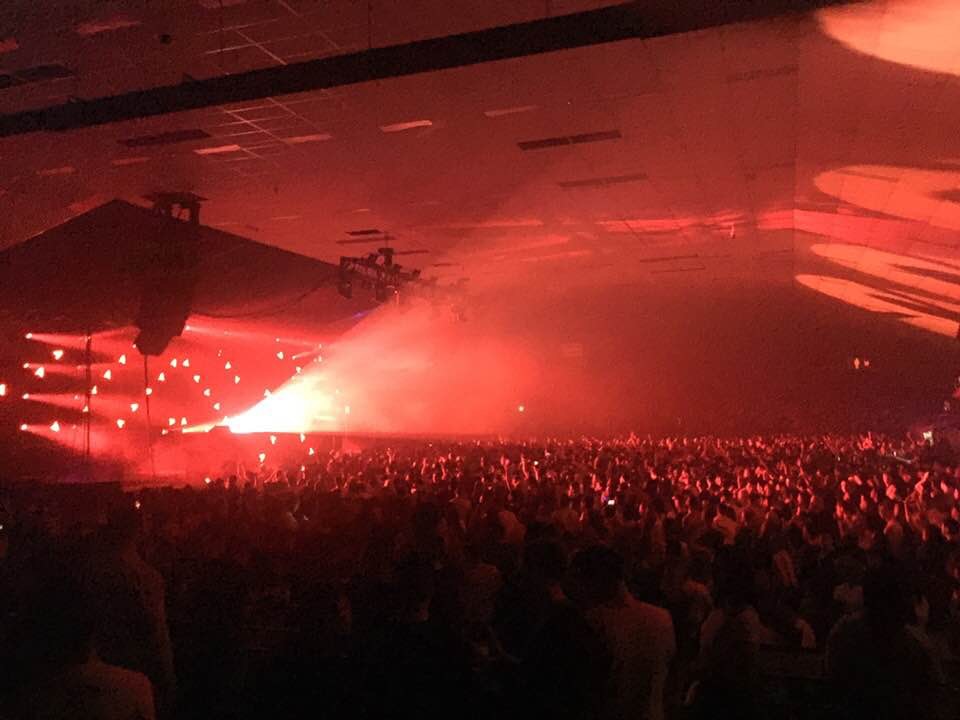


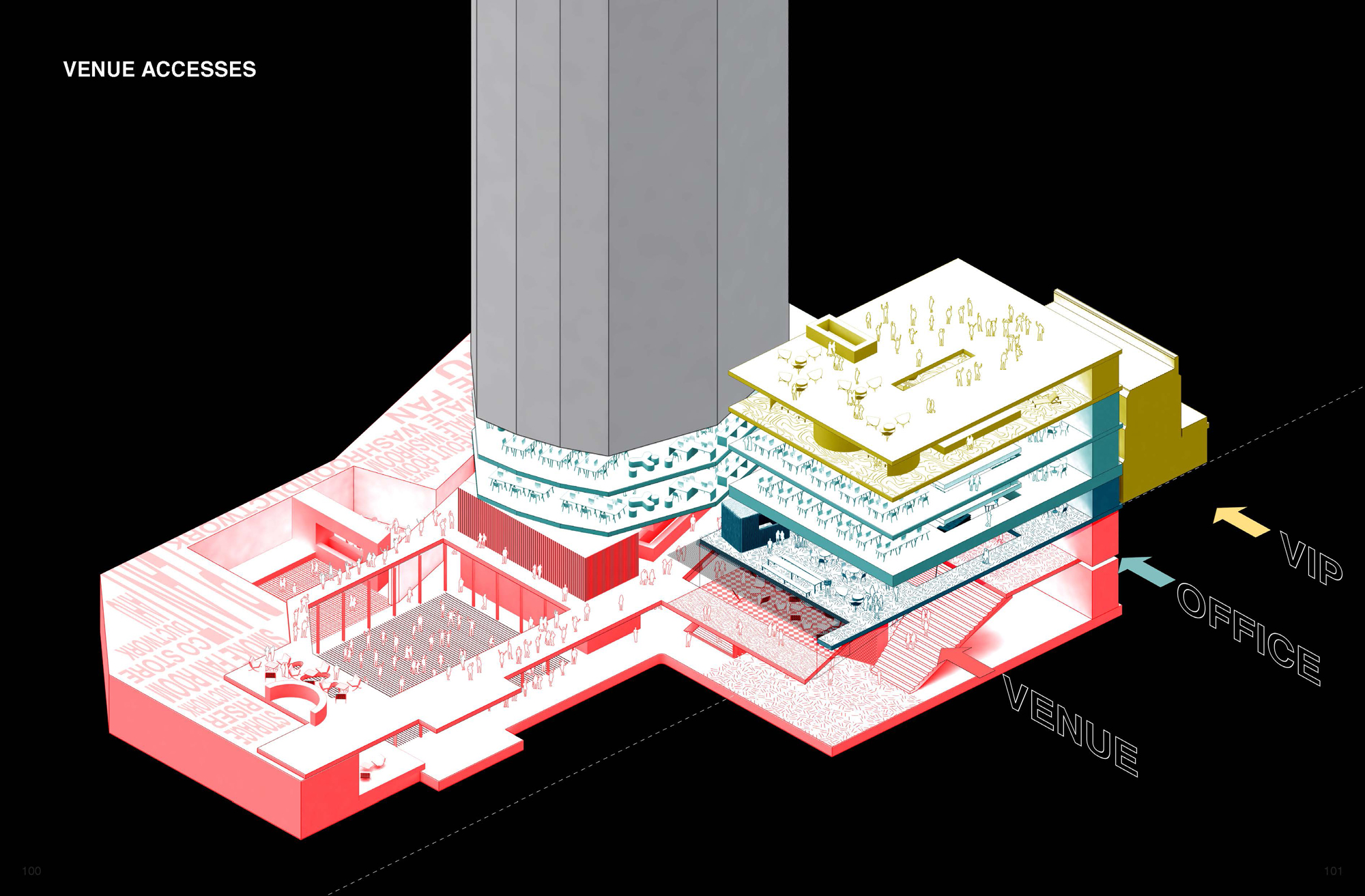


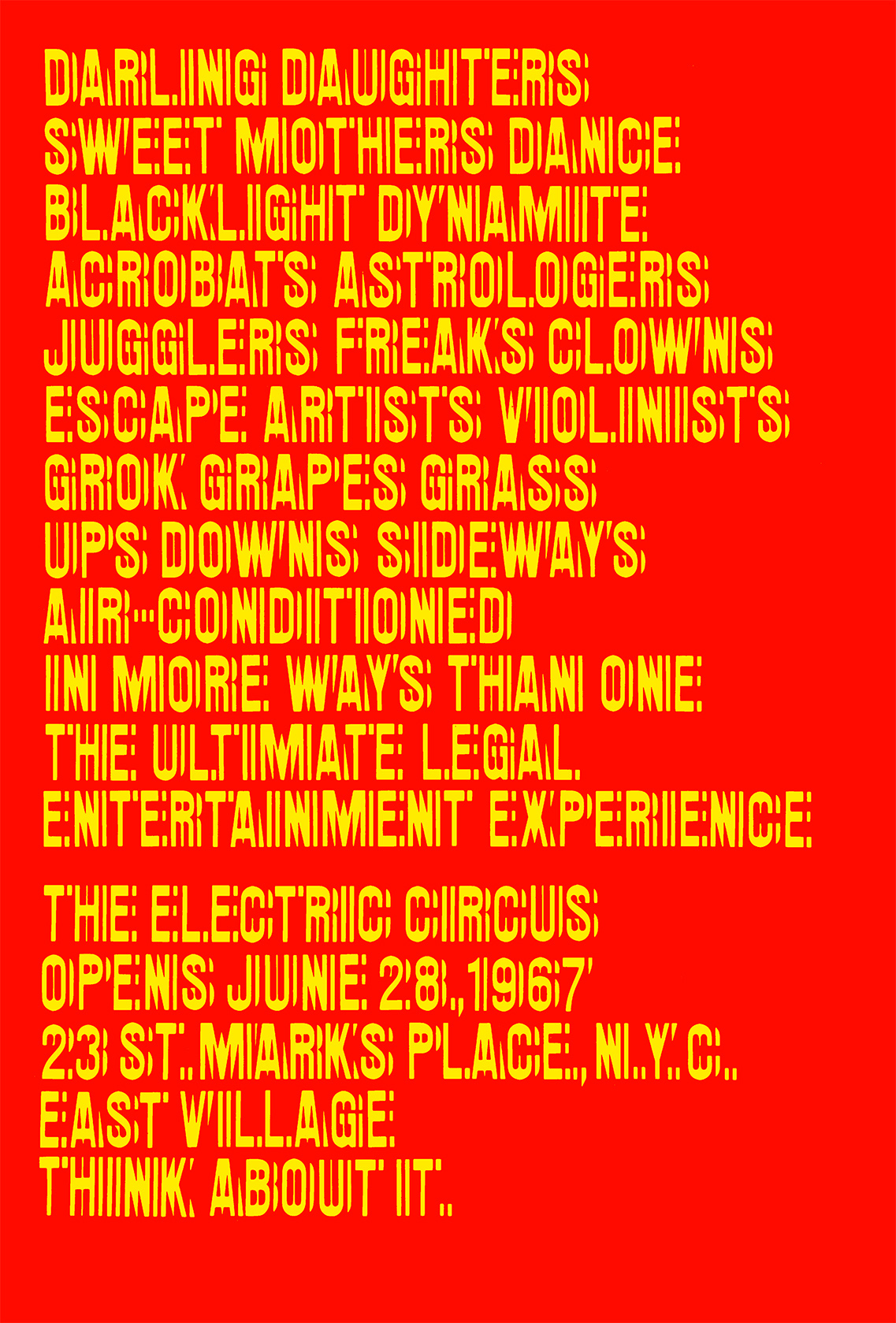


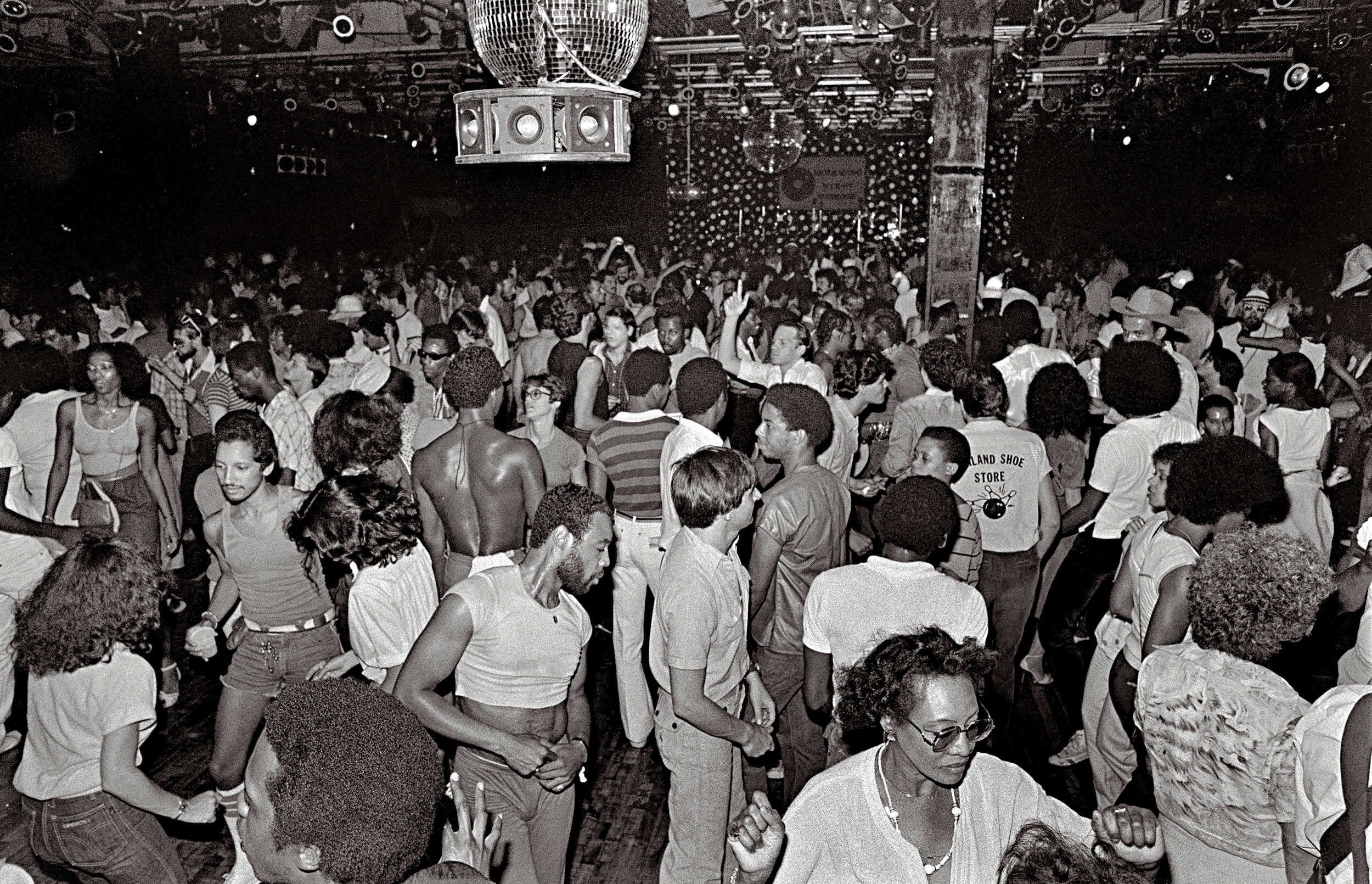


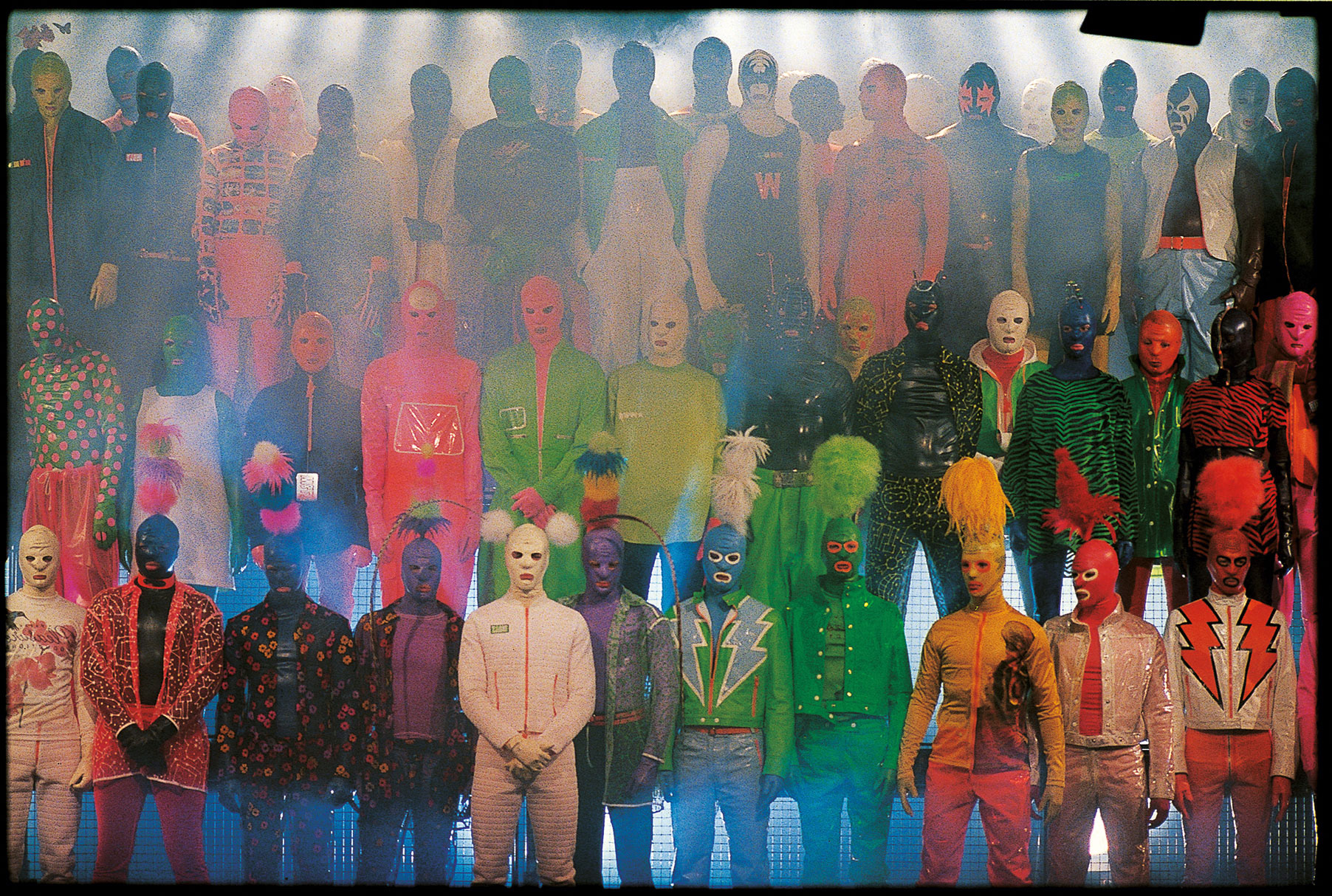


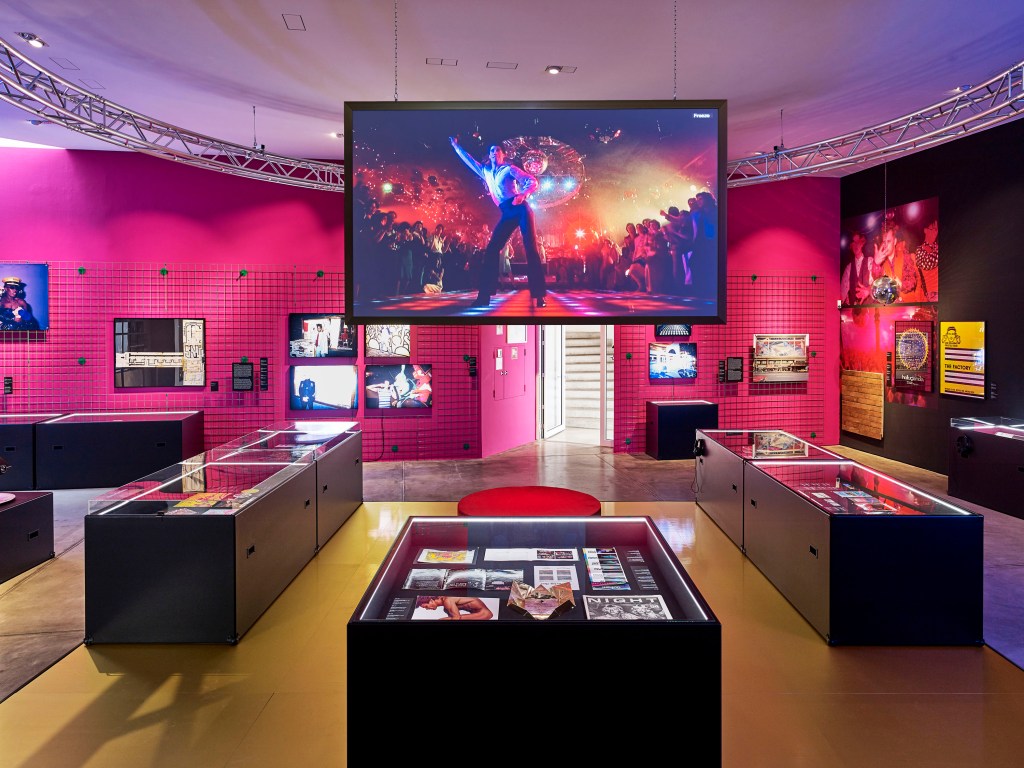
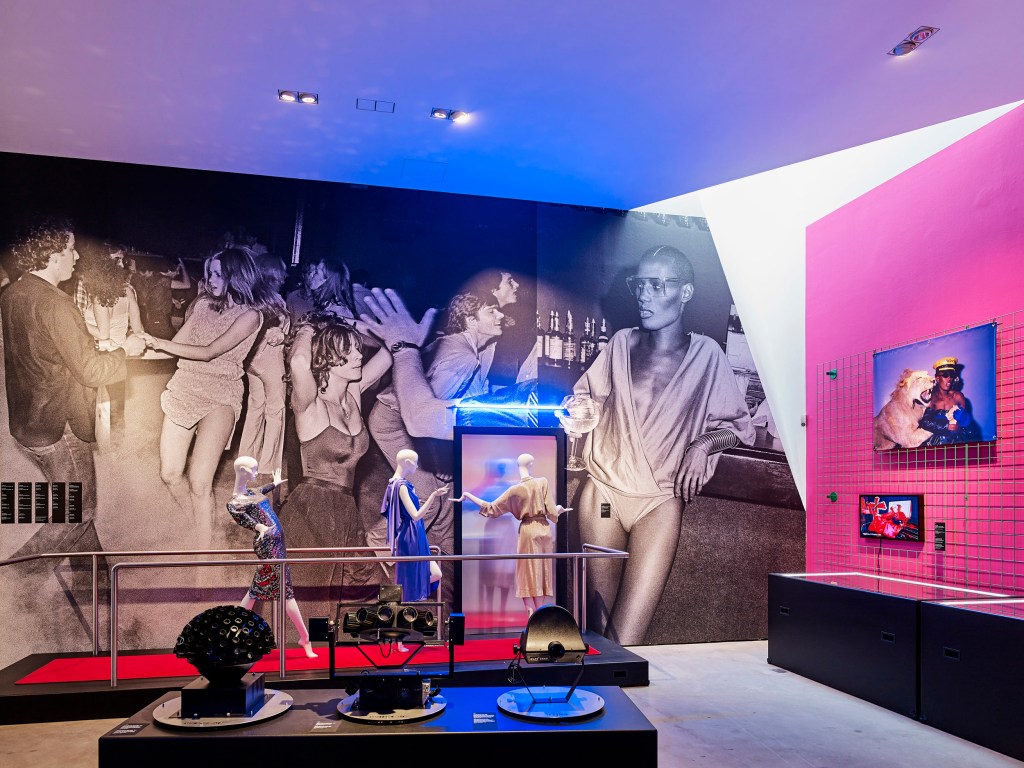
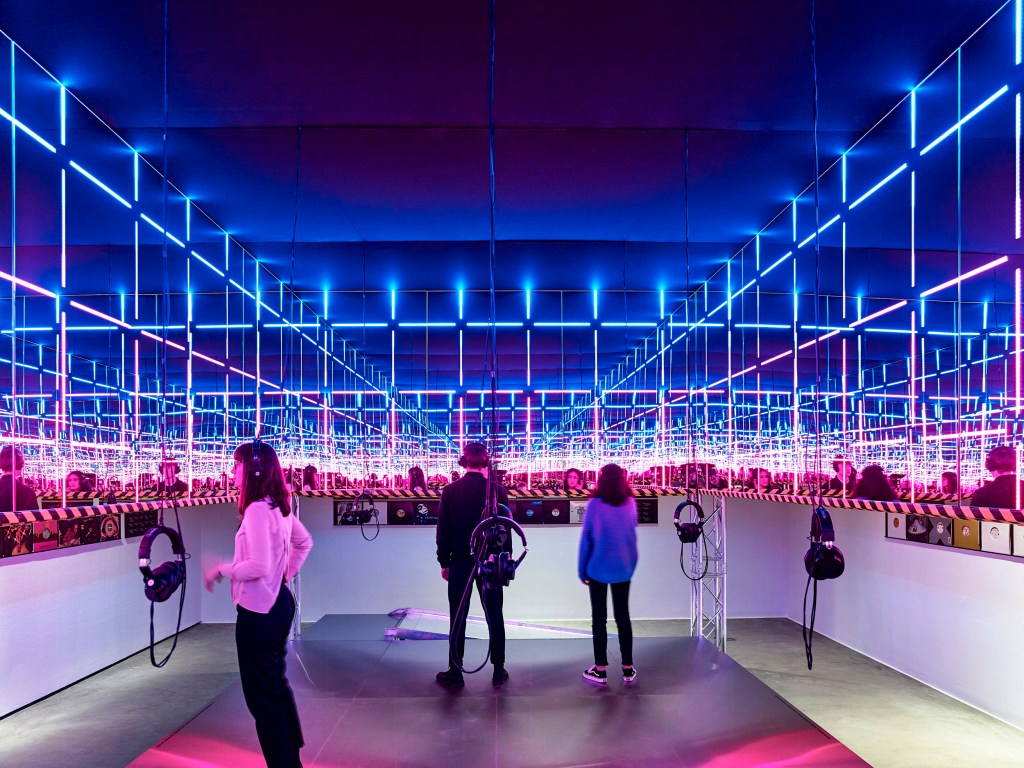
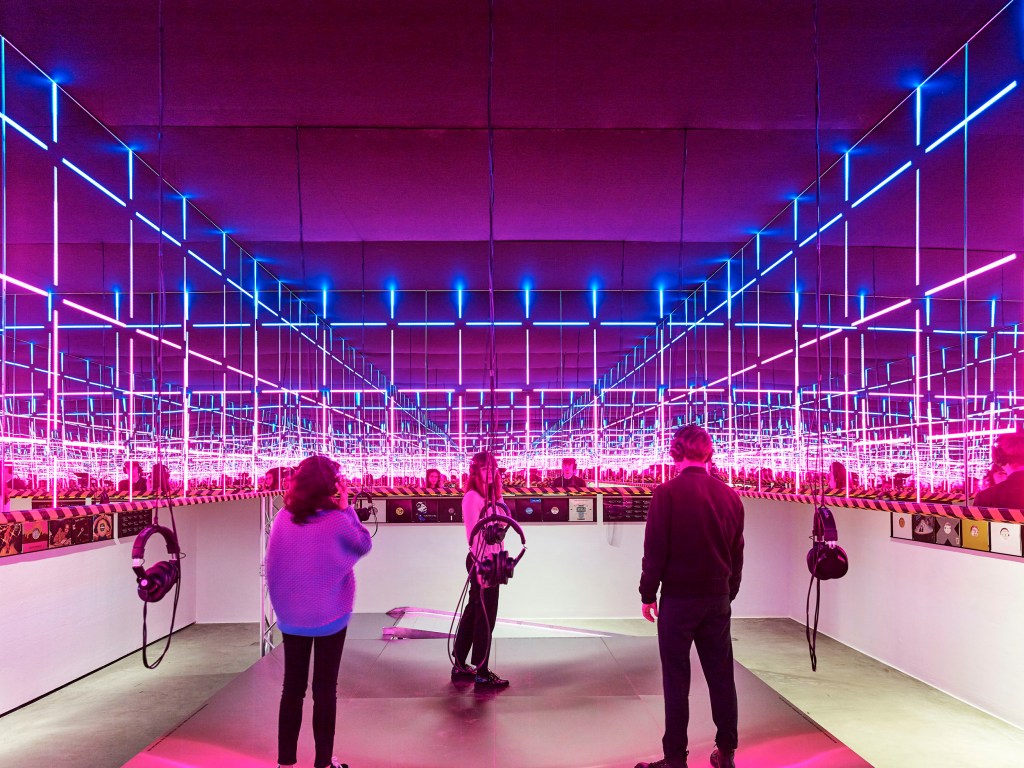
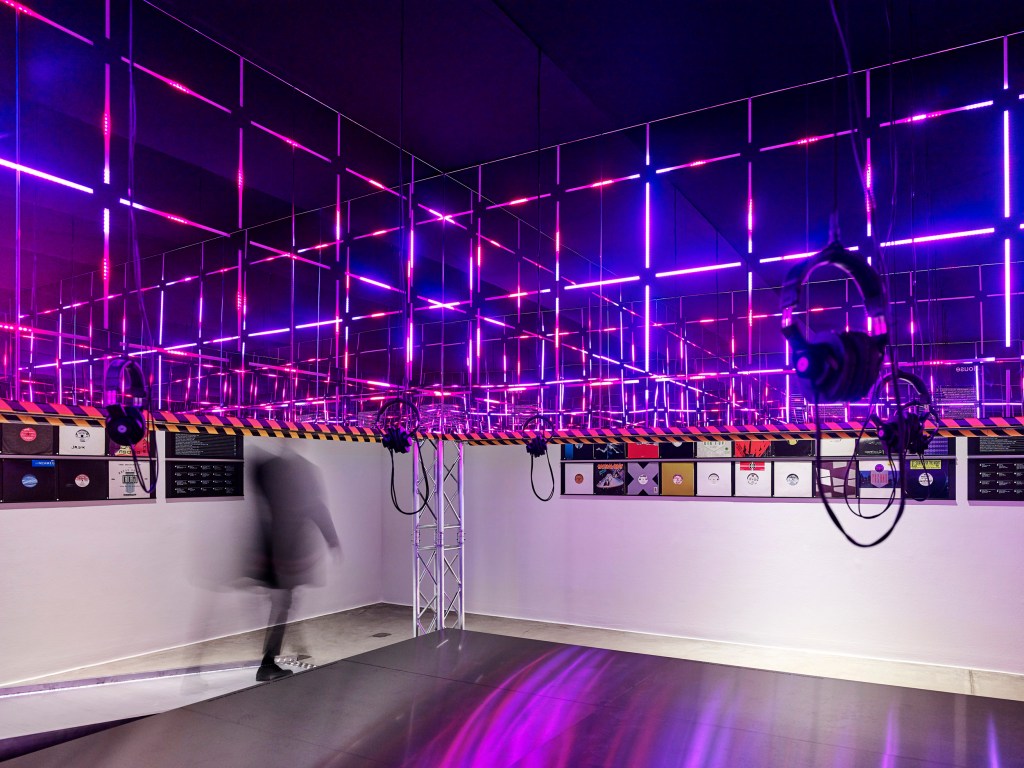
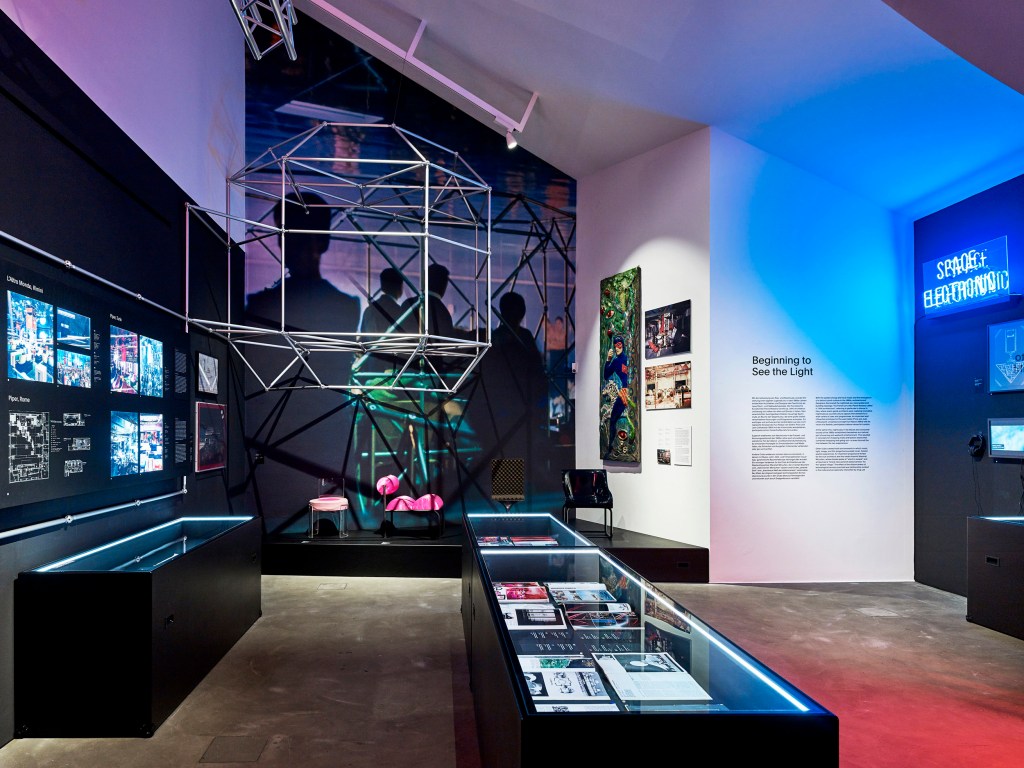
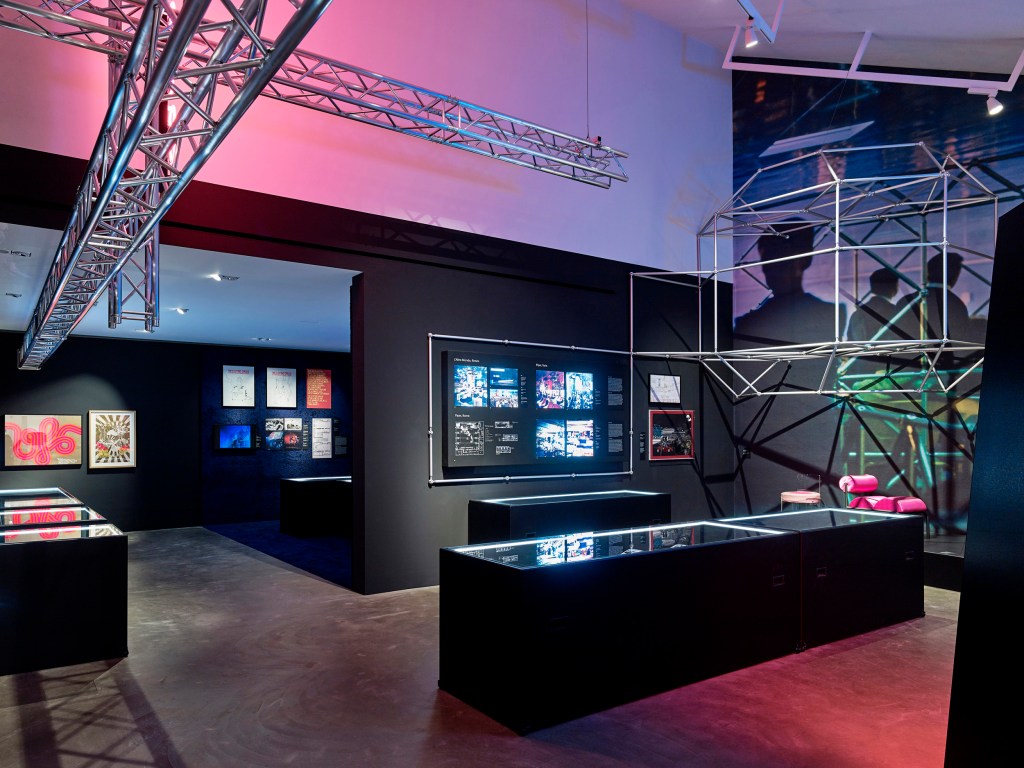
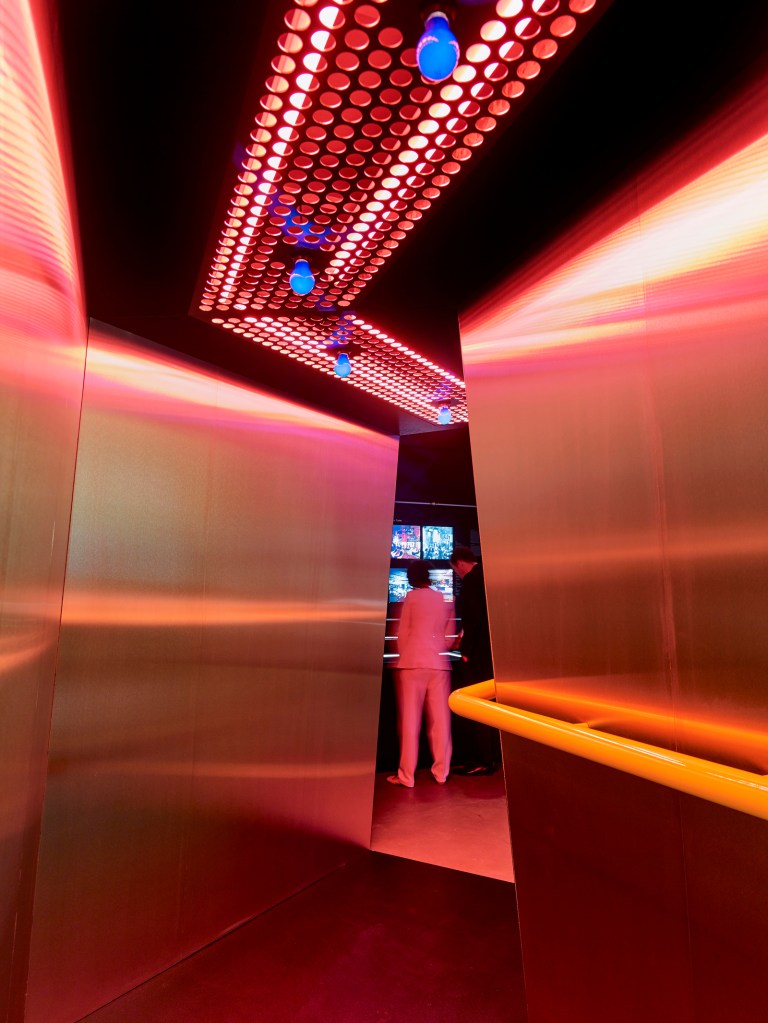
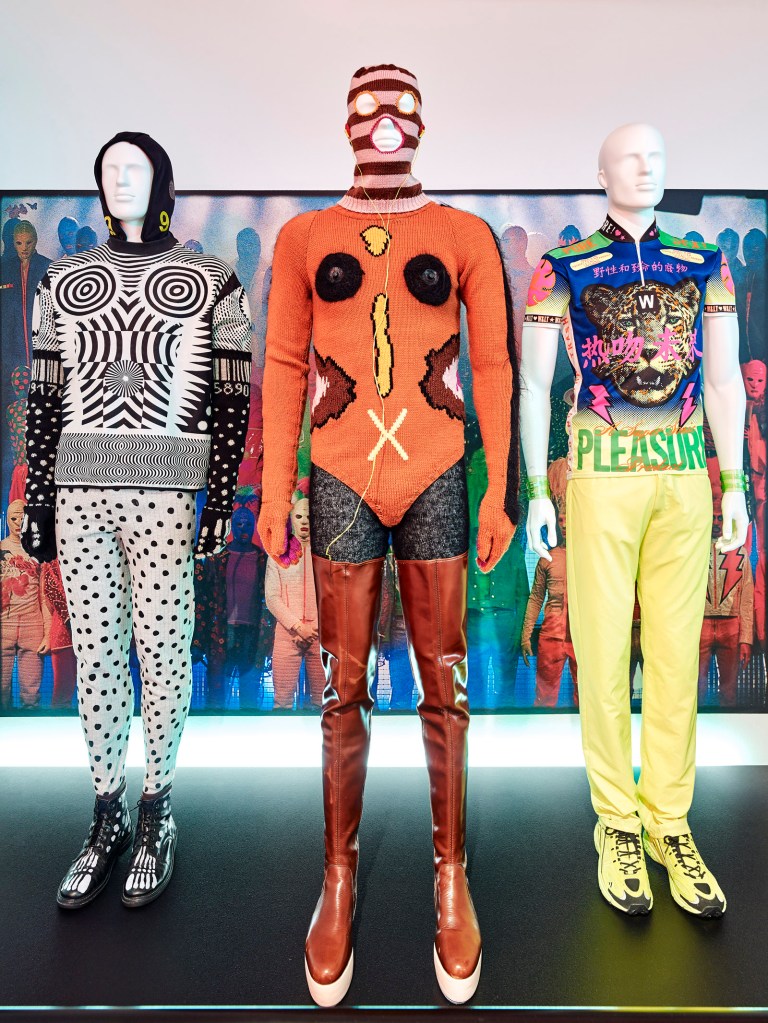
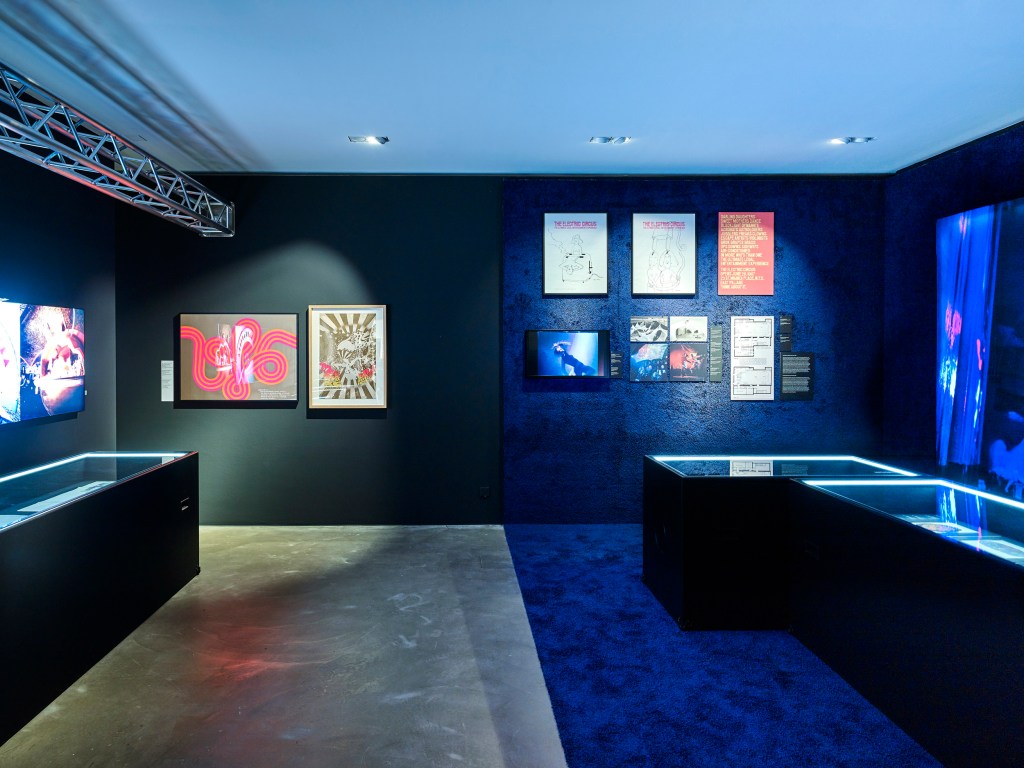
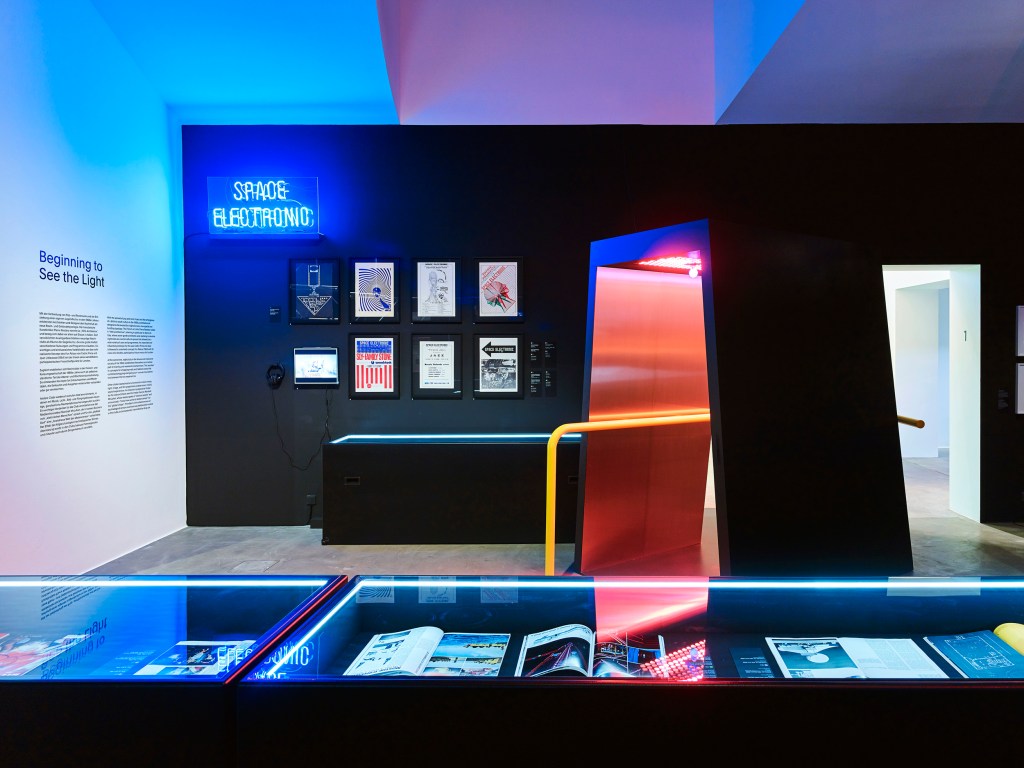
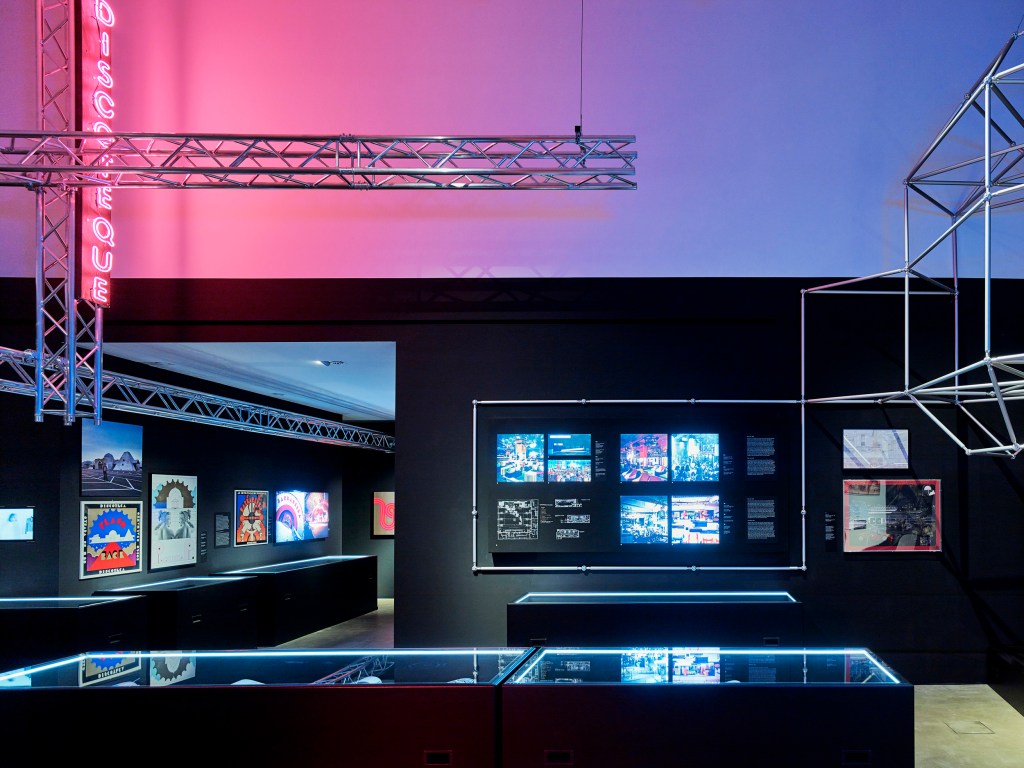
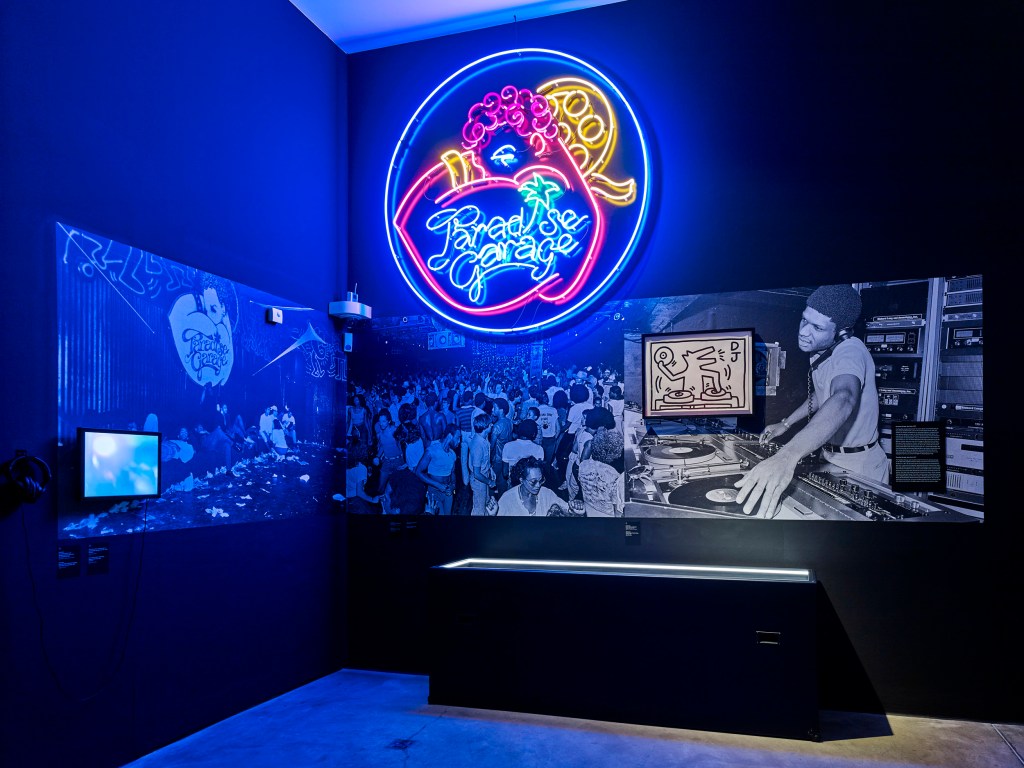
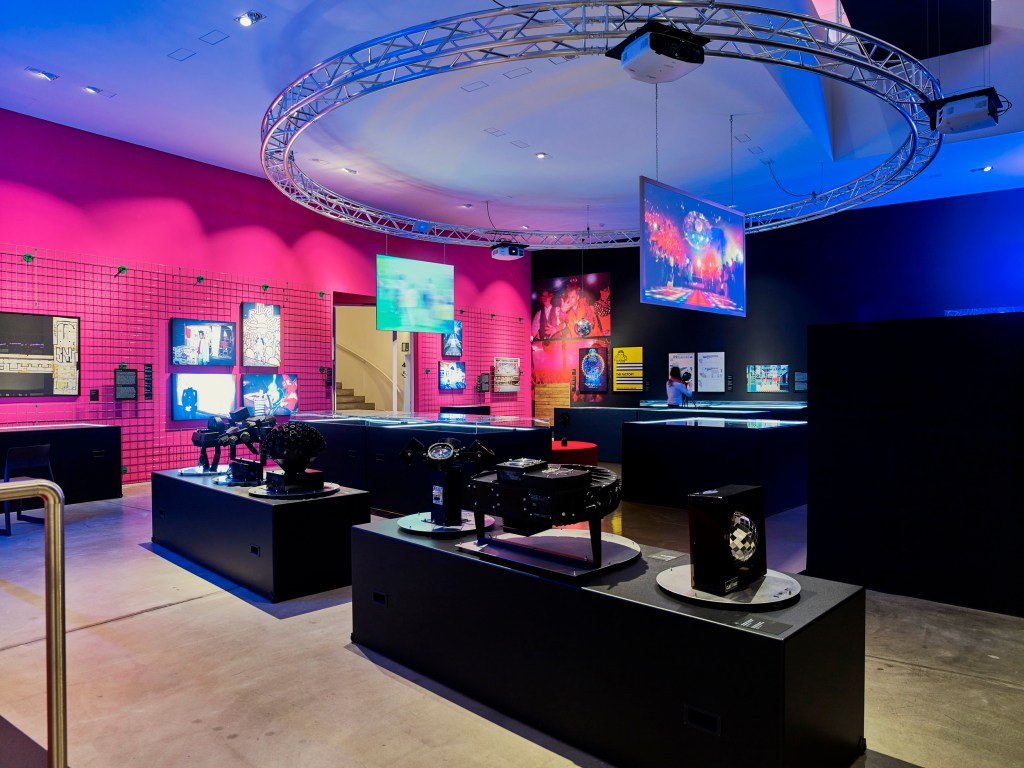
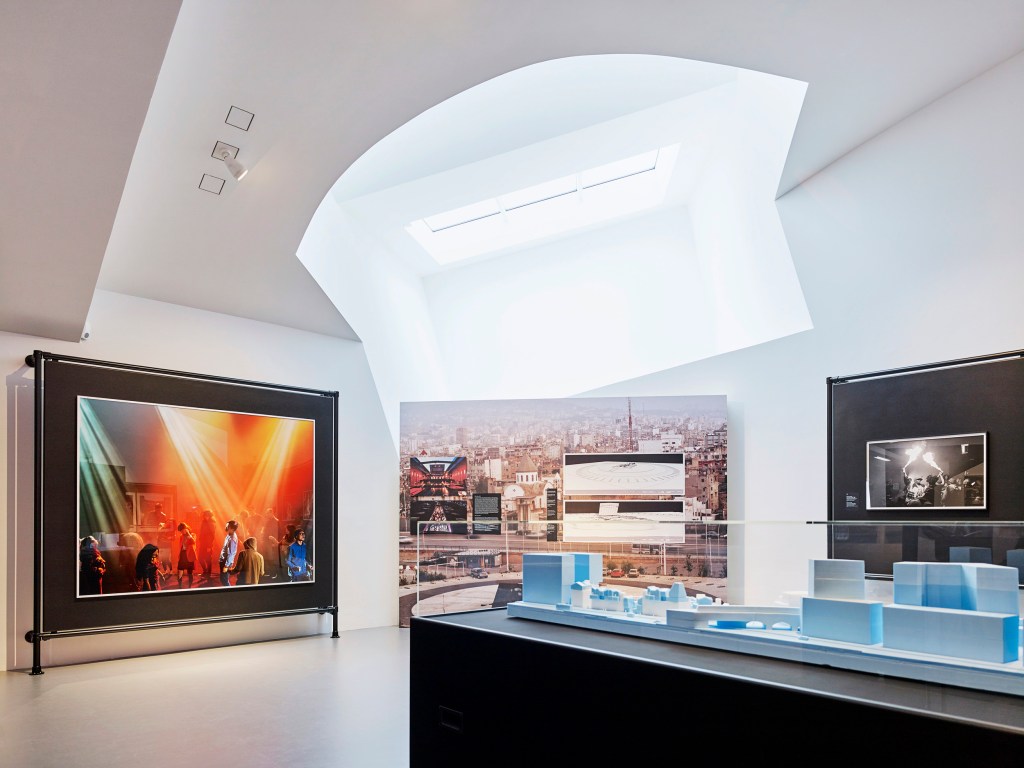
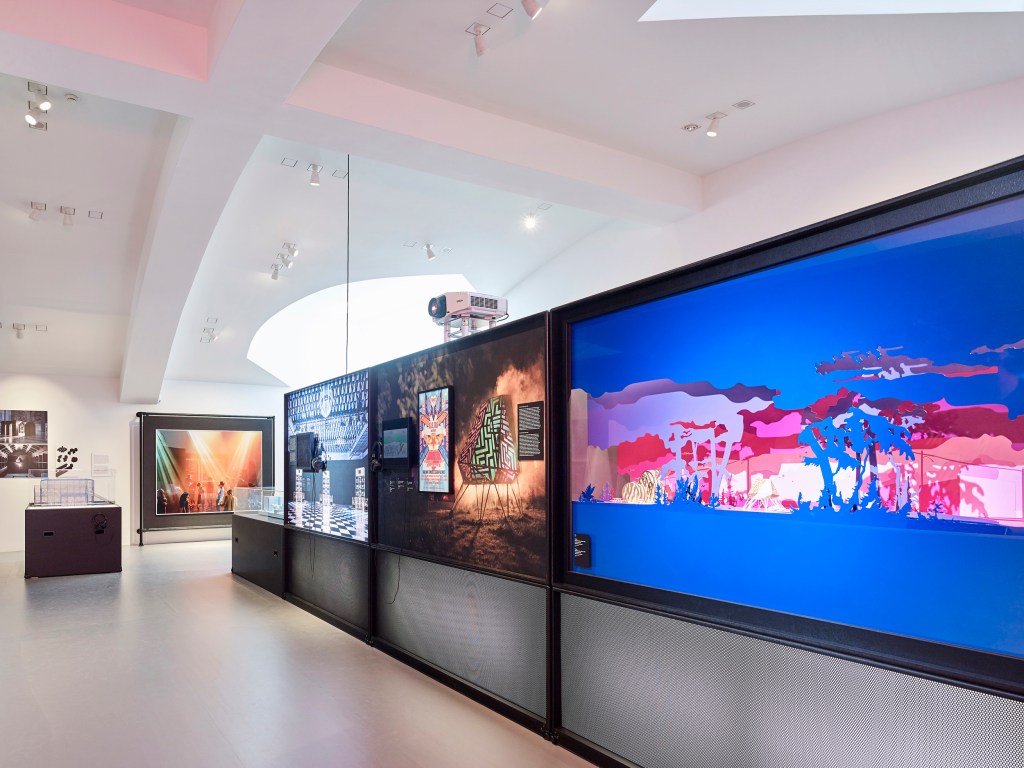
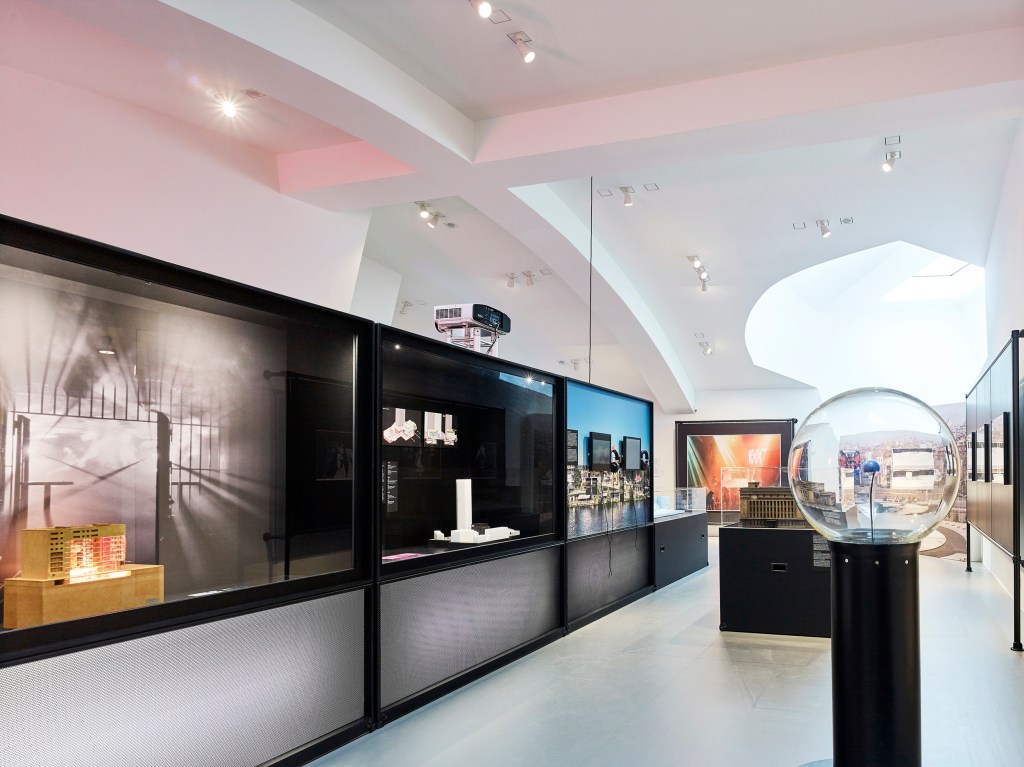
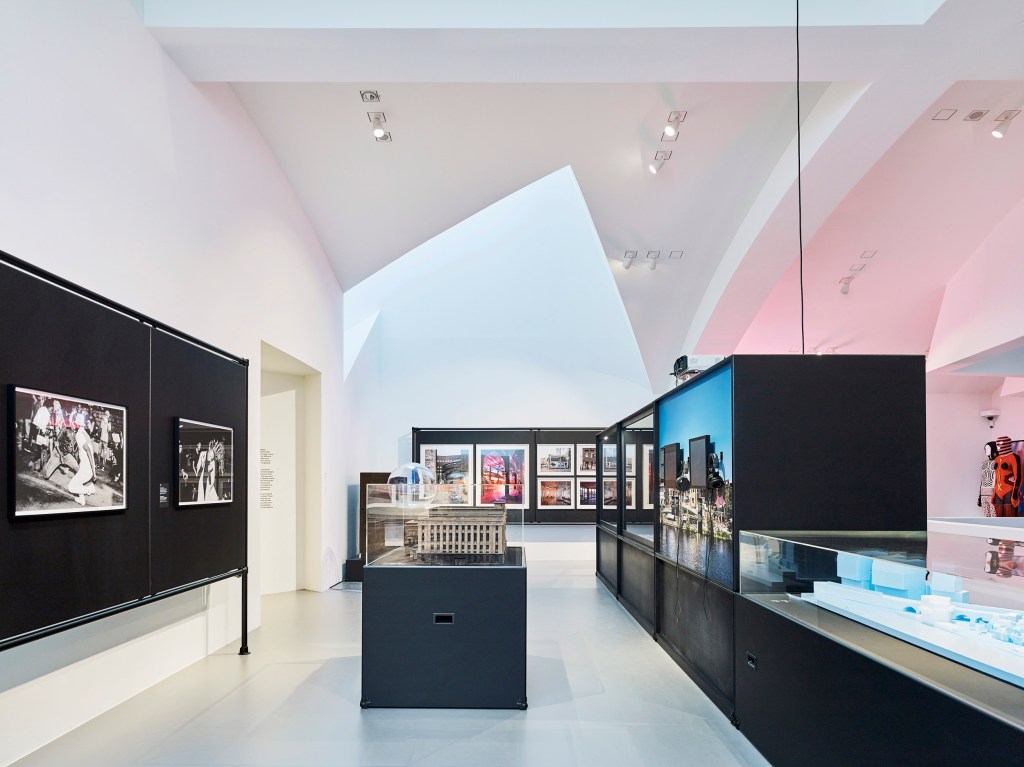
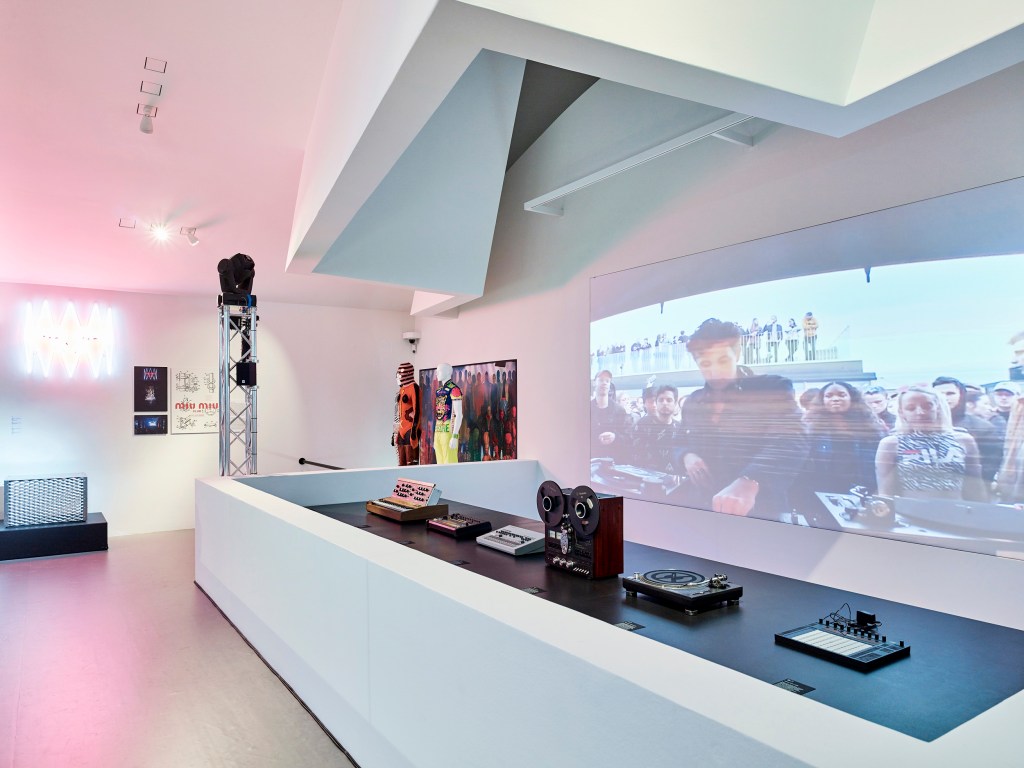
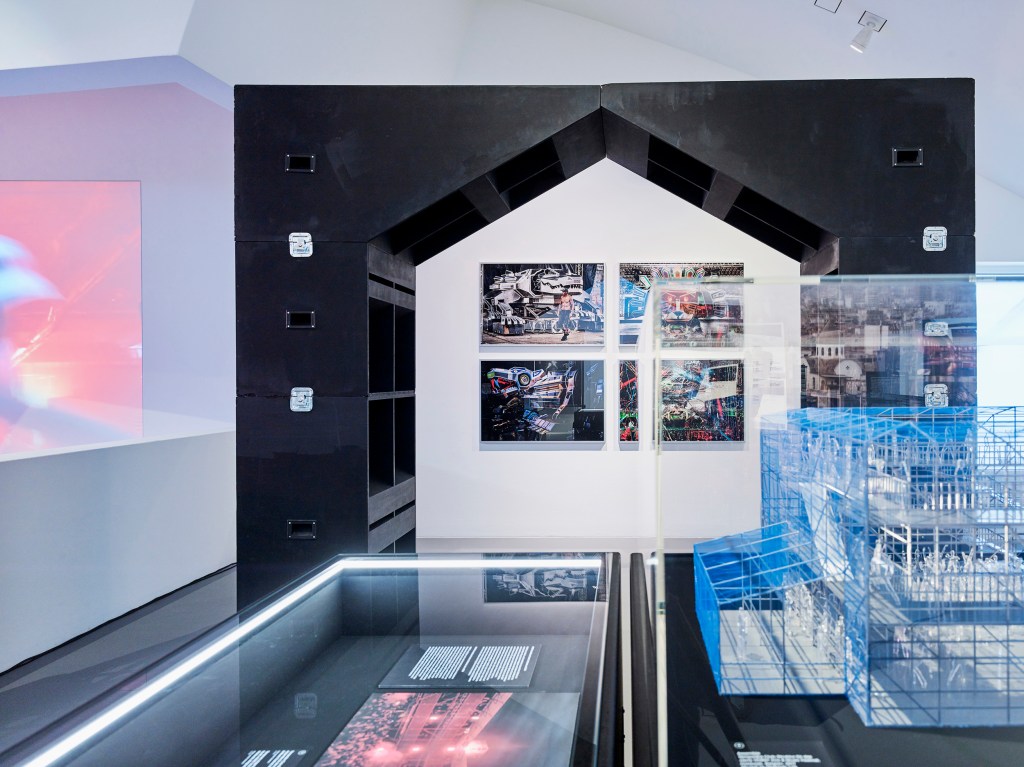
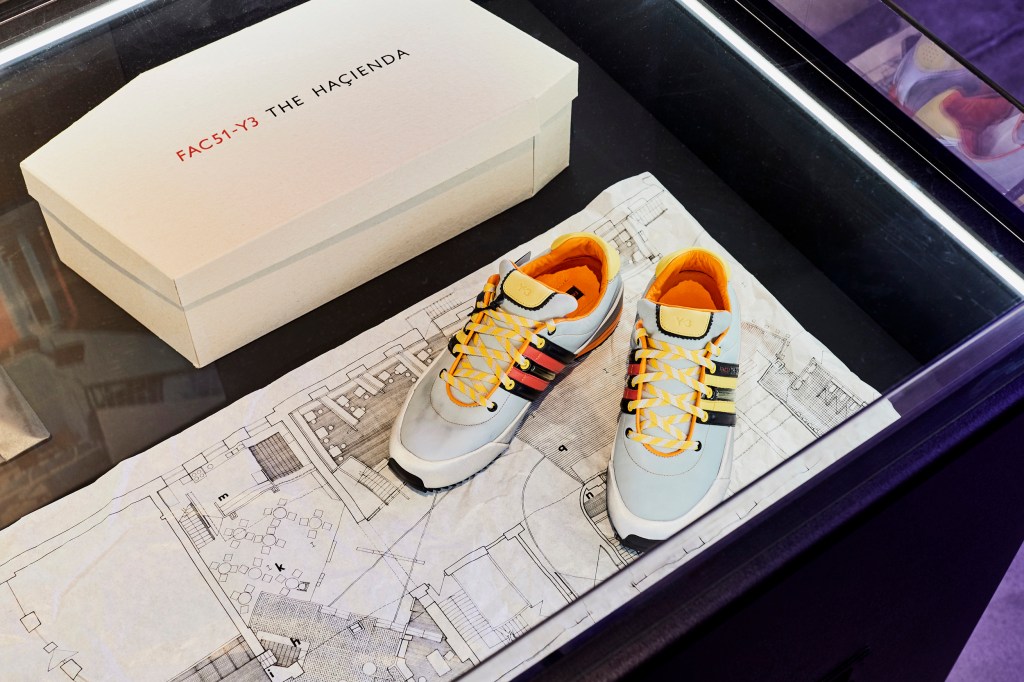
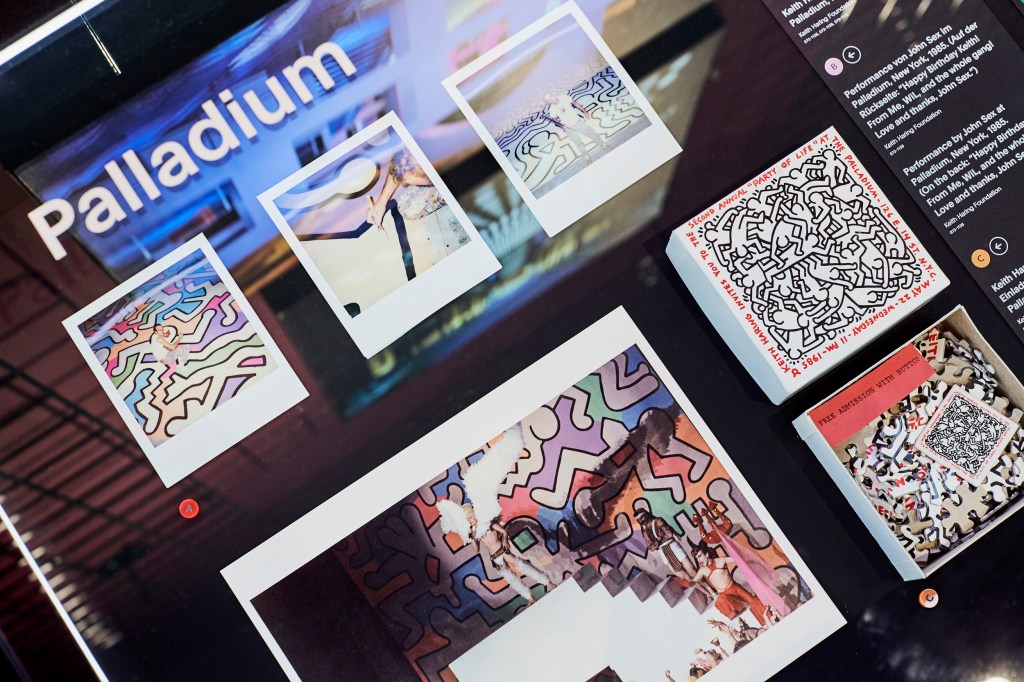
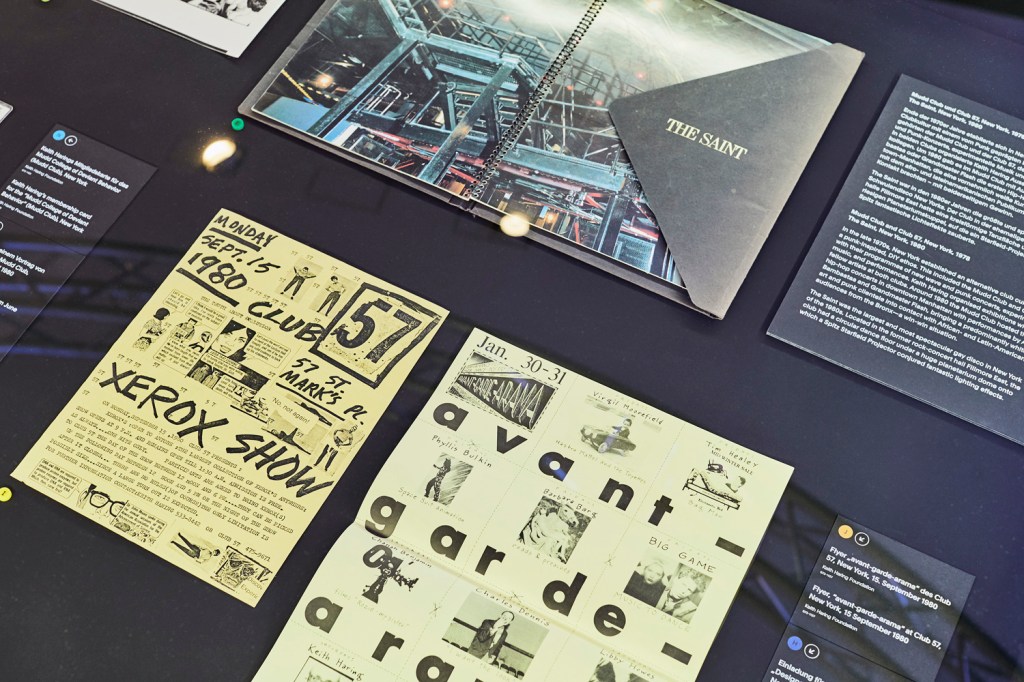


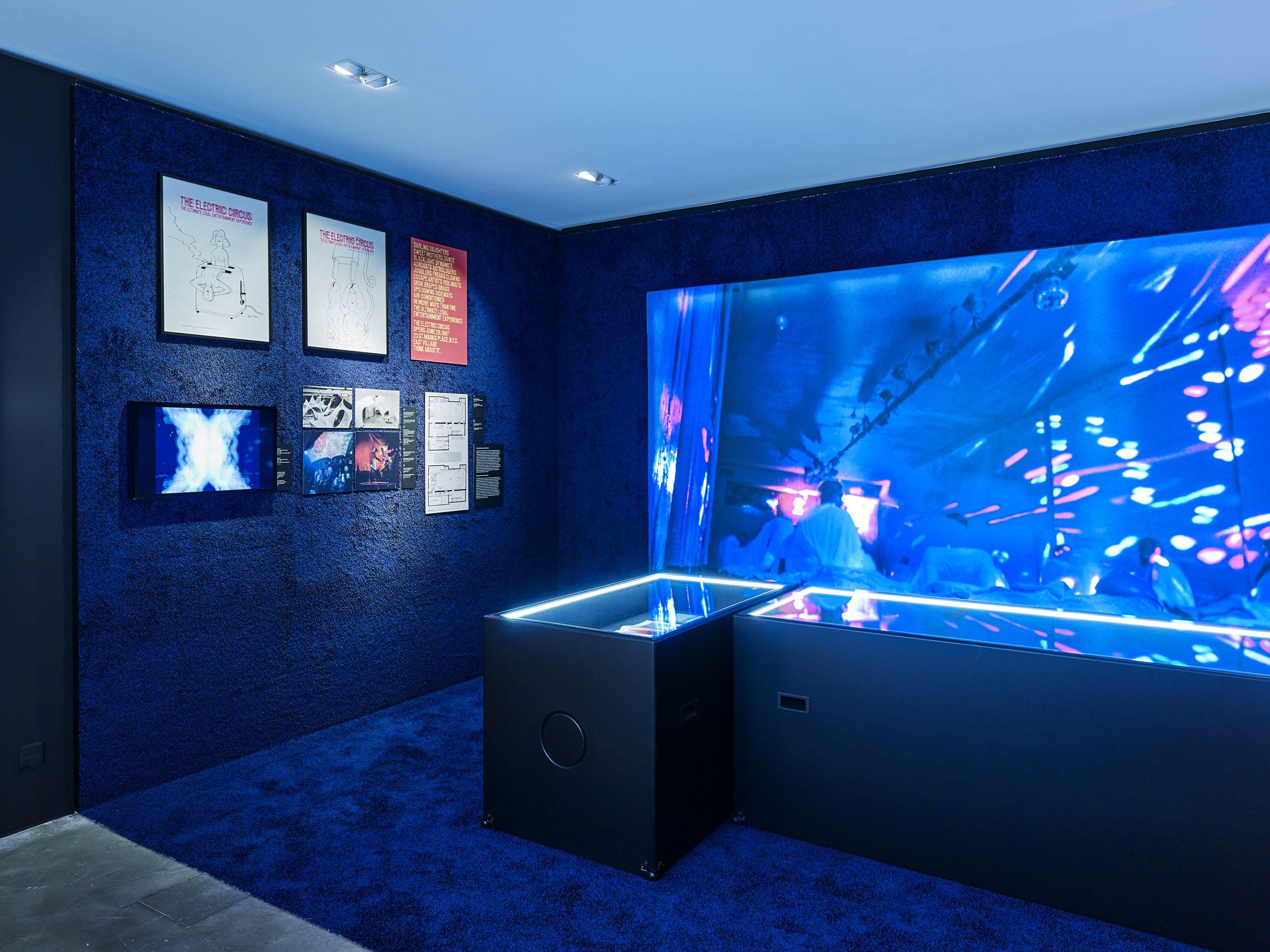


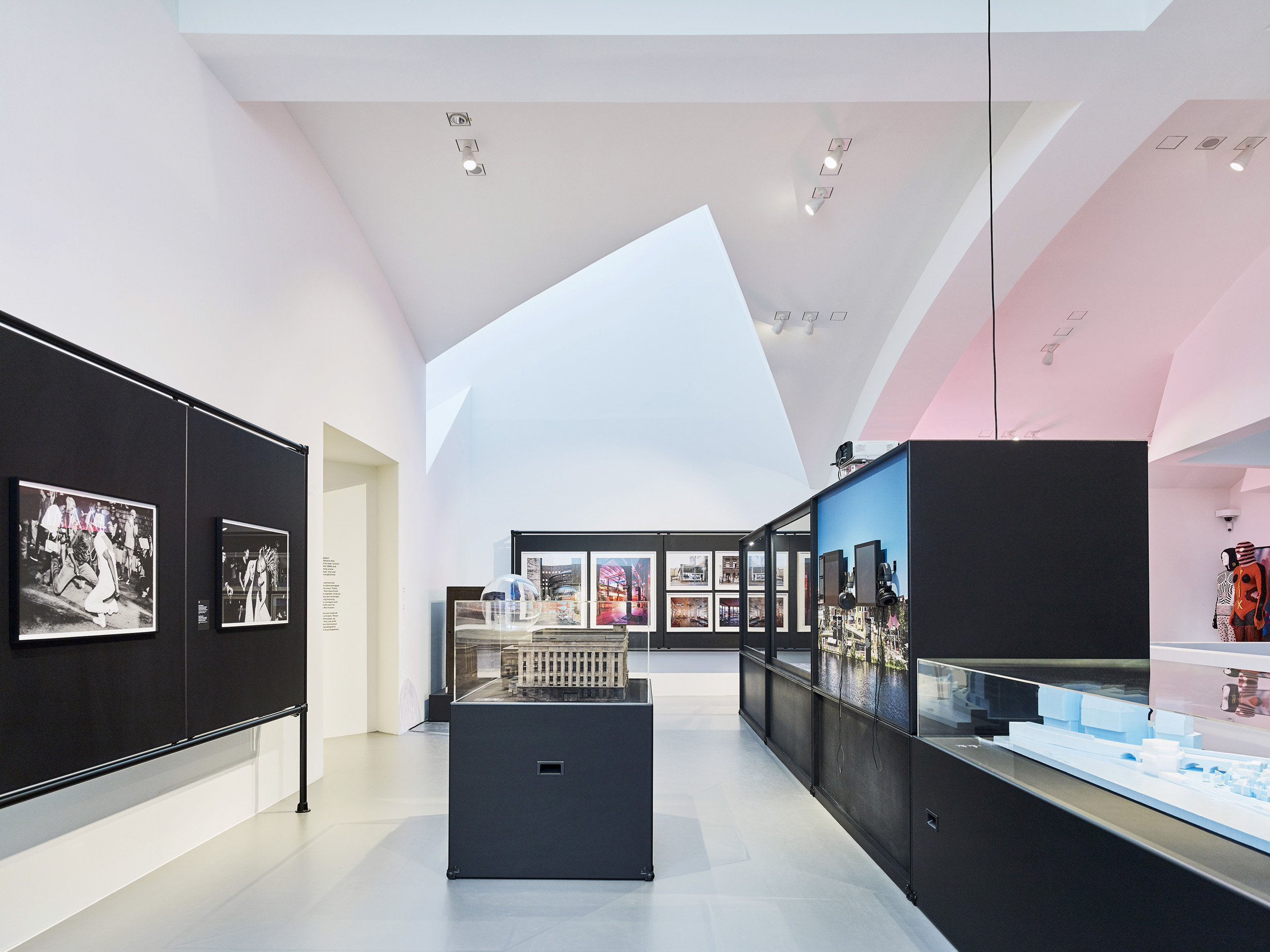
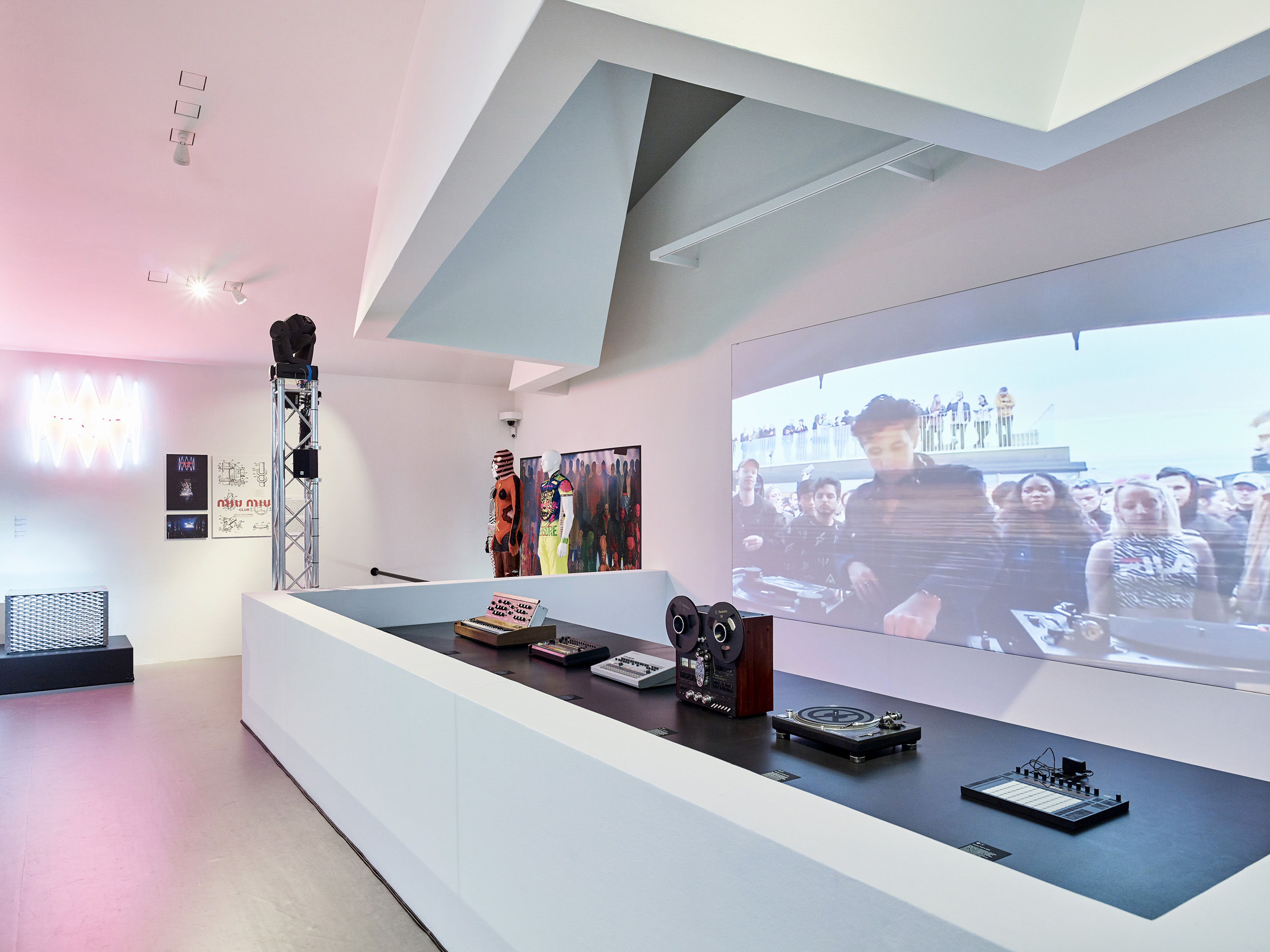


![Hermann Kummler (compiler) (Swiss, 1863-1949) '[Portrait of Indigenous Brazilian tradeswoman]' 1861-1862](https://artblart.com/wp-content/uploads/2018/07/ethnographic-portraits-of-indigenous-women14-web.jpg "Hermann Kummler (compiler) (Swiss, 1863-1949) '[Portrait of Indigenous Brazilian tradeswoman]' 1861-1862")
![Hermann Kummler (compiler) (Swiss, 1863-1949) 'Mullatin [Portrait of a Indigenous Brazilian woman wearing a cross]' 1861-1862](https://artblart.com/wp-content/uploads/2018/07/ethnographic-portraits-of-indigenous-women1-web.jpg "Hermann Kummler (compiler) (Swiss, 1863-1949) 'Mullatin [Portrait of a Indigenous Brazilian woman wearing a cross]' 1861-1862")
![Hermann Kummler (compiler) (Swiss, 1863-1949) 'Mestize [Portrait of a Brazilian woman]' 1861-1862](https://artblart.com/wp-content/uploads/2018/07/ethnographic-portraits-of-indigenous-women2-web.jpg "Hermann Kummler (compiler) (Swiss, 1863-1949) 'Mestize [Portrait of a Brazilian woman]' 1861-1862")

![Hermann Kummler (compiler) (Swiss, 1863-1949) '[Portrait of Indigenous Brazilian tradeswoman]' 1861-1862](https://artblart.com/wp-content/uploads/2018/07/ethnographic-portraits-of-indigenous-women15-web.jpg "Hermann Kummler (compiler) (Swiss, 1863-1949) '[Portrait of Indigenous Brazilian tradeswoman]' 1861-1862")
![Hermann Kummler (compiler) (Swiss, 1863-1949) '[Portrait of Indigenous Brazilian tradeswoman]' 1861-1862](https://artblart.com/wp-content/uploads/2018/07/ethnographic-portraits-of-indigenous-women12-web.jpg "Hermann Kummler (compiler) (Swiss, 1863-1949) '[Portrait of Indigenous Brazilian tradeswoman]' 1861-1862")
![Hermann Kummler (compiler) (Swiss, 1863-1949) '[Portrait of a maid holding an embroidered cloth]' 1861-1862](https://artblart.com/wp-content/uploads/2018/07/ethnographic-portraits-of-indigenous-women13-web.jpg "Hermann Kummler (compiler) (Swiss, 1863-1949) '[Portrait of a maid holding an embroidered cloth]' 1861-1862")
![Hermann Kummler (compiler) (Swiss, 1863-1949) '[Portrait of wet nurse with infant]' 1861-1862](https://artblart.com/wp-content/uploads/2018/07/ethnographic-portraits-of-indigenous-women11-web.jpg "Hermann Kummler (compiler) (Swiss, 1863-1949) '[Portrait of wet nurse with infant]' 1861-1862")
![Hermann Kummler (compiler) (Swiss, 1863-1949) '[Portrait of Indigenous Brazilian tradeswoman]' 1861-1862](https://artblart.com/wp-content/uploads/2018/07/ethnographic-portraits-of-indigenous-women3-web.jpg "Hermann Kummler (compiler) (Swiss, 1863-1949) '[Portrait of Indigenous Brazilian tradeswoman]' 1861-1862")
![Hermann Kummler (compiler) (Swiss, 1863-1949) 'Hermann Kummler (compiler) (1863-1949) '[Kellnerinnen im Grand Hotel / Waitresses in Grand Hotel]' 1861-1862' 1861-1862](https://artblart.com/wp-content/uploads/2018/07/ethnographic-portraits-of-indigenous-women6-web.jpg "Hermann Kummler (compiler) (Swiss, 1863-1949) 'Hermann Kummler (compiler) (1863-1949) '[Kellnerinnen im Grand Hotel / Waitresses in Grand Hotel]' 1861-1862' 1861-1862")
![Hermann Kummler (compiler) (Swiss, 1863-1949) '[Lehrerin mit Schülerin im Bahia / Teacher with a schoolgirl in Bahia]' 1861-1862](https://artblart.com/wp-content/uploads/2018/07/ethnographic-portraits-of-indigenous-women4-web.jpg "Hermann Kummler (compiler) (Swiss, 1863-1949) '[Lehrerin mit Schülerin im Bahia / Teacher with a schoolgirl in Bahia]' 1861-1862")
![Hermann Kummler (compiler) (Swiss, 1863-1949) '[Native Brazilian lady-in-waiting and young child attend to a veiled aristocrat]' 1861-1862](https://artblart.com/wp-content/uploads/2018/07/ethnographic-portraits-of-indigenous-women5-web.jpg "Hermann Kummler (compiler) (Swiss, 1863-1949) '[Native Brazilian lady-in-waiting and young child attend to a veiled aristocrat]' 1861-1862")
![Hermann Kummler (compiler) (Swiss, 1863-1949) '[Negerin mit dem Knaben in schlechter Stimmung / Negress with a boy in a bad mood]' 1861-1862](https://artblart.com/wp-content/uploads/2018/07/ethnographic-portraits-of-indigenous-women10-web.jpg "Hermann Kummler (compiler) (Swiss, 1863-1949) '[Negerin mit dem Knaben in schlechter Stimmung / Negress with a boy in a bad mood]' 1861-1862")
![Hermann Kummler (compiler) (Swiss, 1863-1949) '[Portrait of Brazilian woman servant and child]' 1861-1862](https://artblart.com/wp-content/uploads/2018/07/ethnographic-portraits-of-indigenous-women18-web.jpg "Hermann Kummler (compiler) (Swiss, 1863-1949) '[Portrait of Brazilian woman servant and child]' 1861-1862")
![Hermann Kummler (compiler) (Swiss, 1863-1949) '[Portrait of a young Brazilian woman]' 1861-1862](https://artblart.com/wp-content/uploads/2018/07/ethnographic-portraits-of-indigenous-women17-web.jpg "Hermann Kummler (compiler) (Swiss, 1863-1949) '[Portrait of a young Brazilian woman]' 1861-1862")
![Hermann Kummler (compiler) (Swiss, 1863-1949) '[Portrait of a Brazilian woman]' 1861-1862](https://artblart.com/wp-content/uploads/2018/07/ethnographic-portraits-of-indigenous-women8-web.jpg "Hermann Kummler (compiler) (Swiss, 1863-1949) '[Portrait of a Brazilian woman]' 1861-1862")
![Hermann Kummler (compiler) (Swiss, 1863-1949) '[Portrait of a Brazilian woman]' 1861-1862](https://artblart.com/wp-content/uploads/2018/07/ethnographic-portraits-of-indigenous-women19-web.jpg "Hermann Kummler (compiler) (Swiss, 1863-1949) '[Portrait of a Brazilian woman]' 1861-1862")
![Hermann Kummler (compiler) (Swiss, 1863-1949) '[Portrait of a Brazilian woman with two children]' 1861-1862](https://artblart.com/wp-content/uploads/2018/07/ethnographic-portraits-of-indigenous-women16-web.jpg "Hermann Kummler (compiler) (Swiss, 1863-1949) '[Portrait of a Brazilian woman with two children]' 1861-1862")
![Hermann Kummler (compiler) (Swiss, 1863-1949) '[Portrait of a Brazilian mother and child]' 1861-1862](https://artblart.com/wp-content/uploads/2018/07/ethnographic-portraits-of-indigenous-women9-web.jpg "Hermann Kummler (compiler) (Swiss, 1863-1949) '[Portrait of a Brazilian mother and child]' 1861-1862")
![Hermann Kummler (compiler) (Swiss, 1863-1949) '[Mistress punishing a native child]' 1861-1862](https://artblart.com/wp-content/uploads/2018/07/ethnographic-portraits-of-indigenous-women7-web.jpg "Hermann Kummler (compiler) (Swiss, 1863-1949) '[Mistress punishing a native child]' 1861-1862")
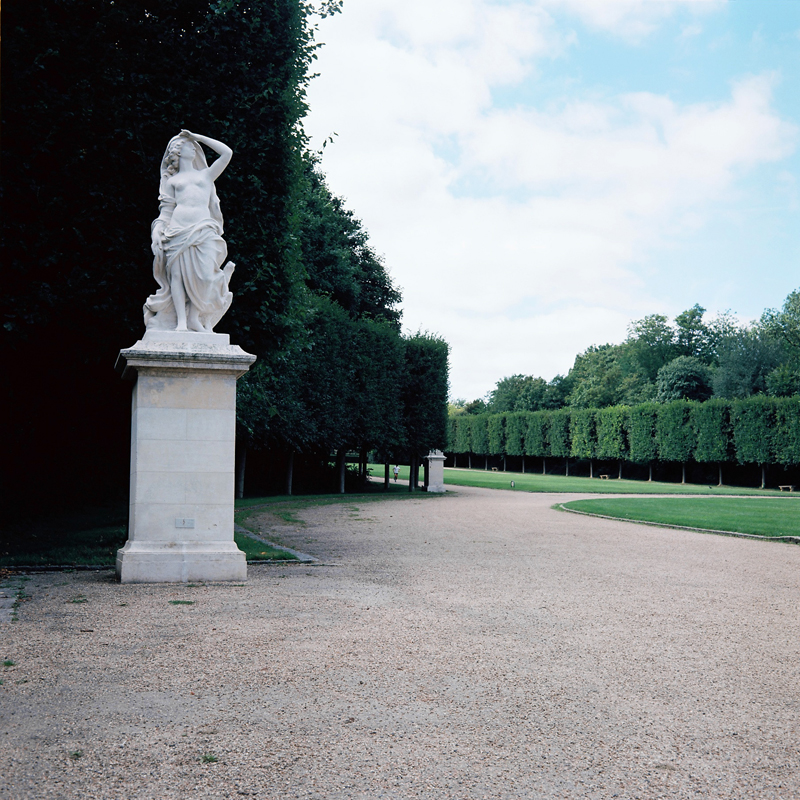
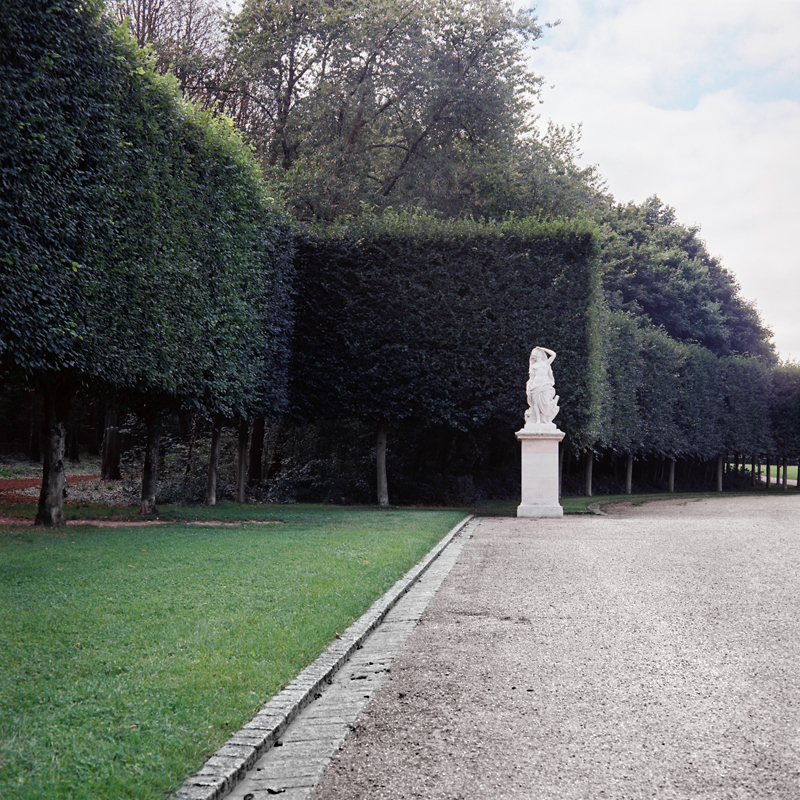
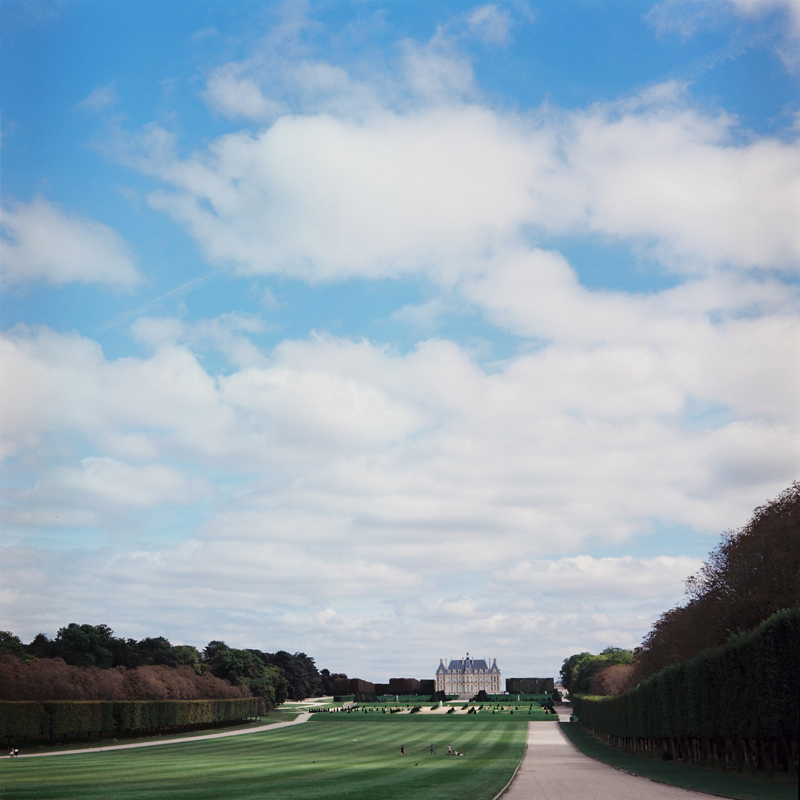
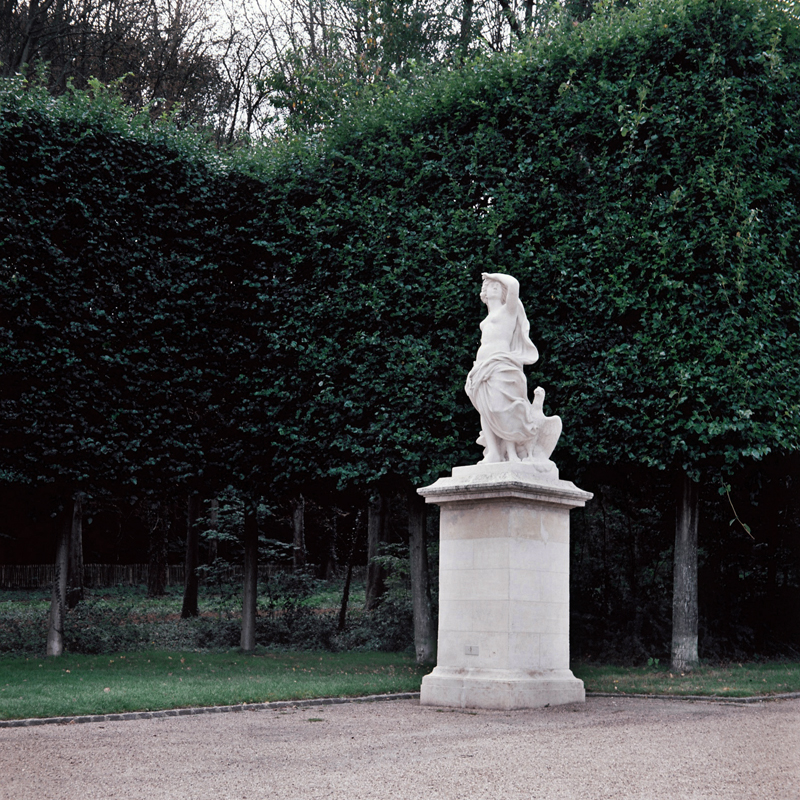
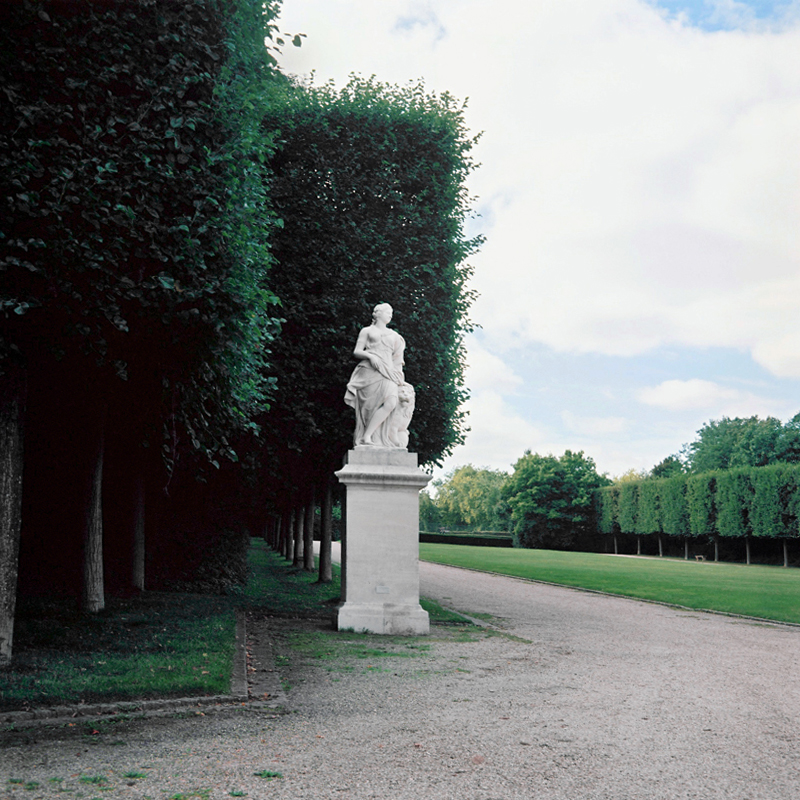
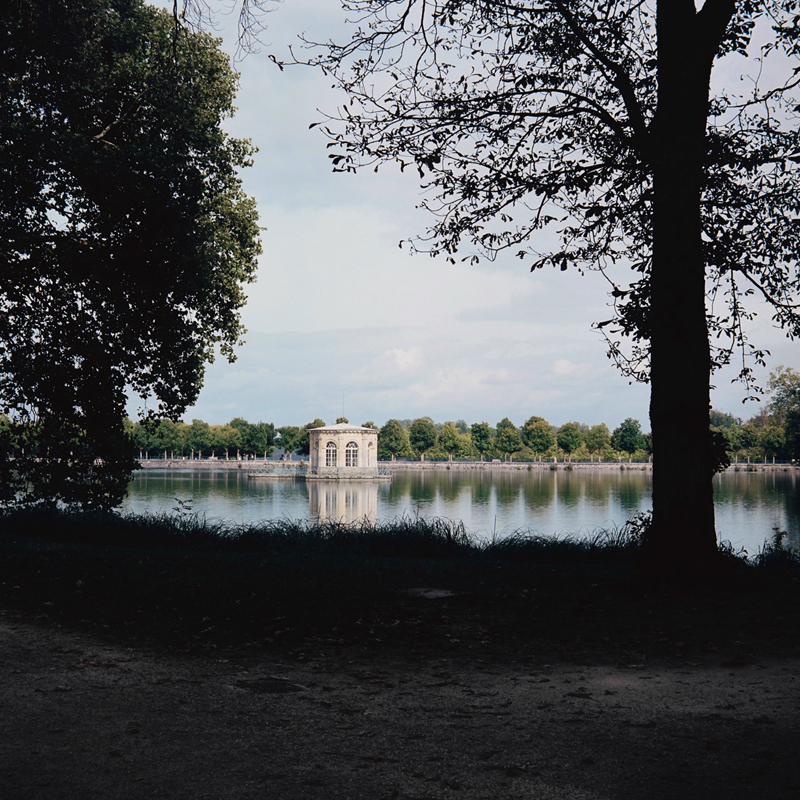
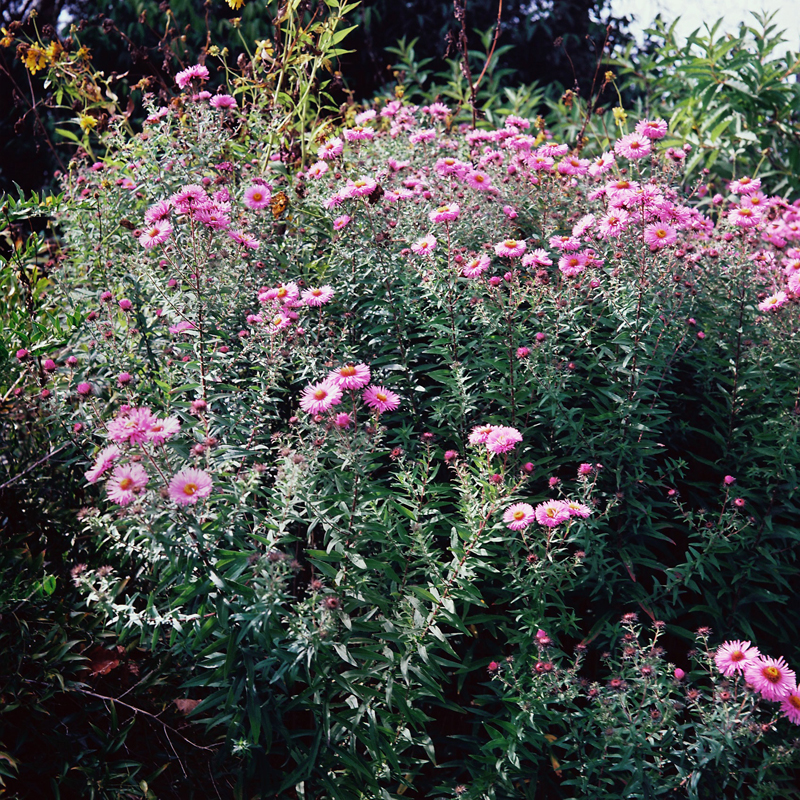
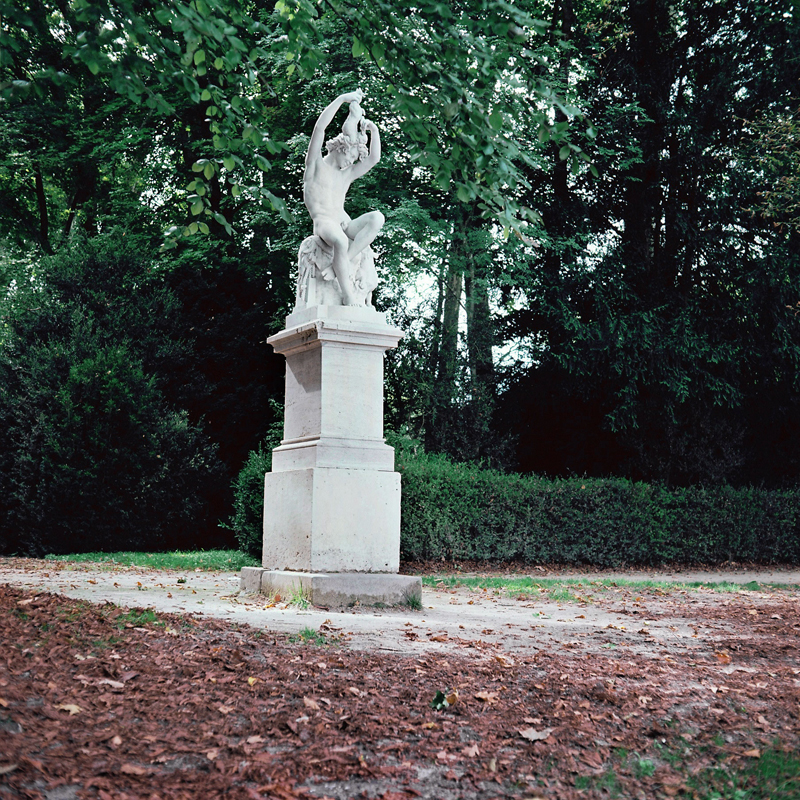
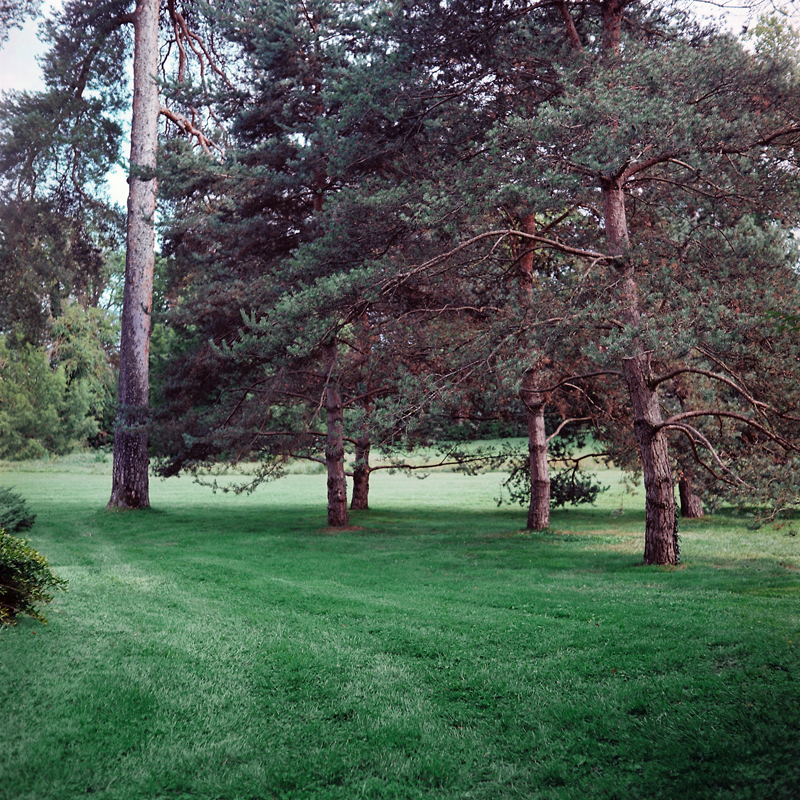
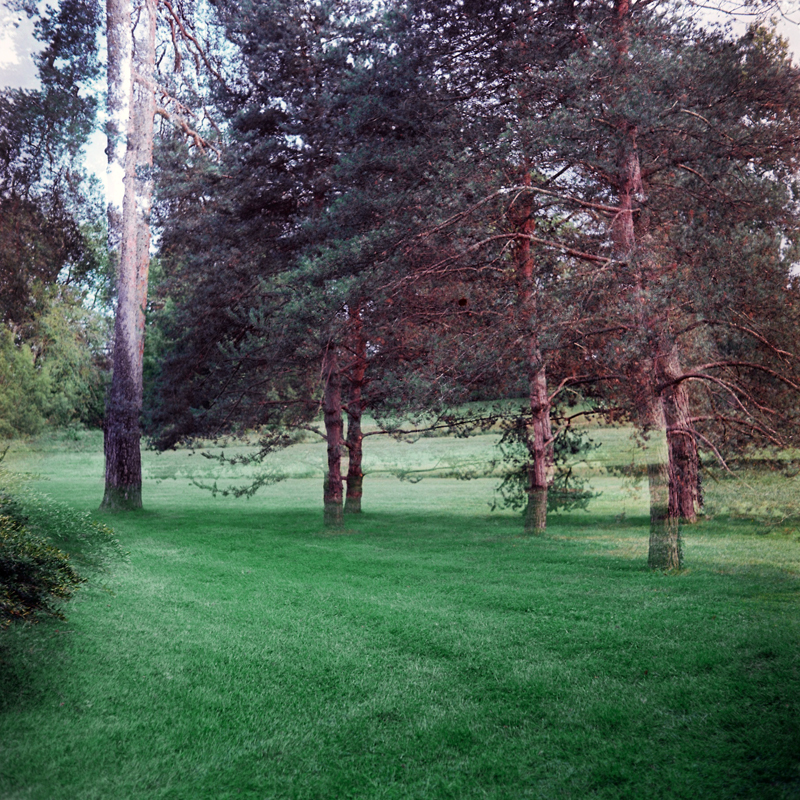
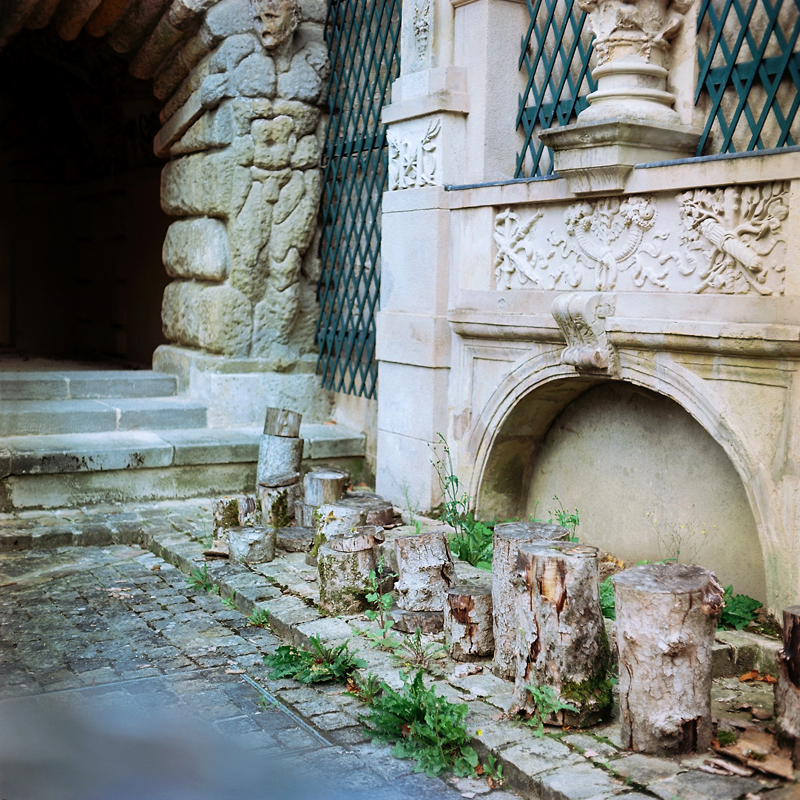
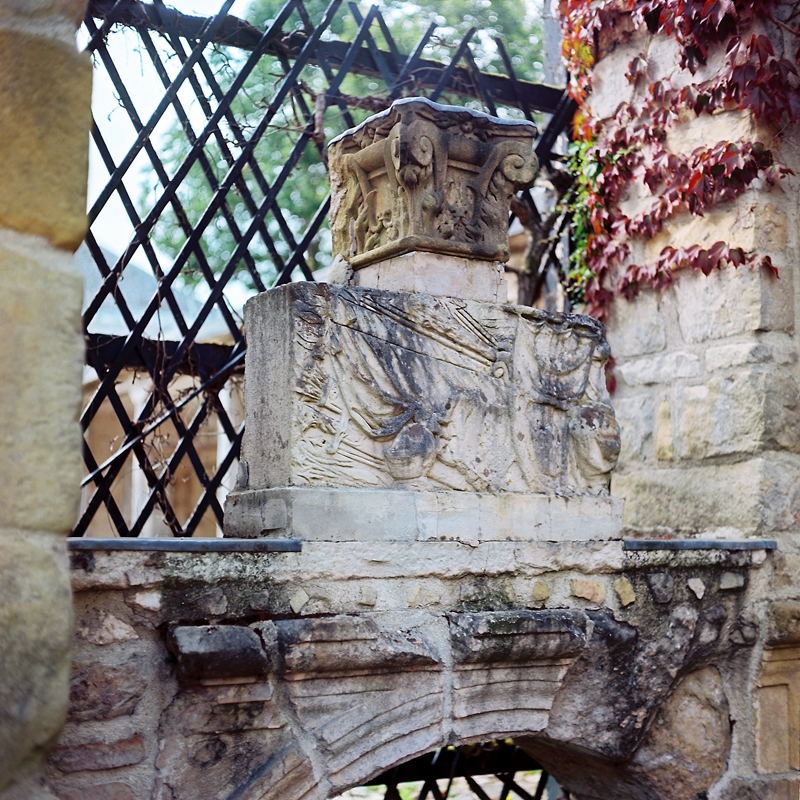
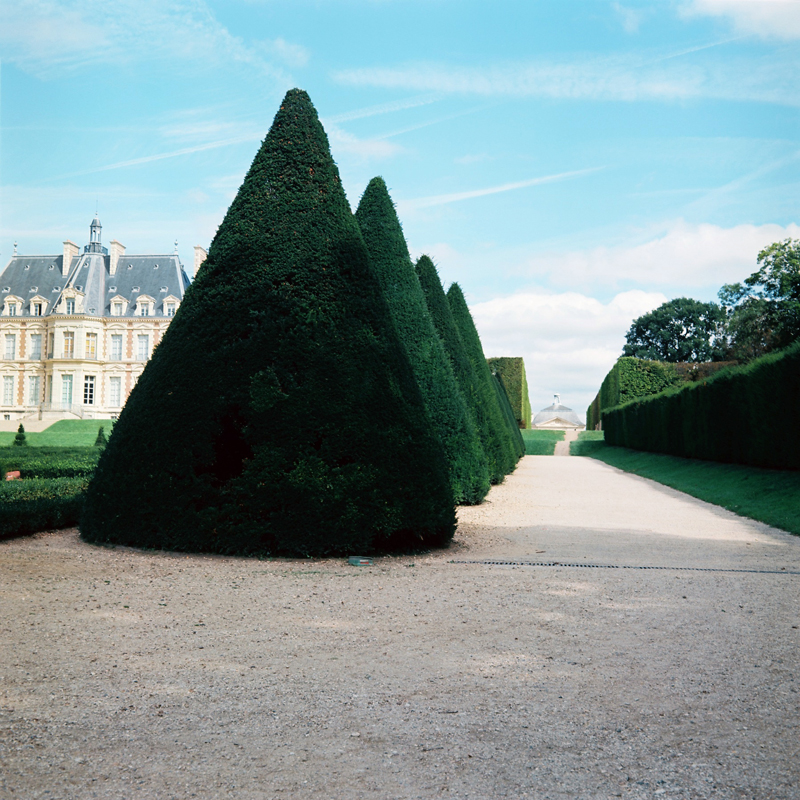
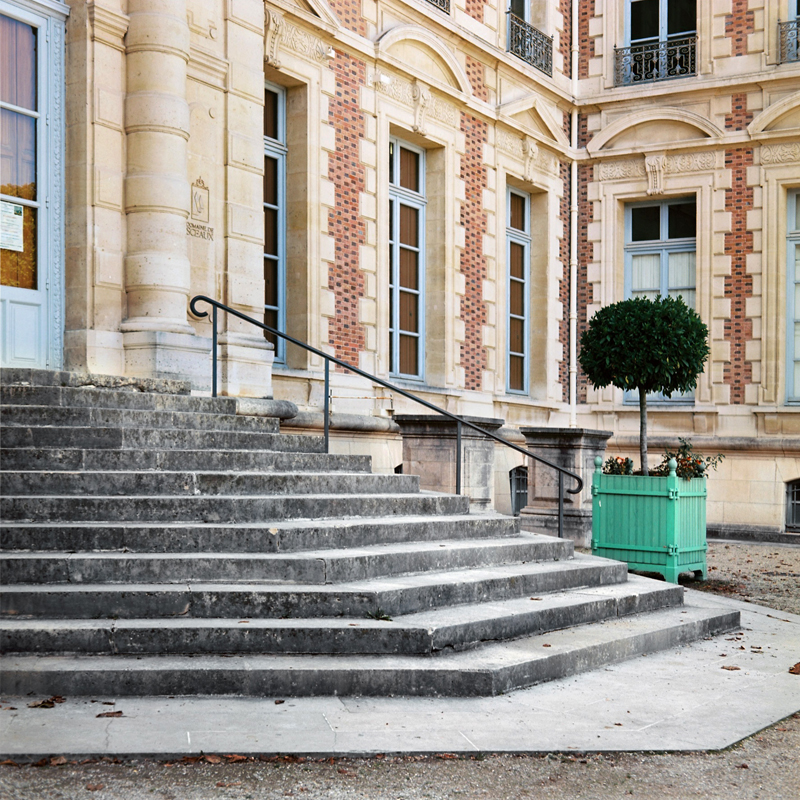
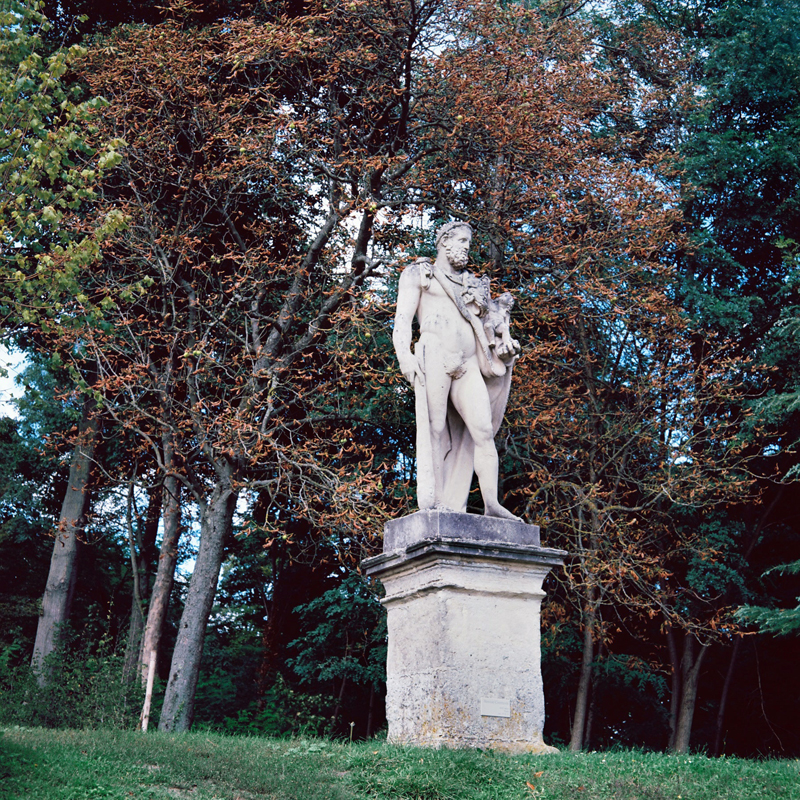
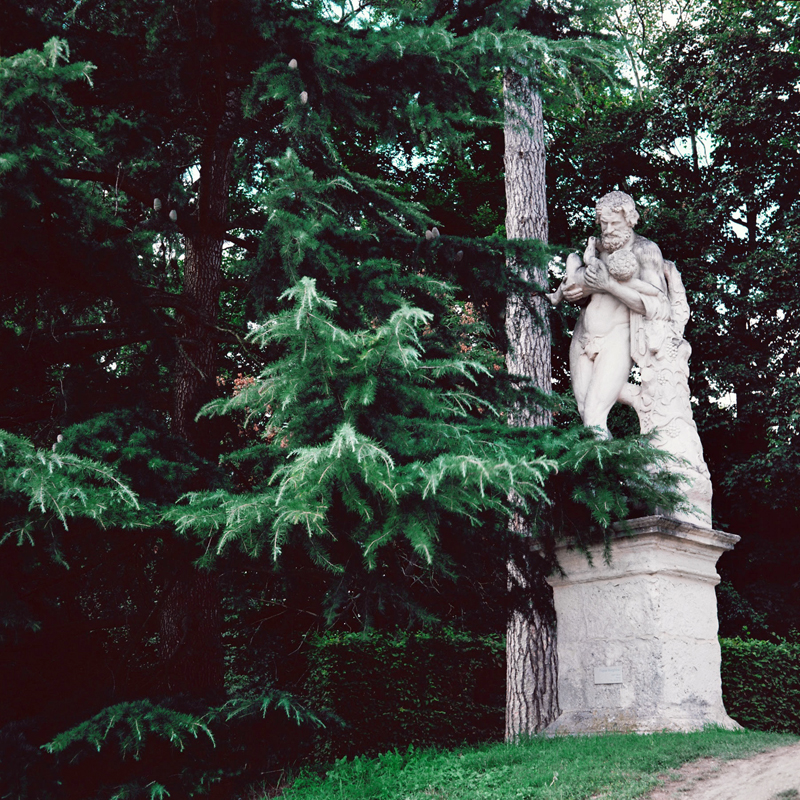
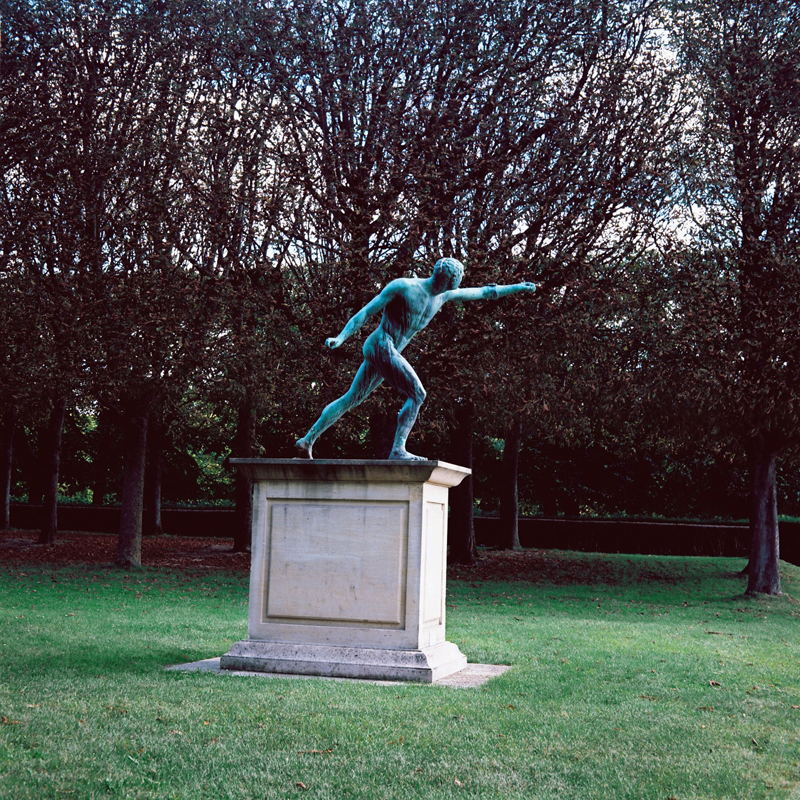
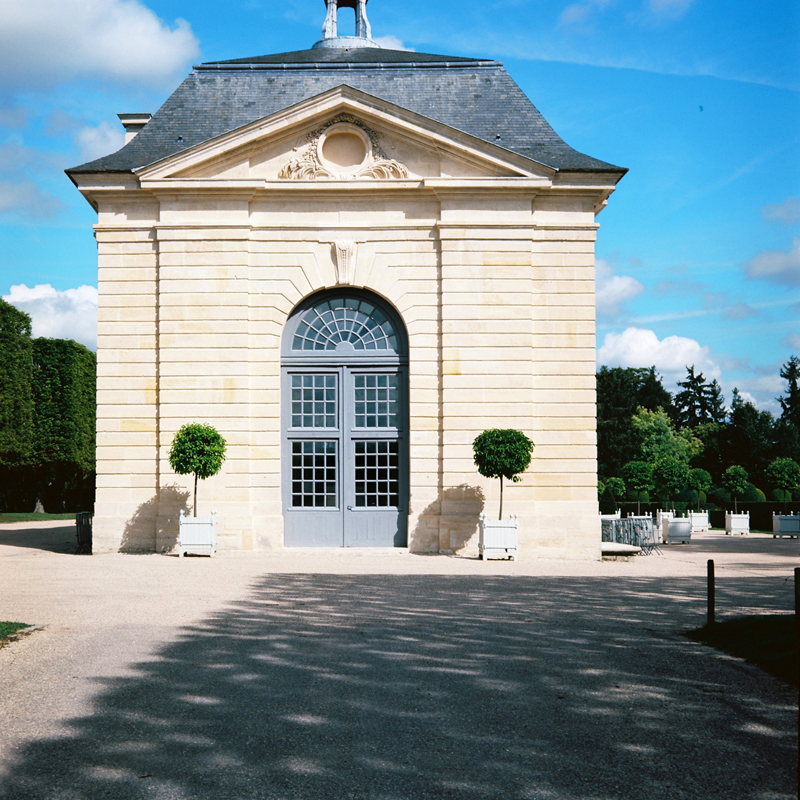
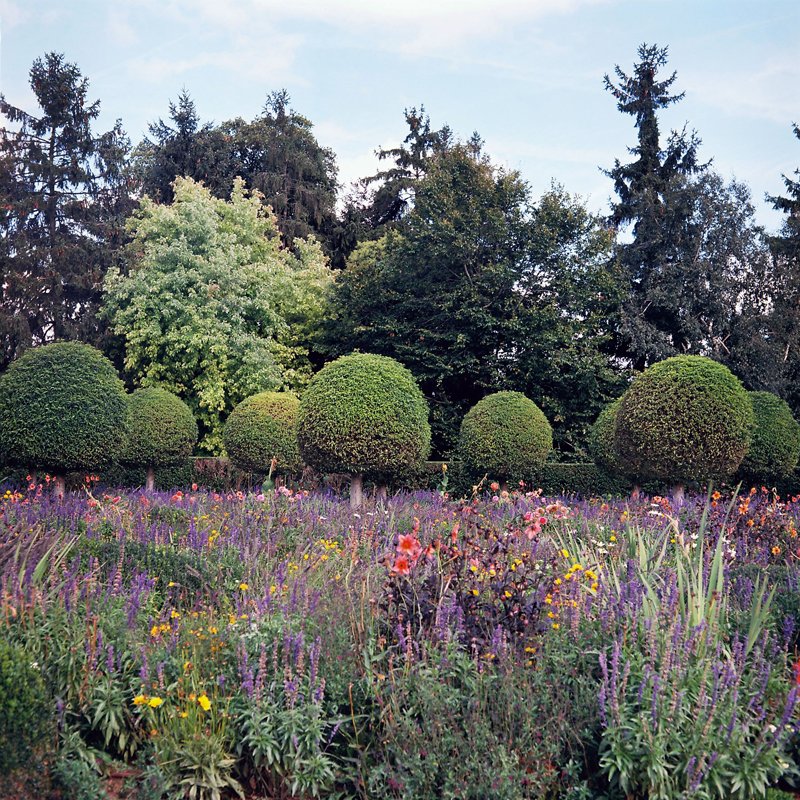
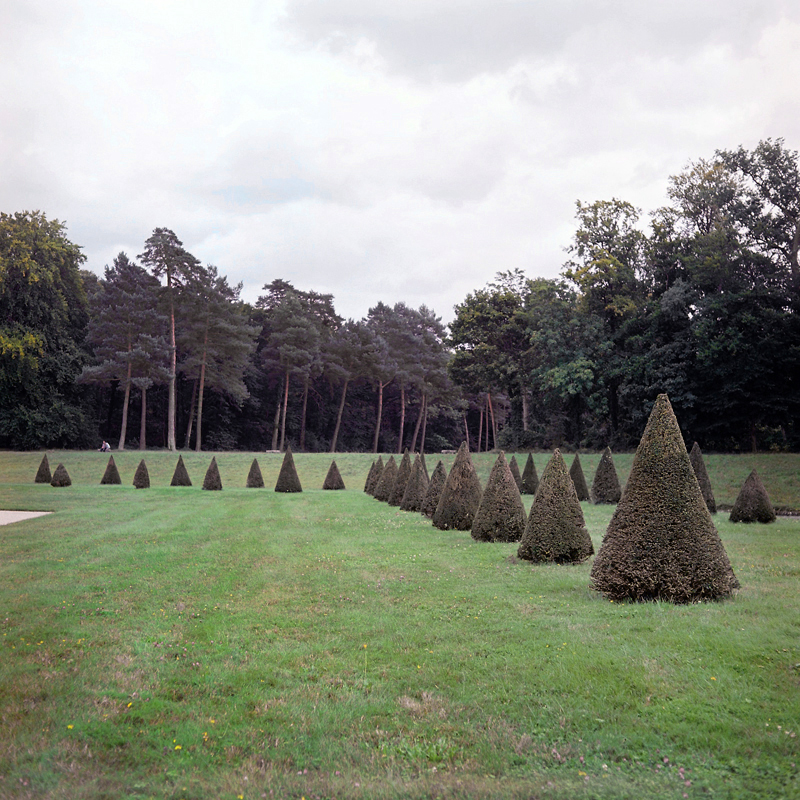
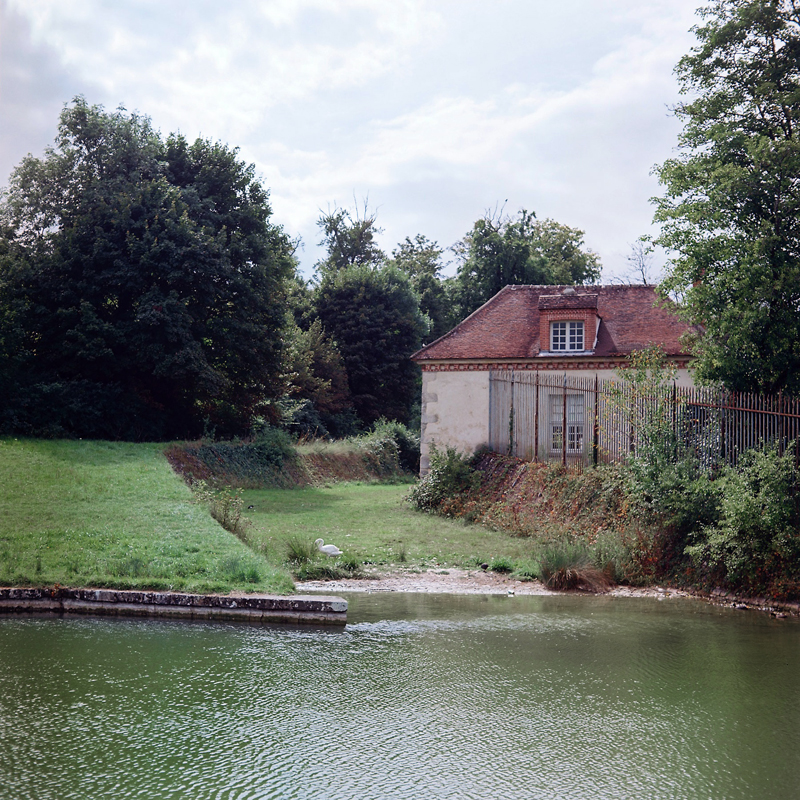
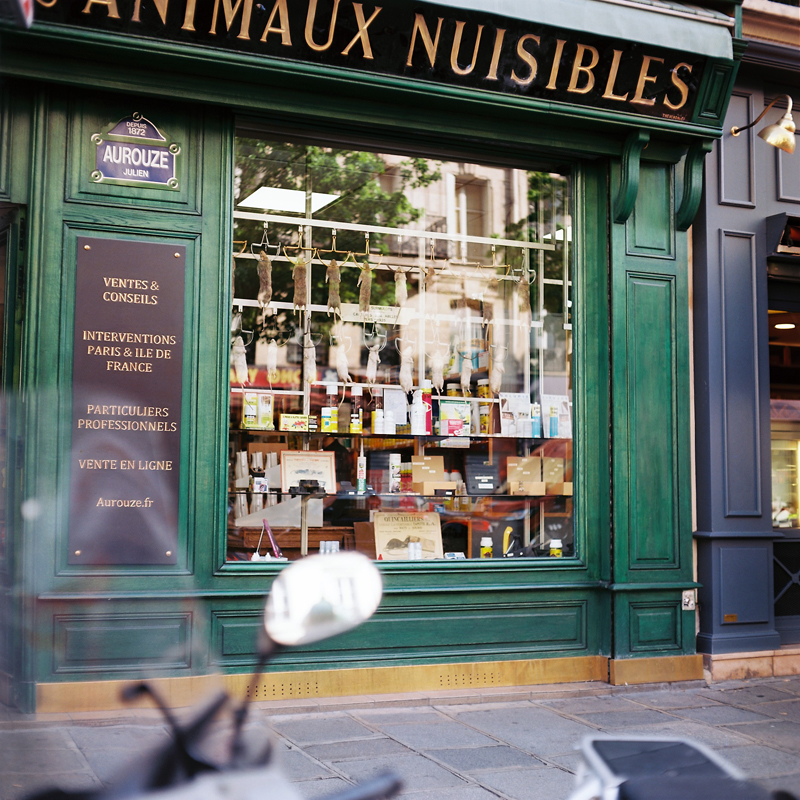
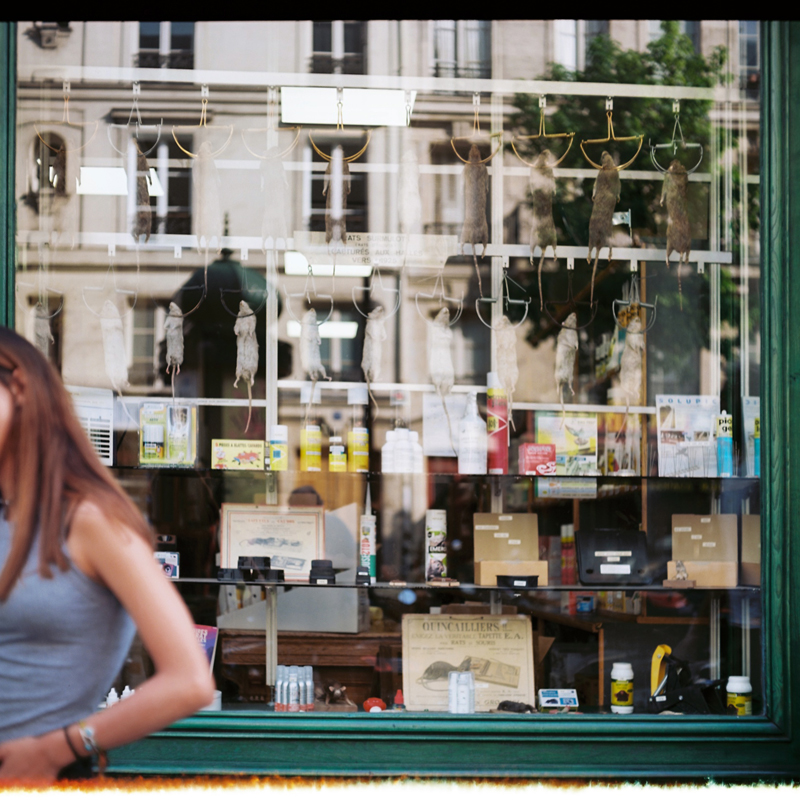
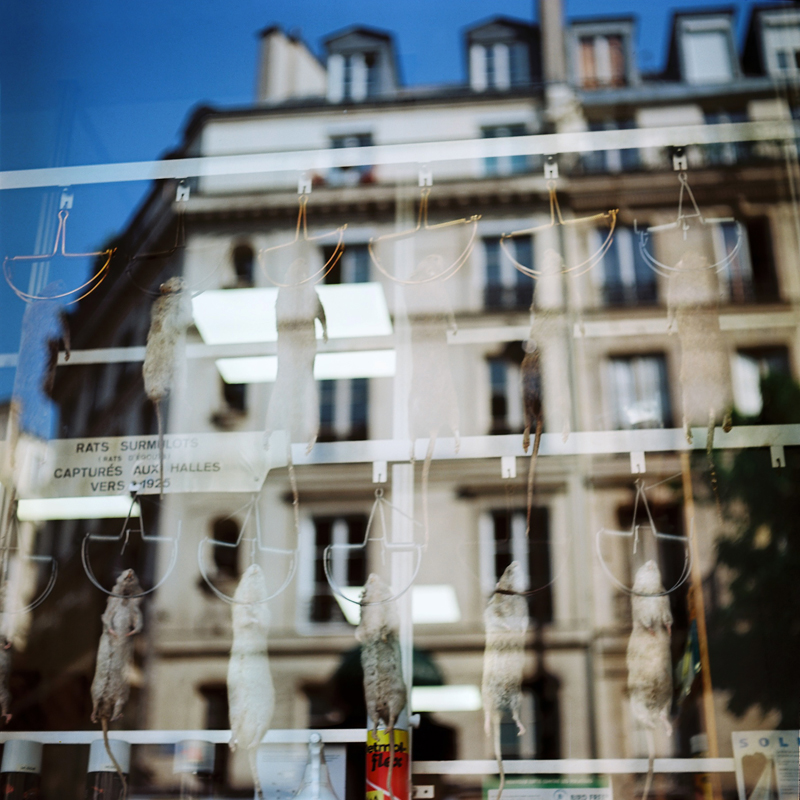
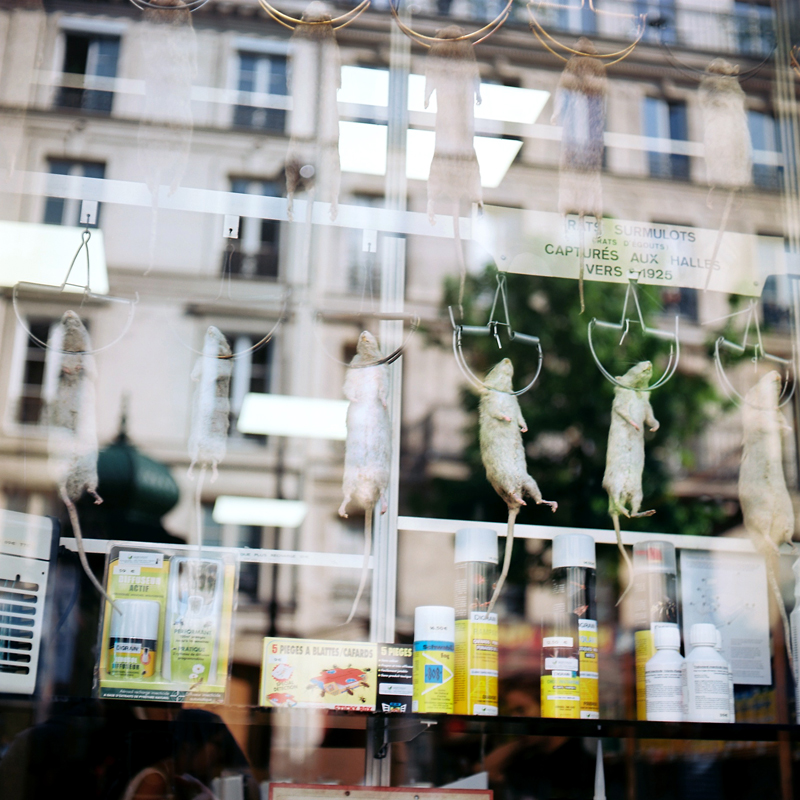
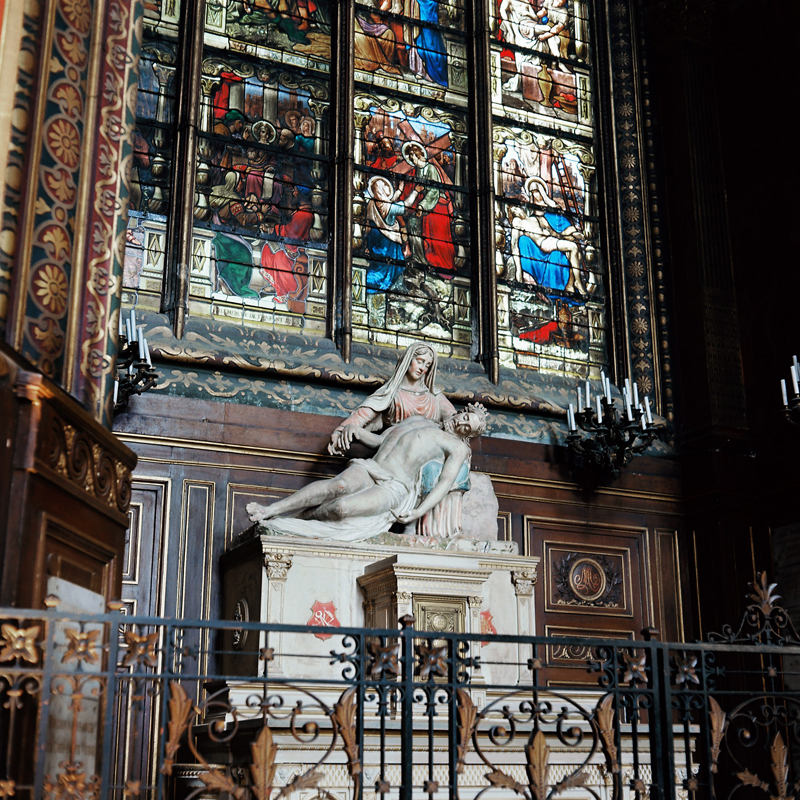
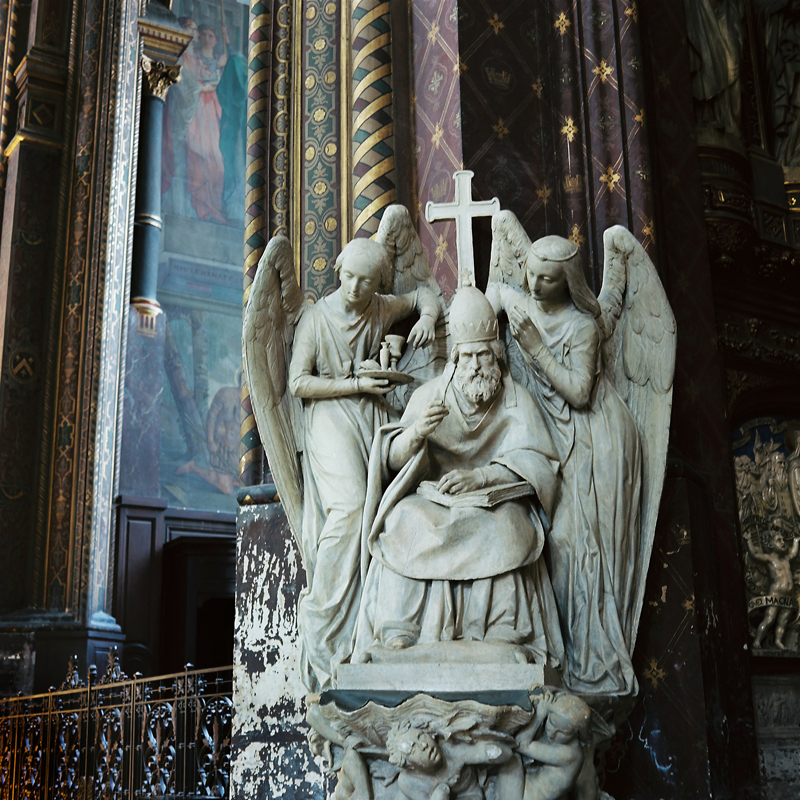
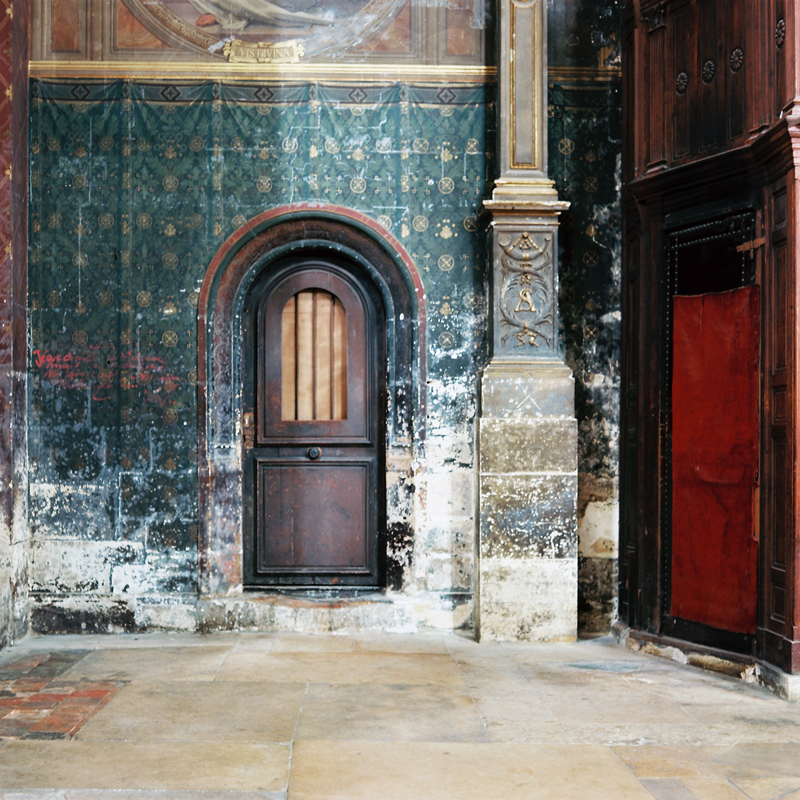
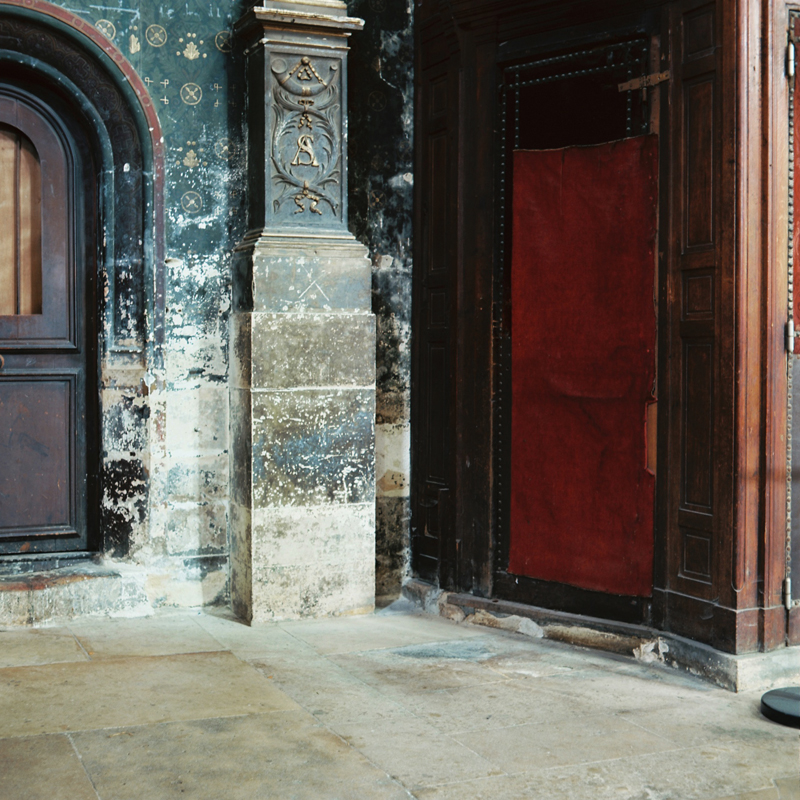
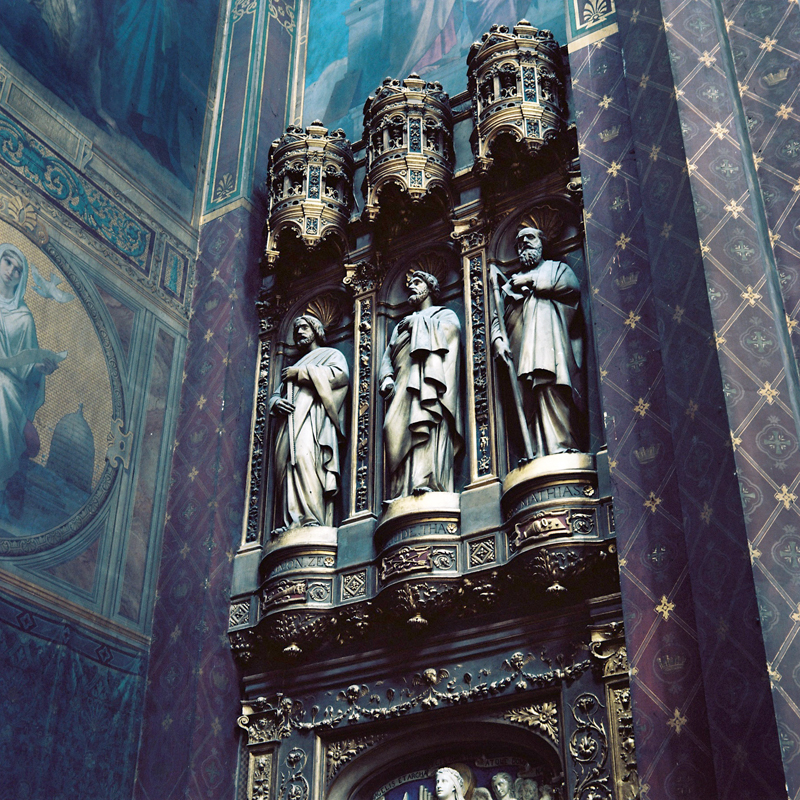
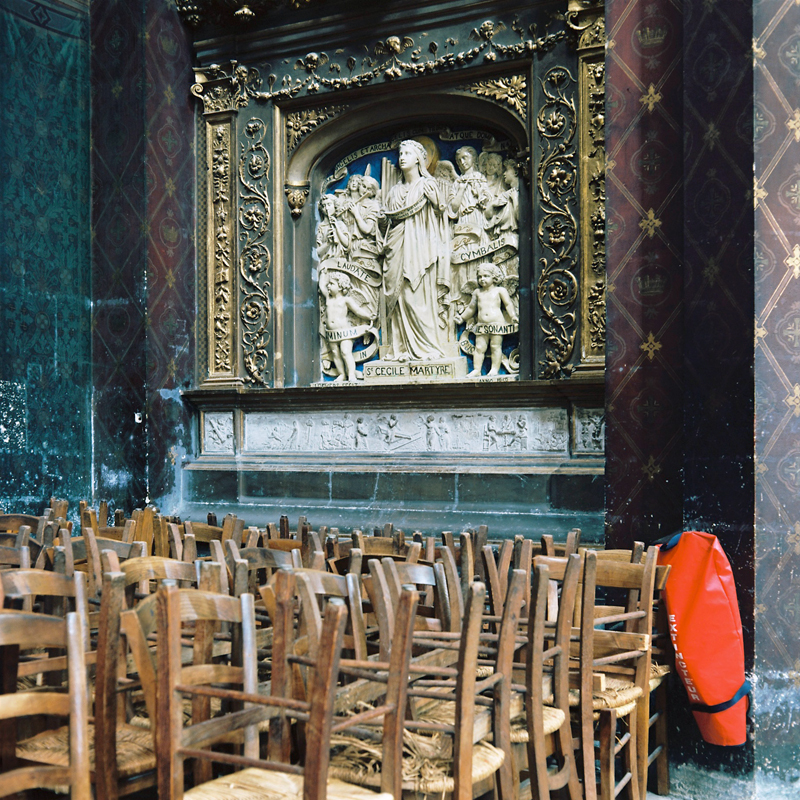
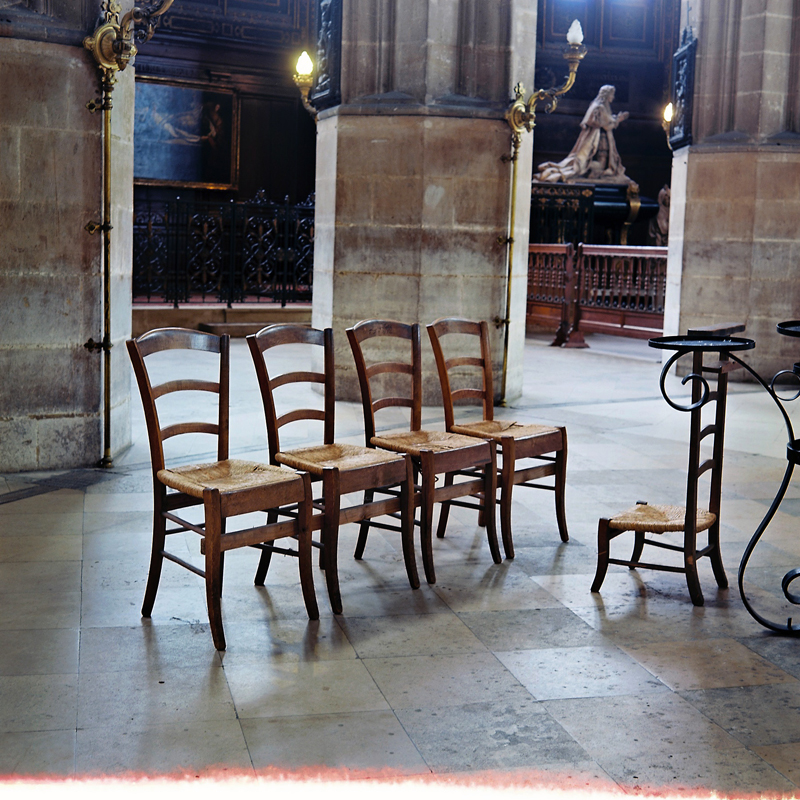
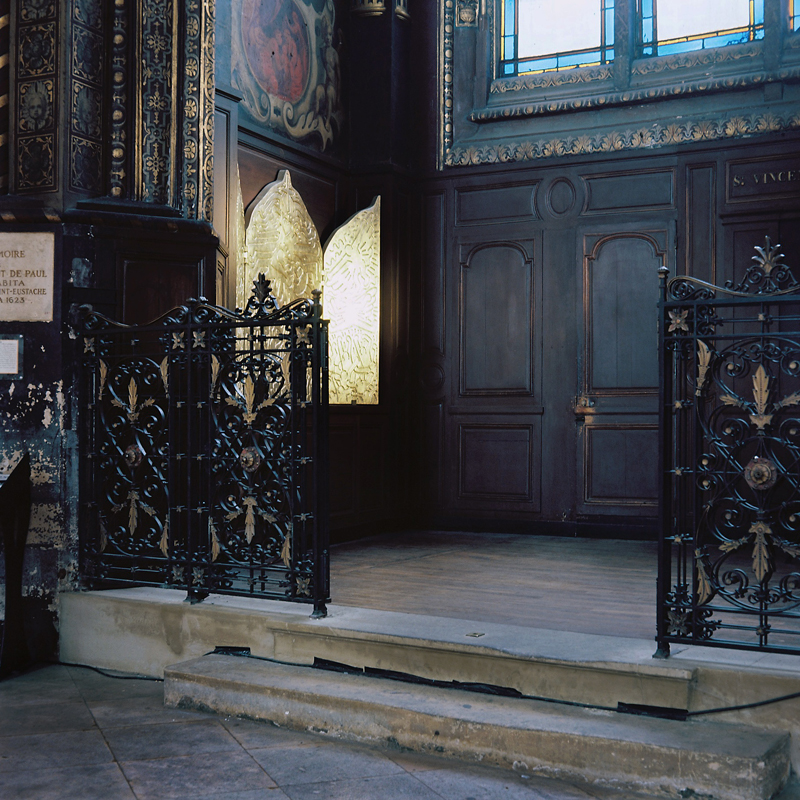
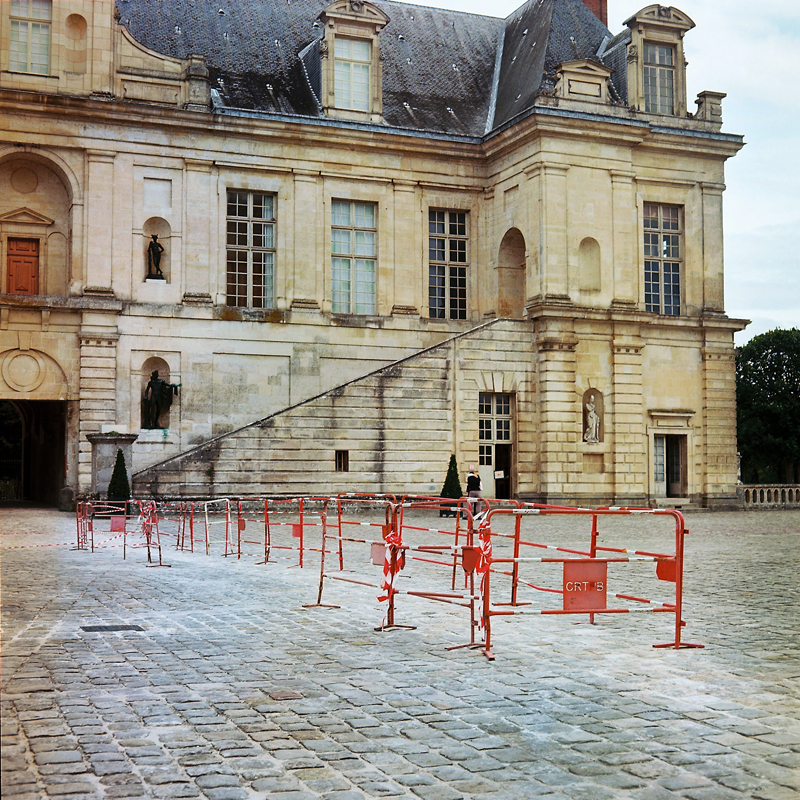
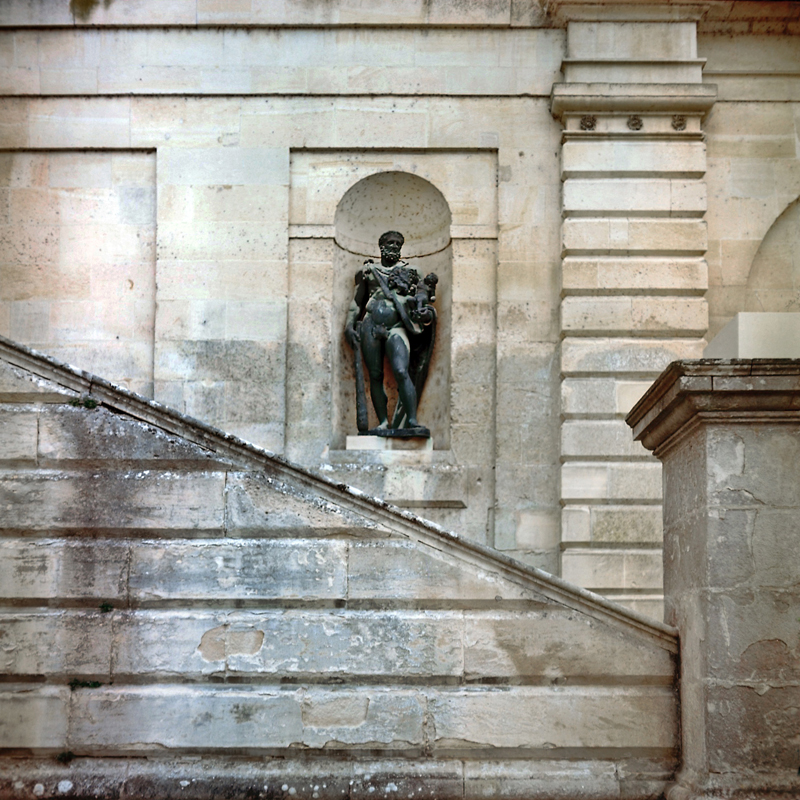


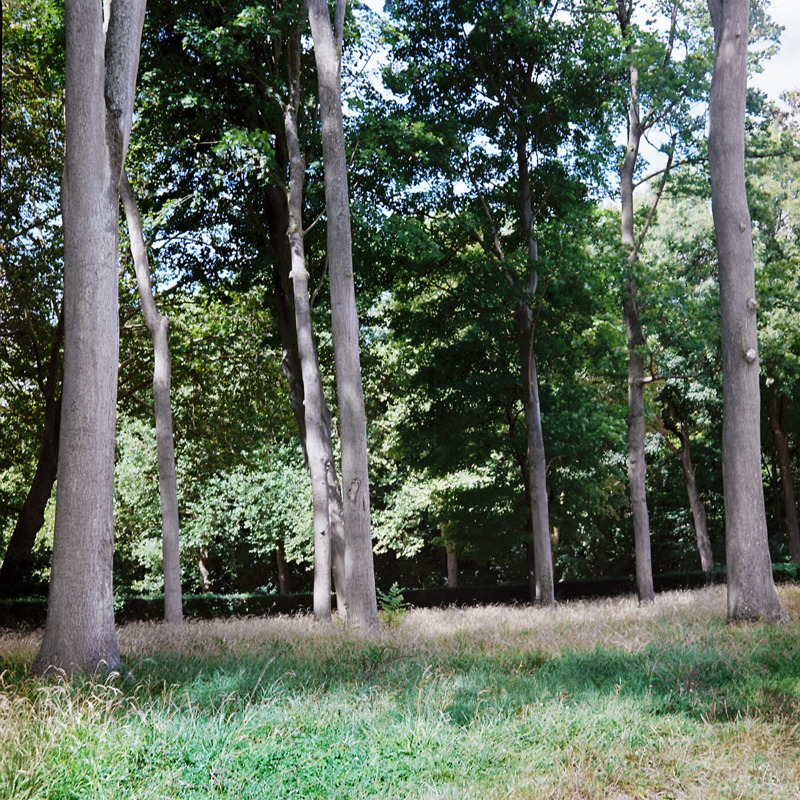


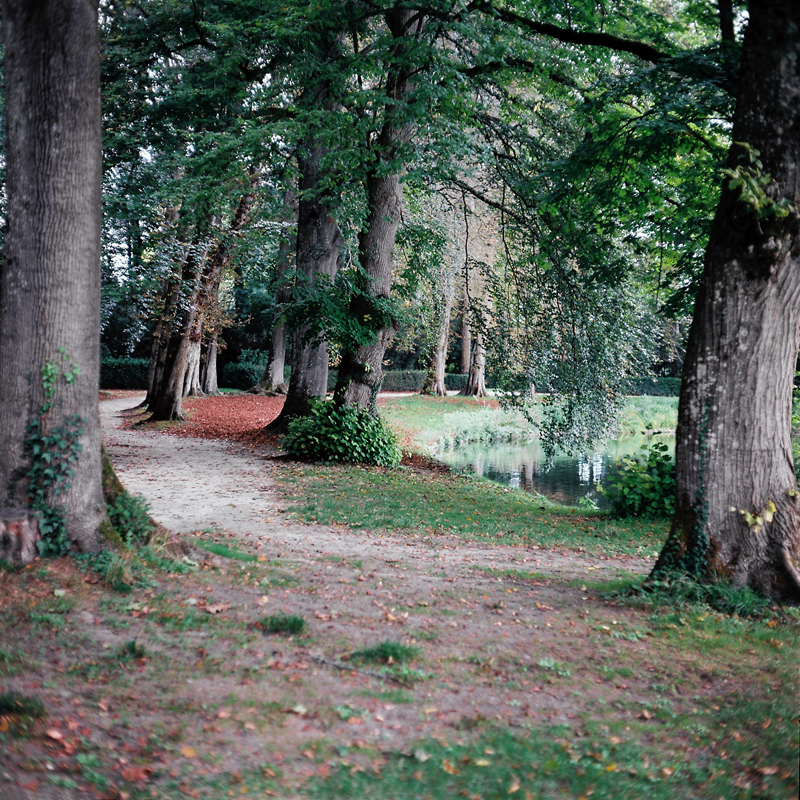


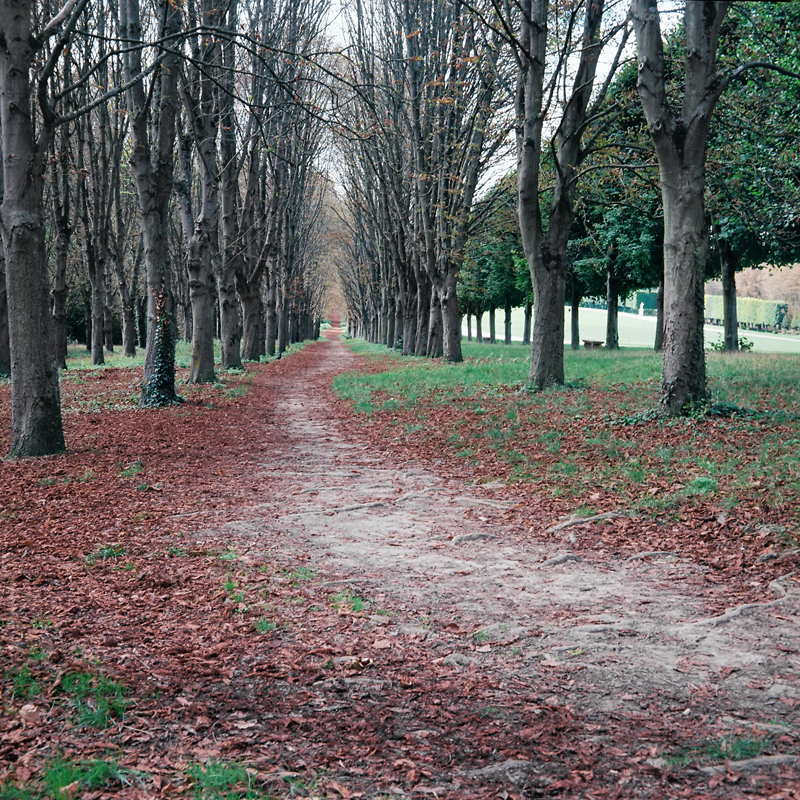

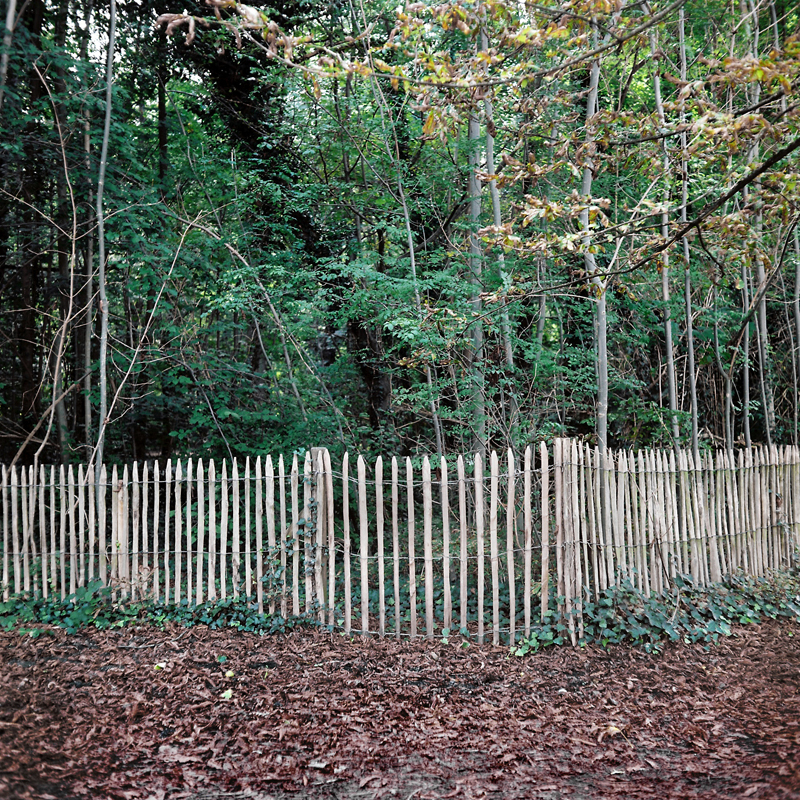

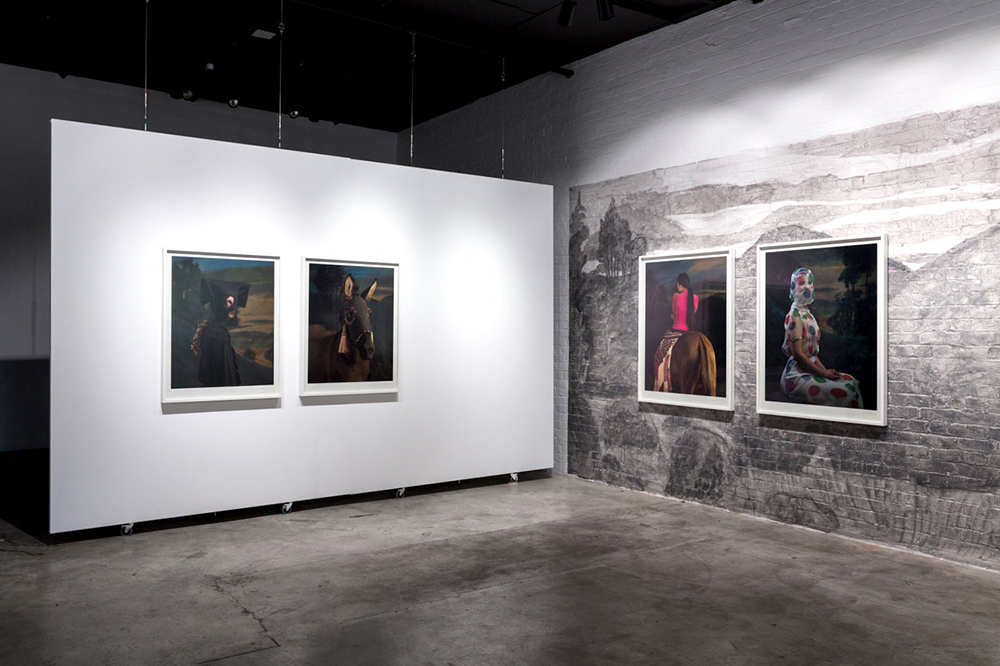
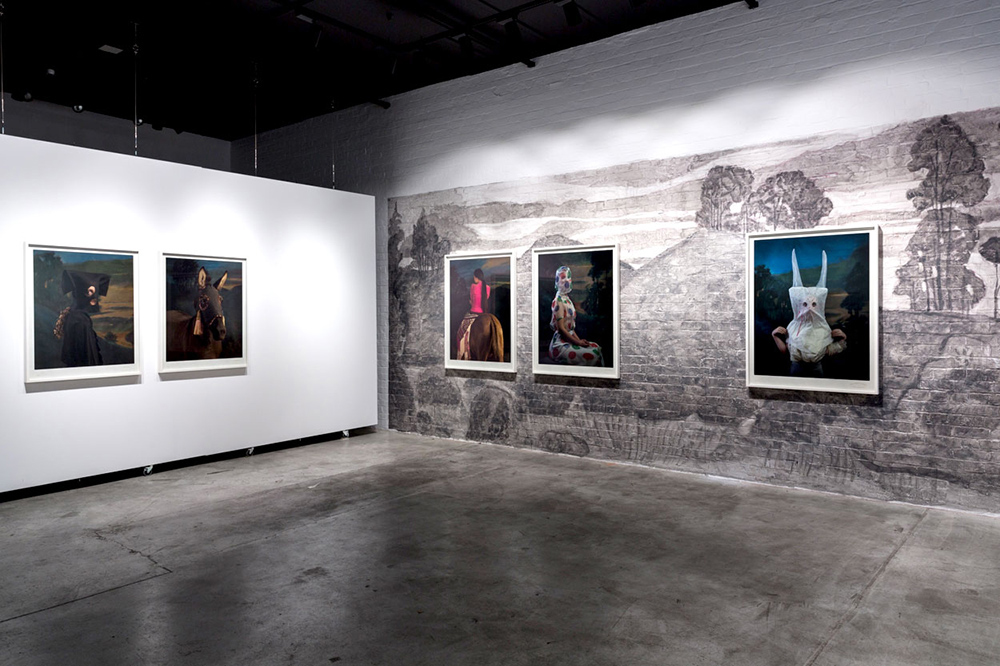
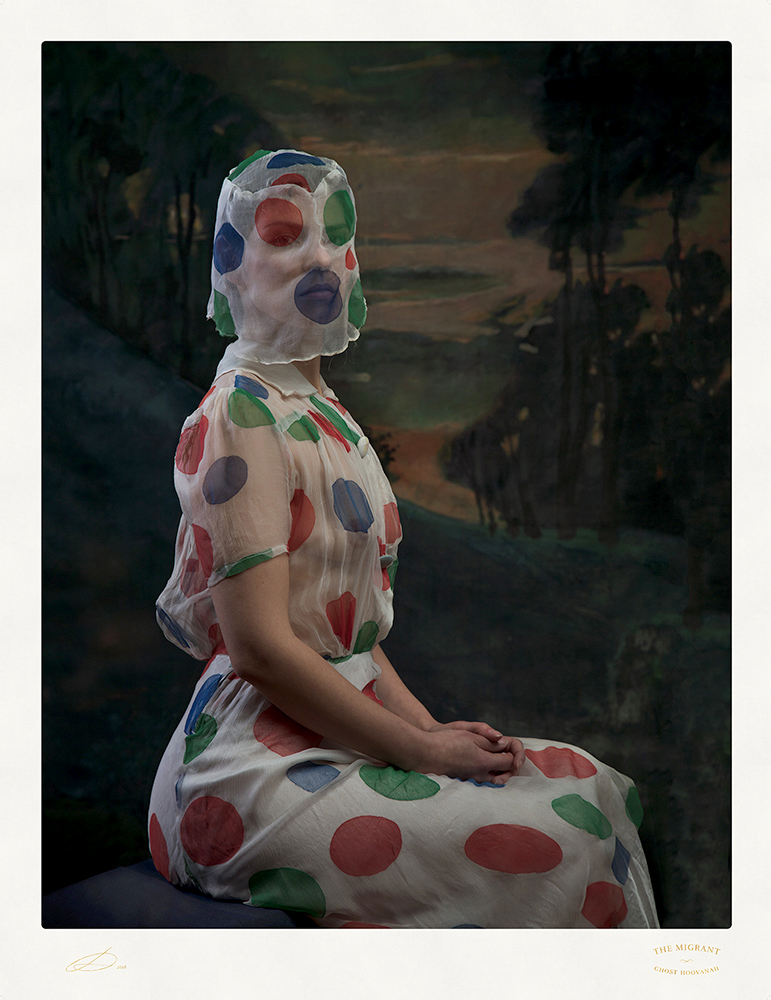
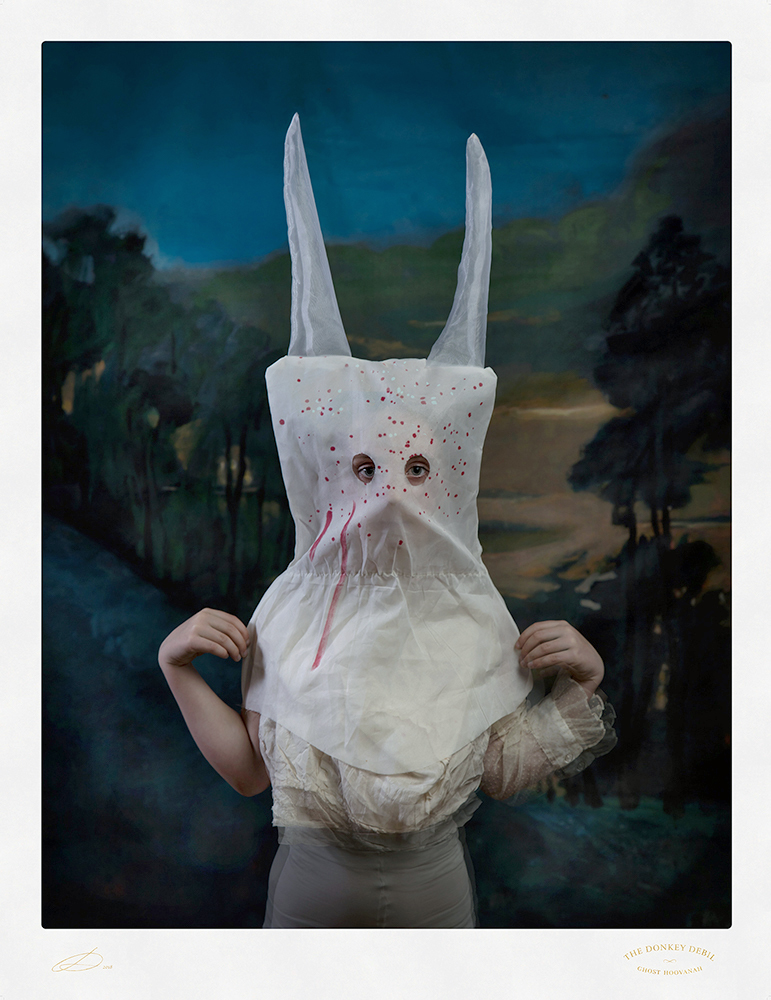

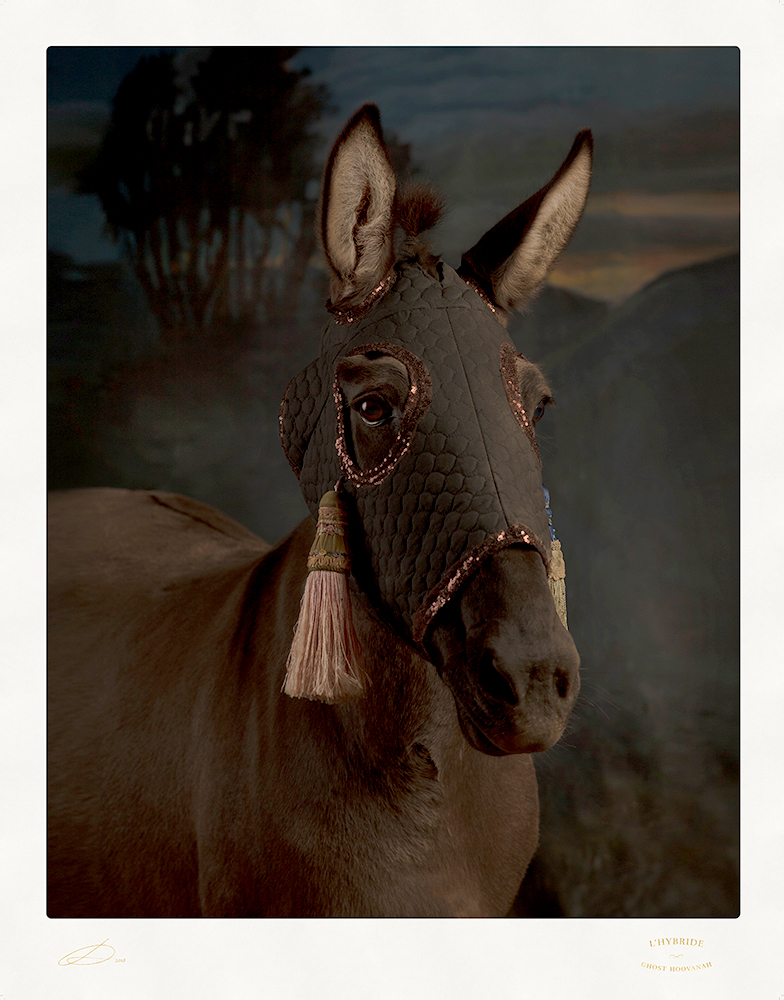


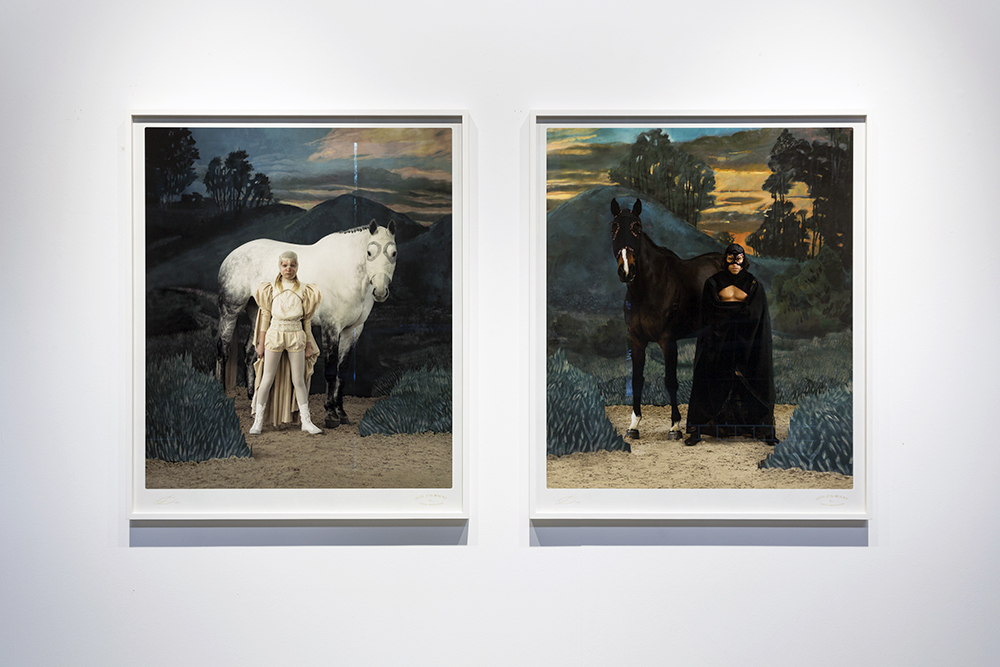

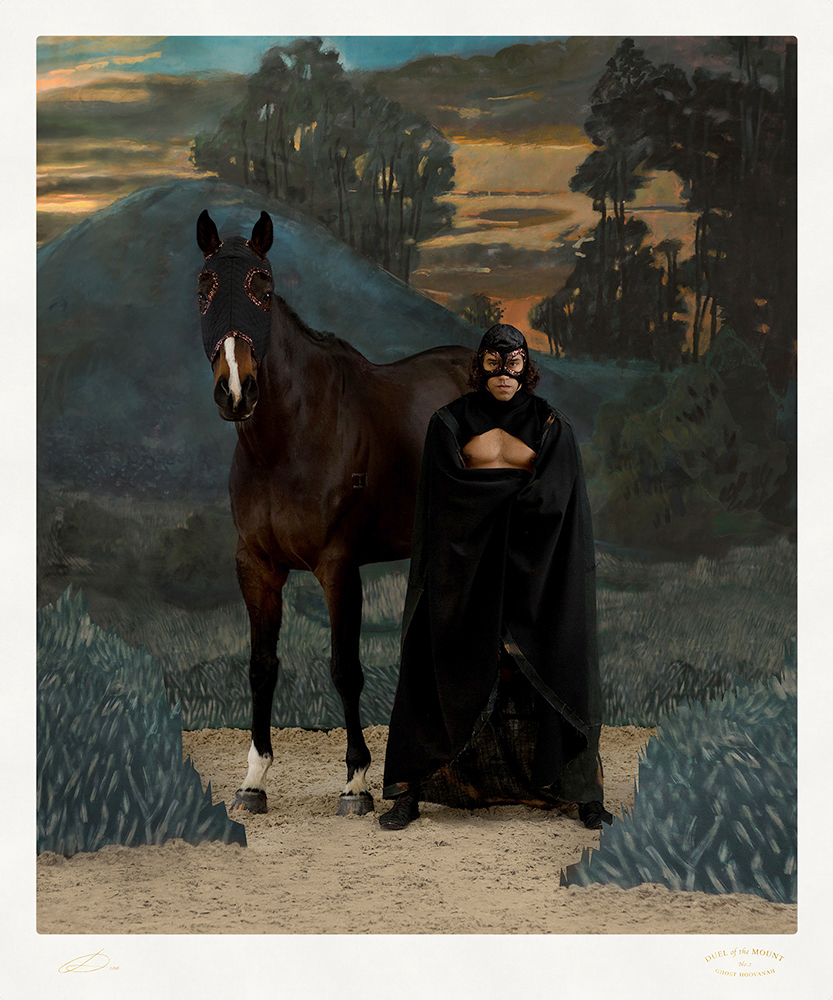


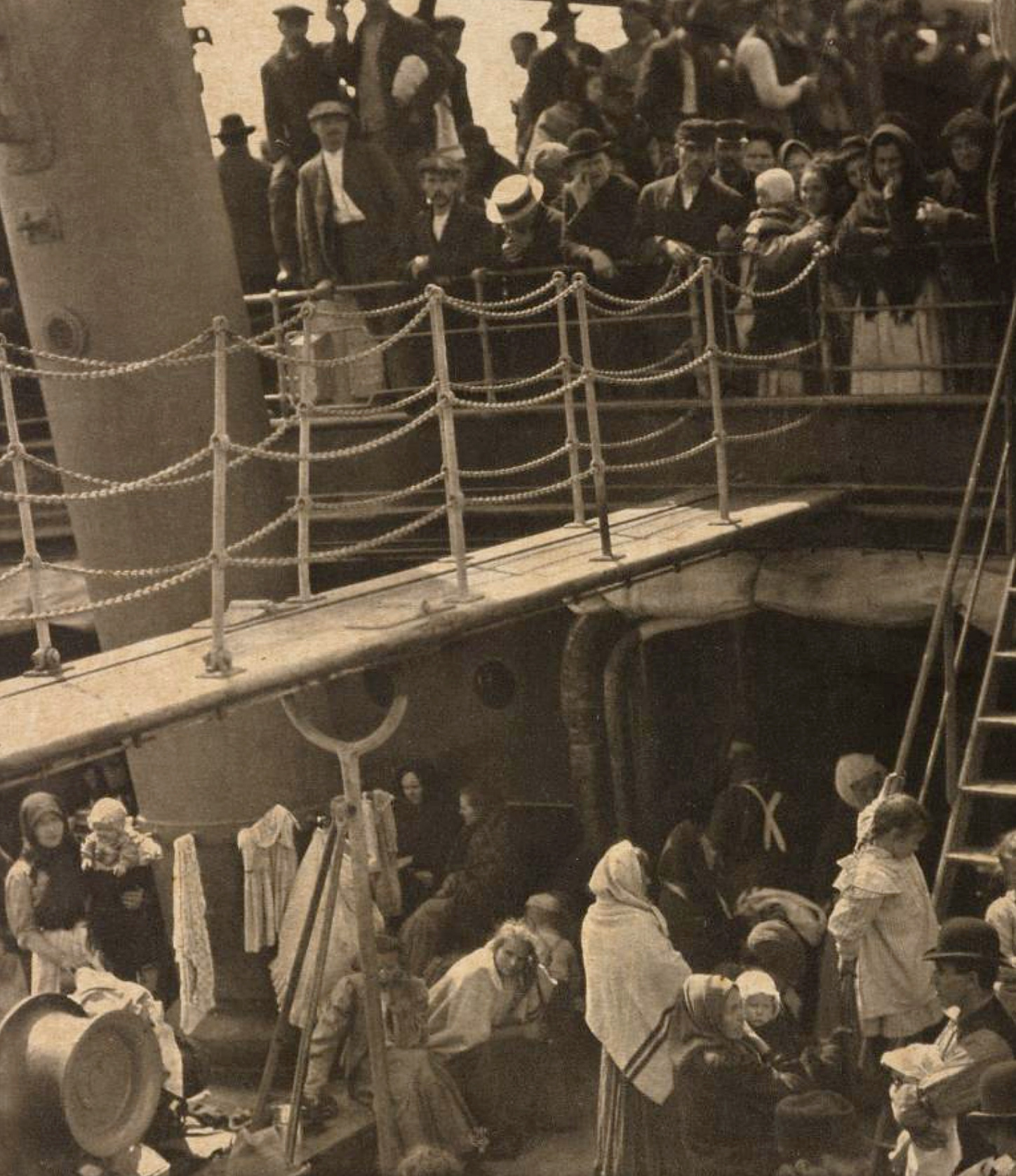


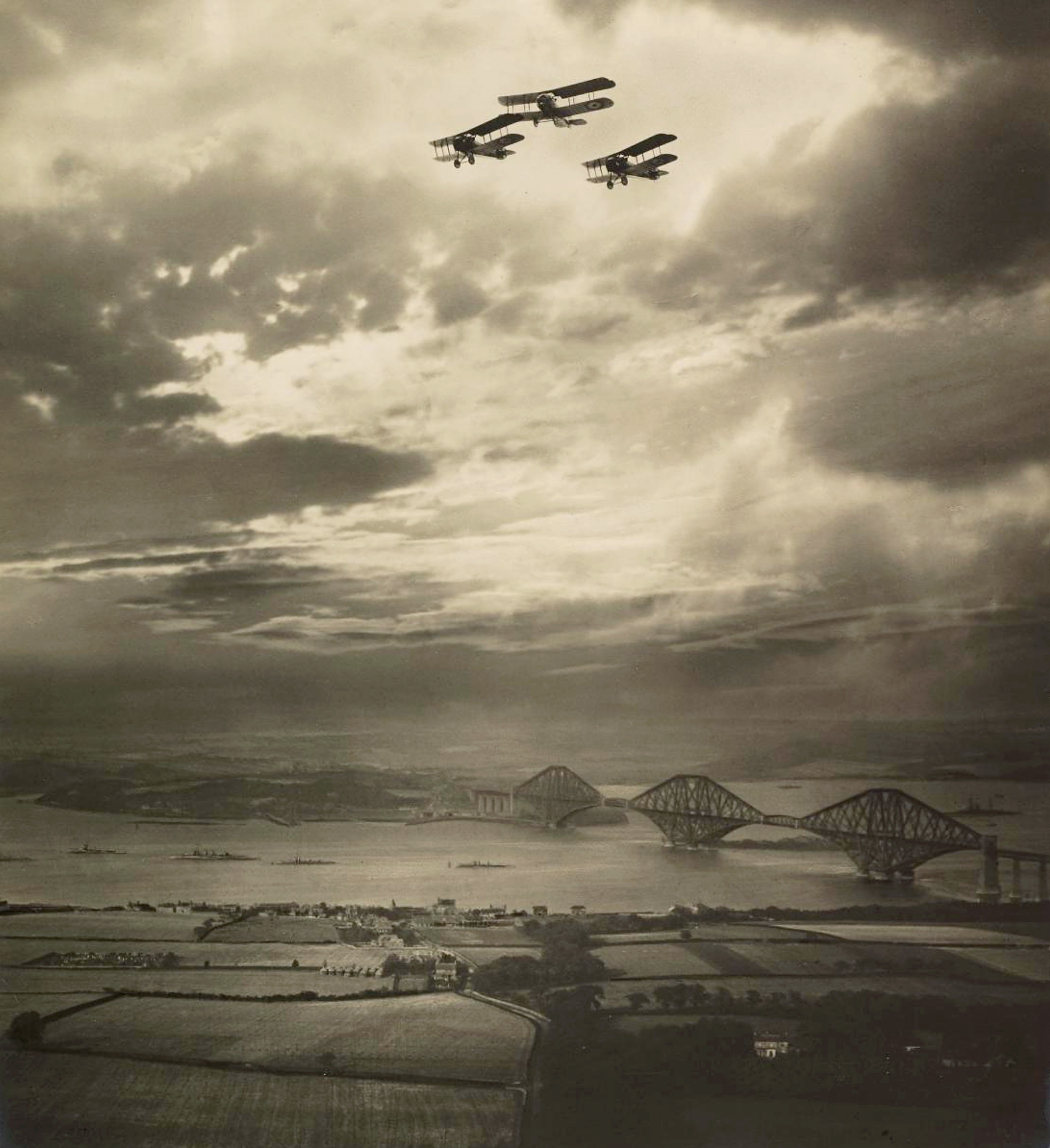


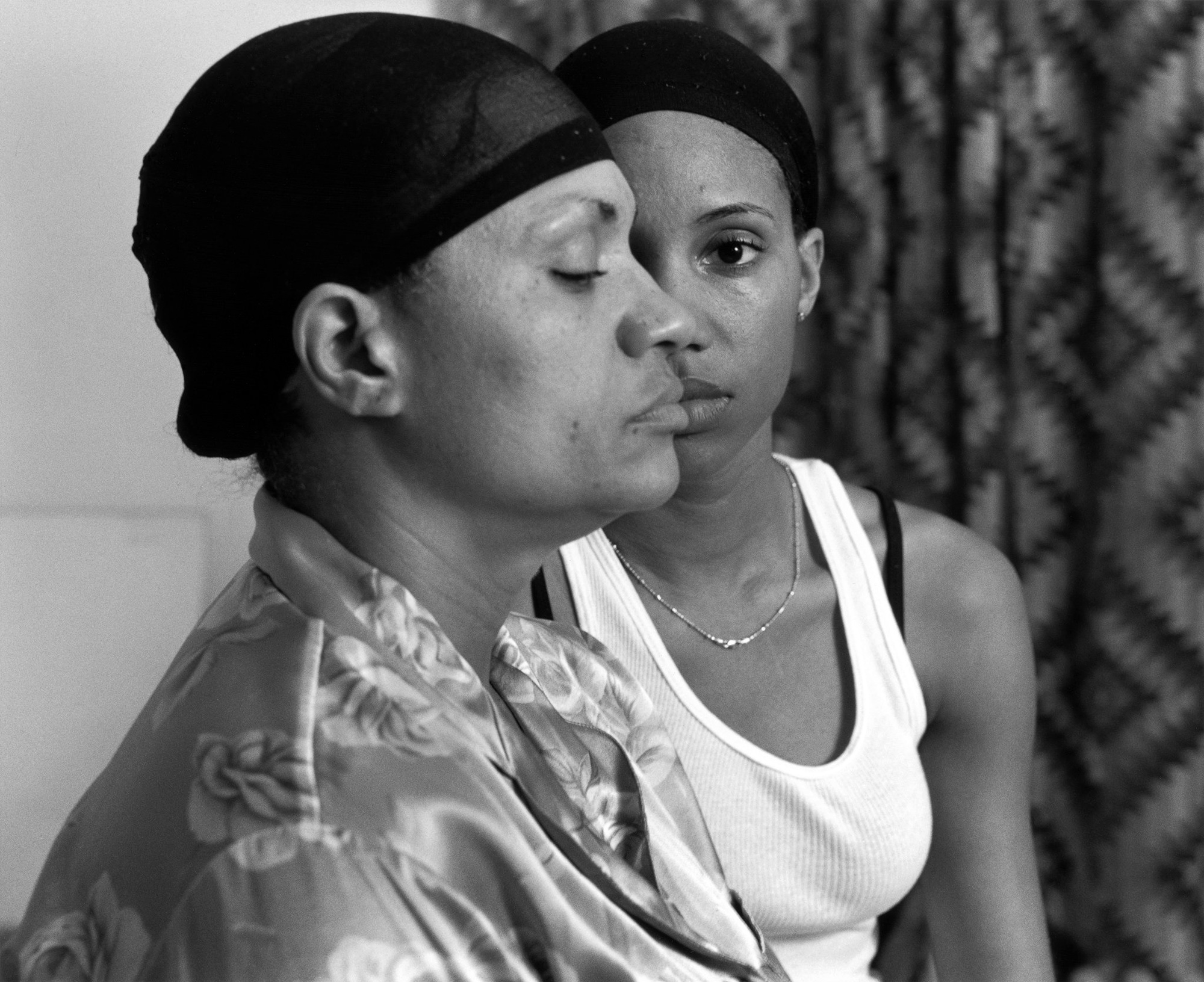

![Photographer unknown (American) 'Untitled [Hidden Mother]' c. 1860s-1870s](https://artblart.com/wp-content/uploads/2018/05/13_hidden-mother_artist-unidentified-web.jpg "Photographer unknown (American) 'Untitled [Hidden Mother]' c. 1860s-1870s")


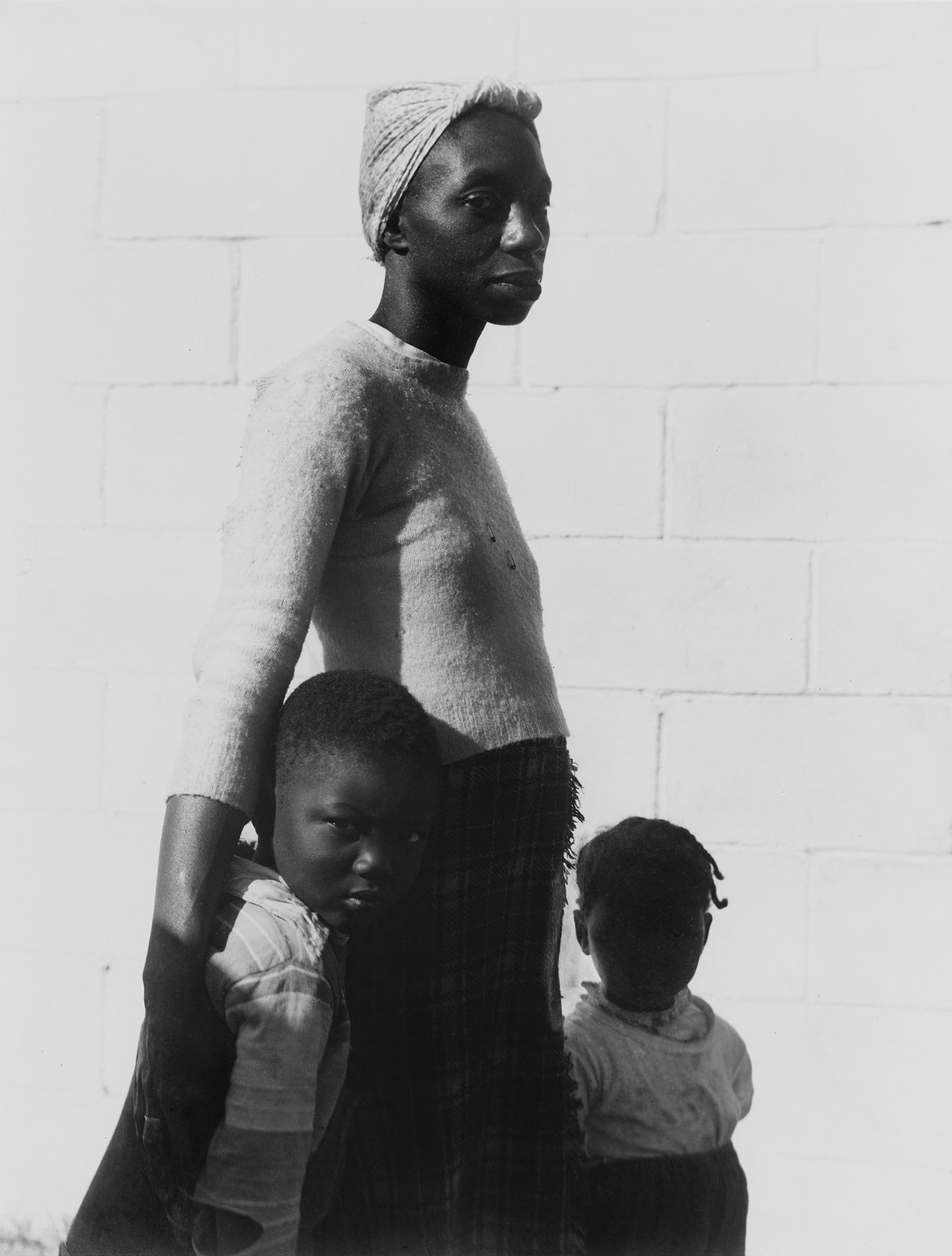
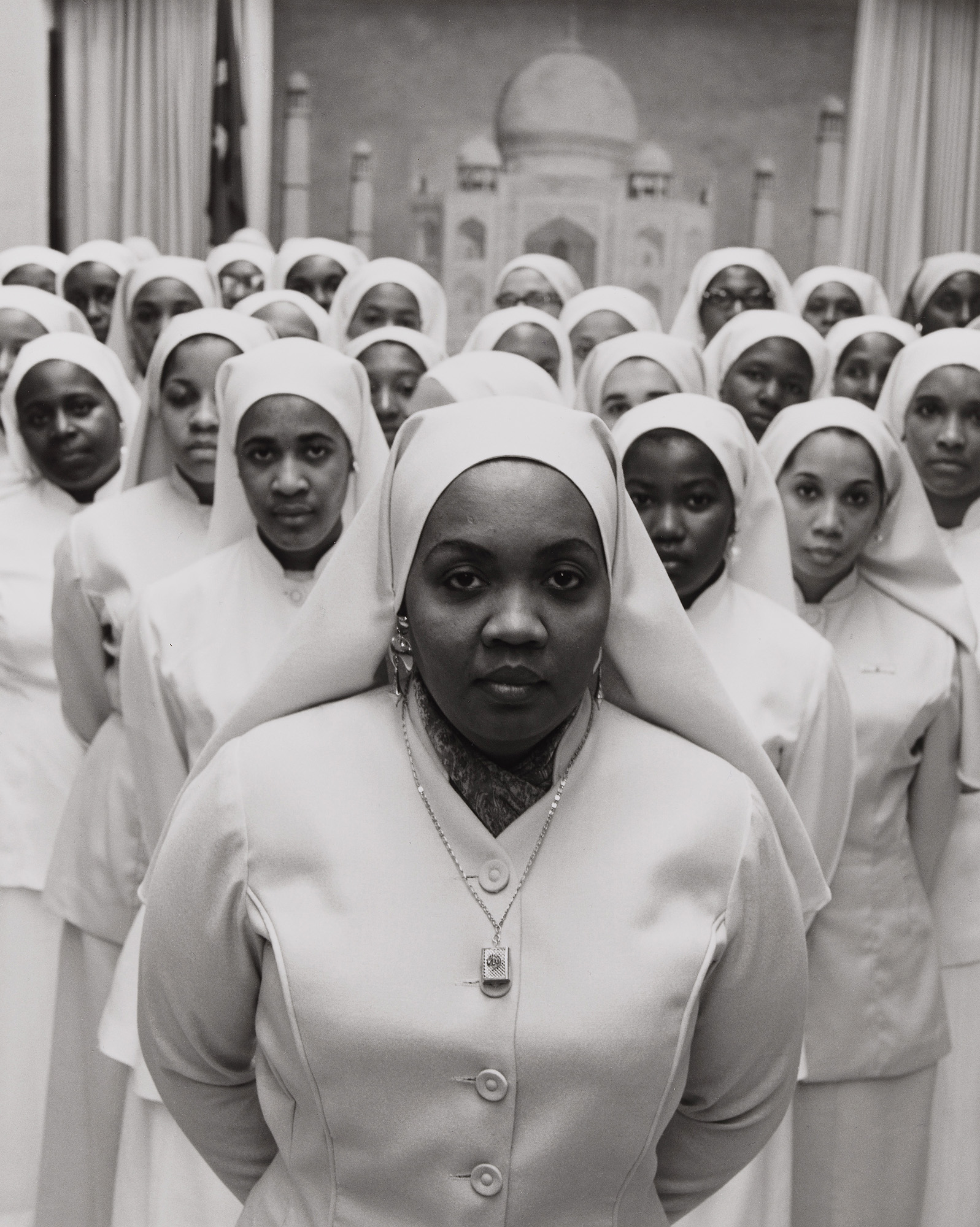


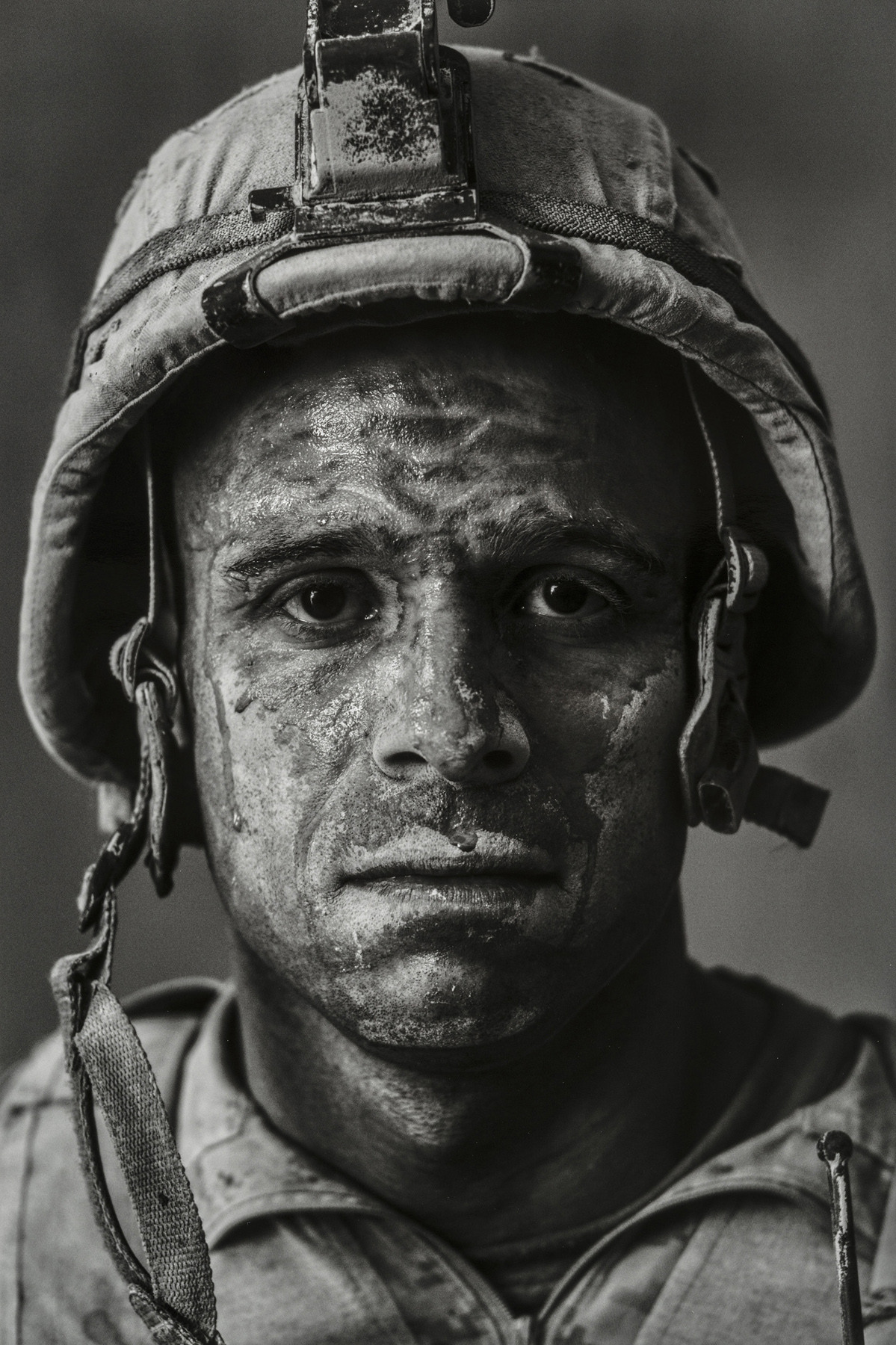


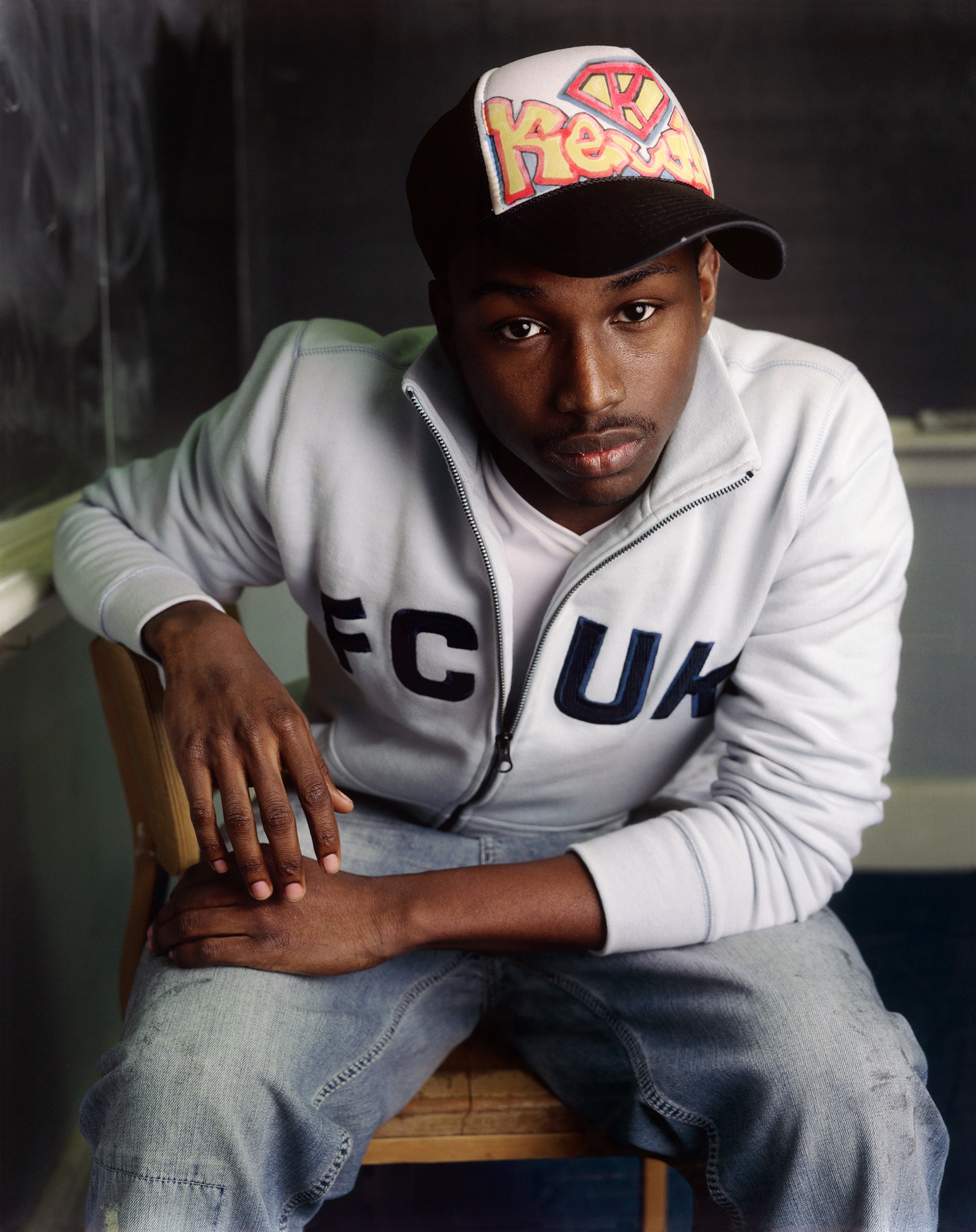


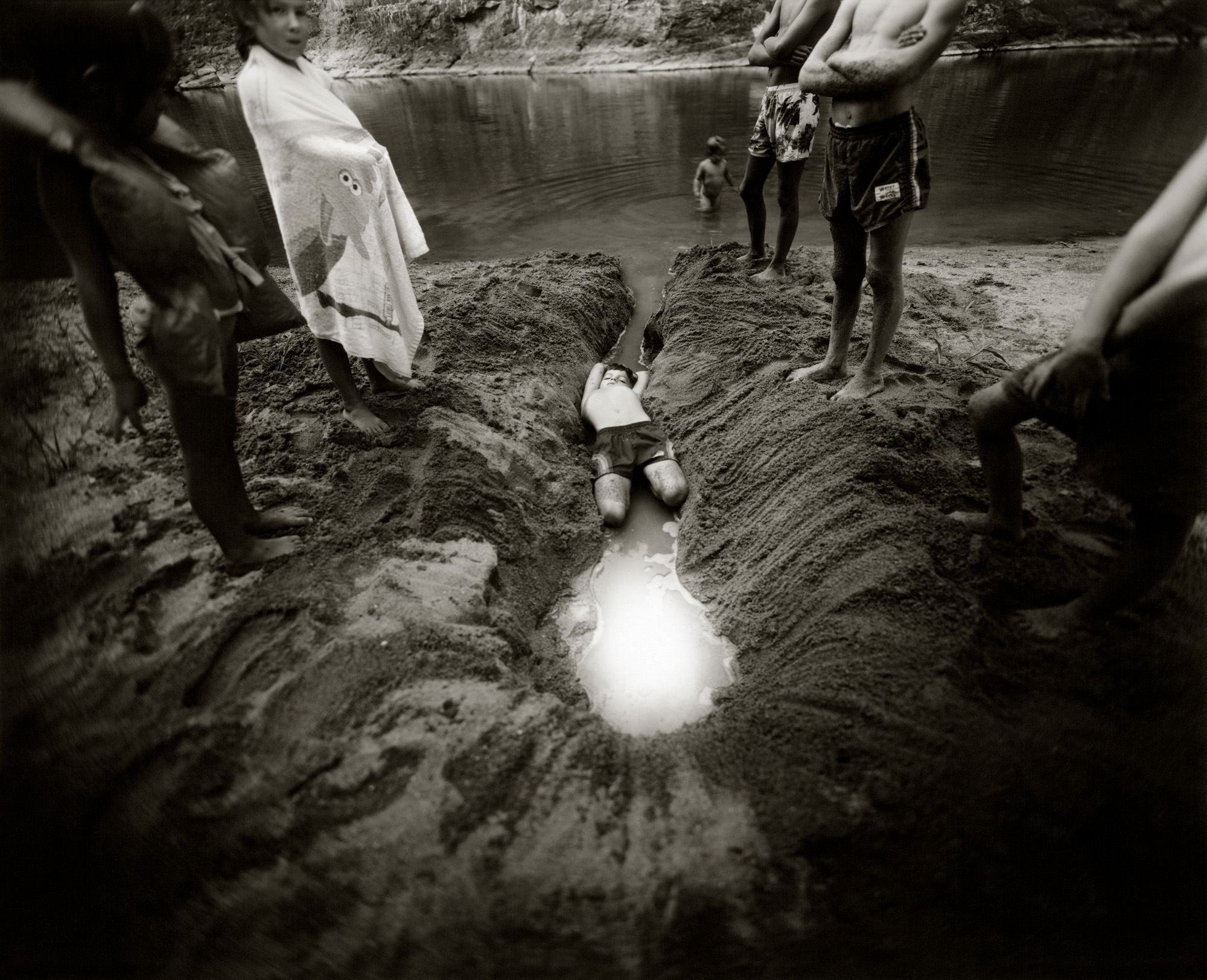
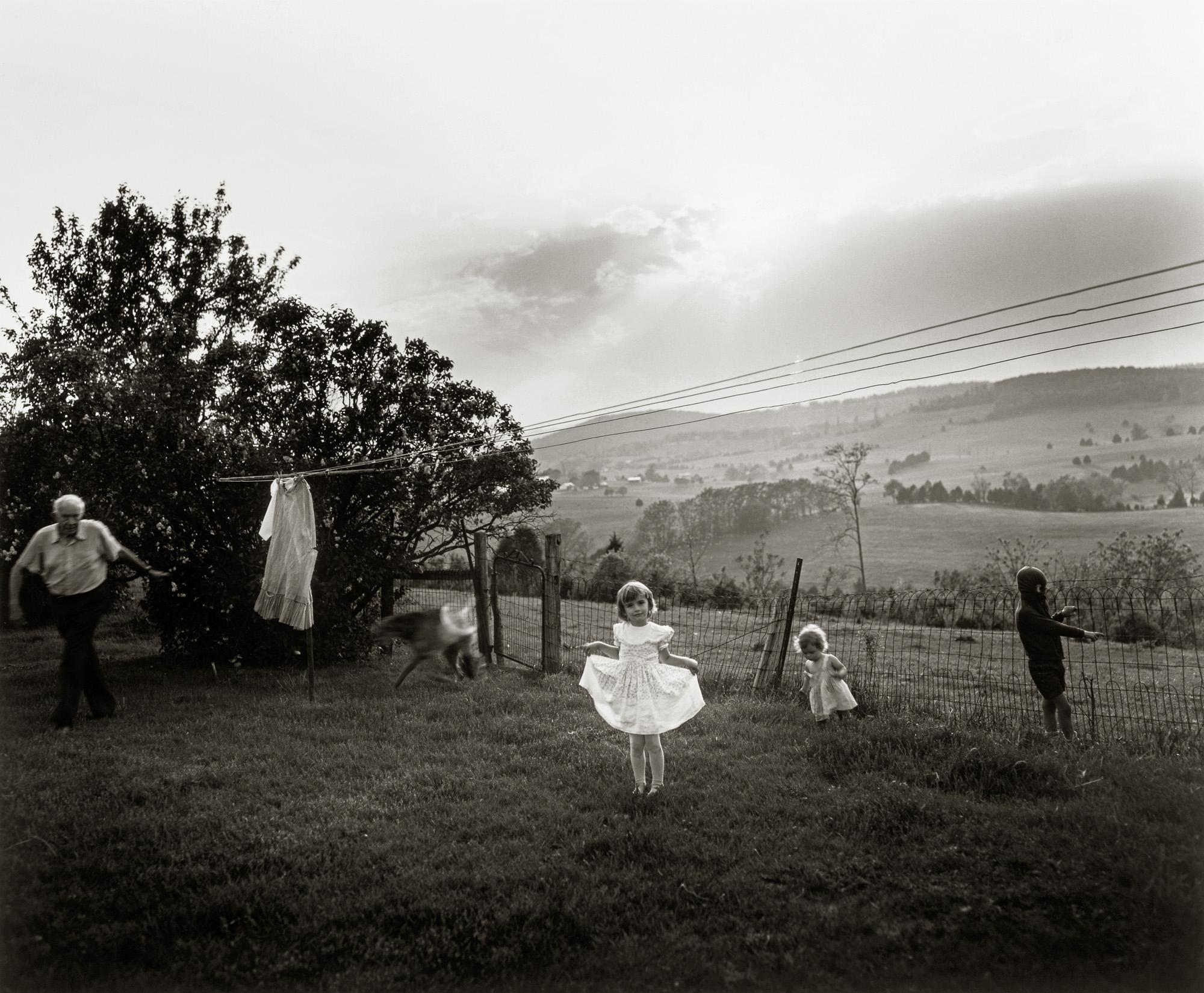

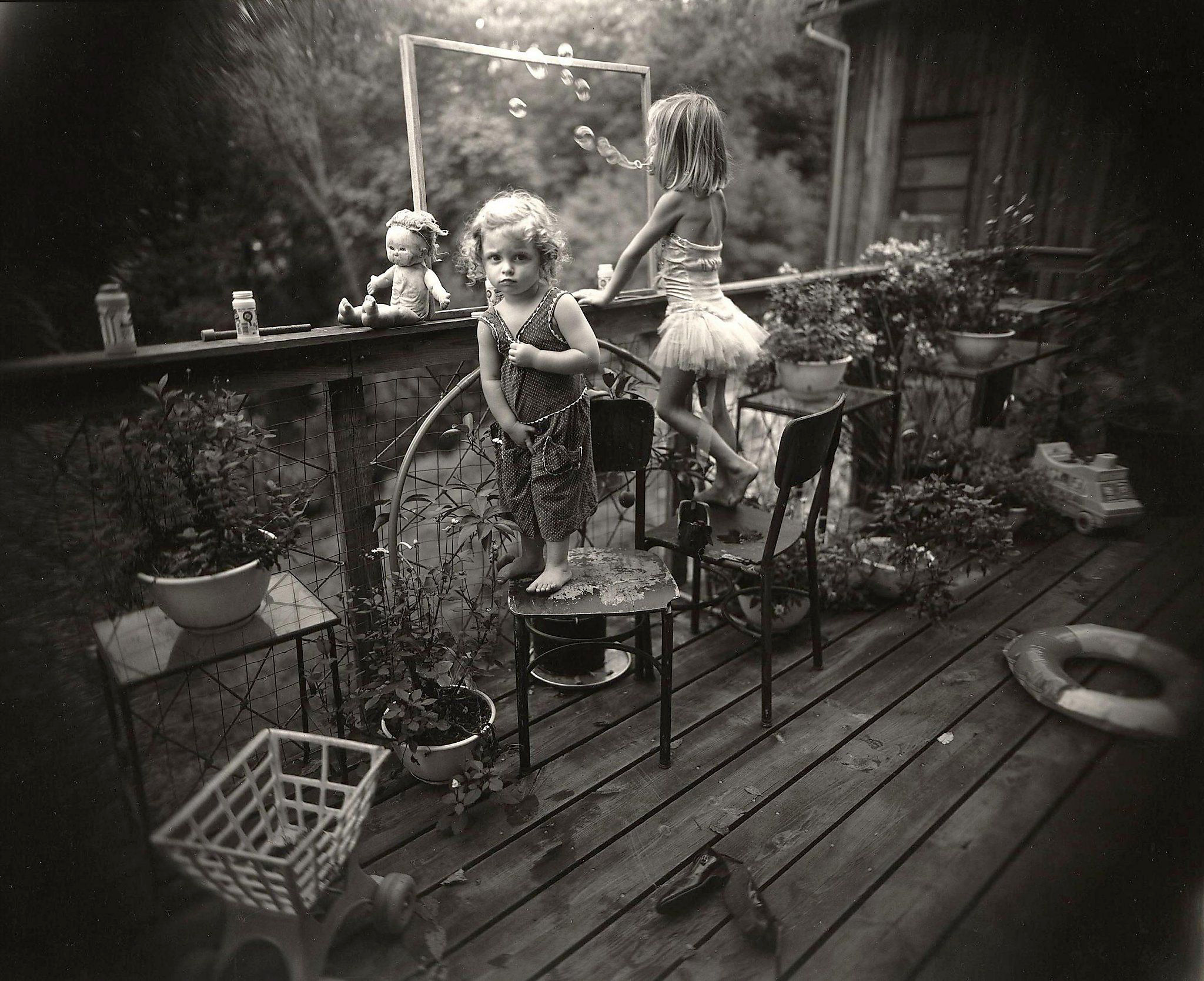


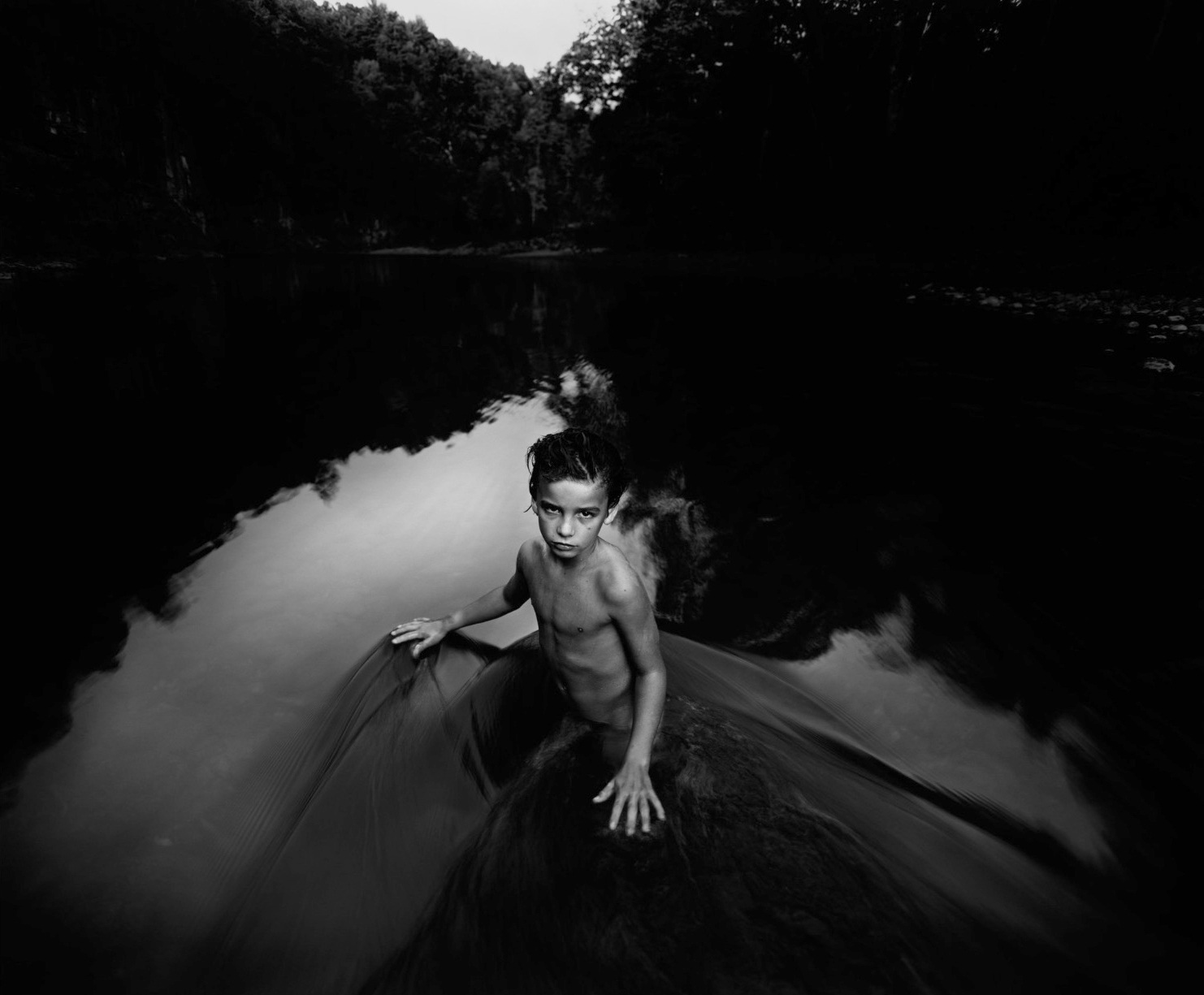
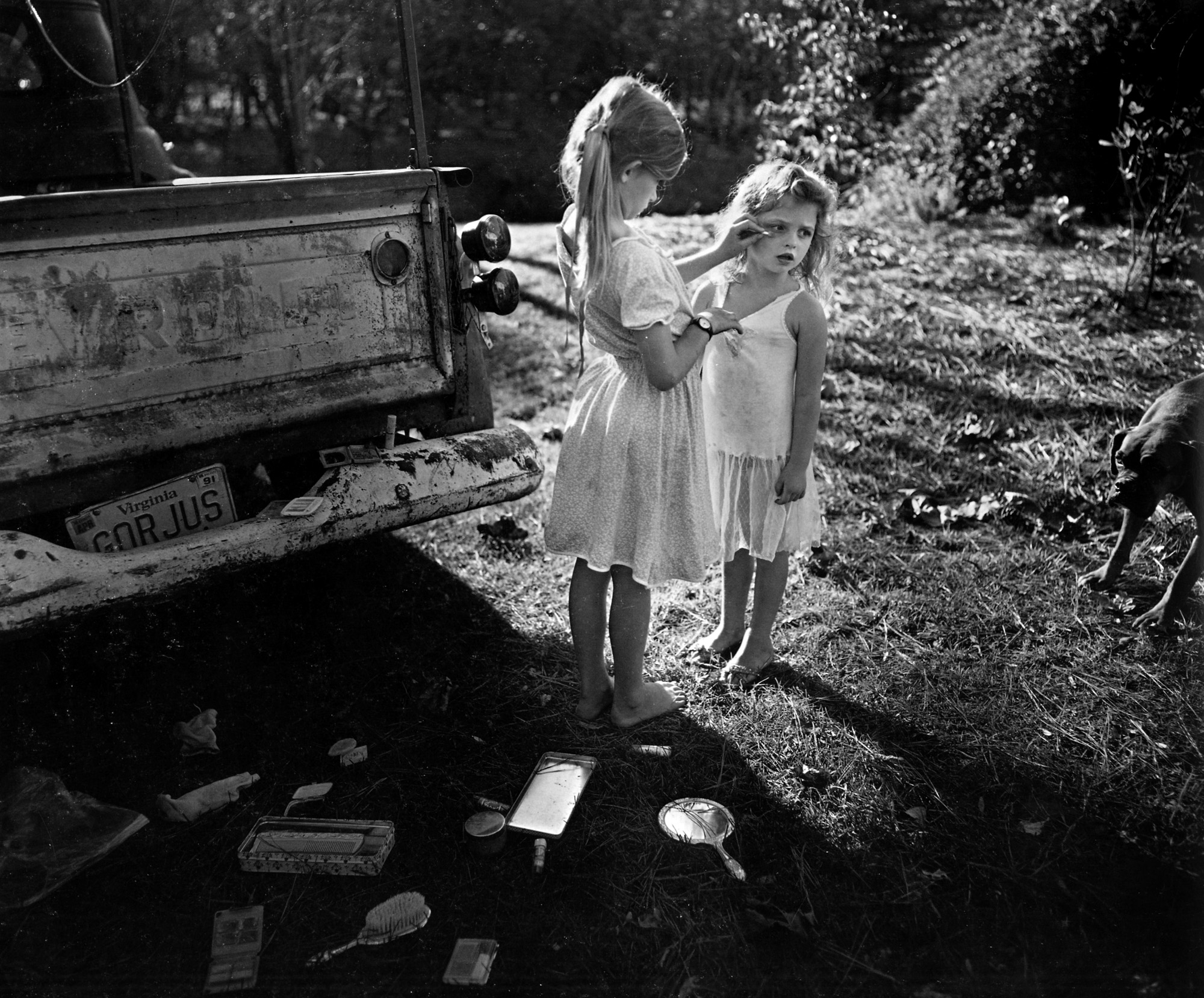
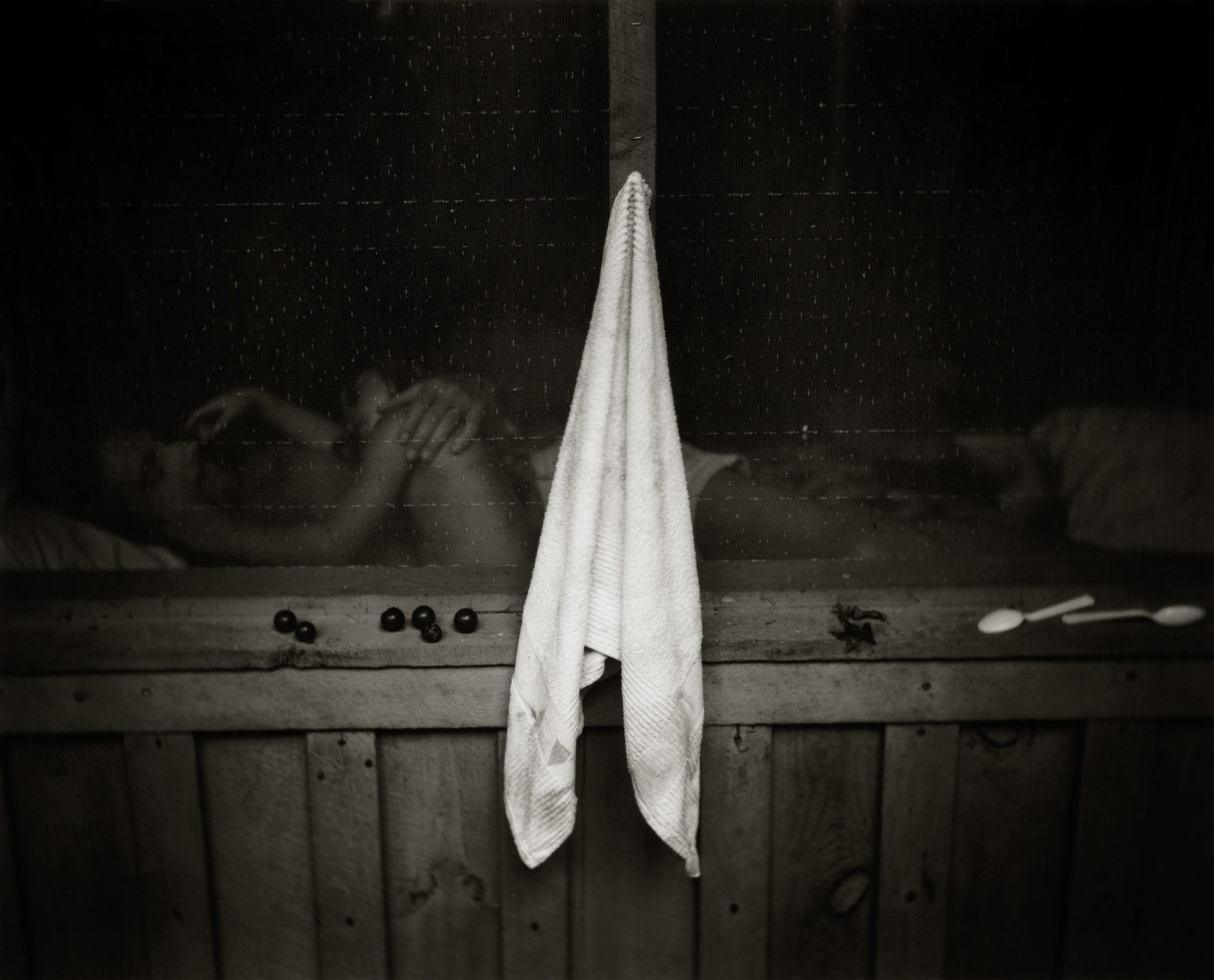
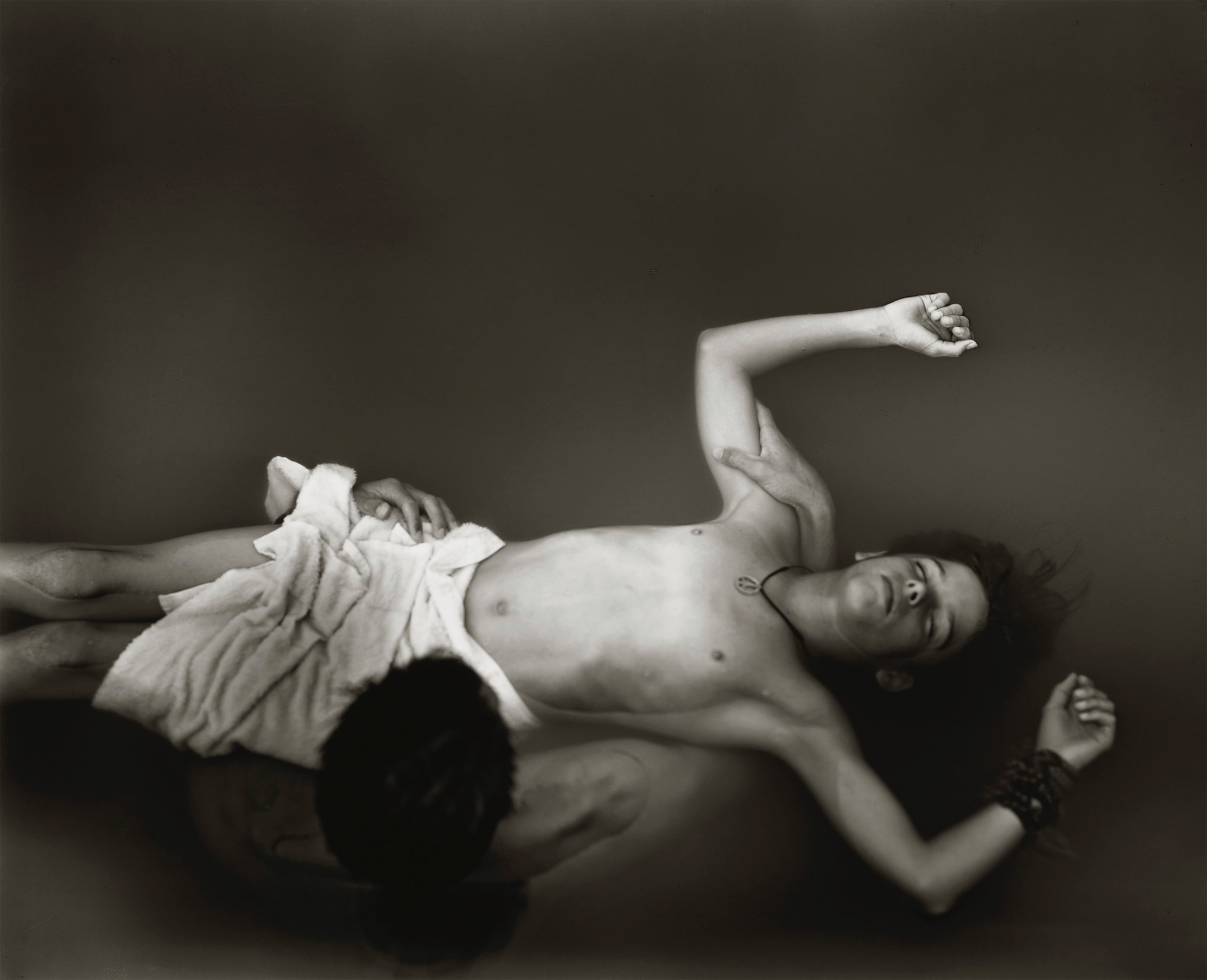
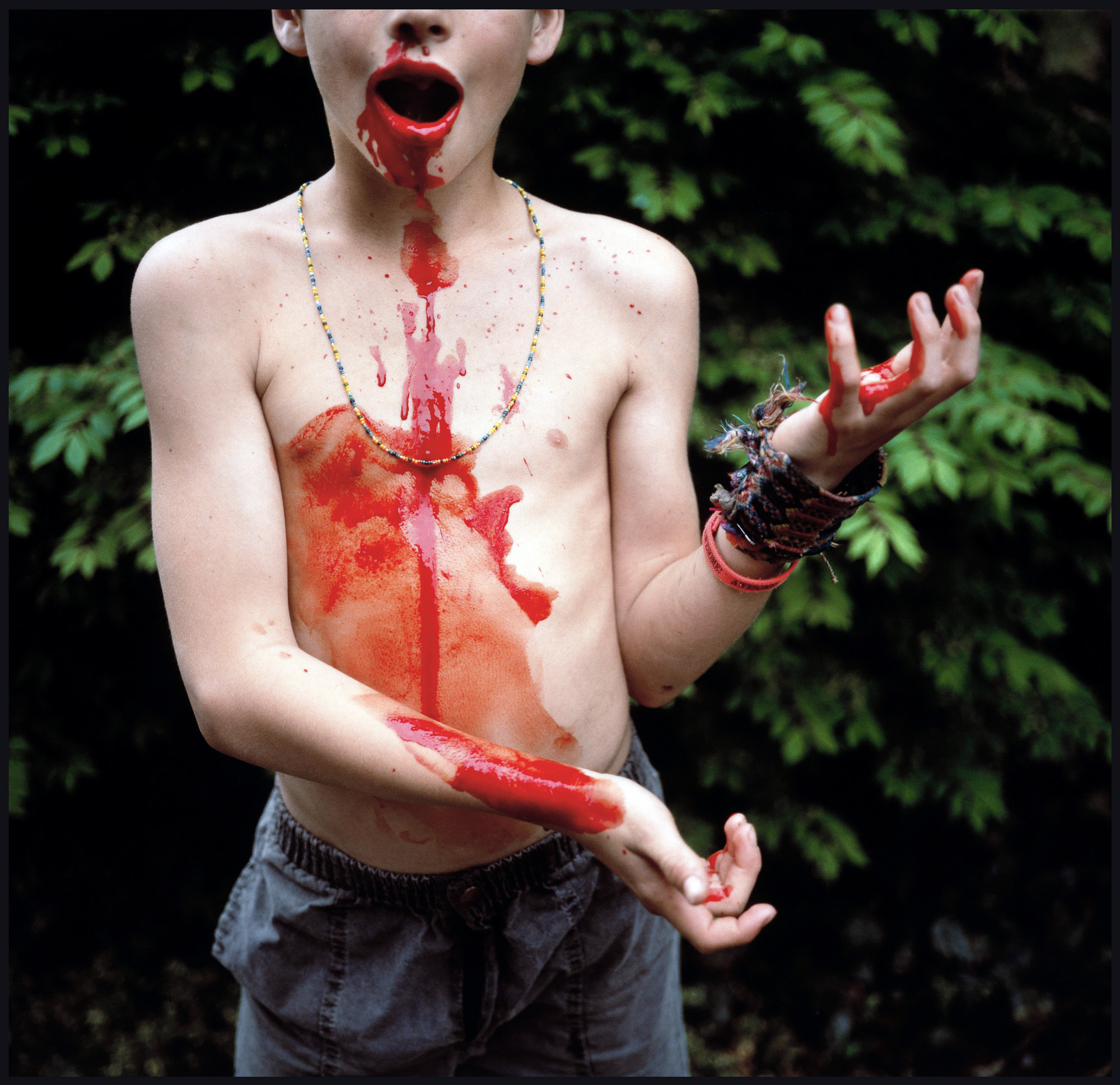
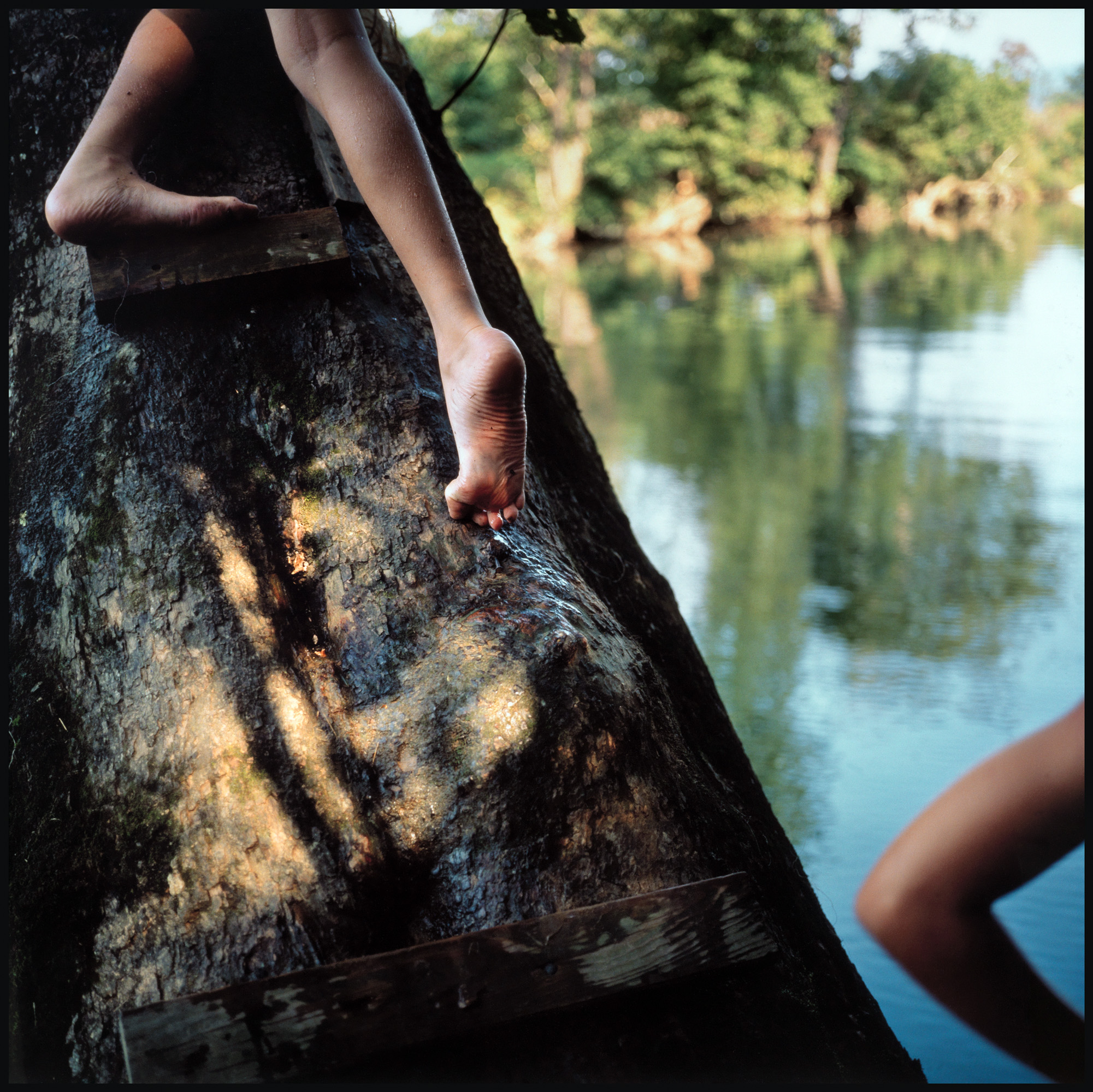

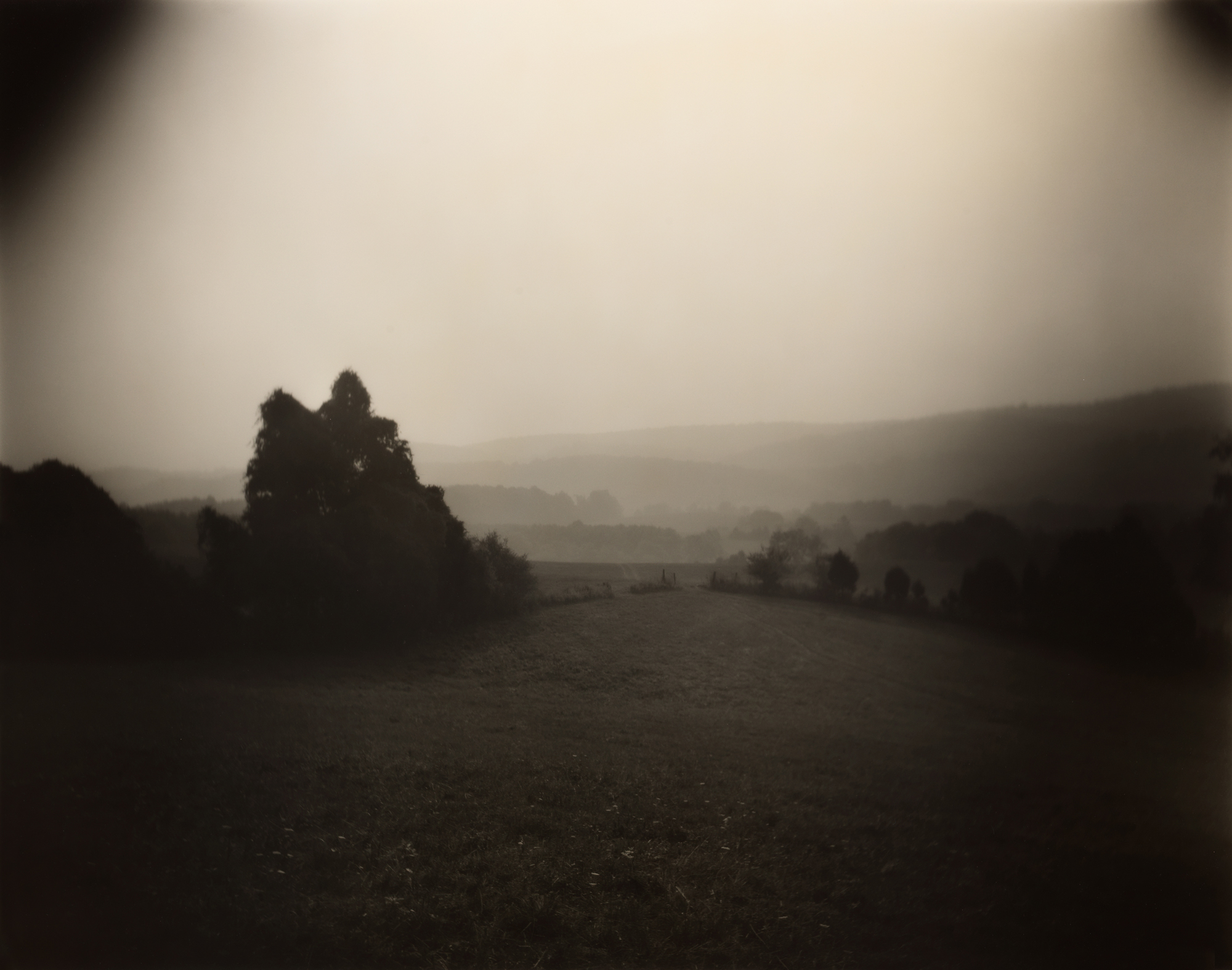
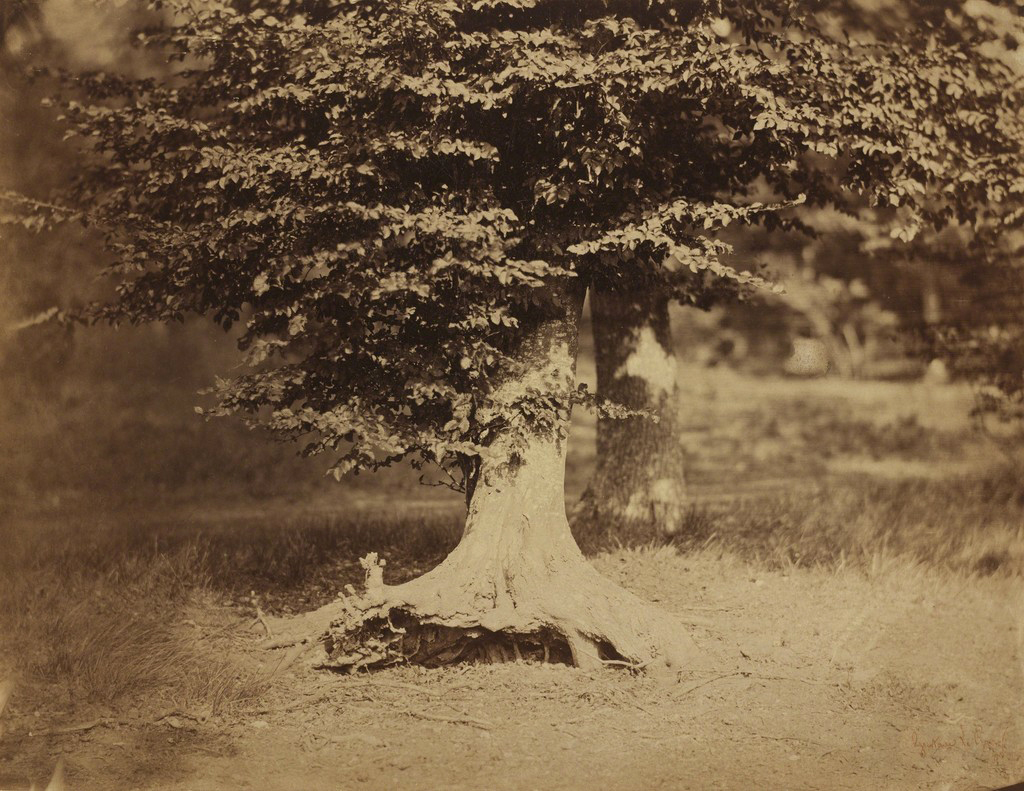
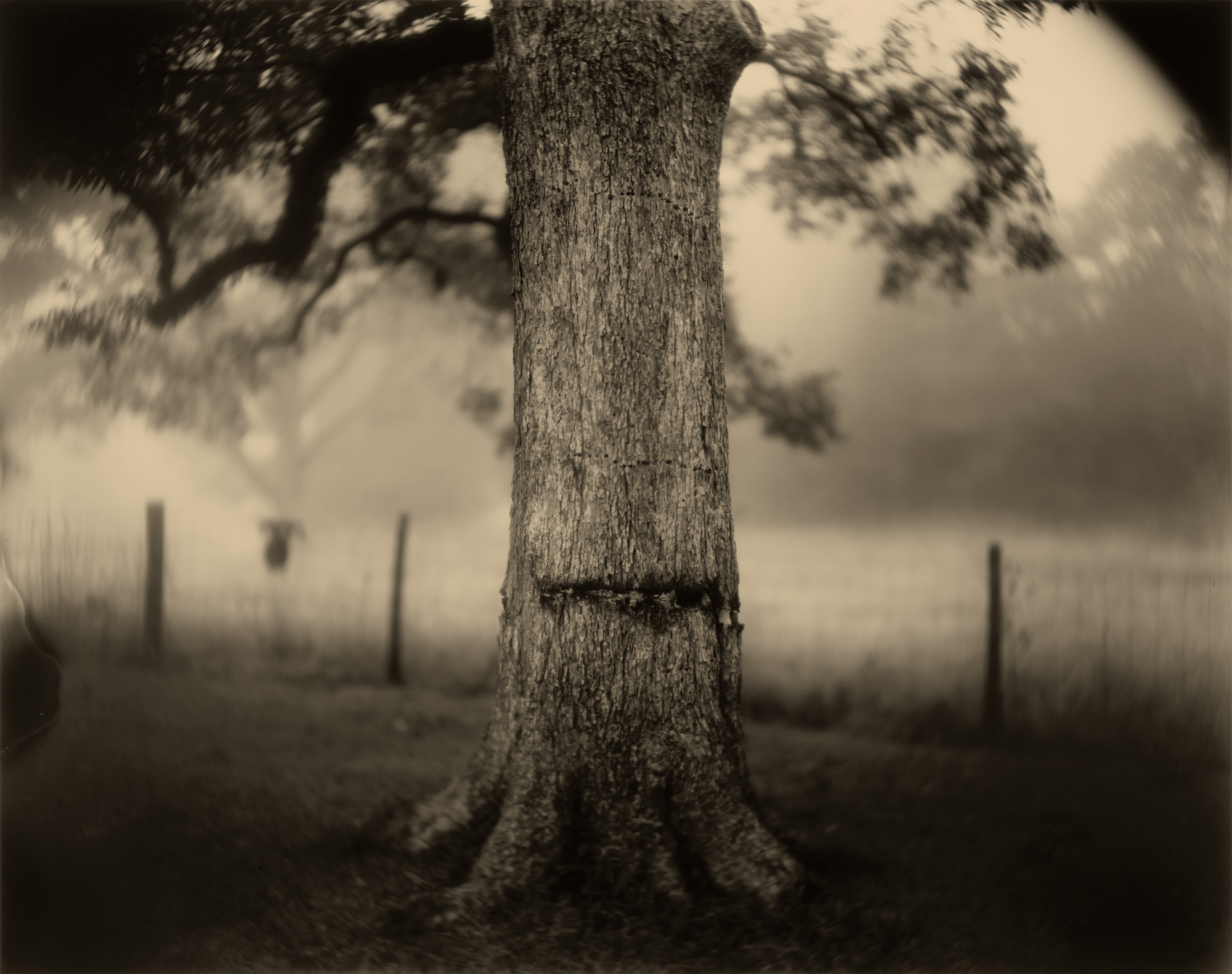
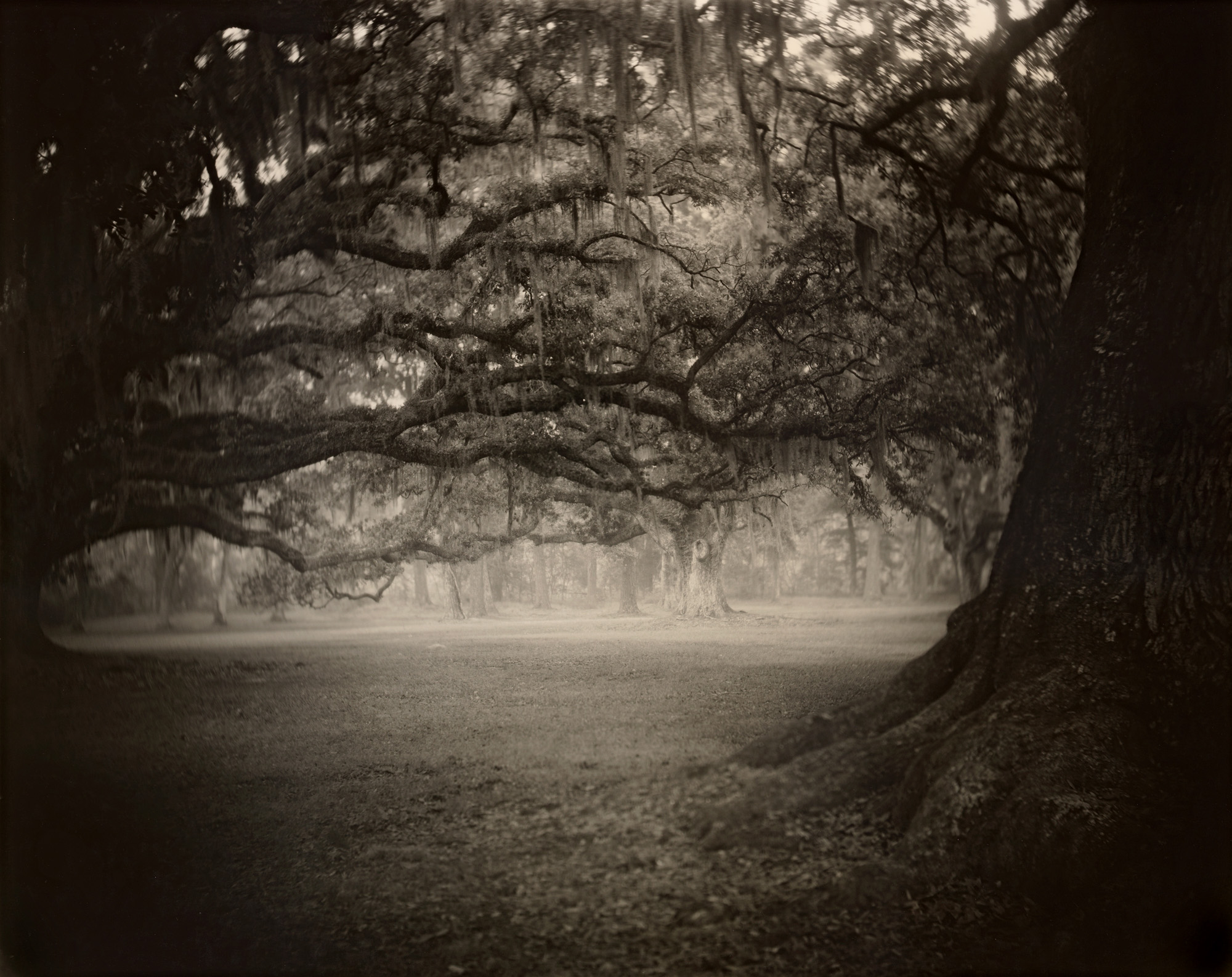
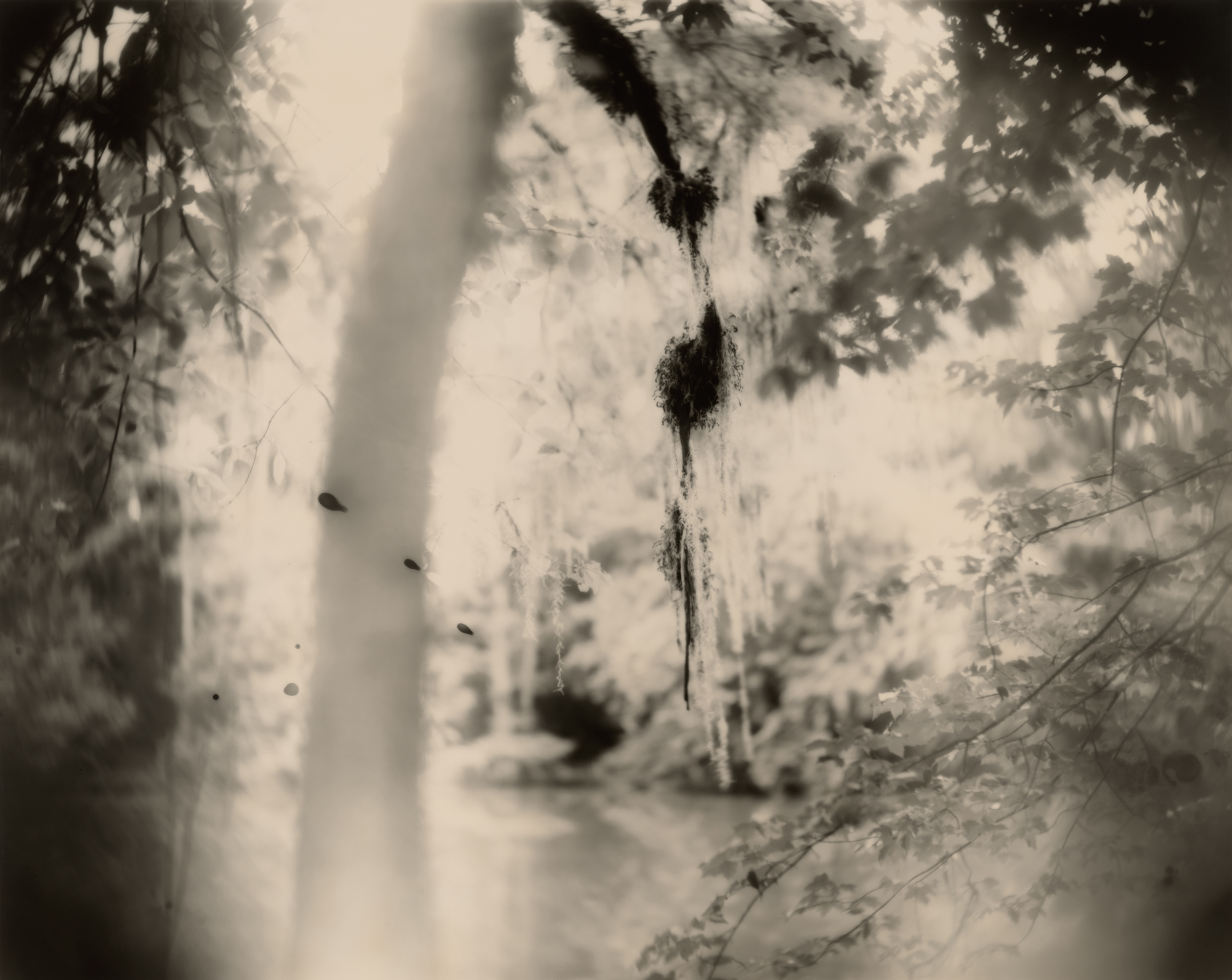

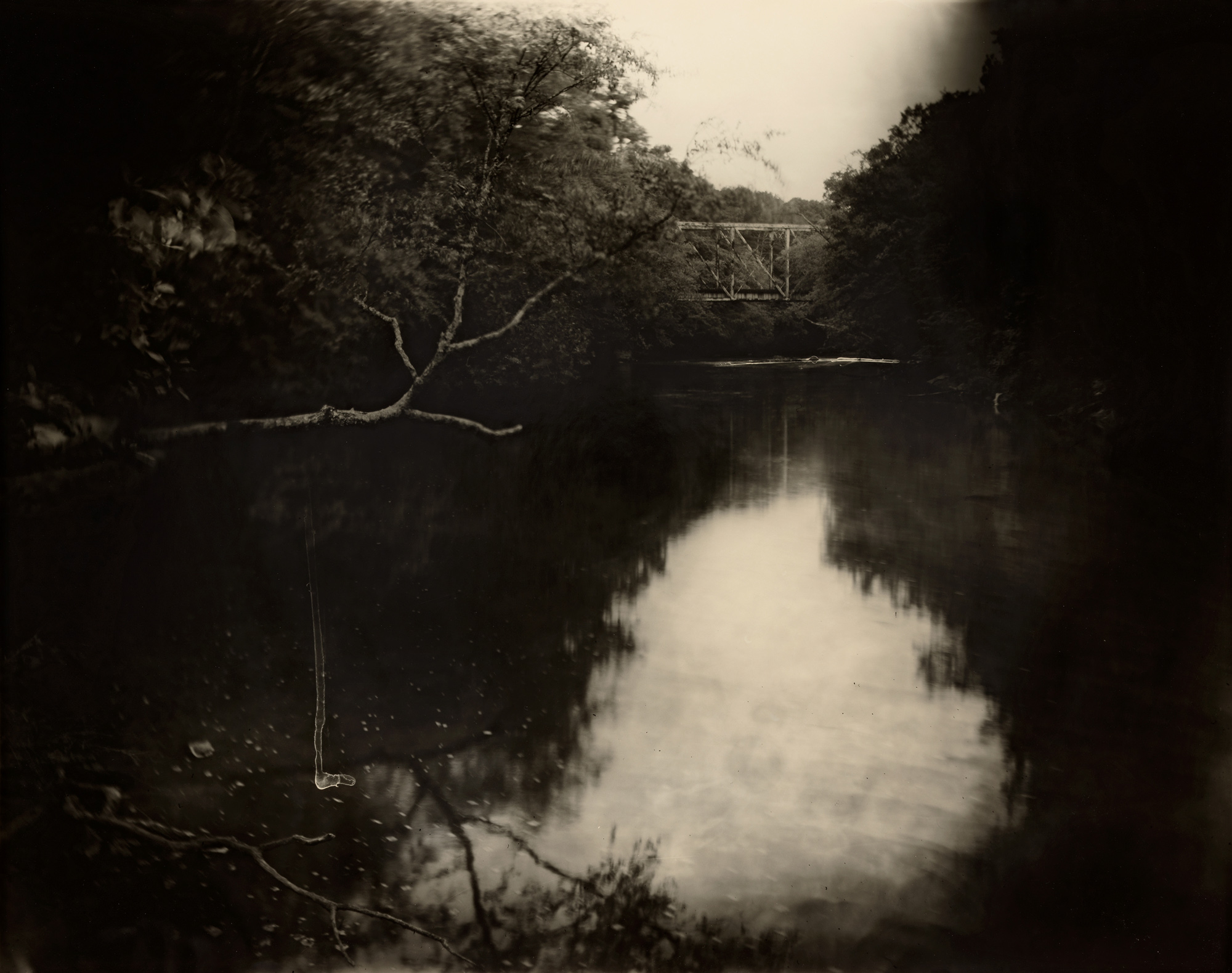
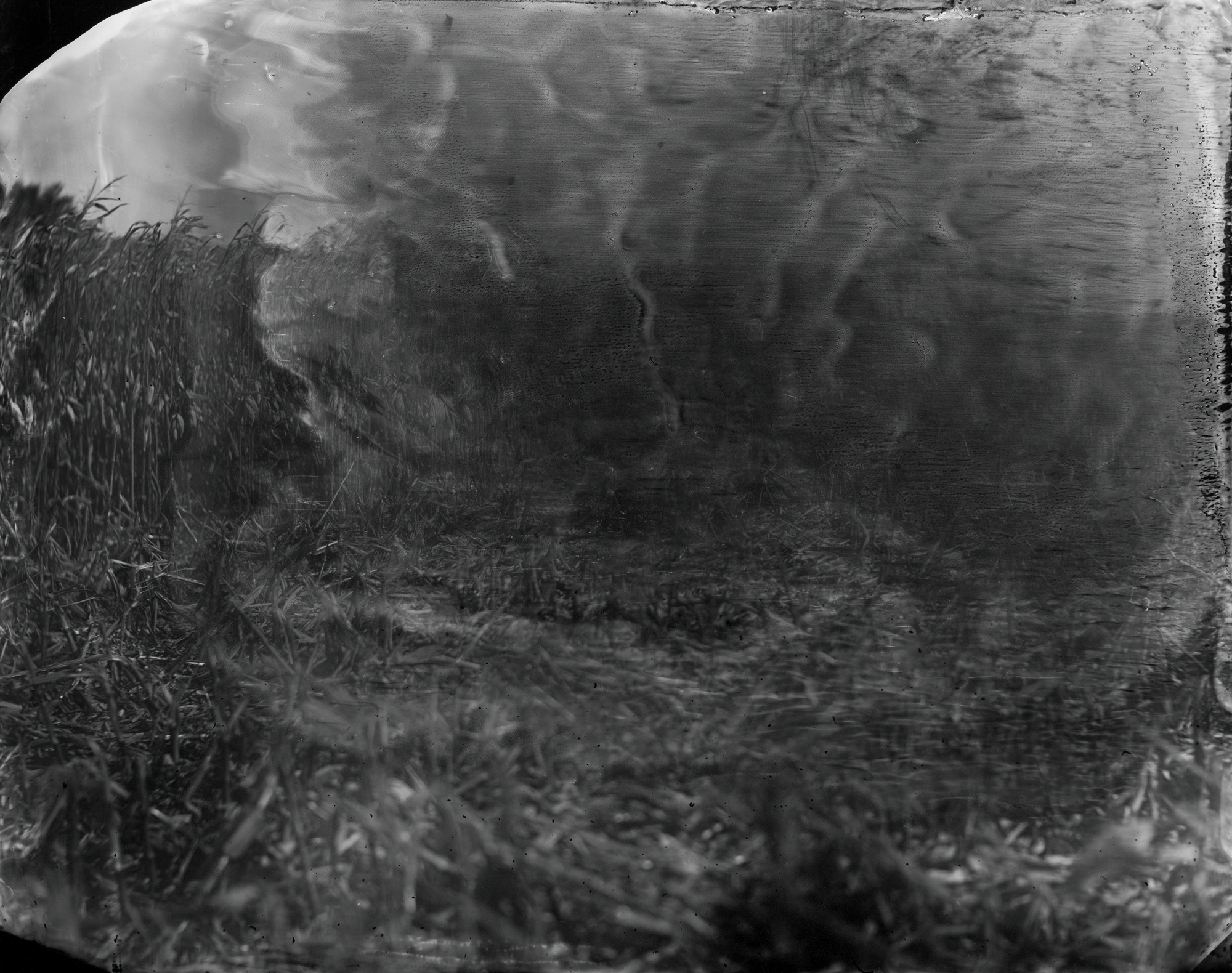
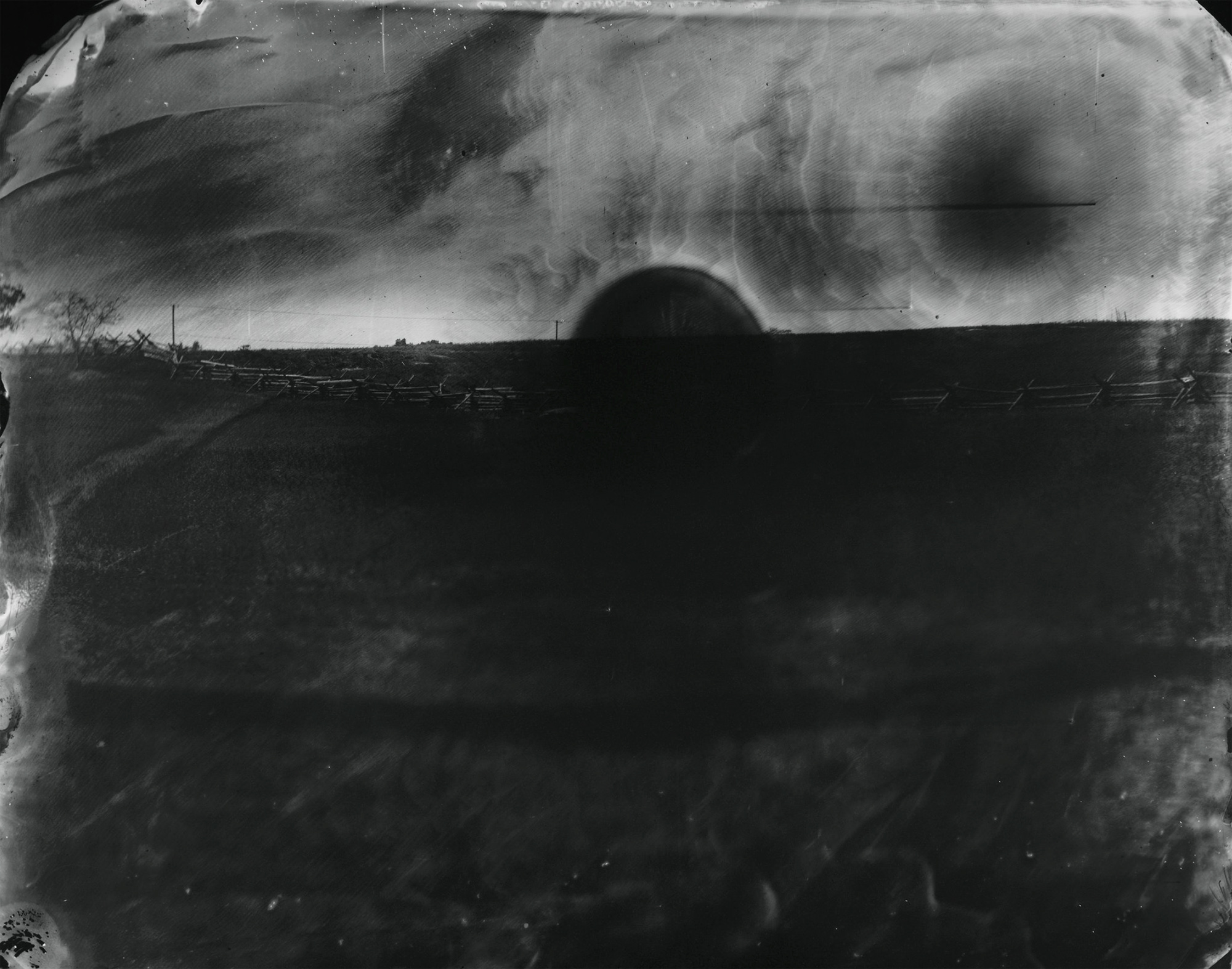
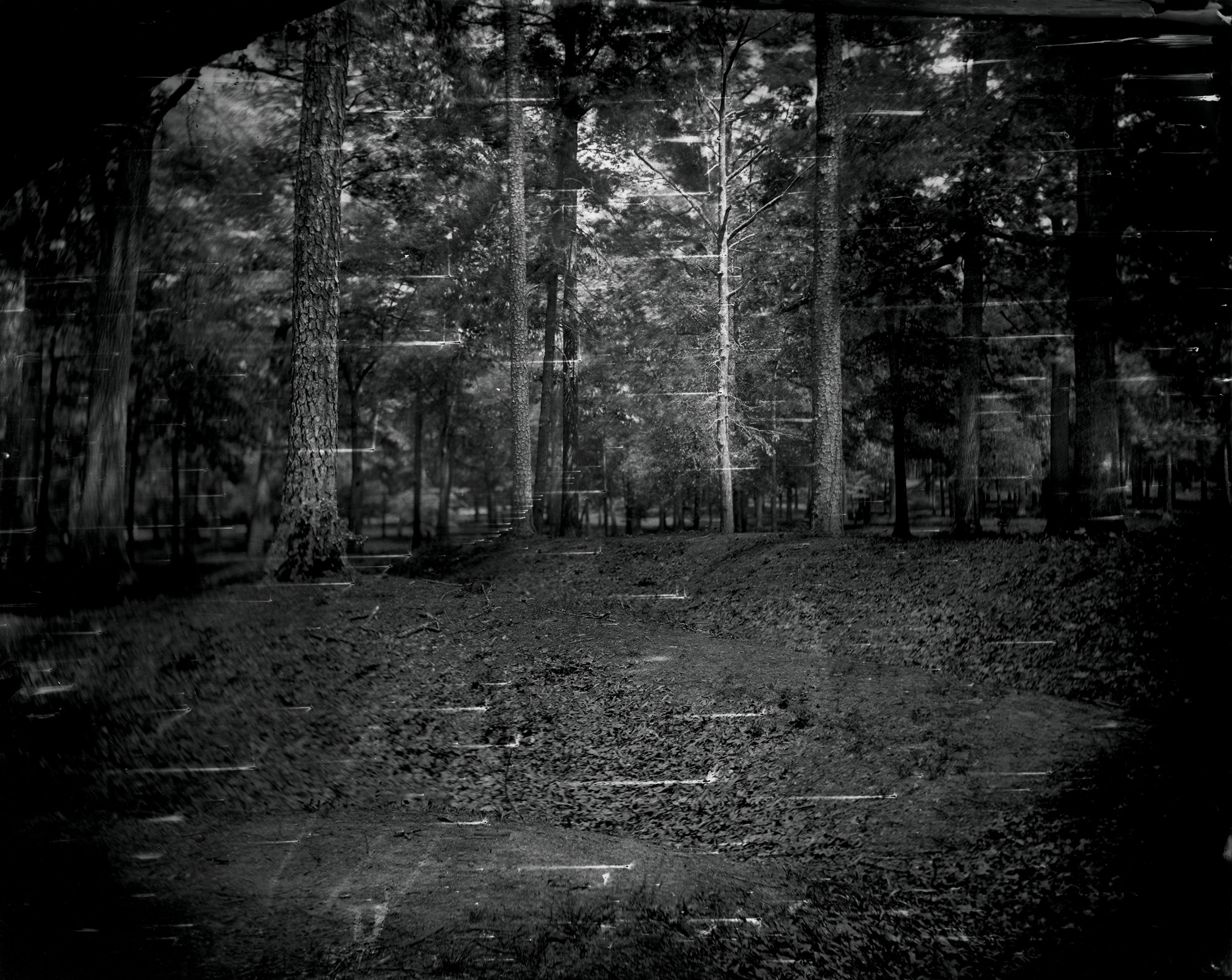
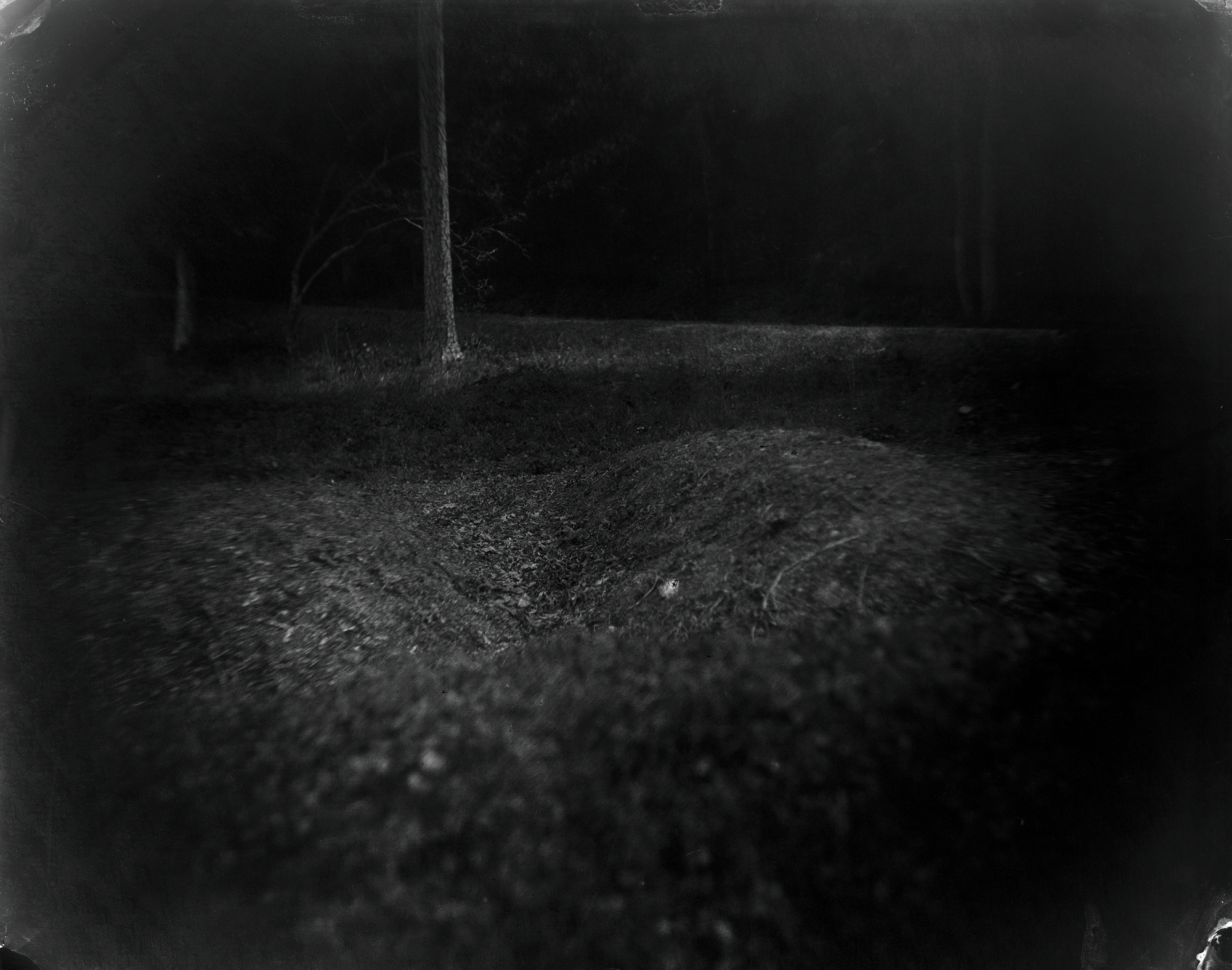
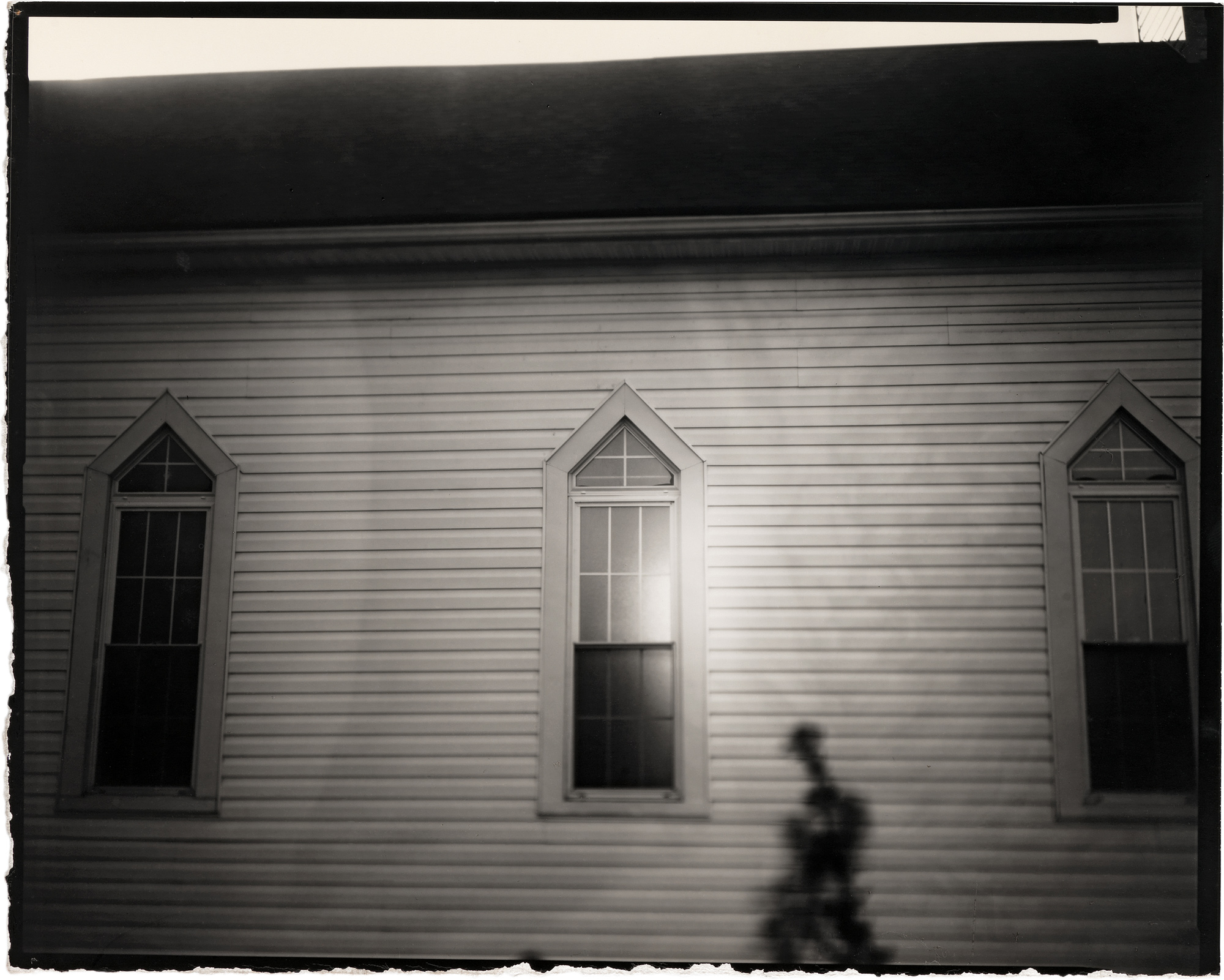
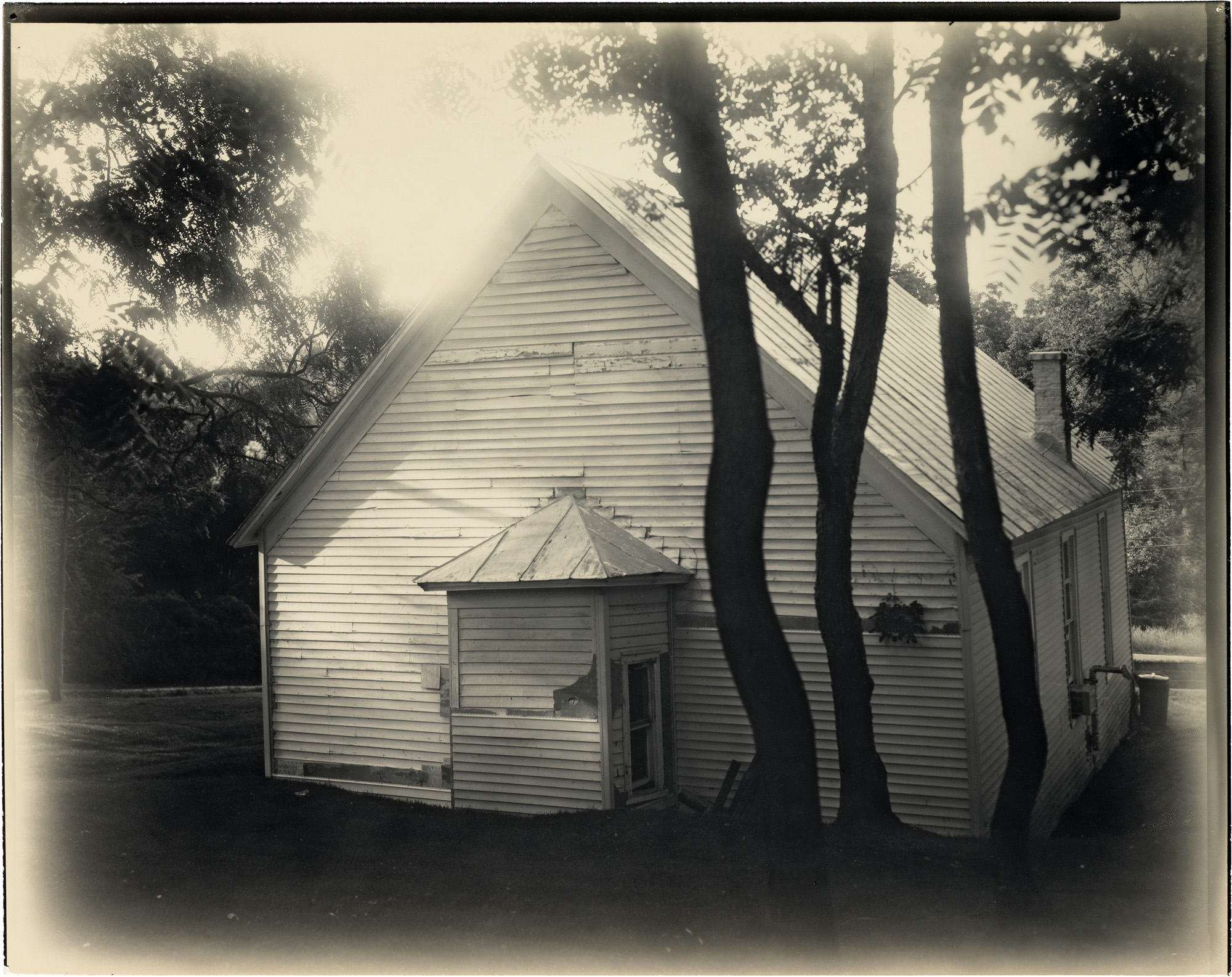
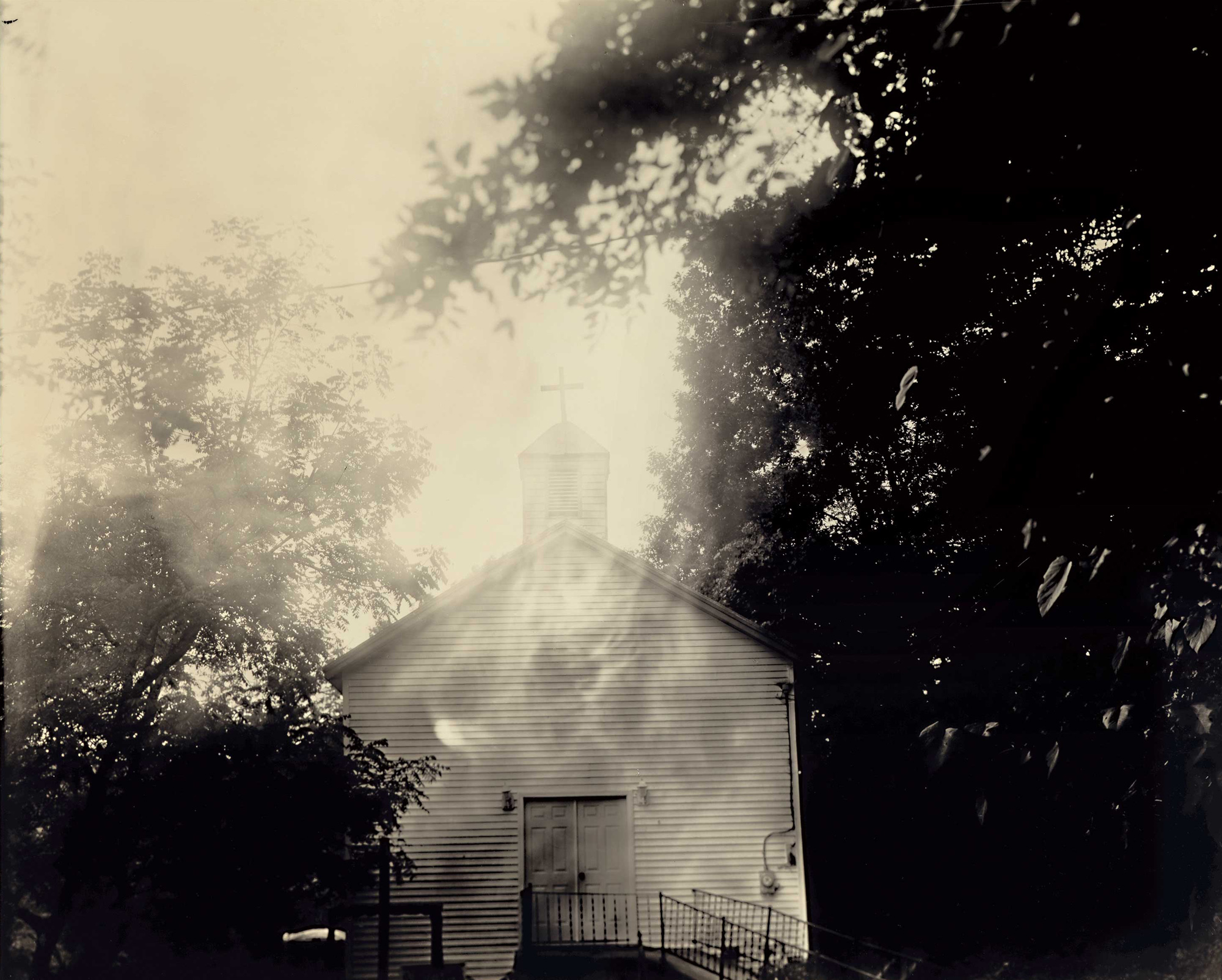
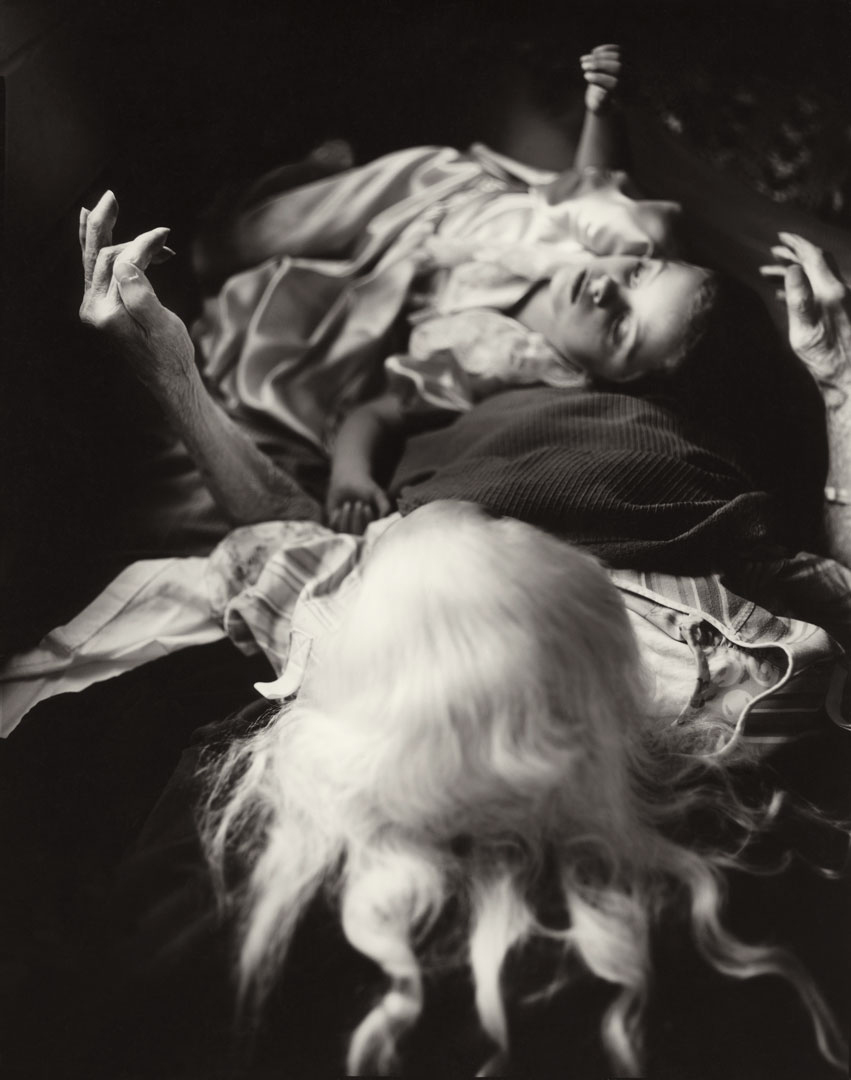
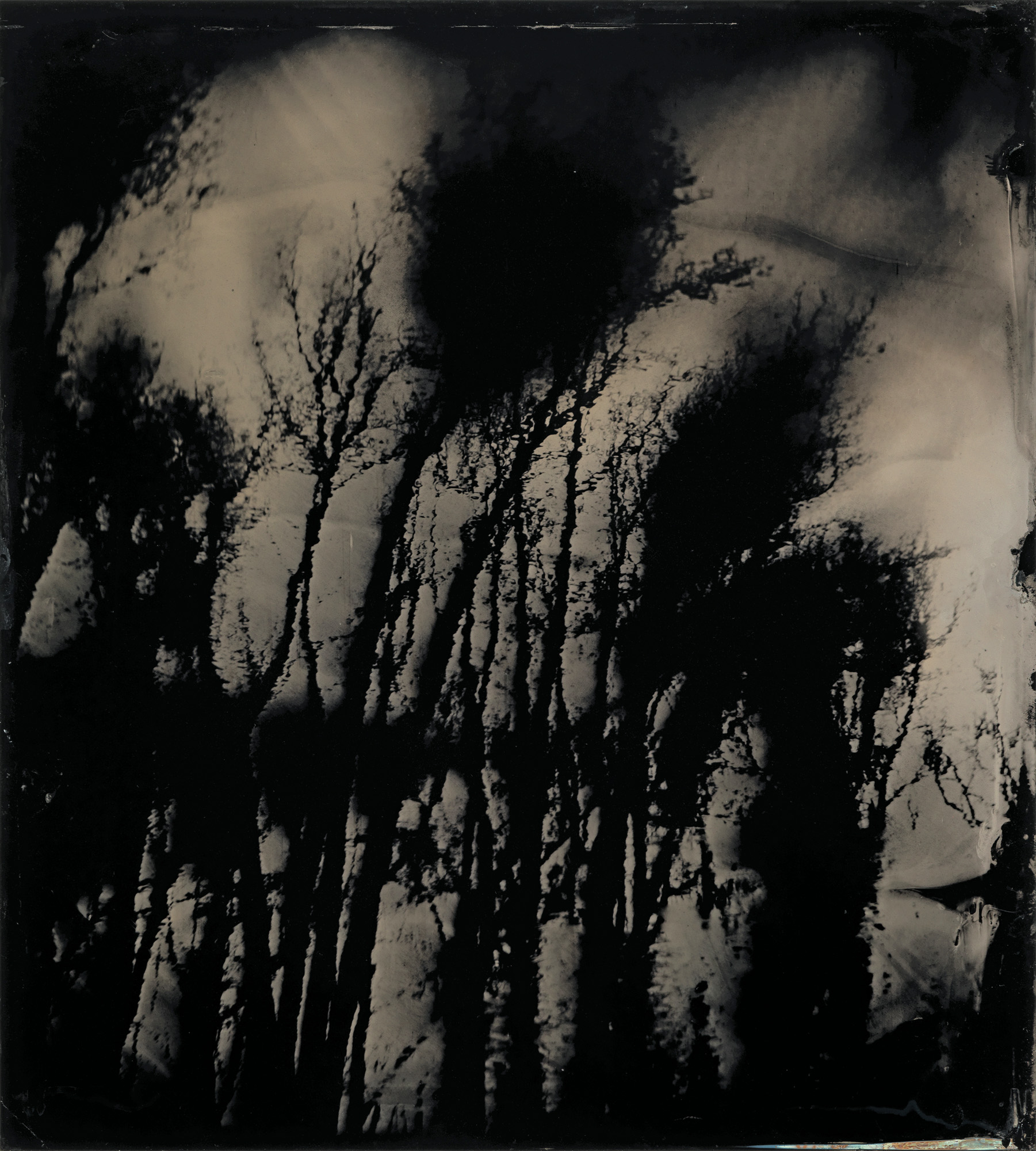
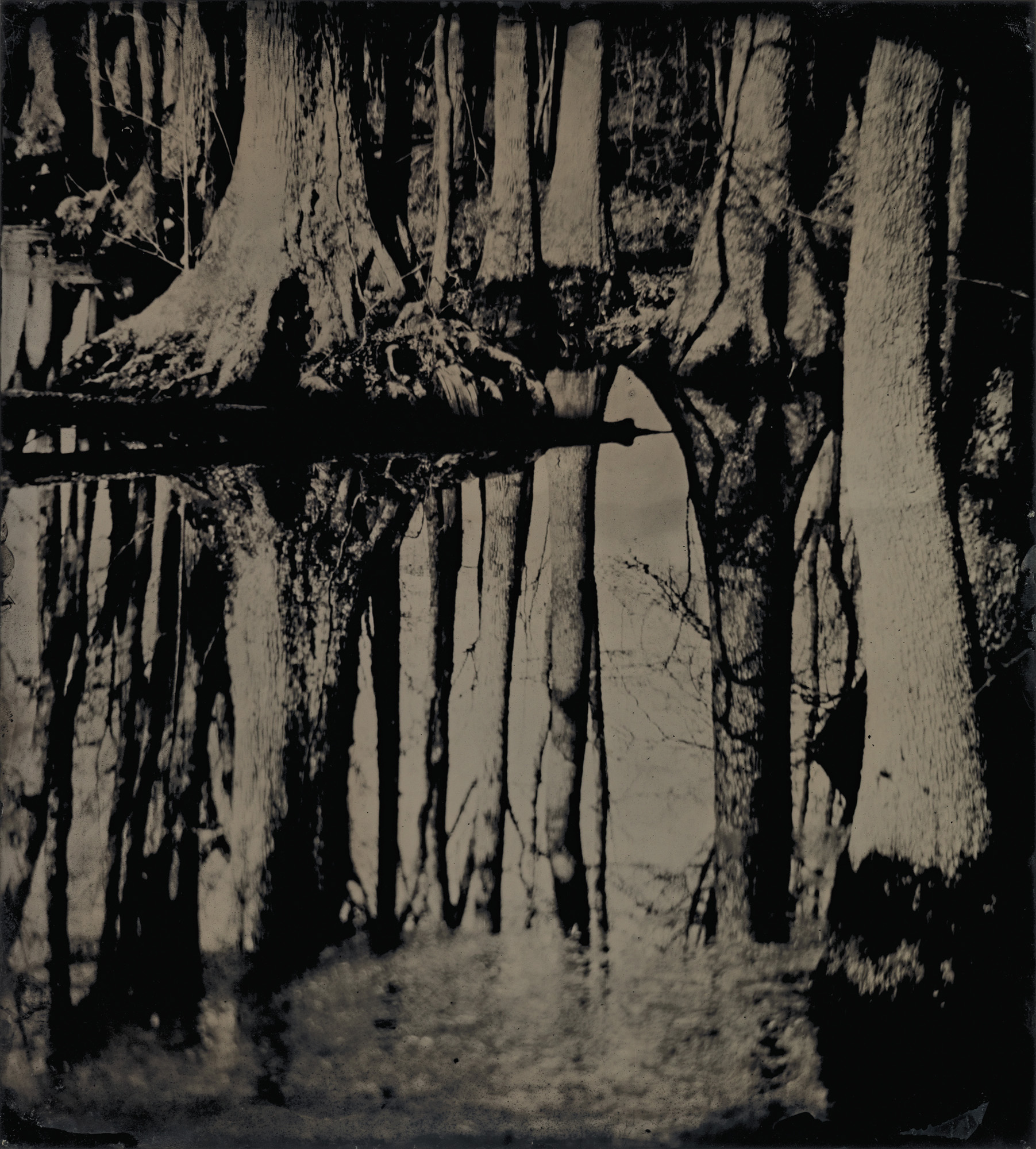
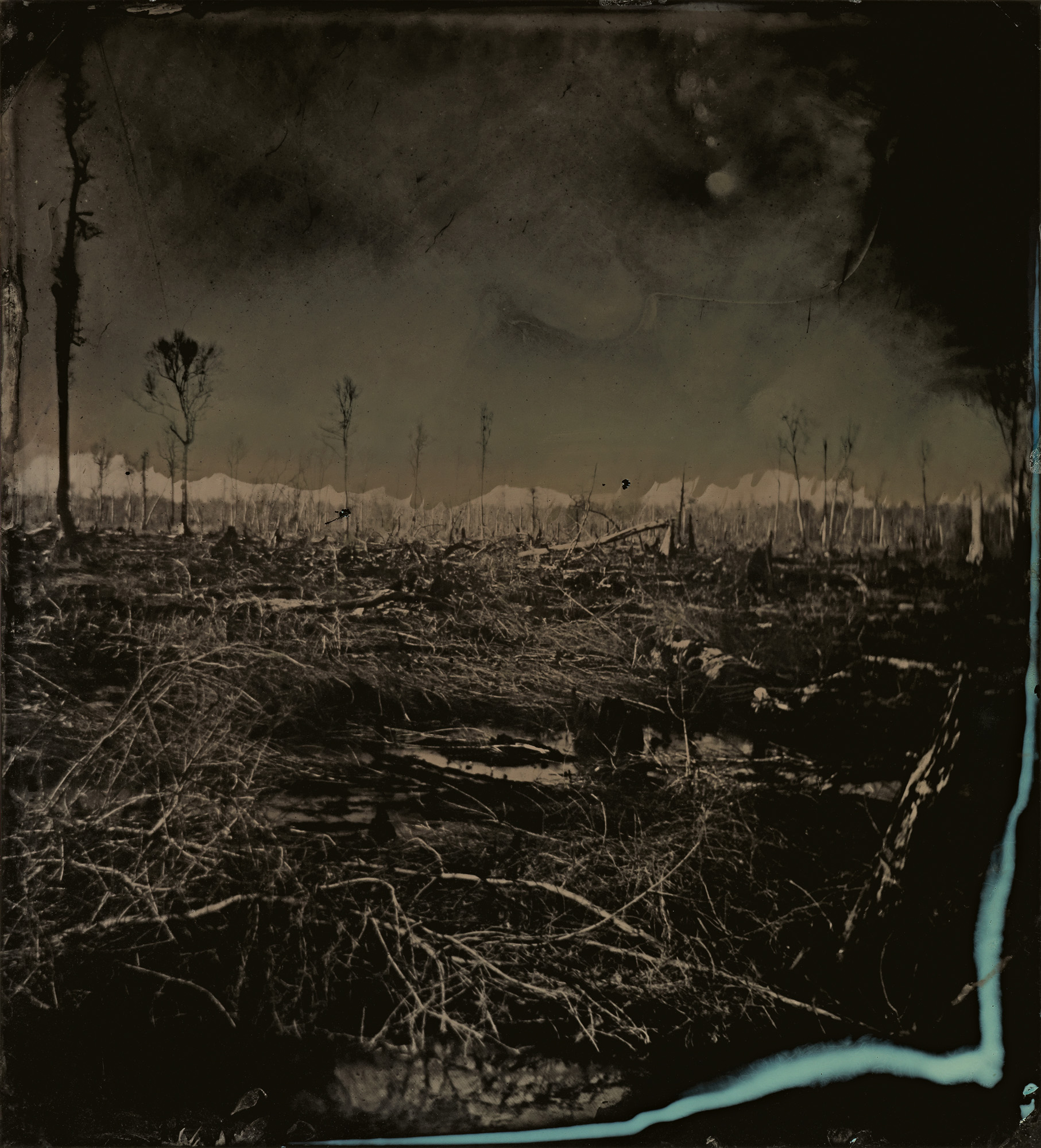
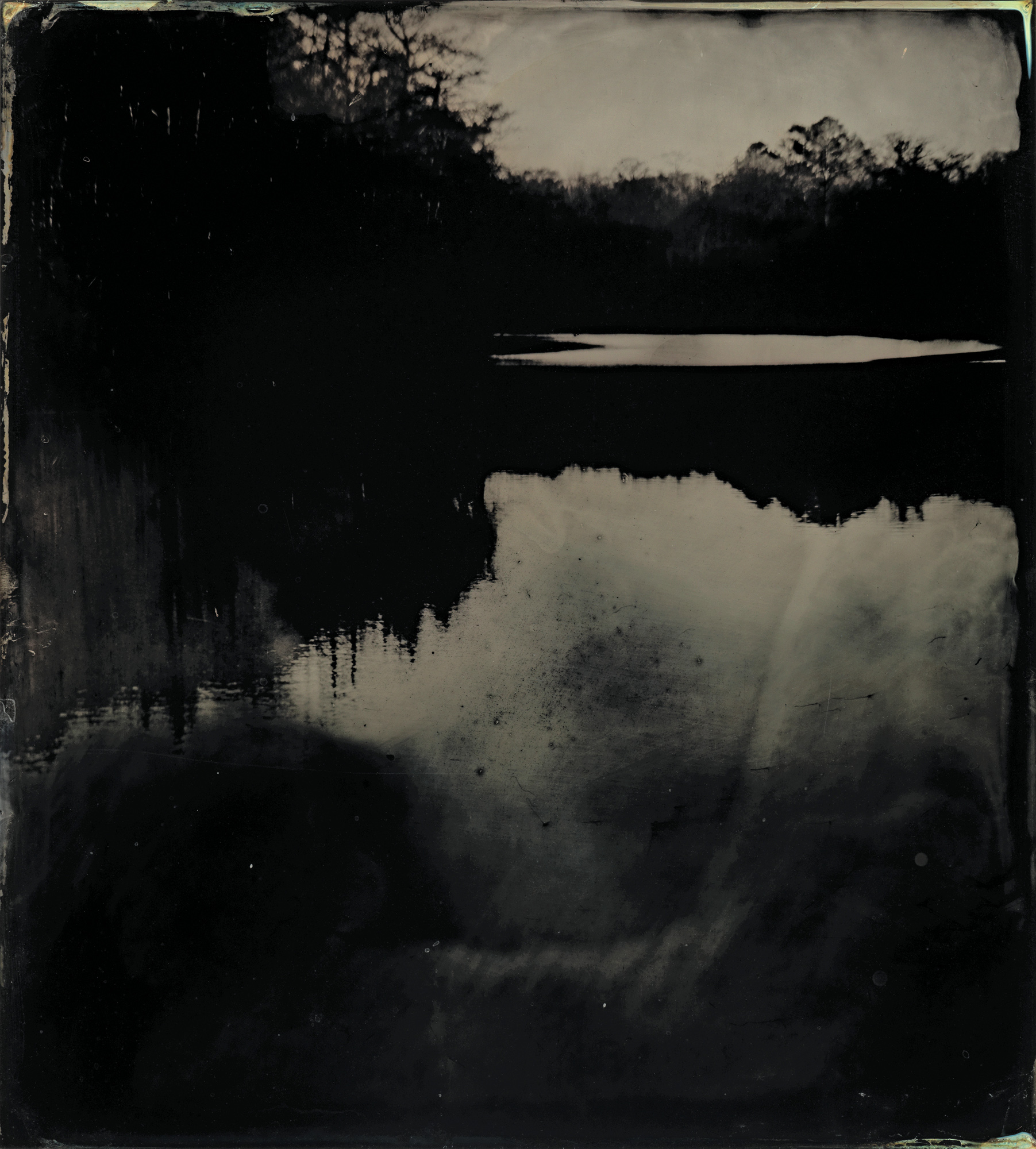
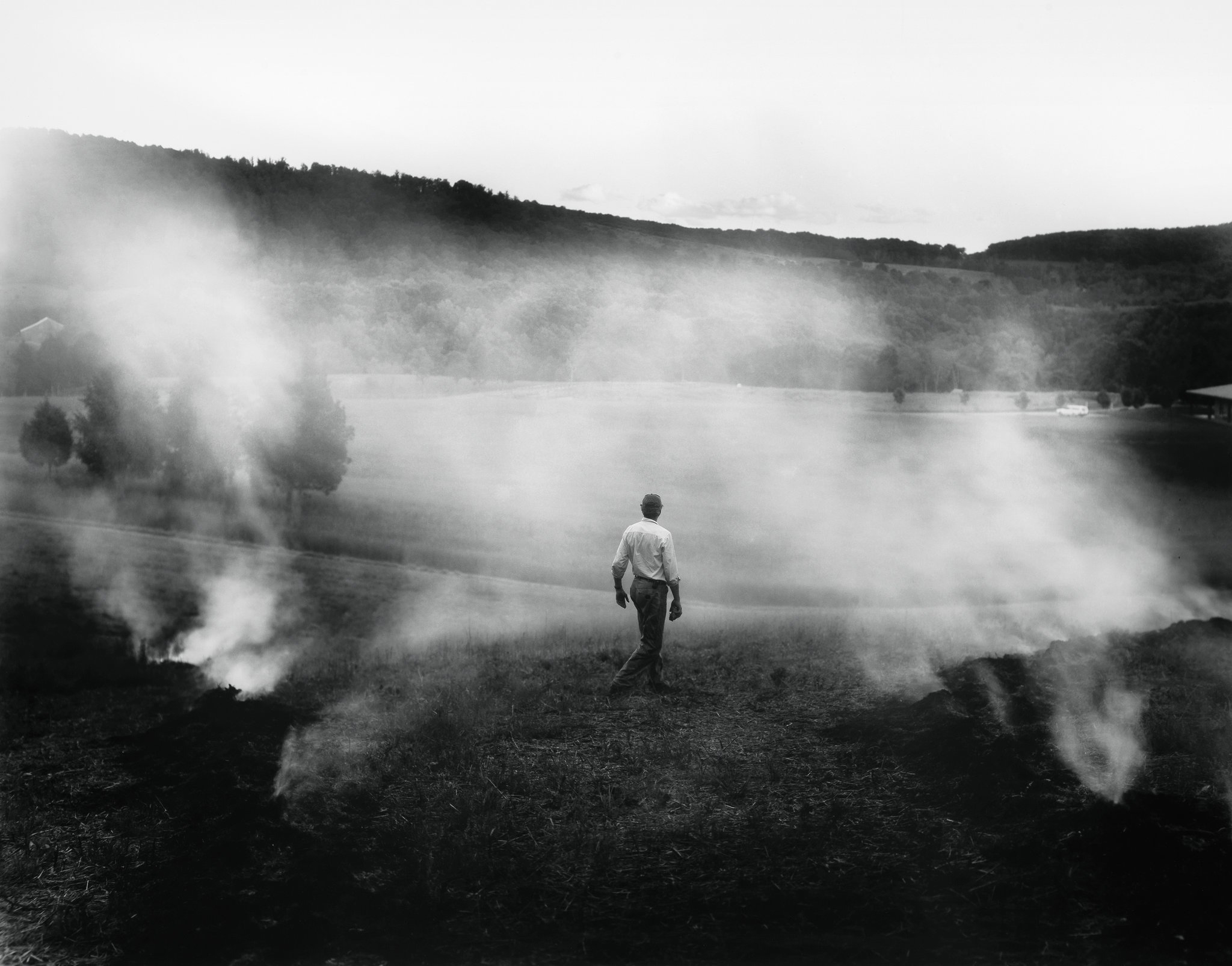
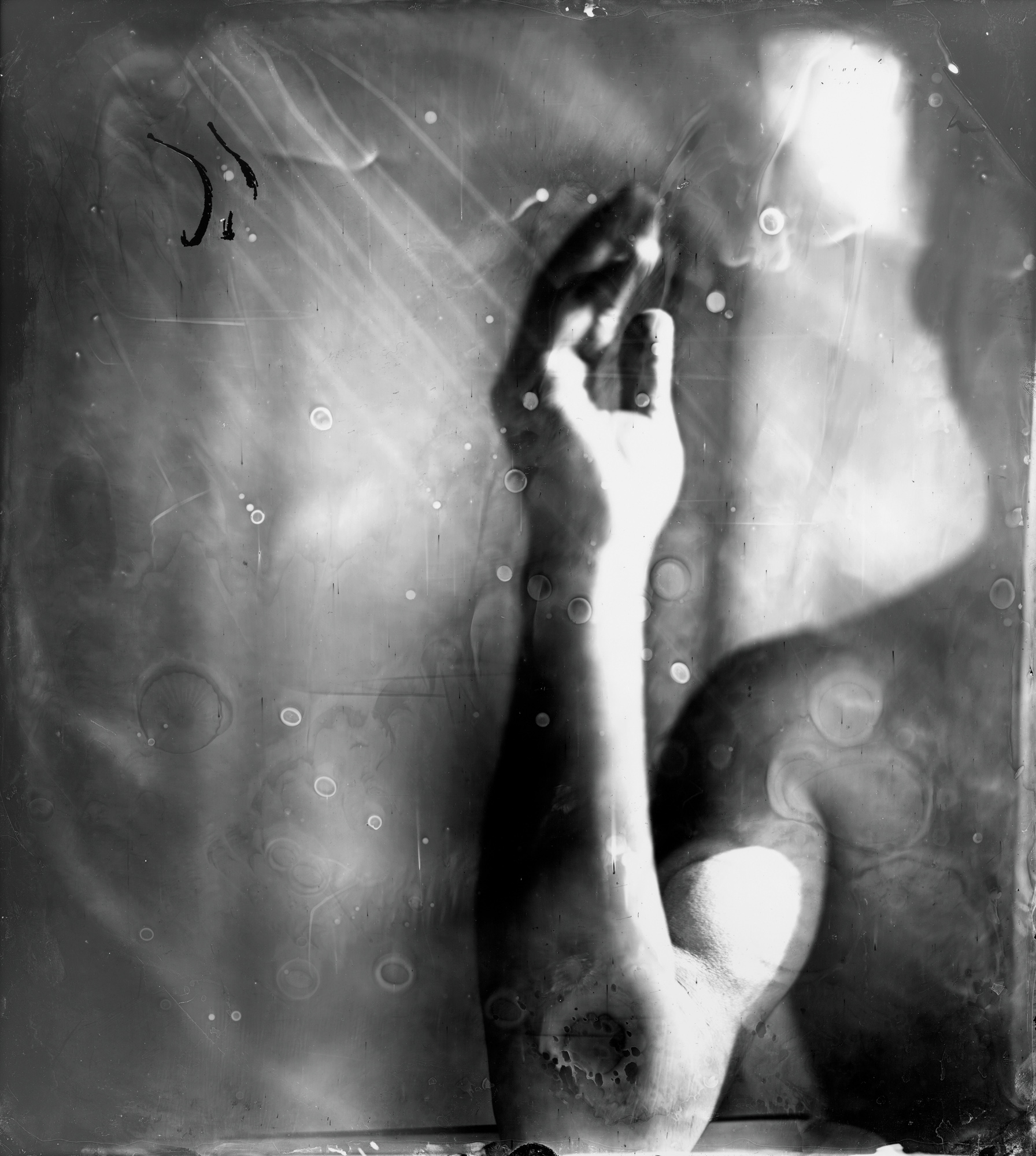

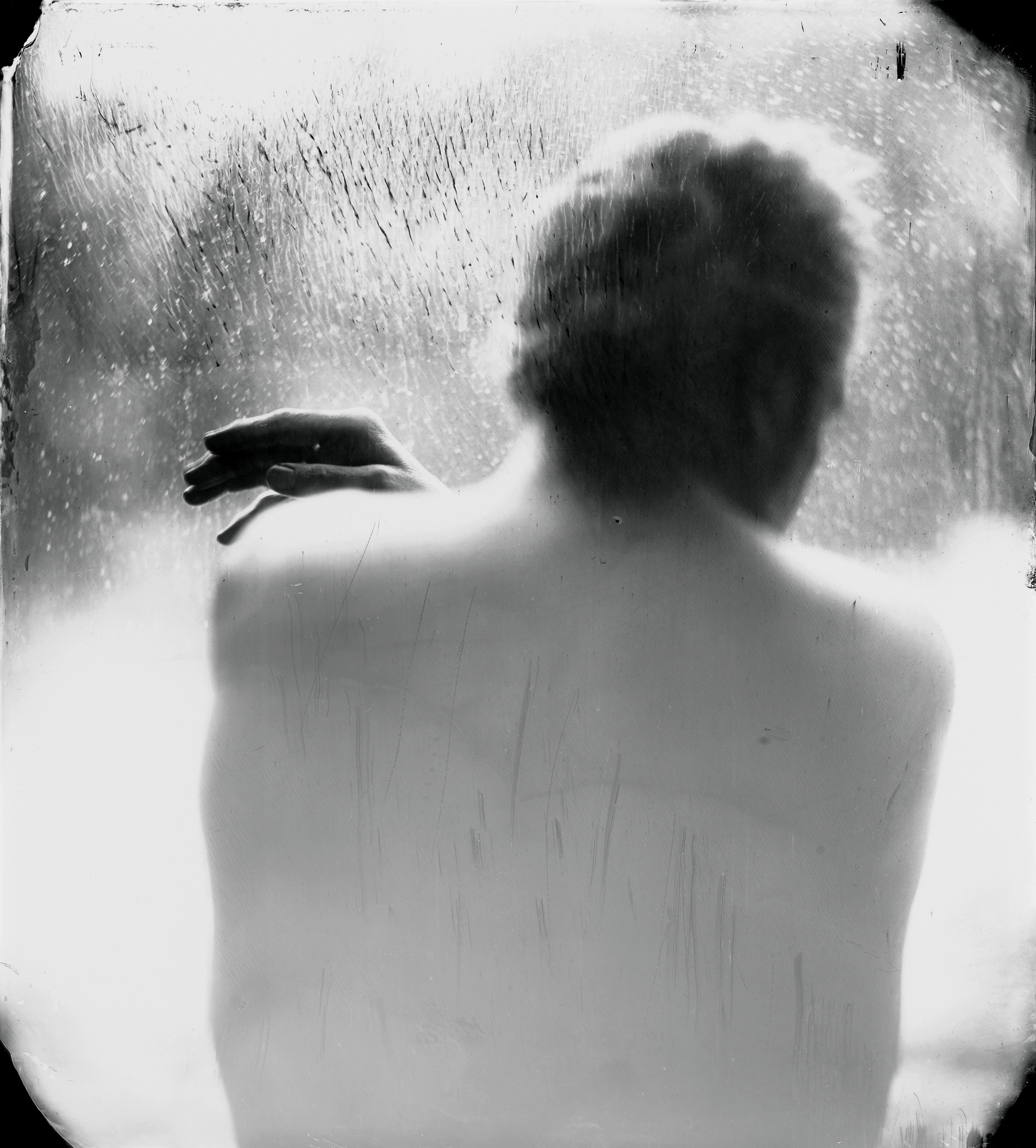
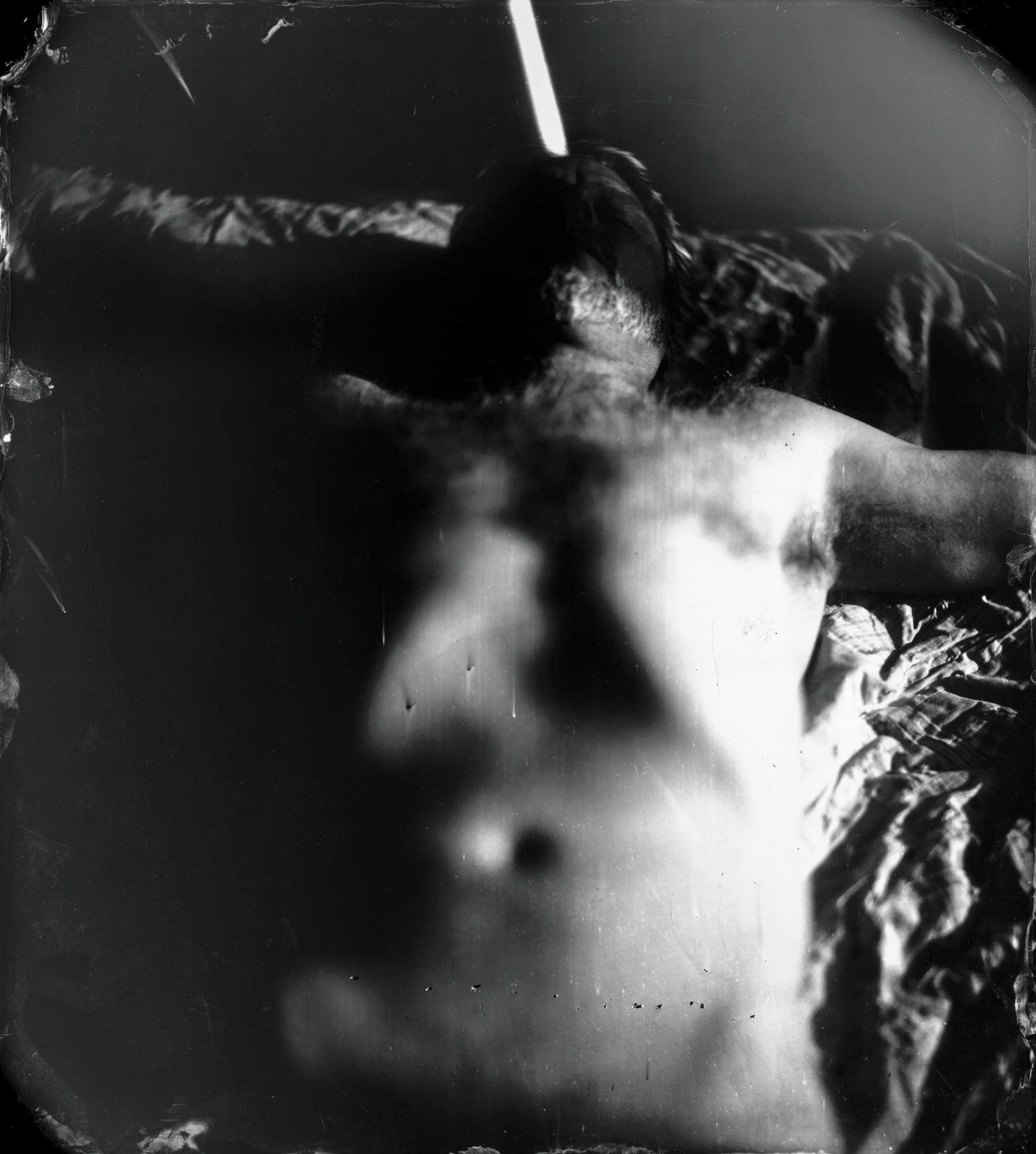
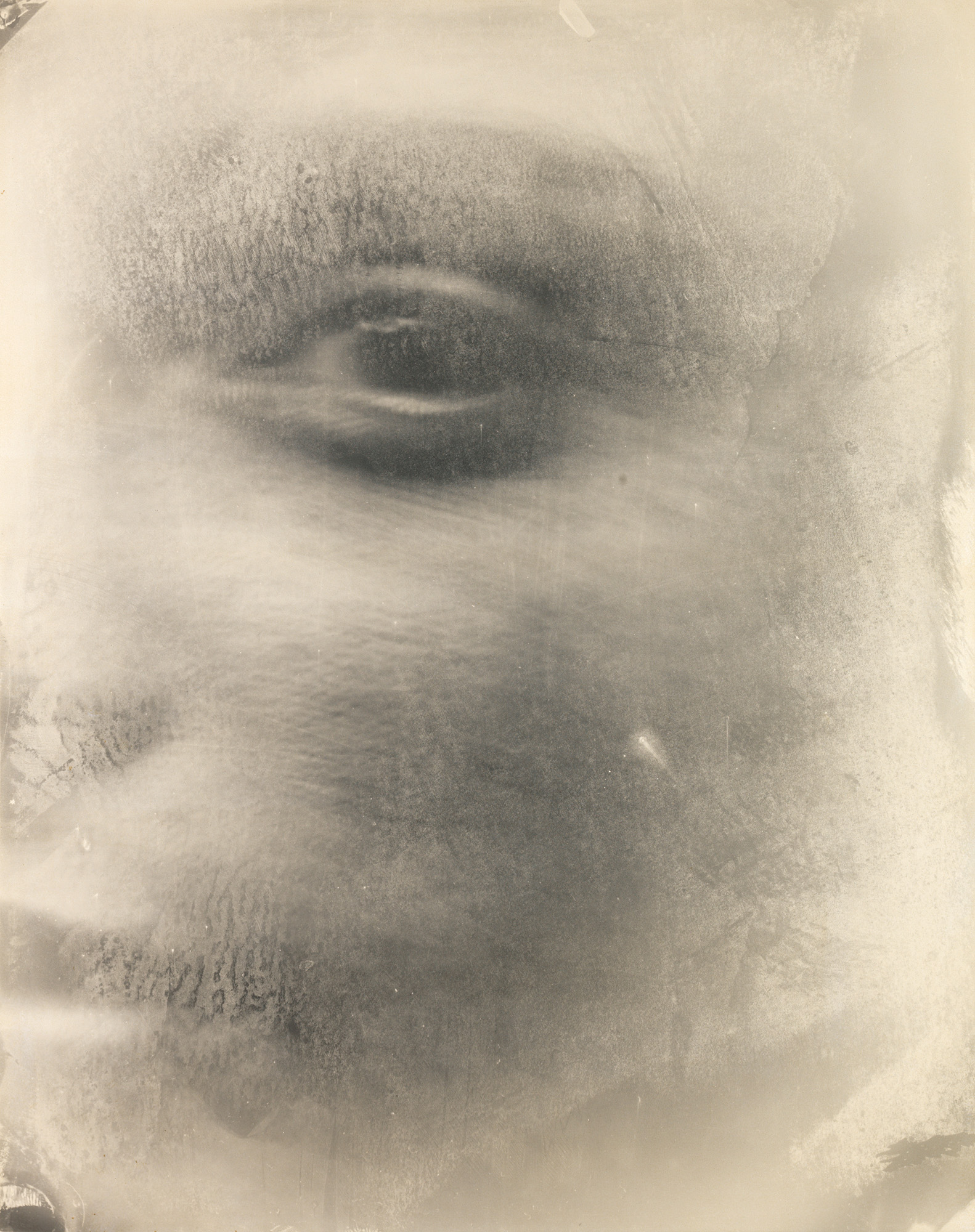
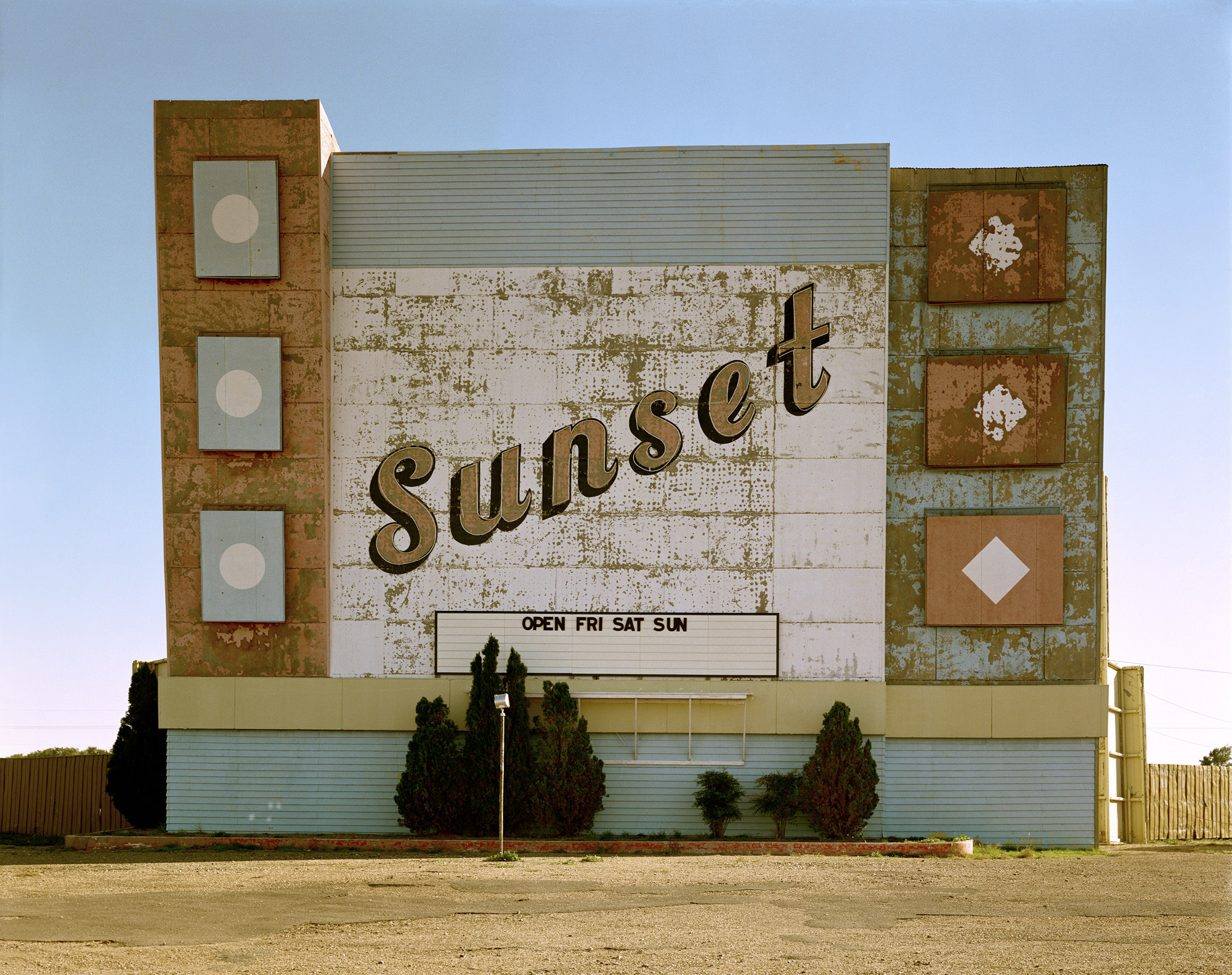

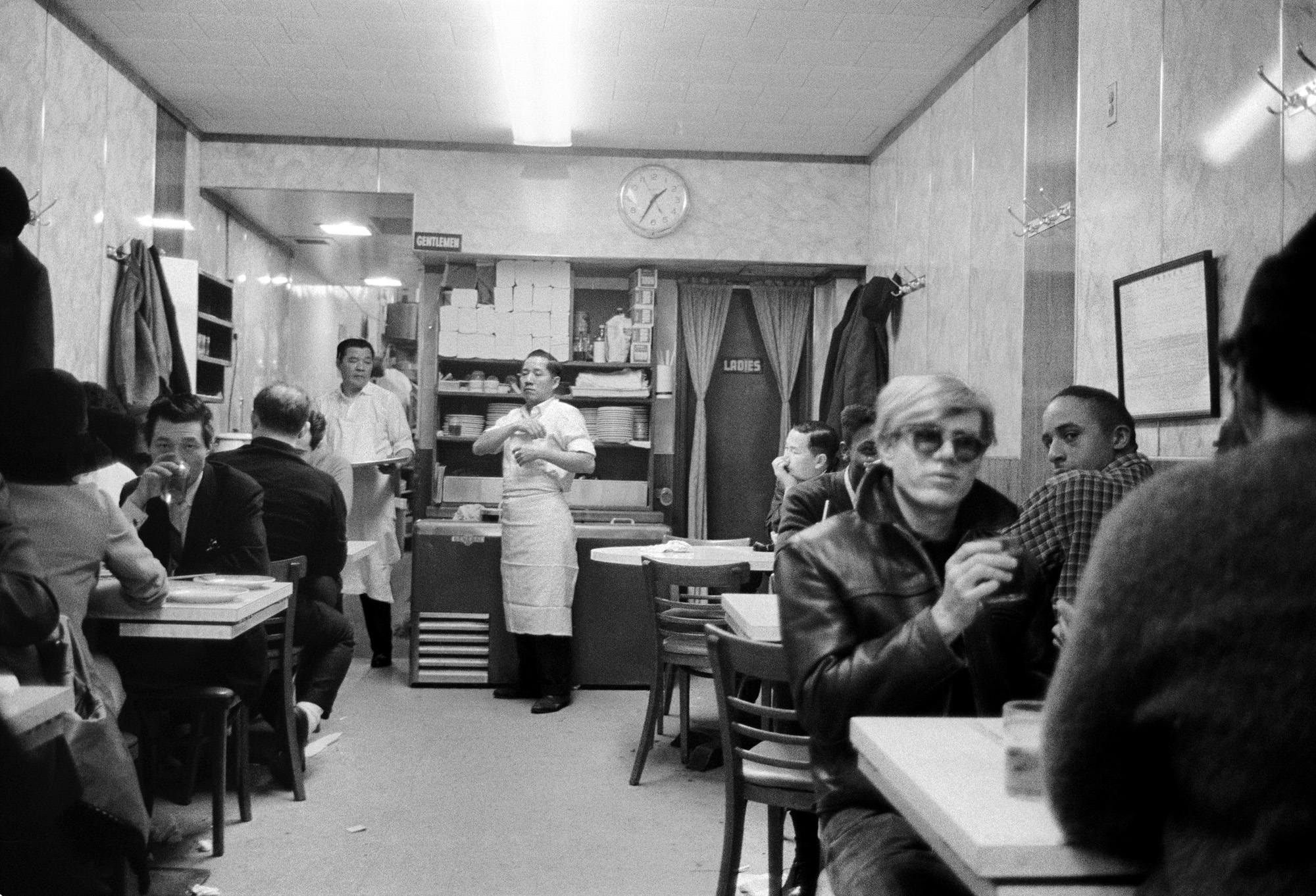
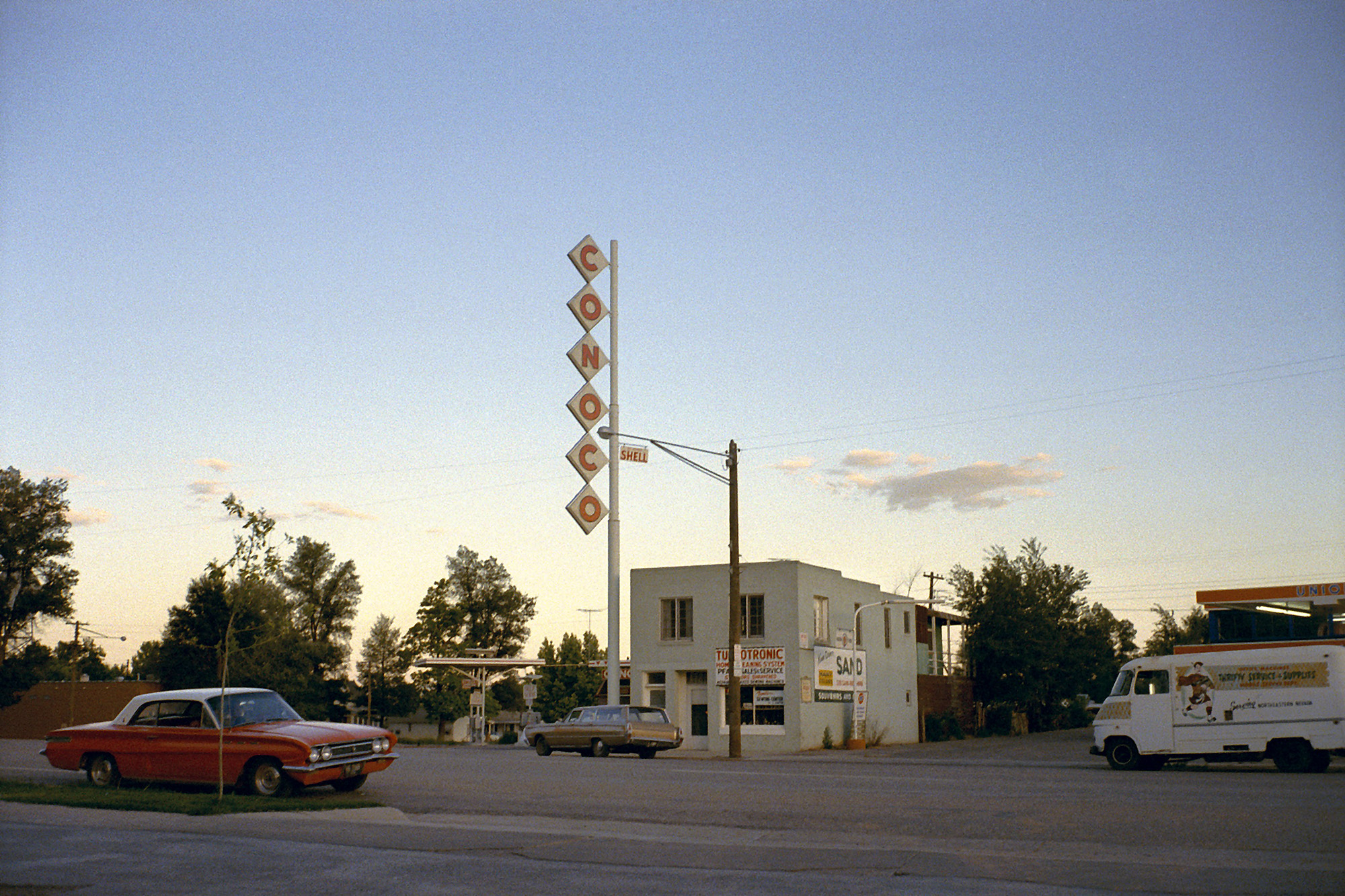
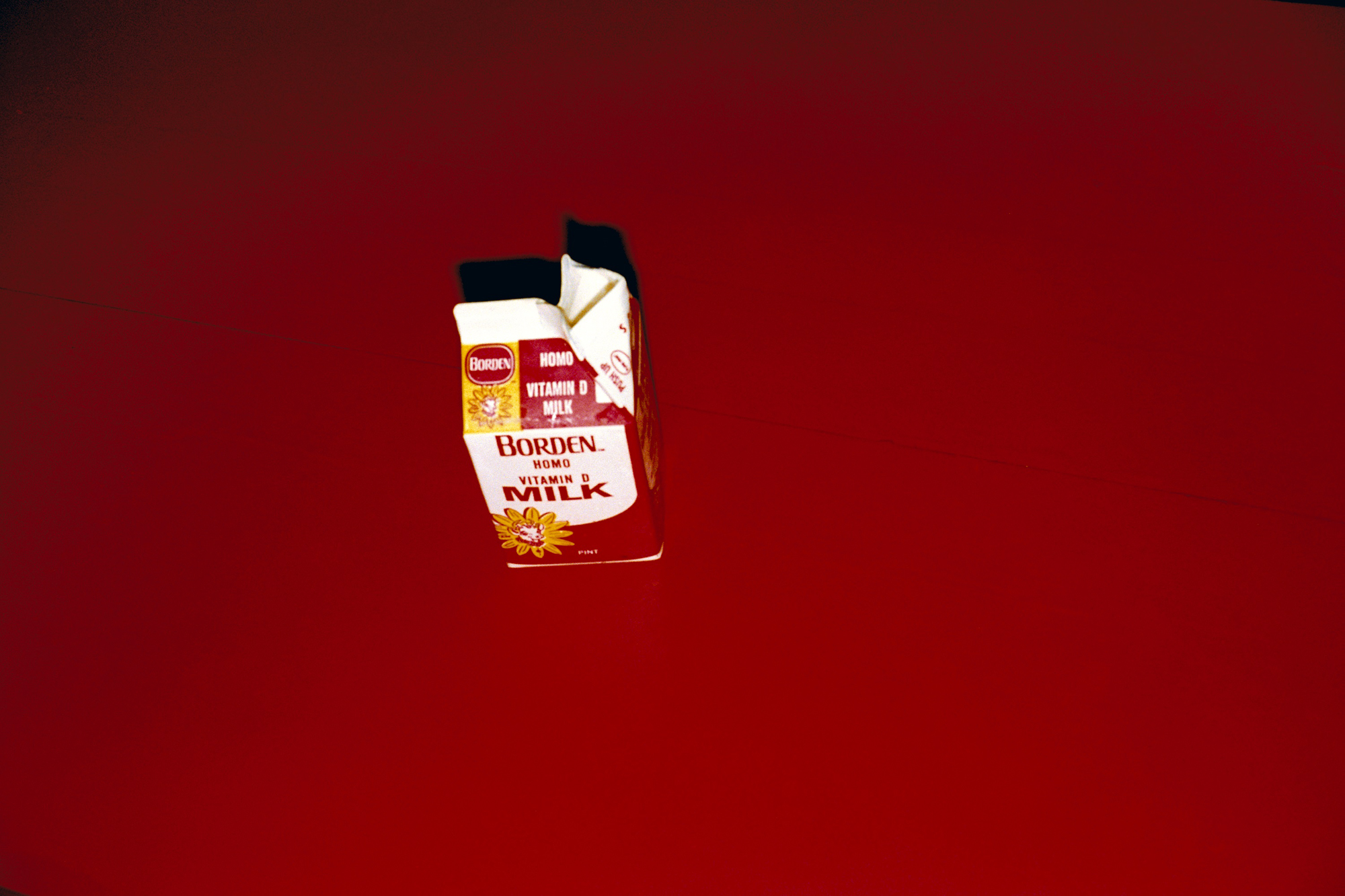

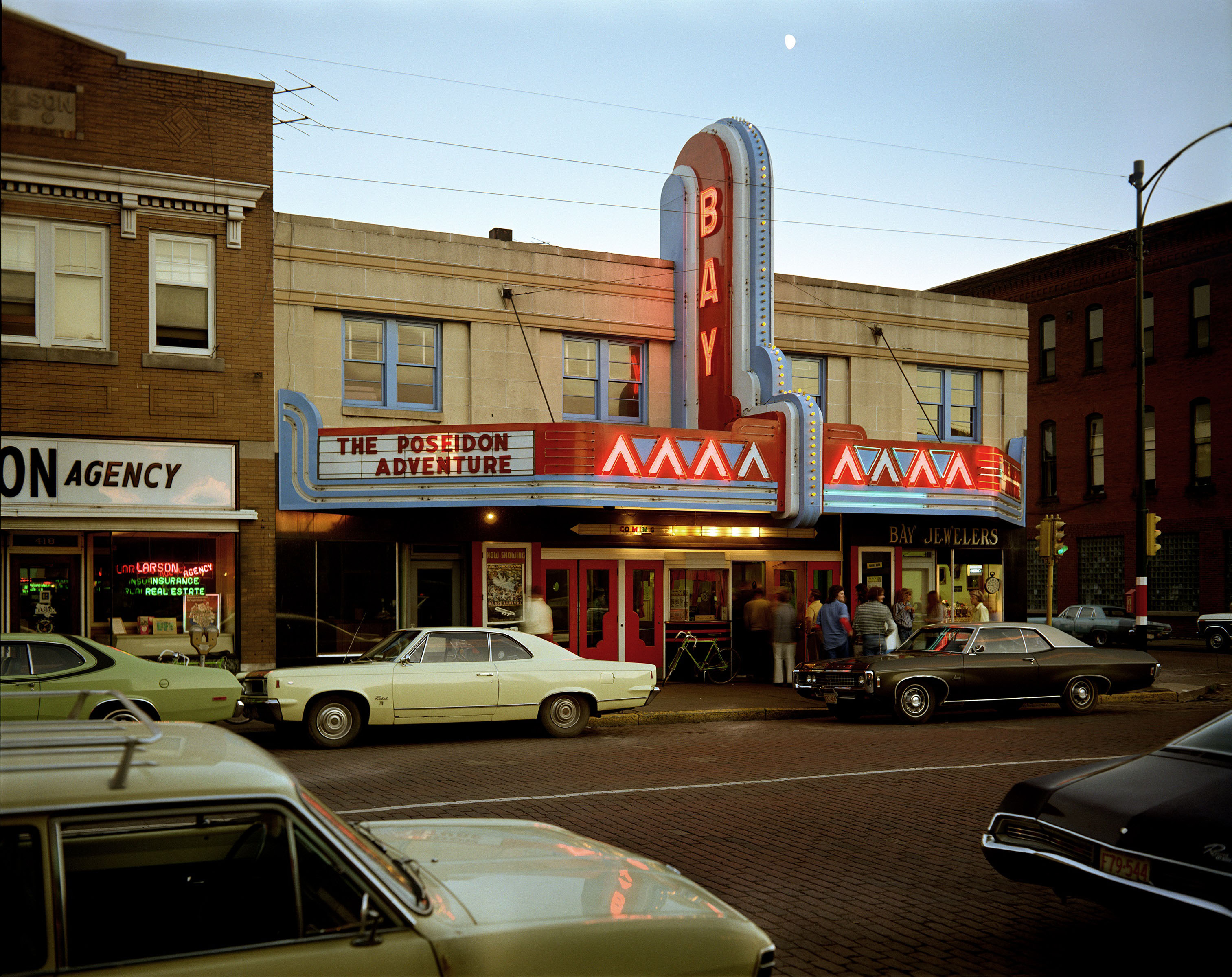


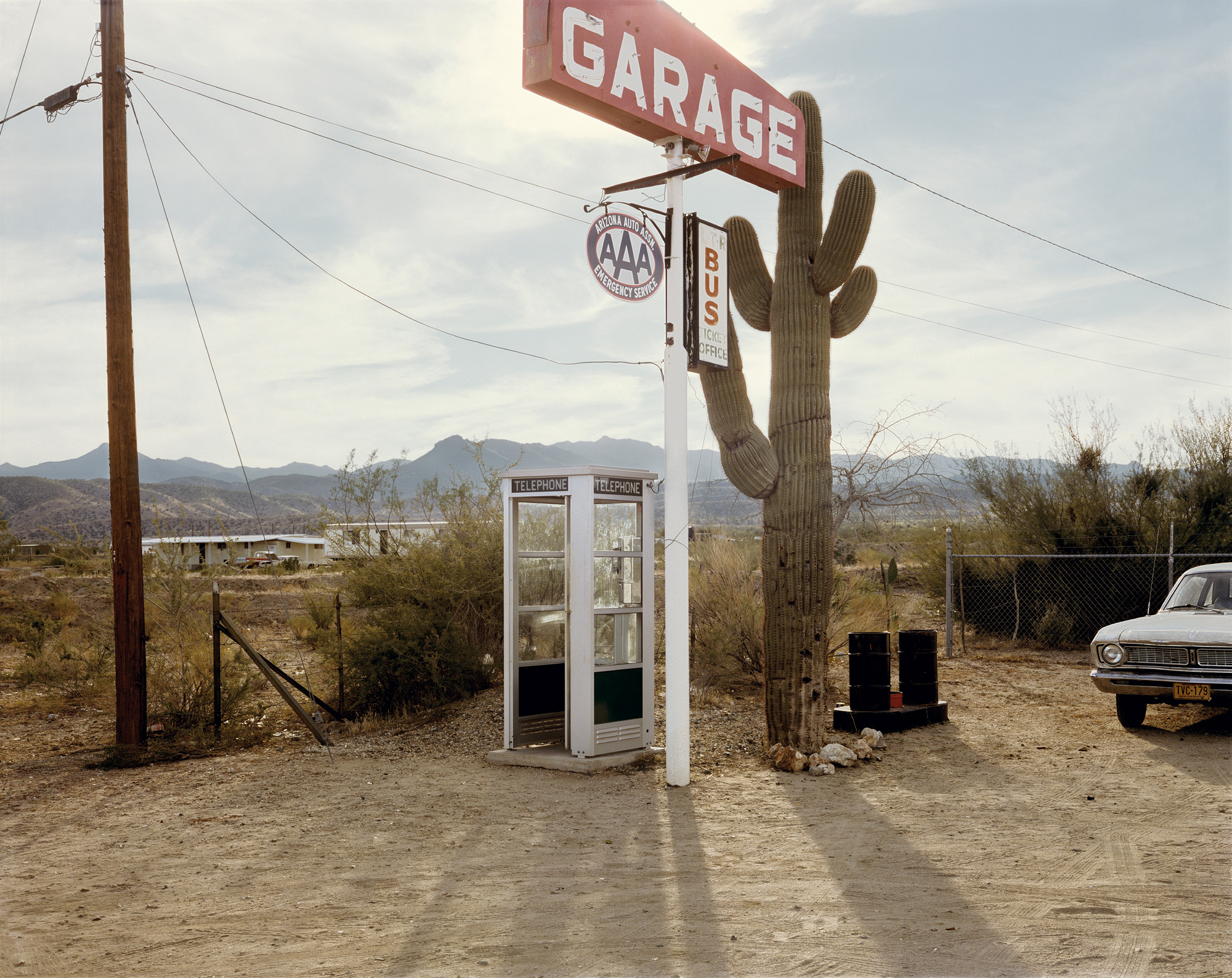


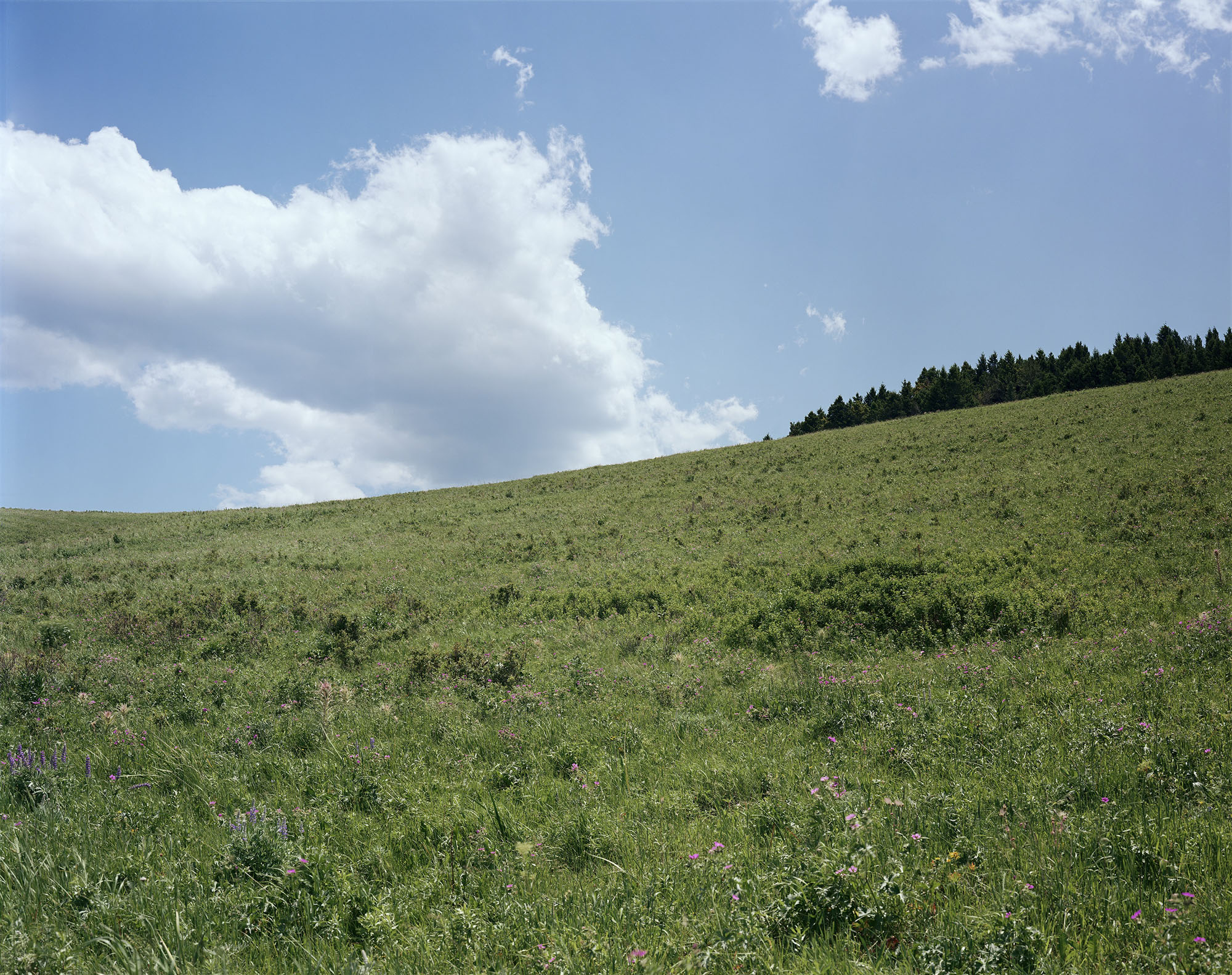


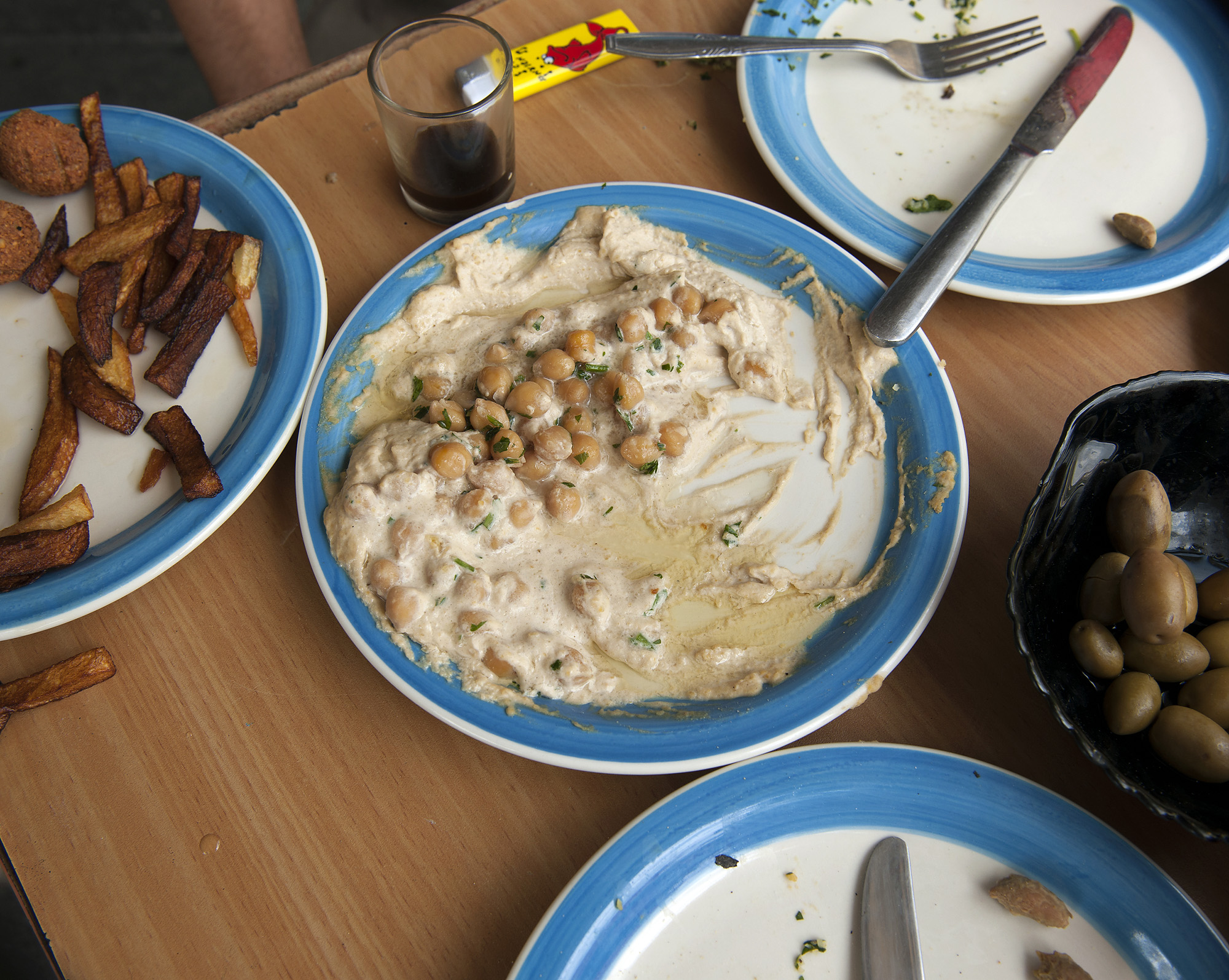
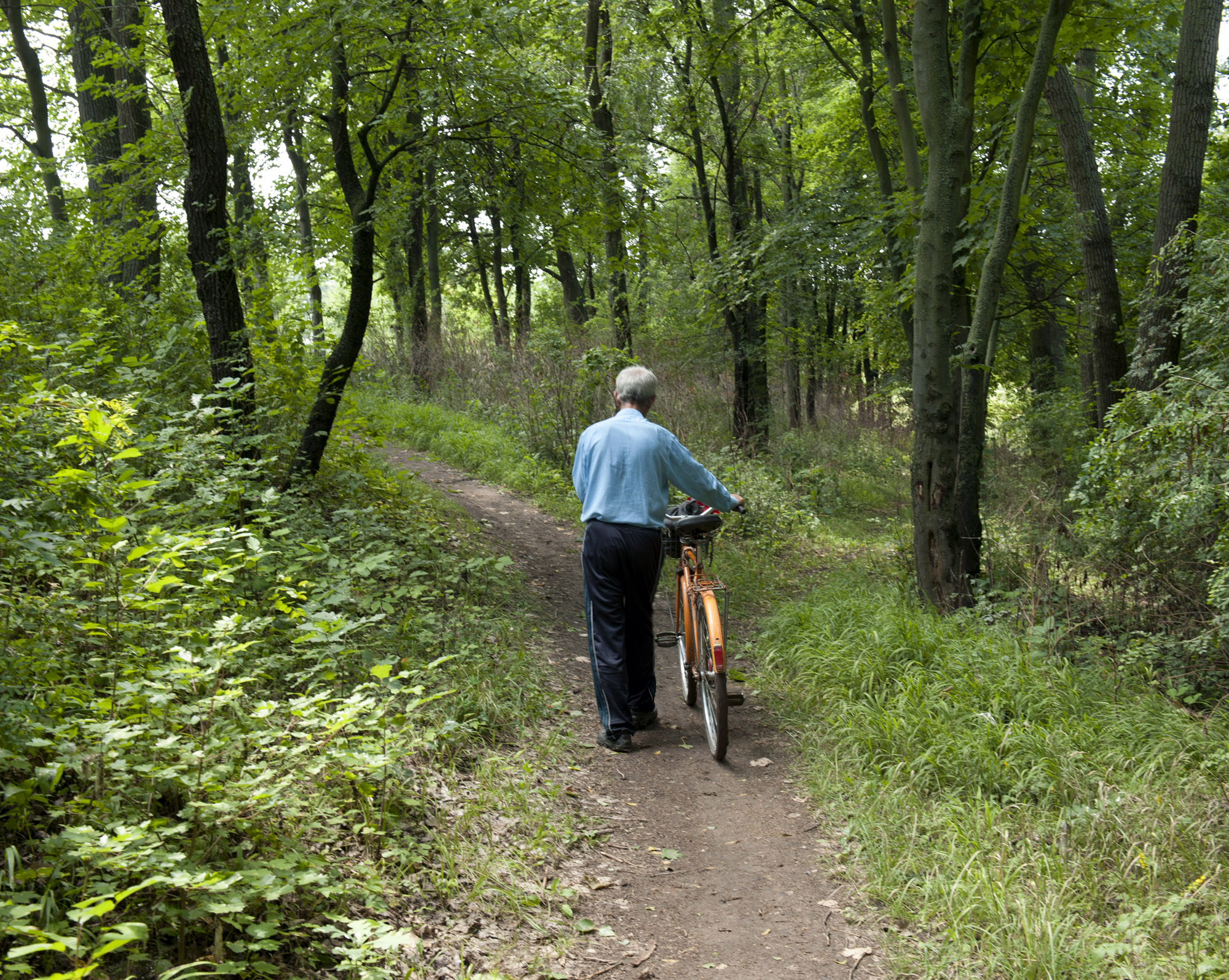
 Art Blart _ art and cultural memory archive
You must be logged in to post a comment.