This is the most successful, long running group portrait series in the history of photography. I have always liked the images because of their stunning clarity, delicate tonality and wonderful arrangement of the figures. Much as they shield their privacy, as a viewer I feel like I have grown up with these women, the sisters I never had. Some images are more successful than others, but as a body of work that focuses on the “face” we present to the world, they are without peer.
Just imagine being these women (and being the photographer), taking on this project and not knowing where it would lead, still not knowing where it will lead. There is a fascinating period in the photographs between 1986 and 1990, as we see the flush of youth waning, transitioning towards the beginning of middle age. As they grow older and closer I feel that I know their characters. I look for that inflection and nuance of presentation that make them more than just faces, more than just photographic representation. The lines on their faces are the handwriting of their travails and I love them all for that.
In each photograph they are as beautiful as the next, not in a Western sense, but in the sense of archetypal beauty, the Platonic form of all beauty – the beauty of women separated from the individuality of the object and considered by itself. In each of these images you can contemplate that form through the faces of these women – they are transcendent and pure. It is as if they live beyond space and time, that the photographs capture this sense of the sublime. Usually the sublime is regarded as beyond time… but not here. A simply magnificent series.
Dr Marcus Bunyan
PS. Let’s hope that there are more images from the series that we can eventually see and that there are some platinum prints being produced. The images deserve such a printing.
Many thankx to MoMA for allowing me to publish the photographs in the posting. Please click on the photographs for a larger version of the image.
“Throughout this series, we watch these women age, undergoing life’s most humbling experience. While many of us can, when pressed, name things we are grateful to Time for bestowing upon us, the lines bracketing our mouths and the loosening of our skin are not among them. So while a part of the spirit sinks at the slow appearance of these women’s jowls, another part is lifted: They are not undone by it. We detect more sorrow, perhaps, in the eyes, more weight in the once-fresh brows. But the more we study the images, the more we see that ageing does not define these women. Even as the images tell us, in no uncertain terms, that this is what it looks like to grow old, this is the irrefutable truth, we also learn: This is what endurance looks like. …
These subjects are not after attention, a rare quality in this age when everyone is not only a photographer but often his own favourite subject. In this, Nixon has pulled off a paradox: The creation of photographs in which privacy is also the subject. The sisters’ privacy has remained of utmost concern to the artist, and it shows in the work. Year after year, up to the last stunning shot with its triumphant shadowy mood, their faces and stances say, Yes, we will give you our image, but nothing else.”
Susan Minot. “Forty Portraits in Forty Years: Photographs by Nicholas Nixon,” on the ‘New York Times’ website, October 2014 [Online] Cited 01/01/2015. No longer available online
In August 1974, Nicholas Nixon made a photograph of his wife, Bebe, and her three sisters. He wasn’t pleased with the result and discarded the negative. In July 1975 he made one that seemed promising enough to keep. At the time, the Brown sisters were 15 (Mimi), 21 (Laurie), 23 (Heather), and 25 (Bebe). The following June, Laurie Brown graduated from college, and Nick made another picture of the four sisters. It was after this second successful picture that the group agreed to gather annually for a portrait, and settled on the series’ two constants: the sisters would always appear in the same order – from left to right, Heather, Mimi, Bebe, and Laurie – and they would jointly agree on a single image to represent a given year. Also significant, and unchanging, is the fact that each portrait is made with an 8 x 10″ view camera on a tripod and is captured on a black-and-white film negative.
The Museum has exhibited and collected the Brown Sisters from the beginning; since 2006, acquiring the series both as lusciously tactile contact prints and as striking 20 x 24″ enlargements (a new scale for Nixon). This installation – featuring all 40 images – marks the first time the Museum has displayed these larger prints.
In his first published statement about photography, written the year he made the first of the Brown Sisters portraits, Nixon remarked, “The world is infinitely more interesting than any of my opinions about it.” If he was modest about his opinions, though, his photographs clearly show how the camera can capture that infinitely interesting world. And to the attentive viewer, these silent records, with their countless shades of visual and emotional grey, can promote a new appreciation of an intangible part of it: the world of time and age, of commitment and love.
Many thankx to the Cantor Arts Center for allowing me to publish the photographs in the posting. Please click on the photographs for a larger version of the image.
“This desire of Frank’s to hold the shape of his feelings in what he made is an ambition found in all Romantic art, one that his style brilliantly encompasses and describes. There is a wonderful illusion of speed trapped in his photographs, a sense of rapidity usually created not by the movement of Frank’s subjects, but by the gesture that he made as he framed his pictures. To photographers who have followed Frank, this autographic gesture incorporates a mystery, one that is distorted, and certainly not explained, by saying that he “shot on the run” or “from the hip.” For the beauty of this gesture is that, caught by such speed, his subjects remain clear, fully recognised, as if the photographer had only glanced at what he wanted to show, but was able to seize it at the moment it unhesitantly revealed itself.”
Tod Papageorge. “Walker Evans And Robert Frank: An Essay On Influence.”
Robert Frank (American born Switzerland, 1924-2019) Detroit
1955
Gelatin silver print
Cantor Arts Center Collection, Gift of Bowen H. McCoy
Robert Frank (American born Switzerland, 1924-2019) Miami
1955
Gelatin silver print
Cantor Arts Center Collection, Gift of Raymond B. Gary
Robert Frank (American born Switzerland, 1924-2019) New York City
1950-1951
Gelatin silver print
Cantor Arts Center Collection, Gift of Raymond B. Gary
Robert Frank (American born Switzerland, 1924-2019) Hollywood
1958
Gelatin silver print
Cantor Arts Center Collection, Gift of Bowen H. McCoy
“Frank’s photos highlight everything from prosperity to poverty, multitudes to desolation, new life to finality of death, and happiness to sorrow which all occur during our lifetimes making his photos easy for the viewers to understand and relate…
Furthermore, Frank was able to emphasise some of the issues of his era, especially segregation, patriotism, and generational gaps. For example, the New Orleans photo on the cover shows a trolley car obviously segregated with white riders in the front and black riders in the back. However, Frank also shows blacks and whites working side by side in an assembly line photo taken in Detroit as well as a black nurse holding a white baby in Charleston, South Carolina with undertones of hope for equality further highlighted by the photo taken in Detroit bar of Presidents Lincoln and Washington bookending an American flag…
American patriotism seems to be a universal theme throughout Frank’s photos as well. Many of the photos in the book contain an American flag which shows the high level of patriotism felt by Americans in the era after defeating Germany and Japan in the Second World War and at the beginning of the Cold War with the rising Soviet Union as a communist superpower. Flags are hung on an apartment building during a parade in Hoboken, on the wall in a Navy Recruiting Station in Butte, Montana, hanging outdoors during a Fourth of July celebration in Jay, New York, on the wall in the Detroit bar, hanging from the building in a political rally in Chicago, and there are star lights in the background of a club car headed to Washington DC.
The most important theme within Frank’s photos is that of “Americans.” Frank photographed people from different cultures, including blacks, Hispanics, Jews, and whites; celebrating different religious and civil ceremonies from funerals to weddings. He included biker groups, prostitutes, celebrities, high-class socialites, rural farmlands, cowboys, soldiers, teenagers, politicians, families, senior citizens, children, gamblers, and travellers among others within the photos. This variety of people from different backgrounds living and socialising in different settings is truly American in that it is a blend of all different types of people living together as one nation.”
Cindy Coffey. “The Americans: An Analysis of the Photography of Robert Frank,” on the History thru Hollywood blog Saturday, May 11, 2013 [Online] No longer available online
Bill Brandt (British, 1904-1983) Parlourmaid at the Window, Kensington
1935 (printed later)
Silver gelatin print
“The first critics of The Americans condemned its content; recent critics have attacked it by attempting to describe Frank’s photographic style. Possibly reacting to the variations in cropping that appear in the later editions of the book, or, more probably, looking for the “snapshot aesthetic” under any available stone, they have assumed this style to be haphazard and contemptuously casual. One writer, for example, has said that Frank “produced pictures that look as if a kid had taken them while eating a Popsicle and then had them developed and printed at the corner drugstore.”
The things in Frank’s pictures which have bothered these critics – occasional blur, obvious grain, the use of available light, the cutting off of objects by the frame – are all, however, characteristic of picture journalism, and, arguably, of the entire history of hand-camera photography: Erich Salomon’s work, for example, done for the most part in the twenties, could be discussed in similar terms. The form of Frank’s work, then, is not radical in the true sense of the word: it does not strike to the root of the tradition it serves. The stylistic exaggerations which occur in his pictures serve only to retain that sense of resident wildness we recognise in great lyric poetry – they are present to call attention not to themselves, but to the emotional world of Frank’s subjects, and to his response to those subjects. When, in the statement he wrote shortly before The Americans was published, Frank said: “It is important to see what is invisible to others. Perhaps the look of hope or the look of sadness. Also it is always the instantaneous reaction to oneself that produces a photograph,” he was expressing his belief that both his perceptions (it is significant that he does not mention an intervening camera in these sentences) and the photographs which result from them are essentially unmediated and true.
This desire of Frank’s to hold the shape of his feelings in what he made is an ambition found in all Romantic art, one that his style brilliantly encompasses and describes. There is a wonderful illusion of speed trapped in his photographs, a sense of rapidity usually created not by the movement of Frank’s subjects, but by the gesture that he made as he framed his pictures. To photographers who have followed Frank, this autographic gesture incorporates a mystery, one that is distorted, and certainly not explained, by saying that he “shot on the run” or “from the hip.” For the beauty of this gesture is that, caught by such speed, his subjects remain clear, fully recognised, as if the photographer had only glanced at what he wanted to show, but was able to seize it at the moment it unhesitantly revealed itself.
Despite the grace of this notational style (or perhaps because of it), Frank seems to have felt that movement within the frames of his photographs would only disturb their sense, and, with a few exceptions, ignored the use of dramatic gesture and motion in The Americans (a fact which again suggests his feeling about Cartier-Bresson’s work). In two of his pictures of convention delegates, and in one of a woman in a gambling casino, he shows emphatic hand gestures. In another photograph, he looks down onto a man striding forward under a neon arrow, and, in yet another, describes two girls skipping away from his camera. Otherwise, his subjects move, if at all, toward, and, in a single memorable case, by him – studies in physiognomy, rather than disclosures of a gathering beauty.
The characteristic gestures in his pictures are the slight, telling motions of the head and upper body: a glance, a stare, a hand brought to the face, an arched neck, pursed lips. They suggest that Frank, like Evans, believed significance in a photograph might be consonant with the repose of the things it described. His pictures, of course, are not acts of contemplation – they virtually catalogue the guises of anxiety – but they are stilled, and their meanings found not in broad rhythms of gesture and form, but in the constellations traced by the figures or objects they show, and the short, charged distances between them.
One of the unacknowledged achievements of The Americans is the series of group portraits – odd assemblages of heads, usually seen in profile, that gather in quick, serried cadences and push at the cutting edges of their frames. In the soft muted light that illuminates them, these heads are drawn with the sculptural brevity of those found on worn coins. But, even in this diminishment, as they cluster and fill the shallow space of Frank’s pictures, they assume the unfurling, cursive shapes of great Romantic art.
As this book shows, these photographs beautifully elaborate Evans’ hand-camera pictures, pictures which are not as judgmental as Frank’s, but also not as formally complex and moving. Although Frank’s most literal recastings of American Photographs occur when he is remembering Evans’ view camera pictures – for example, a gas station, a parked car, a statue – these extravagant translations of the older photographer’s bluntest work eloquently reveal one aspect of Frank’s extraordinary gifts as a photographer.”
Tod Papageorge. “Walker Evans And Robert Frank: An Essay On Influence.”
Exhibition dates: 10th September 2014 – 5th January 2015
Curator: Peter Galassi
Robert Frank (American born Switzerland, 1924-2019) En route from New York to Washington, Club Car
1954
Gelatin silver print
Cantor Arts Center Collection, Gift of Raymond B. Gary
Robert Frank (1924-2019) is one of the most important photographic artists of the twentieth century. He was born in Switzerland but he emigrated to American in 1947. He soon gained a job as a fashion photographer for Harper’s Bazaar. He honed his craft as a photographer in England where he took formal, classical images of British life during a trip to Europe and South America in 1947.
He became friends with Edward Steichen and Walker Evans, and it was Evans who supported him in his Guggenheim Fellowship application in 1955 which enabled him “to travel across the United States and photograph all strata of its society. Cities he visited included Detroit and Dearborn, Michigan; Savannah, Georgia; Miami Beach and St. Petersburg, Florida; New Orleans, Louisiana;Houston, Texas; Los Angeles, California; Reno, Nevada; Salt Lake City, Utah; Butte, Montana; and Chicago, Illinois.He took his family along with him for part of his series of road trips over the next two years, during which time he took 28,000 shots. 83 of these were selected by him for publication in The Americans.”1
In The Americans, Frank documents, “the tensions between the optimism of the 1950s and the realities of class and racial differences. The irony that Frank found in the gloss of American culture and wealth over this tension gave his photographs a clear contrast to those of most contemporary American photojournalists, as did his use of unusual focus, low lighting and cropping that deviated from accepted photographic techniques.2
Originally published as Les Américains in 1958 by Robert Delpire in Paris, and finally in 1959 in the United States by Grove Press, reaction in America was initially hostile. They American critics did not like Frank’s shoot from the hip style of photography, nor the mirror that was being held up to their society, especially by a Jewish foreigner. Over time The Americans came to be seen as a seminal work of American photography and social history. Like many artists, Frank only took photographs for a relatively short period of time, before moving on to become a filmmaker.
One cannot forget the era in which Frank took these photographs – that of McCarthyism and “the Second Red Scare, lasting roughly from 1950 to 1956 and characterised by heightened political repression against communists, as well as a campaign spreading fear of their influence on American institutions and of espionage by Soviet agents.”3 Americans were suspicious of foreigners, especially ones with cameras, and this was still the era of racial segregation pre the civil rights movement of the 1960s.
With regard to the structure of the photographs, their origin is based in classicism. This was Frank’s training. It was his skill as an artist, his intuitive and prescient vision of America – how he saw America like no one else before him had – that enabled him to ramp up the intensity, shoot from weird angles, low lighting, cropping, depth of field, unusual focus – and focus on the iconography of America as never seen before: jukeboxes, American flags, cars, highways, death, racial segregation – that was so revolutionary. But he could not have done that without his formal training. You only have to look at the comparison between the photographs of Robert Frank and Walker Evans. Formal and elegant in Evans Church Organ and Pews (1936) and Downtown street, New Orleans (December 1935) with lines vertical and clean… and then Frank, with hardly a straight line or neat angle to be seen. But the one does inform the other, otherwise Frank’s photographs would just become snapshots, vernacular photographs with very little meaning. Which they are not.
This is one of the most powerful, lyrical, humanist photo essays of a country that has ever been taken. Critic Sean O’Hagan, writing in The Guardian in 2014, said The Americans “changed the nature of photography, what it could say and how it could say it. […] it remains perhaps the most influential photography book of the 20th century.”4 As an artist, Frank became the great connector for he is the critical link in the chain that stretches from Lewis Hine through Walker Evans… and on to Lee Friedlander, Garry Winogrand and Joel Meyerowitz.
As an artist you marvel at his intuition and inspiration, to look at the world as no one else had done before, to push the boundaries of medium and message. To photograph people, alone and in groups; politics; religion; race; automobiles and the road; and the media and thrust them into the white, bright, happy world of 1950s consumerist America saying: this is what this country is really like, this is my “impression” of you in all your fleeting madness, “America as an often bleak and lonely place.” You only have to look at the “eye” in U.S. 91, leaving Blackfoot, Idaho (1956, below) or look at the photograph of the grave by the side of the road to know that you are in Blue Velvet territory (David Lynch, director 1986, the title is taken from The Clovers’ 1955 song of the same name).
I am not sure yet how one world pierces the other but believe me they surely do.
4/ Sean O’Hagan. “Robert Frank at 90: the photographer who revealed America won’t look back,” on The Guardian website Sat 8 Nov 2014 [Online] Cited 06/07/2021
Many thankx to the Cantor Arts Center for allowing me to publish the photographs in the posting. Please click on the photographs for a larger version of the image.
“It was the vision that emanated from the book that lead not only me, but my whole generation of photographers out into the American landscape, in a sense, the lunatic sublime of America.”
Joel Meyerowitz
“Like a boxer trains for a fight, a photographer by walking the streets, and watching and taking pictures, and coming home and going out the next day, the same thing again, taking pictures. It doesn’t matter how many he takes, or if he takes any at all, it gets you prepared to know what you should take pictures of, or what is the right thing to do and when.”
Robert Frank
Walker Evans (American, 1903-1975) Main St., Ossining, New York
1932
Gelatin silver print
Robert Frank (American born Switzerland, 1924-2019) Detroit
1955
Gelatin silver print
Cantor Arts Center Collection, Gift of Raymond B. Gary
In 1955 and 1956, Swiss-born photographer Robert Frank (b. 1924) traveled throughout the United States on a Guggenheim Fellowship, photographing ordinary people in their everyday lives. His book The Americans – 83 photographs, mostly from those travels, published in 1959 – repudiated the bland good cheer of the magazines with an image of the country that was starkly at odds with the official optimism of postwar prosperity. The book became a landmark of photographic history; but Frank soon turned to filmmaking, and the rest of his early photographic career was largely forgotten. An important group of unknown or unfamiliar photographs in the Cantor Arts Center’s collection provides the core of the exhibition Robert Frank in America, which sheds new light on the making of The Americans and presents, for the first time, Frank’s American photographs from the 1950s as a coherent body of work.
“We are delighted that the Cantor’s collection has provided the basis for a fresh look at one of the great achievements of 20-century photography,” said Connie Wolf, John and Jill Freidenrich Director of the Cantor Arts Center. “We are also deeply grateful to Robert Frank, who has generously contributed to the project.”
The exhibition Robert Frank in America, on view September 10, 2014 through January 5, 2015, features 130 photographs drawn primarily from the Cantor’s collection as well as from other public and private collections and from Frank himself. Peter Galassi, former chief curator of photography at the Museum of Modern Art, New York, is the exhibition’s guest curator and author of the accompanying publication.
The Exhibition’s Development from the Cantor’s Collection
In the summer of 2012, Wolf invited Galassi to offer his thoughts on one of the museum’s hidden treasures: more than 150 photographs by Robert Frank given to the Cantor in the mid-1980s by Stanford alumnus Bowen H. McCoy and his colleague Raymond B. Gary. This remarkable collection spans the full range of Frank’s photographic career before he turned to filmmaking in the early 1960s. It is especially rich in Frank’s American work of the 1950s, including scores of photographs that are unknown or unfamiliar even to scholars. Wolf and Galassi saw an opportunity to share this work with Stanford students, faculty, scholars at large and the general public.
Research began at the National Gallery of Art, Washington, where more than two decades ago the artist established the archive of his photographic career prior to 1970. Studying more than 1,000 contact sheets enabled Galassi to determine the locations and dates of dozens of previously unidentified photographs in the Cantor collection. He then selected works for the exhibition so as to identify Frank’s major themes and artistic strategies. The compelling sequence of The Americans poetically weaves diverse images into a seamless whole, but Robert Frank in America groups related pictures to explore the pictorial strategies that Frank developed as he worked, and also to highlight important subjects – people, alone and in groups; politics; religion; race; automobiles and the road; and the media.
Frank repeatedly photographed isolated figures so that they seemed trapped by pictorial forces, for example. This powerful metaphor for Frank’s vision of lonely individuals imprisoned by social circumstances is announced in the first picture, The Americans, where the flag obliterates a spectator’s face (Parade – Hoboken, New Jersey, 1955). In Robert Frank in America, that photograph is juxtaposed with another that uses the identical pictorial scheme but a different subject; the interior of a bar (New York City, 1955).
“Although The Americans is famous – partly because it is famous – Robert Frank’s American work of the 1950s has never been considered as a whole,” said Galassi. “The full range of the work shows just how Frank turned the vocabulary of magazine photojournalism on its head and used it to speak in a personal, poetic voice.”
Inviting Galassi to organise the exhibition was part of the museum’s renewed commitment to collecting, studying and presenting photography, Wolf says. The Cantor has been adding to its already strong holdings, presenting innovative exhibitions of work by distinguished artists and providing a valuable opportunity for Stanford students and faculty to work directly with photographs. Leland Stanford’s commission more than a century ago for Eadweard Muybridge’s pioneering work on animal locomotion serves as a foundation for the museum’s extensive collection today.
Exhibition catalogue
The major catalogue accompanying this exhibition is published by the Cantor Arts Center in association with international publisher Steidl, with whom Frank has worked closely on most of his books. All 130 photographs in the exhibition are reproduced as full-page tritone plates. Galassi’s extensive essay traces the evolution of Frank’s work from his arrival in the United States in 1947 until he abandoned his first photographic career in the early 1960s. The text provides a thorough outline of the photographic context in which Frank at first sought success as a magazine photojournalist as well as a detailed analysis of the methods and strategies that lie behind The Americans. The essay features 24 illustrations, including an unprecedented map of Frank’s 1955-56 Guggenheim travels, which locates the sites of nearly all of the photographs in The Americans and in Robert Frank in America. The 200-page book, with a foreword by Connie Wolf, is designed by Katy Homans, New York.
Robert Frank
Robert Frank was born in 1924 in Zürich, Switzerland. The conclusion of World War II ended his vulnerability (his father was a German-born Jew) and enabled him to escape what he regarded as a narrow, antiquated culture. Soon after reaching New York in March 1947, he was hired by Harper’s Bazaar, but his distaste for photographing fashion led him to quit after six months. Over the next five or six years, in Europe and the United States, Frank aimed to establish himself as a freelance photojournalist, with limited success. A Guggenheim Fellowship, awarded in March 1955 and renewed a year later, freed him to pursue his work independently, and he soon began to travel in hopes of making a book. Les Américains was published by Robert Delpire in Paris in 1958 and, as The Americans, by Grove Press in New York in 1959. The latter included an introduction by Jack Kerouac, author of On the Road.
Film and video have formed a central aspect of Frank’s work since 1959, when he collaborated with Allen Ginsberg, Jack Kerouac and Alfred Leslie on Pull My Daisy. In 1972, however, he resumed making photographs, often using Polaroid positive-negative materials and incorporating text and multiple images. That same year he published the first of several editions of The Lines of My Hand, a book that surveyed his career in all mediums and initiated reconsiderations of his early photographic career. The first full-scale retrospective of his photographs was organised at the Museum of Fine Arts, Houston, in 1986. In 1990, a major gift by Frank established the Robert Frank Collection at the National Gallery of Art, Washington, which has since presented two major exhibitions, each accompanied by an important book: Robert Frank: Moving Out (1994) and Looking In: Robert Frank’s “The Americans” (2009).
Press release from the Cantor Arts Center
Robert Frank (American born Switzerland, 1924-2019) Beaufort, South Carolina
1955
Gelatin silver print
Cantor Arts Center Collection, Gift of Raymond B. Gary
Guggenheim proposal summary
“To photograph freely throughout the United States, using the miniature camera exclusively. The making of a broad, voluminous picture record of things American, past and present. This project is essentially the visual study of a civilization and will include caption notes; but it is only partly documentary in nature: one of its aims is more artistic than the word documentary implies.”
The full statement
“I am applying for a Fellowship with a very simple intention: I wish to continue, develop and widen the kind of work I already do, and have been doing for some ten years, and apply it to the American nation in general. I am submitting work that will be seen to be documentation - most broadly speaking. Work of this kind is, I believe, to be found carrying its own visual impact without much work explanation. The project I have in mind is one that will shape itself as it proceeds, and is essentially elastic. The material is there: the practice will be in the photographer’s hand, the vision in his mind. One says this with some embarrassment but one cannot do less than claim vision if one is to ask for consideration.
“The photographing of America” is a large order - read at all literally, the phrase would be an absurdity. What I have in mind, then, is observation and record of what one naturalized American finds to see in the United States that signifies the kind of civilization born here and spreading elsewhere. Incidentally, it is fair to assume that when an observant American travels abroad his eye will see freshly; and that the reverse may be true when a European eye looks at the United States. I speak of the things that are there, anywhere and everywhere - easily found, not easily selected and interpreted. A small catalog comes to the mind’s eye: a town at night, a parking lot, a supermarket, a highway, the man who owns three cars and the man who owns none, the farmer and his children, a new house and a warped clapboard house, the dictation of taste, the dream of grandeur, advertising, neon lights, the faces of the leaders and the faces of the followers, gas tanks and post offices and backyards.
The uses of my project would be sociological, historical and aesthetic. My total production will be voluminous, as is usually the case when the photographer works with miniature film. I intend to classify and annotate my work on the spot, as I proceed. Ultimately the file I shall make should be deposited in a collection such as the one in the Library of Congress. A more immediate use I have in mind is both book and magazine publication.”
Robert Frank (American born Switzerland, 1924-2019) Florida
1958
Gelatin silver print
Cantor Arts Center Collection, Gift of Raymond B. Gary
“I am grateful to the Guggenheim Foundation for their confidence and the provisions they made for me to work freely in my medium over a protracted period. When I applied for the Guggenheim Fellowship, I wrote: “To produce an authentic contemporary document, the visual impact should be such as will nullify explanation.”
With these photographs, I have attempted to show a cross-section of the American population. My effort was to express it simply and without confusion. The view is personal and, therefore, various facets of American life and society have been ignored. The photographs were taken during 1955 and 1956; for the most part in large cities such as Detroit, Chicago, Los Angeles, New York and in many other places during my Journey across the country. My book, containing these photographs, will be published in Paris by Robert Delpire, 1958.
I have been frequently accused of deliberately twisting subject matter to my point of view. Above all, I know that life for a photographer cannot be a matter of indifference. Opinion often consists of a kind of criticism. But criticism can come out of love. It is important to see what is invisible to others – perhaps the look of hope or the look of sadness. Also, it is always the instantaneous reaction to oneself that produces a photograph.
My photographs are not planned or composed in advance and I do not anticipate that the on-looker will share my viewpoint. However, I feel that if my photograph leaves an image on his mind – something has been accomplished.
It is a different state of affairs for me to be working on assignment for a magazine. It suggests to me the feeling of a hack writer or a commercial illustrator. Since I sense that my ideas, my mind and my eye are not creating the picture but that the editors’ minds and eyes will finally determine which of my pictures will be reproduced to suit the magazines’ purposes.
I have a genuine distrust and “mefiance” toward all group activities. Mass production of uninspired photojournalism and photography without thought becomes anonymous merchandise. The air becomes infected with the “smell” of photography. If the photographer wants to be an artist, his thoughts cannot be developed overnight at the corner drugstore.
I am not a pessimist, but looking at a contemporary picture magazine makes it difficult for me to speak about the advancement of photography, since photography today is accepted without question, and is also presumed to be understood by all – even children. I feel that only the integrity of the individual photographer can raise its level.
The work of two contemporary photographers, Bill Brandt of England and the American, Walker Evans, have influenced me. When I first looked at Walker Evans’ photographs, I thought of something Malraux wrote: “To transform destiny into awareness.” One is embarrassed to want so much for oneself. But, how else are you going to justify your failure and your effort?”
Robert Frank, U.S. Camera Annual, 1958, p. 115
Robert Frank (American born Switzerland, 1924-2019) Lusk, Wyoming
1956
Gelatin silver print
Cantor Arts Center Collection, Gift of Raymond B. Gary
Robert Frank (American born Switzerland, 1924-2019) Main Street – Savannah, Georgia
1955
Gelatin silver print
Cantor Arts Center Collection, Gift of Raymond B. Gary
Walker Evans (American, 1903-1975) Downtown street, New Orleans
December 1935
Gelatin silver print
Robert Frank (American born Switzerland, 1924-2019) New York City
1949
Gelatin silver print
Lent by Peter Steil
Robert Frank (American born Switzerland, 1924-2019) New York City
early 1950s
Gelatin silver print
Cantor Arts Center Collection, Gift of Bowen H. McCoy
Cantor Arts Center at Stanford University 328 Lomita Drive at Museum Way
Stanford, CA 94305-5060 Phone: 650-723-4177
Steichen, Penn, Avedon, Newman – and then there is Horst, master of them all. Style, elegance, lighting, framing, colour but above all panache – the guts and talent to push it just that little bit further.
Marcus
Many thankx to the Victoria & Albert Museum for allowing me to publish the photographs in the posting. Please click on the photographs for a larger version of the image.
“Fashion is an expression of the times. Elegance is something else again.”
This autumn, the V&A will present the definitive retrospective exhibition of the work of master photographer Horst P. Horst (1906-1999) – one of the leading photographers of the 20th century. In his illustrious 60-year career, German-born Horst worked predominantly in Paris and New York and creatively traversed the worlds of photography, art, fashion, design, theatre and high society.
Horst: Photographer of Style will display 250 photographs, alongside haute couture garments, magazines, film footage and ephemera. The exhibition explores Horst’s collaborations and friendships with leading couturiers such as Coco Chanel and Elsa Schiaparelli in Paris; stars including Marlene Dietrich and Noël Coward; and artists and designers such as Salvador Dalí and Jean-Michel Frank. Highlights of the exhibition include photographs recently donated to the V&A by Gert Elfering, art collector and owner of the Horst Estate, previously unpublished vintage prints, and more than 90 Vogue covers by Horst.
The exhibition will also reveal lesser-known aspects of Horst’s work: nude studies, travel photographs from the Middle East and patterns created from natural forms. The creative process behind some of his most famous photographs, such as the Mainbocher Corset, will be revealed through the inclusion of original contact sheets, sketches and cameras. The many sources that influenced Horst – from ancient Classical art to Bauhaus ideals of modern design and Surrealism in 1930s Paris – will be explored.
Martin Roth, Director of the V&A said: “Horst was one of the greatest photographers of fashion and society and produced some of the most famous and evocative images of the 20th century. This exhibition will shine a light on all aspects of his long and distinguished career. Horst’s legacy and influence, which has been seen in work by artists, designers and performers including Herb Ritts, Robert Mapplethorpe, Bruce Weber and Madonna, continues today.”
Horst’s career straddled the opulence of pre-war Parisian haute couture and the rise of ready-to-wear in post-war New York and his style developed from lavish studio set-ups to a more austere approach in the latter half of the 20th century. The exhibition will begin in the 1930s with Horst’s move to Paris and his early experiments in the Vogue studio. Among his first models and muses were Lisa Fonssagrives, Helen Bennett and Lyla Zelensky. Vintage black and white photographs from the archive of Paris Vogue will be displayed alongside garments in shades of black, white, silver and gold by Parisian couturiers such as Chanel, Lanvin, Molyneux and Vionnet.
The exhibition will then focus on Horst’s Surreal-inspired studies and collaborations with Salvador Dalí and Elsa Schiaparelli. Fashion photographs will be shown with trompe l’oeil portraits and haunting still life. Horst excelled at portraiture and in the 1930s he captured some of Hollywood’s brightest stars: Rita Hayworth, Bette Davis, Vivien Leigh, Noël Coward, Ginger Rogers, Marlene Dietrich and Joan Crawford, to name a few.
Horst travelled widely throughout the 1940s and 1950s to Israel, Iran, Syria, Italy and Morocco. An escape from the world of fashion and city environs, his little-known travel photographs reveal a fascination for ancient cultures, landscapes and architecture. On display will be works taken in Iran such as the Persepolis Bull, Horst’s powerful image of a vast sculpture head amidst the ruins of a once magnificent palace, and images documenting the annual migration of the nomadic Qashqai clan.
Detailed studies of natural forms such as flowers, minerals, shells and butterfly wings from the project Patterns From Nature, will be shown alongside a series of kaleidoscopic collages made by arranging photographs in simple repeat; his intention was that these dynamic patterns could be used as designs for textiles, wallpaper, carpets, plastics and glass.
Horst was admired for his dramatic lighting and became one of the first photographers to perfect the new colour techniques of the 1930s. A short film of him at work in the Vogue studios during the 1940s will be shown with an introduction to his peers including Lee Miller, Cecil Beaton and Irving Penn. The advent of colour enabled a fresh approach and Horst went on to create more than 90 Vogue covers and countless pages in vivid colour. A selection of 25 large colour photographs, newly printed from the original transparencies from the Condé Nast Archive, will demonstrate Horst’s exceptional skill as a colourist. These prints feature Horst’s favourite models from the 1940s and 50s, such as Carmen Dell’Orefice, Muriel Maxwell and Dorian Leigh, and will be shown together with preparatory sketches, which have never previously been exhibited.
In the early 1950s, Horst created a series of male nudes for an exhibition in Paris for which the models were carefully posed and dramatically lit to accentuate their musculature. The series evokes the classical sculpture that Horst so admired throughout his career. During the 1960s and 1970s, Horst photographed some of the world’s most beautiful and luxurious homes for House and Garden and Vogue under the editorship of his friend Diana Vreeland. A three-sided projection and interactive screens will present these colourful studies. Among the most memorable are the Art Deco apartment of Karl Lagerfeld, the three lavish dwellings of Yves Saint Laurent and the Roman palazzo of artist Cy Twombly.
In the latter years of Horst’s life, his early aesthetic experienced a renaissance. The period also witnessed a flurry of new books, exhibitions, and television documentaries celebrating his work. Horst produced new, lavish prints in platinum-palladium for museums and the collector’s market, selecting emblematic works from every decade of his career, which will be showcased as the finale to the exhibition.
A fore-runner of the timeless look of Chanel, here in brown and white check rayon with collar, cuffs and lapels in white piquè that matches the buttoned top.
Model (unidentified) and Dorian Leigh (r) in bathing suit and sleeveless shirt cover-up by Carolyn Schnurer 1951 Vogue
Haute Couture
When Horst joined Vogue in 1931, Paris was still the world’s undisputed centre of high fashion. Photography had begun to eclipse graphic illustration in fashion magazines and the publisher Condé Montrose Nast devoted large sums to improving the quality of image reproduction. He insisted that Vogue photographers work with a large format camera, which produced richly detailed negatives measuring ten by eight inches.
The creation of a Horst photograph was a collaborative process, involving the talents of the photographer and model, the art director, fashion editor, studio assistants and set technicians. The modelling profession was still in its infancy in the 1930s and many of those who posed under the hot studio lights were stylish friends of the magazine’s staff, often actresses or aristocrats.
By the mid 1930s, Horst had superseded his mentor George Hoyningen-Huene as Paris Vogue‘s primary photographer. His images frequently appeared in the French, British and American editions of the magazine. Many of the photographs on display in the exhibition are vintage prints from the company’s archive.
This film reveals the process of creating new colour prints for the exhibition Horst: Photographer of Style. Horst was quick to master new colour processes, introduced in the late 1930s, and he created hundreds of vibrant fashion photographs for Vogue.
The V&A team worked closely with specialists at the Condé Nast Archive and expert printer Ken Allen to select and print from Horst’s early transparencies, which date from the 1930s to the 1950s. The film includes insights into Horst’s dynamic approach from model Carmen Dell’Orefice and Vogue‘s International Editor at Large, Hamish Bowles.
Fashion in Colour
The 1930s ushered in huge technical advancements in colour photography. Horst adapted quickly to a new visual vocabulary, creating some of Vogue‘s most dazzling colour images. In 1935 he photographed the Russian Princess Nadejda Sherbatow in a red velveteen jacket for the first of his many Vogue cover pictures.
The occupation of Paris transformed the world of fashion. The majority of French ateliers closed and many couturiers and buyers left the country. Remaining businesses struggled with extreme shortages of cloth and other supplies. The scarcity of French fashions in America, however, enabled American designers to come into their own.
Horst’s colour photographs are rarely exhibited because few vintage prints exist. Colour capture took place on a transparency which could be reproduced on the magazine page without the need to create a photographic print. The size of the new prints displayed in this room of the exhibition echoes the large scale of a group of Horst images printed in 1938 at the Condé Nast press.
At 17, in Beverly Hills wearing a tabletop dress by Howard Greer. Tabletop dresses looked good from the waist up when stars were photographed sitting in restaurants and nightclub
Stage and Screen
Horst’s portraits spanned a wide cross-section of subjects, from artists and writers to presidents and royalty. In the 1930s, he became aware of a new focus for his work. As he later noted in his book Salute to the Thirties (1971), glamorous Hollywood movie stars were imperceptibly assuming the place left vacant by Europe’s vanishing royal families. With the approach of the Second World War, the escapism offered by theatre and cinema gained in popularity. Horst began to photograph these new, classless celebrities, both in costume and as themselves.
The first well-known star Horst photographed was the English performer Gertrude Lawrence, then appearing in Ronald Jeans’ play Can the Leopard…? at the Theatre Royal, Haymarket. Horst’s first portrait of a Hollywood actress, Bette Davis, appeared in Vogue‘s sister magazine Vanity Fair in 1932.
The 1980s witnessed a flurry of new books, exhibitions and television documentaries about Horst. He produced new prints for museums and the collector’s market, selecting emblematic works from every decade of his career to be reprinted in platinum-palladium, sometimes with new titles. This was a complex and expensive technique, employing metals more expensive than gold. Failing eyesight finally forced him to stop working in 1992.
Horst’s platinum-palladium prints are treasured for their nuanced tones, surface quality and permanence. His style had experienced a renaissance in 1978 when Francine Crescent, French Vogue‘s editor in chief, had invited him to photograph the Paris collections. Horst’s work for her echoed his atmospheric, spot-lit studies of the 1930s. His use of the platinum process for creating new and reproducing early works ensured his mastery of light, mood and composition would be enjoyed by a new audience.
In the early 1950s Horst produced a set of distinctive photographs unlike much of his previous output. These male figure studies were exhibited for the first time in Paris in 1953 and reprinted using the platinum-palladium process in the 1980s. The studies exemplify Horst’s sense of form. All emphasis is on the idealised human body, expressive light and shadow. Monumental and anonymous nudes resemble classical sculptures. As Mehemed Agha (1929-78), art director of American Vogue, commented:
“Horst takes the inert clay of human flesh and models it into the decorative shapes of his own devising. Every gesture of his models is planned, every line controlled and coordinated to the whole of the picture. Some gestures look natural and careless, because carefully rehearsed; the others, like Voltaire’s god, were invented by the artist because they did not exist.”
The Surrealist art movement explored unique ways of interpreting the world, turning to dreams and the unconscious for inspiration. During the 1930s Surrealism escaped its radical avant-garde roots and transformed design, fashion, advertising, theatre and film. Horst’s photographs of this period feature mysterious, whimsical and surreal elements combined with his classical aesthetic. He created trompe l’oeil still life, photographed the surreal-infused dress designs of his friend Elsa Schiaparelli and collaborated with the artist Salvador Dalí. He shared with the Surrealists a fascination with the representation of the female body, often fragmenting and eroticising the human form in his images.
His most celebrated photograph of the era is Mainbocher Corset (1939). Decades after the photograph was made, Main Bocher himself expressed his admiration for Horst’s virtuosity, writing,
“Your photographs are sheer genius and delight my soul … each one is perfect by itself.”
Horst’s second book, Patterns from Nature (1946), and the photographs from which it originated, are a surprising diversion from the high glamour of his fashion and celebrity photographs. These close-up, black and white images of plants, shells and minerals were taken in New York’s Botanical Gardens, in the forests of New England, in Mexico, and along the Atlantic and Pacific coasts.
This personal project was partly inspired by photographs of plants by Karl Blossfeldt (1865-1932). Horst was struck by “their revelation of the similarity of vegetable forms to art forms like wrought iron and Gothic architecture.” Horst’s interest was also linked to the technical purity of ‘photographic seeing’, a philosophy associated with the New Objectivity movement of the 1920s and ’30s. Practitioners took natural forms out of their contexts and examined them with such close attention that they became unfamiliar and revelatory.
In the summer of 1949, Horst journeyed to the Middle East with his partner Valentine Lawford, then political counsellor at the British Embassy in Tehran. They travelled by road from Beirut to Persepolis, where Horst was able to photograph parts of the ancient Persian city that had only recently been uncovered. Afterwards, Horst visited the newly established State of Israel on a photographic assignment for Vogue.
The trip left a strong impression on Horst and he returned in the spring of 1950. He spent a week with Lawford at the relatively remote south-eastern shore of the Caspian Sea, before documenting the annual migration of the Qashqa’i clan. Horst and Lawford were invited by Malik Mansur Khan Qashqa’i to spend ten days with his tribe as they travelled by camel and horse, in search of vegetation for their flocks.
In 1947 Horst acquired five acres of land in Oyster Bay Cove, Long Island, part of the estate once owned by the designer Louis Comfort Tiffany. On the land he described as ‘everything I had ever dreamed of’, Horst built a unique house and landscaped garden. British diplomat Valentine Lawford visited for the first time in 1947, with Noël Coward, Christopher Isherwood, and Greta Garbo. It was the beginning of a relationship with Horst that would last until Lawford’s death in 1991.
They welcomed many friends and visitors to Long Island, including the dynamic editor Diana Vreeland. She left Harper’s Bazaar for Vogue in 1962 and soon put the couple to work on Vogue‘s ‘Fashions in Living’ pages. The homes and tastes of everyone from Jackie Onassis to the Duke and Duchess of Windsor, Andy Warhol and Karl Lagerfeld featured in their articles. Horst’s creative chemistry with Vreeland brought him a new lease of life.
During the 1940s Horst worked primarily in the Condé Nast studio on the 19th floor of the Graybar Building, an Art Deco skyscraper on Manhattan’s Lexington Avenue. The busy studio was well equipped with a variety of lights and props and Horst worked closely with talented art director Alexander Liberman. Like Horst, he had found refuge in the artistic circles of Paris and New York, and enjoyed a long career with Condé Nast.
By 1946 dressing the American woman had become one of the country’s largest industries, grossing over six billion dollars a year. The staff of Vogue expanded accordingly. In 1951 Horst found a studio of his own, the former penthouse apartment of artist Pavel Tchelitchew, with high ceilings and a spectacular view over the river. Horst developed a new approach to photography in response to the abundance of daylight and for a time his famous atmospheric shadows disappeared.
Victoria and Albert Museum
Cromwell Road, London SW7 2RL
Opening hours:
The V&A is open daily from 10.00 to 17.45 and until 22.00 on Fridays
Exhibition dates: 5th October 2014 – 4th January 2015
Curator: Andrea Nelson, assistant curator, department of photographs, National Gallery of Art
Alfred Stieglitz (American, 1864-1946) The Last Joke – Bellagio 1887
Platinum print Sheet (trimmed to image): 11.7 x 14.7cm (4 5/8 x 5 13/16 in.)
National Gallery of Art, Washington, Alfred Stieglitz Collection
I am too sick at the moment to really say anything constructive about platinum prints except one word: wow. You only have to look at the tonality and the sensuality of the prints to understand their appeal. Driftwood, Maine, 1928 by Paul Strand is my favourite in this posting.
Marcus
Many thankx to the National Gallery of Art for allowing me to publish the photographs in the posting. Please click on the photographs for a larger version of the image.
Laura Gilpin (American, 1891-1979) Ghost Rock, Colorado Springs 1919
Platinum print
24.2 x 19.1cm (9 1/2 x 7 1/2 in.)
National Gallery of Art, Washington, The Marvin Breckinridge Patterson Fund
Renowned for her landscape photographs of the American Southwest, Gilpin was mentored by Gertrude Käsebier and trained at the Clarence H. White School of Photography in New York. This luminous photograph exemplifies Gilpin’s skill in producing expressive works with a wide spectrum of tonal values.
Frederick H. Evans (British, 1853-1943) York Minster, North Transept: “In Sure and Certain Hope” 1902 Platinum print
27.46 x 19.69cm (10 13/16 x 7 3/4 in.)
National Gallery of Art, Washington, Carolyn Brody Fund and Pepita Milmore Memorial
Evans was known as the master of the unmanipulated platinum print. For him, a perfect photograph was one that “gives its beholder the same order of joy that the original would.” In this work, light, more than architecture, is his subject. As light fills the space of York Minster Cathedral it dissolves the weight of the massive stone, creating a reverential, timeless mood. Evans also took great care in the presentation of his photographs, often embellishing his mounts with hand-ruled borders and watercolour washes.
Text from the National Gallery of Art website
Evans was described by Alfred Stieglitz as ‘the greatest exponent of architectural photography’. Evans aimed to create a mood with his photography; he recommended that the amateur ‘try for a record of emotion rather than a piece of topography’. He would spend weeks in a cathedral before exposing any film, exploring different camera angles for effects of light and means of emotional expression. He always tried to keep the camera as far as possible from the subject and to fill the frame with the image completely, and he used a small aperture and very long exposure for maximum definition. Equally important to the effect of his photographs were his printing methods; he rejected the fashion for painterly effects achieved by smudging, blowing or brushing over the surface of the gum paper print. His doctrine of pure photography, ‘plain prints from plain negatives’, prohibited retouching.
Text from the MoMA website
Karl Struss (American, 1886-1981) Columbia University, Night 1910
Gum dichromate over platinum print processed with mercury
24 x 19.4cm (9 7/16 x 7 5/8 in.)
National Gallery of Art, Washington, Horace W. Goldsmith Foundation through Robert and Joyce Menschel
Alfred Stieglitz (American, 1864-1946) From the Back-Window – 291 1915
Platinum print
24.1 x 19.1cm (9 1/2 x 7 1/2 in.)
National Gallery of Art, Washington, Alfred Stieglitz Collection
Influenced by Peter Henry Emerson’s understanding of photography as an independent art form, Stieglitz became the driving force behind the development of art photography at the turn of the century. He founded the Photo-Secession group in 1902 with the aim to “advance photography as applied to pictorial expression.” This view of the buildings in New York behind Stieglitz’s famed Little Galleries of the Photo-Secession at 291 Fifth Avenue is an exceptional example of a platinum print with rich, neutral grey and black tones. The diffuse glow of the lights is enhanced by Stieglitz’s choice of a smooth printing paper with a subtle surface sheen. (NGA)
Around 1915, Stieglitz began photographing the view out of the window of his gallery, a practice he continued through two relocations of his business. In this photograph made from the window of Stieglitz’s first gallery (known as “291” for its address on Fifth Avenue), the legacy of Pictorialism hovers in the rich, evocative atmosphere he coaxes from the nighttime scene, even as the play of angular forms declares the modernist impulse for the exposure. (Text from Metropolitan Museum of Art)
Paul Strand (American, 1890-1976) Driftwood, Maine 1928
Platinum print
24.3 x 19.2cm (9 9/16 x 7 9/16 in.)
National Gallery of Art, Washington, Southwestern Bell Corporation Paul Strand Collection
Strand was a committed advocate of the platinum process and made platinum photographs well into the 1920s and early 1930s. Driftwood, Maine is printed on Japine paper, a photographic paper with a chemically altered surface, which resembles parchment. First introduced by William Willis’ Platinotype Company in 1906, Japine platinum paper provided deep blacks and a lustrous surface sheen that Strand found ideal for his modernist abstractions.
Rare platinum photographs that played a pivotal role in establishing photography as a fine art will be presented at the National Gallery of Art. On view in the West Building from October 5, 2014 through January 4, 2015, A Subtle Beauty: Platinum Photographs from the Collection will include two dozen works from the Gallery’s renowned collection of photographs. Presented in conjunction with a symposium organised by the National Gallery of Art and sponsored by the Foundation of the American Institute for Conservation of Historic and Artistic Works, this exhibition features compelling prints by Alfred Stieglitz (1864-1946), Edward Steichen (1879-1973), Gertrude Käsebier (1852-1934), and other prominent Pictorialist photographers.
“Photographers in the late 19th and early 20th centuries were captivated by the lush appearance and rich atmospheric effects they were able to create through the platinum print process,” said Earl A. Powell III, director, National Gallery of Art. “With their extraordinary tonal range – capable of capturing the deepest blacks, warmest sepias, and creamiest of whites – platinum prints quickly became the preferred process of the era.”
Exhibition highlights
Featuring 24 outstanding photographs from the 1880s to the 1920s, this exhibition reveals the artistic qualities and subtle nuances of the platinum process. Major artists such as Peter Henry Emerson (1856-1936), Frederick H. Evans (1853-1943), Alvin Langdon Coburn (1882-1966), and Clarence H. White (1871-1925), revered platinum prints for their permanence, delicate image quality, and surface textures that could range from a velvety matte to a lustrous sheen.
Focused on the aesthetic and technical aspects of platinum photographs, highlights include Stieglitz’s From the Back-Window – 291 (1915), an exceptional print with neutral grey and black tones capturing the diffuse glow of lights in the buildings behind the artist’s galleries at 291 Fifth Avenue; Evans’ superb York Minster, North Transept: “In Sure and Certain Hope” (1902), an affective work whose subject is light more than architecture; and Steichen’s evocative Rodin (1907), combining platinum with gum dichromate to create a painterly, multilayered portrait.
Press release from the National Gallery of Art website
Clarence H. White (American, 1871-1925) Mrs. White – In the Studio 1907
Palladium print, printed later
24.4 x 19.3cm (9 5/8 x 7 5/8 in.)
National Gallery of Art, Washington, Horace W. Goldsmith Foundation through Robert and Joyce Menschel and R. K. Mellon Family Foundation
Alvin Langdon Coburn (American, 1882-1966) Clarence H. White c. 1905
Platinum print
24.2 x 19.4cm (9 1/2 x 7 5/8 in.)
National Gallery of Art, Washington, Patrons’ Permanent Fund
Coburn presents fellow photographer Clarence H. White holding a tube of platinum paper in much the same manner as a painter would hold a palette. Because the paper support contributed greatly to the overall appearance of the platinum print, photographers experimented with a range of handmade and mass-produced papers that varied in texture and colour.
Clarence H. White (American, 1871-1925) George Borup 1909
Platinum print
25 x 20cm (9 13/16 x 7 7/8 in.)
National Gallery of Art, Washington, Patrons’ Permanent Fund
A self-taught photographer from Ohio, White became an important leader of the Pictorialist movement. A member of the Photo-Secession, he exhibited widely and later founded the Clarence H. White School of Photography in New York in 1914, a school that helped define and establish Pictorialist ideals. White took this portrait of geologist and explorer George Borup the year he returned from an expedition to the North Pole.
Frederick H. Evans (British, 1853-1943) Aubrey Beardsley 1894
Platinum print
13 x 90.2cm (5 1/8 x 35 1/2 in.)
National Gallery of Art, Washington, Paul Mellon Fund
A major figure in British Pictorialism and a driving force of its influential society The Linked Ring, Frederick Evans is best known for his moving interpretations of medieval cathedrals rendered with unmatched subtlety in platinum prints. Until 1898, Evans owned a bookshop in London where, according to George Bernard Shaw, he was the ideal bookseller, chatting his customers into buying what he thought was right for them. In 1889, Evans befriended the seventeen-year-old Aubrey Beardsley, a clerk in an insurance company who, too poor to make purchases, browsed in the bookshop during lunch hours. Eventually, Evans recommended Beardsley to the publisher John M. Dent as the illustrator for a new edition of Thomas Malory’s “Le Morte d’Arthur.” It was to be Beardsley’s first commission and the beginning of his meteoric rise to fame.
Evans probably made this portrait of Beardsley (1872-1898) in 1894, at the time the young artist was achieving notoriety for his scandalous illustrations of Oscar Wilde’s “Salomé” and “The Yellow Book,” two publications that captured the irreverent, decadent mood of the European fin de siècle. A lanky, stooped youth who suffered from tuberculosis and would die of the disease at the age of twenty-five, Beardsley, conscious of his awkward physique, cultivated the image of the dandy. Evans is reported to have spent hours studying Beardsley, wondering how best to approach his subject, when the artist, growing tired, finally relaxed into more natural poses. In the platinum print, Evans captured the inward-looking artist lost in the contemplation of his imaginary world, his beaked profile cupped in the long fingers of his sensitive hands.
Text from the Metropolitan Museum of Art
Gertrude Käsebier (American, 1852-1934) Alfred Stieglitz 1902
Platinum print
30.5 x 21.2cm (12 x 8 3/8 in.)
National Gallery of Art, Washington, R. K. Mellon Family Foundation, Diana and Mallory Walker Fund, and Horace W. Goldsmith Foundation through Robert and Joyce Menschel
Featured in the 1903 inaugural issue of Alfred Stieglitz’s seminal journal Camera Work, Gertrude Käsebier was hailed by him as “the leading portrait photographer in the country.” To manipulate the tones of this print, Käsebier masked sections of the negative and then used a brush to selectively apply the developing solution to the printing paper. The final result resembles a beautifully hand-worked watercolour.
Heinrich Kühn (American, 1866-1944) Walther Kühn 1911
Gum dichromate over platinum print
29.7 x 23.7cm (11 11/16 x 9 5/16 in.)
National Gallery of Art, Washington, Horace W. Goldsmith Foundation through Robert and Joyce Menschel
A photographer, writer, and scientist, Heinrich Kühn was a central figure in the international development of Pictorialist photography. Known for his intimate portraits, scenes of rural life, and still-life photographs, he was actively involved in groups – both in Great Britain and Austria – that espoused an alternative to a purely technical view of photography.
Edward Steichen (American, 1879-1973) Rodin 1907
Gum dichromate over platinum print
37.94 x 26.67cm (14 15/16 x 10 1/2 in.)
National Gallery of Art, Washington, Pepita Milmore Memorial Fund
Steichen positioned Auguste Rodin in a contemplative pose reminiscent of the sculptor’s most recognised work, The Thinker. By adding gum dichromate (a mixture of light-sensitive salts, pigment and a gum arabic binder) over a platinum print, Steichen enhanced the soft-focus appearance and tonality of his portrait.
Steichen was an important link between European and American artistic circles during the first decade of the twentieth century. A member of the Photo-Secession, Steichen encouraged the group’s founder, Alfred Stieglitz, to open a gallery in New York to promote the club’s work. The Little Galleries of the Photo-Secession (later known as “291” from its address at 291 Fifth Avenue) opened in 1905. Soon, the gallery’s scope extended beyond photography to include other currents in modern art, such as the exhibition of Rodin’s watercolours and drawings that Steichen organised in 1908.
Alfred Stieglitz (American, 1864-1946) Hodge Kirnon 1917
Satista print
Alfred Stieglitz Collection
One of the least well known and most beautiful of Stieglitz’s portraits, this photograph depicts Hodge Kirnon, a man Stieglitz saw in passing every day. When preparing to close his historic gallery “291” in 1917 as a result of World War I, Stieglitz assessed his work and life and saw that Kirnon – who operated the elevator that transported the gallery’s visitors, its critics, and its provocative modern art – had been a true fellow passenger on the momentous trip.
Satista prints refer to a print that is a composed of a mixture of silver and platinum. This is a very old process, invented by William Willis published in Sensitive Photographic Paper and Process of Making. The process was intended to be more economical then platinum printing, but being able to produce results that looked like pure platinum prints and being as permanent.
Edith R. Wilson (American, 1864-1924) Portrait of a Family
1922
Palladium print
R.K. Mellon Family Foundation
With the onset of World War I, platinum metal was needed for military purposes, raising its price and severely limiting its use in commercial applications. This led to the advancement of new photographic products that relied on the more readily available and less expensive precious metals of silver and palladium. Wilson made this portrait on palladium paper during a summer course offered by the Clarence H. White School of Photography. Intended to replicate the look of platinum prints, palladium papers came in various surface textures and tonal values; however, they were never fully embraced by photographers, who questioned both their quality and permanence.
Harry C. Rubincam (American, 1871-1940) The Circus 1905
Platinum print
The Sarah and William L Walton Fund
After years of working for insurance and wholesale grocery companies in New York City, Rubincam moved to Denver, Colorado, where he learned photography from a retired professional. His participation in several exhibitions brought his work to the attention of Alfred Stieglitz, who invited Rubincam in 1903 to be a member of the Photo-Secession, an elite group of photographers whose aim was to advance photography as a fine art. This photograph of a circus performance is unusual among art photographs from this time for its spontaneity.
National Gallery of Art
National Mall between 3rd and 7th Streets
Constitution Avenue NW, Washington
What can you say about one of the greatest photographers in the history of the medium, a man with a social conscience, a man who’s fame “rests on his extraordinary artistic talent as well as his belief in the transformative power of the medium in which he chose to work.”
From a personal perspective, in my first year at university learning the history of the medium in the early 1990s, the image White Fence, Port Kent, New York (1916, below) was proposed as the first truly modernist photograph. I remember seeing this image for the first time, placing myself in that time (the First World War) and trying to understand what a shock that photograph must have been to the world of Pictorialism. Even now, the strength of that white picket fence is electrifying in its frontality and geometric solidity. In this image, “Strand deliberately destroyed perspective to build a powerful composition from tonal planes and rhythmic pattern.”1 A year earlier Strand had produced what is one of my favourite photographs of all time, a modernist image – Wall Street, New York (1915, below), with the dark maw of industry ready to swallow the rushing workers framed in streaming sunlight. We cannot underestimate the impact that Strand’s revolutionary photographs had on the history of photography.
You only have to look at the images. Look at the tonality and intense stare in Young Boy, Gondeville, Charente, France (1951, below), so haunting and beautiful. Observe the ensemble of figures so tightly choreographed in The Family, Luzzara (The Lusettis) (1953, below) or the darkness and weight of the cheese in Parmesan, Luzzara (1953, below) – an image I had never seen before – as it presses into the upturned hand. Magnificent. What seems so difficult to others and what is difficult in reality, is expressed simply and eloquently by Strand, whether it be portraits of tribal elders, market squares or oil refineries. That is the mark of a master craftsman, when the difficult appears simple and insightful at one and the same time. I vividly recall seeing a folio from The garden series (1957-67, printed in the year of his death 1976) – still lifes of his garden in Orgeval, outside Paris – at the National Gallery of Victoria and being awestruck by their tonality, their beauty, quietness and lyricism. No ego here… just a reflection of life on earth and “the beauty of myriad textures.” Several of these photographs are at the bottom of the posting.
An aphorism that I was taught when first starting out as a photographer was that Strand said it took ten years to become a photographer. Ten years of study to understand your equipment, your medium and what you are trying to say yourself as an artist – and to get rid of ego in the work, to let the work just speak for itself. Whether he actually said this I am not sure, but from my experience I would say that it is about right. Strand starting studying photography at the Ethical Culture School in 1907 under the tutelage of documentary photographer Lewis Hine and his first important images were produced in 1915. The timeline is there.
For Strand, “the camera was a machine – a modern machine,” says curator of the exhibition Peter Barberie. “He was preoccupied with the question of how modern art – whether it’s photography or not – could contain all of the humanity that you see in the western artistic traditions.”
A big ask but a great artist to produce such work.
Dr Marcus Bunyan
Many thankx to the Philadelphia Museum of Art for allowing me to publish the photographs in the posting. Please click on the photographs for a larger version of the image.
“Who can say what amalgam of memory, dreams, study, pain and discipline brought Paul Strand to photograph Mr. Bennett and to record him so perfectly? The picture is almost as unaccountable as the fact of Mr. Bennett, we are left with our little cosmologies and the certainty that we will never fully know. But we continue to speculate, as with all great art, because the picture is clearer than life and this is consoling.”
Robert Adams, Why People Photograph
“Treating the human condition in the modern urban context, Strand’s photographs are a subversive alternative to the studio portrait of glamour and power. A new kind of portrait akin to a social terrain, they are, as Sanford Schwartz put it, “cityscapes that have faces for subjects.””
Department of Photographs, The Metropolitan Museum of Art
“The portrait of a person is one of the most difficult things to do, because in order to do it it means that you must almost bring the presence of that person photographed to other people in such a way that they don’t have to know that person personally in any way, but they are still confronted with a human being that they won’t forget. The images of that person that they will never forget. That’s a portrait.”
Paul Strand’s 1915 photograph of Wall Street workers passing in front of the monolithic Morgan Trust Company can be seen as the quintessential representation of the uneasy relationship between early twentieth-century Americans and their new cities. Here the people are seen not as individuals but as abstract silhouettes trailing long shadows down the chasms of commerce. The intuitive empathy that Strand demonstrates for these workers of New York’s financial district would be evident throughout the wide and varied career of this seminal American photographer and filmmaker, who increasingly became involved with the hardships of working people around the world. In this and his other early photographs of New York, Strand helped set a trend toward pure photography of subject and away from the Pictorialist imitation of painting. Wall Street is one of only two known vintage platinum prints of this image and one of the treasures of some five hundred photographs in the Museum’s Paul Strand Retrospective Collection.
Martha Chahroudi, from Philadelphia Museum of Art: Handbook of the Collections (1995), p. 230.
The Philadelphia Museum of Art is presenting the first major retrospective in nearly fifty years to be devoted to Paul Strand (American, 1890-1976), one of the greatest photographers in the history of the medium. It explores the remarkable evolution of Strand’s work spanning six decades, from the breakthrough moment when he brought his art to the brink of abstraction to his broader vision of the place of photography in the modern world. This exhibition examines every aspect of Strand’s work, from his early efforts to establish photography as a major independent art form and his embrace of filmmaking as a powerful medium capable of broad public impact to his masterful extended portraits of people and places that would often take compelling shape in the form of printed books. Paul Strand: Master of Modern Photography celebrates the recent acquisition of more than 3,000 prints from the Paul Strand Archive, which has made the Philadelphia Museum of Art the world’s largest and most comprehensive repository of Strand’s work.
Timothy Rub, the George D. Widener Director, stated: “Strand’s achievement was remarkable. The distinctive place he holds in the history of modern photography rests on his extraordinary artistic talent as well as his belief in the transformative power of the medium in which he chose to work. From his early experiments with street photography in New York to his sensitive portrayal of daily life in New England, Italy, and Ghana, Strand came to believe that the most enduring function of photography and his work as an artist was to reveal the essential nature of the human experience in a changing world. He was also a master craftsman, a rare and exacting maker of pictures. We are delighted to be able to present in this exhibition a selection of works drawn almost exclusively from the Museum’s collection, and to share these with audiences in the United States and abroad. Paul Strand: Master of Modern Photography will introduce a new generation of visitors to a great modern artist.”
Paul Strand’s career spanned a period of revolutionary change both in the arts and in the wider world. Always motivated by a strong sense of social purpose, he came to believe that depicting the human struggle, both economic and political, was central to his responsibility as an artist. The exhibition begins with his rapid mastery of the prevailing Pictorialist style of the 1910s, reflected in serene landscapes such as The River Neckar, Germany (1911). On view also are his innovative photographs of 1915-1917 in which he explored new subject matter in the urban landscape of New York and innovative aesthetic ideas in works such as Abstraction, Porch Shadows, Twin Lakes, Connecticut (1916). These new directions in Strand’s photography demonstrated his growing interest both in contemporary painting – especially Cubism and the work of the American artists championed by Alfred Stieglitz – and in discovering for photography a unique means of expressing modernity. Strand’s work of this period includes candid, disarming portraits of people observed on the street – the first of their type – such as Blind Woman, New York (1916), and Wall Street, New York (1915), an arrangement of tiny figures passing before the enormous darkened windows of the Morgan Trust Company Building, which illustrates Strand’s fascination with the pace of life and changing scale of the modern city.
During the 1920s – a period often called “the Machine Age” – Strand became transfixed by the camera’s capacity to record mesmerising mechanical detail. At this time his ideas about the nature of portraiture began to expand significantly. These new and varied concerns can be seen in the sensuous beauty of close-up images of his wife, Rebecca Salsbury Strand, to cool, probing studies of his new motion picture camera, such as Akeley Camera with Butterfly Nut, New York (1922-23). His ideas about portraiture also extended to his growing preoccupation with photographic series devoted to places beyond New York, such as the southwest and Maine, where he would make seemingly ordinary subjects appear strikingly new. The exhibition looks at Strand’s widening engagement with his fellow artists of the Stieglitz circle, placing his works alongside a group of paintings by Georgia O’Keeffe, Marsden Hartley, Arthur Dove, and John Marin, as well as photographs by Stieglitz, who played an important role in launching Strand’s career. These juxtapositions reveal the rich interaction between Strand and his friends and peers during this time.
Over the next several decades Strand traveled widely, seeking always to establish a broader role for photography. The exhibition conveys his growing interest in the medium’s unique ability to record the passage of time and the specific qualities of place, as seen in Elizabethtown, New Mexico (1930), one of many photographs he made of abandoned buildings. It shows Strand returning to a core motif – the portraiture of anonymous subjects – during the time when he lived in Mexico, from 1932 to 1934. This period abroad had a profound influence on him, deepening his engagement with the politics of the left. Many of the works he created at this time, whether depicting individuals, groups of people, or even religious icons, show in their exceptional compositions a deep empathy. This can also be seen in his series devoted to Canada’s Gaspé Peninsula from the same decade.
By the 1940s, books would become Strand’s preferred form of presentation for his work, reflecting a synthesis of his aims both as a photographer and filmmaker, and offering him the opportunity to create multifaceted portraits of modern life. In his photographs of New England, Strand drew upon cultural history, conveying a sense of past and present in order to suggest an ongoing struggle for democracy and individual freedom. Images of public buildings, such as Town Hall, New Hampshire (1946), and portraits of people he met, including Mr. Bennett, East Jamaica, Vermont (1943), were reproduced in Time in New England. This book was published in 1950, the year Strand moved to France in response to a growing anti-Communist sentiment in the U.S., and reflected his political consciousness. Strand described New England as “a battleground where intolerance and tolerance faced each other over religious minorities, over trials for witchcraft, over the abolitionists … It was this concept of New England that led me to try to find … images of nature and architecture and faces of people that were either part of or related in feeling to its great tradition.”
The exhibition also highlights his project in Luzzara, Italy (1953), where he focused his attention on the everyday realities of a northern village recovering from the miseries of war and fascism. This series is centred on images of townspeople, as seen in The Family, Luzzara (The Lusettis) (1953), and fulfils his long-held ambition to create a major work of art about a single community. Strand’s photographs of Luzzara were published in Un Paese: Portrait of an Italian Village (1955).
In 1963, Strand was invited to Ghana at the invitation of Kwame Nkrumah, its first president following the end of British rule. Fascinated by Ghana’s democracy during these years, Strand was excited to photograph a place undergoing rapid political change and modernisation. He saw modernity in the efforts of a newly independent nation to chart its future unfolding simultaneously alongside traditional aspects of Ghanaian culture. Portraiture was central to the project, as seen in Anna Attinga Frafra, Accra, Ghana (1964), in which a young schoolgirl balances books on her head. The project led to the publication of Ghana: An African Portrait (1976).
In Strand’s later years, he would increasingly turn his attention close to his home in Orgeval, outside Paris, often addressing the countless discoveries he could make within his own garden. There he produced a remarkable series of still life. These were at times reflective of earlier work, but also forward-looking in their exceptional compositions that depict the beauty of myriad textures, free-flowing movement, and evoke a quiet lyricism.
In addition to Strand’s still photography, the exhibition features three of his most significant films. Manhatta (1921), his first film and an important collaboration with painter and photographer Charles Sheeler, will be shown in full. This brief non-narrative “scenic” is considered the first American avant-garde film. It portrays the vibrant energy of New York City, juxtaposing the human drama on the street with abstracted bird’s-eye perspectives taken from high buildings and scenes of the ferry and harbour, all punctuated by poetry from Walt Whitman. Two of the films are seen in excerpts. Redes (1936), Strand’s second film, reflects the artist’s growing social awareness during his time in Mexico. Released as The Wave in the U.S., the film is a fictional account of a fishing village struggling to overcome the exploitation of a corrupt boss. Native Land (1942) is Strand’s most ambitious film. Co-directed with Leo Hurwitz and narrated by Paul Robeson, it was created after his return to New York when Strand became a founder of Frontier Films and oversaw the production of leftist documentaries. Ahead of its time in its blending of fictional scenes and documentary footage, Native Land focuses on union-busting in the 1930s from Pennsylvania to the Deep South. When its release coincided with the Japanese attack on Pearl Harbor, it was criticised as out-of-step with the nation, leading Strand to return exclusively to still photography.
Paul Strand: Master of Modern Photography is curated by Peter Barberie, the Brodsky Curator of Photographs, Alfred Stieglitz Center at the Philadelphia Museum of Art, with the assistance of Amanda N. Bock, Project Assistant Curator of Photographs. Barberie said, “Whether he was printing in platinum, palladium, gelatin-silver, making films, or preparing books, Strand was ultimately more than a photographer. He was a great modern artist whose eloquent voice addressed the widest possible audience, and this voice continues to resonate today.
Born in New York City, Strand first studied with the social documentary photographer Lewis Hine at New York’s Ethical Culture School from 1907-1909, and subsequently became close to the pioneering photographer Alfred Stieglitz. Strand fused these powerful influences and explored the modernist possibilities of the camera more fully than any other photographer before 1920. In the 1920s, Strand tested the camera’s potential to exceed human vision, making intimate, detailed portraits, and recording the nuances of machine and natural forms. He also created portraits, landscapes, and architectural studies on various travels to the Southwest, Canada, and Mexico. The groups of pictures of these regions, in tandem with his documentary work as a filmmaker in the 1930s, convinced Strand that the medium’s great purpose lay in creating broad and richly detailed photographic records of specific places and communities. For the rest of his career he pursued such projects in New England, France, Italy, the Hebrides, Morocco, Romania, Ghana, and other locales, producing numerous celebrated books. Together, these later series form one of the great photographic statements about modern experience. The last major retrospective dedicated to Strand was organised by the Philadelphia Museum of Art in 1971.
The Paul Strand Collection at the Philadelphia Museum of Art
In 2010, the Philadelphia Museum of Art began to acquire the core collection of photographs by Paul Strand. Through the generosity of philanthropists Lynne and Harold Honickman, Marjorie and Jeffrey Honickman, and H.F. “Gerry” and Marguerite Lenfest, the Museum received as partial and promised gifts from The Paul Strand Archive at the Aperture Foundation, as well as master prints from Strand’s negatives by the artist Richard Benson.
The Paul Strand Collection permits the study of Strand’s career with prints from the majority of his negatives, including variants and croppings of individual images. Together with other photographs already owned by the Museum, the acquisition makes the Philadelphia Museum of Art the world’s most comprehensive repository for the study of his work.
Catalogue
The exhibition will be accompanied by a substantial scholarly catalogue, co-published by the Philadelphia Museum of Art and Yale University press in collaboration with MAPFRE. The accompanying publication is supported by Lynne and Harold Honickman and The Andrew W. Mellon Fund for Scholarly Publications at the Philadelphia Museum of Art.”
Irving Penn’s platinum photographs fetch tens of thousands of dollars at auction. I could think of better things to spend my money on…
I have never been a fan – of his cigarette butts, fruit dishes, vanitas as well as animal skulls and ethnographic photos. There are just too clinically cold and dead for me. Other people may love them, but for work that supposedly investigates the ephemerality and brevity of human existence Penn tightens his essentially reductive approach until the conceptual (and formal) noose strangles the subject.
Irving Penn’s Worlds in a Small Room (where he set upbaffles and stood “mudpeople” and other tribespeople), his masks, and hisplatinum prints of cigarette butts are his claim to fame. They were championed by the US East Coast and commercial interests. They are not terrible, but I don’t believe they are deserving of their fame – well, they are terrible in a way because they are just sort of mildly pathetic really. The work was deliberatelymade to attract the limelight too, at least in the vibe I get from them.
Dr Marcus Bunyan
Many thankx to the Palazzo Grassi for allowing me to publish the photographs in the posting. Please click on the photographs for a larger version of the image.
Irving Penn: The Enduring Power of Formal Simplicity
“Irving Penn was one of the most significant and prolific photographers of the 20th century whose signature blend of classical elegance, cool minimalism and monumentality still command our attention… Penn’s visual innovations, compositional originality and intensity, his diversity and range, his meticulous perfectionism and his technical precision and insistence on clean spare elegant compositions are his trademarks… A remarkable sixty-year career was filled with amazing commissioned images which could not have been sustained without a relentless sense of precision and unyielding attention to details as well as a restless sense of curiosity… Penn’s approach from the beginning was essentially reductive – he described it as a ‘tightening process – the plastic search.’ He preferred the simple studio backdrop in order to concentrate on preserving the ‘sanctity of the document’… Penn’s legacy is his prodigious insatiable breadth of work blurring the worlds of commerce and fine art. He was constantly questioning the meaning of time, of life and its fragility.”
Diana Edkins. “Irving Penn: The Enduring Power of Formal Simplicity,” on The Eye of Photography website April 2014 [Online] Cited 21/11/2022
The exhibition Irving Penn, Resonance, curated by Pierre Apraxine and Matthieu Humery, brings together on the second floor of Palazzo Grassi 130 photographs, taken between the end of the 1940s and the mid-1980s. The exhibition is a collection of 90 platinum prints, 30 gelatin silver prints, 4 colourful dye transfer prints and 17 internegatives, which will be shown to the public for the first time.
It tackles the themes dear to Irving Penn and which, beyond their apparent diversity, all capture every facet of ephemerality. This is true of the selection of photographs from the series small trades, taken in France, England and the United States in the 1950s. It is also the case for the portraits taken between the 1950s and the 1970s of celebrities from the world of art, cinema, and literature. Exhibited alongside ethnographic photographs of the people of Dahomey and of tribesmen from New Guinea and Morocco, they strongly underline the brevity of human existence, whether affluent or resourceless, famous or unknown.
The exhibition path, which encourages dialogue and connections between works that differ in subject matter and period of time, gives prominence to still life photography from the late 1970s and the beginning of the 1980s: they are composed of cigarette ends, fruit dishes, vanitas as well as animal skulls photographed at the Narodni National Museum in Prague in 1986 for the series Cranium Architecture.
This broad overview of Irving Penn’s work puts relatively unknown images side-by-side with the most iconic ones, thereby revealing the particular ability to synthesise that characterises this photographer: in his work, modernity is not necessarily in opposition with the past and the way he exerts control over every step of the process, from the studio to the printing (to which he dedicates a lot of attention and unprecedented care), enables one to come nearer to the truth of things and people, through a constant questioning of the meaning of time, of life and of its fragility.
Irving Penn
Irving Penn was born in 1917 in Plainfield, New Jersey. In 1934 he enrolled at the Philadelphia Museum School of Industrial Art where he studied design with Alexey Brodovitch. In 1938 he began a career in New York as a graphic artist – then, after a year painting in Mexico, he returned to New York City and began work at Vogue magazine where Alexander Liberman was art director.
Liberman encouraged Penn to take his first colour photograph, a still life which became the October 1, 1943 cover of Vogue, beginning a fruitful collaboration with the magazine that lasted until his death in 2009. In addition to his editorial and fashion work for Vogue, Penn also worked for other magazines and for numerous commercial clients in America and abroad.
He published many books of his photographs including: Moments Preserved (1960); Worlds in a Small Room (1974); Inventive Paris Clothes (1977); Flowers (1980); Passage (1991); Irving Penn Regards The Work of Issey Miyake (1999); Still Life (2001); Dancer (2001); Earthly Bodies (2002); A Notebook At Random (2004); Dahomey (2004); Irving Penn: Platinum Prints (2005); Small Trades (2009); and two books of drawings and paintings.
Penn’s photographs are in the collections of major museums in America and abroad, including the Metropolitan Museum of Art, Moderna Museet in Stockholm, The National Gallery of Art in Washington, D.C., Smithsonian American Art Museum in Washington, D.C., The J. Paul Getty Museum in Los Angeles, and the Museum of Modern Art in New York, which honoured him with a retrospective exhibition in 1984. This exhibition was circulated to museums in twelve countries. Irving Penn made a donation, in 1997, to the Art Institute of Chicago of prints and archival material. In November of that year, the Art Institute mounted a retrospective that also toured to 5 museums around the world beginning at The State Hermitage in St. Petersburg, Russia.
Exhibition dates: 11th October 2014 – 4th January 2015
Artists
Olivo Barbieri (Italian; lives and works in Modena, Italy) Philip-Lorca diCorcia (American; lives and works in New York) Jason Evans (British; lives and works in London) Paul Graham (British; lives and works in New York) Mark Lewis (Canadian; lives and works in London) Jill Magid (American; lives and works in New York) James Nares (American; lives and works in New York) Barbara Probst (German; lives and works in New York) Jennifer West (American; lives and works in Los Angeles) Michael Wolf (German; lives and works in Paris and Hong Kong)
Installation view by Rob Deslongchamps
Watching the watcher watching…
Marcus
Many thankx to the Cincinnati Art Museum for allowing me to publish the photographs in the posting. Please click on the photographs for a larger version of the image.
“Some of the artists in ‘Eyes on the Street’ made their work at street level; others sought higher vantage points. Some sharpen our appreciation for individuals, while others underscore universal urban traits. Some work with still images, while others create films and videos. What links them, and binds them to the historical tradition of street photography, is the quality of attention they give these bustling environments. They are watchful. What distinguishes them from the twentieth-century street-photography tradition, however, is that these artists are also acutely conscious of the active roles cameras play in making urban public places today. They know they are part of a greater system of watching.”
Brian Sholis, Associate Curator of Photography, Cincinnati Art Museum
Installation view by Rob Deslongchamps
Barbara Probst (German, b. 1964) Exposure #106: N.Y.C., Broome & Crosby Streets, 04.17.13, 2:29 p.m. 2013
Ultrachrome ink on cotton paper in twelve parts
Each 29 x 44 inches
Courtesy of the artist and Murray Guy, New York
On January 7, 2000, Barbara Probst first deployed a photographic technique that has become her signature and which she is still fruitfully exploring. On that night she used a remote-control device to synchronise the shutters of twelve cameras, creating as many perspectives on the same scene. In that work, and the more than one hundred that have followed, Probst dissects the photographic moment. Take, for example, the twelve-panel Exposure #106, exhibited here, which combines colour and black-and-white film, multiple photographic genres, staged and unscripted elements, and a patchwork of vantage points. One can’t help but “read” these individual images sequentially, creating a false sense of narrative momentum from a collection of pictures taken in the same instant. One likewise builds, as Probst has called it, a “sculpture in the mind” by piecing together a three-dimensional scene from two-dimensional fragments. The process is never perfect, underscoring, as does all of Probst’s work, the incompleteness and partiality of any photograph.
“Probst forcefully deconstructs the notion of photographic truth, not by specifically questioning that photographic truth but merely by pointing out its necessary incompleteness.
~ Jens Erdman Rasmussen, Dutch curator.
Jason Evans (Welsh, b. 1968) Untitled from the series NYLPT
2008
Gelatin silver print
24 x 24 inches
Courtesy of the photographer
Jason Evans is a street photographer who, in his words, simply likes to “walk around and look at things, follow people, and get lost.” The series exhibited here, NYLPT, was made between 2005 and 2012 in New York, London, Paris, and Tokyo. Evans would expose a roll of 35-mm black-and-white film in one of these cities, then rewind and set aside the roll until his travels brought him to another. There, he would reload the film and re-expose the frames, doing so up to five times without knowing what the results would look like. Sometimes a fragment of language or familiar landmark reveals where part of the picture was made. More often, however, the textures, shapes, and surreal combinations of built environments come together to connote urbanness as a category of experience. Aware that people consume images in myriad ways, Evans not only developed the photographs in a darkroom, but also worked closely with a book publisher and digital programmers to create versions of the series specific to different mediums.
Olivo Barbieri (Italian, b. 1954) site specific_Istanbul #4 2011
Archival pigment print
45 x 61 inches
Courtesy of the artist and Yancey Richardson Gallery, New York
Between 2003 and 2013, the Italian artist Olivo Barbieri photographed more than forty of the world’s cities from low-flying helicopters. Fascinated by the expanding megalopolises, Barbieri sought a new visual language to present their shifting forms. He hit upon the idea of using a tilt-shift lens – normally used to correct the apparent convergence of parallel lines in pictures of buildings – to render sections of his images out of focus. By also slightly overexposing the photographs, Barbieri created a diorama-like effect; the people and places he captured seemed to inhabit miniature worlds. His pictures contained enormous amounts of information yet placed some of it tantalisingly out of focus.
This visual effect became so popular that Barbieri sought other ways to push photography’s language in response to the cities that inspired him. In recent years he has adopted a wide array of digital post-production techniques to modify his images, all in service of representing the dizzying state of cities today.
“Captivated by a vision of the twenty-first-century city as a kind of site-specific installation – temporary, malleable, and constantly in flux – [Barbieri] sought a photographic corollary for the radical mutations of urban form that he saw taking place.”
~ Christopher S. Phillips, curator
Installation view by Rob Deslongchamps
Cameras are an integral part of our lives, and the Cincinnati Art Museum’s new exhibition, Eyes on the Street, on view Oct. 11, 2014 – Jan. 4, 2015, examines how they can be used in public spaces. Through a collection of photographs, films and videos by 10 internationally renowned artists – most of whom have never previously exhibited in Cincinnati – the exhibition reimagines street photography and reveals how cameras shape perceptions of cities. Eyes on the Street is the Art Museum’s contribution to the region-wide FotoFocus festival and is a celebration of street photography in the twenty-first century.
“Street photography is a perennial subject of museum exhibitions, but by emphasising the role cameras’ technical capabilities play in making these artworks, I hope to broaden our understanding of the genre,” said Brian Sholis, associate curator of photography. “At the same time, it’s important to recognise that we are not merely subject to faceless surveillance, but can use cameras to amplify the invigorating aspects of city life.”
Eyes on the Street reimagines the genre of street photography and demonstrates how cameras shape our perceptions of cities. It features ten internationally renowned artists who work in photography, film, and video, each of whom deliberatively uses the camera’s technical capabilities to reveal new aspects of the urban environment. Through high-speed and high-definition lenses, multiple or simultaneous exposures, “impossible” film shots, and appropriated surveillance-camera footage, these artists breathe new life into the genre and remind us that urban public places are sites of creative and imaginative encounters.
The exhibition title comes from influential urban theorist Jane Jacobs, who wrote, in her classic treatise The Death and Life of Great American Cities, of “eyes on the street” being crucial to urban neighbourhoods’ vitality – and their ability to accommodate different people and activities. Today, discussion of cameras in public spaces often revolves around surveillance tactics or battles over first-amendment rights. Eyes on the Street reflects the diversity of urban experience and shows us how cameras can help us comprehend the complex urban environment.
The show includes artworks made in New York, San Francisco, Paris, Beirut, Tokyo, Istanbul, and elsewhere by artists who have exhibited widely and have received numerous grants, fellowships, and prizes. Most have never before exhibited in the Cincinnati area.
Press release from the Cincinnati Art Museum
Philip-Lorca diCorcia (American, b. 1951) Head #23 2001
Fujicolor Crystal Archive print
48 x 60 inches
Courtesy of the artist and David Zwirner, New York/London
To make the photographs exhibited in Eyes on the Street, Philip-Lorca diCorcia affixed a powerful strobe flash to construction scaffolding above a sidewalk in Times Square. He placed his camera some distance away, so as to remain unnoticed, and photographed unwitting strangers bathed in a halo of light. This outdoor “studio” married control and chance, isolating people from their busy surroundings. Their pensive faces reveal complex interior lives it would be easy to miss if we passed them on a busy street.
The resulting series, Heads, comprises a few dozen photographs chosen from the thousands that diCorcia made between 1999 and 2001. Erno Nussenzweig, the subject of Head #13, discovered the photograph of him in 2005. He sued the photographer for using his image without permission. The case went to the New York Court of Appeals, where judges ruled that diCorcia’s images qualify as art, not as advertising, thereby exempting him from privacy protections afforded by law. The case has become an important precedent for artists who wish to take pictures in public places.
Jill Magid (American, b. 1973) Control Room 2004
Still from a two-channel digital video, ten minutes
Courtesy of the artist and Galerie Yvon Lambert, Paris
For more than a decade artist Jill Magid has deliberately worked with institutions of authority to create videos, books, installations, and other artworks. For a series made in Liverpool in 2004, Magid spent thirty-one days in the English port city – the length of time footage from its Citywatch surveillance system is stored. Wearing a red trench coat, she aimed “to use the CCTV system as a film crew, to act as the protagonist, and to be saved in [its] evidence locker.”
During the project she developed relationships with the camera operators. In the video Trust, Magid closes her eyes and allows a CCTV operator to verbally guide her safely through the city’s busy streets. She has described the interaction as one of the most intimate she has experienced, and wrote the Subject Access Request Forms, used to obtain the footage, in the form of love letters. As she later said, “Only by being watched, and influencing how I was watched, could I touch the system and become vulnerable to it.”
Installation view of James Nares’s film Street. Photo by Rob Deslongchamps.
James Nares Street
James Nares moved to New York during the 1970s and joined the experimental music and art scenes as a filmmaker, painter, sculptor, musician, and performer. Today he is perhaps best known for his beautiful abstract paintings, but he has made still- and moving-image work throughout his career. His 2012 film STREET has drawn renewed attention to his work with cameras. STREET uses the remarkable clarity offered by a high-speed, high-definition camera to mesmerising effect. Shot from the window of a car, “the camera is moving in one line at a constant speed,” he has said. “I take small fragments of time and extend them. […] I just wanted to see the drama in small things that happen all the time, everywhere, the little dramas that become big along the way.”
STREET is an unscripted 61-minute high definition video filmed by artist James Nares over one week in September 2011. The final video is a mesmerising experiment in the nuance and beauty of everyday people and people-watching; providing a global view that extends beyond the streets of New York where it was filmed: from Battery Park to the furthest reaches of Upper Broadway, and West Side to East Side in Nares’ personal homage to actualité films. In Nares’ words, “I wanted the film to be about people. All it needed were magical moments, and there are enough of those happening every moment of any given day.”
The scenes are drawn from more than sixteen hours of material and accompanied by a guitar soundtrack performed by Thurston Moore of Sonic Youth.
Eyes on the Street
Brian Sholis
Associate Curator of Photography
Cincinnati Art Museum
The title of this exhibition comes from the architecture writer and urban activist Jane Jacobs, who, in her classic 1961 treatise The Death and Life of Great American Cities, wrote of eyes on the street being crucial to the vitality of urban neighbourhoods, in particular their ability to accommodate different people and activities. She was celebrating her Greenwich Village neighbours, “allies whose eyes help us natives keep the peace of the street,” the “lucky possessors of a city order that makes it relatively simple to keep the peace.” She was quick to add, “there is nothing simple about that order itself, or the bewildering number of components that go into it.” Fifty years later the elements that make urban life vibrant and challenging are even greater in number, and the omnipresence of cameras is one of the greatest changes to the ways we manage a city’s order. Today, discussion of cameras in public places often concentrates on issues of surveillance, personal privacy, and first-amendment rights. As the writer Tom Vanderbilt asked in a 2002 essay that touches on Jacobs’s legacy, “Why is a police surveillance camera on a public street any more intrusive than a patrolman stationed on the corner? […] The real question in all of this is motive, not means: who’s doing the watching, and for what purpose?” The artworks brought together in Eyes on the Street offer ways to think about the social, political, legal, and architectural implications of these questions.
The photographs, films, and videos exhibited here also offer ways to reimagine the genre of street photography, which art historians typically associate with Jacobs’s mid-twentieth-century era. At the time she was drafting the ideas quoted above, photographers like Robert Frank, Henri Cartier-Bresson, and Garry Winogrand prowled Western cities, 35-mm cameras in hand, taking pictures of the daily sidewalk ballet. They worked tirelessly, often photographing rapidly and without introducing themselves to their subjects, whom they corralled into rectangular compositions that expressed some of the dynamism of the passing parade. By contrast, the artists in Eyes on the Street, all working in the twenty-first century, respond to the changed conditions of the city in part by using more deliberative strategies to capture their subjects. They recognise the pervasive influence of cameras on the urban environment by employing their own cameras’ special capabilities to show things our eyes may not see or our minds might not notice. For photographers working half a century ago, the lens was a natural extension of their hands and a relatively simple conduit of their artistic sensibilities. The artists in Eyes on the Street work more self-consciously to disclose the forces conditioning the urban environment and to acknowledge cameras’ active role in that process. In so doing, they create stunning still- and moving-image artworks that show us such places as New York, Shanghai, Beirut, Paris, Chicago, and Istanbul as we’ve never seen them before.
Faces in the Crowd
Writing more than a century ago, German sociologist Georg Simmel diagnosed the mental life of people living in rapidly modernising cities, suggesting that our psychological survival depended upon separating ourselves from the many stimulations of the urban environment. The influence of Simmel’s thinking upon the social sciences has been profound, but scholars today increasingly identify an inversion of his theory as true: for the survival of the metropolis, we must overcome narrow individualism to empathise with others who share it with us. However, one’s capacity to relate to others is necessarily limited, and this cosmopolitan ethics can be difficult to maintain. James Nares’s 2012 film Street uses the remarkable clarity offered by a high-speed, high-definition camera to offset the potentially numbing effect of so many encounters. By slowing down his footage of New York sidewalks, taken from the window of a car moving thirty miles per hour, Nares isolates small vignettes unspooling on the sidewalk. Peoples’ movements are picked out in fine detail, their individual gestures and expressions heightened into a slow-motion monumentality. A similar effect characterises the photographs in Philip-Lorca diCorcia’s series Heads (1999-2001). To make these works, diCorcia, affixed a flash strobe to construction scaffolding on a sidewalk in Times Square. Placing his camera far enough away to be unnoticed, he pre-focused his lens on the spot illuminated by the flash and captured unwitting strangers bathed in a halo of light. His improvised outdoor studio married control and chance, isolating people from their busy surroundings and catching them in moments of inwardness. Their pensive faces reveal complex interior lives it would be all too easy to ignore should we be strolling past them. The quality of attention afforded by Nares and diCorcia’s cameras results in the humanism of their work and grants the dignity we can read in these faces. As the critic Ken Johnson observed of Street, what results is an update of “Walt Whitman’s poetic embrace of humanity. The camera gazes at all with the same equanimity and finds each person, in his or her own way, dignified, loveable, and even beautiful.”
In his series NYLPT, photographer Jason Evans reverses this penchant for individuation. The acronym stands for “New York London Paris Tokyo.” Working over a period of eight years, Evans would expose a roll of 35-mm black-and-white film in one of these cities, then rewind and set aside the roll until his travels brought him to another. There, he would reload the film and re-expose the frames, sometimes doing so up to five times without knowing what the results would look like. As he has said, “The ‘decisive moment’ was no longer out there waiting to be hunted down,” as with traditional street photography. Instead, “it had moved behind the lens, onto the film plane.” Sometimes a fragment of language or familiar landmark reveals where part of the picture was made. More often, however, the textures, shapes, and surreal combinations of built environments come together to connote urbanness as a category of experience.
Jennifer West (American, b. 1966) One Mile Film (5,280 feet of 35mm film negative and print taped to the mile-long High Line walk way in New York City for 17 hours on Thursday, September 13th, 2012 with 11,500 visitors – the visitors walked, wrote, jogged, signed, drew, touched, danced, parkoured, sanded, keyed, melted popsicles, spit, scratched, stomped, left shoe prints of all kinds and put gum on the filmstrip – it was driven on by baby stroller and trash can wheels and was traced by art students – people wrote messages on the film and drew animations, etched signs, symbols and words into the film emulsion lines drawn down much of the filmstrip by visitors and Jwest with highlighters and markers – the walk way surfaces of concrete, train track steel, wood, metal gratings and fountain water impressed into the film; filmed images shot by Peter West – filmed Parkour performances by Thomas Dolan and Vertical Jimenez – running on rooftops by Deb Berman and Jwest – film taped, rolled and explained on the High Line by art students and volunteers) 2012
Still from 35-mm film transferred to high-definition video
Commissioned and produced by Friends of the High Line and the New York City Department of Parks and Recreation
Courtesy of the artist and Marc Foxx, Los Angeles
Jennifer West is resolutely experimental in her approach to film, and is known in particular for the ways she treats her film stock: submerging it in seawater, bathing it in chemicals, or exposing it to different types of radiation, usually to psychedelic effect. Her One Mile Film … (2012), commissioned by and for the High Line, an elevated park in New York, documents free-running practitioners – athletes who explore environments without limitations of movement – climbing, jumping, and exploring the park and its environs. Here, though, her “treatment” is an alternative method of recording people in this public space. Once she had completed filming, West affixed her film stock to the High Line’s footpaths, inviting park visitors – some 11,500 of them – to walk on, roll over, draw on, and otherwise imprint their presence upon her work. The finished film appears semi-abstract but is in fact a trace of the people who passed through that particular place on that September 2012 day, like the rubbings people make of manholes and headstones.
Michael Wolf (German, 1954-2019) Night #20 2007
Digital c-print
48 x 60 inches
Courtesy of the artist and Bruce Silverstein Gallery, New York
The number of both people and buildings tucked into Hong Kong’s small landmass inspired Michael Wolf to express the verticality and compactness of that unique place. His series Architecture of Density emphasises the repetition inherent to most large-scale construction by zeroing in on building facades and eliminating the ground, the sky, and all other elements that might reveal the picture’s scale. The residential towers seem to stretch on forever; the only variation comes from small human elements, such as laundry hung out to dry. The buildings depicted in the series Transparent City, made in 2007 and 2008 in Chicago, are not quite as close together, and Wolf subsequently created looser compositions. He likewise took advantage of a 300-mm lens and the buildings’ glass curtain-wall construction to peer through the windows at the life inside. “I became acutely aware of being a voyeur,” Wolf said.
Mark Lewis (Canadian, b. 1958) Beirut 2011
Still from a high-definition video, 8 minutes 11 seconds
Courtesy of the artist and Daniel Faria Gallery, Toronto
In his short films, Mark Lewis repeatedly isolates the fundamental gestures of cinema, exaggerating a zoom or a tracking shot to reveal the constructedness of a seemingly natural scene. Without sacrificing beauty or mystery, Lewis’s meticulously planned works uncover the kinds of artifice that big-budget popular movies aim to conceal. In his eight-minute film Beirut (2011), Lewis crafts a Steadicam shot to explore the multiple cultures and tangled histories represented on a Lebanese street. In a remarkable single take, the camera rounds a corner, proceeds down the street, then lifts magically into the air, floating above roofline to situate these histories in the larger urban fabric. And the end of this short film reminds us of the life that continues around us even as we focus only at street level.
Cincinnati Art Museum
953 Eden Park Drive
Cincinnati, Ohio 45202
Phone: (513) 721-ARTS (2787)
Exhibition dates: 15th November 2014 – 6th April 2015
The artists: Eugène Atget – Herbert Bayer – Hans Bellmer – Aenne Biermann – Brassaï – František Drtikol – Jaromír Funke – Florence Henri – André Kertész – Germaine Krull – Herbert List – Man Ray – László Moholy-Nagy – Albert Renger-Patzsch – August Sander – Josef Sudek – Maurice Tabard – Raoul Ubac – Umbo – Wols – and others
Here are some names to conjure with (above). And what an appropriate word “conjure” is to illuminate these images:
: to charge or entreat earnestly or solemnly
: to summon by or as if by invocation or incantation
: to affect or effect by or as if by magic
: to practice magical arts
: to use a conjurer’s tricks
: to make you think of (something)
: to create or imagine (something)
For what is photography, if not magic?
These images are conjured from both the imagination of the artist… and reality itself. One cannot live, be magical, without the other. “Beneath the surface of visible things the irrational, the magical, and the contradictory could be discovered and explored.”
Still waters run deep.
Dr Marcus Bunyan
Many thankx to the Kunstmuseum Wolfsburg for allowing me to publish the photographs in the posting. Please click on the photographs for a larger version of the image.
Installation views of the exhibition RealSurreal at the Kunstmuseum Wolfsburg showing at bottom right in the bottom image, Erwin Blumenfeld’s Skull 1932/1933
Is a photograph a true-to-life reproduction of reality, or is it merely a staged image? This year – the 175th anniversary of the invention of photography – the Kunstmuseum Wolfsburg responds to this question with a comprehensive survey of avant-garde photography between 1920 and 1950. The exhibition RealSurreal presents around 200 masterpieces from the eminent Siegert Collection in Munich. This collection, which has never been shown in its entirety, contains photographs from the Neues Sehen (New Vision) movement, covering everything from New Objectivity to Surrealism in Germany, France, and Czechoslovakia.
Das Neue Sehen (New Vision)
Notions about photography’s visual veracity are as old as the art itself. As early as the nineteenth century there were arguments as to whether or not photography – with its mechanical ability to record ‘reality’ – was better suited to portray life more comprehensively and truthfully than other visual arts of the period. An inevitable reaction to what were considered photography’s shortcomings was Pictorialism, which approached photography according to the conventions of painting, in an attempt to lend it more artistic credibility. But around 1920 a new generation of international photographers began reconsidering the specific characteristics of photography as tools for developing it into a more modern method of appropriating reality. Rapid progress in technologising modern society affected the adoption of and attitudes toward photography: convenient cameras that used rolls of film came onto the market in greater numbers, making it easy for even the greenest of amateurs to take photographs. Photographs were increasingly used as illustrations in mass media, and in advertising, leading to a rising demand for accomplished images and professional image makers. These developments also changed the public’s visual habits, so that the New Vision arose as an expression of the perception of this new media-fabricated reality. Positions ranged from the precise recordings of what was seen in portrait and industrial photography, via the use of new framings and perspectives at the Bauhaus, all the way to the photomontage and technical experiments such as the photogram and solarisation, as well as Surrealism’s staged images.
The Mechanical Eye
Photographers of the Neue Sachlichkeit (New Objectivity) movement wanted to show the world as it was. For Albert Renger-Patzsch, photography was the “most dependable tool” for objectively reproducing the visible things of this world, especially the results of modern technology, and in this respect, it was superior to the subjective perception of the human eye. László Moholy-Nagy went a step further, with his famous verdict that “the illiterate of the future will be the person ignorant of the use of the camera as well as the pen.” To the camera he attributed the crucial function of technically expanding human perception. Whilst adequately depicting machines, mass society, and modern metropolitan life: “the photographic apparatus can perfect or supplement our Photographs were increasingly used as illustrations in mass media.” Unusual aspects and viewpoints led to striking images. From a bird’s-eye perspective, buildings and streets became compositions made up of lines and planes, while a low-angle shot could create an unforeseen dynamic and greatly enlarging an object resulted in magical dissociations.
The Real and the Surreal
Ultimately, the Surrealists identified in the “realistic” recording tool of photography yet another artistic means of “écriture automatique,” which André Breton also described as “thought photography.” Beneath the surface of visible things the irrational, the magical, and the contradictory could be discovered and explored. Documentary photographers such as Eugène Atget and Karl Blossfeldt became inspirational figures in this movement. Their work was printed in the Surrealist magazines, because a plant, staged and isolated in a photograph, could trigger all kinds of magical associations beyond its botanical context. Meanwhile manipulated and staged photographs benefitted from the truthfulness of “this is the way it was,” since they could only reinforce their mysterious statements. One of Surrealism’s most important artistic means – the combinatory creation (including, of course, the photomontage) – was particularly effective because heterogeneous visual elements were joined to form new, surprising contexts of meaning. Like Brassaï’s photographs of a nocturnal Paris, Karel Teige’s collages have a surreal quality which can also be found in a different form in Man Ray’s dreamlike photograms. Both staged photography and – with many experiments with photographic techniques, such as multiple exposures, negative printing, and solarisation – strove to achieve the melding of dream and reality, a goal postulated by Breton in his first Surrealist manifesto. In New Vision photography this could generally result in images that could “go either way,” depending on the viewpoint of the real/surreal photographer and observer; they could be seen as sober, objective reproductions of the visible world, or as imaginary, subjective reflections of reality.
The exhibition RealSurreal leads the visitor through Neues Sehen in Germany, Surrealism in Paris, and the avant-garde in Prague, alongside themes such as portraits, nudes, objects, architecture, and experimental. Opening with a prologue of exemplary nineteenth-century photographs which are compared and contrasted with Neues Sehen, one can literally experience the Neues Sehen in the Kunstmuseum Wolfsburg via rare original prints by notable photographers, while rediscovering the broad spectrum and complexity of photographs from real to surreal. Besides approximately 200 photographs, the exhibition contains historical photography books and magazines, as well as rare artists’ books and examples of avant-garde cover design, making it possible to experience this new view of the world.
RealSurreal also features several famous clips from key films by Luis Buñuel, László Moholy-Nagy, Hans Richter, and others, shown continuously in a 45-minute loop, which highlight the fruitful interplay between avant-garde photography and the-then contemporary cinema. Important photographs and photo installations by Nobuyoshi Araki, Gilbert & George, Paul Graham, Andreas Gursky, Cindy Sherman, Jeff Wall, and James Welling, from the Kunstmuseum Wolfsburg’s collection, will also demonstrate that the artistic questions posed by Neues Sehen are still relevant today.
Press release from the Kunstmuseum Wolfsburg website

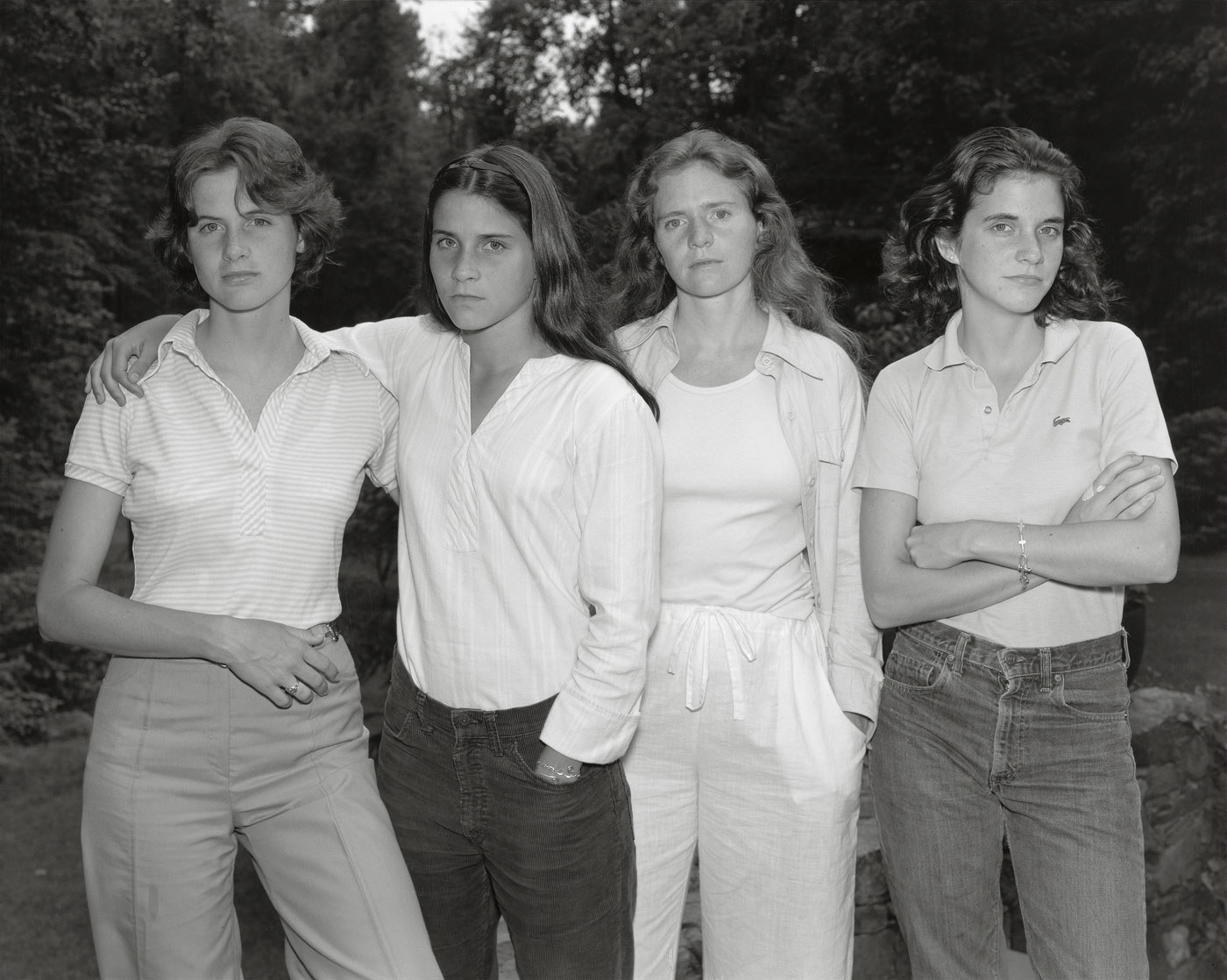


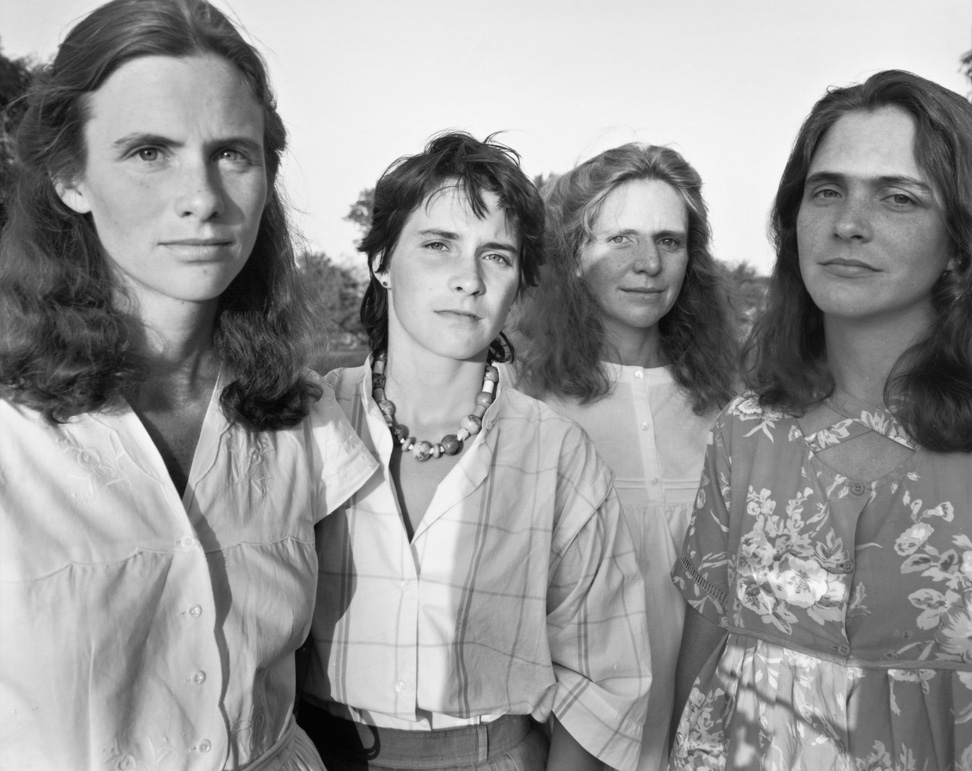

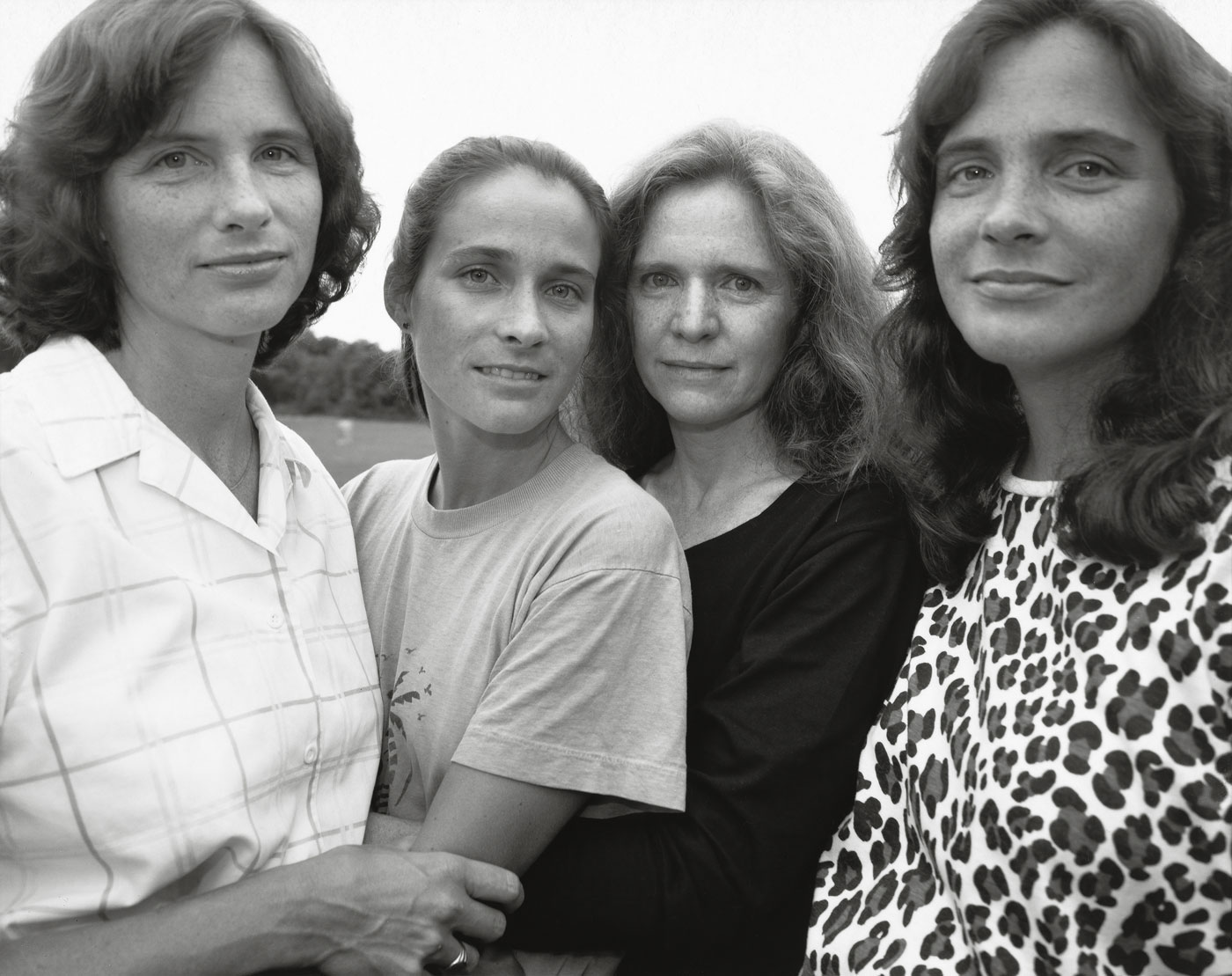
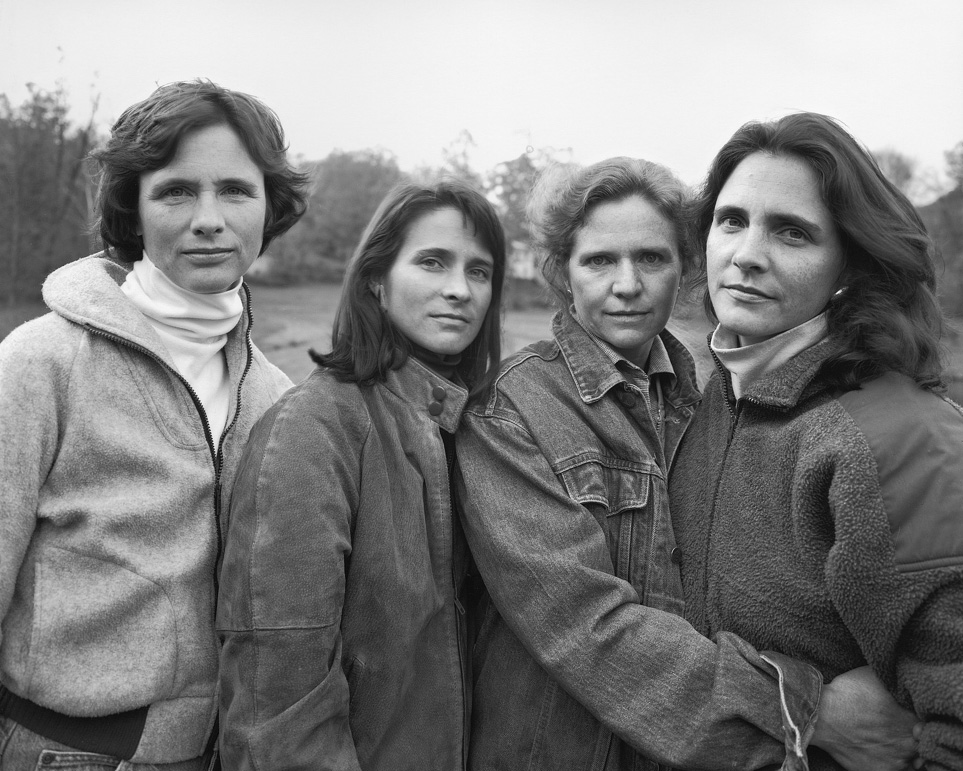


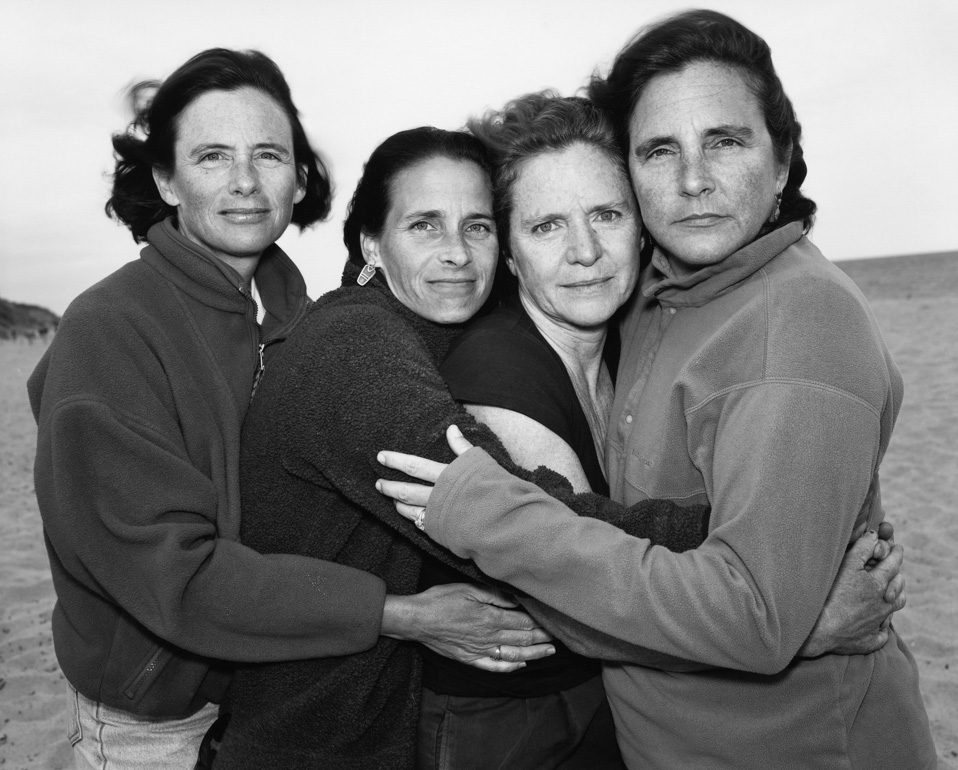


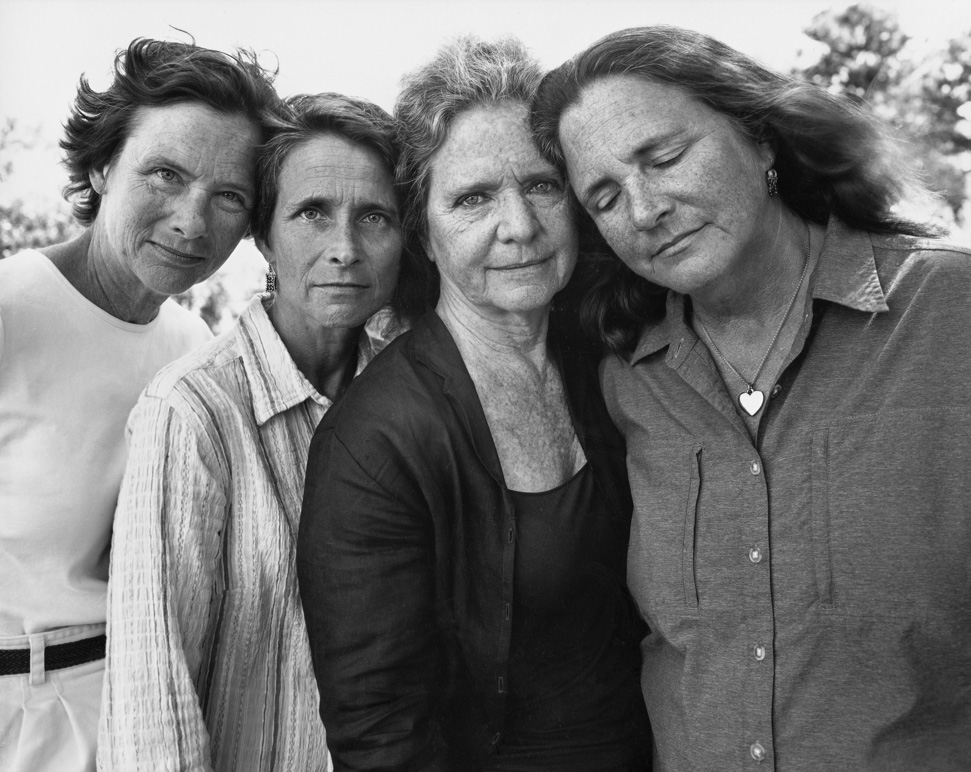
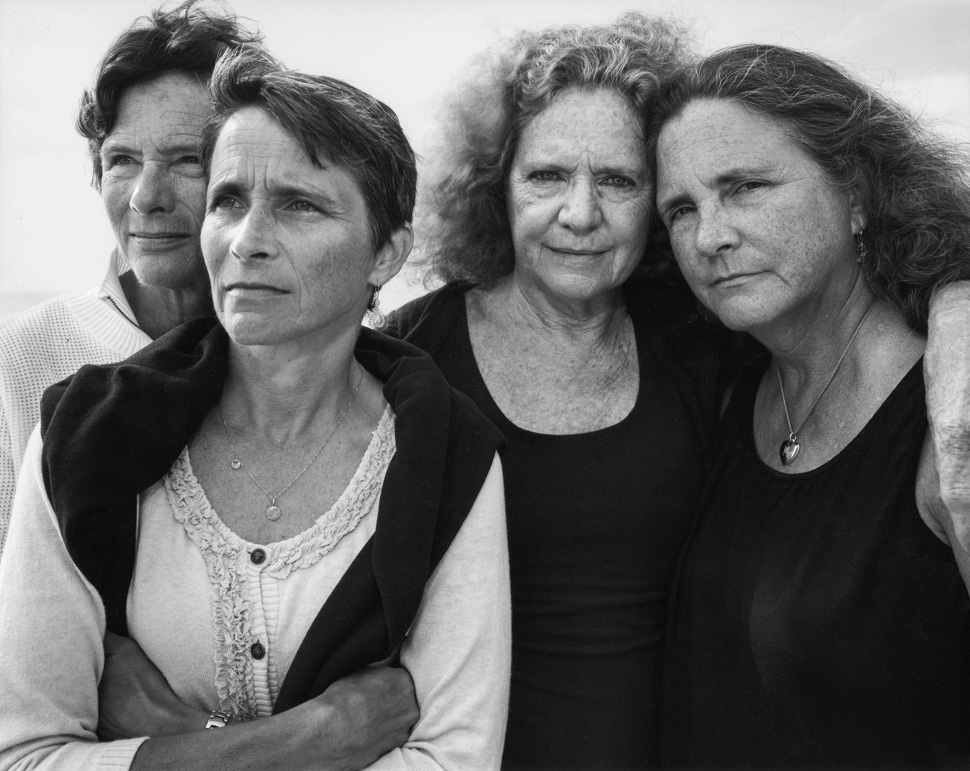


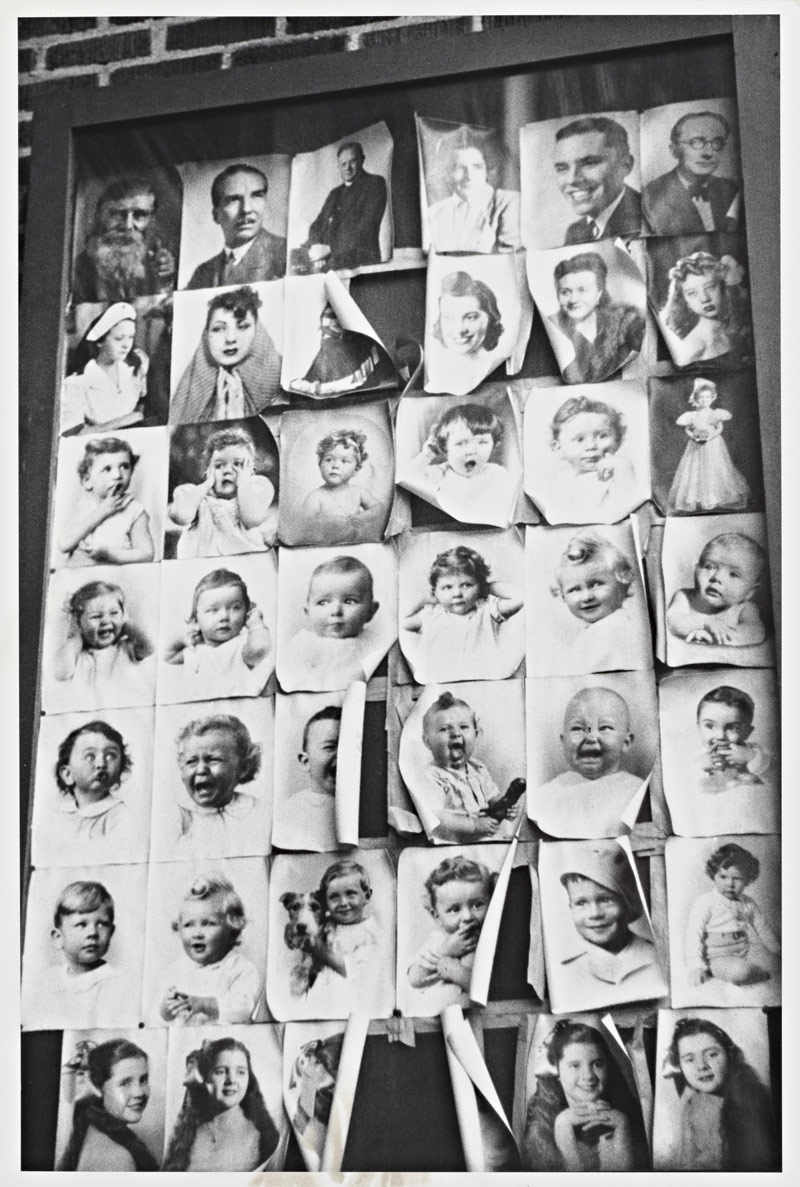

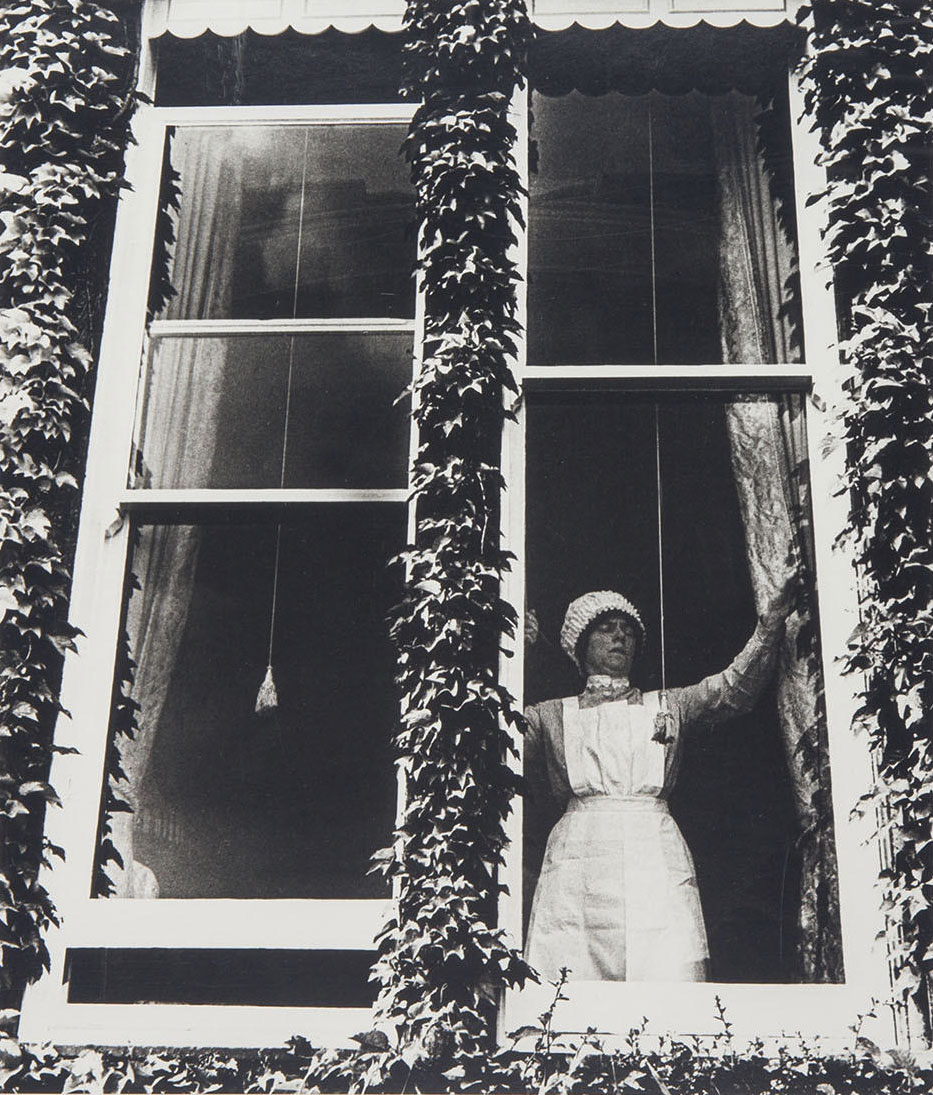

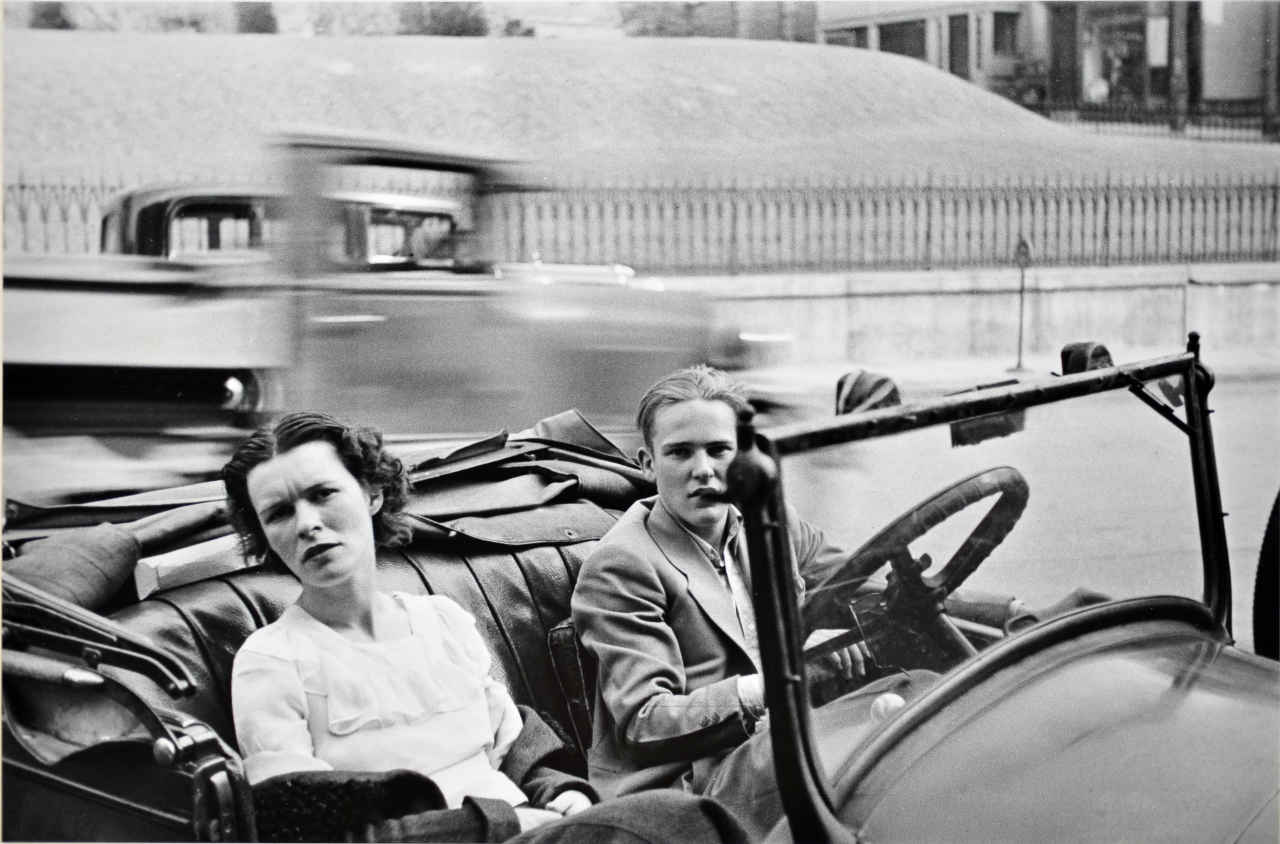


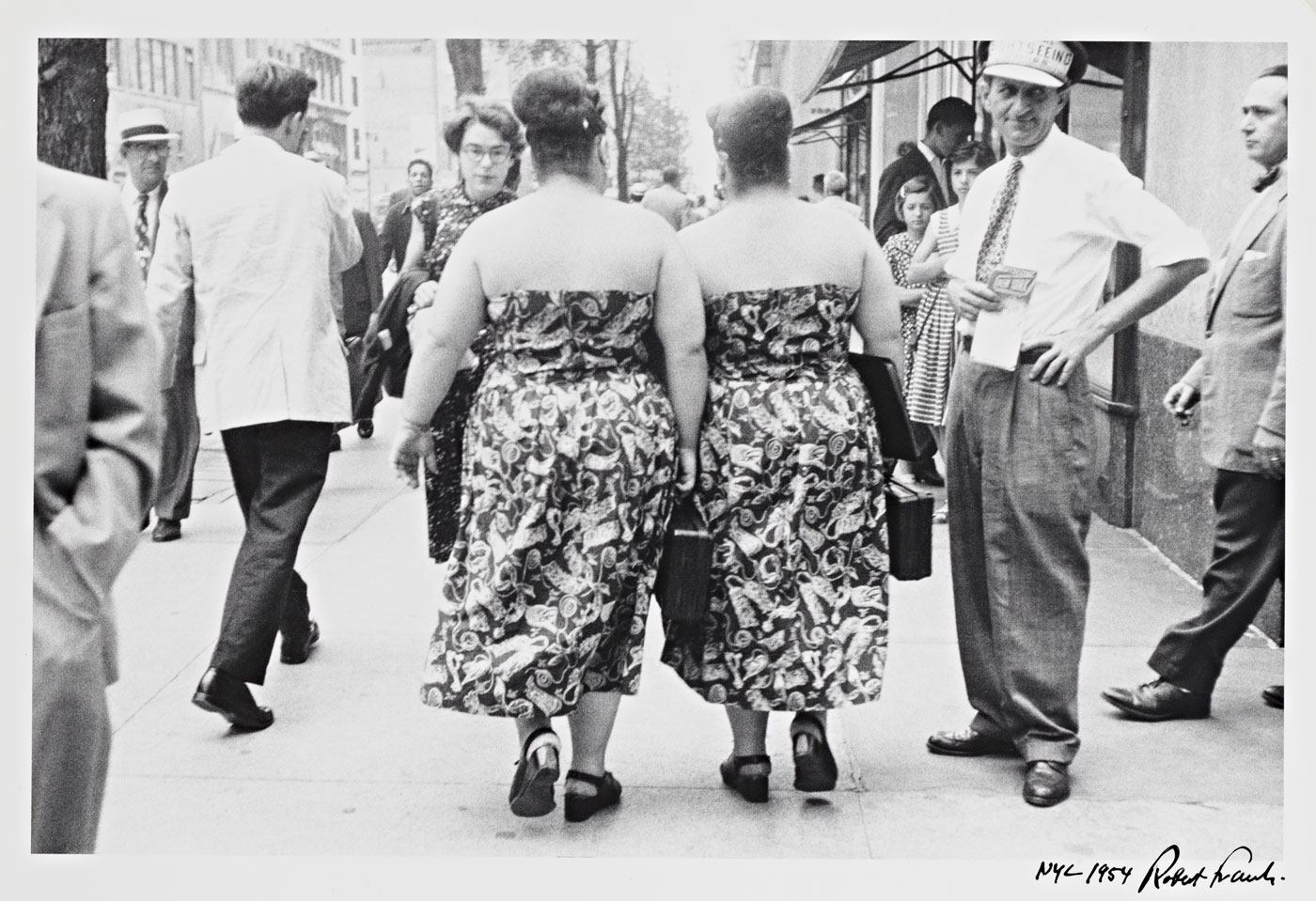


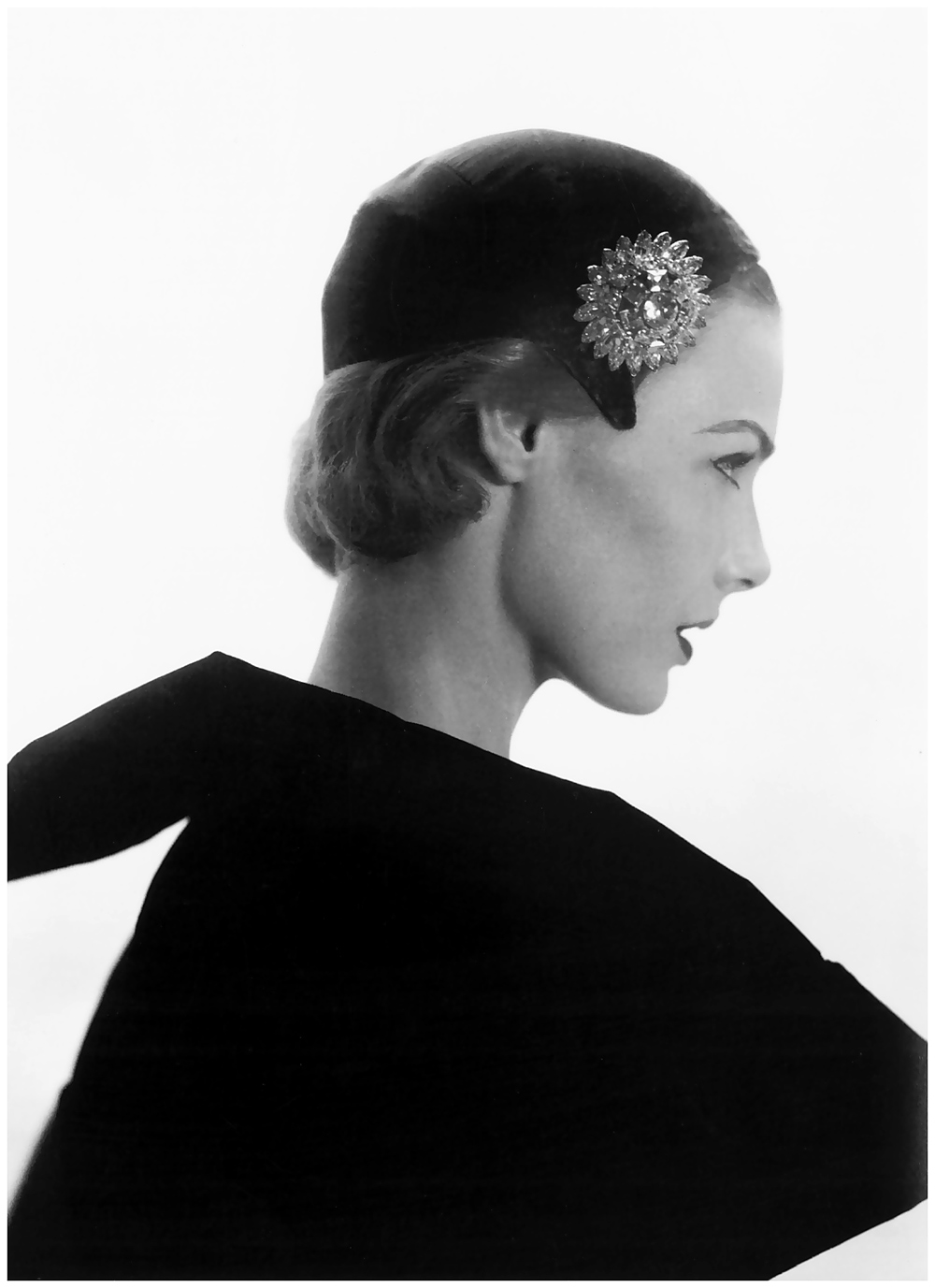
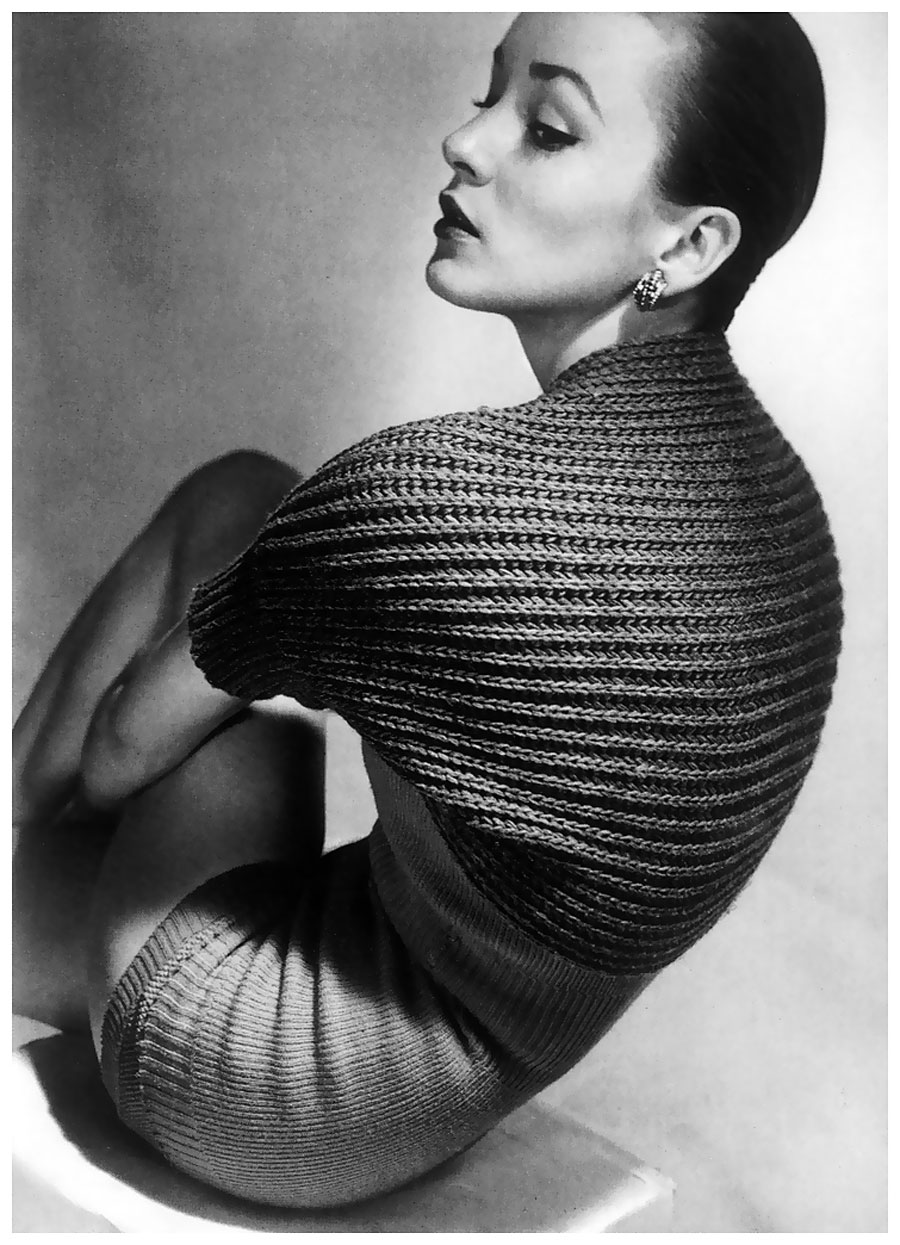

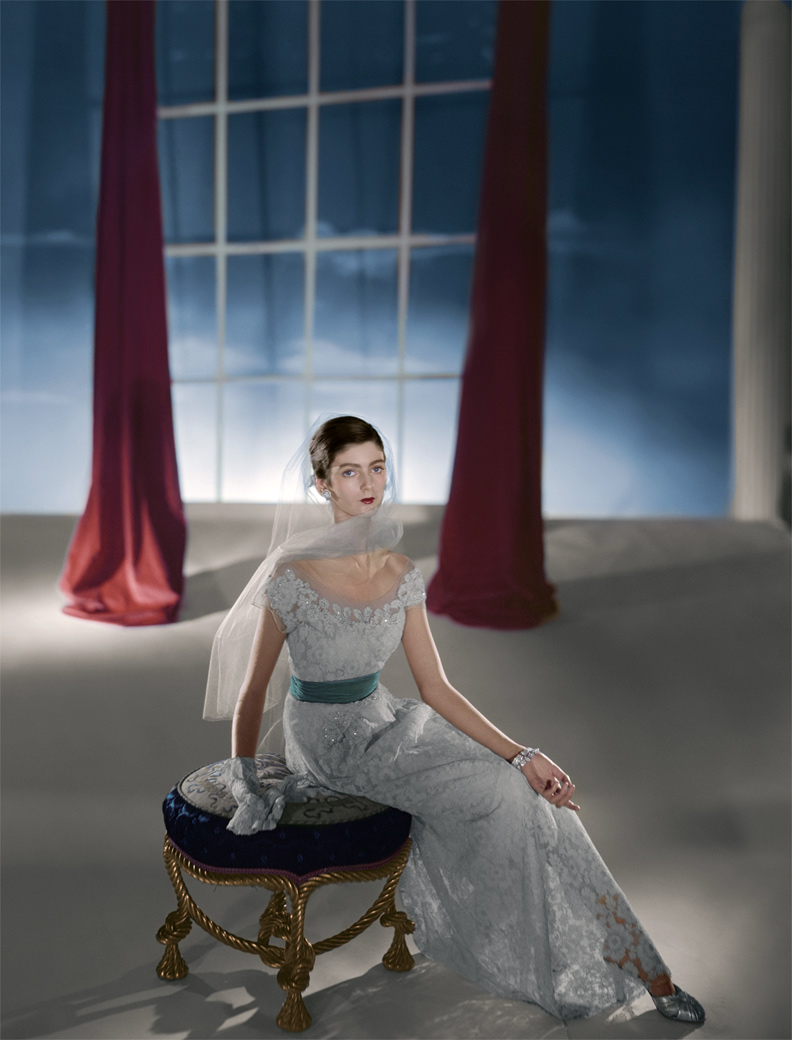


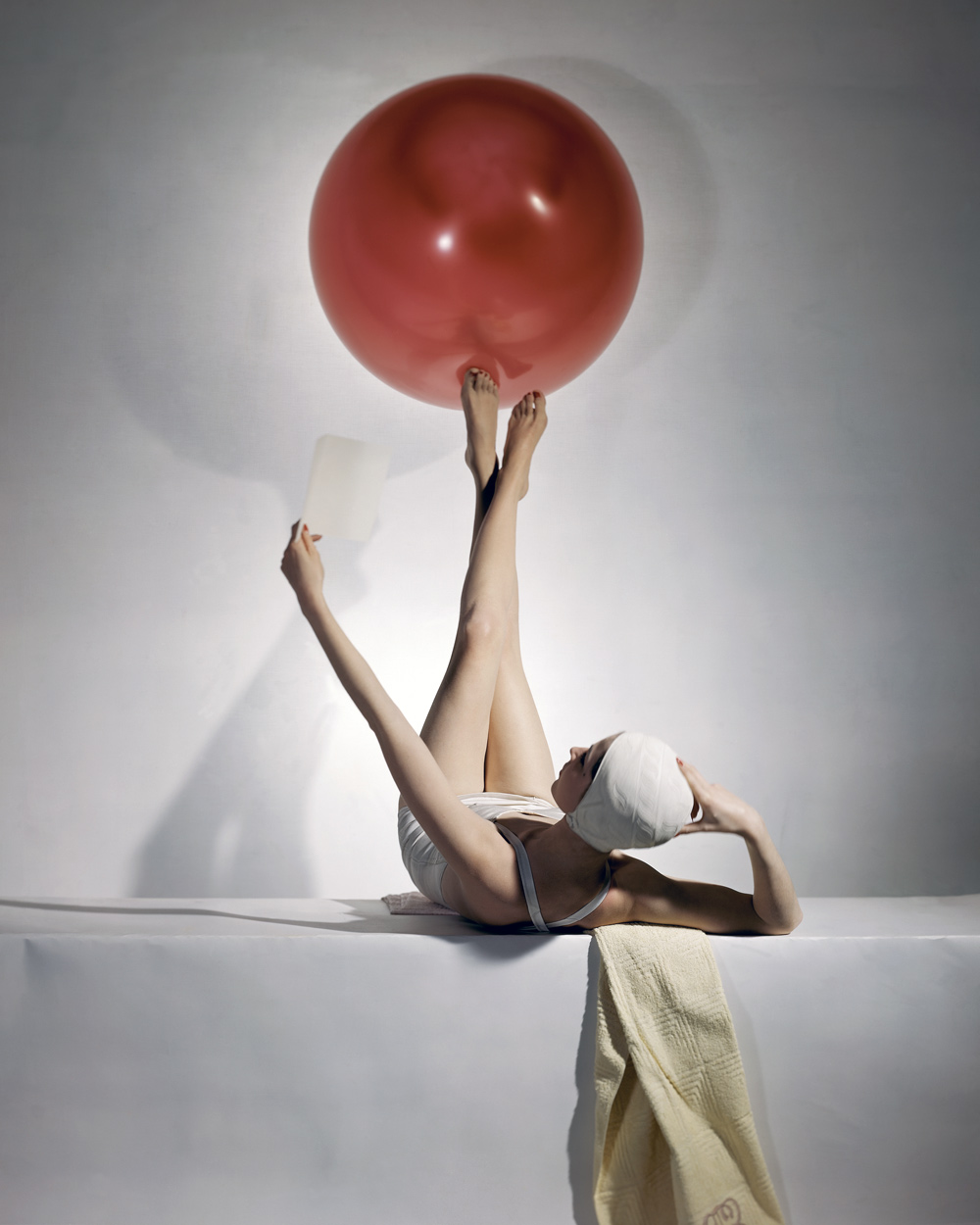
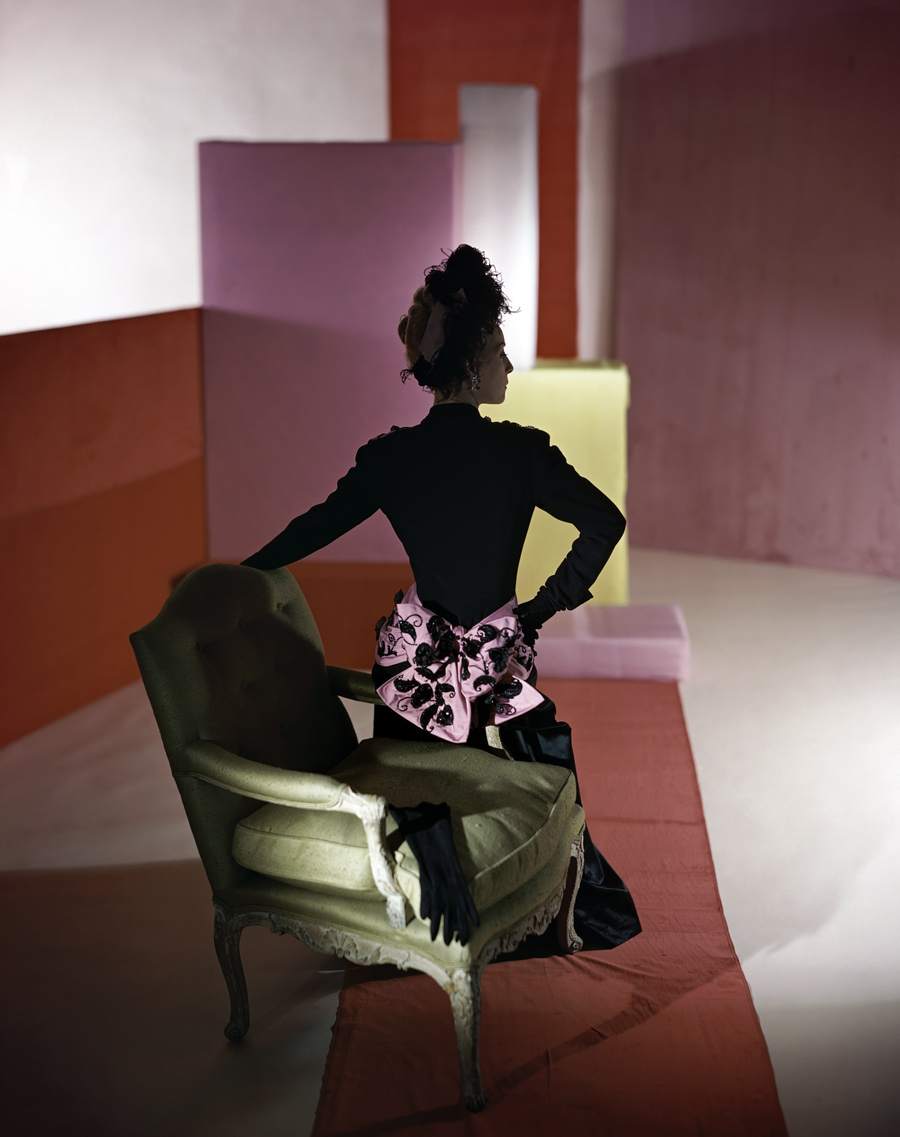


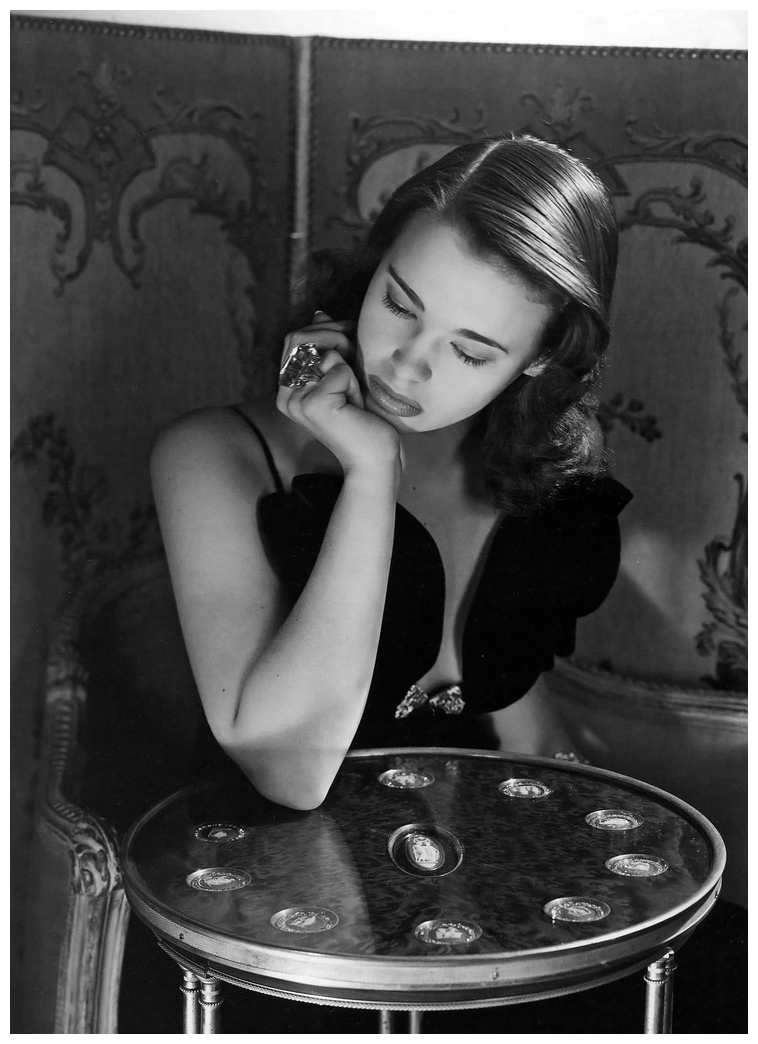


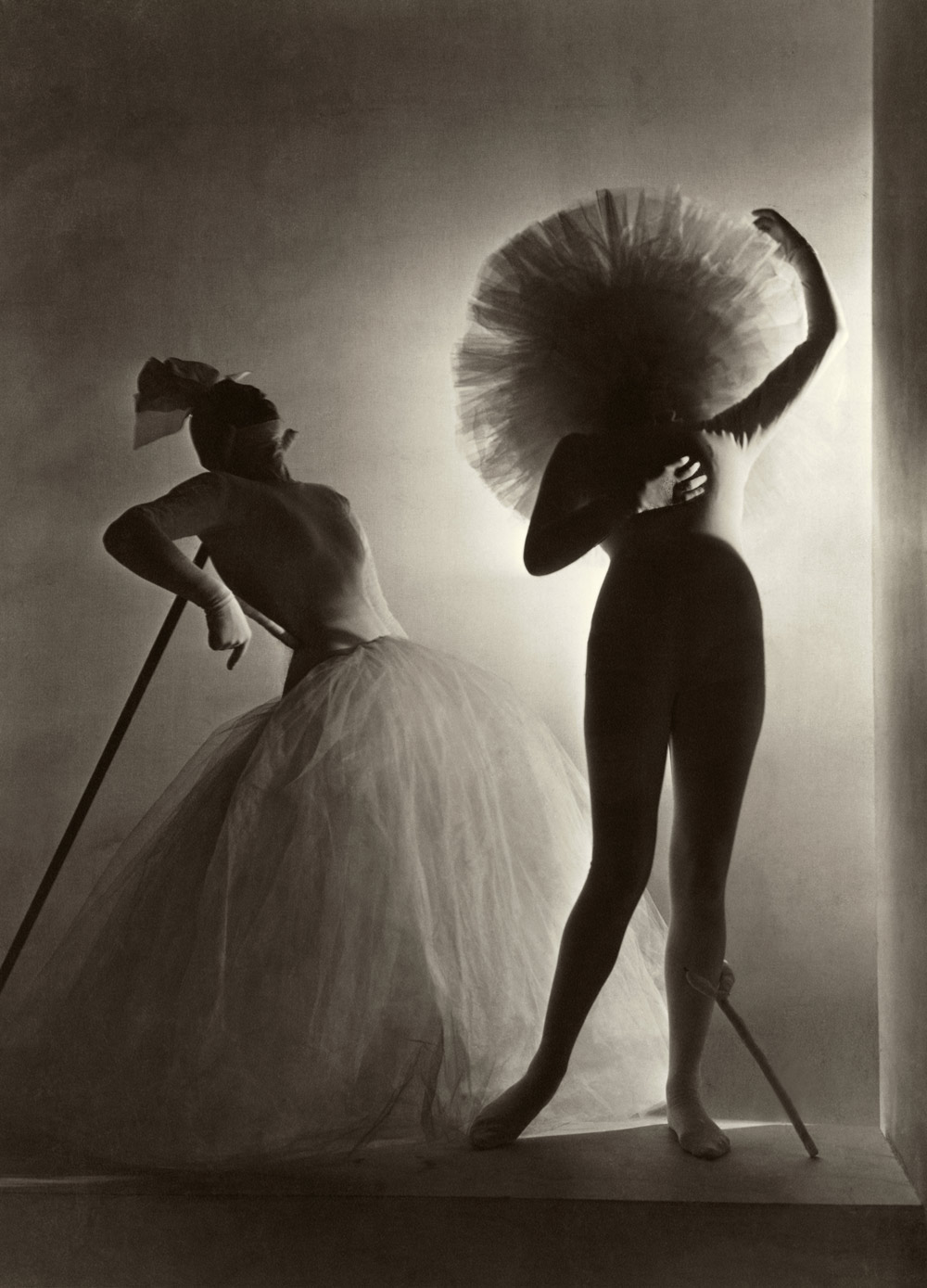


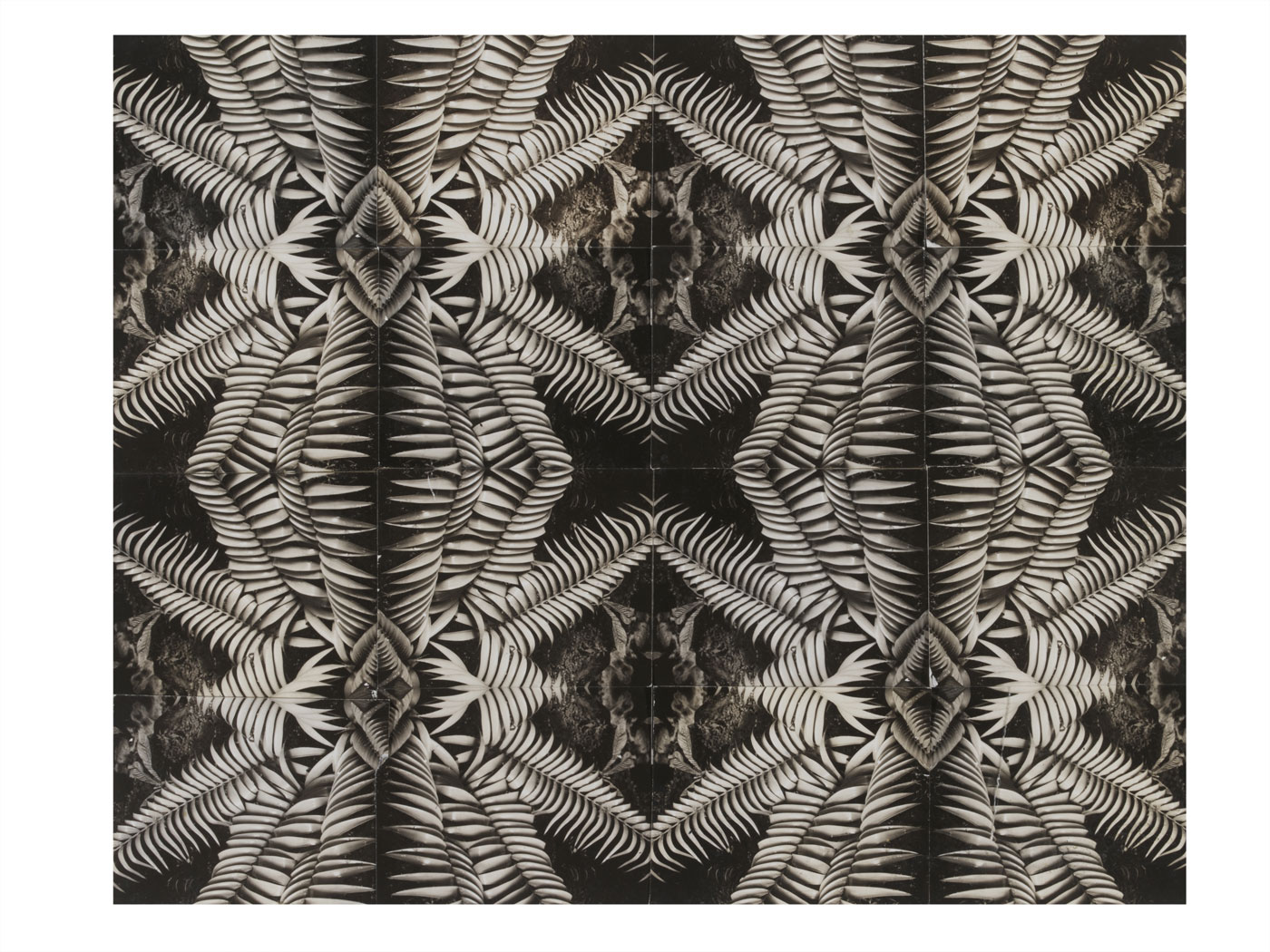


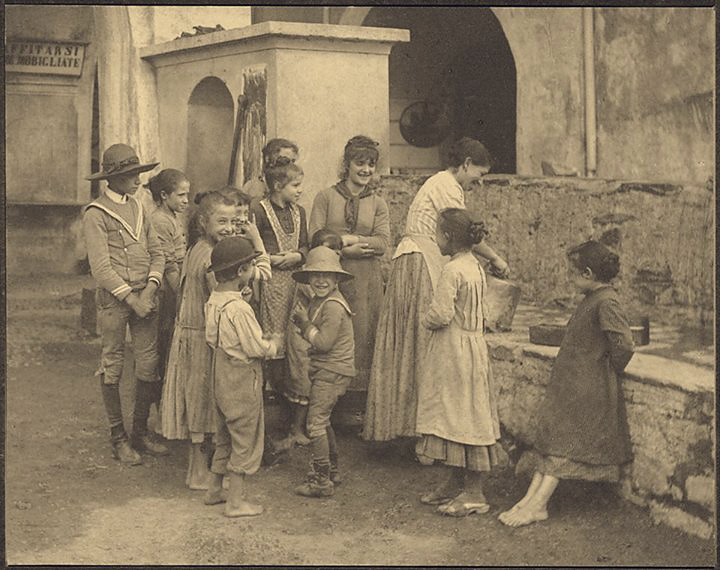


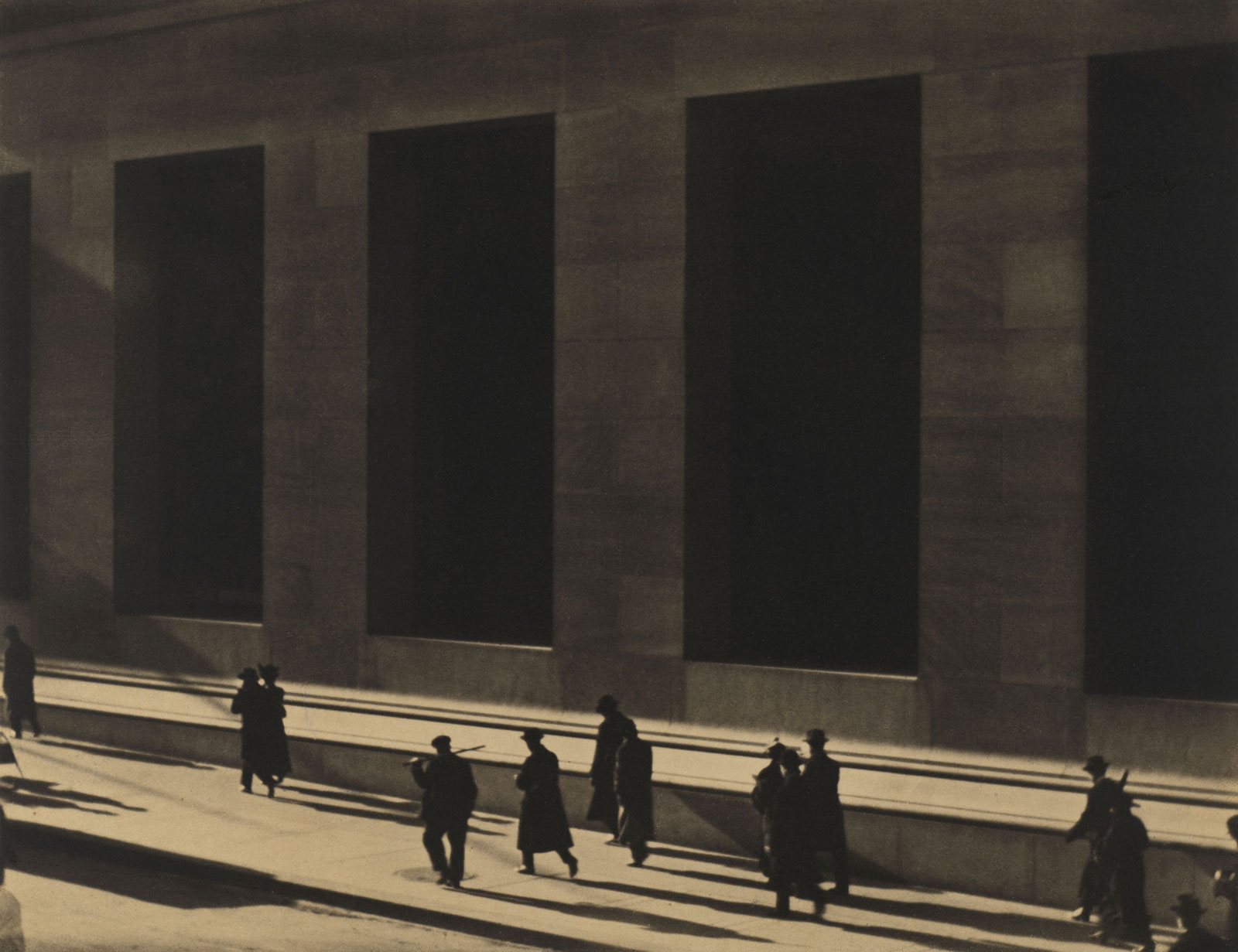
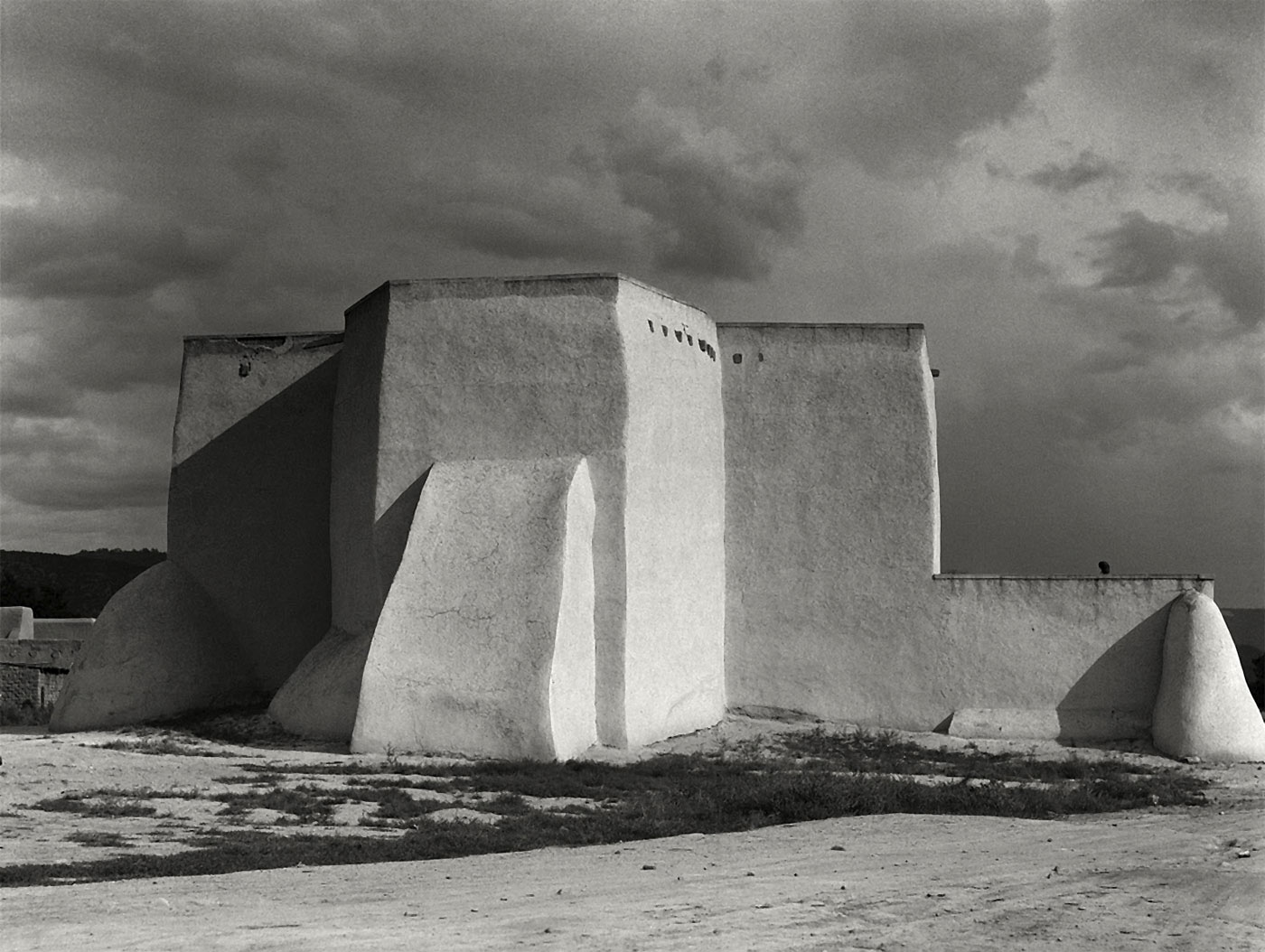
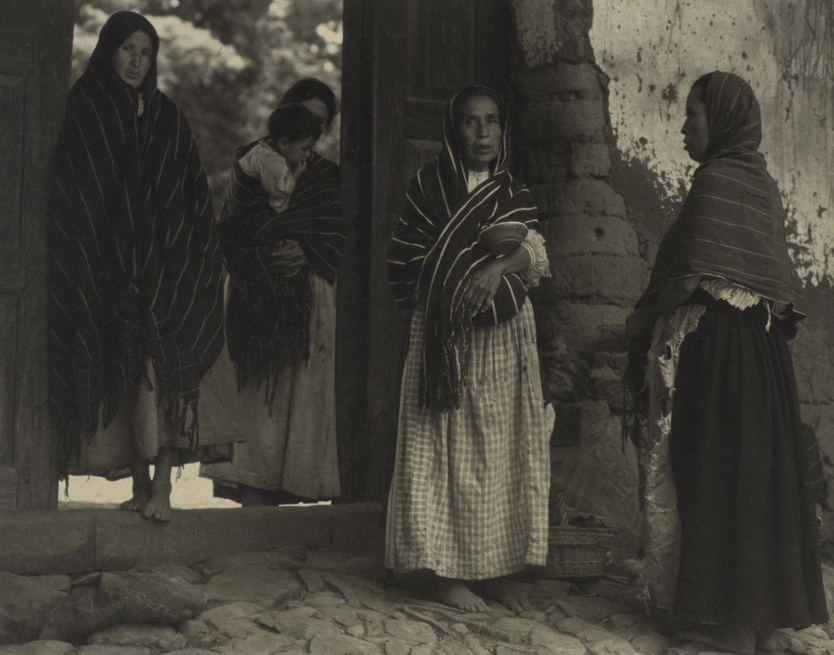

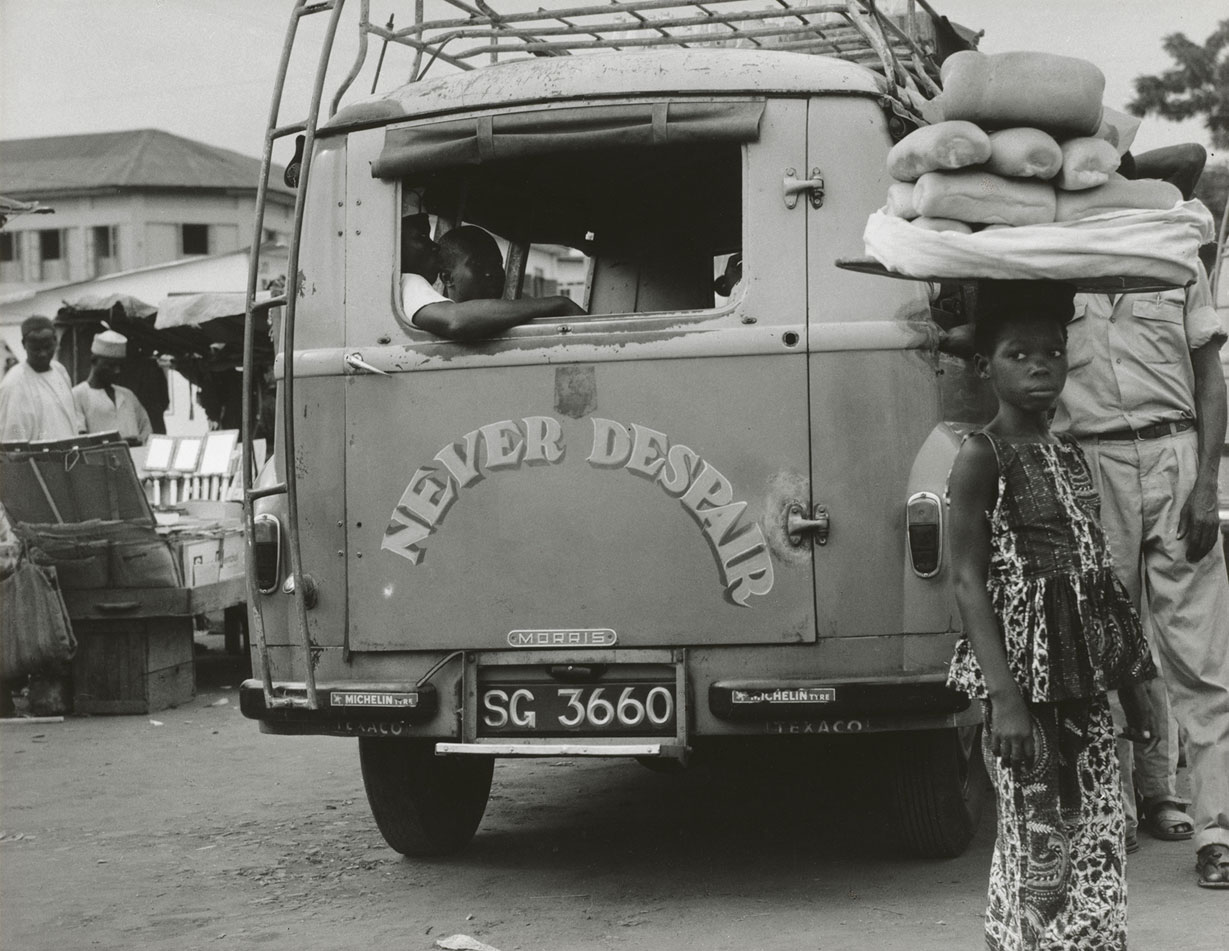
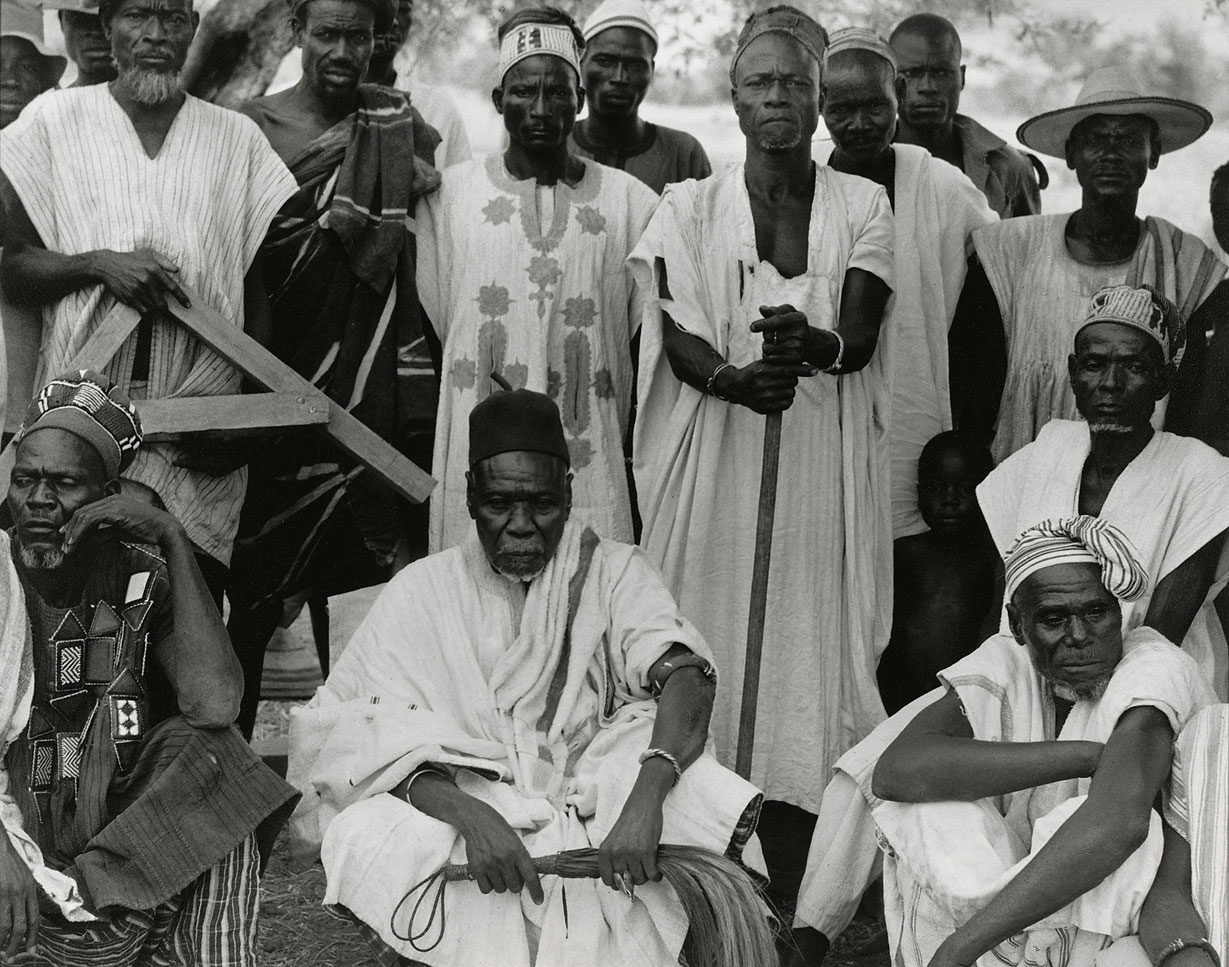

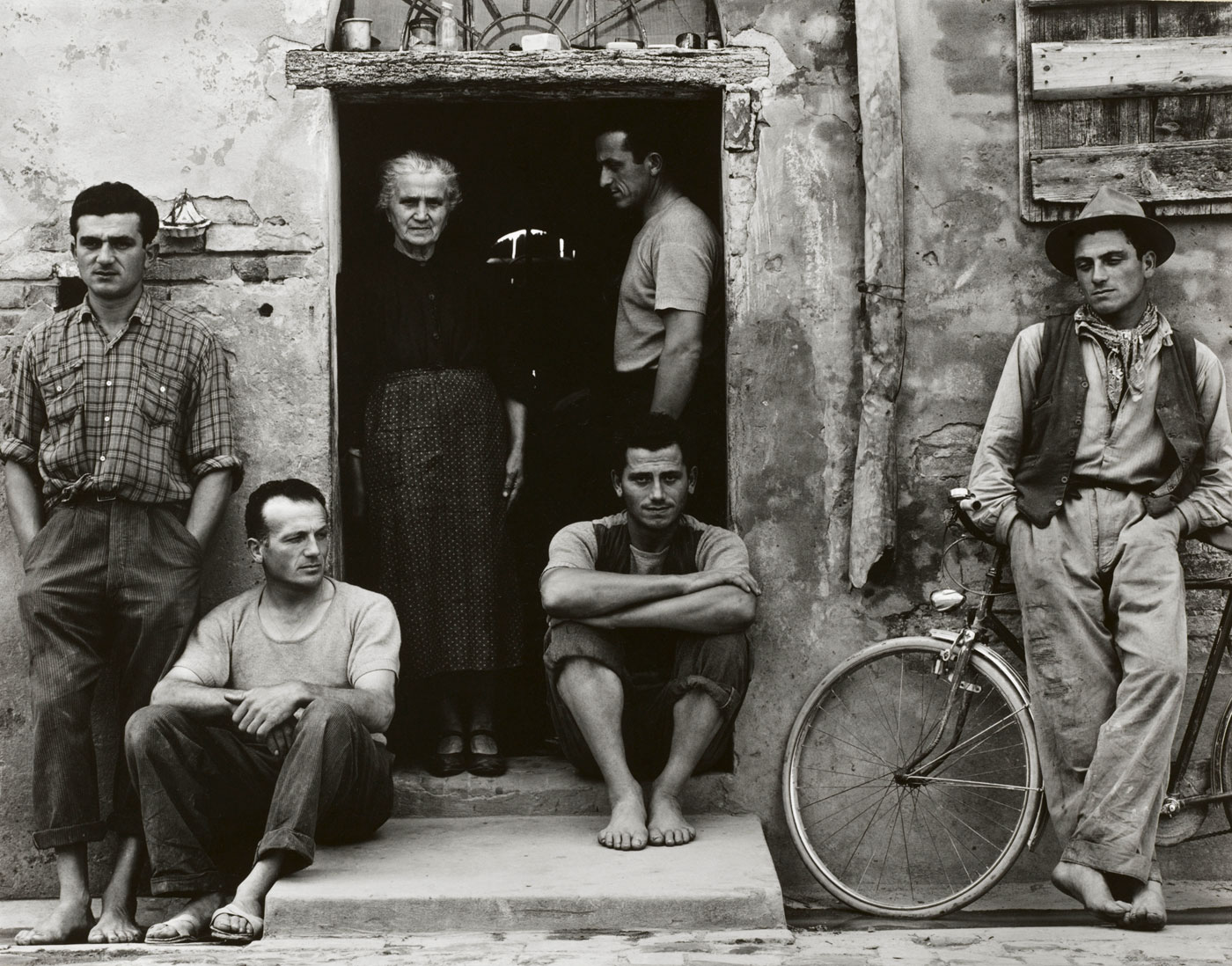
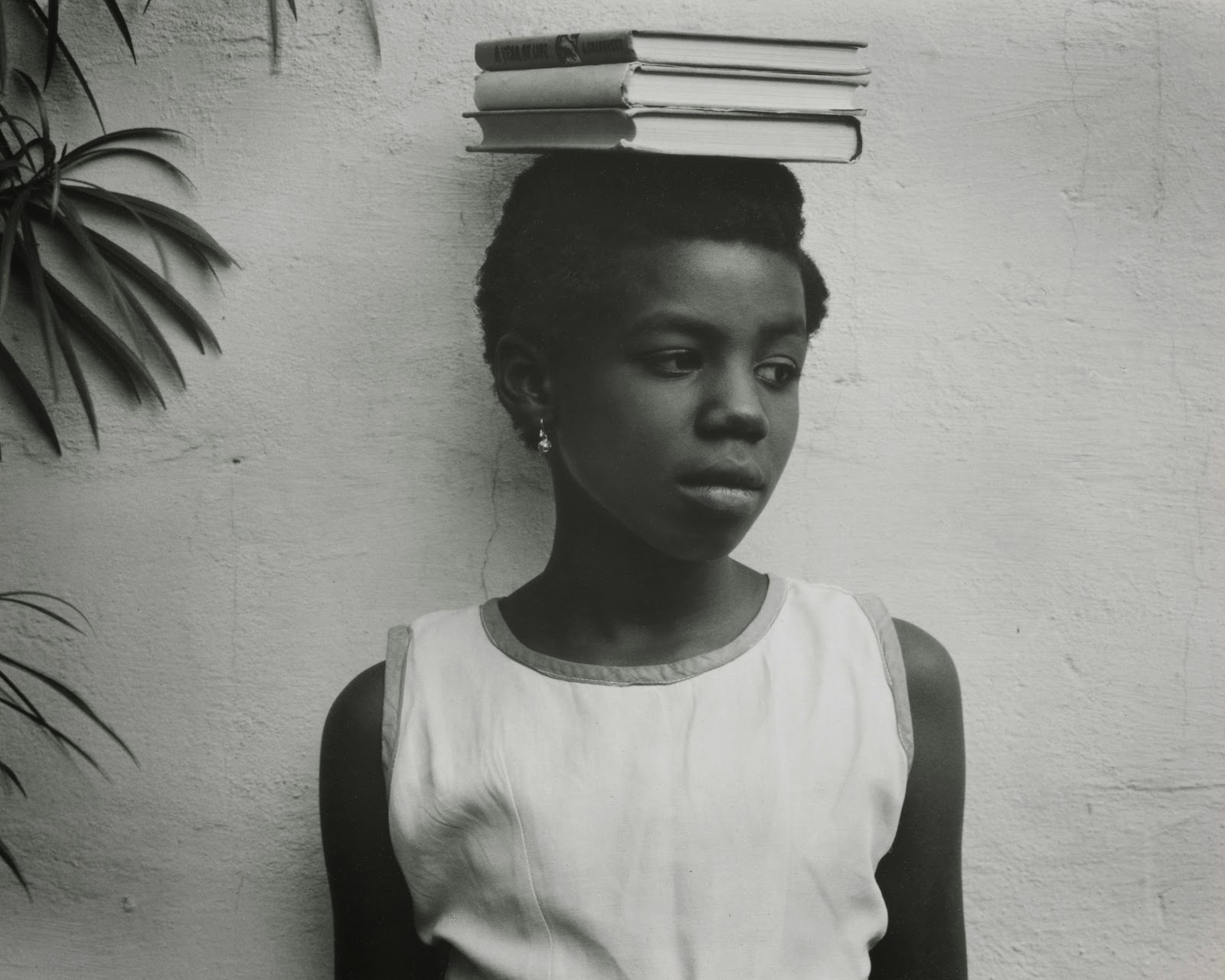
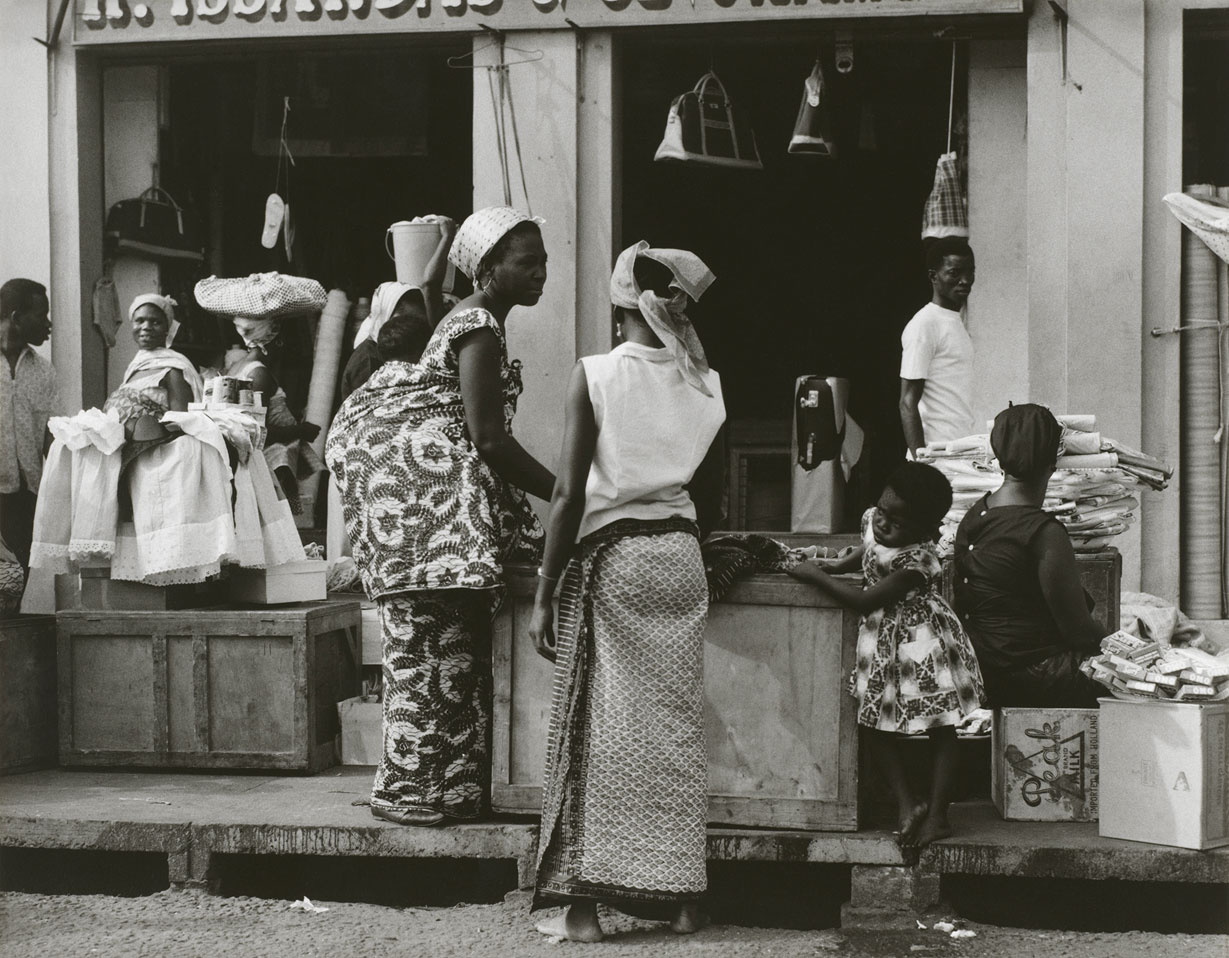

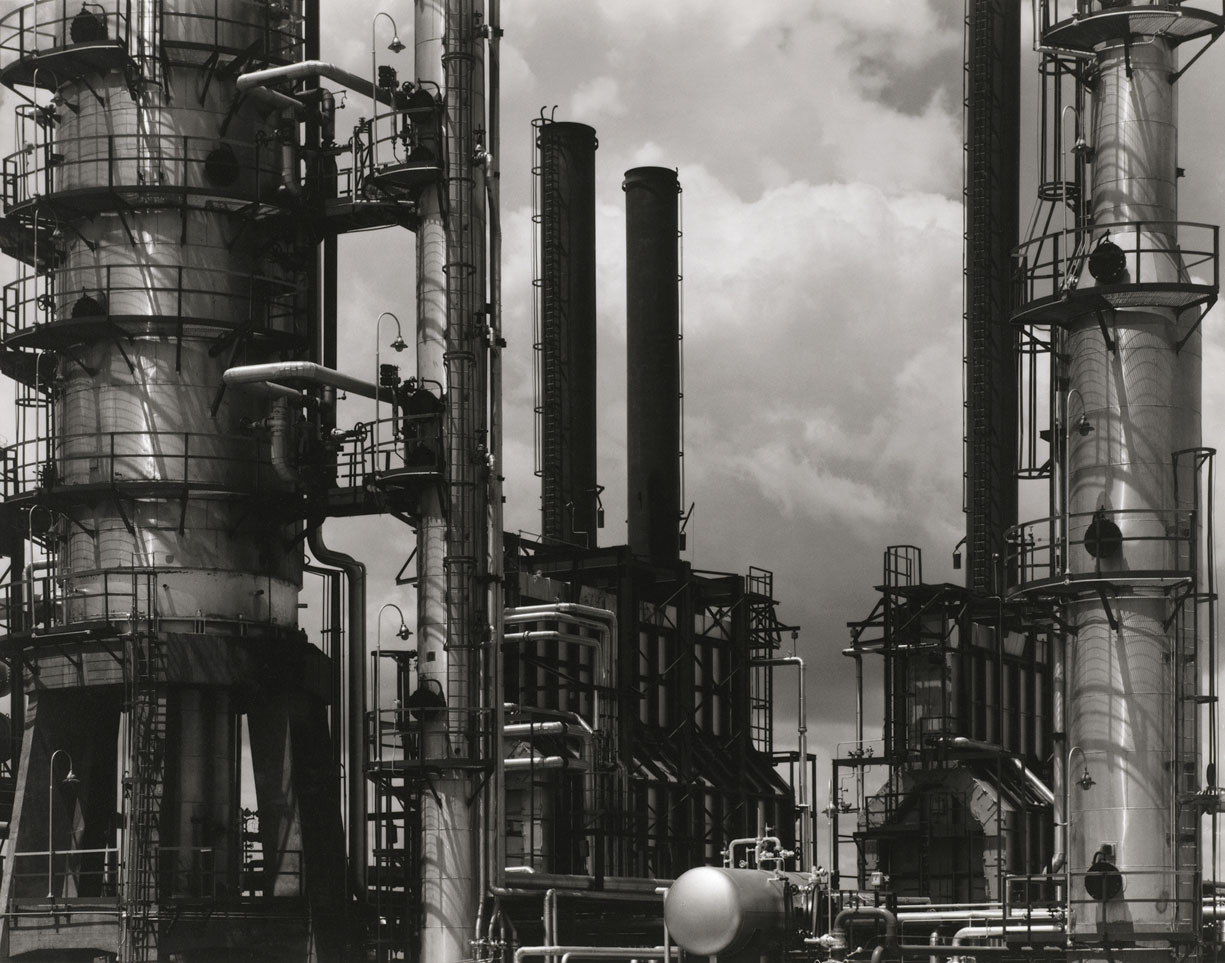
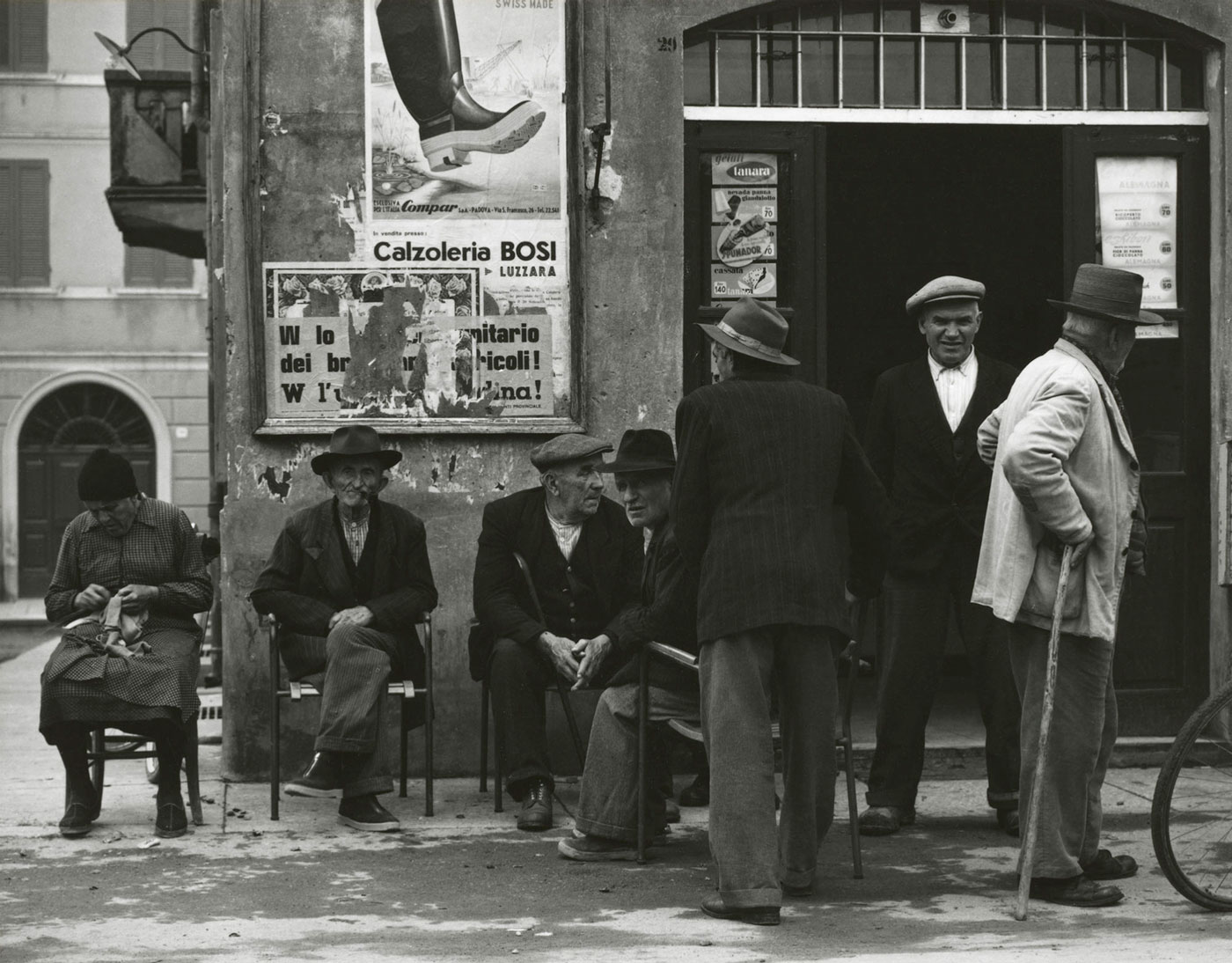
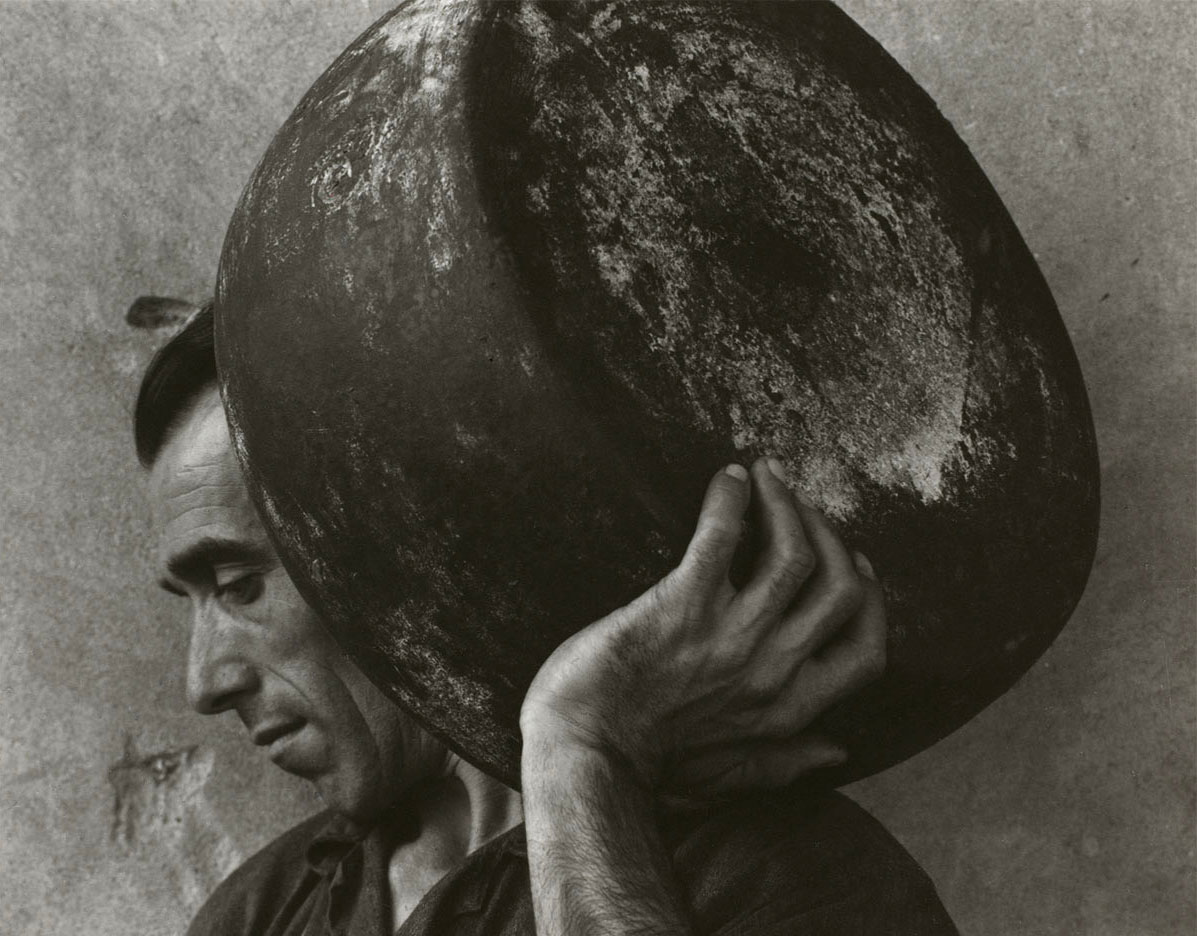
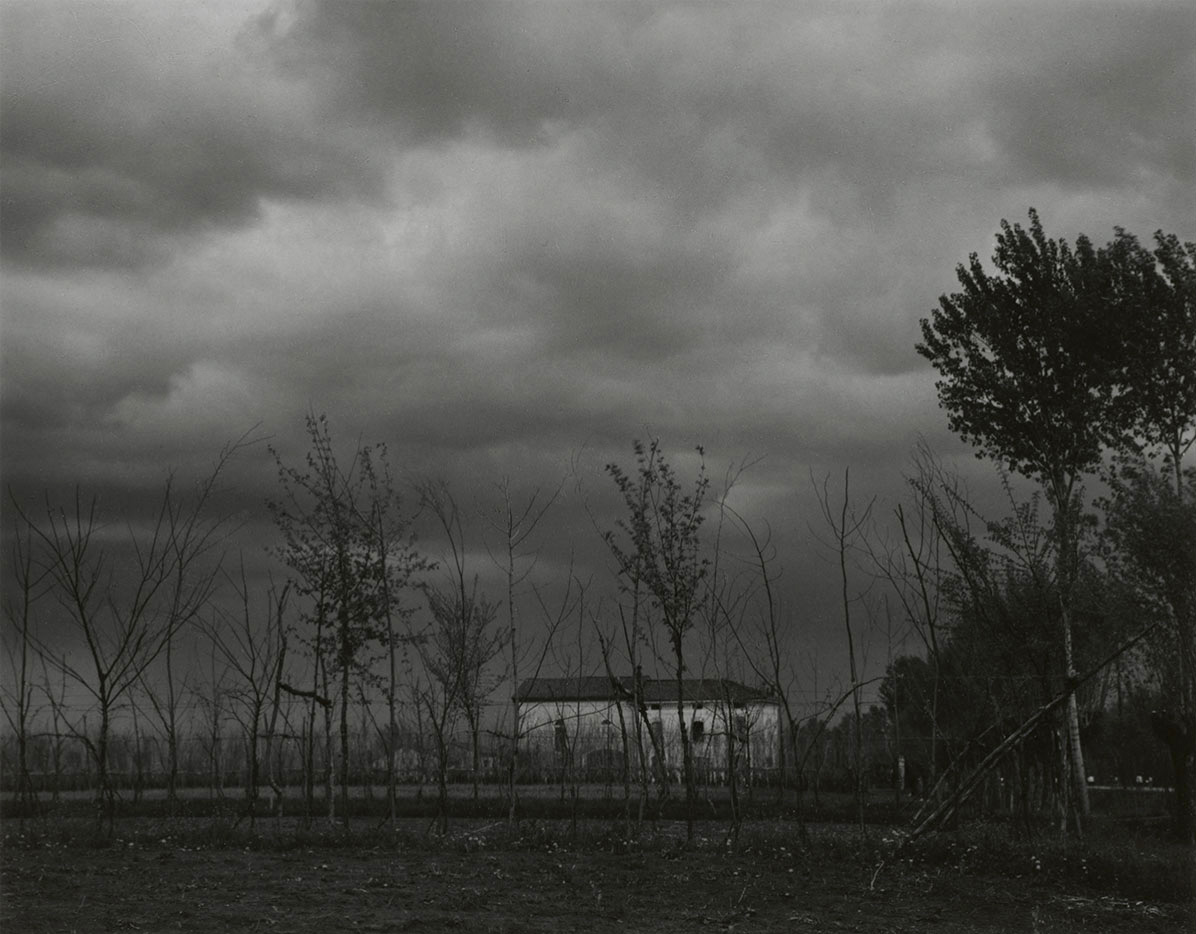

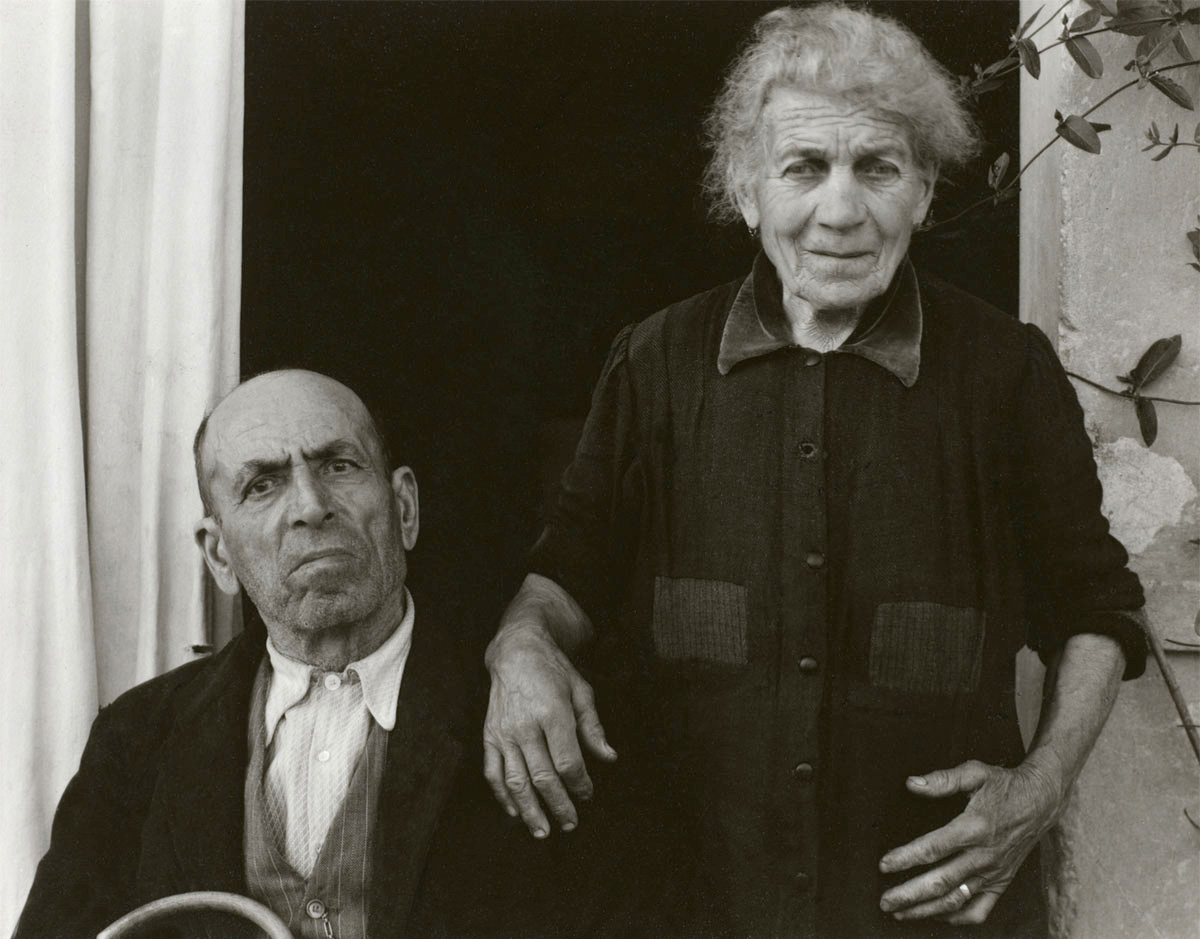
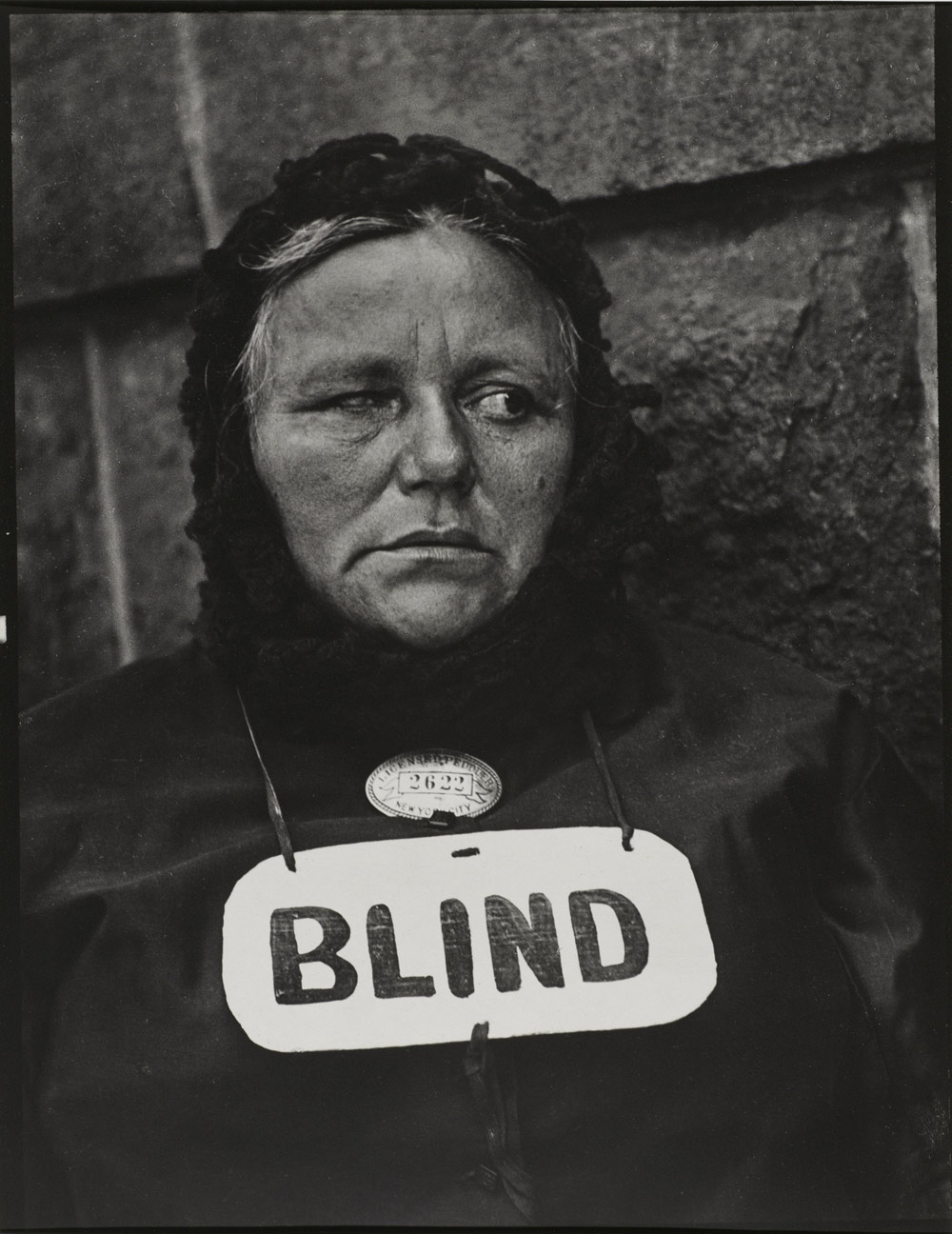


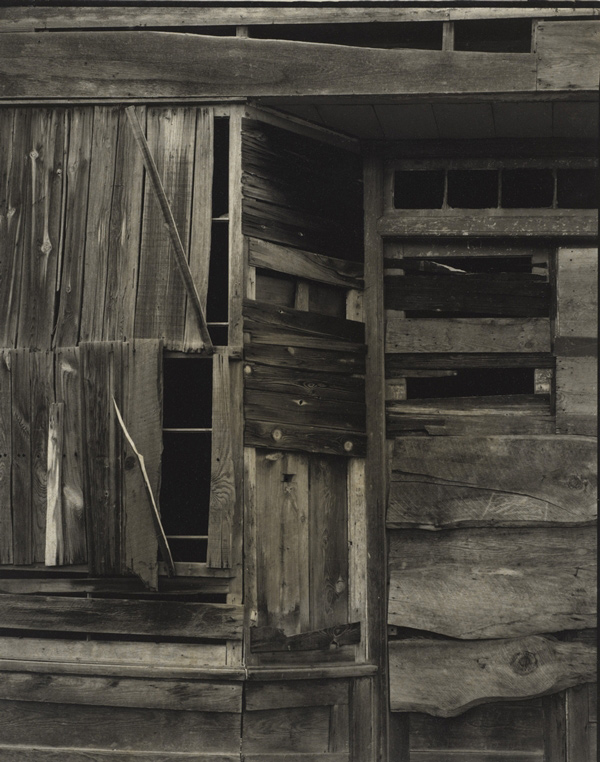
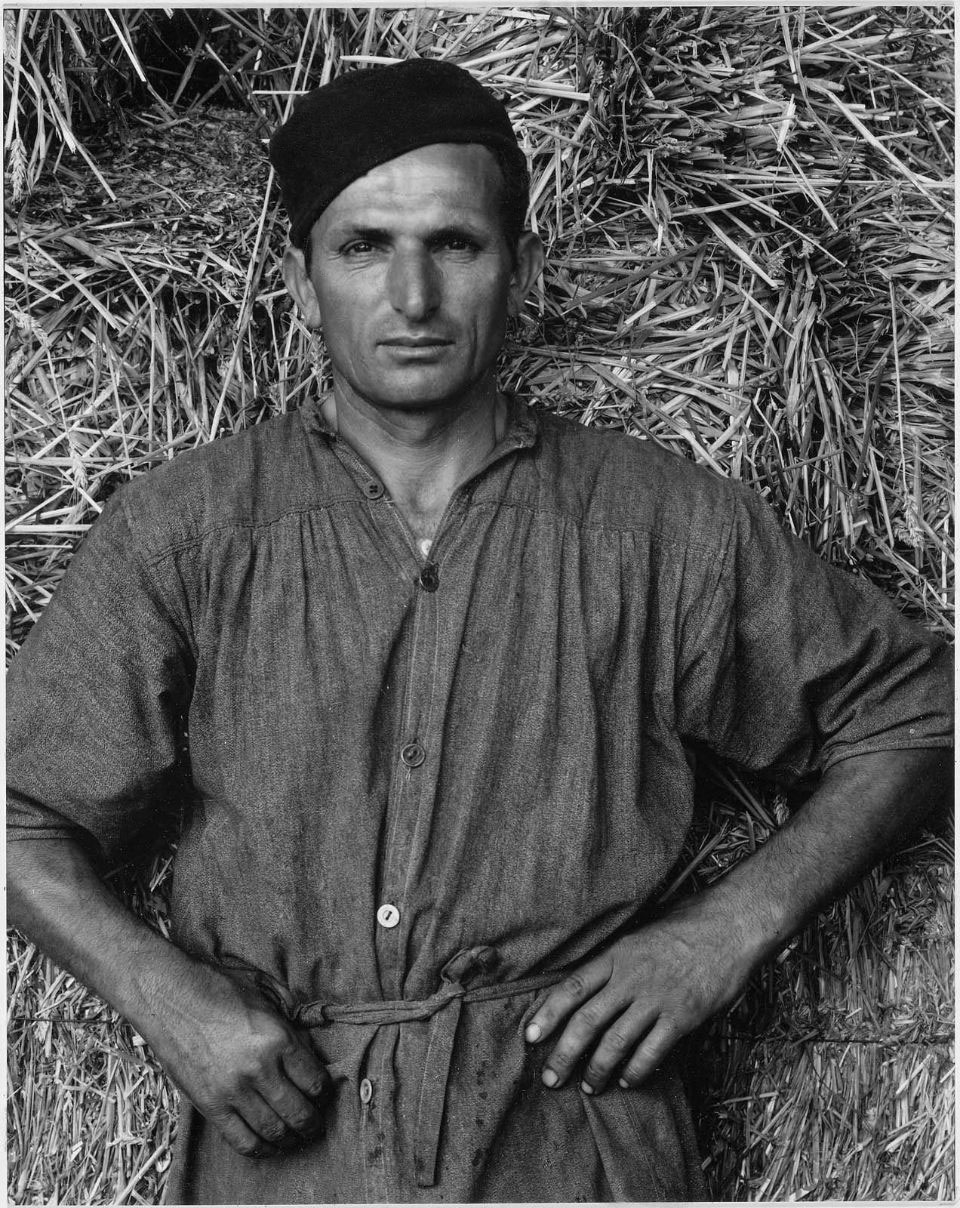
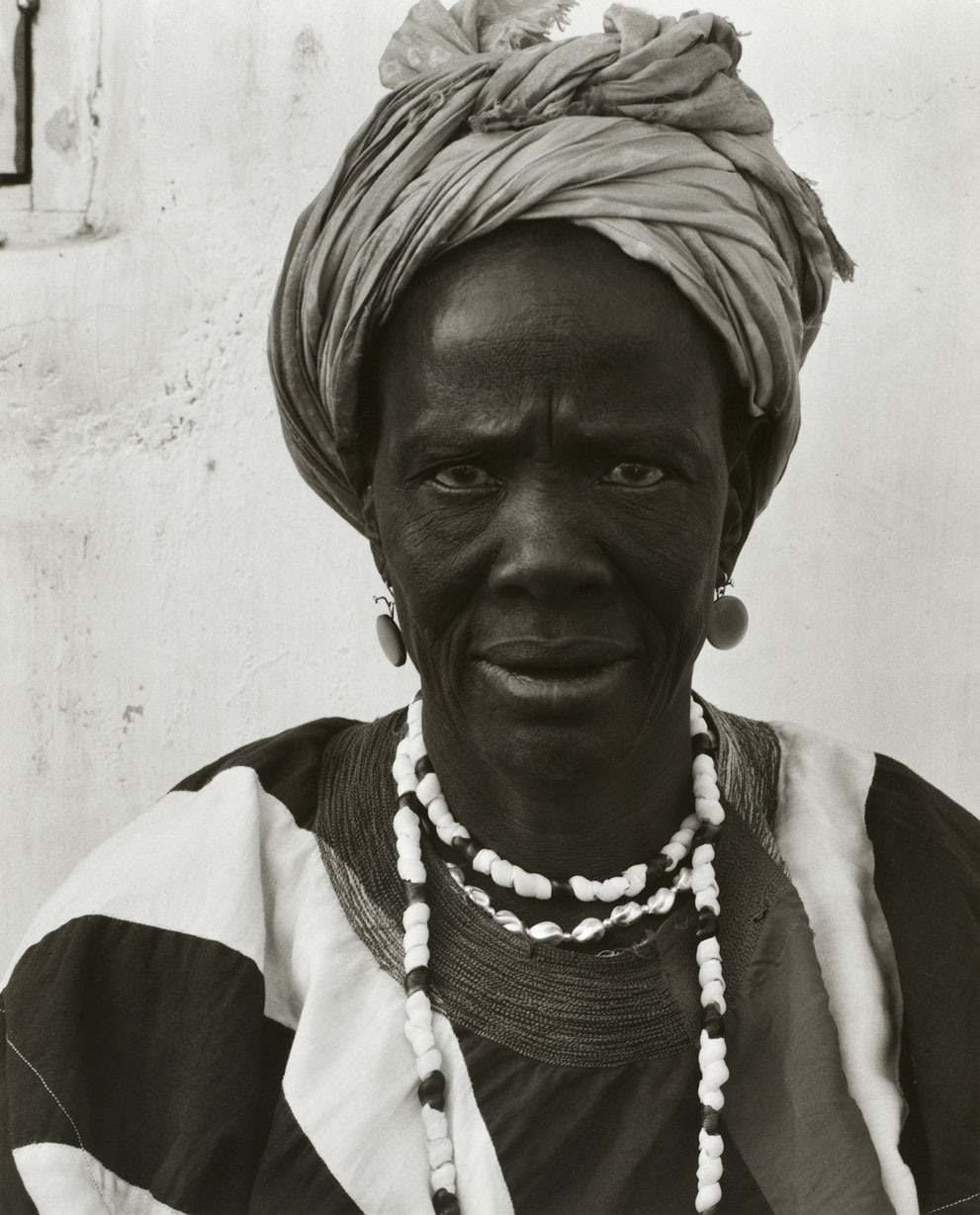
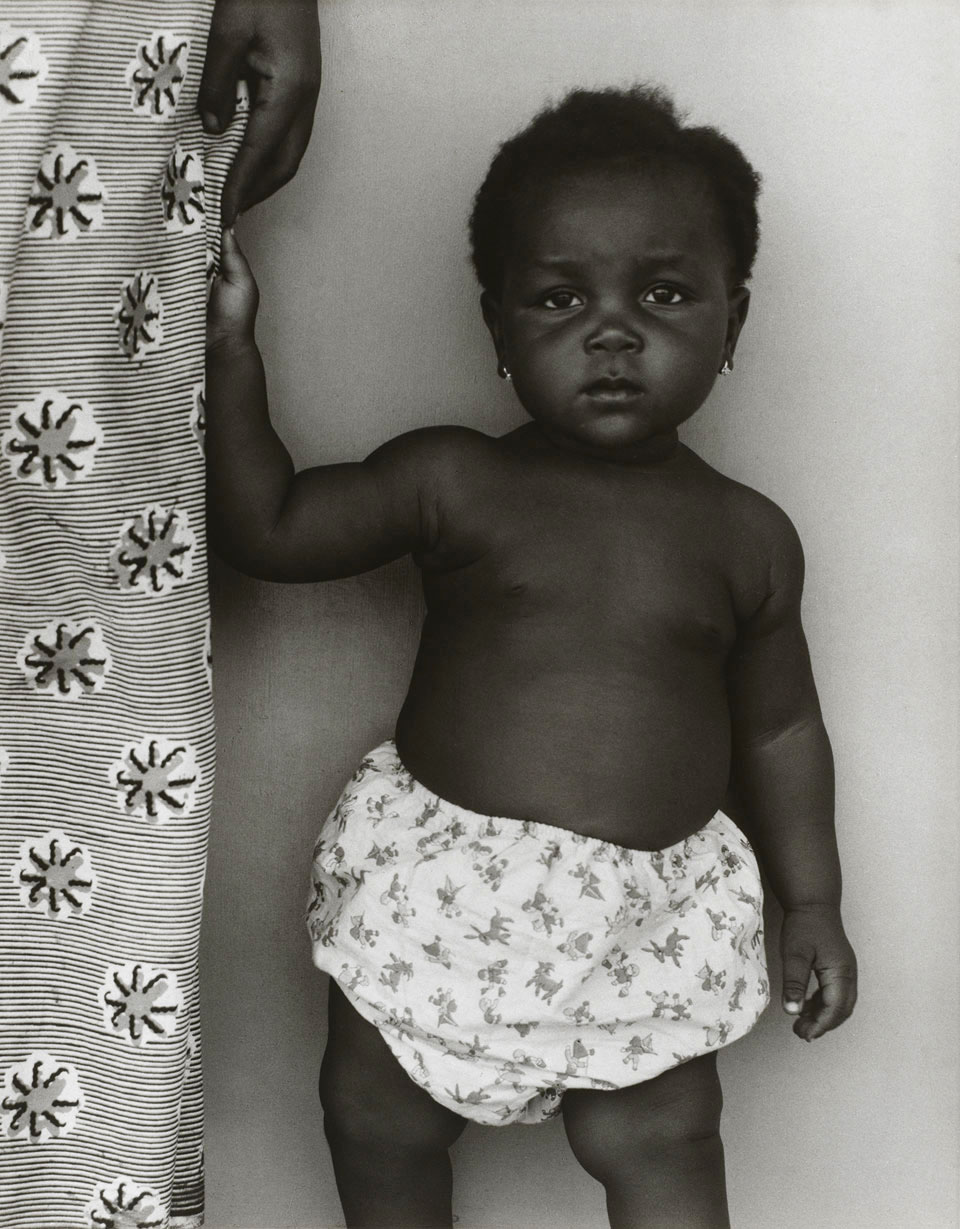
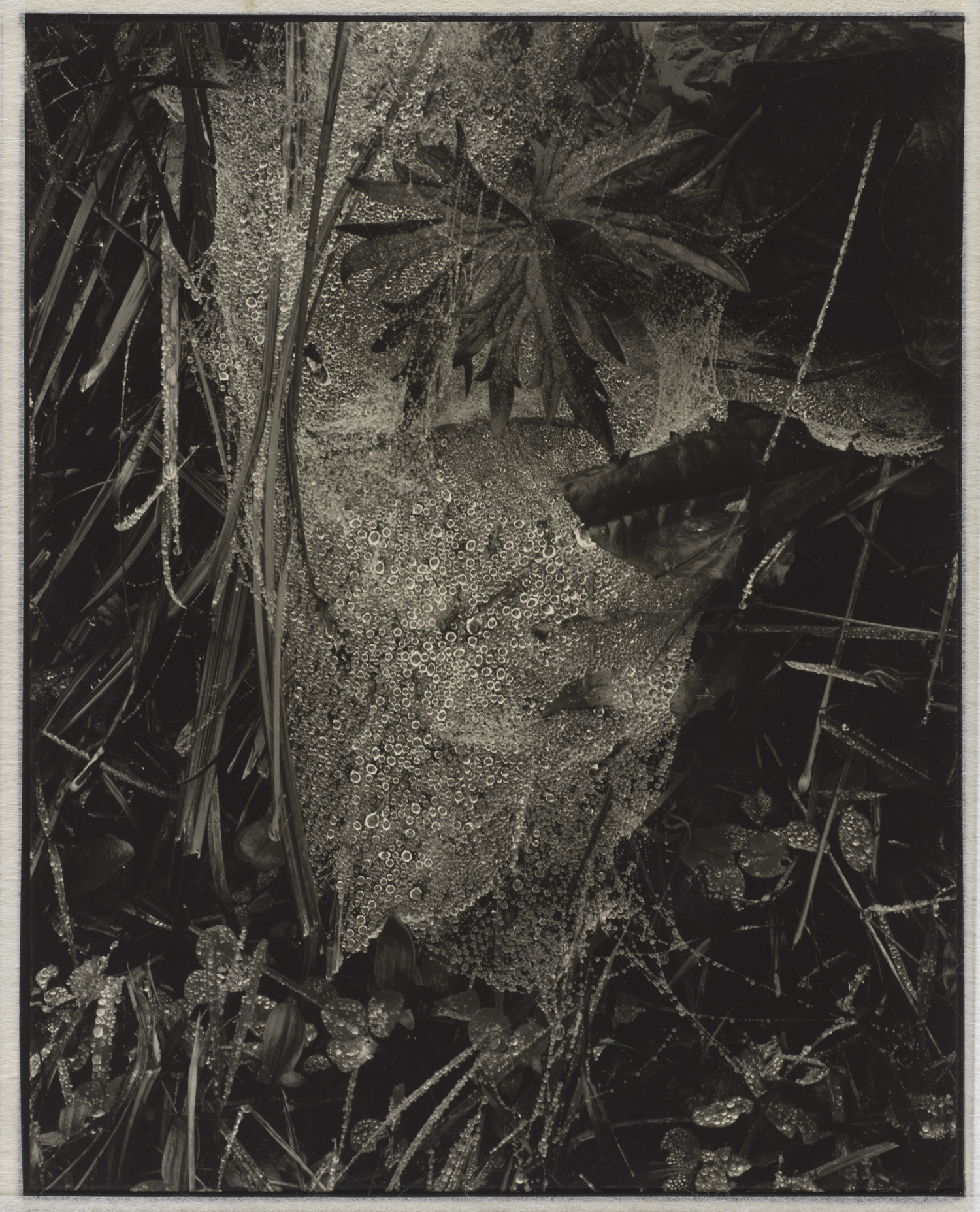


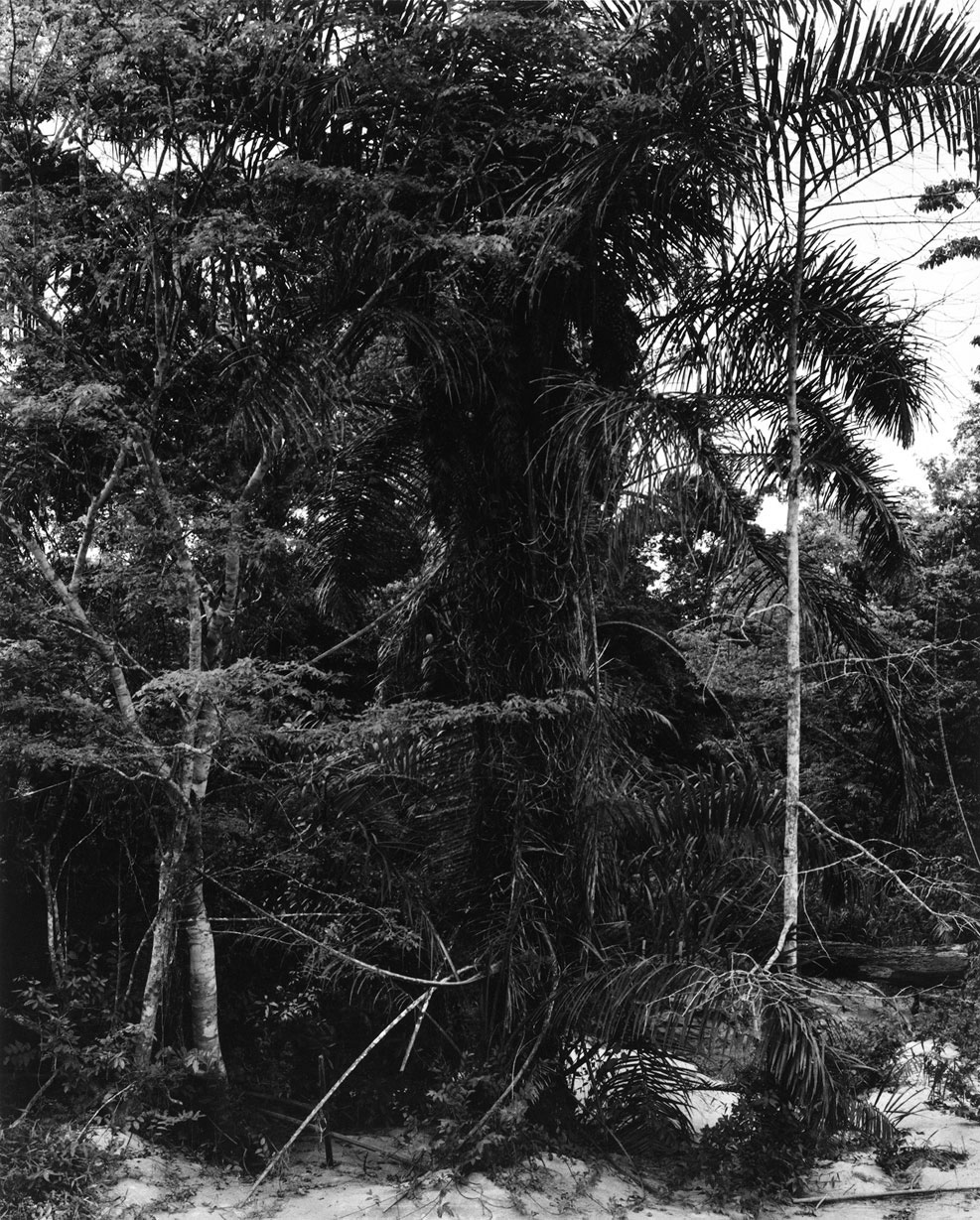


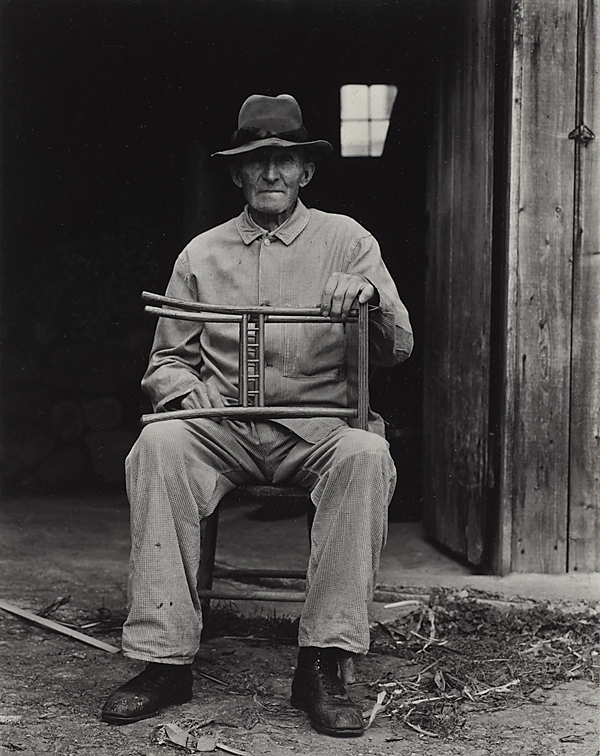
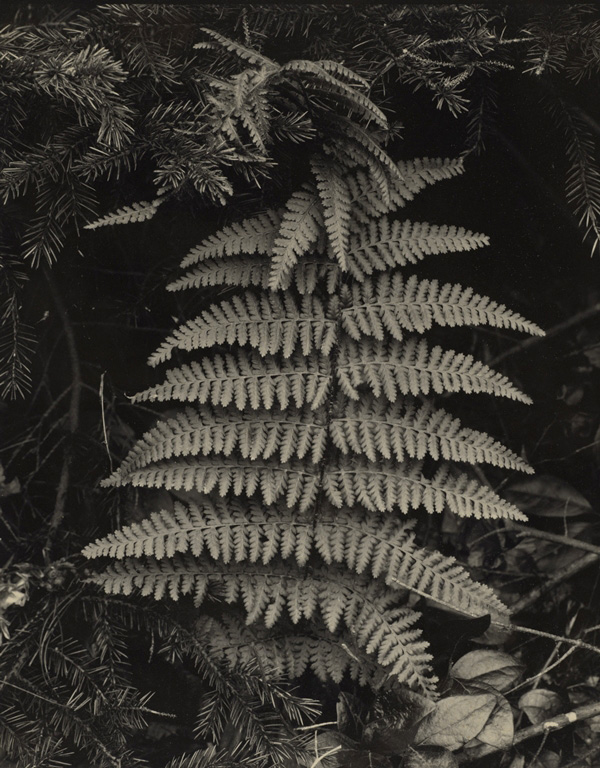
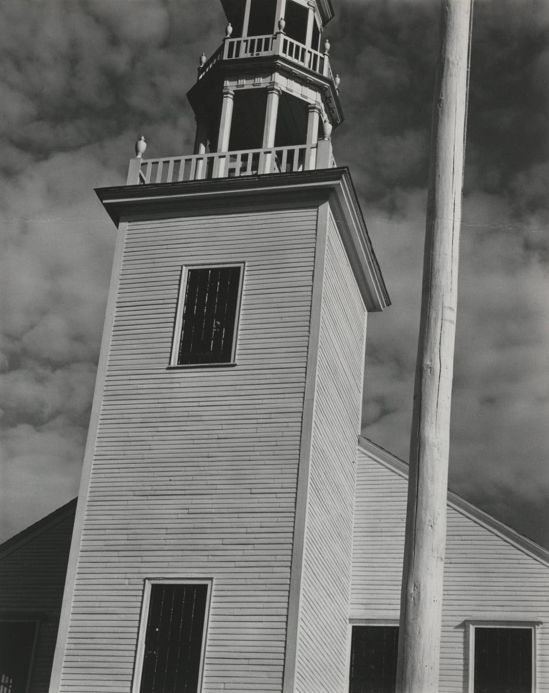

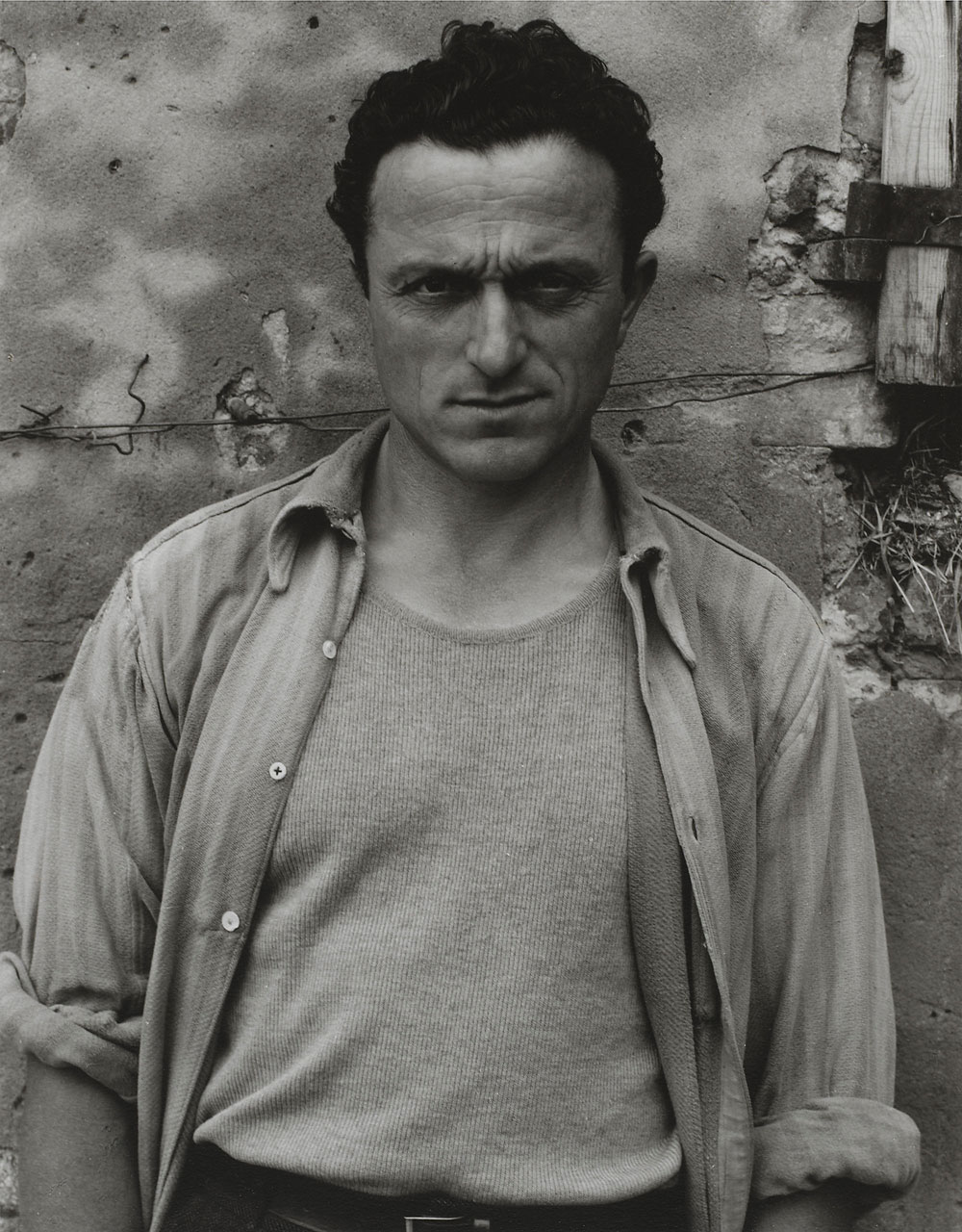
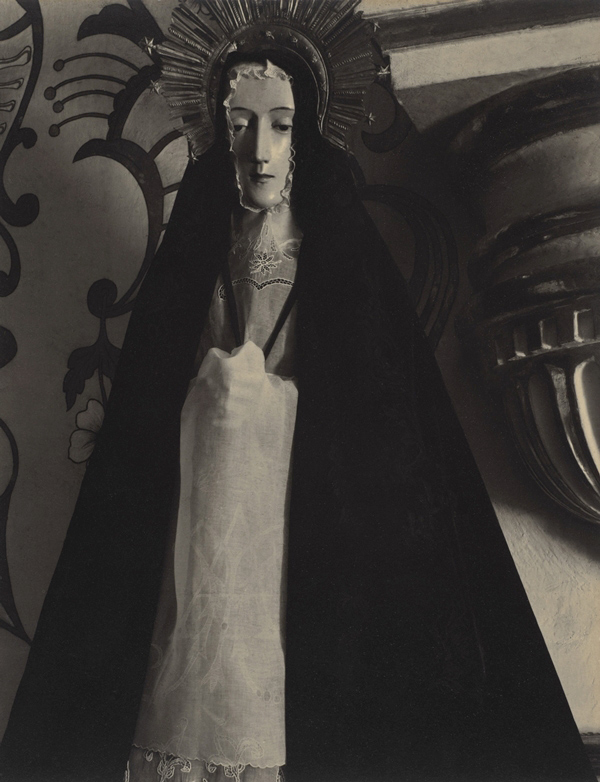

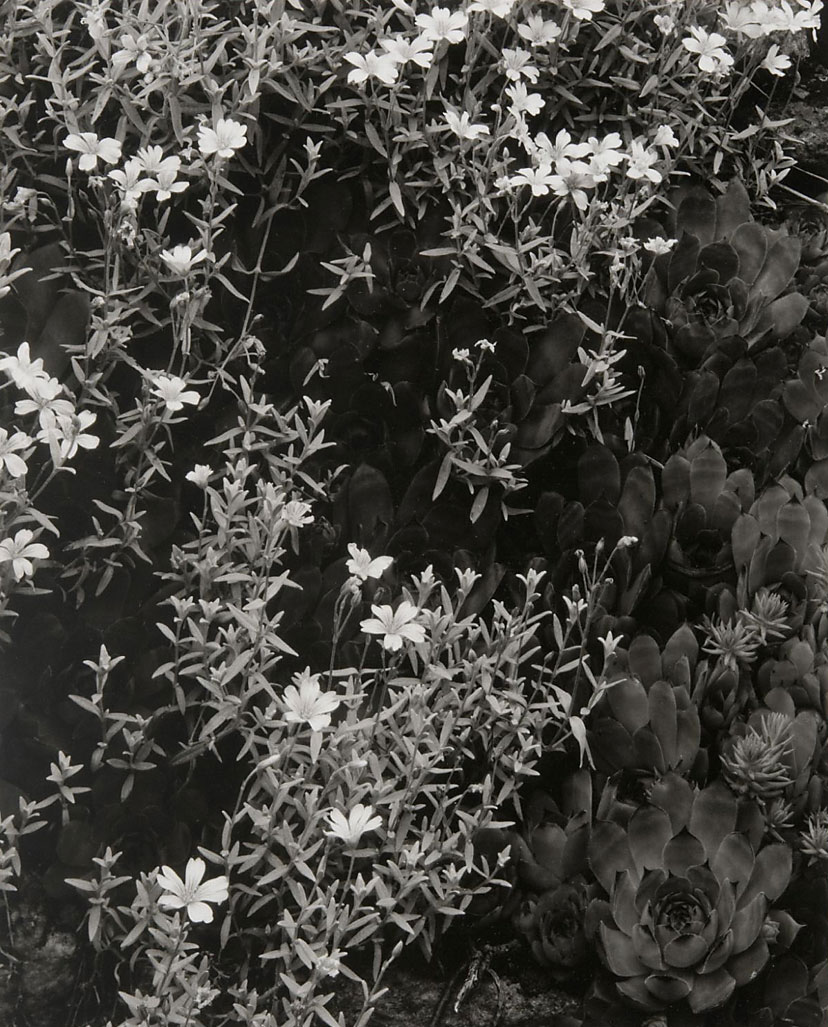
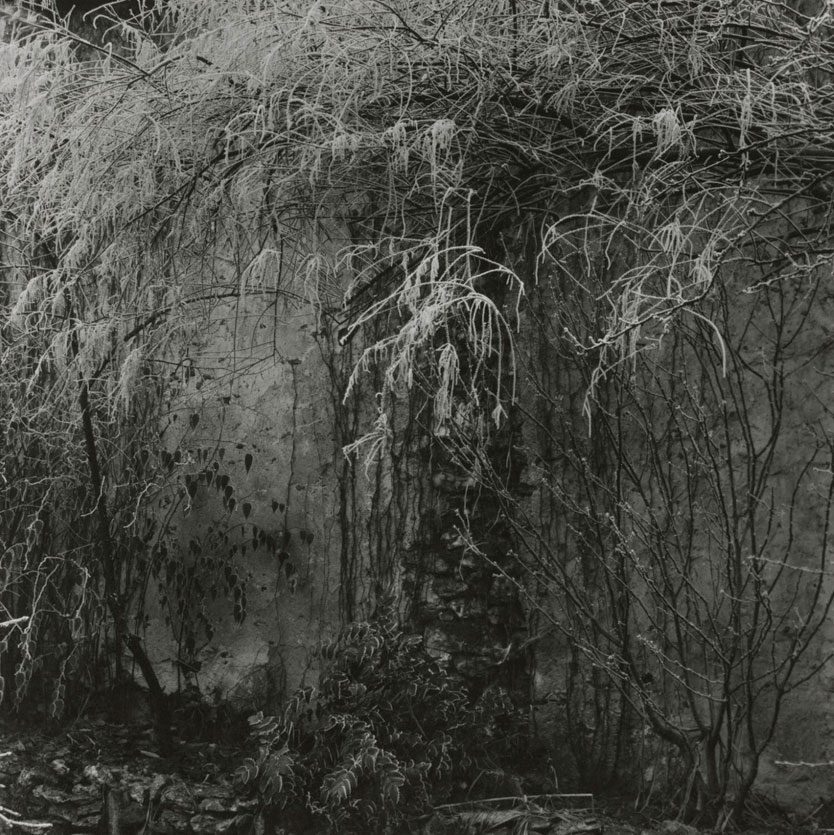
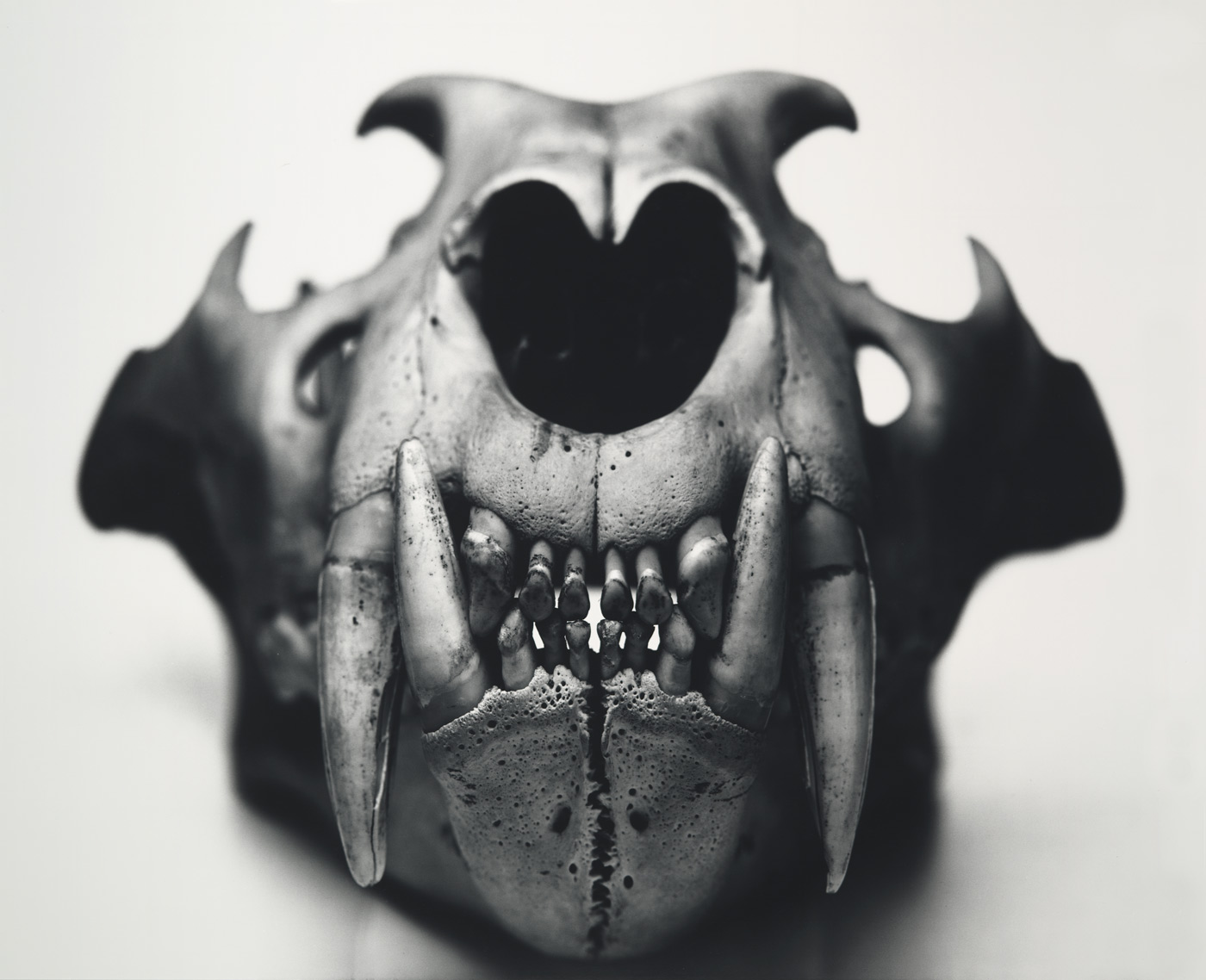





















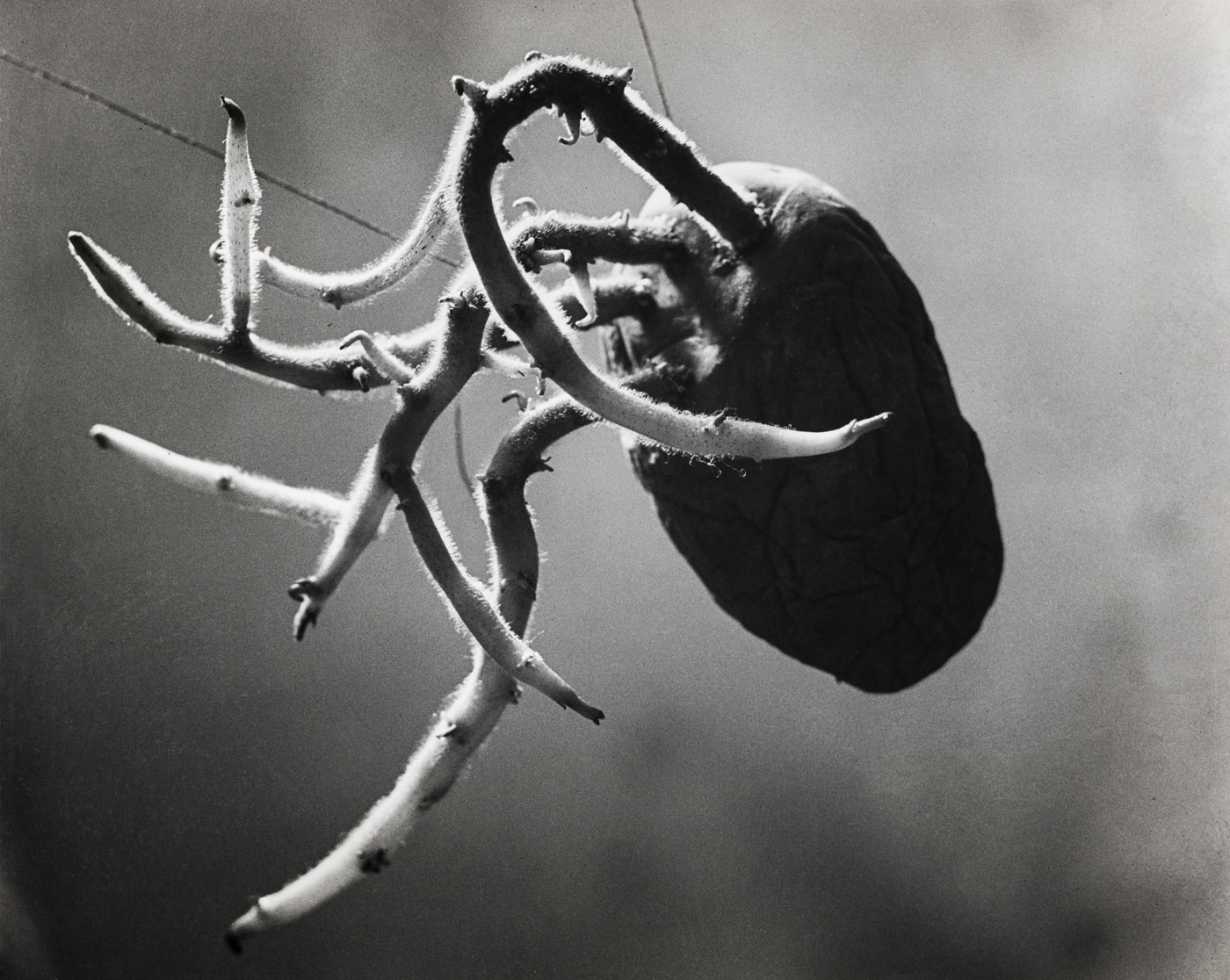


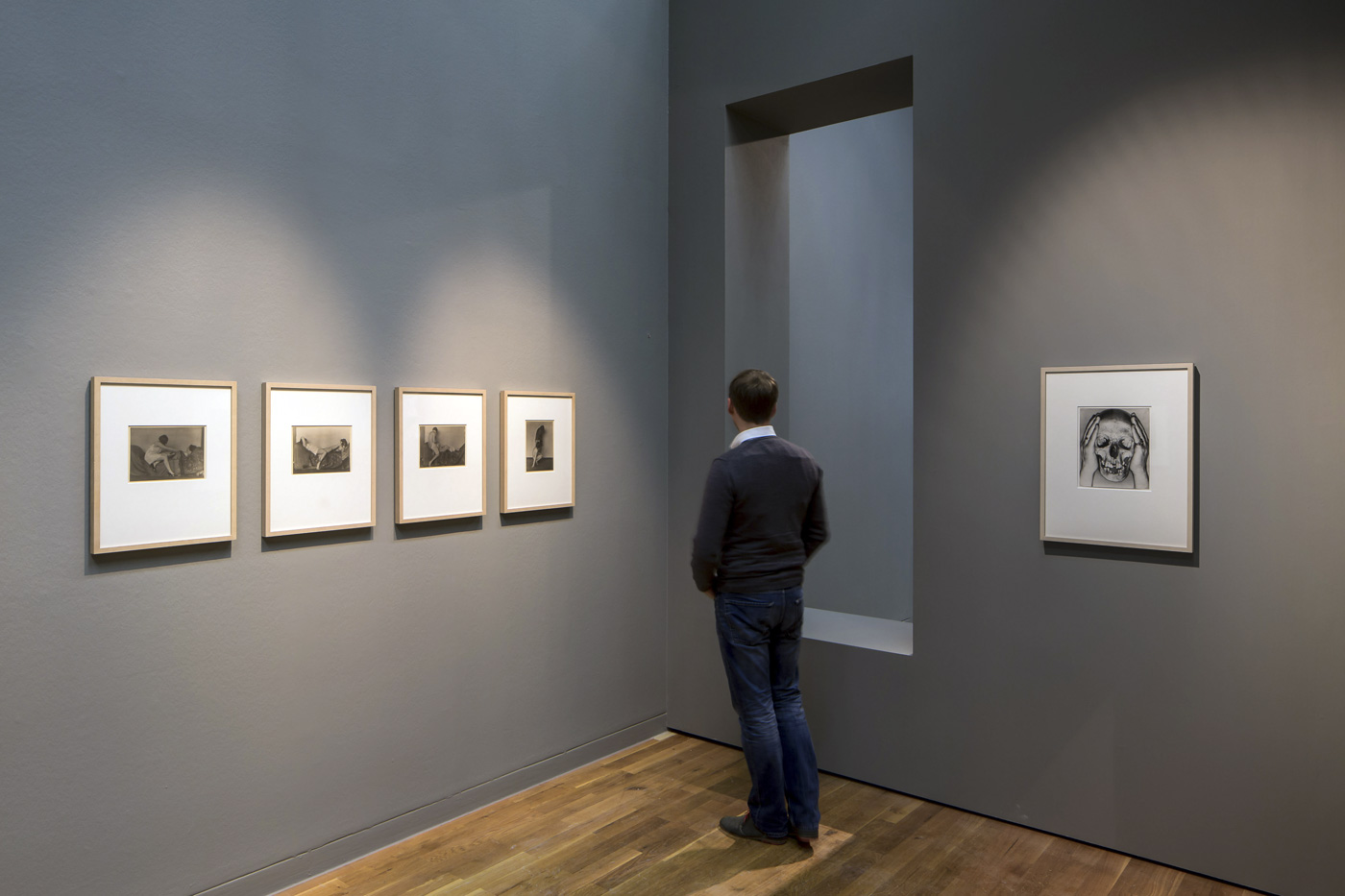






 Art Blart _ art and cultural memory archive
You must be logged in to post a comment.