Installation view of the exhibition Emanations: The Art of the Cameraless Photograph at the Govett-Brewster Art Gallery
This is how best a contemporary art exhibition can show the work to advantage. Just gorgeous!
The well curated, comprehensive content is complemented by a beautifully paced hang nestled within stunning contemporary art spaces. Labels are not just plonked on the wall, but are discretely displayed on horizontal shelves next to the work – accessible but so as not to interrupt the flow of the work. Coloured walls add to the ambience of the installation and act as an adjunct to the colours of the art. Beautiful modernist contemporary display cabinets keep the spaces fresh and vibrant.
Many thankx to the Govett-Brewster Art Gallery for allowing me to publish the photographs in the posting. Please click on the photographs for a larger version of the image. All images are photographed by Bryan James.
“Exploring the art of cameraless photography, encompassing historical, modern and contemporary works. Emanations: The Art of the Cameraless Photograph is the first comprehensive survey of cameraless photography held anywhere in the world, presenting more than 200 examples, from 1839 – when photography’s invention was announced – through to contemporary artists. We present the most complete study of cameraless photography to date, focusing on the cameraless mode from the 1830s through to today and offering a global perspective on this way of working.
The theme of the exhibition is inspired by artist Len Lye’s cameraless photographs from 1930 and 1947, and it’s the first time all 52 of Lye’s photograms have been seen together. Emanations is an opportunity to put Lye’s photographic work in a suitably global context, surrounded by his predecessors, contemporaries and successors. Emanations includes many masterpieces of photographic art and showcases the talents of some of the world’s leading contemporary photographic artists.
The exhibition has work by photographic pioneers William Henry Fox Talbot and Anna Atkins, important modernist photographers Man Ray and László Moholy-Nagy, and many of today’s most significant photographic artists including Walead Beshty, Marco Breuer, Liz Deschenes, Joan Fontcuberta, Christian Marclay, Thomas Ruff, and Hiroshi Sugimoto. Emanations also includes work by both senior and emerging Australian and New Zealand artists, from Anne Noble and Anne Ferran to Andrew Beck and Justine Varga.
The exhibition presents artwork by more than 50 artists hailing from New Zealand, Australia, Japan, Poland, Czechoslovakia, Hungary, France, Germany, Italy, England, Canada and the United States. Almost every photographic process is included in the exhibition – photogenic drawings, calotypes, daguerreotypes, and tintypes, as well as gelatin silver, chromogenic and ink-jet photographic prints, photocopies, verifax and thermal prints.
The exhibition is accompanied by a major book by the same name and on the same theme, co-published by the Govett-Brewster Art Gallery and DelMonico Books/Prestel, based in New York and Munich. The book contains 184 full-page colour plates and a 25,000 word essay by Geoffrey Batchen. The Govett-Brewster is also publishing another book reproducing all the cameraless photographs by Len Lye, along with an essay by Wystan Curnow.
Emanations is curated by Geoffrey Batchen, Professor of Art History at Victoria University of Wellington, and a world-renowned historian and curator of photography.”
Text from the Govett-Brewster Art Gallery website
Installation views of Andrew Beck (New Zealand, b. 1987) Double Screen 2016 Glass, acrylic paint, gelatin silver photographs
In the 1930s, László Moholy-Nagy made art that combined a cameraless photograph, plexiglass and paint. New Zealand artist Andrew Beck works in a similar way to produce sculptural installations that complicate our expectations of the relationship between light and shadow, the natural and the artificial, images and objects, art and reality. He forces us to look very closely at what we are seeing, and even to critically reflect on the act of seeing itself.
Installation view of the exhibition Emanations: The Art of the Cameraless Photograph at the Govett-Brewster Art Gallery with at left, Anne Ferran and at right, Joyce Campbell
Installation view of Joyce Campbell (New Zealand, b. 1971) LA Bloom 2002 Cibachrome photographs Courtesy of the artist, Auckland
In 2002 the New Zealand photographer Joyce Campbell decided to conduct a microbial survey of Los Angeles, a city in which she lives for part of each year. She swabbed the surfaces of plants and soil from twenty-seven locations chosen out of her Thomas Guide to the city. She then transferred each sample onto a sterilised plexiglass plate of agar and allowed it to grow as a living culture. The Cibachrome positive colour contact prints she subsequently made from these plates resemble abstract paintings and yet also offer a critical mapping of the relative fertility of this particular urban landscape, revealing its dependence on the politics of water distribution.
Although raised in Italy, Aldo Tambellini was working in New York in 1969 when he manipulated the cathode ray tube of a TV set into the shape of a spiral (for this artist, a universal sign of energy) and exposed sheets of light-sensitive paper by laying them over its screen. The calligraphic inscriptions that resulted made his paper look as if it had been scorched from the inside out. These ‘videograms,’ as Tambellini called them, highlight the chaos and chance operations that lurk just beneath the surface of technology’s apparent rationality.
Installation views of Shaun Waugh (New Zealand, b. 1982) ΔE2000 1.1 2014 24 Agfa boxes with mounted solid colour inkjet photographs
This work by New Zealand artist Shaun Waugh began with the purchase of empty boxes that once held Agfa photographic paper. Waugh then took readings of all four sides of the inside lip of each box lid using a spectrophotometer, employing this data and Photoshop to generate a solid orange-red inkjet print. The box lid is used to frame a two-dimensional version of itself, bringing analogue and digital printing into an uncomfortably close proximity to create a memorial to a kind of photography that is now defunct. Hung salon style, like so many small paintings, Waugh’s work manages to turn the photograph inside out, and thus into something other than itself.
Wall text from the exhibition Emanations: The Art of the Cameraless Photograph at the Govett-Brewster Art Gallery
Installation view of the exhibition Emanations: The Art of the Cameraless Photograph at the Govett-Brewster Art Gallery with at left, Anne Ferran and at right, Adam Fuss
In 1998 Australian artist Anne Ferran was offered an artist-in-resident’s position at an historic homestead not far from Sydney that had been occupied by successive generations of the same family since 1813. Ferran spent six months systematically making contact prints using the dresses, bodices, skirts, petticoats, and collars still contained in the house. Hovering in a surrounding darkness, softly radiating an inner light, the ghostly traces of these translucent garments now act as residual filaments for a century of absorbed sunshine. Many of them have been patched over the years and their signs of wear and repair are made clear. This allows us to witness a history of the use of each piece of clothing, seeing inside them to those small and skilful acts of home economy – the labour of women – usually kept hidden from a public gaze.
Anne Ferran (Australian, b. 1949) Untitled (baby’s bonnet) 1998 Unique gelatin silver photograph
Installation view of the exhibition Emanations: The Art of the Cameraless Photograph at the Govett-Brewster Art Gallery with at left, Adam Fuss and at right, Lisa Clunie
Installation view of Adam Fuss (UK/Australia/US) Caduceus 2010 (left) and Untitled 1991 (right)
Born in England, raised in Australia, and resident in New York, Adam Fuss has produced a diverse range of large cameraless photographs since the 1980s, asking his light-sensitive paper to respond to the physical presence of such phenomena as light, water, a slithering snake, flocks of birds, and sunflowers.
Adam Fuss (British, b. 1961) Untitled 1991 Type C photograph
Lisa Clunie (New Zealand) Fold I 2014 Silver gelatin photograph
The work of New Zealand artist Lisa Clunie looks back to the work of pioneer modernist László Moholy-Nagy in order to manifest the idea that our lives are shaped by a continual play of forces. Like Moholy, she wets her photographic paper and then tightly folds it, before moving the paper back and forth under her enlarger, selectively exposing these folds to the ‘force’ of light. The resulting work reminds us that a photograph has weight, surface, texture, tension and edges.
Installation view of the exhibition Emanations: The Art of the Cameraless Photograph at the Govett-Brewster Art Gallery with at right, the work of Robert L. Buelteman
Installation view of Robert L. Buelteman (American, b. 1954) Cannabis sativa (left) 2002 Digital chromogenic development photograph
Robert L. Buelteman (American, b. 1954) Eucalyptus polyanthemos (right) 2002 Digital chromogenic development photograph
The San-Franciscan artist Robert Buelteman takes his leaves and other botanical specimens and slices them into paper-thin sections, before charging them, in a complicated and dangerous process, with a pulse of 40,000 volts of electricity. This leaves behind a colorised trace on his photographic paper, a photogram in which these plants appear to be aflame, as if emitting an energy all their own. Hovering between life and death, this is a nature that seems to be on the cusp of its transmutation into something else entirely.
Installation view of the exhibition Emanations: The Art of the Cameraless Photograph at the Govett-Brewster Art Gallery with at centre, Robert Owen and at right, Joan Fontcuberta
Robert Owen (Australian, b. 1937) Endings (Rothko died today) – Kodachrome 64, No. 21, 26/02/1970 2009 Pigment ink-jet print
The photographic work of Australian artist Robert Owen is part of a broader tendency on the part of contemporary artists to reflect in morbid terms on aspects of photography’s past. Owen has been collecting film stubs since 1968. Although better known as a painter and sculptor, he recently decided to print these end strips of film as a series of large colour photographs, paying homage to this residue of the Kodak era in a chronological sequence of readymade chromatic fields. This one was collected on the day that the American abstract painter Mark Rothko killed himself.
Adam Fuss (British, b. 1961) Untitled (from the series My Ghost) 2001 Unique gelatin silver photograph
In his series, titled My Ghost, Adam Fuss put together a body of contact photographs of such things as plumes of smoke, patterns of light, a butterfly, a swan and a baptism dress. As his title suggests, Fuss’s work aims to evoke rather than describe; for all their evident tactility, these photographs are meant as metaphors, as prayers, perhaps even as poems.
Installation view of Adam Fuss (British, b. 1961) Untitled 1989 Cibachrome photograph
Adam Fuss (British, b. 1961) Untitled 1989 Cibachrome photograph
Installation views of Joan Fontcuberta (Spanish, b. 1955) MN 62: OPHIUCUS (NGC 6266), AR 17 h. 01,2 min. / D -30º 07′ (left) LAMBDA CORONAE AUSTRALIS (Mags 5,1/9,7 Sepn 29,2″ AP 214º), AR 18 h 43,8 min. / D -38º 19′ (right) both 1993 From the Constellations series Cibachrome photographs
Photographs from the Constellations series by Spanish artist Joan Fontcuberta come filled with fields of sparkling blackness, their speckled surfaces redolent of infinite space and twinkling stars. Their titles imply we are looking upwards towards the heavens. But this artist’s prints actually record dust, crushed insects and other debris deposited on the windscreen of his car, a trace of the evidence of his own rapid passage through terrestrial space and time. The artist applied sheets of 8-by-10-inch film directly onto the glass windscreen and shone a light through, creating photograms which were then made into glossy Cibachrome prints.
Installation views and detail of Paul Hartigan (New Zealand, b. 1939) Colourwords 1980-1981 Colour photocopy
Consistently defined by a subversive edge and a darkly witty humour, the work of New Zealand artist Paul Hartigan is often subtly permeated by astute social and political perceptions. Shortly after they were introduced into New Zealand in 1980, Hartigan explored the creative possibilities of a colour photocopying machine, making a series of images in which words and found objects ironically refer to each other in an endless loop. With the objects arranged to spell out their own colour, each picture offers an oscillation of word and meaning, flatness and dimension, art and detritus.
Installation view of Gavin Hipkins (left) and Lucinda Eva-May (right) as part of the exhibition Emanations: The Art of the Cameraless Photograph at the Govett-Brewster Art Gallery
Installation view of Gavin Hipkins (New Zealand, b. 1968) The Coil 1998 Silver gelatin photographs
Inspired by the kinetic films of Len Lye, in the 1990s Gavin Hipkins made a series of cameraless photographs that play with sequence and implied movement. The 32 images that make up The Coil were made by resting polystyrene rings on sheets of photographic paper and then exposing them to light.
Installation view of Lucinda Eva-May (Australia) Unity in light #6, 2012 (left) Unity in light #9, 2012 (right) C-type prints
Australian artist Lucinda Kennedy has sought to capture a phenomenological representation of the feelings and sensations of sexual intercourse through the direct imprint on sheets of photographic paper of this most primal of human interactions. Turned into a single blurred organism by the extended duration of the exposure, the artist and her partner become an abstraction, thereby aptly conjuring an experience that has always been beyond the capacity of mere description.
Installation view of the exhibition Emanations: The Art of the Cameraless Photograph at the Govett-Brewster Art Gallery with at left, Thomas Ruff, and at right, Justine Varga
Installation views of Thomas Ruff (Germany, b. 1958) r.phg.07_II 2013 Chromogenic print
Thomas Ruff (Germany, b. 1958) r.phg.07_II 2013 Chromogenic print
German artist Thomas Ruff uses his computers to construct virtual objects with simulated surfaces and to calculate the lights and shadows they might cast in different compositions. He then prints the results, in colour and at very large scale. Combining variations of spheres, curves, zig-zags and sharp edges, all set within richly coloured surrounds, Ruff’s images are both untethered abstractions and historical ciphers. Although referred to by the artist as photograms, the final prints are perhaps better conceived as being about the photogram, studiously replaying an analogue process in digital terms so as to make a spectacle of its logic.
Installation view of the exhibition Emanations: The Art of the Cameraless Photograph at the Govett-Brewster Art Gallery with at left, Shimpei Takeda and at right, Justine Varga
Justine Varga (Australian, b. 1984) Desklamp 2011-2012 Chromogenic photograph
Australian artist Justine Varga creates photographic works from an intimate and often prolonged exchange between a strip of film and the world that comes to be inscribed on it. Desklamp involved the year-long exposure of a large format negative placed on top of the artist’s desk lamp. Exit was derived from a similar piece of film that was scarred and weathered during a three-month exposure on her windowsill during a residency in London. Both were then turned into luscious colour photographs in the darkroom via various printing procedures.
Govett-Brewster Art Gallery/Len Lye Centre Queen St, New Plymouth, New Zealand Phone: +64 6 759 6060 Email:info@govettbrewster.com
Pictorialism, Surrealism and Modernism: Light, geometry and atmosphere
This is the quintessential hung “on the line” exhibition from the National Gallery of Australia which features the work of two well respected Australian photographers, Max Dupain and Olive Cotton, showing over three gallery spaces at The Ian Potter Museum of Art, Melbourne. Of its type, it is a superb exhibition which rewards repeated viewing and contemplation of the many superb photographs it contains.
While Dupain may be the more illustrious of the two featured artists – notable for taking the most famous photograph in Australian photographic history (Sunbaker, 1937, below); for being the first Australian photographer to embrace Modernism; and for bringing a distinctly Australian style to photography (sun, sea, sand) – it is the artist Olive Cotton’s work that steals almost every facet of this exhibition through her atmospheric images.
Dupain’s importance in the history of Australian photography cannot be underestimated. He dragged Australian photography from Pictorialism to Modernism in a few short years and met fierce resistance from the conservative camera clubs, stuck in the age of Pictorialism, because of it. He was the first to understand what Modernism meant for the medium in Australia, and how photographers would in future picture the country. He wanted to see the world through ‘modern’ eyes. As he observed, ‘(photography) belongs to the new age … it is part and parcel of the terrific and thrilling panorama opening out before us today – of clean concrete buildings, steel radio masts, and the wings of the air line. But its beauty is only for those who themselves are aware of the ‘zeitgeist’ – who belong consciously and proudly to this age, and have not their eyes forever wistfully fixed on the past.’ Dupain’s awareness of the ‘zeitgeist’ of modernity was coupled with a keen eye for composition, light and form (what Dupain later termed ‘passing movement and changing form’), and an understanding of photography’s expressive potential. Over the next 50 years he captured many memorable images, some of the most famous images ever taken of this sun burnt country.
Dupain started to hit his straps with his early cross-over images which contained elements of both Pictorialism and Modernism. His 1930s series of three photographs of Fire Stairs at Bond Street Studio (one of which is feature in the exhibition), and images such as Design – suburbia (1933, below) and Still life (1935, below) still possess that soft, raking light that was so beloved by Pictorialists, coupled with an implicit understanding of form, geometry and light. As fellow photographer David Moore observes, by the time of photographs such as Pyrmont silos (1935, below) and Through the Windscreen (1935), ‘any return to sentimental Pictorialism was precluded’. That sense of the European avant-garde, the aesthetics of contemporary European photography, the strength of industrial forms, imbues Dupain’s photographs with a crisp, clean decisiveness, that ‘symphony of forms and textures’. Whether it be the monumentalism of silos, or the monumentalism of bodies (such as in the classic Bondi, 1939), Dupain relished the opportunity to merge aesthetics with representation, pushing the boundaries of what was thought possible within the medium, believing that both representation and aesthetics could exist within the same frame. Evidence of this merging of can be seen in photographs such as Untitled [Factory chimney stacks] (1940, below) and Backyard, Forster, New South Wales (1940, below). These images are silent in their formalism… they are very quiet, and still, and rather haunting, beautiful in their tonality (with lots of yellow in the 8 x 10 and perhaps even small prints).
Dupain and Cotton both revel “in photography’s great capacity to make sense of the relations of light, texture and form as they exist in the present,” and evidence “a modernist concern with line, form and space; documentary photography’s interest in realism and ‘the living moment’; and the pictorial and formal attributes of commercial photography.” But as the press release insightfully observes, “Comparisons articulate and make apparent Dupain’s more structured – even abstracted – approach to art and to the world; similarly, comparisons highlight Cotton’s more immersive relationship to place, with a particularly deep and instinctual love of light and its ephemeral effects.” And this is where the photographs of Olive Cotton are so much more engaging, and alive, than those of Max Dupain.
While Dupain was busy running a commercial studio (with Cotton his assistant and for a couple of years his wife), Olive seems to have had more freedom to experiment, to express herself in a less structured way than her erstwhile husband. Walking around this exhibition my initial thoughts were wow, Olive Cotton, you are an absolute star. Photographs such as The way through the trees (1938, below), while not possessing the technical brilliance of a Dupain, possess something inherently more appealing – a sensitivity and feeling for subject that nearly overwhelms the senses. Truly here is a symphony of texture, light and form. The composition is a subtle paean, a song of praise to the natural and modern world – a world of geometry, textures, light and form. The rendition of this image, a performance of interpretation, is simply magnificent in its sensitivity to subject matter. The print is also glorious in its delicacy and colour. For me, this is what is so appealing about the work of Olive Cotton, an innate sensitivity that all of her photographs seem to possess – in composition, in proportion, in printing and in colour. Cotton maintained an independent vision forged out of experimentation, creating spaces for erotic imaginings, spaces for action and spaces for quiet contemplation. Her use of light and shade, of body and shadow, of classical and modernist motifs … is superlative. While Dupain’s photographs are more structured and more dazzling in a technical sense, Cotton’s photographs possess more “atmosphere”, a complex and insightful way of seeing and imaging the world which has few equals in the annals of Australian photography.
Below is a short transcription of a voice memo I made on my phone as I toured around the exhibition for the third time:
“What a great show this is, the photographs of Max Dupain and Olive Cotton. But it is the photographs of Olive Cotton that are the wonder of this exhibition. Photographs such as Orchestration in light (1937, below), Sky submerged (c. 1937) and especially The way through the trees (1938, below) are just masterpieces of complex seeing. A sort of… mmmm … an intimate previsualisation where there are hints of Pictorialism – dappled light, moss on the trees – and yet there is a geometric form to the composition that marks it as definitively Modernist. As the wall text states, “this exceptional landscape appears at first glance like a classic Pictorialist view of the Australian bush but typical of Cotton’s best pictures, this landscape merges Pictorialism’s stylistic and formal codes with those of a cosmopolitan modernist sensibility. Cotton pays particular attention to the similarly angled tree trunks, as well as the all over pattern of the spotted gums and the dapples of light, not bound or hemmed in dogma, Cotton created a view of being completely immersed in the landscape.” The colour of the print, there are hints of pinks and greens and beiges. When was it taken and printed, it must have been an early one, 1938 … and then again the beautiful tonality of it. Wow!
As with all of her best work Cotton is constructing her environment – through music, through geometry, through light. Over the city (1940, below), the light over the city, the shadow of the city, the silhouette of the city in outline, followed by Grass at sundown (1939, below) shooting contre jour, into the light. In Max after surfing (1937, below) there is evidence of Cotton’s understanding of the play of form, of light, of shadow and the composition of the pictorial plane into triangles, horizontals and verticals. This creates a sense of mystery within the four walls of the photograph. As art historian Tim Bonyhady observes, it ‘is not just one of the most erotic Australian photographs, but possibly the first sexually charged Australian photograph by a woman of a man’. The sensuality and atmosphere of the Cotton’s are just gorgeous. Olive Cotton just has such a marvellous grasp of the construction of the picture plane using form, texture and shadow… and feeling. If had a choice I would take away most of the Cotton’s (laughs), because I think they are just amazing…”
There are so many great images in this exhibition, from both Cotton and Dupain, that is hard to know where to start. I haven’t even mentioned images such as Dupain’s sensual but commercial Jean with wire mesh (c. 1935, below), his seminal Street at Central (1939, below) with its raking light and abstraction, or Cotton’s most famous image Teacup ballet (1935, below). I could go on and on. The only disappointment with the exhibition is that, for the uninitiated, there is little to place both photographers works in the context of their time and place, other than a few The Home magazines in a couple of display cases and the wall text. There is little sense of what a tumultuous period this was in Australian history – between two world wars, during a depression, with the advent of modernity, freedom of movement through cars, White Australia policy in full swing, meat and four veg on the table, women’s place in the home, the rise of vitalism and the cult of the bronzed Aussie body and the worship of nature and the outdoors, mateship and the beach as a place of socialisation. But that is the nature of such a classic, hung “on the line” exhibition. It would have been great to see some large photographs, floor to ceiling, of the environment from which all these nearly contextless (as in a particular time and place) images emerged but this is a minor quibble. In the end, I restate that this is a stunning exhibition that is a must see for any aficionado of great Australian photography. Go see it before it closes.
“I like few people … to go into a room of strangers is a chore for me … I can effect a relationship, but afterwards, I think: was it worth it?”
Max Dupain
“Looking at the work of these two great Australian photographers together is enlightening; they were often shooting the same subjects, or pursuing subjects and pictorial effects in similar ways. Rarely do we get to see two great Australian artists working side-by-side in this way. And while Max Dupain’s reputation might now stand well above most other Australian photographers, this exhibition shows that Olive Cotton had a significant role to play in his development as a photographer, and was in many ways his equal.”
Olive Cotton (1911-2003) and Max Dupain OBE (1911-1992) were pioneering modernist photographers. Cotton’s lifelong obsession with photography began at age eleven with the gift of a Kodak Box Brownie. She was a childhood friend of Dupain’s and in 1934 she joined his fledgling photographic studio, where she made her best-known work, Teacup Ballet, in about 1935. Throughout the 1930s, Dupain established his reputation with portraiture and advertising work and gained exposure in the lifestyle magazine The Home. Between 1939 and 1941, Dupain and Cotton were married and she photographed him often; her Max After Surfing is frequently cited as one of the most sensuous Australian portrait photographs. While Dupain was on service during World War II Cotton ran his studio, one of very few professional women photographers in Australia. Cotton remarried in 1944 and moved to her husband’s property near Cowra, New South Wales. Although busy with a farm, a family, and a teaching position at the local high school, Cotton continued to take photographs and opened a studio in Cowra in 1964. In the 1950s, Dupain turned increasingly to architectural photography, collaborating with architects and recording projects such as the construction of the Sydney Opera House. Dupain continued to operate his studio on Sydney’s Lower North Shore until he died at the age of 81. Cotton was in her seventies when her work again became the subject of attention. In 1983, she was awarded a Visual Arts Board grant to reprint negatives that she had taken over a period of forty years or more. The resulting retrospective exhibition in Sydney in 1985 drew critical acclaim and has since assured her reputation.
Olive Cotton (Australian, 1911-2003) Only to taste the warmth, the light, the wind c. 1939 Gelatin silver photograph
PHOTOGRAPH NOT IN EXHIBITION
Only to taste the warmth, the light, the wind appears to have been the only print Cotton made of this image. It was found in the late 1990s and has been shown only once, in an exhibition at the AGNSW in 2000 where it was also used on the catalogue cover. It was unusual for Cotton to print so large, yet it is entirely fitting that this monumental head and shoulder shot of a beautiful young woman should be presented in this way. The subject was a model on a fashion shoot at which Cotton was probably assisting. Cotton often took her own photographs while on such shoots and used them for her private portfolio. The photograph transcends portraiture, fashion and time to become a remarkable image of harmony with the elements.
Cotton took the title for this photograph from an 1895 poem by English poet Laurence Binyon, ‘O summer sun’:
O summer sun, O moving trees! O cheerful human noise, O busy glittering street! What hour shall Fate in all the future find, Or what delights, ever to equal these: Only to taste the warmth, the light, the wind, Only to be alive, and feel that life is sweet?1
A photographer whose work straddles pictorialism, modernism and documentary, Cotton maintained an independent vision throughout her working life, based on the close observation of nature. Her understanding of the medium of photography was not to do with capture, but rather ‘drawing with light’.
1. 1915, ‘Poems of today’, English Association, London p 96
Olive Cotton (Australian, 1911-2003) Max c. 1935 Gelatin silver photograph 14.8 x 14.5cm National Gallery of Australia, Canberra Purchased 1998
In this highly abstracted portrait, Cotton seems to present Dupain as an athlete – perhaps, with his strangely extended arms, a hammer thrower, in an image that predates by at least two years Dupain’s own photographs of athletes outdoors. It is likely that Cotton photographed her friend in this way because of the graphic pictorial effect she wished to achieve. Cotton exploits the shape of the Rolleiflex camera’s square-format film: Dupain’s body cuts across the right-hand corner of the picture, from which his overstretched forearms (the shape and tone of which were the result of much dodging and burning in the darkroom) create a diagonal oblique angle that is classically modernist. A similar conflation of diagonal lines, which was common to the ways that modern life in Australia at the time was represented in advertising and architectural photography, can also be seen in pictures such as Surf’s edge and Teacup ballet.
Max Dupain put his lack of clannishness down to a temperament which inclined to the stoic and an early life as an only child. He relished the solitude of his darkroom, familiar places and routines and the early morning calm of Sydney Harbour, where he rowed his scull until prevented by ill health in the early 1990s. He was not a joiner or follower of teams; he was republican in politics and agnostic. Philosophically, Dupain mixed rationalism and a less defined alliance with the passionate exhortation to live directly in one’s environment, body and heart. This philosophy was espoused by poets and writers such as D.H Lawrence, from the movement known in the 1920s and 1930s as Vitalism.
Although he acknowledged that he was a bit of a loner by temperament, portraiture was a significant part of Max Dupain’s personal and professional work. He included some dozen or so portraits in his selection for his 1948 monograph, fifty plates showing ‘my best work since 1935’. Dupain’s images, including many portraits especially of the 1930s to 1960s, have stamped the public image of this era of rapid progress and increasing cultural sophistication in Australia. Portraiture was at the top stratum of Dupain’s first three decades of work but volume decreased markedly from the 1960s, when Max Dupain and Associates, his business, began to specialise in architectural and industrial commissions.
‘Vintage Max’ by Gael Newton, 1 June 2003
Max Dupain (Australian, 1911-1992) Sunbaker 1937 Gelatin silver photograph 37.7 x 43.2cm National Gallery of Australia, Canberra Gift of the Philip Morris Arts Grant 1982
Olive Cotton (Australian, 1911-2003) The photographer’s shadow (Olive Cotton and Max Dupain) c. 1935 Gelatin silver photograph 16.6 x 15.2cm National Gallery of Australia, Canberra
Olive Cotton (Australian, 1911-2003) The sleeper 1939 Gelatin silver photograph 29.2 x 25.0cm National Gallery of Australia, Canberra Purchased 1987
The sleeper 1939, Olive Cotton’s graceful study of her friend Olga Sharp resting while on a bush picnic, made around the same time as Max Dupain’s Sunbaker, presents a different take upon the enjoyment of life in Australia. The woman is relaxed, nestled within the environment. The mood is one of secluded reverie.
Max Dupain (Australian, 1911-1992) Untitled [Olive Cotton in Wheat Fields] Nd (probably late 1930s) Gelatin silver photograph
PHOTOGRAPH NOT IN EXHIBITION
Olive Cotton (Australian, 1911-2003) Max 1939 Gelatin silver photograph National Gallery of Australia, Canberra
Cotton shot this portrait of fellow Australian photographer, Max Dupain during their brief marriage at their home in Longueville on Sydney’s lower north shore. Dupain is captured affectionately in the portrait, represented as at once casual through pose and, as industrious on account of his rolled up sleeves and the Rolleiflex TLR camera which hangs from his neck. It is indicative of the combination of a working and personal relationship Cotton and Dupain shared during the late 1930s when they operated a commercial studio together. The couple separated in 1941 but Cotton went on to manage the Dupain Studio while Max was away serving as a camouflage officer during the Second World War 1.
1. Ennis H 2005, ‘Olive Cotton: photographer’, National Library of Australia, p. 6
Olive Cotton (Australian, 1911-2003) Max after surfing 1937 Gelatin silver photograph National Gallery of Australia, Canberra Purchased 2006
This intimate study of Dupain, who Cotton was romantically involved with at the time, first appeared in the mid-1990s; Cotton did not include it in her reassessment of her oeuvre in the mid-1980s that involved making prints of her best images. For many commentators, this remains a radical image in the history of Australian photography. For the art historian Tim Bonyhady, it ‘is not just one of the most erotic Australian photographs, but possibly the first sexually charged Australian photograph by a woman of a man’. This is the only known vintage print of the image, which inexplicably carries the signature and a message from the fashion photographer George Hoyningen‑Huene, who visited Sydney in December 1937 and spent time with Dupain. It suggests perhaps that Hoyningen-Huene was present when Cotton made the print.
Max after surfing is a portrait of Dupain taken in 1939, around the time of their brief marriage. While the photograph was taken indoors, the sharply delineated contrast and the dramatic interplay between light and shade evoke harsh sunlight. The work is loaded with suggestion and emotional intimacy. As art historian and curator Helen Ennis noted in 2000, the close vantage point and the tension between visible form and dense shadow ‘creates a space for erotic imaginings’.
A photographer whose work straddles Pictorialism, modernism and documentary, Cotton maintained an independent vision throughout her working life, based on the close observation of nature. Her understanding of the medium of photography was not to do with capture, but rather ‘drawing with light’.
Max Dupain (Australian, 1911-1992) Jean with wire mesh c. 1935 Gelatin silver photograph 46.0 x 34.5cm National Gallery of Australia, Canberra Purchased 2006
This portrait of Jean Lorraine, a close friend of Cotton, was one of many taken of her by Cotton and Dupain. This photograph is notable for its technical virtuosity – Dupain’s control of the variegated light across Jean’s body, beautifully lyrical and sensuous, is masterful. It also reflects Dupain’s active interest in the work of Man Ray, whose earlier Shadow patterns on Lee Miller’s torso (1930) was no doubt an influence. Like Man Ray’s image of his lover, Dupain’s portrait of Jean is also notable for its eroticism. While Dupain might have argued that this photograph was a study of light falling on surfaces, the light and shade take particular pleasure in the form of Jean’s naked torso. This eroticism has been underplayed throughout the history of the picture, not surprising given the nature of the relationships involved: when it was published in The Home in February 1936, Jean with wire mesh was known simply as a Photographic study. Dupain printed at least two versions of this shot, another with Jean’s eyes open.
Olive Cotton (Australian, 1911-2003) Girl with mirror 1938 Gelatin silver photograph Image 31.7 x 29.9cm Sheet 32.6 x 30.6cm Purchased 1987
The photographs Cotton took while attending Dupain’s fashion shoots often focussed on the graphic effects created by light rather than fashion or the dynamics of the shoot itself. Cotton’s role as assistant left her free to explore personal interests, without the imperative of getting a shot for the assignment. This image of a model attending to her make-up, seemingly absorbed in her own image, is primarily concerned with the patterns created by light falling on sand dunes and the way they contrast with the decorative print of her clothing. It is notable that the image we see in the mirror is not the model’s face, but the patterns created by light hitting the sand. As Cotton later remembered, ‘I took it mostly because I really liked the pattern in the sand and the contrasting pattern in the left-hand corner’, which includes a series of diagonal shadows cast by Dupain’s tripod.
Max Dupain (Australian, 1911-1992) The floater 1939 Gelatin silver photograph National Gallery of Australia Purchased 1976
Two versions of this image of a woman floating in water were printed by Dupain, so like Sunbaker it held particular interest for him. It acknowledges one of the great moments in avant-garde photography, André Kertész’s iconic study of underwater distortion Underwater swimmer (1917). As with Kertész, Dupain’s interest was with the visual effects created by light hitting the water and the impact of this on the contours of the swimmer. In his personal copy of the anthology Modern Photography (1931), Dupain highlighted the writer G.H. Saxon Mills’ claim that photography’s value existed in both its capacity to record the world and the optical effects it found or created – ‘its … symphony of forms and textures.’
Wall text
Olive Cotton (Australian, 1911-2003) Fashion shot, Cronulla sandhills (Max Dupain photographing model) 1937 Cronulla, Sydney, New South Wales, Australia Gelatin silver photograph Image 30.4 x 38.5cm Sheet 40.2 x 48.7cm National Gallery of Australia, Canberra Purchased 1988
As the studio assistant, Cotton accompanied Dupain on fashion shoots to attend to models, doing their make-up and helping with costume changes. She often used these opportunities to take her own photographs, including this wonderful image of Dupain photographing the model Noreen Hallard for David Jones. As well as producing a striking image of Dupain and Hallard at work, Cotton was interested in the landscape in which they operated, paying particular attention to the pattern created by their footsteps in the sand.
Olive Cotton and Max Dupain are key figures in Australian visual culture. They shared a long and close personal and professional relationship. This exhibition looks at their work made between 1934 and 1945, the period of their professional association; this was an exciting period of experimentation and growth in Australian photography, and Cotton and Dupain were at the centre of these developments.
This is the first exhibition to look at the work of these two photographers as they shared their lives, studio and professional practice. Looking at their work together is instructive; they were often shooting the same subjects, or pursuing subjects and pictorial effects in similar ways. Comparisons articulate and make apparent Dupain’s more structured – even abstracted – approach to art and to the world; similarly, comparisons highlight Cotton’s more immersive relationship to place, with a particularly deep and instinctual love of light and its ephemeral effects.
This exhibition focuses on the key period in each of their careers, when they made many of their most memorable images. Keenly aware of international developments in photography, Cotton and Dupain experimented with the forms and strategies of modernist photography, especially Surrealism and the Bauhaus, and drew upon the sophisticated lighting and compositions of contemporary advertising and Hollywood glamour photography.
They brought to these influences their own, close association with the rich context of Australian life and culture during the 1930s and ’40s. Their achievement can be characterised, borrowing terms they used in discussions of their work, as the development of a ‘contemporary Australian photography’: a modern photographic practice that reflected their own, very particular relationships to the world and to each other.
Lives
Cotton and Dupain’s friendship stretched back to childhood summers spent at Newport Beach, NSW, where their families spent summer holidays. They were both given their first cameras – Kodak Box Brownies – by relatives as young teenagers, and spent days together wandering around taking photographs. They shared a similar commitment to photography as teenagers and young adults: both made and published or exhibited photographs while at school, and in 1929 they became members of the Photographic Society of New South Wales. But their approach to achieving the ‘professional life’ of a photographer took different paths: Dupain undertook a formal apprenticeship with the Pictorialist master Cecil Bostock between 1930-33, while Cotton studied arts at Sydney University with the idea of becoming a teacher and photographed after hours.
Cotton and Dupain became romantically involved in 1928 and married in 1939; they separated in 1941 and eventually divorced in 1944. In spite of these personal vicissitudes, Cotton and Dupain remained professionally connected. Cotton managed the Dupain studio from late 1941-45, while he worked with the Department of Home Security’s Camouflage Unit during the Second World War. On his return, Cotton left Sydney and spent the rest of her life in relative isolation near Cowra, NSW, where she raised her family of two with husband Ross McInerney and, between 1964 and 1983, operated a small studio. And while Dupain returned from the war to develop his reputation and significance as Australia’s most recognised twentieth-century photographer, his work was deeply affected by his experience of the war and took on a completely different complexion to his work from the previous decade.
Studio
In 1934, Dupain opened a studio in a rented room at 24 Bond Street, Sydney; Cotton joined him as his assistant soon after. By 1936, the Dupain studio’s business had expanded to the extent that it moved into larger premises in the same building, before relocating in early 1941 to a whole floor of a building at 49 Clarence Street.
Their positions at the Dupain studio were clearly defined – he was the photographer, she the studio assistant. Even so, Cotton and Dupain each maintained distinct but in some ways closely aligned practices, both in and out of the studio. Cotton did not tend to take photographs commercially until after she took over the management of the Dupain studio in late 1941, when photographs were circulated in her name. Before then, she made use of the studio’s equipment after hours, including Dupain’s large Thornton Pickard camera; her work was exhibited and published on occasion, both locally and internationally.
At the same time, Dupain’s photographs became increasingly widely-seen and influential. Sydney Ure Smith’s iconic monthly magazine The Home regularly published Dupain’s portraits, documentary work, social photographs (often actually taken by Cotton), and fashion and product photographs made for clients such as David Jones. When Dupain went to war, the studio continued to operate successfully under Cotton’s management. While some long-standing clients such as David Jones took their business elsewhere, Cotton took some of her most important pictures in the early 1940s, and her increasing confidence at this time can be identified across images of the city, industry and labour.
Dialogue
Cotton and Dupain were active members of Sydney’s network of young artists and photographers, of which the Dupain studio was a centre. Along with their contemporaries, including figures like Geoffrey Powell, Damien Parer and Lawrence Le Guay, they staked a claim for photography as a vital part of contemporary culture, exhibiting photographs alongside other artworks at venues like Sydney’s David Jones Gallery.
Their networks included members of Sydney’s progressive architectural, design, publishing and advertising communities, with whom they often collaborated. The threads of influence within this complex network of making, exhibiting, publishing and commissions were intricate. It is possible, for example, to see Dupain’s strong visual style affect those around him. His interest in surrealist style, which really took hold in 1935, can be identified in work by other, often lesser photographers working at the time, and indeed in the design of The Home, which published his work in editorial and advertisements. There were also times when Cotton indicated certain directions for Dupain. For example, her images of bodies outdoors, which cleverly pulled together classical and modernist motifs, predate similar images by Dupain.
It is clear also that Cotton and Dupain were engaging in dialogue within their own work. Their shared interest in photographing form, texture and shadow is seen across many pictures throughout the mid- to late 1930s. Their pictures also engage critically with photography as a medium, in images that draw attention to the photograph as a double of its subject, and in pictures that seem to play with photograph’s stillness. As Dupain later remembered, together they ‘shared the problems of photography’.
Contemporary Australian Photography
What were ‘the problems of photography’ that Dupain and Cotton sought to settle? In the most straightforward sense, they involved the assumption that Australian photographers were yet to completely embrace or realise the medium’s potential, which rested in careful attention to its aesthetic possibilities, recognition of its mechanical origins, and negotiation of the particular way the medium engaged notions of objectivity and subjectivity. Their solution to these problems involved a progressive photographic practice that intended to release photography from the shackles of history and orthodoxy, and to revel in photography’s great capacity to make sense of the relations of light, texture and form as they exist in the present.
Cotton’s and Dupain’s solution to ‘the problems of photography’ was to make work that made a feature of the medium’s modernity, and the strange way that mechanics, physics and aesthetics come together in modern photography to look at the world and to find beauty in it. They did this in a way that remained firmly footed in their own, very particular place in the world and history. In terms of style, their solution integrated legacies of Pictorialism – especially its interest in the atmospheric effects found in landscape – with a range of other, often competing modes and styles: a modernist concern with line, form and space; documentary photography’s interest in realism and ‘the living moment’; and the pictorial and formal attributes of commercial photography.
It is possible that, for the first time, Australian photography found in the work of Cotton and Dupain a contemporary expression: a photographic practice that emerged from, responded to and expressed the mood, ambitions and sensibility of its time.
Press release from The Ian Potter Museum of Art
Max Dupain (Australian, 1911-1992) Street at Central 1939 Gelatin silver photograph 45.6 x 37.5cm National Gallery of Australia, Canberra Purchased 1976
Max Dupain (Australian, 1911-1992) Street at Central 1939 Gelatin silver photograph 45.6 x 37.5cm National Gallery of Australia, Canberra Purchased 1976
Two different versions of this photograph. Notice the different cropping and colour of each image, and how it adds emphasis to the light and to the shadows of the people.
Olive Cotton (Australian, 1911-2003) Teacup ballet 1935 Gelatin silver photograph 37.5 x 29.5cm National Gallery of Australia, Canberra Purchased 1983
‘This picture evolved after I had bought some inexpensive cups and saucers from Woolworths for our studio coffee breaks to replace our rather worn old mugs. The angular handles reminded me of arms akimbo, and that led to the idea of making a photograph to express a dance theme.
When the day’s work was over I tried several arrangements of the cups and saucers to convey this idea, without success, until I used a spotlight and realised how important the shadows were. Using the studio camera, which had a 6 ½ x 4 ½ inch ground glass focusing screen, I moved the cups about until they and their shadows made a ballet-like composition and then photographed them on a cut film negative. The title of the photograph suggested itself.
This was my first photograph to be shown overseas, being exhibited, to my delight, in the London Salon of Photography in 1935.’ Olive Cotton 1995 1
Olive Cotton and Max Dupain were childhood friends and, although she graduated in English and mathematics from the University of Sydney in 1934, her interest in photography led her to work in Dupain’s studio from this year. Cotton was employed as a photographer’s assistant in the studio, however she worked assiduously on her own work and continued to exhibit in photography salon exhibitions. Tea cup ballet is one of Cotton’s most well-known photographs and yet it is somewhat eccentric to her main practice, being at first glance typically modernist with its dramatic lighting and angular shapes. Her longstanding interest in organic forms provides a deeper reading. The abstraction of form by the lighting and the placement of the cups and saucers enables the relationship to dancers on a stage to become clear.
1. Ennis H 1995, ‘Olive Cotton: photographer’, National Library of Australia, Canberra p. 25
Among Cotton’s most famous photographs, Teacup ballet has very humble origins. It was taken after hours in the Dupain studio and used a set of cheap cups and saucers Cotton had earlier bought from a Woolworths store for use around the studio. As she later recounted: ‘Their angular handles suggested to me the position of “arms akimbo” and that led to the idea of a dance pattern’. The picture uses a range of formal devices that became common to Cotton’s work, especially the strong backlighting used to create dramatic tonal contrasts and shadows. The picture achieved instant success, and was selected for exhibition in the London Salon of Photography for 1935.
Olive Cotton (Australian, 1911-2003) Shasta daisies 1937 Gelatin silver photograph National Gallery of Australia, Canberra Purchased 1987
Celebrated Australian photographer Olive Cotton was given her first Box Brownie by her family for her eleventh birthday (1922) and continued to experiment with taking and developing pictures throughout the 1920s. By the early 1930s Cotton had mastered the Pictorialist style so popular at the time and was on her way to establishing her own approach which also incorporated Modernist principles. The recurrent themes of landscape and plant-life are important to the photographer’s approach, which photography scholar Helen Ennis describes as Cotton’s concern for the ‘potential for pattern-making’.
Shasta daisies is an interesting and rare combination of natural form and a highly-constructed scenario, the flowers having been photographed in Cotton’s studio and carefully arranged for the camera. Cotton, in the 1995 book, wrote of the photograph: “I chose to photograph these in the studio because out of doors I would have had less control of the lighting and background. I examined the composition very carefully through the studio camera’s large ground glass focussing screen and – the view from the camera’s position being slightly different to my own – made as many rearrangements to the flowers as seemed necessary. I then used (apart from a background light) one source of light to try and convey a feeling of outdoors.” Shasta daisies is important within Cotton’s oeuvre for uniting her interest in plants in their natural ‘outdoors’ environment with her enquiry into photographic form and space.
Text from the Art Gallery of New South Wales website
Max Dupain (Australian, 1911-1992) Homage to D.H. Lawrence 1937 Gelatin silver photograph 45.8 x 33.9cm National Gallery of Australia, Canberra Purchased 1982
Dupain admired vitalist philosophies, which argued that modern identity had become fragmented and asserted the importance of the integration of body and emotion, of sensual and emotional experience. He was attracted to the work of British writer D.H. Lawrence, especially his insistence on the ‘thingness’ of things as a way of embodying a properly integrated mind and body. This photograph uses surrealist juxtaposition to draw together a copy of Lawrence’s Selected poems, a flywheel (representing the modern world) and a classical bust, recalling the idealised relationship of natural and sensual worlds in ancient Greece and Rome. Other images incorporating classical busts appeared in the pages of the Modern Photography annuals, but Dupain makes them his own, lifted above mere pastiche.
Olive Cotton (Australian, 1911 – 2003) Orchestration in light 1937 Gelatin silver photograph Image 24.1 x 27.4cm Sheet 25.4 x 28.2cm Purchased with assistance from the Helen Ennis Fund National Gallery of Australia, Canberra
Cotton took this landscape early one morning at Wullumbi Gorge in the New England tablelands, during a camping trip with Dupain. It is remarkable for both the way the light transforms the landscape into quivering energy and the way Cotton makes sense of that enigmatic experience in pictorial form. As its title suggests, the photograph recalled for Cotton – who trained as a musician as a girl – a musical composition, particularly ‘the beautiful graduation in tone going from a bass tone to a high treble at the top of the picture’.
Olive Cotton (Australian, 1911-2003) The patterned road 1938 Gelatin silver photograph 24.6 x 28.8cm National Gallery of Australia, Canberra Purchased 1983
Max Dupain (Australian, 1911-1992) Bawley Point landscape 1938 Gelatin silver photograph 29 x 26.6cm National Gallery of Australia, Canberra Purchased 1982
This landscape, one of many taken by Dupain on the south coast of New South Wales, was made in the same year as Cotton’s similar study of shadow and landscape, The patterned road (above). These two landscapes share an interest in what Dupain later termed ‘passing movement and changing form’. Although Dupain rarely published or circulated his landscapes at this time, pictures such as Bawley Point landscape certainly relate to a broad range of other images, perhaps most notably still lifes and nudes, that articulated an Australian modernist photography through the interplay of light passing through openings. These images find monumental stillness in movement and strong shadows, which quite literally ‘double’ their subject.
Olive Cotton (Australian, 1911-2003) Over the city 1940 Gelatin silver photograph 32.2 x 30.3cm National Gallery of Australia, Canberra Purchased 1987
Olive Cotton (Australian, 1911-2003) Grass at sundown 1939 Gelatin silver photograph Primary Insc: Signed and dated l.l. pencil, “Olive Cotton ’39”. Titled l.r. pencil, “Grass at sundown”. Printed image 28.9 x 30.8cm Sheet 30.0 x 31.6cm National Gallery of Australia, Canberra Gift of the artist 1987
Max Dupain (Australia, 1911-1992) Design – suburbia 1933 Gelatin silver photograph 29.4 x 23.6cm National Gallery of Australia, Canberra Purchased 1982
This early image proudly displays the influence of the work of pictorialist photographers that Dupain knew well, most notably the Sydney-based photographer, Harold Cazneaux. At the time Dupain made this image, he was serving an apprenticeship in the commercial studio of Cecil Bostock, a Pictorialist and founding member with Cazneaux of the Sydney Camera Circle in 1916. Dupain’s interest in the pictorial effects created by light passing through apertures (here, the posts and beams of a suburban fence) seems to remember similar images of light streaming through blinds and pergolas by Cazneaux, who Dupain called ‘the father of modern Australian photography’. The fascination with capturing light as it passes through openings will stay with Dupain throughout his life, though the focus will sharpen as he moves away from the diffused effects favoured by art photographers in the early decades of the century.
Max Dupain (Australia, 1911-1992) Still life 1935 Gelatin silver photograph 29.0 x 20.8cm Purchased 1982
While the subject of this photograph seems to be a simple, lidded pail (which featured in a number of Dupain’s still lifes) seen in morning light, it is actually an exercise in abstraction. Of most interest to Dupain is the complex network of diagonal lines created by light, shadow and timber boards. The picture reflects the pleasure Dupain took in the pictorial effects created by light (he was fond of quoting the Belgian photographer Léonard Misonne’s dictum, ‘the subject is nothing, light is everything’), and at the same time expresses the fundamental principle upon which his photographic practice was always based. While the image of light passing through apertures is an analogy for the way the camera operates, the still life also embodies photography’s expressive potential. As Dupain later stated, ‘with still-life you can arrange or rearrange or do what you like, it becomes a very, very personal exercise that you have total control over’.
Max Dupain (Australian, 1911-1992) Pyrmont silos 1935 Gelatin silver photograph Printed image 25.2 x 19.2cm Sheet 31.2 x 26.2cm Mount 42.4 x 32.0 National Gallery of Australia, Canberra Purchased 1976
Max Dupain was the first Australian photographer to embrace Modernism, and took a number of photographs of Pyrmont silos in the 1930s. There were no skyscrapers in Sydney until the late 1930s so the silos, Walter Burley Griffin’s incinerators and the Sydney Harbour Bridge were the major points of reference for those interested in depicting modern expressions of engineering and industrial power. Olive Cotton’s Drainpipes 1937 shows the precisely formed circles and curves of the pipes, interspersed with slivers of light and long shadows.
In almost text-book fashion, this image reflects Dupain’s assimilation of the aesthetics of contemporary European photography, which he encountered in publications such as the Das Deutsche Lichtbild [The German photograph] and Modern Photography annuals, the 1932 edition of which was edited by Man Ray. While Dupain’s relationship to the contemporary world was complicated, he nonetheless advocated for the latest photographic trends out of Europe and America, and for photographing modern, industrial subjects; as he asserted in 1938, ‘great art has always been contemporary in spirit’. Writing in 1975 about this image for Dupain’s retrospective at the Australian Centre for Photography, fellow photographer David Moore, who had worked with Dupain in the late 1940s, saw it as a turning point in Dupain’s career, believing that here ‘his awareness of the strength of industrial forms was confirmed with confident authority … From this moment any return to sentimental Pictorialism was precluded’.
Pyrmont silos is one of a number of photographs that Dupain took of these constructions in the 1930s. In all cases Dupain examined the silos from a modernist perspective, emphasising their monumentality from low viewpoints under a bright cloudless sky. Additionally, his use of strong shadows to emphasise the forms of the silos and the lack of human figures celebrates the built structure as well as providing no sense of scale. Another photograph by Dupain in the AGNSW collection was taken through a car windscreen so that the machinery of transport merges explicitly with industrialisation into a complex hard-edge image of views and mirror reflections. There were no skyscrapers in Sydney until the late 1930s so the silos, Walter Burley Griffin’s incinerators and the Sydney Harbour Bridge were the major points of reference for those interested in depicting modern expressions of engineering and industrial power.
Dupain was the first Australian photographer to embrace modernism. One of his photographs of the silos was roundly criticised when shown to the New South Wales Photographic Society but Dupain forged on regardless with his reading, thinking and experimentation. Some Australian painting and writing had embraced modernist principles in the 1920s, but as late as 1938 Dupain was writing to the Sydney Morning Herald:
“Great art has always been contemporary in spirit. Today we feel the surge of aesthetic exploration along abstract lines, the social economic order impinging itself on art, the repudiation of the ‘truth to nature criterion’ … We sadly need the creative courage of Man Ray, the original thought of Moholy-Nagy, and the dynamic realism of Edouard [sic] Steichen.”1
1. Dupain, M 1938, “Letter to the editor,” in Sydney Morning Herald, 30 March
Max Dupain (Australian, 1911-1992) Backyard, Forster, New South Wales 1940 Gelatin silver photograph 30.5 x 30.5cm National Gallery of Australia, Canberra Purchased 1983
This highly formal view of the backyard of a hotel in the coastal town of Forster embodies Dupain’s sense of Australian modernist photography. The picture’s frontalism and overriding use of horizontals and verticals acknowledge that the camera faced its subject face-to-face and that the view has been consciously framed. But as the title of the photograph makes clear, it is also a record of a particular place. In his personal copy of G.H. Saxon Mills’ essay ‘Modern photography’, which greatly assisted Dupain to conceptualise his own sense of a contemporary photographic practice, Dupain highlighted and annotated with a question mark the following statement: ‘”modern” photography means photography whose aim is partly or wholly aesthetic, as opposed to photography which is merely documentary or representational.’ Dupain believed that both were possible within the same frame.
Max Dupain (Australian, 1911-1992) [Factory chimney stacks] 1940 Gelatin silver photograph 49.0 x 38.4cm National Gallery of Australia, Canberra Purchased 1983
Dupain highlighted the writer G.H. Saxon Mills’ claim that photography’s value existed in both its capacity to record the world and the optical effects it found or created – ‘its … symphony of forms and textures.’
These factory chimney stacks are reduced to their most simple and direct form, which is shown free of any distraction. As Dupain noted, borrowing from the great American architectural historian Lewis Mumford, the ‘mission of the photograph is to clarify the subject’. The choice of subject matter was influenced by an essay by the English journalist, G.H. Saxon Mills, written in 1931 and read by Dupain soon after: ‘(photography) belongs to the new age … it is part and parcel of the terrific and thrilling panorama opening out before us today – of clean concrete buildings, steel radio masts, and the wings of the air line. But its beauty is only for those who themselves are aware of the ‘zeitgeist’ – who belong consciously and proudly to this age, and have not their eyes forever wistfully fixed on the past.’
Olive Cotton (Australian, 1911-2003) The way through the trees 1938 Gelatin silver photograph 29.6 x 29.0cm National Gallery of Australia, Canberra Gift of the artist 1987
Max Dupain (Australian, 1911-1992) An old country homestead, Western Australia 1946 Gelatin silver photograph
PHOTOGRAPH NOT IN EXHIBITION
The Ian Potter Museum of Art The University of Melbourne, Corner Swanston Street and Masson Road Parkville, Victoria 3010
I loved putting the Florence Henri and the skull together. Too exhausted after a long day at work to say much else!
Marcus
Many thankx to Museum Bellerive for allowing me to publish the photographs in the posting. Please click on the photographs for a larger version of the image.
“I believe in the future resolution of these two states, dream and reality, which are seemingly so contradictory, into a kind of absolute reality, a surreality, if one may so speak.”
In 1930 Stern and Ellen Rosenberg Auerbach founded ringl+pit, a critically acclaimed, prize-winning Berlin based photography and design studio. They used equipment purchased from Peterhans and became well known for innovative work in advertising. The name ringl+pit is from their childhood nicknames (Ringl for Grete, Pit for Ellen).
Intermittently between April 1930 and March 1933, Stern continued her studies with Peterhans at the Bauhaus photography workshop in Dessau, where she met the Argentinian photographer Horacio Coppola. In 1933 the political climate of Nazi Germany led her to emigrate with her brother to England, where Stern set up a new studio, soon to resume her collaboration there with Auerbach.
Stern first traveled to Argentina in the company of her new husband, Horacio Coppola in 1935. The newlyweds mounted an exhibition in Buenos Aires at Sur magazine, which according to the magazine, was the first modern photography exhibition in Argentina. In 1958, she became a citizen of Argentina.
In 1948 Stern began working for Idilio, an illustrated women’s magazine, targeted specifically at lower / lower-middle class women. In the late 1940s and early 1950s, Stern created Los Sueños as illustrations for the woman’s magazine Idilio and its column “El psicoanálisis te ayudará” (Psychoanalysis Will Help You). Readers were encouraged to submit their dreams to be analysed by the ‘experts’ as an aid for its readers to find “self-knowledge and self-aid that would help them succeed in love, family and work”. Each week, one dream would be selected, analysed in depth by the expert, Richard Rest, and then illustrated by Stern through photomontage. Stern created about 150 of these photomontages, of which only 46 survive in negatives. Stern’s photomontages are surreal interpretations of the readers’ dreams that often subtly pushed back on the traditional values and concepts in Idilio magazine by inserting feminist critique of Argentinian gender roles and the psychoanalytic project in her images. The Idilio series has often been compared to Francisco Goya’s Sueños drawings, a series of preliminary drawings for his later body of work, Los Caprichos; they have also been directly compared to Los Caprichos themselves.
Stern provided photographs for the magazine and served for a stint as a photography teacher in Resistencia at the National University of the Northeast in 1959 and continued to teach until 1985.
In 1985, she retired from photography, but lived another 14 years until 1999, dying in Buenos Aires on 24 December at the age of 95.
Avant-garde photographs seem like pictures from a dream world. From new kinds of compositions and perspectives to photomontage, technical experiments, and staged scenes, Real Surreal offers a chance to rediscover the range and multifacetedness of photography between the real and the surreal. The exhibition leads the visitor through the Neues Sehen (New Vision) movement in Germany, Surrealism in France, and the avant-garde in Prague. Thanks to rare original prints from renowned photographers between 1920 and 1950, this exhibition offers a chance to see these works in a new light. In addition to some 220 photographs, a selection of historical photography books and magazines as well as rare artists’ books allow visitors to immerse themselves in this new view of the world. Furthermore, examples of films attest to the fruitful exchanges between avant-garde photography and cinema during this time.
An exhibition in cooperation with the Kunstmuseum Wolfsburg
Artistic polymath Herbert Bayer was one of the Bauhaus’s most influential students, teachers, and proponents, advocating the integration of all arts throughout his career. Bayer began his studies as an architect in 1919 in Darmstadt. From 1921 to 1923 he attended the Bauhaus in Weimar, studying mural painting with Vasily Kandinsky and typography, creating the Universal alphabet, a typeface consisting of only lowercase letters that would become the signature font of the Bauhaus. Bayer returned to the Bauhaus from 1925 to 1928 (moving in 1926 to Dessau, its second location), working as a teacher of advertising, design, and typography, integrating photographs into graphic compositions.
He began making his own photographs in 1928, after leaving the Bauhaus; however, in his years as a teacher the school was a fertile ground for the New Vision photography passionately promoted by his close colleague László Moholy-Nagy, Moholy-Nagy’s students, and his Bauhaus publication Malerei, Photographie, Film (Painting, photography, film). Most of Bayer’s photographs come from the decade 1928-38, when he was based in Berlin working as a commercial artist. They represent his broad approach to art, including graphic views of architecture and carefully crafted montages.
In 1938 Bayer emigrated to the United States with an invitation from Alfred H. Barr, Jr., founding director of The Museum of Modern Art, to apply his theories of display to the installation of the exhibition Bauhaus: 1919-28 (1938) at MoMA. Bayer developed this role through close collaboration with Edward Steichen, head of the young Department of Photography, designing the show Road to Victory (1942), which would set the course for Steichen’s influential approach to photography exhibition. Bayer remained in America working as a graphic designer for the remainder of his career.
Introduction by Mitra Abbaspour, Associate Curator, Department of Photography, 2014 on the MoMA website [Online] Cited 01/10/2021.
Genia Rubin (actually Jewgeni Germanowitsch Rubin, 1906-2001) was a Russian fashion and portrait photographer and painter .
Rubin left Russia in 1927 and initially assisted the cameraman Karl Freund in Berlin. He then studied photography at AGFA IG Farben. In 1929 Rubin went to Paris, where he worked as a still photographer in the Pathé film studios and as a portrait photographer. In 1931 he returned to Berlin, met the photographer Rolf Mahrenholz and opened his own photo studio on Berlin’s splendid boulevard, the Kurfürstendamm. It was soon discovered and launched by Franz Wolfgang Koebner, editor-in-chief of the popular magazines Das Magazin and Elegante Welt. In 1935 Rubin moved back to Paris, where he met Harry Ossip Meerson; after his departure for America Meerrson took over his studio. During this time Rubin photographed fashion for “Femina”, Harper’s Bazaar and Australian “The Home”. After the war he met the English court photographer Baron (Stirling Henry Nahum); until 1956 he worked alternately as a “fashion guest photographer” in “Baron’s Studios” in London and as a Parisian photo correspondent for the Daily Express.
Rubin had started to paint in Paris at this time. Through his acquaintance with André Breton, for example, he came into contact with contemporary painting in Paris and was among other things. In 1947 he took part in the international surrealist exhibition at the Maeght Gallery .
In 1957 Rubin stopped photographing fashion and took pictures of parks, gardens, palaces and art objects in France, England and Italy for “Maison et Jardin” (“House and Garden”, Condé-Nast ). From 1959 he devoted himself again to modern painting, also as a collector.
“… Olga Solarics (1896-1969) and her husband Adorjan von Wlassics (1893-1946) ran the Manasse’ Foto-Salon in Vienna from 1922-1938. Olga seems to have been the one interested in the photographic nude. She (or they) exhibited at the 1st International Salon of Nude Photography in Paris in 1933…”
“… Studio Manasse, which flourished in the 1930s in Vienna, captured more than just portrait photography bursting with erotic charge; it immortalised the fluid state of beauty and the ‘new woman’: confident in her own sexuality as she struggled to redefine her position in the modern world. Each picture offers a conflict of concepts, as provocative poses are presented in such traditional roles that the cynicism intended renders them humorously absurd. Adorjan and Olga Wlassics, a husband-and-wife team, founded Studio Manasse in the early 1920s. The first Manasse illustrations appeared in magazines in 1924, a booming industry at the time, as the movie industry skyrocketed and publications aimed to satisfy a public obsessed with glimpses into the world of glamour. Attracting some of the leading ladies of the time from film, theatre, opera, and vaudeville, Studio Manasse created masterpieces, employing all the techniques of makeup, retouching, and overpainting to keep their subjects happy while upholding an uncompromised artistic vision. Moulded bodies were dreams with alabaster or marble-like skin; backgrounds were staged so that the photographer could control each environment. And as their art found a home, the Wlassics found themselves able to afford a style of life similar to those reflected in their photographs. Their clients ran the gamut, from the advertising agencies to private buyers. When the Wlassics opened a new studio in Berlin, their business in Vienna was managed more and more by associates, until 1937, when the firm’s name was sold to another photographer. Adorjan passed away just 10 years later; Olga remarried and died in 1969… “
Text from the Historical Ziegfeld Group website Nd [Online] Cited 20/06/2016, No longer available online
Exhibition dates: 4th December, 2015 – 10th April, 2016
Curators: Dr. Shaune Lakin, Senior Curator of Photography at NGA with collaborator Anne O’Hehir, Curator of Photography at NGA
Man Ray (United States of America 1890 – France 1976) No title (Woman with closed eyes) c. 1928 Gelatin silver photograph Not signed, not dated. Stamp, verso, l.r., “Man Ray / 81 bis. Rue / Campagne Premiere / Paris / XIV”. Image: 8.9 x 12.8cm National Gallery of Australia, Canberra, purchased 1984
Despite a focus on the camera’s relationship to the beauty and pure form of the modern world – “the attraction and charm of the surface” – these photographs are more than just being skin deep. In their very straightforwardness the photographs propose a “rigorous sensitivity to form revealed patterns of beauty and order in the natural and man-made alike.” But more than the portrayal of something we would not see if it were not for the eye of the photographer, the lens of the camera, the speed of the film, the sensitivity of the paper, the design of the architect, the genetics of nature … is the mystery of life itself.
Modernist structures and mass-produced objects can never beat a good mystery. Just look at Man Ray’s Woman with closed eyes (c. 1928, above) or the look in the eyes of Robert Frank’s son, Pablo. You can never pin that down.
While form may be beauty, mystery will always be beautiful.
Dr Marcus Bunyan
Please click on the photographs to view a larger version of the image.
Walker Evans (United States of America, 1903-1975) Graveyard and steel mill, Bethlehem, Pennsylvania 1935 Gelatin silver photograph Image: 19.1 h x 24.0cm Sheet: 20.2 x 25.2cm National Gallery of Australia, Canberra, purchased 1980
“The world is beautiful is an exhibition of photographs taken over the last 100 years from the National Gallery of Australia’s magnificent photography collection, including work by Diane Arbus, Henri Cartier-Bresson, Max Dupain, Bill Henson, Robert Mapplethorpe, Man Ray, Cindy Sherman and many more.
It draws its title from one of the twentieth-century’s great photographic moments, the publication of Albert Renger-Patzsch’s book The world is beautiful in 1928. Renger-Patzsch’s approach embodied his belief that ‘one should surely proceed from the essence of the object and attempt to represent it with photographic means alone’.
Inspired by this confidence in the medium, the exhibition looks at the way the camera interacts with things in the world. One of photography’s fundamental attributes is its capacity to adopt a range of relationships with its subject, based on the camera’s physical proximity to it. Indeed, one of the most basic decisions that a photographer makes is simply where he or she places the camera. The pictures in this exhibition literally take you on a photographic trip, from interior worlds and microscopic detail to the cosmic: from near to far away.
Together, these photographs capture some of the delight photographers take in turning their cameras on the world and re-imaging it, making it beautiful through the power of their vision and their capacity to help us see the world in new ways.”
Text from the National Gallery of Australia website
Near
Close up, the world can be surprising. There is an undeniable intensity and focus that comes with getting up close to people and objects. It is rude to stare, but photography has no such scruples.
Pioneers of the medium attempted to photograph organic forms through a microscope, making once-hidden worlds accessible. The pleasure photographers take in getting up close to their subject has followed the medium’s progress. This was especially the case during the twentieth century, when advances in photographic technology and profound shifts in our relationship to space brought about by events such as war often turned our attention away from the outside world.
For many photographers, the camera’s capacity to subject people and objects to close scrutiny has provided a way of paring back vision to its essence, to view the world unencumbered by emotion and sentiment. For others, getting up close is not just about physical proximity; it is also about psychological and emotional states that are otherwise difficult to represent. Experiences such as intimacy, love and emotional connection, as well as disquiet, anxiety and hostility, can all be suggested through the use of the close-up. Photographers have also used it literally to turn inwards, escaping into the imagination to create dreamworlds. The camera-eye really can see what the human eye cannot.
Text from the National Gallery of Australia website
Albert Renger-Patzsch (German, 1897-1966) Mantelpavian [Hamadryas Baboon] c. 1925 Gelatin silver photograph 23.8 x 16.8cm National Gallery of Australia, Canberra
“In photography one should surely proceed from the essence of the object and attempt to represent it with photographic terms alone.”
~ Albert Renger-Patzsch
Renger-Patzsch’s primary interest was in the object as a document, removed from its usual context and unencumbered with sentiment. Die Welt ist schön [The world is beautiful], published in Munich in 1928, is one of the great photographic books in the history of photography and its influence across the world was profound. It is an astounding study of the world, celebrating beauty wherever the photographer found it – in modernist structures and mass-produced objects or in plants and animals. The connection and continuity of industry to the natural world is conveyed by emphasising underlying structural and formal similarities. The Gallery has a major holding of works by Renger-Patzsch, including a copy of Die Welt ist schön and 121 vintage prints, most of which were reproduced in the book.
Renger-Patzsch was always firmly committed to the principle of the photograph as a document or record of an object. While the title for his most famous contribution to photography came from his publisher, he wanted his now-iconic 1928 book Die Welt ist schön (The world is beautiful) to be titled simply Die Dinge (Things). In 1937 he wrote that the images in his book, ‘consciously portray the attraction and charm of the surface’. Indeed, the power of these pictures resides in their straightforwardness.
“German photographer Albert Renger-Patzsch was a pioneering figure in the New Objectivity movement, which sought to engage with the world as clearly and precisely as possible.
Rejecting the sentimentality and idealism of a previous generation, Neue Sachlichkeit (New Objectivity) emerged as a tendency in German art, architecture and literature in the 1920s. Applying this attitude to the field of photography, Renger-Patzsch espoused the camera’s ability to produce a faithful recording of the world. ‘There must be an increase in the joy one takes in an object, and the photographer should be fully conscious of the splendid fidelity of reproduction made possible by his technique’, he wrote.
This selection reflects the range of subjects that Renger-Patzsch returned to throughout his career. It includes his early wildlife and botanical studies, images of traditional craftsmen, formal studies of mechanical equipment, commercial still lifes, and landscape and architectural studies. His images of the Ruhr region, where he moved in 1928, document the industrialisation of the area in almost encyclopaedic detail. All of his work demonstrates his sustained interest in the camera’s relationship to the beauty and complexity of the modern world.
In 1928 Renger-Patzsch published The World is Beautiful, a collection of one hundred photographs whose rigorous sensitivity to form revealed patterns of beauty and order in the natural and man-made alike. Embodying a new, distinctly modern way of looking at the world, the book established Renger-Patzsch as one of the most influential photographers of the twentieth century.”
Text by Emma Lewis on the Tate website [Online] Cited 01/04/2016. No longer available online
Edward Weston (American, 1886-1958) No title (Guadalupe, Mexico, 1924): from “Edward Weston fiftieth anniversary portfolio 1902-1952” 1924 Gelatin silver photograph 20.7 x 17.8cm National Gallery of Australia, Canberra, purchased 1981
In 1923 Weston travelled from San Francisco to Mexico City with his son, Chandler and his model and lover, Tina Modotti. The photographs he made there represented a startling, revolutionary breakthrough. Everything got stripped down to its essence, with objects isolated against neutral backgrounds. For these heroic head shots, he moved out of the studio, photographing in direct sunlight, from below and with a hand-held camera. They are monumental but still full of life: Weston was excited by the idea of capturing momentary expressions, in people he found ‘intense and dramatic’.
Robert Frank (Swiss-American, 1924-2019) Pablo 1959 Gelatin silver photograph Image: 20.8 x 31.0cm Sheet: 27.0 x 35.4cm National Gallery of Australia, Canberra, purchased 1980
Frank set out on a two-year road trip across the States in 1955. The images he made of race and class divisions, poverty, alienated youth and loneliness expose America’s dark soul. Others, such as this haunting image of his son, Pablo, were more personal. A selection appeared in The Americans, published in Paris in 1958 and in the States the following year. Many saw it as a bitter indictment of the American Dream, others saw an evocative, melancholic vision of humanity that is deeply moving. As Jack Kerouac commented in his introduction to the American edition, Frank ‘sucked a sad, sweet, poem out of America’
“I try to reveal something about people, because they are so separate, so isolated, maybe it’s a way of bringing people together I don’t want to exploit people. I care about them.”
~ Carol Jerrems, 1977
Carol Jerrems became prominent in the 1970s as part of a new wave of young photographers. Influenced by the counter-culture values of the 1960s, they used art to comment on social issues and engender social change. Jerrems photographed associates, actors and musicians, always collaborating with her subjects, thereby declaring her presence as the photographer. Vale Street raises interesting questions about what is artifice and what is real in photography. She deliberately set up this image, employing her aspiring actress friend and two young men from her art classes at Heidelberg Technical School. Vale Street has achieved an iconic status in Australian photography; the depiction of a confident young woman taking on the world is an unforgettable one. It is an intimate group portrait that is at once bold and vulnerable. In 1975 it was thought to be an affirmation of free love and sexual licence. The image also appears to be about liberation from society’s norms and taboos – ‘we are all three bare-chested, we have tattoos and so what?’
The implication that this scene is perfectly natural is reinforced by locating the figures in a landscape. The young woman is strong and unafraid of the judgement of the viewer. The necklace around her neck is an ankh – a symbol of the new spiritualty of the Age of Aquarius and a re-affirmation of the ancient powers of women.
Paul Outerbridge (United States of America, 1896-1958; Paris 1925-1928, Berlin and London 1928) Nude lying on a love seat c. 1936 Carbro colour photograph 30.2 x 41cm National Gallery of Australia, Canberra, purchased 1980
Like the Australian-born Anton Bruehl, Paul Outerbridge studied at the Clarence White School of Photography in New York. White was keen to see photography establish itself as a practical art that could be used in the service of the rapidly expanding picture magazine industry. Within a year of enrolling in the school, Outerbridge’s work was appearing in Vogue and Vanity Fair. During his lifetime, Outerbridge was known for his commercial work, particularly his elegant, stylish still-life compositions which show the influence of earlier studies in painting. He was also admired for the excellence of his pioneering colour work, which was achieved by means of a complicated tri-colour carbro process.
Much of Outerbridge’s fame now rests on work that he made following more private obsessions. His fetishistic nude photographs of women are influenced primarily by eighteenth-century French painters such as Ingres. Although the depiction of nudes was a genre pursued from the inception of photography, Outerbridge’s interest in breaking down taboos resulted in this material, if known at all, being passed over or vilified in his lifetime. Outerbridge sought to express what he described as an ‘inner craving for perfection and beauty’ through these often mysterious, languid and richly toned images.
Cindy Sherman (American, b. 1954) Untitled #92 1981 Type C colour photograph 61.5 x 123.4cm National Gallery of Australia, Canberra, purchased 1983
This is one of 12 Centerfolds made by Sherman in 1981. The Centerfolds present Sherman posing in a range of situations, each suggesting heightened emotional states and violent narratives; these associations are augmented by the uncomfortably tight framing and the panoramic format used by Sherman across the series. Initially commissioned for the art magazine Artforum, the Centerfolds were never published because they were deemed, with their apparently voyeuristic points of view, to reaffirm misogynist views of women.
William Eggleston (American, b. 1939) Greenwood, Mississippi 1973, printed 1979 Dye transfer colour photograph Image: 29.5 x 45.4cm Sheet: 40.2 x 50.8cm National Gallery of Australia, Canberra, purchased 1980
With its intense red, Eggleston’s picture of the spare room in a friend’s home is one of the most iconic of all colour photographs. Often called The red room, this photograph was intended to be shocking: Eggleston described the effect of the colour as like ‘red blood that is wet on the wall’. But the radicalness of the picture is not just in its juicy (and impossible to reproduce) redness; it is also found in the strange view it provides of a domestic interior, one that Eggleston has described as a ‘fly’s eye view’.
Imogen Cunningham (American, 1883-1976) Magnolia Blossom 1925 Gelatin silver photograph Image: 17.1 x 34.6cm Mount: 38.2 x 50.7cm National Gallery of Australia, Canberra, purchased 1978
During the 1920s, raising three young sons, Cunningham began to focus on her immediate surroundings. This restricted environment encouraged Cunningham to develop a new way of working, as she began to place her camera closer to the subject: to zebras on a trip to the zoo, to snakes brought to her by her sons, and perhaps most famously to the magnolia blossoms and calla lilies she grew in her garden. Observing what she termed the ‘paradox of expansion via reduction’, the intensity and focus attendant to this way of seeing flooded her work with sensuality and reductive power.
Olive Cotton (Australian, 1911-2003) Skeleton leaf 1964 Gelatin silver photograph Image: 50.4 x 40.8cm Sheet: 57.8 x 47.6cm National Gallery of Australia, Canberra, purchased 1987
This leaf skeleton – a leaf that has had its pulp removed with heat and soda – was probably photographed in front of a window in Cotton’s home near Cowra, NSW. Since the 1930s Cotton had been drawn to the close study of nature, and many of her best photographs feature close-ups of flowers, tufts of grass and foliage. This photograph is notable because it was taken in the studio, and reflects the austerity and simplicity that pervaded Cotton’s work in the decades after the Second World War.
Lee Friedlander (American, b. 1934) Nashville, 1963 1963 Gelatin silver photograph Image: 28.2 x 18.7cm Sheet: 35.3 x 27.8cm National Gallery of Australia, Canberra, purchased 1981
Middle distance
The further away we move from a subject, the more it and its story open up to us. While the close-up or compressed view tends to be very frontal (the camera presses up against the subject), the defining characteristic of much mid-century photography was its highly mobile relationship to space: its extraordinary capacity to survey and to organise the world.
The space between the camera and its subject can suggest impartiality and detachment. Documentary photographers and photojournalists, for example, open their cameras up to their subjects, as if to ‘let them speak’. But the depiction of the space between the camera and its subject, and the way that it is rendered through the camera’s depth of field, can also reflect decision making on the part of the photographer. By adjusting the camera’s settings, and thus choosing to render part of the subject in focus, the photographer can direct our focus and attention to certain parts of an image. In this way, photographers put forward an argument based on their world view. Photography can change the way we think about the world.
Text from the National Gallery of Australia website
Ilse Bing (Germany 1899 – United States of America 1998; France 1930-1941 United States from 1941) Eiffel Tower, Paris 1931 Gelatin silver photograph Signed and dated recto, l.r., pen and ink “Ilse Bing/ 1931” Image: 22.3 x 28.2cm National Gallery of Australia, Canberra, purchased 1989
Bing took up photography in 1928 and quickly developed a reputation as a photojournalist and photographer of modernist architecture. Inspired by an exhibition of modern photography and the work of Paris-based photographer Florence Henri, Bing moved to Paris 1930 and quickly became associated with the city’s photographic avant-garde. Bing worked exclusively with the fledgling Leica 35mm-format camera; her interest in the pictorial possibilities of the hand-held Leica can clearly be seen in this striking view of the Eiffel Tower.
Winogrand had a tremendous capacity to photograph people in public spaces completely unawares. This image records a group of visitors to the 1964 World’s Fair; it focuses on three young women – Ann Amy Shea, whispering into the ear of Janet Stanley, while their friend Karen Marcato Kiaer naps on Stanley’s bosom. The figures fill the space between the picture’s fore- and middle-grounds, to the extent of allowing the viewer to examine people’s expressions and interactions in close detail. This in turn allows us to encroach on the personal space of people we don’t know.
Diane Arbus (American, 1923-1971) Child with toy hand grenade, in Central Park, New York City 1962 Gelatin silver photograph Image: 20 x 17.2cm Sheet: 32.8 x 27.6cm National Gallery of Australia, Canberra, purchased 1980
During workshops with Lisette Model, Arbus was encouraged to develop a direct, uncompromising approach to her subjects. She did this using the square configuration of a medium-format camera which Arbus most usually printed full frame with no cropping. Model also convinced Arbus, who had been interested in myth and ritual, that the more specific her approach to her subjects, the more universal the message. In many ways this image of a boy caught hamming it up in Central Park, with his contorted body and grimacing face, captures and prefigures many of the anxieties of America during the sixties, a country caught in an unwinnable war in Vietnam and undergoing seismic social change.
Henri Cartier-Bresson (French, 1908-2004) Rue Mouffetard, Paris 1954, printed c. 1980 Gelatin silver photograph Image: 35.9 x 24.2cm Sheet: 39.4 x 29.6cm National Gallery of Australia, Canberra, purchased 1982
Helen Levitt (United States of America, 1913 – 2009) New York 1972 Dye transfer colour photograph Image: 23.9 x 36.2cm Sheet: 35.6 x 42.9cm National Gallery of Australia, Canberra, purchased 1984
“The streets of the poor quarters of the great cities are, above all, a theatre and a battleground.”
~ Helen Levitt
Inspired by seeing work by Walker Evans and Henri Cartier-Bresson in 1935, Levitt took to the streets. Children became her most enduring subject. Like Evans, Levitt was famously shy and self-effacing, seeking to shoot unobserved by fitting a prism finder on her Leica. Her approach eschews the sensational; instead she is interested in capturing small, idiosyncratic actions in the everyday. Her images were often shot through with a gentle, lyrical humour though a dark strangeness also surfaces at times.
Helen Levitt (American, 1913-2009) New York 1972 Dye transfer colour photograph Image: 23.4 x 35.6cm Sheet: 35.4 x 42.9cm National Gallery of Australia, Canberra, purchased 1984
Ernst Haas (Austria 1921 – United States of America 1986; United States from 1951) Albuquerque, New Mexico 1969 Dye transfer colour photograph Image: 44.9 x 67.8cm Sheet: 52.3 x 75.7cm National Gallery of Australia, Canberra, purchased 2000
For Haas, colour photography represented the end of the grey and bitter war years and he started seriously working in the medium after moving to America in 1951. Work on his photoessay, Land of Enchantment and film stills assignments for The Misfits, The Bible and Little Big Man took Haas to the Southwest. The desert landscape of Albuquerque, located on Route 66, had been totally transformed by progress since the 1920s. Photographing the street after rain, Haas has signified that evolution by way of his distinctive ability to translate the world into shimmering energy.
Photography has a long-standing interest in faraway places. In 1840, right in photography’s infancy, astronomical photography was launched when the first photograph of the moon was made. As photographic imaging technology has improved, so has the medium’s capacity to make faraway places accessible to us.
Photography can bring foreign places and people closer to home, or collect together images of places and structures that are located in different places. It can also attempt to give a picture to experiences that are otherwise difficult to grasp or represent, such as complex weather events or transcendental phenomena.
Against the odds, there are photographers who make images that are about what cannot be seen. Faraway is often used as a metaphor for thinking about the ineffable and the inexplicable. Science and spirit go hand-in-hand. ‘The most beautiful thing we can experience is the mysterious’, Albert Einstein believed. Photographers can take us to new worlds.
Text from the National Gallery of Australia website
Ansel Adams (San Francisco, California, United States of America 1902 – Carmel, California, United States of America 1984) Moonrise, Hernandez, New Mexico 1941 Ansel Adams Museum Set Gelatin silver photograph Image: 38.6 x 49cm Mount: 55.6 x 71cm National Gallery of Australia, Canberra, purchased 1980
Adams became the most famous landscape photographer in the world on the back of his images of America’s West. While mass tourism was invading these wilderness areas, Adams’s photographs show only untouched natural splendour. His landscapes are remarkable for their deep, clear space, distinguishable by an uncanny stillness and clarity. The story of Moonrise is legendary: driving through the Chama River Valley toward Española, Adams just managed by a few seconds to catch this fleeting moment before the dying sunlight stopped illuminating the crosses in the graveyard. Through hours of darkroom manipulation and wizardry, Adams created an image of almost mystical unworldliness.
Tracey Moffatt (Australian, b. 1960) Up in the sky [Up in the sky – a set of 25 photolithographs] 1997 No. 8 in a series of 25 Photolithograph Image: 61.0 x 76.0cm Sheet: 72.0 x 102.0cm KODAK (Australasia) PTY LTD Fund 1997 National Gallery of Australia, Canberra
Up in the sky is unusual in Moffatt’s oeuvre for being shot out of doors on location. Her photomedia practice is informed by an upbringing watching television, fascinated by film and pop culture. This series takes many of its visual cues from Pier Paolo Pasolini’s Accattone of 1961 as well as the Mad Max series – the references, twisted and re-imagined, are like half-forgotten memories. She addresses race and violence, presenting a loose narrative set against the backdrop of an outback town. The sense of unease is palpable: Moffatt here is a masterful manipulator of mood.
Laurence Aberhart (Aotearoa New Zealand, b. 1949) Taranaki, from Oeo Road, under moonlight, 27-28 September 1999 1999 Gelatin silver photograph 19.4 x 24.3cm Gift of Peter Fay 2005 National Gallery of Australia, Canberra
For four decades, Aberhart has photographed the Taranaki region of New Zealand’s North Island, including its settled landscape and its most distinctive feature, the sacred TeMounga (Mount) Taranaki. Using an 8 x 10-inch view camera, Aberhart has over time built up an important archive documenting the social geography and landscape of the Taranaki. Aberhart describes the conical mountain as a ‘great physical and spiritual entity’ and sees his photographs of it as a counterbalance to the countless images of the mountain that circulate on tea towels and postcards.
These days, photography can be anything your imagination, concept and process desires…
Whether that makes for interesting / lasting (ie. memorable) / good, (post)photographic outcomes is up to you to decide.
Marcus
Many thankx to the J. Paul Getty Museum for allowing me to publish the photographs in the posting. Please click on the photographs for a larger version of the image.
From its very beginnings in the 19th century, photography has been shaped by the desire of the artist to continually explore and expand its possibilities through experimentation. Taking that spirit of invention and discovery as a point of departure, some artists today have chosen to distill photography to its most essential components of light-sensitivity and the chemical processing of photographic papers, challenging viewers to see the medium anew. Light, Paper, Process: Reinventing Photography, on view at the Getty Center April 14-September 6, 2015, features the work of seven contemporary artists – Alison Rossiter, Marco Breuer, James Welling, Lisa Oppenheim, Chris McCaw, John Chiara, and Matthew Brandt – all of whom have created inventive photographs that reveal aspects of their making (or unmaking).
The artists in the exhibition utilise an extensive array of practices – often achieved through trial and error, accident, or chance – that shift the understanding of photography from a medium that accurately records the world to one that revels in its materiality. Whether they use handmade cameras or none at all, work with expired papers or toxic chemicals, the images remain latent until processed, fixed, or otherwise coaxed from the paper.
“Each of the artists in this exhibition engages in some way with the process by which the photographic medium captures and transmutes light into a two-dimensional image on paper,” says Timothy Potts, director of the J. Paul Getty Museum. “But rather than seeing this process as something to be ‘perfected,’ or even neutralised, they exploit its ability to be manipulated and deconstructed, thus collapsing process and product into a single creative activity. I am particularly pleased that the Getty Museum Photographs Council has provided funds to acquire works by Matthew Brandt, Marco Breuer, John Chiara, and Allison Rossiter for our permanent collection that are included in the exhibition.”
The exhibition begins with an overview of 20th-century practices that were experimental in nature, featuring works by Man Ray, László Moholy-Nagy, Nathan Lerner, Edmund Teske, and others. The renewed interest of artists of this period in techniques such as camera-less photograms, chemigrams, and solarisation serves as inspiration for today’s artists. Each of the subsequent galleries in the Getty Museum’s Center for Photographs will be dedicated to the work of one of the seven featured contemporary artists, and follows a progression from abstract, camera-less works to representative images made with custom-built cameras.
“This exhibition is an excellent opportunity to feature the work of living artists alongside earlier photographs from our permanent collection,” says Virginia Heckert, department head of the Getty Museum’s Department of Photographs and curator of the exhibition. “By focusing on work of a more experimental nature, visitors will be reminded that the exploration of materiality and process has been an important aspect of photography since its inception and continues to motivate and inspire artists working with the medium today.”
Alison Rossiter (American, born 1953) takes a minimalist approach to the materials she uses to create her photographic works. She does not use a camera, film, or light, but instead only uses unprocessed sheets of expired gelatin silver paper and photographic chemicals in the darkroom. Through the simple acts of immersing or dipping a sheet of paper in developer or pouring and pooling developer onto the paper’s surface, she achieves a rich array or results. Some suggest faint impressions of primitive mark-making, others resemble landscapes, and still others call to mind abstract painting of the mid-20th-century.
Working since the early 1990s without a camera or film, Marco Breuer (German, born 1966) subjects light-sensitive paper to various acts that abrade, burn, or scrape away the emulsion layer. Completely nonrepresentational, his “photographs” look like no others; they elicit the hues and textures of rare metals, mineral deposits, or oil spills, and display marks ranging from fine incisions and abrasions to scar-like burns and gashes. His deliberate misuse of black-and-white and photographic papers is the starting point for a negotiation between the paper as recording material, the hand, and the tools employed.
James Welling (American, born 1951) spent the first ten years of his career exploring painting, sculpture, performance art, video art, conceptual art, and installation before he committed to thinking of himself as a photographer. For the past four decades, he has explored photography, from documentary to experimental, with and without a camera, using black-and-white, colour, and Polaroid films and papers, as well as digital files and printing. Since 1995 he has worked increasingly with colour, filters, and camera-less photography. Three bodies of recent work presented in the exhibition include variations on the photogram, chemigram, and printing-out process.
Influenced by her background in structural/materialist filmmaking, Lisa Oppenheim (American, born 1975) is interested in exploring the ways in which a photograph can record both its subject and the process by which it was made. In three bodies of work dating from 2010 to present, she enlists the very entities depicted in the negatives – the sun, the moon, and smoke / fire – in the act of exposing them. Although they sound scientific, the titles of two of these bodies of work, Heliograms and Lunagrams, are made up, combining the name of the camera-less photogram technique and the source of light by which the enlarged negatives have been contact-printed.
Chris McCaw (American, born 1971) establishes an immediate, visceral relationship between his subject, the sun, and his process, which involves loading photographic paper directly into the camera. The photographs in his Sunburn series record the sun’s movement, which literally sears its path into the paper in the form of dots, lines, or arcs, depending on its position, the weather conditions, and the length of the exposure(s). McCaw uses customised cameras outfitted with vintage military lenses pointed directly at the sun to function like a magnifying glass that burns through the emulsion layer and paper base, leaving behind singe marks and solarised passages.
John Chiara’s (American, born 1971) large-scale colour prints convey a hands-on – rather than pristine, mechanised – aesthetic. For the past decade his subjects have been both uninhabited landscapes and the built environment. He works with large custom-built cameras that he loads with colour photographic paper that he then processes himself by pouring chemicals into a six-foot-long section of PVC sewer pipe, sealing the tube, and then rolling it back and forth on the floor. Irregular streaks and drips characterise his prints, as do areas of overexposure and underexposure, flare from light leaks, and unevenly saturated colours.
Matthew Brandt (American, born 1982) has created diverse bodies of work, some of which are realised with photographic means and others that are more tangentially related to photographic images, techniques, or ideas. He may begin with a photograph that he has made with a 4 x 5-inch view camera, a digital camera, or his iPhone, one that he has sourced from archives in public libraries, or one that he has clicked and dragged from Ebay. His fascination with early photographic processes has led him to experiment with salted paper prints, gum bichromate prints, and heliographs, examples of which will be on view. Brandt’s interest in both photographic/visual and the physical/material forms of representation has led him to bring the two together, incorporating physical elements from his subjects into his photographic representations of them.
Light, Paper, Process: Reinventing Photography, is on view April 14-September 6, 2015 at the J. Paul Getty Museum, Getty Center. The exhibition is curated by Virginia Heckert, department head of the Museum’s Department of Photographs. A related publication of the same title will be produced by Getty Publications.
Press release from the J. Paul Getty Museum website
Oppenheim produces experimental films and photograms (photographs made without a camera). In Smoke and related works she uses the techniques of documentary photography to call the premises of the genre into question. She begins with the photo-sharing site Flickr, as a source for images of fire caused by natural or industrial disasters or bombing attacks (such as those over occupied France during World War II), and outputs segments of these pictures to create digital negatives. She then exposes photographic paper through the negatives, using firelight instead of the typical darkroom enlarger as a light source, then develops the photographic paper in solarol, a specially designed developer that creates a solarised effect, reversing lights and darks. The schism between the optical expressiveness of the pictures and the scientism of the captions (which are long, descriptive, and include the date and location of the event), shows that one’s understanding of the world is partial, that photography can only represent the world, and that the documentary genre is ultimately fraught with uncertainty.
Gallery label from New Photography 2013, September 14, 2013 – January 6, 2014, Museum of Modern Art website.
Chris McCaw (American, b. 1971) Sunburned GSP #609 (San Francisco Bay) 2012 Gelatin silver paper negatives 76.1 x 101.6cm (30 x 40 in.) The J. Paul Getty Museum, Los Angeles
It takes some time to form an opinion as to the merit of Lee Miller’s work, given the amount of photographs available online, including the ones available on the Lee Miller Archives website. It is also difficult to separate the muse / socialite from the artist, the icon from the person.
Certainly there are unforgettable photographs, such as the haunting SS Guard in Canal, Dachau, Germany (1945, below). Once seen, never forgotten. But then there are the usual fashion photographs for Vogue that are no different from anyone else, a lot of pretty average social documentary photographs, some excellent and not so excellent portraits of friends and artists, and some surreal offerings that sometimes hit the mark.
Only occasionally do her photographs raise themselves above the mundane. This is not the fault of Lee Miller, but the fault of people claiming that someone is more than they are. The fault of people in control of her image. And that all comes down to money and power.
Instead of limiting access to her photographs, if her work was just left to breathe – just letting Lee Miller be nothing, in a Zenian sense – just let the work be what it is … then she and the work might attain more credibility than it has at the moment.
If Lee Miller was not set up as this icon, if she just is, then the work would be all the better for it. Icon and artist need to be separated. Let’s see more of the work freely available, for only then can we truly understand, believe.
Dr Marcus Bunyan
Many thankx to the Albertina for allowing me to publish the photographs in the posting. Please click on the photographs for a larger version of the image.
Lee Miller (1907-1977) is considered one of the most fascinating artists of the 20th century. In only 16 years, she produced a body of photographic work of a range that remains unparalleled, and that unites the most divergent genres. Miller’s oeuvre extends from surrealistic images to photography in the fields of fashion, travelling, portraiture and even war correspondence; the Albertina presents a survey of the work in its breadth and depth, with the aid of 100 selected pieces.
Lee Miller began her artistic career as a surrealist photographer in the Paris of 1929. She alienated motifs by using narrow image frames and applying experimental techniques like solarisation, so that it would be possible to see paradox reality. Travel photography, in which she translated the landscape into modernistic and ambiguous shapes, originated in Egypt in 1934.
As one of just a handful of female photojournalists, she began to photograph the disastrous consequences of the Second World War back in 1940. Lee Miller photographed the attack on London by the German Luftwaffe (“the Blitz”), as well as the eventual liberation of Paris. Her reporting led her to Vienna via Salzburg in 1945 where she photographed a cityscape destroyed by war, as well as the hardships in the children’s hospitals. In this exhibit, the focus is specifically placed on the vast bulk of this unpublished group of works.
Irmgard Seefried (9 October 1919 – 24 November 1988) was a distinguished German soprano who sang opera, sacred music, and lieder.
One of the outstanding singers to emerge immediately after the Second World War, she was noted for her Mozart and Richard Strauss roles. But she also sang in other composers’ operas; the title role in Puccini’s Madama Butterfly, Marie in Alban Berg’s Wozzeck, Eva in Meistersinger, Blanche in Poulenc’s Dialogues des Carmélites, and the title role in Janáček’s Káťa Kabanová. She was also a noted lieder singer, and a number of her Salzburg Festival recitals were recorded. She left many recordings of oratorio and sacred music by Bach, Mozart, Haydn (including at least four different renditions of the Archangel Gabriel in Die Schöpfung), Brahms, Fauré, Beethoven, Dvořák, Verdi and Stravinsky.
Although she was a high soprano, she performed, and recorded, both the trouser roles of the Composer and Octavian in Richard Strauss’s Ariadne auf Naxos and Der Rosenkavalier, respectively. These roles are usually associated with weightier voices, and today are usually sung by mezzo-sopranos.
She often sang with Elisabeth Schwarzkopf, who said in interview that Seefried was naturally able to achieve results effortlessly which other singers, including Schwarzkopf herself, had to work hard to produce.
Exhibition dates: 23rd December, 2014 – 10th May, 2015
Curator: organised by assistant curator Arpad Kovacs in the Department of Photographs at the J. Paul Getty Museum
Herman F. Nielson (American, active Niagara Falls, New York 1883 – early 1900s) View of Niagara Falls in Winter c. 1885 Gelatin silver print 19.1 x 24.3cm (7 1/2 x 9 9/16 in.) The J. Paul Getty Museum, Los Angeles
The J. Paul Getty Museum always puts on the most interesting photography exhibitions. This looks to be no exception.
Marcus
Many thankx to the J. Paul Getty Museum for allowing me to publish some of the photographs in the posting. Please click on the photographs for a larger version of the image.
Platt D. Babbitt (American, 1823-1879, active Niagara Falls, New York 1853-1870) [Scene at Niagara Falls] c. 1855 Whole plate daguerreotype The J. Paul Getty Museum CC This work is in the public domain
In the 1800s Prospect Point at Niagara Falls was a popular destination for travellers in search of a transcendent encounter with nature. The falls were revered as a sacred place that was recognised by the Catholic Church in 1861 as a “pilgrim shrine,” where the faithful could contemplate the landscape as an example of divine majesty. Two well-dressed couples are seen from behind as they stand on the shore downstream from the falls, gazing at its majestic splendour. The silhouetted forms – women wearing full skirts and bonnets and carrying umbrellas and men in stovepipe hats – are sharply outlined against the patch of shore and expansive, white foam. Platt D. Babbitt would customarily set up his camera in an open-sided pavilion and photograph groups of tourists admiring the falls without their knowledge, as he appears to have done here. Later he would sell the unsuspecting subjects their daguerreotype likenesses alongside the natural wonder.
Roger Fenton (English, 1819-1869) The Billiard Room, Mentmore c. 1858 Albumen silver print Height: 303mm (11.93 in) Width: 306mm (12.05 in). The J. Paul Getty Museum CC This work is in the public domain
A group of fashionable men and women enjoy a game of billiards in a richly furnished salon. The recently completed billiards room, which was designed as a conservatory, is flooded with sunlight, illuminating the lavish interior and creating a dramatic pattern of light and shadows. Indoor photography was rare in the mid-1800s, but the abundance of light and Fenton’s skill with the wet-collodion process created a remarkably detailed portrait of the space and its inhabitants. Behind the woman standing in the doorway at the very far end of the salon, a marble bust, mantelpiece, and mirror can be seen in an adjacent room.
Mentmore House was a country residence of the wealthy Rothschild family, but little is known as to how Fenton came to photograph its interior or who the depicted individuals might be. Fenton accepted commissions to document several other country homes, and his surviving photographs of Mentmore House – both interior and exterior views – may have formed part of a commissioned album. Like Fenton’s Orientalist scenes, this image reveals a high degree of staging. Only one figure actually holds a cue stick, and several of the women wear hats that seem unusual for the indoor setting.
Camille Silvy (French, 1834-1910, active in London) Group of their Royal Highnesses the Princess Clementine de Saxe Cobourg Gotha, her Sons and Daughter, the Duke d’Aumale, the Count d’Eu, the Duke d’Alencon, and the Duke de Penthievre [in England] 1864 Albumen silver print 10.2 x 17cm (4 x 6 11/16 in.)
Camille Silvy (French, 1834-1910, active in London) Group of their Royal Highnesses the Princess Clementine de Saxe Cobourg Gotha, her Sons and Daughter, the Duke d’Aumale, the Count d’Eu, the Duke d’Alencon, and the Duke de Penthievre [in England] (detail) 1864 Albumen silver print 10.2 x 17cm (4 x 6 11/16 in.)
In Focus: Play, on view at the J. Paul Getty Museum at the Getty Center from December 23, 2014 through May 10, 2015, presents photographs that explore how notions of leisure and play have been represented over the course of the medium’s history. The nearly thirty works from the Museum’s permanent collection highlight a wide range of amusing activities, from quiet games like chess to more boisterous forms of recreation like skateboarding and visits to amusement parks and circuses. All of the photographs included in the exhibition illustrate the many ways people have chosen to spend their free time. The images also demonstrate inventive and improvised approaches, like unusual vantage points and jarring juxtapositions that photographers have employed to help capture the spontaneity of playfulness.
Organised by assistant curator Arpad Kovacs in the Department of Photographs at the J. Paul Getty Museum, this exhibition spans almost 175 years of the medium’s history and features the work of a variety of well-known and lesser-known photographers, including Diane Arbus, Henri Cartier-Bresson, Imogene Cunningham, Larry Fink, T. Lux Feininger, Roger Fenton, Andre Kertész, Man Ray, Alexander Rodchenko, Masato Seto, Camille Silvy, and Weegee, among others.
“Capturing our everyday lives has been one of photography’s central themes ever since its invention in the mid-nineteenth century,” says Timothy Potts, Director of the J. Paul Getty Museum. “So it is no surprise that images of people playing games and having fun is a rich seam within the history of photography that this exhibition and accompanying book bring to life brilliantly. This is photography at its entertaining and uplifting best.”
The introduction of photography in 1839 coincided with a bourgeoning culture of leisure. Changes in working and living conditions brought on by the Industrial Revolution created an unprecedented amount of free time for large numbers of people in Europe and the United States. In the 1850s, photographic studios began to capitalize on the development and growth of the tourism industry, promoting recreation as a photographic subject. Technological advancements in film and camera equipment during the early twentieth century facilitated the recording of dynamic activities such as sports and visits to amusement parks. Domestic and public spaces alike became sites where people performed for the camera and documented a break from daily routines.
During the nineteenth century, the eminent photographer Roger Fenton, who was widely recognised for visually documenting the Crimean War (1853-1856), also photographed intimate scenes that reflected casual pastimes. Included in the exhibition is his photograph from 1858 entitled, The Billiard Room, Mentmore House, in which a group of six people act out a scene of domestic amusement in a billiard room lined with a row of large windows.
The desire for pictures of everyday life flourished during the early twentieth-century. The illustrated press, which had grown in popularity in the United States and Europe since the 1920s, was especially interested in photographs of recreation and leisure. Photojournalists often searched for high-impact images that could tell compelling or amusing stories. Weegee (Arthur Fellig), a well-known tabloid photographer, kept his camera focused on New York City’s neighbourhoods. In the photograph Summer, Lower East Side, New York City, 1937, he recorded the ecstatic faces of boys and girls cooling off in the water from an open fire hydrant as they briefly co-opted a street for their own delight.
Tourist destinations with sweeping vistas, like Niagara Falls and Yosemite Valley, had been attracting photographers continuously since the 1850s. In a 1980 photograph from his Sightseer series, Roger Minick comments on the phenomenon of taking in the sights through visual juxtaposition. A tourist, seen from behind, obstructs the famous view of Yosemite Valley from Inspiration Point, a spot that is practically synonymous with photography. The woman wears a souvenir headscarf illustrated with views of the valley, underscoring the commodification of nature that pervades modern life.
In the 1990s, the photographer Lauren Greenfield began an ambitious project documenting various subcultures in Los Angeles. These works examine the social pecking order and rites of passage associated with youth culture. In her photograph “Free Sex” Party Crew Party, East Los Angeles, 1993, one gets a glimpse into the potential dangers associated with these wild demonstrations of unrestricted freedom and machismo.
“The photographs chosen for this exhibition demonstrate the wide range of approaches photographers have employed to capture people at play, along with a variety of sites that have traditionally signalled leisure and entertainment,” said Kovacs. “Visiting a museum would be included on that list of leisure-time activities. I can’t think of a better way to spend an afternoon.”
In Focus: Play is on view at the J. Paul Getty Museum at the Getty Center beginning December 23, 2014, through May 10, 2015.
Press release from the J. Paul Getty Museum
Unknown photographer [Barnum and Bailey Circus Tent in Paris, France] 1901-1902 Gelatin silver print 22.2 x 58.1cm (8 3/4 x 22 7/8 in.) The J. Paul Getty Museum, Los Angeles
Photographer Masato Seto’s series picnic, produced between 1996 and 2005, takes a particularly intimate approach. Seto’s photographs get inside Tokyo’s private pockets of outdoor space, a highly coveted respite from the busy thrum of the Japanese urban lifestyle. They give us a glimpse of the hard-won leisure of local couples escaping the cramped quarters of high-rise living for the scarce green space of public parks.
The couples’ reactions to the camera’s intrusion range from shielding their faces to outright defiance, to simple staring curiosity. We feel like we’ve caught them in the act of doing something that we shouldn’t see. Representing one family, couple, or individual at a time, Seto situates his subjects in a detached reality of their own. He creates what critic Hiro Koike referred to as “invisible rooms” – plots of grass often defined by the customary plastic sheet – in which intimate moments have been openly displayed and captured.
Melissa Abraham, “An Intimate View of Tokyo,” on The Getty Iris blog, August 5, 2014 [Online] Cited 03/03/2015. No longer available online. Used under fair use conditions for the purposes of education and research
Love this period in photographic history and this type of work, love them all. Dora Maar your a star!
Dr Marcus Bunyan
Many thankx to the Cleveland Museum of Art for allowing me to publish the photographs in the posting. Please click on the photographs for a larger version of the image.
“Often wild and recalcitrant, the images presented in Forbidden Games have been somewhat bridled by the curators who present them in broadly structured theme-based spaces. These categories include Advertising and the Picture Magazine, Collage, City, Natural World, Body, Mannequin, Night Life, and Abstraction. The curatorial rubrics guide the visitor through the exhibition and ease the appreciation of “the eye in its wild state” (l’oeil à l’état sauvage), the museum’s declared leitmotif for the show. Three additional spaces highlight the work of individual artists Marcel Lefranq (1916-1974), Georges Hugnet (1906-1974), and Dora Maar (1907-1997) …
It is not difficult to engage in a personal way with a number of photographs in this exhibition. In sharp contrast to the monumental scale of many late twentieth-century and millennial museum photographs, which often seem designed to engulf and visually overwhelm the viewer, these comparatively ‘small scale’ works radiate a quiet integrity often lacking in the former. The photographs on view are powerful, yet neither dominate the room nor repel the viewer. Instead, and refreshingly so, they are the whispered testimonial of artists who practiced unhurried looking and seeing. These images must be approached without haste; only then, do they yield their subtle beauty and secrets.”
Julie Nero, from her excellent review “Forbidden Games: Surrealist and Modern Photography” on the ArtHopper website [Online] Cited 02/01/2015. No longer available online
Man Ray (French born America, 1890-1976) Emak Bakia 1926
Photo of collector, David Raymond Photo credit: Elena Dorfman
The Cleveland Museum of Art presents Forbidden Games: Surrealist and Modernist Photography, a fascinatingly varied group of over 160 surrealist and modernist photographs from the 1920s through the 1940s. The exhibition and accompanying catalogue of the extraordinary vintage prints, acquired by the museum in 2007-2008 from the renowned collection of filmmaker David Raymond, represent the collection’s first appearance in print or at a museum. The exhibition will also include six short films and two books. Forbidden Games will be on view at the Cleveland Museum of Art from October 19, 2014, through January 11, 2015.
Through 167 photographs and illustrated books, the Raymond collection tells two stories: one of a radical moment in early twentieth-century art and the other of an impassioned collector whose adventurous spirit and vision harmonised perfectly with his subject. Beginning in the 1990s, art collector and filmmaker David Raymond judiciously sought out vintage prints from the 1920s through the 1940s that reflect “the eye in its wild state” (l’oeil a l’état sauvage), remaining true to the spirit of André Breton, a founder of surrealism. Raymond’s holdings of surrealist and modernist photography were distinguished by their quality, breadth, and rarity of subject matter. In 2007, the Cleveland Museum of Art made a major, transformative acquisition by procuring that collection, one of the most important holdings of twentieth-century surrealist photography that remained in private hands.
Vertiginous camera angles, odd croppings, and exaggerated tones and perspectives are hallmarks of the two principal photographic movements of the period, surrealism and modernism. As with surrealist efforts in other media, artists making photographs also aimed to explore the irrational and the chance encounter – magic and the mundane – filtered through the unconscious defined by Sigmund Freud. Eventually, photography became a preeminent tool of surrealist visual culture.
Artists from fourteen countries, representing diverse artistic pathways and divergent attitudes toward photography, come together in this collection. Many of the photographs reflect Parisian circles, with masterful works by Man Ray, Brassaï, Maurice Tabard, and Roger Parry. Soviet Russia is represented by Alexander Rodchenko and El Lissitzky; Germany by László Moholy-Nagy and Erwin Blumenfeld, among others. In addition to these notable artists, the collection features many photographers whose work is not as well known in the United States, including Horacio Coppola of Argentina, Emiel van Moerkerken of Holland, and Marcel-G. Lefrancq of Belgium. A highlight of the collection is a grouping of 23 works by Dora Maar, a female photographer with a strong voice in surrealist Paris.
“We are proud to celebrate this important acquisition with the first in-depth examination of a segment of our increasingly important collection of photography,” said Dr. William M. Griswold, museum director. “David Raymond is a judicious and passionate collector who assembled his collection with astute judgment and connoisseurship, seeking out works that reflect l’oeil à l’état sauvage – the eye in its wild state, a tenet of surrealism supplied by André Breton, founder of the first surrealist group in Paris.”
“The Cleveland Museum of Art made a major, transformative acquisition by procuring the David Raymond collection, one of the most important holdings of twentieth-century surrealist photography that remained in private hands,” said Barbara Tannenbaum, the museum’s curator of photography. “Forbidden Games offers the public its first chance to view Raymond’s collection and through it, to vicariously experience an exhilarating, sometimes harrowing period of revolutionary social and cultural change.”
Forbidden Games is accompanied by a 240-page catalogue by Tom Hinson, curator emeritus, who tells the story of how the collection came to the museum and discusses the philosophy and the psychology behind Raymond’s collecting style; photo historian Ian Walker of the University of South Wales, who sets the photographs into historical and historiographic contexts; and independent curator Lisa Kurzner, who delves into topics of special interest ranging from examinations of techniques such as photograms and photo collage to explications of the symbolism of the mannequin and biographical studies of Maar and Hugnet. The catalogue, distributed by Yale University Press (Hard cover / $39.95, soft cover / $29.95.)
This exhibition is supported by a grant from the Robert Mapplethorpe Foundation and was developed in part through the generosity of Mark Schwartz and Bettina Katz. The Cleveland Museum of Art is generously funded by Cuyahoga County residents through Cuyahoga Arts and Culture. The Ohio Arts Council helped fund this exhibition with state tax dollars to encourage economic growth, educational excellence, and cultural enrichment for all Ohioans.
Photographed by Raoul Ubac, André Masson’s Mannequin (1938) was one of sixteen artist-decorated dress-shop dummies on view at the 1938 Paris Exposition Internationale du Surréalisme. Probably the most well-known mannequin of the infamous installation, the head of Masson’s dummy is framed in a wicker bird-cage. Nearby, in the same area devoted to the “Mannequin,” a theme addressed ubiquitously in countless surrealist works, Hans Bellmer’s dismembered Poupée (1936, below) is on view. While both works symbolically objectify and victimise the female ‘body,’ Bellmer’s disturbing Poupée, unlike Masson’s somewhat playful Mannequin, darkly insinuates sexual torture and murder.
Erwin Blumenfeld (American, 1897-1969) Boxers over New York 1920 Photomontage
A 1920 photo-collage of boxers fighting over New York, an aerial shot of the city overlaid with silver print cut-outs of Jack Johnson and Jim Jeffries, the Great White Hope, duking it out like gods in the sky. It was made by Erwin Blumenfeld, who signed the work Blumenfeldada. (Many of these artists cut and pasted their names as readily as they cut and pasted images.)
Edward Quigley (American, 1898-1977) Photogram (Number 9) 1931 Gelatin silver print, photogram 20.7 x 16.6cm The Cleveland Museum of Art, John L. Severance Fund
Thurman Rotan (American, 1903-1991) New York Montage 1928 Gelatin silver print, montage 11.5 x 8.2cm The Cleveland Museum of Art, John L. Severance Fund
In Double Portrait with Hat (1936-1937), Dora Maar radically altered and reconfigured photographic materials to generate an image. In her quietly gripping self-portrait, Maar cut and scraped directly into two negatives to create a heavy and forbidding halo above a torn and divided self. Works such as these… explore the formal definition and limits of photographic ‘content’ and anticipate the experiments of non-narrative filmmakers Stan Brakhage and Jonas Mekas of the 1960s and 1970s.
Text by Julie Nero
Dora Maar (French, 1907-1997) Mendiant aveugle (Blind Beggar) 1934 Vintage gelatin silver print 30 x 23.9cm
The Second Spanish Republic fascinated many of the photographers active in the international context during the first half of the 20th century, such as Henri Cartier-Bresson, Man Ray and Dora Maar. The latter travelled to Barcelona in the summer of 1933; there, imbued with the spirit of the flâneur (Baudelaire’s stroller looking for chance encounters), she wandered through the city taking photographs of anonymous characters. In Mendiant aveugle (Blind Beggar), Dora Maar felt drawn to blindness, a motif that had been recurrent in photography from its very beginnings, because of the paradox of capturing the image of someone who cannot see. Dora Maar plays a game that is both conceptual and aesthetic, by combining elements that seek symbolic efficacy, in harmony with the interests of Surrealism: the subject’s open eyes, which preserve the gesture of seeing but not the sense of sight, the mysterious wrapped object the beggar is holding in his lap (probably a stringed instrument) and the lowered metallic blinds that serve as a backdrop to the character’s drama. This image is evidence of the affinity that Dora Maar felt with the surrealist group; in the opinion of its early theorists, André Breton and Paul Éluard, artists should “train one’s eyes by closing them” in order to shape their gaze and direct it towards the alternative reality associated with the unconscious mind.
Text by Almudena Cruz Yábar
Dora Maar (French, 1907-1997) Jeux interdits (Forbidden Games) 1935 Photomontage
Exhibition dates: 15th November, 2014 – 6th April, 2015
The artists: Eugène Atget – Herbert Bayer – Hans Bellmer – Aenne Biermann – Brassaï – František Drtikol – Jaromír Funke – Florence Henri – André Kertész – Germaine Krull – Herbert List – Man Ray – László Moholy-Nagy – Albert Renger-Patzsch – August Sander – Josef Sudek – Maurice Tabard – Raoul Ubac – Umbo – Wols – and others
And what an appropriate word “conjure” is to illuminate these images :
: to charge or entreat earnestly or solemnly
: to summon by or as if by invocation or incantation
: to affect or effect by or as if by magic
: to practice magical arts
: to use a conjurer’s tricks
: to make you think of (something)
: to create or imagine (something)
For what is photography, if not magic?
These images are conjured from both the imagination of the artist… and reality itself. One cannot live, be magical, without the other.
“Beneath the surface of visible things the irrational, the magical, and the contradictory could be discovered and explored.”
Still waters run deep.
Dr Marcus Bunyan
Many thankx to the Kunstmuseum Wolfsburg for allowing me to publish the photographs in the posting. Please click on the photographs for a larger version of the image.
Installation views of the exhibition RealSurreal at the Kunstmuseum Wolfsburg showing at bottom right in the bottom image, Erwin Blumenfeld’s Skull 1932/1933
Is a photograph a true-to-life reproduction of reality, or is it merely a staged image? This year – the 175th anniversary of the invention of photography – the Kunstmuseum Wolfsburg responds to this question with a comprehensive survey of avant-garde photography between 1920 and 1950. The exhibition RealSurreal presents around 200 masterpieces from the eminent Siegert Collection in Munich. This collection, which has never been shown in its entirety, contains photographs from the Neues Sehen (New Vision) movement, covering everything from New Objectivity to Surrealism in Germany, France, and Czechoslovakia.
Das Neue Sehen (New Vision)
Notions about photography’s visual veracity are as old as the art itself. As early as the nineteenth century there were arguments as to whether or not photography – with its mechanical ability to record ‘reality’ – was better suited to portray life more comprehensively and truthfully than other visual arts of the period. An inevitable reaction to what were considered photography’s shortcomings was Pictorialism, which approached photography according to the conventions of painting, in an attempt to lend it more artistic credibility. But around 1920 a new generation of international photographers began reconsidering the specific characteristics of photography as tools for developing it into a more modern method of appropriating reality. Rapid progress in technologising modern society affected the adoption of and attitudes toward photography: convenient cameras that used rolls of film came onto the market in greater numbers, making it easy for even the greenest of amateurs to take photographs. Photographs were increasingly used as illustrations in mass media, and in advertising, leading to a rising demand for accomplished images and professional image makers. These developments also changed the public’s visual habits, so that the New Vision arose as an expression of the perception of this new media-fabricated reality. Positions ranged from the precise recordings of what was seen in portrait and industrial photography, via the use of new framings and perspectives at the Bauhaus, all the way to the photomontage and technical experiments such as the photogram and solarisation, as well as Surrealism’s staged images.
The Mechanical Eye
Photographers of the Neue Sachlichkeit (New Objectivity) movement wanted to show the world as it was. For Albert Renger-Patzsch, photography was the “most dependable tool” for objectively reproducing the visible things of this world, especially the results of modern technology, and in this respect, it was superior to the subjective perception of the human eye. László Moholy-Nagy went a step further, with his famous verdict that “the illiterate of the future will be the person ignorant of the use of the camera as well as the pen.” To the camera he attributed the crucial function of technically expanding human perception. Whilst adequately depicting machines, mass society, and modern metropolitan life: “the photographic apparatus can perfect or supplement our Photographs were increasingly used as illustrations in mass media.” Unusual aspects and viewpoints led to striking images. From a bird’s-eye perspective, buildings and streets became compositions made up of lines and planes, while a low-angle shot could create an unforeseen dynamic and greatly enlarging an object resulted in magical dissociations.
The Real and the Surreal
Ultimately, the Surrealists identified in the “realistic” recording tool of photography yet another artistic means of “écriture automatique,” which André Breton also described as “thought photography.” Beneath the surface of visible things the irrational, the magical, and the contradictory could be discovered and explored. Documentary photographers such as Eugène Atget and Karl Blossfeldt became inspirational figures in this movement. Their work was printed in the Surrealist magazines, because a plant, staged and isolated in a photograph, could trigger all kinds of magical associations beyond its botanical context. Meanwhile manipulated and staged photographs benefitted from the truthfulness of “this is the way it was,” since they could only reinforce their mysterious statements. One of Surrealism’s most important artistic means – the combinatory creation (including, of course, the photomontage) – was particularly effective because heterogeneous visual elements were joined to form new, surprising contexts of meaning. Like Brassaï’s photographs of a nocturnal Paris, Karel Teige’s collages have a surreal quality which can also be found in a different form in Man Ray’s dreamlike photograms. Both staged photography and – with many experiments with photographic techniques, such as multiple exposures, negative printing, and solarisation – strove to achieve the melding of dream and reality, a goal postulated by Breton in his first Surrealist manifesto. In New Vision photography this could generally result in images that could “go either way,” depending on the viewpoint of the real/surreal photographer and observer; they could be seen as sober, objective reproductions of the visible world, or as imaginary, subjective reflections of reality.
The exhibition RealSurreal leads the visitor through Neues Sehen in Germany, Surrealism in Paris, and the avant-garde in Prague, alongside themes such as portraits, nudes, objects, architecture, and experimental. Opening with a prologue of exemplary nineteenth-century photographs which are compared and contrasted with Neues Sehen, one can literally experience the Neues Sehen in the Kunstmuseum Wolfsburg via rare original prints by notable photographers, while rediscovering the broad spectrum and complexity of photographs from real to surreal. Besides approximately 200 photographs, the exhibition contains historical photography books and magazines, as well as rare artists’ books and examples of avant-garde cover design, making it possible to experience this new view of the world.
RealSurreal also features several famous clips from key films by Luis Buñuel, László Moholy-Nagy, Hans Richter, and others, shown continuously in a 45-minute loop, which highlight the fruitful interplay between avant-garde photography and the-then contemporary cinema. Important photographs and photo installations by Nobuyoshi Araki, Gilbert & George, Paul Graham, Andreas Gursky, Cindy Sherman, Jeff Wall, and James Welling, from the Kunstmuseum Wolfsburg’s collection, will also demonstrate that the artistic questions posed by Neues Sehen are still relevant today.
Press release from the Kunstmuseum Wolfsburg website
Exhibition dates: 8th February – 2nd November, 2014
The Edward Steichen Photography Galleries, third floor
Curators: Organised by Quentin Bajac, The Joel and Anne Ehrenkranz Chief Curator, with Lucy Gallun, Assistant Curator, Department of Photography
Peter Hujar (American, 1934-1987) David Wojnarowicz 1981 Gelatin silver print 14 x 14″ (35.6 x 35.6cm) The Fellows of Photography Fund Museum of Modern Art Collection
Many thankx to MoMA for allowing me to publish four of the photographs in the posting. The rest of the images were sourced from the Internet in order to give the reader a more comprehensive understanding of what this exhibition is actually about – especially if you are thousands of miles away and have no hope of ever seeing it!
Please click on the photographs for a larger version of the image.
The exhibition is divided into 6 themes each with its own gallery space:
1/ Surveying the Studio 2/ The Studio as Stage 3/ The Studio as Set 4/ A Neutral Space 5/ Virtual Spaces 6/ The Studio, from Laboratory to Playground
A Neutral Space
Harry Callahan (American, 1912-1999) Eleanor 1948 Gelatin silver print 4 1/2 x 3 1/4″ (11.4 x 8.3cm) Gift of the artist Museum of Modern Art Collection
Charles Harry Jones (English, 1866-1959) Brussels Sprouts c. 1900 Gelatin silver printing-out-paper print 6 1/8 × 8 1/16″ (15.5 × 20.5cm) Acquired through the generosity of Robert B. Menschel Museum of Modern Art Collection
Charles Harry Jones (1866 – 15 November 1959) was an English gardener and photographer, noted for his still lifes of fruit and vegetables.
The photographs were probably made between 1895 and 1910, and likely while he was employed at Ote Hall. Jones’ work was never exhibited in his lifetime, and was largely unknown even to his family, until the photographic prints were discovered by accident in 1981. Sean Sexton found a suitcase containing hundreds of prints of vegetables, fruits and flowers at Bermondsey antiques market. Other than a very few exceptions, Jones’ photographs exist only in unique examples. None of the glass-plate negatives have been located.
Jones isolated his vegetables, fruits and flowers against neutral dark or light backgrounds, in the manner of formal studio portraits. He used long exposures and small apertures to give depth of field.
Imogen Cunningham (American, 1883-1976) Cala Leaves 1932 Gelatin silver print 9 9/16 x 7 9/16″ (24.3 x 19.2cm) Gift of Paul F. Walter Museum of Modern Art Collection
Richard Avedon (American, 1923-2004) Carl Hoefert, unemployed blackjack dealer, Reno, Nevada, from the series In the American West August 30, 1983 Gelatin silver print, printed 1985 47 1/2 x 37 1/2″ (120.6 x 95.2cm) Gift of the artist Museum of Modern Art Collection
Peter Hujar (American, 1934-1987) Pascal (Paris) 1980 Gelatin silver print 14 5/8 x 14 11/16″ (37.1 x 37.3cm) Gift of David Wojnarowicz Museum of Modern Art Collection
Valérie Belin (French, b. 1964) Untitled from the series Mannequins 2003 Gelatin silver print 61 x 49″ (154.9 x 124.5cm) Purchase Museum of Modern Art Collection
Laurie Simmons (American, b. 1949) Allan McCollum (American, b. 1944) Untitled from the series Actual Photos 1985 Silver dye bleach print 9 5/16 x 6 5/16″ (23.7 x 16.1cm) Joel and Anne Ehrenkranz Fund Museum of Modern Art Collection
Josephine Meckseper (German, b. 1964) Blow-Up (Michelli, Knee-Highs) 2006 Chromogenic colour print 78 5/8 x 62 5/8″ (199.7 x 159.1cm) Fund for the Twenty-First Century Museum of Modern Art Collection
Christian Marclay (American and Swiss, b. 1955) Allover (Genesis, Travis Tritt, and Others) 2008 Cyanotype Composition and sheet: 51 1/2 x 97 3/4″ (130.8 x 248.3cm) Publisher and printer: Graphic studio, University of South Florida, Tampa Acquired through the generosity of Steven A. and Alexandra M. Cohen Museum of Modern Art Collection
Luigi Veronesi (28 May 1908 – 25 February 1998) was an Italian photographer, painter, scenographer and film director born in Milan.
Thomas Ruff (German, b. 1958) phg.06 2012 Chromogenic colour print 100 3/8 x 72 13/16″ (255 x 185cm) Courtesy David Zwirner, New York/London Museum of Modern Art Collection
Man Ray (American, 1890-1976) Rayograph 1923 Gelatin silver print 9 7/16 x 7″ (23.9 x 17.8cm) Purchase Museum of Modern Art Collection
György Kepes (American born Hungary, 1906-2001) Abstraction – Surface Tension #2 c. 1940 Gelatin silver print 14 x 11 1/8″ (35.6 x 28.3cm) Gift of the artist Museum of Modern Art Collection
The Studio, from Laboratory to Playground
Barbara Morgan (American, 1900-1992) Pure Energy and Neurotic Man 1941 Gelatin silver print, printed 1971 19 1/8 x 15 1/2″ (48.6 x 39.3cm) Gift of the artist Museum of Modern Art Collection
Barbara Morgan (American, 1900-1992) Cadenza 1940 Gelatin silver print, printed 1971 17 7/8 x 15″ (45.4 x 38.2cm) Gift of the artist Museum of Modern Art Collection
Berenice Abbott (American, 1898-1991) Focusing Water Waves, Massachusetts Institute of Technology 1958-1961 Gelatin silver print 6 9/16 x 7 15/16″ (16.7 x 20.1cm) Gift of Ronald A. Kurtz Museum of Modern Art Collection
Berenice Abbott (American, 1898-1991) Wave Pattern with Glass Plate, Massachusetts Institute of Technology 1958-1961 Gelatin silver print 6 9/16 x 7 9/16″ (16.7 x 19.2cm) Gift of Ronald A. Kurtz Museum of Modern Art Collection
Heinz Hajek-Halke (German, 1898-1983) Embrace (Umarmung) 1947-1951 Gelatin silver print 15 5/8 x 11 3/8″ (39.7 x 29.0cm) Gift of the artist Museum of Modern Art Collection
Harold Edgerton (American, 1903-1990) Lead Falling in a Shot Tower 1936 Gelatin silver print 7 9/16 x 9 1/2″ (19.3 x 24.2cm) Gift of Gus and Arlette Kayafas Museum of Modern Art Collection
Harold Edgerton (American, 1903-1990) Bouncing Ball Bearing 1962 Gelatin silver print 9 9/16 x 7 11/16″ (24.3 x 19.5cm) Gift of Gus and Arlette Kayafas Museum of Modern Art Collection
Harold Edgerton (American, 1903-1990) This is Coffee 1933 Gelatin silver print 9 7/8 x 12 7/8″ (25.1 x 32.7cm) Gift of the artist Museum of Modern Art Collection
Roman Signer (Swiss, b. 1938) Sand Curtain (Sandvorhang) 1983 Super 8 film transferred to video (colour, silent) Approximately 2 min. Committee on Media Funds Museum of Modern Art Collection
Roman Signer (Swiss, b. 1938) Sand Stairs (Sandtreppe) 1975 Super 8 film transferred to video (colour, silent) Approximately 2 min. Committee on Media Funds Museum of Modern Art Collection
Roman Signer (Swiss, b. 1938) Rubber Motor (Gummimotor) 1983 Super 8 film transferred to video (colour, silent) Approximately 2 min. Committee on Media Funds Museum of Modern Art Collection
Roman Signer (Swiss, b. 1938) Sand Cone (Sandkegel) 1984 Super 8 film transferred to video (colour, silent) Approximately 2 min. Committee on Media Funds Museum of Modern Art Collection
Roman Signer (Swiss, b. 1938) Sand Pillar (Sandturm) 1987 Super 8 film transferred to video (colour, silent) Approximately 2 min. Committee on Media Funds Museum of Modern Art Collection
Roman Signer (Swiss, b. 1938) Sand (Sand) 1988 Super 8 film transferred to video (colour, silent) Approximately 2 min. Committee on Media Funds Museum of Modern Art Collection
Roman Signer (Swiss, b. 1938) Umbrella (Schirm) 1989 Super 8 film transferred to video (colour, silent) Approximately 2 min. Committee on Media Funds Museum of Modern Art Collection
Roman Signer (Swiss, b. 1938) Barrel (Fass) 1985 Super 8 film transferred to video (colour, silent) Approximately 2 min. Committee on Media Funds Museum of Modern Art Collection
Roman Signer (Swiss, b. 1938) Carriage (Wagen) 1982 Super 8 film transferred to video (colour, silent) Approximately 2 min. Committee on Media Funds Museum of Modern Art Collection
Roman Signer (Swiss, b. 1938) Tube (Schlauch) 1982 Super 8 film transferred to video (colour, silent) Approximately 2 min. Committee on Media Funds Museum of Modern Art Collection
Roman Signer (b. 1938 in Appenzell, Switzerland) is principally a visual artist who works in sculpture, installations photography, and video. Signer’s work has grown out of, and has affinities with both land art and performance art, but they are not typically representative of either category.It is often being described as following the tradition of the Swiss engineer-artist, such as Jean Tinguely and Peter Fischli & David Weiss.
Signer’s “action sculptures” involve setting up, carrying out, and recording “experiments” or events that bear aesthetic results. Day-to-day objects such as umbrellas, tables, boots, containers, hats and bicycles are part of Signer’s working vocabulary. Following carefully planned and strictly executed and documented procedures, the artist enacts and records such acts as explosions, collisions, and the projection of objects through space. Signer advocates ‘controlled destruction, not destruction for its own sake’.Action Kurhaus Weissbad (1992) saw chairs catapulted out of a hotel’s windows; Table (1994) launched a table into the sea on four buckets; Kayak (2000) featured the artist being towed down a road in a canoe. In documenta 8 (1987), he catapulted thousands of sheets of paper into the air to create an ephemeral wall in the room for a brief, but all the more intense moment. As the Swiss representative at the Venice Biennale in 1999, he made 117 steel balls fall from the ceiling on to lumps of clay lying on the ground.Many of his happenings are not for public viewing, and are only documented in photos and film.Video works like Stiefel mit Rakete (Boot with Rocket) are integral to Signer’s performances, capturing the original setup of materials that self-destruct in the process of creating an emotionally and visually compelling event.
Kiki Smith (American born Germany, b. 1954) My Secret Business 1993 Lithograph 23 9/16 x 18 1/8″ (59.8 x 46cm) Gift of Howard B. Johnson Museum of Modern Art Collection
Adrian Piper (American, b. 1948) Food for the Spirit #2 1971, printed 1997 Gelatin silver print 14 9/16 x 15″ (37 x 38.1cm) The Family of Man Fund Museum of Modern Art Collection
Adrian Piper (American, b. 1948) Food for the Spirit #8 1971, printed 1997 Gelatin silver print 14 9/16 x 14 15/16″ (37 x 38cm) The Family of Man Fund Museum of Modern Art Collection
Adrian Piper (American, b. 1948) Food for the Spirit #14 1971, printed 1997 Gelatin silver print 14 9/16 x 15″ (37 x 38.1cm) The Family of Man Fund Museum of Modern Art Collection
Harold Edgerton (American, 1903-1990) Indian Club Demonstration 1939 Gelatin silver print 13 x 10″ (33.0 x 26.0cm) Gift of the artist Museum of Modern Art Collection
Harold Edgerton (American, 1903-1990) Bobby Jones with an Iron 1938 Gelatin silver print 9 5/8 x 11 1/2″ (24.4 x 29.2cm) Gift of the artist Museum of Modern Art Collection
John Divola (American, b. 1949) Untitled from the series Vandalism 1974 Gelatin silver print 7 1/16 x 7 1/16″ (18.0 x 18.0cm) Purchase Museum of Modern Art Collection
John Divola (American, b. 1949) Untitled from the series Vandalism 1974 Gelatin silver print 7 x 7″ (17.9 x 17.9cm) Purchase Museum of Modern Art Collection
Robert Frank (American born Switzerland, 1924-2019) Boston (detail) March 20, 1985 Colour instant prints (Polaroids) with hand-applied paint and collage Each 27 3/4 x 22 1/4″ (70.3 x 56.4cm) Acquired through the generosity of Polaroid Corporation Museum of Modern Art Collection
Anna Blume (German, 1937-2020) Bernhard Blume (German, 1937-2011) Kitchen Frenzy (Küchenkoller) (detail) 1986 Gelatin silver prints Each 66 15/16 x 42 1/2″ (170 x 108cm) Acquired through the generosity of the Contemporary Arts Council of The Museum of Modern Art Museum of Modern Art Collection
Anna Blume (née Helming; 21 April 1936 – 18 June 2020) and Bernhard Johannes Blume (8 September 1937 – 1 September 2011) were German art photographers. They created sequences of large black-and-white photos of staged scenes in which they appeared themselves, with objects taking on a “life” of their own. Their works have been shown internationally in exhibitions and museums, including New York’s MoMA. They are regarded as “among the pioneers of staged photography”. …
Anna and Bernhard Blume together created installations, sequences of large photo scenes and, mostly in the 1990s, Polaroids. Both created drawings. They staged and photographed scenes in which they appeared themselves, with objects taking on a “life” of their own. According to the Deutsche Börse Photography Foundation, their process was to create their picture sequences together and complete all related tasks without outside help. That included designing the sets and costumes, developing the negatives, and producing enlargements; at each stage the artwork was refined, polished and painted. Anna said: “Wir malen mit der Kamera, und diese malerische Arbeit findet auch noch im Labor statt.” (We paint with our camera, and this painterly work continues in the lab, too.) The images were produced without the aid of digital manipulation or post-production montages. Taking pictures of a “flying, crashing, and swirling world”, the artists used safety features such as ropes, nets and mattresses.


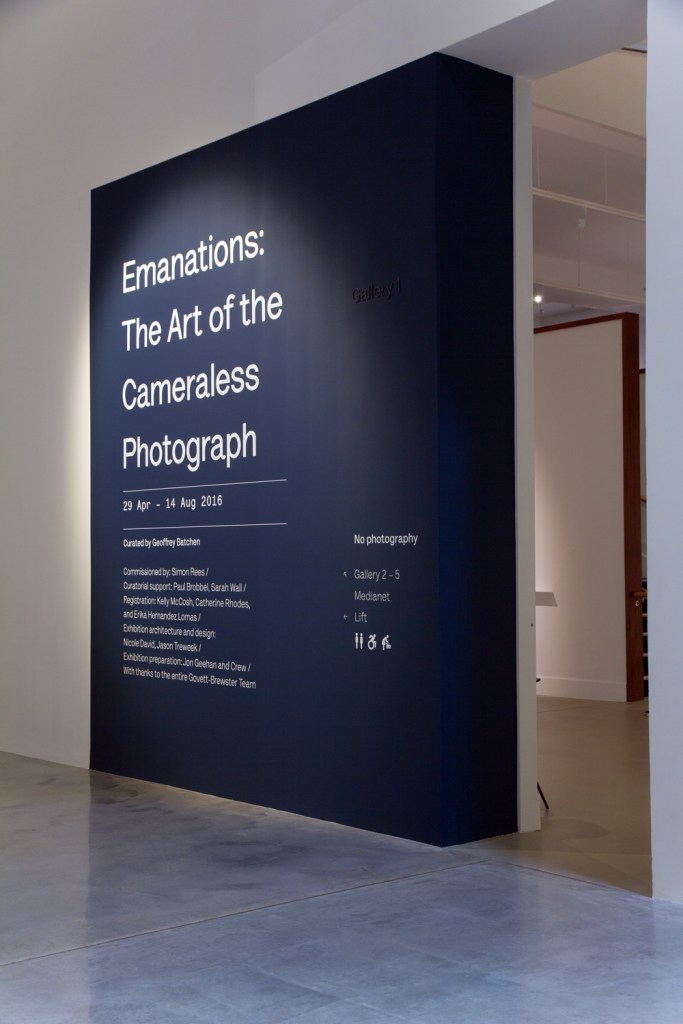
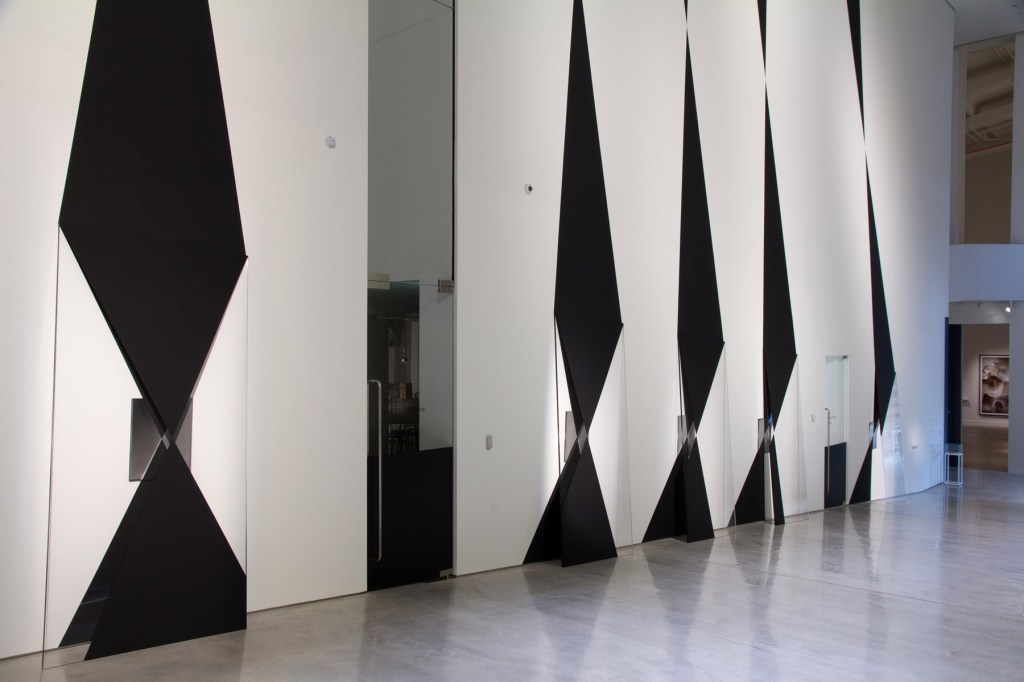
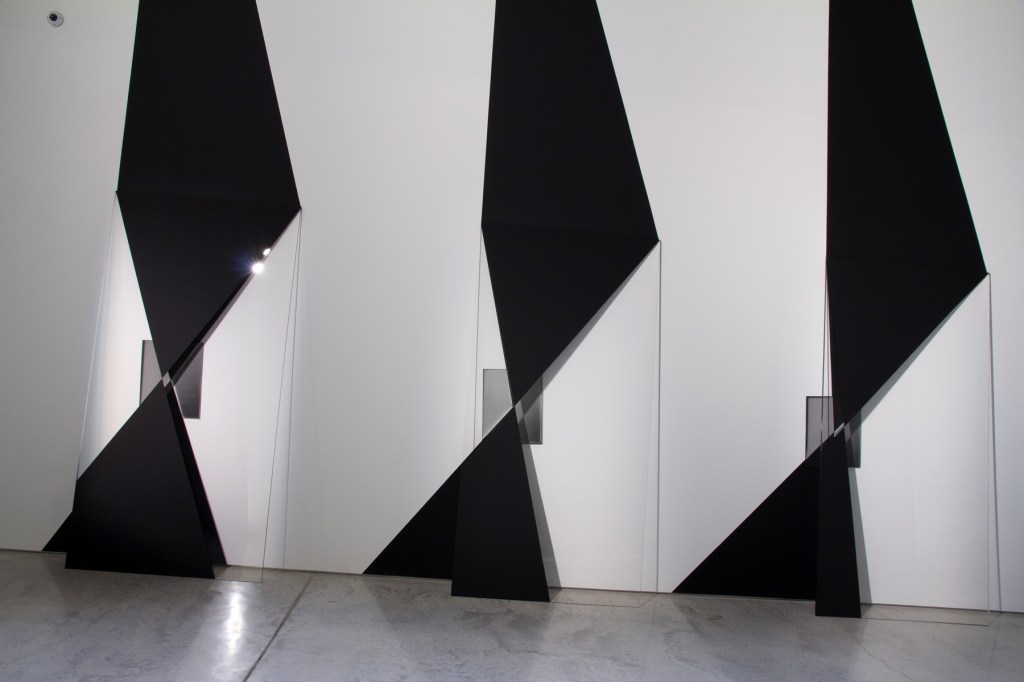
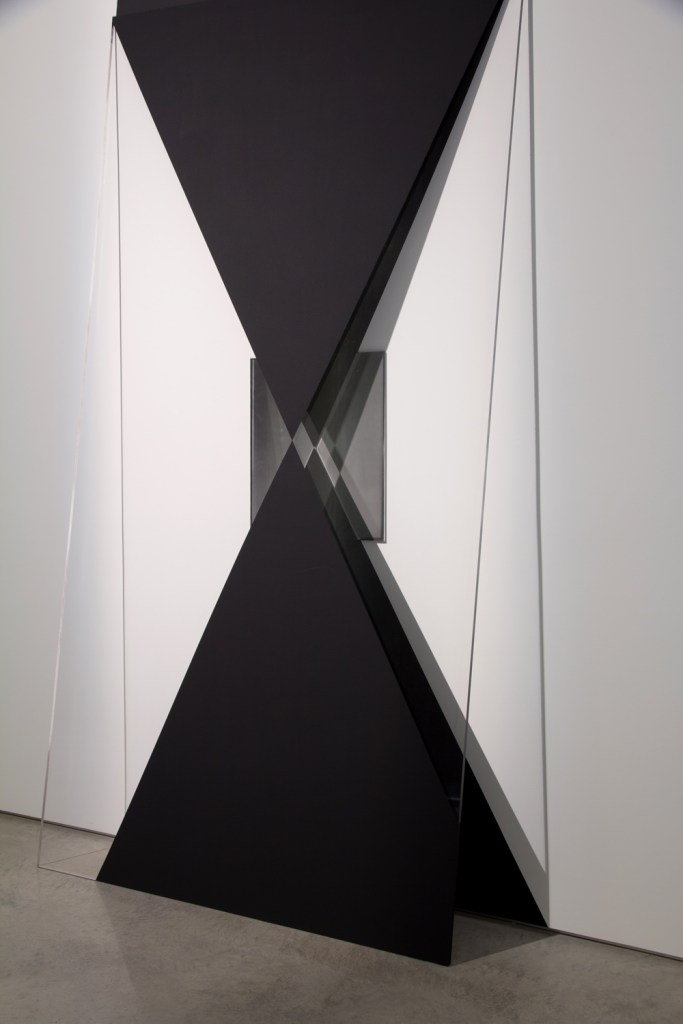
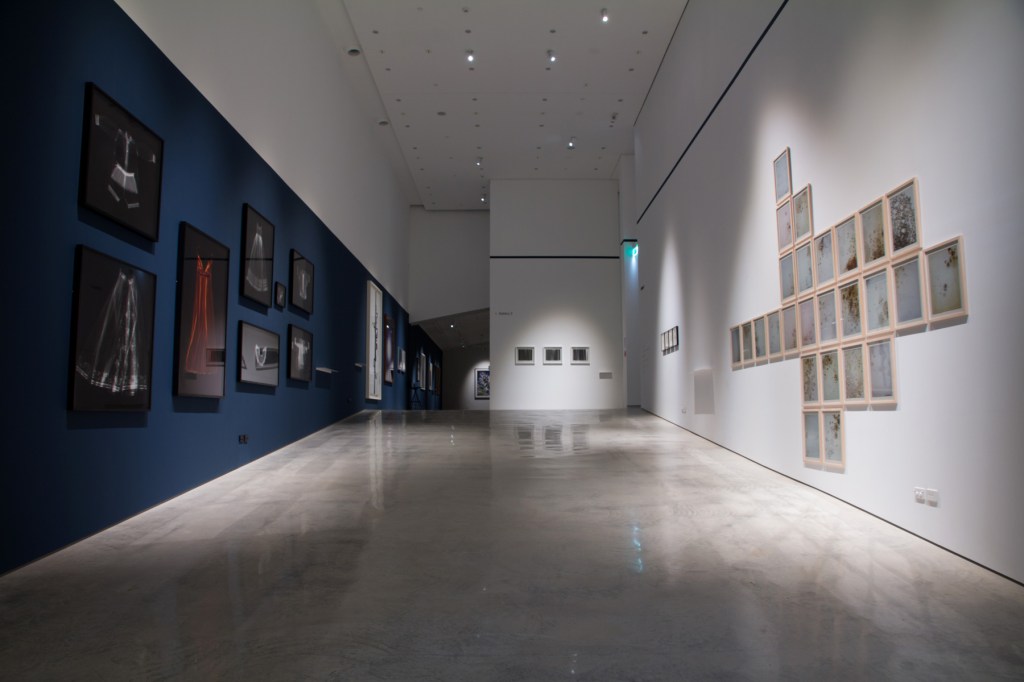
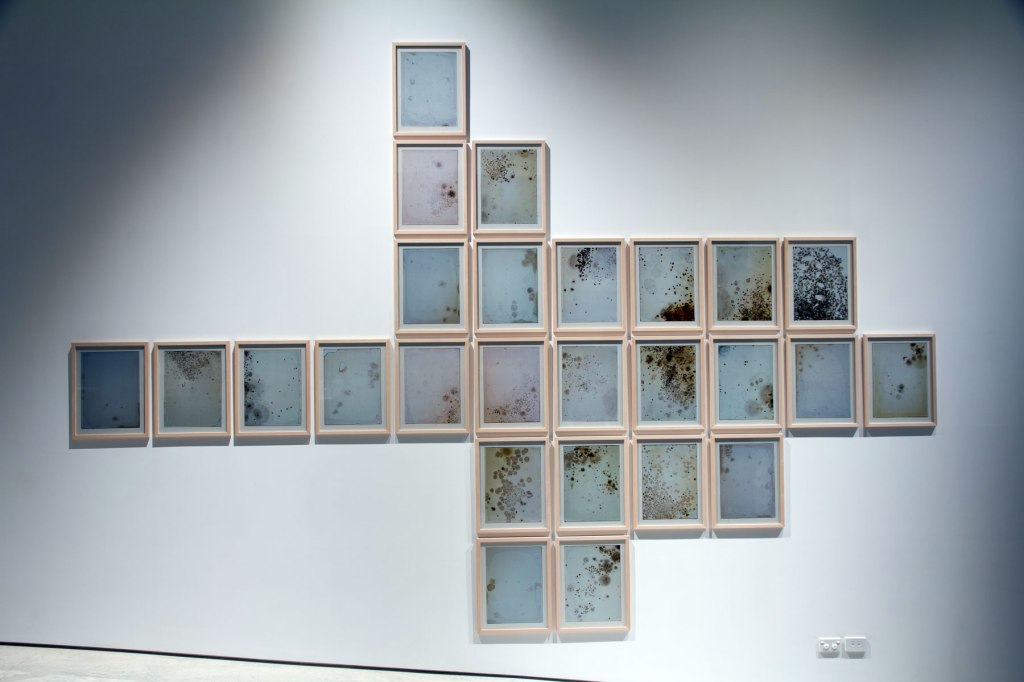
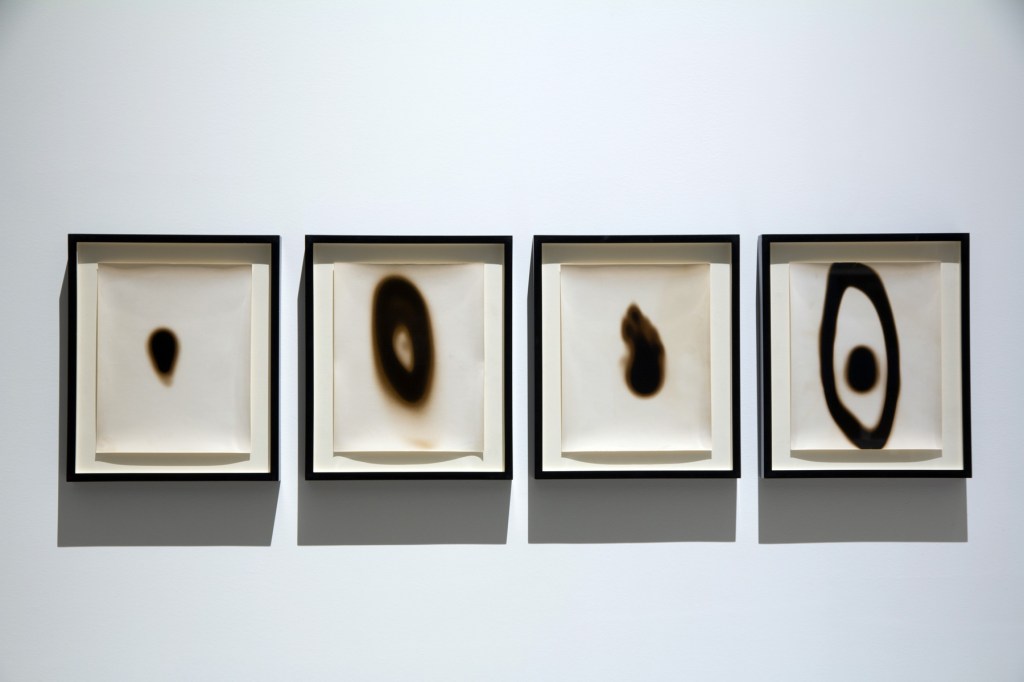
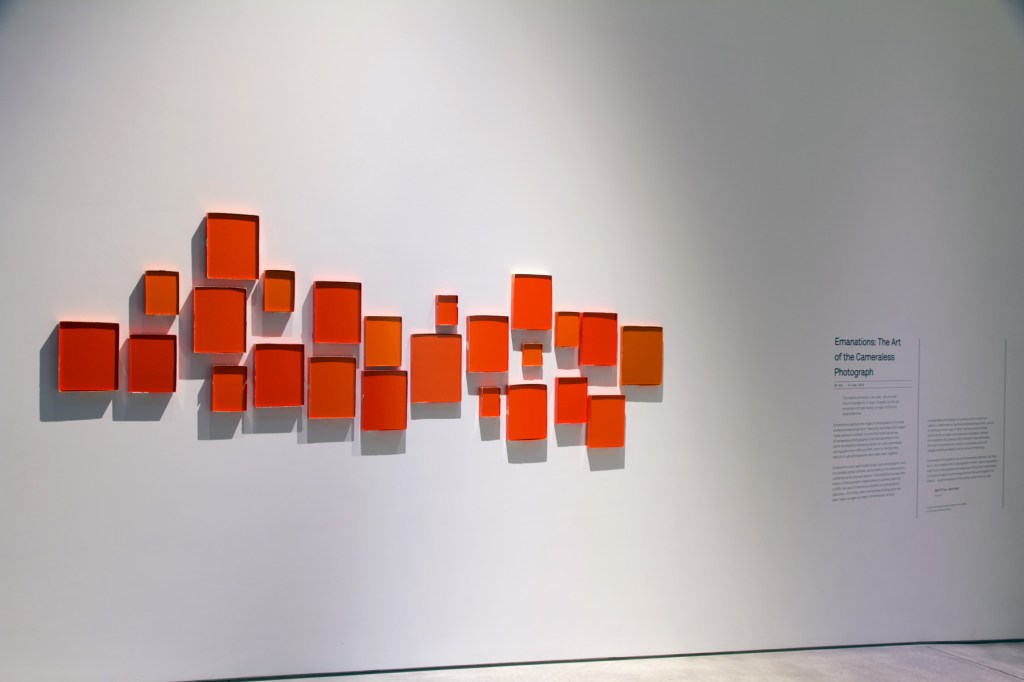
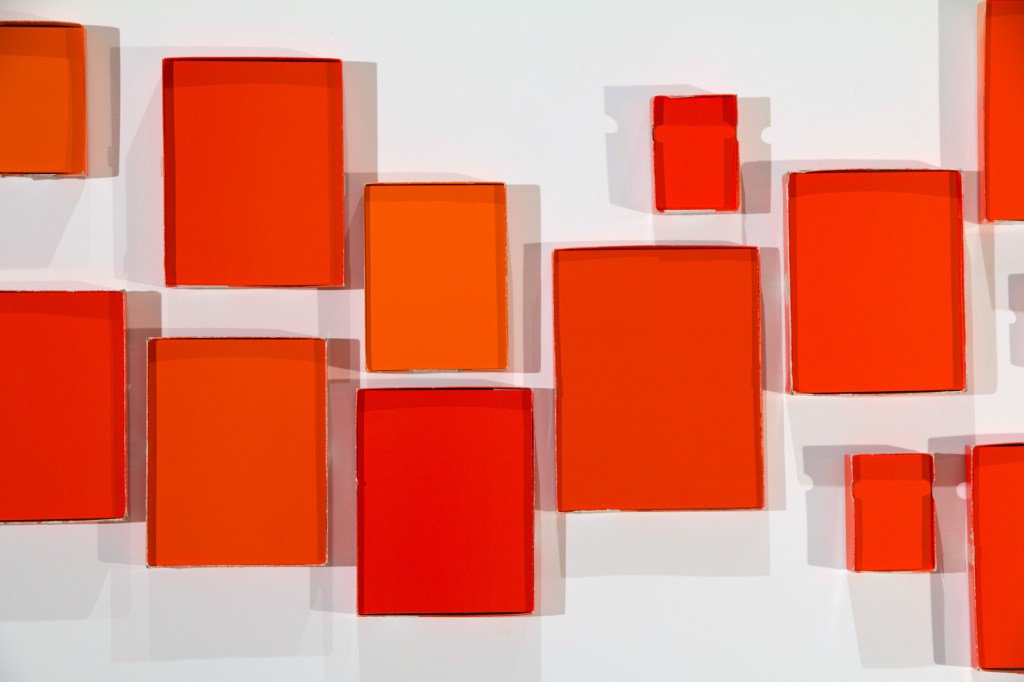
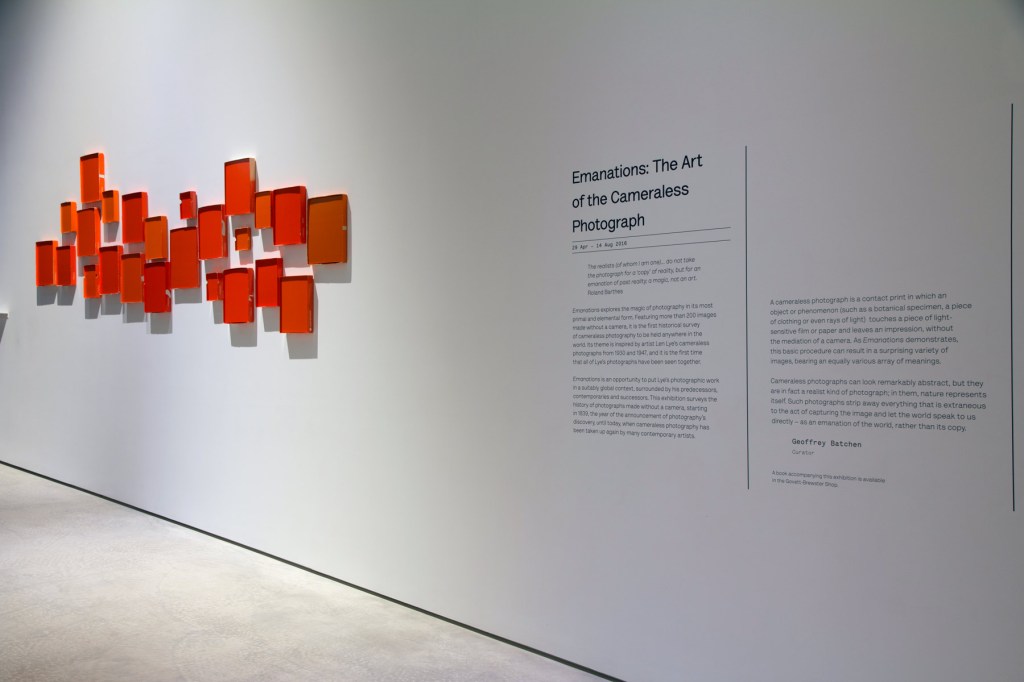
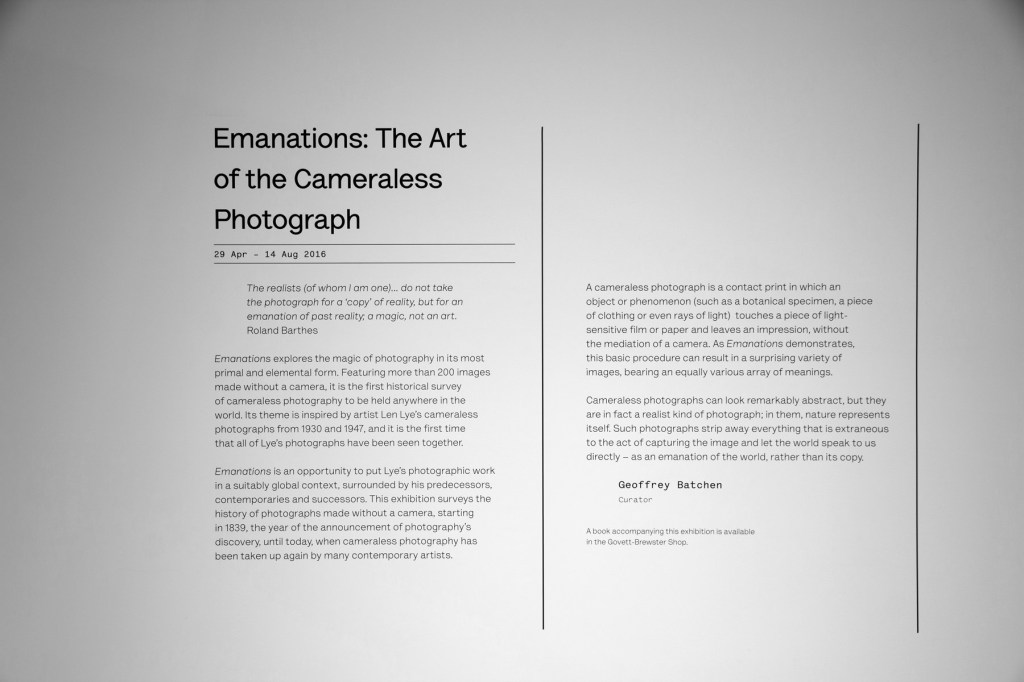
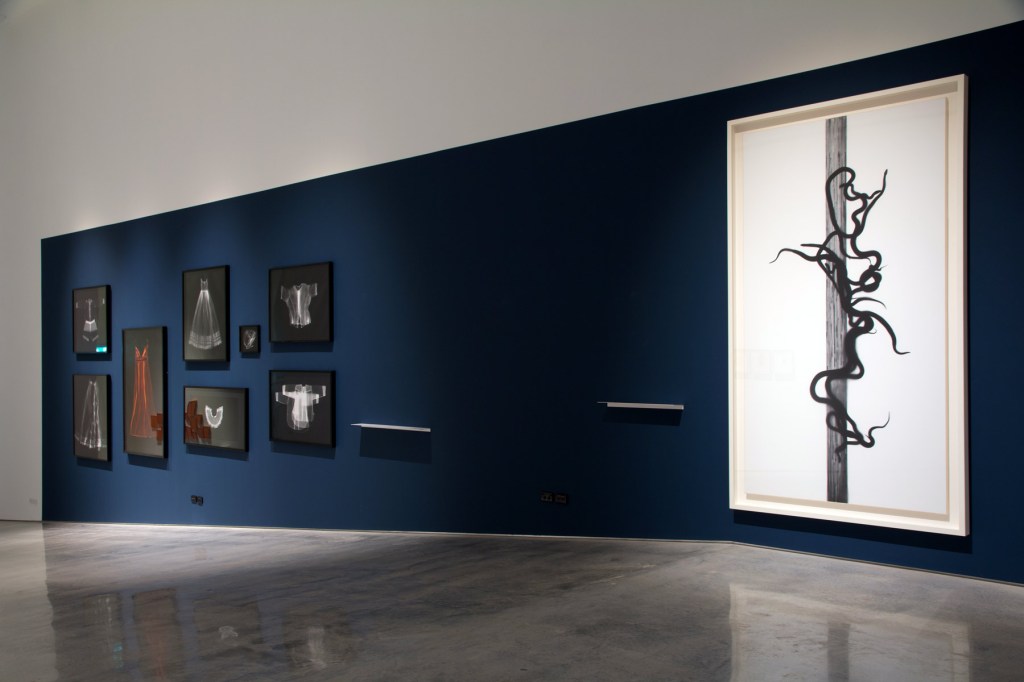
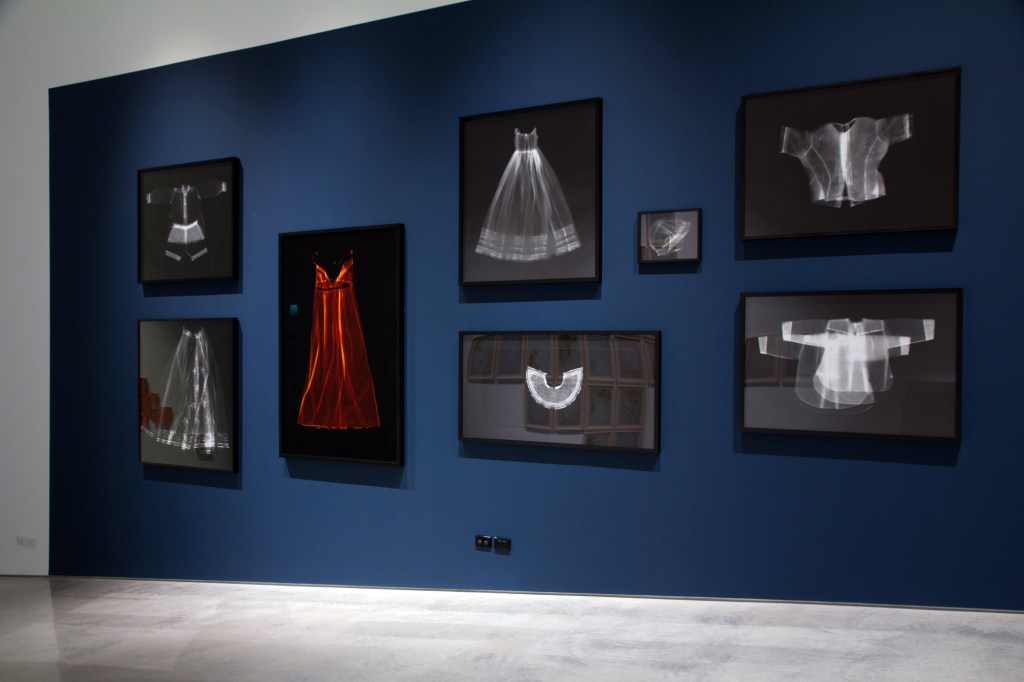
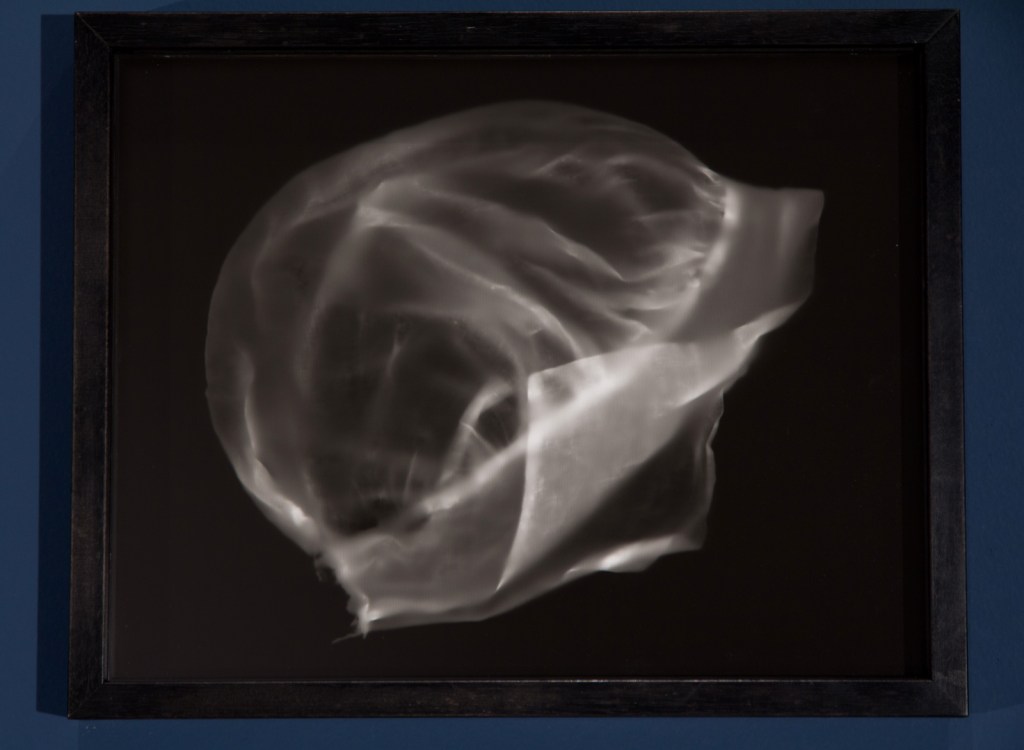
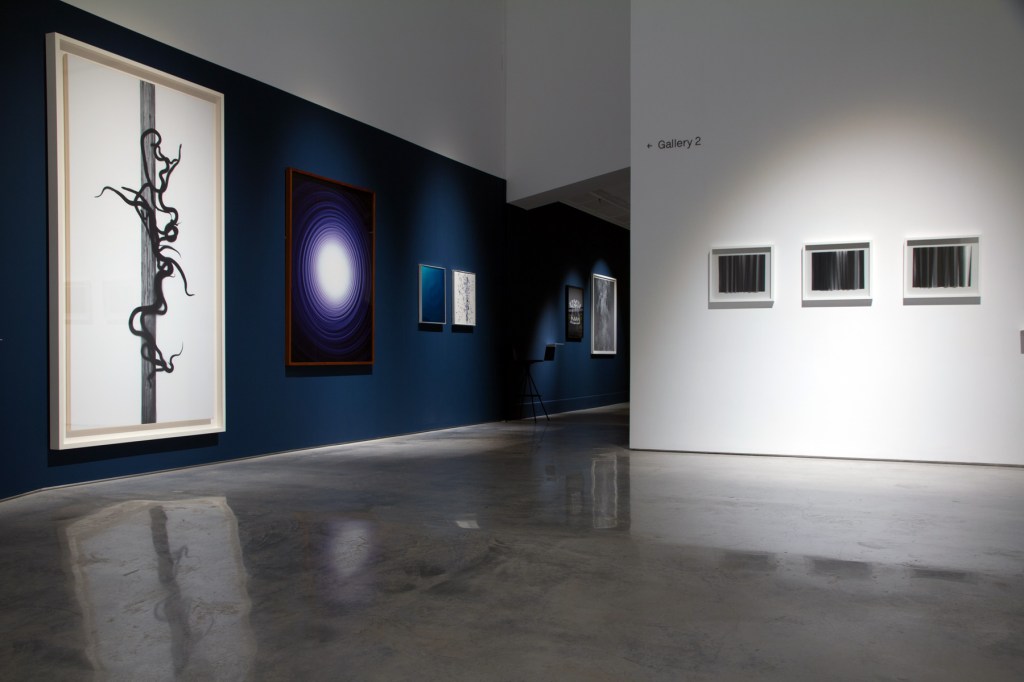
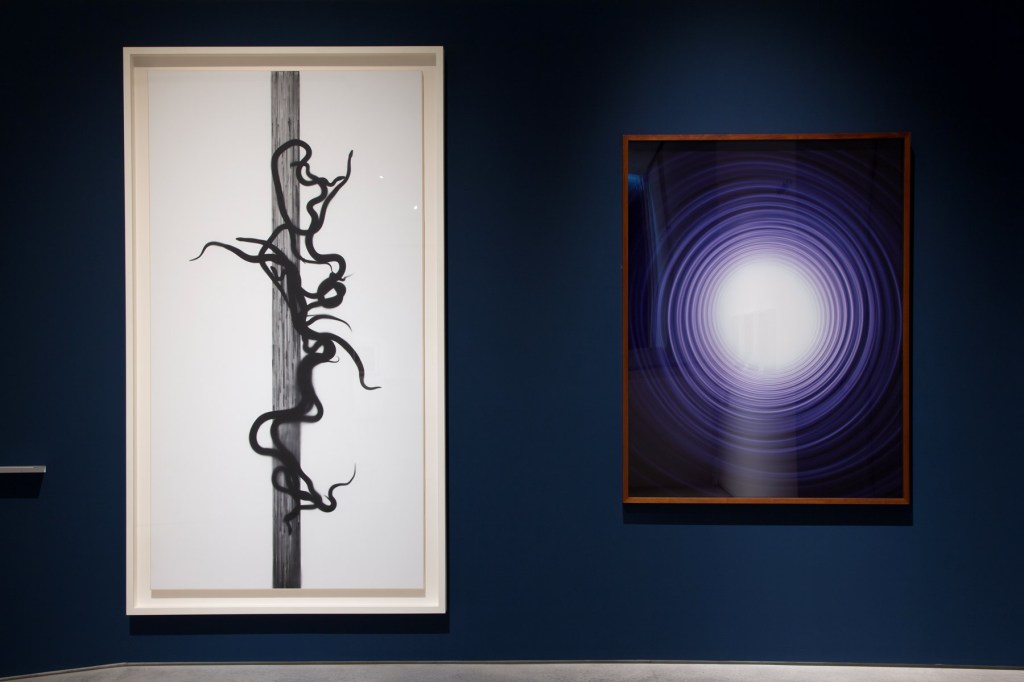
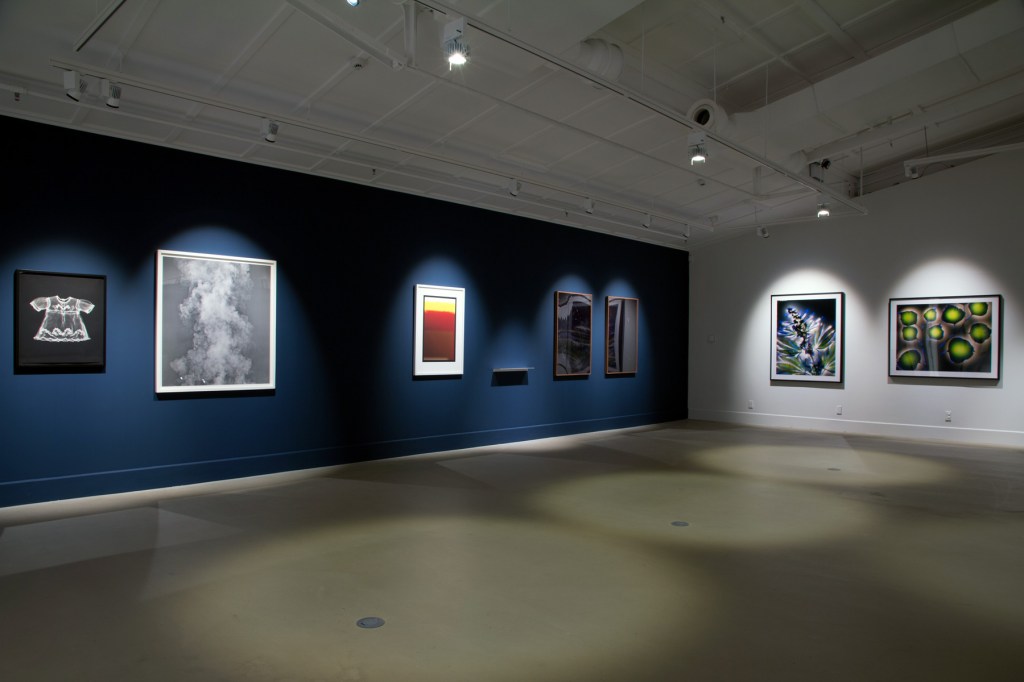
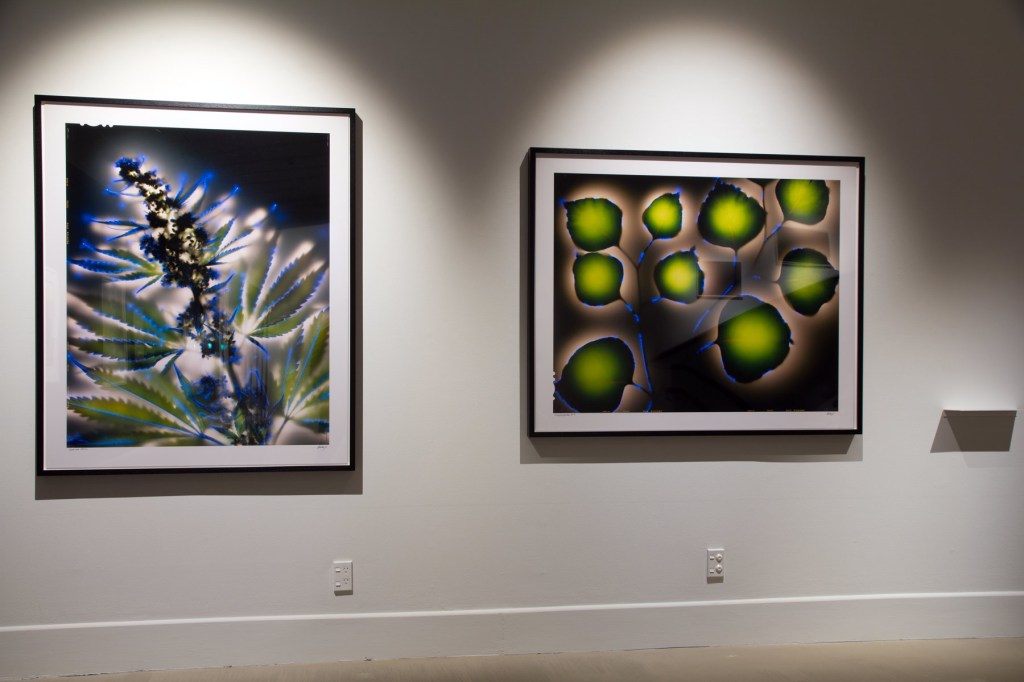

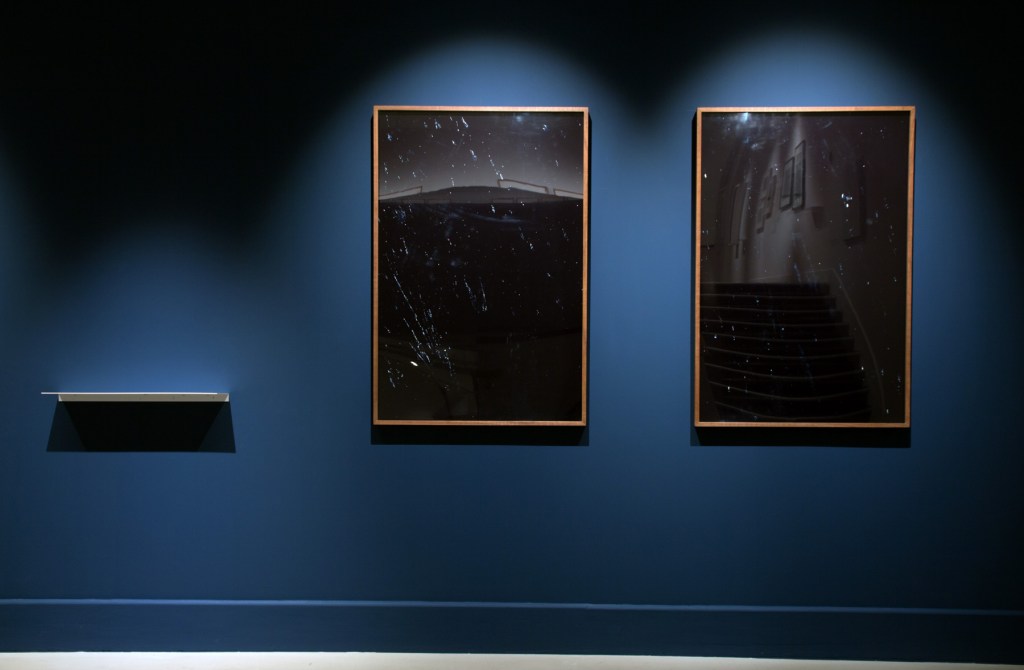
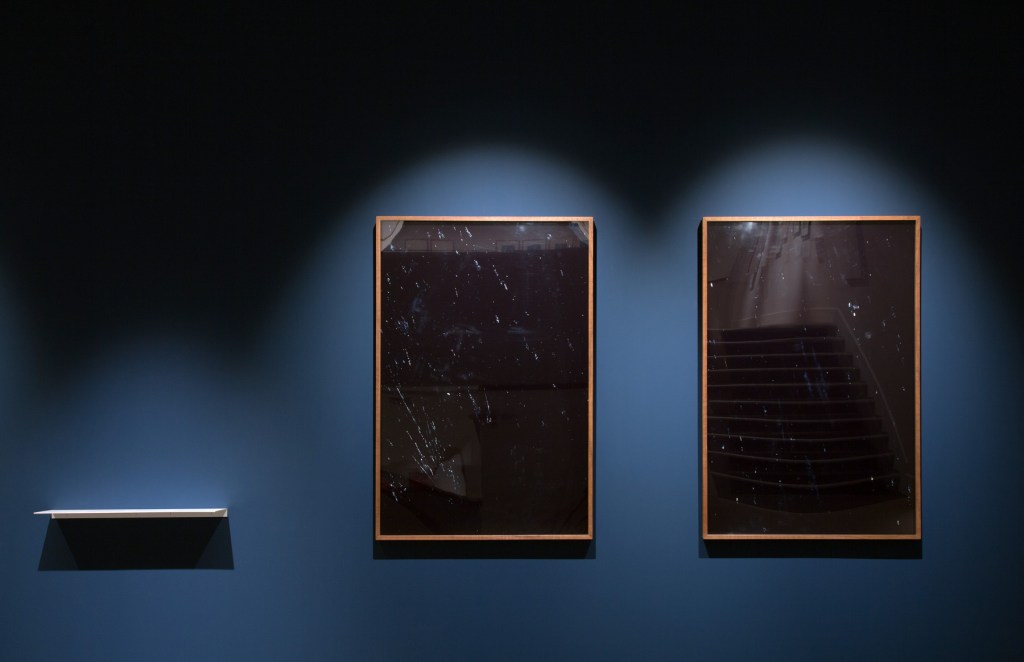
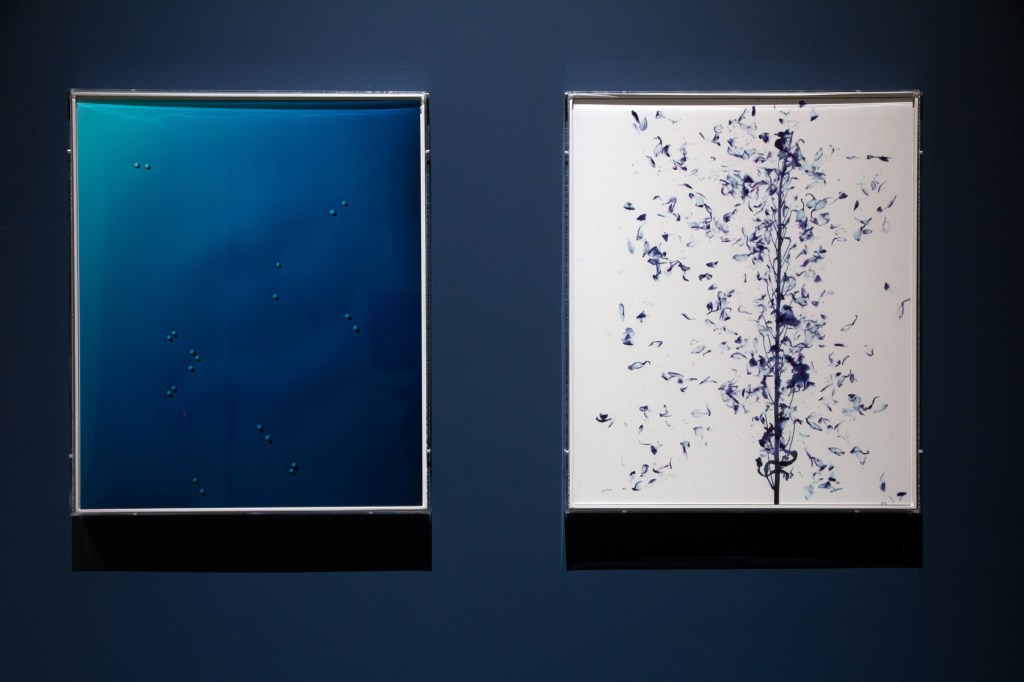
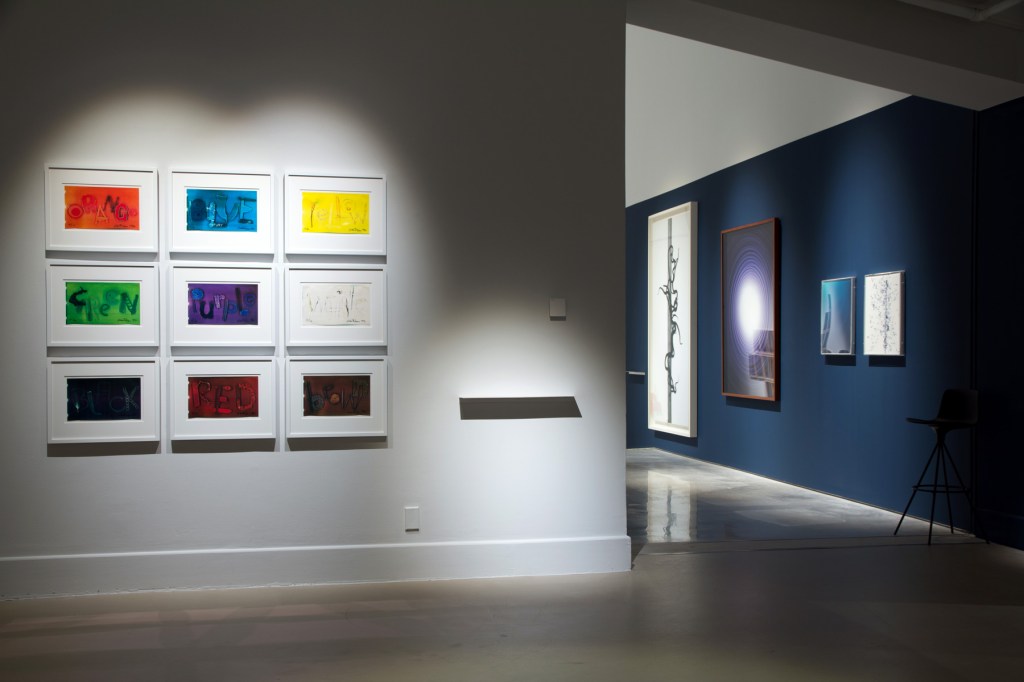
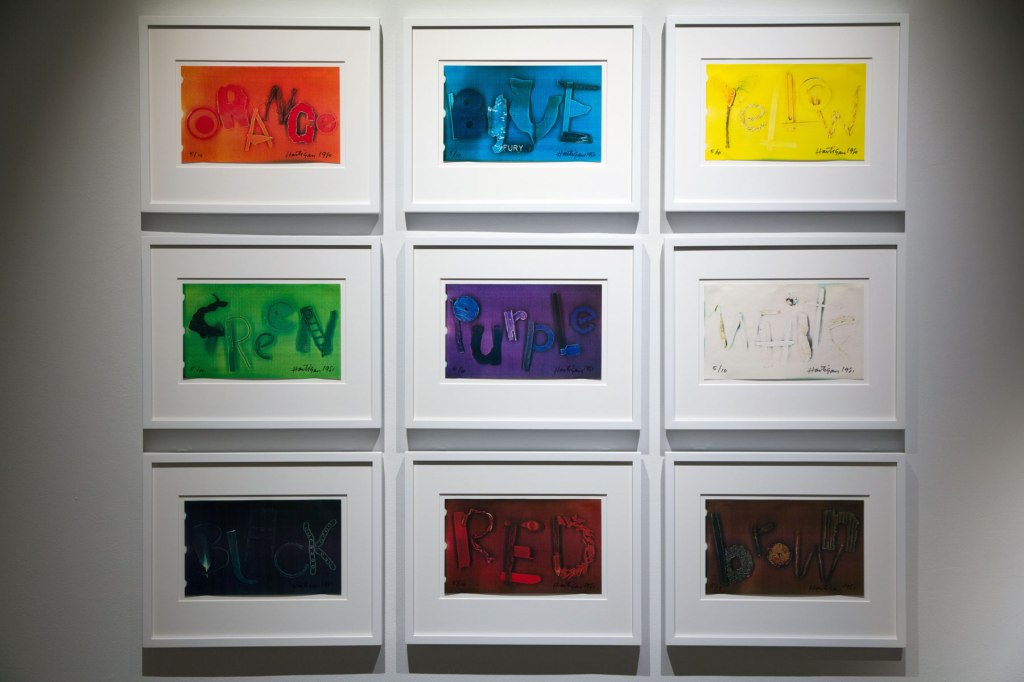

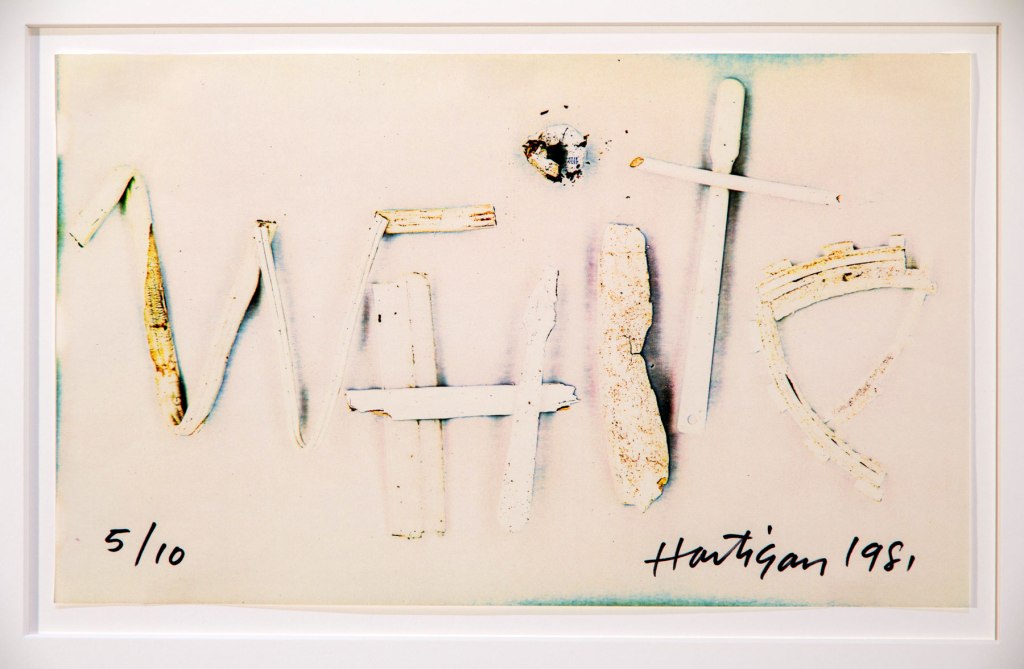
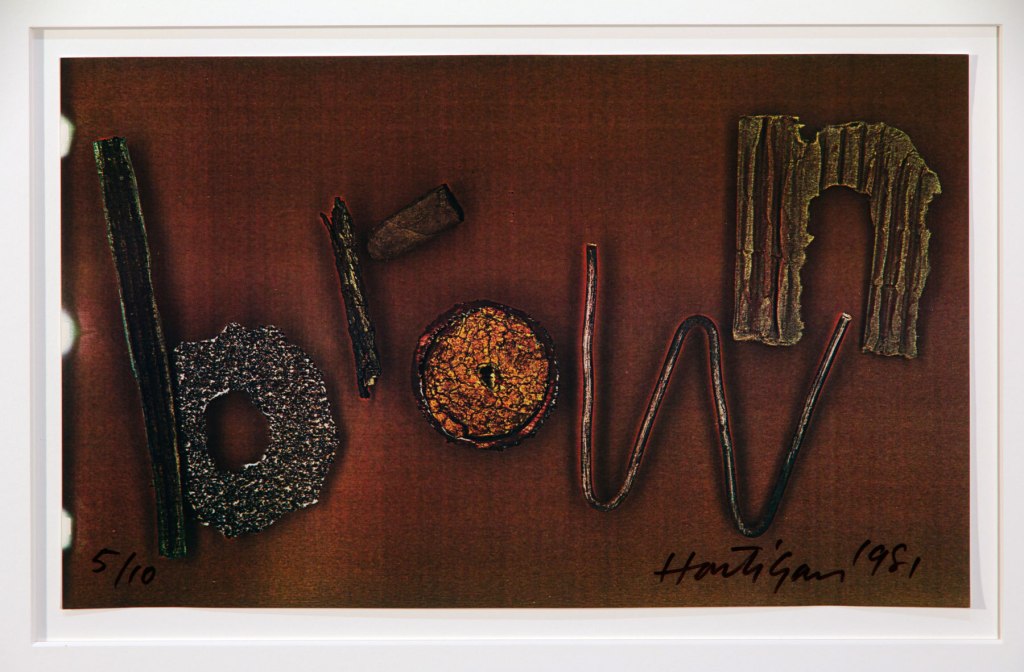
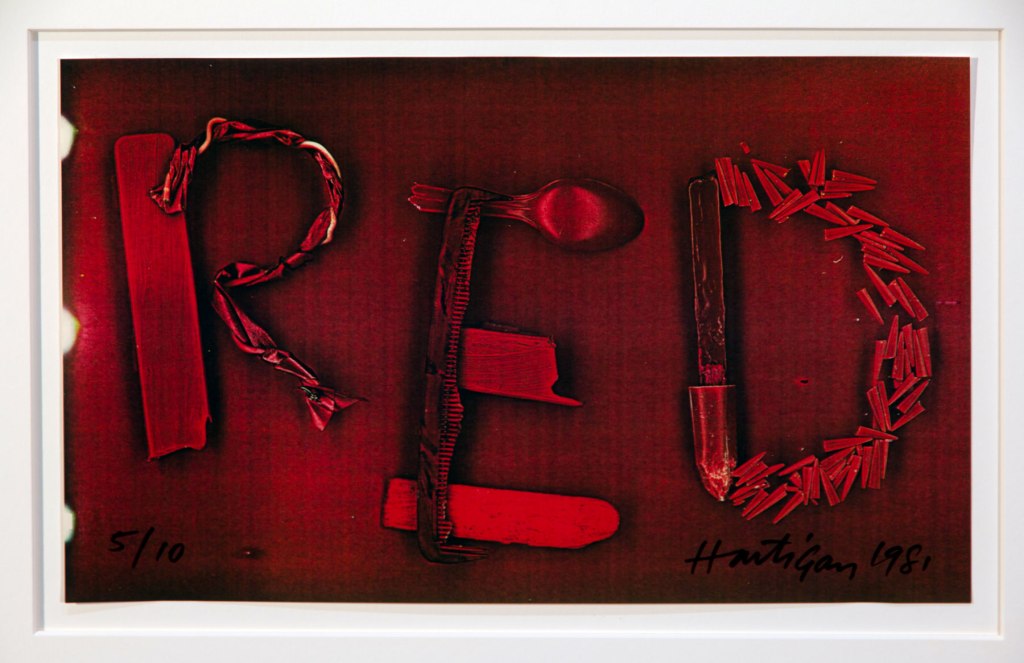
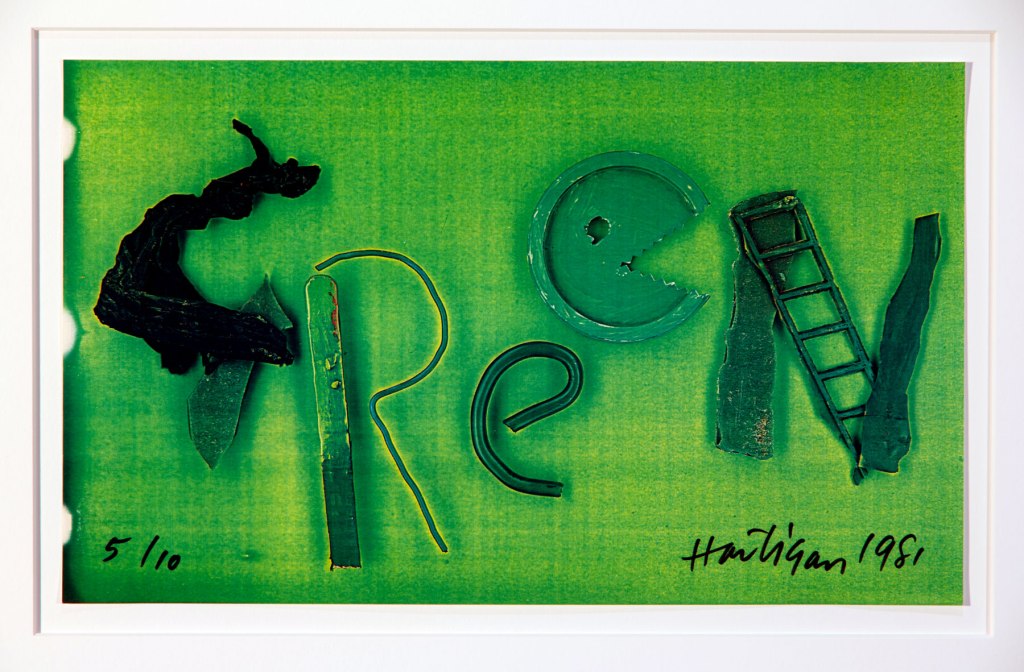
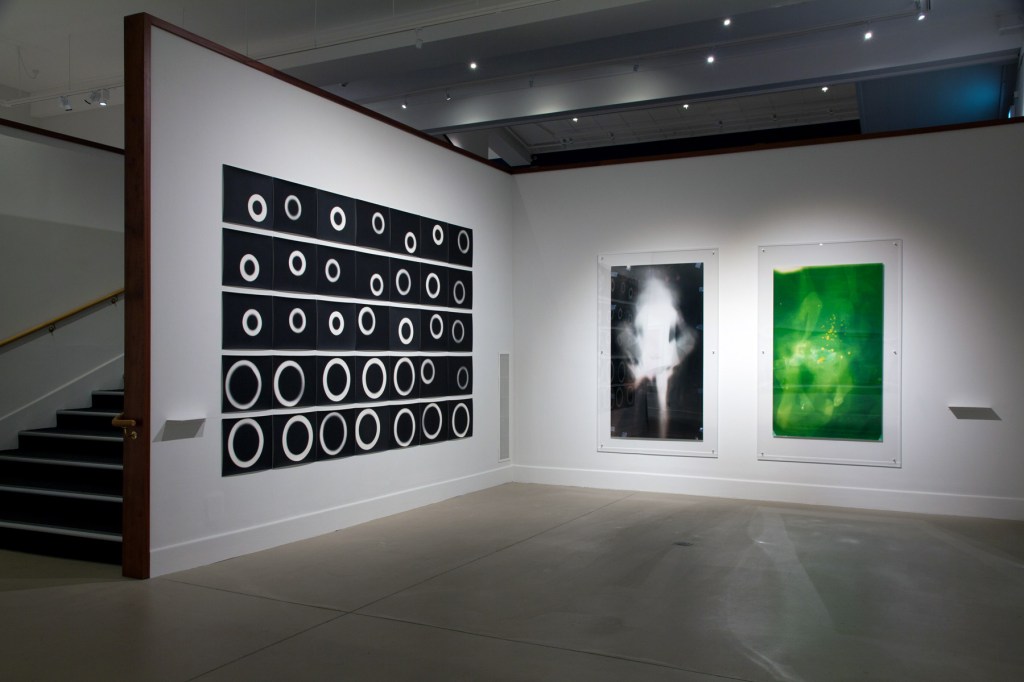
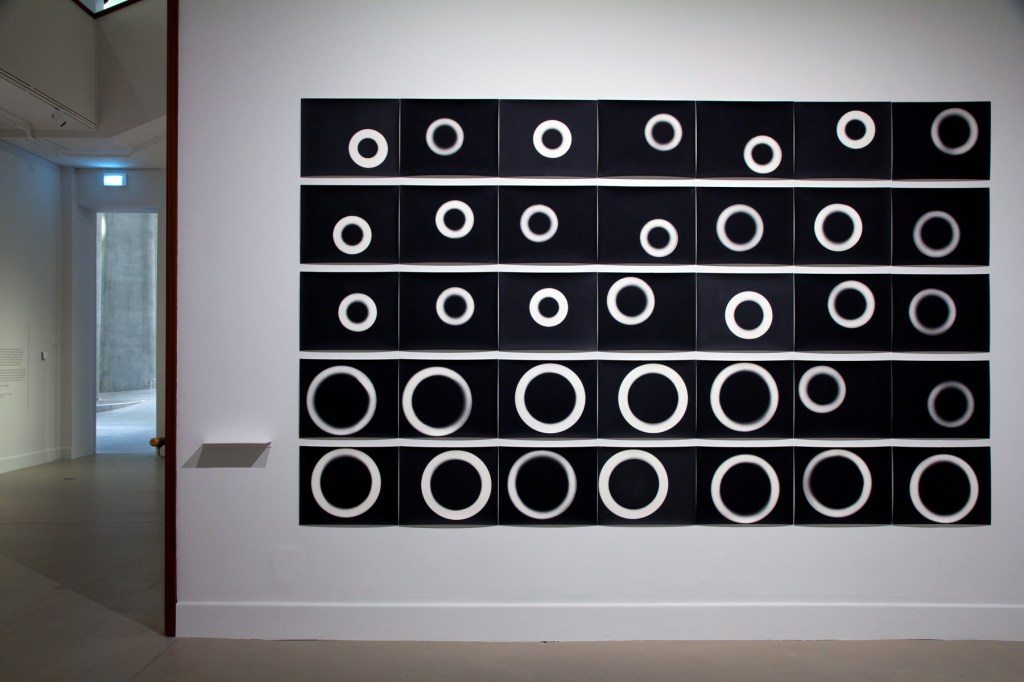
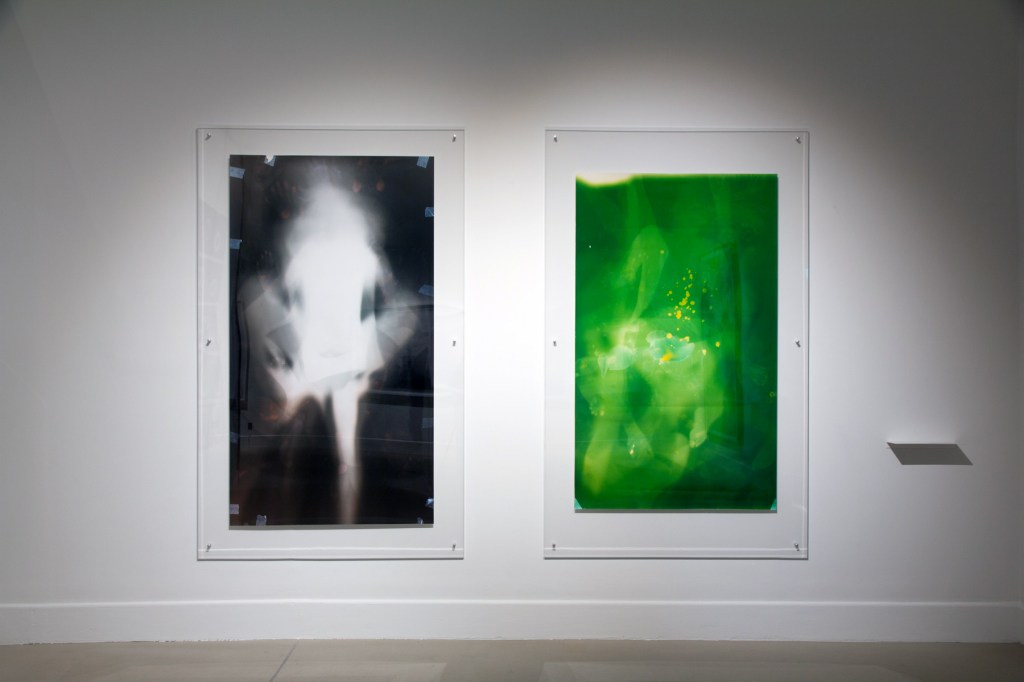
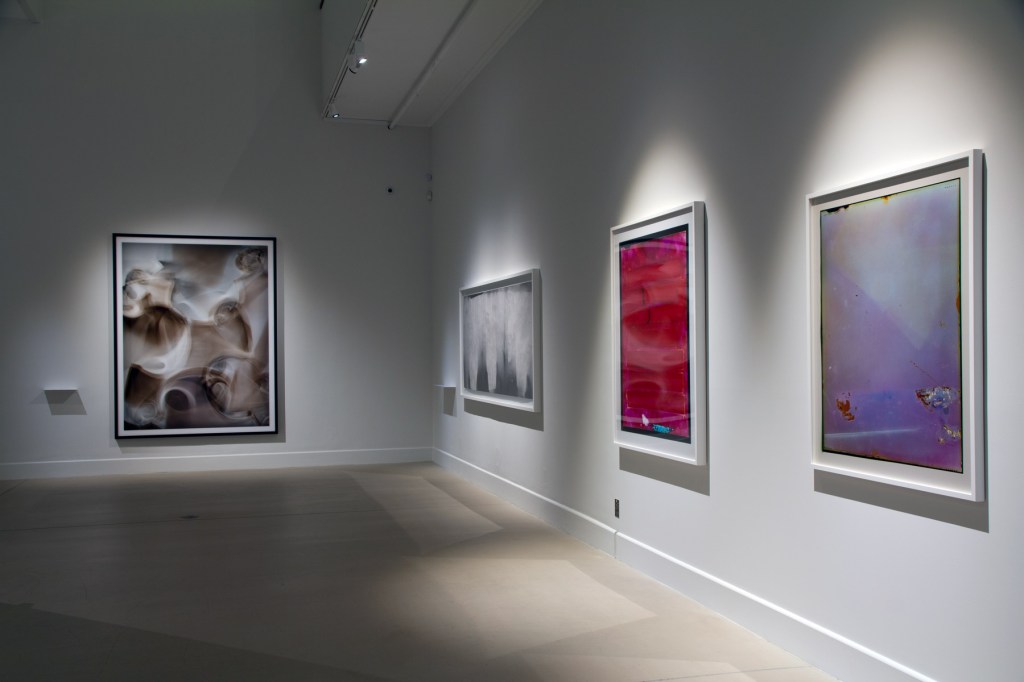
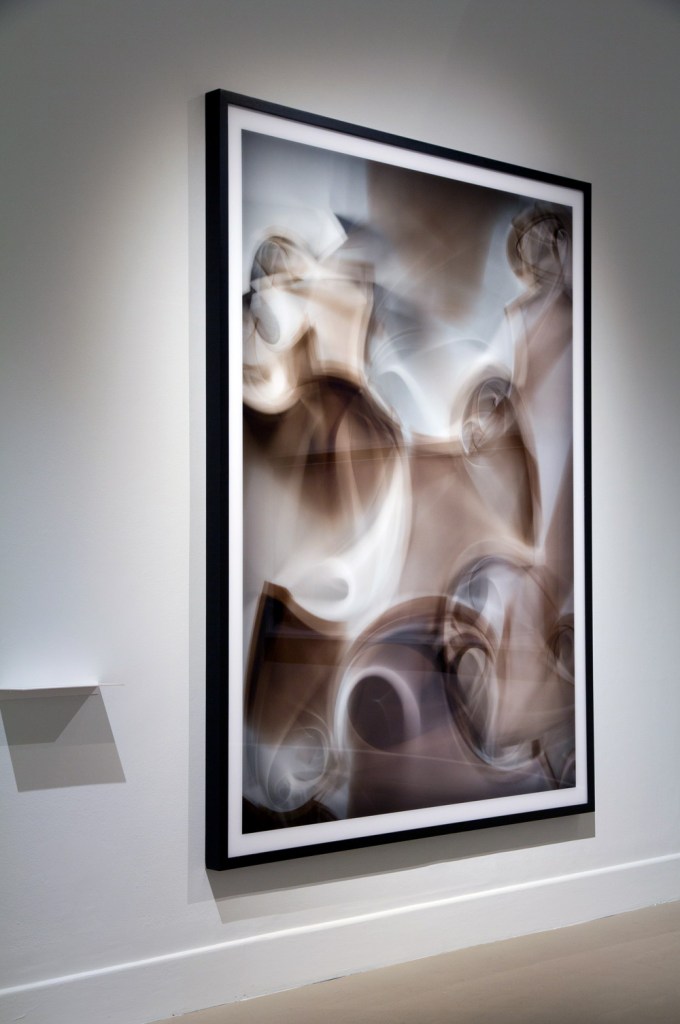
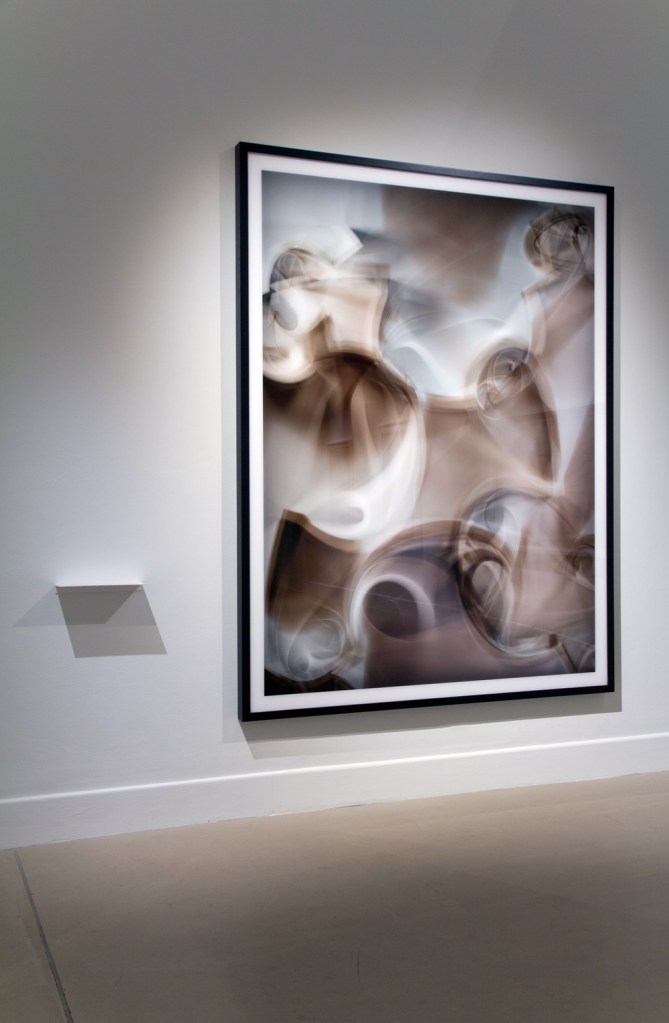
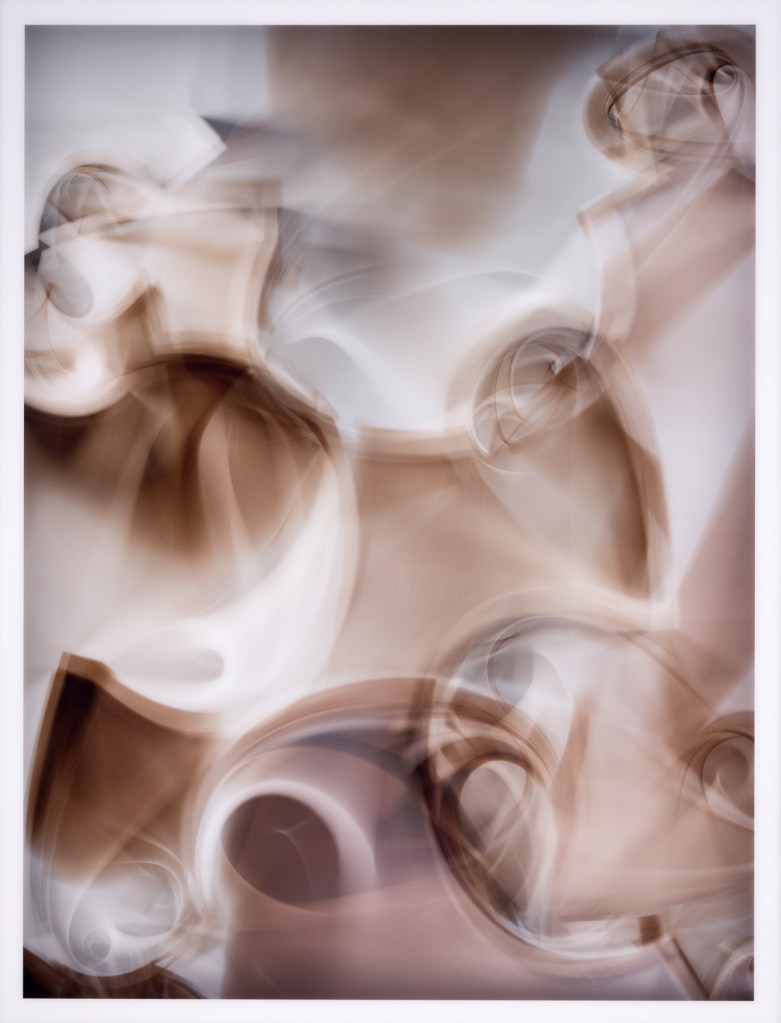
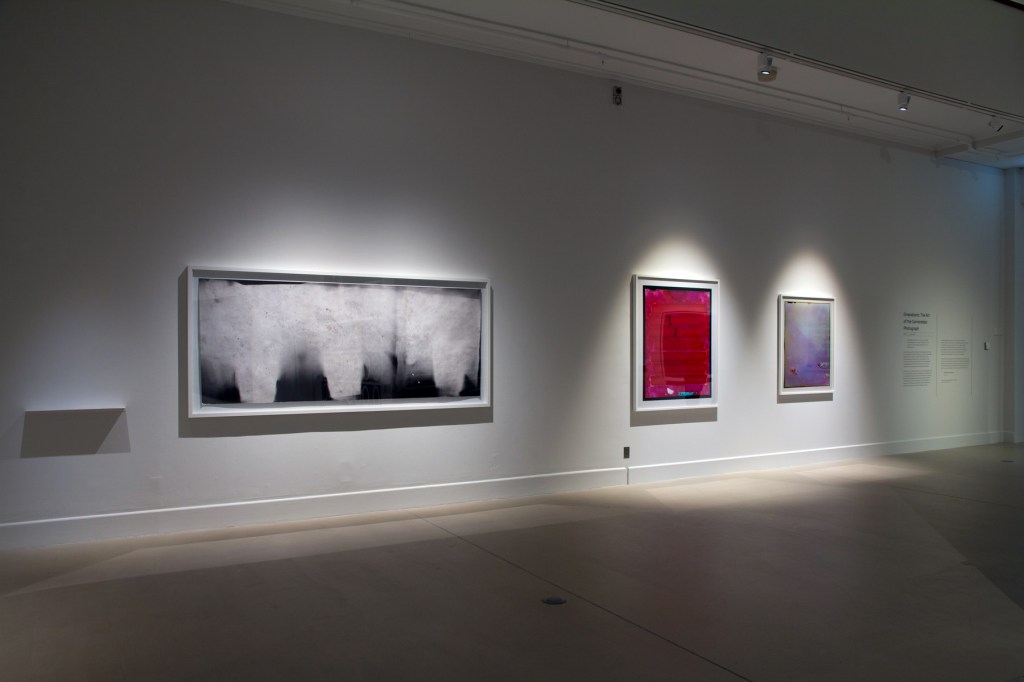
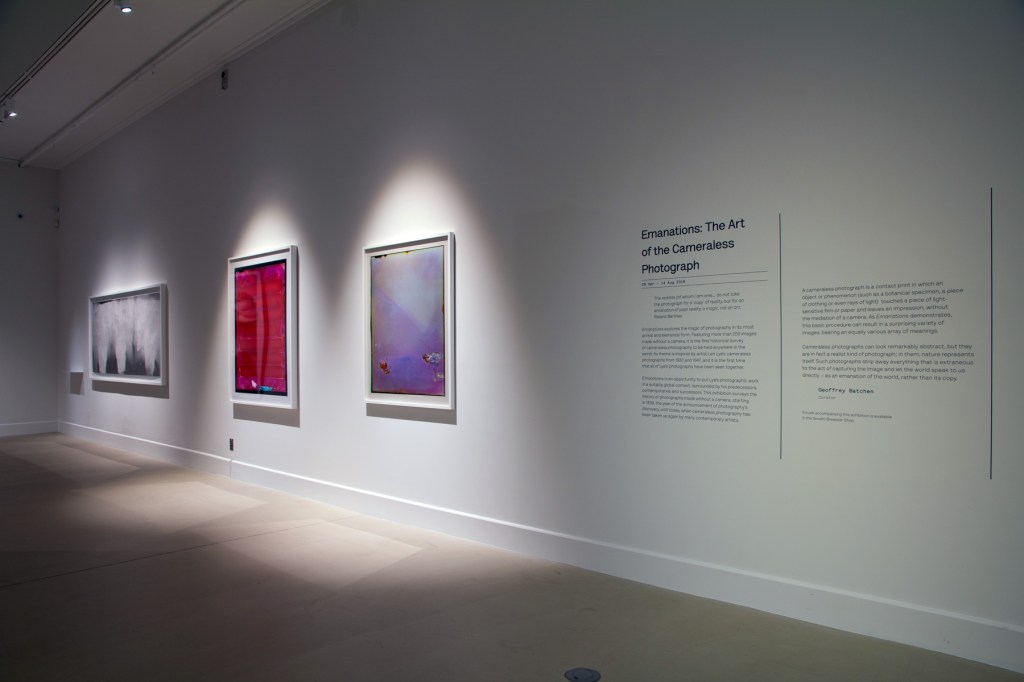
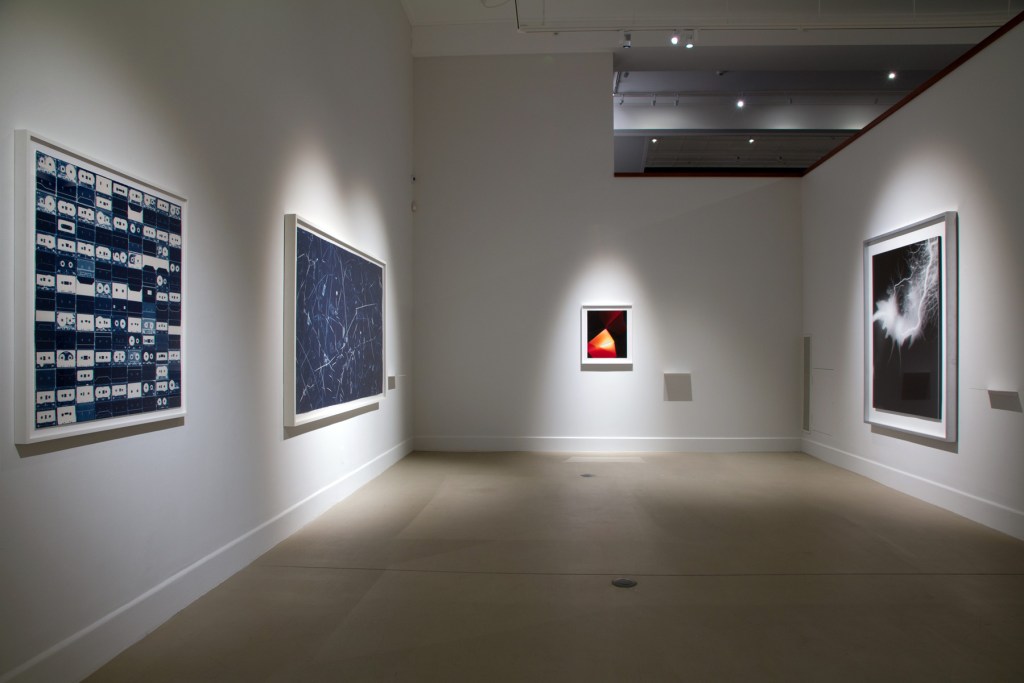
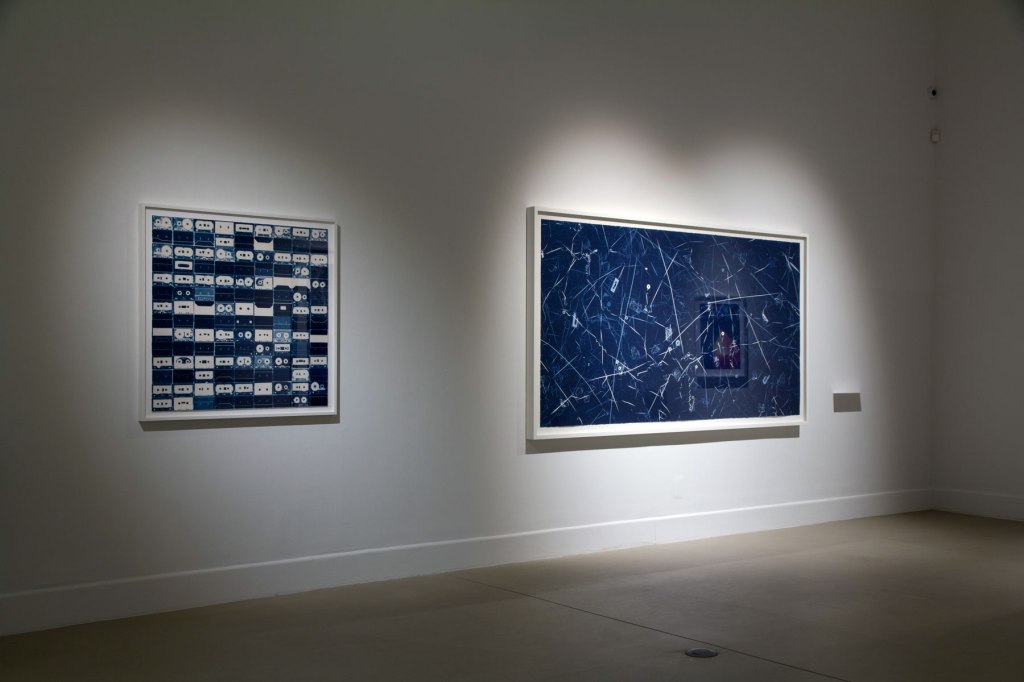


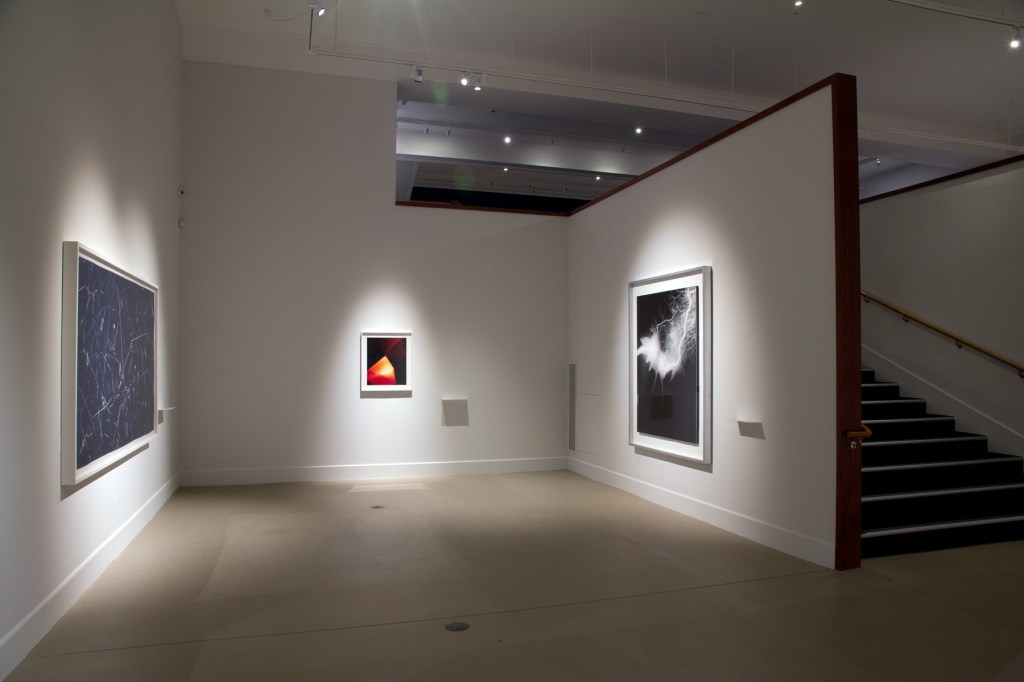
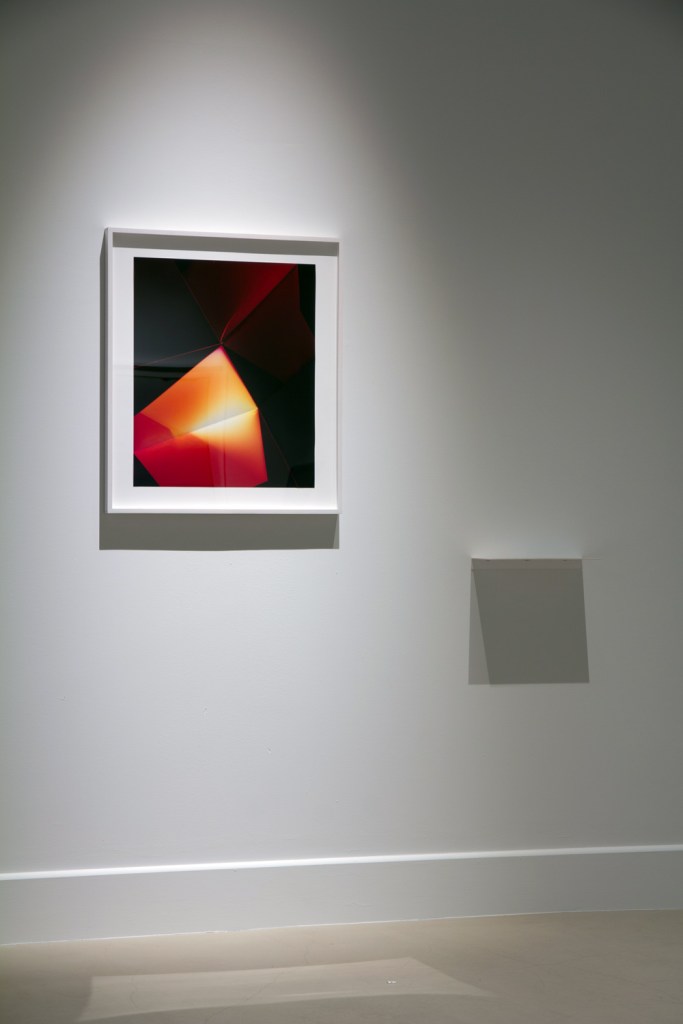
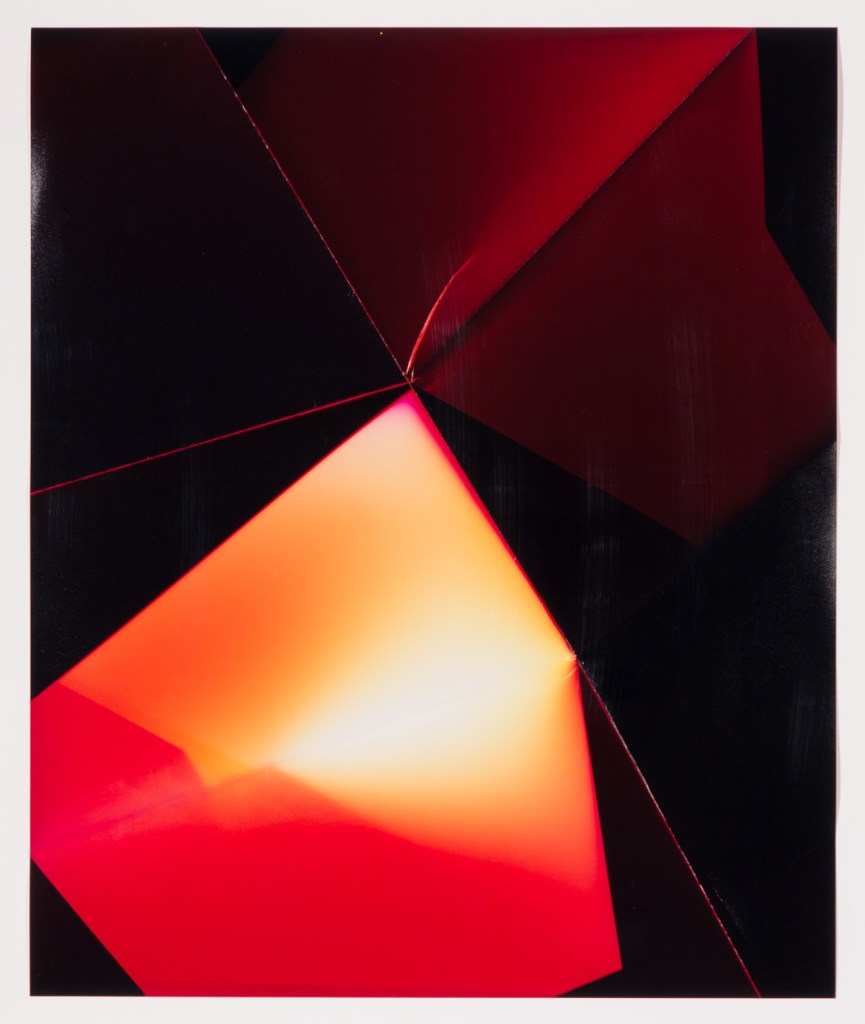
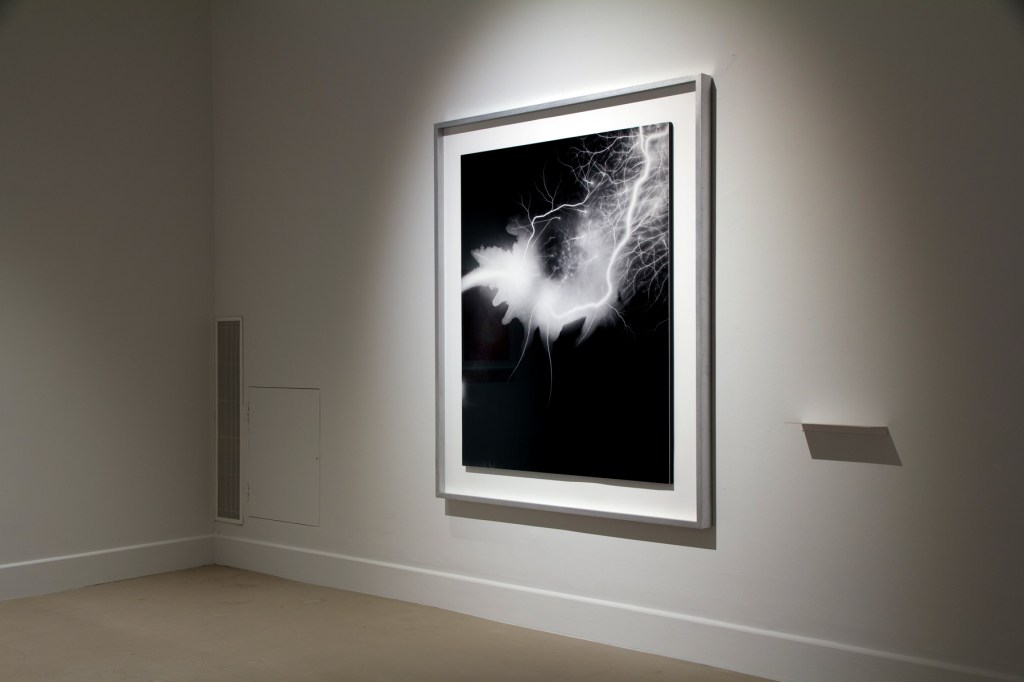
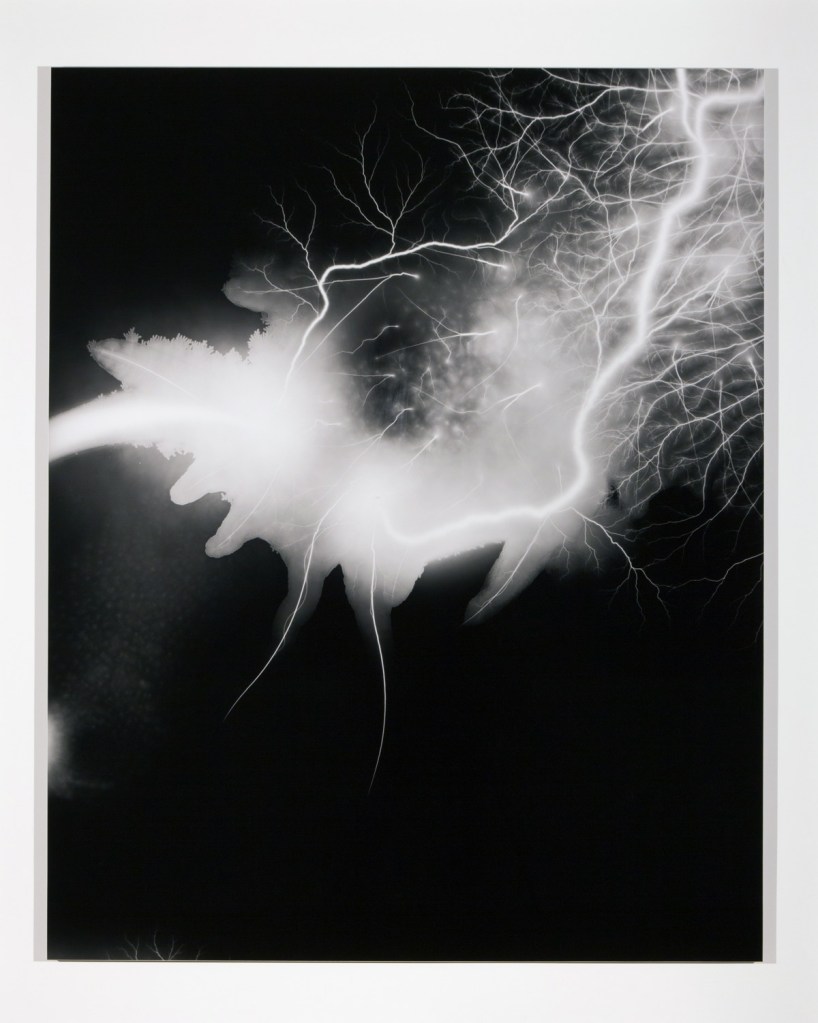
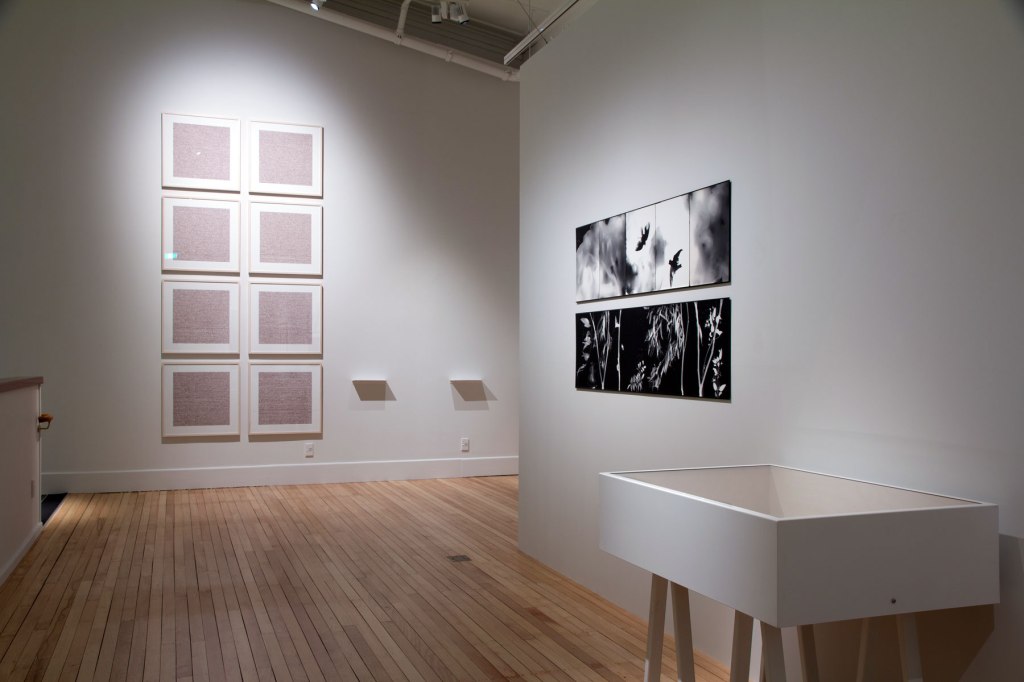
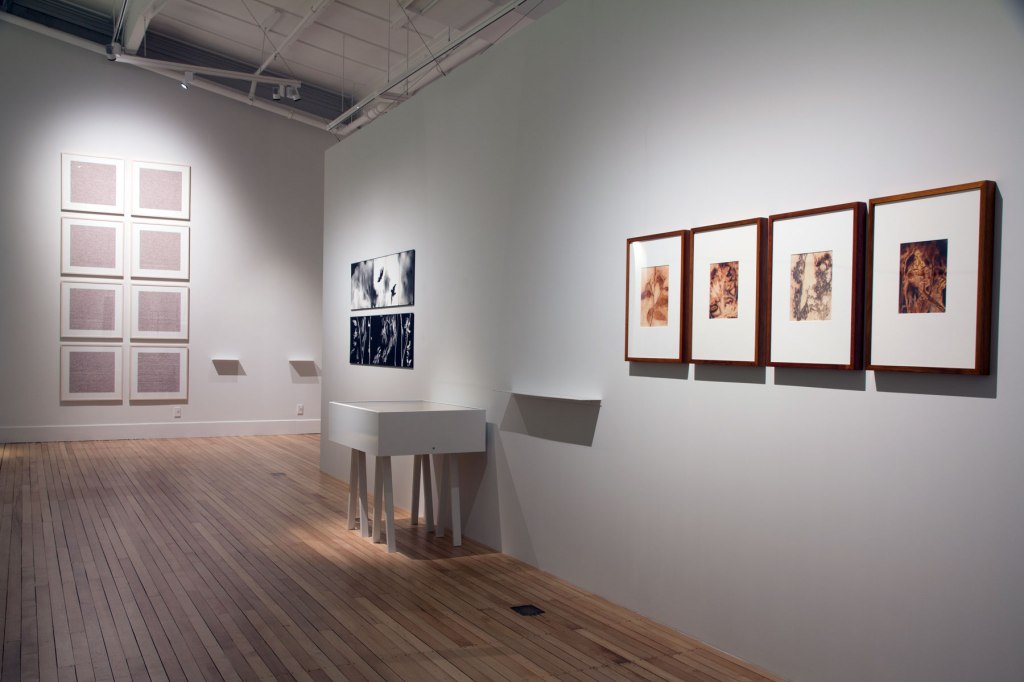
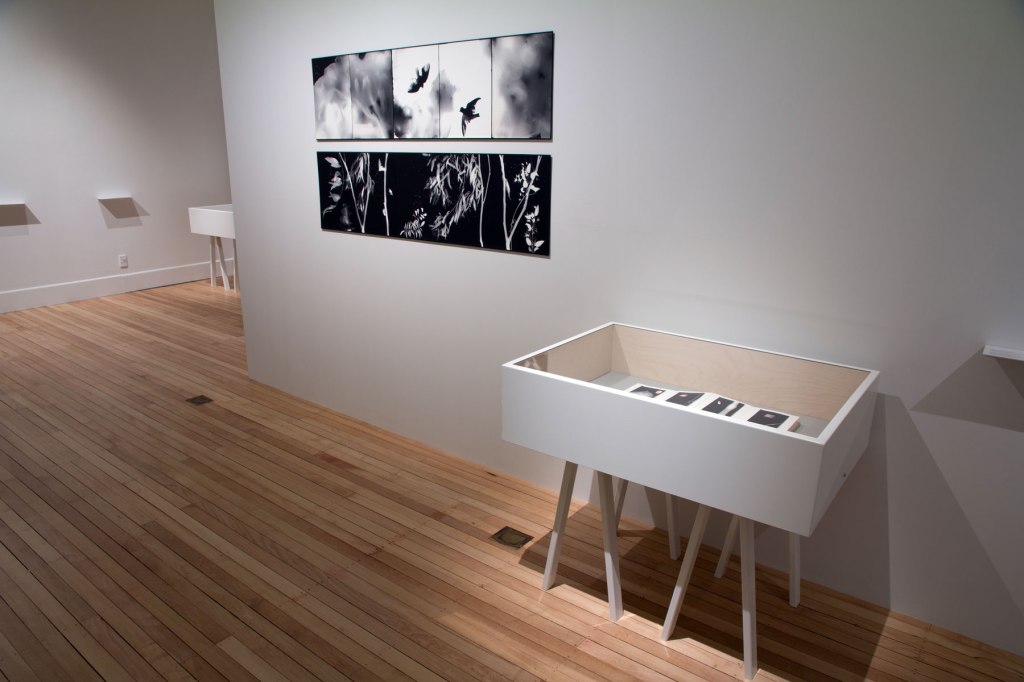
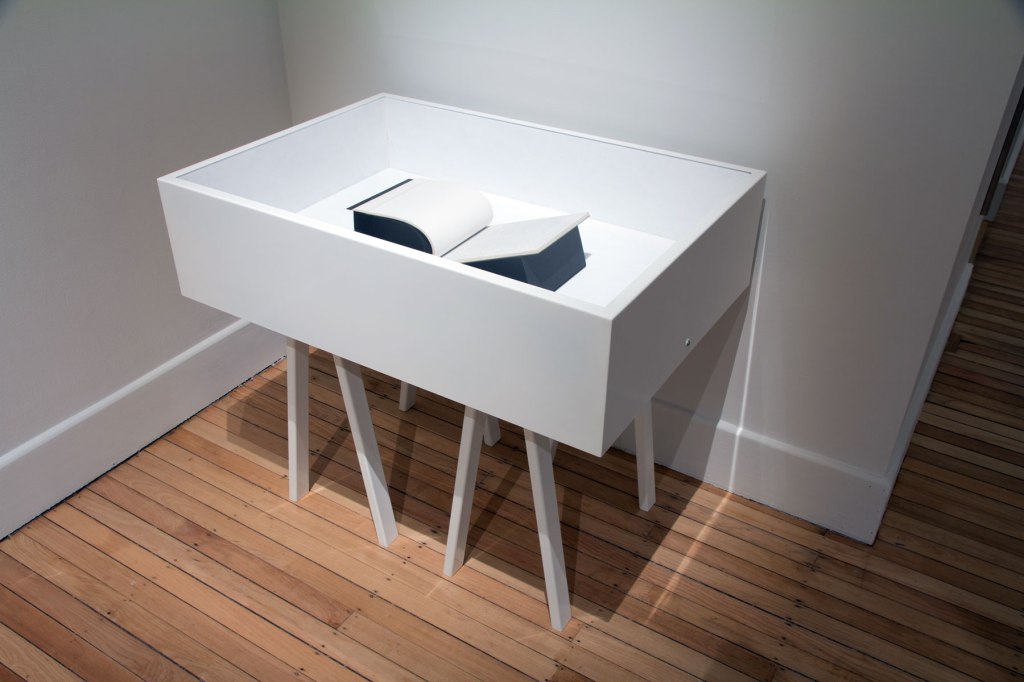
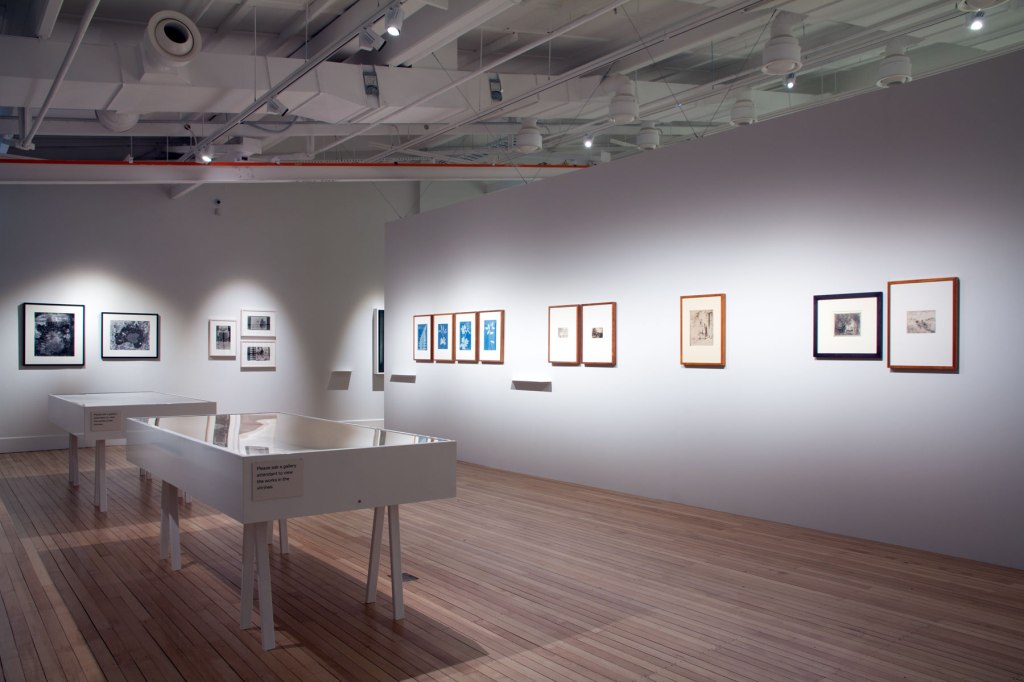
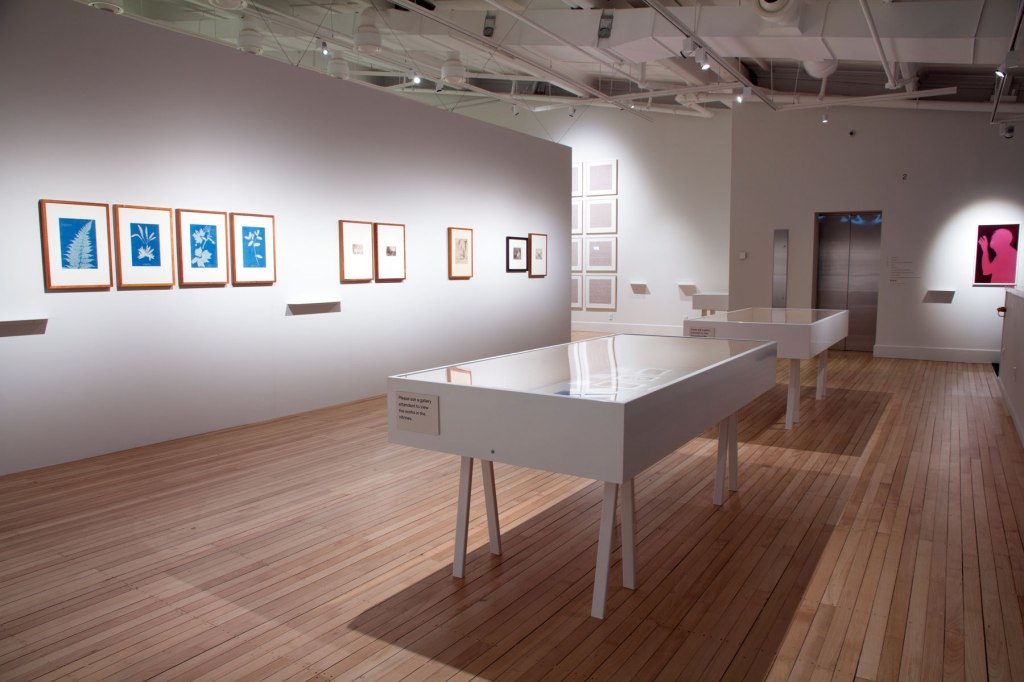

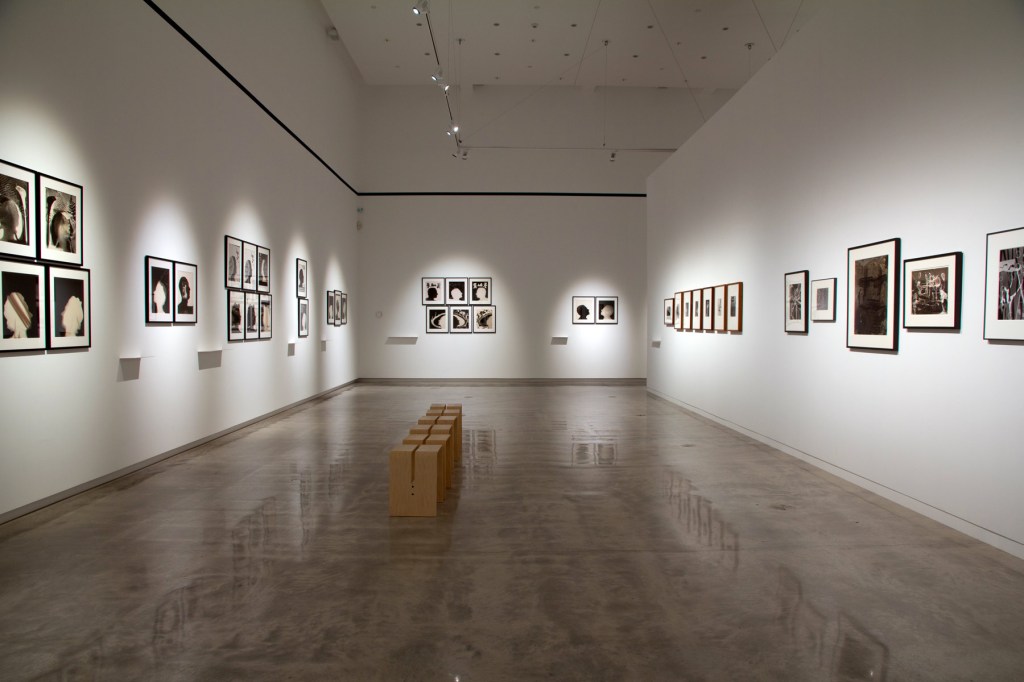
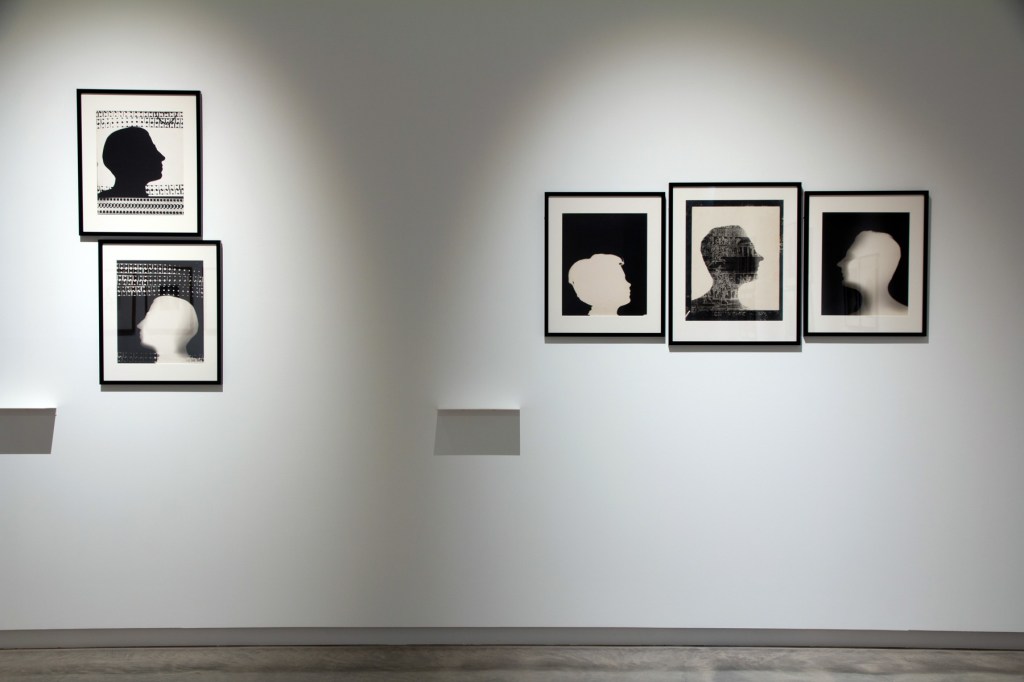
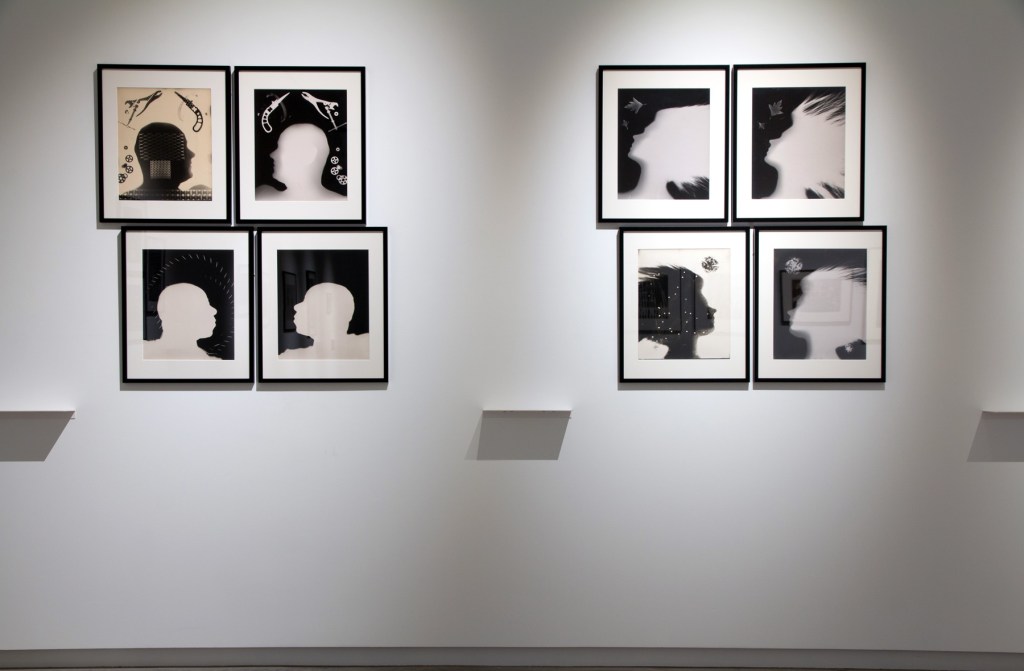
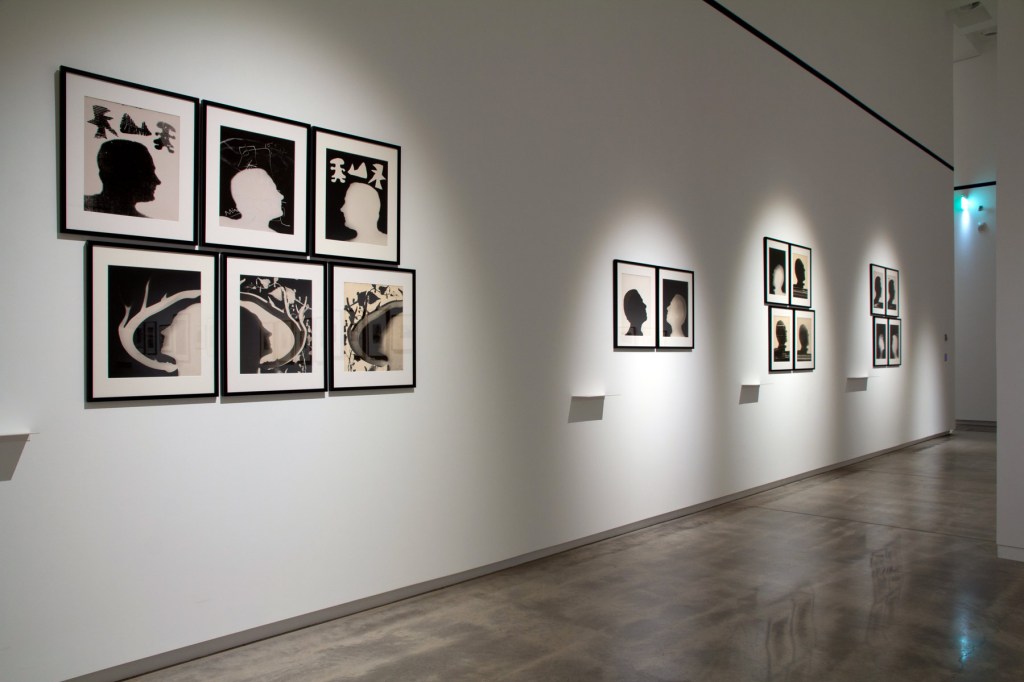
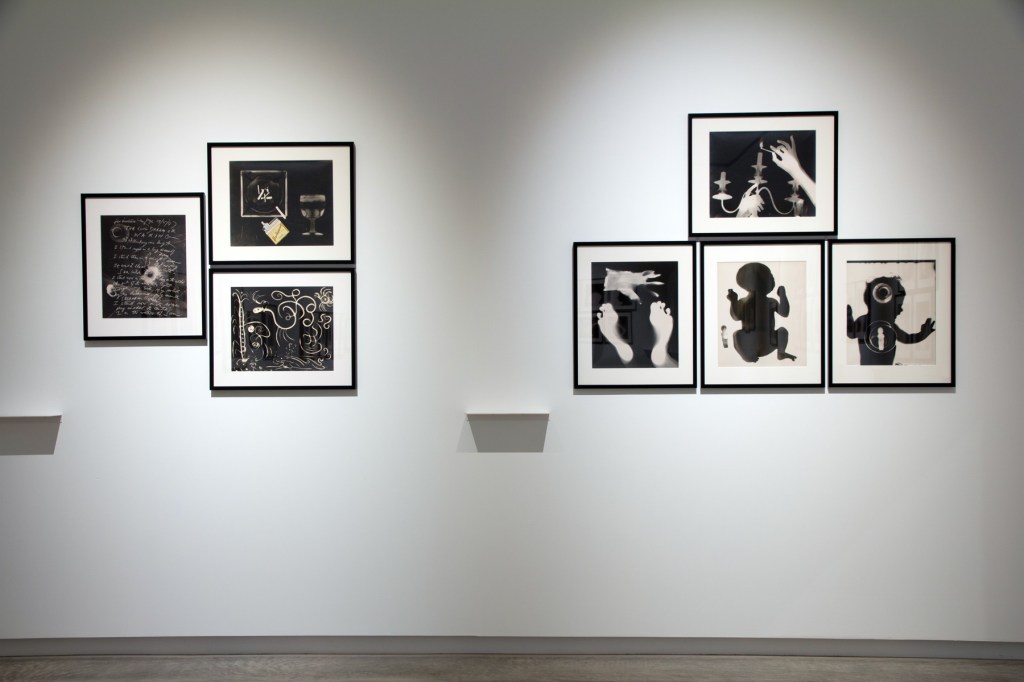


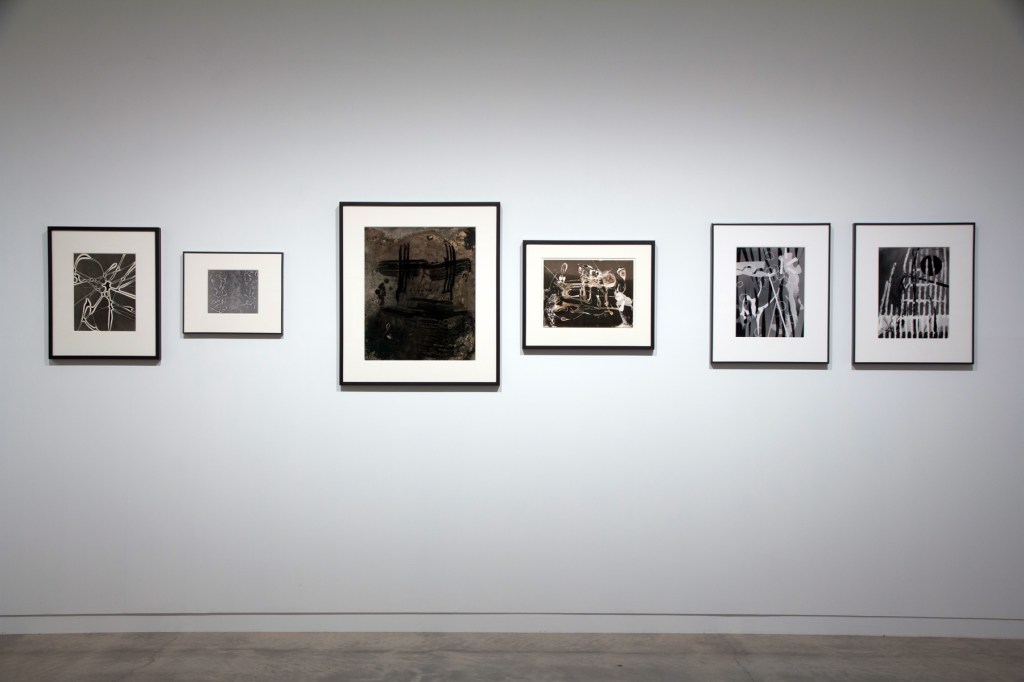
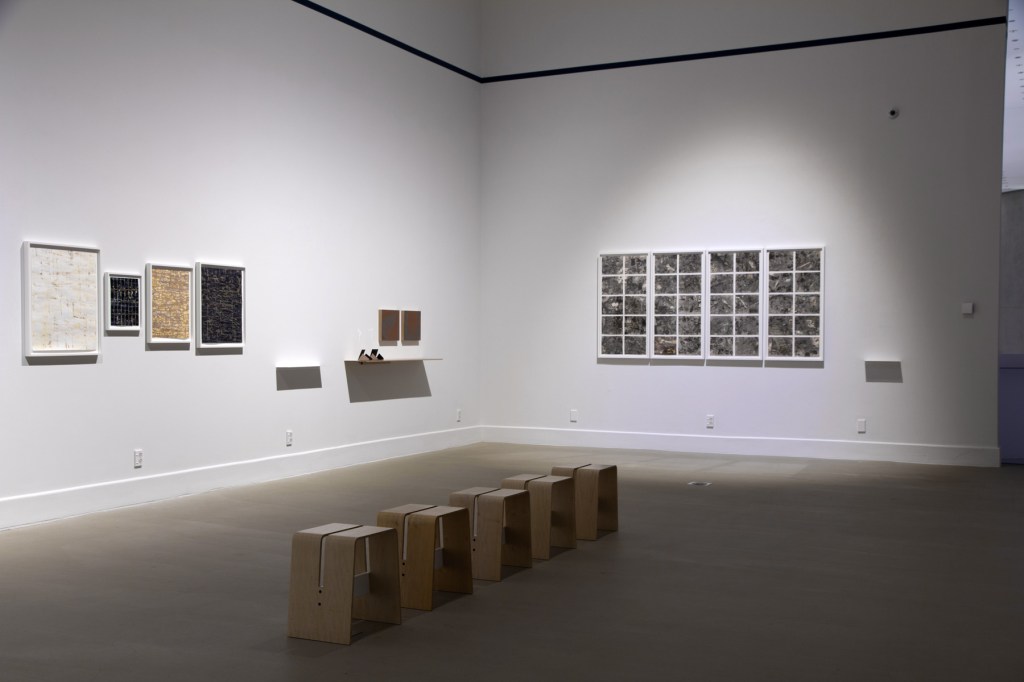
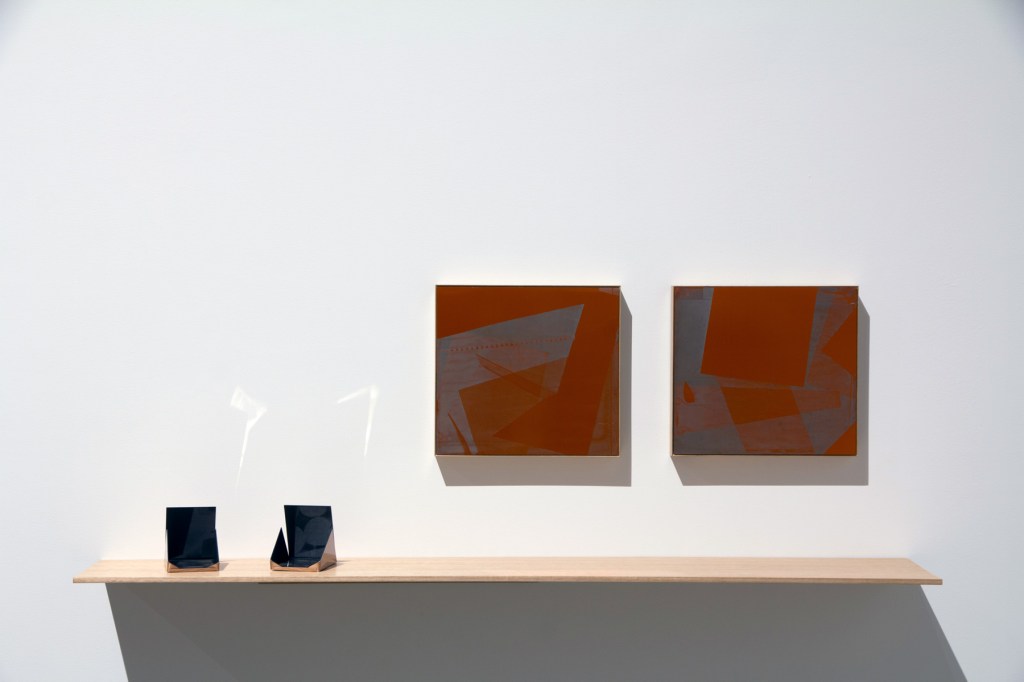
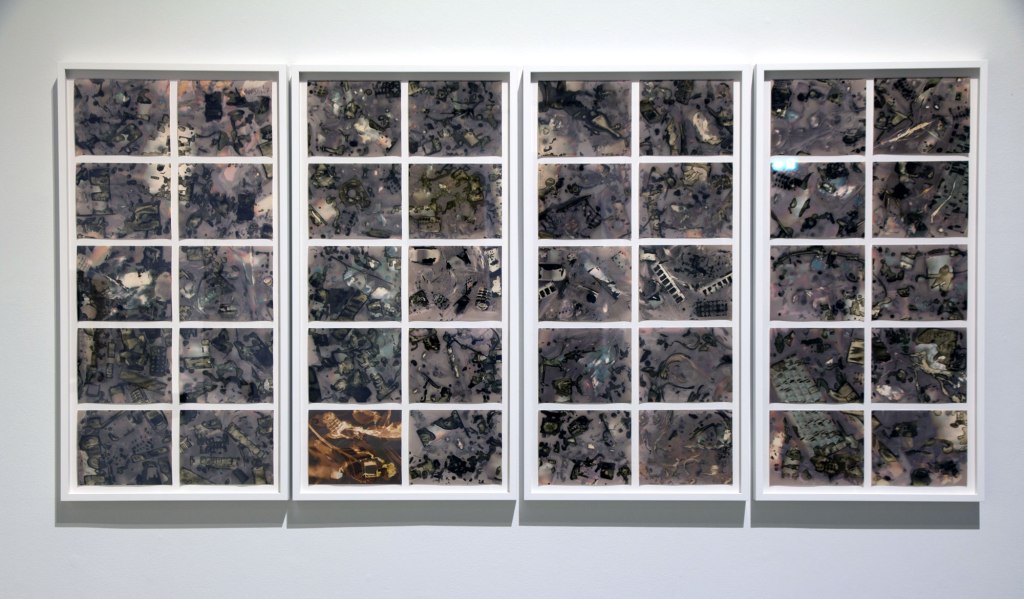

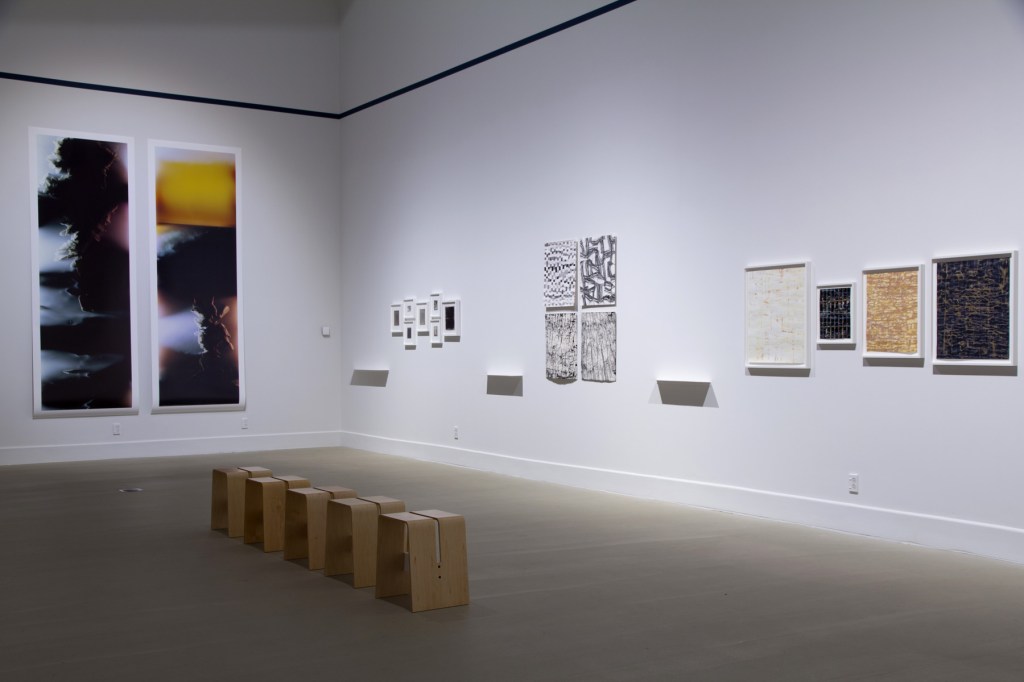
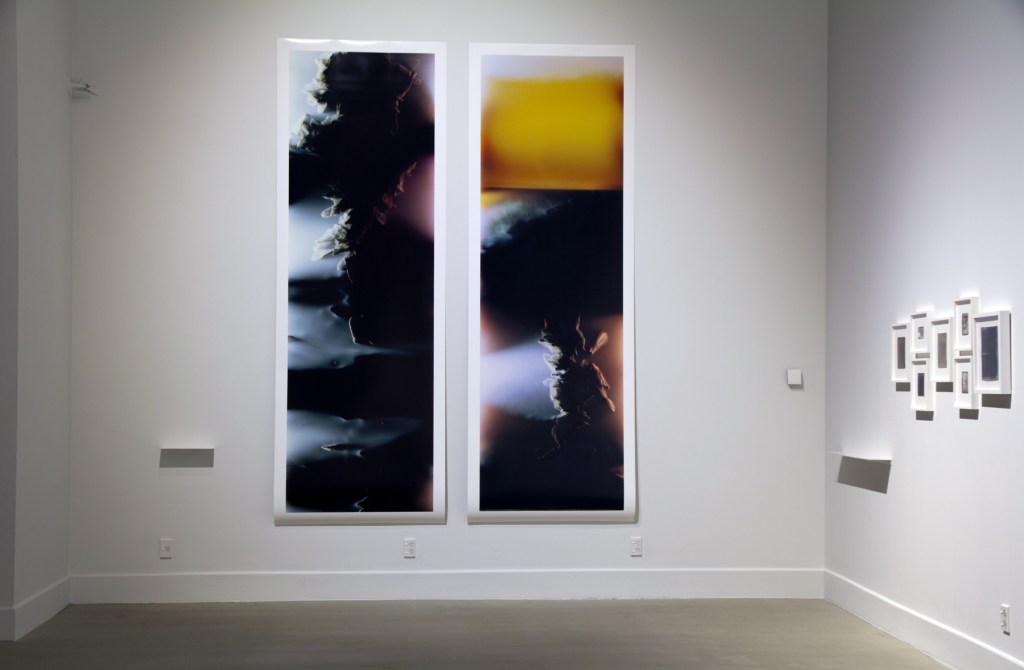
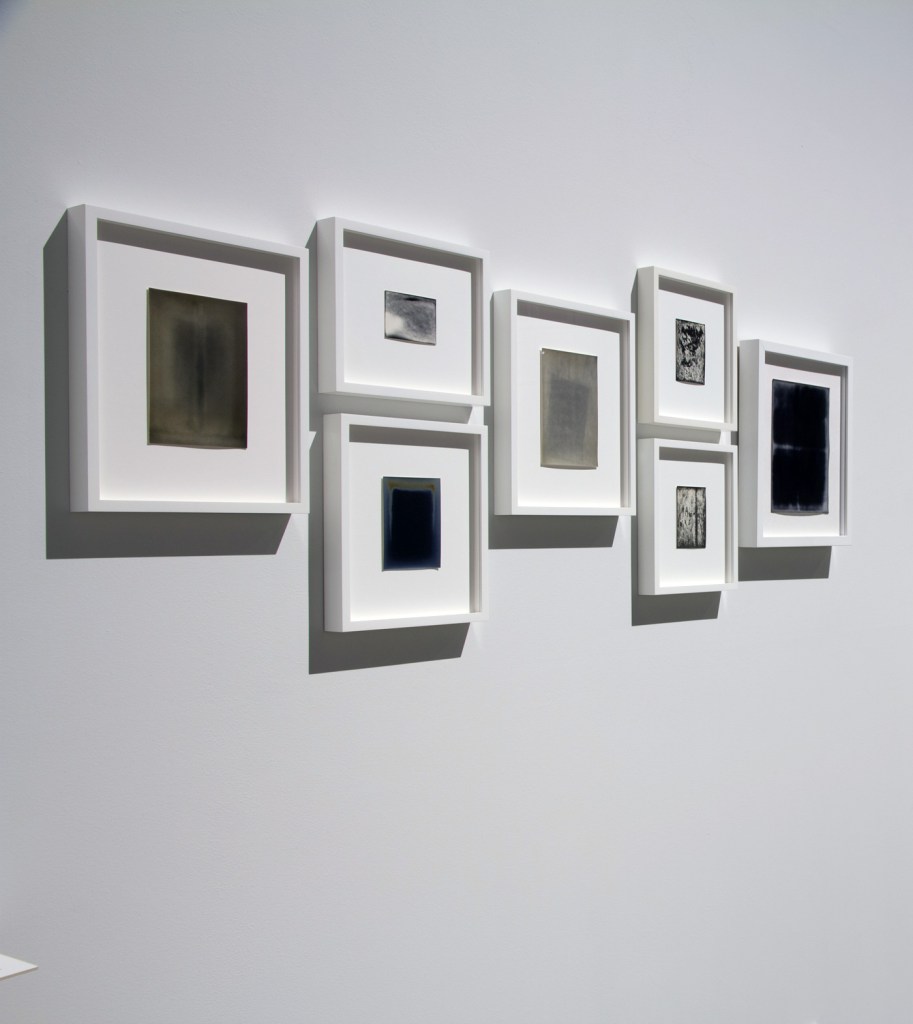
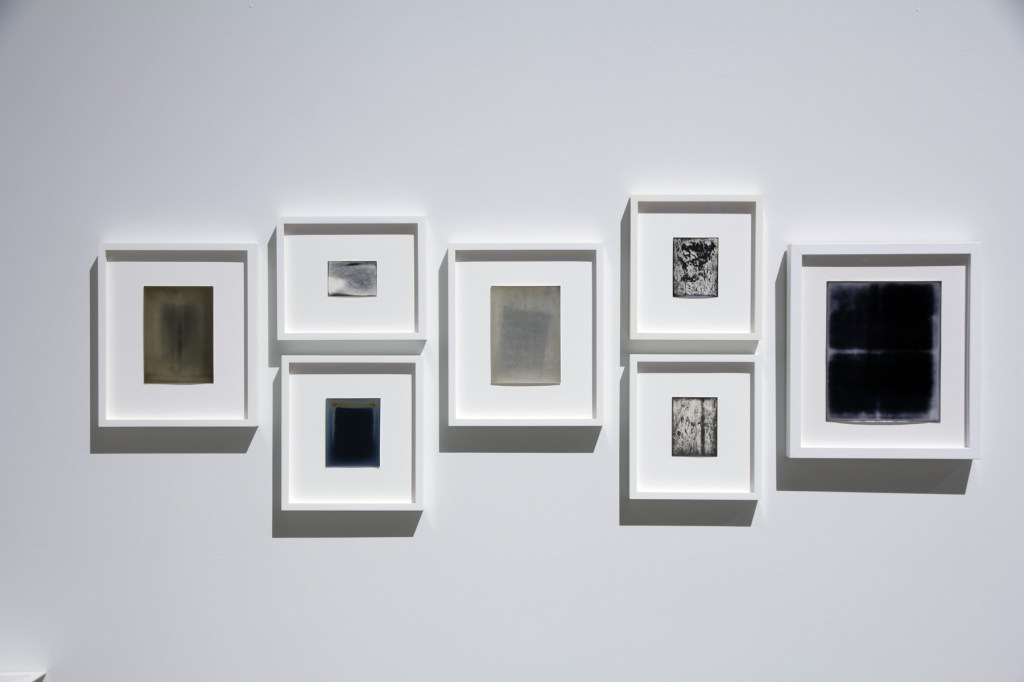
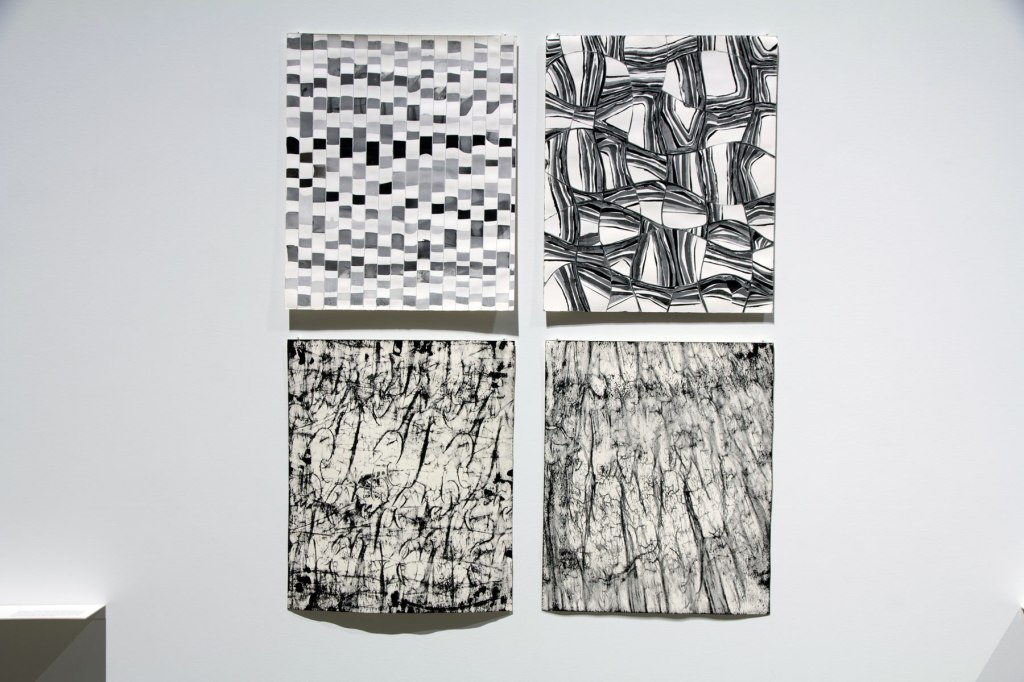
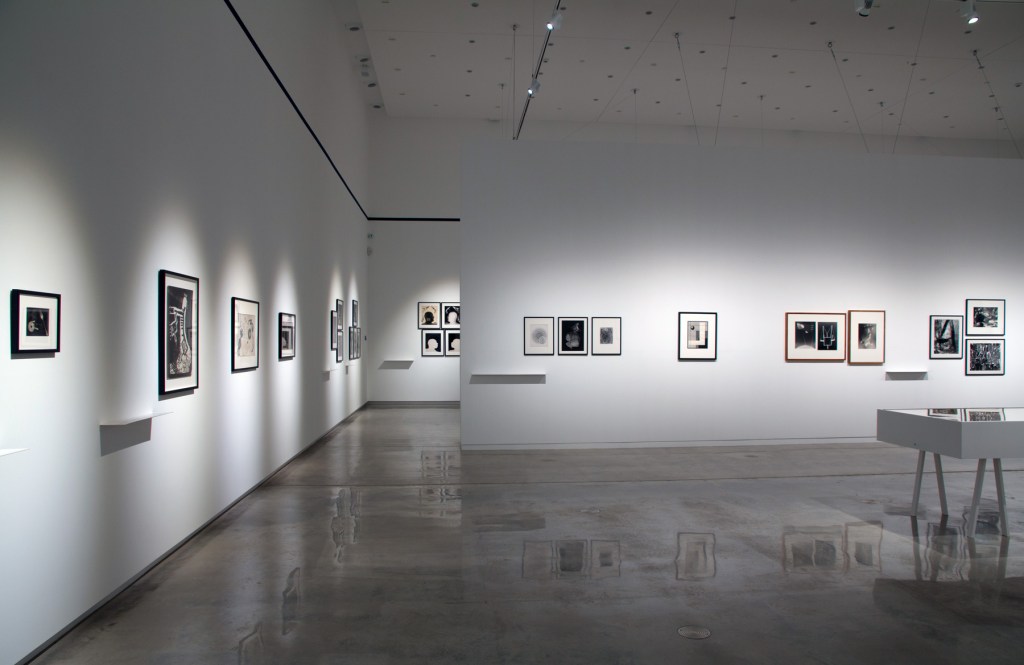

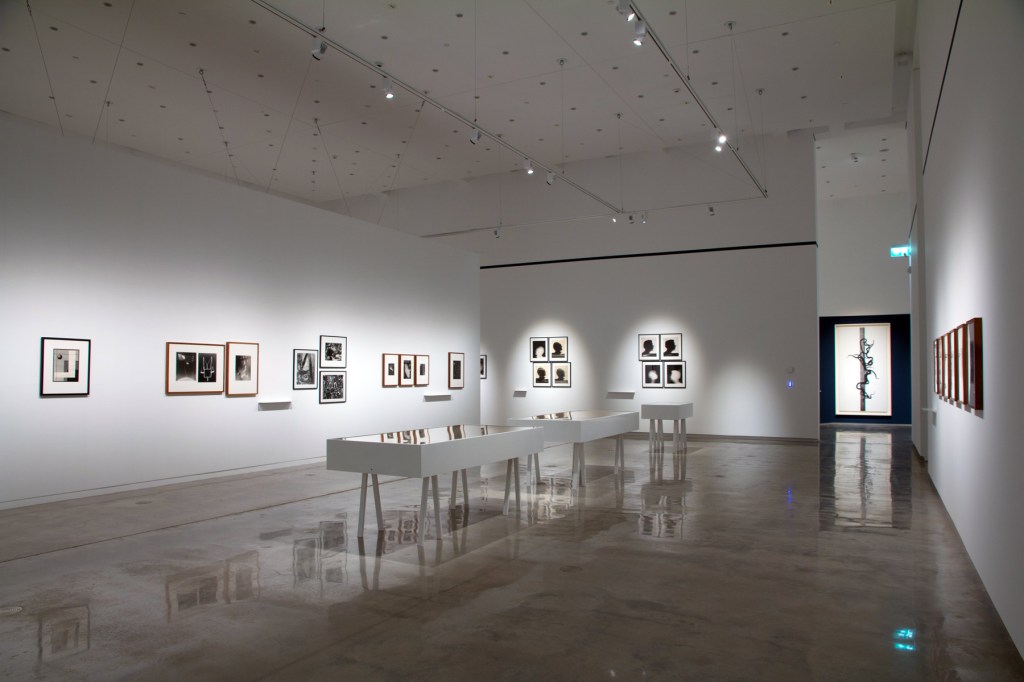
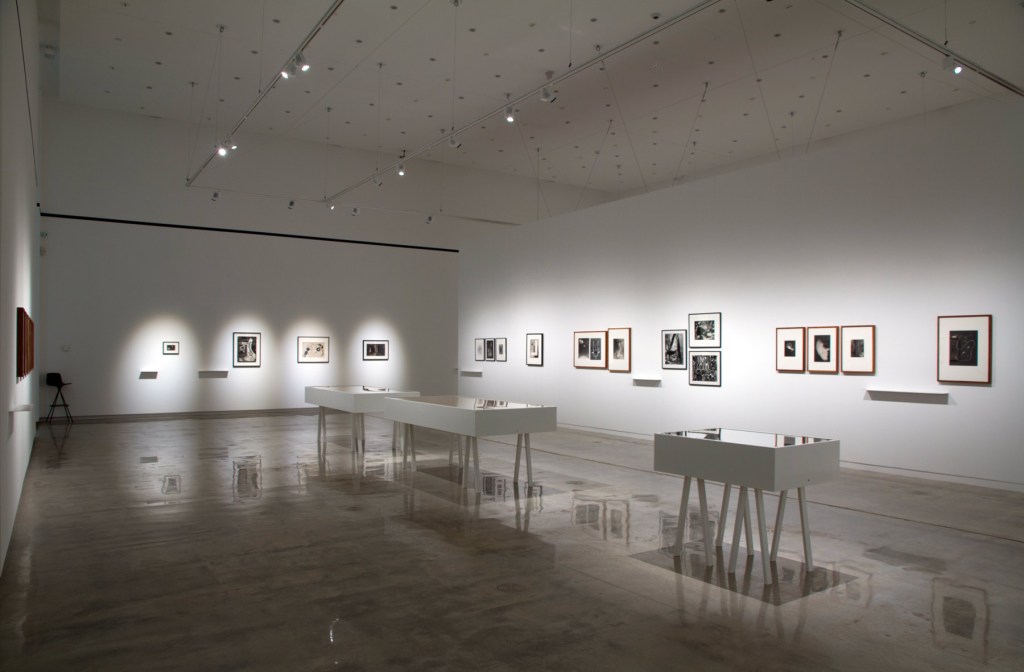
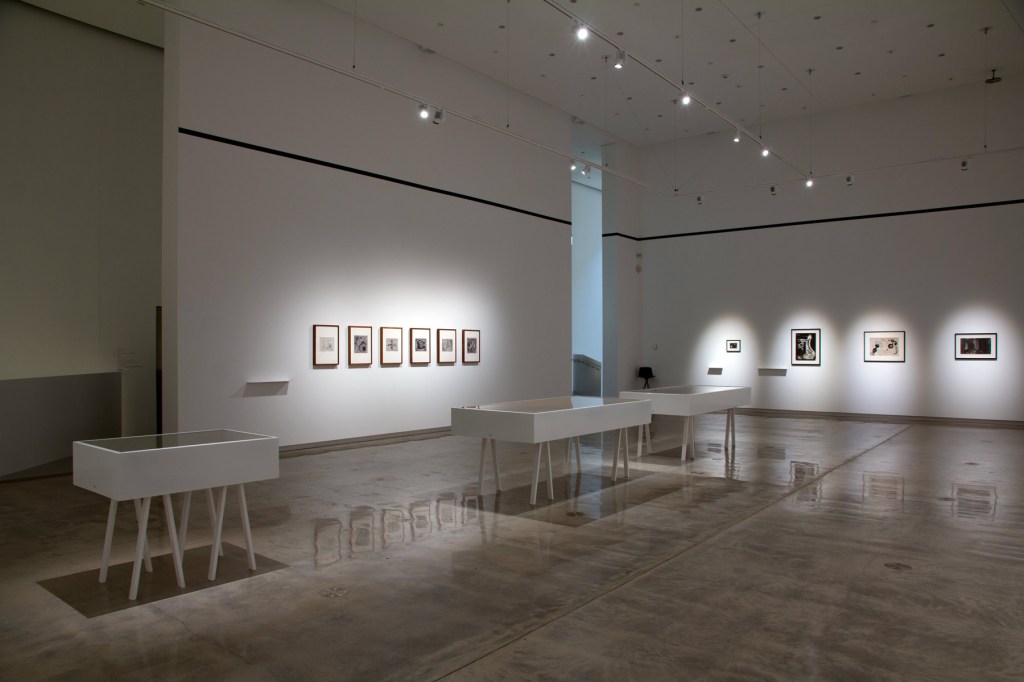
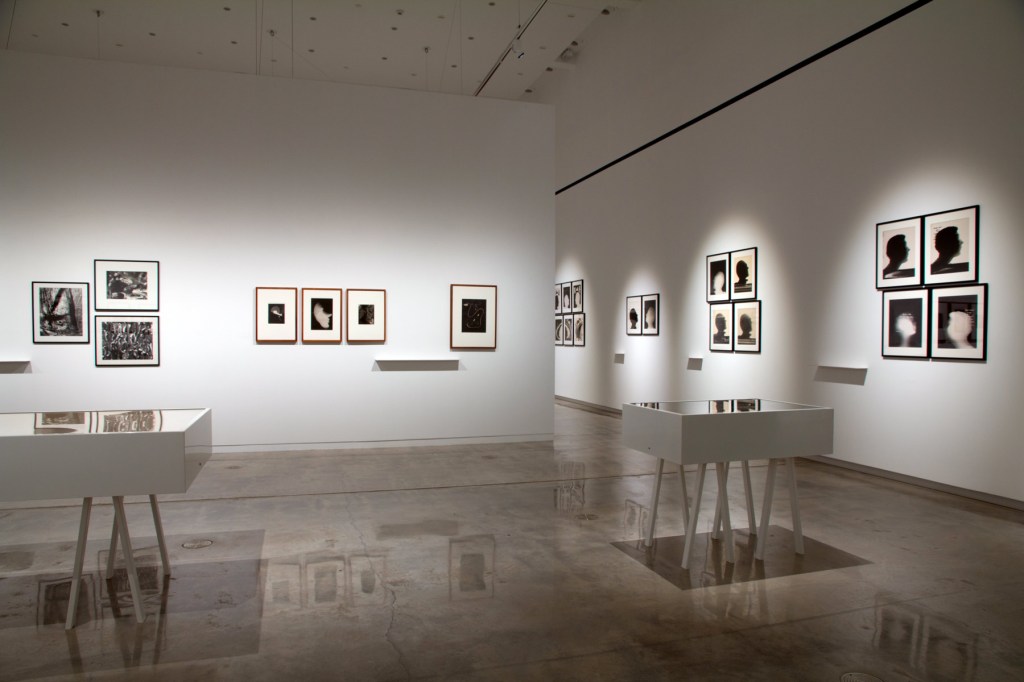
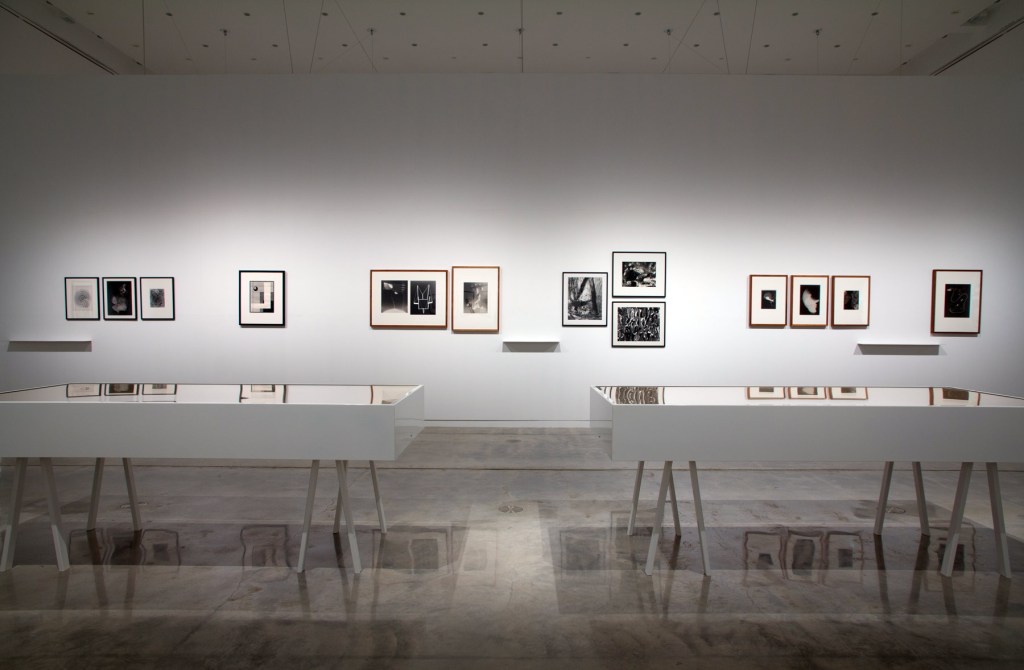


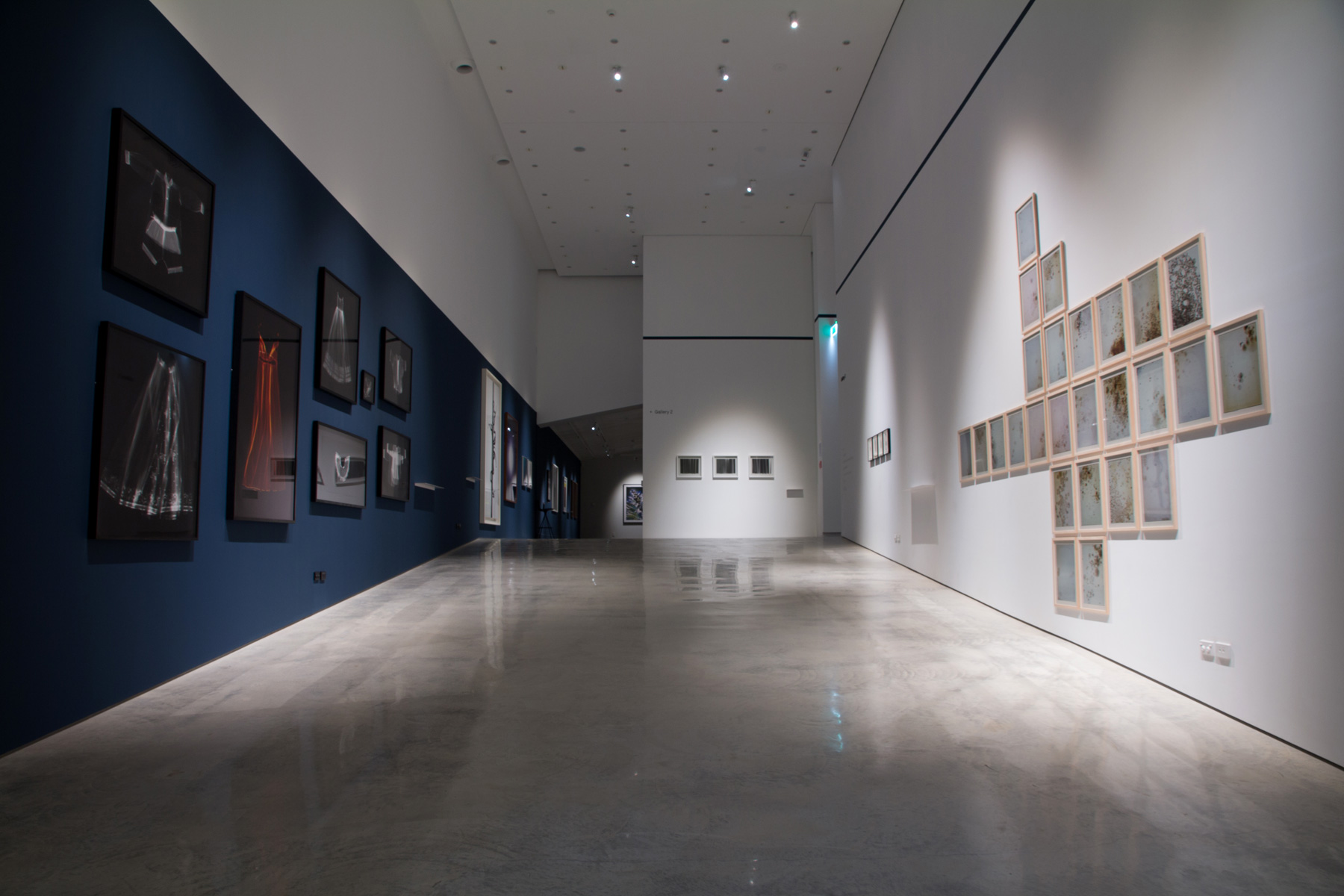


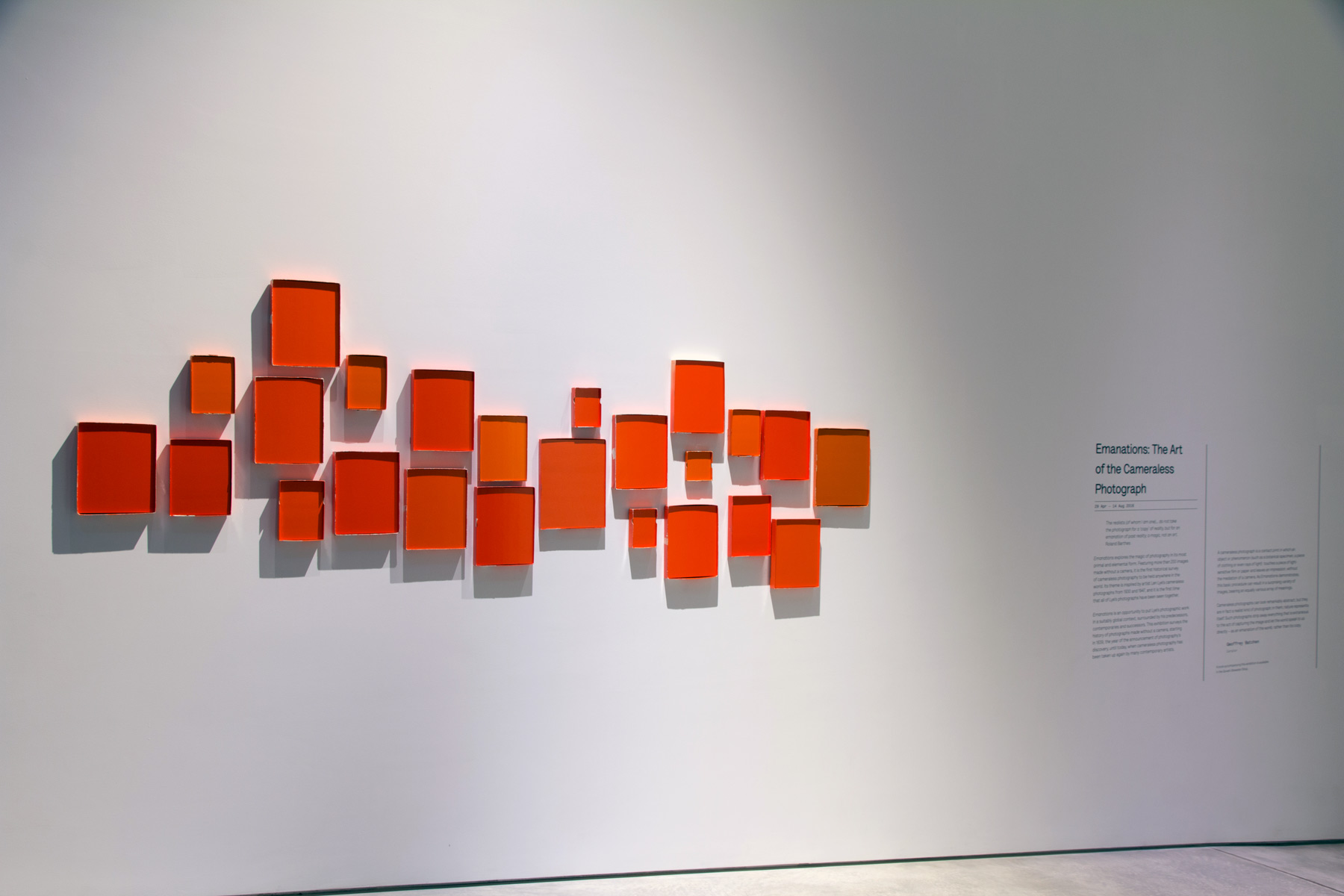


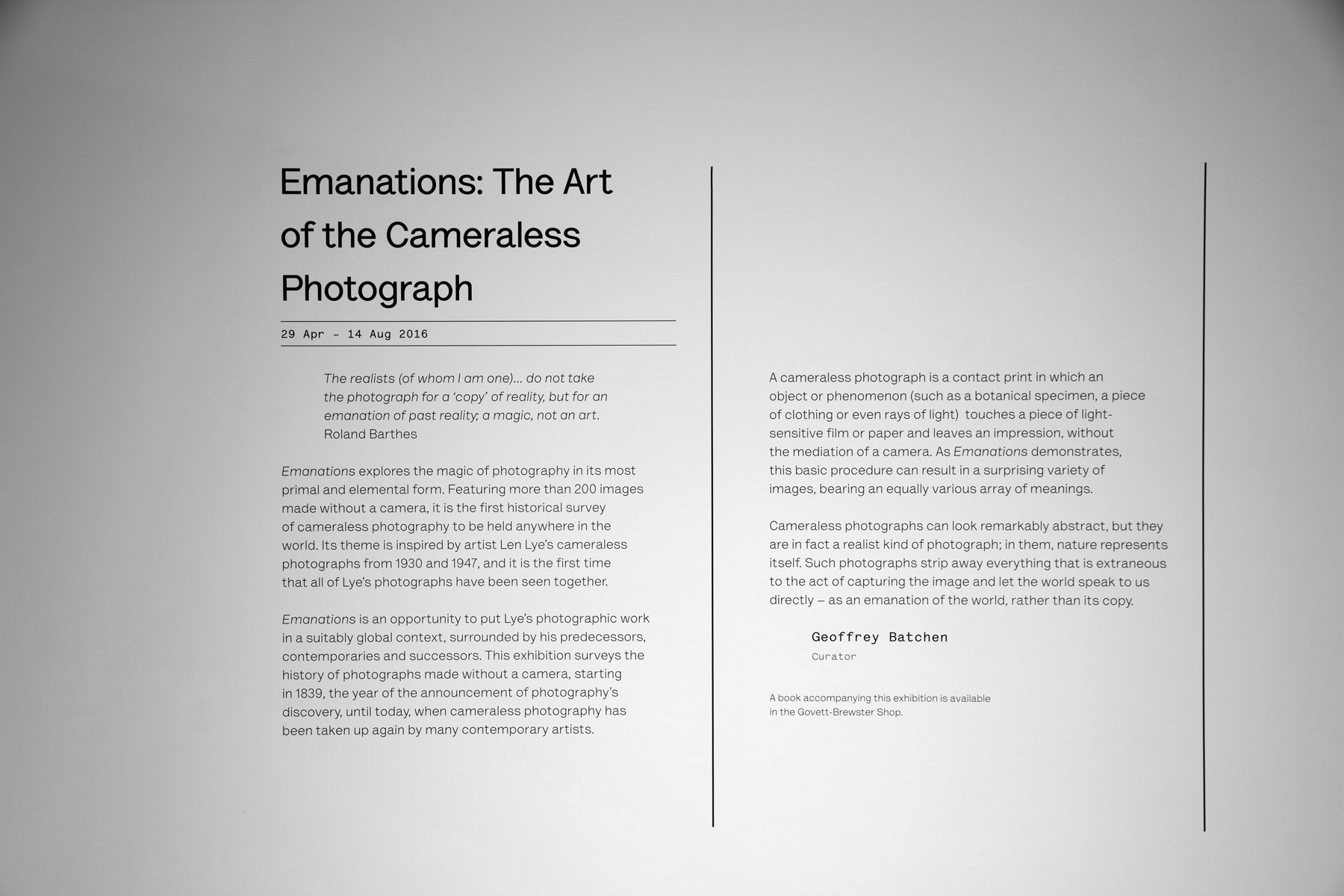
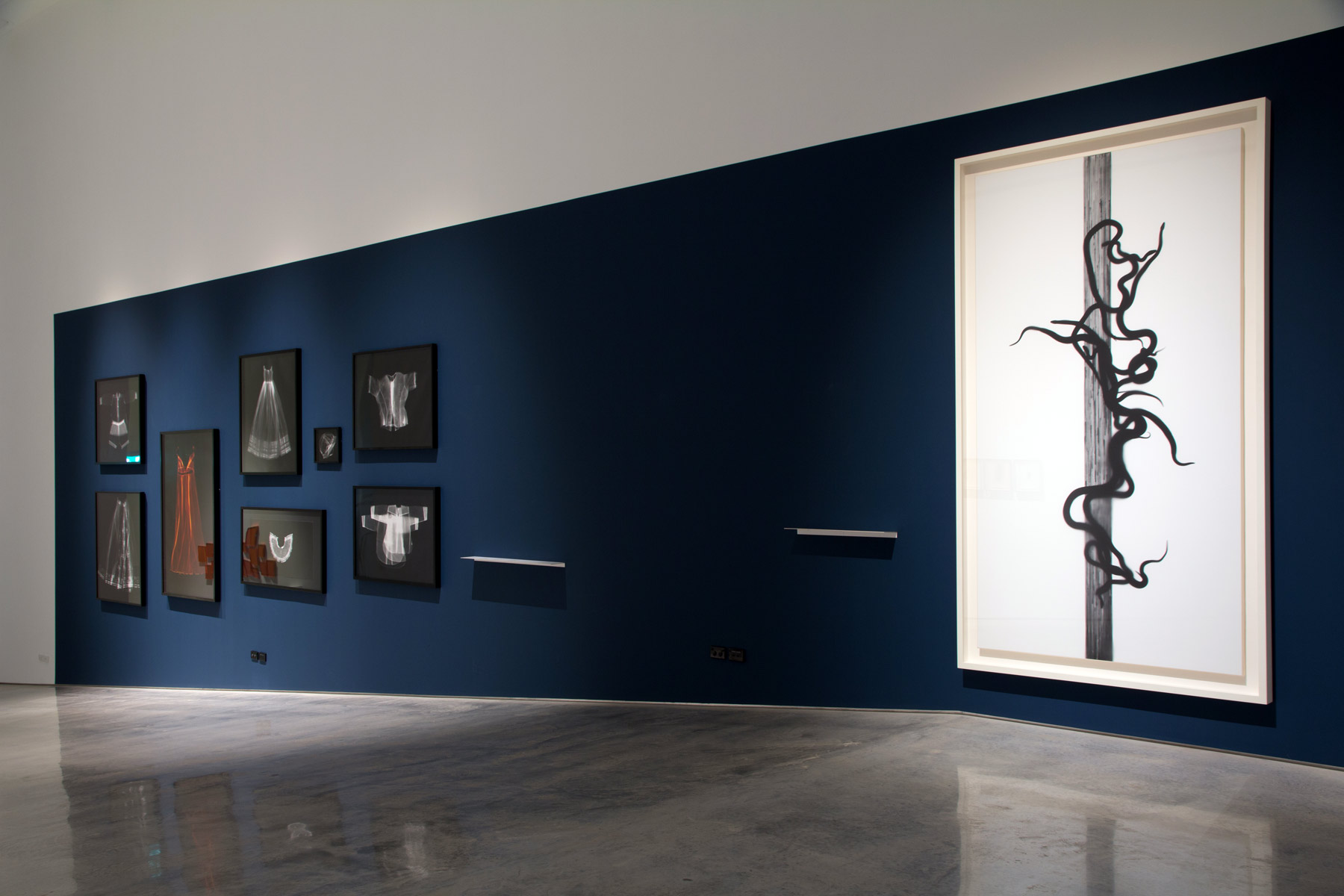


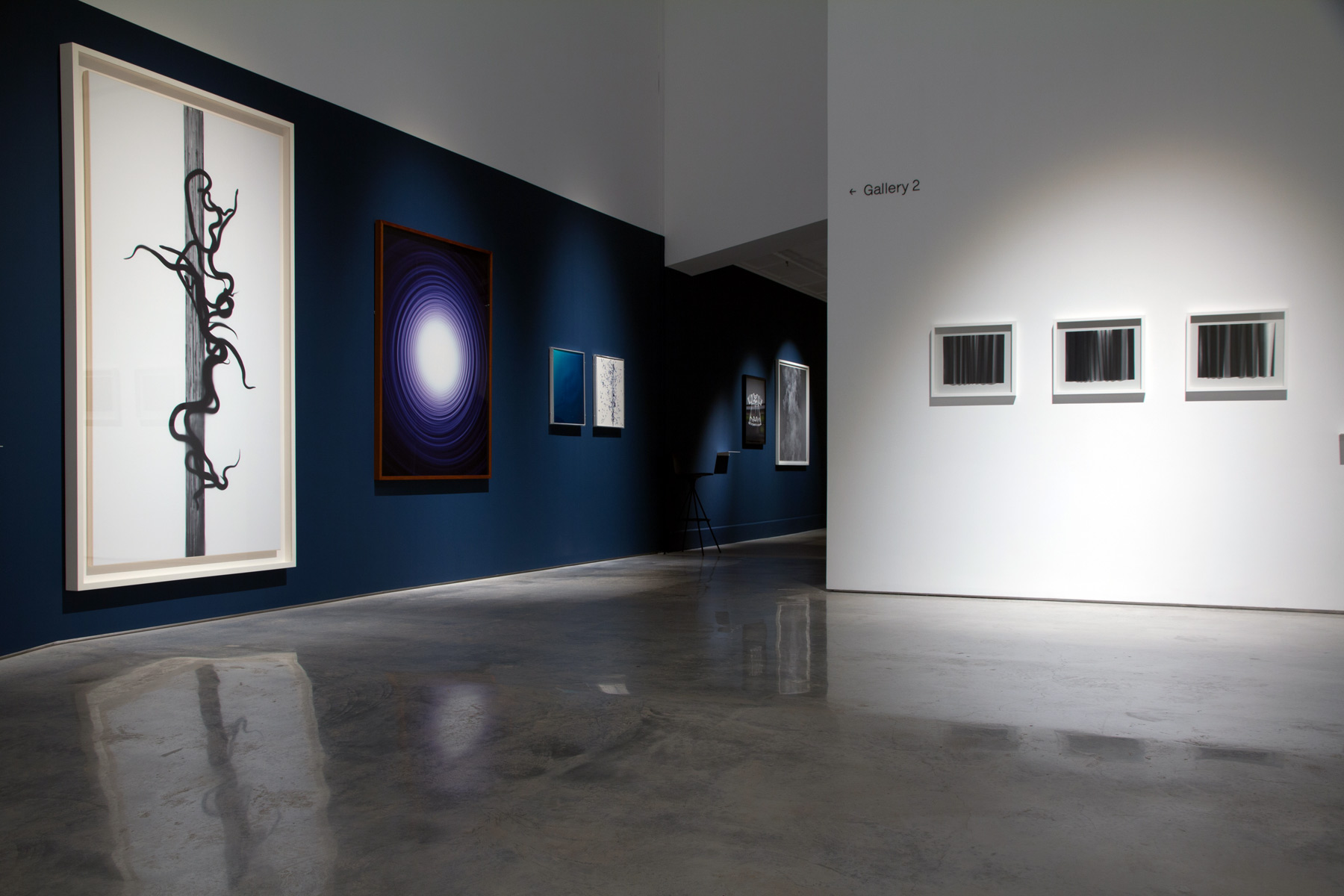


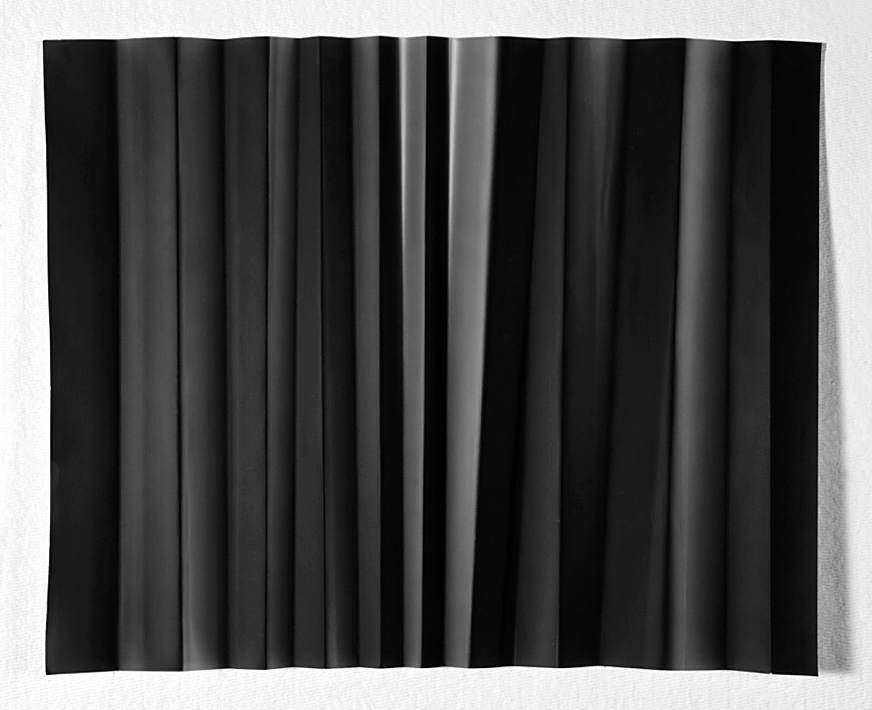

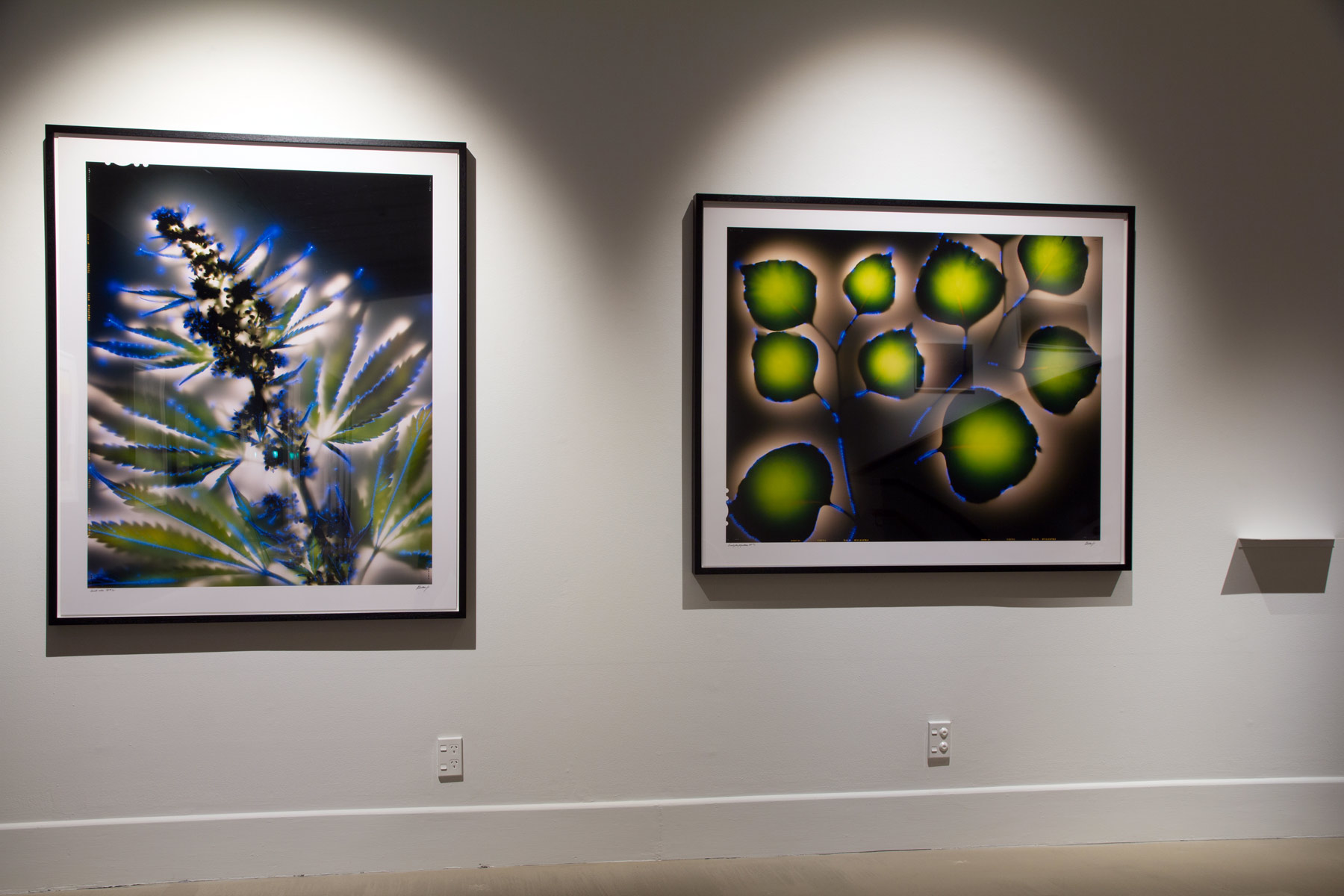
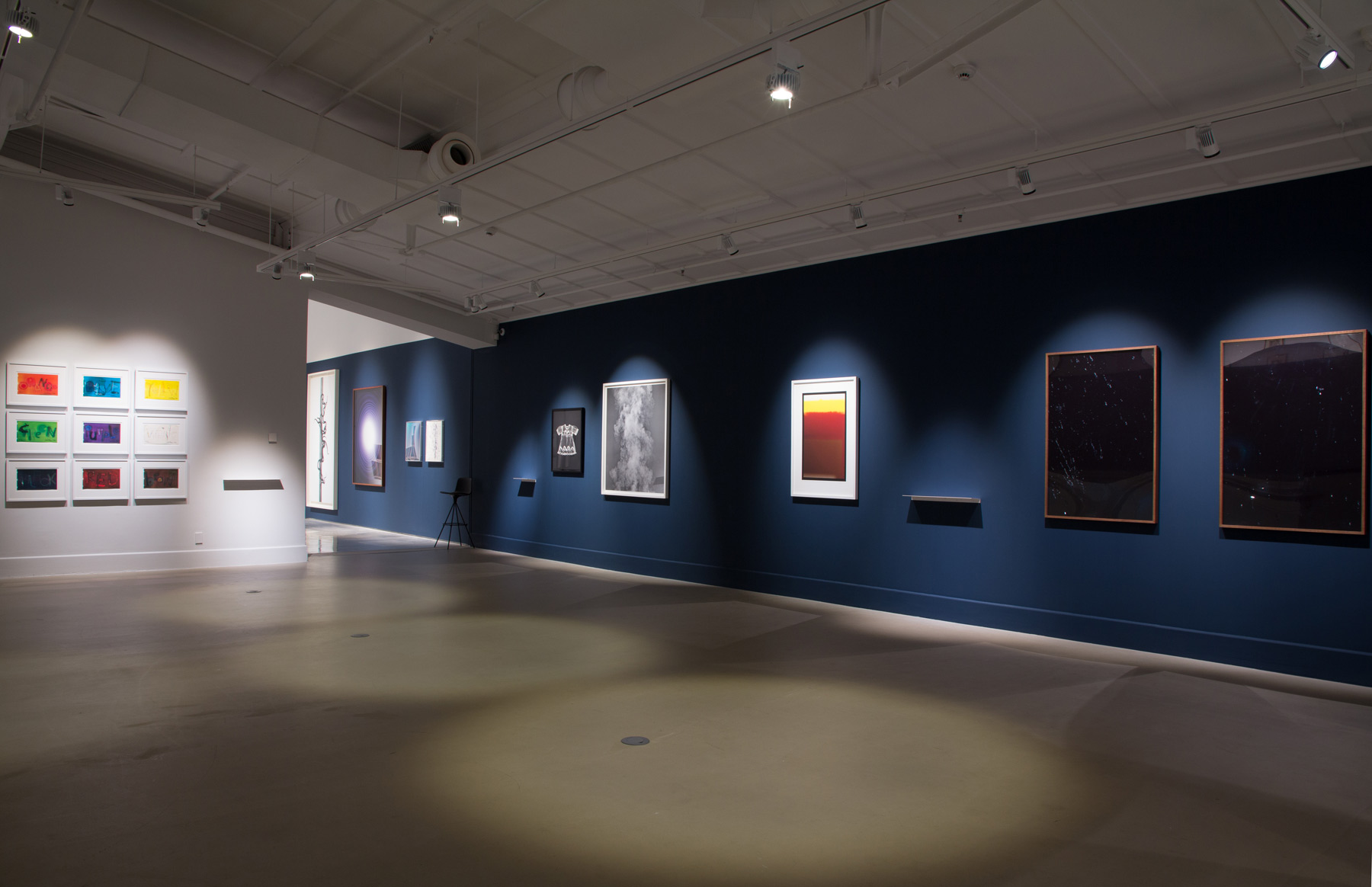

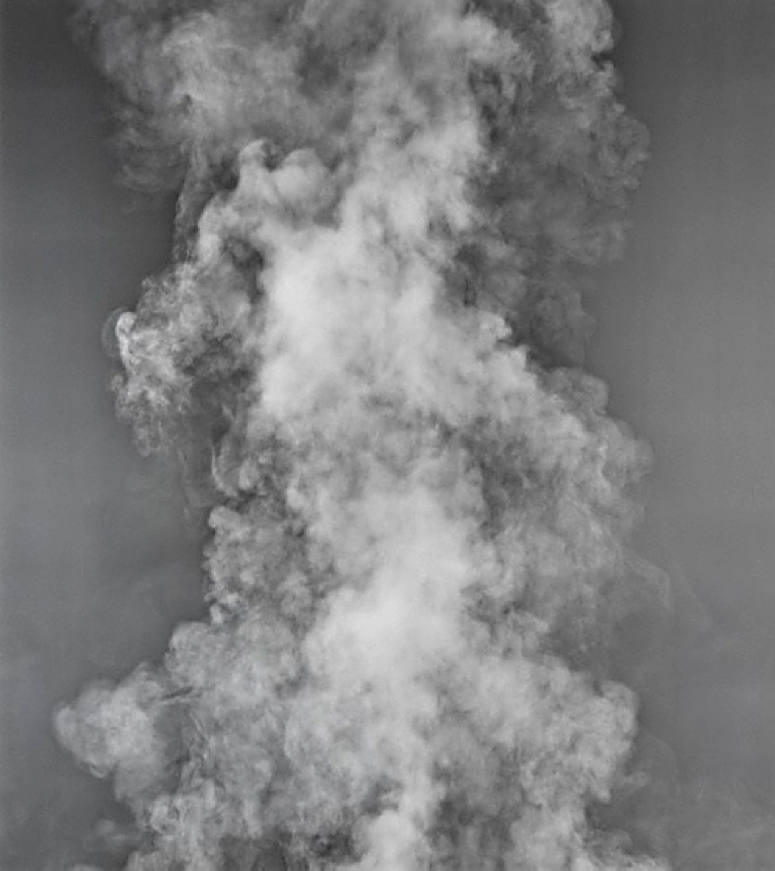

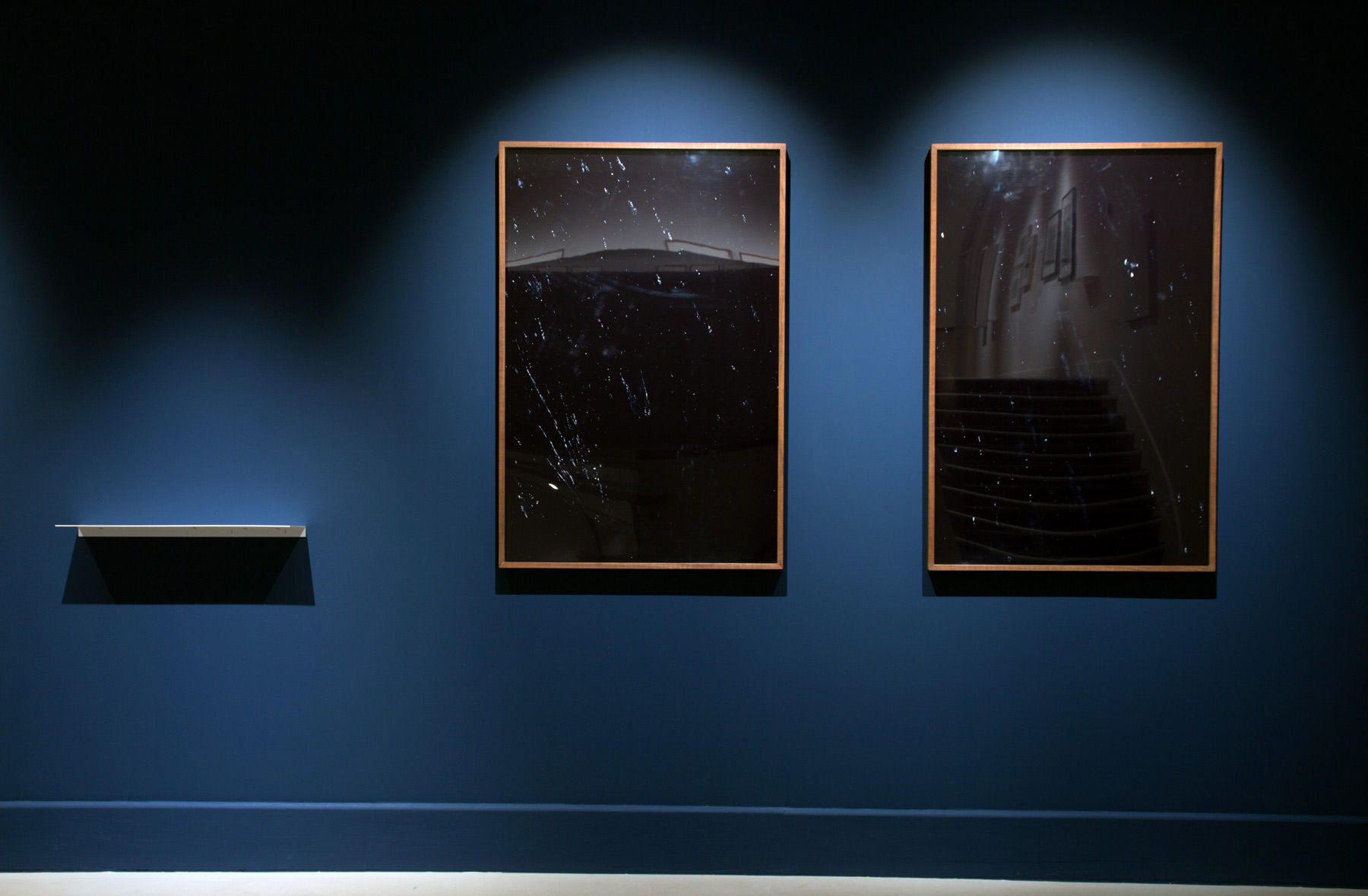


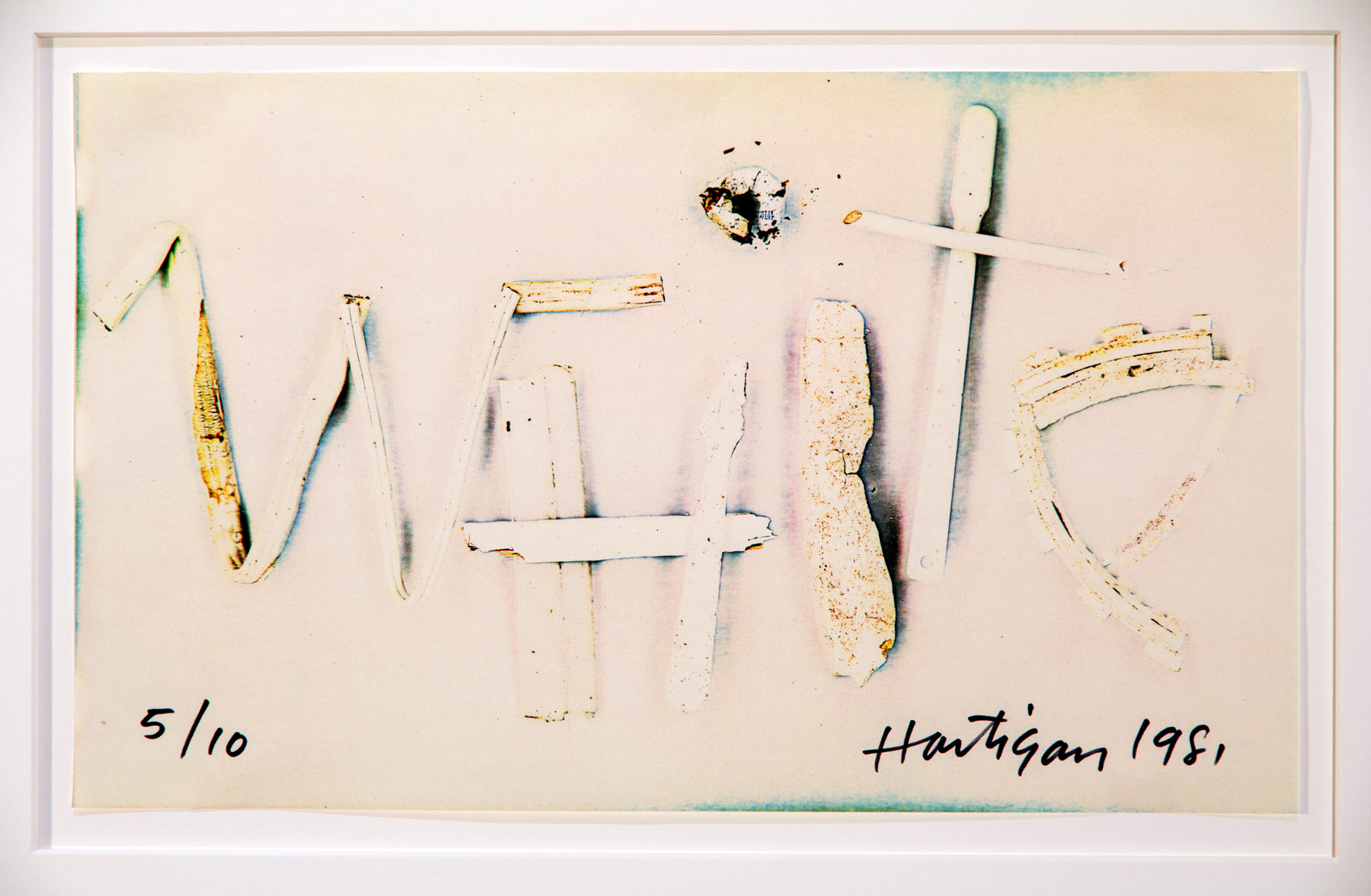


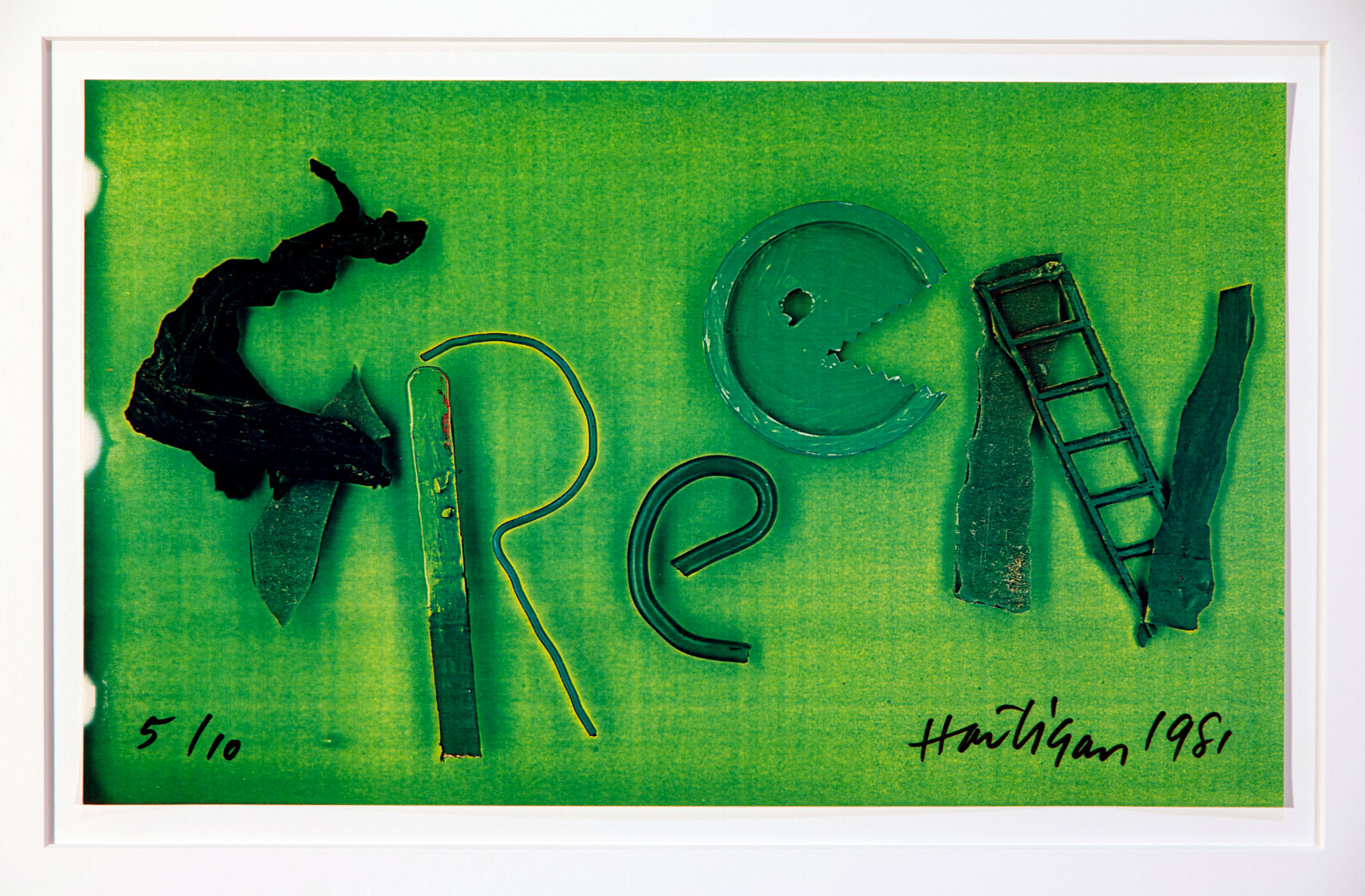
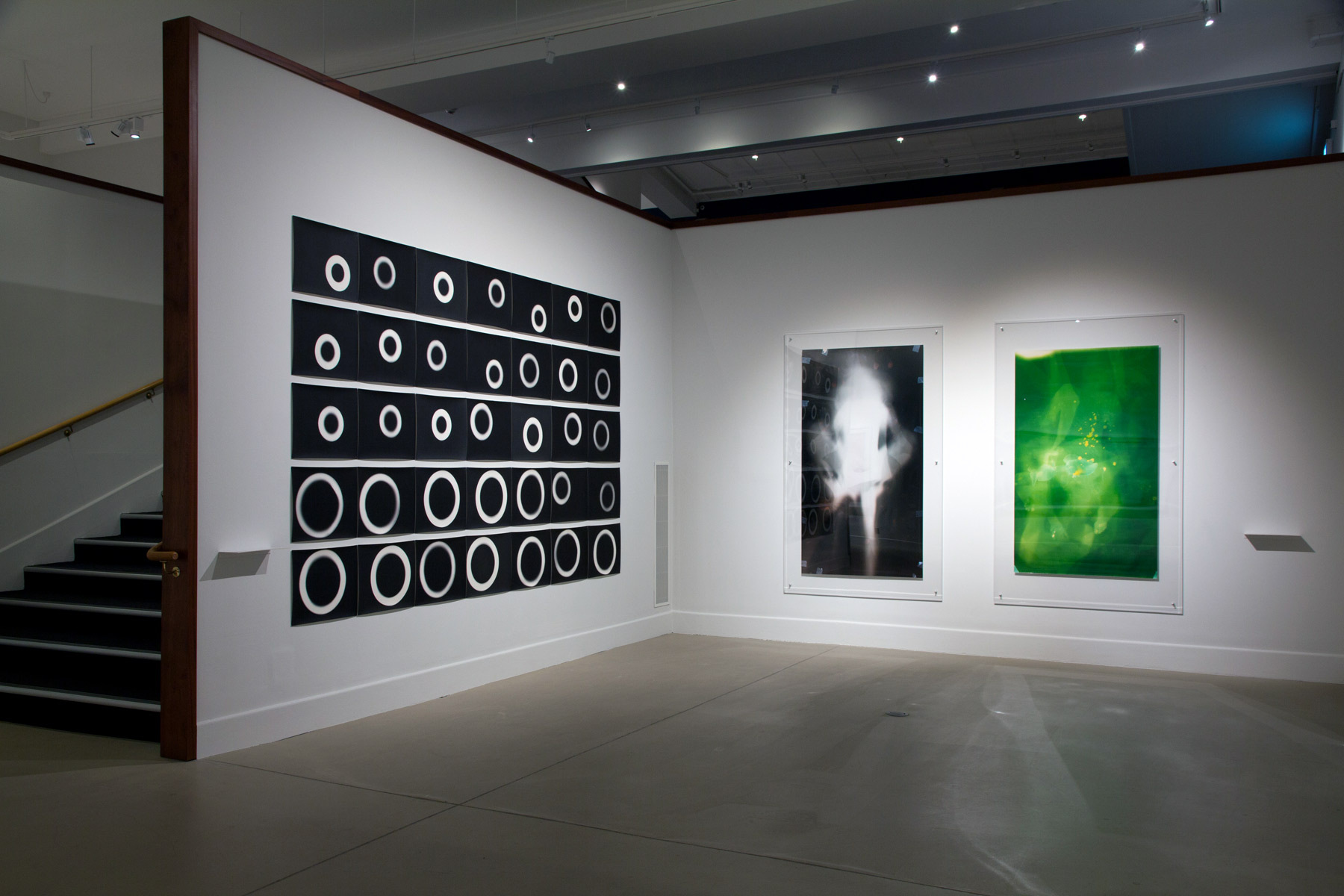
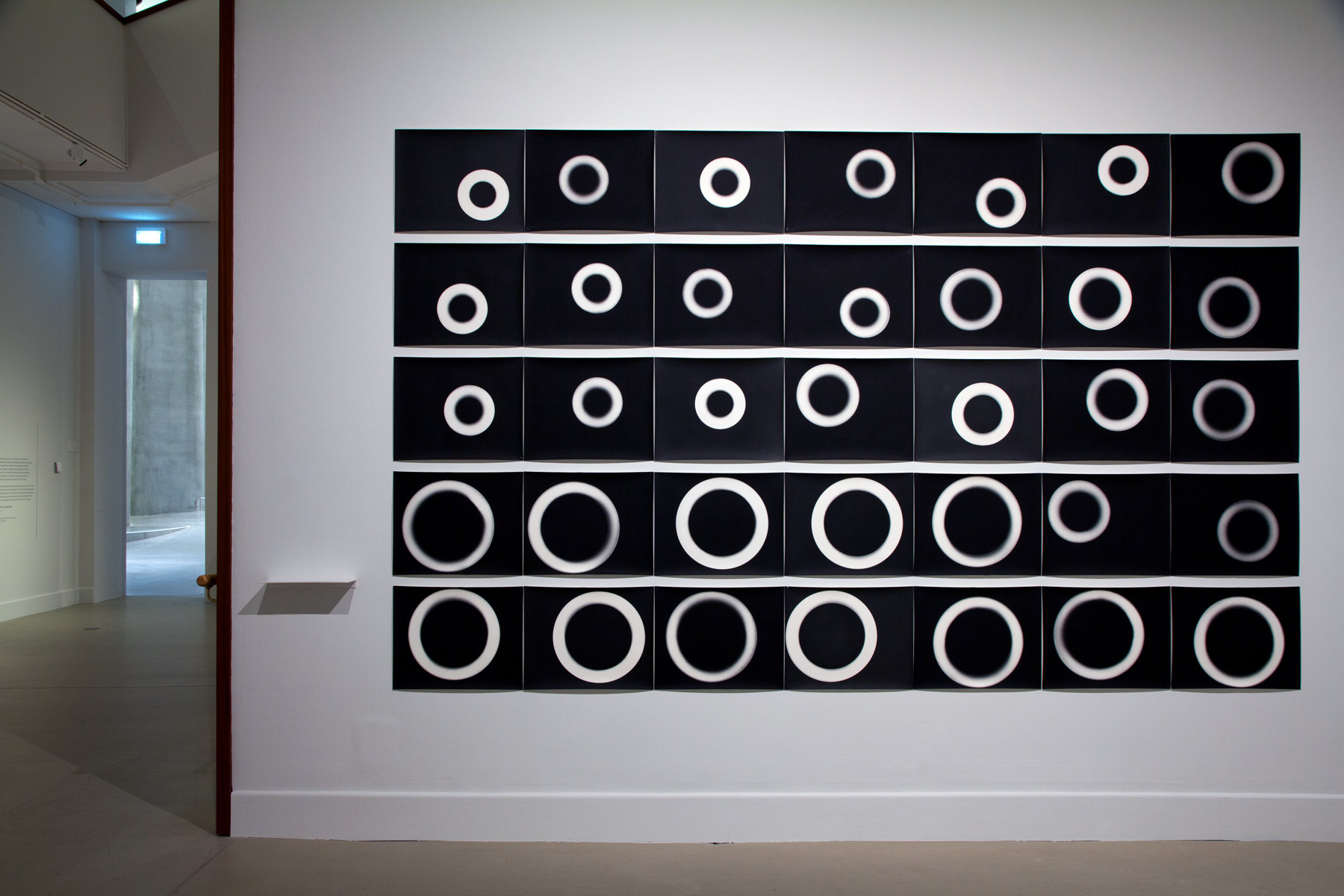


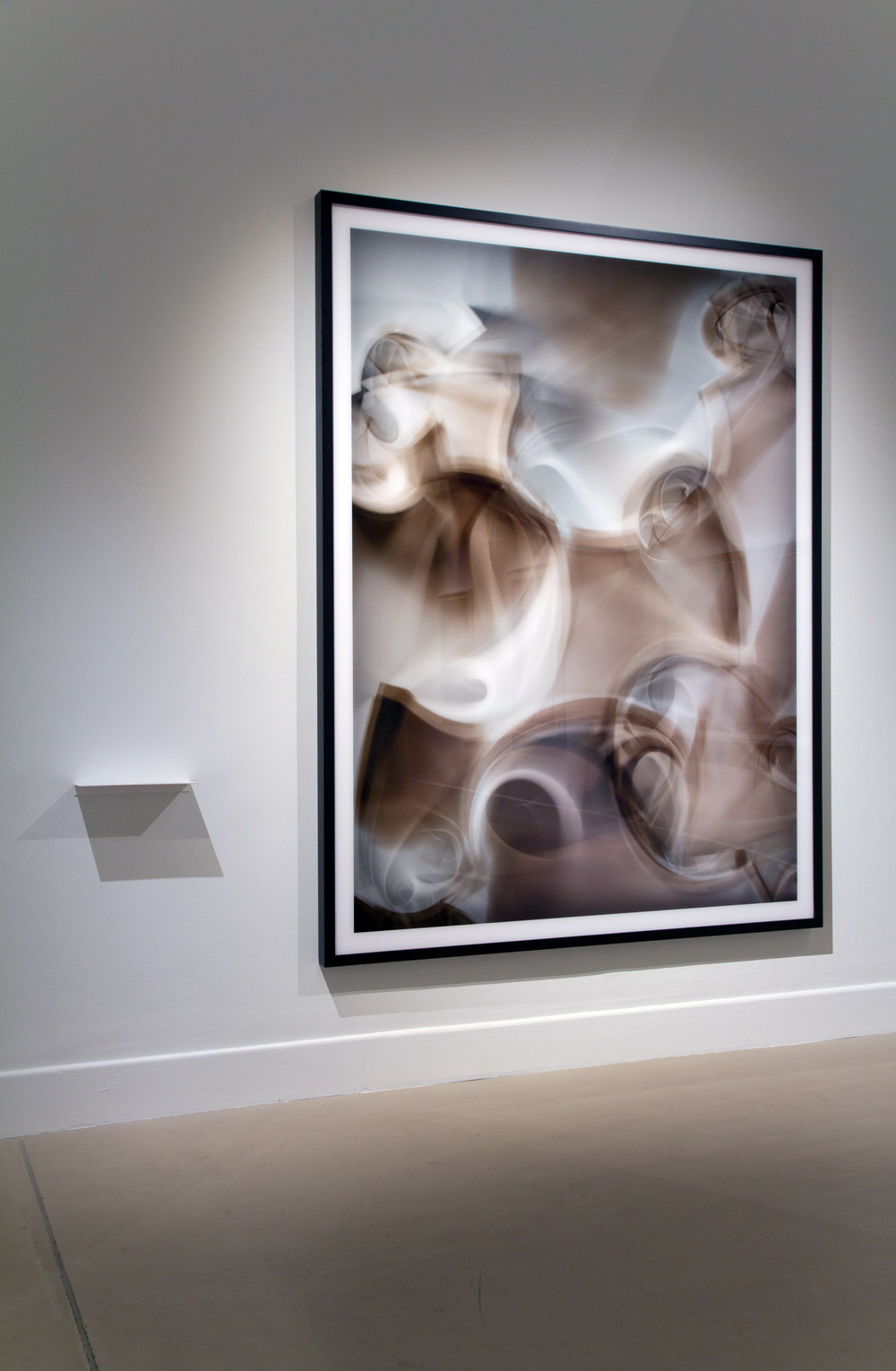

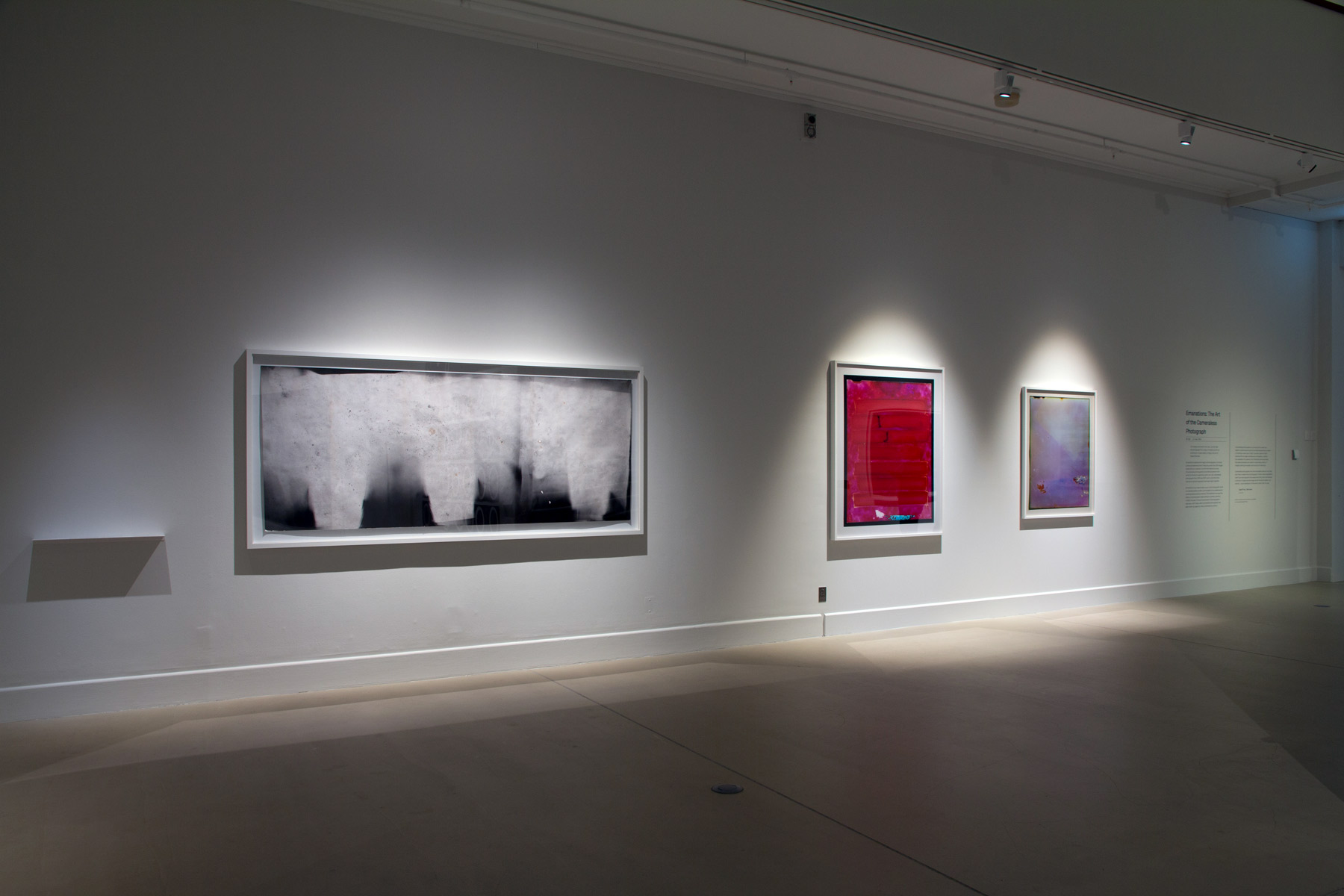

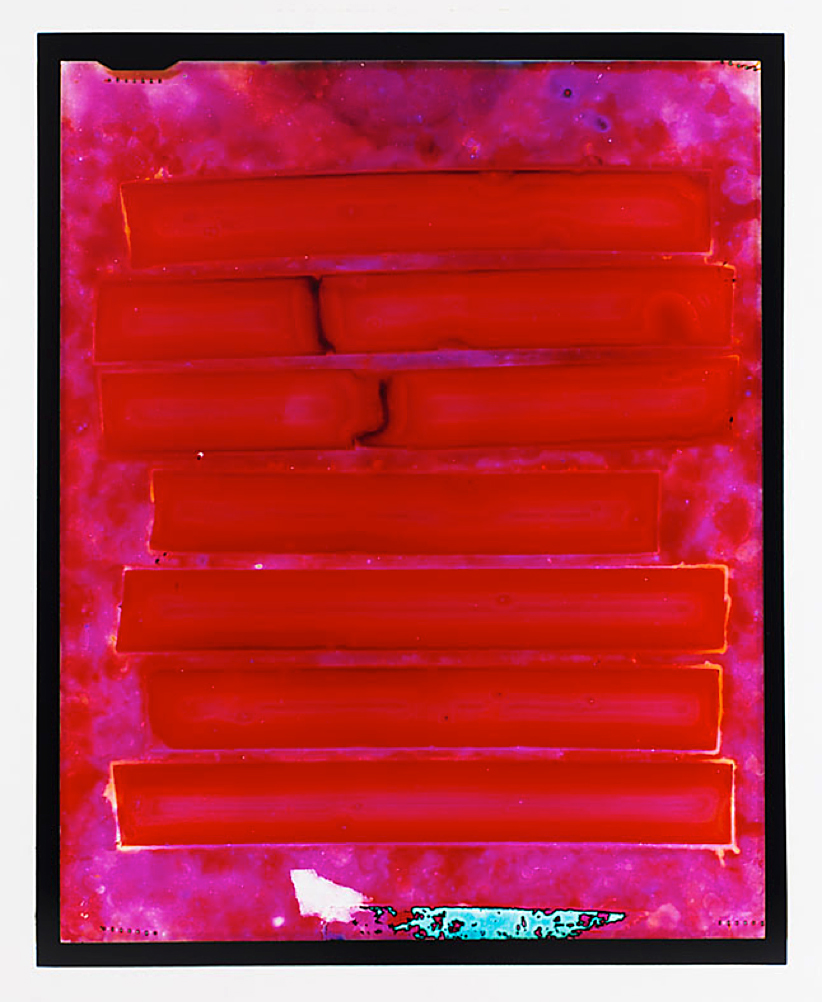
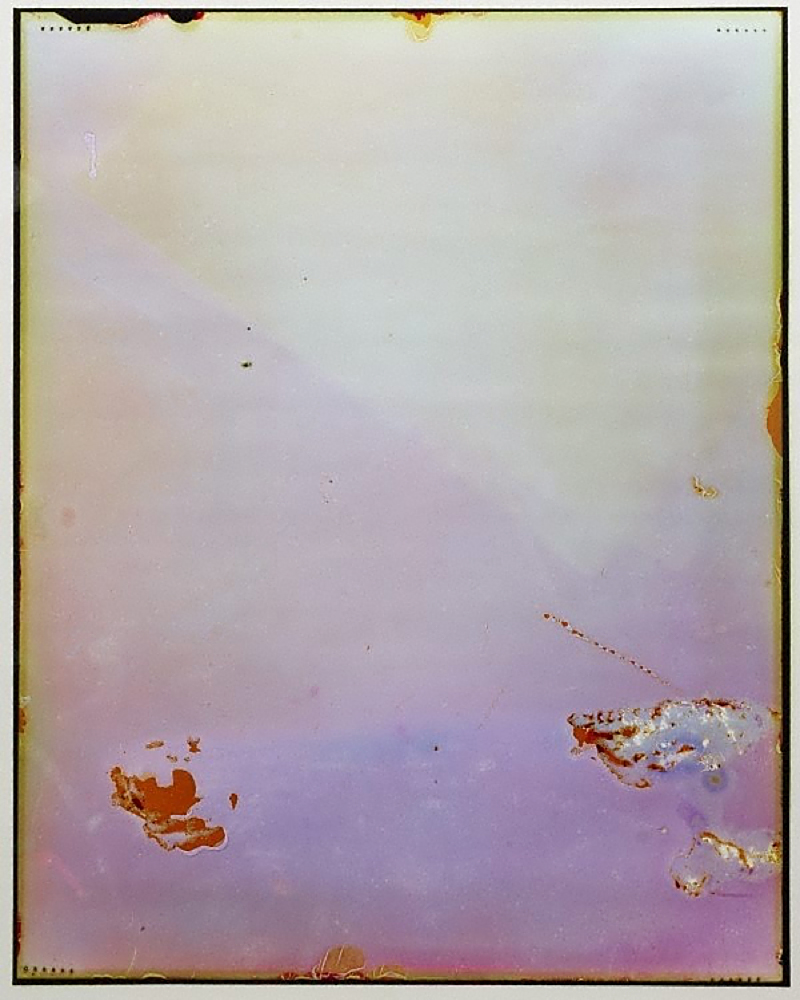


![Installation view of the exhibition 'Max and Olive: The photographic life of Olive Cotton and Max Dupain' at The Ian Potter Museum of Art, Melbourne showing at left, Max Dupain's 'Bawley Point landscape' (1938) and at middle, Dupain's 'Untitled [Factory chimney stacks]', 1940](https://artblart.com/wp-content/uploads/2016/07/installation-h.jpg "Installation view of the exhibition 'Max and Olive: The photographic life of Olive Cotton and Max Dupain' at The Ian Potter Museum of Art, Melbourne showing at left, Max Dupain's 'Bawley Point landscape' (1938) and at middle, Dupain's 'Untitled [Factory chimney stacks]', 1940")


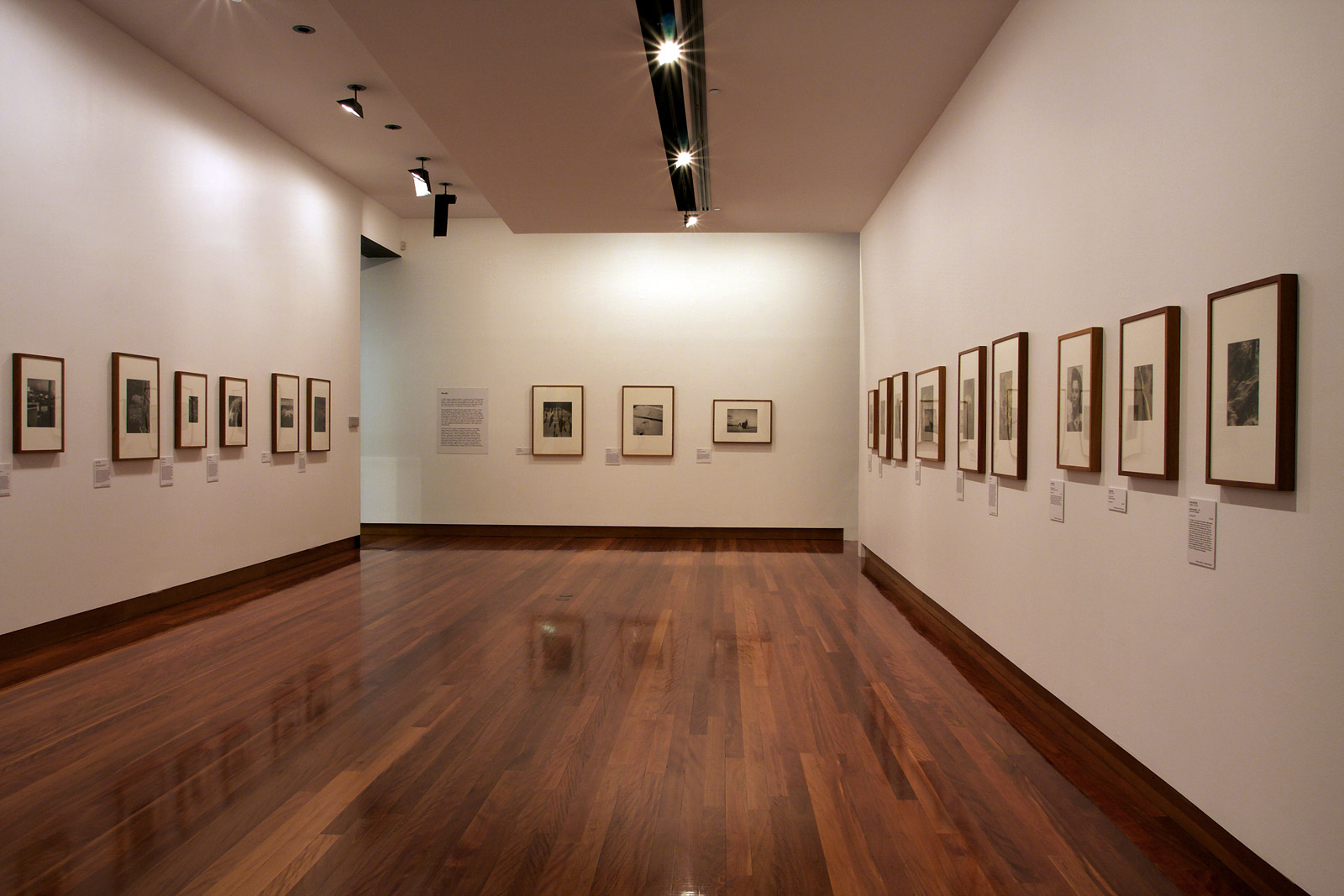


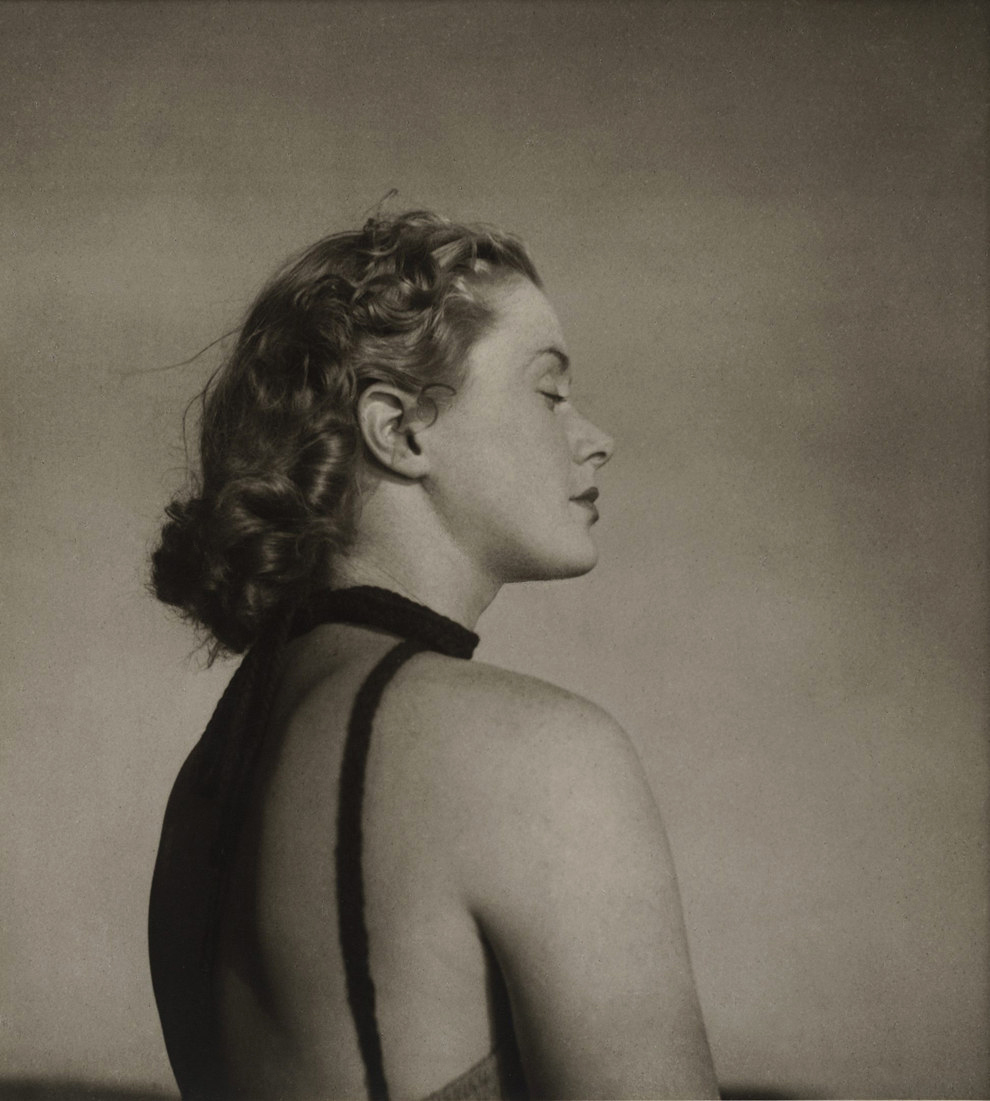
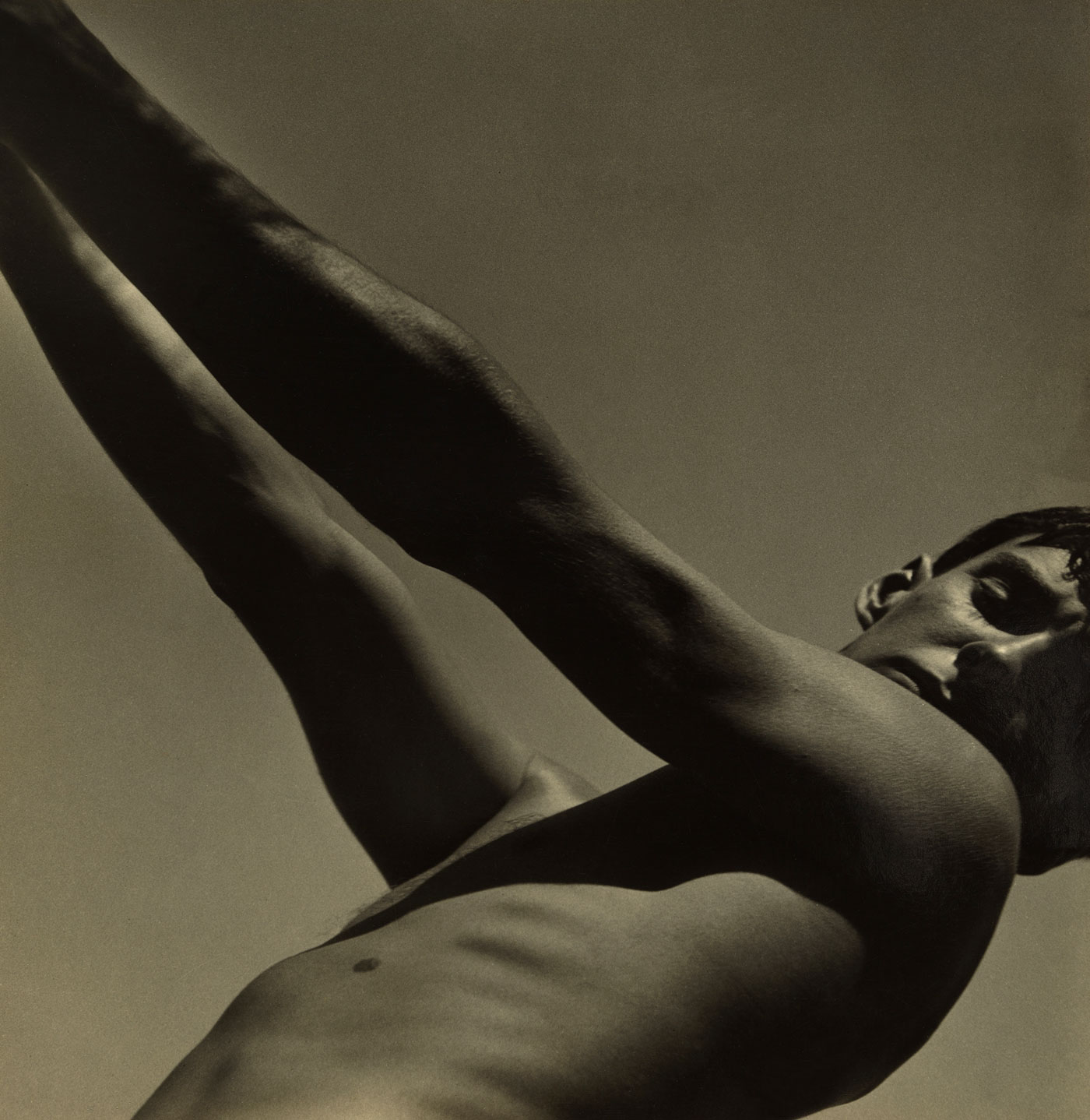
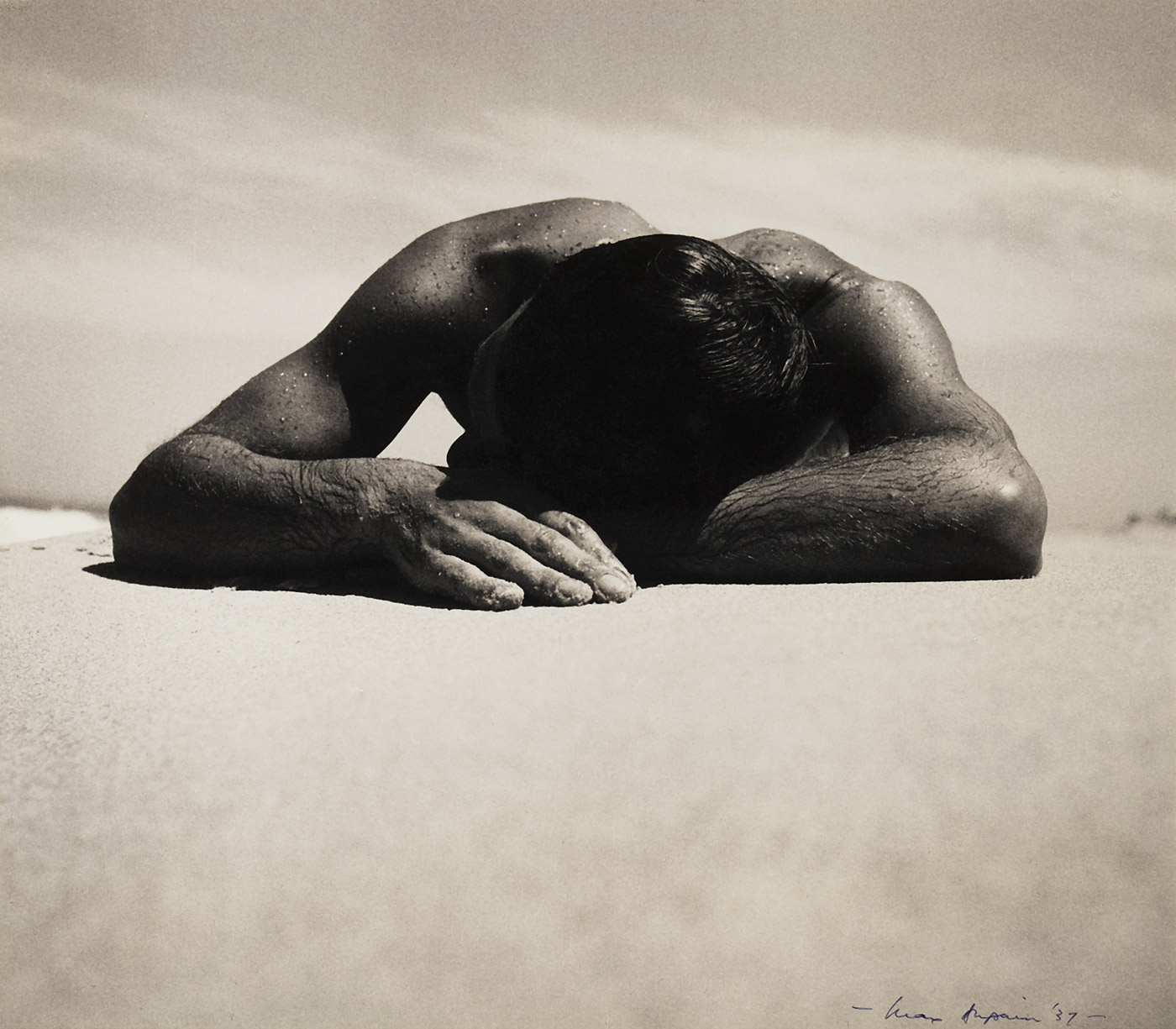

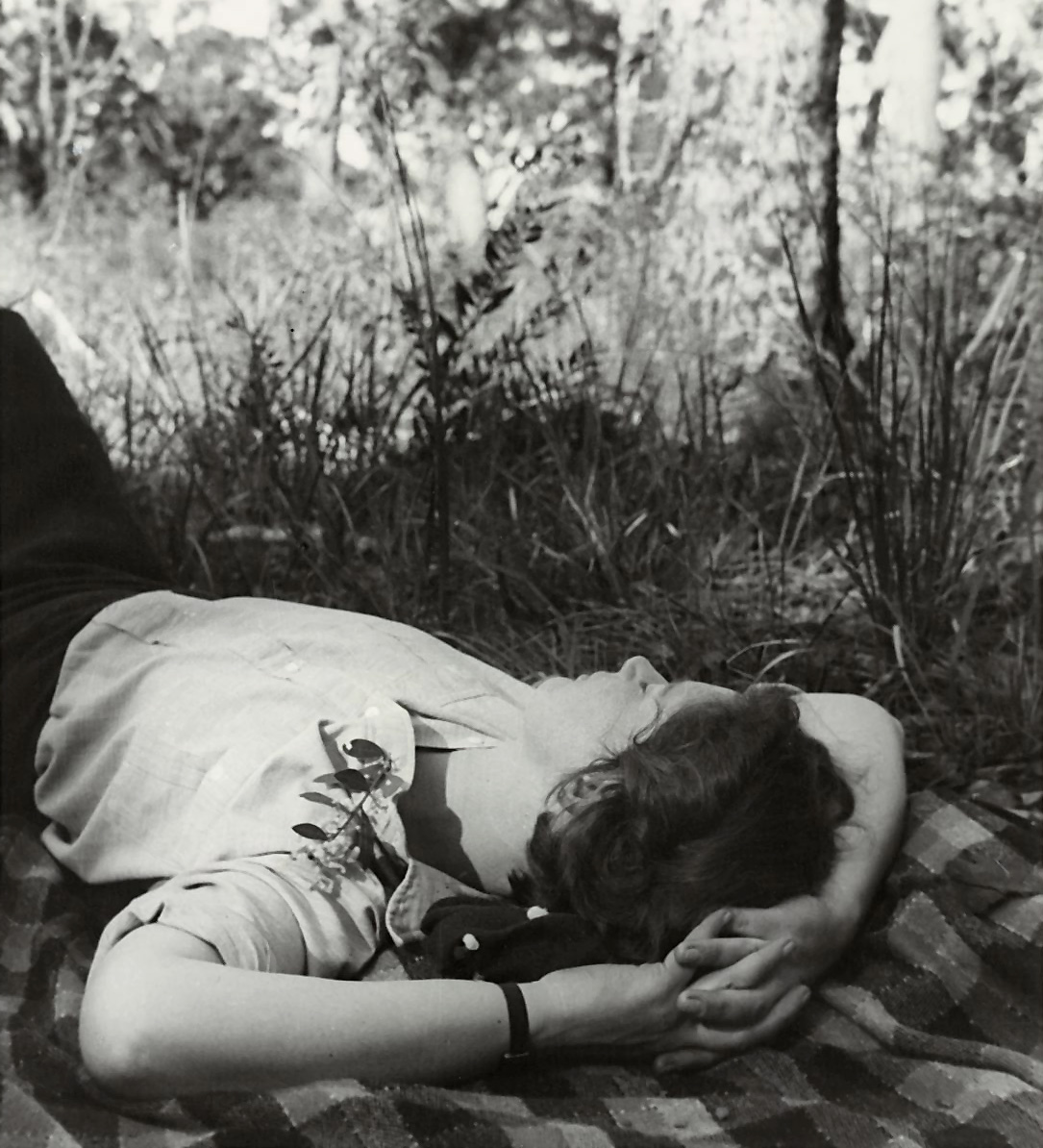
![Max Dupain (Australian, 1911-1992) 'Untitled [Olive Cotton in Wheat Fields]' Nd (probably late 1930s)](https://artblart.com/wp-content/uploads/2016/07/dupain-olive-cotton-in-wheat-fields-nd-web.jpg "Max Dupain (Australian, 1911-1992) 'Untitled [Olive Cotton in Wheat Fields]' Nd (probably late 1930s)")


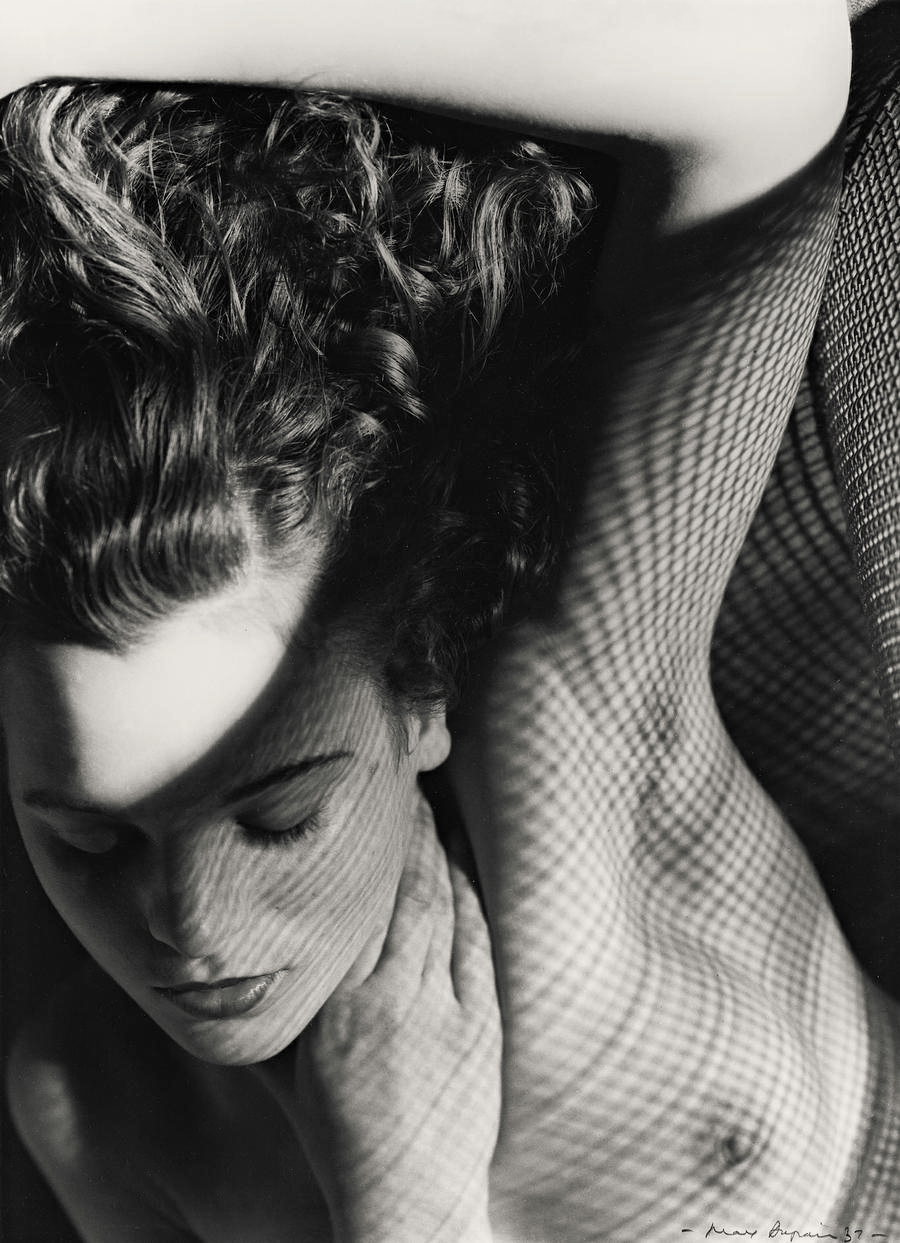
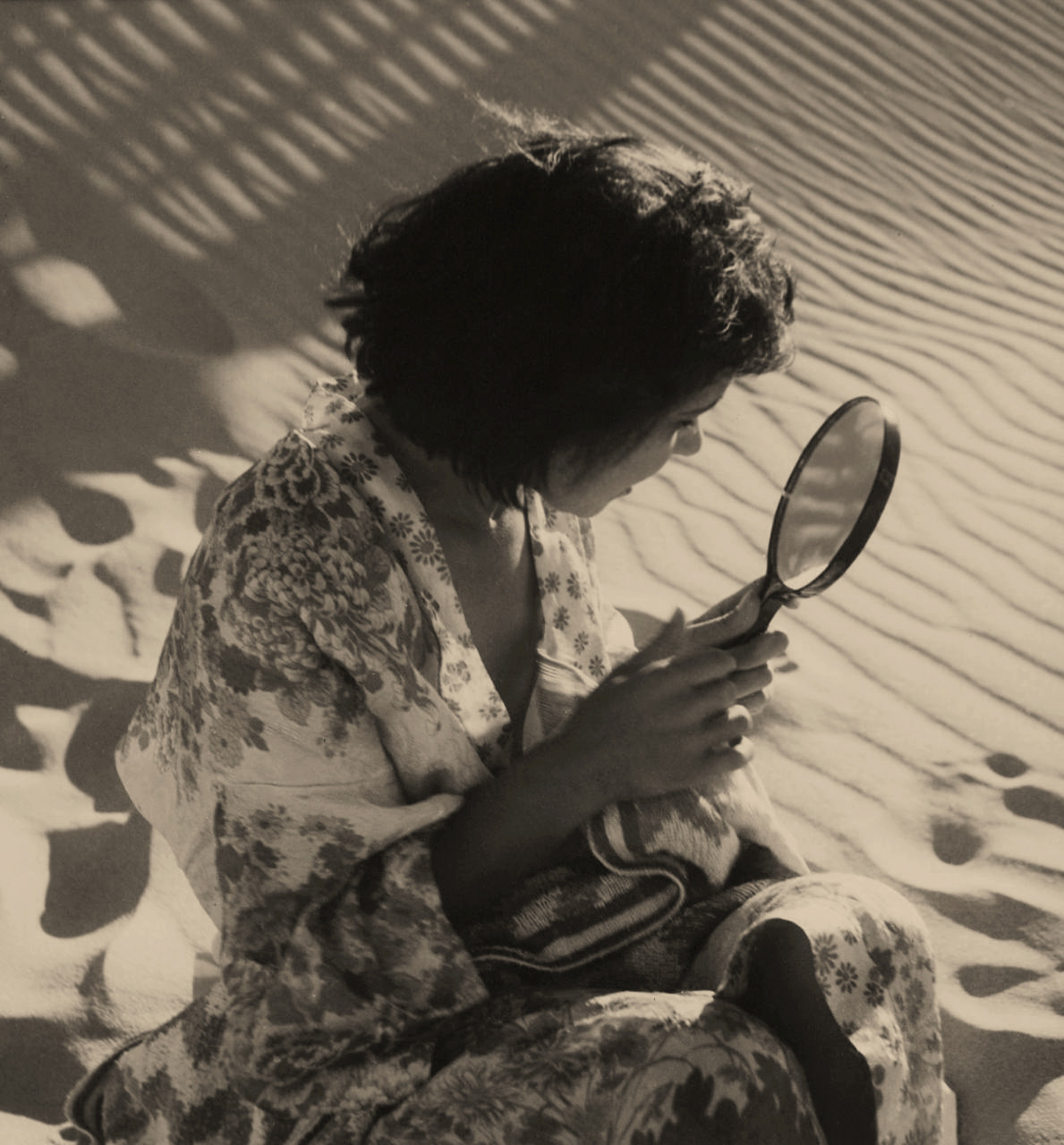

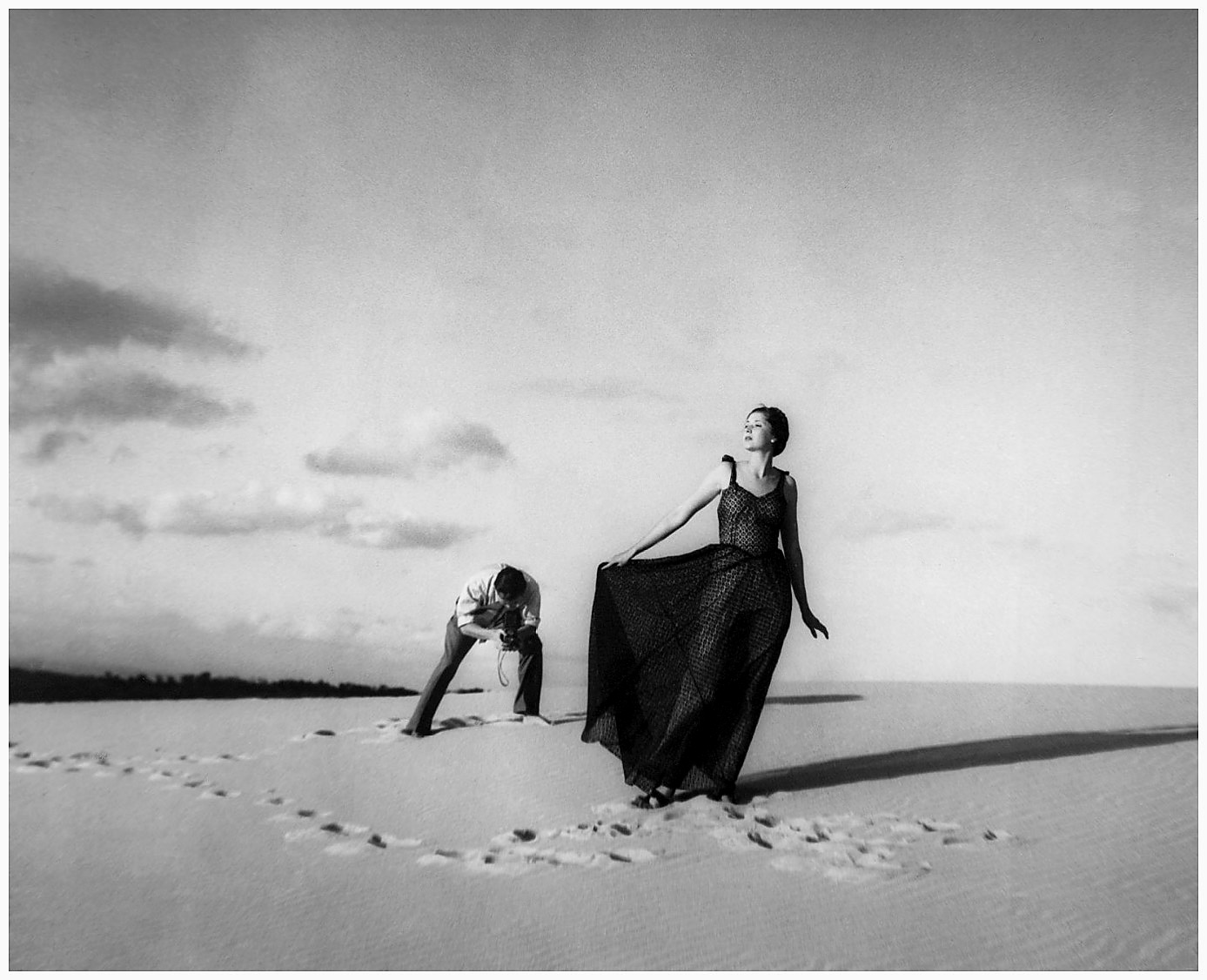
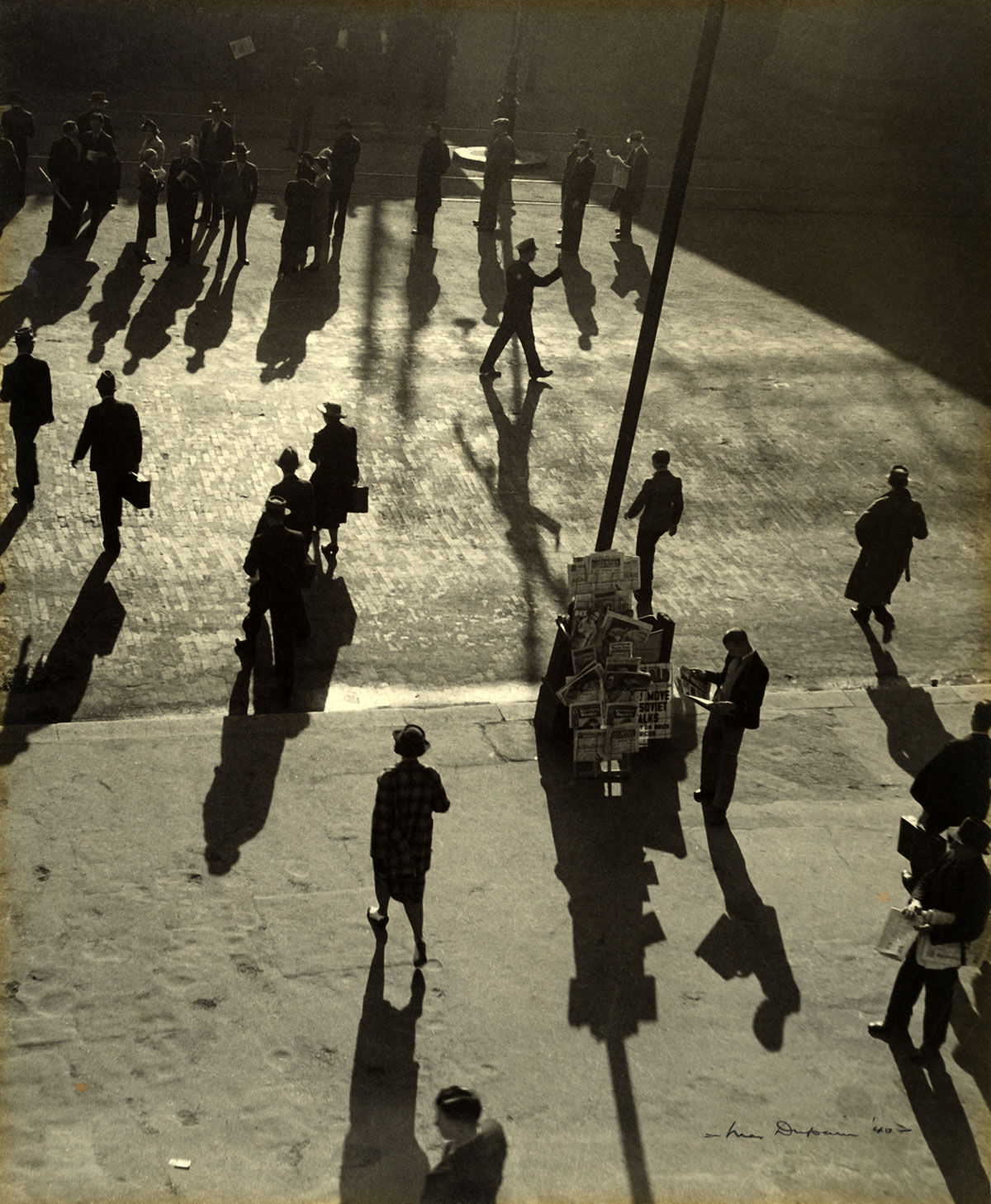


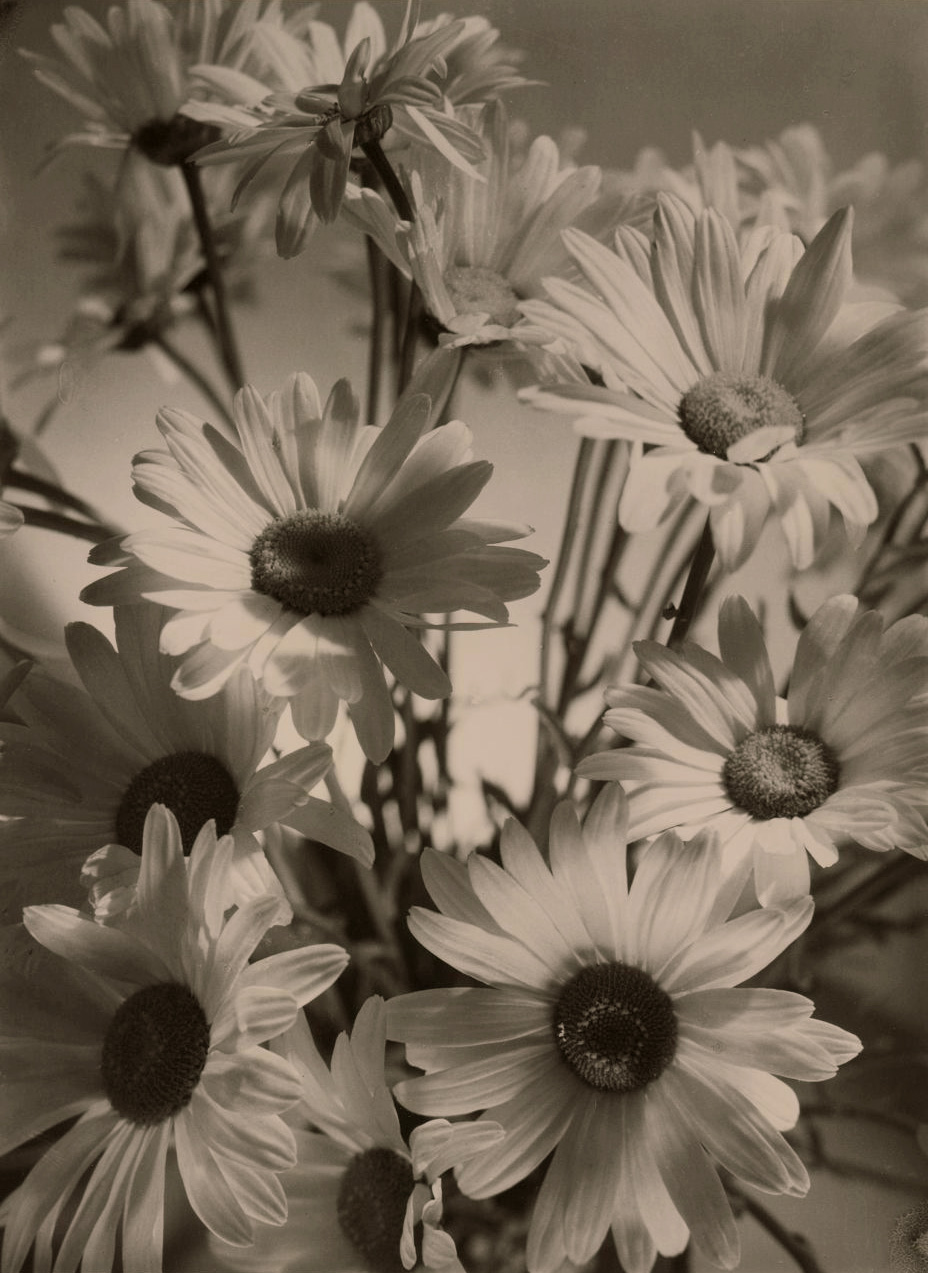
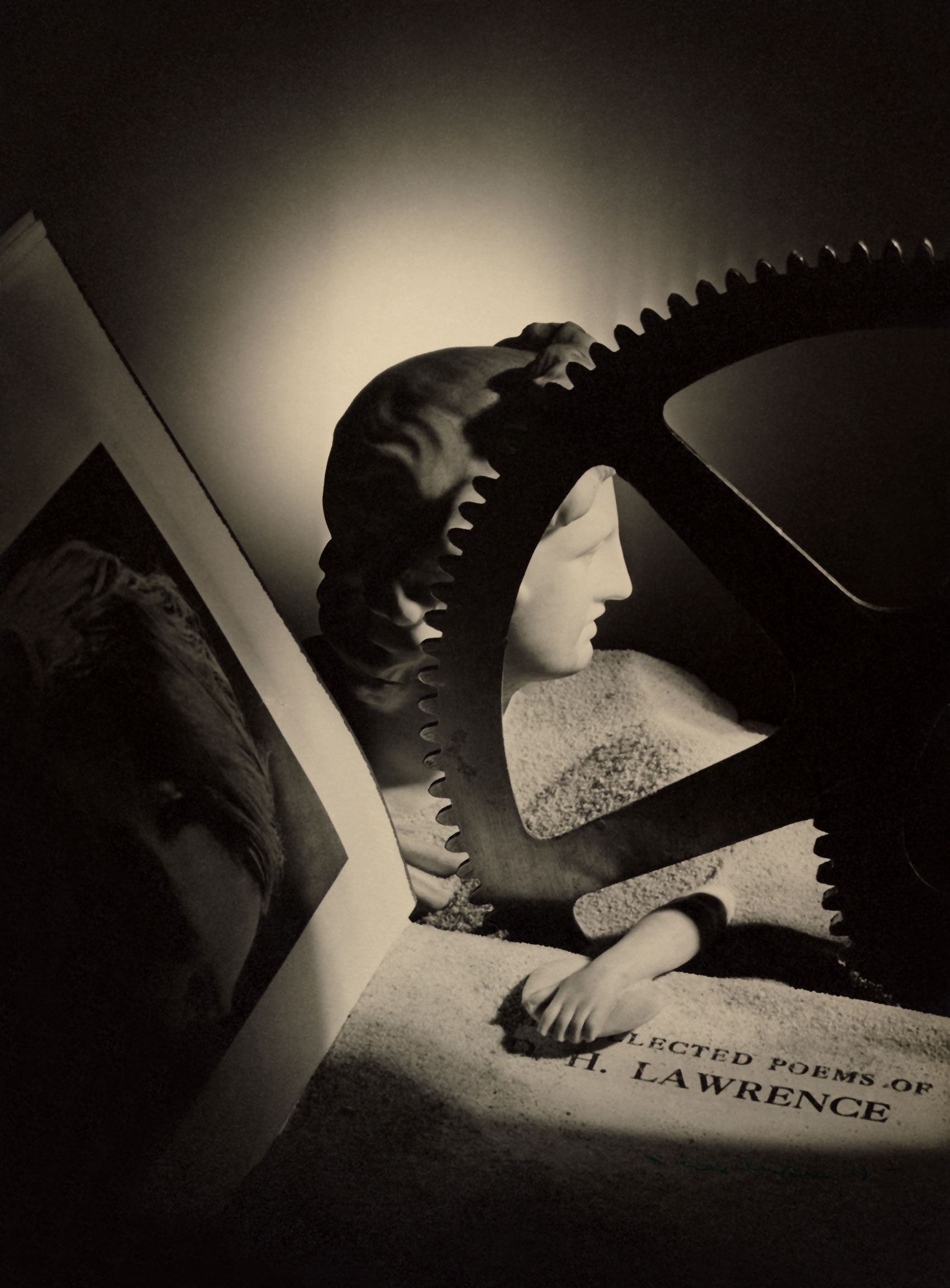

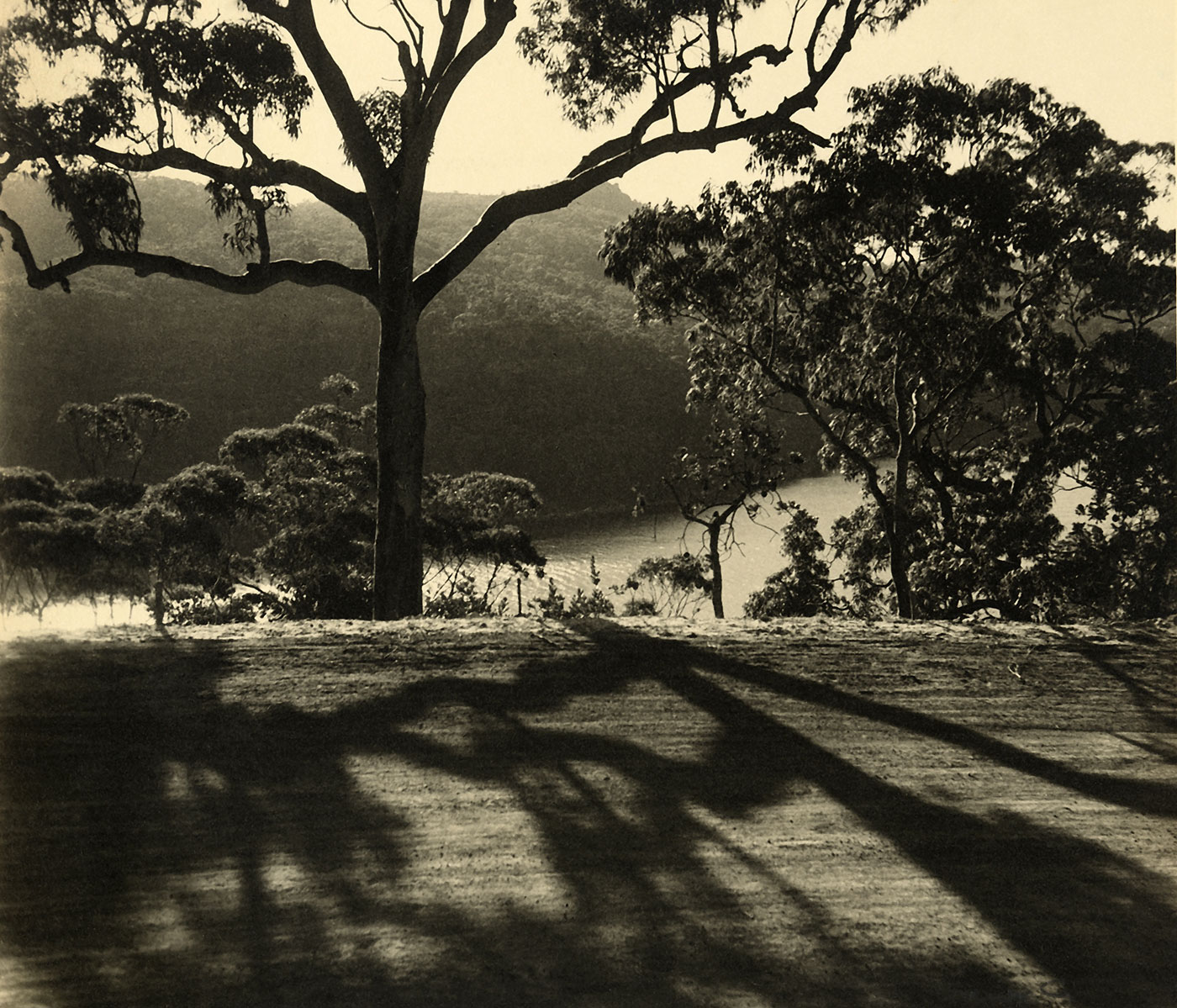
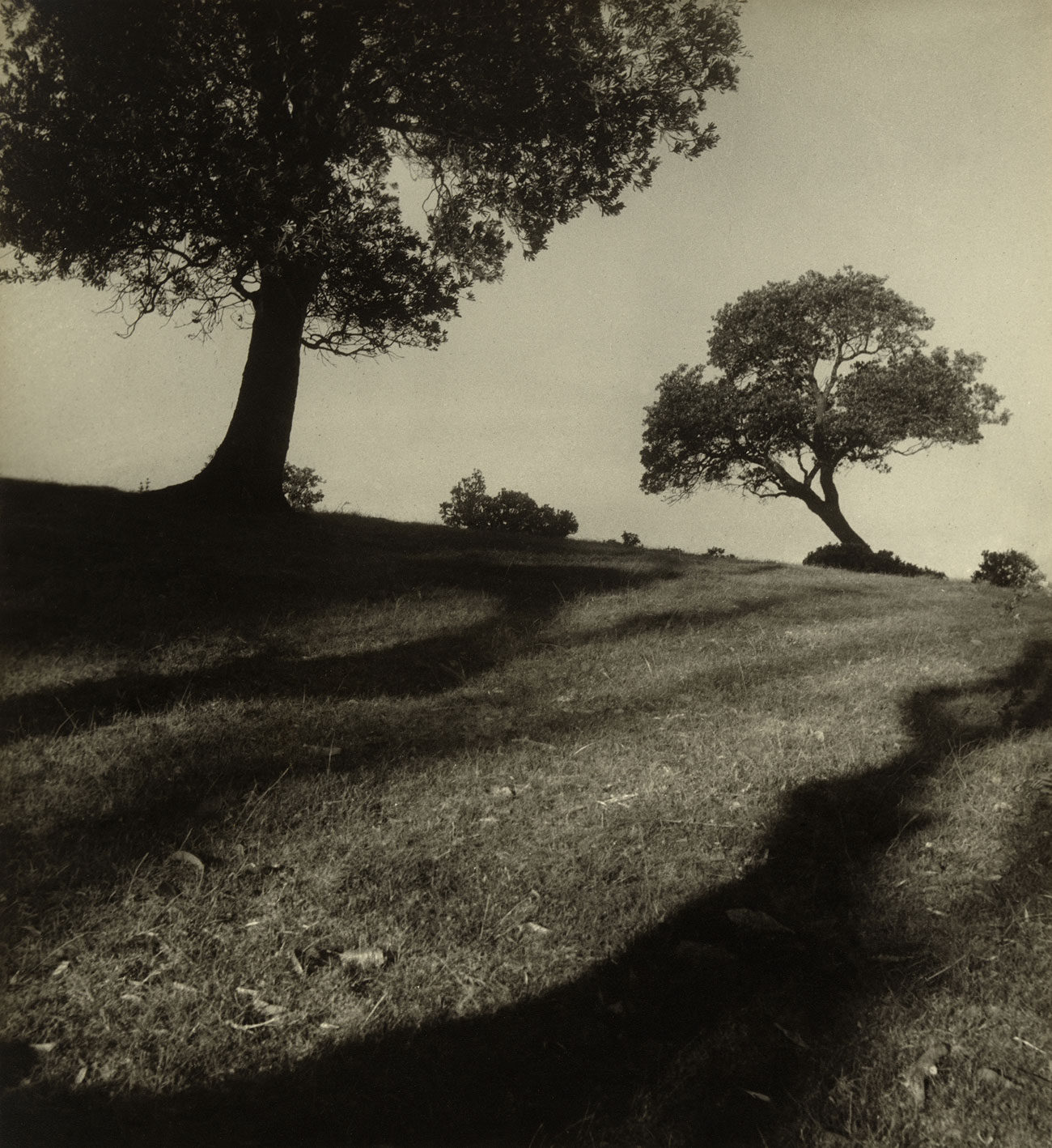


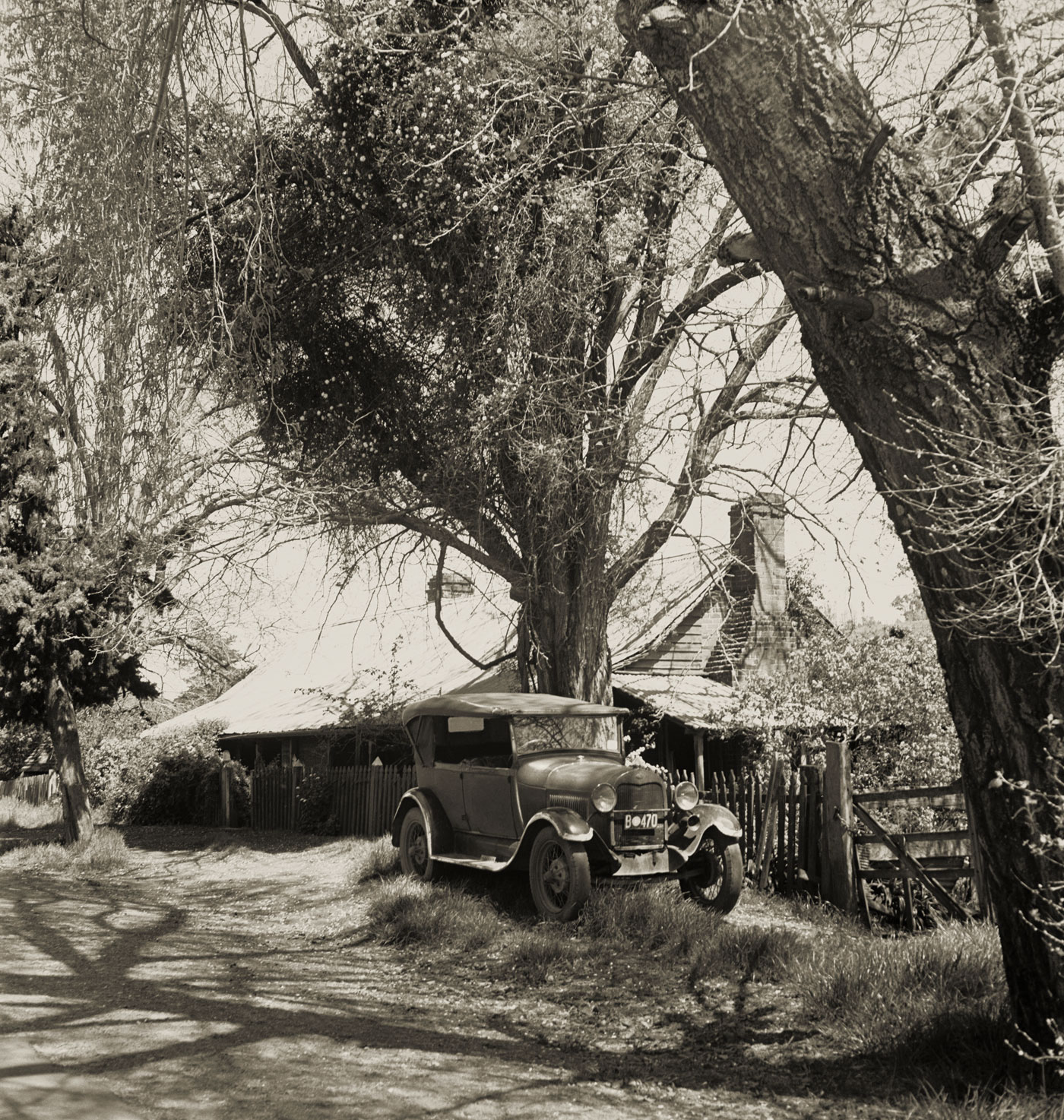

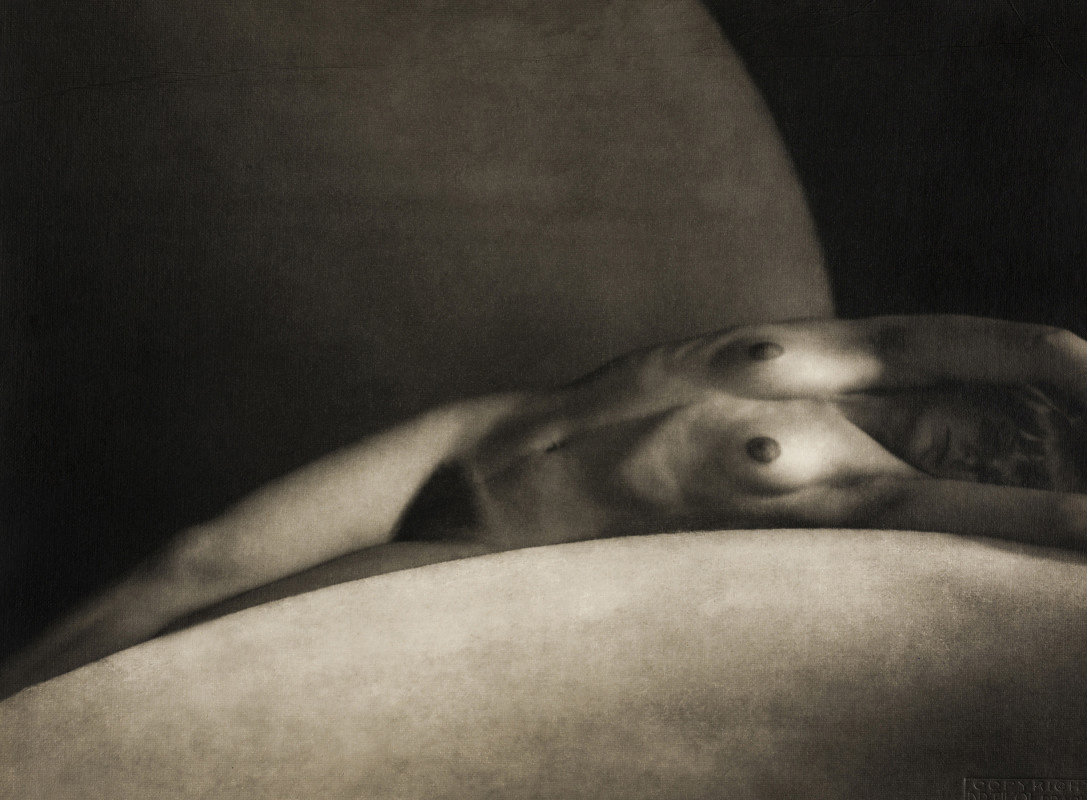

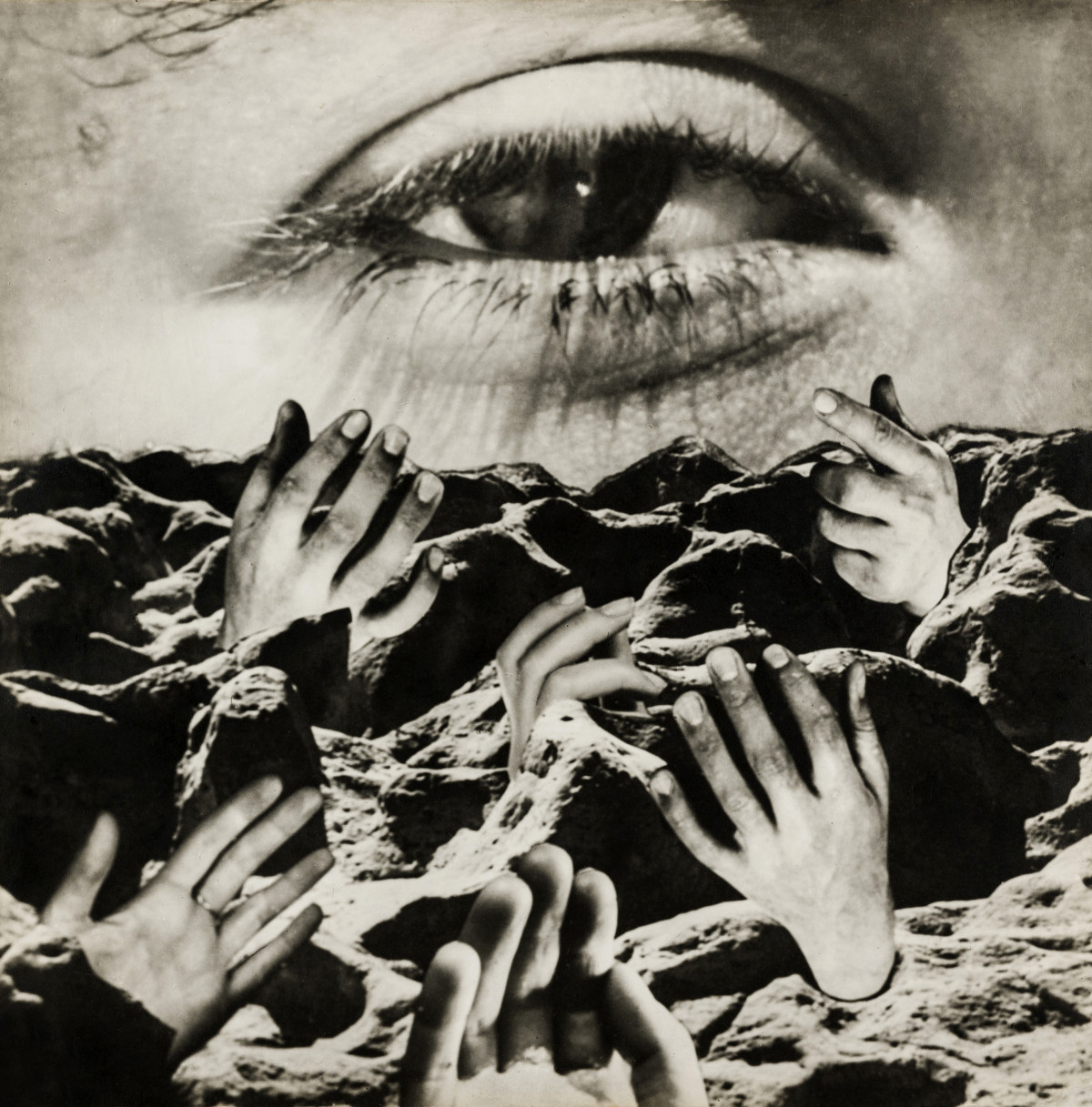
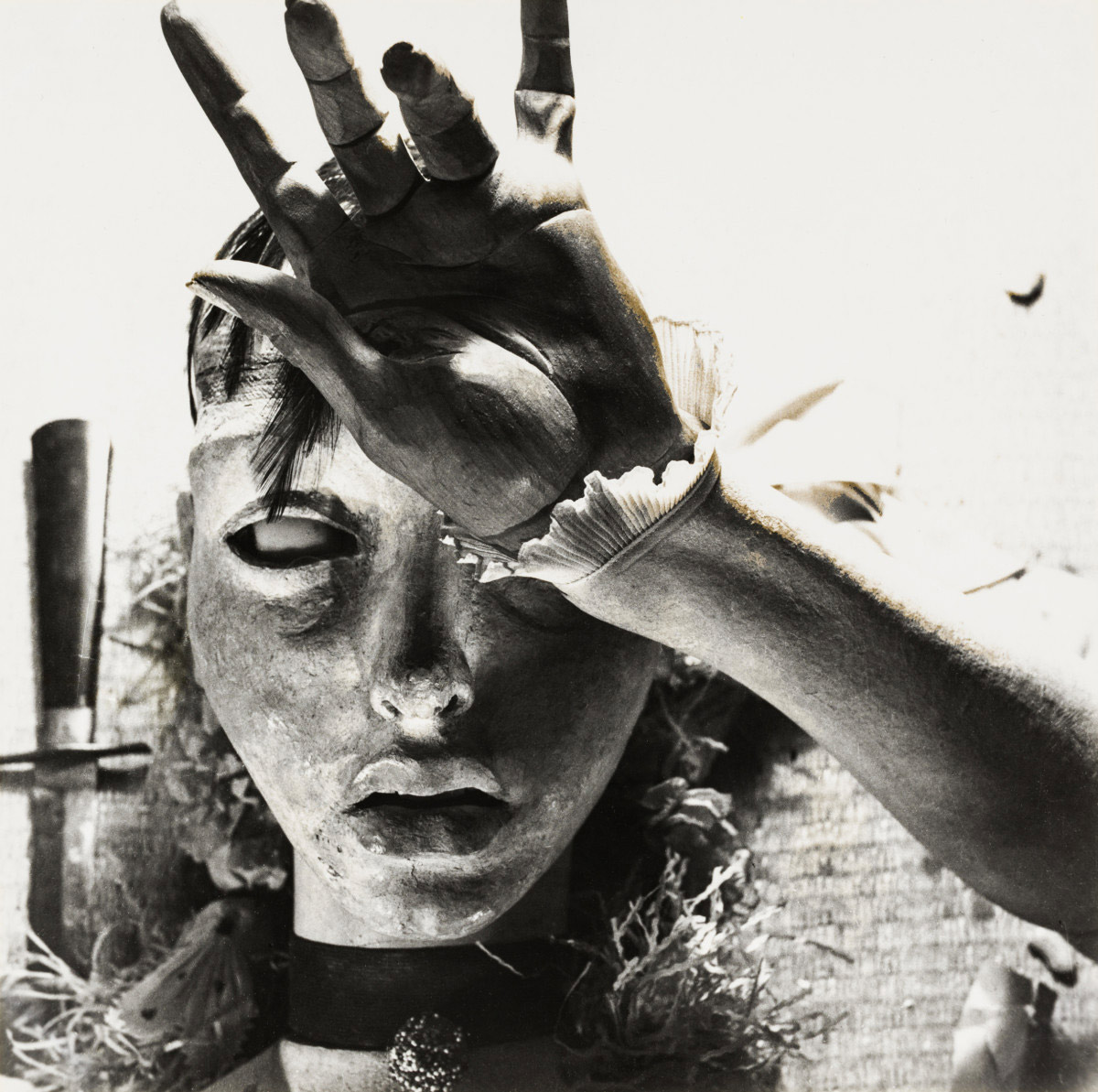


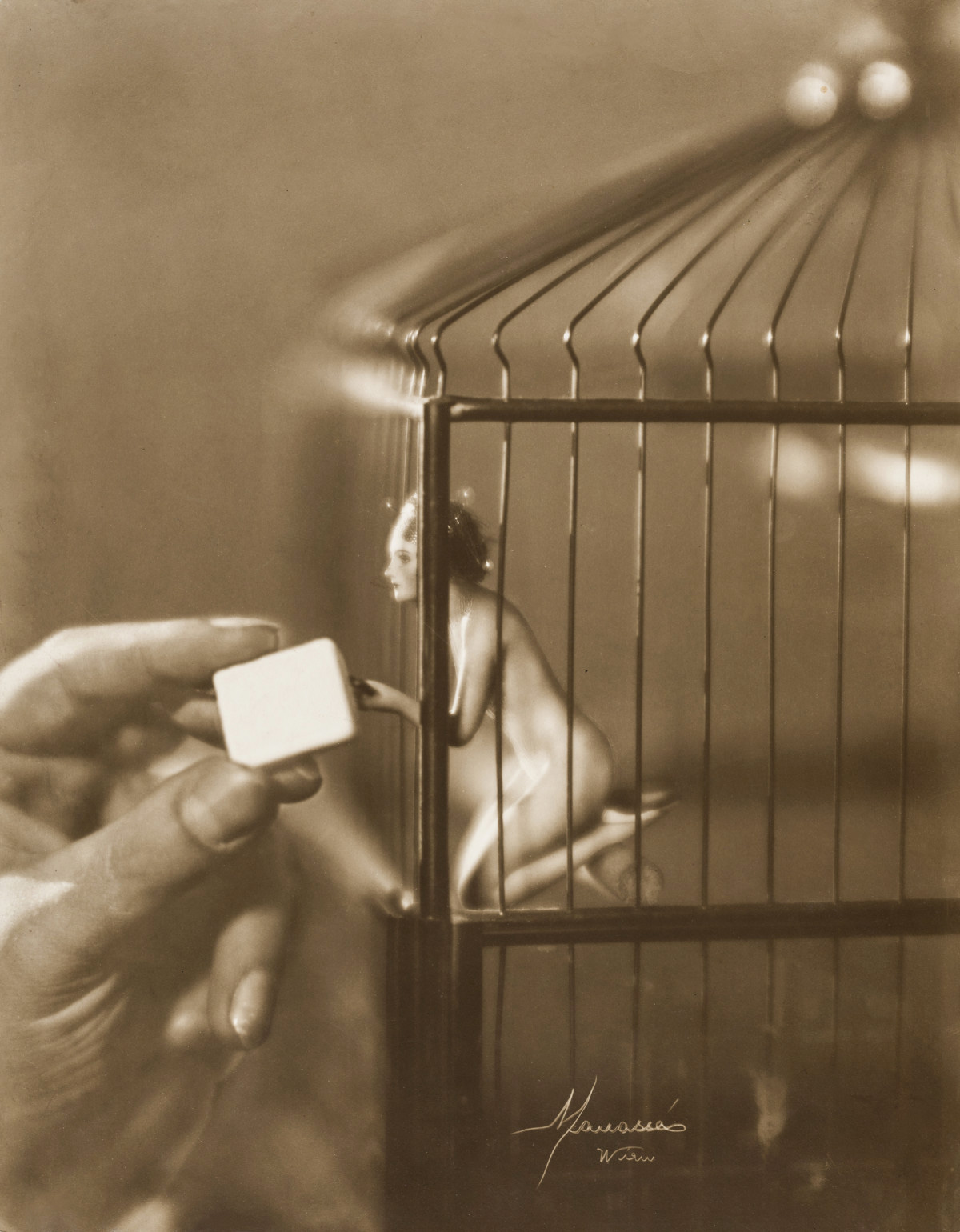


![Albert Renger-Patzsch (German, 1897-1966) 'Mantelpavian [Hamadryas Baboon]' c. 1925 from the exhibition 'The world is beautiful: photographs from the collection' at the National Gallery of Australia, Canberra, Dec 2015 - April 2016](https://artblart.com/wp-content/uploads/2016/03/albert-renger-patzsch-baboon-web.jpg "Albert Renger-Patzsch (German, 1897-1966) 'Mantelpavian [Hamadryas Baboon]' c. 1925 from the exhibition 'The world is beautiful: photographs from the collection' at the National Gallery of Australia, Canberra, Dec 2015 - April 2016")


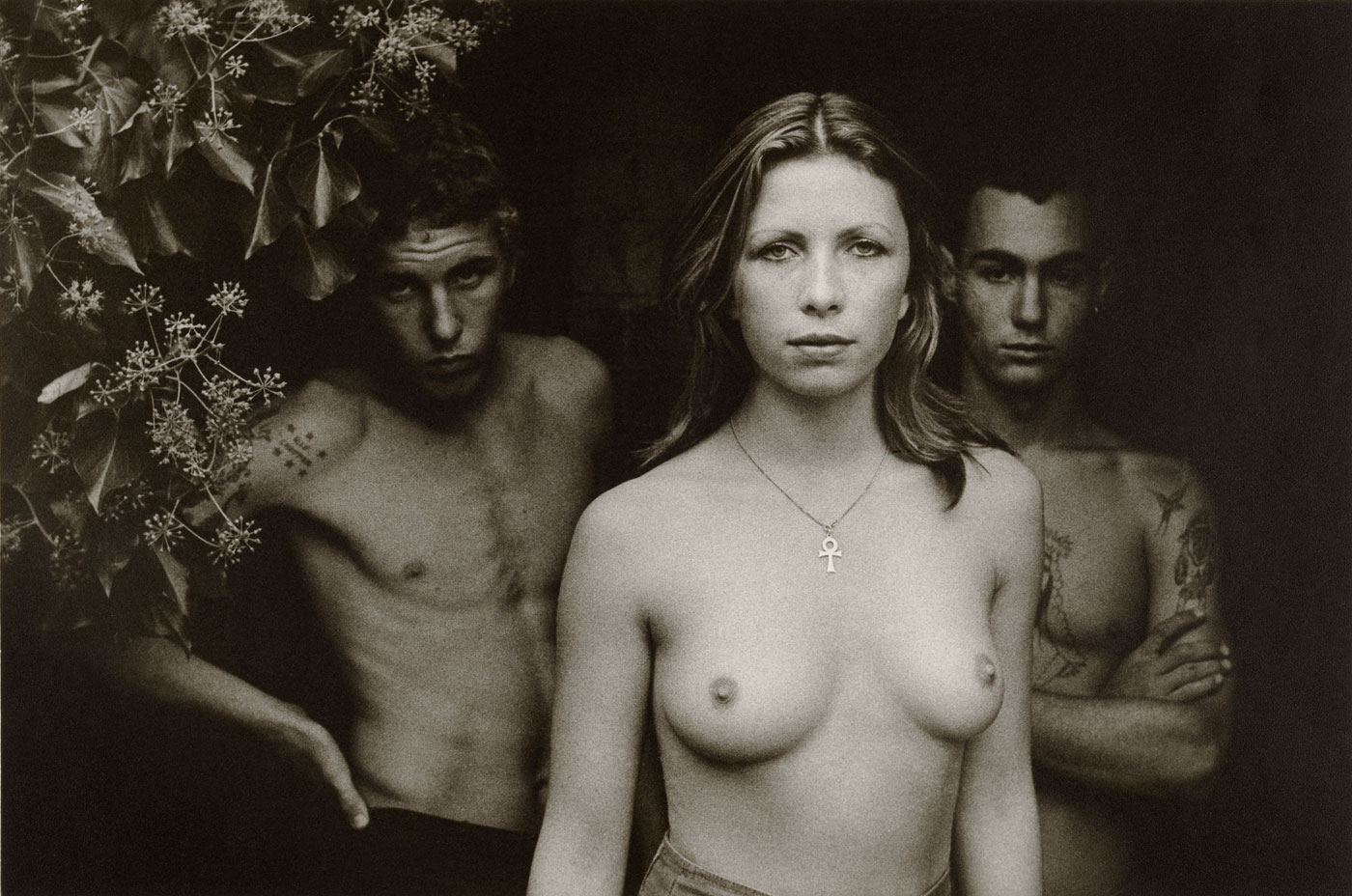


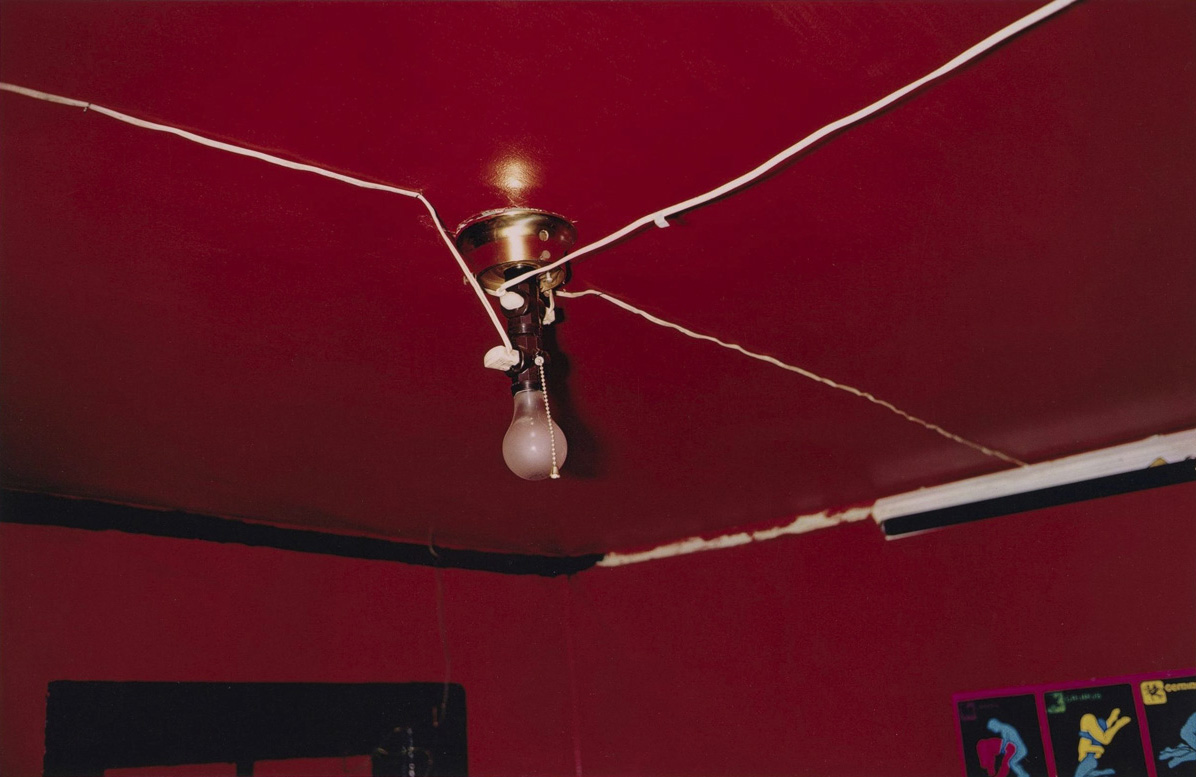


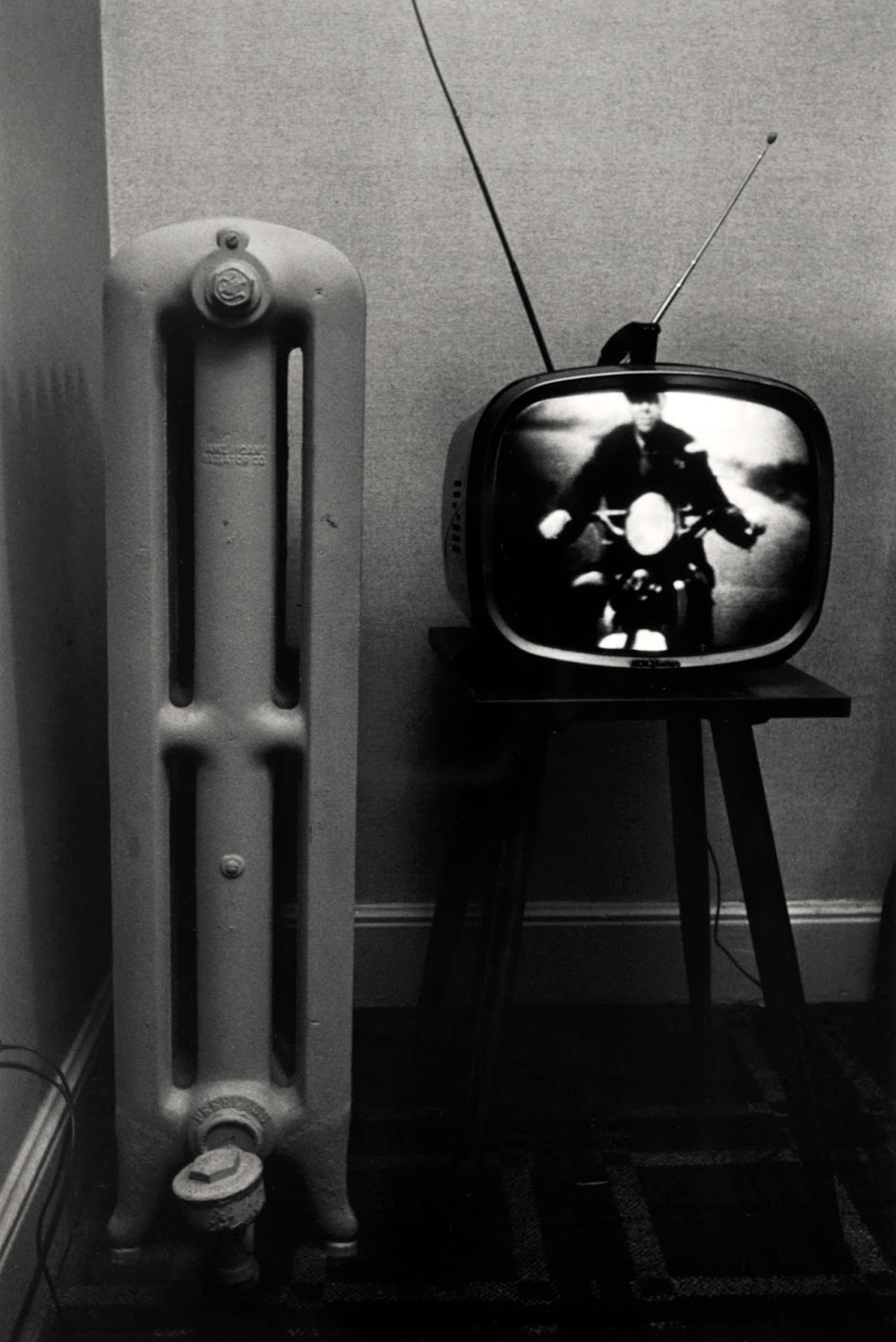
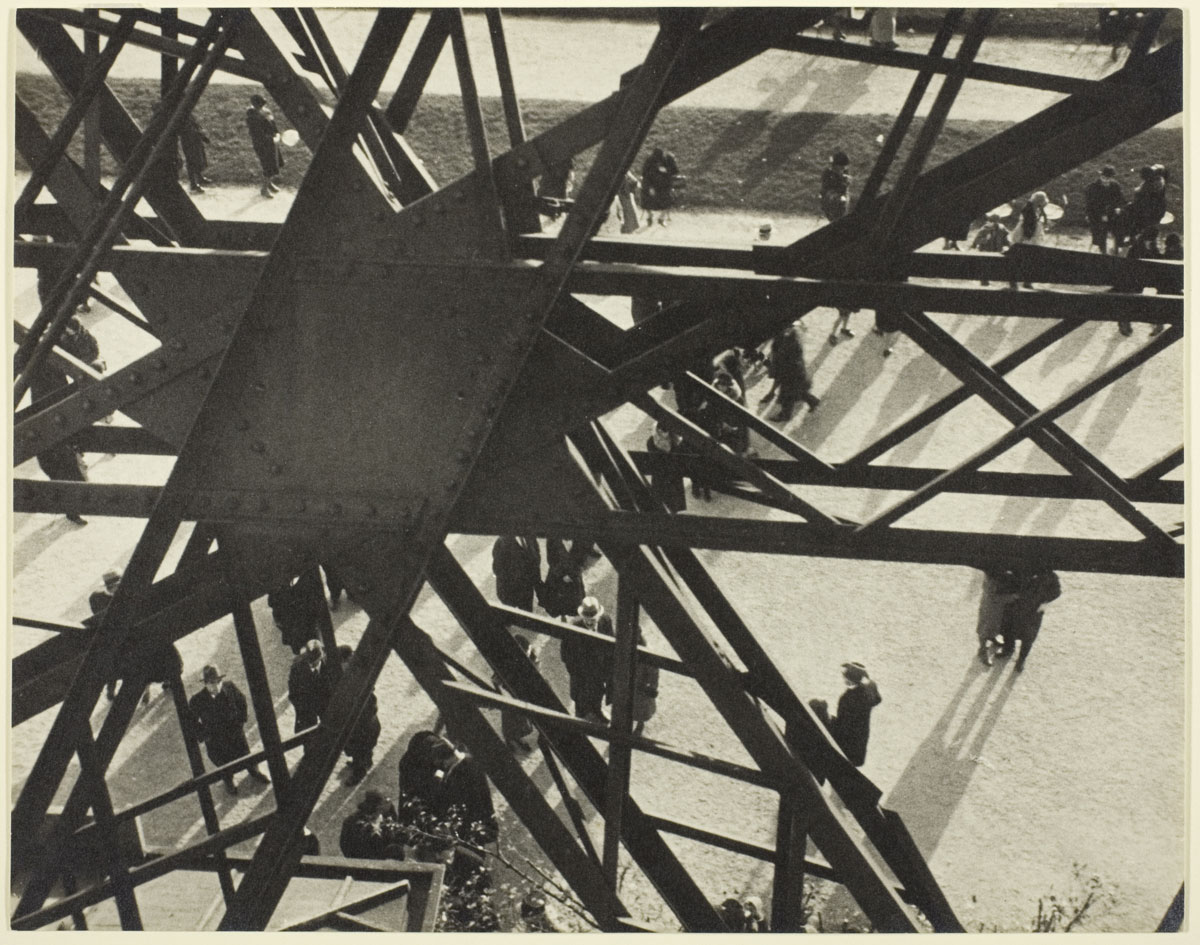


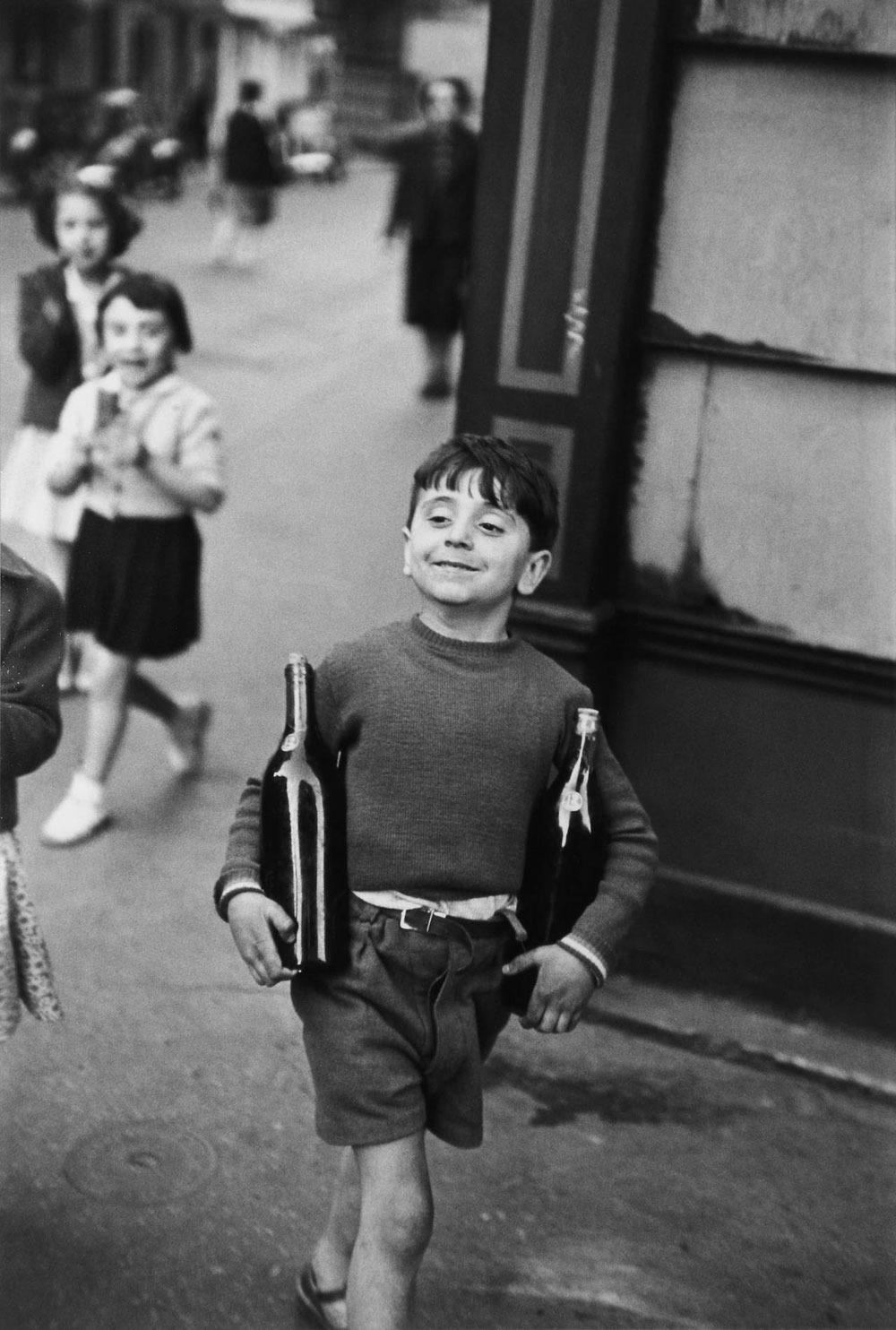
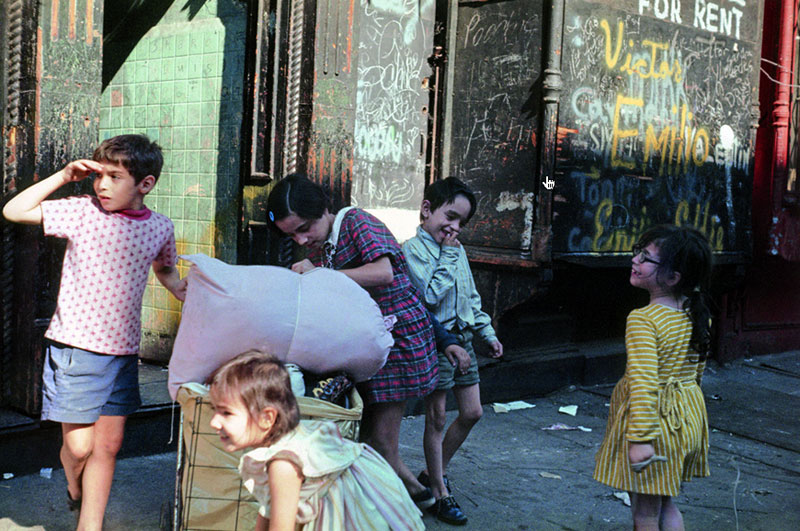







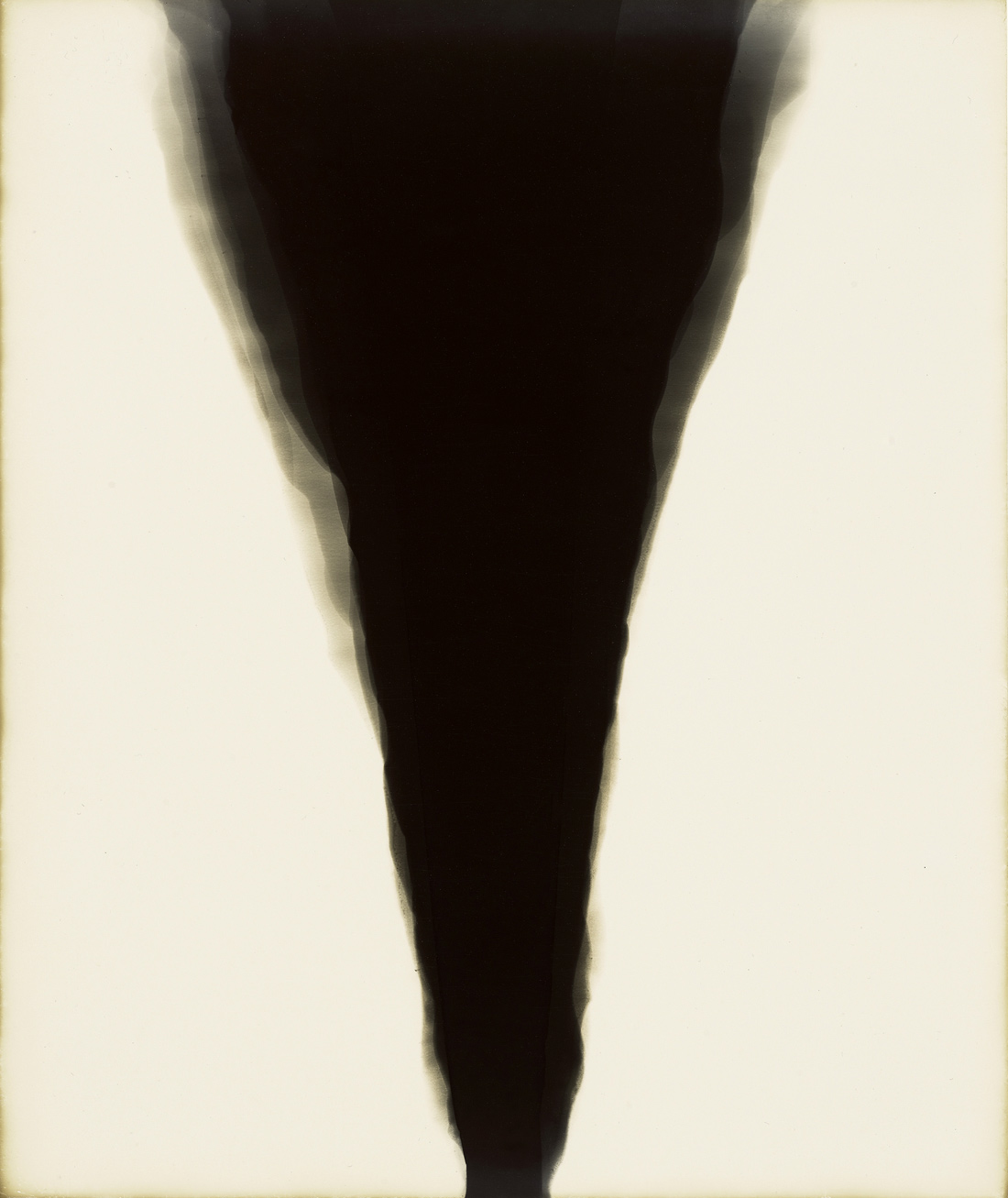


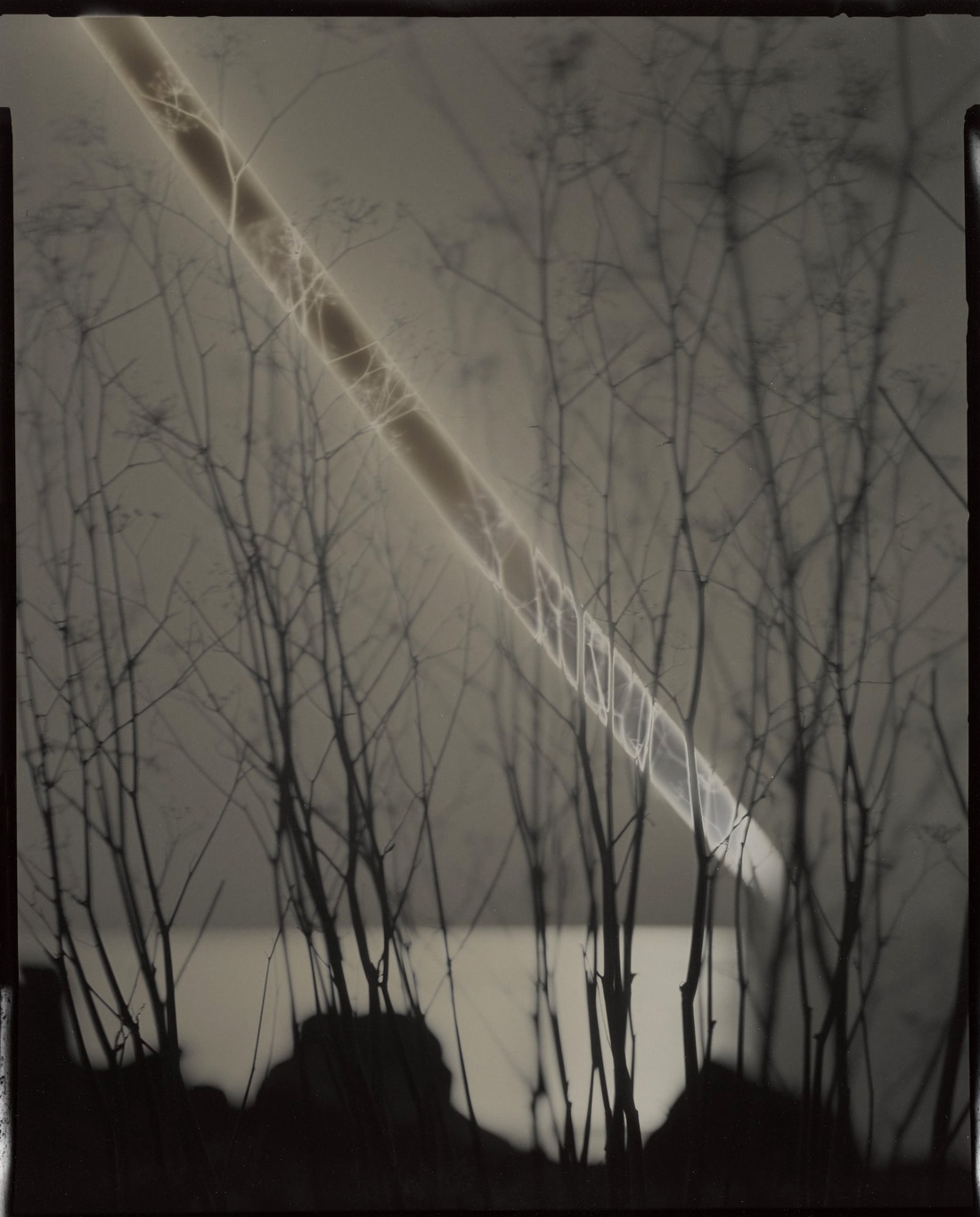


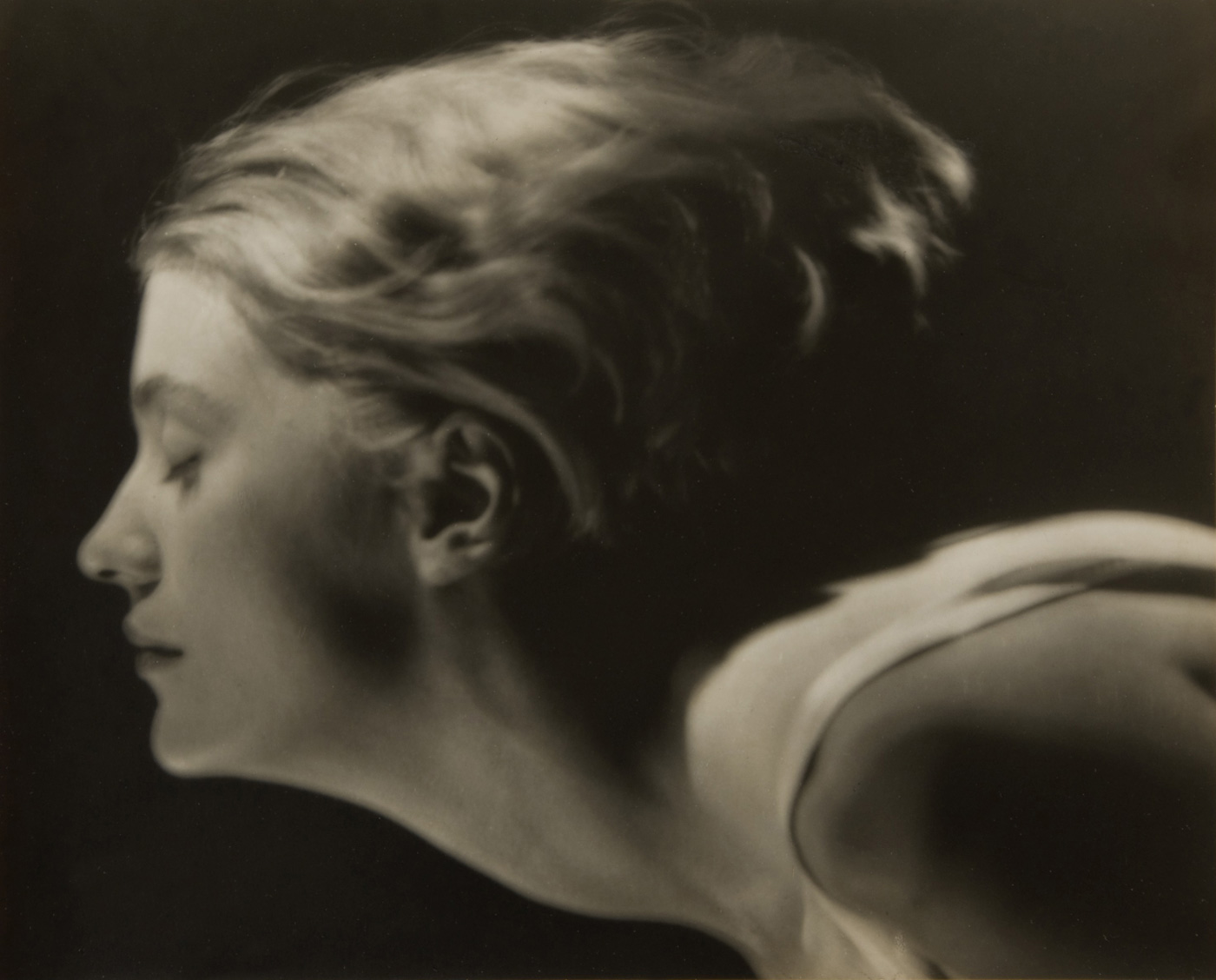
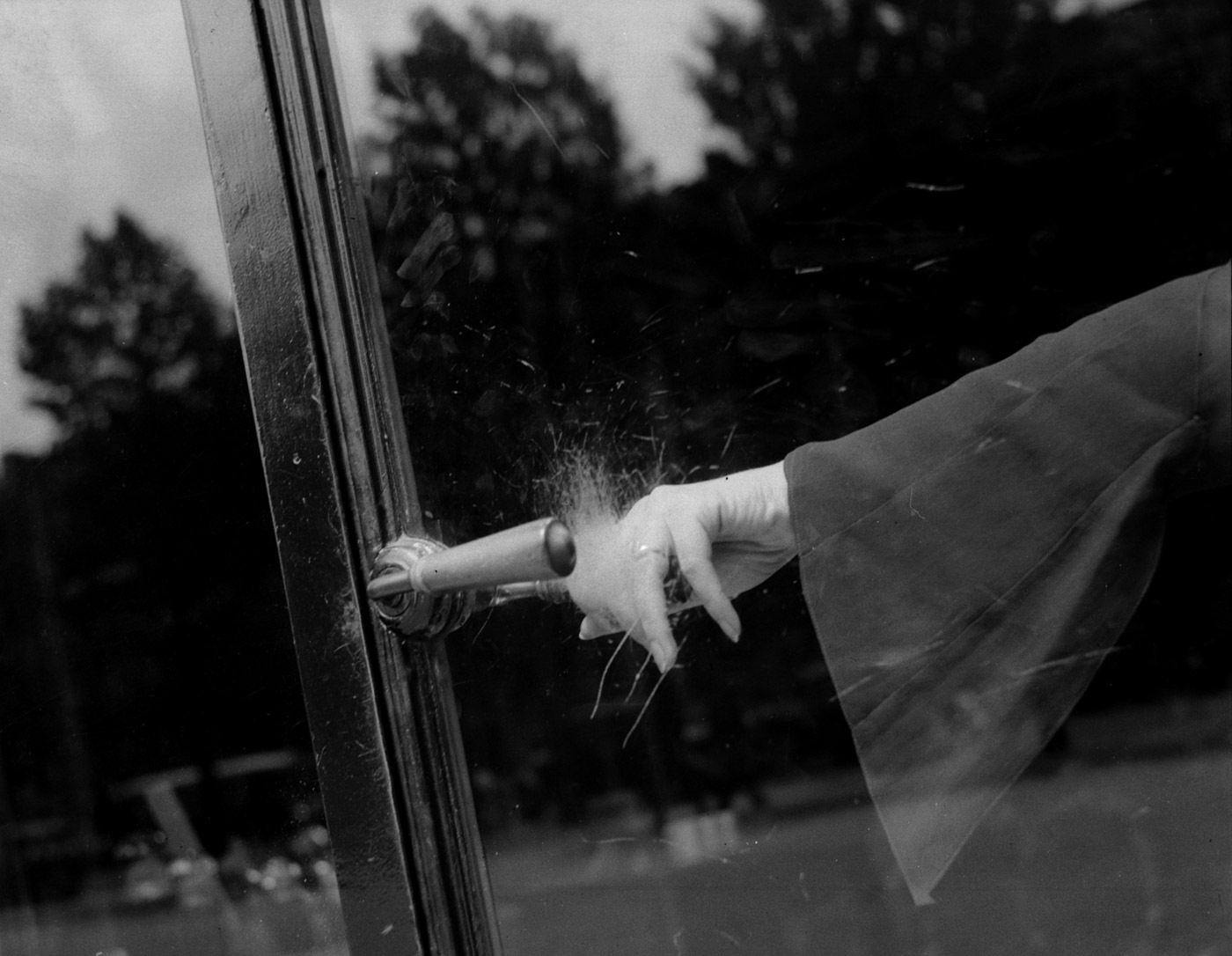

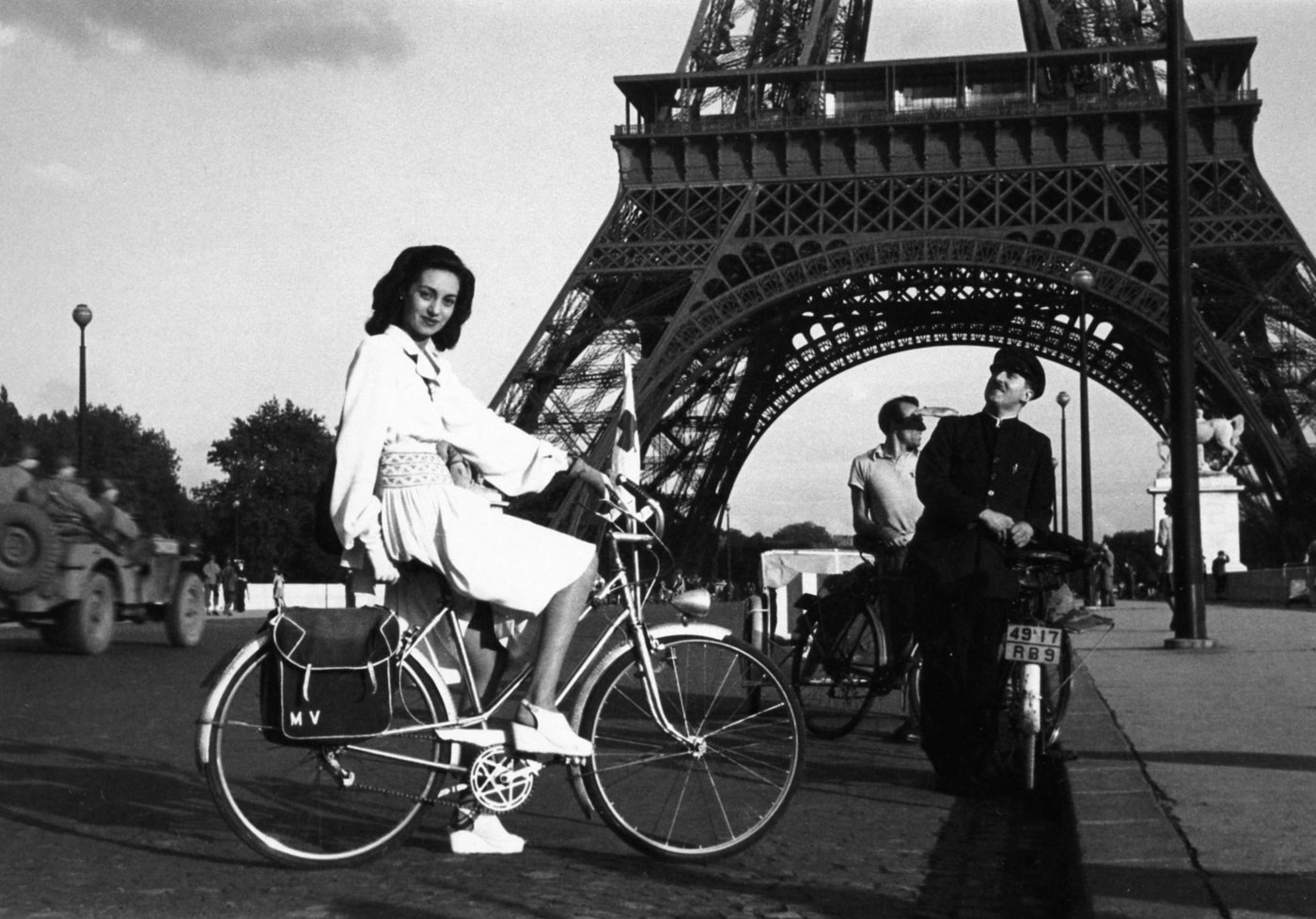

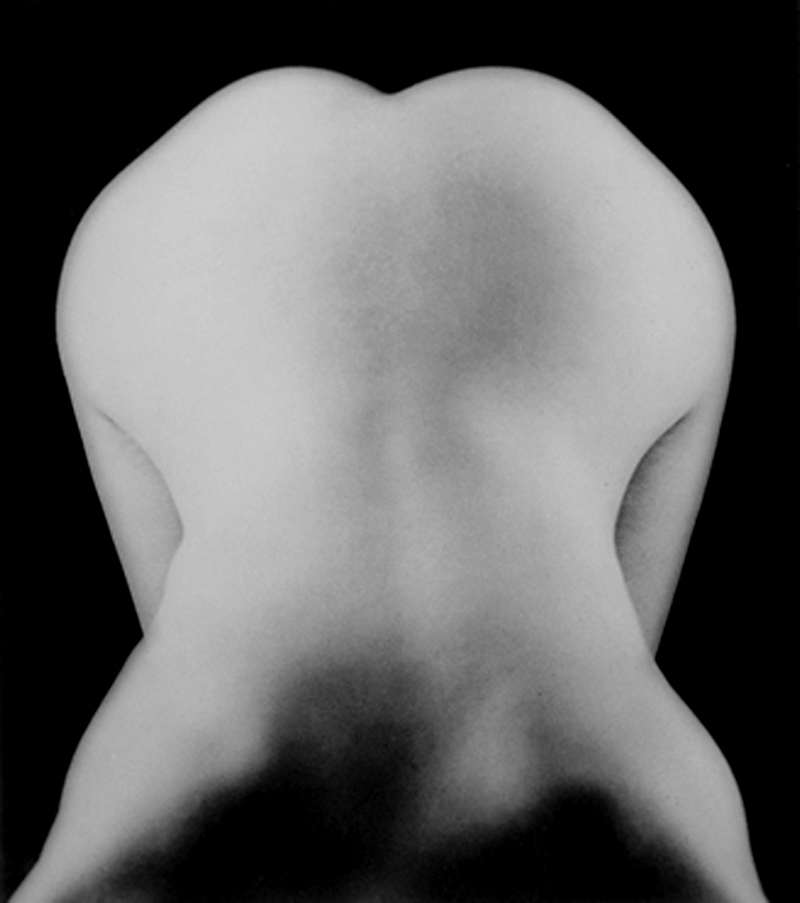



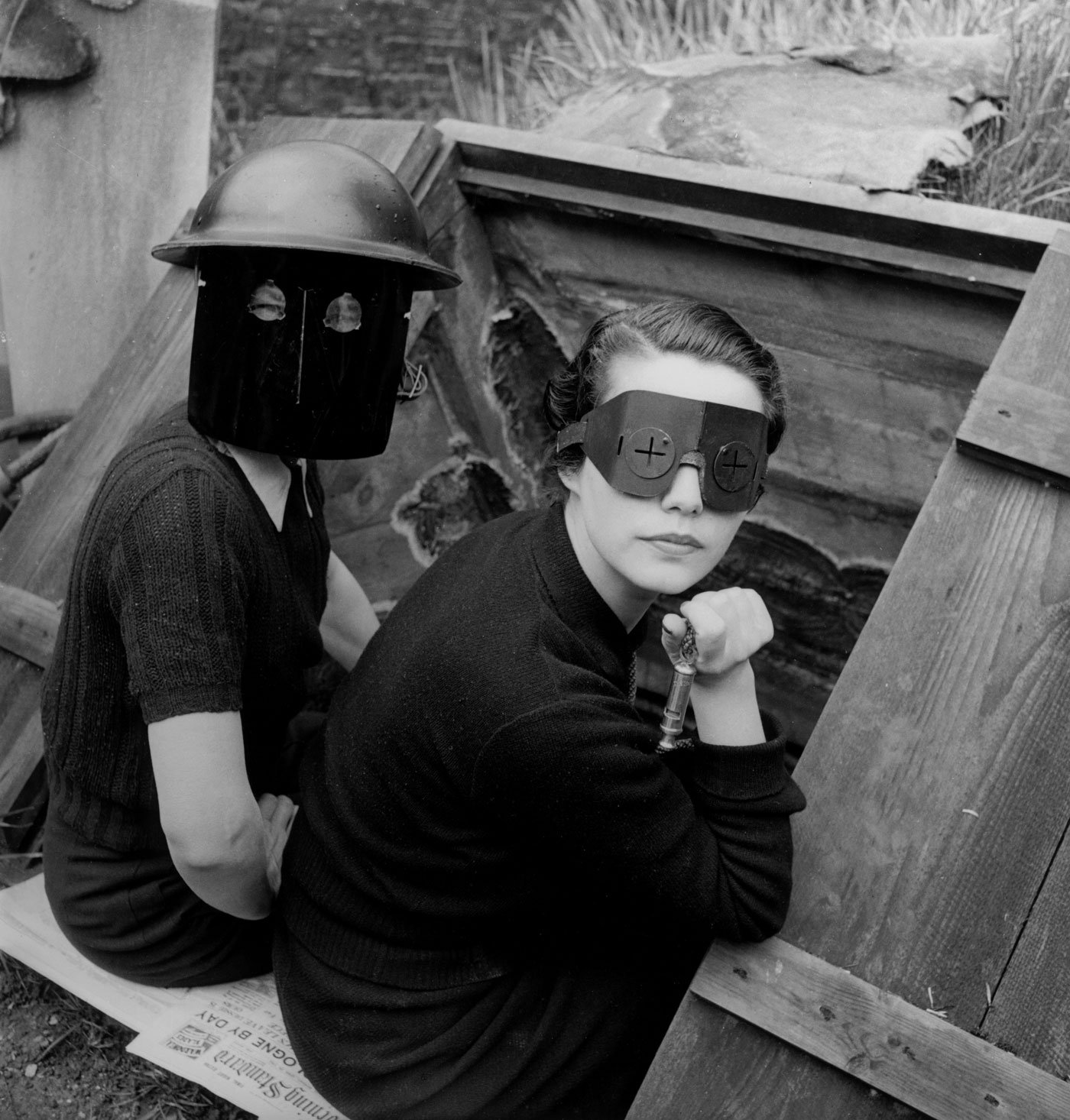


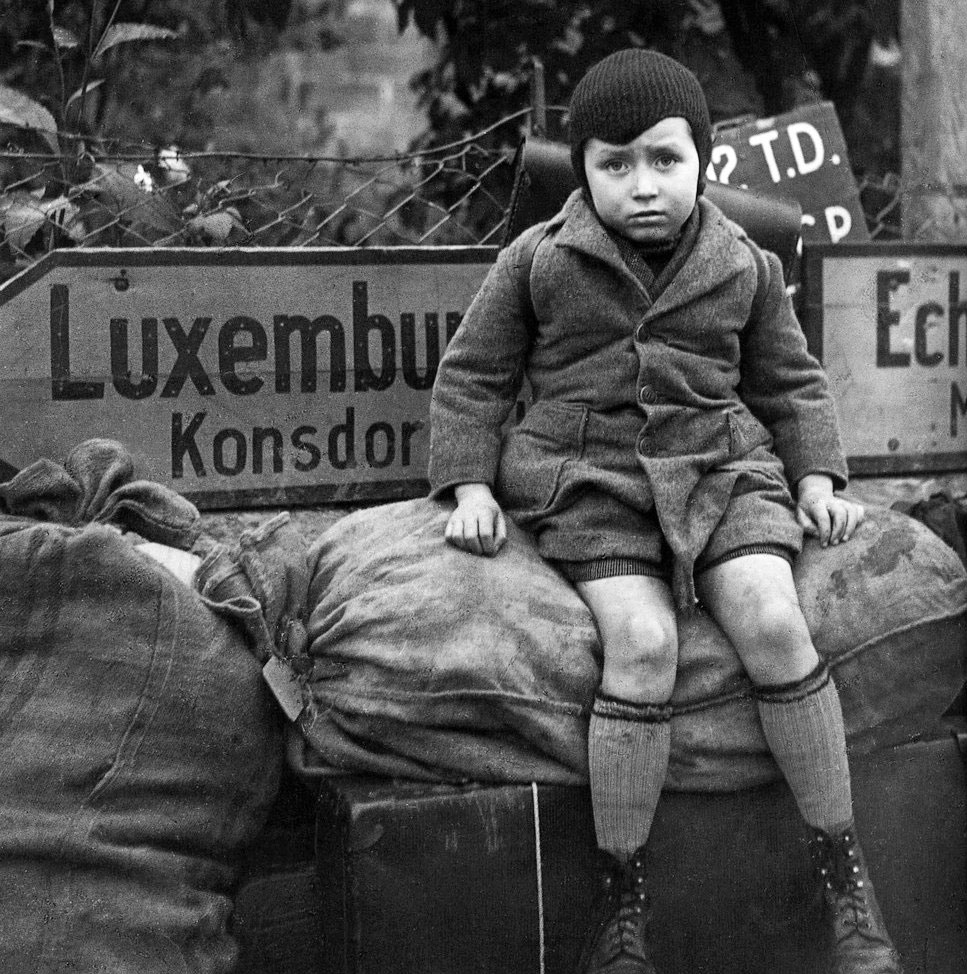


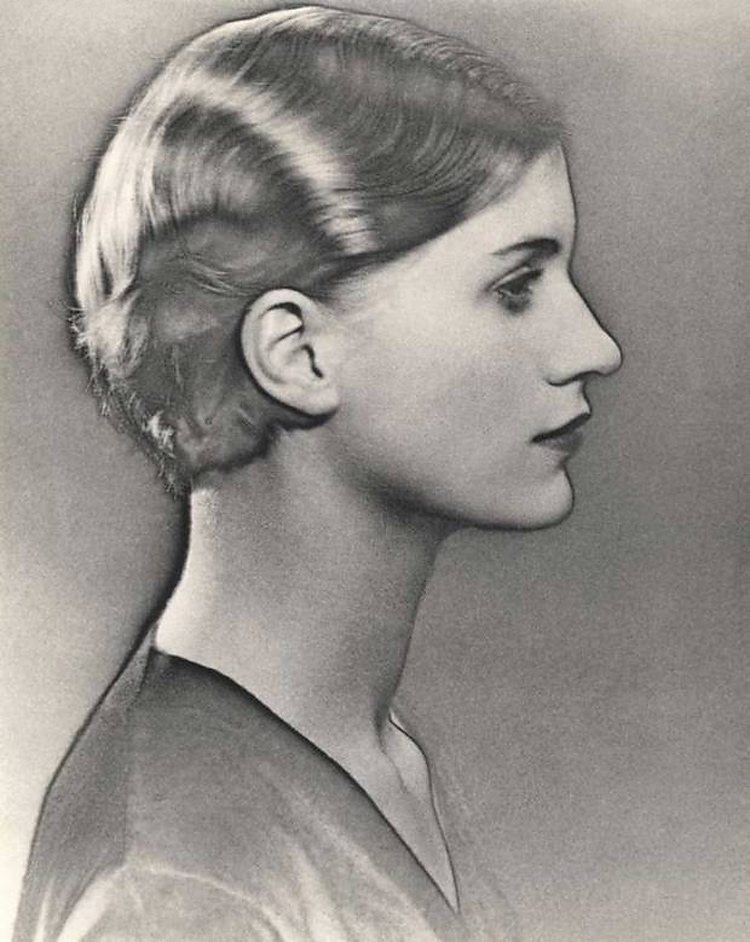


![Platt D. Babbitt (American, 1823-1879, active Niagara Falls, New York 1853-1870) '[Scene at Niagara Falls]' c. 1855 from the exhibition 'In Focus: Play' at the J. Paul Getty Museum at the Getty Center, Los Angeles, December 2014 - May 2015](https://artblart.com/wp-content/uploads/2015/03/platt_d_babbitt_scene_at_niagara_falls-web.jpg "Platt D. Babbitt (American, 1823-1879, active Niagara Falls, New York 1853-1870) '[Scene at Niagara Falls]' c. 1855 from the exhibition 'In Focus: Play' at the J. Paul Getty Museum at the Getty Center, Los Angeles, December 2014 - May 2015")

![Camille Silvy (French, 1834-1910, active in London) 'Group of their Royal Highnesses the Princess Clementine de Saxe Cobourg Gotha, her Sons and Daughter, the Duke d'Aumale, the Count d'Eu, the Duke d'Alencon, and the Duke de Penthievre [in England]' 1864](https://artblart.com/wp-content/uploads/2015/03/camille-silvy-group-of-their-royal-web.jpg "Camille Silvy (French, 1834-1910, active in London) 'Group of their Royal Highnesses the Princess Clementine de Saxe Cobourg Gotha, her Sons and Daughter, the Duke d'Aumale, the Count d'Eu, the Duke d'Alencon, and the Duke de Penthievre [in England]' 1864")
![Camille Silvy (French, 1834-1910, active in London) 'Group of their Royal Highnesses the Princess Clementine de Saxe Cobourg Gotha, her Sons and Daughter, the Duke d'Aumale, the Count d'Eu, the Duke d'Alencon, and the Duke de Penthievre [in England]' 1864 (detail)](https://artblart.com/wp-content/uploads/2015/03/camille-silvy-group-of-their-royal-detail.jpg "Camille Silvy (French, 1834-1910, active in London) 'Group of their Royal Highnesses the Princess Clementine de Saxe Cobourg Gotha, her Sons and Daughter, the Duke d'Aumale, the Count d'Eu, the Duke d'Alencon, and the Duke de Penthievre [in England]' 1864 (detail)")
![Man Ray (American, 1890-1976) '[Marcel Duchamp and Raoul de Roussy de Sales Playing Chess]' 1925](https://artblart.com/wp-content/uploads/2015/03/gm_05332701-web.jpg "Man Ray (American, 1890-1976) '[Marcel Duchamp and Raoul de Roussy de Sales Playing Chess]' 1925")
![Weegee (Arthur Fellig) (American born Austria, 1899-1968) '[Summer, The Lower East Side, New York City]' Summer 1937](https://artblart.com/wp-content/uploads/2015/03/gm_04304601-web.jpg "Weegee (Arthur Fellig) (American born Austria, 1899-1968) '[Summer, The Lower East Side, New York City]' Summer 1937")
![André Kertész (American born Hungary, 1894-1985) '[Underwater Swimmer]' Negative 1917; print 1970s](https://artblart.com/wp-content/uploads/2015/03/gm_06225401-web.jpg "André Kertész (American born Hungary, 1894-1985) '[Underwater Swimmer]' Negative 1917; print 1970s")
![Unknown photographer. '[Barnum and Bailey Circus Tent in Paris, France]' 1901-1902](https://artblart.com/wp-content/uploads/2015/03/gm_05045201-web.jpg "Unknown photographer. '[Barnum and Bailey Circus Tent in Paris, France]' 1901-1902")
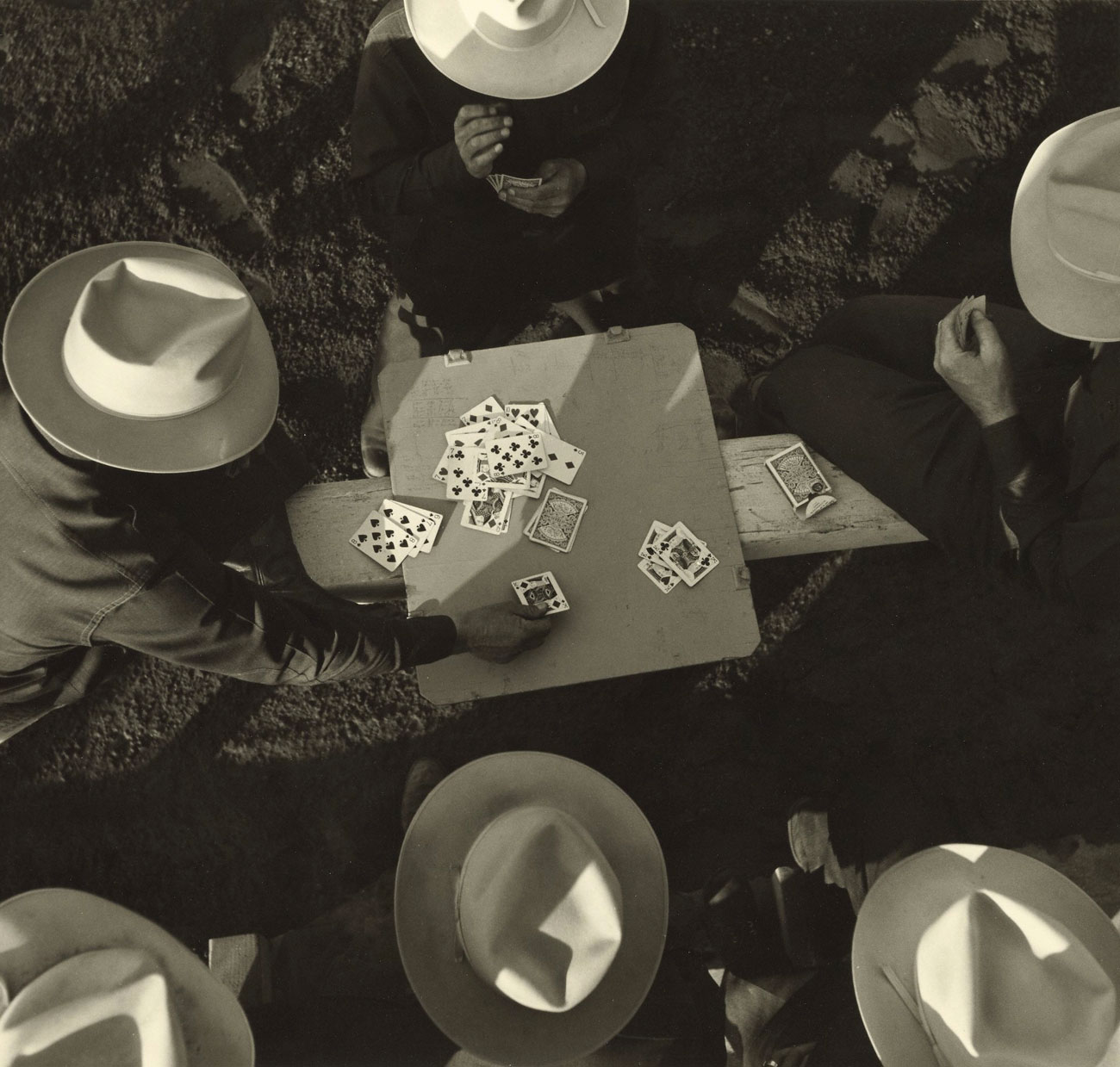
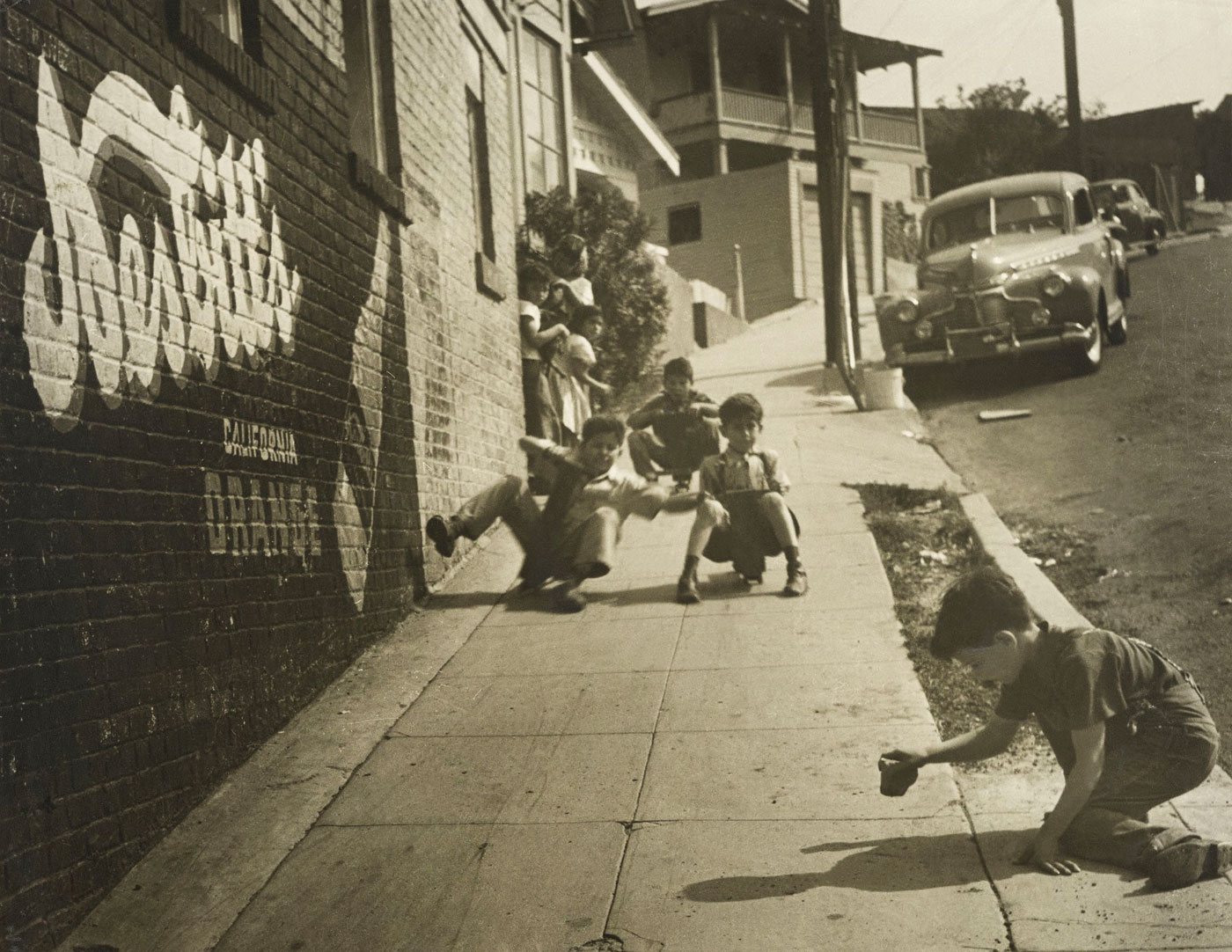
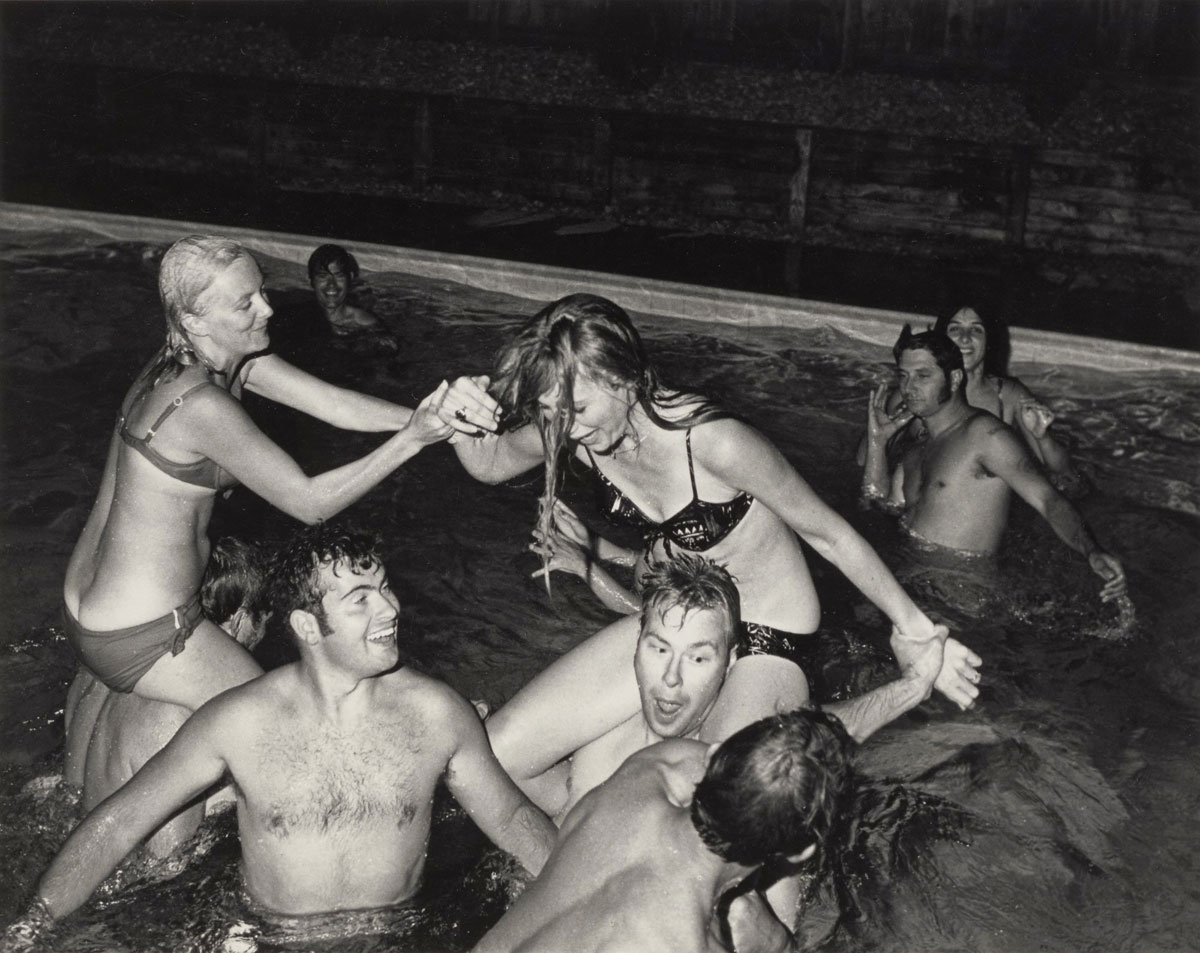

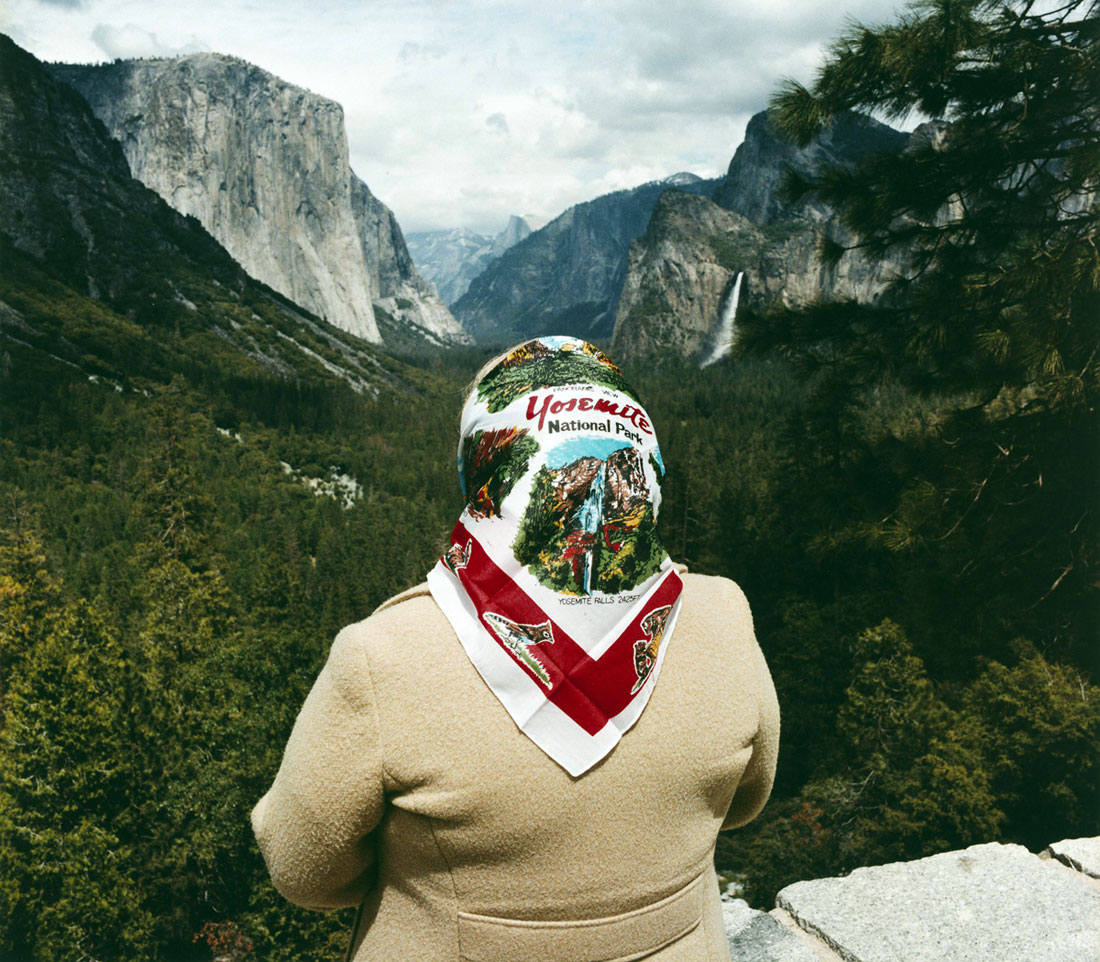

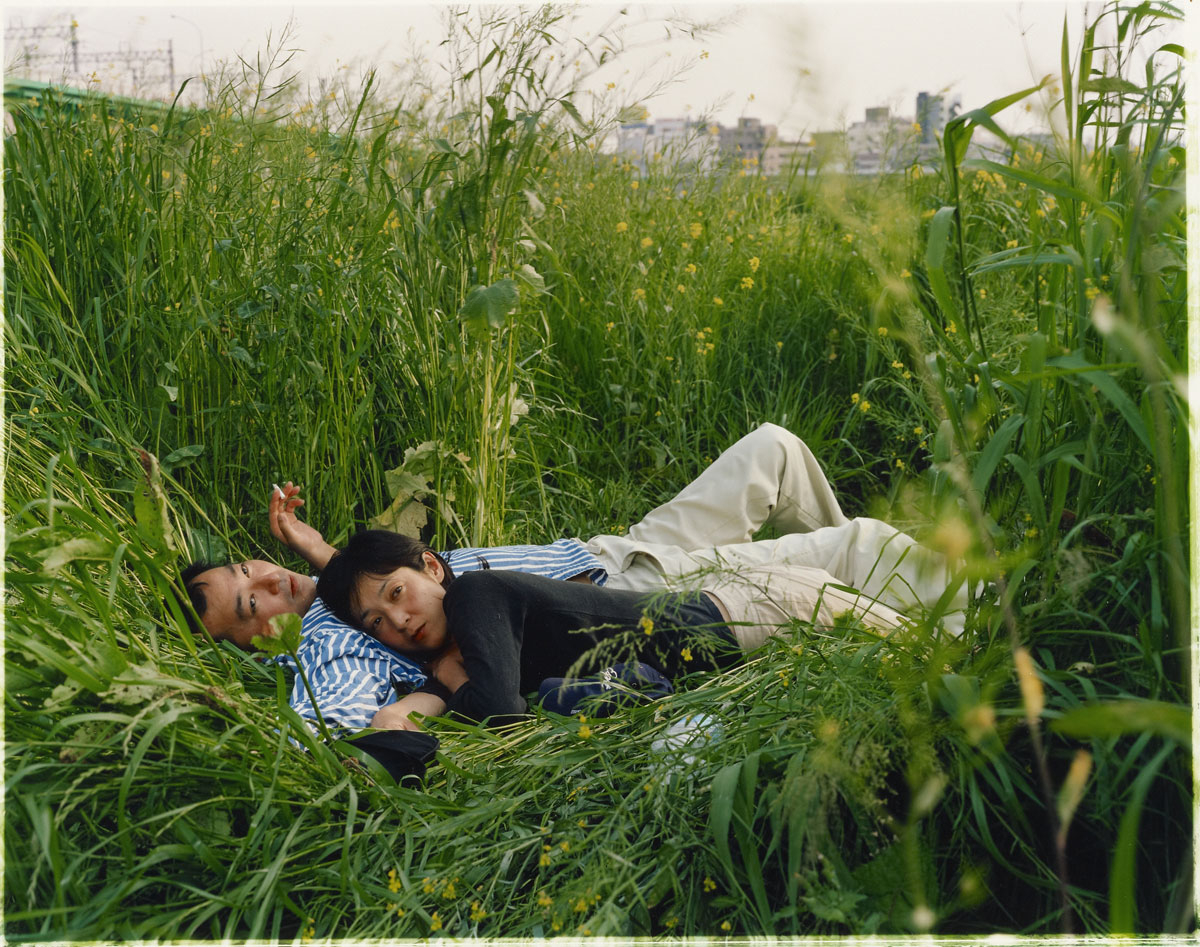
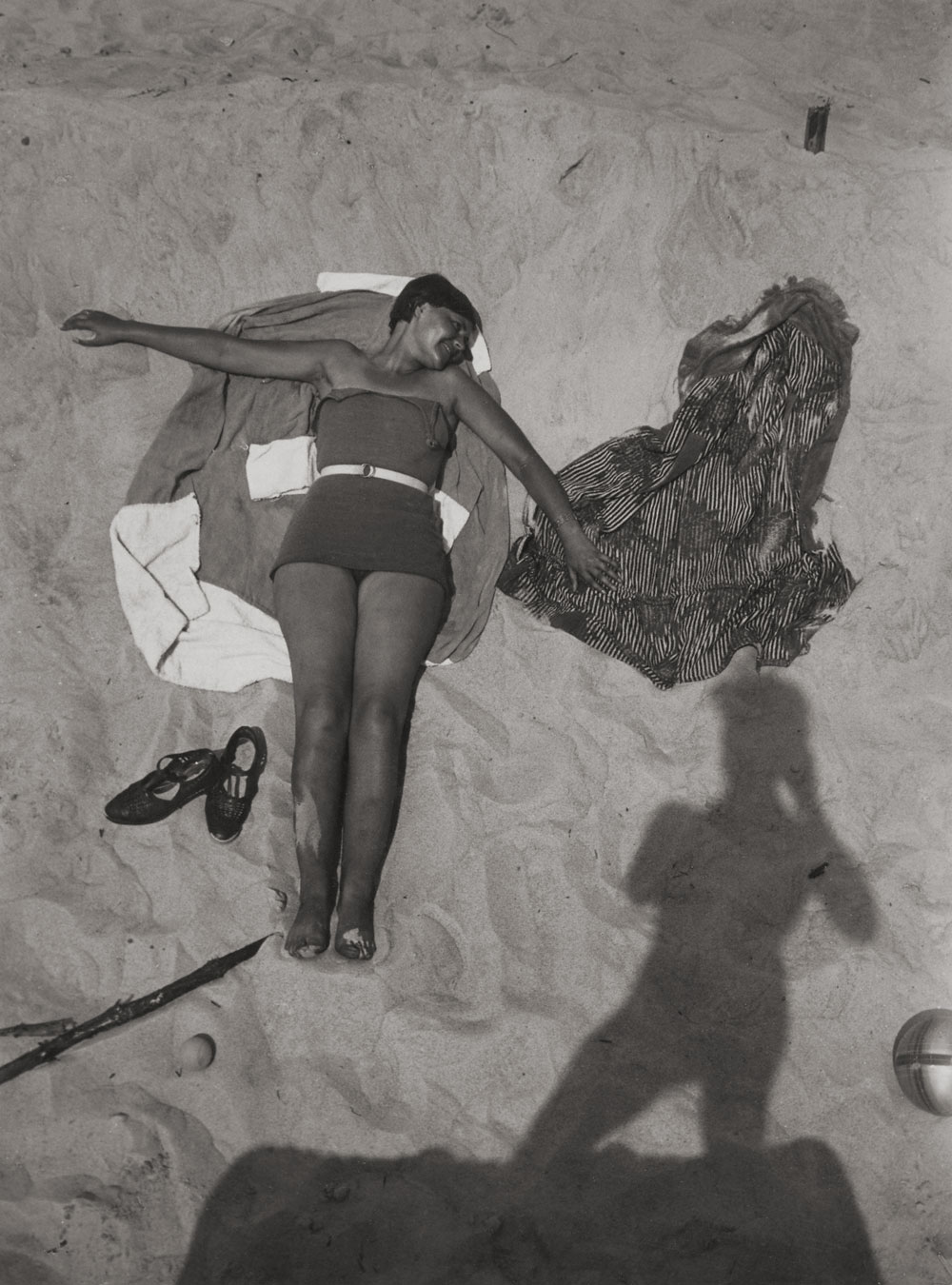


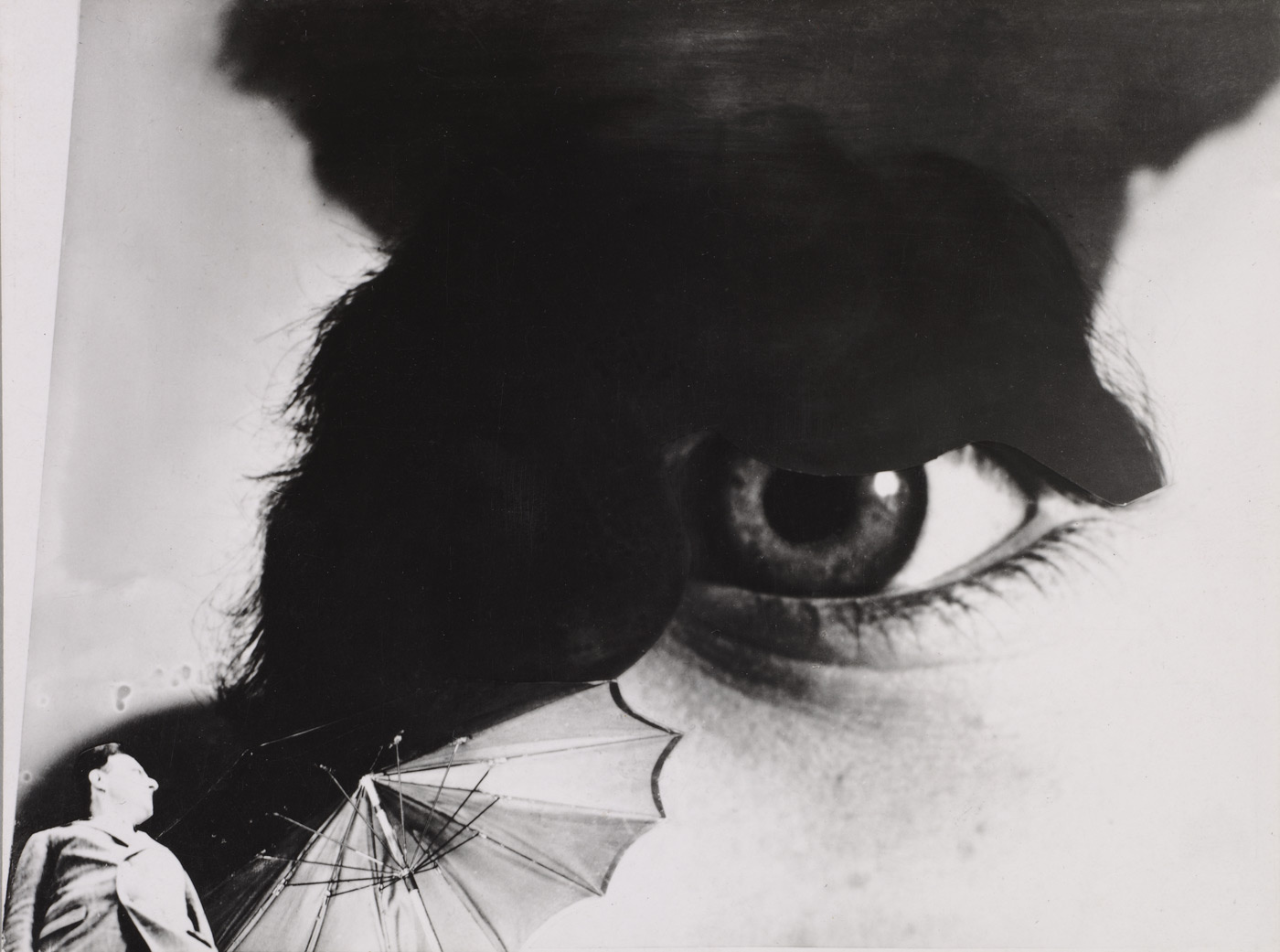
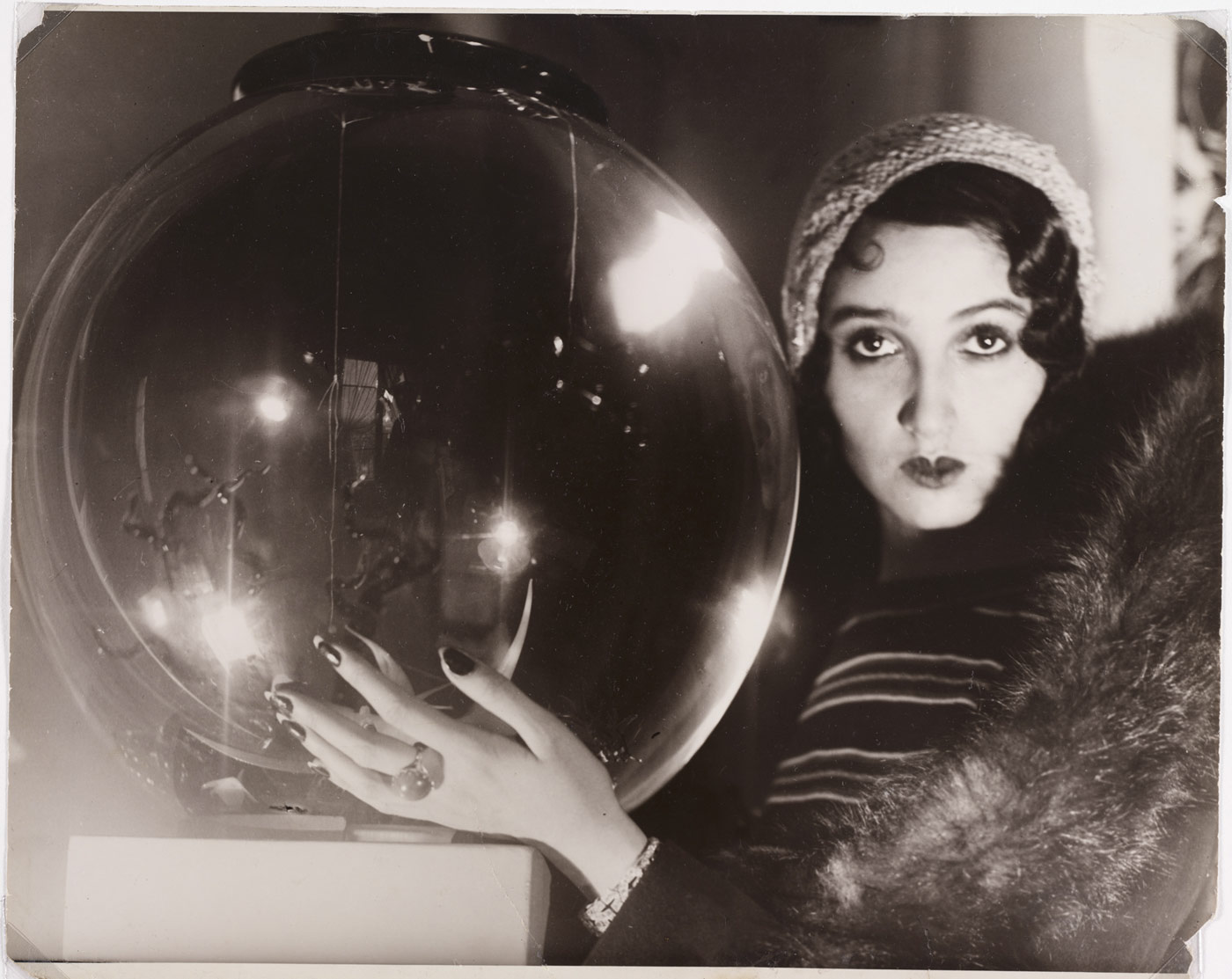

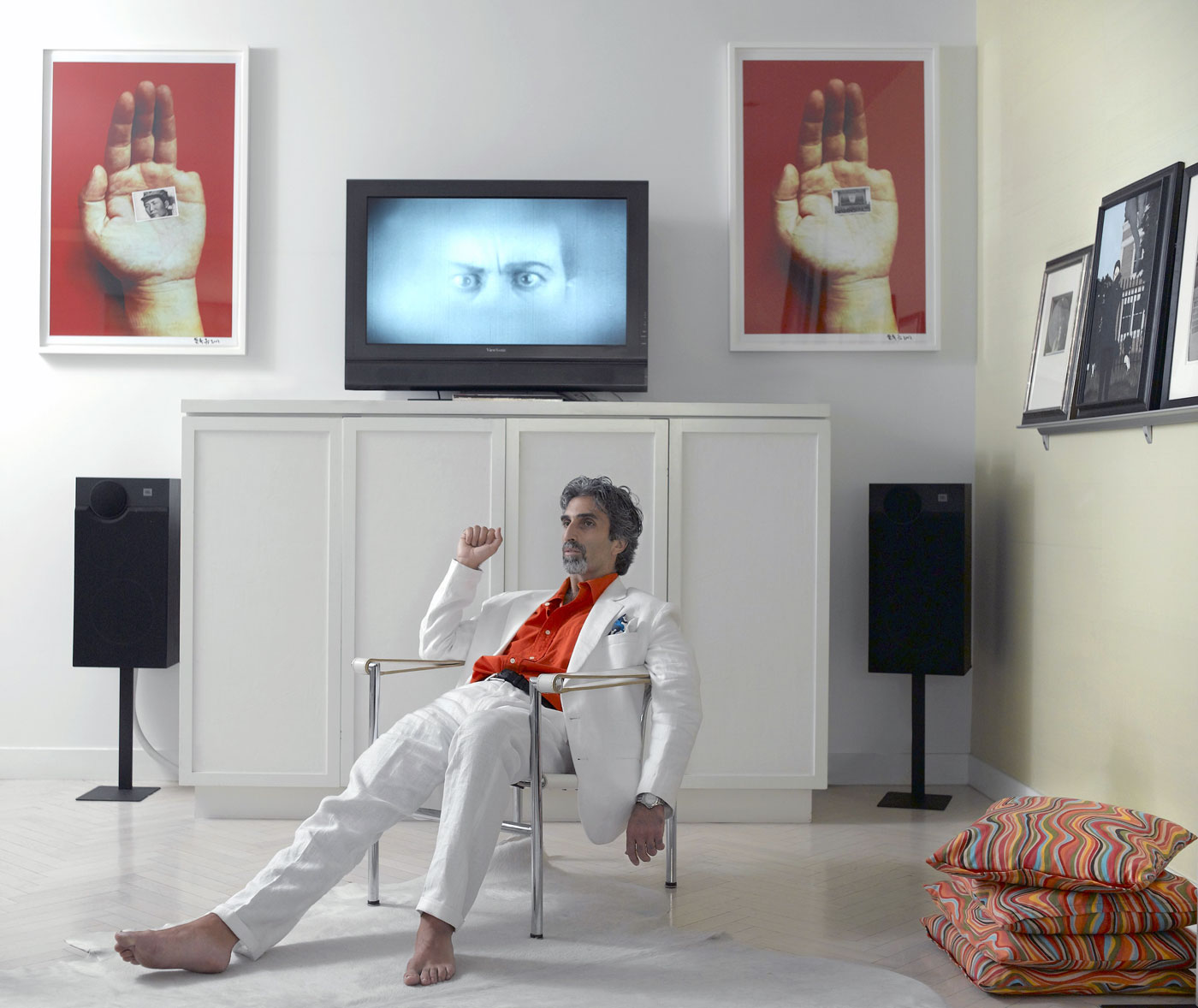
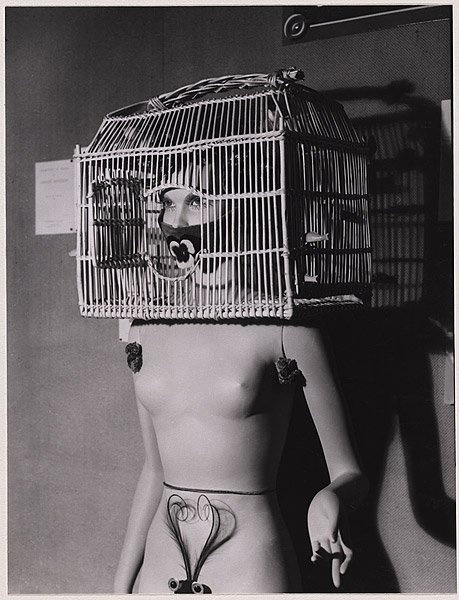
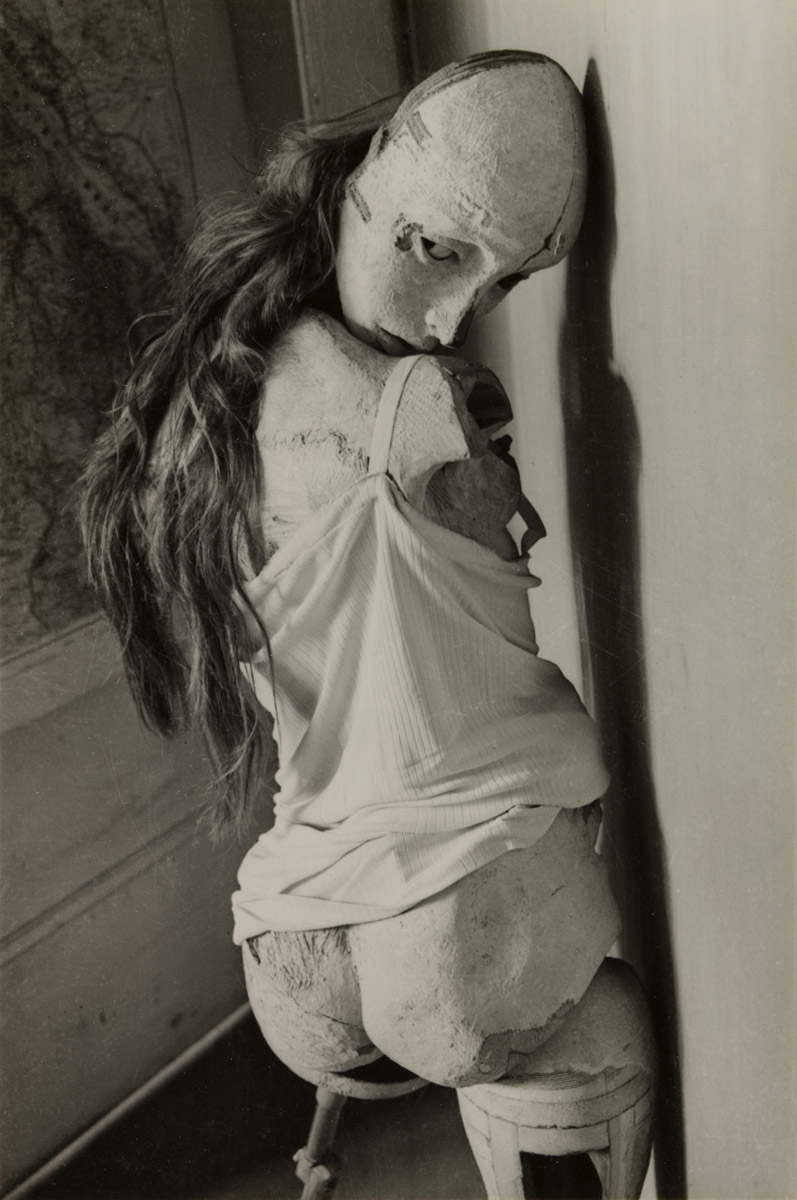
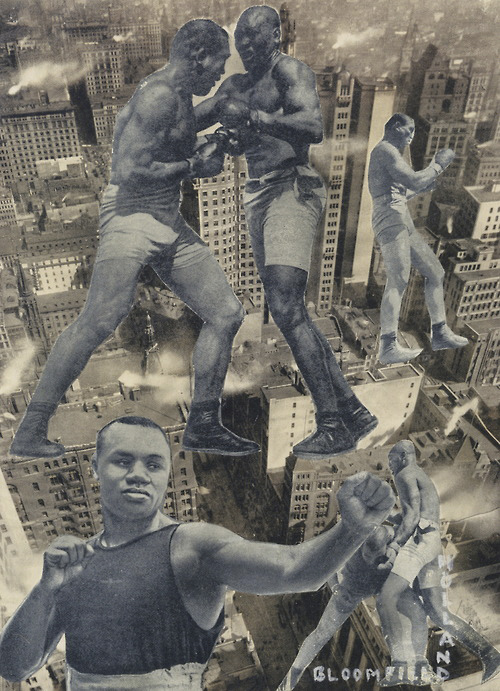
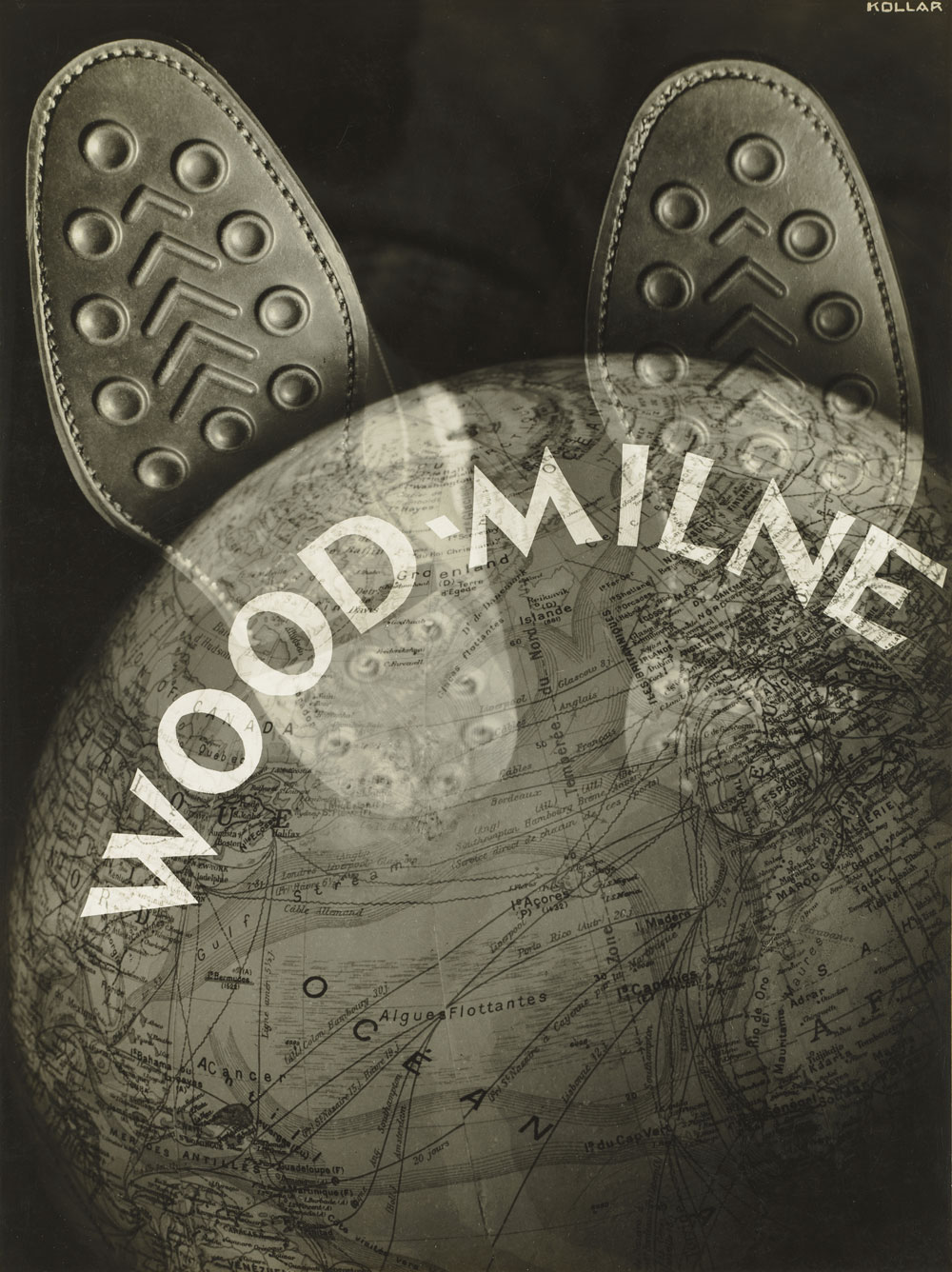
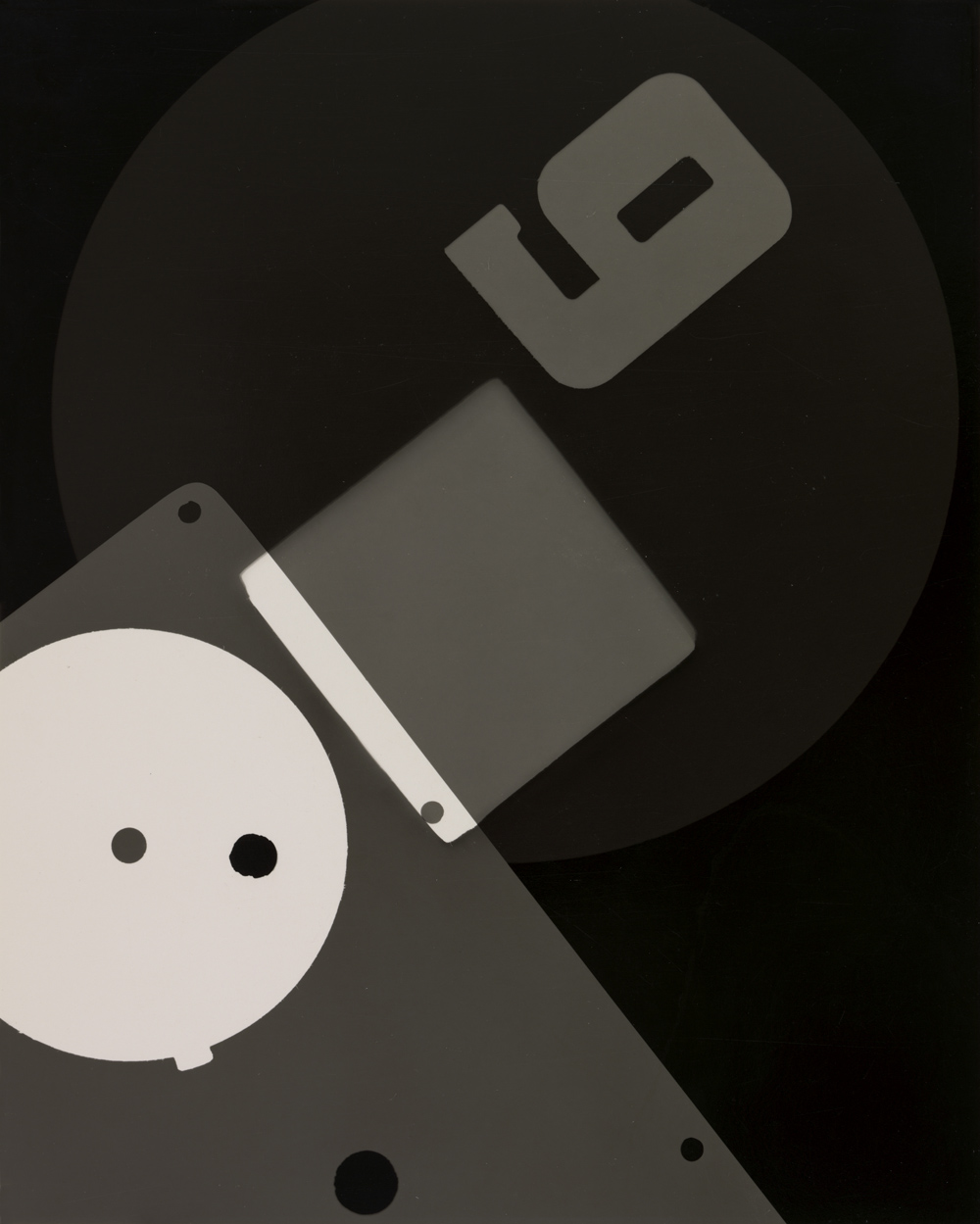
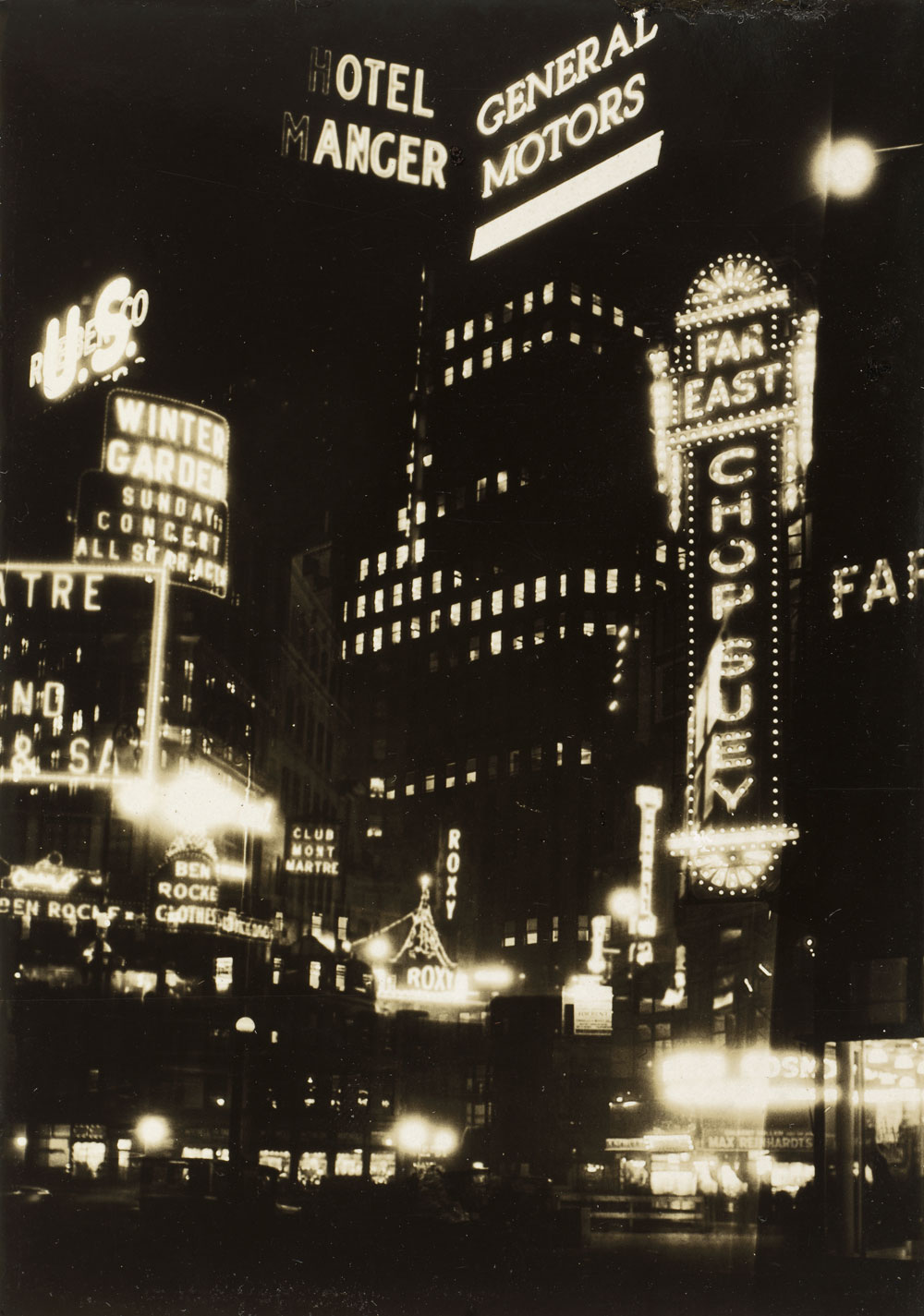
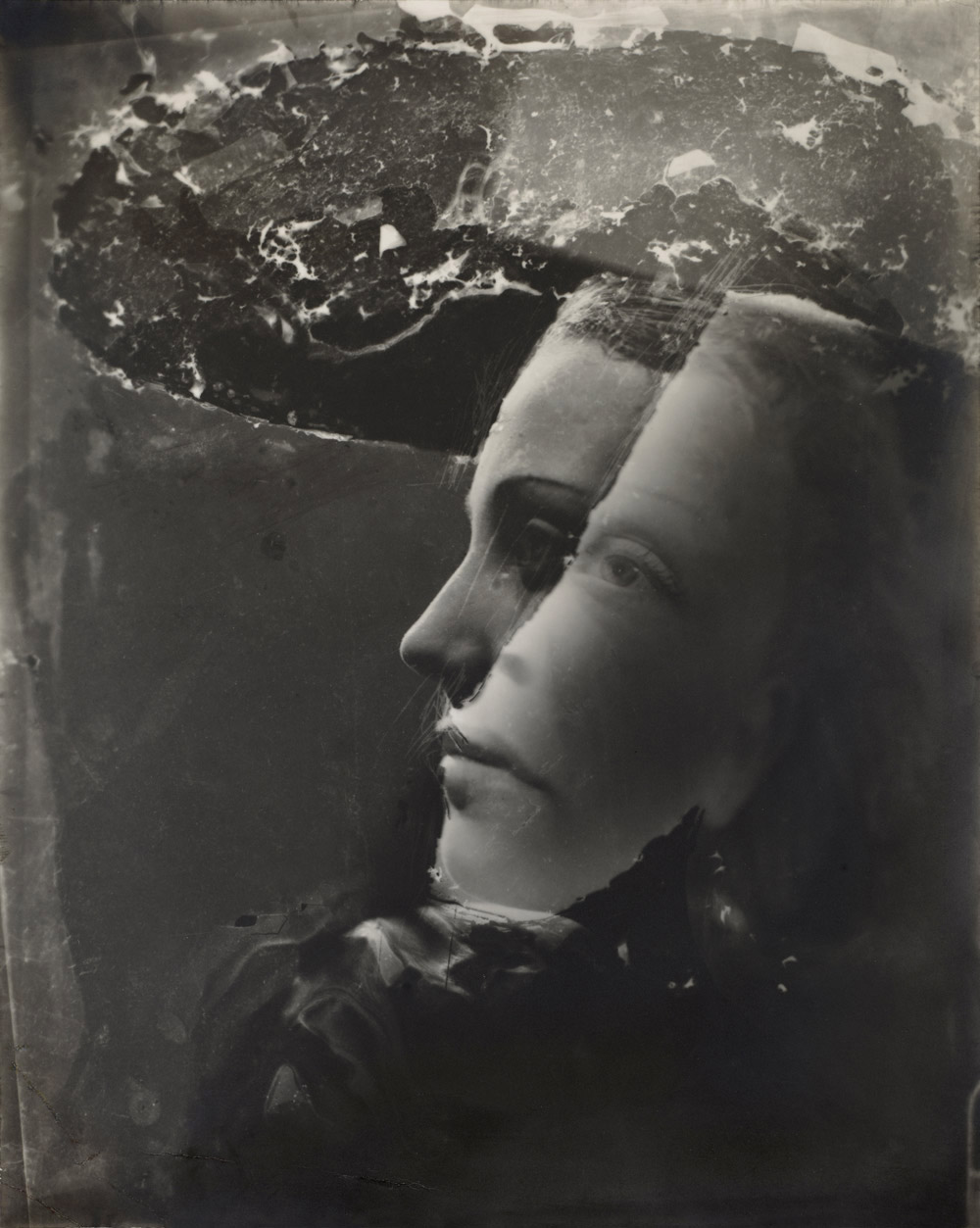
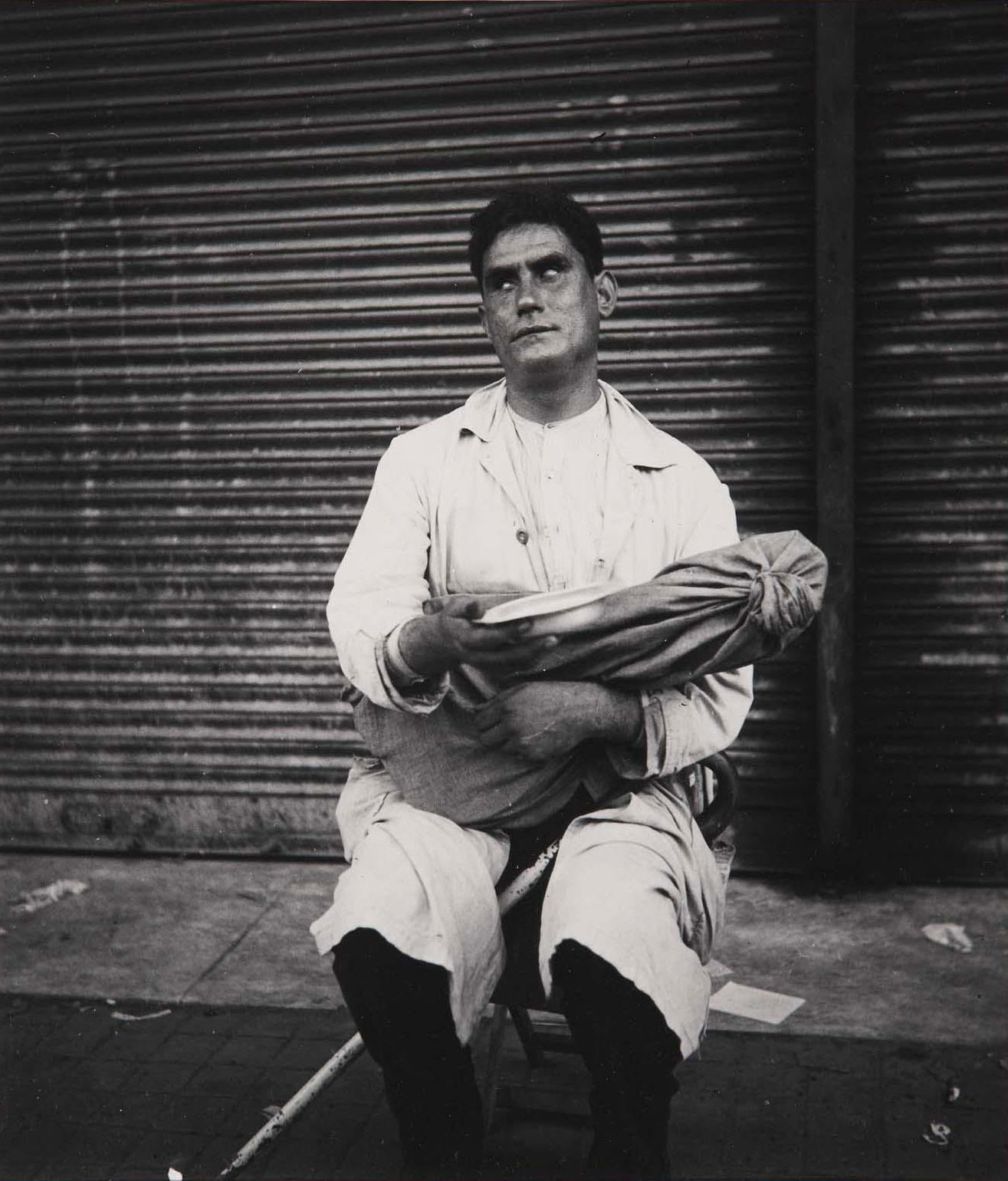
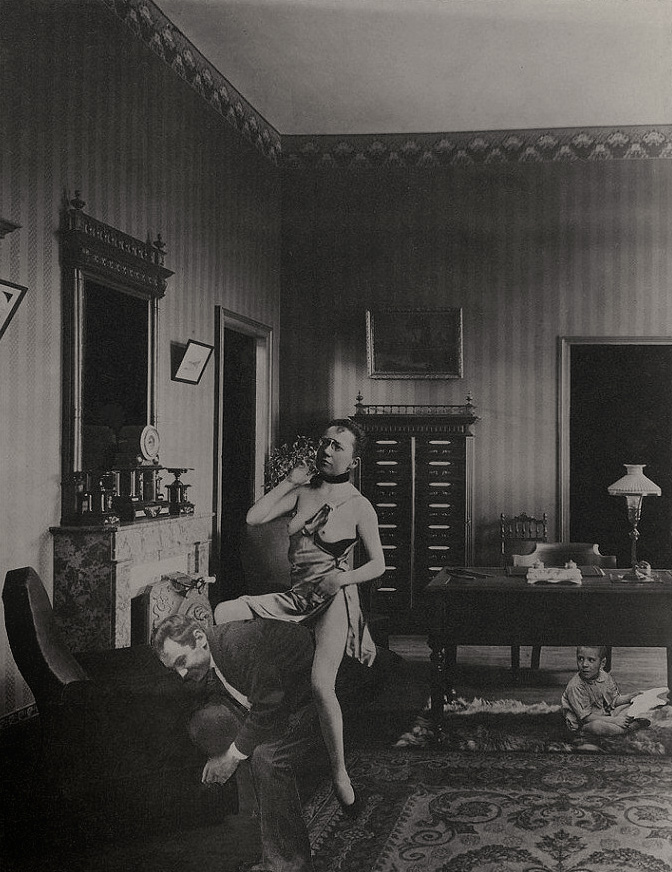
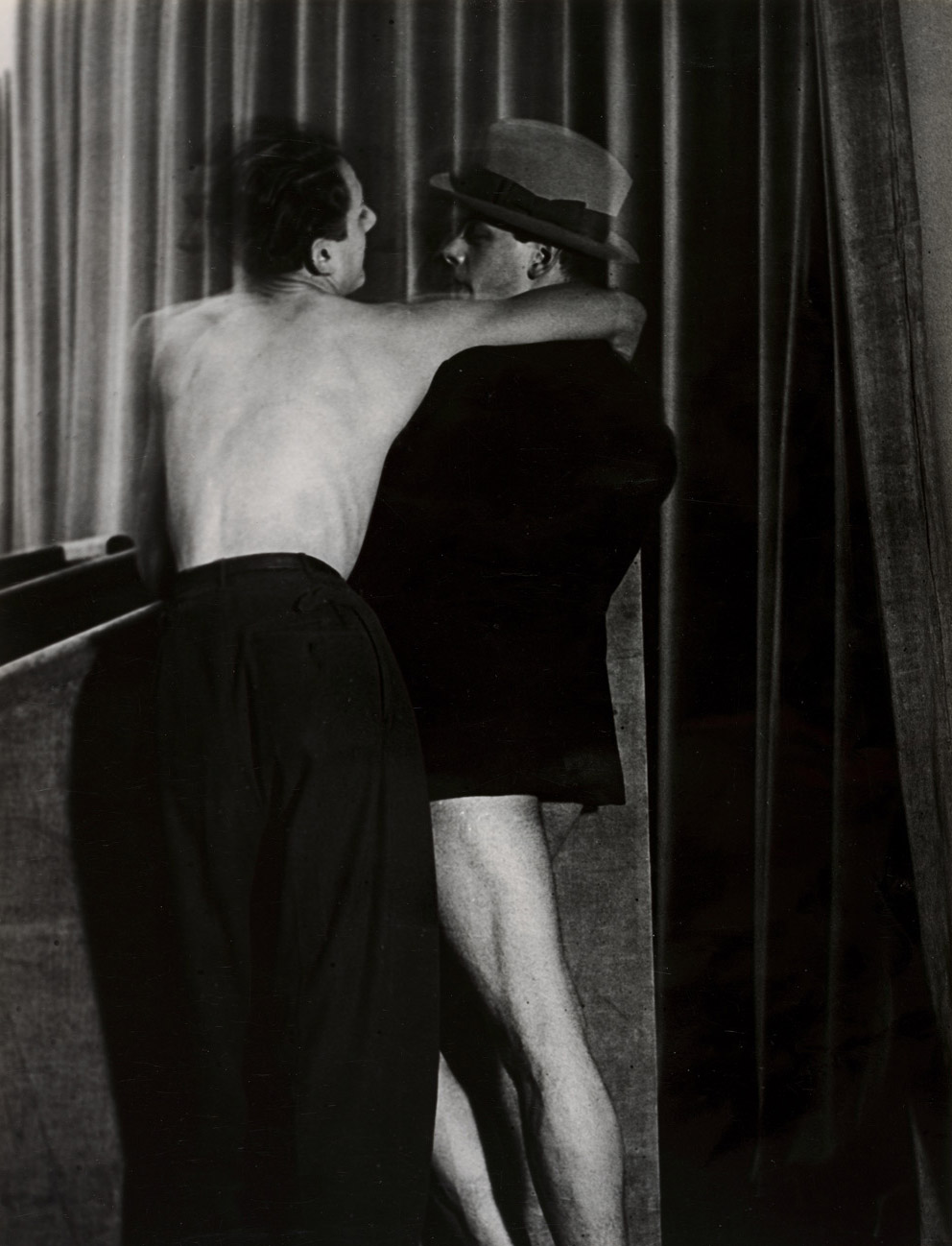
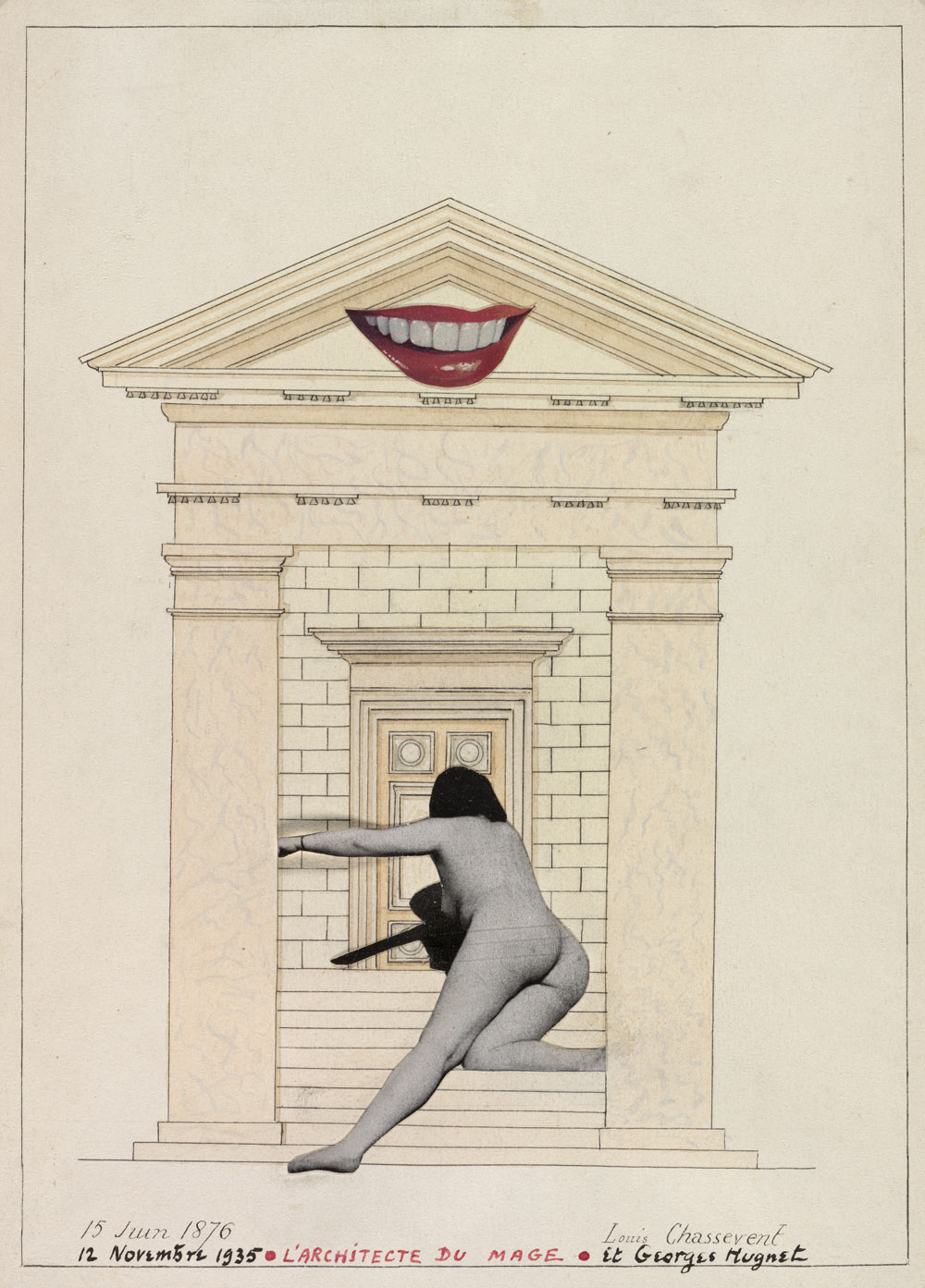

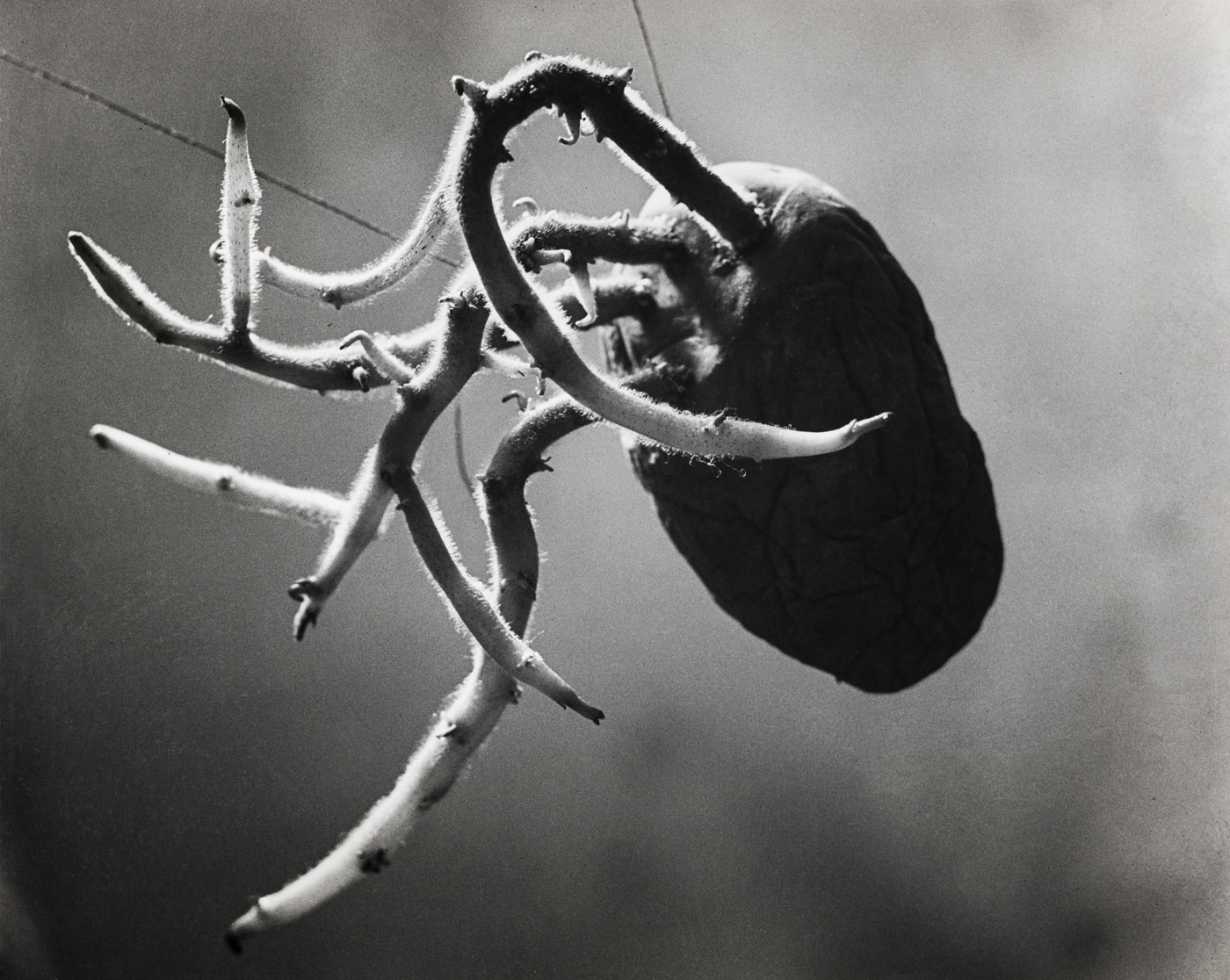


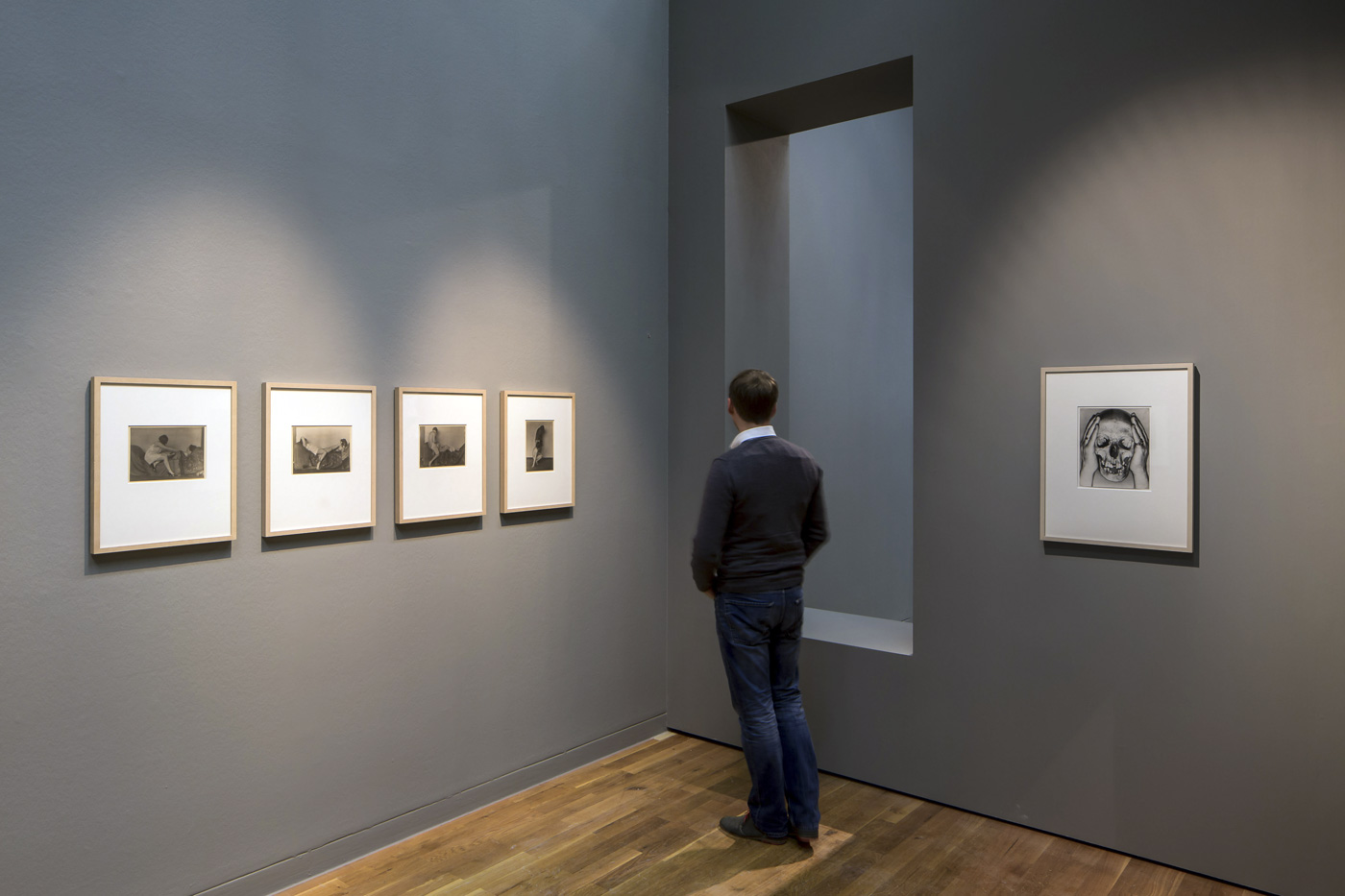

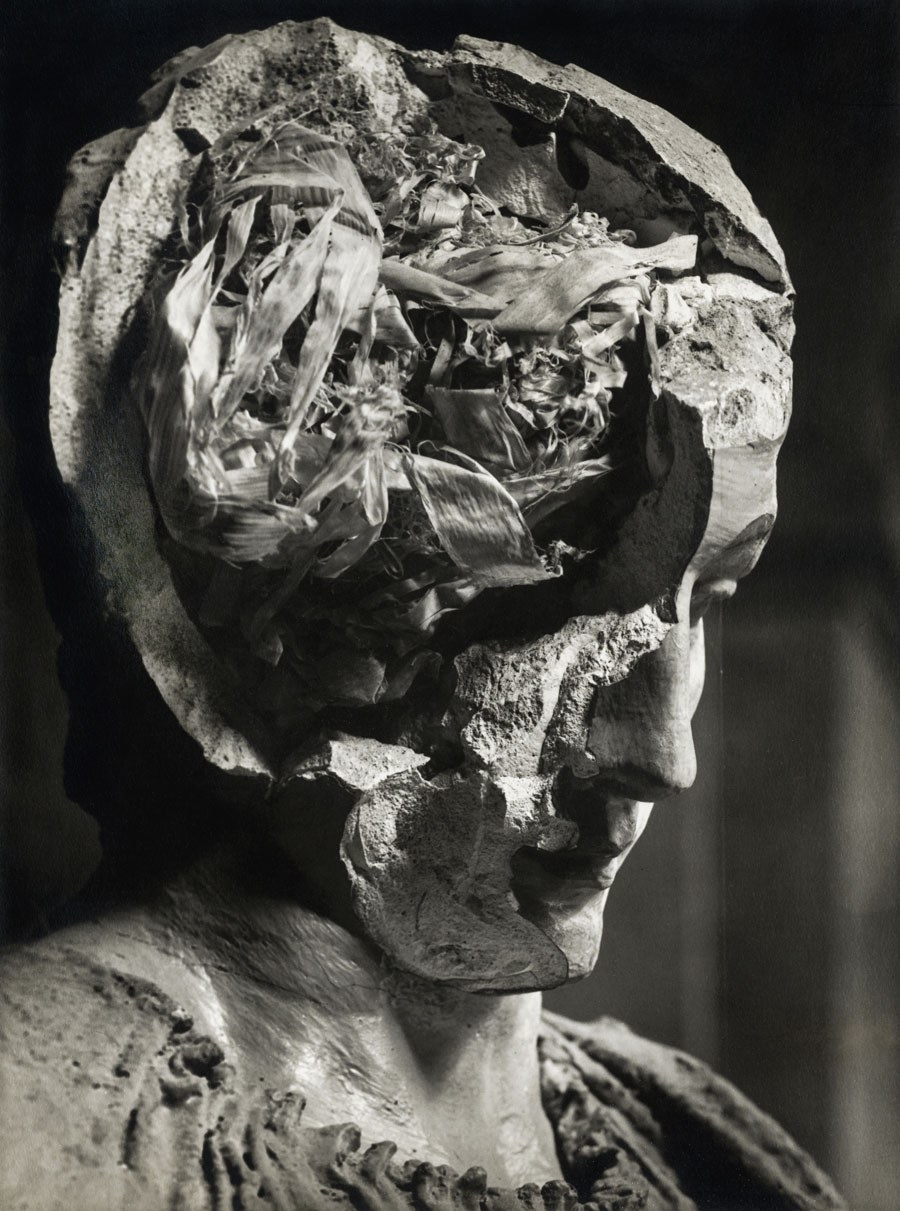

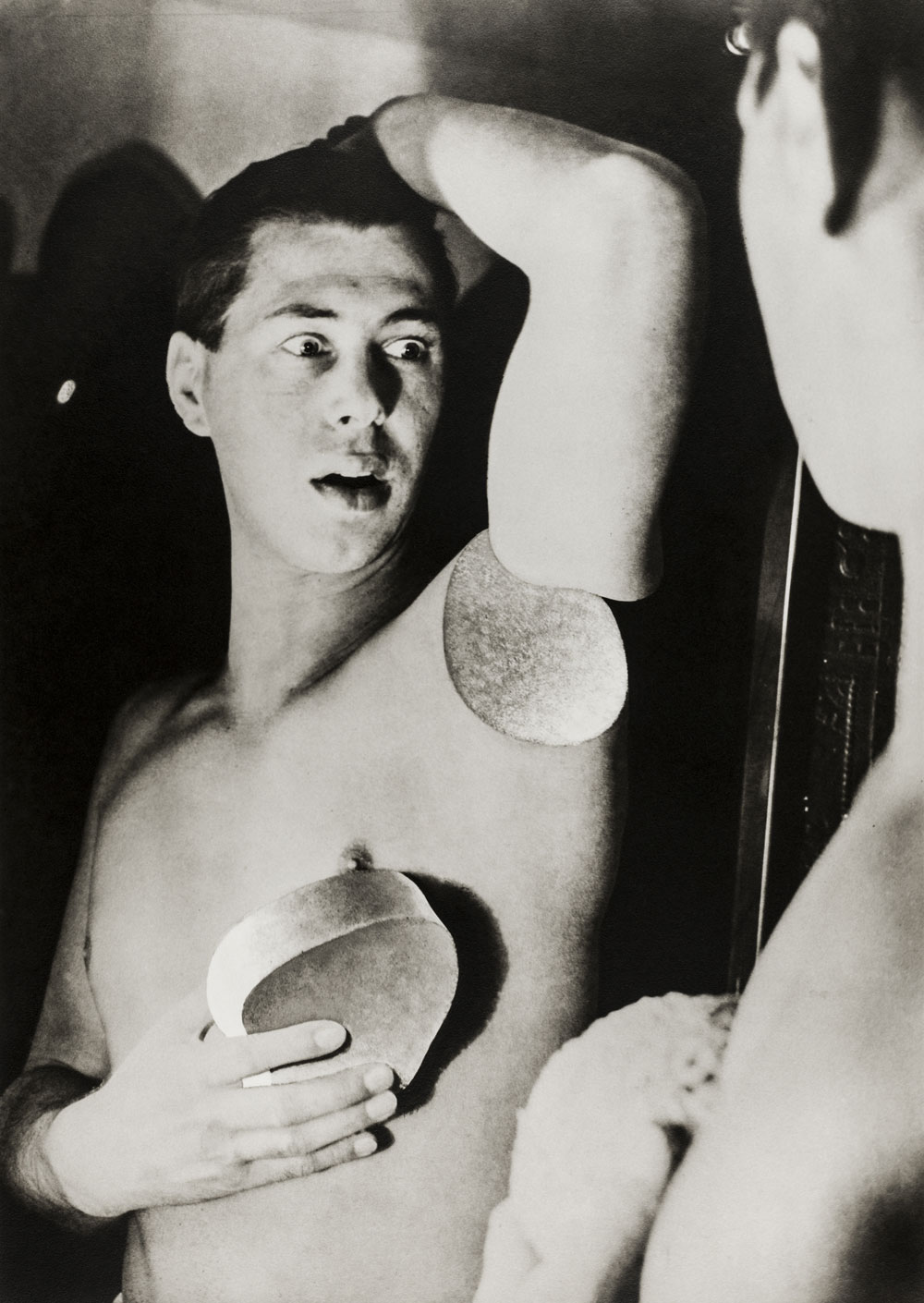


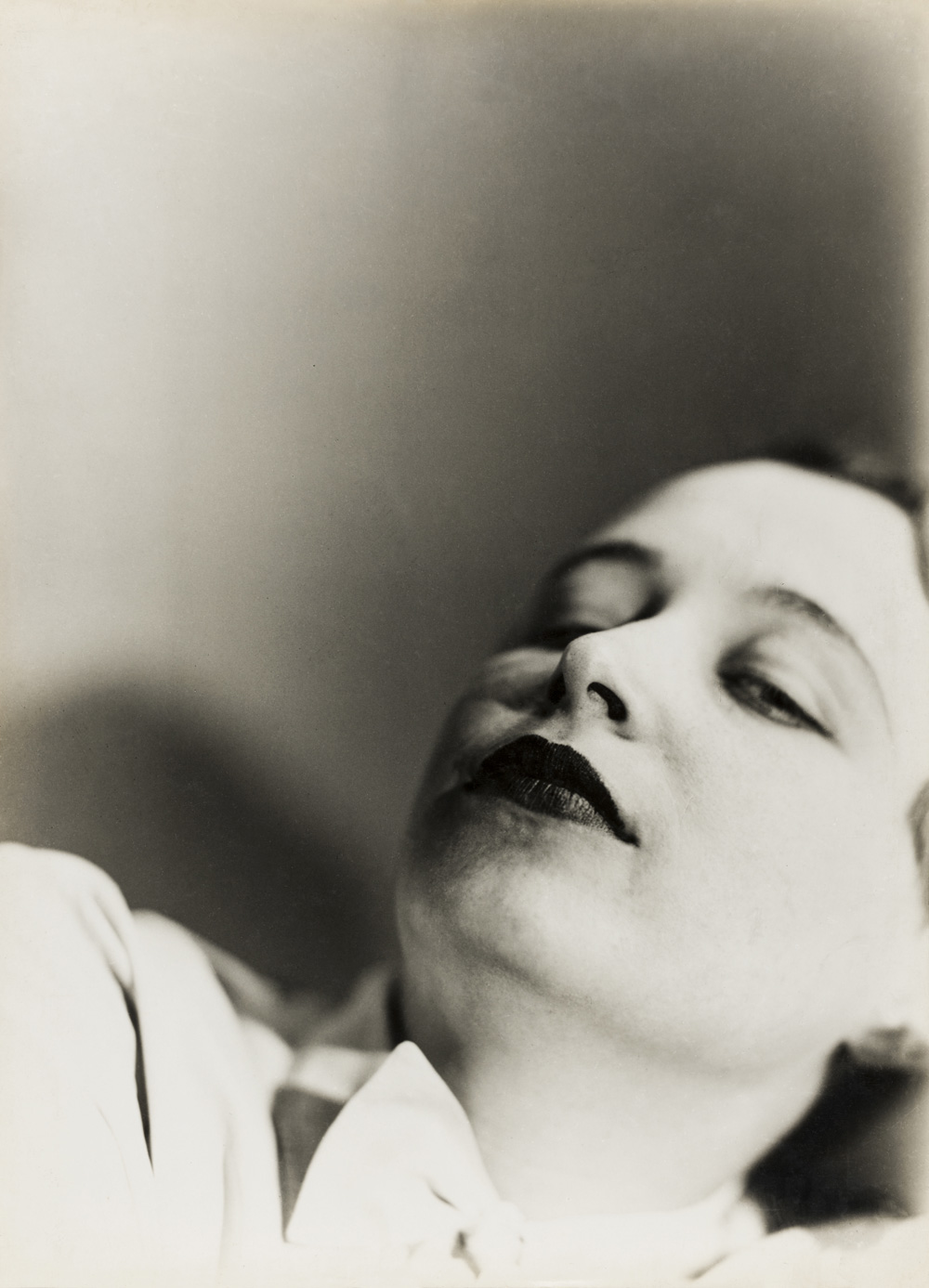


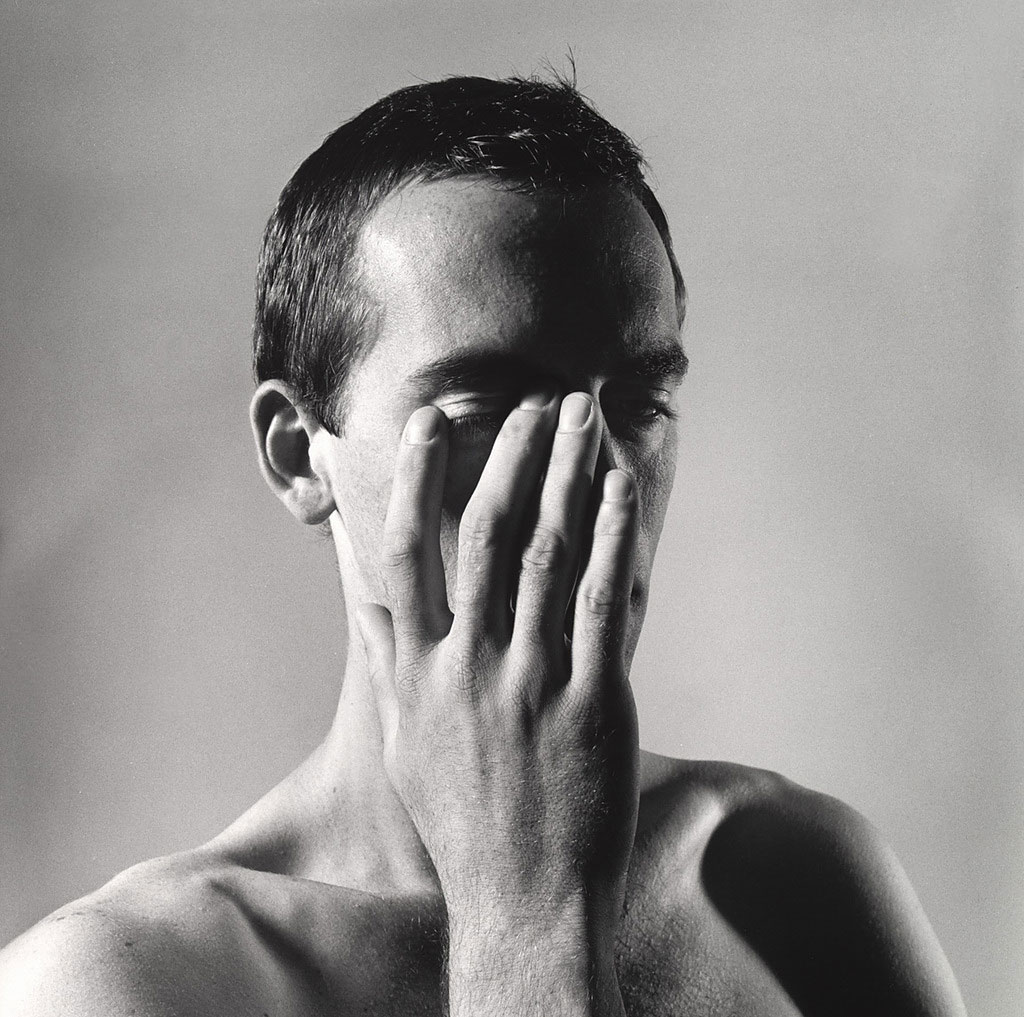
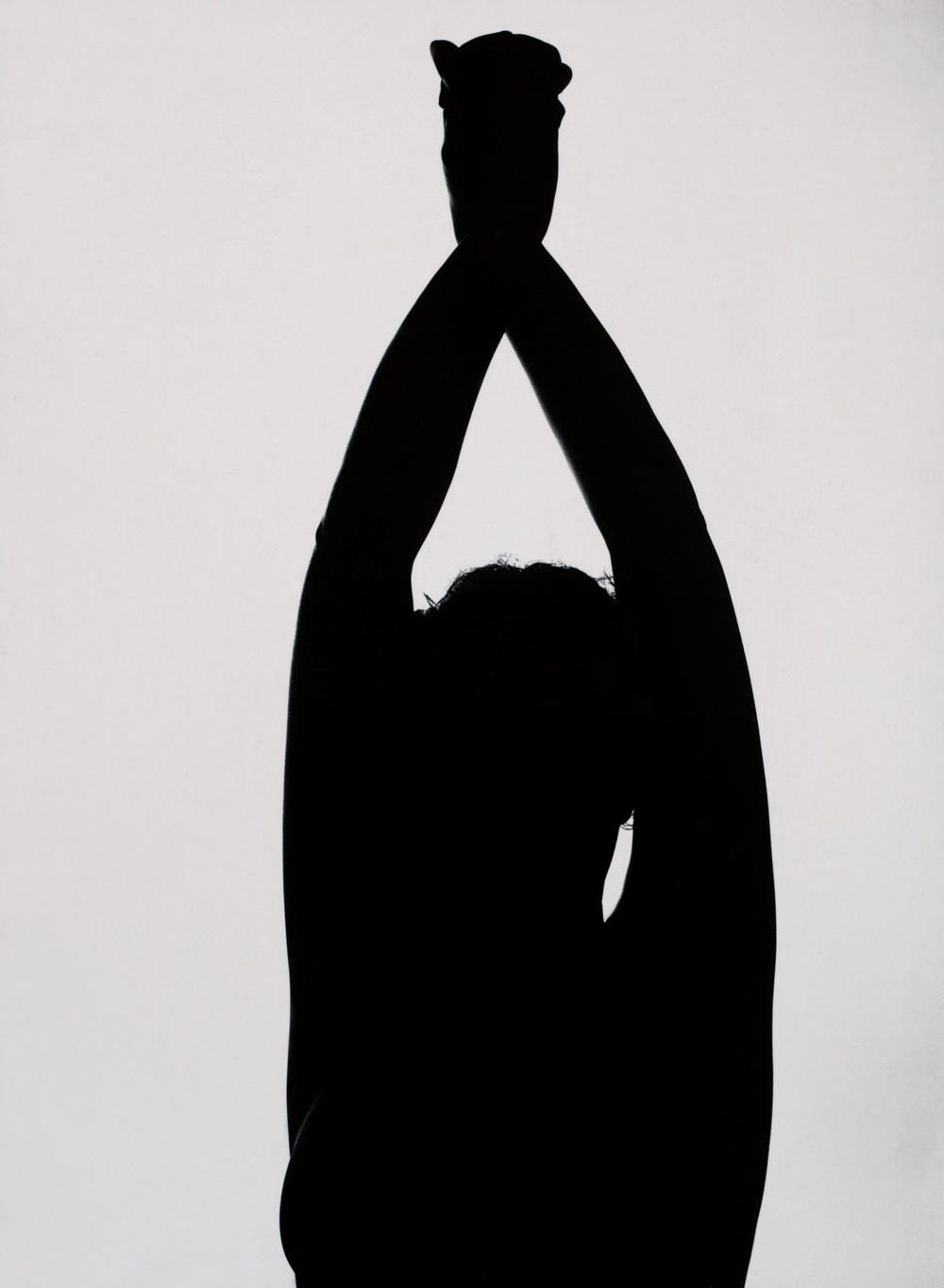

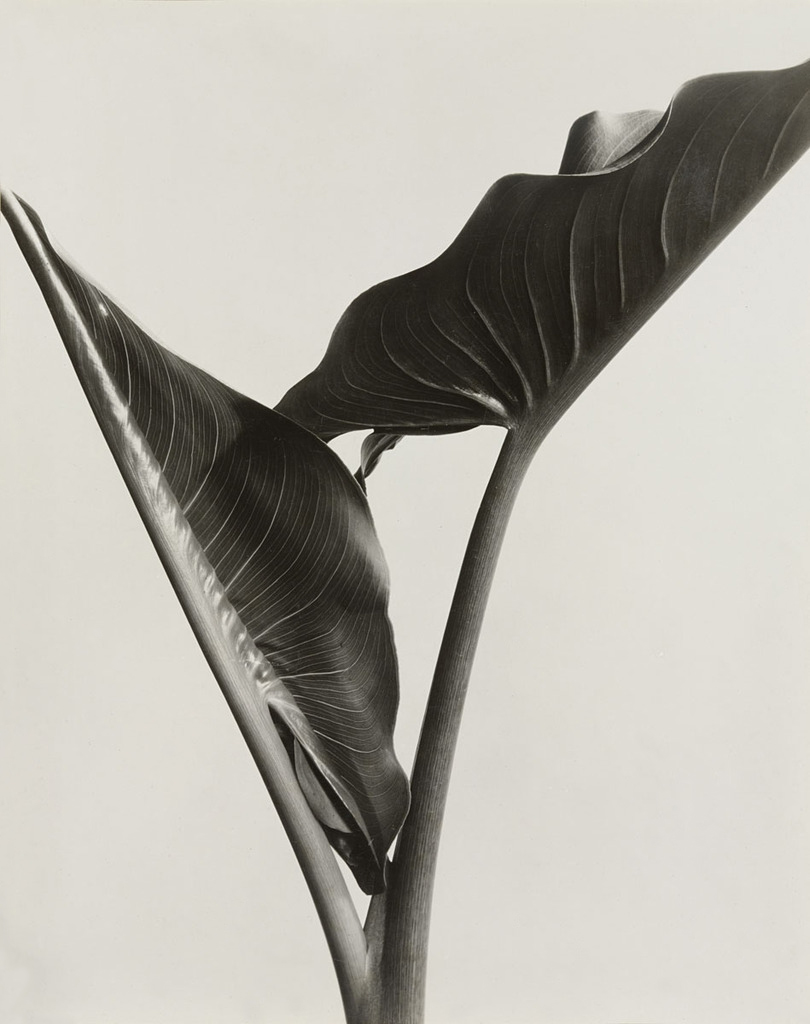
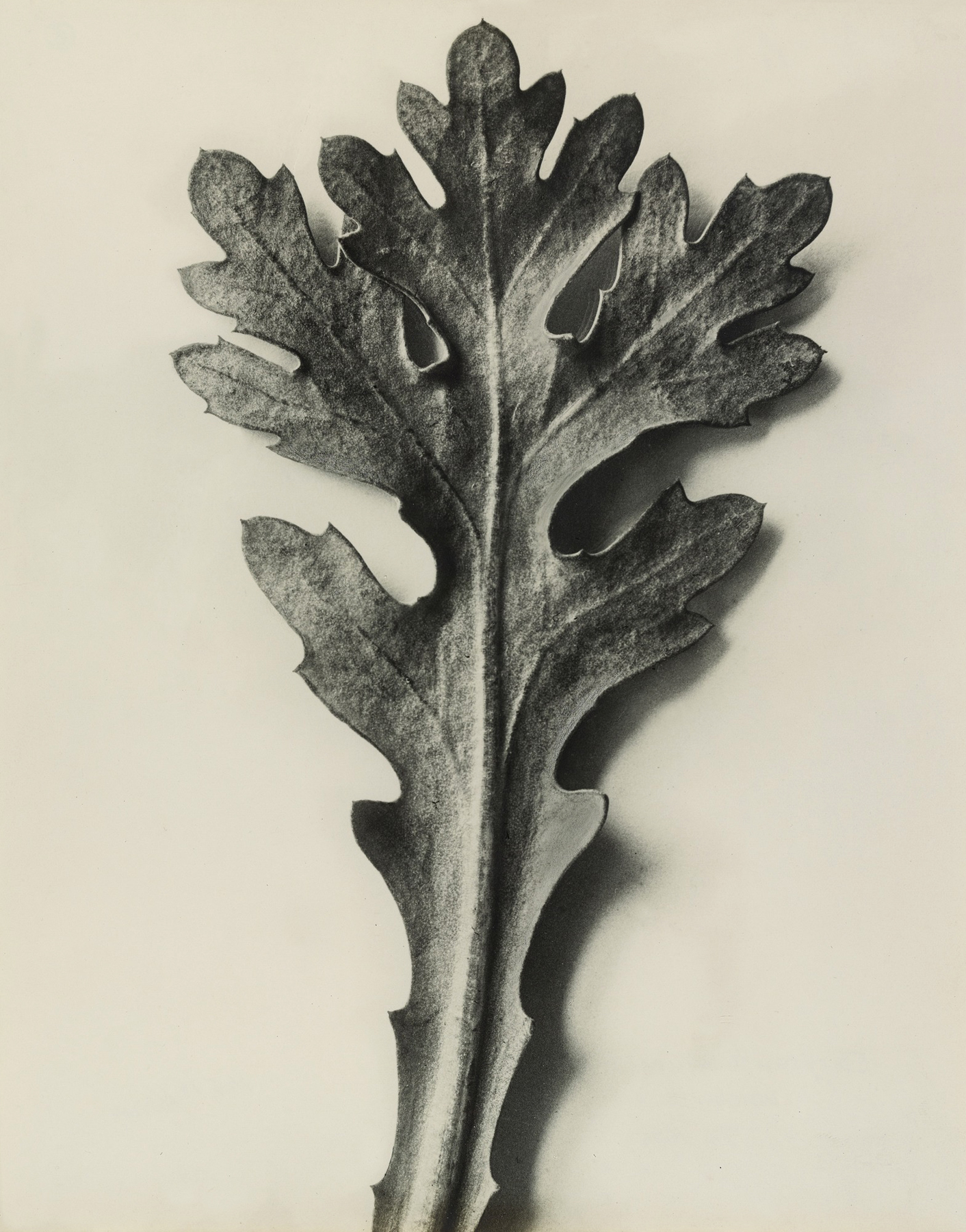
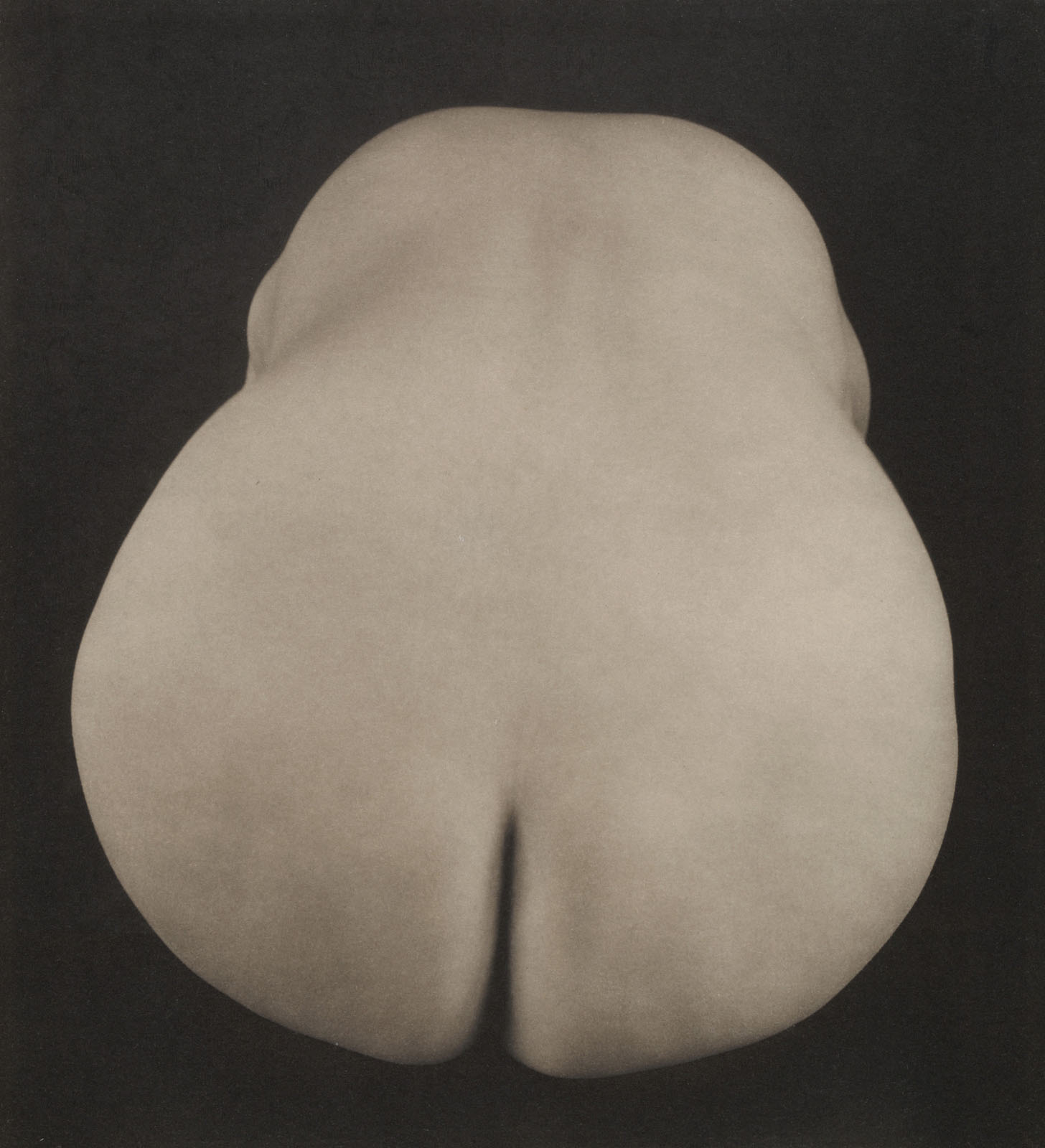

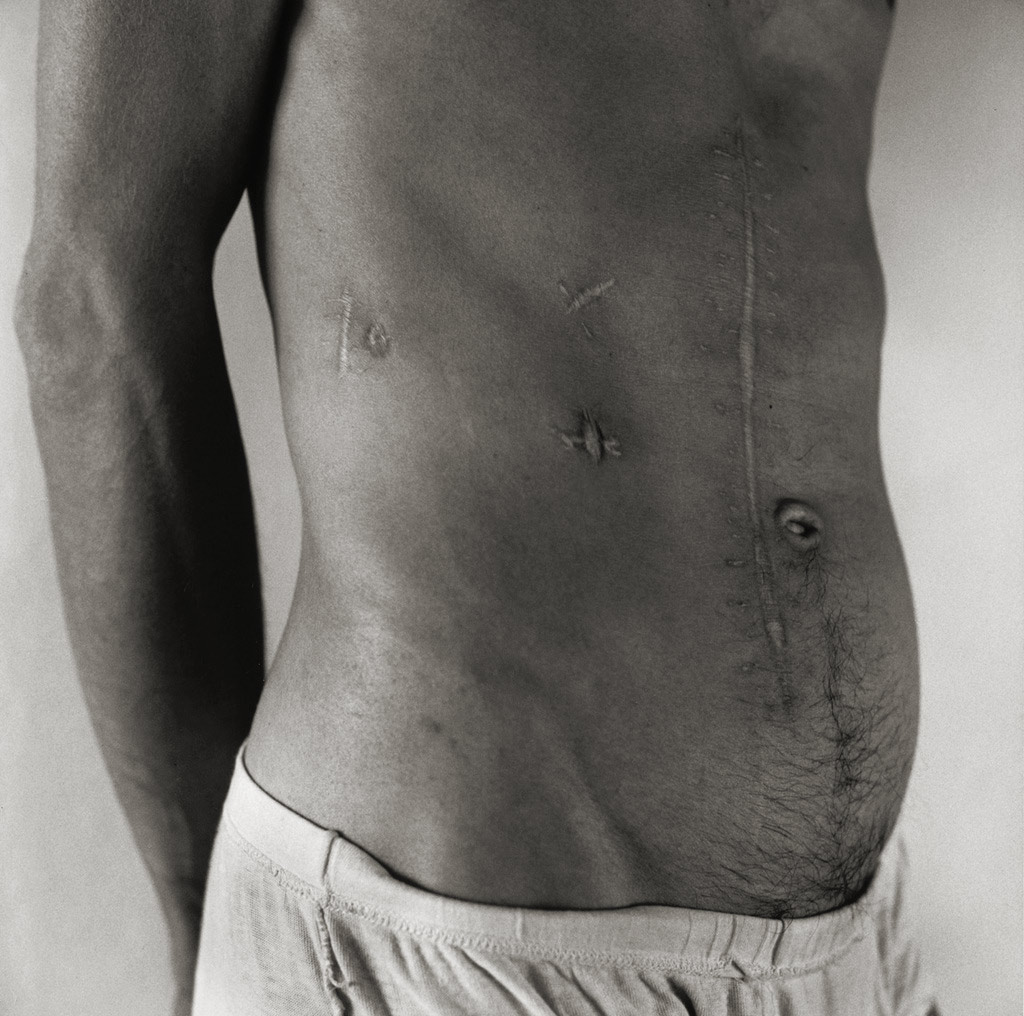
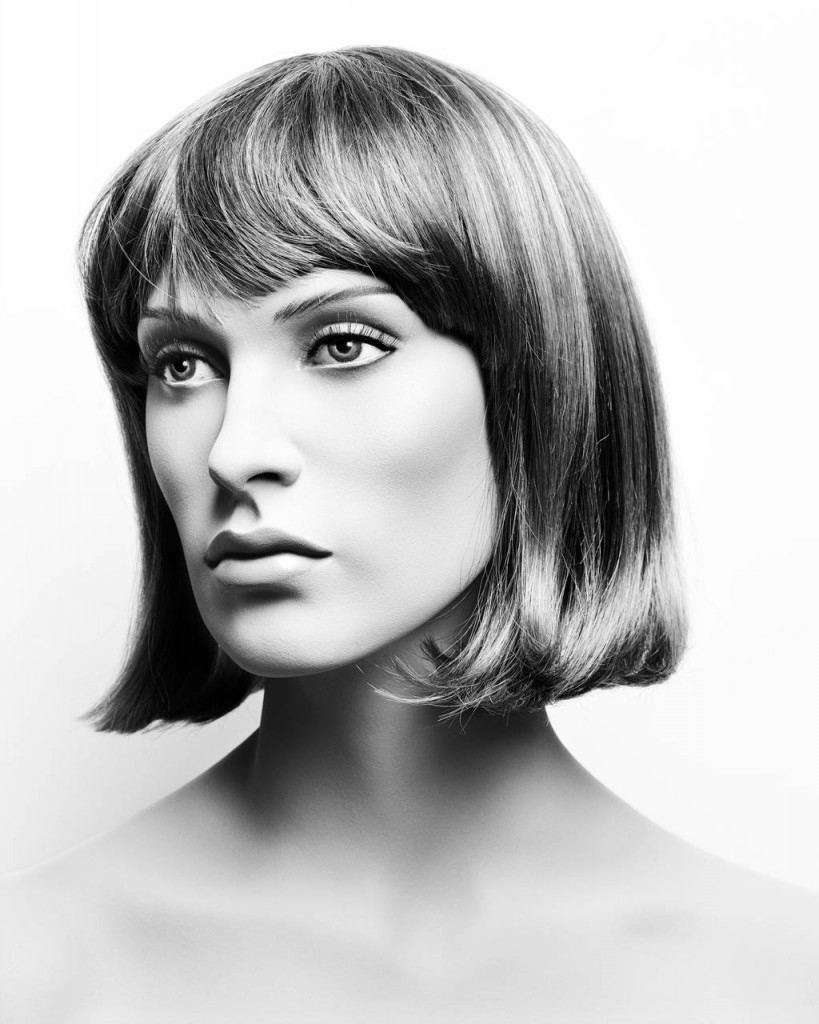
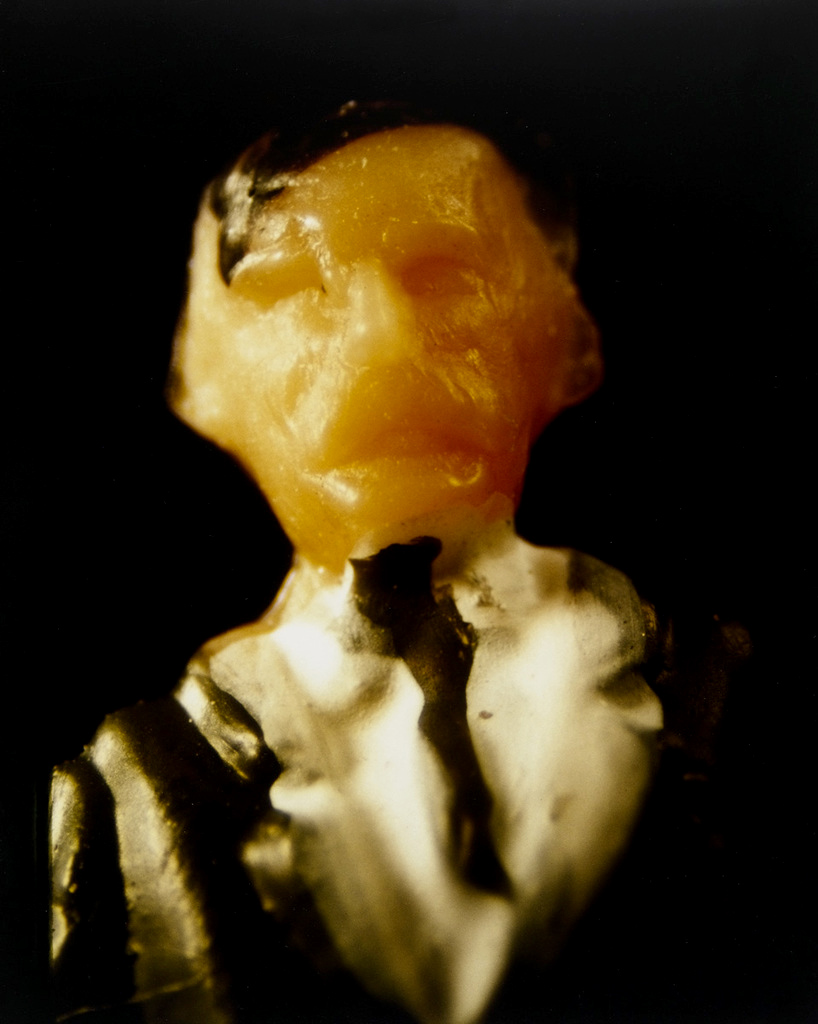
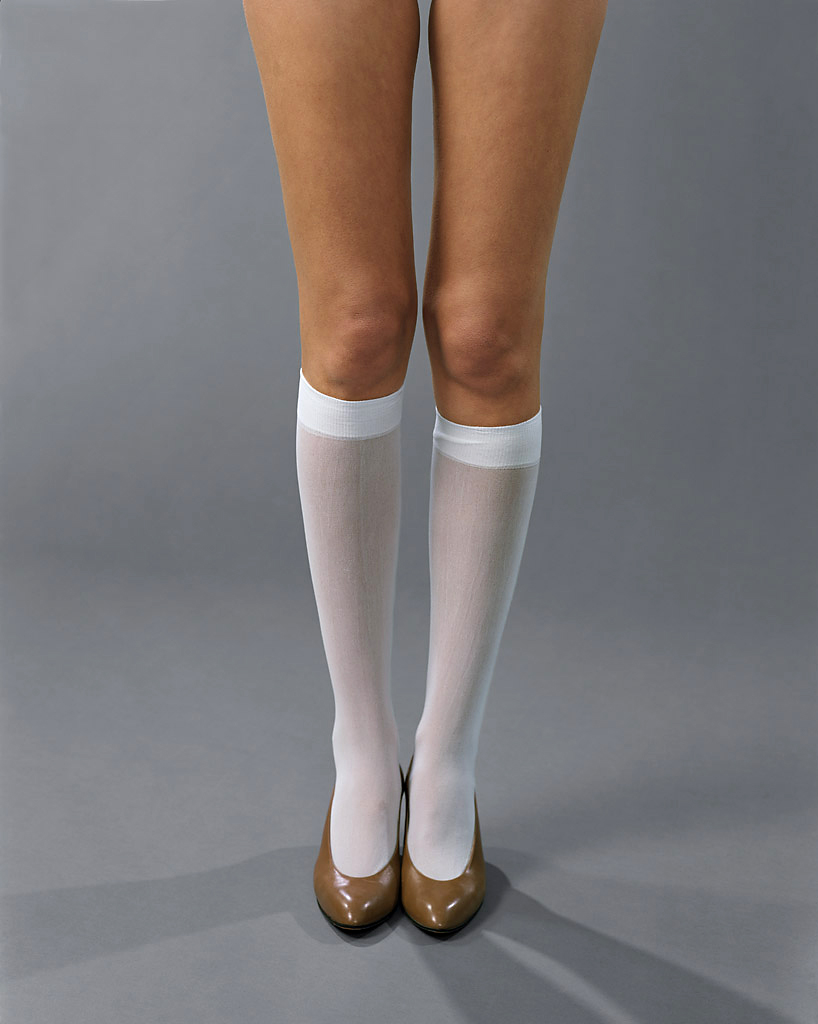


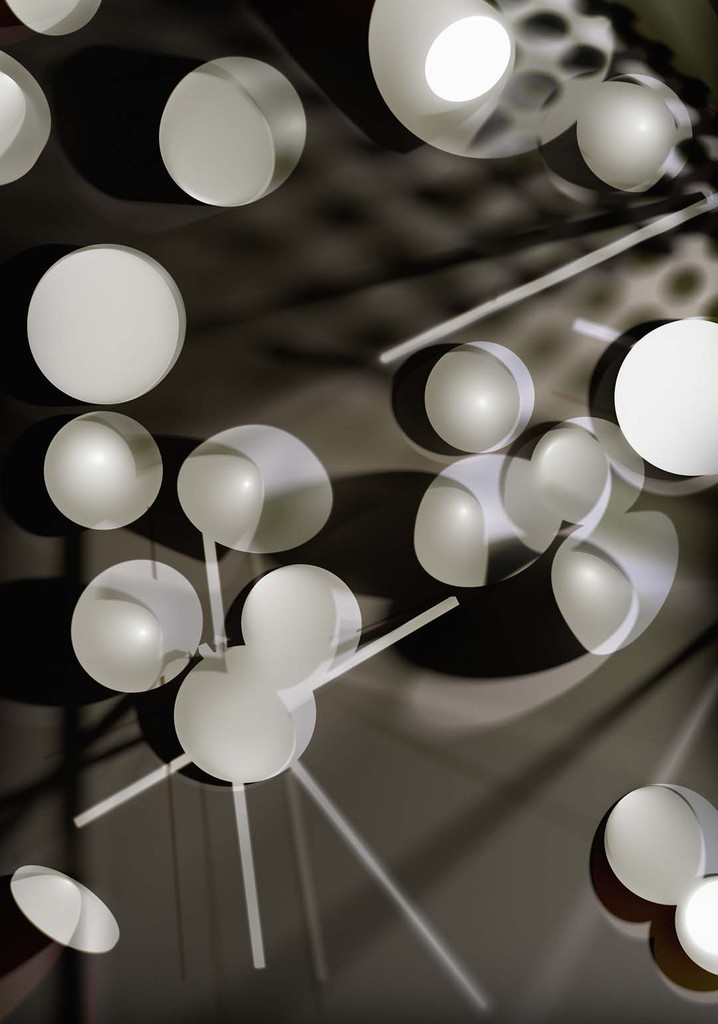
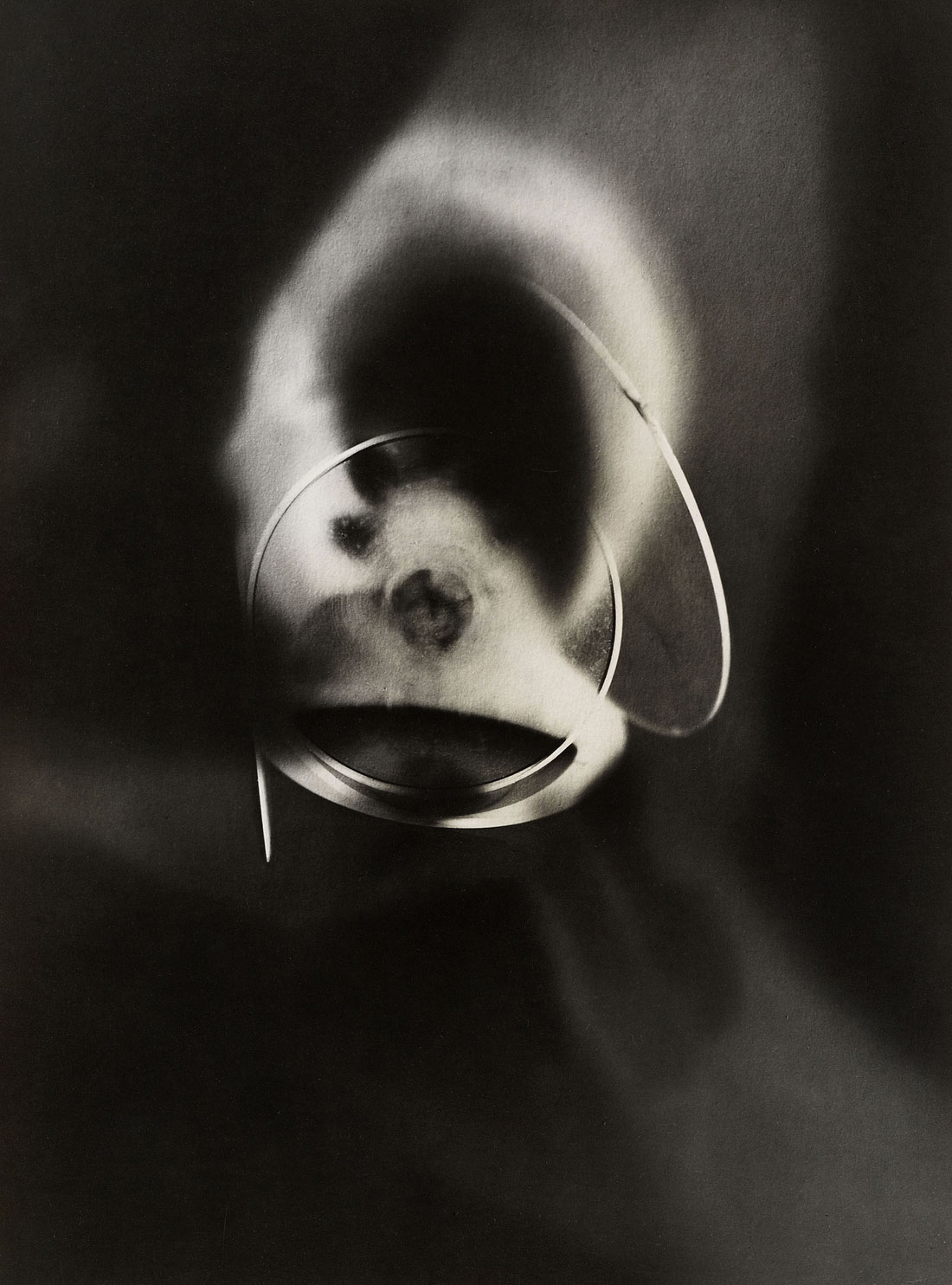
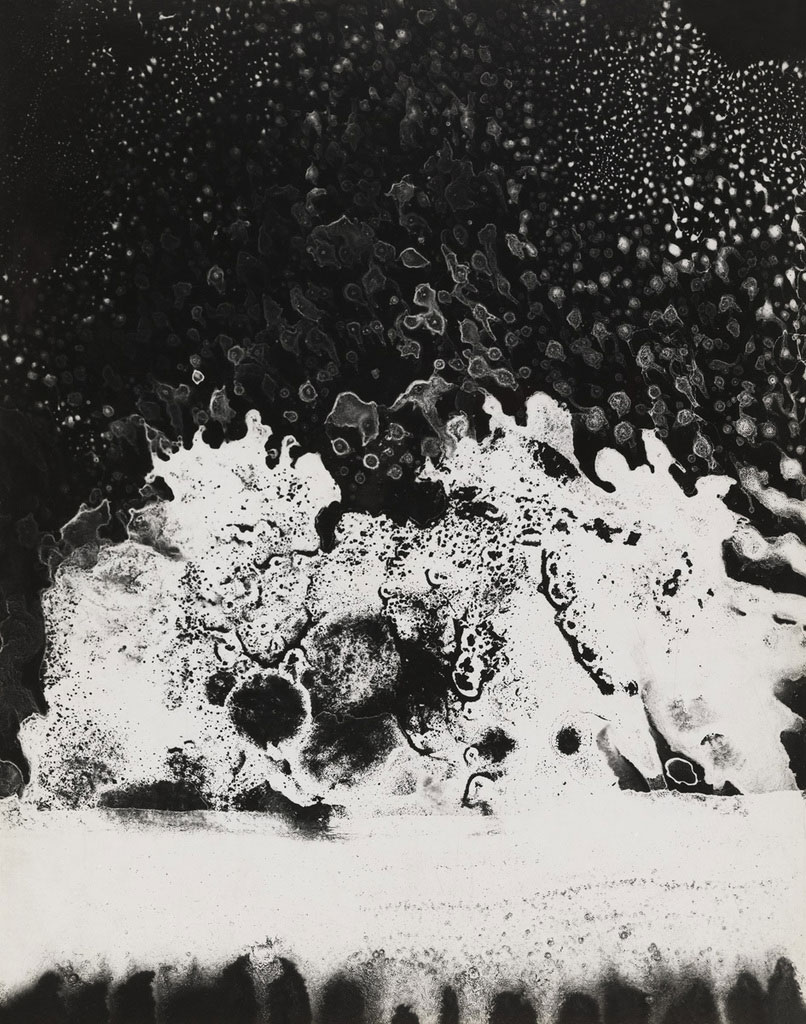


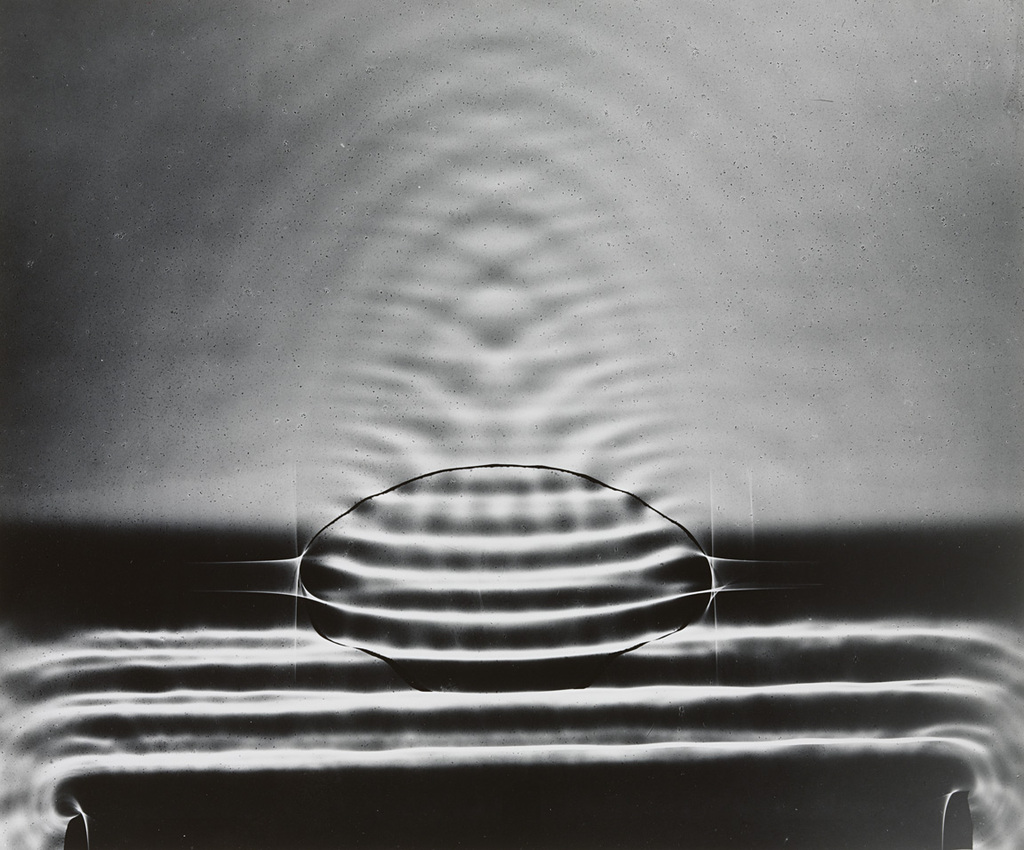

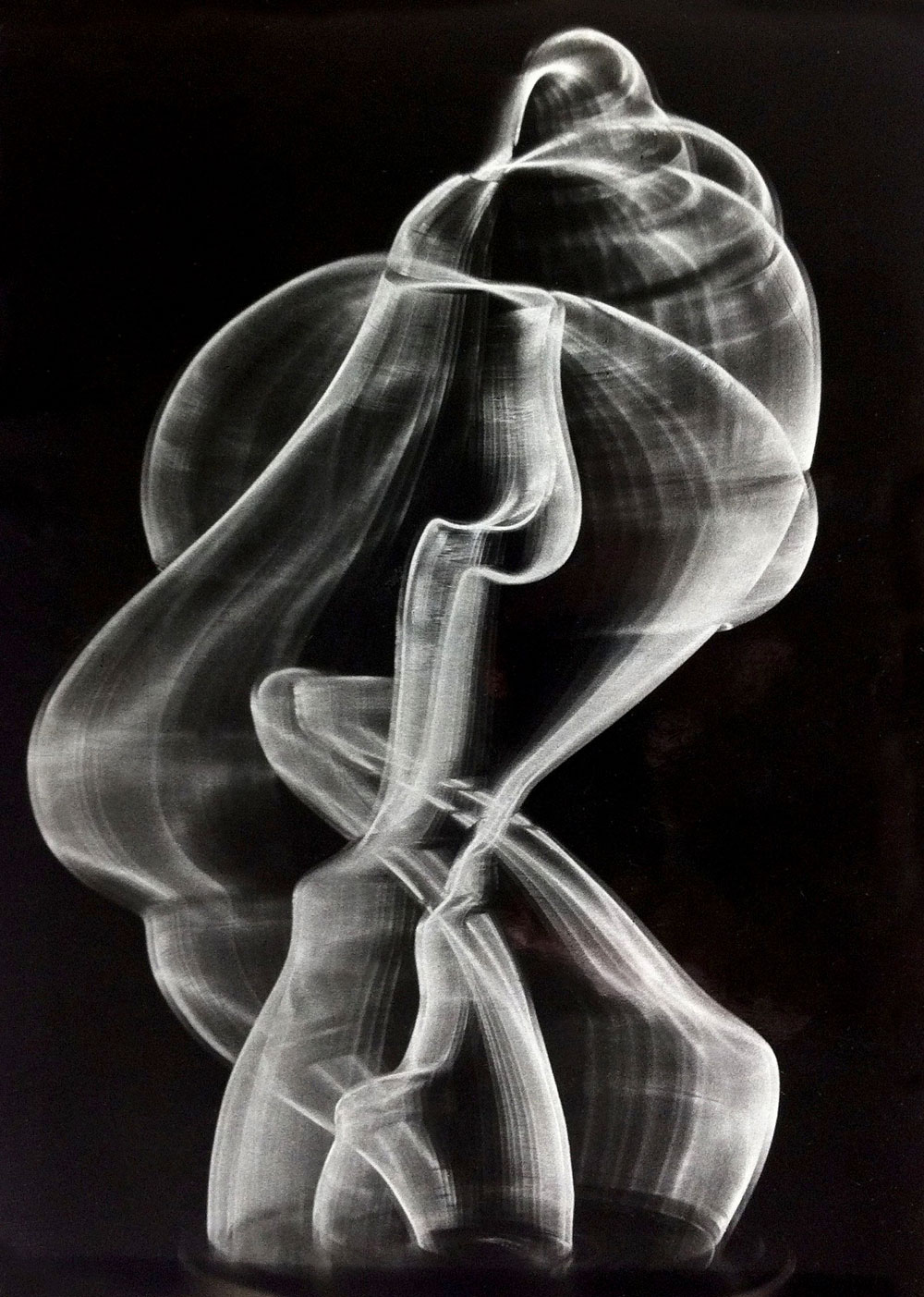
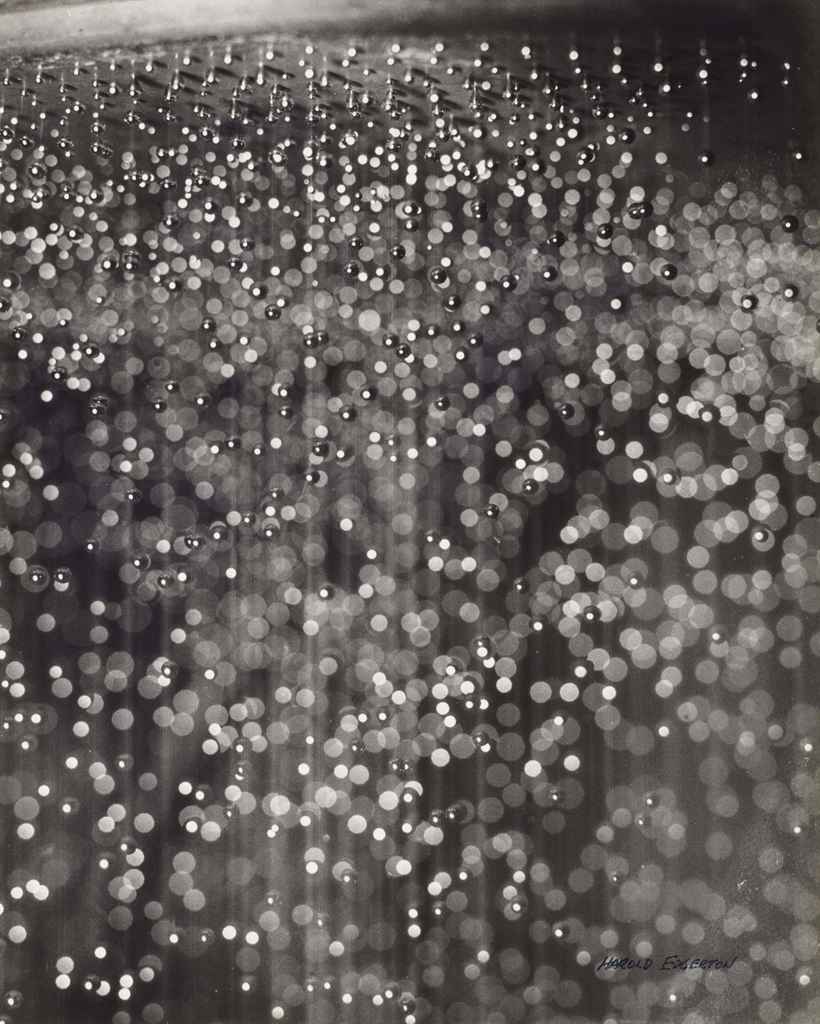

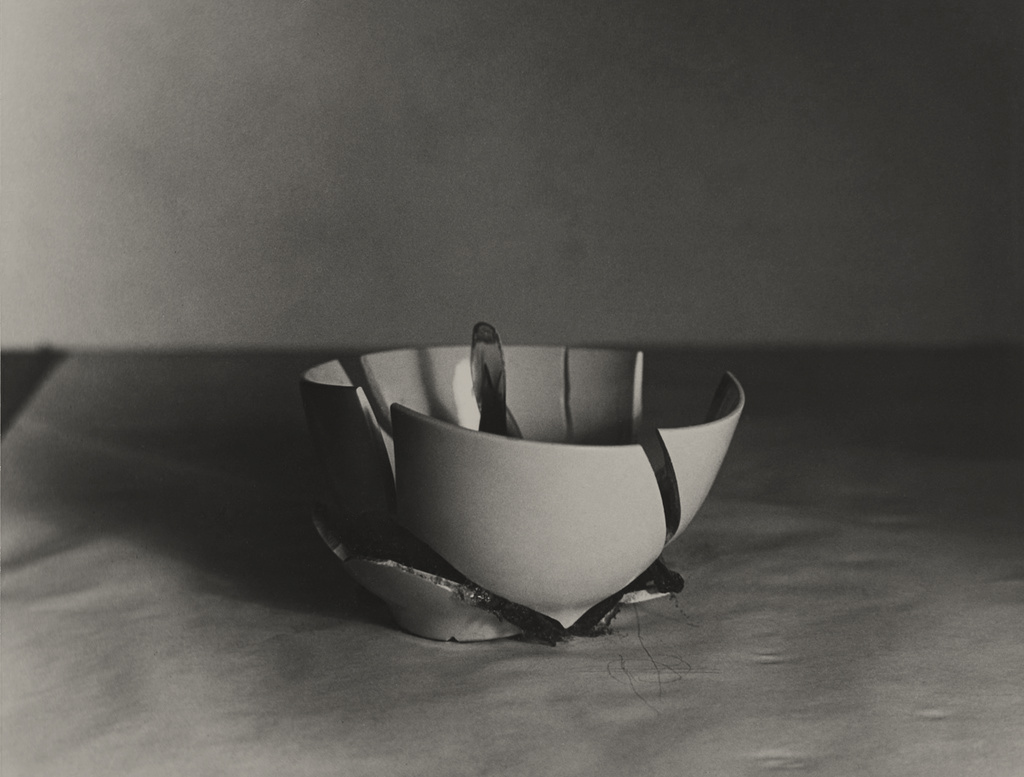


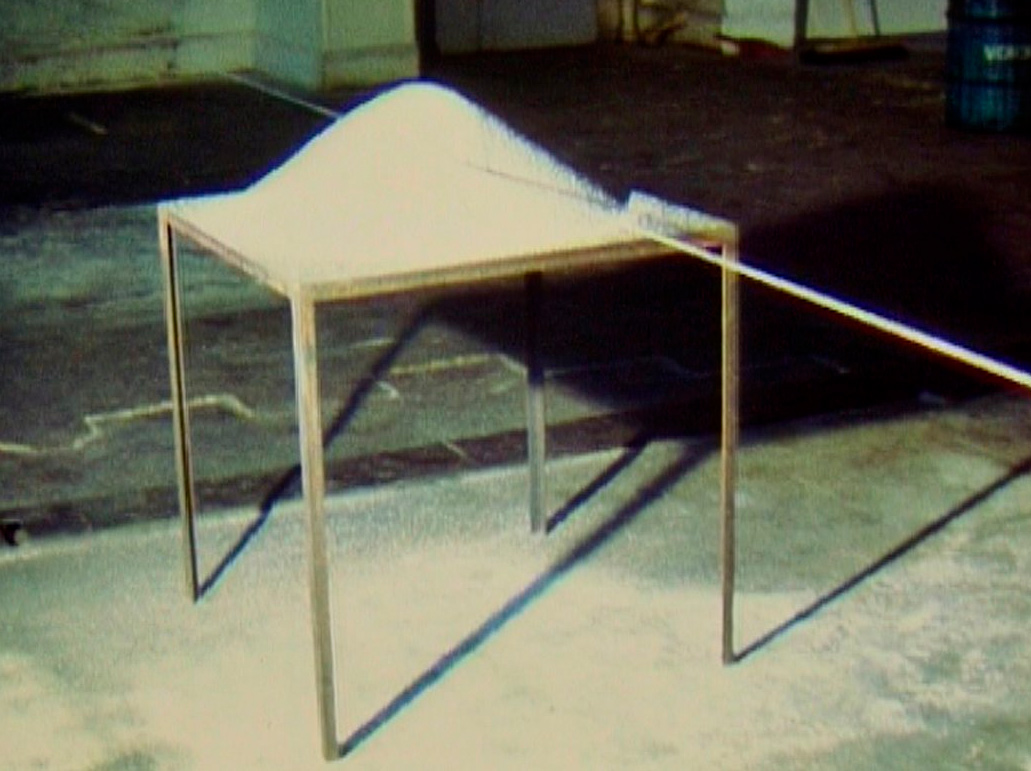
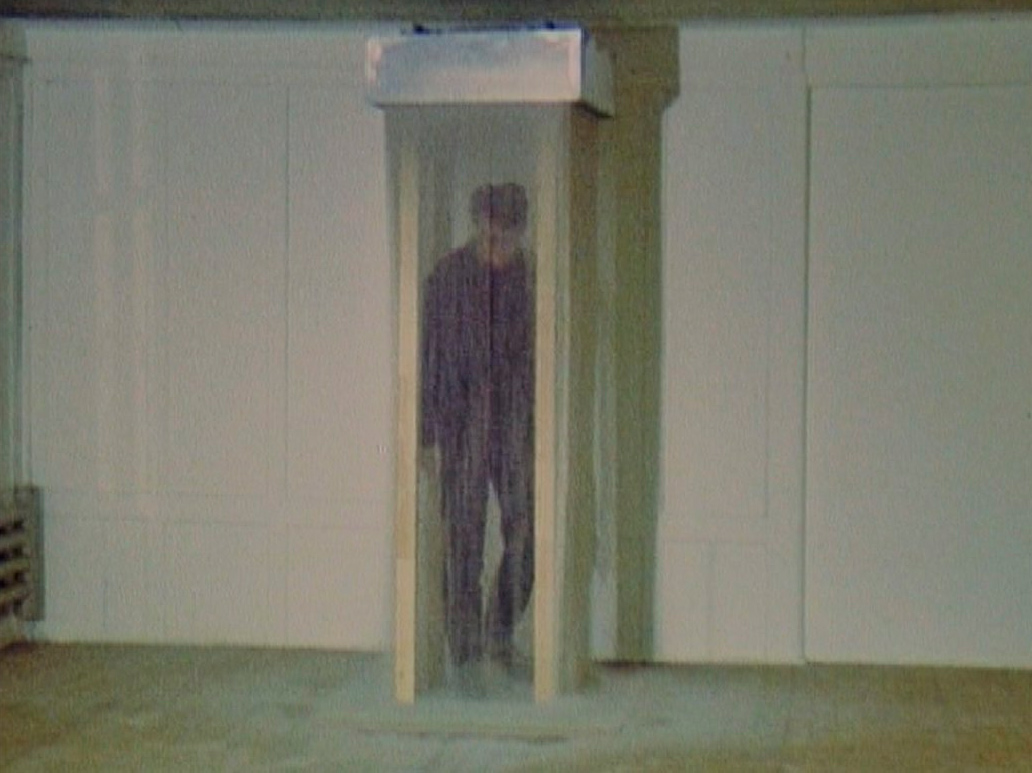
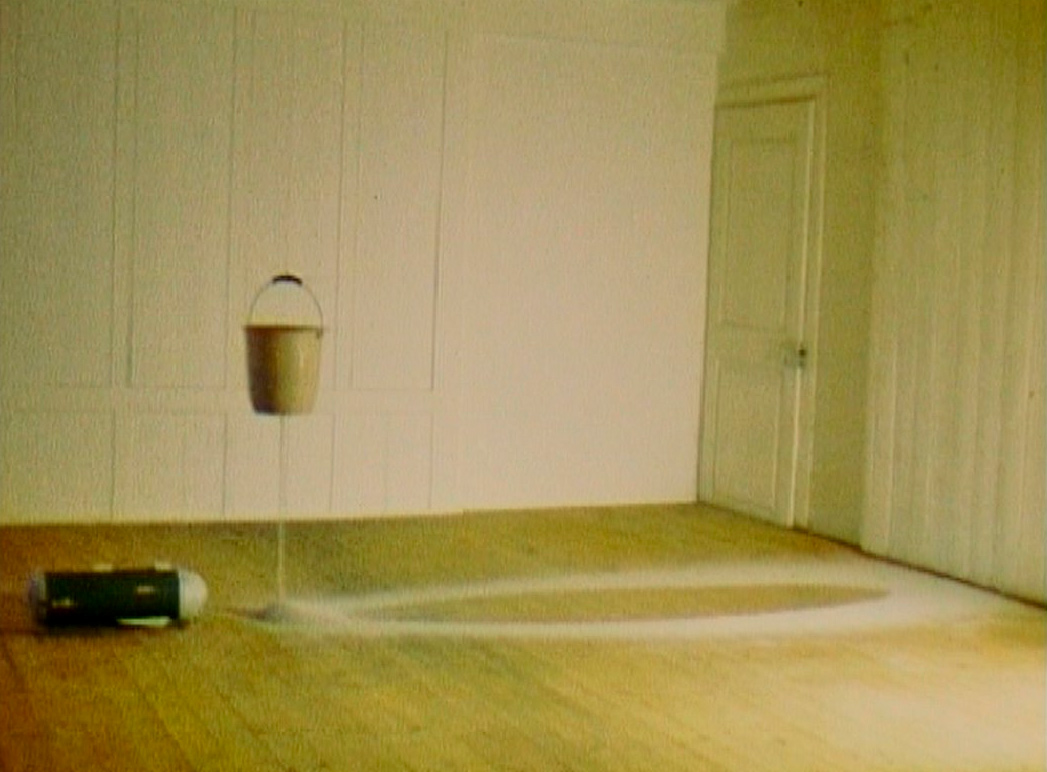
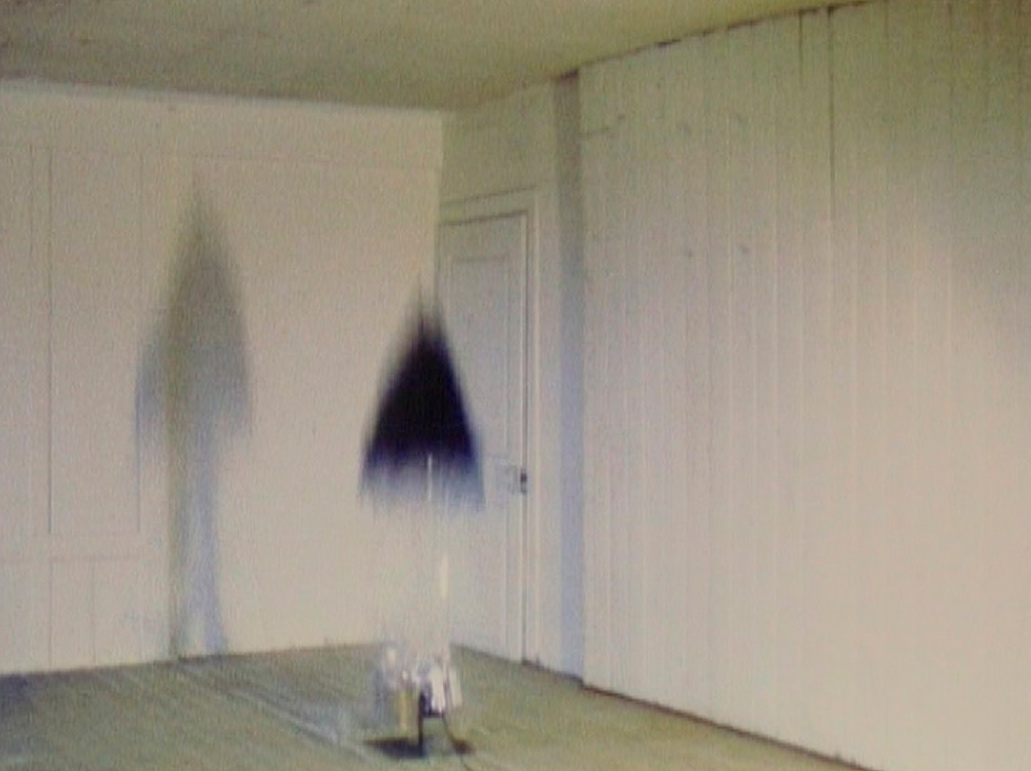
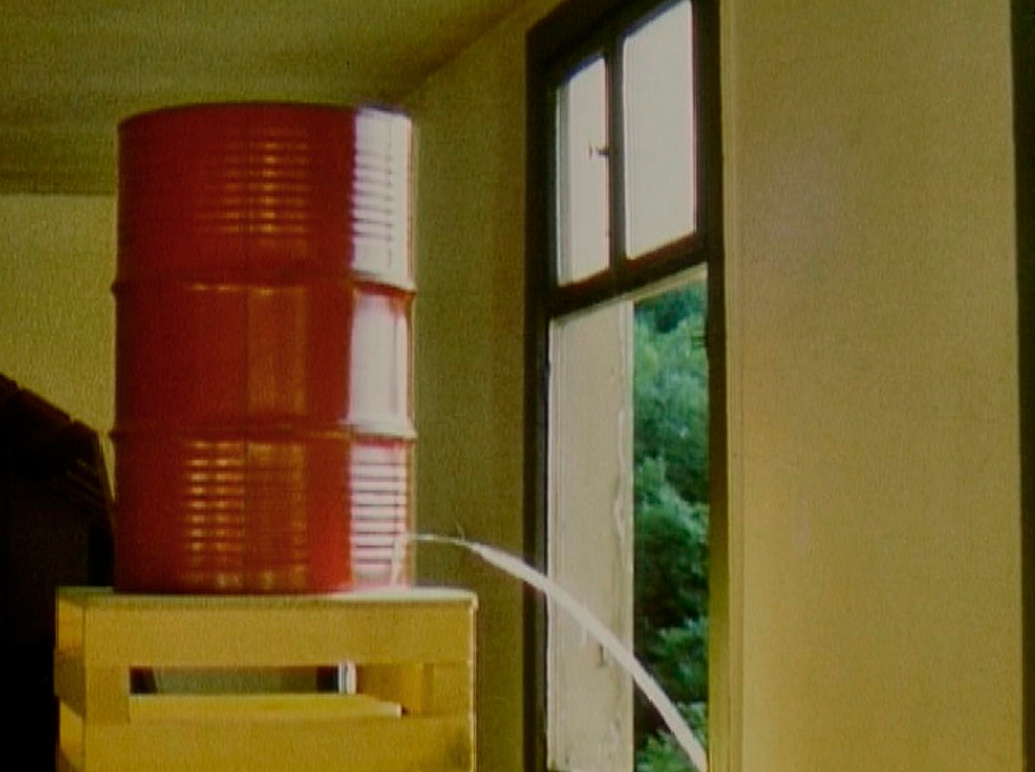
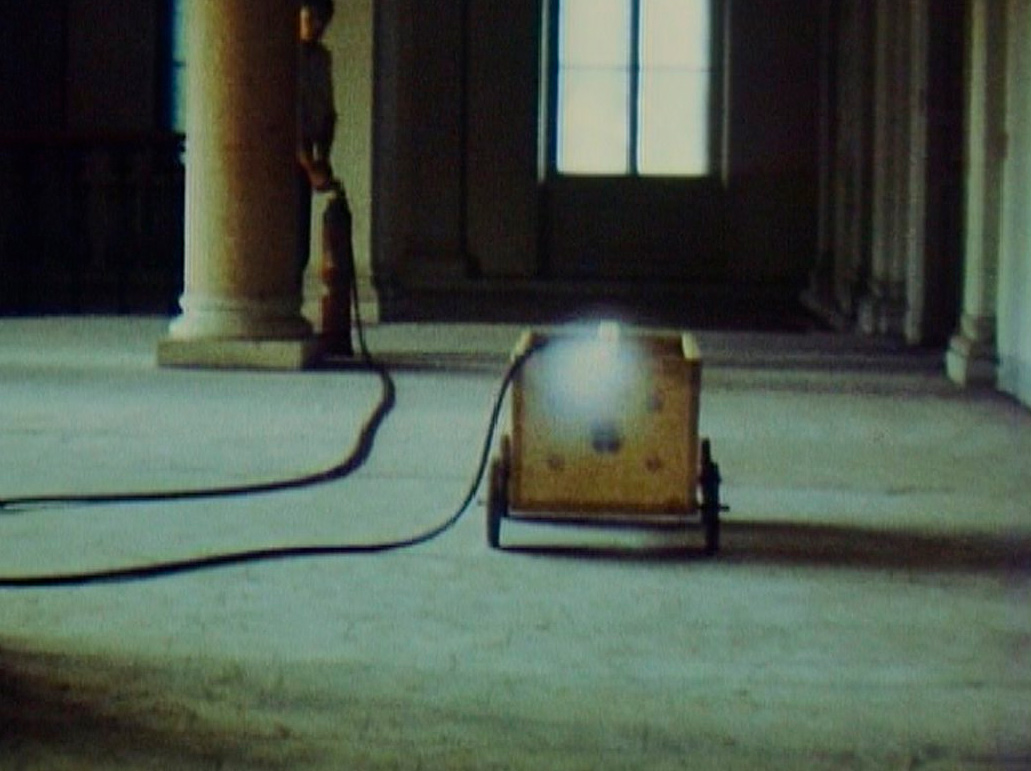

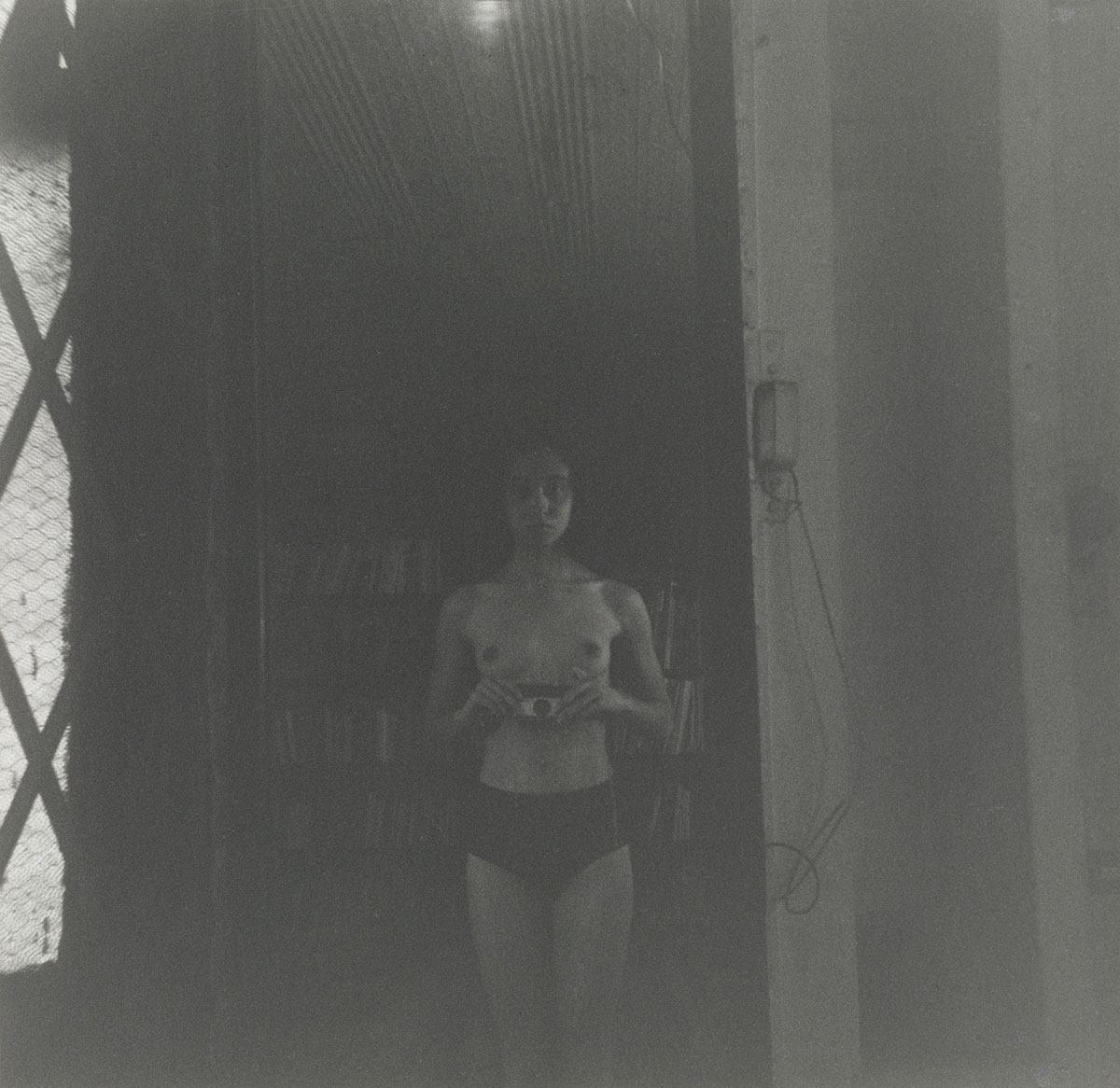


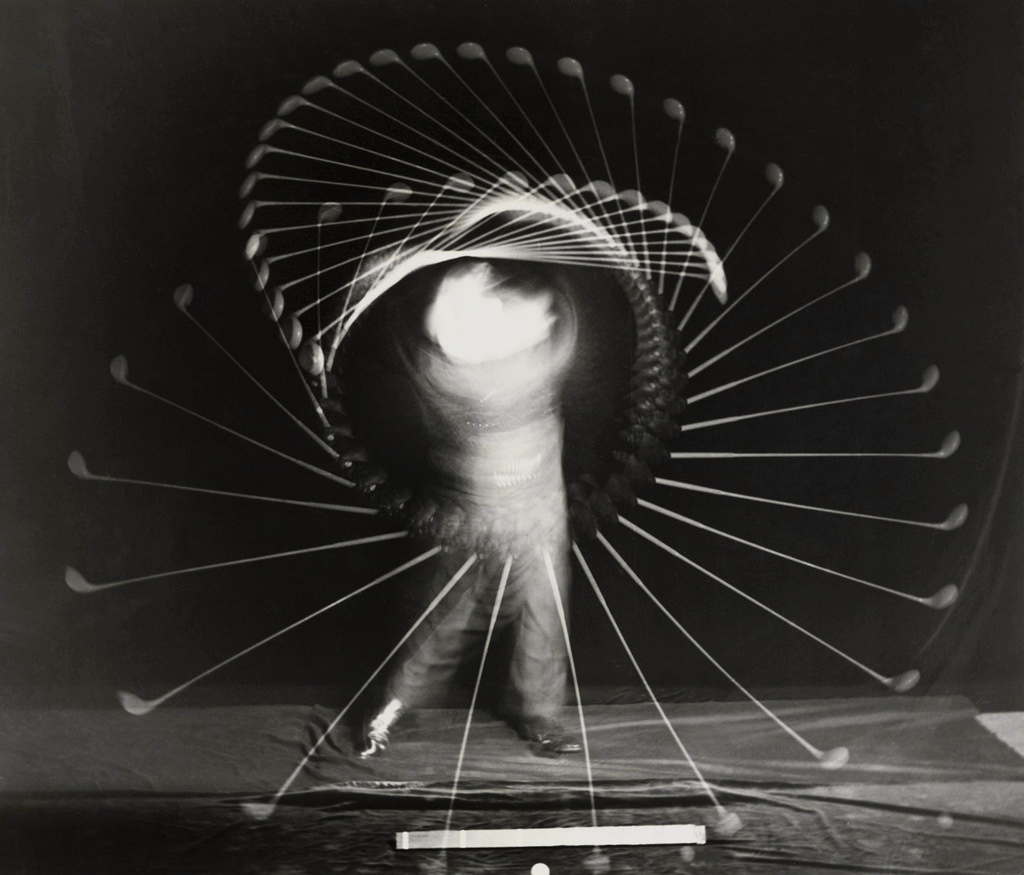
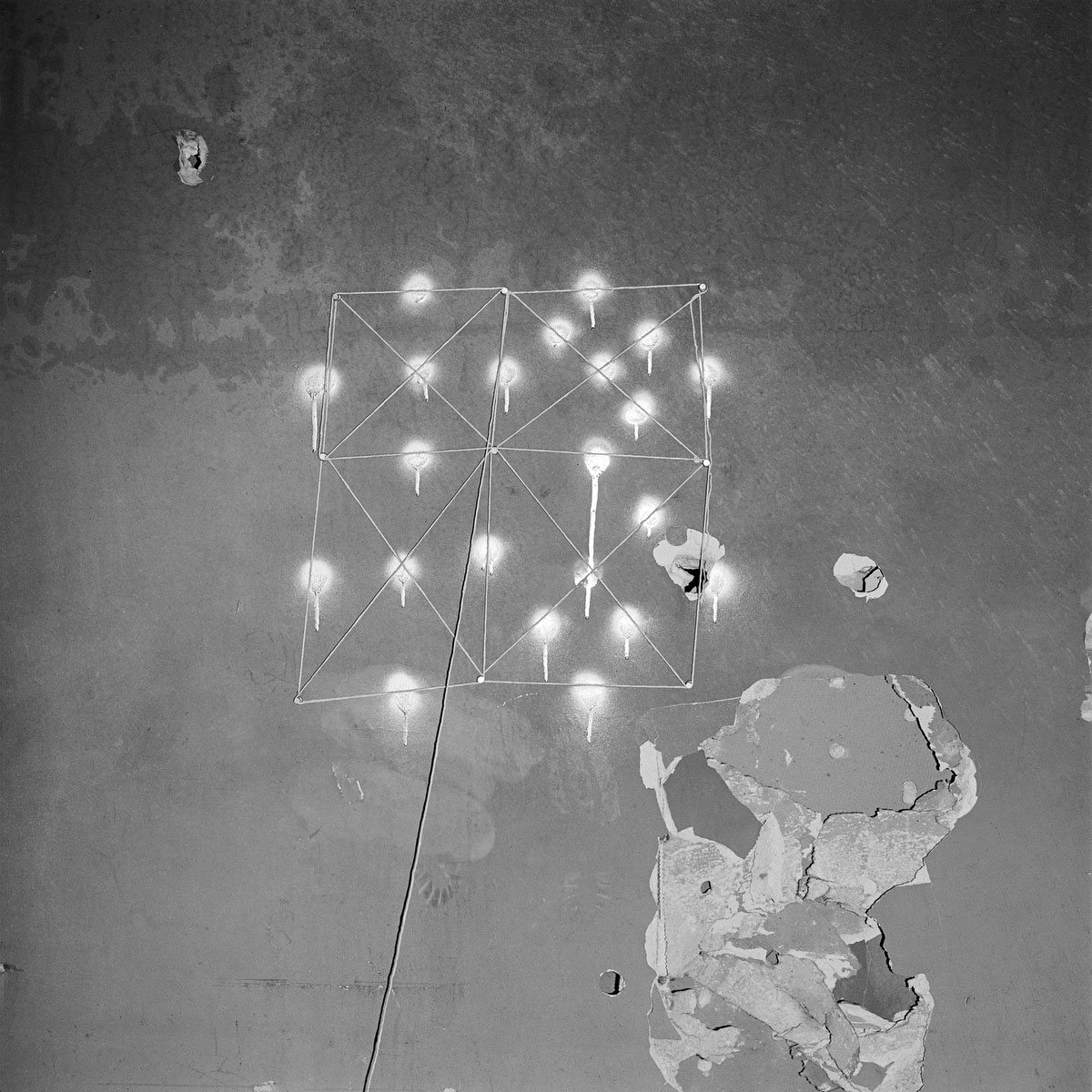
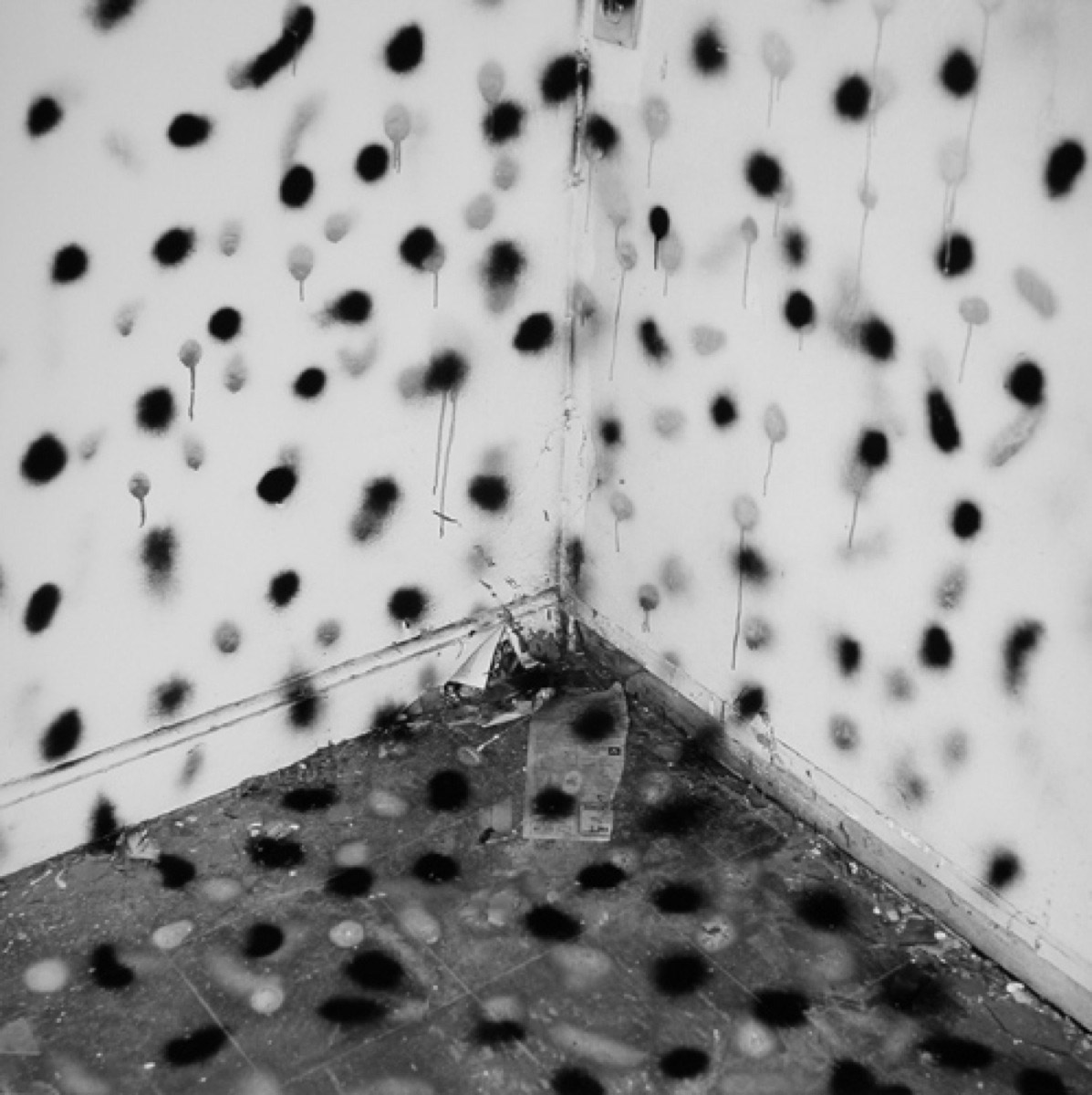
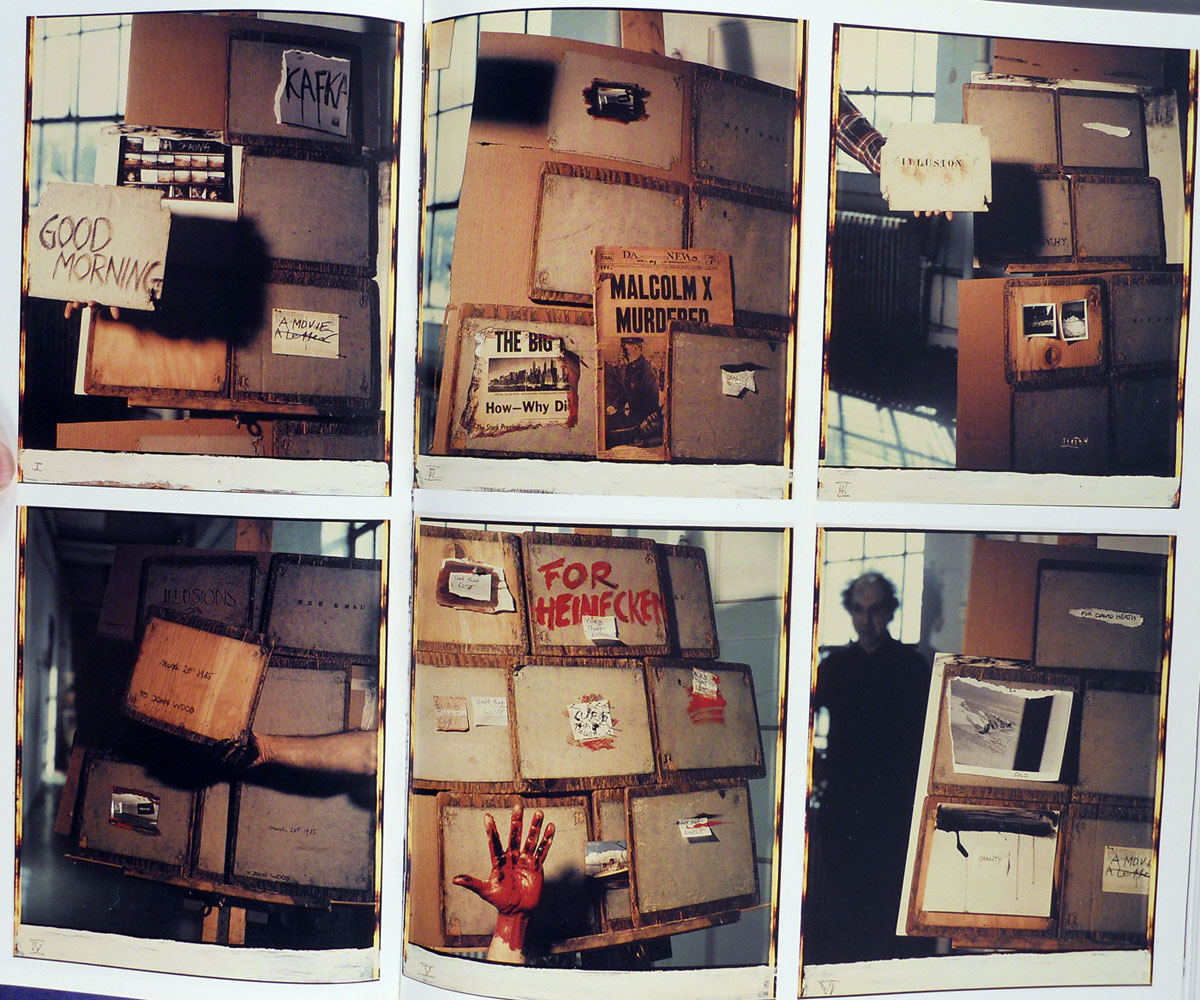

 Art Blart _ art and cultural memory archive
You must be logged in to post a comment.