EG: Just saw your most recent Art Blart and your work. It’s very beautiful. Congratulations. At first I didn’t know whose they were. Then I went through them one by one, and only after responding to them ‘unknown’ I saw it was your work. SO BEAUTIFUL, so potent and yet, within the ambivalence and questioning there was space for great stillness and contemplation. Powerful and so poetic. The one of the children, close up is dazzling, but so are the open fields, mountains, roadways and minute images of flight.
MB: Thank you so much Elizabeth. Yes, my work would you believe. I can now believe after 4 years hard work. A poem to the uncertainty of human dreams. It’s a conceptual series in the vein of my hero Minor White – contemplative, poetic as always with me, but with an edge under the poetry as you so correctly observe EG – you are caught in the dream in the end image, suspended in time and space, in your imagination. You are always so spot on with your observations.
EG: Your own tendency is also closely linked to language and ideas?
MB: This is very true. The basis for all my work is body, time, space, environment and their link to language and ideas… and how conceptual work can be spiritual as well.
EG: I’m with you on that one, and political as well.
MB: Indeed – all my work, including this series, is very anti-war.
EG: What is unseen, invisible in these images is definitely the dark quiet hole of hell that war is. Or at least those that invest in it.
MB: The key image in this regard is the one of the explosion.
EG: But the ones of the distant and misdirected aerial machines also…
MB: Indeed, and the second one, where all the men are looking away while the cloud expands in the background.
EG: Yes, the casual indifference and banality of it.
MB: You have it perfectly Elizabeth!
EG: But the children, oh those children, and the innocent implacability of the natural world.
MB: To find these images on Ebay and then spend four years of my life cleaning and saving them was an incredible experience. It was almost like I was breathing these images as I was saving them, looking into each one and being immersed in them. Thus, the art demands contemplation from the viewer in order to begin to understand its resonances.
Many thankx to Elizabeth Gertsakis for her wisdom, knowledge, friendship and advice throughout the year. These observations of my work mean a great deal to me.
Photographs are available from this series for purchase. As a guide, a digital colour 16″ x 20″ costs $1000 plus tracked and insured shipping. For more information please see my Store web page.
A Christmas present to myself… my most complex and enigmatic sequence to date.
Shot in Japan, all of the images come from two 1950s photography albums, one of which has a large drawing of a USAF bomber on it’s cover. The images were almost lost they were so dirty, scratched and deteriorated. It has taken me four long years to scan, digitally clean and restore the images, heightening the colour already present in the original photographs.
Sometimes the work flowed, sometimes it was like pulling teeth. Many times I nearly gave up, asking myself why I was spending my life cleaning dirt and scratches from these images. The only answer is… that I wanted to use these images so that they told a different story.
Then to sequence the work in such a way that there is an enigmatic quality, a mystery in that narrative journey. Part auteur, part cinema – a poem to the uncertainty of human dreams.
Photographs are available from this series for purchase. As a guide, a digital colour 16″ x 20″ costs $1000 plus tracked and insured shipping. For more information please see my Store web page.
A selection of individual images from the sequence
My hand is progressing slowly. A return to part-time work in the next couple of weeks, for which I will be grateful. It has been tough road dealing with this injury.
Dr Marcus Bunyan
Many thankx to the National Gallery of Victoria for allowing me to publish the photographs in the posting. Please click on the photographs for a larger version of the image.
Antoine-Louis Barye (French, 1796-1875) Walking tiger Tigre qui marche c. 1841, cast 1900 Bronze National Gallery of Victoria Felton Bequest, 1927
John Armstrong (English, 1893-1973) Invocation 1938 Tempera on plywood National Gallery of Victoria Purchased with funds donated by Ian Hicks AM and Dorothy Hicks, 2006
Invocation is one of a series of paintings, which John Armstrong begun in the 1930’s as a direct statement against the rise of Fascism in Europe. John Armstrong observed Fascism in Italy at first hand and became an active left wing campaigner against the proliferation of nuclear weapons. He was commissioned as an official war artist, designing a cover for a leaflet in the 1945 election campaign and contributed occasional articles and poetry to left wing journals. In his painting Victory, he imagined the result of a nuclear holocaust, which attracted the attention at the Royal Academy Summer Exhibition in 1958.
Text from the Leicester Galleries website [Online] Cited 17/07/2017. No longer available online
Eugène Atget (French, 1857-1927) Eclipse 1911, printed 1956- early 1970s Gelatin silver photograph National Gallery of Victoria Purchased, 1978
Surrogates and the Surreal
Atget’s photograph Pendant l’éclipse (During the eclipse) was featured on the cover of the seventh issue of the Parisian Surrealists’ publication La Révolution surréaliste, with the caption Les Dernières Conversions (The last converts), in June 1926. The picture was uncredited, as were the two additional photographs reproduced inside. Although Atget firmly resisted the association, his work – in particular his photographs of shop windows, mannequins, and the street fairs around Paris – had captured the attention of artists with decidedly avant-garde inclinations, such as Man Ray and Tristan Tzara. Man Ray lived on the same street as Atget, and the young American photographer Berenice Abbott (working as Man Ray’s studio assistant) learned of the French photographer and made his acquaintance in the mid-1920s – a relationship that ultimately brought the contents of Atget’s studio at the time of his death (in 1927) to The Museum of Modern Art almost forty years later.
Pierre Bonnard (France, 1867-1947) Siesta La Sieste 1900 Oil on canvas National Gallery of Victoria Felton Bequest, 1949
Eugène Boudin (French, 1824-1998) Low tide at Trouville Trouville, Mareé basse 1894 Oil on canvas National Gallery of Victoria Felton Bequest, 1939
John Brack (Australian, 1920-1999) Self-portrait 1955 Melbourne, Victoria Oil on canvas National Gallery of Victoria Purchased with the assistance of the National Gallery Women’s Association, 2000
Striking in its candour, with its subject stripped of vanity and dressed in early-morning attire, Self portrait is a piercing study of a man engaged in the intimacy of shaving. Although images of women at their toilette have been frequently depicted by both male and female Australian artists, it is unusual for men to be shown or to show themselves in this context. Modest in scale, Brack’s image is conceived in a complex yet subtle colour scheme, applied with clarity and precision.
Geoffrey Smith. “John Brack’s Self Portrait,” on the National Gallery of Victoria website 4th June 2014 [Online] Cited 21/12/2021
Britains Ltd, London manufacturer (English, 1860-1997) Milk float and horse no. 45F from the Model home farm series 1921-1961 c. 1950 Painted lead alloy National Gallery of Victoria Presented by Miss Lucy Kerley and her nephew John Kerley, 1982
Jacques Callot (French, 1592-1635) The firing squad L’Arquebusade Plate 12 from Les Misères et les malheurs de la guerre The miseries and misfortunes of war series 1633 Etching, 2nd of 3 states National Gallery of Victoria Purchased, 1950
Paul Caponigro (American, 1932-2024) Nahant, Massachusetts 1965 Gelatin silver photograph National Gallery of Victoria Purchased with the assistance of the National Gallery Society of Victoria, 1977
Jean Charles Cazin (French, 1841-1901, lived in England 1871-1875) The rainbow L’Arc-en-ciel late 1880s Oil on canvas National Gallery of Victoria Felton Bequest, 1913
Marshall Claxton (English, 1813-1881, lived in Australia 1850-1854) An emigrant’s thoughts of home 1859 Oil on cardboard National Gallery of Victoria Presented by the National Gallery Women’s Association, 1974
Marshall Claxton’s painting An emigrant’s thoughts of home (1859) belongs to a clutch of works, both fine and popular, both pictorial and literary, that for an Australasian audience are perhaps the most resonant of the many products of Victorian culture. Emigration, a social and political phenomenon for mid-nineteenth-century Britain, and the essential lubricant of British imperialism, inspired a profusion of paintings, prints, novels, plays, poems, essays and letters that speak eloquently about the realities and myths of Victorian Britain and its role in the world, engaging concepts of the family, womanhood, the artist’s role and function and, indeed, the meaning of life.
Olive Cotton (Australian, 1911-2003) Teacup ballet 1935, printed 1992 Gelatin silver photograph National Gallery of Victoria Purchased from Admission Funds, 1992
Among Cotton’s most famous photographs, Teacup ballet has very humble origins. It was taken after hours in the Dupain studio and used a set of cheap cups and saucers Cotton had earlier bought from a Woolworths store for use around the studio. As she later recounted: ‘Their angular handles suggested to me the position of “arms akimbo” and that led to the idea of a dance pattern’. The picture uses a range of formal devices that became common to Cotton’s work, especially the strong backlighting used to create dramatic tonal contrasts and shadows. The picture achieved instant success, and was selected for exhibition in the London Salon of Photography for 1935.
Olive Cotton (Australian, 1911-2003) The sleeper 1939, printed 1992 Gelatin silver photograph, ed. 4/25 National Gallery of Victoria Purchased from Admission Funds, 1992
The sleeper 1939, Olive Cotton’s graceful study of her friend Olga Sharp resting while on a bush picnic, made around the same time as Max Dupain’s Sunbaker, presents a different take upon the enjoyment of life in Australia. The woman is relaxed, nestled within the environment. The mood is one of secluded reverie.
Edward Curtis (American, 1868-1952) Kalóqutsuis – Qágyuhl 1914, printed 1915 Photogravure National Gallery of Victoria Gift of Ms Christine Godden, 1991
Not only was he one of the greatest ethnographic photographers of all time (as well as being an ethnographer recording more than 10,000 songs on a primitive wax cylinder, and writing down vocabularies and pronunciation guides for 75 languages) … he was also an aesthetic photographer. Looking at his photographs you can feel that he adhered to the principles of the nature and appreciation of beauty situated within the environment of the Native American cultures and peoples. He had a connection to the people and to the places he was photographing…
Curtis created a body of work unparrallleled in the annals of photography – an ethnographic study of an extant civilisation before it vanished (or so they thought at the time). Such a project stretched over thirty years, producing 45-50 thousand negatives “many of them on glass and some as large as fourteen by seventeen inches” of which 2,200 original photographs appeared in his magnum opus, The North American Indian…
While all great photographers have both technical skill and creative ability it is the dedication of this artist to his task over so many years that sets him apart. That dedication is critically coupled with his innate ability to capture the “spirit” of the Native American cultures and peoples, their humanity.
Frances Derham (Australian, 1894-1987) Building the bridge 1929 Colour linocut on Japanese paper National Gallery of Victoria Gift of Mr Richard Hodgson Derham, 1988
Kerry Dundas (Australian, b. 1931, lived in Europe 1958-1967) A girl is carried away under arrest From the Youth against the Bomb series 1961-1963 Gelatin silver photograph National Gallery of Victoria Purchased 1971
Max Dupain (Australian, 1911-1992) Bondi 1939 Gelatin silver photograph 30.3 × 29.5cm National Gallery of Victoria Purchased with the assistance of the Visual Arts Board, 1976
Walker Evans (American, 1903-1975) Hitchhikers, near Vicksburg, Mississippi 1936, printed c. 1975 Gelatin silver photograph National Gallery of Victoria Purchased 1975
Walker Evans (American, 1903-1975) Auto dump, near Easton, Pennsylvania 1935, printed c. 1975 Gelatin silver photograph National Gallery of Victoria Purchased 1975
William Frater (born Scotland 1890, arrived Australia 1913, died 1974) The blue nude c. 1934 Oil on canvas on cardboard National Gallery of Victoria Gift of Mrs Lina Bryans 1969
His contribution to art in Australia was, however, as a painter who introduced Post-Impressionist principles and challenged the notion that art was an imitation of nature.
Frater’s oeuvre developed between 1915 and 1920 towards a simplification of design, an interplay of massed lights and shadows, and sonorous low-keyed colour that reflected his interest in the classical seventeenth century painters in interaction with the analytical tonal theory of Max Meldrum. Notable examples of his predominantly figure and portrait paintings are ‘The artist’s wife reading’ (1915) and ‘Portrait of artist’s wife’ (1919). An experimental Colourist phase followed in the next decade. His first solo exhibition was held in May 1923 at the Athenaeum, Melbourne, and he exhibited with the Twenty Melbourne Painters from the late 1920s, and the Contemporary Group of Melbourne in the 1930s.
His approach in the 1930s was markedly indebted to Cézanne, especially in the portraits which predominated until his retirement… Frater gave aggressive leadership to the small group of modernists in the 1920s. His example, teaching, lecturing and crusty style of polemic did much to disrupt the academic style as the arbiter of pictorial values and to pioneer a change of taste in the community.
L. J. Course. “Frater, William (1890-1974),” on the Australian Dictionary of Biography website, published first in hardcopy 1981 [Online] Cited 23 December 2021
Emmanuel Frémiet (French, 1824-1910) Gorilla carrying off a woman Gorille enlevant une femme 1887 Bronze National Gallery of Victoria Gift of the artist 1907
Lee Friedlander (American, b. 1934) Hillcrest, New York 1970, printed c. 1977 Gelatin silver photograph National Gallery of Victoria Purchased 1977
Lee Friedlander (American, b. 1934) Mount Rushmore 1969, printed c. 1977 Gelatin silver photograph National Gallery of Victoria Purchased 1977
The ‘tourist gaze’
As Grundberg notes, Friedlander’s terse depiction shows both the sight and the tourists themselves, being brought into existence through the effects of looking, reflecting, framing and imaging. These, he adds, are all linked to the general project of culturally appropriating the natural world. ‘Natural site has become acculturated sight’ (Grundberg 1990: 15).
As the image makes clear, the ‘sight’ or the ‘site’ is a ‘seeing’ without a subject, for it pre-exists the arrival and activity of any individual tourist-photographer, who, once located there, is framed as much as framing. The sight is not so much an object to be viewers an already structured condition of seeing, a situation which places the sightseer even as he or she freely choose to look or shoot.
The effects of photography’s presence in the tourist system merely completed a process under way before photography’s birth. As tourists, even at the moment of photographing, even if touring cameraless, we are not so much looking as looking at images, or looking for images. Tourism provides us less with experience than with events to be seen, Or rather, events to look at. The privileging of the visual grants us separation from our own experience… We look on or look in through the distancing arrangements of the camera or through eyes educated to see with the same ontological remoteness. The world of the tourist is ‘over there’, in the past-present, in the exotic-ordinary. It is framed off, the object of imaging or description, in some spectacular distance, or set back as performance (Greenwood in Smith 1989).
Peter Osborne. Traveling Light: Photography, Travel and Visual Culture. Manchester University Press, 2000, pp. 81-82.
Barbara Hepworth (English, 1903-1975) Eidos 1947 Stone, synthetic polymer paint National Gallery of Victoria Purchased with the assistance of the Samuel E. Wills Bequest to commemorate the retirement of Dr E. Westbrook, Director of Arts for Victoria, 1981
Eidos a Greek term meaning “form” “essence”, “type” or “species”. The early Greek concept of form precedes attested philosophical usage and is represented by a number of words mainly having to do with vision, sight, and appearance. The words, εἶδος (eidos) and ἰδέα (idea) come from the Indo-European root *weid-, “see”.Eidos (though not idea) is already attested in texts of the Homeric era, the earliest Greek literature. This transliteration and the translation tradition of German and Latin lead to the expression “theory of Ideas.” The word is however not the English “idea,” which is a mental concept only.
The meaning of the term εἶδος (eidos), “visible form”, and related terms μορφή (morphē), “shape”, and φαινόμενα (phainomena), “appearances”, from φαίνω (phainō), “shine”, Indo-European *bhā-, remained stable over the centuries until the beginning of philosophy, when they became equivocal, acquiring additional specialised philosophic meanings.
Lewis Hine (American, 1874-1940) Sam Pine, 8 year old truant newsboy who lives at 717 West California Street 1917 Gelatin silver photograph National Gallery of Victoria Purchased 1980
David Hockney (born England 1937, worked in United States 1964-1968, 1975- ) Reclining figure 1975 Etching and liftground etching, ed. 38/75 National Gallery of Victoria Gift of Margaret Toll 2006
Edmond-François Aman-Jean (French, 1860-1936) Woman resting La Femme couchée c. 1904 Oil on canvas National Gallery of Victoria Felton Bequest 1905
Max Klinger (German, 1857-1920) Cast of artist’s hands 1920 plaster National Gallery of Victoria Gift of Mrs Marcelle Osins, 1994
Fred Kruger (Australian born Germany, 1831-1888) Coast scene, Mordialloc Creek, near Cheltenham c. 1871 Albumen silver photograph National Gallery of Victoria Gift of Mrs Beryl M. Curl, 1979
The best of the landscape photographs have nothing to do with Arcadian, pastoral life at all. For me, Kruger’s photographs only start to come alive when he is photographing gum trees against the sky. Anyone who has tried to photograph the Australian bush knows how difficult it is to evince a “feeling” for the bush and Kruger achieves this magnificently in a series of photographs of gum trees in semi-cleared land, such as Bush scene near Highton (c. 1879). These open ‘park-like’ landscapes are not sublime nor do they picture the spread of colonisation but isolate the gum trees against the sky. They rely on the thing itself to speak to the viewer, not a constructed posturing or placement of figures to achieve a sterile mise-en-scène.
Kusakabe Kimbei (Japanese, 1841-1934) No title (Couple with a cabinet photograph and ghost in background) 1880s Albumen silver photograph, colour dyes National Gallery of Victoria Purchased 2004
Kimbei Kusakabe arrived in Yokohama in 1856 and became Felice Beato’s pupil, hand-colouring his photographs until 1863. In 1881, he opened his own studio and promptly became one of the most prosperous and influential photographers of his generation, rivalling the Western artists that had until then dominated the market. With his coloured portraits, everyday scenes and landscapes, he is the purveyor of souvenir images for Westerners visiting Japan. Kimbei Kusakabe depicted men in serene social and economic contexts while women – his favourite subjects – were represented in romantic portraits as well as domestic and cultural scenes. The young mysterious and submissive geisha was particularly appealing to Western audiences and the Japanese photographer helped establish their visual identity as icons of feminine beauty and social etiquette. Kimbei Kusakabe’s rare images are a rich resource for the comprehension of a Japan that has now disappeared.
Text from The Red List website [Online] Cited 17/07/2017. No longer available online
Kusakabe Kimbei worked with Felice Beato and Baron Raimund von Stillfried as a photographic colourist and assistant before opening his own workshop in Yokohama in 1881, in the Benten-dōri quarter, and from 1889 operating in the Honmachi quarter. He also opened a branch in the Ginza quarter of Tokyo. Around 1885, he acquired the negatives of Felice Beato and of Stillfried, as well as those of Uchida Kuichi. Kusakabe also acquired some of Ueno Hikoma’s negatives of Nagasaki. He stopped working as a photographer in 1912-1913.
Dorothea Lange (American, 1895-1965) Towards Los Angeles, California 1936, printed c. 1975 Gelatin silver photograph National Gallery of Victoria Purchased 1975
Dorothea Lange (American, 1895-1965) Ditched, stalled and stranded, San Joaquin Valley, California 1935, printed c. 1975 Gelatin silver photograph National Gallery of Victoria Purchased 1975
Russell Lee (American, 1903-1986) Interlude, after watching the Fourth of July Parade, Vale, Oregon 1941, printed c. 1975 Gelatin silver photograph National Gallery of Victoria Purchased 1975
José López (born Cuba 1941, lived in United States c. 1961-1992, died United States 1992) Luis Medina (born Cuba 1942, lived in United States 1961-1985, died United States 1985) Boy asleep by the beach 1976 Gelatin silver photograph National Gallery of Victoria Purchased 1978
Ruth Maddison (Australian, b. 1945) No title (Woman collecting a Christmas present from the car) from the Christmas Holidays with Bob’s Family, Mermaid Beach, Queensland series 1977-1978, printed 1979 Gelatin silver photograph, coloured pencils and fibre tipped pen, ed. 1/5 National Gallery of Victoria Purchased 1980
This was a very hands on process, an observation confirmed by artist Ruth Maddison. “The process was like hand watering your garden, an intense exchange and engagement with the object. When I started I was completely untrained, but I loved the process. I just experimented in order to understand what medium does what on what paper surface. There was the beauty of its object and its physicality. I just loved the object.” Her series Christmas holiday with Bob’s family, Mermaid Beach, Queensland (1977-1978), photographed over Christmas Day and several days afterwards, evidences this magical transformation. Vernacular photographs of a typical Australia Christmas holiday become something else, transformed into beautiful, atypical representations of family, friendship, celebration and life.
Henri Matisse (France, 1869-1954) Reclining nude on a pink couch Nu couché sur canapé rose 1919 Oil on canvas National Gallery of Victoria Felton Bequest 1952
Amedeo Modigliani (born Italy 1884, lived in France 1906-1920, died France 1920) Nude resting c. 1916-1919 Pencil on buff paper; laid down National Gallery of Victoria Felton Bequest 1948
László Moholy-Nagy (born Hungary 1895, lived in Germany 1920-1934, lived in United States 1935-1937, United States 1937-1946, died United States 1946) Helsinki 1927, printed 1973 Gelatin silver photograph National Gallery of Victoria Purchased 1975
David Moore (Australian, 1927-2003) Migrants arriving in Sydney 1966 Gelatin silver photograph National Gallery of Victoria Purchased 1991
In this evocative image Moore condenses the anticipation and apprehension of immigrants into a tight frame as they arrive in Australia to begin a new life. The generational mix suggests family reconnections or individual courage as each face displays a different emotion.
Moore’s first colour image Faces mirroring their expectations of life in the land down under, passengers crowd the rail of the liner Galileo Galilei in Sydney Harbour was published in National Geographic in 1967.1 In that photograph the figures are positioned less formally and look cheerful. But it is this second image, probably taken seconds later, which Moore printed in black-and-white, that has become symbolic of national identity as it represents a time when Australia’s rapidly developing industrialised economy addressed its labour shortage through immigration. The strength of the horizontal composition of cropped figures underpinned by the ship’s rail is dramatised by the central figure raising her hand – an ambiguous gesture either reaching for a future or reconnecting with family. The complexity of the subject and the narrative the image implies ensured its public success, which resulted in a deconstruction of the original title, ‘European migrants’, by the passengers, four of whom it later emerged were Sydneysiders returning from holiday, alongside two migrants from Egypt and Lebanon.2 Unintentionally Moore’s iconic image has become an ‘historical fiction’, yet the passengers continue to represent an evolving Australian identity in relation to immigration.
1/ Max Dupain and associates: Accessed 17/06/2006. No longer available online 2/ Thomas D & Sayers A 2000, From face to face: portraits by David Moore, Chapter & Verse, Sydney
Henry Moore (English, 1898-1986) Reclining figure distorted – Sectional line 1979 Chalk, charcoal, wax crayon, ballpoint pen and watercolour over pencil National Gallery of Victoria Gift of Ginny Green, Sandra Bardas OAM family, Vicki Vidor OAM and Bindy Koadlow in memory of their parents Loti Smorgon AO and Victor Smorgon AC through the Australian Government’s Cultural Gifts Program, 2014
William De Morgan & Co., London (manufacturer, England 1872-1911) William De Morgan (designer, England 1839-1917) Startled tigers, dish c. 1880 Earthenware National Gallery of Victoria Felton Bequest 1980
Helen Ogilvie (Australian, 1902-1993) (Four figures seated at a table listening to a phonograph through earpieces) Illustration to Flinders Lane: recollections of Alfred Felton by Russell Grimwade. Melbourne University Press, Carlton, 1947 c. 1947 Wood-engraving on Japanese paper, proof National Gallery of Victoria
“What interested me I think were the English wood engravers. I would have seen them in reproductions in books … I think it appealed to me as an artistic expression because it was done so directly with the hand. I know that when a painter is painting the hand is connected with the brain. But with wood engraving it seemed to me it was almost more so. And I got very worked up about it, but I had no way of learning … I know how I got started. Eric Thake was the man who said to me, “I’ll show you how to use your tool.”‘
from Anne Ryan, ‘Australian etchings and engravings 1880s-1930s from the Gallery’s collection’, AGNSW, Sydney 2007
John Perceval (Australian, 1923-2000) Lover’s walk in the corn, summer, England 1964 Oil and toy mouse on canvas National Gallery of Victoria Presented through The Art Foundation of Victoria by Fingal Pastoral Property Limited, Fellow, 1997
Peter Peryer (New Zealand, 1941-2018) Seeing 1989 Gelatin silver photograph National Gallery of Victoria Purchased 1996
G. B. Poletto (Italian, 1915-1988) No title (Ava Gardner in wardrobe still for On the beach: Street) 1957 Gelatin silver photograph National Gallery of Victoria Purchased 2003
David Potts (Australian, 1926-2012, lived in England 1950-1955) Cat show, London 1953 Gelatin silver photograph National Gallery of Victoria Purchased through the KODAK (Australasia) Pty Ltd Fund 1975
August Sander (German, 1876-1964) Itinerant basket makers from the People of the Twentieth Century project 1929, printed 1973 Gelatin silver photograph National Gallery of Victoria Purchased 1974
Nomadism
In the literature on nomadism, there is considerable disagreement over the range of societies that should be designated as “nomadic,” but there is some consensus that at least three categories of mobile peoples should be recognised. The first category, to which many wish to restrict the term “nomadic,” is that of pastoral nomads… The second broad category of nomads is that of hunter-gatherers, whose mode of subsistence sets them apart from both pastoralists and sedentary farmers…
The third basic category is that of Gypsies, itinerant basket-makers, tinkers, weavers, mimes, magicians, musicians, horse dealers, nostrum traders, carnival people, circus performers, and so on. Characterised the variously as “service nomads,” “economic nomads,” “commercial nomads,” “craftsman nomads,” “non-food producing nomads,” “floating industrial populations,” “peripatetic tribes,” “peripatetic peoples” or plain “peripatetics,” these are spatially mobile peoples who primarily exploit resources in the social environment. They exploit what Berland and Salo call a distinct peripatetic niche: “the regular demand for specialised goods and/or services that more sedentary or pastoral communities cannot, or will not, support on a permanent basis.”
Ronald Bogue. Deleuze’s Way: Essays in Transverse Ethics and Aesthetics. London and New York: Routledge, 2007, pp. 114-115.
Ben Shahn (born Lithuania 1898, lived in United States c. 1925-1969, died United States 1969) A deputy with a gun on his hip during the September 1935 strike in Morgantown, West Virginia 1935, printed c. 1975 Gelatin silver photograph National Gallery of Victoria Purchased, 1975
Athol Shmith (Australian, 1914-1990) Misses Mary and Rae Plotkin, bridesmaids at the wedding of Mrs Edith Sheezel 1940 Hand-coloured gelatin silver photograph National Gallery of Victoria Gift of Mary Lipshut through the Australian Government’s Cultural Gift’s Program, 2012
Baron Raimund von Stillfried (Austrian, 1839-1911, lived throughout Europe and Asia 1871-1910) No title (Tattooed bettōs, porters) c. 1875, printed c. 1877-1880 Albumen silver photograph, colour dyes National Gallery of Victoria Purchased through the NGV Foundation with the assistance of The Herald & Weekly Times Limited, Fellow, 2001
“There are two employments which I have mentioned among those of domestic servants because they would be so classed by us, but which in Japan rank among the trades. The jinrikisha man and the groom belong, as a rule, to a certain class at the bottom of the social ladder, and no samurai would think of entering either of these occupations, except under stress of severest poverty. The bettōs, or grooms, are a hereditary class and a regular guild, and have a reputation, among both Japanese and foreigners, as a betting, gambling, cheating, good-for-nothing lot. An honest bettō is a rare phenomenon.”
Alice Mabel Bacon. Japanese Girls and Women. Boston and New York: Houghton Mifflin Company The Riverside Press, 1891, p. 319.
Hiroshi Sugimoto (born Japan 1948, lived in United States and Japan 1976- ) Winnetka Drive-In, Pb aramount 1993 Gelatin silver photograph, ed. 8/25 National Gallery of Victoria Bowness Family Fund for Contemporary Photography, 2009
Hiroshi Sugimoto’s famous series Theaters is represented in the exhibition by the work Winnetka Drive-In, Paramount (1993) where Sugimoto “photographs auditoriums of American movie theaters, and drive-in movies, during showings. The exposure time used for the photograph corresponds with the projection time of the film. This allows him to save the duration of the entire film in a single shot. What remains visible of the film’s time-compressed, individual images is the bright screen of the movie theater, which illuminates the architecture of the space. That its content retreats into the background makes the actual film a piece of information, manifesting itself in the (movie theater) space. As a result, instead of a content-related event, film presents itself here as the relationship between time and spatial perception.”3
If we think of the camera lens as being fully open, like an eye without blinking, for the duration of the length of the film then the shutter of the lens has to be set on “B” for Bulb which allows for long exposure times under the direct control of the photographer. “The term bulb is a reference to old-style pneumatically actuated shutters; squeezing an air bulb would open the shutter and releasing the bulb would close it… It appears that when instantaneous shutters were introduced, they included a B setting so that the familiar bulb behaviour could be duplicated with a cable release.”4 In other words light waves, reflecting from the surface of objects, are controlled by the photographer over an indefinite period (not the short “snap” of the freeze frame / the decisive moment), accumulating light from thousands of years in the past through the lens of the camera onto the focal plane, coalescing into a single image, controlled and constructed by the photographer.
Dr Marcus Bunyan from a review of the NGV exhibition Light Works 2012
3/ Kellein, Thomas and Sugimoto, Hiroshi. Time Exposed. Thames & Hudson, First edition, 1995, p. 91, quoted in Heike Helfert. “Hiroshi Sugimoto “Theaters”,” on the Media Art Net website Nd [Online] Cited 08/09/2012. 4/ Anonymous. “Bulb (photography),” on the Wikipedia website Nd [Online] Cited 08/09/2012.
James Thomas (English, 1854-1921, lived in Italy 1889-1906) Thyrsis 1914 Bronze, patina National Gallery of Victoria Felton Bequest, 1915
Joseph Turner (active in Australia 1856-1880s) No title (Laying the foundation stone of the Geelong clock tower) 1856 Daguerreotype leather, wood, silk, gilt metal and glass (case) National Gallery of Victoria Purchased, 1974
Market Square was a town square located in the centre of Geelong, Victoria, Australia. Consisting of eight acres (2.9 hectares) of land, the area was reserved by Governor Sir George Gipps as a town square during the initial surveying of Geelong. The area later became a produce market, before being progressively built upon. Today the Market Square Shopping Centre occupies the site, having been opened in 1985 by the City of Geelong…
A clock tower was built in the centre of the square in 1856. It was the idea of the second mayor of Geelong James Austin, who offered to pay for a clock tower in Geelong to mark his term as mayor. The clock was featured in The Illustrated London News in March 1855. Components for the clock arrived in Geelong on November 13, 1855 from England, but the location for the clock had yet to be decided. Suggestions of high ground at top of Moorabool, Yarra or Gheringhap Streets were put forward at the time, the indecision lasting into early 1856. In July 1857 a decision was made, and the foundation stone was finally laid in the Market Square…
The clock tower remained until October 1923 when it was demolished to make way for the CML Building. There was a public outcry, and no one was willing to demolish it. However, it was deemed too impractical to move intact, and was brought down by steel cables attached to traction engine. The site of the clock tower is marked by a plaque in the Market Square Shopping Centre.
Exhibition dates: 29th May, 2016 – 2nd January, 2017
Curators: Sarah Greenough, senior curator, department of photographs, and Philip Brookman, consulting curator, department of photographs, both National Gallery of Art, are the exhibition curators.
Louis Stettner (American, 1922-2016) Times Square, New York City 1952-1954 Gelatin silver print Sheet (trimmed to image): 42.1 x 27.5cm (16 9/16 x 10 13/16 in.) National Gallery of Art, Washington, Patrons’ Permanent Fund
The last posting of a fruitful year for Art Blart. I wish all the readers of Art Blart a happy and safe New Year!
The exhibition is organised around five themes – movement, sequence, narrative, studio, and identity – found in the work of Muybridge and Stieglitz, themes then developed in the work of other artists. While there is some interesting work in the posting, the conceptual rationale and stand alone nature of the themes and the work within them is a curatorial ordering of ideas that, in reality, cannot be contained within any one boundary, the single point of view.
Movement can be contained in sequences; narrative can be unfolded in a sequence (as in the work of Duane Michals); narrative and identity have a complex association which can also be told through studio work (eg. Gregory Crewdson), etc… What does Roger Mayne’s Goalie, Street Football, Brindley Road (1956, below) not have to do with identity, the young lad with his dirty hands, playing in his socks, in a poverty stricken area of London; why has Hiroshi Sugimoto’s Oscar Wilde (1999, below) been included in the studio section when it has much more to do with the construction of identity through photography – “Triply removing his portrait from reality – from Oscar Wilde himself to a portrait photograph to a wax sculpture and back to a photograph” – which confounds our expectations of the nature of photography. Photography is nefariously unstable in its depiction of an always, constructed reality, through representation(s) which reject simple causality.
To isolate and embolden the centre is to disclaim and disavow the periphery, work which crosses boundaries, is multifaceted and multitudinous; work which forms a nexus for networks of association beyond borders, beyond de/lineation – the line from here to there. The self-contained themes within this exhibition are purely illusory.
Dr Marcus Bunyan
Many thankx to the National Gallery of Art for allowing me to publish the photographs in the posting. Please click on the photographs for a larger version of the image.
“We can no longer accept that the identity of a man can be adequately established by preserving and fixing what he looks like from a single viewpoint in one place.”
John Berger. “No More Portraits,” in New Society August 1967
“Intersections: Photographs and Videos from the National Gallery of Art and the Corcoran Gallery of Art explores the connections between the two newly joined photography collections. On view from May 29, 2016, through January 2, 2017, the exhibition is organised around themes found in the work of the two pioneers of each collection: Eadweard Muybridge (1830-1904) and Alfred Stieglitz (1864-1946). Inspired by these two seminal artists, Intersections brings together more than 100 highlights of the recently merged collections by a range of artists from the 1840s to today.
Just as the nearly 700 photographs from Muybridge’s groundbreaking publication Animal Locomotion, acquired by the Corcoran Gallery of Art in 1887, became the foundation for the institution’s early interest in photography, the Key Set of more than 1,600 works by Stieglitz, donated by Georgia O’Keeffe and the Alfred Stieglitz Estate, launched the photography collection at the National Gallery of Art in 1949.”
Press release from the National Gallery of Art
Exhibition highlights
The exhibition is organised around five themes – movement, sequence, narrative, studio, and identity – found in the work of Muybridge and Stieglitz.
Movement
Works by Muybridge, who is best known for creating photographic technologies to stop and record motion, anchor the opening section devoted to movement. Photographs by Berenice Abbott and Harold Eugene Edgerton, which study how objects move through space, are included, as are works by Roger Mayne, Alexey Brodovitch, and other who employed the camera to isolate an instant from the flux of time.
Wall text
Eadweard Muybridge (English, 1830-1904) Horses. Running. Phyrne L. No. 40, from The Attitudes of Animals in Motion 1879 Albumen print Image: 16 x 22.4cm (6 5/16 x 8 13/16 in.) Sheet: 25.7 x 32.4cm (10 1/8 x 12 3/4 in.) National Gallery of Art, Washington, Gift of Mary and Dan Solomon
In order to analyse the movement of racehorses, farm animals, and acrobats, Muybridge pioneered new and innovative ways to stop motion with photography. In 1878, he started making pictures at railroad magnate Leland Stanford’s horse farm in Palo Alto, California, where he developed an electronic shutter that enabled exposures as fast as one-thousandth of a second. In this print from Muybridge’s 1881 album The Attitudes of Animals in Motion, Stanford’s prized racehorse Phryne L is shown running in a sequential grid of pictures made by 24 different cameras with electromagnetic shutters tripped by wires as the animal ran across the track. These pictures are now considered a critical step in the development of cinema.
Eadweard Muybridge (English, 1830-1904) Internegative for Horses. Trotting. Abe Edgington. No. 28, from The Attitudes of Animals in Motion 1878 Collodion negative Overall (glass plate): 15.3 x 25.4cm (6 x 10 in.) National Gallery of Art, Washington, Gift of Mary and Dan Solomon and Patrons’ Permanent Fund
This glass negative shows the sequence of Leland Stanford’s horse Abe Edgington trotting across a racetrack in Palo Alto, California – a revolutionary record of the changes in the horse’s gait in about one second. Muybridge composed the negative from photographs made by eight different cameras lined up to capture the horse’s movements. Used to print the whole sequence together onto albumen paper, this internegative served as an intermediary step in the production of Muybridge’s 1881 album The Attitudes of Animals in Motion.
Étienne Jules Marey (French, 1830-1904) Chronophotograph of a Man on a Bicycle c. 1885-1890 Glass lantern slide Image: 4 x 7.5cm (1 9/16 x 2 15/16 in.) Plate: 8.8 x 10.2cm (3 7/16 x 4 in.) National Gallery of Art, Washington, Gift of Mary and David Robinson
A scientist and physiologist, Marey became fascinated with movement in the 1870s. Unlike Muybridge, who had already made separate pictures of animals in motion, Marey developed in 1882 a means to record several phases of movement onto one photographic plate using a rotating shutter with slots cut into it. He called this process “chronophotography,” meaning photography of time. His photographs, which he published in books and showed in lantern slide presentations, influenced 20th-century cubist, futurist, and Dada artists who examined the interdependence of time and space.
William Henry Fox Talbot (English, 1800-1877) The Boulevards of Paris 1843 Salted paper print Image: 16.6 × 17.1cm (6 9/16 × 6 3/4 in.) Sheet: 19 × 23.2cm (7 1/2 × 9 1/8 in.) National Gallery of Art, Washington, New Century Fund
As soon as Talbot announced his invention of photography in 1839, he realised that its ability to freeze time enabled him to present the visual spectacle of the world in an entirely new way. By capturing something as mundane as a fleeting moment on a busy street, he could transform life into art, creating a picture that could be savoured long after the event had transpired.
David Octavius Hill (Scottish, 1802-1870) and Robert Adamson (Scottish, 1821-1848) Colinton Manse and weir, with part of the old mill on the right 1843-1847 Salted paper print Image: 20.7 x 14.6cm (8 1/8 x 5 3/4 in.) National Gallery of Art, Washington, Paul Mellon Fund
In 1843, only four years after Talbot announced his negative / positive process of photography, painter David Octavius Hill teamed up with engineer Robert Adamson. Working in Scotland, they created important early portraits of the local populace and photographed Scottish architecture, rustic landscapes, and city scenes. Today a suburb southwest of Edinburgh, 19th-century Colinton was a mill town beside a river known as the Water of Leith. Because of the long exposure time required to make this photograph, the water rushing over a small dam appears as a glassy blur.
Thomas Annan (Scottish, 1829-1887) Old Vennel, Off High Street 1868-1871 Carbon print Image: 26.9 x 22.3cm (10 9/16 x 8 3/4 in.) Sheet: 50.8 x 37.9cm (20 x 14 15/16 in.) National Gallery of Art, Washington, Patrons’ Permanent Fund
In 1868, Glasgow’s City Improvements Trust hired Annan to photograph the “old closes and streets of Glasgow” before the city’s tenements were demolished. Annan’s pictures constitute one of the first commissioned photographic records of living conditions in urban slums. The collodion process Annan used to make his large, glass negatives required a long exposure time. In the dim light of this narrow passage, it was impossible for the photographer to stop the motion of the restless children, who appear as ghostly blurs moving barefoot across the cobblestones.
Thomas Annan (Scottish, 1829-1887) Old Vennel, Off High Street (detail) 1868-1871 Carbon print Image: 26.9 x 22.3cm (10 9/16 x 8 3/4 in.) Sheet: 50.8 x 37.9cm (20 x 14 15/16 in.) National Gallery of Art, Washington, Patrons’ Permanent Fund
Alfred Stieglitz (American, 1864-1946) Going to the Post, Morris Park 1904 Photogravure Image: 30.8 x 26.4cm (12 1/8 x 10 3/8 in.) Sheet: 38.5 x 30.3cm (15 3/16 x 11 15/16 in.) National Gallery of Art, Washington, Alfred Stieglitz Collection
In the 1880s and 1890s, improvements in photographic processes enabled manufacturers to produce small, handheld cameras that did not need to be mounted on tripods. Faster film and shutter speeds also allowed practitioners to capture rapidly moving objects. Stieglitz was one of the first fine art photographers to exploit the aesthetic potential of these new cameras and films. Around the turn of the century, he made many photographs of rapidly moving trains, horse-drawn carriages, and racetracks that capture the pace of the increasingly modern city.
Harold Eugene Edgerton (American, 1903-1990) Wes Fesler Kicking a Football 1934 Gelatin silver print Image: 11 1/2 x 9 5/8 in. Sheet: 13 15/16 x 11 in. National Gallery of Art, Washington, Corcoran Collection (Museum Purchase with the aid of funds from the National Endowment for the Arts, Washington, D.C., a Federal Agency, and The Polaroid Corporation)
A professor of electrical engineering at the Massachusetts Institute of Technology, Edgerton in the early 1930s invited the stroboscope, a tube filled with gas that produced high-intensity bursts of light at regular and very brief intervals. He used it to illuminate objects in motion so that they could be captured by a camera. At first he was hired by industrial clients to reveal flaws in their production of materials, but by the mid-1930s he began to photography everyday events… Edgerton captured phenomena moving too fast for the naked eye to see, and revealed the beauty of people and objects in motion.
Alexey Brodovitch (American born Russia, 1898-1971) Untitled from “Ballet” series 1938 Gelatin silver print Overall: 20.4 x 27.5cm (8 1/16 x 10 13/16 in.) National Gallery of Art, Washington, Diana and Mallory Walker Fund
A graphic artist, Russian-born Brodovitch moved to the United States from Paris in 1930. Known for his innovative use of photographs, illustrations, and type on the printed page, he became art director for Harper’s Bazaar in 1934, and photographed the Ballets Russes de Monte Carlo during their American tours from 1935 to 1939. Using a small-format, 35 mm camera, Brodovitch worked in the backstage shadows and glaring light of the theatre to produce a series of rough, grainy pictures that convey the drama and action of the performance. This photograph employs figures in motion, a narrow field of focus, and high-contrast effects to express the stylised movements of Léonide Massine’s 1938 choreography for Beethoven’s Seventh Symphony.
Harry Callahan (American, 1912-1999) Detroit c. 1943 Dye imbibition print, printed c. 1980 Overall (image): 18 x 26.7cm (7 1/16 x 10 1/2 in.) Sheet: 27.31 x 36.83cm (10 3/4 x 14 1/2 in.) National Gallery of Art, Washington, Gift of the Callahan Family
Harry Callahan (American, 1912-1999) Camera Movement on Neon Lights at Night 1946 Dye imbibition print, printed 1979 Image: 8 3/4 x 13 5/8 in. Sheet: 10 3/8 x 13 15/16 in. National Gallery of Art, Washington, Corcoran Collection (Gift of Richard W. and Susan R. Gessner)
Frank Horvat (Italian, 1928-2020) Paris, Gare Saint-Lazare 1959 Gelatin silver print Overall: 39.3 x 26.2cm (15 1/2 x 10 5/16 in.) National Gallery of Art, Washington, Patrons’ Permanent Fund
Gare Saint-Lazare is one of the principal railway stations in Paris. Because of its industrial appearance, steaming locomotives, and teeming crowds, it was a frequent subject for 19th-century French painters – including Claude Monet, Édouard Manet, and Gustave Caillebotte – who used it to express the vitality of modern life. 20th-century artists such as Horvat also depicted it to address the pace and anonymity that defined their time. Using a telephoto lens and long exposure, he captured the rushing movement of travellers scattered beneath giant destination signs.
Roger Mayne (English, 1929-2014) Goalie, Street Football, Brindley Road 1956 Gelatin silver print Image: 34.7 × 29.1cm (13 11/16 × 11 7/16 in.) National Gallery of Art, Washington, Patrons’ Permanent Fund
From 1956 to 1961, Mayne photographed London’s North Kensington neighbourhood to record its emergence from the devastation and poverty caused by World War II. This dramatic photograph of a young goalie lunging for the ball during an after-school soccer game relies on the camera’s ability to freeze the fast-paced and unpredictable action. Because the boy’s daring lunge is forever suspended in time, we will never know its outcome.
Shōmei Tōmatsu (Japanese, 1930-2012) Rush Hour, Tokyo (detail) 1981 Gelatin silver print Sheet: 11 5/16 x 9 7/16 in. (28.73 x 23.97 cm) National Gallery of Art, Washington, Corcoran Collection (Gift of Michael D. Abrams)
Best known for his expressive documentation of World War II’s impact on Japanese culture, Tomatsu was one of Japan’s most creative and influential photographers. Starting in the early 1960s, he documented the country’s dramatic economic, political, and cultural transformation. This photograph – a long exposure made with his camera mounted on a tripod – conveys the chaotic rush of commuters on their way through downtown Tokyo. Tomatsu used this graphic description of movement, which distorts the faceless bodies of commuters dashing down a flight of stairs, to symbolise the dehumanising nature of work in the fast-paced city of the early 1980s.
Sequence
Muybridge set up banks of cameras and used electronic shutters triggered in sequence to analyse the motion of people and animals. Like a storyteller, he sometimes adjusted the order of images for visual and sequential impact. Other photographers have also investigated the medium’s capacity to record change over time, express variations on a theme, or connect seemingly disparate pictures. In the early 1920s, Stieglitz began to create poetic sequences of cloud photographs meant to evoke distinct emotional experiences. These works (later known as Equivalents) influenced Ansel Adams and Minor White – both artists created specific sequences to evoke the rhythms of nature or the poetry of time passing.
Wall text
Alfred Stieglitz (American, 1864-1946) From My Window at An American Place, Southwest March 1932 Gelatin silver print Sheet (trimmed to image): 23.8 x 18.4cm (9 3/8 x 7 1/4 in.) National Gallery of Art, Washington, Alfred Stieglitz Collection
Alfred Stieglitz (American, 1864-1946) From My Window at An American Place, Southwest April 1932 Gelatin silver print Sheet (trimmed to image): 23.8 x 18.8cm (9 3/8 x 7 3/8 in.) National Gallery of Art, Washington, Alfred Stieglitz Collection
Alfred Stieglitz (American, 1864-1946) Water Tower and Radio City, New York 1933 Gelatin silver print Sheet: 23.7 x 18.6cm (9 5/16 x 7 5/16 in.) National Gallery of Art, Washington, Alfred Stieglitz Collection
Whenever Stieglitz exhibited his photographs of New York City made in the late 1920s and early 1930s, he grouped them into series that record views from the windows of his gallery, An American Place, or his apartment at the Shelton Hotel, showing the gradual growth of the buildings under construction in the background. Although he delighted in the formal beauty of the visual spectacle, he lamented that these buildings, planned in the exuberance of the late 1920s, continued to be built in the depths of the Depression, while “artists starved,” as he said at the time, and museums were “threatened with closure.”
Ed Ruscha (American, b. 1937) Every Building on the Sunset Strip 1966 Offset lithography book: 7 x 5 3/4 in. (17.78 x 14.61cm) Unfolded (open flat): 7 x 276 in. National Gallery of Art, Washington, Corcoran Collection (Gift of Philip Brookman and Amy Brookman)
Vito Acconci (American, 1940-2017) Step Piece 1970 Five gelatin silver prints and four sheets of type-written paper, mounted on board with annotations in black ink Sheet: 76.2 x 101.6cm (30 x 40 in.) National Gallery of Art, Washington, Dorothy and Herbert Vogel Collection
Acconci’s Step Piece is made up of equal parts photography, drawing, performance, and quantitative analysis. It documents a test of endurance: stepping on and off a stool for as long as possible every day. This performance-based conceptual work is rooted in the idea that the body itself can be a medium for making art. To record his activity, Acconci made a series of five photographs spanning one complete action. Like the background grid in many of Muybridge’s motion studies, vertical panels in Acconci’s studio help delineate the space. His handwritten notes and sketches suggest the patterns of order and chaos associated with the performance, while typewritten sheets, which record his daily progress, were given to people who were invited to observe.
Narrative
The exhibition also explores the narrative possibilities of photography found in the interplay of image and text in the work of Robert Frank, Larry Sultan, and Jim Goldberg; the emotional drama of personal crisis in Nan Goldin’s image grids; or the expansion of photographic description into experimental video and film by Victor Burgin and Judy Fiskin.
Wall text
Alfred Stieglitz (American, 1864-1946) Judith Being Carted from Oaklawn to the Hill. The Way Art Moves 1920 Gelatin silver print Image: 24.1 x 18.8cm (9 1/2 x 7 3/8 in.) Sheet: 25.2 x 20.1cm (9 15/16 x 7 15/16 in.) National Gallery of Art, Washington, Alfred Stieglitz Collection
In 1920, Stieglitz’s family sold their Victorian summerhouse on the shore of Lake George, New York, and moved to a farmhouse on a hill above it. This photograph shows three sculptures his father had collected – two 19th-century replicas of ancient statues and a circa 1880 bust by Moses Ezekiel depicting the Old Testament heroine Judith – as they were being moved in a wooden cart from one house to another. Stieglitz titled it The Way Art Moves, wryly commenting on the low status of art in American society. With her masculine face and bared breast, Judith was much maligned by Georgia O’Keeffe and other younger family members. In a playful summer prank, they later buried her somewhere near the farmhouse, where she remained lost, despite many subsequent efforts by the perpetrators themselves to find her.
Dan Graham (American, 1942-2022) Homes for America 1966-1967 Two chromogenic prints Image (top): 23 x 34cm (9 1/16 x 13 3/8 in.) Image (bottom): 27.8 x 34cm (10 15/16 x 13 3/8 in.) Mount: 101 x 75cm (39 3/4 x 29 1/2 in.) Framed: 102 x 76.2 x 2.8cm (40 3/16 x 30 x 1 1/8 in.) National Gallery of Art, Washington, Glenstone in honour of Eileen and Michael Cohen
Beginning in the mid-1960s, conceptual artist Dan Graham created several works of art for magazine pages and slide shows. When Homes for America was designed for Arts magazine in 1966, his accompanying text critiqued the mass production of cookie-cutter homes, while his photographs – made with an inexpensive Kodak Instamatic camera – described a suburban world of offices, houses, restaurants, highways, and truck stops. With their haphazard composition and amateur technique, Graham’s pictures ironically scrutinised the aesthetics of America’s postwar housing and inspired other conceptual artists to incorporate photographs into their work. Together, these two photographs link a middle-class family at the opening of a Jersey City highway restaurant with the soulless industrial landscape seen through the window.
Larry Sultan (American, 1946-2009) Thanksgiving Turkey/Newspaper (detail) 1985-1992 Two plexiglass panels with screen printing Framed (Thanksgiving Turkey): 76 × 91cm (29 15/16 × 35 13/16 in.) Framed (Newspaper): 76 × 91cm (29 15/16 × 35 13/16 in.) Other (2 text panels): 50.8 × 76.2cm (20 × 30 in.) Overall: 30 x 117 in. National Gallery of Art, Washington, Corcoran Collection (Gift of the FRIENDS of the Corcoran Gallery of Art)
From 1983 to 1992, Sultan photographed his parents in retirement at their Southern California house. His innovative book, Pictures from Home, combines his photographs and text with family album snapshots and stills from home movies, mining the family’s memories and archives to create a universal narrative about the American dream of work, home, and family. Thanksgiving Turkey/Newspaper juxtaposes photographs of his mother and father, each with their face hidden and with adjacent texts where they complain about each other’s shortcomings. “I realise that beyond the rolls of film and the few good pictures … is the wish to take photography literally,” Sultan wrote. “To stop time. I want my parents to live forever.”
Shimon Attie (American, b. 1957) Mulackstrasse 32: Slide Projections of Former Jewish Residents and Hebrew Reading Room, 1932, Berlin 1992 Chromogenic print Unframed: 20 x 24 in. (50.8 x 60.96cm) National Gallery of Art, Washington, Corcoran Collection (Gift of Julia J. Norrell in honor of Hilary Allard and Lauren Harry)
Attie projected historical photographs made in 1932 onto the sides of a building at Mulackstrasse 32, the site of a Hebrew reading room in a Jewish neighbourhood in Berlin during the 1930s. Fusing pictures made before Jews were removed from their homes and killed during World War II with photographs of the same dark, empty street made in 1992, Attie has created a haunting picture of wartime loss.
Nan Goldin (American, b. 1953) Relapse/Detox Grid 1998-2000 Nine silver dye bleach prints Overall: 42 1/2 x 62 1/8 in. (107.95 x 157.8cm) National Gallery of Art, Washington, Corcoran Collection (Museum Purchase with funds donated by the FRIENDS of the Corcoran Gallery of Art)
Goldin has unsparingly chronicled her own community of friends by photographing their struggles, hopes, and dreams through years of camaraderie, abuse, addiction, illness, loss, and redemption. Relapse/Detox Grid presents nine colourful yet plaintive pictures in a slide show-like narrative, offering glimpses of a life rooted in struggle, along with Goldin’s own recovery at a detox center, seen in the bottom row.
Nan Goldin (American, b. 1953) Relapse/Detox Grid (detail) 1998-2000 Nine silver dye bleach prints Overall: 42 1/2 x 62 1/8 in. (107.95 x 157.8cm) National Gallery of Art, Washington, Corcoran Collection (Museum Purchase with funds donated by the FRIENDS of the Corcoran Gallery of Art)
Victor Burgin (British, b. 1941) Watergate 2000 Video with sound, 9:58 minutes National Gallery of Art, Washington, Corcoran Collection (Museum Purchase, with funds from the bequest of Betty Battle to the Women’s Committee of the Corcoran Gallery of Art)
An early advocate of conceptual art, Burgin is an artist and writer whose work spans photographs, text, and video. Watergate shows how the meaning of art can change depending on the context in which it is seen. Burgin animated digital, 160-degree panoramic photographs of nineteenth-century American art hanging in the Corcoran Gallery of Art and in a hotel room. While the camera circles the gallery, an actor reads from Jean-Paul Satre’s Being and Nothingness, which questions the relationship between presence and absence. Then a dreamlike pan around a hotel room overlooking the nearby Watergate complex mysteriously reveals Niagara, the Corcoran’s 1859 landscape by Frederic Church, having on the wall. In 1859, Niagara Falls was seen as a symbol of the glory and promise of the American nation, yet when Church’s painting is placed in the context of the Watergate, an icon of the scandal that led to Richard Nixon’s resignation, it assumes a different meaning and suggests an ominous sense of disillusionment.
Studio
Intersections also examines the studio as a locus of creativity, from Stieglitz’s photographs of his gallery, 291, and James Van Der Zee’s commercial studio portraits, to the manipulated images of Wallace Berman, Robert Heinecken, and Martha Rosler. Works by Laurie Simmons, David Levinthal, and Vik Muniz also highlight the postmodern strategy of staging images created in the studio.
Wall text
Nadar (Gaspard-Félix Tournachon) (French, 1820-1910) Self-Portrait with Wife Ernestine in a Balloon Gondola c. 1865 Gelatin silver print, printed c. 1890 8.6 × 7.7cm (3 3/8 × 3 1/16 in.) National Gallery of Art, Washington, Horace W. Goldsmith Foundation through Robert and Joyce Menschel
Nadar (a pseudonym for Gaspard-Félix Tournachon) was not only a celebrated portrait photographer, but also a journalist, caricaturist, and early proponent of manned flight. In 1863, he commissioned a prominent balloonist to build an enormous balloon 196 feet high, which he named The Giant. The ascents he made from 1863 to 1867 were widely covered in the press and celebrated by the cartoonist Honoré Daumier, who depicted Nadar soaring above Paris, its buildings festooned with signs for photography studios. Nadar made and sold small prints like this self-portrait to promote his ballooning ventures. The obviously artificial construction of this picture – Nadar and his wife sit in a basket far too small for a real ascent and are posed in front of a painted backdrop – and its untrimmed edges showing assistants at either side make it less of the self-aggrandising statement that Nadar wished and more of an amusing behind-the-scenes look at studio practice.
Alfred Stieglitz (American, 1864-1946) Self-Portrait probably 1911 Platinum print Image: 24.2 x 19.3cm (9 1/2 x 7 5/8 in.) Sheet: 25.3 x 20.3cm (9 15/16 x 8 in.) National Gallery of Art, Washington, Alfred Stieglitz Collection
Unlike many other photographers, Stieglitz made few self-portraits. He created this one shortly before he embarked on a series of portraits of the artists who frequented his New York gallery, 291. Focusing only on his face and leaving all else in shadow, he presents himself not as an artist at work or play, but as a charismatic leader who would guide American art and culture into the 20th century.
Alfred Stieglitz (American, 1864-1946) 291 – Picasso-Braque Exhibition 1915 Platinum print Image: 18.5 x 23.6 cm (7 5/16 x 9 5/16 in.) Sheet: 20.1 x 25.3 cm (7 15/16 x 9 15/16 in.) National Gallery of Art, Washington, Alfred Stieglitz Collection
291 was Stieglitz’s legendary gallery in New York City (its name derived from its address on Fifth Avenue), where he introduced modern European and American art and photography to the American public. He also used 291 as a studio, frequently photographing friends and colleagues there, as well as the views from its windows. This picture records what Stieglitz called a “demonstration” – a short display of no more than a few days designed to prompt a focused discussion. Including two works by Picasso, an African mask from the Kota people, a wasps’ nest, and 291’s signature brass bowl, the photograph calls into question the relationship between nature and culture, Western and African art.
James Van Der Zee (American, 1886-1983) Sisters 1926 Gelatin silver print Sheet (trimmed to image): 17.6 x 12.5cm (6 15/16 x 4 15/16 in.) National Gallery of Art, Washington, Horace W. Goldsmith Foundation through Robert and Joyce Menschel
James Van Der Zee was a prolific studio photographer in Harlem during a period known as the Harlem Renaissance, from the end of World War I to the middle of the 1930s. He photographed many of Harlem’s celebrities, middle-class residents, and community organisations, establishing a visual archive that remains one of the best records of the era. He stands out for his playful use of props and retouching, thereby personalising each picture and enhancing the sitter’s appearance. In this portrait of three sisters, clasped hands show the tender bond of the two youngest, one of whom holds a celebrity portrait, revealing her enthusiasm for popular culture.
Wallace Berman (American, 1926-1976) Silence Series #7 1965-1968 Verifax (wet process photocopy) collage Actual: 24 1/2 x 26 1/2 in. (62.23 x 67.31cm) National Gallery of Art, Washington, Corcoran Collection (Museum Purchase, William A. Clark Fund)
An influential artist of California’s Beat Generation during the 1950s and 1960s, Berman was a visionary thinker and publisher of the underground magazine Semina. His mysterious and playful juxtapositions of divers objects, images, and texts were often inspired by Dada and surrealist art. Silence Series #7 presents a cinematic sequence of his trademark transistor radios, each displaying military, religious, or mechanical images along with those of athletes and cultural icons, such as Andy Warhol. Appropriated from mass media, reversed in tone, and printed backward using an early version of a photocopy machine, these found images, pieced together and recopied as photomontages, replace then ew transmitted through the radios. Beat poet Robert Duncan once called Berman’s Verify collages a “series of magic ‘TV’ lantern shows.”
Doug and Mike Starn (American) Double Rembrandt (with steps) 1987-1991 Gelatin silver prints, ortho film, tape, wood, plexiglass, glue and silicone 2 interlocking parts: Part 1 overall: 26 1/2 x 13 7/8 in. Part 2 overall: 26 3/8 x 13 3/4 in. Overall: 26 1/2 x 27 3/4 in. National Gallery of Art, Washington, Gift of Susan and Peter MacGill
Doug and Mike Starn, identical twins who have worked collaboratively since they were thirteen, have a reputation for creating unorthodox works. Using take, wood, and glue, the brothers assembles sheets of photographic film and paper to create a dynamic composition that includes an appropriated image of Rembrandt van Rijn’s Old Man with a Gold Chain (1631). Double Rembrandt (with steps) challenges the authority of the austere fine art print, as well as the aura of the original painting, while playfully invoking the twins’ own double identity.
Martha Rosler (American, b. 1943) Cleaning the Drapes, from the series, House Beautiful: Bringing the War Home 1967-1972 Inkjet print, printed 2007 Framed: 53.5 × 63.3cm (21 1/16 × 24 15/16 in.) National Gallery of Art, Washington, Gift of the Collectors Committee and the Pepita Milmore Memorial Fund
A painter, photographer, video artist, feminist, activist writer, and teacher, Martha Rosler made this photomontage while she was a graduate student in the late 1960s and early 1970s. Frustrated by the portrayal of the Vietnam War on television and in other media, she wrote: “The images were always very far away and of a place we couldn’t imagine.” To bring “the war home,” as she announced in her title, she cut out images from Life magazine and House Beautiful to make powerfully layered collages that contrast American middle-class life with the realities of the war. She selected colour pictures of the idealised American life rich in the trappings of consumer society, and used black-and-white pictures of troops in Vietnam to heighten the contrast between here and there, while also calling attention to stereotypical views of men and women.
Sally Mann (American, b. 1951) Self-Portrait 1974 Gelatin silver print Image: 17 × 14.9cm (6 11/16 × 5 7/8 in.) Sheet: 35 × 27.2cm (13 3/4 × 10 11/16 in.) National Gallery of Art, Washington, Corcoran Collection (Gift of Olga Hirshhorn)
Sally Mann, who is best known for the pictures of her children she made in the 1980s and 1990s, began to photograph when she was a teenager. In this rare, early, and intimate self-portrait, the artist is reflected in a mirror, clasping her loose shirt as she stands in a friend’s bathroom. Her thoughtful, expectant expression, coupled with her finger pointing directly at the lens of the large view camera that towers above her, foreshadows the commanding presence photography would have in her life.
David Levinthal (American, b. 1949) Untitled (from the series Hitler Moves East) 1975 Gelatin silver print Sheet: 15 15/16 x 20 in. (40.48 x 50.8cm) Image: 10 9/16 x 13 7/16 in. (26.83 x 34.13cm) National Gallery of Art, Washington, Corcoran Collection (Gift of the artist)
Levinthal’s series of photographs Hitler Moves East was made not during World War II, but in 1975, when the news media was saturated with images of the end of America’s involvement in the Vietnam War. In this series, he appropriates the grainy look of photojournalism and uses toy soldiers and fabricated environments to stage scenes from Germany’s brutal campaign on the Eastern Front during World War II. His pictures are often based on scenes found in television and movies, further distancing them from the actual events. A small stick was used to prop up the falling soldier and the explosion was made with puffs of flour. Hitler Moves East casts doubt on the implied authenticity of photojournalism and calls attention to the power of the media to define public understanding of events.
Hiroshi Sugimoto (Japanese, b. 1948) Oscar Wilde 1999 Gelatin silver print Image: 148.59 × 119.6cm (58 1/2 × 47 1/16 in.) Framed: 182.25 × 152.4cm (71 3/4 × 60 in.) National Gallery of Art, Washington, Corcoran Collection (Gift of The Heather and Tony Podesta Collection)
Hiroshi Sugimoto (Japanese, b. 1948) Oscar Wilde (detail) 1999 Gelatin silver print Image: 148.59 × 119.6cm (58 1/2 × 47 1/16 in.) Framed: 182.25 × 152.4cm (71 3/4 × 60 in.) National Gallery of Art, Washington, Corcoran Collection (Gift of The Heather and Tony Podesta Collection)
While most traditional portrait photographers worked in studios, Sugimoto upended this practice in a series of pictures he made at Madame Tussaud’s wax museums in London and Amsterdam, where lifelike wax figures, based on paintings or photographs, as is the case with Oscar Wilde, are displayed in staged vignettes. By isolating the figure from its setting, posing it in a three-quarter-length view, illuminating it to convey the impression of a carefully lit studio portrait, and making his final print almost six feet tall, Sugimoto renders the artificial as real. Triply removing his portrait from reality – from Oscar Wilde himself to a portrait photograph to a wax sculpture and back to a photograph – Sugimoto collapses time and confounds our expectations of the nature of photography.
Vik Muniz (Brazilian, b. 1961) Alfred Stieglitz (from the series Pictures of Ink) 2000 Silver dye bleach print Image: 152.4 × 121.92cm (60 × 48 in.) Framed: 161.29 × 130.81 × 5.08cm (63 1/2 × 51 1/2 × 2 in.) National Gallery of Art, Washington, Corcoran Collection (Museum Purchase with funds provided by the FRIENDS of the Corcoran Gallery of Art)
Muniz has spent his career remaking works of art by artists as varied as Botticelli and Warhol using unusual materials – sugar, diamonds, and even junk. He has been especially interested in Stieglitz and has re-created his photographs using chocolate syrup and cotton. Here, he refashioned Stieglitz’s celebrated self-portrait using wet ink and mimicking the dot matrix of a halftone reproduction. He then photographed his drawing and greatly enlarged it so that the dot matrix itself becomes as important as the picture it replicates.
Identity
Historic and contemporary works by August Sander, Diane Arbus, Lorna Simpson, and Hank Willis Thomas, among others, make up the final section, which explores the role of photography in the construction of identity.”
Wall text
Witkacy (Stanislaw Ignacy Witkiewicz) (Polish, 1885-1939) Self-Portrait (Collapse by the Lamp/Kolaps przy lampie) c. 1913 Gelatin silver print 12.86 x 17.78cm (5 1/16 x 7 in.) National Gallery of Art, Washington, Foto Fund and Robert Menschel and the Vital Projects Fund
A writer, painter, and philosopher, Witkiewicz began to photograph while he was a teenager. From 1911 to 1914, while undergoing psychoanalysis and involved in two tumultuous relationships (one ending when his pregnant fiancée killed herself in 1914), he made a series of startling self-portraits. Close-up, confrontational, and searching, they are pictures in which the artist seems to seek understanding of himself by scrutinising his visage.
August Sander (German, 1876-1964) The Bricklayer 1929, printed c. 1950 Gelatin silver print Sheet (trimmed to image): 50.4 x 37.5cm (19 13/16 x 14 3/4 in.) National Gallery of Art, Washington, Gift of Gerhard and Christine Sander, in honour of the 50th Anniversary of the National Gallery of Art
In 1911, Sander began a massive project to document “people of the twentieth century.” Identifying them by their professions, not their names, he aimed to create a typological record of citizens of the Weimar Republic. He photographed people from all walks of life – from bakers, bankers, and businessmen to soldiers, students, and tradesmen, as well as gypsies, the unemployed, and the homeless. The Nazis banned his project in the 1930s because his pictures did not conform to the ideal Aryan type. Although he stopped working after World War II, he made this rare enlargement of a bricklayer for an exhibition of his photographs in the early 1950s.
Walker Evans (American, 1903-1975) Photographer’s Display Window, Birmingham, Alabama 1936 Gelatin silver print Image: 24.1 x 19.3cm (9 1/2 x 7 5/8 in.) Sheet: 25.2 x 20.3cm (9 15/16 x 8 in.) National Gallery of Art, Washington, Gift of Mr. and Mrs. Harry H. Lunn, Jr. in honor of Jacob Kainen and in Honor of the 50th Anniversary of the National Gallery of Art
Diane Arbus (American, 1923-1971) Triplets in their Bedroom, N.J., 1963 Gelatin silver print Image: 37.7 x 37.8cm (14 13/16 x 14 7/8 in.) Sheet: 50.4 x 40.4cm (19 13/16 x 15 7/8 in.) National Gallery of Art, Washington, R. K. Mellon Family Foundation
Celebrated for her portraits of people traditionally on the margins of society – dwarfs and giants – as well as those on the inside – society matrons and crying babies – Arbus was fascinated with the relationship between appearance and identity. Many of her subjects, such as these triplets, face the camera, tacitly aware of their collaboration in her art. Rendering the familiar strange and the strange familiar, her carefully composed pictures compel us to look at the world in new ways. “We’ve all got an identity,” she said. “You can’t avoid it. It’s what’s left when you take away everything else.”
Lorna Simpson (American, b. 1960) Untitled (Two Necklines) 1989 Two gelatin silver prints with 11 plastic plaques Overall: 101.6 x 254 cm (40 x 100 in.) National Gallery of Art, Washington, Gift of the Collectors Committee
From the mid-1980s to the present, Simpson has created provocative works that question stereotypes of gender, identity, history, and culture, often by combining photographs and words. Two Necklines shows two circular and identical photographs of an African American woman’s mouth, chin, neck, and collarbone, as well as the bodice of her simple shift. Set in between are black plaques, each inscribed with a single word: “ring, surround, lasso, noose, eye, areola, halo, cuffs, collar, loop.” The words connote things that bind and conjure a sense of menace, yet when placed between the two calm, elegant photographs, their meaning is at first uncertain. But when we read the red plaque inscribed “feel the ground sliding from under you” and note the location of the word “noose” adjacent to the two necklines, we realise that Simpson is quietly but chillingly referring to the act of lynching.
Hank Willis Thomas (American, b. 1976) And One 2011 Digital chromogenic print Framed: 248.29 × 125.73 × 6.35cm (97 3/4 × 49 1/2 × 2 1/2 in.) National Gallery of Art, Washington, Corcoran Collection (Gift of the artist and Jack Shainman Gallery, New York)
And One is from Thomas’s Strange Fruit series, which explores the concepts of spectacle and display as they relate to modern African American identity. Popularised by singer Billie Holiday, the series title Strange Fruit comes from a poem by Abel Meeropol, who wrote the infamous words “Black bodies swinging in the southern breeze; Strange fruit hanging from the poplar trees” after seeing a photograph of a lynching in 1936. In And One, a contemporary African American artist reflects on how black bodies have been represented in two different contexts: lynching and professional sports. Thomas ponders the connections between these disparate forms through his dramatic photograph of two basketball players frozen in midair, one dunking a ball through a hanging noose.
National Gallery of Art National Mall between 3rd and 7th Streets Constitution Avenue NW, Washington
Curators: Rossella Menegazzo, Professor of East Asian Art History at the University of Milan and Takeshi Fujimori, Japanese photographer and Artistic Director of the Ken Domon Museum of Photography
Ken Domon (Japanese, 1909-1990) Allenamento degli allievi del corpo della Marina [Students of the Navy training] 1936 Yokosuka 535 x 748mm Ken Domon Museum of Photography
Social Realism
I love most Japanese photography of the post-war period (1950s-1970s) and this artist’s work is no exception. What an absolute master of photography, not just of Japanese photography, he was.
Direct, focused, gritty, unflinching, the work of this initiator of social realist photography lays bare “the direct connection between the camera and the subject” in the most forthright way. While professing that the photographs are “an absolutely non-dramatic snapshot” (just like the Bechers professed that their gridded, ordered photographs were just about form and nothing else), this artist produced quality work that narrates a transcendent story of life in Japan. His images are music, and visions, from the heart of a nation. You only have to look at the photograph Gemella non vedente (1957, below) from the series Hiroshima to understand what I mean. There is just this feeling in your synapses about his pictures, as though you yourself were holding the camera …
In his portrait photographs there is quietness and contemplation; in his other work anger, sadness, joy, humour. A direct connection to reality is at the forefront of his understanding. This connection is miraculously (as in, something that apparently contravenes known laws governing the universe) transformed into other spaces and feelings – the twirling of umbrellas, the lizard on the head, the raised arms and white gloves of the traffic policeman (shot from a crouching position).
While he is not an artist who creates change he certainly documents the results of change in a magnificent way. I love them all.
Dr Marcus Bunyan
Many thankx to the Museo dell’Ara Pacis for allowing me to publish the photographs in the posting. Please click on the photographs for a larger version of the image.
Ken Domon (Japanese, 1909-1990) Esercitazioni delle crocerossine [Red Cross exercises] 1938 Azabu, Tokyo 535 x 748mm Ken Domon Museum of Photography
For the first time ever outside Japan, an exhibition of work by Ken Domon (1909-1990), recognised as a master of realism and one of the most important figures in the history of modern Japanese photography, is being held in Rome at the Museo dell’Ara Pacis. It features about 150 photographs taken in black and white as well as colour between the 1920s and the 1970s, which illustrate the author’s path towards social realism. From the first shots of the period before and during World War II, which display a vision linked to photojournalism and propaganda, through photography of the social sphere, the exhibit follows Ken Domon’s production up to the crucial work documenting the tragedy of Hiroshima, which the photographer undertook as though in response to a call and a humanitarian duty.
Regarded as an absolute master of Japanese photography and initiator of the realistic movement, Ken Domon marked a pivotal chapter in the history of post-war Japanese photography, laying the foundations for contemporary photographic production and remaining a constant point of reference for Japanese enthusiasts. According to Domon, “The fundamental gift of quality work lies in the direct connection between the camera and the subject.” The master’s aim was indeed always to capture a wholly realistic image devoid of drama. Against the background of the renewed spirit of the post-war period, he focused on society in general and everyday life: “I am immersed in the social reality of today but at the same time in the classical culture and traditions of Nara and Kyoto. This twofold involvement has the common denominator of a search for the point at which the two realities are linked to the destinies of people, the anger, sorrow and joy of the Japanese people.”
The realistic photograph, described as “an absolutely non-dramatic snapshot”, therefore plays the leading part in an exhibition thematically laid out to illustrate the master’s vast production, transversally encompassing the whole of Japanese culture. From the early work of a photojournalistic nature and at the service of pre-war propaganda and the cultural promotion of Japan overseas (Photojournalism and Pre-War Propaganda; The Post-War Period: Towards Social Realism) to a focus on recording everyday life and the city’s transformation and westernisation with ever-greater attention to social themes. His social realismis expressed in particular through two series emblematic of this period, namely Hiroshima (1958), regarded by the Nobel laureate Kenzaburō Ōe as the first great modern work of Japan, and The Children of Chikuhō, a series on poverty in the mining villages of southern Japan with a broad range of lively portraits of children encountered in the streets.
This is followed by Portraits, comprising photographs of famous figures in the worlds of art, literature, culture and science such as Yukio Mishima, Jun’ichirō Tanizaki, Tarō Okamoto and Yusaku Kamekura. The final section is devoted to his most important series, Pilgrimage to Ancient Temples, photographs of Buddhist sculptures, buildings and treasures as well as views of landscapes taken on journeys throughout Japan in search of the beauty of the sacred places of the past. Landscapes that conjure up the fascination of cultural diversity and the exotic.
Ken Domon’s work can be described as autobiographical, documentation that is private rather social, always selected on personal criteria that transform the shot into a moment of dialogue with the subject. His vision of the subject, be it a landscape, a sculpture, a person or an object, is a vehicle of the universal beauty seen through the lens, which does not omit the physical characteristics of the form captured. A multifaceted figure whose photography embraces the whole of Japanese culture before and after the war, Ken Domon is also the first photographer to have a personal museum devoted entirely to his vast work in his hometown of Sakata, inaugurated in 2003. Together with friends and other leading figures in the Japanese world of art, he initiated the cultural renewal that enabled Japan to emerge definitively from the defeat in war and led to the contemporary aesthetic that is still a point of reference for the entire world.
The show is part of a vast programme of eventsthat will represent the cultural and technological world of Japan in Italy all through 2016: major exhibitions of art, productions from the great tradition of Noh and puppet theatre (bunraku), concerts, performances of modern and traditional dance, film festivals, exhibits of architecture, design, comics, literature, sport and so much else. The occasion is the celebration of the 150th anniversary of the first treaty of friendship and trade between Italy and Japan, signed on 25 August 1866, which initiated diplomatic relations between the two countries.
Press release from the Museo dell’Ara Pacis
Ken Domon (Japanese, 1909-1990) Pesca all’ayu 1936 Izu, Prefettura di Shizuoka 457 x 560mm Ken Domon Museum of Photography
Ken Domon (Japanese, 1909-1990) Bambini che fanno roteare gli ombrelli [Kids twirling umbrellas] c. 1937 Dalla serie Bambini (Kodomotachi) From the series Children (Kodomotachi) Ogōchimura 535 x 748mm Ken Domon Museum of Photography
The pre-war period
From photojournalism to propaganda photography
Domon began to work in photography in 1933 at the age of 24, carrying out the humble duties of an apprentice at Miyauchi Kōtarō’s studio in Ueno. Right from the start he won prizes and began to write for photography magazines and journals, publishing his first photo in Asahi Camera in August 1935. The 10th of October of the same year marked an important turning point in his career. He replied to an advertisement published by the Nippon Kōbō studio in Ginza, which was looking for a photo technician. Founded by Natori Yōnosuke (1910-1962) when he returned from his experience in Berlin at the Berliner Illustrierte Zeitung, the studio spread in Japan for the first time concepts such as editing and reporting and a new system of production based on the collaboration between photographer and graphic designer under the supervision of an art director, which led to the large-scale diffusion of photojournalism.
Domon began his first reportage for the magazine Nippon, published in English in order to promote Japanese culture abroad with a mix of information and propaganda. The first photographic reportage was on the traditional Shichigosan Festival on the occasion of the presentation of children in the Meiji Jingu shrine, realised with his model C Leica. This was followed by services that presented handicrafts, traditions, industrial and military progress and the progressive aspects of Japan, which in the 1930s had become increasingly nationalistic.
The war years and the bunraku puppet theatre
During the years of maximum Japanese expansion in the Pacific, immediately prior to the Second World War, even photography had to comply with the strict rules of military policy. Only few selected professional photographers could obtain photographic materials for assignments deemed to be “essential”, and naturally the “essential” photographic services were subject to the requirements of government propaganda, the Ministry of Foreign Affairs, the International Tourism Agency and the International Cultural Relations Company.
Thus many photographic publications were discontinued, with economic repercussions for photographers. In fact, Domon had difficulty maintaining a family of seven. He also had the added anxiety of the probable arrival of a “red card” that would have called him to arms and probably to the front in a group of photo-reporters. In response to this critical situation, Domon decided to retire from the public scene, dedicating himself to culture, in particular to Buddhist temples and the bunraku puppet theatre.
On the 8th of December, 1941 he was in the backstage of the Yotsubashi Bunraku Theatre in Osaka when he read the special edition of a newspaper announcing the declaration of war to the United States. It was not easy to gain the respect and collaboration of the master puppeteers – national living treasures such as Yoshida Bungorō, Yoshida Eiza and Kiritake Monjūrō – in the key moment of taking the shot with a camera that did not go unnoticed due to its size and long exposure times. However, by 1943 he had shot about 7,000 negatives, which were collected in the book entitled Bunraku published in 1972.
Ken Domon (Japanese, 1909-1990) Esercitazioni delle crocerossine [Red Cross exercises] 1938 Azabu, Tokyo 535 x 748mm Ken Domon Museum of Photography
Ken Domon (Japanese, 1909-1990) Foto commemorativa della cerimonia di diploma del corpo della Marina [Commemorative photo of the Marine Corp graduation ceremony] 1944 Tsuchiura, Ibaragi 1047 x 747mm Ken Domon Museum of Photography
Ken Domon (Japanese, 1909-1990) Vigile urbano a Ginza 4-chōme [Traffic policeman in Ginza 4-chōme] 1946 Tokyo 457 x 560mm Ken Domon Museum of Photography
The postwar period
The affirmation of realism in photography
The tragic events related to the Second World War and to the defeat of Japan, marked by the atrocities of the atomic bomb, revealed the great deception of the war propaganda. Defeat led to the collapse of the imperial myth and state Shintoism, which had been the basis of military ideology.
If on the one hand, by the end of the 1940s there had been considerable intellectual rebirth leading to a rapid resumption of the diffusion of magazines, publications, exhibitions and artistic circles, on the other hand there was no language that seemed suitable for expressing such a tragic reality. There was a need to document a society undergoing profound change and in this sense Domon became the promoter of realistic photography, becoming a landmark for amateur photographers. He embraced the western trends that had taken over the city, but also the alleys and the poorest sectors of the population.
The high point of the realist tendency was reached around 1953, thanks to the exhibition, Photography Today: Japan and France, held in 1951 at the National Museum of Modern Art in Tokyo, provided the opportunity to make comparisons with names such as Cartier Bresson, Brassai, Doisneau. Domon’s last word on realism appeared in the magazine Photo Art in 1957 with an article that debated the two fundamental concepts of photography: jijitsu, reality, and shinjitsu, truth.
Ken Domon (Japanese, 1909-1990) Pescatrici di perle (ama san) [Pearl fisherwomen] 1948 457 x 559mm Ken Domon Museum of Photography
Ken Domon (Japanese, 1909-1990) Donne a passeggio [Women walking] 1950 Sendai 457 x 560mm Ken Domon Museum of Photography
Ken Domon (Japanese, 1909-1990) L’attrice Yamaguchi Yoshiko [The actress Yoshiko Yamaguchi] 1952 535 x 748mm Ken Domon Museum of Photography
Yoshiko Yamaguchi (Japanese, 1920-2014)
Yoshiko Yamaguchi (山口 淑子, Yamaguchi Yoshiko, February 12, 1920 – September 7, 2014) was a Japanese singer, actress, journalist, and politician. Born in China, she made an international career in film in China, Hong Kong, Japan and the United States.
Early in her career, the Manchukuo Film Association concealed her Japanese origin and she went by the Chinese name Li Hsiang-lan (李香蘭), rendered in Japanese as Ri Kōran. This allowed her to represent China in Japanese propaganda movies. After the war, she appeared in Japanese movies under her real name, as well as in several English language movies under the stage name, Shirley Yamaguchi.
After becoming a journalist in the 1950s under the name Yoshiko Ōtaka (大鷹 淑子, Ōtaka Yoshiko), she was elected as a member of the Japanese parliament in 1974, and served for 18 years. After retiring from politics, she served as vice president of the Asian Women’s Fund.
Ken Domon (Japanese, 1909-1990) Sit-in studentesco a Tachikawa contro l’ampliamento della base americana [Student sit-in in Tachikawa against the expansion of US base] 1955 Tokyo 457 x 560mm Ken Domon Museum of Photography
Ken Domon (Japanese, 1909-1990) Sorelline orfane, Rumie e Sayuri [Orphan sisters, Rumie and Sayuri] 1959 Dalla serie I bambini di Chikuhō (Chikuhō no kodomotachi) From the series Children of Chikuhō 457 x 560mm Ken Domon Museum of Photography
Children and miners’ villages
Domon adored children. His first services for Nippon were focused on the Shichigosan Festival and then on children fishing in Izu. But in 1952 he began to photographing children all over Japan, capturing the vitality of the streets and of the poorer neighbourhoods in Tokyo, Ginza, Shinbashi, Nagoya and Osaka and in particular in the Kōtō area where he lived. Probably due to the loss of his second child in 1946 in an accident, Domon moved increasingly toward a realist if not a socialist approach, which allowed him to deal with current themes in an indirect way through the innocent eyes of children.
Several books were dedicated to this theme: The Children of Kōtō (Kōtō no kodomotachi), whose publication was stopped by Domon himself, dissatisfied with his work in 1956; The Children of Chikuhō (Chikuhō no kodomotachi), published in January 1960, and its continuation which followed in November, The Father of Little Rumie is Dead (Rumie chan has otōsan ga shinda), which showed the miserable conditions of children in the villages of the mining area on the island of Kyūshū, and in particular the story of two orphan sisters, whose story moved Japan becoming a best seller. Lastly, the collection Children (Kodomotachi), published in 1976 by master of graphics and friend, Yūsaku Kamekura, and published by Nikkor Club, the amateur photographers’ association linked to Nikon and Domon.
Ken Domon (Japanese, 1909-1990) Rumie 1959 Dalla serie I bambini di Chikuhō (Chikuhō no kodomotachi) From the series Children of Chikuhō 457 x 560mm Ken Domon Museum of Photography
Ken Domon (Japanese, 1909-1990) Lucertola [Lizard] 1955 Dalla serie I bambini di Kōtō (Kōtō no kodomotachi) From the series Children of Chikuhō Tokyo 457 x 560mm Ken Domon Museum of Photography
Ken Domon (Japanese, 1909-1990) Pioggerella [Drizzle] 1952-1954 Dalla serie Bambini (Kodomotachi) From the series Children (Kodomotachi) Atami 457 x 560mm Ken Domon Museum of Photography
Ken Domon (Japanese, 1909-1990) Bagno presso il fiume davanti allo Hiroshima Dome [Bath at the river in front of the Hiroshima Dome] 1957 From the series Hiroshima 535 x 748mm Ken Domon Museum of Photography
Hiroshima
Published in March 1958, the year prior to the first brain haemorrhage to strike Domon Ken, the Hiroshima collection presents 180 photographs introduced by a short explanatory essay. The work, completed thirteen years after the dropping of an atomic bomb on Hiroshima and then on Nagasaki, focused the attention of the world once again on the still open but almost forgotten wounds of Hiroshima, with a strong social impact.
The importance of this event in the life of the photographer is also evidenced by Domon’s recording in his notebook in the day and time of his arrival: July 23rd, 1957, 2.40 pm. From then until November he went there six times, for thirty-six days, producing more than 7,800 negatives, of which Hiroshima is only the synthesis. Domon realised that until then he had ignored and been afraid of what Hiroshima had actually meant. With his 35mm camera he revealed the places and people directly and indirectly affected by the atomic bomb, coldly recording with tears in his eyes the material damage, physical injuries, scars, deformations, and the plastic surgery and transplants undergone by the victims of the bomb, dedicating 14 pages at the beginning of the book to the progress made in the field of plastic surgery, which became a real photographic dossier.
The public shock that followed the publication of the dossier made him the object of harsh criticism that, however, failed to undermine his determination to represent reality. In an article published in the magazine Shinchō in 1977 the Nobel Prize winner Ōe Kenzaburō defined Hiroshima as the first work of modern art that dealt with the theme of the atomic bomb, talking about the living instead of the dead.
Ken Domon (Japanese, 1909-1990) La morte di Keiji [The death of Keiji] 1957 From the series Hiroshima 457 x 560mm Ken Domon Museum of Photography
Ken Domon (Japanese, 1909-1990) Paziente in ospedale [Hospital patient] 1957 From the series Hiroshima 457 x 560mm Ken Domon Museum of Photography
Ken Domon (Japanese, 1909-1990) Donna in cura per le lesioni da bomba atomica [Women being treated for injuries from atomic bomb] 1957 From the series Hiroshima 457 x 560 mm Ken Domon Museum of Photography
Ken Domon (Japanese, 1909-1990) Gemella non vedente [Blind twin (female)] 1957 From the series Hiroshima 457 x 560mm Ken Domon Museum of Photography
Ken Domon (Japanese, 1909-1990) Autoritratto [Self-portrait] Published in the November issue of the magazine Sankei Camera 457 x 560mm Ken Domon Museum of Photography
Portraits (Fūbō)
In 1953 the publication of the Portraits (Fūbō) collection of photographs, which came out in paperback the following year, concluded fifteen years of work dedicated to the portrait that had begun with the first photograph in May 1936 portraying the writer Takeda Rintarō, continuing during the war and until the year in which the collection was published. Domon gathered in a single volume 83 portraits of friends and acquaintances, personalities from the world of entertainment, literature, theatre and politics, stressing in the introduction that they were ” […] people I respect and like and am close to […] The choice of people was surprisingly subjective and random and no claim to any strictly historical or cultural meaning can be made.”
It seems that the initial choice of the faces to be included in the collection was made by Domon with a list written in ink on a sliding door on the second floor of his house in 1948. This list was subjected to the comments and opinions of friends and publishers who went to his house and subsequently underwent substitutions and changes. Through familiar faces and less well-known personalities, Domon bears witness to a crucial era in Japan, one of great writers such as Mishima, Kawabata and Tanizaki, of actors and directors of the caliber of Mifune and Ozu, of great artists who were often his friends and gave rise to a new important artistic trends in the country, such as the sculptor Noguchi, the graph artist Kamekura, the founder of the Ikebana School, Sōgetsu Teshigahara, or painters like Fujita, Umehara, Okamoto. Each picture is accompanied by the name of the subject, their occupation and the date it was taken. There are also short texts describing the relationship between Domon and the person depicted, in addition to the atmosphere created during the shooting.
Sometimes subjects were exasperated by the professional stubbornness of Domon, as is clear in the portrait of Umehara that reveals an air of irritation close to intolerance. Outrightness and instantaneousness, which were always Domon’s objectives, became easier to achieve thanks to technological developments. He passed from a camera assembled for cabinet card portraits – with a dry plate and flash that worked with magnesium powder, used before the war – to a small Leica in the post-war period.
Ken Domon (Japanese, 1909-1990) Shiga Naoya (scrittore/writer) 1951 457 x 560mm Ken Domon Museum of Photography
Naoya Shiga (志賀直哉, Shiga Naoya, February 20, 1883 – October 21, 1971) was a Japanese writer active during the Taishō and Shōwa periods of Japan, whose work was distinguished by its lucid, straightforward style and strong autobiographical overtones.
Ken Domon (Japanese, 1909-1990) Shiga Kiyoshi (medico ricercatore/medical researcher) 1949 457 x 560mm Ken Domon Museum of Photography
Kiyoshi Shiga (志賀 潔, Shiga Kiyoshi, February 7, 1871 – January 25, 1957) was a Japanese physician and bacteriologist. He had a well-rounded education and career that led to many scientific discoveries. In 1897, Shiga was credited with the discovery and identification of the Shigella dysenteriae microorganism which causes dysentery, and the Shiga toxin which is produced by the bacteria. He conducted research on other diseases such as tuberculosis and trypanosomiasis, and made many advancements in bacteriology and immunology.
Ken Domon (Japanese, 1909-1990) Takami Jun (scrittore/writer) 1948 457 x 560mm Ken Domon Museum of Photography
Jun Takami (Japanese, 1907-1965)
Jun Takami (高見 順, Takami Jun, 30 January 1907 – 17 August 1965) was the pen-name of a Japanese novelist and poet active in Shōwa period Japan. His real name was Takami Yoshio.
Takami was interested in literature from youth, and was particularly attracted to the humanism expressed by the Shirakaba writers. On entering Tokyo Imperial University he joined a leftist student arts group, and contributed to their literary journal (Sayoku Geijutsu). After graduation, he went to work for Columbia Records, and continued his activities as a Marxist writer, as part of the proletarian literature movement.
In 1932, he was arrested with other communists and suspected members of the Japan Communist Party under the Peace Preservation Laws, and was released six months later after being coerced into recanting his leftist ideology. An auto-biographical account of his experience appeared in Kokyu Wasureubeki (“Should Auld Acquaintance Be Forgot”, 1935), which, although considered wordy, was nominated for the first Akutagawa Prize. The theme of ironic self-pity over the weakness that led to his “conversion” and his subsequent intellectual confusion were recurring themes in his future works.
He gained a popular following in the pre-war years with Ikanaru Hoshi no Moto ni (“Under Whatever Star”, 1939-1940)., a story set in the Asakusa entertainment district of Tokyo.
During and immediately after World War II, Takami served as Director of the Investigation Bureau of the Japanese Literature Patriotic Association. After the war, he suffered from poor health, but continued to write poetry from his sickbed.
In 1962, Takami helped establish the Museum of Modern Japanese Literature. In 1964, his poetry collection Shi no Fuchi yori (“From the Abyss of Death”, 1964) won the Noma Prize. The same year, he also published, Takami Jun Nikki, (“The Diaries of Takami Jun”), an extremely detailed account of over 3000 pages, in which he described his experiences during the war and immediately afterwards.
Takami Jun lived in Kamakura, Kanagawa prefecture from 1943 until his death of esophageal cancer. His grave is at the temple of Tōkei-ji in Kamakura.
Ken Domon (Japanese, 1909-1990) Kuga Yoshiko (attrice/actress) and Ozu Yasujirō (regista/director) 1958 457 x 560mm Ken Domon Museum of Photography
Yoshiko Kuga (Japanese, 1931-2024)
Yoshiko Kuga (久我 美子, Kuga Yoshiko, 1931-2024) is a Japanese actress. Kuga was born in Tokyo, Japan. Her father, Michiaki Koga (久我通顕), was a marquis and a member of the House of Peers.
In 1946, while still attending Gakushuin Junior High School, she became an actress for Toho studios. In June 1946, Toho had sponsored a search for “new faces”, choosing Kuga as one of 48 new actresses and actors from 4,000 applicants. In 1947, she made her debut as one of the lead actresses in the omnibus movie Four Love Stories (四つの恋の物語, Yottsu no Koi no Monogatari). She was one of the actors active in the 1948 union strike at Toho studios. In the 1950s, she started working independently and starred in many productions of the Shochiku studios under the direction of Keisuke Kinoshita. Other important directors include Kenji Mizoguchi (The Woman in the Rumor), Yasujirō Ozu (Equinox Flower), and Tadashi Imai (An Inlet of Muddy Water). In 1954, she co-founded the film production company Ninjin Club (Bungei purodakushon ninjin kurabu) with actresses Keiko Kishi and Ineko Arima to enable better working conditions for actors within the studio system. Since the 1970s, she appeared mainly on television and on stage.
Kuga was married to actor Akihiko Hirata from 1961 until his death in 1984.
Yasujirō Ozu (小津 安二郎, Ozu Yasujirō, 12 December 1903 – 12 December 1963) was a Japanese film director and screenwriter. He began his career during the era of silent films, and his last films were made in colour in the early 1960s. Ozu first made a number of short comedies, before turning to more serious themes in the 1930s. The most prominent themes of Ozu’s work are family and marriage, and especially the relationships between generations. His most widely beloved films include Late Spring (1949), Tokyo Story (1953), and An Autumn Afternoon (1962).
Widely regarded as one of the world’s greatest and most influential filmmakers, Ozu’s work has continued to receive acclaim since his death. In the 2012 Sight & Sound poll, Ozu’s Tokyo Story was voted the third-greatest film of all time by critics world-wide. In the same poll, Tokyo Story was voted the greatest film of all time by 358 directors and film-makers world-wide.
Ken Domon (Japanese, 1909-1990) Ushi (Bue), dai dodici guardiani (jūnishinshō) del Murōji [Ushi (Ox), one of the twelve guardians (jūnishinshō) of Muroji] 1941-1943 Murōji, Nara 535 x 748mm Ken Domon Museum of Photography
Pilgrimage to the ancient temples (Kojijunrei)
Murōji
The Murōji temple, small and immersed in the greenery of the Nara mountains, was for Domon the first stage of a “pilgrimage to the ancient temples”, a sort of journey of the soul that accompanied him throughout his life and from which came the encyclopaedic work Kojijunrei (Pilgrimage to the Ancient Temples). It all began in 1939 with a simple excursion, suggested by friend and art historian Mizusawa Sumio (1905-1975): an experience that changed his life. In the first year alone he returned more than forty times and on many more occasions over the course of the following years.
At first Domon focused his photographic work on buildings, from the five-story pagoda – the smallest in Japan – to the architectural details, focusing on the sculptures inside, but also on the imposing profile of the Miroku Buddha of Ōnodera, excavated on the rocky wall facing the river along the road that leads to Murōji. Later he concentrated on wooden statues (kōninbutsu) of the Heian era (794-1185) inside the temple and starting with wide, overall shots he then moved on to capture the most minute details of the wood, so as to emphasize the folds and hems of the vestments and the gestures of the hands and eyes. His favourite statue was of Buddha Shaka, enthroned Mirokudō, who with his “beautiful and compassionate face” was, he claimed, the “most beautiful man on earth.”
For this particular job he used a basic Konishiroku (now Konika) camera made of wood, especially suitable for cabinet card portraits that he had purchased in 1941, but also an Eyemo with a tripod, often carried by his assistants. Evidence of Domon’s numerous pilgrimages and countless photographs can be found in the 1954 Murōji collection. The expanded, definitive edition of this work, Nyonin Takano Murōji, was published in 1978 and includes photographs taken subsequently with the new post-war techniques.
Around the temples
The thousands of shots that Domon took in 39 temples from 1939 to the seventies made up the Pilgrimage to the Ancient Temples (Kojijunrei), the masterpiece of his career for which, even today, he is known worldwide. It consists of five volumes published over a number of years (the first in 1963, the second in 1965, the third in 1968, the fourth in 1971 and the fifth in 1975) which put together 462 colour pictures and 325 photogravures of temples and statues built between the seventh and the sixteenth century, following a subjective criterion and not expecting such large proportions. It is first and foremost a work that documents the beauty of architecture, sculpture, gardens and landscapes around the temples and shrines selected by Domon. And yet it is also a testimony of the progression of photographic technique in those years, such as the transition to colour film of 1958, and of Domon’s health problems that influenced his choices.
In December 1959 he suffered a brain haemorrhage that paralysed the right part of his body, thus making it impossible to hold the camera, even after a long period of rehabilitation. Therefore, he resolved to use a tripod. He suffered a second haemorrhage on the June 22nd, 1968, which this time confined him to a wheelchair. And even with this umpteenth misfortune he did not stop taking photographs. With the help of assistants and by moving his point of view further down, he continued to work. He had a third haemorrhage in 1979, followed by a long stay in hospital and his death on the September 15th, 1990.
Ken Domon (Japanese, 1909-1990) Hitsuji (Pecora), dai dodici guardiani (jūnishinshō) del Murōji [Hitsuji (Sheep), one of the twelve guardians (jūnishinshō) of Muroji] 1941-1943 Murōji, Nara 535 x 748mm Ken Domon Museum of Photography
Ken Domon (Japanese, 1909-1990) Buddha Shaka ligneo a figura intera presso il Mirokudō del Murōji [Buddha Shaka wooden full-length at the Mirokudō Muroji] c. 1943 Nara 457 x 560mm Ken Domon Museum of Photography
Ken Domon (Japanese, 1909-1990) Ōnodera, campana e ciliegi [Onodera, bell and cherry trees] 1977 Nara 535 x 748mm Ken Domon Museum of Photography
Ken Domon (Japanese, 1909-1990) Pagoda del Murōji con la neve [Pagoda Muroji with snow] 1978 Nara 535 x 748mm Ken Domon Museum of Photography
Curators:Lead Curator: Diane Dufour (Director of Le Bal); Co-Curators / Organisers: Matthew Witkovsky (Art Institute of Chicago), Walter Moser (Fotomuseum Winterthur), and Duncan Forbes.
Installation photograph of the exhibition Provoke: Between Protest and Performance – Photography in Japan 1960-1975 at the Albertina, Vienna
I absolutely love Japanese photography from this period.
Subjective photographs with a gutsy pictorial language: rough, grainy, and blurred intimations of a postwar reality mated with “the search for a new Japanese identity.”
An identity (pop!) art with an elemental, chthonic twist containing a dark sensuality which produced images that pull no punches. Wonderful stuff.
Dr Marcus Bunyan
Many thankx to the Albertina for allowing me to publish the photographs in the posting. Please click on the photographs for a larger version of the image.
The Japanese photo magazine Provoke, which ran for three issues in 1968 and 1969, is viewed as a one-of-a-kind agglomeration of post-war artistic efforts. In the world’s first-ever exhibition on this topic, the Albertina examines the complex genesis of this magazine and thereby presents a representative cross-section of photographic trends present in Japan between the 1960s and 1970s.
With around 200 objects, this showing unites works by Japan’s most influential photographers including Daidō Moriyama, Yutaka Takanashi, Shomei Tomatsu, and Nobuyoshi Araki. In light of the massive protest movements active in Japan during this period, their photographs arose at a historical turning point between societal collapse and the search for a new Japanese identity. These images thus represent both an expression of this political transformation and the renewal of prevalent aesthetic norms.
This exhibition is a coproduction between Albertina, Fotomuseum Winterthur, Le Bal (Paris), and Art Institute of Chicago.
The three numbers of Provoke were printed in small editions of only one thousand copies each. Takuma Nakahira, Yutaka Takanashi, Kōji Taki, and Takahiko Okada founded the magazine; Daidō Moriyama joined the group with the magazine’s second issue. While the first two numbers were dedicated to the subjects Summer 1968 and Eros, the last issue had no focal theme.
The photographers of Provoke worked spontaneously and dynamically, often without looking through the viewfinder of their small-format cameras. This made for a rough, grainy, and blurred (“are,” “bure,” “boke”) pictorial language influenced by Ed van der Elsken and William Klein. This language broke with traditional photography defined by sophisticated compositions, perfect tonal values, and the vintage print. The tonal quality of pictures reproduced through printing differed from that of traditional photographic prints, and the pictures were regarded as independent works in their own right. Contrary to the objectives of the traditional matter-of-fact documentary photography, they mirrored their authors’ subjective experience of Japan’s postwar reality. The manifesto in the first Provoke issue defined photography as an autonomous medium independent of spoken language and aimed at “provoking” thoughts and ideas. The title of the magazine Provoke: Provocative Materials for Thought expresses this intention.
Wall text
Takuma Nakahira (1938-2015) | For a Language to Come
The photographer, theorist, and critic Takuma Nakahira and Kōji Taki were responsible for the discursive orientation of Provoke. Nakahira’s works rejected the rules of photojournalism and its claim of rendering facts in a generally valid, objective way. They were also critical of the visual mass media which increasingly pervaded the everyday life of Japan’s consumerist society. According to Nakahira, the media, having lost all relation to reality through the information explosion, were only concerned with presenting a virtual reality. Nakahira did not regard the photograph as an artist photographer’s means of expression but as a mere mechanical document of his subjective perception.
It is the relationship between photography and language which is central for Nakahira’s photography. This is not only evident in Provoke but also in his book For a Language to Come published in 1970. This volume assembles a non-linear and unhierarchical sequence of snapshots evoking imaginary, post-apocalyptic sceneries which not least reveal the photographer’s skepsis about the US consumerist culture spreading throughout Japan.
Wall text from the exhibition
Three Waves of Protest Books
The protest books can be divided into three groups. From the 1960s, mainly collective publishing projects highlighted social unrest such as mass demonstrations and strikes organised by the trade unions against the ratification of the Security Treaty. The trade union publication Rope Ladder and Iron Helmet, for example, documents the occupation of a publishing house by its employees. The second wave saw primarily individual publications by various photographers such as Kazuo Kitai’s book Resistance. It depicts the students’ activities, and its rough and grainy pictorial language became important for Provoke. The third wave of protest books, generally designed by students and published from 1967 on, focused on violent street fights in Tokyo directed against the Vietnam War. The collectively produced volume Sanrizuka – The Hokusō Plateau on Fire. Document 1966-71 deals with the protests against the construction of the airport in Sanrizuka, in which students joined forces with the local farmers.
Wall text from the exhibition
Installation photographs of the exhibition Provoke: Between Protest and Performance – Photography in Japan 1960-1975 at the Albertina, Vienna
Shōmei Tōmatsu is seen as a key figure for Provoke. He photographed the sociopolitical changes in Japan from the 1950s on, depicting US military bases, the consequences of dropping a nuclear bomb on Nagasaki, and the student protests in a new, symbolic documentary style. The pictures’ subjective approach revolutionised traditional documentary and reportage photography, which strove to convey a comprehensible story and a clear social message. The strategies developed by Tōmatsu are to be found in the Provoke artists’ works in a pointed form.
Tōmatsu also supported the Provoke photographers as an exhibition organiser and editor. Together with Takuma Nakahira and Kōji Taki, he prepared the first major exhibition of Japanese photography in 1968, which was to stimulate the founders of the magazine to explore the medium. Tōmatsu and Nakahira edited the photo galleries I am a King in the magazine Gendai no me (The Contemporary Eye), which for the first time assembled works by the photographers who would form the Provoke group.
Pictures taken in the context of performances breach the boundary between photographic documentation and live action and emphasize performative aspects of the medium like the brief act of pictorial production and the materiality of the picture. For his series Kamaitachi, Eikō Hosoe portrayed the butoh and performance artist Tatsumi Hijikata from 1965 on. The performer incorporated the demon Kamaitachi in scenes specifically staged for the camera, visualising the photographer’s memories of World War II. As Hosoe used his camera in a very dynamic way, the shooting may be seen as a happening involving two artists.
Competing with Provoke, Nobuyoshi Araki produced a number of Xerox photography books from 1970 on. Araki and his assistants xeroxed photographs and sent the copies bound between black covers to colleagues and friends. The production process resembling a happening, the use of technically inadequate means, and the preference of copies over the original defied classical photography in ways to be found in the Provoke magazines.
Also inspired by Provoke, Jirō Takamatsu turned to conceptual photography. For Photograph of Photograph he employed a photographer to take pictures of pictures from his family albums. The snapshot-like pictorial language manifesting itself in reflections and random image sections defamiliarises the album pictures. Like in Daidō Moriyama’s series Accident, processes connected with the production of prints become a visible element of work that questions the supposed factuality of the medium.
In the 1960s and early 1970s, Japan was shaken by massive, partly violent waves of protests. The key event was the ratification of the Security Treaty between Japan and the United States in 1960. Japan’s role as a military base for the war against Vietnam, the construction of Narita Airport in Sanrizuka, and the neoliberal activities of big concerns also led to protests. The years between 1960 and 1975 saw the publication of about eighty publications on the protests and the assessment of Japan’s recent history, particularly the US nuclear bombing of Hiroshima and Nagasaki, connected with it.
Published by artist photographers, student associations, trade unions, and professional photo journalists, the protest books were produced in different ways. They were aimed at spreading information and mobilising people for further protests. The strategies of subversive self-representation were characterised by an innovative design: appeal-like combinations of texts and images, suggestive sequences, dynamic croppings, and an interplay of inferior materials and sophisticated layouts.
Though the members of Provoke, excepting Moriyama, were active politically, they held the opinion that the possibilities of protest photography had been exhausted and that it could not bring about political change. Nevertheless, Provoke followed the models developed by it. The most striking feature next to layout and printing techniques is the protest photographers’ abstract and blurry aesthetic resulting from technical shortcomings.
The Japanese photo magazine Provoke, which ran for three issues in 1968 and 1969, is regarded as a highlight of post-war photography. The Albertina, in the world’s first-ever exhibition on this topic, is taking a close look at this publication’s creators and its long genesis. The presentation encompasses a representative cross-section of Japanese photographic trends during the 1960s and 1970s. With around 200 objects, the exhibition Provoke unites works by Japan’s most influential photographers – including Daidō Moriyama, Yutaka Takanashi, Shōmei Tōmatsu, and Nobuyoshi Araki. Before the backdrop of the massive protest activities in Japan during this period, they created their images out of an awareness of being at a historical turning point between societal collapse and the search for a new Japanese identity. These works thus represent both an expression of this political transformation and a renewal of prevalent aesthetic norms.
This exhibition places Provoke in a historical context, focussing on the dialogue between the group’s photography in particular and contemporary protest photography and performance art in general.
Photography is examined as a document of – and/or a call to – protest against injustice: the period around 1960 saw numerous books published in connection with the first great wave of protests in Japan against renewal of the alliance with the USA. A few of them document the demonstrations themselves, while others deal with related themes – above all with the nuclear bombing of Hiroshima and Nagasaki. The years during which Provoke was published saw these protests, which were staged employing great creativity, give rise to a captivating visual world of resistance to the illegal actions of large corporations and the despotism of the neoliberal Japanese state.
As the 1960s wore on, the protest movements intensified, leading to a flood of photo volumes and prints. The makers of Provoke – critic Kōji Taki, author Takuma Nakahira, critic and photographer Takuma Nakahira, and photographers Yutaka Takanashi and Daidō Moriyama – were of the opinion that journalistic photography had exhausted itself and that it was impossible to effect long-term change through direct political action. But even so, in their texts and their photos, they oriented themselves on the aesthetic strategies to which Japan’s protest photography had given rise: their works feature strikingly innovative graphic design that employs image sequences, pithy text/image combinations, dynamic outtakes, and the interplay of specifically chosen cheap materials (rough paper, low-resolution printing) with fold-outs and unusual formats.
The exhibition concludes by examining the Japanese photography of its chosen period as a variant of performance art and/or as documentation of live actions: Daidō Moriyama, Takuma Nakahira, and Nobuyoshi Araki are among those photographers who, around 1970, developed great interest in portraying darkroom work or other processes connected to the production of photographic prints as visible and active components of photographic creativity. They were preceded in their efforts by dance performers such as Tatsumi Hijikata, who worked with filmmakers and photographers, as well as by groups like the Hi-Red Center, which blurred the distinctions between photographic documentation and live actions in which photography and other media played a role.
But such influences worked both ways: directly inspired by the activities of the photographers of Provoke, Hi-Red Center member Jiro Takamatsu and Koji Enokura turned to photographic conceptual art in the early 1970s.
From the mid-1960s, Yutaka Takanashi focused on the urban change of the metropolis. Tokyo’s massive expansion, the modernisation of its infrastructure, and its ruthless industrialisation were captured in spontaneous pictures often shot from a driving car. Unlike his Provoke colleagues’ works, Takanashi’s photographs are easier to read, less pessimistic, and show a stronger affinity to classical documentary photography. He composed all his pictures by looking through the viewfinder.
In close collaboration with the book designer Kōhei Sugiura, Takanashi published the artist book Toshi e (Towards the City). Embedded in a cardboard box, its two volumes comprise a number of different, partly overlapping work groups: while the smaller one, titled Tokyo-jin (Tokyoites) contains pictures of the city’s inhabitants from 1966, the larger one explores Tokyo’s new topography, documenting its outlying districts. Shot in the Provoke era, the pictures’ blurriness and apparent exposure mistakes testify to the group’s influence.
Daidō Moriyama’s series Accident interlinks sociopolitical subjects, references to Western art, and media-analytical considerations. Against the background of Japan’s strengthening consumerist culture, Moriyama, inspired by Andy Warhol’s pop art pictures, relied on everyday mass media. Next to demonstrations and pop culture motifs, Moriyama, alluding to Warhol’s work Silver Car Crash of 1963, photographed police posters that campaigned for safe driving with deterrent pictures of car accidents. Reflections on the material and blurs resulting from the pictures’ enlargement emphasise the reproduction process. Moriyama questions the illusionary nature of photography and underlines their material quality. Regarding contents, the series investigates the conflict between the US consumerist culture’s attraction and the quest for a Japanese identity.
I’ll leave you to make up your own mind about these works by contemporary Japanese photographers. I particularly like Sawada Tomoko’s OMIAI ♡ (2001, below). The J. Paul Getty Museum recently acquired the series for their collection.
Dr Marcus Bunyan
Many thankx to the J. Paul Getty Museum for allowing me to publish the photographs in the posting. Please click on the photographs for a larger version of the image.
The history of Japanese photography, long dominated by men, experienced a dramatic change at the turn of the 21st century. Challenging the tradition that relegated women to the role of photographic subject, a number of young women photographers rose to prominence during this period by turning their cameras on themselves. The resulting domestic, private scenes and provocative self-portraits changed the landscape of the Japanese art world. The Younger Generation: Contemporary Japanese Photography, on view at the Getty Center October 6, 2015 – February 21, 2016, features works by five contemporary photographers born in Japan who emerged in the 1990s and 2000s: Kawauchi Rinko, Onodera Yuki, Otsuka Chino, Sawada Tomoko, and Shiga Lieko.
“These photographers bring a variety of approaches to their explorations of living in contemporary Japan and how they observe and respond to their country’s deep cultural traditions,” says Timothy Potts, director of the J. Paul Getty Museum. “From quiet morning rituals to scenes of matchmaking and marriage, this body of work provides a rich perspective on Japan’s ongoing examination of its cultural uniqueness and place in the wider world.”
As these younger photographers began to emerge at the end of the 20th century they were often viewed collectively and their work labelled onnanoko shashin, or “girl photographs,” despite their wide-ranging aesthetics and interests. This term, coined by critic Iizawa Kōtarō, was largely perceived as derisive, though some considered it a celebration of these women’s achievements. Countering the idea that “girl photography” could define a generation of practitioners, The Younger Generation showcases the breadth of work made by five mid-career photographers during the past twenty years. Selected images from one series by each of the five photographers will be featured in the exhibition, including recent acquisitions of photographs by Sawada Tomoko and Shiga Lieko made possible by the support of the Getty Museum Photographs Council.
In 2001, Kawauchi Rinko burst onto the Japanese photography scene with her signature snapshot style of photographing moments of everyday life that frequently escape notice. Using color film and often employing a 6×6 cm Rolleiflex camera, she presents the world around her in quiet, fragmentary scenes, as if suspended in a dreamlike state. In the featured project Cui Cui, named after the French onomatopoeia for the twitter sound made by birds, Kawauchi concentrated on the passage of time as it relates to her family and hometown. Some photographs feature ordinary objects and everyday rituals such as meals and prayer, while other images record significant events that constitute turning points in Kawauchi’s life.
Caught between two cultures for much of her life after leaving Japan to study in England at the age of ten, Otsuka Chino draws upon the intersection of her Japanese and British identities for many of her photographic projects. The “double self-portraits” from Otsuka’s series Imagine Finding Me, a selection of which will be featured in The Younger Generation, were motivated by her curiosity about the prospect of speaking with her younger self. With the help of a digital retoucher, Otsuka seamlessly inserts contemporary self-portraits into old photographs of herself from a family photo album. The results combine pictures from different ages and moments in her life. In this context, the photograph acts as a portal to the past, a time machine that allows the artist to become a tourist in her own memory.
In her practice, Shiga Lieko works with local communities, immersing herself in them and incorporating their histories and myths into her photographs. In 2008 Shiga moved to the Tōhoku region in northern Japan, a largely rural area known for its association with Japanese folklore. Working out of a small studio in Kitakama, she became the official photographer of the town, documenting local events, festivals, and residents. After much of Kitakama was devastated by the 2011 Tōhoku earthquake and tsunami, Shiga continued to photograph, recording the impact on the land and people. Made between 2008 and 2012, the series Rasen Kaigan (Spiral Shore) showcases the chaos and mysteriousness of this strange place. With a history associated with mythology, natural disaster, and trauma, Kitakama resembles an otherworldly, post-apocalyptic site. Six works from Rasen Kaigan will be on display, including photographs made after the disaster in Tōhoku, during which Shiga was forced to flee her home.”
Born in Tokyo, but based in France, Onodera Yuki pursued photography after her disenchantment with the fashion industry. Interested in subverting the notion that photography represents the world accurately – the Japanese word for photography, shashin, translates as “to copy reality” – Onodera uses the medium to generate surrealistic images that defy reality. On view in the exhibition will be photographs from her series Portrait of Second-hand Clothes, wherein Onodera repurposes garments she collected from Dispersion, an installation by the artist Christian Boltanski that contained large piles of clothing for visitors to take home and “disperse.” Onodera photographed each piece against an open window in her apartment in Montmartre, and her use of flash enhances the ghostlike quality of the garments.
Born and raised in Kobe, Japan, Sawada Tomoko has used self-portraiture to explore identity. She transforms into various characters with the help of costumes, wigs, props, makeup, and weight gain, all of which drastically alter her appearance. Her work – a cross between portraiture and performance – plays upon stereotypes and cultural traditions in order to showcase modes of individuality and self-expression. Her project OMIAI♡, recently acquired by the J. Paul Getty Museum, includes thirty self-portraits, each one made in the same photo studio but intended to represent a different kind of woman. These images mimic photographs traditionally produced as part of the Japanese custom of omiai, or a formal meeting that occurs as part of the arranged marriage tradition. This unique set of OMIAI♡ includes vintage frames selected by Sawada to represent how such portraits would traditionally be displayed in the windows of local photo studios in Japan.
“Sawada’s playful, charming self-portraits belie a deeper commentary on her culture,” says Amanda Maddox, assistant curator in the Department of Photographs at the J. Paul Getty Museum and curator of the exhibition. “With OMIAI♡ she reminds us how such traditions still play a significant role in Japanese society.”
Press release from the J. Getty Museum website
The J. Paul Getty Museum 1200 Getty Center Drive Los Angeles, California 90049
This is a compelling body of work from Japanese artist Ishiuchi Miyako. I especially like the work from the 1970s period which is, I feel, stronger than the later work from the 1990s onwards. The 1970s work has a biting quality of observation and pathos that the later work somehow lacks. And, more generally, I have always loved Japanese photography from the 1950-70s for these very qualities.
You have to ask, why you would want to print an intimate object like your mother’s lipstick over a metre tall… other than to buy into the current fashion in contemporary photographic art, which is to print big. The same goes for some of the photographs of clothing in Miyako’s latest series ひろしま/ hiroshima (2007, below).
From a distance they may look fine, but when you get up close the image would just fall apart. No sense of the intimacy and privacy of the object here … except for the small prints, such as ひろしま/ hiroshima #41 (Kawamuki Eiko) (2007, below) which evidence the delicacy of the object as part of life, history and memory.
For me it is the essential quality of the earlier work – the large grain, the desperate looking individuals, the unnoticed corners of existence imagined in contrasty, handmade analogue prints – which really strikes at the emotions. The personal interweaved with the political. The brightness of hope mixed with a heavy dash of desolation.
Dr Marcus Bunyan
Many thankx to the J. Paul Getty Museum for allowing me to publish the photographs in the posting. Please click on the photographs for a larger version of the image. All text from the J. Paul Getty Museum press release.
“In the 1970s Ishiuchi Miyako shocked Japan’s male-dominated photography establishment with Yokosuka Story, a gritty, deeply personal project about the city where she spent her childhood and where the United States established a naval base in 1945. Working prodigiously ever since, Ishiuchi has consistently fused the personal and political in her photographs, interweaving her own identity with the complex history of postwar Japan that emerged from the shadows cast by American occupation.
This exhibition is the first in the United States to survey Ishiuchi’s prolific career and will include photographs, books, and objects from her personal archive. Beginning with Yokosuka Story (1977-78), the show traces her extended investigation of life in postwar Japan and culminates with her current series ひろしま/ hiroshima, on view seventy years after the atomic bombing of Hiroshima.”
Survey exhibition includes Ishiuchi’s series ひろしま/ hiroshima, presented during the 70th anniversary year of the bombing of Hiroshima
The first major exhibition in the United States and the first comprehensive English-language catalogue on celebrated Japanese photographer Ishiuchi Miyako (born Fujikura Yōko in 1947) will showcase the artist’s prolific, groundbreaking career and offer new scholarship on her personal background, her process, and her place in the history of Japanese photography.
On view at the J. Paul Getty Museum, Getty Center from October 6, 2015 – February 21, 2016, Ishiuchi Miyako: Postwar Shadowswill feature more than 120 photographs that represent the evolution of the artist’s career, from her landmark series Yokosuka Story (1976-77) that established her as a photographer to her current project ひろしま/ hiroshima (2007-present) in which she presents images of garments and objects that survived the atomic bombing of Hiroshima.
“About eight years ago, the Getty Museum began a concerted effort to expand our East Asian photography holdings and since that time work by Japanese photographers has become an important part of the collection,” explains Timothy Potts, director of the J. Paul Getty Museum. “As part of this effort, the Museum acquired 37 photographs by Ishiuchi, some of them gifts of the artist, which constitute the largest holdings of her work outside Japan.” Potts adds, “Particularly poignant during this 70th anniversary of the bombing of Hiroshima, and shown for the first time in an American institution, is Ishiuchi’s ひろしま/ hiroshima, a delicate and profound series of images depicting objects affected by the atomic blast.”
Born in Kiryū in the aftermath of World War II, Ishiuchi Miyako spent her formative years in Yokosuka, a Japanese city where the United States established an important naval base in 1945. She studied textile design at Tama Art University in Tokyo in the late 1960s before quitting school prior to graduation and ultimately pursuing photography. In 1975 she exhibited her first photographs under her mother’s maiden name, Ishiuchi Miyako, which she adopted as her own.
For the past forty years Ishiuchi has consistently interwoven the personal with the political in her work. Her longstanding engagement with the subject of postwar Japan, specifically the shadows that American occupation and Americanisation cast over her native country following World War II, serves as the organising principle of the exhibition. Across three interconnected yet distinct phases of her career, Ishiuchi explores the depths of her postwar experience.
Early Career: From Yokosuka Story to Yokosuka Again
Shortly after adopting photography as her means of personal expression, Ishiuchi began to take pictures of Yokosuka, where she and her family lived between 1953 and 1966. The prevalence of American culture there had shocked Ishiuchi as a child. Though it informed her love of pop music and denim jeans, it also caused her to harbour fears of the U.S. naval base and develop a hatred of the city. Armed with a camera and fuelled by painful memories, Ishiuchi returned to Yokosuka in the 1970s to address her fears. The act of photographing old haunts, as well as unfamiliar places, proved to be a catharsis. Using money her father had saved for her wedding, Ishiuchi financed the production of prints, as well as the related publication, Yokosuka Story, which she named after the title of a Japanese pop song.
In 1953 Ishiuchi and her family left their home in Kiryū for Yokosuka, a port city with a large U.S. naval base. Shocked by the prevalence of American culture there, she quickly developed fears of the base, its soldiers, and specific neighbourhoods. Harbouring these anxieties for years, Ishiuchi viewed Yokosuka as “a place that I thought I’d never go back to, a city I wouldn’t want to walk in twice” after leaving in 1966.
But Ishiuchi eventually returned on weekends between October 1976 and March 1977 to photograph the city for her first major project. Filled with emotion and fuelled by hatred and dark memories, Ishiuchi traversed the city on foot and by car, chauffeured by her mother who worked as a driver for the U.S. military. Questioned by police multiple times while making this work, Ishiuchi experienced the danger she sensed during childhood.
Using a darkroom she set up in her parents’ home, Ishiuchi printed the photographs on view here for an exhibition at Nikon Salon in Tokyo in 1977. The work features black borders and heavy grain, which represent memories Ishiuchi “coughed up like black phlegm onto hundreds of stark white developing papers.” With money her father reserved for her wedding, Ishiuchi financed the production of prints, as well as the related publication, Yokosuka Story, named after the title of a Japanese pop song.
“With Yokosuka Story, and ultimately the other series she produced at the beginning of her career, Ishiuchi attempted to transfer her emotions and dark memories into the prints through physical means,” says Amanda Maddox, assistant curator of photographs at the Getty Museum and curator of the exhibition. “By carefully controlling how she processed film, and by intentionally printing the photographs with heavy grain and deep black tones, she injected her feelings into the work. She loved working in the darkroom, in part because the tactile nature of processing film and printing photographs related to her training in textile production.”
Interested in blurring the boundary between documentation and fiction, Ishiuchi tested the limits of this approach in her second major series Apartment. Isolating derelict, cheaply constructed apartments that resembled the cramped one-room apartment that her family occupied in Yokosuka, Ishiuchi photographed ramshackle facades, rooms, and interiors of buildings in Tokyo and Yokohama. Despite criticism of the series from other photographers, Ishiuchi ultimately earned the prestigious Ihei Kimura Memorial Photography Award for her book Apartment.
When Ishiuchi exhibited Yokosuka Story at Nikon Salon in 1977, the chairman of the Salon’s steering committee asked about her next project. Without hesitation, she responded “apartments.” Although she had only photographed a few apartment buildings in Yokosuka, Ishiuchi recognised the potential of this subject. For thirteen years she and her family lived in a cheaply constructed postwar building in Yokosuka, inhabiting a tiny apartment with an earthen floor and communal bathroom.
In 1977 Ishiuchi began to seek out similarly derelict apartments in Tokyo and other cities. With the permission of residents, Ishiuchi photographed rooms and interiors in the buildings, occasionally portraying the occupants. Her images inside these cramped quarters reveal the grim condition of each building – peeling paint, dimly lit hallways, and stained walls “steeped in the odour of people who move about” – and suggest many stories housed within these living spaces.
Ishiuchi wanted the disparate interiors featured in Apartment to feel as though one building contained them. Her desire to create a fictitious place – with different apartments from various locations presented together as one residential complex – met with criticism from traditional documentary photographers, but Ishiuchi ultimately earned the prestigious 4th Kimura Ihei Memorial Photography Award for her book Apartment.
Endless Night, a series that developed as a result of her work on Apartment, features buildings across Japan that formerly functioned as brothels. In 1958 the Japanese government began to enforce an anti-prostitution law, causing many red-light districts to close. Brothels were either abandoned or transformed into inns, hotels, or private accommodations. With memories of walking past a red-light district in Yokosuka on her way to school, Ishiuchi felt a connection to this subject matter and to the women who once inhabited these places, their traces still palpable.
While photographing for Apartment, Ishiuchi sensed something “eerie” inside several buildings. She later discovered that those particular locations had formerly functioned as brothels. In 1958 the Japanese government began to enforce an anti-prostitution law, and as a result many red-light districts closed and some brothels became private accommodations or inns. Growing up in Yokosuka, where she passed through a red-light district on her way to school and where her identity as a woman was shaped by the masculine energy that emanated from the U.S. naval base, Ishiuchi felt particularly drawn to this subject.
Intent on photographing red-light neighbourhoods across Japan, Ishiuchi started in Tokyo and eventually traveled to Sendai and Ishinomaki in northern Japan, as well as to Osaka, Kyoto, and Nara in the Kansai region. Entering these buildings proved an emotional experience for Ishiuchi, which she described as follows: “The space of the entryway froze me, the intruder, in my tracks. Inhaling it, I felt ill, as if I might vomit… Though I had only come to take photographs, all of the women who had once inhabited this room came wafting out from the stains on the walls, the shade under the trees, the shine on the well-tread stairs.”
In 1980 Ishiuchi returned to depict places not represented in Yokosuka Story, targeting locations that terrified her. For this new project she focused on Honchō – the central neighbourhood where the presence of America felt especially concentrated, with the U.S. naval base and EM (Enlisted Men’s) Club located there. For six months Ishiuchi rented an abandoned cabaret on Dobuita Dōri (Gutter Alley). With the help of friends she converted the cabaret into an exhibition space, where she displayed the new work alongside images from Yokosuka Story. She continued to photograph in Yokosuka intermittently until 1990, when the dilapidated EM Club was finally razed. Her final Yokosuka projects, Yokosuka Again, 1980-1990, represents a triumph over the conflicting emotions she possessed toward the city.
Midcareer: On the Body
Following her exhaustive investigation of Yokosuka, Ishiuchi contemplated quitting photography altogether. But as she celebrated her 40th birthday in 1987, she recognised that the traces of time and experience left on her body could inspire new work and spark another phase of her career. For 1·9·4·7, titled after her birth year, she approached friends also born that year and asked to photograph them – specifically their hands and feet. As news of the project spread, Ishiuchi expanded the series to include women she did not know. In intimate, close-up views, Ishiuchi draws attention to the calluses, hangnails, wrinkles, and other imperfections that develop on the skin during a lifetime of activity.
Ultimately Ishiuchi chose to eliminate the facial portraits from the series, enhancing the anonymity of the project, to focus on extremities that are exposed to the world but often overlooked. In intimate, close-up views, she draws attention to the calluses, hangnails, wrinkles, and other imperfections that develop on the body during a lifetime. Ishiuchi includes the occupation of each sitter in captions published in the book 1·9·4·7 but excludes that information in exhibitions. Though the women remain anonymous, their body parts, photographed with great sensitivity, appear very distinct.
Inspired by 1·9·4·7, Ishiuchi developed many projects that focused on the body as subject. Among the most powerful is Scars, a series she began in 1991 that remains a work in progress. As reminders of past trauma and pain, scars evoke memories that the skin retains on its surface. Ishiuchi regards these marks as battle wounds and symbols of victory. She also likens them to photographs, which serve simultaneously as visible markers of history and triggers of personal memory. For each large-scale print, Ishiuchi provides only the year that a wound was inflicted as well as its cause – such as accident, illness, attempted suicide, or war.
In her book Scars (Tokyo: Sokyū-sha, 2005), Ishiuchi explains her interest in this subject as follows: “Scars themselves carry a story. Stories of how each person was very sad, or very hurt, and it is because the memory remained in the form of the scar that the story can be narrated in words.” As reminders of past trauma and pain, scars are memories inscribed onto the body and retained into the present moment. Yet rather than view scars only as blemishes or manifestations of injury, Ishiuchi perceives them as battle wounds and symbols of victory over possible defeat. She likens them to photographs, which also serve simultaneously as visible markers of history and triggers of personal memory.
Scars developed as a sideline interest when Ishiuchi noticed old wounds on some of the men she photographed for a project called Chromosome XY. The stories associated with each scar are distilled in the titles, but Ishiuchi provides only the year that a wound was inflicted and its cause – such as accident, illness, suicide, and war. Photographing scars since 1991, Ishiuchi believes that some kind of wound – healed or open – exists on every body.
Fascinated by the idea that a Polaroid camera operates as a portable, self-contained darkroom, Ishiuchi often shared Polaroid portraits with sitters immediately after they were produced. Her series Body and Airfeatures some of these Polaroids – fragments of the body – grouped together by sitter. One of the people included in Body and Air is Ishiuchi’s mother; though her mother was camera-shy, she found the playful, interactive nature of this particular project appealing. Her acquiescence to serve as a photographic subject ultimately laid the foundation for Ishiuchi’s next major series.
An essential aspect of Ishiuchi’s photographic process involves work that must occur in the darkroom: developing film and printing negatives. The tactile nature of the medium immediately appealed to her, in part because it related to her training in textile design but also because it offered room to express her emotions via the contrast, grain, and texture she controlled in the print. She has noted that “photographs are my creations. I create them, brooding in the darkroom, immersed in chemicals.”
Recent Projects: Life and Death
Shortly before her mother died in 2000, Ishiuchi began to photograph her skin and face. While select photographs from this period can be found in the series Scars and Body and Air, Ishiuchi eventually generated a project specifically about her mother. Spurred by her decision to photograph her mother’s personal effects rather than simply dispose of them, Ishiuchi created the series Mother’s, in which she includes images of old shoes, girdles, and used lipstick once owned by her mother as well as photographs of her mother’s body made in 2010, soon before her death.
Ishiuchi’s mother died in 2000, about one year after Ishiuchi began photographing her. Unsure if she should keep or dispose of her mother’s personal effects, Ishiuchi decided to photograph them. She taped worn chemises and girdles to the sliding glass door in her parents’ home, allowing the sun to backlight the undergarments when photographed. Old shoes, dentures, used lipstick cases, tattered gloves, and other accessories owned by her mother also feature as subjects. Combining these images with the pictures of her mother made before she died, Ishiuchi generated a somber, gentle portrait with the series Mother’s. When exhibiting this work at the Venice Biennale in 2005, Ishiuchi realised that sharing these intimate views of her mother’s life resonated with many visitors, thus transforming the work from a private expression of sorrow into a powerful, universal eulogy.
The shared experience of trauma as a photographic subject registers most poignantly in Ishiuchi’s current series ひろしま/ hiroshima. Ishiuchi first visited Hiroshima when commissioned to photograph there in 2007. She chose as her principal subjects the artefacts devastated by the U.S. atomic bombing of the city, now housed at the Hiroshima Peace Memorial Museum. Aware that Tōmatsu Shōmei, Tsuchida Hiromi, and others had previously photographed some of the same objects, Ishiuchi nevertheless wanted to photograph this material in order to present it from a different, distinctly feminine perspective. (The title of the series ひろしま/ hiroshima intentionally includes the word Hiroshima in Hiragana, a Japanese writing system that women used extensively in previous eras).
The title of the project, ひろしま / hiroshima, includes the word Hiroshima written in Hiragana, a Japanese writing system that women used extensively in previous eras. Images in this series typically feature objects once owned by women, primarily garments that had been in direct contact with their bodies at the time of the bombing. Ishiuchi sometimes speaks to the objects while photographing them and initially used a light box to illuminate fabrics, conjuring the ghostlike auras of the victims – which the artist reinforces by “floating” the photographs on the walls – and alluding to the “artificial sun” of the bomb. But the effects of irradiation – visible in the holes, stains, and frayed edges – are offset by the fashionable textiles, vibrant colours, and intricate, hand-stitched details. Included in the titles are names of individuals who donated each article to the Peace Memorial Museum, further animating the stories these photographs tell.
Ishiuchi Miyako: Postwar Shadowsis curated by Amanda Maddox, assistant curator, Department of Photographs, the J. Paul Getty Museum. A fully illustrated scholarly catalogue, with essays by Maddox; Itō Hiromi, poet; and Miryam Sas, professor, University of California, Berkeley, accompanies the exhibition.
Text from the press release; text from “Ishiuchi Miyako: Postwar Shadows,” published online 2015, The J. Paul Getty Museum, Los Angeles Cited 03/02/2016.
Exhibition dates: 19th June – 20th September, 2015
A project for the Triennial of Photography Hamburg 2015
Curators: Dr des. Esther Ruelfs and Teresa Gruber
Invited artists: Laia Abril, Ai Weiwei, Regula Bochsler, Natalie Bookchin, Heman Chong, Aurélien Froment, David Horvitz, Trevor Paglen, Doug Rickard, Taryn Simon, Jens Sundheim, Penelope Umbrico | From the Photography and New Media Collection of the MKG: Fratelli Alinari, Hanns-Jörg Anders, Nobuyoshi Araki, Francis Bedford, Félix Bonfils, Adolphe Braun, Natascha A. Brunswick, Atelier d’Ora / Benda, Minya Diez-Dührkoop, Rudolf Dührkoop, Harold E. Edgerton, Tsuneo Enari, Andreas Feininger, Lotte Genzsch, Johann Hamann, Theodor und Oscar Hofmeister, Thomas Höpker, Lotte Jacobi, Gertrude Käsebier, Kaku Kurita, Atelier Manassé, Hansi Müller-Schorp, Eardweard Muybridge, Arnold Newman, Terry Richardson, Max Scheler, Hildi Schmidt-Heins, Hiromi Tsuchida, Carl Strüwe, Léon Vidal, and more
A fascinating exhibition about the processes of archiving and transferring images and the associated interaction, combining historic and contemporary images to illuminate various chapters: “Sharing a Portrait,” “Sharing a Group,” “Sharing Memories,” “Sharing a Product,” “Sharing Lust,” “Sharing Evidence,” “Sharing Knowledge,” “Sharing the World,” “Sharing a Collection,” and “Sharing Photographs”.
“The chapters juxtapose historical and contemporary works in order to illuminate how the use and function of photographic images have changed and which aspects have remained the same despite the digital revolution. The exhibition begins with photography used in the service of people: to record a life, create a sense of community, or share memories. The following chapters deal with applied contexts, such as advertising photographs, erotic photography, photojournalism, scientific photography, and travel photos.”
“Conceived in archive format, the exhibition explores the archive’s possible forms and uses. The featured works from the collection were selected from the MKG’s holdings of some 75,000 photographs to show how different photographic practices have been assimilated over the years. The springboard for our reflections was the question of how the digital era of picture sharing has changed the function of a museum collection of photography, seeing as today digital image collections are just a mouse click away on online archives such as Google Images.”
But it could have been so much more, especially with 75,000 photographs to choose from. Looking at the plan for the exhibition and viewing the checklist would suggest that the small amount of work in each of the ten chapters leaves little room for any of the themes to be investigated in depth. Any one of these chapters would have made an excellent exhibition in its own right. What an opportunity missed for a series of major exhibitions that examined each important theme.
Dr Marcus Bunyan
Many thankx to the Museum für Kunst und Gewerbe Hamburg for allowing me to publish the photographs in the posting. Please click on the photographs for a larger version of the image.
Text in the posting is from the booklet When We Share More Than Ever.
Editors: Sabine Schulze, Esther Ruelfs, Teresa Gruber Text editors: Esther Ruelfs, Teresa Gruber Authors: Teresa Gruber (TG), Beate Pittnauer (BP), Esther Ruelfs (ER), Sven Schumacher (SS), Annika Sellmann (AS), Taryn Simon (TS), Johan Simonsen (JS), Emma Stenger (ES) Grafikdesign Graphic design exhibition and booklet: Studio Mahr Translation German-English: Jennifer Taylor
Sharing memories
Creating mementoes is one of the central functions of photography. In David Horvitz’s case, it is the mobile phone camera that gives two people a feeling of togetherness. The bond is created through an action. On two different continents, both people stand at the seaside at the same time, recording and sending images of the sunrise and sunset with their iPhones.
Photography connects us with the subject or the person depicted – even beyond the bounds of the time. The photo is an imprint; it transmits to us something that was once really there. Like a fingerprint or a footprint, it remains closely related to what it captures. This special quality of photography predestined it from the start to be a medium of memory. The daguerreotype of a little girl presented in the exhibition is framed by a braid of the child’s hair. The idea of carrying part of a loved one with us and thus generating a special feeling of closeness is reflected in the practice of making friendship or mourning jewellery out of hair – and in the way we treasure portrait photographs as keepsakes of those we love.
Emotional relationships can also be expressed by a certain photographic motif or by the body language of the sitters. The arms of the sisters in the photo by Gertrude Käsebier are closely intertwined, as are the hands of the couple in the daguerreotype by Carl Ferdinand Stelzner. The relationship between photographer and subject may also be the focus of the work. Natascha Brunswick as well as Rudolf Dührkoop and Käsebier use the camera, for example, to capture and hold onto intimate moments with their own families.
With artworks in the form of books, photographs, installations, and actions, David Horvitz often explores varying conceptions of time and space, as well as interpersonal relationships and the dissemination of images via the internet. His work The Distance of a Day brings together all of these topics. With reference to the linguistic origin of the word “journey,” which defined the distance a traveler could cover in a day, Horvitz looks for two places located at opposite ends of the globe that are exactly one day apart. While his mother watches the sun set on a beach in his native California, the artist observes the sun rising over a Maldives island. Both document their simultaneous impressions with an iPhone, a device that today serves both for temporal and spatial orientation and which, as a communication medium, enables us to overcome the limits of space and time. Because it is a conceptual part of the performance, the iPhone is also used in the exhibition as a playback device.
“Maxime carried portraits of actresses in every pocket. He even had one in his cigarette case. From time to time he cleared them all out and moved the ladies into an album (…) which already contained the portraits of Renee’s friends.”
This scene from Émile Zola’s The Kill testifies to the fad that started in the 1860s for mass-produced photographic calling cards, or “cartes de visite.” Contemporaries spoke of “cartomania” – long before anyone could imagine an artist like Ai Weiwei, who has posted 7,142 photographs on his Instagram profile since 2014. With the “invasion of the new calling card pictures,” photography left the private sphere of the middle-class family and fostered new social relationships. The demand for images of celebrities from politics, art, and literature grew as well.
“Galleries of contemporaries” and artist portraits like those produced by Lotte Jacobi and Arnold Newman responded to an avid interest in the physical and physiognomic appearance of well-known people. The photographers tried to capture not only the person’s likeness but also his character, whether inclose-ups that zero in on individual facial expressions or in staged portraits in which the surroundings give clues to the sitter’s personality.
What has changed since then is above all how we handle such images. The photographs that Minya Diez-Dührkoop took of the upper-class daughter Renate Scholz trace her growth and development in pleasingly composed studio portraits. In today’s Internet communities and on smartphones by contrast we encounter the portrait as a profile picture. This signature image, changeable at any time, may be a selfie or selected from a steadily growing pool of snapshots shared among friends.
The photography pioneer William Henry Fox Talbot (1800-1877) notes in his serialised book The Pencil of Nature, published in six parts between 1844 and 1846: “Groups of figures take no longer time to obtain than single figures would require, since the camera depicts them all at once, however numerous they may be.” For groups such as the middle-class family, colleagues in a profession or company, or leisure-time clubs – all of which took on renewed importance in the 19th century – the new technology provided an affordable way to preserve their feeling of community for posterity. The professional photographer was able to stage for the camera a picture designed to convey the self-image of the group. The Hamburg-based photographer Johann Hamann and the Studio Scholz were active around the turn of the 19th century, when the demand for professional group and family portraits reached a high point.
The classic commissioned group portrait still persists today in the form of class photos. These document each individual’s curriculum vitae while serving both as nostalgic souvenirs and as a basis for building a relationship network that can be maintained via websites such as stayfriends.com. On the Internet and especially on Facebook, new types of groups are being generated whose members share specific interests or traits. The artist Natalie Bookchin delves into the phenomenon of the virtual group in her work Mass Ornament, for which she collected amateur videos from YouTube showing people dancing alone and arranged them into an ensemble. She thus examines the possibilities offered by the World Wide Web to bring together crowds of people who are in reality each alone in front of their own screen.
Natalie Bookchin borrowed the title for her video from the prominent sociologist and film theorist Siegfried Kracauer. In his 1927 essay The Mass Ornament, Kracauer described the American dance troupe known as the Tiller Girls as the embodiment of capitalist production conditions after the First World War. He equated the automaton-like movements of the anonymous, interchangeable dancers with the assembly-line work in the factories. Bookchin’s work can likewise be understood as social commentary. She collects video clips of people dancing in front of webcams set up in their homes, which are posted on YouTube for all the world to see. The montage of such clips into a group choreography with almost synchronous dance moves paints a picture of individuals who share favourite songs, idols, and yearnings.
Instead of using today’s pop songs as soundtrack, Bookchin revives the movie music from Busby Berkeley’s Gold Diggers and Leni Riefenstahl’s Triumph of the Will (both from 1935). She thus generates an alienating effect while also reflecting on both the positive and negative connotations of movement in a group and of mass media.
The Hamburg photographer Johann Hamann opened his first daylight studio in 1889 in Hamburg’s Gängeviertel but is better known for his work outside the studio. By using a magnesium powder flash, he succeeded in portraying individuals and especially groups in a natural environment even in poor lighting conditions. Butchers, cobblers, and gymnasts posed with their props and wearing their specific “uniforms” before his camera. From 1899 to 1906, Hamann produced a complete set of photos of ship captains working for the Hamburg-based shipping line HAPAG, on behalf of which he also photographed the emigration halls on Veddel Island in the Elbe River. His group photographs provide insights into the working life and club activities in the Hanseatic city around the turn of the century, and are often characterised by situational humour.
Teresa Gruber
Sharing knowledge
A droplet whirling off a rotating oil can, the impact of a falling drop of milk, or a bullet in flight are phenomena whose speed makes them imperceptible to the naked eye. With the help of a telescope or microscope, we can look into the distance and observe things that are too far away, or enlarge things that are too small to see, and with the aid of photography these things can then be captured in images that can be shared.
The objects of artist Trevor Paglen’s interest are military spy satellites, which he locates based on information on amateur websites and then captures using elaborate special cameras. His work draws on the aesthetics of scientific photography, inquiring into our faith in the objectivity of such images – a credibility that runs through the entire history of photography.
With the positivist mood pervading the 19th century, photography was associated much more closely with science than with art. Surveying and recording were central functions assigned to the new medium. The photographic work of Eadweard J. Muybrigde, Harold E. Edgerton, and Impulsphysik GmbH Hamburg-Rissen is associated with this applied context.
Already during the 19th century, however, the confidence invested in photography as a medium for capturing reality was being challenged by the exploration of borderline areas verging on the irrational and by metaphysical speculations. Myth and science overlapped here, especially when it came to recording invisible phenomena such as ultraviolet light, heat rays, and X-rays. These trends are evident in Carl Strüwe’s photomicrographs, which in his proclaimed “New Order” combine the aesthetics of scientific photography with esoteric notions of the archetype.
One year after the invention of the daguerreotype in 1839, a photographic image was already made of the moon. The first stereographic photographs were presented by the chemist and amateur astronomer Warren de la Rue in 1858. Stereo images, which enjoyed great popularity in the latter half of the 19th century, consist of two photographs, which display a scene from slightly different perspectives, thus imitating the viewing angle of the human eyes and generating a spatial impression of the subject when viewed through a stereoscope.
Because the moon is too far from the earth to be able to photograph it from two different angles at once, a stereo photograph is only possible by taking into account optical libration, or the apparent “oscillation” of the moon. Due to the earth’s elliptical orbit, the half of the moon visible from earth is not always exactly the same. For a stereo photograph like the one the publisher Griffith & Griffith offered – certainly not as a scientific document – the shots that were combined were taken at an interval of several months.
More pictures are being taken and digitised than ever before, innumerable snapshots pile up on hard disks and in clouds, are shared via the Internet and commented on. But portals such as Facebook and Flickr as well as professional databases only supersede older forms of archiving, transferring material, and interaction. For the Triennial of Photography Hamburg 2015, the Museum für Kunst und Gewerbe Hamburg (MKG) is examining these new collections and forms of usage. The MKG sees the future-oriented motto of the Triennial, “The Day Will Come,” as an opportunity to reflect on the sharing of images, under the title: When We Share More Than Ever. The exhibition shows how today’s rampant exchange of digital photos links in with the history of the analogue medium. In fact, photography has been a means of capturing, storing, and communicating visual impressions ever since its early days in the 19th century. In ten chapters, selected contexts are examined in which collecting and sharing images has played – and still plays – a role. More than 200 historical works from the MKG’s collection are set in counterpoint against twelve contemporary artistic projects. The present-day artists reflect in their works on the ways digital photography is used as well as on the mechanisms and implications of new media. They focus on the Internet as a new picture archive, with collections of images such as Apple Maps or photos on eBay, and on images such as those exchanged via mobile phones. Important aspects are the digital image collection as a research resource and inspiration for contemporary art, and the relevance of the classic analogue collection in relation to today’s often-invoked image overkill.
The exhibition is conceived as a kind of archive in order to explore the archive’s possible forms and uses. The featured works from the collection were selected from the MKG’s holdings of some 75,000 photographs to show how different photographic practices have been assimilated over the years. Rather than being a collection of only art photography, the MKG archive reflects the everyday uses of the medium. It gathers together various photographic applications, whether the scientific photos taken at an institute for impulse physics, the fashion spread created by Terry Richardson for Sisley, or Max Scheler’s report on Liverpool’s club scene for Stern magazine.
The chapters “Sharing a Portrait,” “Sharing a Group,” “Sharing Memories,” “Sharing a Product,” “Sharing Lust,” “Sharing Evidence,” “Sharing Knowledge,” “Sharing the World,” “Sharing a Collection,” and “Sharing Photographs” juxtapose historical and contemporary works in order to illuminate how the use and function of photographic images have changed and which aspects have remained the same despite the digital revolution. The exhibition begins with photography used in the service of people: to record a life, create a sense of community, or share memories. The following chapters deal with applied contexts, such as advertising photographs, erotic photography, photojournalism, scientific photography, and travel photos.
We share memories: While in the old days a manageable number of photographs found their way into albums, which were then taken out and perused on special family occasions, on today’s sharing platforms thousands of images are constantly being shared and “liked” around the clock. The works on view include pictures of Renate Scholz, whose affluent parents had the studio photographer Minya Diez-Dührkoop record each stage of her growth and development for fifteen years in annual portrait sessions. Studio portraits have been replaced today by snapshots, while the family photo album is complemented by the Internet portal Instagram. Ai Weiwei began in 2006 to post his diary photos in a text/image blog, which was taken offline by the Chinese authorities in 2009. Since 2014 he has been publishing daily picture messages on Instagram which are readable across language barriers.
We share the world: Starting in 1860, the Fratelli Alinari produced photographs that brought the art treasures of Italy to living rooms everywhere. As an armchair traveler, the 19th-century burgher could feel like a conqueror of far-off lands. Today, the same kind of cultural appropriation takes place instead on computer screens. Regula Bochsler and Jens Sundheim explore landscapes and cities via webcams and Apple Maps. And instead of traveling like a photojournalist to real-world hotbeds of social ferment, Doug Rickard journeys to the dark reaches of the YouTube universe. He shows us ostensibly private scenes not meant for public consumption – drug abuse, racial and sexual violence. The low-resolution, heavily pixelated stills excerpted from mobile phone videos suggest authenticity and turn us into silent witnesses and voyeurs.
We share knowledge: From its earliest days, photography has been indispensable for storing and sharing the results of scientific research and military expeditions. Trevor Paglen uses powerful precision astronomical telescopes to make “invisible” things visible, for example the American “Misty 2” stealth satellites used for reconnaissance, or a dummy put in place by the military intelligence service. In order to locate these satellites, Paglen actively participates in various networks set up by amateur satellite observers.
We share image collections: Before the invention of Google Image Search, analogue photo collections provided an opportunity to compare images. Museum archive cabinets can be seen as a precursor to today’s digital image databases. The Internet is increasingly taking on the function of a picture library, opening up new possibilities for classification and research. Artists like Taryn Simon investigate image collections to ascertain their ordering systems and their implications. Who controls what images we get to see and which ones vanish in the depths of the archives? Part of this chapter is the project “Sharing Blogs“.
The exhibition is dedicated to the broader question of how the function of a museum collection of photography has changed in the digital era, when vast digital image archives are only a mouse click away thanks to Google Image Search. The exhibits are arranged on a horizontal axis, in keeping with modern notions of how a database is set up. Everything is thus presented on a “neutral” plane, and the visitors are tasked with placing the images in context with the help of a “search aid” in the form of a booklet.”
Press release from Museum für Kunst und Gewerbe Hamburg
Sharing the World
Google Earth and the 3D Flyover feature of the Apple Maps software make the world accessible to all of us through images. The idea of a comprehensive photographic world archive that would be available to the general public began to spread soon after the invention of photography. In parallel with the expansion of the railway network in the mid-19th century, photographic societies were founded in France and the United Kingdom with plans to make, archive, and preserve pictures of cities, cultural heritage, and landscapes. Governments organised expeditions to photograph their dominions, and photographers and companies began specialising in producing picturesque scenes echoing the tradition of painted landscapes and engraved vedutes, developing a successful business model with international sales channels. Views of popular tourist attractions – for example famous buildings in Italy – were offered as an early form of souvenir. At the same time, such pictures allowed the Biedermeier burgher back home in his living room to become an armchair traveler without taking on the exertions and expense of visiting far-off places – just as the Internet surfer is able to do today.
Artistic works such as those by Regula Bochsler confront representations of reality on the World Wide Web that are ostensibly democratic and yet are in fact controlled by corporations. Bochsler has culled subjective images from the liquefied, constantly updated parallel universe and given them a lasting material form.
For her project The Rendering Eye, the historian Regula Bochsler has been traveling through a virtual parallel universe since 2013 using the 3D flyover feature in Apple Maps. Unlike Google Streetview, Apple Maps gives the viewer a volumetric impression of cities and landscapes. In order to create these views, the mapped zones are scanned from an airplane using several cameras aligned at different angles. With the help of vector graphics as well as actual maps and satellite images, the software then automatically merges the countless overlapping photographs into a realistic view. The program was developed for the purpose of steering military rockets by the Swedish defence company Saab, which sold it to Apple in 2011 for around 240 million dollars. Under the pressure of competition from Google, Apple released its app before some major development bugs could be fixed. In her surreal-looking, carefully composed views of American cities, Bochsler preserves for posterity the image errors ( so-called “glitches”) in the program, which are gradually being corrected and disappearing, as well as the still-visible areas where photographs taken at different times are patched together. The result is an apocalyptic vision of a world of technoid artificiality and absolute control.
Catastrophes and events are documented today by eyewitnesses at close range and communicated over the Internet. Mobile phone cameras even enable images to be transmitted directly: people involved in the incidents can share their perspective with a wide audience, the poor quality of the pixelated images often being perceived as a guarantee of their authenticity and credibility. The artist Doug Rickard also relies on this effect when he provides inside glimpses of marginal areas of American society on YouTube, assembling them to create picture stories that can be compared to classic photo reportage. By the early 1900s, photographic images were already established as evidence and information material that could be printed in newspapers. During World War II, the suitability of the medium as a means for objective documentation was then fundamentally called into question as photos were exploited for political propaganda purposes. Nevertheless, photojournalism experienced a heyday in the 1960s and 70s, before serious competition in the form of television posed a threat to print media and many magazines discontinued publication. Photographers such as Thomas Hoepker and Max Scheler supplied personal picture essays to Stern magazine in Hamburg that gave readers a look at different countries and told of the destinies of various individuals. With today’s citizen journalism, the evidential value of the photographic image seems to have once again regained its importance.
In 1859, Charles Baudelaire derided the “thousands of greedy eyes” indulging in the shameless enjoyment of “obscene” photographs. He was referring in particular to stereoscopic images, which convey a realistic corporeal impression of piquant subjects when seen through a special optical device. In parallel with the spread of the photographic medium, the sales of erotic and pornographic pictures grew into a lucrative business. European production centres for such material were located around 1900 in the cities of Paris, Vienna, and Budapest. Illegal pictures could be had from vendors operating near train stations or through discreet mail-order. Two daguerreotypes in the Photography and New Media Collection bear witness to the early days of this pictorial tradition.
Starting in the 1910s, the new vogue for magazines and pin-ups coming out of the USA served to democratise and popularise erotic imagery. Studio Manassé in Vienna, for example, supplied numerous magazines with such photographs. While erotic imagery was increasingly co-opted by advertising, a new industry arose: the pornographic film, which increasingly competed with print media. Today, the spread of pornographic imagery on the Internet has taken on immense proportions, while digital technology has led to a boom in the sharing of amateur photos and films, as well as their commercialisation. Laia Abril shows by-products of this online marketing of private sex in her video work Tediousphilia.
Fragmented through artfully knotted ropes, the nude bodies of young women in Nobuyoshi Araki’s photographs are turned into objects of voyeuristic curiosity. Critical opinions in the literature are divided, with some emphasising the pictorial character of the images and others accusing the photographer of a sexist point of view catering to the exotic tastes of the European public. Araki’s photographs have thus set off a discussion on where to draw the line between pornography and art.
Araki’s photos were exhibited in the West for the first time in 1992. The show featured views of Tokyo, still lifes, and female nudes that dealt with love, loss, and sexuality – all intertwined into a very personal narration. From that point forward, the perception of Araki’s images became very selective, and at the latest with Tokyo Lucky Hole (1997) the obscene aspect came to the fore. In the 1980s, the photographer explored the escalating sex and entertainment boom in Tokyo. Araki himself insists on varied applications for his photographs. He displays them in a wide range of exhibition venues, from soup kitchens to museums, and publishes his images in art books as well as in porn magazines, S&M periodicals, and popular calendars. The images in the collection of the MKG were acquired in the mid-1980s, at a time when Araki was still unknown in Europe. The choices made already anticipate the selective perception of his work in the 1990s.
Laia Abril’s series Tediousphilia shows young couples who set up a webcam in their bedroom in order to earn money by giving customers an intimate peek at their ostensibly private sex lives. This online peepshow concept is a phenomenon of the commercialisation of private sex on the internet. Abril is interested in the moments before the sexual act, taking a look behind the scenes, as it were, where the couples succumb to the lethargy of waiting while the camera is already rolling. The title is thus composed of the word tedious and the Greek term philia, indicating a preference or inclination, referring to the embracing of boredom before the impending performance. These “pre-intimate” moments seem almost more real and personal than what we imagine the pseudo-private performances must be like. The images of the waiting lovers illuminate the voyeuristic relationship between audience and performer, between private and public, focusing, as in other works by Abril, on themes such as sexuality, intimacy, and the media representation of human bodies.
Emma Stenger
Sharing products
Since the 1920s, consumer products have been advertised primarily through photographic images. Fuelled by the rapidly developing field of advertising and by advances in printing techniques, advertising photos began to proliferate in newspapers and magazines and on billboards. Advertisers increasingly relied on the suggestive power of the photographic images rather than on text or drawings as before.
Johannes Grubenbecher had his students take pictures of objects of daily use as a way of preparing them for work in the advertising field. The arrangement of object shots demonstrates the form and materiality of the items and reflect the image language of the 1920s, which focused on functionality and faithfulness to materials. By contrast, the commercial photographs by Hildi Schmidt-Heins and Arthur Benda from the 1930s stylise the objects as consumer fetishes. Benda has draped a silk nightgown as though it had just slipped off a woman’s shoulders and onto the floor in order to whet the observer’s desires, which he should then transfer onto the goods.
Today, nothing has changed in the fetishisation of merchandise through professional product photography. New, however, are the non-professional snapshots on consumer-to-consumer platforms such as eBay. Household items that are no longer needed are photographed by the owners themselves for sale to others. Penelope Umbrico uses this imagery in her work. She has collected photographs of tube televisions – an outdated technique – and presents them as a comment on the changes in our use of images brought about by inexpensive and ubiquitous digital photography, making pictures easy to upload to the appropriate platforms.
The sandwich boards created by Hildi Schmidt-Heins for the Stuhr Coffee Roastery and the Gartmann Chocolate Factory appeared as still images on Hamburg’s movie screens in 1937. She used open packaging so that potential customers could see the food product inside and also recognise it easily in the store. Her few commissions for advertisements came from her photography lecturer Johannes Grubenbecher during her studies at the Hansa Academy for Visual Arts. Schmidt-Heins focused in her studies on typeface design, attending the class conducted by the graphic designer Hugo Meier-Thur. Her silver gelatin prints with tempera lettering present a method of visual communication that fuses typography with product photography. Later, the photographer dedicated herself to the documentation of workspaces, taking pictures of workshops.
In her tableau Signals Still, Penelope Umbrico presents a collection of six sets of eleven photographs each of illuminated, imageless screens. The product photos were taken by the owners of the devices in order to provide proof of their working order to potential buyers. Umbrico scours consumer-to-consumer marketplaces like eBay and Craigslist for such images and groups them into individual types. By transforming the intangible pixel images into C-prints on Kodak paper, Umbrico then distances them from their original function as digital communication media. The artist appropriates the found material and imposes on it a shift in meaning. Minimal deviations in the angle of the shot and variations in the forms and colours of the monochromatic snowy light surfaces combine to form a collective template. The promise of modern technology – progress and mass availability – is juxtaposed with its somber flip side of obsolescence and superfluity. Umbrico’s use of contemporary digital media unites the tired flicker of the television screens into a chorus singing the requiem of an era.
Annika Sellmann
Sharing collections
“According to which criteria should a collection be organised? Perhaps by individual lectures, by masters, chronologically, topographically, or by material?” asked the curator Wilhelm Weimar in 1917. His query was prompted by the production of a slide cabinet holding 7,600 slides. His solution was to furnish each image carrier with a numerical code, so that they could be cross-referenced with a card catalogue in which the objects were filed under various keywords. His search aid was an early form of database.
Like this slide collection, the photographic reproductions created by Léon Vidal and Adolphe Braun to record and disseminate art treasures can also be understood as precursors to digital databases. Today, search engines such as Google Images are available to anyone with an Internet connection, presenting with their infinite number of comparison pictures a plethora of new possibilities for ordering and research, and supplanting the function of the photographic collection as image database. Photographs are no longer bound as physical media to a single storage location but have become immaterial and thus available anytime, anywhere. Images that once slumbered in archives, organised by strict criteria for ease of retrieval, become in Aurélien Froment’s film weightless ephemera. A magician moves them through space with a sweep of his hand, just as the modern user swipes his pictures across the digital interface.
Taryn Simon is also interested in such image ordering systems and how the images in them are accessed. By entering identical search terms in various national image search engines in her Image Atlas and then examining the standardised search results, she inquires into what the new archives remember and what they forget.
In the late 1890s, photography’s triumphant advance also had an impact on the everyday work of the MKG. Under Justus Brinckmann, the museum’s first director, the objects in the collection were regularly recorded for the files with the help of a camera. The self-taught photographer Wilhelm Weimar, initially employed by the museum as a draftsman, thus managed in the course of fifteen years to produce some 1,700 shots of pieces in the collection. The prints were mounted on cardboard and filed according to functional groups. In case of theft or suspected counterfeiting, the object photos also served Brinckmann as evidence hat could be sent by post within a network of museums.
Art history as an academic discipline worked from the outset with photographic reproductions, which made it possible to compare far-flung works and to bring them together in a shared historical context. In his essay Le Musée imaginaire, author André Malraux even makes the claim that the history of art has been tantamount since the 19th century to the “history of the photographable.” The over 7,000 slides the museum has preserved of its own holdings and other objects, together with architectural images and exhibition photographs, were assembled for use in slide presentations, compellingly illustrating this idea of a museum without walls which can be rearranged at will according to prevailing contemporary thinking.
The work Théâtre de Poche (2007) showcases in a seemingly infinite black space a contemporary form of magic with images. A magician in a trance-like state pushes photographs across an invisible surface like an iPhone user swiping through information on his touch screen. His sweeping motions pass through thin air, like those of a player at a Wii station. Froment thus connects these gestures, obviously influenced by contemporary electronic user interfaces, with a centuries old magic technique. The images, consisting of family photos, playing cards, found film stills, reproductions of non-European art, and arts and crafts items, are rearranged in new juxtapositions. They are resorted, lined up, and rethought, recalling Aby Warburg’s panels for his Mnemosyne Atlas. The artist is interested here in the discrepancy between sign and meaning, exploring how it shifts when the images are placed in new contexts and new, weightless archives.
Dr des. Esther Ruelfs
Sharing photographs
At the end of the 19th century, more and more amateur and professional photographers came together in the major cities of Europe to form groups. They shared the conviction that photography should be seen as an independent artistic medium, and they sought a forum in which to present their works. Magazines such as Camera Work, which was distributed internationally, as well as joint exhibitions, encouraged lively exchanges about stylistic developments and technical procedures while serving to expand and strengthen the network. The Pictorialists saw their pictures not as a mere medium for communicating information or as illustrations: they instead shared the photographs themselves as pictures in their own right, with a focus on their composition and the details of their execution.
The Hofmeister brothers put their artworks into circulation as photo postcards. The artist Heman Chong picks up on this popular tradition of collecting and sharing images by reproducing his numerous photographs as cards, taking recourse to the “old” medium of the postcard to highlight the fact that photographs are today mainly immaterial images shared via the Internet.
Platforms like Instagram and Flickr define themselves as global “photo communities” with millions of users and thousands of uploads per second. Image data is archived there, groups founded, albums curated, and an interactive space created through keywording with tags and comment functions. For the exhibition When We Share More Than Ever, examples of such virtual galleries are presented with commentary on the blog http://sharingmorethanever.tumblr.com/.
Theodor and Oscar Hofmeister, one a merchant and the other a judicial employee, discovered their passion for photography in the 1890s. Upon viewing international photography exhibitions at the Hamburger Kunsthalle, they became acquainted with the Viennese Pictorialists and were inspired to adopt similarly picturesque imagery coupled with advanced technical implementation. Starting in 1895, they began to exhibit their work and were soon recognised internationally as specialists in the multicolour gum bichromate printing process. Some of their large-format one-off images are found in the collection of the MKG.
A good idea of the brothers’ prodigious productivity and clever marketing is however supplied by their landscape scenes, which Munich publisher Hermann A. Wiechmann reproduced using the rotogravure process. He published these scenes taken on rambles through the countryside, meant to reflect the “characteristic effect” of various parts of the country and hence the “German soul,” in over twenty “homeland books,” combining them with poems by German authors, as well as in portfolios and as “Hofmeister picture postcards.” The Hofmeister brothers themselves amassed an extensive collection of postcards of their own making – addressed in some cases to family members – as well as copies of postcards by other photographers.
In his conceptual works, the artist, writer, and curator Heman Chong often deals with social practices and different kinds of archives. The installation God Bless Diana presents 550 postcards as if in a museum shop display. The artist is alluding here to the contemporary flood of commercial and private photographs, inviting the viewer to respond and make his own selections. Chong offers viewers scenes evoking ephemeral traces and grotesque situations he has filtered out of the daily big-city jungle in Beijing, London, New York, and Singapore and captured on analogue 35mm film. In contrast to the data in an Internet image archive, the postcards are actual material objects: for one euro, as symbolic antipode to the exorbitant art market prices, the exhibition visitor can purchase his favourites among these works, take them home with him, and use them to curate his own “show” or as the bearer of a written message, thus sharing them with friends.
Teresa Gruber
Museum für Kunst und Gewerbe Hamburg Steintorplatz, 20099 Hamburg
Anonymous photographer Untitled from a Japanese family photography album c. 1920-1930s
After the blockbuster Tattoo posting, here is a more still, quiet posting. Another nine images rescued from the dustbin of history…
I bought an anonymous Japanese family photographic album from Daylesford in country Victoria recently for $25 (US$35). There were many images missing, but the thirty that were present are just stunning. I have been scanning them and gently digitally cleaning them since, and this is the second of three postings on the images. I love their immediacy, their vernacular language and intimate feel and the irregular shape and cut of the prints. Some of the photographs are very small in size.
The serenity, the beauty and the attention to the form of the hair is quite captivating. They have me entranced. Just delightful.
Dr Marcus Bunyan
All photographs have been digitally restored. Please click on the photographs for a larger version of the image.
Anonymous photographer Untitled from a Japanese family photography album c. 1920-1930s
Anonymous photographer Untitled from a Japanese family photography album c. 1920-1930s
Anonymous photographer Untitled (detail) from a Japanese family photography album c. 1920-1930s
Anonymous photographer Untitled from a Japanese family photography album c. 1920-1930s
Anonymous photographer Untitled (detail) from a Japanese family photography album c. 1920-1930s
Anonymous photographer Untitled from a Japanese family photography album c. 1920-1930s
Anonymous photographer Untitled from a Japanese family photography album c. 1920-1930s
Anonymous photographer Untitled (detail) from a Japanese family photography album c. 1920-1930s
Anonymous photographer Untitled [Four women in traditional Japanese dress] from a Japanese family photography album c. 1920-1930s
Anonymous photographer Untitled from a Japanese family photography album c. 1920-1930s
Anonymous photographer Untitled (detail) from a Japanese family photography album c. 1920-1930s
Anonymous photographer Untitled from a Japanese family photography album c. 1920-1930s



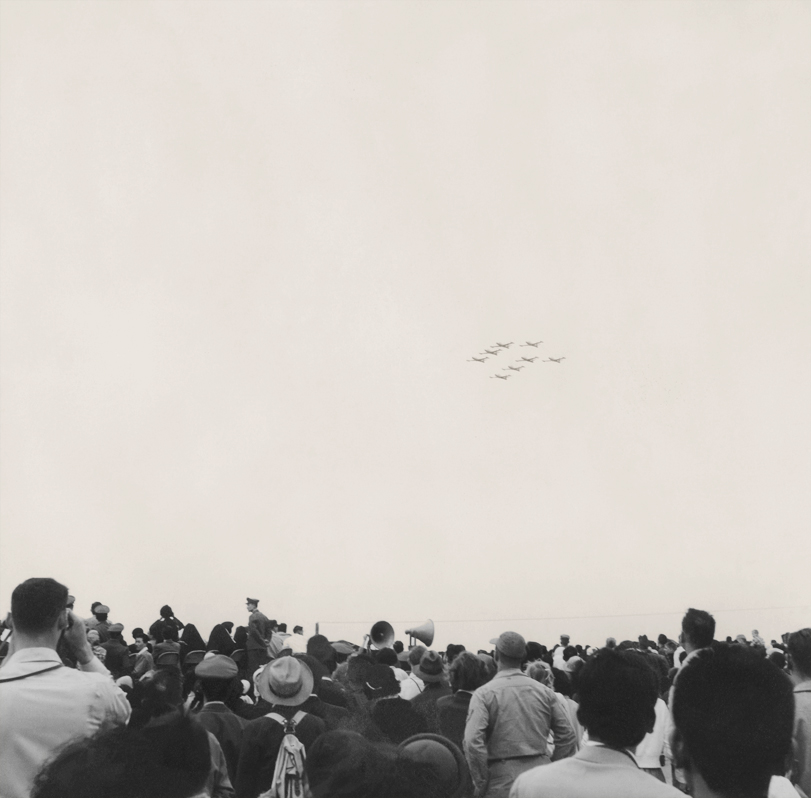


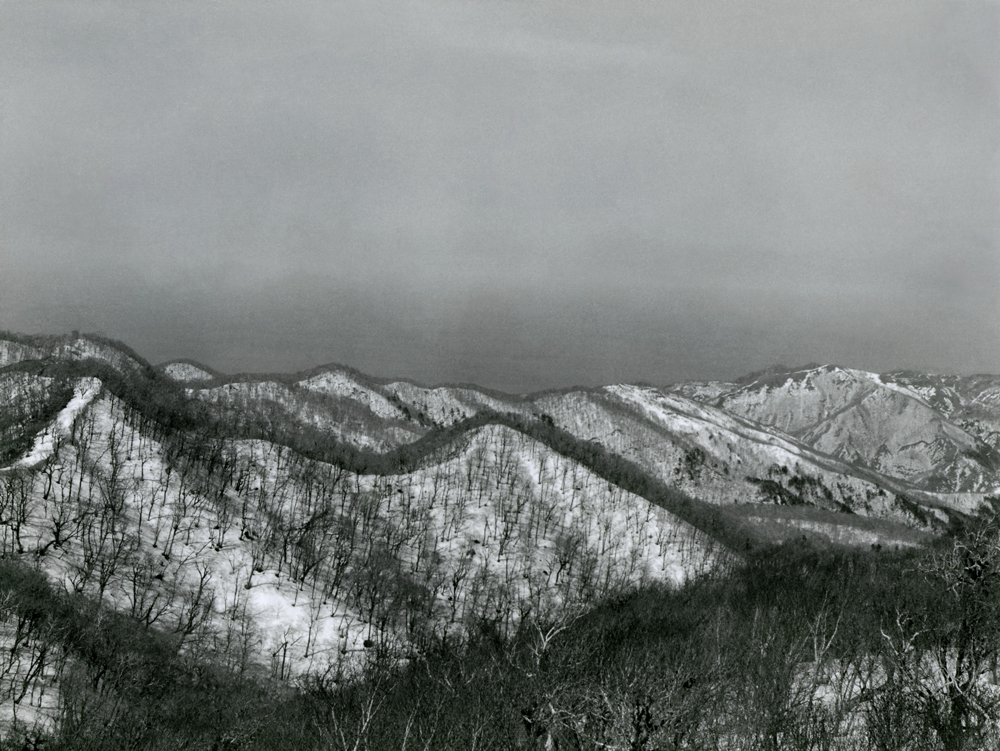
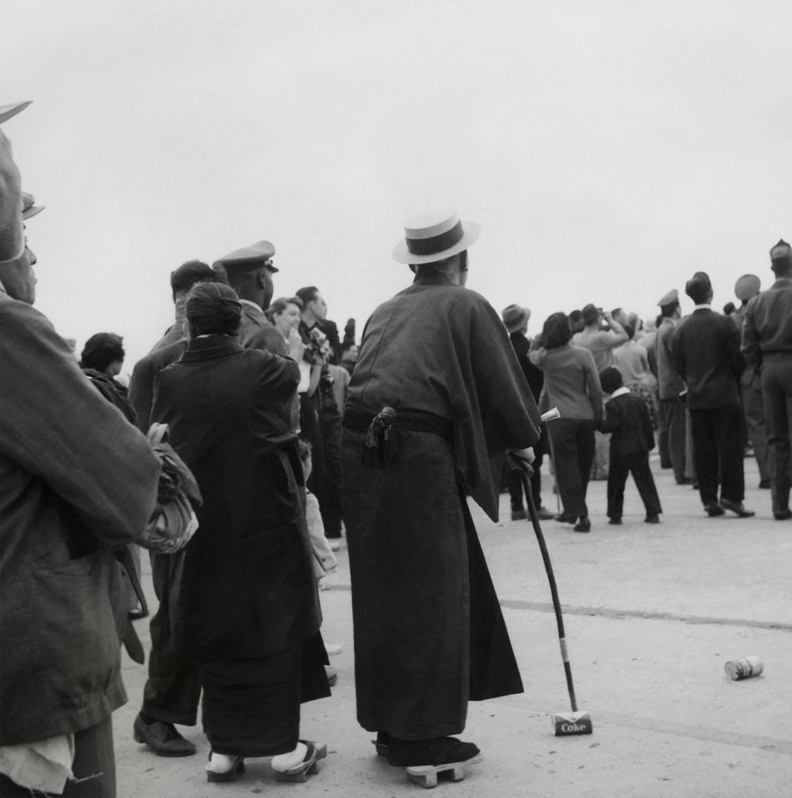
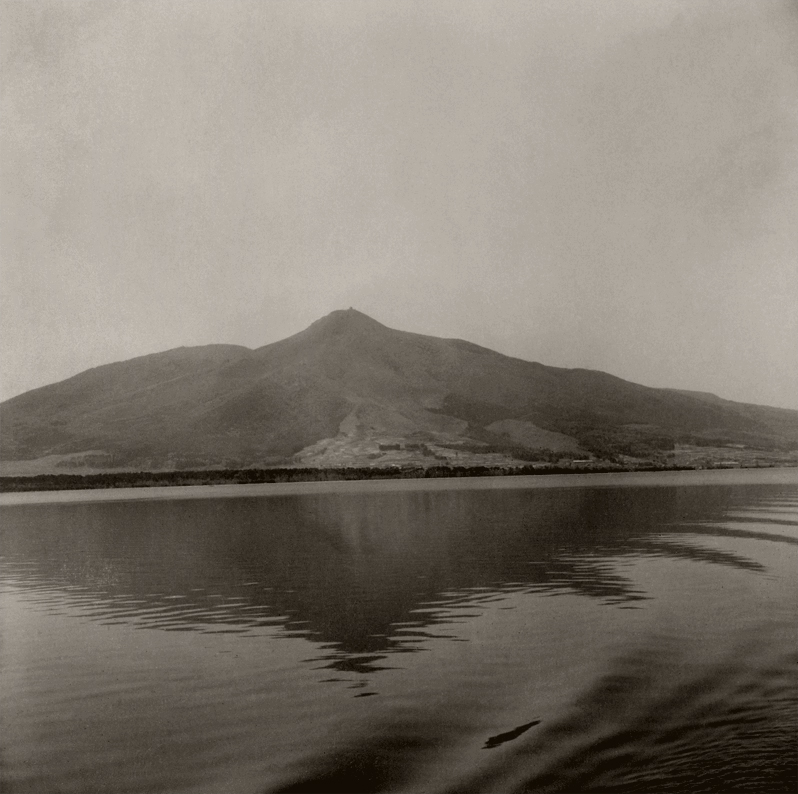
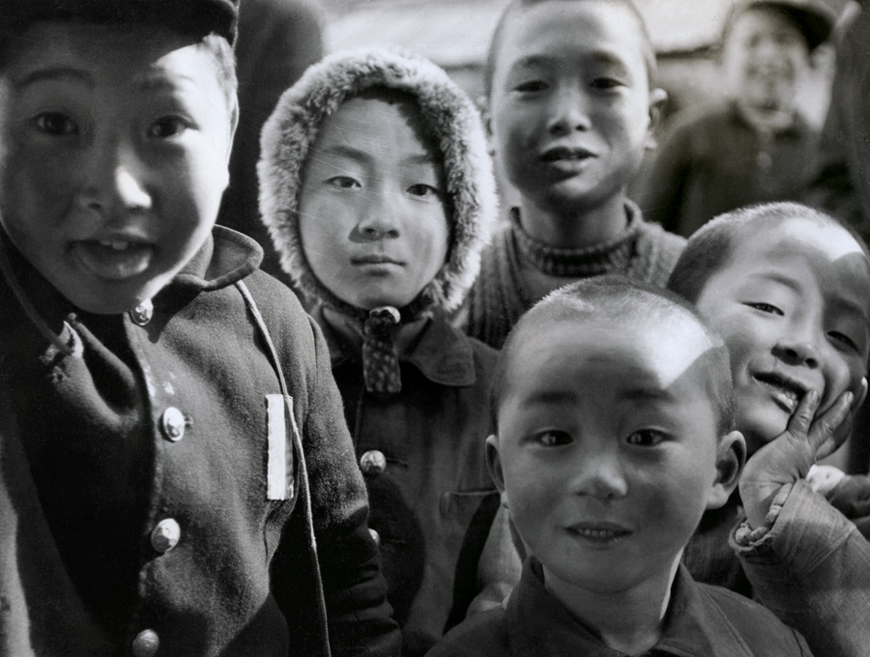
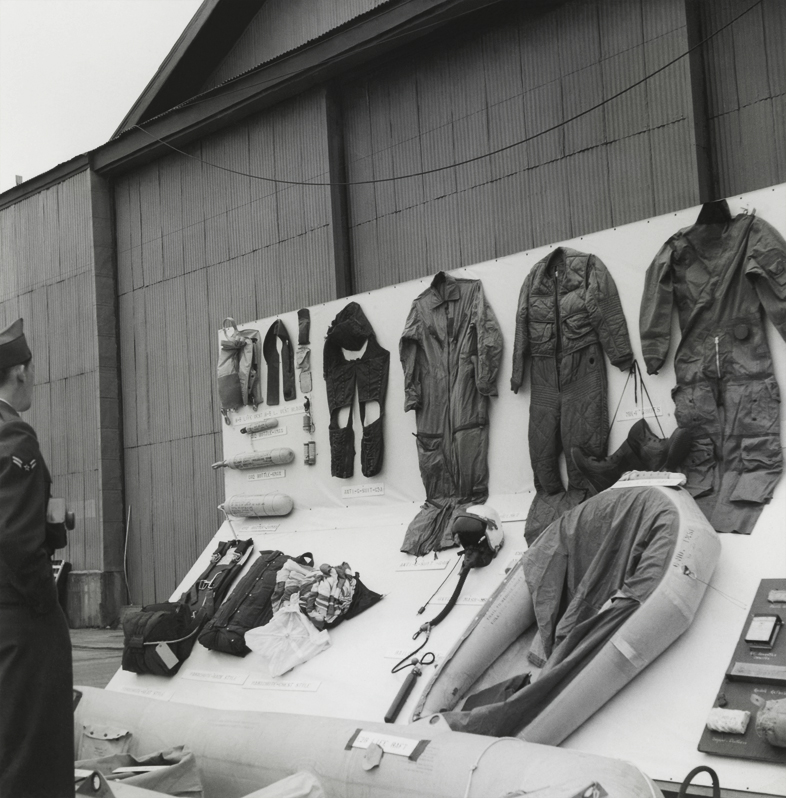
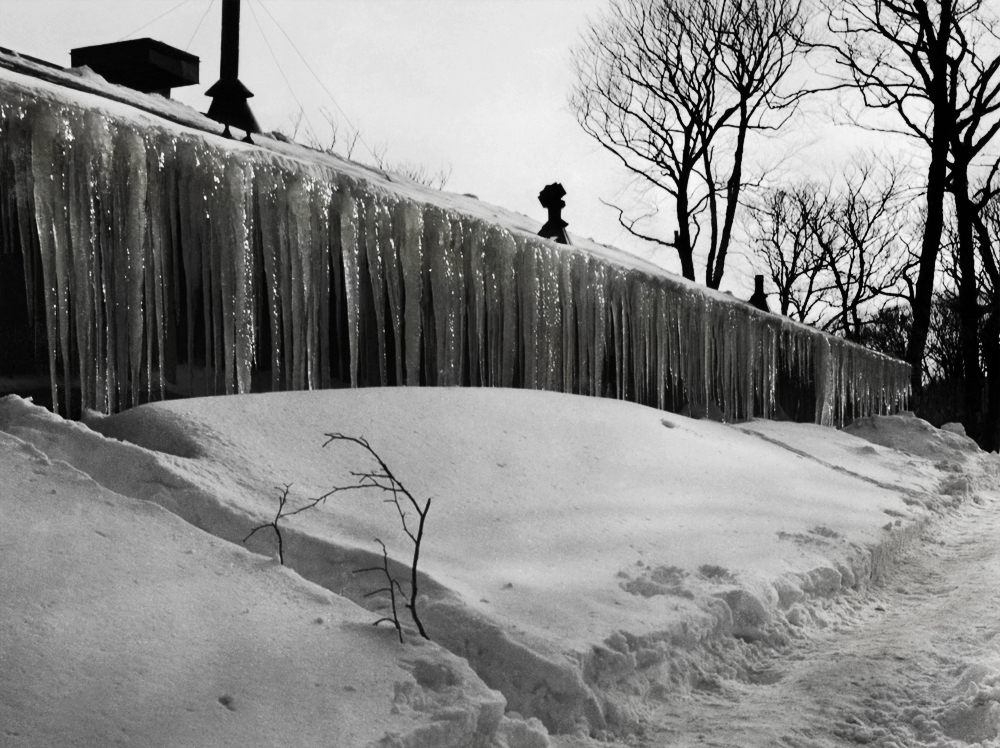
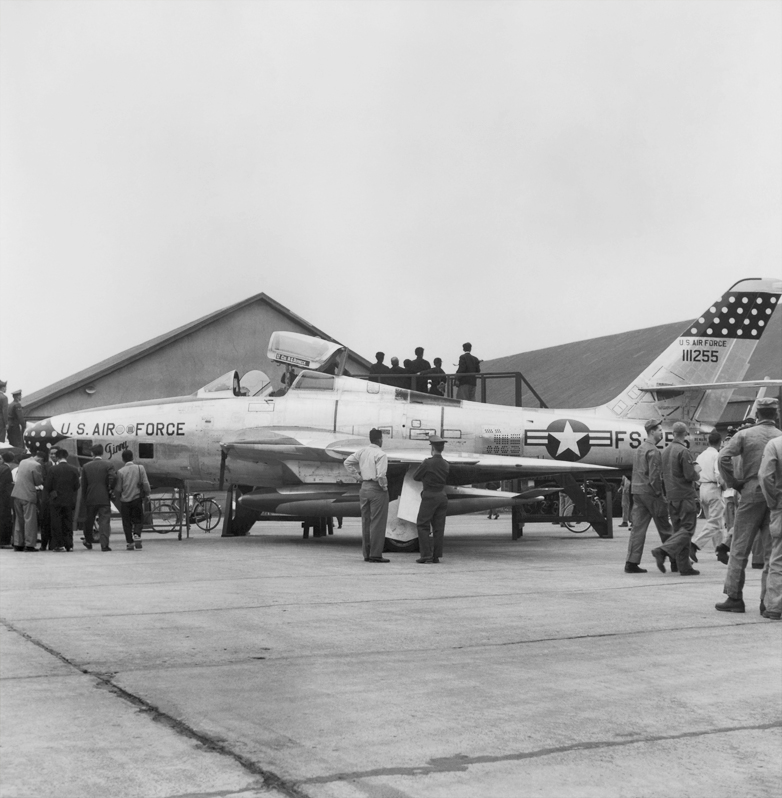
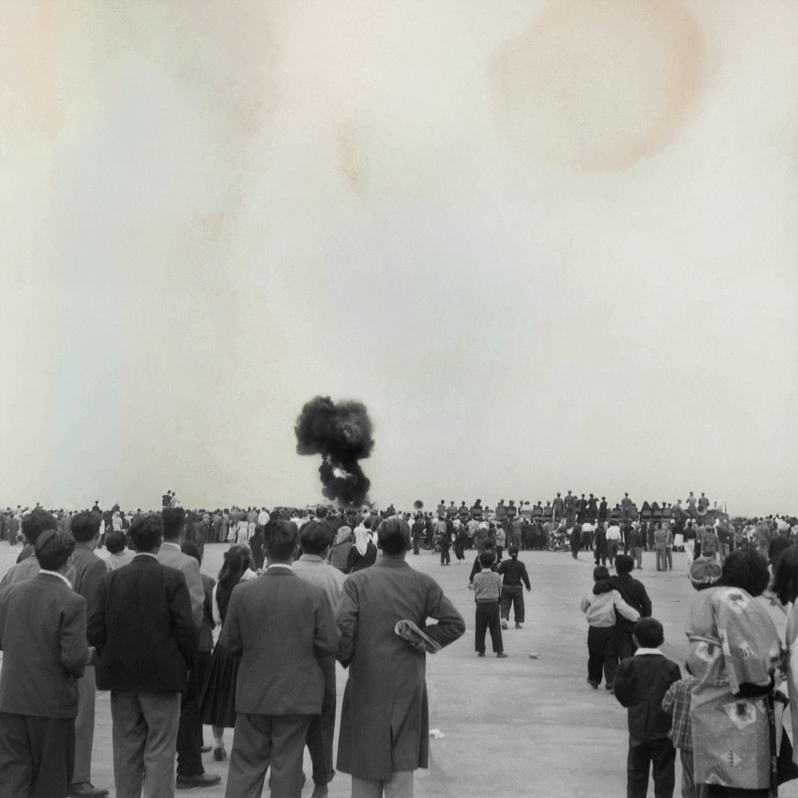

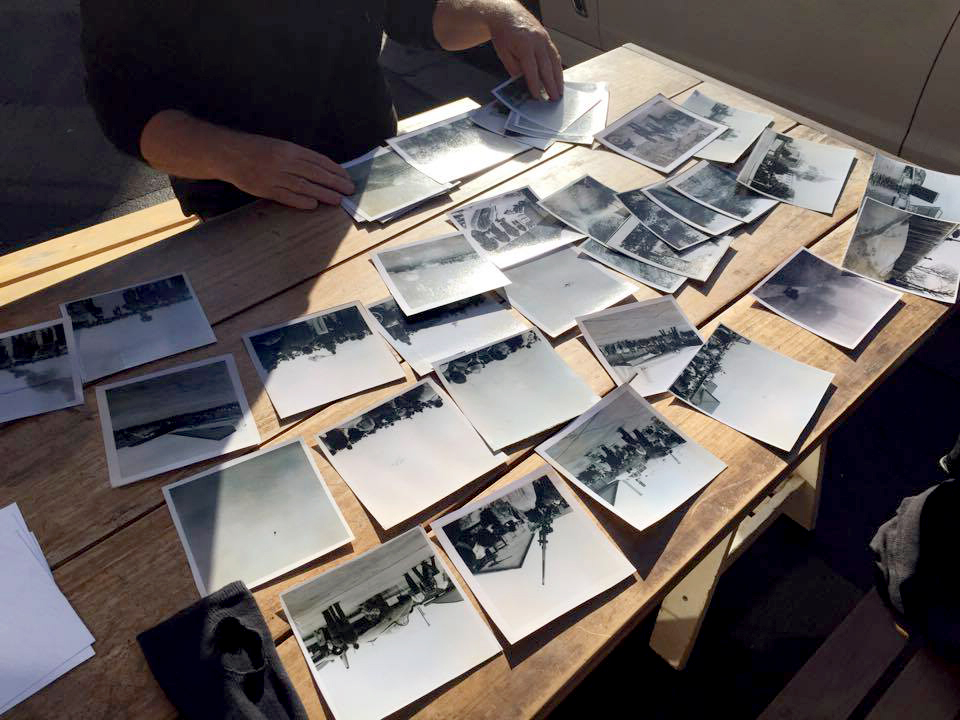
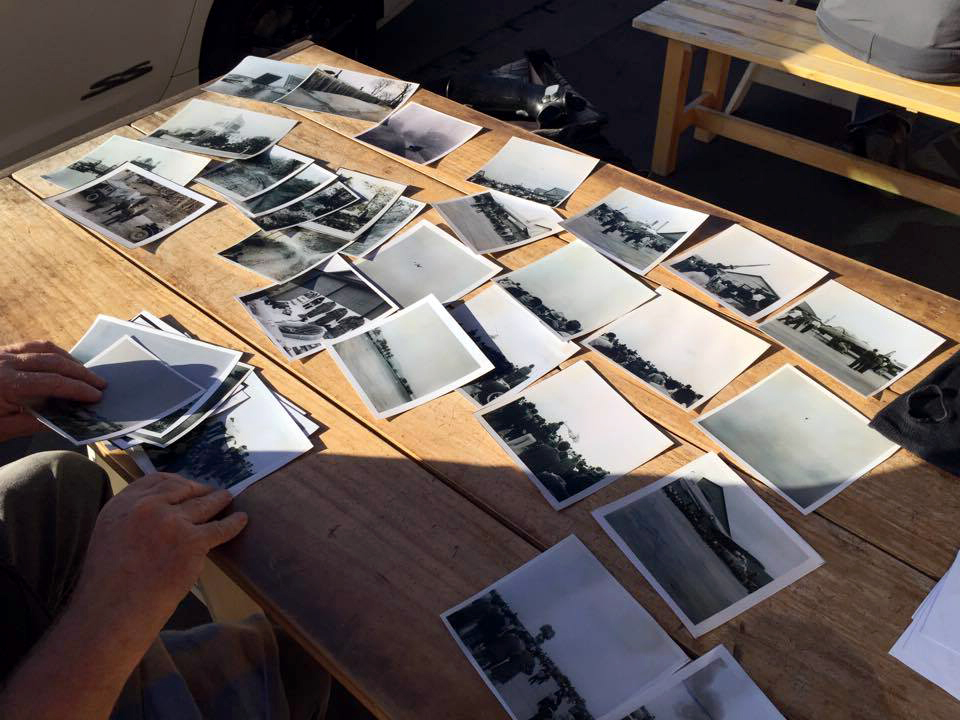
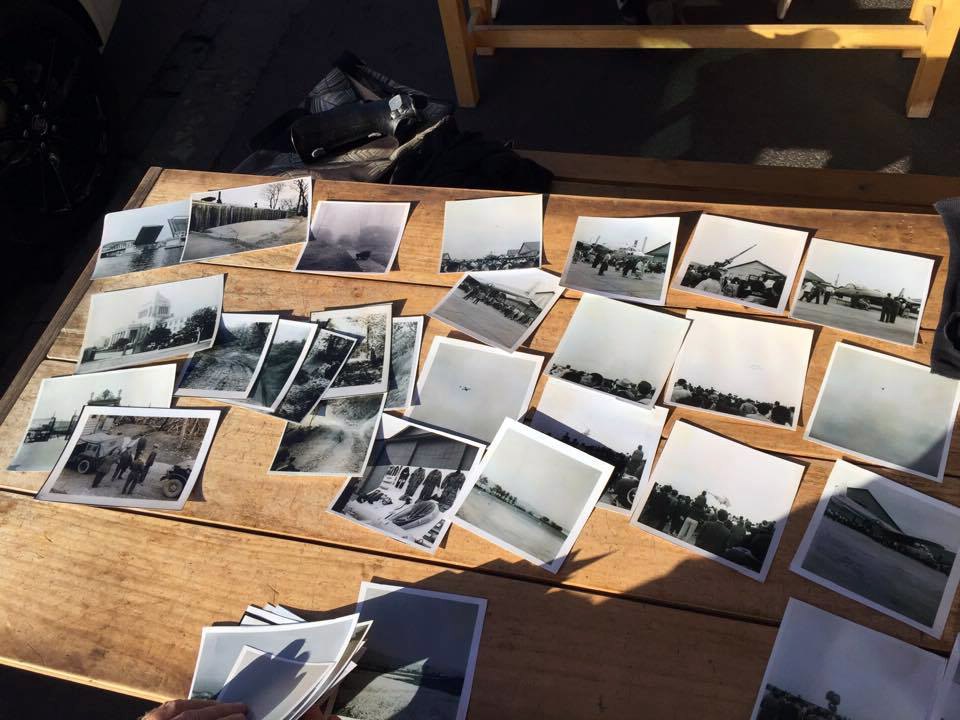
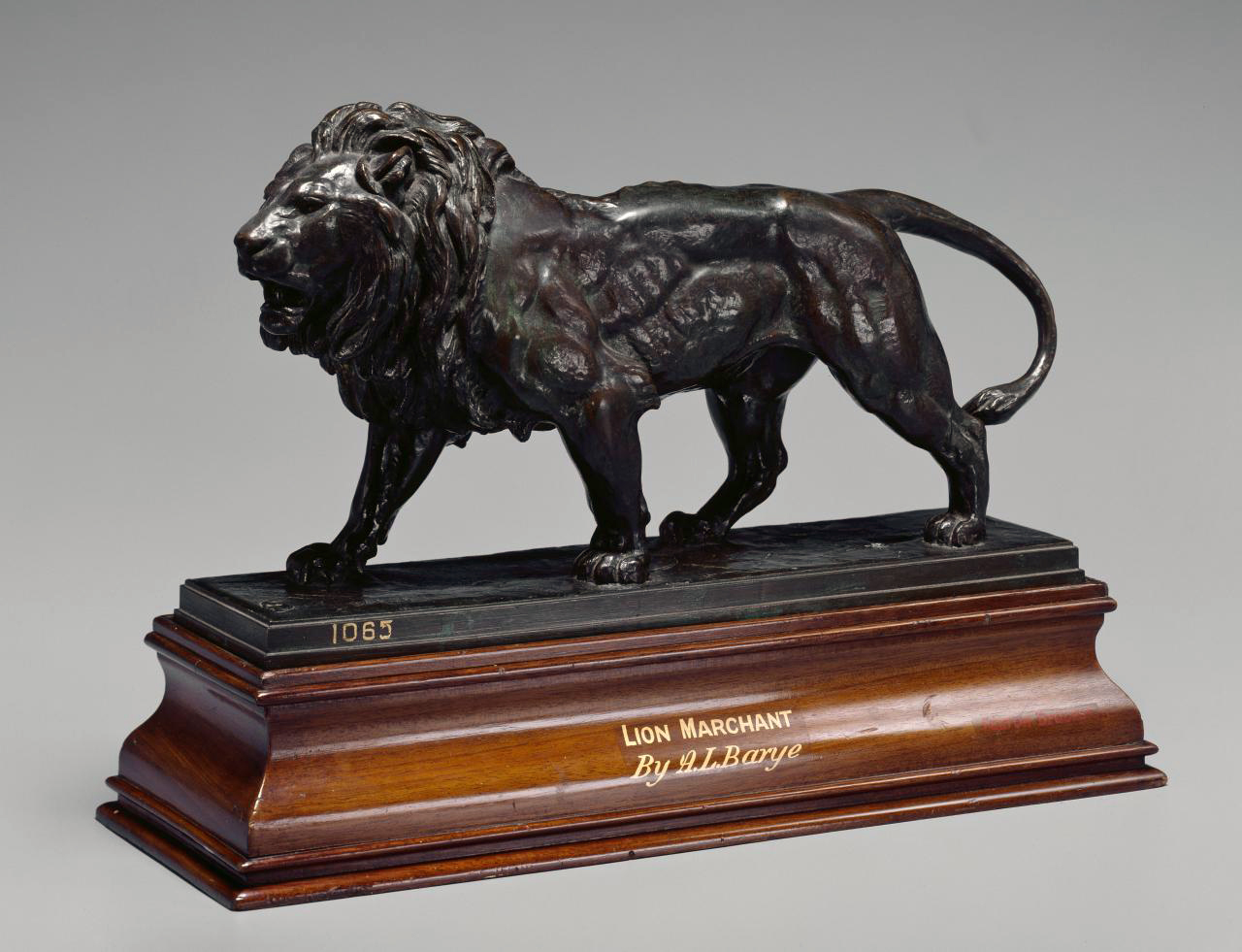
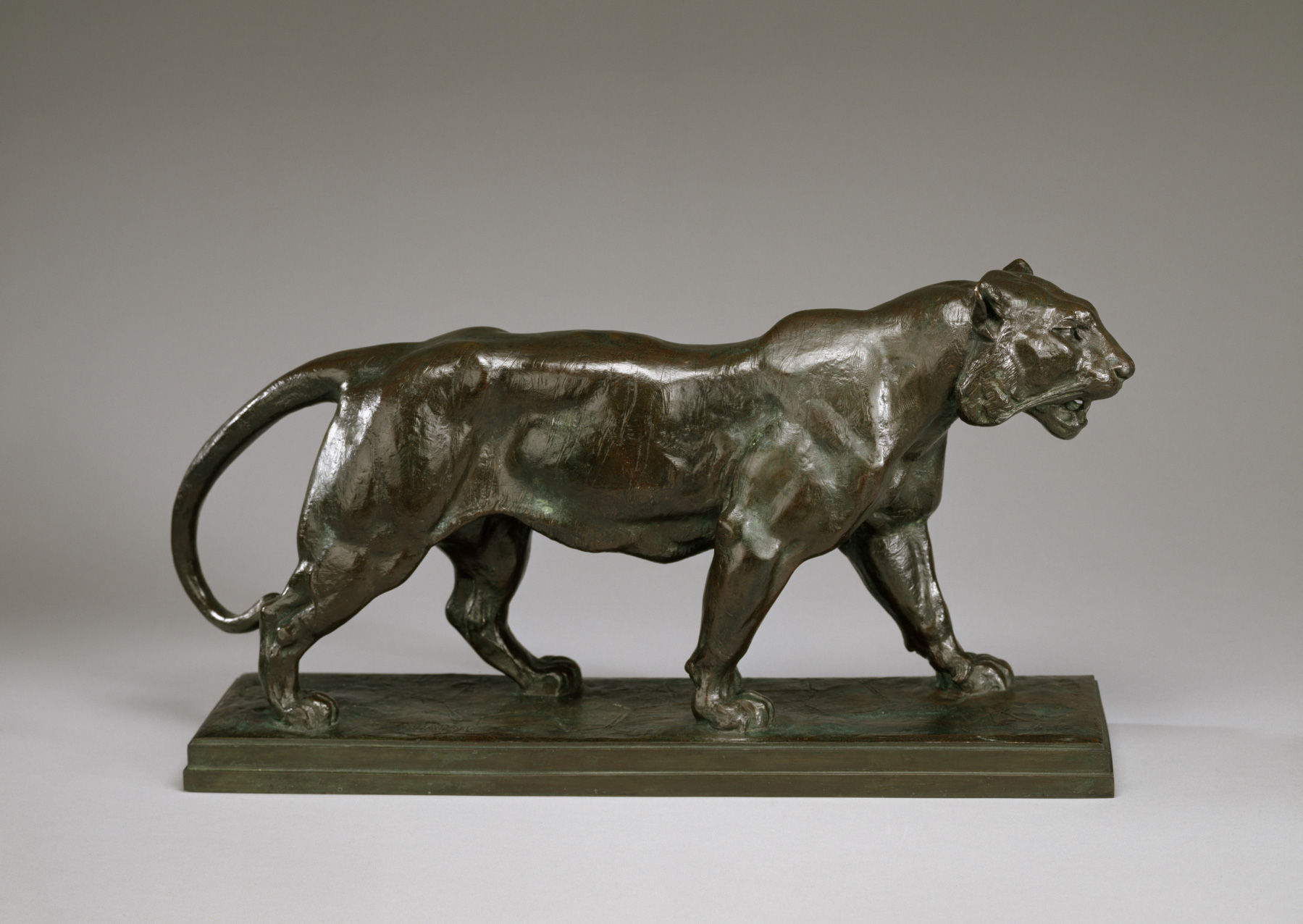


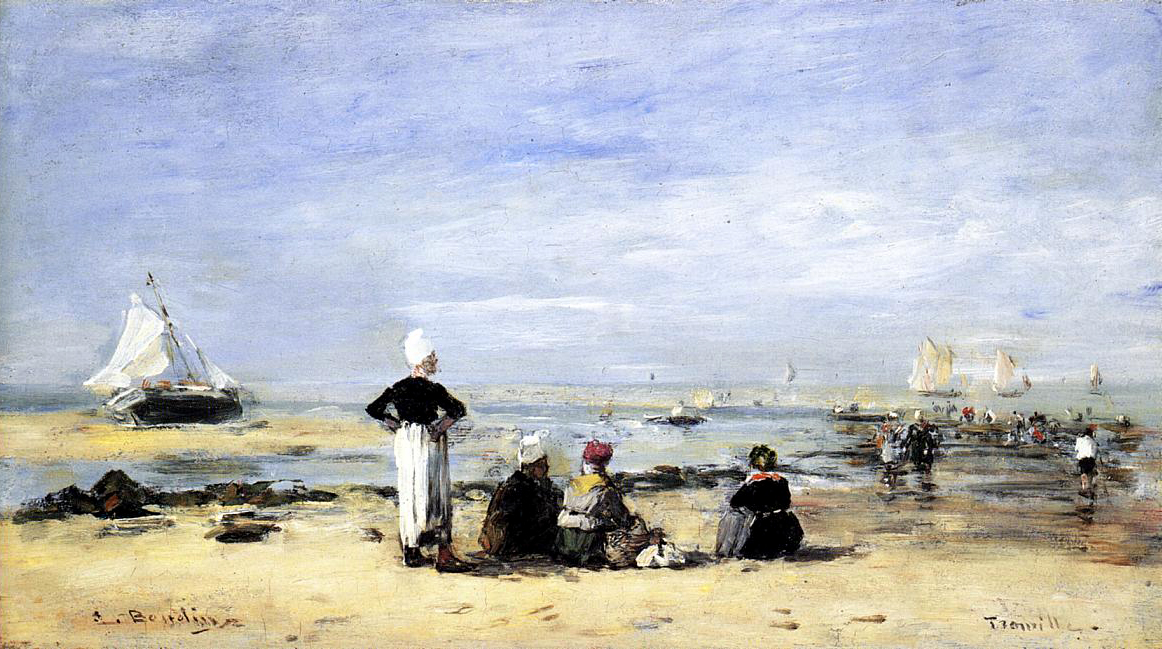

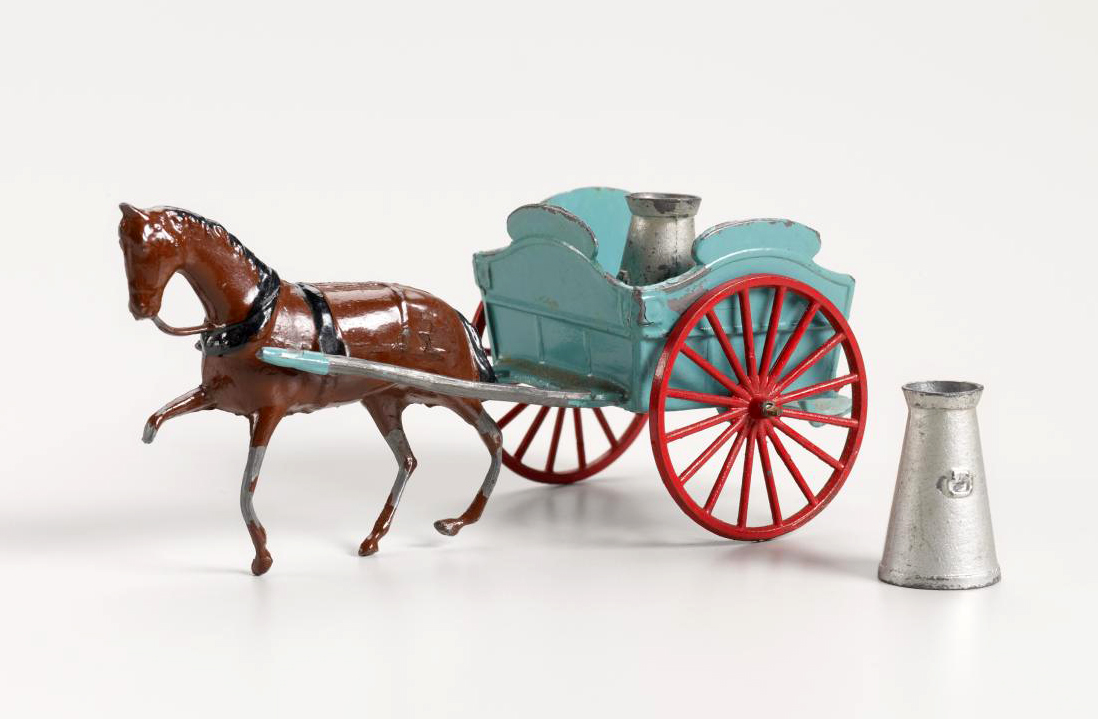


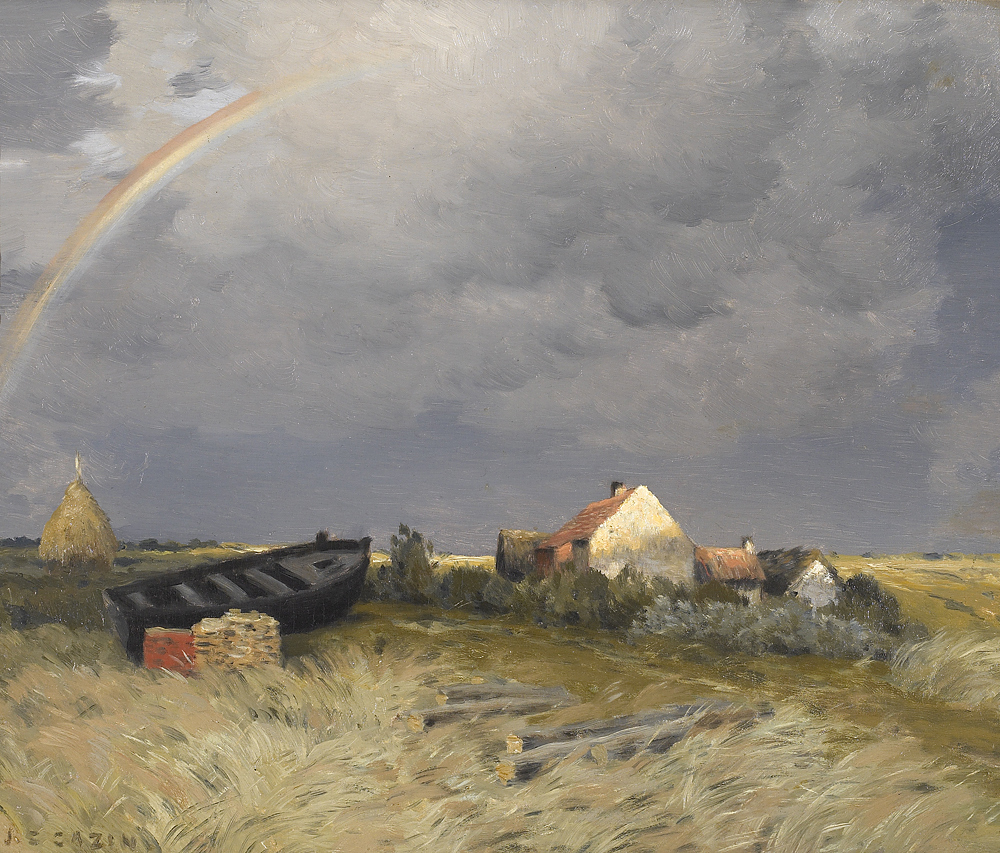
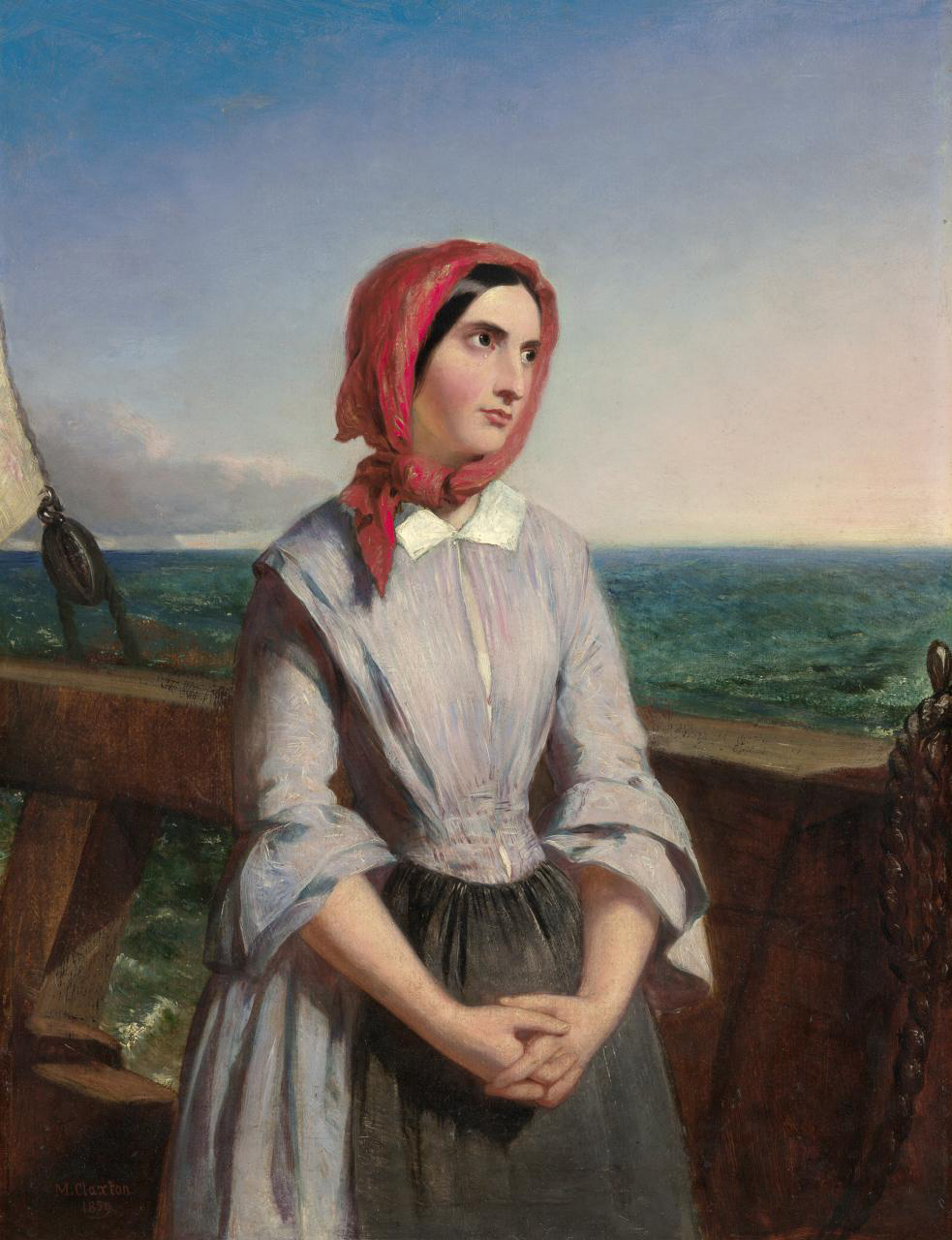

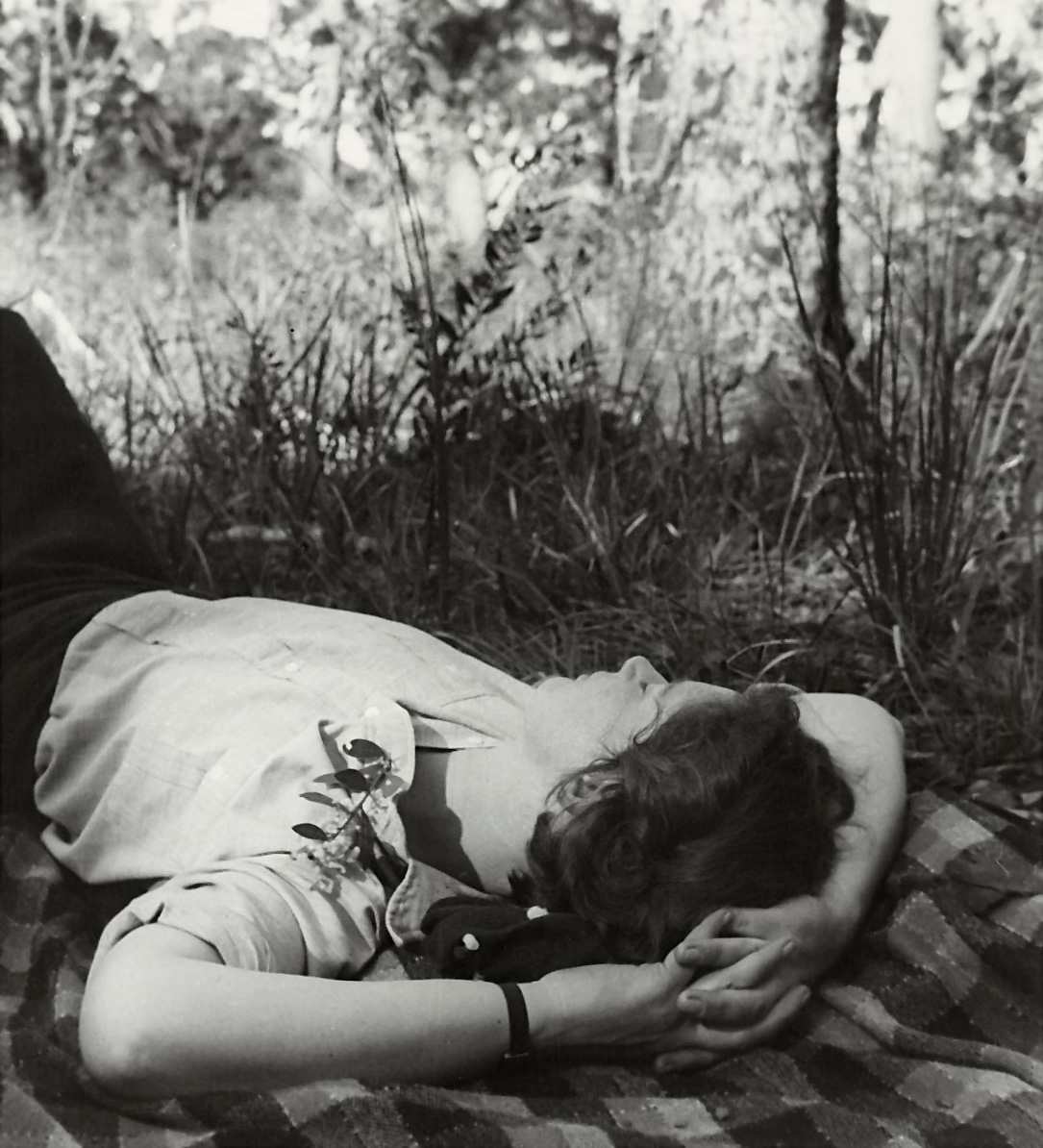
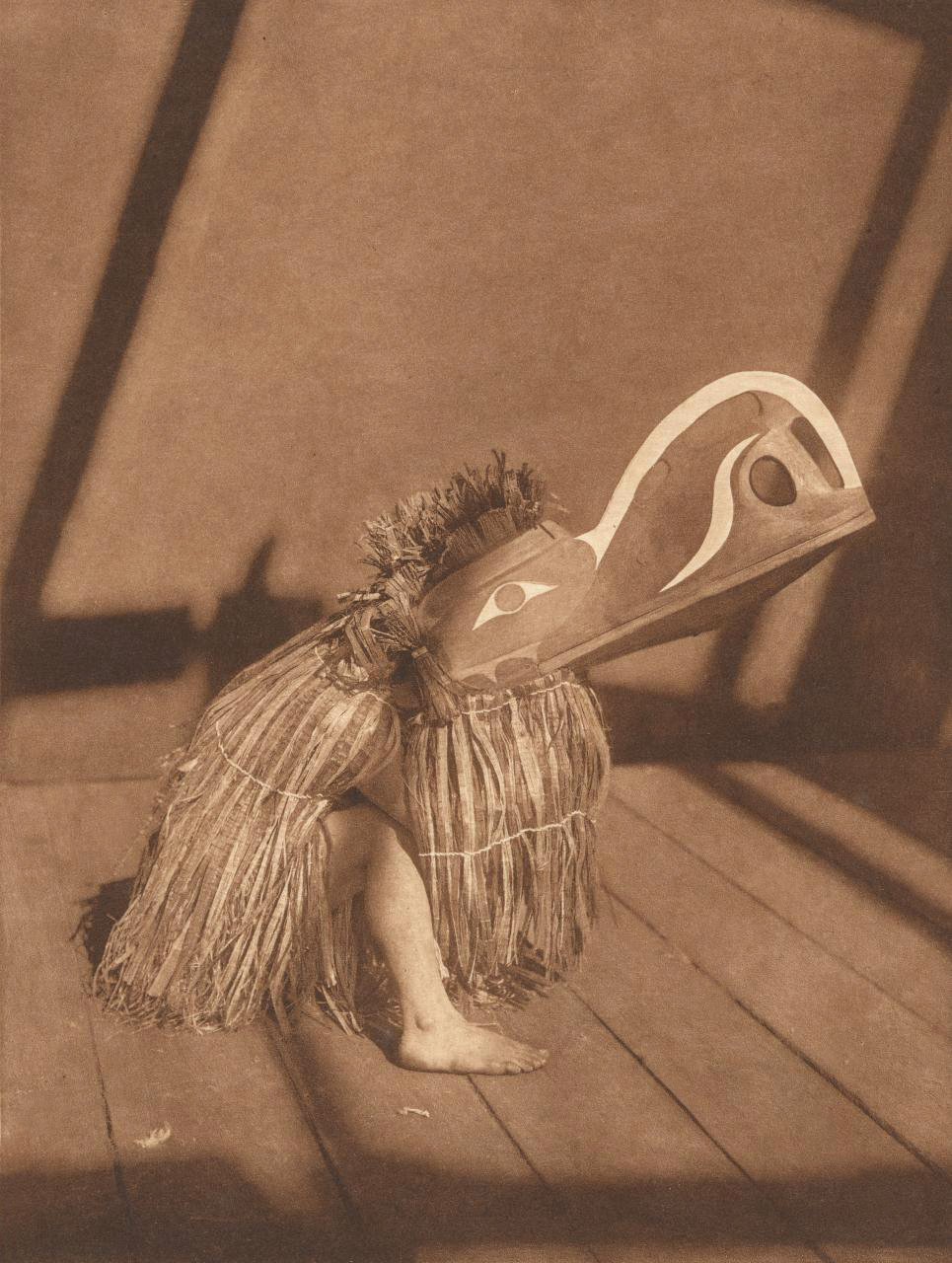

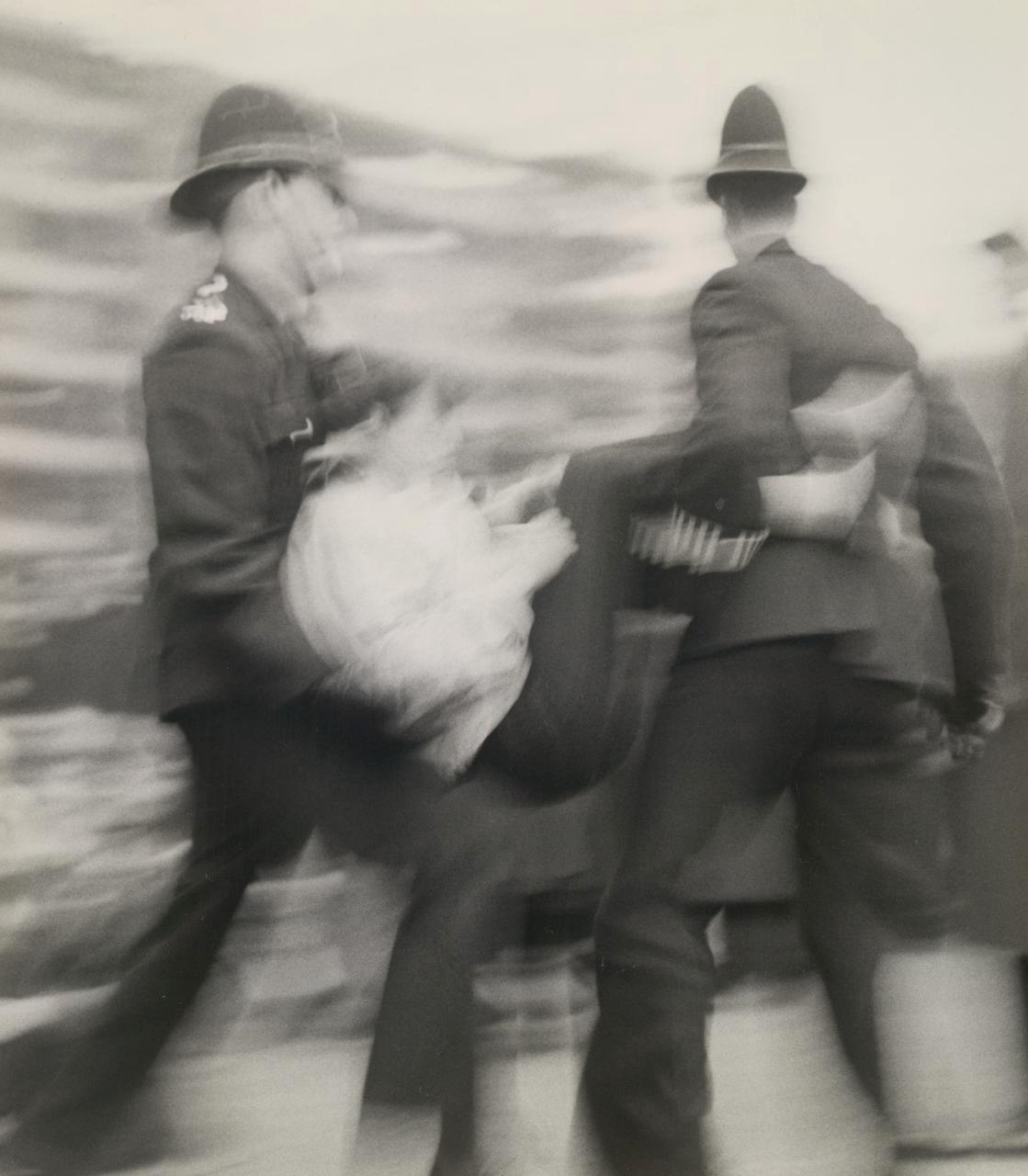


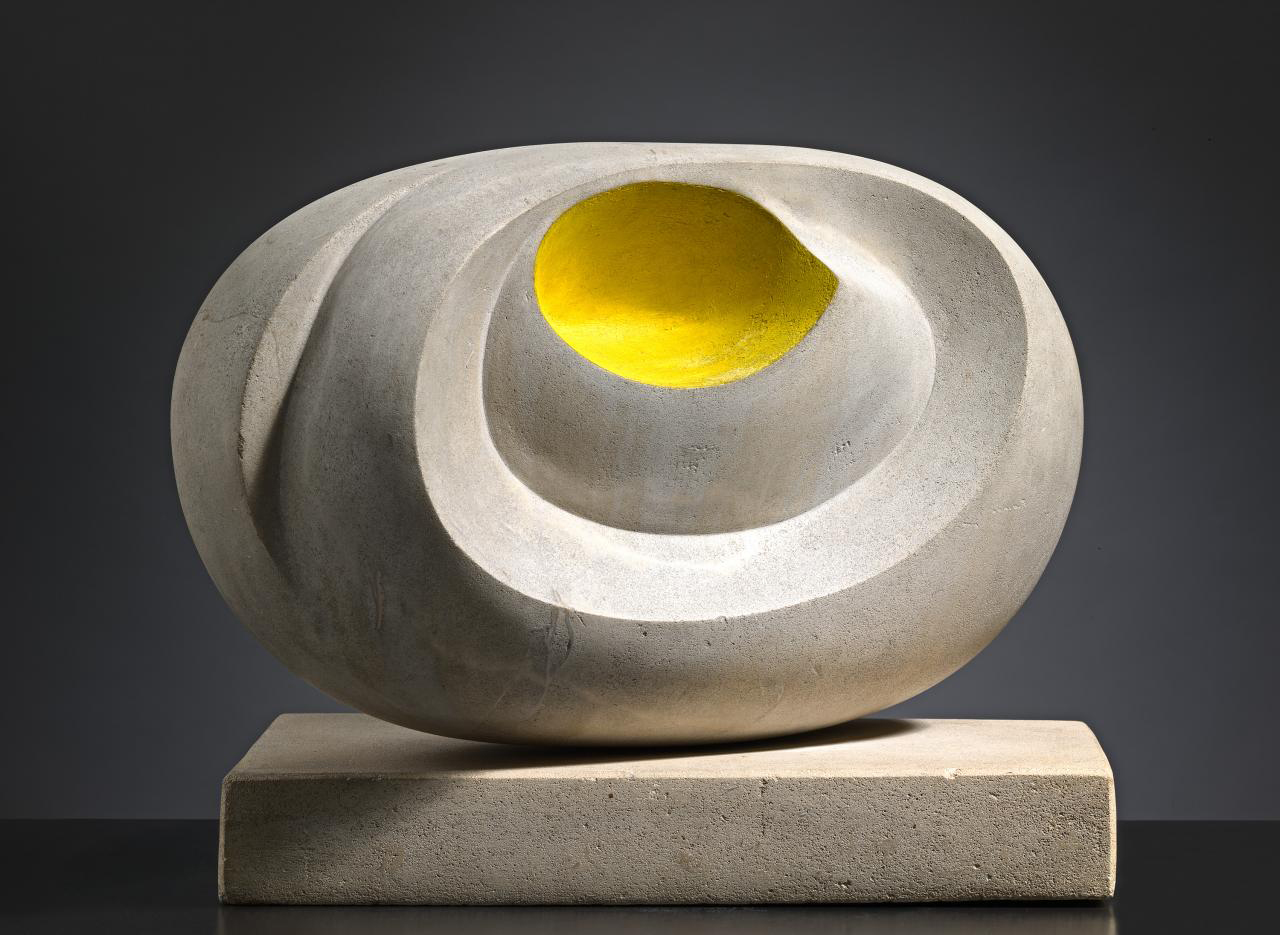
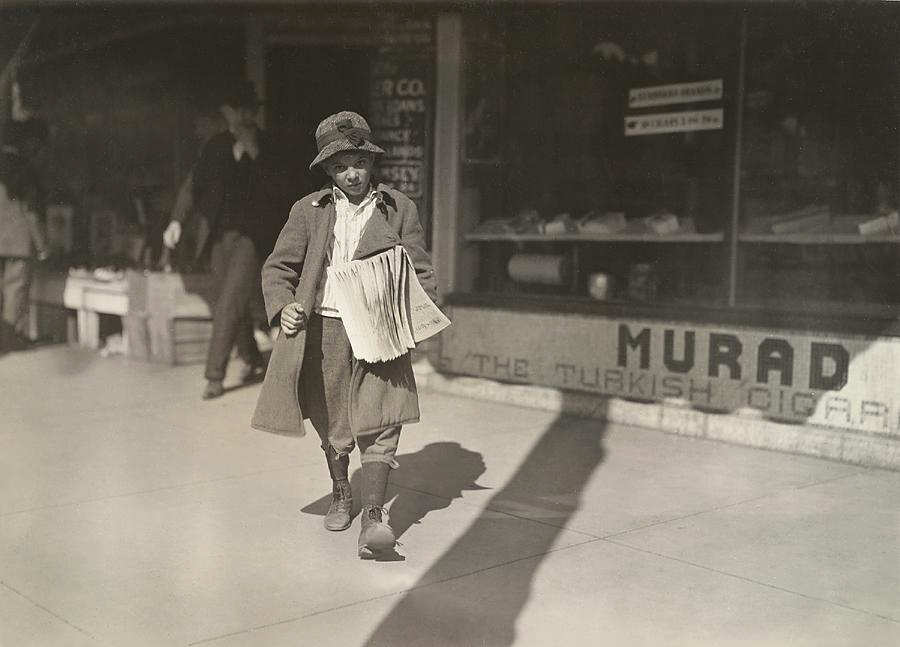
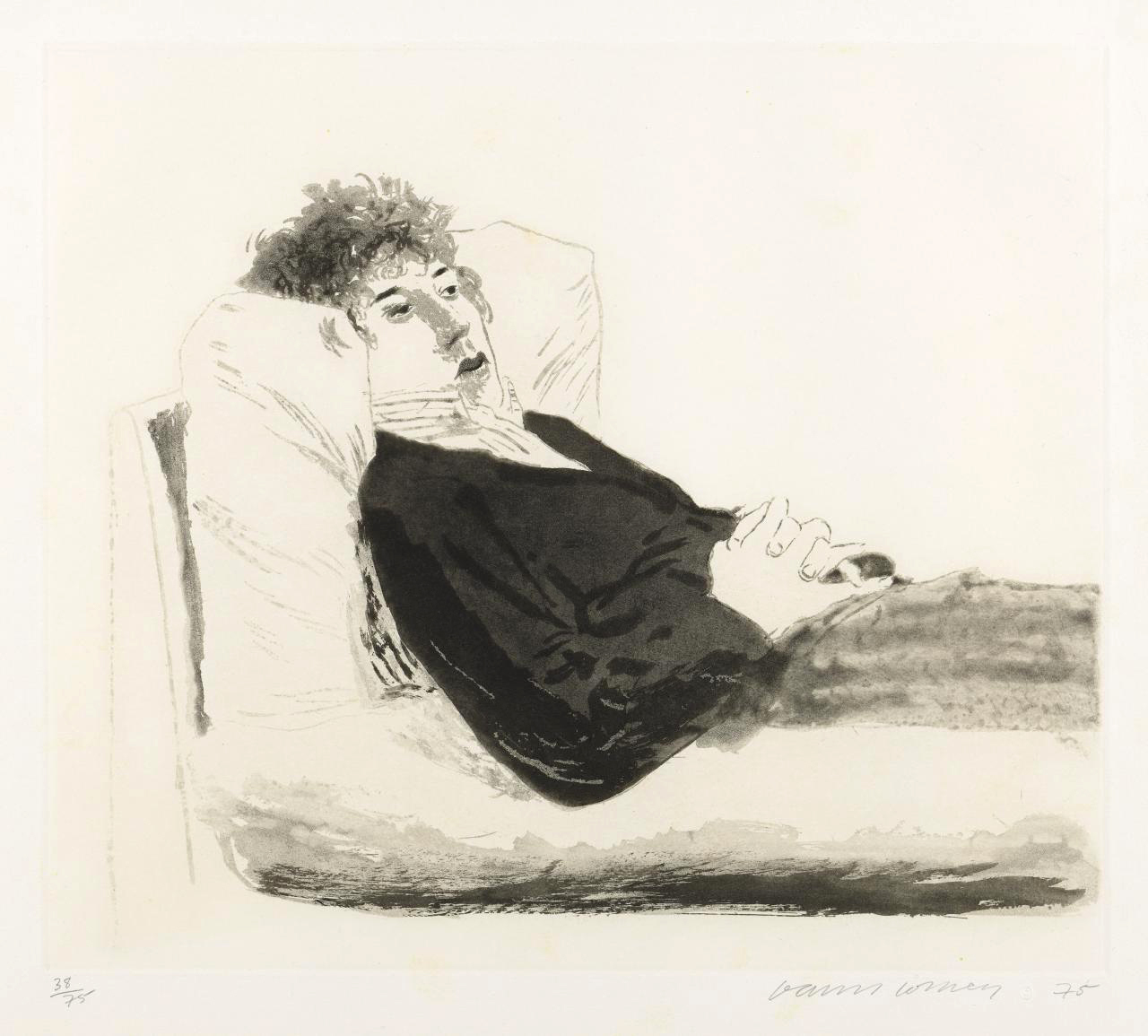

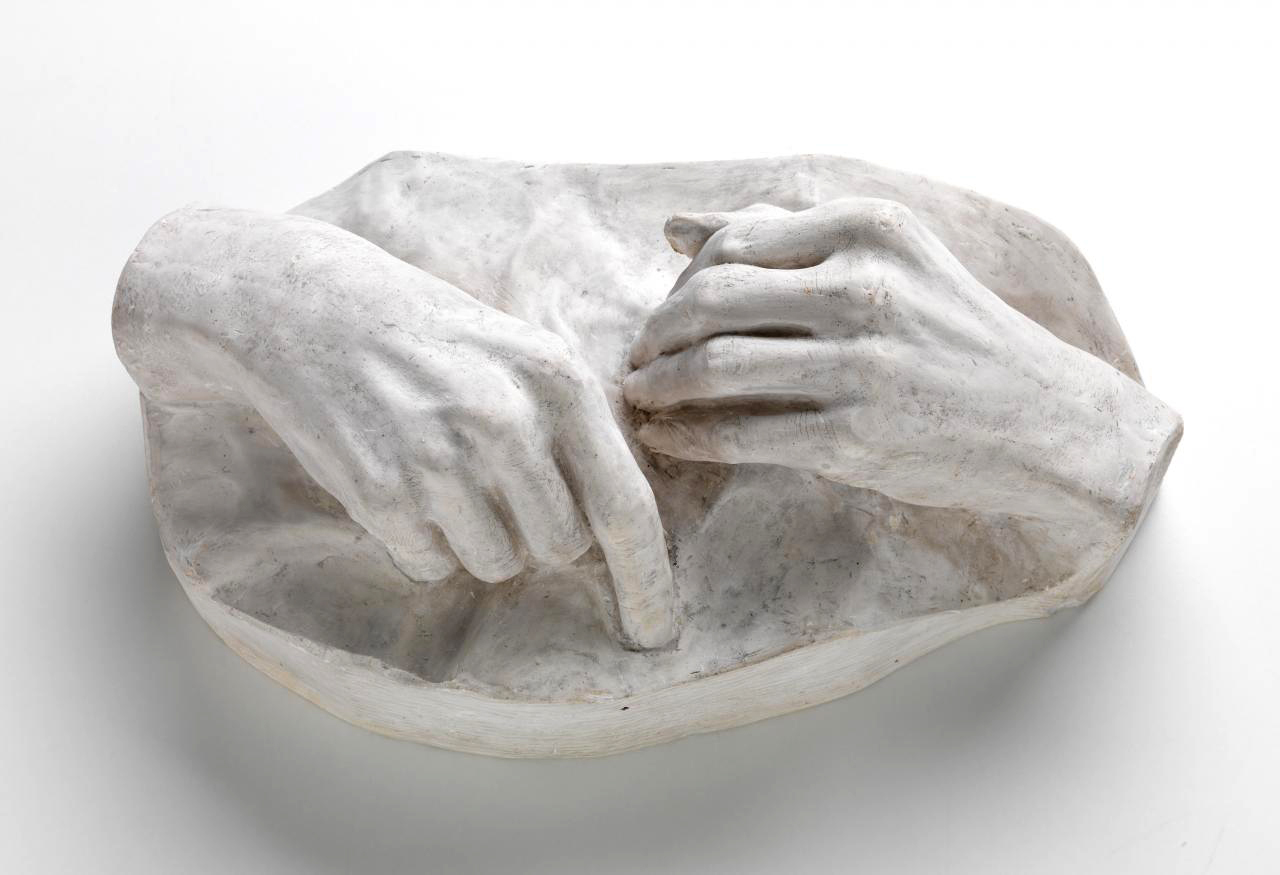


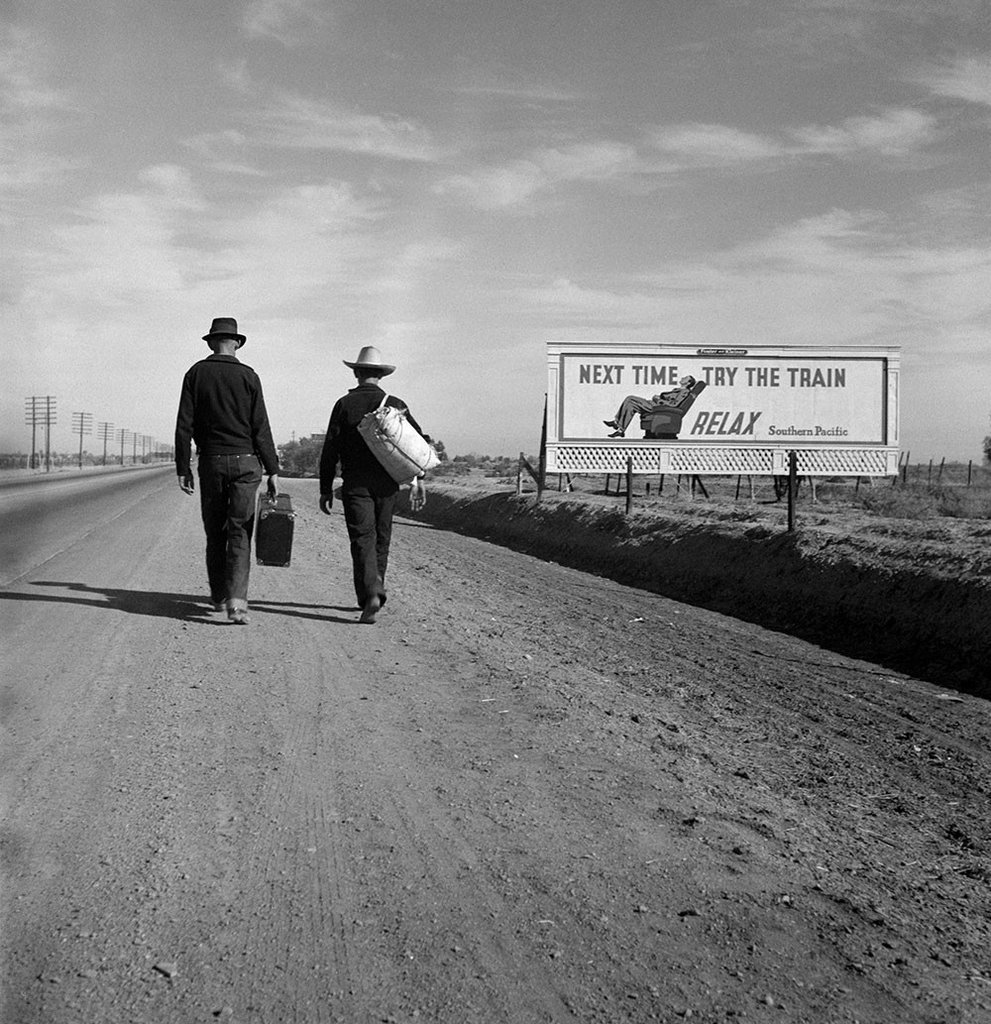

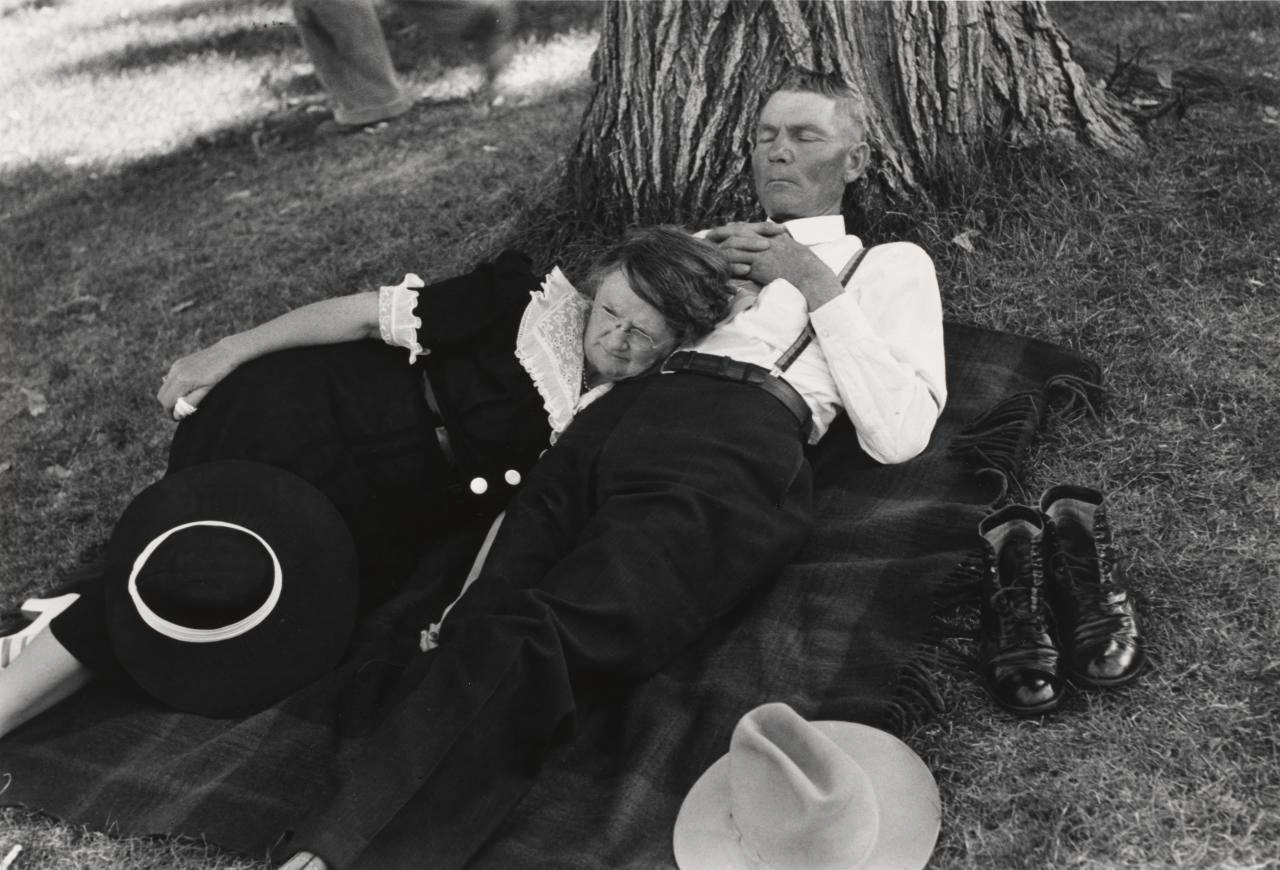


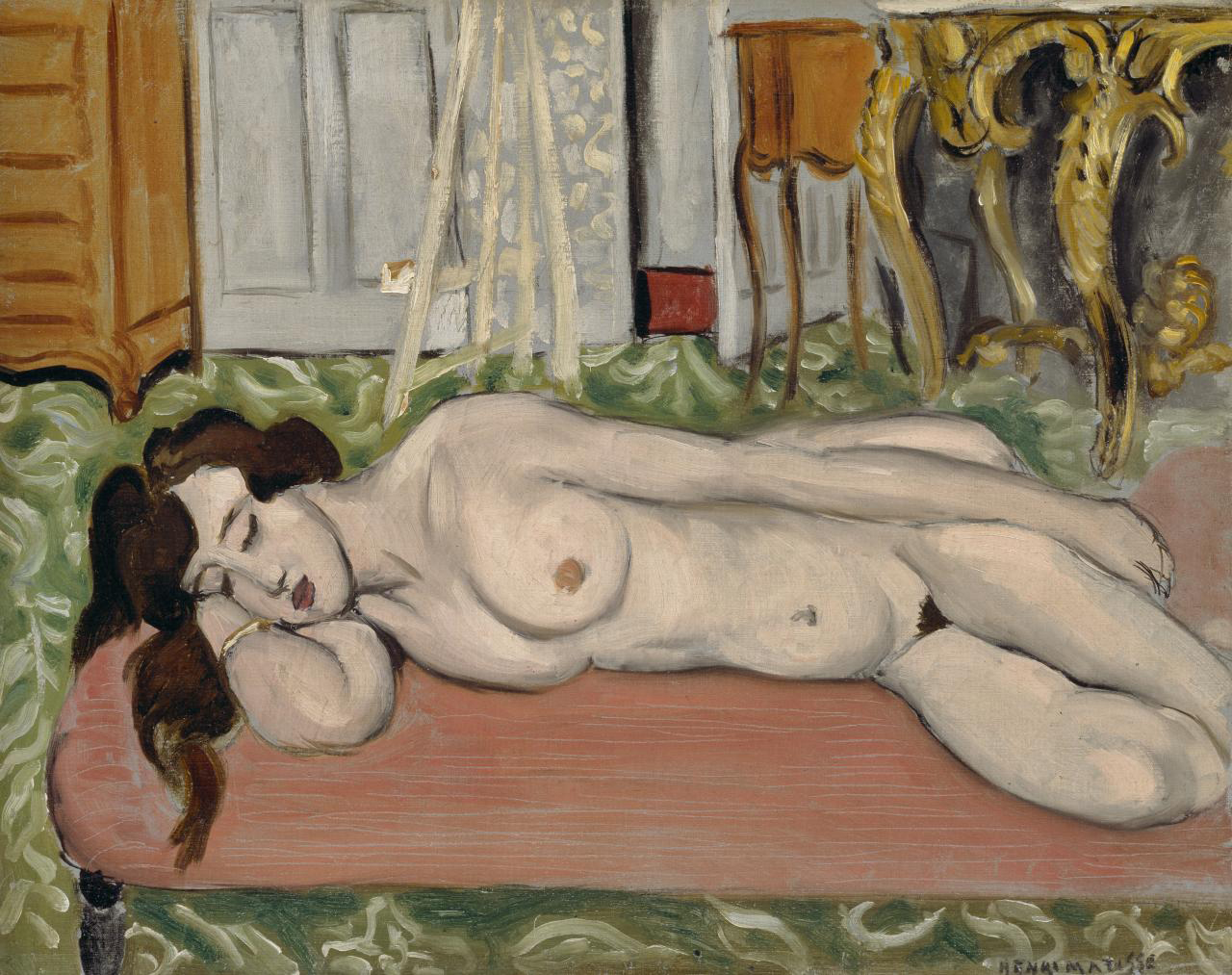


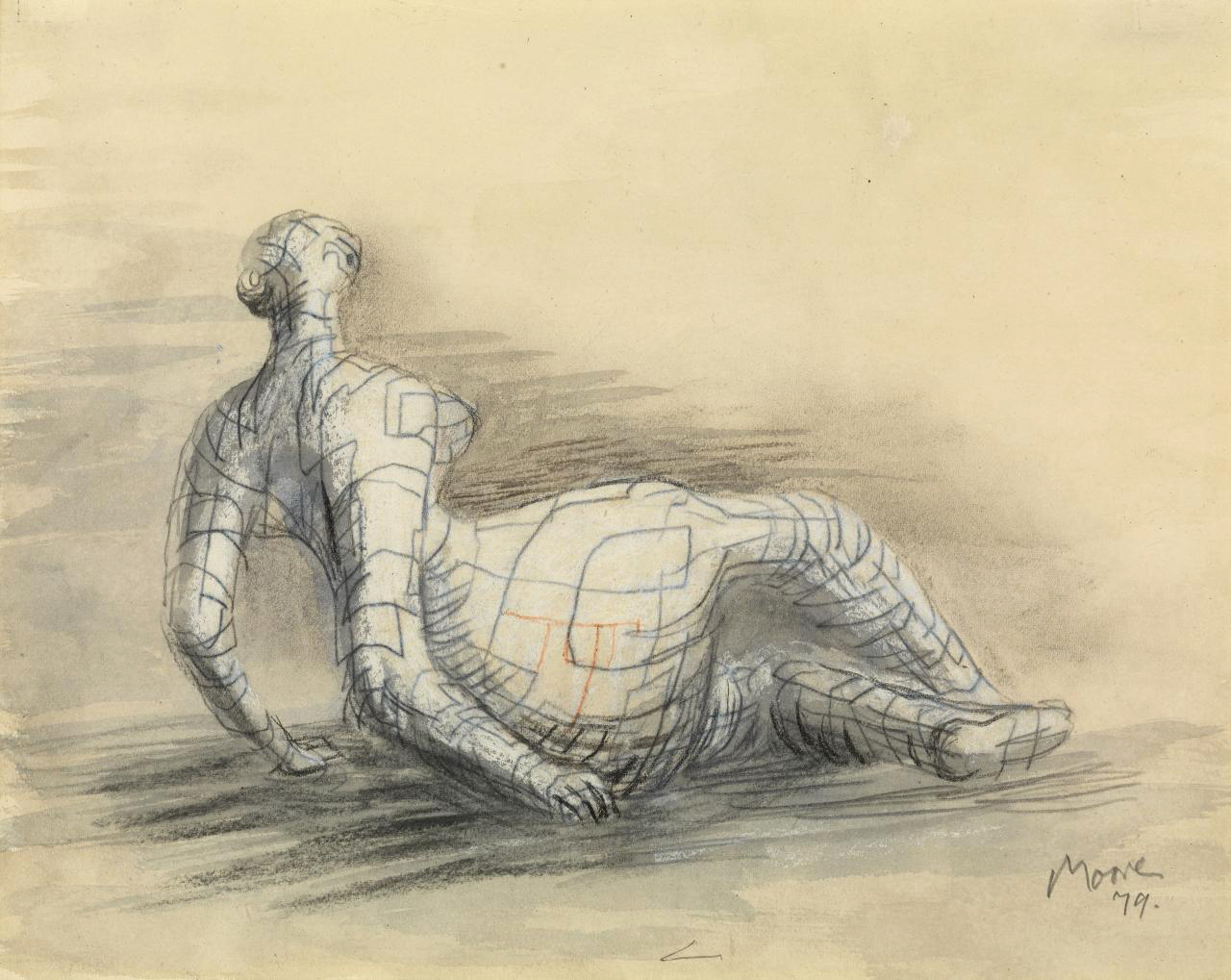

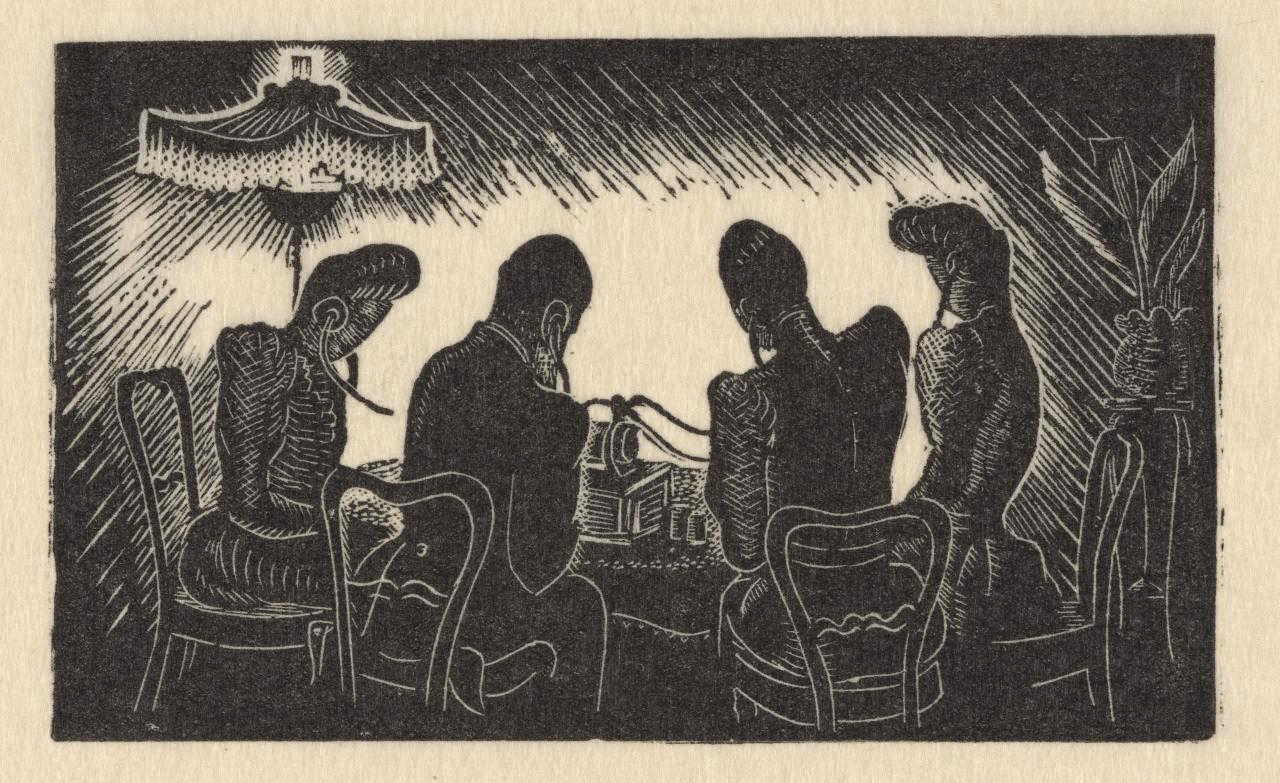
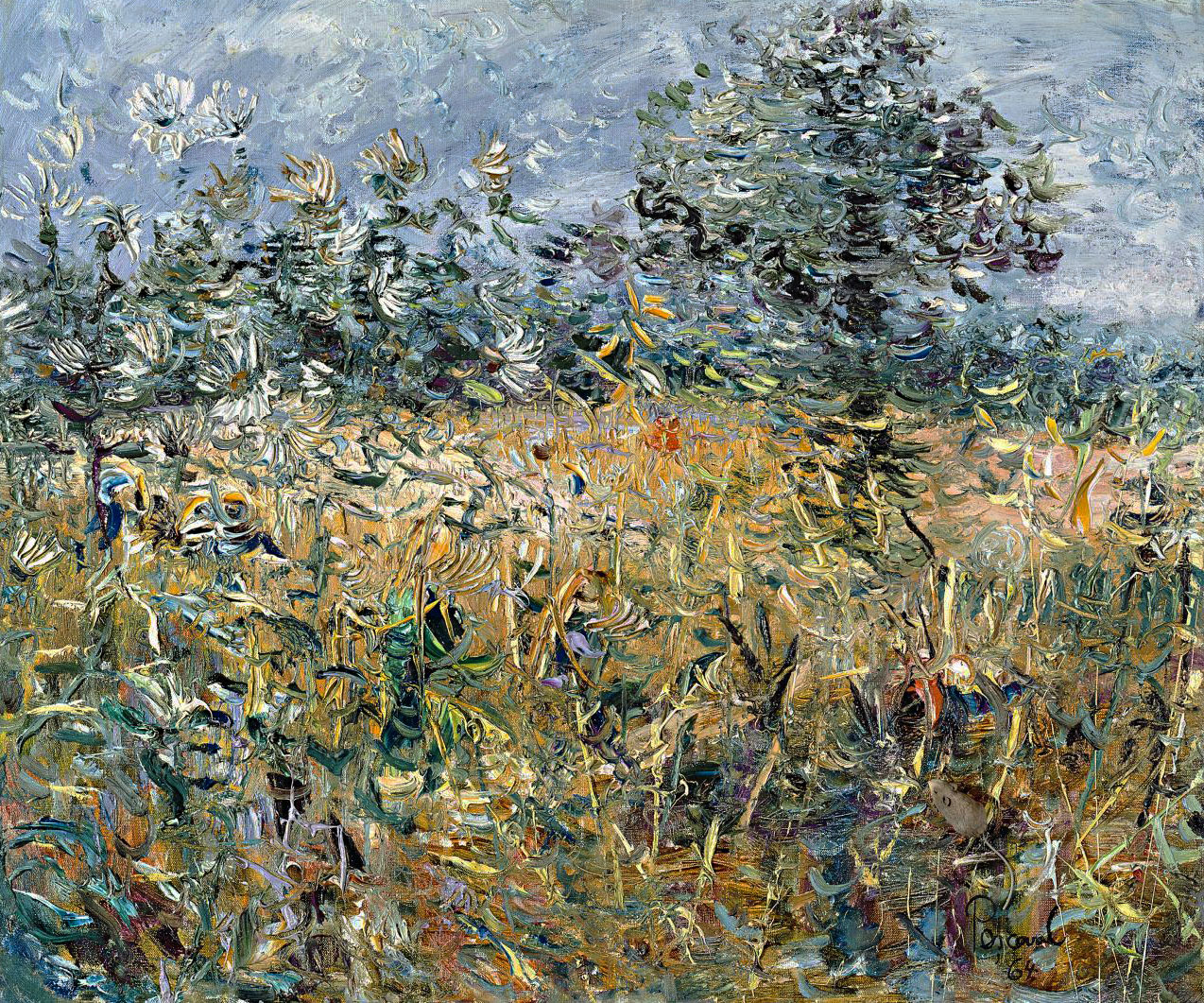

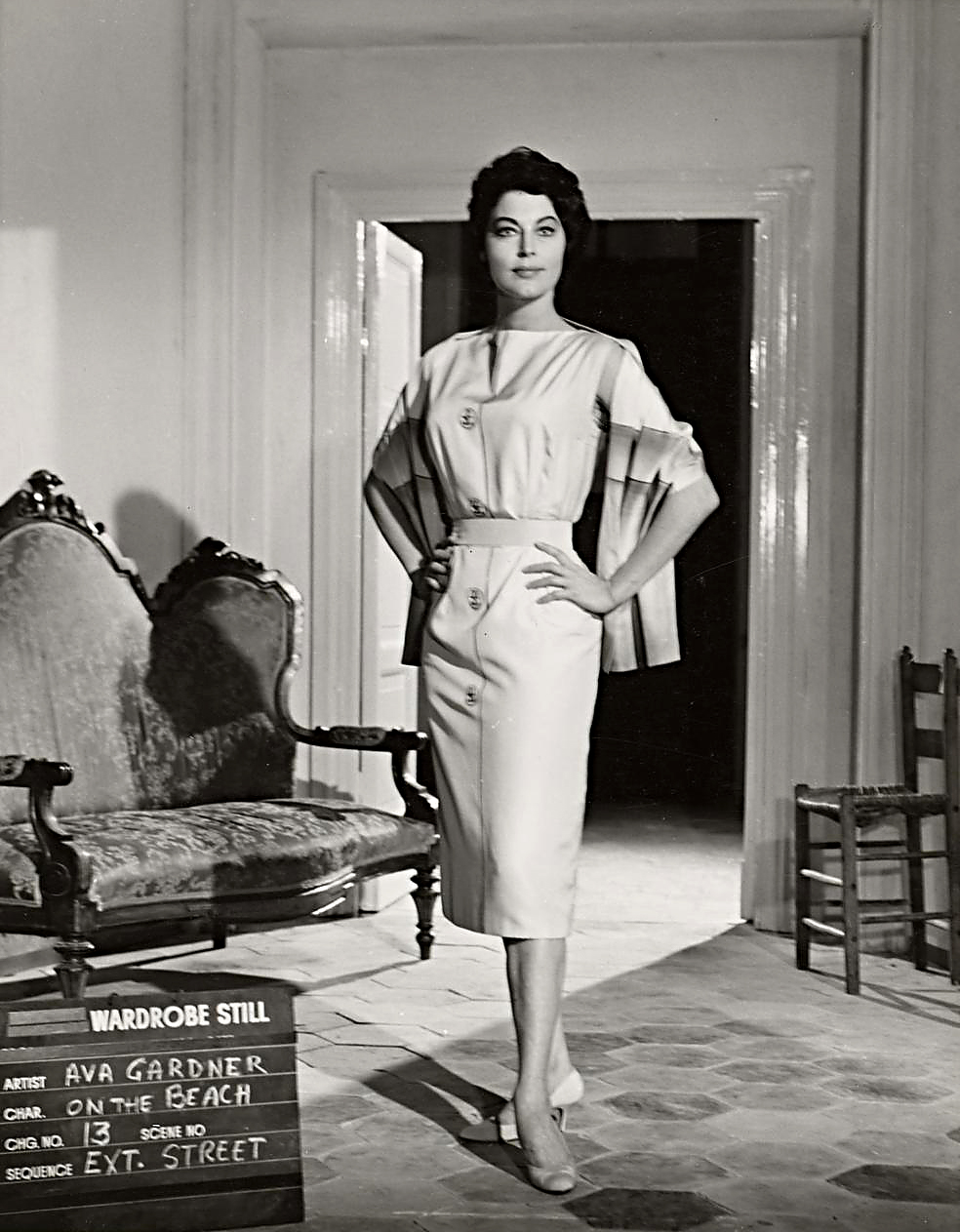

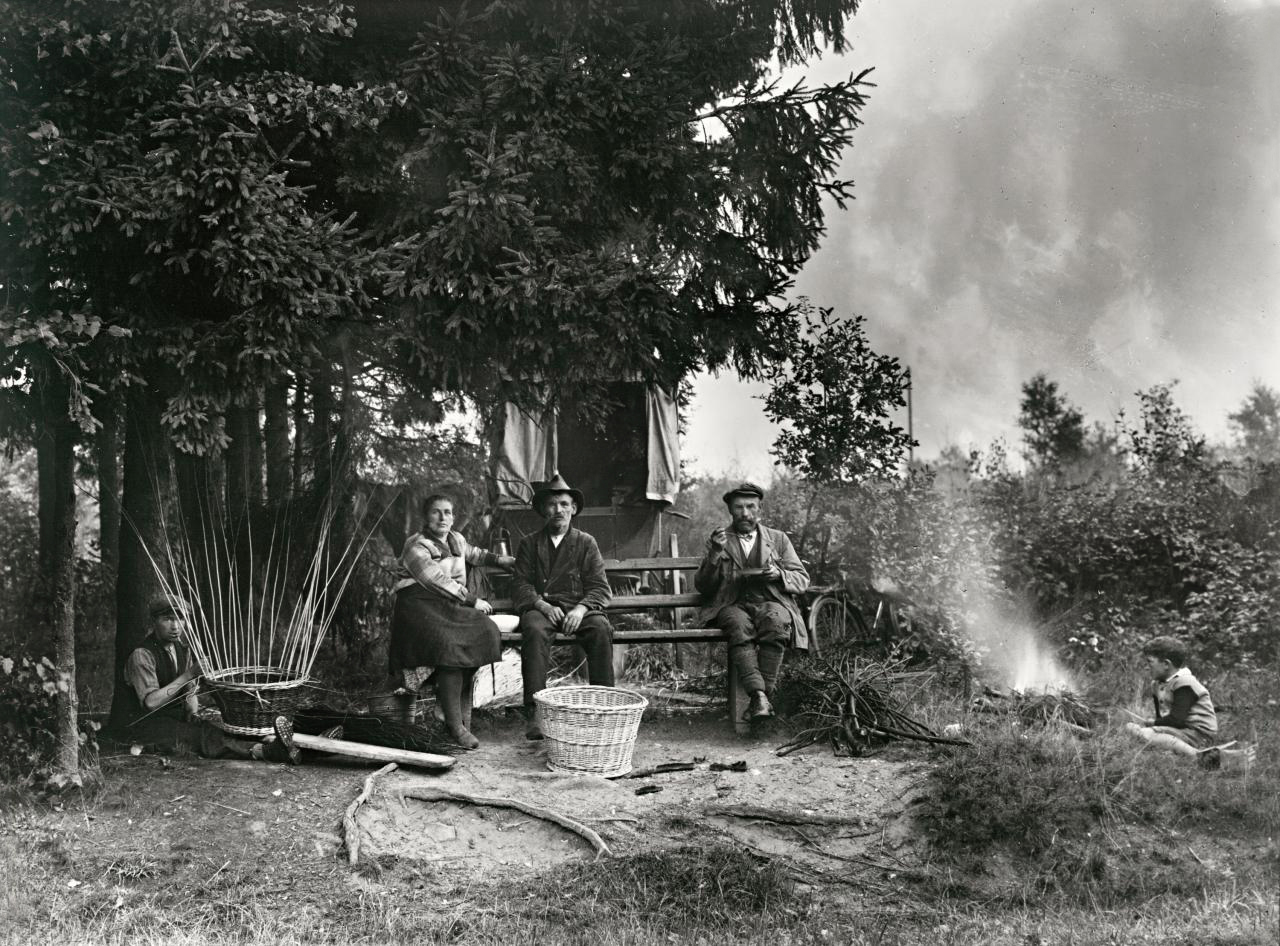


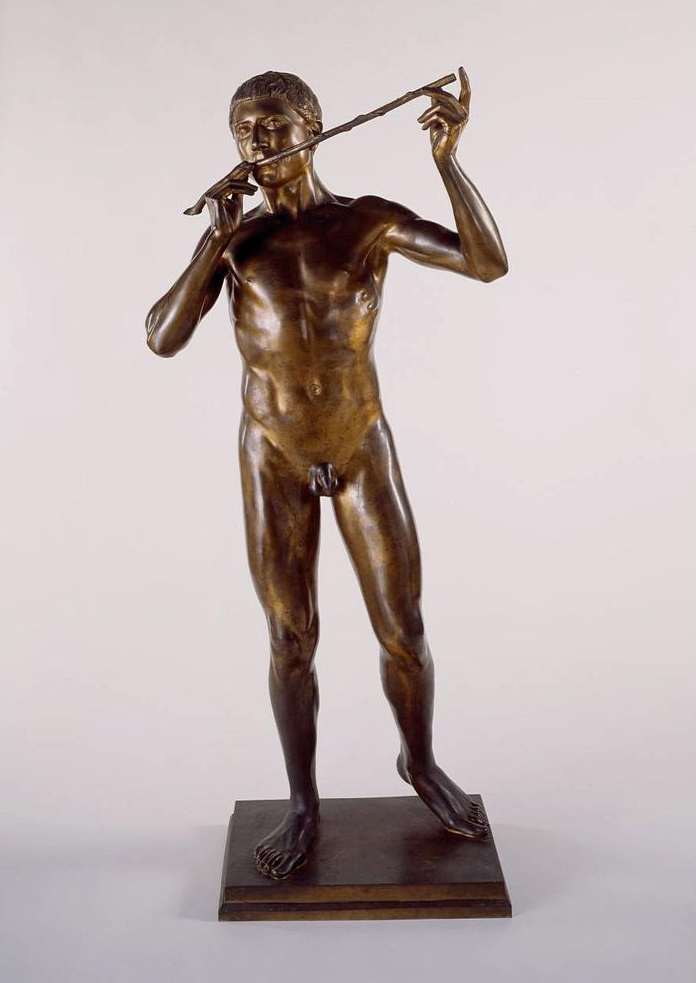
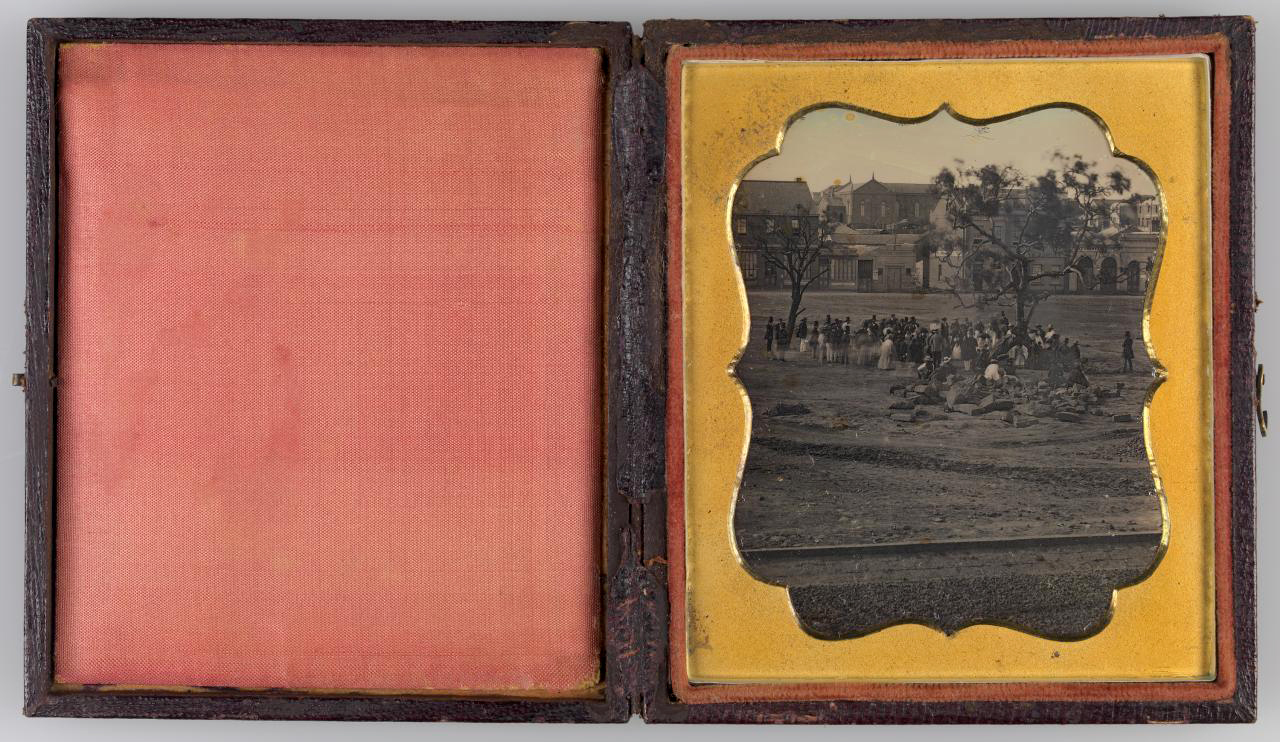


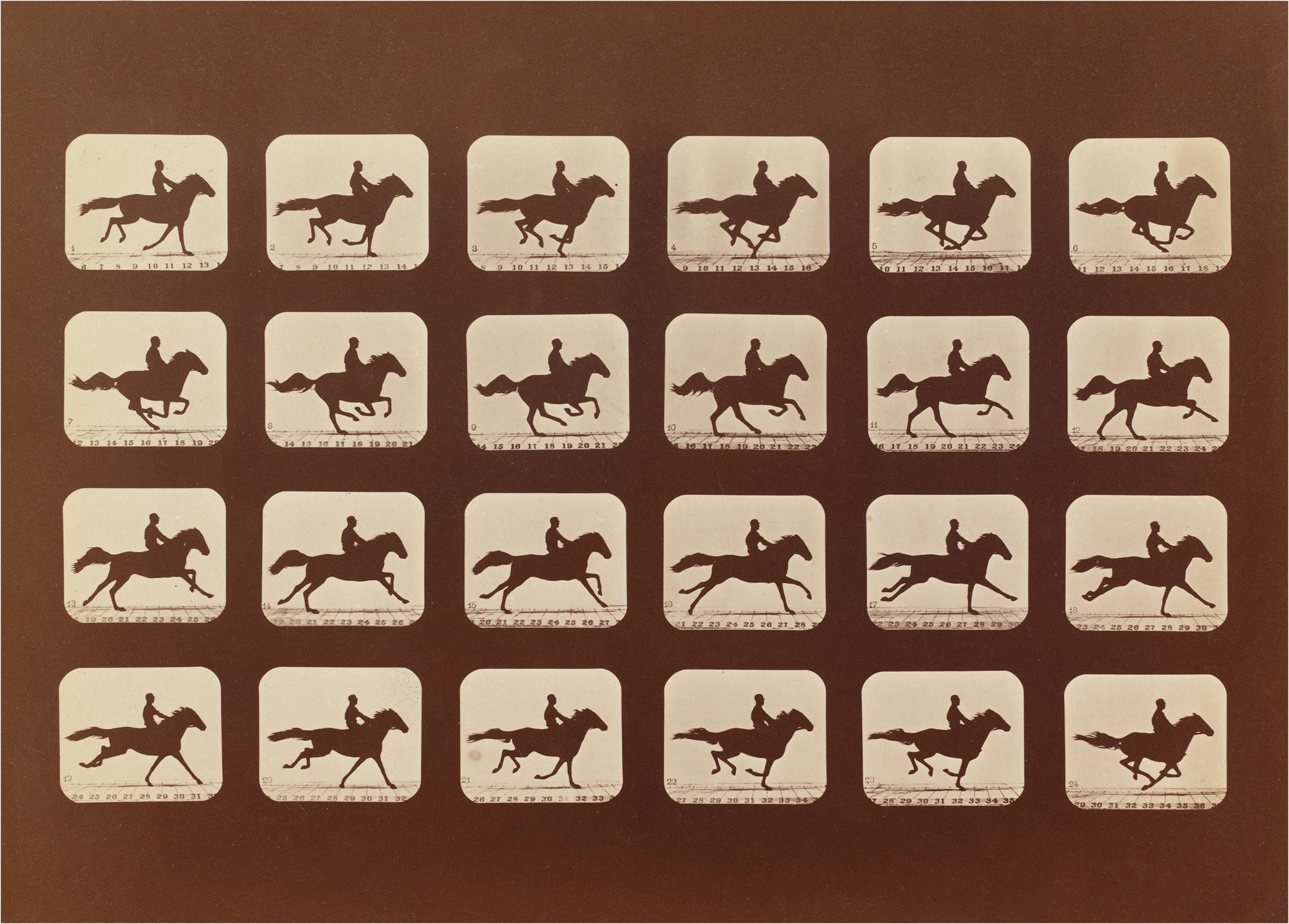
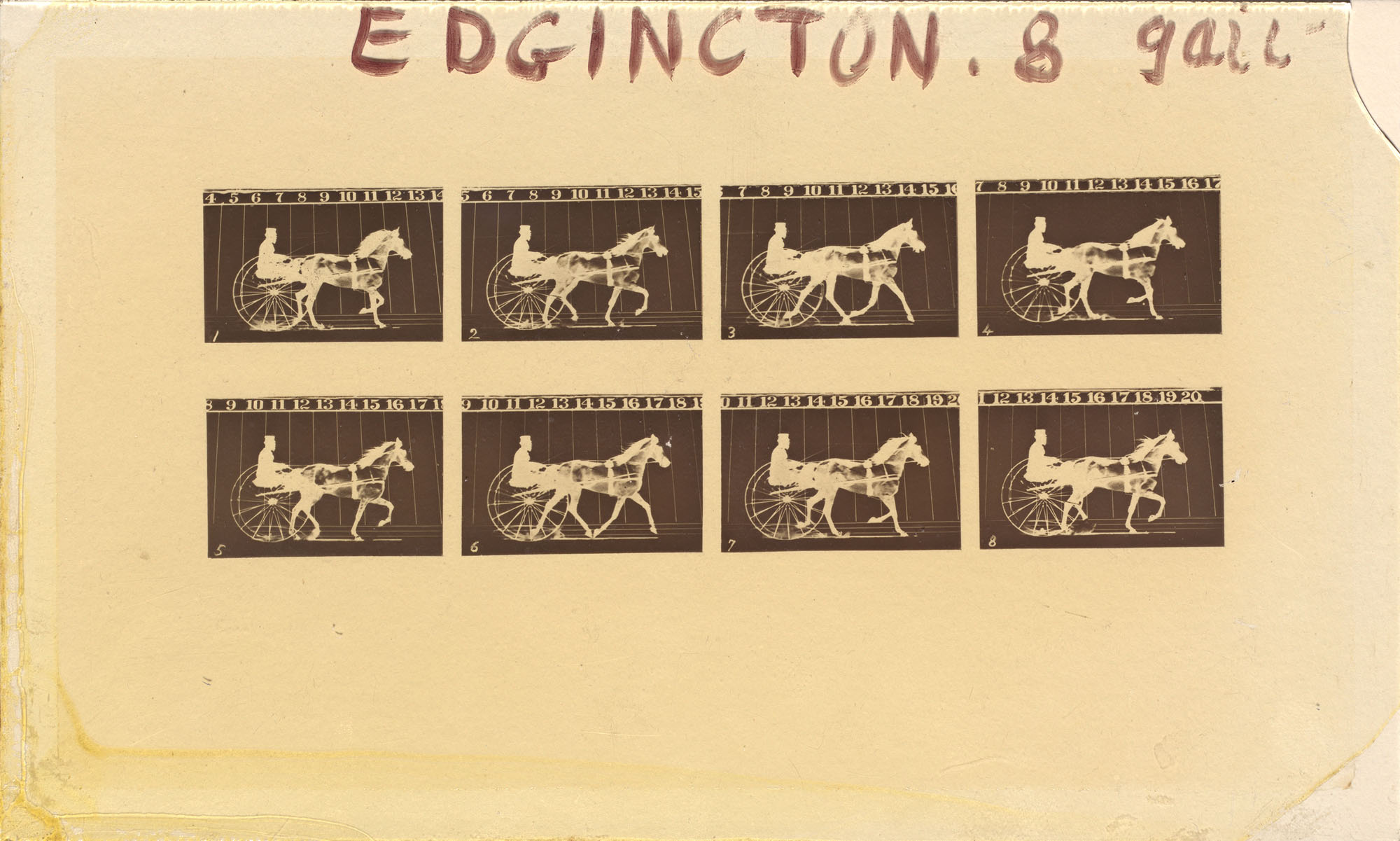
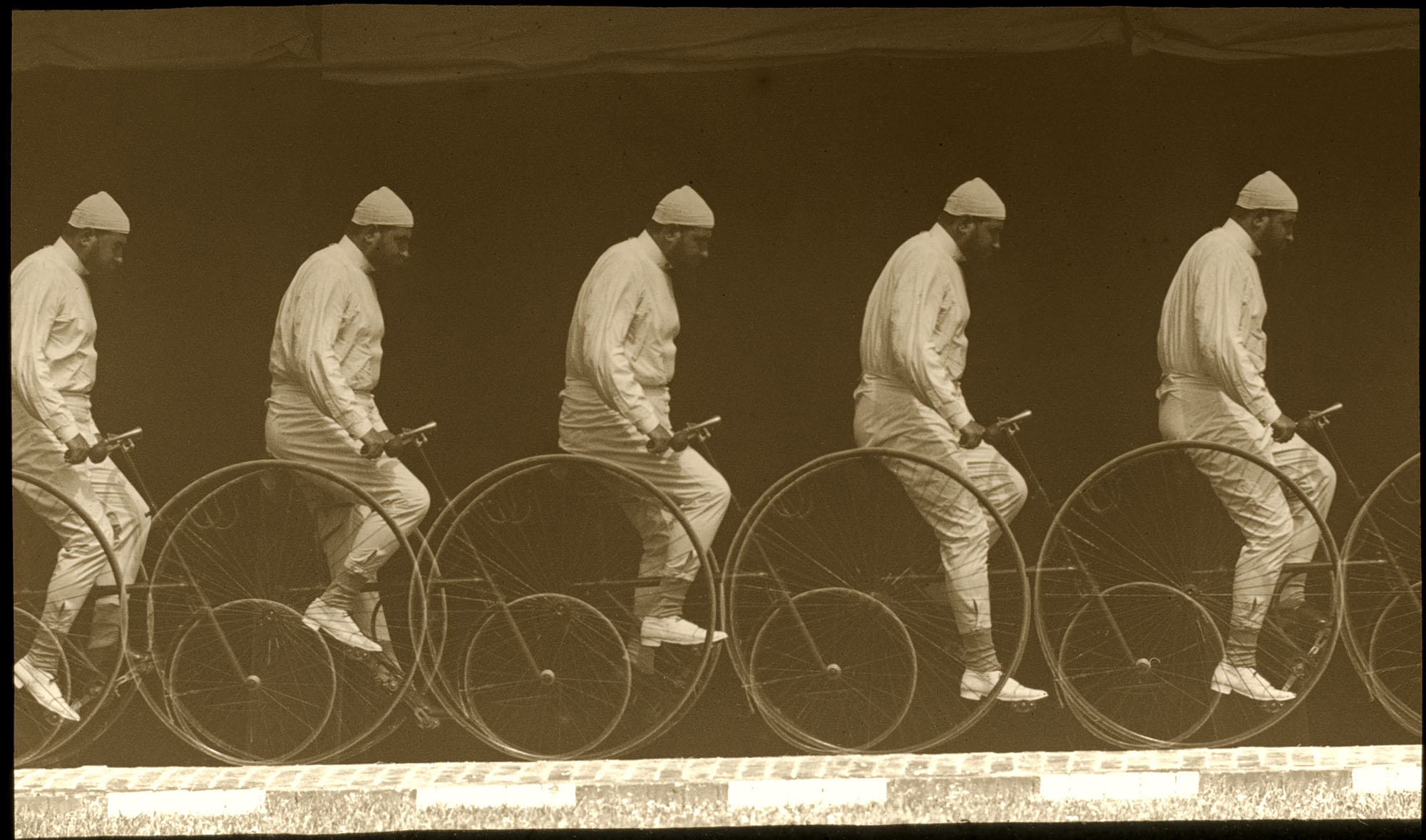
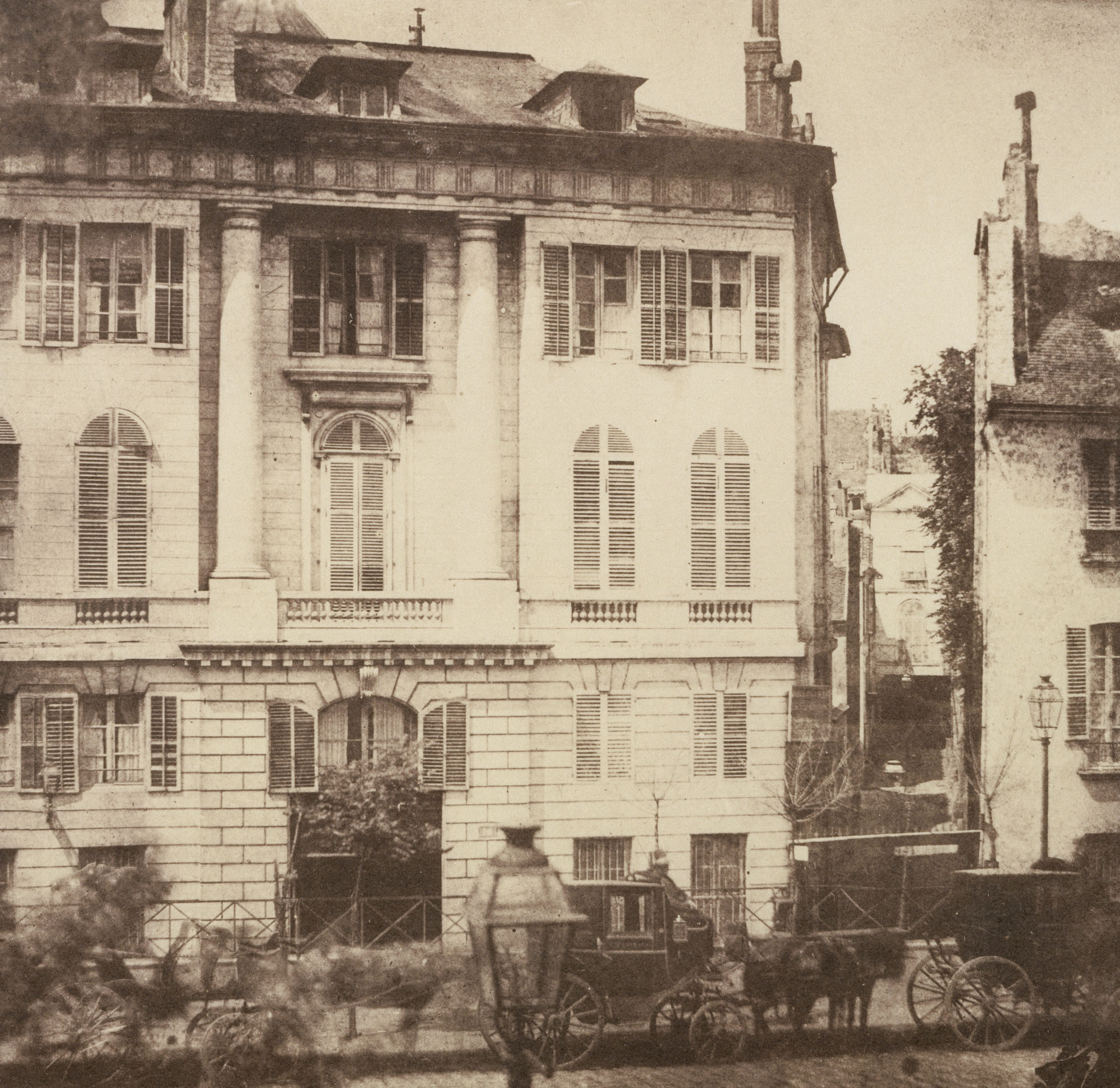


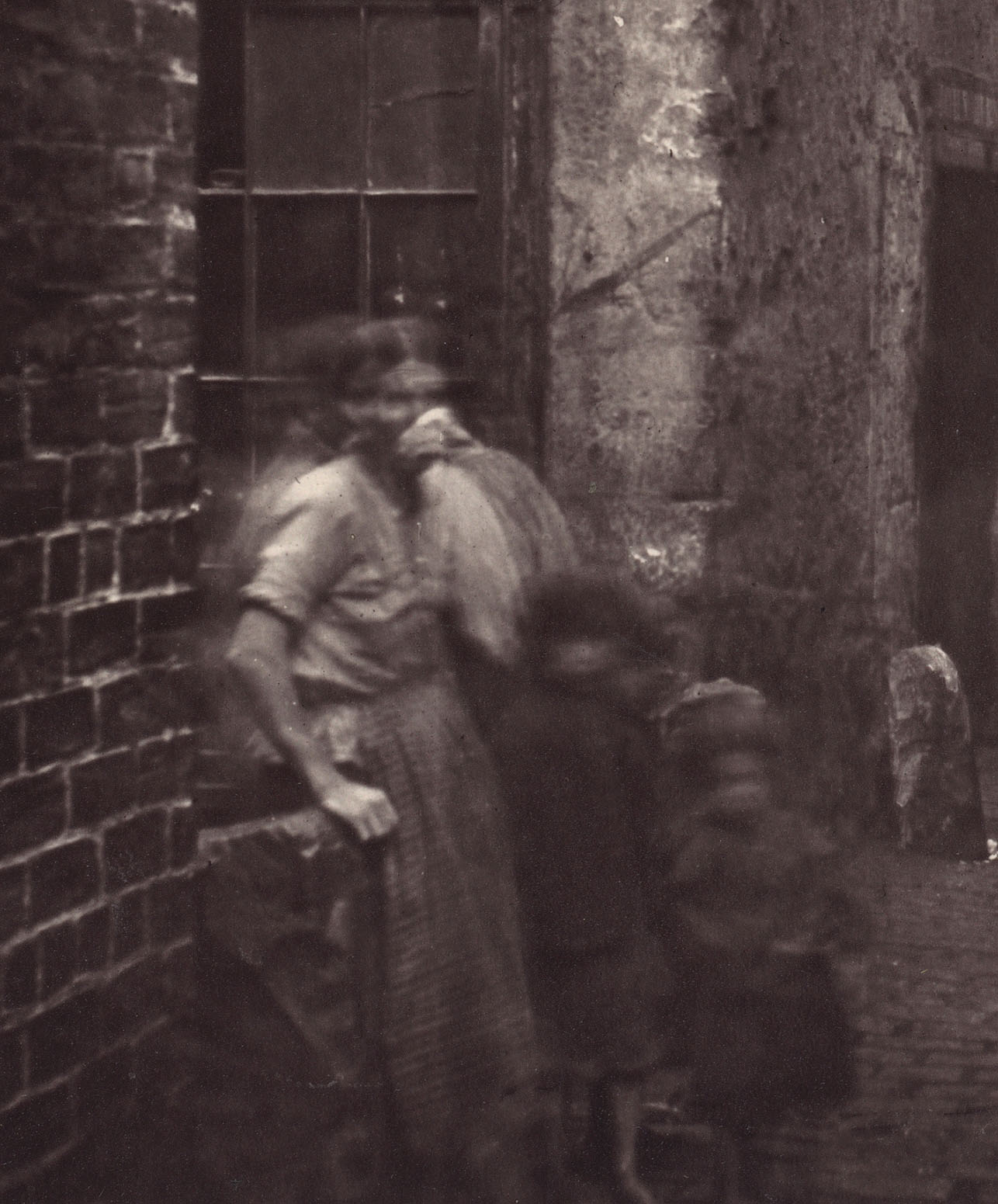
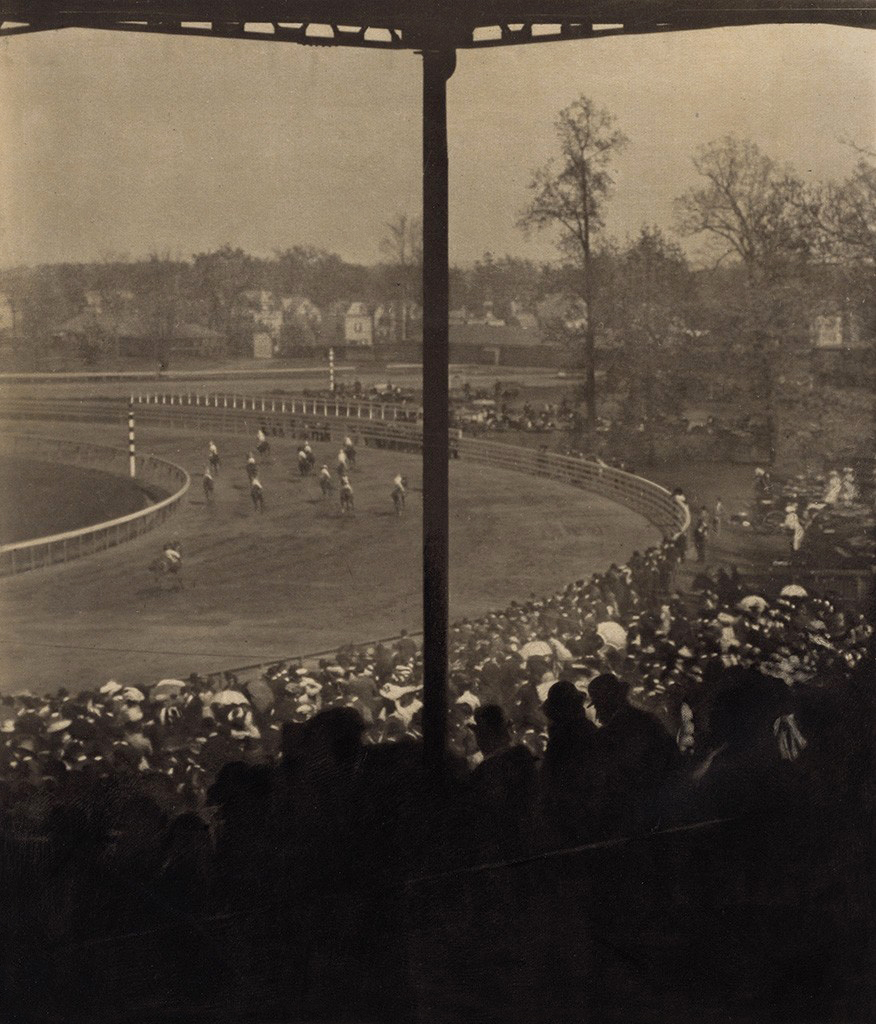

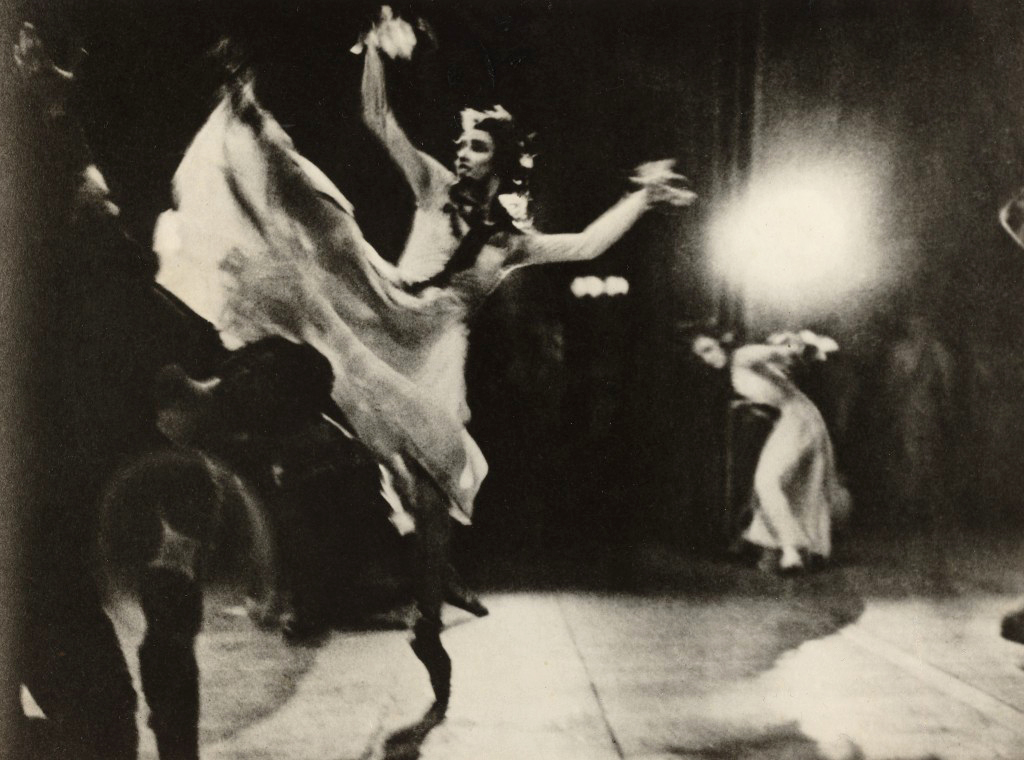
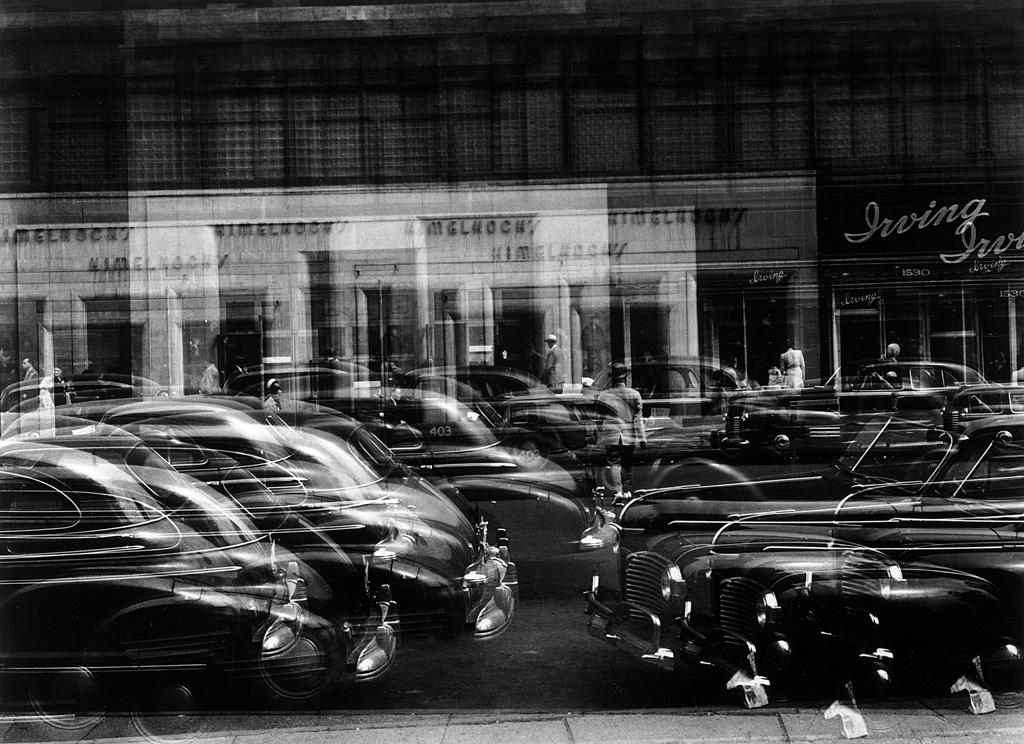
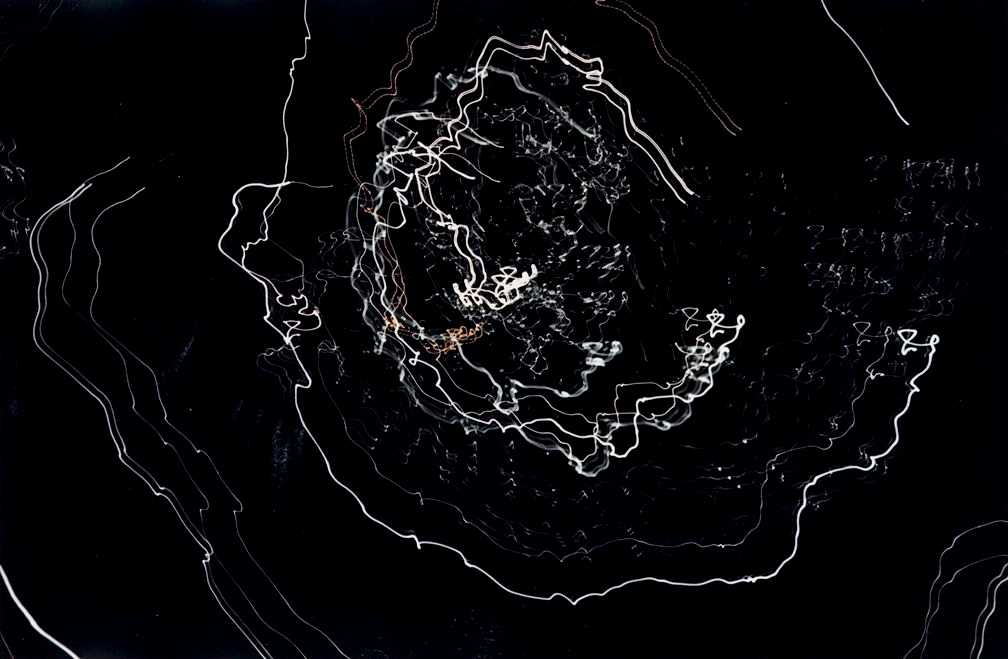
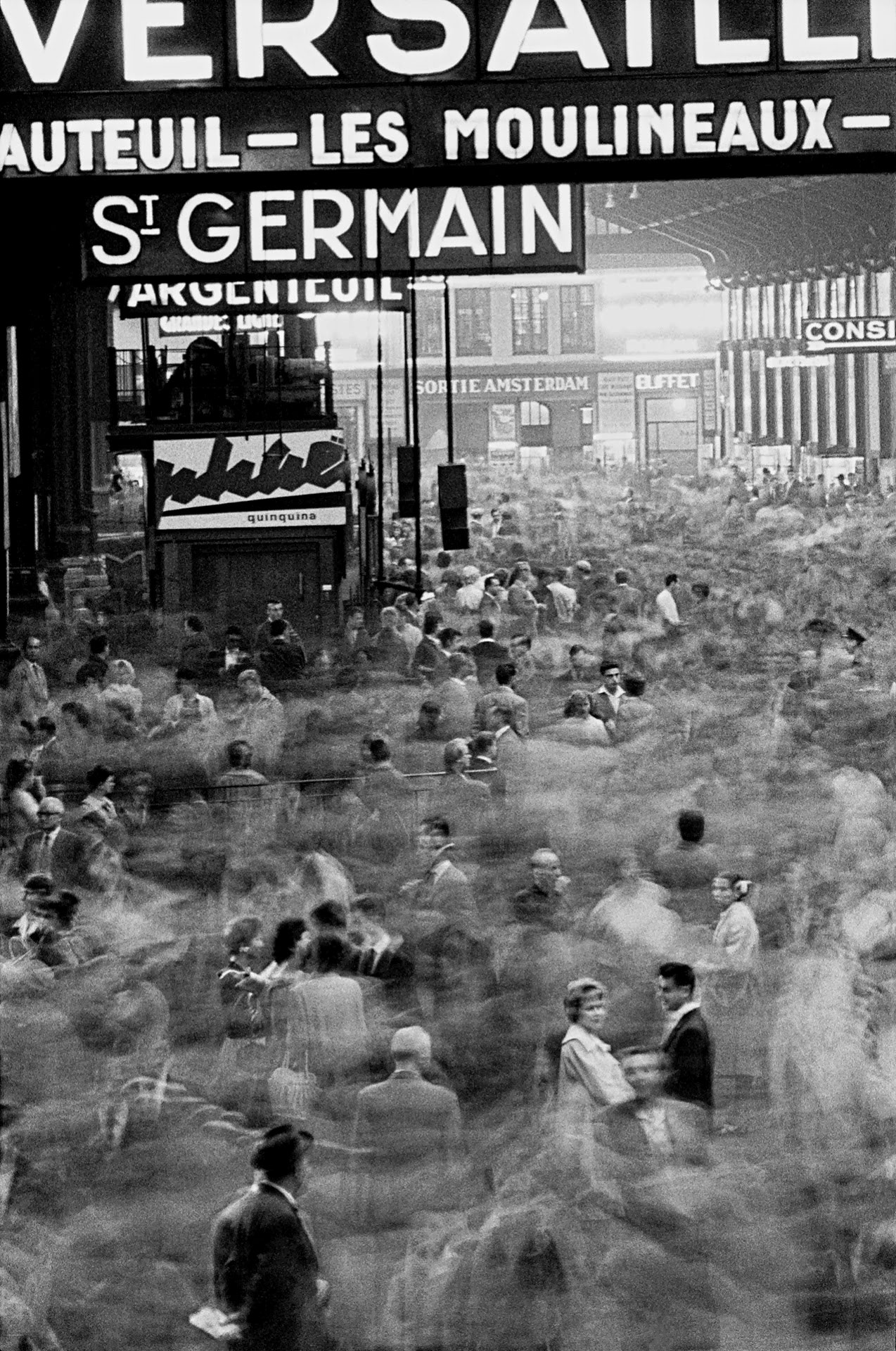
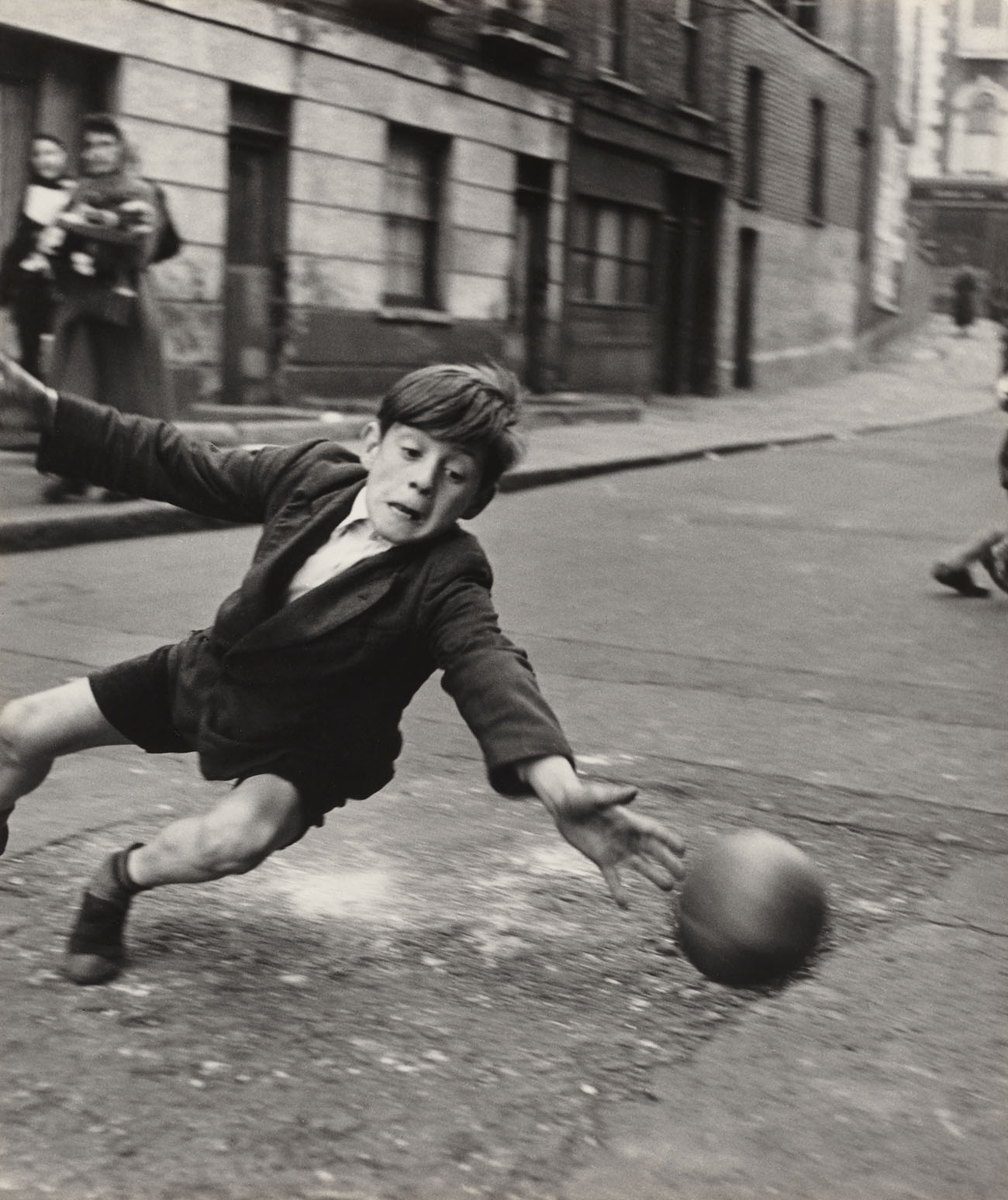
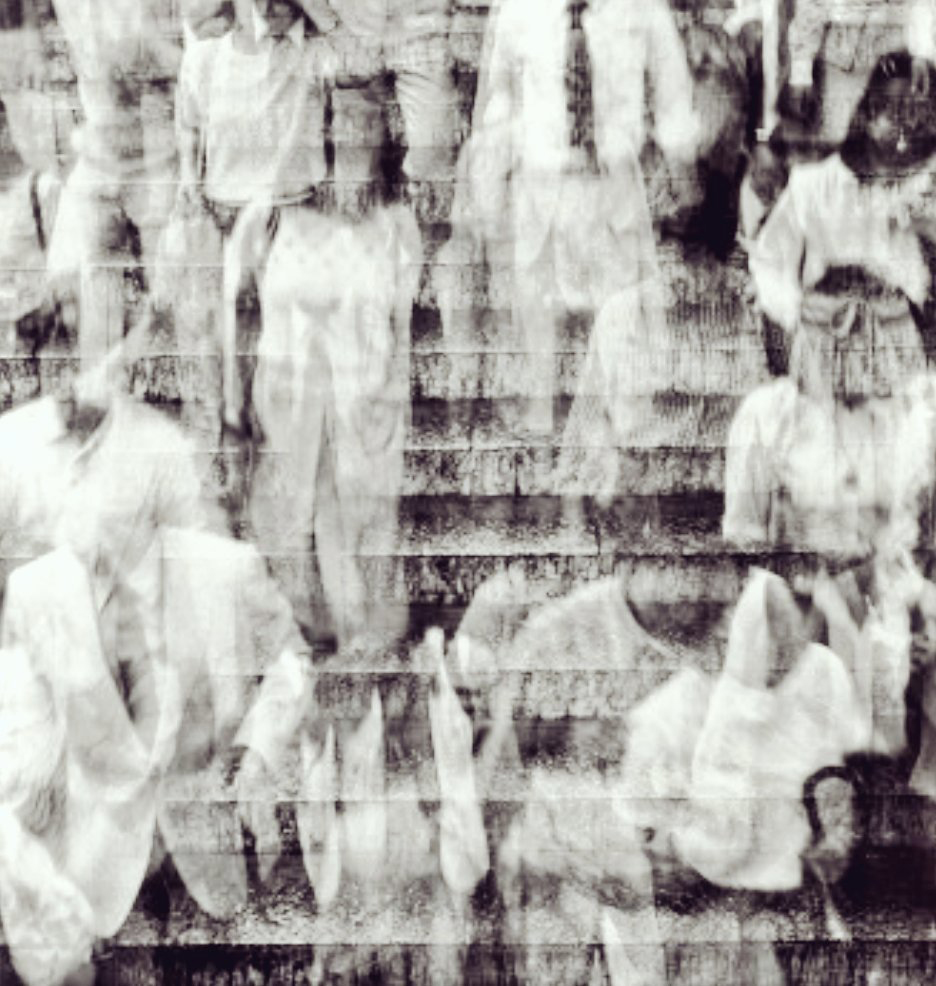


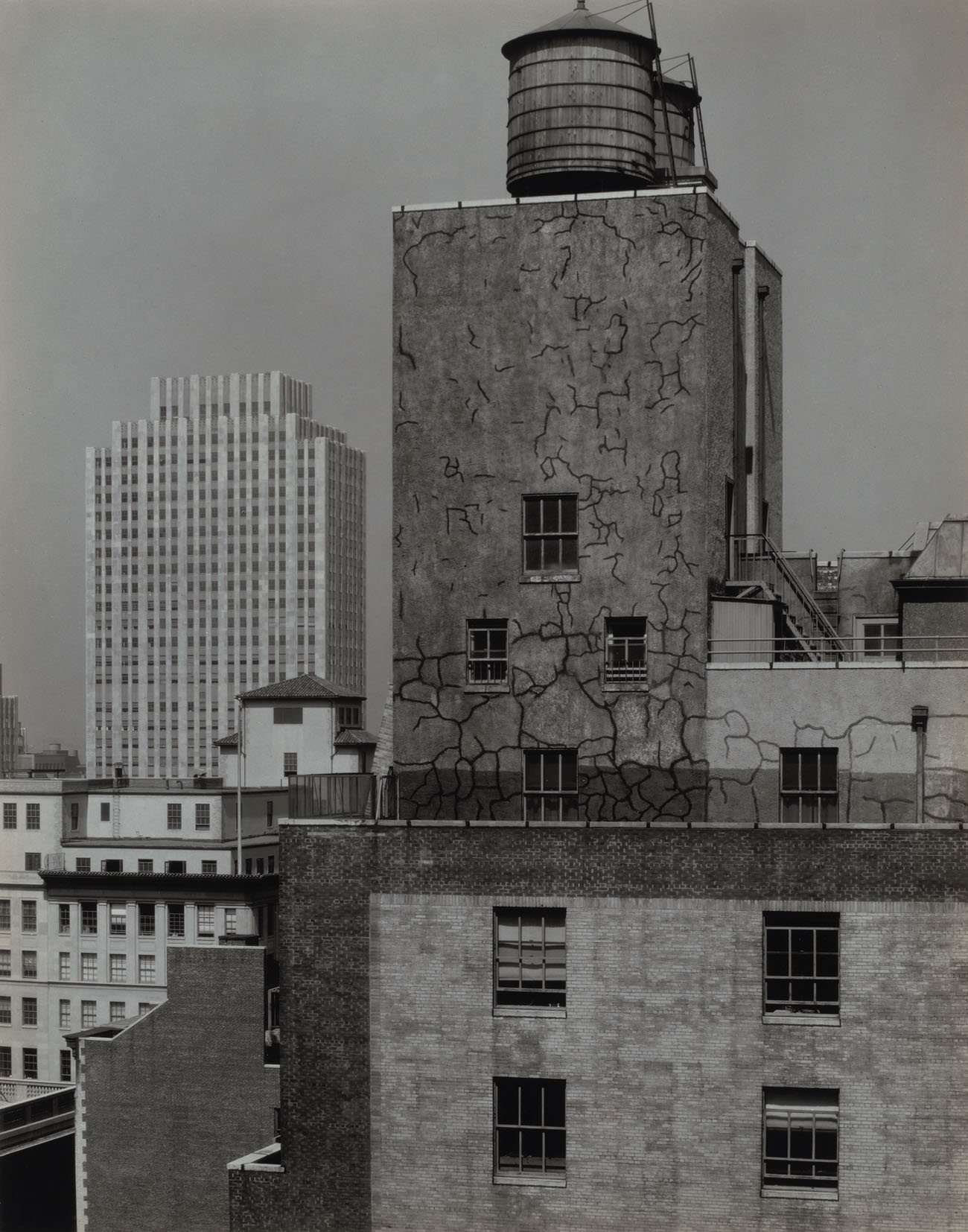
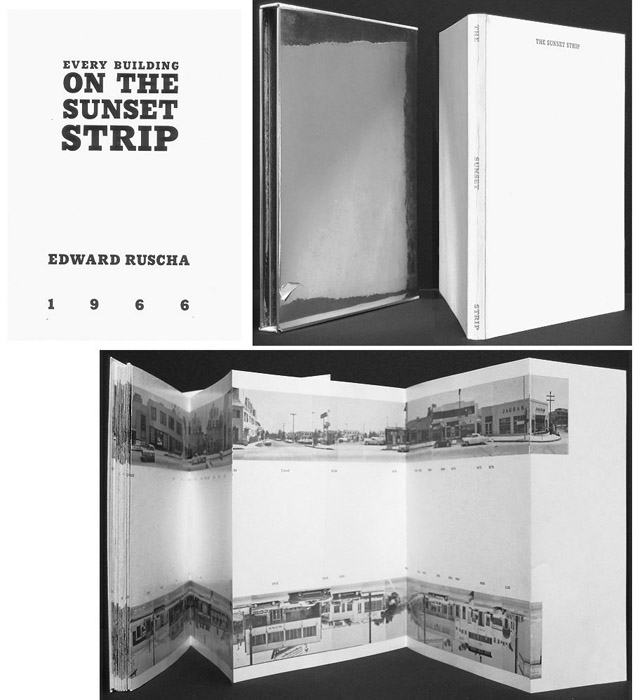
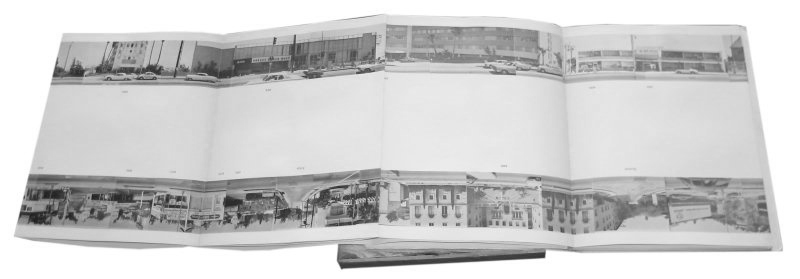

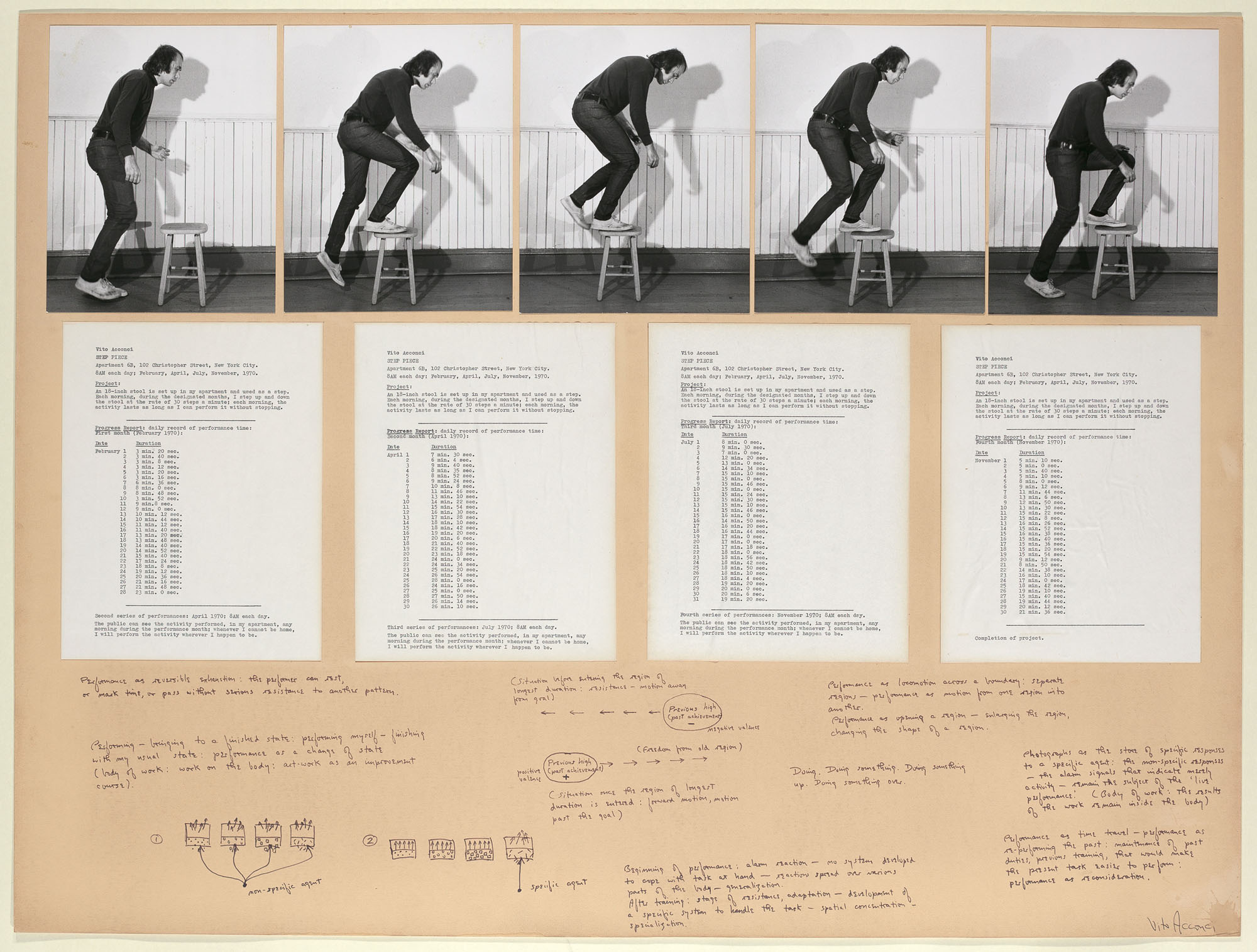

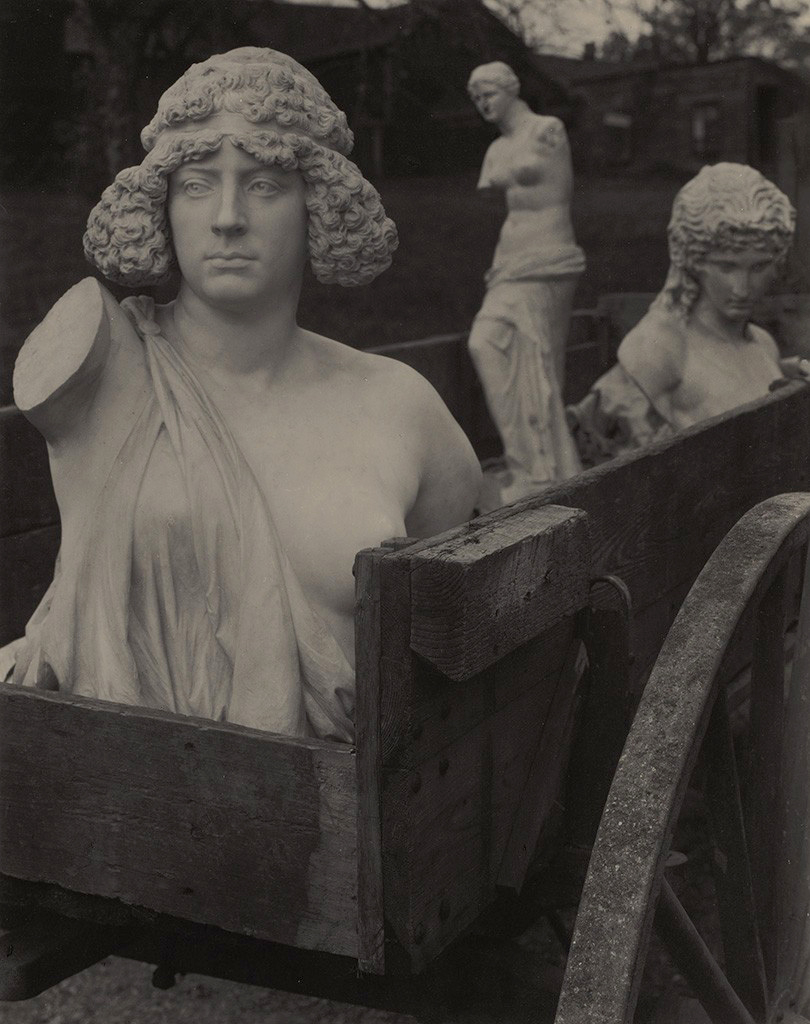
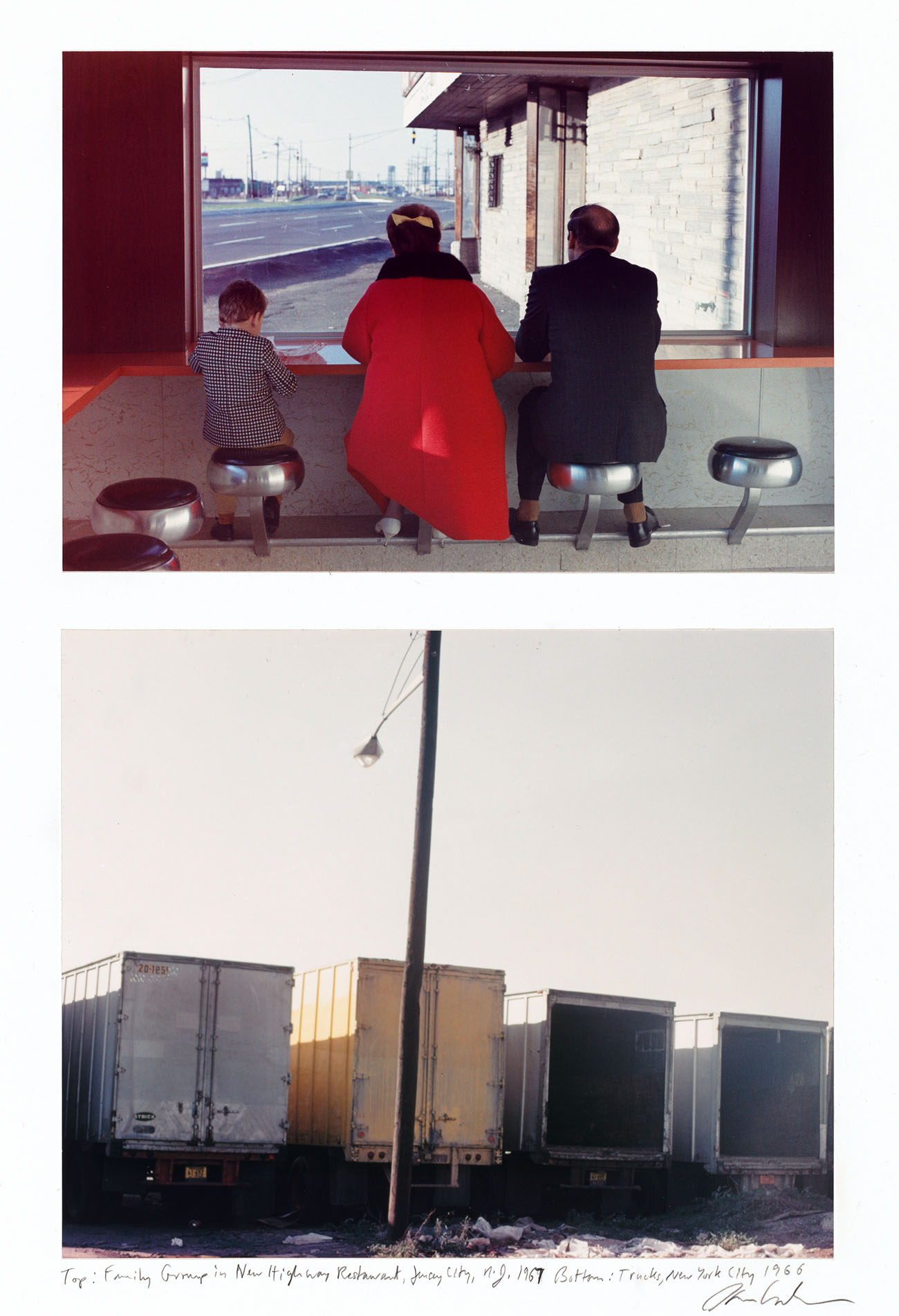
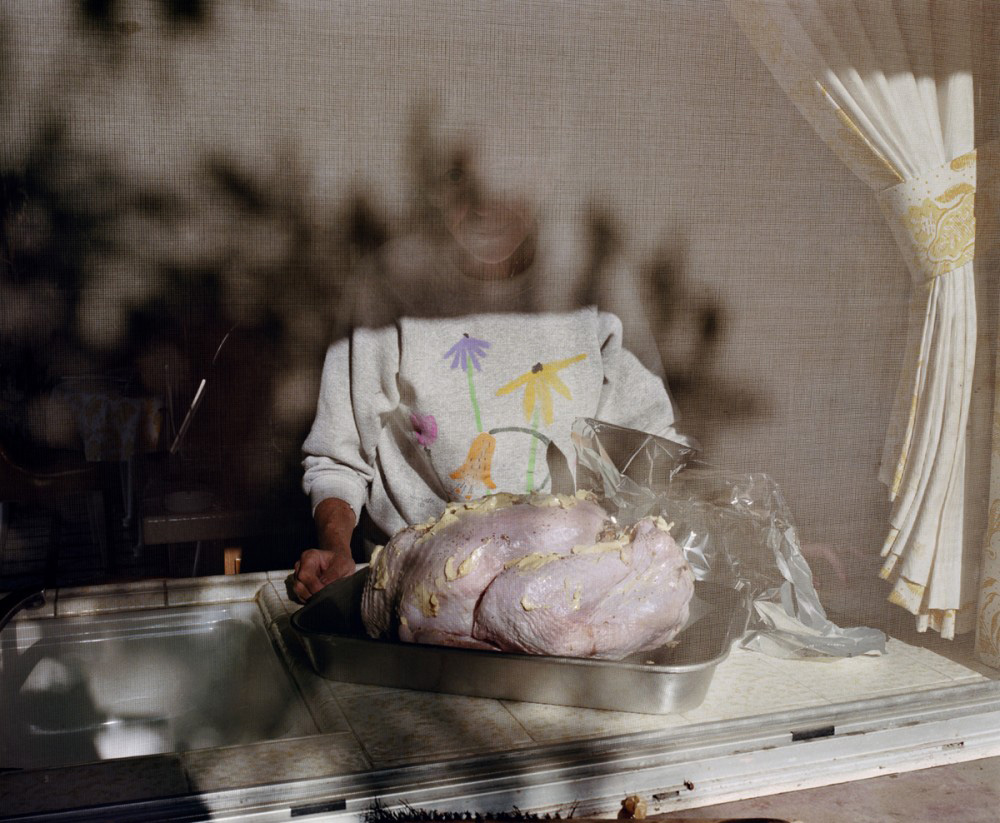
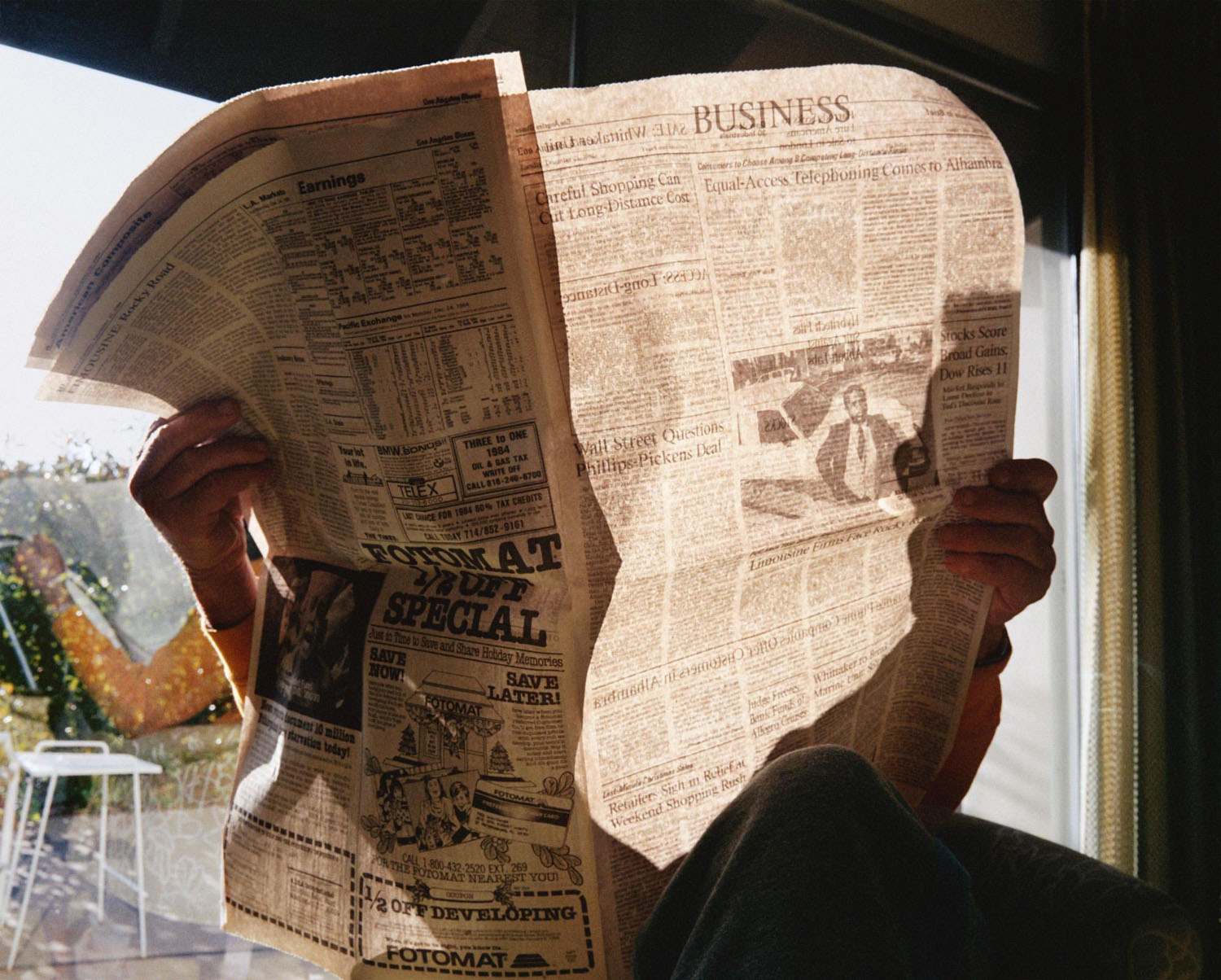
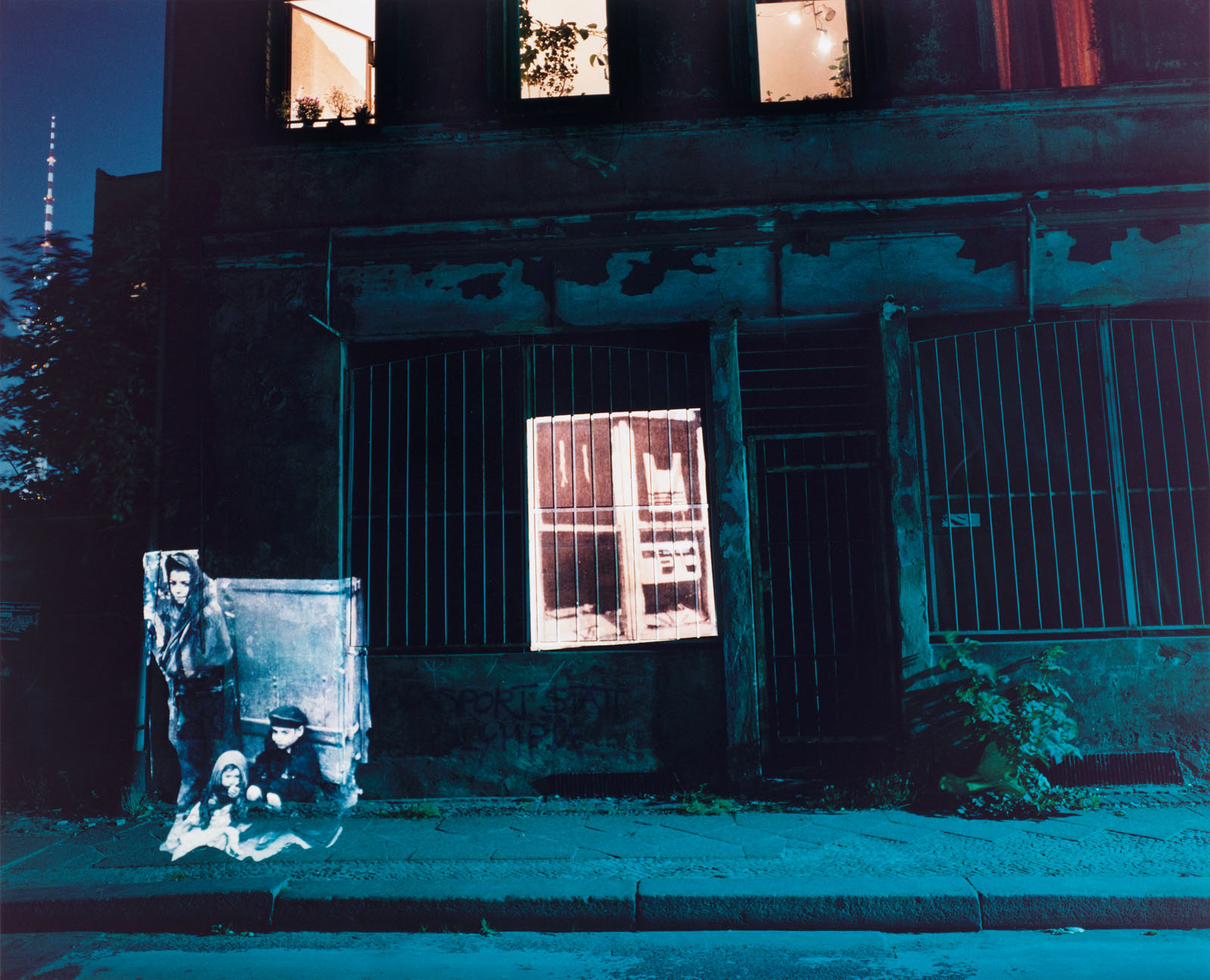
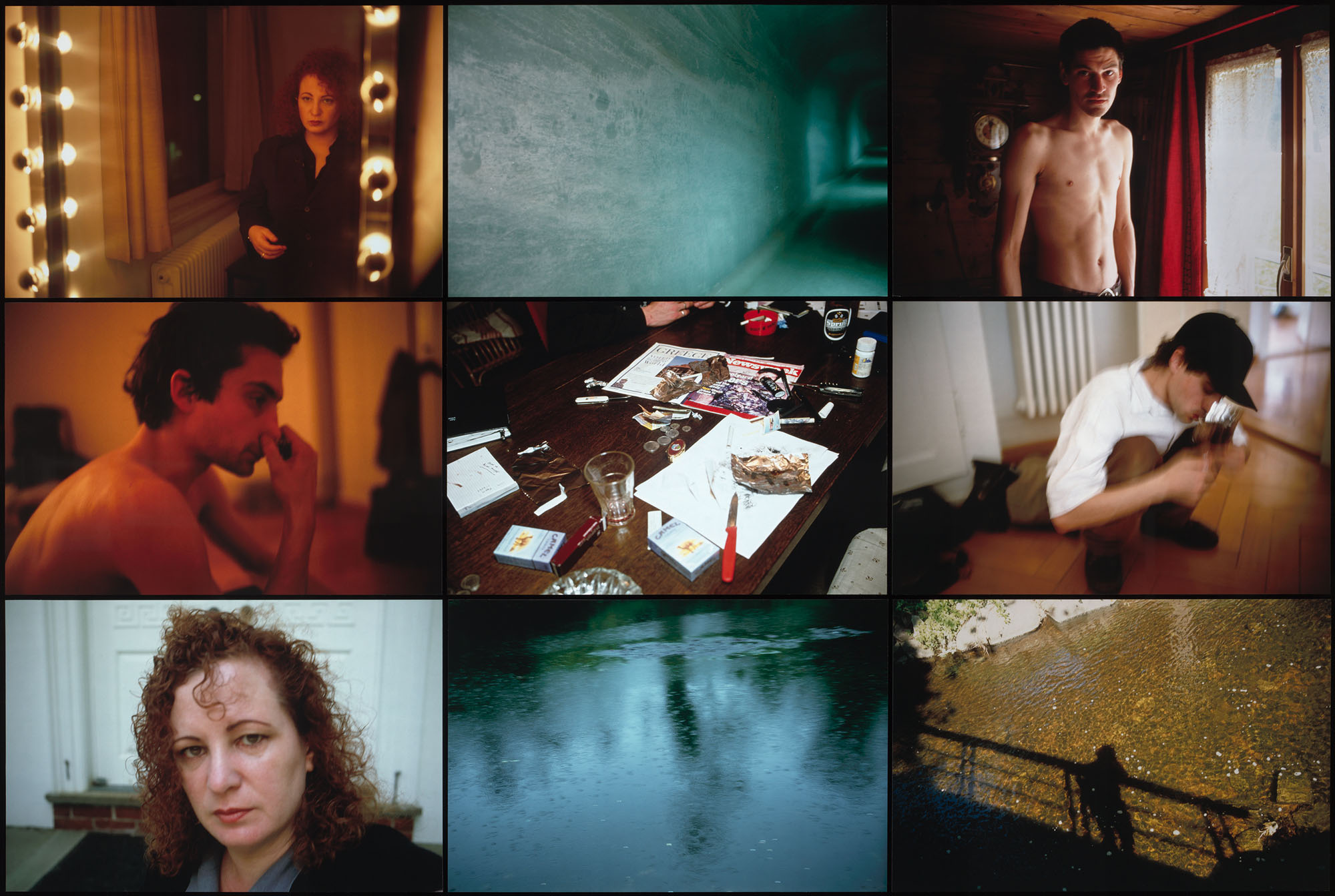
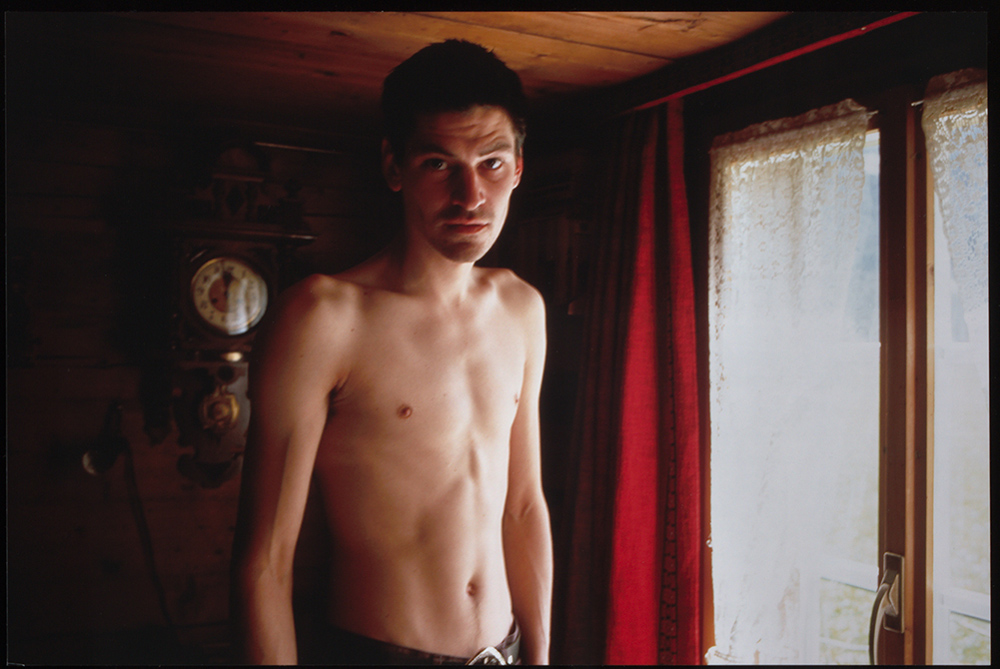
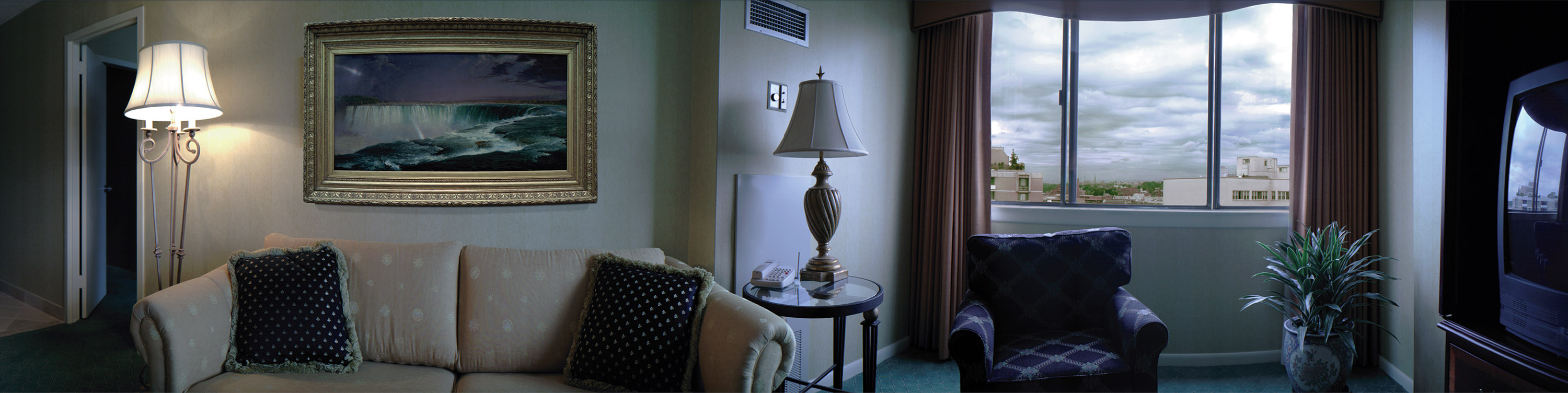
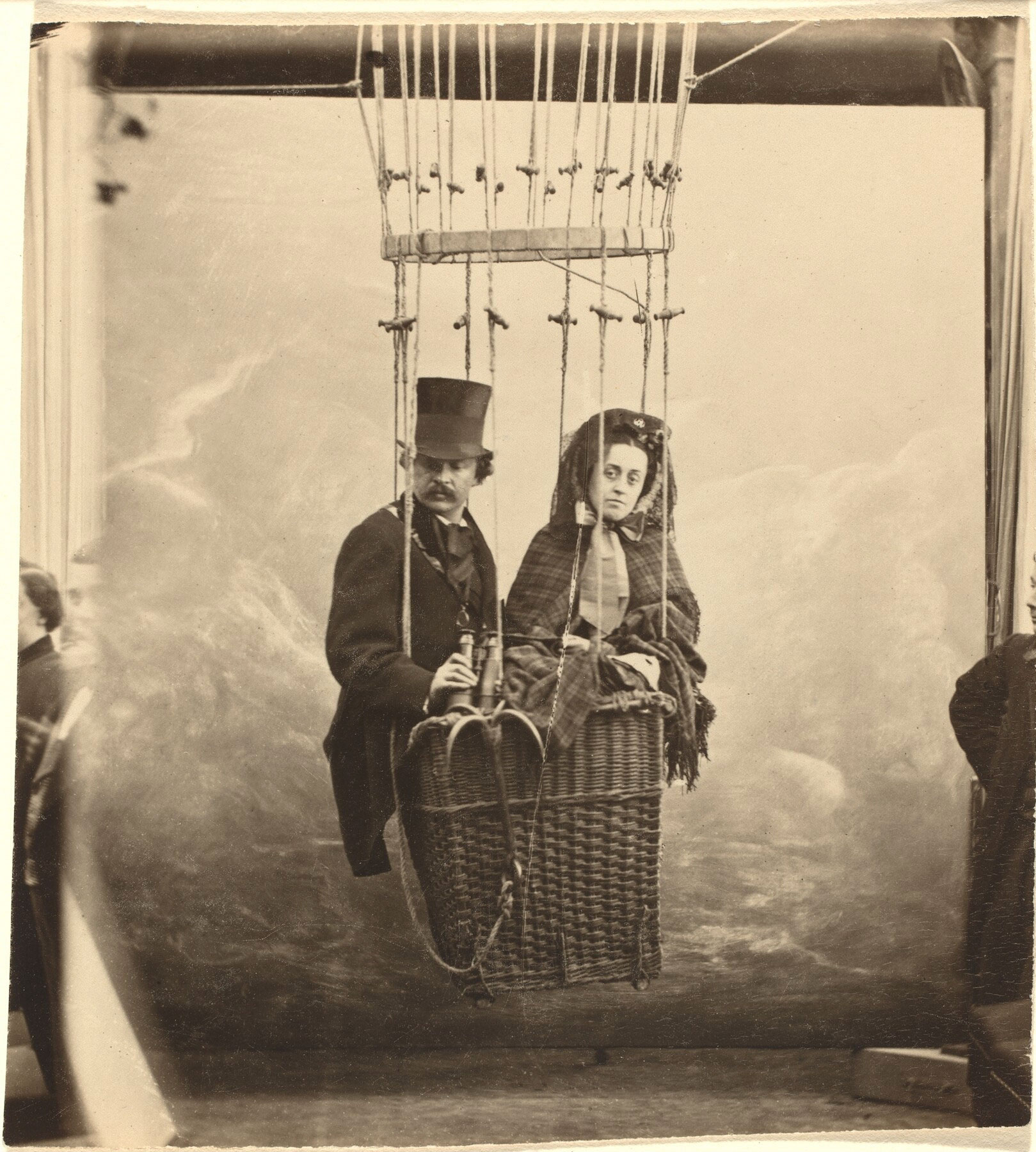

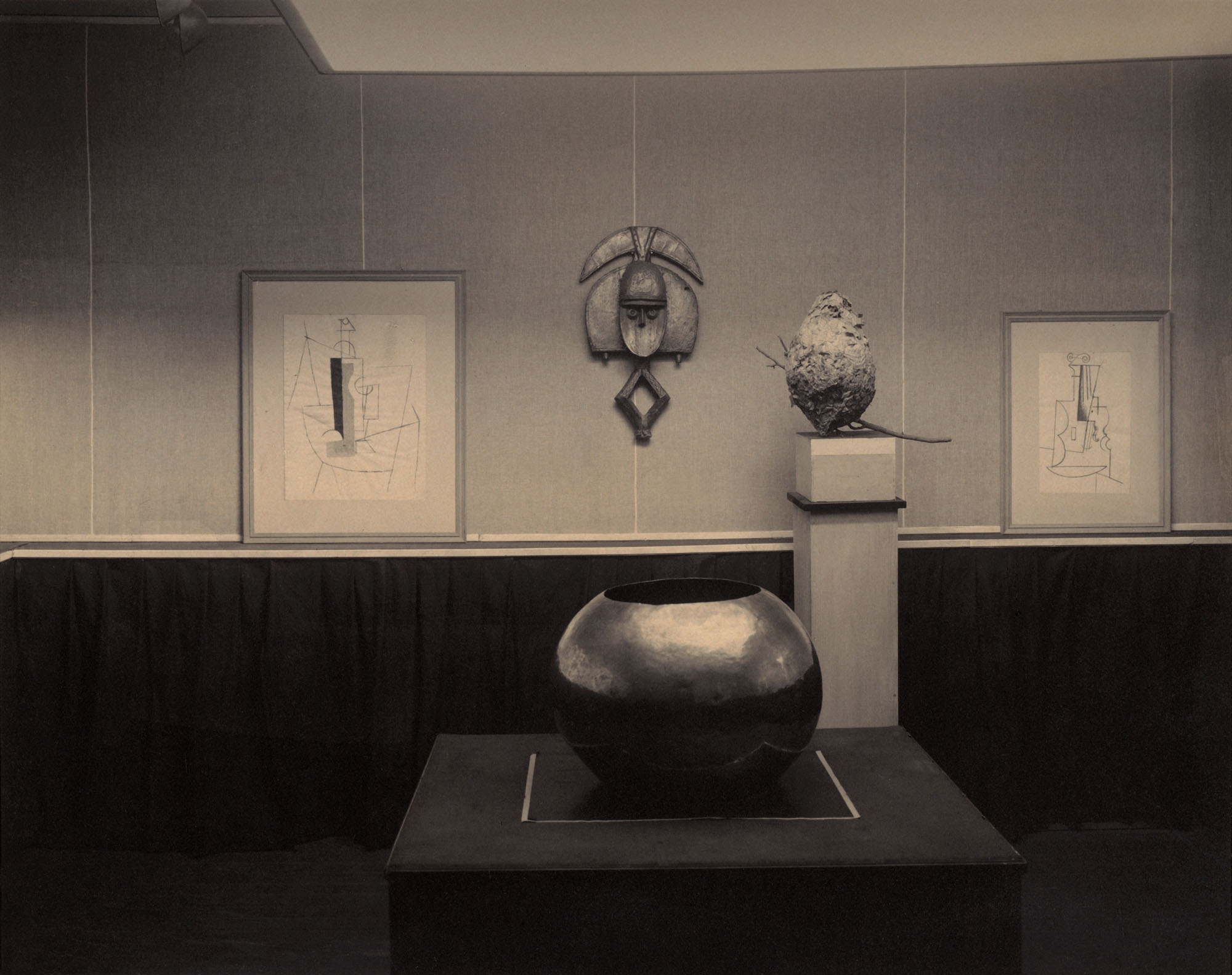
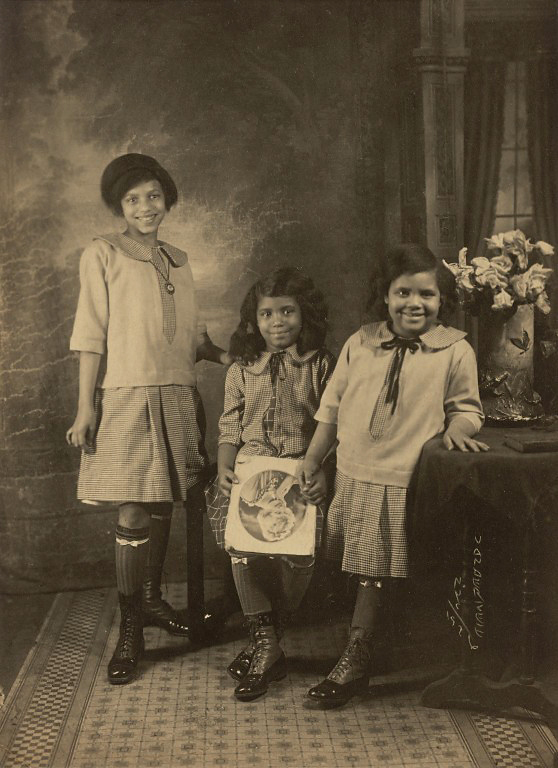
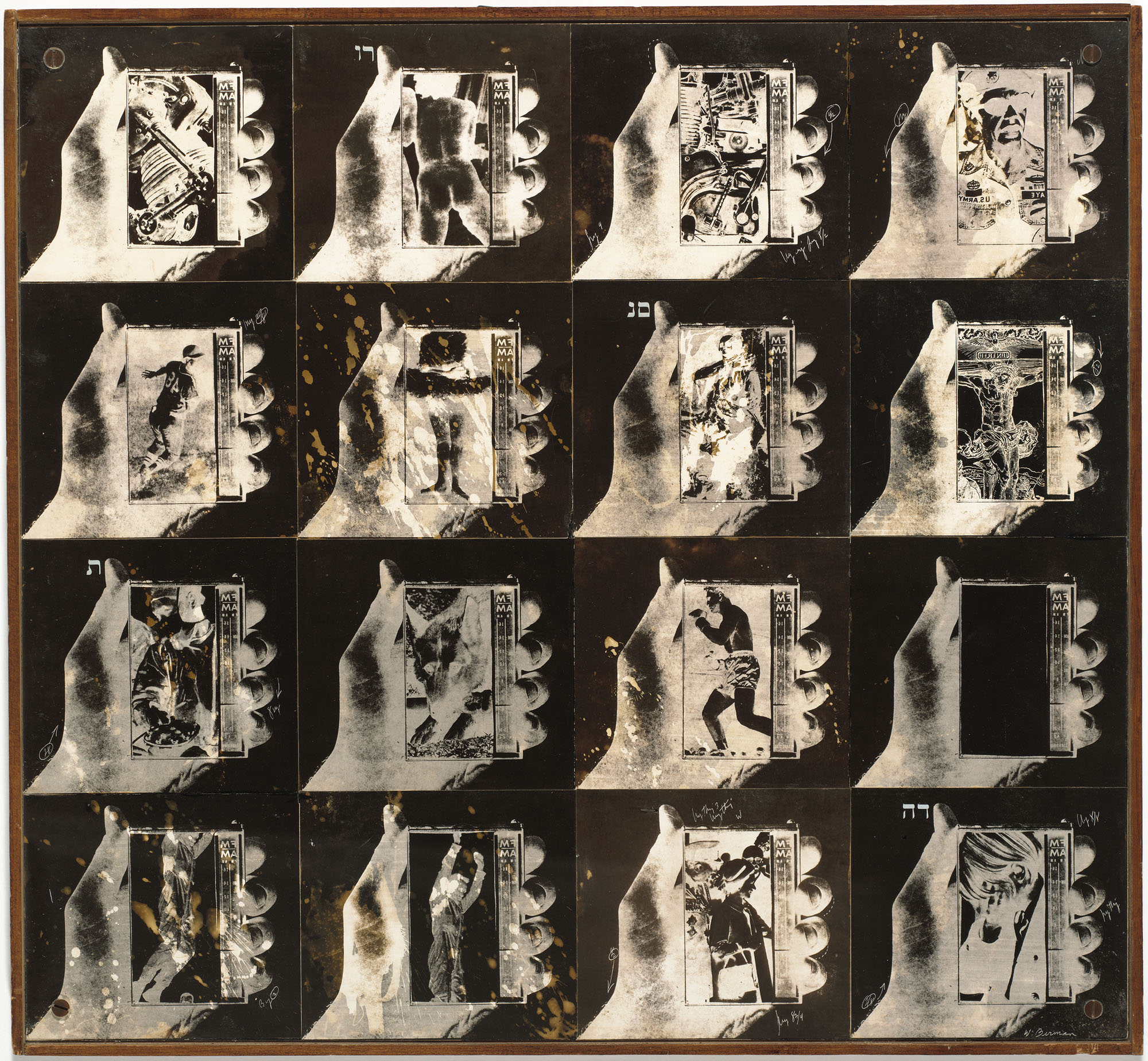
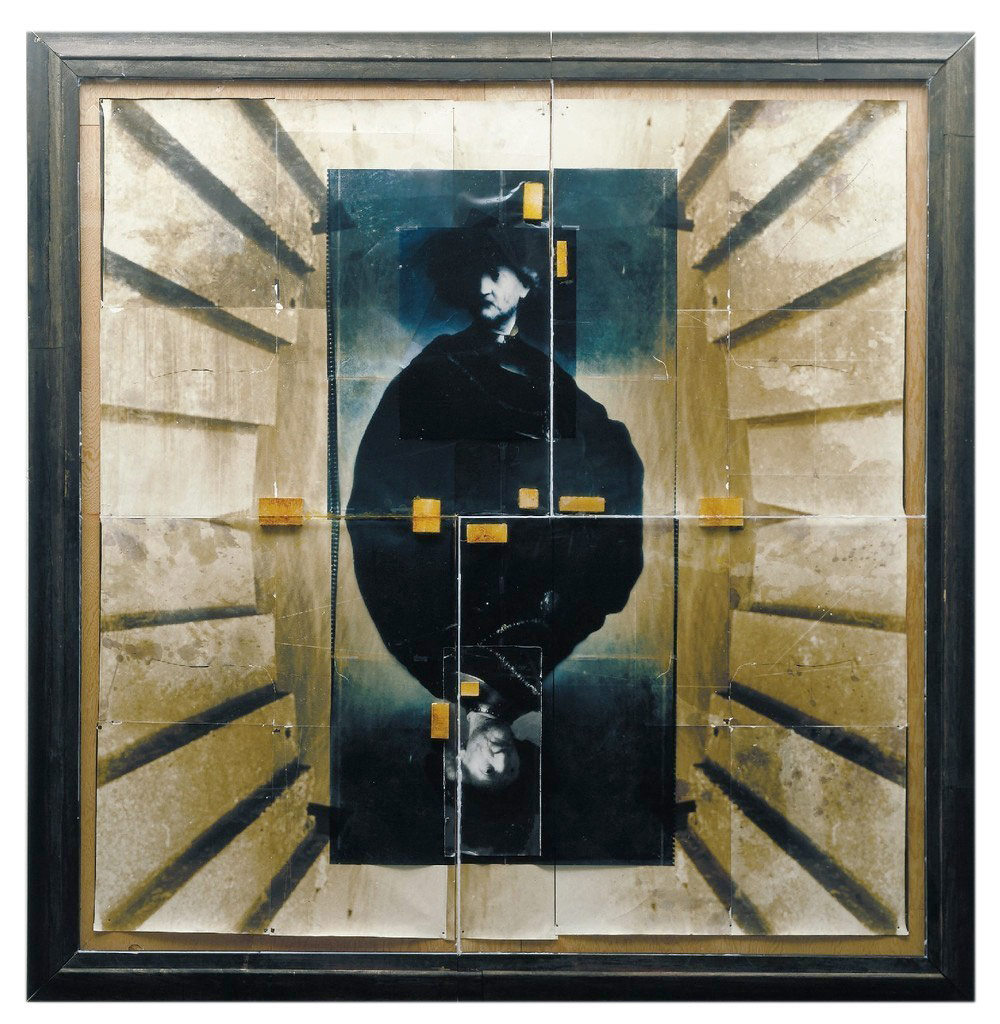
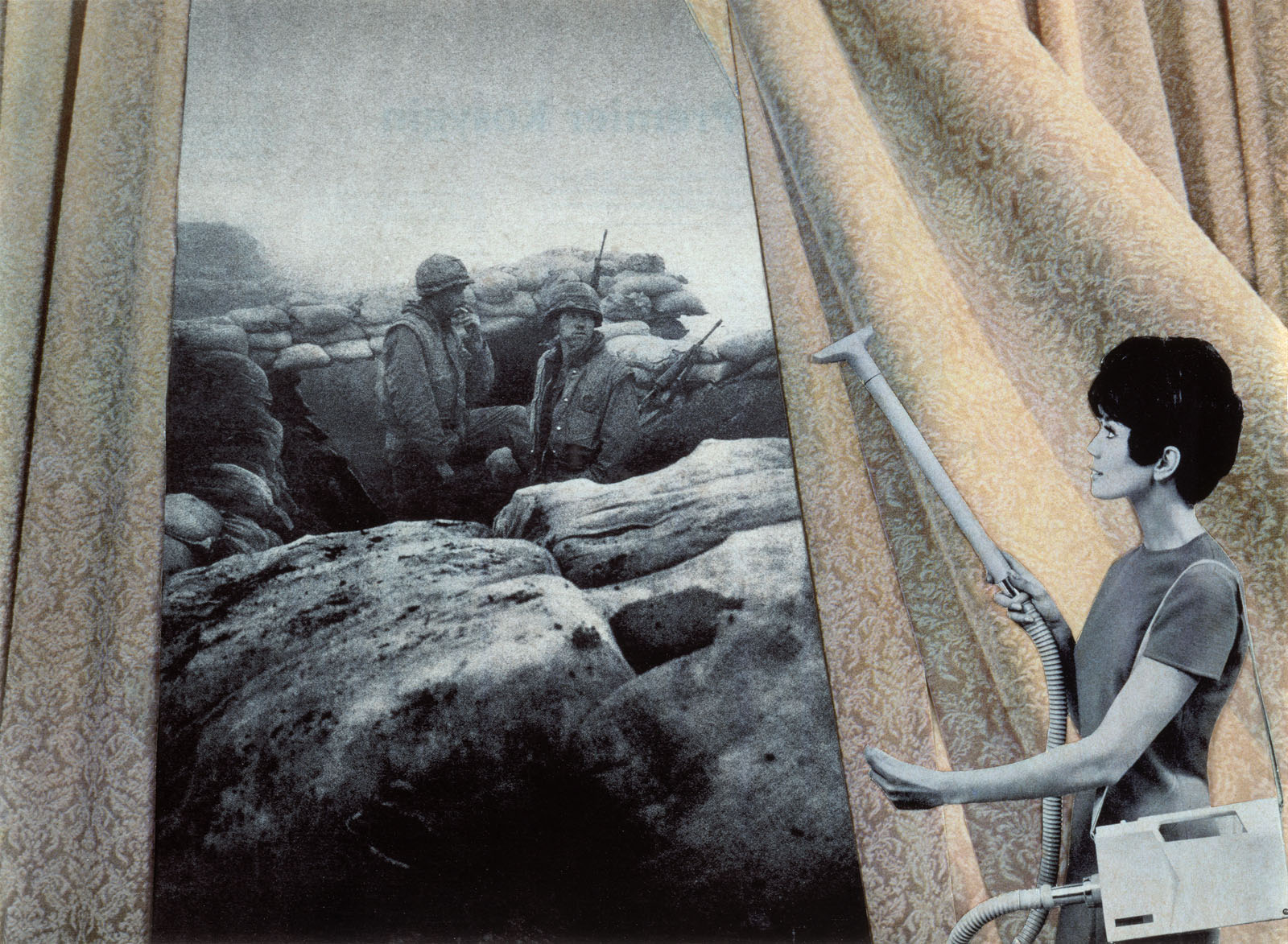

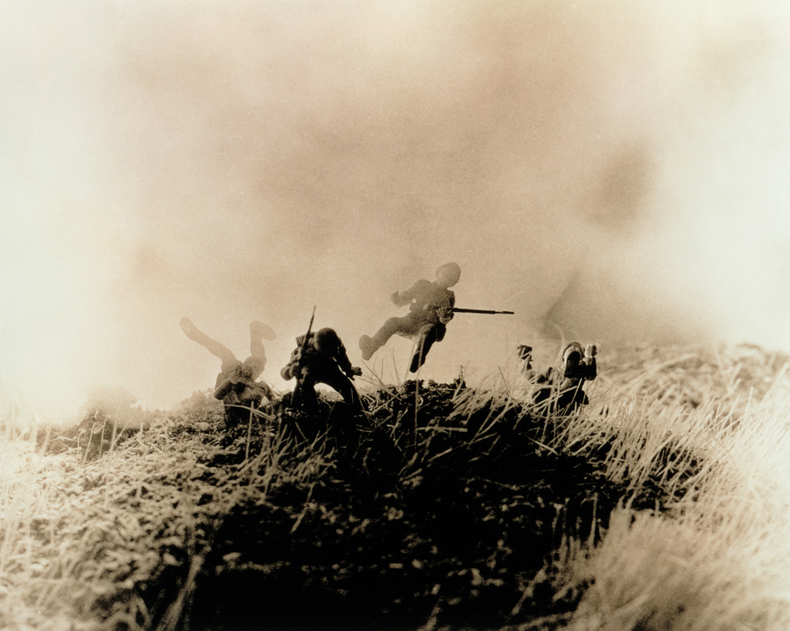


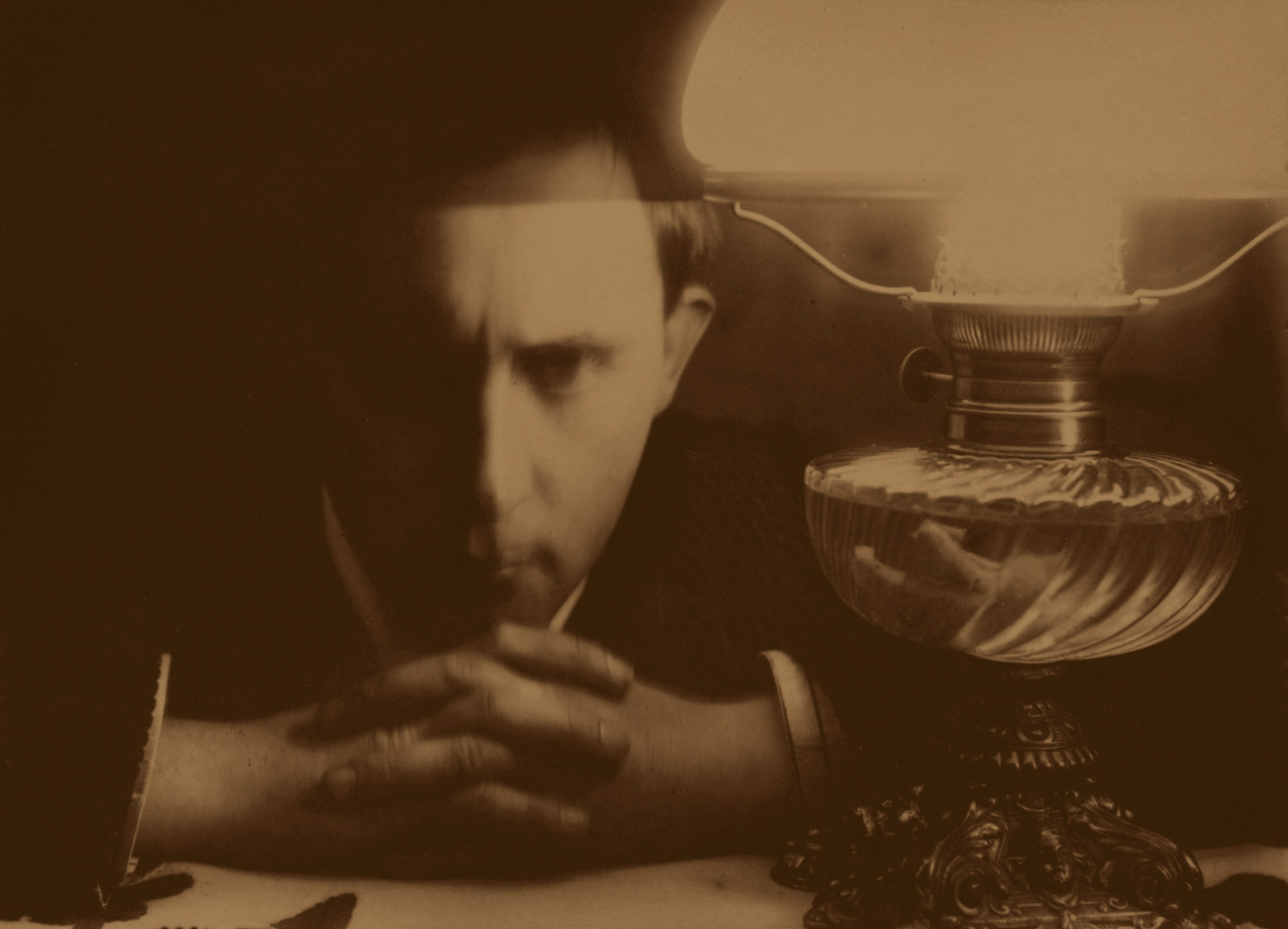


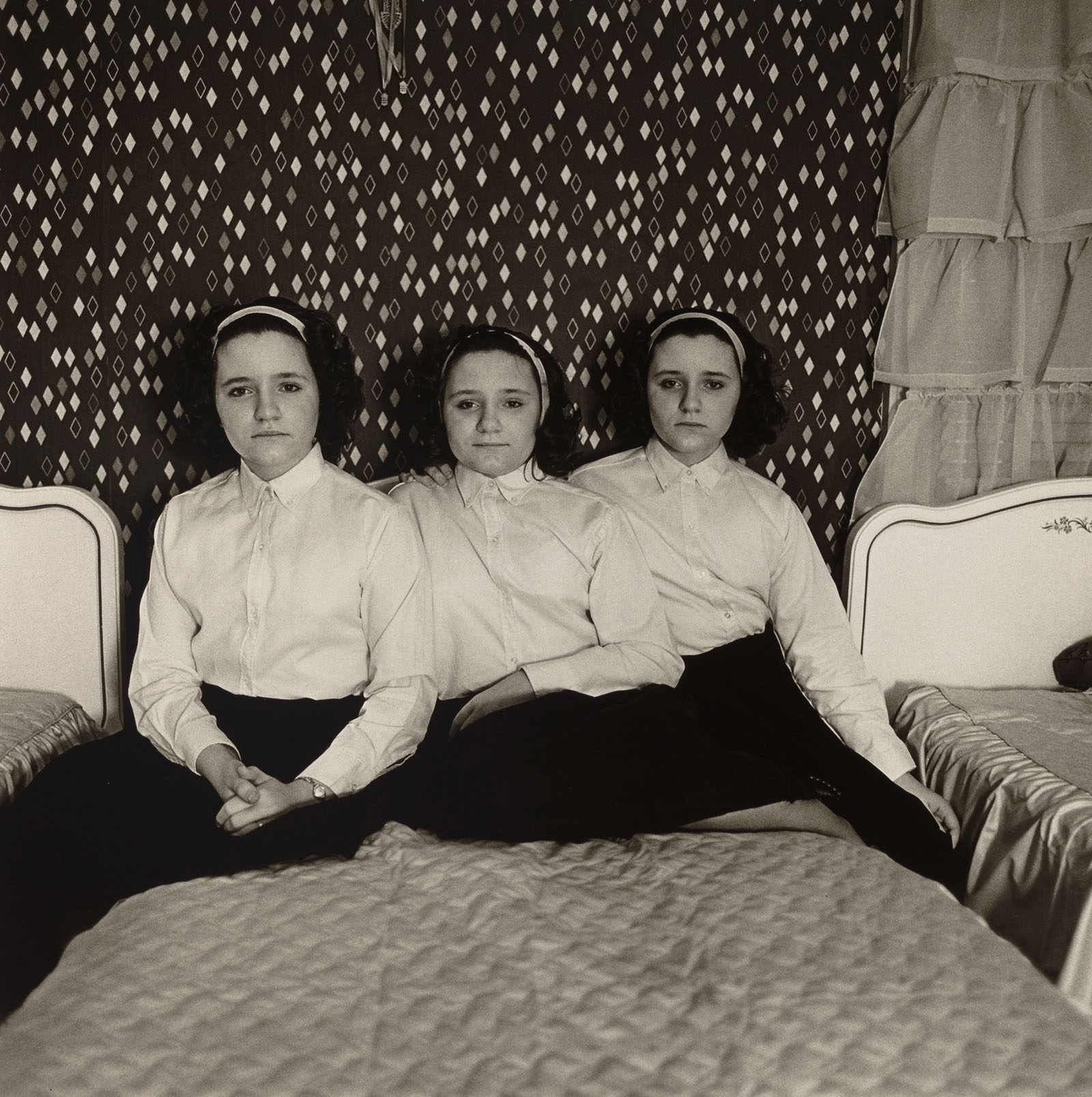
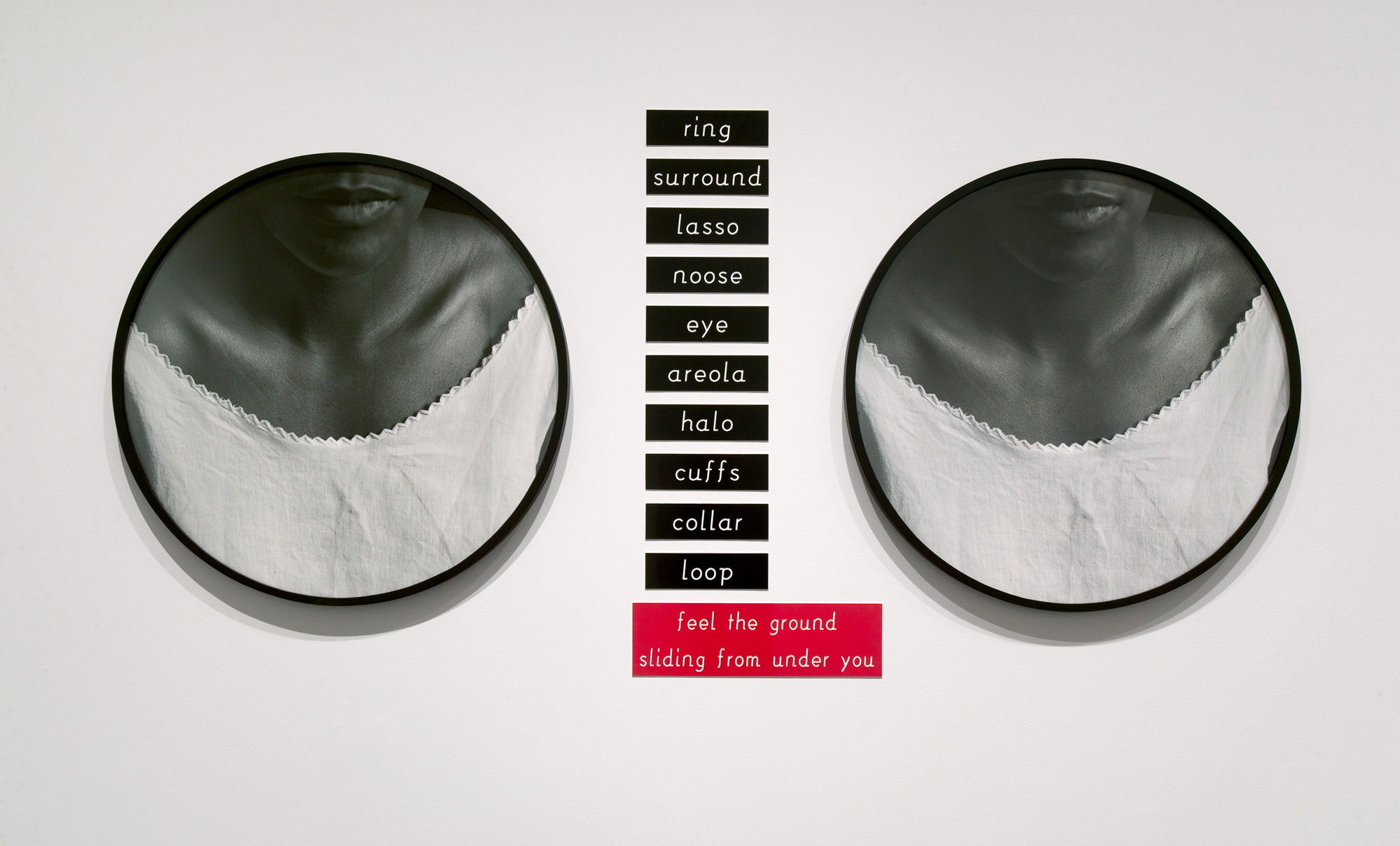

![Ken Domon (Japanese, 1909-1990) 'Allenamento degli allievi del corpo della Marina [Students of the Navy training]' 1936 from the exhibition 'Ken Domon: Master of Japanese Realism' at the Museo dell'Ara Pacis, Rome, May - Sept, 2016](https://artblart.com/wp-content/uploads/2016/08/2-domon-ken-web.jpg "Ken Domon (Japanese, 1909-1990) 'Allenamento degli allievi del corpo della Marina [Students of the Navy training]' 1936 from the exhibition 'Ken Domon: Master of Japanese Realism' at the Museo dell'Ara Pacis, Rome, May - Sept, 2016")
![Ken Domon (Japanese, 1909-1990) 'Esercitazioni delle crocerossine' [Red Cross exercises] 1938 from the exhibition 'Ken Domon: Master of Japanese Realism' at the Museo dell'Ara Pacis, Rome, May - Sept, 2016](https://artblart.com/wp-content/uploads/2016/08/3-domon-ken-web.jpg "Ken Domon (Japanese, 1909-1990) 'Esercitazioni delle crocerossine' [Red Cross exercises] 1938 from the exhibition 'Ken Domon: Master of Japanese Realism' at the Museo dell'Ara Pacis, Rome, May - Sept, 2016")

![Ken Domon. 'Bambini che fanno roteare gli ombrelli [Kids twirling umbrellas]' c. 1937](https://artblart.com/wp-content/uploads/2016/08/15-domon-ken-web.jpg "Ken Domon. 'Bambini che fanno roteare gli ombrelli [Kids twirling umbrellas]' c. 1937")
![Ken Domon (Japanese, 1909-1990) 'Esercitazioni delle crocerossine [Red Cross exercises]' 1938](https://artblart.com/wp-content/uploads/2016/08/4-domon-ken-web.jpg "Ken Domon (Japanese, 1909-1990) 'Esercitazioni delle crocerossine [Red Cross exercises]' 1938")
![Ken Domon (Japanese, 1909-199 'Foto commemorativa della cerimonia di diploma del corpo della Marina' [Commemorative photo of the Marine Corp graduation ceremony] 1944](https://artblart.com/wp-content/uploads/2016/08/5-domon-ken-web.jpg "Ken Domon (Japanese, 1909-199 'Foto commemorativa della cerimonia di diploma del corpo della Marina' [Commemorative photo of the Marine Corp graduation ceremony] 1944")
![Ken Domon (Japanese, 1909-1990) 'Vigile urbano a Ginza 4-chōme' [Traffic policeman in Ginza 4-chōme] 1946](https://artblart.com/wp-content/uploads/2016/08/6-domon-ken-web.jpg "Ken Domon (Japanese, 1909-1990) 'Vigile urbano a Ginza 4-chōme' [Traffic policeman in Ginza 4-chōme] 1946")
![Ken Domon (Japanese, 1909-1990) 'Pescatrici di perle (ama san)' [Pearl fisherwomen] 1948](https://artblart.com/wp-content/uploads/2016/08/9-domon-ken-web.jpg "Ken Domon (Japanese, 1909-1990) 'Pescatrici di perle (ama san)' [Pearl fisherwomen] 1948")
![Ken Domon (Japanese, 1909-1990) 'Donne a passeggio' [Women walking] 1950](https://artblart.com/wp-content/uploads/2016/08/7-domon-ken-web.jpg "Ken Domon (Japanese, 1909-1990) 'Donne a passeggio' [Women walking] 1950")
![Ken Domon (Japanese, 1909-1990) 'L'attrice Yamaguchi Yoshiko' [The actress Yoshiko Yamaguchi] 1952](https://artblart.com/wp-content/uploads/2016/08/8-domon-ken-web.jpg "Ken Domon (Japanese, 1909-1990) 'L'attrice Yamaguchi Yoshiko' [The actress Yoshiko Yamaguchi] 1952")
![Ken Domon (Japanese, 1909-1990) 'Sit-in studentesco a Tachikawa contro l'ampliamento della base americana' [Student sit-in in Tachikawa against the expansion of US base] 1955](https://artblart.com/wp-content/uploads/2016/08/10-domon-ken-web.jpg "Ken Domon (Japanese, 1909-1990) 'Sit-in studentesco a Tachikawa contro l'ampliamento della base americana' [Student sit-in in Tachikawa against the expansion of US base] 1955")
![Ken Domon (Japanese, 1909-1990) 'Sorelline orfane, Rumie e Sayuri' [Orphan sisters, Rumie and Sayuri] 1959](https://artblart.com/wp-content/uploads/2016/08/12-domon-ken-web.jpg "Ken Domon (Japanese, 1909-1990) 'Sorelline orfane, Rumie e Sayuri' [Orphan sisters, Rumie and Sayuri] 1959")

![Ken Domon (Japanese, 1909-1990) 'Lucertola [Lizard]' 1955](https://artblart.com/wp-content/uploads/2016/08/13-domon-ken-web.jpg "Ken Domon (Japanese, 1909-1990) 'Lucertola [Lizard]' 1955")
![Ken Domon (Japanese, 1909-1990) 'Pioggerella' [Drizzle] 1952-1954](https://artblart.com/wp-content/uploads/2016/08/14-domon-ken-web.jpg "Ken Domon (Japanese, 1909-1990) 'Pioggerella' [Drizzle] 1952-1954")
![Ken Domon (Japanese, 1909-1990) 'Bagno presso il fiume davanti allo Hiroshima Dome' [Bath at the river in front of the Hiroshima Dome] 1957](https://artblart.com/wp-content/uploads/2016/08/16-domon-ken-web.jpg "Ken Domon (Japanese, 1909-1990) 'Bagno presso il fiume davanti allo Hiroshima Dome' [Bath at the river in front of the Hiroshima Dome] 1957")
![Ken Domon (Japanese, 1909-1990) 'La morte di Keiji' [The death of Keiji] 1957](https://artblart.com/wp-content/uploads/2016/08/20-domon-ken-web.jpg "Ken Domon (Japanese, 1909-1990) 'La morte di Keiji' [The death of Keiji] 1957")
![Ken Domon (Japanese, 1909-1990) 'Paziente in ospedale' [Hospital patient] 1957](https://artblart.com/wp-content/uploads/2016/08/17-domon-ken-web.jpg "Ken Domon (Japanese, 1909-1990) 'Paziente in ospedale' [Hospital patient] 1957")
![Ken Domon (Japanese, 1909-1990) 'Donna in cura per le lesioni da bomba atomica' [Women being treated for injuries from atomic bomb] 1957](https://artblart.com/wp-content/uploads/2016/08/18-domon-ken-web.jpg "Ken Domon (Japanese, 1909-1990) 'Donna in cura per le lesioni da bomba atomica' [Women being treated for injuries from atomic bomb] 1957")
![Ken Domon (Japanese, 1909-1990) 'Gemella non vedente' [Blind twin (female)] 1957](https://artblart.com/wp-content/uploads/2016/08/19-domon-ken-web.jpg "Ken Domon (Japanese, 1909-1990) 'Gemella non vedente' [Blind twin (female)] 1957")
![Ken Domon (Japanese, 1909-1990) 'Autoritratto' [Self-portrait] 1958](https://artblart.com/wp-content/uploads/2016/08/21-domon-ken-web.jpg "Ken Domon (Japanese, 1909-1990) 'Autoritratto' [Self-portrait] 1958")


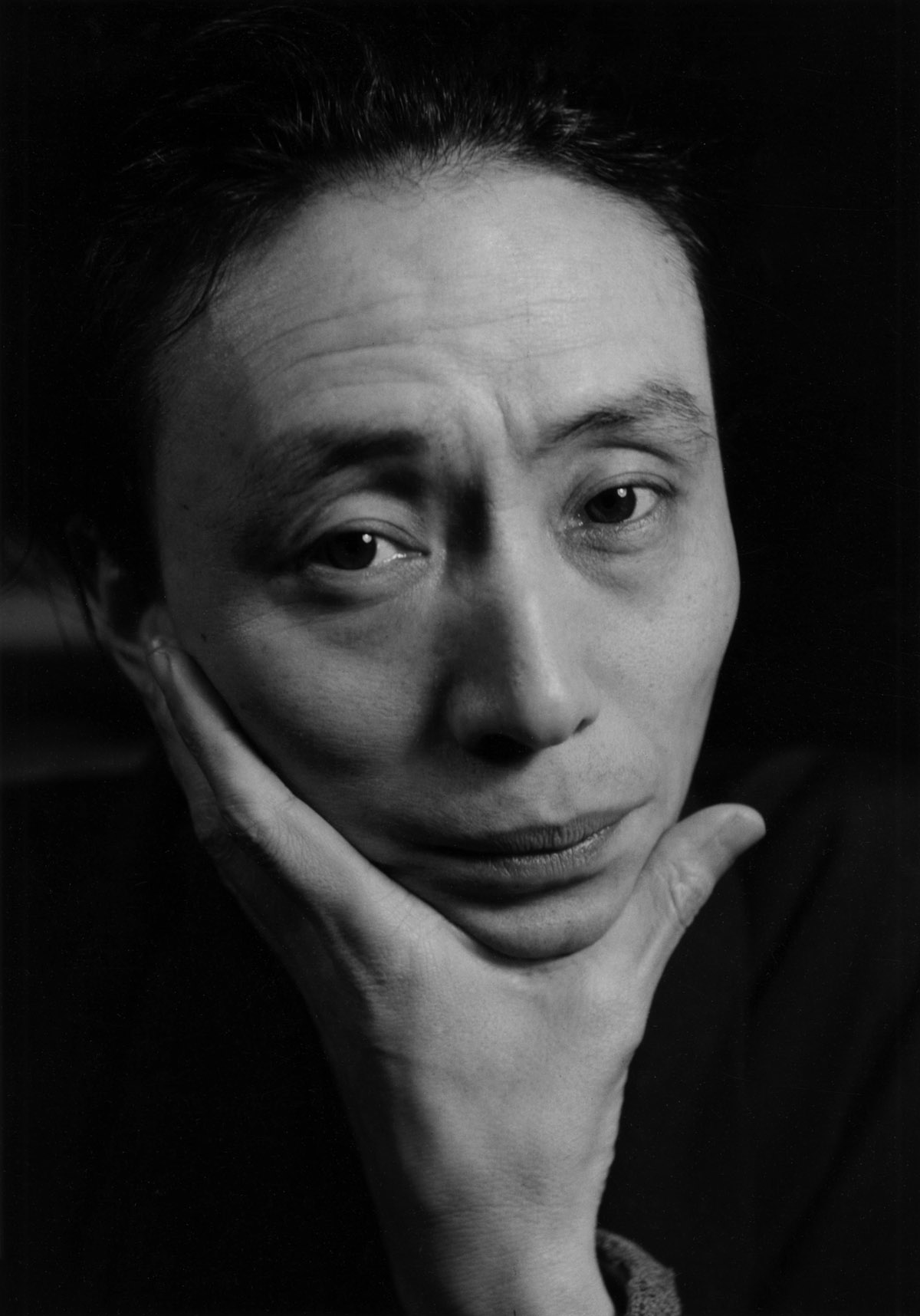

![Ken Domon (Japanese, 1909-1990) 'Ushi (Bue), dai dodici guardiani (jūnishinshō) del Murōji' [Ushi (Ox), one of the twelve guardians (jūnishinshō) of Muroji] 1941-1943](https://artblart.com/wp-content/uploads/2016/08/26-domon-ken-web.jpg "Ken Domon (Japanese, 1909-1990) 'Ushi (Bue), dai dodici guardiani (jūnishinshō) del Murōji' [Ushi (Ox), one of the twelve guardians (jūnishinshō) of Muroji] 1941-1943")
![Ken Domon (Japanese, 1909-1990) 'Hitsuji (Pecora), dai dodici guardiani (jūnishinshō) del Murōji' [Hitsuji (Sheep), one of the twelve guardians (jūnishinshō) of Muroji] 1941-1943](https://artblart.com/wp-content/uploads/2016/08/27-domon-ken-web.jpg "Ken Domon (Japanese, 1909-1990) 'Hitsuji (Pecora), dai dodici guardiani (jūnishinshō) del Murōji' [Hitsuji (Sheep), one of the twelve guardians (jūnishinshō) of Muroji] 1941-1943")
![Ken Domon (Japanese, 1909-1990) 'Buddha Shaka ligneo a figura intera presso il Mirokudō del Murōji [Buddha Shaka wooden full-length at the Mirokudō Muroji]' c. 1943](https://artblart.com/wp-content/uploads/2016/08/30-domon-ken-web.jpg "Ken Domon (Japanese, 1909-1990) 'Buddha Shaka ligneo a figura intera presso il Mirokudō del Murōji [Buddha Shaka wooden full-length at the Mirokudō Muroji]' c. 1943")
![Ken Domon (Japanese, 1909-1990) 'Ōnodera, campana e ciliegi [Onodera, bell and cherry trees]' 1977](https://artblart.com/wp-content/uploads/2016/08/28-domon-ken-web.jpg "Ken Domon (Japanese, 1909-1990) 'Ōnodera, campana e ciliegi [Onodera, bell and cherry trees]' 1977")
![Ken Domon (Japanese, 1909-1990) 'Pagoda del Murōji con la neve [Pagoda Muroji with snow]' 1978](https://artblart.com/wp-content/uploads/2016/08/29-domon-ken-web.jpg "Ken Domon (Japanese, 1909-1990) 'Pagoda del Murōji con la neve [Pagoda Muroji with snow]' 1978")
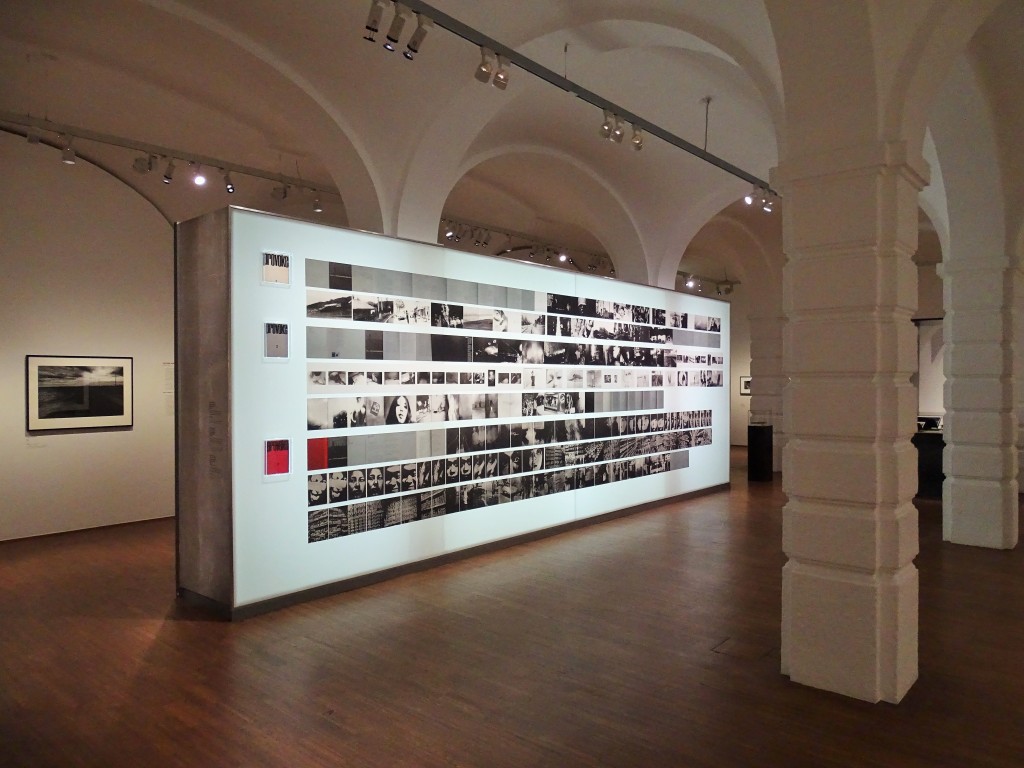


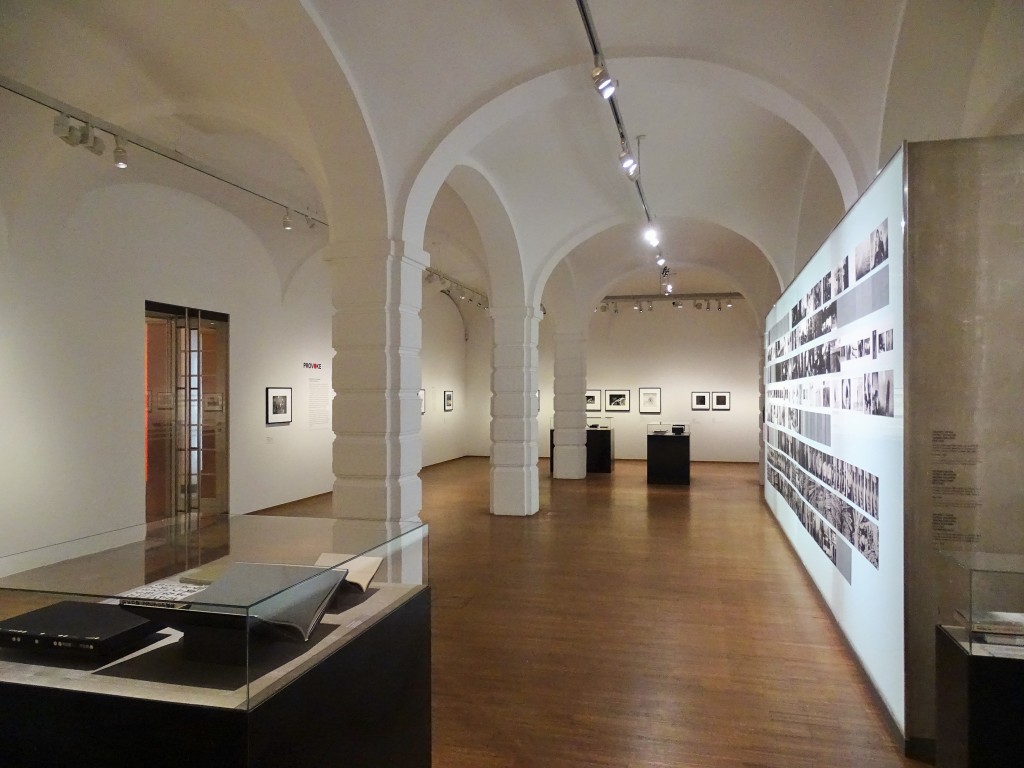


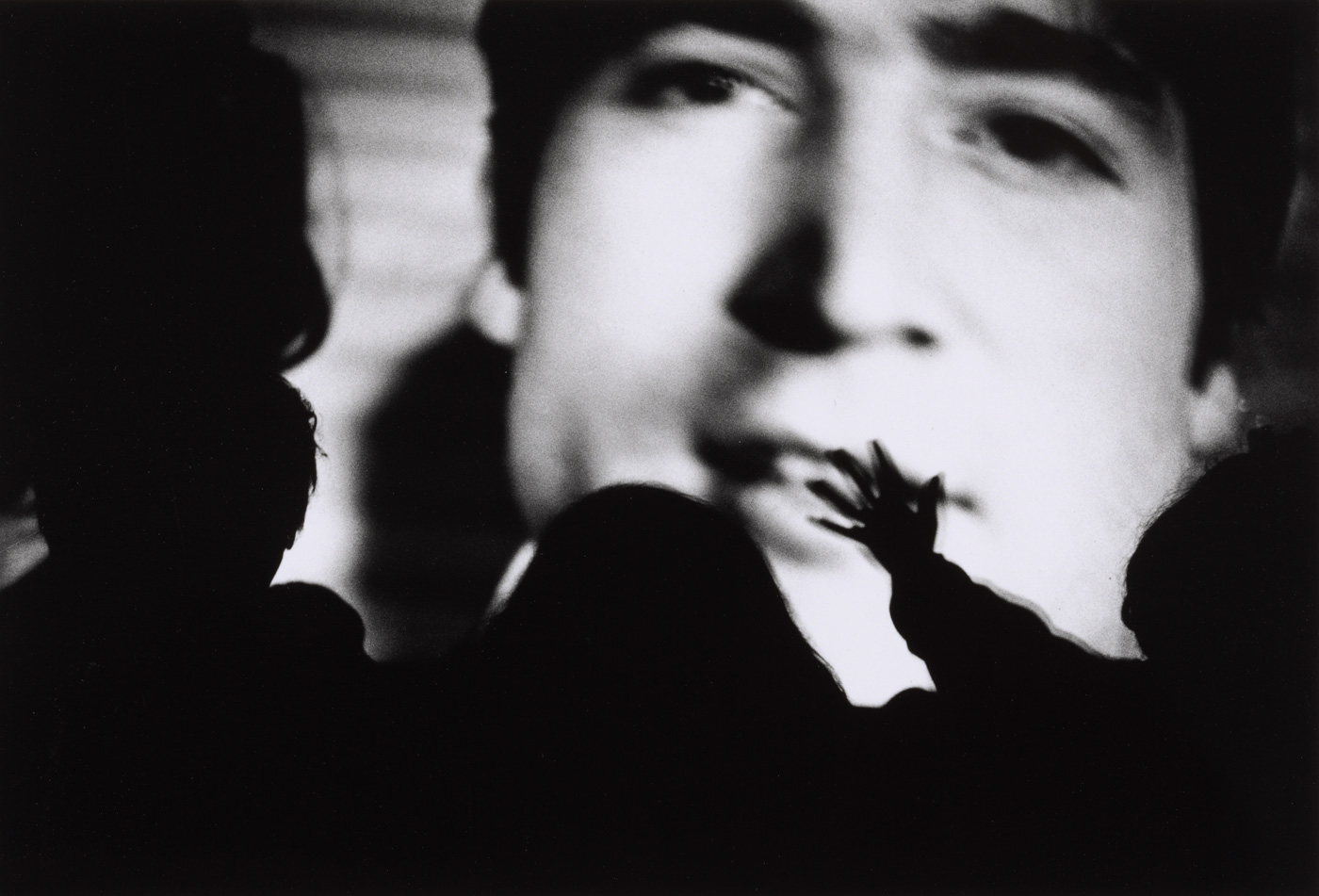

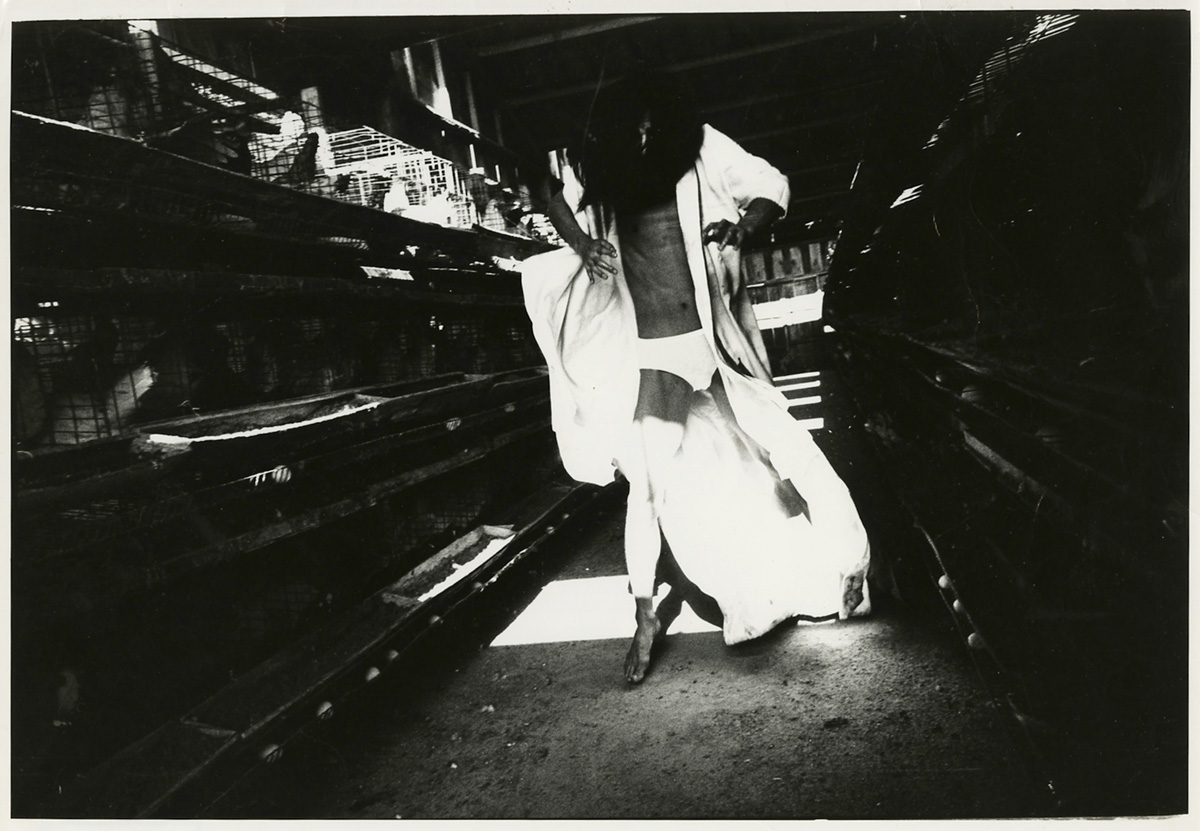


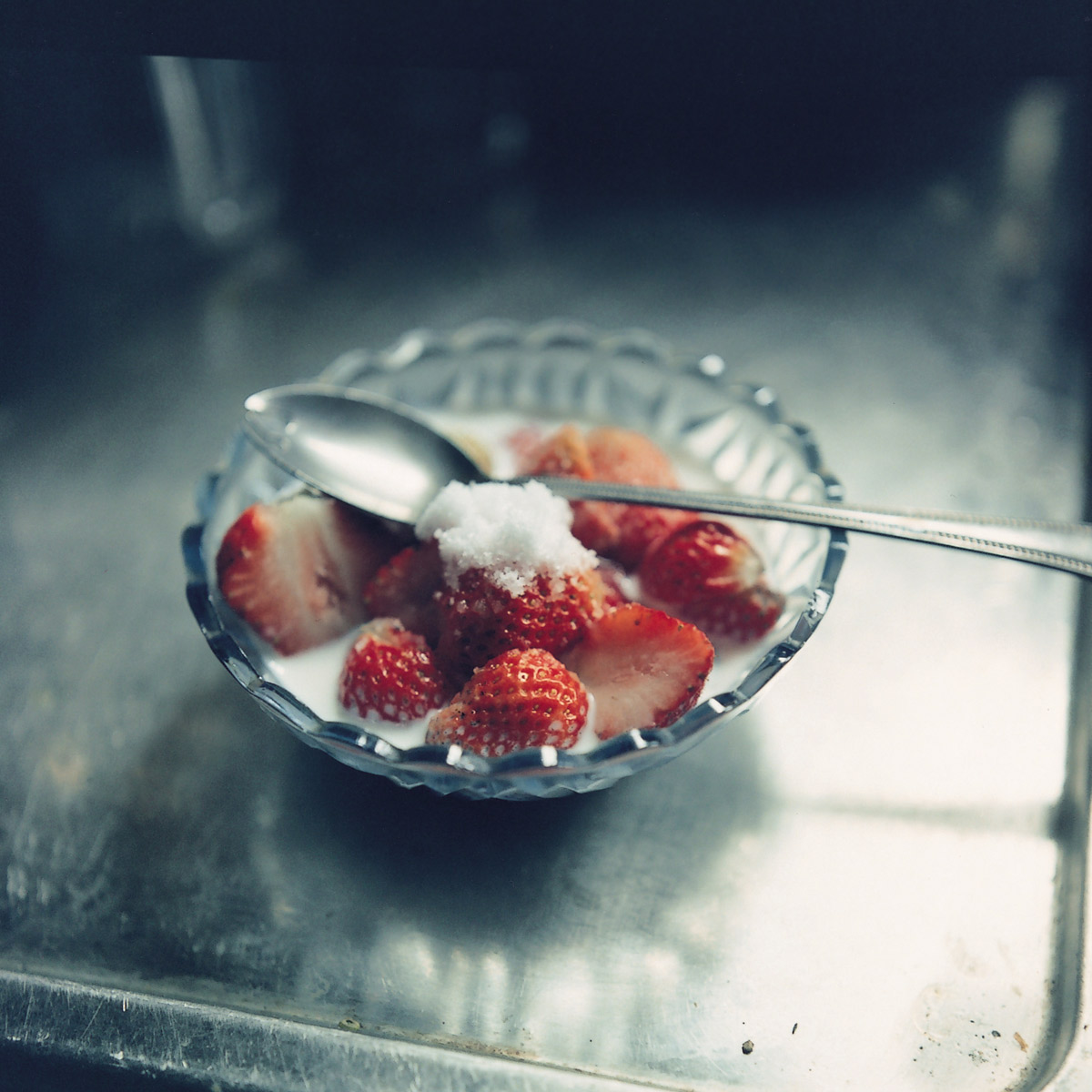


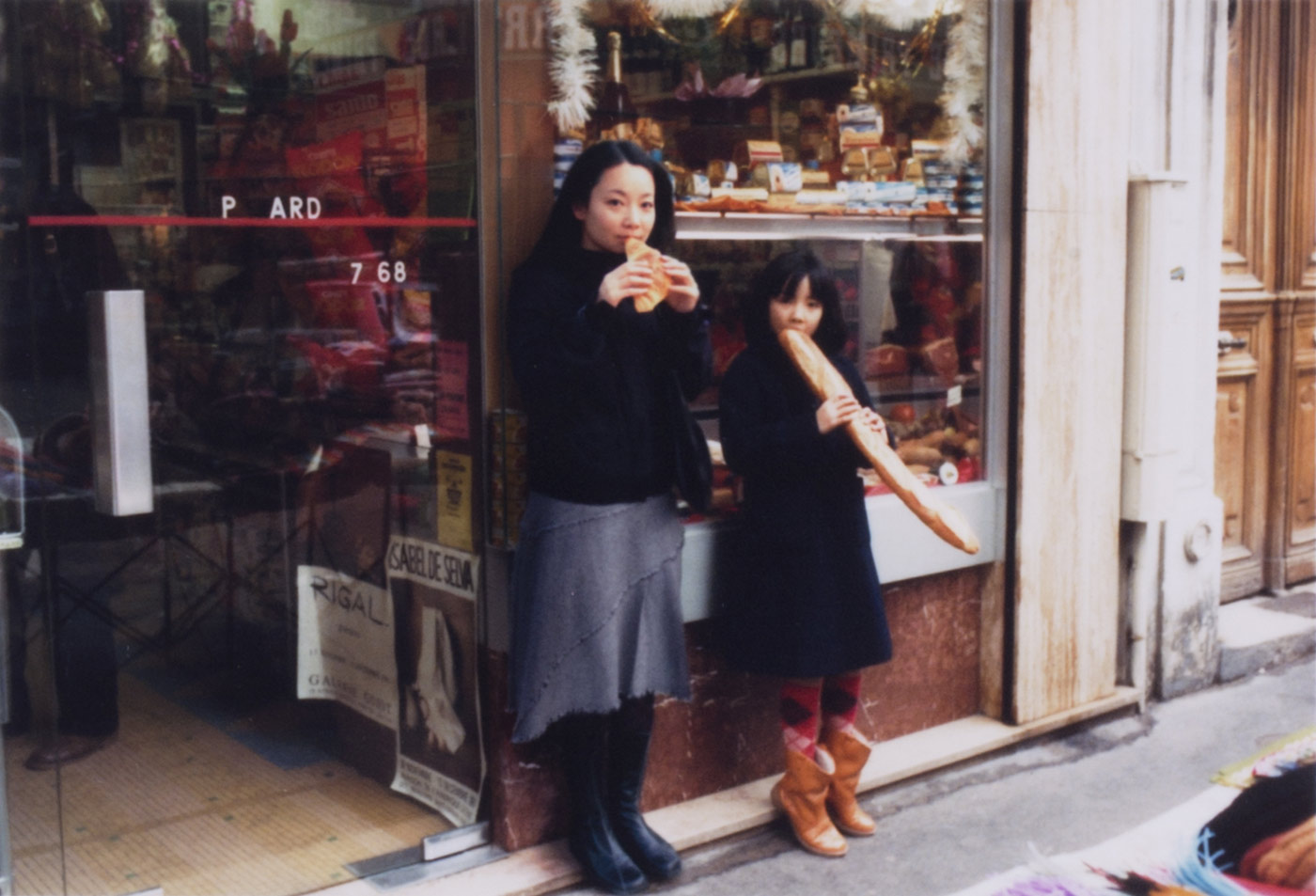


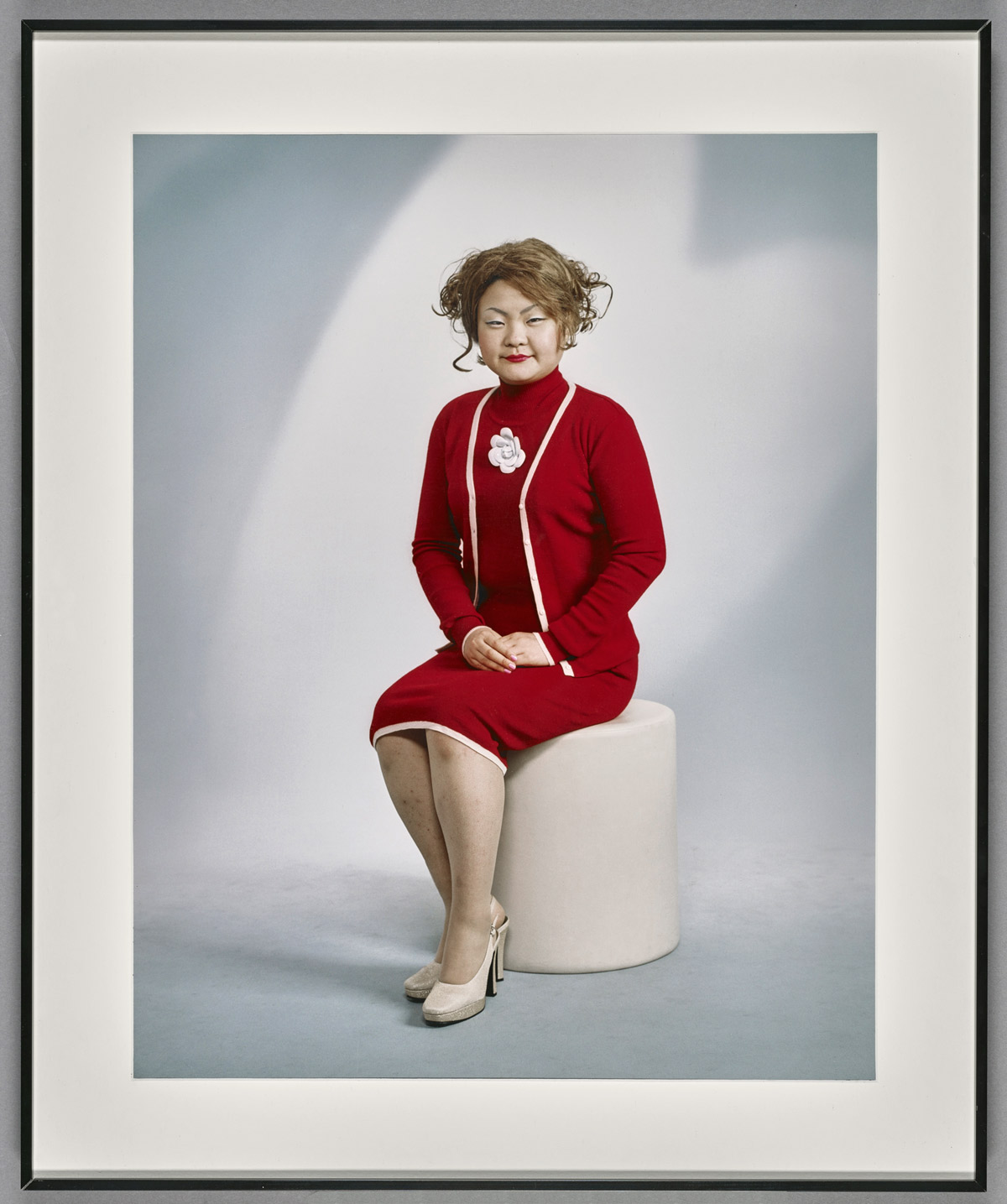


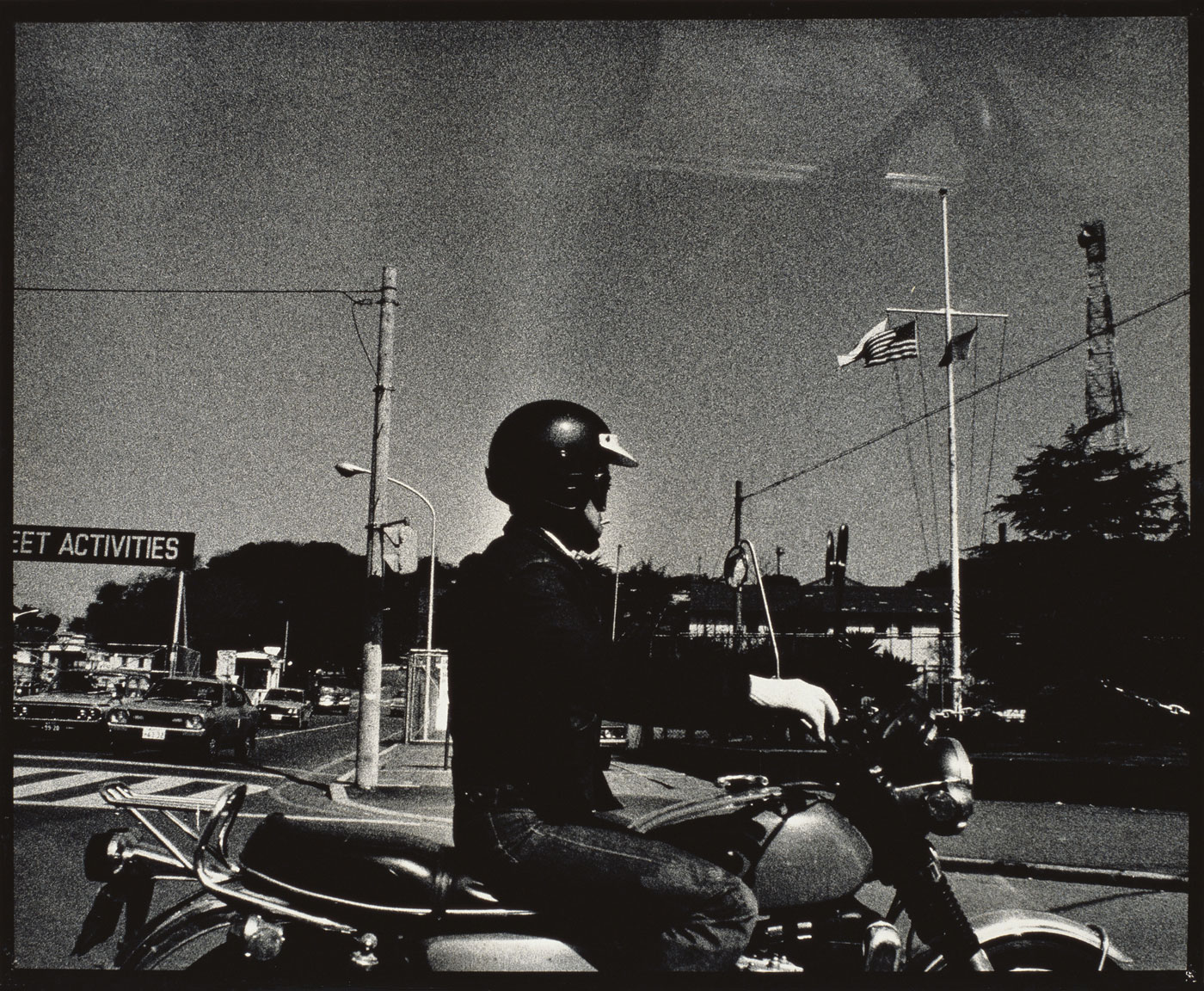


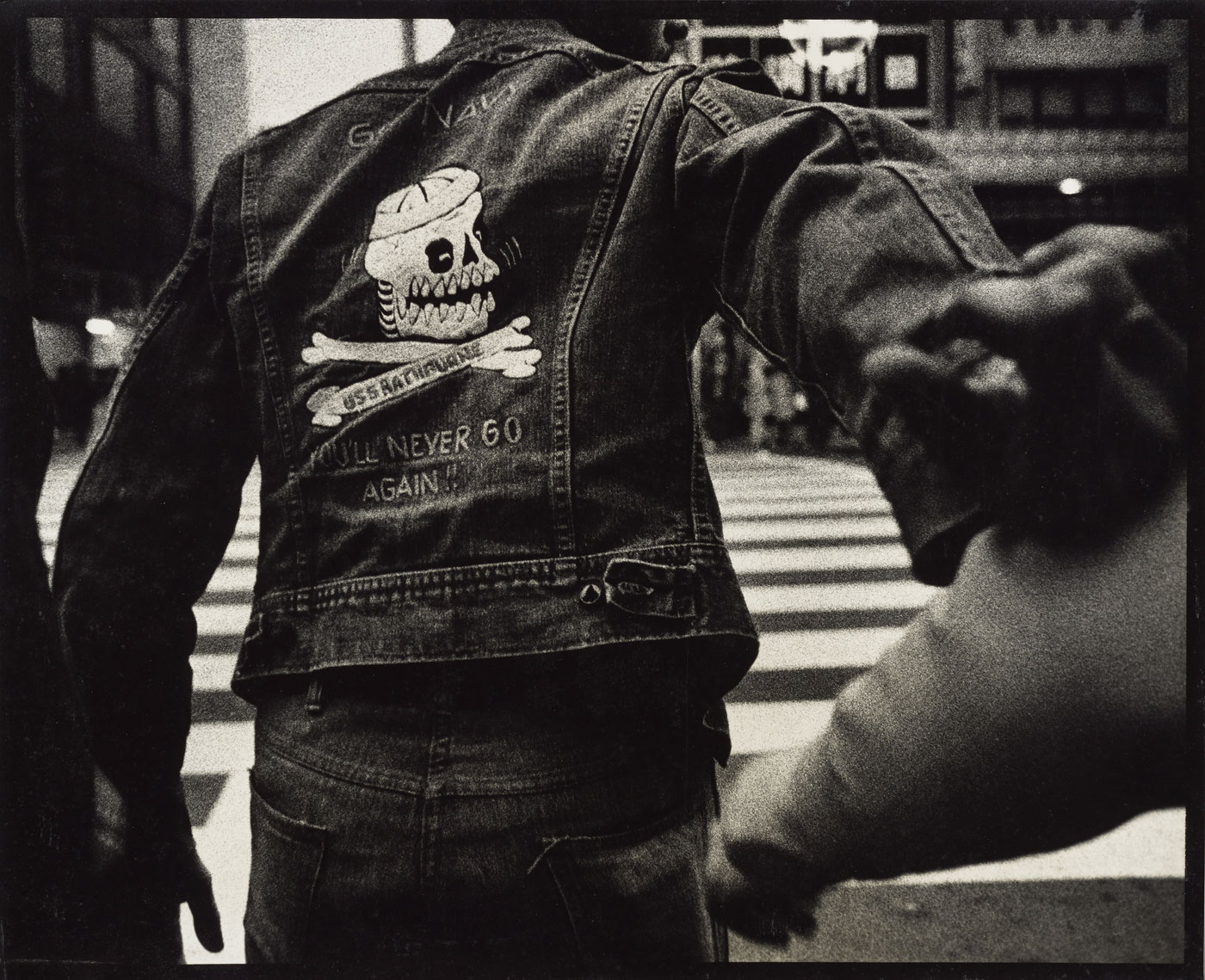


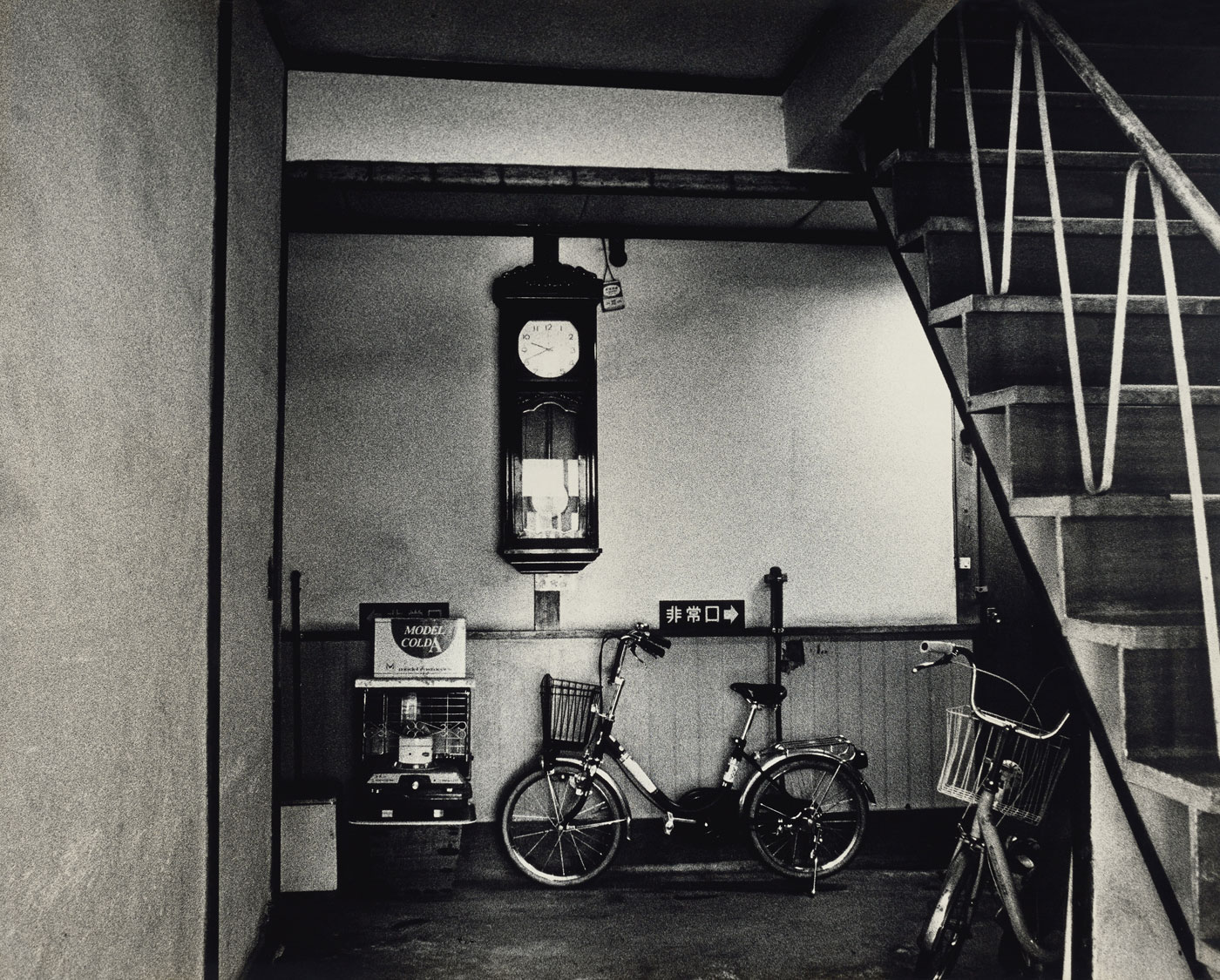


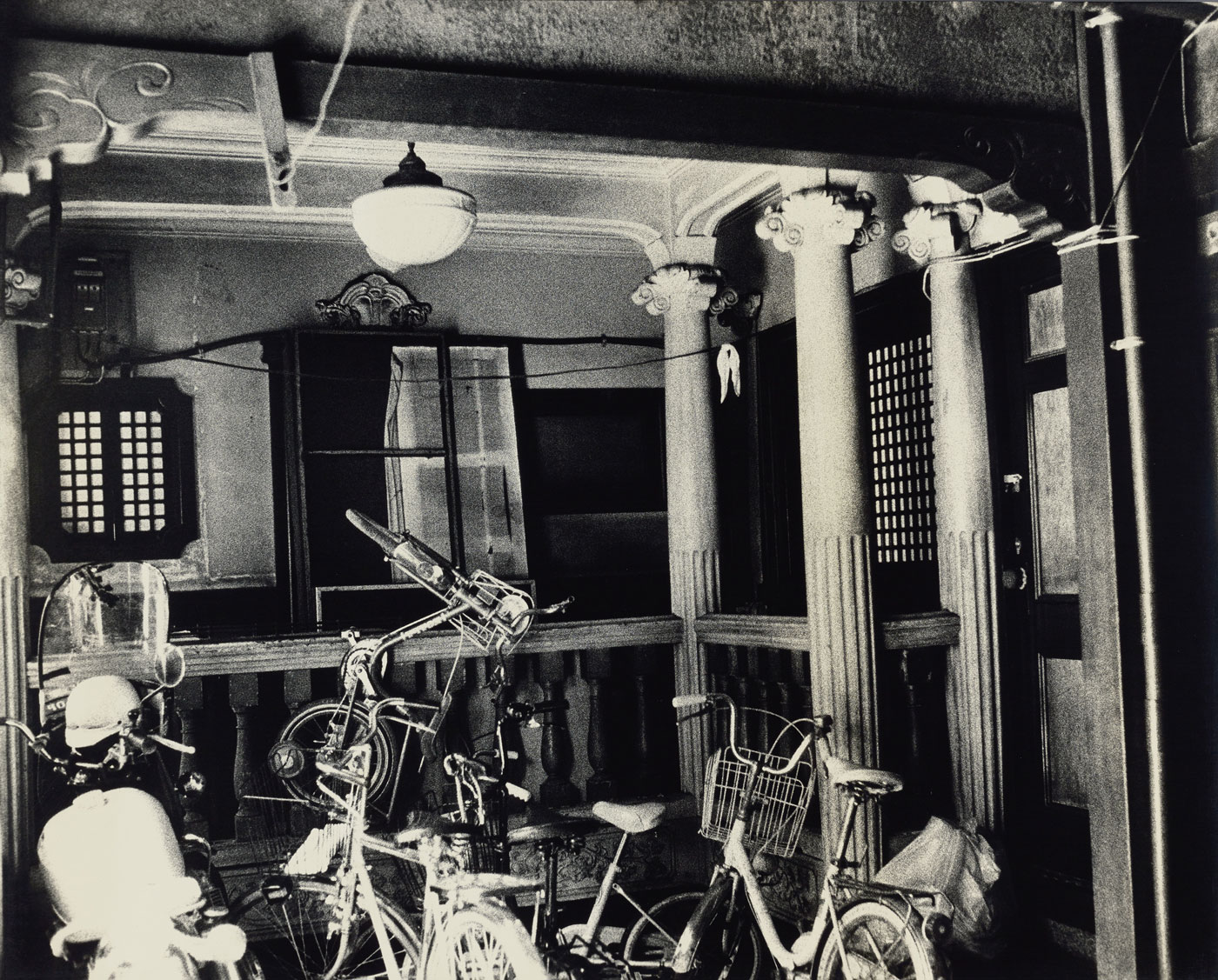


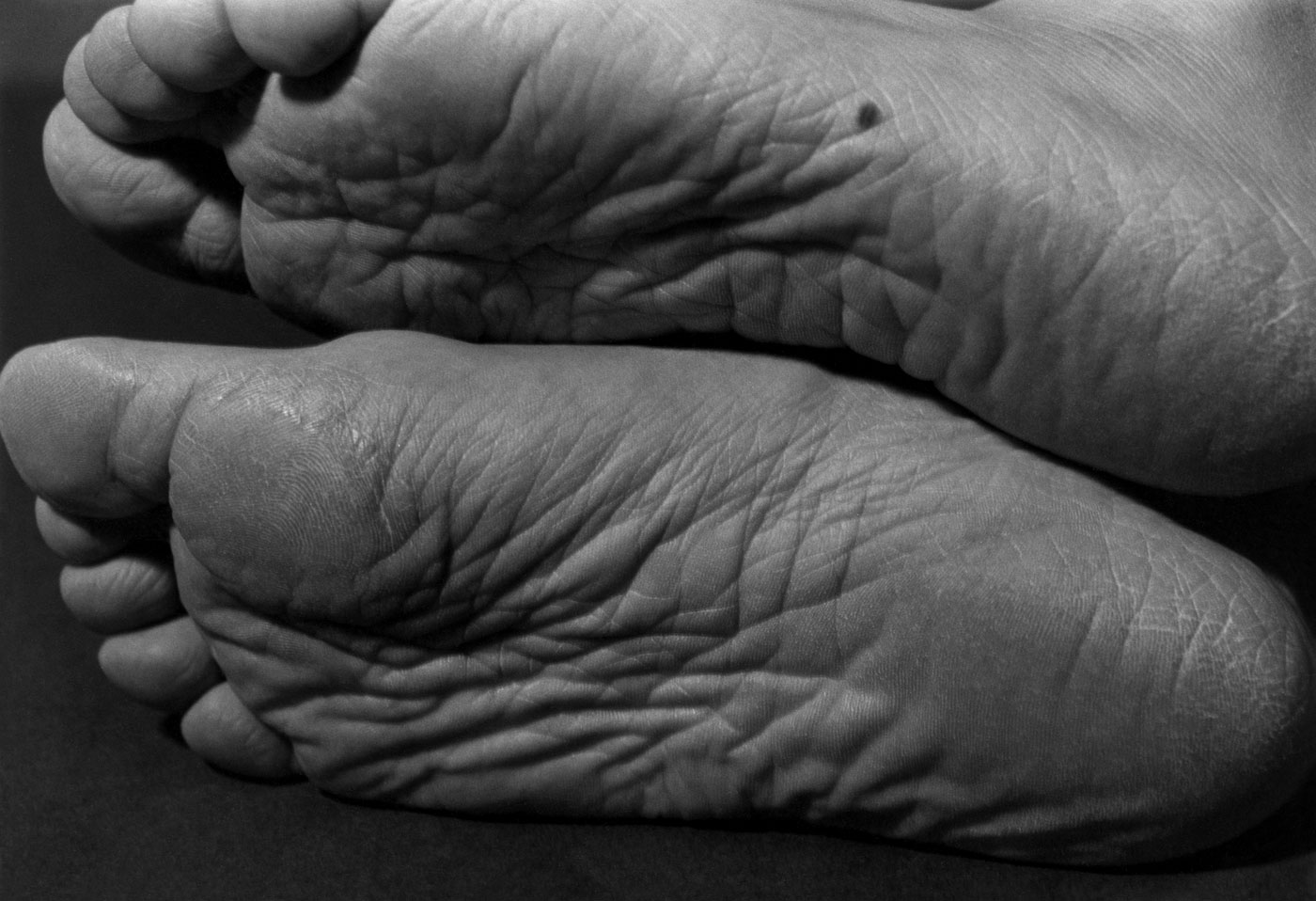
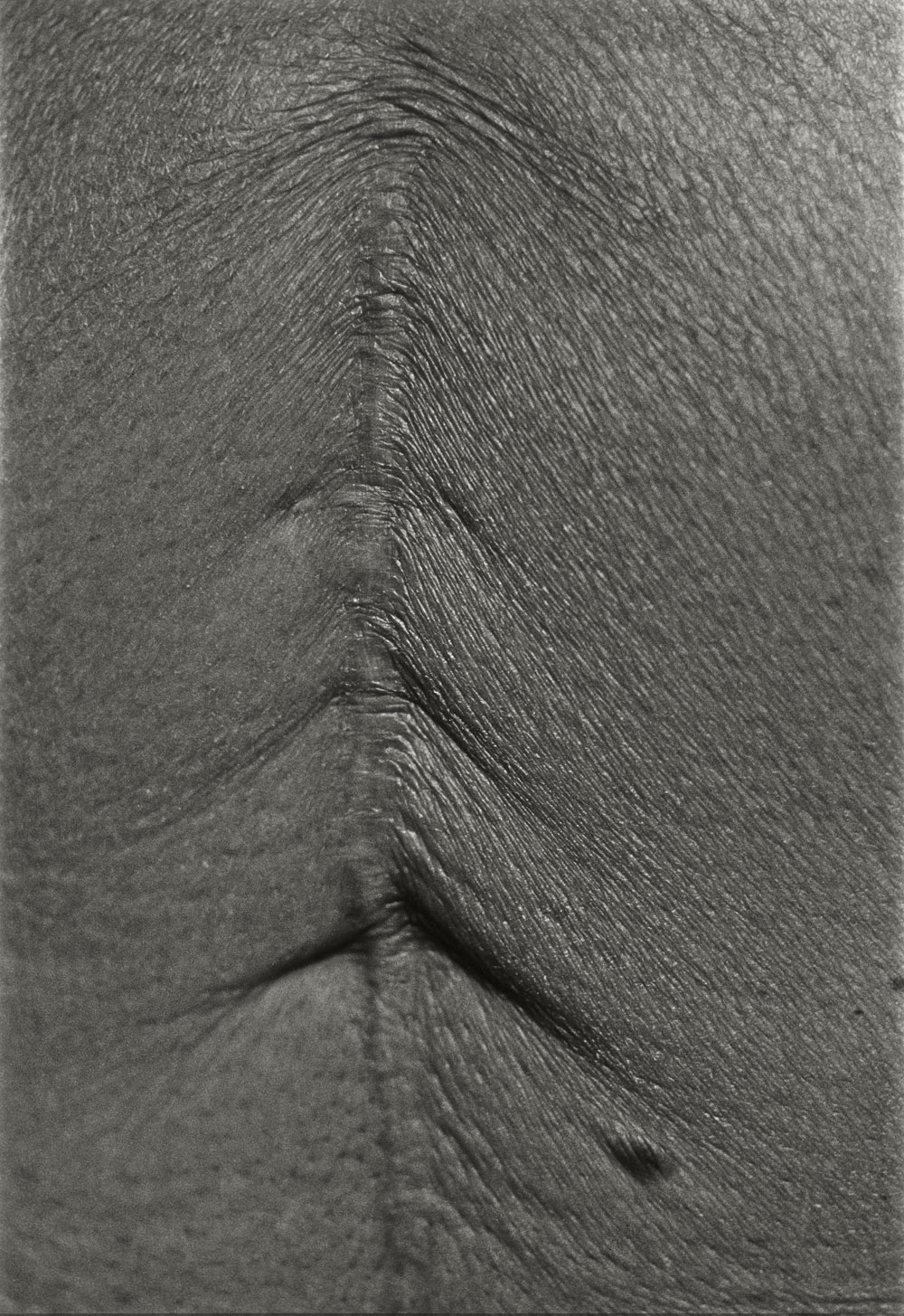

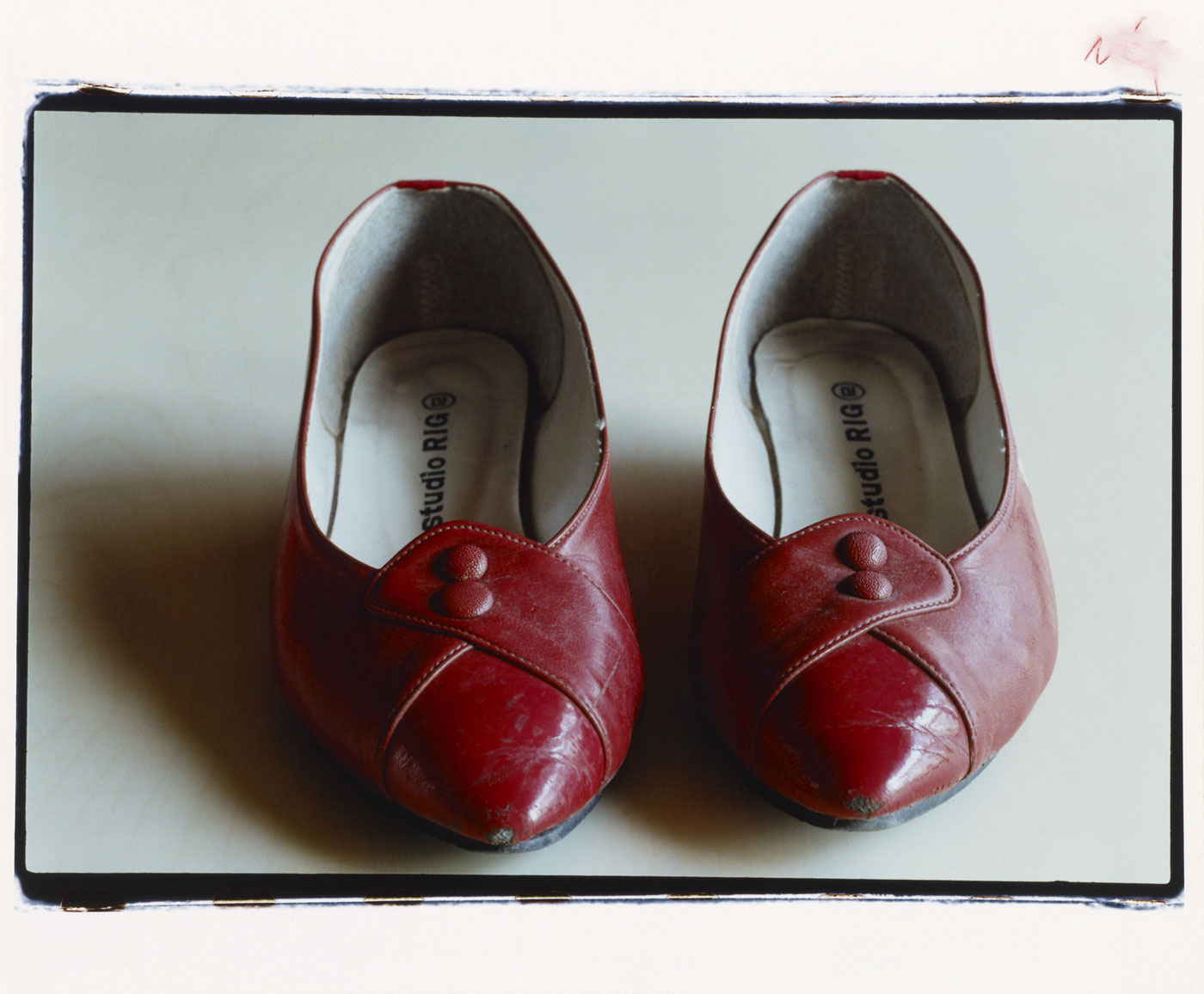

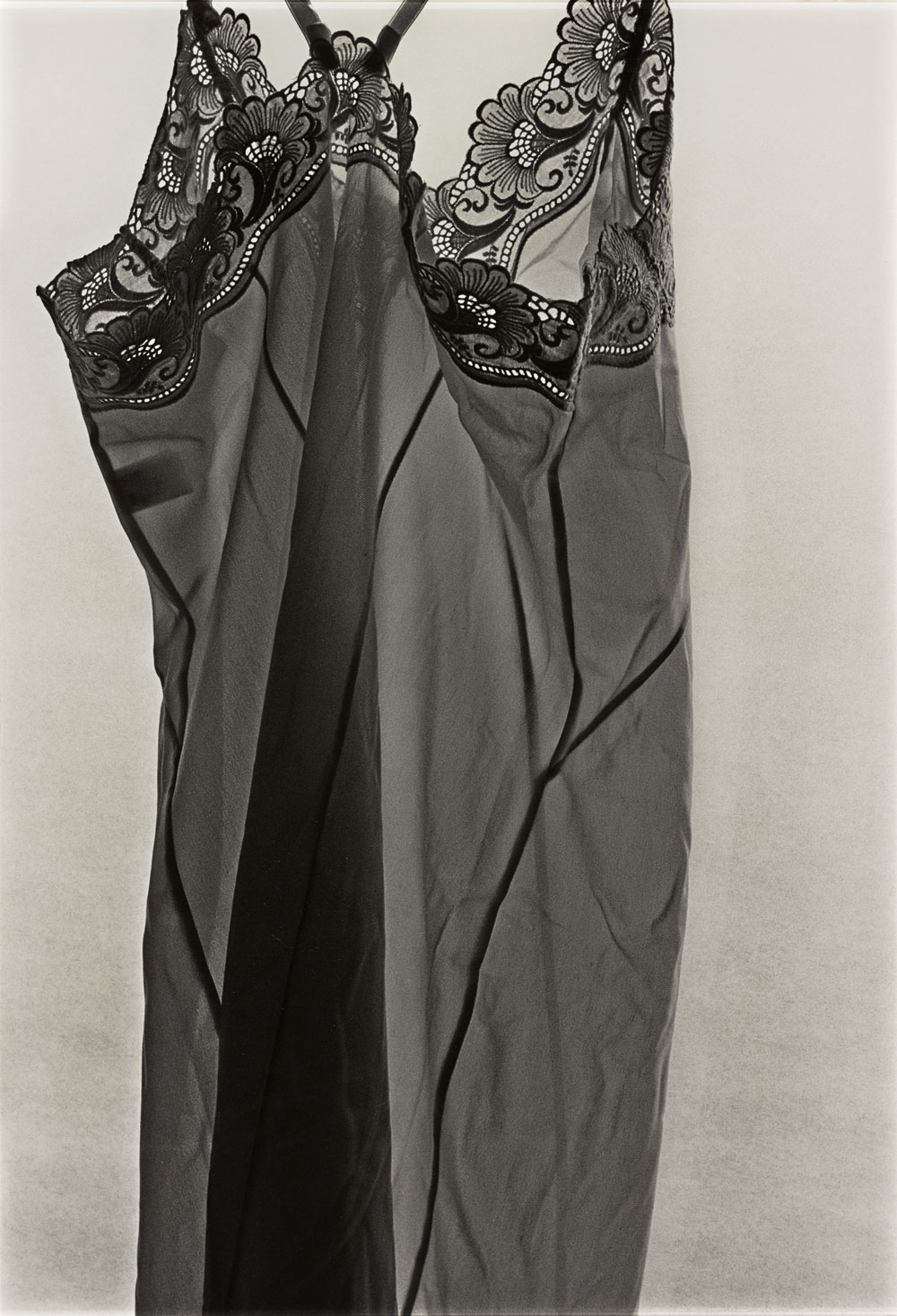


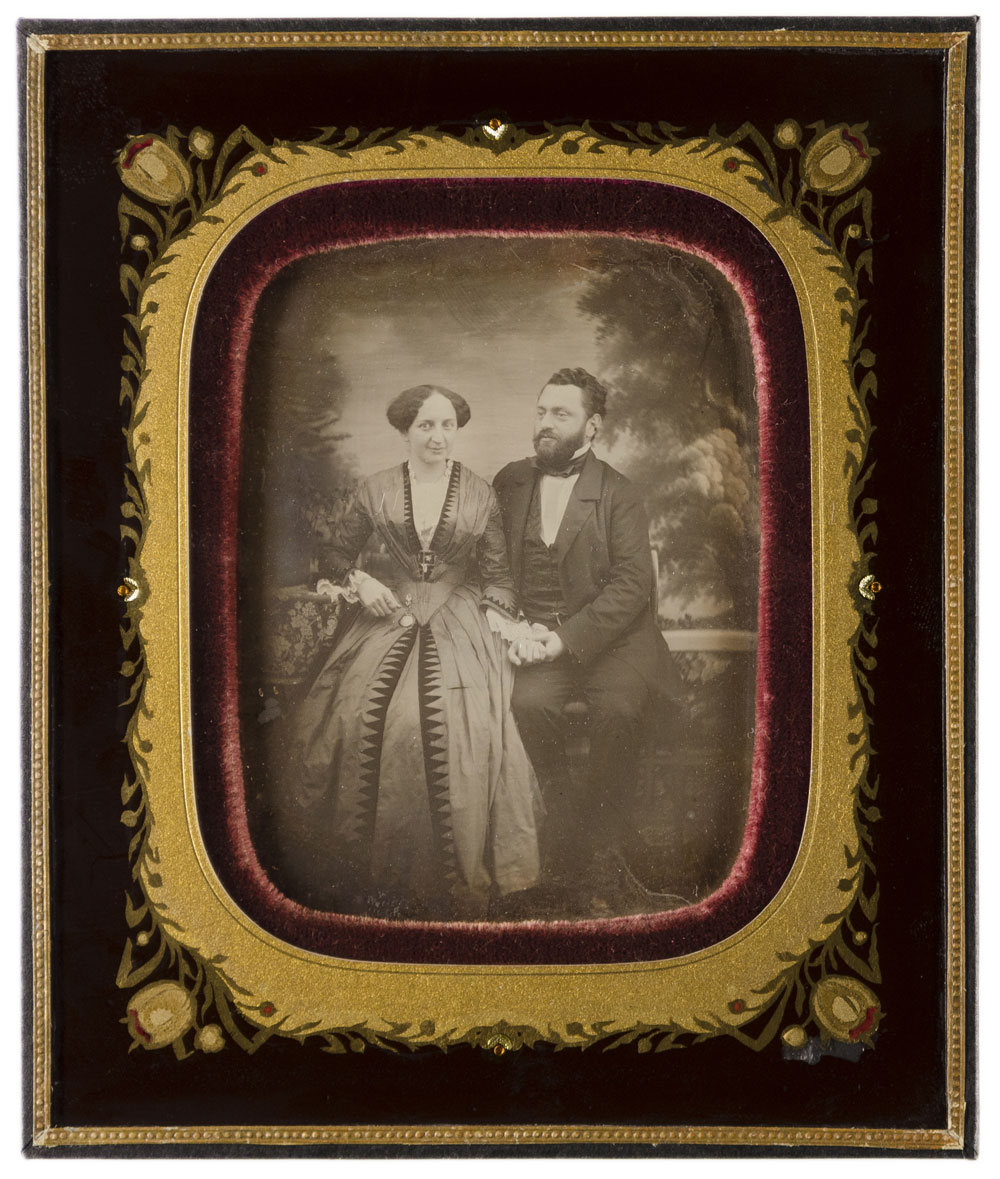


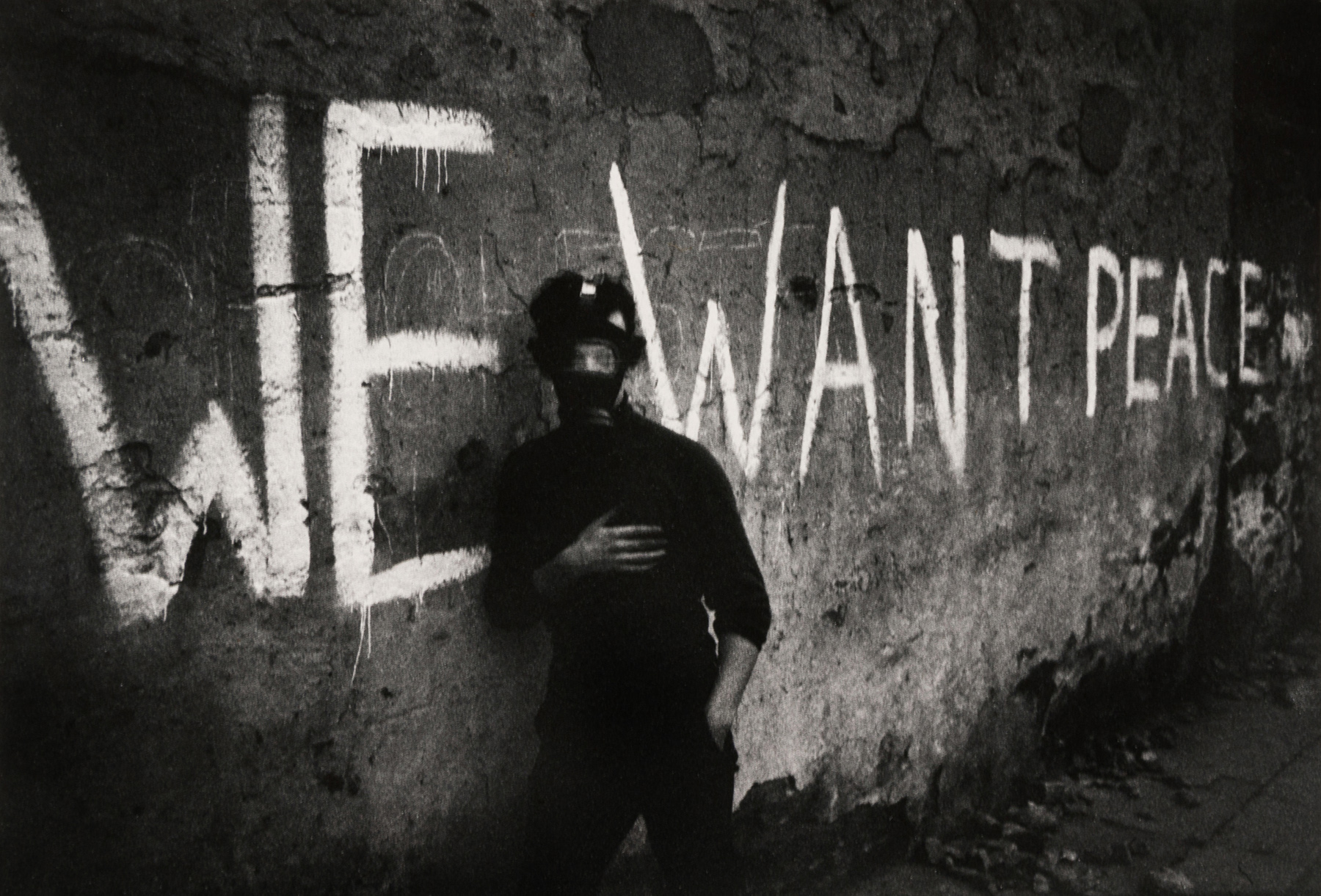




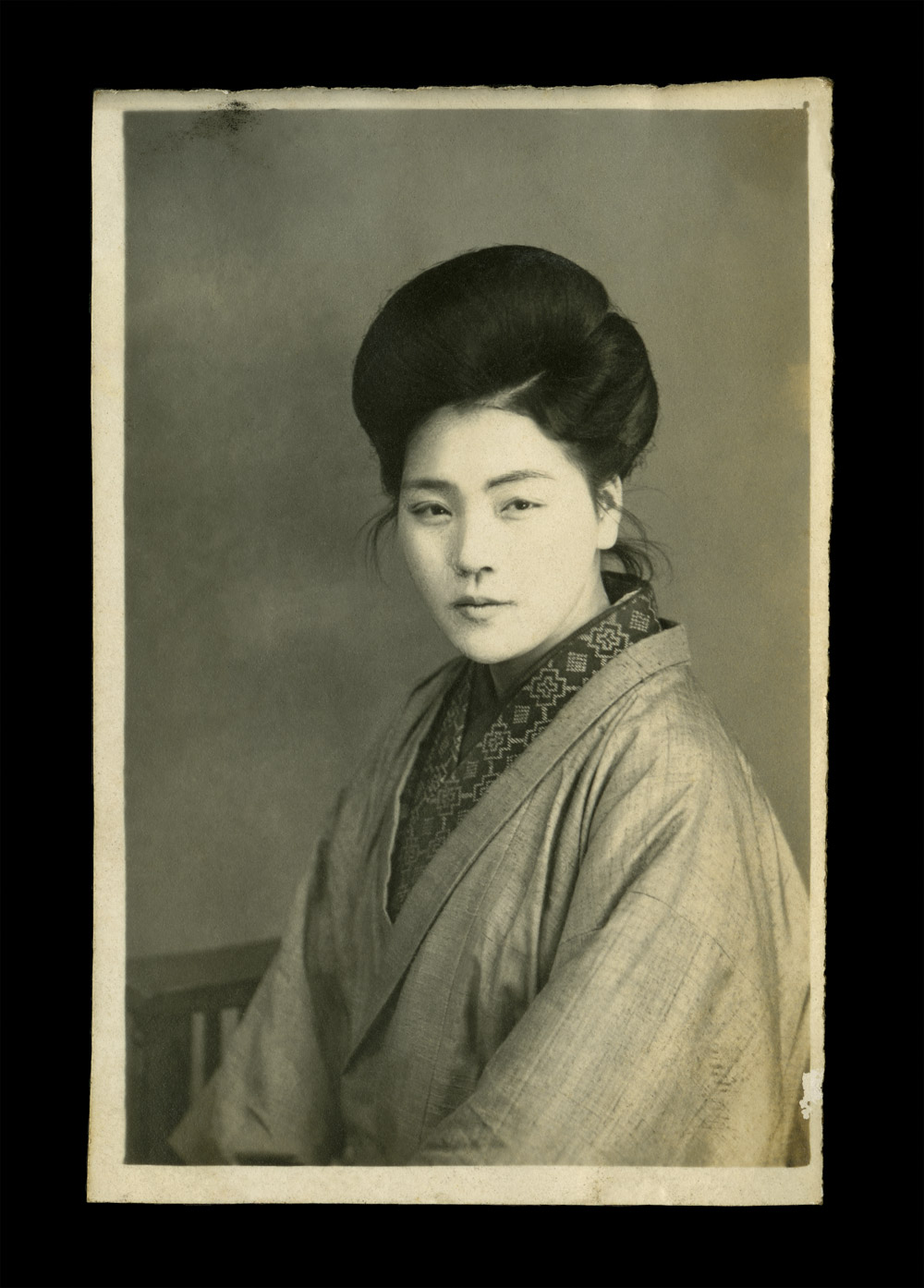
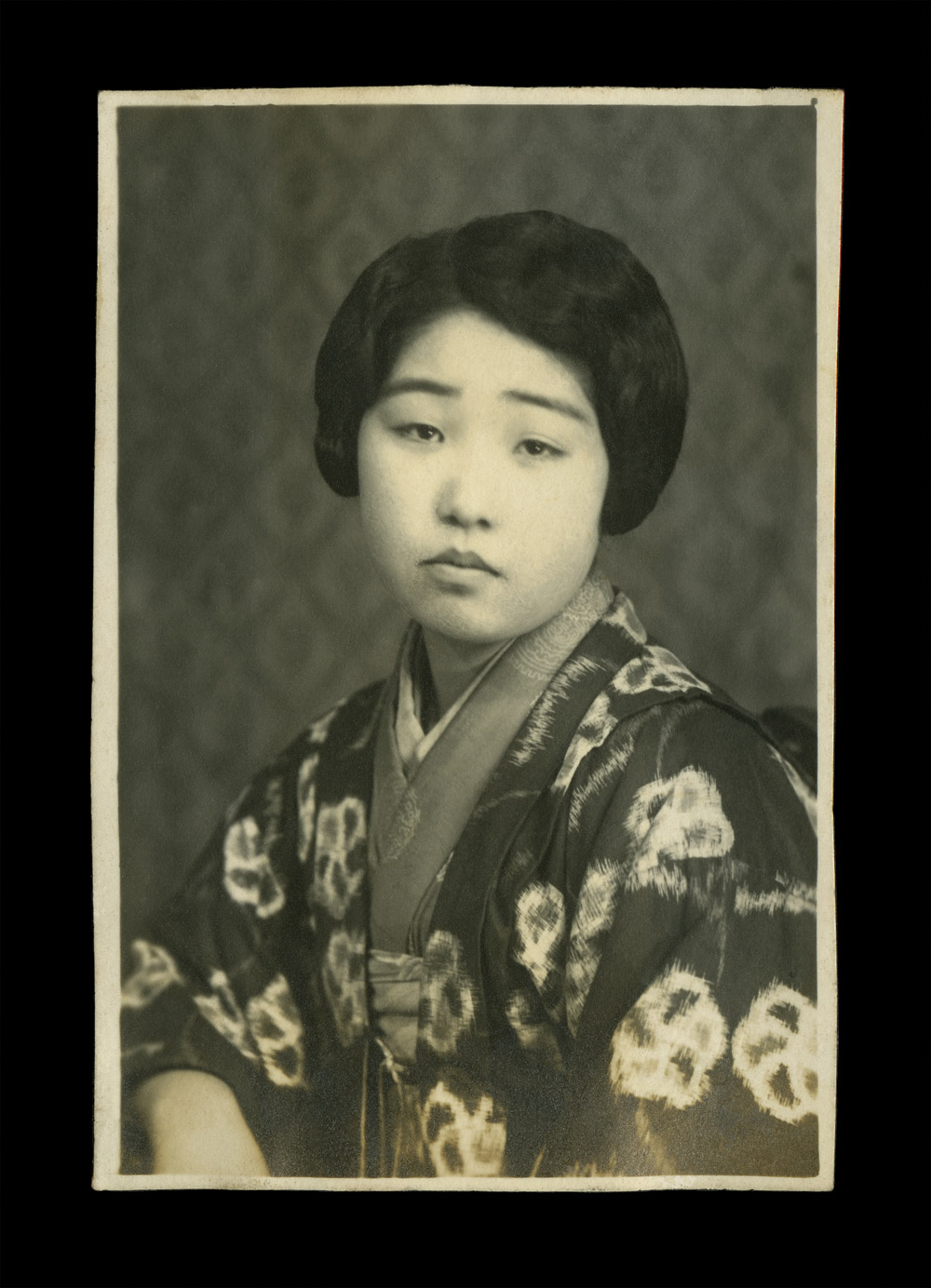
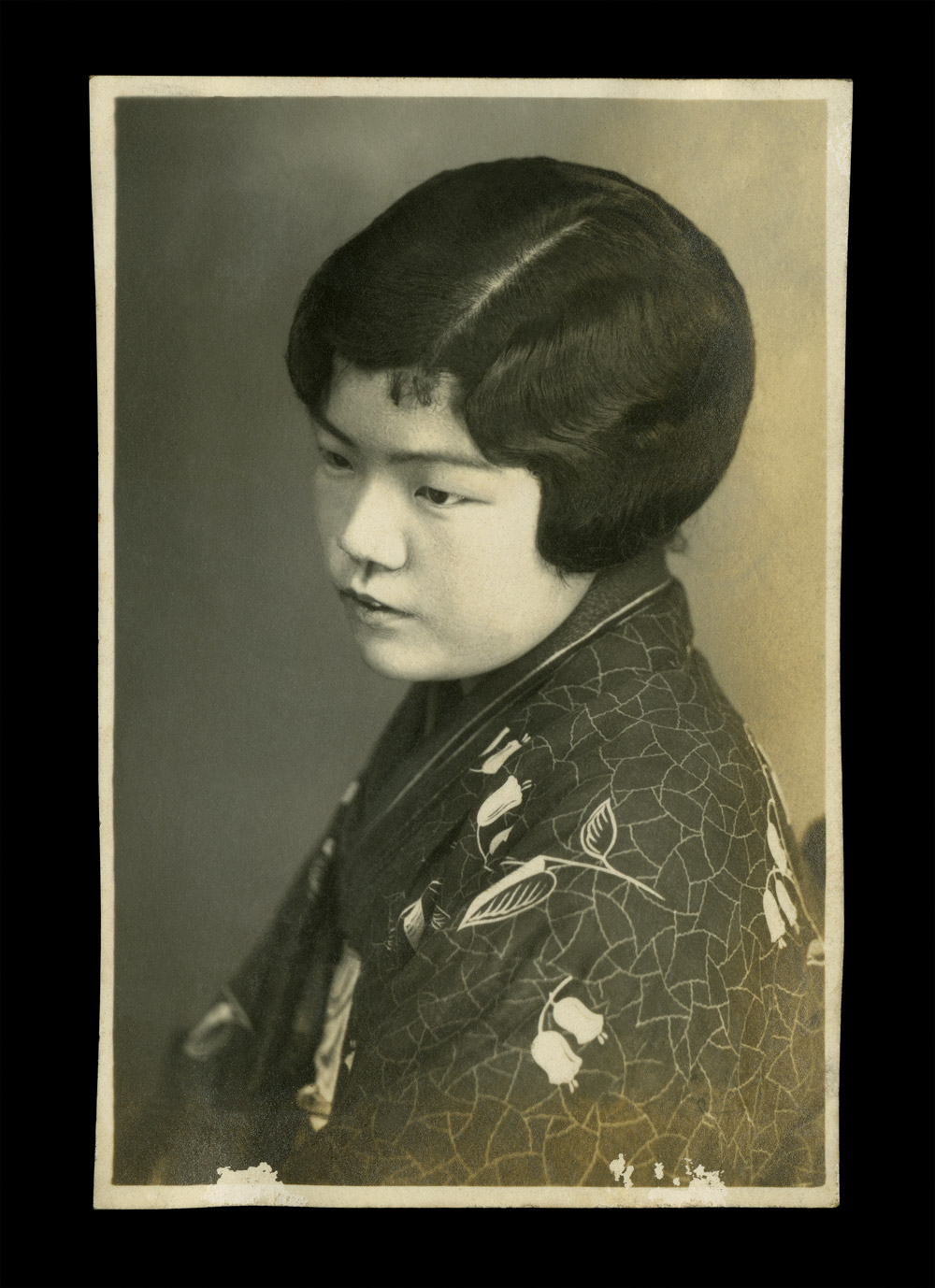
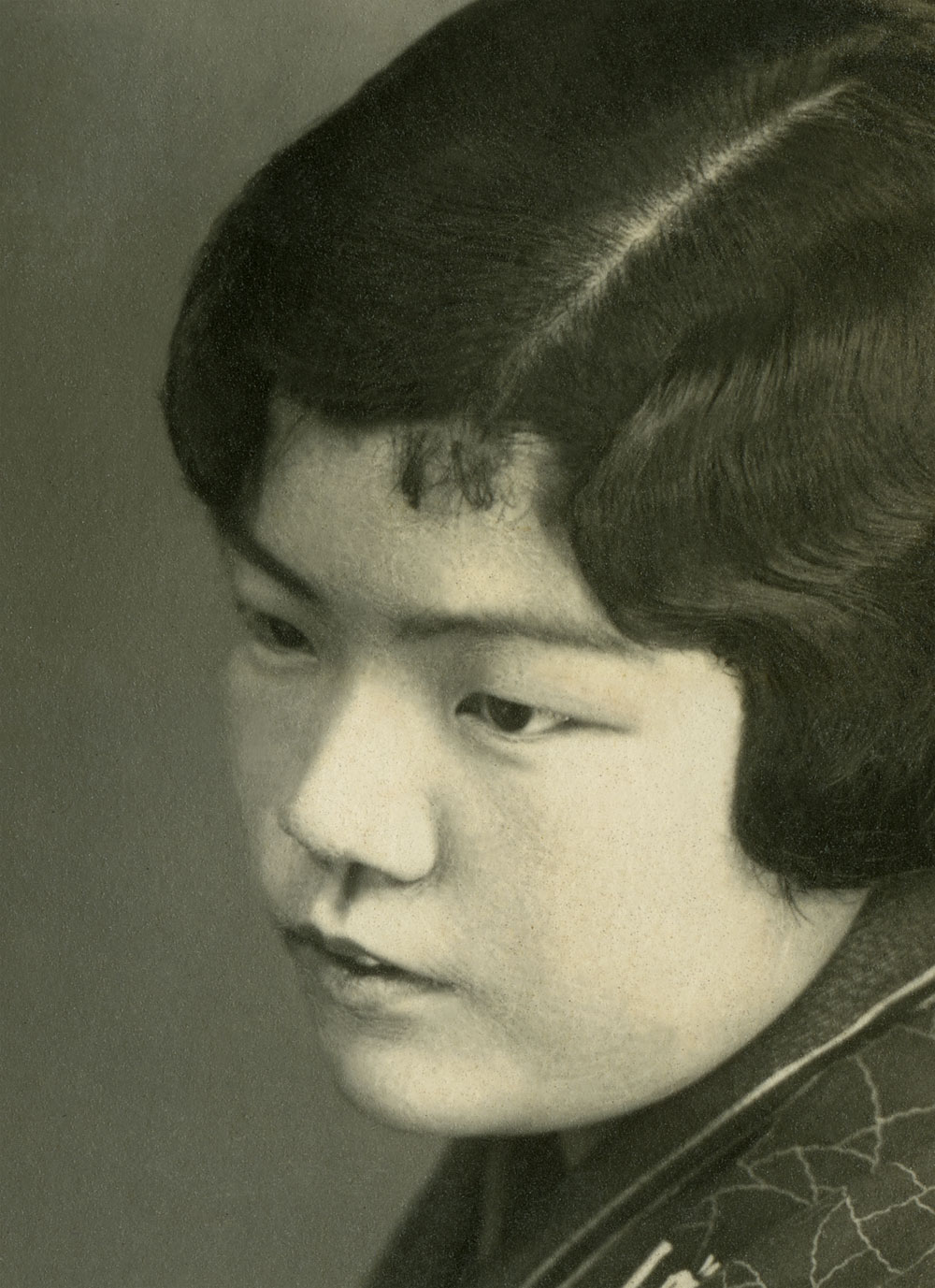

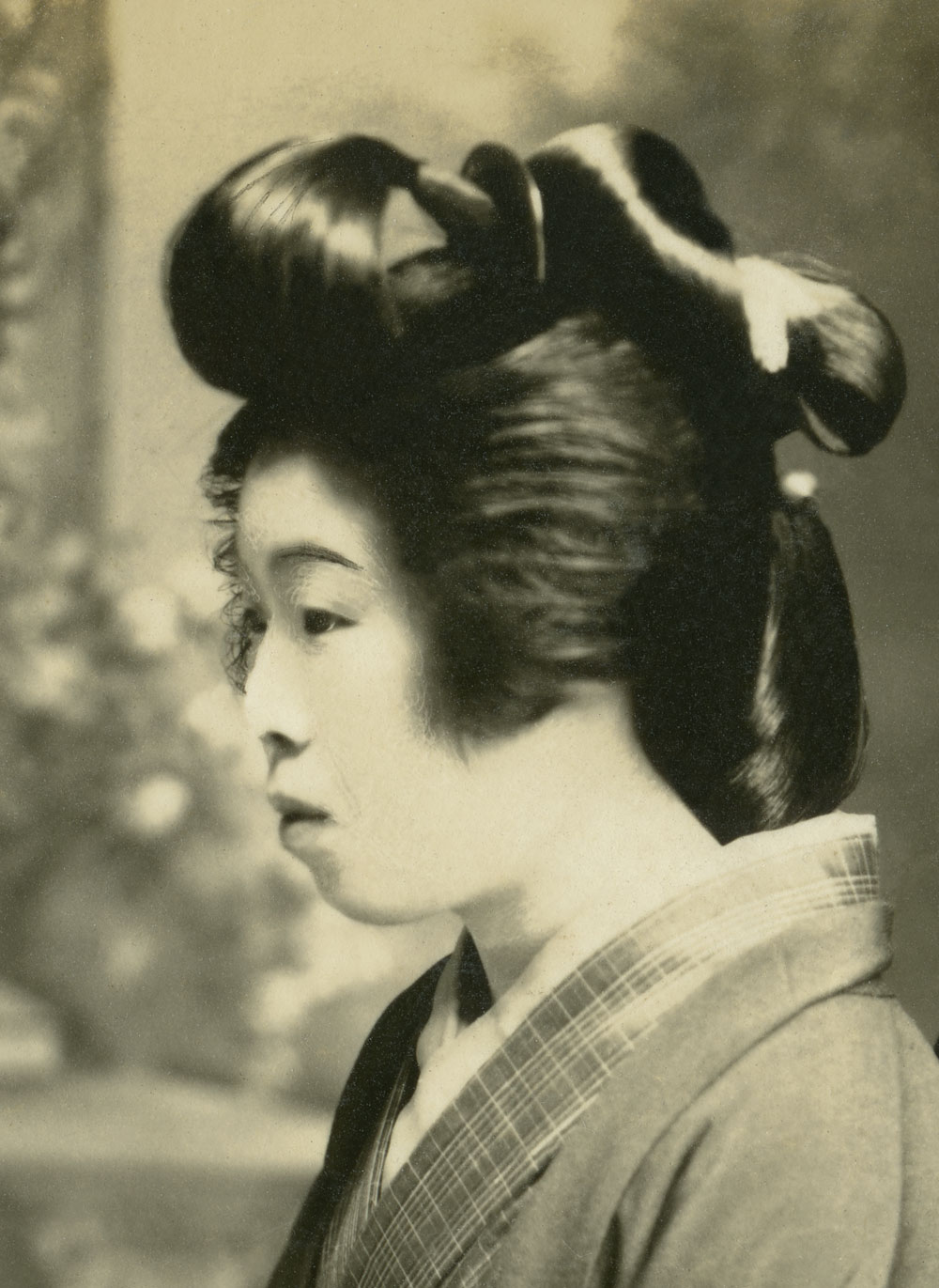

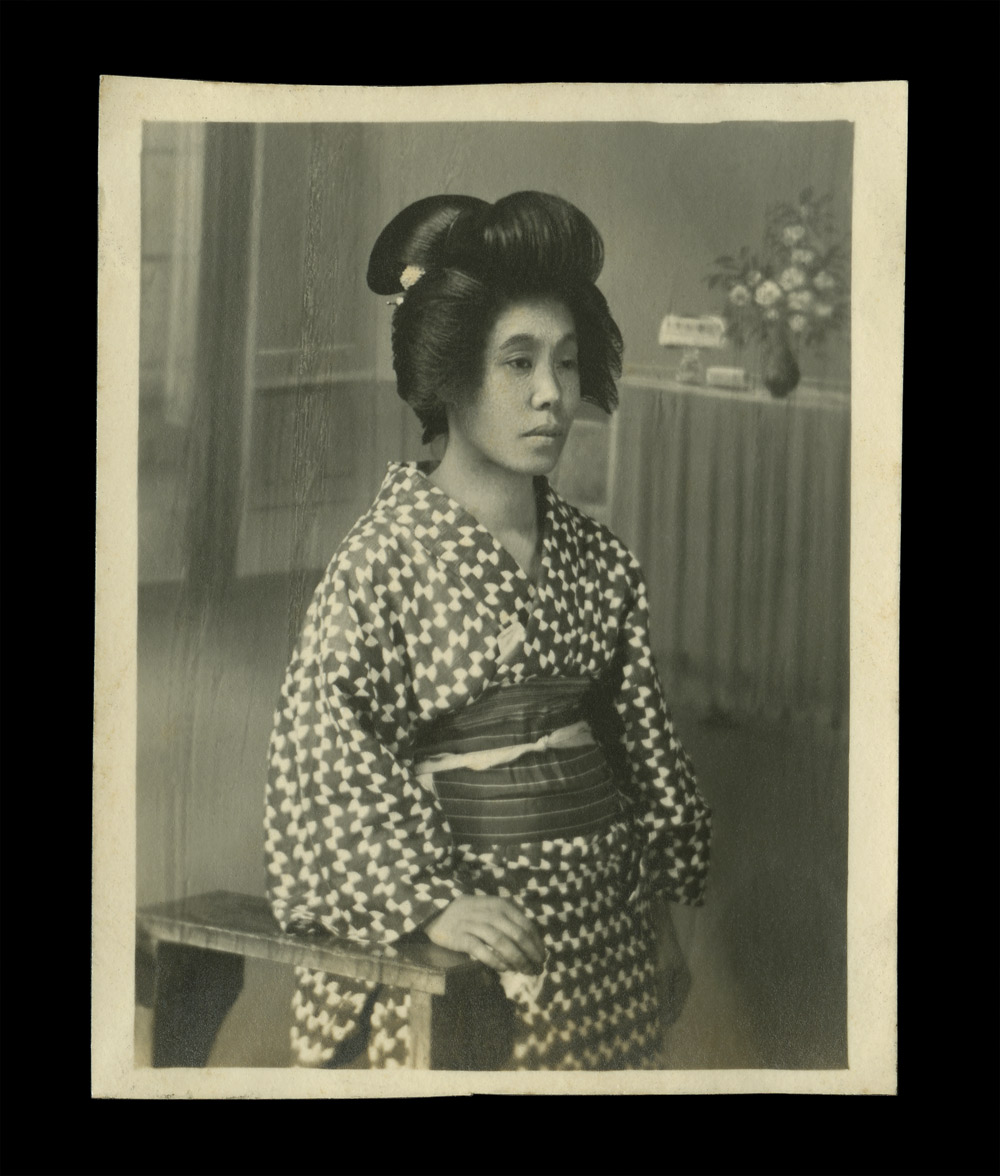

![Anonymous photographer. 'Untitled [Four women in traditional Japanese dress]' from a Japanese family photography album c. 1920-1930s](https://artblart.com/wp-content/uploads/2015/03/japanese-q-web.jpg "Anonymous photographer. 'Untitled' from a Japanese family photography album c. 1920-1930s")
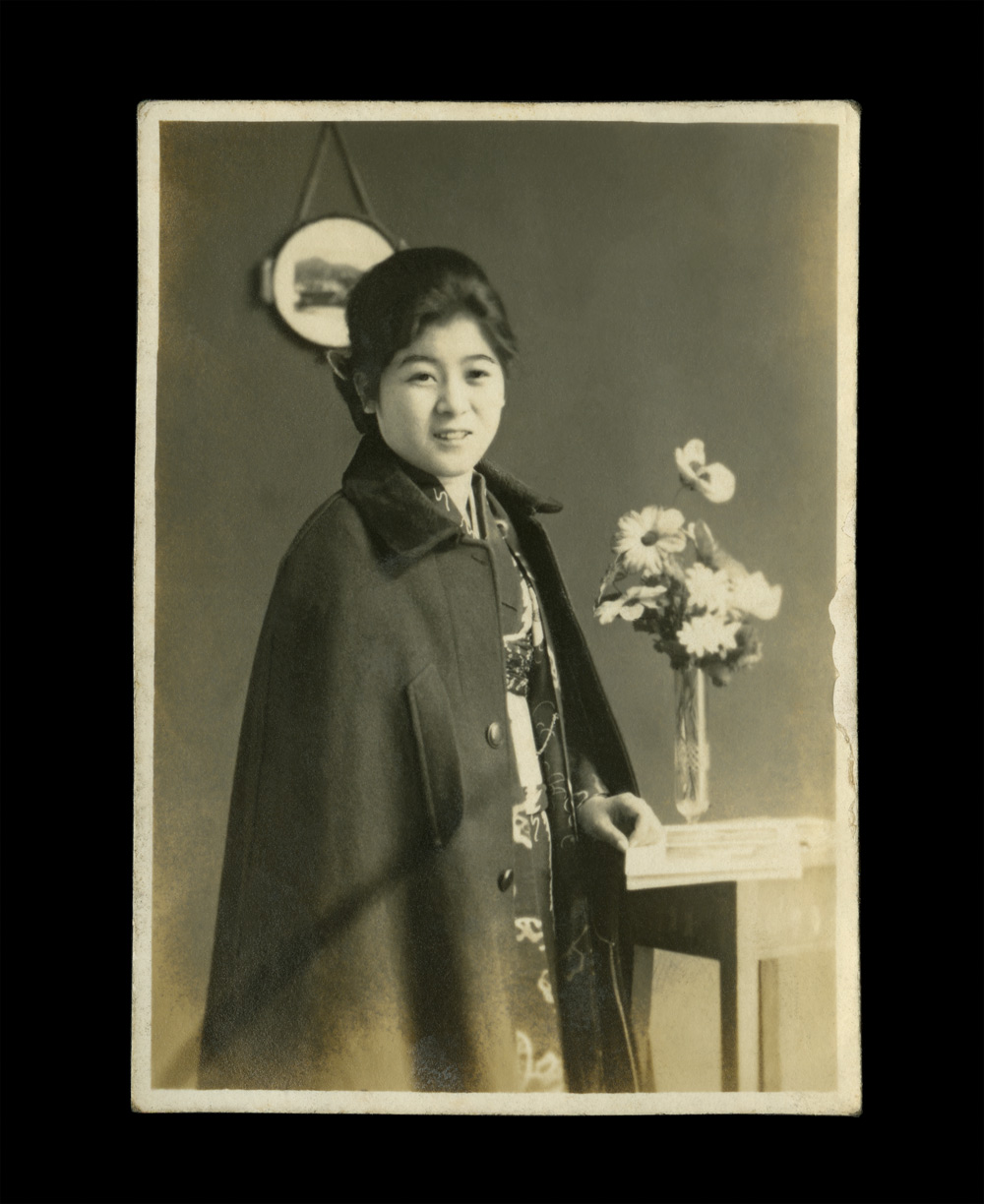
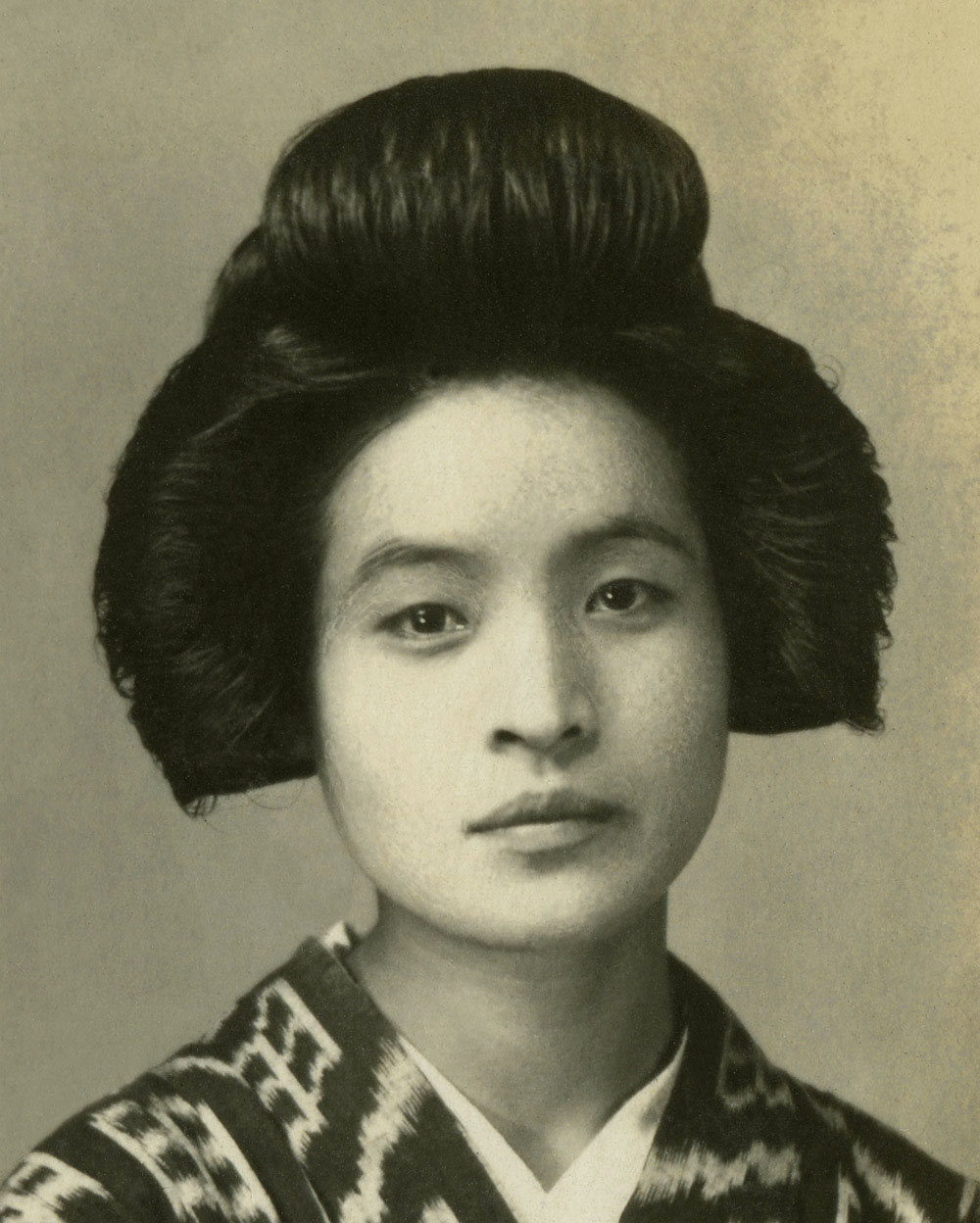

 Art Blart _ art and cultural memory archive
You must be logged in to post a comment.