Martin Parr (British, 1952-2025) New Brighton, England From the series The Last Resort 1983-1985 Pigment print
From life, the absurd, the (un)familiar
The death of the English photographer Martin Parr is very sad news 😦
I feel like I have known his intimate photographs from life for a very long time. Through his beautifully observed and humorous photographs Martin Parr became a national treasure.
Incisive and insightful, his best photographs shone a light on the British class system, British rituals and everyday conversations – “candid and often humorous depictions of everyday life” – captured with visual deftness and containing a wry sense of humour mirroring the British character.
“Parr’s work was at its best when he concentrated on the volume of space within the image plane and the details that emerge from such a concentrated visualisation – whether it be the tension points within the image, assemblage of colour, incongruity of dress, messiness of childhood or philistine nature of luxury.” (MB, 2102)
His photographs have a wonderful frisson about them, a genuine love of and resonance with the things he was imaging. The dirt under the fingernails of the child eating a doughnut, the lurid colours of the popsicle and jacket of the kid with dribble on his face, all fantastic. Images full of incongruity, humour, and pathos. The absurd and the (un)familiar.
And so it goes… we loose another great photographer.
Vale Martin Parr and thank you!
Dr Marcus Bunyan
Please click on the photographs for a larger version of the image.
Read my text “Out in the midday sun” on the exhibition Martin Parr. Early Works at Fotografie Forum Frankfurt (FFF), September 2024 – February 2025
“Photography is the simplest thing in the world, but it is incredibly complicated to make it really work.”
“I think the mindset you require is stamina, discipline, and just sheer hard work. There are basically very few shortcuts. You’ve either got that ability to apply yourself to a given situation or a given idea and explore it and resolve it, or you haven’t. Most people are just lazy. The danger with photography is that it looks very easy but in fact, it’s a very difficult medium to really excel well in because basically, people don’t work hard enough – they’re lazy. Don’t be lazy!”
Martin Parr
Martin Parr (British, 1952-2025) New Brighton, England From the series Last Resort 1983-1985 Pigment print
Martin Parr (British, 1952-2025) New Brighton, England From the series The Last Resort 1983-1985 Pigment print
Martin Parr (British, 1952-2025) New Brighton, England From the series The Last Resort 1983-1985 Pigment print
Martin Parr (British, 1952-2025) New Brighton, England From the series The Last Resort 1983-1985 Pigment print
Martin Parr (British, 1952-2025) New Brighton, Merseyside, England 1984 From the series The Last Resort Pigment print
Martin Parr (British, b. 1952) England. Bristol. Car boot sale. 1995 From the series British Food 1994-1995 Traditional C-type print
Martin Parr (British, b. 1952) From A to B. Tales of Modern Motoring series 1994 Pigment print
Auguste and Louis Lumière (French, 1862-1954) (French, 1864-1948) Bangles 1893-1900 ALL Chroma 8.4 x 17.8cm The ALBERTINA Museum, Vienna – Permanent loan by Höhere Graphische Bundes-Lehr- und Versuchsanstalt
What a wonderful exhibition.
It’s so exciting to see the history and development of colour photography pre the ubiquitous, American artists William Eggleston and Stephen Shore, much as I like both artists.
In my eyes, that would have made the exhibition even better!
Dr Marcus Bunyan
Many thankx to the Albertina Modern for allowing me to publish the photographs in the posting. Gracious thankx also to Karin Svadlenak-Gomez for allowing me to use her wonderful photographs of the exhibition in the posting, noted below each image. Please click on the photographs for a larger version of the image.
Installation view of the exhibition True Colors: Color in Photography from 1849 to 1955 at Albertina Modern, Vienna showing in the bottom image, Léon Vidal’s photograph Oriental Onyx Saucier, 16th century, from Le Tresor artistique de la France, c. 1876-1878 (below)
Léon Vidal (French, 1833-1906) Oriental Onyx Sardonyx Cup (16th century) 1876 Photomechanical proof (photochromy using the Léon Vidal process) mounted on cardboard H. 20.8 ; L. 26.2 cm. Don Fondation Kodak-Pathé, 1983
Installation view of the exhibition True Colors: Color in Photography from 1849 to 1955 at Albertina Modern, Vienna showing at left, Heinrich Kühn’s Twilight 1896 (below); and at right, Heinrich Bachmann’s Winter Landscape 1903
One of my personal highlights from True Colours was the section dedicated to pictorialist photography. Emerging in the late 19th and early 20th centuries, pictorialism sought to elevate photography to the level of fine art, favouring soft focus, painterly compositions, and atmospheric effects. In fact the Albertina modern had a whole exhibition on Pictorialism in 2023, which was a great joy to me.
Heinrich Kühn’s Twilight (1896, above), produced through the autochrome process, was a standout for me, its subtle gradations of light and shadow creating an almost dreamlike serenity. Kühn was also one of the pioneers of the autochrome process, the first commercially successful colour photography method introduced by the Lumière brothers in 1907. Autochromes used a fine layer of dyed potato starch grains to filter light, creating rich and softly textured images. Kühn masterfully employed this process to enhance the painterly, impressionistic quality of his photographs, further bridging the gap between photography and fine art. Seeing these images up close, I was reminded of how photographers of the past fought for their medium to be recognised as more than mere documentation – it was, and remains, an art form in its own right.
Karin Svadlenak-Gomez. “Photography in Full Spectrum,” on the ViennaCultgram website 13th March 2025 [Online] Cited 25/03/2024
Installation view of the exhibition True Colors: Color in Photography from 1849 to 1955 at Albertina Modern, Vienna Photo:Karin Svadlenak-Gomez
Installation view of the exhibition True Colors: Color in Photography from 1849 to 1955 at Albertina Modern, Vienna showing Anonymous. Laboratory Still Life 1906
Installation view of the exhibition True Colors: Color in Photography from 1849 to 1955 at Albertina Modern, Vienna showing two photographs by Atelier D’Ora with at right, Maria Delvard as Tambour 1913
The aesthetics of fine art photography had their greatest impact on studio photograph. In the early twentieth century, such progressive studios as Atelier d’Ora (later called Atelier d’Ora Benda) adopted the reformed portrait style and its elaborate techniques. The bromoil and broccoli transfer processes finally offered an alternative to gum prints, so that works in colour could be produced in a much less complicated and inexpensive way.
Wall text from the exhibition
Installation view of the exhibition True Colors: Color in Photography from 1849 to 1955 at Albertina Modern, Vienna showing Kurt Husnik’s three photographs Untitled 1950s
Installation view of the exhibition True Colors: Color in Photography from 1849 to 1955 at Albertina Modern, Vienna showing Kurt Husnik’s Untitled 1950s
Installation view of the exhibition True Colors: Color in Photography from 1849 to 1955 at Albertina Modern, Vienna showing at left, Hans Madensky’s Fashion Portrait – Student of the Vienna-Hetzendorf School of Fashion 1952 (below)
The exhibition True Colors – Color in Photography from 1849 to 1955 answers this question with outstanding works from the Albertina Museum’s photo collection.
The desire for colour in photography has dominated the world of photography from the very beginning. True Colors traces the development of colour photography, from the first experimental techniques in the 19th century to generally applicable analog colour photography.
Even in the early days of photography, daguerreotypes and salt paper prints were colored by hand to create colorful images. Monochrome pigment papers, which enjoyed great popularity until the 1890s, also contributed to the broad chromatic diversity of 19th century photographs.
The first successful color process, which was reserved for an exclusive circle, was introduced in 1891. The brilliant images in the so-called interference colour process are based on the physical principle of standing waves, which also allows us to see coloured reflections in soap bubbles. The unique pieces from the Albertina Museum’s Collection represent a unique focal point.
The autochrome process, which was introduced in 1907, brought about a major change in image culture. It was also practicable for amateurs and helped its inventors, the Lumière brothers, to achieve great commercial success. However, it was mainly used as a glass slide for projection. At the same time, around 1900, fine art printing processes were developed that used color pigments to produce multicolored image solutions. They fulfilled the artistic aspirations of the Pictorialists and were commonplace in large photo studios until the 1930s. For a long time, the challenge was to obtain colored prints on paper. This was also achieved at the beginning of the 20th century with the use of various three-color processes, which were assembled in several steps.
Kodak finally achieved the breakthrough to easy-to-use and therefore mass-market colour photography in 1936 with the first 35mm colour slide films. These products revolutionised the use of colour photography in the following decades, which form the conclusion of this Albertina Museum exhibition.
True Colors provides an insight into the rich holdings of the Albertina Museum’s photography collection, the historical part of which is based on the collection of the Höhere Graphische Bundes- Lehr- und Versuchsanstalt (GLV). The exhibition demonstrates the great public interest, the constant development and the various fields of application of historical photography in colour. True Colors also explores the impact of popular colour processes on the visual culture of the early 20th century.
The exhibition is on view from 24 January until 21 April 2025 at the Albertina Modern
Photochrom Print Collection (photographer) The Falls of the Rhine, by Bengal Light, Schaffhausen, Switzerland Between 1890 and 1900 Print no. “16491”.; Forms part of: Views of Switzerland in the Photochrom print collection.; Title from the Detroit Publishing Co., Catalogue J-foreign section, Detroit, Mich.: Detroit Publishing Company, 1905. Photomechanical print, photochrom, colour
True Colors: Color in Photography from 1849 to 1955
Today, colour photography is omnipresent, but the knowledge about its complex genesis is not very familiar. This exhibition highlights the multifaceted developments that were initiated starting in the mid-nineteenth century to bring colour into photography. Thanks to the extensive photographic collection of the Imperial-Royal Institution of Graphic Education and Research, the Albertina possesses unique holdings of important examples from this exciting chapter of photographic history.
As early as the middle of the nineteenth century, individual scientists managed to create unique photographs in color, which, however, were not intended for everyday use. Therefore, it was common from the early days to employ colouration or toned photographic papers. In 1891, Gabriel Lippmann achieved a crucial success in direct color photography by formulating the interferential colour process, which produced brilliantly vivid images. The Lumière brothers finally accomplished the first revolution in color photography: in 1907, they brought industrially manufactured autochromes to market. It was now for the first time that photographers and amateurs could access a practicable process for the production of colour glass slides. Thanks to more elaborate three-colour processes and Pictorialist fine art printing, which were developed around the same time, it was also possible to produce photographs in colour on paper.
The desire for colour in photography, which had been evident since it had existed, continued to prevail in the twentieth century. A decisive breakthrough was achieved by the Kodak Company in the mid-1930s, when it produced the first 35 mm photographic color slide film. Starting out from the USA, more practical materials for analog color photography, which had been developed gradually, also established themselves in Europe after World War II. It was now impossible to stop the triumph of modern colour photography.
All objects on display here come from the holdings of the Albertina or are on permanent loan from the collection of the Höhere Graphische Bundes-Lehr- und Versuchsanstalt [Higher Federal Institution of Graphic Education and Research].
Chromatic Diversity
Before it was possible to produce color photographs, photographers made use of a number of methods to bring color into their images. Even in the early days, daguerreotypes and salted paper prints were coloured by hand. While daguerreotypes were usually colored only partially, salted paper prints were sometimes heavily painted over. The so-called pigment papers, which enjoyed great popularity from the 1850s onward, enabled monochrome prints in various colours. Industrial manufacturers offered a wide range of nuances that could be variably used depending on the motif. Another way of lending prints uniform colour effects were toning baths. It was thus variable methods that were employed to produce photographs displaying a rich chromatic diversity.
A vital contribution to photography in colour was the introduction of the so called orthochromatic negative plates. In 1873, Hermann Wilhelm Vogel discovered the sensitisation of the photographic emulsion, so that the plates truthfully rendered the brightness values of blue, orange, yellow, and green. Earlier, the grey values of the blue areas had appeared overly bright, while the other colours had often seemed too dark. With the development of so-called panchromatic negative material it became possible from 1902 on to accurately record the entire visible spectral range according to tonal values. This progress was crucial for colour photography, as an incorrect recording of the tonal values during a shot could result in a distorted colour impression in the final product.
A Solitaire – the Interferential Colour Process
The interferential colour process, with which Gabriel Lippmann went public in Paris in 1891, is considered a first milestone in direct color photography. The method ensured permanently stable, brilliantly vivid colour images. It is based on the interference of light waves caused during exposure by the reflections of incident light rays off a reflective layer of mercury behind the negative. In the photographic emulsion, the finest layers are created alongside the standing waves, in which accumulations of silver are deposited. The spacing between the layers corresponds to the wavelength of the recorded colour, so that when the image is viewed at the correct angle, the individual parts reflect their original colour. Standing waves are the phenomenon that also causes the colour effects on soap bubbles.
The process, which had its pitfalls, was enthusiastically received by specialists. The Lumière brothers, who as producers of photographic plates were highly interested in colour photography, collaborated with Lippmann to improve emulsions. The Berlin-based scientist Richard Neuhauss also dealt intensively with this method, based on the research conducted by the Viennese photochemist Eduard Valenta. Due to its chromatic purity, the spectrum offered itself as an ideal motif for images. Neuhauss’s plates fascinate us not only because of their luminous colours, but mainly for their wide range of motifs, which was facilitated by the reduction of exposure times.
Photomechanical Color Printing Processes
Since the development of chromolithography in 1837, color reproductions had been increasingly used for luxury volumes. In combination with photography, the printing plates could either be exposed directly, or the photographic images were transferred to the plates by means of transfer printing. This and related procedures led to an increase of elaborately produced publications of scholarly character. For the work Le Trésor artistique de la France, which contained high-quality colour reproductions of art objects held by the Louvre, the French photographer Léon Vidal developed a complex process referred to as photochromie. Photographic prints constituted the base layer onto which he printed several tinted lithographic plates. Through the additional use of metallic colours or papers and a layer of varnish, Vidal achieved three-dimensional effects.
Another important step was the introduction of the collotype process, which, from 1868 onward, allowed printing black-and-white photographs in halftones. Institutions like the Imperial-Royal Austrian Trade Museum in Vienna published such luxurious scholarly publications as the illustrated volume Orientalische Teppiche [Oriental Rugs], which appeared in 1892. For this work, black-and-white collotypes and the chromolithographic plates were partly each executed across the entire surface and partly combined with each other in order to document the knotting technique and the colouration of the objects equally accurately. A colour sample based on the original rug was first painted on the collotype and then transferred by lithography. Up to thirteen individually tinted printing plates were employed in the process. Both publications stand out for the effort to imitate the object character in the coloured reproduction.
Commercial Successes – the Autochrome and Other Color Screen Processes
In 1893, in search of a viable color process, the industrialists Auguste and Louis Lumière developed the ALL Chroma, a transparency made up of three coloured layers. Since its production and use involved a high input of costs and time, the method did not prevail, despite the vivid colors it produced. Following further research, the Lumière brothers eventually achieved a breakthrough with the autochrome in 1907, which was to revolutionise colour photography for the first time. The autochrome is also a positive transparency, yet based on the principle of additive color synthesis. A glass plate functioning as carrier material is covered with a photosensitive layer on one side. A mixture of red, green, and blue starch granules is applied on top of it, forming an irregular pattern. The image is created after exposure and negative and positive development, as the granules fuse together to form coloured areas when viewed in transmitted light. Its vibrant colors and uncomplicated handling earned the inventors of this method great commercial success. The autochrome was no longer exclusively accessible to specialists. The process was not only employed for scientific images, but also and mainly in amateur photography.
In addition to the autochrome, there were numerous products relying on the principle of additive color synthesis, such as the Joly process, which had already been developed in England ten years earlier and which was based on a grid of vertical lines. By 1910, further colour screen processes had made it onto the market, such as Omnicolore or the Agfacolor plate. But the autochrome remained the most widely used colour process until the early 1930s because of its unsurpassed chromatic brilliance.
Colour by “Indirect” Means – Three-Colour Processes
Three-colour photographic printing methods on paper are based on the principle of subtractive colour mixing. The processes, their implementation differing in detail, followed a multistep procedure. At first, three subsequent black-and-white shots were taken behind red, green, and blue filters. The so called colour separation negatives were then inverted into positives. From the three positives, three matrices – in the complementary colours cyan, magenta, and yellow – were then produced. The colour image was finally composed of these three colours.
For the pinatype, three matrices were transferred onto a sheet of prepared paper. What mattered for an accomplished picture was not only proper colour adjustment, but also an absolutely precise alignment of the images. The still life of various laboratory utensils demonstrates the individual steps leading to a colourful picture. The so-called interpositives provide the basis for the coloured matrices, which, printed one upon the other, provide the final version of the picture. Apart from still lifes, photographers also employed this technique, which was developed to market maturity by Ernst König in 1905, for portraits. In these photographs, they showcased their creative skills in handling colour.
Pictorialist Endeavors – Fine Art Printing Processes
Artistic photography around 1900 was propagated by wealthy amateurs who wished to elevate photography to the level of fine art. Their ambition was to be able to manipulate the photographic print by hand, as the mechanical aspect of photography was criticised as being inartistic. The gum bichromate print, a so-called fine art printing process, allowed them to control the work as much as possible. A mixture of pigments, gum arabic, and photosensitive salts was applied to coarse paper and then exposed. After washing out the unexposed areas, the image became visible. For multicolor works, this process could be repeated as often as desired, each time using a different pigment. This advancement of the gum bichromate printing technique toward multicolour printing was first implemented by members of the Camera Club in Vienna, an association of amateur photographers. The possibility of creating such colourful images that could be used as decorative works of art on the wall and sometimes reach large dimensions, was particularly enthusiastically received in German-speaking countries.
Paths to Modern Colour Photography
The consequential breakthrough to mass-market color photography was achieved in the mid-1930s, when the companies Eastman Kodak (USA) and, shortly thereafter, Agfa (Germany) put so-called modern multilayer films with dye couplers on the market. By 1936, the first 35mm colour slide films and, by 1942, the first colour films and corresponding photographic papers for the negative-positive process were available, the latter of which revolutionised colour photography a second time. Yet the outbreak of World War II initially delayed the spread of these innovations in Europe. But from the 1950s onward, the triumph of modern analog colour photography could not longer be stopped.
However, contemporary high-quality copying and printing processes were still extremely expensive and complicated. The Duxochrome and dye-transfer processes, for example, were valued not only for the brilliance and stability of their colours, but also because they could be manipulated during the production process. But due to the high cost of production, they were mainly used for commercial purposes. Product and fashion photography accommodated the needs of advertising and the press. In Vienna, the photographers Arthur Benda and Hans Madensky were very successful in these fields.
Text from the Albertina Museum
Installation views of the exhibition True Colors: Color in Photography from 1849 to 1955 at Albertina Modern Photos:Karin Svadlenak-Gomez
Ernst König (German, 1869-1924) Still-life with flowers 1905 Pinatype Photo:Karin Svadlenak-Gomez
Installation view of the exhibition True Colors: Color in Photography from 1849 to 1955 at Albertina Modern, Vienna showing Kodak Company. Photo Magazines for Amateurs 1957-1959
Installation views of the exhibition True Colors: Color in Photography from 1849 to 1955 at Albertina Modern, Vienna Photos:Karin Svadlenak-Gomez
True Colors: Color in Photography from 1849 to 1955 at Albertina Modern poster
The Albertina Museum Albertinaplatz 1 1010 Vienna Phone: +43 (0)1 534 83 0
Since Art Blart started in November 2008 there has been only one posting on the glorious and groundbreaking work of American photographer Stephen Shore, way back in 2018 at MoMA. Shore’s photographs picture “the threadbare banality of the American scene, the jerry-rigged down-at-heels seediness of our rural landscapes and the spatial looseness of our towns.”1
I was so happy that I was going to be able to do another posting on this artist’s work only to be totally let down by the 10 media images provided by the Fondation Henri Cartier-Bresson. The installation photographs of the exhibition are great but the actual images only provide a meagre insight into the singular style and pictorial depth of the photographer.
“Two Stephen Shore chromogenic colour prints from 1976 where the colours are still true and have not faded. This was incredible – seeing vintage prints from one of the early masters of colour photography; noticing that they are not full of contrast like a lot of today’s colour photographs – more like a subtle Panavision or Technicolor film from the early 1960s. Rich, subtle, beautiful hues with the photograph having this amazing presence, projected through the construction of the image and the physicality of the print.”
I said in my comment on the MoMA exhibition in 2018, “Shore was showing the world in a different light… and he was using an aesthetic based on the straight forward use of colour. Colour is just there, part of the form of the image. Of course there are insightful subjective judgements about what to photograph in American surburbia, but this subjectivity and the use of colour within it is subsumed into the song that Shore was composing. It all comes back to music. Here’s a Mozart tune, this is his aesthetic, for eternity.”
Dr Marcus Bunyan
1/ See Stephen Shore, Modern Instances: The Craft of Photography (London: Mack Books, 2022), 172. These lines from Venturi are cited on the back cover of Uncommon Places quoted in Hugh Campbell. “The poorest details of the world resurfaced,” on the Places Journal website, August 2023 [Online] Cited 26/08/2024
Many thankx to the Fondation Henri-Cartier Bresson for allowing me to publish the photographs in the posting. Please click on the photographs for a larger version of the image.
Stephen Shore’s photographs of the American vernacular have influenced not only generations of photographers but the medium at large. Shore was among the first artists to take color beyond the domain of advertising and fashion photography, and his large-format color work on the American landscape stands at the root of what has become a vital photographic tradition over the past forty years.
Text from the Aperture Instagram web page
“[F]or attention is of the essence of our powers; it is that which draws other things toward us, it is that which, if we have lived with it, brings the experiences of our lives ready to our hand. If things but make impression enough on you, you will not forget them; and thus, as you go through life, your store of experiences becomes greater, richer, more and more available. But to this end you must cultivate attention – the art of seeing, the art of listening …. To pay attention is to live, and to live is to pay attention.”
Louis Sullivan. Kindergarten Chats (1918) from the epigraph of Stephen Shore’s Uncommon Places (1973-1986)
With over a hundred images shot between 1969 and 2021 across the United States, Vehicular & Vernacular is the first retrospective of Stephen Shore’s work in Paris in nineteen years. On view at the Fondation Henri Cartier-Bresson until September 15, the exhibition shows the photographer’s renowned series – Uncommon Places and American Surfaces – alongside lesser-known projects never shown in France.
Installation views of the exhibition Stephen Shore: Vehicular & Vernacular at the Fondation Henri-Cartier Bresson, Paris
Since the 1960’s, mobility has been central to Stephen Shore’s practice. In 1969, while on a trip to Los Angeles with his father, he took photographs from the car window. During the 1970s and 1980s, he went on several road trips across the United States, resulting in his two most famous series: American Surfaces and Uncommon Places. As the new millennium began, he resumed photographing from different means of transportation: from car windows, trains and planes. For his most recent project, which began in 2020, he used a camera-equipped drone to photograph changes in the American landscape. For over half a century, he developed a form of “vehicular photography”.
The vernacular has been an ever-present interest in North American photography: the culture of the useful, the local and the popular, so typical of the United States. Shore’s work is permeated by multiple aesthetic and cultural issues. The vernacular is one of them. Shore’s mobility allows him to multiply perspectives and encounters with this “Americanness”. In the works selected for this exhibition, the vehicular is, in fact, placed at the service of the vernacular.
Exhibition
With over a hundred images shot between 1969 and 2021 across the United States, Vehicular & Vernacular is the first retrospective of Stephen Shore’s work in Paris in nineteen years. On view at the Fondation Henri Cartier-Bresson until September 15, the exhibition shows the photographer’s renowned series – Uncommon Places and American Surfaces – alongside lesser-known projects never shown in France. A fragment of the Signs of Life exhibition in which Shore participated in 1976 is exceptionally recreated for the occasion. Finally, the photographer’s most recent series, shot using drones, is exhibited for the first time in Europe.
Biography
Born in New York in 1947, Stephen Shore began photographing at the age of nine. At the age of fourteen, Edward Steichen bought him three photographs for the MoMA collections. In 1971, he became the first living photographer to have his work exhibited at the Metropolitan Museum. Shore was one of eight photographers included in the legendary 1975 New Topographics exhibition at Rochester’s George Eastman House, which redefined the American approach to landscape. He is part of the generation that led to the recognition of colour photography as an art form. Rich, diverse and complex, his work transforms everyday scenes into opportunities for meditation.
Press release from the Fondation Henri-Cartier Bresson
For the epigraph of Uncommon Places, Shore used lines from Louis Sullivan’s Kindergarten Chats (1918):
“[F]or attention is of the essence of our powers; it is that which draws other things toward us, it is that which, if we have lived with it, brings the experiences of our lives ready to our hand. If things but make impression enough on you, you will not forget them; and thus, as you go through life, your store of experiences becomes greater, richer, more and more available. But to this end you must cultivate attention – the art of seeing, the art of listening …. To pay attention is to live, and to live is to pay attention.” 10
The surfeit of seeing the Uncommon Places images offer means that, even as they seem to make available to view every detail of a highly particularised location, they achieve an archetypal or universal character; they are arguments not so much for the value of specific places as for a more general attentiveness to inhabited environments. In a conversation with Lynne Tillman, Shore discusses the “inherent architecture” of his scenes – the formal and spatial relationships produced through his deliberate technique. He notes how the view camera’s descriptive power “allowed [him] to move back farther and take pictures that were more packed with information, more layered.” This layered distance “allows for lots of different points of interest to exist in the same picture.”11 …
Shore has always been attracted to such scenes of visual coherence won out of incoherence, be it social, economic, or architectural. Back in the 1970s, when Robert Venturi and Denise Scott Brown commissioned him to make photographs for a number of exhibitions (notably Signs of Life: Symbols in the American City, mounted at the Smithsonian in 1976), the architects were interested in how to capture “the threadbare banality of the American scene, the jerry-rigged down-at-heels seediness of our rural landscapes and the spatial looseness of our towns.”14
10/ Sullivan’s autobiography, The Autobiography of an Idea (1924), notes key episodes of “paying attention” – to a tree, a building, etc. – and the resulting “ideas” as formative in his intellectual and spiritual development.
11/ Shore, Uncommon Places, 182.
14/ See Stephen Shore, Modern Instances: The Craft of Photography (London: Mack Books, 2022), 172. These lines from Venturi are cited on the back cover of Uncommon Places.
Chicago Photo Co., 389 State Street, Chicago (John B. Wilson, photographer) Ada Zingara (Harriett O. Shipley, 1861-1937) early 1900s Photo-Albumen silver cabinet card 6 1/2 x 4 1/4″
A selection of albumen photographs on cabinet cards and cartes de visite of wonderful human beings. I have added biographical and other information about the photographers and subjects where possible.
Dr Marcus Bunyan
All photographs are used under fair use conditions for the purpose of education and teaching. Please click on the photographs for a larger version of the image.
Obermüller and Kern, 388 Bowery, N.Y. Amy Arlington, snake charmer c. 1880s-1890s Photo-Albumen silver cabinet card 6 1/2 x 4 1/4″
Charles Eisenmann (American, 1855-1927) Amy Arlington, snake charmer c. 1880s-1890s Photo-Albumen silver cabinet card 6 1/2 x 4 1/4″
About Charles Eisenmann
Charles Eisenmann was an American photographer. His work, which dates from the Victorian-era “Gilded Age” (1870-1890), focused almost exclusively on the “freaks” of the circuses, sideshows, and living museums of New York’s Bowery area. The subject matter was profitable enough to provide a living for both Eisenmann and Frank Wendt, his successor in the business.
Eisenmann was born in Germany in 1850 and emigrated to the United States some time before 1870, settling in New York City. At an early age, Eisenmann established a photography studio in the Bowery. A lower class area that was the hub of popular entertainment, the Bowery was known for its cheap photographic galleries and dime museums. Here Eisenmann discovered his clientele. Dime museums were modelled on P.T. Barnum‘s American Museum on Broadway which exhibited various human “curiosities” as well as many unusual and questionable “scientific” exhibits. Similar in many respects to the circus sideshows, these museums featured human “freaks” who displayed their odd physiognomies and performed before gawking visitors. To help these performers market themselves, Eisenmann and his successor Frank Wendt supplied them with small photographs that they could sell or distribute to publicists. Precisely why Eisenmann was drawn to and focused on this peculiar clientele is not known, though there was evidently money to be made.
Among Eisenmann’s subjects were the famous as well as obscure. They included the “father” of the sideshow, P. T. Barnum, and performers like General Tom Thumb, Jo Jo the Dog-faced Boy, the Wild Men of Borneo, Annie Jones the Bearded Lady, and the Skeleton Man. He also photographed Siamese twins, giants, dwarfs, armless and legless “wonders,” albinos, tattoo artists, and even abnormal animals, such as two-headed cows. While many of these “freaks” were genuine, many were not, having been created out of the imagination and costuming talents of sideshow managers.
Eisenmann’s career in New York began to decline around 1890, and in 1899 he relocated to Plainfield, New Jersey. Wendt joined Eisenmann during this period, at first becoming his business partner, and then son-in-law. Around this same time the warm-toned albumen print process began to disappear, and to be replaced by the cooler silver gelatin process. The change in process did not favour Eisenmann’s techniques. …
The verso of many of Eisenmann’s photographs contained his characteristic tagline, “extra inducements to the theatrical profession,” which reflected the emphasis he placed on his primary clientele.
Charles Eisenmann (American, 1855-1927) Amy Arlington, snake charmer c. 1880s-1890s Photo-Albumen silver cabinet card 6 1/2 x 4 1/4″
Serpent Queens
Snake charming was another speciality that moved from being an almost exclusively male occupation to domination by women. In fact, as snake charming and handling moved into the twentieth century it became almost exclusively a female calling.
Large exotic snakes were exhibited in early museums, and the 1876 and 1893 world fairs imported male snake charmers as part of native villages. During the last two decades of the nineteenth century, when demand for freaks was so high, people, especially partially clad and exotic-looking women, handling or “charming” boas, anacondas, rattlers, cobras, and other serpents became common freak show fare.
Snake charmers – or serpent enchantresses, as they were also called – were, like tattooed persons and Circassians, easy to come by. Although there were tricks to make large snakes lethargic and poisonous snakes benign, some acts contained a distinct elements of danger. For the most part, however, snake charming involved little skill and, aside from the ability to master repulsion and fear, few personal qualifications. There was a seemingly unending supply of charmers – more charmers than snakes by far. Indeed, the cost and supply of snakes was a bigger factor in controlling the number of acts than the number of applicants. While charmers became commonplace and never demanded the high salaries of featured attractions, there was always a place for them on the platform. Audiences continued to squirm in delighted disgust year after year, and, as with human art galleries, innovation provided a continuous element of novelty. After Circassians became commonplace, there were Circassian snake-charmers. In search of novelty, one man wrestled pythons in a five-hundred-gallon tank. Although the types and number of snakes the charmer worked with provided some variety as well, the most important element of the exhibit was the presentation.
There were snake charmers and serpent queens who claimed to be from the East, having learned their skill through apprenticeship to mystics. Others claimed to be born with serpent power. Even though a few who practiced the art probably were from India and other far-off places, most were homegrown Americans…
Whether a domestic exotic or an import, one’s story and stage presence were important elements of success. The difference between a fill-in and an attraction was ingenuity and flair. But most snake charmers were minor attractions, and we know very little about the women around whom the snakes wrapped themselves. A few, however, like Amy Arlington who as with Barnum and Bailey in the 1890s, left many photo portraits of themselves entwined by serpents. Some “true life” booklets are preserved, and, although less elaborate and sophisticated than those of featured stars, they do provide a glimpse of their presentation – a presentation in the high exotic mode.
Robert Bogdan. Freak Show: Presenting Human Oddities for Amusement and Profit. Chicago and London: University of Chicago Press, 1988, pp. 256-258
Charles Eisenmann (American, 1855-1927), New York Charles B. Tripp “Armless Wonder” (33 years old) 1888 Photo-Albumen silver cabinet card 6 1/2 x 4 1/4″
Albumen print on original studio mount features the armless Tripp drinking tea with his feet. Notice the date “1888” near Tripp’s right foot.
Charles B. Tripp (Canadian-American, 1855-1930) was an artist and sideshow performer known as the “Armless Wonder”.
A native of Woodstock, Ontario, Tripp was born without arms but learned to use his legs and feet to perform everyday tasks. He was a skilled carpenter and calligrapher and started supporting his mother and sister when he was a teenager. In 1872, Tripp visited P. T. Barnum in New York City and was quickly hired to work for Barnum’s Great Traveling World’s Fair. He worked for Barnum (and later James Anthony Bailey) for twenty-three years, then toured for the Ringling brothers for twelve years.
On stage, Tripp cultivated a gentlemanly persona and exhibited his skills in carpentry and penmanship. He also cut paper, took photographs, shaved, and painted portraits. For extra income, he signed promotional pictures of himself with his feet. Tripp often appeared in photographs with Eli Bowen, a “legless wonder” from Ohio. In the photographs, the two rode a tandem bicycle, with Tripp pedalling and Bowen steering.
By the 1910s, Tripp was no longer drawing large crowds for the major circuses, so he joined the traveling carnival circuit. He was accompanied by his wife, Mae, who sold tickets for midway attractions. Tripp died of pneumonia (or asthma) in Salisbury, North Carolina, where he had been wintering for several years. He was buried in Olney, Illinois.
Charles Eisenmann (October 5, 1855 – December 8, 1927) was a famous New York photographer during the late 1880s who worked in the Bowery district.
Eisenmann’s photography was sold in the form of Cabinet cards, popular in this era, available to the middle class. Eisenmann also supplied Duke Tobacco Company with cheesecake photography to stuff in their tobacco cans. The book Victorian Cartes-de-Visite credits Eisenmann with being the most prolific and well known photographer when it comes to Cabinet cards.
His work was the subject of a 1979 monograph, Monsters of the Gilded Age, focusing on his work on human oddities from the Barnum and Bailey circus, with a notable widely circulated picture of Jojo the Dog-faced Boy. Although a number of his photographs were of obvious fakes (called “gaffed freaks”), many others were genuinely anomalous, including the giant Routh Goshen, the four-legged girl Myrtle Corbin, and the Siamese twins Chang and Eng and Millie and Christine. …
Humbugs
In his book, Secrets of the Sideshows, Joe Nickell points out that Eisenmann used a number of notable humbugs or gaffs. These included his “Circassian beauties”, women with teased, large hairdos who were said to have escaped from Turkish harems. The models were locals from the Bronx with hair made frizzy and wild by washing in beer, who earned money for posing. …
Victorian society and circus freaks
In the late 1880s, A new phenomenon appeared with Victorian society’s fascination and sympathy for people who appeared to have genetic abnormalities. There was much publicity, for example, over Princess Alexandra’s attention to Joseph Merrick, the “Elephant Man.”
Eisenmann saw the golden opportunity in this fascination, and photographed circus people dressed as Victorian society, and conversely Victorian society with circus props. In New York city circus people were quite well received, as evidenced by the proliferation of dime museums and the PT Barnum circus located in New York.
One of Eisenmann’s subjects, Charles Stratton (Major Tom Thumb) was quite well known, and his wedding was quite the affair. “The couple’s elaborate wedding took place in Grace Episcopal Church in New York City. The Astors and the Vanderbilts were said to have attended as Barnum sold tickets for $75.”
Other prestigious clients included Mark Twain, and Annie Oakley. In some ways Eisenmann can be considered a kind of Annie Leibovitz of the Victorian Bowery district. His career suffered a downturn with the introduction of Gelatin silver process photography which made photographs more inexpensive and available for mass consumption. Also, Vaudeville overtook circuses in popularity at this time as well. In 1898 Eisenmann closed his studio and was succeeded by Frank Wendt. Frank was a sort of intern of his. For a few years, he sold photographic equipment and took conventional portraits in Plainfield, New Jersey but by 1907 he had disappeared from the public record, some believing he went to Germany. This was the second time he went off the radar, the first time being when his first wife died. At that time he was believed to have gone to Asia.
Eventually, in the early 1900s, he resurfaced as the head of the photography department for DuPont taking pictures of employees. He died in 1927.
Charles Eisenmann (American, 1855-1927), New York Miss Delina Rossa (age 28) c. 1880s Photo-Albumen silver cartes de visite 4 1/4 x 2 1/2″
Rossa is presumed from Paris, as one photo of her is marked “born in Paris” but nothing much else is known about her.
Unknown photographer (American) Mademoiselle Zana, The only Bearded Russian Lady, 20 years of age c. 1880s Photo-Albumen silver cartes de visite 4 1/4 x 2 1/2″
Unknown photographer (American) “Bearded Girl and her Mother” c. 1880s Photo-Albumen silver cartes de visite 4 1/4 x 2 1/2″
Charles Eisenmann (American, 1855-1927), New York Frank Wendt (American, 1858-1930), New York Waino and Plutano “The Wild Men of Borneo” (60-70 years old) c. 1880s Photo-Albumen silver cabinet cards Image: 5 1/2 x 3 7/8 in. (14 x 9.8cm) Mount: 6 1/2 x 4 1/4 in. (16.5 x 10.8cm)
Wild Men of Borneo
The Wild Men of Borneo, Waino and Plutanor, were a pair of exceptionally strong dwarf brothers who were most famously associated with P. T. Barnum and his freak show exhibitions.
Life
Waino and Plutanor were actually Hiram W. and Barney Davis, two mentally disabled brothers from Pleasant Township, Knox County, Ohio farm, born in 1825 in England and 1827 in Ohio respectively. The 1850 census for them suggests they were born slightly later in 1829 and 1831. Their parents were David Harrison Davis and Catherine Blydenburgh. After their father’s death in 1842, their mother remarried to William Porter. They were each 40 inches tall (100cm) and weighed about 45 pounds (20kg), yet could perform feats of great strength such as lifting heavy weights and wrestling with audience members on stage. Discovered and subsequently promoted by a traveling showman known as Doctor Warner in 1852, Hiram and Barney were given new names, Waino and Plutanor, and a sensational back story – they were said to be from the island of Borneo, where they had been captured after a great struggle with armed sailors. They initially had modest success, but at least one newspaper believed them to be dwarves from the United States. The two soon went on to be exhibited at state fairs across the United States. At the time of the 1860 census they were living in Somerville, Massachusetts in the household of Henry Harvey, a showman. At some point in the next few years management of the pair was transferred to a relative of Doctor Warner, Hanford A. Warner.
In 1874 they were valued at $50,000. In January 1877 they were performing at the New American Museum located in Manhattan. In June 1880 at the time of the federal census, they were touring with William C. Coup’s circus and were enumerated under their assumed identities. By 1882 Waino and Plutanor became involved with P. T. Barnum and his traveling exhibitions. With Barnum’s fabled promotional skill, the careers of the Wild Men of Borneo took off and over the course of the next 25 years, the pair earned approximately $200,000, which was an enormous sum in that era, equivalent to $6,000,000 today. Their exhibitions primarily consisted of performing acts of great strength, such as lifting adult audience members and wrestling with both audience members and each other. They were said to be able to lift up to 300 pounds (140 kg) each. In November 1887 they were performing at Eugene Robinson’s Dime Museum and Theatre. In the 1890s Hanford’s son Ernest took over the management duties of the Davis brothers due to the elder Hanford becoming blind.
In 1903 the brothers were withdrawn from exhibitions by the Warner family. Hiram died in Waltham, Massachusetts on March 16, 1905. Barney stopped working after his brother’s death. Their former manager Hanford Warner died in 1910. Barney died on May 31, 1912 at Waltham, Massachusetts at the Warner family home. The two are buried together in Mount Vernon, Ohio, under a gravestone marked “Little Men.” Newspapers from the time report them being buried in Waltham, Massachusetts. It is unknown when their bodies were moved to Ohio.
Morris Yogg (American, active c. 1885 to 1935, d. 1939), Newark, NJ Sharpshooter Wyoming Jack c. 1890s Photo-Albumen silver cabinet card 6 3/4 x 4 1/4″
The long-haired sharpshooter posing with a revolver at his waist and three rifles at his side.
Stated on the verso of Yogg’s cards: “If you have beauty, come, we’ll take it; if you have none, come, we’ll make it.” Where Yogg was challenged by lack of beauty, he used accessories in an effort to enhance the sitter’s appearance. The photographer was at 162 Springfield Ave. between 1885-1914.
Charles Stacy (American) Corner 9th St. & 5th Ave. Brooklyn Col. W. F. Cody “Buffalo Bill” c. 1900s Photo-Albumen silver cabinet card 6 1/2 x 4 1/4″
Charles Eisenmann (American, 1855-1927), New York Ettie Rogers c. 1880s-1890s Photo-Albumen silver cartes de visite 4 1/4 x 2 1/2″
Unknown photographer (American) Ettie Rogers c. 1880s-1890s Photo-Albumen silver cartes de visite 4 1/4 x 2 1/2″
Ettie Rogers was an albino woman who featured in many traveling shows, notably P. T. Barnum’s travelling museums.
Unknown photographer (American) Ettie Rogers c. 1880s-1890s Photo-Albumen silver cartes de visite 4 1/4 x 2 1/2″
Abraham Bogardus (American, 1822-1908), New York Chang Yu Sing “The Chinese Giant” c. 1880s Photo-Albumen silver cabinet card 5 7/8 in. x 4 in. (150 mm x 101 mm)
Card imprinted with Chang’s height and weight, advertising that he is now appearing with Barnum, Bailey & Hutchinson
Abraham Bogardus
Abraham Bogardus (November 29, 1822 – March 22, 1908) was an American daguerreotypist and photographer who made some 200,000 daguerreotypes during his career. …
Wanting to retire in 1884, Bogardus advertised in the Philadelphia Photographer: “Wishing to retire from the photographic business, I now offer my well-known establishment for sale, after thirty-eight years’ continuous existence in this city. The reputation of the gallery is too well known to require one word of comment. The stock of registered negatives is very valuable, containing a large line of regular customers, and also very many of our prominent men, Presidents, Senators, etc., and for which orders are constantly received. They include Blaine and Logan. Entire apparatus first-class; Dallmeyer lens, etc. For further information, address Abraham Bogardus & Co., 872 Broadway cor. 18th St., New York.”
Bogardus thought extensive retouching of images a kind of representational violence. In national venues he spoke in favour of minimal intervention on the negative – “I retouch but very little, just enough to smooth down the rough parts of the picture, and remove the freckles or spots, or anything we want removed, and soften down the heavy lights.” For Bogardus, altering some defect of a sitter’s appearance for the better violated the verisimilitude of the photographic resemblance, that very thing that made the image true and valuable. This modesty stood at odds with the aesthetic of Sarony, and particularly Mora, who wished to push celebrity images in the direction of the ideal. For this reason, Bogardus enjoyed a particularly high regard among prominent male sitters. He was the only photographer that Cornelius Vanderbilt allowed to sell his image. Politicians, churchmen, plutocrats, and soldiers reckoned him the reliable artist who could fix their characters on paper.
Bogardus had a second talent that rivalled his skill with a camera. He was an excellent writer, with a familiar plain style, and an orderly way of presenting complex subjects. For much of the 1880s he edited an eight-page monthly entitled The Camera, cherished as a fund of wit and common sense. He contributed frequently to the pages of the photographic journals. He retired from active business in 1887, and spent the remainder of his life restoring daguerreotypes, insuring that the first popular vehicle of “light writing” remained in pristine condition for posterity to experience.
Like most of the successful New York celebrity photographers, Bogardus hired a chief camera operator and a good chemist as a head of his print processing department. In the 1880s these assistants, Charles Sherman and A. Joseph McHugh, were granted a credit line on prints, and in 1889 took over the running of the portrait aspect of the business. This partnership ceased in 1895.
Anonymous. “Abraham Bogardus,” on the Broadway Photographs website Nd [Online] Cited 04/03/2022. No longer available online
Abraham Bogardus (American, 1822-1908), New York Chang Yu Sing “The Chinese Giant” c. 1880s Photo-Albumen silver cabinet card 5 7/8 in. x 4 in. (150 mm x 101 mm)
Chang Woo Gow (Chang Yu Sing) (1841-1893), ‘The Chinese Giant’
Born in the Canton Province, China, Gow grew to the height of 7 feet and 8.75 inches (235.5cm) tall. Well-travelled, he was a man of exceptional intelligence, speaking at least 10 languages. Believed to be the tallest man in the world, he earned money through appearances billed as ‘The Chinese Giant’, becoming a popular tourist attraction. In Australia he met his second wife Catherine who bore him two sons, Edwin (born in Beijing) and Ernest (born in Paris). After appearing in Barnum and Bailey’s ‘Greatest Show on Earth’ he tired of 30 years of travelling the world as a marvel and retired. To cure his suspected tuberculosis, the family settled in Bournemouth (1890), establishing an Oriental-bazaar and tea-room business at their home. He became a popular local ‘attraction’ in Bournemouth when he and his wife took walks in the evenings, now known as ‘The Gentle Giant’ he was always kind and friendly, but he sought a quiet life. Heartbroken at the death of his wife, he died 4 months later. Still mourning the loss of his wife, on his deathbed he requested a quiet funeral. His funeral was therefore kept a secret to prevent hundreds of onlookers from attending. He was buried in an unmarked grave alongside his wife in a coffin said to be eight and a half feet long.
Abraham Bogardus (American, 1822-1908), New York Chang Yu Sing “The Chinese Giant” c. 1880s Photo-Albumen silver cabinet cards 5 7/8 in. x 4 in. (150 mm x 101 mm) (each)
Jacob J. Ginther (American, b. 1859), Buffalo, NY Gustavo Arcaris Knife-Thrower c. 1890 Photo-Albumen silver cabinet card 6 1/2 x 4 1/4″
Jacob J. Ginther, born 1859 in NY, and was working into the early 1930’s in Buffalo, is said to have started his Buffalo photography business in 1884.
Sepia-toned albumen print on original studio mount of a knife (and other weapons) thrower, Arcaris, and his female assistant with her body outlined in knives against a board.
Gustavo Arcaris, Father of Modern Knife Throwing
Gustavo Arcaris, better known as “The Great Arcaris”, was discovered by P. T. Barnum in Italy in the late 1880s. Barnum brought him to the US to act as a show man for the Barnum circus. The woman who performed as his assistant was Gustavo’s sister Kate.
Gustavo Arcaris and his wife were born in Italy. He came from Naples and in 1887 he emigrated with his wife Mary to America, first living in Illinois and then settled in Detroit, Michigan. In 1897 he and his wife were naturalised. According to the 1920 census he was living with his wife Mary and their four children in Detroit. The couple is listed with their three sons, Salvatore, Louis, and George, and one daughter, Virginia – who was still with the circus.
Unknown photographer (American) Nettie Littell c. 1885 Photo-Albumen silver cabinet card 6 1/2 x 4 1/4″
Early albumen print of Littell, with pencil inscription on verso reading “Capt. Nettie Littell Champion Long Distant (sic) Rider of America”. Littell was a Colorado long distance rider and shooter.
Frank Wendt (American, 1858-1930), Bowery N.Y. Mille Mojur, Sword Walker c. 1890s Photo-Albumen silver cabinet card 6 1/2 x 4 1/4″
Other than Charles Eisenmann, Frank Wendt was the most well-known freak and dime museum photographer of the 19th century. Wendt was Charles Eisenmann’s protege, successor and son-in-law, taking over his father-in-law’s business in 1875 at 229 Bowery in New York City.
As you can imagine, with the tragic situation of the ongoing COVID-19 pandemic around the world at the moment, there are few photography exhibitions on view.
This selection of images comes from the collection 1940s-1970s at the Museum of Modern Art (MoMA) in an ongoing display. Please note that not all Gordon Parks photographs shown here are on display, but I include them to give the viewer an overview, a greater understanding of the breadth of photographs included in Parks’ cinematic photo-essay.
Can you imagine the fortitude of this man: “born into poverty and segregation in Fort Scott, Kansas, in 1912. An itinerant labourer, he worked as a brothel pianist and railcar porter, among other jobs, before buying a camera at a pawnshop, training himself and becoming a photographer. He evolved into a modern-day Renaissance man, finding success as a film director, writer and composer.” “The first Black member of the Farm Security Administration’s storied photo corps; the first Black photographer for the U.S. Office of War Information; the first Black photographer for Vogue; the first Black staff photographer at the weekly magazine Life; and, years later, the first Black filmmaker to direct a motion picture (Shaft) for a major Hollywood studio.” As a photographer he learnt his craft shooting dresses for department stores, taking portraits of society women in Chicago, and studying “the Depression-era images of photographers like Dorothea Lange”. Before joining them as a member of the FSA.
This body of work is remarkable for its non-judgemental gaze, a felt response to a subject which was an assignment for LIFE magazine: an objective reporter with a subjective heart as Parks proclaimed, one who had a certain kind of empathy, “expressing things for people who can’t speak for themselves… the underdogs… in that way I speak for myself.” Park’s photographic strategy was to use colour (rare and expensive in those days), and to close in on detail. Rarely if at all are there any mid to long shots in the photo-essay, placing the photograph in a particular location, the exception being the Untitled street scene under the Chicago “L” (short for “elevated”) rapid transit system and the night-time shot of an illuminated Alcatraz Island – remote, forbidding, isolated.
Photographed with candour – using low depth of field, silhouette, chiaroscuro, natural light, low light, night photography, no blur, little flash and challenging perspective, aesthetically a mixture of Dorothea Lange, Weegee and the colour images of Saul Leiter – other intimate images in the series create an “atmosphere” of everyday life on the streets and in the prisons, capturing how the disenfranchised, the desperate and the destitute are controlled and processed by force. “Parks coaxed his camera to record reality so vividly and compellingly that it would allow Life’s readers to see the complexity of these chronically oversimplified situations.” In Raiding Detectives, Chicago, Illinois (1957) we see two detectives of Italian descent raiding a dingy run-down tenement, busting the door open unannounced, guns drawn. In the photograph underneath in the posting, taken inside the oh so red room with floral curtains, one of the detectives questions a black suspect smoking a cigarette, while on the table covered with newspapers sits a burning candle probably providing the only illumination. Cowering in the shadows is a black women, almost unnoticed until you really look at the photograph. This is what abject poverty looks like. In another photograph, Untitled, New York, New York (1957), black and white men emerge from a police van – about the only time black and white men would have sat together in the segregated society of the time (other than being in prison). Can you imagine the atmosphere inside the paddy wagon, the looks, the conversation or lack of it?
Parks’ beautiful photographs, for they are that, include challenging depictions of death, drug use and nonchalantly displayed items such as guns and knuckledusters. Violence and the outcomes of it are an ever present theme in Parks’ documentation of the policing and criminalisation of marginalised people and communities. The photographs are frequently heartbreaking, such as the scars on the legs of a Black American; or devastating, such as the photograph Knifing Victim I (1957). Park’s compresses the space of the action, attacking the nitty gritty of the mise en scène but with no rush to judgement, just telling it how it is. As Sebastian Smee so eloquently observes, “If all of this were mere history – a series of episodes confined to the past – it would be one thing. But Parks’s photographs are alive to the many ways in which crime in the 1950s was a continuation of this legacy [of slavery, of lynching]. Sixty years after he took these photographs, it’s difficult to deny the conclusion that today’s crime-related inequities, from mass incarceration to police brutality, are likewise an extension of this racist legacy.”
And so it goes, both for the marginalised in America and for Indigenous Australians. “According to the U.S. Bureau of Justice Statistics (BJS) in 2018 Black males accounted for 34% of the total male prison population, white males 29%, and Hispanic males 24%” (Wikipedia) while the percentage of US population that is black is 14%. “As of September 2019, Aboriginal and Torres Strait Islander prisoners represented 28% of the total adult prisoner population, while accounting for 3.3% of the general population.” (Wikipedia)
Dr Marcus Bunyan
Many thankx to MoMA for allowing me to publish the photographs in posting. Please click on the photographs for a larger version of the image. All photographs are used for the purposes of education and research under fair use conditions.
“I’m an objective reporter with a subjective heart,” proclaimed Gordon Parks. “I can’t help but have a certain kind of empathy… It’s more or less expressing things for people who can’t speak for themselves… the underdogs… in that way I speak for myself.” For over half a century, from the 1940s to the 2000s, Gordon Parks captured American life with his powerful photographs. After getting his first camera at the age of 25, he used this “weapon of choice” to attack issues including racism, poverty, urban life, and injustice. He became the first African American staff photographer at Life magazine – an immensely influential platform in the golden age of photo-illustrated magazines that not only allowed his art to be seen by many but also brought a critical, nuanced and, importantly, a Black perspective to the stories and depictions that he shared. For a 1957 assignment, he crisscrossed the streets of New York, Chicago, Los Angeles, and San Francisco, producing vivid colour images addressing the perceived rise in crime in the US. This series, “The Atmosphere of Crime,” challenged stereotypical images of delinquency, drug use, and corruption.
Text from the Gordon Parks Foundation website
“I don’t know that there is any one thing called “the Black experience,” but the way ‘Life magazine’ used Gordon Parks’ photographs for me actually reinscribed some of those notions of Black pathology, such as a story about a gang member (who was actually a pretty normal young man) or extreme poverty and social disenfranchisement. Parks was a much more complex photographer than that, as we came to fully know after his death, but that’s how we came to know him through ‘Life magazine’.”
Dawoud Bey quoted in Gail O’Neill. “Q&A: How Dawoud Bey uses photography to amplify his voice in the world,” on the ‘ARTS ATL’ website November 6, 2020 [Online] Cited 01/03/2021
In 1957, Life staff photographer Gordon Parks traversed New York, Chicago, Los Angeles, and San Francisco capturing crime scenes, police precincts, and prisons for “The Atmosphere of Crime,” as his photo essay was titled when it appeared in the magazine. Rather than identify or label “the criminal,” Parks – a fierce advocate for civil rights and a firm believer in photography as a catalyst for change – documented the policing and criminalisation of marginalised people and communities.
Here, Parks’s series is presented in relation to a long history of picturing criminality. In the nineteenth century, mug shots relied on photography’s supposed objectivity as the basis of their value for identification and surveillance. In the twentieth, more sensational images of victims, raids, and arrests circulated in newspapers and tabloids. In contrast, Parks urges us to look beyond individual people and events, to consider the forces of state and police power that are inextricable from any history of crime – a lesson as essential now as ever.
Text from the MoMA website
Sarah Meister, curator in the Department of Photography, looks at images from Gordon Parks’s 1957 photo essay “The Atmosphere of Crime” (1957) and is moved by the power (and, sadly, continued relevance) of his ability to confront “the great social evils of his time” with an “incredible artistic sensibility.”
Closing in on a known criminal on Chicago’s South Side, police in a scout car check tensely by radio with headquarters. City lights rainbow the storm-splattered windshield as the car approaches the hideout.
Text from LIFE magazine, September 9, 1957, p. 46.
Gordon Parks’ ethically complex depictions of crime in New York, Chicago, San Francisco, and Los Angeles, with previously unseen photographs.
When Life magazine asked Gordon Parks to illustrate a recurring series of articles on crime in the United States in 1957, he had already been a staff photographer for nearly a decade, the first African American to hold this position. Parks embarked on a six-week journey that took him and a reporter to the streets of New York, Chicago, San Francisco, and Los Angeles.
Unlike much of his prior work, the images made were in colour. The resulting eight-page photo-essay The Atmosphere of Crime was noteworthy not only for its bold aesthetic sophistication but also for how it challenged stereotypes about criminality then pervasive in the mainstream media. They provided a richly hued, cinematic portrayal of a largely hidden world: that of violence, police work and incarceration, seen with empathy and candour.
Parks rejected clichés of delinquency, drug use, and corruption, opting for a more nuanced view that reflected the social and economic factors tied to criminal behaviour and afforded a rare window into the working lives of those charged with preventing and prosecuting it. Transcending the romanticism of the gangster film, the suspense of the crime caper and the racially biased depictions of criminality then prevalent in American popular culture, Parks coaxed his camera to record reality so vividly and compellingly that it would allow Life‘s readers to see the complexity of these chronically oversimplified situations. The Atmosphere of Crime, 1957 includes an expansive selection of never-before-published photographs from Parks’ original reportage.
Anonymous. “Gordon Parks: The Atmosphere of Crime 1957,” on the Exibart Street website [Online] Cited 07/02/2021
A sidewalk puddle reflects a common tragedy. A police van drives up to a Chicago hospital’s emergency door with a knifing victim. Tired attendants, once compassionate, sit idly by.
Gordon Parks (American, 1912-2006) Untitled, Chicago, Illinois 1957 Pigmented inkjet print 16 × 20″ (40.6 × 50.8 cm) Gift of The Gordon Parks Foundation
The left hand of a man who knows the ropes nonchalantly dangles a cigaret through the bars of a Chicago prison. But the man’s right hand, grasping the bars below, betrays him: he is frustrated and locked in.
Text from LIFE magazine, September 9, 1957
MoMA acquires historic Gordon Parks series The Atmosphere of Crime
The photographs will go on view in the New York museum’s permanent collection galleries in May, along with a selection of works by other artists and a clip from the classic 1971 film Shaft
The Museum of Modern Art (MoMA) in New York has acquired a full set of photographs by Gordon Parks from The Atmosphere of Crime series, a photographic essay examining crime in America he created on assignment with Life magazine in 1957. Along with 55 modern colour inkjet prints created from Parks’s transparencies, selected and bought in consultation with the Gordon Parks Foundation, the foundation has gifted a vintage gelatin silver print that matches a work already in MoMA’s collection, given by the photographer in 1993. Around 15 pieces from the series will go on view in a dedicated gallery on the fourth floor in May, along with an excerpt from his classic 1971 film Shaft and works by other artists from the collection, as part of the next reinstallation of the permanent galleries.
The acquisition comes through years of conversations with the Gordon Parks Foundation, which has been organising in-depth exhibitions of the photographer’s work at major museums since his death in 2006. “When Sarah Meister [MoMA’s curator of photography] and I began speaking a few years ago about how the museum could make a major acquisition, it was about what body of work would really have the most impact to what’s going on in the current world,” says Peter Kunhardt, Jr, the foundation’s executive director. “And we both felt that The Atmosphere of Crime was so relevant, not only because so much hasn’t changed today in our criminal justice system and with police brutality and violence, but also because the work is in colour.”
Colour photography was prohibitively expensive to produce outside of commercial projects at the time Parks first shot the series, Meister explains, and only a selection of images from the series were printed in colour in Life. “The transparencies that Gordon Parks made have been held back for a number of years for the right institution to thoughtfully put together an exhibition and book,” Kunhardt adds. The catalogue, published by Steidl with essays by Meister, Bryan Stevenson, the founder of the Equal Justice Initiative, and the art historian Nicole Fleetwood, who also wrote Marking Time: Art in the Age of Mass Incarceration, includes all the images from the acquisition.
Extract from Helen Stoilas. “MoMA acquires historic Gordon Parks series The Atmosphere of Crime,” on The Art Newspaper website 11 February 2020 [Online] Cited 07/02/2021
Installation views of the Collection 1940s-1970s, Room 409: Gordon Parks and “The Atmosphere of Crime” at the Museum of Modern Art (MoMA), New York
None of these images is crude or cliched. A few, it’s true, are brutally direct, in the spirit of Robert Lowell (“Yet why not say what happened?”) or Walker Evans (“If the thing is there, why there it is.”). But others are oddly – and arrestingly – tentative. They’re optically blurred, obscured by visual impediments, as if filtered through the artist’s melancholy, his pity, his black-of-night bewilderment. Looking at them, you feel that something others might rush to – judgment, sentencing, finality – has been deliberately withheld. …
The presence of the word “atmosphere” in the title is apt. It captures both the cumulative impact of the imagery and the complexity of crime’s causes and effects. Park’s use of blur, his unexpected vantage points and his embrace of pooling darkness all elevate his feeling for complication and suffering over the usual simplistic story lines that crowd to the subject of crime. …
Between 1880 and 1950, lynchings were committed in open defiance of the law, terrorising a Black population that proceeded to escape to the ghettos of the North in massive numbers.
If all of this were mere history – a series of episodes confined to the past – it would be one thing. But Parks’s photographs are alive to the many ways in which crime in the 1950s was a continuation of this legacy. Sixty years after he took these photographs, it’s difficult to deny the conclusion that today’s crime-related inequities, from mass incarceration to police brutality, are likewise an extension of this racist legacy.
Big-city street crime has been in steady decline for three decades now. And yet the complexities and inequities of American crime still hinge on race and are still crudely narrated in the media.
Extract from Sebastian Smee. “With his camera, Gordon Parks humanized the Black people others saw as simply criminals,” on The Washington Post website August 5, 2020 [Online] Cited 07/02/2021
LIFE magazine, September 9, 1957 front cover
Robert Wallace. “Crime in the U.S.” LIFE magazine, September 9, 1957, pp. 46-47. Photograph by Gordon Parks.
Robert Wallace. “Crime in the U.S.” LIFE magazine, September 9, 1957. Photographs by Gordon Parks.
Robert Wallace. “Crime in the U.S.” LIFE magazine, September 9, 1957, pp. 68-69.
“BANDIT’S ROOST” in New York’s Mulberry Street in 1890s housed Italians who, like most economically exploited immigrant groups, had a high incidence of crime. As Sellin explains, this dropped as they prospered.
Unattributed photograph by Jacob Riis (see below).
Jacob Riis (American born Denmark, 1849-1914) Bandit’s Roost at 59½ Mulberry Street 1888 From How the Other Half Lives
This image is Bandit’s Roost at 59½ Mulberry Street, considered the most crime-ridden, dangerous part of New York City.
Jacob Riis (American born Denmark, 1849-1914)
Jacob August Riis (1849-1914) was a Danish-American social reformer, “muckraking” journalist and social documentary photographer. He contributed significantly to the cause of urban reform in America at the turn of the twentieth century. He is known for using his photographic and journalistic talents to help the impoverished in New York City; those impoverished New Yorkers were the subject of most of his prolific writings and photography. He endorsed the implementation of “model tenements” in New York with the help of humanitarian Lawrence Veiller. Additionally, as one of the most famous proponents of the newly practicable casual photography, he is considered one of the fathers of photography due to his very early adoption of flash in photography.
While living in New York, Riis experienced poverty and became a police reporter writing about the quality of life in the slums. He attempted to alleviate the bad living conditions of poor people by exposing their living conditions to the middle and upper classes. …
Photography
Bandit’s Roost (1888) by Jacob Riis, from How the Other Half Lives. This image is Bandit’s Roost at 59½ Mulberry Street, considered the most crime-ridden, dangerous part of New York City. Riis had for some time been wondering how to show the squalor of which he wrote more vividly than his words could express. He tried sketching, but was incompetent at this. Camera lenses of the 1880s were slow as was the emulsion of photographic plates; photography thus did not seem to be of any use for reporting about conditions of life in dark interiors. In early 1887, however, Riis was startled to read that “a way had been discovered to take pictures by flashlight. The darkest corner might be photographed that way.” The German innovation, by Adolf Miethe and Johannes Gaedicke, flash powder was a mixture of magnesium with potassium chlorate and some antimony sulfide for added stability; the powder was used in a pistol-like device that fired cartridges. This was the introduction of flash photography.
Recognising the potential of the flash, Riis informed a friend, Dr. John Nagle, chief of the Bureau of Vital Statistics in the City Health Department who was also a keen amateur photographer. Nagle found two more photographer friends, Henry Piffard and Richard Hoe Lawrence, and the four of them began to photograph the slums. Their first report was published in the New York newspaper The Sun on February 12, 1888; it was an unsigned article by Riis which described its author as “an energetic gentleman, who combines in his person, though not in practice, the two dignities of deacon in a Long Island church and a police reporter in New York”. The “pictures of Gotham’s crime and misery by night and day” are described as “a foundation for a lecture called ‘The Other Half: How It Lives and Dies in New York.’ to give at church and Sunday school exhibitions, and the like.” The article was illustrated by twelve line drawings based on the photographs.
Riis and his photographers were among the first Americans to use flash photography. Pistol lamps were dangerous and looked threatening, and would soon be replaced by another method for which Riis lit magnesium powder on a frying pan. The process involved removing the lens cap, igniting the flash powder and replacing the lens cap; the time taken to ignite the flash powder sometimes allowed a visible image blurring created by the flash.
Riis’s first team soon tired of the late hours, and Riis had to find other help. Both his assistants were lazy and one was dishonest, selling plates for which Riis had paid. Riis sued him in court successfully. Nagle suggested that Riis should become self-sufficient, so in January 1888 Riis paid $25 for a 4×5 box camera, plate holders, a tripod and equipment for developing and printing. He took the equipment to the potter’s field cemetery on Hart Island to practice, making two exposures. The result was seriously overexposed but successful.
For three years, Riis combined his own photographs with others commissioned of professionals, donations by amateurs and purchased lantern slides, all of which formed the basis for his photographic archive.
Because of the nighttime work, he was able to photograph the worst elements of the New York slums, the dark streets, tenement apartments, and “stale-beer” dives, and documented the hardships faced by the poor and criminal, especially in the vicinity of notorious Mulberry Street. …
Social attitudes
Riis’s concern for the poor and destitute often caused people to assume he disliked the rich. However, Riis showed no sign of discomfort among the affluent, often asking them for their support. Although seldom involved with party politics, Riis was sufficiently disgusted by the corruption of Tammany Hall to change from being an endorser of the Democratic Party to endorse the Republican Party. The period just before the Spanish-American War was difficult for Riis. He was approached by liberals who suspected that protests of alleged Spanish mistreatment of the Cubans was merely a ruse intended to provide a pretext for US expansionism; perhaps to avoid offending his friend Roosevelt, Riis refused the offer of good payment to investigate this and made nationalist statements.
Riis emphatically supported the spread of wealth to lower classes through improved social programs and philanthropy, but his personal opinion of the natural causes for poor immigrants’ situations tended to display the trappings of a racist ideology. Several chapters of How the Other Half Lives, for example, open with Riis’ observations of the economic and social situations of different ethnic and racial groups via indictments of their perceived natural flaws; often prejudices that may well have been informed by scientific racism.
Criticism
Riis’s sincerity for social reform has seldom been questioned, but critics have questioned his right to interfere with the lives and choices of others. His audience comprised middle-class reformers, and critics say that he had no love for the traditional lifestyles of the people he portrayed. Stange (1989) argues that Riis “recoiled from workers and working-class culture” and appealed primarily to the anxieties and fears of his middle-class audience. Swienty (2008) says, “Riis was quite impatient with most of his fellow immigrants; he was quick to judge and condemn those who failed to assimilate, and he did not refrain from expressing his contempt.” Gurock (1981) says Riis was insensitive to the needs and fears of East European Jewish immigrants who flooded into New York at this time.
Libertarian economist Thomas Sowell (2001) argues that immigrants during Riis’s time were typically willing to live in cramped, unpleasant circumstances as a deliberate short-term strategy that allowed them to save more than half their earnings to help family members come to America, with every intention of relocating to more comfortable lodgings eventually. Many tenement renters physically resisted the well-intentioned relocation efforts of reformers like Riis, states Sowell, because other lodgings were too costly to allow for the high rate of savings possible in the tenements. Moreover, according to Sowell, Riis’s own personal experiences were the rule rather than the exception during his era: like most immigrants and low-income persons, he lived in the tenements only temporarily before gradually earning more income and relocating to different lodgings.
Riis’s depictions of various ethnic groups can be harsh. In Riis’s books, according to some historians, “The Jews are nervous and inquisitive, the Orientals are sinister, the Italians are unsanitary.”
Riis was also criticised for his depiction of African Americans. He was said to portray them as falsely happy with their lives in the “slums” of New York City. This criticism didn’t come until much later after Riis had died. His writing was overlooked because his photography was so revolutionary in his early books.
“The Atmosphere of Crime” photographed for LIFE by Gordon Parks. LIFE magazine, September 9, 1957, p. 50.
Gordon Parks’ photo essay “The Atmosphere of Crime” in Life Magazine, September 9, 1957, pp. 58-59.
Because this year marks the 50th anniversary of his groundbreaking 1971 film, “Shaft”; because two fine shows of his pioneering photojournalism are on view at the Jack Shainman galleries in Chelsea; because a suite from his influential 1957 series, “The Atmosphere of Crime,” is a highlight of “In and Around Harlem,” on view at the Museum of Modern Art; and because, somehow, despite the long shadow cast by a man widely considered the preeminent Black American photographer of the 20th century, he is too little known, the time seems right to revisit some elements of the remarkable life, style and undimmed relevance of Gordon Parks.
Last born of 15 children, he made a career of firsts
Born Gordon Roger Alexander Buchanan Parks in Fort Scott, Kansas, on Nov. 30, 1912, he attended segregated schools where he was prohibited from playing sports and was advised not to aim for college because higher education was pointless for people destined to be porters and maids.
Once, he was beaten up for walking with a light-skinned cousin. Once, he was tossed into the Marmaton River by three white boys fully aware that he could not swim. Once, he was thrown out of a brother-in-law’s house where he was sent to live after his mother’s death. This was in St. Paul, at Christmas. He rode a trolley all night to keep warm.
The road to fame had plenty of detours
At various points in his early years, Parks played the piano in a brothel, was a janitor in a flophouse and was a dining car waiter on the cross-country railroad. He survived these travails to become, following a route that was anything but direct, the first Black member of the Farm Security Administration’s storied photo corps; the first Black photographer for the U.S. Office of War Information; the first Black photographer for Vogue; the first Black staff photographer at the weekly magazine Life; and, years later, the first Black filmmaker to direct a motion picture for a major Hollywood studio. By the standards of a Jim Crow era, Parks’ perseverance rose to the level of the biblical.
He got his break shooting dresses
As passengers have done everywhere and always, those on the North Coast Limited between Chicago and Seattle tossed their onboard reading when they were done. Parks scavenged the well-thumbed magazines and, taking them home, discovered both the Depression-era images of photographers like Dorothea Lange and the exotic spheres depicted in Vogue.
He bought his first camera at a pawnshop in Seattle in 1937 and taught himself how to use it. Returning to the Minneapolis area where he had lived for a time, he scouted work shooting for local department stores. All except one rebuffed him.
This, as it happened, was Frank Murphy, the most fashionable boutique in the city, a shop with a running fountain, a resident parrot and a clientele that ran to women from the Pillsbury, Ordway and Dayton dynasties and who relied on the buyers there to supply them with things like “telephone dresses,” for those who considered it unseemly to take calls in dishabille.
By legend, it was the owner’s wife, Madeleine, who insisted that her husband hire the fledgling photographer despite his inexperience, for reasons never made clear. The bet paid off, though, since the images Parks produced promptly resulted in more work, a local exhibition and a telephone call from Marva Louis, then the wife of the world heavyweight boxing champion, Joe Louis, who encouraged him to relocate to Chicago, where he began taking portraits of society women. It was a career transit compressed in a sequence of events so implausible as to seem cinematic. Yet, for Parks, it was just a beginning.
“From the start, Parks knew how to make a beautiful picture,” photography critic Vince Aletti said. And it is true that, long after Parks established his reputation with unflinching photographic series on the civil rights movement, Harlem gangs, the Black Panthers, Malcolm X and the Nation of Islam, he continued to move easily between photojournalism and the fashion work for which he maintained a lifelong regard – and which, along with his access to elements of Black life largely invisible to white readers, was among the reasons he was hired in the first place by Life.
Ruth Brown Snyder (March 27, 1895 – January 12, 1928) was an American murderer. Her execution in the electric chair at New York’s Sing Sing Prison in 1928 for the murder of her husband, Albert Snyder, was recorded in a well-publicised photograph.
Julius Rosenberg and Ethel Rosenberg were American citizens who were convicted of spying on behalf of the Soviet Union. The couple was accused of providing top-secret information about radar, sonar, jet propulsion engines, and valuable nuclear weapon designs; at that time the United States was the only country in the world with nuclear weapons. Convicted of espionage in 1951, they were executed by the federal government of the United States in 1953 in the Sing Sing correctional facility in Ossining, New York, becoming the first American civilians to be executed for such charges and the first to suffer that penalty during peacetime.
Other convicted co-conspirators were sentenced to prison, including Ethel’s brother, David Greenglass (who had made a plea agreement), Harry Gold, and Morton Sobell. Klaus Fuchs, a German scientist working in Los Alamos, was convicted in the United Kingdom.
For decades, the Rosenbergs’ sons (Michael and Robert Meeropol) and many other defenders maintained that Julius and Ethel were innocent of spying on their country and were victims of Cold War paranoia. After the fall of the Soviet Union, much information concerning them was declassified, including a trove of decoded Soviet cables (code-name: Venona), which detailed Julius’s role as a courier and recruiter for the Soviets. Ethel’s role was as an accessory who helped recruit her brother David into the spy ring and she worked in a secretarial manner typing up documents for her husband that were given to the Soviets. In 2008, the National Archives of the United States published most of the grand jury testimony related to the prosecution of the Rosenbergs.
Umberto “Albert” Anastasia (1902-1957) was an Italian-American mobster, hitman, and crime boss. One of the founders of the modern American Mafia and a co-founder and later boss of the Murder, Inc. criminal collective, Anastasia eventually rose to the position of boss in what became the modern Gambino crime family. He was also in control of the New York waterfront for most of his criminal career, including the dockworker unions. He was murdered on October 25, 1957, on the orders of Vito Genovese and Carlo Gambino; Gambino subsequently became boss of the family.
Anastasia was one of the most ruthless and feared organised crime figures in American history; his reputation earned him the nicknames “The One-Man Army”, “Mad Hatter” and “Lord High Executioner”. …
Assassination
On the morning of October 25, 1957, Anastasia entered the barber shop of the Park Sheraton Hotel, at 56th Street and 7th Avenue in Midtown Manhattan. Anastasia’s driver parked the car in an underground garage and then took a walk outside, leaving him unprotected. As Anastasia relaxed in the barber’s chair, two men – scarves covering their faces – rushed in, shoved the barber out of the way, and fired at Anastasia. After the first volley of bullets, Anastasia reportedly lunged at his killers. However, the stunned Anastasia had actually attacked the gunmen’s reflections in the wall mirror of the barber shop. The gunmen continued firing until Anastasia finally fell dead on the floor.
The Anastasia homicide generated a tremendous amount of public interest and sparked a high-profile police investigation. Per The New York Times journalist and Five Families author Selwyn Raab, “The vivid image of a helpless victim swathed in white towels was stamped in the public memory”. However, no one was charged in the case. Speculation on who killed Anastasia has centred on Profaci crime family mobster Joe Gallo, the Patriarca crime family of Providence, Rhode Island, and certain drug dealers within the Gambino family. Initially, the NYPD concluded that Anastasia’s homicide had been arranged by Genovese and Gambino and that it was carried out by a crew led by Gallo. At one point, Gallo boasted to an associate of his part in the hit, “You can just call the five of us the barbershop quintet”. Elsewhere, Genovese had traditionally strong ties to Patriarca boss Raymond L. S. Patriarca.
Anastasia’s funeral service was conducted at a Brooklyn funeral home; the Roman Catholic Diocese of Brooklyn had refused to sanction a church burial. Anastasia was interred in Green-Wood Cemetery in Greenwood Heights, Brooklyn, attended by a handful of friends and relatives. It is marked “Anastasio”. In 1958, his family emigrated to Canada, and changed the name to “Anisio”.
The Chappaquiddick incident (popularly known as Chappaquiddick) was a single-vehicle car crash that occurred on Chappaquiddick Island in Massachusetts some time around midnight between Friday, July 18, and Saturday, July 19, 1969. The crash was caused by Senator Edward M. (Ted) Kennedy’s negligence and resulted in the death of his 28-year-old passenger Mary Jo Kopechne, who was trapped inside the vehicle.
Kennedy left a party on Chappaquiddick at 11:15 p.m. Friday, with Kopechne. He maintained his intent was to immediately take Kopechne to a ferry landing and return to Edgartown, but that he accidentally made a wrong turn onto a dirt road leading to a one-lane bridge. After his car skidded off the bridge into Poucha Pond, Kennedy swam free, and maintained he tried to rescue Kopechne from the submerged car, but he could not. Kopechne’s death could have happened any time between about 11:30 p.m. Friday and 1 a.m. Saturday, as an off-duty deputy sheriff maintained he saw a car matching Kennedy’s at 12:40 a.m. Kennedy left the scene and did not report the crash to police until after 10 a.m. Saturday. Meanwhile, a diver recovered Kopechne’s body from Kennedy’s car shortly before 9 a.m. Saturday.
At a July 25, 1969, court hearing, Kennedy pled guilty to a charge of leaving the scene of an accident and received a two-month suspended jail sentence. In a televised statement that same evening, he said his conduct immediately after the crash “made no sense to me at all”, and that he regarded his failure to report the crash immediately as “indefensible”. A January 5, 1970, judicial inquest concluded Kennedy and Kopechne did not intend to take the ferry, and that Kennedy intentionally turned toward the bridge, operating his vehicle negligently, if not recklessly, at too high a rate of speed for the hazard which the bridge posed in the dark. The judge stopped short of recommending charges, and a grand jury convened on April 6, 1970, returning no indictments. On May 27, 1970, a Registry of Motor Vehicles hearing resulted in Kennedy’s driver’s license being suspended for a total of sixteen months after the crash.
The Chappaquiddick incident became national news that influenced Kennedy’s decision not to run for President in 1972 and 1976, and it was said to have undermined his chances of ever becoming President. Kennedy ultimately decided to enter the 1980 Democratic Party presidential primaries, but earned only 37.6% of the vote and lost the nomination to incumbent President Jimmy Carter.
Marcus Bunyan (Australian, b. 1958) Untitled 2017-2020 From the series Stones, Vaults, Flowers: Père Lachaise Digital photograph
les jeunes ñ’oublient pas souvenir et jeunesse
young people don’t forget memory and youth
Stones, Vaults, Flowers: Père Lachaise
A body of work from Père Lachaise cemetery, Paris. Unfortunately, I can’t display the series how I would like them laid out on Art Blart due to the limited page width… please see the layout on desktop (not mobile, again problems) at https://marcusbunyan.com/stones-vaults-flowers-pere-lachaise/
There are some beautiful individual images here – closing in on details, low depth of field, over saturated colours, out of focus, blurred – but in bringing them together I compose with the camera … a feeling, an homage to this place.
Conceptual: Instead of the axis ‘xyz’ being ‘space time context’ I roll the matrix through 90 degrees so the axis is now context (x), space (y) and time (z) – time being the floating variable (not just the variable time of the camera’s shutter): a photograph of the memorial to the victims of the Paris Commune; photographs of the tomb of Victor Noir who became a symbol of opposition to the imperial regime after he was assassinated; photographs of stones laid in respect to the victims of the Nazi death camps; the life of flowers (mostly artificial); the light streaming through stained glass windows at the back of vaults. Light, bending, light bending – illuminating the Stygian darkness, revealing hidden relations, small revelations.
I am the unmoved mover contemplating the perfectly beautiful, indivisible connection between life and death.
Photographs are available from this series for purchase. As a guide, a digital colour 16″ x 20″ print costs $1,000 plus tracked and insured shipping. For more information please see the Store web page.
Marcus Bunyan (Australian, b. 1958) Untitled 2019-2020 From the series A day in the Tiergarten Digital photograph
A day in the Tiergarten
I hope people like this series.
In late 2019, I took a photographic research trip through Europe by train, visiting nine countries and seeing many exhibitions and photographs by master photographers (Güler, Capa, Lartigue, Katz, Frank, Sudek, Sander, Brassaï, Abbott, Kertesz). I also took over 8,000 photographs on three digital cameras. This series, this stream of consciousness – the images shown in the exact order that I took them, no sequencing – reflects my state of mind during the trip. It was a kind of an ascetic experience for me, embedded as I was in the spaces and architectures of the cities and landscapes of Europe, hardly talking to anyone for the duration of the journey.
A day in the Tiergarten reflects this focus and clear seeing. Using camera and tripod the series, like a piece of music, moves from classical into surreal (the reflections of trees and water displacing the image plane), back to classical and on through Abstract Expressionism, ending in a peaceful coda of 4, 3, 2.
The series is an engagement with spirit – of wandering through a space of intimate desire and love. Love of trees, of being alone, of engaging with the self and nature. It was a magical day.
Please view the images on a larger screen. The whole series can be see with larger images on the A day in the Tiergarten web page or you can enlarge the images below by clicking on them.
Photographs are available from this series for purchase. As a guide, a digital colour 16″ x 20″ costs $1000 plus tracked and insured shipping. For more information please see my Store web page.
Marcus Bunyan (Australian, b. 1958) A Day in the Tiergarten 2019-2020 Digital photographs
Bernard F. Eilers (Dutch, 1878-1951) Stilleven met haringen en rode dahlia’s (Still life with herring and red dahlias) c. 1935 Colour separation 4.5 x 6 mm Stadsarchief Amsterdam
I came across these early colour photographs by chance while rummaging around the web – the process (foto-chroma Eilers), the man (Bernard F. Eilers) and his photographs now largely forgotten outside his native Holland.
In this posting I have focused on the still life because I feel these photographs, which are the strongest body of Eilers work. Reminiscent of 17th Dutch still life painting, the photographs possess an inimitable feeling of space and project an indomitable presence that radiates almost magically from the surface of the image. The use of low depth of field and a stunning colour process (where the separated colours are hushed and muted but forward and present) make it possible to imagine picking up the tomatoes from the tin dish.
While the images are tightly framed, apparently simple constructions of light, colour and form… to make them so beautiful, so resonant of life itself, is due to the incredible technical and sensual skill of the artist. The precision of construction, of lighting, of feeling is impeccable. Notice the placement of the bowl of flowers in Table with tablecloth and a vase of red chrysanthemums (c. 1935, below) and its relationship to the pattern and that precise drop of the folded corner of the tablecloth. Or the spiral of the peeled lemon not quite touching the table, while red lanterns ascend like musical notes from the painted vessel in Still life with fruit (1934, below).
These informed, atmospheric and meditative images require the viewer to slow down and apply themselves to the act of looking, the act of imbibing the spirit of the artist, the object and the world. Beautiful, beautiful images, they make my heart sing.
Bernard F. Eilers (1878-1951) was one of the leading Dutch photographers in the first quarter of the twentieth century. Along with Henri Berssenbrugge and Berend Zweers, Eilers was part of the second generation of Dutch pictorialists and his fine art prints were widely exhibited in the Netherlands during his lifetime. In 1911 he launched his business as a portrait and reproduction photographer. He was one of the Netherlands’ first commercial photographers, undertaking commissions for numerous clients including the Philips Company and Amsterdam-based architects and furniture makers. Around 1935, he created the photographic colour separation technique Foto-chroma Eilers, successfully producing prints of great intensity and depth of colour.
The following photographs were created by digitising 927 glass negatives from the Amsterdam Municipal Archives in 2004.
To achieve first-class picture quality, sets of three practically matching black-and-white negatives had to be selected from a far more sizeable total collection. Assembling these sets was an arduous task: they had not always been filed neatly together and could be found among several glass negative formats, particularly among the 4.5 x 6 cm size. In the end, it appeared that the selection of some sets did not lead to a satisfactory result, but the whole operation nevertheless yielded 309 beautiful prints.
Bernard F. Eilers (Dutch, 1878-1951) Stilleven met Oosterse poppetjes (Still life with Eastern figures) 1934-04/1939-09 Colour separation 4.5 x 6 mm Stadsarchief Amsterdam
Bernard F. Eilers (Dutch, 1878-1951) Stilleven met tinnen en steengoed kannen (Still life with pewter and stoneware jugs) 1934-04/1939-10 Colour separation 4.5 x 6 mm Stadsarchief Amsterdam
Bernard F. Eilers (Dutch, 1878-1951) Stilleven met fruitschaal en drie kruiken op een kastje (Still life with a fruit bowl and three jugs on a cupboard) 1934-04/1936 Colour separation 4.5 x 6 mm Stadsarchief Amsterdam
Bernard F. Eilers (Dutch, 1878-1951) Stilleven met een bloeiende primula, een majolica bord, steengoed kannetje en ander voorwerpen (Still life with a flowering primula, a majolica plate, stoneware jug and other objects) 1934-04/1939-10 Colour separation 4.5 x 6 mm Stadsarchief Amsterdam
Bernard F. Eilers (Dutch, 1878-1951) Stilleven met een glazen fles en een koperen pot (Still life with a glass bottle and a copper pot) 1934-04/1939-10 Colour separation 4.5 x 6 mm Stadsarchief Amsterdam
Bernard F. Eilers (Dutch, 1878-1951) Stilleven met koperen pot en glazen fles (Still life with copper pot and glass bottle) 1920/1939 Colour separation 4.5 x 6 mm Stadsarchief Amsterdam
Bernard F. Eilers (Dutch, 1878-1951) Stilleven met schilderspalet (Still life with painter’s palette) 1934-05/1939-10 Colour separation 4.5 x 6 mm Stadsarchief Amsterdam
Bernard F. Eilers (Dutch, 1878-1951) Stilleven met groenten waaronder prei, boerenkool en uien (Still life with vegetables including leek, kale and onions) 1934-04/1935-10 Colour separation 4.5 x 6 mm Stadsarchief Amsterdam
Bernard F. Eilers (Dutch, 1878-1951) Stilleven met glazen fles en een tinnen schaal met tomaten (Still life with glass bottle and a tin dish with tomatoes) 1920/1939 Colour separation 4.5 x 6 mm Stadsarchief Amsterdam
Bernard F. Eilers (Dutch, 1878-1951) Stilleven met steengoed kannen, fruit, tingoed en gedroogde bloemen van een lampionplant in een fles (Still life with stoneware jugs, fruit, tin goods and dried flowers of a lantern plant in a bottle) 1934-04/1934-12 Colour separation 4.5 x 6 mm Stadsarchief Amsterdam
Bernard F. Eilers (Dutch, 1878-1951) Stilleven met fruit (Still life with fruit) 1934-04/1934-12 Colour separation 4.5 x 6 mm Stadsarchief Amsterdam
Bernard F. Eilers was a colour magician. Around 1935, he created the photographic colour separation technique foto-chroma Eilers, which would make him world famous. In a time when experiments with colour photography were abundant, he succeeded in producing colour prints that far surpassed those of other fellow pioneers in terms of colour intensity and depth.
The Great Depression of the 1930s was not a good time for Eilers; few people could afford to enlist the services of a photographer. In these years, he decided to devote his leisure time to perfecting three-colour photography. His aim was to expose and print three shots on paper in a single turn. For more than a year and a half, he worked at improving the camera, the filters and the printing foils. Finally, Eilers succeeded in producing perfect colour prints. He named his technique: foto-chroma eilers. The difficult feat he had accomplished brought Eilers praise and honour, but the big photographic industries of the day soon caught up with him; around the same time, Kodak and Agfa introduced the first modern colour films.
For this site, Eilers’s old analogue technique was simulated digitally. The result is a collection of spectacular colour prints originating from a period that is mostly associated with black-and-white photography.
Bernard F. Eilers (Dutch, 1878-1951) Stilleven met dotterbloemen in een glazen vaas en enkele glazen voorwerpen (Still life with dotter flowers in a glass vase and some glass objects) 1934-04/1939-09 Colour separation 4.5 x 6 mm Stadsarchief Amsterdam
Bernard F. Eilers (Dutch, 1878-1951) Stilleven met bloemen van de papaver in een vaas (Still life with poppy flowers in a vase) 1934-07/1939-08 Colour separation 4.5 x 6 mm Stadsarchief Amsterdam
Stilleven met bloemen van de papaver in een vaas. Opname in de huiskamer van de familie Eilers, Jacob Marisstraat 88, Amsterdam
Still life with flowers of the poppy in a vase. Recording in the living room of the Eilers family, Jacob Marisstraat 88, Amsterdam
Bernard F. Eilers (Dutch, 1878-1951) Gedekte tafel met een ontbijtservies (Set table with a breakfast set) c. 1935 Colour separation 4.5 x 6 mm Stadsarchief Amsterdam
Bernard F. Eilers (Dutch, 1878-1951) Tafel met tafelkleed en een vaas rode chrysanten (Table with tablecloth and a vase of red chrysanthemums) c. 1935 Colour separation 4.5 x 6 mm Stadsarchief Amsterdam
Bernard F. Eilers (Dutch, 1878-1951) Stilleven met lamp, Japanse poppen en wajangpoppen (Still life with lamp, Japanese dolls and Wajang dolls) 1920/1939 Colour separation 4.5 x 6 mm Stadsarchief Amsterdam
Bernard F. Eilers (1878-1951) was active in many photographic fields. Besides practicing the traditional genres such as townscapes, portraits and still life he also applied himself to architecture, art reproduction and ad photography.
In his lifetime, Eilers was held in high regard as an art photographer both in and outside the Netherlands. He owed his greatest successes to his photographs of Amsterdam, that exude much atmosphere and make one think of a painting by Breitner or Witsen. His free work is pictorial and seems to belong in the nineteenth rather than the twentieth century. In his photographs, Eilers achieved exceptionally high quality by his practically unequalled mastery of the means offered by modern photographic techniques. His photographs paint a nostalgic picture of the Netherlands in years gone by.
As a professional photographer, Eilers had many customers, including companies like Philips, Verkade and the Dutch car manufacturer Spijker, as well as architects such as Van der Mey, Kramer and De Klerk. His Golden Age as a photographer of architectural subjects coincided with that of the so-called Amsterdam School and its monthly publication Wendingen. Aside from what he described as his sixth sense, “the feeling in space”, Eilers considered a feeling for tone to be of the utmost importance when photographing a building in order to properly reproduce its size and proportions.
Eilers was a gifted technician. This emerges most of all from his pioneering work in the field of colour photography. He excelled in the application of new techniques such as the Lumière sheet and the multi-colour bromine colour printing. Eilers even developed a colour technique of his own: the foto-chroma eilers.
Bernard F. Eilers (Dutch, 1878-1951) Stilleven met sierfruit op een tinnen bord (Still life with ornamental fruit on a tin plate) 1920/1935 Colour separation 4.5 x 6 mm Stadsarchief Amsterdam
Bernard F. Eilers (Dutch, 1878-1951) Metalen beker met twee oren (Metal cup with two ears) 1920/1939 Colour separation 4.5 x 6 mm Stadsarchief Amsterdam
Bernard F. Eilers (Dutch, 1878-1951) Kleurenspectrum gefotografeerd bij daglicht (Color spectrum photographed in daylight) 1934-04/1936 Colour separation 4.5 x 6 mm Stadsarchief Amsterdam
Bernard F. Eilers (Dutch, 1878-1951) Zelfportret met drie kleurfilters (violetblauw, groen en oranje) (Self-portrait with three colour filters (violet blue, green and orange)) 1934-04/1936-01 Colour separation 4.5 x 6 mm Stadsarchief Amsterdam
Marcus Bunyan (Australian born England, b. 1958) Untitled 2019 From the series Oblique Digital colour photograph
Here is a body of work shot mainly from moving taxi windows in Bangkok and surrounds, interspersed with still, Zen-like images.
With the moving images, you have to anticipate by a couple of seconds the movement of the taxi and the release of the shutter so you have no idea what the image will actually be. Your sense of previsualisation is completed on feel and instinct. You trust the world to provide the image which you are looking for. I enjoy them, they give me pleasure and contentment in their creation.
Oblique
In terms of defining the concept of the oblique we can say that: “The oblique is fundamentally interested in how a body physically experiences a space.”
In this case, both physically and spiritually.
The series investigates the concept through images of movement and stillness, fleeting glimpses of urban life intertwined with Zen-like images. The series is constructed not as a sequence, but as a “volume” where there is no beginning, no middle and no end. It is like a jewel that can be turned around and looked at from different perspectives, where no one perspective is the correct interpretation. Each volume has its own validity, its own uniqueness.
The images can also be read as a protest against death – no beginning, no middle, no end – where everything is connected to everything else. As Goethe observes in his Conversations with Eckermarm (5 June 1825):
“In nature we never see anything isolated, but everything in connection with something else which is before it, beside it, under it, and over it.”
Please note: the series is best viewed on a desktop computer with a large screen. Please click on the photographs to see a larger version of the image.
Photographs are available from this series for purchase. As a guide, a digital colour 16″ x 20″ costs $1000 plus tracked and insured shipping. For more information please see my Store web page.
The 66 images of Oblique (2019). Please click on the photograph to see a larger version of the work
Marcus Bunyan (Australian born England, b. 1958) Untitled 2019 From the series Oblique Digital colour photograph
Erich Salomon (German, 1886-1944) (Portrait of Madame Vacarescu, Romanian Author and Deputy to the League of Nations, Geneva) 1928 Gelatin silver print 29.7 × 39.7cm (11 11/16 × 15 5/8 in.) The J. Paul Getty Museum, Los Angeles
In 1928, pioneering photojournalist, Erich Salomon photographed global leaders and delegates to a conference at the League for the German picture magazine Berliner Illustrirte Zeitung. In a typically frank image, Salomon has shown Vacarescu with her head thrown back passionately pleading before the international assembly.
Elena Văcărescu or Hélène Vacaresco (September 21, 1864 in Bucharest – February 17, 1947 in Paris) was a Romanian-French aristocrat writer, twice a laureate of the Académie française. Văcărescu was the Substitute Delegate to the League of Nations from 1922 to 1924. She was a permanent delegate from 1925 to 1926. She was again a Substitute Delegate to the League of Nations from 1926 to 1938. She was the only woman to serve with the rank of ambassador (permanent delegate) in the history of the League of Nations.
For such an engaging subject, this presentation looks to be a bit of a lucky dip / ho hum / filler exhibition. You can’t make a definitive judgement from a few media images but looking at the exhibition checklist gives you a good idea of the overall organisation of the exhibition and its content. Even the press release seems unsure of itself, littered as it is with words like posits, probes, perhaps (3 times) and problematic.
Elements such as physiognomy are briefly mentioned (with no mention of its link to eugenics), as is the idea of the mask – but again no mention of how the pose is an affective mask, nor how the mask is linked to the carnivalesque. Or how photographs portray us as we would like to be seen (the ideal self) rather than the real self, and how this incongruence forms part of the formation of our identity as human beings.
The investigation could have been so deep in so many areas (for example the representation of women, children and others in a patriarchal social system through facial expression; the self-portrait as an expression of inner being; the photograph as evidence of the mirror stage of identity formation; and the photographs of “hysterical” women of the Pitié-Salpêtrière Hospital, Paris; and on and on…) but in 45 works, I think not. The subject deserved, even cried out for (as facial expressions go), a fuller, more in depth investigation.
For more reading please see my 2014 text Facile, Facies, Facticity which comments on the state of contemporary portrait photography and offers a possible way forward: a description of the states of the body and the air of the face through a subtle and constant art of the recovering of surfaces.
Dr Marcus Bunyan
Many thanks to the J. Paul Getty Museum for allowing me to publish the photographs in the posting. Please click on the photographs for a larger version of the image.
The human face has been the subject of fascination for photographers since the medium’s inception. This exhibition includes posed portraits, physiognomic studies, anonymous snapshots, and unsuspecting countenances caught by the camera’s eye, offering a close-up look at the range of human stories that facial expressions – and photographs – can tell.
Emmett Leo Kelly (December 9, 1898 – March 28, 1979) was an American circus performer, who created the memorable clown figure “Weary Willie”, based on the hobos of the Depression era.
Kelly began his career as a trapeze artist. By 1923, Emmett Kelly was working his trapeze act with John Robinson’s circus when he met and married Eva Moore, another circus trapeze artist. They later performed together as the “Aerial Kellys” with Emmett still performing occasionally as a whiteface clown.
He started working as a clown full-time in 1931, and it was only after years of attempting to persuade the management that he was able to switch from a white face clown to the hobo clown that he had sketched ten years earlier while working as a cartoonist.
“Weary Willie” was a tragic figure: a clown, who could usually be seen sweeping up the circus rings after the other performers. He tried but failed to sweep up the pool of light of a spotlight. His routine was revolutionary at the time: traditionally, clowns wore white face and performed slapstick stunts intended to make people laugh. Kelly did perform stunts too – one of his most famous acts was trying to crack a peanut with a sledgehammer – but as a tramp, he also appealed to the sympathy of his audience.
From 1942-1956 Kelly performed with the Ringling Brothers and Barnum & Bailey Circus, where he was a major attraction, though he took the 1956 season off to perform as the mascot for the Brooklyn Dodgers baseball team. He also landed a number of Broadway and film roles, including appearing as himself in his “Willie” persona in Cecil B. DeMille’s The Greatest Show on Earth (1952). He also appeared in the Bertram Mills Circus.
Hill & Adamson (David Octavius Hill, Scottish 1802-1870 and Robert Adamson, Scottish 1821-1848) (Scottish, active 1843-1848) Mrs Grace Ramsay and four unknown women 1843 Salter paper print from Calotype negative 15.2 x 20.3cm (6 x 8 in.) The J. Paul Getty Museum, Los Angeles
Lewis W. Hine (American, 1874-1940) Connecticut Newsgirls c. 1912-1913 Gelatin silver print 11.8 × 16.8cm (4 11/16 × 6 5/8 in.) The J. Paul Getty Museum, Los Angeles
Nadar (Gaspard Félix Tournachon) (French, 1820-1910) (Mme Ernestine Nadar) 1880-1883 Albumen silver print Image (irregular): 8.7 × 21cm (3 7/16 × 8 1/4 in.) The J. Paul Getty Museum, Los Angeles
Nadar (Gaspard Félix Tournachon) (French, 1820-1910) (Mme Ernestine Nadar) (detail) 1880-1883 Albumen silver print Image (irregular): 8.7 × 21cm (3 7/16 × 8 1/4 in.) The J. Paul Getty Museum, Los Angeles
Julia Margaret Cameron (British born India, 1815-1879) Ophelia Negative 1875; print, 1900 Carbon print 35.2 x 27.6cm (13 7/8 x 19 7/8 in.) The J. Paul Getty Museum, Los Angeles
Unknown maker (German) Close-up of Open Mouth of Male Student c. 1927 Gelatin silver print 5.7 x 8.4cm (2 1/4 x 3 5/16 in.) The J. Paul Getty Museum, Los Angeles
From Leonardo da Vinci’s Mona Lisa, to Edvard Munch’s The Scream, to Dorothea Lange’s Migrant Mother, the human face has been a crucial, if often enigmatic, element of portraiture. Featuring 45 works drawn from the Museum’s permanent collection, In Focus: Expressions, on view May 22 to October 7, 2018 at the J. Paul Getty Museum, addresses the enduring fascination with the human face and the range of countenances that photographers have captured from the birth of the medium to the present day.
The exhibition begins with the most universal and ubiquitous expression: the smile. Although today it is taken for granted that we should smile when posing for the camera, smiling was not the standard photographic expression until the 1880s with the availability of faster film and hand-held cameras. Smiling subjects began to appear more frequently as the advertising industry also reinforced the image of happy customers to an ever-widening audience who would purchase the products of a growing industrial economy. The smile became “the face of the brand,” gracing magazines, billboards, and today, digital and social platforms.
As is evident in the exhibition, the smile comes in all variations – the genuine, the smirk, the polite, the ironic – expressing a full spectrum of emotions that include benevolence, sarcasm, joy, malice, and sometimes even an intersection of two or more of these. In Milton Rogovin’s (American, 1909-2011) Storefront Churches, Buffalo (1958-1961), the expression of the preacher does not immediately register as a smile because the camera has captured a moment where his features – the opened mouth, exposed teeth, and raised face – could represent a number of activities: he could be in the middle of a song, preaching, or immersed in prayer. His corporeal gestures convey the message of his spirit, imbuing the black-and-white photograph with emotional colour. Like the other works included in this exhibition, this image posits the notion that facial expressions can elicit a myriad of sentiments and denote a range of inner emotions that transcend the capacity of words.
In Focus: Expressions also probes the role of the camera in capturing un-posed moments and expressions that would otherwise go unnoticed. In Alec Soth’s (American, born 1969) Mary, Milwaukee, WI (2014), a fleeting expression of laughter is materialised in such a way – head leaning back, mouth open – that could perhaps be misconstrued as a scream. The photograph provides a frank moment, one that confronts the viewer with its candidness and calls to mind today’s proliferation and brevity of memes, a contemporary, Internet-sustained visual phenomena in which images are deliberately parodied and altered at the same rate as they are spread.
Perhaps equally radical as the introduction of candid photography is the problematic association of photography with facial expression and its adoption of physiognomy, a concept that was introduced in the 19th century. Physiognomy, the study of the link between the face and human psyche, resulted in the belief that different types of people could be classified by their visage. The exhibition includes some of the earliest uses of photography to record facial expression, as in Duchenne de Boulogne’s (French, 1806-1875) Figure 44: The Muscle of Sadness (negative, 1850s). This also resonates in the 20th-century photographs by Walker Evans (American, 1903-1975) of Allie Mae Burroughs, Hale County Alabama (negative 1936) in that the subject’s expression could be deemed as suggestive of the current state of her mind. In this frame (in others she is viewed as smiling) she stares intently at the camera slightly biting her lip, perhaps alluding to uncertainty of what is to come for her and her family.
The subject of facial expression is also resonant with current developments in facial recognition technology. Nancy Burson (American, born 1948) created works such as Androgyny (6 Men + 6 Women) (1982), in which portraits of six men and six women were morphed together to convey the work’s title. Experimental and illustrative of the medium’s technological advancement, Burson’s photograph is pertinent to several features of today’s social media platforms, including the example in which a phone’s front camera scans a user’s face and facial filters are applied upon detection. Today, mobile phones and social media applications even support portrait mode options, offering an apprehension of the human face and highlighting its countenances with exceptional quality.
In addition to photography’s engagement with human expression, In Focus: Expressions examines the literal and figurative concept of the mask. Contrary to a candid photograph, the mask is the face we choose to present to the world. Weegee’s (Arthur Fellig’s) (American, born Austria, 1899-1968) Emmett Kelly, Ringling Brothers and Barnum & Bailey Circus (about 1950) demonstrates this concept, projecting the character of a sad clown in place of his real identity as Emmett Kelly.
The mask also suggests guises, obscurity, and the freedom to pick and create a separate identity. W. Canfield Ave., Detroit (1982) by Nicholas Nixon (American, born 1947) demonstrates this redirection. Aware that he is being photographed, the subject seizes the opportunity to create a hardened expression that conveys him as distant, challenging, and fortified, highlighted by the opposing sentiments of the men who flank him. In return, the audience could be led to believe that this devised pose is a façade behind which a concealed and genuine identity exists.
Press release from the J. Paul Getty Museum
Guillaume-Benjamin Duchenne (French, 1806-1875) Figure 44, The Muscle of Sadness Negative 1854-1856; print 1876 From the book Mecanisme de la Physionomie Humaine ou Analyse Electro-Physiologique de l’Expression des Passions Albumen silver print 11 x 9cm The J. Paul Getty Museum, Los Angeles
Duchenne de Boulogne (French, 1806-1875)
Guillaume-Benjamin-Amand Duchenne (de Boulogne) (September 17, 1806 in Boulogne-sur-Mer – September 15, 1875 in Paris) was a French neurologist who revived Galvani’s research and greatly advanced the science of electrophysiology. The era of modern neurology developed from Duchenne’s understanding of neural pathways and his diagnostic innovations including deep tissue biopsy, nerve conduction tests (NCS), and clinical photography. This extraordinary range of activities (mostly in the Salpêtrière) was achieved against the background of a troubled personal life and a generally indifferent medical and scientific establishment.
Neurology did not exist in France before Duchenne and although many medical historians regard Jean-Martin Charcot as the father of the discipline, Charcot owed much to Duchenne, often acknowledging him as “mon maître en neurologie” (my teacher in neurology). … Duchenne’s monograph, the Mécanisme de la physionomie humaine – also illustrated prominently by his photographs – was the first study on the physiology of emotion and was highly influential on Darwin’s work on human evolution and emotional expression.
In 1835, Duchenne began experimenting with therapeutic “électropuncture” (a technique recently invented by François Magendie and Jean-Baptiste Sarlandière by which electric shock was administered beneath the skin with sharp electrodes to stimulate the muscles). After a brief and unhappy second marriage, Duchenne returned to Paris in 1842 in order to continue his medical research. Here, he did not achieve a senior hospital appointment, but supported himself with a small private medical practice, while daily visiting a number of teaching hospitals, including the Salpêtrière psychiatric centre. He developed a non-invasive technique of muscle stimulation that used faradic shock on the surface of the skin, which he called “électrisation localisée” and he published these experiments in his work, On Localized Electrization and its Application to Pathology and Therapy, first published in 1855. A pictorial supplement to the second edition, Album of Pathological Photographs (Album de Photographies Pathologiques) was published in 1862. A few months later, the first edition of his now much-discussed work, The Mechanism of Human Physiognomy, was published. Were it not for this small, but remarkable, work, his next publication, the result of nearly 20 years of study, Duchenne’s Physiology of Movements, his most important contribution to medical science, might well have gone unnoticed.
The Mechanism of Human Facial Expression
Influenced by the fashionable beliefs of physiognomy of the 19th century, Duchenne wanted to determine how the muscles in the human face produce facial expressions which he believed to be directly linked to the soul of man. He is known, in particular, for the way he triggered muscular contractions with electrical probes, recording the resulting distorted and often grotesque expressions with the recently invented camera. He published his findings in 1862, together with extraordinary photographs of the induced expressions, in the book Mecanisme de la physionomie Humaine (The Mechanism of Human Facial Expression, also known as The Mechanism of Human Physiognomy).
Duchenne believed that the human face was a kind of map, the features of which could be codified into universal taxonomies of mental states; he was convinced that the expressions of the human face were a gateway to the soul of man. Unlike Lavater and other physiognomists of the era, Duchenne was skeptical of the face’s ability to express moral character; rather he was convinced that it was through a reading of the expressions alone (known as pathognomy) which could reveal an “accurate rendering of the soul’s emotions”. He believed that he could observe and capture an “idealized naturalism” in a similar (and even improved) way to that observed in Greek art. It is these notions that he sought conclusively and scientifically to chart by his experiments and photography and it led to the publishing of The Mechanism of Human Physiognomy in 1862 (also entitled, The Electro-Physiological Analysis of the Expression of the Passions, Applicable to the Practice of the Plastic Arts. in French: Mécanisme de la physionomie humaine, ou Analyse électro-physiologique de l’expression des passions applicable à la pratique des arts plastiques), now generally rendered as The Mechanism of Human Facial Expression. The work compromises a volume of text divided into three parts:
1/ General Considerations, 2/ A Scientific Section, and 3/ An Aesthetic Section.
These sections were accompanied by an atlas of photographic plates. …
Duchenne defines the fundamental expressive gestures of the human face and associates each with a specific facial muscle or muscle group. He identifies thirteen primary emotions the expression of which is controlled by one or two muscles. He also isolates the precise contractions that result in each expression and separates them into two categories: partial and combined. To stimulate the facial muscles and capture these “idealized” expressions of his patients, Duchenne applied faradic shock through electrified metal probes pressed upon the surface of the various muscles of the face.
Duchenne was convinced that the “truth” of his pathognomic experiments could only be effectively rendered by photography, the subject’s expressions being too fleeting to be drawn or painted. “Only photography,” he writes, “as truthful as a mirror, could attain such desirable perfection.” He worked with a talented, young photographer, Adrien Tournachon, (the brother of Felix Nadar), and also taught himself the art in order to document his experiments. From an art-historical point of view, the Mechanism of Human Physiognomy was the first publication on the expression of human emotions to be illustrated with actual photographs. Photography had only recently been invented, and there was a widespread belief that this was a medium that could capture the “truth” of any situation in a way that other mediums were unable to do.
Duchenne used six living models in the scientific section, all but one of whom were his patients. His primary model, however, was an “old toothless man, with a thin face, whose features, without being absolutely ugly, approached ordinary triviality.” Through his experiments, Duchenne sought to capture the very “conditions that aesthetically constitute beauty.” He reiterated this in the aesthetic section of the book where he spoke of his desire to portray the “conditions of beauty: beauty of form associated with the exactness of the facial expression, pose and gesture.” Duchenne referred to these facial expressions as the “gymnastics of the soul”. He replied to criticisms of his use of the old man by arguing that “every face could become spiritually beautiful through the accurate rendering of his or her emotions”, and furthermore said that because the patient was suffering from an anesthetic condition of the face, he could experiment upon the muscles of his face without causing him pain.
Guillaume-Benjamin Duchenne (French, 1806-1875) Figure 44, The Muscle of Sadness (detail) Negative 1854-1856; print 1876 From the book Mecanisme de la Physionomie Humaine ou Analyse Electro-Physiologique de l’Expression des Passions Albumen silver print 11 x 9cm The J. Paul Getty Museum, Los Angeles
Duchenne and his patient, an “old toothless man, with a thin face, whose features, without being absolutely ugly, approached ordinary triviality.” Duchenne faradize’s the mimetic muscles of “The Old Man.” The farad (symbol: F) is the SI derived unit of electrical capacitance, the ability of a body to store an electrical charge. It is named after the English physicist Michael Faraday
Guillaume-Benjamin Duchenne (French, 1806-1875) Figure 27, The Muscle of Pain Negative 1854-1856; print 1876 From the book Mecanisme de la Physionomie Humaine ou Analyse Electro-Physiologique de l’Expression des Passions Albumen silver print 11 x 9cm The J. Paul Getty Museum, Los Angeles
Guillaume-Benjamin Duchenne (French, 1806-1875) Figure 27, The Muscle of Pain (detail) Negative 1854-1856; print 1876 From the book Mecanisme de la Physionomie Humaine ou Analyse Electro-Physiologique de l’Expression des Passions Albumen silver print 11 x 9cm The J. Paul Getty Museum, Los Angeles
Walker Evans (American, 1903-1975) Allie Mae Burroughs, Hale County, Alabama Negative 1936; print 1950s Gelatin silver print 24.3 × 19.2cm (9 9/16 × 7 9/16 in.) The J. Paul Getty Museum, Los Angeles
Walker Evans (American, 1903-1975) Allie Mae Burroughs, Hale County, Alabama (detail) Negative 1936; print 1950s Gelatin silver print 24.3 × 19.2cm (9 9/16 × 7 9/16 in.) The J. Paul Getty Museum, Los Angeles
Depression-era photography
In 1935, Evans spent two months at first on a fixed-term photographic campaign for the Resettlement Administration (RA) in West Virginia and Pennsylvania. From October on, he continued to do photographic work for the RA and later the Farm Security Administration (FSA), primarily in the Southern United States.
In the summer of 1936, while on leave from the FSA, he and writer James Agee were sent by Fortune magazine on assignment to Hale County, Alabama, for a story the magazine subsequently opted not to run. In 1941, Evans’s photographs and Agee’s text detailing the duo’s stay with three white tenant families in southern Alabama during the Great Depression were published as the groundbreaking book Let Us Now Praise Famous Men. Its detailed account of three farming families paints a deeply moving portrait of rural poverty. The critic Janet Malcolm notes that as in the earlier Beals’ book there was a contradiction between a kind of anguished dissonance in Agee’s prose and the quiet, magisterial beauty of Evans’s photographs of sharecroppers.
The three families headed by Bud Fields, Floyd Burroughs and Frank Tingle, lived in the Hale County town of Akron, Alabama, and the owners of the land on which the families worked told them that Evans and Agee were “Soviet agents,” although Allie Mae Burroughs, Floyd’s wife, recalled during later interviews her discounting that information. Evans’s photographs of the families made them icons of Depression-Era misery and poverty. In September 2005, Fortune revisited Hale County and the descendants of the three families for its 75th anniversary issue. Charles Burroughs, who was four years old when Evans and Agee visited the family, was “still angry” at them for not even sending the family a copy of the book; the son of Floyd Burroughs was also reportedly angry because the family was “cast in a light that they couldn’t do any better, that they were doomed, ignorant.”
View of a group of woman with pained expressions on their faces with several holding handkerchiefs and one holding a card photograph of a young man.
Unknown maker (American) (Smiling Man) 1860 Ambrotype 8.9 x 6.5cm The J. Paul Getty Museum, Los Angeles
Baron Adolf de Meyer (American born France, 1868-1946) (Ruth St. Denis) c. 1918 Platinum print 23.3 × 18.7cm (9 3/16 × 7 3/8 in.) The J. Paul Getty Museum, Los Angeles
Woodbury & Page (British, active 1857-1908) (Javanese woman seated with legs crossed, basket at side) c. 1870 Albumen silver print 8.9 × 6cm (3 1/2 × 2 3/8 in.) The J. Paul Getty Museum, Los Angeles
Photography in Australia, the Far East, Java and London
In 1851 Woodbury, who had already become a professional photographer, went to Australia and soon found work in the engineering department of the Melbourne waterworks. He photographed the construction of ducts and other waterworks as well as various buildings in Melbourne. He received a medal for his photography in 1854.
At some point in the mid-1850s Woodbury met expatriate British photographer James Page. In 1857 the two left Melbourne and moved to Batavia (now Jakarta), Dutch East Indies, arriving 18 May 1857, and established the partnership of Woodbury & Page that same year.
During most of 1858 Woodbury & Page photographed in Central and East Java, producing large views of the ruined temples near Surakarta, amongst other subjects, before 1 September of that year. After their tour of Java, by 8 December 1858 Woodbury and Page had returned to Batavia.
In 1859 Woodbury returned to England to arrange a regular supplier of photographic materials for his photographic studio and he contracted the London firm Negretti and Zambra to market Woodbury & Page photographs in England.
Woodbury returned to Java in 1860 and during most of that year travelled with Page through Central and West Java along with Walter’s brother, Henry James Woodbury (born 1836 – died 1873), who had arrived in Batavia in April 1859.
On 18 March 1861 Woodbury & Page moved to new premises, also in Batavia, and the studio was renamed Photographisch Atelier van Walter Woodbury, also known as Atelier Woodbury. The firm sold portraits, views of Java, stereographs, cameras, lenses, photographic chemicals and other photographic supplies. These premises continued to be used until 1908, when the firm was dissolved.
In his career Woodbury produced topographic, ethnographic and especially portrait photographs. He photographed in Australia, Java, Sumatra, Borneo and London. Although individual photographers were rarely identified on Woodbury & Page photographs, between 1861 and 1862 Walter B. Woodbury occasionally stamped the mounts of his photographs: “Photographed by Walter Woodbury, Java.”
Weegee (Arthur Fellig) (American, 1899-1968) The Critic November 1943 Gelatin silver print 25.7 x 32.9cm (10 1/8 x 12 15/16 in.) The J. Paul Getty Museum, Los Angeles
“I go around wearing rose-colored glasses. In other words, we have beauty. We have ugliness. Everybody likes beauty. But there is an ugliness…” ~ Weegee, in a July 11, 1945 interview for WEAF radio, New York City
While Weegee’s work appeared in many American newspapers and magazines, his methods would sometimes be considered ethically questionable by today’s journalistic standards. In this image, a drunk woman confronts two High Society women who are attending the opera. Mrs. George Washington Kavanaugh and Lady Decies appear nonplussed to be in close proximity to the disheveled woman. Weegee’s flash illuminates their fur wraps and tiaras, drawing them into the foreground. The drunk woman emerges from the shadows on the right side, her mouth tense and open as if she were saying something, hair tousled, her face considerably less sharp than those of her rich counterparts.
The Critic is the second name Weegee gave this photograph. He originally called it, The Fashionable People. In an interview, Weegee’s assistant, Louie Liotta later revealed that the picture was entirely set up. Weegee had asked Liotta to bring a regular from a bar in the Bowery section of Manhattan to the season’s opening of the Metropolitan Opera. Liotta complied. After getting the woman drunk, they positioned her near the red carpet, where Weegee readied his camera to capture the moment seen here.
Anonymous text. “The Critic,” on the J. Paul Getty Museum website [Online] Cited 24/02/2022
Dorothea Lange made this portrait study not as a social document but rather as a Pictorialist experiment in light and shadow, transforming a character-filled face into an art-for-art’s-sake abstraction. This image bridges the two distinct phases of Lange’s work: her early, soft-focus portraiture and her better-known documentary work of the 1930s.
Paul Strand (American, 1890-1976) Photograph – New York Negative 1916; print June 1917 Photogravure 22.4 × 16.7cm (8 13/16 × 6 9/16 in.) The J. Paul Getty Museum, Los Angeles
“I remember coming across Paul Strand’s ‘Blind Woman’ when I was very young, and that really bowled me over … It’s a very powerful picture. I saw it in the New York Public Library file of Camera Work, and I remember going out of there over stimulated: That’s the stuff, that’s the thing to do. It charged me up.” ~ Walker Evans
The impact of seeing this striking image for the first time is evident in Walker Evans’s vivid recollection. At the time, most photographers were choosing “pretty” subjects and creating fanciful atmospheric effects in the style of the Impressionists. Paul Strand’s unconventional subject and direct approach challenged assumptions about the medium.
At once depicting misery and endurance, struggle and degradation, Strand’s portrait of a blind woman sets up a complex confrontation. “The whole concept of blindness,” as one historian has noted, “is aimed like a weapon at those whose privilege of sight permits them to experience the picture. …”
Anonymous text. “New York [Blind Woman],” on the J. Paul Getty Museum website [Online] Cited 24/02/2022
Camille Silvy (French, 1834-1910) (Madame Camille Silvy) c. 1863 Albumen silver print 8.9 × 6cm (3 1/2 × 2 3/8 in.) Gift in memory of Madame Camille Silvy born Alice Monnier from the Monnier Family The J. Paul Getty Museum, Los Angeles

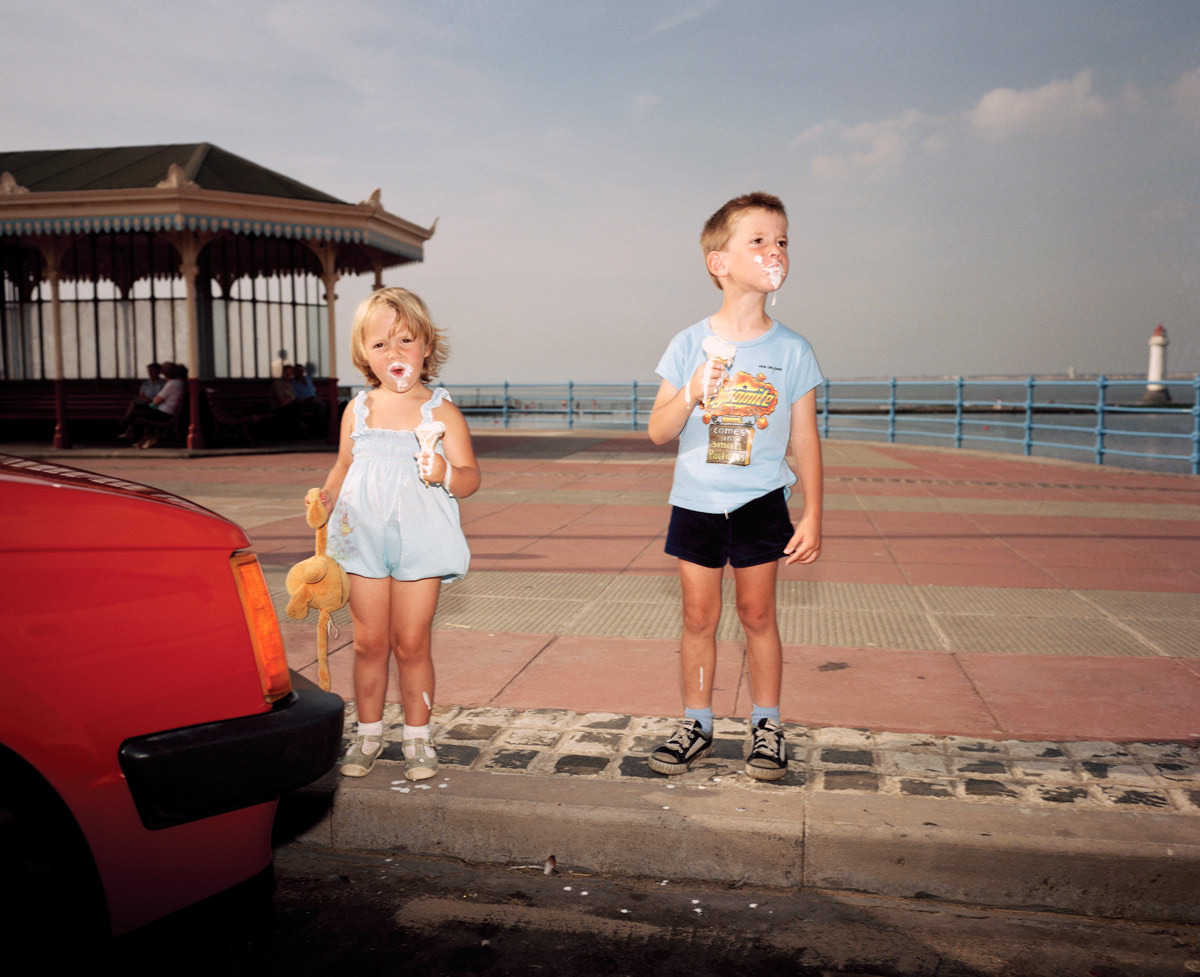
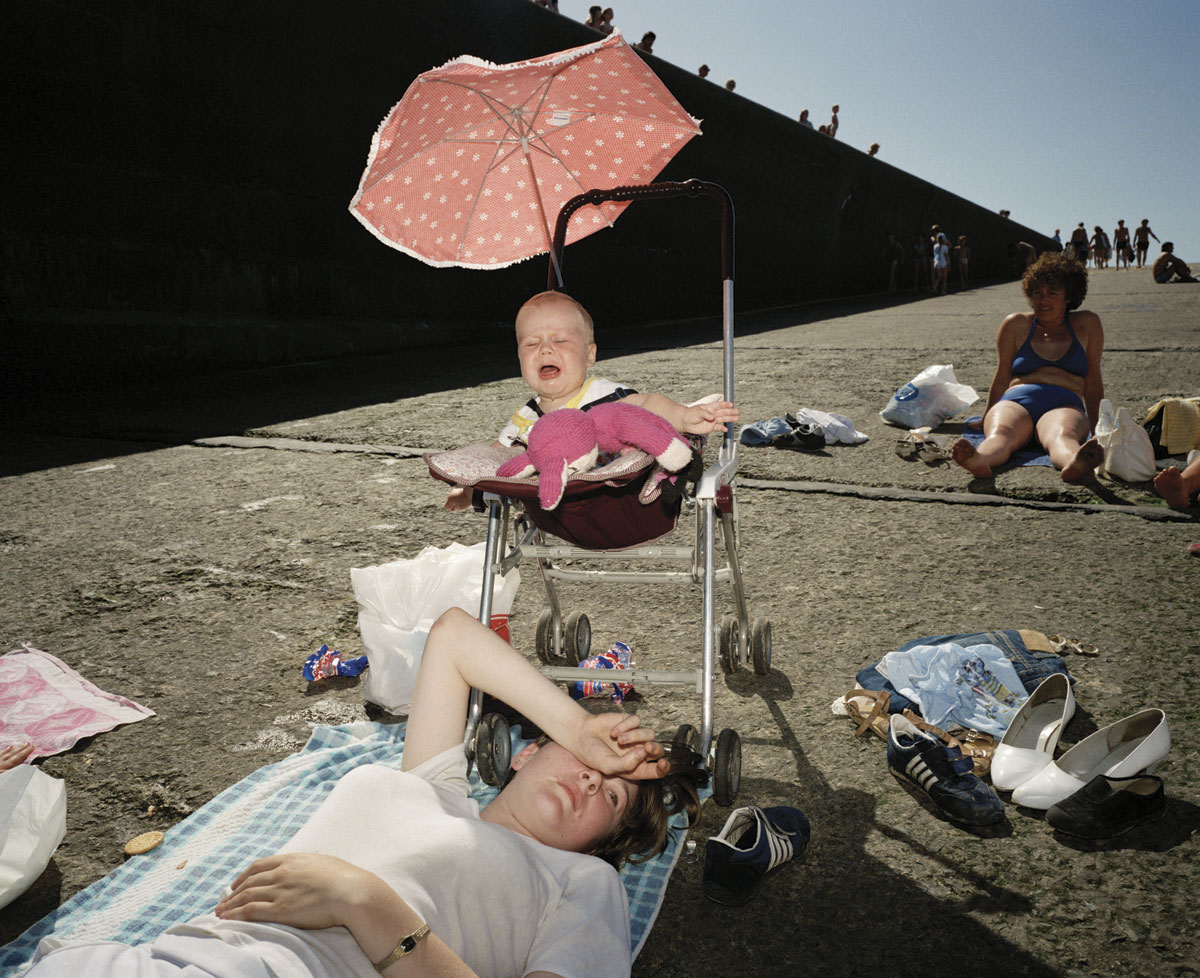

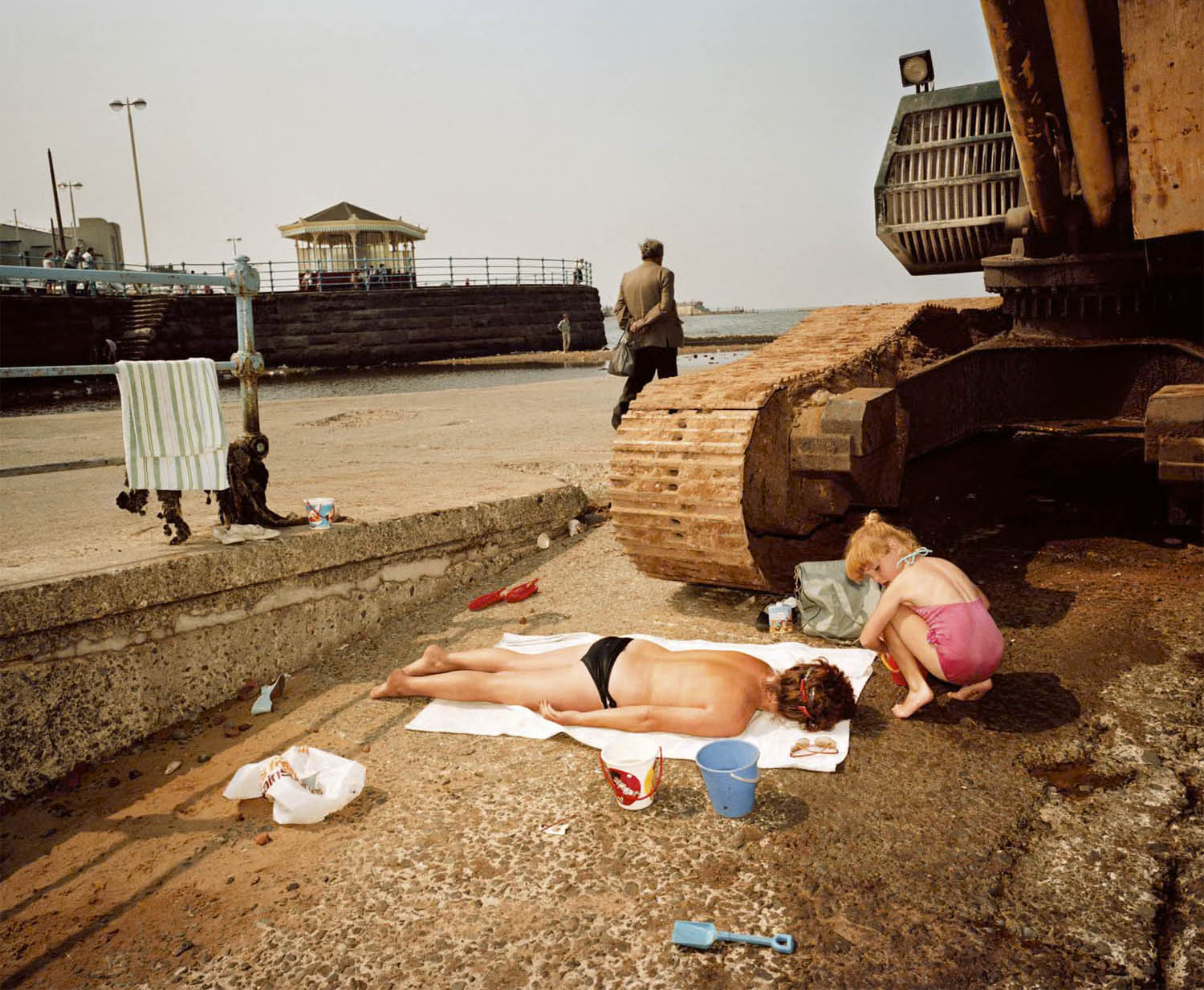
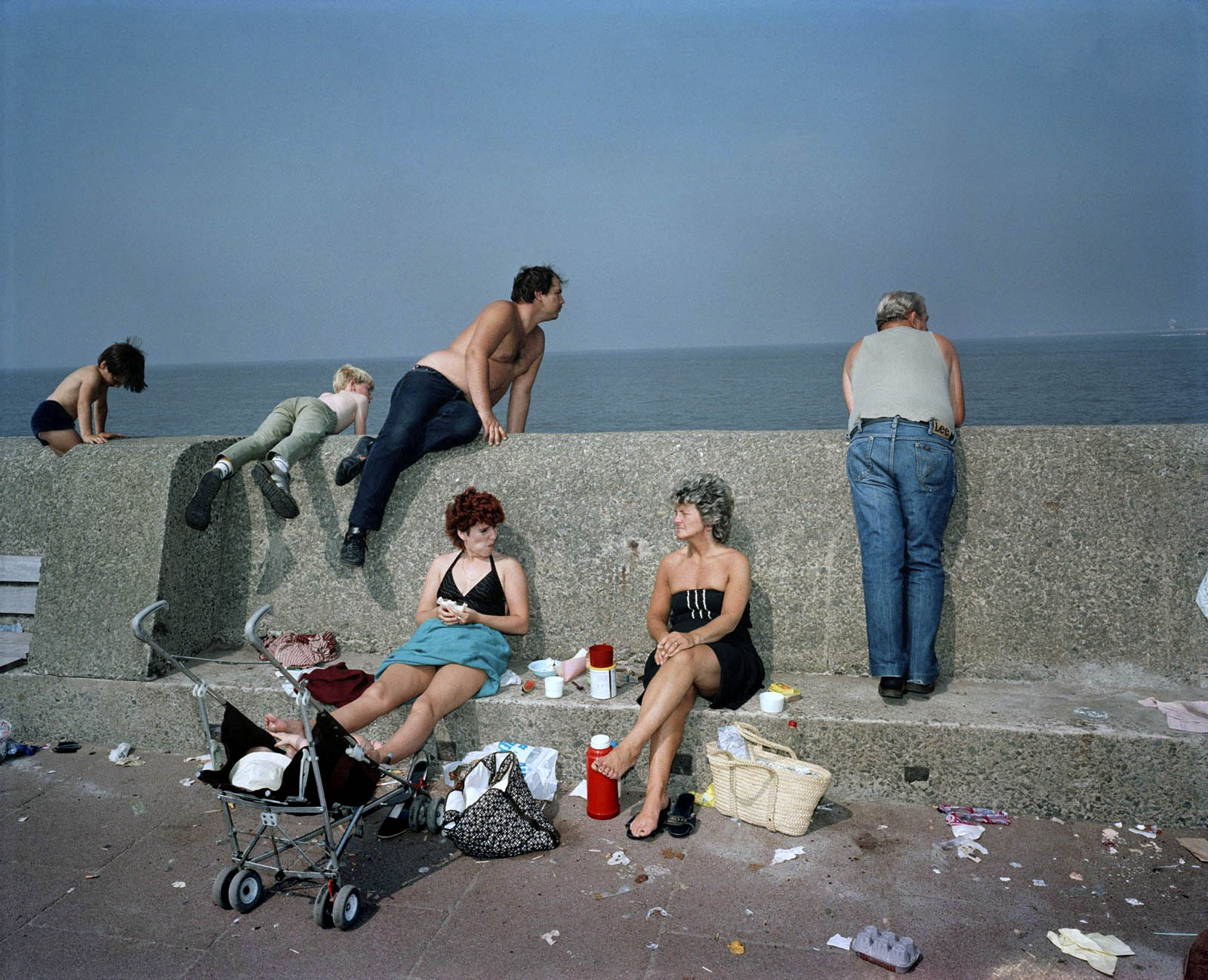
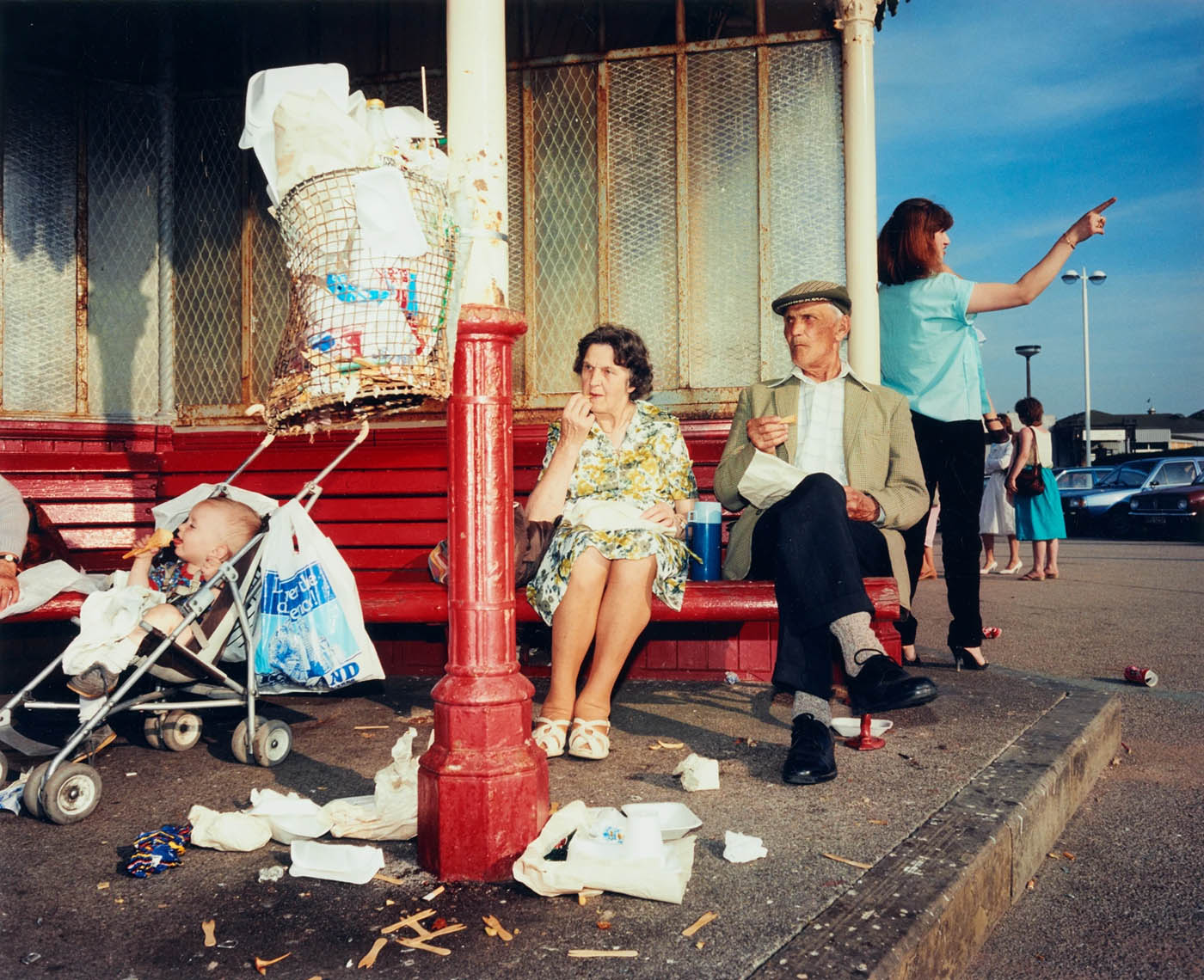
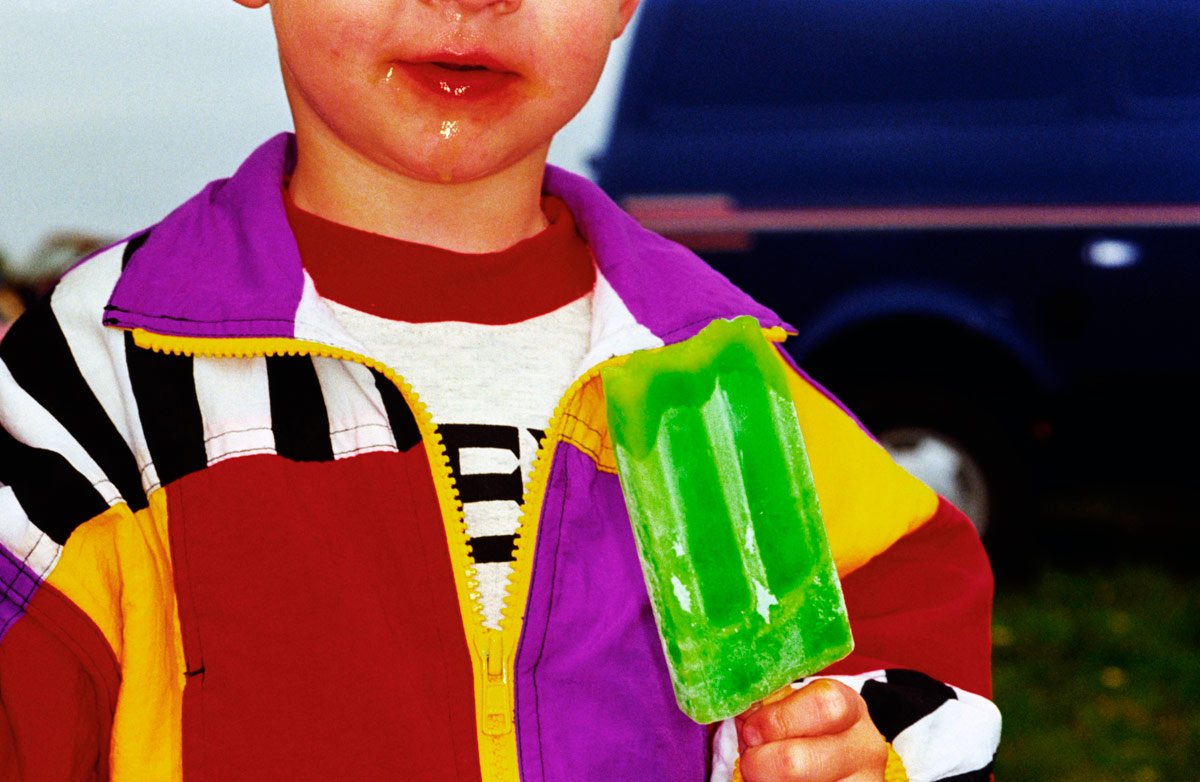
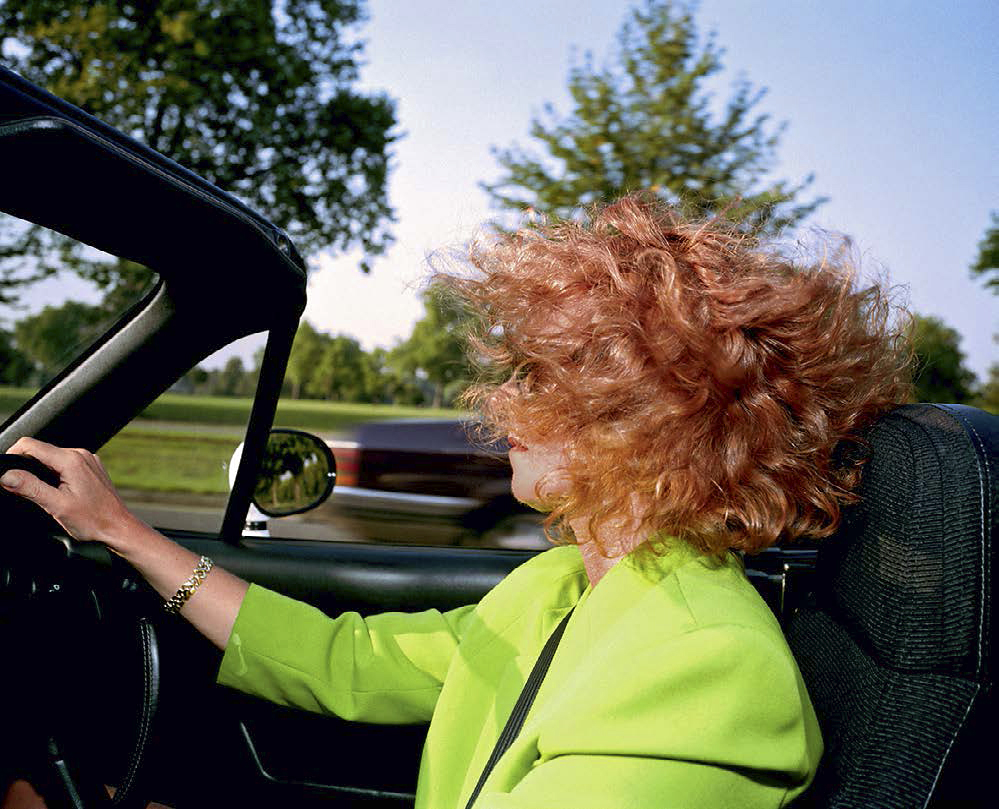
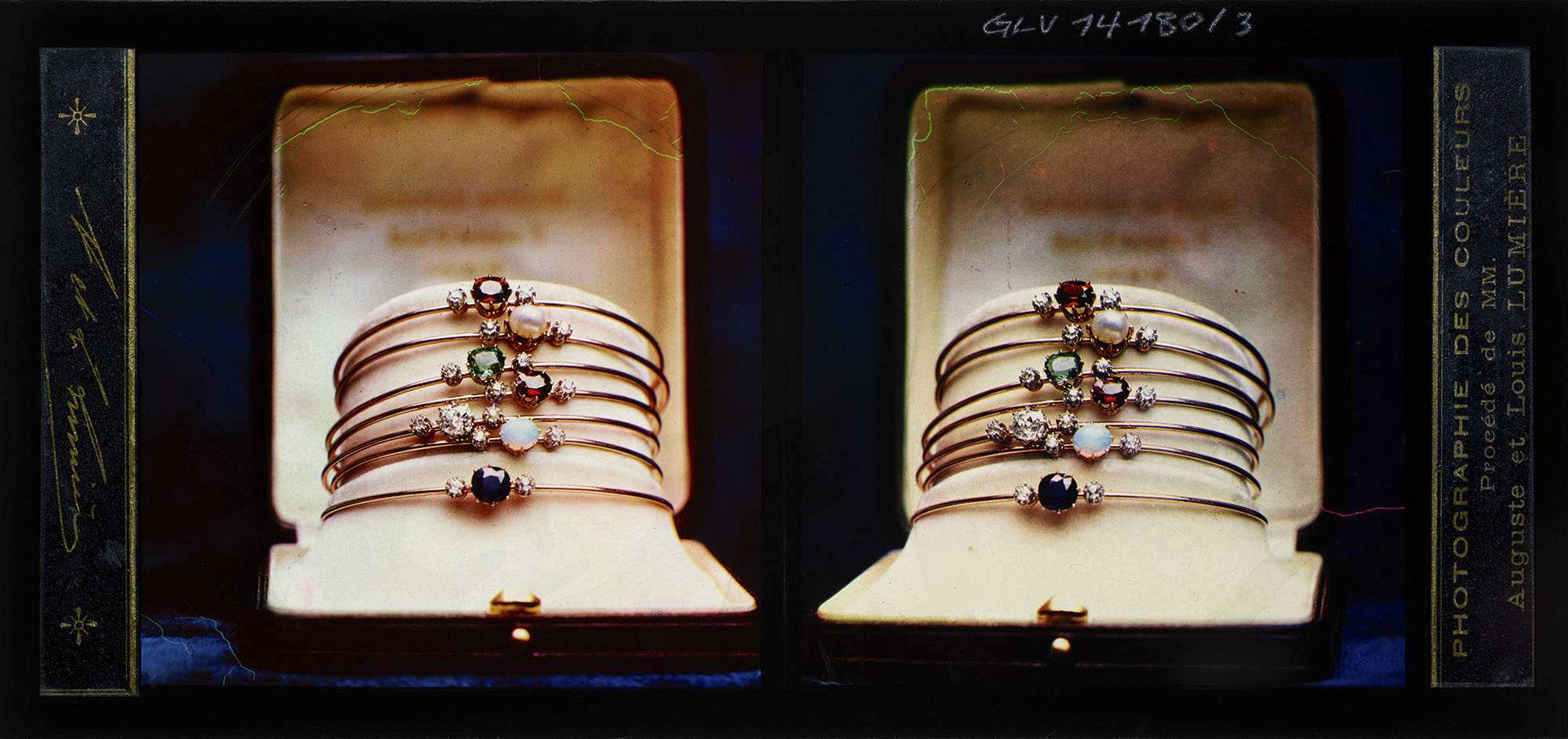

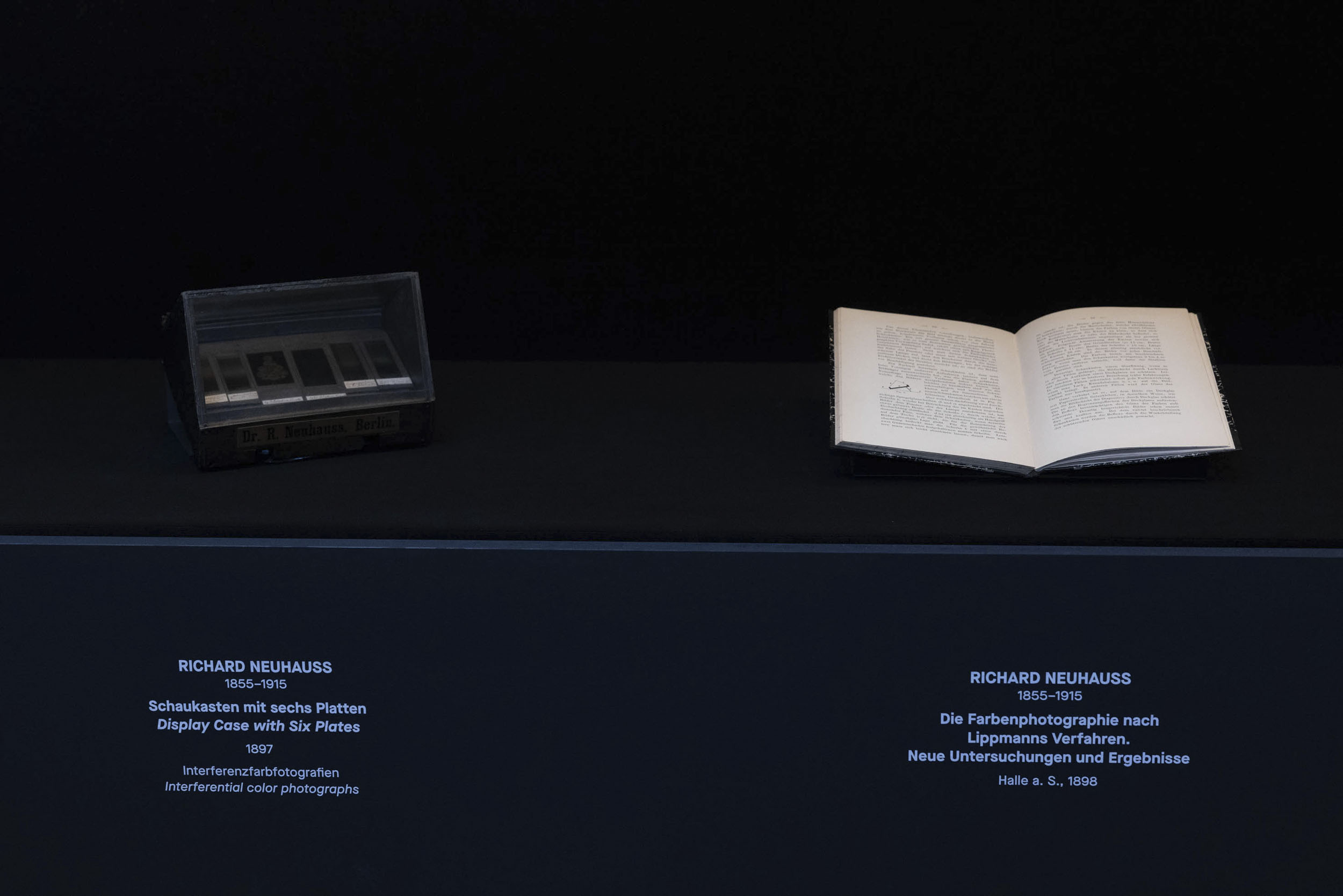

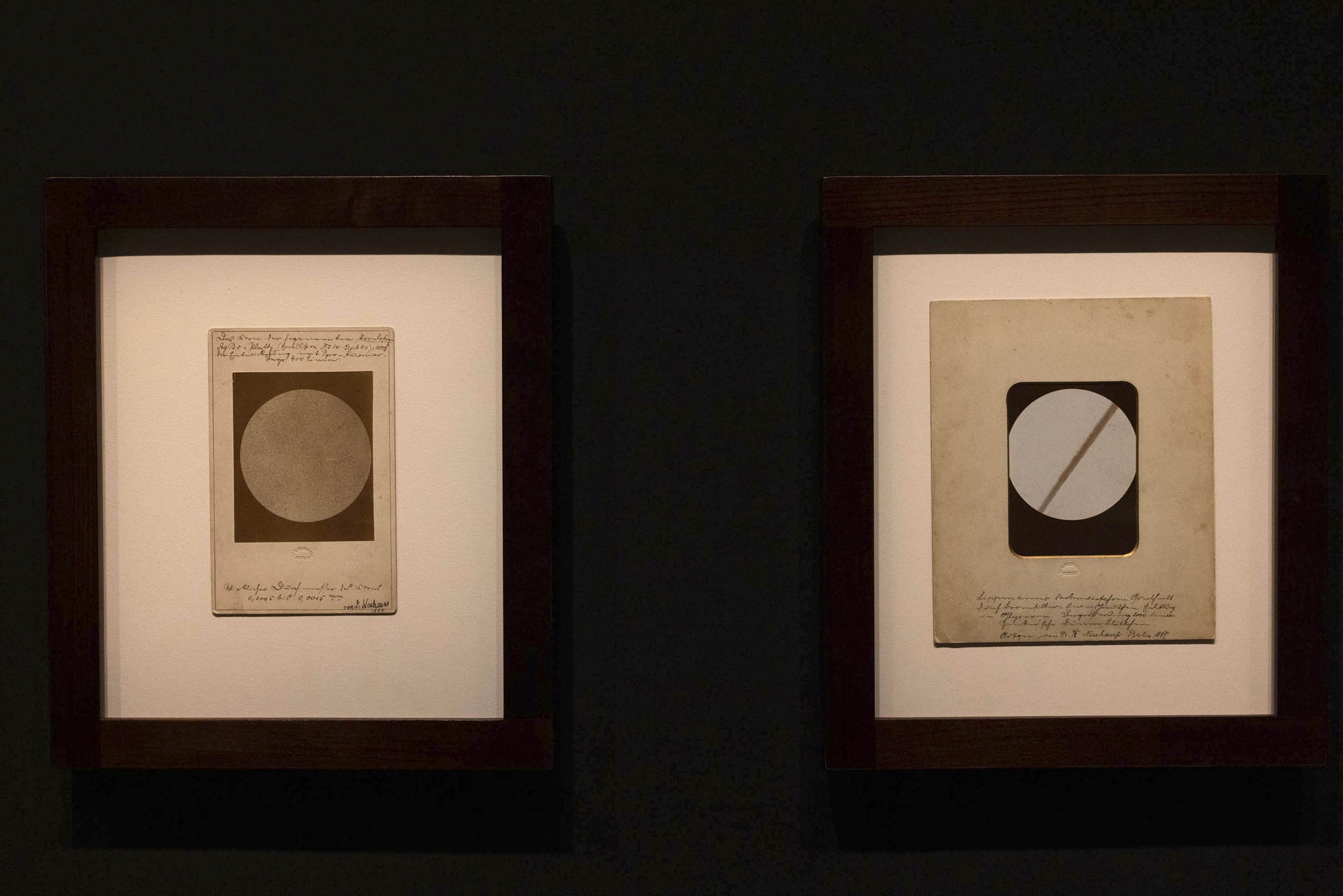
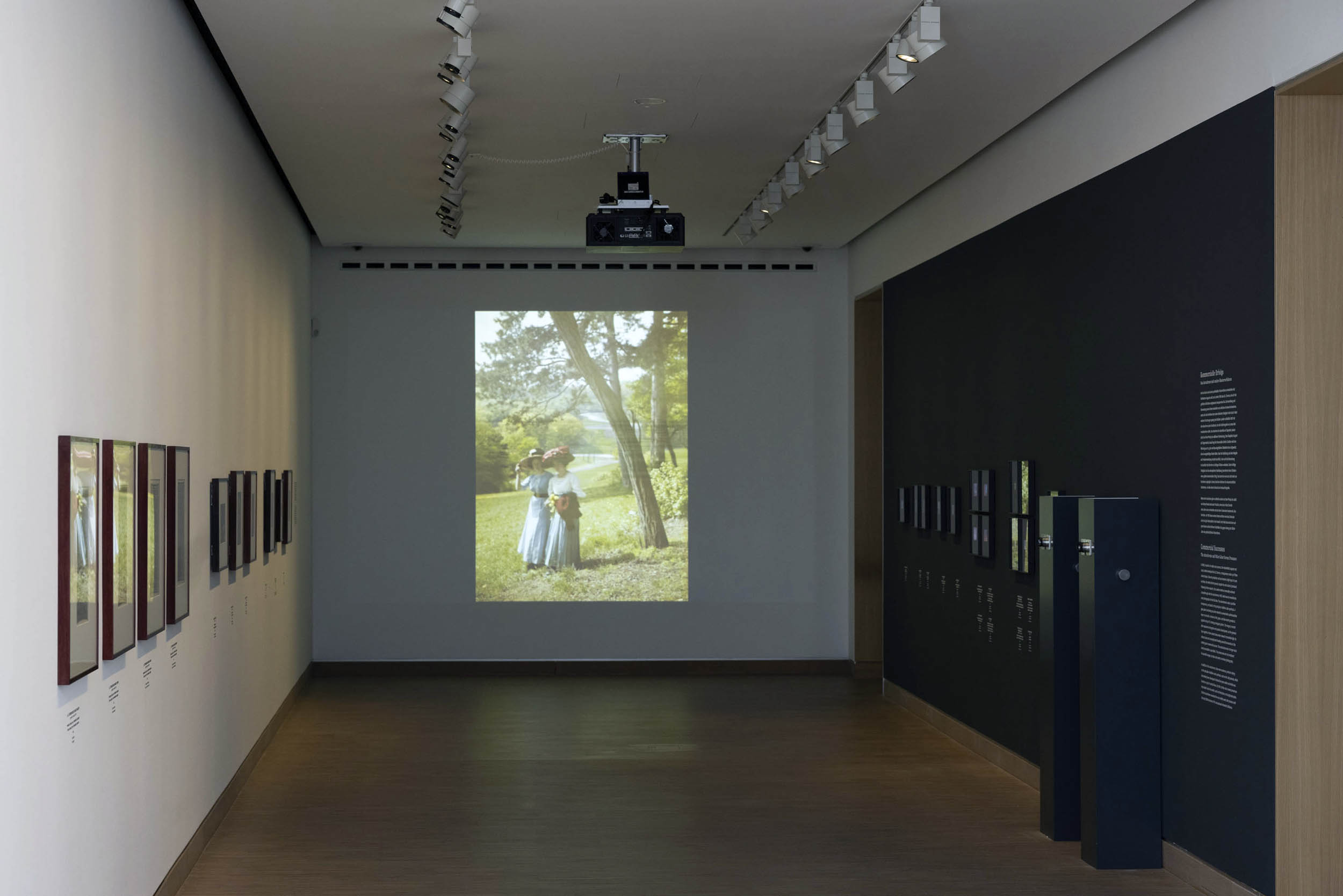

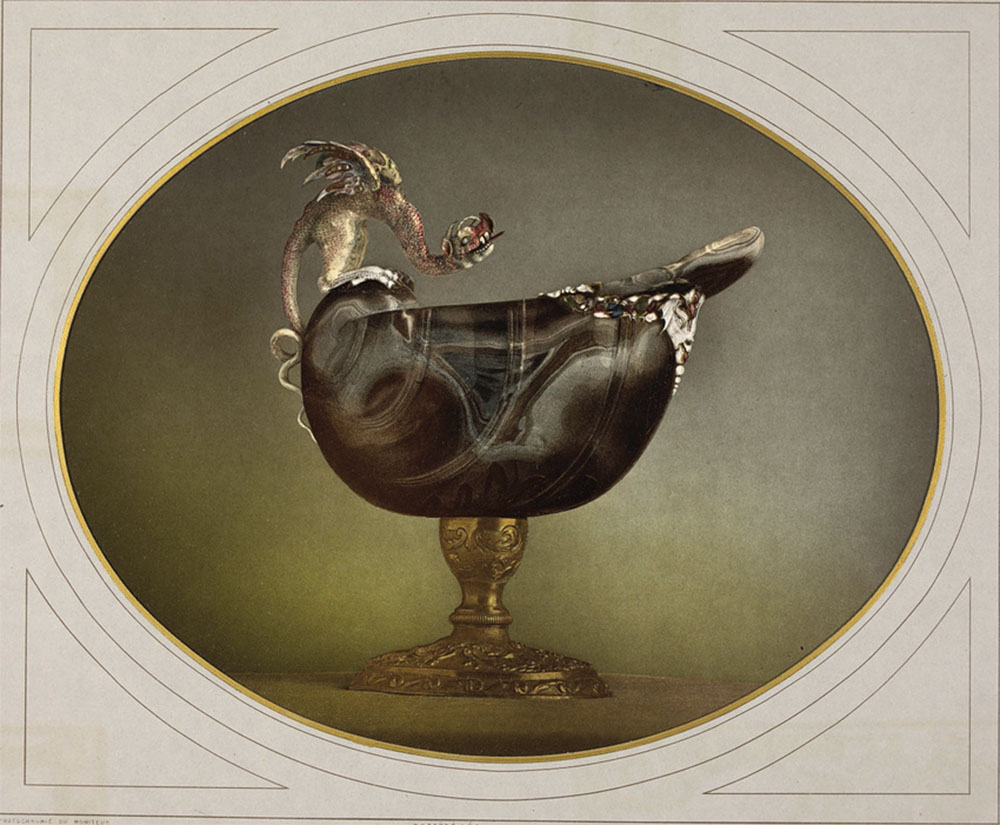
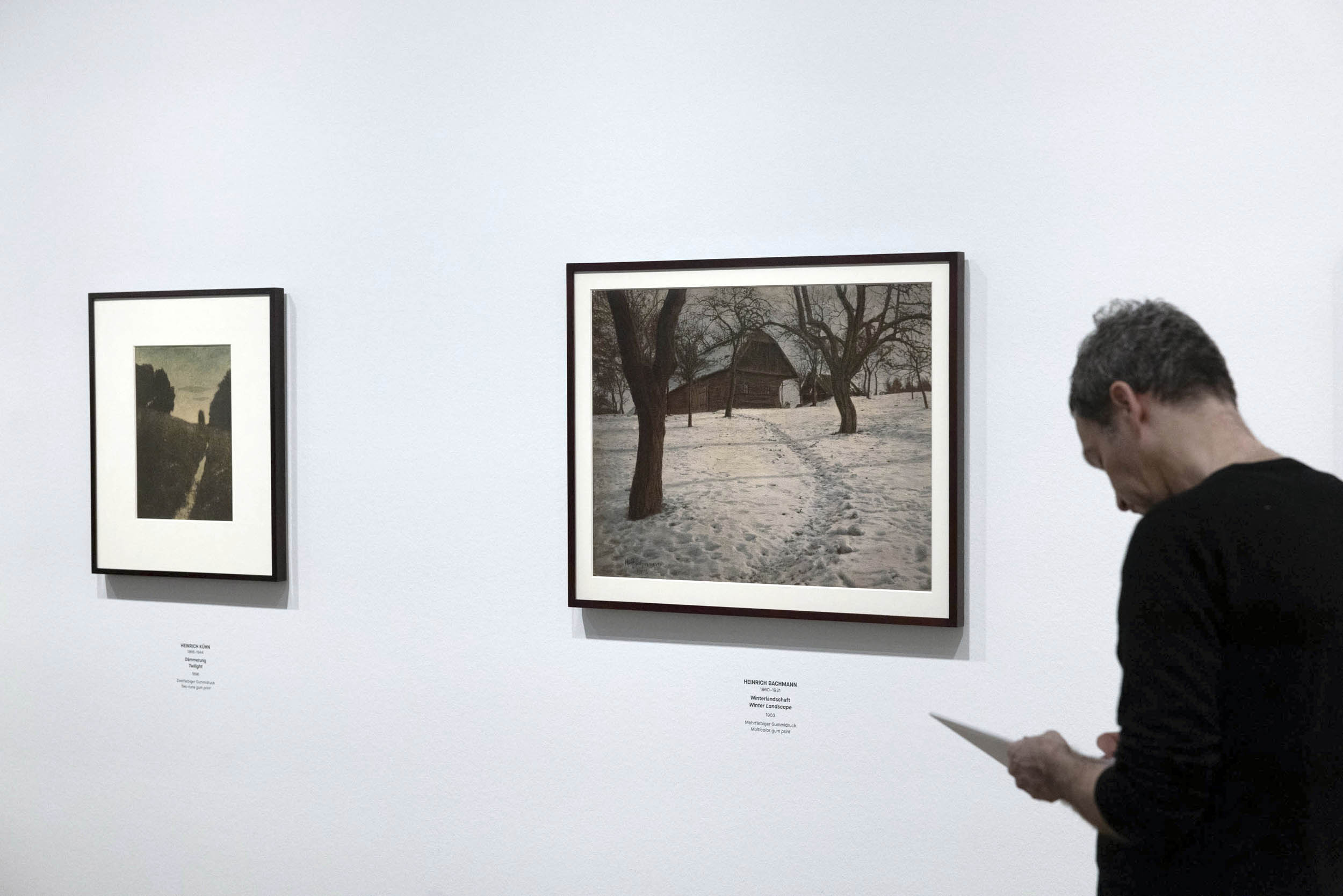
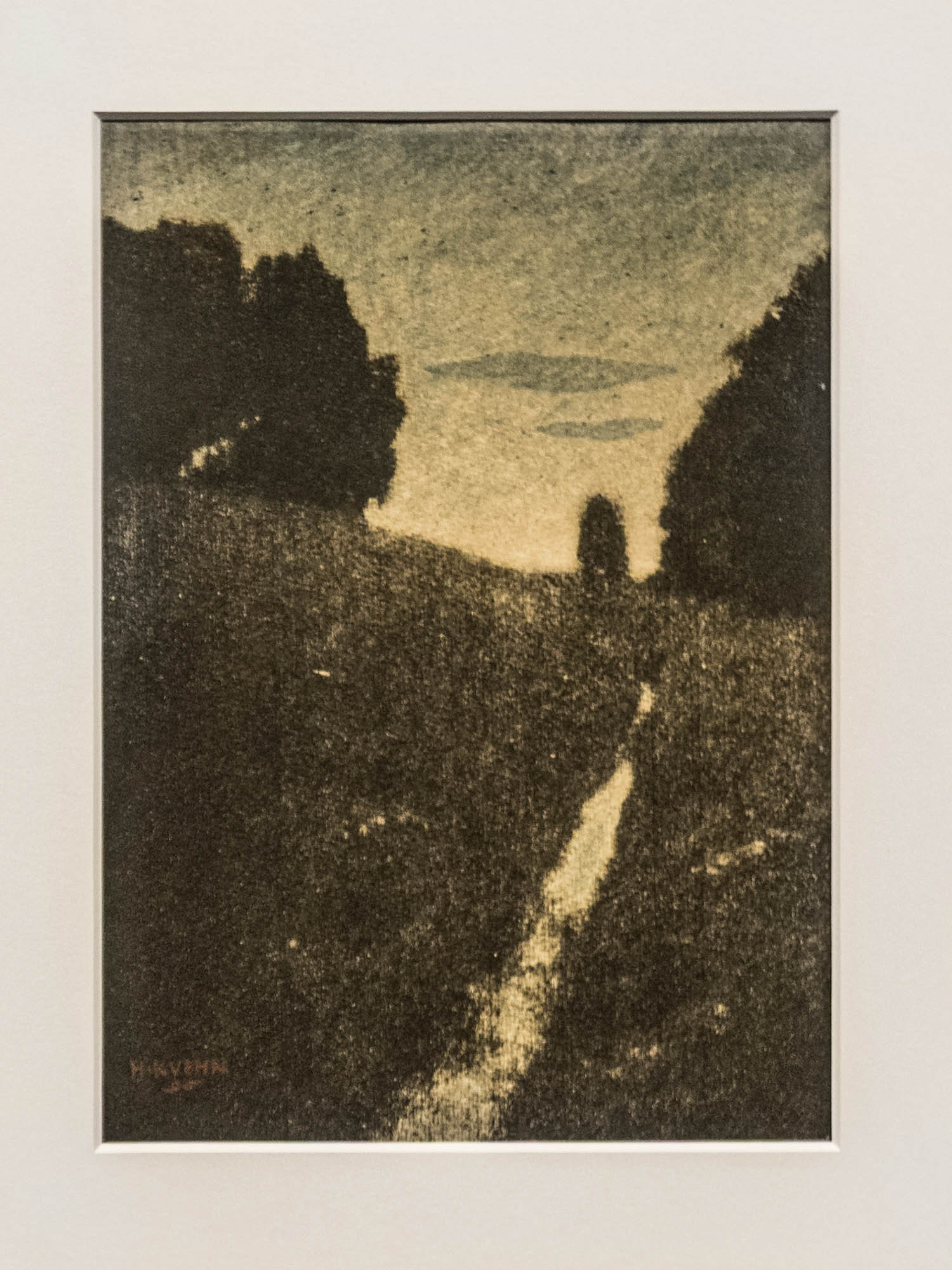
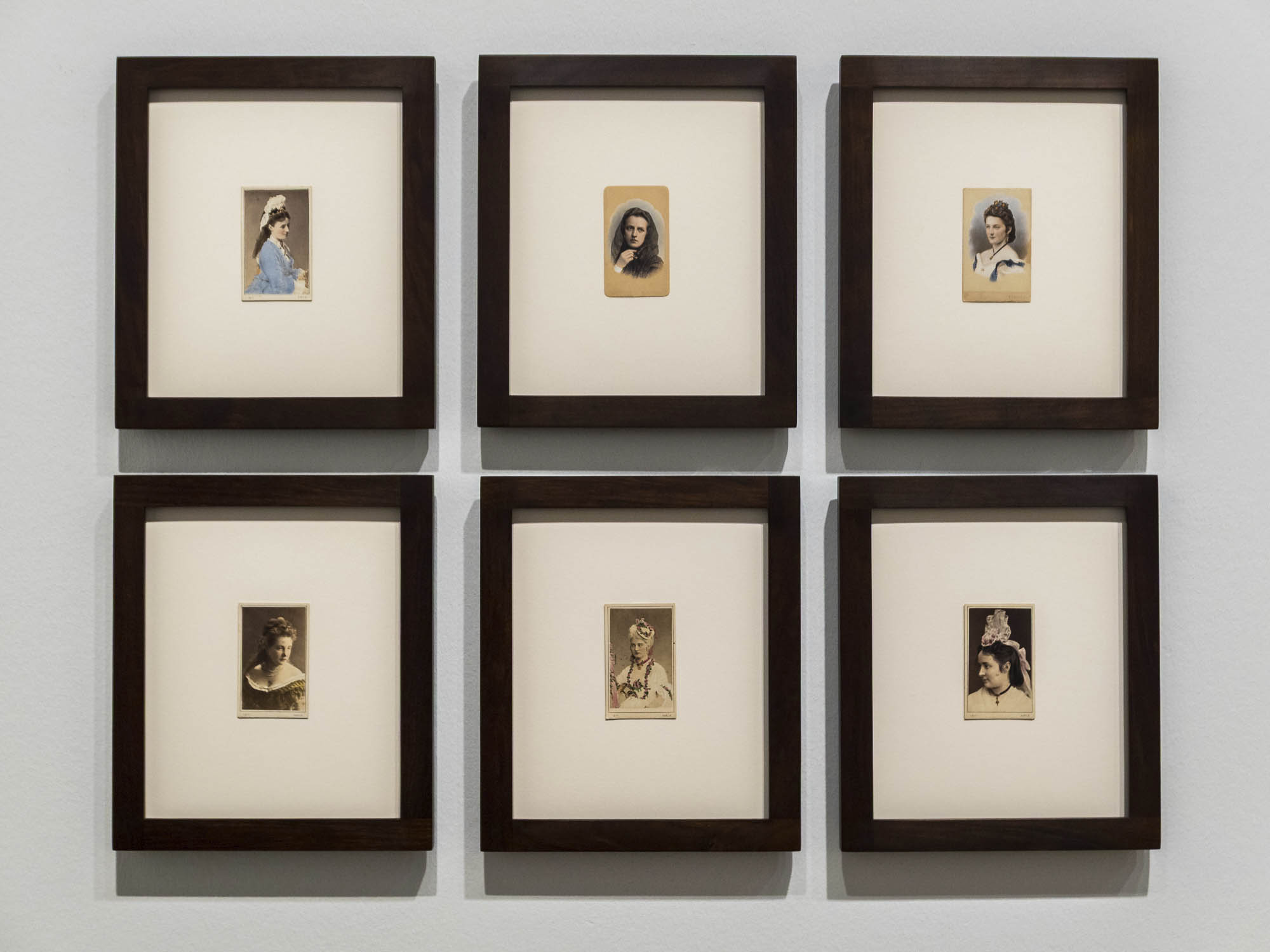
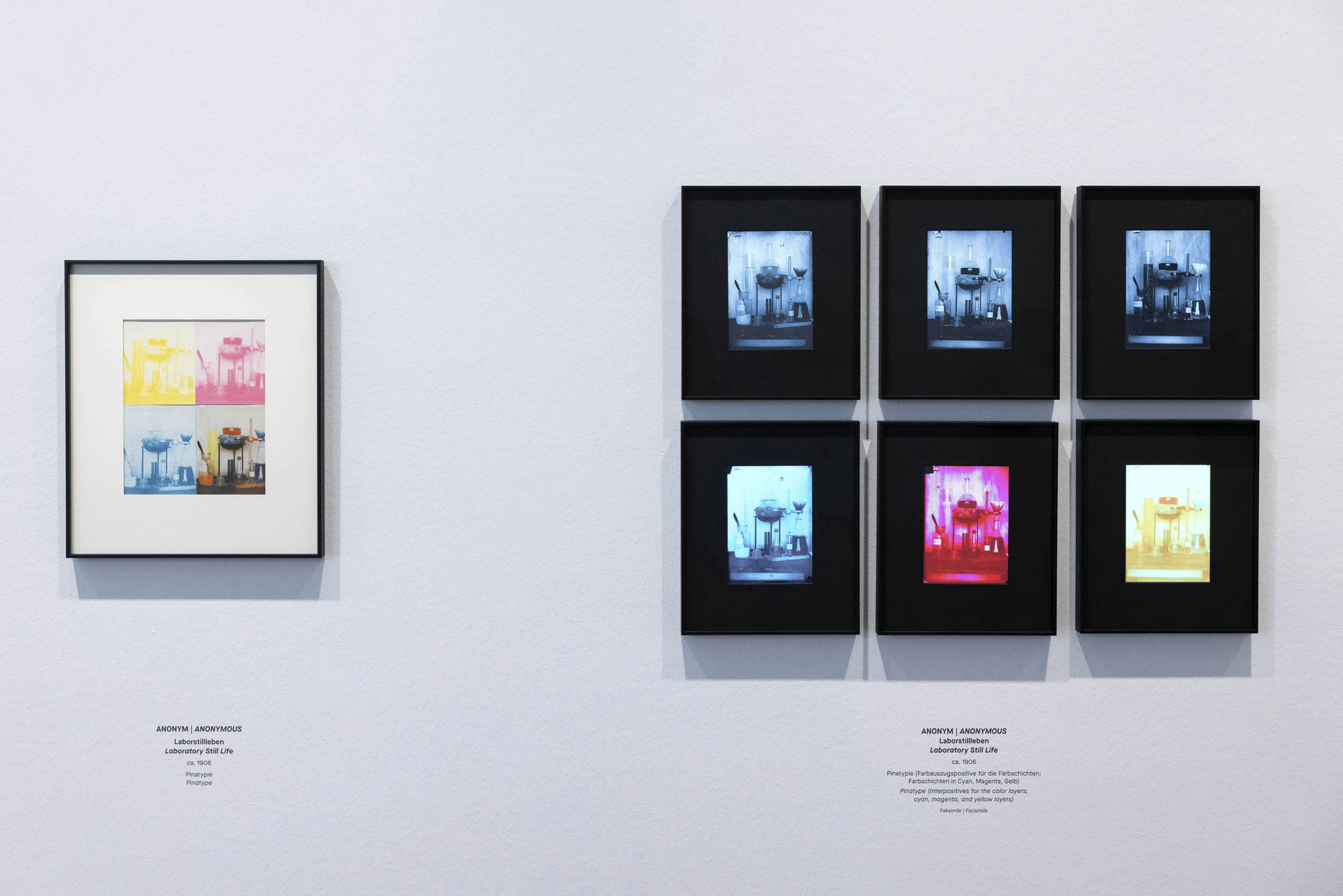
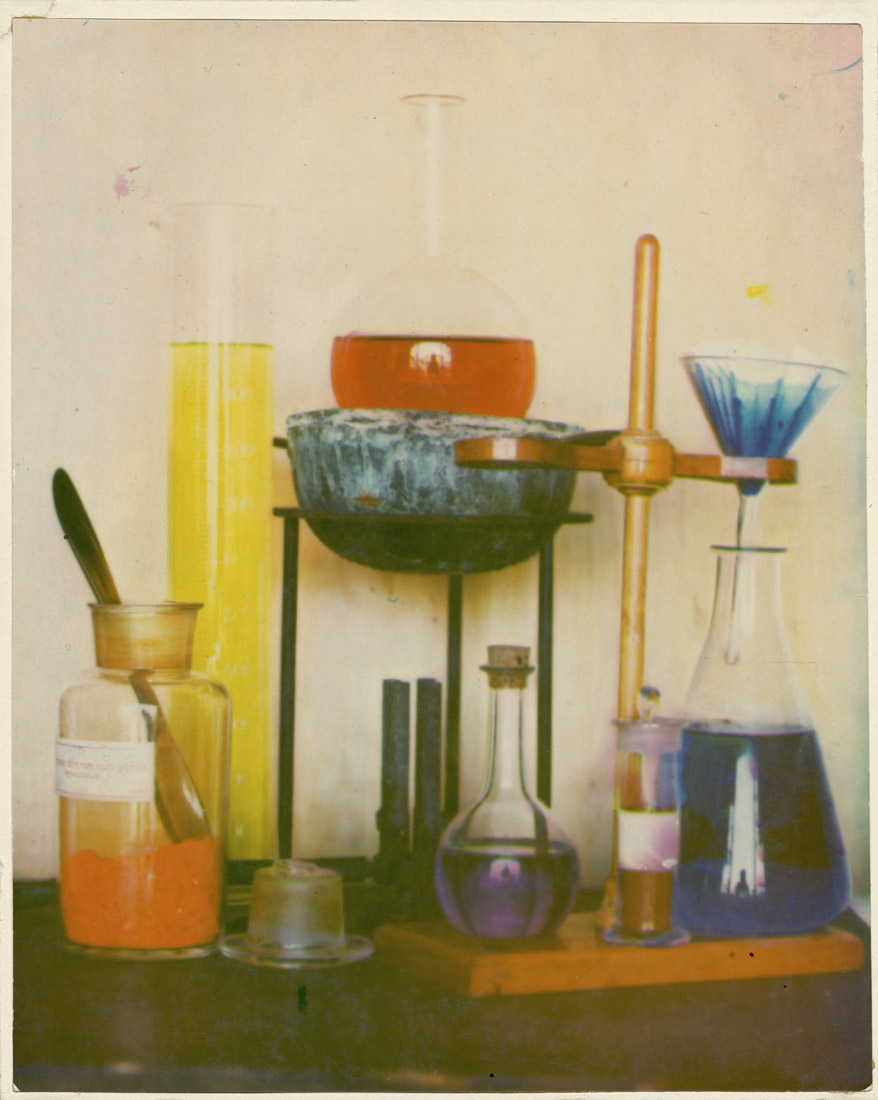
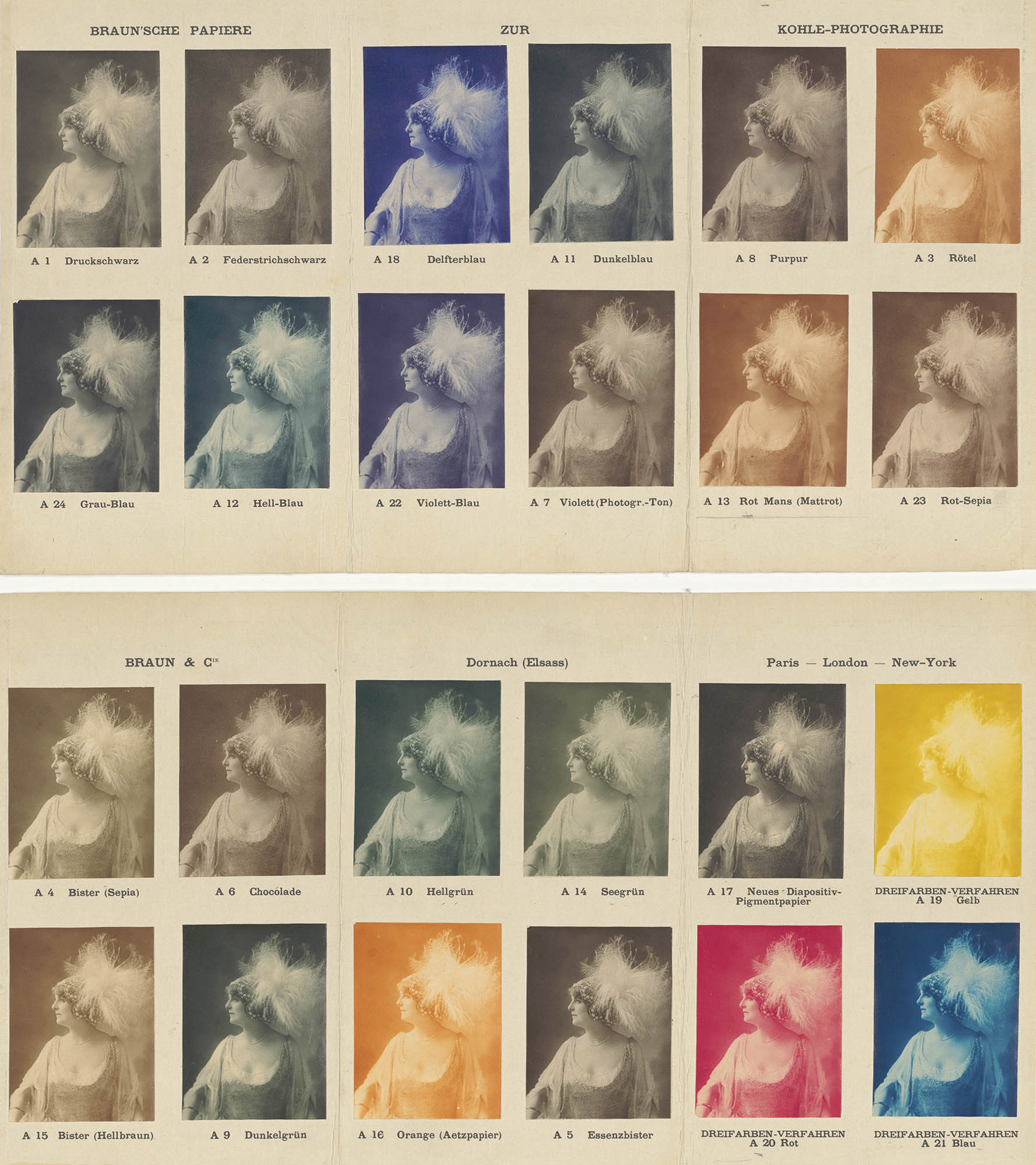


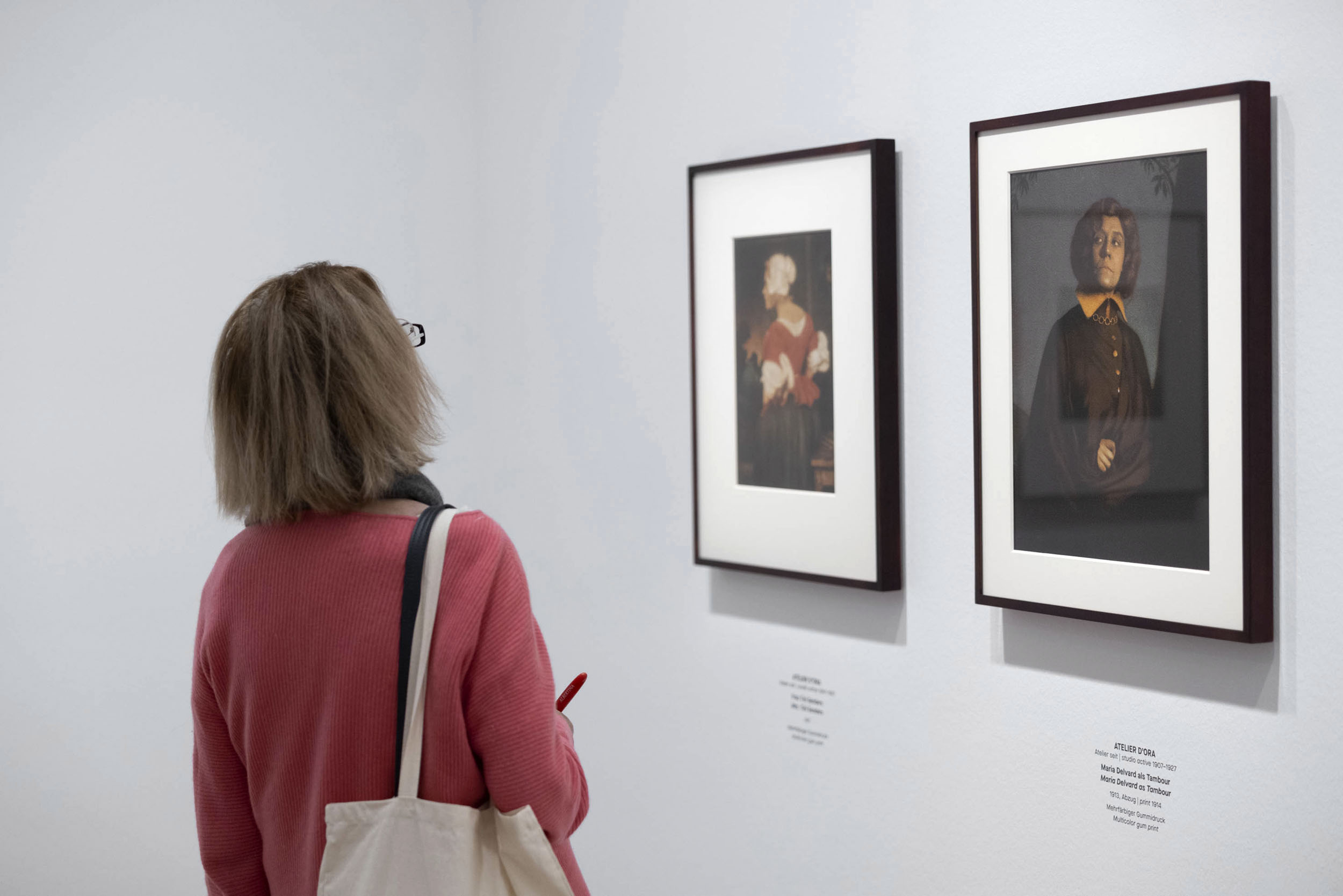

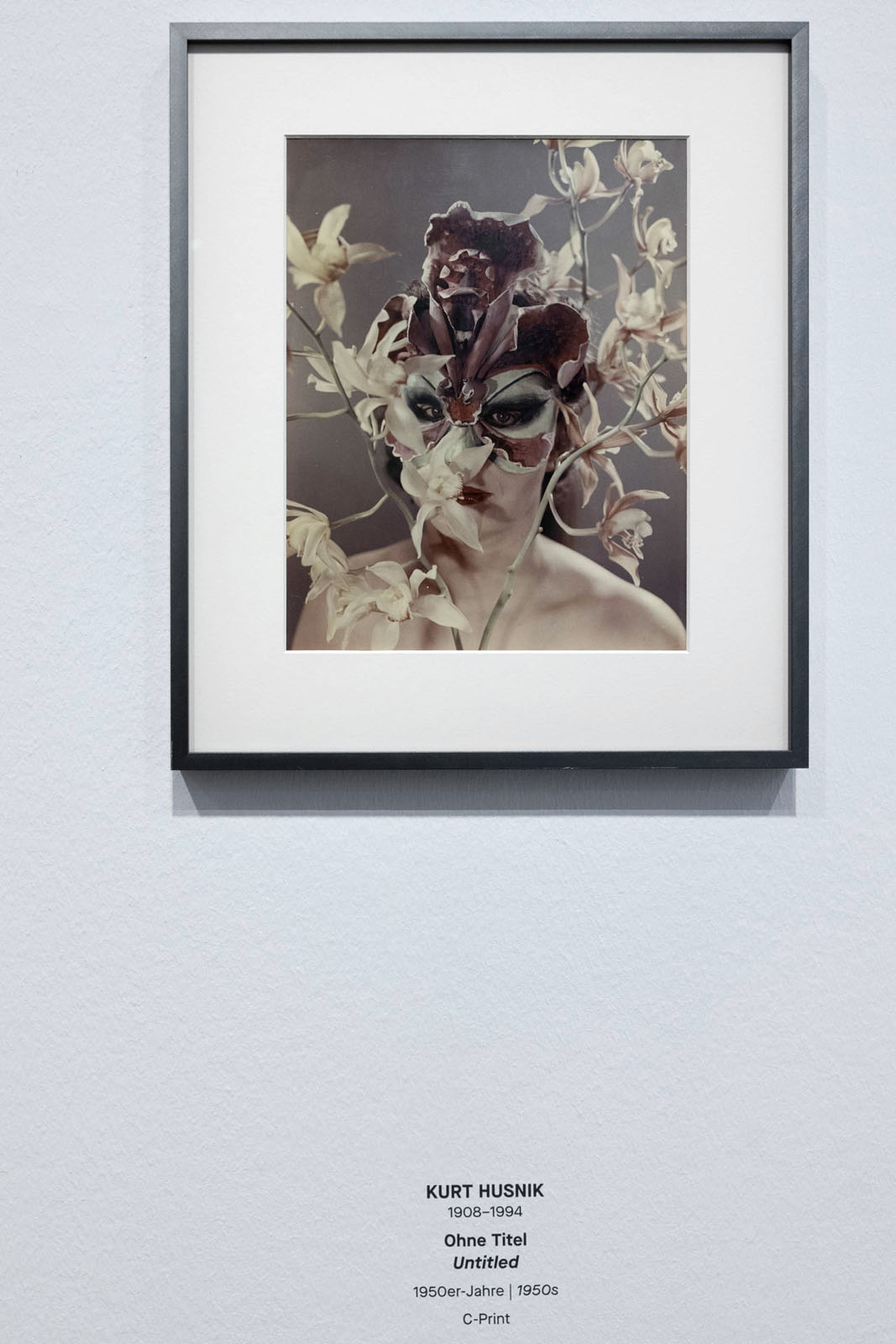


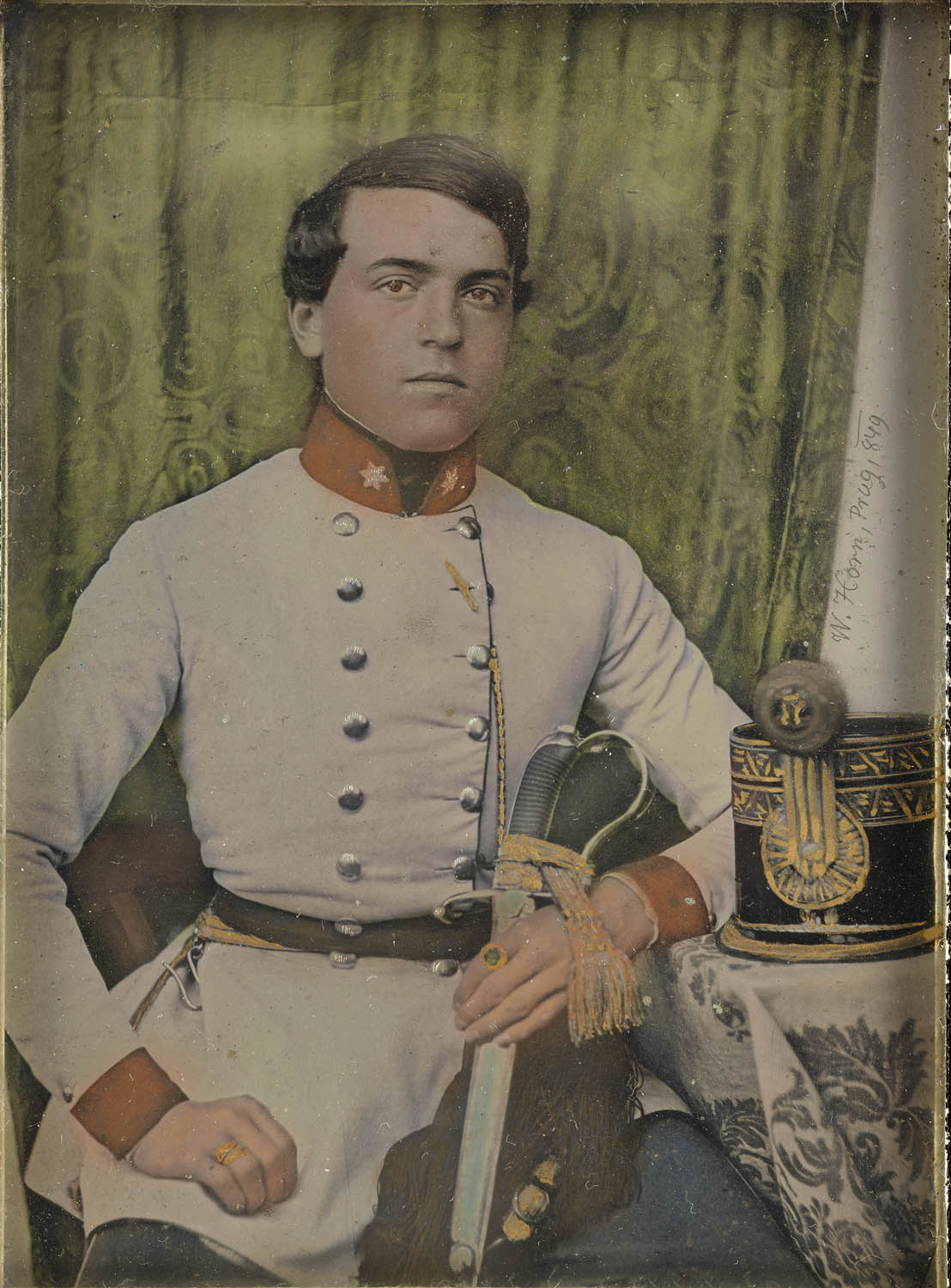
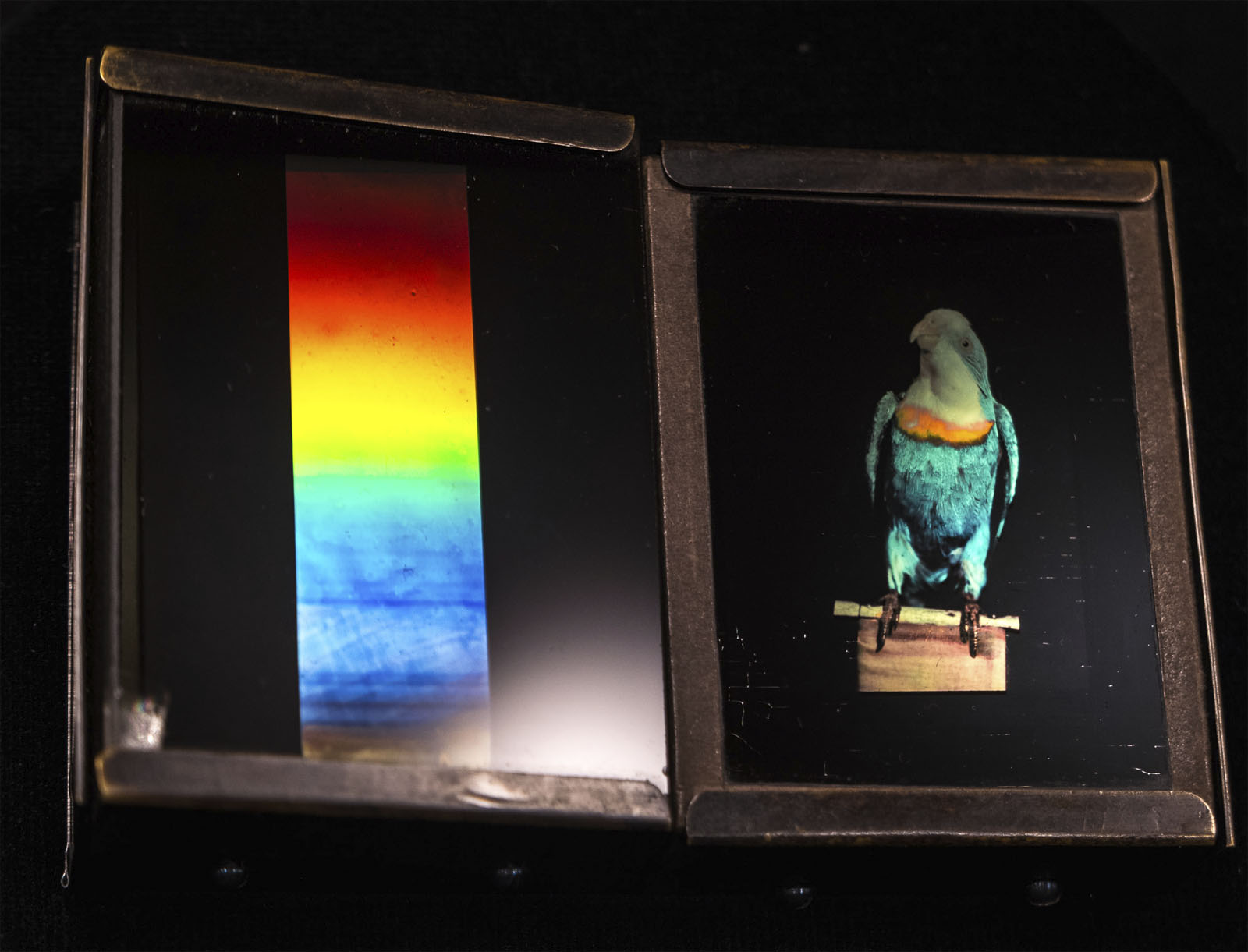
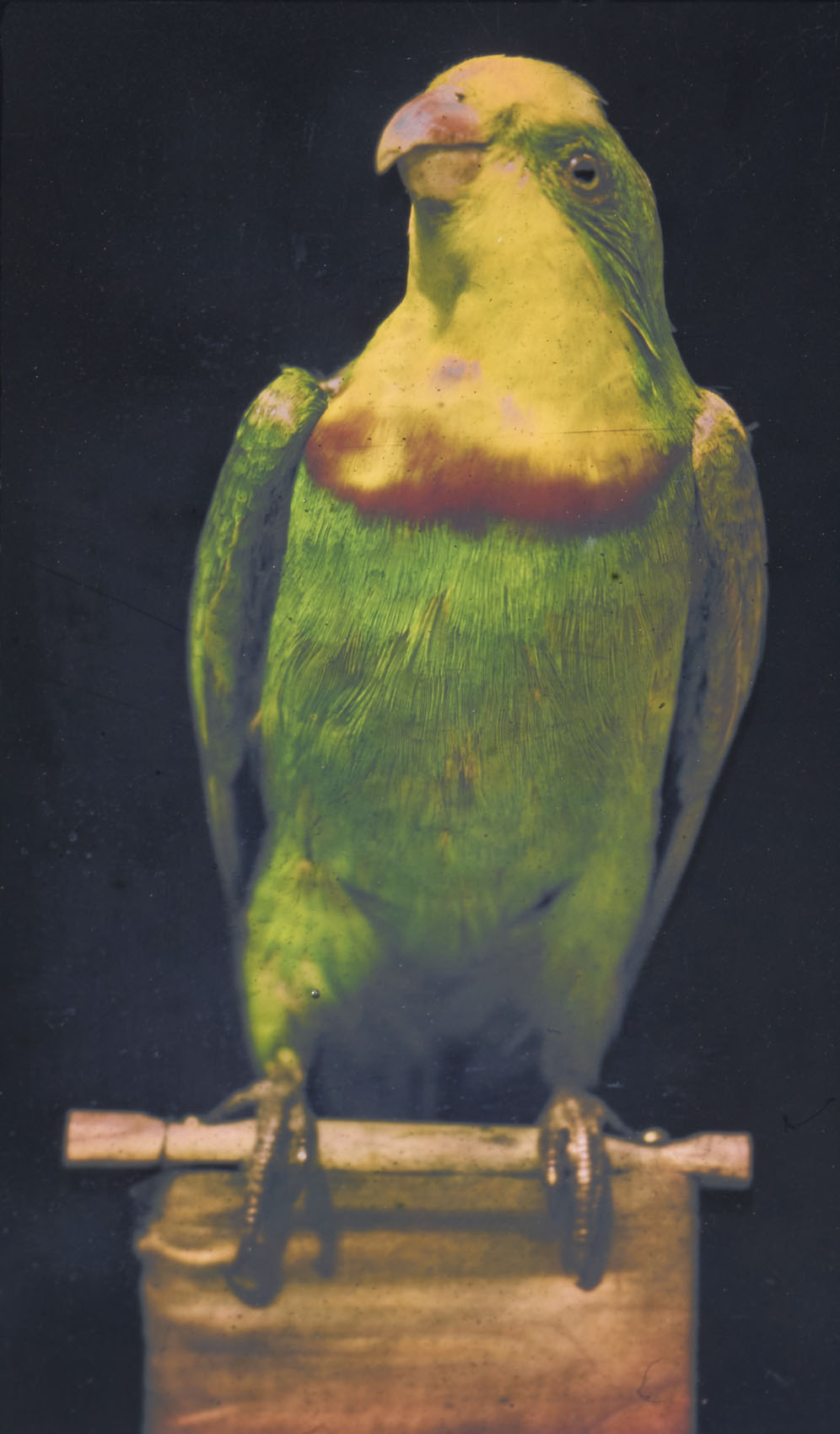
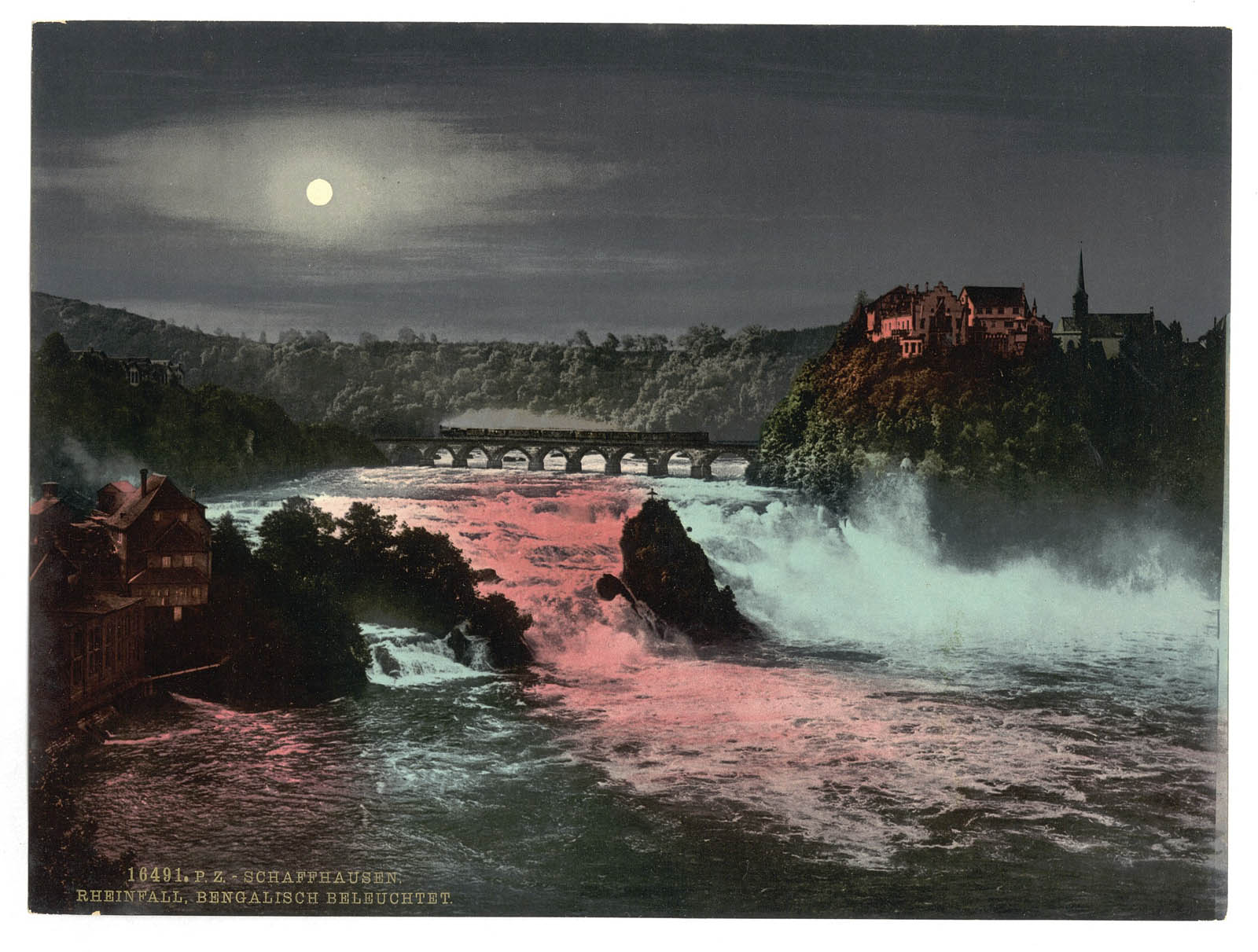
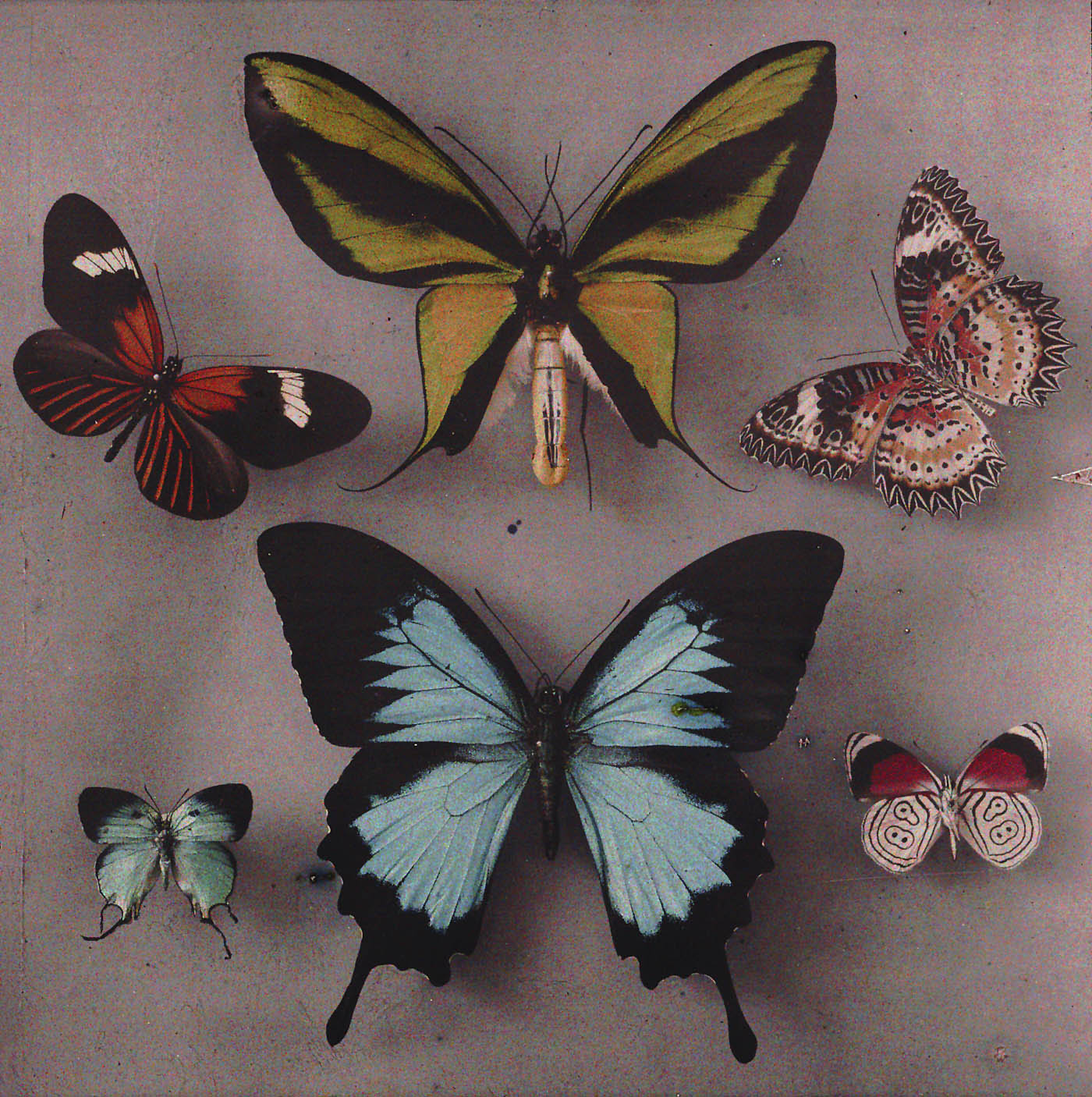
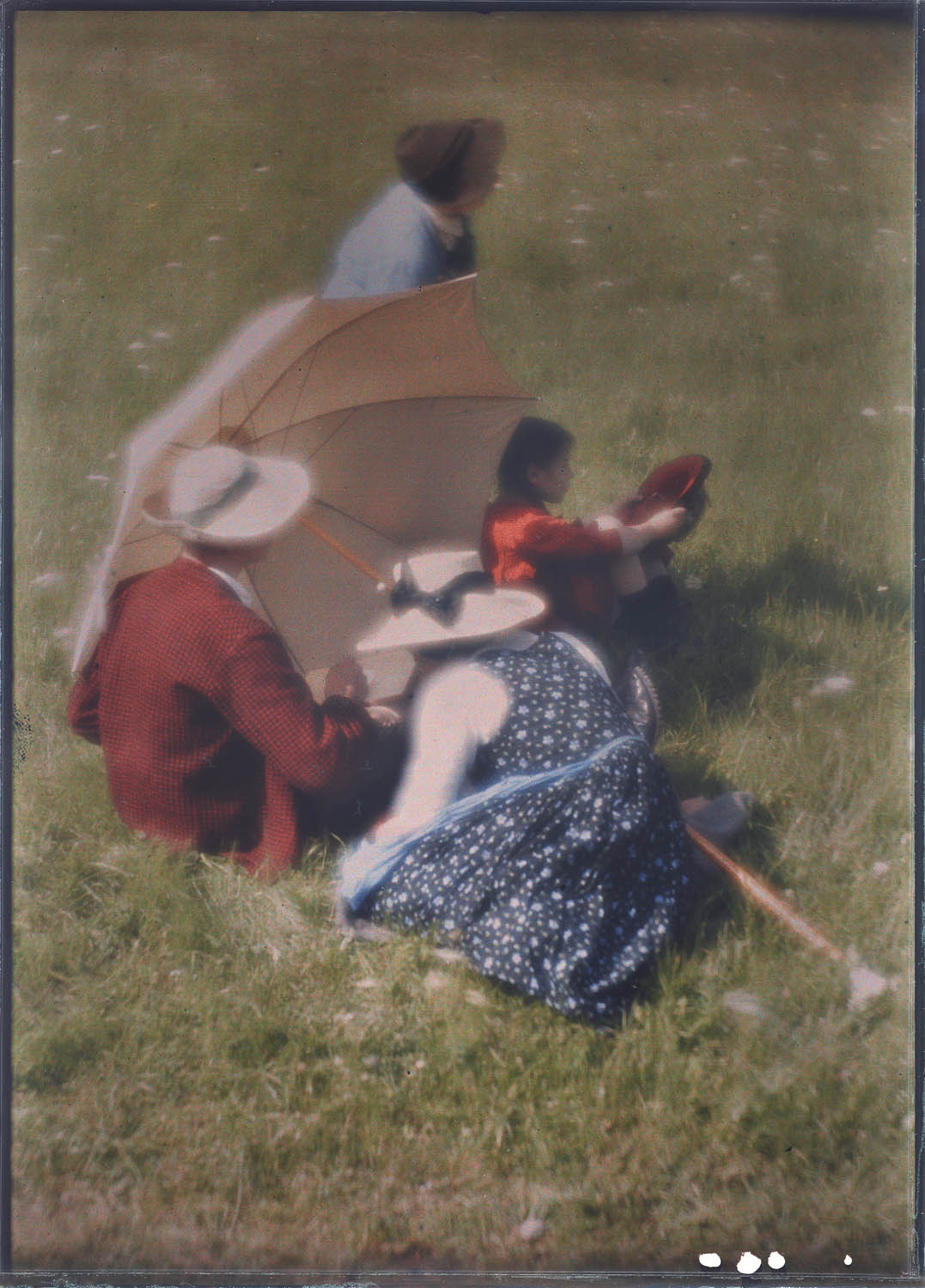
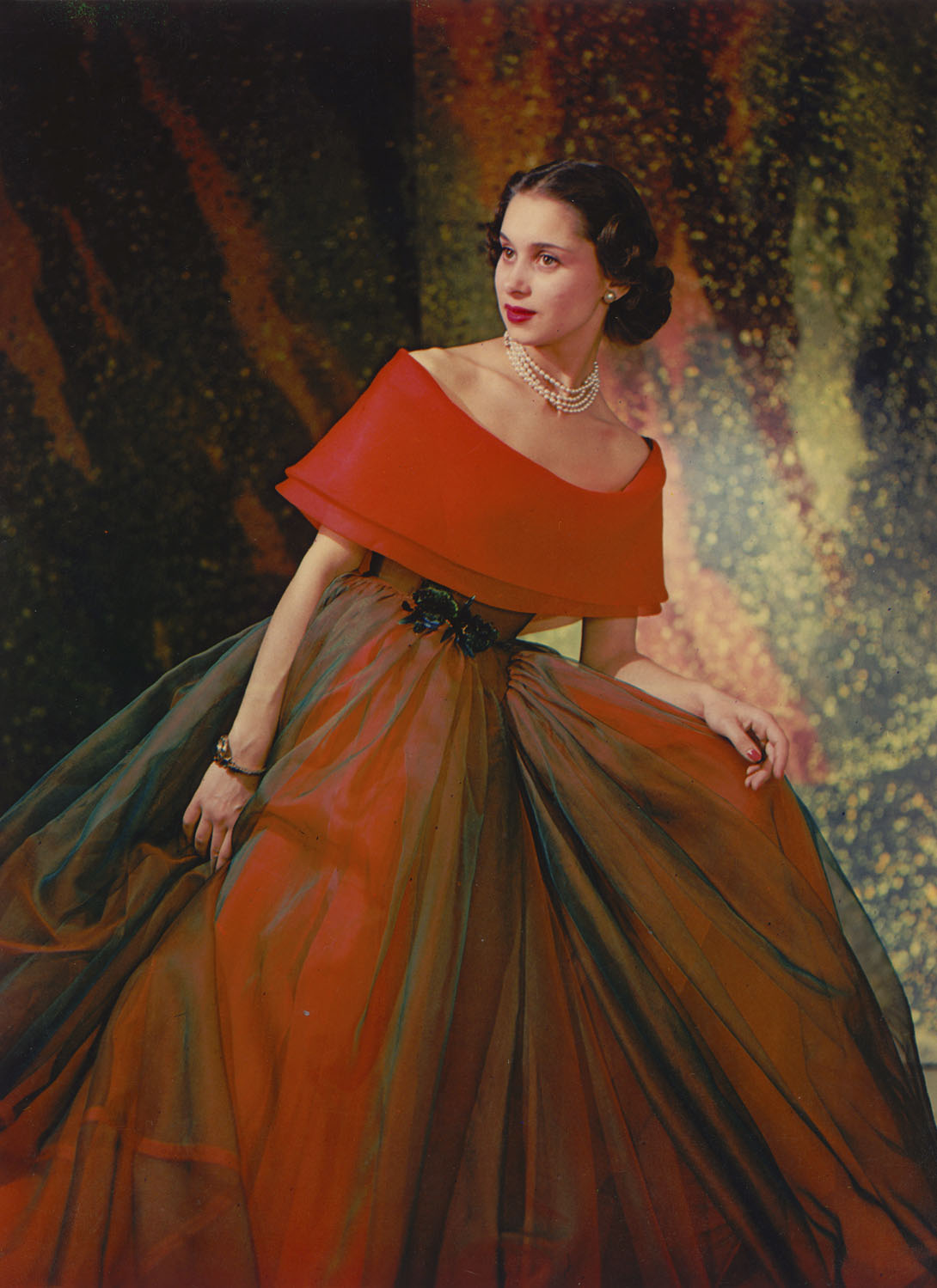

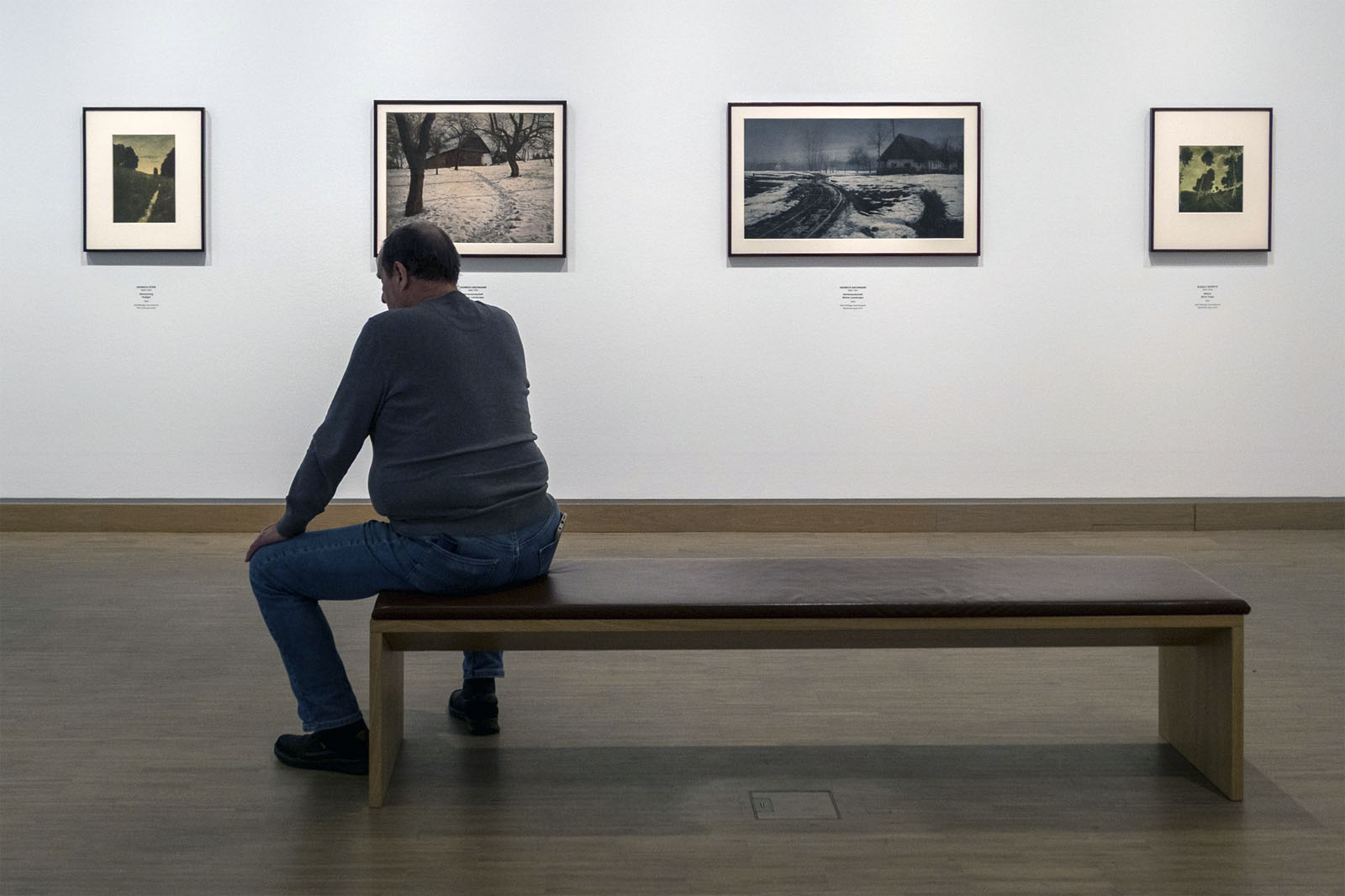
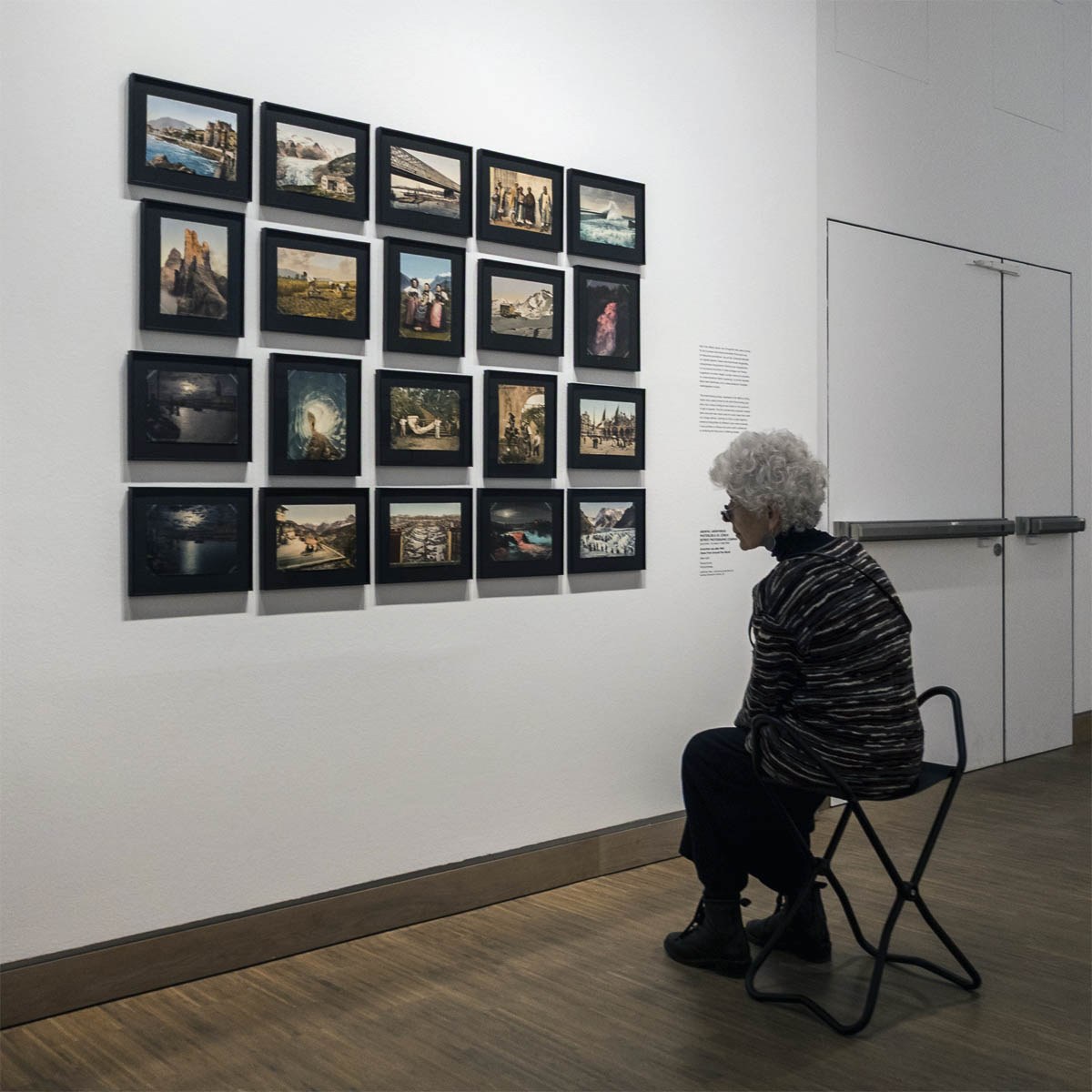
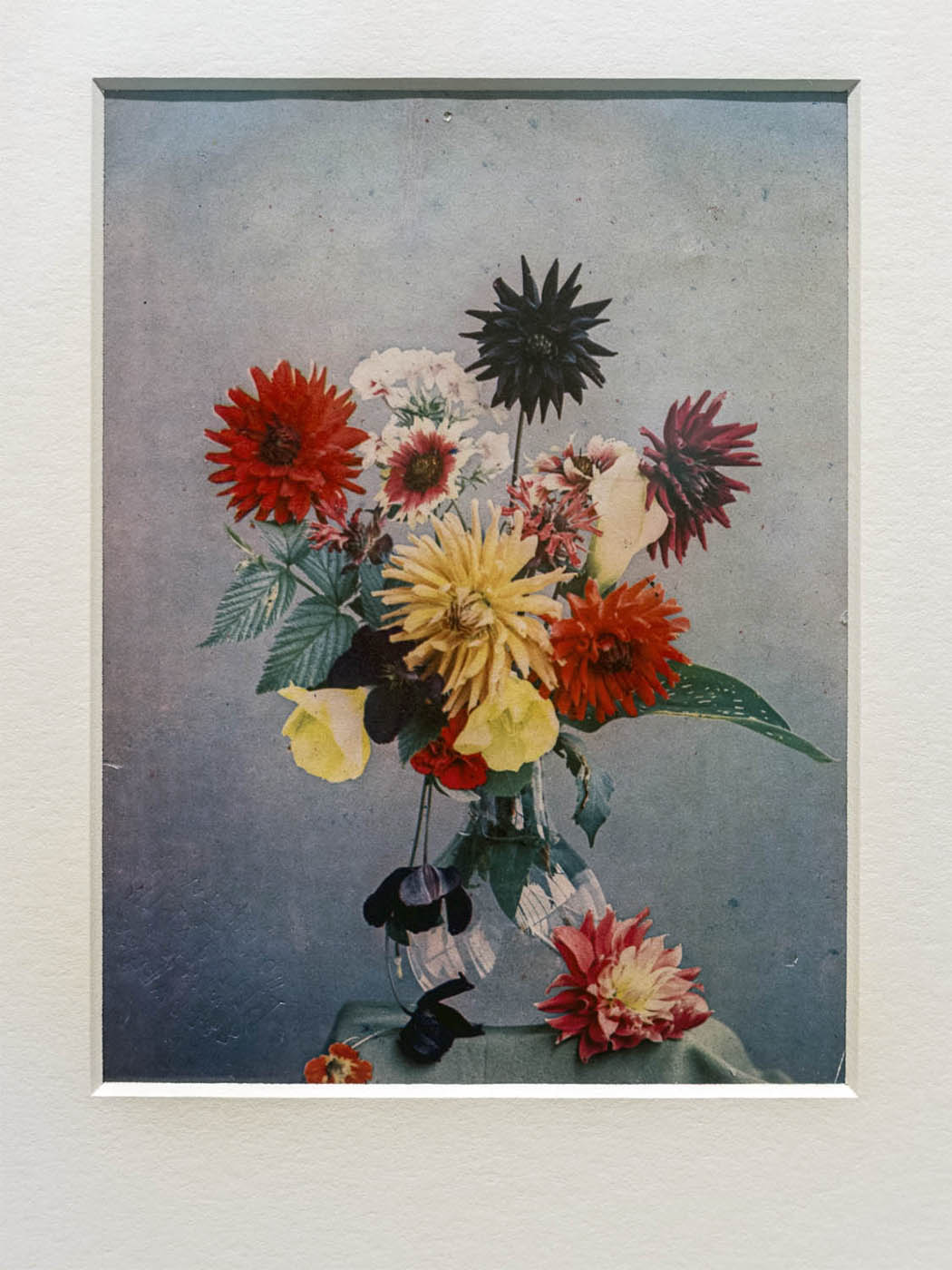
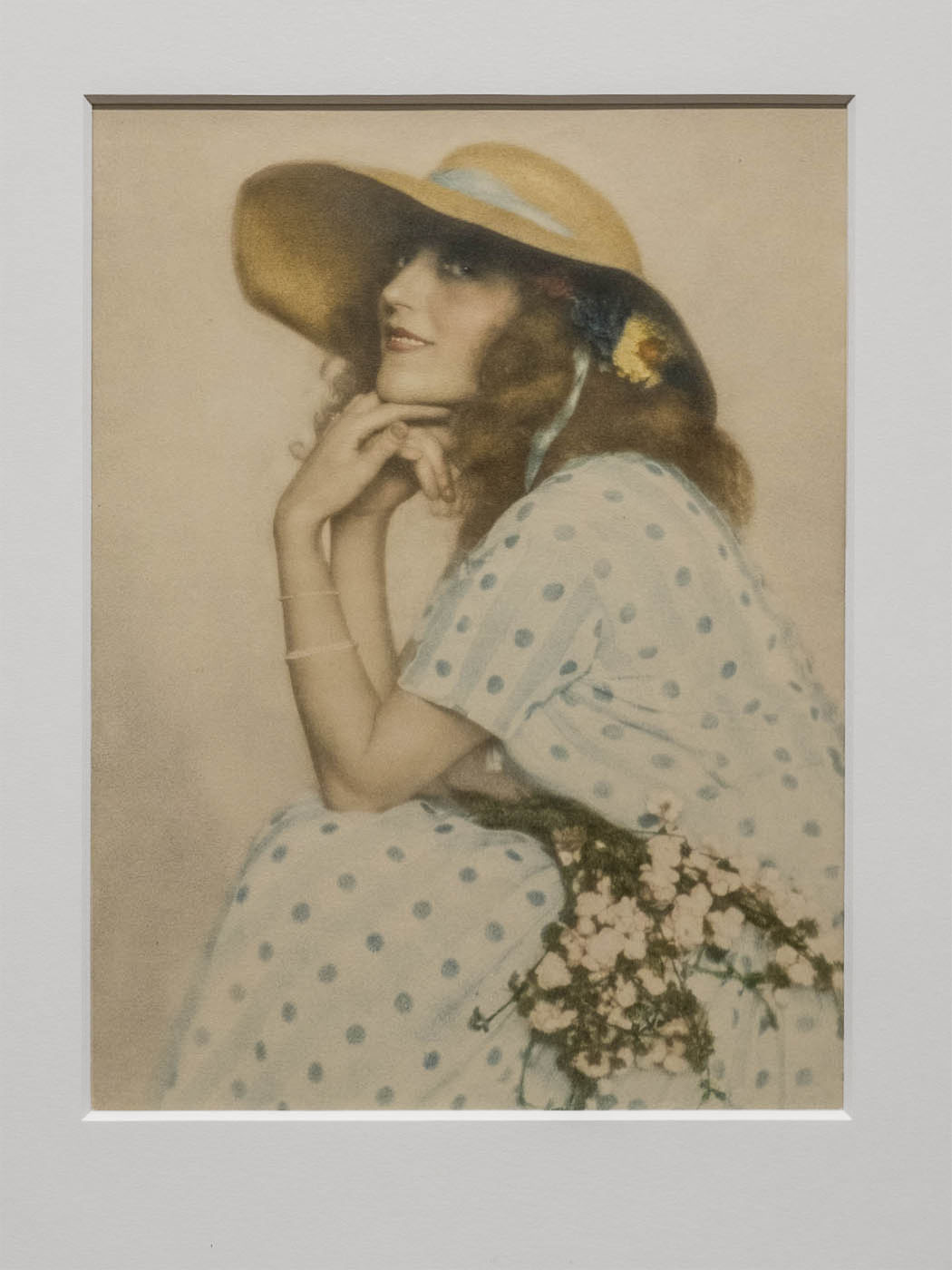
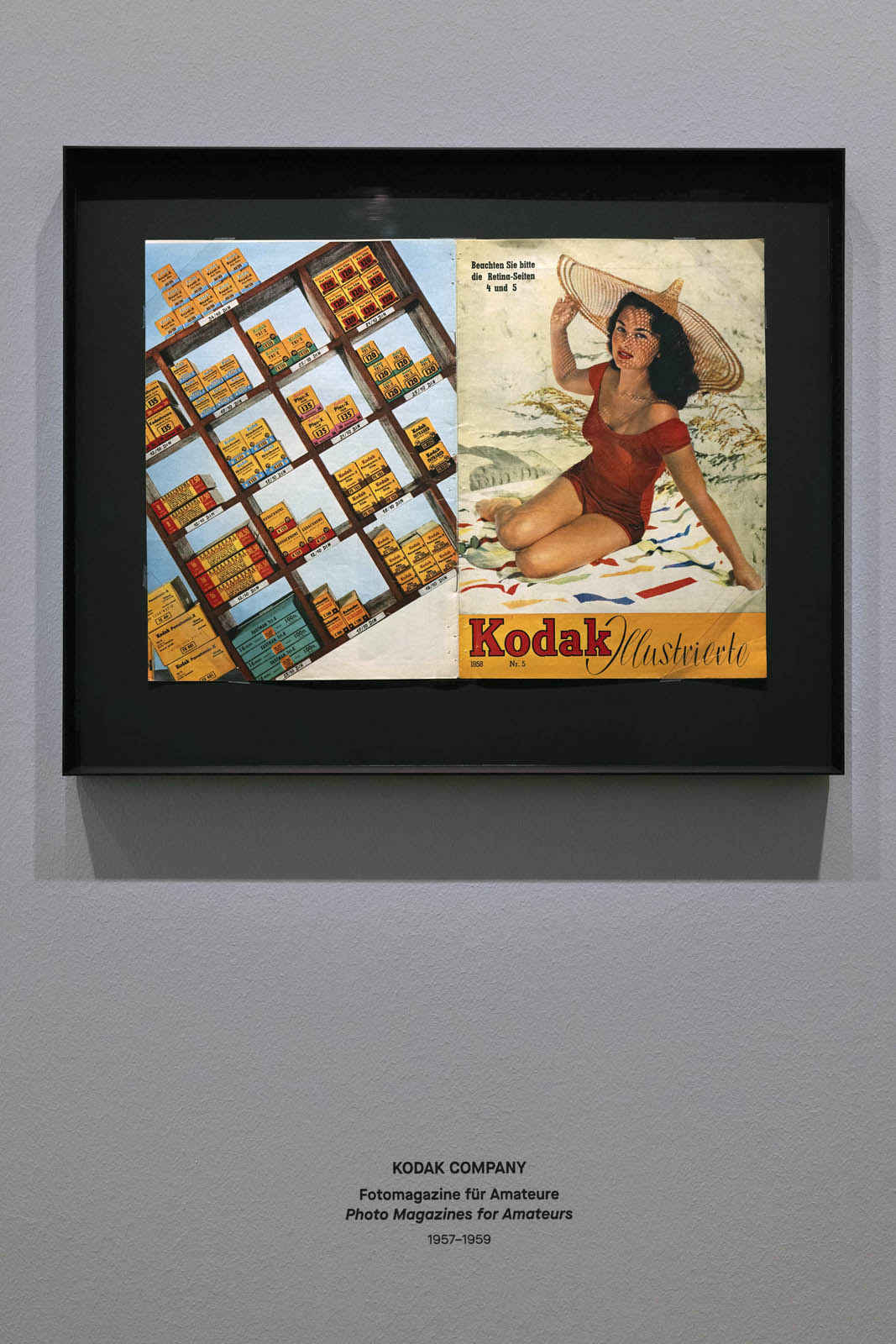
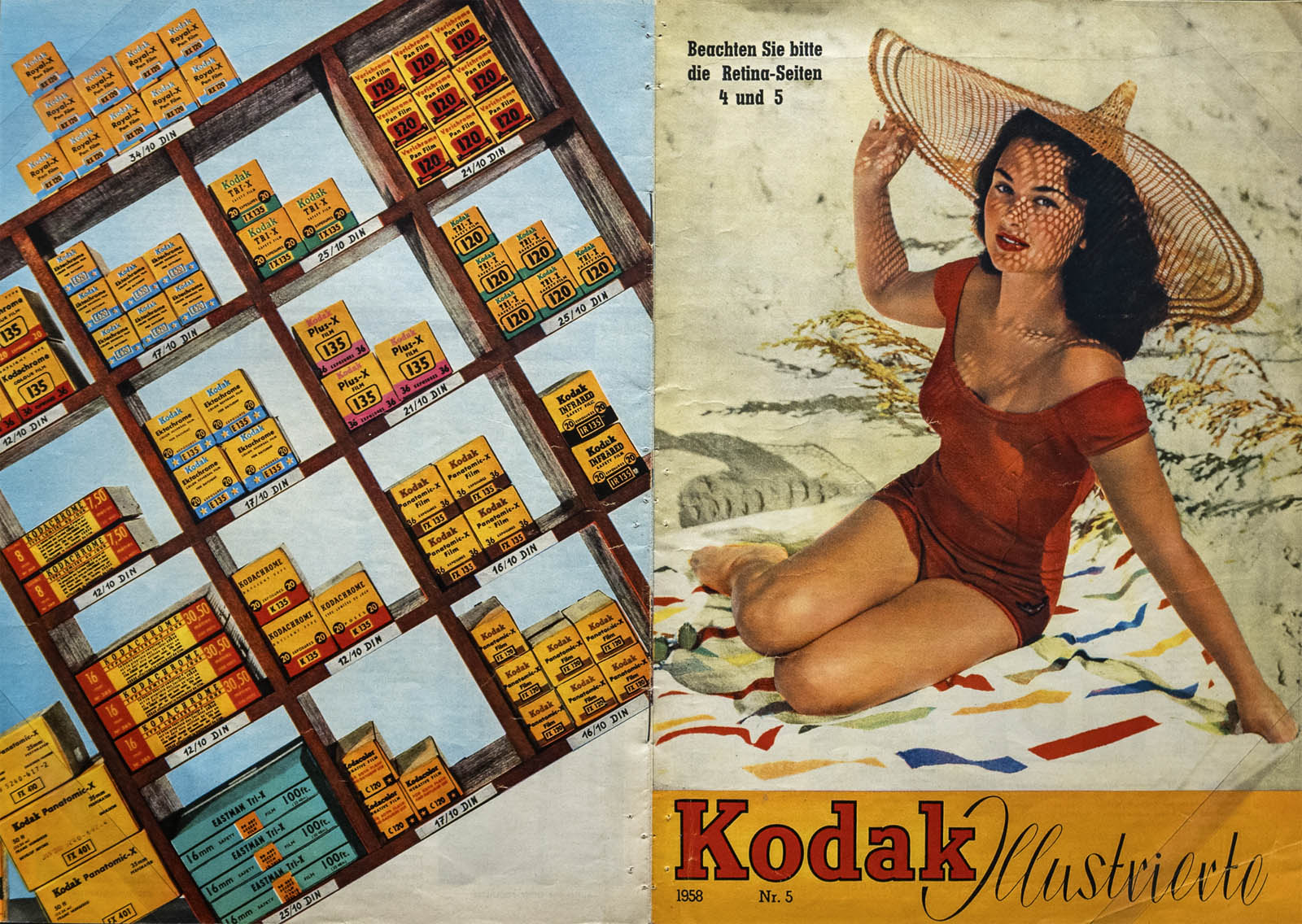
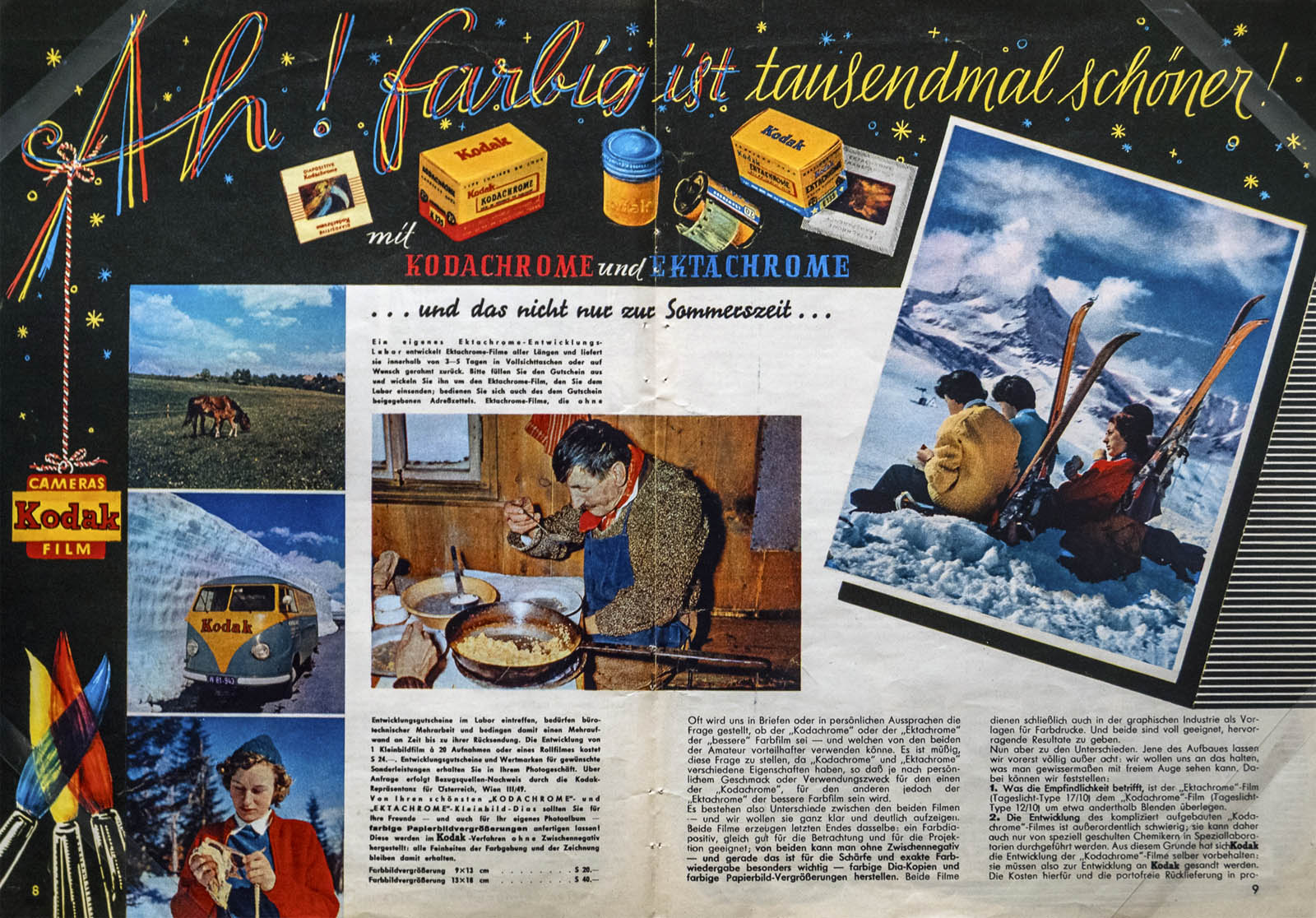
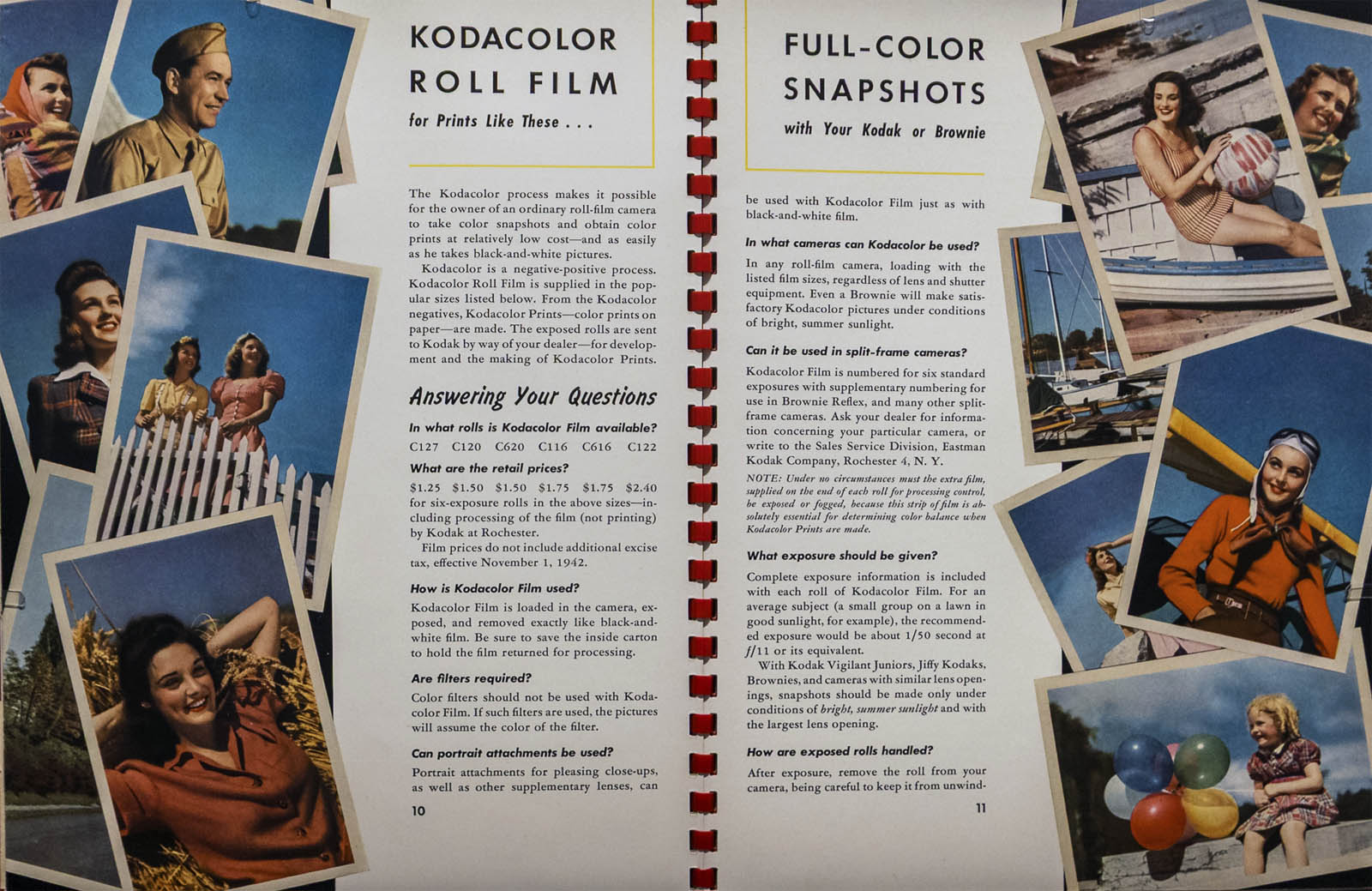
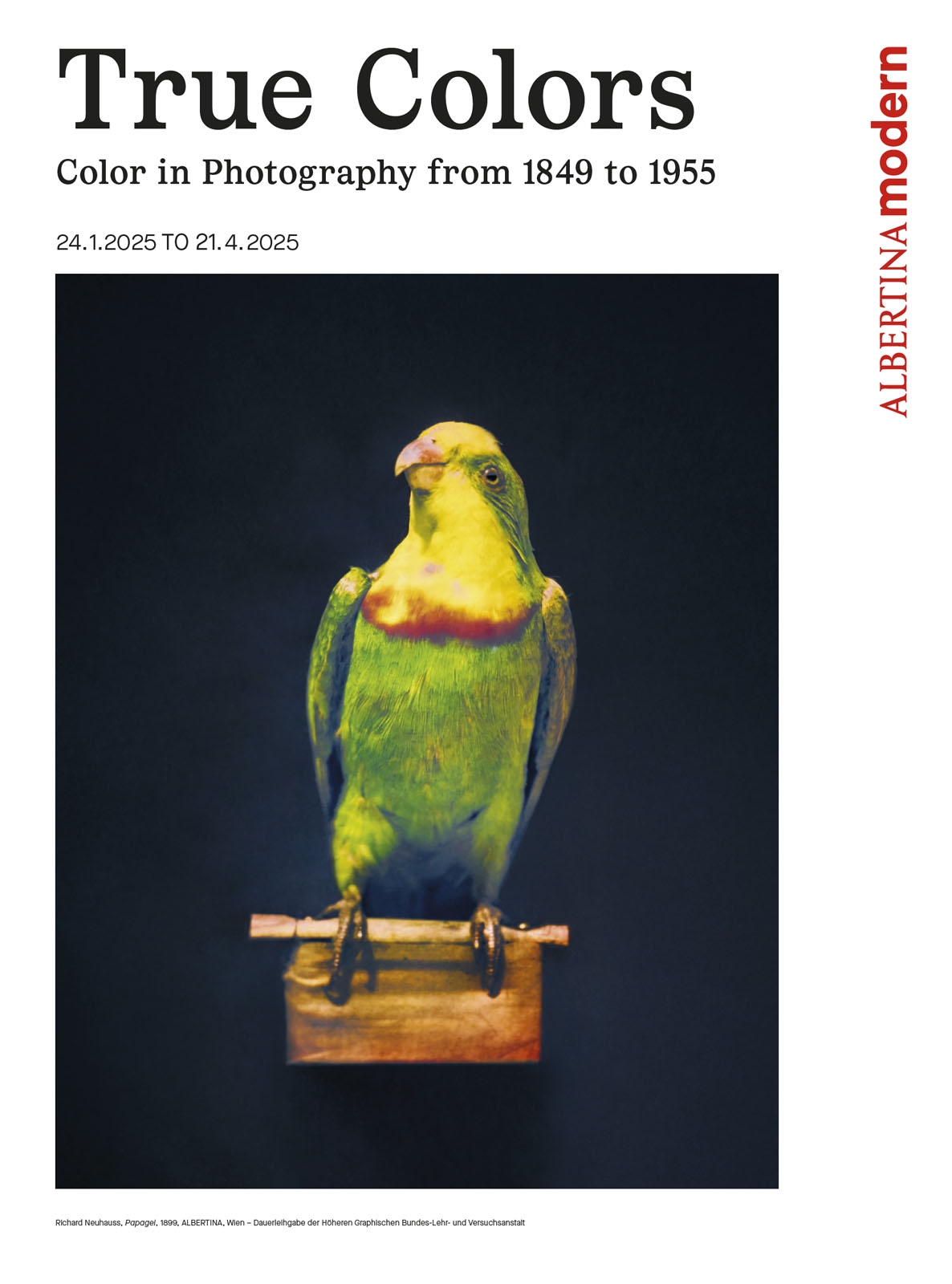


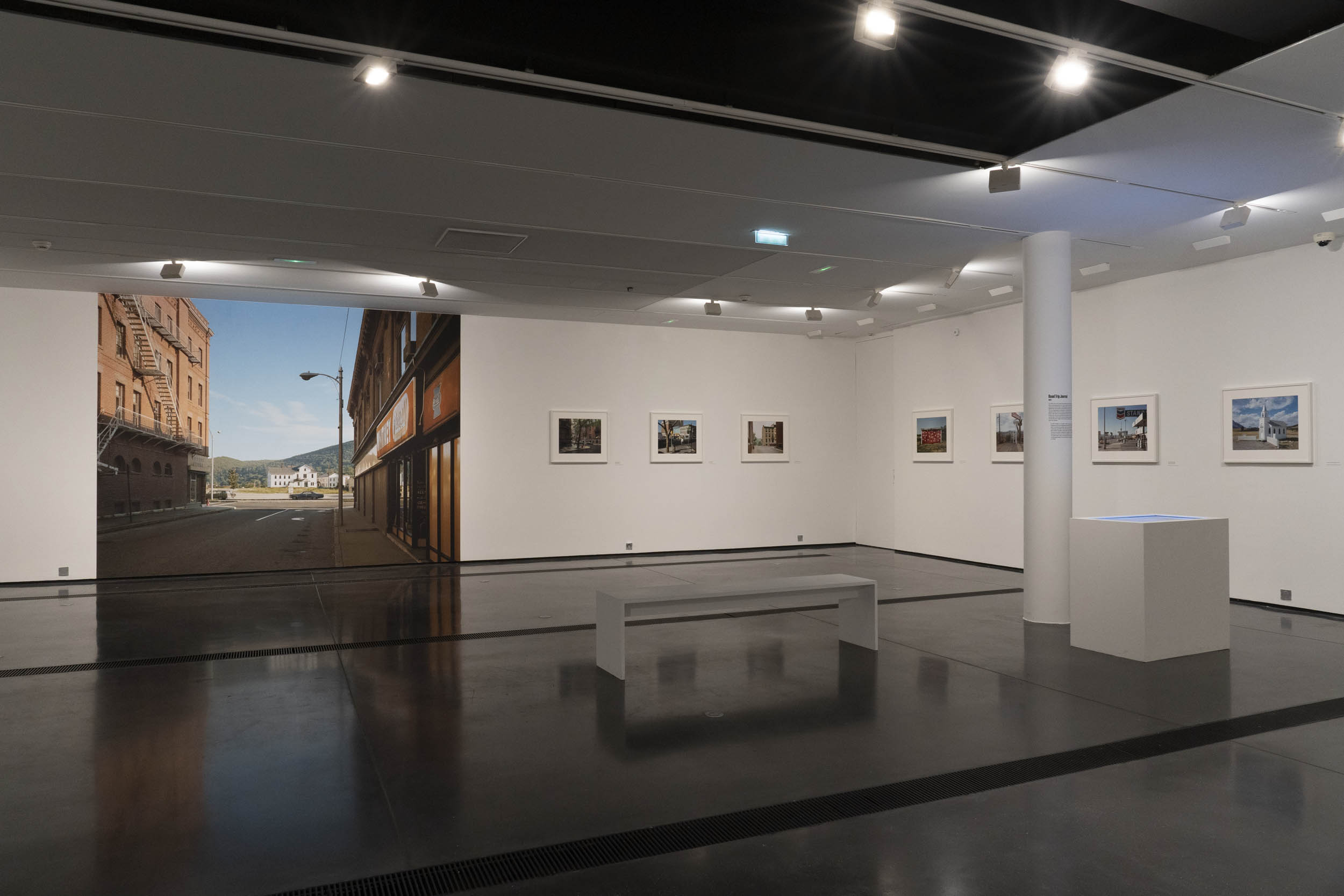
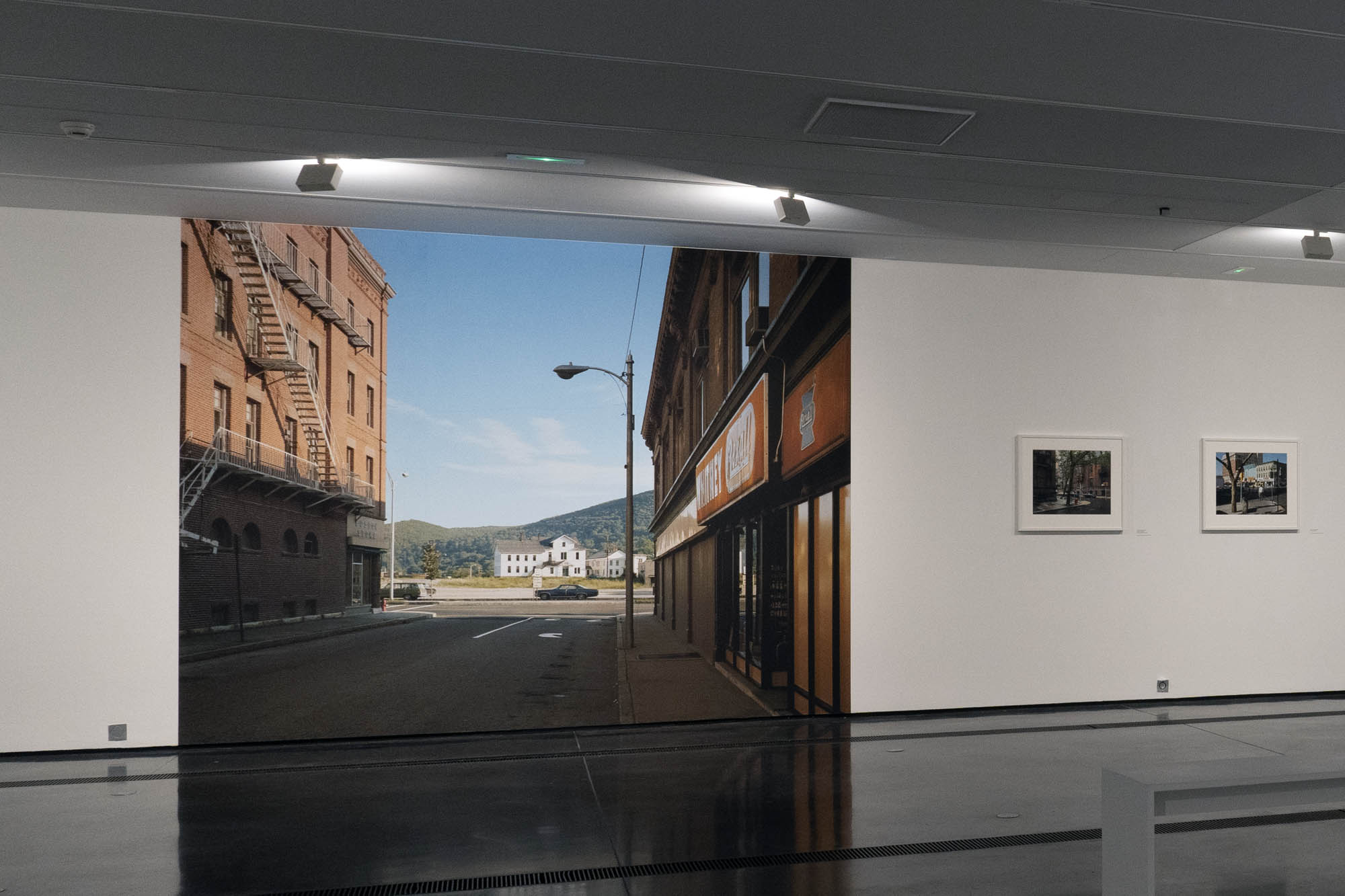
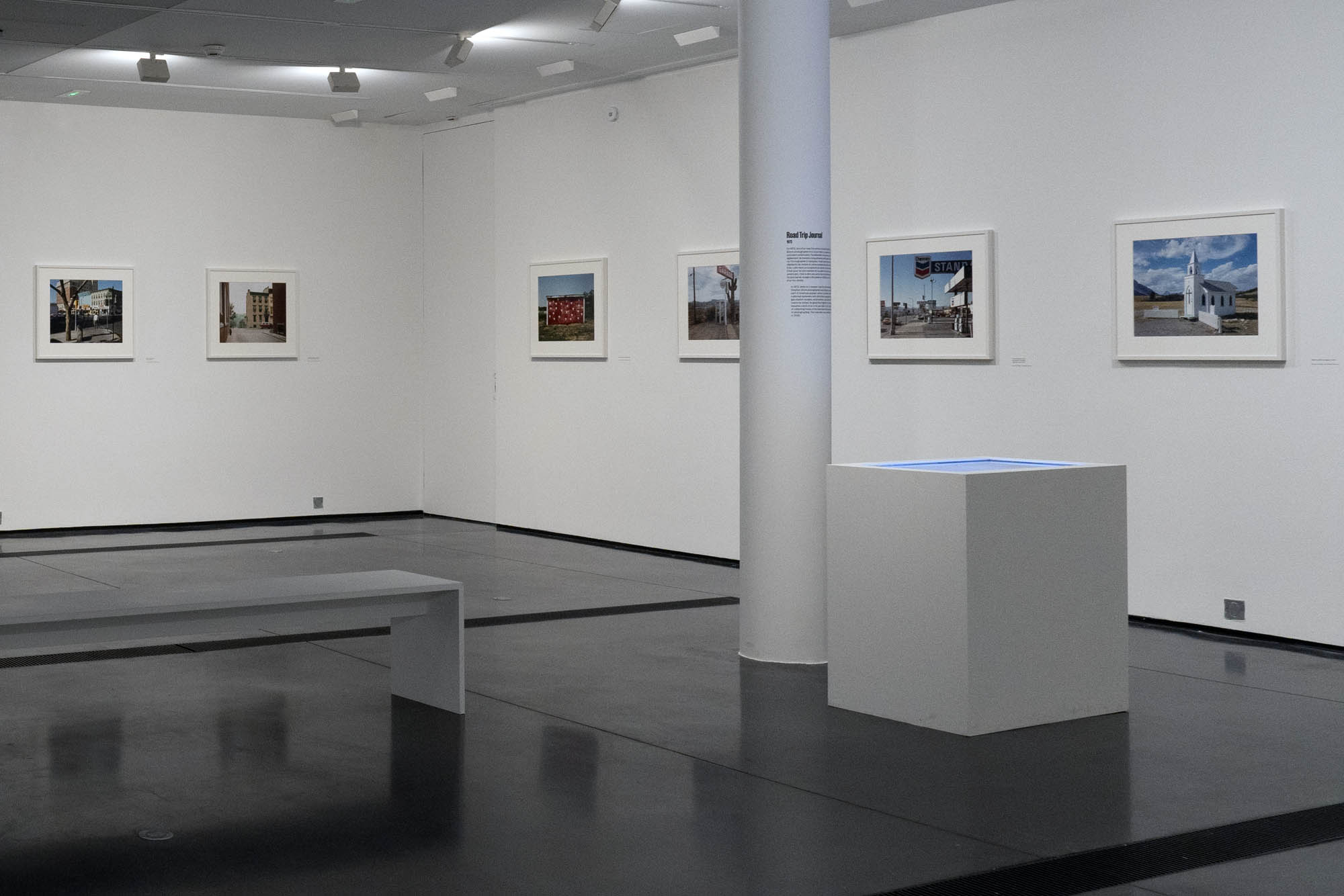


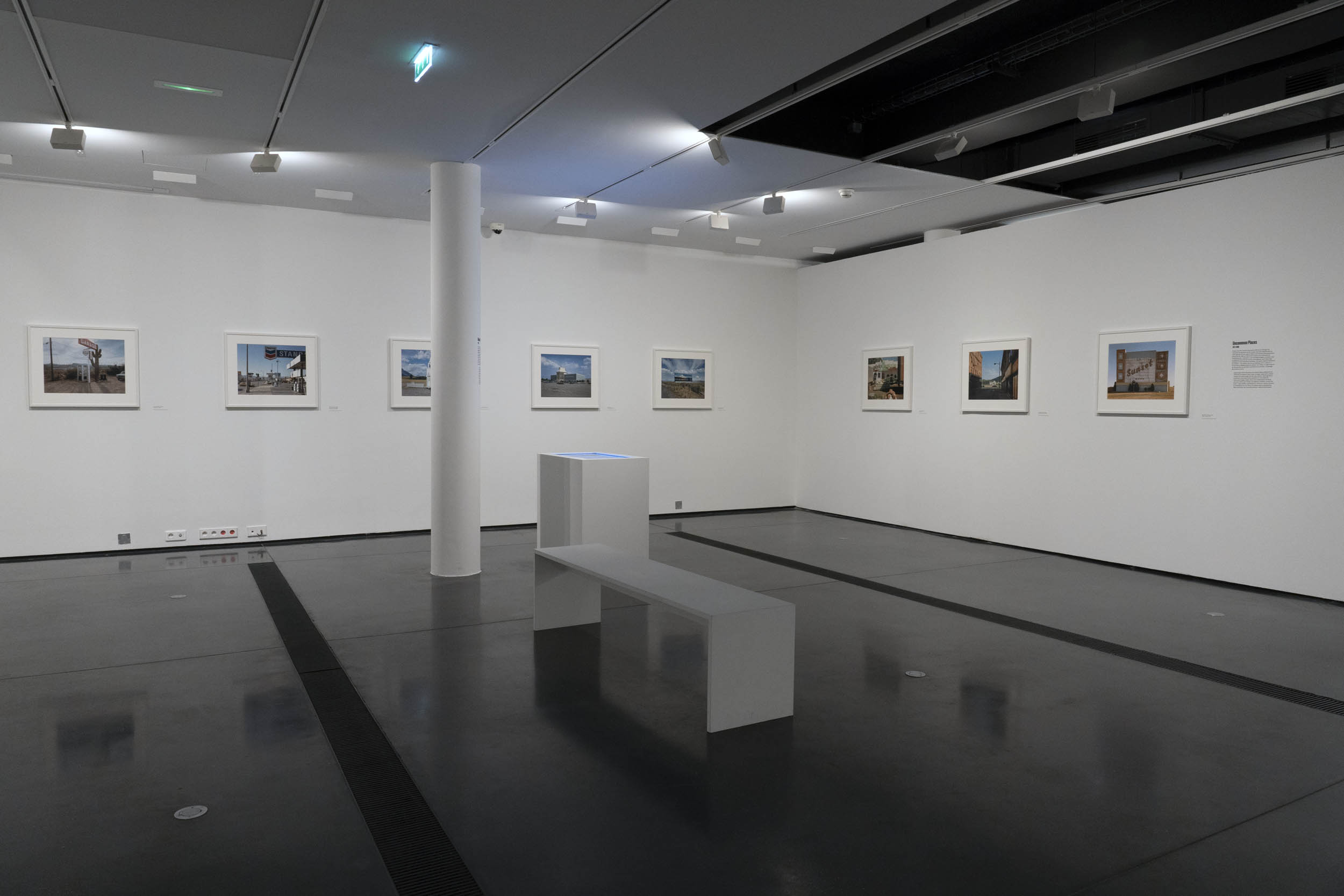
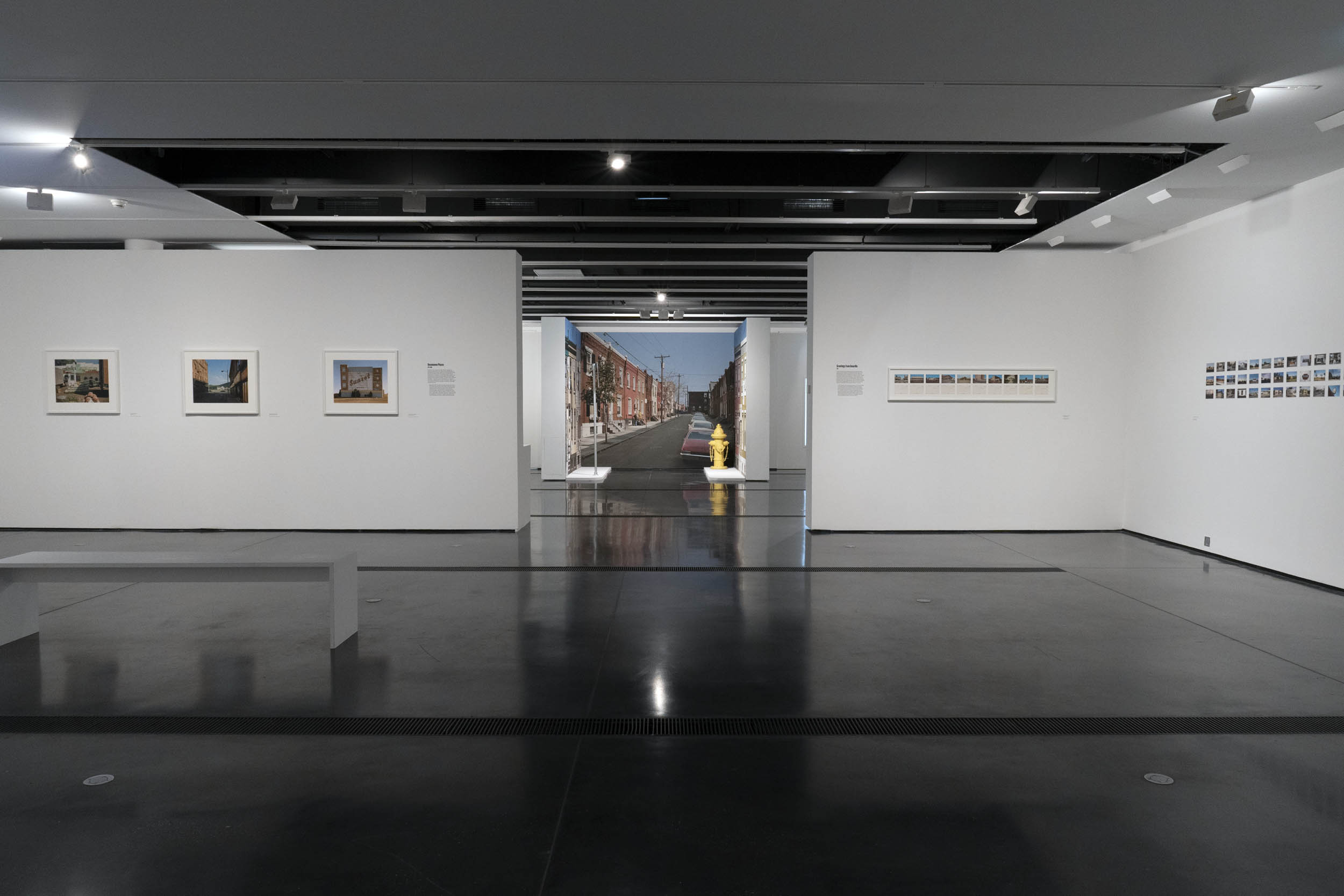
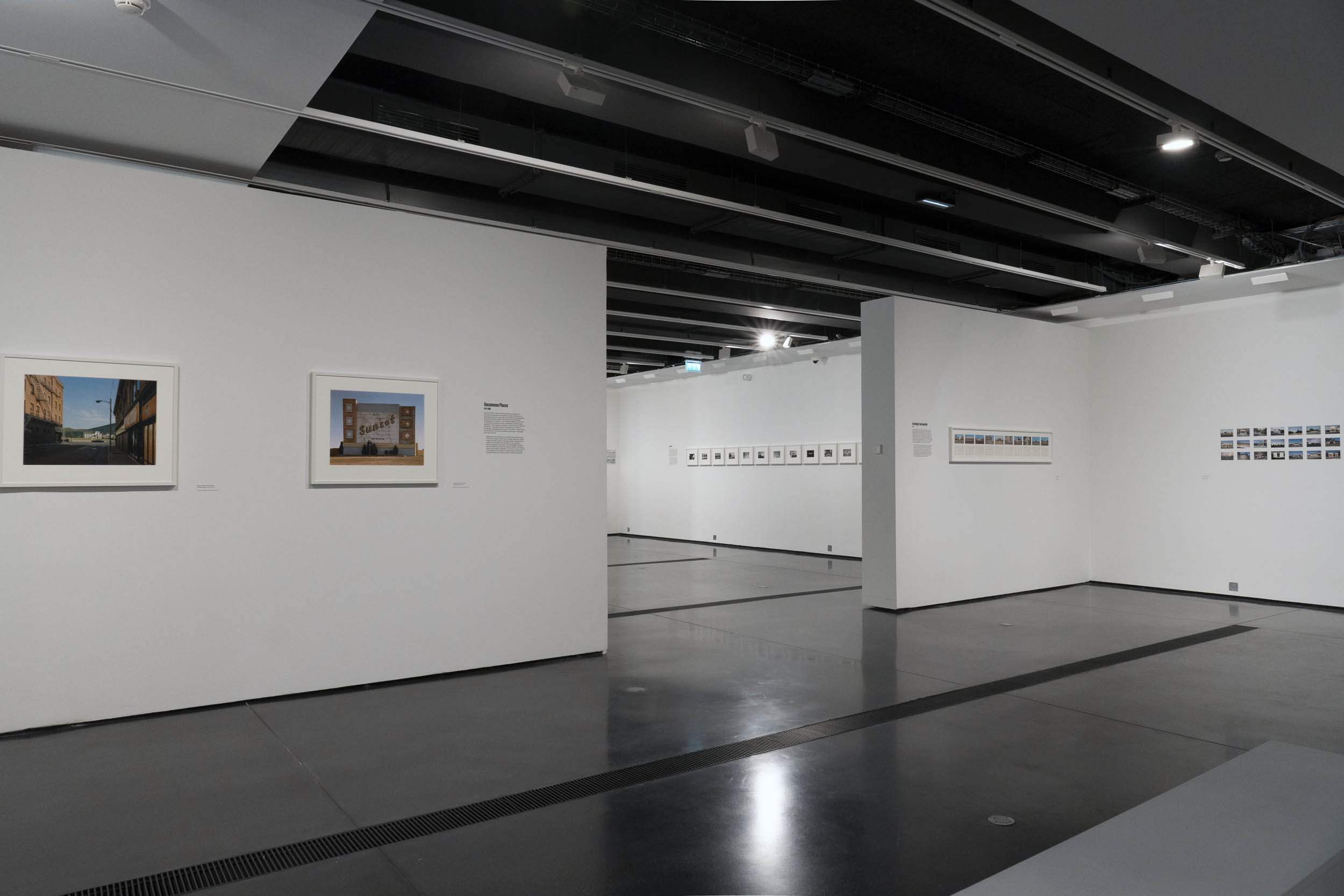
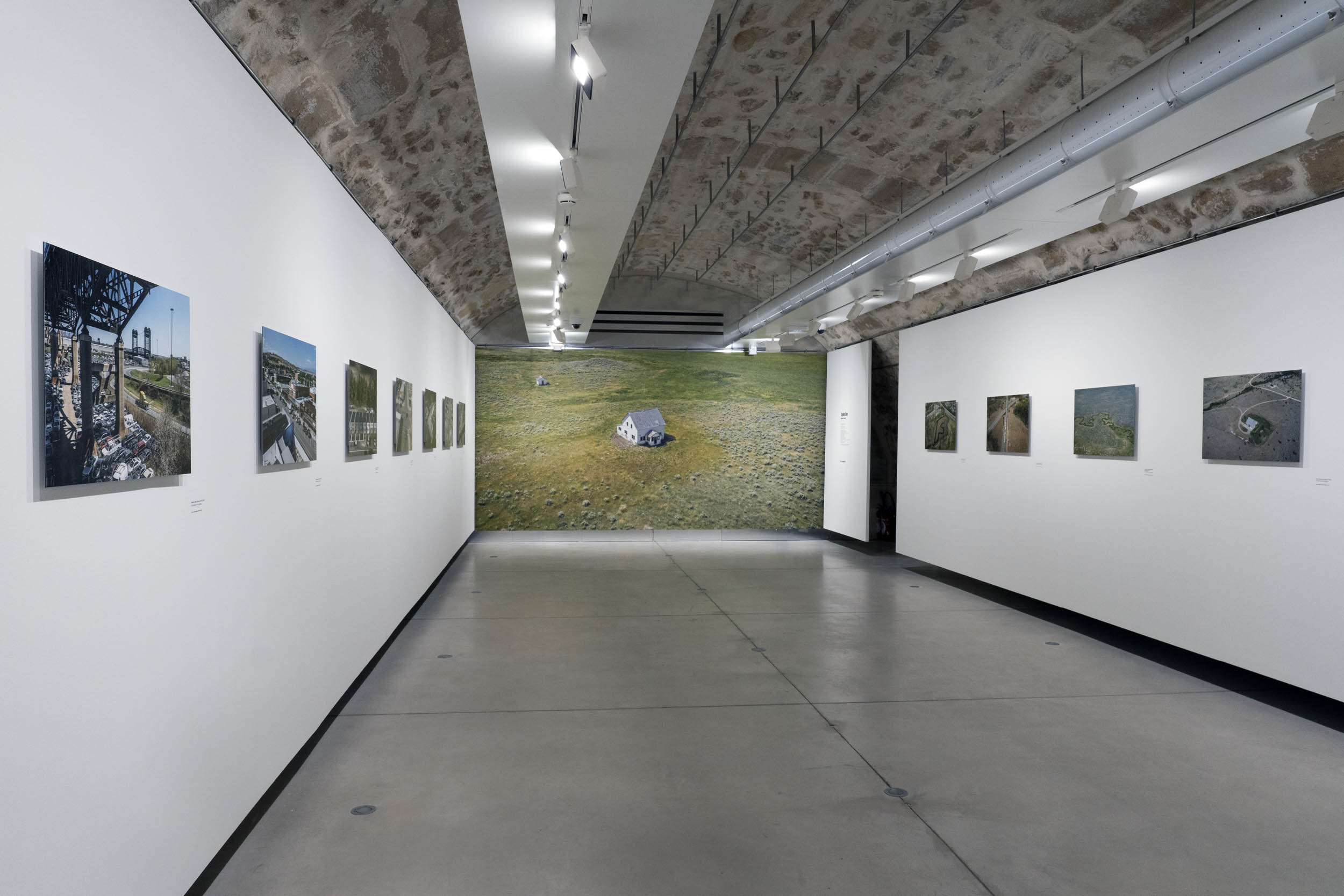

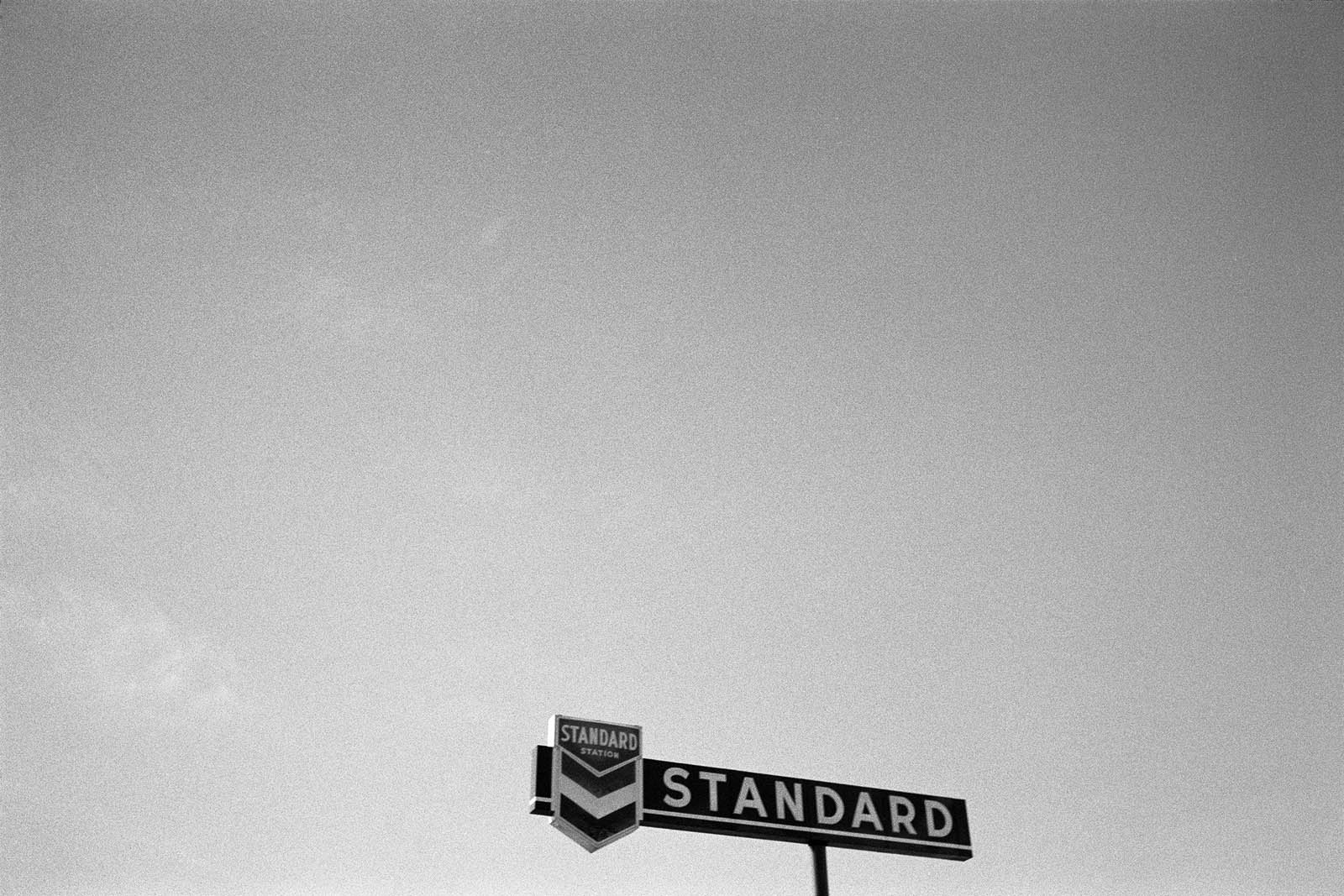
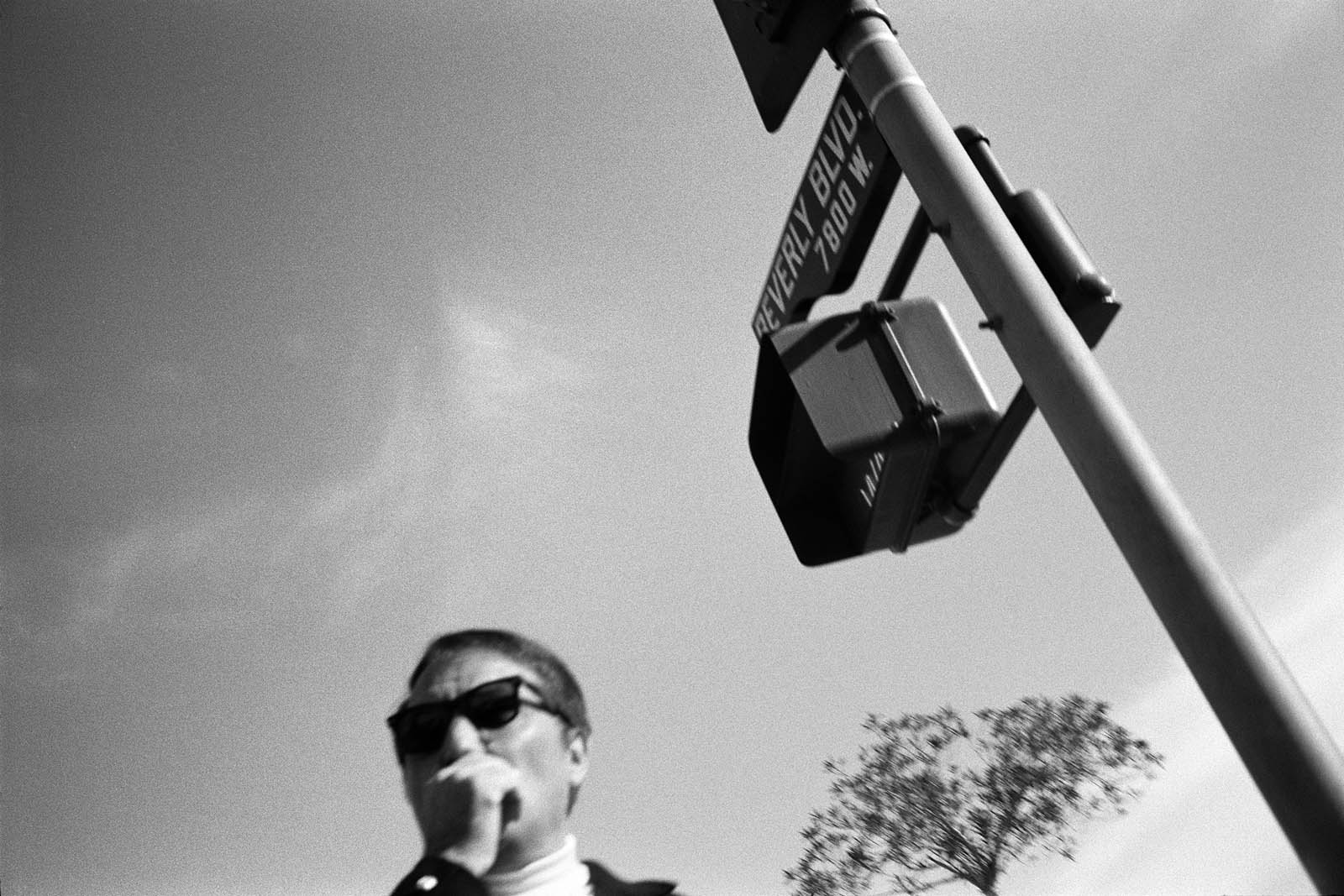

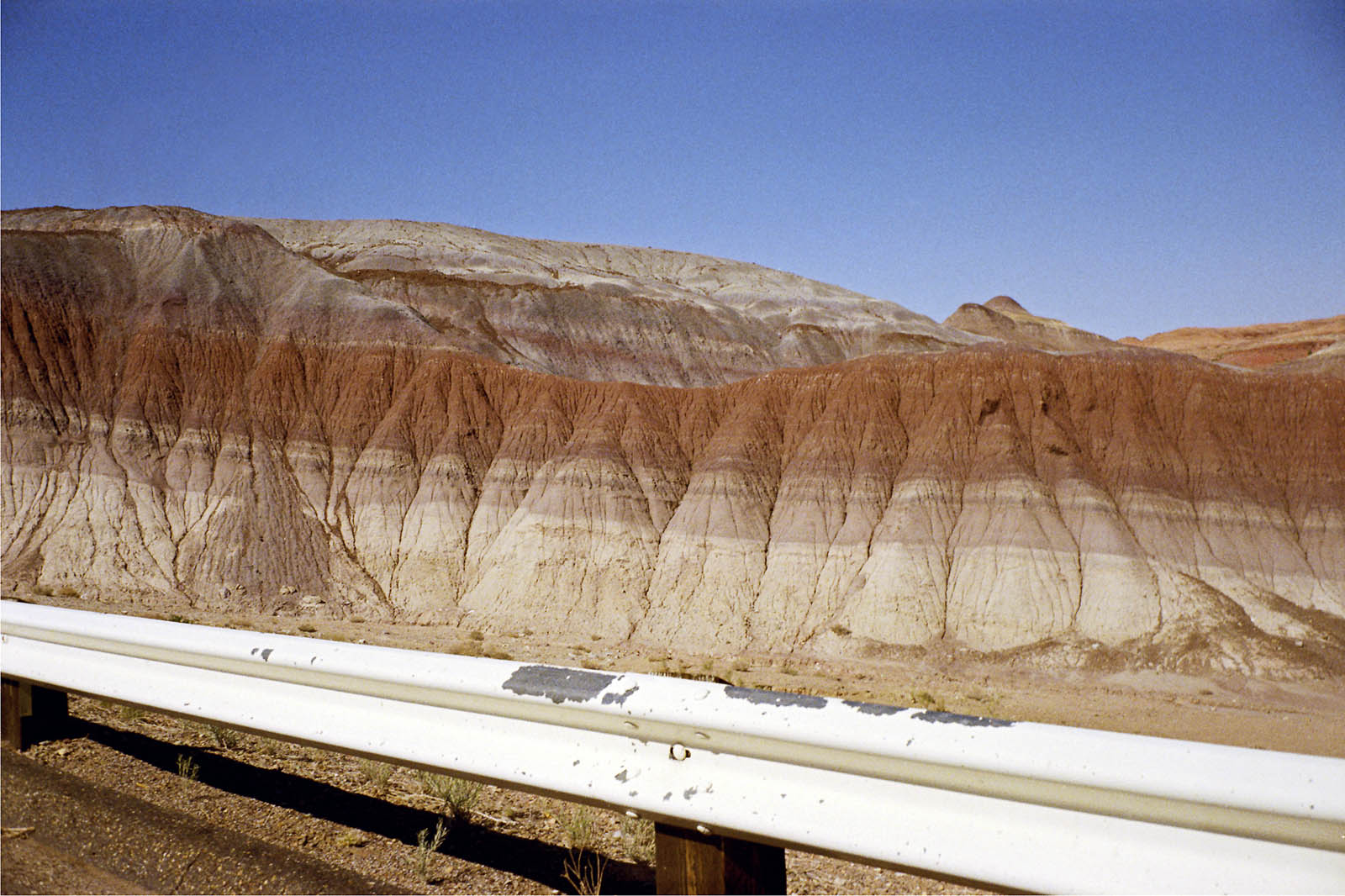


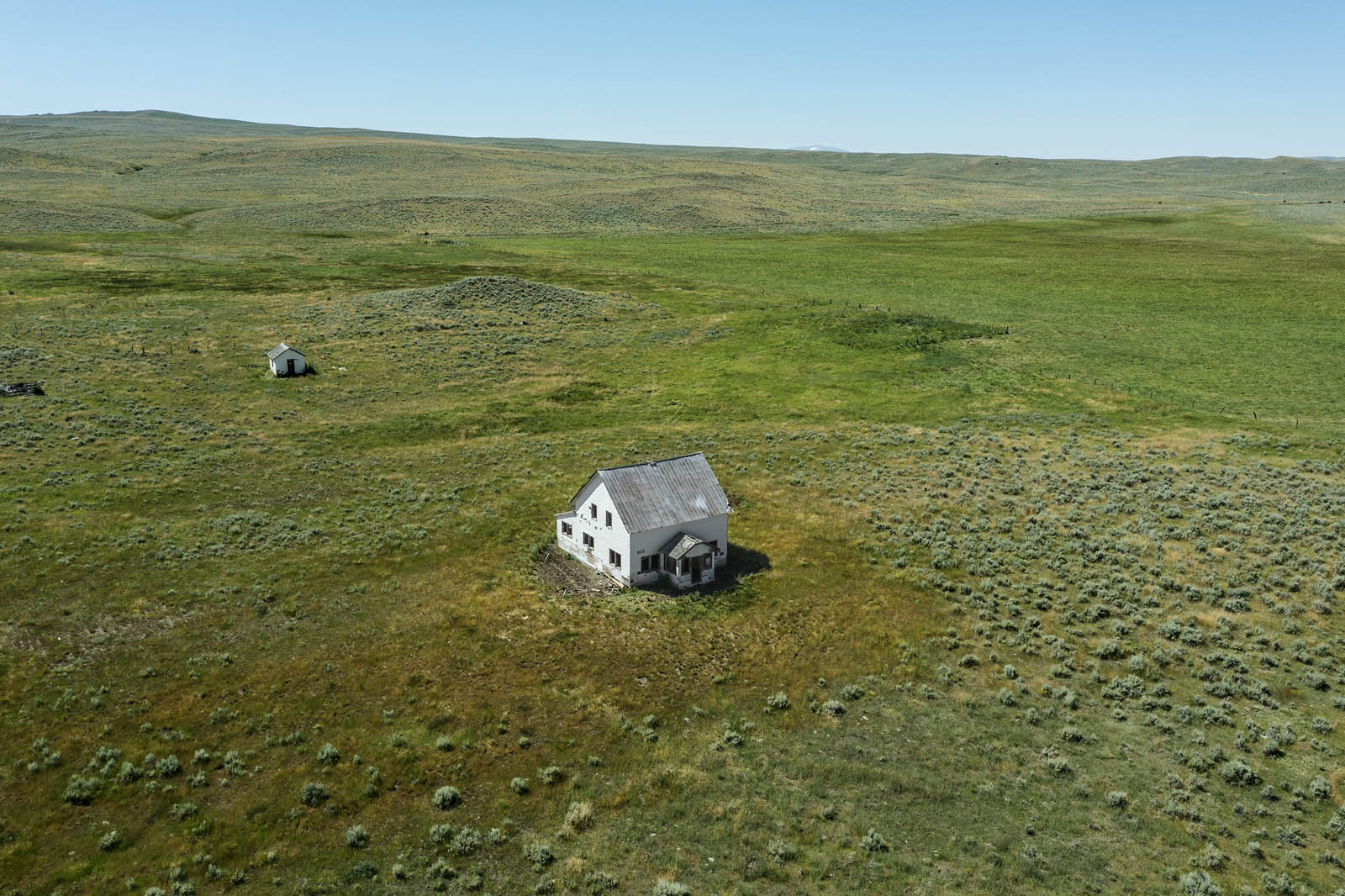
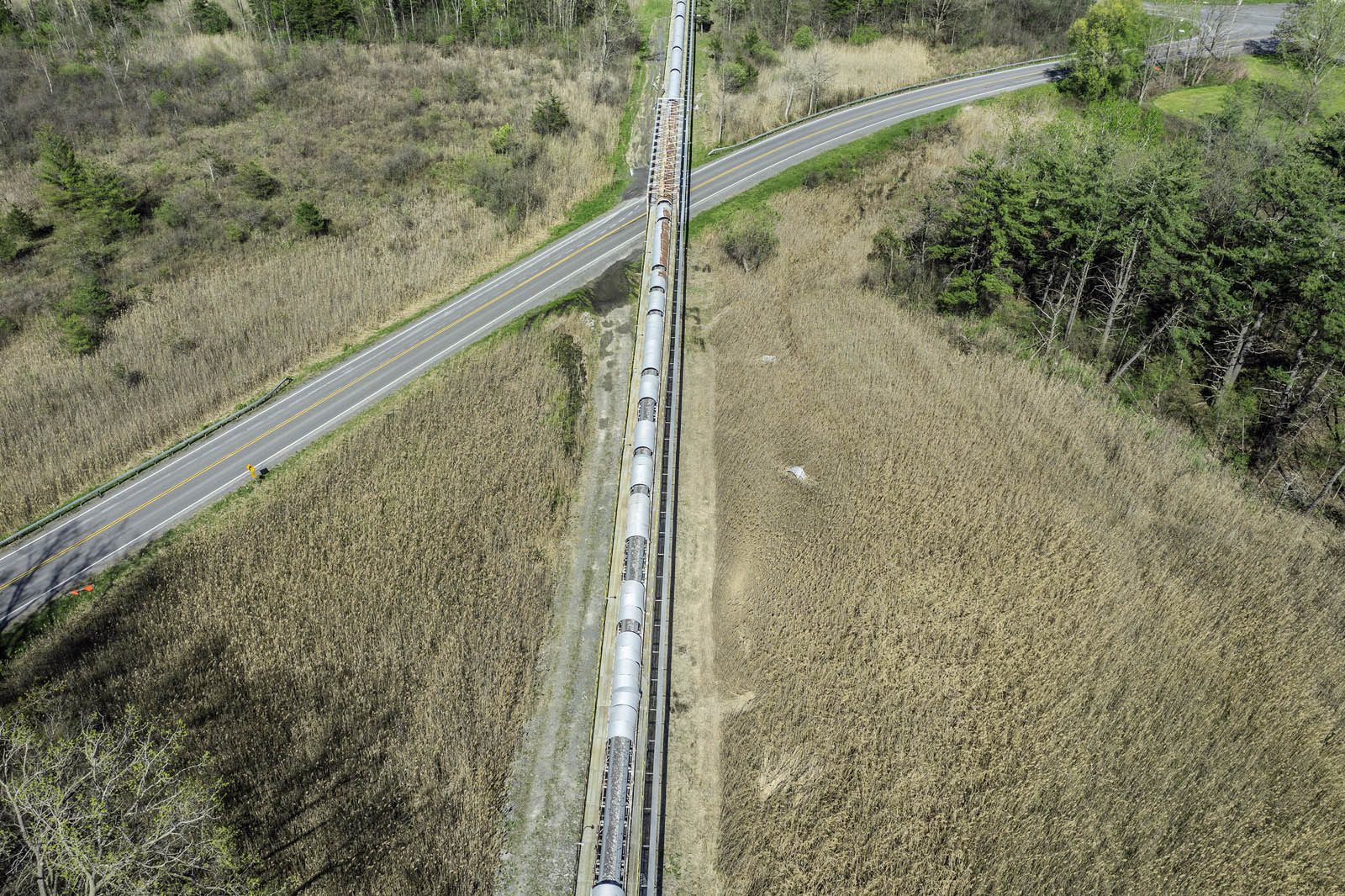

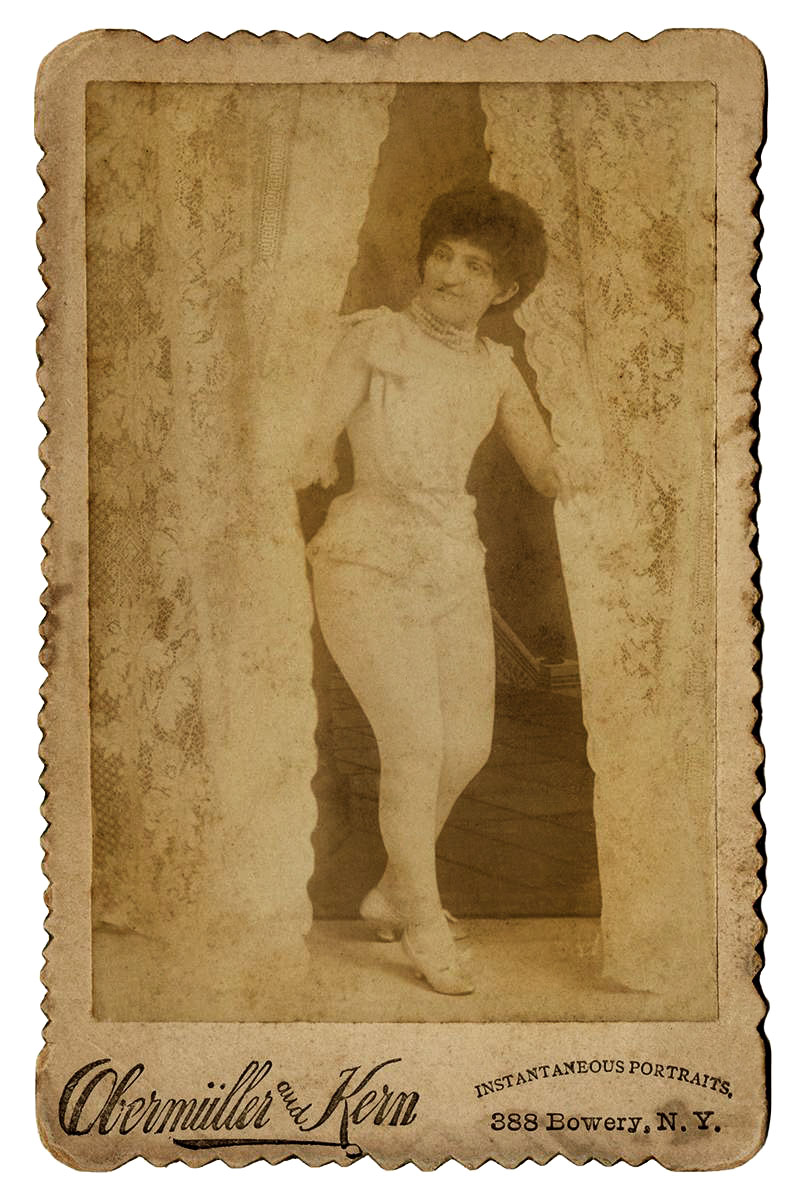
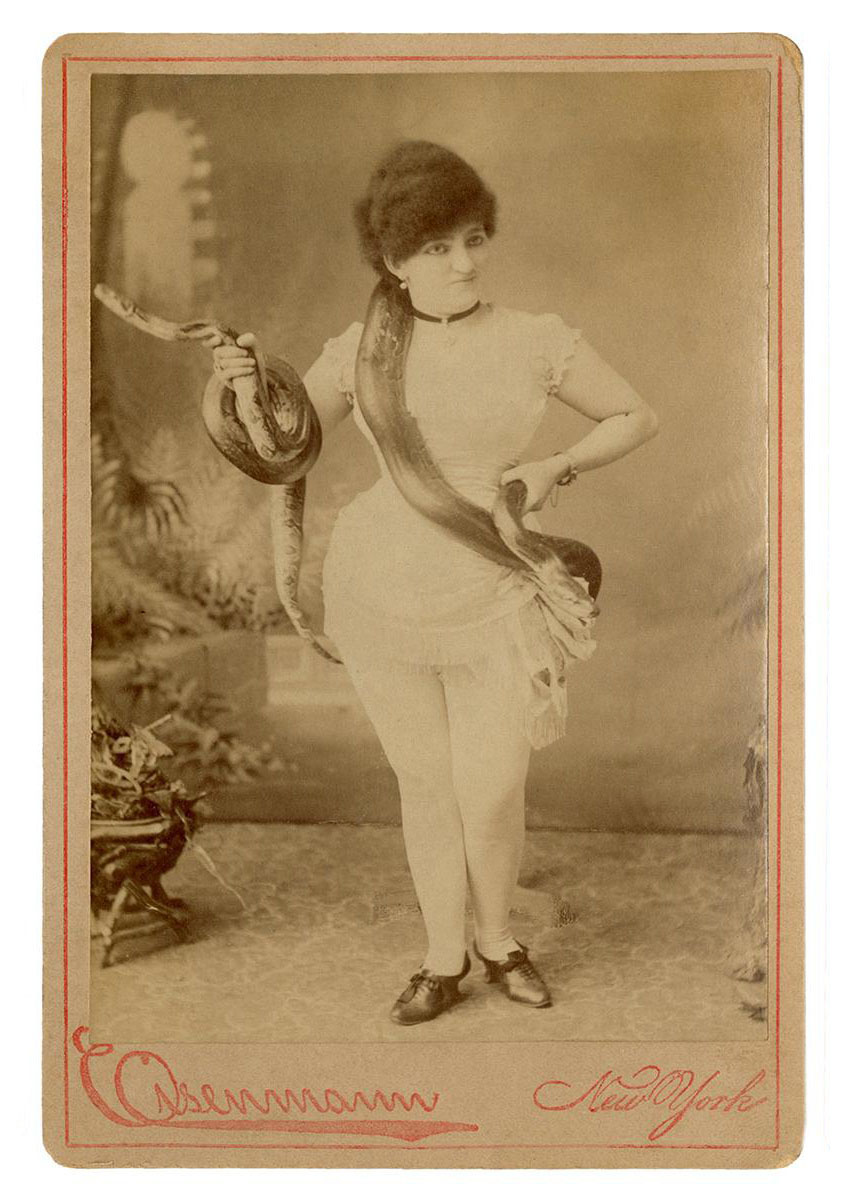


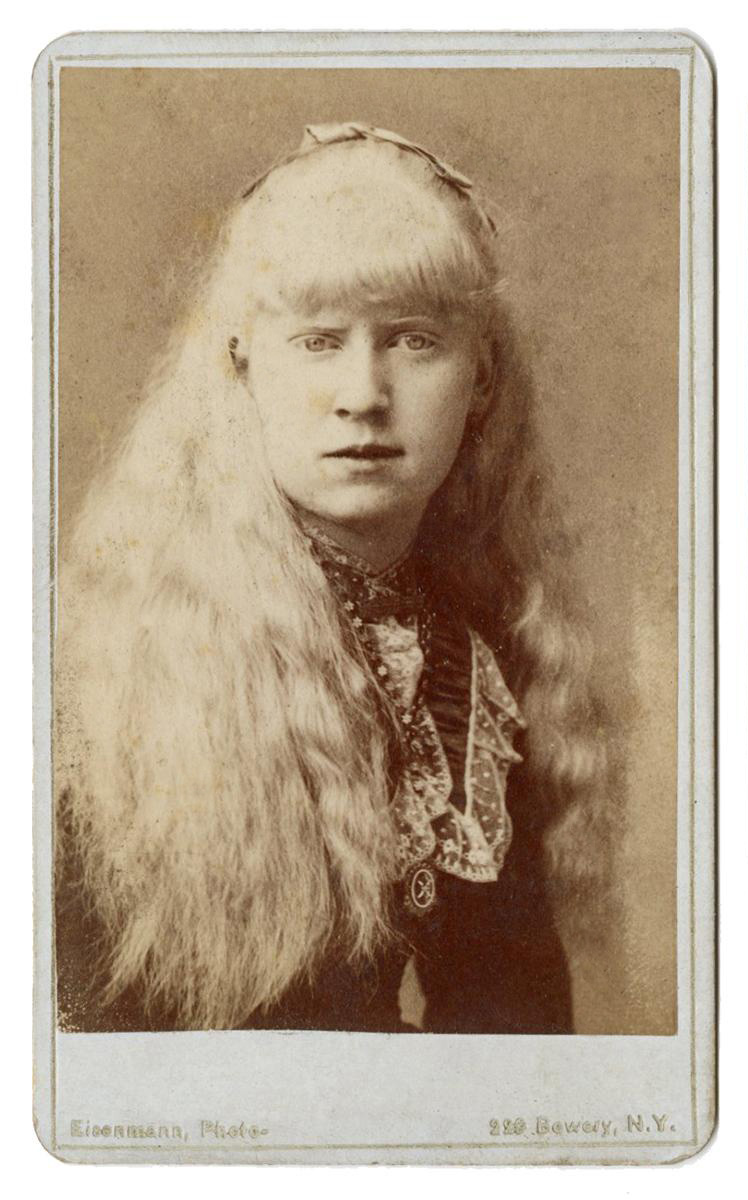


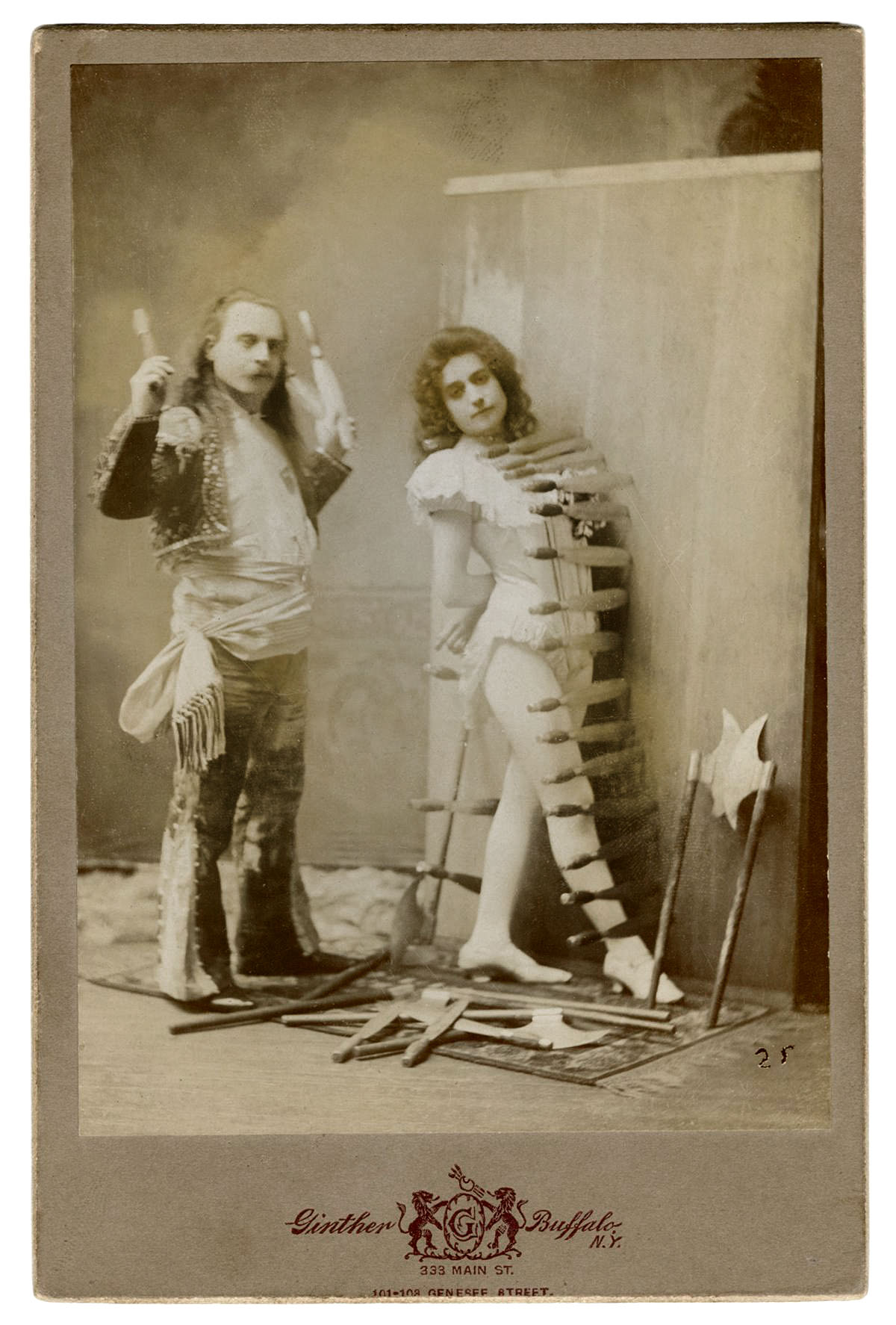


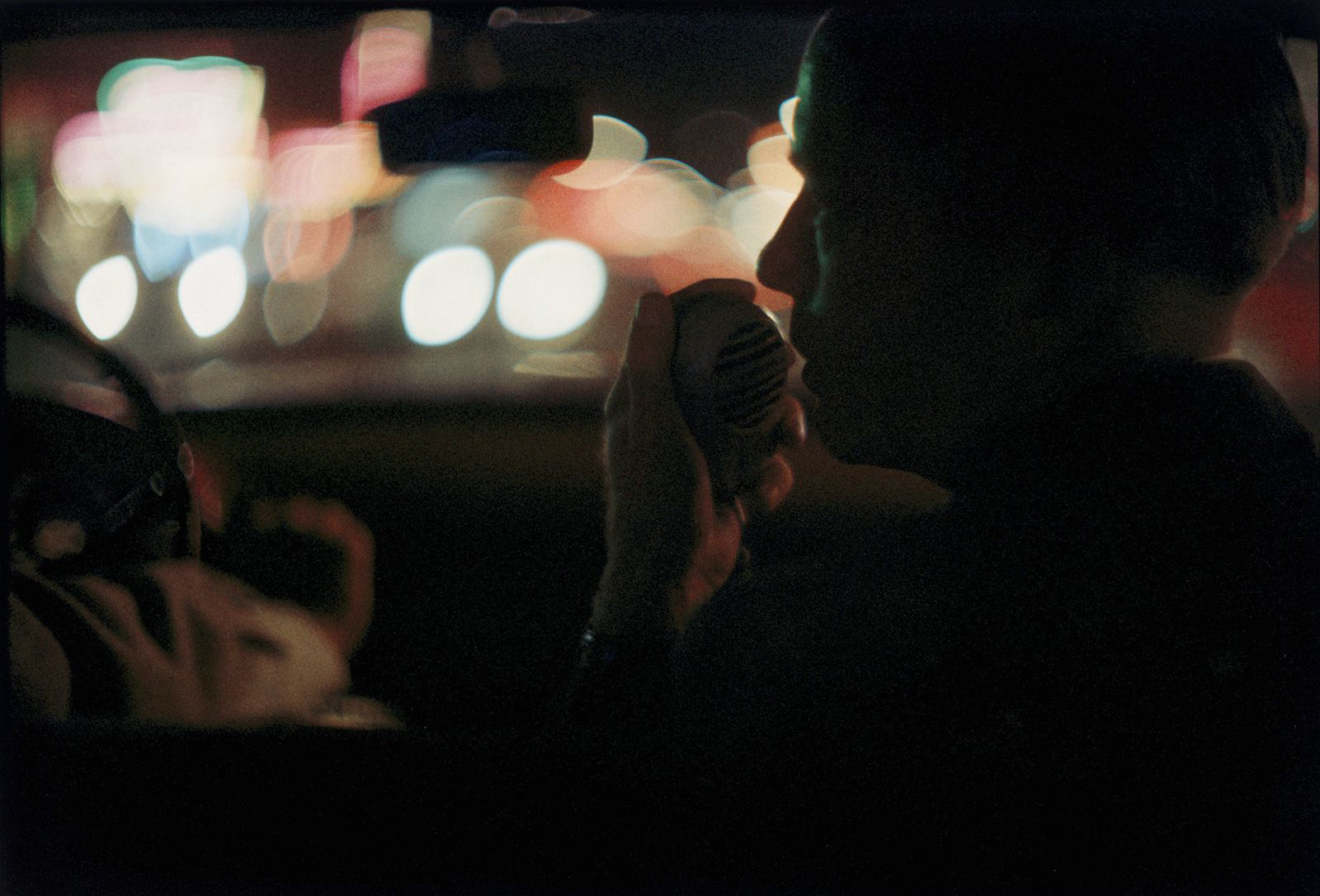
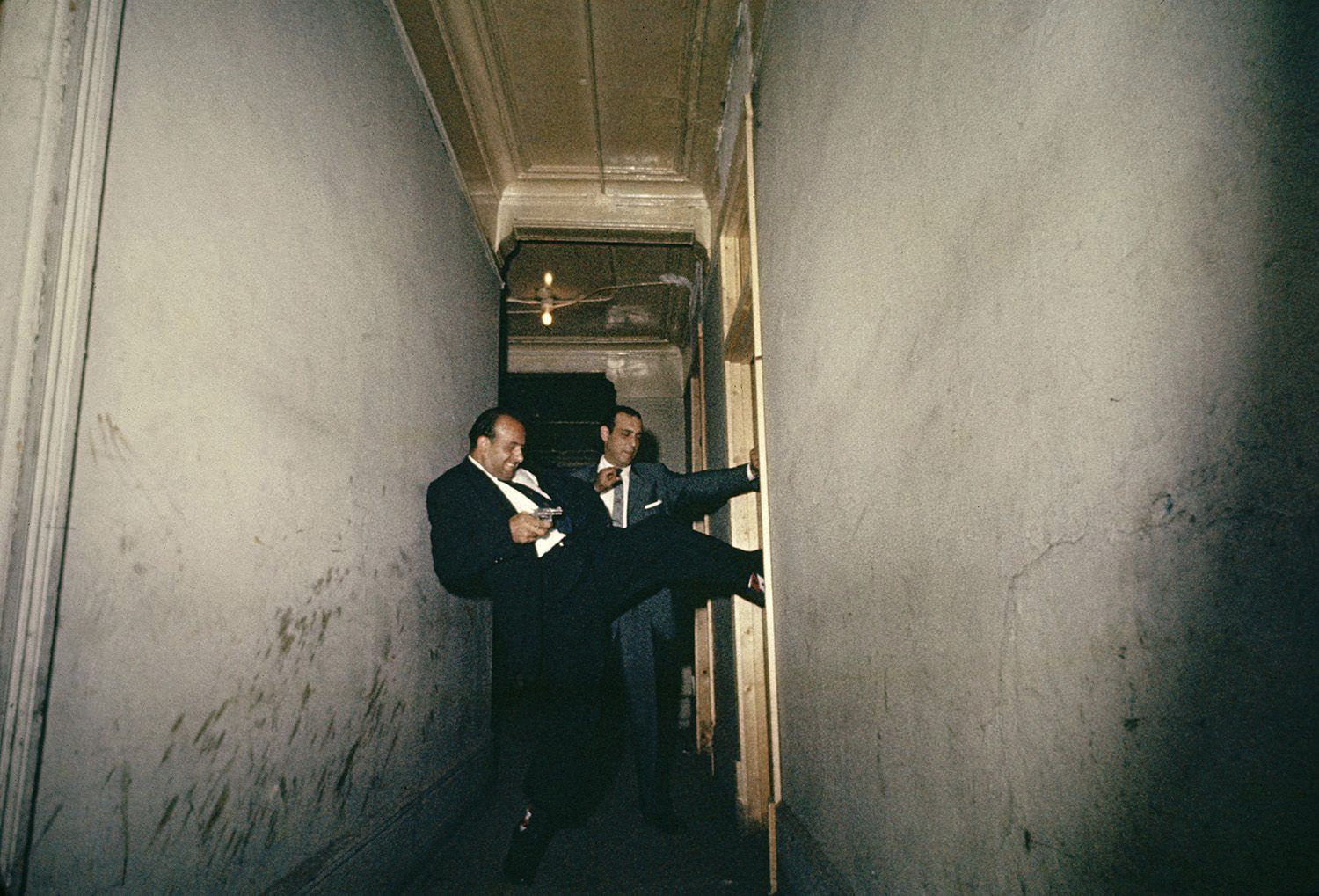
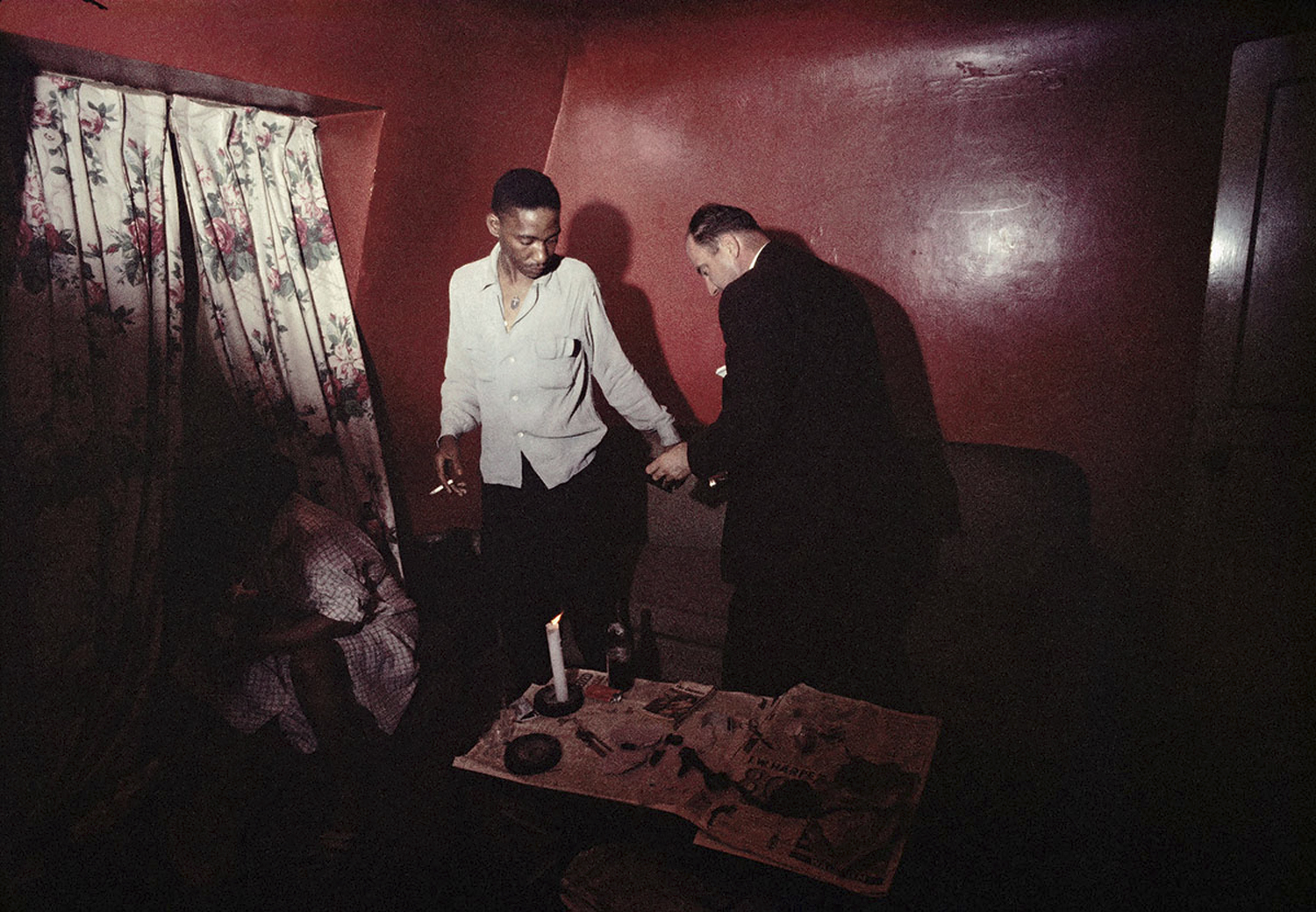
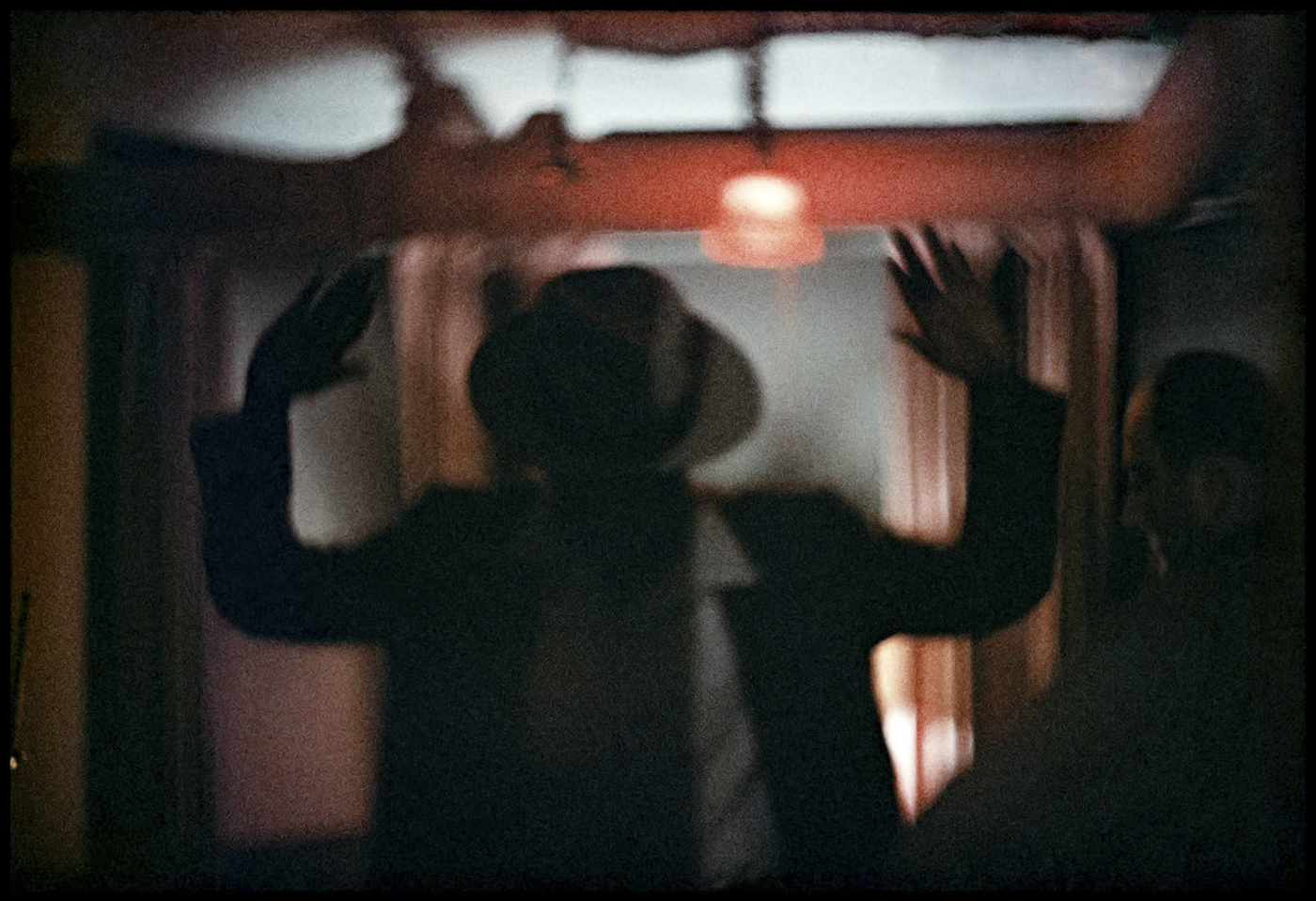
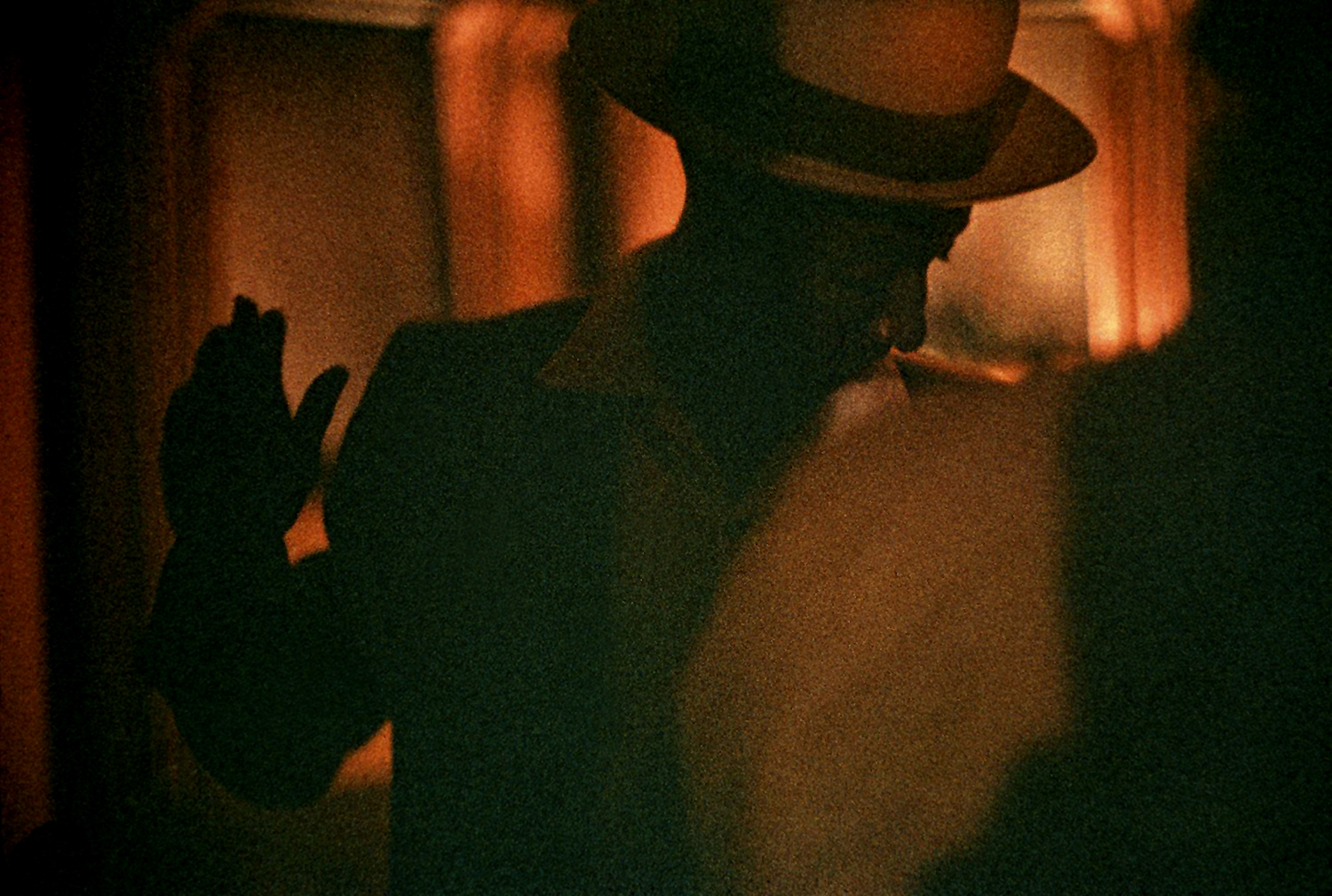
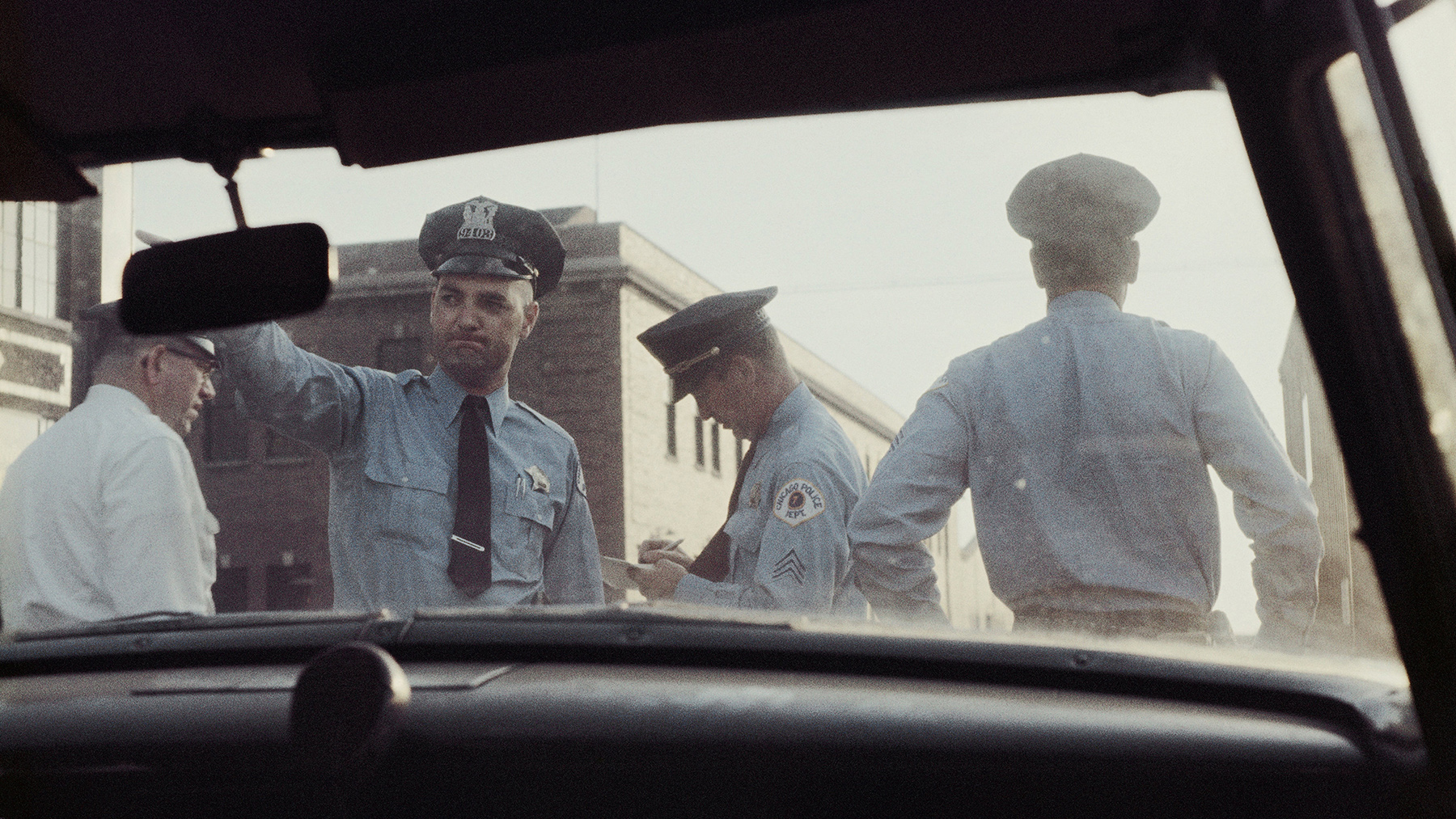
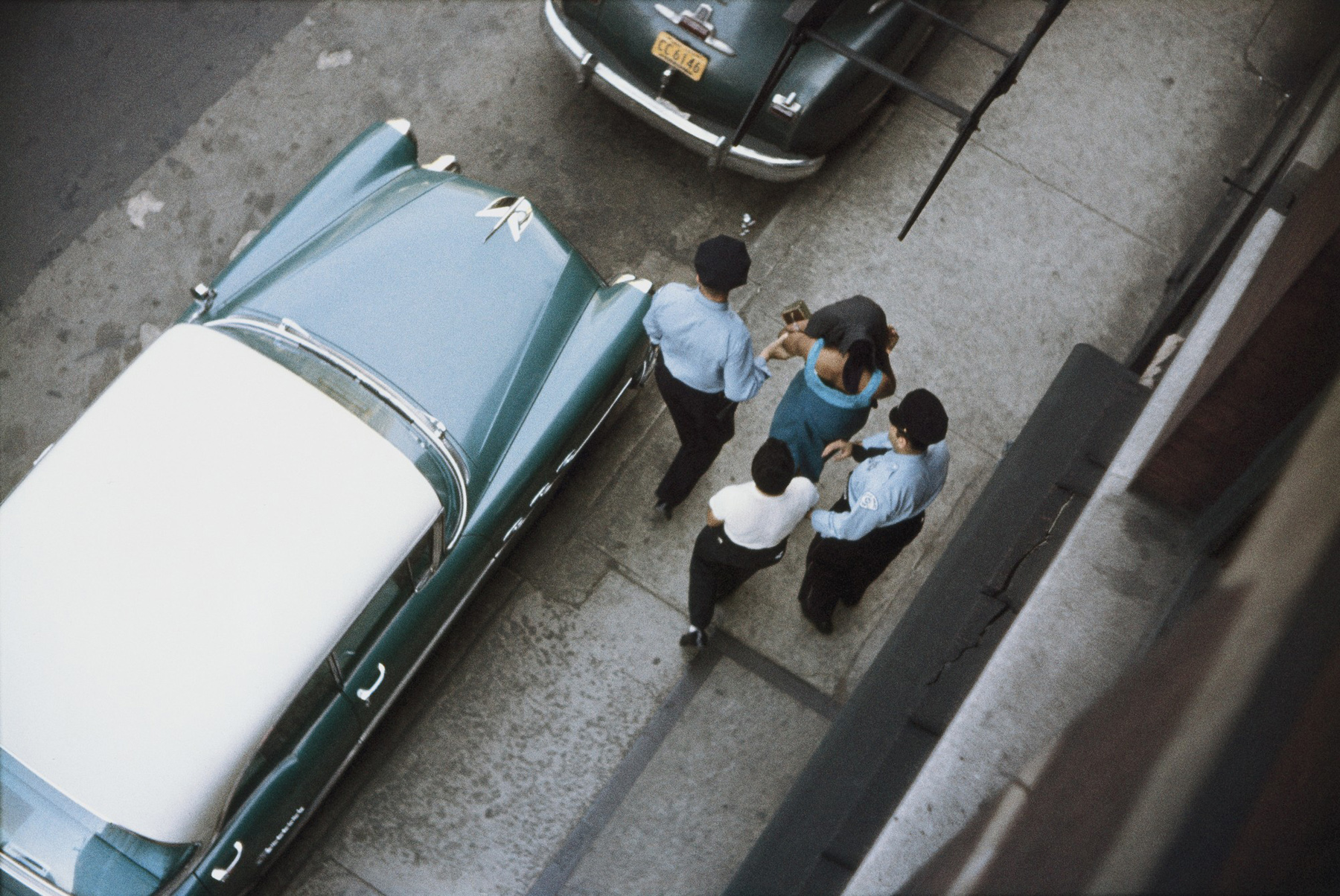
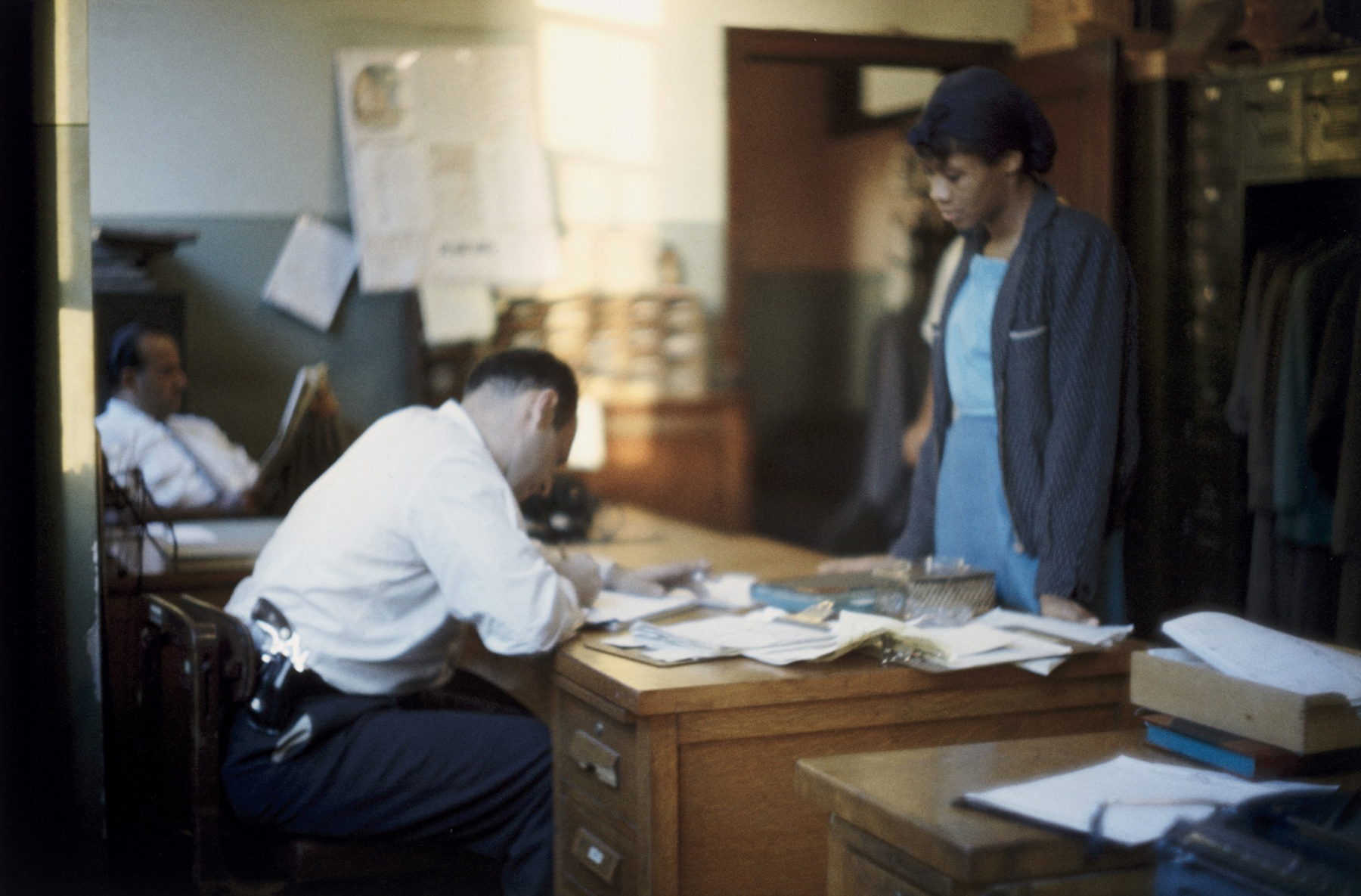
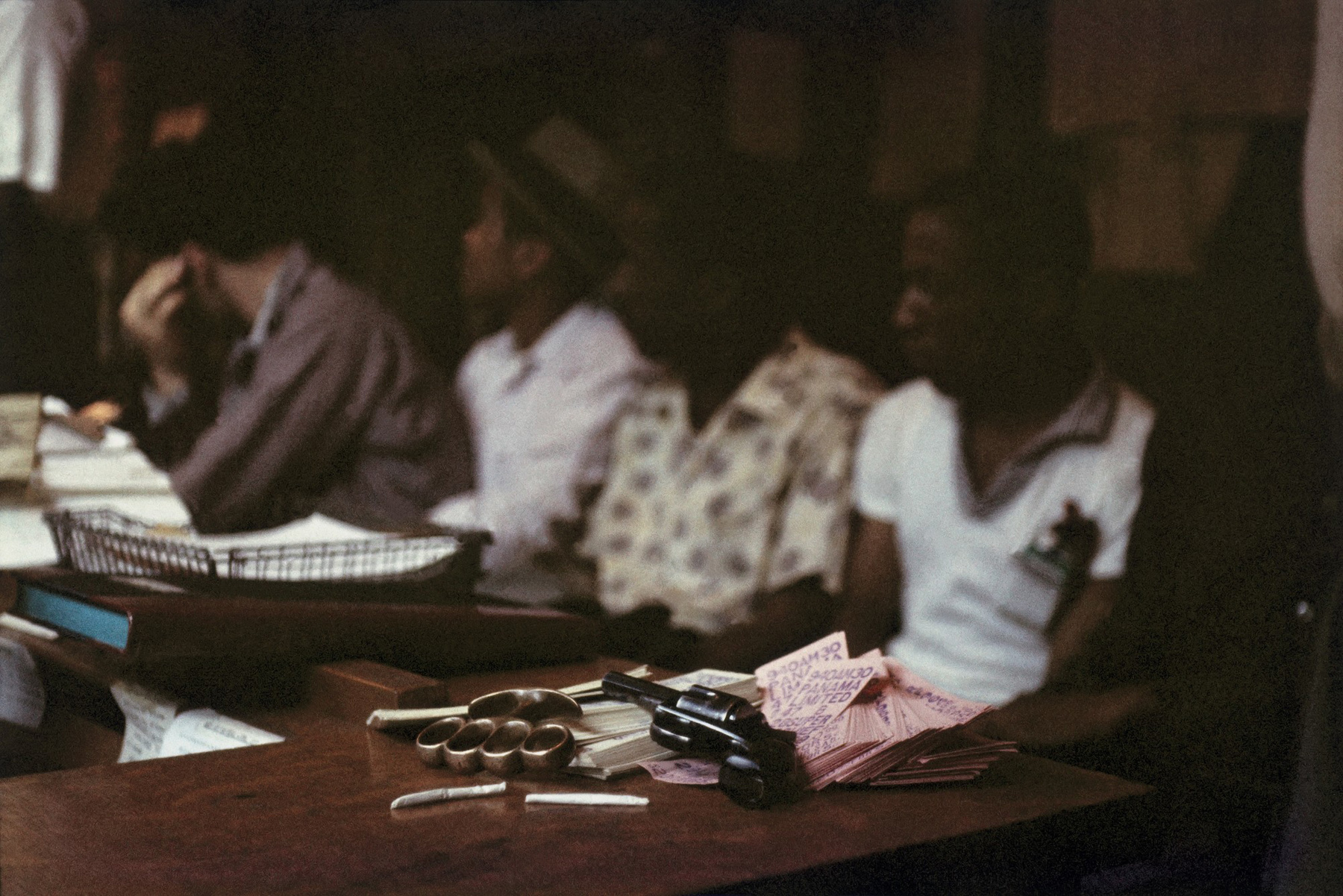
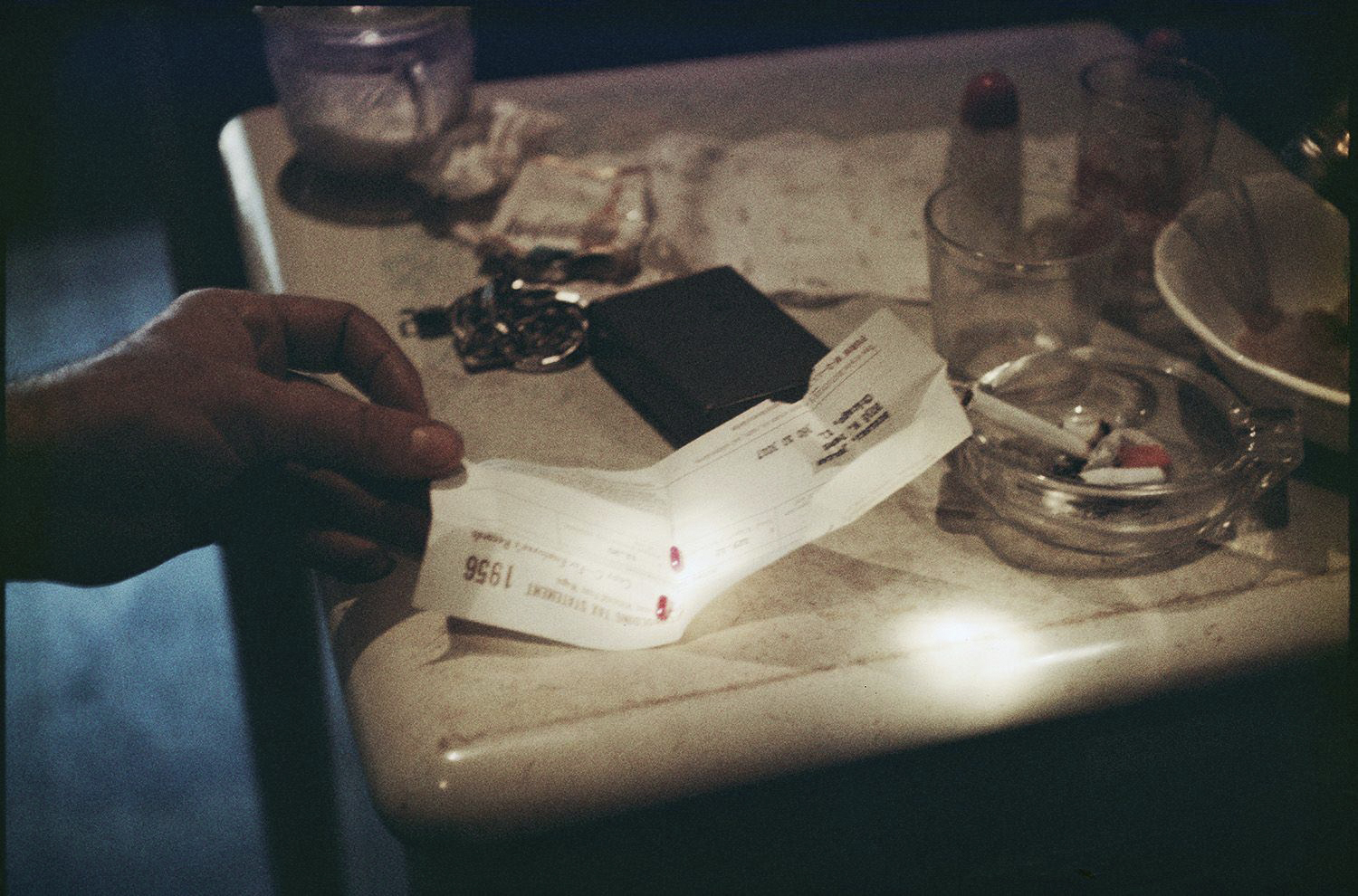
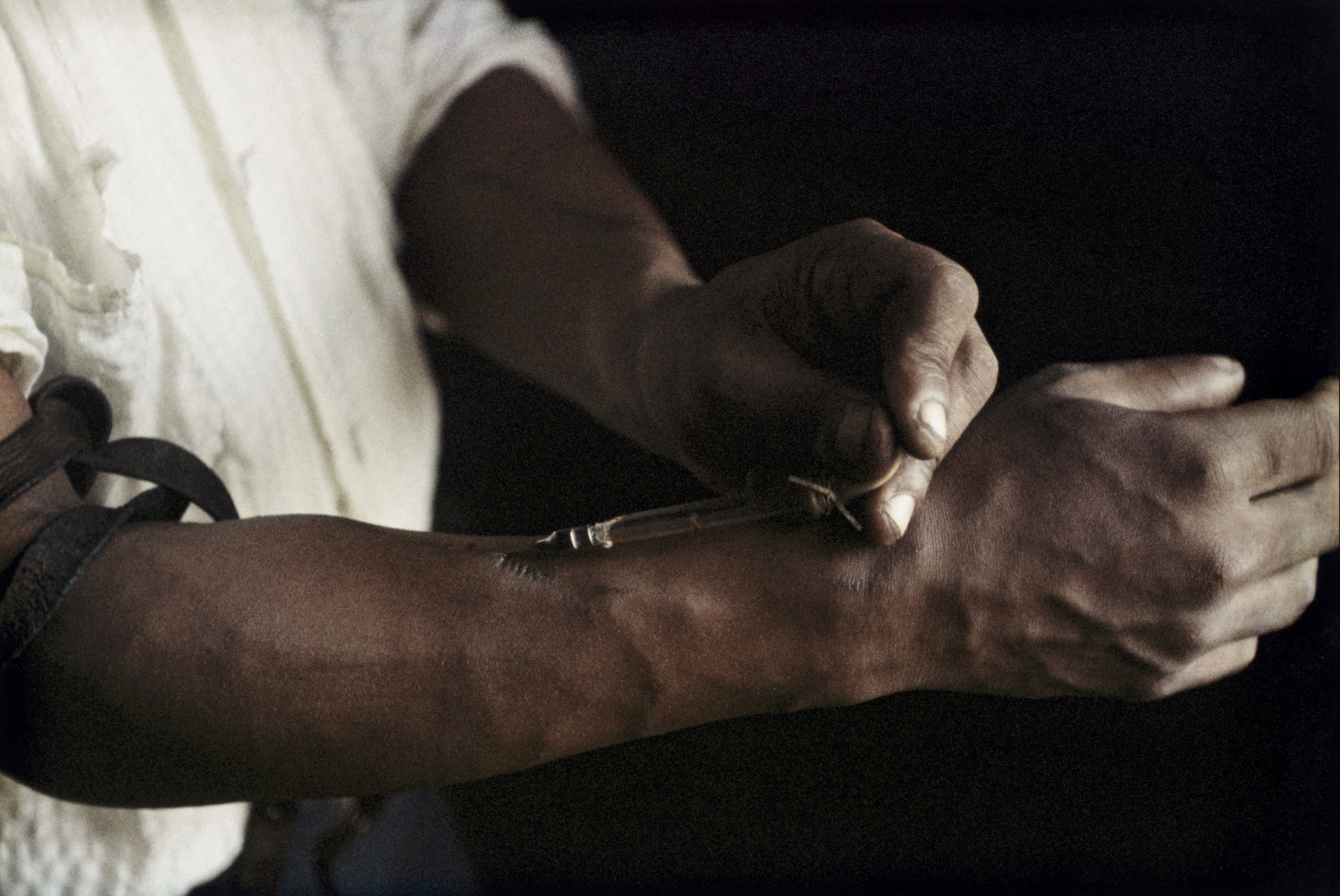
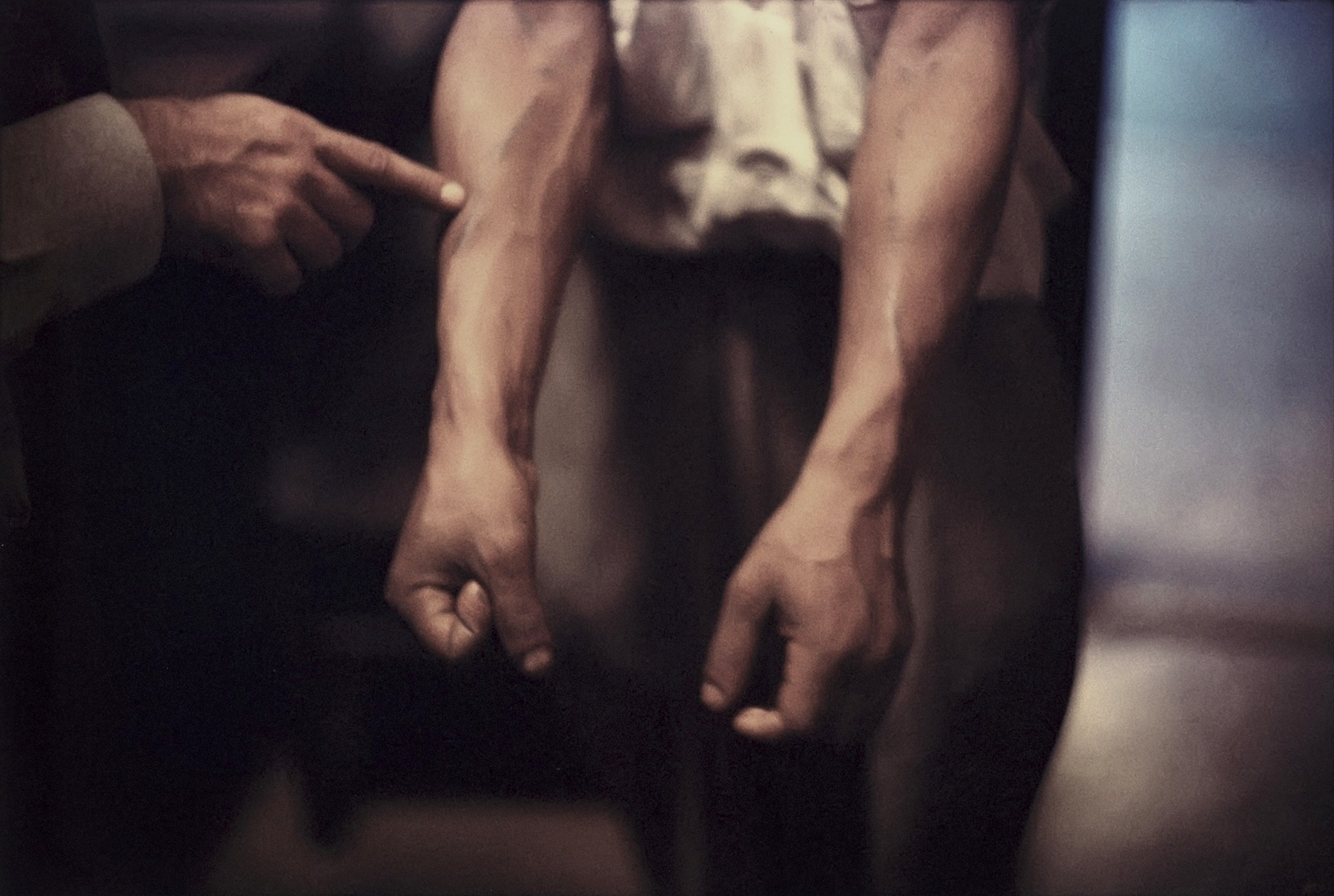
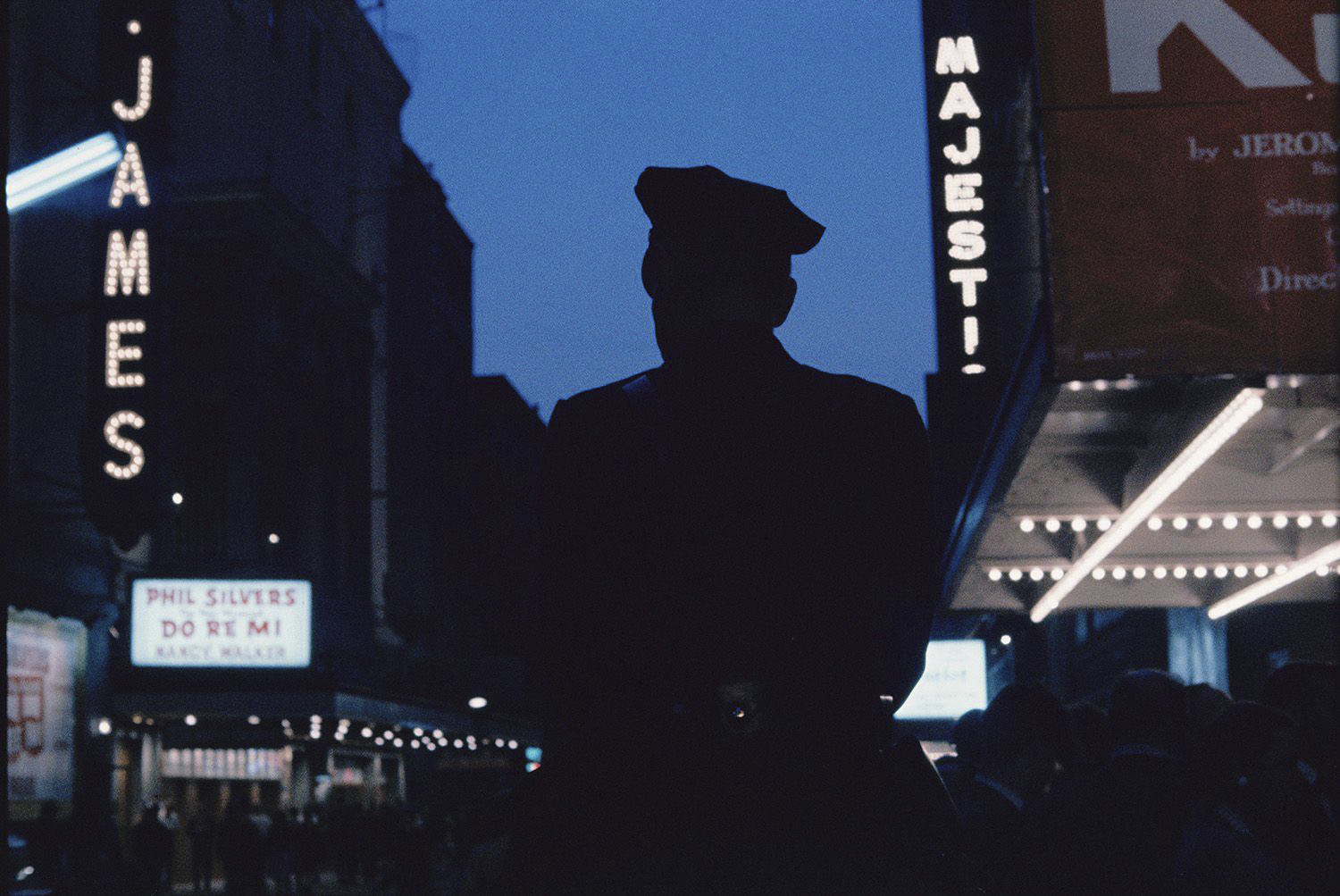
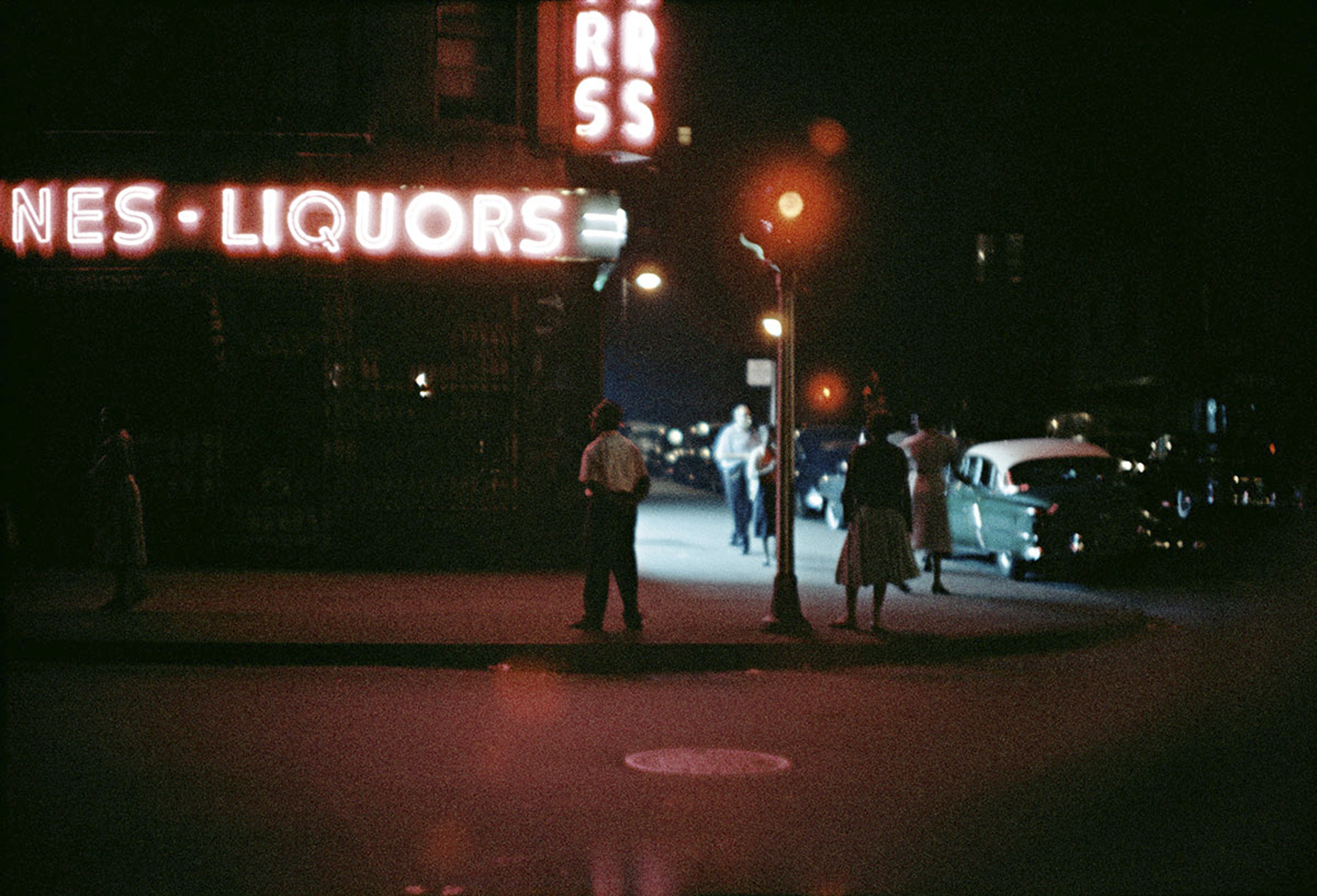
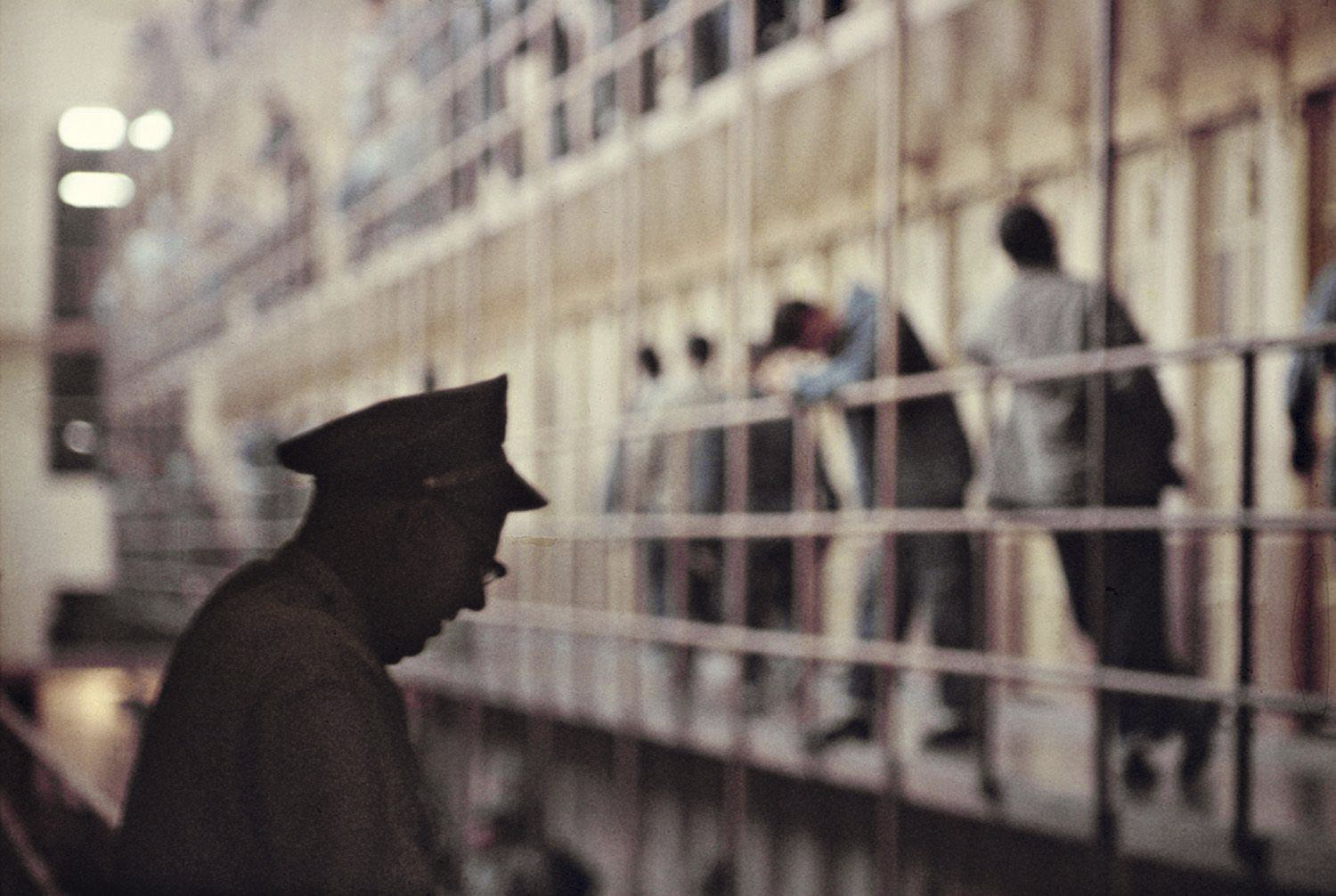
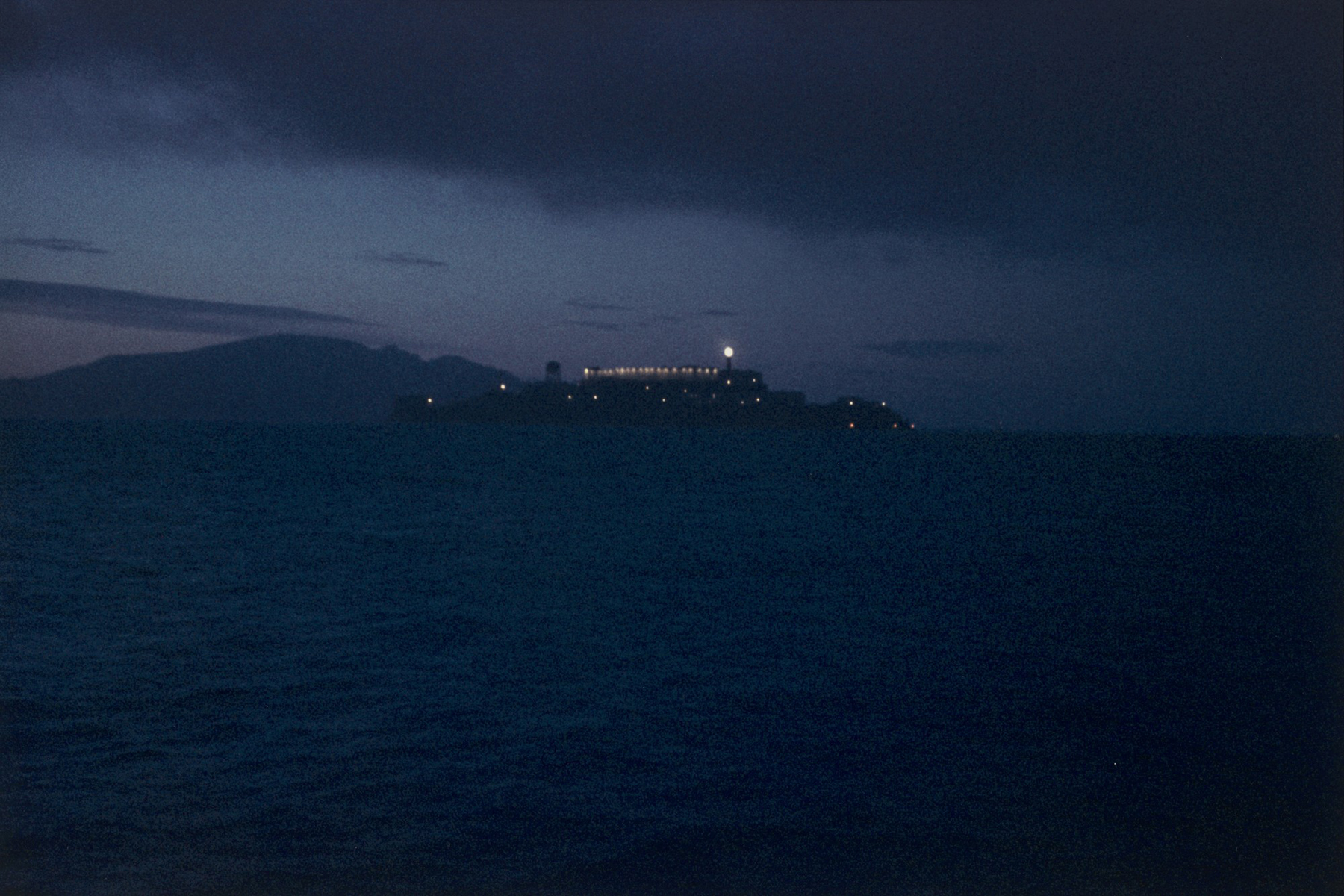
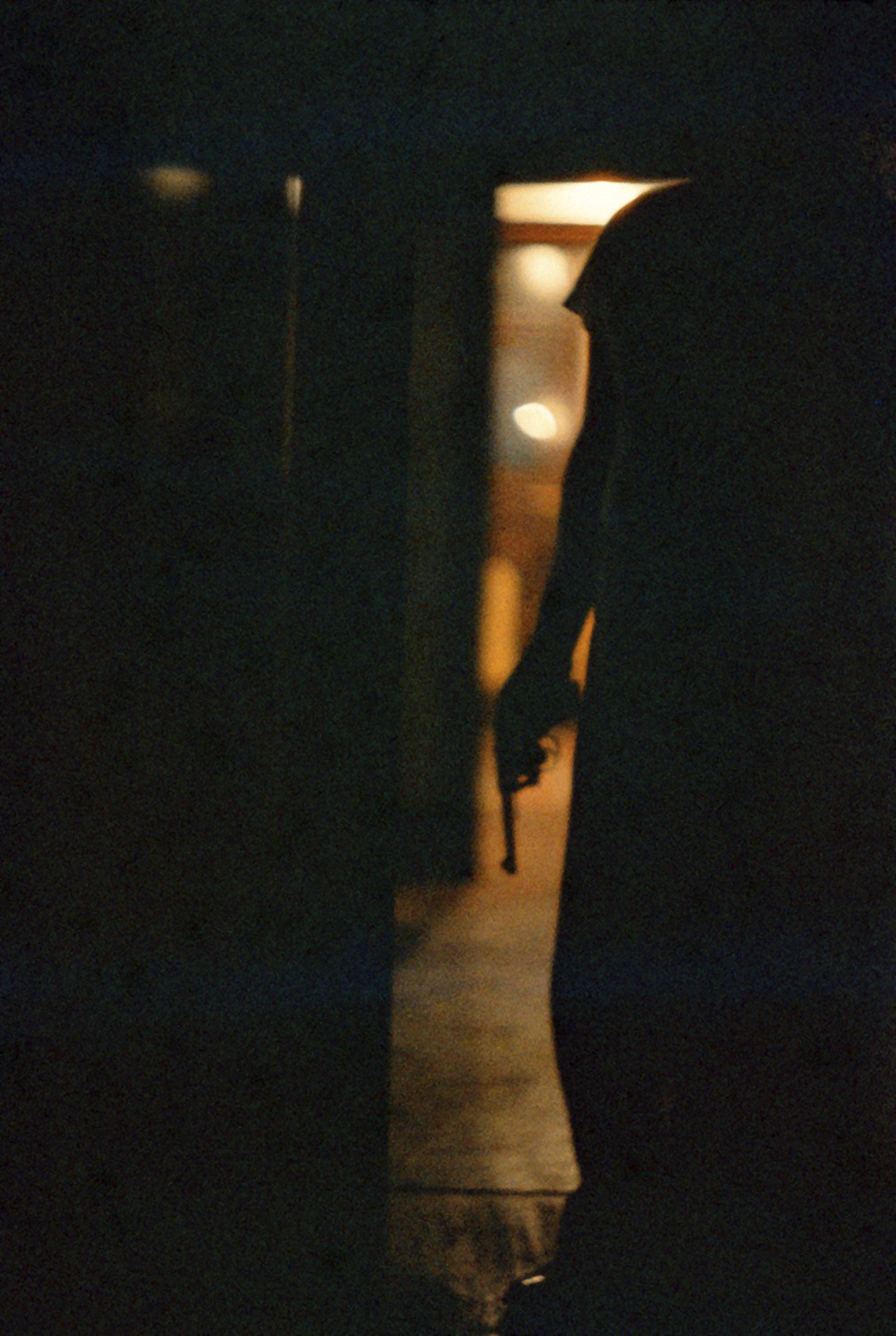
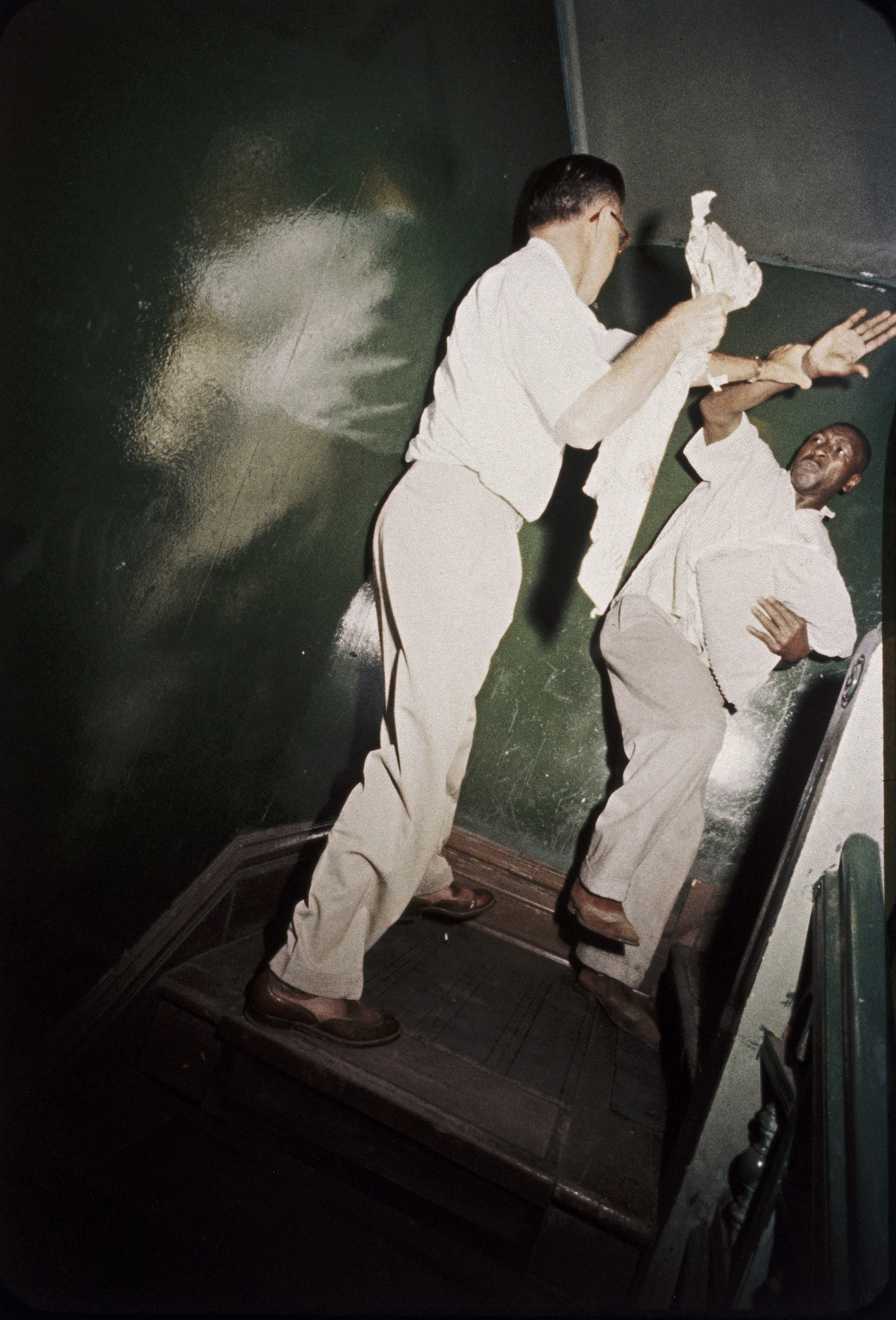
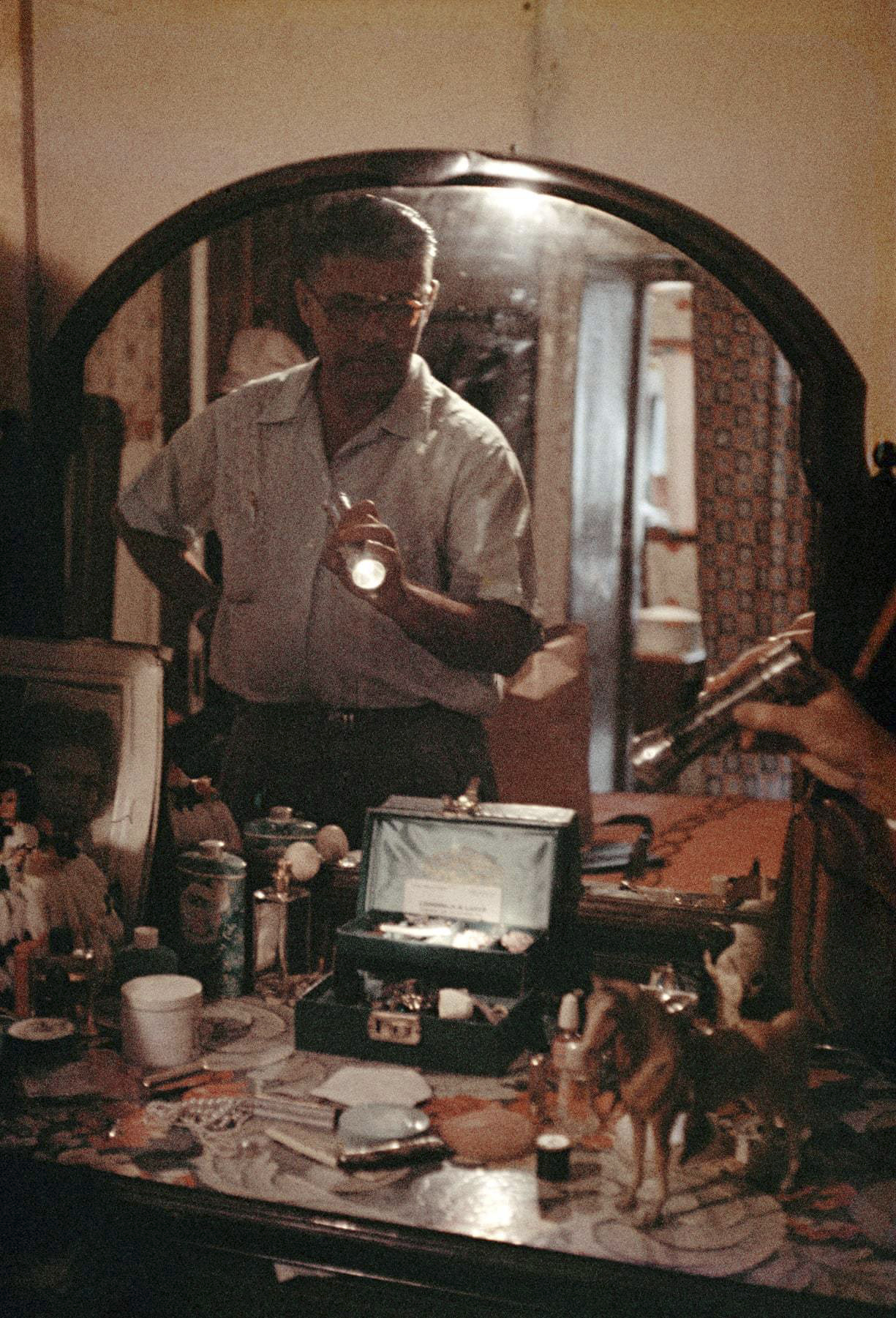
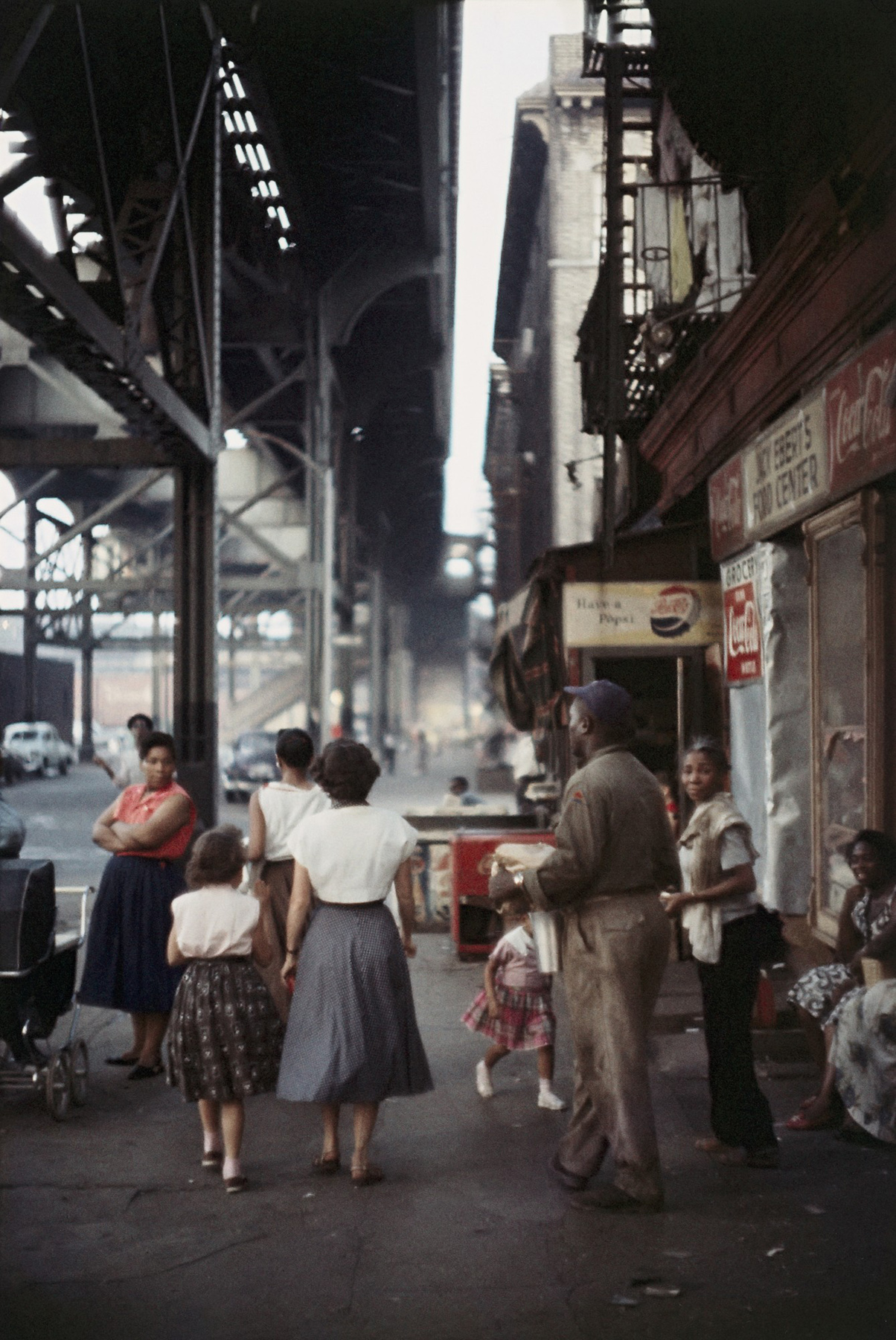
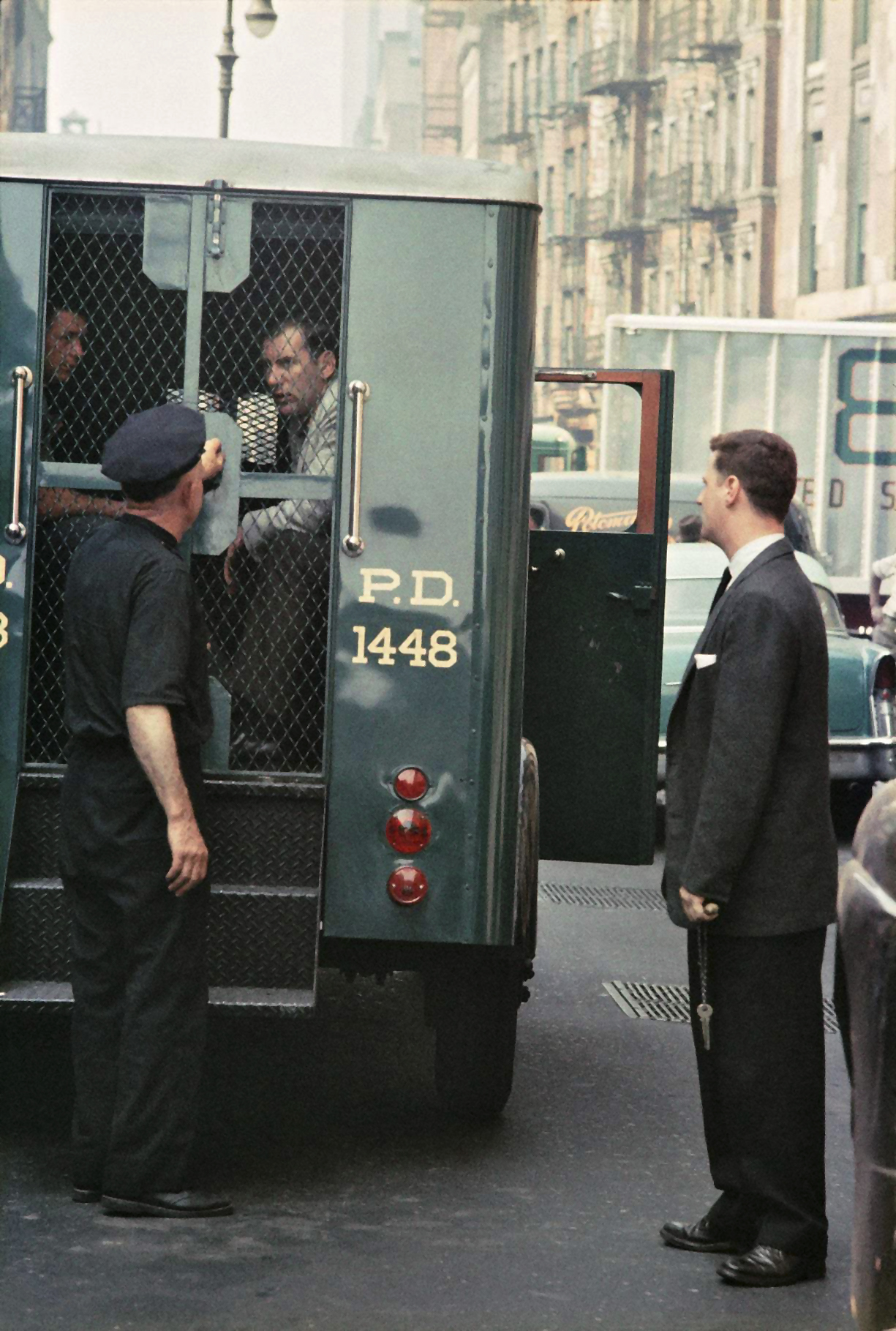
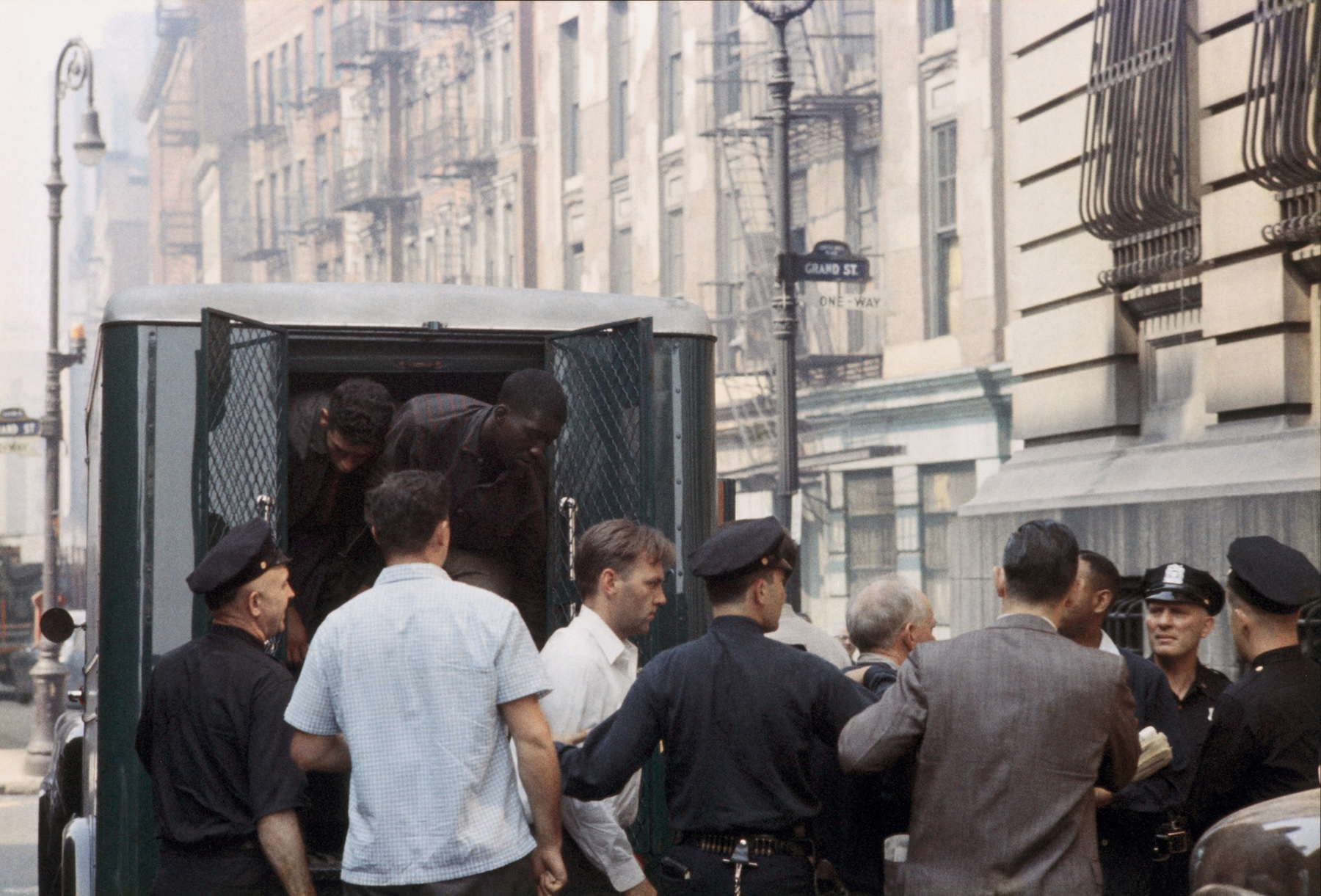
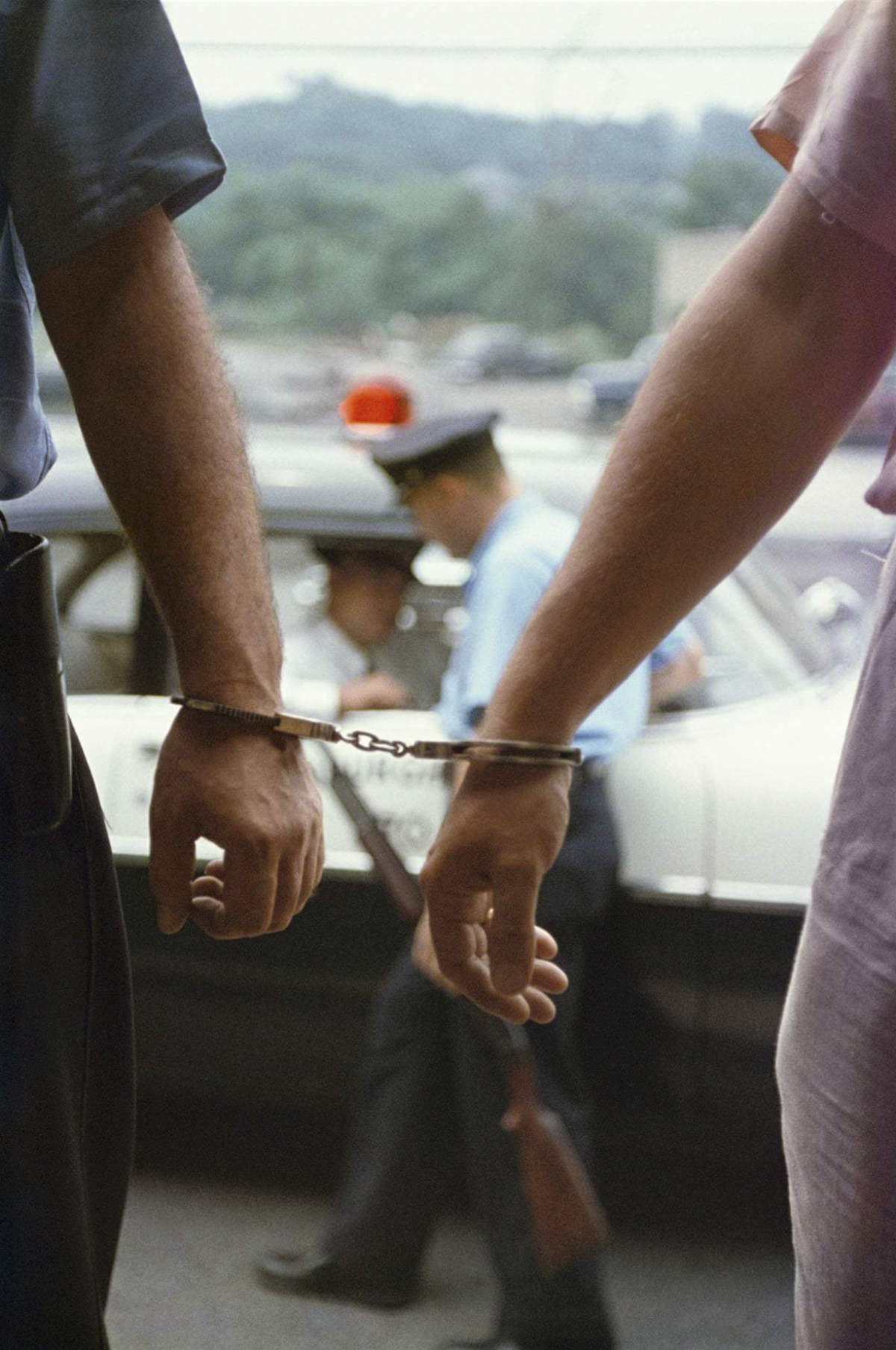
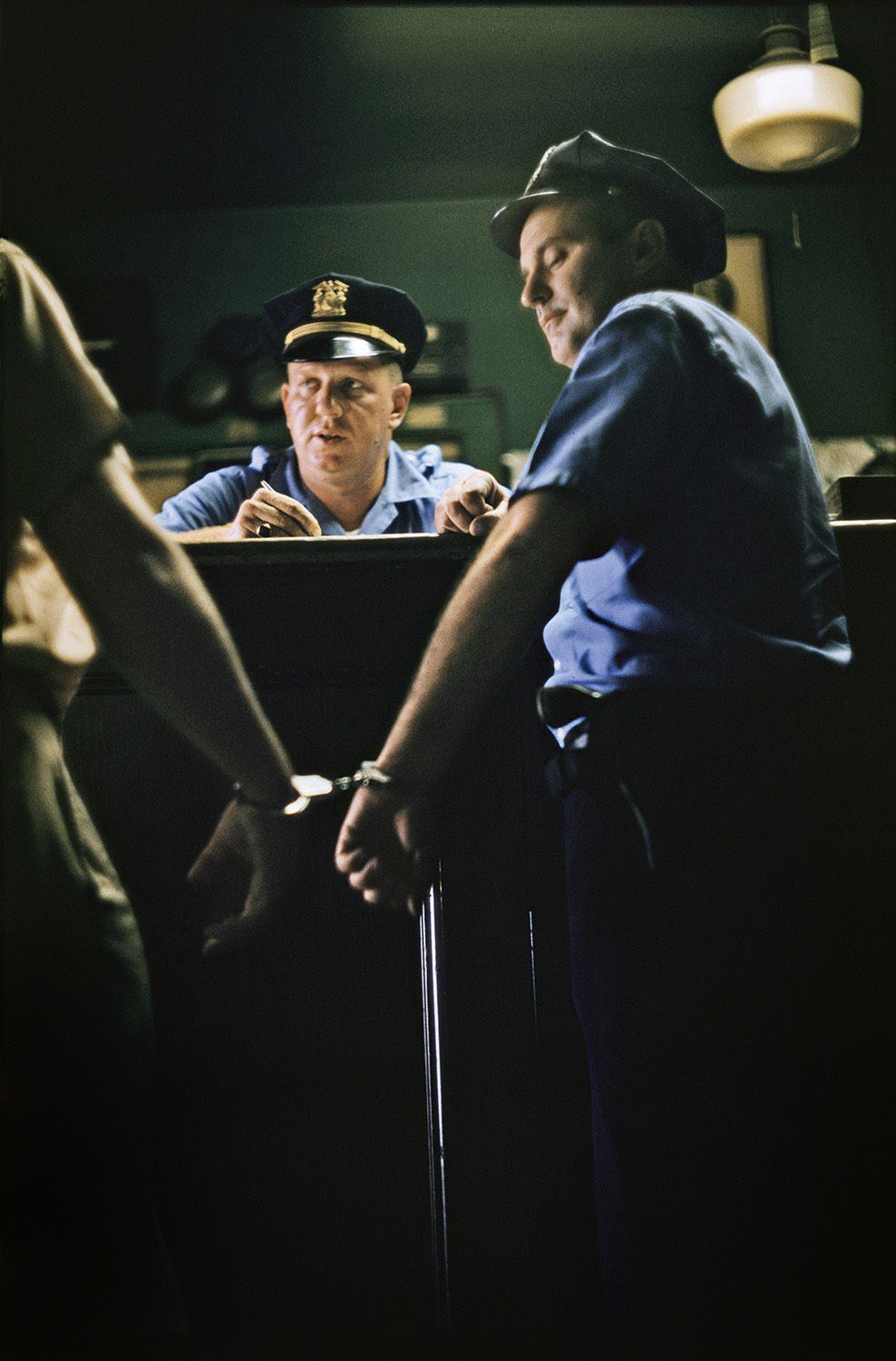
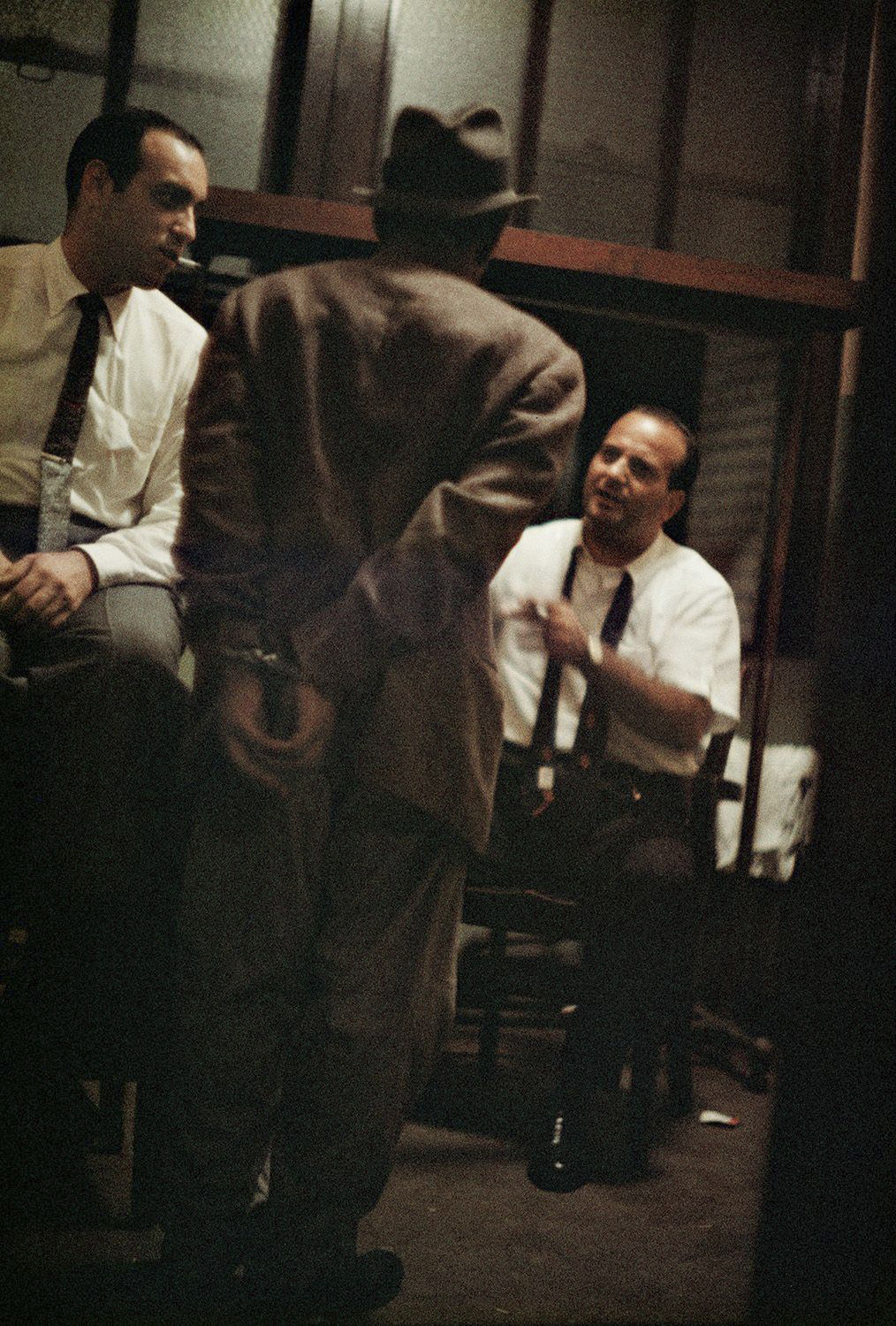
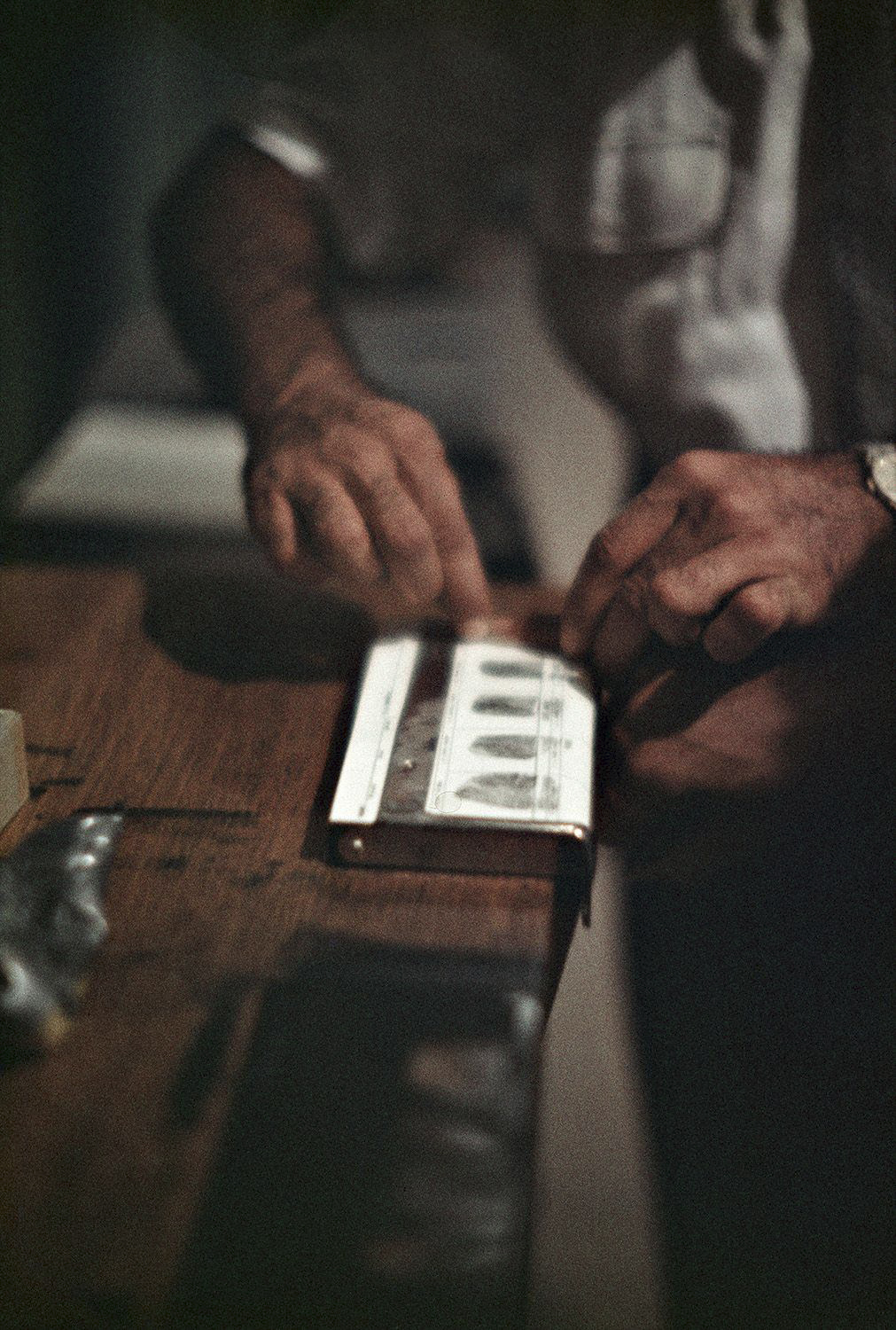
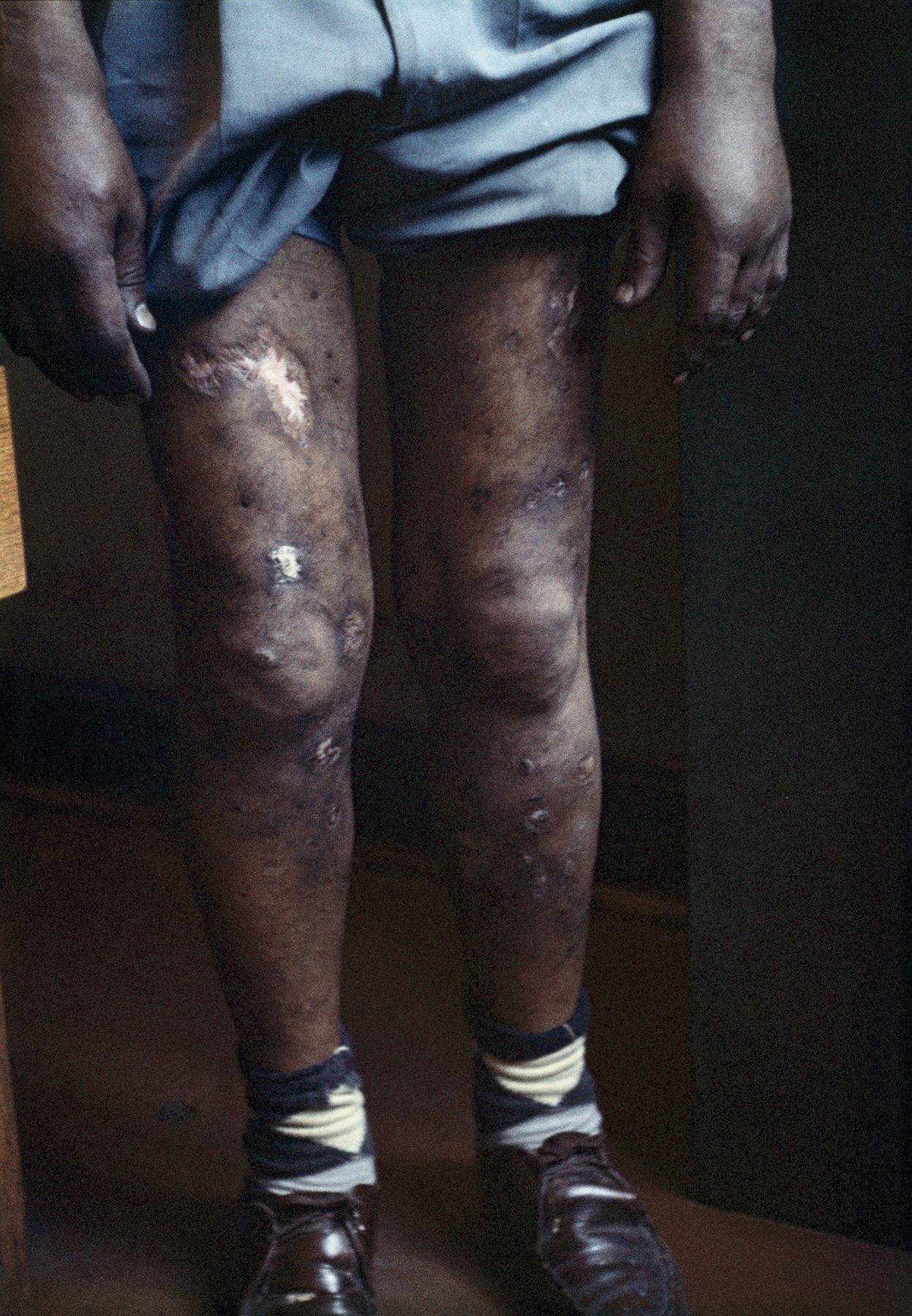
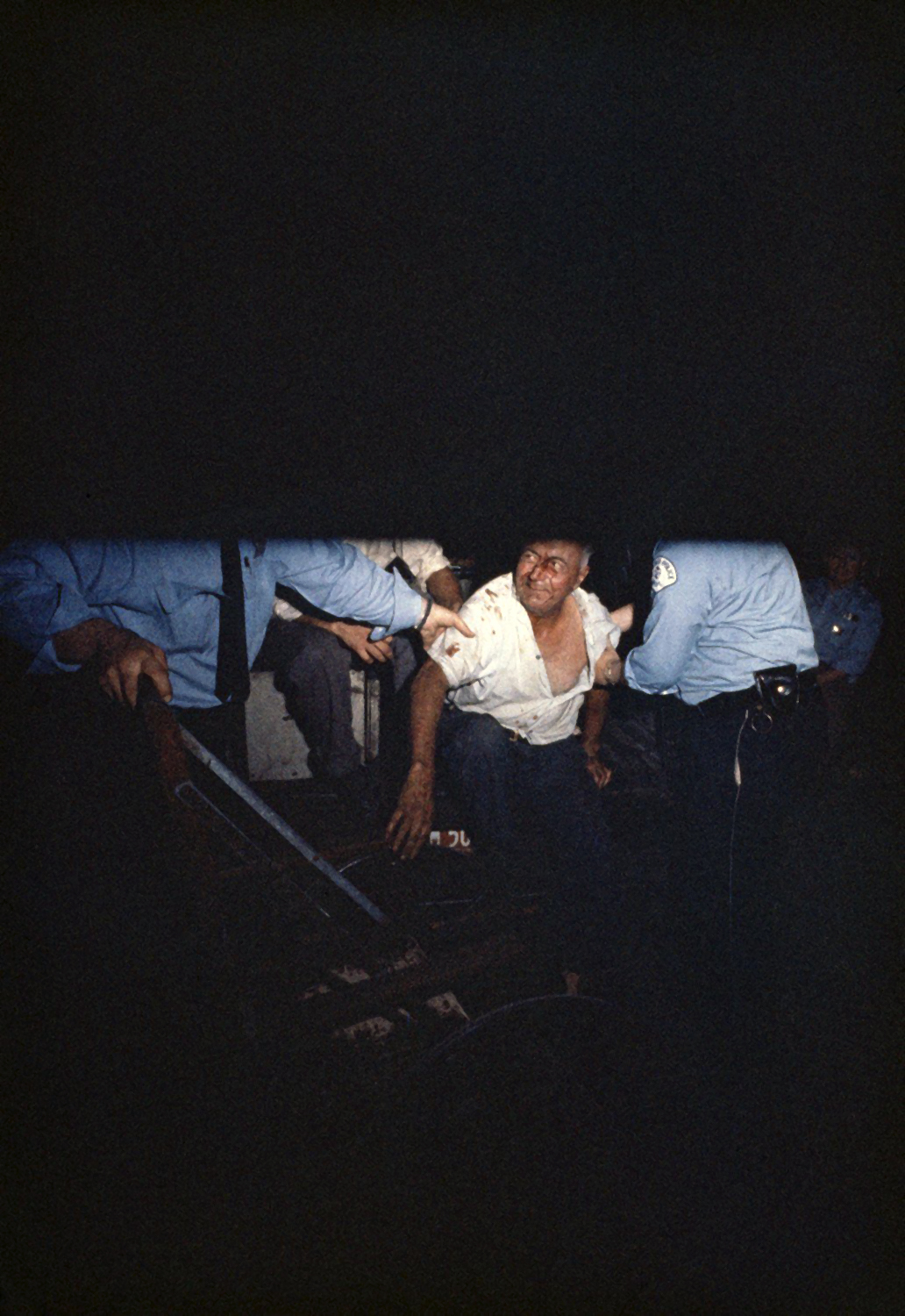
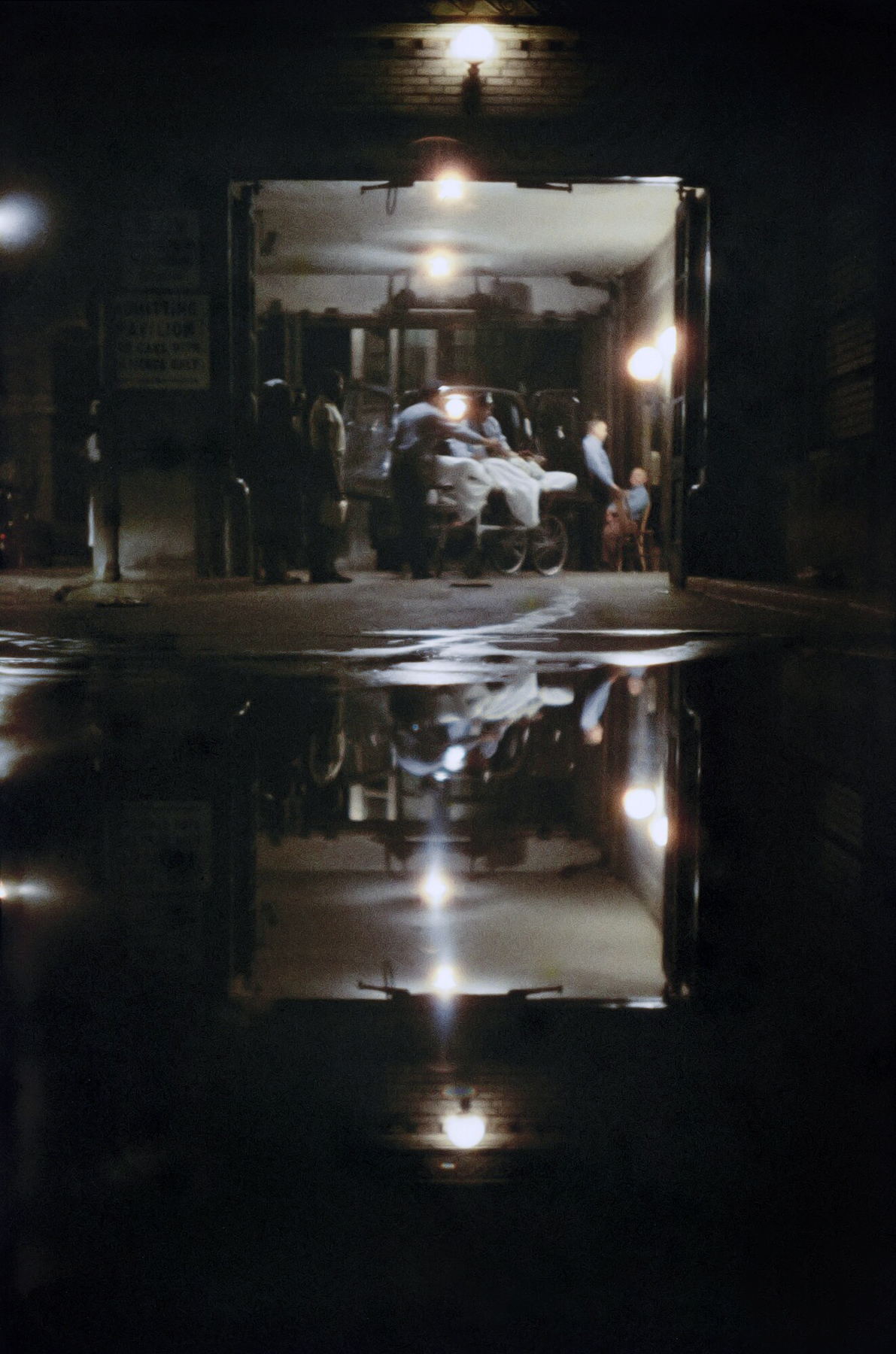
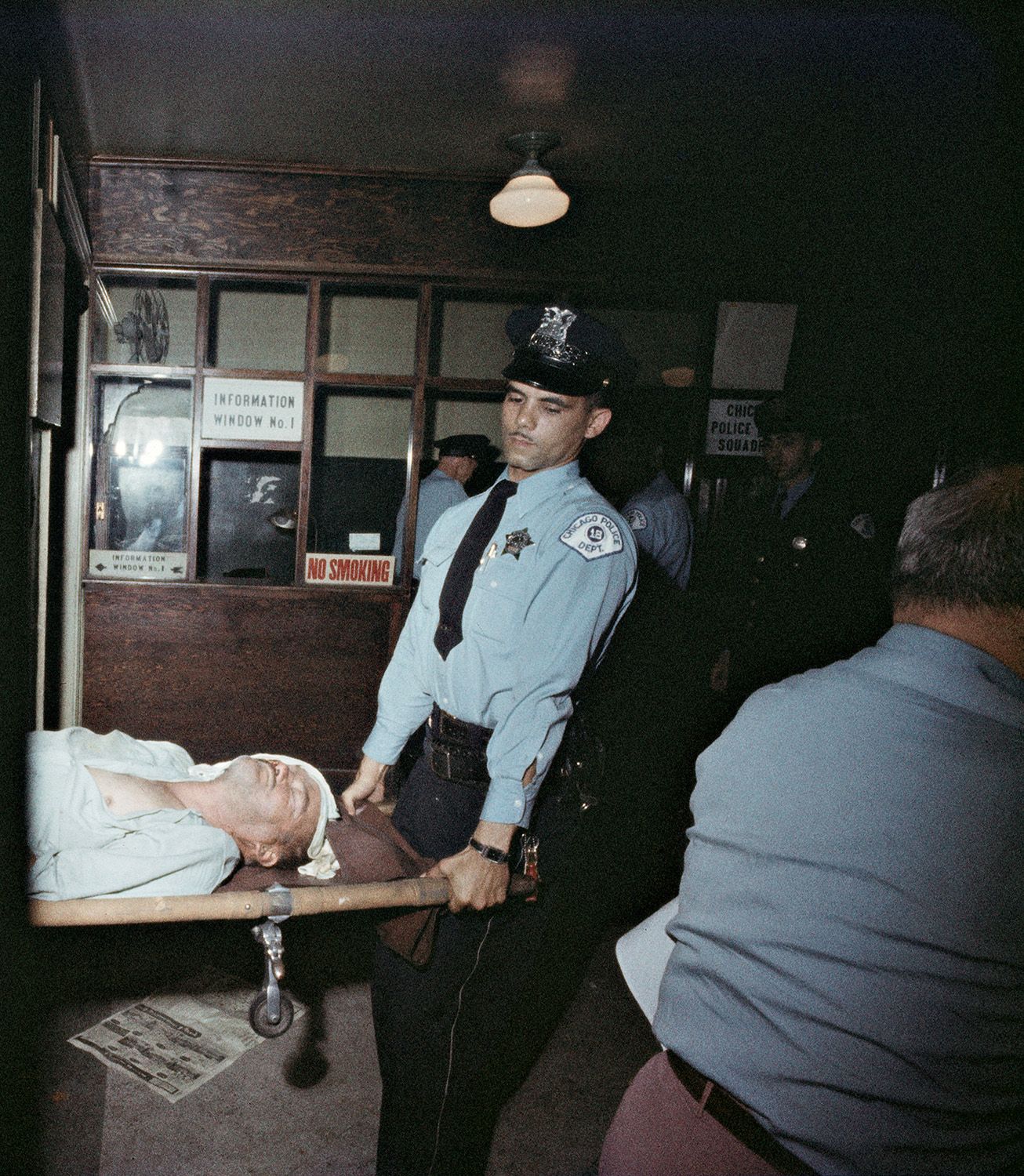
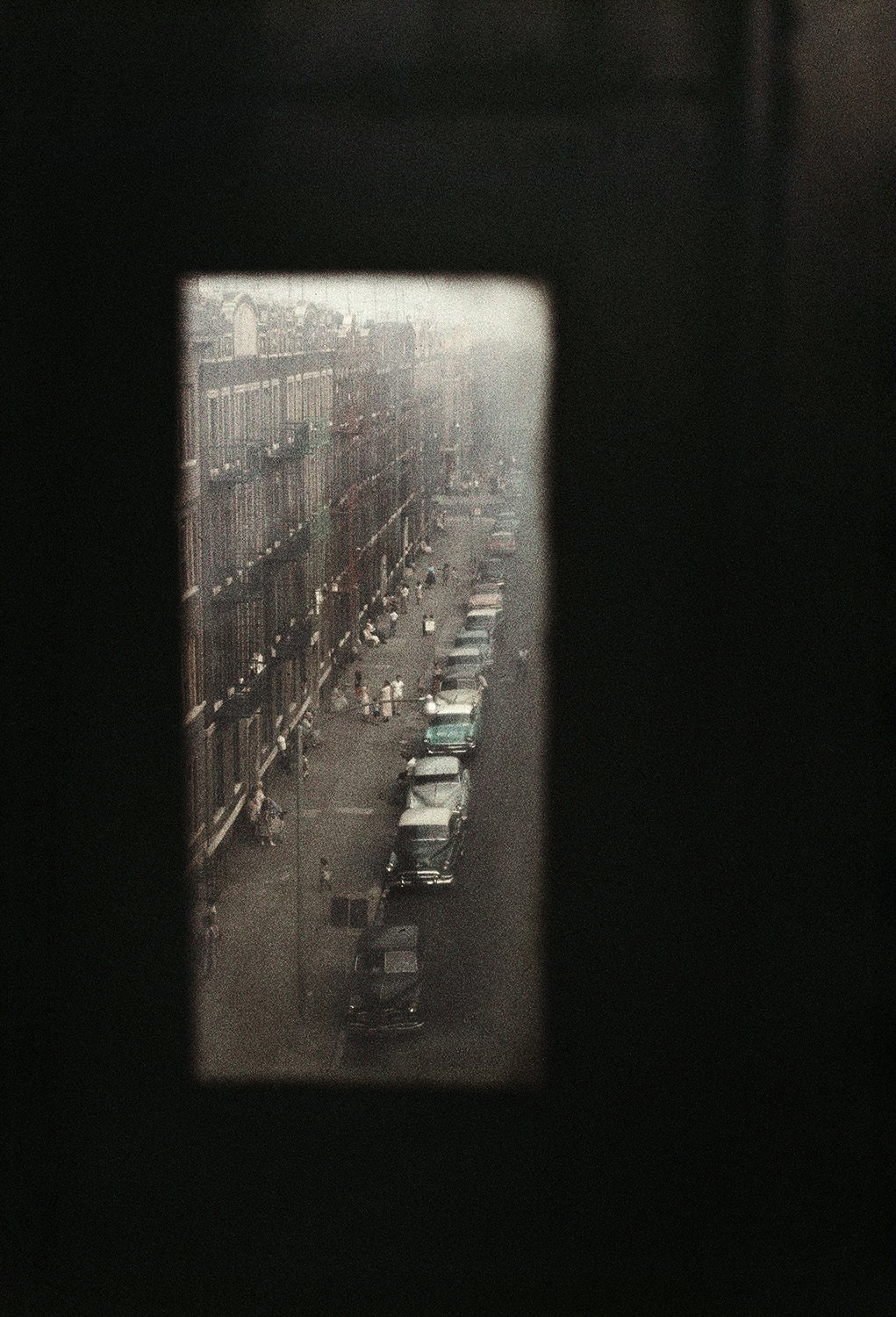
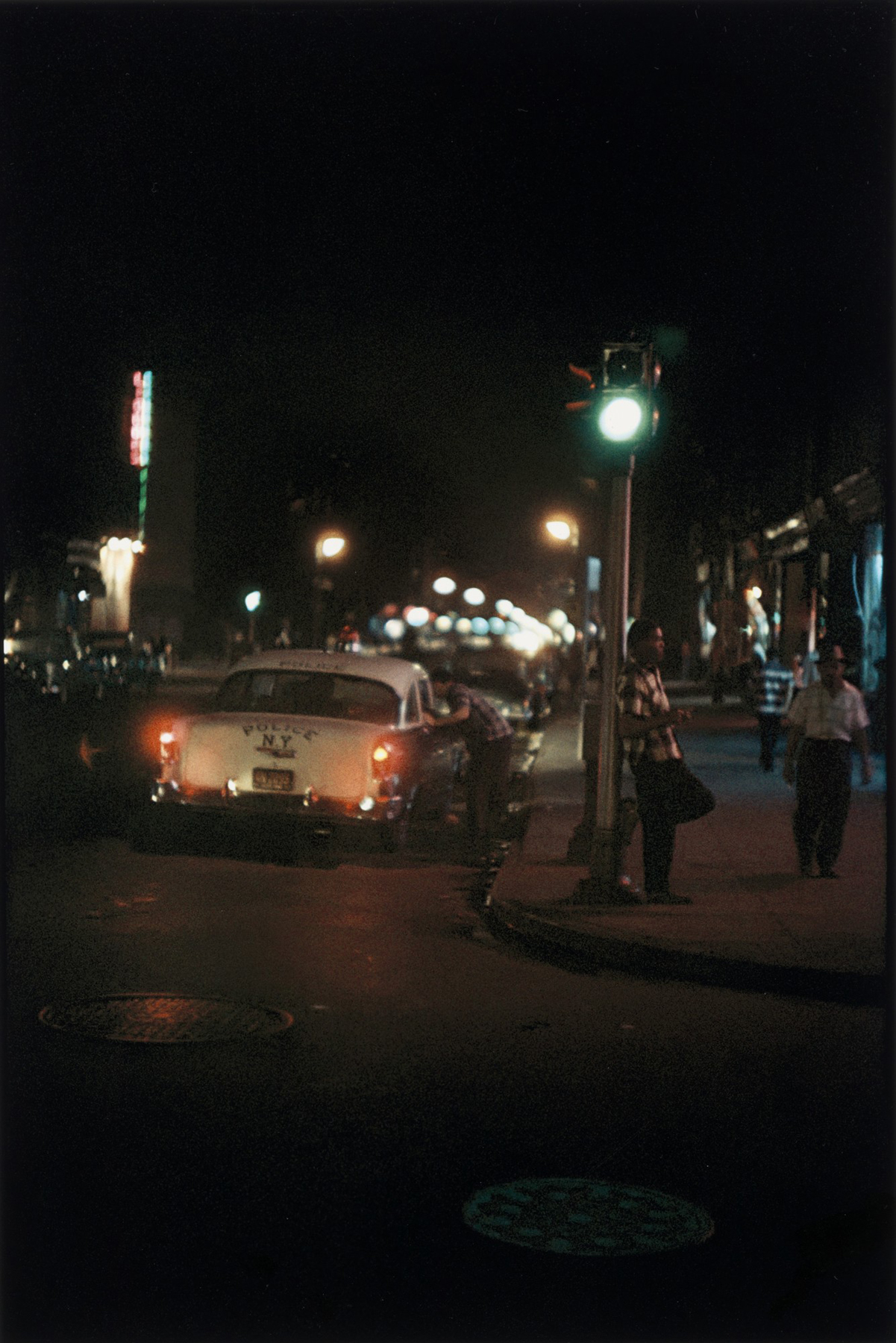
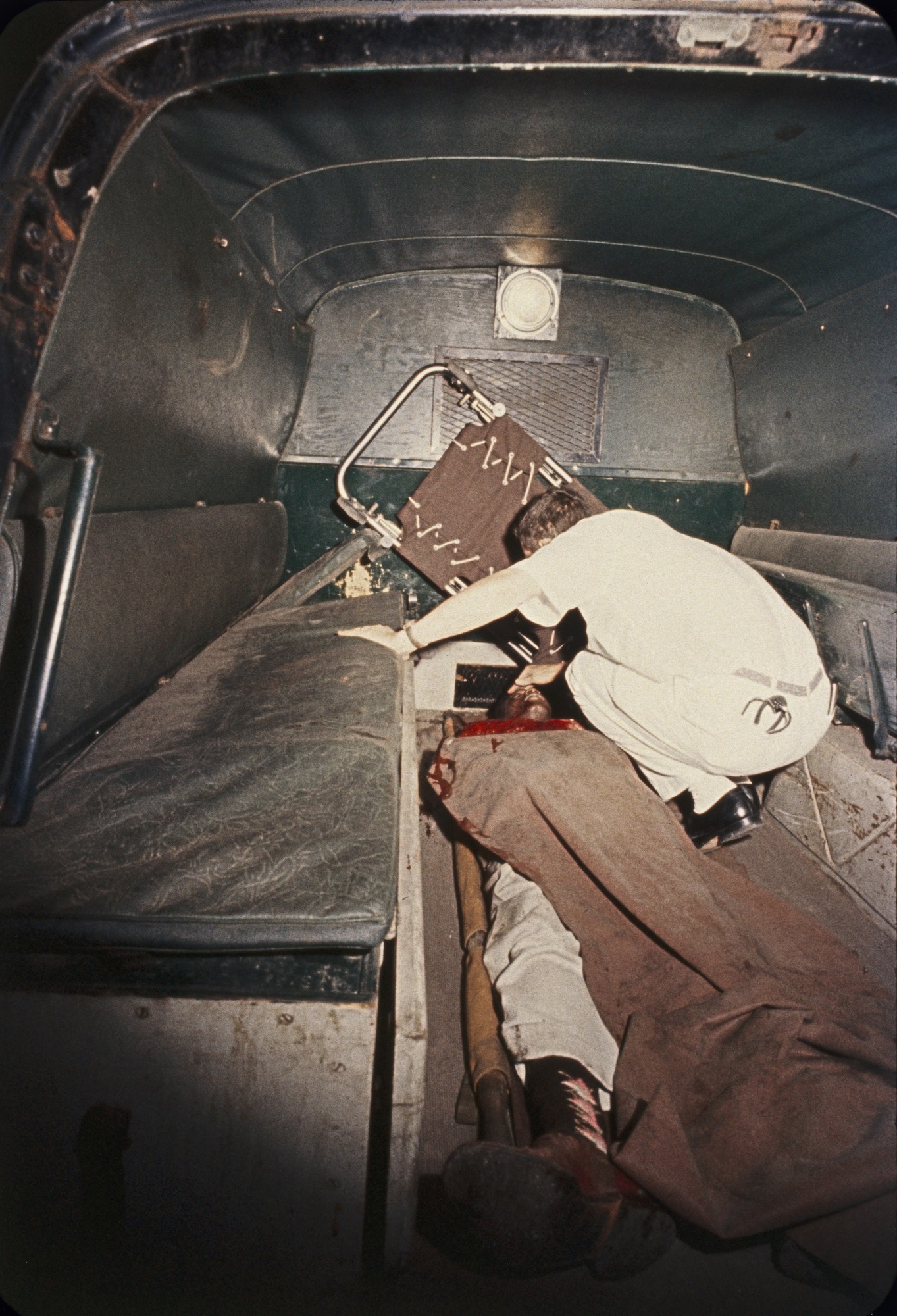
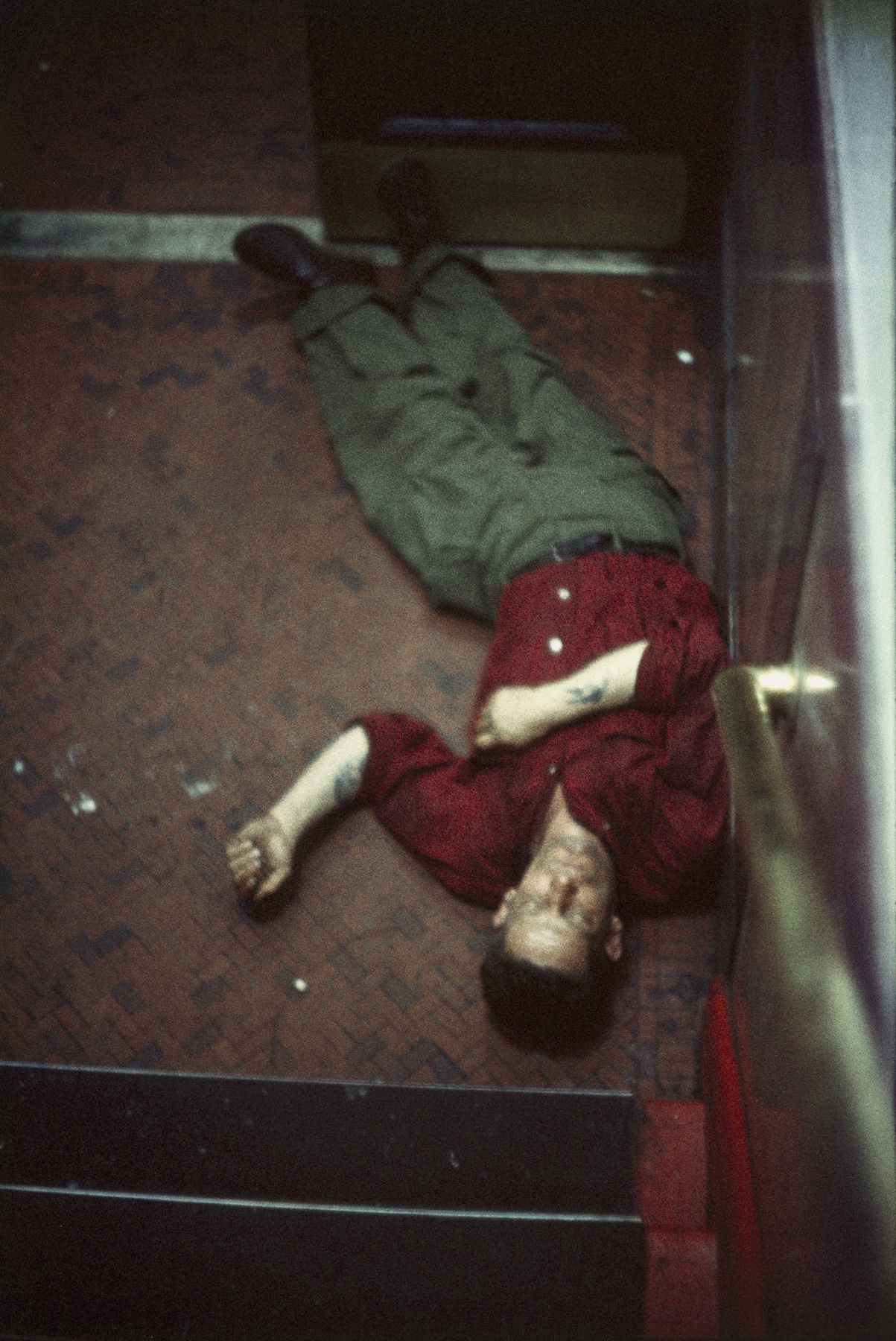
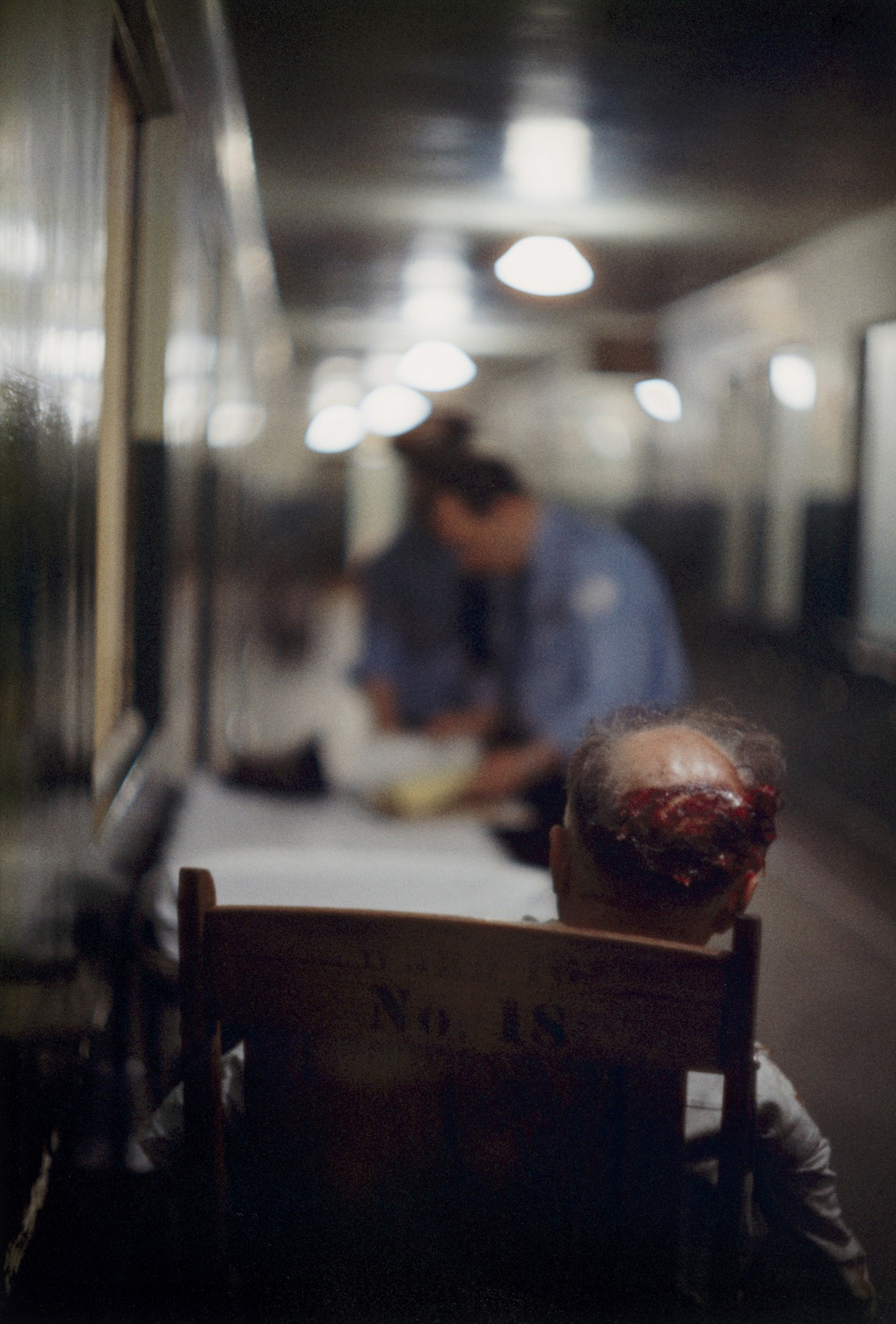
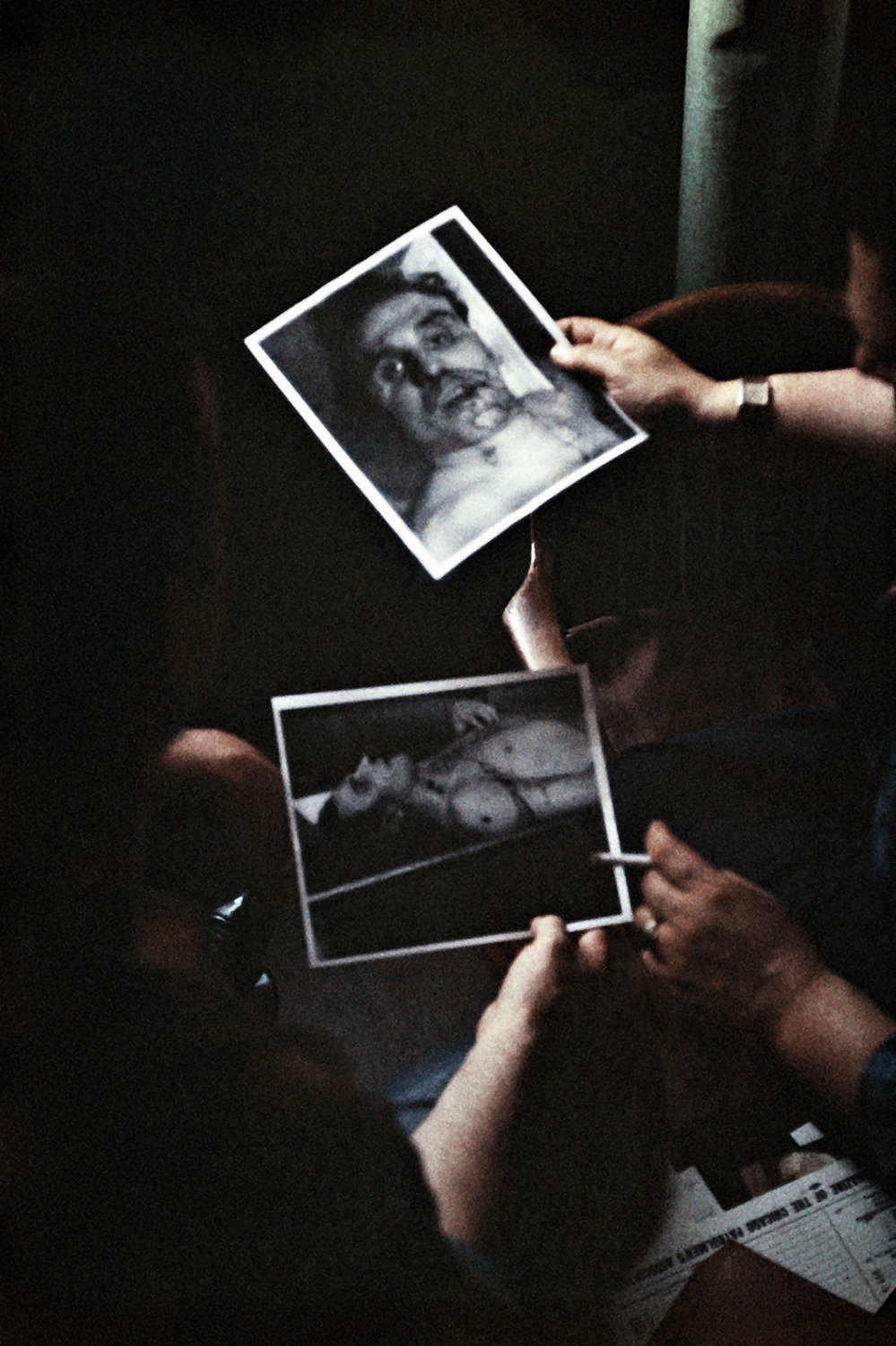
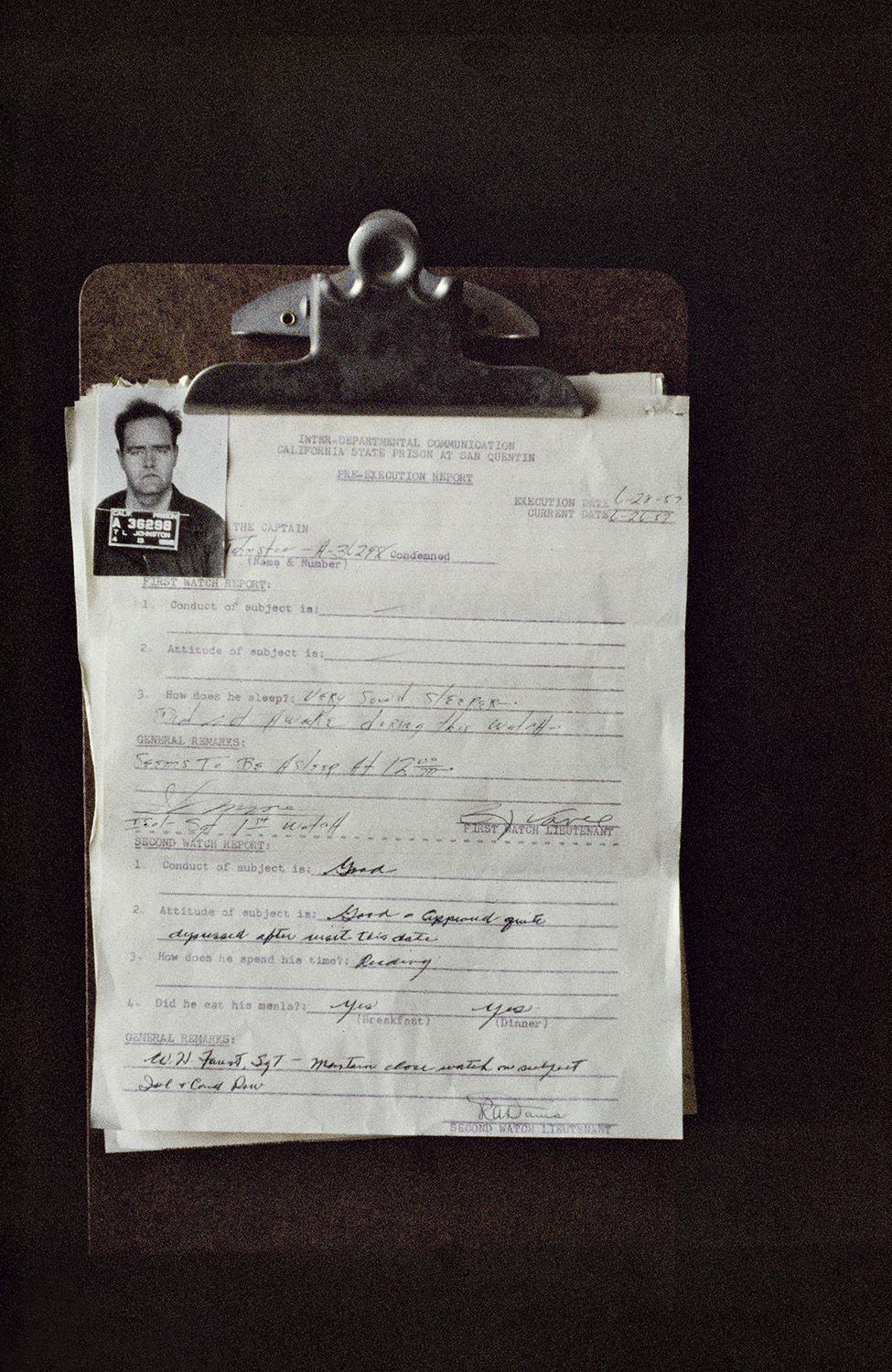
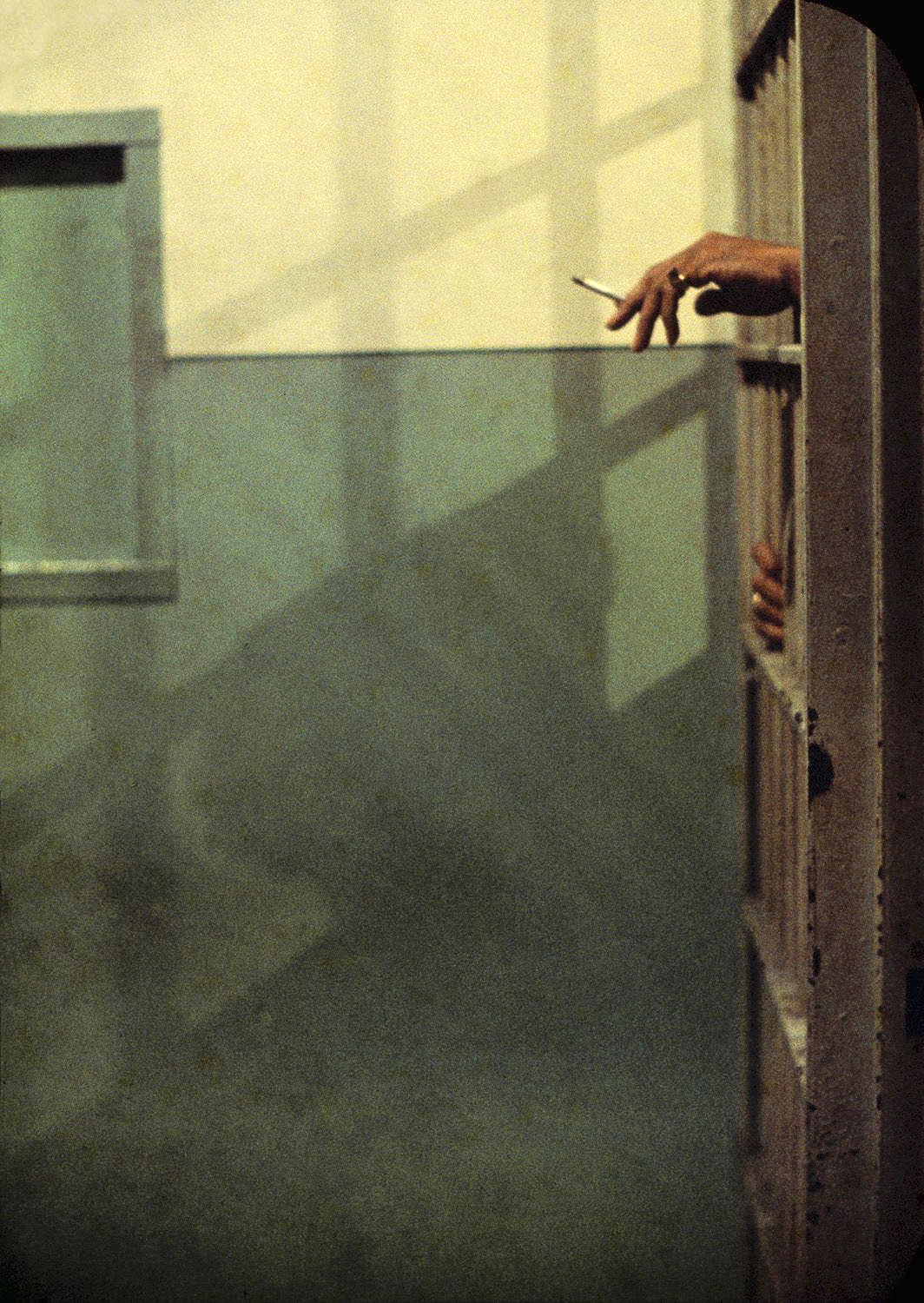
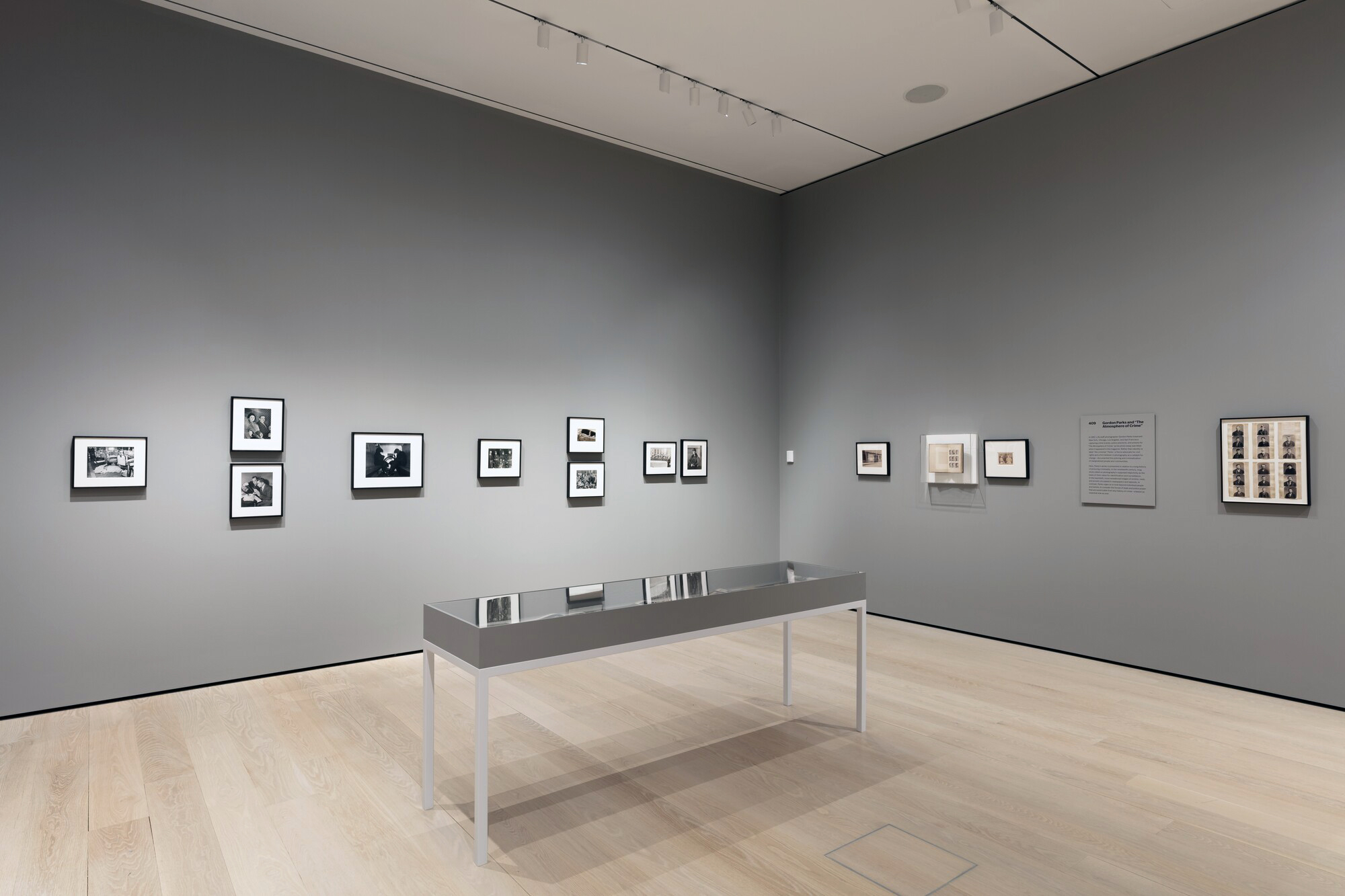
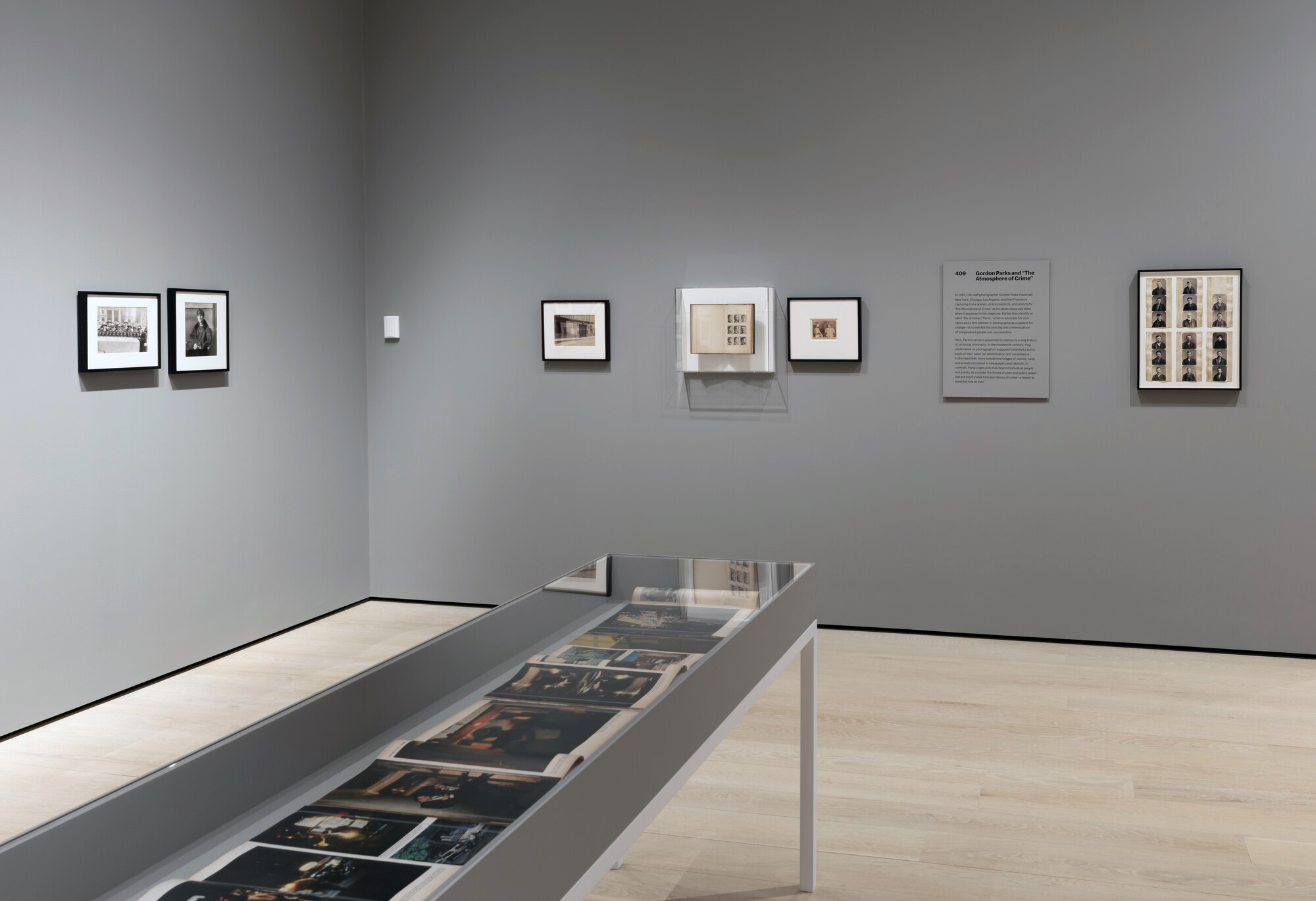
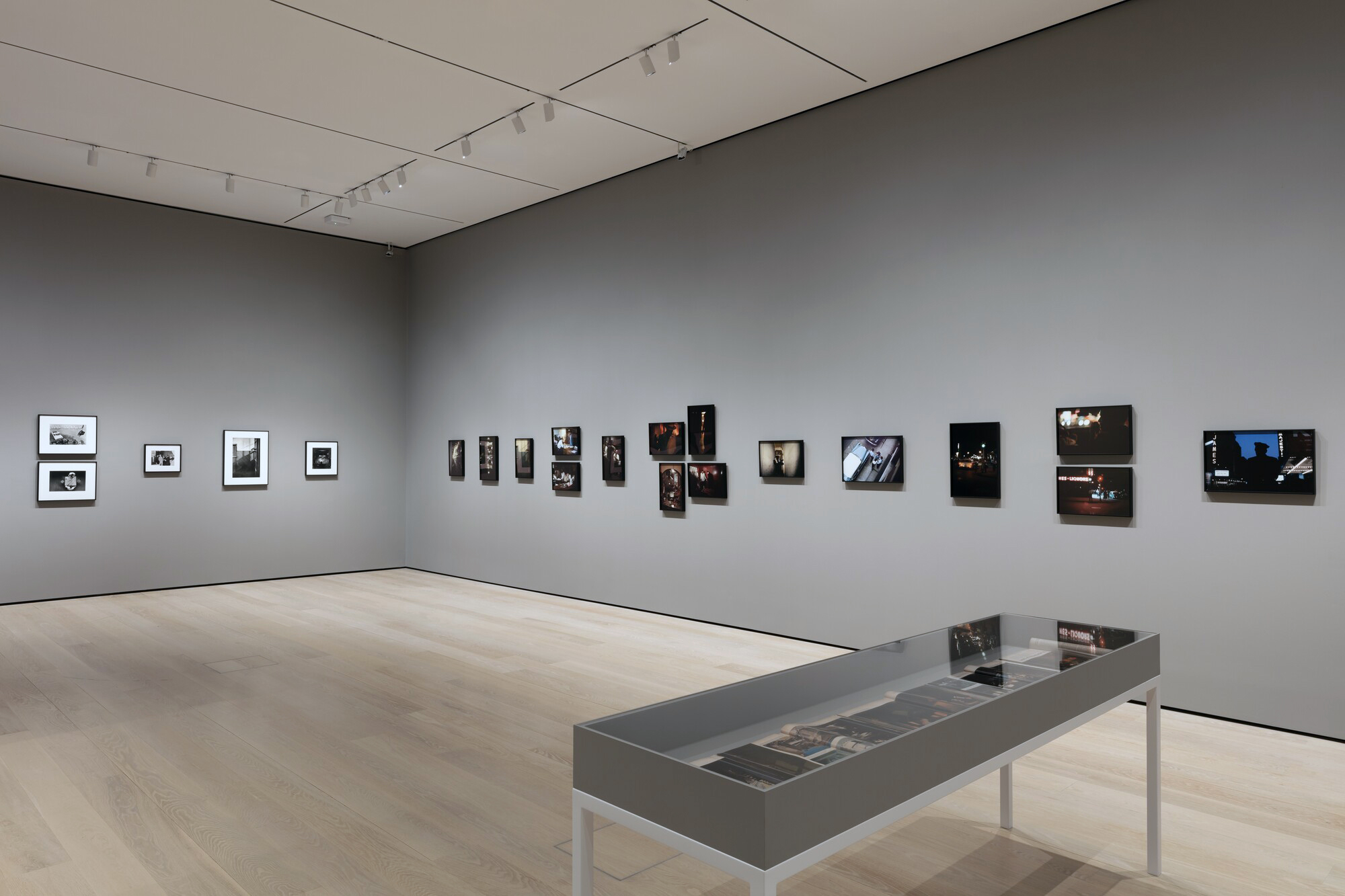
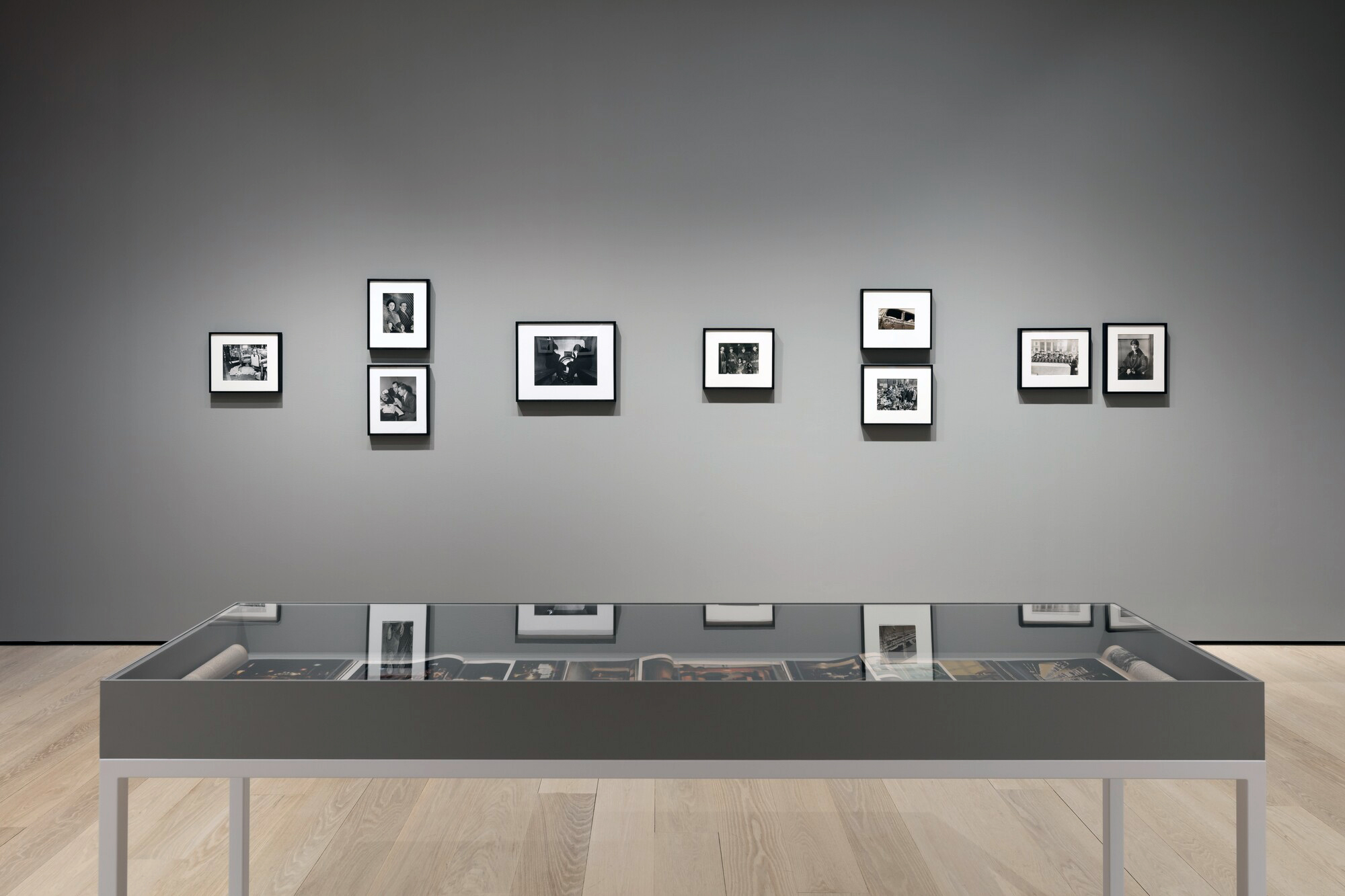
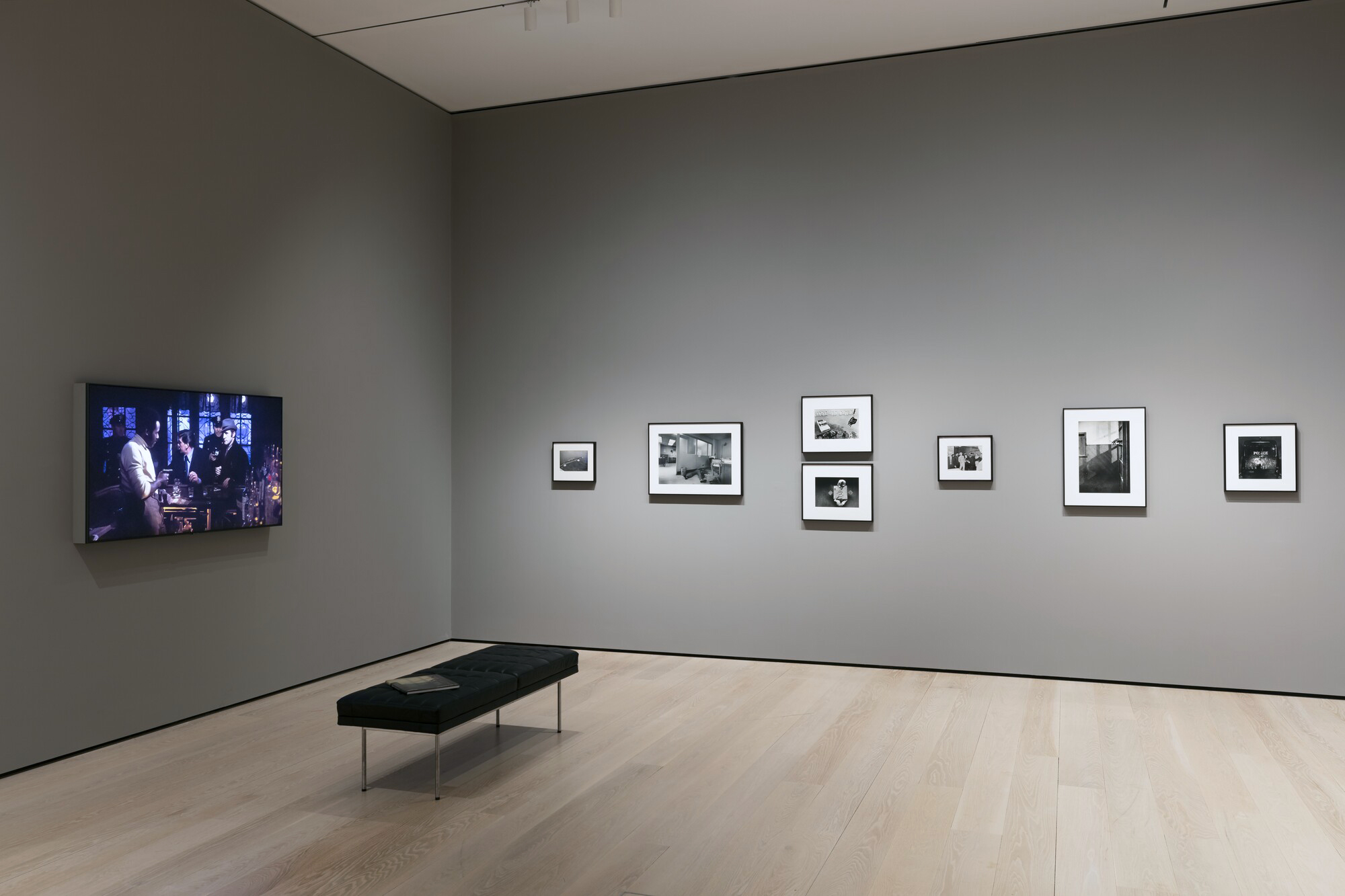
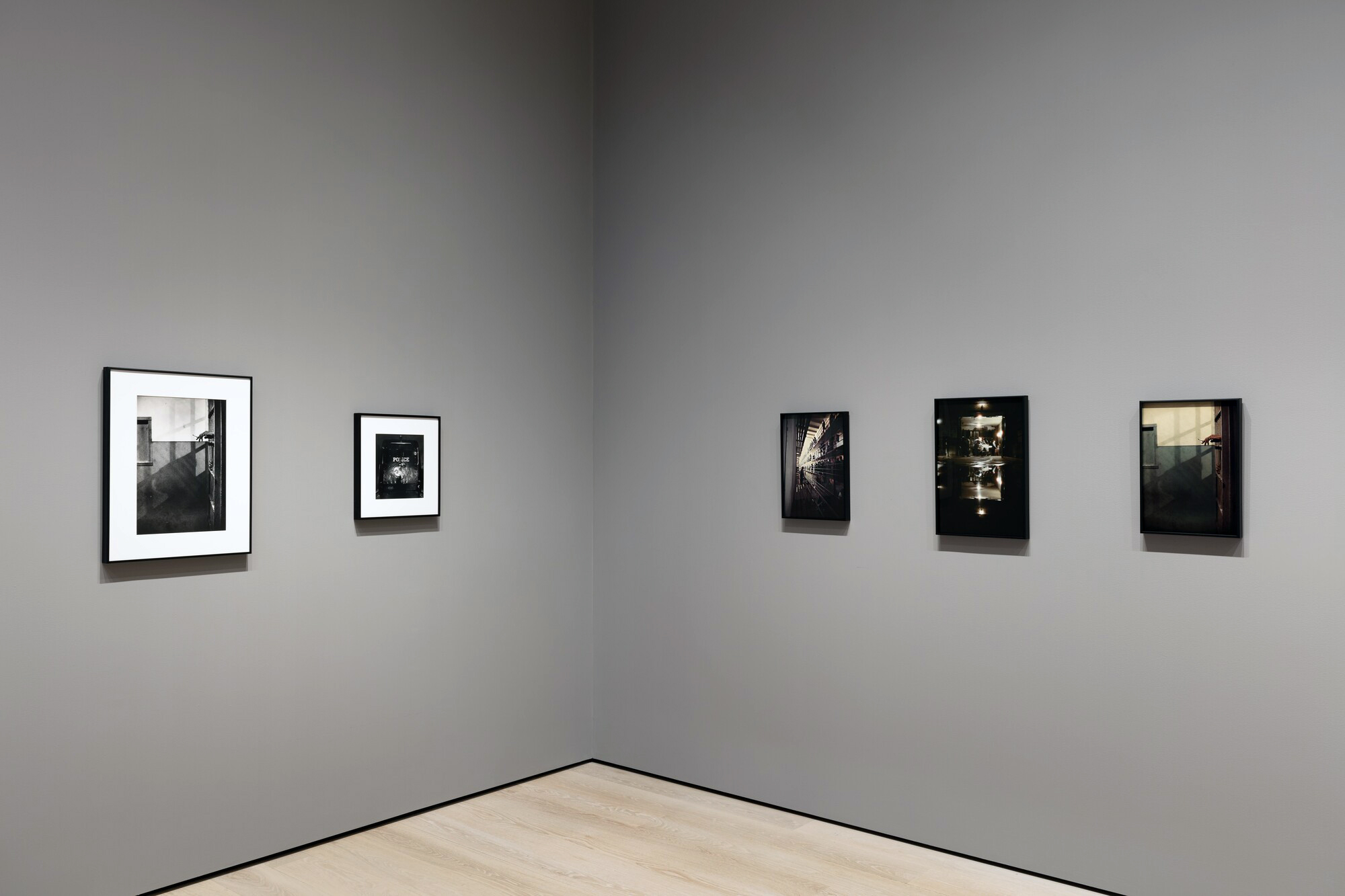
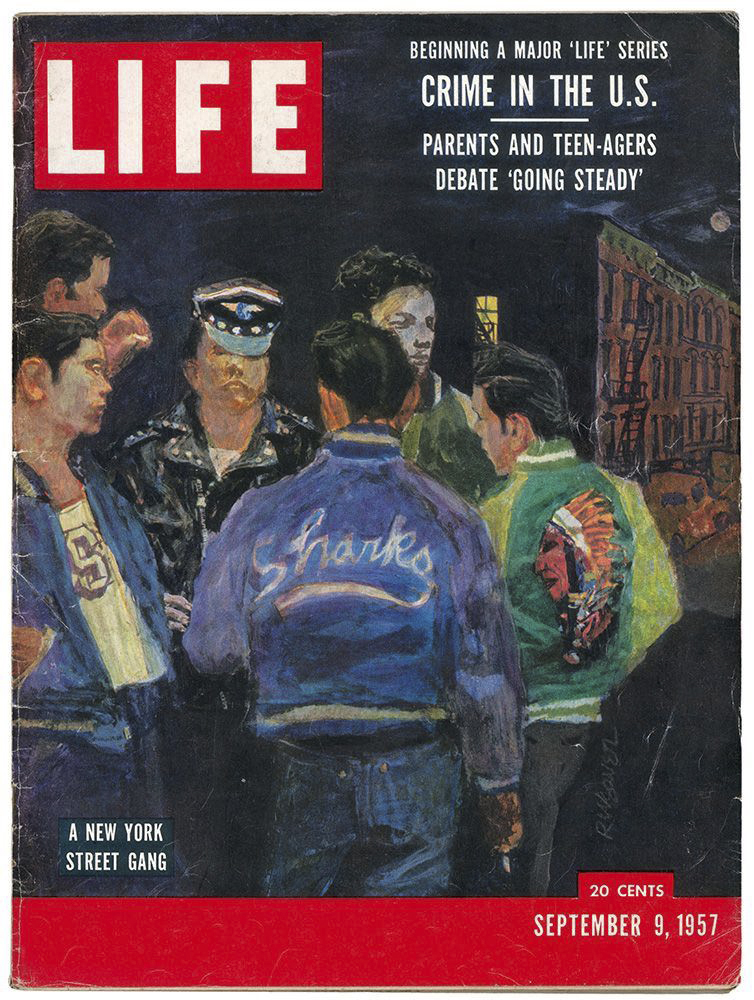
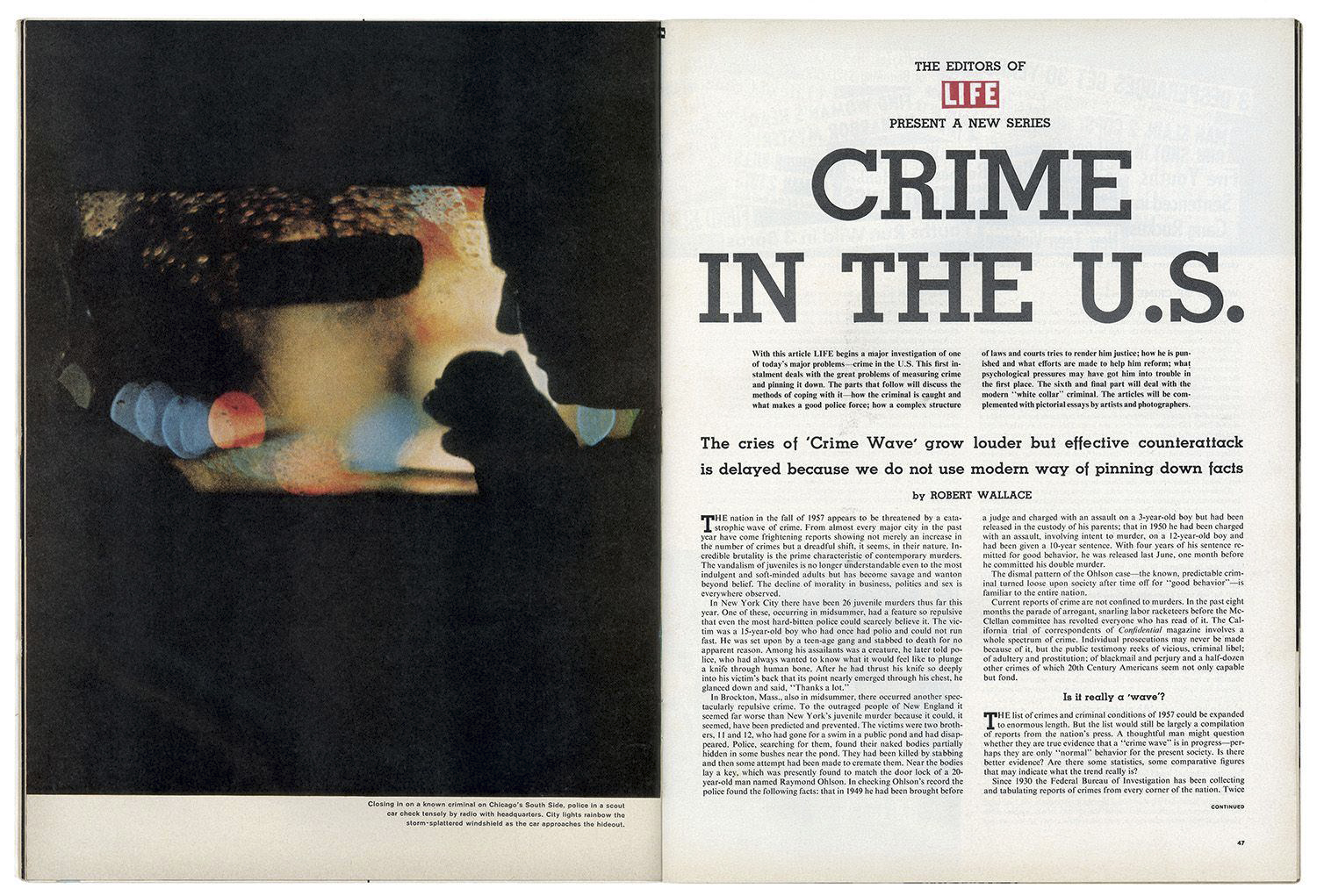
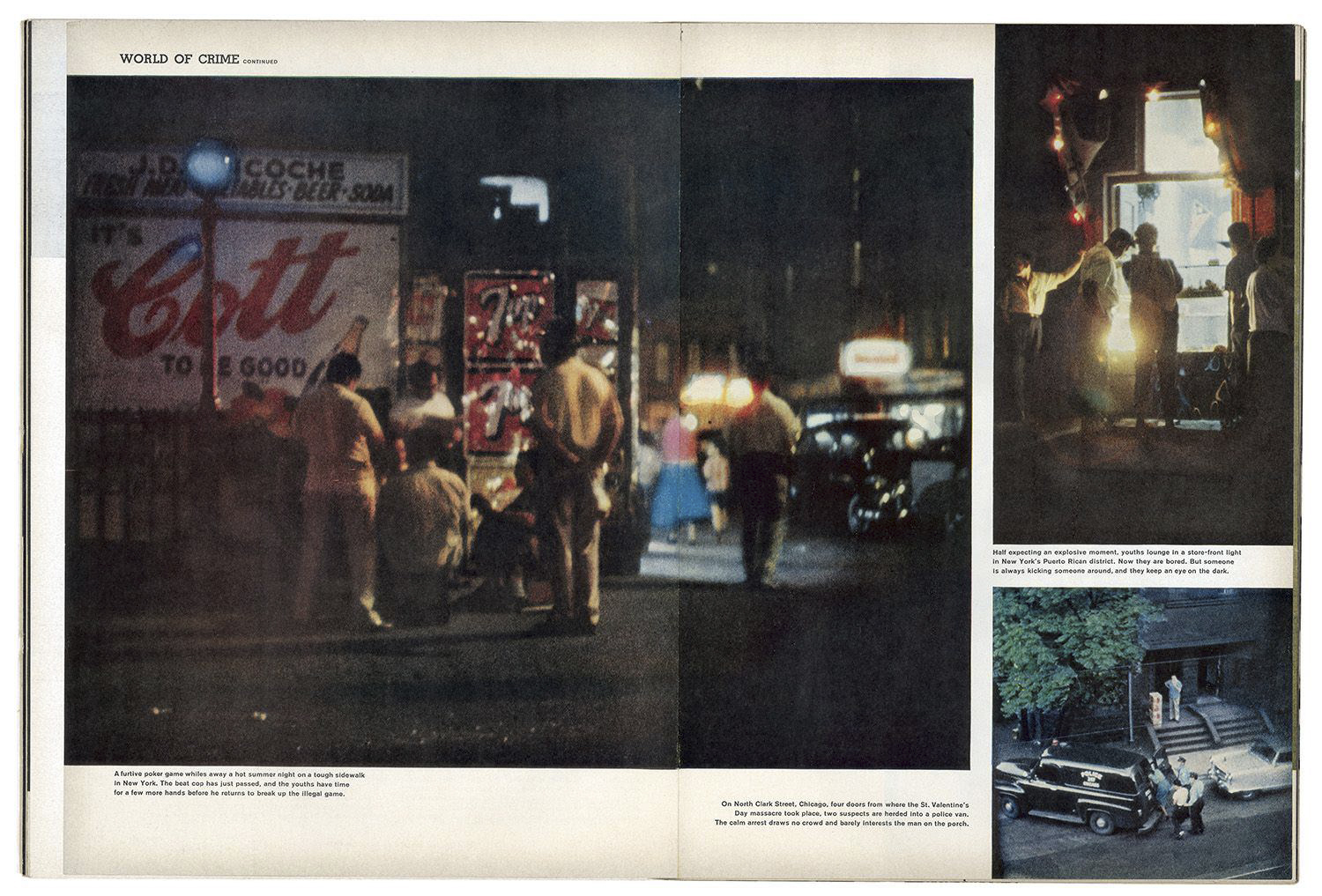
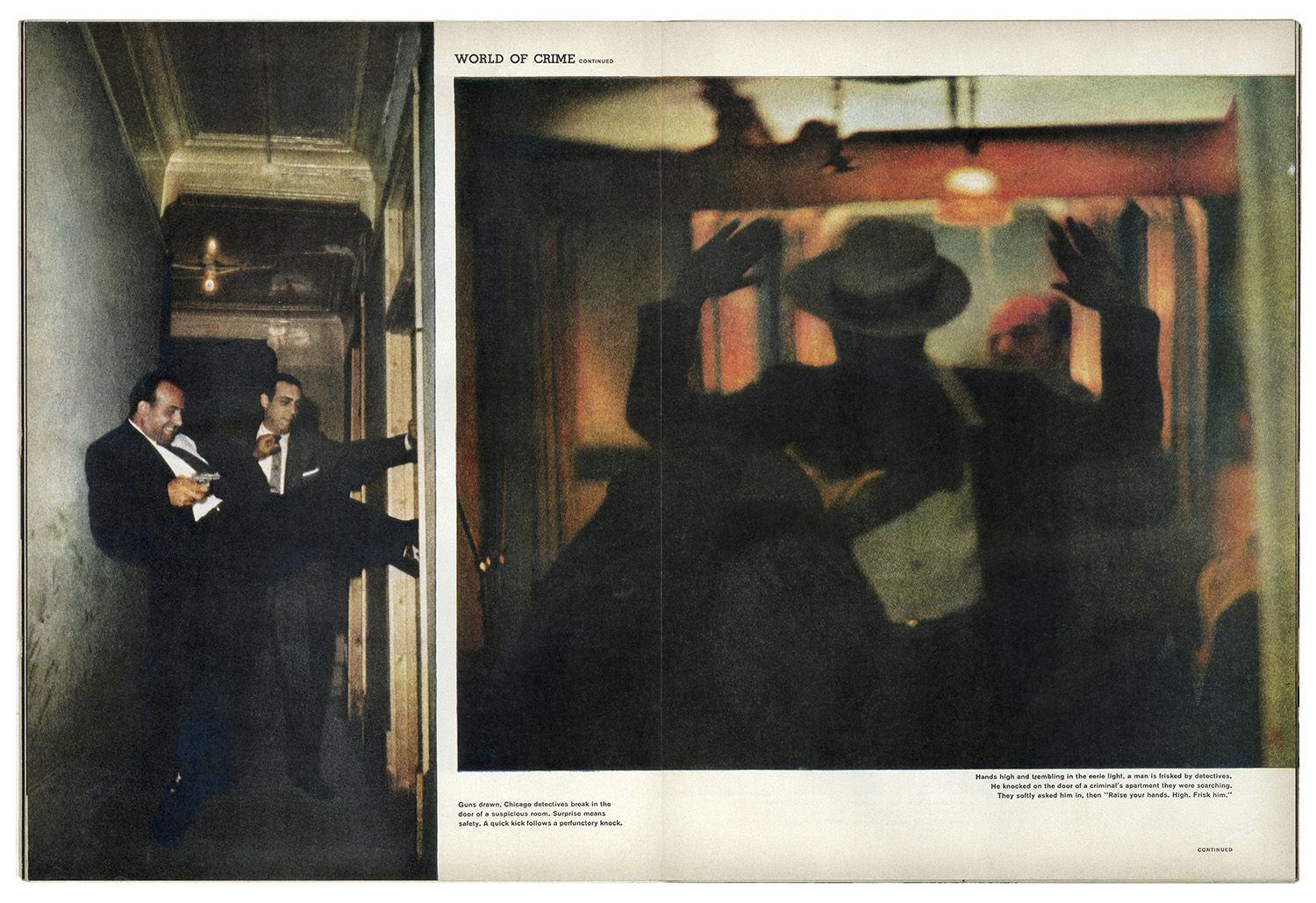
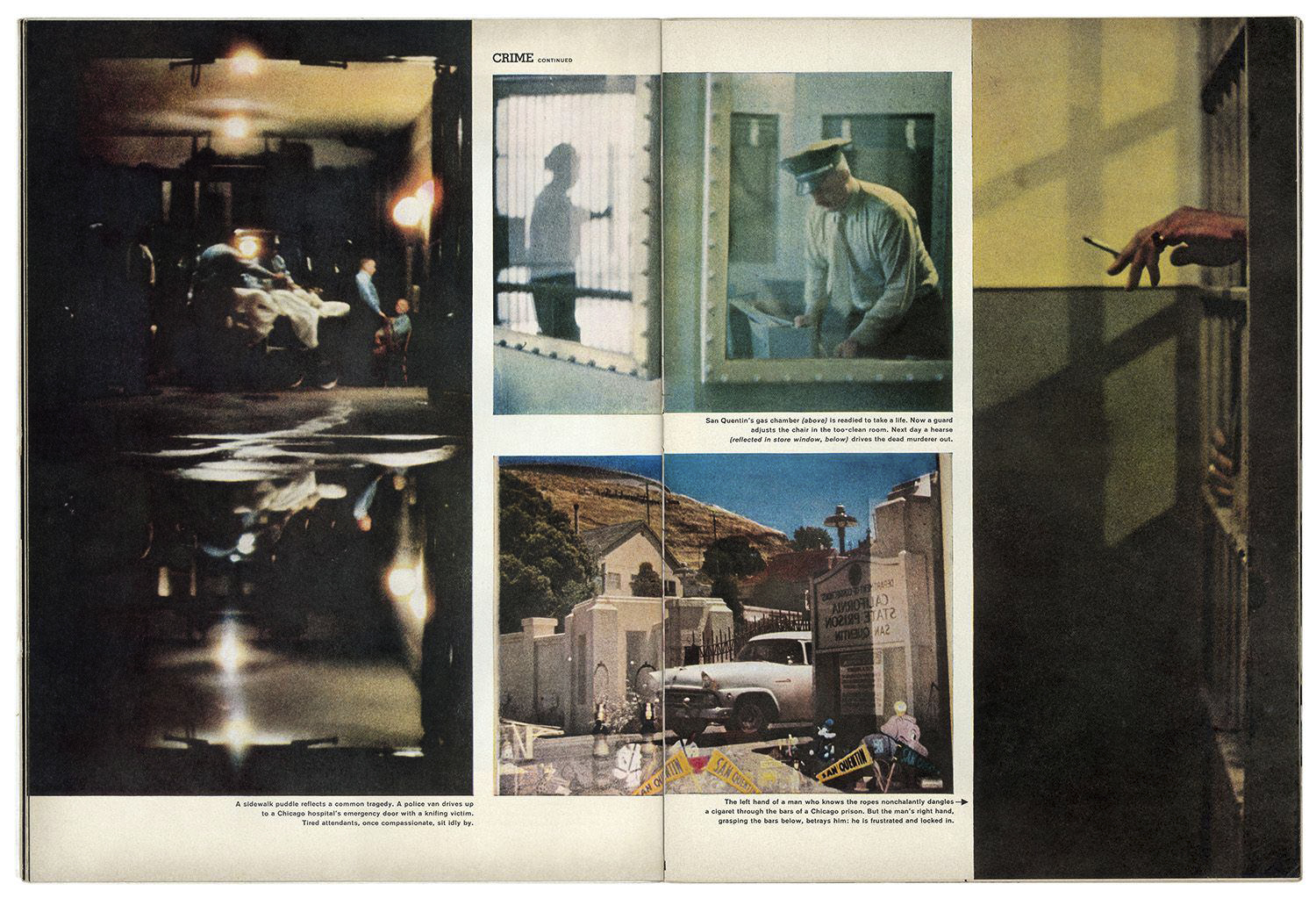
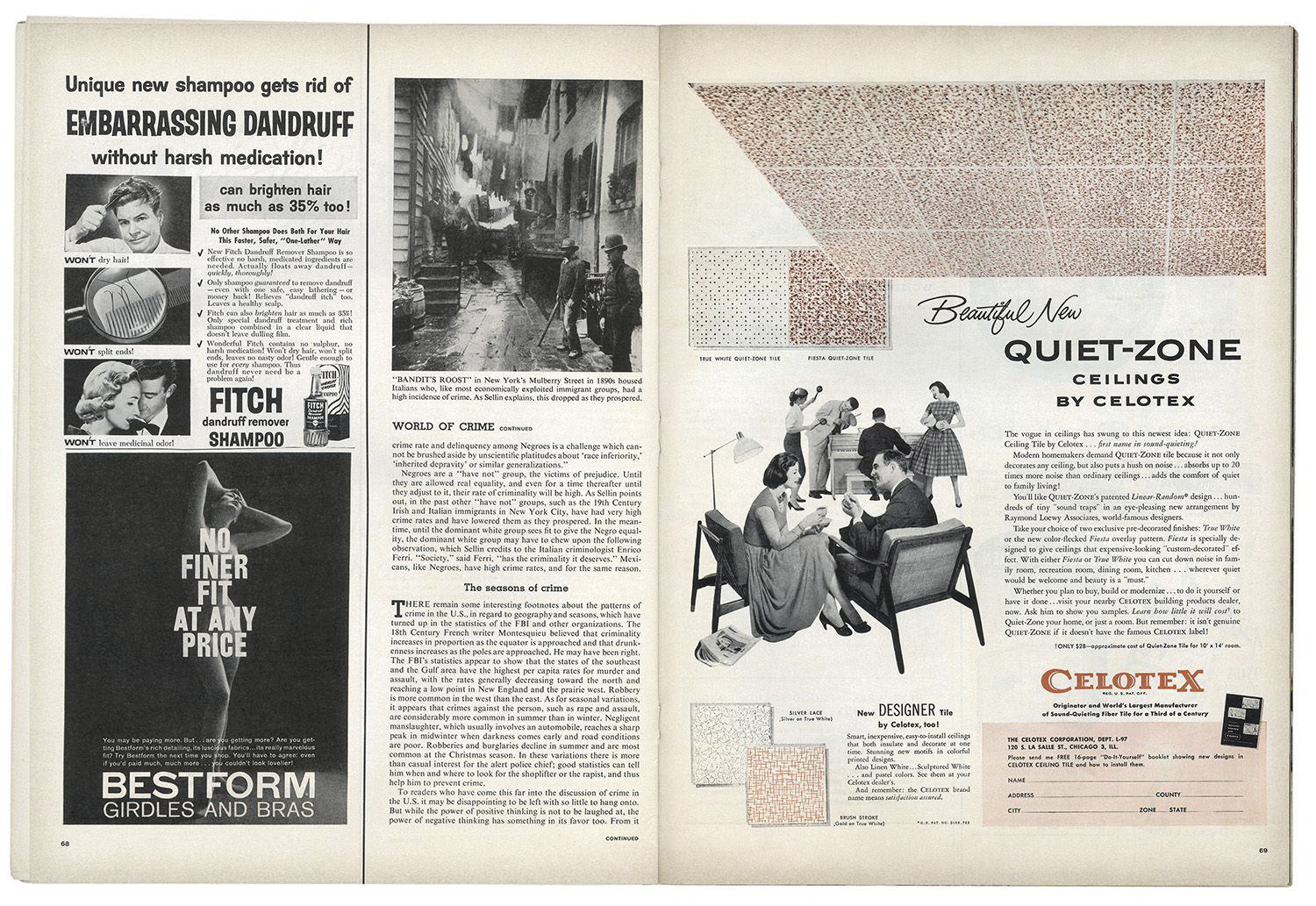
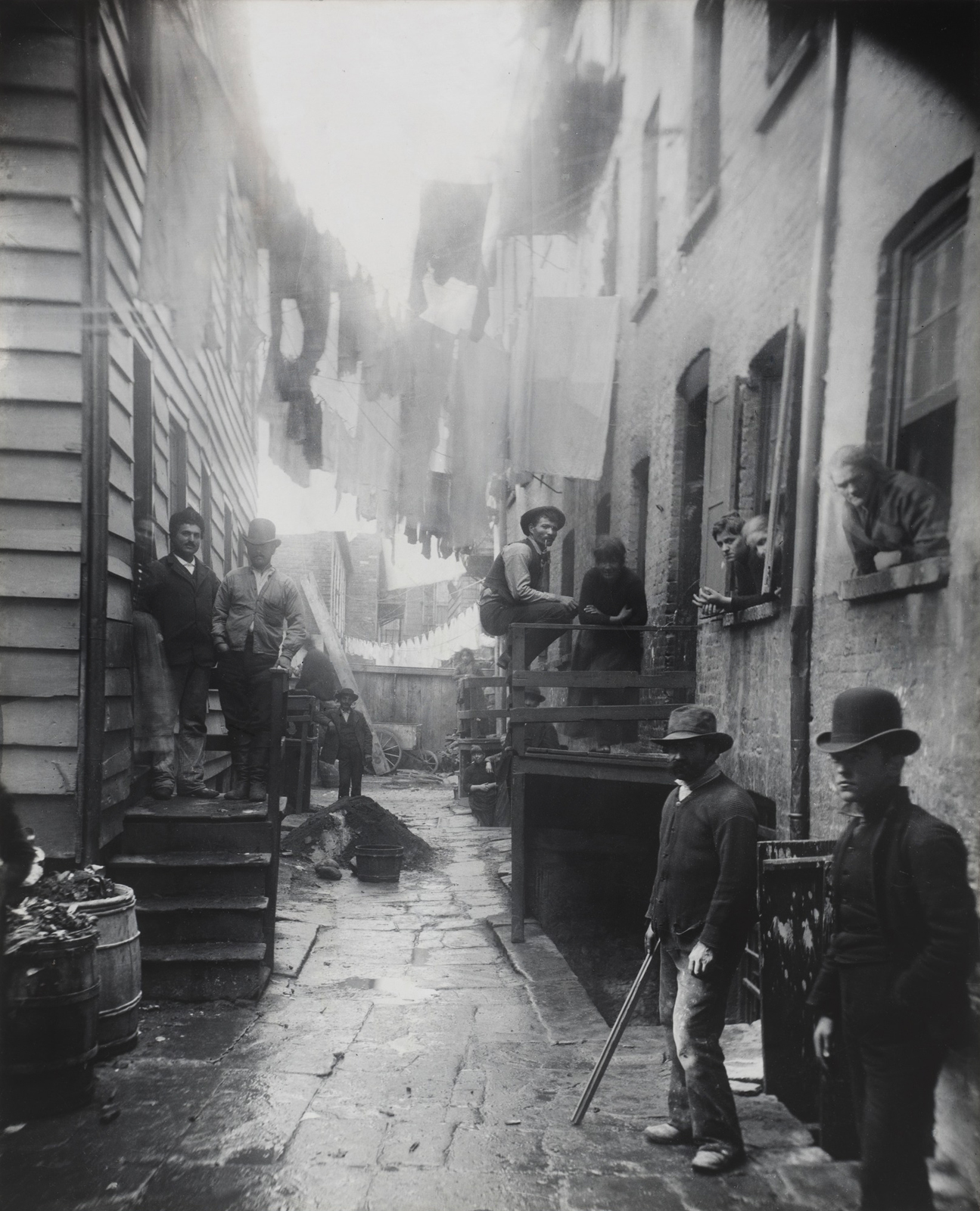
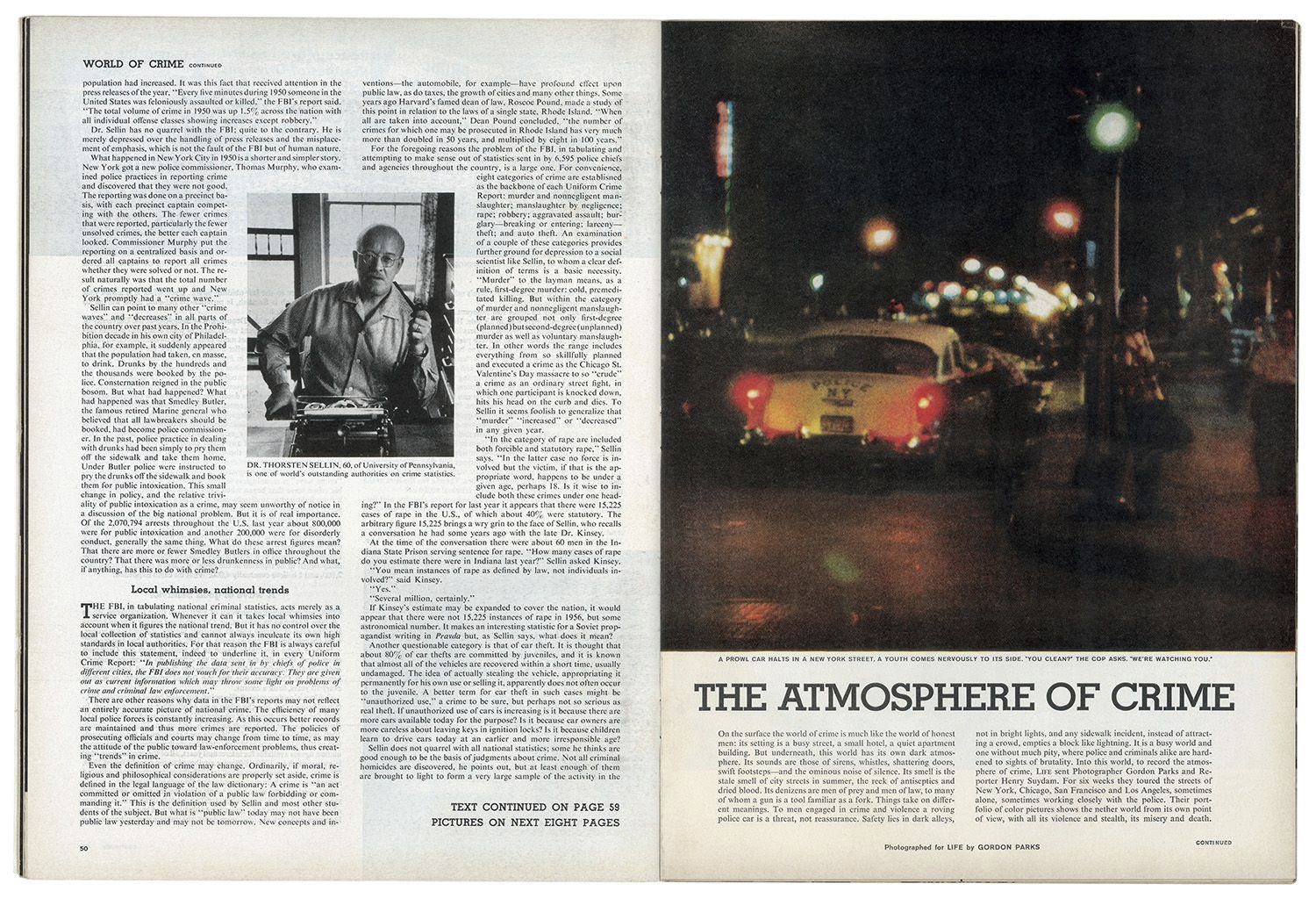
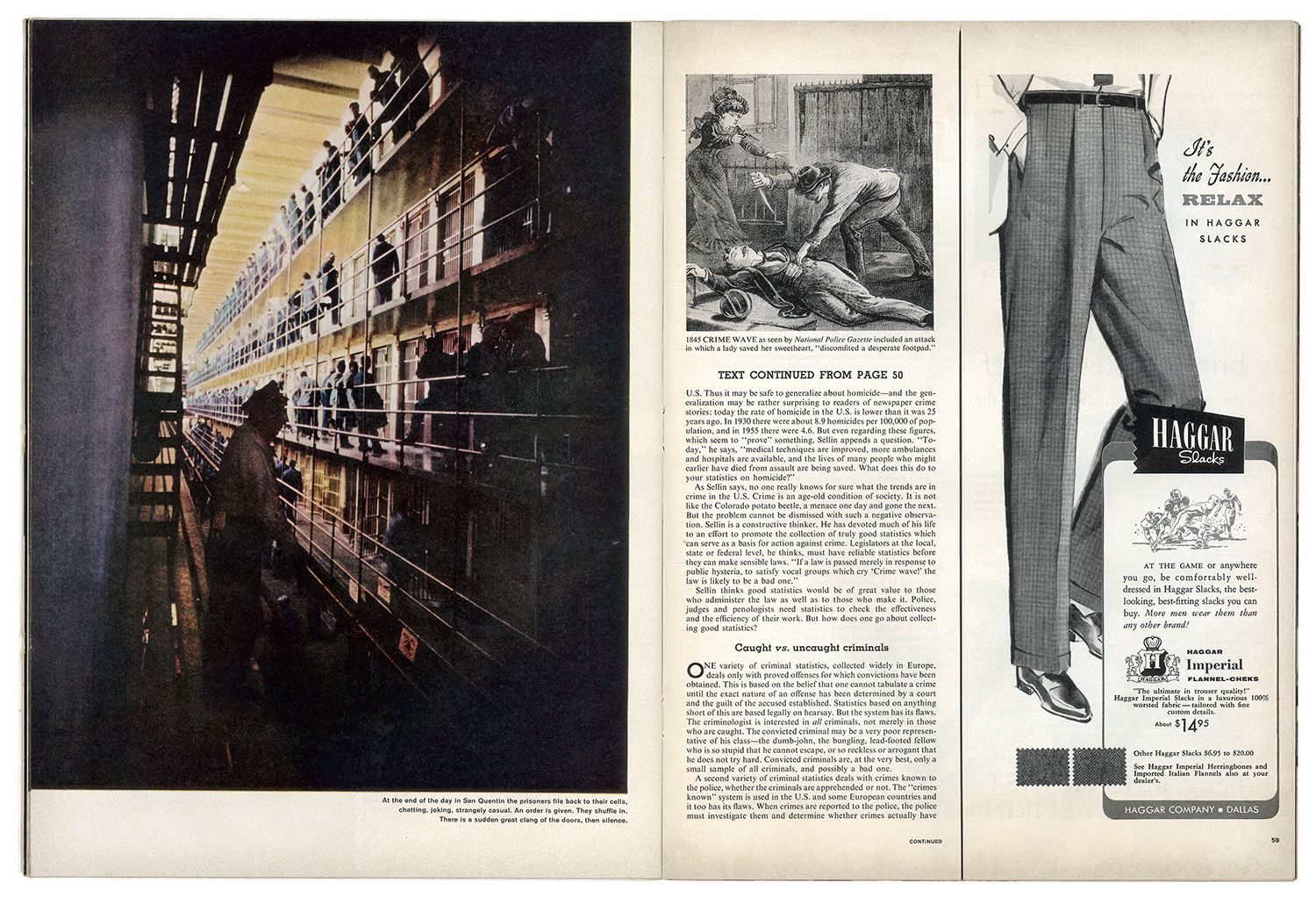
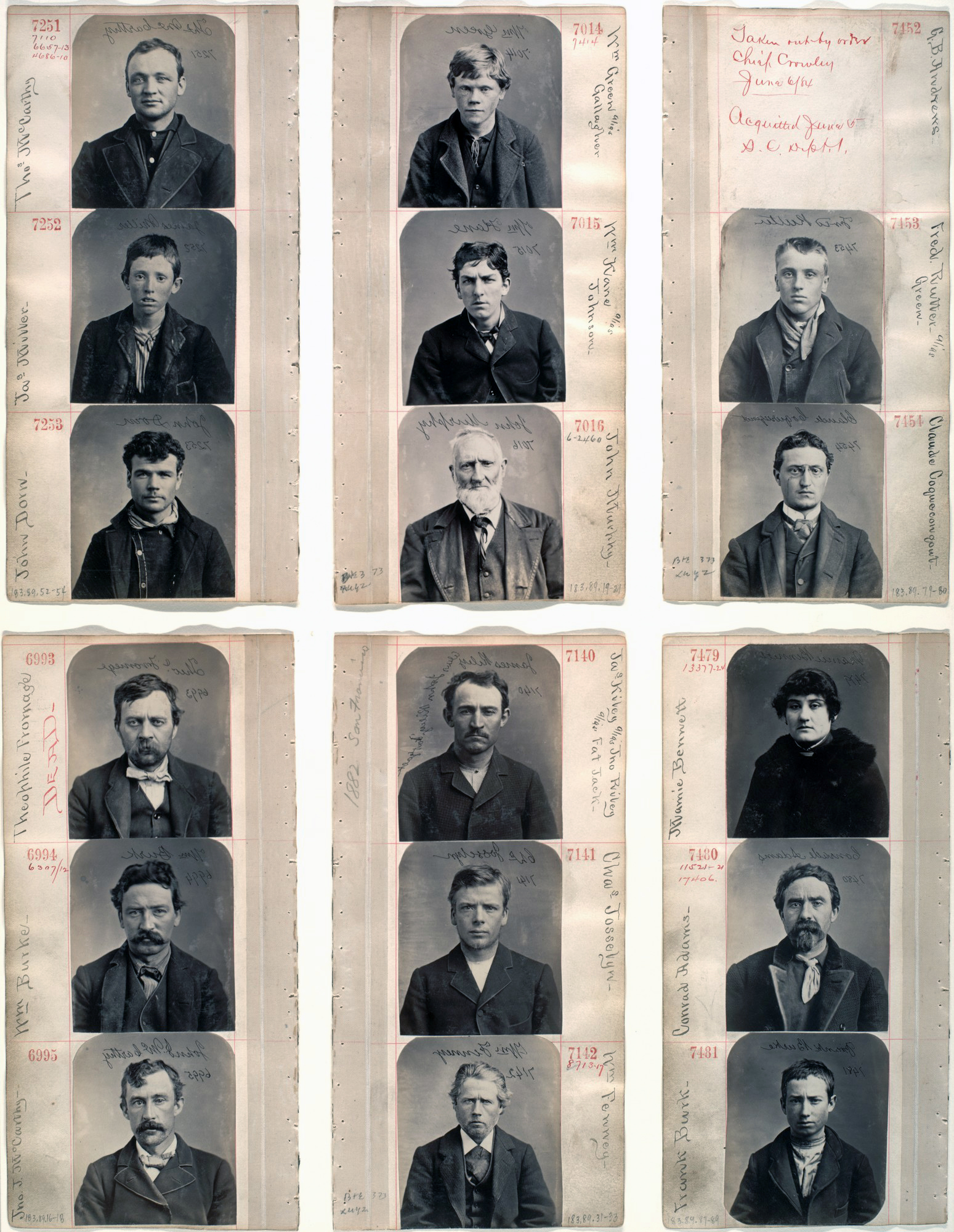
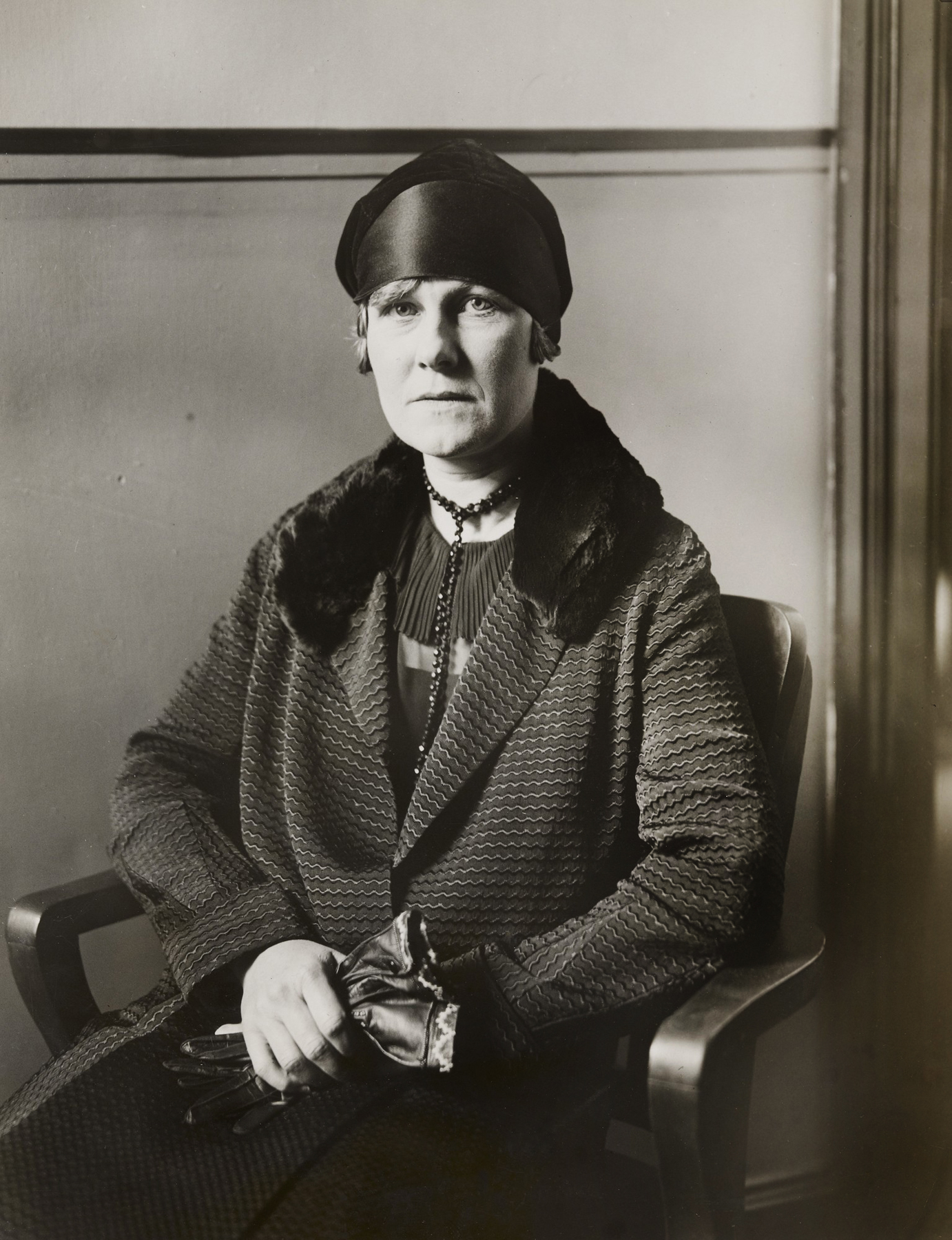
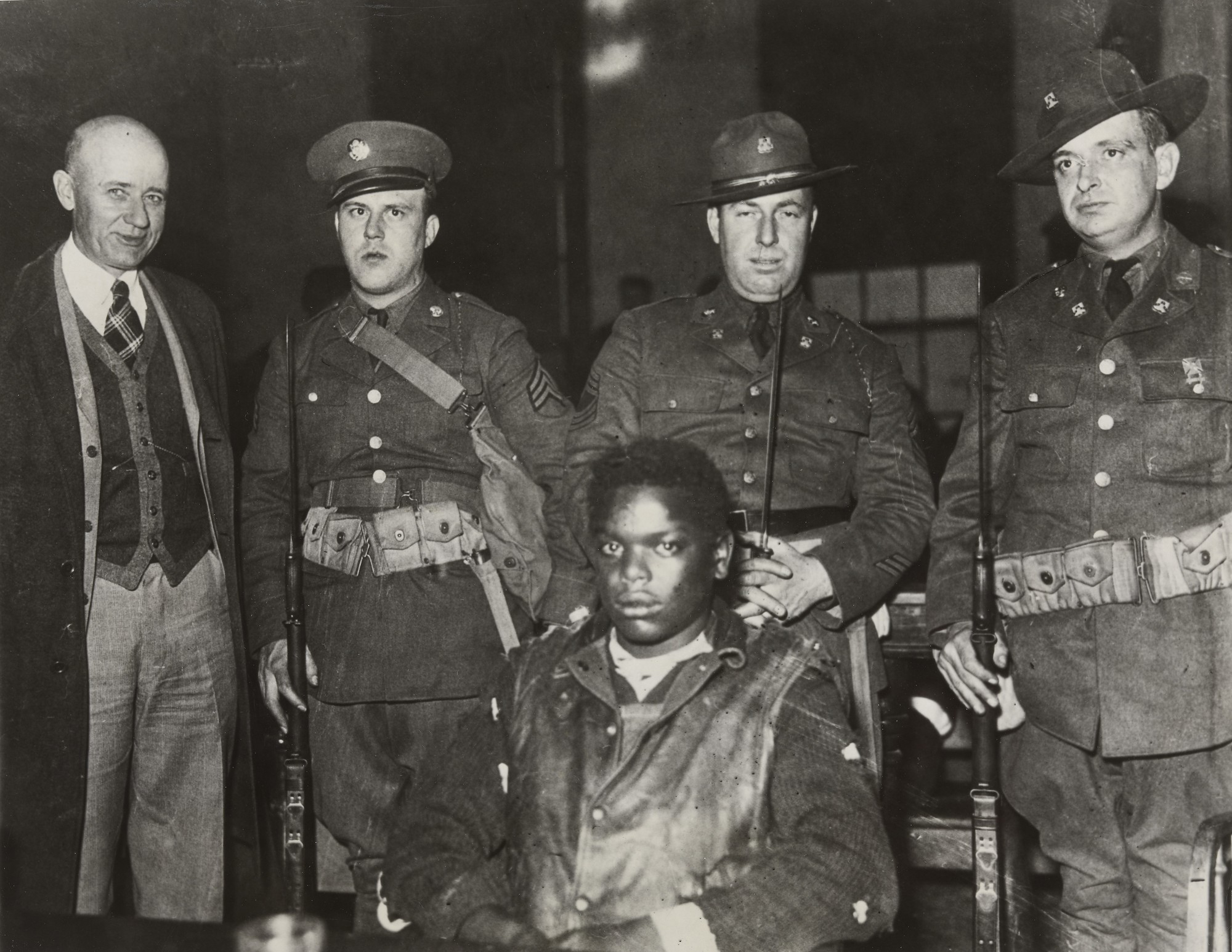
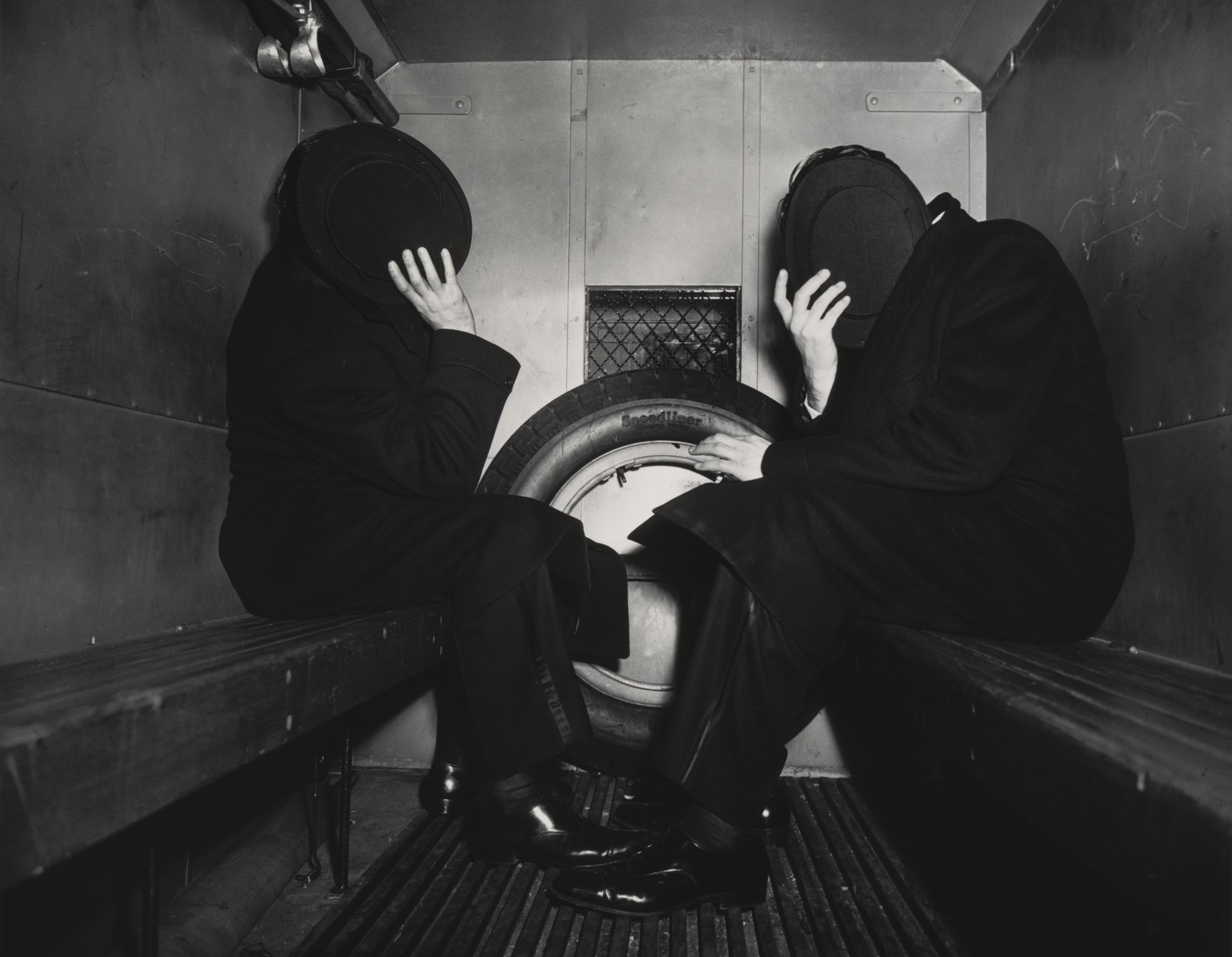
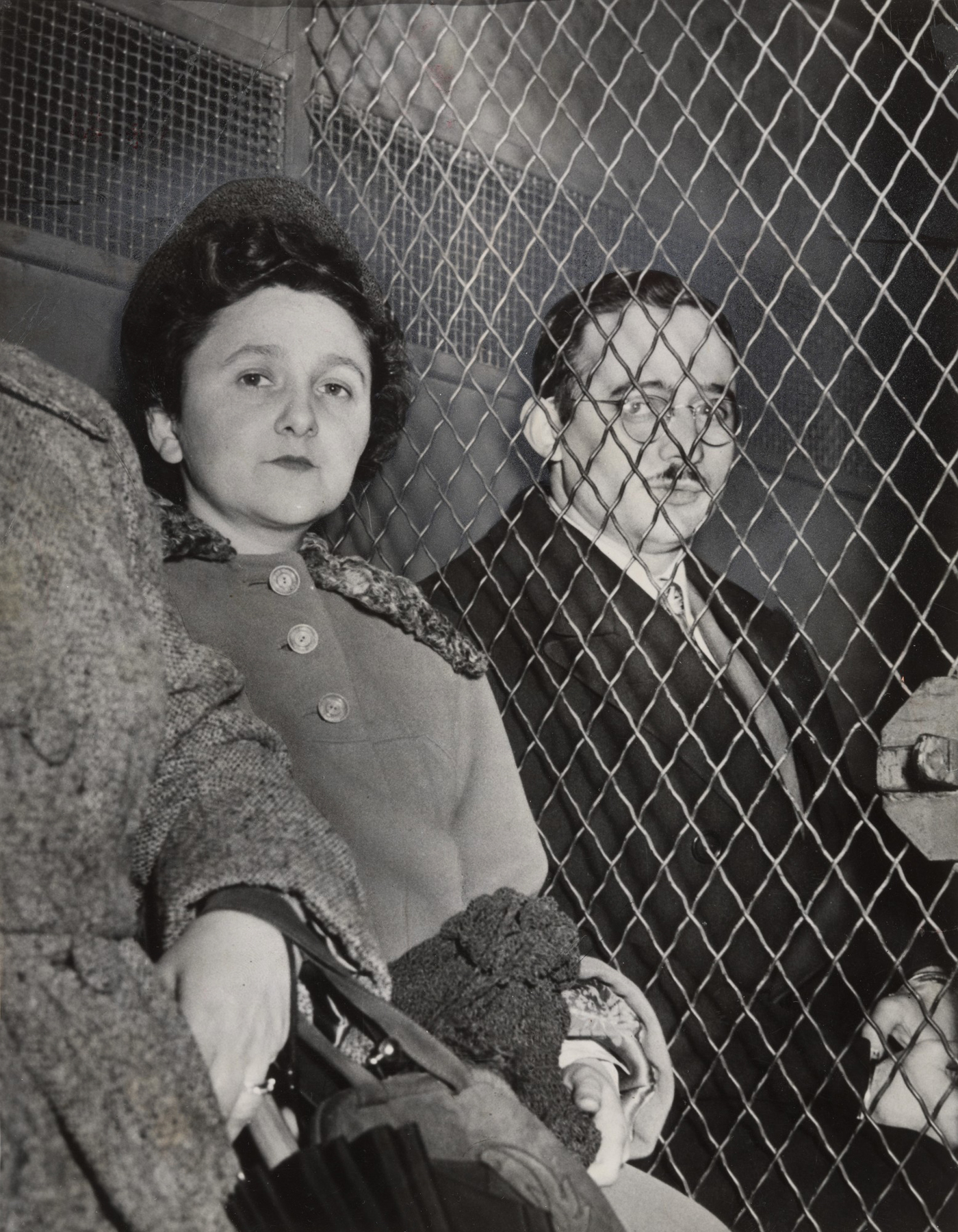
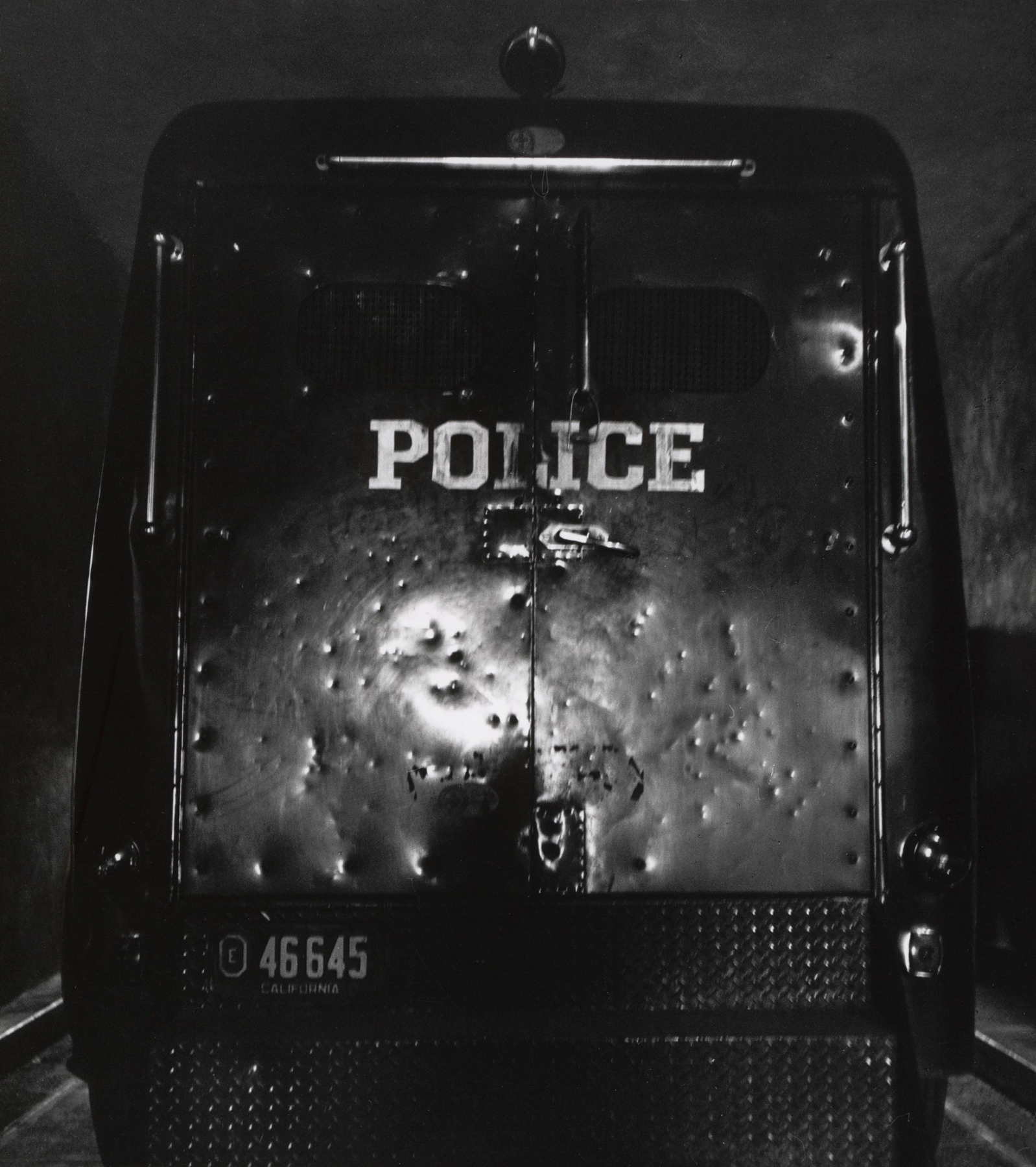
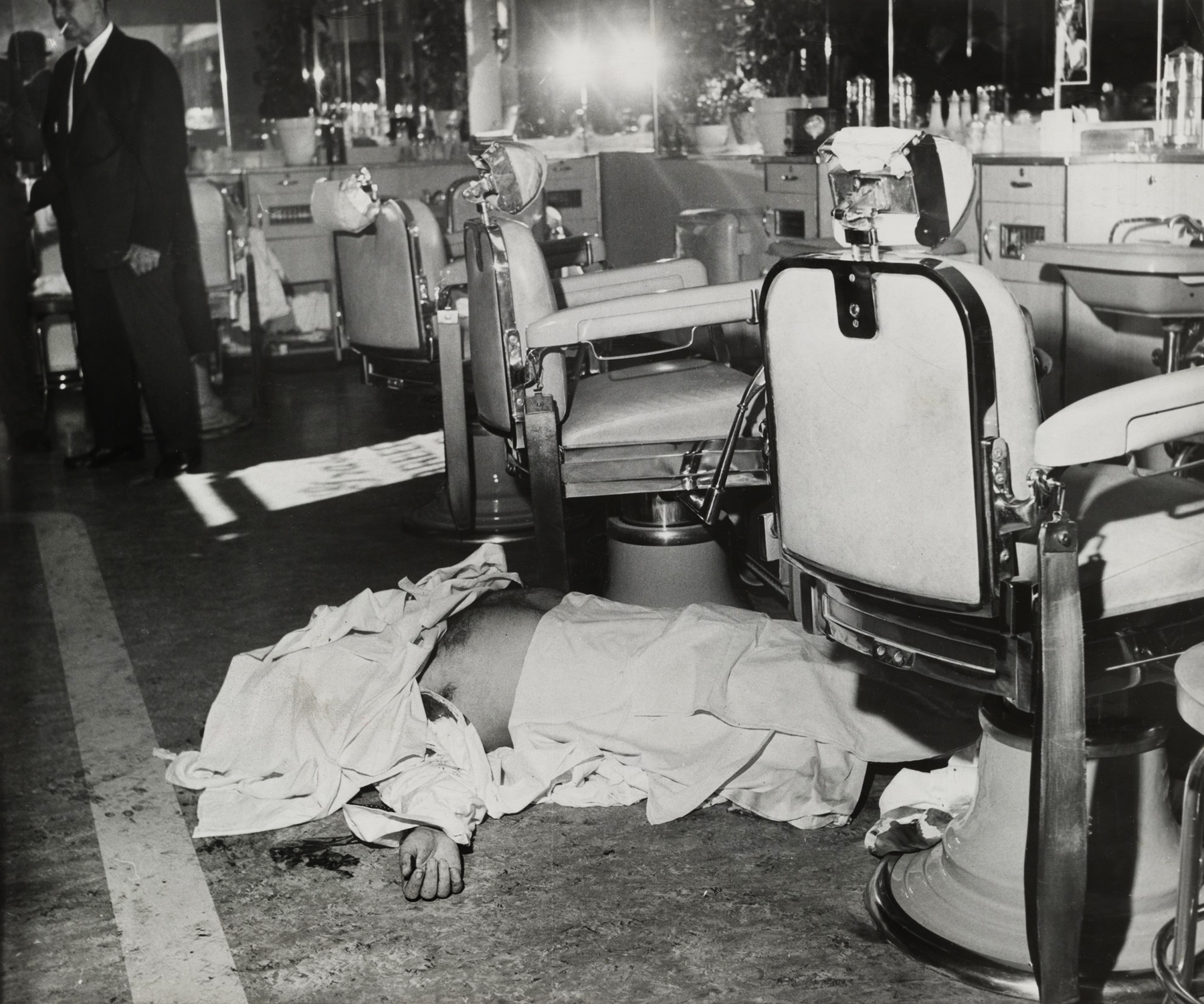
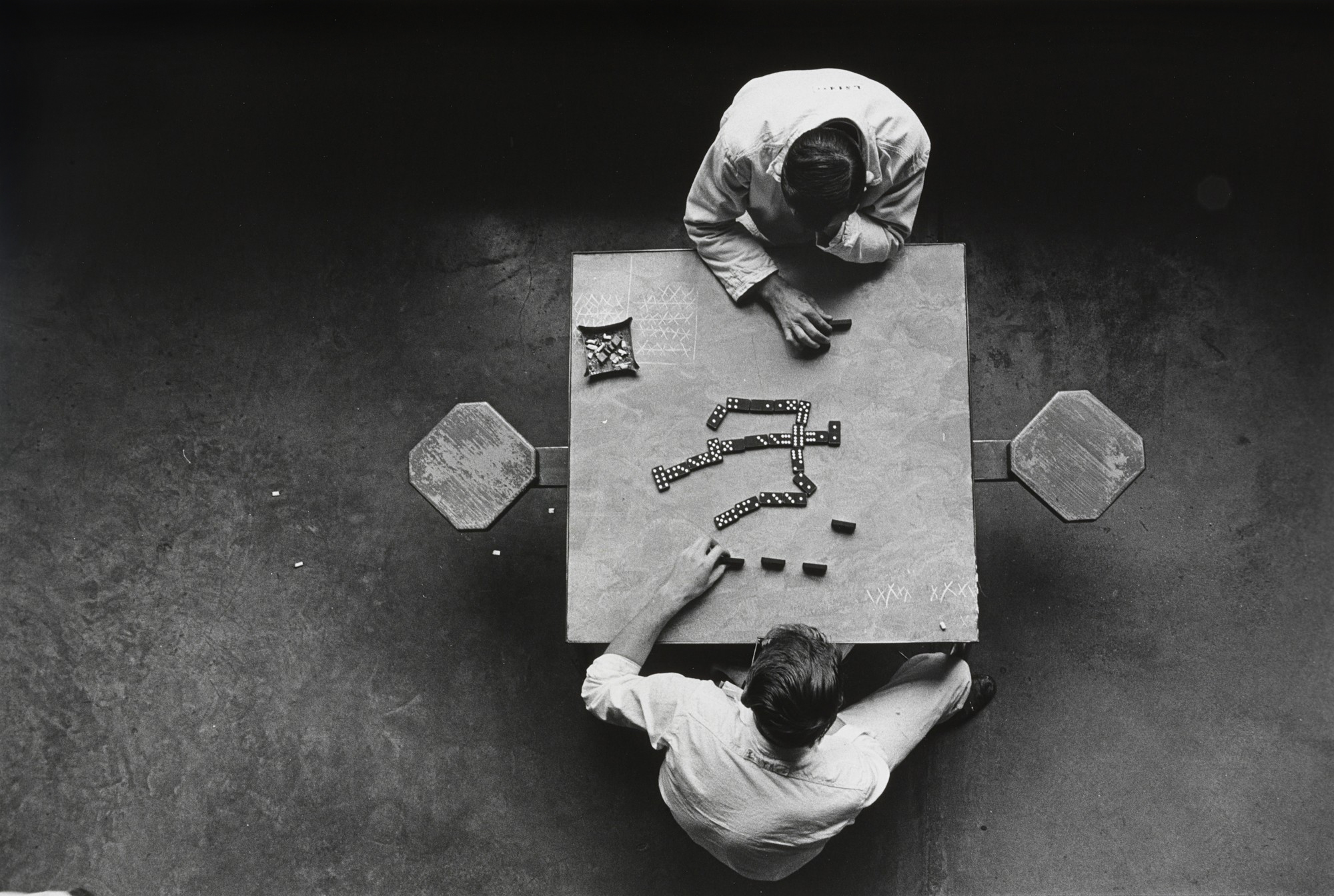
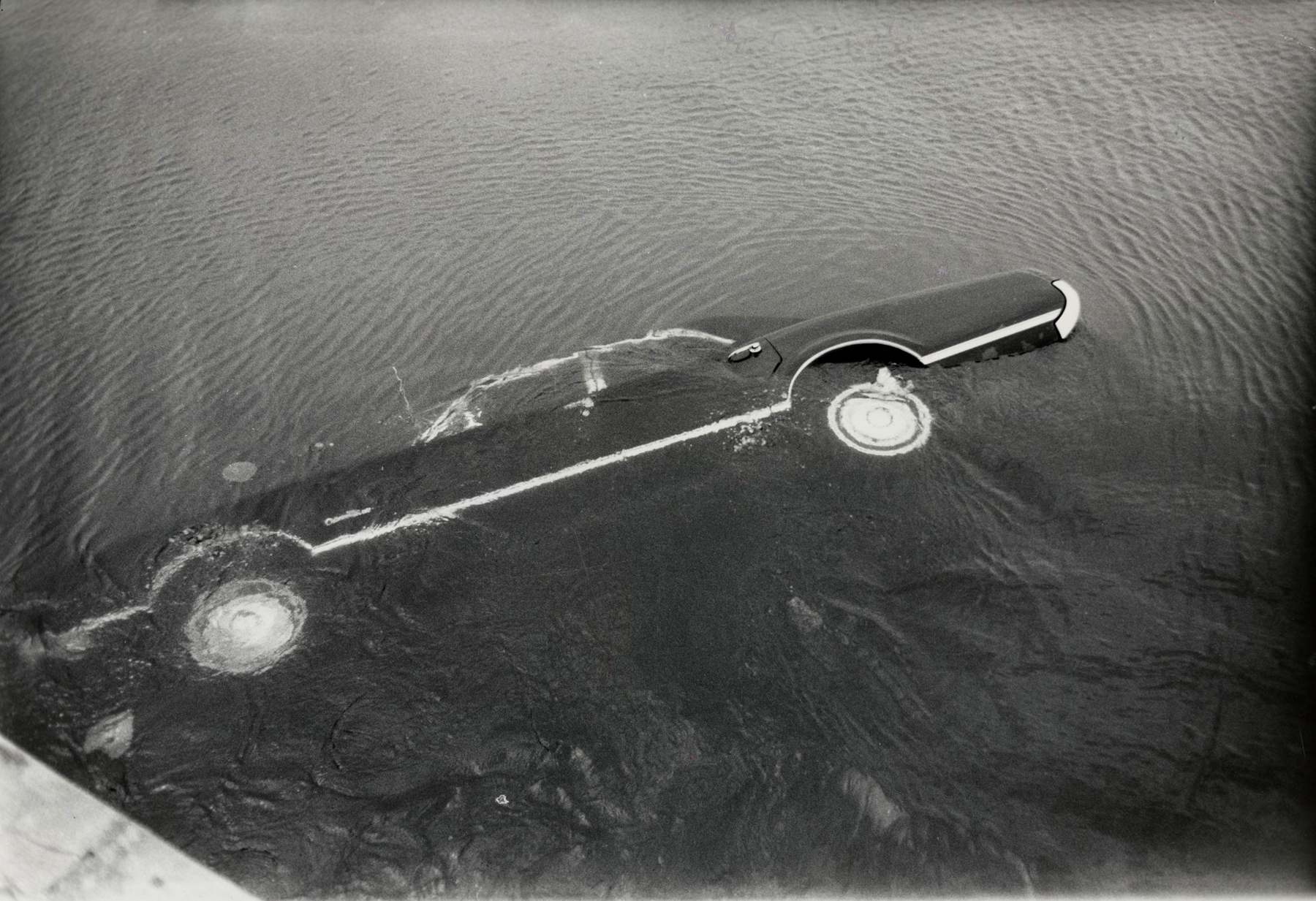
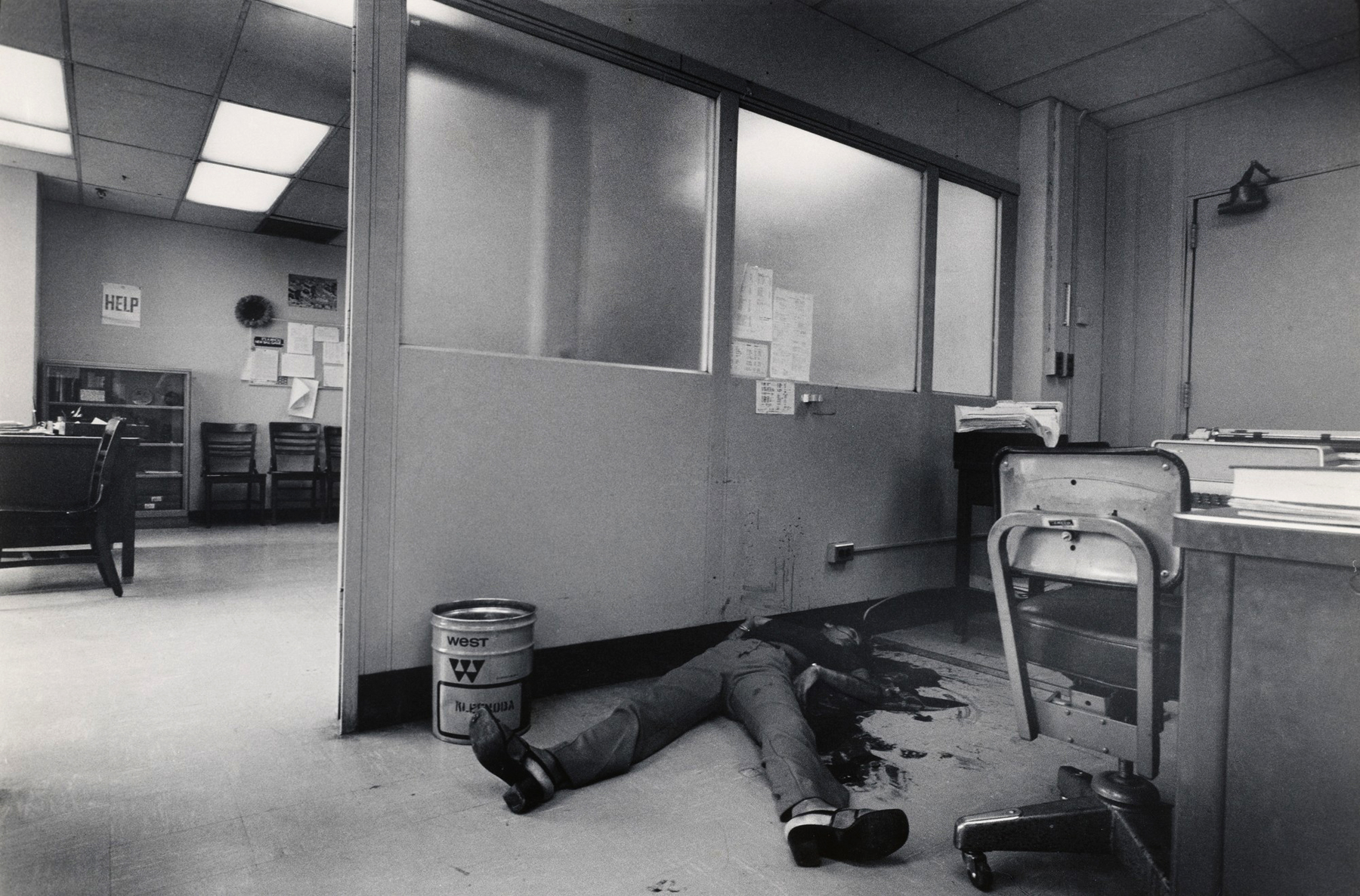





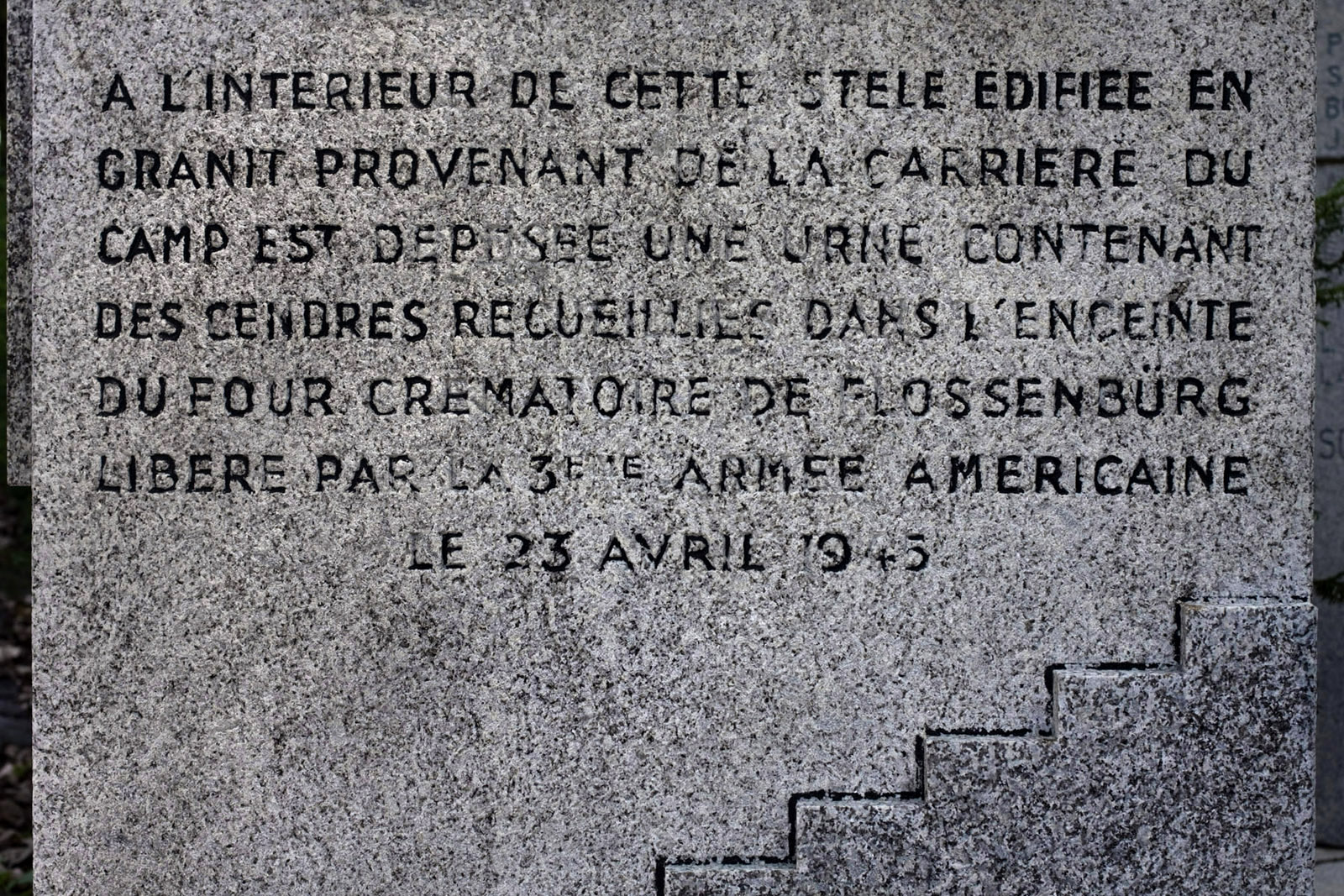

















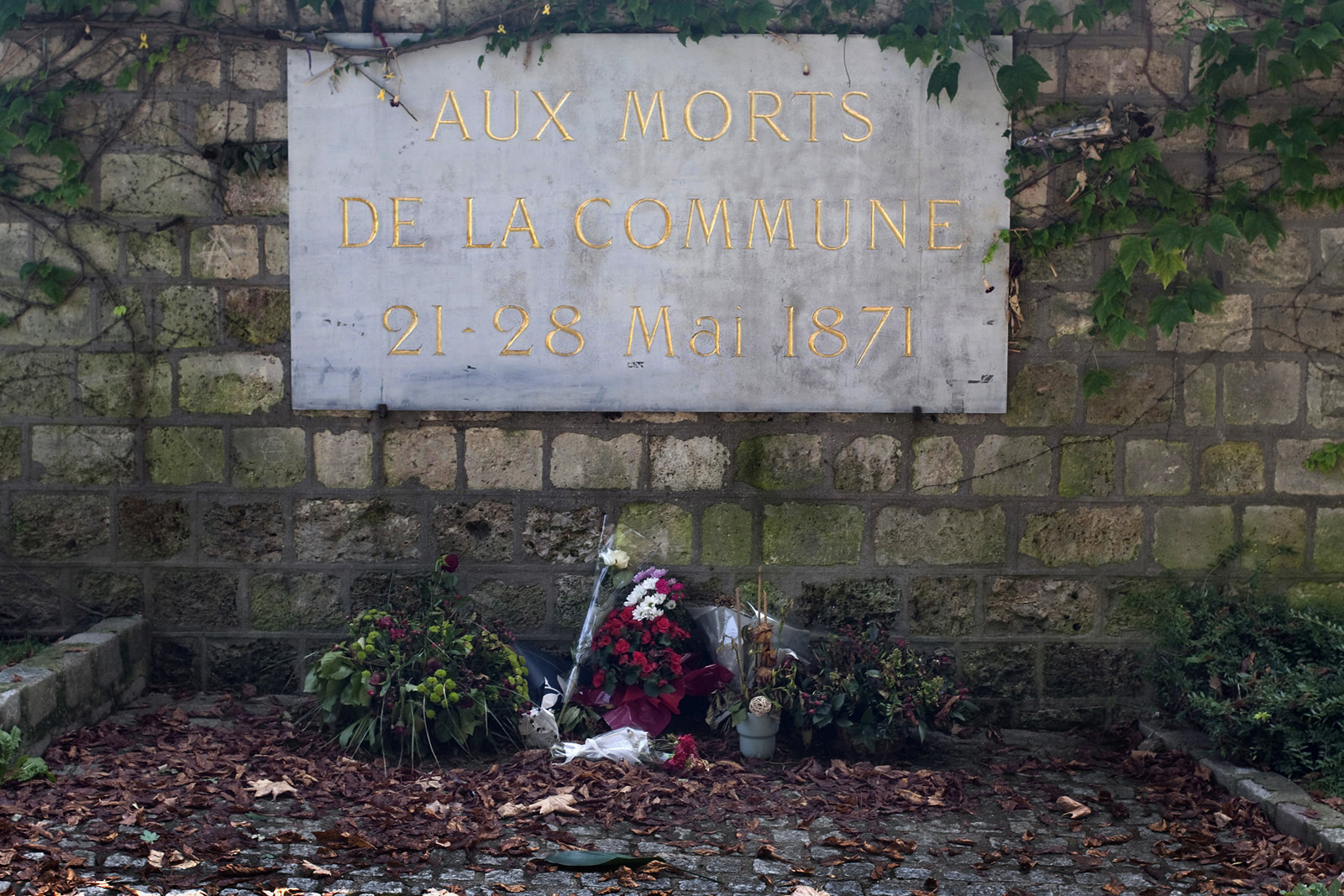




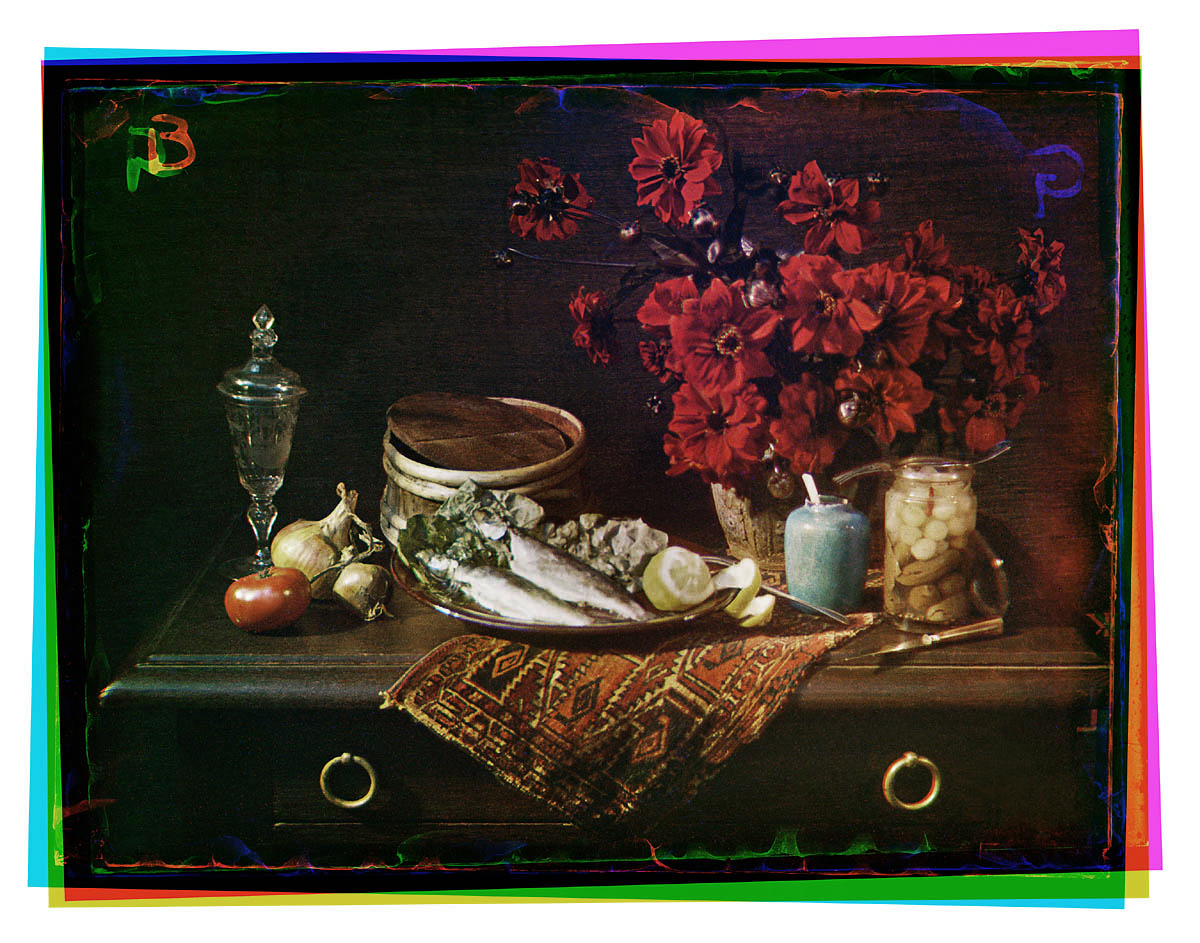


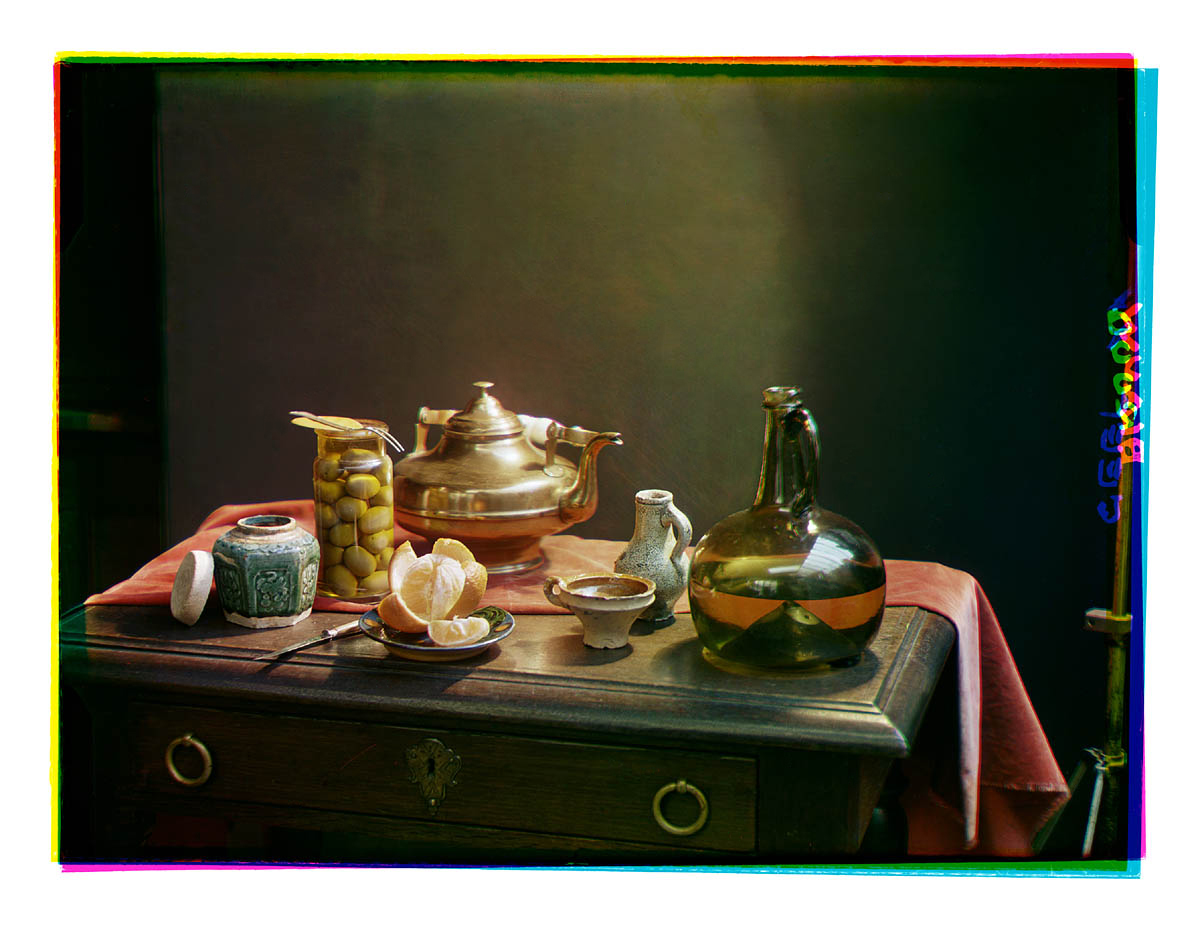


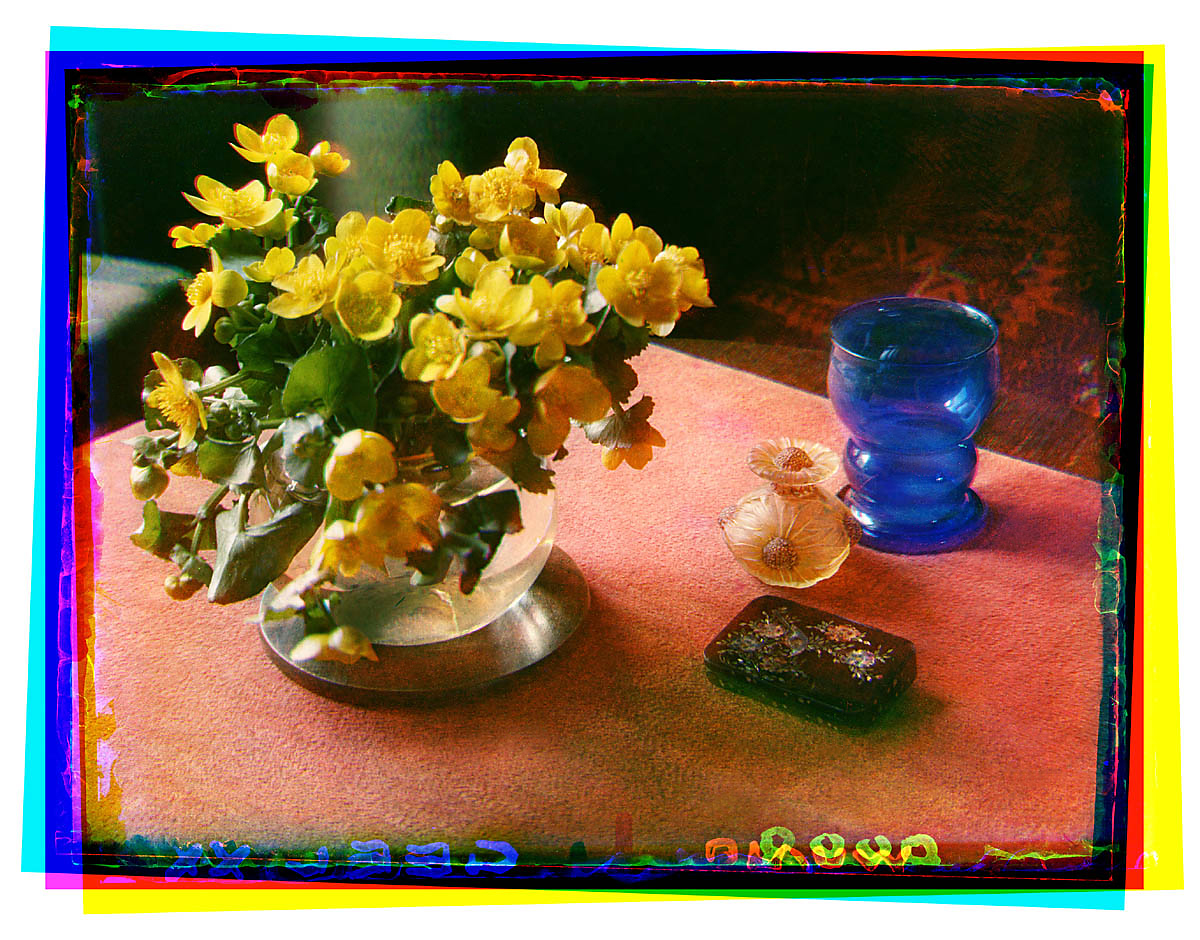
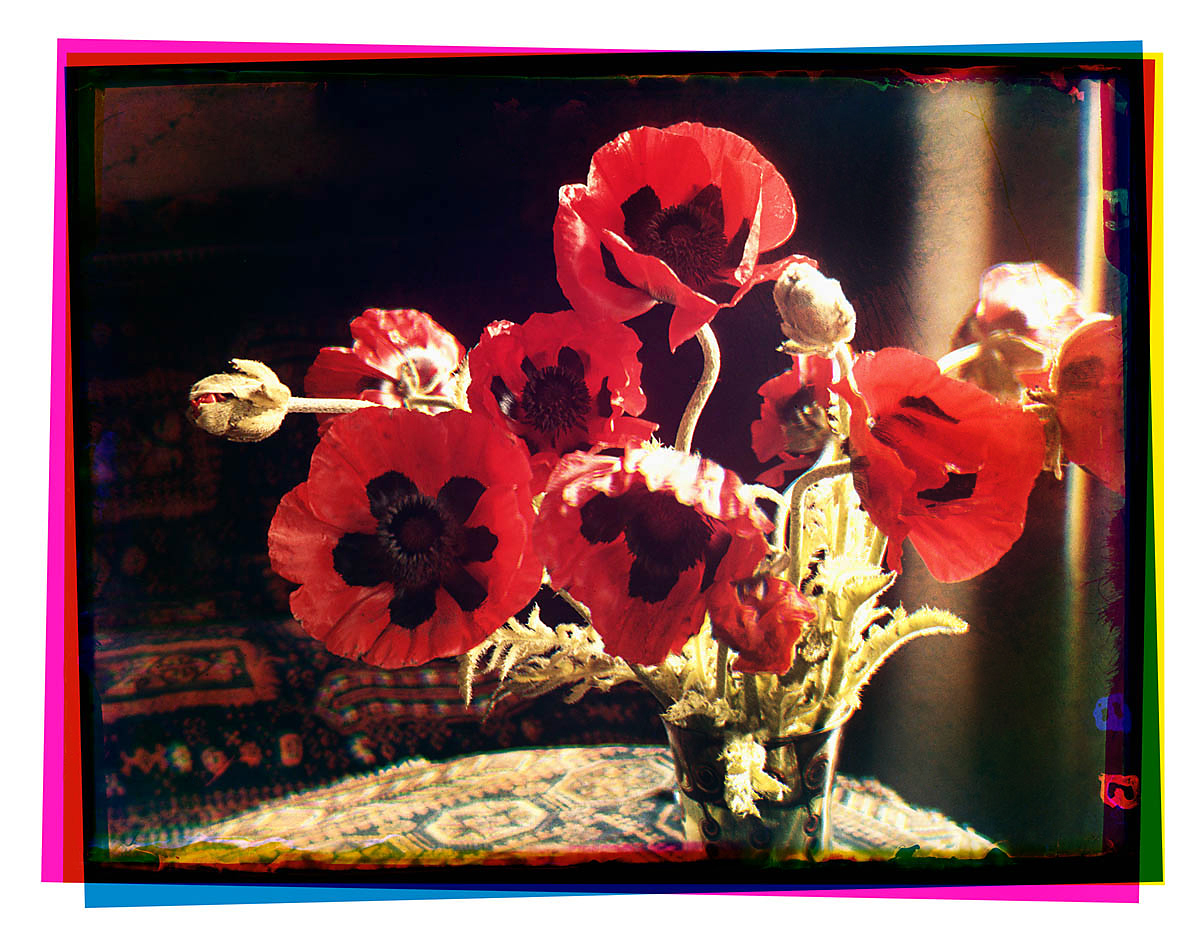

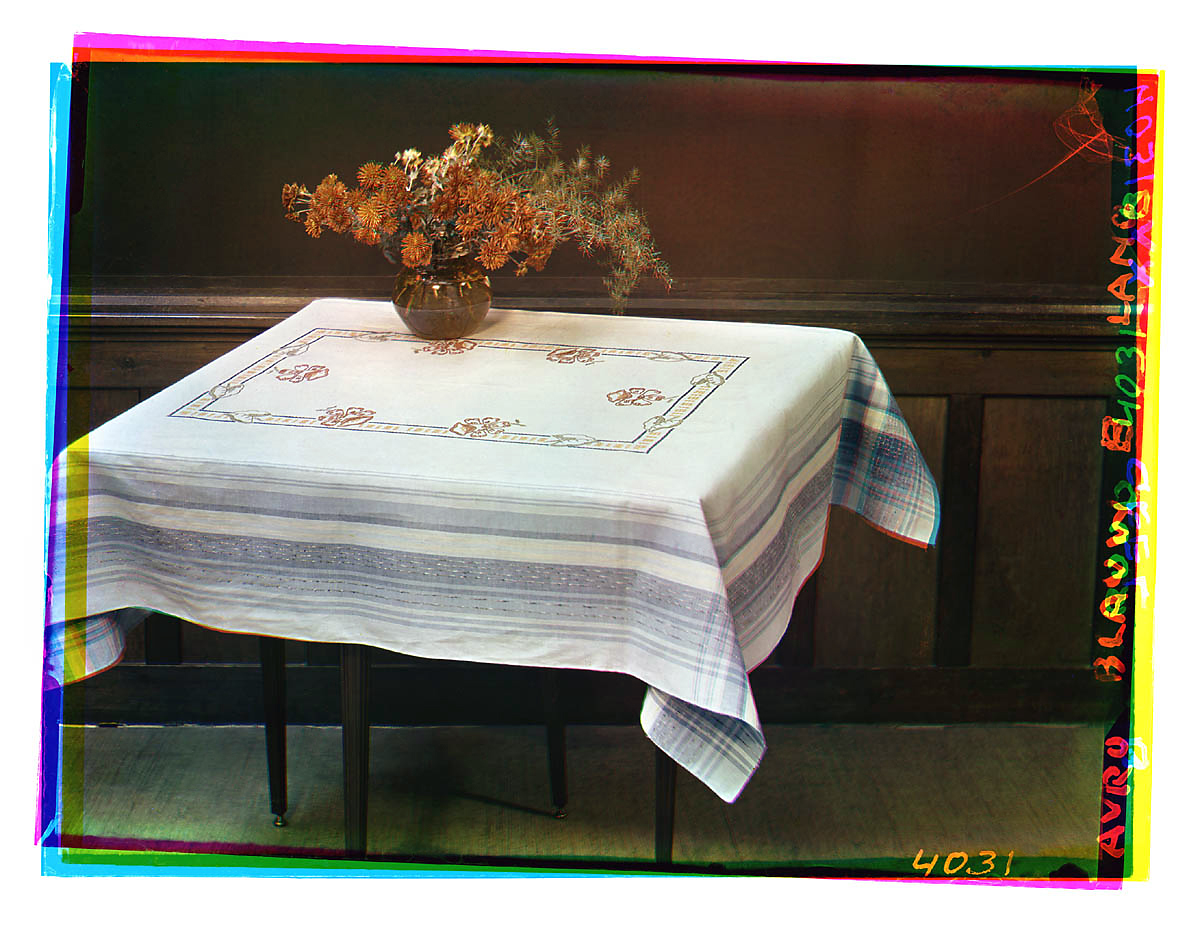



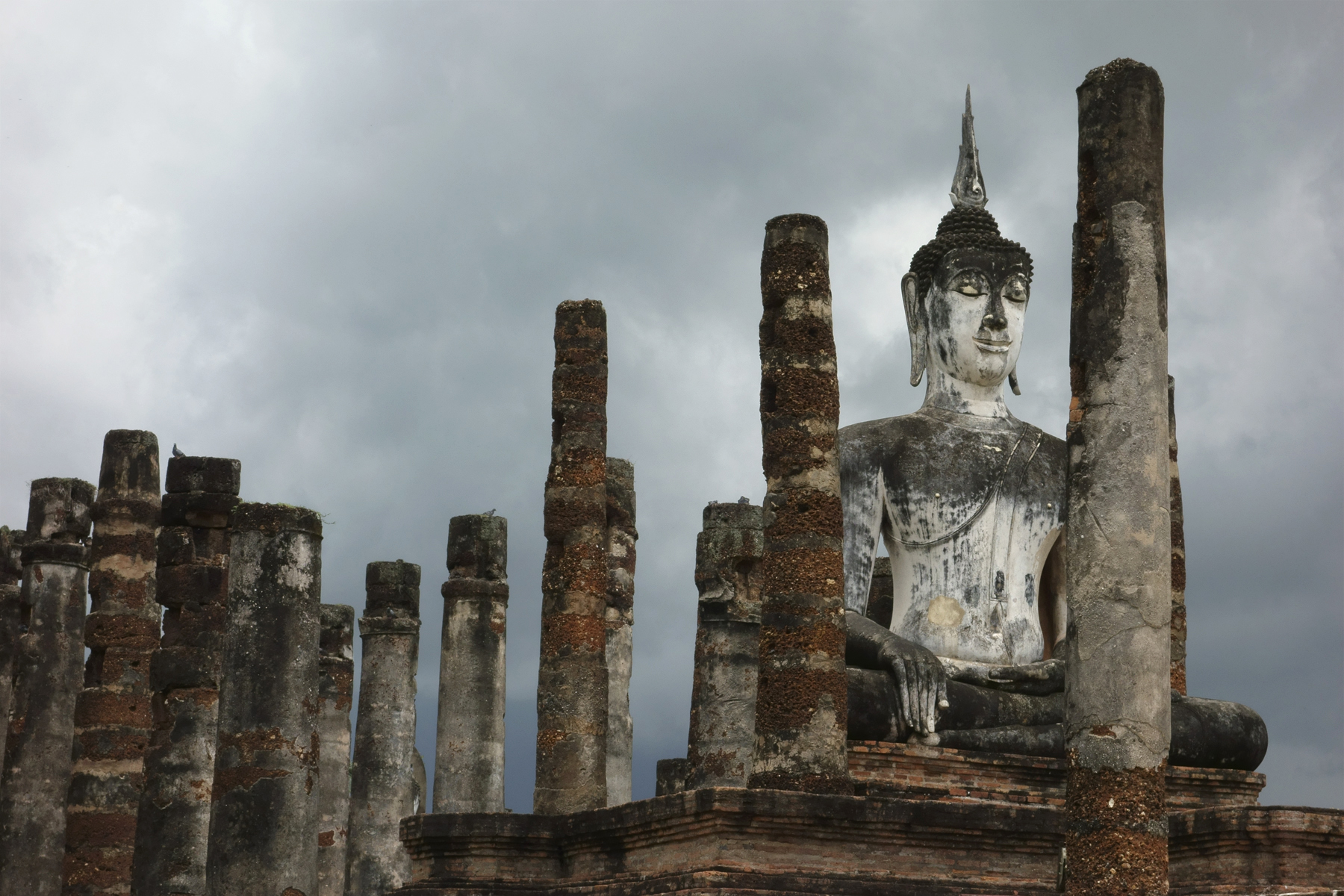
![Erich Salomon (German, 1886-1944) '[Portrait of Madame Vacarescu, Romanian Author and Deputy to the League of Nations, Geneva]' 1928 from the exhibition 'In Focus: Expressions' at the J. Paul Getty Museum, Getty Center, Los Angeles, May - Oct, 2018](https://artblart.com/wp-content/uploads/2018/06/in-focus-expressions-1-web.jpg "Erich Salomon (German, 1886-1944) '[Portrait of Madame Vacarescu, Romanian Author and Deputy to the League of Nations, Geneva]' 1928 from the exhibition 'In Focus: Expressions' at the J. Paul Getty Museum, Getty Center, Los Angeles, May - Oct, 2018")
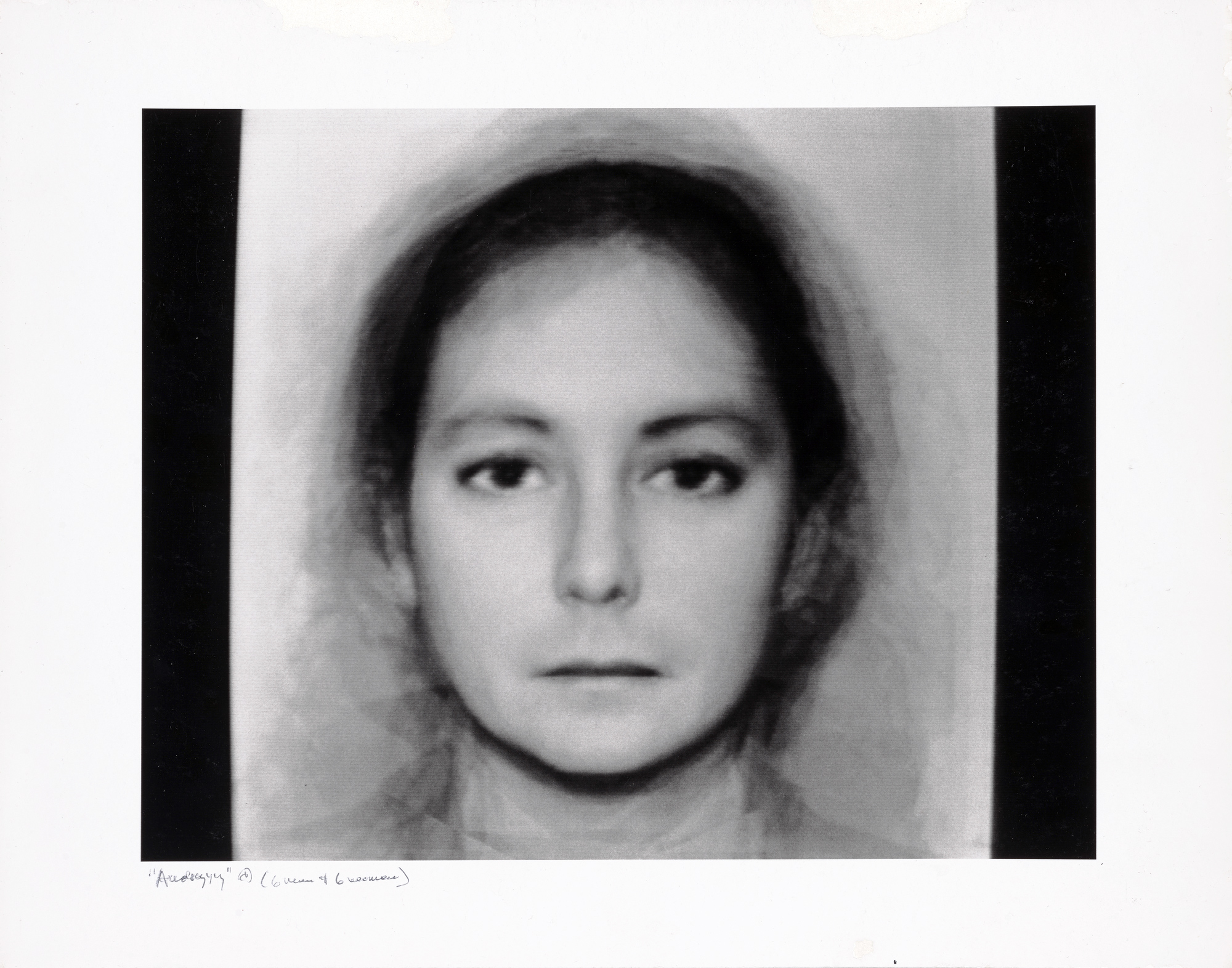
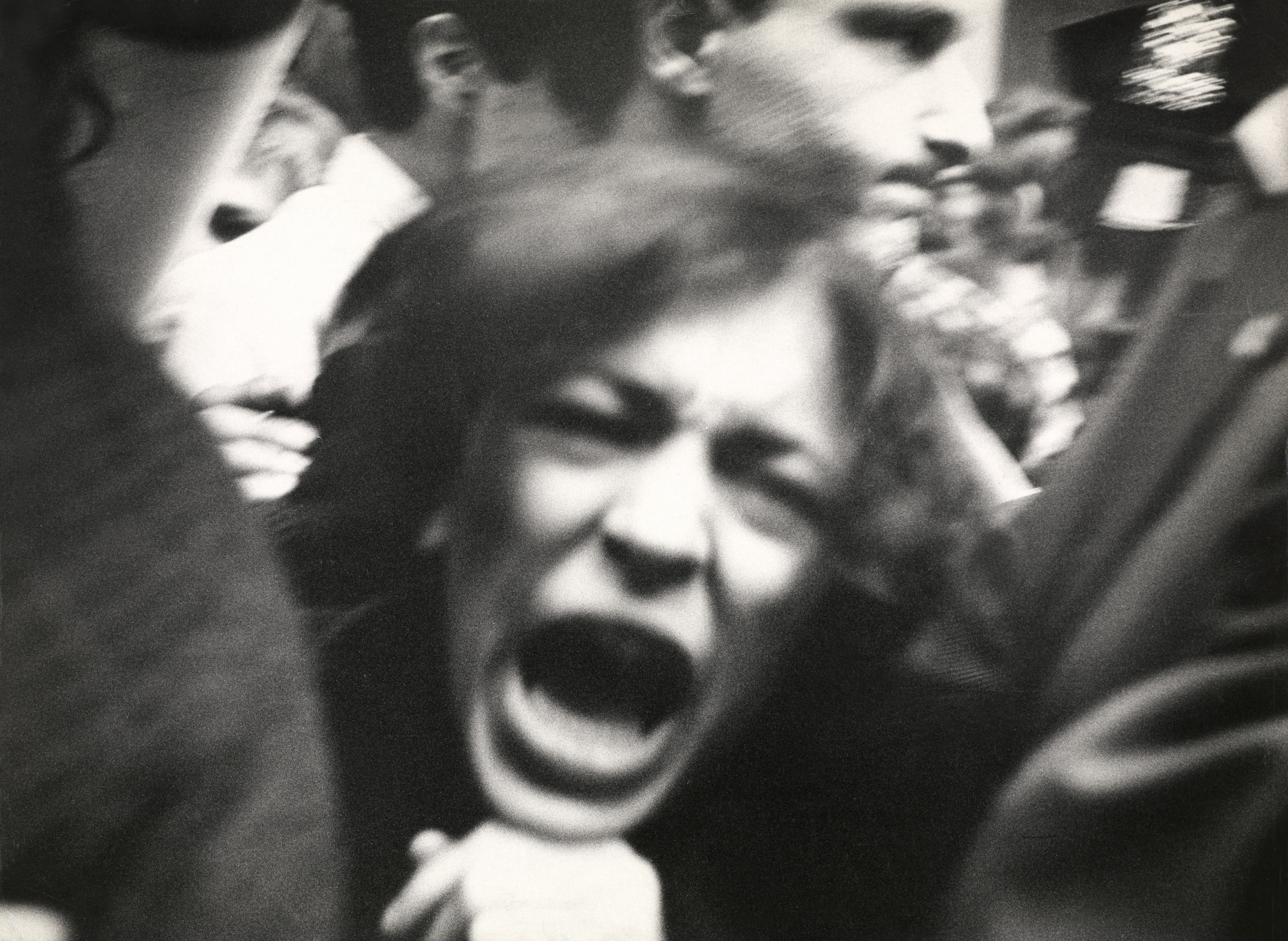
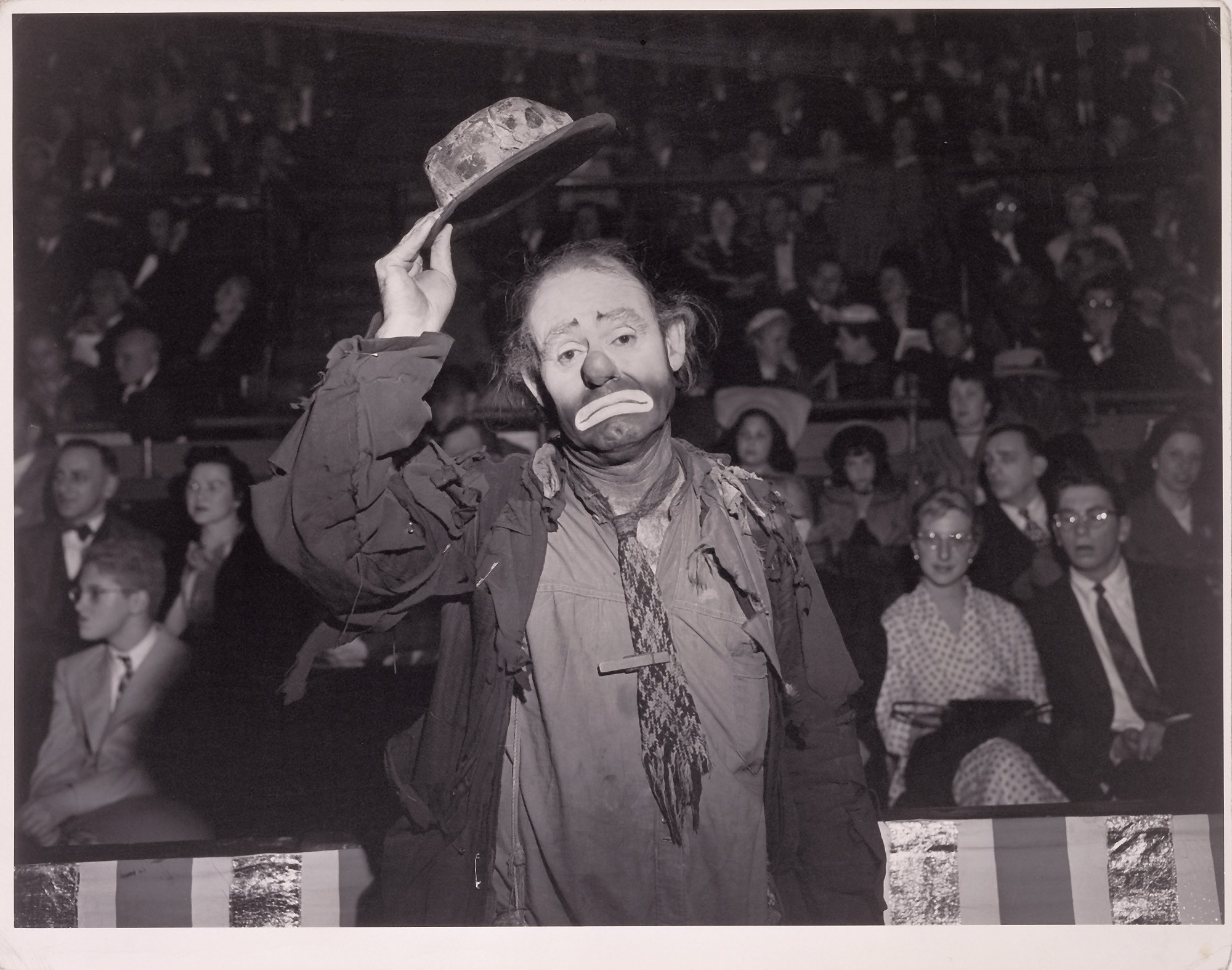

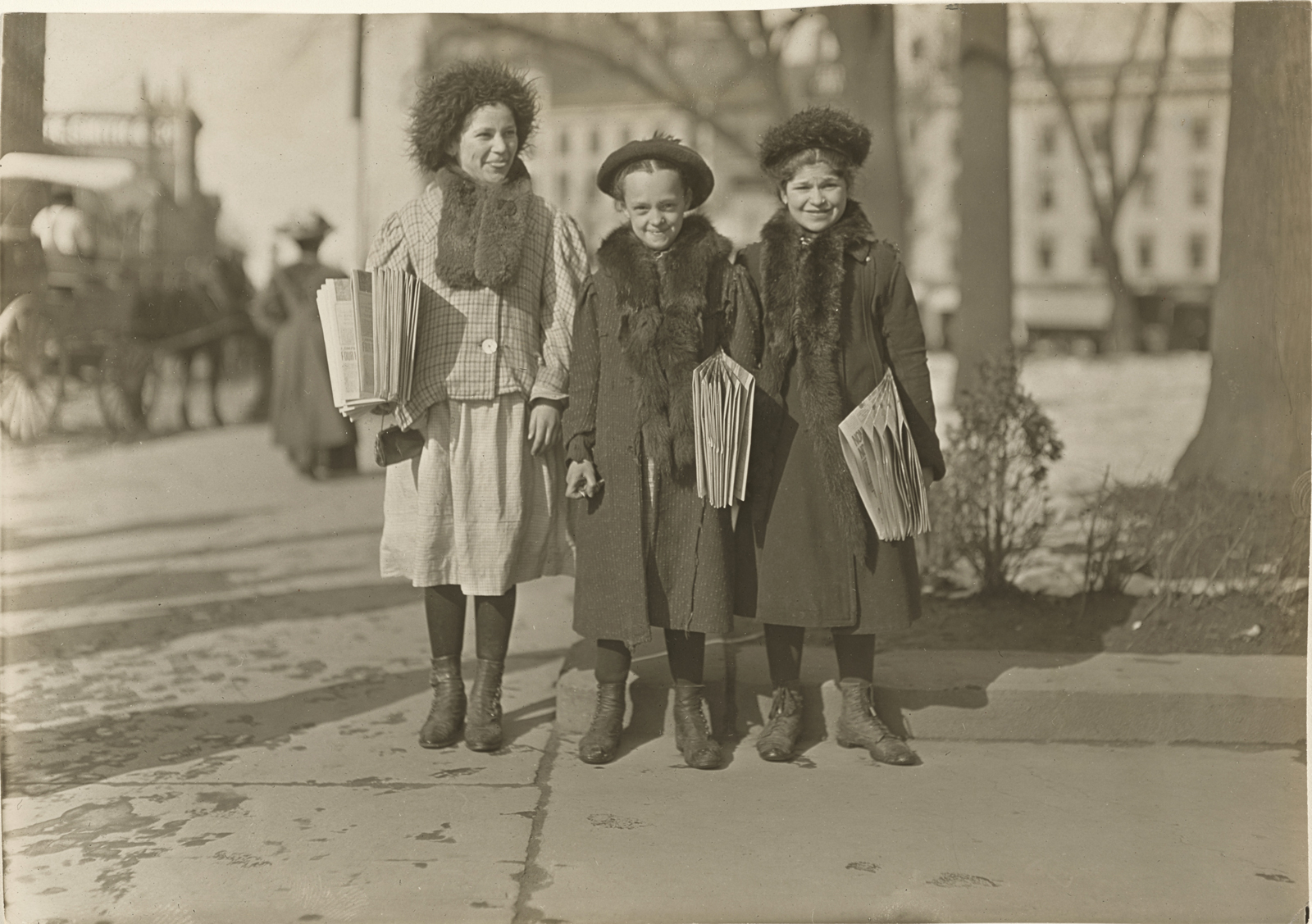
![Nadar [Gaspard Félix Tournachon] (French, 1820-1910) '[Mme Ernestine Nadar]' 1880-1883](https://artblart.com/wp-content/uploads/2018/06/in-focus-expressions-4-web.jpg "Nadar [Gaspard Félix Tournachon] (French, 1820-1910) '[Mme Ernestine Nadar]' 1880-1883")
![Nadar [Gaspard Félix Tournachon] (French, 1820-1910) '[Mme Ernestine Nadar]' 1880-1883 (detail)](https://artblart.com/wp-content/uploads/2018/06/in-focus-expressions-4-detail.jpg "Nadar [Gaspard Félix Tournachon] (French, 1820-1910) '[Mme Ernestine Nadar]' 1880-1883 (detail)")

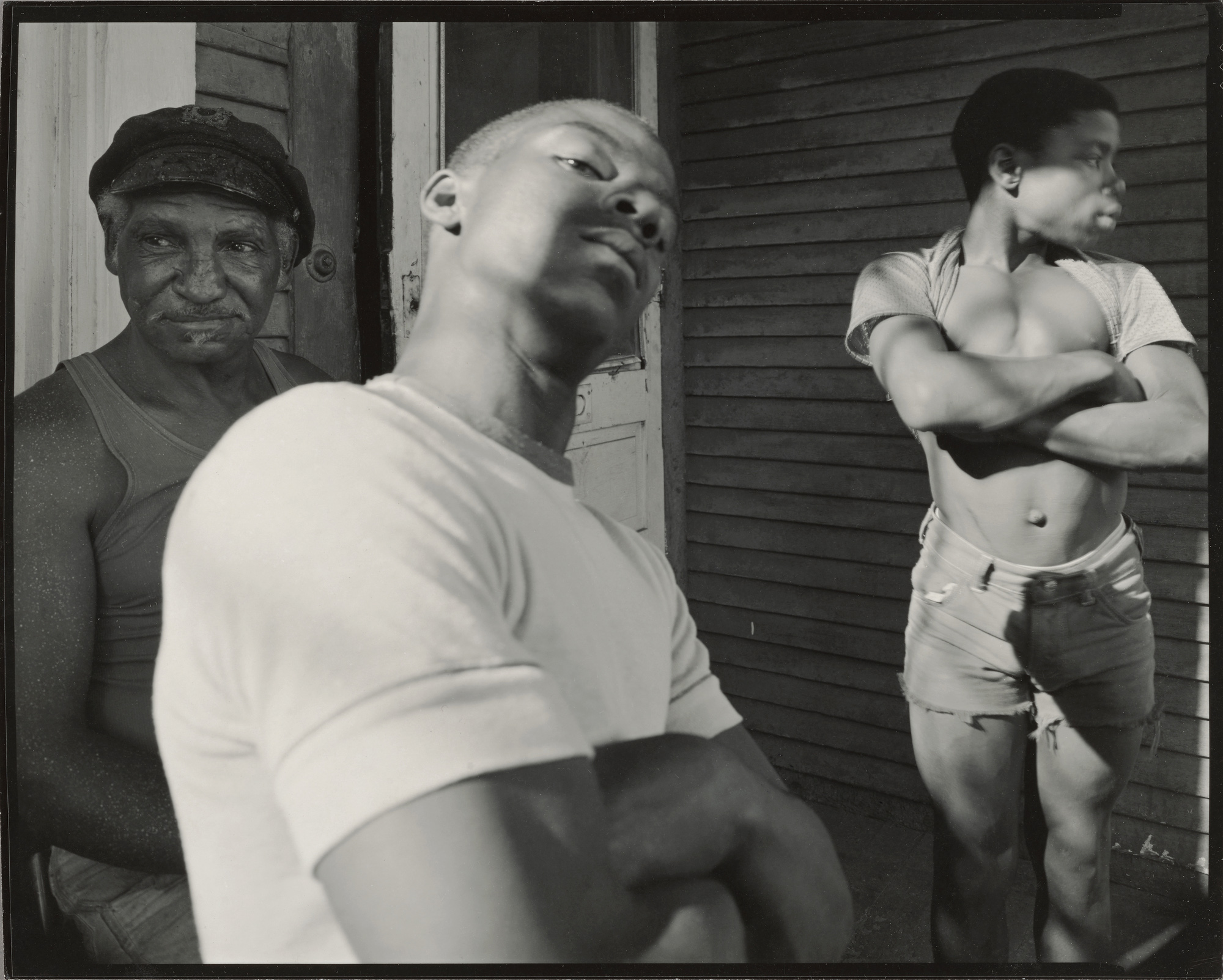
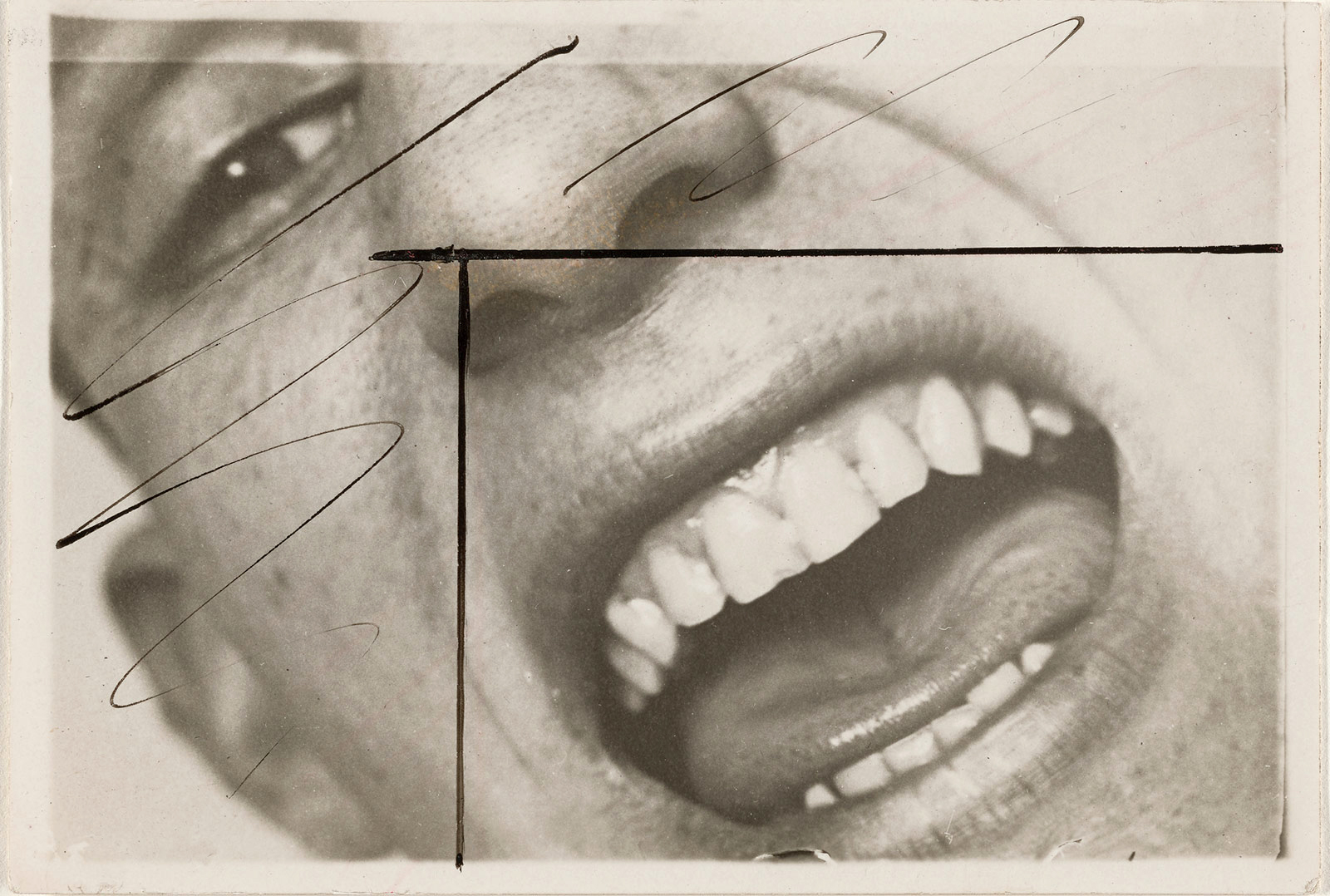
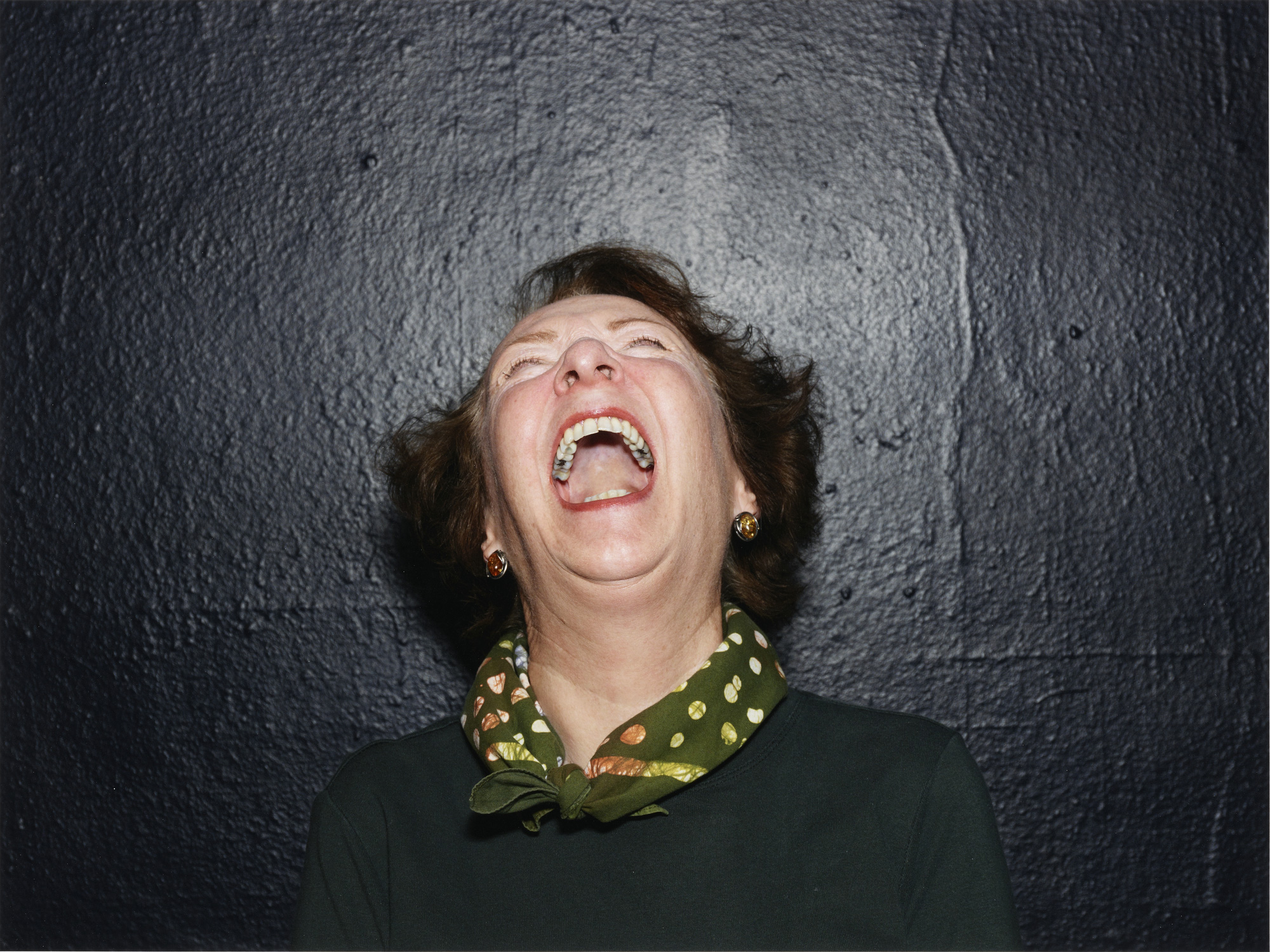
![Lisette Model (American born Austria, 1901-1983) '[War Rally]' 1942](https://artblart.com/wp-content/uploads/2018/06/in-focus-expressions-2-web.jpg "Lisette Model (American born Austria, 1901-1983) '[War Rally]' 1942")
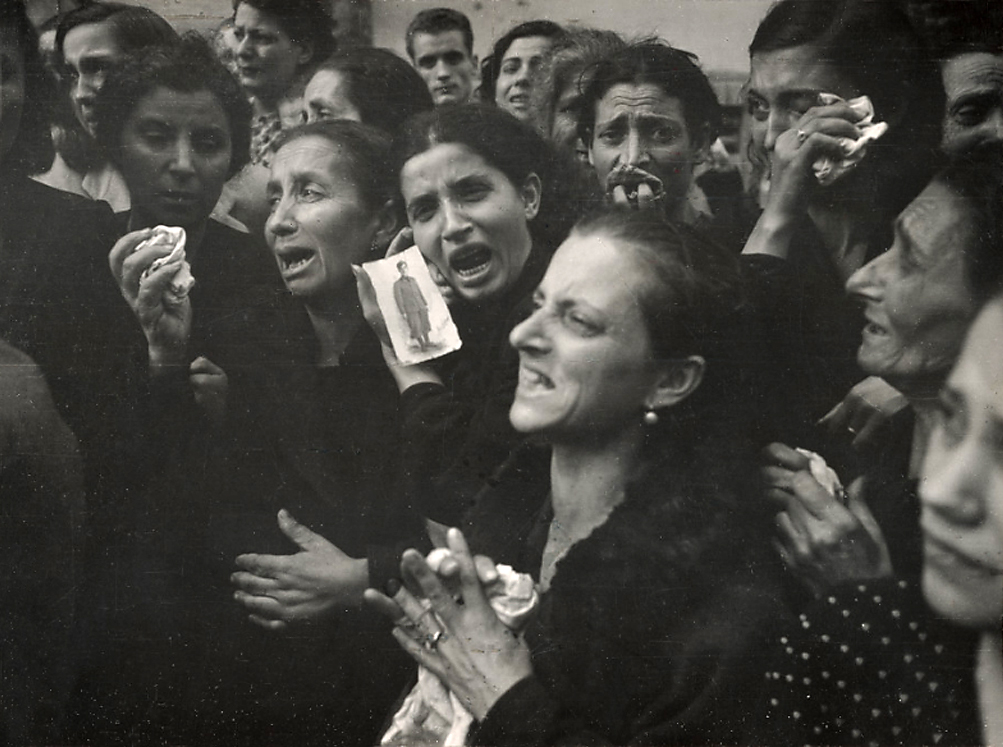
![Unknown maker (American) '[Smiling Man]' 1860](https://artblart.com/wp-content/uploads/2018/06/unknown-maker-smiling-man-1860-web.jpg "Unknown maker (American) '[Smiling Man]' 1860")
![Baron Adolf de Meyer (American born France, 1868-1946) '[Ruth St. Denis]' c. 1918](https://artblart.com/wp-content/uploads/2018/06/baron-adolf-de-meyer-ruth-st-denis-c-1918-web.jpg "Baron Adolf de Meyer (American born France, 1868-1946) '[Ruth St. Denis]' c. 1918")
![Woodbury & Page (British, active 1857-1908) '[Javanese woman seated with legs crossed, basket at side]' c. 1870](https://artblart.com/wp-content/uploads/2018/06/woodbury-and-page-javanese-woman-web.jpg "Woodbury & Page (British, active 1857-1908) '[Javanese woman seated with legs crossed, basket at side]' c. 1870")
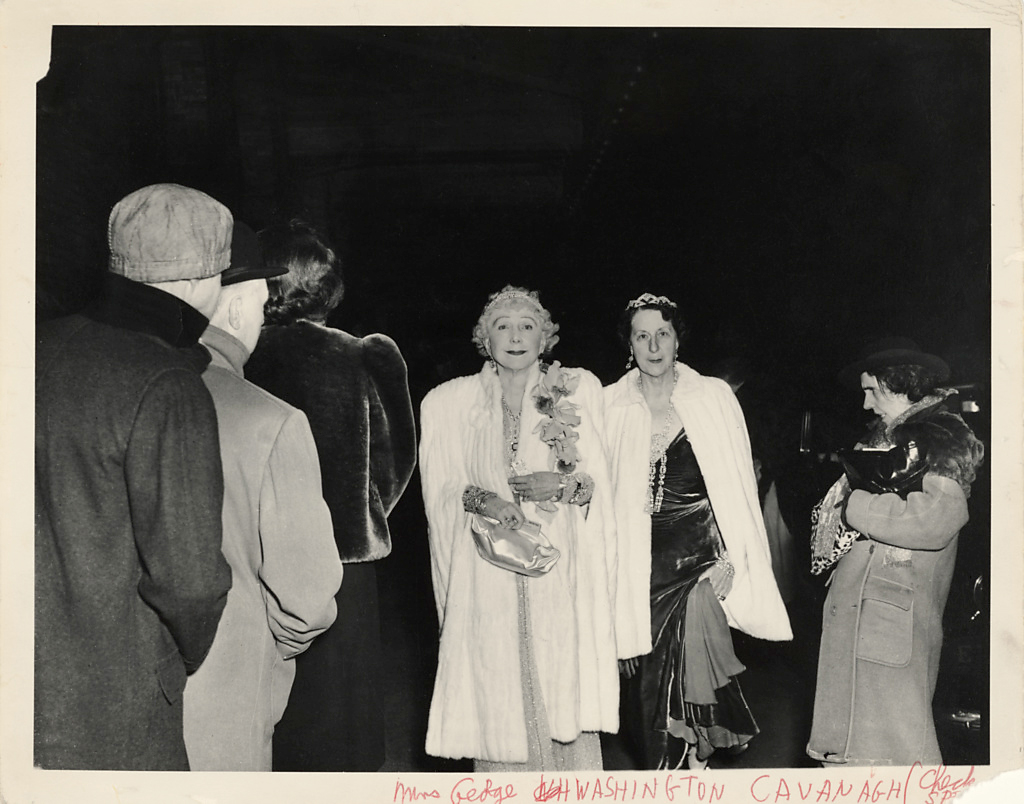
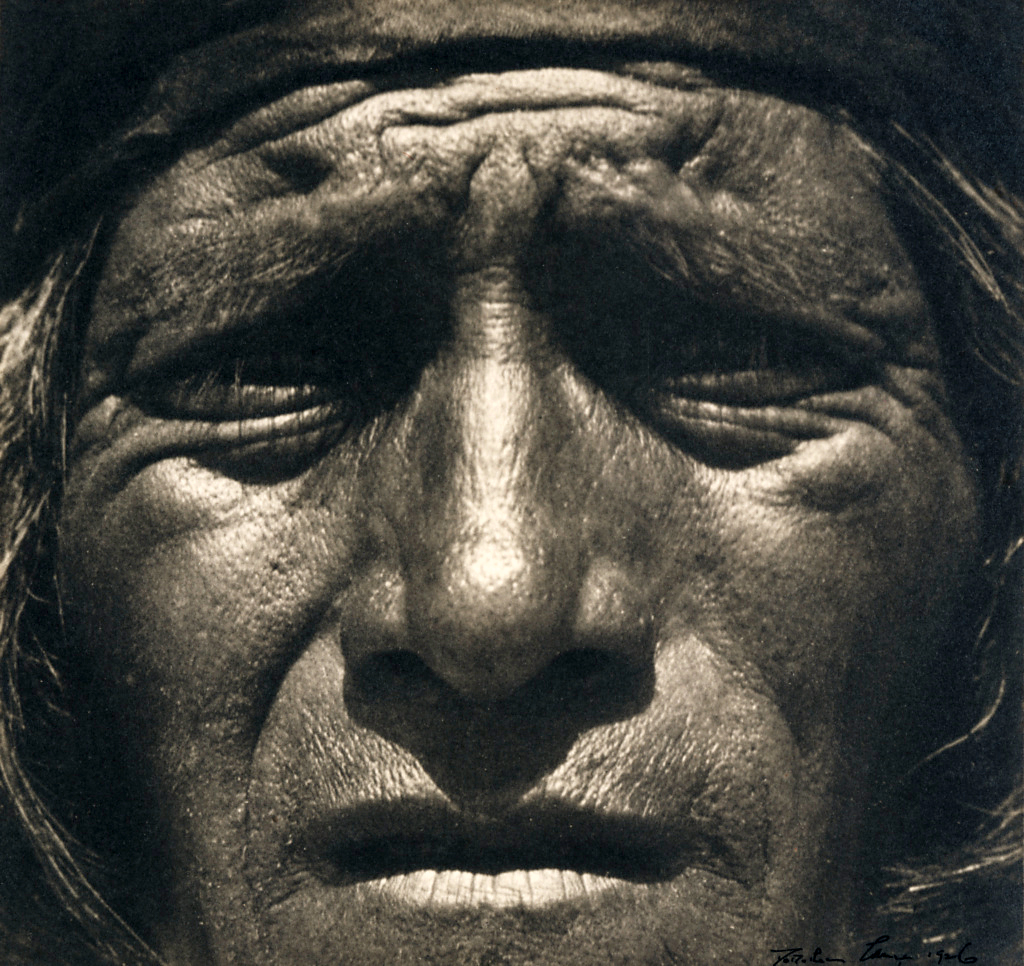
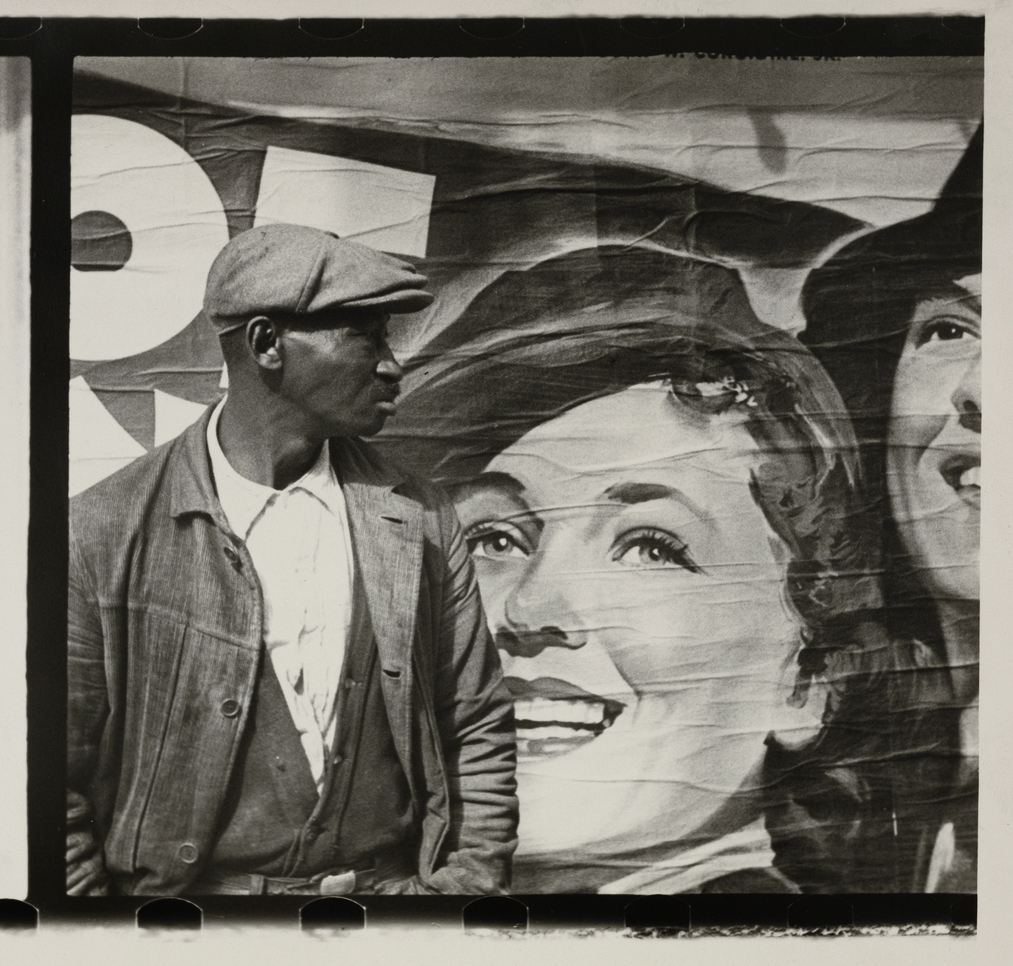
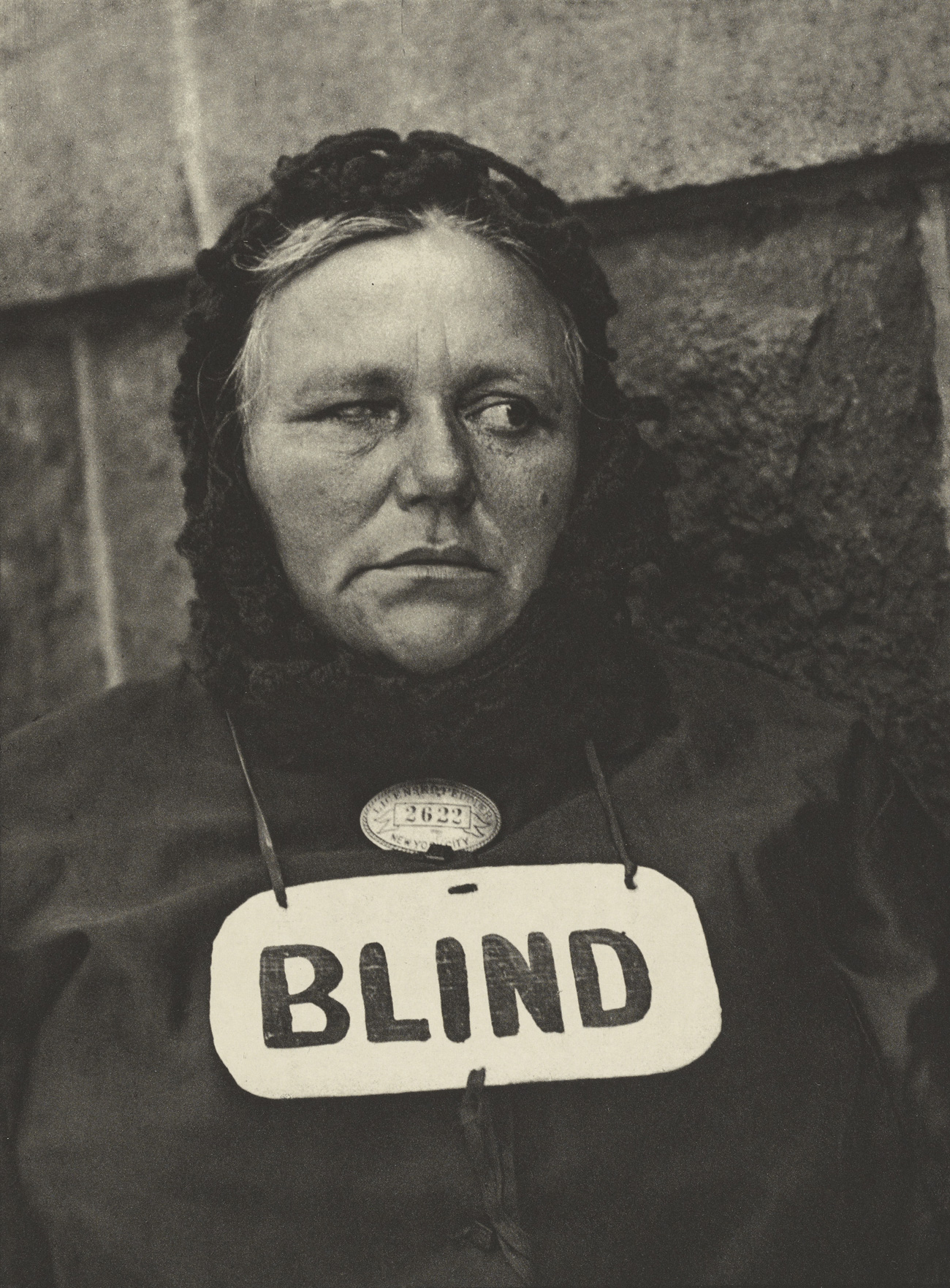
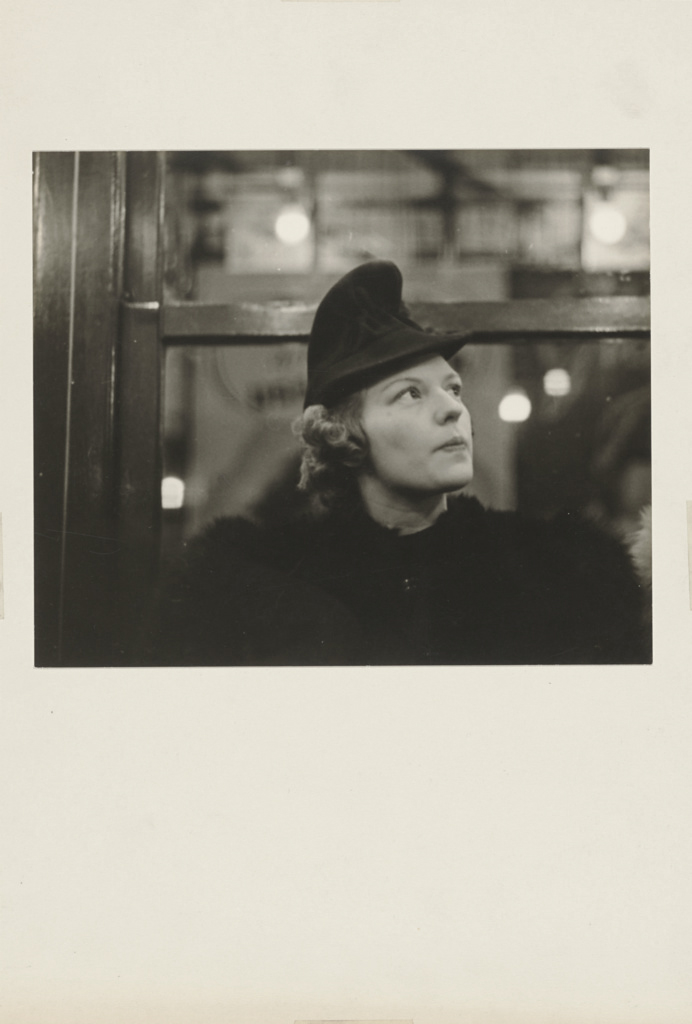
![Camille Silvy (French, 1834-1910) '[Madame Camille Silvy]' c. 1863](https://artblart.com/wp-content/uploads/2018/06/camille-silvy-web.jpg "Camille Silvy (French, 1834-1910) '[Madame Camille Silvy]' c. 1863")
![Mikiko Hara (Japanese, b. 1967) '[Untitled (Making a Void)]' Negative 2001; print about 2007](https://artblart.com/wp-content/uploads/2018/06/mikiko-hara-untitled-web.jpg "Mikiko Hara (Japanese, b. 1967) '[Untitled (Making a Void)]' Negative 2001; print about 2007")
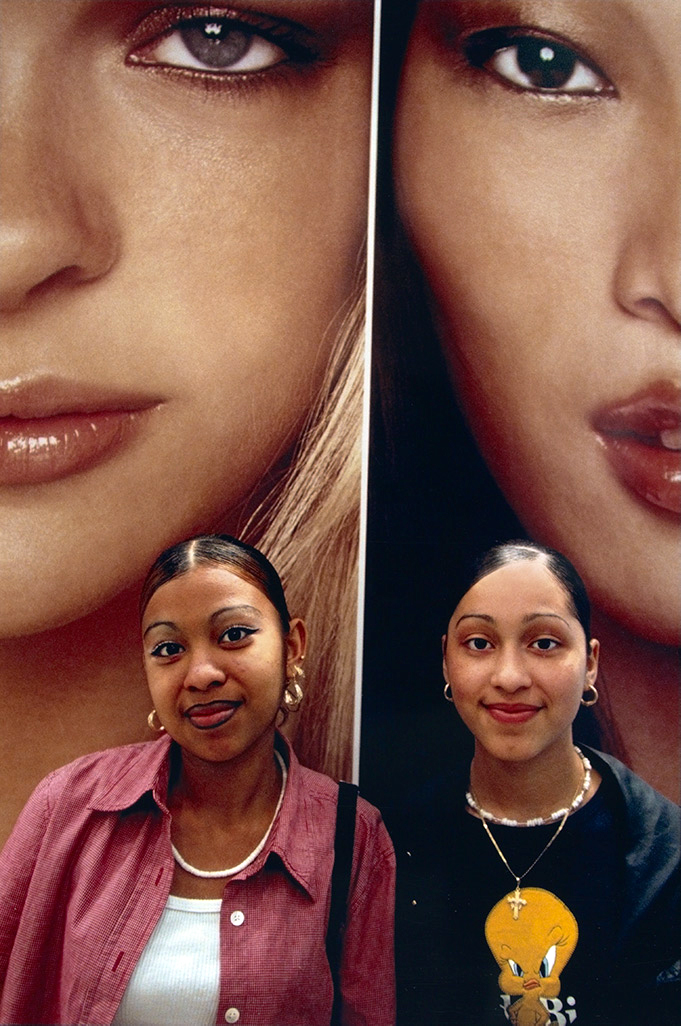
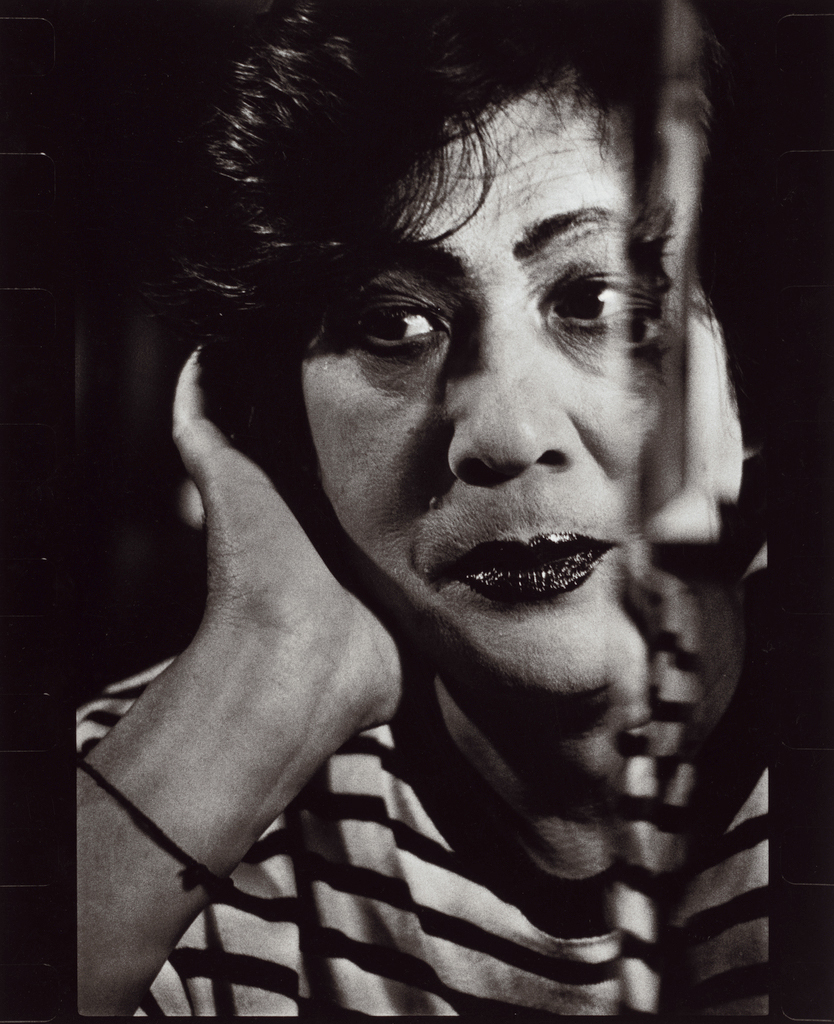
 Art Blart _ art and cultural memory archive
You must be logged in to post a comment.