Around the world, 2025 hasn’t been a great year for photography exhibitions. As a friend of mine said on Facebook it has been a dreary year and I would tend to agree with him.
Curatorially, everything was pretty cut and dried, relying on the usual one artist show or group exhibition on a theme with nobody prepared to take a risk on anything creative, inventive even.
I found little to inspire me in terms of idiosyncratic but illuminating pairings of photographers or unusual insights into the conditions and conceptualisation of photographic production and presentation – other than a few of the exhibitions noted below: costume, gesture and expression – yes! the development of colour photography pre the ubiquitous American artists – yes! and the life in self-portraits of a photobooth operator in Melbourne, part magician, part artist – YES!
Out of the 60 postings on Art Blart in 2025 I’ve picked what I think are the 11 best exhibitions, plus a couple of honourable mentions.
I hope you enjoy the selection and a Happy New Year to you all!
Dr Marcus Bunyan
1/ Marcus Bunyan. “Past present,” on the exhibition Still Performing: Costume, Gesture, and Expression in 19th Century European Photography at the Nelson-Atkins Museum of Art, Kansas City, August 2024 – January 2025
Victor Plumier (Belgian, 1820-1878) Lady in Costume About 1850 Daguerreotype, half plate 5 1/2 × 4 1/2 inches The Nelson-Atkins Museum of Art Gift of the Hall Family Foundation
“The emotions and the sentiments, the gestures and the expressions. The actor and the stage, the photographer and the sitter. The staged photograph and the tableaux vivant. The Self and the Other.” ~ MB
2/ A Long Arc: Photography and the American South since 1845 at the Virginia Museum of Fine Arts, Richmond, October 2024 – January 2025
Andrew Joseph Russell (American, 1829-1902) Slave Pen, Alexandria, Virginia 1863 Albumen silver print High Museum of Art Purchased with funds Lucinda Weill Bunnen Fund and the Donald and Marilyn Keogh Family
“Photographs are containers of, fragments of, memories of, histories of, events – remembrances of events – brought from past into present, informing the future, showing only snippets of the stories of both past and present lives. Parallel to the usual thought that photographs are about death, they are also memory containers for (still) living people.” ~ MB
3/ Marcus Bunyan. “Out in the midday sun,” on the exhibition Martin Parr. Early Works at Fotografie Forum Frankfurt (FFF), September 2024 – February 2025
“I am always fascinated with the early work of an artist. In essence, the photographs tell you what are the primary concerns for the artist and these themes usually remain with them for the rest of their career. These early black and white photographs provide a window into that ongoing investigation, that golden path. They are more subtle in their modulation of British life than in the later colour work – it’s as though the artist had to change gears with the use of colour developing a more ironic way of seeing British life through a different spatial relationship to his subjects – but in these photographs there is still that deprecating humour that is often missing in the work of his contemporaries…” ~ MB
“There are the things that are out in the open, and there are the things that are hidden, and life has more to do, the real world has more to do with what is hidden.” ~ Saul Leiter
5/ True Colors: Color in Photography from 1849 to 1955 at Albertina Modern, Vienna, January – April, 2025
Léon Vidal (French, 1833-1906) Oriental Onyx Sardonyx Cup (16th century) 1876 Photomechanical proof (photochromy using the Léon Vidal process) mounted on cardboard H. 20.8 ; L. 26.2 cm. Don Fondation Kodak-Pathé, 1983
“What a wonderful exhibition. It’s so exciting to see the history and development of colour photography pre the ubiquitous, American artists William Eggleston and Stephen Shore, much as I like both artists.” ~ MB
6/ The basement: photography from Prahran College (1968-1981) at the Museum of Australian Photography, Wheelers Hill, Melbourne, March – May 2025
Julie Millowick (Australian, b. 1948) Mother and child from 46 Blanche Street, St Kilda 1977 Gelatin silver print 15.9 x 23.7cm Museum of Australian Photography, City of Monash Collection donated by Julie Millowick 2024
“Prahran College itself played a critical role in the legitimisation of photography as an art form within Australia. It spearheaded the integration of art photography into tertiary education curricula, fostering an environment where young artists … could experiment formally and conceptually.”
James McArdle. “Epoch,” on the On This Date in Photography website, 25th April, 2025 [Online] Cited 28/04/2025
“The wit, the humour (pigeons sitting outside the racing pigeon shop), the stiff upper lip, the carry on regardless, the working class pantomime of life and death – the public commission flats where people formed caring communities that were destroyed through redevelopment – the integrity of an existence that has largely come and gone pictured with warmth and empathy.” ~ MB
8/ Auto-Photo: A Life in Portraits at RMIT Gallery, Melbourne, June – August 2025
Installation view of the exhibition Auto-Photo: A Life in Portraits at RMIT Gallery, Melbourne, June – August, 2025 Photo: Marcus Bunyan
“Through the strip self-portraits Adler took while servicing and then testing the photobooths that he operated in Melbourne, Australia we become immersed in an archive of his world, the exhibition becoming a joyous ode to a man who devoted his life to photography (not in the traditional sense): in turns humorous and historical, a travelogue, his travelogue, through time and space.’ ~ MB
“Rodríguez’s moody, high contrast photographs of humanity and street scenes pictured from behind the wheel of his taxi in New York proffer an intuitive, empathetic and subjective view of the city and its people at a time of great economic and social upheaval…
Uncertain times, uncertain angles and perspectives, uncertain light give rise to a powerful body of work made certain by the talent of an impressive photographer. Glorious work.” ~ MB
10/ Marcus Bunyan. “Myths of the American West,” on the exhibition Richard Avedon ‘In the American West’ 1979-1984 at the Fondation Henri Cartier-Bresson, Paris, April – October 2025
“Avedon, while undercutting the myth of the American West through his storytelling, doesn’t seek to document, exploit or misrepresent his subjects, but to subjectively present them as on a theatrical set devoid of scenery – where their very appearance becomes scene / seen. As he himself said, “My concern is… the human predicament; only what I consider the human predicament may simply be my own.”” ~ MB
“The Bechers’ typologies and grids, their topographic state, their same same photographs and perspectives of industrial sculptures and landscapes are anything but objective. Their pictorial grammar, underlaid by a conceptual approach to subject matter, continuously reflected in the systematics of capture and display (the juxtaposition of works together), is constantly undermined by the ghost in the machine – those viral codes of mutation and difference which cannot be controlled.” ~ MB
“Weems blends the poetic and conceptual in photographs and bodies of work which investigate history, identity, racism, executive and patriarchal power from the perspectives of female / Black American.
What a fabulous artist, a guide into circumstances seldom seen, now revealed.” ~ MB
Curators: The exhibition is co-curated by Philip Brookman, consulting curator of the department of photographs at the National Gallery of Art, and Deborah Willis, university professor and chair of the department of photography and imaging at the Tisch School of the Arts and director of the Center for Black Visual Culture at New York University.
Thomas Ellis (American, 1963-2025) The Game 1947 Gelatin silver print 21 x 31.8cm (8 1/4 x 12 1/2 in.) Courtesy of the Darrel Ellis Estate, Hannah Hoffman, Los Angeles, and Candice Madey, New York Photo: Adam Reich
Thomas Sayers Ellis (October 5, 1963 – July 17, 2025) was an American poet, photographer, musician, bandleader and teacher.
“There’s nothing like a photograph for reminding you about difference. There it is. It stares you ineradicably in the face”
~ Professor Stuart Hall, 2008
This looks to be a “worthy” exhibition on photography and the Black Arts movement but without having seen it in person there is little specific comment I can make about the exhibition. However, some thoughts on the photographs in this posting are possible.
It is a joy for me to be able to learn more about an important area in photographic history, vis a vis “the role of African American photographers and artists working with photographs in developing and fostering a distinctly Black perspective on art and culture.” (Text from the NGA website)
There are many photographers in the posting who I have never heard of before, whose work I have never seen, and I always like learning, for in learning you may gain some small amount of wisdom and appreciation of different cultures and points of view. I have added biographical information for each artist to their images where possible.
The photographs from the period 1955-1985 mark a shift away from an aesthetic and formalist way of looking at the image where the role of the photographer and the reception of the print was in its primacy (the 1950s-1960s) “towards a more polemical, critical and cultural analysis by Tagg, Sekul, Solomon-Godeau and others in the 1980s and 90s. These shifts from the pictorial to the political … decentre the photographer and bring into focus the photographed and viewing subjects…”1
In these photographs it is not so much the primacy of the artist, the aesthetics of the image, nor the photographs status as art objects, but the people within the images that are the focus of attention. They bring to the forefront of the viewer’s consciousness (or should do) the racial politics at work within photography in the context of discussions around race and representation and the ongoing legacies of Western imperialism.
The photographs demonstrate “that if we do not recognise the historical and political conjunctures of racial politics at work within photography, and their effects on those that have been culturally erased, made invisible or less than human by such images, then we remain hemmed within established orthodoxies of colonial thought concerning the racialised body, the subaltern and the politics of human recognition.”2
They bring to light (aha!) “new ways of seeing that bring the Other into focus”, photographs that challenge us to acknowledge the structural racism that is embedded in daily life which produces adverse outcome for people of color. Through such an acknowledgement we may open up a personally and culturally transformative dialogic space, “a “space of possibilities” where participants listen, engage with, and even transcend their own viewpoints to see issues from multiple angles” – as there can never be a single view point when we “examine” social groups that are subaltern (groups that have been marginalised or oppressed).
From a distance this seems to be one of the problems of the exhibition. It’s all so worthy and righteous, full of the injustice of it all, and perhaps that’s as it should be for those were the times and the culture from which these photographs emerged. But I can’t help but get the feeling that this exhibition seems to feel and read more like a study in cultural anthropology, more a sociological statement than any celebration of Black history and culture from the period. Speaking from the standpoint of a white, middle class artist and writer, there seems to be little joy to be had here – to me one of the essential elements of Black culture, the joy of gospel, jazz, laughter, love – but I’m supposedly on the inside looking out (or is it the outside looking in!). Who am I to say.
What is undeniable is that, as Professor Stuart Hall so succinctly observes, there is nothing like a photograph to remind you of difference, to challenge your perceptions on how you view and interact with the world around you, to open up new ways of seeing. As such, the photographs in this exhibition may allow us deeper insight into the “conditions of our own becoming” (while human beings have agency, the circumstances under which they act and develop their humanity are largely shaped by existing material, social, and historical conditions that they did not choose) of the people that live around us, even as we acknowledge that there is no singular point of view, that cultural forms have no single determinate meaning, and that no one, and “no discipline, whether art- or photo-history, or ethnography or geography, speaks with a single voice.”1
Not one way of seeing, but multiple ways of seeing our fellow human beings.
Dr Marcus Bunyan
1/ Catherine De Lorenzo. “Oceanian imaginings in French photographic archives,” in History of Photography, Issue 2, Volume 28, 2004, pp. 137-184
The book examines how Western photographic practice has been used as a tool for creating Eurocentric and violent visual regimes, and demands that we recognise and disrupt the ingrained racist ideologies that have tainted photography since its inception in 1839.
Many thankx to the National Gallery of Art, Washington for allowing me to publish the photographs in the posting. Please click on the photographs for a larger version of the image.
“The work that was done by artists and photographers before, during, and after the Black Arts Movement establishes a strategy of community engagement. It is that engagement that allows communities to define themselves and also to engage people in new forms of looking.”
Co-curator Philip Brookman
Cultural forms set the wider terms of limitation and possibility for the (re)presentation of particularities and we have to understand how the latter are caught in the former in order to understand why such-and-such gets (re)presented in the way it does. Without understanding the way images function in terms of, say, narrative, genre or spectacle, we don’t really understand why they turn out the way they do.
Secondly, cultural forms do not have single determinate meanings – people make sense of them in different ways, according to the cultural (including sub-cultural) codes available to them. For instance, people do not necessarily read negative images of themselves as negative …
Richard Dyer. The Matter of Images: Essays on Representations. London: Routledge, 1993, pp.2-3
Adger Cowans (American, b. 1936) Coltrane at the Gate 1961 Gelatin silver print National Gallery of Art, Washington Charina Endowment Fund
Adger Cowans (American, b. 1936)
Adger Cowans is a pioneering photographer and one of the founding members of the Kamoinge Workshop, a collective that played a key role in shaping Black photography in the 1960s and beyond.
In 1958 Cowans worked as an assistant to renowned photographer Gordon Parks. Throughout the 1960s Cowans became involved with influential groups associated with the Black Arts Movement, including Group 35 and Afri-COBRA, which he joined in 1968.
His photographic work spans a wide range of approaches and subjects, from street photography in Harlem to documenting major historical events like the rallies and the funeral of Malcolm X. He also captured iconic jazz musicians, including John Coltrane and Pharoah Sanders.
Frank Dandridge is a freelance photojournalist who worked mainly for Life Magazine in the 60’s. He covered numerous assignments, including, The Harlem Riots in 1964, Dr. King’s March on Washington, in 1963, and the terrible Birmingham Bombing in 1963. His photos also appeared in Look, Saturday Evening Post, Pageant, Paris Match, Good Housekeeping, Quick Magazine, the Canadian Film Board, Playboy, and many other national magazines. He won an Art Director’s Award for his photo essay, “The Two Faces of Harlem”, that appeared in Look magazine. His work included photographing many celebrities, including, Bobby Kennedy, Muhammad Ali, President Johnson, Dr. Martin Luther King, Frank Sinatra, The Supremes, Sammy Davis, Jr., and Jimmy Hoffa.
The photos that Frank Dandridge shot for LIFE magazine paint a vivid portrait of violence and race in 1960s America. He reported on riots in Harlem, in Watts, and in Newark,. He was in Selma, Alabama when Martin Luther King marched in the days immediately after Bloody Sunday. Dandridge’s most famous photo is of Sarah Collins, a 12-year-old girl whose eyes were in bandages after the bombing of a Sunday school class at the16th Street Baptist Church in Birmingham, Alabama. That bombing killed four girls, including Collins’ sister, while wounding many others and leaving Collins blind in one eye. The image of Collins in her hospital bed made vivid for America the cruelty of this horrific bombing by four men who were members of a splinter group of the Klu Klux Klan.
Used under fair use for the purposes of education and research
Racism
Racism, when it is embedded in the structures, policies and practices of our social and political institutions can be termed “institutional”. Institutional racism, which will be described by the authors more fully below, is reflected in professional practice and working methods that result in racialized disparities. Frantz Fanon, psychiatrist and political philosopher, stands out as one of the earliest academics to explore the nature of racism from a psychosocial perspective. Fanon (1967) talked of “vulgar racism in its biological form”, which was evident for several hundreds of years, being replaced in the mid-20th century by “more subtle forms” (p. 35). In a study of Fanon’s clinical psychology and social theories, McCulloch (1983) refers to this new racism as “cultural racism” – describing this as “a more sophisticated form [of racism] in which the object is no longer the physiology of the individual but the cultural style of a people” (p. 120). Cultural racism believes that the dominant group’s culture is superior to the seemingly “lower” minority groups.
Cultural racism champions the supremacy of cultures. Commonly, some version of European culture or, more specifically, white European culture, rather than the white “race” (Amin, 1989), thereby producing a situation of racism without “races” (Balibar, 1991). It was the American civil leaders Stokely Carmichael (later Kwame Ture) and Charles V. Hamilton in their 1967 book, Black Power: The Politics of Liberation (Carmichael & Hamilton, 1967), who first described institutional racism:
It takes two, closely related forms … we call these individual racism and institutional racism. The first consists of overt acts by individuals … the second type is less overt, far more subtle, less identifiable in terms of specific individuals committing acts … and thus receives far less public condemnation than the first type. (p. 2)
Institutional racism forms an array of broader structural racism processes “that exclude … substantial numbers of members of particular groups from significant participation in major social institutions” (Henry & Tator, 2005, p. 352). According to minority mental health models like the racism-induced reactive negative emotionality cycle (Lazaridou & Heinz, 2021), structural racism and institutional racism result in experiences of rejection and emotional alienation in public spaces for Black people and People of Color (Lentin, 2015).
Structural racism in employment, earnings and credit may mutually limit equal access to quality, affordable accommodation. However, when public spaces are sites of surveillance, intimidation and frequent hostility by the police or by ordinary citizens, then the structure of social situations, such as even leaving one’s house and speaking in public, are filled with stress, anxiety, and fear (Chou et al., 2012; Sibrava et al., 2013). There is pervasive evidence that structural racism has destructive impacts on the health and wellbeing of patients from minority groups, including migrants, refugees, and asylum seekers (Alvarez et al., 2016; Bailey et al., 2017; Graham et al., 2016; Noh & Kaspar, 2003).
Felicia Lazaridou and Suman Fernando. “Deconstructing institutional racism and the social construction of whiteness: A strategy for professional competence training in culture and migration mental health,” in Transcult Psychiatry, 2022 Apr 4; 59(2), pp. 175-187.
Installation view of the exhibition Photography and the Black Arts Movement, 1955-1985 at the National Gallery of Art, Washington, September 2025 – January 2026
In the tradition of Black African photographers such as Malick Sidibé, Seydou Keïta and Sanlé Sory, Barnor’s photographs present people of all ages and all walks of life – whether in Accra, Ghana or in the suburbs of London, England – through direct and honest studio portraits or in more candid documents of the communities that surrounded him. …
Barnor’s photographs plant the seed of equality and happiness as a way of transmitting this knowledge to others. “He is a living archive, a link between the birth of photography in West Africa and the development of the discipline for the modern era.”2 It is his passion and feeling for the practice of photography, the stories that it tells and his engagement with the spirit of the people that he encounters – as a conversation between equals – that intuitively ground his work in the history of photography and the history of Black culture and makes them forever young.
Ralph Arnold (American, 1928-2006) Above this Earth, Games, Games 1968 Collage and acrylic on canvas Overall: 114.3 x 114.3 cm (45 x 45 in.) Collection of Museum of Contemporary Photography at Columbia College, Chicago Photo: P.D. Young / Spektra Imaging
During the tumultuous 1960s and 70s, the prolific artist Ralph Arnold (1928-2006) made photocollages that appropriated and commented upon mass media portrayals of gender, sexuality, race and politics. Arnold’s complex visual arrangements of photography, painting and text were built upon his own multilayered identity as a black, gay veteran and prominent member of Chicago’s art community…
Text from the Museum of Contemporary Photography in Chicago
Ralph Arnold (American, 1928-2006) Soul Box 1969 Assemblage with found objects and collage on Masonite Framed: 71.1 x 56.8 x 14.9cm (28 x 22 3/8 x 5 7/8 in.) Private collection of Courtney A. Moore Photo: Courtesy of the Museum of Contemporary Photography at Columbia College Chicago
The first exhibition to consider photography’s impact on a cultural and aesthetic movement that celebrated Black history, identity, and beauty.
Uniting around civil rights and freedom movements of the 1960s and 1970s, many visual artists, poets, playwrights, musicians, photographers, and filmmakers expressed hope and dignity through their art. These creative efforts became known as the Black Arts Movement.
Photography was central to the movement, attracting all kinds of artists – from street photographers and photojournalists to painters and graphic designers. This expansive exhibition presents 150 examples tracing the Black Arts Movement from its roots to its lingering impacts, from 1955 to 1985. Explore the bold vision shaped by generations of artists including Billy Abernathy, Romare Bearden, Kwame Brathwaite, Roy DeCarava, Doris Derby, Emory Douglas, Barkley Hendricks, Barbara McCullough, Betye Saar, and Ming Smith.
Text from the NGA website
Photography and the Black Arts Movement, 1955-1985 investigates the role of African American photographers and artists working with photographs in developing and fostering a distinctly Black perspective on art and culture. The Black Arts Movement was a uniquely American creative initiative, closely linked to the civil rights movement and comparable to the Harlem Renaissance of the 1920s in its impact. Through new institutions and publications, Black writers, musicians, filmmakers, and visual artists explored ways their art could further the American civil rights movement and communicate messages of Black history and identity. Photography and the Black Arts Movement reveals how studio and street photographers, photojournalists, painters, conceptual artists, graphic designers, and community activists used photography to cut across traditional racial boundaries, express messages of empowerment, and advance social justice.
Bringing together some 150 works by more than 100 artists, Photography and the Black Arts Movement also includes objects from Africa, the Caribbean region, and Great Britain, representing artistic dialogues created through travel, migrations, and international engagement with the social, political, and cultural ideas that propelled the movement. Among the artists included are Billy Abernathy, Anthony Barboza, Romare Bearden, Dawoud Bey, Frank Bowling, Kwame Brathwaite, Ernest Cole, Adger Cowans, Roy DeCarava, Emory Douglas, Louis Draper, David C. Driskell, Samuel Fosso, Charles Gaines, Barkley Hendricks, Danny Lyon, Barbara McCullough, Jeanne Moutoussamy-Ashe, Gordon Parks, Adrian Piper, Juan Sánchez, Coreen Simpson, Betye Saar, Jamel Shabazz, Lorna Simpson, Ming Smith, Frank Stewart, and Carrie Mae Weems.
The exhibition is organised by the National Gallery of Art, Washington.
Text from the NGA website
Cecil J. Williams (American, b. 1937) During the summer of 1960, the elders of Orangeburg took to the streets as part of ongoing demonstrations and boycotts in support of civil rights. They are standing outside a segregated supermarket where they were allowed to shop but not sit down for lunch 1960, printed 2024 Inkjet print 37.3 x 55.9cm (14 11/16 x 22 in.)
Cecil J. Williams (American, b. 1937)
Cecil J. Williams (born November 26, 1937) is an American photographer, publisher, author and inventor who is best known for his photographs documenting the civil rights movement in South Carolina.
He began his career at an early age, photographing wedding and family parties. He studied art at Claflin University, while also being a photographer for the university. …
At the age of 14, Williams was one of 25 photographers around the world freelancing for JET magazine. JET caught wind of the movement growing in Orangeburg. They needed an onsite correspondent for constant updates, and someone to document the events. The only time Williams’ work appeared on the cover of JET was his picture of Coretta Scott King speaking at the protest during the 1969 Charleston hospital workers’ strike.
Williams has photographed significant desegregation efforts in South Carolina since the 1950s. Some of his most notable pictures are of the activity during the Briggs v. Elliott case in Summerton. It was the first of five desegregation cases pushing to integrate public schools in the United States. The five cases combined into Brown v. Board of Education, the 1954 U.S. Supreme Court case that declared that having “separate but equal” public schools for whites and blacks was unconstitutional.
Cecil J. Williams (American, b. 1937) Clara White Mission, Jacksonville, Florida 1960s, printed 2024 Inkjet print 45.7 x 45.7cm (18 x 18 in.)
Bob Fletcher (American, b. 1938) Placards of Goodman, Chaney, and Schwerner at a Demonstration on the boardwalk during the Democratic National Convention, Atlantic City, New Jersey 1964 Gelatin silver print 33.97 × 22.86cm (13 3/8 × 9 in.) National Gallery of Art, Washington Anonymous gift
Bob Fletcher (American, b. 1938)
Robert E. “Bob” Fletcher is a photographer, filmmaker, writer, and educator. Born in 1938 in Detroit, Michigan, Fletcher majored in History and English at Fisk University and Wayne State University. In 1963, Fletcher became active in the civil rights movement, taking photographs for and administering the National Student Association’s Detroit Tutorial Program. After moving to New York City, he worked at the Harlem Education Project and set up a photographic workshop.
In the summer of 1964, Fletcher became a Freedom School teacher in Mississippi and joined the Student Nonviolent Coordinating Committee (SNCC) staff as a photographer; he documented the Civil Rights Movement throughout the South, between 1964 and 1968. After returning to New York in 1969, Fletcher set up a photography workshop at the Henry Street Settlement, and taught photography at Antioch College and Brooklyn College Film Studio.
Gordon Parks (American, 1912-2006) Ethel Sharrieff in Chicago 1963 Gelatin silver print 14.6 × 15.9cm (5 3/4 × 6 1/4 in.) National Gallery of Art, Washington Corcoran Collection (The Gordon Parks Collection)
Robert A. Sengstacke (American, 1943-2017) Dr. Martin Luther King January 1, 1965 Gelatin silver print 35.1 × 27.3cm (13 13/16 × 10 3/4 in.) National Gallery of Art, Washington Alfred H. Moses and Fern M. Schad Fund
Robert A. Sengstacke (American, 1943-2017)
Robert A. “Bobby” Sengstacke spent more than a half century photographing Chicago’s cultural and political landscape, most notably for the weekly newspaper the Chicago Defender, for which he also worked as an editor. The Defender was founded by Robert’s great-uncle Robert Sengstacke Abbott in 1905, and Robert’s father, John Sengstacke, ran the paper for nearly 60 years. In the mid-1950s, after attending Florida’s Bethune Cookman College, Bobby Sengstacke returned to Chicago and honed his skills with fellow photographers Billy (Fundi) Abernathy, Le Mont Mac Lemore, and Bob Black. In the years that followed, he became a member of a tight-knit network of South Side photojournalists who created intimate documents of Chicago’s Black community, from Civil Rights rallies led by Martin Luther King Jr. to the city’s lively entertainment scene.
Sengstacke was also a founding member of the Organization of Black American Culture (OBAC), which brought together Black artists, writers, intellectuals, and activists on Chicago’s South Side.
Doris A. Derby (American, 1939-2022) Member of Southern Media Photographing a Young Girl, Farish Street, Jackson, Mississippi 1968 Gelatin silver print National Gallery of Art, Washington Gift of David Knaus
Doris A. Derby (American, 1939-2022)
The photography of the US civil rights activist and academic Doris Derby … began through documenting the struggles of black people in the segregated south. However, rather than recording the dramatic events and protests of the nine years from her arrival in Mississippi from New York in 1963, Doris chose to capture the everyday human effort required to live through them.
She went into rural communities to witness the work of children in the fields and women living in wooden shacks trying to care for families. “They were looking to find some help, some way to get out of their horrible poverty and despair,” she said. …
Influenced both by the German expressionist artist Käthe Kollwitz, who was concerned with the effects of poverty, hunger and war on the working class, and the photographer Roy DeCarava, who captured the creativity of the Harlem Renaissance, she also took pictures of children in urban settings, of old and young people attending election events, and those working for the movement, among them the author Alice Walker.
Hannah Collins. “Doris Derby obituary,” on The Guardian website Wed 13 Apr 2022 [Online] Cited 26/11/2025
Darryl Cowherd (American, b. 1940) Stokely Carmichael, Unknown Chicago Church c. 1968 Gelatin silver print 24.8 × 15.5cm (9 3/4 × 6 1/8 in.) National Gallery of Art, Washington Alfred H. Moses and Fern M. Schad Fund
A key figure in Chicago’s Black Arts Movement, Darryl Cowherd has enjoyed an extensive career ranging from photojournalism to broadcast television. At the age of 20, frustrated with work and school, Cowherd followed the advice of his mentor, Chicago-based photographer Robert Earl Wilson, who encouraged him to travel and photograph abroad. Cowherd had initially studied to become a doctor and then worked for the postal service, but neither role proved a lasting fit. After nearly four years in Europe, during which Cowherd honed his photography skills, he returned to Chicago in 1964 and began taking freelance photography assignments while working at a film processing lab. His return to Chicago coincided with the emergence of the Chicago Freedom Movement (1965-67) and the Black Arts Movement (most active in the years 1965-76). An active participant in both movements, Cowherd frequently photographed the activities surrounding them as they grew and gained momentum.
Cowherd was a founding member of the Organization of Black American Culture (OBAC), a collective that brought together Black artists, writers, intellectuals, and activists on Chicago’s South Side.
Hiram Sebastian Maristany was a Nuyorican American photographer, and director of El Museo del Barrio (a museum in NYC which specialises in Latin American and Caribbean art, with an emphasis on works from Puerto Rico and the Puerto Rican community in New York City) from 1975 to 1977. He was known for his association with, and documentation of, the Young Lords chapter in Harlem, which he co-founded in 1969.
Juan González was a co-founder of the Young Lords, a radical Puerto Rican rights organisation in New York City, where he helped lead the group in protests for social justice. The Young Lords fought for better healthcare, education, and city services, and against police abuse and Puerto Rico’s colonial status. Following his work with the Young Lords, González became a celebrated journalist, co-hosting Democracy Now! and writing for the New York Daily News.
Texts from the Wikipedia website
What Is the Black Arts Movement? Seven Things to Know
Poet Larry Neal, who coined the term Black Arts Movement, described it as “a cultural revolution in art and ideas.” This movement included poets, playwrights, musicians, filmmakers, photographers, and painters. They came together to make art that advanced civil rights and celebrated Black history, identity, and beauty.
This cultural revolution shook up the art world in the 1950s and ’60s. It embodied the struggle for self-determination championed by global freedom movements. New collectives, workshops, and collaborations emerged. Creatives made art that promoted Black dignity, hope, and freedom. They asked, how could art inspire social and political change? And what would it look like?
Photography was a driving force from the beginning, playing a critical role as both a communications tool and art form. Learn more about the movement and photography’s part in it – major themes in our exhibition Photography and the Black Arts Movement, 1955-1985.
1/ Its origins are in the civil rights movement
Our exhibition begins in 1955, more than a decade before Larry Neal named the Black Arts Movement. That year, several events – and photographs of those events – helped catalyse the civil rights movement.
In September, Jet magazine was one of several publications that printed open-casket photographs of Emmett Till, a 14-year-old boy from Chicago who was lynched in Mississippi. Those disturbing images were seen across the country, including by a woman in Montgomery, Alabama: Rosa Parks. That December, Parks sat in the front, “white only” section of a segregated bus. The driver demanded that she give up her seat to a white passenger. She refused. As she later recounted, Emmett Till was on her mind in that moment.
Parks, in turn, was photographed sitting at the front of the segregated bus. Those images, and others like them, brought widespread awareness to the struggles for equal rights. Organisations like the Student Nonviolent Coordinating Committee (SNCC) encouraged photography of their marches, demonstrations, and acts of nonviolent civil disobedience. SNCC even taught some members to use a camera. Lifelong activist Maria Varela became a SNCC photographer after recognising the need for more images of Black life to support the movement.
2/ Poets, writers, and playwrights led the movement
The beginning of the Black Arts Movement is often pinned to poet, playwright, and writer Amiri Baraka founding the Black Arts Repertory Theatre/School in New York City’s Harlem neighbourhood in 1965. Nikki Giovanni, Gwendolyn Brooks, and Audre Lorde were among the many writers and poets active in the movement. Some collaborated with visual artists, even forming collectives such as the Organization of Black American Culture (OBAC) in Chicago.
OBAC writers, scholars, painters, and photographers collaborated to create the Wall of Respect community mural in 1967. It commemorated key figures in African American history, including W. E. B. Du Bois, Muhammad Ali, and Nina Simone. The mural was like a two-story collage that covered the facade of a building in the city’s South Side neighbourhood. It incorporated paintings by several artists alongside mounted photographs by Roy Lewis and Darryl Cowherd. At the centre was Amiri Baraka’s poem “SOS,” which opens, “Calling all black people.” The mural was demolished in 1972, but photographs by Roy Lewis and Robert Sengstacke continue to spread its message.
3/ It was inspired by jazz
Music was an equally important part of the Black Arts Movement. Musicians John Coltrane and Sun Ra both performed at a fundraiser for Amiri Baraka’s Black Arts Repertory Theatre/School. Their experimental and expressive jazz inspired Black Arts Movement writers and artists.
In Coltrane at the Gate, photographer Adger Cowans depicted the saxophonist’s energy. Ming Smith captured the magic of a Sun Ra performance. For his homage to saxophonist Charlie Parker (who was commonly known as “Bird”), painter Raymond Saunders embraced the spontaneous spirit of jazz. Saunders collaged a newsprint photograph below the word “bird” written in a chalk-like white script.
4/ It celebrated Black beauty
The Black Arts Movement celebrated the “beauty and goodness of being Black,” as Larry Neal put it. Photographer Kwame Brathwaite helped popularise the phrase “Black is beautiful.” Brathwaite was a pioneer of uplifting Black identity. He helped found groups that challenged conventional standards of beauty and celebrated African heritage. They organised fashion shows, created “Black is beautiful” products, and operated a photography studio.
In Untitled (Portrait, Reels as Necklace), Brathwaite adorned the model with a necklace made from film developing reels to “expose” her beauty. More than a decade later, Carla Williams created a self-portrait that echoed Brathwaite’s work. Showing herself in curlers, Williams challenged popular notions of beauty.
5/ It brought artists together
Small collectives of visual artists and photographers came together around the principles of the Black Arts Movement. In New York, the Kamoinge Workshop photography collective met regularly to critique each other’s work, debate photography’s purpose and aesthetics, and share tips. They created a space for their art by developing their own portfolios and exhibitions. The workshop also produced the groundbreaking Black Photographers Annual between 1973 and 1980.
A group of Chicago artists formed AfriCOBRA. The collective’s founders defined their own aesthetic principles, aimed at creating “images that jar the senses and cause movement” and “images designed for mass production.”
6/ It spread across the Atlantic
The Black Arts Movement made an impact beyond the United States. In Great Britain, Raphael Albert organised and photographed Black beauty pageants in London. James Barnor focused on style, migration, and Black city life in London and in Accra, Ghana. Horace Ové photographed the British Black Power Movement. He also captured scenes of the West African and West Indian communities in London, like his Walking Proud, Notting Hill Carnival.
Samuel Fosso opened his first photography studio in Bangui, Central African Republic, at age 13. After finishing with clients, Fosso would use his studio to experiment with self-portraits. He wore an array of costumes and adopted personas, often taking inspiration from the pictures of Black Americans he saw in magazines shared by American Peace Corps volunteers.
7/ It influenced generations of artists
By the end of the 1970s, the literary arm of the Black Arts Movement had waned, but a new generation of artists and photographers carried on its spirit. Coming out of art school, photographers such as Carrie Mae Weems and Lorna Simpson explored more personal, metaphorical, and conceptual ideas.
In her Family Pictures and Stories series, Weems made her own family the subjects. The intimate photographs presented a counterargument to claims that many Black Americans faced poverty and struggle as a result of weak family structures. Weems paired the photographs with brief stories about each family member.
Herbert Eugene Randall, Jr. is an American photographer who had documented the effects of the Civil Rights Movement. Randall is of Shinnecock, African-American and West Indian ancestry.
Randall studied photography under Harold Feinstein in 1957. From 1958 to 1966, he worked as a freelance photographer for various media organizations. His photographs were used by the Associated Press, United Press International, Black Star, various television stations, and other American and foreign publications. Randall was also a founding member of the Kamoinge Workshop, a collective of African-American photographers, in New York City in 1963.
In 1964, Sanford R. Leigh, the Director of Mississippi Freedom Summer’s Hattiesburg project, persuaded Randall to photograph the effects of the Civil Rights Movement in Hattiesburg, Mississippi. Randall had a Whitney Fellowship for that year, and had been looking for a project. He spent the entire summer photographing solely in Hattiesburg, among the African-American community and among the volunteers in area projects such as the Freedom Schools, Voter Registration, and the Mississippi Freedom Democratic Party campaign.
Only five of Randall’s photographs were published in the summer of 1964. One seen worldwide was the bloodied, concussed Rabbi Arthur Lelyveld, head of a prominent Cleveland congregation and former conscientious objector to World War II. However, most of his photographs sat in a file at the Shinnecock Reservation, on Long Island, New York.
Billy Abernathy (Fundi) (American, 1939-2016) Mother’s Day from the series “Born Hip” 1962 gelatin silver print 17.5 x 13.3cm (6 7/8 x 5 1/4 in.) The Art Institute of Chicago, Gift of the Illinois Arts Council Photo: The Art Institute of Chicago / Art Resource, NY
Billy Abernathy (Fundi) (American, 1939-2016)
Photographer Billy (Fundi) Abernathy was known for creating images that defined Black confidence, elegance, and style. This work extended to his collaborations with his wife, Sylvia (Laini) Abernathy, with whom he designed album covers for Delmark Records in the 1960s. Around that time, the poet and author Amiri Baraka (LeRoi Jones) encountered Abernathy’s photographs of Chicago and proposed a book project that would combine his poetry with Abernathy’s images. The resulting collaboration, In Our Terribleness (Some Elements and Meaning in Black Style), was designed by Laini and published in 1970. In 1971 the New York Times hailed the book as “an example of the new direction that black art is taking.”
Charles “Teenie” Harris (American, 1908-1998) A television playing coverage of James Baldwin at the March for Freedom and Jobs in Washington, DC 1963/2025 Gelatin silver print National Gallery of Art, Washington
African American artist Charles “Teenie” Harris, captured “the essence of daily African-American life in the 20th century. For more than 40 years, Harris – as lead photographer of the influential Pittsburgh Courier newspaper – took almost 80,000 pictures of people from all walks: presidents, housewives, sports stars, babies, civil rights leaders and even cross-dressing drag queens.”
In 1953, he enrolled at the historically Black college in Petersburg, which was not far from his hometown of Richmond. He began working as a reporter for the school paper, and during that time Draper’s father, who was an amateur photographer himself, sent Louis his first camera. By 1956, Draper’s title at the paper had changed to cameraman. After his revelatory first experience with The Family of Man, a catalogue that accompanied the 1955 photography exhibition at The Museum of Modern Art, he decided to leave school during his final semester and move to New York City to become a photographer. Once there, Draper enrolled in a photography workshop led by Harold Feinstein, and was mentored by W. Eugene Smith, one of the most prominent American photojournalists.
In 1963, the same year as the March on Washington, Draper became a founding member of the Kamoinge Workshop, a New York-based collective of Black photographers. Workshop members met regularly to discuss one another’s work, produced group portfolios, exhibitions, and publications, and mentored young people all over the city. Draper emerged as one of the group’s teachers, which began his long career as an educator (he worked in numerous teaching roles, including at Pratt Institute and Mercer County Community College). The collective aimed to “create the kind of images of our communities that spoke of the truth we’d witnessed and that countered the untruths we’d all seen in mainline publications.” Kamoinge members wanted to avoid the racial stereotypes prevalent in the media and the violence that was typical of journalistic coverage of the Civil Rights Movement, working instead to represent their communities in a positive light.
Jane Pierce, Carl Jacobs Foundation Research Assistant, Department of Photography, “Louis Draper,” on the MoMA website 2021 [Online] Cited 27/11/2025
Ernest C. Withers (American, 1922-2007) I Am A Man, Sanitation Workers Strike, Memphis, Tennessee March 28, 1968 Gelatin silver print 19 × 32.6cm (7 1/2 × 12 13/16 in.) National Gallery of Art, Washington Alfred H. Moses and Fern M. Schad Fund
Ernest C. Withers (American, 1922-2007)
Photojournalist Ernest C. Withers was born on August 7, 1922, in Memphis, Tennessee. Withers got his start as a military photographer while serving in the South Pacific during World War II. Upon returning to a segregated Memphis after the war, Withers chose photography as his profession.
In the 1950s, Withers helped spur the movement for equal rights with a self-published photo pamphlet on the Emmitt Till murder. Over the next two decades, Withers formed close personal relationships with Dr. Martin Luther King, Jr., Medgar Evers, and James Meredith. Withers’s pictures of key civil rights events from the Montgomery Bus Boycott to the strike of Memphis sanitation workers are historic. Indeed, Withers was often the only photographer to record these scenes, many of which were not yet of interest to the mainstream press.
Withers photographed more than the southern Civil Rights Movement. Whether Jackie Robinson, Willie Mays, and other Negro League baseball players, or those jazz and blues musicians who frequented Memphis’ Beale Street, Withers photographed the famous and not-so famous. Withers’s collection includes pictures of early performances of Elvis Presley, B.B. King, Ike and Tina Turner, Ray Charles, and Aretha Franklin.
First-of-Its-Kind Exhibition Opening at the National Gallery of Art Explores Photography’s Role in the Black Arts Movement
Never-before-seen photographs alongside images of cultural icons reveal the medium’s central role during a pivotal era of creative expression
The National Gallery of Art presents Photography and the Black Arts Movement, 1955-1985, an exhibition exploring the work of American and Afro-Atlantic diaspora photographers in developing and fostering a distinctly Black visual culture and identity. The first presentation to investigate photography’s role in the Black Arts Movement, a creative initiative comparable to the Harlem Renaissance in its scope and impact, which evolved concurrently to the civil rights and international freedom movements, the exhibition reveals how artists developed strategies to engage communities and encourage self-representation in media, laying a foundation for socially engaged art practices that continue today. Photography and the Black Arts Movement will be on view in the West Building from September 21, 2025, to January 11, 2026, before traveling to California and Mississippi.
Photography and the Black Arts Movement brings together approximately 150 works spanning photography, video, collage, painting, installation, and other photo-based media, some of which have rarely or never been on view. Among the over 100 artists included in the exhibition are Billy Abernathy (Fundi), Romare Bearden, Dawoud Bey, Frank Bowling, Kwame Brathwaite, Roy DeCarava, Louis Draper, David C. Driskell, Charles Gaines, James E. Hinton, Danny Lyon, Gordon Parks, Adrian Piper, Nellie Mae Rowe, Betye Saar, Raymond Saunders, Jamel Shabazz, Lorna Simpson, and Carrie Mae Weems.
This expansive selection of work showcases the broad cultural exchange between writers, musicians, photographers, filmmakers, and other visual artists of many backgrounds, who came together during the turbulent decades of the mid-20th century to grapple with social and political changes, the pursuit of civil rights, and the emergence of the Pan-African movement through art. The exhibition also includes art from Africa, the Caribbean, and Great Britain to contextualize the global engagement with the social, political, and cultural ideas that propelled the Black Arts Movement.
“Working on many fronts – literature, poetry, jazz and new music, painting, sculpture, performance, film, and photography – African American artists associated with the Black Arts Movement expressed and exchanged their ideas through publications, organisations, museums, galleries, community centres, theatres, murals, street art, and emerging academic programs. While focusing on African American photography in the United States, the exhibition also includes works by artists from many communities to consider the extensive interchange between North American artists and the African diaspora. The exhibition looks at the important connections between America’s focus on civil rights and the emerging cultural movements that enriched the dialog,” said Philip Brookman, cocurator of the exhibition and consulting curator of the department of photographs at the National Gallery of Art.
“Photography and photographic images were crucial in defining and giving expression to the Black Arts Movement and the civil rights movement. By merging the social concerns and aesthetics of the period, Black artists and photographers were defining a Black aesthetic while expanding conversations around community building and public history,” said Deborah Willis, guest cocurator, university professor and chair of the department of photography and imaging at the Tisch School of the Arts and founding director of the Center for Black Visual Culture at New York University. “The artists and their subjects helped to preserve compelling visual responses to this turbulent time and their images reflect their pride and determination.”
About the Exhibition
The exhibition draws significantly from the National Gallery’s collection – including more than 50 newly acquired works by Dawoud Bey, Kwame Brathwaite, Louis Draper, Ray Francis, Jeanne Moutoussamy-Ashe, Horace Ové, Jamel Shabazz, Malik Sidibé, Ming Smith, and Carrie Mae Weems, among others – and from lenders in the US, Great Britain, and Canada. Photography and the Black Arts Movement, 1955–1985 presents the cultural and political titans of the era, including civil rights leaders, artists, and musicians, as well as everyday people, scenes of daily life, and fashion and commercial photography. Structured around nine thematic sections – including explorations of the self, community, fashion and beauty, the media, and ritual – the exhibition weaves a holistic vision of the period and its cultural impact.
Among the works in the first section of the exhibition is a collage by Romare Bearden, 110th Street Harlem Blues (1972). A dynamic mixture of painted paper and photographs, the work illustrates the ongoing vitality of Harlem’s community, echoing the vibrancy and social content of the Harlem Renaissance, which Bearden was exposed to in his early life. Moving into the section titled Picturing the Self / Picturing the Movement, self-portraits by Coreen Simpson, Alex Harsley, and Barkley L. Hendricks underscore a central theme of the exhibition: artists asserting their presence within the broader narrative of the movement and the era, along with the importance of self-representation in their art. A highlight of Representing the Community – a section filled with everyday scenes of people at work and at rest – is Ralph Arnold’s Soul Box (1969), a mixed-media assemblage of found objects and collage, serving as a time capsule that captures stories of the Black Arts Movement.
Photographs were a crucial tool used to communicate the events of the civil rights movement to a national audience. Artists and news media understood the power of photographs to address inequality and advocate for civil and human rights, and some works in the exhibition are by photojournalists who captured the speeches, marches, and sit-ins that defined the era. A rarely seen 1965 photograph by Frank Dandridge captures Dr. Martin Luther King Jr. watching President Lyndon B. Johnson’s televised address following the Selma, Alabama, marches – events that would ultimately lead to the passage of the Voting Rights Act. Depicting Dr. King in a private, domestic moment, the image underscores not just the personal gravity of the moment but the television’s growing role in shaping public understanding of the era’s historic events. One of several works featured in the In the News section, it reflects how photographers responded to the shifting landscape of news media – from still photography to the rise of television.
The Black Arts Movement was instrumental in reshaping fashion, advertising, and media as tools of self-representation and cultural empowerment. A Kraft Foods advertisement (1977), photographed by Barbara DuMetz and featuring a young Black girl holding her doll, illustrates how the movement prompted advertisers to engage Black audiences more thoughtfully by hiring Black photographers and models in their campaigns. It is among the highlights of the Fashioning the Self section, along with an editorial photograph by Kwame Brathwaite, the photographer who helped coin the “Black is Beautiful” movement, and many depictions of women in beauty shops, showing the importance of these spaces to forming identity and community.
The exhibition’s concluding section, Transformations in Art and Culture, reflects a shift in the Black Arts Movement’s purpose – from its earlier focus on civil rights to a younger generation’s engagement with more historical and conceptual ideas, while still drawing on the movement’s visual language. Highlights include multimedia and time-based works by Ulysses Jenkins, Charles Gaines, and Lorna Simpson, which explore new and experimental ways to explore Black identity.
Exhibition Publication
Published in association with Yale University Press, the fully illustrated catalog accompanying the exhibition examines the vital role photography played in the evolution of the Black Arts Movement, which brought together writers, filmmakers, and artists as they explored ways of using art to advance civil rights and Black self-determination. Edited by Philip Brookman and Deborah Willis, with a preface by Angela Y. Davis and contributions by Makeda Best, Margo Natalie Crawford, Romi Crawford, Cheryl Finley, Sarah Lewis, and Audrey Sands, this book reveals how photographs operated across art, community building, journalism, and political messaging to contribute to the development of a distinctly Black art and culture. Essays by these distinguished scholars focus on topics such as women and the movement, community, activism, and Black photojournalism, and consider the complex connections between American artists and the African diaspora, and the dynamic interchange of Pan-African ideas that propelled the movement.
Harry Adams, also known as “One Shot Harry,” was one of the best-known members of the Los Angeles African American community. Having access to the city’s inner circle, he became known for his images of politicians, entertainers, and society figures. Adams worked as a freelancer for the California Eagle and Los Angeles Sentinel for 35 years and had a number of churches and lawyers as clients. His collection is particularly rich in its documentation of African American social life including images of social organisations, churches, schools, civil rights organisations, protests and cultural events. …
The collection of images for the period 1950-1985 is rich in its depiction of the unique lives of African Americans in and around the Los Angeles area. There are many images of important black political leaders, such as Dr. Martin Luther King, Jr., Rev. Ralph Abernathy, Malcolm X, and many others.
Between the late 1960s and the early 1990s, the cultural promoter, entrepreneur and photographer Raphael Albert organised and documented numerous black beauty pageants and other cultural events in London. His long and successful career as a promoter and chronicler of pageants included the establishment of Miss Black and Beautiful, Miss West Indies in Great Britain, and Miss Grenada.
These competitions celebrated the global ‘Black is Beautiful’ aesthetic in a local west London context: paired with the obligatory bathing costumes and high heels, Albert’s contestants often sported large Afro hairstyles, inventing and reinventing themselves on stage while articulating a particular and multifaceted black femininity as part of a widely contested and ambiguous cultural performance.
Gordon Parks (American, 1912-2006) Newsman Being Frisked at Muslim Rally in Chicago 1963, printed 1997 Gelatin silver print 47.3 x 33.7cm (18 5/8 x 13 1/4 in.) National Gallery of Art, Washington Corcoran Collection (The Gordon Parks Collection)
Herman Howard (American, 1942-1980) Sweet as a Peach, Harlem, New York City 1963 Gelatin silver print 16 x 23.1cm (6 5/16 x 9 1/8 in.) National Gallery of Art, Washington Alfred H. Moses and Fern M. Schad Fund
John W. Mosley (American, 1907-1969) View of the crowd as Dr. Martin Luther King Jr. addresses civil rights demonstrators at 40th Street and Lancaster Avenue, Philadelphia August 3, 1965 Gelatin silver print 24.8 x 19.7cm (9 3/4 x 7 3/4 in.) John W. Mosley Photograph Collection, Charles L. Blockson Afro-American Collection, Temple University Libraries
John W. Mosley (American, 1907-1969)
John W. Mosley (May 19, 1907 – October 1, 1969) was a self-taught photojournalist who extensively documented the everyday activities of the African-American community in Philadelphia, Pennsylvania, for more than 30 years, a period including both World War II and the civil rights movement. His work was published widely in newspapers and magazines including The Philadelphia Tribune, The Pittsburgh Courier and Jet magazine.
Mosley has been called a “cultural warrior” for preserving a record of African-American life in Philadelphia and Pennsylvania, one which combats “negative stereotypes and false interpretations of African-American history and culture”. …
Mosley flourished in his career as a photographer from the 1930s to the 1960s. He was known to photograph as many as four events a day, seven days a week. He traveled around Philadelphia on public transit, carrying his cameras and other equipment.
Mosley shot in black and white film. He used a large-format Graflex Speed Graphic camera. and a medium-format Rollieflex.
Proud of his heritage, Mosley chose to portray the black community positively at family, social, and cultural events that were part of daily life. He photographed individuals and families at weddings, picnics, churches, segregated beaches, sporting events, concerts, galas, and civil rights protests. During a time of racism and segregation, he emphasised the achievements of black celebrities, athletes, and political leaders.
“During the Civil Rights Movement, I was a participant just like everybody else. I just happened to be there with my camera, and I felt and firmly believed that my mission was to photograph and show the side of it that was the right side.”
~ Moneta Sleet Jr.
During Sleet’s 41 years at Ebony, he worked by Martin Luther King Jr.’s side for 13 years, capturing historical moments of the civil rights movement.
Sleet began working for Ebony magazine in 1955. Over the next 41 years, he captured photos of young Muhammad Ali, Dizzy Gillespie, Stevie Wonder, Emperor Haile Selassie I, Jomo Kenyatta, former ambassador Andrew Young in a blue leather jacket and jeans in his office at the United Nations, Ghana’s Kwame Nkrumah, Liberia’s William Tubman and Billie Holiday. He gained the affection and esteem of many civil rights leaders, many of whom called on him by name. When Coretta Scott King found out that no African American photographers had been assigned to cover her husband’s funeral service, she demanded that Sleet be a part of the press pool. If he was not, she threatened to bar all photographers from the service. Besides his photo of Coretta Scott King, he also captured grieving widow Betty Shabazz at the funeral of her husband Malcolm X.
Kwame Brathwaite (American, 1938-2023) Untitled (Charles Peaker Street Speaker, head of ANPM, after Carlos Cooks passed away, on 125th Street) c. 1968, printed 2016 Inkjet print 37.2 x 37.2 cm (14 5/8 x 14 5/8 in.) National Gallery of Art, Washington Alfred H. Moses and Fern M. Schad Fund and Pepita Milmore Memorial Fund
Kwame Brathwaite (American, 1938-2023)
Black Is Beautiful.
From Marcus Garvey to the Black Panther Party, these three words powered the political dreams and material possibilities of generations of Black people living in the United States. Over the course of seven decades, the recently departed photographer Kwame Brathwaite constructed a glorious visual lexicon to articulate a Pan-Africanist argument. Whether through his rhythmic documentation of the jazz scene in Harlem and the Bronx, or his cofounding of the African Jazz-Art Society & Studios (AJASS), Brathwaite positioned photography at the nexus of Black artistic, political, and musical expression. Moving between concert halls and boxing rings, portrait studios and protest movement scenes – his Hasselblad in hand – Brathwaite chronicled self-determination and creativity that celebrated Blackness in all of its forms. Each of his photographs brims with bombastic flare and undeniable elegance. Their narrative potential is still transfixing.
“Black Is Beautiful was my directive,” Brathwaite said. “It was a time when people were protesting injustices related to race, class, and human rights around the globe. I focused on perfecting my craft so that I could use my gift to inspire thought, relay ideas, and tell stories of our struggle, our work, our liberation…. Oppression still exists today, and we must keep fighting, keep on pushing until we are free. A luta continua, a vitória é certa – the struggle continues, victory is certain.”
Oluremi C. Onabanjo, Esther Adler, Roxana Marcoci, Marilyn Nance, David Hartt, Michael Famighetti. “Remembering Kwame Brathwaite (1938-2023),” on the MoMA website, Dec 26, 2023 [Online] Cited 30/11/2025
While the Black Arts Movement is generally pegged to the 1960s and ’70s, the point of departure for Willis and Brookman was the work of photographer Roy DeCarava, who in 1955, on the cusp of the civil rights movement, released a book titled The Sweet Flypaper of Life. The book featured portraits of Black life in Harlem activated by a fictitious character named Mary Bradley, a narrative invention of Harlem Renaissance writer Langston Hughes.
In the book, Sister Mary’s musings unfold within DeCarava’s photographic landscape. The exhibition includes an image from the book featuring bassist Edna Smith, whose face is partially illuminated by a single light in the distance. Her downward gaze conveys a sense of somberness that’s echoed by the shadows that surround her, while the single glint of light coming off her wristwatch draws attention to the bass like the beacon from a lighthouse.
Published decades following the Harlem Renaissance, one year after Brown v. Board of Education and months after the murder of Emmitt Till, DeCarava’s book came at a critical moment in art history, a time when photography became more broadly recognised as fine art through groundbreaking exhibitions like “The Family of Man” at the Museum of Modern Art, also in 1955. With that recognition, Black artists seized an opportunity to compose compelling visual narratives. “The collaboration between Langston Hughes and Roy De Carava was influential for so many photographers and artists, in part because De Carava and Hughes were looking at their respective communities, and they put together a story that was looking inward,” says Brookman.
Ray Francis (American, 1937-2006) Genie 1971 Gelatin silver print 13.97 × 17.78cm (5 1/2 × 7 in.) National Gallery of Art, Washington Alfred H. Moses and Fern M. Schad Fund
Ray Francis (American, 1937-2006)
Ray Francis was a founding member of the Kamoinge Workshop. He received his first camera in 1952, at the age of 15. In 1961 he met Louis Draper, with whom he formed Group 35. In 1963 Group 35 merged with other photographers to create Kamoinge, where Francis contributed significantly by creating a darkroom for the group and working as a photo editor for the Black Photographers Annual.
His photographic work spanned still life, portraiture, and landscape, often using dramatic light and shadow, influenced by Johannes Vermeer’s use of composition. Francis also made contributions as an educator, teaching at the Bedford-Stuyvesant Neighborhood Youth Corps (1966–1969) and later serving as director of the New York City Board of Education’s photography program for Intermediate School 201 from 1970 to 1974.
Kwame Brathwaite, [was] a photographer, musician and African American activist who was a unique politico-aesthete. With his brother Elombe Brath, he virtually invented the phrase “Black Is Beautiful” in the 1960s by photographing the Grandassa Models in Harlem: young African American women who became the sensational template for beauty, doing away with the usual cosmetic products and the usual white standard of femininity.
Black Is Beautiful became a radical rallying cry, an inspired three-word prose poem and manifesto for change. Simply to assert that black people were beautiful was a liberating force in art, politics and culture, and Brathwaite became a part of Black power’s pan-Africanist movement by photographing Muhammad Ali before his Rumble in the Jungle fight in Zaire in 1974. He was the exclusive photographer for the Jackson 5’s African tour, and became the house photographer for the Apollo theatre, building an amazing archive of black musicians, and with Elombe was the driving force behind bringing Nelson Mandela to speak in Harlem.
African-American artist, activist, and writer Romare Bearden was close friends with film producer and photographer Sam Shaw, and he often drew inspiration from Shaw’s creative projects. The portraits incorporated into this collage feature outtakes of extras from a movie Shaw may have documented as set photographer. Bearden’s work reflects his improvisational approach to his practice. He considered his process akin to that of jazz and blues composers. Starting with an open mind, he would let an idea evolve spontaneously. “You have to begin somewhere,” he once said, “so you put something down. Then you put something else with it, and then you see how that works, and maybe you try something else and so on, and the picture grows in that way.”
Text from the Fraenkel Gallery Facebook page via DC Gallery, New York
Other works of art in the show are a testament to the medium’s lasting influence on established visual artists. Among these was Romare Bearden, who in the mid-1960s began exploring photographic collage; it would become an art form he used to create his most influential works. “Romare Bearden has always been integral to understanding the Black Arts Movement,” says Brookman. “By using photographs in his collages, he makes a direct connection between photography in all of its forms and the Black Arts Movement. That was something I had not seen or thought a lot about before, how much photography is incorporated into his visual art, including painting, during that time.”
Dawoud Bey (American, b. 1953) The Blues Singer, Harlem, NY 1976 Gelatin silver print 22.1 x 32.7 cm (8 11/16 x 12 7/8 in.) National Gallery of Art, Gift of the Charina Endowment Fund in memory of Robert B. Menschel
Barbara DuMetz (American, b. 1947) Kraft Foods advertisement 1977
Barbara DuMetz (American, b. 1947)
Barbara DuMetz (born 1947) is an American photographer and pioneer in the field of commercial photography. She began working in Los Angeles as a commercial photographer in the 1970s, when very few women had established and maintained successful careers in the field, especially African-American women. Over the course of her career, “she made a major contribution to diversifying the landscape of images that defined pop culture in the United States.”
DuMetz is known for her work with African-American celebrities, corporations and images of everyday life in African-American communities. …
DuMetz has been a professional photographer for more than four decades. Over the course of her career, she has produced award-winning images for advertising agencies including Burrell Advertising, J. P. Martin Associates and InterNorth Corporation. Her photographs have appeared in African-American publications including Black Enterprise, Ebony, Essence, Jet and The Crisis. She has taken commercial photographs for corporations including The Coca-Cola Company, Delta Air Lines and McDonald’s Corporation.
DuMetz ran and maintained three different photography studios located in the Los Angeles area where she was contracted by department stores, record companies, graphic design studios, advertising agencies, public relations firms, film production companies, actors and business professionals. DuMetz’s has shot photo layouts of celebrities and artists and personalities including Maya Angelou, Ernie Barnes, Bernie Casey, Pam Grier, Kareem Abdul-Jabbar, Quincy Jones, Samella Lewis, Ed McMahan, Thelonious Monk, Lou Rawls, Della Reese, Richard Roundtree, Betye Saar, Charles Wilbert White, and Nancy Wilson. Her show The Creators: Photographic Images of Literary, Music and Visual Artists, at the Southwest Arts Center in Atlanta, Georgia, in 2015, included images of over two dozen African-American artists whom she has photographed.
Ming Smith (American, b. 1947) Sun Ra Space II, New York, New York 1978 Gelatin silver print 15.24 × 22.4cm (6 × 8 13/16 in.) National Gallery of Art, Washington Charina Endowment Fund
“You don’t make art for money, especially as a Black artist. You do it because there is that need to create – and that has been part of my survival; that has helped me survive.”
“My work as a photographer was to record, culturally, the period of time in which I lived – and I recorded it as an artist.”
“Oh no, it’s all discovery, it’s all improvisation. It’s like when jazz musicians solo. They improvise, and photography is definitely that, for me.”
“Whether I’m photographing a person on the street, someone I know, or on an assignment, I’m doing it because I admire them. I like the sense of exchange – they’re giving and I’m taking, but I’m also giving them something back. There were certain people who would understand what I was looking for and would try to give me a photograph by posing. Whatever I’m shooting, whether it’s a portrait or a place, my intention is to capture the feeling I have about that exchange and that energy.”
Simpson’s career launched when she became editor for Unique New York magazine in 1980, and she began photographing to illustrate her articles. She then became a freelance fashion photographer for the Village Voice and the Amsterdam News in the early 1980s, and covered many African-American cultural and political events in the mid-1980s. She is also noted for her studies of Harlem nightlife. She constructed a portable studio and brought it to clubs in downtown Manhattan, barbershops in Harlem, and braiding salons in Queens. Her work’s ability to present a wide variety of subjects with “depth of character and dignity” has been compared to that of Diane Arbus and Weegee.
Simpson became a photographer after noticing that she could make better images than the ones used to illustrate her stories as a freelance lifestyle writer. She took the chance to start creating the images she wanted to see. In 1976, she contacted her friend Walter Johnson, a street photographer who worked at a photo lab in Manhattan, with whom she had been acquainted from her modeling days, and asked if he could teach her how to use a camera. He showed her how to use it, and as soon as she got a hold of it, she became unstoppable.
She argues that great images are the key to having a successful published story. “You have to feel good about yourself, and good about the article that you’re presenting to the public,” she says. “So what makes it good? It’s the visuals. The visuals make it good.”
Anthony Barboza (American, b. 1944) Grace Jones, New York City 1970s Gelatin silver print 27 × 23.7cm (10 5/8 × 9 5/16 in.) National Gallery of Art, Washington Alfred H. Moses and Fern M. Schad Fund
Anthony Barboza (American, b. 1944)
Anthony Barboza (born 1944 in New Bedford, Massachusetts) is a photographer, historian, artist and writer. With roots originating from Cape Verde, and work that began in commercial art more than forty years ago, Barboza’s artistic talents and successful career helped him to cross over and pursue his passions in the fine arts where he continues to contribute to the American art scene.
Barboza has a prolific and wide range of both traditional and innovative works inspired by African-American thought, which have been exhibited in public and private galleries, and prestigious museums and educational institutions worldwide. He is well known for his photographic work of jazz musicians from the 1970s – ’80s. Many of these works are in his book Black Borders, published in 1980 with a grant from the National Endowment for the Arts. In an article printed in 1984 in The City Sun, he said, “When I do a portrait, I’m doing a photograph of how that person feels to me; how I feel about the person, not how they look. I find that in order for the portraits to work, they have to make a mental connection as well as an emotional one. When they do that, I know I have it.” Many of his photographs achieve his signature effect through the careful use of lighting and shadows, manipulation of the backdrop, measured adjustments to shutter speeds, composition, and many other techniques and mediums at his command.
Nellie Mae Rowe was born in Georgia, in the last year of the nineteenth century – to a once-enslaved father and mother born the year of Emancipation. Rowe laboured as a child, married young, was widowed twice, and worked much of her adult life as a uniformed “domestic” in white households. Although her early life was shaped by segregation and oppression, Rowe’s desire to define herself sparked a joyful and colourful body of art that suffused her home and yard. This undeniable and contagious positivity made Rowe one of the first Black self-taught women to be celebrated for her art.
Rowe saw art-making as a God-given way to convey gratitude and recover a girlhood lost to labor and poverty. She transformed her property into an enriched realm she called her “Playhouse,” embellished with artworks and found objects that brought a heightened animation to her surroundings. Amid a society that rarely featured Black women in works of art and cast them as demeaning stereotypes in popular culture, Rowe took control of the narrative. She depicted friends, neighbours, and herself in drawings and hand-coloured photographs, confident images of Black beauty and free-spirited joy. In a radical act of reclamation, she crafted a world where cultural pride, personal style, and a bit of the unexpected embody the richness of life.
(We Are Made of Stories: Self-Taught Artists in the Robson Family Collection, 2022)
Carrie Mae Weems (American, b. 1953) Mom at Work 1978-1984 Gelatin silver print 60.96 × 92.71cm (24 × 36 1/2 in.) National Gallery of Art, Washington Alfred H. Moses and Fern M. Schad Fund
Jeanne Moutoussamy-Ashe (American, b. 1951) Jake with His Boat Arriving on Daufuskie’s Shore, Daufuskie Island, South Carolina 1978, printed 2007 Gelatin silver print 31.1 x 46.6cm (12 1/4 x 18 3/8 in.) National Gallery of Art, Washington Gift of Funds from Diana and Mallory Walker
Jeanne Moutoussamy-Ashe (American, b. 1951)
Jeanne Moutoussamy-Ashe (b. 1951, USA) is an American photographer, photojournalist and AIDS activist. Beginning photography at the age of 18, she trained with American street photographer Garry Winogrand before graduating from the Cooper Union School of Art with a BFA in 1975, completing a year of independent photographic study in West Africa. Her 1977 photograph ‘Black Man, White Woman, Johannesburg, South Africa’ emblematised the visual narrative of apartheid at that time, recalling the institutionalised racism Jeanne had herself experienced as an African-American photographer.
Jeanne’s experience in South Africa informed her later work, encouraging her to focus on the contemporary experience of Blackness through humanist street photography. More recently, her photobook Daddy and Me: A Photo Story of Arthur Ashe and His Daughter, Camera (1993), which captures the last year of her husband Arthur Ashe’s life, has been praised as a sensitive record of family and mortality which demystifies AIDS. Following the tragedy of Ashe’s death, Jeanne has become a spokesperson for further AIDS research.
Barkley L. Hendricks (American, 1940-2017) Self-Portrait with Red Sweater 1980, printed 2023 Chromogenic print 24.8 × 15.5cm (9 3/4 × 6 1/8 in.) National Gallery of Art, Washington Alfred H. Moses and Fern M. Schad Fund
Barkley L. Hendricks (American, 1940-2017)
Barkley L. Hendricks (American, 1940-2017) was an American painter and photographer who revolutionised portraiture through his realist and post-modern oil paintings of Black Americans living in urban areas, beginning in the 1960s and 1970s.
Hendricks’ depictions of the Black figure exude attitude and style. The artist culled subjects for his hagiographic portraits from sartorially minded friends and acquaintances he encountered around the world, including travels to Jamaica, his hometown of Philadelphia, and Connecticut where he last lived and worked. He applied intense focus to his subjects while painting, allowing him to capture their unique personalities. Steeped in pop culture and balanced with exquisite detail, the cast of characters in Hendricks’ work inhabits an unconventional realism united by painterly mastery.
While the directness of his subjects’ gaze could be piercing, Hendricks invoked humour through the titling of his pieces, mitigating the gravity of the message and allowing for an opening into the work. His paintings are distinctly of their time, grounded in the style of their contemporary present, and simultaneously emphatically timeless. They are a direct engagement with art history, the tradition of portraiture, and a confrontation of institutional portrayal of the black subject.
Hendricks was first a photographer before taking up painting. Beyond his portraiture, he also made distinct works on paper and painted landscapes and still lifes, including an early series of Basketball paintings that explored abstraction and colour theory. Throughout his career, Hendricks refused to be boxed into a medium, and his practice is commanding, bold, and without limitations to media or form.
Gordon Parks (American, 1912-2006) Miles Davis 1981 Gelatin silver print 22.9 x 34.1cm (9 x 13 7/16 in.) National Gallery of Art, Washington Corcoran Collection (The Gordon Parks Collection)
Carla Williams (American, b. 1965) Untitled (curlers) #1.2 1984-1985 Gelatin silver print 27.31 × 34.93cm (10 3/4 × 13 3/4 in.) National Gallery of Art, Washington Pepita Milmore Memorial Fund
Carla Williams (American, b. 1965)
Los Angeles native Carla Williams is a photographer and curator known for her exploration of identity, race, gender, and representation.
She first encountered photography in 1983 during her sophomore year at Princeton University, studying under Emmet Gowin. Her early work in self-portraiture began at Princeton, where she used the large-format camera to explore her own image. The focus of renewed scholarship, these works reflected on the lack of visibility of African American women in photographic history. Williams earned an MFA in photography from the University of New Mexico in 1991, where her thesis project focused on the themes of self-representation and identity. After graduating, she worked as a curator of photography at institutions in Los Angeles and New York.
Juan Sánchez, the influential Nuyorican visual artist, teacher, writer, and curator once declared “Political art is a medium used as a weapon to hopefully recapture or regain the positive energy of celebration – to regain the goodness of humanity.” Sánchez, the child of Puerto Rican immigrants, was born and raised in Brooklyn. Encompassing a variety of mediums and techniques, including collage, painting, printmaking, photography, and video, his work is informed by his activism and engagement with issues of colonialism and its legacy, race, class, cultural identity, equality, social justice, and self-determination. At the same time, he has maintained a consistent focus on communities, families, and both personal and political histories in his work.
I love artist’s that challenge your point of view, knowledge of the world, prejudices and biases – which we all have.
I love artist’s who make you think about the stories they tell, and how you relate to their intimate, constructed and memorable worlds.
Carrie Mae Weems is one such generational artist.
Weems blends the poetic and conceptual in photographs and bodies of work which investigate history, identity, racism, executive and patriarchal power from the perspectives of female / Black American.
What a fabulous artist, a guide into circumstances seldom seen, now revealed.
Dr Marcus Bunyan
Many thankx to Gallerie d’Italia, Turin for allowing me to publish the photographs in the posting. Please click on the photographs for a larger version of the image.
“I discovered that I was the reference point, and the point of view, pointing the viewer toward the likes of me in history. Later, I understood this photographic self to be a muse and a guide into the unknown.”
Carrie Mae Weems
“My work endlessly explodes the limits of tradition.”
“Weems was trained as both a dancer and a photographer before enrolling in the folklore studies program at the University of California, Berkeley, in the mid-1980s, where she became interested in the observation methods used in the social sciences. In the early 1990s, she began placing herself in her photographic compositions in an “attempt to create in the work the simultaneous feeling of being in it and of it.”2 She has since called this recurring figure an “alter-ego,” “muse,” and “witness to history” who can stand in for both the artist and audience. “I think it’s very important that as a Black woman she’s engaged with the world around her,” Weems has said, “she’s engaged with history, she’s engaged with looking, with being. She’s a guide into circumstances seldom seen.”3
Carrie Mae Weems: The Heart of the Matter at Gallerie d’Italia, Turin
Installation walk through of the exhibition 17th April – 7th September, 2025
Installation views of the exhibition Carrie Mae Weems: The Heart of the Matter at Gallerie d’Italia, Turin showing work from the series Roaming, 2006
Transcending medium, chronology, and geography, Carrie Mae Weems: The Heart of the Matter puts the artist – as well as her spiritual and philosophical journeys – at the center of the discourse. Weems is a touchstone artist, renowned for her work investigating history, identity, and power. A comprehensive survey, The Heart of the Matter features generous presentations of landmark bodies of work, from Family Pictures and Stories (1978-1984) to her most recent series on the Black church. Throughout the exhibition and accompanying book, the artist’s spiritual musings provide critical insight into the iconic artist’s mind and eye. Newly commissioned essays and additional contributions from esteemed thinkers and scholars across generations underscore the singular value of Weems’s vision in grappling with the complexities and injustices of the world around us.
Text from the Aperture website
Carrie Mae Weems (American, b. 1953) The Edge of Time – Ancient Rome 2006 From the series Roaming
Carrie Mae Weems’s “Rome Series,” titled ” Roaming” (2006), features photographs taken during her residency at the American Academy in Rome where she performed “photographic actions” contrasting her presence with grand architecture and monumental surroundings. In these works, Weems, often in her signature long black dress with her back to the camera, challenges viewers to confront power structures and historical contexts associated with the sites of Rome. The series explores themes of history, power, and the individual’s relationship to imposing edifices of authority.
AI generated text from Google
Installation views of the exhibition Carrie Mae Weems: The Heart of the Matter at Gallerie d’Italia, Turin showing work from the series Museums, 2006-ongoing
Installation views of the exhibition Carrie Mae Weems: The Heart of the Matter at Gallerie d’Italia, Turin
Gallerie d’Italia – Torino presents the exhibition by American artist Carrie Mae Weems, open to the public from April 17 to September 7, 2025. The exhibition is organised in collaboration with Aperture and curated by Sarah Meister, former curator of the photography department at MoMA in New York. It is part of the main program of the second edition of EXPOSED Torino Foto Festival, titled Beneath The Surface, curated by Menno Liauw and Salvatore Vitale.
A major new exhibition dedicated to the internationally renowned artist Carrie Mae Weems, known for her photographic explorations of cultural identity, sexism, and class belonging.
The exhibition will feature a world premiere of a project commissioned by Intesa Sanpaolo specifically for this occasion, integrated into a powerful retrospective showcasing works from Weems’ most famous photographic series. Visitors will be guided through the artist’s entire career, following a deeply personal and spiritual journey.
The selected works highlight Carrie Mae Weems’ unique ability to address the complexities and injustices of the world around us. Her photography is rooted in spaces often excluded from mainstream narratives: artists’ studios, Southern U.S. plantations, domestic interiors, and the “invisible institutions” that emerged as places of worship for Black communities during times of oppression, juxtaposed with images of monuments and museums that have historically been sites of exclusion.
At the heart of the exhibition is Preach, a new project created specifically for this event as an original commission. This ambitious and intense installation explores religion and spirituality among African American communities across generations. The series celebrates the profound, passionate, and joyful forms of worship that define Weems’ Black Church experience while simultaneously confronting the violence and oppression that are inseparable from this history. In the new poetic text accompanying the installation, Weems writes: “Through flames and bombs, pray wherever and whenever you can, in ports and cabins, in palaces and basements, in theaters and clubs. From your secret hiding place, you have discovered new forms of worship…”. Using herself as both muse and guide, Weems invites us to join in this spiritual awakening and to condemn the persecution that has turned these sacred spaces into sites of refuge and activism. Preach intertwines early images from Harlem, San Diego, and Sea Island, Georgia, with a vast collection of new works that evoke the transcendental and secular realities of Black religious expression today.
The retrospective also includes many of Weems’ early works, such as the historic Kitchen Table Series (1990) and Museums (2006-ongoing); a selection of more recent projects, such as Scenes and Takes (2016) and Painting the Town (2021); as well as significant video installations, including The Shape of Things (2021) and Leave Now! (2022). Together, these works take visitors on a journey spanning Weems’ entire career, showcasing the depth and diversity of her artistic language.
The exhibition also benefits from the collaboration of Fondazione Compagnia di San Paolo, which has developed activities inspired by the values of inclusion and the appreciation of diversity as a source of enrichment, themes that resonate with the exhibition’s content and align with the foundation’s strategic challenges. Photography serves as a tool for storytelling, documentation, and identity-building, contributing to inclusion and community formation. Through widespread urban communication campaigns and collaboration with the public program #Inside, the foundation’s initiatives aim to promote participation and extend the exhibition’s themes to increasingly diverse audiences, particularly in light of the simultaneous presence of the EXPOSED Torino Foto Festival 2025 in the city.
The exhibition Carrie Mae Weems: The Heart of the Matter will be accompanied by a catalogue co-published by Società Editrice Allemandi / Aperture. In addition to numerous images of the American artist’s works, the catalog will feature contributions from scholars of different generations, underscoring the unique value of Weems’ vision in addressing these themes.
Aperture
Aperture is a nonprofit publisher that leads conversations around photography worldwide. From its base in New York, Aperture connects global audiences and supports artists through the acclaimed quarterly magazine, books, exhibitions, digital platforms, public programs, limited-edition prints, and awards. Established in 1952 to advance “creative thinking, significantly expressed in words and photographs,” Aperture champions photography’s vital role in nurturing curiosity and encouraging a more just, tolerant society.
Carrie Mae Weems. Biography
Carrie Mae Weems, a conceptual artist, examines and challenges perceptions of race and femininity in search of new models of life. Rooted in the specificity of her experience as a Black woman yet universal in its exploration of family relationships, cultural identity, power structures, and social hierarchy, her artistic practice is primarily photographic but also incorporates text, textiles, audio, installations, and video.
Informed by storytelling, folklore traditions, and the observational methodologies of social sciences, her approach to image-making ranges from staged and serialised narratives to the appropriation and adaptation of archival and ethnographic imagery. Weems critically addresses photography’s complicity in perpetuating dehumanising representations and the historical omission of Black women from institutions and art canons.
Weems lives in Syracuse, New York, with her husband, Jeffrey Hoone. She is currently an Artist in Residence at Syracuse University.
Text from the Gallerie d’Italia website
Installation view of the exhibition Carrie Mae Weems: The Heart of the Matter at Gallerie d’Italia, Turin showing the work North Star, 2022
In 1936 Carrie Mae Weems’s grandfather Frank Weems traveled 550 miles to Chicago on foot from Earle, Arkansas, partly with the aid of the North Star, which appears in these seven oval photographs as a cold and abstract promise. Frank Weems had been beaten after organising a labour strike to protest abysmal wages and working conditions in the cotton fields. For the artist, the abstracted world holds a tremendous yet distant possibility that her grandfather seized step by step.
Text from the Art Institute of Chicago website
Installation view of the exhibition Carrie Mae Weems: The Heart of the Matter at Gallerie d’Italia, Turin showing at left, work from the series Family Pictures and Stories 1978-1984
Installation view of the exhibition Carrie Mae Weems: The Heart of the Matter at Gallerie d’Italia, Turin showing the installation Preach, 2025
At the heart of the exhibition is Preach… this ambitious and intense installation explores religion and spirituality among African American communities across generations. The series celebrates the profound, passionate, and joyful forms of worship that define Weems’ Black Church experience while simultaneously confronting the violence and oppression that are inseparable from this history.
In the new poetic text accompanying the installation, Weems writes: “Through flames and bombs, pray wherever and whenever you can, in ports and cabins, in palaces and basements, in theaters and clubs. From your secret hiding place, you have discovered new forms of worship…”. Using herself as both muse and guide, Weems invites us to join in this spiritual awakening and to condemn the persecution that has turned these sacred spaces into sites of refuge and activism.
Preach intertwines early images from Harlem, San Diego, and Sea Island, Georgia, with a vast collection of new works that evoke the transcendental and secular realities of Black religious expression today.
Text from the Gallerie d’Italia Instagram web page
Installation view of the exhibition Carrie Mae Weems: The Heart of the Matter at Gallerie d’Italia, Turin showing work from the Kitchen Table Series, 1990
Curators: the exhibition is curated by Karen Hellman, former associate curator in the Department of Photographs. Carolyn Peter, assistant curator in the Department of Photographs, Getty Museum, served as organising curator with assistance from Claire L’Heureux, former Department of Photographs graduate intern and Antares Wells, curatorial assistant
At left, Julia Margaret Cameron (British born India, 1815-1879) Florence after the Manner of the Old Masters 1872; and at right, Carrie Mae Weems (American, b. 1953) After Manet 2003
from the ‘Identity’ section of the exhibition
Magdalene Keaney, curator of the exhibition Francesca Woodman and Julia Margaret Cameron: Portraits to Dream In, observes that the exhibition “poses questions about how we might think in new ways about relationships between 19th and 20th century photographic practice…”
As does this exhibition:
~ Everything emerges from something. One must be “mindful of the origins and essence of photography.” (Moriyama)
~ History often repeats itself in different forms.
~ Memory often returns in fragmentary form.
~ The wisdom and spirit of the past speaks to the practitioners of the future.
Dr Marcus Bunyan
NB: Transubstantiation, an un/explainable change in form, substance, or appearance (from the Latin roots trans, “across or beyond,” and substania, “substance”)
Many thankx to the J. Paul Getty Museum for allowing me to publish the photographs in the website. Please click on the photographs for a larger version of the image.
The earliest photographs – often associated with small, faded, sepia-toned images – may seem to belong to a bygone era, but many of the conventions established during photography’s earliest years persist today. Organised around five themes dating back to the medium’s beginnings, this exhibition explores nineteenth-century photographs through the work of twenty-one contemporary artists. These interchanges between the first decades of the medium and the most recent invite us to reimagine nineteenth-century photography while exploring its complexities.
Text from the J. Paul Getty Museum website
“Ms. Hellman, a former associate curator, inspired by her work with the Bayard materials, conceived “Nineteenth-Century Photography Now” as a way to access the influence that early photographers still have. The exhibition includes work from the past by 23 named and three anonymous photographers plus an additional 16 included in an album; there are 21 present-day artists. It is organised around five themes: Identity, Time, Spirit, Landscape and Circulation. The picture that serves as an introduction to the show is “Untitled ‘point de vue'” (1827) by Joseph Nicéphore Niépce, a faded heliograph on pewter, that Daido Moriyama keeps a reproduction in his studio; the wall text quotes him saying, “it serves as a gentle daily reminder to be mindful of the origins and essence of photography.” There are two photographs by Mr. Moriyama prompted by Niépce’s bit of primitive technology.”
Julia Margaret Cameron (British born India, 1815-1879) Florence after the Manner of the Old Masters
1872
Albumen silver print Image: 34 × 25.6cm (13 3/8 × 10 1/16 in.) Mount: 43.3 × 32.4cm (17 1/16 × 12 3/4 in.)
The J. Paul Getty Museum, Los Angeles
Portrait of Florence Fisher posing with a rose stem with the leaves attached. She holds the rose in place with one arm folded across her chest.
The black and white photograph – one from the nine-part series May Days Long Forgotten – depicts four African American girls in summer dresses, with garlands in their hair, reclining on a lawn. The piece is mounted in a circular frame prepared by the artist, and is number five of an edition of eight.
Joseph Nicéphore Niépce (French, 1765-1833) Untitled ‘point de vue’
1827
Heliograph on pewter
16.7 x 20.3 x .15cm
The invention of photography was announced simultaneously in France and England in 1839, dazzling the public and sending waves of excitement around the world. These astonishing breakthroughs depended upon centuries of developments in chemistry, optics, and the visual arts, accelerating in the decades after 1790. The Niépce Heliograph was made in 1827, during this period of fervent experimentation. It is the earliest photograph produced with the aid of the camera obscura known to survive today.
Text from the Harry Ransom Center website
At left, André Adolphe-Eugène Disdéri (French, 1819-1889) Uncut Sheet of Cartes-de-Visite Portraits, 1860s; and at right, Paul Mpagi Sepuya (American, b. 1982) Daylight Studio with Garden Cuttings (_DSF0340) 2022
William Henry Fox Talbot (English, 1800-1877) [A Stem of Delicate Leaves of an Umbrellifer]
probably 1843-1846
Photogenic drawing negative Image: 18.1 × 22.1cm (7 1/8 × 8 11/16 in.)
The J. Paul Getty Museum, Los Angeles
The exceptional boldness of this image conveys a visual impression that at first may seem quite unlike other of William Henry Fox Talbot’s pictures. He made it with the same photogenic drawing process he used for much of his work by placing the stem of leaves directly on top of the prepared paper and then exposing to sunlight without the aid of a camera. Although the original plant was delicate, its sharply delineated white shadow on the rich dark brown background creates a graphic, two-tone effect. The same specimen was used in a slightly different orientation to make a negative that is preserved in one of the family albums formerly at the Fox Talbot Museum in Lacock and now at the British Library, London.
Other visually similar works in Talbot’s oeuvre help us to understand what we are seeing here. Some of them show the interior structure of the plant specimens he photographed, proving that the negatives at first had fuller details. Because the most vulnerable sections of the silver-based images are those that are light in tone, these areas will fade disproportionately faster than the darker parts. In this case, the lightest tones would have been in the interior spaces of the plant, and these at some point faded. It is unlikely that Talbot saw the same picture we see today, at least not when he first made it, but the boldness of the present state reminds us that changes over time can create as well as destroy.
“To look at Fox Talbot’s earliest experiments, the blurred and hazy images suffuse the excited anticipation of discovering how light could transfer the shape of things onto paper. … I decided to collect Fox Talbot’s earliest negatives, from a time in photographic history very likely before positive images existed, and print the photographs that not even he saw.”
~ Hiroshi Sugimoto (p. 349, in Hiroshi Sugimoto, Ostfildern-Ruit, 2005)
Hiroshi Sugimoto visited the Getty Museum in 2007 to study the earliest photographs in the collection. After photographing some of William Henry Fox Talbot’s photogenic drawing negatives, he produced large-scale prints and coloured them with toning agents to replicate the hues of the paper negatives. The scale of the enlarged prints reveals the fibers of the original paper, which create delicate patterns embedded in the images.
At left, Herbert Bell et al, [Amateur World Tour Album, taken with early Kodak cameras, plus purchased travel photographs by various photographers] (2 page spread); and at right, Stephanie Syjuco (American born Philippines, b. 1974) Herbaria 2021 (detail)
Herbert Bell (English, 1856-1946) Frederick Nutt Broderick (English, about 1854-1913) Gustave Hermans (Belgian, 1856-1934) Anthony Horner (English, 1853-1923) Michael Horner (English, 1843-1869) C. W. J. Johnson (American, 1833-1903) Léon & Lévy (French, active 1864-1913 or 1920) Léopold Louis Mercier (French, b. 1866) Neurdein Frères (French, founded 1860s, dissolved 1918) Louis Parnard (French, 1840-1893) Alfred Pettitt (English, 1820-1880) Francis Godolphin Osborne Stuart (British born Scotland, 1843-1923) Unknown maker Valentine & Sons (Scottish, founded 1851, dissolved 1910) L. P. Vallée (Canadian, 1837-1905) York and Son J. Kühn (French, active Paris, France 1885 – early 20th century) [Amateur World Tour Album, taken with early Kodak cameras, plus purchased travel photographs by various photographers] (2 page spread)
Albumen silver print Closed: 35.4 × 28 × 3.5cm (13 15/16 × 11 × 1 3/8 in.)
The J. Paul Getty Museum, Los Angeles
Google Arts & Culture website
Includes amateur photographs taken with early Kodak cameras, including the original Kodak or Kodak no. 1, and Kodak no. 2 cameras, as well as commercially produced images.
A collage composed of diverse naturalist archival sources, including photographs of bones, foliage, and crystal formations.
At left, Paul-Marie-Léon Regnard (French, 1850-1927) Passionate Ecstatic Position/Expression 1878; and at right, Laura Larson (American, b. 1965) The Mind Is a Muscle 2019
Paul-Marie-Léon Regnard (French, 1850-1927) Passionate Ecstatic Position/Expression
1878
Part of Iconographie Photographique de la Salpetriere (Service de M. Charcot)
Photogravure Image: 10.3 × 7.1cm (4 1/16 × 2 13/16 in.)
The J. Paul Getty Museum, Los Angeles
At first glance, photographs made in the 19th century may seem like faded relics of an increasingly distant and forgotten age, yet they persist in inspiring, challenging, and resonating with artists today.
Nineteenth-Century Photography Now, on view April 9 through July 7, 2024 at the Getty Center, offers new perspectives on early photography by looking through the lens of contemporary artists who respond directly to their historical themes and subject matter.
“This exhibition provides an opportunity to connect visitors with some of the earliest photographs in the Museum’s collection, now almost two centuries old, via the responses of contemporary makers,” says Timothy Potts, Maria Hummer-Tuttle and Robert Tuttle Director of the J. Paul Getty Museum. “The revelatory ability of early photography to capture images of the world around us still resonates with practitioners today, and bridges between past and present photography are as active and relevant as they have ever been.”
Organised around five themes, dating back to the medium’s beginnings, Identity, Time, Spirit, Landscape, and Circulation, this exhibition explores 19th-century photographs through the work of 21 contemporary artists. Reflecting the inventiveness of early practitioners as well as the more disturbing historical aspects of their era, these interchanges between the first decades of the medium and the most recent invite us to reimagine 19th century photography while exploring its complexities.
In their work, artists Daido Moriyama, Hanako Murakami, and Carrie Mae Weems look back to the invention of photography to convey a sense of how this revolutionary discovery changed people’s perceptions.
As is still the case today, the most popular subjects for the camera in the 19th century were people. In the galleries focused on Identity, Paul Mpagi Sepuya and Myra Greene respond to the complex history of photographic portraiture while Laura Larson, Stephanie Solinas, and Fiona Tan investigate the pseudosciences of the 19th century and how they reinforced stereotypes and identification systems that impact us today.
Photography and Time have been inextricably linked ever since early inventors struggled to permanently fix a fleeting moment on a sheet of paper. This section includes work by Lisa Oppenheim and Liz Deschenes exploring 19th-century photographers’ technical innovations and the ways in which the medium affects our perception of time.
The genre of Spirit photography emerged from the Victorian obsession with death in Europe and North America. Photographers exploited the ability to manipulate photographic images, employing multiple exposures and staged photography to create otherworldly scenes or to summon loved ones back from the dead. In this section, Khadija Saye and Lieko Shiga respond to the possibilities that spirit photography offers in rendering the unseen.
19th-century photographers went to great lengths to make images of remote Landscapes. Government-sponsored surveys and expeditionary programs employed the camera to justify the expansion and to record the resulting military conflicts. Mark Ruwedel, Michelle Stuart, and An-My Lê re-envision some of these same historical landscapes and offer up new ones that bring the past closer to our present.
By the middle of the 19th century, thousands of photographs were in Circulation worldwide, the result of photographers’ ability to reproduce the same image multiple times. Pictures of historical events, tourist destinations, and anthropological expeditions made the world seem more accessible, but with time and distance, they became disconnected from their original contexts. In this section, early photographs appear next to projects that make these historical absences present. Wendy Red Star, Stephanie Syjuco, Ken Gonzales-Day, and Andrea Chung recover what has been lost, calling out the residual effects of the 19th-century photograph on our present knowledge of global cultures and histories.
“Through the works of these visionary contemporary artists, 19th-century photography is not faded and dead but very much alive, an active material that enables us to rethink the medium and our relationship to it,” says Karen Hellman, curator of the exhibition.
Nineteenth-Century Photography Now is curated by Karen Hellman, former associate curator in the Department of Photographs. Carolyn Peter, assistant curator in the Department of Photographs, Getty Museum, served as organising curator with assistance from Claire L’Heureux, former Department of Photographs graduate intern and Antares Wells, curatorial assistant.
Related programming includes Who or What is Missing in Nineteenth-Century Photography?, a discussion featuring artists Laura Larson, Wendy Red Star, and Paul Mpagi Sepuya in a conversation about their artistic practices and how they are engaging with, and critiquing photography from the 19th century, and Art Break: The Precarious Nature of Photography, Society, and Life, June 6, 12pm. Artist Phil Chang talks with curator Carolyn Peter about his series “Unfixed” on view in Nineteenth-Century Photography Now and how an economic crisis and a pandemic inspired him to create photographs that will intentionally fade away to express the fragility of societal systems and life.
Press release from the J. Paul Getty Museum website
Introduction
At left, Maker unknown Kuroda Yasaburo, 50 Years Old January 6, 1882; and at right, Myra Greene (American, b. 1975) Undertone #10 2017-2018
Introduction
The earliest photographs – often associated with small, faded, sepia-toned images – may seem to belong to a bygone era, but many of the conventions established during photography’s earliest years persist today. Organised around five themes dating back to the medium’s beginnings, this exhibition explores nineteenth-century photographs through the work of twenty-one contemporary artists. Reflecting the inventiveness of early practitioners as well as the more disturbing historical aspects of their era, these interchanges between the first decades of the medium and the most recent invite us to reimagine nineteenth-century photography while exploring its complexities.
Maker unknown Kuroda Yasaburo, 50 Years Old
January 6, 1882
Ambrotype Closed: 11.5 × 9 × 1cm (4 1/2 × 3 9/16 × 3/8 in.)
The J. Paul Getty Museum, Los Angeles
Gift of Virginia Heckert in memory of Gordon Baldwin
‘As an artist working almost entirely with time-based and lens-based media, time is one of my major tools … time is both tool with which to shape and chisel and material to fold, distort and configure.’
Fiona Tan (b. 1966, Pekanbaru) explores history and time and our place within them, working within the contested territory of representation. Deeply embedded in all of Tan’s works is her fascination with the mutability of identity, the deceptive nature of representation and the play of memory across time and space in a world increasingly shaped by global culture. She investigates how we represent ourselves and the mechanisms that determine how we interpret the representation of others. …
A testament to Tan’s passion for archives, her video installation Pickpockets (2020) stems from an album of photographs she came across when in residence at the Getty Research Center, Los Angeles. It contained early examples of mugshots taken of pickpockets apprehended at the World’s Fair in Paris in 1889. Fascinated by the subjects of these portraits, their names and countries of origin, and their unknown stories, she invited a group of writers to devise monologues from the point of view of these individuals, which were then performed and recorded by actors.
Anonymous. “Fiona Tan,” on the Frith Street Gallery website Nd [Online] Cited 29/04/2024
[The identity section] has “Affaire Alaux, Faubourg St. Honoré – L’Assassin” (Nov. 2, 1902), a print by Alphonse Bertillon, the inventor of the mug shot, showing the mustached villain full-face and in profile; it is accompanied by over 20 pictures of sites that played a significant role in Bertillon’s life taken in 2012 by Stéphanie Solinas employing a “crime scene” approach.
At left, Attributed to Alphonse Bertillon (French, 1853-1914) Affaire Alaux, Faubourg St. Honoré – L’Assassin November 2, 1902; and at right, Stéphanie Solinas (French, b. 1978) Untitled (M. Bertillon) – Two Faces 2012
Identity
As is still the case today, the most popular subjects for the camera in the nineteenth century were people. Early commercial portrait photographers set up studios and established standards for posing and props, serving clients who eagerly shared these prized images with family and friends. Other portraits of the time, however, such as the mug shot and studies of female “hysterics,” reinforced questionable forms of objectification. Paul Mpagi Sepuya and Myra Greene respond to the complex history of photographic portraiture. Fiona Tan, Laura Larson, and Stéphanie Solinas investigate the nineteenth century pseudosciences that relied on the perceived accuracy of the new medium.
Attributed to Alphonse Bertillon (French, 1853-1914) Affaire Alaux, Faubourg St. Honoré – L’Assassin
November 2, 1902
Gelatin silver print Image: 7.9 × 12.7cm (3 1/8 × 5 in.)
The J. Paul Getty Museum, Los Angeles
The mugshot of Henri-Léon Scheffer, the man who murdered Joseph Reibel.
CAUGHT BY A FINGER PRINT
A unique piece of detective work has been accomplished in Paris by a retiring scientist. A mysterious murder had been committed. The detectives arrested one wrong man dis charged him, and were preparing .to arrest another when to their chief came the quiet scientist, saying,
“The assassin’s name is Henri Léon Scheffor. Here is his photograph, his description and past record.” M. Cochefert, chief of the police hesitated. “My men know nothing of this person.” he said. “How shall we accuse him ?”
“Arrest him,” insisted the other, “and should he prove to innocent I will pay him 1,000 francs as an indemnity.”
“But what basis have you for your certainty of his guilt ?” asked M. Cochefert.
“Some finger prints he left on a piece of broken glass,” replied the man of science.
It was not necessary to pay the indemnity. He who was thus strangely accused was arrested and confessed his crime. The quiet man of science was M. Alphonse Bertillon, already celebrated as the founder and present chief of tho anthropometric service of tho Paris prefecture of police. Alphonse Bertillon has the gentle, weary smile of the over-worked and nervous student. He speaks mildly, moves softly, like one on his guard against strain and haste, until now and again, his thoughtful face will light up with enthusiasm as he lets himself go. Then his conversation becomes rapid and eloquent ; he runs through books and documents with ardour, pulls down boxes from high shelves, spreads out charts, explains them, performs experiments to illustrate his statements and darts back by a short cut to tho point where he had left off; tho whole man is transformed. Thus we heard the tale of the Accusing Finger Prints.
“A man named Joseph Reibel, porter to tho dentist Allaux, in his apartment and offices in the Rue du Faubourg Saint-Honore, was found choked to death and clumsily tied, lying in his master’s office,” began M. Bertillon. “The place had been looted hastily, closets and drawers being open and their contents tossed about. In particular a handsome cabinet holding a collection of coins was found with its glass door broken and its gold coins absent. There were- practically no clues to the identity of the assassin, the janitress at the street door, having a confused memory as to visitors, which set the detectives on more than one wrong scent. They arrested one man and the papers published his portrait. Then the newspapers at least began to suspect the innocent dentist himself.
“They had taken a flashlight photograph of the office,” continued M. Bertillon. “Looking at that photograph one day, I noticed two glittering little white marks on the edge of the broken glass of the coin cabinet. I asked my self what they could be. They might be defects in the printing ; but, on the other hand their situation suggested that they might be finger prints – and finger-prints are very much in my line ! The thought wore upon me until at last I jumped into a cab and drove to tho place. Examining the edge of the glass I found tho marks to be really finger-marks, and in spite of the thousand chances still in good condition.
“Being composed of tiny quantities of grease and dirt they made the glass slightly opaque, so that they came out bright by contrast in the photograph. Except when looked at in a favourable light they were practically invisible to the naked eye. There were marks of a right-hand thumb in one place and of the same thumb and four fingers in another. I had the two pieces of glass cut out with a diamond. I gave one to a policeman, instructing him to hold it just so, and saw him start off to my office with it in a cab. Then I gave tho other piece to a second policeman, with the same instructions, and started him off in a second cab, so that if an accident should happen to one of the pieces the other might be spared.
“In the workrooms of the anthropometric service I had the finger-marks immediately photographed. At first I admit I did not attach overmuch importance to them. They might be the prints of one of the detectives, or of the dentist Allaux – naturally solicitous of his broken cabinet – or even the finger-prints of M. Cochefert ! One by one I took their finger-prints for comparison. One by one I found that they did not at all correspond with those on the glass. This started me in earnest,” admitted M. Bertillon. “I began to ask myself, if among the thousands of criminals, swindlers and violent and suspicious characters photo-graphed, measured, and, finger-printed yearly by the anthropometric service the author of these finger-prints might not, at some time or other, himself have passed.” Here M. Bertillon called our attention to the thumb mark (“pouce”) of Scheffer, the assassin, Just below his full-face and profile photographs. Though small it was very distinct.
“Look at the central point of that thumb-print,” he exclaimed. “Look where the innermost loop moves up and over a single diagonal. Now jumping two loops from that interior diagonal, towards tho direct left you see a plain little fork in tho third loop. It is the exact reproduction of just such another in the thumb-mark on the broken glass ! Tho next thing was to arrest Scheffer though it took a little time to find him. Here, again, the information obtainable from his ‘fiche’ in the anthropometric service rendered service. It was seen that he had been a native of Aubervilliers (the Paris suburb and had worked in the government match factory. When arrested he confessed, at the same time trying to make out a case of extenuating circumstances. According to his story, Reibel planned that they should simulate a burglary of his master’s premises. They quarrelled over the division of the spoils and Scheffer says he thought he had merely choked his friend into un-consciousness and left him tied – according to original agreement. And all discovered through an accidental finger-print which the assassin had left as an index to the crime. “Science Siftings.”
Anonymous. “Caught by a Finger Print,” in the Balmain Observer and Western Suburbs Advertiser (NSW: 1884-1907), Sat 4 Mar 1905, Page 2 on the Trove website [Online] Cited 29/04/2024
__________________________________________
Time
Gustave Le Gray (French, 1820-1884) An Effect of Sunlight – Ocean No. 23
1857-1858
Albumen silver print from glass negatives
12 5/8 × 16 7/16 in.
The J. Paul Getty Museum, Los Angeles
Photography and time have been inextricably linked ever since early inventors such as William Henry Fox Talbot struggled to permanently fix a fleeting moment on a sheet of paper. The development of the camera coincided with new discoveries about how we perceive an instant in time or an object in motion, and people praised photography for its ability to “stop time” and record what the unaided eye could not see. Lisa Oppenheim and Liz Deschenes respond to nineteenth century photographers’ technical innovations and the ways in which the medium affects our perception of time. Phil Chang and Hiroshi Sugimoto address the fate of photographs across minutes or even centuries.
At left, Étienne-Jules Marey (French, 1830-1904) and Michel Berthaud (French, active 1860s-1880s) Walking/Running (La Marche/La Course Rapide) about 1890, published 1893; and at right, Liz Deschenes (American, b. 1966) FPS (120) 2018-2021
Étienne-Jules Marey (French, 1830-1904) and Michel Berthaud (French, active 1860s-1880s) Walking/Running (La Marche/La Course Rapide)
about 1890, published 1893
Collotype Image: 11.3 × 17.6cm (4 7/16 × 6 15/16 in.)
The J. Paul Getty Museum, Los Angeles
__________________________________________
Spirit
At left, William H. Mumler (American, 1832-1884) Mrs. Swan 1869-1878; and at right, Khadija Saye (Gambian-British, b. 1992) Nak Bejjen [Cow’s Horn] 2017-2018
Spirit
The genre of spirit photography – which used photographic tricks to insert ghostly figures among the living – emerged during the nineteenth century from the Victorian obsession with death, séances, and mediums in Europe and North America and from the losses of the Civil War in the United States. Photographers exploited the ability to manipulate photographic images, employing multiple exposures and staged photography to create otherworldly scenes or to summon loved ones back from the dead. Khadija Saye and Lieko Shiga respond to the possibilities that spirit photography offers in rendering the unseen.
William H. Mumler (American, 1832-1884) Mrs. Swan
1869-1878
Albumen silver print Image: 8.9 × 5.7cm (3 1/2 × 2 1/4 in.)
The J. Paul Getty Museum, Los Angeles
Public domain
At left, Unknown maker (American) [Seated Woman with “Spirit” of a Young Man] about 1865-1875; and at right, Lieko Shiga (Japanese, b. 1980) Talking with Me 2005 From the series Lilly
Unknown maker (American) [Seated Woman with “Spirit” of a Young Man]
about 1865-1875
Tintype Image: 8.7 × 6.4cm (3 7/16 × 2 1/2 in.)
The J. Paul Getty Museum, Los Angeles
Lieko Shiga (Japanese, b. 1980) Talking with Me 2005
From the series Lilly
‘Lilly’ is a photographic essay that was initiated in 2005 when Lieko Shiga was living in London. During that period she produced a series of images of her neighbours that lived alongside her in a block of East London council flats, drawing techniques and inspiration from paranormal photographs that were popular in the early days of photography. Haunting, mysterious, playful and captured in an array of muted colours, the photographs [are] grouped around different subjects…
Publisher’s Description
__________________________________________
Landscape
At left, Roger Fenton (English, 1819-1869) Plateau of Sebastopol II 1855; and at right, An-My Lê (Vietnamese American, b. 1960) Security and Stabilization Operations, Iraqi Police 2003-2004
Roger Fenton (English, 1819-1869) Plateau of Sebastopol II
1855
Albumen silver print Image: 22.2 × 34.4cm (8 3/4 × 13 9/16 in.)
The J. Paul Getty Museum, Los Angeles
Public domain
Nineteenth-century photographers went to great lengths to make images of remote landscapes, which required traveling with large format cameras, glass plates, and chemicals. Ideological forces drove many of these journeys, with the ultimate goal of imperial expansion through industrial development and war. Government sponsored surveys and expeditionary programs employed the camera to justify the expansion and to record the resulting military conflicts. Mark Ruwedel, Michelle Stuart, and An-My Lê re-envision some of these same historical landscapes and offer up new ones that bring the past closer to our present.
At left, Timothy O’Sullivan (American, about 1840-1882) Desert Sand Hills Near Sink of Carson, Nevada 1867; and at right, Michelle Stuart (American, b. 1933) Timeless Land 2021
Timothy O’Sullivan (American, about 1840-1882) Desert Sand Hills Near Sink of Carson, Nevada
1867
Albumen silver print
The J. Paul Getty Museum, Los Angeles
Public domain
Timothy O’Sullivan’s darkroom wagon, pulled by four mules, entered the frame at the right side of the photograph, reached the center of the image, and abruptly U-turned, heading back out of the frame. Footprints leading from the wagon toward the camera reveal the photographer’s path. Made at the Carson Sink in Nevada, this image of shifting sand dunes reveals the patterns of tracks recently reconfigured by the wind. The wagon’s striking presence in this otherwise barren scene dramatises the pioneering experience of exploration and discovery in the wide, uncharted landscapes of the American West.
O’Sullivan’s photographs from the 1867 Geological Exploration of the Fortieth Parallel expedition were intended to provide information for the purpose of expanding railroads and industry, yet they demonstrate his eye for poetic beauty.
A.J. Russell (American, 1830-1902) Embankment No. 3 West of Granite Cannon [Wyoming]
April 1868 Albumen silver print Image: 21.9 × 29.4 cm (8 5/8 × 11 9/16 in.) Mount: 34.1 × 43.1 cm (13 7/16 × 16 15/16 in.) The J. Paul Getty Museum, Los Angeles
Mark Ruwedel’s statement in a wall text notes that “The legacy of nineteenth-century expeditionary photography was most important to me when working on my Westward series.” He cites Timothy O’Sullivan, Alexander Gardner and A.J. Russell. The Landscape section has a print by A.J. Russell, “Embankment No. 3 West of Granite Cannon. [Wyoming]” (April 1868), and seven pictures by Mr. Ruwedel: “Union Pacific #39 (After A.J. Russell)” and “Union Pacific #67 (After A.J. Russell)” (1994 and 1996, respectively) and five others with no specific acknowledgments but clearly influenced by his 19th-century mentors.
At left, Carleton Watkins (American, 1829-1916) Cathedral Spires – Yo Semite 1861; and at right, Ken Gonzales-Day (American, b. 1964) At daylight the miserable man was carried to an oak… Negative 2002; print 2021
Carleton Watkins (American, 1829-1916) Cathedral Spires – Yo Semite
1861
Albumen silver print Image (Dome-Topped): 52.2 × 40.3cm (20 9/16 × 15 7/8 in.)
The J. Paul Getty Museum, Los Angeles
When Carleton Watkins photographed the remote Yosemite wilderness, America was not yet a century old. Conscious of their country’s lack of a national cultural identity, Americans adopted particularly dramatic geologic formations such as Cathedral Spires as their version of ancient ruins and soaring Gothic churches. The great pine tree in the foreground here became another form of this uniquely American history. Watkins’s images helped define America’s preference for landscape views depicting rugged wilderness and celebrating spectacular landforms on the grandest of scales.
This print: Smithsonian American Art Museum, Museum purchase through the Luisita L. and Franz H. Denghausen Endowment
Through meticulous research, Gonzales-Day documented approximately 350 lynching incidents that occurred in California between 1850 and 1935, most of which involved victims of Mexican descent. To create the series Searching for California Hang Trees, the artist visited many of these sites and captured the likeness of trees that may have borne witness to these events. Gonzales-Day’s landscapes unearth traces of this little-known history.
Our America: The Latino Presence in American Art, 2013
__________________________________________
Circulation
Charles M. Bell (American, 1848-1893) Manulitó, Chief of the Navajos
1874
Albumen silver print Image (Arched): 18.4 × 14.9cm (7 1/4 × 5 7/8 in.)
The J. Paul Getty Museum, Los Angeles
Public domain
Artist-manipulated digitally reproduced photograph by C.M. (Charles Milton) Bell, National Anthropological Archives, Smithsonian Institution, 24 x 16 9/20 inches
Circulation
By the middle of the nineteenth century, thousands of photographs were in circulation worldwide, the result of photographers’ ability to reproduce the same image multiple times. Pictures of historical events, tourist destinations, and anthropological expeditions made the world seem more accessible, but with time and distance, they became disconnected from their original contexts. Many eventually ended up in archives (including at Getty). Early photographs appear next to projects that make these historical absences present. Wendy Red Star, Stephanie Syjuco, Ken Gonzales-Day, and Andrea Chung recover what has been lost, calling out the residual effects of the nineteenth-century photograph on our present knowledge of global cultures and histories.
Text from the J. Paul Getty Museum
At left, Anna Atkins (British, 1799-1871) possibly with Anne Dixon (British, 1799-1877) Ceylon/Fern about 1854; and at right, Andrea Chung (American, b. 1978) Untitled 2016
Anna Atkins (British, 1799-1871) possibly with Anne Dixon (British, 1799-1877) Ceylon/Fern
about 1854
Cyanotype Image: 34.8 × 24.7cm (13 11/16 × 9 3/4 in.) Sheet: 48.3 × 37.5cm (19 × 14 3/4 in.)
The J. Paul Getty Museum, Los Angeles
Public domain
Cyanotypes of British and Foreign Flowering Plants
After completing the highly ambitious, decade-long project Photographs of Blue Algae: Cyanotype Impressions in the summer of 1853, Anna Atkins turned to new botanical subjects. She would eventually produce several unique presentation albums with cyanotypes of ferns and flowering plants. Atkins most likely collaborated on these albums with her dear friend, Anne Dixon. Dixon came to Halstead Place for an extended stay in the summer of 1852 to comfort Atkins who was deeply shaken by the death of her father and frequent scientific partner John George Children earlier that year. Photo historian Larry Schaaf suggests that it was during this stay or perhaps one the next summer that Dixon began assisting Atkins and creating her own cyanotypes. Thus, it becomes difficult to know whether surviving works from this time period were created by Atkins, Dixon, or both.1
These seven pieces in the J. Paul Getty Museum Collection (figs. 1-7) were extracted from an 1854 presentation album Cyanotypes of British and Foreign Flowering Plants given by Anna Atkins to Anne Dixon in 1854. The album remained intact until sometime around 1981, when it was broken up after being sold at auction.
Atkins and Dixon shared a deep interest in botany, a science that was considered well suited to women since it could be studied locally, even in one’s own garden. Serious “lady botanists” could join the Botanical Society in London, one of the first scientific organisations to admit women. Atkins joined in 1839. The two friends’ interest in botany is documented in a letter of 1851 from Children to Sir William Hooker in which he discussed the two women’s longtime plant collecting. Later, in a letter that Atkins wrote to Hooker in 1864, she extended an offer from Dixon to send him samples of any of the plants from her own collection.2
Dialogue: Old English dialogas (plural), from Latin from Greek dialogos, from dia ‘through’ + logos ‘word’
“As we define it, dialogue is “a communicative process in which people with different perspectives seek understanding.” To be in dialogue means that participants are not only engaging each other in light of their different views, but they are also striving to achieve a degree of mutual understanding.”
Jason Combs. “What is Dialogue?” on the University of Dayton website Monday October 28, 2019 [Online] Cited 01/07/2023
Short and sweet because I’m not feeling well.
What an inspired pairing for an exhibition. “Each [artist] addresses race, class, representation, and systems of power in their work, creating photographic series grounded in Black history and realities that speak to the human condition.”
From street-based photographs of everyday life to conceptual excavations of Black Histories, they produce incisive thought provoking works “that intermingle past and present, referenc[ing] African Americans whose lives and stories have been co-opted or lost.”
I love them both for their commitment to and passion for life in all its different forms. Bringing people together. Expressing a degree of mutual understanding.
#BlackLivesMatter #AllLivesMatter
Dr Marcus Bunyan
Many thankx to the J. Paul Getty Museum for allowing me to publish the photographs in the posting. Please click on the photographs for a larger version of the image.
Dawoud Bey and Carrie Mae Weems have been friends and colleagues for more than 40 years. Each addresses race, class, representation, and systems of power in their work, creating photographic series grounded in Black history and realities that speak to the human condition. This exhibition sheds light on their unique trajectories and modes of presentation, and their shared consciousness and principles. Organised by the Grand Rapids Art Museum.
In 1976 I had been making photographs for a couple of years. I had certainly been looking at a lot more photographs than I had actually made. From looking at photographs in books and magazines and going to exhibitions of pictures by Mike Disfarmer at MoMA, Richard Avedon at Marlborough, and haunting whatever other places there were to see photographs in New York in the early 1970s, I had begun to educate myself, with the intent of adding something to the conversation through my own pictures.
The artist Janet Henry, who was from the same Jamaica, Queens neighborhood that I lived in, had gotten a job in the Education Department at the Studio Museum in Harlem, then located above a Kentucky Fried Chicken on 125th Street and Fifth Avenue in a large second floor loft space. When Frank Stewart, the museum’s staff photographer and photo teacher, left to do a commissioned project in Cuba, Janet called me and asked if I would take over the class. On the first day of class a few students straggled in. One of them, a seemingly shy woman with big expressive eyes, introduced herself, “Hi, my name is Carrie. Do you think I could be a photographer?” she asked, holding her Leica camera in her hand. That began what has now been 33 years of friendship and camaraderie with one of the most brilliant people I know.
From the very beginning, Carrie Mae Weems has had a sharp intelligence that was looking for a way into the world. From her early documentary photographs to the more expansive and materially varied recent works, she has consistently set out to visually define the world on her own terms and to redefine for all of us the nature of the world that we are in. After all these years I still anticipate her work with a fresh sense of wonderment, knowing that her restless search for the deeper meaning of things will yield a continuing rich trove of objects and images. On a Sunday morning in May I called from my home in Chicago to reconnect with my dear friend while she was traveling in Seville, Spain.
Since meeting at the Studio Museum in Harlem in 1977, Dawoud Bey and Carrie Mae Weems have been intellectual colleagues and companions.
From the outset of their careers, both have operated from a deep social commitment to participate in, describe, and define culture. In seeking to express themselves fully, each has expanded possibilities within photography and video to address their chosen subjects.
Dawoud Bey & Carrie Mae Weems: In Dialogue, on view April 4 through July 9, 2023, brings together for the first time a focused selection of work from a period of over 40 years by two of today’s most important and influential photo-based artists. Each grapples with issues of race, class, and representation in their work, making art grounded in the experiences and realities of Black Americans while also speaking to the broader human condition.
“The Museum’s Department of Photographs has made great strides in recent years in building an exhibitions program that highlights more expansive narratives of photographic history,” says Timothy Potts, Maria Hummer-Tuttle and Robert Tuttle Director of the J. Paul Getty Museum. “Dawoud Bey and Carrie Mae Weems are two artists who reframe American traumas that have been ignored or simplified in the national historical record. We are proud to showcase their work in dialogue with one another.”
Jim Ganz, senior curator of photographs, adds, “These artists are two of the most dynamic and insightful of our time. As presented in this extraordinary exhibition, their eloquent dialogue gives unique perspective on their shared concerns as image makers.”
Dawoud Bey (American, born 1953) creates photographs that focus on individuals, communities, and important but often overlooked American histories. His carefully composed images convey the dignity and rich inner lives of his subjects. Carrie Mae Weems (American, born 1953) first gained recognition in the 1980s for exploring identity, race, power, and history, themes that still fuel her art. Over her career, Weems has turned increasingly to staged photography and the use of text to heighten the emotional intensity of her work.
This exhibition is divided into five sections, starting with early pictures that both artists made in the photodocumentary tradition and followed by ambitious, groundbreaking explorations of the medium as it developed technologically and artistically. The exhibition then focuses on how both artists moved beyond candid pictures of everyday life and began making larger scale work that is more planned than spontaneous. Bey’s portraiture evolved from street-based glimpses of the world made with a handheld camera to portraits that are formal but intimate, in which his subjects appear at ease and engage directly with the lens. With her Kitchen Table Series, Weems transitioned from representing real people in their natural environments to creating staged photo essays. For each artist, the techniques developed in this period became the foundation for future projects.
In Resurrecting Black Histories, each artist addresses the 19th century and its legacies in distinctive ways. Bey’s carefully composed landscapes evoke the experience of fleeing along the Underground Railroad, the clandestine network that helped enslaved people escape the South. Weems, by incorporating texts that intermingle past and present, references African Americans whose lives and stories have been co-opted or lost.
In Memorial & Requiem, Bey and Weems reference traumatic 20th-century events. They worked with community partners to stage scenes meant to reinvigorate discussion of the American legacy of racial violence. Each photographer also created a related video, bringing their own sensibility – Bey’s searching, intimate gaze; Weems’ choreographed social commentary – to the moving image, using sequencing and sound to deepen engagement with American history.
The exhibition ends with Revelation in the Landscape, where both Bey and Weems contemplate the built environments in which we live and how those spaces affect our perceptions of the world and ourselves. Bey returns to the Harlem neighbourhoods he photographed in the late 1970s, tracking the changes wrought by gentrification. Weems photographs imposing sites in Rome, inserting herself into historical places imbued with power and legacy. Both series reveal the economic and institutional forces that shape daily life.
In conjunction with the exhibition Getty has created a community program inspired by the exhibition, L.A.: In Dialogue. This program brings Dawoud Bey & Carrie Mae Weems: In Dialogue to a wider Los Angeles community, furthering the influence of the two artists and introducing their work to a new generation of artists and viewers. The artist-led program will host educational workshops for local teens and young adult photographers, and will teach participants techniques in black-and-white photography and the artistic practice of capturing portraiture and place. They will explore themes from the exhibition, collaborate with peers, and explore their local communities: Culver City (Black Image Center), South L.A. (LA Commons), Downtown L.A. (Inner-City Arts), and Venice Beach (Venice Arts). This program will result in a satellite exhibition that will open in June 2023.
Related programming includes Dawoud Bey and Carrie Mae Weems in Conversation on Tuesday, April 4 at 4pm. That evening at 7pm, the Museum presents master saxophonist David Murray in concert with his newly formed quartet as part of the exhibition programming.
The pose of the figures, other than the obvious reference to the Pieta, reminds me of that famous and most moving Eugene W. Smith photograph Tomoko and Mother in the Bath (1971)
The J. Paul Getty Museum 1200 Getty Center Drive Los Angeles, California 90049
Organised by Roxana Marcoci, The David Dechman Senior Curator of Photography, with Dana Ostrander, Curatorial Assistant, and Caitlin Ryan, Curatorial Assistant, Department of Photography, MoMA
Lotte Jacobi (American, 1896-1990) Head of the Dancer Niura Norskaya 1929 Gelatin silver print 7 1/2 × 9 3/8″ (19.1 × 23.8cm) The Museum of Modern Art, New York Gift of Helen Kornblum in honour of Roxana Marcoci
With a focus on people, this is a challenging exhibition that can only scratch the surface of the importance of the photographic work of women artists to the many investigations critical to the promotion of equality and diversity in a complex and male orientated world.
Germaine Krull is always a favourite, as is the work of neutered genius (and my hero), Claude Cahun. Susan Meiselas’s immersive work is also impressive in its “understanding of social, political and global issues and of the potentially complex ethical relationship between photographer and subject”, especially in her early work Carnival Strippers (1972-1975). I also particularly like the sensibility of the Mexican women photographers: sensitive portraits of strong women.
The most cringe worthy photograph that illustrates some of the ills associated with a male-orientated society is Ruth Orkin’s staged but spontaneous photograph, American Girl in Florence, Italy (1951, below) which was “an instant conversation starter about feminism and street harassment long… [and which is] more relevant now than ever for what it truly represents: independence, freedom and self-determination.”
“The photos ran in Cosmopolitan magazine in 1952 in a photo essay, “When You Travel Alone…”, offering tips on “money, men and morals to see you through a gay trip and a safe one.” The article encourages readers to buy ship and train tickets ahead of time. It reminds them to bring their birth certificate and check in with the State Department. The caption on the photo of Craig walking down the street reflects cultural mores of the era.
“Public admiration … shouldn’t fluster you. Ogling the ladies is a popular, harmless and flattering pastime you’ll run into in many foreign countries. The gentlemen are usually louder and more demonstrative than American men, but they mean no harm.”
It’s a far cry from what we tell women these days, but for its time the mere notion of encouraging women to travel alone was progressive. That’s what made the photos so special, Craig says. They offered a rare glimpse of two women – behind and in front of the camera – challenging the era’s gender roles and loving every minute of it.”1
Talking of challenging gender roles, I’m rather surprised there aren’t any photographs by Diane Arbus, Cindy Sherman or Francesca Woodman for example, critical women photographers who challenge our orientation towards our selves and the world. Many others could have been included as well. But that is the joy and paradox of collecting: what do you collect and what do you leave out. You have to focus on what you like and what is available.
“Rather than presenting a chronological history of women photographers or a linear account of feminist photography, the exhibition prompts new appraisals and compelling dialogues from a contemporary, intersectional feminist perspective. African-diasporic, queer, and postcolonial / Indigenous artists have brought new mindsets and questions to the canonical narratives of art history. Our Selves will reexamine a host of topics, countering racial and gender invisibility, systemic racial injustice, and colonialism, through a diversity of photographic practices, including portraiture, photojournalism, social documentary, advertising, avant-garde experimentation, and conceptual photography.” (Press release)
Many thankx to the Museum of Modern Art for allowing me to publish the photographs in the posting. Please click on the photographs for a larger version of the image.
The Museum of Modern Art announces Our Selves: Photographs by Women Artists from Helen Kornblum, an exhibition that will present 90 photographic works by female artists from the last 100 years, on view from April 16 to October 2, 2022. Drawn exclusively from the Museum’s collection, thanks to a transformative gift of photographs from Helen Kornblum in 2021, the exhibition takes as a starting point the idea that the histories of feminism and photography have been intertwined.
Installation views of the exhibition Our Selves: Photographs by Women Artists from Helen Kornblum at the Museum of Modern Art (MoMA), New York
How have women artists used photography as a tool of resistance? Our Selves: Photographs by Women Artists from Helen Kornblum reframes restrictive notions of womanhood, exploring the connections between photography, feminism, civil rights, Indigenous sovereignty, and queer liberation. “Society consumes both the good girl and the bad girl,” wrote artist Silvia Kolbowski in 1984. “But somewhere between those two polarities, space must be made for criticality.”
Spanning more than 100 years of photography, the works in this exhibition range from Frances Benjamin Johnston’s early documentary photographs of racially segregated education in turn-of-the-century United States, to a contemporary portrait by Chemehuevi artist Cara Romero that celebrates the specificity of Indigenous art forms. A tribute to the generosity of collector Helen Kornblum, Our Selves features women’s contributions to a diversity of practices, including portraiture, photojournalism, social documentary, avant-garde experimentation, advertising, and performance.
As we continue to reckon with equity and diversity, Our Selves invites viewers to meditate on the artist Carrie Mae Weems’s evocative question: “In one way or another, my work endlessly explodes the limits of tradition. I’m determined to find new models to live by. Aren’t you?”
Text from the MoMA website
Alma Lavenson (American, 1897-1989) Self-Portrait 1932 Gelatin silver print 9 × 11 7/8″ (22.9 × 30.2cm) The Museum of Modern Art, New York Gift of Helen Kornblum in honour of Roxana Marcoci
Germaine Krull (Dutch born Germany, 1897-1985) The Hands of the Actress Jenny Burnay c. 1930 Gelatin silver print 6 1/2 × 8 5/8″ (16.5 × 21.9cm) The Museum of Modern Art, New York Gift of Helen Kornblum in honour of Roxana Marcoci
Germaine Krull (Dutch born Germany, 1897-1985)
Germaine Krull was a pioneer in the fields of avant-garde photomontage, the photographic book, and photojournalism, and she embraced both commercial and artistic loyalties. Born in Wilda-Poznań, East Prussia, in 1897, Krull lived an extraordinary life lasting nine decades on four continents – she was the prototype of the edgy, sexually liberated Neue Frau (New Woman), considered an icon of modernity and a close cousin of the French garçonne and the American flapper. She had a peripatetic childhood before her family settled in Munich in 1912. She studied photography from 1916 to 1918 at Bayerische Staatslehranstalt für Lichtbildwesen (Instructional and Research Institute for Photography), and in 1919 opened her own portrait studio. Her early engagement with left-wing political activism led to her expulsion from Munich. Then, on a visit to Russia in 1921, she was incarcerated for her counterrevolutionary support of the Free French cause against Hitler. In 1926, she settled in Paris, where she became friends with artists Sonia and Robert Delaunay and intellectuals André Malraux, Jean Cocteau, Colette, and André Gide, who were also subjects of her photographic portraits.
Krull’s artistic breakthrough began in 1928, when she was hired by the nascent VU magazine, the first major French illustrated weekly. Along with photographers André Kertész and Éli Lotar, she developed a new form of reportage rooted in a freedom of expression and closeness to her subjects that resulted in intimate close-ups, all facilitated by her small-format Icarette, a portable, folding bed camera. During this period, she published the portfolio, Metal (Métal) (1928), a collection of 64 pictures of modernist iron giants, including cranes, railways, power generators, the Rotterdam transporter bridge, and the Eiffel Tower, shot in muscular close-ups and from vertiginous angles. Krull participated in the influential Film und Foto, or Fifo, exhibition (1929-1930), which was accompanied by two books, Franz Roh’s and Jan Tschichold’s Foto-Auge (Photo-Eye) and Werner Gräff’s Es kommt der neue Fotograf! (Here Comes the New Photographer!).Fifo marked the emergence of a new critical theory of photography that placed Krull at the forefront of Neues Sehen or Neue Optik (New Vision) photography, a new direction rooted in exploring fully the technical possibilities of the photographic medium through a profusion of unconventional lens-based and darkroom techniques. After the end of World War II, she traveled to Southeast Asia, and then moved to India, where, after a lifetime dedicated to recording some of the major upheavals of the twentieth century, she decided to live as a recluse among Tibetan monks.
Introduction by Roxana Marcoci, Senior Curator, Department of Photography, 2016
Ruth Orkin (American, 1921-1985) American Girl in Florence, Italy 1951 Gelatin silver print 8 1/2 × 11 15/16″ (21.6 × 30.3cm) The Museum of Modern Art, New York Gift of Helen Kornblum in honour of Roxana Marcoci
Although this photograph appears to be a street scene caught on the fly-an instance of what Henri Cartier-Bresson called the “decisive moment” – it was actually staged for the camera by Orkin and her model. “The idea for this picture had been in my mind for years, ever since I had been old enough to go through the experience myself,” Orkin later wrote. While travelling alone in Italy, she met the young woman in the photograph at a hotel in Florence and together they set out to reenact scenes from their experiences as lone travellers. “We were having a hilarious time when this corner of the Piazza della Repubblica suddenly loomed on our horizon,” the photographer recalled. “Here was the perfect setting I had been waiting for all these years… And here I was, camera in hand, with the ideal model! All those fellows were positioned perfectly, there was no distracting sun, the background was harmonious, and the intersection was not jammed with traffic, which allowed me to stand in the middle of it for a moment.” The picture, with its eloquent blend of realism and theatricality, was later published in Cosmopolitan magazine as part of the story “Don’t Be Afraid to Travel Alone.”
Text from the Metropolitan Museum of Art website
Imogen Cunningham (American, 1883-1976) Three Harps 1935 Gelatin silver print 9 5/8 × 7 1/2″ (24.4 × 19.1cm) The Museum of Modern Art, New York Gift of Helen Kornblum in honour of Roxana Marcoci
Consuelo Kanaga (American, 1894-1978) School Girl, St. Croix 1963 Gelatin silver print 12 13/16 × 8 15/16″ (32.5 × 22.7cm) The Museum of Modern Art, New York Gift of Helen Kornblum in honour of Roxana Marcoci
Gertrud Arndt (German, 1903–2000) Untitled (Masked Self-Portrait, Dessau) 1930 Gelatin silver print 9 × 5 5/8 in. (22.9 × 14.3cm) The Museum of Modern Art, New York Gift of Helen Kornblum in honour of Roxana Marcoci
Gertrud Arndt (German, 1903-2000)
Gertrud Arndt (born Gertrud Hantschk in Upper Silicia) set out to become an architect, beginning a three-year apprenticeship in 1919 at the architecture firm of Karl Meinhardt in Erfurt, where her family lived at the time. While there, she began teaching herself photography by taking pictures of buildings in town. She also attended courses in typography, drawing, and art history at the Kunstgewerbeschule (School of design). Encouraged by Meinhardt, a friend of Walter Gropius, Arndt was awarded a scholarship to continue her studies at the Bauhaus in Weimar. Enrolled from 1923 to 1927, Arndt took the Vorkurs (foundation course) from László Moholy-Nagy, who was a chief proponent of the value of experimentation with photography. After her Vorkurs, Georg Muche, leader of the weaving workshop, persuaded her to join his course, which then became the formal focus of her studies. Upon graduation, in March 1927, she married fellow Bauhaus graduate and architect Alfred Arndt. The couple moved to Probstzella in Eastern Germany, where Arndt photographed buildings for her husband’s architecture firm.
In 1929, Hannes Meyer invited Alfred Arndt to teach at the Bauhaus, where Arndt focused her energy on photography, entering her period of greatest activity, featuring portraits of friends, still-lifes, and a series of performative self-portraits, as well as At the Masters’ Houses, which shows the influence of her studies with Moholy-Nagy as well as her keen eye for architecture. After the Bauhaus closed, in 1932, the couple left Dessau and moved back to Probstzella. Three years after the end of World War II the family moved to Darmstadt; Arndt almost completely stopped making photographs.
Introduction by Mitra Abbaspour, Associate Curator, Department of Photography, 2014
Claude Cahun (Lucy Schwob) (French, 1894-1954) M.R.M (Sex) c. 1929-1930 Gelatin silver print 6 × 4 in. (15.2 × 10.2cm) The Museum of Modern Art, New York Gift of Helen Kornblum in honour of Roxana Marcoci
Juliet Jacques: I’m Juliet Jacques. I am a writer and filmmaker based in London. You’re looking at a photomontage by the French artist Claude Cahun, entitled M.R.M (Sex). It’s a photomontage of Cahun’s self-portraits.
Claude Cahun was born in 1894 in France into a family of prominent Jewish intellectuals and began making photomontages in 1912 when she was 18. The works were often exploring Cahun’s own identity in terms of gender and sexuality, but also this sense of a complex and fragmented personhood. Nonbinary pronouns, as we’d understand them now, weren’t officially in existence in the 1920s. Cahun actually wrote “Masculine? Feminine? It depends on the situation. Neuter is the only gender that always suits me.” So, I think either she or they is appropriate.
M.R.M was published as one of the illustrations in Cahun’s book Aveux non Avenus in 1930. Throughout the book you see this playing with the possibilities of gender expression that are kind of funny, sometimes melancholic, but are very emotionally complicated and do really speak to a sense of sometimes being trapped by the confines of gender and sometimes finding these very playful and beautiful ways to break out of it.
Artists and writers, we’re supposed to be dreamers, I think, and people who want to come up with a better world. And of course Cahun’s work is really suggesting different possibilities of free expression.
It’s hard to know how Cahun might have felt about being included in an exhibition of women artists. But, I think Cahun definitely deserves a place within this feminist canon, if not a strictly female one.
Transcript of audio from the MoMA website
Claude Cahun (Lucy Schwob) (French, 1894-1954) Aveux non avenus (Disavowals or Cancelled Confessions) 1930 Illustrated book with photogravures Cover (closed) approx. 8 11/16 × 6 11/16″ (22 × 17cm) The Museum of Modern Art, New York Gift of Helen Kornblum in honour of Roxana Marcoci
Juliet Jacques: My name is Juliet Jacques.
You’re looking at Claude Cahun’s book Aveux non Avenus, which has been translated variously as “denials” or “disavowals” or “cancelled confessions.”
It’s an autobiographical text that doesn’t just refuse the conventions of memoir, it also really refuses to open up to the reader in a clearly understandable way. It’s this mixture of photography and aphorisms and longer prose-poetic passages. It doesn’t have a formalised narrative. It’s rather just exploring the fragmented and somewhat chaotic nature of their own consciousness and what they are able to access.
I’ve just flipped to page 91. Cahun writes:
“Consciousness. The carver. My enthusiasms, my impulses, my little passions were irksome. … Come on, then. … By a process of elimination, what is necessary about me? … The material is badly cut. I want it to be straightened up. A clumsy snip with the scissors. Bach! Let’s even it up on the other side. … A stain? We’ll cover it up. Let’s trim it again. I no longer exist. Perfect. Now nothing can come between us.”
The affinity I felt with Cahun is because I ended up doing a lot of writing that got bracketed as confessional or sort of first-person autobiographical writing. You can get yourself into a situation where you’re constantly expected to give away details about your personal life. And what I have always found really interesting about Cahun is the refusal of that trap, even in the project of putting oneself on the page.
I was always looking for queer and trans writers, and Cahun’s work gave me this gender non-conforming take on art that I thought always should have been there.
Transcript of audio from the MoMA website
Hulleah J. Tsinhnahjinnie (Native American (Seminole-Muscogee-Navajo)) Vanna Brown, Azteca Style 1990 Photocollage 15 11/16 × 22 13/16″ (39.9 × 58cm) The Museum of Modern Art, New York Gift of Helen Kornblum in honour of Roxana Marcoci
Veronica Passalacqua: My name is Veronica Passalacqua, and I’m a curator at the C.N. Gorman Museum at the University of California Davis. My research focus is upon contemporary Native American art with a specialty in photography. This is a work called Vanna Brown, Azteca Style by the Navajo-Tuskegee artist Hulleah Tsinhnahjinnie.
It’s a hand collage that depicts Tsinhnahjinnie’s friend, dressed in her Azteca dancing regalia within the frame of a Philco television set. It was the beginning of a series of works and videos related to a project called NTV, or Native Television. She wanted to create her own vision of what she’d like to see on television.
Curator, Roxana Marcoci: The photograph makes reference to Wheel of Fortune, a televised game show where contestants guess words and phrases one letter at a time. Vanna White has been the show’s co-host for 40 years.
Veronica Passalacqua: Vanna White was always dressed in these elaborate gowns to show the letters of the enduring game show. She was there really as a symbol of the idealised beauty that television was portraying. Tsinhnahjinnie changes the name from Vanna White to Vanna Brown, addressing the beauty that she sees in her friend. What Tsinhnahjinnie wanted to focus on was this notion that you can create these beautiful images when you have a relationship with the sitter.
I’d like to read you a quote by Tsinhnahjinnie: “No longer is the camera held by an outsider looking in, the camera is held with brown hands opening familiar worlds. We document ourselves with a humanising eye, we create new visions with ease, and we can turn the camera to show how we see you.”
Transcript of audio from the MoMA website
Laura Gilpin (American, 1881-1979) Navajo Weaver 1933 Platinum print 13 1/8 × 9 3/8 in. (33.3 × 23.8cm) The Museum of Modern Art, New York Gift of Helen Kornblum in honour of Roxana Marcoci
Lola Alvarez Bravo (Mexican, 1907-1993) Frida Kahlo c. 1945 Gelatin silver print 8 3/8 × 6 1/4″ (21.3 × 15.9cm) The Museum of Modern Art, New York Gift of Helen Kornblum in honour of Roxana Marcoci
Lucia Moholy (British born Prague, 1894-1989) Frau Finsler 1926 Gelatin silver print 7 7/8 × 10″ (20 × 25.4cm) The Museum of Modern Art, New York Gift of Helen Kornblum in honour of Roxana Marcoci
Margaret Bourke-White (American, 1904-1971) Woman, Locket, Georgia 1936 Gelatin silver print 13 × 9 3/4″ (33 × 24.8cm) The Museum of Modern Art, New York Gift of Helen Kornblum in honour of Roxana Marcoci
Margrethe Mather (American, 1885-1952) Buffie Johnson, Painter 1933 Gelatin silver print 3 3/4 × 2 7/8″ (9.5 × 7.3cm) The Museum of Modern Art, New York Gift of Helen Kornblum in honour of Roxana Marcoci
Meridel Rubenstein (American, b. 1948) Fatman with Edith 1993 Palladium print 18 1/2 × 22 1/2″ (47 × 57.2cm) The Museum of Modern Art, New York Gift of Helen Kornblum in honour of Roxana Marcoci
Helen Kornblum: I’m Helen Kornblum. If there’s a theme in my collection, I’d say it’s people. My interest in people, meeting people, knowing people, learning about people.
I have felt about my photographs almost like a third child. Each one actually has its own story for me. Where I found them, who led me to them. I’ve just attached myself in different ways to each one.
One, for instance, is Fatman with Edith by Meridel Rubenstein. With this photograph she conflates war with the feminine. She has the inhumanly destructive warhead, the plutonium bomb, called Fatman, dropped on Nagasaki, juxtaposed with a portrait of a woman, Edith Warner, and a nurturing, warm cup of tea.
Curator, Roxana Marcoci: In the early 1940s Robert Oppenheimer, a physicist in charge of The Manhattan Project developed the first atomic bomb.This photograph belongs to a series that explores encounters in New Mexico between indigenous communities and the scientists who created the bomb. These two worlds collided in the home of Edith Warner, who ran a tearoom in Los Alamos.
Helen Kornblum: Oppenheimer knew Edith Warner, who lived near Santa Fe. And when he came to create the bomb at Los Alamos, he asked Edith if he could bring scientists to her home for a place away from the creation of this bomb, and he would come with them for dinner, all during the Manhattan Project.
Roxana Marcoci: By pairing two seemingly dissimilar images, Rubenstein said she hopes “to enlarge the lives of ordinary people, and strip the mythic characters of history down to their ordinariness.”
Transcript of audio from the MoMA website
Edith Warner (1893-1951), also known by the nickname “The Woman at Otowi Crossing”, was an American tea room owner in Los Alamos, New Mexico, who is best known for serving various scientists and military officers working at the Los Alamos National Laboratory during the original creation of the atomic bomb as a part of the Manhattan Project. Warner’s influence on the morale and overall attitude of the people there has been noted and written about by various journalists and historians, including several books about her life, a stage play, a photography exhibition, an opera, and a dance.
Rosemarie Trockel (German, b. 1952) Untitled 2004 Chromogenic print 20 3/4 × 19″ (52.7 × 48.3 cm) The Museum of Modern Art, New York Gift of Helen Kornblum in honour of Roxana Marcoci
Tatiana Parcero (Mexican, b. 1967) Interior Cartography #35 1996 Chromogenic print and acetate 9 3/8 × 6 3/16 in. (23.8 × 15.7cm) The Museum of Modern Art, New York Gift of Helen Kornblum in honour of Roxana Marcoci
Artist, Tatiana Parcero
My name is Tatiana Parcero. I’m from Mexico and I’m a visual artist and a psychologist. The work is called Interior Cartography #35, and belongs to the series of the same name.
Cartography is a science that deals with maps. I am interested in working with the body as a territory, where I can explore different paths at a physical and also in a symbolic level.
I am the one that appears in all the photographs. When I did this specific shot, I wanted to show a moment of introspection and calm. And when you see my hands near my cheeks, I wanted to represent a way to be in touch with myself, not just in a physical way, but in a more spiritual way.
The image superimposed on the face is from the Codex Tudela of the 16th century. The codices are documents that were created by ancient civilisations, like Mayans, Aztecs, that represent the pre-Columbian cultures of Mexico, their amazing universe, and the way that they lived.
When I moved to New York from Mexico, I was feeling a little bit out of place and I wanted to recreate a sense of belonging. The work is a way to connect myself with my country and the ancient cultures that are before me.
I decided to study psychology because I wanted to help people. I wanted to be able to understand emotions and be able to translate personal experiences into images and make them more accessible. It’s important for me to give the viewer several layers so that you can really explore the image and make your own interpretations and reflections. I think art can transform you and take you to a parallel universe. That is where I feel that you can be able to heal and to cure.
Transcript of audio from the MoMA website
Lorie Novak (American, b. 1954) Self-Portraits 1987 Chromogenic print 22 1/2 × 18 9/16″ (57.2 × 47.1cm) The Museum of Modern Art, New York Gift of Helen Kornblum in honour of Roxana Marcoci
The Museum of Modern Art announces Our Selves: Photographs by Women Artists from Helen Kornblum, an exhibition that will present 90 photographic works by female artists from the last 100 years, on view from April 16 to October 2, 2022. Drawn exclusively from the Museum’s collection, thanks to a transformative gift of photographs from Helen Kornblum in 2021, the exhibition takes as a starting point the idea that the histories of feminism and photography have been intertwined. Our Selves: Photographs by Women Artists from Helen Kornblum is organised by Roxana Marcoci, The David Dechman Senior Curator, with Dana Ostrander, Curatorial Assistant, and Caitlin Ryan, Curatorial Assistant, Department of Photography, MoMA.
Rather than presenting a chronological history of women photographers or a linear account of feminist photography, the exhibition prompts new appraisals and compelling dialogues from a contemporary, intersectional feminist perspective. African-diasporic, queer, and postcolonial / Indigenous artists have brought new mindsets and questions to the canonical narratives of art history. Our Selves will reexamine a host of topics, countering racial and gender invisibility, systemic racial injustice, and colonialism, through a diversity of photographic practices, including portraiture, photojournalism, social documentary, advertising, avant-garde experimentation, and conceptual photography. Highlighting both iconic and rare or lesser-known images, the exhibition’s groupings and juxtapositions of modern and contemporary works will encourage unexpected connections in the Museum’s fifth-floor collection galleries, which are typically devoted to art from the 1880s through the 1940s.
Our Selves will open with a wall of self-portraits and portraits of female artists by such modernist photographers as Lola Álvarez Bravo, Gertrud Arndt, Lotte Jacobi, and Lucia Moholy, alongside contemporary practitioners including Tatiana Parcero, Rosemarie Trockel, and Lorie Novak. Inviting viewers to consider the structural relationship between knowledge and power, Frances Benjamin Johnston’s Penmanship Class (1899) – a depiction of racially segregated education at the turn of the 20th century in the United States – will hang near Candida Höfer’s Deutsche Bucherei Leipzig IX (1997) – a part of Höfer’s series documenting library interiors weighted by forms of social inequality and colonial supremacy. Lorna Simpson’s Details (1996), a portfolio of 21 found photographs, signals how both the camera and language can culturally inscribe the body and reinforce racial and gender stereotypes.
Works by Native artists including Cara Romero and Hulleah J. Tsinhnahjinnie, and non-Native practitioners such as Sharon Lockhart and Graciela Iturbide, explore indigeneity and its relationship to colonial history. Photographs by Flor Garduño, Ana Mendieta, Marta María Pérez Bravo, and Mariana Yampolsky attest to the overlapping histories of colonialism, ethnographic practice, and patriarchy in Latin America.
Our Selves is accompanied by a richly illustrated catalogue that features more than 100 colour and black-and-white photographs. A critical essay by curator Roxana Marcoci asks the question, “What is a Feminist Picture?” and a series of 12 focused essays by Dana Ostrander, Caitlin Ryan, and Phil Taylor address a range of themes, from dance to ecology to perception. The catalogue offers both historical context and critical interpretation, exploring the myriad ways in which different photographic practices can be viewed when looking through a feminist lens.
Press release from the MoMA website
Installation view of the exhibition Our Selves: Photographs by Women Artists from Helen Kornblum at the Museum of Modern Art (MoMA), New York.
The images below before the next installation image are left to right in the above installation image.
Graciela Iturbide (Mexican, b. 1943) Mujercita 1981 Gelatin silver print 10 1/8 × 6 3/4″ (25.7 × 17.1cm) The Museum of Modern Art, New York Gift of Helen Kornblum in honour of Roxana Marcoci
Mariana Yampolsky (Mexican, 1925-2002) Mujeres Mazahua 1989 Gelatin silver print 13 5/8 × 18 1/2″ (34.6 × 47cm) The Museum of Modern Art, New York Gift of Helen Kornblum in honour of Roxana Marcoci
Flor Garduño (Mexican, b. 1957) Reina (Queen) 1989 Gelatin silver print 12 1/4 × 8 3/4″ (31.1 × 22.2cm) The Museum of Modern Art, New York Gift of Helen Kornblum in honour of Roxana Marcoci
Barbara Morgan (American, 1900-1992) Corn Stalks Growing 1945 Gelatin silver print 12 3/16 × 9″ (31 × 22.9cm) The Museum of Modern Art, New York Gift of Helen Kornblum in honour of Roxana Marcoci
Sonya Noskowiak (American born Germany, 1900-1975) Plant Detail 1931 Gelatin silver print 9 11/16 × 7 1/2″ (24.6 × 19.1cm) The Museum of Modern Art, New York Gift of Helen Kornblum in honour of Roxana Marcoci
Imogen Cunningham (American, 1883-1976) Agave Design I 1920 Gelatin silver print 12 7/8 × 9 13/16″ (32.7 × 24.9cm) The Museum of Modern Art, New York Gift of Helen Kornblum in honour of Roxana Marcoci
Florence Henri (Swiss born United States, 1893-1982) Composition Nature Morte 1931 Gelatin silver print 3 3/8 × 4 1/2″ (8.6 × 11.4cm) The Museum of Modern Art, New York Gift of Helen Kornblum in honour of Roxana Marcoci
Alma Lavenson (American, 1897-1989) Eucalyptus Leaves 1933 Gelatin silver print 12 × 9″ (30.5 × 22.9cm) The Museum of Modern Art, New York Gift of Helen Kornblum in honour of Roxana Marcoci
Ruth Bernhard (American born Germany, 1905-2006) Angel Wings 1943 Gelatin silver print 9 5/8 × 6 1/4″ (24.4 × 15.9cm) The Museum of Modern Art, New York Gift of Helen Kornblum in honour of Roxana Marcoci
Nelly (Elli Sougioultzoglou-Seraidari) (Greek born Turkey, 1899-1998) Elizaveta “Lila” Nikolska in the Parthenon, Athens, Greece November 1930 Gelatin silver print 6 × 8 1/2″ (15.2 × 21.6cm) The Museum of Modern Art, New York Gift of Helen Kornblum in honour of Roxana Marcoci
Installation view of the exhibition Our Selves: Photographs by Women Artists from Helen Kornblum at the Museum of Modern Art (MoMA), New York
The images below before the next installation image are left to right in the above installation image.
Laurie Simmons (American, b. 1949) Three Red Petit-Fours 1990 Chromogenic print 23 × 35″ (58.4 × 88.9cm) The Museum of Modern Art, New York Gift of Helen Kornblum in honour of Roxana Marcoci
Kati Horna (Mexican, 1912-2000) Figurines c. 1933 Gelatin silver print 8 1/2 × 8″ (21.6 × 20.3cm) The Museum of Modern Art, New York Gift of Helen Kornblum in honour of Roxana Marcoci
Dora Maar (French 1907-1997) Mannequin in Window 1935 Gelatin silver print 9 1/2 × 6″ (24.1 × 15.2 cm) The Museum of Modern Art, New York Gift of Helen Kornblum in honour of Roxana Marcoci
Inge Morath (Austrian, 1923-2002) Siesta of a Lottery Ticket Vendor, Plaza Mayor, Madrid 1955 Gelatin silver print 7 3/16 × 4 3/4″ (18.3 × 12.1cm) The Museum of Modern Art, New York Gift of Helen Kornblum in honour of Roxana Marcoci
Ringl + Pit (German) Grete Stern (Argentine born Germany, 1904-1999) Ellen Auerbach (German, 1906-2004) Columbus’ Egg 1930 Gelatin silver print 8 3/4 × 7 1/2″ (22.2 × 19.1cm) The Museum of Modern Art, New York Gift of Helen Kornblum in honour of Roxana Marcoci
Yva (Else Ernestine Neuländer) (German, 1900-1942) Untitled 1935 Gelatin silver print 9 1/16 × 6 11/16″ (23 × 17cm) The Museum of Modern Art, New York Gift of Helen Kornblum in honour of Roxana Marcoci
Marie Cosindas (American, 1923-2017) Masks, Boston 1966 Dye transfer print 10 × 7″ (25.4 × 17.8cm) The Museum of Modern Art, New York Gift of Helen Kornblum in honour of Roxana Marcoci
Kati Horna (Mexican, 1912-2000) Man and Candlesticks c. 1933 Gelatin silver print 8 × 7 3/4″ (20.3 × 19.7cm) The Museum of Modern Art, New York Gift of Helen Kornblum in honour of Roxana Marcoci
Barbara Probst (German, b. 1964) Exposure #78, NYC, Collister and Hubert St. 2010 Two inkjet prints (diptych) 18 3/4 × 28″ (47.6 × 71.1cm) The Museum of Modern Art, New York Gift of Helen Kornblum in honour of Roxana Marcoci
Barbara Probst (German, b. 1964)
Artist, Barbara Probst: I am Barbara Probst. I’m an artist working with photography. I’m born in Munich, in Germany, and I live in New York.
I’m interested in photography as a phenomenon that seemingly and supposedly depicts reality. But maybe it is the subjectivity of the photographer, which determines the image. And not the objectivity of the world.
I get a set of pictures from the same moment. By comparing these pictures, it becomes quite clear that the link between reality and photography is very thin and fragile because every picture from this moment gives a different take of this moment.
None of these images is more true or more false than any others. They are equally truthful. The viewpoints and angles and settings of the cameras and the framing and all these things determine the picture.
It’s not what is in front of the camera that determines the picture. It’s the photographer behind the camera that decides how reality is translated into an image.
Installation view of the exhibition Our Selves: Photographs by Women Artists from Helen Kornblum at the Museum of Modern Art (MoMA), New York
The images below before the next installation image are left to right in the above installation image.
Carrie Mae Weems (American, b. 1953) Untitled (Woman and Daughter with Makeup) 1990 Gelatin silver print 27 3/16 × 27 3/16″ (69.1 × 69.1cm) The Museum of Modern Art, New York Gift of Helen Kornblum in honour of Roxana Marcoci
“My work endlessly explodes the limits of tradition.”
~ Carrie Mae Weems
What does it mean to bear witness to history? The artist Carrie Mae Weems has asked this question for decades through photography, video, performance, installation, and social practice. For Weems, to examine the past is to imagine a different future. “In one way or another, my work endlessly explodes the limits of tradition,” she declared in an interview with her friend, the photographer Dawoud Bey. “I’m determined to find new models to live by. Aren’t you?”1
Weems was trained as both a dancer and a photographer before enrolling in the folklore studies program at the University of California, Berkeley, in the mid-1980s, where she became interested in the observation methods used in the social sciences. In the early 1990s, she began placing herself in her photographic compositions in an “attempt to create in the work the simultaneous feeling of being in it and of it.”2 She has since called this recurring figure an “alter-ego,” “muse,” and “witness to history” who can stand in for both the artist and audience. “I think it’s very important that as a Black woman she’s engaged with the world around her,” Weems has said, “she’s engaged with history, she’s engaged with looking, with being. She’s a guide into circumstances seldom seen.”3
In her 1990 Kitchen Table series – 20 gelatin silver prints and 14 texts on silkscreen panels – Weems uses her own persona to “respond to a number of issues: woman’s subjectivity, woman’s capacity to revel in her body, and the woman’s construction of herself, and her own image.”4 Weems, or rather her protagonist, inhabits the same intimate domestic interior throughout the series. Anchored around a wooden table illuminated by an overhead light, scenes such as Untitled (Man smoking) and Untitled (Woman and Daughter with Makeup) portray the protagonist alongside a rotating cast of characters (friends, children, lovers) and props (posters, books, playing cards, a birdcage). In Untitled (Woman and Daughter with Makeup), for example, the woman sits at the table with a young girl; they gaze into mirrors at their own reflections, applying lipstick in parallel gestures. The photograph shows that gender is a learned performance, at the same time tenderly centering its Black women subjects.
With projects such as From Here I Saw What Happened and I Cried (1995), the act of witnessing is suggested in the first-person title. The J. Paul Getty Museum commissioned the work in 1994, inviting the artist to respond to 19th-century photographs of African American subjects collected by the lawyer Jackie Napoleon Wilson. In 28 chromogenic photographic prints overlaid with text on glass, Weems appropriated images from a variety of sources: Wilson’s collection, museum and university archives, The National Geographic, and the work of photographers like Walker Evans, Robert Frank, and Garry Winogrand. The artist cropped and reformatted these photographs, adding blue and red tints, text, and circular mats resembling a camera lens. Through this reframing, Weems poses a question about power: Who is doing the looking, and for what reasons?
Among the rephotographed images are four daguerreotypes by photographer J. T. Zealy of enslaved men and women – two father-and-daughter pairs, named Renty, Delia, Jack, and Drana – commissioned as racial types by Swiss naturalist Louis Agassiz in 1850. Weems exposes Agassiz’s racist pseudoscience and the violence of the white Anglo-American gaze through the addition of texts that address the subjects: “You became a scientific profile,” “a negroid type,” “an anthropological debate,” “& a photographic subject.” Discussing the daguerreotypes, the artist has described the sitters as agents of resistance and refusal: “In their anthropological way, most of these photographs were meant to strip the subjects of their humanity. But if you look closely, what you see is the evidence of a contest of wills over contested territory, contested terrain – contested by the by the owner of the Black body and the photographer’s attempt to conquer it vis-à-vis the camera.”5
Caitlin Ryan, Curatorial Assistant, Department of Photography, 2021
1/ “Carrie Mae Weems by Dawoud Bey,” BOMB, July 1, 2009, https://bombmagazine.org/articles/carrie-mae-weems/ 2/ Ibid. 3/ Ibid. 4/ Weems, quoted in Carrie Mae Weems: The Kitchen Table Series (Houston: Contemporary Arts Museum Houston, 1996), 6. 5/ Weems to Deborah Willis, “In Conversation with Carrie Mae Weems,” in To Make Their Own Way in the World: The Enduring Legacy of the Zealy Daguerreotypes, eds. Ilisa Barbash, Molly Rogers, and Deborah Willis (Cambridge, MA: Peabody Museum Press; New York, NY: Aperture, 2020), 397.
Curator, Roxana Marcocci: We’re looking at a photograph from Carrie Mae Weems’s larger body of work, the Kitchen Table series.
Artist, Carrie Mae Weems: About 1990, I think, I had been really thinking a lot about what it meant to develop your own voice. And so I made this body of work.
It started as a kind of response to my sense of what needed to happen, what needed to be and these ideas about the sort of spaces of domesticity that have historically belonged to women.
Roxana Marcoci: In this image, Weems applies makeup in front of a mirror while a young girl seated in front of another mirror, puts on lipstick and looks at her own reflection. The two enact beauty in a synchronised performance, through posing, mirroring, and self-empowerment.
Carrie Mae Weems: I made them all in my own kitchen, using a single light source hanging over the kitchen table. It just swung open this door of what I could actually do in my own environment. What I’m suggesting really is that the battle around the family, the battle around monogamy, the battle around polygamy, the social dynamics that happens between men and women, that war gets carried on in that space.
The Kitchen Table series would not be simply a voice for African-American women, but more generally for women.
Cara Romero (Native American (Chemehuevi), b. 1977) Wakeah 2018 Inkjet print 52 × 44″ (132.1 × 111.8cm) The Museum of Modern Art, New York Gift of Helen Kornblum in honour of Roxana Marcoci
Artist, Cara Romero: My name is Cara Romero, and this photograph is called Wakeah.
The inspiration for the First American Girl series was a lifetime of seeing Native American people represented in a dehumanised way. My daughter was born in 2006 and I really wanted her self image to be different. But all of the dolls that depict Native American girls were inaccurate. They lacked the detail. They lacked the love. They lacked the historical accuracy. So the series began with Wakeah.
Wakeah is Wakeah Jhane Myers and she is an incredible artist in her own right. She descends from both the Kiowa and Comanche tribes of Oklahoma. We posed Wakeah in the doll box much like you would find on the store shelves, placing all of her cultural accoutrement around her. She is wearing a traditional Southern Buckskin dress. She has a change of moccasins and her fan that she uses in dance. A lot of people ask me about the suitcase, and this is an inside joke between Native people, many of us carry our regalia in a suitcase as a way to keep it safe.
It took five family members over a year to make her regalia that she wears to compete at the pow wow dance. These contemporary pieces of regalia are really here against all odds. They exist through activism, through resistance.
A lot of what I’m doing is constructing these stories about resisting these ideas of being powerless, of being gone. Instead, I’m constructing a story of power and of knowledge and of presence. I want the viewer to fall in love. I want them to see how much I love the people that I’m working with.
Transcript of audio from the MoMA website
Catherine Opie (American, b. 1961) Angela Scheirl 1993 Silver dye bleach print 19 5/16 × 15″ (49.1 × 38.1cm) The Museum of Modern Art, New York Gift of Helen Kornblum in honour of Roxana Marcoci
Louise Lawler (American, b. 1947) Sappho and Patriarch 1984 Silver dye bleach print 39 3/4 × 27 1/2″ (101 × 69.9cm) The Museum of Modern Art, New York Gift of Helen Kornblum in honour of Roxana Marcoci
Installation view of the exhibition Our Selves: Photographs by Women Artists from Helen Kornblum at the Museum of Modern Art (MoMA), New York
The images below before the next installation image are left to right in the above installation image.
Candida Höfer (German, b. 1944) Deutsche Bücherei Leipzig IX 1997 C-print The Museum of Modern Art, New York Gift of Helen Kornblum in honour of Roxana Marcoci
Sharon Lockhart (American, b. 1964) Untitled 2010 Chromogenic print 37 × 49″ (94 × 124.5cm) The Museum of Modern Art, New York Gift of Helen Kornblum in honour of Roxana Marcoci
Installation view of the exhibition Our Selves: Photographs by Women Artists from Helen Kornblum at the Museum of Modern Art (MoMA), New York
The images below are left to right in the above installation image.
Mary Ellen Mark (American, 1940-2015) Tiny, Halloween, Seattle 1983 Gelatin silver print Image: 13 5/16 × 9″ (33.8 × 22.9cm) Sheet: 14 × 11″ (35.6 × 27.9cm) The Museum of Modern Art, New York Gift of Helen Kornblum in honour of Roxana Marcoci
Dorothea Lange (American, 1895-1965) Mother and Child, San Joaquin Valley 1938 Gelatin silver print 7 × 9 1/2″ (17.8 × 24.1cm) The Museum of Modern Art, New York Gift of Helen Kornblum in honour of Roxana Marcoci
Anne Noggle (American, 1922-2005) Shirley Condit de Gonzales 1986 Gelatin silver print 18 1/8 × 13″ (46 × 33cm) The Museum of Modern Art, New York Gift of Helen Kornblum in honour of Roxana Marcoci
Nell Dorr (American, 1893-1988) Mother and Child 1940 Gelatin silver print 13 15/16 × 10 13/16″ (35.4 × 27.5cm) The Museum of Modern Art, New York Gift of Helen Kornblum in honour of Roxana Marcoci
Susan Meiselas (American, b. 1948) Carnival Strippers 1976 New York: Farrar, Straus and Giroux. The Museum of Modern Art Library, New York
Susan Meiselas (American, b. 1948) Tentful of Marks, Tunbridge, Vermont 1974, printed c. 2000 Gelatin silver print 7 11/16 × 11 3/4″ (19.5 × 29.9cm) The Museum of Modern Art, New York Gift of Helen Kornblum in honour of Roxana Marcoci
Wary of photography’s power to shape our understanding of social, political and global issues and of the potentially complex ethical relationship between photographer and subject, Susan Meiselas has developed an immersive approach through which she gets to know her subjects intimately. Carnival Strippers is among her earliest projects and the first in which she became accepted by the community she was documenting. Over the summers of 1972 to 1975, she followed an itinerant, small-town carnival, photographing the women who performed in the striptease shows. She captured not only their public performances, but also their private lives. To more fully contextualise these images, Meiselas presents them with audio recordings of interviews with the dancers, giving them voice and a measure of control over the way they are presented.
Additional text from “Seeing Through Photographs online course”, Coursera, 2016
Susan Meiselas (American, b. 1948)
Artist, Susan Meiselas: My name is Susan Meiselas. I’m a photographer based in New York.
Carnival Strippers is my first real body of work. The idea of projecting a self to attract a male gaze was completely counter to my sense of culture, what I wanted for myself. So I was fascinated by women who were choosing to do that. I just felt, magnetically, I need to know more.
The feminists of that period were perceiving the girl shows as exploitative institutions that should be closed down. I actually was positioned in the place of feeling these voices should be heard. They should self-define as to who they are and what their economic realities are.
Getting to know the women was very much one by one, obviously I’m in the public fairgrounds making this photograph so there are many other people surrounding me. There weren’t many other cameras. I mean, if we were making this picture today, it’s interesting the differences of how many people would have been with cameras, iPhones, etc. So I don’t think she’s performing for me. She’s performing for the public.
The girl show moves around from town to town. My working process was to be somewhere on a weekend, go back to Boston, which at the time was my base, and process the work and bring back the contact sheets and show whoever was there the following weekend, what the pictures were. And they left little initials saying, I like this one, I don’t like that one.
This negotiated or collaborative space with photography really still fascinates me. It’s a kind of offering, it’s a moment in which someone says, I want you to be here with us. The challenge of making that moment, creating that moment, that’s what still intrigues me, I think, and keeps me engaged with photography.
Transcript of audio from the MoMA website
Susan Meiselas (American, b. 1948) Traditional mask used in the popular insurrection, Monimbo, Nicaragua 1978 Chromogenic print 23 1/2 × 15 3/4″ (59.7 × 40cm) The Museum of Modern Art, New York Gift of Helen Kornblum in honour of Roxana Marcoci
Traditional Indian dance mask from the town of Monimbó, adopted by the rebels during the fight against Somoza to conceal identity, Nicaragua
Susan Meiselas (American, b. 1948) A Funeral Procession in Jinotepe for Assassinated Student Leaders. Demonstrators Carry a Photograph of Arlen Siu, an FSLN Guerilla Fighter Killed in the Mountains Three Years Earlier 1978 Chromogenic print 15 3/8 × 23 1/4″ (39.1 × 59.1cm) The Museum of Modern Art, New York Gift of Helen Kornblum in honour of Roxana Marcoci
“The camera…gives me both a point of connection and a point of separation.”
~ Susan Meiselas
“The camera is an excuse to be someplace you otherwise don’t belong,” said the photographer Susan Meiselas. “It gives me both a point of connection and a point of separation.” Meiselas studied anthropology before turning to teaching and photography, and her photographic work has remained firmly rooted in those early interests.
Beginning in 1972, Meiselas spent three consecutive summers documenting women who performed stripteases as part of itinerant, small-town carnivals throughout New England. She not only photographed them at work and during their down time, but she made audio recordings of interviews she conducted with the dancers (and the men who surrounded them), to add context and give her subjects a voice. Meiselas later reflected, “The feminists of that period were perceiving the girls’ shows as exploitative institutions that should be closed down, and so I actually was positioned in the place of feeling these voices should be heard, they should self-define as to who they are and what their economic realities are.”1 Meiselas travelled with the dancers from town to town, eventually becoming accepted by the community of women. This personal connection comes across in the intimacy of the scenes. Her photo book Carnival Strippers2 was published in 1976, the same year that Meiselas was invited to join the international photographic cooperative Magnum Photos.
Over the last 50 years, Meiselas has remained dedicated to getting to know her subjects, and she maintains relationships with them, sometimes returning to photograph them decades after the initial project. One place she has photographed again and again is Nicaragua, starting with the burgeoning Sandinista revolution. From June 1978 to July 1979, she documented the violent end of the regime of dictator Anastasio Somoza Debayle. In 1990 she returned to the country with her book of photographs made at that time, Nicaragua3, and used it as a tool to track down as many subjects of those photographs as she could: “Now I want to retrace my steps, to go back to the photos I took at the time of the insurrection, and search for the people in them. What brought them to cross my path at the moment they did? What’s happened to them since? What do they think now? What do they remember?”4 She gathered their testimonies and co-directed a film, Pictures from a Revolution 5, that explored the Nicaraguan people’s hardships after the revolution. She went back to Nicaragua yet again in 2004, on the 25th anniversary of Somoza’s overthrow, and worked with local communities to install murals of her photographs on the sites where they were taken.6 It is the job of a photojournalist to bear witness, but Meiselas also considers ways in which she can challenge and confront future communities with the scenes she has witnessed.
In 1997, Meiselas completed a six-year-long project about the photographic history of the Kurds, working to piece together a collective memory of people who faced extreme displacement and destruction. She gathered these memories in a book – Kurdistan: In the Shadow of History7 – an exhibition and an online archive that can still be added to today. Throughout this project Meiselas worked with both forensic and historical anthropologists who added their own specialised context; the innumerable oral accounts from the Kurdish people themselves provide a perspective often left out of history books.
Referring to her early studies in anthropology, Meiselas said, “Those very primary experiences of diversity led me to be more curious about the world, putting me into a certain mode of exploration and openness to difference at a young age.” She has long understood the importance of giving a voice to her often little-known and marginalised subjects, and through her work she draws attention to a wide variety of human rights and social justice issues. Meiselas constantly considers the challenging relationship between photographer and subject, and the relationship of images to memory and history, always looking for new cross-disciplinary and collaborative ways to evolve the medium of documentary storytelling.
Jane Pierce, Carl Jacobs Foundation Research Assistant, Department of Photography
1/ The Museum of Modern Art, New York, “Seeing Through Photographs,” YouTube video, 5:03. February 13, 2019 https://youtu.be/HHQwAkPj8Bc 2/ Susan Meiselas, Carnival Strippers (New York: Noonday Press, 1976) and a revised second edition with bonus CD (New York: Steidl, 2003). 3/ Susan Meiselas, Nicaragua (New York: Pantheon Books, 1981). 4/ Susan Meiselas, Alfred Guzzetti and Richard P. Rogers, Pictures from a Revolution, DVD (New York: Kino International Corp., 1991). 5/ Susan Meiselas, Alfred Guzzetti, and Richard P. Rogers, Pictures from a Revolution, DVD (New York: Kino International Corp., 1991). 6/ Susan Meiselas, Alfred Guzzetti, and Pedro Linger Gasiglia, Reframing History, DVD (2004). 7/ Susan Meiselas, Kurdistan: In the Shadow of History (New York: Random House, 1997).
Frances Benjamin Johnston (American, 1864-1952) Penmanship Class 1899 Platinum print 7 3/8 × 9 3/8 in. (18.7 × 23.8cm) The Museum of Modern Art, New York Gift of Helen Kornblum in honour of Roxana Marcoci
Frances Benjamin Johnston (American, 1864-1952)
After setting up her own photography studio in 1894, in Washington, D.C., Frances Benjamin Johnston was described by The Washington Times as “the only lady in the business of photography in the city.”1 Considered to be one of the first female press photographers in the United States, she took pictures of news events and architecture and made portraits of political and social leaders for over five decades. From early on, she was conscious of her role as a pioneer for women in photography, telling a reporter in 1893, “It is another pet theory with me that there are great possibilities in photography as a profitable and pleasant occupation for women, and I feel that my success helps to demonstrate this, and it is for this reason that I am glad to have other women know of my work.”2
In 1899, the principal of the Hampton Normal and Agricultural Institute in Virginia commissioned Johnston to take photographs at the school for the 1900 Exposition Universelle in Paris. The Hampton Institute was a preparatory and trade school dedicated to preparing African American and Native American students for professional careers. Johnston took more than 150 photographs and exhibited them in the Exposition Nègres d’Amerique (American Negro Exhibit) pavilion, which was meant to showcase improving race relations in America. The series won the grand prize and was lauded by both the public and the press.
Years later, writer and philanthropist Lincoln Kirstein discovered a leather-bound album of Johnston’s Hampton Institute photographs. He gave the album to The Museum of Modern Art, which reproduced 44 of its original 159 photographs in a book called The Hampton Album, published in 1966. In its preface, Kirstein acknowledged the conflict inherent in Johnston’s images, describing them as conveying the Institute’s goal of assimilating its students into Anglo-American mainstream society according to “the white Victorian ideal as criterion towards which all darker tribes and nations must perforce aspire.”3 The Hampton Institute’s most famous graduate, educator, leader, and presidential advisor Booker T. Washington, advocated for black education and accommodation of segregation policies instead of political pressure against institutionalised racism, a position criticised by anti-segregation activists such as author W. E. B. Du Bois.
Johnston’s pictures neither wholly celebrate nor condemn the Institute’s goals, but rather they reveal the complexities of the school’s value system. This is especially clear in her photographs contrasting pre- and post-Hampton ways of living, including The Old Well and The Improved Well (Three Hampton Grandchildren). In both images, black men pump water for their female family members. The old well system is represented by an aged man, a leaning fence, and a wooden pump that tilts against a desolate sky, while the new well is handled by an energetic young boy in a yard with a neat fence, a thriving tree, and two young girls dressed in starched pinafores. Johnston’s photographs have prompted the attention of artists like Carrie Mae Weems, who has incorporated the Hampton Institute photographs into her own work to explore what Weems described as “the problematic nature of assimilation, identity, and the role of education.”4
Johnston’s photographs of the Hampton Institute were only a part of her long and productive career. Having started out by taking society and political portraits, she later extensively photographed gardens and buildings, hoping to encourage the preservation of architectural structures that were quickly disappearing. Her pictures documenting the changing landscape of early-20th-century America became sources for historians and conservationists and led to her recognition by the American Institute for Architects (AIA). At a time when photography was often thought of as scientific in its straightforwardness, Johnston recognised its expressive power. As she wrote in 1897, “It is wrong to regard photography as purely mechanical. Mechanical it is, up to a certain point, but beyond that there is great scope for individual and artistic expression.”5
Introduction by Kristen Gaylord, Beaumont and Nancy Newhall Curatorial Fellow, Department of Photography, 2016
1/ “Washington Women with Brains and Business,” The Washington Times, April 21, 1895, 9. 2/ Clarence Bloomfield Moore, “Women Experts in Photography,” The Cosmopolitan XIV.5 (March 1893), 586. 3/ Lincoln Kirstein, “Introduction,” in The Hampton Album: 44 photographs by Frances B. Johnston from an album of Hampton Institute (New York: The Museum of Modern Art, 1966), 10. 4/ Quoted in Denise Ramzy and Katherine Fogg, “Interview: Carrie Mae Weems,” Carrie Mae Weems: The Hampton Project (New York: Aperture, 2000), 78. 5/ Frances Benjamin Johnston, “What a Woman Can Do with a Camera,” The Ladies’ Home Journal (September 1897): 6-7.
Installation views of the exhibition Our Selves: Photographs by Women Artists from Helen Kornblum at the Museum of Modern Art (MoMA), New York
The Museum of Modern Art 11 West 53 Street New York, NY 10019 Phone: (212) 708-9400
Opening hours: 10.30am – 5.30pm Open seven days a week
“Sometimes theory leads to an over determination. Something is gained but at a price. Finding images that evoke a sound can only be saved by paying the higher price of remembering how images look when their sound is removed.”
~ Ian Lobb
From my knowledge of photography, I have added further images that I can hear … but not in the exhibition that I know of. You may like to recall other photographs that you could include in the exhibition.
Dr Marcus Bunyan
Many thankx to the J. Paul Getty Museum for allowing me to publish the photographs in the posting. Please click on the photographs for a larger version of the image.
Though photographs are silent, photographers have long conjured sound in their images. Whether depicting crowded urban spaces, musicians performing, people engaged in conversations, or even more abstract depictions of sound, the pictures in this exhibition show photography’s power to communicate beyond the visual. The images date from the 19th century to the recent past, and in each, the audible plays as much of a role as the visual. As you look at these photographs, you are invited to imagine what you might “hear” as well.
Photographs may be silent, but photographers have long conjured sound in their images.
Whether depicting crowded urban spaces, musicians performing, or people engaged in conversation, the pictures in this exhibition prove photography’s power to communicate beyond the visual.
Drawn from Getty’s permanent collection, In Focus: Sound, on view June 28 through September 2, 2022, unites two sensory perceptions – sight and sound – in photographs that record the visual while also imitating the audible.
“Photography and sound have more in common than one might expect,” says Karen Hellman, curator of the exhibition. “Photographs can evoke a sensory perception that they cannot actually depict. Looking at photographs while thinking about sound could provide a new way of viewing and appreciating photography.”
The 19th century saw a keen scientific and philosophical interest in reproducing ephemeral phenomena. This led to the development of the photograph as well as the phonograph. This interlinked history perhaps explains photography’s connection to sound and why photographers, even subconsciously, have endeavoured to picture it. In each image in this exhibition, which date from the 19th century to the recent past, the audible plays as much of a role as the visual.
This exhibition includes works by known and lesser-known makers from the 19th century to the recent past, including Julia Margaret Cameron, Walker Evans, Man Ray, Graciela Iturbide, Marco Breuer, Naoya Hatakeyama, and Christian Marclay.
In Focus: Sound will be on view June 28 through September 2, 2022, at the Getty Center.
“Bowery old-timers claim her voice has had no match for power and ferocity since Maggie Cline used to stun with “Knock ‘Em Down McCloskey”.”
The uncredited text, referring to this photograph of the bar singer known as “Tillie,” accompanied a group of Lisette Model’s photographs made at Sammy’s Bar that were reproduced in the September 1994 Harper’s Bazaar magazine. Taken from below and at a slight diagonal angle, the image captures the vitality and vibrancy of the performer belting it out on the stage at Sammy’s, a local favourite in the Bowery district of New York, also visited by photographers Weegee and Diane Arbus. The angle from which the photograph was made also emphasises the gleaming microphone, which seem to rise up to meet the challenge of projecting Tillie’s already powerful voice.
Larry Fink (American, 1941-2023) Studio 54, New York City May 1977 Silver gelatin print
Alfred Stieglitz (American, 1864-1946) Songs of the Sky 1924 Gelatin silver print
Alfred Stieglitz (American, 1864-1946) Songs of the Sky 1924 Gelatin silver print
Eva Besnyö (Dutch, 1910-2003) Boy With Cello, Balaton, Hungary 1931 Gelatin silver print 42.5 x 39.2cm (16.7 x 15.4 in)
Arnold Newman (American, 1918-2006) Igor Stravinsky 1945 Gelatin silver contact sheet
Santu Mofokeng (South African, b. 1956) Opening Song, Hand Clapping and Bells 1986 From the series Train Church Gelatin silver print Image: 19 x 28.5cm
Platt D Babbitt (American, 1822-1879) Niagara Falls from the American side c. 1855 Whole plate daguerreotype
Platt D Babbitt (American, 1822-1879) [Scene at Niagara Falls] c. 1855 Daguerreotype
Platt D Babbitt (American, 1822-1879) Niagara Falls c. 1860 Daguerreotype
Henri Huet (French, 1927-1971)/AP ‘Life’ magazine photographer Larry Burrows (far left) struggles through elephant grass and the rotor wash of an American evacuation helicopter as he helps GIs carry a wounded soldier on a stretcher from the jungle to the chopper in Mimot, Cambodia 4 May 1970 Gelatin silver print
Henri Huet (French, 1927-1971) The body of an American paratrooper killed in action in the jungle near the Cambodian border is raised up to an evacuation helicopter, Vietnam 1966 Gelatin silver print
James Barnor (Ghanian, b. 1929) E. K. Nyame, the legendary Ghanaian musician, photographed for a record cover, Accra c. 1975 Gelatin silver print
Roger Scott (Australian, b. 1944) Ghost train 1972 Gelatin silver print
Diane Arbus (American, 1923-1971) The House of Horrors 1961 Gelatin silver print
Robert H. Jackson (American, b. 1934) FATAL BULLET HITS OSWALD. Jack Ruby fires bullet point blank into the body of Lee Harvey Oswald at Dallas Police Station. Oswald grimaces in agony November 24, 1963
Robert H. Jackson (American, b. 1934) Jack Ruby (52) shoots Lee Harvey Oswald (24) 24 November 1963
Originally published in the Dallas Times Herald, November 25, 1963. Cropped from the source image to the portion that was published in 1963. Winner of the 1964 Pulitzer Prize for Photography.
Unknown photographer Survivors of the atomic bomb attack of Nagasaki walk through the destruction as fire rages in the background Aug. 9 1945 1945
John Williams (Australian, 1933-2016) Open Air Shower, Bronte Beach 1964 Gelatin silver print
Dorothea Lange (American, 1895-1965) Man Stepping from Cable Car, San Francisco 1956 Gelatin silver print
Kaho Yu (Australian) Untitled from the series Infinitesimal Residual Vibration of An Unknown Sound 2009-2011
Kaho Yu (Australian) Untitled from the series Infinitesimal Residual Vibration of An Unknown Sound 2009-2011
The photographs in this series were taken during a period when I was feeling existentially bored. Instead of distracting myself with activities and accumulating new sensations, I decided to “look” at boredom, to study, and perhaps to understand it. The most natural strategy was to observe the immediate environments where my daily activities take place – train stations, cubicles, copy machines room, etc. I carried a medium format camera on a tripod and spent the odd hours wandering alone through those familiar spaces.
My “study” did not lead me to any revelation or answer. Instead, I found myself spending a lot of time waiting in a long silence, between the opening and the closing of the camera shutter.
Charles Babbage, a scientist in 1837, postulated that every voice and sound, once imparted on the air particles, does not dissipate but remains in the diffused movements of all the particles in the atmosphere. Thus, there might one day come a person equipped with the right mathematical knowledge of these motions who will be able to capture the infinitesimal vibrations and to trace back to their ultimate source.
Taking a long exposure, letting the light slowly accumulate an image on the celluloid surface, to me, is not unlike a sound seeker searching in the air particles, for the tiny residual movements that have been conveyed through the history of mankind, from the beginning of time.
Kaho Yu artist statement
… i listen to the wind that obliterates my traces
… i listen to the wind that obliterates my traces brings together a collection of early photographs related to music, a group of 78rpm recordings, and short excerpts from various literary sources that are contemporary with the sound and images. It is a somewhat intuitive gathering, culled from artist Steve Roden’s collection of thousands of vernacular photographs related to music, sound, and listening. The subjects range from the PT Barnum-esque Professor McRea – “Ontario’s Musical Wonder” (pictured with his complex sculptural one man band contraption) – to anonymous African-American guitar players and images of early phonographs. The images range from professional portraits to ethereal, accidental, double exposures – and include a range of photographic print processes, such as tintypes, ambrotypes, cdvs, cabinet cards, real photo postcards, albumen prints, and turn-of-the-century snapshots.
The two CDs display a variety of recordings, including one-off amateur recordings, regular commercial releases, and early sound effects records. there is no narrative structure to the book, but the collision of literary quotes (Hamsun, Lagarkvist, Wordsworth, Nabokov, etc.). Recordings and images conspire towards a consistent mood that is anchored by the book’s title, which binds such disparate things as an early recording of an American cowboy ballad, a poem by a Swedish Nobel laureate, a recording of crickets created artificially, and an image of an itinerant anonymous woman sitting in a field, playing a guitar. The book also contains an essay by Roden.
Text from the Dust to Digital website Nd [Online] Cited 23/07/2022. Published by Dust-to-Digital, 2011. The book is out of stock but available on Abe.com website.
… i listen to the wind that obliterates my traces book cover (2011)
The J. Paul Getty Museum 1200 Getty Center Drive Los Angeles, California 90049
Curators: Jim Ganz, senior curator of photographs at the Getty Museum in collaboration with Getty curators Mazie Harris, Virginia Heckert, Karen Hellman, Arpad Kovacs, Amanda Maddox, and Paul Martineau.
Imagine having these photographs in your collection!
My particular favourite is Hiromu Kira’s The Thinker (about 1930). For me it sums up our singular 1 thoughtful 2 imaginative 3 ephemeral 4 ether/real 5 existence.
“Aether is the fifth element in the series of classical elements thought to make up our experience of the universe… Although the Aether goes by as many names as there are cultures that have referenced it, the general meaning always transcends and includes the same four “material” elements [earth, air, water, fire]. It is sometimes more generally translated simply as “Spirit” when referring to an incorporeal living force behind all things. In Japanese, it is considered to be the void through which all other elements come into existence.” (Adam Amorastreya. “The End of the Aether,” on the Resonance website Feb 16, 2015 [Online] Cited 23/02/2020)
Dr Marcus Bunyan
Many thankx to the J. Paul Getty Museum for allowing me to publish the photographs in the posting. Please click on the photographs for a larger version of the image.
Carleton Watkins (American, 1829-1916) [Guadalupe Mill] 1860 Salted paper print Image (dome-topped): 33.8 × 41.6cm (13 5/16 × 16 3/8 in.) The J. Paul Getty Museum, Los Angeles
Hiromu Kira (1898-1991) was one of the most successful and well-known Japanese American photographers in prewar Los Angeles. He was born in Waipahu, O’ahu, Hawai’i on April 5, 1898, but was sent to Kumamoto, Japan, for his early education. When he was eighteen years old, he returned to the United States and settled in Seattle, Washington, where he first became interested in photography. In 1923, he submitted prints to the Seattle Photography Salon which accepted two of the photographs. In 1923, his work was accepted in the Pittsburg Salon and the Annual Competition of American Photography. He found work at the camera department of a local Seattle pharmacy and began meeting other Issei, Nisei and Kibei photographers such as Kyo Koike and joined the Seattle Camera Club.
In 1926, Kira moved to Los Angeles with his wife and two young children. Although he was never a member of the Japanese Camera Pictorialists of California, a group that was active in Los Angeles at that time, he developed strong friendships with club members associated with the pictorialist movement of the 1920s and ’30s such as K. Asaishi and T. K. Shindo. In 1928, Kira was named an associate of the Royal Photography Society, and the following year he was made a full fellow and began exhibiting both nationally and internationally. In 1929 alone, Kira exhibited ninety-six works in twenty-five different shows. In the late twenties, he worked at T. Iwata’s art store. In 1931, his photograph The Thinker, made while showing a customer how to use his newly purchased camera properly, appeared on the March 1931 issue of Vanity Fair magazine.
On December 5, two days before the attack on Pearl Harbor, Kira was selected to be included in the 25th Annual International Salon of the Camera Pictorialists of Los Angeles. Within a few months, he was forced to store his camera, photography books and prints in the basement of the Nishi Hongwanji Buddhist Temple in Little Tokyo, Los Angeles for the duration of World War II. He and his family were incarcerated at Santa Anita Assembly Center and the Gila River, Arizona concentration camp from 1942-1944, leaving the latter in April 1944.
Following his release, he lived briefly in Chicago before returning to Los Angeles in 1946, where he remained for the rest of his life. In Los Angeles, he worked as a photo retoucher and printer for the Disney, RKO and Columbia Picture studios but never exhibited again as he had before the war.
Text from the Hiromu Kira page on the Densho Encyclopedia website [Online] Cited 23/02/2020
Markéta Luskačová (born 1944) is a Czech photographer known for her series of photographs taken in Slovakia, Britain and elsewhere. Considered one of the best Czech social photographers to date, since the 1990s she has photographed children in the Czech Republic, Slovakia, and also Poland…
In the 1970s and 1980s, the communist censorship attempted to conceal her international reputation. Her works were banned in Czechoslovakia, and the catalogues for the exhibition Pilgrims in the Victoria and Albert Museum were lost on their way to Czechoslovakia.
Luskačová started photographing London’s markets in 1974. In the markets of Portobello Road, Brixton and Spitalfields, she “[found] a vivid Dickensian staging”.
In 2016 she self-published a collection of photographs of street musicians, mostly taken in the markets of east London, under the title To Remember – London Street Musicians 1975-1990, and with an introduction by John Berger.
During the 1960s Nagano observed the period of intense economic growth in Japan, depicting the lives of Tokyo’s sarariman with some humour. The photographs of this period were only published in book form much later, as Dorīmu eiji and 1960 (1978 and 1990 respectively).
Nagano exhibited recent examples of his street photography in 1986, winning the Ina Nobuo Award. He published several books of his works since then, and won a number of awards. Nagano had a major retrospective at the Tokyo Metropolitan Museum of Photography in 2000.
Nagano died two months short of his 94th birthday, on January 30, 2019.
A three-panel silkscreen print on glass, Succulent Screen depicts a detail view of one of the signature miter-cut windows of Frank Lloyd Wright’s Freeman House. The house was built in the Hollywood Hills in 1923, was listed on the National Register of Historic Places in 1971 as a California Historical Landmark and as Los Angeles Historic-Cultural Monument #247 in 1981; it was bequeathed to the USC School of Architecture in 1986.
The Getty Museum holds one of the largest collections of photographs in the United States, with more than 148,000 prints. However, only a small percentage of these have ever been exhibited at the Museum. To celebrate the 35th anniversary of the founding of the Department of Photographs, the Getty Museum is exhibiting 200 of these never-before-seen photographs and pull back the curtain on the work of the many professionals who care for this important collection in Unseen: 35 Years of Collecting Photographs, on view December 17, 2019 – March 8, 2020.
“Rather than showcasing again the best-known highlights of the collection, the time is right to dig deeper into our extraordinary holdings and present a selection of never-before-seen treasures. I have no doubt that visitors will be intrigued and delighted by the diversity and quality of the collection, whose riches will support exhibition and research well into the decades ahead,” says Timothy Potts, director of the J. Paul Getty Museum.
The exhibition includes photographs by dozens of artists from the birth of the medium in the mid-19th century to the present day. The selection also encompasses a variety of photographic processes, including the delicate cyanotypes of Anna Atkins (British, 1799-1871), Polaroids by Carrie Mae Weems (American, born 1953) and Mary Ellen Mark (American, 1940-2015) and an architectural photographic silkscreen on glass by Veronika Kellndorfer (German, born 1962).
Visual associations among photographs from different places and times illuminate the breadth of the Getty’s holdings and underscore a sense of continuity and change within the history of the medium. The curators have also personalised some of the labels in the central galleries to give voice to their individual insights and perspectives.
Growth of the collection
In 1984, as the J. Paul Getty Trust was in the early stages of conceiving what would eventually become the Getty Center, the Getty Museum created its Department of Photographs. It did so with the acquisition of several world-famous private collections, including those of Sam Wagstaff, André Jammes, Arnold Crane, and Volker Kahmen and Georg Heusch. These dramatic acquisitions immediately established the Museum as a leading center for photography.
While the founding collections are particularly strong in 19th and early 20th century European and American work, the department now embraces contemporary photography and, increasingly, work produced around the world. The collection continues to evolve, has been shaped by several generations of curators and benefits from the generosity of patrons and collectors.
Behind the scenes
In addition to the photographs on view, the exhibition spotlights members of Getty staff who care for, handle, and monitor these works of art.
“What the general public may not realise is that before a single photograph is hung on a wall, the object and its related data is managed by teams of professional conservators, registrars, curators, mount-makers, and many others,” says Jim Ganz, senior curator of photographs at the Getty Museum. “In addition to exposing works of art in the collection that are not well known, we wanted to shed light on the largely hidden activity that goes into caring for such a collection.”
Collecting Contemporary Photography
The department’s collecting of contemporary photography has been given strong encouragement by the Getty Museum Photographs Council, and a section of the exhibition will be dedicated to objects purchased with the Council’s funding. Established in 2005, this group supports the department’s curatorial program, especially with the acquisition of works made after 1945 by artists not yet represented or underrepresented in the collection. Since its founding, the Council has contributed over $3 million toward the purchase of nearly five hundred photographs by artists from Argentina, Australia, Canada, Japan, Korea, Malaysia, South Africa, and Taiwan, as well as Europe and the United States.
Looking ahead
The exhibition also looks towards the future of the collection, and includes a gallery of very newly-acquired works by Laura Aguilar (American, 1959-2018), Osamu Shiihara (Japanese, 1905-1974), as well as highlights of the Dennis Reed collection of photographs by Japanese American photographers. The selection represents the department’s strengthening of diversity in front of and behind the camera, the collection of works relevant to Southern California communities, and the acquisition of photographs that expand the understanding of the history of the medium.
“With this exhibition we celebrate the past 35 years of collecting, and look forward to the collection’s continued expansion, encompassing important work by artists all over the world and across three centuries,” adds Potts.
Unseen: 35 Years of Collecting Photographs is on view December 17, 2019 – March 8, 2020 at the Getty Center. The exhibition is organised by Jim Ganz, senior curator of photographs at the Getty Museum in collaboration with Getty curators Mazie Harris, Virginia Heckert, Karen Hellman, Arpad Kovacs, Amanda Maddox, and Paul Martineau.
Press release from the J. Paul Getty Museum [Online] Cited 09/20/2020
Julia Margaret Cameron (British born India, 1815-1879) [Spring] 1873 Albumen silver print 35.4 × 25.7cm (13 15/16 × 10 1/8 in.) The J. Paul Getty Museum, Los Angeles
Reverend William Ellis (British, 1794-1872) and Samuel Smith [Portrait of a Black Couple] about 1873 Albumen silver print 24.1 × 18.6cm (9 1/2 × 7 5/16 in.) The J. Paul Getty Museum, Los Angeles
Prince Roland Napoleon Bonaparte (French, 1858-1924) Jacobus Huch, 26 ans about 1888 Albumen silver print 15.9 × 10.9cm (6 1/4 × 4 5/16 in.) The J. Paul Getty Museum, Los Angeles
Underwood & Underwood (American, founded 1881, dissolved 1940s) Les Chiens du Front, eux-mems, portent des masques contre les gaz May 27, 1917 Rotogravure 22 × 20.4cm (8 11/16 × 8 1/16 in.) The J. Paul Getty Museum, Los Angeles
Munkácsi was a newspaper writer and photographer in Hungary, specialising in sports. At the time, sports action photography could only be done in bright light outdoors. Munkácsi’s innovation was to make sport photographs as meticulously composed action photographs, which required both artistic and technical skill.
Munkácsi’s break was to happen upon a fatal brawl, which he photographed. Those photos affected the outcome of the trial of the accused killer, and gave Munkácsi considerable notoriety. That notoriety helped him get a job in Berlin in 1928, for Berliner Illustrirte Zeitung, where his first published photo was a motorcycle splashing its way through a puddle. He also worked for the fashion magazine Die Dame.
More than just sports and fashion, he photographed Berliners, rich and poor, in all their activities. He traveled to Turkey, Sicily, Egypt, London, New York, and Liberia, for photo spreads in Berliner Illustrirte Zeitung.
The speed of the modern age and the excitement of new photographic viewpoints enthralled him, especially flying. There are aerial photographs; there are air-to-air photographs of a flying school for women; there are photographs from a Zeppelin, including the ones on his trip to Brazil, where he crossed over a boat whose passengers wave to the airship above.
On 21 March 1933, he photographed the fateful Day of Potsdam, when the aged President Paul von Hindenburg handed Germany over to Adolf Hitler. On assignment for Berliner Illustrirte Zeitung, he photographed Hitler’s inner circle, although he was a Jewish foreigner.
Munkácsi left for New York City… Munkácsi died in poverty and controversy. Several universities and museums declined to accept his archives, and they were scattered around the world.
Erwin Blumenfeld (American born Germany, 1897-1969)
Blumenfeld was born in Berlin on 26 January 1897. As a young man he worked in the clothes trade and wrote poetry. In 1918 he went to Amsterdam, where he came into contact with Paul Citroen and Georg Grosz. In 1933 he made a photomontage showing Hitler as a skull with a swastika on its forehead; this image was later used in Allied propaganda material in 1943.
He married Lena Citroen, with whom he had three children, in 1921. In 1922 he started a leather goods shop, which failed in 1935. He moved to Paris, where in 1936 he set up as a photographer and did free-lance work for French Vogue. After the outbreak of the Second World War he was placed in an internment camp; in 1941 he was able to emigrate to the United States. There he soon became a successful and well-paid fashion photographer, and worked as a free-lancer for Harper’s Bazaar, Life and American Vogue. Blumenfeld died in Rome on 4 July 1969.
Barbara Morgan (American, 1900-1992) City Shell 1938 Gelatin silver print 49.2 × 39.4cm (19 3/8 × 15 1/2 in.) Reproduced courtesy of the Barbara and Willard Morgan Photographs and Papers, Library Special Collections, Charles E. Young Research Library, UCLA The J. Paul Getty Museum, Los Angeles
Henry Holmes Smith (1909-1986) was an American photographer and one of the most influential fine art photography teachers of the mid 20th century. He was inspired by the work that had been done at the German Bauhaus and in 1937 was invited to teach photography at the New Bauhaus being founded by Moholy-Nagy in Chicago. After World War II, he spent many years teaching at Indiana University. His students included Jerry Uelsmann, Jack Welpott, Robert W. Fichter, Betty Hahn and Jaromir Stephany.
Smith was often involved in the cutting edge of photographic techniques: in 1931 he started experimenting with high-speed flash photography of action subjects, and started doing colour work in 1936 when few people considered it a serious artistic medium. His later images were nearly all abstract, often made directly (without a camera, i.e. like photograms), for instance images created by refracting light through splashes of water and corn syrup on a glass plate. However, although acclaimed as a photographic teacher, Holmes’ own photographs and other images did not achieve any real recognition from his peers.
Otto Steinert (German, 1915-1978) Schlammweiher 2 Negative 1953, print about 1960s Gelatin silver print 39.6 x 29.1cm (15 9/16 x 11 7/16 in.) The J. Paul Getty Museum, Los Angeles Courtesy Galerie Johannes Faber
Exhibition dates: 29th October, 2016 – 7th May, 2017
Curators: Quentin Bajac, the Joel and Anne Ehrenkranz Chief Curator of Photography, with Katerina Stathopoulou, Curatorial Assistant, Department of Photography, MoMA
Roger Fenton (British, 1819-1869) Greek Hero c. 1857 Salted-paper print from a wet-collodion glass negative 13 7/16 × 10 3/16″ (34.2 × 25.8cm) The Museum of Modern Art, New York Robert and Joyce Menschel Fund
Photography is … a language for asking questions about the world. The Shape of Things imbues this aphorism with a linear taxonomy in its written material (while the installation “occasionally diverges from a strict chronological progression”), no matter that each “moment” in the history of photography – historical, modern, contemporary – is never self contained or self sufficient, that each overlaps and informs one another, in a nexus of interweaving threads.
Charles Harry Jones’ Peapods (c. 1900) are as modern as Bernd and Hilla Becher’s Cooling Towers (1973); Margaret Watkins’ Design Angles (1919) are as directorial as Jan Groover’s Untitled (1983) or Charles Harry Jones’ Onions (c. 1900). And so it goes…
The ideation “the shape of things” is rather a bald fundamental statement in relation to how we imagine and encounter the marvellous. No matter the era, the country or the person who makes them; no matter the meanings readable in photographs or their specific use value in a particular context – the photograph is still the footprint of an idea and, as John Berger asks, a trace naturally left by something that has past? That flicker of imagination in the mind’s eye which has no time.
As Sartre says in Being and Nothingness, “Temporality is only a tool of vision.”
Dr Marcus Bunyan
Many thankx to MoMA for allowing me to publish the photographs in posting. Please click on the photographs for a larger version of the image.
The Shape of Things presents a compact and non-comprehensive history of photography, from its inception to the early twenty-first century, in one hundred images. The exhibition is drawn entirely from the 504 photographs that have entered The Museum of Modern Art’s collection with the support of Robert B. Menschel over the past forty years, including a notable selection of works from his personal collection that were given in 2016 and are being shown here for the first time.
“Photography is less and less a cognitive process, in the traditional sense of the term, or an affirmative one, offering answers, but rather a language for asking questions about the world,” wrote the Italian photographer and critic Luigi Ghirri in 1989. Echoing these words, the exhibition presents the history of the medium in three parts, emphasising the strengths of Menschel’s collection and mirroring his equal interest in historical, modern, and contemporary photography. Each section focuses on a moment in photography’s history and the conceptions of the medium that were dominant then: informational and documentary in the nineteenth and early twentieth centuries, more formal and subjective in the immediate postwar era, and questioning and self-referential from the 1970s onward. The installation occasionally diverges from a strict chronological progression, fuelled by the conviction that works from different periods, rather than being antagonistic, correspond with and enrich each other.
The exhibition The Shape of Things: Photographs from Robert B. Menschel presents a compact history of photography, from its inception to the early 21st century, in 100 images. On view from October 29, 2016, through May 7, 2017, the exhibition is drawn entirely from the 504 photographs that have entered The Museum of Modern Art’s collection over the past 40 years with the support of longtime Museum trustee Robert B. Menschel. It includes a notable selection of works from his personal collection that were given in 2016 and are being shown here for the first time. The Shape of Things is organised by Quentin Bajac, the Joel and Anne Ehrenkranz Chief Curator of Photography, with Katerina Stathopoulou, Curatorial Assistant, Department of Photography, MoMA.
Borrowing its title from the eponymous work by Carrie Mae Weems (American, b. 1953), the exhibition presents the history of the medium in three parts, emphasising the strengths of Menschel’s collection and mirroring his equal interest in historical, modern, and contemporary photography. Each section focuses on a moment in photography’s history and the conceptions of the medium that were dominant then: informational and documentary in the 19th and early 20th centuries, more formal and subjective in the immediate postwar era, and questioning and self-referential from the 1970s onward. The installation occasionally diverges from a strict chronological progression, fuelled by the conviction that works from different periods, rather than being antagonistic, correspond with and enrich each other.
Historical
From 1840 to 1900, in photography’s infancy as a medium, artists principally sought to depict truthful representations of their surrounding environments. This primal stage is distinguished by a debate on the artistic-versus-scientific nature of the invention. Photographers engaged with the aesthetic and technical qualities of the medium, experimenting with tone, texture, and printing processes. The exhibition begins with seminal photographs such as William Henry Talbot Fox’s (British, 1800-1877) 1843 picture Rue Basse des Remparts, Paris, taken from the windows of the Hôtel de Douvres. Also on view is the astronomer Jules Janssen’s (French, 1824-1907) masterpiece L’Atlas de photographies solaires (Atlas of solar photographs), published in 1903. Summing up a quarter-century of daily photography at Janssen’s observatory in Meudon, France, the volume on view contains 30 images of the photosphere, demonstrating photography’s instrumental role in advancing the study of science. Other artists included in this section are Louis-August and Auguste-Rosalie Bisson (Bisson brothers), Eugène Cuvelier, Roger Fenton, Hugh W. Diamond, Charles Marville, and Henri Le Secq.
Modern
As photographers grappled with war and its aftermath, they began to turn their focus away from documenting the world around them and toward capturing their own personal experiences in a more formal, subjective way. A selection of works from 1940 to 1960 explores this theme, including works by two artists whose images Menschel collected extensively: Harry Callahan (American, 1912-1999) and Aaron Siskind (American, 1903-1991). A selection from Callahan’s quintessential photographs of urban environments – from Chicago and New York to Aix-en Provence and Cuzco, Peru – double exposures of city views, and portraits of his wife Eleanor and daughter Barbara, underscore the breadth of his oeuvre. In the summer of 1951, while teaching alongside Callahan at Black Mountain College in North Carolina, Siskind began the series of pictures of the surfaces of walls for which he is best known. One of the early works in the series on view, North Carolina 30 (1951), shows the bare legs of a woman framed by the words “IN” and”AND” amid layers of peeling layers of posters. In their planarity and graphic quality, these pictures also have a kinship with paintings by the Abstract Expressionists, alongside whom Siskind began exhibiting in the late 1940s. Other artists in this section include Berenice Abbott, Robert Frank, Lee Friedlander, John Gossage, André Kertész, Clarence John Laughlin, and Dora Maar.
Contemporary
From the 1970s onward, photographers began working in what A. D. Coleman defined as “The Directorial Mode,” wherein the photographer consciously creates events for the sole purpose of making images. John Coplans (British, 1920-2003) took his own body, naked and with the head invisible, as the subject of his work – both carrying on and contradicting the tradition of the self-portrait centred on the face – as seen in Self-Portrait (Back with Arms Above) (1984). Joan Fontcuberta’s (Spanish, b. 1955) series Herbarium appears at first glance to be a collection of botanical studies, depicting plants with new and distinctive contours and rigorously scientific names. However, as revealed by his fictional character Dr Hortensio Verdeprado (“green pasture” in Spanish), the “plants” are actually carefully composed by the photographer using scrap picked up in industrial areas around Barcelona. Made of bits of paper and plastic, small animal bones, and other detritus, these forms are not only non-vegetal – there is almost nothing natural about them at all. Fontcuberta is interested in the way data assumes meaning through its presentation and in the acceptance of the photographic image as evidence of truth. Other artists in this section include Jan Groover, David Levinthal, An-My Lê, Michael Spano, JoAnn Verburg, and William Wegman.
Press release from the Museum of Modern Art
Hugh W. Diamond (British, 1809-1886) Untitled c. 1852-55 Albumen silver print from a glass negative 6 1/2 x 5 5/16″ (16.6 x 13.5cm) Horace W. Goldsmith Fund through Robert B. Menschel
William Henry Fox Talbot (British, 1800-1877) Rue Basse des Remparts, Paris May 1843 Salted paper print 6 11/16 × 6 3/4″ (17 × 17.2cm) Promised gift of Robert B. Menschel
Charles Marville (French, 1816-1879) Pont Neuf 1870s Albumen silver print 14 1/8 x 8 1/4″ (36 x 23.5cm) Horace W. Goldsmith Fund through Robert B. Menschel
Charles Marville (French, 1816-1879) Rue des Prêtres-Saint-Germain-l’Auxerrois c. 1866 Albumen silver print 11 13/16 × 10 1/2″ (30 × 26.6cm) Promised gift of Robert B. Menschel
Charles Marville (French, 1816-1879) Rue du Cygne c. 1865 Albumen silver print from a glass negative 11 3/4 x 10 9/16″ (29.9 x 26.9cm) Horace W. Goldsmith Fund through Robert B. Menschel
Alfred Stieglitz (American, 1864-1946) The Terminal 1893 Photogravure mounted to board 10 × 13 3/16″ (25.4 × 33.5cm) Promised gift of Robert B. Menschel
Truthful representations, 1840-1930
“One advantage of the discovery of the Photographic Art will be, that it will enable us to introduce into our pictures a multitude of minute details which add to the truth and reality of the representation, but which no artist would take the trouble to copy faithfully from nature.
Contenting himself with a general effect, he would probably deem it beneath his genius to copy every accident of light and shade; nor could he do so indeed, without a disproportionate expenditure of time and trouble, which might be otherwise much better employed.
Nevertheless, it is well to have the means at our disposal of introducing these minutiae without any additional trouble, for they will sometimes be found to give an air of variety beyond expectation to the scene represented.”
William Henry Fox Talbot, The Pencil of Nature, 1844-1846
“I was interested in a straightforward 19th-century way of photographing an object. To photograph things frontally creates the strongest presence and you can eliminate the possibilities of being too obviously subjective. If you photograph an octopus, you have to work out which approach will show the most typical character of the animal. But first you have to learn about the octopus. Does it have six legs or eight? You have to be able to understand the subject visually, through its visual appearance. You need clarity and not sentimentality.”
Hilla Becher, in “The Music of the Blast Furnaces: Bernhard and Hilla Becher in Conversation with James Lingwood,” Art Press, no. 209 (1996)
Charles Harry Jones (British, 1866-1959) Peapods c. 1900 Gelatin silver printing-out-paper print 6 5/16 x 8 1/4″ (16 x 20.9cm) Promised gift of Robert B. Menschel
Berenice Abbott (American, 1898-1991) Gunsmith, 6 Centre Market Place, Manhattan February 4, 1937 Gelatin silver print 9 5/8 x 7 9/16″ (24.4 x 19.1cm) Gift of the Robert and Joyce Menschel Foundation
Bernd Becher (German, 1931-2007), Hilla Becher (German, 1934-2015) Hannover Mine 1/2/5, Bochum-Hordel, Ruhr Region, Germany 1973 Gelatin silver print 18 7/16 x 22 11/16″ (46.9 x 57.6cm) Horace W. Goldsmith Fund through Robert B. Menschel
Bernd Becher (German, 1931-2007), Hilla Becher (German, 1934-2015) Duisburg-Bruckhausen, Ruhr Region, Germany 1999 Gelatin silver print 19 5/16 x 24″ (49.1 x 60.9cm) Horace W. Goldsmith Fund through Robert B. Menschel
Louis-Auguste Bisson (French, 1814-1876) Cathedral of Notre Dame, Paris (detail of facade) c. 1853 Albumen silver print from a glass negative 14 7/16 x 17 13/16″ (36.6 x 45.3cm) Acquired through the generosity of Robert B. Menschel
Germaine Krull (Dutch born Germany, 1897-1985) Rails c. 1927 Gelatin silver print 15 7/16 x 10 3/8″ (39.2 x 26.3cm) Horace W. Goldsmith Fund through Robert B. Menschel
Germaine Krull (Dutch born Germany, 1897-1985) Le Metal Inspirateur d’Art (Metal Inspiration of Art) 1930 Gelatin silver print 6 5/8 x 8 7/16″ (16.8 x 21.5cm) Promised gift of Robert B. Menschel
Personal experiences, 1940-1960
“As photographers, we must learn to relax our beliefs. Move on objects with your eye straight on, to the left, around on the right. Watch them grow large as you approach, group and regroup themselves as you shift your position. Relationships gradually emerge, and sometimes assert themselves with finality. And that’s your picture.
What I have just described is an emotional experience. It is utterly personal: no one else can ever see quite what you have seen, and the picture that emerges is unique, never made and never to be repeated. The picture – and this is fundamental – has the unity of an organism. Its elements were not put together, with whatever skill or taste or ingenuity. It came into being as an instant act of sight.”
Aaron Siskind, “The Drama of Objects,” Minicam Photography 8, no. 9 (1945)
“The business of making a photograph may be said in simple terms to consist of three elements: the objective world (whose permanent condition is change and disorder), the sheet of paper on which the picture will be realised, and the experience which brings them together. First, and emphatically, I accept the flat plane of the picture surface as the primary frame of reference of the picture. The experience itself may be described as one of total absorption in the object. But the object serves only a personal need and the requirements of the picture. Thus rocks are sculptured forms; a section of common decorated ironwork, springing rhythmic shapes; fragments of paper sticking to a wall, a conversation piece. And these forms, totems, masks, figures, shapes, images must finally take their place in the tonal field of the picture and strictly conform to their space environment. The object has entered the picture in a sense; it has been photographed directly. But it is often unrecognisable; for it has been removed from its usual context, disassociated from its customary neighbours and forced into new relationships.”
Aaron Siskind, “Credo,” Spectrum 6, No. 2 (1956)
Weegee (Arthur Fellig) (American born Austria, 1899-1968) The Gay Deceiver c. 1939 Gelatin silver print 13 x 10 1/4″ (33 x 26cm) Promised gift of Robert B. Menschel
Harry Callahan (American, 1912-1999) Chicago 1951 Dye transfer print 10 5/16 x 15 11/16″ (26.2 x 39.9cm) Promised gift of Robert B. Menschel
Clarence John Laughlin (American, 1905-1985) Spectre of Coca-Cola 1962 Gelatin silver print, printed 1981 13 1/4 x 10 3/8″ (33.6 x 26.4cm) Robert B. Menschel Fund
Harry Callahan (American, 1912-1999) Siena 1968 Gelatin silver print 9 × 8 7/8″ (22.9 × 22.5cm) Promised gift of Robert B. Menschel
Harry Callahan (American, 1912-1999) Chicago c. 1952 Dye transfer print 8 3/4 × 13 7/16″ (22.3 × 34.1cm) Promised gift of Robert B. Menschel
Harry Callahan (American, 1912-1999) Chicago c. 1949 Gelatin silver print 7 11/16 x 9 9/16″ (19.5 x 24.3cm) Gift of Robert and Joyce Menschel
Harry Callahan (American, 1912-1999) Eleanor and Barbara, Chicago 1953 Gelatin silver print 7 11/16 x 9 11/16″ (19.5 x 24.6cm) Gift of Robert and Joyce Menschel
Harry Callahan (American, 1912-1999) Providence 1974 Gelatin silver print 6 9/16 × 6 7/16″ (16.6 × 16.3cm) Promised gift of Robert B. Menschel
André Kertész (American born Hungary, 1894-1985) New York August 10, 1969 Gelatin silver print 13 11/16 x 9 3/4″ (34.7 x 24.7cm) Promised gift of Robert B. Menschel
Directorial modes, 1970s and beyond
“Here the photographer consciously and intentionally creates events for the express purpose of making images thereof. This may be achieved by intervening in ongoing ‘real’ events or by staging tableaux – in either case, by causing something to take place which would not have occurred had the photographer not made it happen.
Here the authenticity of the original event is not an issue, nor the photographer’s fidelity to it, and the viewer would be expected to raise those questions only ironically. Such images use photography’s overt veracity by evoking it for events and relationships generated by the photographer’s deliberate structuring of what takes place in front of the lens as well as of the resulting image. There is an inherent ambiguity at work in such images, for even though what they purport to describe as ‘slices of life’ would not have occurred except for the photographer’s instigation, nonetheless those events (or a reasonable facsimile thereof) did actually take place, as the photographs demonstrate.
… This mode I would define as the directorial.”
A. D. Coleman, “The Directorial Mode: Notes Towards a Definition,” Artforum 15, No. 1 (1976)
Aaron Siskind (American, 1903-1991) Chicago 30 1949 Gelatin silver print 14 x 17 13/16″ (35.6 x 45.3cm) Gift of Robert and Joyce Menschel
Aaron Siskind (American, 1903-1991) North Carolina 30 1951 Gelatin silver print 13 1/16 × 9 11/16″ (33.2 × 24.6cm) Promised gift of Robert B. Menschel
Lee Friedlander (American, born 1934) Glenwood Springs, Colorado 1981 Gelatin silver print 8 5/8 x 12 15/16″ (21.9 x 32.8cm) Horace W. Goldsmith Fund through Robert B. Menschel
Jan Groover (American, 1943-2012) Untitled 1983 Gelatin silver print 10 3/16 x 13 1/2″ (25.9 x 34.3cm) Promised gift of Robert B. Menschel
Margaret Watkins (Canadian, 1884-1969) Design Angles 1919 Gelatin silver print 8 5/16 x 6 3/8″ (21.1 x 16.2cm) Acquired through the generosity of Robert B. Menschel
Charles Harry Jones (British, 1866-1959) Onions c. 1900 Gelatin silver printing-out-paper print 5 7/8 x 8 1/4″ (15 x 21cm) Promised gift of Robert B. Menschel
Aaron Siskind (American, 1903-1991) Jalapa 30 (Homage to Franz Kline) 1973 Gelatin silver print 9 1/2 x 9 15/16″ (24.1 x 23.6cm) Gift of Robert and Joyce Menschel
Aaron Siskind (American, 1903-1991) Jalapa 38 (Homage to Franz Kline) 1973 Gelatin silver print 9 1/2 x 8 15/16″ (24.1 x 22.8cm) Gift of Robert and Joyce Menschel
Aaron Siskind (American, 1903-1991) Lima 89 (Homage to Franz Klein) 1975 Gelatin silver print 10 3/16 × 9 5/8″ (25.9 × 24.4cm) Promised gift of Robert B. Menschel
John Gossage (American, b. 1946) Monumentenbricke 1982 Gelatin silver print 12 3/16 x 9 11/16″ (30.9 x 24.6cm) Promised gift of Robert B. Menschel
Frederick Sommer (American born Italy, 1905-1999) I Adore You 1947 Gelatin silver print 7 9/16 × 9 1/2″ (19.2 × 24.1 cm) The Museum of Modern Art, New York Promised gift of Robert B. Menschel
John Coplans (British, 1920-2003) Self-Portrait (Back with Arms Above) 1984 Gelatin silver print 19 13/16 × 15″ (50.4 × 38.1cm) Promised gift of Robert B. Menschel
Joan Fontcuberta (Spanish, b. 1955) Giliandria Escoliforcia 1983 Gelatin silver print 10 9/16 x 8 1/2″ (26.8 x 21.5cm) Robert and Joyce Menschel Fund
Joan Fontcuberta (Spanish, b. 1955) Mullerpolis Plunfis 1983 Gelatin silver print 10 9/16 x 8 1/2″ (26.8 x 21.5cm) Robert and Joyce Menschel Fund
David Levinthal (American, b. 1949) Untitled from the series Hitler Moves East 1975 Gelatin silver print 10 9/16 x 13 7/16″ (26.8 x 34.1cm) The Fellows of Photography Fund and Horace W. Goldsmith Fund through Robert B. Menschel
William Wegman (American, b. 1943) Contemplating the Bust of Man Ray from the portfolio Man Ray 1976 Gelatin silver print 7 5/16 × 6 7/8″ (18.5 × 17.5cm) Promised gift of Robert B. Menschel
Michael Spano (American, b. 1949) Photogram-Michael Spano 1983 Gelatin silver print 57 7/8 x 23 15/16″ (145.2 x 60.8cm) (irregular) Robert B. Menschel Fund
Carrie Mae Weems (American, b. 1953) The Shape of Things 1993 Gelatin silver prints a) 26 7/8 x 26 15/16″ (68.2 x 68.4 cm) b) 26 15/16 x 26 7/8″ (68.5 x 68.3 cm) Gift of Robert B. Menschel
The Museum of Modern Art 11 West 53 Street New York, NY 10019 Phone: (212) 708-9400
Opening hours: 10.30am – 5.30pm Open seven days a week
Bruce Davidson (American, b. 1933) Body Builder on Venice Beach, California 1964 Gelatin silver print 8 1/4 x 12 1/4 in. Courtesy of Howard Greenberg Gallery, New York
An exhibition that questions the ways in which our contemporary understanding of beauty has been constructed and framed through the body and invites a deeper reading of beauty, its impact on mass culture and individuals and how the display of beauty affects the ways in which we see and interpret the world and ourselves. According to author and historian Barbara Summers: “Beauty is power. And the struggle to have the entire range of Black beauty recognised and respected is a serious one.”
If beauty is only skin deep, and colour deep, why the need to differentiate? Surely it doesn’t matter what colour your skin, beauty just is. You know it when you see it, regardless of colour. Not everything is about power; not everything is a site of contestation… to me, recognising true beauty is an acknowledgement of the light that shines from within, not something that is imposed from without. When you see true beauty, you know it instinctively. Intuitively. Enough of this posing – are you image or essence?
Dr Marcus Bunyan
Many thankx to the Virginia Museum of Fine Arts for allowing me to publish the photographs in the posting. Please click on the photographs for a larger version of the image.
“That there are so few images of African-American women circulating in popular culture or in fine art is disturbing; the pathology behind it is dangerous … We got a sistah in the White House, and yet mediated culture excludes us, denies us, erases us. But in the face of refusal, I insist on making work that includes us as part of the greater whole,” said Carrie Mae Weems in a 2009 interview conducted by Dawoud Bey for ‘BOMB Magazine’.
Edward Curtis (American, 1868-1952) A Desert Queen 1898 (printed 2009) Modern digital print 20 x 16 inches Special Collections, University of Washington Libraries
Theodore Fonville Winans (American, 1911-1992) Dixie Belles, Central Louisiana 1938 Courtesy of the Ogden Museum of Southern Art and Bob Winans
Leonard Freed (American, 1929-2006) Harlem Fashion Show, Harlem 1963 Gelatin silver print 17 x 21 1/4 inches Magnum Photos
Anthony Barboza (African-American, b. 1944) Pat Evans c. 1970s Digital print 24 1/2 x 24 inches Courtesy of the photographer
Anthony Barboza (African-American, b. 1944) ‘Marvelous’ Marvin Hagler, boxer 1981 Gelatin silver print
Exploring contemporary understandings of beauty, Posing Beauty in African American Culture frames the notion of aesthetics, race, class, and gender within art, popular culture, and political contexts. The exhibition – and its companion, Identity Shifts – will be on view April 26 – July 27, 2014.
Posing Beauty in African American Culture examines the contested ways in which African and African American beauty has been represented in historical and contemporary contexts through a diverse range of media including photography, film, video, fashion, advertising, and other forms of popular culture such as music and the Internet. The exhibition explores contemporary understandings of beauty by framing the notion of aesthetics, race, class, and gender within art, popular culture, and political contexts. The exhibition is organised by the Department of Photography & Imaging at New York University, Tisch School of the Arts, traveled by Curatorial Assistance Traveling Exhibitions, and curated by Dr. Deborah Willis. The touring exhibition is made possible in part by the JP Morgan Chase Foundation. Additional support has been provided by grants from the Tisch School of the Arts Office of the Dean’s Faculty Development Fund, Visual Arts Initiative Award from the NYU Coordinating Council for Visual Arts, and NYU’s Advanced Media Studio. Drawn from public and private collections, Posing Beauty features approximately 85 works by artists such as Carrie Mae Weems, Charles “Teenie” Harris, Eve Arnold, Gary Winogrand, Sheila Pree Bright, Leonard Freed, Renee Cox, Anthony Barboza, Bruce Davidson, Mickalene Thomas, and Jeanne Moutoussamy-Ashe.
Posing Beauty is divided into three thematic sections. The first theme, Constructing a Pose, considers the interplay between the historical and the contemporary, between self-representation and imposed representation, and the relationship between subject and photographer. The second theme, Body and Image, questions the ways in which our contemporary understanding of beauty has been constructed and framed through the body. The last section, Modeling Beauty and Beauty Contests, invites a deeper reading of beauty, its impact on mass culture and individuals and how the display of beauty affects the ways in which we see and interpret the world and ourselves.
According to author and historian Barbara Summers: “Beauty is power. And the struggle to have the entire range of Black beauty recognised and respected is a serious one.”
Press release from the Virginia Museum of Fine Arts website
John W. Mosley (American, 1907-1969) Atlantic City, Four Women c. 1960s Gelatin silver print 20 x 16 inches Charles L. Blockson Afro-American Collection, Temple University
Huey Percy Newton (February 17, 1942 – August 22, 1989) was an African-American political and urban activist who, along with Bobby Seale, co-founded the Black Panther Party in 1966. Newton had a long series of confrontations with law enforcement, including several convictions, while he participated in political activism. He continued to pursue an education, eventually earning a Ph.D. in Social Science.Newton spent time in prison for manslaughter and was involved in a shooting that killed a police officer, for which he was later acquitted. In 1989 he was shot and killed in Oakland, California by Tyrone “Double R” Robinson, a member of the Black Guerrilla Family.

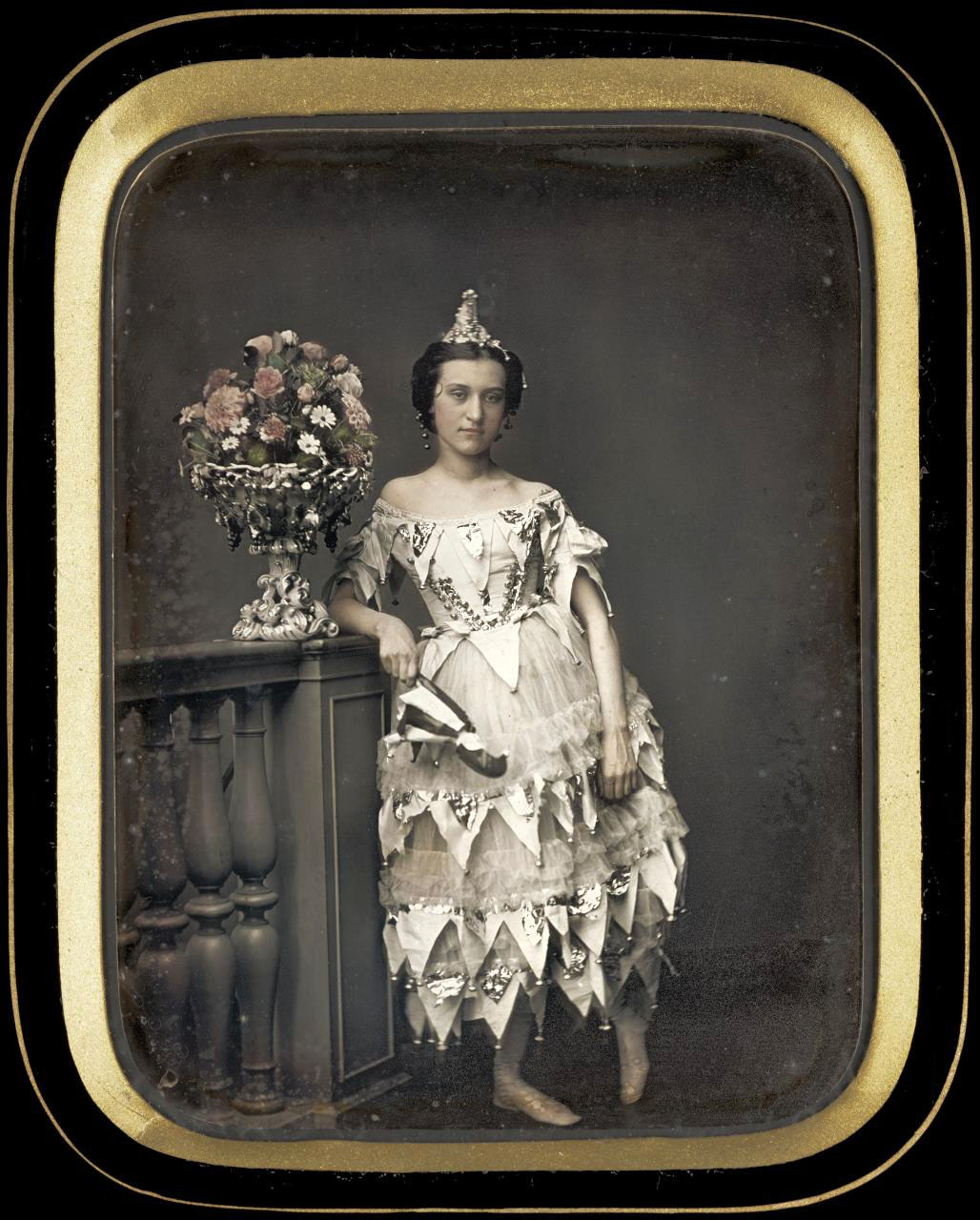

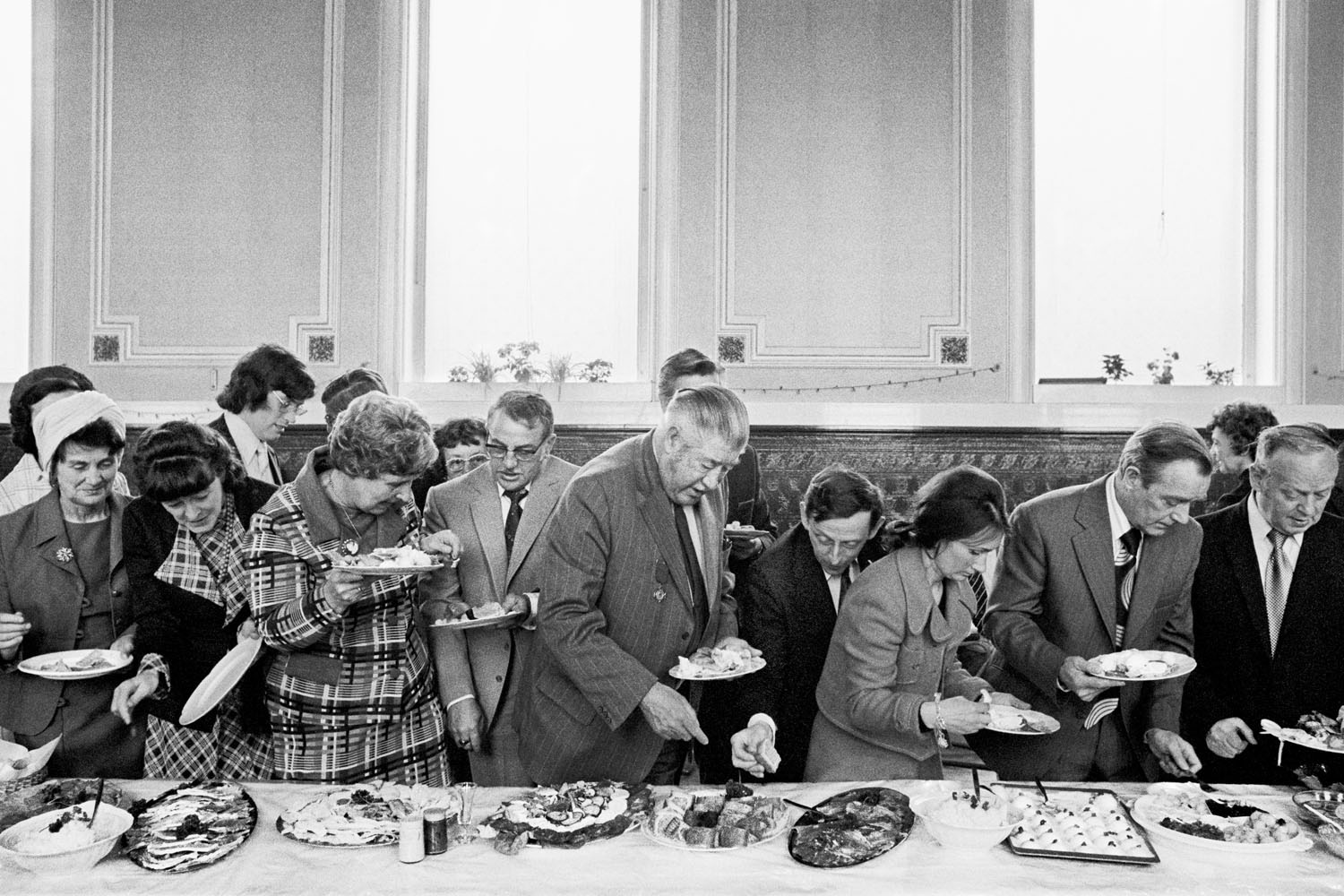

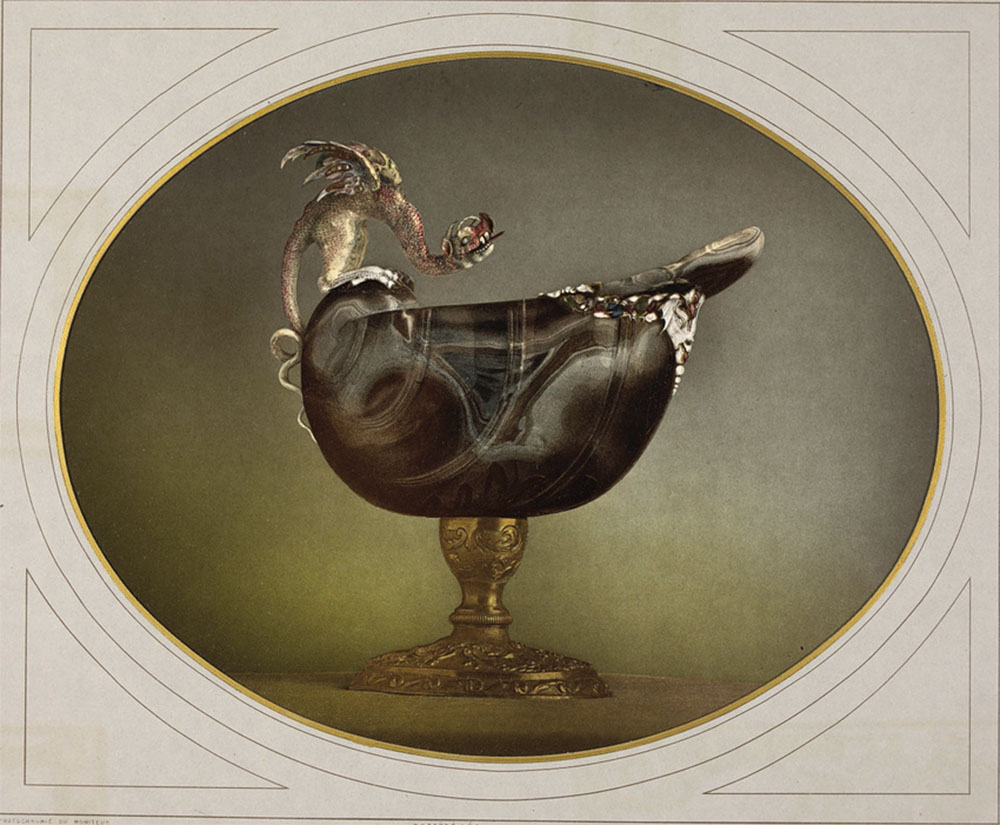


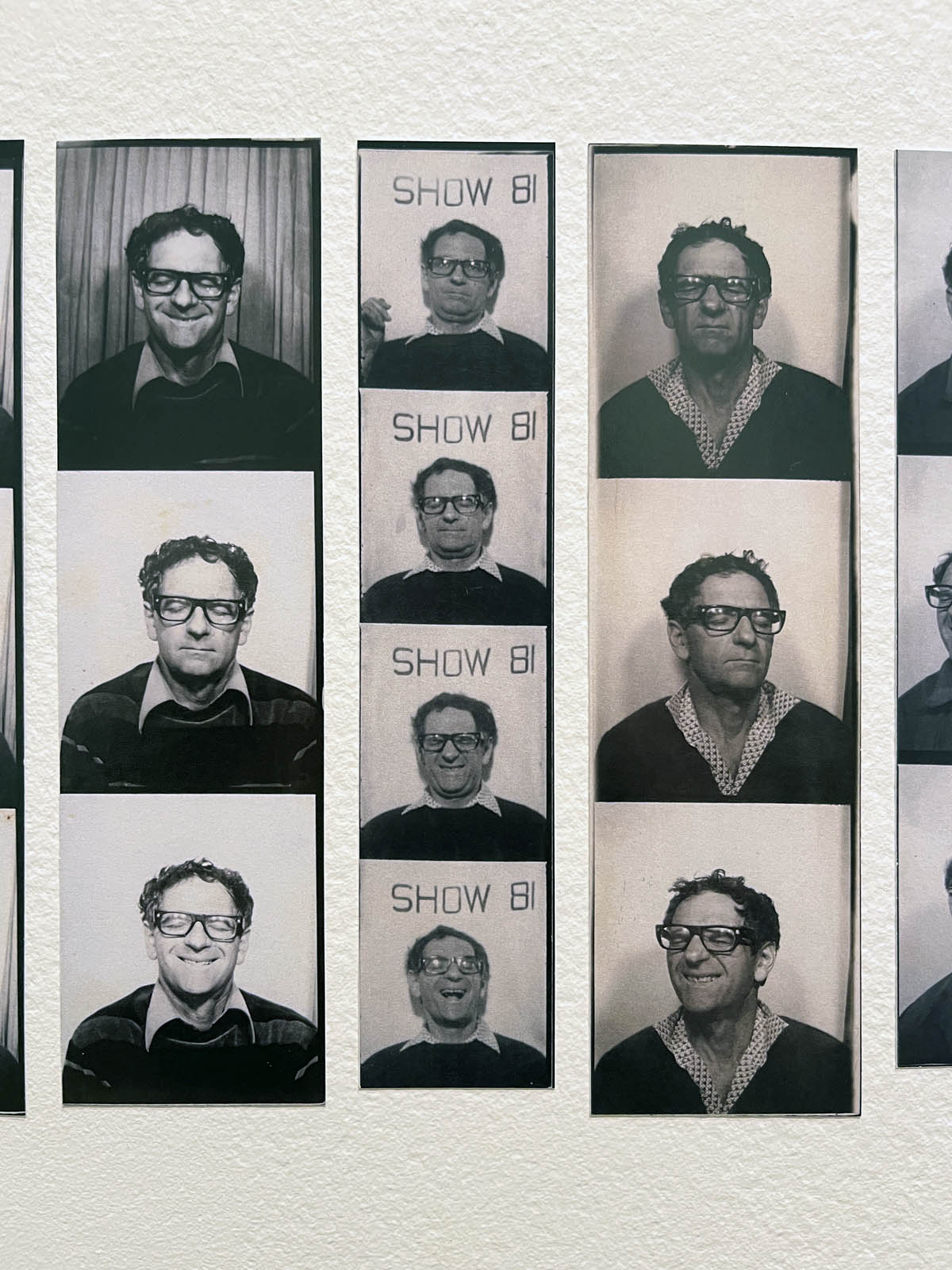
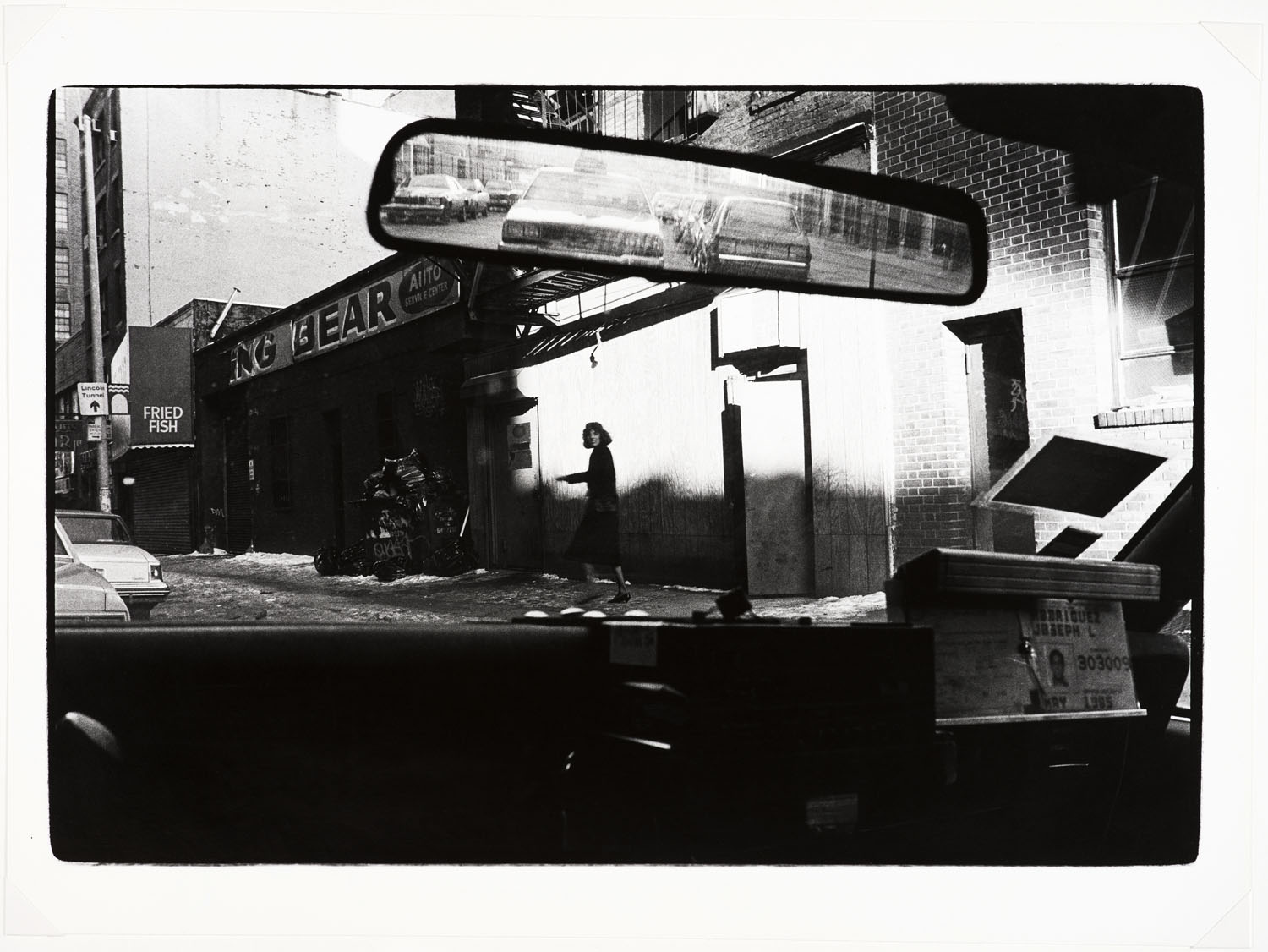

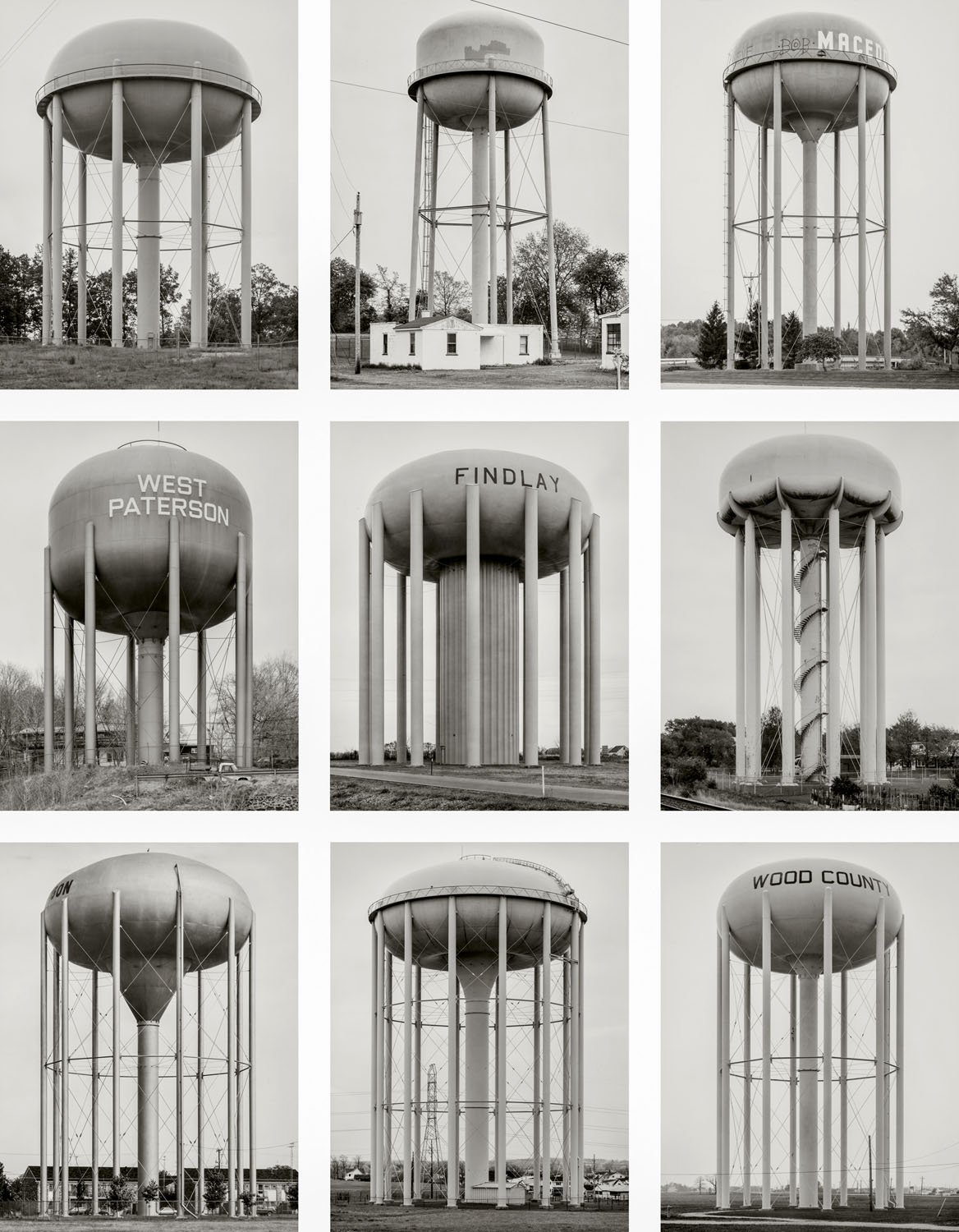
![Heinrich Riebesehl (German, 1938-2010) 'Menschen Im Fahrstuhl, 20.11.1969' [People in the Elevator, 20.11.1969] 1969](https://artblart.com/wp-content/uploads/2025/06/2-typologien_heinrich-riebesehl_siae_sm.jpg "Heinrich Riebesehl (German, 1938-2010) 'Menschen Im Fahrstuhl, 20.11.1969' [People in the Elevator, 20.11.1969] 1969")
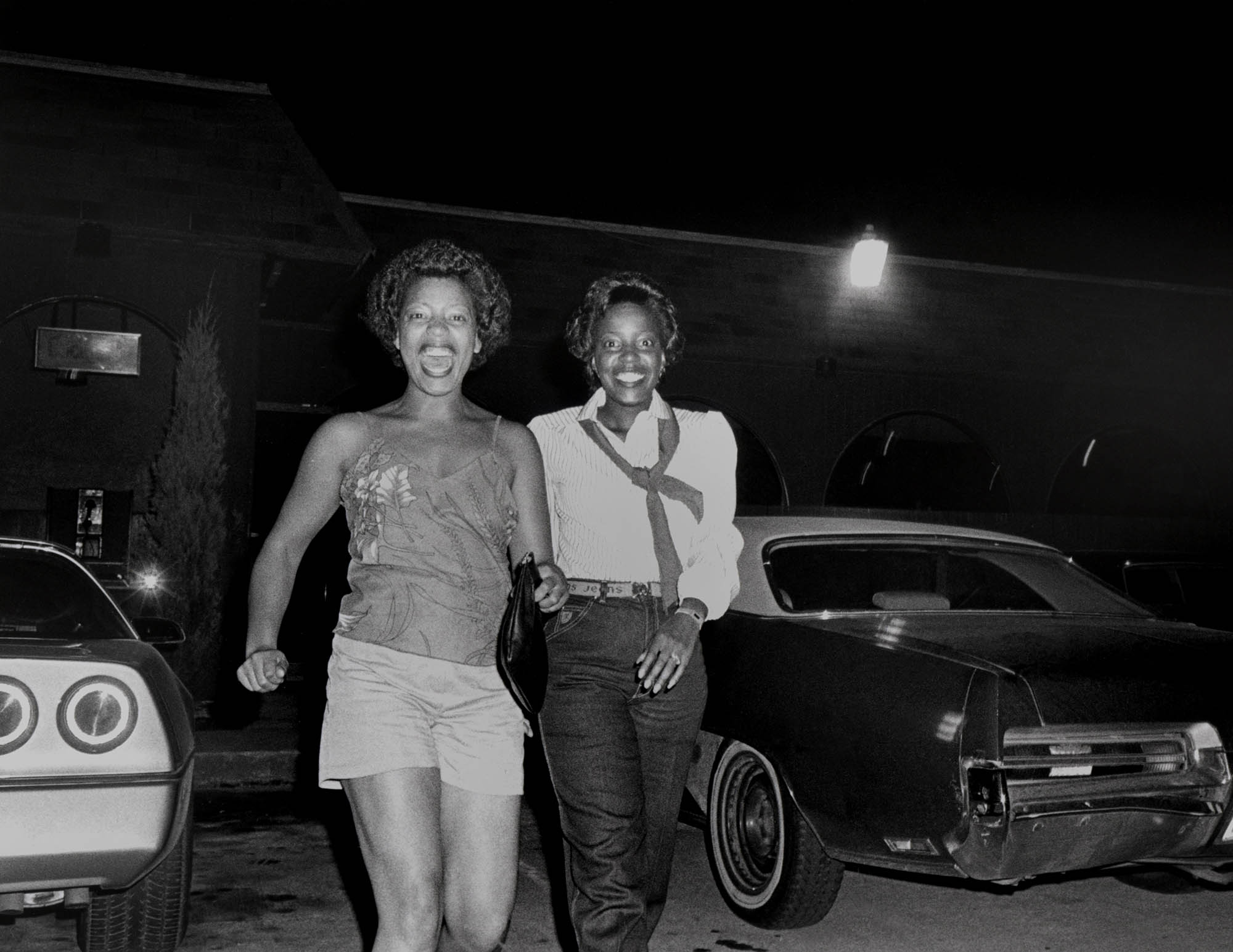
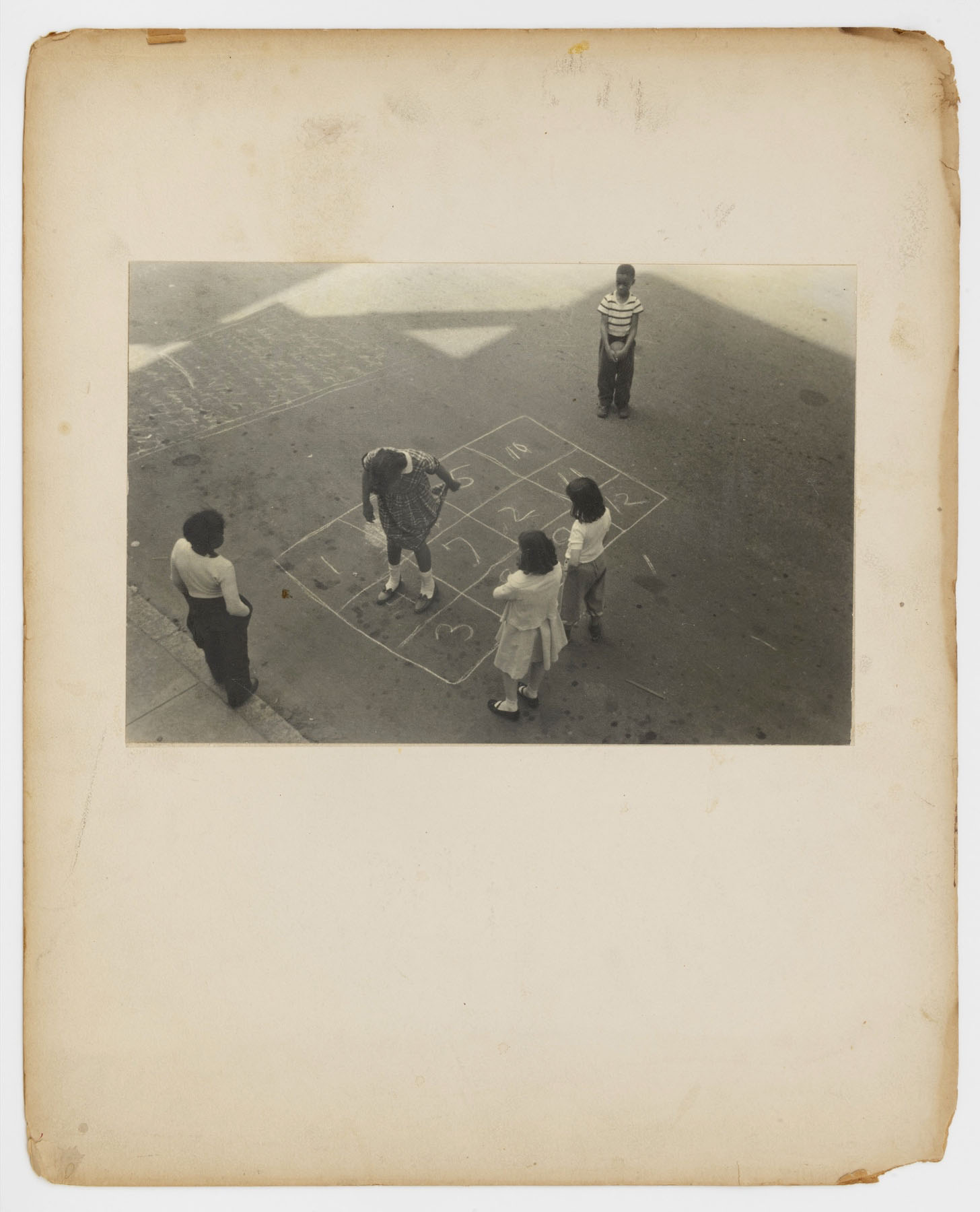
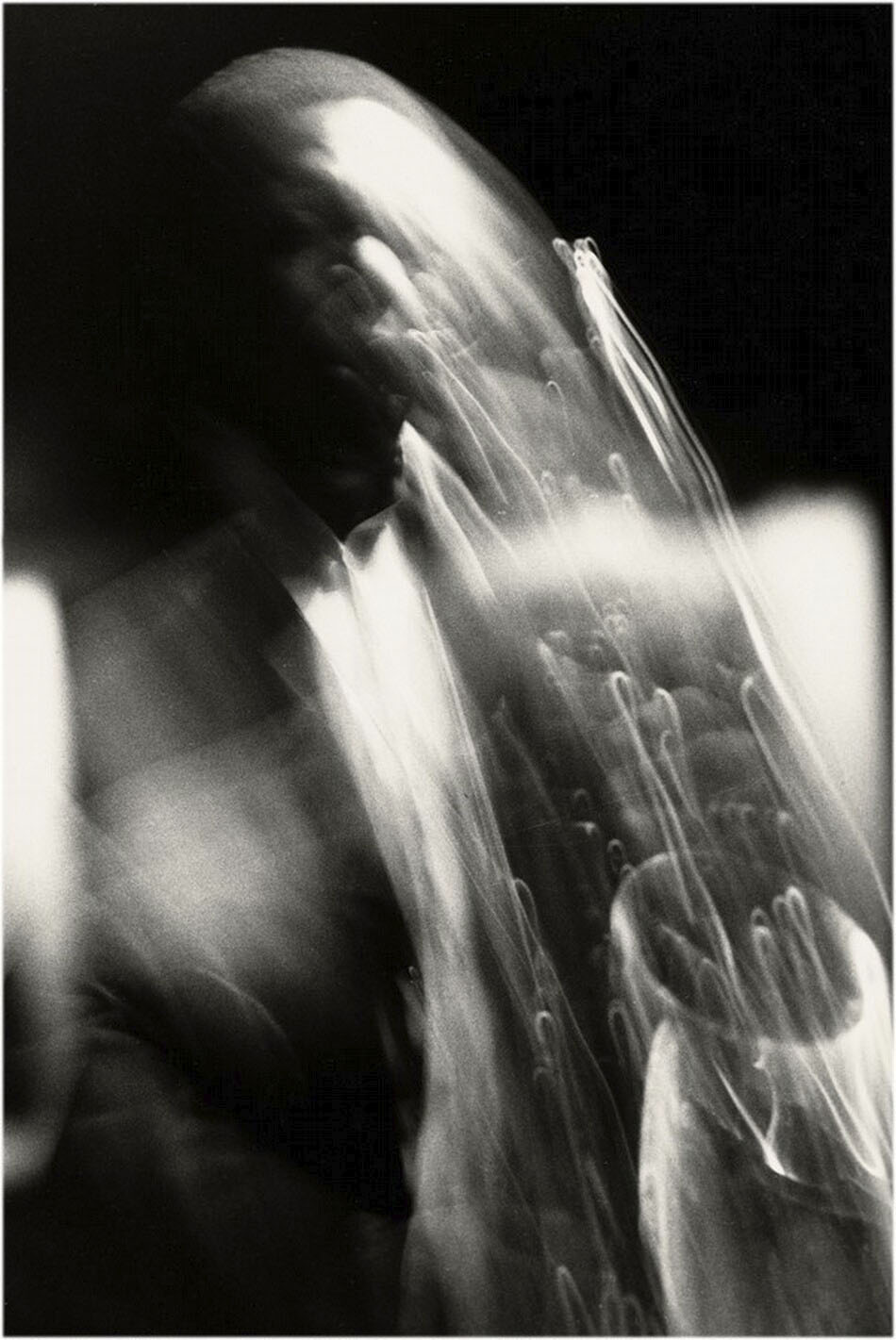

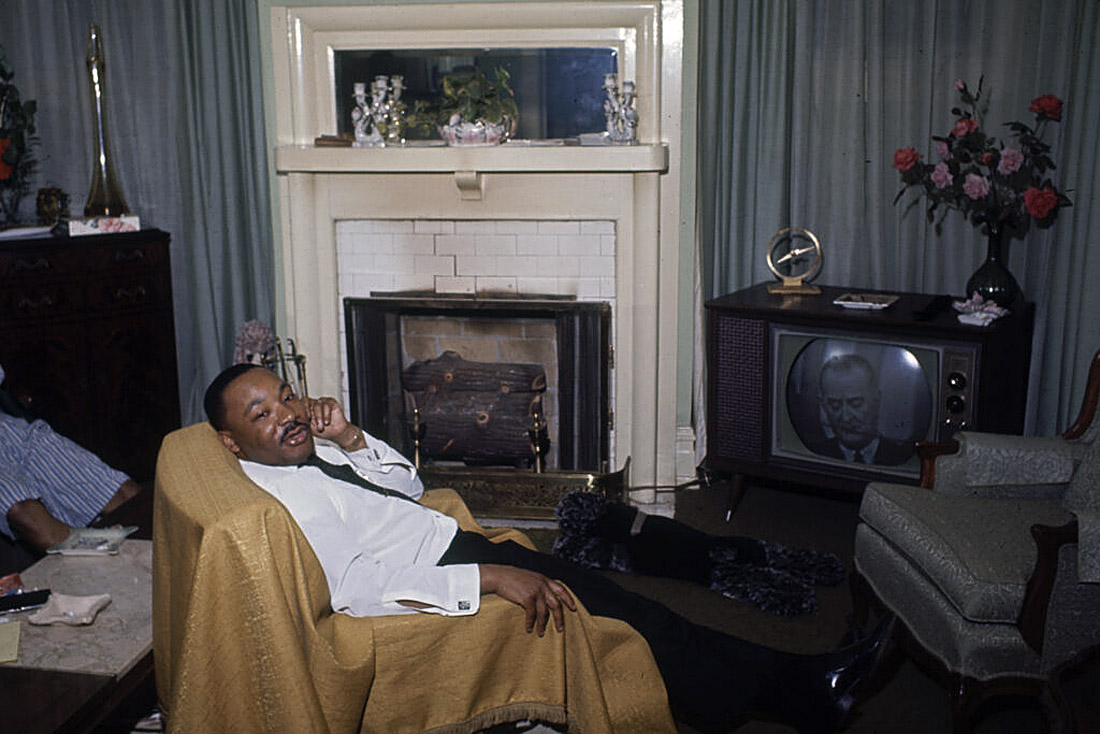
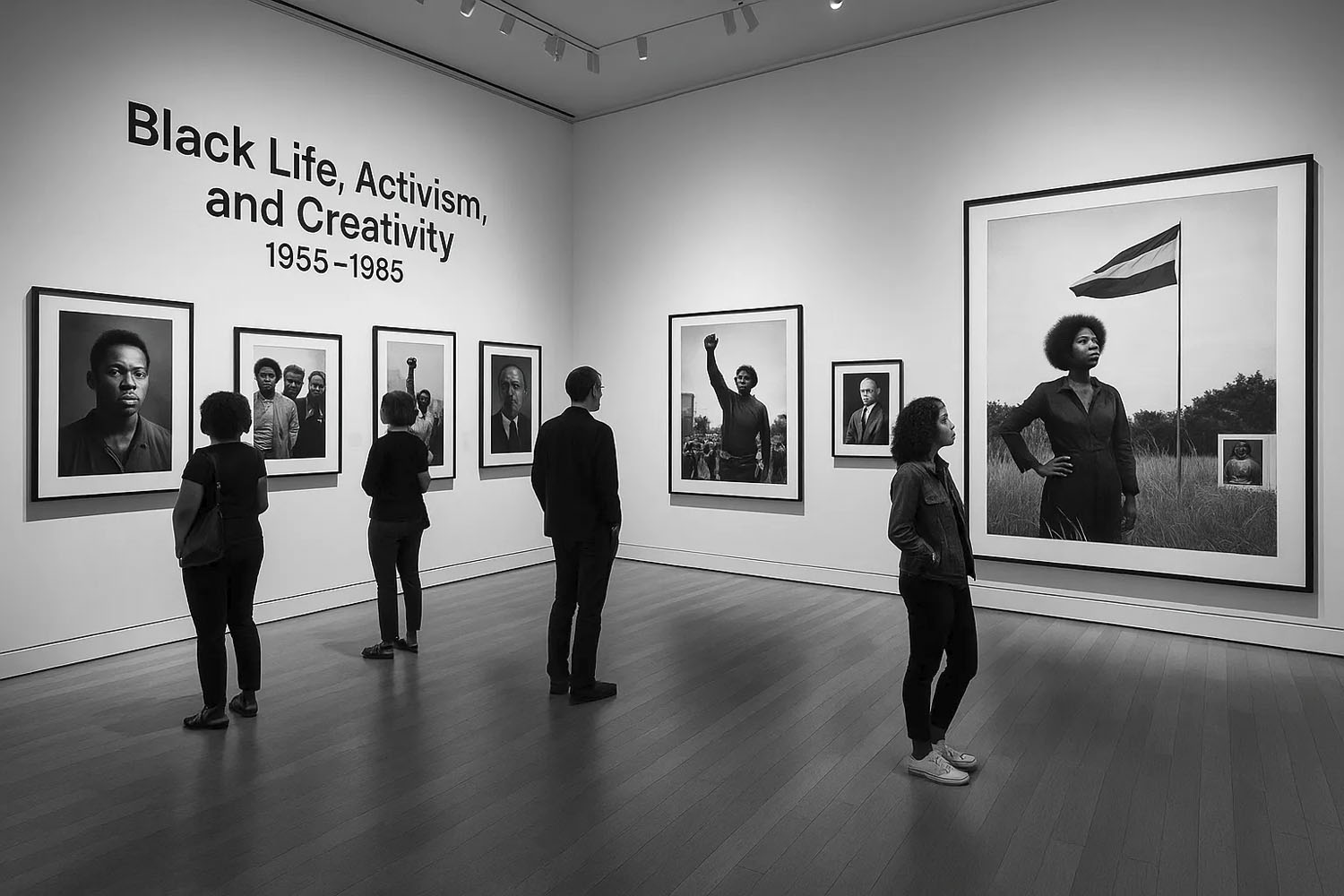
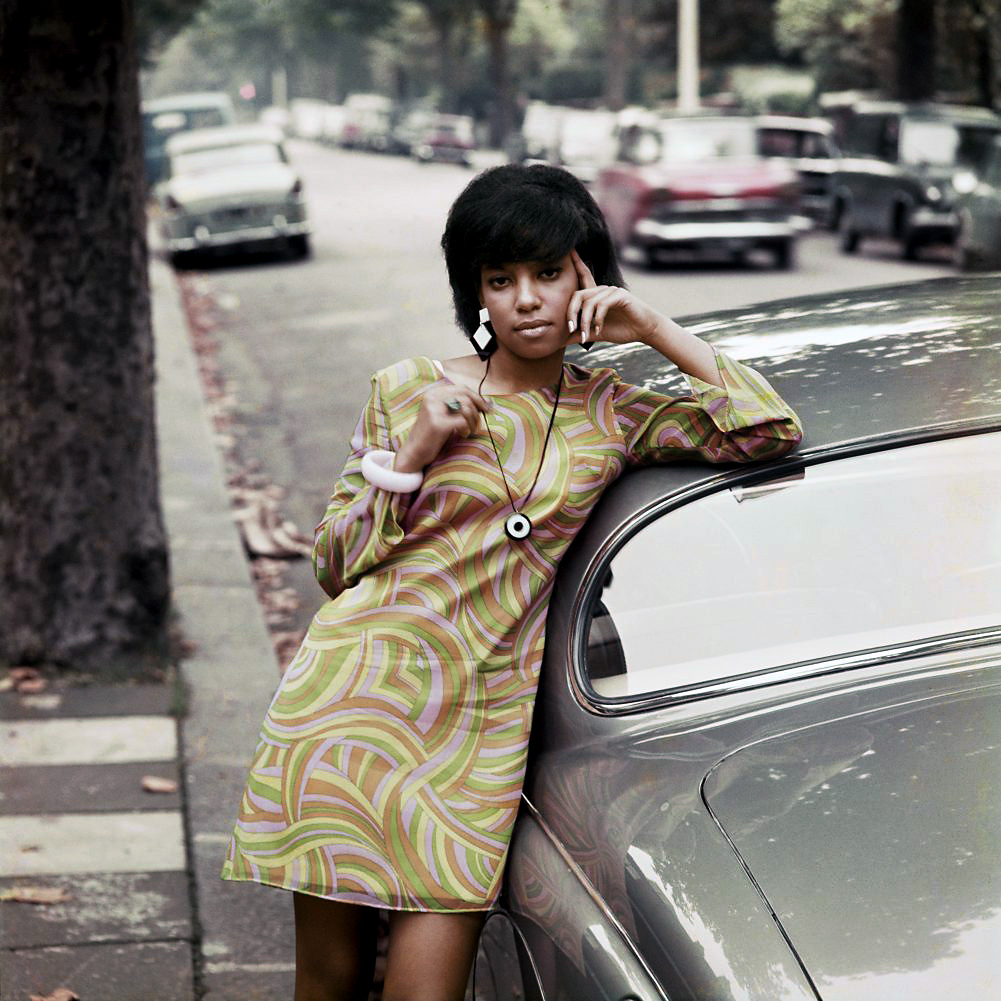
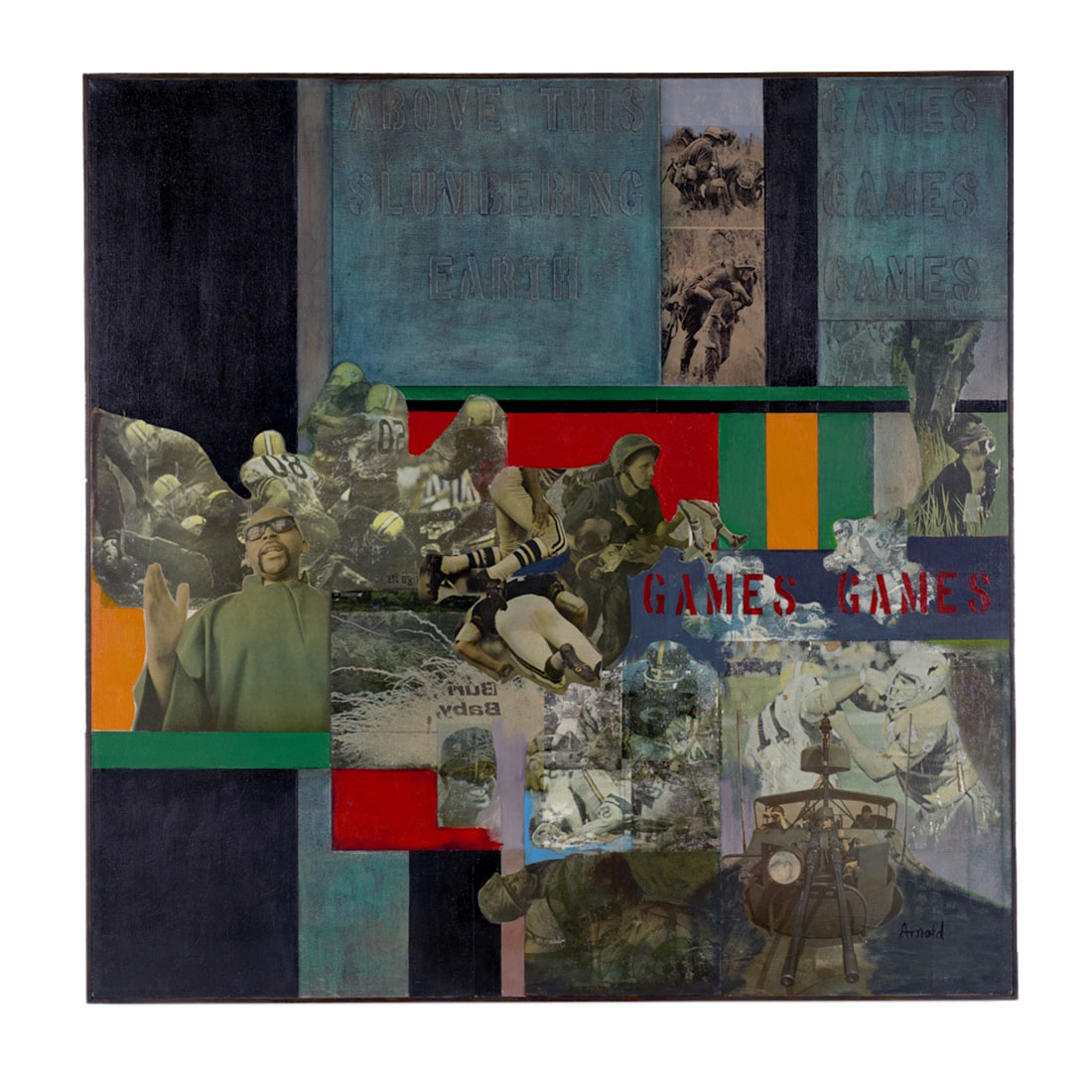
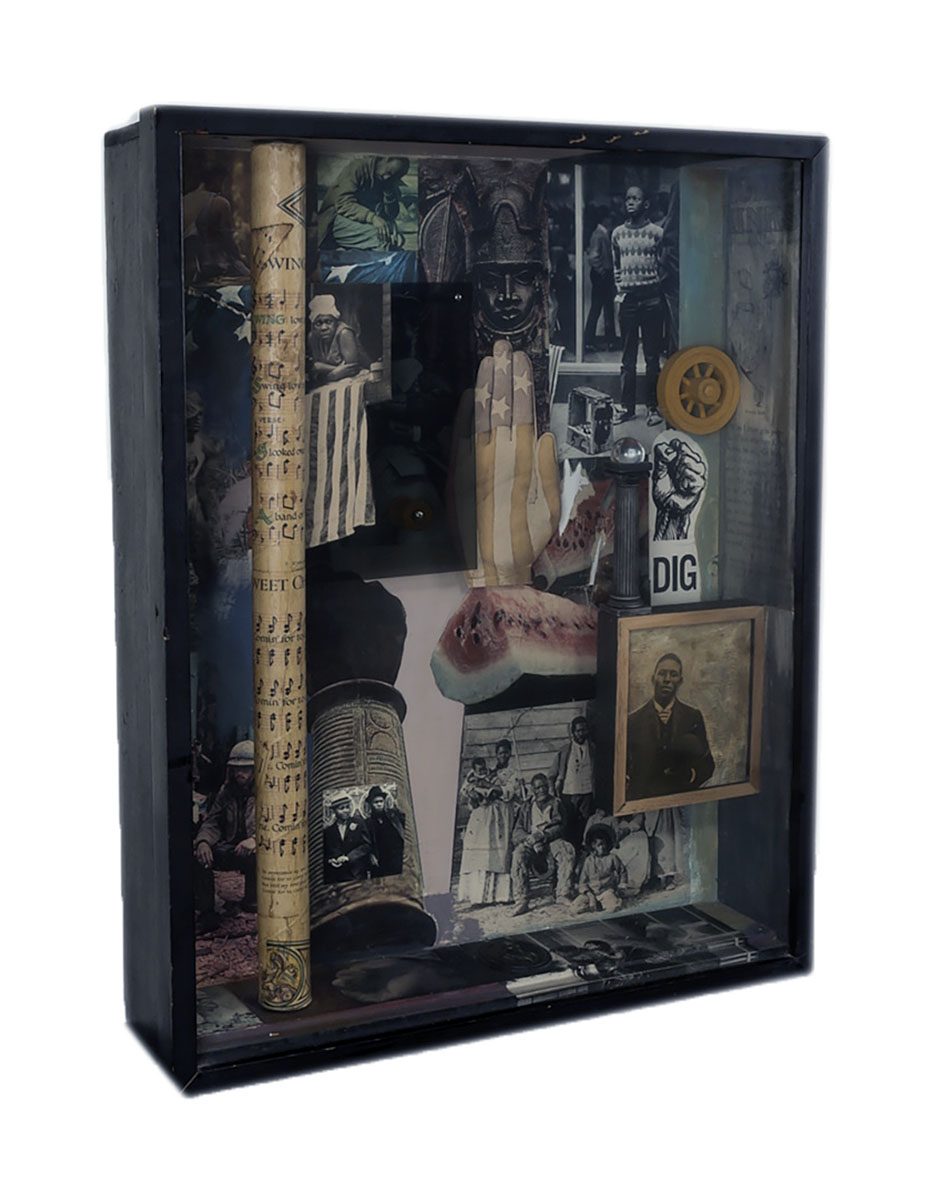
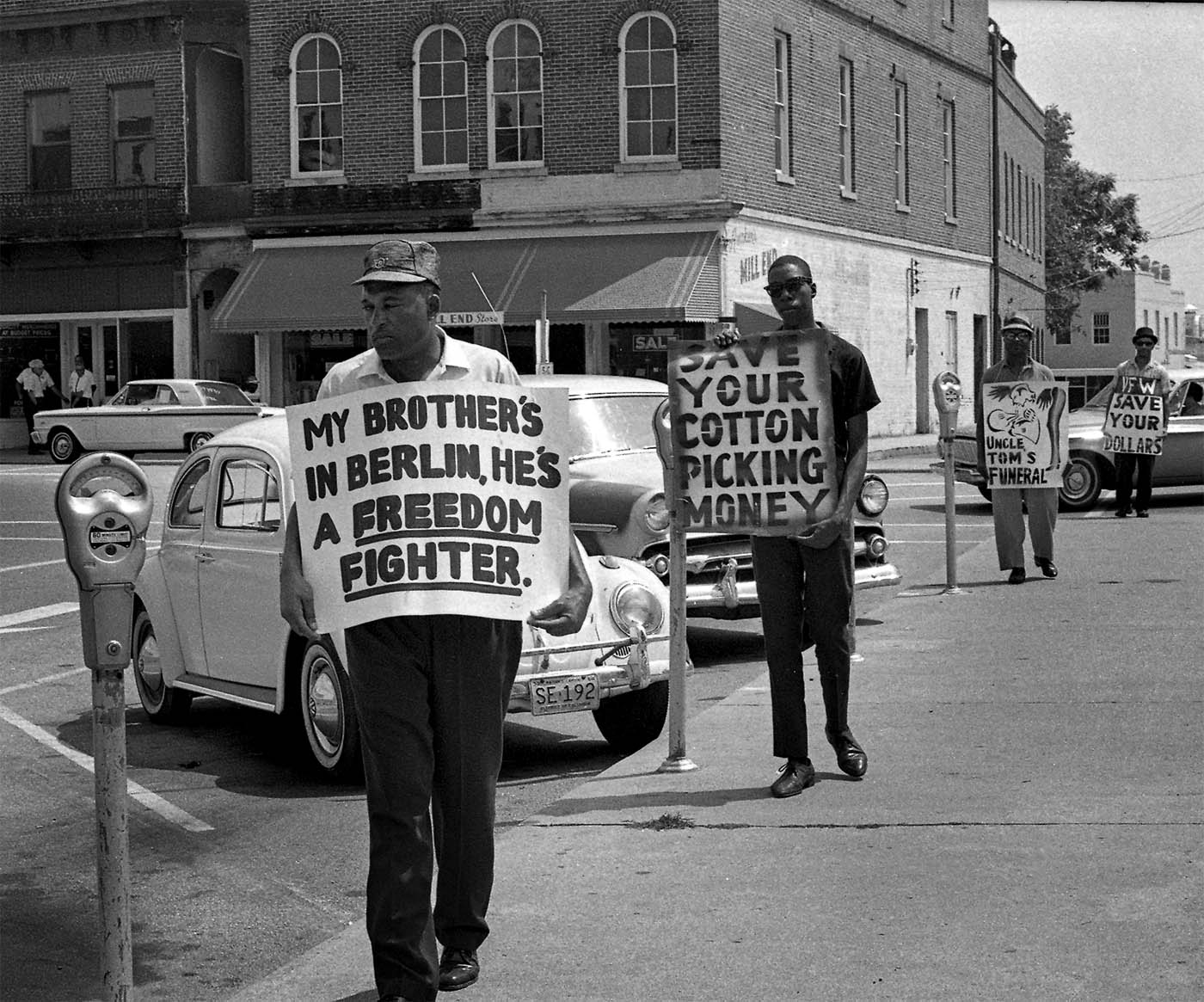
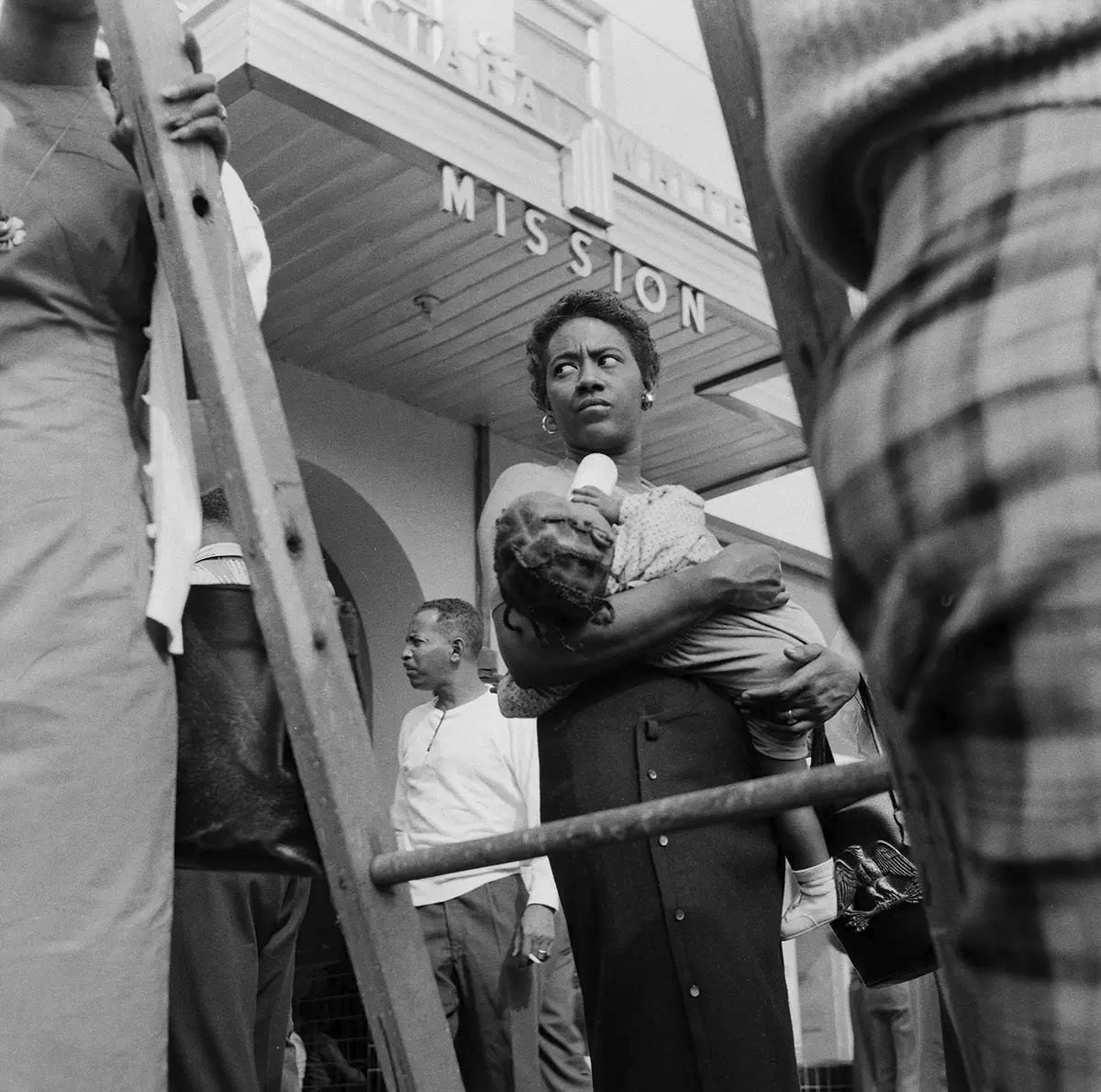
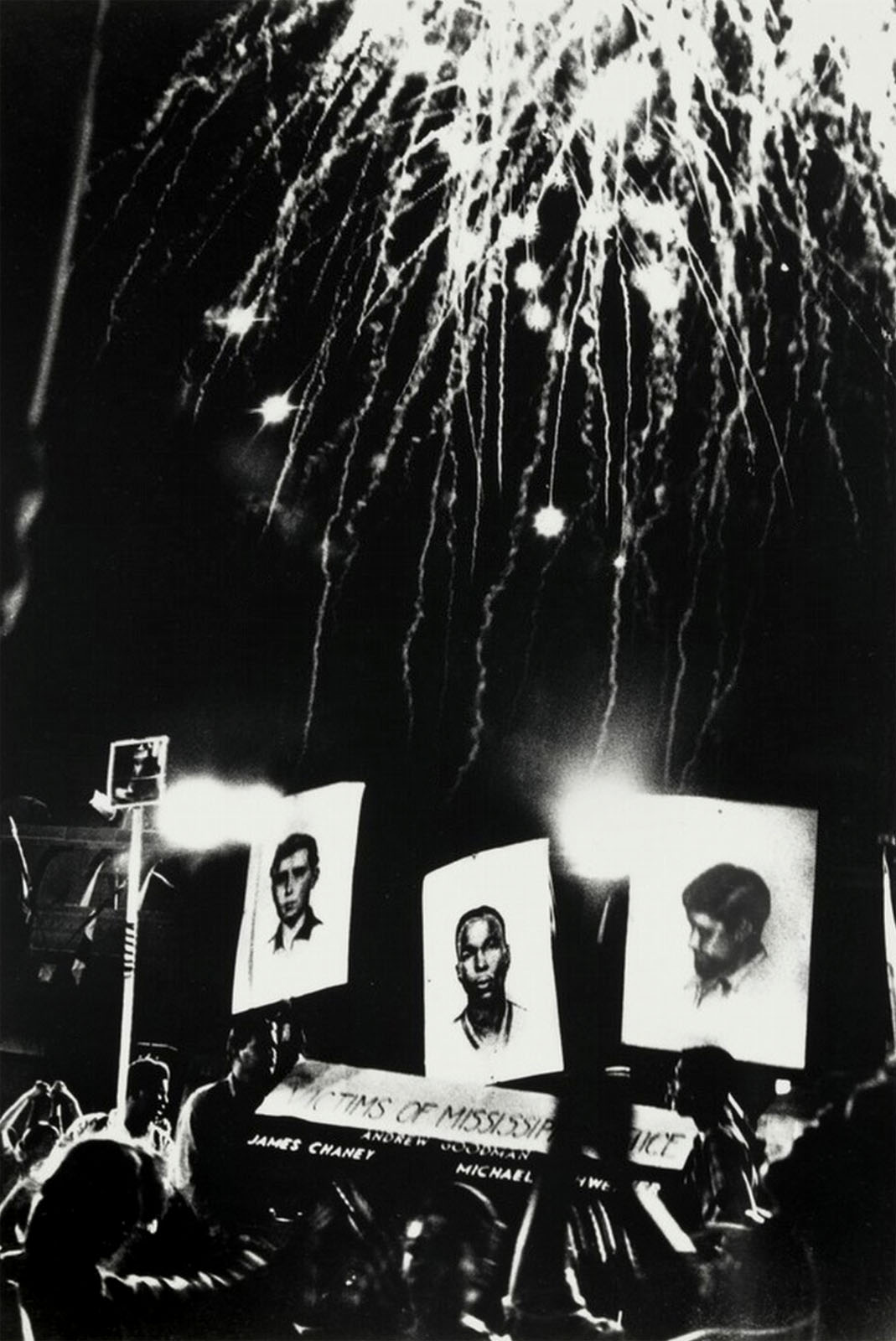
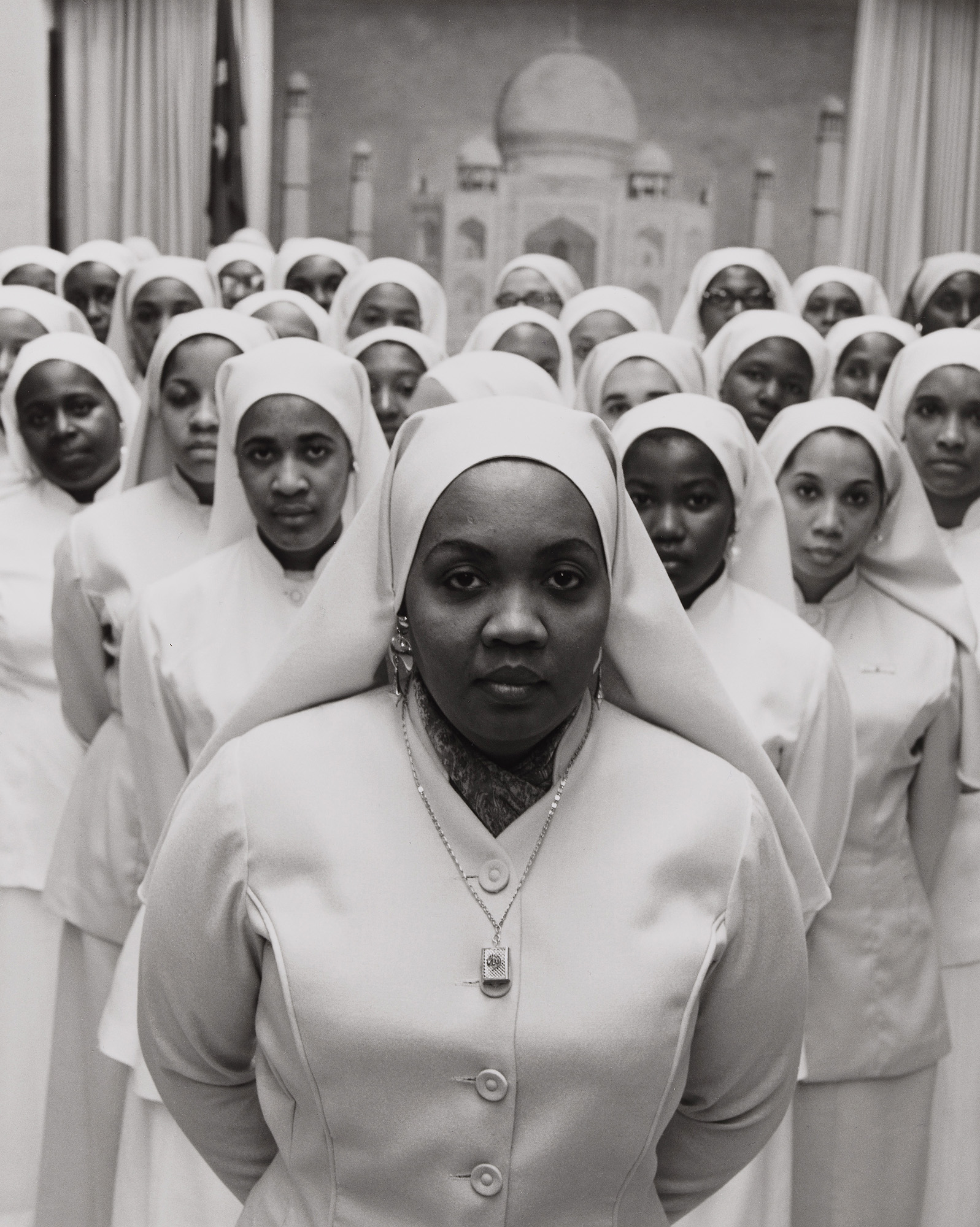
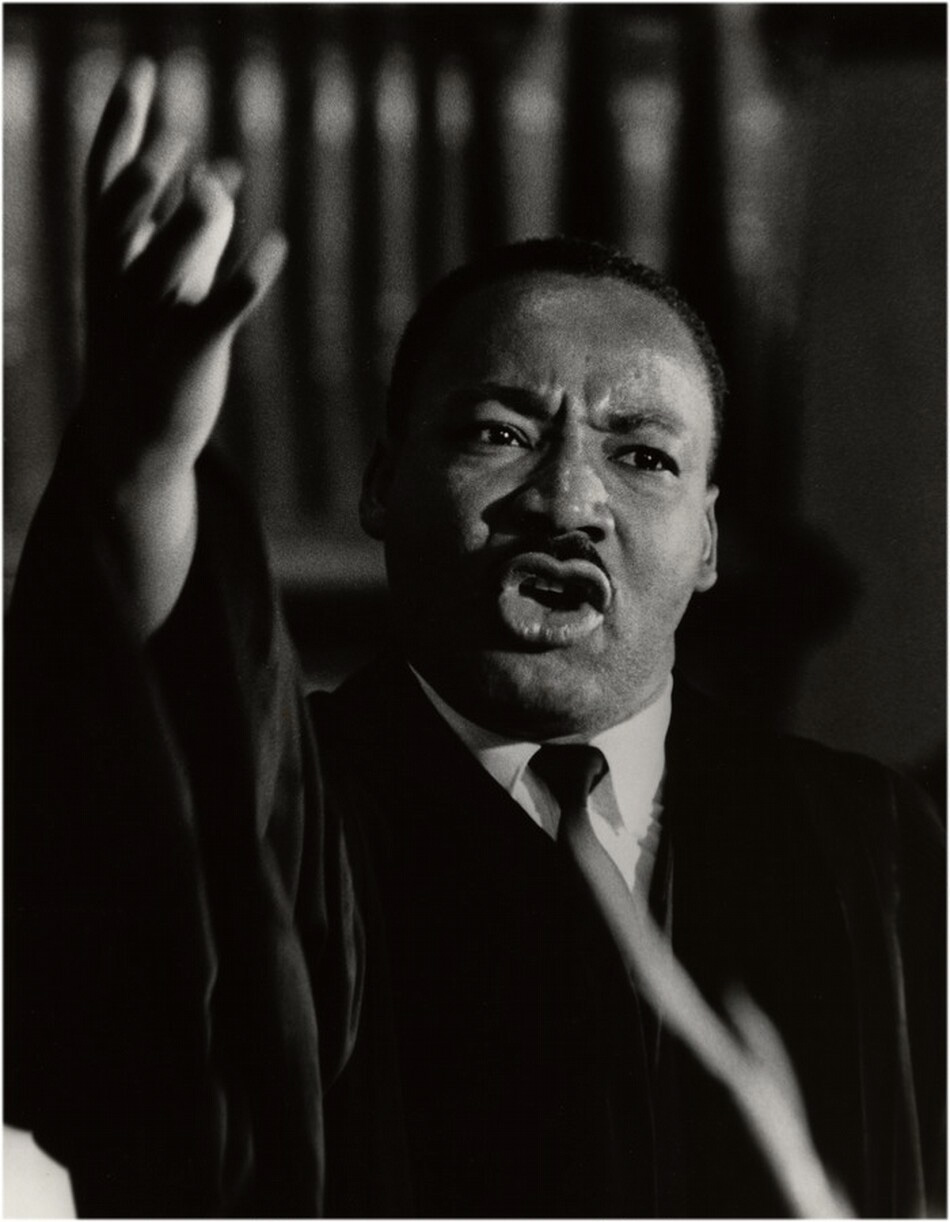
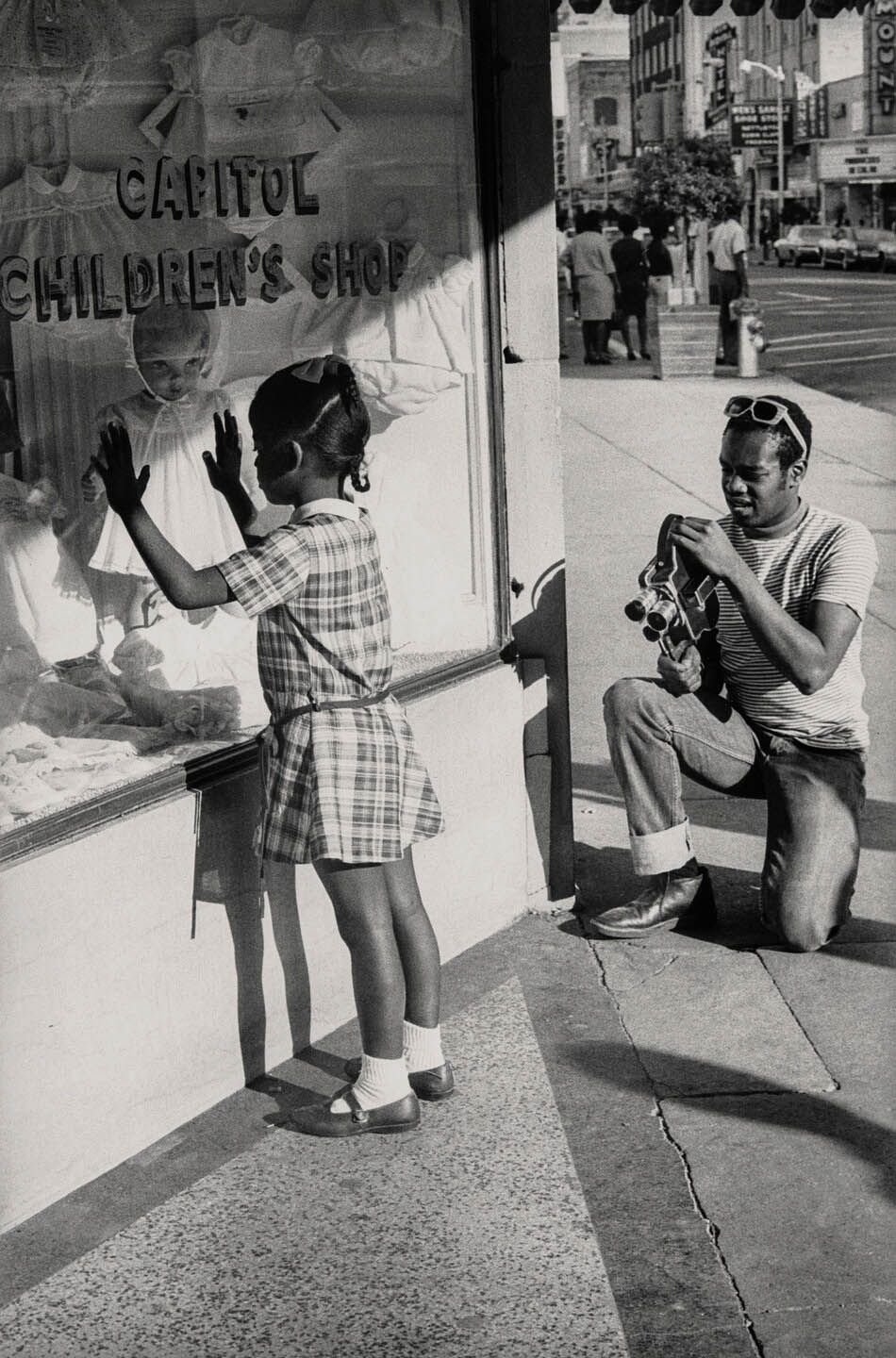

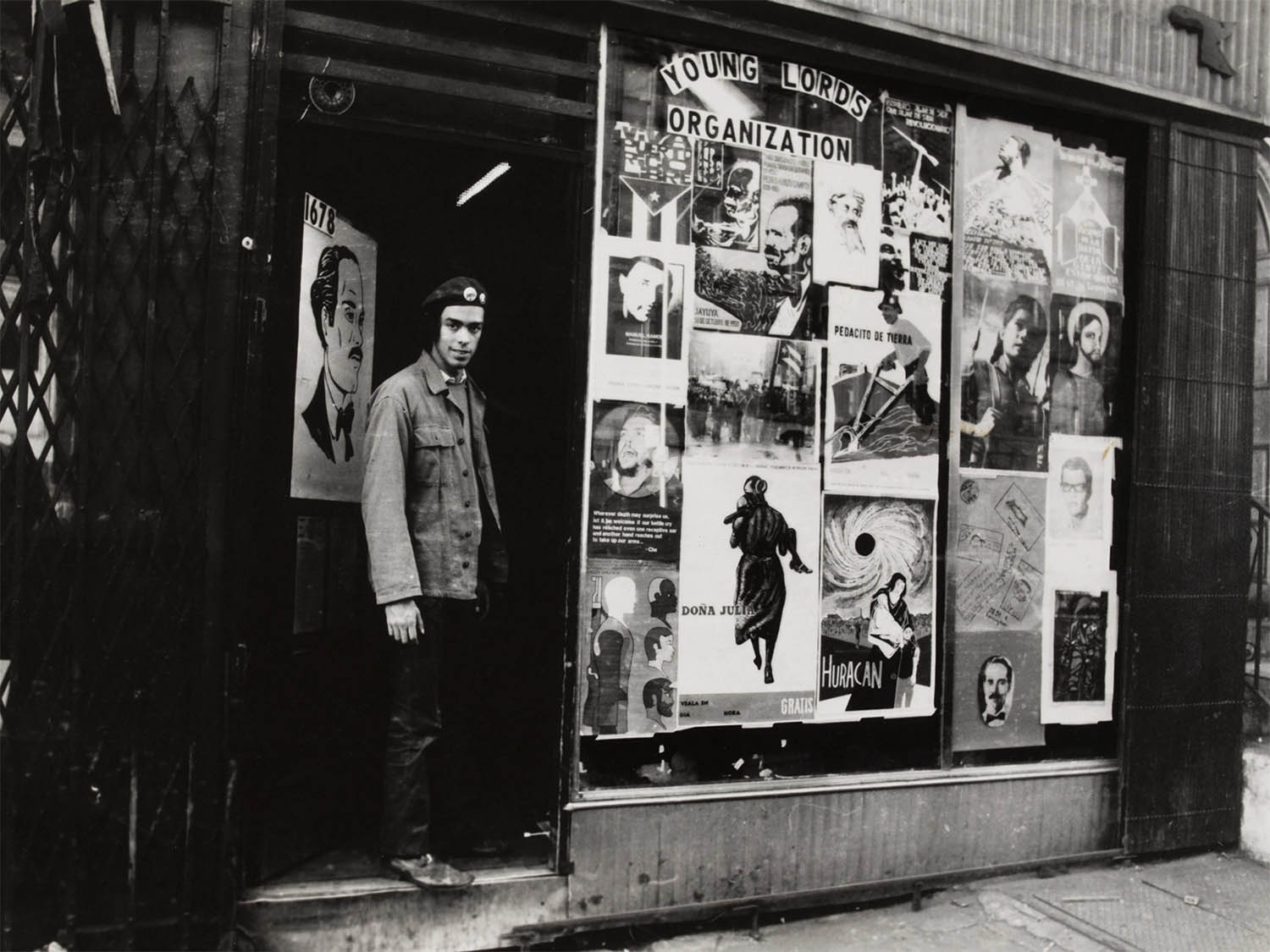

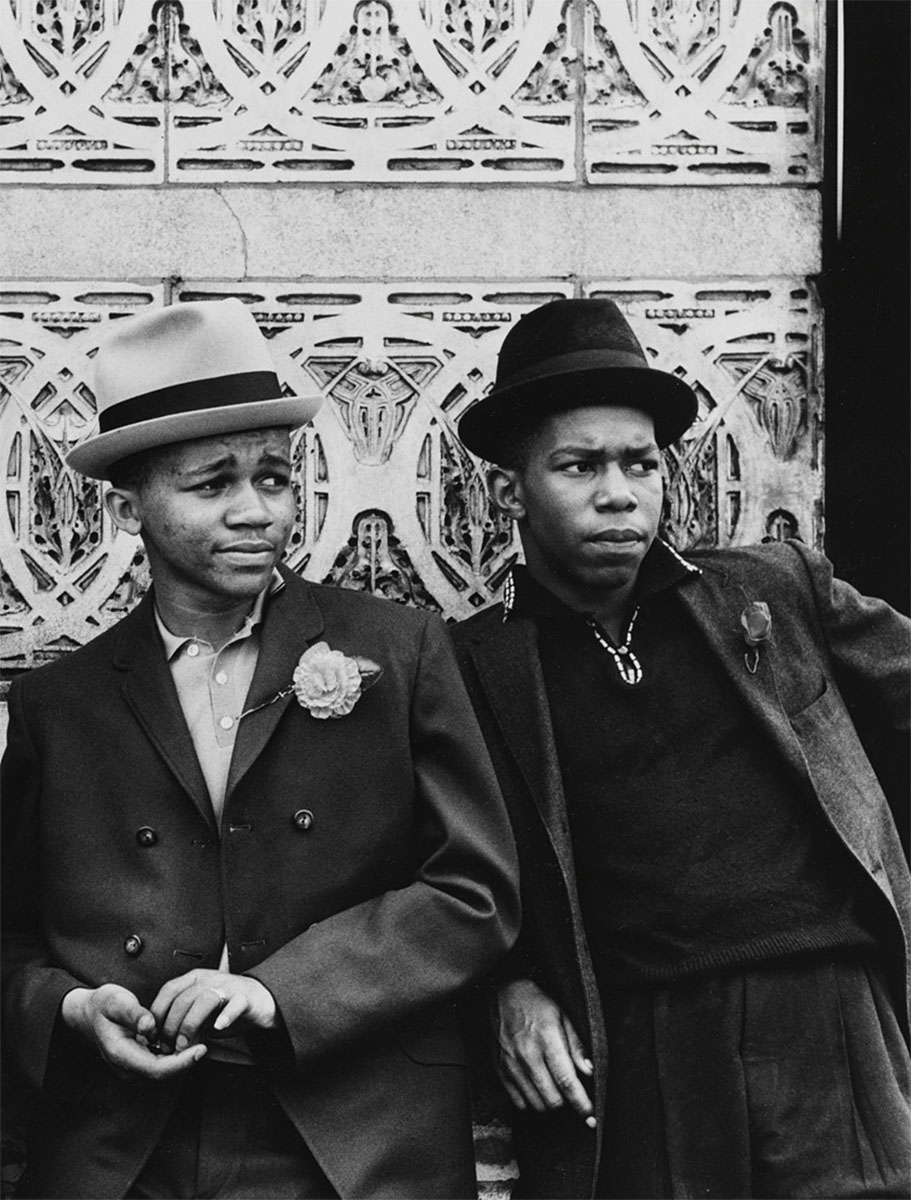
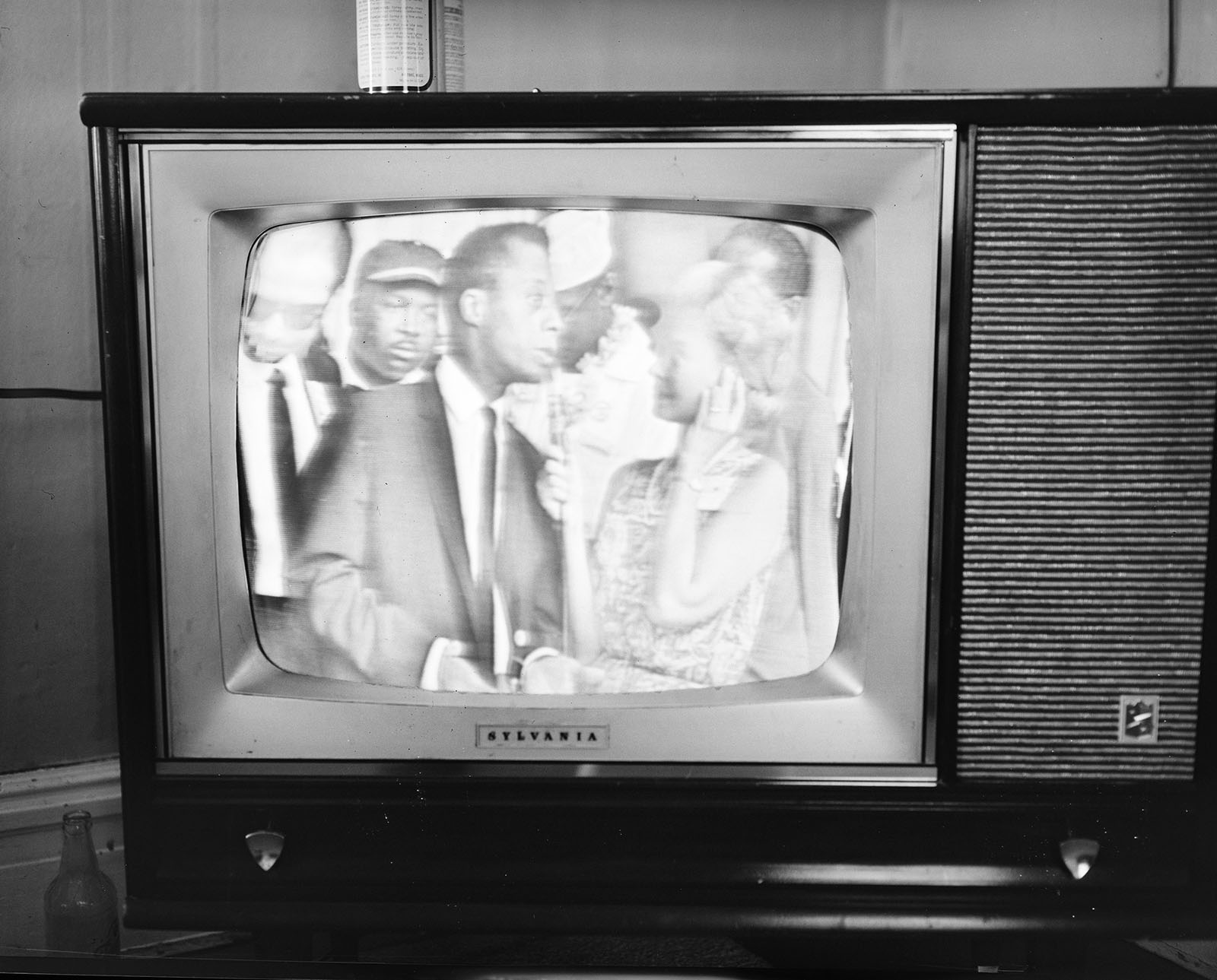
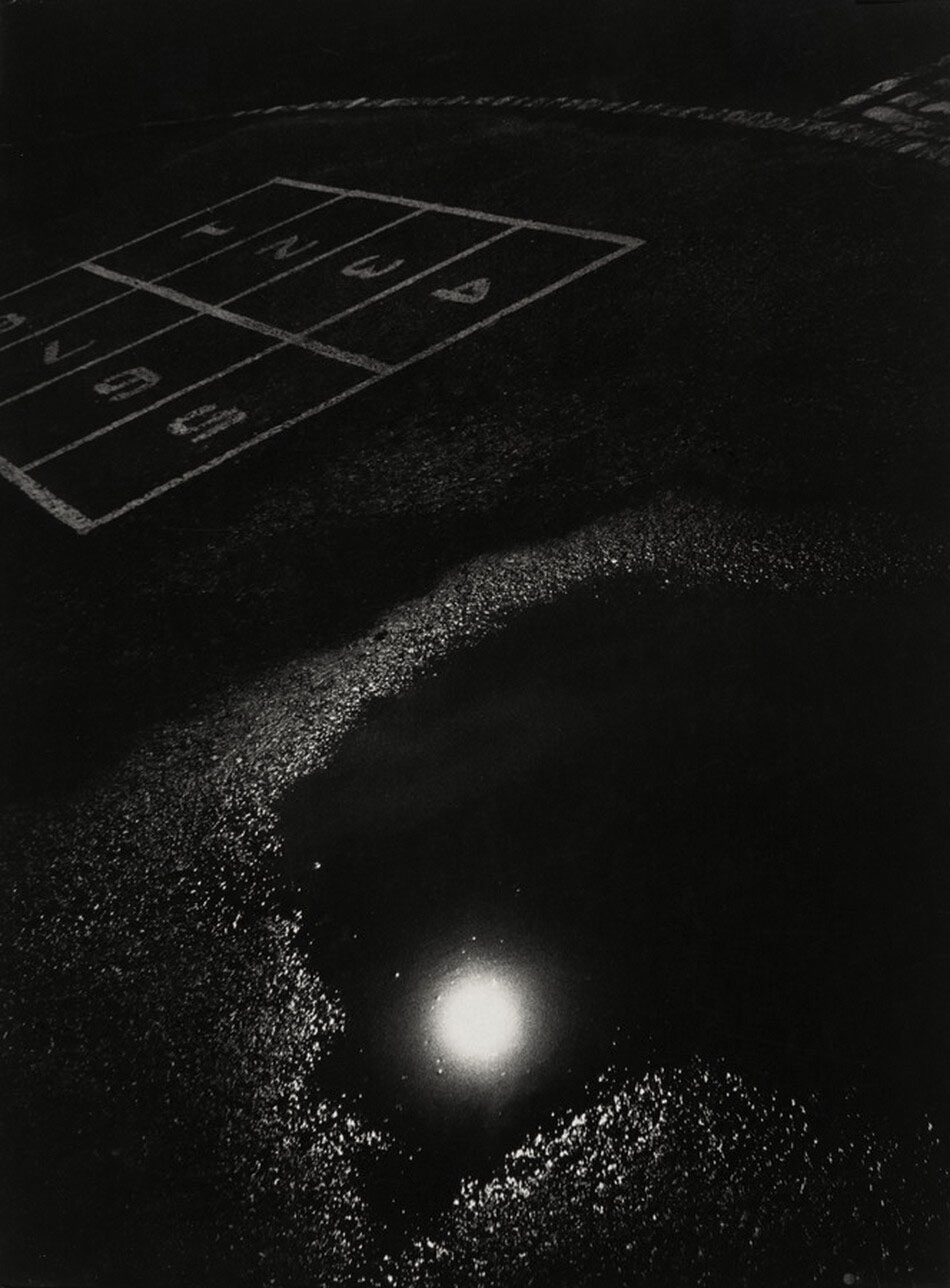
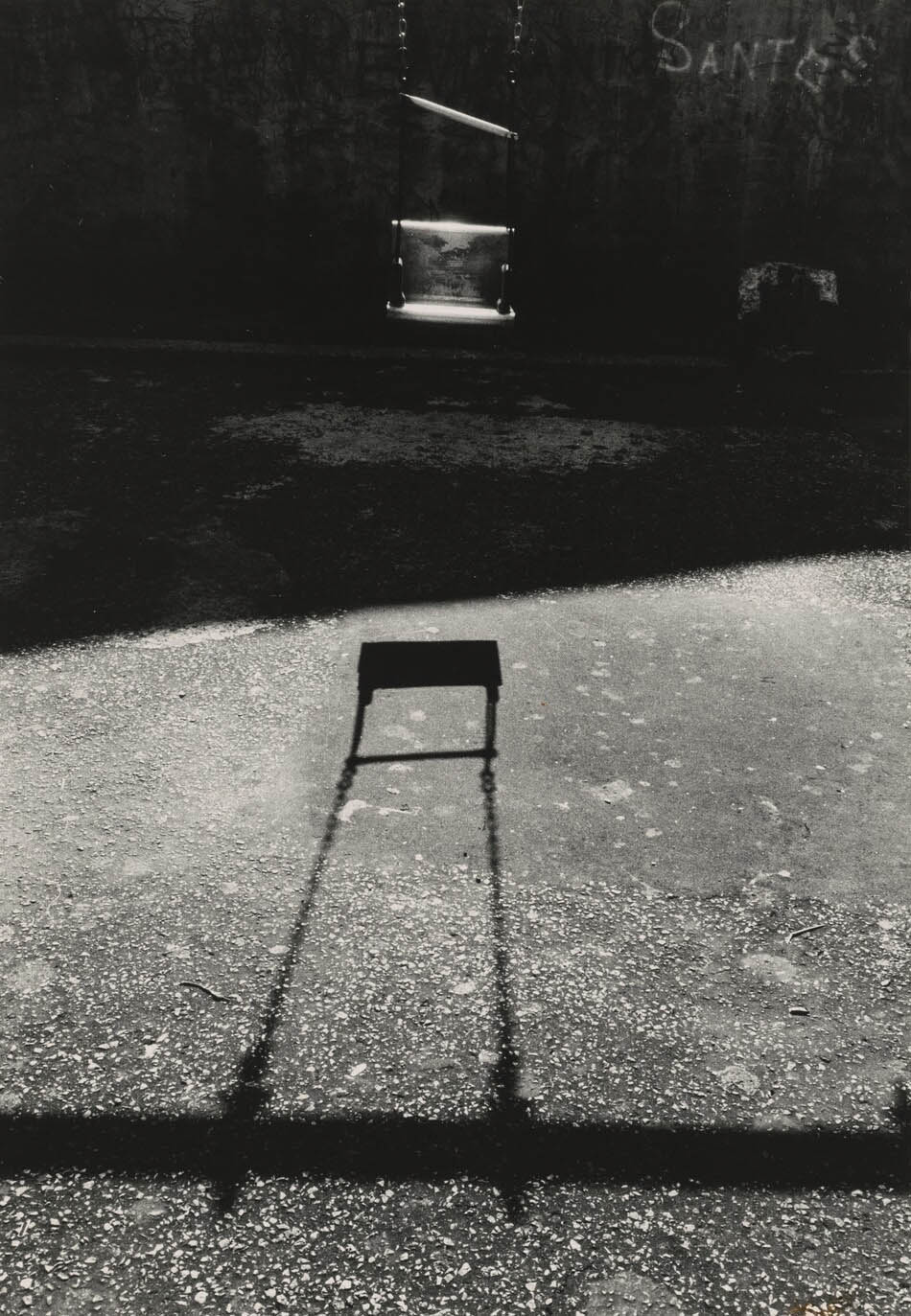
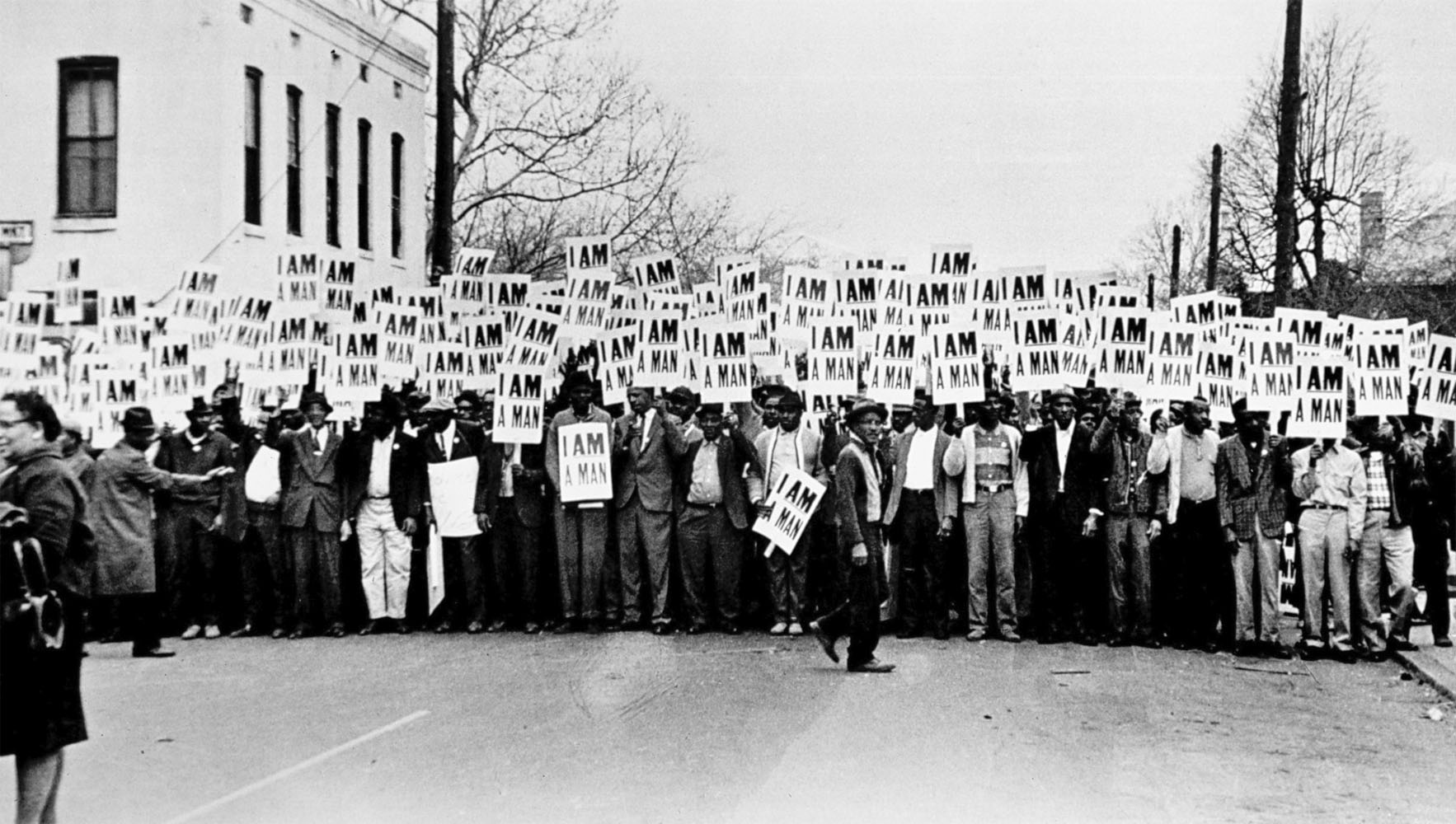
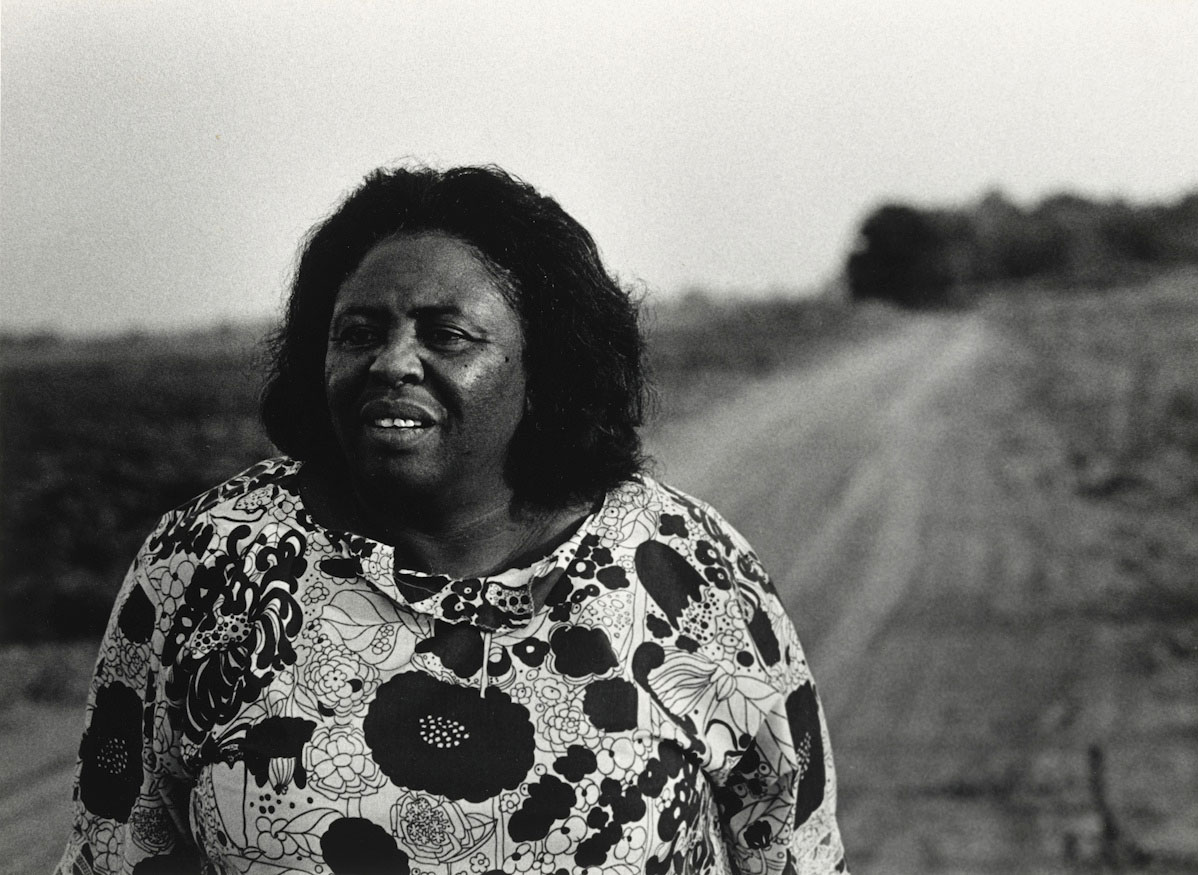
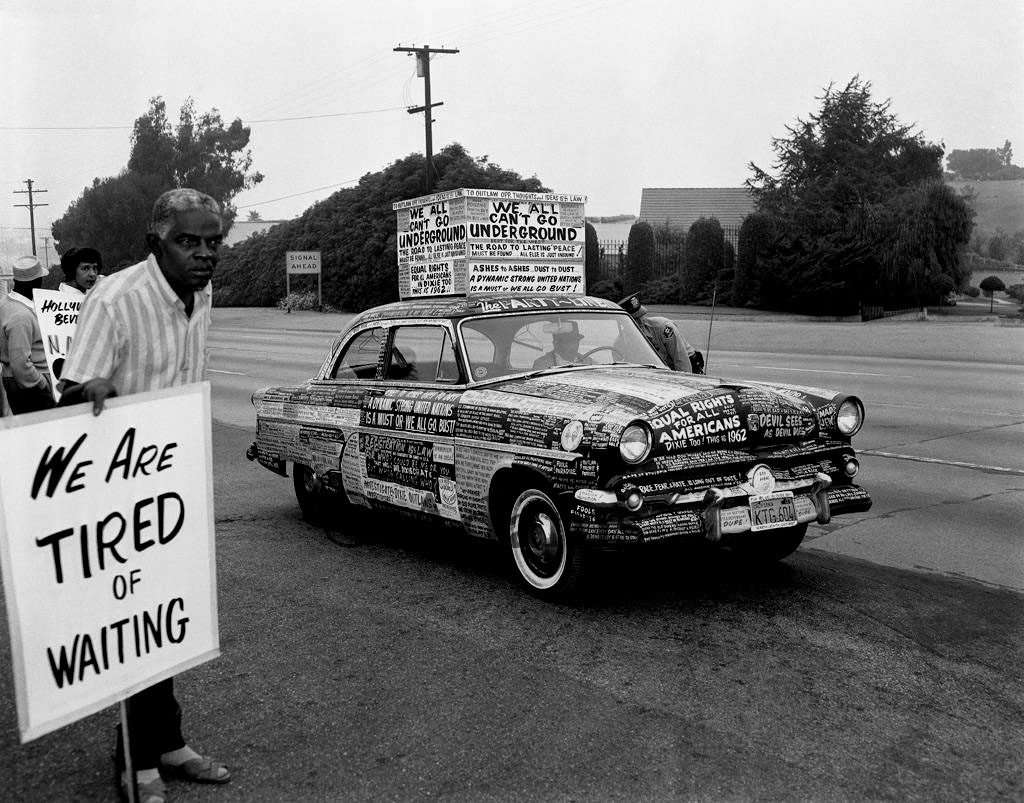
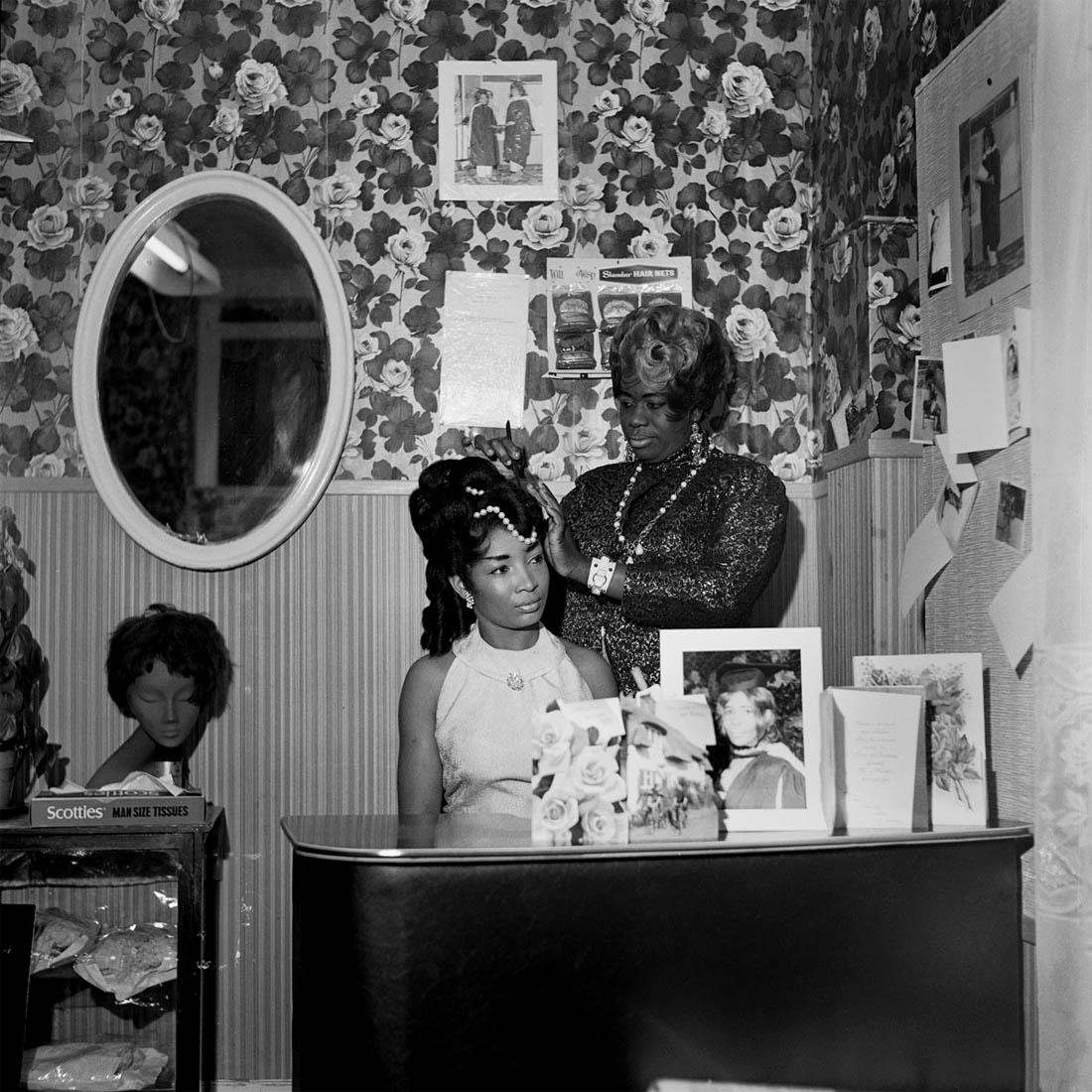
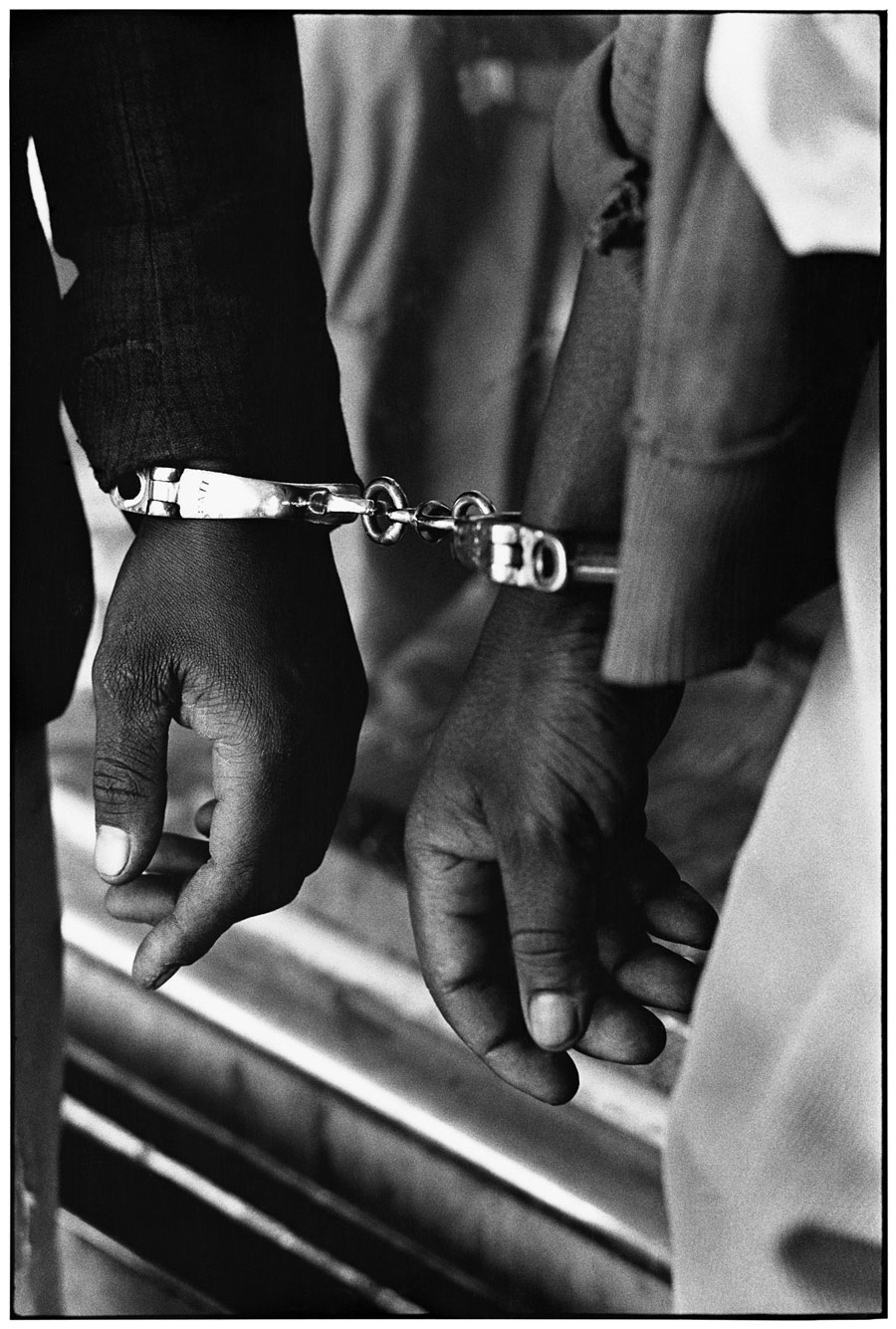
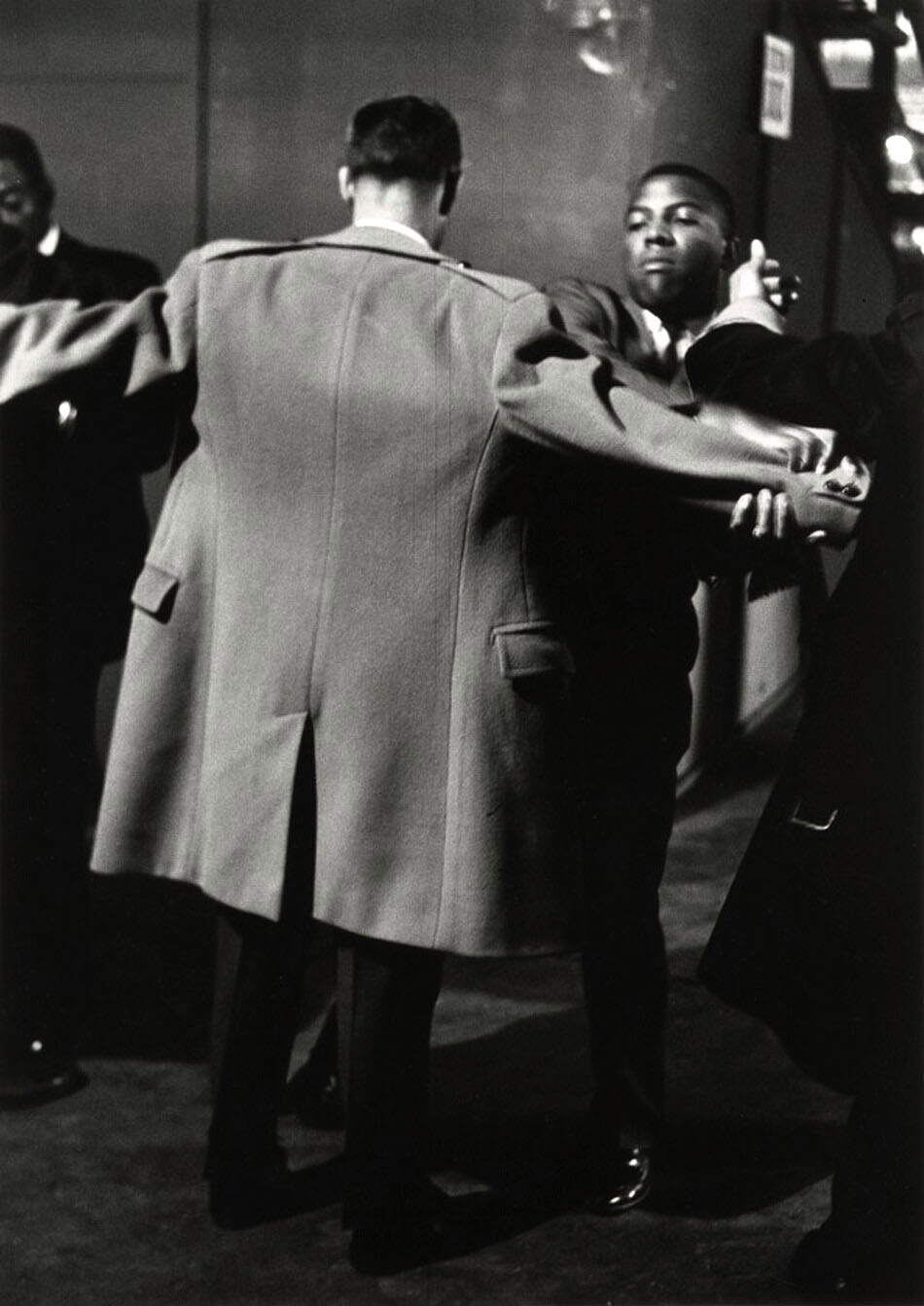
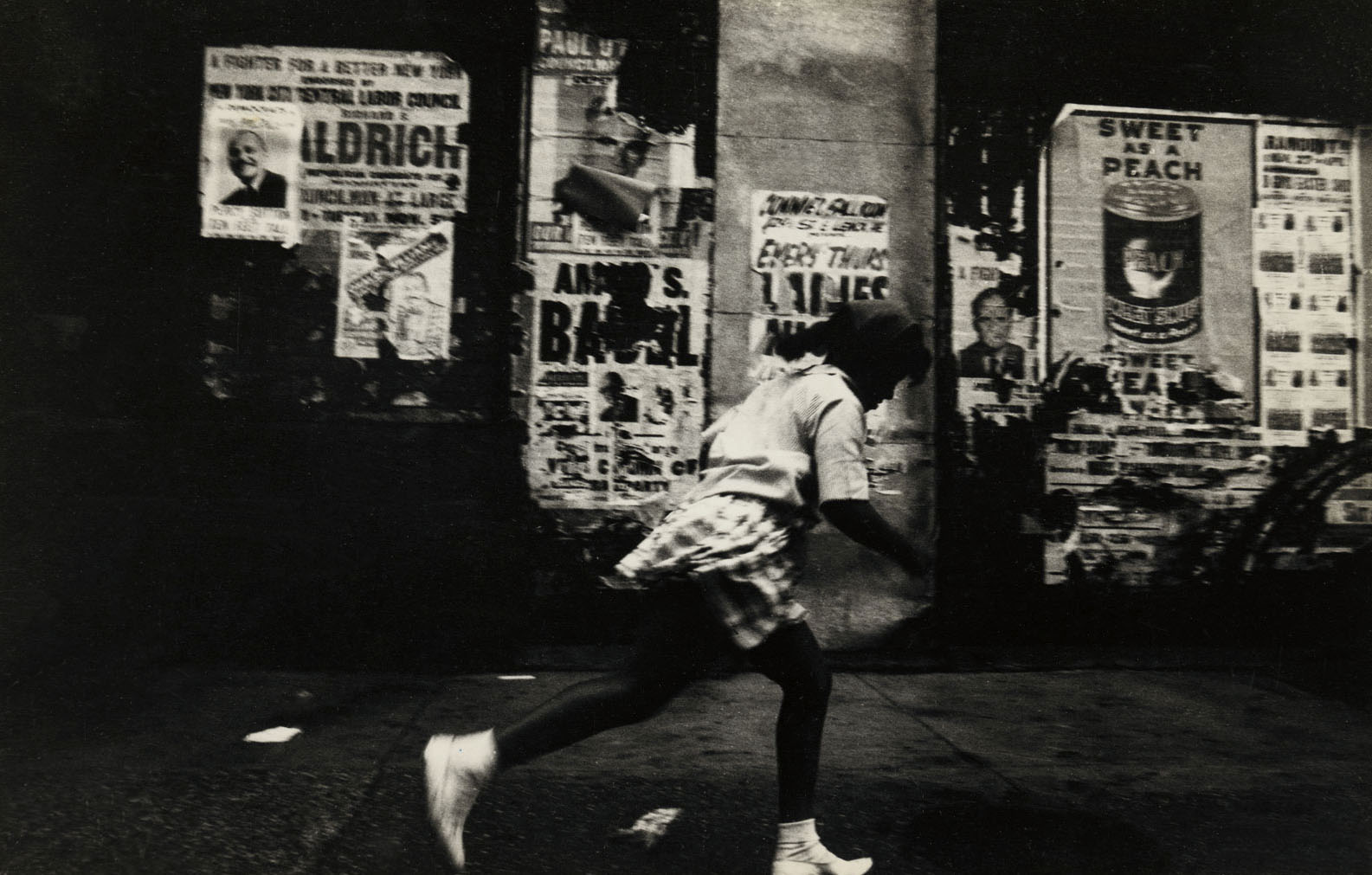
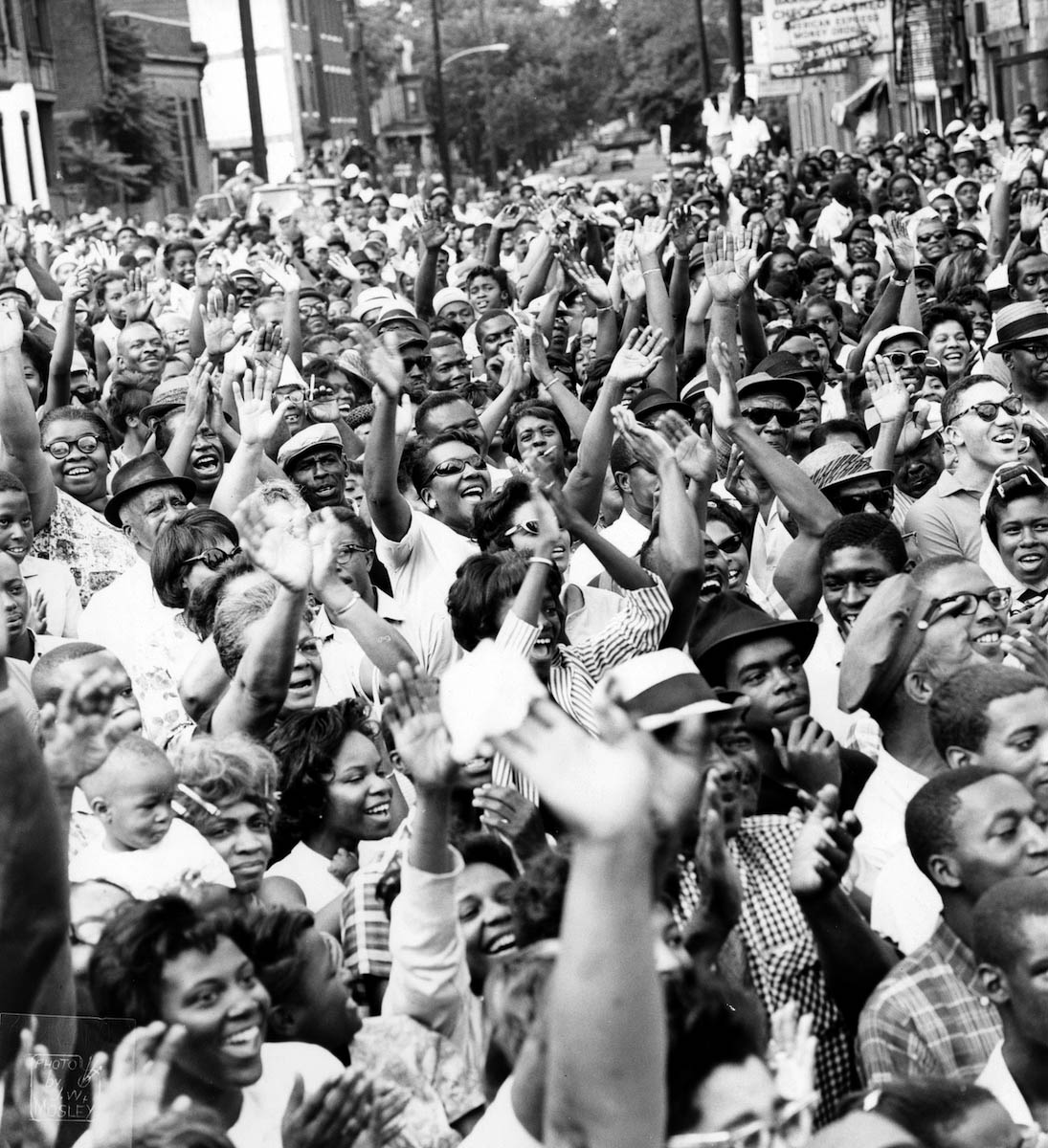
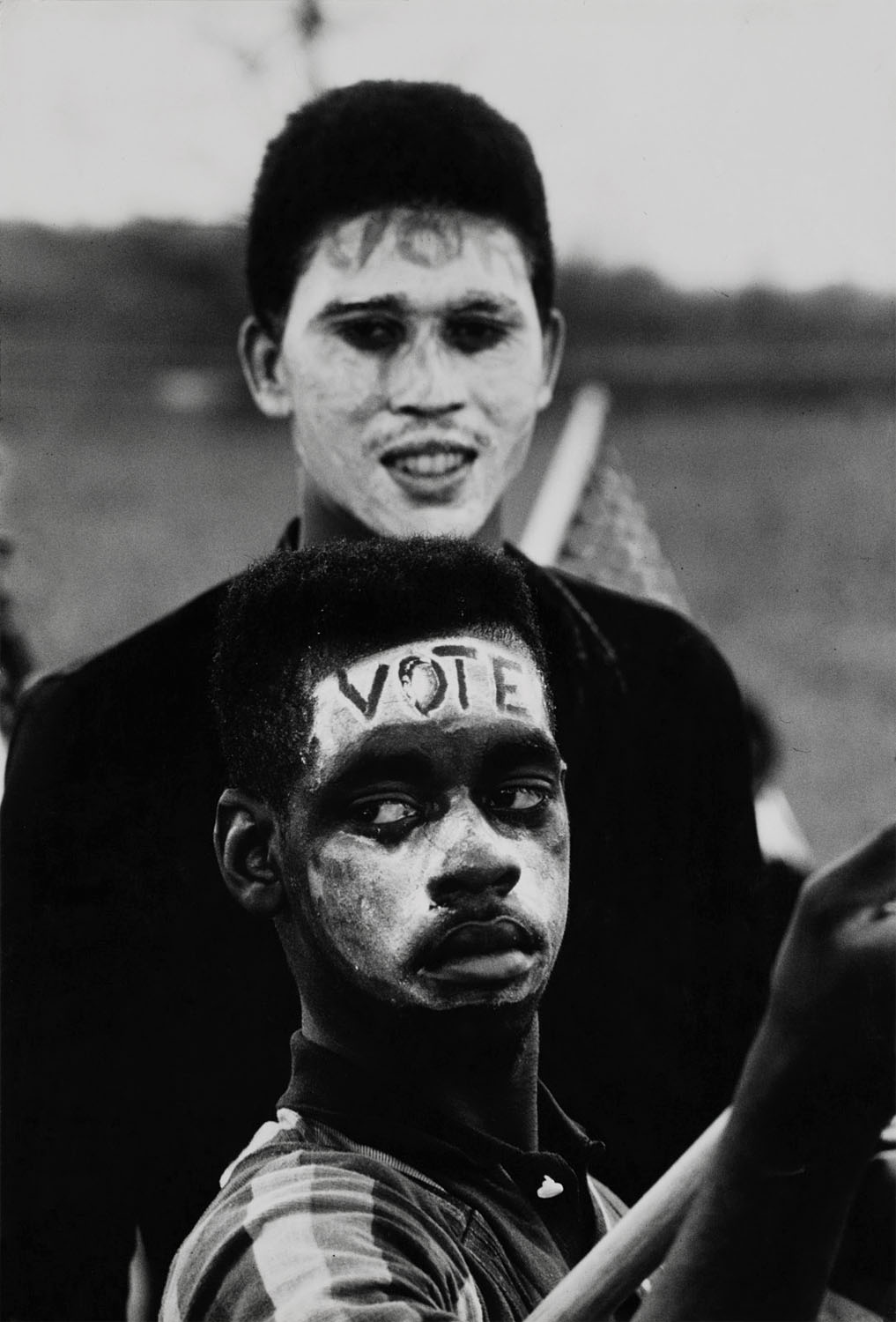

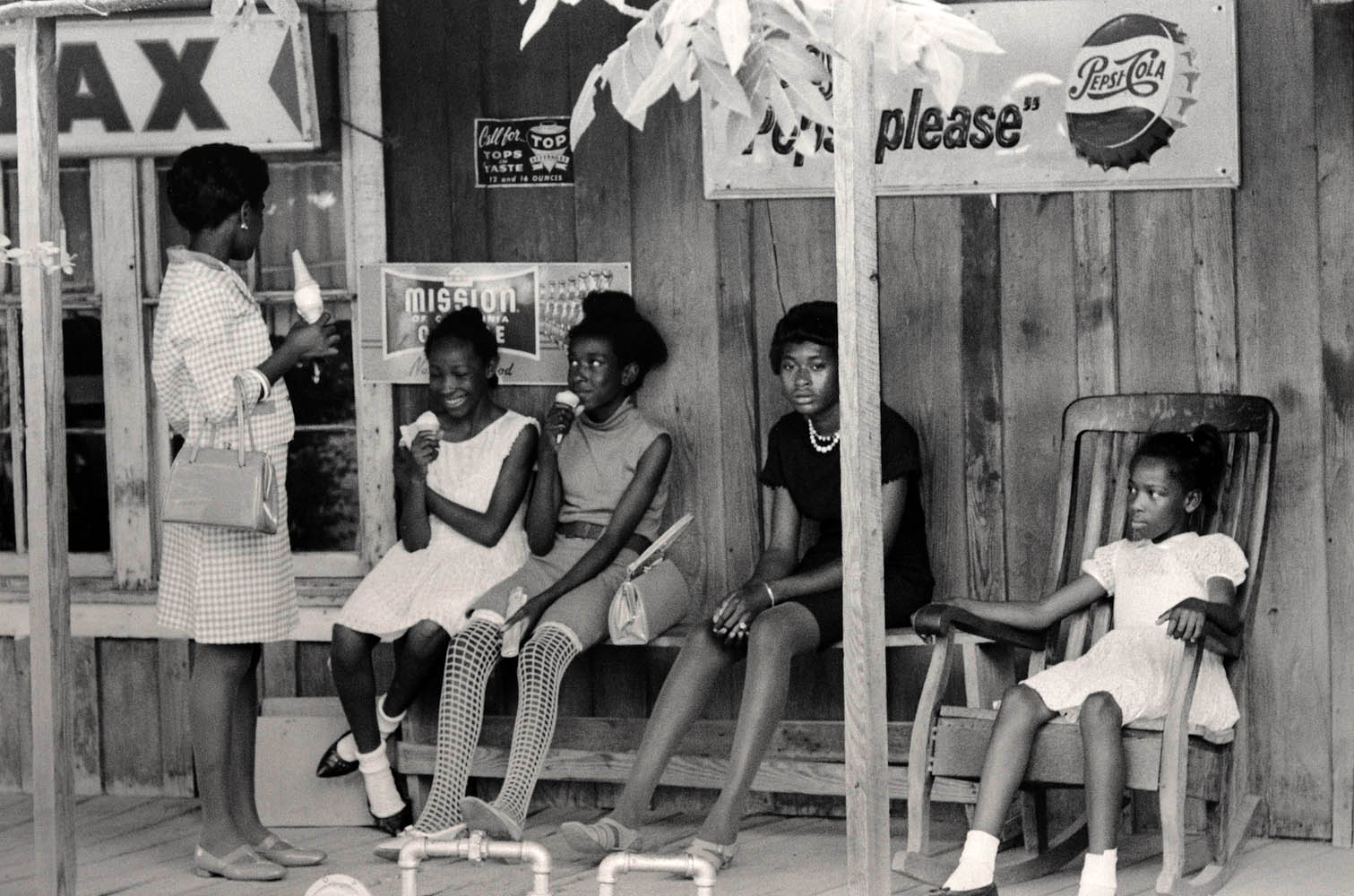
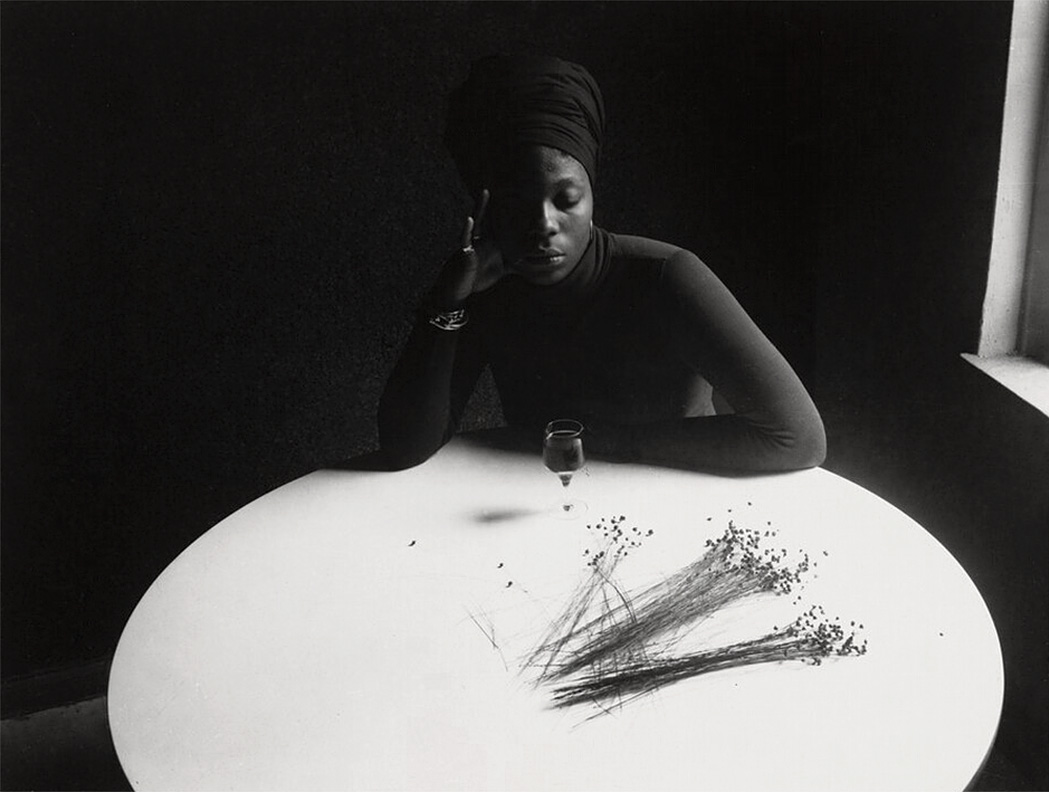
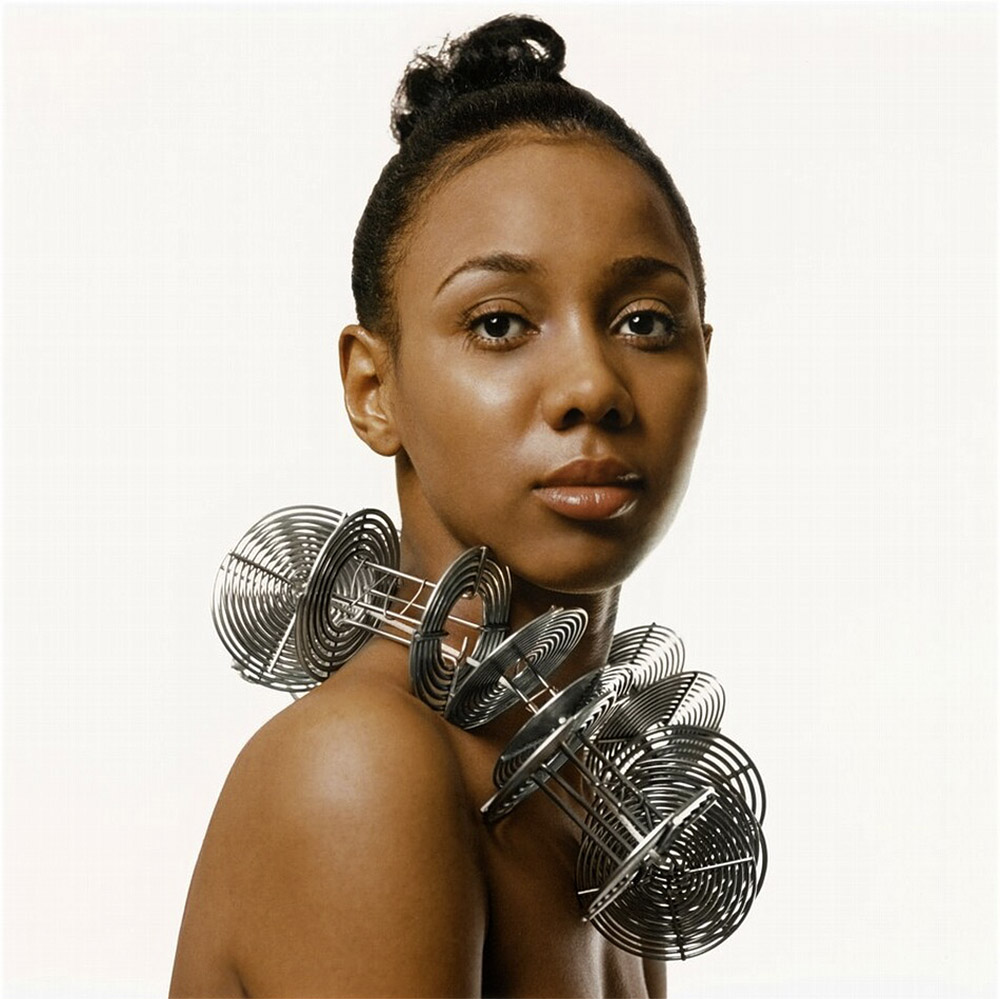
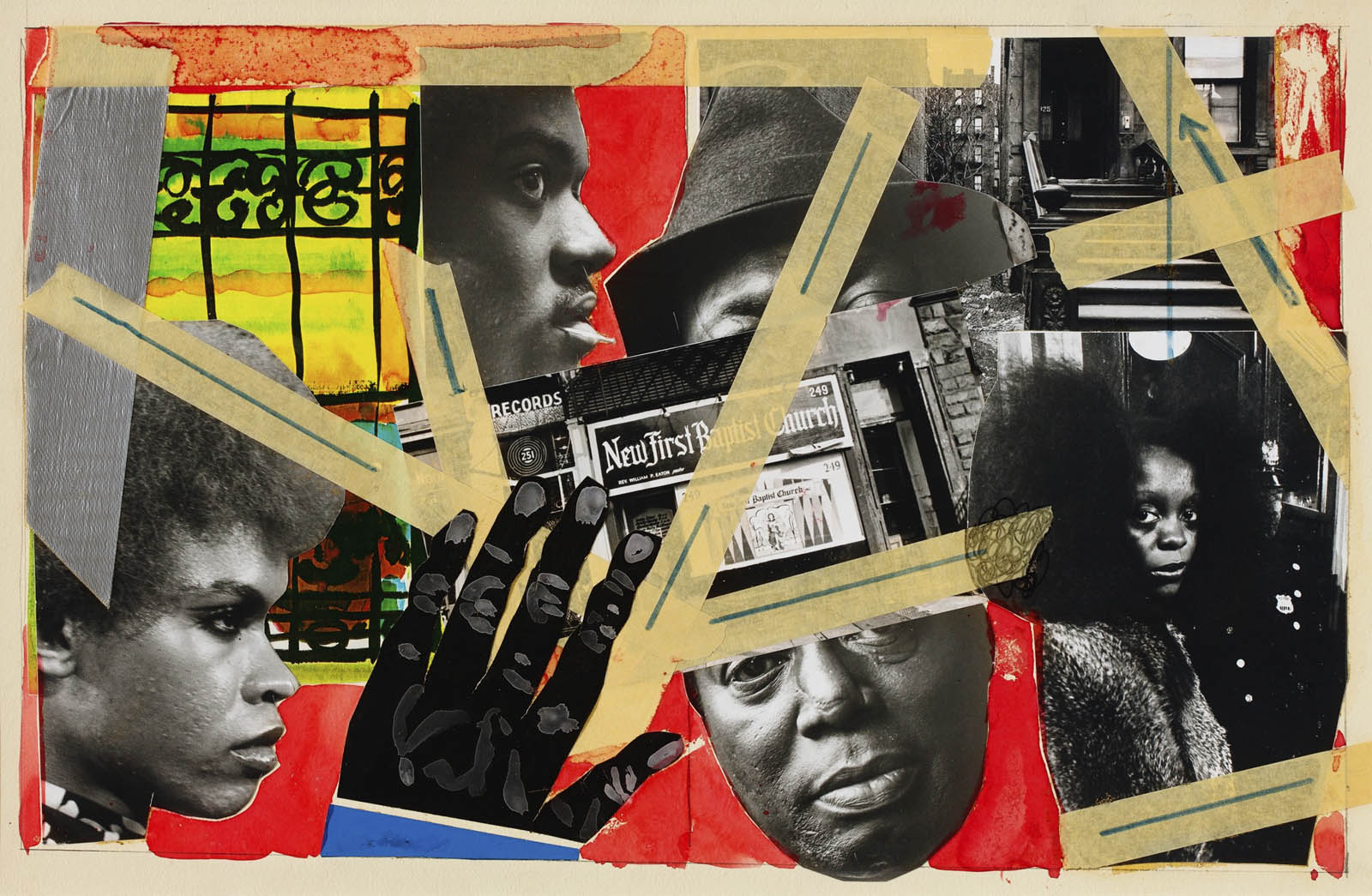

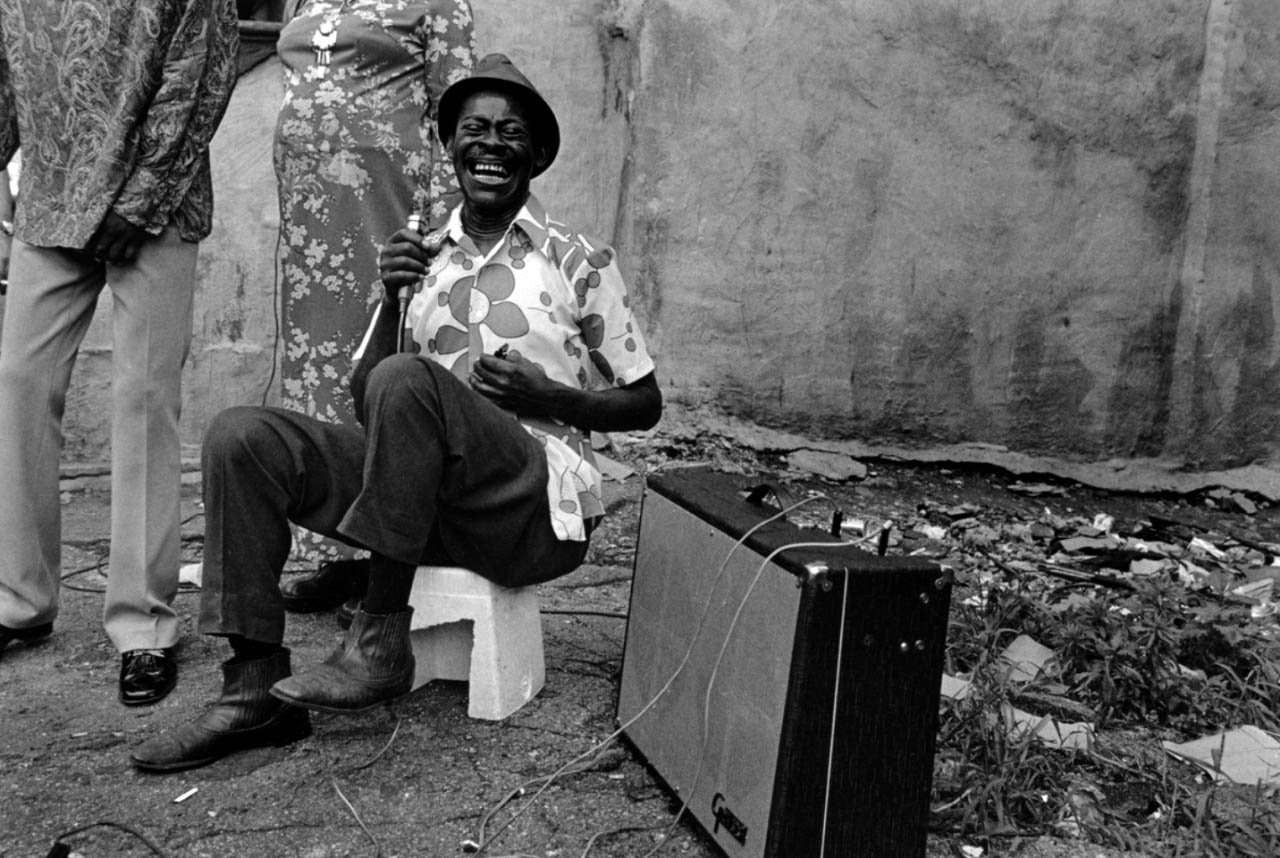


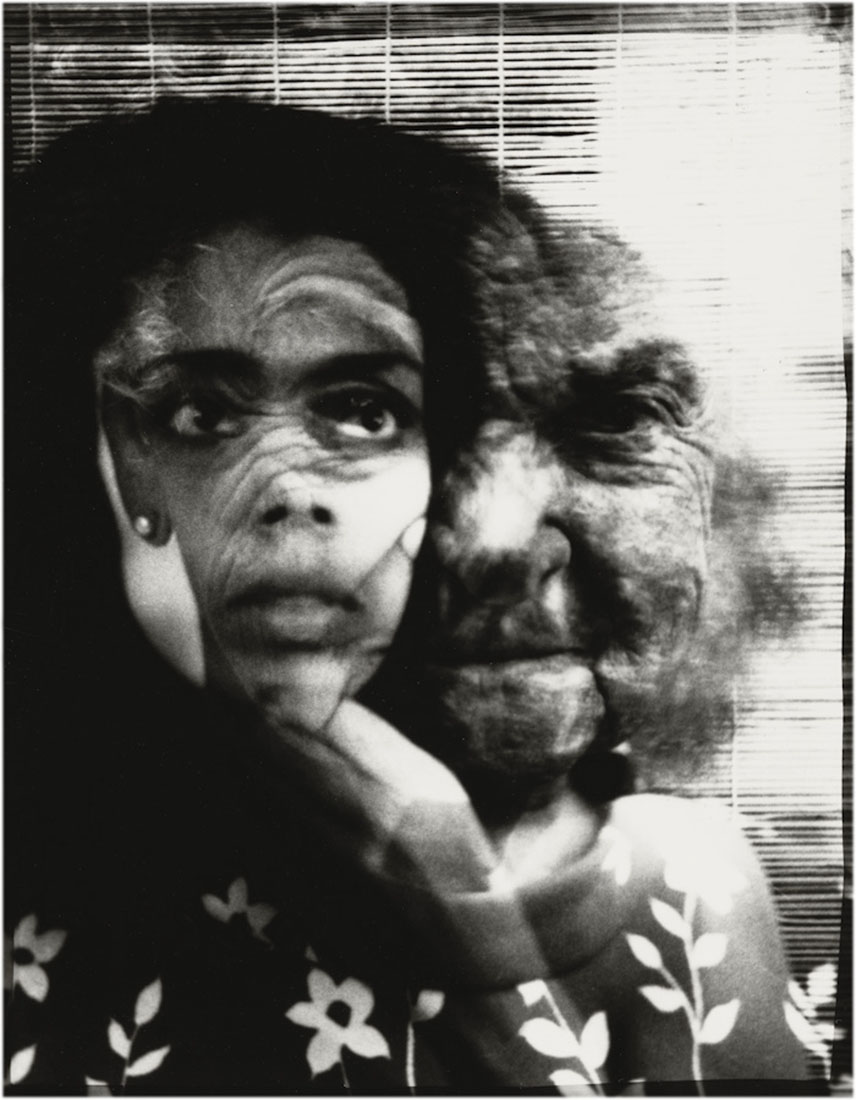
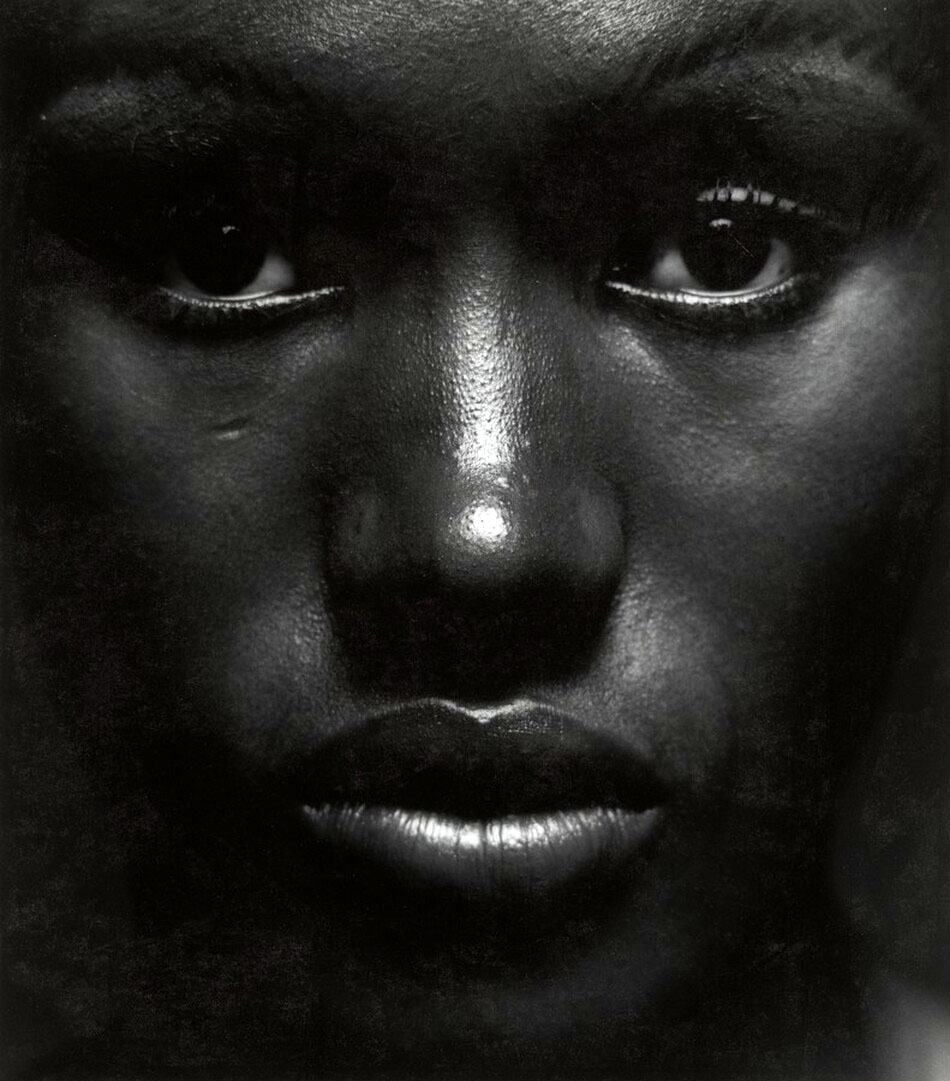
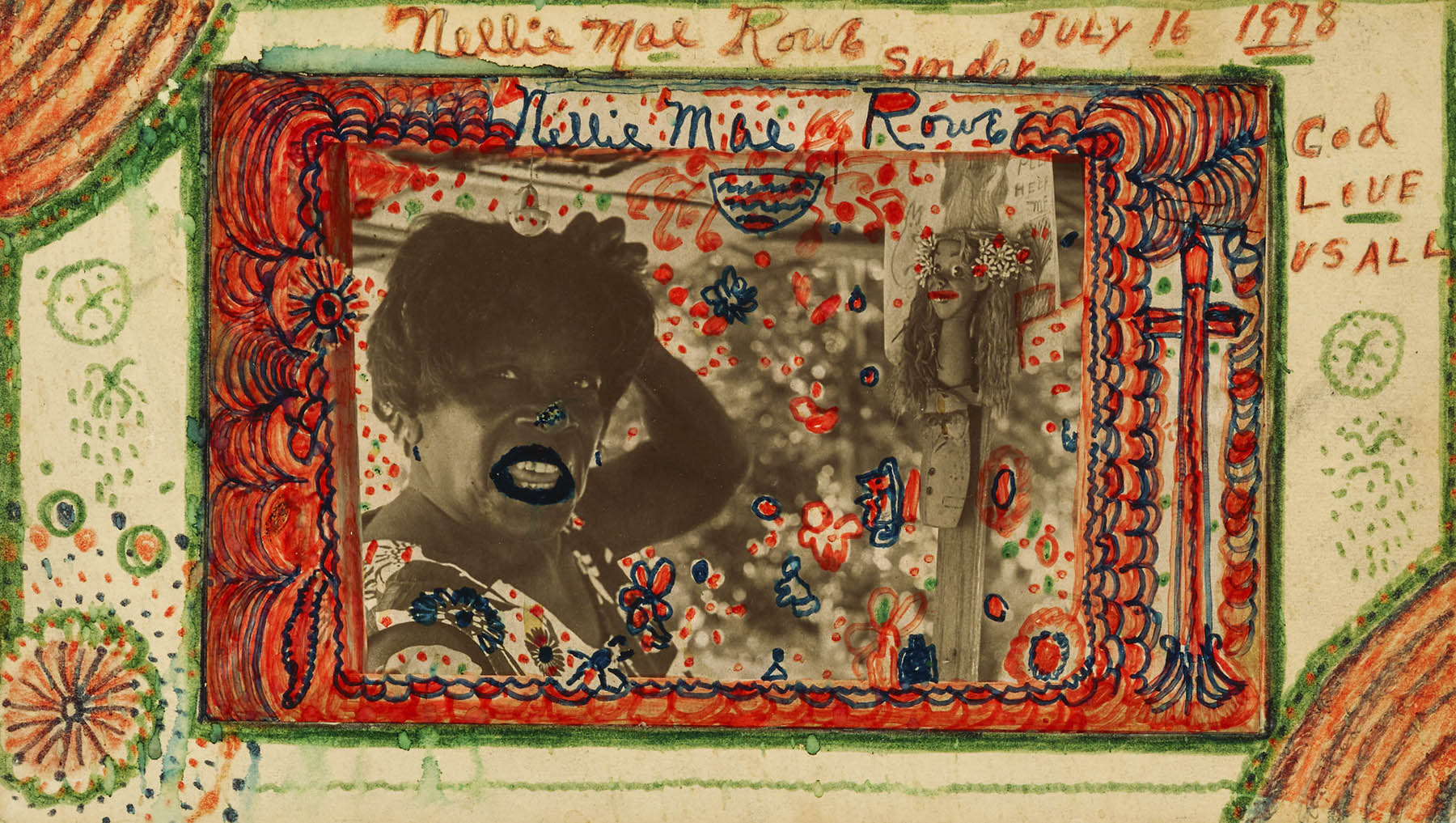
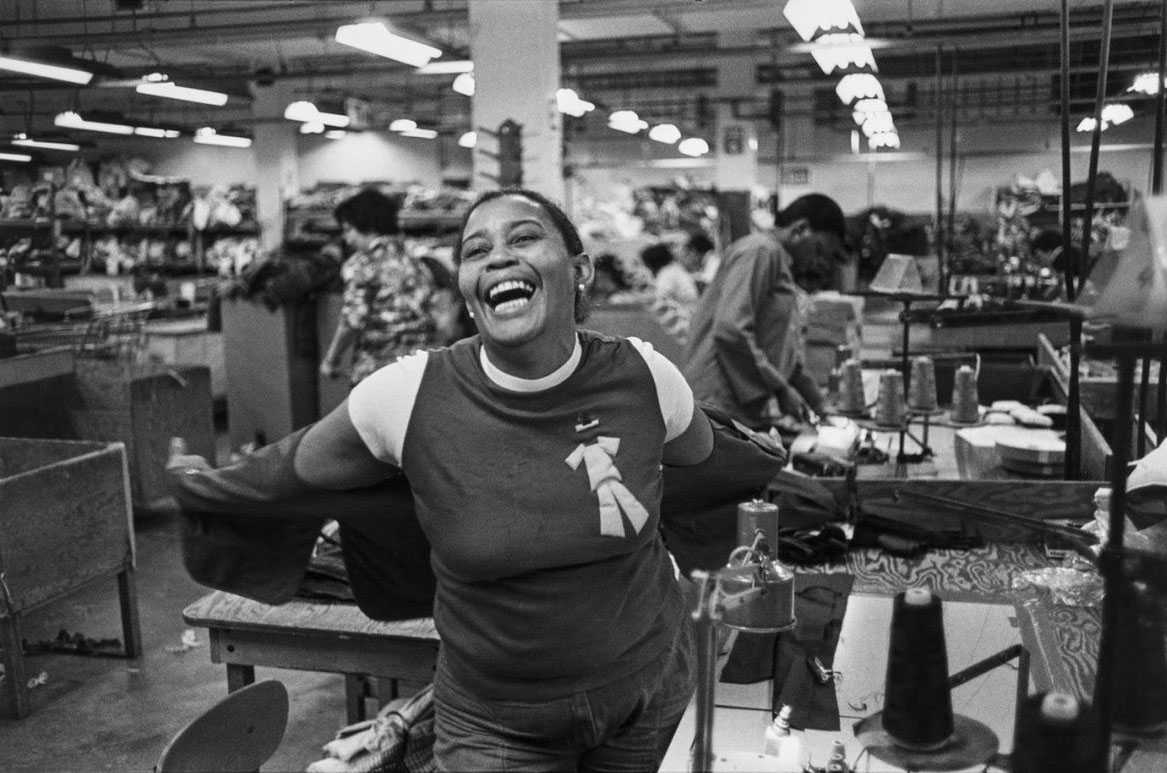
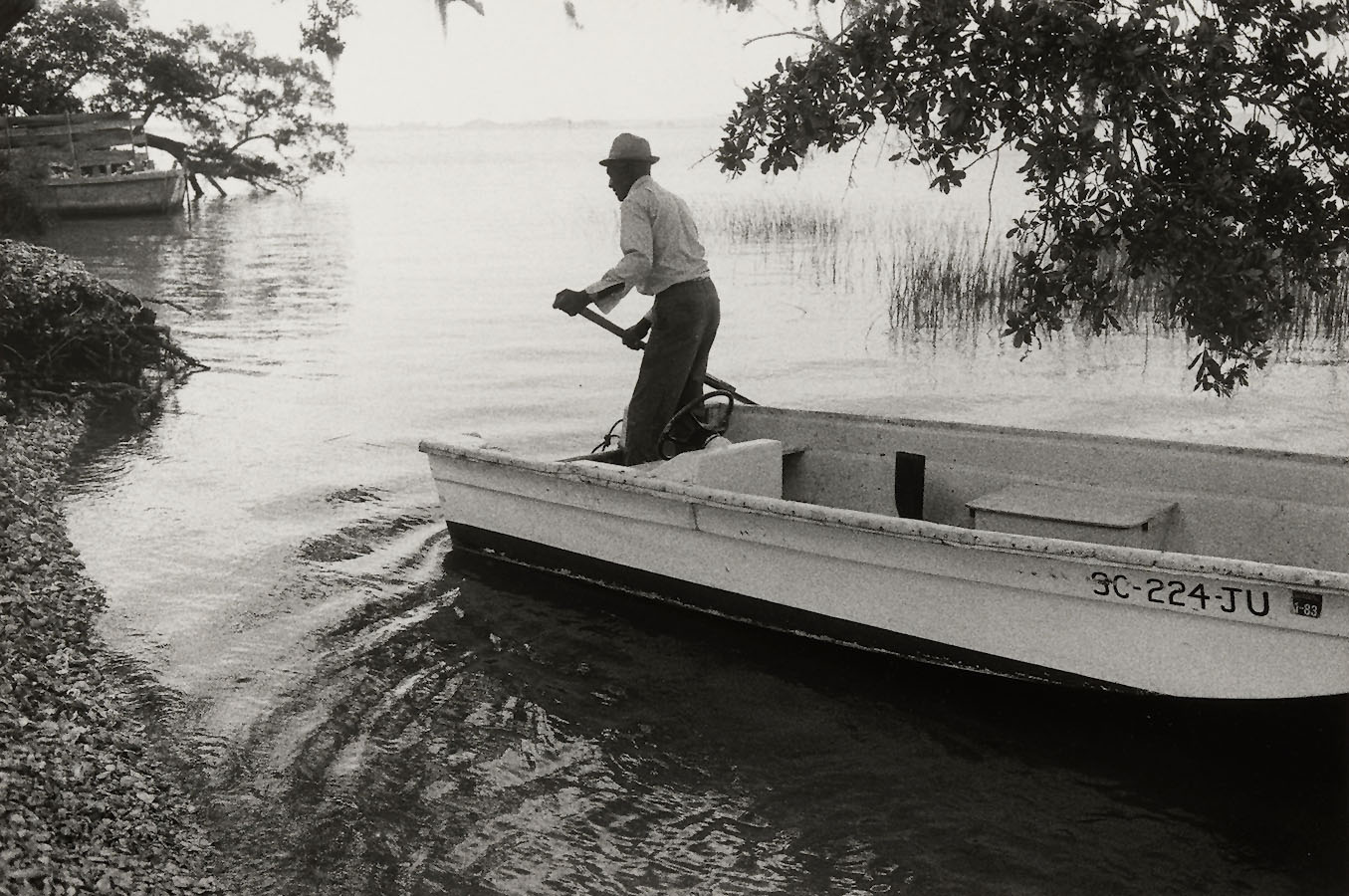
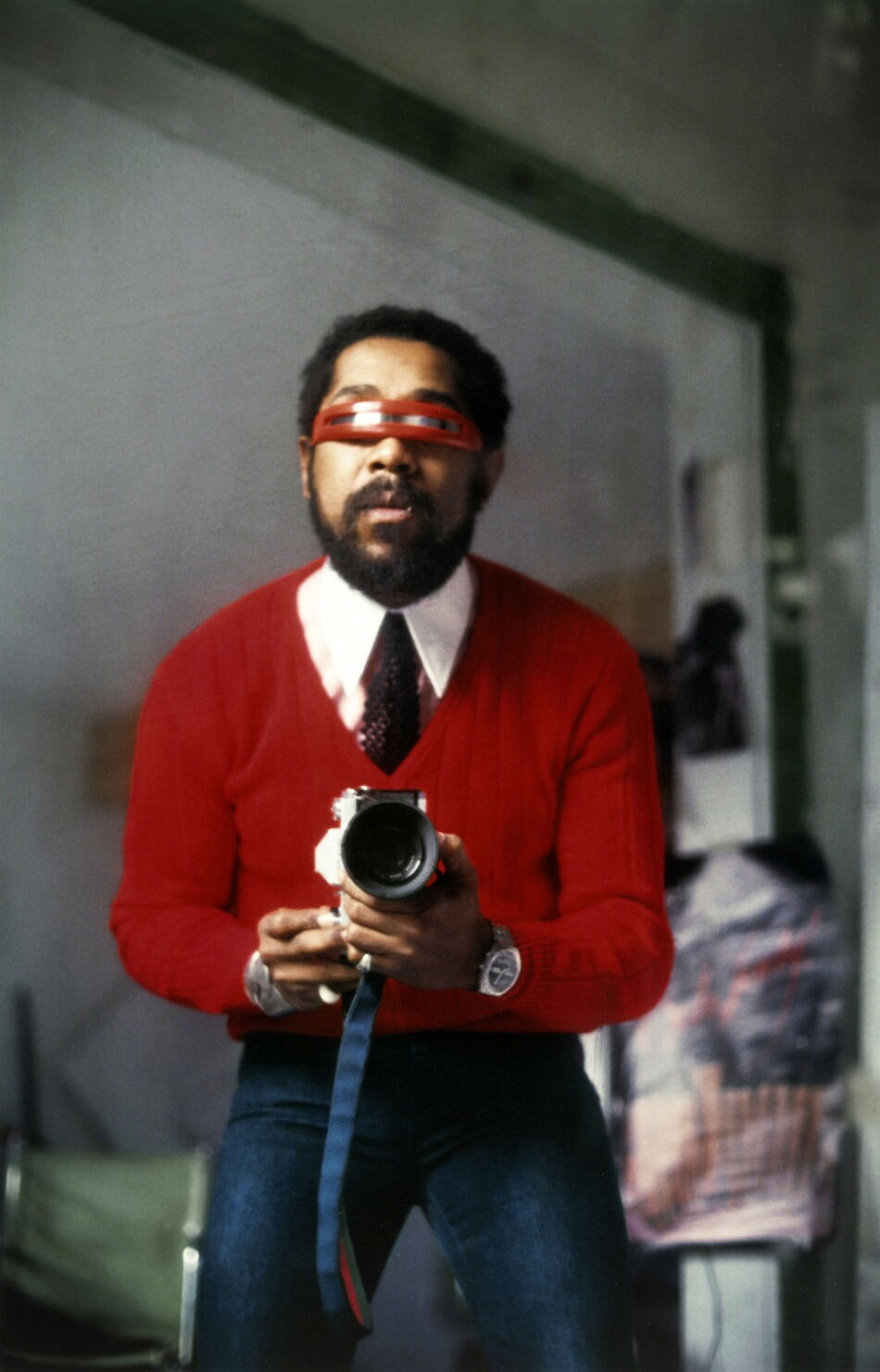
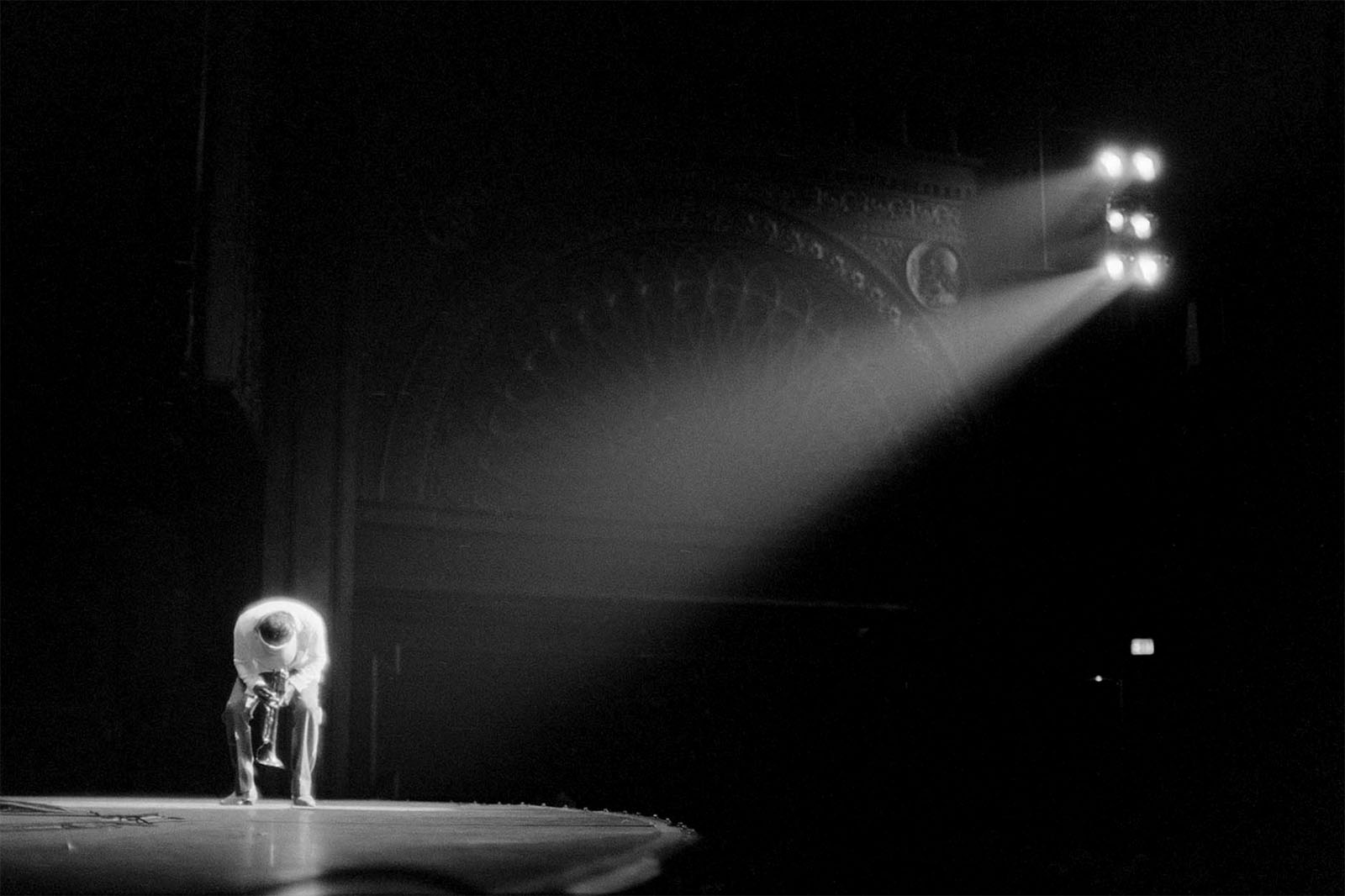

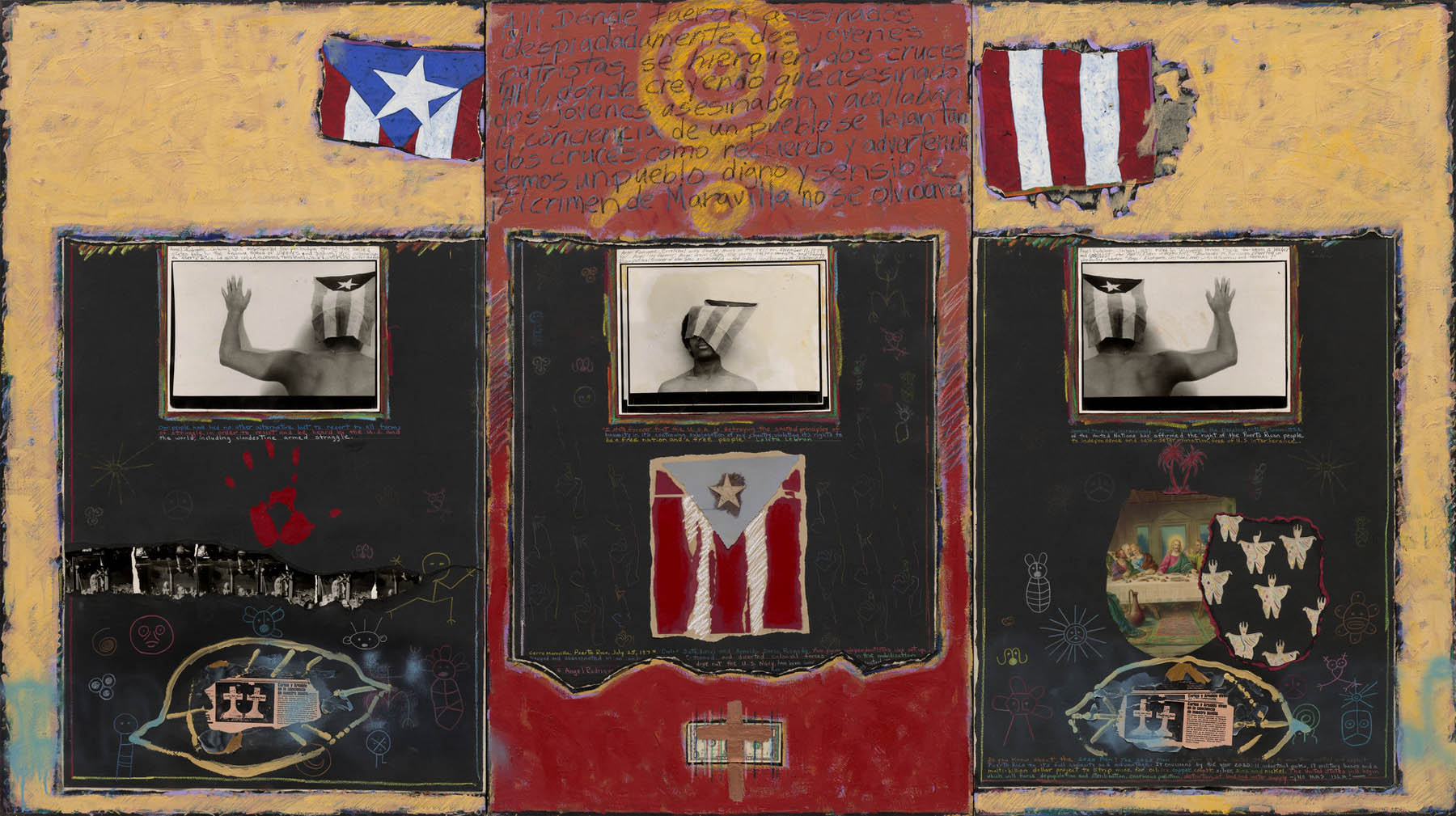


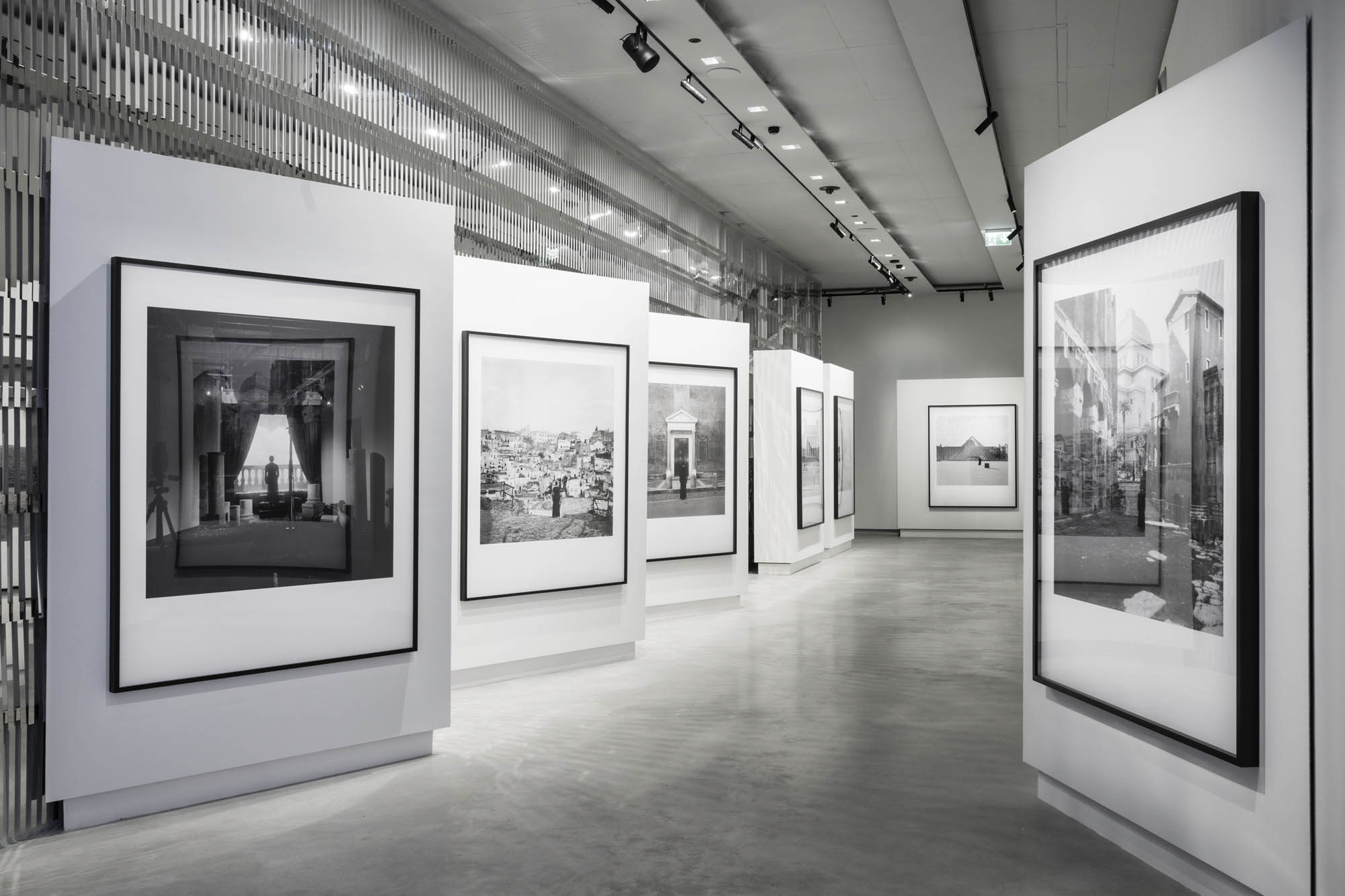


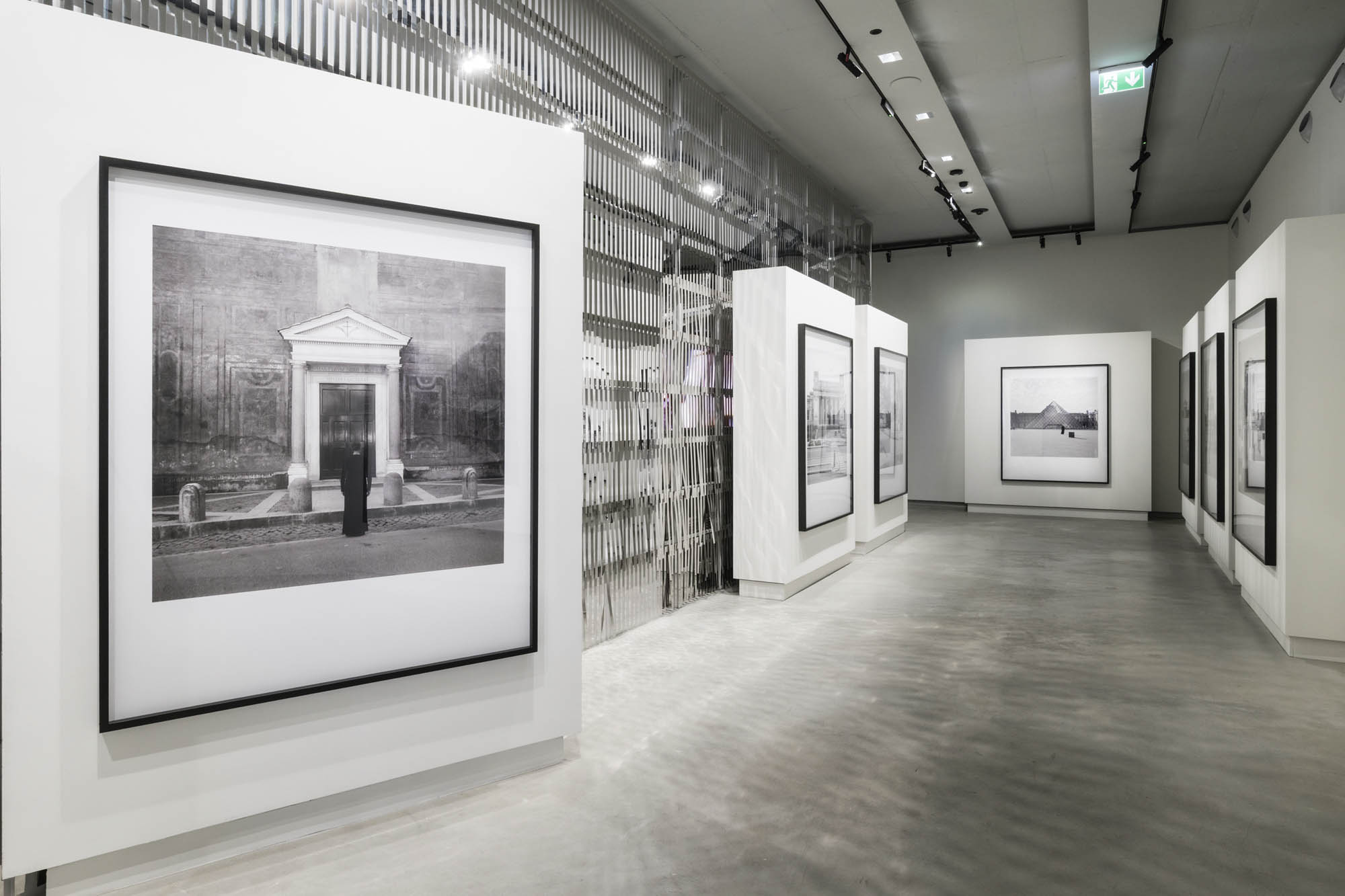
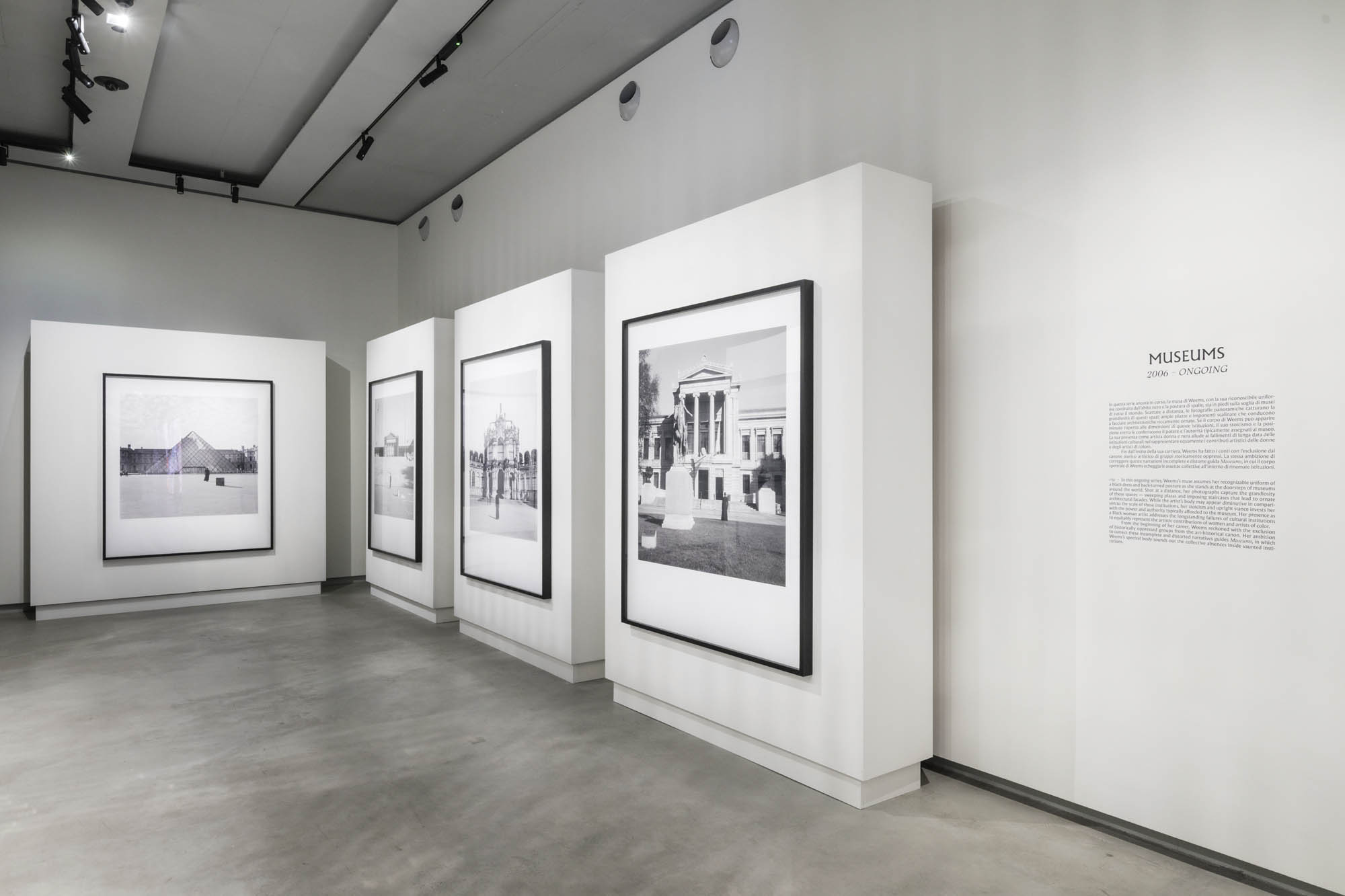
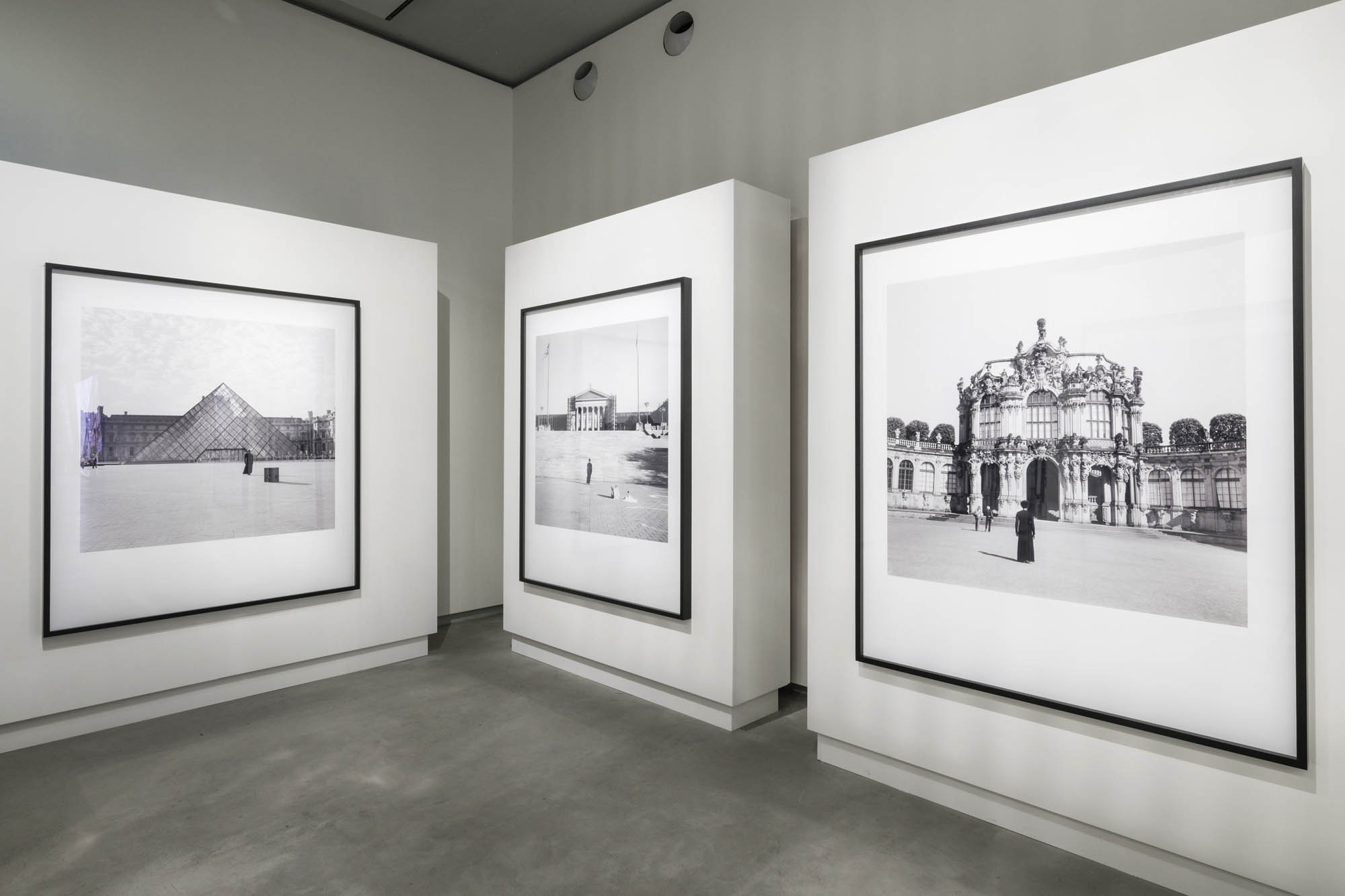
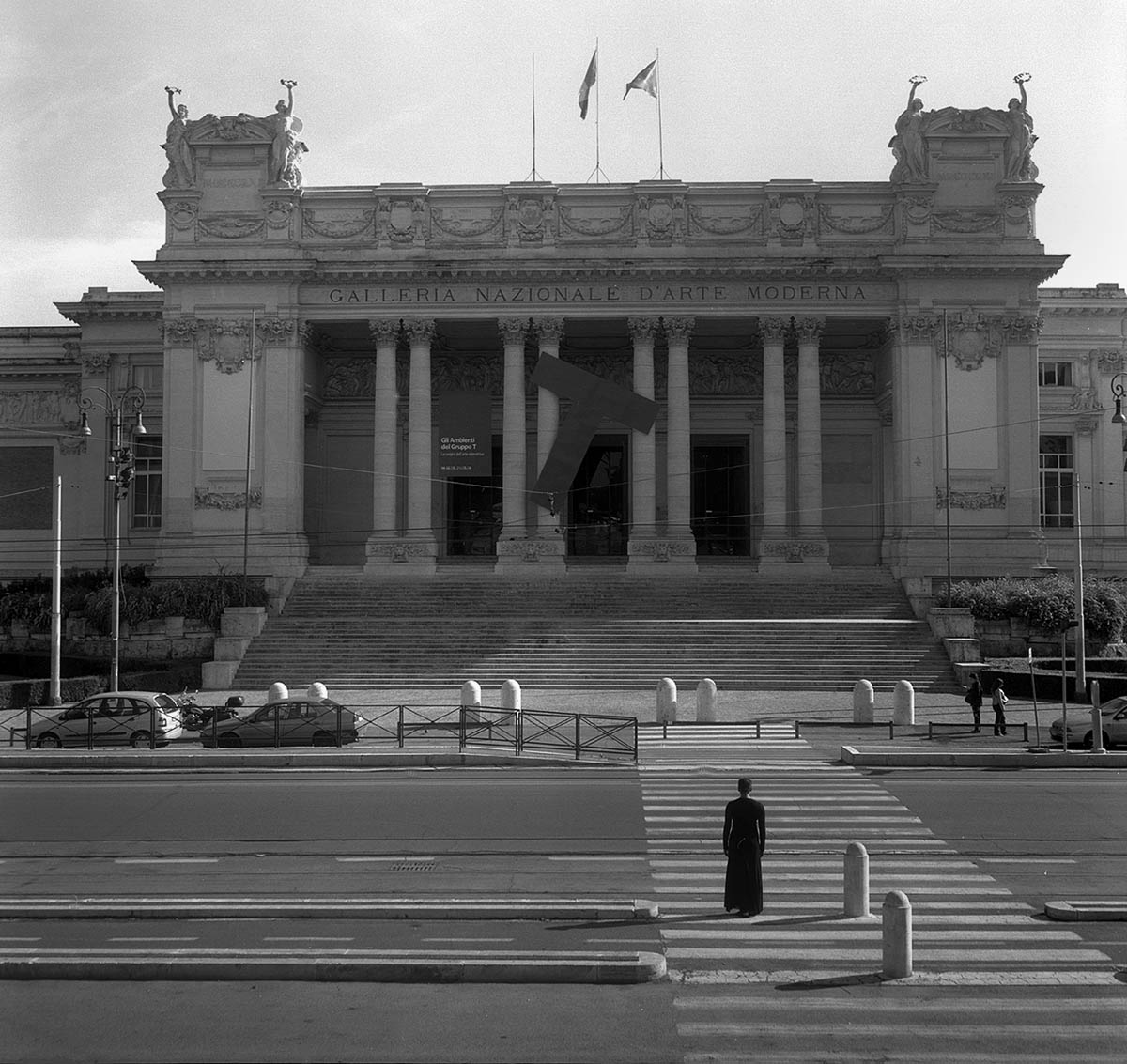
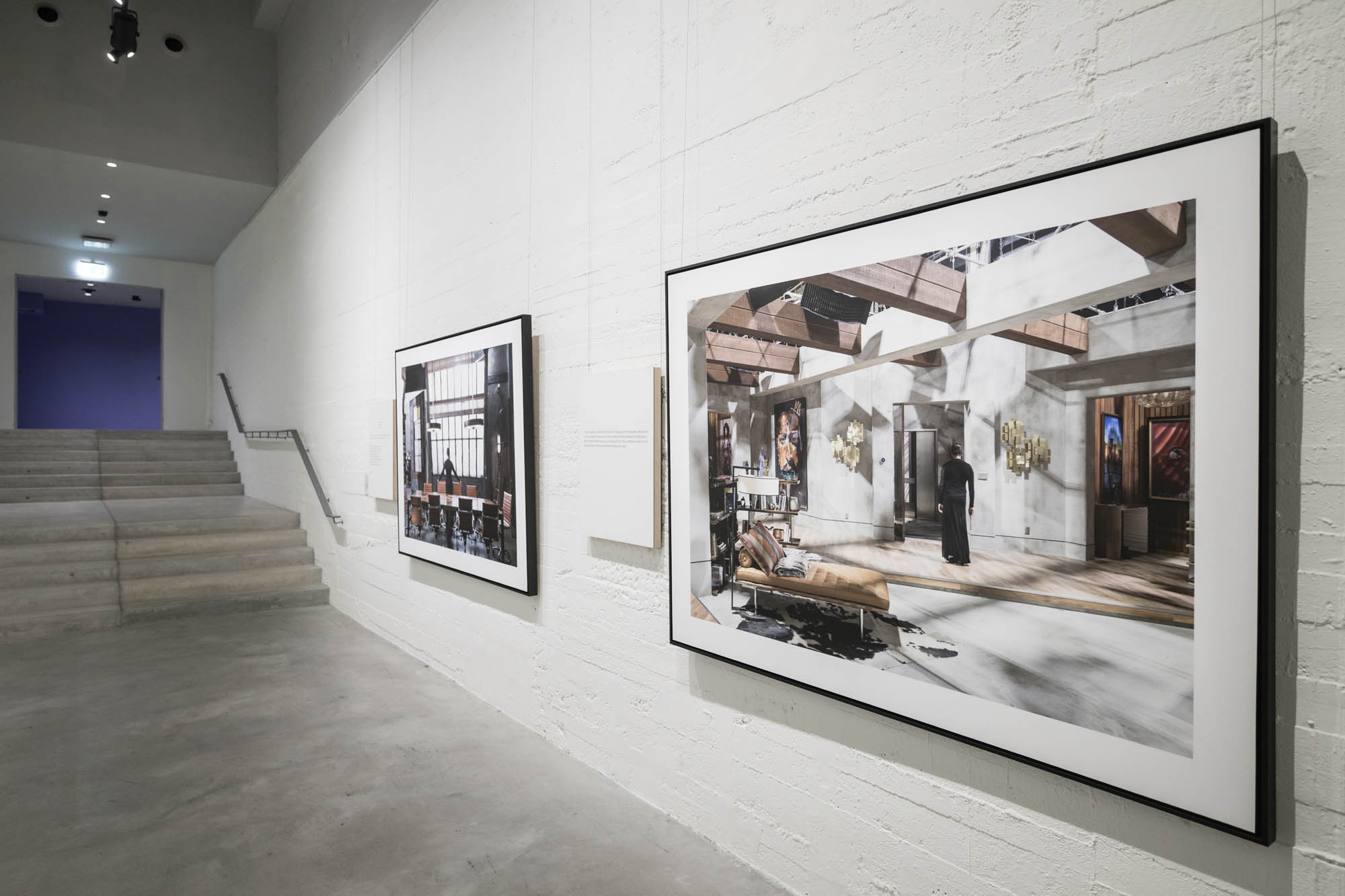
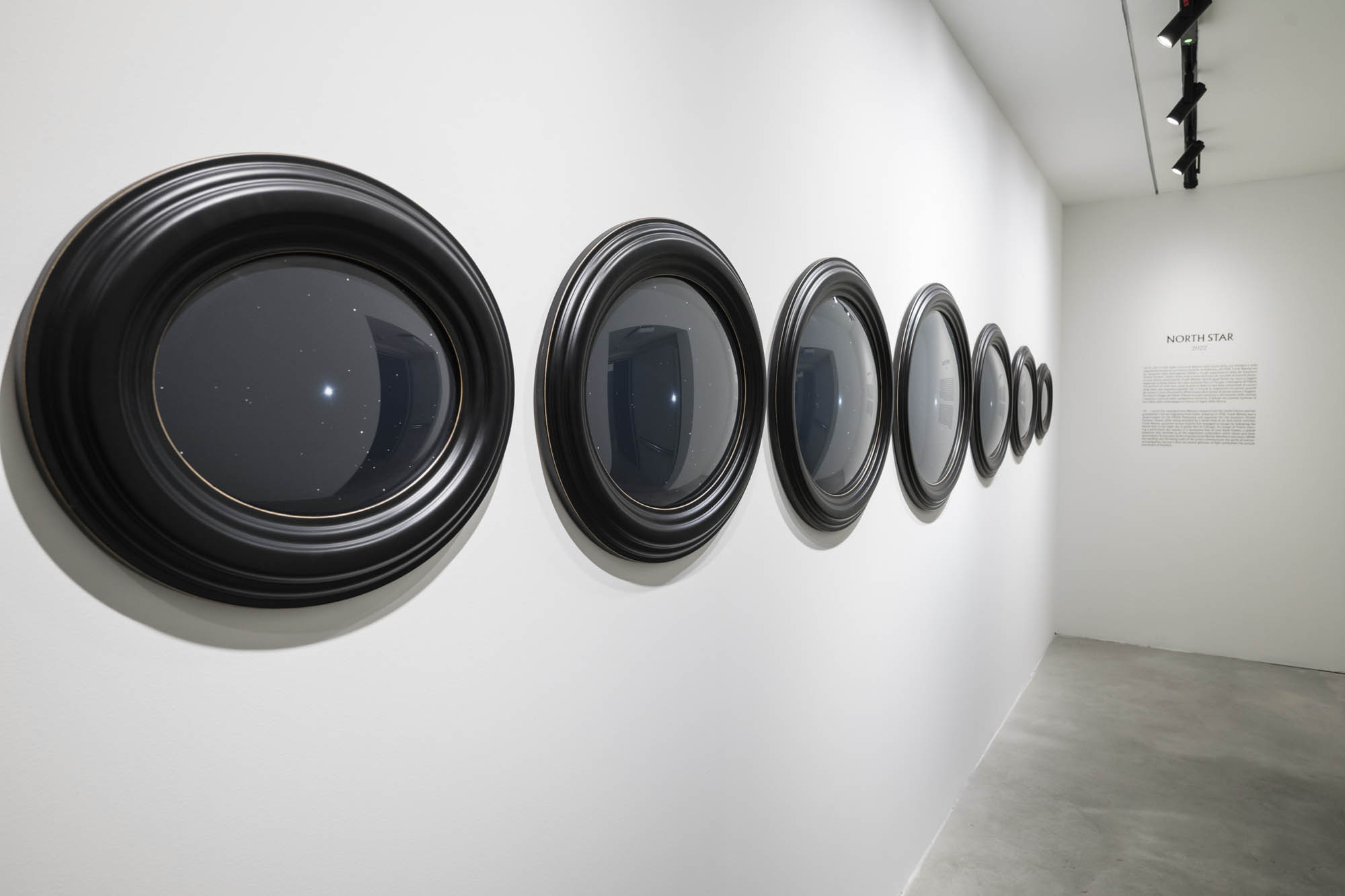

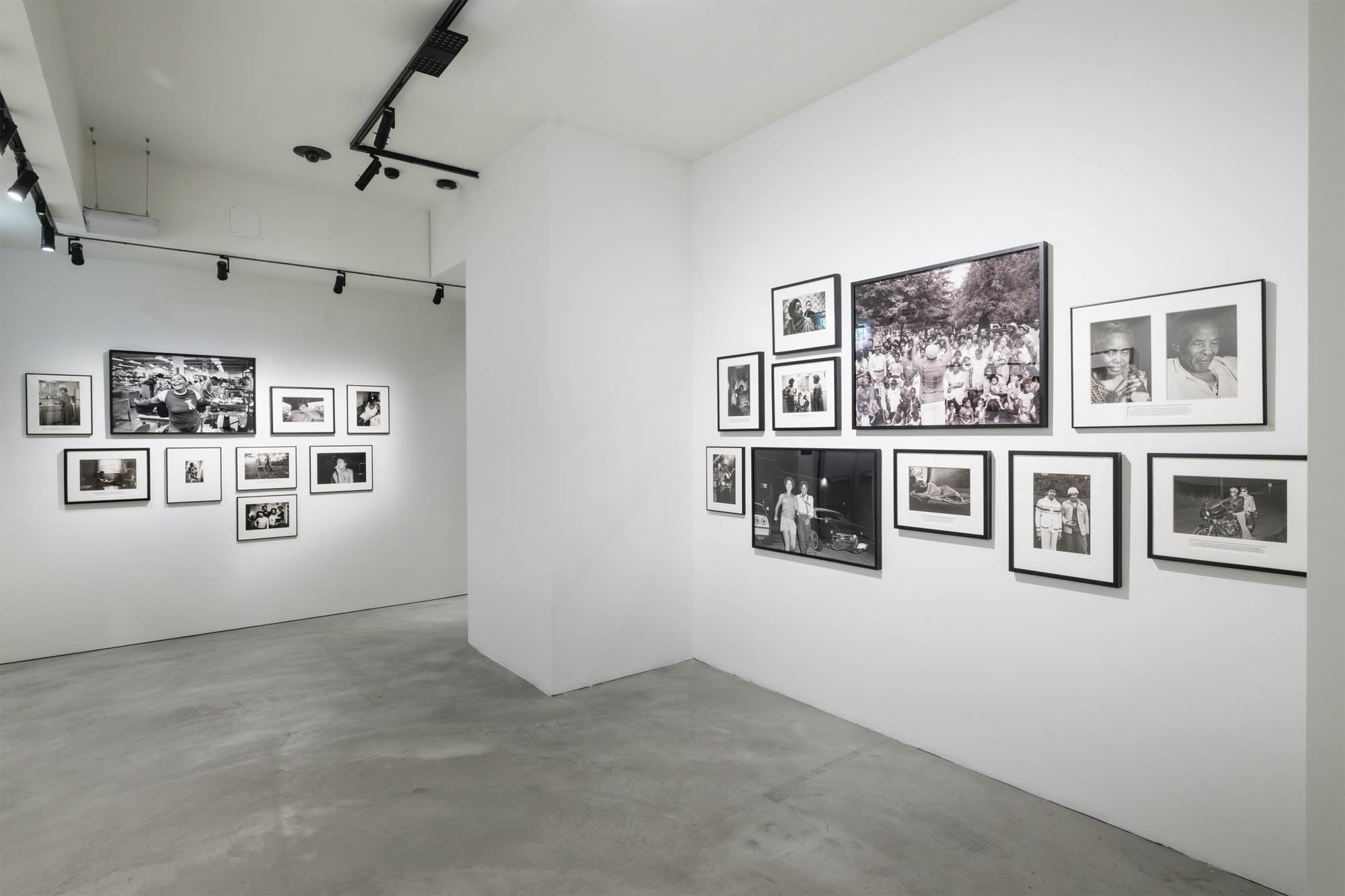
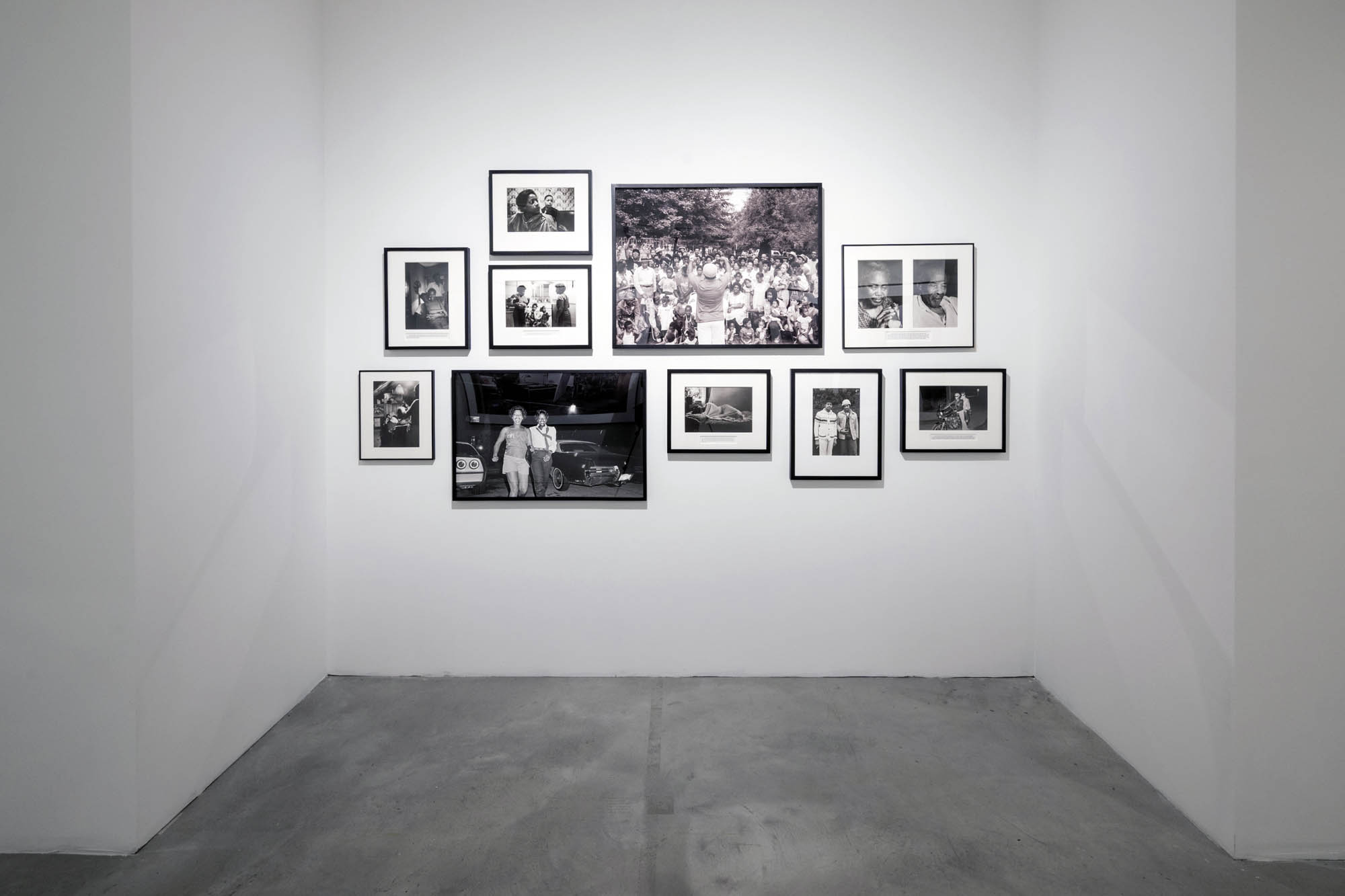


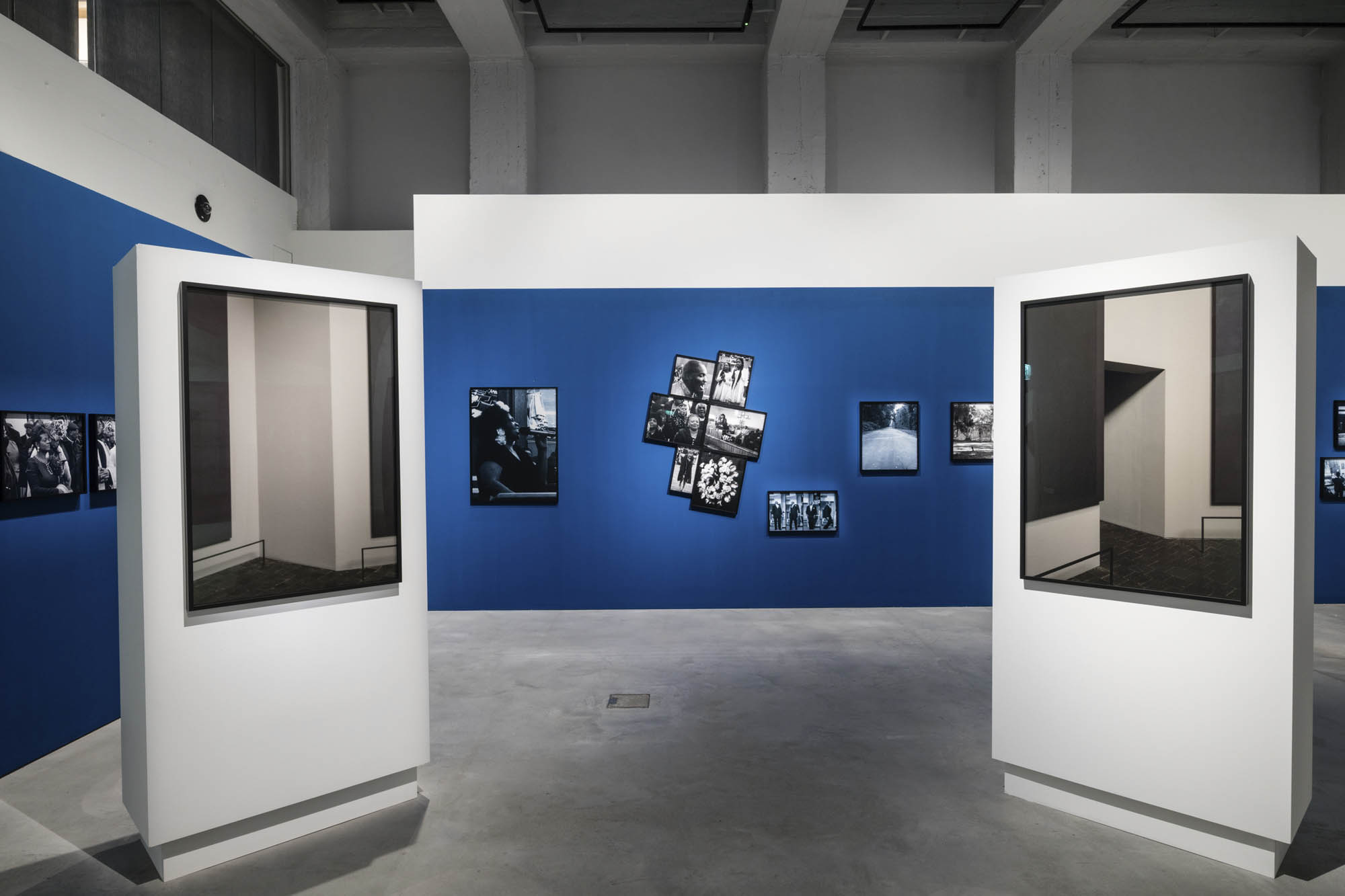
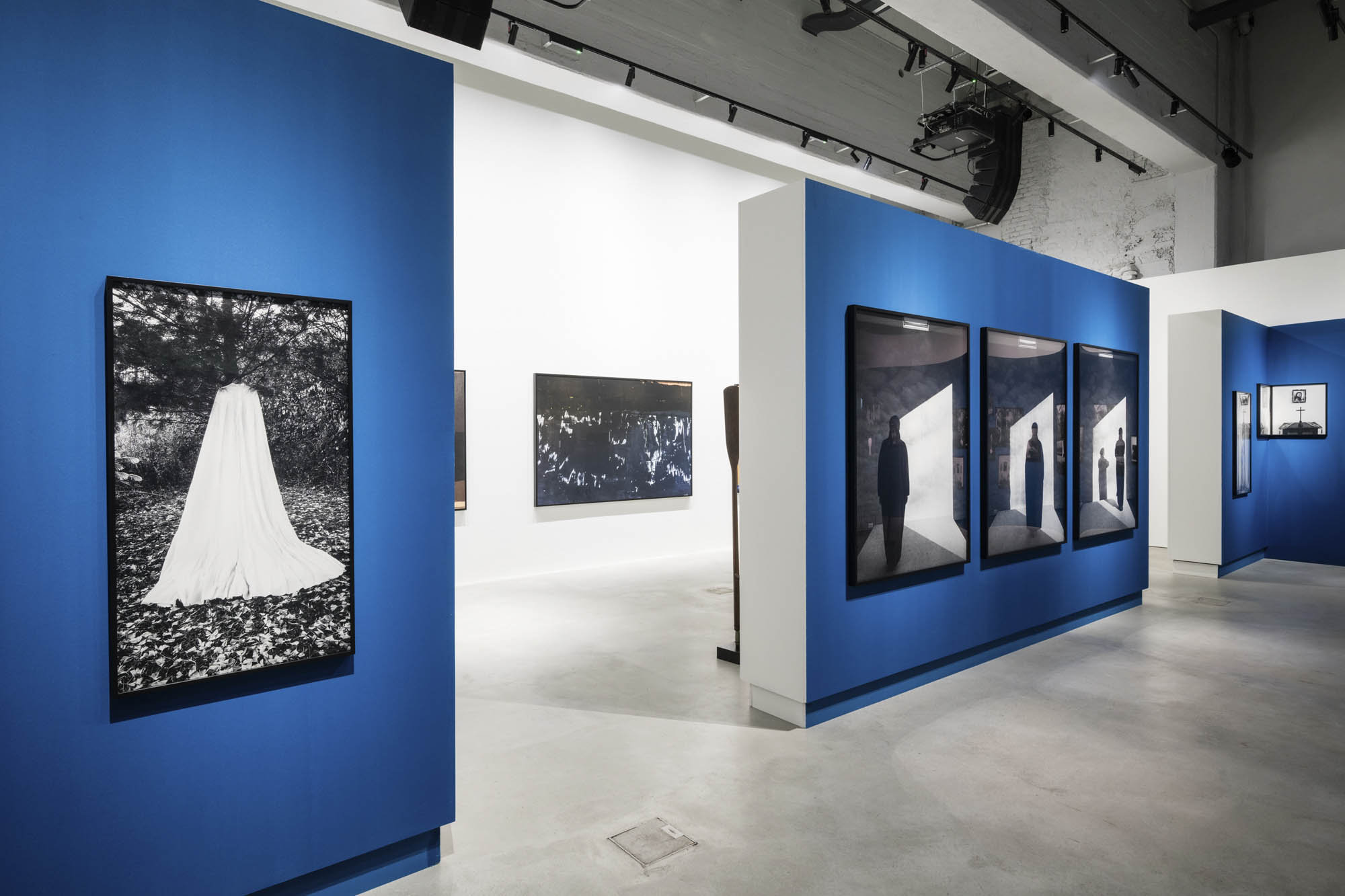
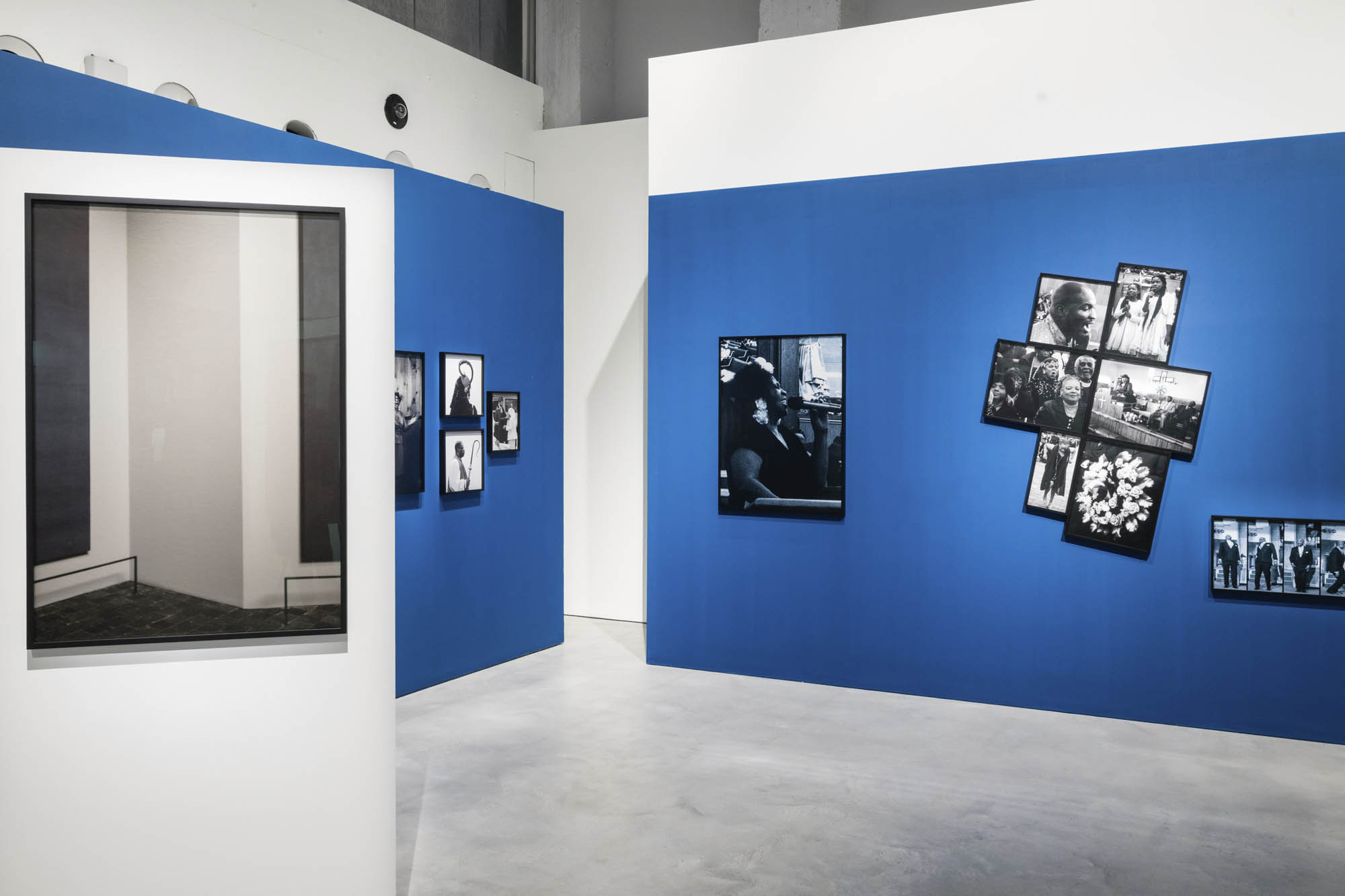
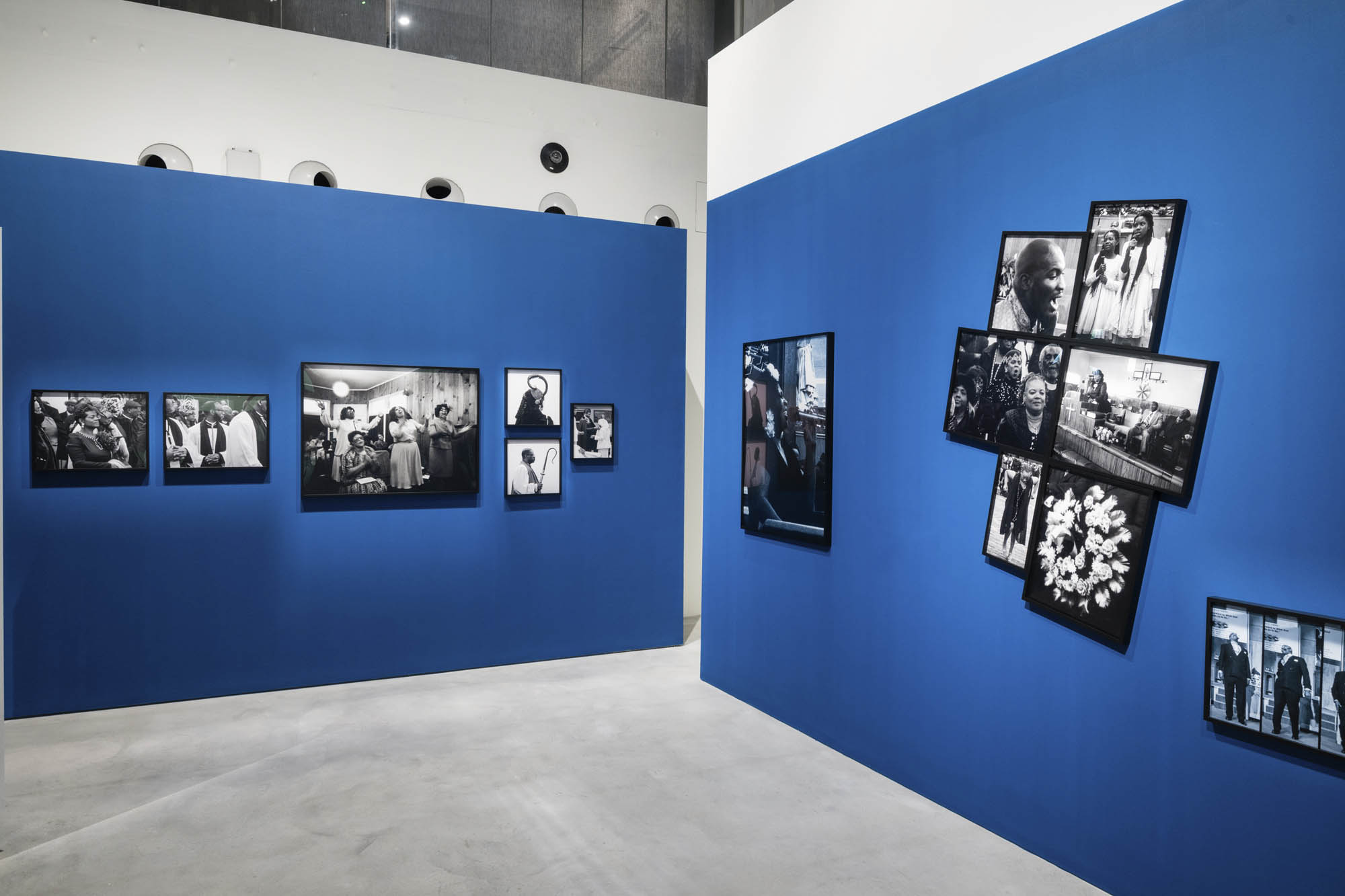
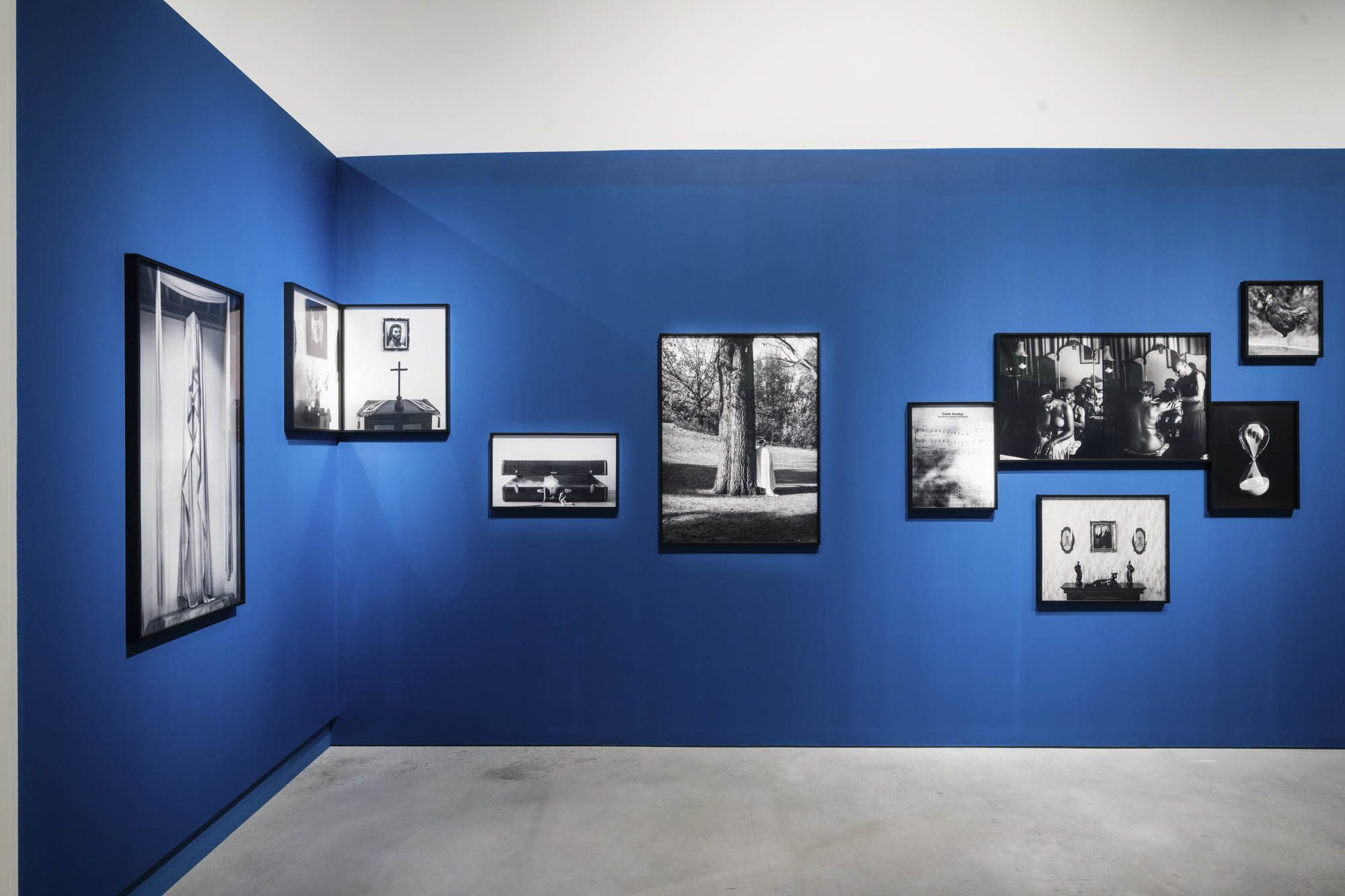

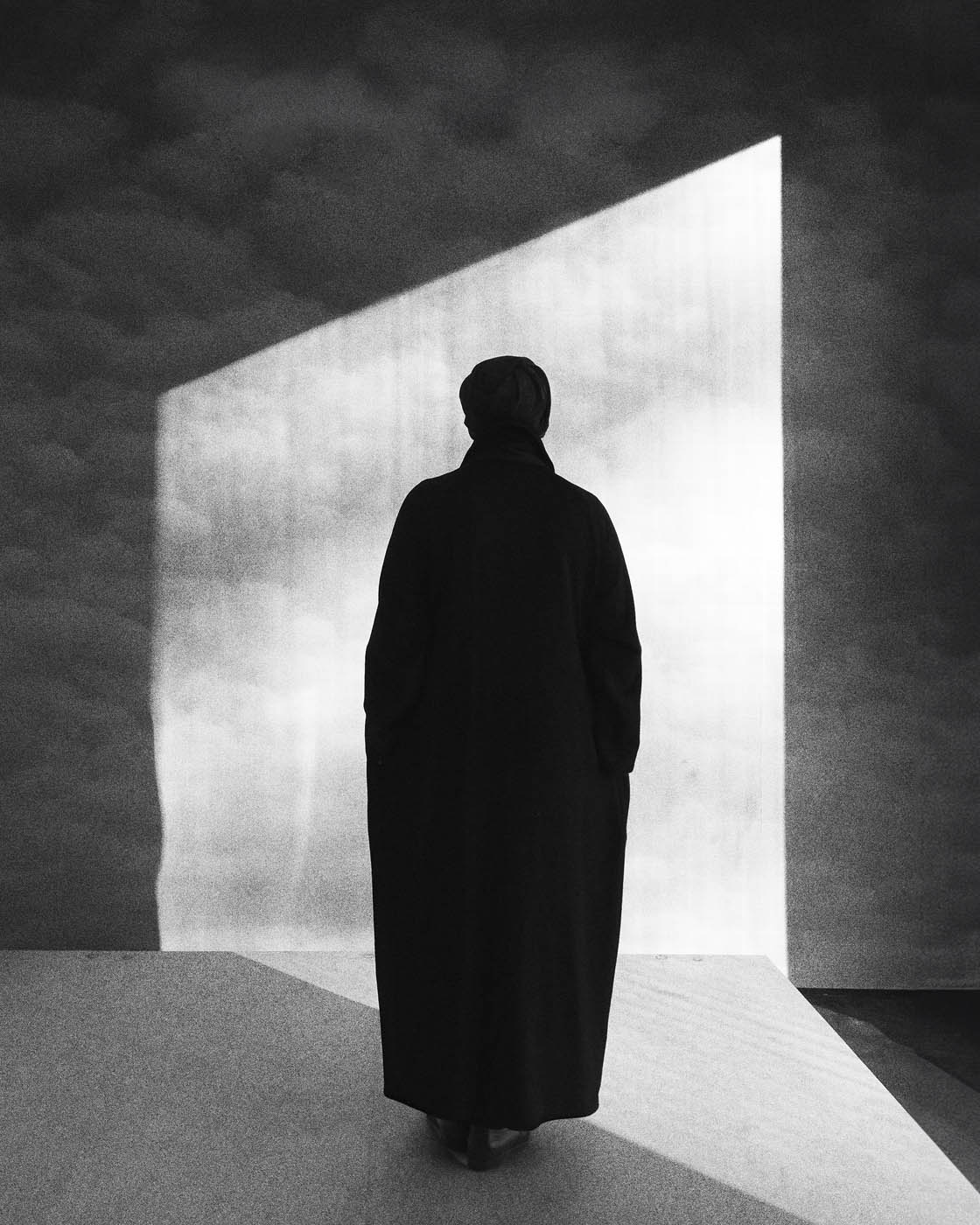

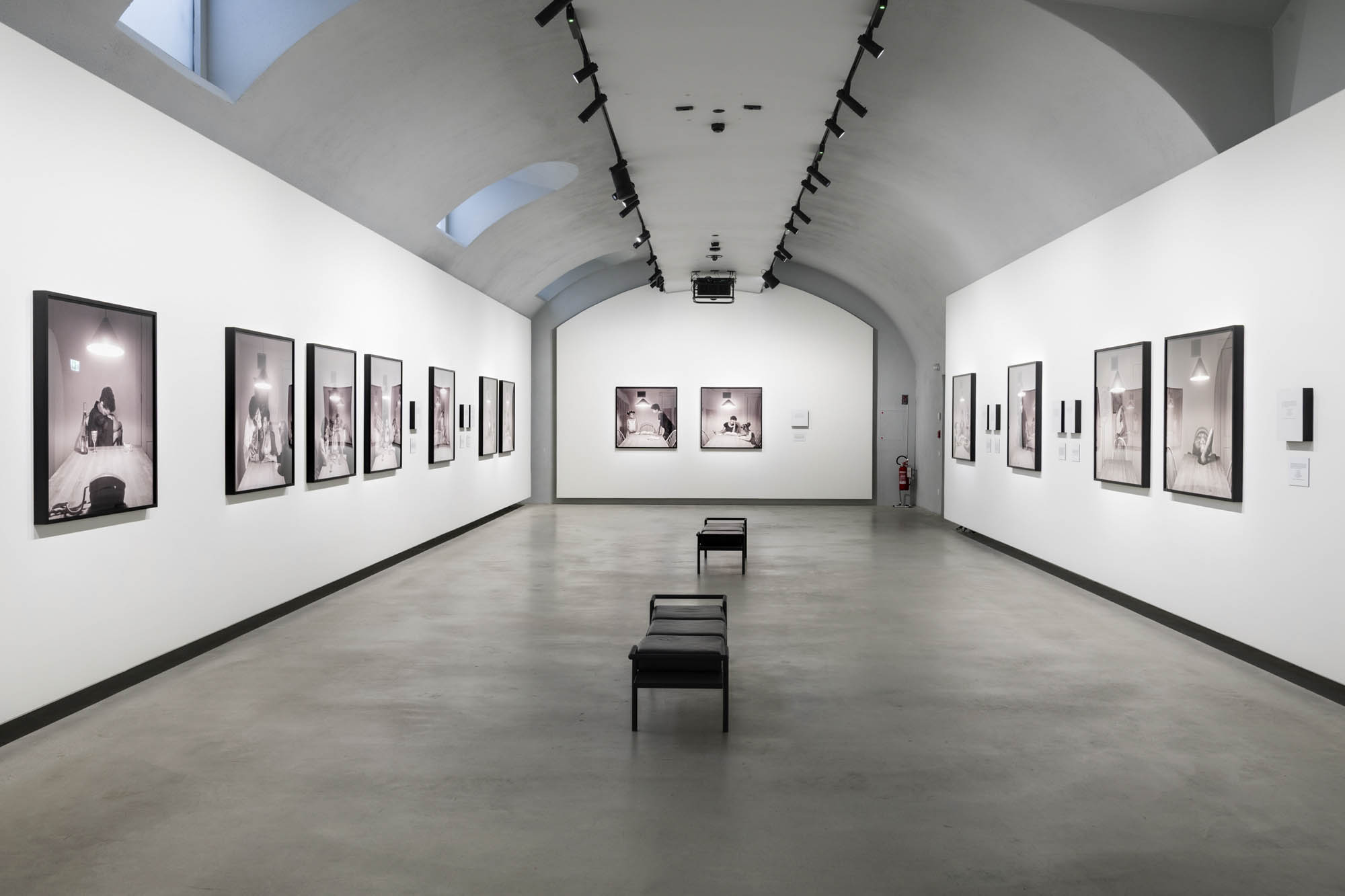
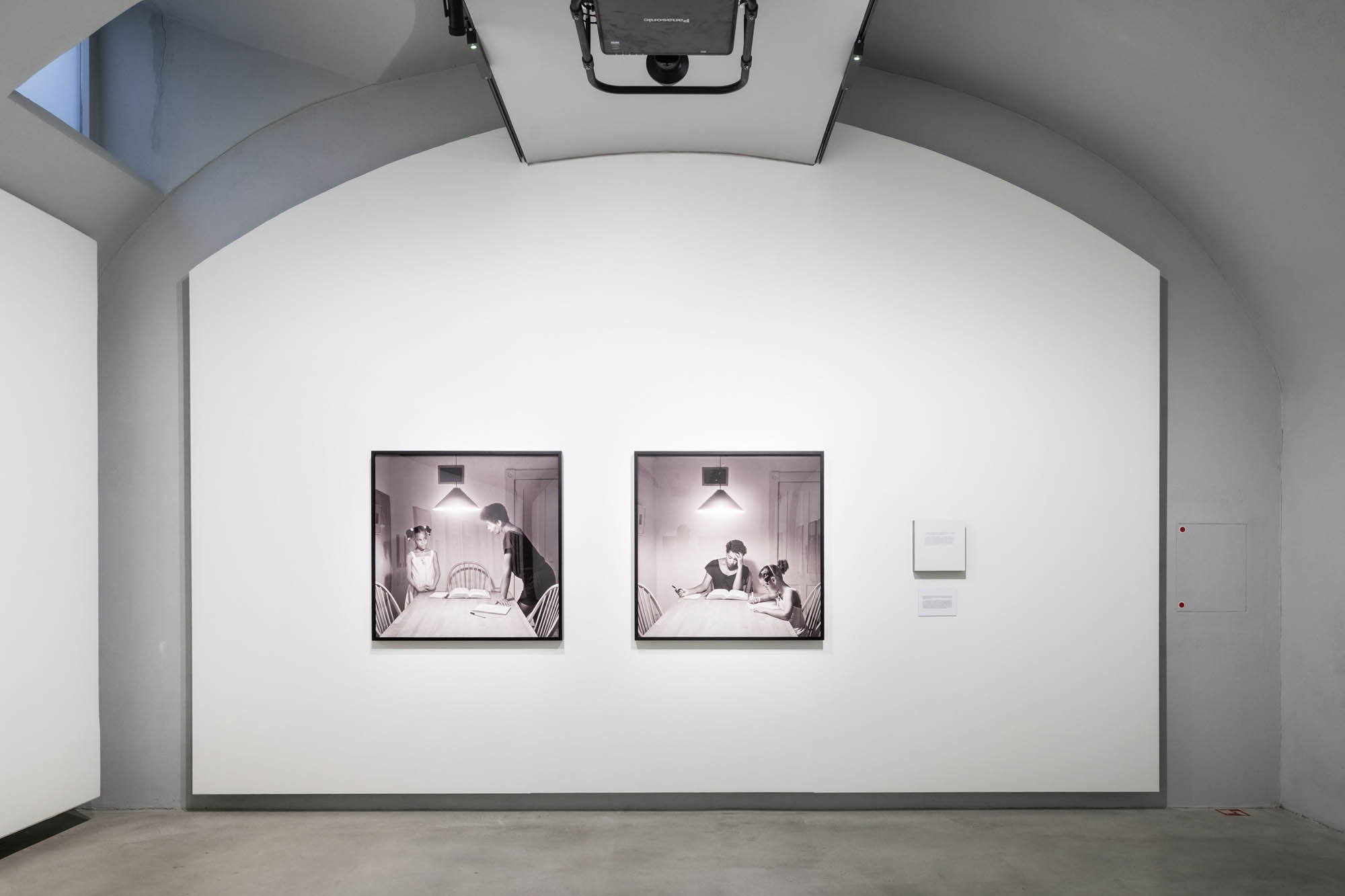
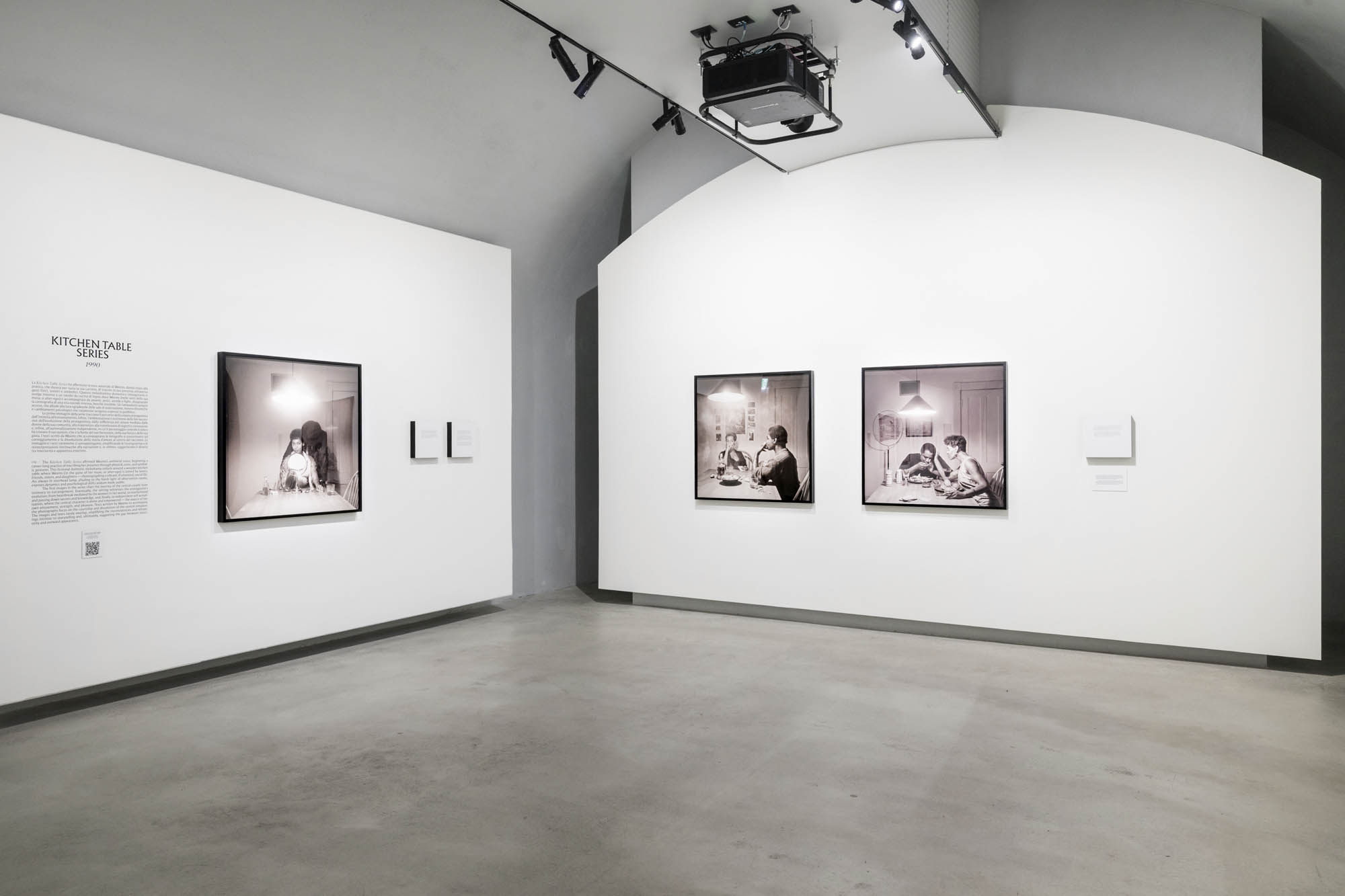
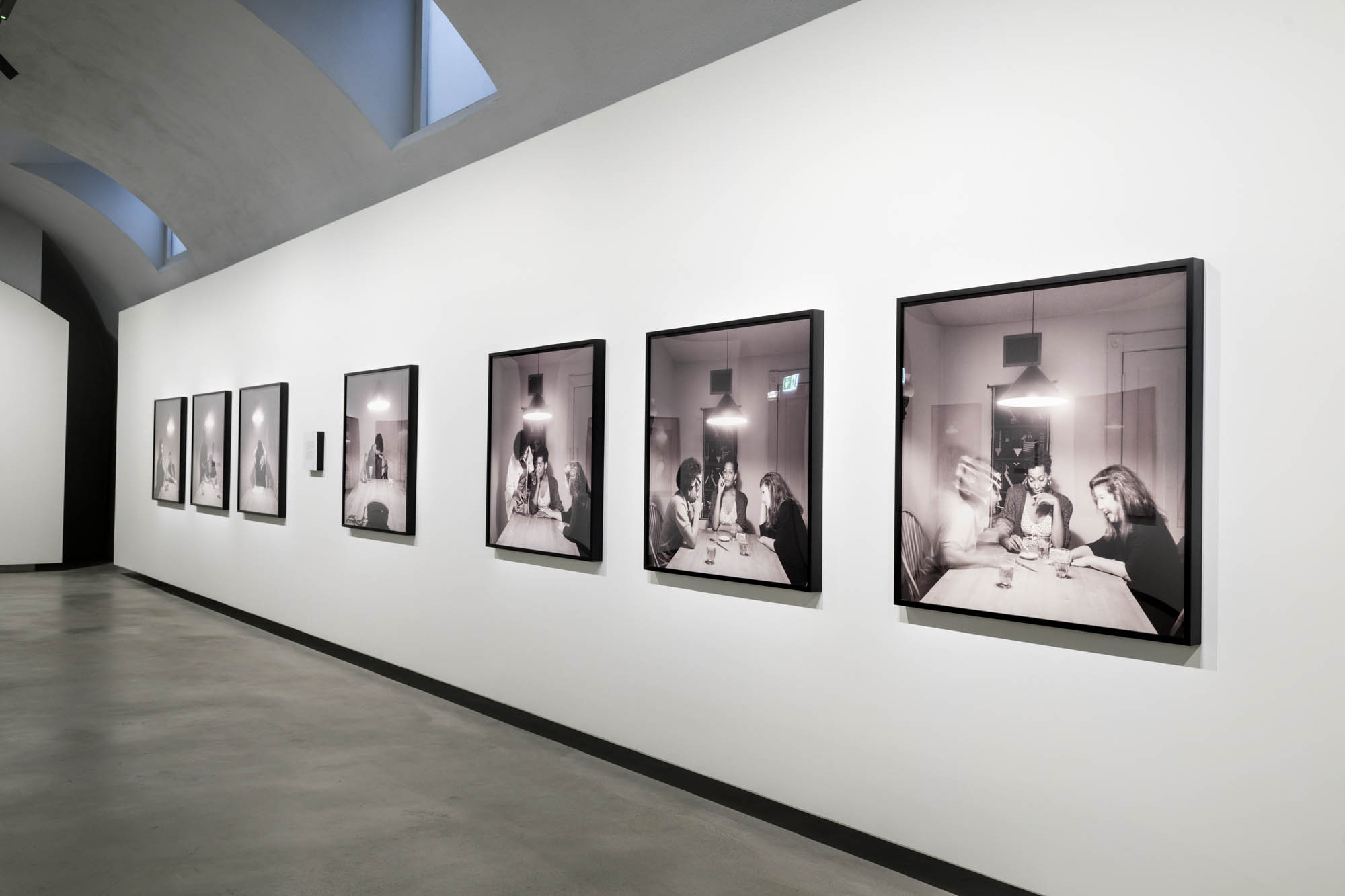
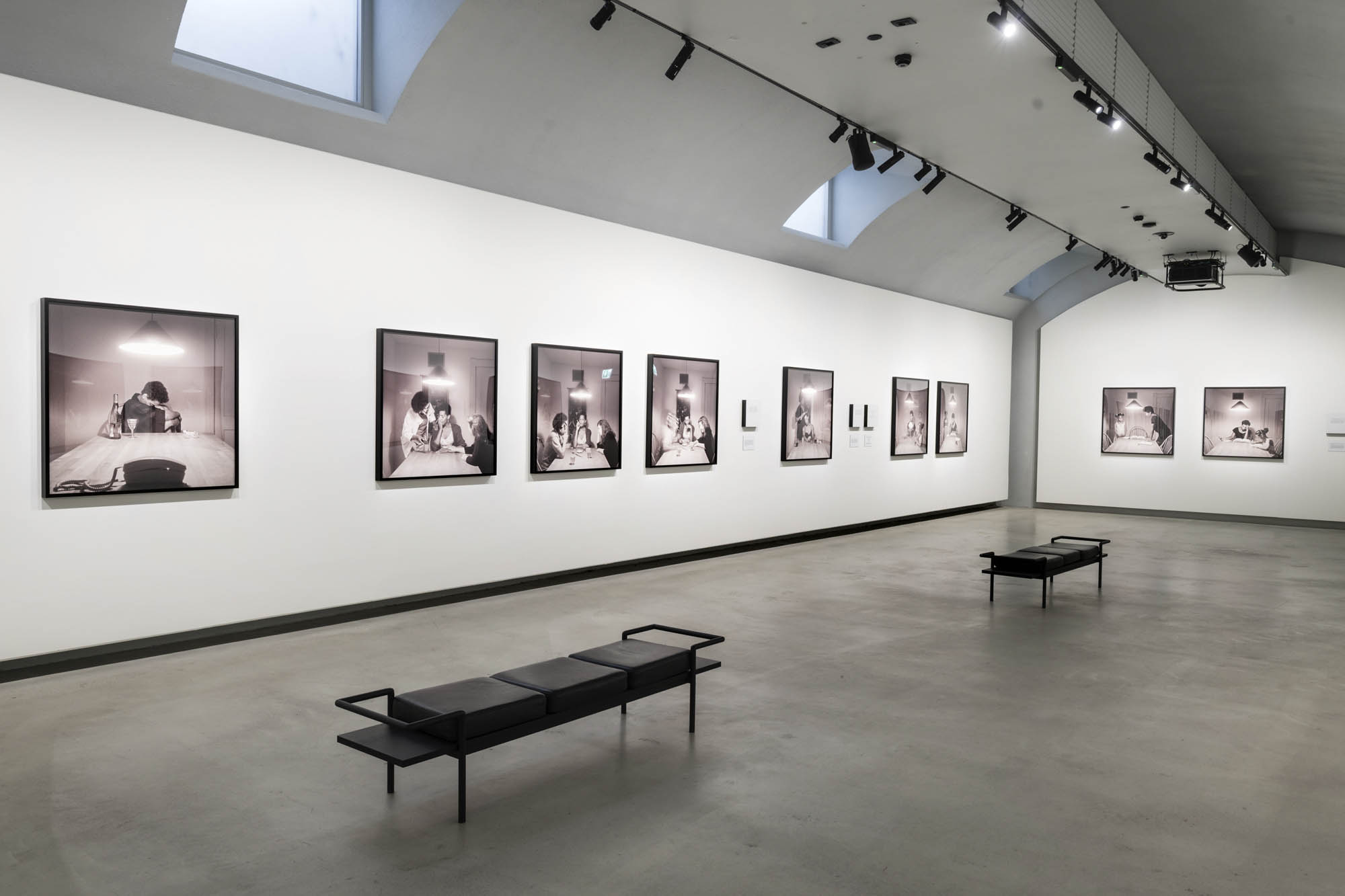
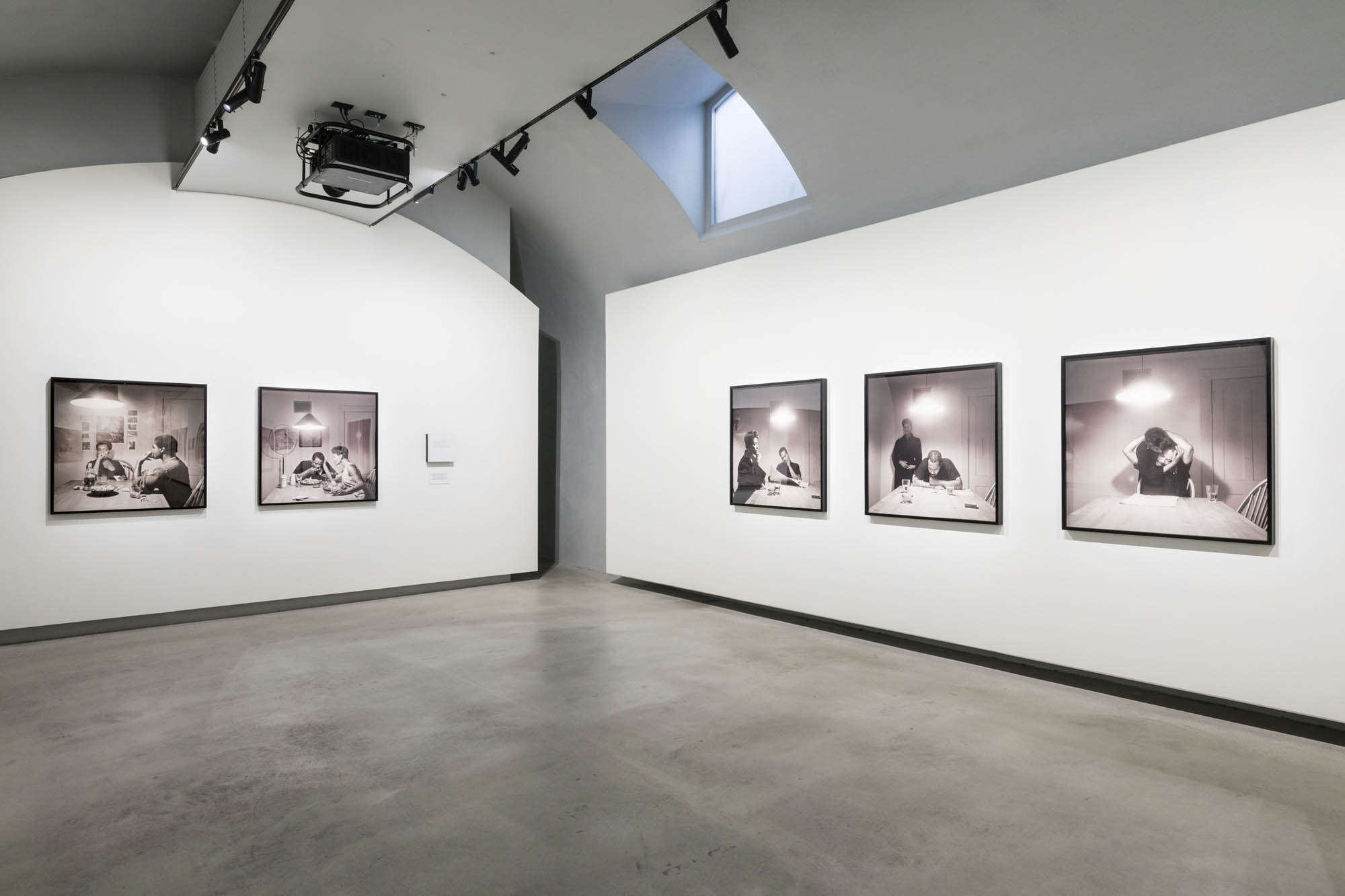
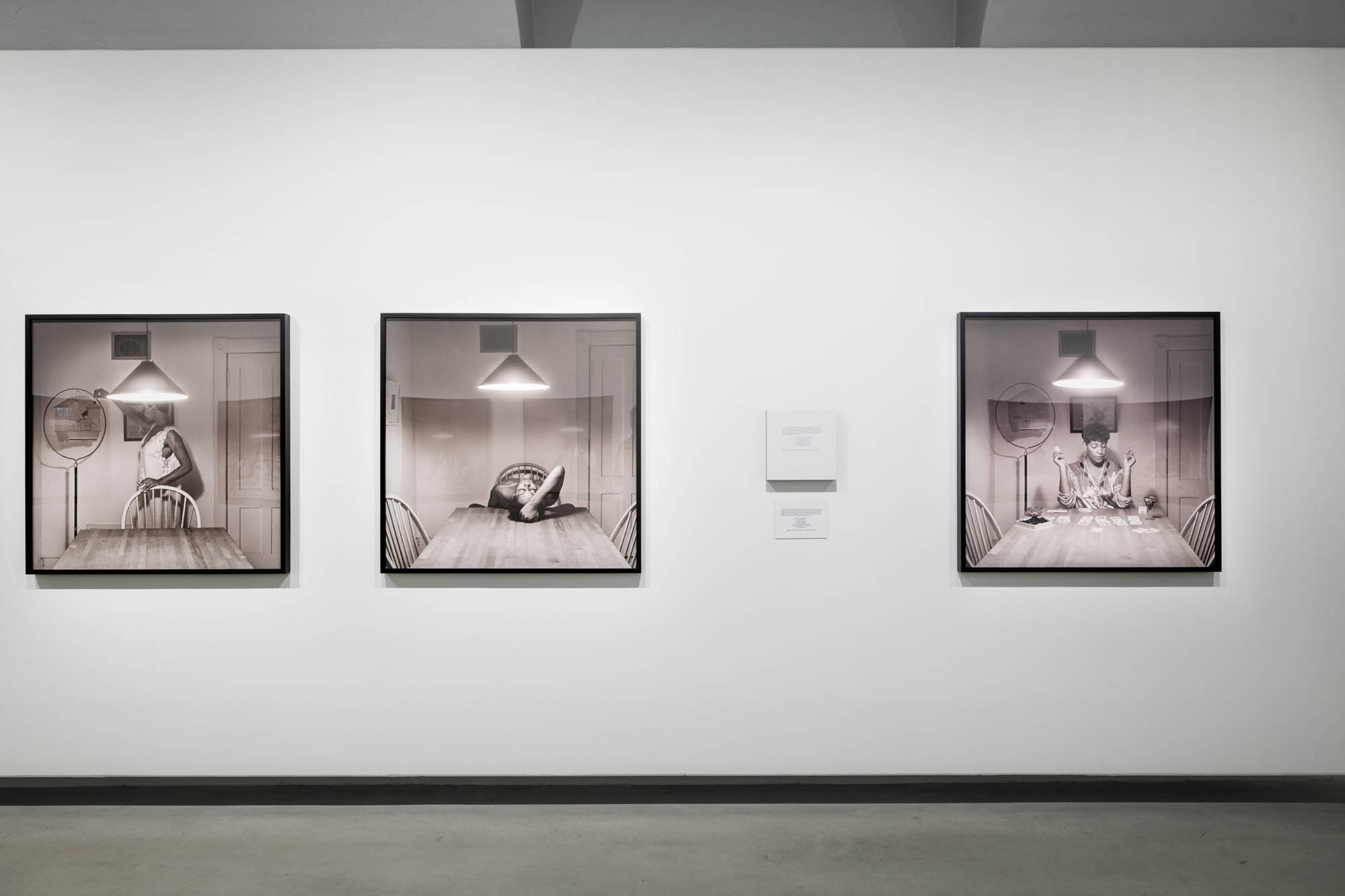
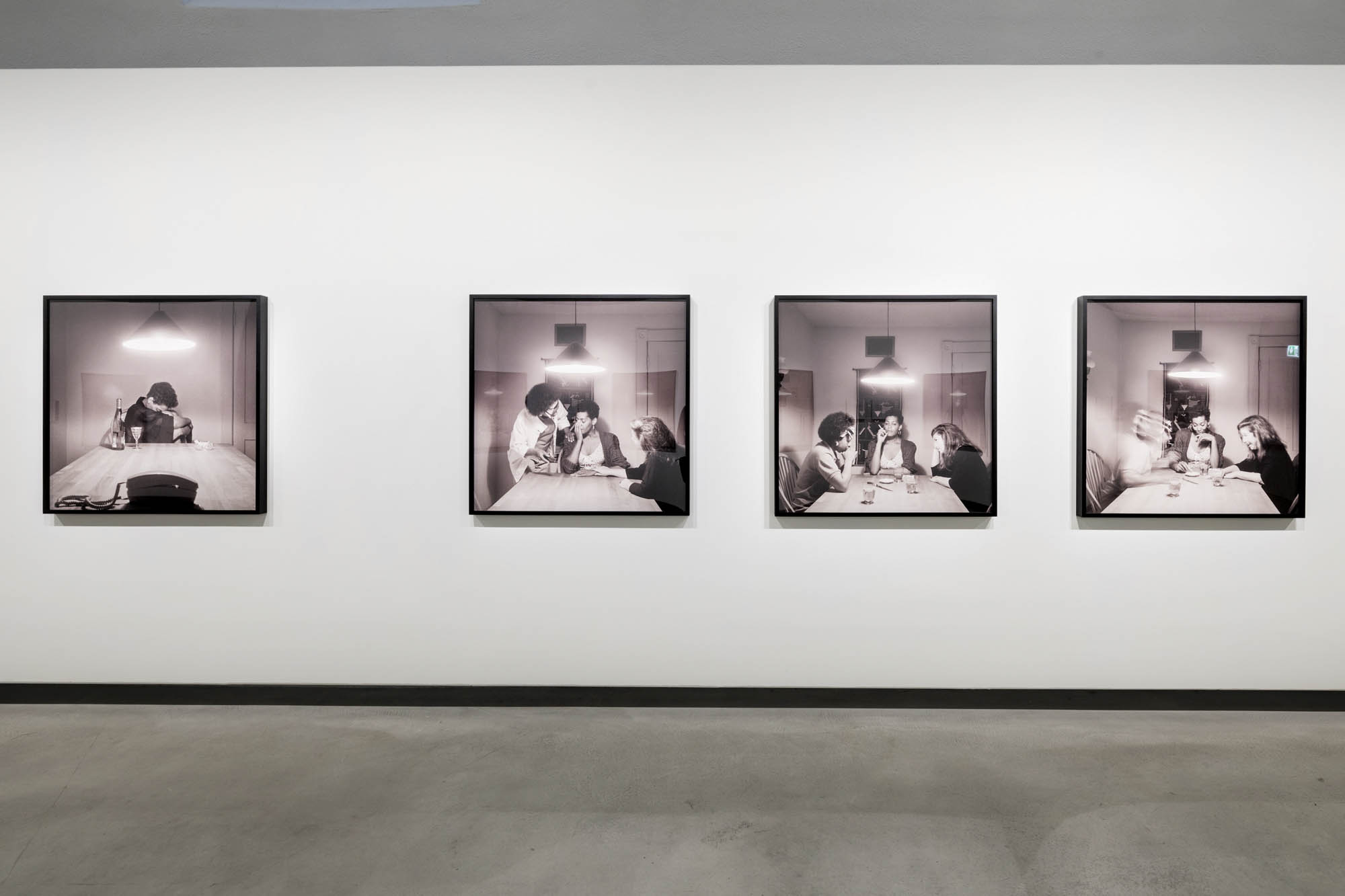
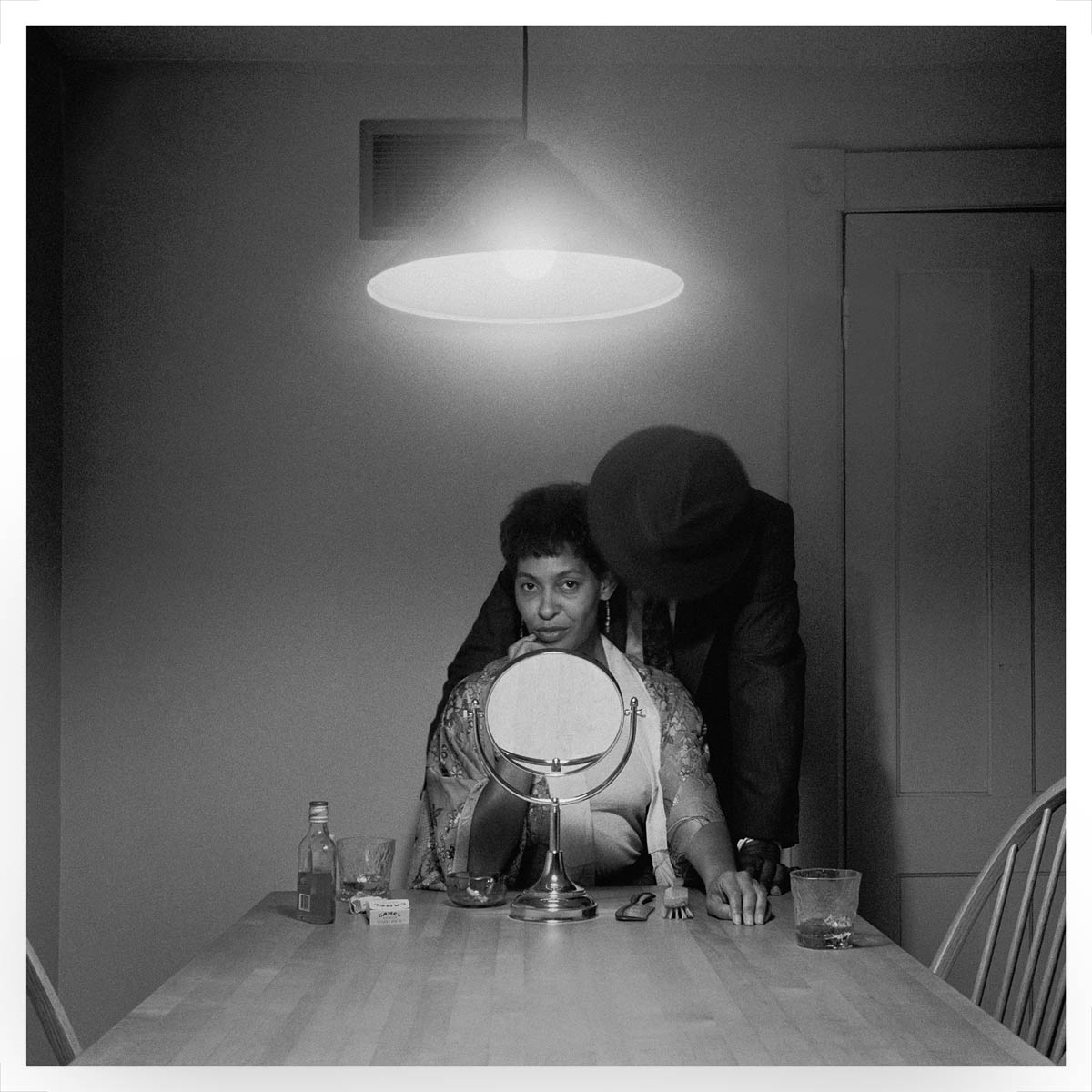


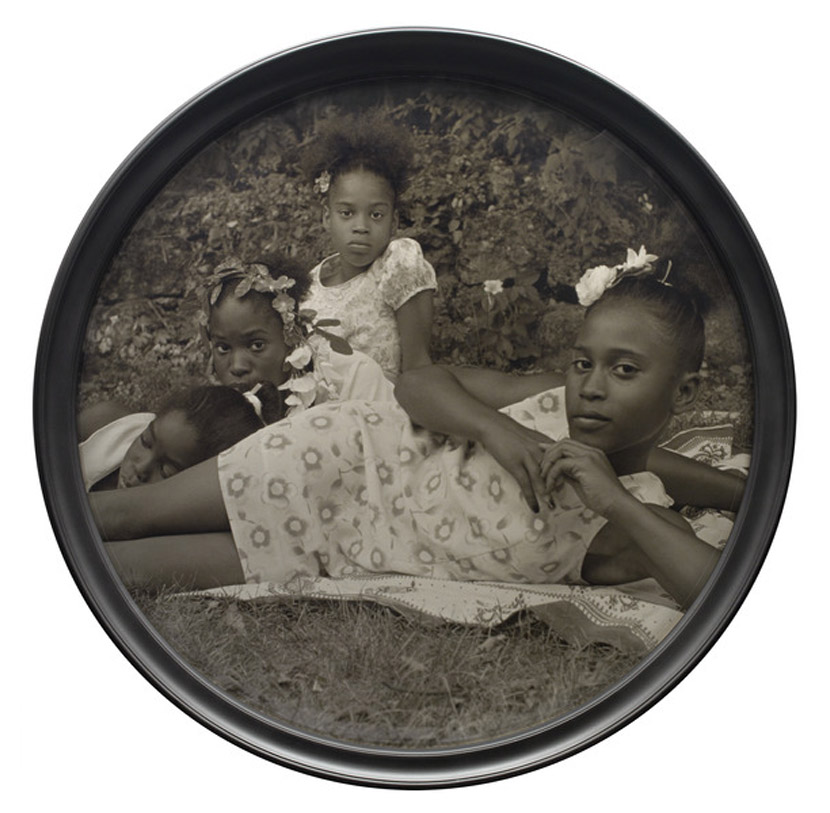

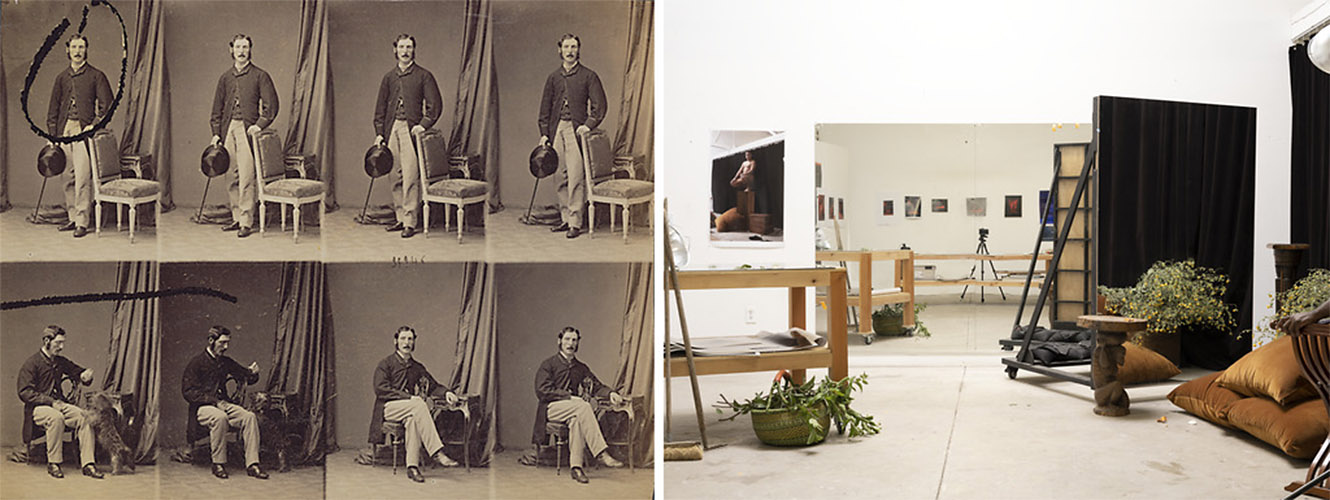
![William Henry Fox Talbot (English, 1800-1877) '[A Stem of Delicate Leaves of an Umbrellifer]' probably 1843-1846](https://artblart.com/wp-content/uploads/2024/05/talbot-a-stem-of-delicate-leaves-of-an-umbrellifer.jpg "William Henry Fox Talbot (English, 1800-1877) '[A Stem of Delicate Leaves of an Umbrellifer]' probably 1843-1846")

![At left, Herbert Bell et al, '[Amateur World Tour Album, taken with early Kodak cameras, plus purchased travel photographs by various photographers]' (2 page spread); and at right, Stephanie Syjuco (American born Philippines, b. 1974) 'Herbaria' 2021 (detail)](https://artblart.com/wp-content/uploads/2024/05/bell-and-syjuco-herbaria.jpg "At left, Herbert Bell et al, '[Amateur World Tour Album, taken with early Kodak cameras, plus purchased travel photographs by various photographers]' (2 page spread); and at right, Stephanie Syjuco (American born Philippines, b. 1974) 'Herbaria' 2021 (detail)")
![Herbert Bell (English, 1856-1946) Frederick Nutt Broderick (English, about 1854-1913) Gustave Hermans (Belgian, 1856-1934) Anthony Horner (English, 1853-1923) Michael Horner (English, 1843-1869) C. W. J. Johnson (American, 1833-1903) Léon & Lévy (French, active 1864-1913 or 1920) Léopold Louis Mercier (French, b. 1866) Neurdein Frères (French, founded 1860s, dissolved 1918) Louis Parnard (French, 1840-1893) Alfred Pettitt (English, 1820-1880) Francis Godolphin Osborne Stuart (British born Scotland, 1843-1923) Unknown maker Valentine & Sons (Scottish, founded 1851, dissolved 1910) L. P. Vallée (Canadian, 1837-1905) York and Son J. Kühn (French, active Paris, France 1885 - early 20th century) '[Amateur World Tour Album, taken with early Kodak cameras, plus purchased travel photographs by various photographers]' (2 page spread)](https://artblart.com/wp-content/uploads/2024/05/amateur-world-tour-album.jpg "Herbert Bell (English, 1856-1946) Frederick Nutt Broderick (English, about 1854-1913) Gustave Hermans (Belgian, 1856-1934) Anthony Horner (English, 1853-1923) Michael Horner (English, 1843-1869) C. W. J. Johnson (American, 1833-1903) Léon & Lévy (French, active 1864-1913 or 1920) Léopold Louis Mercier (French, b. 1866) Neurdein Frères (French, founded 1860s, dissolved 1918) Louis Parnard (French, 1840-1893) Alfred Pettitt (English, 1820-1880) Francis Godolphin Osborne Stuart (British born Scotland, 1843-1923) Unknown maker Valentine & Sons (Scottish, founded 1851, dissolved 1910) L. P. Vallée (Canadian, 1837-1905) York and Son J. Kühn (French, active Paris, France 1885 - early 20th century) '[Amateur World Tour Album, taken with early Kodak cameras, plus purchased travel photographs by various photographers]' (2 page spread)")


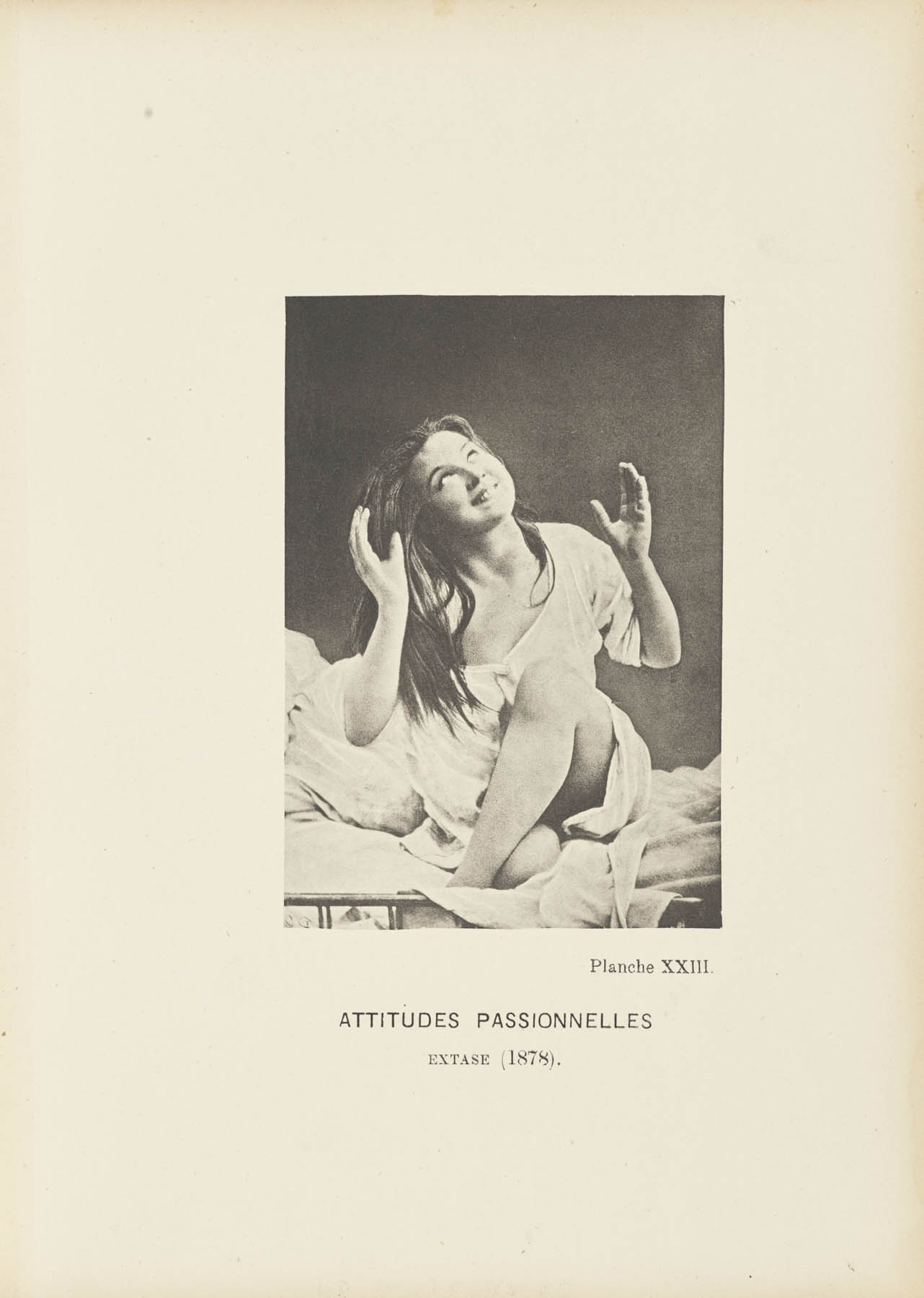


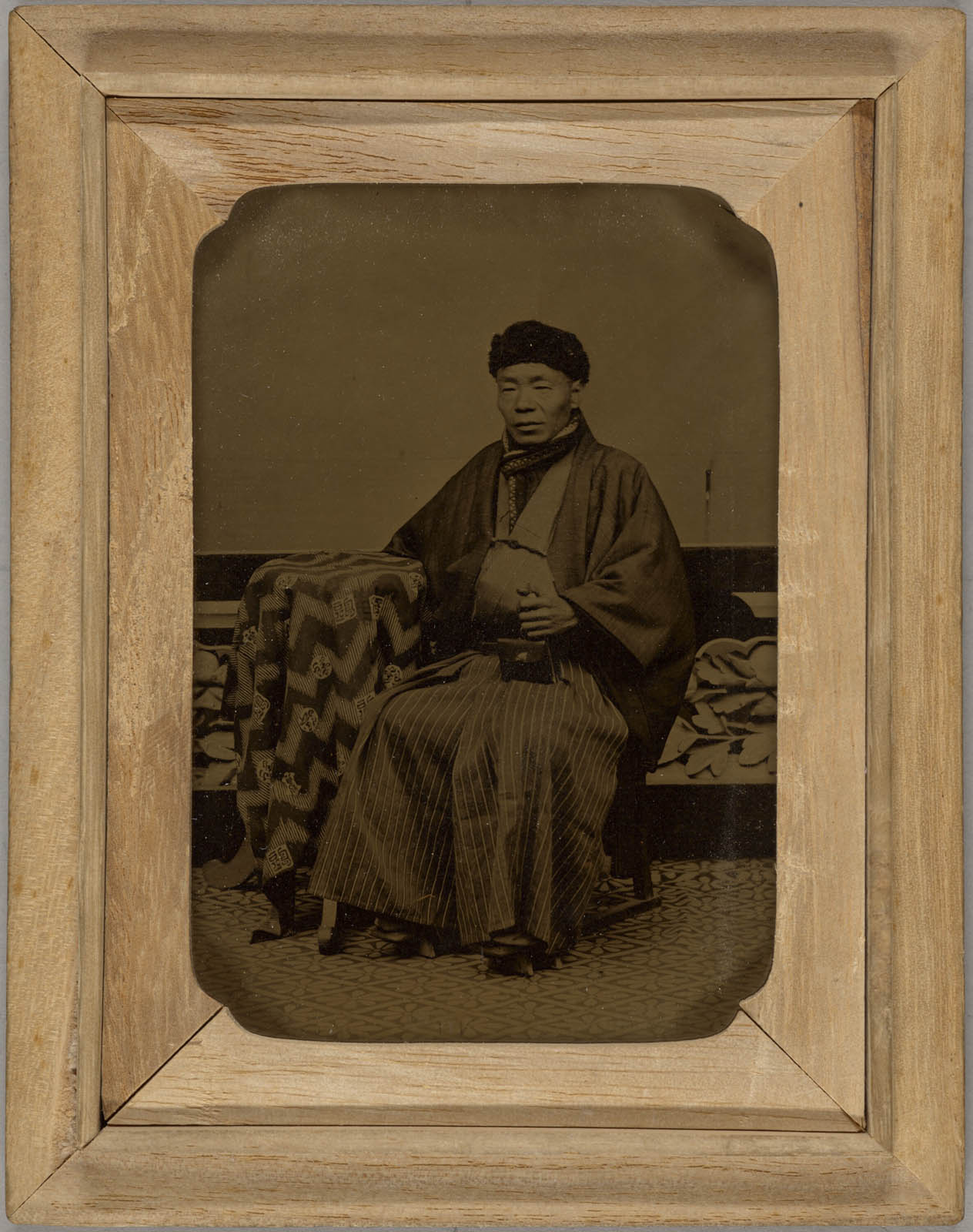


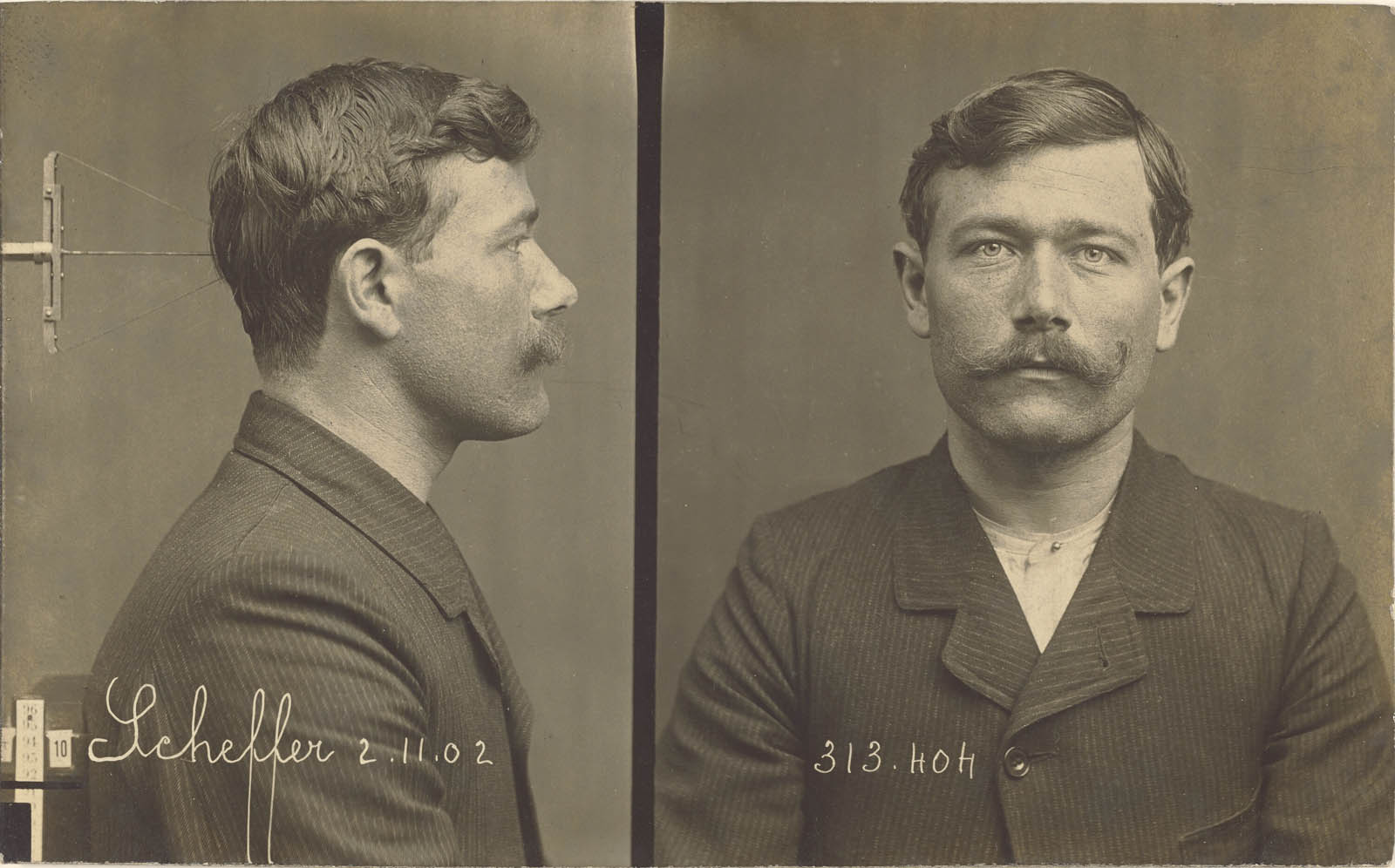


![At left, William H. Mumler (American, 1832-1884) 'Mrs. Swan' 1869-1878; and at right, Khadija Saye (Gambian-British, b. 1992) 'Nak Bejjen' [Cow's Horn] 2017-2018](https://artblart.com/wp-content/uploads/2024/05/mumler-mrs.-swan-and-saye-nak-bejjen.jpg "At left, William H. Mumler (American, 1832-1884) 'Mrs. Swan' 1869-1878; and at right, Khadija Saye (Gambian-British, b. 1992) 'Nak Bejjen' [Cow's Horn] 2017-2018")

![Khadija Saye (Gambian-British, b. 1992) 'Nak Bejjen' [Cow's Horn] 2017-2018](https://artblart.com/wp-content/uploads/2024/05/saye-nak-bejjen.jpg "Khadija Saye (Gambian-British, b. 1992) 'Nak Bejjen' [Cow's Horn] 2017-2018")
![At left, Unknown maker (American) '[Seated Woman with "Spirit" of a Young Man]' about 1865-1875; and at right, Lieko Shiga (Japanese, b. 1980) 'Talking with Me' 2005 From the series 'Lilly'](https://artblart.com/wp-content/uploads/2024/05/seated-woman-and-shiga-talking-with-me.jpg "At left, Unknown maker (American) '[Seated Woman with \"Spirit\" of a Young Man]' about 1865-1875; and at right, Lieko Shiga (Japanese, b. 1980) 'Talking with Me' 2005 From the series 'Lilly'")
![Unknown maker (American) '[Seated Woman with "Spirit" of a Young Man]' about 1865-1875](https://artblart.com/wp-content/uploads/2024/05/seated-woman-with-spirit.jpg "Unknown maker (American) '[Seated Woman with \"Spirit\" of a Young Man]' about 1865-1875")
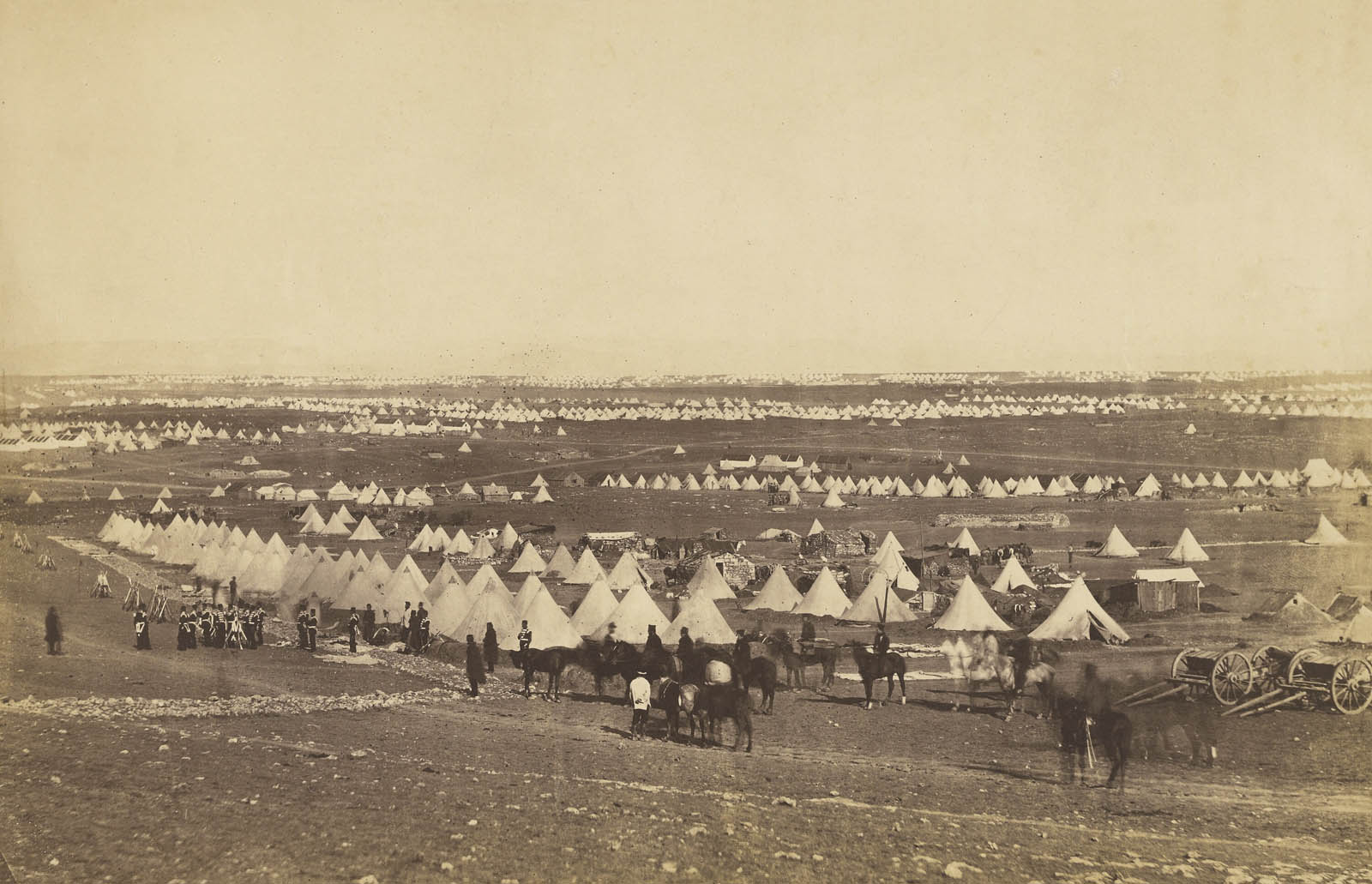
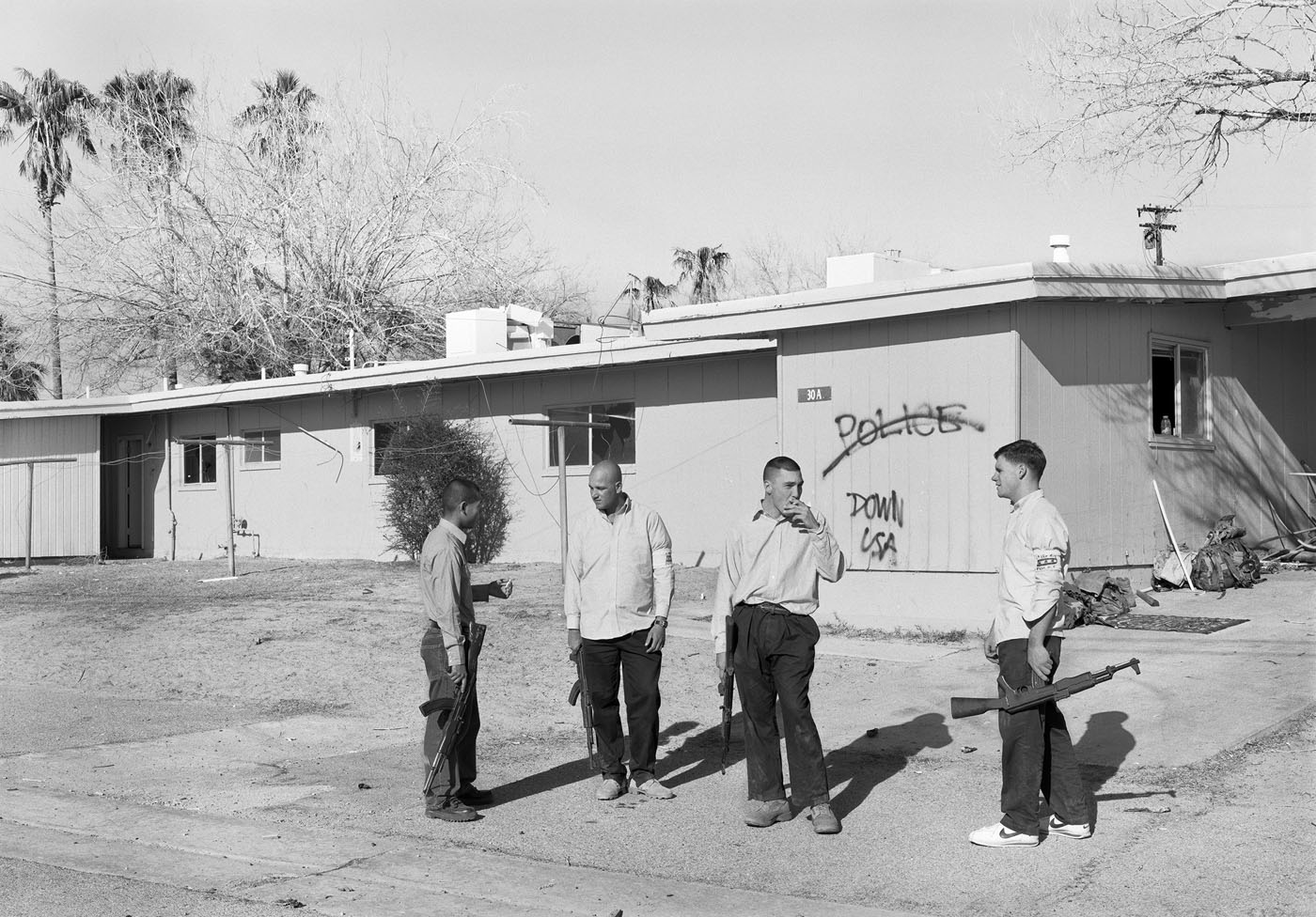

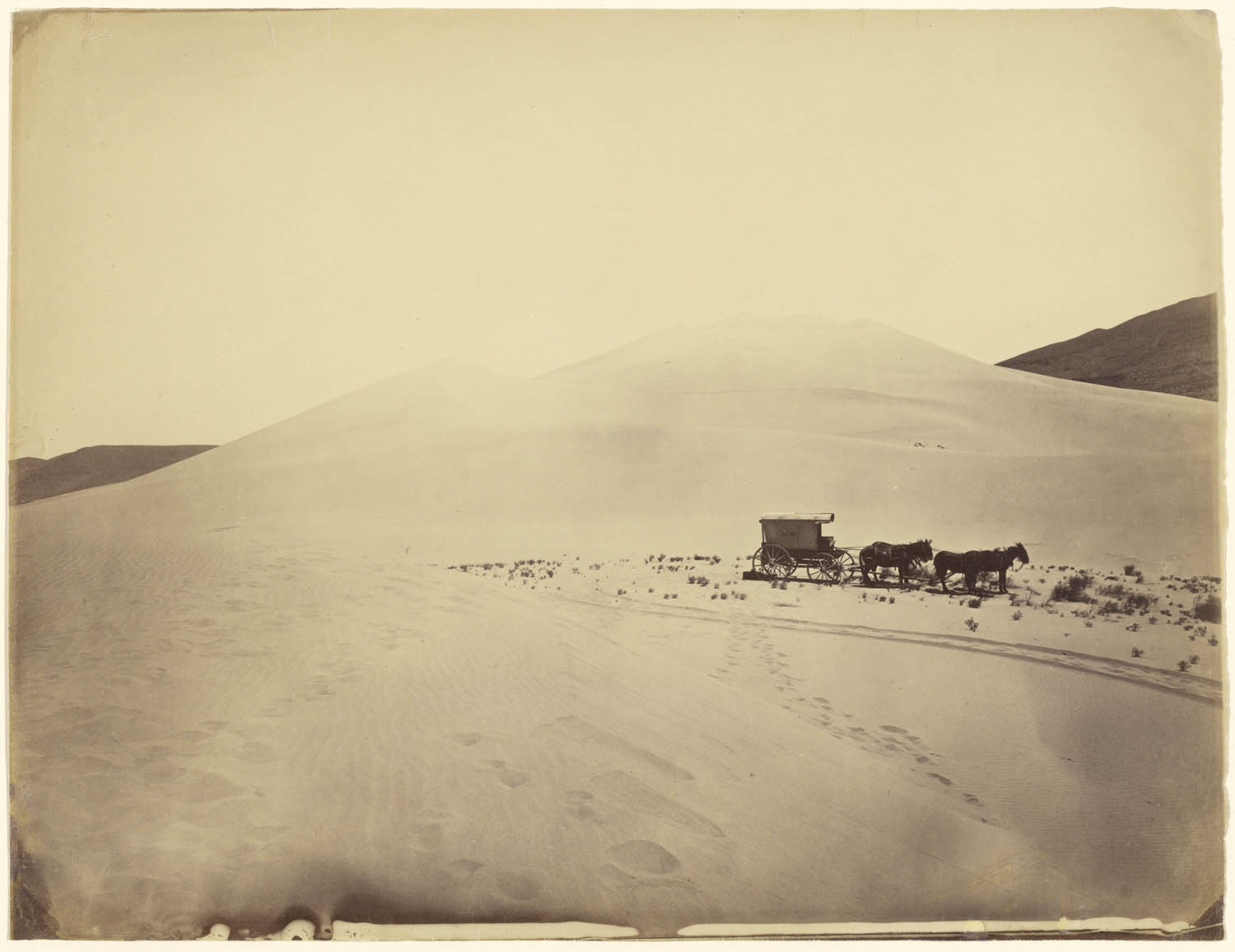
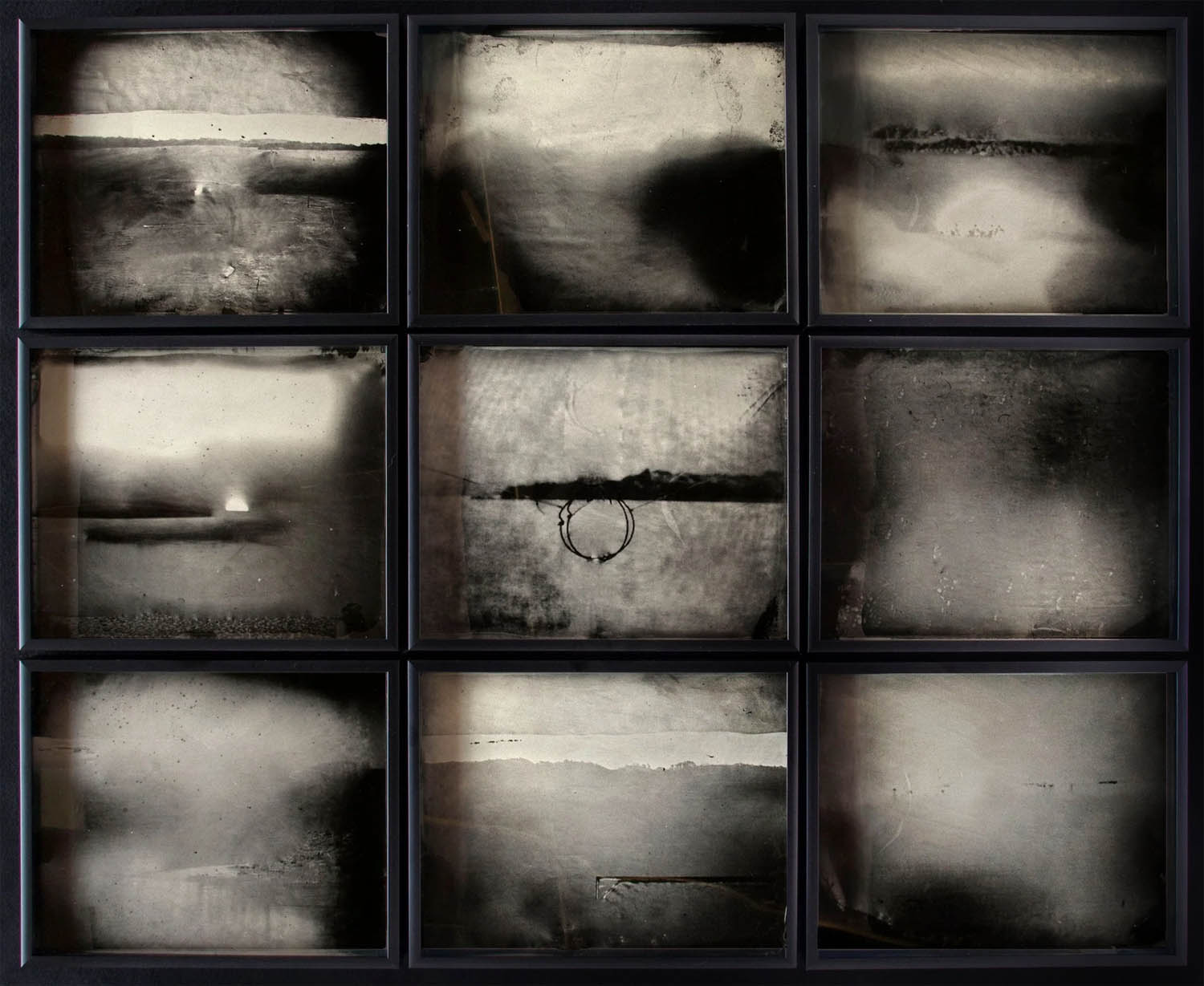
![A.J. Russell (American, 1830-1902) 'Embankment No. 3 West of Granite Cannon [Wyoming]' April 1868](https://artblart.com/wp-content/uploads/2024/05/russell-embankment-no.-3-west-of-granite-cannon.jpg "A.J. Russell (American, 1830-1902) 'Embankment No. 3 West of Granite Cannon [Wyoming]' April 1868")

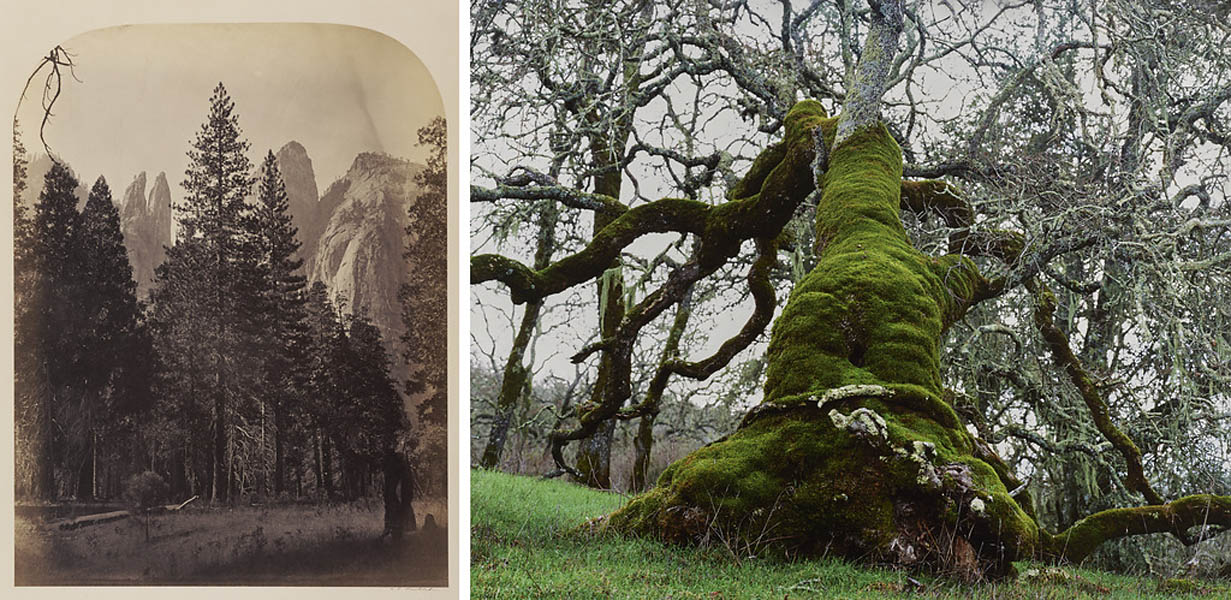
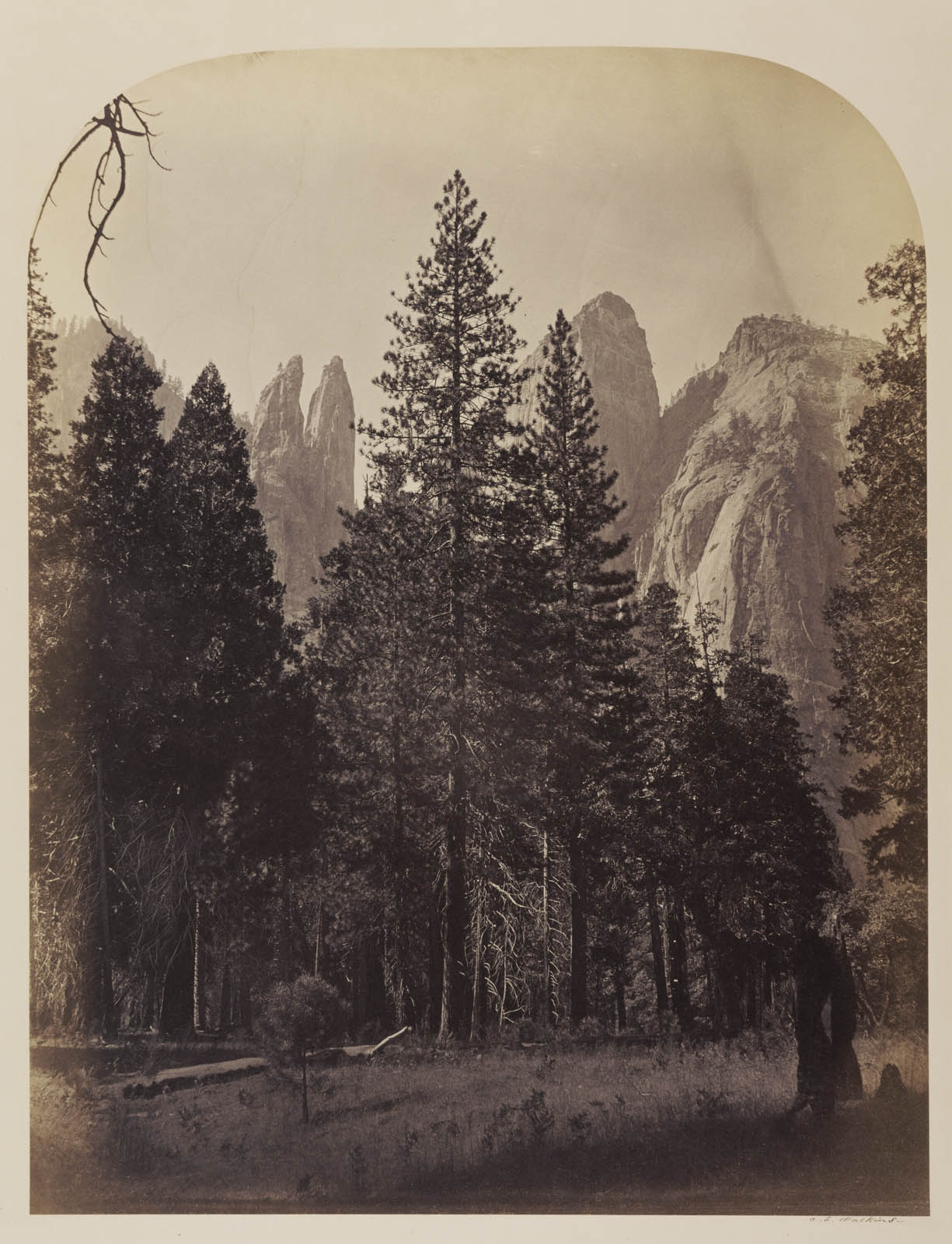
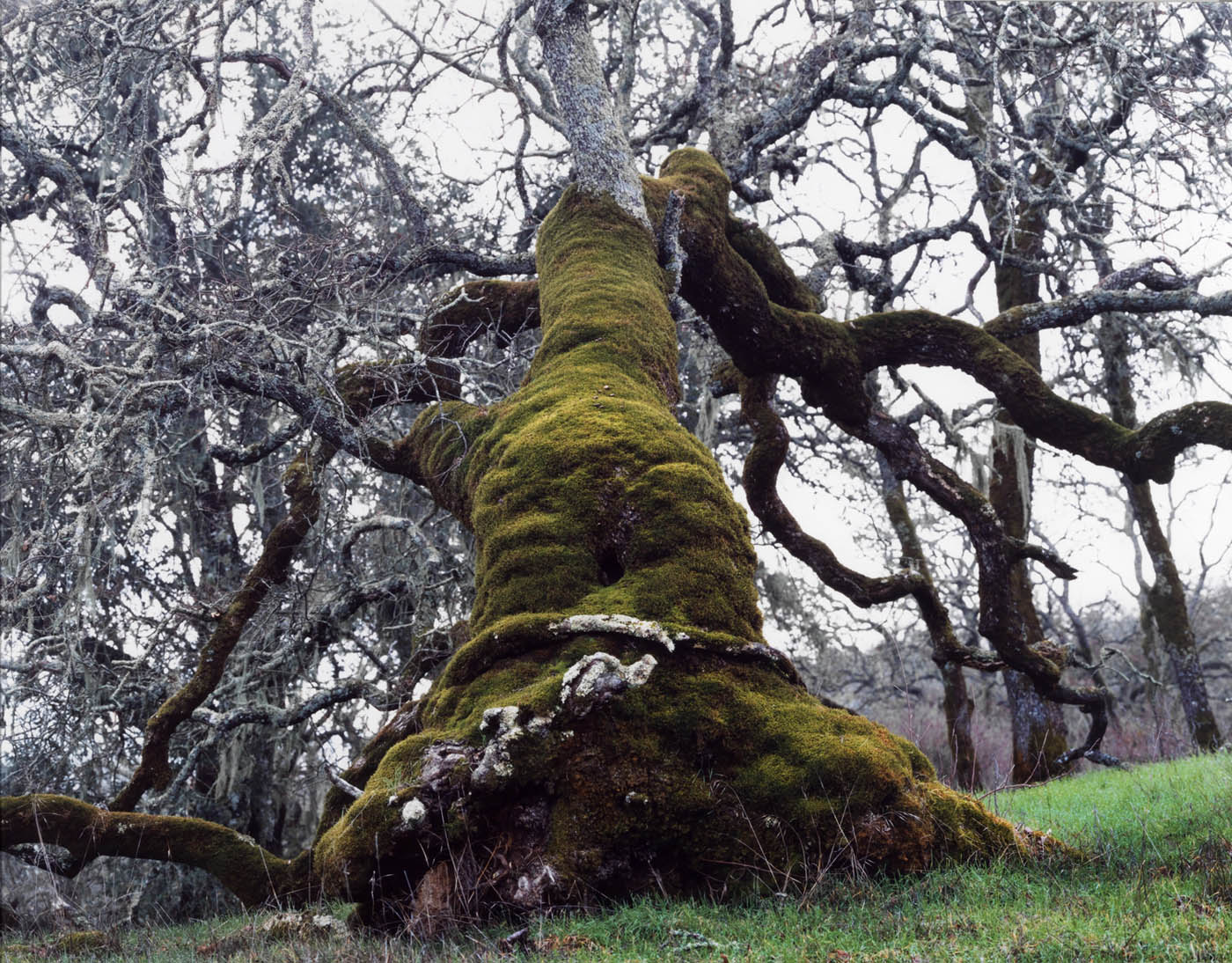

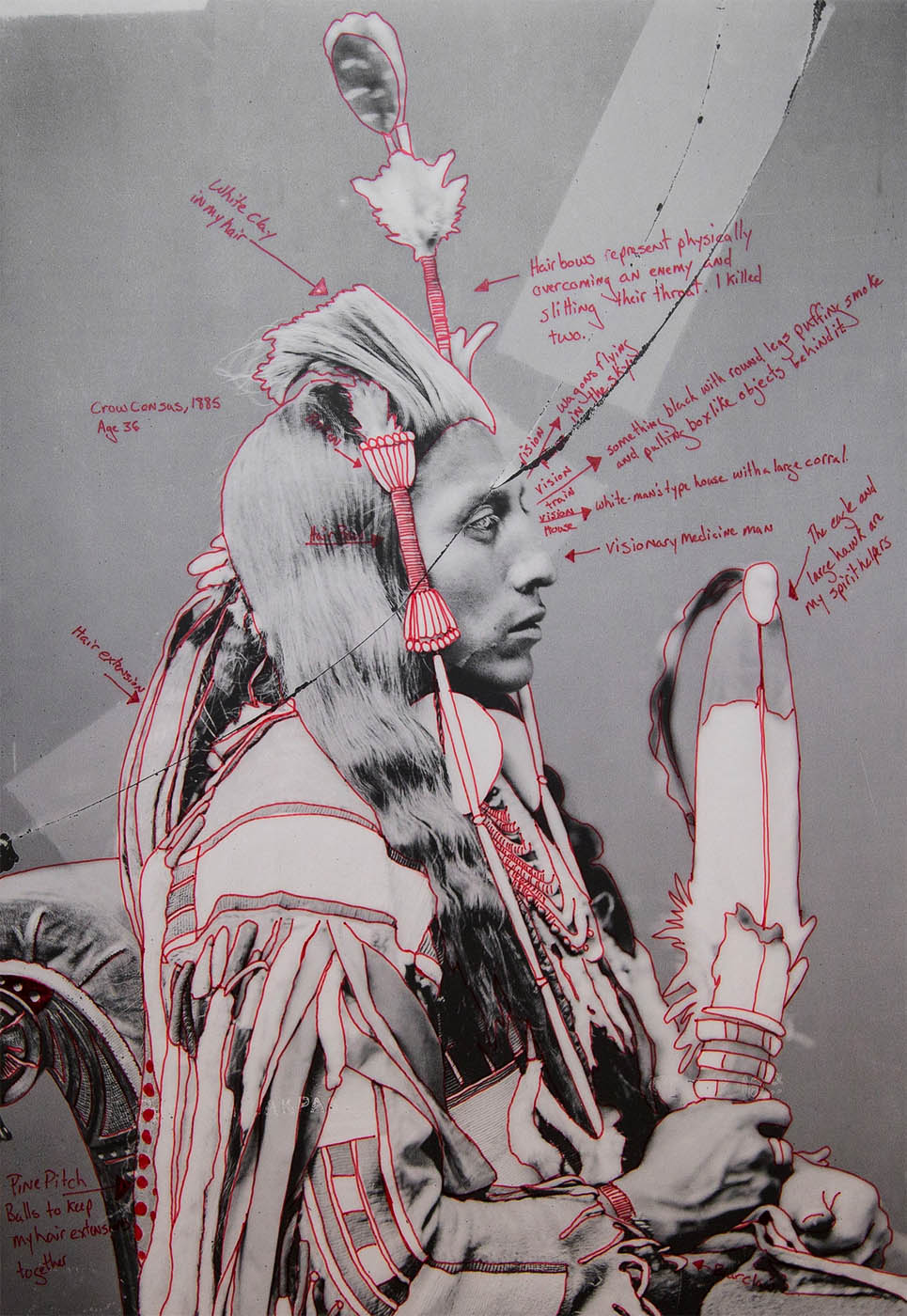

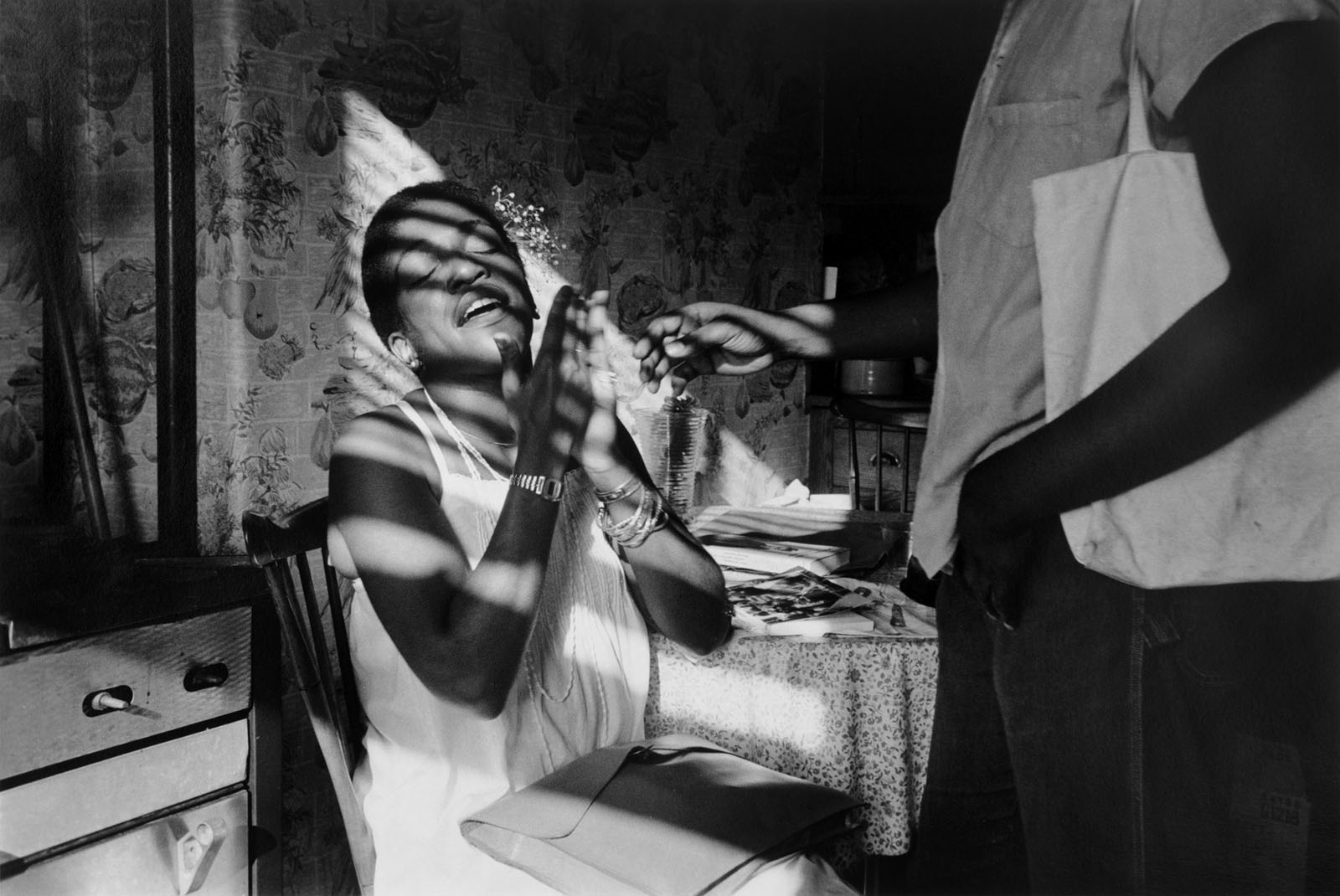


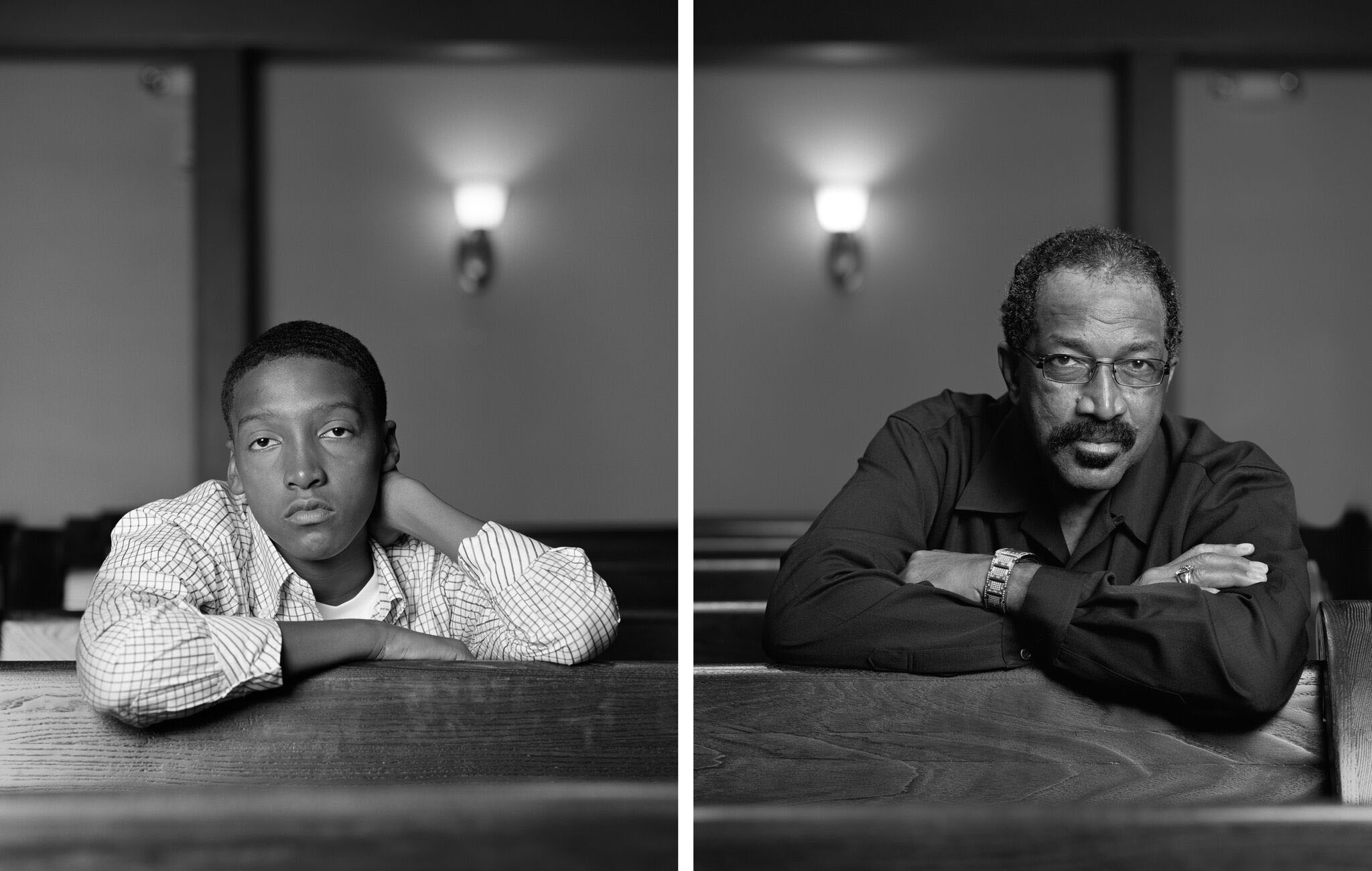
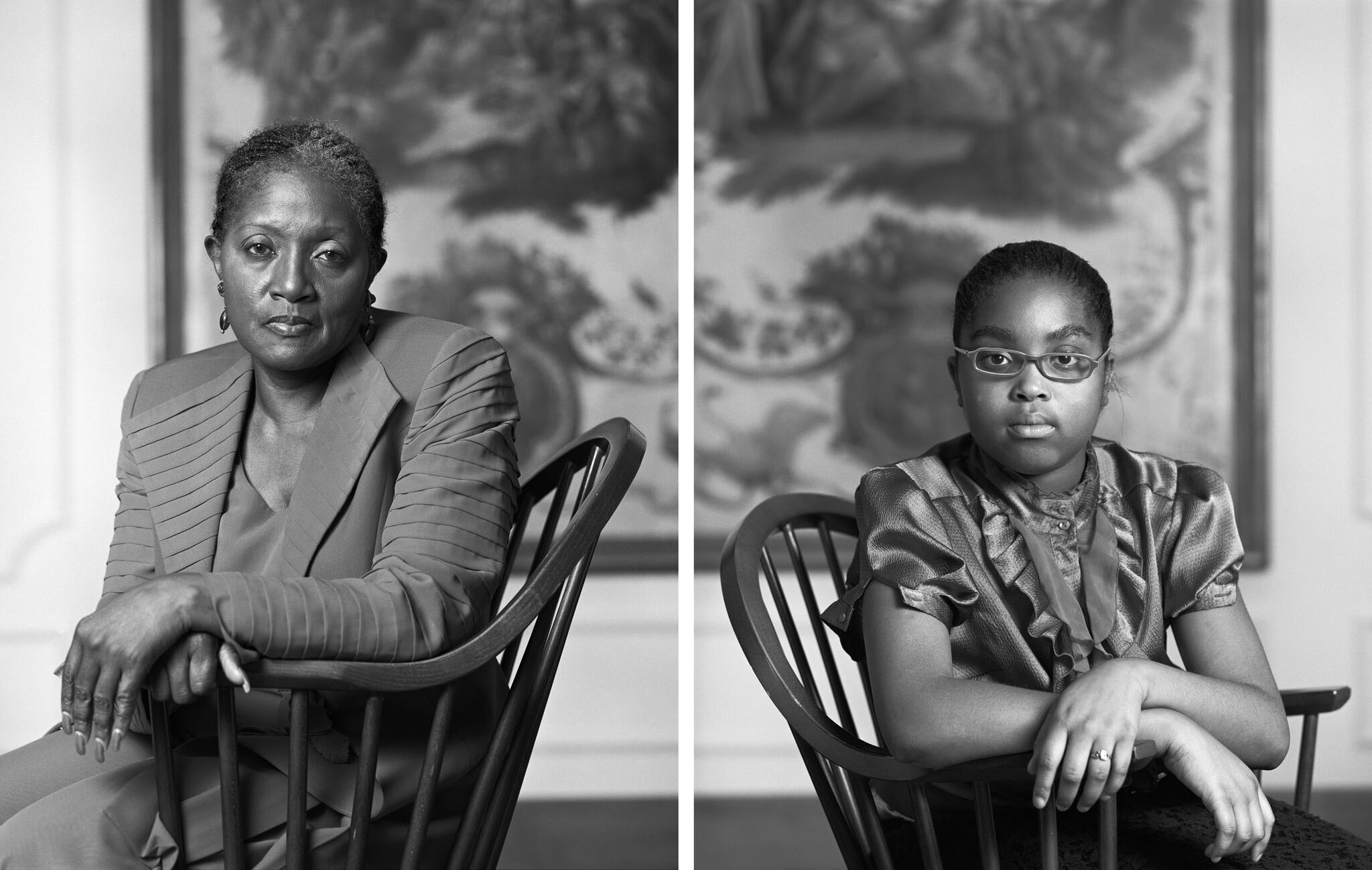

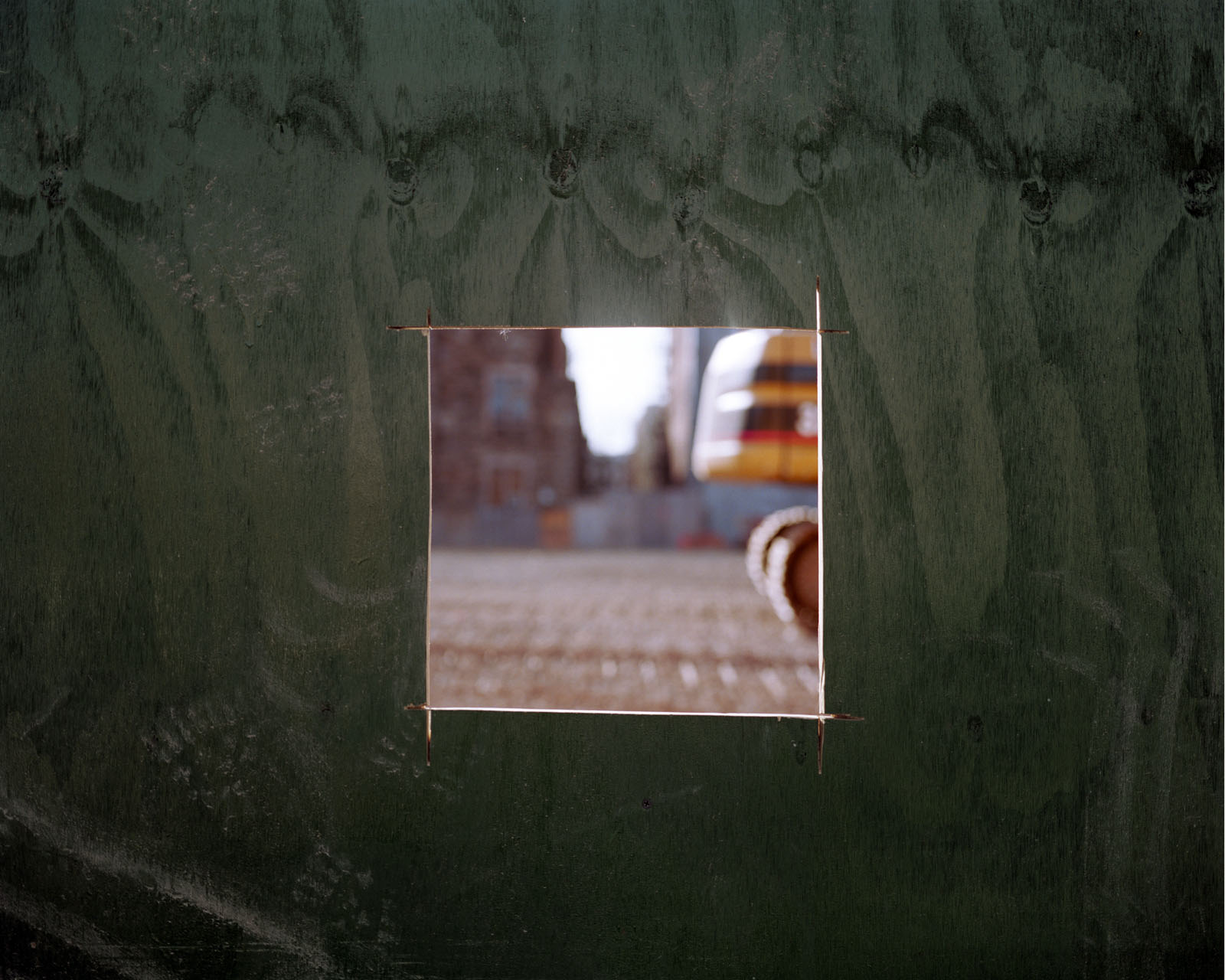


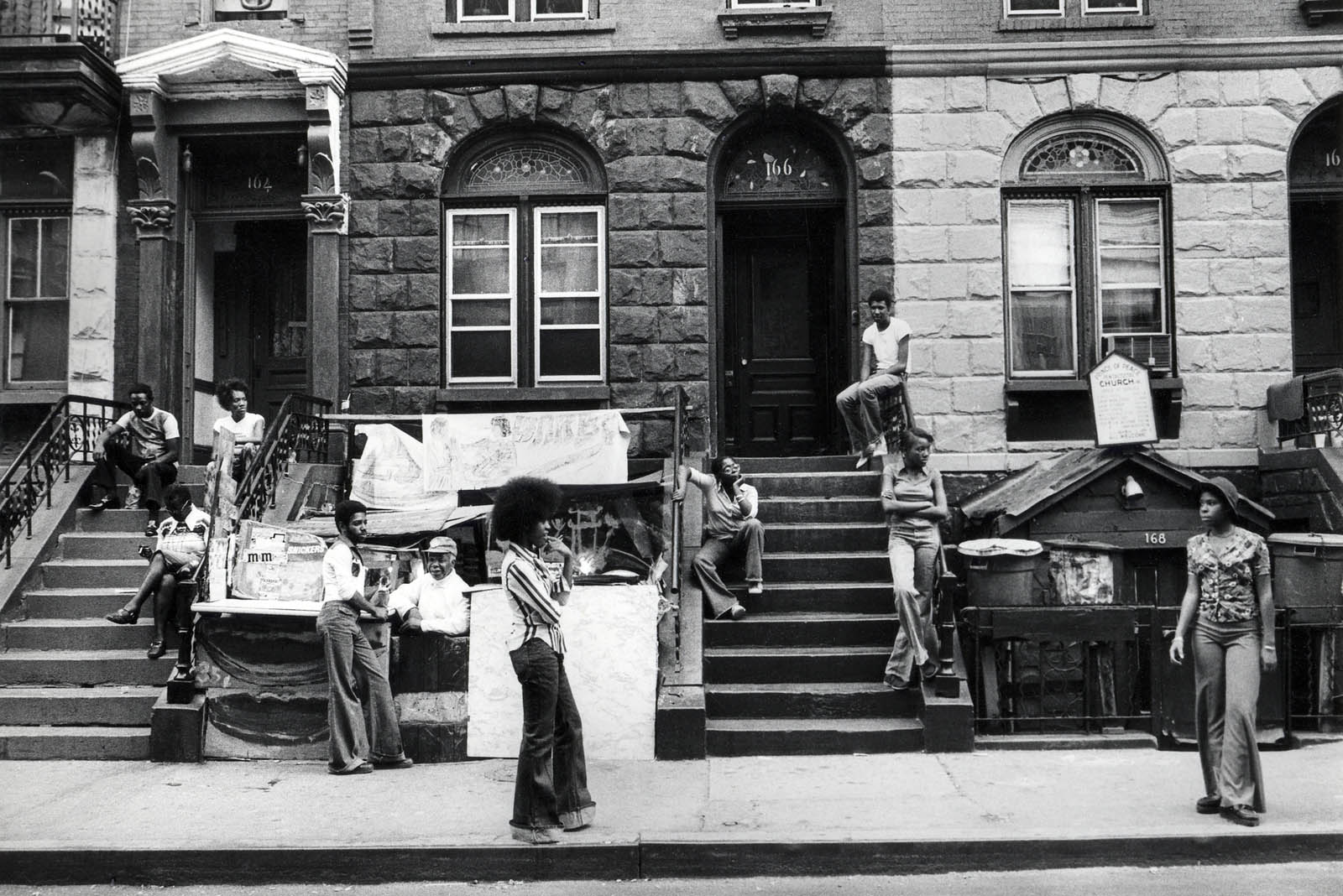

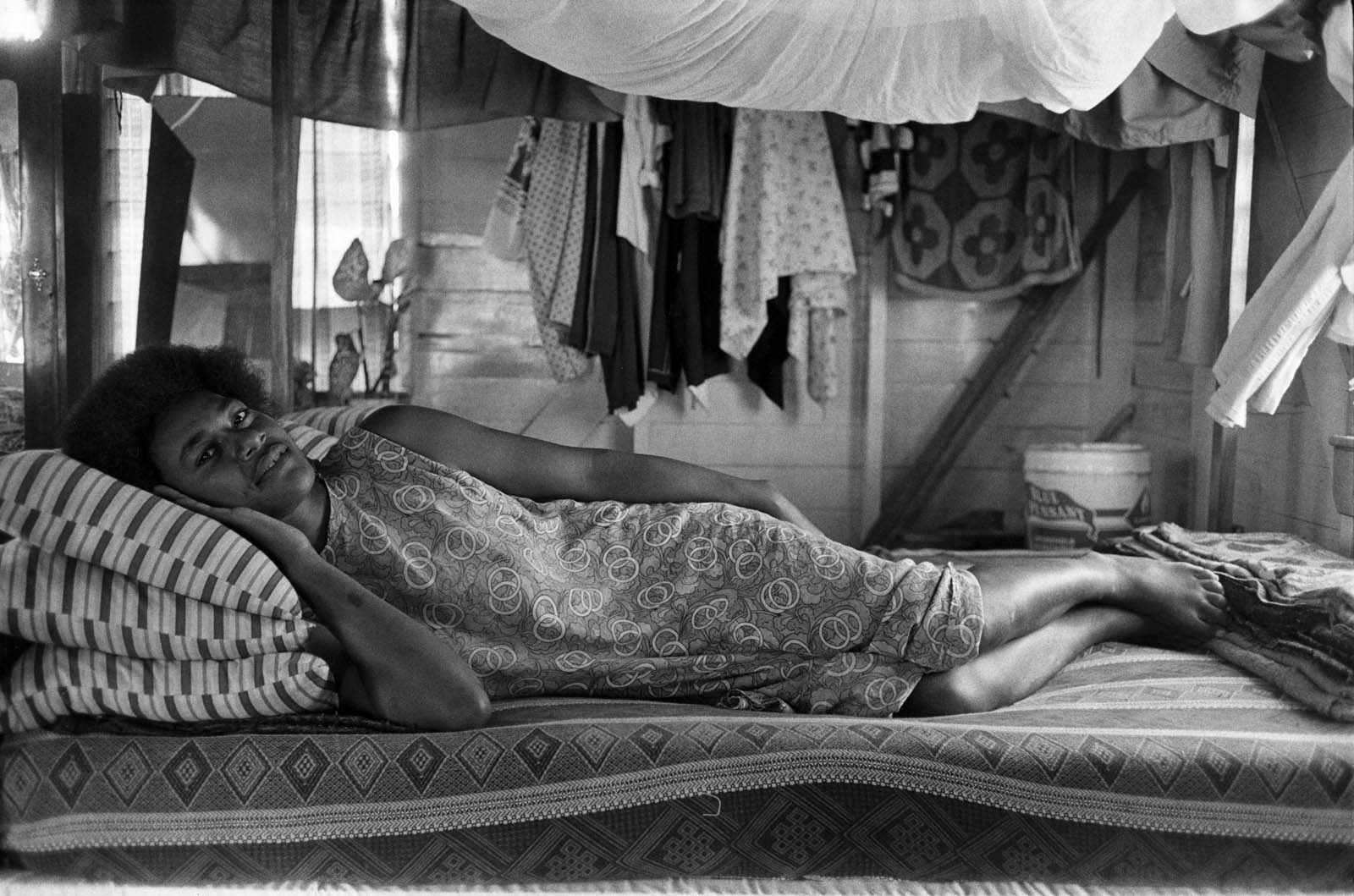


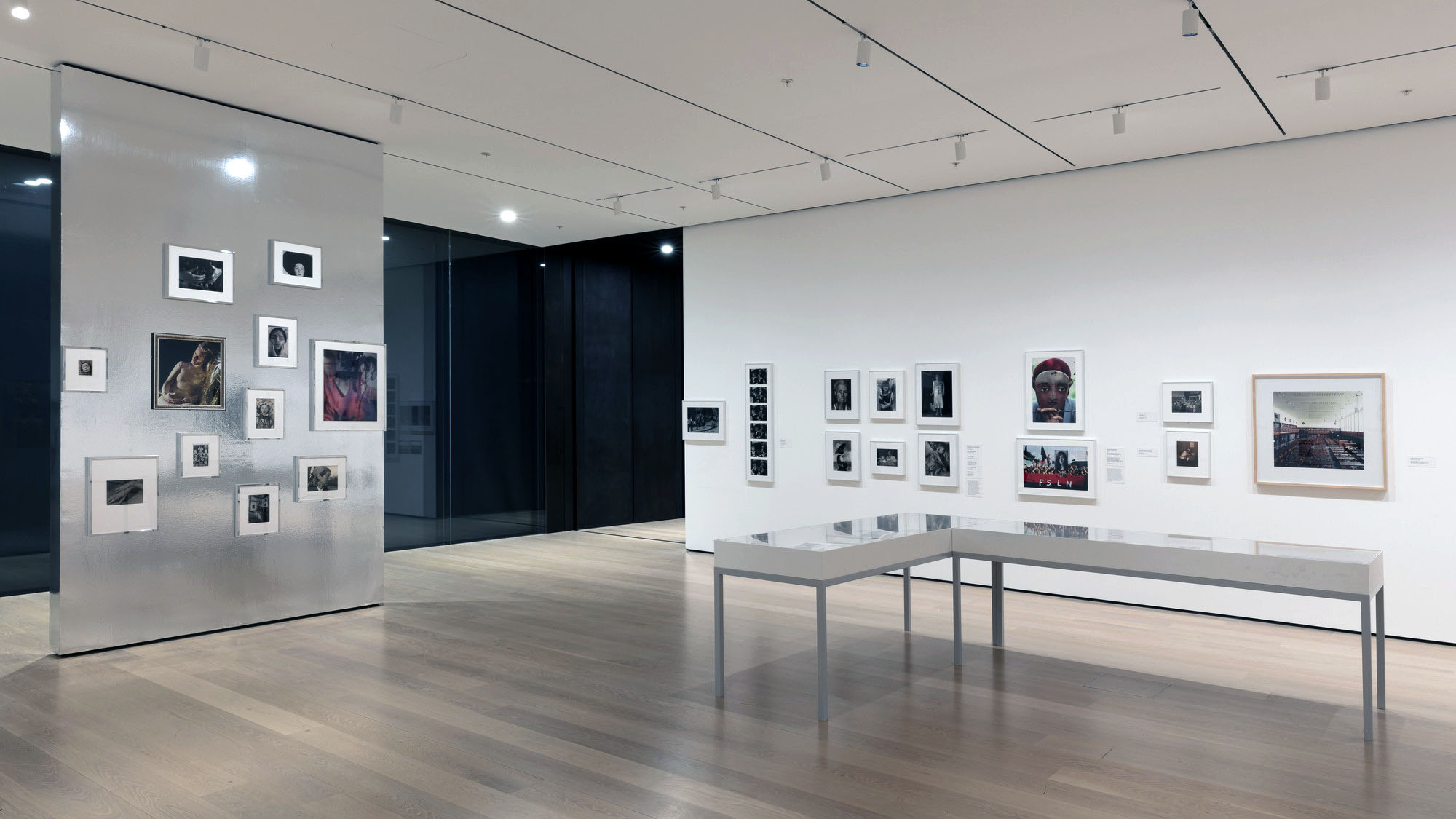


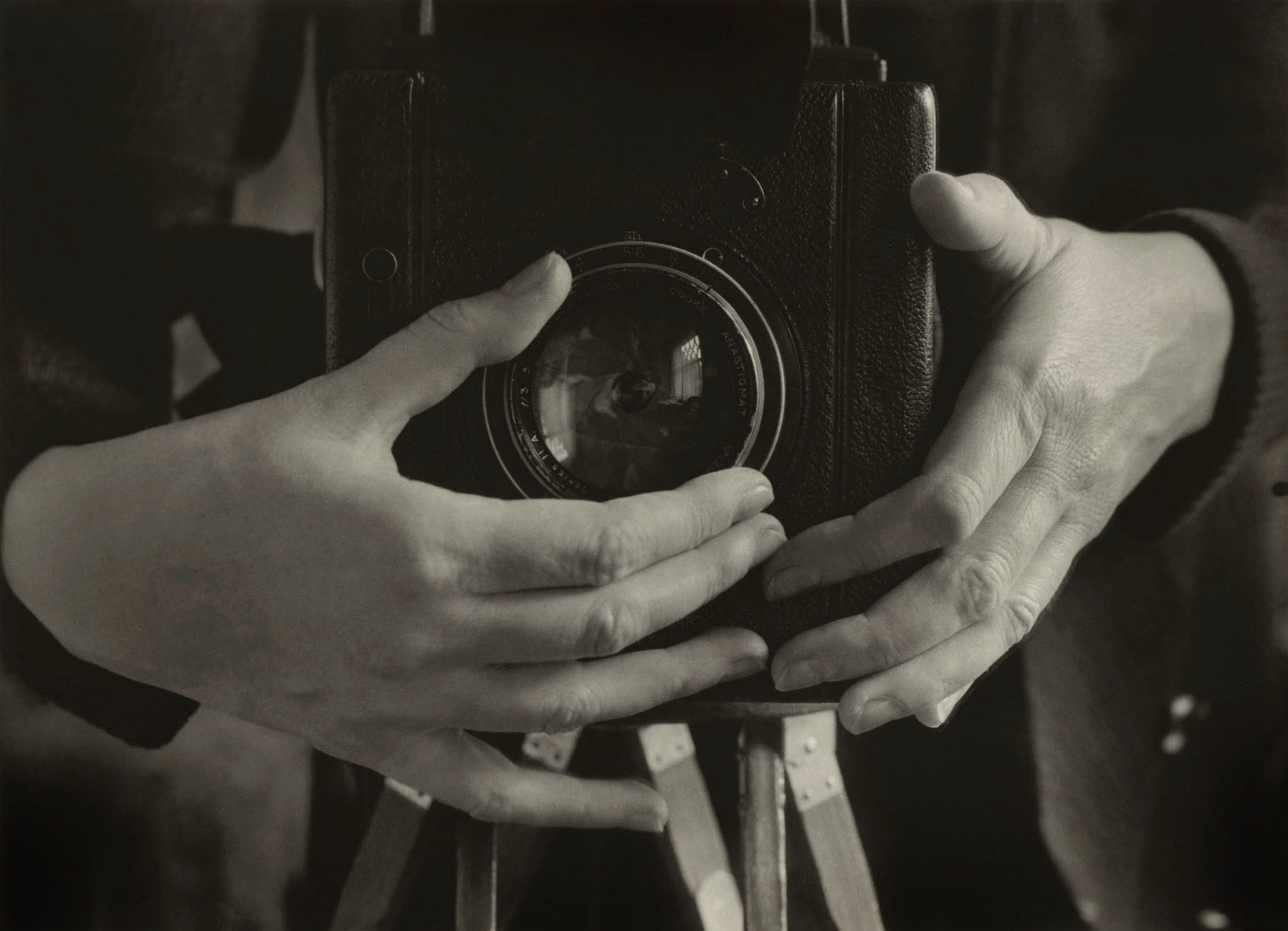

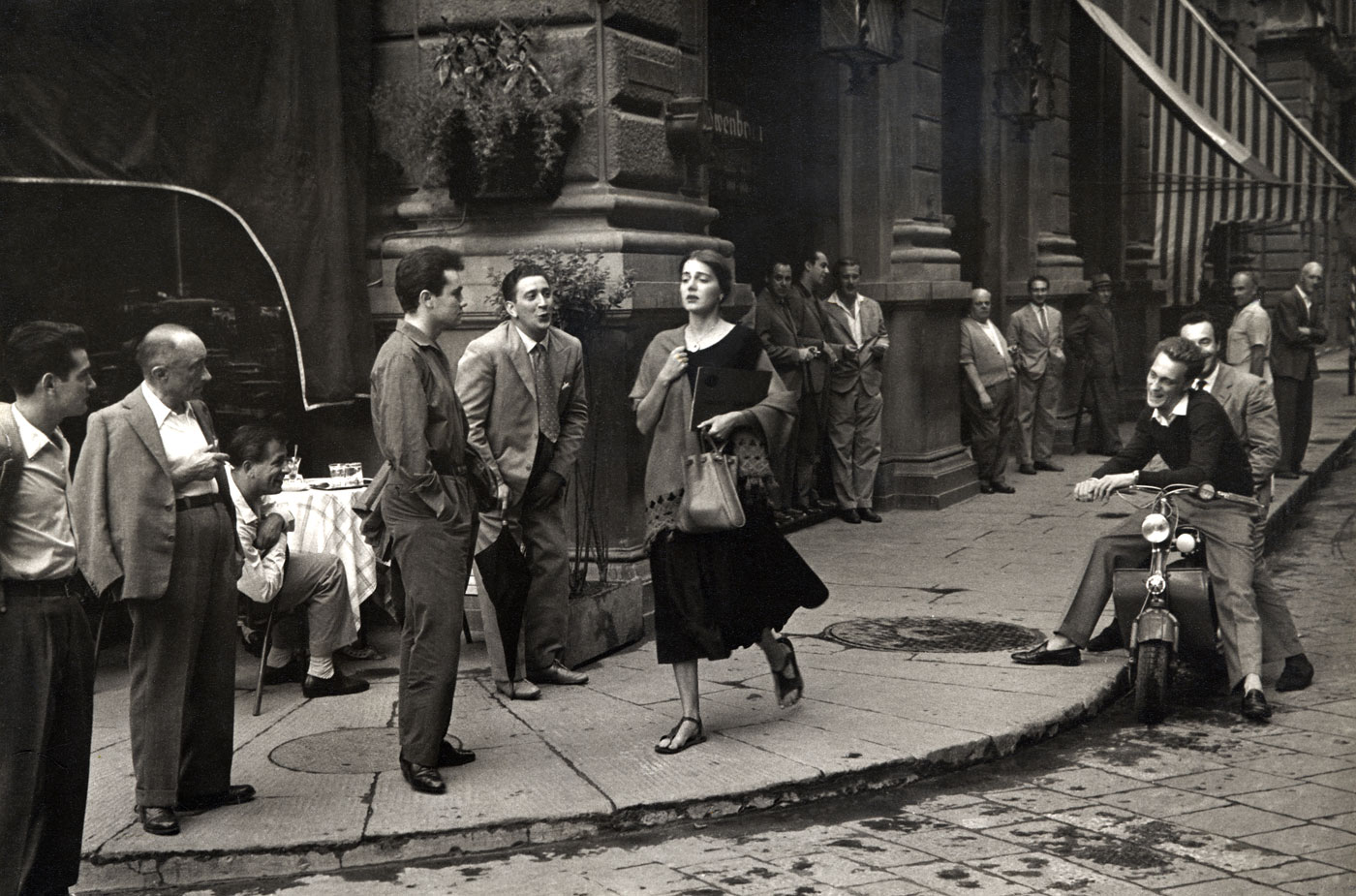

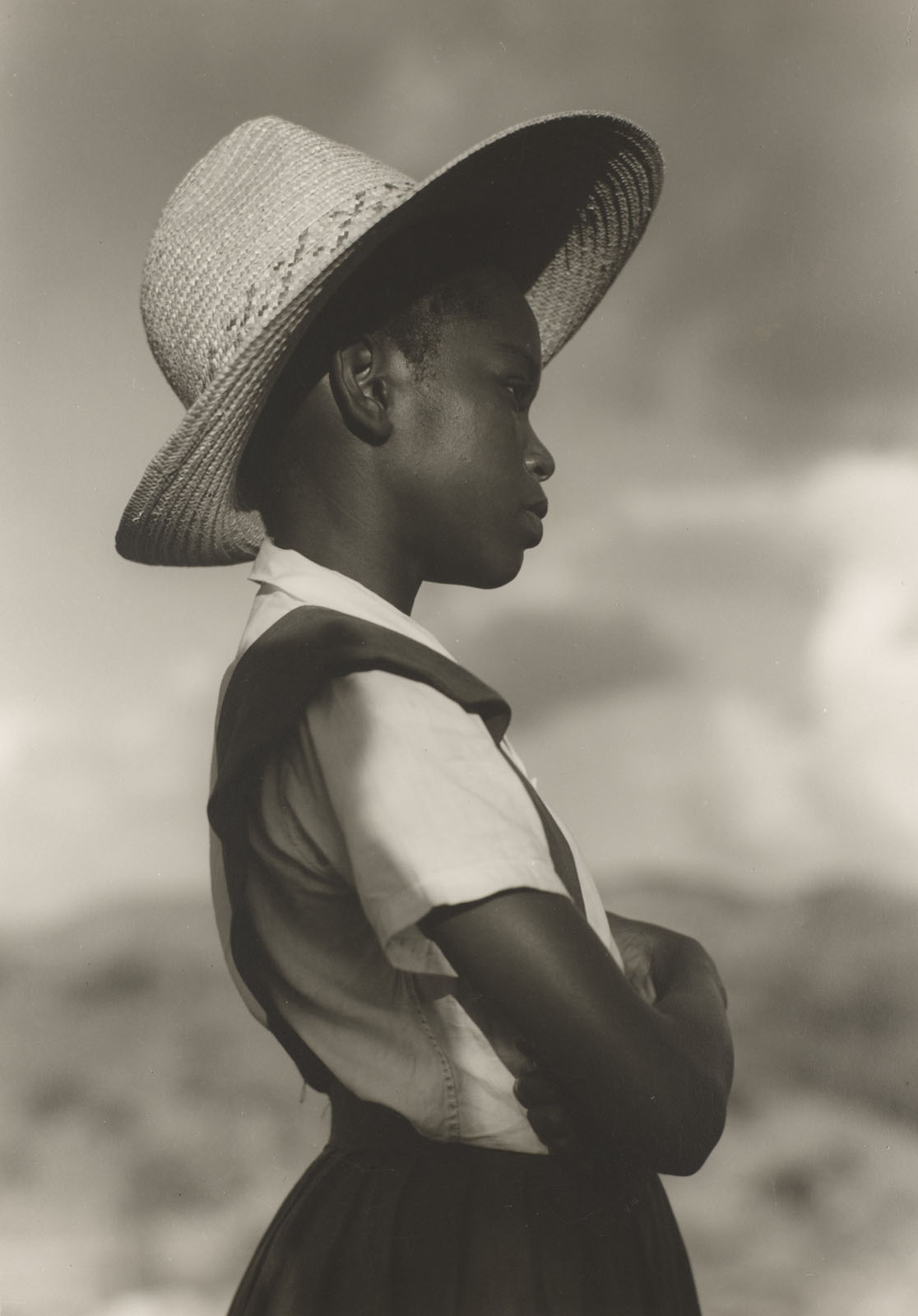

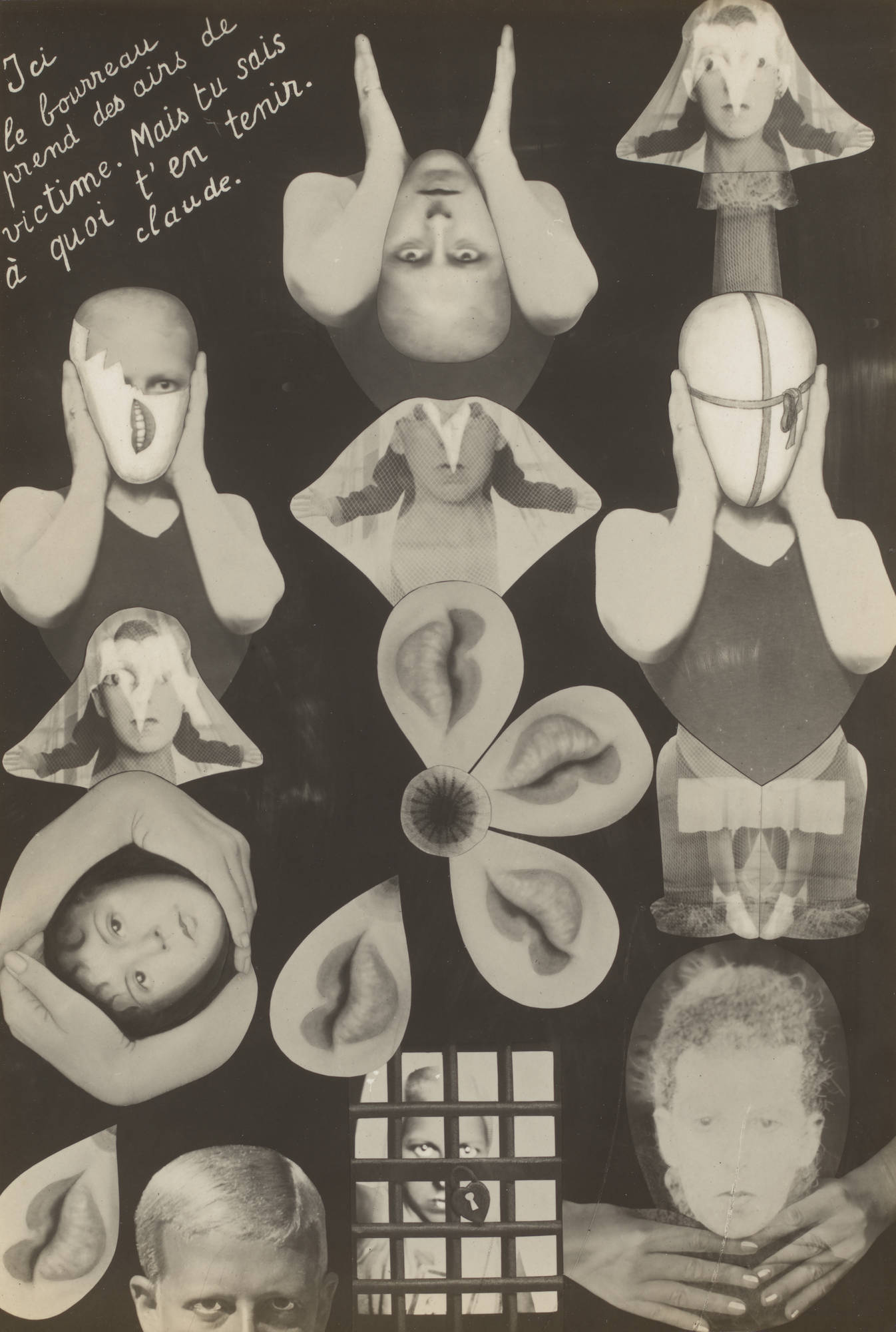

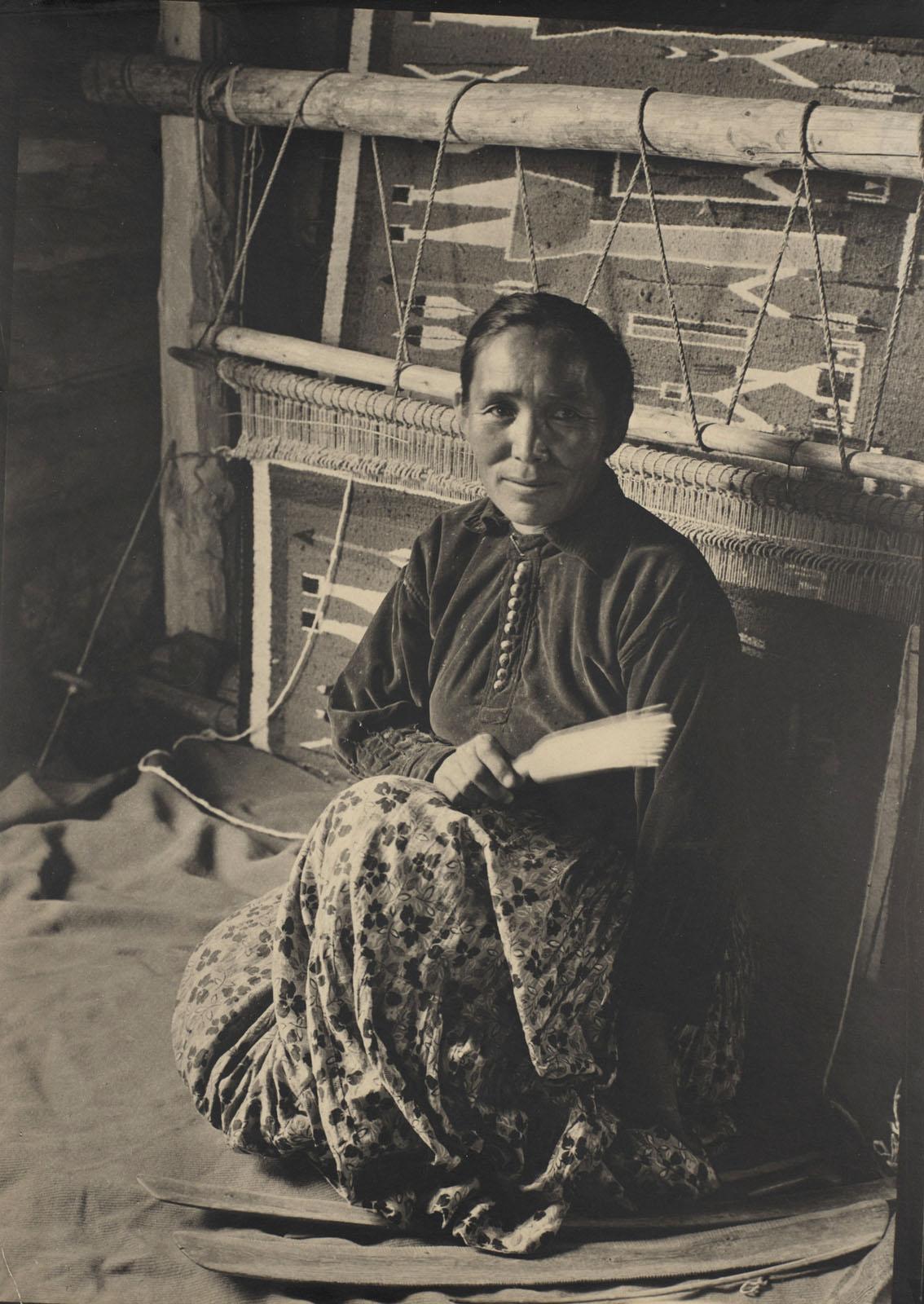

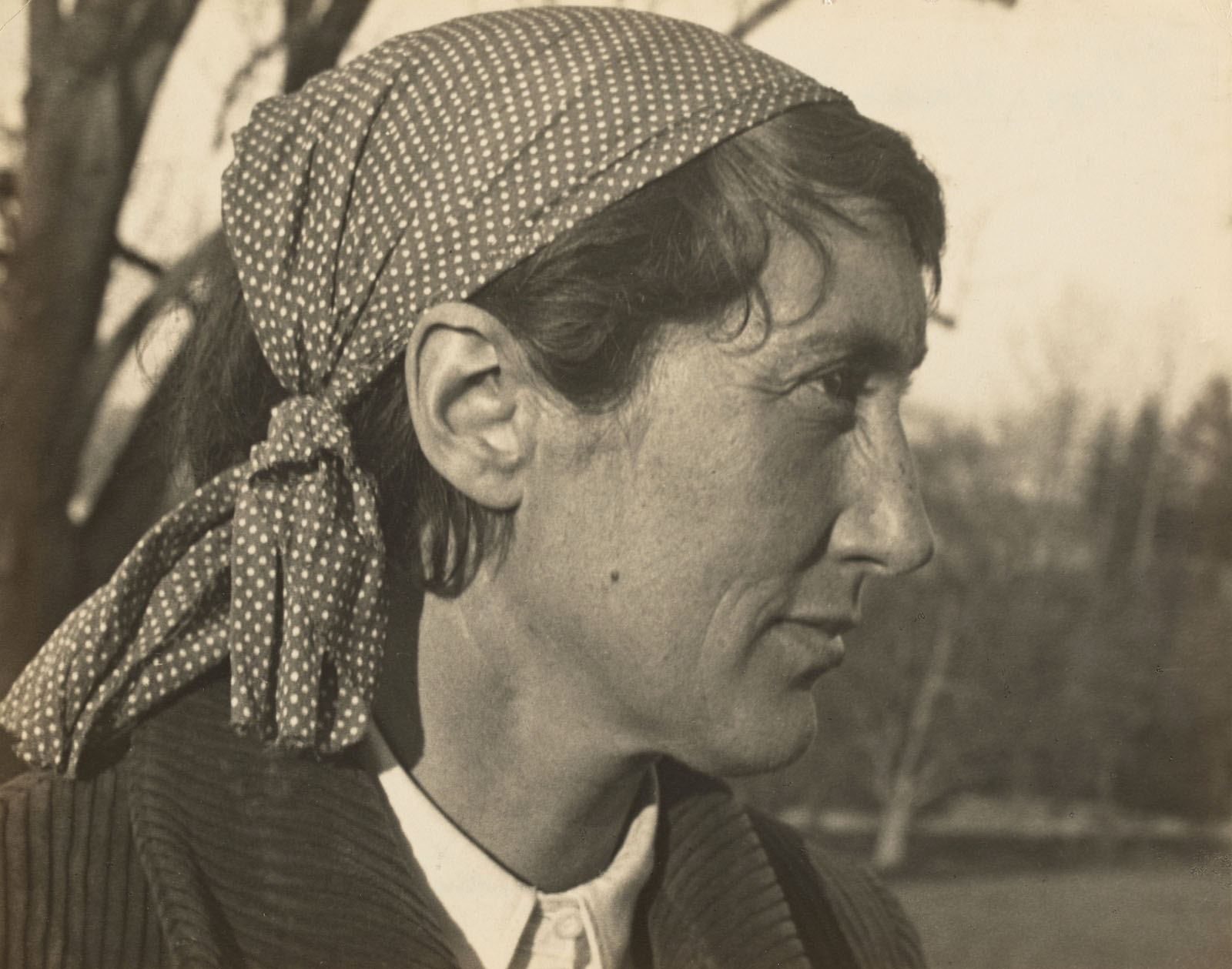
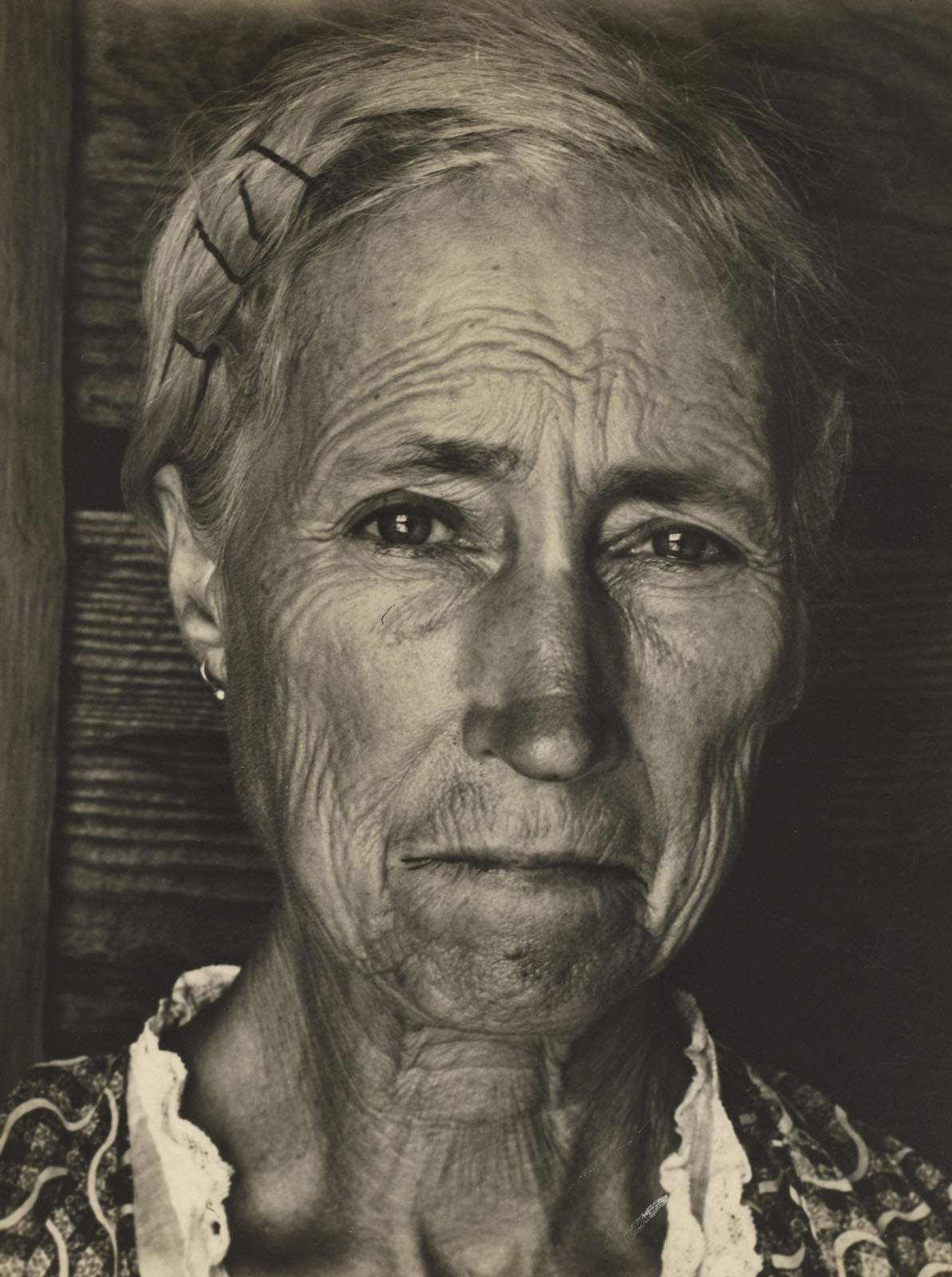

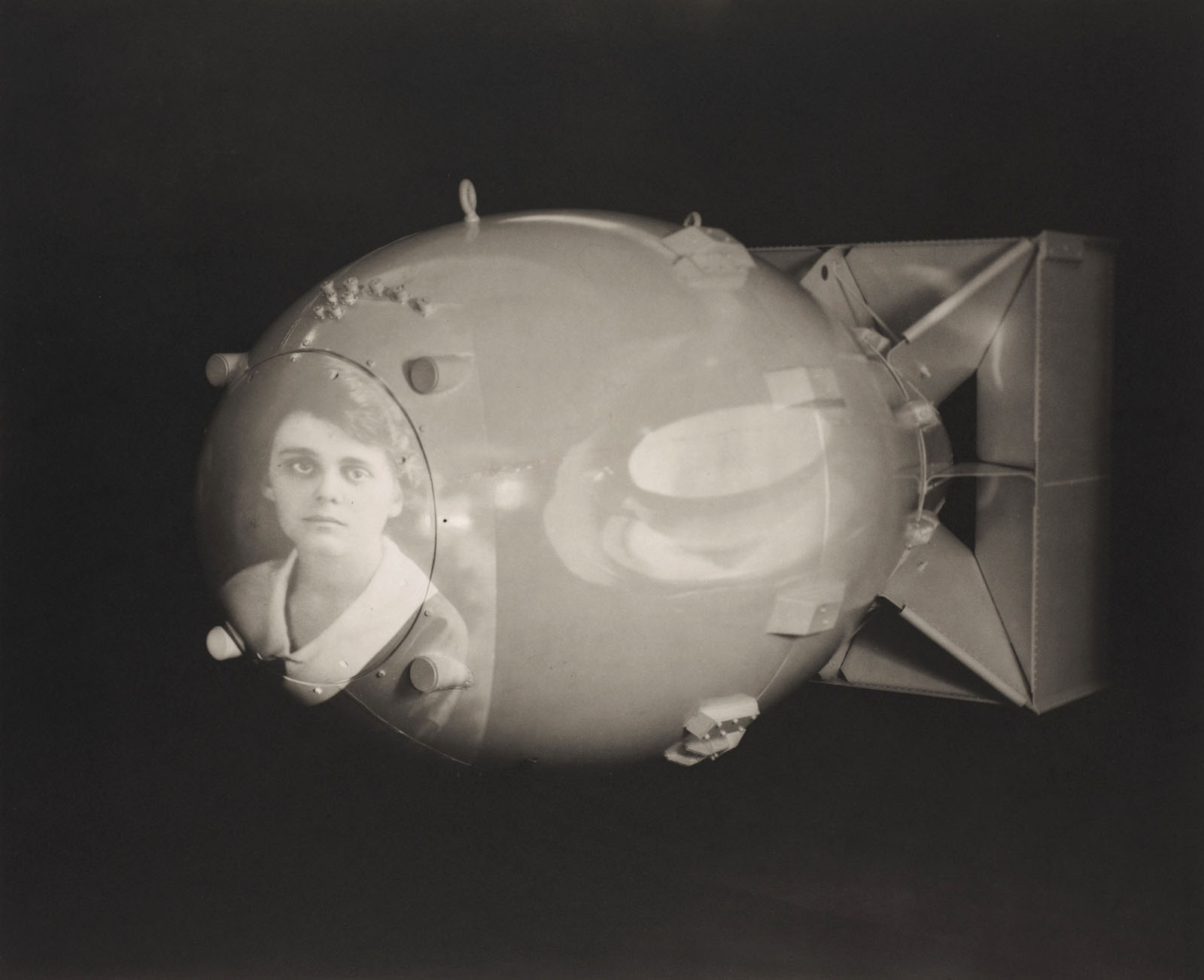
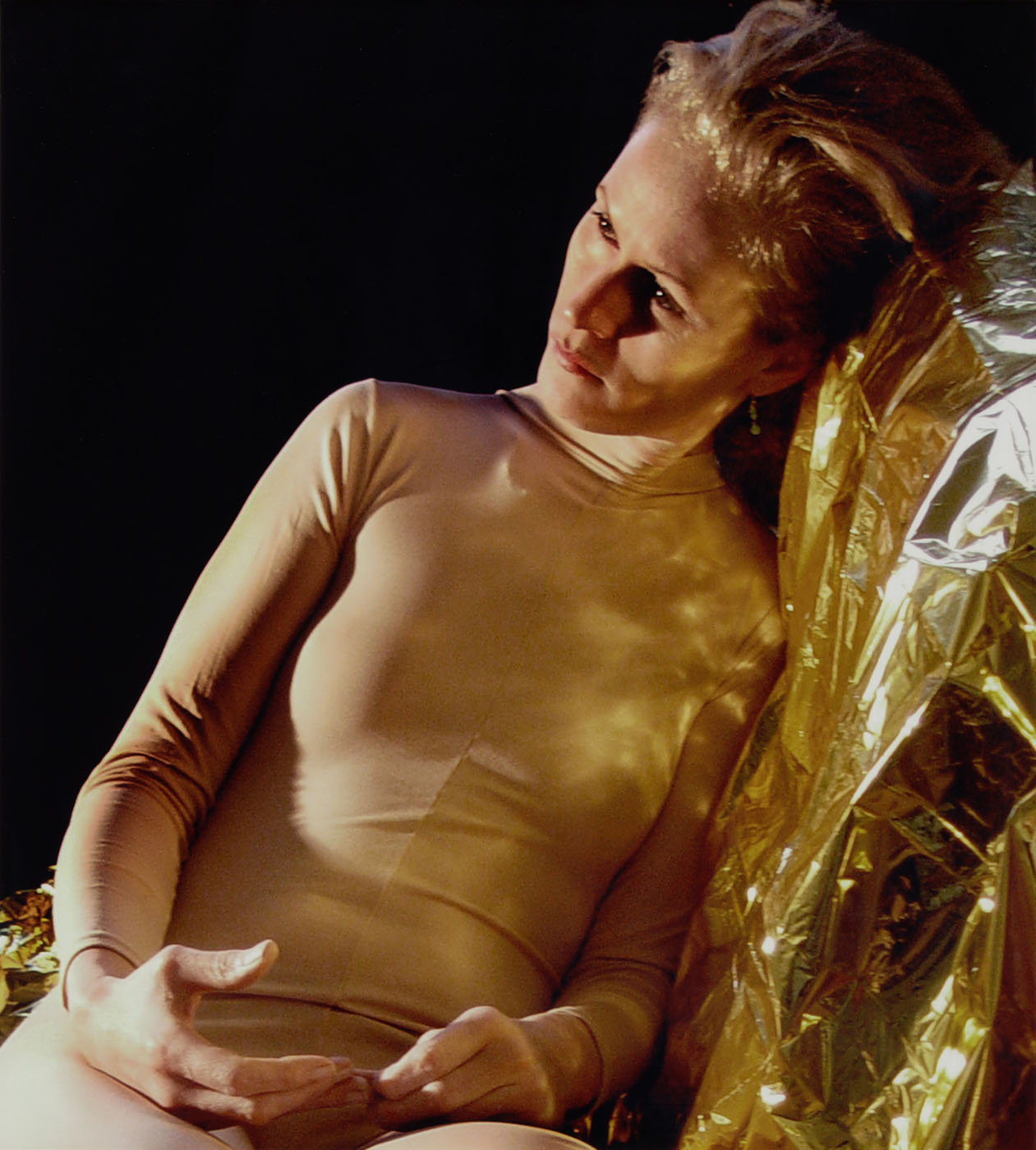
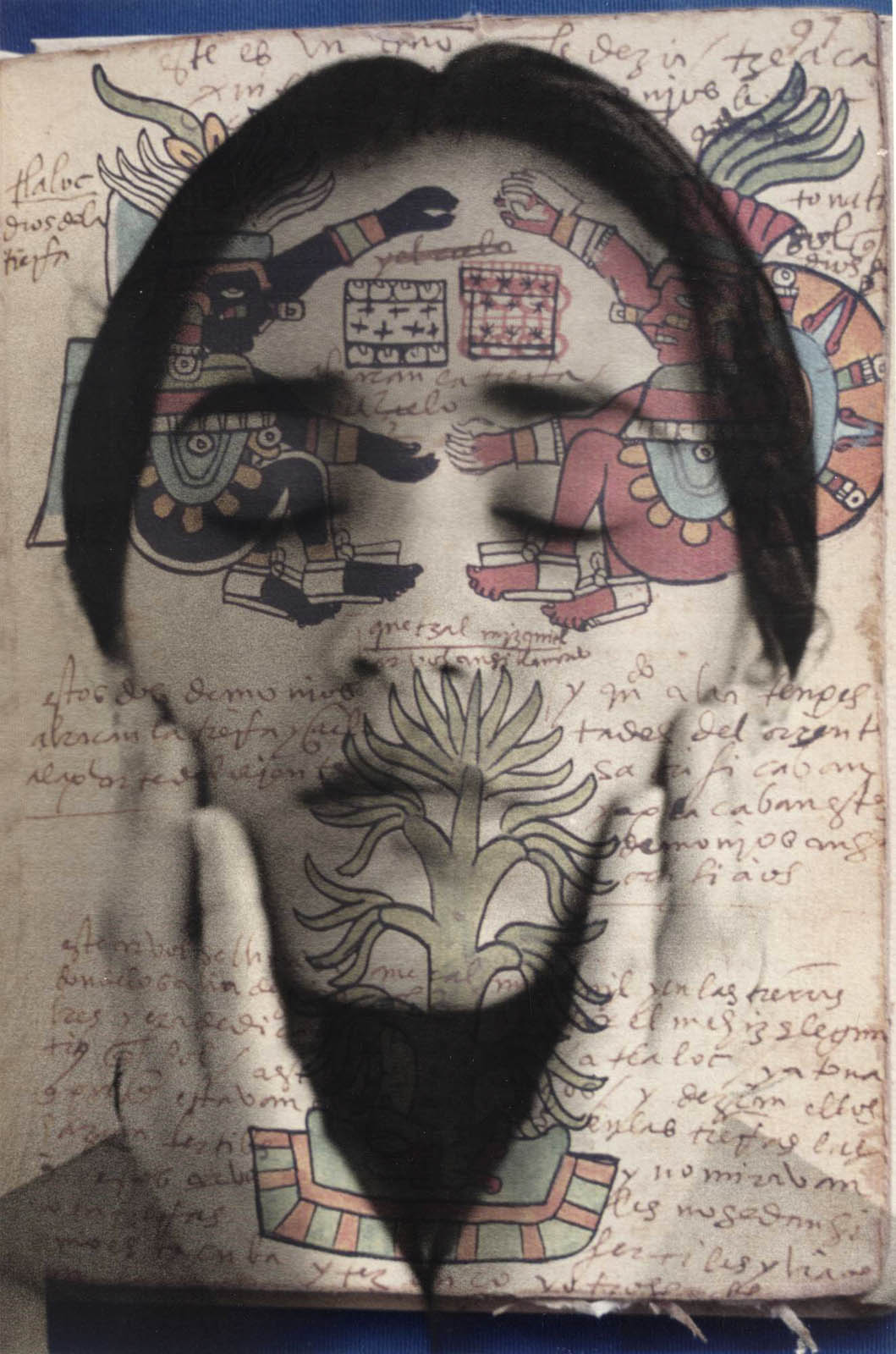
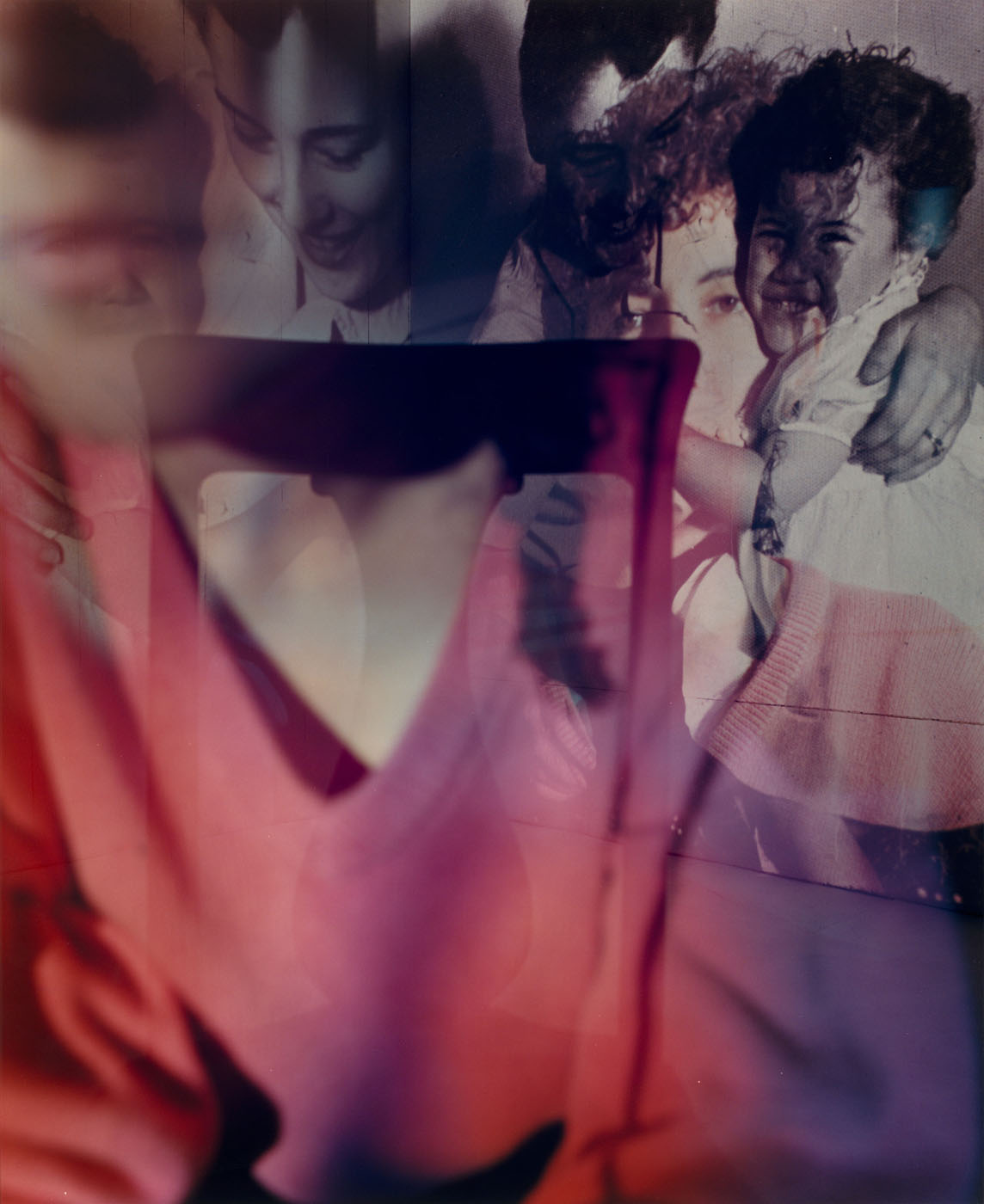


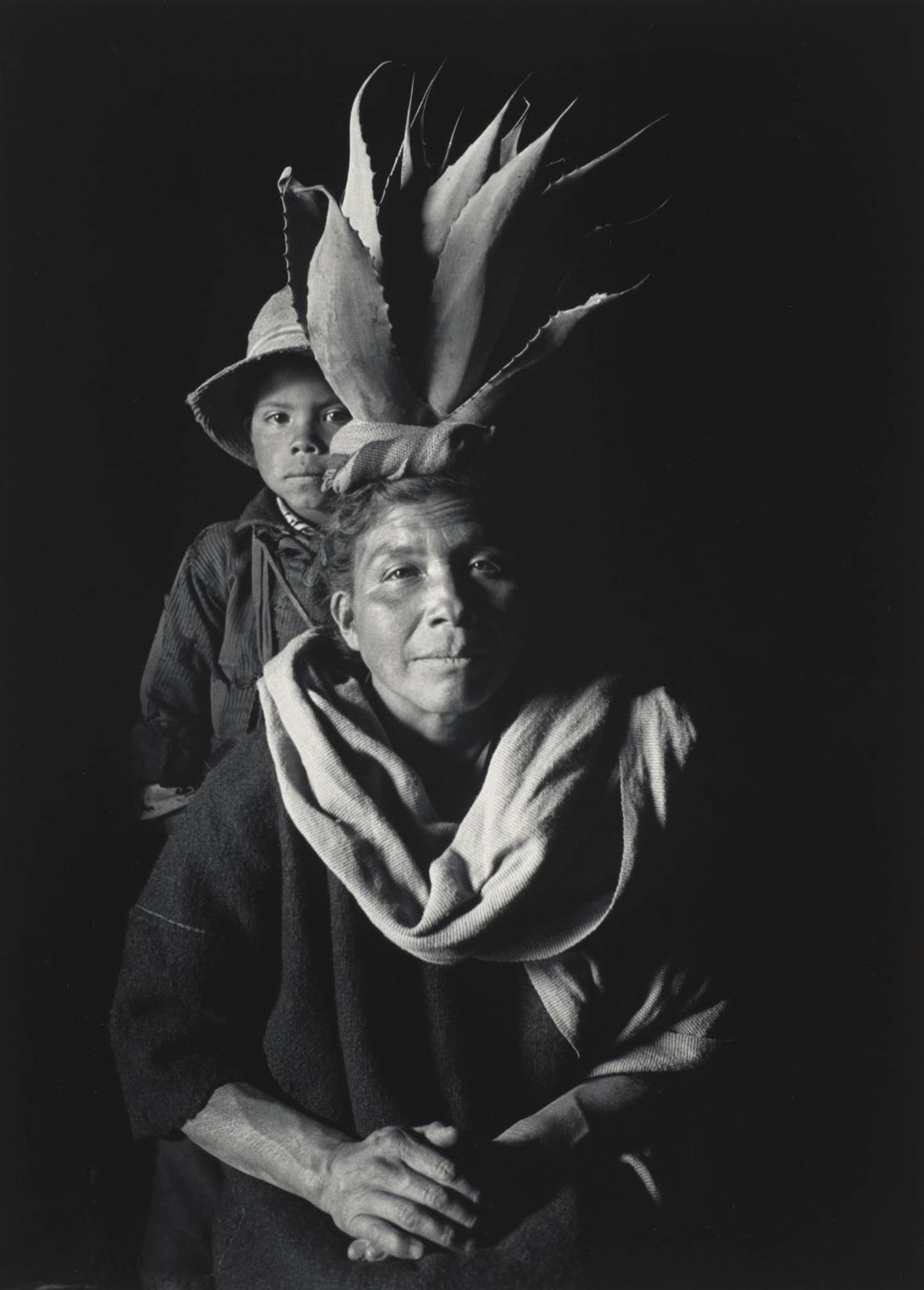


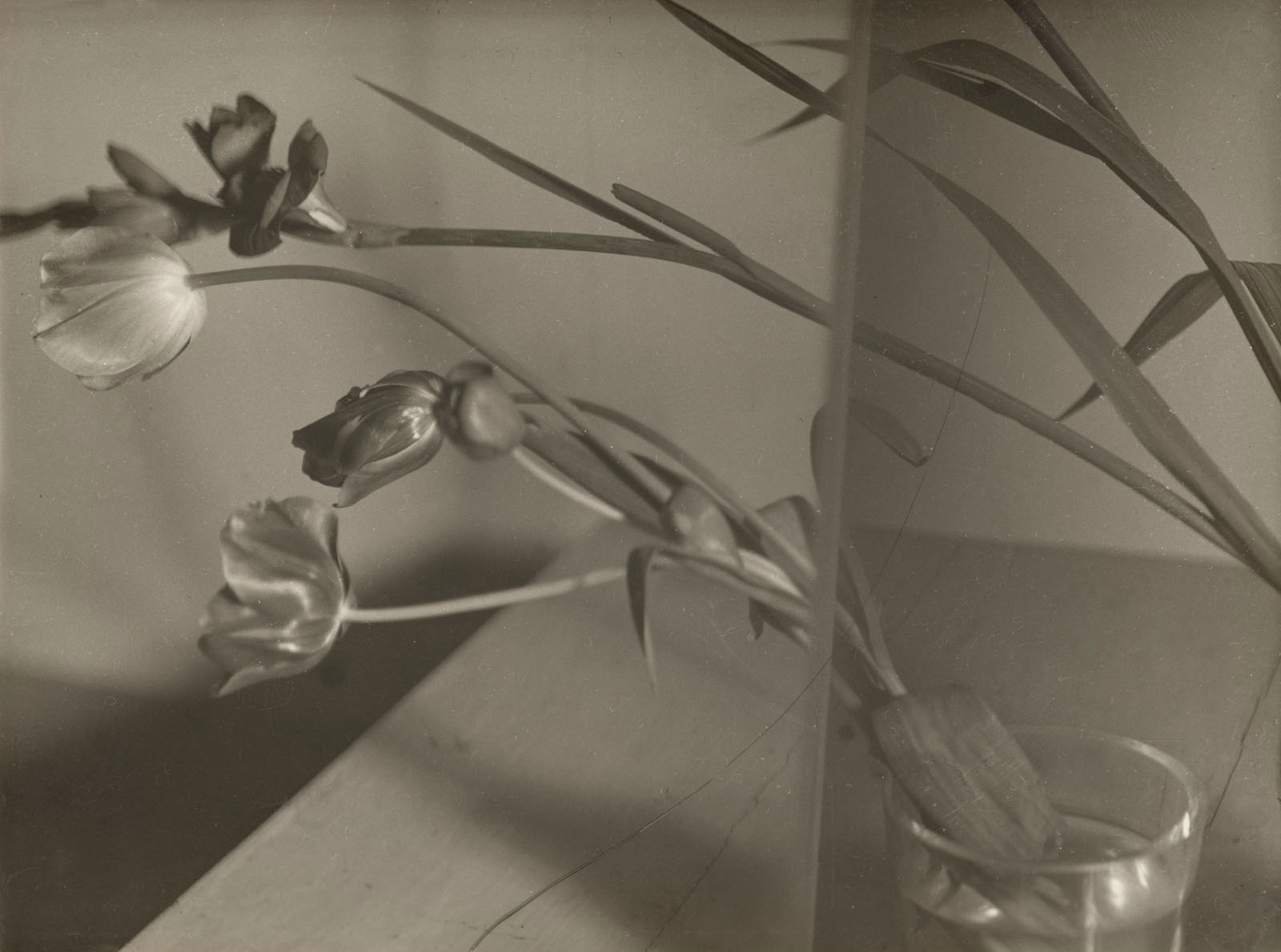


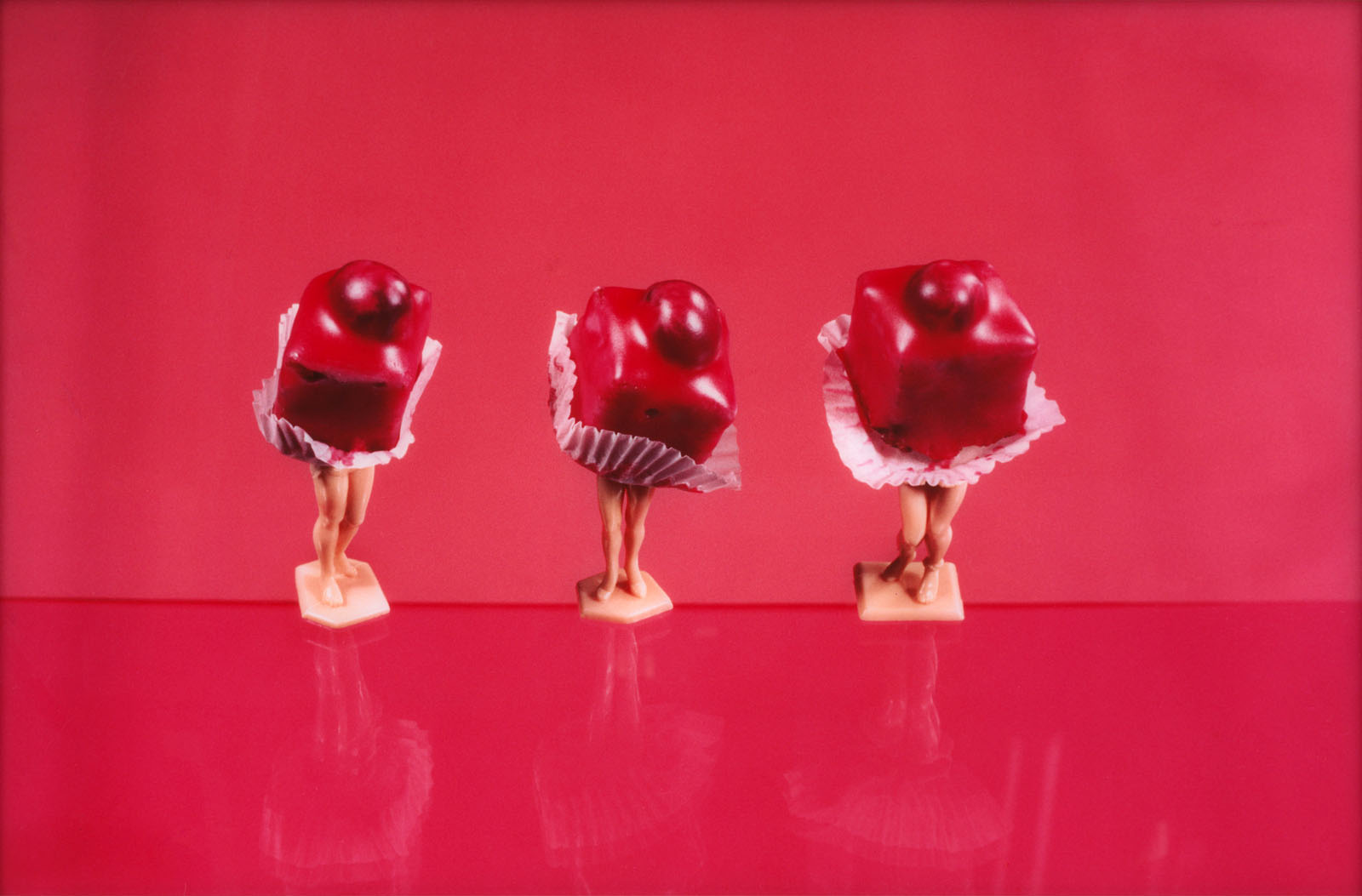

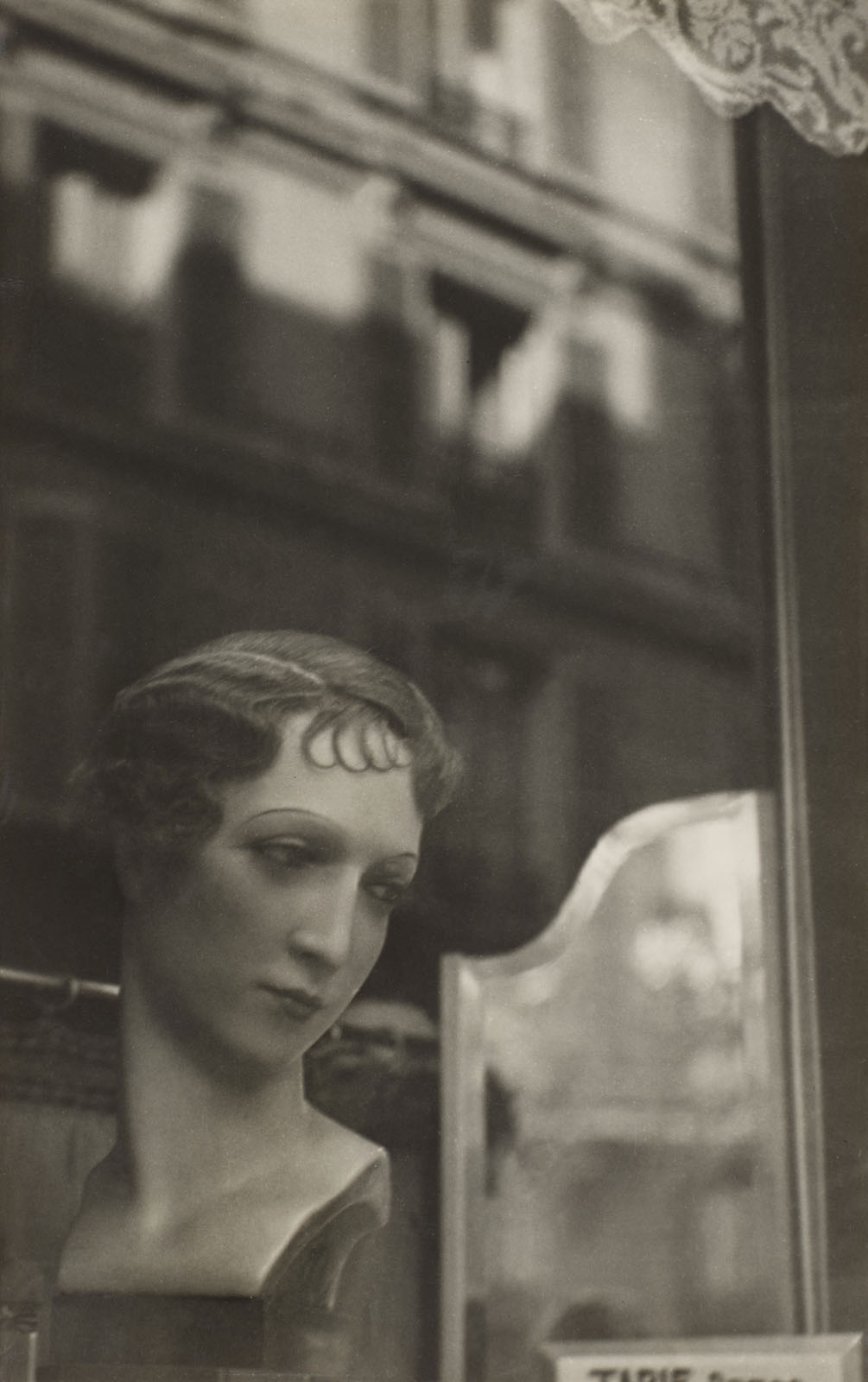
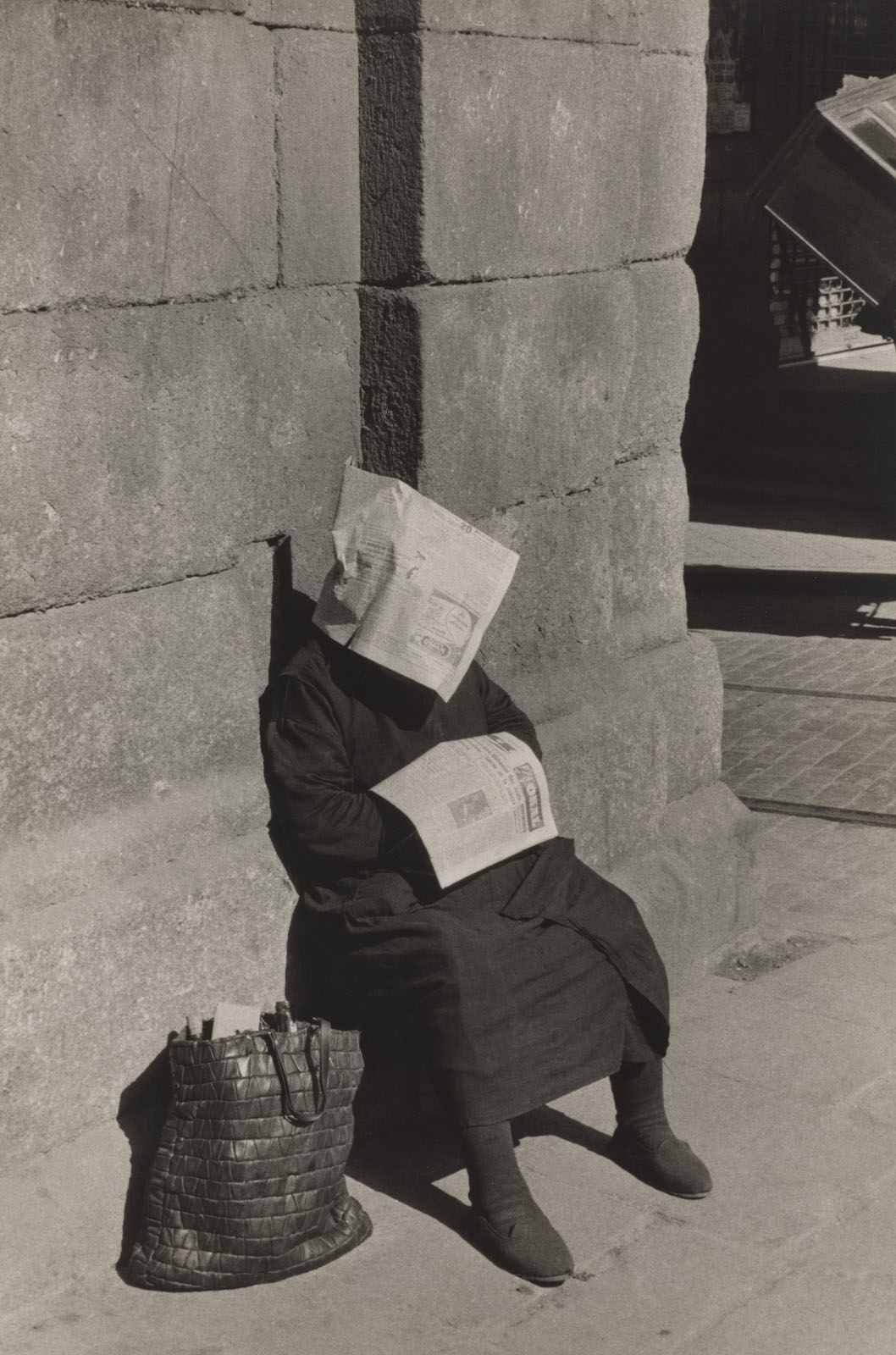


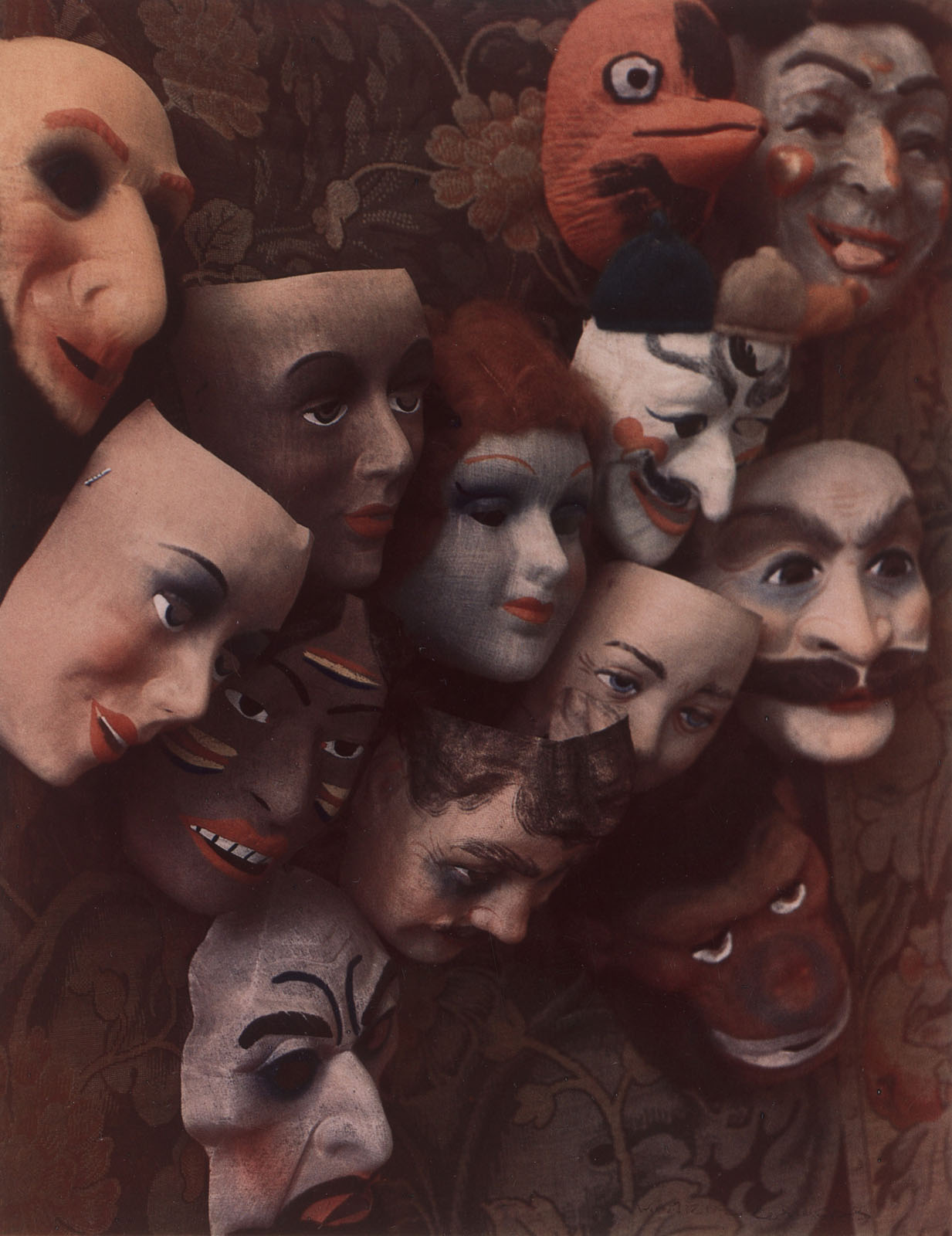

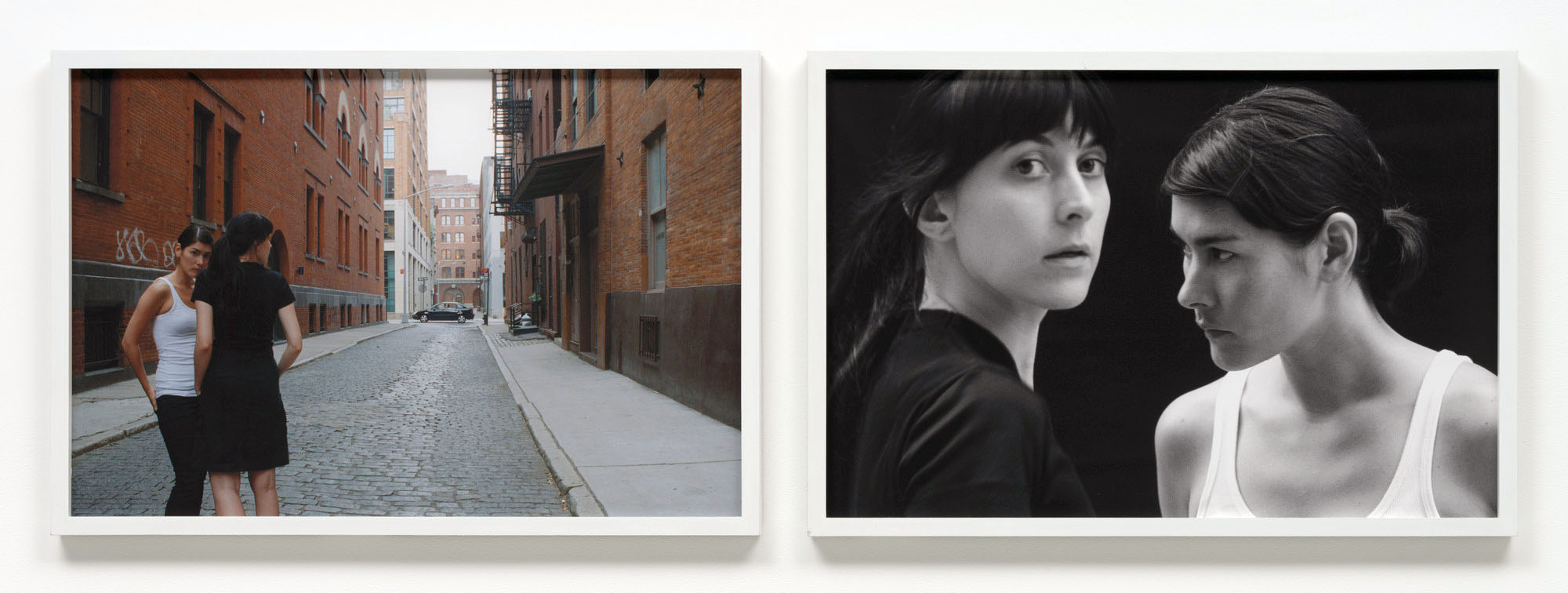
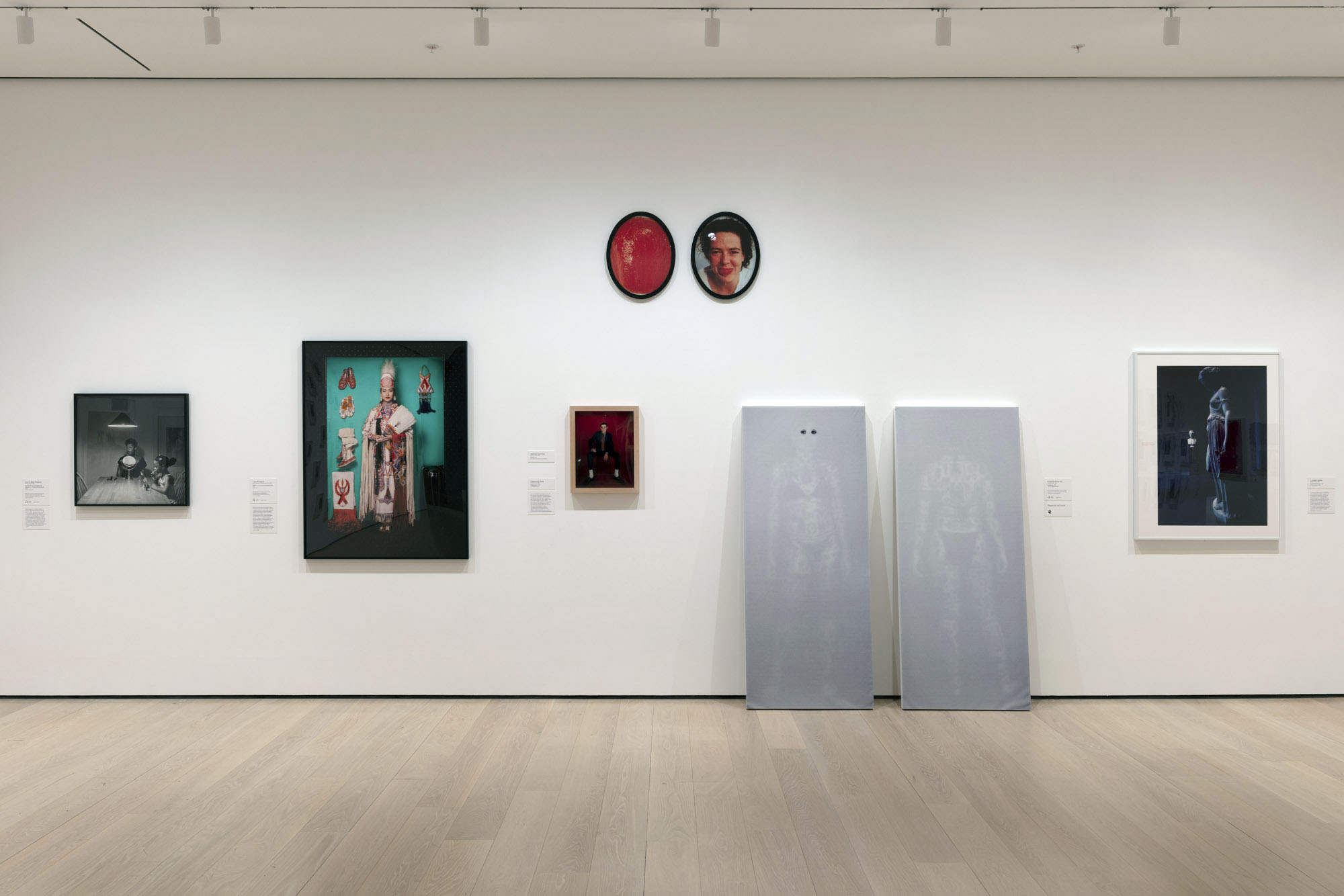


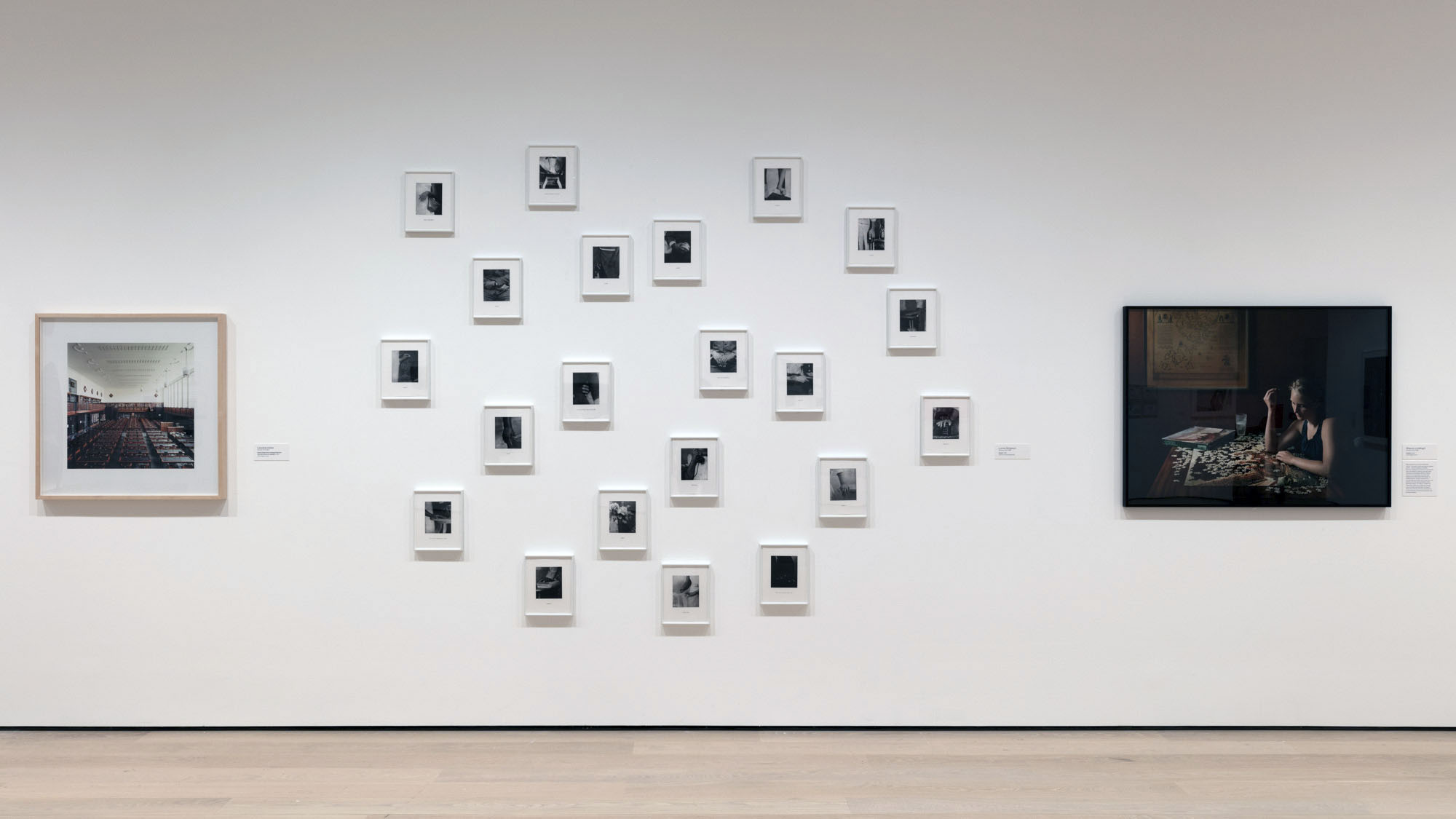
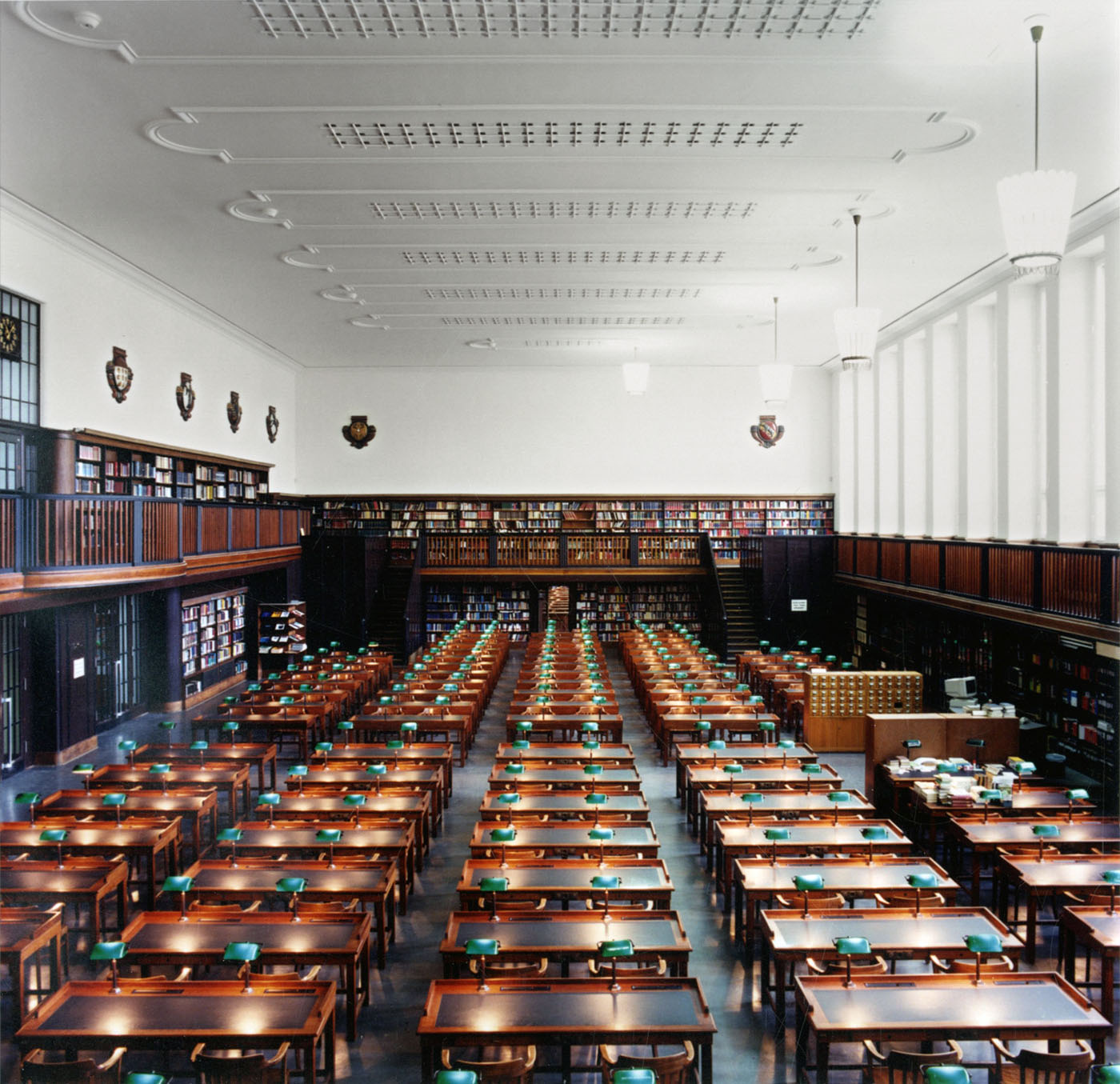

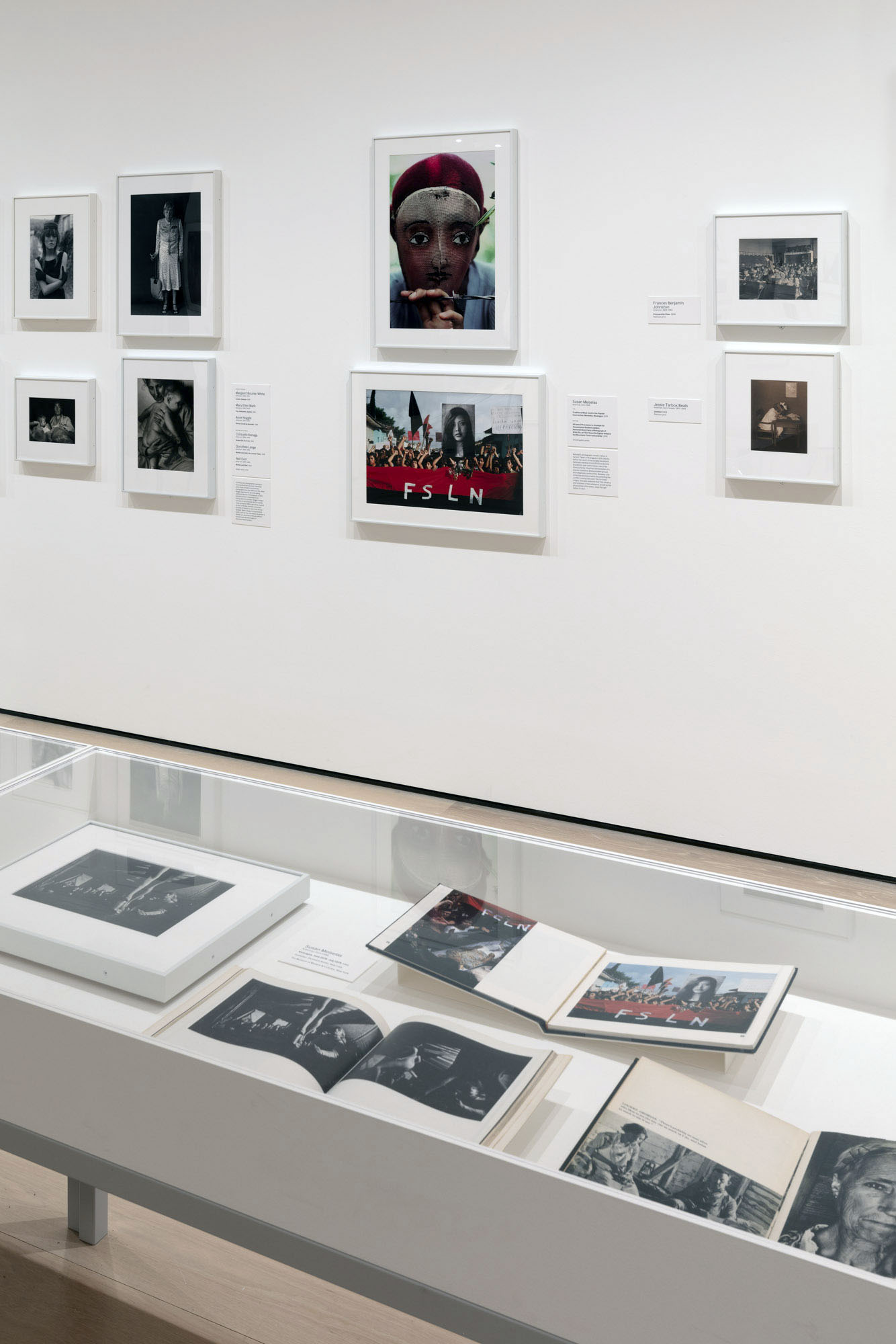


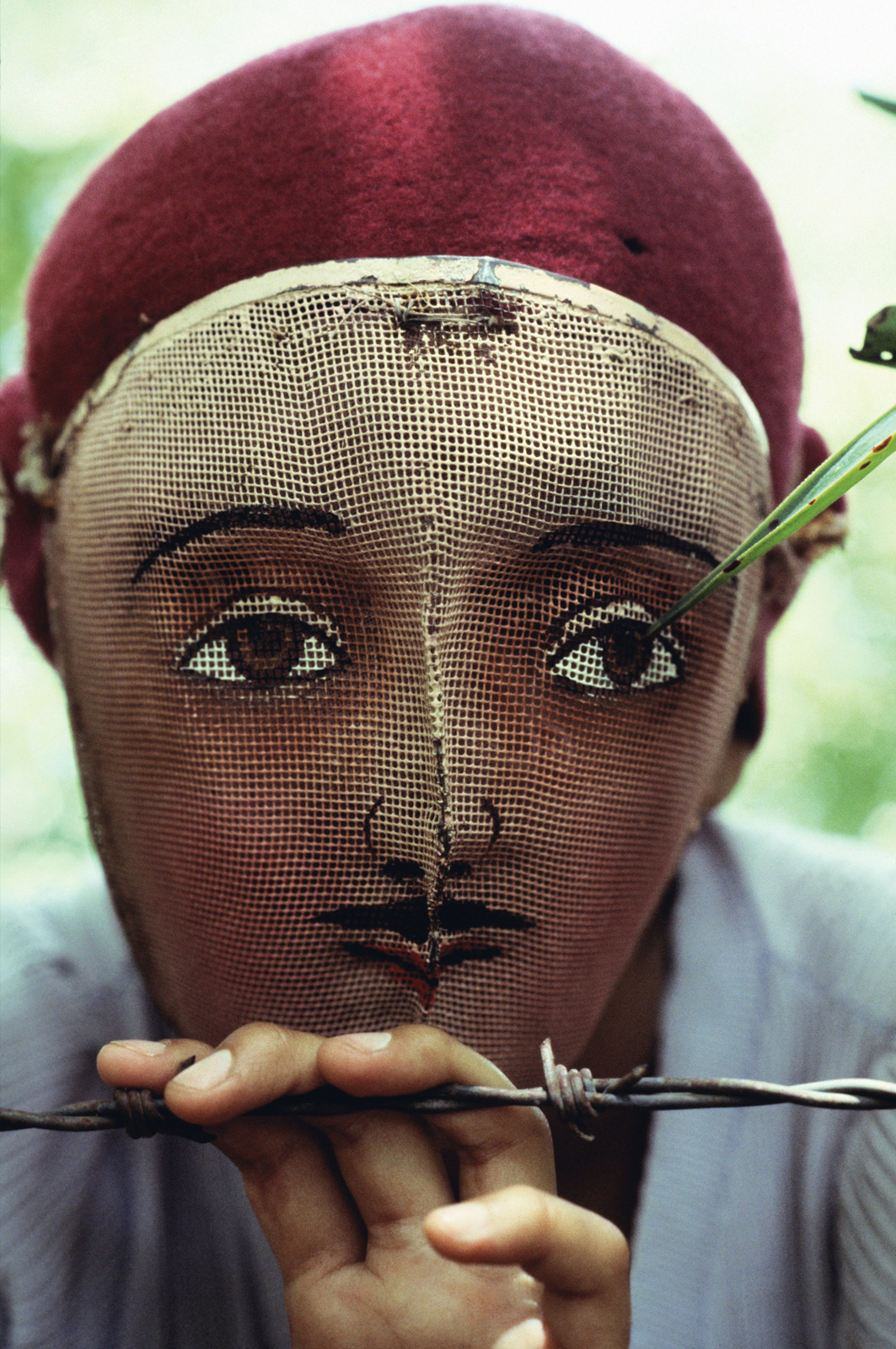


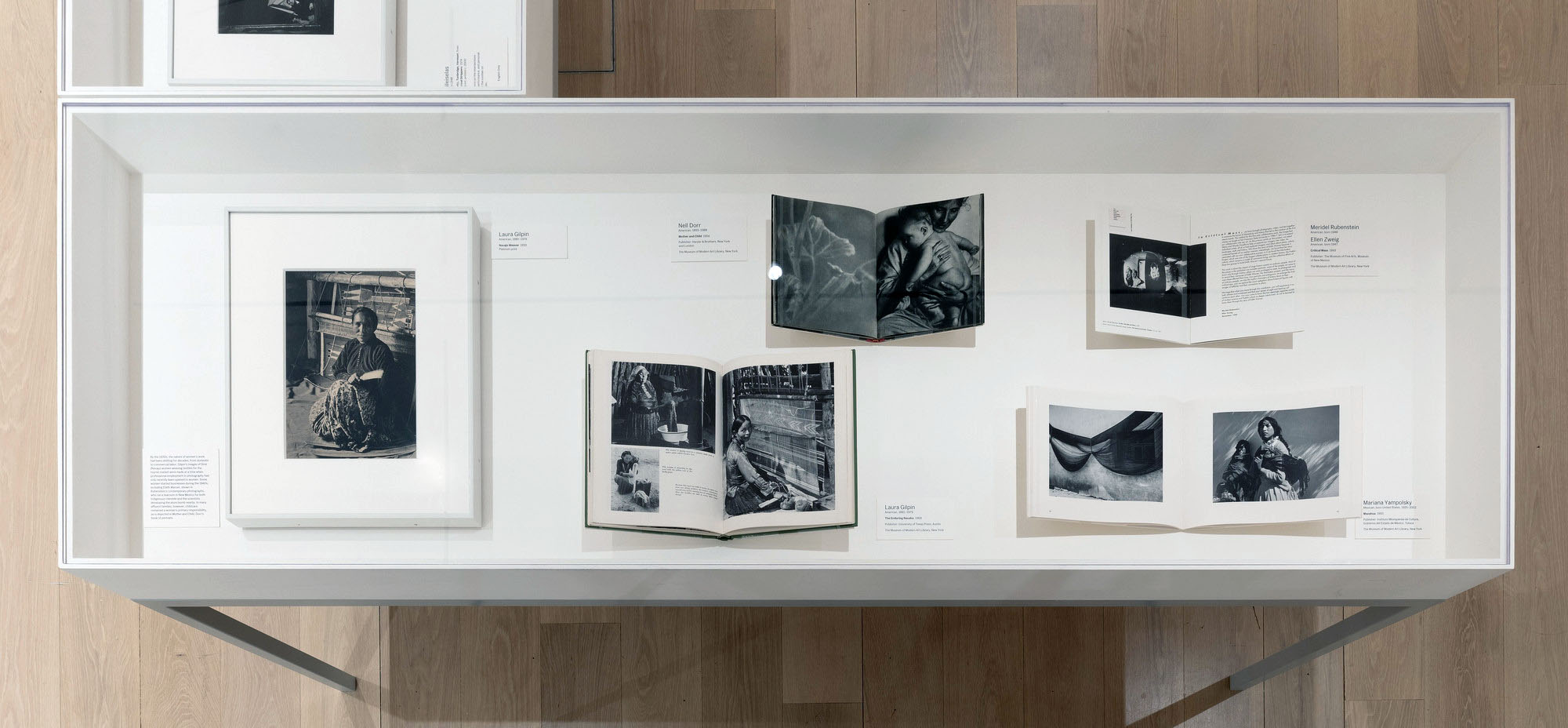


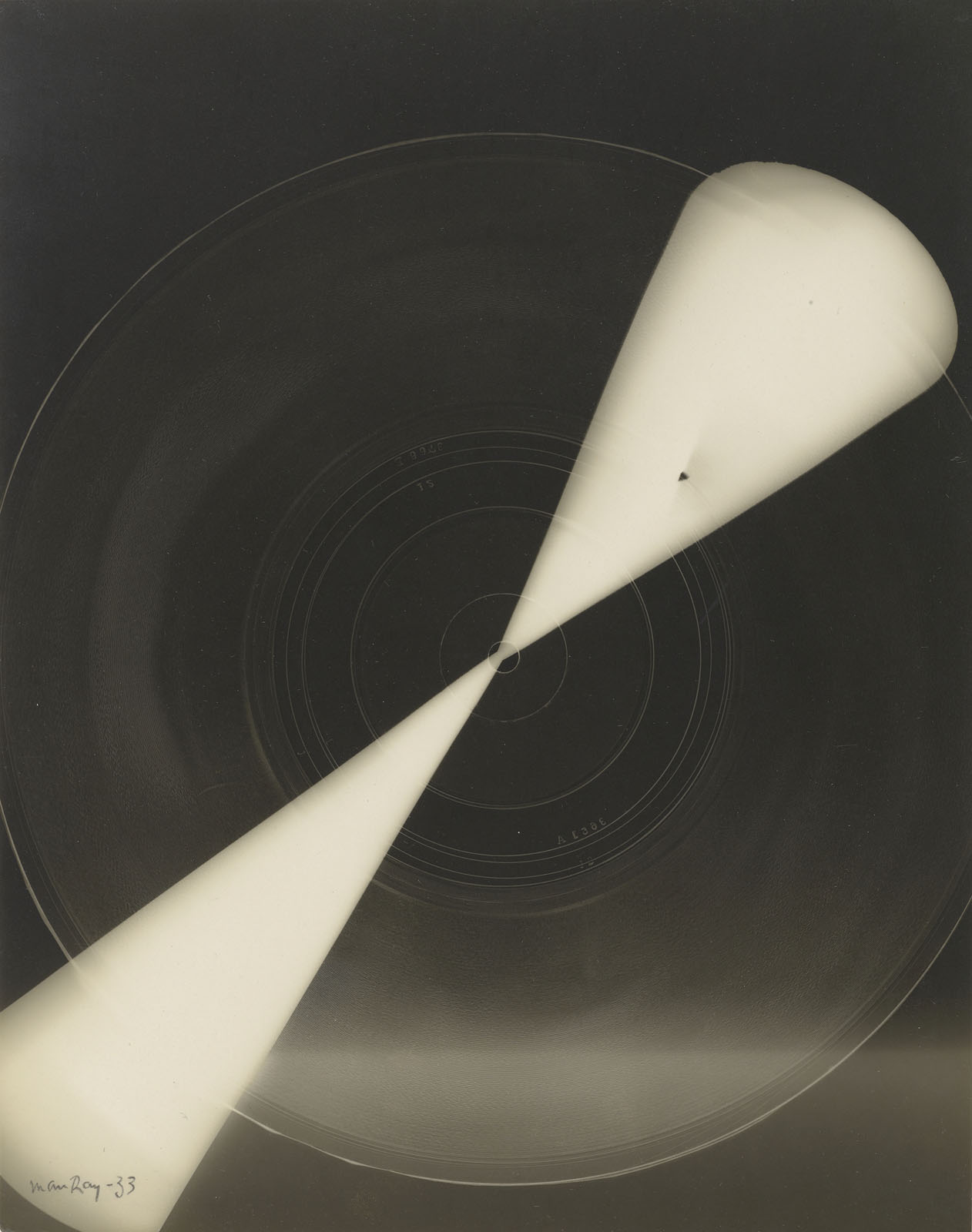


![Lisette Model (American born Austria, 1901-1983) '[Singer, Sammy's Bar, New York]' about 1940-1944](https://artblart.com/wp-content/uploads/2022/07/model-singer-sammys-bar-new-york.jpg "Lisette Model (American born Austria, 1901-1983) '[Singer, Sammy's Bar, New York]' about 1940-1944")


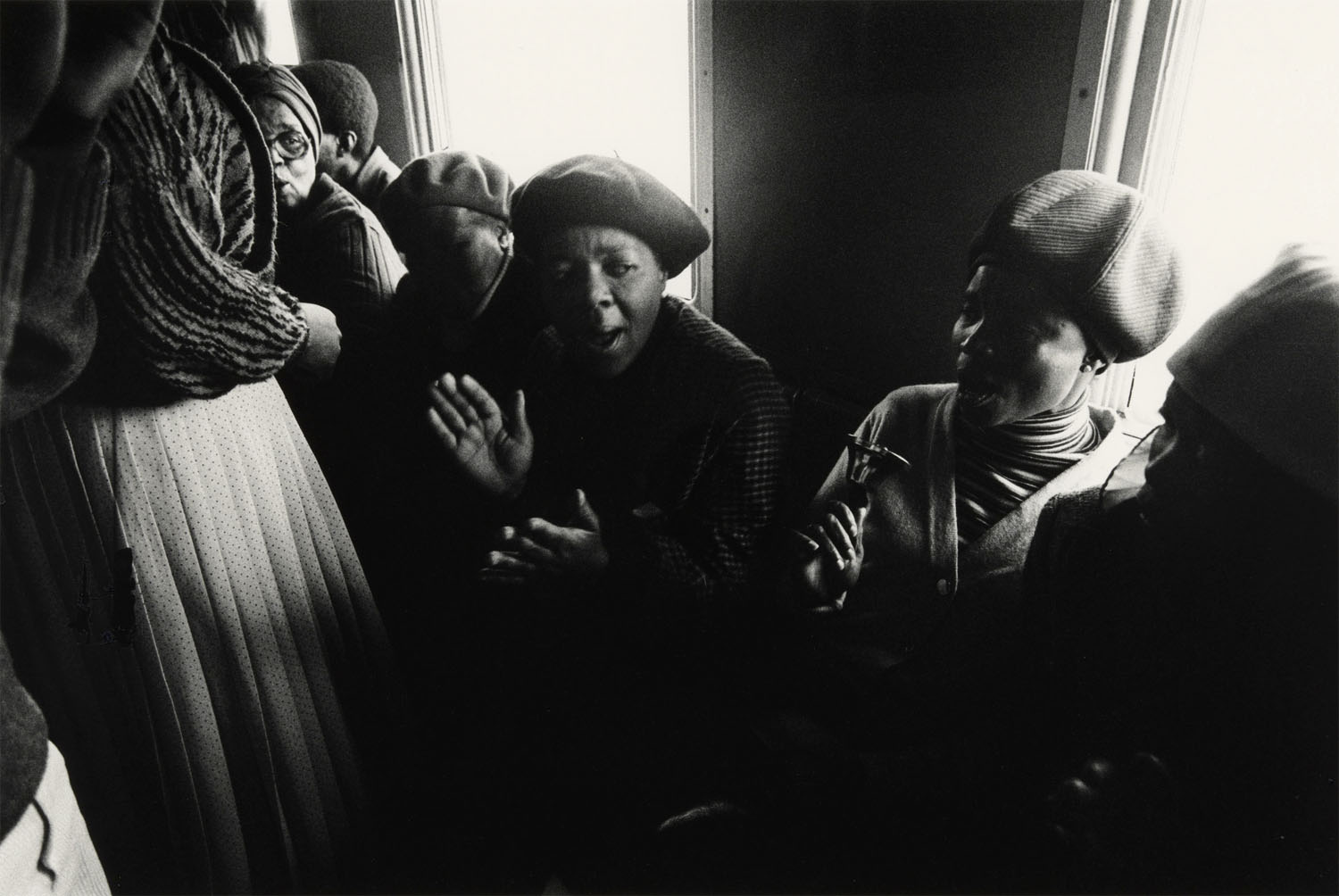


![Platt D. Babbitt. '[Scene at Niagara Falls]' c. 1855](https://artblart.com/wp-content/uploads/2015/03/platt_d_babbitt_scene_at_niagara_falls-web.jpg "Platt D. Babbitt. '[Scene at Niagara Falls]' c. 1855")
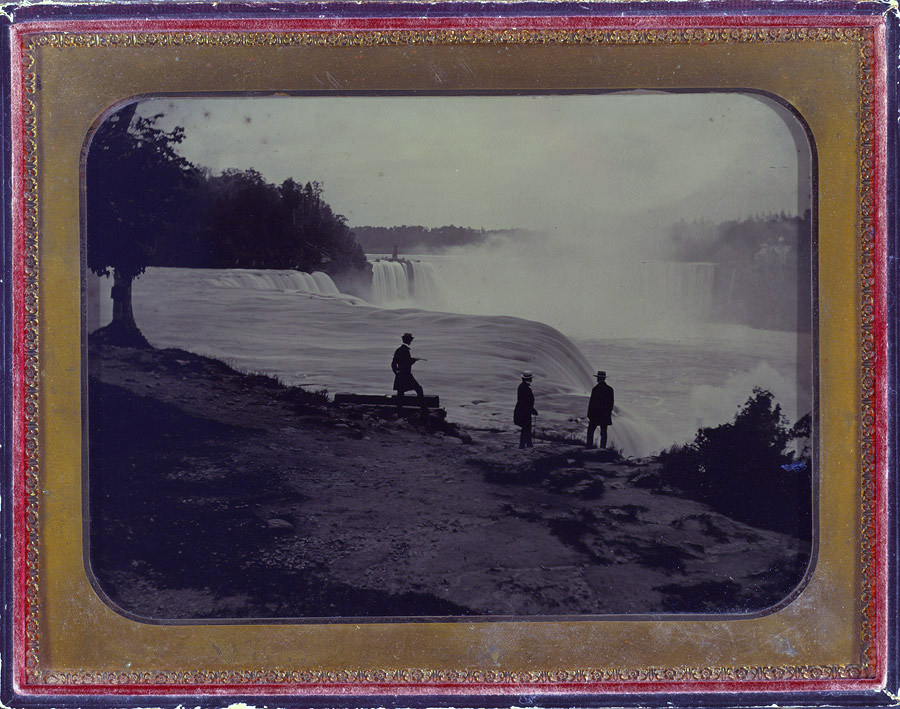


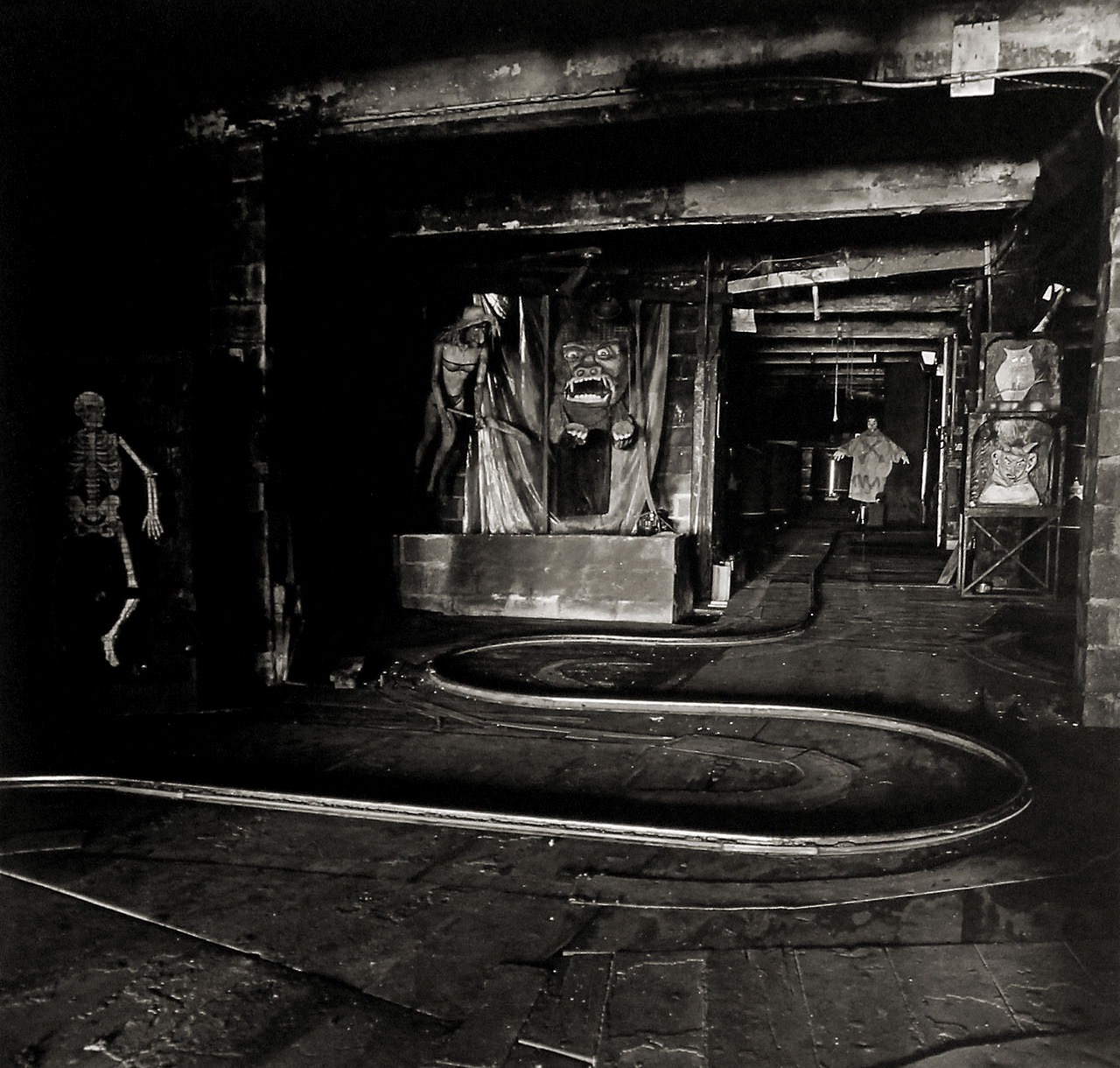


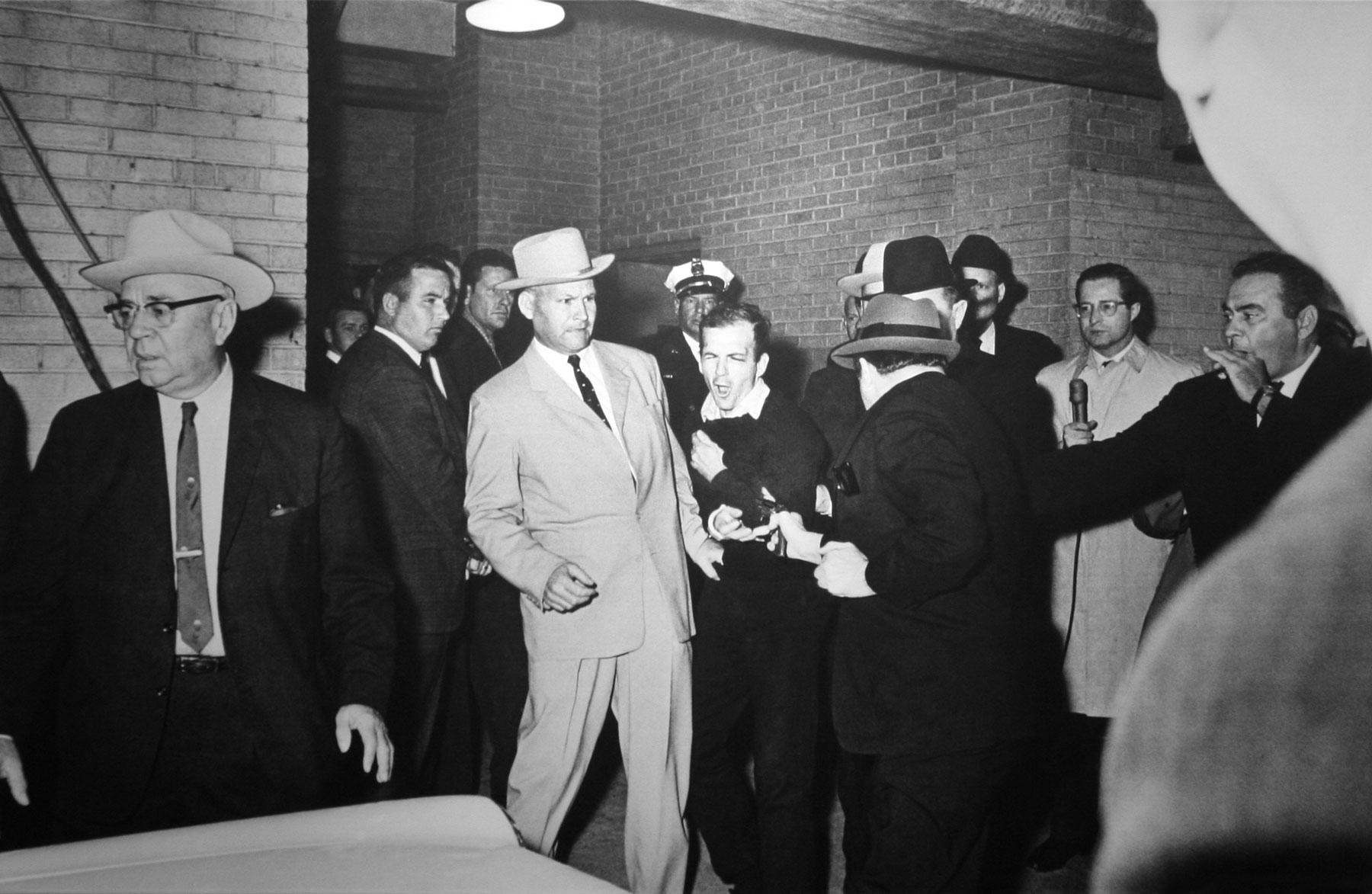





![Weegee (Arthur Fellig) (American born Austria, 1899-1968) '[Calypso]' about 1944; before 1946 from the exhibition Exhibition: 'Unseen: 35 Years of Collecting Photographs' at the J. Paul Getty Museum, Los Angeles, Dec 2019 - March 2020](https://artblart.com/wp-content/uploads/2020/02/gm_04305501_2000x2000.jpg "Weegee (Arthur Fellig) (American born Austria, 1899-1968) '[Calypso]' about 1944; before 1946 from the exhibition Exhibition: 'Unseen: 35 Years of Collecting Photographs' at the J. Paul Getty Museum, Los Angeles, Dec 2019 - March 2020")
![Carleton Watkins (American, 1829-1916) '[Guadalupe Mill]' 1860 from the exhibition Exhibition: 'Unseen: 35 Years of Collecting Photographs' at the J. Paul Getty Museum, Los Angeles, Dec 2019 - March 2020](https://artblart.com/wp-content/uploads/2020/02/gm_06196501_2000x2000.jpg "Carleton Watkins (American, 1829-1916) '[Guadalupe Mill]' 1860 from the exhibition Exhibition: 'Unseen: 35 Years of Collecting Photographs' at the J. Paul Getty Museum, Los Angeles, Dec 2019 - March 2020")


![Marinus Jacob Kjeldgaard (Danish, 1884-1964, active Paris, France late 1930s - late 1940s) '[Collage: Balance of Powers]' about 1939](https://artblart.com/wp-content/uploads/2020/02/gm_05085801_2000x2000.jpg "Marinus Jacob Kjeldgaard (Danish, 1884-1964, active Paris, France late 1930s - late 1940s) '[Collage: Balance of Powers]' about 1939")
![Paul Outerbridge (American, 1896-1958) '[Egg in Spotlight]' 1943](https://artblart.com/wp-content/uploads/2020/02/gm_32105401_2000x2000.jpg "Paul Outerbridge (American, 1896-1958) '[Egg in Spotlight]' 1943")
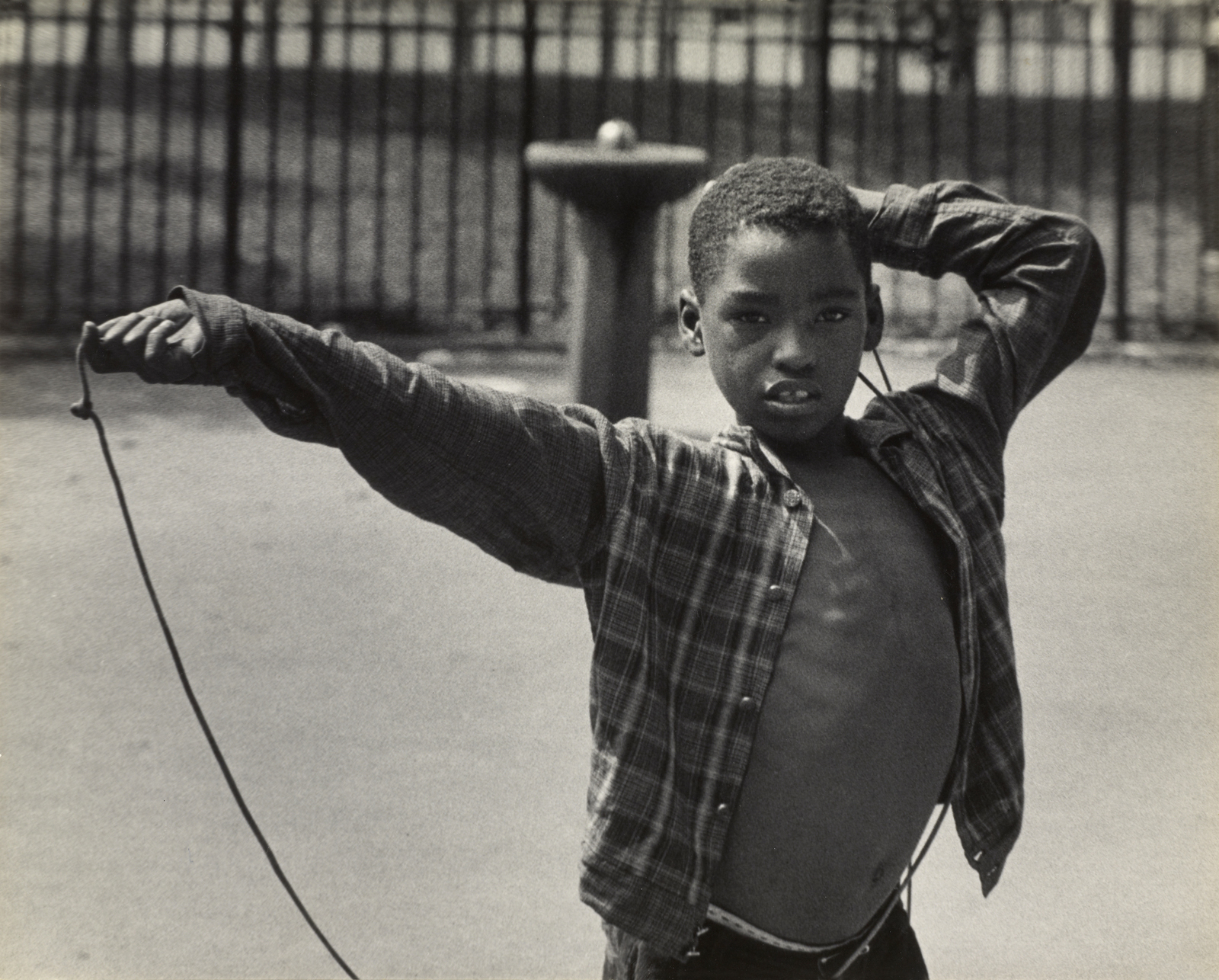
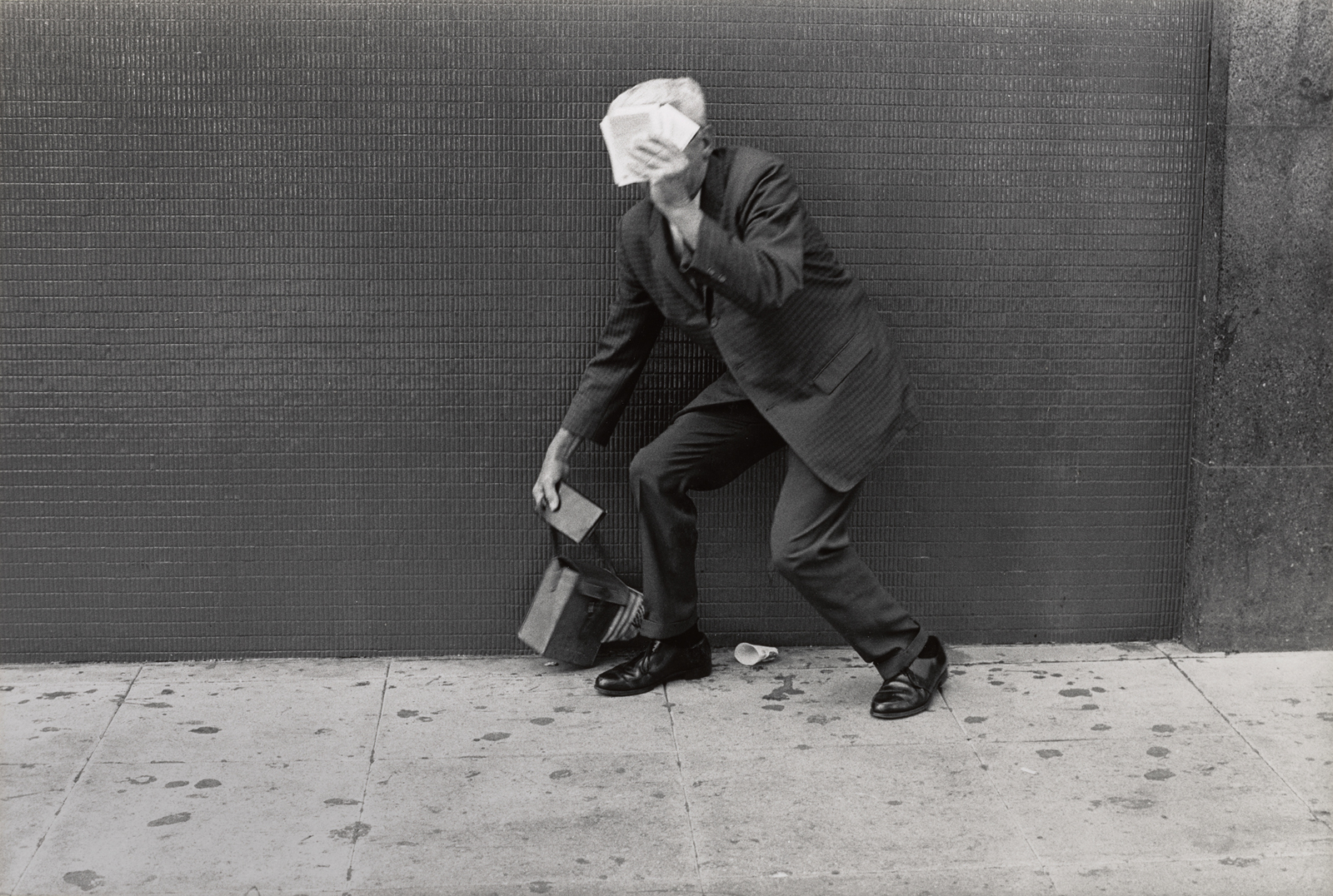


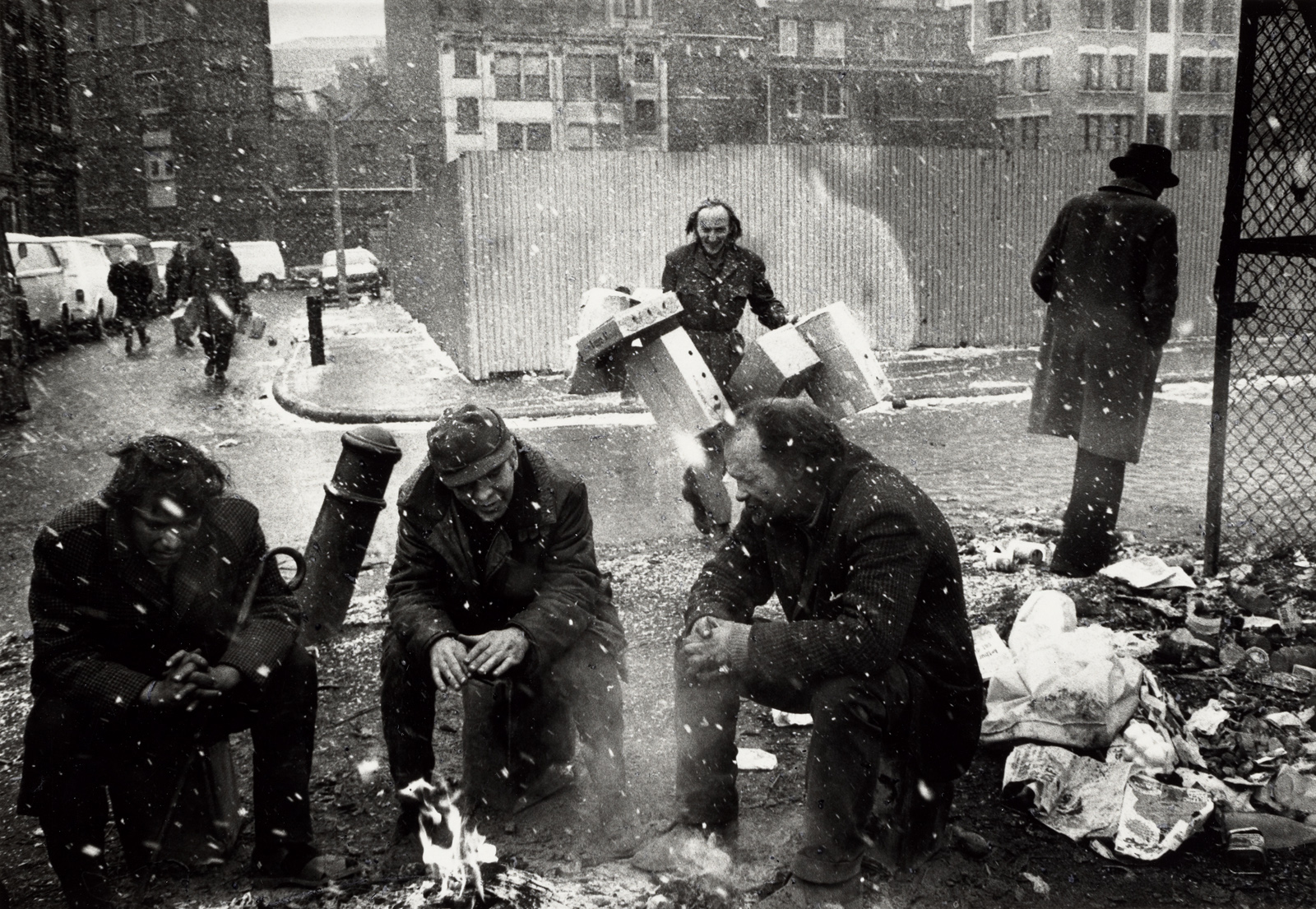
![Shigeichi Nagano (Japanese, 1925-2019, active Tokyo, Japan) '[Tokyo, Aobadai (Nishi Saigoyama Park), Meguro Ward]' 1988](https://artblart.com/wp-content/uploads/2020/02/gm_30687901_2000x2000.jpg "Shigeichi Nagano (Japanese, 1925-2019, active Tokyo, Japan) '[Tokyo, Aobadai (Nishi Saigoyama Park), Meguro Ward]' 1988")
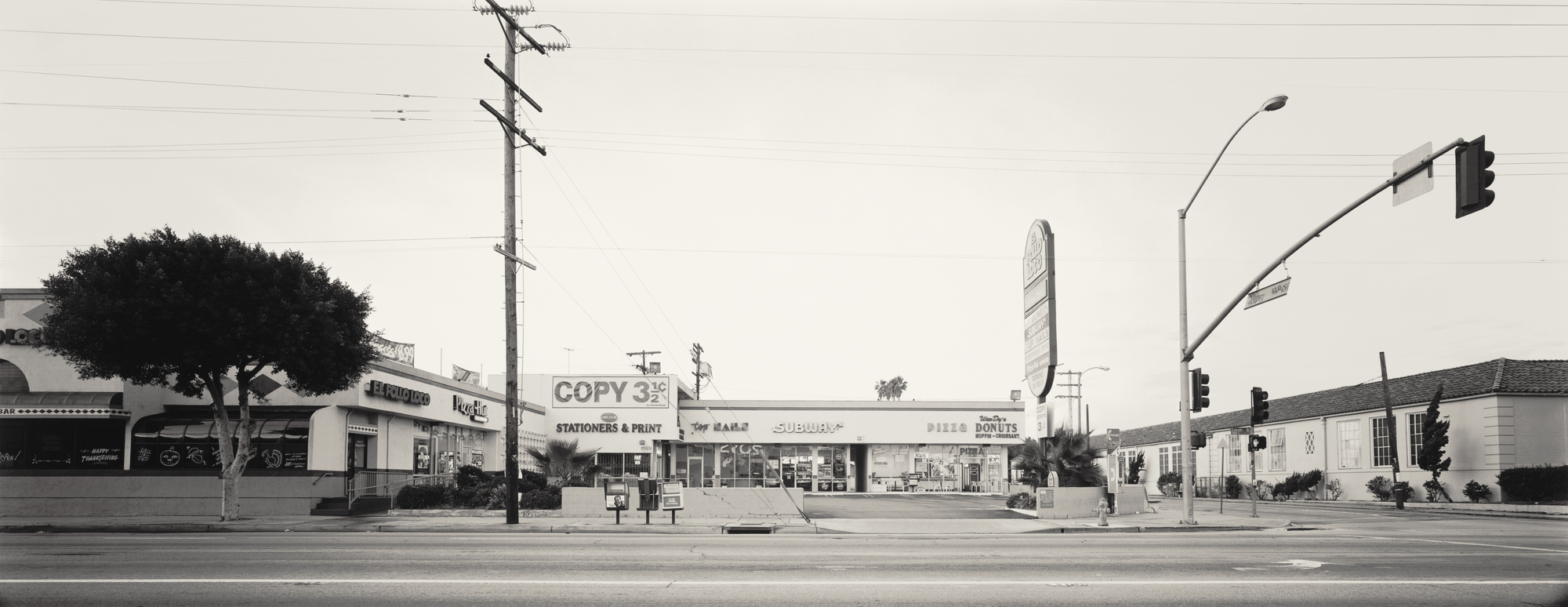

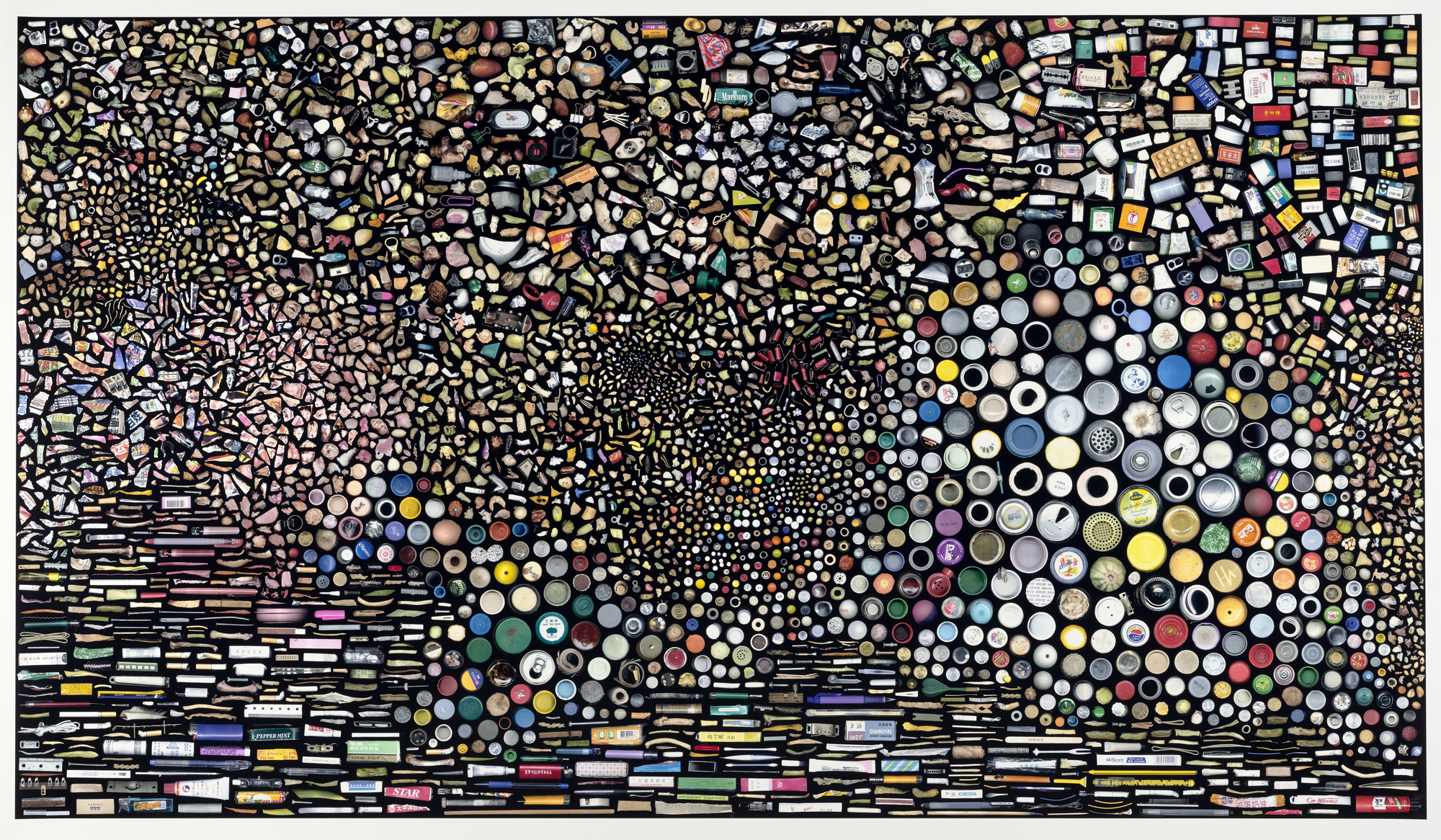

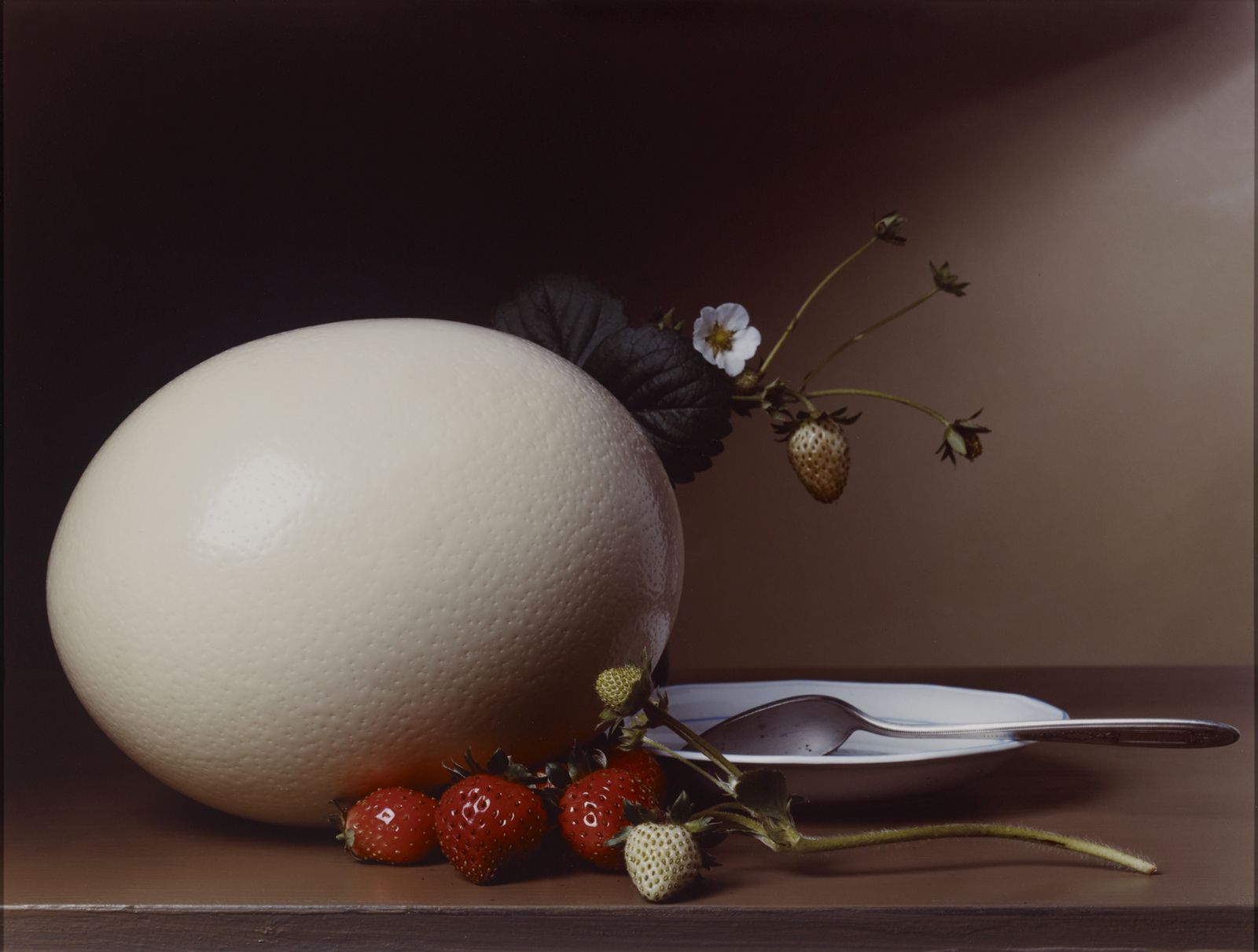

![Julia Margaret Cameron (British born India, 1815-1879) '[Spring]' 1873](https://artblart.com/wp-content/uploads/2020/02/gm_06520801_2000x2000.jpg "Julia Margaret Cameron (British born India, 1815-1879) '[Spring]' 1873")
![Reverend William Ellis (British, 1794-1872) and Samuel Smith. '[Portrait of a Black Couple]' about 1873](https://artblart.com/wp-content/uploads/2020/02/gm_133436t1v1_2000x2000.jpg "Reverend William Ellis (British, 1794-1872) and Samuel Smith. '[Portrait of a Black Couple]' about 1873")

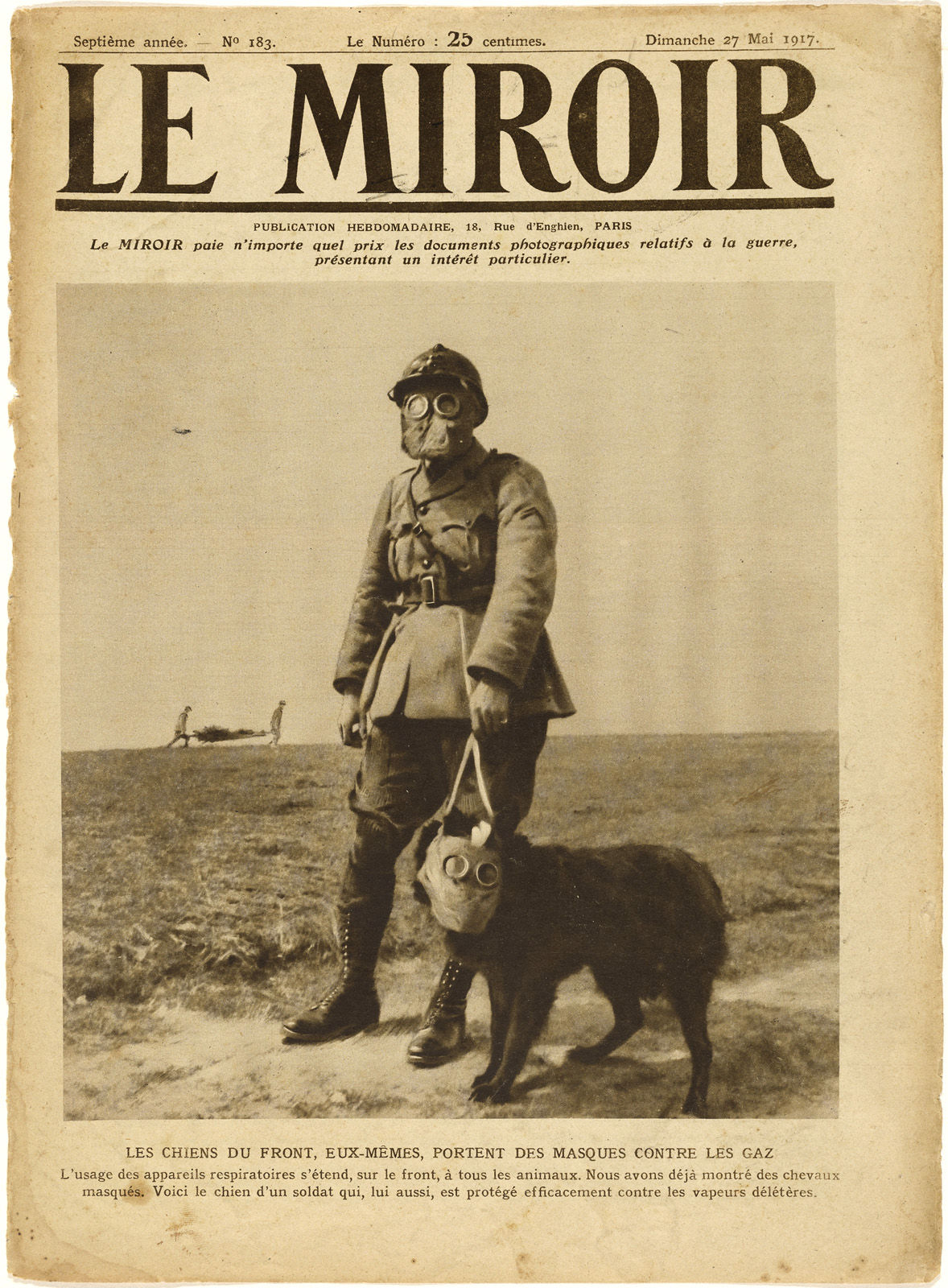
![László Moholy-Nagy (American born Hungary, 1895-1946) '[The Law of the Series]' 1925](https://artblart.com/wp-content/uploads/2020/02/gm_05309301_2000x2000.jpg "László Moholy-Nagy (American born Hungary, 1895-1946) '[The Law of the Series]' 1925")


![Paul Wolff (German, 1887-1951) and Dr Wolff & Tritschler OHG (German, founded 1927, dissolved 1963) '[Dog at the beach]' 1936](https://artblart.com/wp-content/uploads/2020/02/gm_041552t1v1_2000x2000-1.jpg "Paul Wolff (German, 1887-1951) and Dr Wolff & Tritschler OHG (German, founded 1927, dissolved 1963) '[Dog at the beach]' 1936")
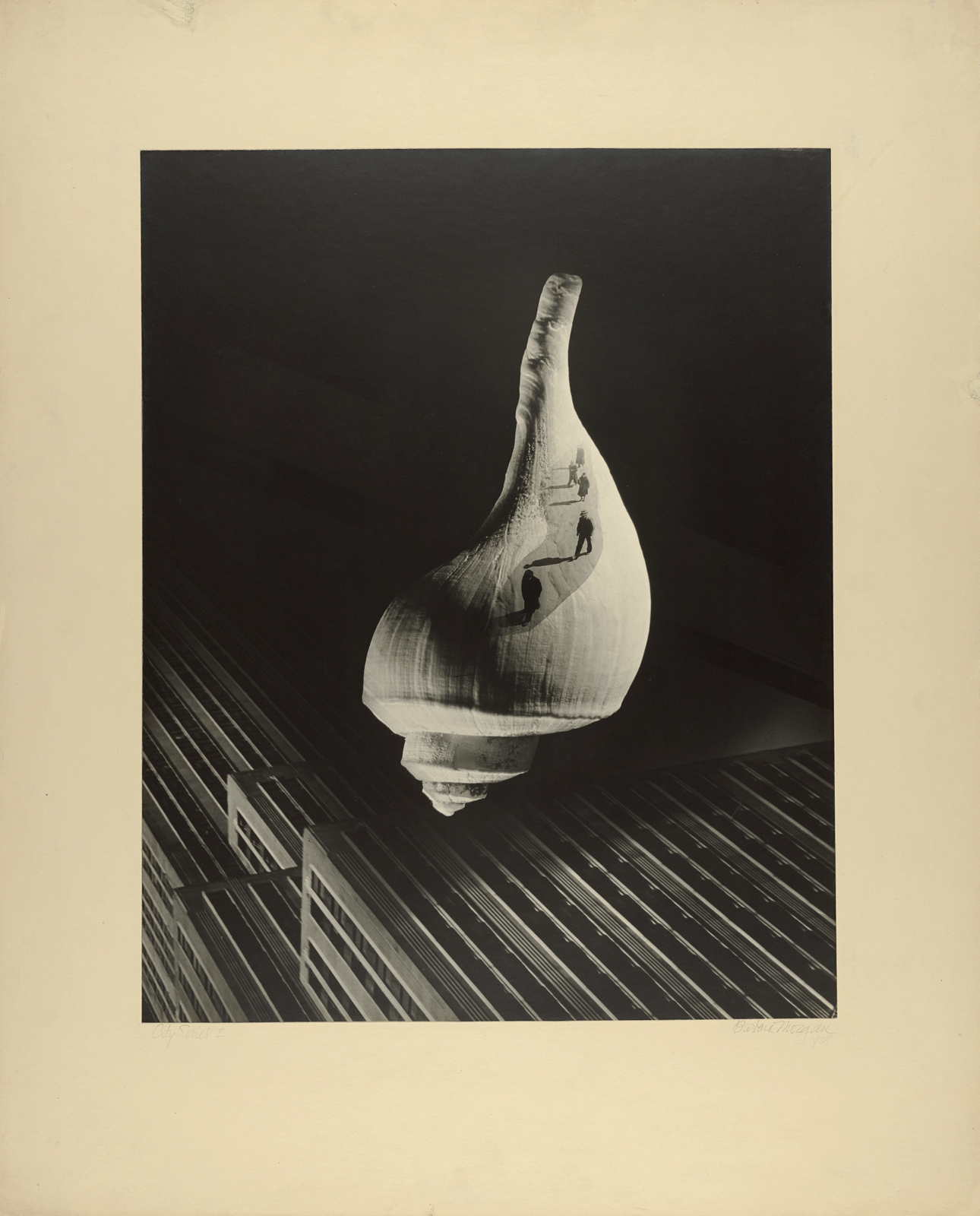
![Walker Evans (American, 1903 - 1975) '[Two Giraffes, Circus Winter Quarters, Sarasota]' 1941](https://artblart.com/wp-content/uploads/2020/02/gm_05269601_2000x2000.jpg "Walker Evans (American, 1903 - 1975) '[Two Giraffes, Circus Winter Quarters, Sarasota]' 1941")
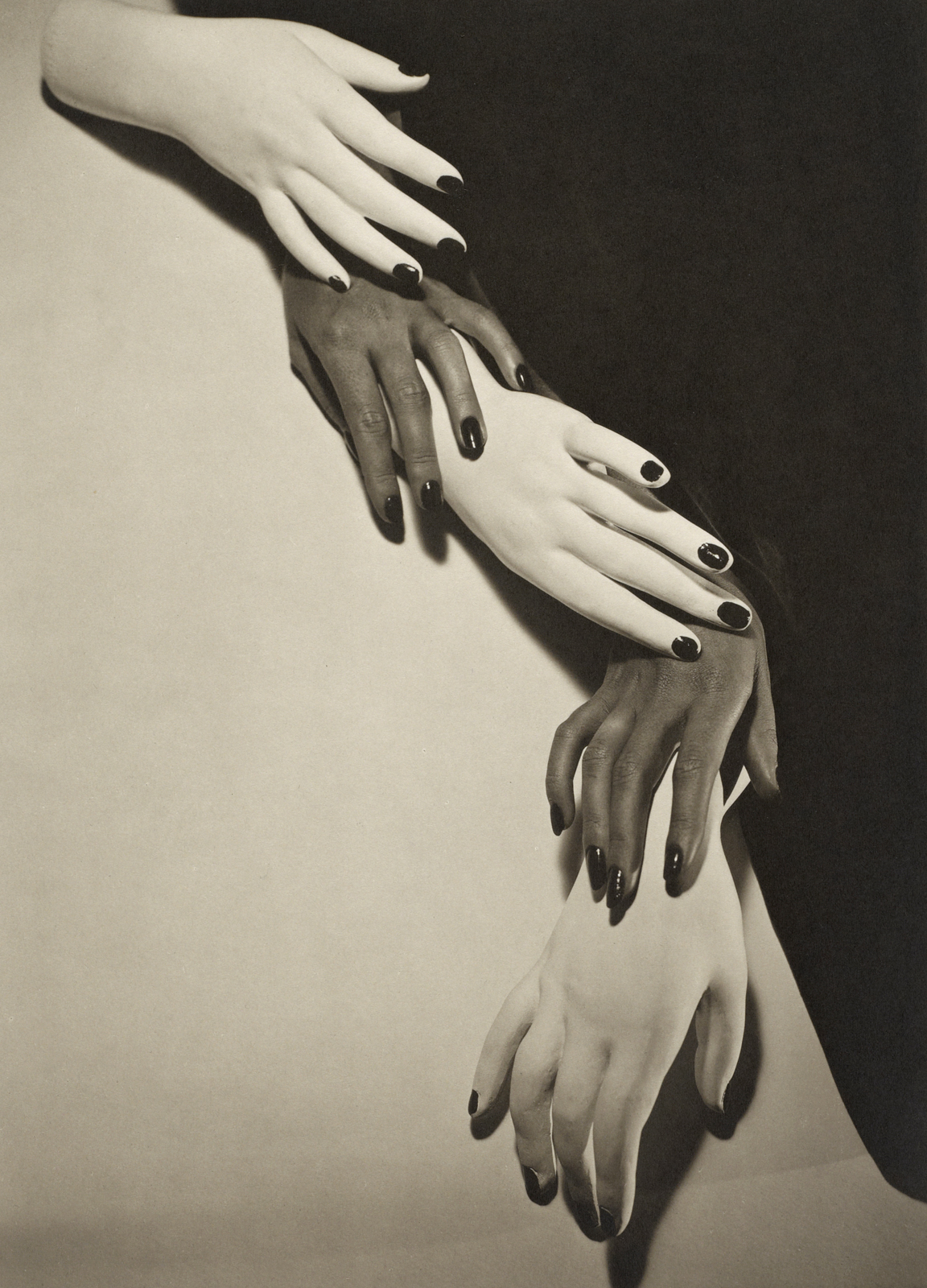


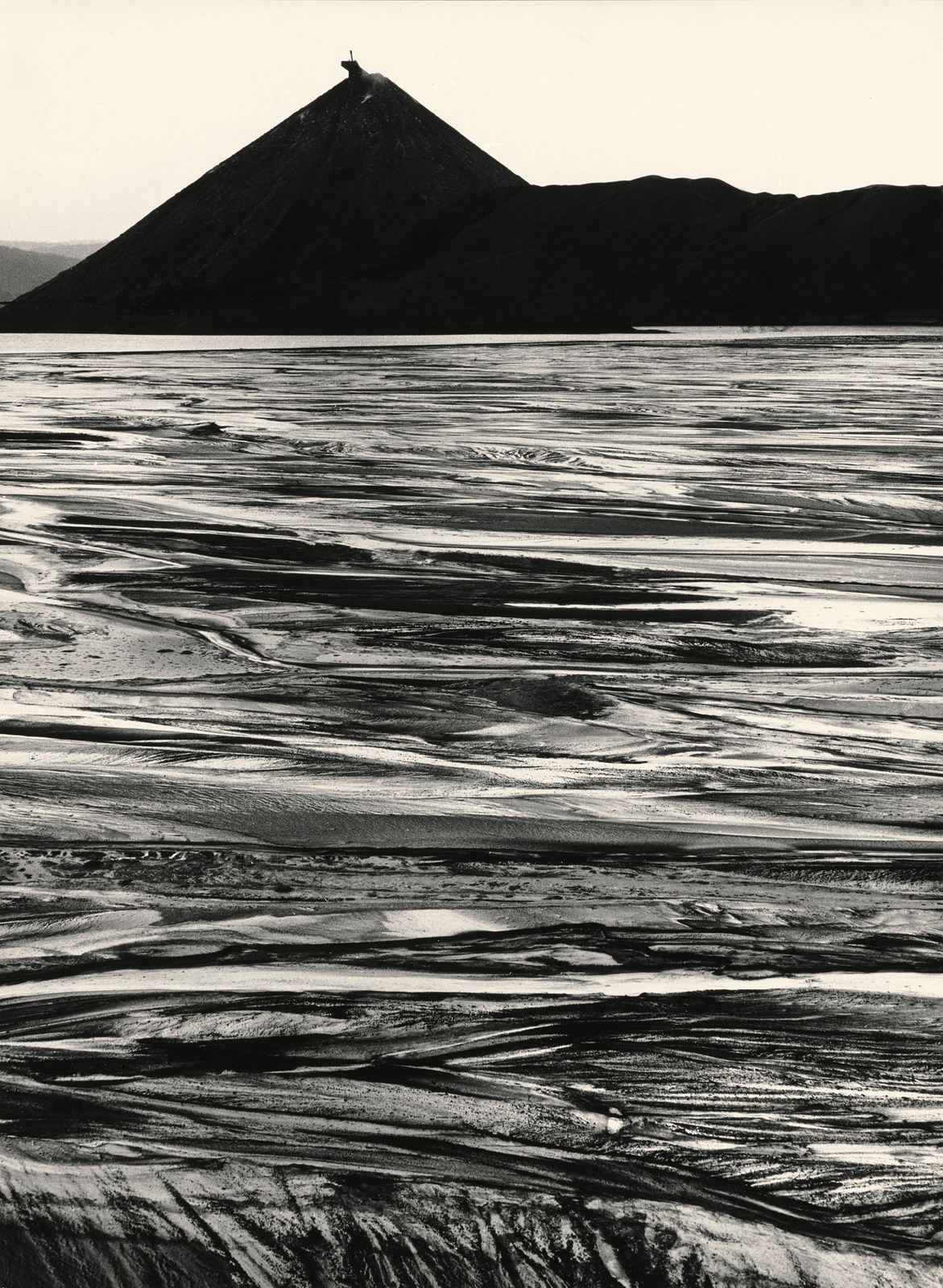

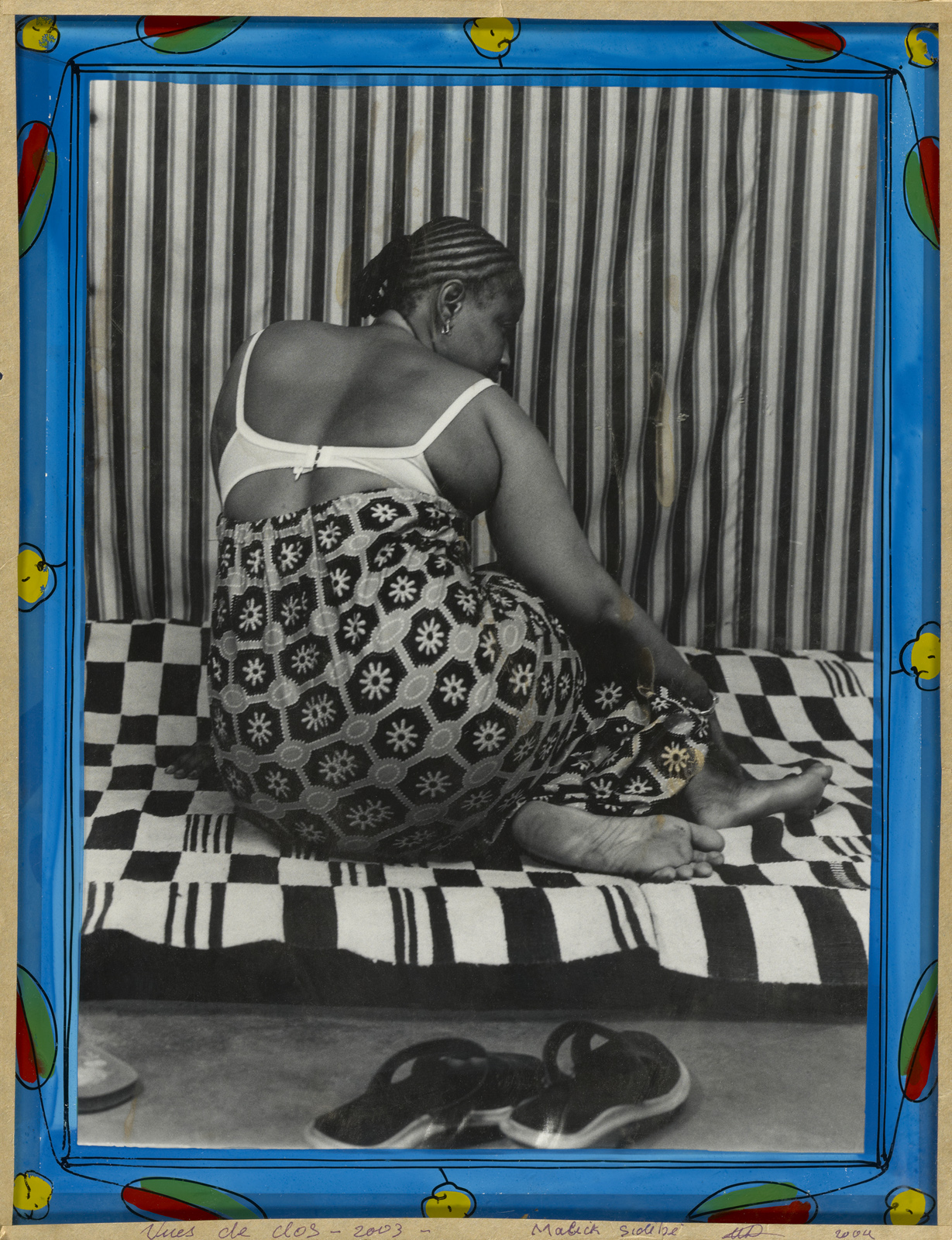

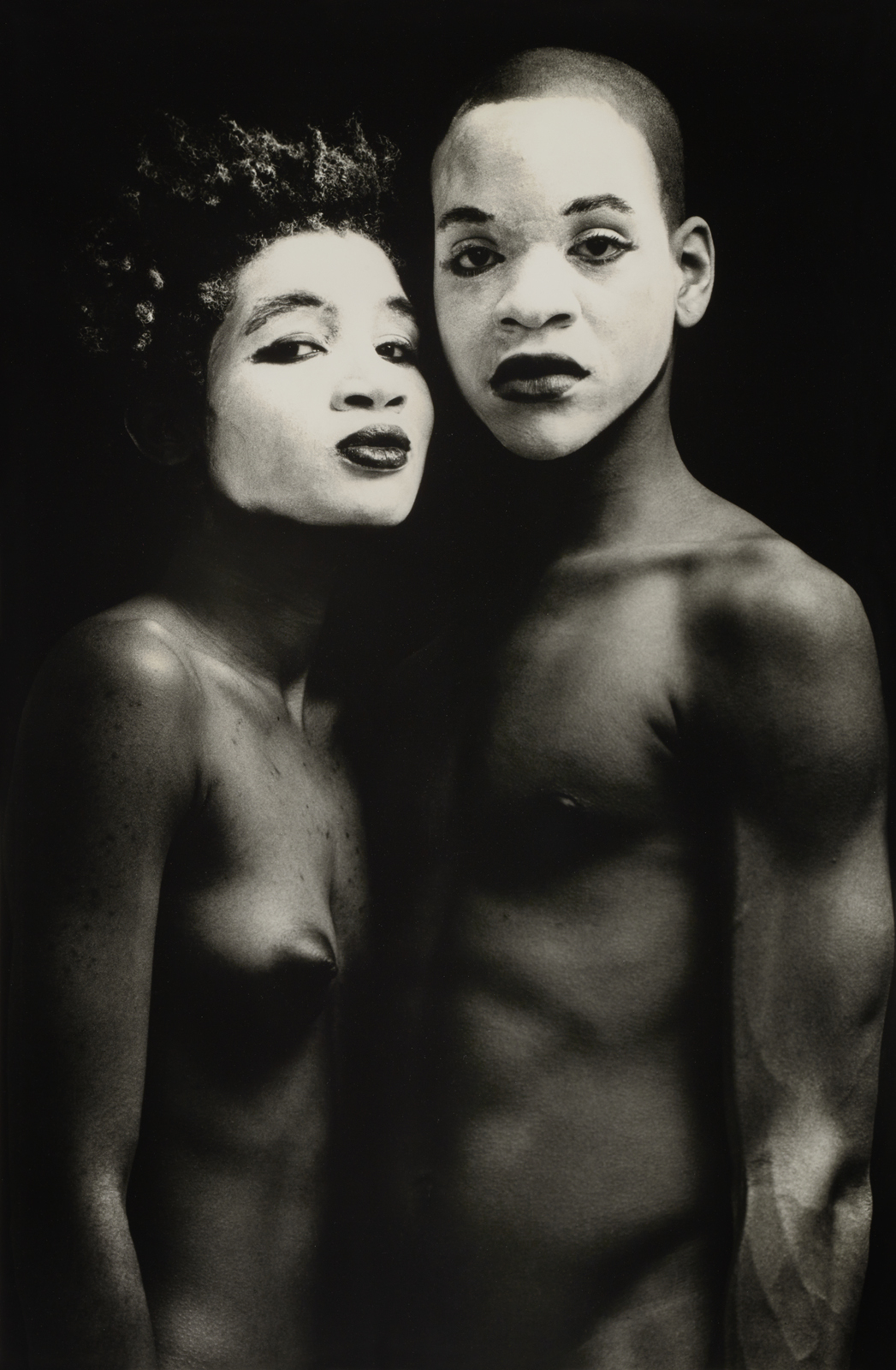
![Myoung Ho Lee (South Korean, b. 1975) '[Tree #2]' 2006](https://artblart.com/wp-content/uploads/2020/02/gm_31977201_2000x2000.jpg "Myoung Ho Lee (South Korean, b. 1975) '[Tree #2]' 2006")
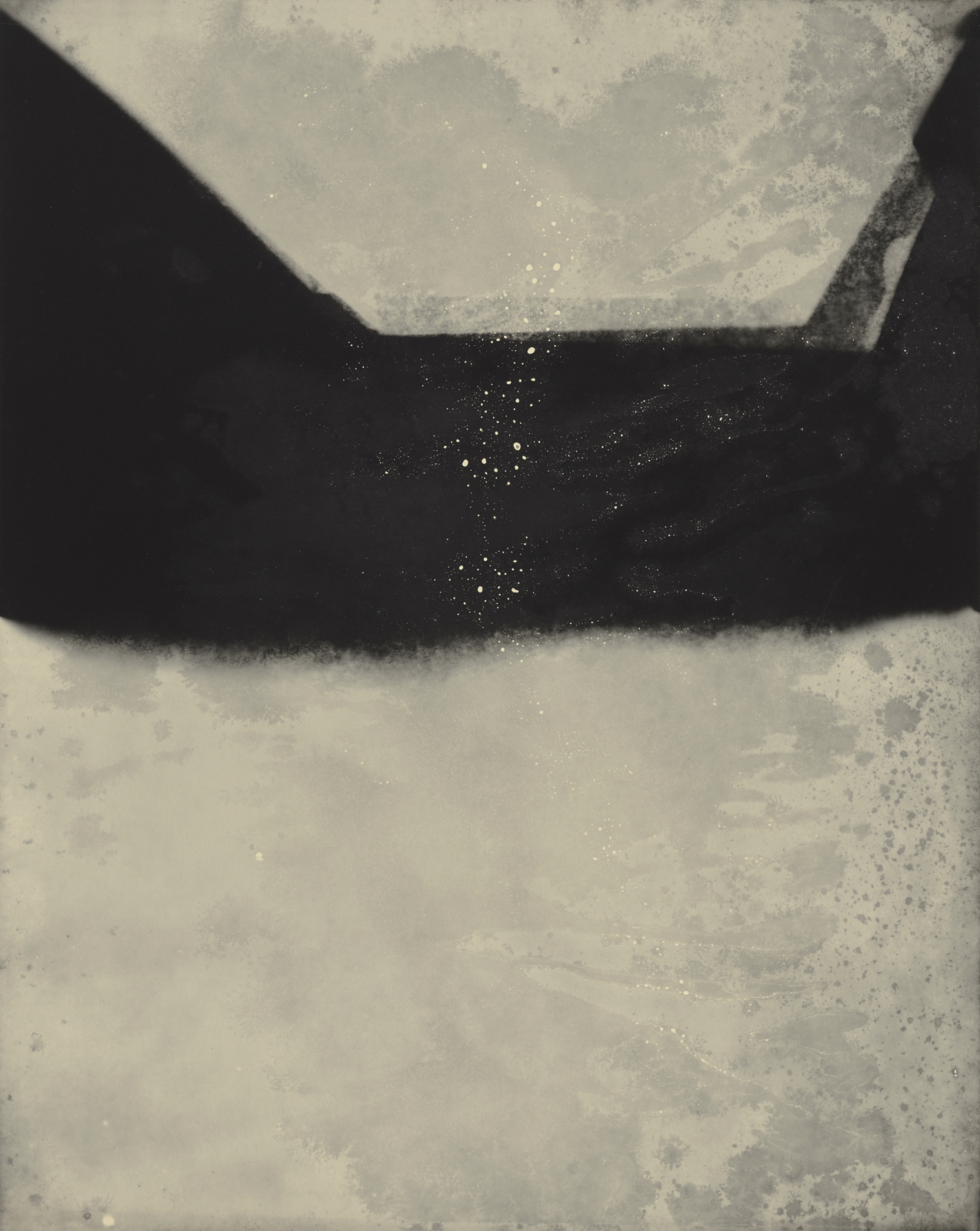


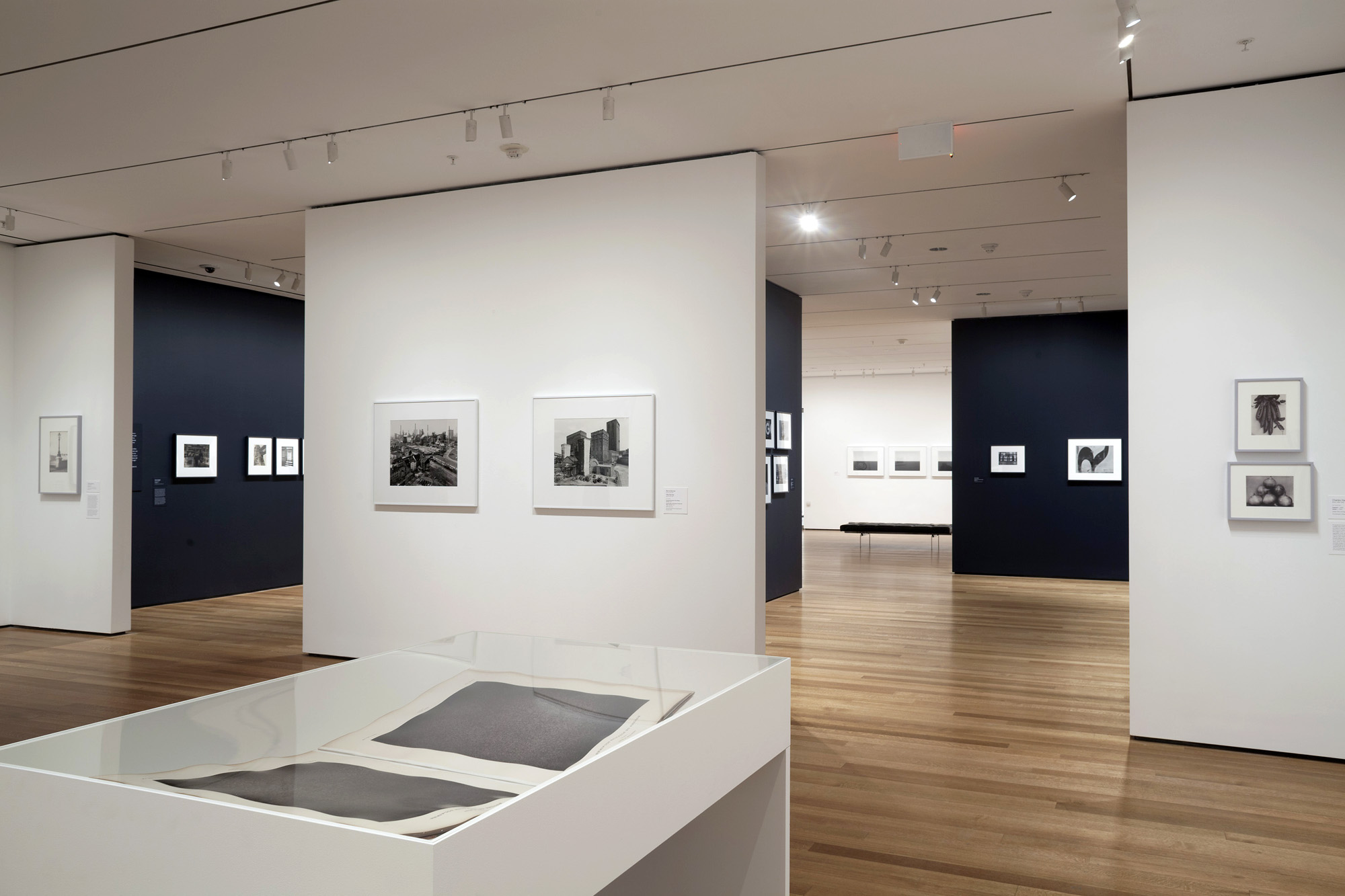


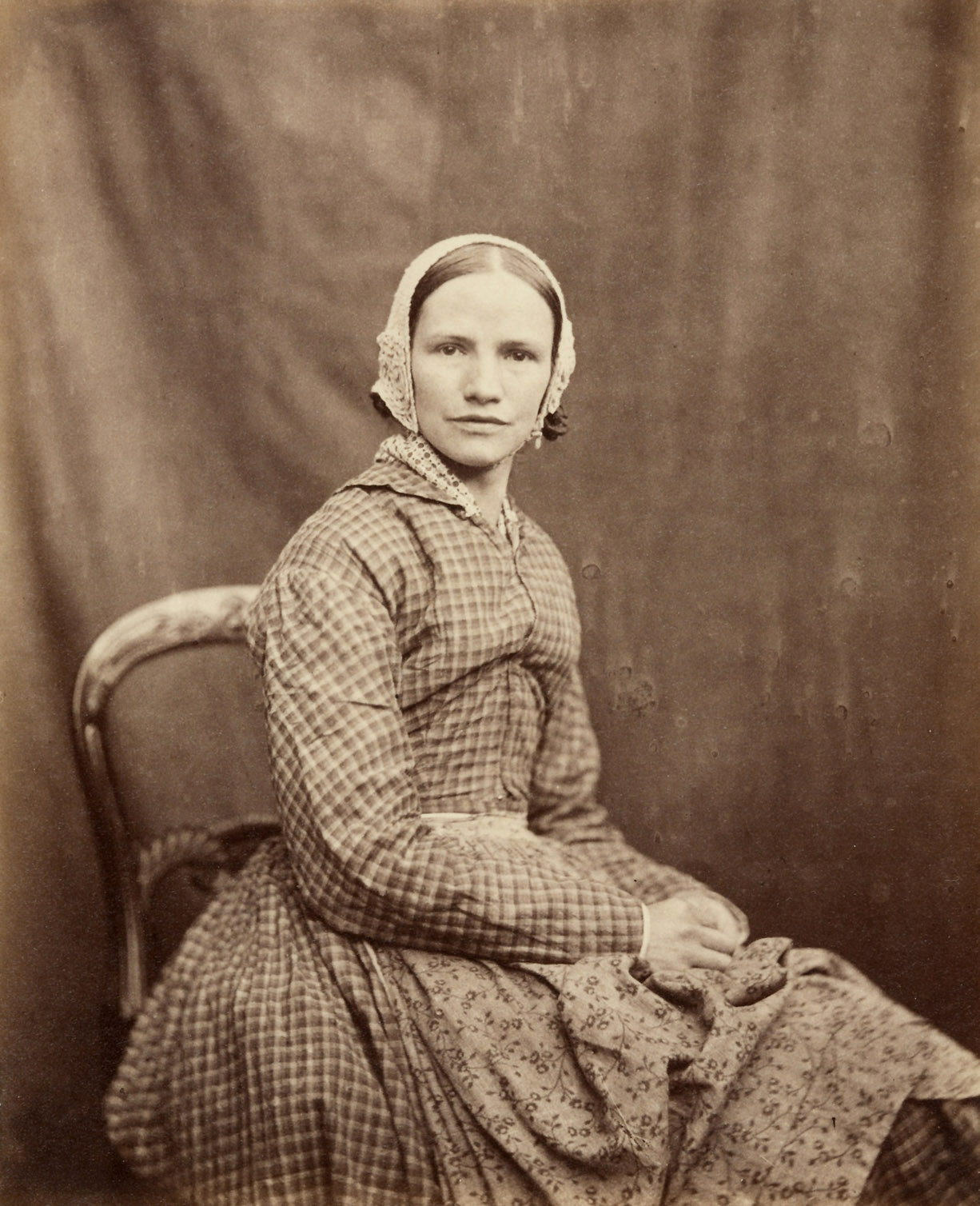
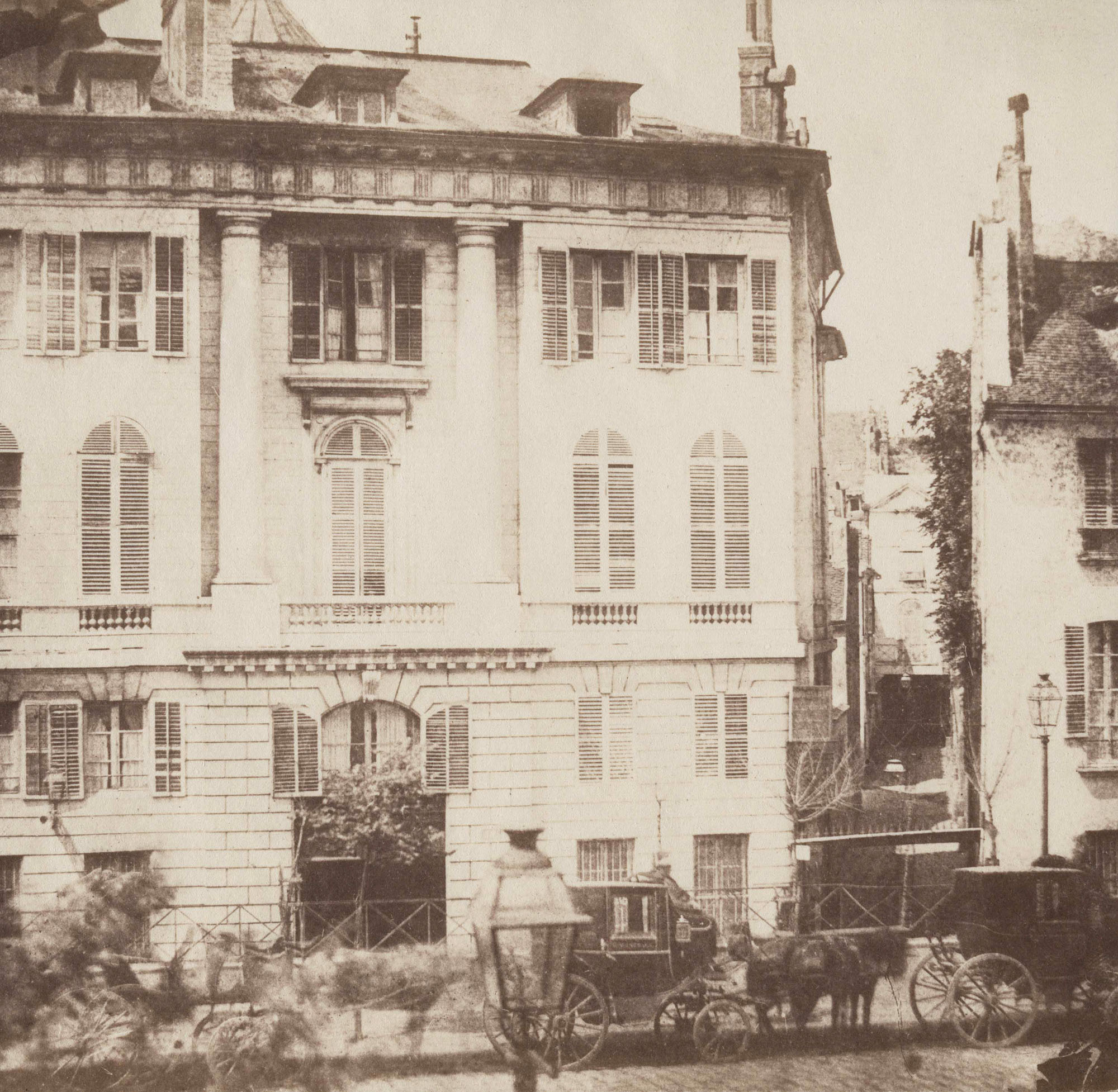













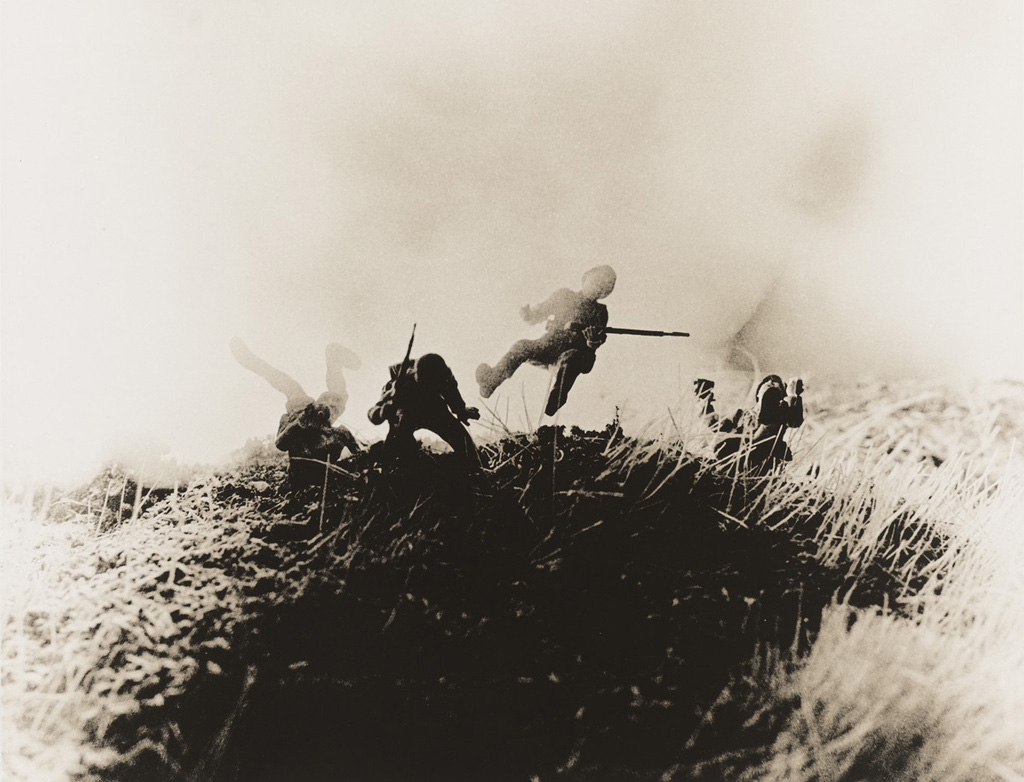


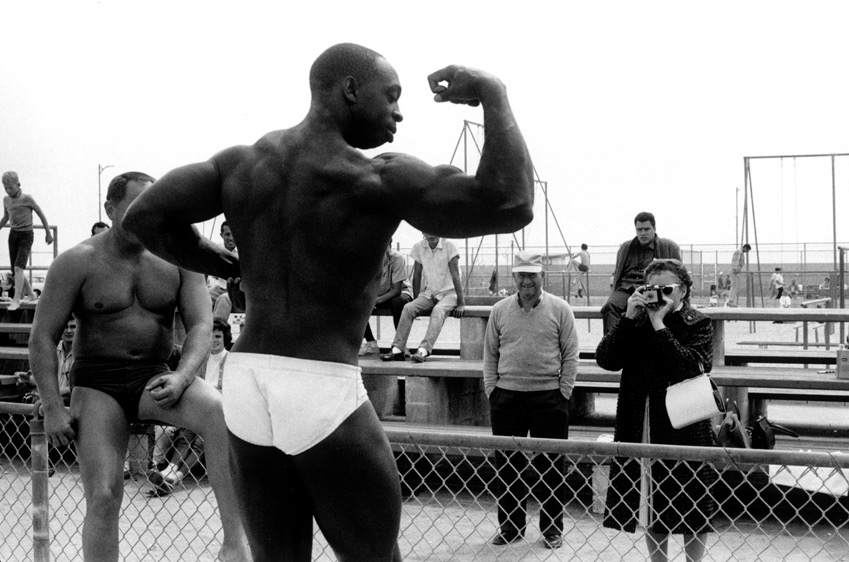
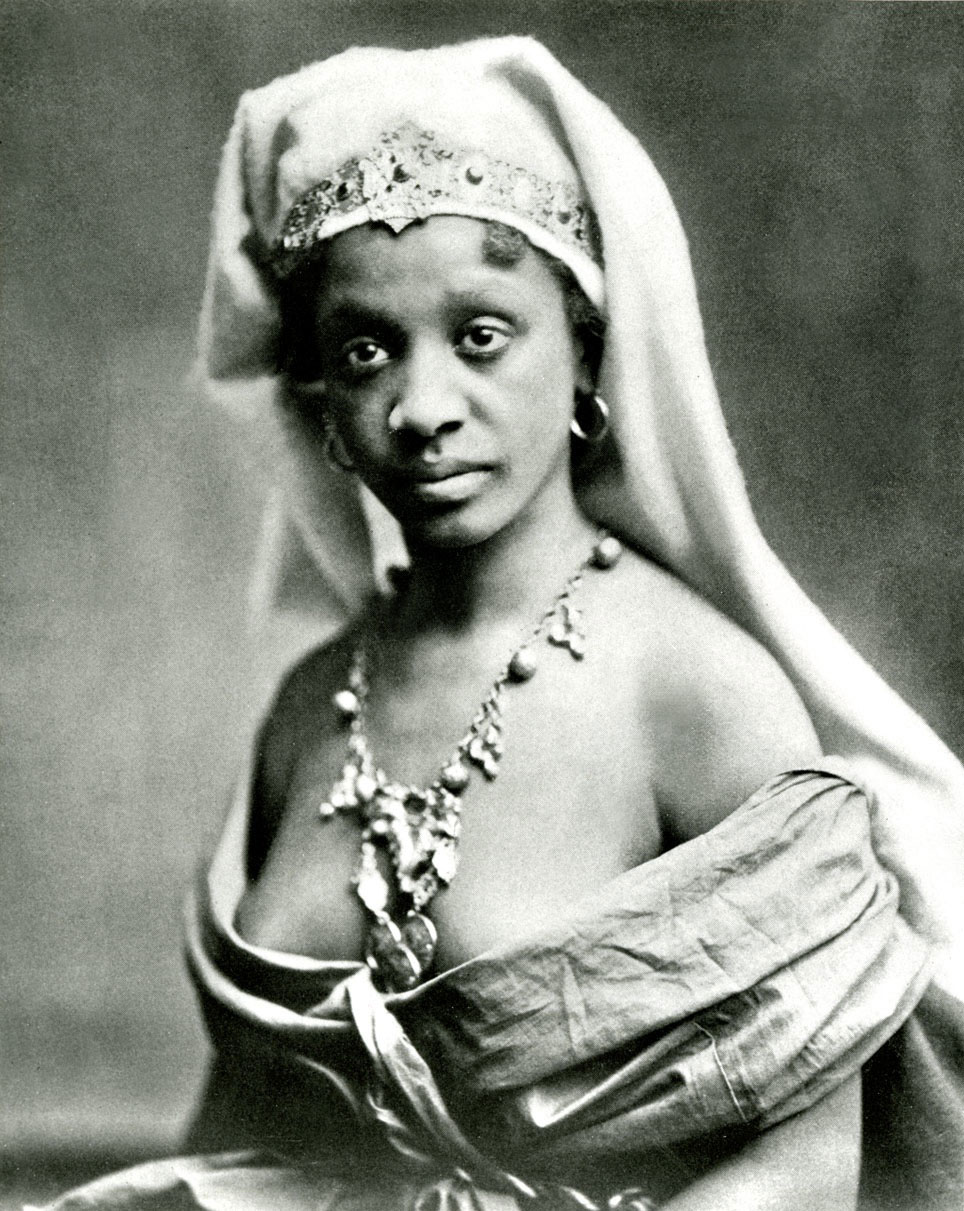
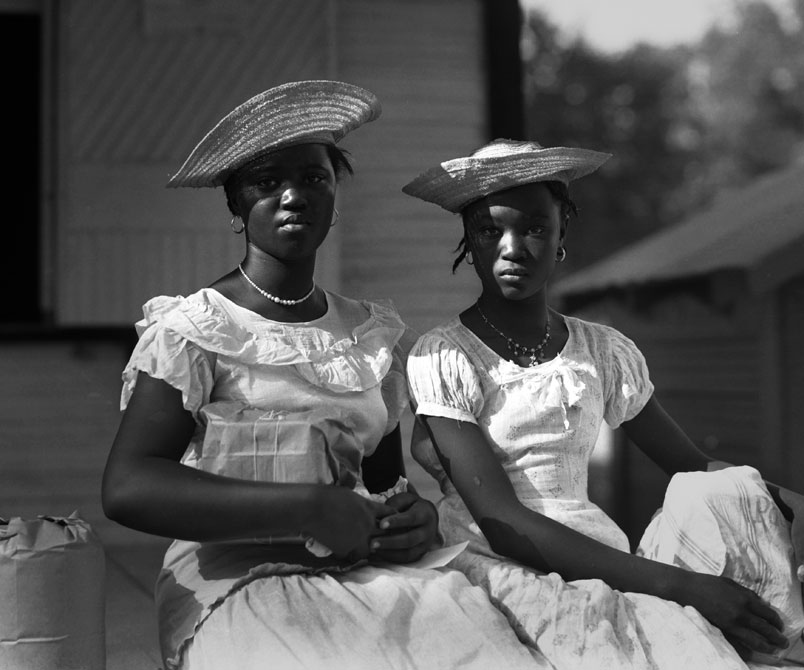
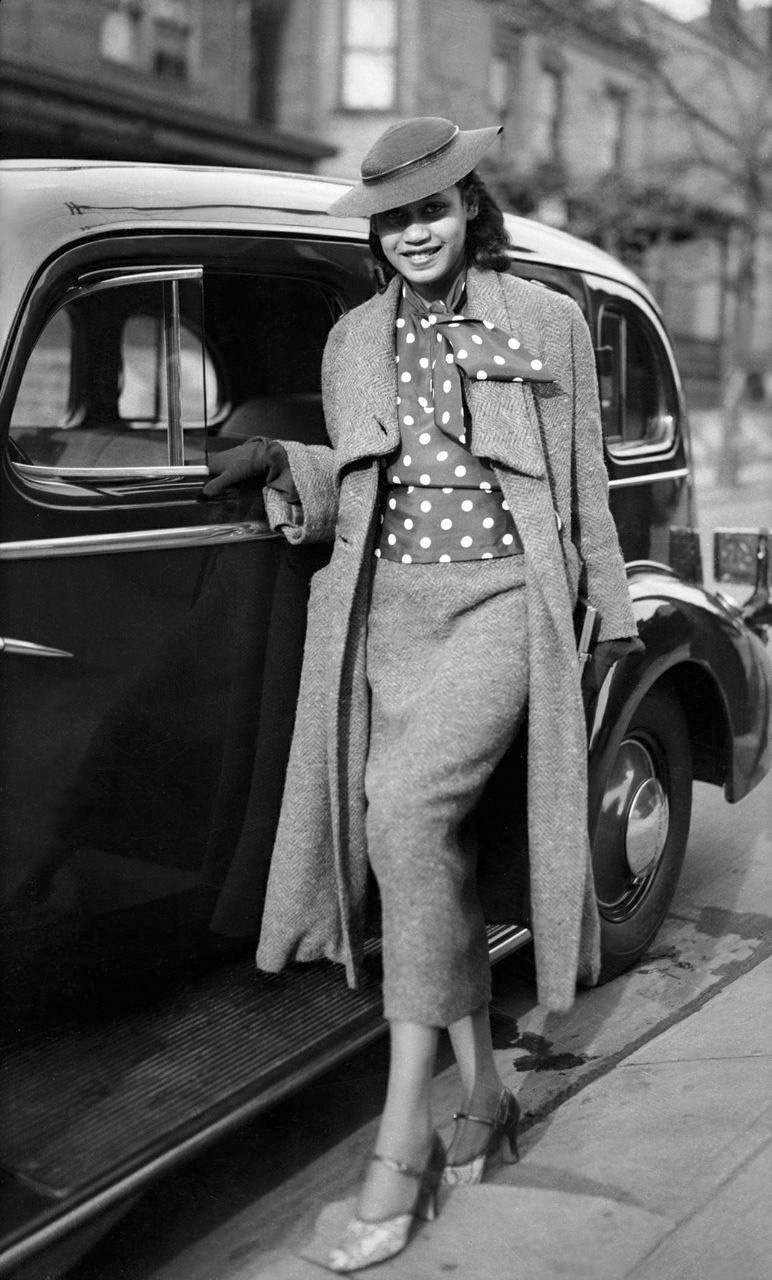
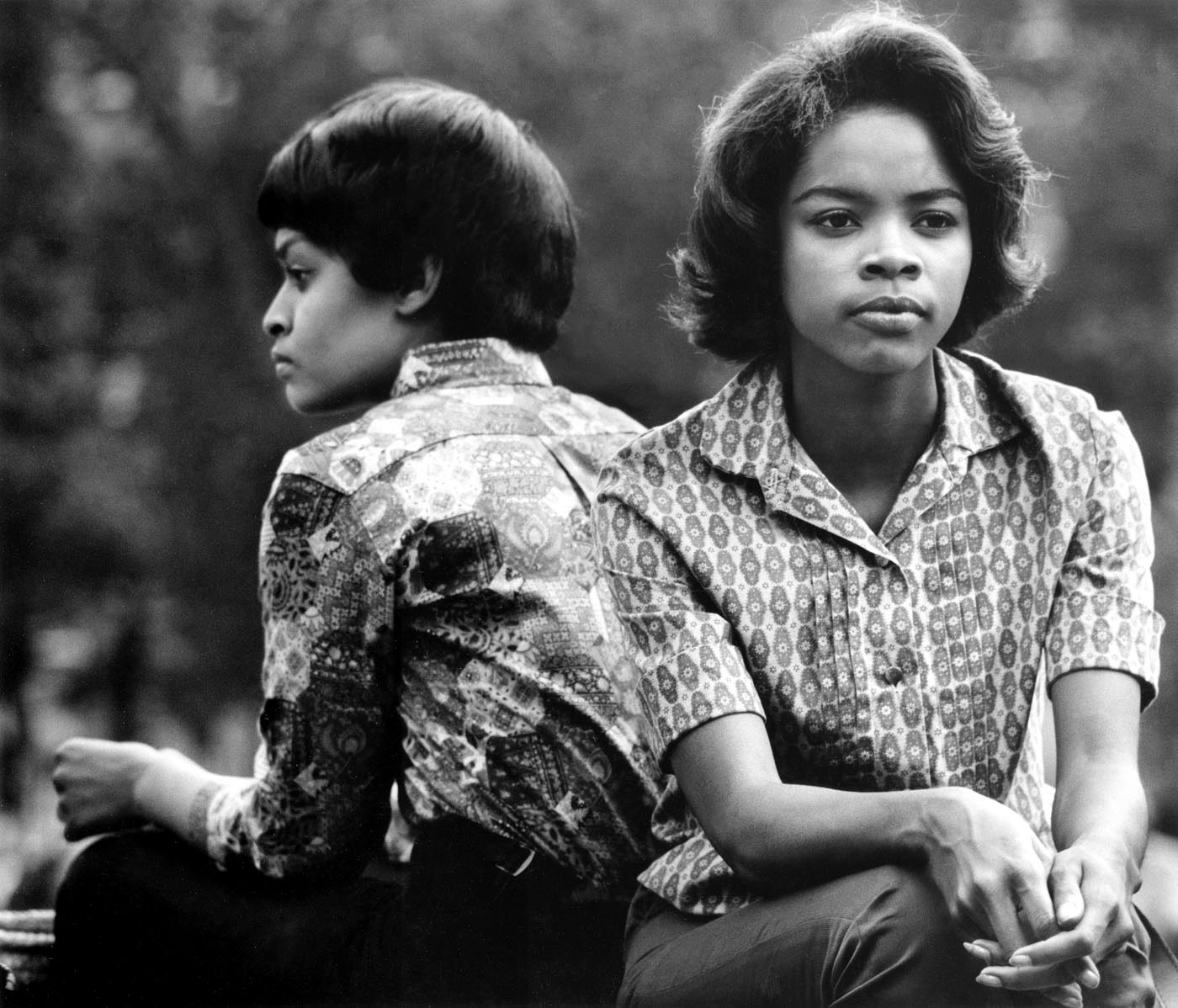
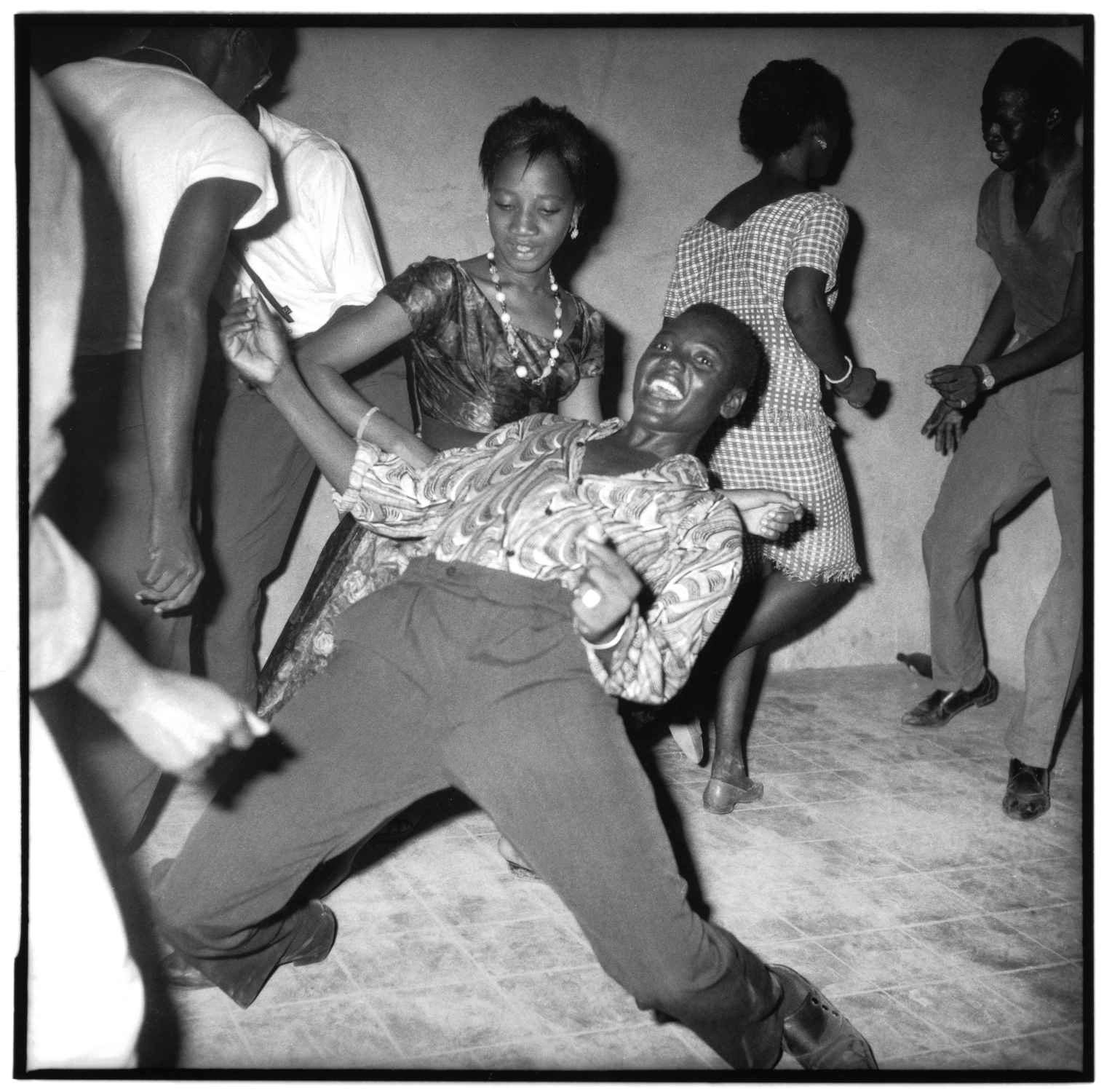
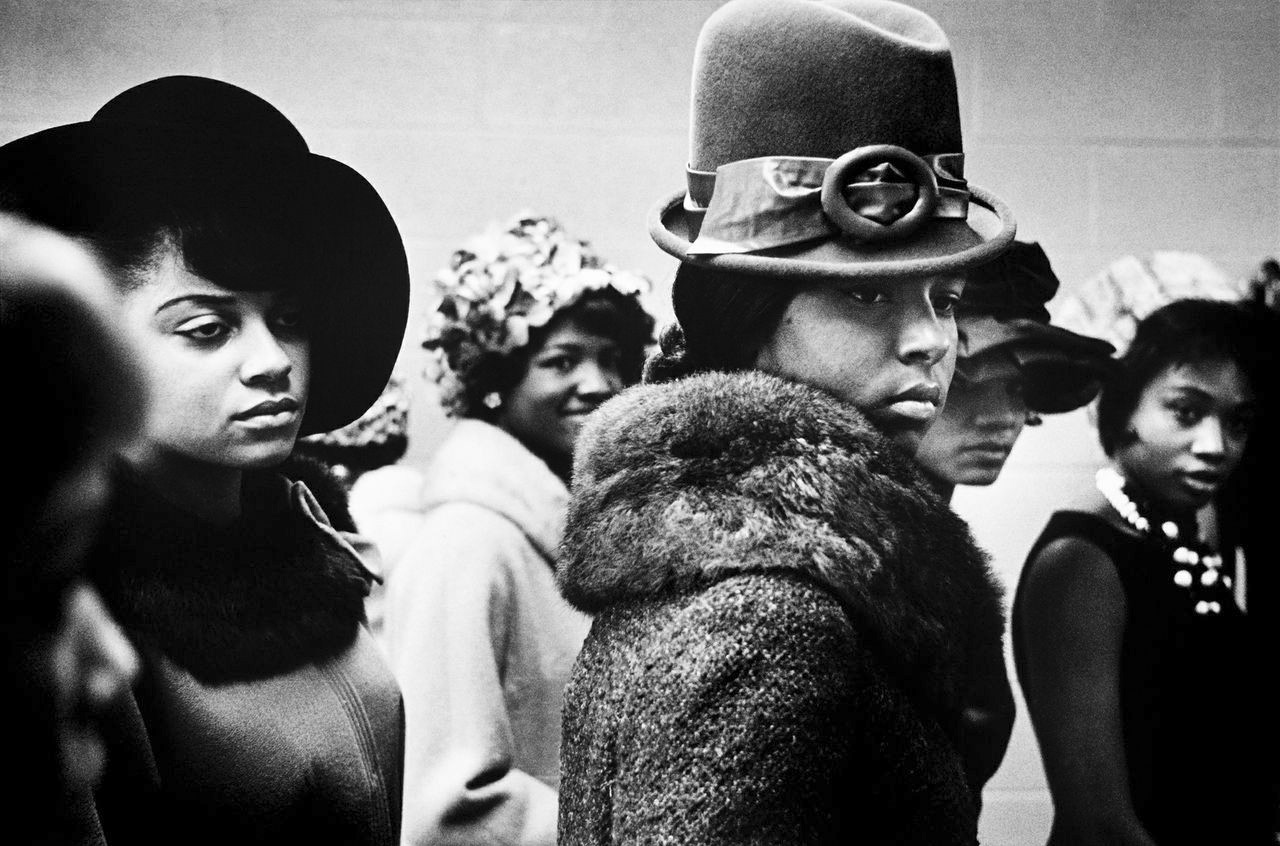
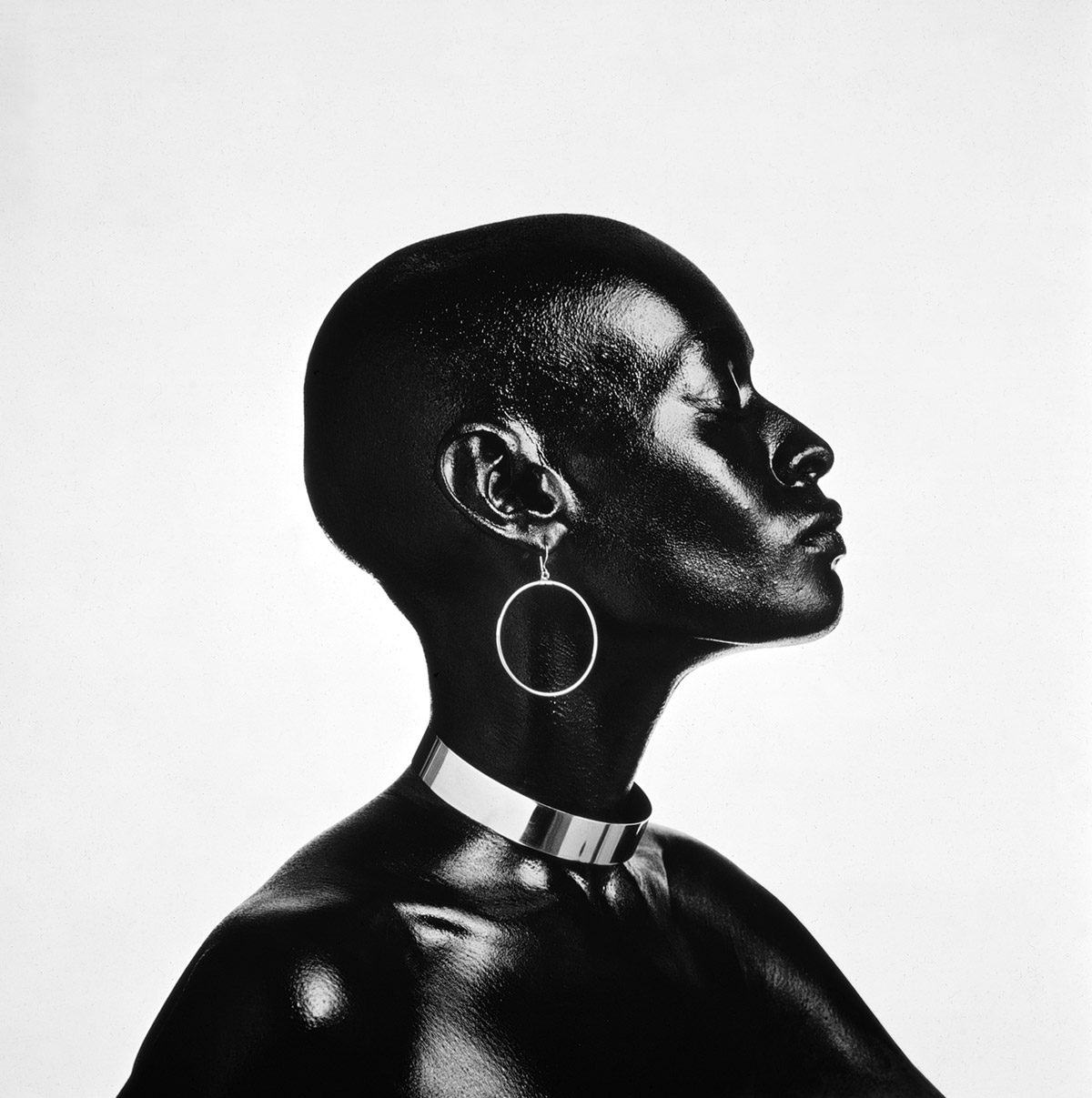
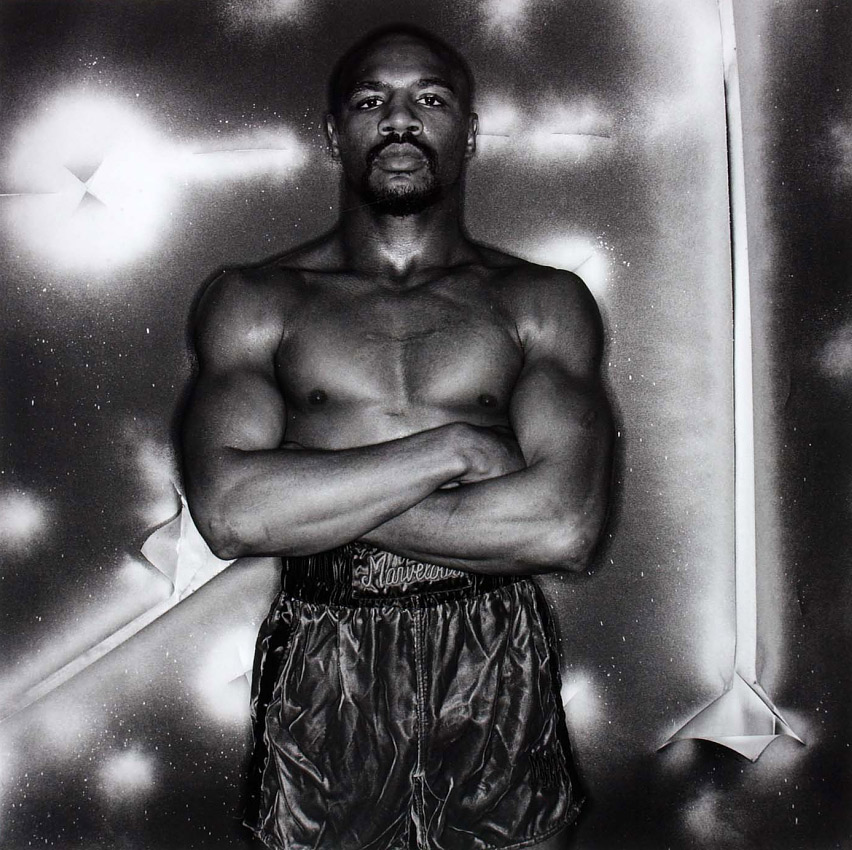
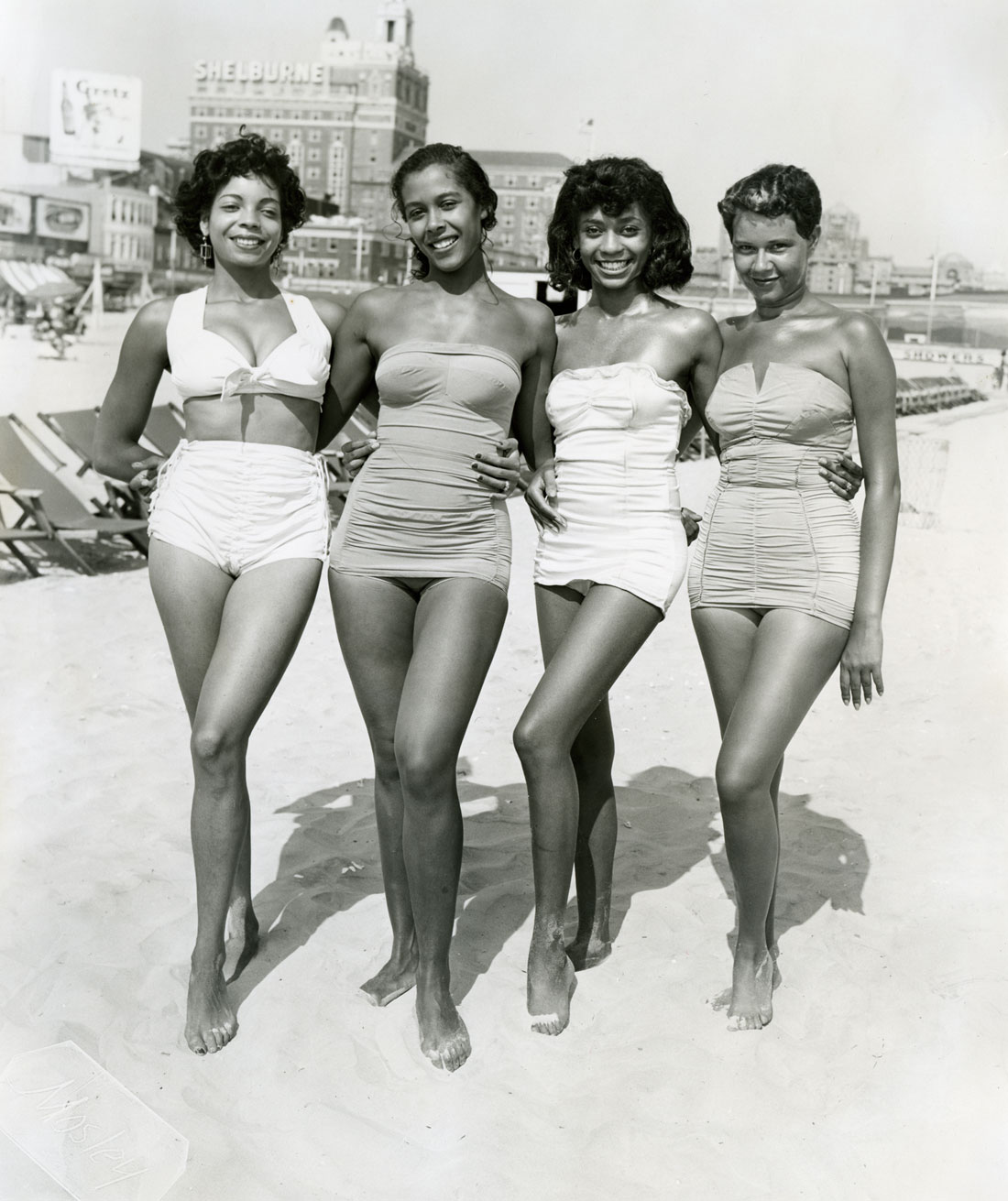
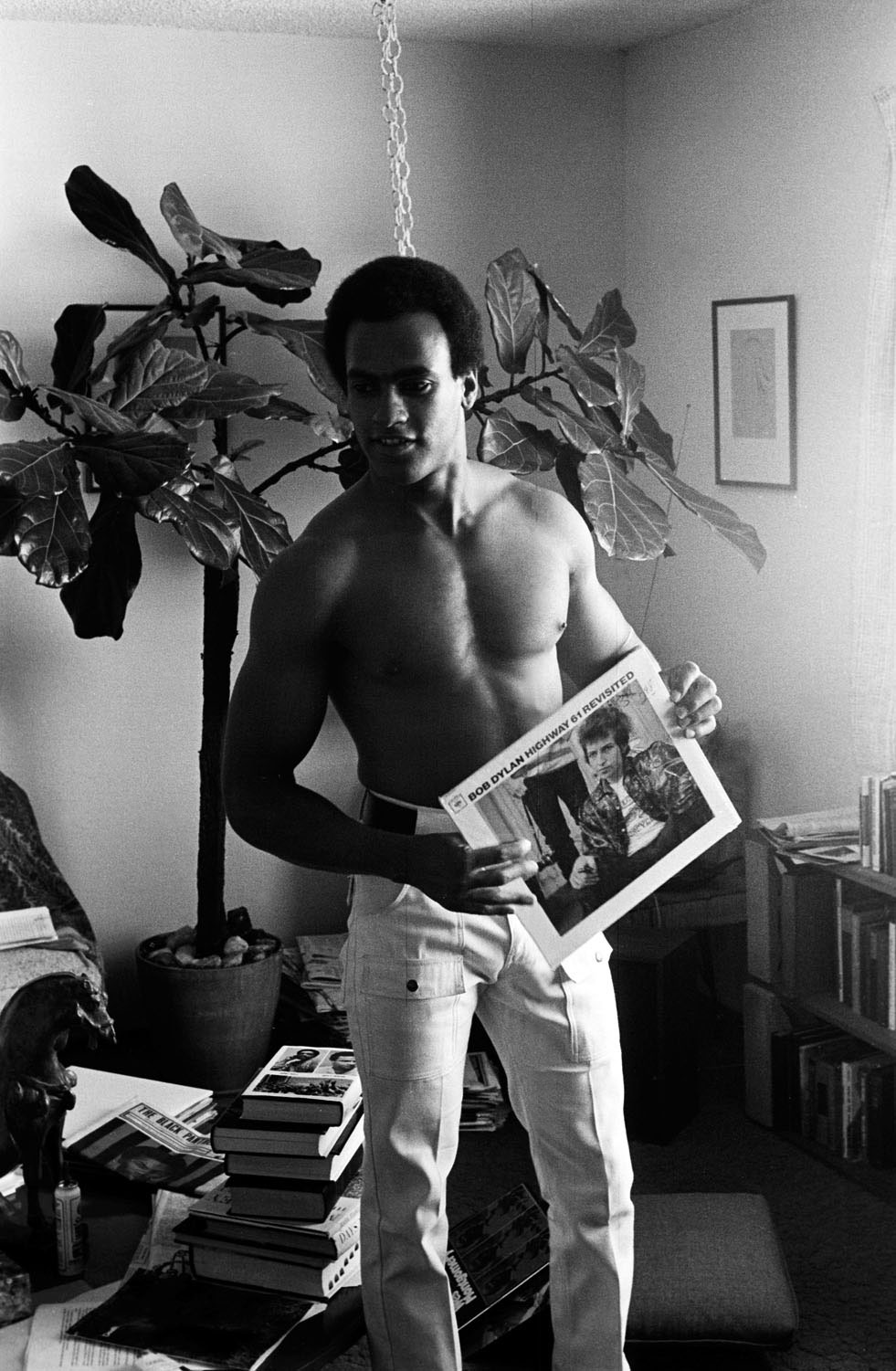
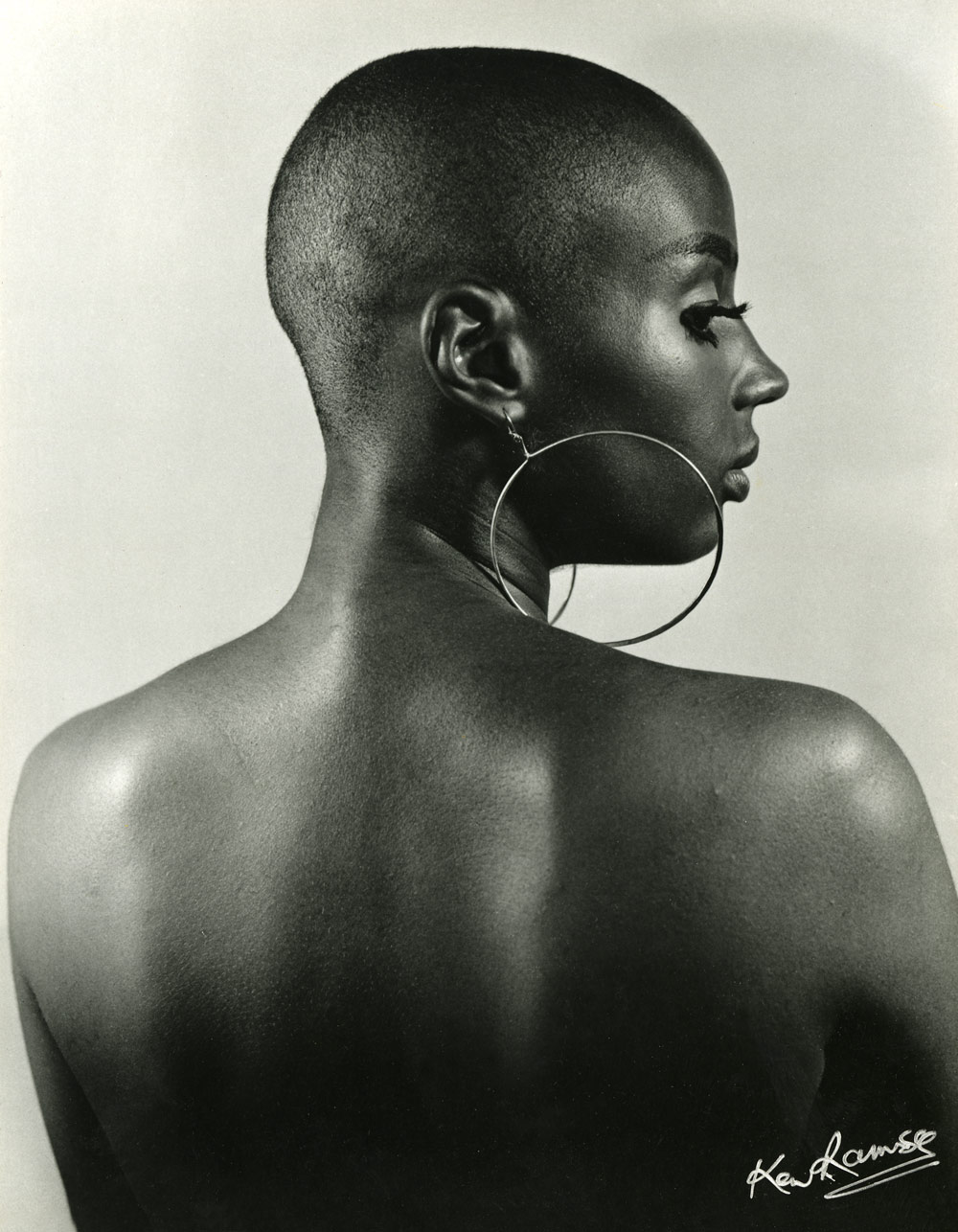
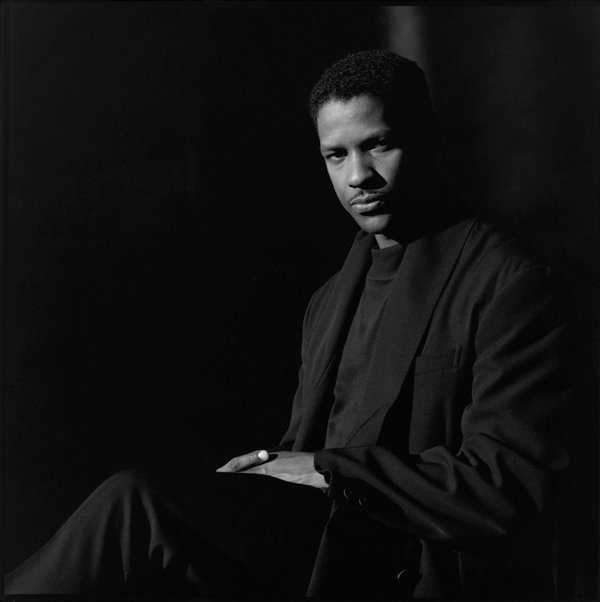
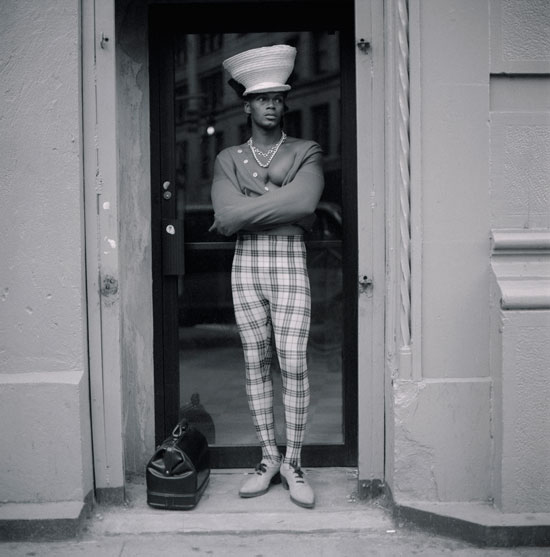
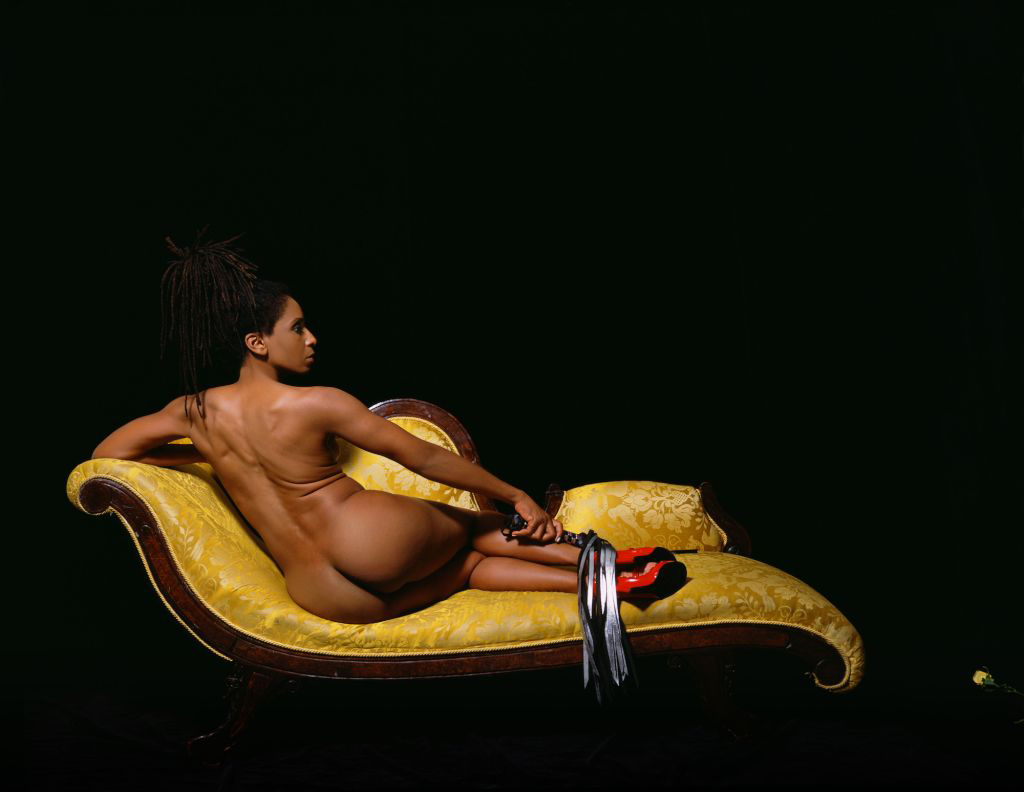
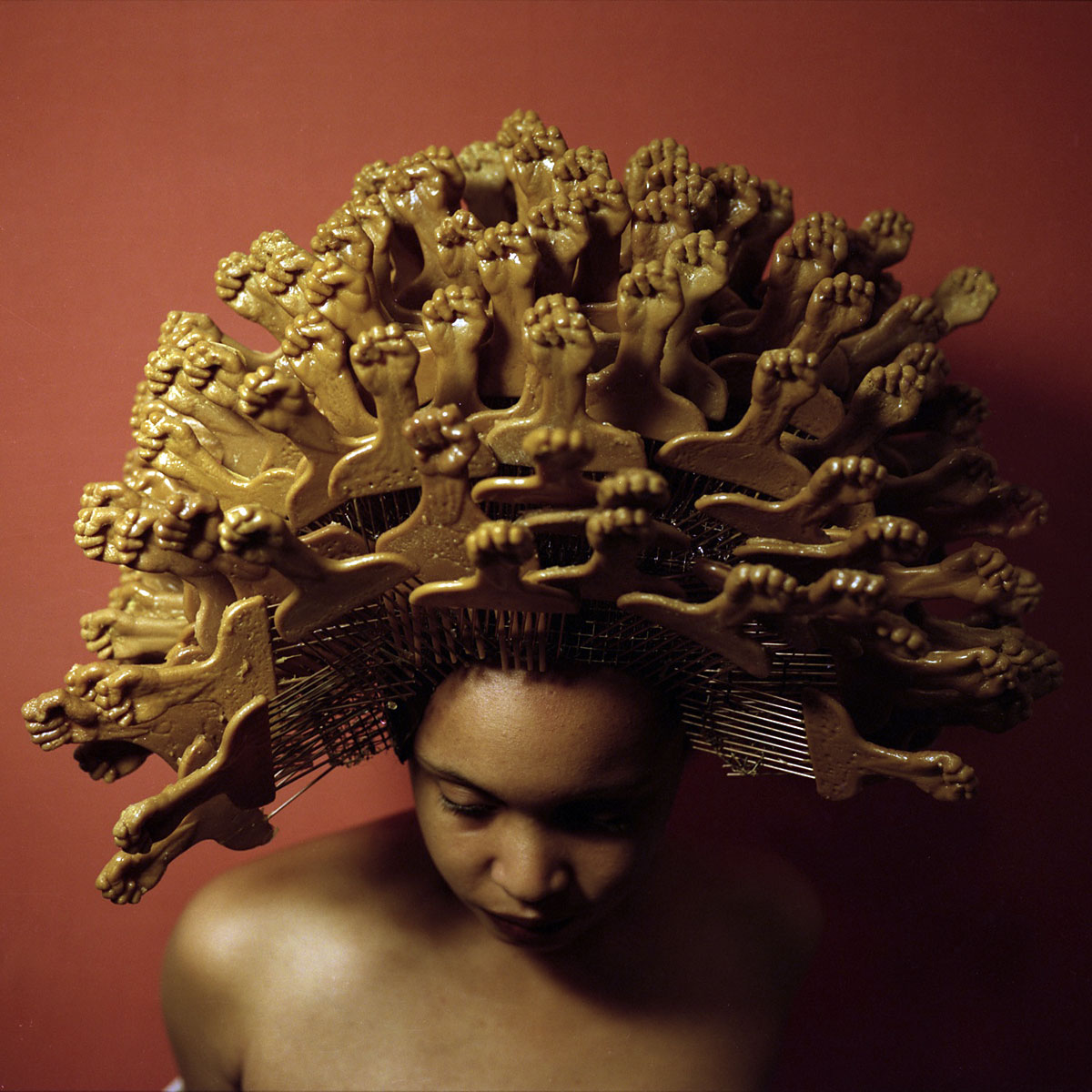
 Art Blart _ art and cultural memory archive
You must be logged in to post a comment.