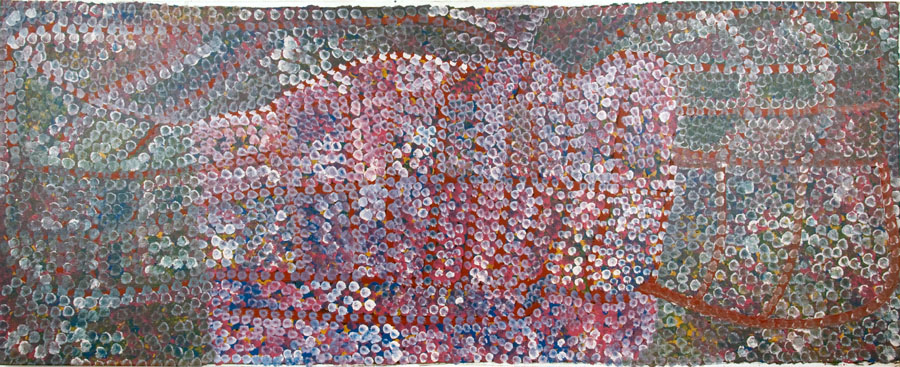
Exhibition: ‘Carine Thévenau: Return To Huldra’s Wood’ at Edmund Pearce Gallery, Melbourne

Exhibition dates: 13th February – 9th March 2013


Carine Thévenau (Mauritian/Australian) 'Ulda. The Arctic Fairy' 2013


Carine Thévenau (Mauritian/Australian)
Ulda. The Arctic Fairy
2013
Archival Pigment Print
80 x 60cm
Edition of 10 + 2 AP


Sometimes I just want to surround myself with objects that are beautiful, that give me pleasure in the act of looking. I just want to look at a photograph that is beautiful, just because it is that. This exhibition is one such case. In the small, darkened gallery at Edmund Pearce in Melbourne these photographs radiate beauty. Despite a too regular hang and photographs of bouquets of flowers that don’t really move the work forward, the overall feeling of the ensemble is one of serenity and contained ecstasy. As was said of Catherine Opie’s work recently, “these lyrical visions evoke formal classicism, [are] beautifully elegant compositions that immerse and seduce the eye.”

The exhibition is rather let down by one of the worst sentences in a media release that I have not had the pleasure of reading in a long time: “Carine’s pictures sway from using over exposed lighting techniques, hinting at the sublime, to implementing a dimly lit chiaroscuro effect whereby an undeniable darkness is evident, all the while remaining beautiful.”

Who writes this stuff? The sentence makes no sense at all.

Carine’s pictures “sway” (?) … overexposure techniques hint at the sublime (!), a dimly lit chiaroscuro effect (what?), an undeniable darkness (!?) – and guess what, using light and dark lets the image “remain beautiful” = the massacre of the English language!

Dr Marcus Bunyan


Many thankx to Edmund Pearce Gallery for allowing me to publish the photographs in the posting. Please click on the photographs for a larger version of the image.


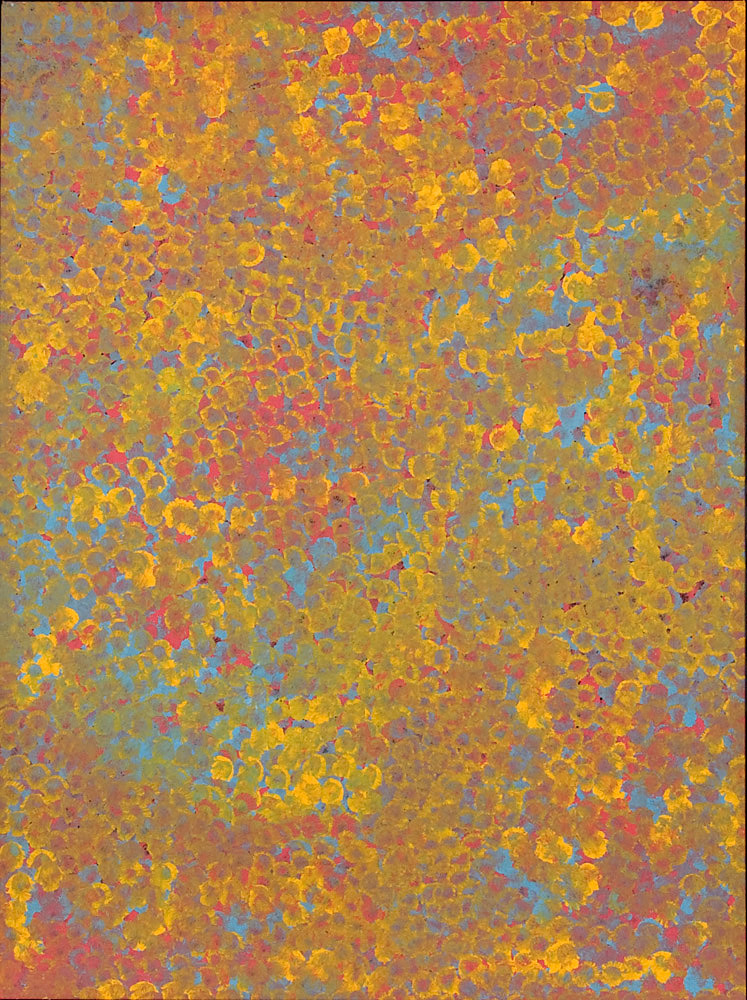
Carine Thévenau (Mauritian/Australian) 'Deep Inside Lillomarka' 2013


Carine Thévenau (Mauritian/Australian)
Deep Inside Lillomarka
2013
Archival Pigment Print
80 x 60cm
Edition of 10 + 2 AP


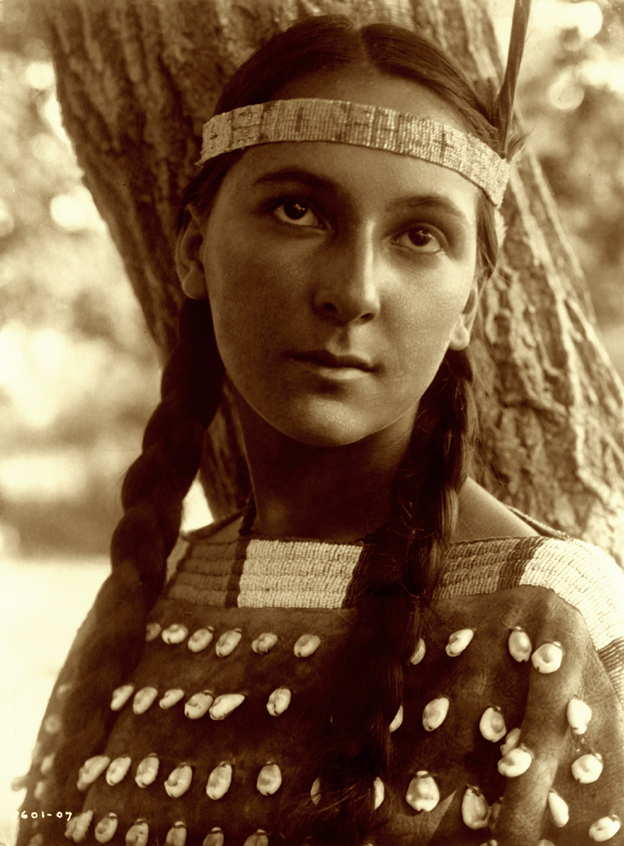
Edward S. Curtis (American, 1868-1952) 'Lucille, Dakota Sioux' 1907


Edward S. Curtis (American, 1868-1952)
Lucille, Dakota Sioux
1907


Carine Thévenau (Mauritian/Australian) 'Tryst East of Morskogen' 2013


Carine Thévenau (Mauritian/Australian)
Tryst East of Morskogen
2013
Archival Pigment Print
80 x 60cm
Edition of 8 + 2 AP


Return To Huldra’s Wood is a visual exploration into Scandinavian Folklore. A Huldra is a mythical character who lives deep in the forests of Sweden and Finland. Also known as Pine tree Mary or Skogsfu (in Norway) this secret woodland dweller lures her prey into the darkness of night and underneath the heavy branches she is known to do unspeakable things. The Huldra appears in many fairy tales written by Peter Christen Asbjornsen. The origins of the tales stem from Christianity, whereby old stories of Eve forgetting to wash all her children prior to a visit from God forced her to hide the dirty ones. As a result God decreed these children to be hidden and forbidden from contact with the rest of mankind. These children are said to have been named Huldrer. The Huldra represents a deep fear of the wild, of sexuality and of otherness.


Huldra’s Wood

When early springtime’s night winds sing
around the steaming cattle byre,
and smoke curls high through wicker slats
above the dancing Great Hall fire;
Old women pull the children near,
with knowing looks well understood;
Tonight only a fool would stray
within the groves of Huldra’s Wood.

As daylight leaves the greening fields
and sunset paints the pale sky gold,
As far horizons fade to blue
and nightingales sing shrill and cold;
The adder in his hide curls safe
from those who seek his serpent’s blood,
he sleeps within the old stone cairn
that marks the edge of Huldra’s Wood.

Above us rides the scar-faced Moon
amongst the stars in wanton haste,
whilst in the trees the tawny owls
cry shuddering across the waste
that separates our steading from
the Elfhane Host in cap and hood;
they frolic now, unbidden, deep
within the groves of Huldra’s Wood.

~  Alan Hodgson


Recently a speaker at the International Design Conference, AGIdeas and previously nominated by industry leader, Capture Magazine, for the Emerging Editorial Photographer of the Year Award, Carine Thevenau’s photographic work has appeared in such publications as Rollingstone, iD Magazine, Vogue, Smith Journal and is a Senior Photographer at Frankie Magazine.

Carine’s pictures sway from using over exposed lighting techniques, hinting at the sublime, to implementing a dimly lit chiaroscuro effect whereby an undeniable darkness is evident, all the while remaining beautiful.”

Press release from the Edmund Pearce website


Carine Thévenau (Mauritian/Australian) 'Skogsra (Forest Spirit)' 2013


Carine Thévenau (Mauritian/Australian)
Skogsra (Forest Spirit)
2013
Archival Pigment Print
80 x 60cm
Edition of 10 + 2 AP


Carine Thévenau (Mauritian/Australian) 'Huldra of The Norse' 2013


Carine Thévenau (Mauritian/Australian)
Huldra of The Norse
2013
Archival Pigment Print
80 x 60cm
Edition of 10 + 2 AP


Carine Thévenau (Mauritian/Australian) 'Witness in Bymarka' 2013


Carine Thévenau (Mauritian/Australian)
Witness in Bymarka
2013
Archival Pigment Print
80 x 60cm
Edition of 10 + 2 AP


Carine Thévenau (Mauritian/Australian) 'Pine Tree Mary' 2013


Carine Thévenau (Mauritian/Australian)
Pine Tree Mary
2013
Archival Pigment Print
100 x 75cm
Edition of 5 + 2 AP


Edmund Pearce Gallery

This gallery has now closed.

Carine Thevenau website

LIKE ART BLART ON FACEBOOK

Back to top

Text: ‘The defining of Apollonian and Dionysian ideals in images of the male body’ Dr Marcus Bunyan / Exhibition: ‘Robert Mapplethorpe’ at the Ludwig Museum of Contemporary Art, Budapest

Exhibition dates: 25th May – 30th September 2012
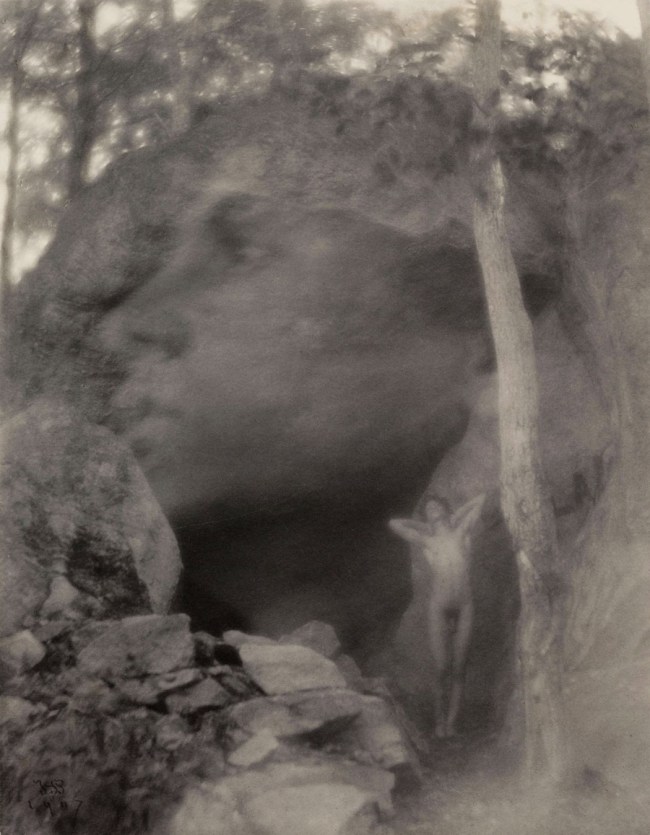
 

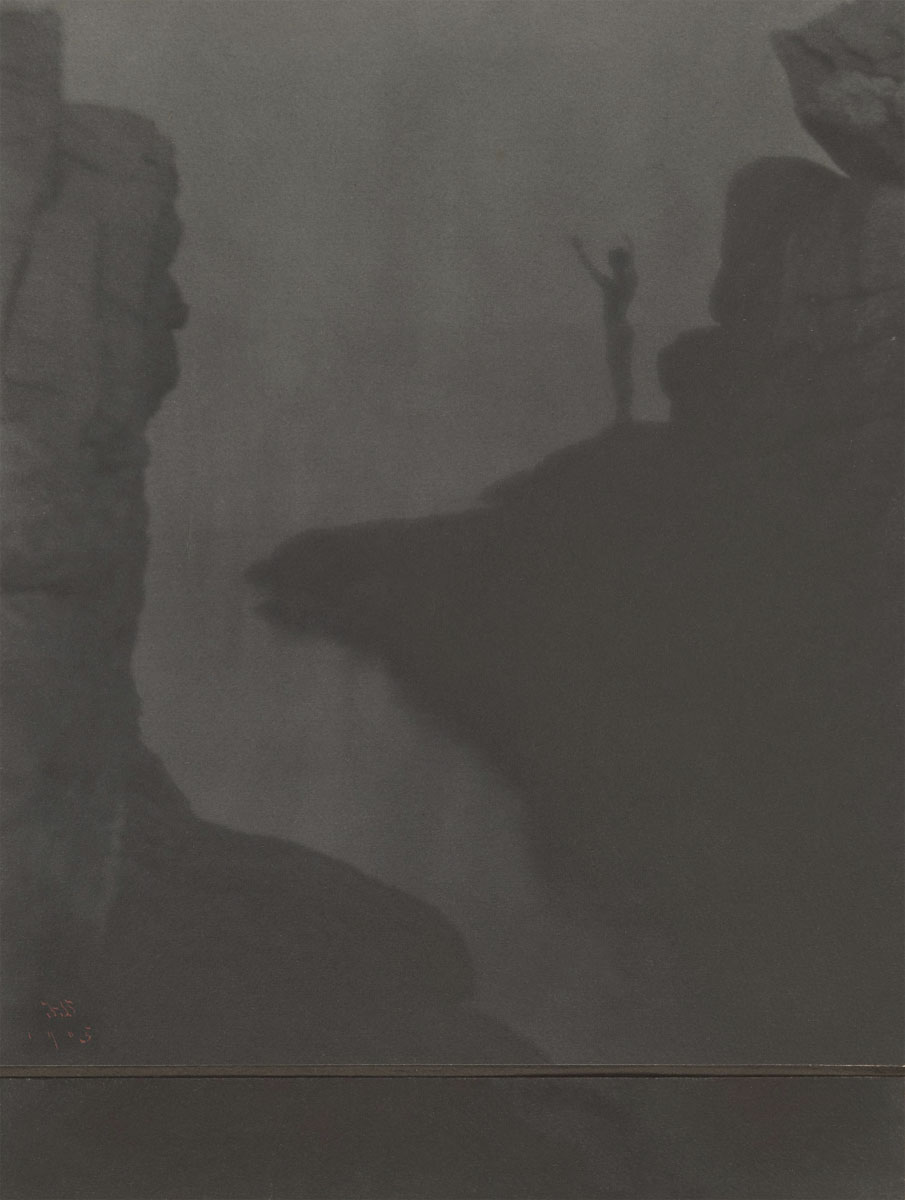
F. Holland Day (American, 1864-1933) 'The Vision (Orpheus Scene)' 1907


F. Holland Day (American, 1864-1933)
The Vision (Orpheus Scene)
1907
Platinum print
24.4 x 18.4cm (9 5/8 x 7 1/4 in.)


“Perfection means you don’t question anything about the photograph. There are certain pictures I’ve taken in which you really can’t move that leaf or that hand. It’s where it should be, and you can’t say it could have been there. There is nothing to question as in a great painting. I often have trouble with contemporary art because I find it’s not perfect. It doesn’t have to be anatomically correct to be perfect either. A Picasso portrait is perfect. It’s just not questionable. In the best of my pictures, there’s nothing to question – it’s just there.”


Robert Mapplethorpe


Written in 1996 (but never published until now), this is one of my earliest pieces of research and writing. While it is somewhat idealistic in many ways, hopefully this piece still has some relevance for the reader for there are important ideas contained within the text. It examines the Apollonian and Dionysian ideals in images of the male body by 4 gay photographers: Baron Wilhelm von Gloeden, F. Holland Day, Minor White, and Robert Mapplethorpe.


The defining of Apollonian and Dionysian ideals in images of the male body

Photography has portrayed the Apollonian and Dionysian ideals of the body throughout its history, but has never fully explored the theoretical implications and consequences of this pairing. Our presentation of the body says precise things about the society in which we live, the degree of our integration within that society and the controls which society exerts over the innerman.1 My research concentrated on how images of the male body, as a representation of the Self / Other split, have been affected by these ideals.

We can clearly define the Apollonian (beauty, perfection, obsession, narcissism, voyeurism, idols, fascism, frigid, constraint, oppression, the defined, the personalised, an aggression of the eye linked to greed and desire) and Dionysian (ecstasy, eroticism, hysteria, energy, anarchy, promiscuity, death, emotion, bodily substances and the universal). In reality the boundaries between these ideals are more ambiguous.

For example, in the work of the American photographer Fred Holland Day we see allegorical myths portrayed by beautiful youths, many of which to modern eyes have a powerful homoerotic quality.

“In close proximity to eroticism associated with homosocial bonding and sexuality, these pictures were infused with desire and anxiety, repulsion and attraction … Day’s male nudes possess the aesthetic trappings of refined art and high culture … but also contain a frisson of impending sexual release and bodily pleasure, to say nothing of their sado-erotic inflection and paedophilic associations.”2


According to some critics,3 societies acceptance of photographs of Apollonian or Orphic (Dionysian) youths [see 2 different critical views]4 in that era (the fin de siecle of the nineteenth century and the early years of the twentieth century), was based on what was seen as their chaste, idyllic nature. They represented ‘ephebes’ – males who were between boy and man – who posed no threat to the patriarchal status quo. To other critics5 these ‘ephebes’ present a challenge to the construction of heterosexual / homosexual identity along gender lines, echoing Foucault’s thoughts on the imprisoning nature of categories of sexual identity.6

For Day, physical beauty was the testimony of a transcendent spirit.7 His portraits tried to uncover the true spirit of his subjects, revealing what was hidden behind the mask of e(x)ternal beauty. But what was being revealed? Was it the subject’s own spiritual integrity, his true self, or a false self as directed by the photographer whose instructions he was enacting? Was it F. Holland Day’s erotic fantasies the subject was acting out, or was it a perception of his own identity or a combination of both? These works show Day as both director and collaborator, his idols equally unattainable and available, resilient and vulnerable. In portraying this beauty, was Day embracing a seductive utopia in which this Apollonian beauty leads away from the very Dionysian spirit he was trying to engage with?

At around the same time a Prussian named Baron Wilhelm von Gloeden was also taking photographs of scantily clad local peasant youths, based on Arcadian themes. “In von Gloeden’s perception of the world human figures are not in themselves merely erotic, but become aesthetic objects … a setting in which beautiful things are the content of the image.”8

While this may be true, the focus of the images is always on what Von Gloeden desired, his full frontal nudes drawing our eyes to the locus of sexual desire, the penis. Von Gloeden’s “transformation of ordinary working class boys into the very image of antique legend,”9 the conjunction of the Apollonian and the Dionysian, blurs the distinctions between the two. Both Day and Von Gloeden were wealthy, educated, influential men who had a desire for working class boys. Did they help create an erotic tension across class lines and effect a particular Camp taste when society at that time (the first decade of the 20th century) was beginning to define areas of sexual categorisation that would label gay men perverts and degenerates? Even today, comparing contemporary critical analysis of Von Gloeden’s photographs can produce vastly differing conceptualisations as to the evidence of sexual overtones:

“The distinction between form and sexual attractiveness is tenuously maintained and the expression of the subjects’ face suggests a lofty remoteness rather than sexual availability or provocativeness.”10

“Von Gloeden’s pictures are fairly specific in depicting erotically based encounters between Mediterranean males. In many of them, the gazes shared between young men or the suggestive relationships of figure to figure hint at activities that might take place beyond the cameras range.”11


For Day and Von Gloeden the need to possess something beautiful, something that was taboo, compensated both photographers for something they had lost – their youth. This transfers their death onto the object of their possession; the beautiful youths ‘captured’ in their photographs. Georges Bataille links eroticism to the inner life of man, the true self, and the eroticism of these photographs opens the way to a viewing of death and allows the photographer the power to look death in the face. According to Bataille, possession of something beautiful negates our need to die because we have objectified our need in someone else.12

What we know and understand about the world is partially built on images that are recorded, interpreted and imprinted in our brains as the result of the experiences we encounter throughout our lives. Our memory is forever fragmenting our remembered reality. It provides us with a point of view of the reality of the world in which we live and on which our identities are formed. When we look at a photograph we (sub)consciously bring all of our social encultration, our hates, our desires and our spirit to bear on the definition of that photograph at the time of viewing (an each viewing can be different!). Inherently embedded in any photograph then, are all these Dionysian stirrings – of desire, of eroticism, of death and of memory. Even if the photograph is entirely Apollonian in content the definition of that photograph can be open to any possibility, by any body.

One photographer who sought to access, and have connection to, fundamental truths was the American photographer Minor White. Studying Zen Buddhism, Gurdjieff and astrology, White believed in the photographs’ connection to the subject he was photographing and the subject’s connection back via the camera to the photographer forming a holistic circle.13 When, in meditation, this connection was open he would then expose the negative in the camera hopeful of a “revelation” of spirit in the subsequent photograph. White feared public exposure as a homosexual and struggled for years to resist the shame and disgust he felt over his sexual desires. Very few of his male portraits were exhibited during his lifetime, his Dionysian urgings difficult to reconcile with or assimilate into his images of peace and serenity, images that urged unity of self and spirit, of yin and yang. In the East yin / yang is both / and, being transformable and interpenetrating whilst in the West black / white is either/or not both, being exclusive and non-interactive. But who is to say what is ugly or what is beautiful? What is black or what is white?

In the work of the American photographer Robert Mapplethorpe, we can see the formalised classical aesthetic of beauty combined with content which many people are repelled by (pornography, sexuality, violence, power) creating work which is both Apollonian and Dionysian.14 Peoples’ disgust at the content of some of Mapplethorpe’s images is an Apollonian response, an aesthetic judgement, a backing away from a connection to ‘nature’, meaning ‘that which is born’. Mapplethorpe said, “I’ve done everything I show in my photographs,”15 revealing a connection to an inner self, regardless of whether he intended to shock. Those seeking suppression of Mapplethorpe’s photographs, mainly conservative elements of society, cite the denigration of moral values as the main reason for their attacks. However Mapplethorpe’s S&M photographs sought to re-present the identity of a small subculture of the gay community that exists within the general community and by naming this subculture he sought to document and validate its existence. The photograph can and does lie but here was the ‘truth’ of these Dionysian experiences, which conservative bigots could not deny – that they exist.

In the NEA/Cincinnati Contemporary Arts Center controversy surrounding Mapplethorpe16 his work was defended on aesthetic grounds, not on the grounds of homoerotic content, of freedom of expression or artistic freedom. The classical Apollonian form of his images was emphasised. As one juror put it, “Going in, I would never have said the pictures have artistic value. Learning as we did about art, I and everyone else thought they did have some value. We are learning about something ugly and harsh in society.”17 Ugly and harsh. To some people in the world S&M scenes are perfectly natural and beautiful and can lead to the most transcendent experience that a human being can ever have in their life. Who is to decide for the individual his or her freedom to choose?

This Apollonian fear of the Dionysian ‘Other’, the emotional chaotic self, was found to involve fear of that which is potentially the ‘same as’ – two sides of the same coin. This fear of ‘the same’, or of the proximity of the same, or of the threat of the same, can lead to violence, homophobia, racism and bigotry. Mapping out sexual identities’ toleration of difference, which is ‘the same as’, recognises that there are many different ways of being, and many truths in the world.


In conclusion I have determined that the definition of Apollonian and Dionysian ideals in images of the male body are at best ambiguous and open to redefinition and reinterpretation. The multiplicity of readings that can be attached to images of the male body, in different eras, by different people illustrates the very problematic theoretical area these images inhabit. As we seek to ‘name’, to categorise, to nullify the ‘Other’ as a Dionysian connection to earth and nature, it may cause an alienated ‘Self’ to revolt against Apollonian powers of control in order to break down the lived distance that divides people. This creates situations / encounters / experiences that are regarded as transgressive and a threat to the hegemonic fabric of society.

But do these experiences offer an alternative path for the evolution of the human race? Not the replacing of one patriarchal, capitalist system with another based on ecstatic spiritual consciousness but perhaps a more level playing field, one based on a horizontal consciousness (a balance between Apollonian and Dionysian), a ‘knowing’ and understanding, a respect for our self and others. My claim as an’Other’ is that these perceived transgressions, not just the binary either / or, may ultimately free human beings and allow them to experience life and grow. Where nothing is named, everything is possible.

Marcus Bunyan 1996


1/ Blain, Robert. The Decorated Body. London: Thames & Hudson, 1979, p. 5, Introduction
2/ Crump, James. F. Holland Day – Suffering the Ideal. Santa Fe: Twin Palms, 1995, p. 11
3/ Foster, Alasdair. Behold The Man – The Male Nude In Photography. Edinburgh: Stills, 1989, p. 9
4/ Jussim, Estelle. Slave To Beauty – The Eccentric Life And Controversial Career of F. Holland Day, Photographer, Publisher, Aesthete. Boston: Godine, 1981, pp. 175-176; Ellenzweig, Allan. The Homoerotic Photograph. New York: Columbia University, 1992, p. 59
5/ Ellenzweig, p. 59
6/ Weeks, Jeffrey. Against Nature:  Essays on history, sexuality and identity. London: Rivers Osram Press, 1991, p. 164
7/ Day, F. Holland. “Is Photography An Art?” p. 8, quoted in Crump, James. F. Holland Day – Suffering The Ideal. Santa Fe: Twin Palms, 1995, p. 20
8/ Ellenzweig, p. 39
9/ Leslie, Charles. Wilhelm von Gloeden, Photographer. New York: Soho Photographic, 1997, p. 86
10/ Dutton, Kenneth R. The Perfectible Body. London: Cassell, 1995, p. 95
11/ Ellenzweig, p. 43
12/ Bataille, Georges. Death And Sensuality. New York: Walker And Company, 1962, p. 24
13/ Bateson, Gregory. Steps To An Ecology Of Mind – Collected Essays On Anthropology, Psychiatry, Evolution And Epistemology. St. Albans: Paladin, 1973
14/ Danto, Arthur C. Mapplethorpe – Playing With The Edge. Essay. London: Jonathon Cape, 1992, p. 331
15/ Interview with Robert Mapplethorpe quoted in Cooper, Emmanuel. The Sexual Perspective. London: Routledge, 1986, p. 286
16/ Ellenzweig, p. 205, Footnote 1
17/ Cembalest, Robin. “The Obscenity Trial: How They Voted To Acquit,” in Art News December 1990 89 (10), p. 141 quoted in Ellenzweig, p. 208


Many thankx to the Ludwig Museum of Contemporary Art for allowing me to publish the photographs in the posting. Please click on the photographs for a larger version of the image.
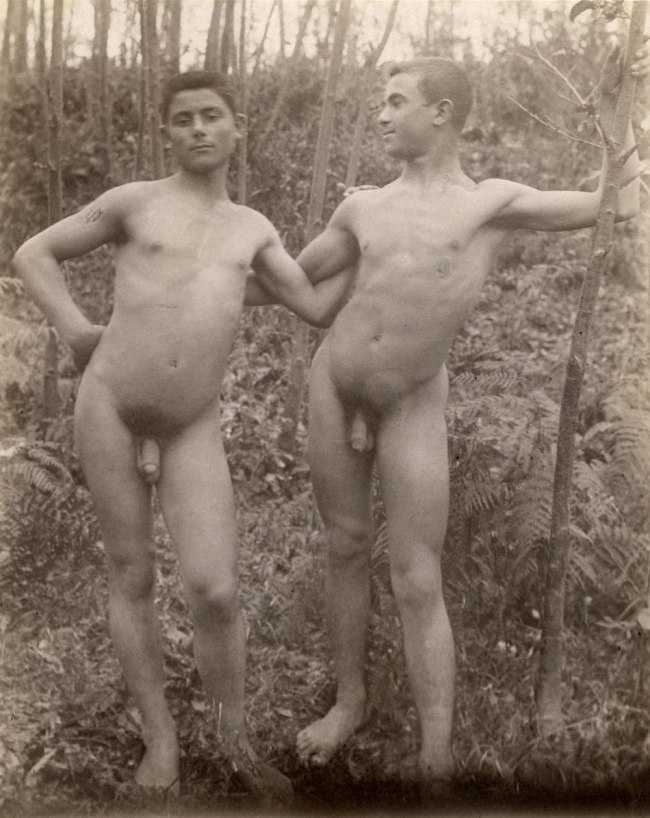


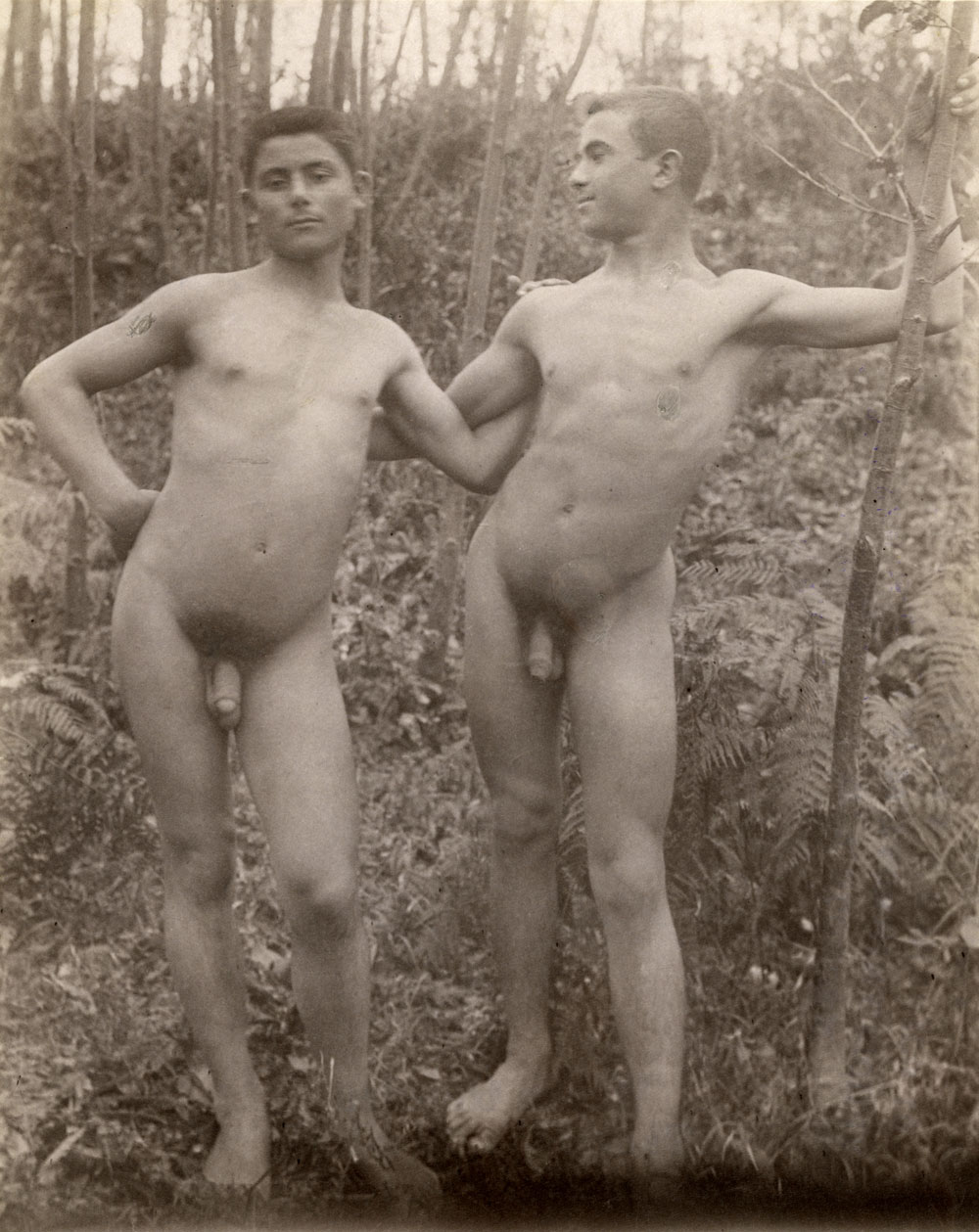
Baron Wilhelm von Gloeden (German, 1856-1931) 'Two nude men standing in a forest' Taormina, Sicily, 1899


Baron Wilhelm von Gloeden (German, 1856-1931)
Two nude men standing in a forest
Taormina, Sicily, 1899
Albumen print


Minor White (American, 1908-1976) 'Arches of the Dodd Building (Southwest Front Avenue and Ankeny Street)' 1938


Minor White (American, 1908-1976)
Arches of the Dodd Building (Southwest Front Avenue and Ankeny Street)
1938
Gelatin silver print


Minor White (American, 1908-1976) 'Tom Murphy (San Francisco)' 1948


Minor White (American, 1908-1976)
Tom Murphy (San Francisco)
1948
Gelatin silver print


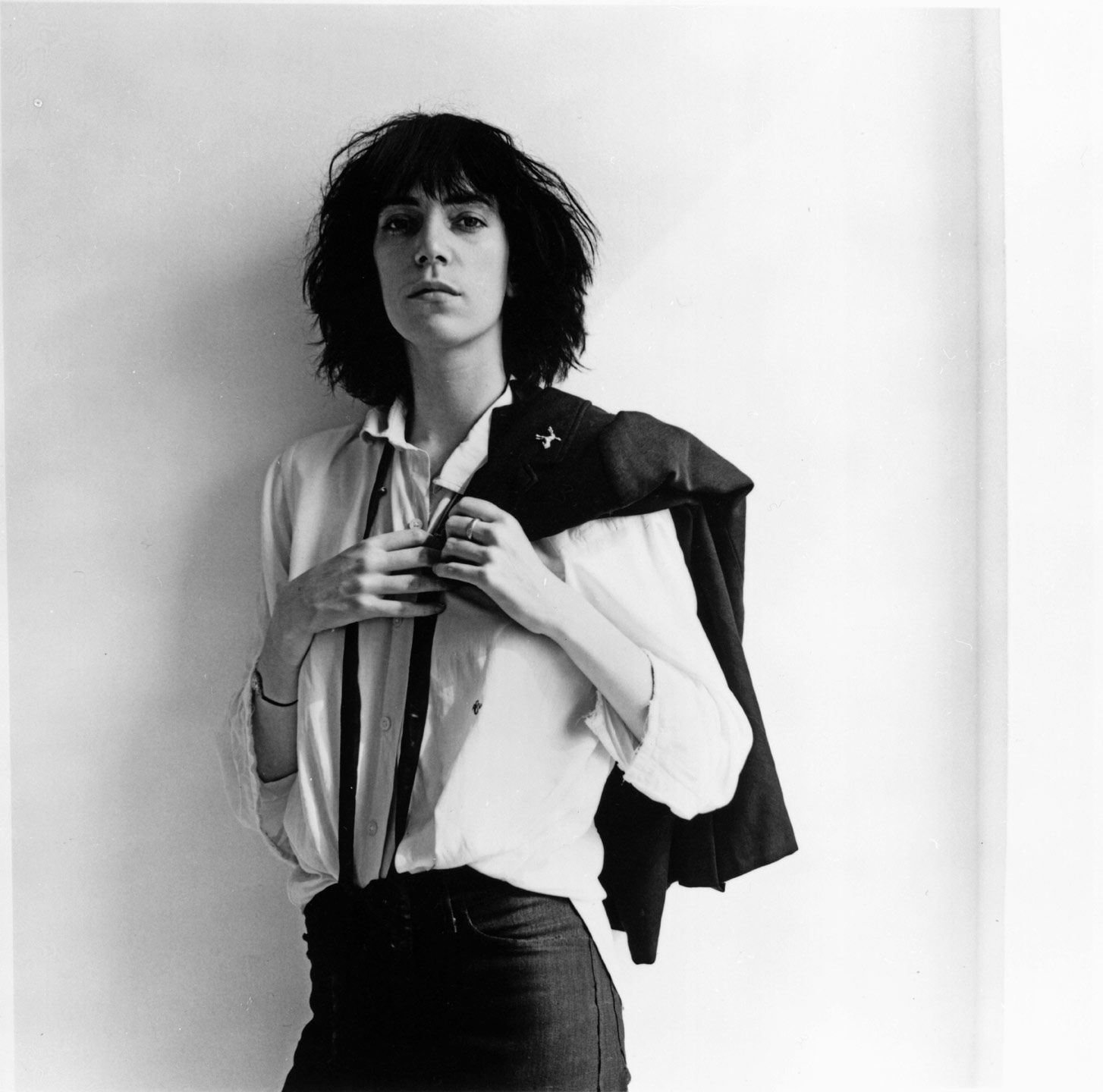
Robert Mapplethorpe (American, 1946-1989) 'Self Portrait' 1975


Robert Mapplethorpe (American, 1946-1989)
Self Portrait
1975
Gelatin silver print
© Robert Mapplethorpe Foundation. Used with permission
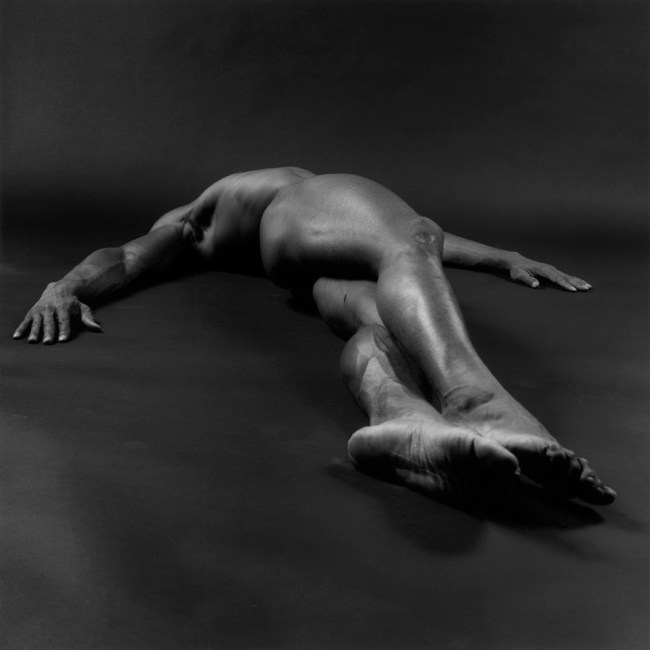
 

Robert Mapplethorpe (American, 1946-1989) 'Derrick Cross' 1983


Robert Mapplethorpe (American, 1946-1989)
Derrick Cross
1983
Gelatin silver print
© Robert Mapplethorpe Foundation. Used with permission
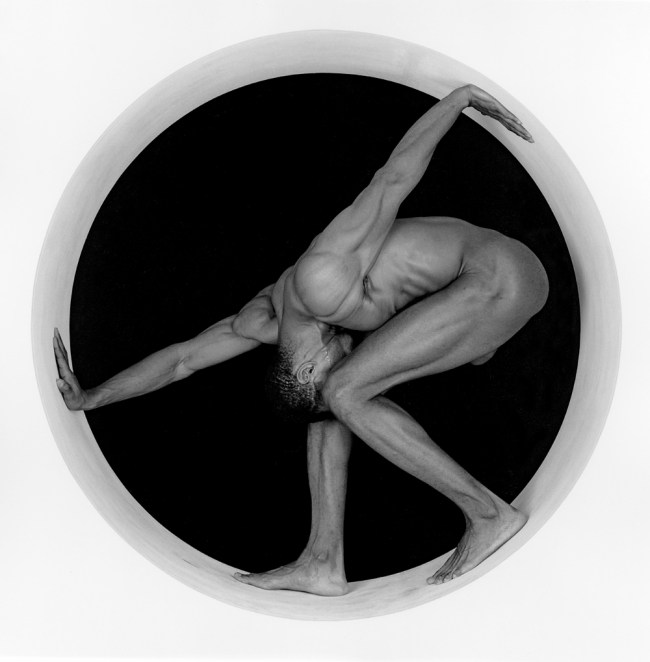
 

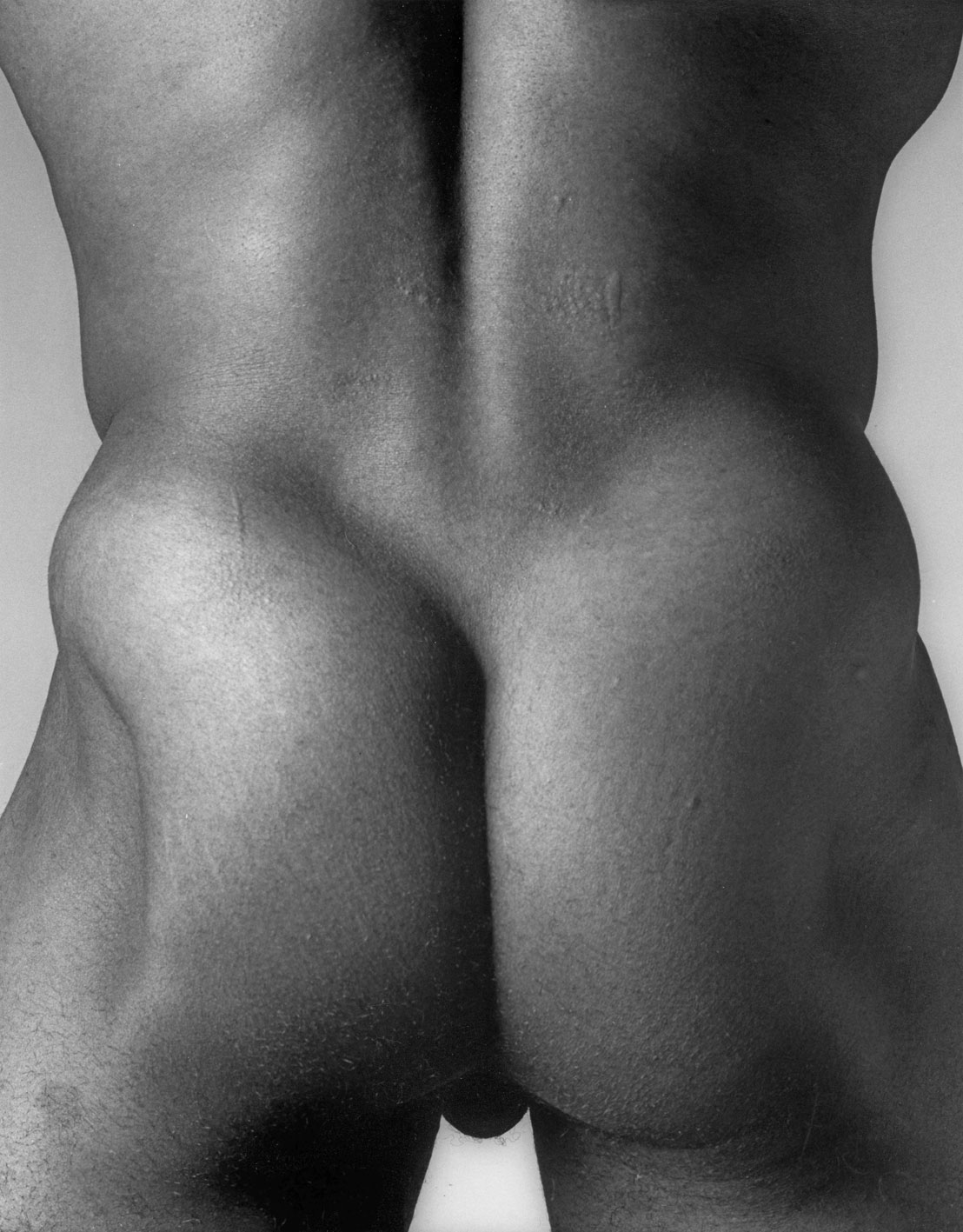
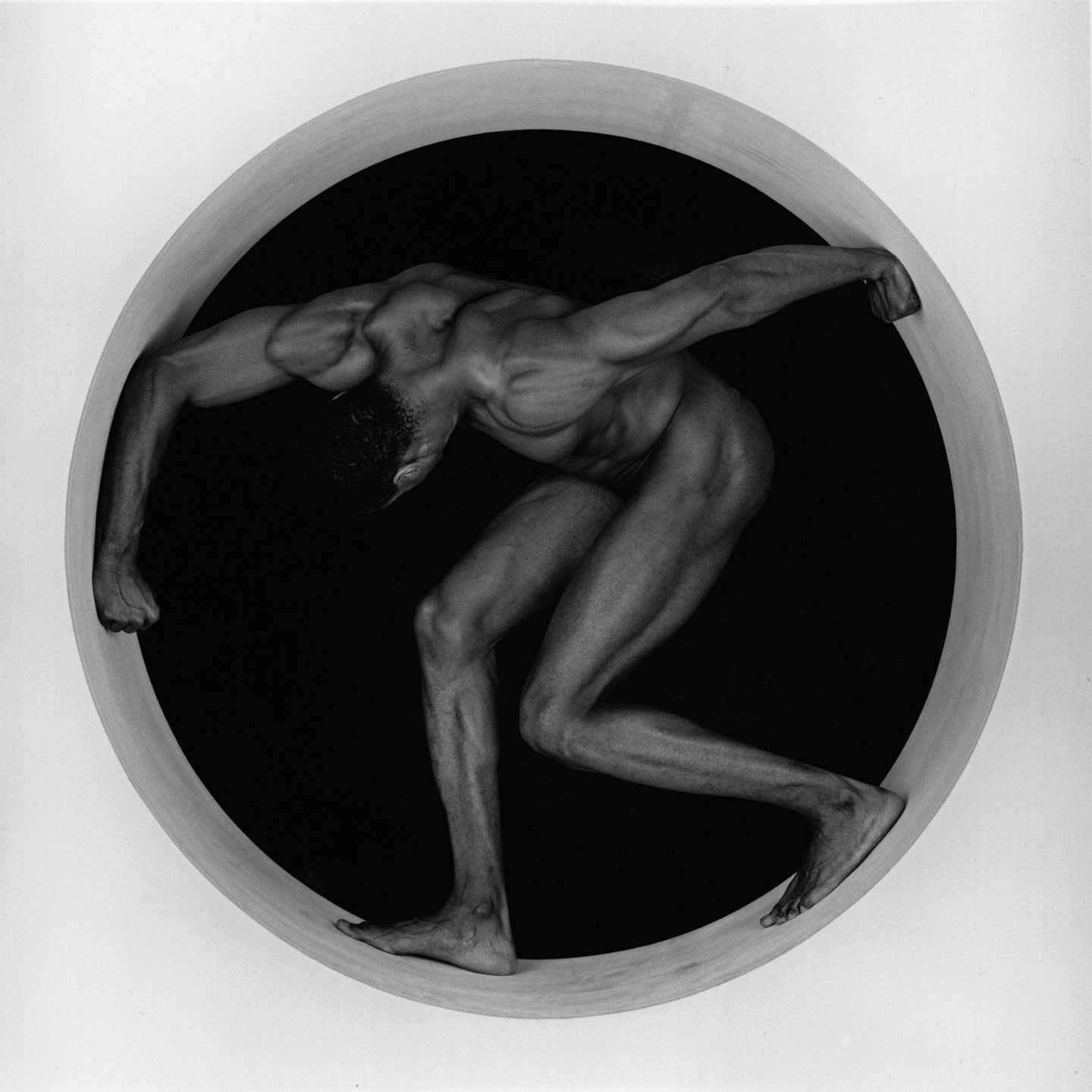
Robert Mapplethorpe (American, 1946-1989) 'Thomas' 1987


Robert Mapplethorpe (American, 1946-1989)
Thomas
1987
Gelatin silver print
© Robert Mapplethorpe Foundation. Used with permission
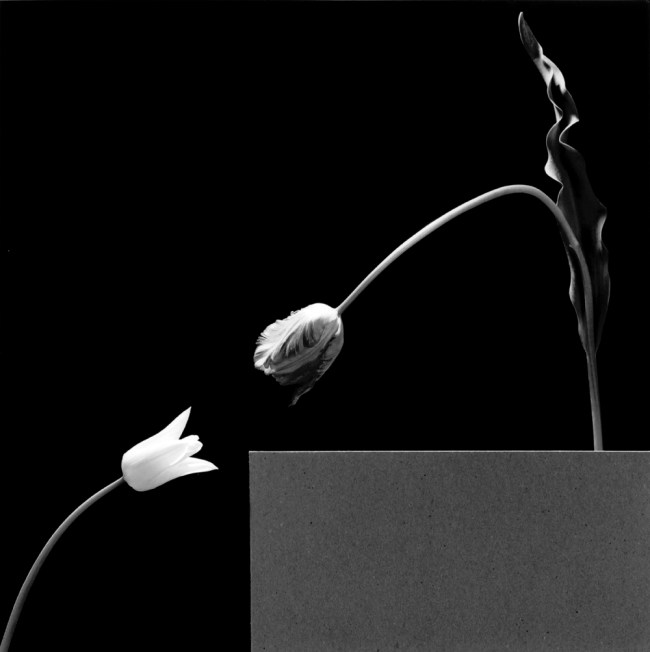
 

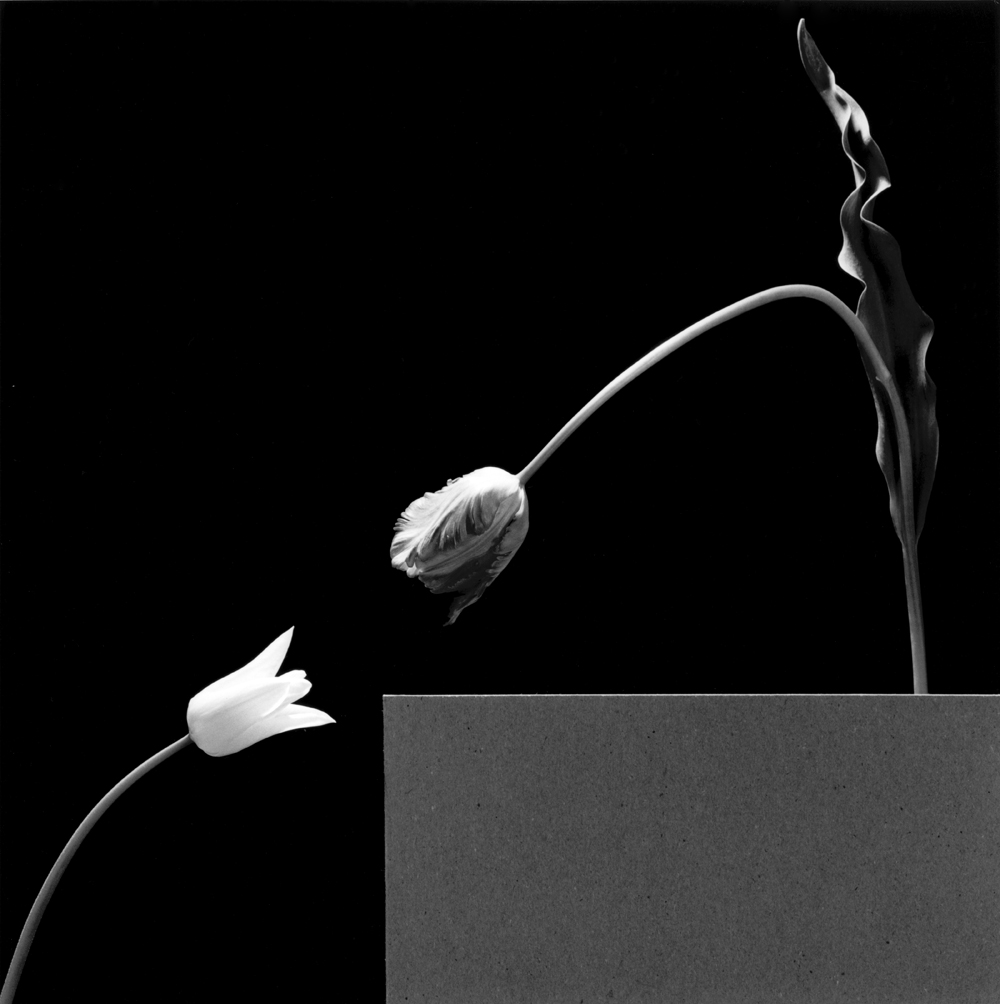
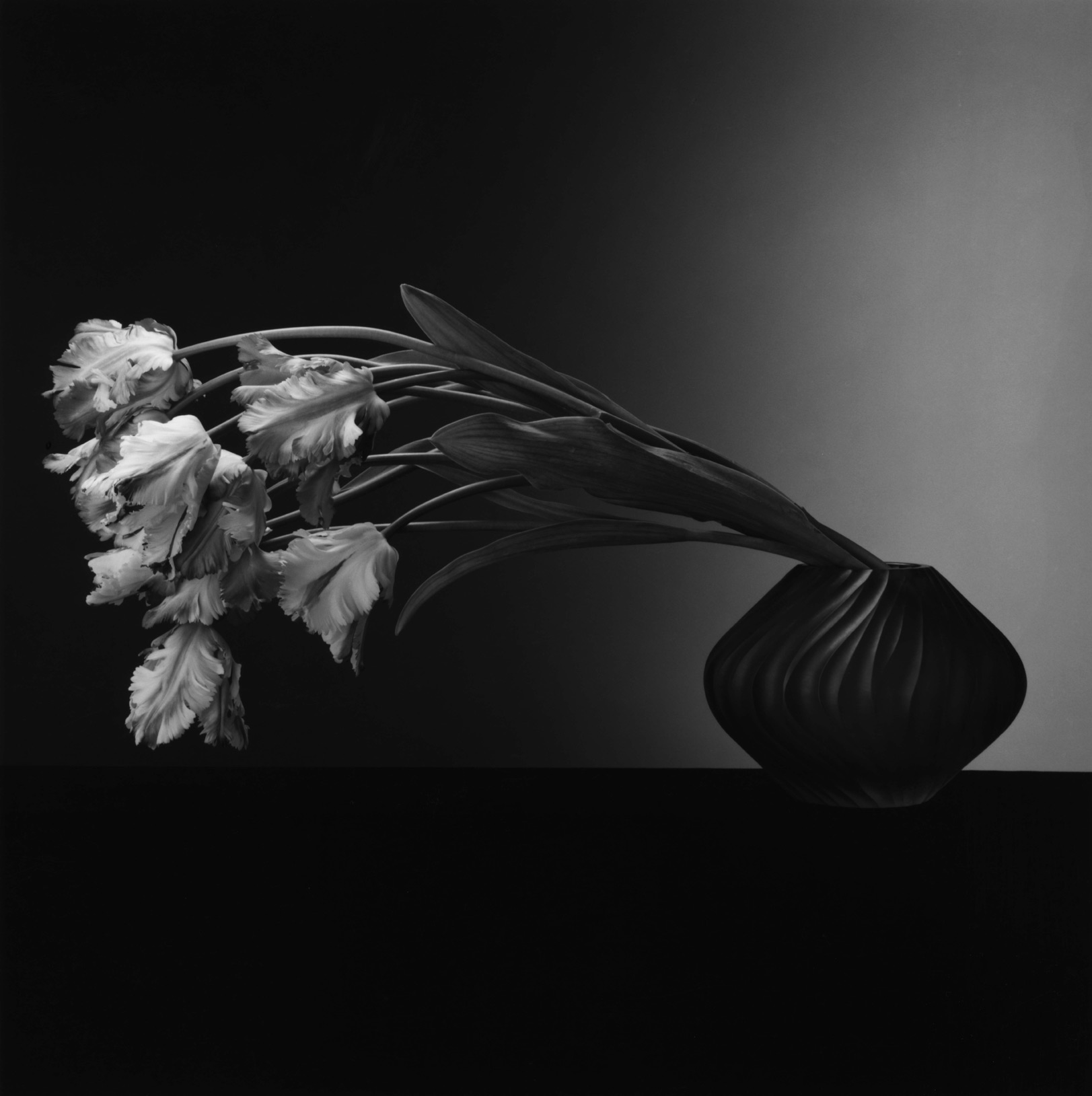
Robert Mapplethorpe (American, 1946-1989) 'Two Tulips' 1984


Robert Mapplethorpe (American, 1946-1989)
Two Tulips
1984
Gelatin silver print
© Robert Mapplethorpe Foundation. Used with permission


A renowned figure of contemporary photography, Robert Mapplethorpe (1946-1989) was in his element in a domain defined by conventions and revolt, classicism and non-conformist cultures, where each picture serves as a document of hard-fought identities, as well as inciting and recording social and artistic debates. The Ludwig Museum Budapest features nearly two hundred works by Robert Mapplethorpe, from his early Polaroid photos to pieces from his final years. Realised in collaboration with the Robert Mapplethorpe Foundation New York, this large-scale exhibition is presented to a Hungarian audience for the first time.

Initially, Mapplethorpe had no intention of becoming a photographer. His early collages and altar-like installations incorporated found elements including photos from magazines. Seeking to give these works a more personal and perfect touch, he decided to shoot the photos himself. His major subjects were his immediate environment and personal desires: the alternative circles of the New York art scene, his identity as a homosexual, non-traditional forms of sexuality, and the communities organised around them. The New York of the seventies was a great melting pot of contiguous subcultures, sexual freedom, post-Pop and rock’n’roll. Mapplethorpe’s environment included Andy Warhol and his entourage from the Factory, the superstars of his films as well as the inhabitants of the legendary Chelsea Hotel, who inspired his art and became part of his audience.

His portraits of famous individuals and those longing for fame also positioned their photographer within their circle. He was a renowned artist seeking to establish relationships with people who stand out, one way or another, from the rest of society, without submitting himself to them. Posing for his camera were film stars, musicians, writers and visual artists, the celebrities and central figures of New York in the seventies and eighties, including pornographic film stars and body builders. He made engaging and elegant portraits attesting to his intense attention, humour, and ambition toward a sense of the monumental.

Mapplethorpe developed an increasingly committed and professional attitude to photography. His quest for the perfect image led him to classical compositions and subjects. While precision of forms and a quality of reserve were combined in his works, his intense attention to his models remained unchanged; he photographed torsos and floral still-lifes with the same cool professionalism. His nudes evoke classical Greek statues and Renaissance masterpieces, with their arrangement and sculptural approach to the body dating back to traditions that have existed for several hundred years. Such an incarnation of classical formalism, however, was juxtaposed with shocking new subjects and stark sexual fetishes, resulting in radical re-creations of the approach to tradition.

The perfect image called for the perfect body: his shots of black men, female body-builders and austere flowers seem to articulate his one and only vision, again and again. He almost always worked in the studio, most often in black and white, using increasingly defined tones. With unified backgrounds and balance of forms, his photos remove the subjects from their own realities to relocate them in the timeless, frozen space of the photograph. In terms of their statue-like beauty and rigorous composition of every detail, his pictures continue and renew the classical photographic tradition all at once. Such classical virtues, however, did not make these photos exempt from criticism: both his subject matter and their manner of presentation sparked controversy. Their sexual themes aroused unease, and criticism of the work failed to make a distinction between the statue-like beauty of body parts and torsos, the sexual stereotypes associated with black male bodies, and the objectification of the bodies.

Mapplethorpe’s works created a place for homosexual and S&M identities in the domain of high art, subverting conventions, transgressing unspoken social agreements and revealing prejudices, in line with the artist’s personal desires and self-definition. In the United States, during the eighties, in the first moments of horror in the face of AIDS, the condemnation of homosexuality and the undefined dread of the disease became entwined. Such developments stirred up the already intense controversies around Mapplethorpe’s photos, adding a new overtone to the voice of conservative protesters. (Mapplethorpe was diagnosed with AIDS in 1986, and he died in the spring of 1989 due to complications related to the disease).

The cultural-political debates of the so-called Culture Wars in the late 1980s and 1990s in the United States, fuelled the decision of the Corcoran Gallery of Art in Washington, D.C., to cancel its leg of the travelling exhibition “The Perfect Moment,” which included several thought-provoking photos that the conservative right-wing had denounced as obscene and arrogant assaults on public taste. A long and heated debate was to follow, including both hysterical and absurd commentaries, triggering police actions and a trial against a subsequent venue, the Contemporary Arts Center in Cincinnati as well as its director. Though the museum and its director were eventually cleared of all charges, the case continued to shape the cultural-political landscape in the US, which partly concluded in a revision of the public funding of artworks and is still referred to today as an outstanding example of the methodology of censorship.

Press release from the Ludwig Museum of Contemporary Art website
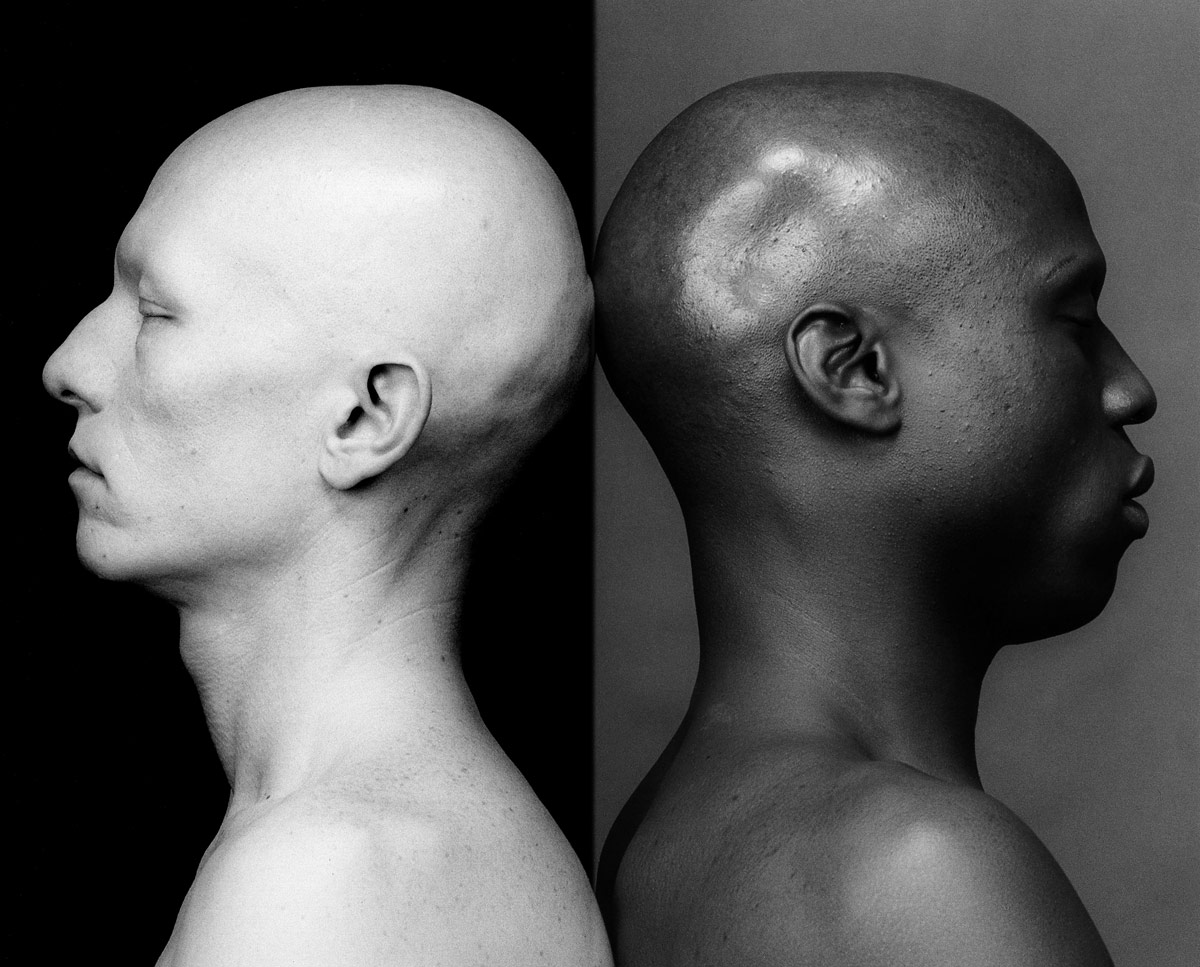
 

Robert Mapplethorpe (American, 1946-1989) 'Ken Moody and Robert Sherman' 1984


Robert Mapplethorpe (American, 1946-1989)
Ken Moody and Robert Sherman
1984
Gelatin silver print
© Robert Mapplethorpe Foundation. Used with permission
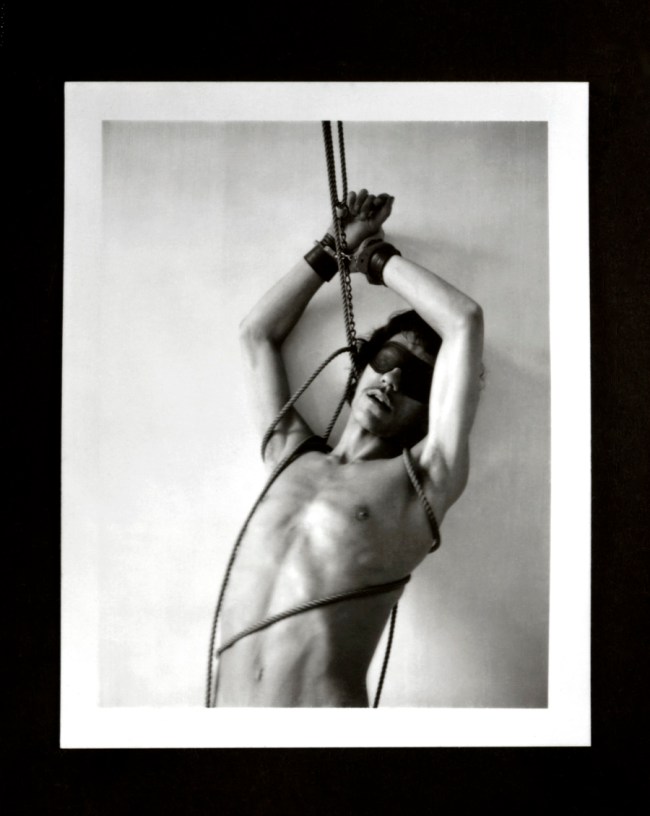
 

Robert Mapplethorpe (American, 1946-1989) 'Untitled' c. 1973


Robert Mapplethorpe (American, 1946-1989)
Untitled
c. 1973
Gelatin silver print
© Robert Mapplethorpe Foundation. Used with permission
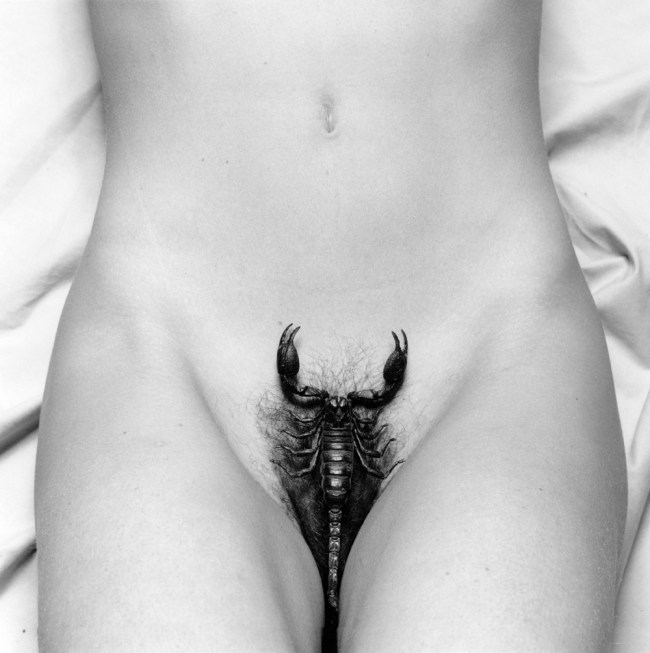
 

Robert Mapplethorpe (American, 1946-1989) 'Lisa Lyon' 1982


Robert Mapplethorpe (American, 1946-1989)
Lisa Lyon
1982
Gelatin silver print
© Robert Mapplethorpe Foundation. Used with permission
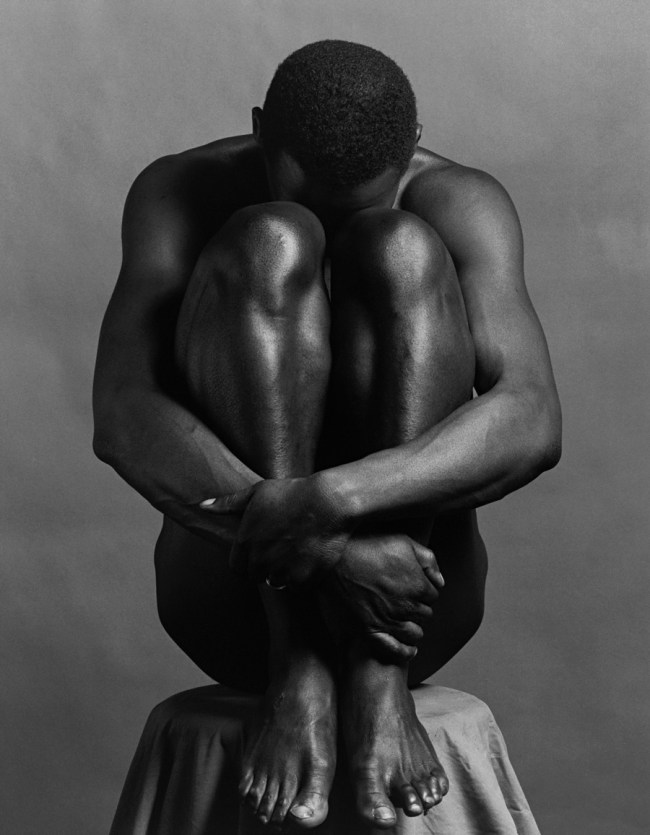
 

Robert Mapplethorpe (American, 1946-1989) 'Ajitto' 1981


Robert Mapplethorpe (American, 1946-1989)
Ajitto
1981
Gelatin silver print
© Robert Mapplethorpe Foundation. Used with permission
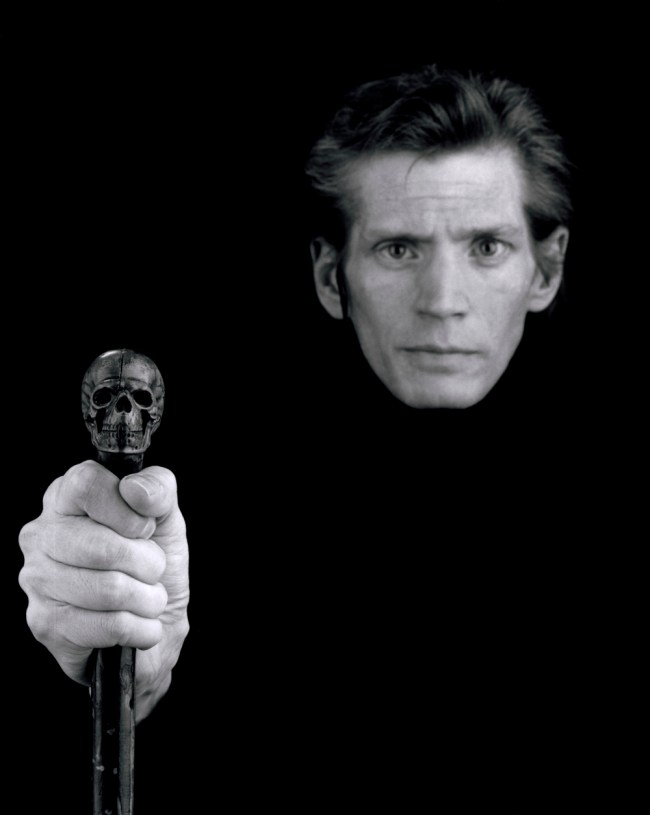
 

Robert Mapplethorpe (American, 1946-1989) 'Self Portrait' 1988


Robert Mapplethorpe (American, 1946-1989)
Self Portrait
1988
© Robert Mapplethorpe Foundation. Used with permission


Ludwig Museum of Contemporary Art
1095 Budapest  Komor Marcell Street 1
Hungary 06 1 555-3444

Opening hours:
Tuesday – Sunday 10.00 – 20.00
Closed on Mondays

Ludwig Museum of Contemporary Art website

LIKE ART BLART ON FACEBOOK

Back to top

Exhibition: ‘Cindy Sherman’ at the Museum of Modern Art (MoMA), New York

Exhibition dates: 26th February – 11th June 2012


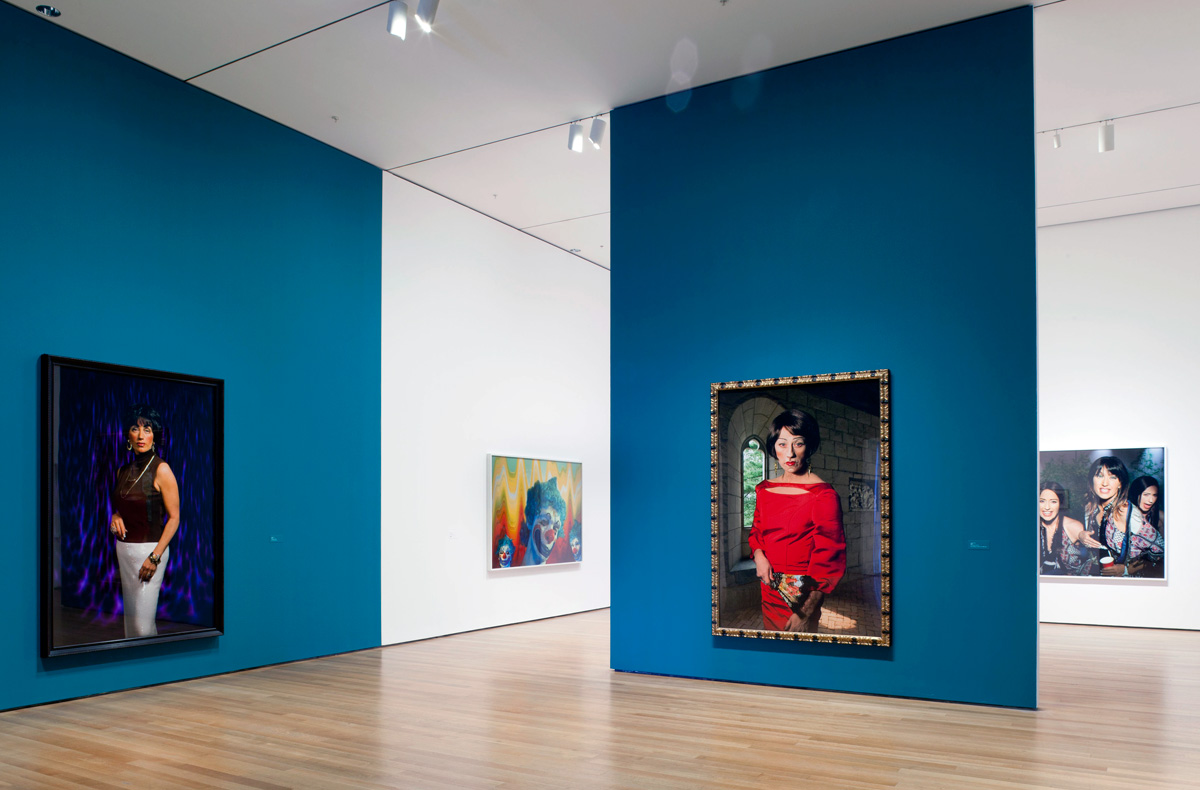
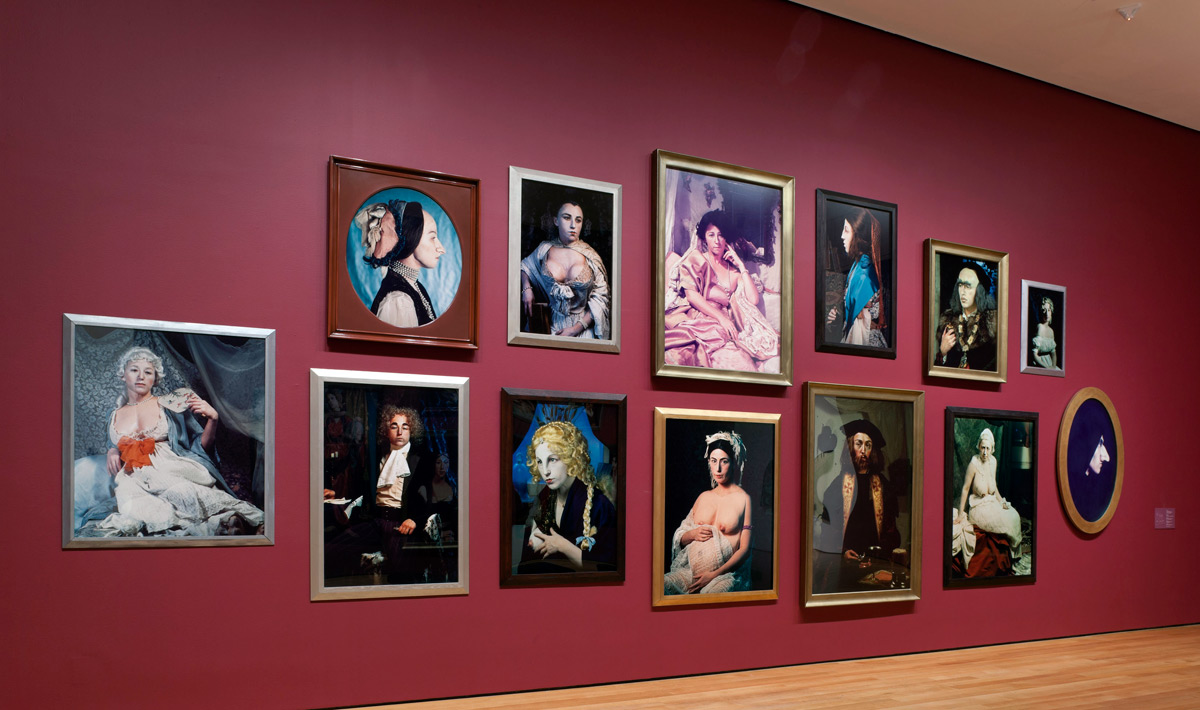
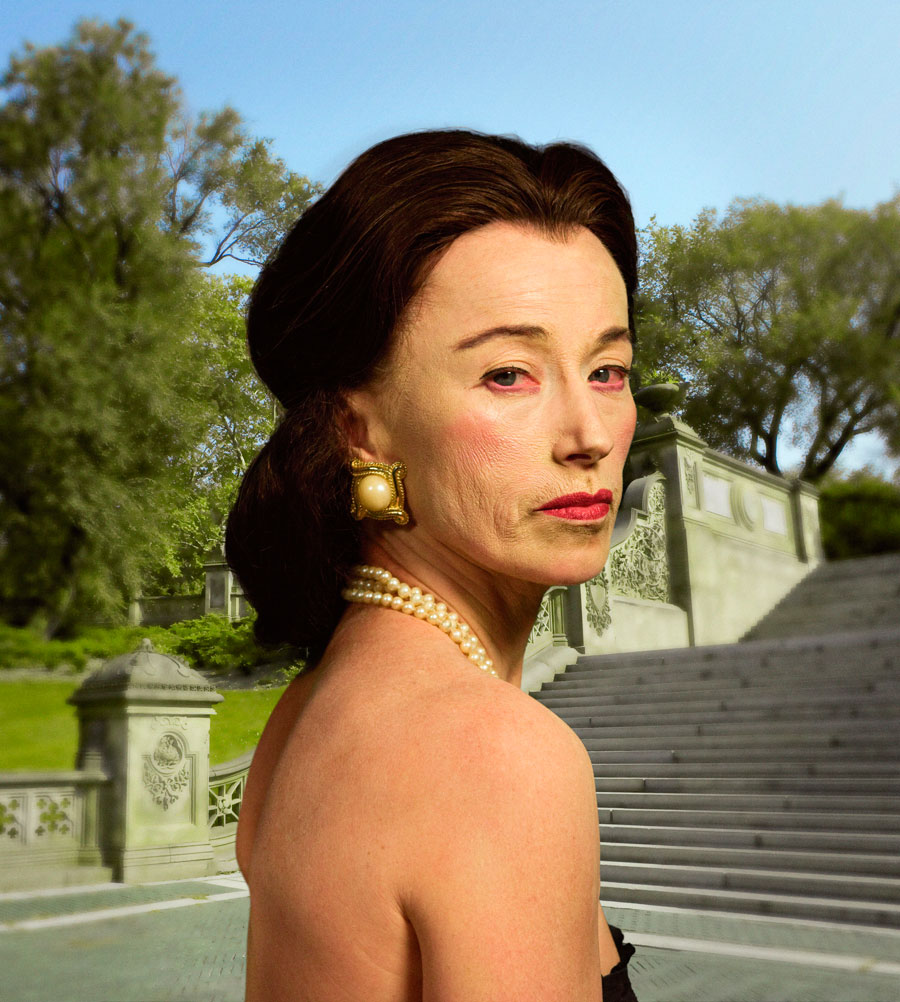
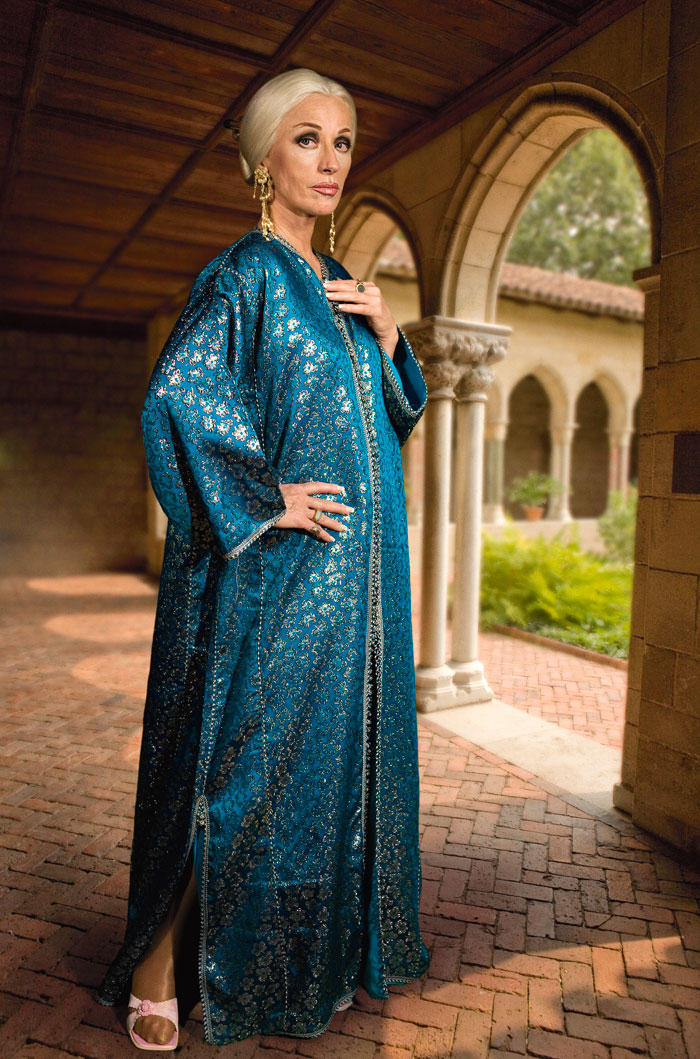
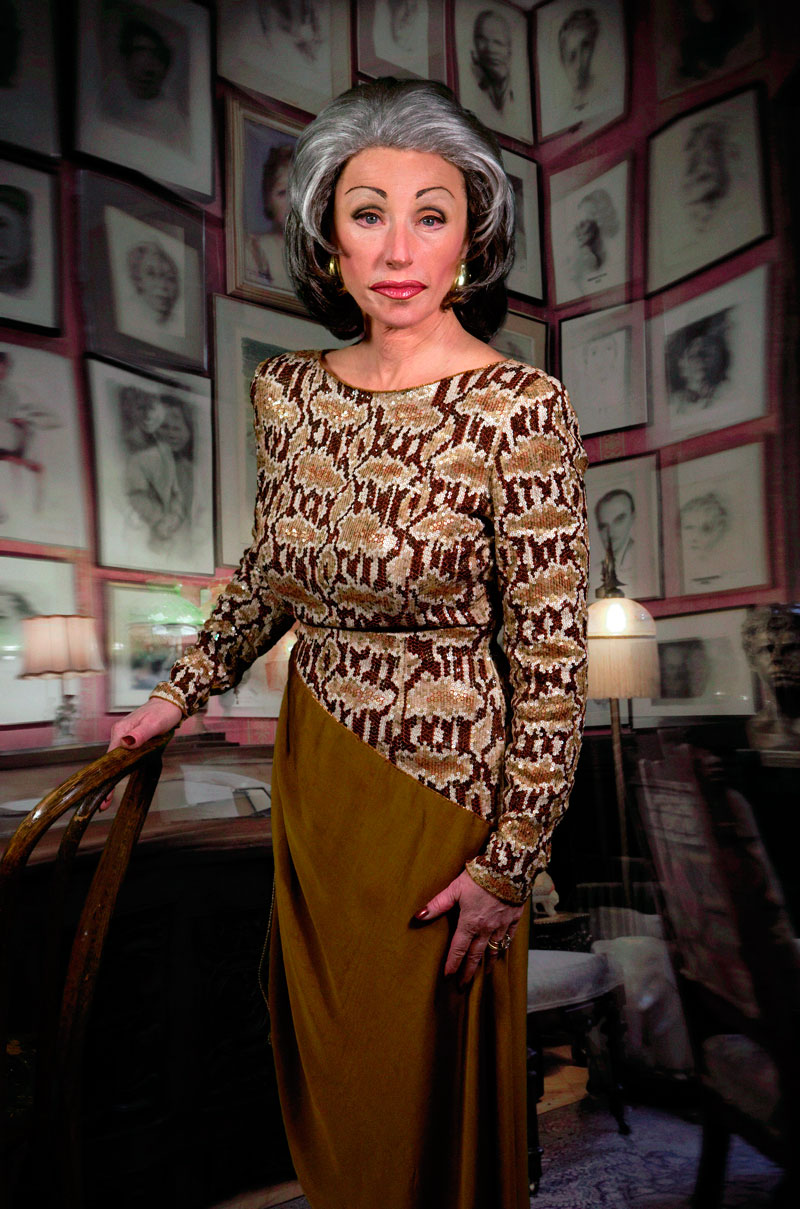
Installation view of the exhibition 'Cindy Sherman' at MoMA, New York showing at left and centre, 'Cindy Sherman society portraits' (2008)


Installation view of the exhibition Cindy Sherman at MoMA, New York showing at left and centre, Cindy Sherman society portraits (2008)


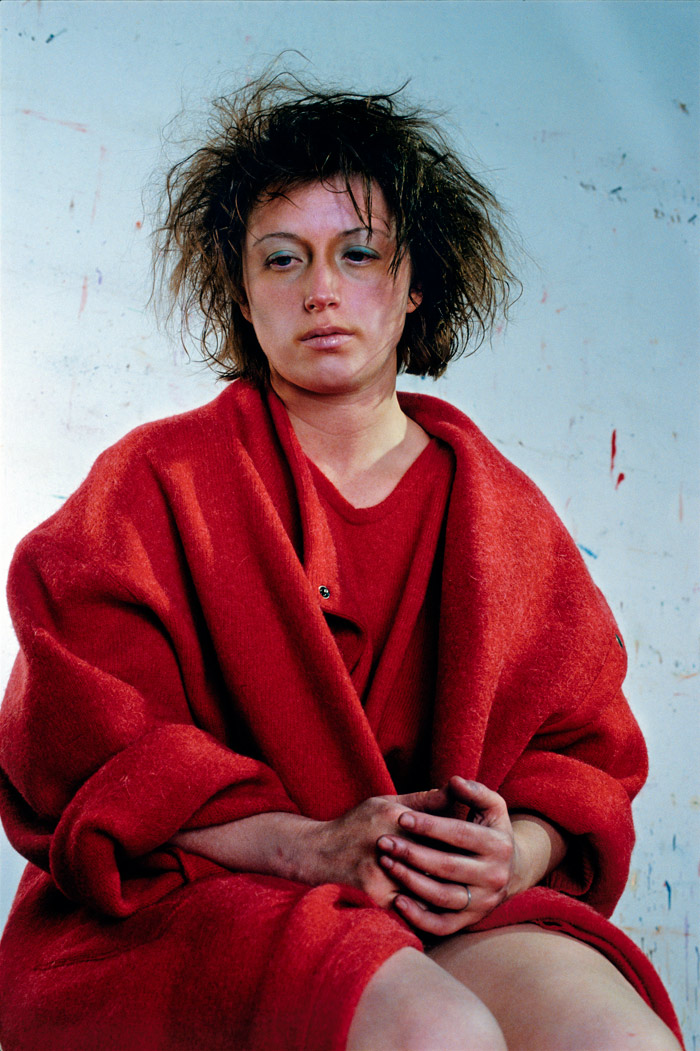
Ceaselessly inventive, the bodies (literally) of work of Cindy Sherman are a wonder to behold. From film stills to head shots, from history portrait to society portraits, Sherman constantly reinvents herself, her variations of identity exploring “the complexity of representation in a world saturated with images,” her iterations into the construction of femininity and masculinity constantly “provocative, disparaging, empathetic, and mysterious.”

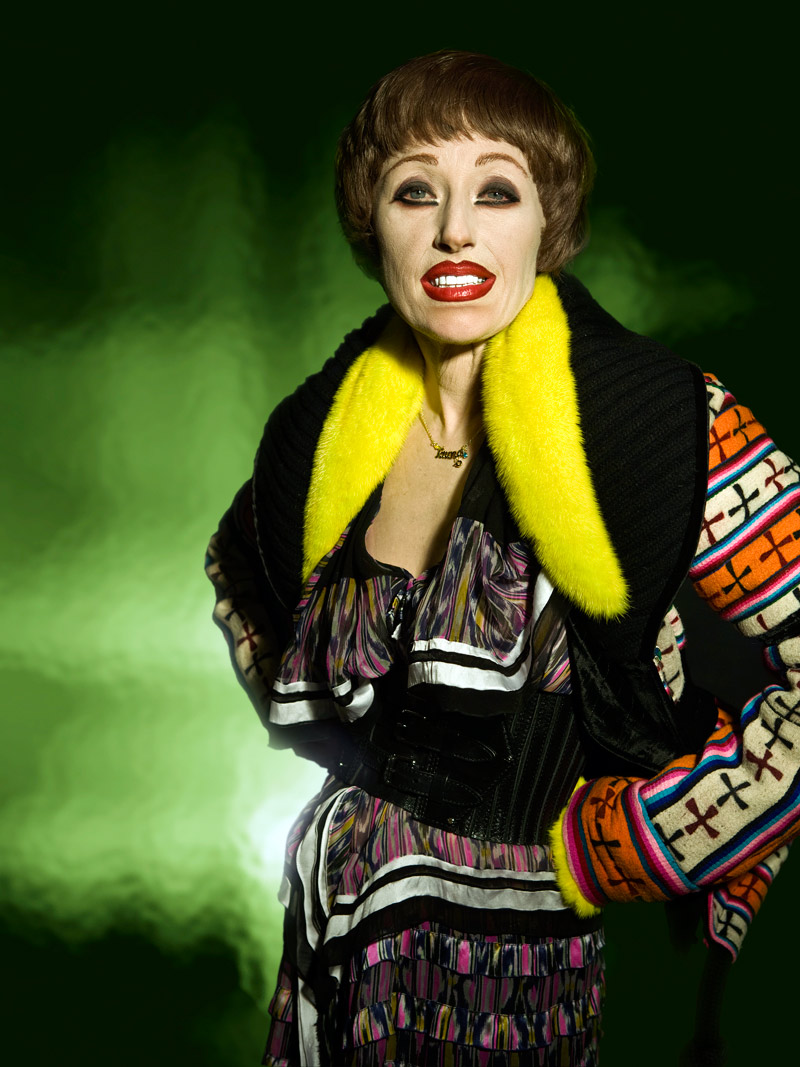
Where to next? Her recent series of digitally altered landscapes and portraits (Cindy Sherman at Metro Pictures, New York, April – June 2012) seem less resolved than her earlier work, becoming almost a pastiche of themselves. Despite their massive size they seem to lack resolution, the great female impersonator of our time relying for effect on Self as feminine earth (m)Other, tricked up in dubious, quasi-ethnic regalia. Sherman is almost sacrosanct with regard to criticism but it’s about time someone said it: these images are pretty awful.

After so many simulacra, so many layerings and expositions of identity isn’t it about time Sherman got back to basics and ditched these grandiose notions of identity sublime. The sublimation (an unconscious defence mechanism by which consciously unacceptable instinctual drives are expressed in personally and socially acceptable channels) of her/Self, her actual body, the energy of her (non) presence is finally starting to wear thin. Will the real Cindy Sherman (if ever there is such a thing) please stand up and tell us: what do you really stand for, where as a human being, is your spirit really at?

Dr Marcus Bunyan


Many thankx to MoMA for allowing me to publish the photographs in the posting. Please click on the photographs for a larger version of the image.


Installation view of the exhibition 'Cindy Sherman' at MoMA, New York showing 'Cindy Sherman history portraits' (1988-1990)


Installation view of the exhibition Cindy Sherman at MoMA, New York showing Cindy Sherman history portraits (1988-1990)


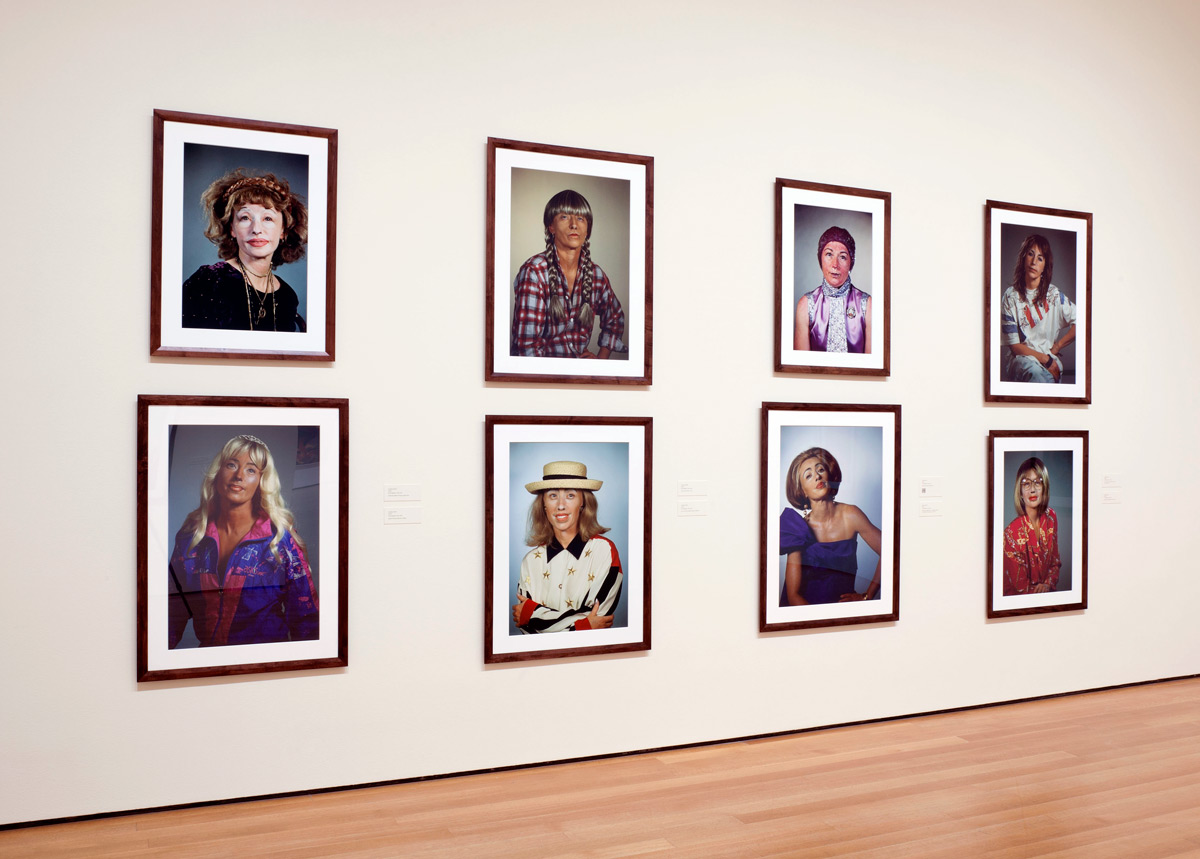
Installation view of the exhibition 'Cindy Sherman' at MoMA, New York showing 'Cindy Sherman headshots' (2000-2002)


Installation view of the exhibition Cindy Sherman at MoMA, New York showing Cindy Sherman headshots (2000-2002)


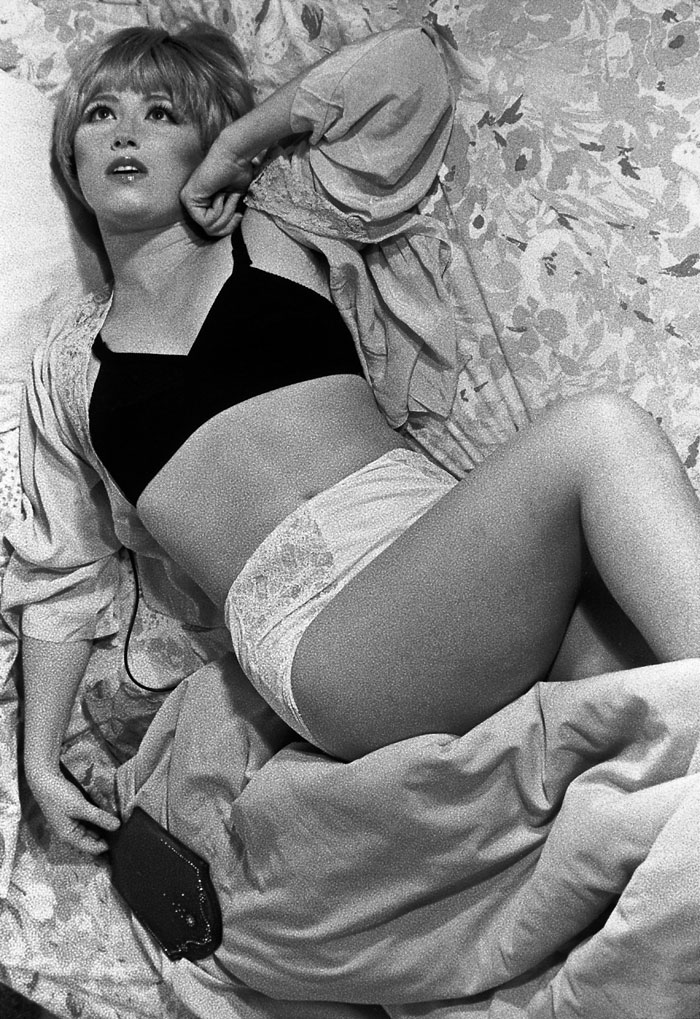
Cindy Sherman (American, b. 1954) 'Untitled Film Still #21' 1978


Cindy Sherman (American, b. 1954)
Untitled Film Still #21 
1978
Gelatin silver print
7 1/2 x 9 1/2″ (19.1 x 24.1cm)
The Museum of Modern Art, New York. Horace W. Goldsmith Fund through Robert B. Menschel


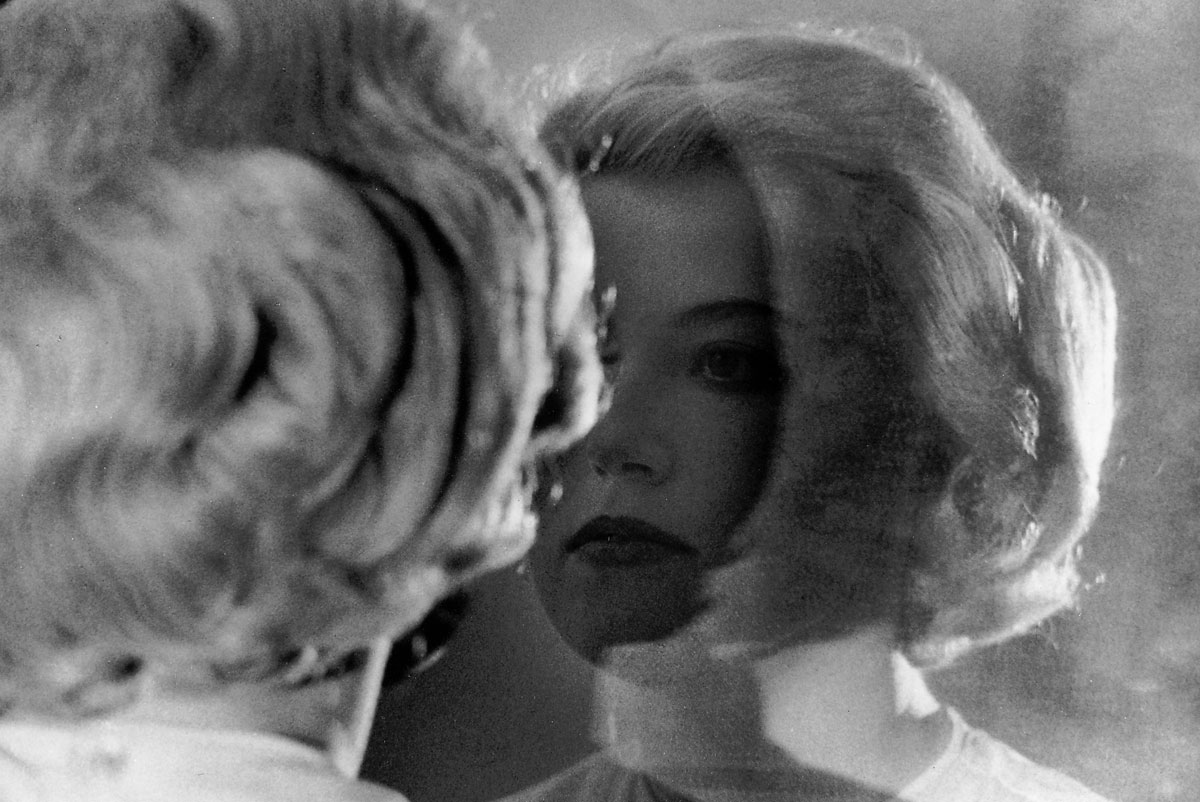
Cindy Sherman (American, b. 1954) 'Untitled Film Still #6' 1977


Cindy Sherman (American, b. 1954)
Untitled Film Still #6 
1977
Gelatin silver print
9 7/16 x 6 1/2″ (24 x 16.5cm)
The Museum of Modern Art, New York
Acquired through the generosity of Jo Carole and Ronald S. Lauder in memory of Eugene M. Schwartz


Cindy Sherman (American, b. 1954) 'Untitled Film Still #56' 1980


Cindy Sherman (American, b. 1954)
Untitled Film Still #56 
1980
Gelatin silver print
6 3/8 x 9 7/16″ (16.2 x 24cm)
The Museum of Modern Art, New York
Acquired through the generosity of Jo Carole and Ronald S. Lauder in memory of Mrs. John D. Rockefeller 3rd


Gallery 2

In fall 1977, Sherman began making pictures that would eventually become her groundbreaking Untitled Film Stills. Over three years, the series (presented here in its entirety) grew to comprise a total of seventy black-and-white photographs. Taken as a whole, the Untitled Film Stills – resembling publicity pictures made on movie sets – read like an encyclopaedic roster of stereotypical female roles inspired by 1950s and 1960s Hollywood, film noir, B movies, and European art-house films. But while the characters and scenarios may seem familiar, Sherman’s Stills are entirely fictitious; they represent clichés (career girl, bombshell, girl on the run, vamp, housewife, and so on) that are deeply embedded in the cultural imagination. While the pictures can be appreciated individually, much of their significance comes in the endless variation of identities from one photograph to the next. As a group they explore the complexity of representation in a world saturated with images, and refer to the cultural filter of images (moving and still) through which we see the world.

Wall text from the exhibition


Cindy Sherman (American, b. 1954) 'Untitled #137' 1984


Cindy Sherman (American, b. 1954)
Untitled #137 
1984
Chromogenic colour print
70 1/2 x 47 3/4″ (179.1 x 121.3cm)
Philadelphia Museum of Art
Purchased with the Alice Newton Osborn Fund, 1985


Cindy Sherman (American, b. 1954) 'Untitled #458' 2007-2008


Cindy Sherman (American, b. 1954)
Untitled #458 
2007-08
Chromogenic colour print
6′ 5 3/8″ x 58 1/4″ (196.5 x 148cm)
Glenstone


Gallery 3

Fashion – a daily form of masquerade that communicates culture, gender, and class – has been a constant source of inspiration for Sherman and a leading ingredient in the creation of her work. Throughout her career the artist has completed a number of commissions for fashion designers and magazines, and this gallery gathers many of these works. Sherman’s fashion pictures challenge the industry’s conventions of beauty and grace. Her first such commission, made in 1983, parodies typical fashion photography. Rather than projecting glamour, sex, or wealth, the pictures feature characters that are far from desirable – whether goofy, hysterical, angry, or slightly mad. Later commissions resulted in more extreme images of characters with bloodshot eyes, bruises, and scars. These exaggerated figures reached ostentatious heights in a 2007-08 commission, in which fashion victims – including steely fashion editors, PR mavens, assistant buyers, and wannabe fashionistas – wear clothing designed by Balenciaga and ham it up for the camera. Sherman’s interest in the construction of femininity and the mass circulation of images informs much of her work; the projects that take fashion as their subject illustrate the artist’s fascination with fashion images but also her critique of what they represent.

Wall text from the exhibition


Cindy Sherman (American, b. 1954) 'Untitled #424' 2004


Cindy Sherman (American, b. 1954)
Untitled #424 
2004
Chromogenic colour print
53 3/4 x 54 3/4″ (136.5 x 139.1cm)
Holzer Family Collection


Gallery 5

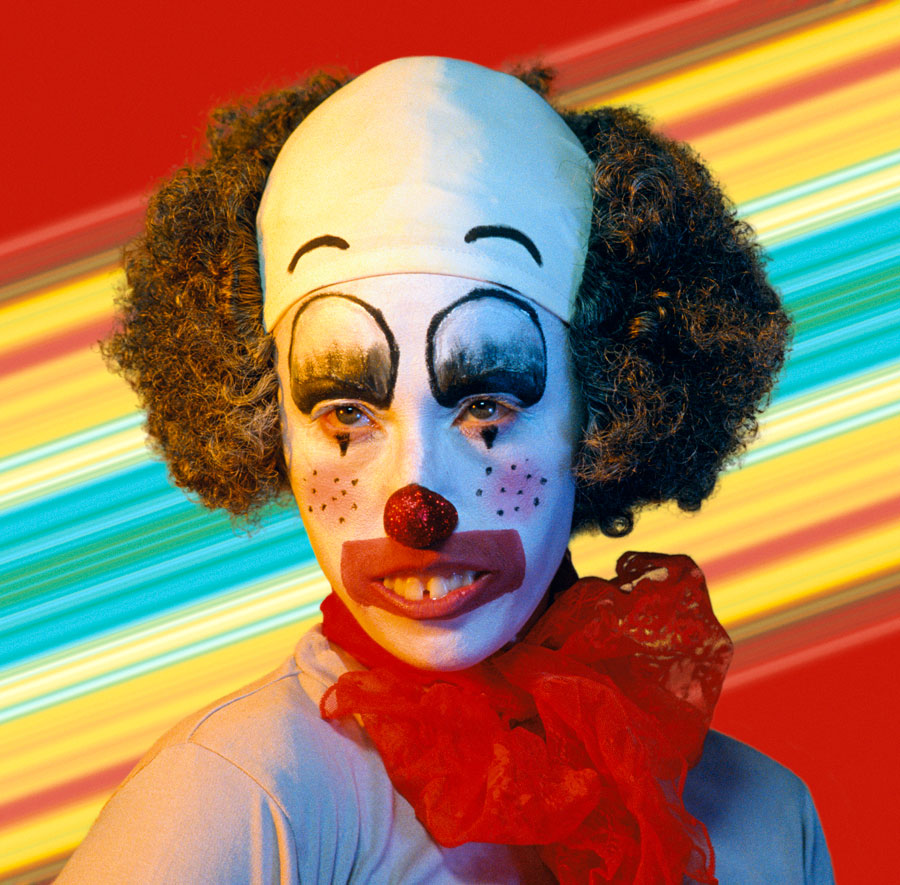
Sherman, who photographs alone in her studio, has used a variety of techniques to suggest different locations and imaginary (sometimes impossible) spaces, extending the narrative possibilities of her images. In her first foray into colour, in 1980, the artist photographed herself in front of rear-screen projections of various cityscapes and landscapes, evoking films from the 1950s and 1960s that used similar techniques to create the illusion of a change in location. In later series, such as the head shots (2000-2002), clowns (2003-04), and society portraits (2008), the artist used digital tools to create a variety of environments. The garish fluorescent colours in a clown picture contribute to the disturbing quality of the portrait, while a fairy tale forest provides a dreamy backdrop for a well-to-do lady.

Wall text from the exhibition


The Museum of Modern Art presents the exhibition Cindy Sherman, a retrospective tracing the groundbreaking artist’s career from the mid-1970s to the present, from February 26 to June 11, 2012. The exhibition brings together 171 key photographs from the artist’s significant series – including the complete Untitled Film Stills (1977-80), the critically acclaimed centerfolds (1981), and the celebrated history portraits (1988-90) – plus examples from all of her most important bodies of work, ranging from her fashion photography of the early 1980s to the breakthrough sex pictures of 1992 to her 2003-04 clowns and monumental society portraits from 2008. In addition, the exhibition features the American premiere of her 2010 photographic mural. An exhibition of films drawn from MoMA’s collection selected by Sherman will also be presented in the Museum’s theatres in April. Cindy Sherman is organised by Eva Respini, Associate Curator, with Lucy Gallun, Curatorial Assistant, Department of Photography, The Museum of Modern Art.

Cindy Sherman is widely considered to be one of the most important and influential artists of our time and her work is the unchallenged cornerstone of post-modern photography. Masquerading as a myriad of characters in front of her own camera, Sherman creates invented personas and tableaus that examine the construction of identity, the nature of representation, and the artifice of photography. Her works speak to an increasingly image-saturated world, drawing on the unlimited supply of visual material provided by movies, television, magazines, the Internet, and art history.

Ms. Respini says, “To create her photographs, Sherman works unassisted in her studio and assumes multiple roles as photographer, model, art director, make-up artist, hairdresser, and stylist. Whether portraying a career girl or a blond bombshell, a fashion victim or a clown, a French aristocrat or a society lady of a certain age, for over 35 years this relentlessly adventurous artist has created an eloquent and provocative body of work that resonates deeply with our visual culture.”

The American premiere of Sherman’s recent photographic mural (2010) will be installed outside the galleries on the sixth floor. The mural represents the artist’s first foray into transforming space through site-specific fictive environments. In the mural Sherman transforms her face via digital means, exaggerating her features through Photoshop by elongating her nose, narrowing her eyes, or creating smaller lips. The characters, who sport an odd mix of costumes and are taken from daily life, are elevated to larger-than-life status and tower over the viewer. Set against a decorative toile backdrop, her characters seem like protagonists from their own carnivalesque worlds, where fantasy and reality merge. The emphasis on new work presents an opportunity for reassessment in light of the latest developments in Sherman’s oeuvre.

Entering the galleries, the exhibition strays from a chronological narrative typical of retrospectives, and groups photographs thematically to create new and surprising juxtapositions and to suggest common threads across several series. A gallery devoted to her work made for the fashion industry brings together commissions from 1983 to 2011. Sherman’s interest in the construction of femininity and mass circulation of images informs much of the work that takes fashion as its subject, illustrating not only a fascination with fashion images but also a critical stance against what they represent. A gallery exploring themes of the grotesque focuses on bodies of work from the mid-1980s through the mid-1990s, including disasters (1986-89) and sex pictures (1992). Sherman’s investigation of macabre narratives followed a trajectory of the physical disintegration of the body, and features prosthetic parts as a stand-in for the human body. A gallery devoted to Sherman’s exploration of myth, carnival, and fairy tales pairs works from her 2003 clowns with her 1985 fairy tales series. These theatrical pictures revel in their own artificiality, with menacing characters and fantastical narratives.

Galleries devoted to single bodies of work are interspersed among the thematic rooms. Sherman’s seminal series the Untitled Film Stills, comprising 70 black-and-white photographs made between 1977 and 1980, are presented in their entirety (the complete series is in MoMA’s collection). Made to look like publicity pictures taken on movie sets, the Untitled Film Stills read like an encyclopaedic roster of female roles inspired by 1950s and 1960s Hollywood, film noir, B movies, and European art-house films. While the characters and scenarios may seem familiar, Sherman’s Stills are entirely fictitious. Her characters represent deeply embedded clichés (career girl, bombshell, girl on the run, housewife, and so on) and rely on the persistence of recognisable manufactured stereotypes that loom large in the cultural imagination.

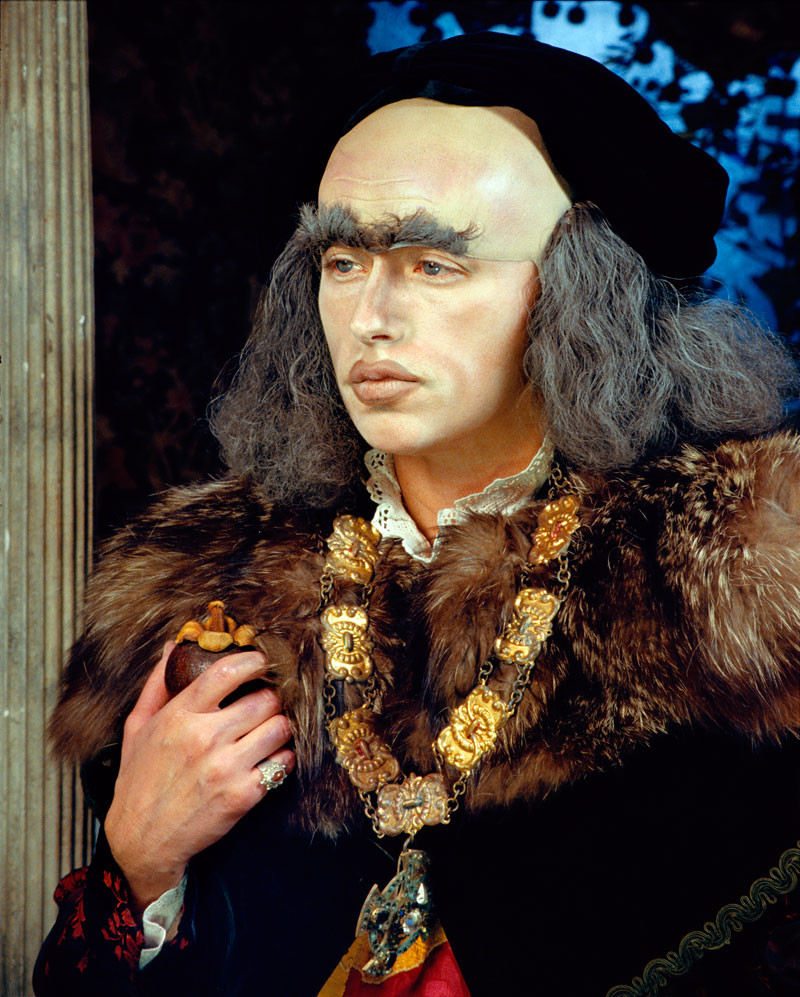
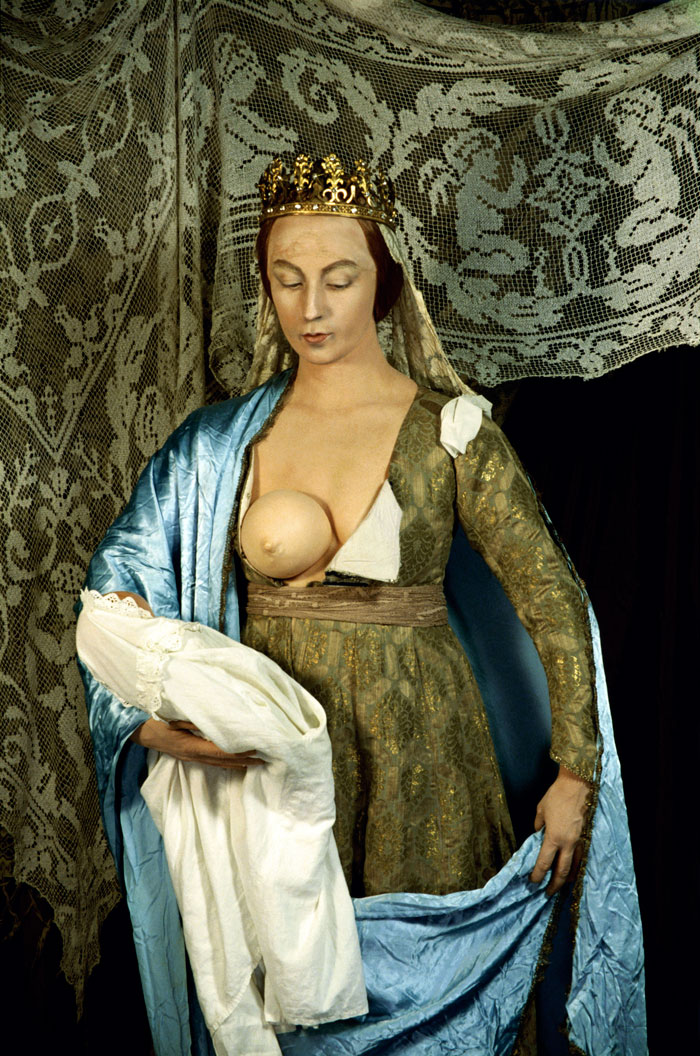
Other series presented in depth include Sherman’s 1981 series of 12-colour photographs known as the centerfolds. Originally commissioned by Artforum magazine, these send-ups of men’s erotic magazine centerfolds depict characters in a variety of emotional states, ranging from terrified to heartbroken to melancholic. With this series, Sherman plays into the male conditioning of looking at photographs of exposed women, but she turns this on its head by taking on the roles of both (assumed) male photographer and female pinup. The history portraits investigate the relationships between painter and model, and are featured in depth in the exhibition. These theatrical portraits borrow from a number of art historical periods, from Renaissance, Baroque, Rococo, and Neoclassical. This free-association sampling creates an illusion of familiarity, but not with any one specific era or style (just as the Untitled Film Stills evoke generic types, not particular films). The subjects (for the first time, many are men) include aristocrats, Madonna and child, clergymen, women of leisure, and milkmaids, who pose with props, elaborate costumes, and obvious prostheses.

Sherman has explored the experience of ageing in a youth- and status-obsessed society with several bodies of work made since 2000. For her headshots from 2000-2002 (sometimes called Hollywood / Hamptons), the artist conceived a cast of characters of would-be or has-been actors (in reality secretaries, housewives, or gardeners) posing for head shots to get an acting job. With this series, Sherman underscores the transformative qualities of makeup, hair, expression, and pose, and the recognition of certain stereotypes as powerful transmitters of cultural clichés. Her monumental 2008 society portraits feature women “of a certain age” from the top echelons of society who struggle with today’s impossible standards of beauty. The psychological weight of these pictures comes through in the unrelenting honesty of the description of ageing and the small details that belie the attempt to project a certain appearance. In the infinite possibilities of the mutability of identity, these pictures stand out for their ability to be at once provocative, disparaging, empathetic, and mysterious.

Press release from the MoMA website


Cindy Sherman (American, b. 1954) 'Untitled #193' 1989


Cindy Sherman (American, b. 1954)
Untitled #193 
1989
Chromogenic colour print
48 7/8 x 41 15/16″ (124.1 x 106.5cm)
The Doris and Donald Fisher Collection


Cindy Sherman (American, b. 1954) 'Untitled #213' 1989


Cindy Sherman (American, b. 1954)
Untitled #213 
1989
Chromogenic colour print
41 1/2 x 33″ (105.4 x 83.8cm)
Courtesy the artist and Metro Pictures, New York


Cindy Sherman (American, b. 1954) 'Untitled #216' 1989


Cindy Sherman (American, b. 1954)
Untitled #216 
1989
Chromogenic colour print
7′ 3 1/8″ x 56 1/8″ (221.3 x 142.5cm)
The Museum of Modern Art, New York. Gift of Werner and Elaine Dannheisser


Gallery 7

Sherman’s history portraits (1988-90) investigate modes of representation in art history and the relationship between painter and model. These classically composed portraits borrow from a number of art-historical periods – Renaissance, baroque, rococo, Neoclassical – and make allusions to paintings by Raphael, Caravaggio, Fragonard, and Ingres (who, like all the Old Masters, were men). This free-association sampling creates a sense of familiarity, but not of any one specific era or style. The subjects (for the first time for Sherman, many are men) include aristocrats, Madonnas with child, clergymen, women of leisure, and milk-maids, who pose with props, costumes, and obvious prostheses. Theatrical and artificial – full of large noses, bulging bellies, squirting breasts, warts, and unibrows – the history portraits are poised between humorous parody and grotesque caricature.

A handful of Sherman’s portraits were inspired by actual paintings. Untitled #224 was made after Caravaggio’s Sick Bacchus (c. 1593), which is commonly believed to be a self-portrait of the artist as the Roman god of wine. In Sherman’s reinterpretation, the numerous layers of representation – a female artist impersonating a male artist impersonating a pagan divinity – create a sense of remove, pastiche, and criticality. Even where Sherman’s pictures offer a gleam of art-historical recognition, she has inserted her own interpretation of the canonised paintings, creating contemporary artefacts of a bygone era.

Wall text from the exhibition


Cindy Sherman (American, b. 1954) 'Untitled #359' 2000


Cindy Sherman (American, b. 1954)
Untitled #359 
2000
Chromogenic color print
30 x 20″ (76.2 x 50.8cm)
Collection Metro Pictures, New York


Gallery 8

After almost a decade of staging still lifes with dolls and props, in her 2000-2002 head-shots series Sherman returned to a more intimate scale and to using herself as a model. The format recalls ID pictures, head shots, or vanity portraits made in garden-variety portrait studios by professional photographers. First exhibited in Beverly Hills, the series explores the cycle of desire and failed ambition that permeates Hollywood. Sherman conceived a cast of would-be or has-been female actors posing for head shots in order to get acting jobs; later, for an exhibition in New York, she added East Coast types. Whichever part of the country they’re from, we’ve seen these women before – on reality television, in soap operas, or at a PTA meeting. With these pictures, Sherman underscores the transformative qualities of makeup, hair, expression, and pose, and the power of stereotypes as transmitters of cultural clichés. She projects well-drawn personas: the enormous pouting lips of the woman in Untitled #360 suggest a yearning for youth, while the glittery makeup and purple iridescent dress worn by the character in Untitled #400 indicate an aspiration to reach a certain social status. In her role as both sitter and photographer, Sherman has disrupted the usual power dynamic between model and photographer and created new avenues through which to explore the very apparatus of portrait photography itself.


Cindy Sherman (American, b. 1954) 'Untitled #465' 2008


Cindy Sherman (American, b. 1954)
Untitled #465 
2008
Chromogenic colour print
63 3/4 x 57 1/4″ (161.9 x 145.4cm)
Whitney Museum of American Art, New York
Purchase, with funds from the Painting and Sculpture Committee and the Photography Committee, 2009


Cindy Sherman (American, b. 1954) 'Untitled #466' 2008


Cindy Sherman (American, b. 1954)
Untitled #466
2008
Chromogenic colour print


Cindy Sherman (American, b. 1954) 'Untitled #474' 2008


Cindy Sherman (American, b. 1954)
Untitled #474 
2008
Chromogenic colour print
7′ 7″ x 60 1/4″ (231.1 x 153cm)
The Museum of Modern Art, New York
Acquired through the generosity of an anonymous donor, Michael Lynne, Charles Heilbronn, and the Carol and David Appel Family Fund


Gallery 10

Set against opulent backdrops and presented in ornate frames, the characters in Sherman’s 2008 society portraits seem at once tragic and vulgar. The figures are not based on specific women, but the artist has made them look entirely familiar in their struggle with the impossible standards of beauty that prevail in a youth – and status – obsessed culture. At this large scale, it is easy to decipher the characters’ vulnerability behind the makeup, clothes, and jewellery. The psychological weight of these pictures comes through the unrelenting honesty of their description of ageing, the tell-tale signs of cosmetic alteration, and the small details that belie the characters’ attempts to project a polished and elegant appearance. Upon careful viewing, they reveal a dark reality lurking beneath the glossy surface of perfection. As with much of her work, in her society portraits Sherman has demonstrated a remarkable capacity to channel the zeitgeist. These well-heeled divas presaged the financial collapse of 2008, the end of an era of opulence – the size of the photographs alone seems a commentary on an age of excess. Among the numerous iterations of contemporary identity, these pictures stand out as at once provocative, disparaging, empathetic, and mysterious.

Wall text from the exhibition


Cindy Sherman (American, b. 1954) 'Untitled #475' 2008


Cindy Sherman (American, b. 1954)
Untitled #475 
2008
Chromogenic colour print
7′ 2 3/8″ x 71 1/2″ (219.4 x 181.6cm)
The Broad Art Foundation, Santa Monica


Gallery 11

Because the majority of Sherman’s pictures feature the artist as model, they showcase a single character. In the 1970s Sherman experimented with cutouts of multiple figures, in her whimsical 1975 stop-motion animated short film Doll Clothes and her rarely seen 1976 collages, which were achieved through a labor-intensive process of cutting and pasting multiple photographs. When Sherman began working digitally in the early 2000s, she was able to more easily incorporate multiple figures in one frame, allowing for a variety of new narrative possibilities. Where the early works chart the movements and gestures of a single character through space, the multiple figures in recent works interact with one another to create tableaus.

Wall text from the exhibition


The Museum of Modern Art
11 West 53 Street
New York, NY 10019
Phone: (212) 708-9400

Opening hours:
10.30am – 5.30pm
Open seven days a week

MoMA website

LIKE ART BLART ON FACEBOOK

Back to top

Exhibition: ‘Entre Nous: The Art of Claude Cahun’ at the Art Institute of Chicago

Exhibition dates:  25th February – 3rd June 2012


Claude Cahun (French, 1894-1954) 'Autoportrait' 1929


Claude Cahun (French, 1894-1954)
Autoportrait
1929
Gelatin silver print
24 x 19cm
Musée des Beaux-Arts de Nantes
© RMN/Gérard Blot


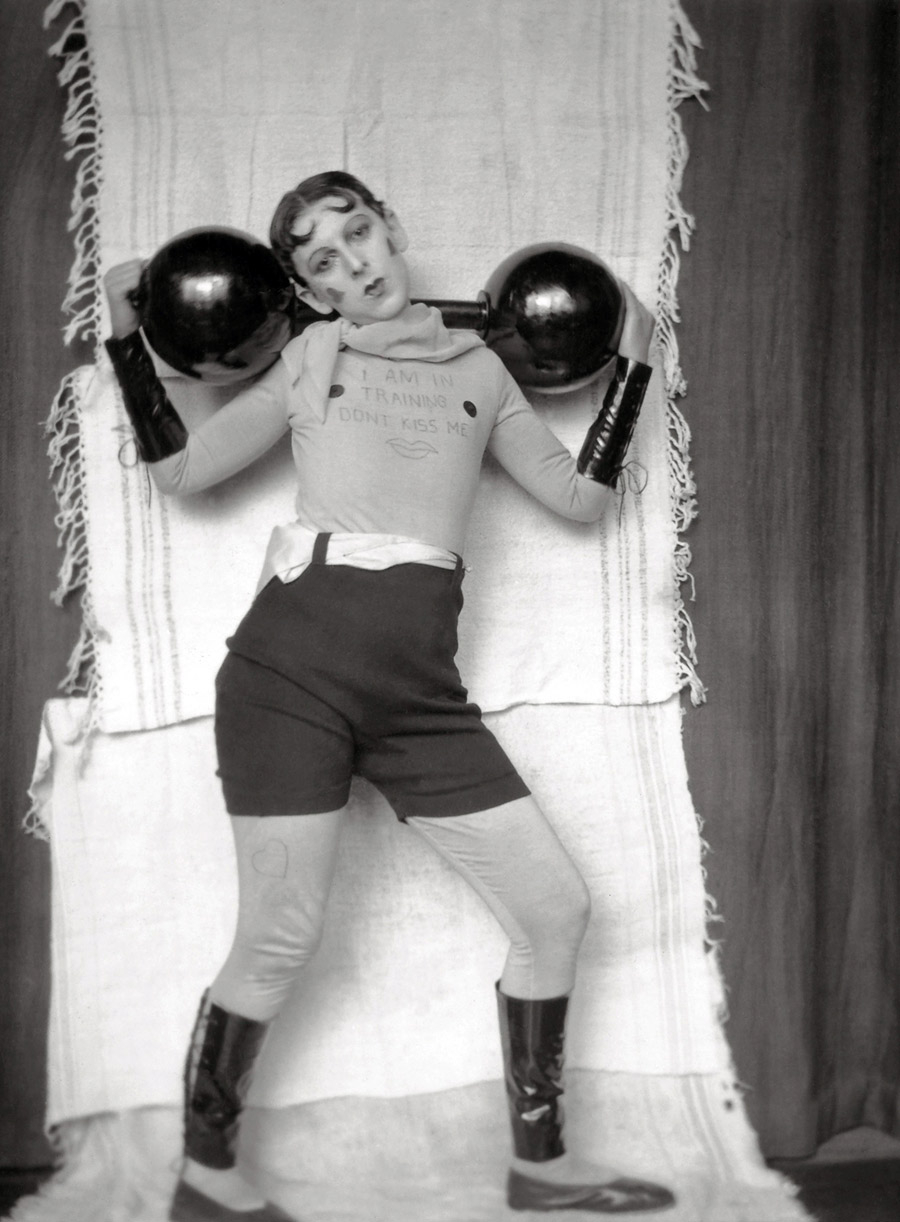
“In many ways, Cahun’s life was marked by a sense of role reversal, and her public identity became a commentary upon not only her own, but the public’s notions of sexuality, gender, beauty, and logic. Her adoption of a sexually ambiguous name, and her androgynous self-portraits display a revolutionary way of thinking and creating, experimenting with her audience’s understanding of photography as a documentation of reality. Her poetry challenged gender roles and attacked the increasingly modern world’s social and economic boundaries. Also Cahun’s participation in the Parisian Surrealist movement diversified the group’s artwork and ushered in new representations. Where most Surrealist artists were men, and their primary images were of women as isolated symbols of eroticism, Cahun epitomised the chameleonic and multiple possibilities of the female identity. Her photographs, writings, and general life as an artistic and political revolutionary continue to influence countless artists, namely Cindy Sherman, Nan Goldin and Del LaGrace Volcano.”


Text from the Wikipedia website


Cahun was a resistance fighter during the Second World War, was arrested, sentenced to death and survived. She lived with her longtime female partner and collaborator on Jersey from 1937 until 1954, the year of her death. Entre Nous means “Between Us,” such an appropriate title for their collaboration, love and partnership. What a talent, what a woman and gay to boot!

Dr Marcus Bunyan


Many thankx to the Art Institute of Chicago for allowing me to publish the photographs in the posting. Please click on the photographs for a larger version of the image.


Claude Cahun (French, 1894-1954) 'Autoportrait' 1929


Claude Cahun (French, 1894-1954)
Autoportrait
1929
Gelatin silver print
11.5 x 8.5cm
Jersey Heritage Collection
© Jersey Heritage


Claude Cahun (French, 1894-1954) 'Autoportrait' 1928


Claude Cahun (French, 1894-1954)
Autoportrait
1928
Gelatin silver print
13.9 x 9cm
Jersey Heritage Collection
© Jersey Heritage


Claude Cahun (French, 1894-1954) 'Autoportrait' 1927


Claude Cahun (French, 1894-1954)
Autoportrait
1927
Gelatin silver print
10.4 x 7.6cm
Soizic Audouard Collection


Claude Cahun (1894-1954) has something approaching cult status in today’s art world. However, her work was almost unknown until the early 1980s, when it was championed by the research of François Leperlier, after which exhibitions at the Musée des Beaux-Arts in Nantes (1994) and the Musée d’Art Moderne de la Ville de Paris (1995) brought it to public attention. Her life and work (both literary and artistic) bespeak an extraordinary libertarian personality who defied sexual, social and ethical conventions in what was an age of avant-garde and moral upheaval. Among her many photographs, it is undoubtedly her self-portraits that have aroused the greatest interest in recent years. Throughout her life, Cahun used her own image to dismantle the clichés surrounding ideas of identity. She reinvented herself through photography, posing for the lens with a keen sense of performance and role-play, dressed as a woman or a man, as a maverick hero, with her hair long or very short, or even with a shaved head. This approach was extended in innovative ways in her photographs of objects and use of photomontages, which asserted the primacy of the imagination and of metamorphosis.

By exploring the many different analyses made of Cahun’s work since the 1990s, and ranging across its different themes: from the subversive self-portraits that question identity, to her surrealist compositions, erotic metaphors and political forays, this exhibition confirms the modernity of a figure who, as a pioneer of self-representation and the poetry of objects, has been an important influence for many contemporary artists.

Metamorphoses of identity and the subversion of gender (I)

This set of photographs, going from 1913 to the end of the 1920s, includes some of Cahun’s major works, in which she staged her own persona, emphasising disguise and masks, and working through variations on gender: feminine, masculine, androgyne, undifferentiated. Sexual ambiguity is consciously cultivated and calls into question established norms and conventions. In 1928, she even represented herself with her head shaved, wearing a singlet, in profile, or with her hands against her face, or wearing a loose man’s jacket. Some of the mise-en-scènes from this period seem to anticipate contemporary performance.

Poetics of the object

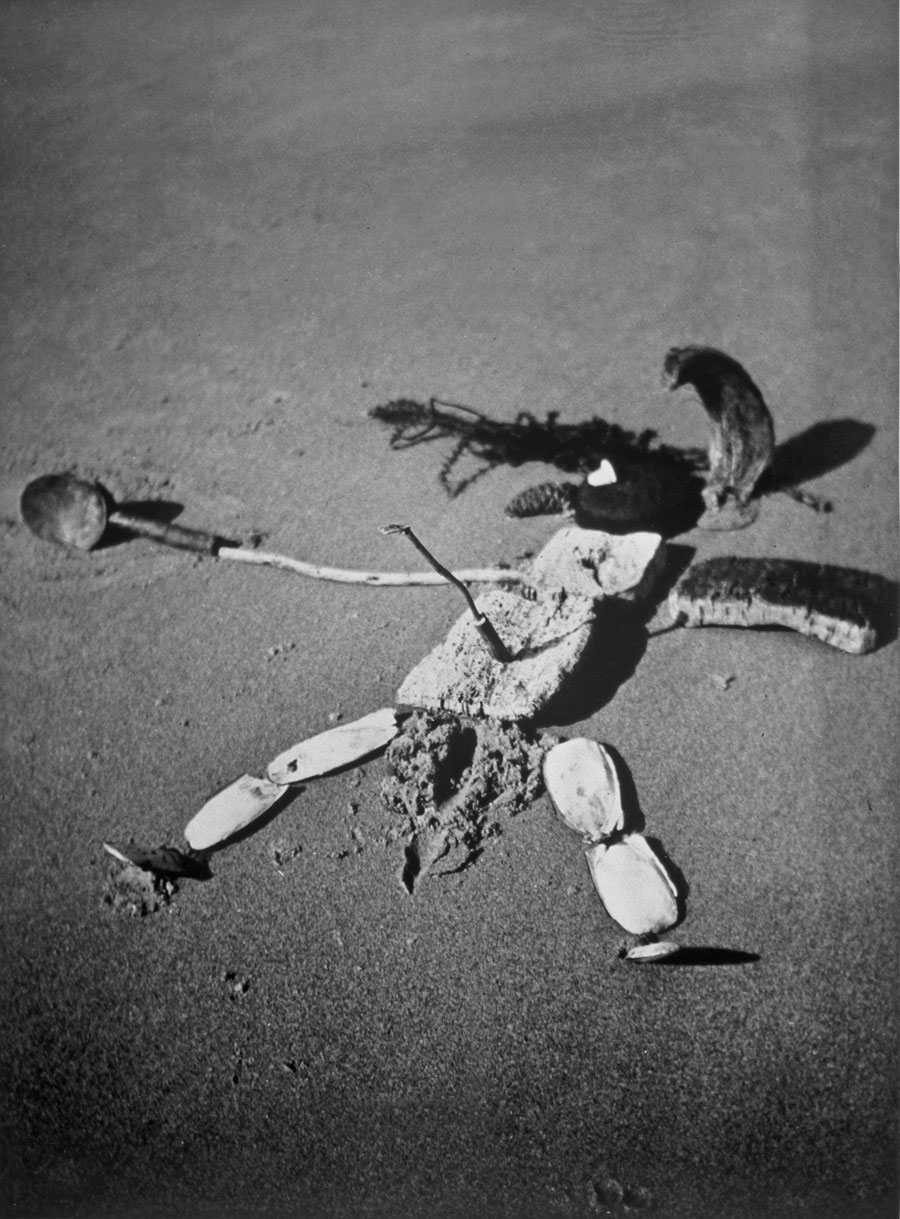
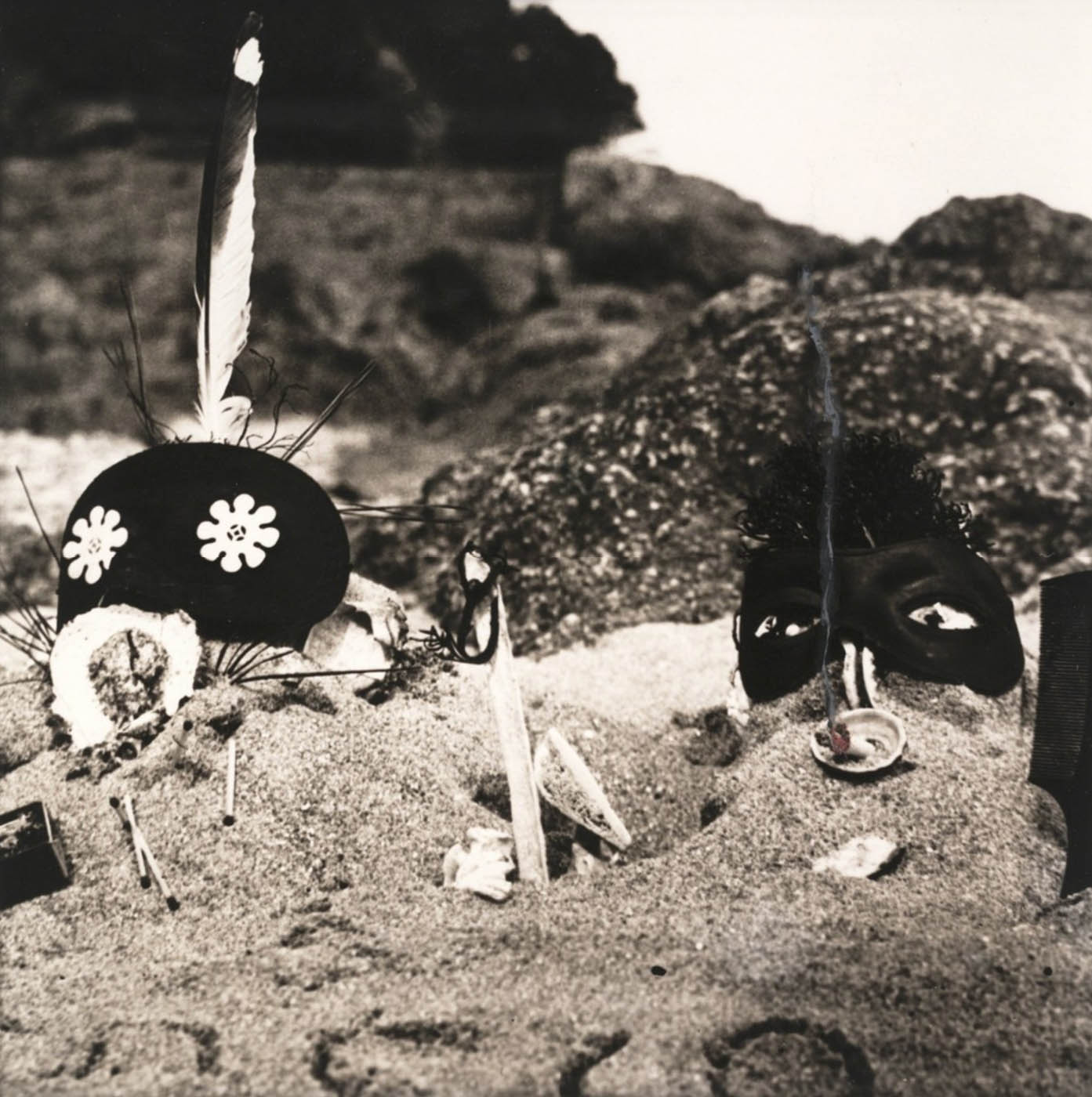
The “assemblages of objects,” which make their appearance in around 1925, inventively explore what at the time was still a rather new form. This work came to wider attention in the Surrealist exhibition at the Charles Ratton gallery, in May 1936, and then with the commissioning of 22 photographic plates to illustrate a book of poems by Lise Deharme, Le Coeur de Pic (1937), prefaced by Paul Eluard. These photographs capture ephemeral set-ups, often in a natural setting (garden, beach). Each “sketch” is a composition of heterogeneous elements, both found and made, such as knickknacks in spun glass, sewing items, twigs, bones, insects, feathers, gloves, pieces of fabric, shoes, tools, etc. This “theatre of objects” has both a visual and symbolic significance, which Cahun explained in her text Prenez garde aux objets domestiques (1936).

Metamorphoses of identity and the subversion of gender (continued)

The 1930s saw Cahun continuing to explore images of the self. However, questions of sexual difference and its social and cultural construction were now less to the fore as she went deeper into the potential of situations and disguises and experimented with duplication in a way that extended the work of the photomontages from the late 1920s.

Metaphors of desire

Eschewing the direct and sometimes reifying display of the female body found in many paintings and photographs, Cahun opted for a more subtle kind of “veiled eroticism” using distance and irony. Here we find some very evocative examples of her calculating games with desire. Whether through the contained display of the body, allegory (the bacchante or faun, surrounded by sensuous vegetation), or anthropomorphic objects (the hermaphroditic “père”), she aimed to capture the essence of desire, to bring out its essential grounding in fantasy.

The two of us. Claude Cahun and Suzanne Malherbe (Marcel Moore)

The photograph Entre nous (1926) clearly establishes the spirit of this section, which evokes various aspects of Claude Cahun’s intimate relationship and artistic collaboration with her partner, Suzanne Malherbe. In fact, a number of the photographs here were taken by Suzanne following Claude’s suggestions. A double portrait from 1921 shows a surprising parallel which could be read as a metaphor of their relationship, a deep closeness and understanding between two strong personalities. The linchpin of this section is constituted by the four photomontages used to illustrate Aveux non avenus (1930), Cahun’s most significant literary work, gathering together all the artist’s main themes and obsessive metaphors. The plates were executed by Moore in collaboration with Claude Cahun.

Elective encounters

This series of portraits, which reflect the importance of friendship in the development of Cahun’s work, gives an idea of the figures who were important to her and influenced her, or to whom she felt close, among them Henri Michaux, Robert Desnos, André Breton, Jacqueline Lamba and Suzanne Malherbe. There are also two photographs from performances at Pierre Albert-Birot’s theatre Le Plateau (1929). They attest Cahun’s keen interest in theatre and acting.

Poetry and politics

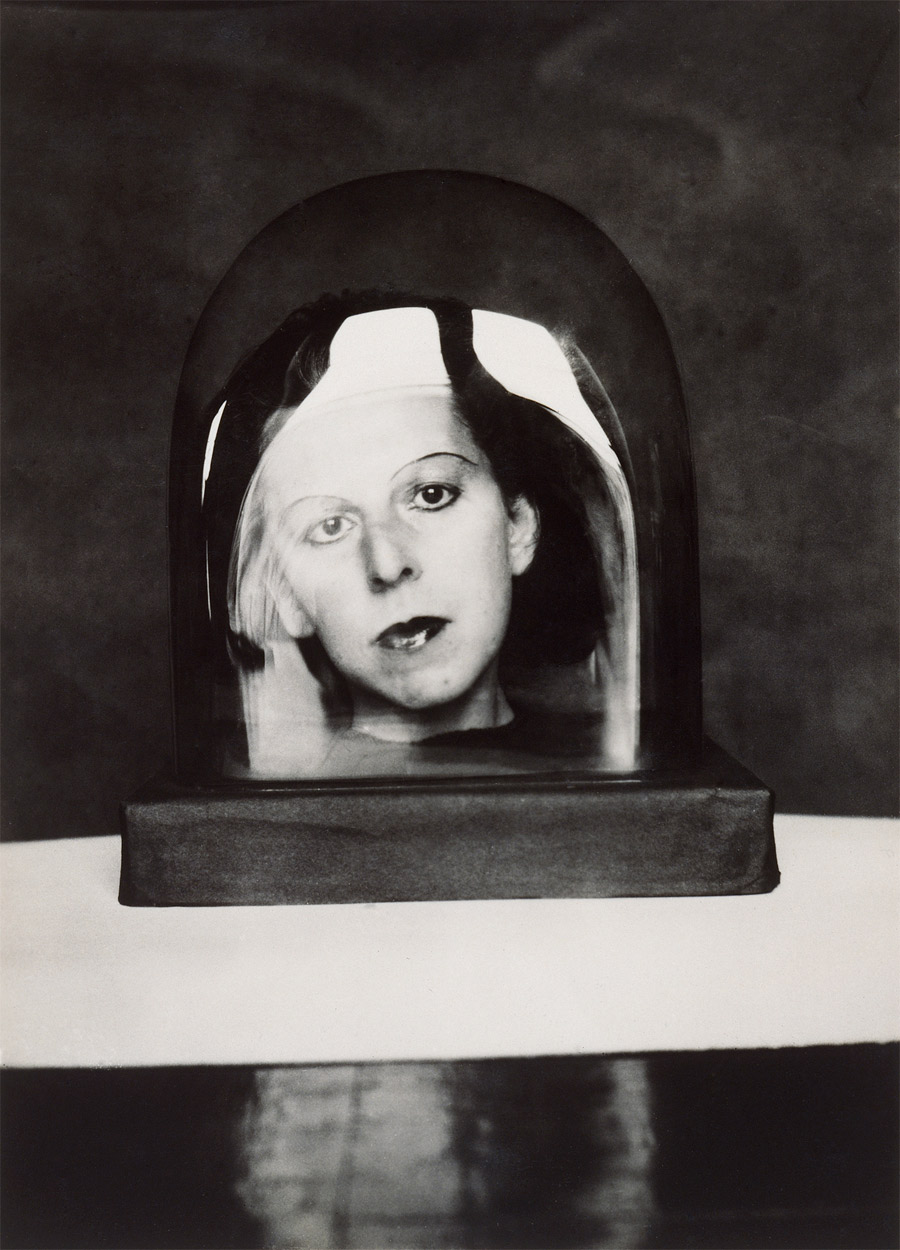
In the 1930s Cahun’s positions grew increasingly radical in response to the rise of totalitarianism. She joined the Surrealists and associated with a number of groups on the left and far left. This radicalisation is reflected in her aesthetic. In line with the ideas put forward in her pamphlet Les Paris sont ouverts (1934), she exploited the subversive qualities of “indirect action” in the sphere of symbolic expression, making a number of objects in which poetry and politics are intimately intertwined. This process culminated when she used these pieces for two big series of photographs dominated by a mood of irony, revolt and provocation: “La Poupée” (The Doll), a figure fashioned out of newspaper, and “Le Théâtre” (The Theatre), a wooden mannequin surrounded by various elements and placed under a glass dome.

Beyond the visible. The last self-portraits

Close study of Cahun’s photographs reveals the presence of allusions to non-visible phenomena, pointing the way to other realities – and perhaps, too, beyond death. Her attraction to symbolism, her interest in Eastern doctrines and her closeness to Surrealism only confirmed the primacy of fantasy and metamorphosis evidenced in the intellectual and aesthetic approaches she took throughout her life. The series Le Chemin des chats (The Way of Cats, around 1949 and 1953), suggests a mediation on and questioning of reality and appearance. Cahun was a true cat lover: for her, this animal was the great intercessor, the medium of an intuitive contact between the visible and the invisible, leading to sensorial worlds that are both unfamiliar and yet very near.

Juan Vicente Aliaga and François Leperlier, curators of the exhibition


Claude Cahun (French, 1894-1954) 'Autoportrait' 1939


Claude Cahun (French, 1894-1954)
Autoportrait
1939
Gelatin silver print
10 x 8cm
Jersey Heritage Collection
© Jersey Heritage


Claude Cahun (French, 1894-1954) 'Autoportrait' 1926


Claude Cahun (French, 1894-1954)
Autoportrait
1926
Gelatin silver print
11.1 x 8.6cm
IVAM, Institut Valencià d’Art Modern, Generalitat


Born Lucy Schwob to a family of French intellectuals and writers, Claude Cahun (who adopted the pseudonym at age 22) is best known for the staged self-portraiture, photomontages, and prose texts she made principally between 1920 and 1940. Rediscovered in the late 1980s, her work has not only expanded our understanding of the Surrealist era but also serves as an important touchstone to later feminist explorations of gender and identity politics. In her self-portraits, which she began creating around 1913, Cahun dismantled and questioned preexisting notions of self and sexuality. Posing in costumes and elaborate make-up, Cahun appears masked as various personae: man or woman, hero or doll, both powerful and vulnerable. Almost a century after their making, these innovative photographs and assemblages remain remarkably relevant in their treatment of gender, performance, and identity.

From her university years until her death, Cahun was accompanied by her partner and artistic collaborator, Suzanne Malherbe, a childhood friend and stepsister. They surrounded themselves with members of the Surrealist movement and created work that embraced leftist politics. Cahun, with assistance from Malherbe (under the pseudonym Marcel Moore), produced photographs, assemblages, and publications from the 1920s on. The photograph Entre Nous (Between Us), featuring a pair of masks embedded in sand, gives the title to this show and is emblematic of their multifaceted relationship.

The first retrospective exhibition in the United States of Cahun’s work, Entre Nous: The Art of Claude Cahun brings together over 80 photographs and published material by Cahun and Moore, including several photomontages from their 1930 collaborative publication Aveux non avenus (Disavowals), and the only surviving object by Cahun, which is in the Art Institute’s permanent collection.

Organiser: This exhibition was organised by the Jeu de Paume, Paris, and coproduced with La Virreina Centre de la Imatge, Barcelona.

Press release from the Art Institute of Chicago website


Claude Cahun (French, 1894-1954) 'Combat de pierres' 1931


Claude Cahun (French, 1894-1954)
Combat de pierres
1931
Gelatin silver print
21 x 15.5cm
Private collection
© Béatrice Hatala


Claude Cahun (French, 1894-1954) 'Le Père' 1932


Claude Cahun (French, 1894-1954)
Le Père
1932
Gelatin silver print
23.6 x 17.7cm
LAC


Claude Cahun (French, 1894-1954) Marcel Moore (French, 1892-1972) 'Entre nous' (Between Us) 1926


Claude Cahun (French, 1894-1954) Marcel Moore (French, 1892-1972)
Entre nous (Between Us)
1926
Gelatin silver print
4 11/16 × 4 5/8 in (11.9 × 11.7cm)


While the motivation for these remarkable self-portraits seems rooted in a commitment to leftist politics and subversion of gender norms, I also feel a great sense of intimate domesticity beneath the surface. Cahun and Moore first met in 1909 when they were both teenagers. Eight years later, Cahun’s father married Moore’s mother, which must have given the couple a convenient excuse for their close relationship at a time when such lifestyle choices were less than accepted.

Our curators have surmised that Cahun’s camera did not have a timer on it, so many if not all of these self-portraits must have been created with Moore’s assistance. When the two moved to the Isle of Jersey in the 1930s to escape the political climate developing in France, they began to live in almost total seclusion. Though often taken outside around the grounds of their estate, the photographs from this period seem to the most private and familiar. Beyond the thoughtful self-presentation and artistic experimentation, there is a palpable sense of play, of close friends having fun.

An interesting aside: In July of 1940, the Nazis invaded Jersey where Cahun and Moore were still living. For the next four years, they engaged in active resistance against the Germans, producing and distributing counterpropaganda leaflets to Nazi soldiers on the island. Continuing the kind of dress-up they’d played together for years, the two would dress in disguises to infiltrate German outposts where they would disseminate anti-Nazi leaflets signed as “der Soldat ohne Namen” (the solider with no name). They were eventually arrested in 1944 and sentenced to death. Fortunately, the island was liberated before the executions could be carried out.

Extract from Robby Sexton, “Between You and Me,” on the Art Institute of Chicago website March 15, 2012 [Online] Cited 08/10/2024


Claude Cahun (French, 1894-1954) 'Aveux non avenus, planche III' 1929-1930


Claude Cahun (French, 1894-1954)
Aveux non avenus, planche III
1929-1930
Gelatin silver print photomontage
15 x 10cm
Private collection


The Art Institute of Chicago
111 South Michigan Avenue
Chicago, Illinois 60603-6404
Phone: (312) 443-3600

Opening hours:
Thursday – Monday 11am – 5pm
Closed Tuesdays and Wednesdays

The Art Institute of Chicago website

LIKE ART BLART ON FACEBOOK

Back to top

Exhibition: ‘Kurt Kranz: Programming of Beauty’ at the Bauhaus Dessau, Berlin

Exhibition marking the 100th birthday of Kurt Kranz
19th November 2010 – 29th May 2011


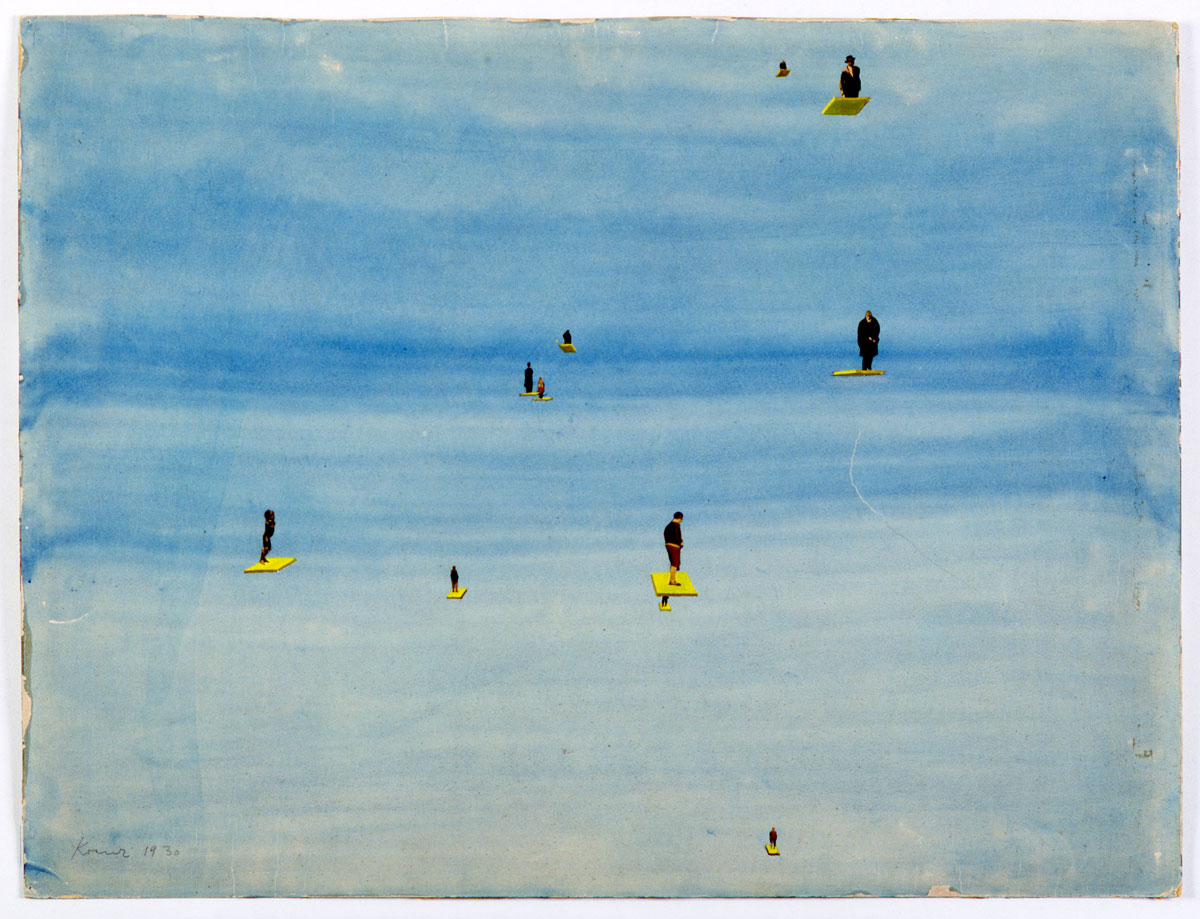
Kurt Kranz (German, 1910-1997) 'Perspective' 1931


Kurt Kranz (German, 1910-1997)
Perspective
1931
Ingrid Kranz / Stiftung Bauhaus Dessau
Foto: Lars Lohrisch / Abdruck mit Genehmigung der Kunsthalle


One of the great pleasures of publishing this archive is that I get to research the life of an artist whose work I never knew before. Kurt Kranz is one such artist.

Dr Marcus Bunyan


Many thankx to the the Bauhaus Dessau for allowing me to publish the photographs in the posting. Please click on the photograph for a larger version of the image.


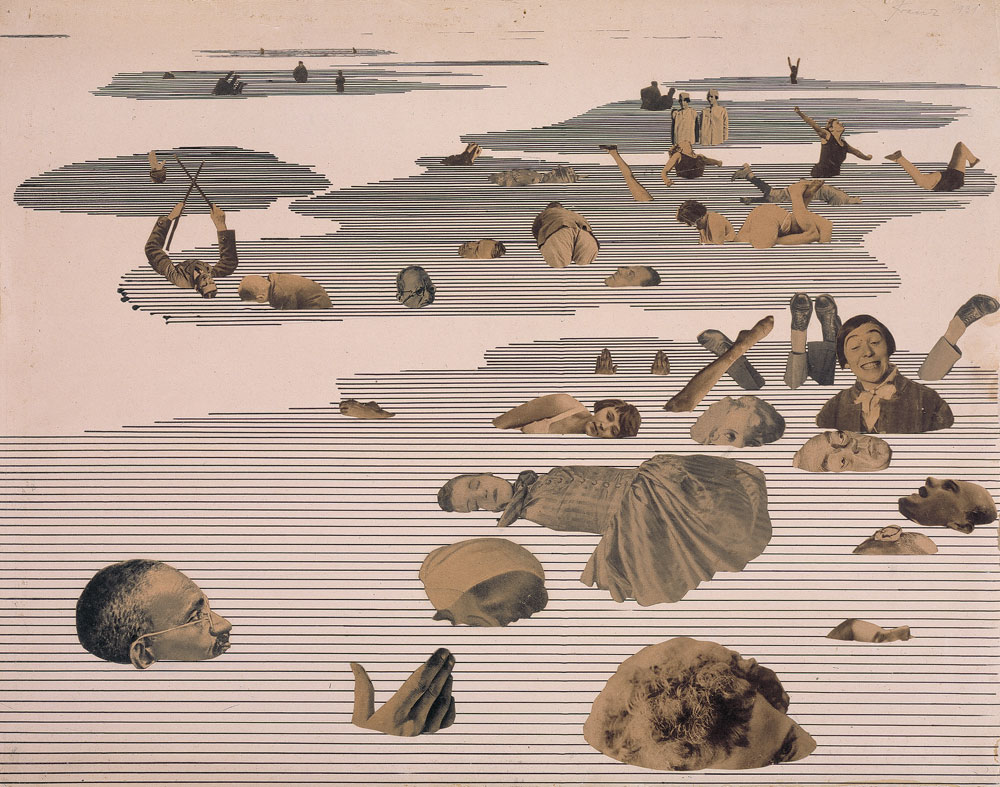
Kurt Kranz (German, 1910-1997) 'Vereinsamung' Dessau 1930


Kurt Kranz (German, 1910-1997)
Vereinsamung (Isolation)
Dessau
1930
Ingrid Kranz / Stiftung Bauhaus Dessau
Leihgeber: Kunsthalle Bremen


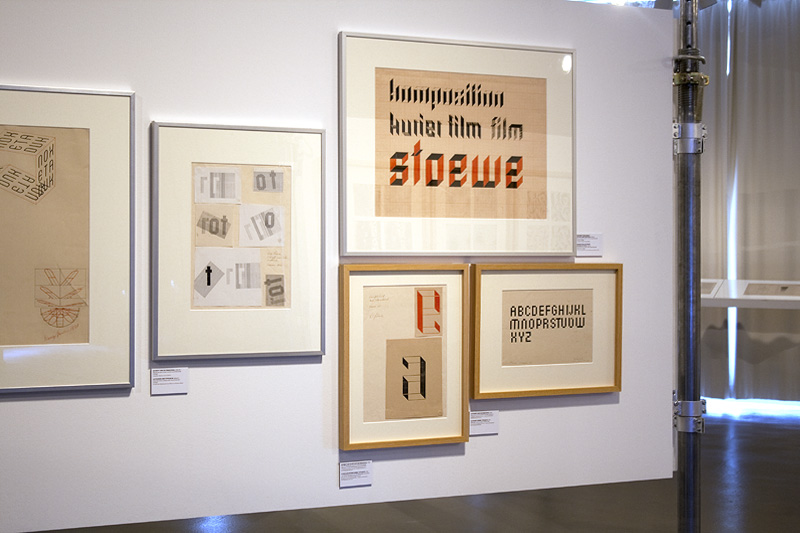
Installation photograph of 'Programming of Beauty' by Kurt Kranz at the Bauhaus Dessau


Installation photograph of Programming of Beauty by Kurt Kranz at the Bauhaus Dessau


Kurt Kranz (German, 1910-1997) 'Versinkende' (Sinking one) 1931


Kurt Kranz (German, 1910-1997)
Versinkende (Sinking one)
1931
Ingrid Kranz / Stiftung Bauhaus Dessau


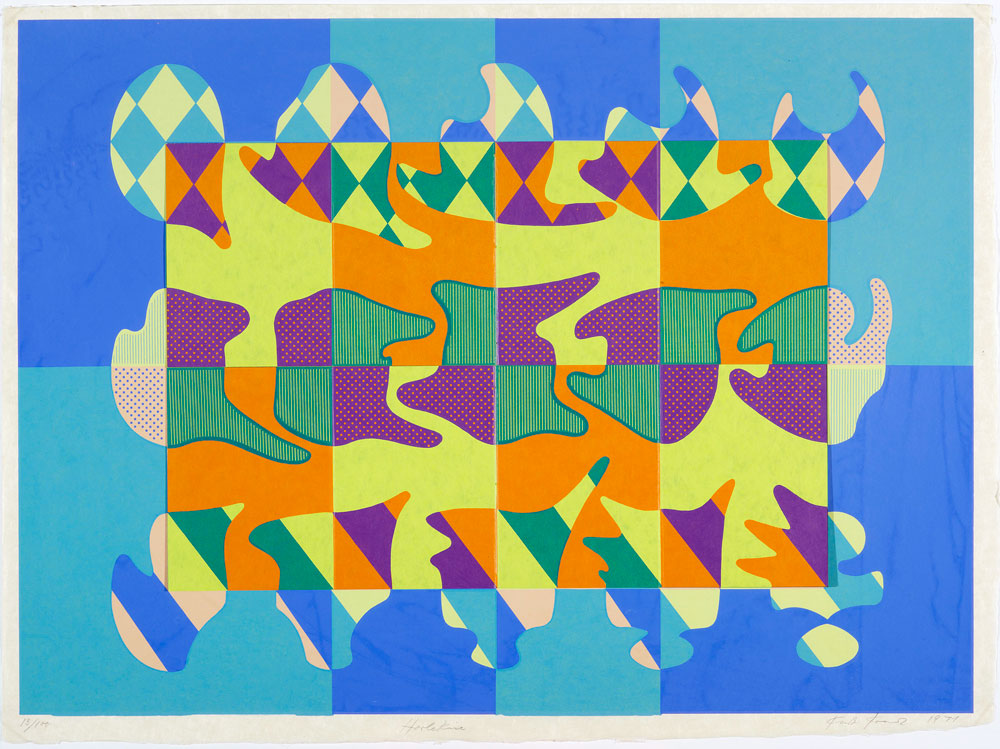
Kurt Kranz (German, 1910-1997) 'Persischer Garten' (Persian garden) 1970


Kurt Kranz (German, 1910-1997)
Persischer Garten (Persian garden)
1970
Ingrid Kranz / Stiftung Bauhaus Dessau
Foto: Uwe Jacobshagen


The Bauhaus Dessau dedicates a comprehensive exhibition to the painter, graphic designer and photographer Kurt Kranz to mark his 100th birthday. In 1930, the then twenty-year-old lithographer came from Bielefeld to study at the Bauhaus Dessau, where he soon established himself as a pioneer of serial and generative methods. With his avant-garde work, Kranz’s methods anticipated those of later generations.

Inspired by a lecture by László Moholy-Nagy, Kurt Kranz came to the Bauhaus Dessau in April 1930. In Walter Peterhans’s photography class, Kranz began to experiment with photographic techniques and created some of the most striking abstract picture series to emerge from the Bauhaus. Alienated and abstracted faces and hands appear repeatedly in his dynamic picture series. These show Kranz’s early affinity for film as, page for page, the abstract forms interact with one another. Kranz drafted his first concepts for abstract films at the Bauhaus, although he was first able to realise these decades later in 1972.

The exhibition to mark the artist’s 100th birthday shows works from Kranz’s Bauhaus years and his later work as an advertising graphic designer, and focuses on a selection of his large picture cycles. Strikingly diverse leporellos dating from the 1960s onwards take centre stage, as do the so-called “Matrix-und Schiebebilder”

Text from the Bauhaus Dessau website


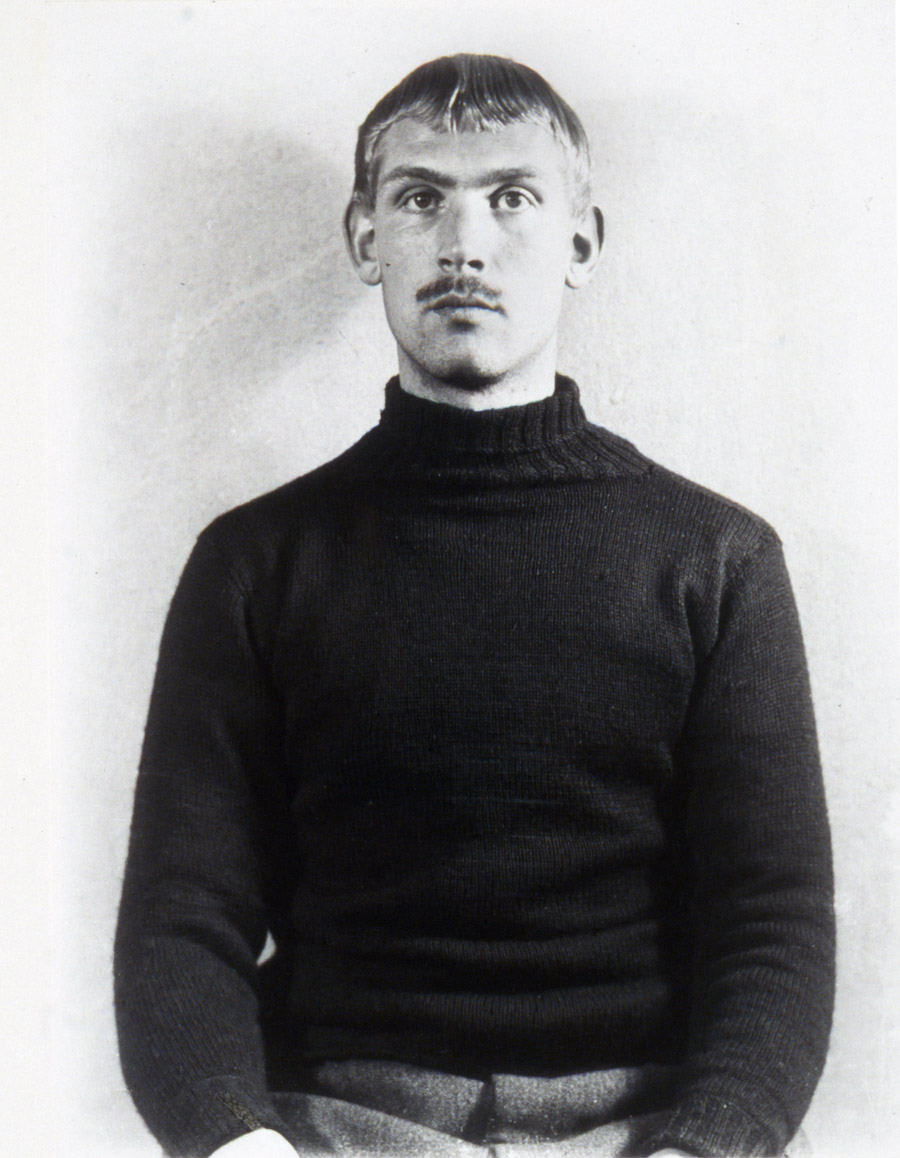
Kurt Kranz (German, 1910-1997) 'Selbstporträt en face (objektives Foto)' (Self-portrait with face (objective photo)) 1931


Kurt Kranz (German, 1910-1997)
Selbstporträt en face (objektives Foto) (Self-portrait with face (objective photo))
1931
Ingrid Kranz / Stiftung Bauhaus Dessau


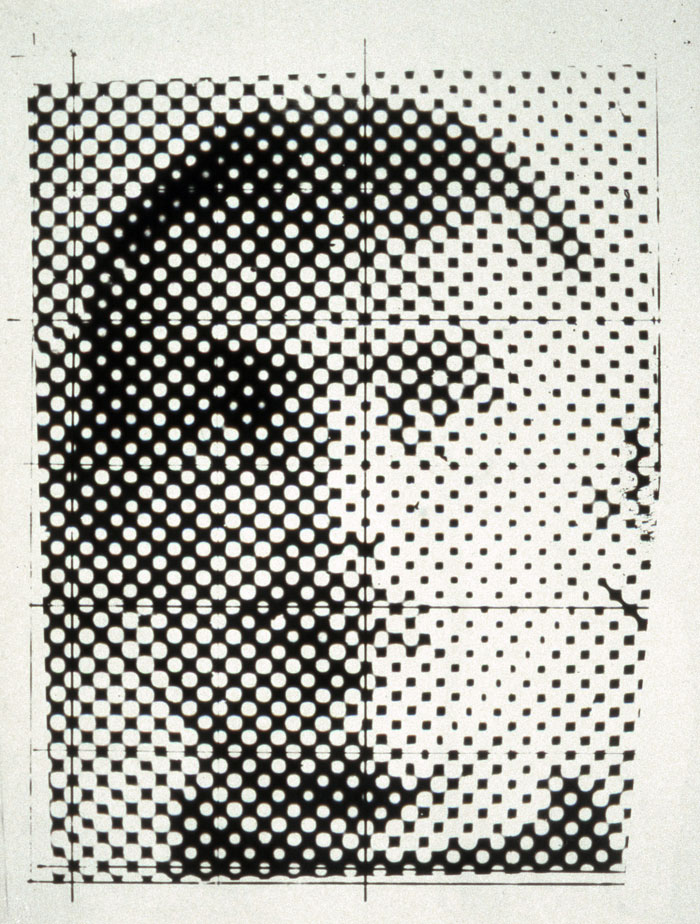
Kurt Kranz (German, 1910-1997) 'Rasterfoto' (Raster photograph) 1932


Kurt Kranz (German, 1910-1997)
Rasterfoto (Raster photograph)
1932
Ingrid Kranz / Stiftung Bauhaus Dessau


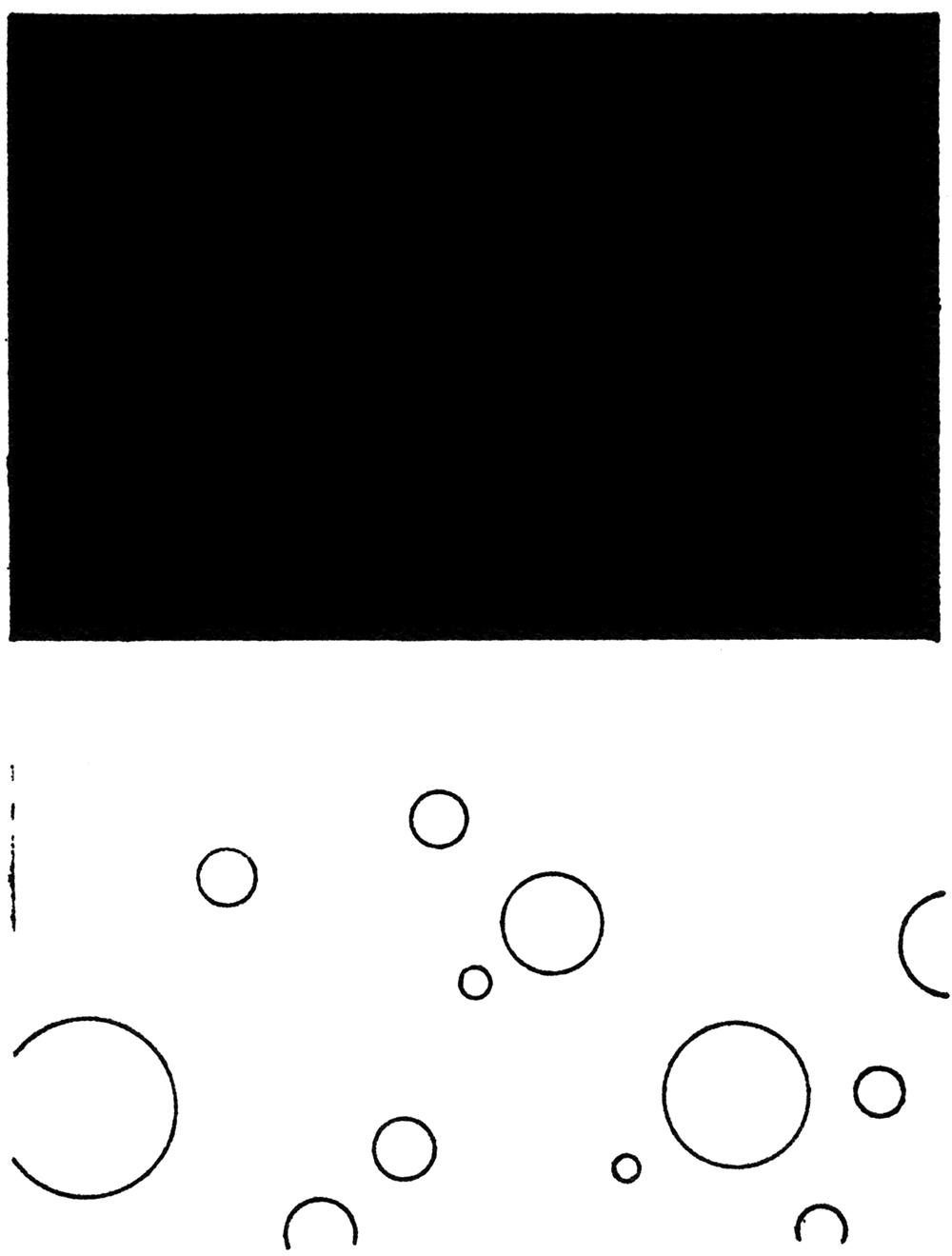
Kurt Kranz (German, 1910-1997) 'Schwarz : Weiß' (Black: White) 1928-29


Kurt Kranz (German, 1910-1997)
Schwarz: Weiß (Black: White)
1928-1929
Ingrid Kranz / Stiftung Bauhaus Dessau
Privatbesitz


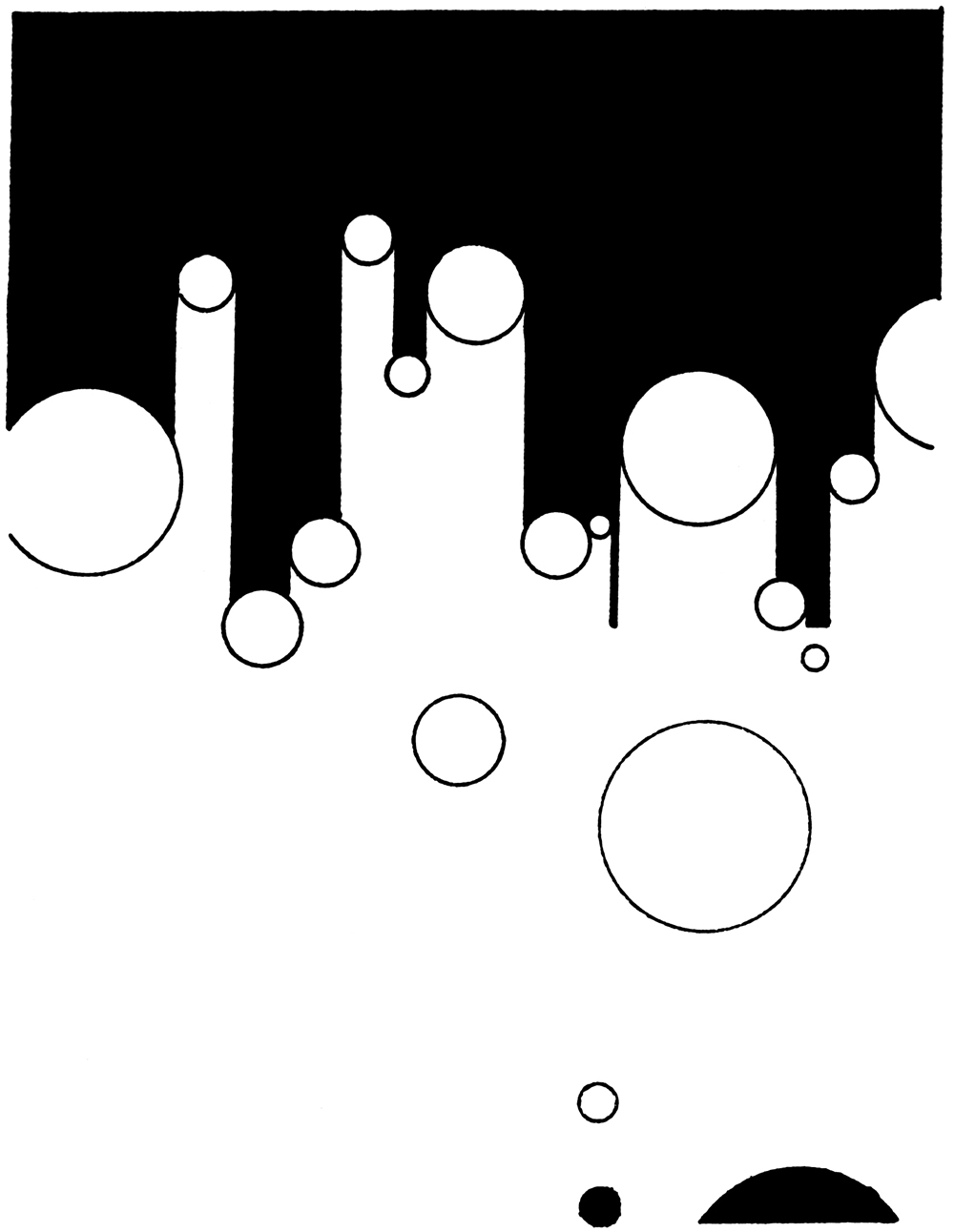
Kurt Kranz (German, 1910-1997) 'Schwarz : Weiß' (Black: White) 1928-29


Kurt Kranz (German, 1910-1997)
Schwarz: Weiß (Black: White)
1928-1929
Ingrid Kranz / Stiftung Bauhaus Dessau
Privatbesitz


Kurt Kranz (German, 1910-1997) 'Schwarz : Weiß' (Black: White) 1928-29


Kurt Kranz (German, 1910-1997)
Schwarz: Weiß (Black: White)
1928-1929
Ingrid Kranz / Stiftung Bauhaus Dessau
Privatbesitz


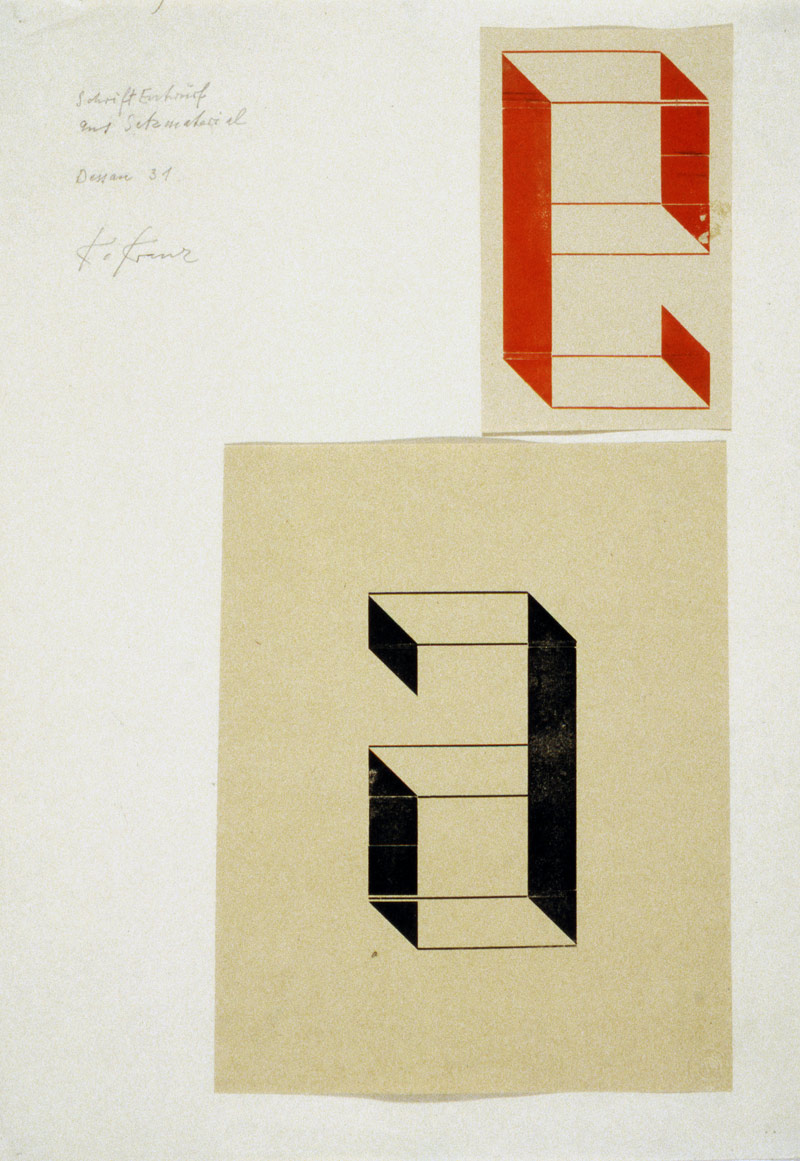
Kurt Kranz (German, 1910-1997) 'Schrift Entwurf aus Satzmaterial' (Writing draft from sentence material) Dessau 1931


Kurt Kranz (German, 1910-1997)
Schrift Entwurf aus Satzmaterial (Writing draft from sentence material)
Dessau
1931
Ingrid Kranz / Stiftung Bauhaus Dessau


Kurt Kranz (German, 1910-1997) Aus der Serie "Sieben Schritte zum symmetrischen Oval"' (From the series "Seven steps to the symmetrical Oval") 1982


Kurt Kranz (German, 1910-1997)
Aus der Serie “Sieben Schritte zum symmetrischen Oval” (From the series “Seven steps to the symmetrical Oval”)
1982
Ingrid Kranz / Stiftung Bauhaus Dessau
Foto: Uwe Jacobshagen


Kurt Kranz (German, 1910-1997) 'Augenreihe' (Eye rows) 1931


Kurt Kranz (German, 1910-1997)
Augenreihe (Eye rows)
1931 (montiert 1981) (1931 (1981 install))
Ingrid Kranz / Stiftung Bauhaus Dessau
Leihgeber: Kunsthalle Bremen


Kurt Kranz (German, 1910-1997) 'Mund-Reihen' (Mouth rows) 1931


Kurt Kranz (German, 1910-1997)
Mund-Reihen (Mouth rows)
1931
Ingrid Kranz / Stiftung Bauhaus Dessau
Leihgeber: Kunsthalle Bremen
Foto: Ingrid Kranz, Wedel


Bauhaus Dessau
Gropiusalle 38, Dessau, Germany

Opening hours:
Tue – Sun 10am – 6pm

Bauhaus Dessau website

LIKE ART BLART ON FACEBOOK

Back to top

Exhibition: ‘André Kertész – Retrospective’ at Fotomuseum Winterthur, Zurich

Exhibition dates: 26th February – 15th May 2011


Many thankx to the Fotomuseum Winterthur, Zurich for allowing me to publish the photographs in the posting. Please click on the photographs for a larger version of the image.


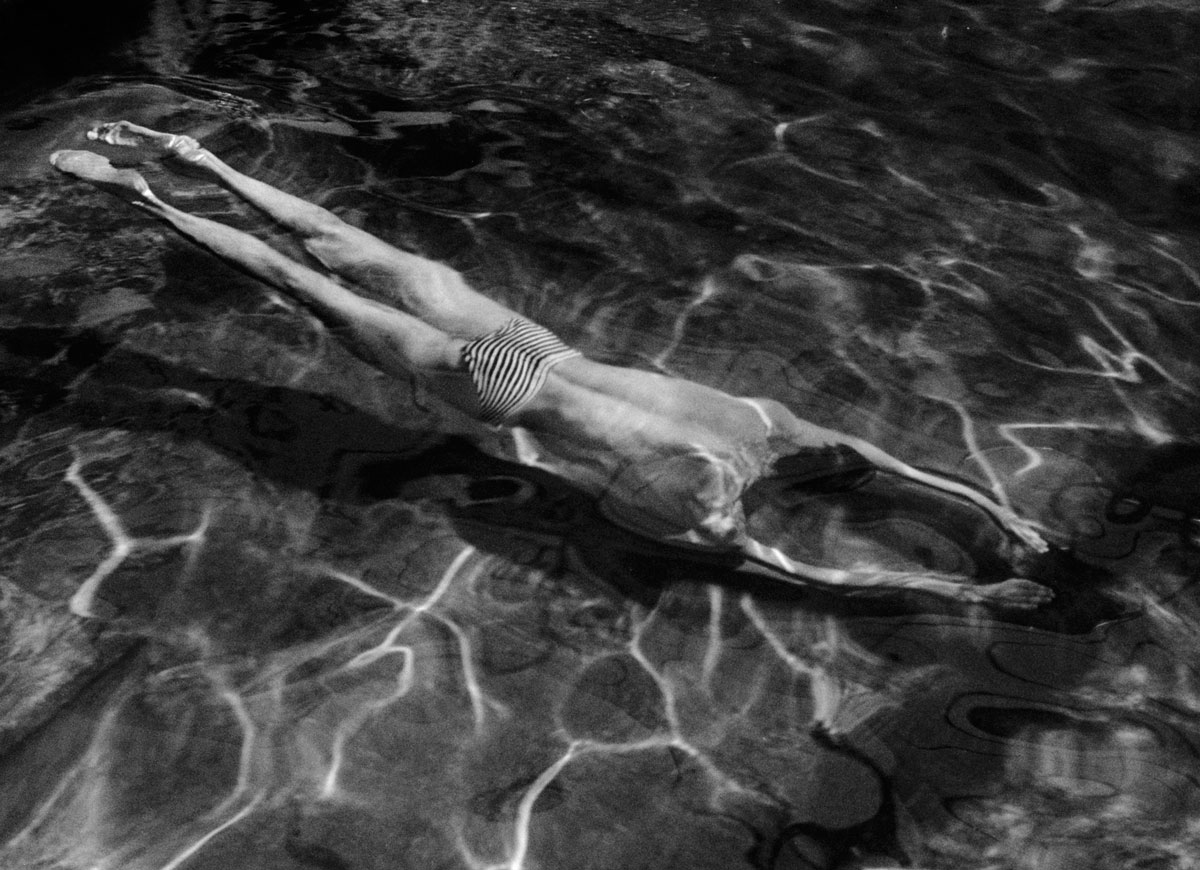
André Kertész (Hungarian, 1894-1985) 'Underwater Swimmer, Esztergom' 1917


André Kertész (Hungarian, 1894-1985)
Underwater Swimmer, Esztergom
1917
Gelatin silver print


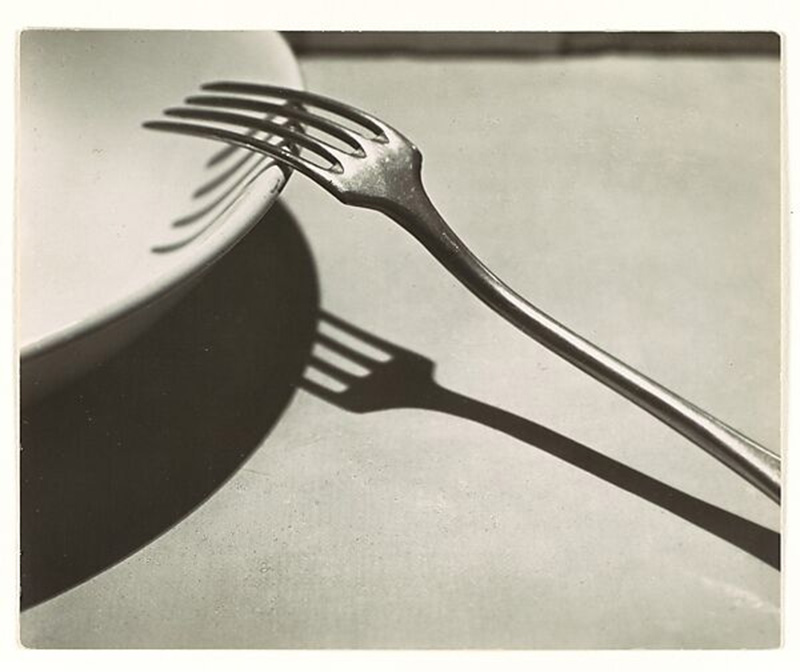
André Kertész (American born Hungary, 1894-1985) 'Fork' 1928


André Kertész (Hungarian, 1894-1985)
Fork
1928
Gelatin silver print


André Kertész. 
'Elizabeth and I' 1933


André Kertész (Hungarian, 1894-1985)

Elizabeth and I
1933, printed in the 1960s
Gelatin silver print
25.3 x 17.5cm
Collection of Sarah Morthland, New York


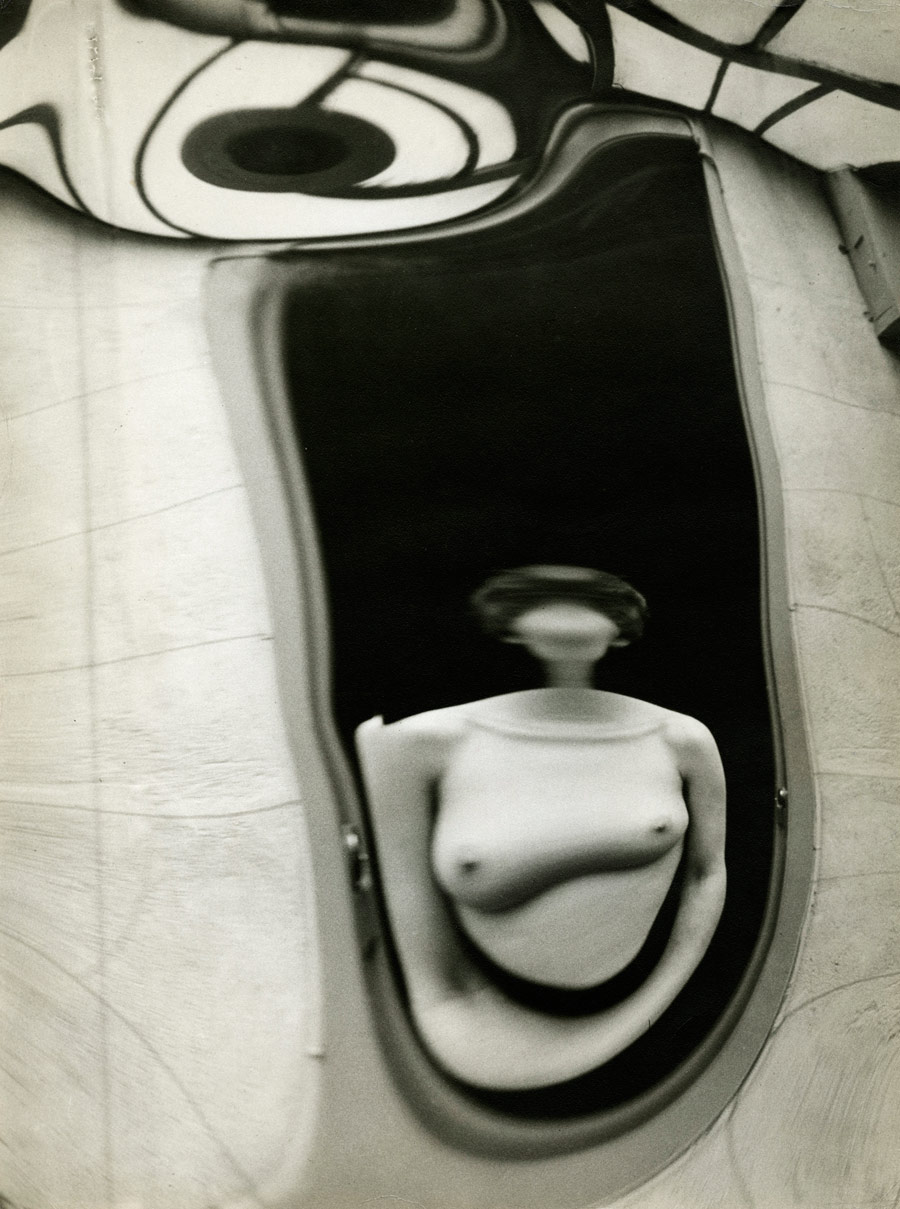
André Kertész.
 'Distortion No. 200' 1933


André Kertész (Hungarian, 1894-1985)
Distortion No. 200
1933, printed c. 1938/1939
Gelatin silver print
34.4 x 25.7cm
Courtesy of Klever Holdings


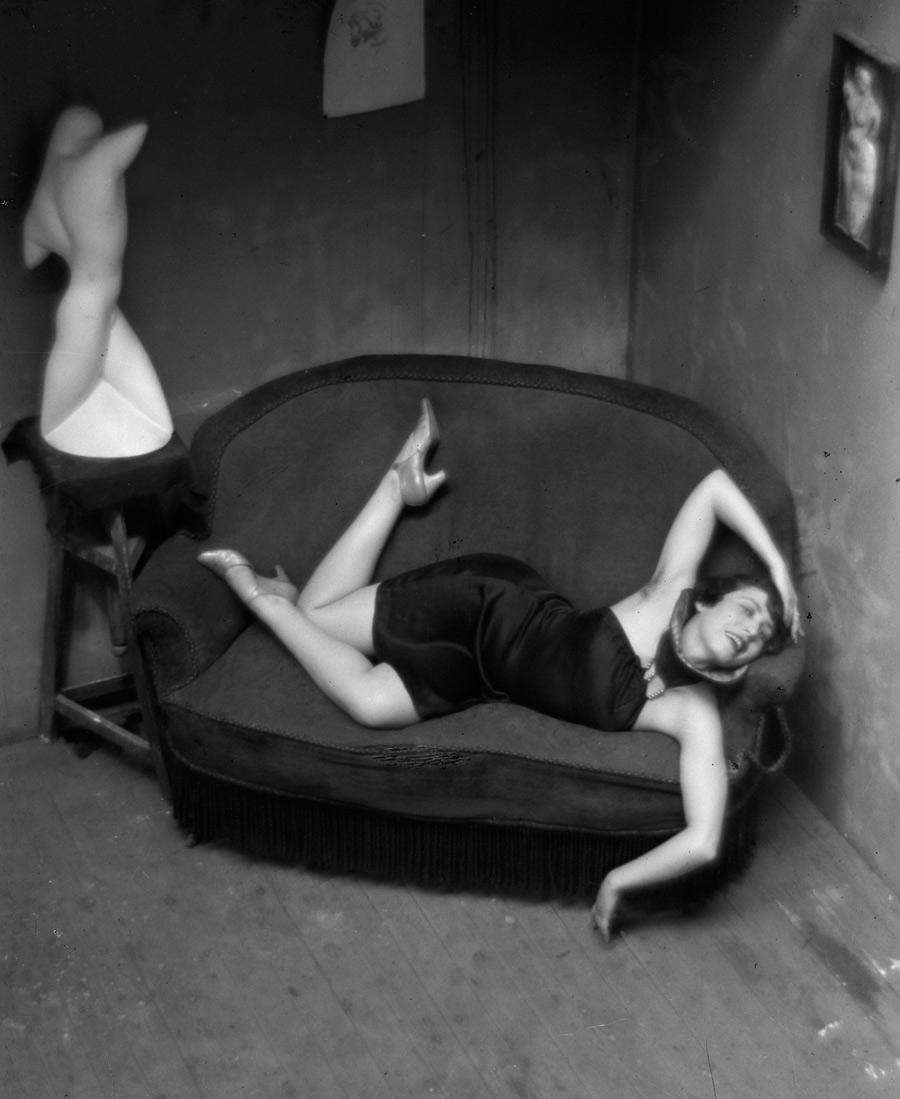
André Kertész is possibly the most photographic of all photographers: he sought out the play of light and shadow; he liked the concentration and overlapping of forms, of moments; and in the everyday, in banality, he recognised poetry, beauty, and even, for all his innate modesty, the “sublime.” Kertész is a photographic poet and seer, for whom it was long difficult to break into the market precisely because of his rich, chiseled iconography.

André Kertész (Budapest 1894 – 1985 New York) supported Brassaï, inspired Henri Cartier-Bresson, is considered one of the founders of photojournalism, and introduced stylistic elements into photography that can still be found in works by contemporary photographers. At heart, he was a photographer and artist in equal measure, poetic, probing, vital, independent in thought and actions. In a word, he was a master of photography, whose long period of production was very influential. Nevertheless, it took a remarkably long time for his special abilities, his poetic experimental version of photography, to find recognition in the history of photography. The three locations where he lived (Budapest, Paris, New York), his freedom, his form of “contemplative photography,” as Roland Barthes characterised it, made quick reception and categorisation of his work impossible. Today, more than twenty-five years after his death, he is recognised and considered to be a central photographer of the twentieth century who crucially enriched the language of photography.

With around 250 photographs and countless magazine contributions, the retrospective at Fotomuseum Winterthur on view until May 15, 2011, allows a comprehensive view of his work. The chronological order and the major themes show what it is that makes up his photographic practice: his unique methods (in photographic postcards, in distortions), his editorial engagement (for example, in the volume Paris vu par Kertész, 1934), his passion for experimentation (with light and shadow), and the evocation of emotions, above all of melancholy and loneliness. Periods that have remained neglected or unexplored until today (his life as a soldier from 1914-1918, for example) are reassessed, and juxtaposed with the development of photojournalism in Paris and the distribution of his pictures in the media, with which he earned his living.

André Kertész liked to characterise himself as an “eternal amateur.” But what a virtuosic “amateur” he was; what virtuosic visual language he employed his entire life to capture the poetry of the everyday! His photographic production was closely connected to his life and psyche. Even when he seemed to be documenting something, he let himself be guided almost exclusively by feeling, by instinct, from his soul. This resulted in a body of work that he liked to compare to a “visual journal”, and about which he said, “I have never just ‘made photos’. I express myself photographically.”

Text from the Fotomuseum Winterthur website


André Kertész. 'Satiric Dancer' 1926


André Kertész (Hungarian, 1894-1985)
Satiric Dancer
1926
Gelatin silver print


André Kertész (Hungarian, 1894-1985) 'Peintre d'ombre, Paris' (Shadow painter, Paris) 1926


André Kertész (Hungarian, 1894-1985)
Peintre d’ombre, Paris (Shadow painter, Paris)
1926
Gelatin silver print
© ministère de la Culture / Médiathèque de l’architecture et du patrimoine / Donation André Kertész


André Kertész (Hungarian, 1894-1985) 'Bastille, Rue de Lappe, Paris' 1926


André Kertész (Hungarian, 1894-1985)
Bastille, Rue de Lappe, Paris
1926
Gelatin silver print
© ministère de la Culture / Médiathèque de l’architecture et du patrimoine / Donation André Kertész


André Kertész. '
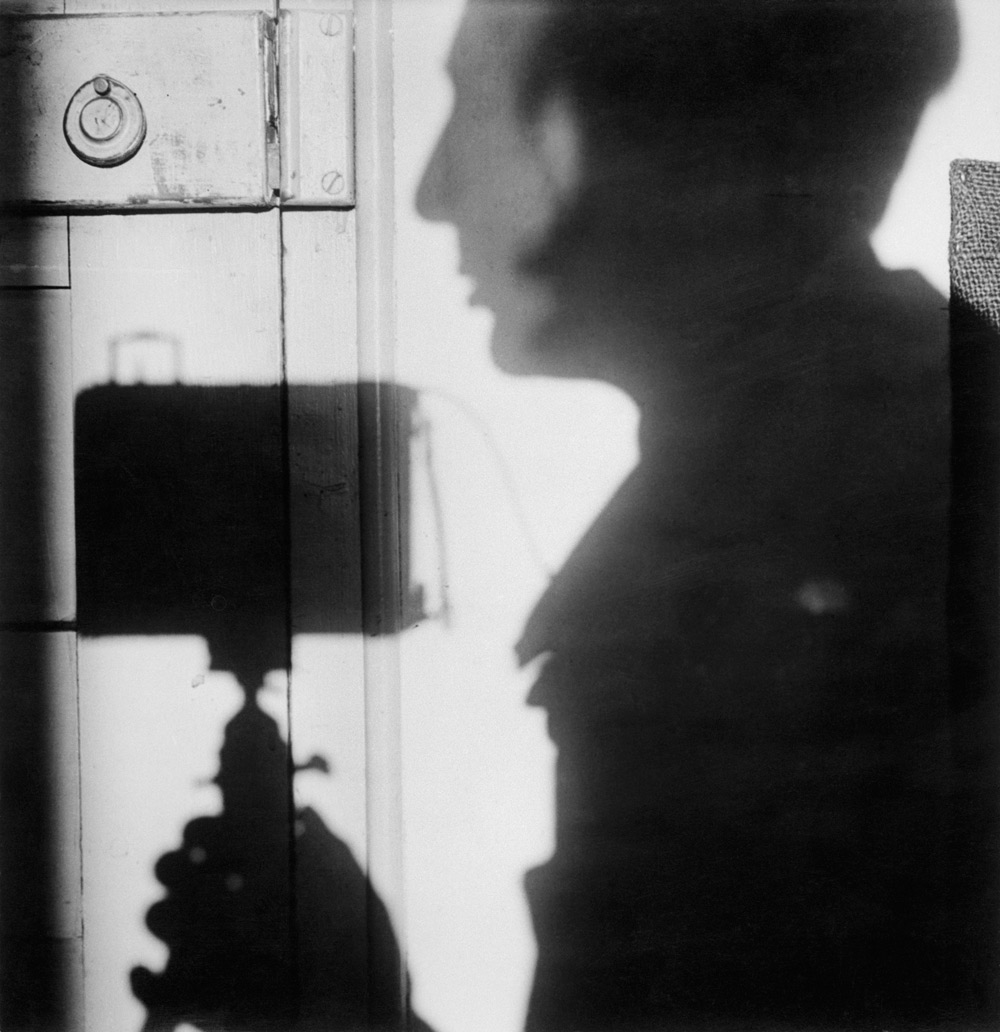
Self-Portrait' Paris, 1927


André Kertész (Hungarian, 1894-1985)

Self-Portrait
Paris, 1927, printed in the 1970s
Gelatin silver print
25.4 x 20.3cm
Courtesy of Estate of André Kertész, New York


André Kertész. 
'Arm and Ventilator' 1937


André Kertész (Hungarian, 1894-1985)

Arm and Ventilator
1937, printed in the 1940s-1950s
Gelatin silver print
30.5 x 26.7cm
Collection of Eric Cepotis and David Williams


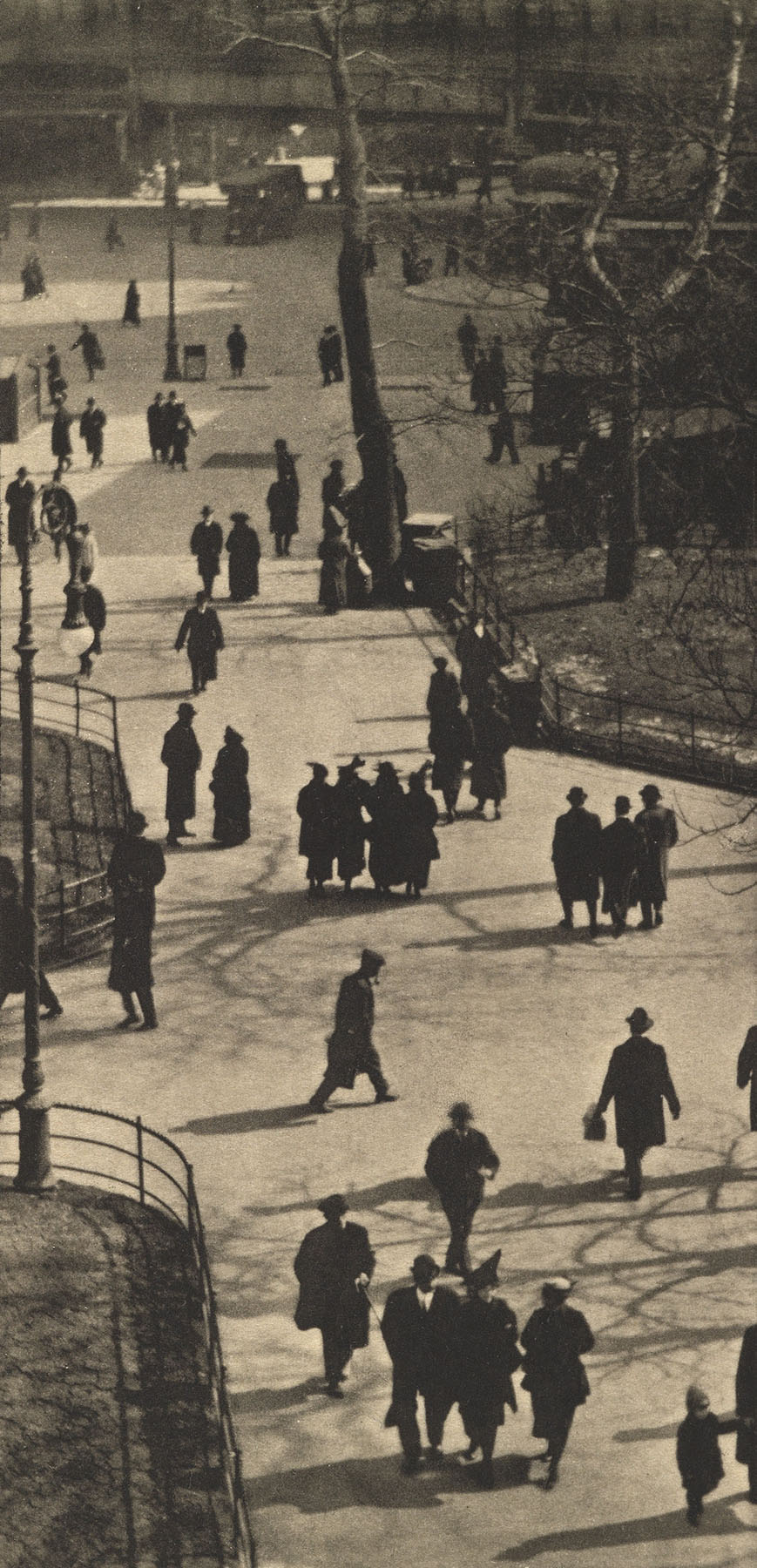
André Kertész.
 'Washington Square' New York, January 9, 1954


André Kertész (Hungarian, 1894-1985)
Washington Square
New York, January 9, 1954
Vintage gelatin silver print
12.7 x 9.2cm
Collection of Leslie, Judith and Gabrielle Schreyer


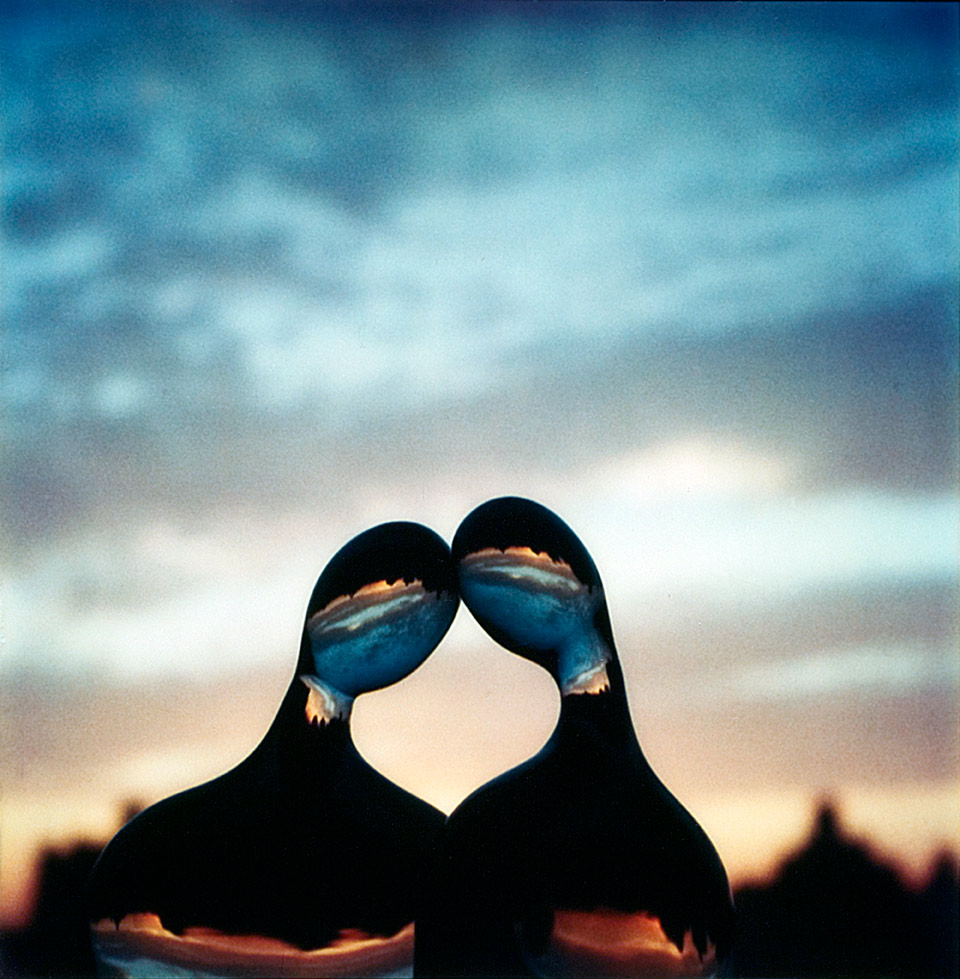
André Kertész.
 'July 3, 1979'
 1979


André Kertész (Hungarian, 1894-1985)
July 3, 1979

1979
Polaroid SX-70 original
7.9 x 7.9cm
Courtesy of Stephen Bulger Gallery


Fotomuseum Winterthur
Grüzenstrasse 44 + 45
CH-8400
Winterthur (Zürich)

Opening hours:
Tues – Sun 11am – 6pm
Wed 11am – 8pm
Monday closed

Fotomuseum Winterthur website

LIKE ART BLART ON FACEBOOK

Back to top

Exhibition: ‘Painting on paper – Josef Albers in America’ at Pinakothek der Moderne, Munich

Exhibition dates: 16th December 2010 – 6th March 2011


Josef Albers (German, 1888-1976) 'Study for a Adobe' c. 1947


Josef Albers (German, 1888-1976)
Study for a Adobe
c. 1947
Oil and graphite on blotting paper
24.1 × 30.5cm
The Josef Albers Museum Quadrat Bottrop
© 2010 The Josef and Anni Albers Foundation/VG Bildkunst, Bonn/Artists Rights Society, New York


I really like the work of Josef Albers and these paintings on paper, studies for later work, give insight into that rare quality of Albers – his ability to mould, no that’s not the right word – his ability to accrete colours and spaces together, to build tectonic plates of colour that collide and burst against each other forming an “osmosis of plane and space.” These harmonic oscillations of vibrant colour form a pleasing equilibrium in the mind, freeing the viewer from conceptual thought and allowing us to enter a different state of being. It is fascinating to me that he painted these studies on blotting paper as the paper seems to soak up the colours, intensifying their existence.

Dr Marcus Bunyan


Many thankx to Pinakothek der Moderne for allowing me to publish the photographs of the art in the posting. Please click on the photographs for a larger version of the image.


Josef Albers (German, 1888-1976) 'Color Study for a Variant / Adobe' Nd


Josef Albers (German, 1888-1976)
Color Study for a Variant / Adobe
Nd
Oil on blotting paper
48.2 × 60.9cm
The Josef and Anni Albers Foundation
© 2010 The Josef and Anni Albers Foundation/VG Bildkunst, Bonn/Artists Rights Society, New York


Josef Albers (German, 1888-1976) 'Study for a Variant / Adobe (I)' c. 1947


Josef Albers (German, 1888-1976)
Study for a Variant / Adobe (I)
c. 1947
Oil on blotting paper with pencil
24.1 × 30.6cm
The Josef and Anni Albers Foundation
© 2010 The Josef and Anni Albers Foundation/VG Bildkunst, Bonn/Artists Rights Society, New York


The exhibition is the first to show such a concentration of paintings on paper by Josef Albers, some of which will be completely unknown to the general public. Works in oil on paper, painted by the artist since the 1940s in preparation for the Adobe and Variant series in particular, are presented together with a large group related to his principal work “Homage to the Square” from the artist’s late period, that he focused on from 1950 until his death in 1976.

Josef Albers was only able to fully develop into an important artist and influential teacher after emigrating to the USA. From around 1940 onwards, Albers was inspired by Mexico’s pre-Columbian architecture, sculpture and textile art that boosted his sense for the aesthetic and led to idiosyncratic, radiant colour compositions, the likes of which had never been seen at that time in European modern art. Around 1950, Albers discovered what was for him the ideal formal shape of colour – the square.

The works exhibited surprise the viewer with their spontaneity, their search for immediacy and the extraordinary delicacy of their colours. Albers studied the interaction of colours like virtually no other. Through his works on paper in particular it can be seen in detail how the artist achieved such a thorough osmosis of plane and space through increasing the density of the colours used.

Text from the Pinakothek der Moderne website


Josef Albers (German, 1888-1976) 'Color Study for Homage to the Square' Nd


Josef Albers (German, 1888-1976)
Color Study for Homage to the Square
Nd
Oil and graphite on blotting paper with varnish
30.5 × 30.5cm
The Josef Albers Museum Quadrat Bottrop
© 2010 The Josef and Anni Albers Foundation/VG Bildkunst, Bonn/Artists Rights Society, New York


Josef Albers (German, 1888-1976) 'Color Study for Homage to the Square' Nd


Josef Albers (German, 1888-1976)
Color Study for Homage to the Square
Nd
Oil on blotting paper
33.2 × 30.9cm
The Josef and Anni Albers Foundation
© 2010 The Josef and Anni Albers Foundation/VG Bildkunst, Bonn/Artists Rights Society, New York


Josef Albers (German, 1888-1976) 'Color Study for Homage to the Square' Nd


Josef Albers (German, 1888-1976)
Color Study for Homage to the Square
Nd
Oil on blotting paper with varnish
33.6 × 30.4cm
The Josef and Anni Albers Foundation
© 2010 The Josef and Anni Albers Foundation/VG Bildkunst, Bonn/Artists Rights Society, New York


Pinakothek Der Moderne
Barer Strasse 40
Munich

Gallery hours:
Daily except Monday 10am – 6pm
Thursday 10am – 8pm

Pinakothek der Moderne website

LIKE ART BLART ON FACEBOOK

Back to top

Exhibition: ‘Robert Mapplethorpe’ at NRW-Forum Dusseldorf

Exhibition dates: 6th February – 15th August, 2010


Robert Mapplethorpe (American, 1946-1989) 'Phillip Prioleau' 1980 from the exhibition 'Robert Mapplethorpe' at NRW-Forum Dusseldorf, Feb - August, 2010


Robert Mapplethorpe (American, 1946-1989)
Phillip Prioleau
1980
© Robert Mapplethorpe Foundation
Used by permission


Robert Mapplethorpe was a classical photographer with a great eye for form and beauty, an artist who explored the worlds he knew and lived (homosexuality, sadomasochistic practices, desire for black men) with keen observations into the manifestations of their existence, insights that are only shocking to those who have never been exposed to these worlds. If we observe that our history is written as a series of interpretive shifts then perhaps we can further articulate that the development of an artist’s career is a series of interpretations, an “investigation into the events that have led us to constitute ourselves and to recognise ourselves as subjects of what we are doing, thinking, saying.”1 Mapplethorpe was such an artist.

The early work is gritty and raw, exposing audiences to sexuality and the body as catalyst for social change, photographs the “general public” had never seen before. Early photographs such as the sequence of photographs Charles and Jim (1974) feature ‘natural’ bodies – hairy, scrawny, thin – in close physical proximity with each other, engaged in gay sex. There is a tenderness and affection to the sequence as the couple undress, suck, kiss and embrace.

At the same time that Mapplethorpe was photographing the first of his black nudes (Mapplethorpe’s photographs of black men come from a lineage that can be traced back to Fred Holland Day who also photographed black men), he was also portraying acts of sexual progressiveness in his photographs of the gay S/M scene. In these photographs the bodies are usually shielded from scrutiny by leather and rubber but are revealing of the intentions and personalities of the people depicted in them, perhaps because Mapplethorpe was taking part in these activities himself as well as depicting them. There is a sense of connection with the people and the situations that occur before his lens in the S/M photographs.

As time progresses the work becomes more about surfaces and form, about the polished perfection of the body, about that exquisite corpse, the form of the flower. Later work is usually staged against a contextless background (see photographs below) as though the artefacts have no grounding in reality, only desire. Bodies are dissected, cut-up into manageable pieces – the objectified body. Mapplethorpe liked to view the body cut up into different libidinal zones much as in the reclaimed artefacts of classical sculpture. The viewer is seduced by the sensuous nature of the bodies surfaces, the body objectified for the viewers pleasure. The photographs reveal very little of the inner self of the person being photographed. The named body is placed on a pedestal (see photograph of Phillip Prioleau (1980) below) much as a trophy or a vase of flowers. I believe this isolation, this objectivity is one of the major criticisms of most of Mapplethorpe’s later photographs of the body – they reveal very little of the sitter only the clarity of perfect formalised beauty and aesthetic design.

While this criticism is pertinent it still does not deny the power of these images. Anyone who saw the retrospective of his work at the Museum of Contemporary Art in Sydney in 1995 can attest to the overwhelming presence of his work when seen in the flesh (so to speak!). Mapplethorpe’s body of work hangs from a single thread: an inquisitive mind undertaking an investigation in the condition of the world’s becoming. His last works, when he knew he was dying, are as moving for any gay man who has lost friends over the years to HIV/AIDS as anything on record, are as moving for any human being that faces the evidence of their own mortality. Fearless to the last, never afraid to express who he was, how he felt and what he saw, Mapplethorpe will long be remembered in the annals of visual art.

Dr Marcus Bunyan


1/ Foucault, Michel. “What is Enlightenment?,” trans. C. Porter in Rabinow, Paul (ed.,). The Essential Works of Michel Foucualt, 1954-1984. Vol.1. New York: New Press, 1997, p. 315.


    Many thankx to NRW-Forum Dusseldorf for allowing me to publish the photographs in the posting. Please click on the photographs for a larger version of the image.


    Robert Mapplethorpe. 'Parrot Tulips' 1988 from the exhibition 'Robert Mapplethorpe' at NRW-Forum Dusseldorf, Feb - August, 2010


    Robert Mapplethorpe (American, 1946-1989)
    Parrot Tulips
    1988
    © Robert Mapplethorpe Foundation
    Used by permission


    Robert Mapplethorpe (American, 1946-1989) 'Ajitto' 1981 from the exhibition 'Robert Mapplethorpe' at NRW-Forum Dusseldorf, Feb - August, 2010


    Robert Mapplethorpe (American, 1946-1989)
    Ajitto
    1981
    © Robert Mapplethorpe Foundation
    Used by permission


    Robert Mapplethorpe (American, 1946-1989) 'David Hockney' 1976 © Robert Mapplethorpe Foundation. Used by permission


    Robert Mapplethorpe (American, 1946-1989)
    David Hockney
    1976
    © Robert Mapplethorpe Foundation
    Used by permission


    Robert Mapplethorpe, who was born in 1946 and passed away in 1989, is one of the few artists who truly deserve to be known far beyond the borders of the art world. Mapplethorpe dominated photography in the late twentieth century and paved the way for the recognition of photography as an art form in its own right; he firmly anchored the subject of homosexuality in mass culture and created a classic photographic image, mostly of male bodies, which found its way into commercial photography.

    In 2010, the NRW-Forum in Düsseldorf will organise a major retrospective of Robert Mapplethorpe’s photographs. His work was first shown in Germany in 1977 as part of documenta 6 in Kassel and then in a European solo exhibition in 1981 with German venues in Frankfurt, Hamburg and Munich. In addition to various museum and gallery exhibitions the largest museum exhibition in Germany of Mapplethorpe’s work took place in 1997 when the worldwide Mapplethorpe retrospective, which opened at the Louisiana Museum of Modern Art in Denmark, traveled to the Staatsgalerie in Stuttgart. The last time Robert Mapplethorpe’s works were shown in Düsseldorf was in the exhibition ‘Mapplethorpe versus Rodin’ at the Kunsthalle in 1992.

    Both during his life and since his death, Mapplethorpe’s work has been the subject of much controversial debate, particularly in the USA. Right up until the end of the twentieth century, exhibitions of his photographs were sometimes boycotted, censured, or in one case cancelled. His radical portrayals of nudity and sexual acts were always controversial; his photos of sadomasochistic practices in particular caused a stir and frequently resulted in protests outside exhibitions and in one instance, a lawsuits was brought against a museum director.

    In 2008, the Supreme Court in Japan ruled that Mapplethorpe’s erotic images did not contravene the country’s ban on pornography and released a volume of his photographs that had been seized and held for over eight years. As far as the American critic Arthur C. Danto was concerned, Mapplethorpe created ‘some of the most shocking and indeed some of the most dangerous images in modern photography, or even in the history of art.’

    In Germany, on the other hand, Mapplethorpe’s photographs were part of the ‘aesthetic socialisation’ of the generations that grew up in the 1980s and early 1990s. Lisa Ortgioes, the presenter of the German women’s television programme frau tv, notes that during this time, Mapplethorpe’s photos were sold as posters; his ‘black’ portraits in particular being a regular feature on the walls of student bedrooms at the time.

    The curator of the exhibition, Werner Lippert, is quick to point out that ‘this exhibition needs no justification. Mapplethorpe was quite simply and unquestionably one of the most important photographers of the twentieth century. It is an artistic necessity.’

    The exhibition in the NRW-Forum covers all areas of Mapplethorpe’s work, from portraits and self-portraits, homosexuality, nudes, flowers and the quintessence of his oeuvre the photographic images of sculptures, including early Polaroids. The photographs are arranged according to themes such as ‘self portraits’, which includes the infamous shot of him with a bullwhip inserted in his anus, as well as his almost poetic portraits of his muse, Patti Smith, the photographs of black men versus white women, the body builder Lisa Lyon, the juxtaposition of penises and flowers (which Mapplethorpe himself commented on in an interview: ‘… I’ve tried to juxtapose a flower, then a picture of a cock, then a portrait, so that you could see they were the same’), and finally those images of classical beauty based on renaissance sculptures, and impressive portraits of children and celebrities of the day.

    Despite the obvious references to the Renaissance idea of what constitutes ideal beauty and the history of photography from Wilhelm von Gloeden to Man Ray, this exhibition shows Robert Mapplethorpe as an artist who is firmly anchored is his era; his contemporaries are Andy Warhol and Brice Marden; Polaroids were the medium of choice in the 1970s, and the focus on the body and sexuality was, at the time, for many artists like Vito Acconci or Bruce Nauman a theme that was key to social change. Above all, Robert Mapplethorpe developed his own photographic style that paid homage to the ideals of perfection and form. ‘I look for the perfection of form. I do this in portraits, in photographs of penises, in photographs of flowers.’ The fact that the photographs are displayed on snow-white walls underpins this view of his work and consciously moves away from the coy Boudoir-style presentation of his photographs on lilac and purple walls a dominant feature of exhibitions of Mapplethorpe’s work for many years and opens up the work to a more concept-based, minimalist view of things.

    The selection of over 150 photographs covers early Polaroids from 1973 to his final self-portraits from the year 1988, which show how marked he was by illness and hint at his impending death, and also includes both many well-known, almost iconic images as well as some never-before seen or rarely shown works. The curators delved deep into the collection of the New York-based Robert Mapplethorpe Foundation to create this retrospective.

    Press release from the NRW-Forum Dusseldorf website [Online] Cited 02/08/2010 no longer available online


    Robert Mapplethorpe (American, 1946-1989) 'Greg Cauley-Cock' 1980 © Robert Mapplethorpe Foundation. Used by permission


    Robert Mapplethorpe (American, 1946-1989)
    Greg Cauley-Cock
    1980
    © Robert Mapplethorpe Foundation
    Used by permission


    Robert Mapplethorpe (American, 1946-1989) 'Patti Smith' 1975 © Robert Mapplethorpe Foundation. Used by permission


    Robert Mapplethorpe (American, 1946-1989)
    Patti Smith
    1975
    © Robert Mapplethorpe Foundation
    Used by permission


    Robert Mapplethorpe (American, 1946-1989) 'Self Portrait' 1988 © Robert Mapplethorpe Foundation. Used by permission


    Robert Mapplethorpe (American, 1946-1989)
    Self Portrait
    1988
    © Robert Mapplethorpe Foundation
    Used by permission


    Robert Mapplethorpe (American, 1946-1989) 'Lowell Smith' 1981 © Robert Mapplethorpe Foundation. Used by permission


    Robert Mapplethorpe (American, 1946-1989)
    Lowell Smith
    1981
    © Robert Mapplethorpe Foundation
    Used by permission


    Robert Mapplethorpe (American, 1946-1989) 'Thomas' 1987 © Robert Mapplethorpe Foundation. Used by permission


    Robert Mapplethorpe (American, 1946-1989)
    Thomas
    1987
    © Robert Mapplethorpe Foundation
    Used by permission


    NRW-Forum Kultur und Wirtschaft
    Ehrenhof 2, 40479 Düsseldorf
    Phone: +49 (0)211 – 89 266 90

    Opening hours:
    Tuesday – Sunday 11.00 am – 6.00 pm
    Closed Mondays

    NRW-Forum Dusseldorf website

    LIKE ART BLART ON FACEBOOK

    Back to top

    Exhibition: ‘The Platinum Process: Photographs from the Nineteenth to the Twenty-First Century’ at Philadelphia Museum of Art

    Exhibition dates: 27th February – 23rd May, 2010


    Frederick H. Evans (British, 1853-1943) 'Kelmscott Manor: Attics' 1896 from the exhibition 'The Platinum Process: Photographs from the Nineteenth to the Twenty-First Century' at Philadelphia Museum of Art, February - May, 2010


    Frederick H. Evans (British, 1853-1943)
    Kelmscott Manor: Attics
    1896
    Platinum print
    Image and sheet: 6 1/16 × 7 7/8 inches (15.4 × 20cm)
    Philadelphia Museum of Art
    Gift of the artist, 1932


    Attics often serve as metaphors for the space where memories reside. Here Frederick Evans captures the warm glow, the simple, rough-hewn timbers, and the striking geometry of the attic at Kelmscott Manor, the beloved summer retreat of designer William Morris (British, 1834-1896).

    Morris, the leader of the Arts and Crafts movement – which valued Britain’s craft tradition and rejected its industrial revolution – drew inspiration from the architecture and workmanship of Kelmscott, designed and constructed in the 1500s. In 1896 Morris invited Evans to photograph the home, which he felt embodied the memory of Britain’s aesthetic past.

    Text from the Philadelphia Museum of Art website


    Platinum prints always have such luminosity. A Sea of Steps by Fredrick H. Evans (1903, below) is a knockout. I remember some beautiful platinum prints many years ago (1989) up in Sydney at the Museum of Contemporary Art in the touring exhibition Robert Mapplethorpe: The Perfect Moment that were an absolute knockout as well. Pity he didn’t print them himself but they were still superlative!

    Dr Marcus Bunyan


    Many thankx to Shen Shellenberger and the Philadelphia Museum of Art for allowing me to publish the last five images in the posting. Please click on the photographs for a larger version of the image.


    Frederick H. Evans (British, 1853-1943) 'Kelmscott Manor' 1896 from the exhibition 'The Platinum Process: Photographs from the Nineteenth to the Twenty-First Century' at Philadelphia Museum of Art, February - May, 2010


    Frederick H. Evans (British, 1853-1943)
    Kelmscott Manor
    1896
    Platinum print
    Image and sheet: 7 3/8 × 4 1/4 inches (18.7 × 10.8cm)
    Philadelphia Museum of Art
    Purchased with funds contributed by Dorothy Norman and with the Director’s Discretionary Fund, 1968


    Frederick H. Evans (British, 1853-1943) 'Angers: Prefecture, Sculptured Arches of 11th-12th Century' c. 1906-1907 from the exhibition 'The Platinum Process: Photographs from the Nineteenth to the Twenty-First Century' at Philadelphia Museum of Art, February - May, 2010


    Frederick H. Evans (British, 1853-1943)
    Angers: Prefecture, Sculptured Arches of 11th-12th Century
    c. 1906-1907
    Platinum print
    Image and sheet: 9 11/16 × 7 7/8 inches (24.6 × 20 cm)
    Philadelphia Museum of Art
    Purchased with funds contributed by Dorothy Norman and with the Director’s Discretionary Fund, 1968


    Frederick H. Evans (British, 1853-1943) 'Southwell Cathedral, Chapter House Capital' 1898


    Frederick H. Evans (British, 1853-1943)
    Southwell Cathedral, Chapter House Capital
    1898
    Platinum print
    Philadelphia Museum of Art


    Frederick H. Evans (British, 1853-1943) 'View across the nave to the transept at York Minster' 1901


    Frederick H. Evans (British, 1853-1943)
    View across the nave to the transept at York Minster
    1901
    Platinum print
    Philadelphia Museum of Art


    Frederick H. Evans (British, 1853-1943) 'Durham Cathedral: West End Nave' 1912


    Frederick H. Evans (British, 1853-1943)
    Durham Cathedral: West End Nave
    1912
    Platinum print
    Image and sheet: 9 1/2 × 4 13/16 inches (24.1 × 12.3cm)
    Philadelphia Museum of Art
    Purchased with funds contributed by Dorothy Norman, 1973


    Frederick H. Evans (British, 1853-1943) 'Ancient crypt cellars in Provins' 1910


    Frederick H. Evans (British, 1853-1943)
    Ancient crypt cellars in Provins
    1910
    Platinum print
    Philadelphia Museum of Art


    Frederick H. Evans (British, 1853-1943) 'Westminster Abbey: North Transept: East Side' 1911


    Frederick H. Evans (British, 1853-1943)
    Westminster Abbey: North Transept: East Side
    1911
    Platinum print
    Image and sheet: 9 7/16 × 6 inches (23.9 × 15.3cm)
    Philadelphia Museum of Art
    Purchased with the Lola Downin Peck Fund, 1969


    Frederick H. Evans (British, 1853-1943) 'Westminster Abbey: Staircase in Confessor's Chapel' 1911


    Frederick H. Evans (British, 1853-1943)
    Westminster Abbey: Staircase in Confessor’s Chapel
    1911
    Platinum print
    Image and sheet: 9 1/2 × 6 1/8 inches (24.2 × 15.6cm)
    Philadelphia Museum of Art
    Purchased with the Lola Downin Peck Fund, 1969


    Frederick H. Evans (British, 1853-1943) 'Westminster Abbey: From the South Transept' 1911


    Frederick H. Evans (British, 1853-1943)
    Westminster Abbey: From the South Transept
    1911
    Platinum print
    Image and sheet: 9 1/2 × 7 7/16 inches (24.2 × 18.9cm)
    Philadelphia Museum of Art
    Purchased with the Lola Downin Peck Fund, 1969


    Frederick H. Evans (British, 1853-1943) 'Westminster Abbey: East Ambulatory' 1911


    Frederick H. Evans (British, 1853-1943)
    Westminster Abbey: East Ambulatory
    1911
    Platinum print
    Image and sheet: 9 5/16 × 6 11/16 inches (23.7 × 17cm)
    Purchased with the Lola Downin Peck Fund, 1969


    Frederick H. Evans (British, 1853-1943) 'Westminster Abbey: 12th-Century Mosaic Floor at the Sanctuary' 1911


    Frederick H. Evans (British, 1853-1943)
    Westminster Abbey: 12th-Century Mosaic Floor at the Sanctuary
    1911
    Platinum print
    Image and sheet: 7 5/16 × 8 7/8 inches (18.6 × 22.6 cm)
    Philadelphia Museum of Art
    Purchased with the Lola Downin Peck Fund, 1969


    Although Evans indicated that this mosaic floor was created in the twelfth century, the surface surrounding the High Altar of Westminster Abbey was in fact laid in 1268. King Henry III (1207-1272) commissioned the mosaic from Roman craftsmen who specialised in the opus sectile, or “cut work” technique, commonly called “Cosmati” after a well-known Italian family of mosaic artists. Materials used here include blue, red, and turquoise glass as well as yellow limestone, purple porphyry, green serpentine, and onyx. Evans’s unusual composition privileges the floor, drawing attention to the intricate and abstract design of squares, rectangles, and roundels.

    Text from the Philadelphia Museum of Art website


    Frederick H. Evans (British, 1853-1943) 'Westminster Abbey: East End, North Ambulatory' 1911


    Frederick H. Evans (British, 1853-1943)
    Westminster Abbey: East End, North Ambulatory
    1911
    Platinum print
    Image and sheet: 9 3/8 × 7 1/2 inches (23.8 × 19.1cm)
    Philadelphia Museum of Art
    Purchased with the Lola Downin Peck Fund, 1969


    Frederick H. Evans (British, 1853-1943) 'Westminster Abbey: Apse from Choir' 1911


    Frederick H. Evans (British, 1853-1943)
    Westminster Abbey: Apse from Choir
    1911
    Platinum print
    Image and sheet: 9 7/16 × 7 1/2 inches (23.9 × 19.1cm)
    Philadelphia Museum of Art
    Purchased with the Lola Downin Peck Fund, 1969


    Country Life magazine commissioned Evans to photograph the interior of London’s Westminster Abbey in 1911, while the church was closed to worshipers in preparation for the coronation of King George V (1865-1936) and Queen Mary (1867-1953). Although the construction and removal of temporary facilities relating to the coronation regularly disrupted Evans’s work, the more than fifty photographs in the resulting portfolio reveal only the timeless beauty and grandeur of the Gothic structure that has hosted thirty-eight royal coronations since the year 1066.

    Text from the Philadelphia Museum of Art website


    Frederick H. Evans (British, 1853-1943) 'Westminster Abbey: Henry VII Chapel, Detail of Henry VII Tomb' 1911


    Frederick H. Evans (British, 1853-1943)
    Westminster Abbey: Henry VII Chapel, Detail of Henry VII Tomb
    1911
    Platinum print
    Image and sheet: 8 1/16 × 7 3/16 inches (20.4 × 18.2cm)
    Philadelphia Museum of Art
    Purchased with the Lola Downin Peck Fund, 1969


    Frederick H. Evans (British, 1853-1943) 'Westminster Abbey: Tomb of Edward III, Mary and William' 1911


    Frederick H. Evans (British, 1853-1943)
    Westminster Abbey: Tomb of Edward III, Mary and William
    1911
    Platinum print
    Image and sheet: 8 11/16 × 6 5/8 inches (22.1 × 16.9cm)
    Philadelphia Museum of Art
    Purchased with the Lola Downin Peck Fund, 1969


    Frederick H. Evans (British, 1853-1943) 'York Minster - In Sure and Certain Hope' 1903


    Frederick H. Evans (British, 1853-1943)
    York Minster – In Sure and Certain Hope
    1903
    Platinum print
    Philadelphia Museum of Art


    Frederick H. Evans (British, 1853-1943) 'A Sea of Steps - Stairs to Chapter House - Wells Cathedral' 1903


    Frederick H. Evans (British, 1853-1943)
    A Sea of Steps – Stairs to Chapter House – Wells Cathedral
    1903
    Platinum print
    Philadelphia Museum of Art


    Frederick H. Evans (British, 1853-1943) 'Wells Cathedral: North Transept' c. 1903


    Frederick H. Evans (British, 1853-1943)
    Wells Cathedral: North Transept
    c. 1903
    Platinum print
    Image and sheet: 7 1/4 × 5 7/16 inches (18.4 × 13.8cm)
    Purchased with funds contributed by Dorothy Norman, 1973


    Frederick H. Evans (British, 1853-1943) 'Ely Cathedral: Octagon into Nave Aisle' c. 1899


    Frederick H. Evans (British, 1853-1943)
    Ely Cathedral: Octagon into Nave Aisle
    c. 1899
    Platinum print
    Image and sheet: 7 15/16 × 6 1/8 inches (20.2 × 15.6cm)
    Philadelphia Museum of Art
    Purchased with funds contributed by Dorothy Norman, 1973


    Frederick H. Evans (British, 1853-1943) 'Fr: Sec: Spine of Echinus x. 40' c. 1887


    Frederick H. Evans (British, 1853-1943)
    Fr: Sec: Spine of Echinus x. 40
    c. 1887
    Platinum print
    Image and sheet: 4 3/4 × 4 5/8 inches (12 × 11.8cm)
    Philadelphia Museum of Art
    Purchased with funds contributed by Dorothy Norman, 1973


    Unlike many beginning photographers of the nineteenth century who experimented with straightforward portrait or landscape compositions, Evans’s earliest trials with photography involved minute organic matter and required the use of a microscope. His complicated “photo-microgram” process allowed him to capture the intricate structures of objects including a water beetle’s eye, tiny sea shells, and this section of a sea urchin’s spine. Although classified as scientific rather than artistic imagery by the Photographic Society of Great Britain, this photo-microgram demonstrates Evans’s ability to delineate the magnificence of organic patterns and presage his photographs that depict the structural beauty of cathedrals.

    Text from the Philadelphia Museum of Art website


    Frederick H. Evans (British, 1853-1943) 'Berberis: Plant Study' c. 1908


    Frederick H. Evans (British, 1853-1943)
    Berberis: Plant Study
    c. 1908
    Platinum print
    Image and sheet: 9 3/8 × 7 1/16 inches (23.8 × 17.9cm)
    Philadelphia Museum of Art
    Purchased with funds contributed by Dorothy Norman and with the Director’s Discretionary Fund, 1968


    Frederick H. Evans (British, 1853-1943) 'Redlands Woods' c. 1908


    Frederick H. Evans (British, 1853-1943)
    Redlands Woods
    c. 1908
    Platinum print
    Image and sheet: 6 × 4 3/16 inches (15.3 × 10.6cm)
    Philadelphia Museum of Art
    Purchased with funds contributed by Dorothy Norman and with the Director’s Discretionary Fund, 1968


    Frederick H. Evans (British, 1853-1943) 'An English Glacier: Near Summit of Scafell' c. 1905


    Frederick H. Evans (British, 1853-1943)
    An English Glacier: Near Summit of Scafell
    c. 1905
    Platinum print
    Image and sheet: 9 3/4 × 6 1/2 inches (24.8 × 16.5 cm)
    Philadelphia Museum of Art
    Purchased with funds contributed by Dorothy Norman and with the Director’s Discretionary Fund, 1968


    Exhibition Highlights the Exceptional Beauty of the Platinum Process in Photography

    A cornerstone of photographic practice during the late nineteenth and early twentieth centuries, the platinum print is revered by photographers and viewers alike as one of the most beautiful forms of photography, with subtle and lustrous shades that range from the deepest blacks to the most delicate whites. The Philadelphia Museum of Art will present an exhibition of more than 50 works from the late 19th century to the present, showcasing outstanding prints largely drawn from the Museum’s collection of photographs. The Platinum Process: Photographs from the Nineteenth to the Twenty-First Century, on view February 27 – May 23 in the Julien Levy Gallery at the Museum’s Perelman Building, will include images by early masters of the process including Frederick H. Evans (British, 1853-1943) and Alfred Stieglitz (American, 1864-1946), as well as works by skilled contemporary practitioners such as Lois Conner (American, born 1951) and Andrea Modica (American, born 1960), who continue to engage in this historic and painstaking process in an era noted for electronic imaging.

    “The exhibition offers an opportunity to share this exceptionally beautiful form of photography with our visitors, some of whom may be seeing it for the first time,” Curator of Photographs Peter Barberie said, adding “the Museum is fortunate to have a particularly strong and varied collection of work by some of the truly great practitioners of this process.”

    Unlike standard silver printing, in which particles are suspended in gelatin, platinum is brushed directly onto the paper, allowing artists to create a matte image with an exceptionally wide tonal range. Introduced in 1873, the process was enthusiastically embraced by the group of photographers known as the Pictorialists, who believed that fine art photography should emulate the aesthetic values of painting. The group included Evans, whose beautifully rendered images of Britain’s Westminster Abbey, York Minster Abbey and Ely Cathedral are included in the exhibition, and Stieglitz (American, 1876-1946), who is represented in the show by a portrait of his wife, the artist Georgia O’Keeffe (American, 1887-1986), as well as a landscape that foreshadows his Equivalents series.

    While encompassing works spanning many dates and styles, The Platinum Process highlights one of the Museum’s treasures, the 1915 masterpiece “Wall Street” by Paul Strand (1890-1976, see above), whose work was at the forefront of the modernist aesthetic developing in New York during the early 20th century. Strand used the subtlety of the platinum print in this work to emphasise abstract patterns in the long shadows cast by figures that walk before a succession of monumental windows.

    Reserves of platinum were appropriated for military use during World War I, and its high cost led manufacturers to cease production of commercial platinum paper by the 1930s. As photographers became more engaged in social concerns, documentation and realism, the process fell into disuse. It was not until the early 1960s when Irving Penn, then a successful photographer for Vogue magazine, began to experiment with the long-forgotten technique and took the first steps toward its revival. A meticulous craftsman, Penn was delighted by the luminous prints and lavish tonal range he could achieve using platinum and began to make new photographs with this process in the 1970s. Penn and many of the other contemporary artists on view including Thomas Shillea and Jennette Williams followed Strand’s example, using platinum not for idealised pictures, but to capture nuances of modern experience.

    Press release from The Philadelphia Museum of Art website [Online] Cited 25/07/2019. No longer available online


    Robert S. Redfield (American, 1849-1923) 'Heloise Redfield at Mount Washington' 1889


    Robert S. Redfield (American, 1849-1923)
    Heloise Redfield at Mount Washington
    1889
    Platinum print
    Image and sheet: 6 5/16 × 8 1/4 inches (16 × 21cm)
    Philadelphia Museum of Art
    Gift of Alfred G. Redfield, 1985


    F. Holland Day (American, 1864-1933) 'Untitled' 1905


    F. Holland Day (American, 1864-1933)
    Untitled
    1905
    Platinum prints mounted to paper
    Image and sheet (overall): 10 1/16 × 7 1/2 inches (25.6 × 19.1cm)
    Philadelphia Museum of Art
    From the Collection of Dorothy Norman, 1970


    Katharine Steward Stanbery (American, 1870-1928) 'Untitled (Two Girls Playing Jacks)' 1907


    Katharine Steward Stanbery (American, 1870-1928)
    Untitled (Two Girls Playing Jacks)
    1907
    Platinum print
    Image and sheet: 8 15/16 x 4 11/16 inches (22.7 x 11.9cm)
    Philadelphia Museum of Art
    125th Anniversary Acquisition. Purchased with the Lola Downin Peck Fund, the Alice Newton Osborn Fund, and with funds contributed by The Judith Rothschild Foundation, 2002


    Paul Strand (American, 1890-1976) 'City Hall Park, New York' 1915


    Paul Strand (American, 1890-1976)
    City Hall Park, New York

    1915
    Platinum print
    Sheet: 13 7/8 x 7 3/4 inches (35.2 x 19.7cm)
    Philadelphia Museum of Art
    Gift of the artist, 1972


    Paul Strand (American, 1890-1976) 'Washington Heights, New York' 1915


    Paul Strand (American, 1890-1976)
    Washington Heights, New York
    1915 (negative); 1915 (print)
    Platinum print
    Image and sheet: 9 3/8 x 11 7/8 inches (23.8 x 30.2cm)
    Philadelphia Museum of Art
    The Paul Strand Retrospective Collection, 1915-1975, gift of the estate of Paul Strand, 1980


    Paul Strand (American, 1890-1976) 'Wall Street, New York' 1915


    Paul Strand (American, 1890-1976)
    Wall Street
    1915 (negative); 1915 (print)
    Platinum print
    Image: 9 3/4 × 12 11/16 inches (24.8 × 32.2cm)
    Philadelphia Museum of Art
    The Paul Strand Retrospective Collection, 1915-1975, gift of the estate of Paul Strand, 1980


    Paul Strand (American, 1890-1976) 'Man in a Derby, New York' 1916


    Paul Strand (American, 1890-1976)
    Man in a Derby, New York
    1916
    Platinum print
    Image: 12 13/16 x 9 15/16 inches (32.5 x 25.2cm)
    Mat: 22 11/16 x 19 7/16 inches (57.6 x 49.4cm)
    Philadelphia Museum of Art
    The Paul Strand Retrospective Collection, 1915-1975, gift of the estate of Paul Strand, 1980


    Paul Strand (American, 1890-1976) 'The Italian, New York' 1916


    Paul Strand (American, 1890-1976)
    The Italian, New York
    1916 (negative); 1916 (print)
    Platinum print
    Image and sheet: 13 × 9 5/16 inches (33 × 23.7cm)
    Philadelphia Museum of Art
    The Paul Strand Retrospective Collection, 1915-1975, gift of the estate of Paul Strand, 1980


    Paul Strand (American, 1890-1976) 'Rebecca, New York' 1922 (negative); 1922 (print)


    Paul Strand (American, 1890-1976)
    Rebecca, New York
    1922 (negative); 1922 (print)
    Palladium print
    Image: 9 3/4 x 7 13/16 inches (24.8 x 19.8cm)
    Philadelphia Museum of Art
    The Paul Strand Collection, purchased with funds contributed by Mr. and Mrs. Robert A. Hauslohner (by exchange), 1985


    Alvin Langdon Coburn (British, born United States, 1882-1966) 'George Seeley' c. 1902-1903


    Alvin Langdon Coburn (British, born United States, 1882-1966)
    George Seeley
    c. 1902-1903
    Platinum print
    Image and sheet: 11 x 8 9/16 inches (27.9 x 21.7cm)
    Philadelphia Museum of Art
    Purchased with the Lola Downin Peck Fund, the Alice Newton Osborn Fund, and with funds contributed by The Judith Rothschild Foundation in honour of the 125th Anniversary of the Museum, 2002


    Gertrude Käsebier (American, 1852-1934) 'The Two Families' c. 1910


    Gertrude Käsebier (American, 1852-1934)
    The Two Families
    c. 1910
    Platinum print
    Image and sheet: 5 3/8 × 11 5/16 inches (13.6 × 28.8cm)
    Philadelphia Museum of Art
    Gift of William Innes Homer, 1986


    Käsebier’s family members and close friends served as her earliest photographic subjects, and familial themes remained paramount in the images she produced throughout her career. This photograph of Käsebier’s two daughters and their families, taken in Woburn, Massachusetts, is a dynamic portrait of a multigenerational gathering. Curiously, Käsebier manipulated this print to emphasise the act of photography. In the original scene, the young boy and seated woman at right look downward at a wire-mesh food cover resting on a plate. These objects have been removed from this print, replaced by the considerably more fascinating camera.

    Text from the Philadelphia Museum of Art website


    Gertrude Käsebier (American, 1852-1934) 'Mrs. F. H. Evans' c. 1900


    Gertrude Käsebier (American, 1852-1934)
    Mrs. F. H. Evans
    c. 1900
    Platinum print
    Image and sheet: 7 1/2 × 5 1/4 inches (19.1 × 13.4 cm)
    Philadelphia Museum of Art
    Purchased with funds contributed by Dorothy Norman, 1973


    In 1889, at the age of thirty-seven, Käsebier enrolled at Brooklyn’s Pratt Institute to study portrait painting. Although the art school did not teach photography, Käsebier began using a camera at home to document her growing children, eventually favoring photography over other mediums. She established a commercial portrait studio in New York City in 1897, working to “bring out in each photograph the essential personality that is variously called temperament, soul, humanity.” This portrait features Ada Emily Longhurst, wife of photographer Frederick H. Evans, whom Käsebier befriended while on a trip to England in 1901.

    Text from the Philadelphia Museum of Art website


    Philadelphia Museum of Art
    26th Street and the Benjamin Franklin Parkway
    Philadelphia, PA 19130

    Opening hours:
    Thursday – Monday 10am – 5pm
    Closed Tuesdays and Wednesdays

    The Philadelphia Museum of Art website

    LIKE ART BLART ON FACEBOOK

    Back to top

    Review: ‘Emily Kame Kngwarreye: The Person and her Paintings’ at DACOU Aboriginal Art, Port Melbourne

    Exhibition dates: 29th October – 6th December 2009


    Emily Kame Kngwarreye (Australian, 1910-1996) 'My Country' 1996 from the exhibition 'Emily Kame Kngwarreye: The Person and her Paintings' at DACOU Aboriginal Art, Port Melbourne, Oct - Dec, 2009


    Emily Kame Kngwarreye (Australian, 1910-1996)
    My Country
    1996
    Synthetic polymer paint on canvas


    “One can theorise about beauty all day, but words are weak and at day’s end one will go out into the blue and golden and multifarious world, and one will know with the responsive heart, before there is time for words, what is and isn’t beautiful.”


    Leo Rubinfien1


    There are certain existential experiences in art one will always remember:


    ~ The maelstrom of convulsive colours in the paintings of J. M. W. Turner at the Tate in London

    ~ Being alone in a gallery at the Louvre with six self-portraits by Rembrandt and embracing their inner humanity

    ~ Sitting in the Musée de l’Orangerie, Paris and being surrounded by the elemental forces of Monet’s panels of Nymphéas

    ~ Listening to “Sorrowful Songs” from the Symphony No. 3 by Gorecki


    to name but a few.

    Added to this list would be my experience of this exhibition of paintings by Emily Kame Kngwarreye.

    It was a privilege to spend time alone with the work, just wandering around the gallery that is situated in an industrial estate in Port Melbourne. It is difficult for me to describe the experience such was the connection I had with the work, with the earth. I am emotional even writing about it. Standing in front of these paintings all pretensions of existence, all trappings of society, dissolve in colour, in presence.

    I am a naturalised Australian having been born in England; I have never been to the far desert. This does not matter. What I felt, what I experienced was a connection to the land, to the stories that Emily has told in these paintings. We all come from the earth and return to it.

    The paintings were painted horizontally (like the painter Jackson Pollock who intuitively accessed the spiritual realm) and evidence a horizontal consciousness not a hierarchical one. Knowledge is not privileged over wisdom. There is a balance between knowledge and wisdom – the knowledge gained through a life well lived and the wisdom of ancient stories that represent the intimacy of living on this world. The patterns and diversities of life compliment each other, are in balance.

    Wisdom comes from the Indo-European root verb weid, “to see,” the same root from which words like vision come.2 In this sense these are “Vedic” paintings in that they are ancient, sacred teachings, Veda meaning literally “I have seen.”

    On this day I saw. I felt.

    Rarely do I have such an emotional reaction to art. When it does happen it washes over me, it cleanses my soul and releases pent up emotions – about life, about mortality, about being.

    As Cafe del Mar in one of their songs, “The Messenger” sing:

    “We,
    We got the feeling of Mystery,
    We got the touch of humanity,
    I know, we can’t live forever.”


    Go and be touched.

    Dr Marcus Bunyan


    1/ Rubinfien, Leo. “Perfect Uncertainty: Robert Adams and the American West, (2002)” on Americansuburb X: Theory. [Online] Cited 22/11/2009 no longer available online

    2/ Doczi, Gyorgy. The Power of Limits: Proportional Harmonies in Nature, Art and Architecture. Colorado: Shambala Publications, 1981, p. 127


    Thank you to Leanne Collier and DACOU Aboriginal Art for allowing me to reproduce the three large photographs of two Wildflower paintings and one My Country painting.


    Emily Kame Kngwarreye (Australian, 1910-1996) 'My Country' 1996 from the exhibition 'Emily Kame Kngwarreye: The Person and her Paintings' at DACOU Aboriginal Art, Port Melbourne, Oct - Dec, 2009


    Emily Kame Kngwarreye (Australian, 1910-1996)
    My Country
    1996
    Synthetic polymer paint on canvas


    Emily Kame Kngwarreye (Australian, 1910-1996) 'My Country' 1996


    Emily Kame Kngwarreye (Australian, 1910-1996)
    My Country
    1996
    Synthetic polymer paint on canvas


    Emily Kame Kngwarreye (Australian, 1910-1996) 'My Country' 1996


    Emily Kame Kngwarreye (Australian, 1910-1996)
    My Country
    1996
    Synthetic polymer paint on canvas


    Emily Kame Kngwarreye is Australia’s most important and famous female artist. Hailed as a modernist ‘genius’, she has been compared to Rothko and de Kooning. An Anmatyerre elder from Utopia in the remote central desert region of the Northern Territory, Emily first took up painting on canvas in her late 70’s. She quickly became one of the leaders in the contemporary Aboriginal art movement, transforming her style several times during her short career of eight years. Today she is known as one of the greatest abstract painters of the 20th century.

    This important exhibition of over 80 pieces covering all significant series and periods of Emily Kngwarreye’s artistic career is the first commercial retrospective exhibition to be held since she passed away in 1996. It gives the public an outstanding chance to view and purchase works in each of her styles. DACOU has retained numerous magnificent pieces over the years that will be included in this exhibition, such as rarely seen works from Emily’s Ochre Series, created with ochre and charcoal she collected from her country. On show will be the sister painting to the famous Earth’s Creation (also titled Earth’s Creation, 1994, 4 panels, 211 x 596cm) and just as splendid in colour and style.

    Text from the DACOU Aboriginal Art website [Online] Cited 27/11/2009 no longer available online


    Emily Kame Kngwarreye (Australian, 1910-1996) 'Wildflower' 1992


    Emily Kame Kngwarreye (Australian, 1910-1996)
    Wildflower
    1992
    Synthetic polymer paint on canvas


    Emily Kame Kngwarreye (Australian, 1910-1996) 'Wildflower' 1992 (detail)


    Emily Kame Kngwarreye (Australian, 1910-1996)
    Wildflower (detail)
    1992
    Synthetic polymer paint on canvas


    Inspired by her cultural life as an Anmatyerre elder Emily produced over 3000 paintings over the course of her short eight-year painting career. Her lifelong custodianship of the women’s Dreaming sites of her clan country and in particular her yam Dreaming is the driving force behind her work (Kame meaning yam seed). Her work displays an instinct created by decades of making art for private purposes, drawing in soft earth and ritual body painting. Strong lineal structures whereupon individual dots overlap lines and appearing within others trace the appearance of seeds, plants and tracks on her country.
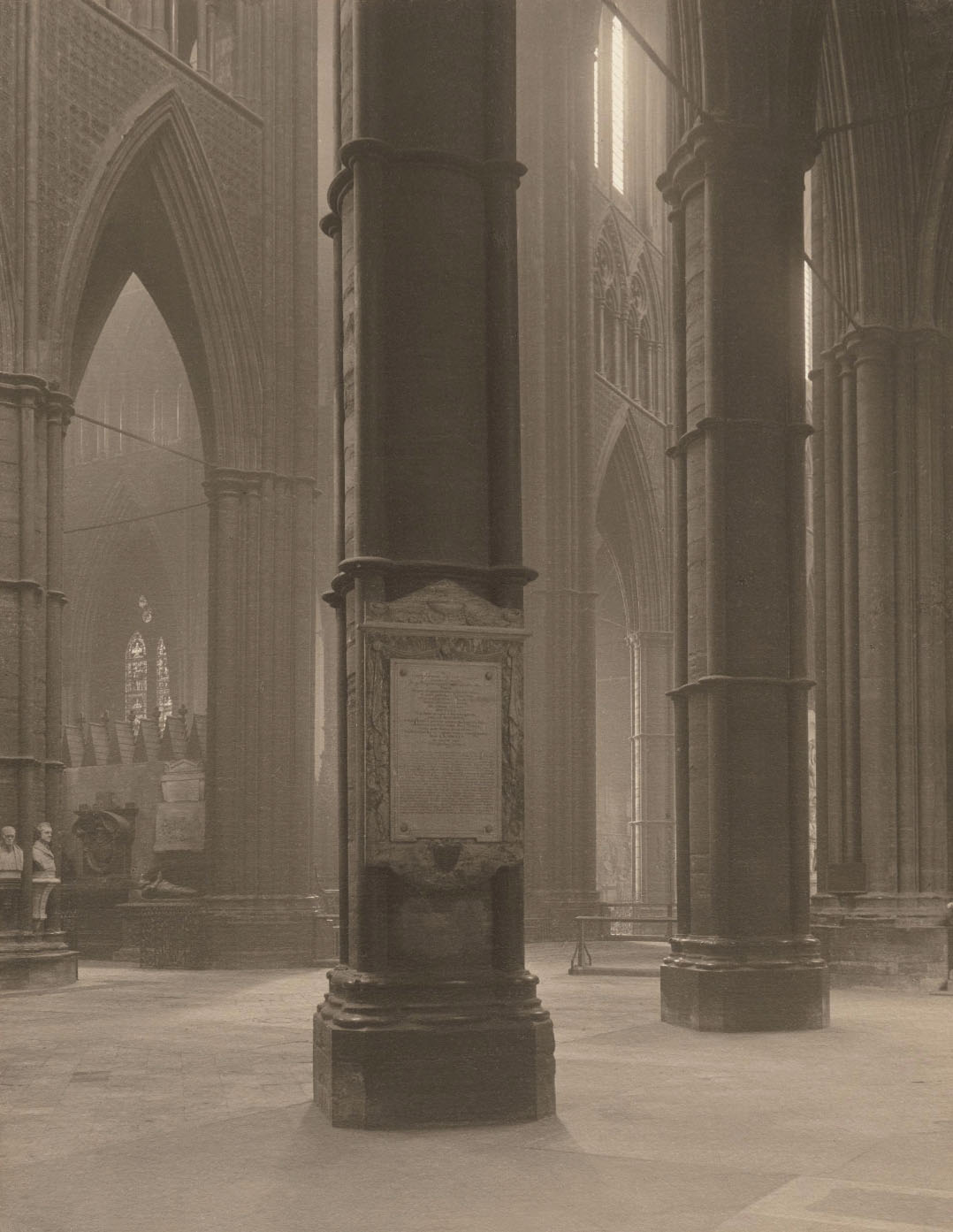
    Text from the University of Canberra website [Online] Cited 11/05/2019


    Emily Kame Kngwarreye (Australian, 1910-1996) 'Wildflower' 1994


    Emily Kame Kngwarreye (Australian, 1910-1996)
    Wildflower
    1994
    Synthetic polymer paint on canvas


    DACOU Aboriginal Art

    This gallery has now closed.

    LIKE ART BLART ON FACEBOOK

    Back to top