*PLEASE NOTE THIS POSTING CONTAINS ART PHOTOGRAPHS OF MALE SEXUAL NUDITY- IF YOU DO NOT LIKE PLEASE DO NOT LOOK, FAIR WARNING HAS BEEN GIVEN*
The titles from this period tend to be poetic, pragmatic or composed, like Japanese haiku. The photographs are a mixture of personal narrative and universal archetype, hence the affinity to Frederick Sommer’s incantation: Circumnavigation of the blood is always Circumnavigation of the world.
I am scanning my negatives made during the years 1991-1997 to preserve them in the form of an online archive as a process of active memory, so that the images are not lost forever. These photographs were images of my life and imagination at the time of their making, the ideas I was thinking about and the people and things that surrounded me.
Photographs are available from this series for purchase. As a guide, a vintage 8″ x 10″ silver gelatin print costs $700 plus tracked and insured shipping. For more information please see my Store web page.
Marcus Bunyan (Australian, b. 1958) Doll on chair
1992-1994
Silver gelatin photograph
Marcus Bunyan (Australian, b. 1958) Paul on the balcony, Mcilwrick Street, Windsor
1992-1994
Silver gelatin photograph
Marcus Bunyan (Australian, b. 1958) Paul resting
1992-1994
Silver gelatin photograph
Marcus Bunyan (Australian, b. 1958) Marcus holding his cock
1992-1994
Silver gelatin photograph
Marcus Bunyan (Australian, b. 1958) Post with finial, tree
1992-1994
Silver gelatin photograph
Marcus Bunyan (Australian, b. 1958) People who live in glass houses shouldn’t throw stars
1992-1994
Silver gelatin photograph
Marcus Bunyan (Australian, b. 1958) Paul, Windsor and the city
1992-1994
Silver gelatin photograph
Marcus Bunyan (Australian, b. 1958) Self portrait with punk jacket and flanny
1992-1994
Silver gelatin photograph
Marcus Bunyan (Australian, b. 1958) Release
1992-1994
Silver gelatin photograph
Marcus Bunyan (Australian, b. 1958) Jesus, Mary and Joseph.
1992-1994
Silver gelatin photograph
Marcus Bunyan (Australian, b. 1958) Circumnavigation of the blood is always Circumnavigation of the world (for Frederick Sommer)
1992-1994
Silver gelatin photograph
Marcus Bunyan (Australian, b. 1958) Release (cock, hands, cum)
1992-1994
Silver gelatin photograph
Marcus Bunyan (Australian, b. 1958) Madonna and child, skull
1992-1994
Silver gelatin photograph
Marcus Bunyan (Australian, b. 1958) Two faces
1991
Gelatin silver print
I am scanning my negatives made during the years 1991-1997 to preserve them in the form of an online archive as a process of active memory, so that the images are not lost forever. These photographs were images of my life and imagination at the time of their making, the ideas I was thinking about and the people and things that surrounded me.
Photographs are available from this series for purchase. As a guide, a vintage 8″ x 10″ silver gelatin print costs $700 plus tracked and insured shipping. For more information please see my Store web page.
Marcus Bunyan (Australian, b. 1958) Fred and Andrew smoking a joint in Paris
1992
Gelatin silver print
Marcus Bunyan (Australian, b. 1958) Unknown landscape
1991-1992
Gelatin silver print
Marcus Bunyan (Australian, b. 1958) Base
1991
Gelatin silver print
Marcus Bunyan (Australian, b. 1958) Shower room, Punt Road, South Yarra
1991
Gelatin silver print
Marcus Bunyan (Australian, b. 1958) Keep Clear, Virgin Girl
1992
Gelatin silver print
Marcus Bunyan (Australian, b. 1958) Two torsos
1991
Gelatin silver print
Marcus Bunyan (Australian, b. 1958) Standing stove, plant and broom
1991
Gelatin silver print
Marcus Bunyan (Australian, b. 1958) Suspended kitchen
1991
Gelatin silver print
Marcus Bunyan (Australian, b. 1958) Bring me the head of John the Baptist / Man with Big Ears
1992
Gelatin silver print
Marcus Bunyan (Australian, b. 1958) The Windmills of Don Q
1992
Gelatin silver print
Marcus Bunyan (Australian, b. 1958) Where the stars are (after Manuel Alvarez Bravo)
1991
Gelatin silver print
Marcus Bunyan (Australian, b. 1958) Fred and Andrew, Sherbrooke Forest
1992
Gelatin silver print
Marcus Bunyan (Australian, b. 1958) Jeff standing on his Chrysler, Studley Park, Melbourne, Victoria, 1992
1991-1992
Gelatin silver print
Marcus Bunyan (Australian, b. 1958) Self-portrait in Punk Jacket
1991-1992
Silver gelatin print
I am scanning my negatives made during the years 1991-1997 to preserve them in the form of an online archive as a process of active memory, so that the images are not lost forever. These photographs were images of my life and imagination at the time of their making, the ideas I was thinking about and the people and things that surrounded me.
Photographs are available from this series for purchase. As a guide, a vintage 8″ x 10″ silver gelatin print costs $700 plus tracked and insured shipping. For more information please see my Store web page.
Marcus Bunyan (Australian, b. 1958) Marcus Sucking His Thumb
1991-1992
Silver gelatin print
Marcus Bunyan (Australian, b. 1958) Marcus in his Punk Jacket, Punt Road, South Yarra
1991-1992
Silver gelatin print
Marcus Bunyan (Australian, b. 1958) Marcus as The Fool (posing for the sculptor Fredrick White)
1991-1992
Silver gelatin print
Marcus Bunyan (Australian, b. 1958) Nude, in the Flat, Rear of Derelict House, 455, Punt Road, South Yarra
1992
Silver gelatin print
Marcus Bunyan (Australian, b. 1958) Self-portrait, nude with the mural ‘Two boys on a car’
1992
Silver gelatin print
Marcus Bunyan (Australian, b. 1958) Nude on Floor (with Clifford Last)
1992
Silver gelatin print
Marcus Bunyan (Australian, b. 1958) Nude on Couch, Punt Road, South Yarra
1992
Silver gelatin print
Marcus Bunyan (Australian, b. 1958) Nude on Couch, Punt Road, South Yarra
1992
Silver gelatin print
Marcus Bunyan (Australian, b. 1958) Nude on Couch, Punt Road, South Yarra
1992
Silver gelatin print
Marcus Bunyan (Australian, b. 1958) Nude on Couch, Punt Road, South Yarra
1992
Silver gelatin print
Marcus Bunyan (Australian, b. 1958) Self-portrait, reflection
1992
Silver gelatin print
Exhibition dates: 15th September 2011 – 16th October 2011
Short-listed artists: Warwick Baker, Kate Bernauer, Magdalena Bors, Chris Budgeon, Elaine Campaner, Michael Corridore, Jagath Dheerasekara, Jackson Eaton, Cherine Fahd, Sean Fennessy, Anne Ferran, Phillip George, Dean Golja, Natalie Grono, David Manley, Olivia Martin-McGuire, Prudence Murphy, Harry Nankin, Catherine Nelson, Matthew Newton, Selina Ou, Max Pam, Polixeni Papapetrou, Geoff Parr, Sonia Payes, Drew Pettifer, Helen Pynor, Jacky Redgate, Simone Rosenbauer, Julie Rrap, Martin Smith, Simon Terrill, Claudia Terstappen, Glenn Walls, Rudi Williams, Alex Wisser, Yiwen Yao.
Elaine Campaner (Australian, b. 1969) Australia Day #1 (Ford Falcon XR8) 2011
From the series Citizenship
Pigment ink-jet print
93.3 x 140cm
Courtesy of the artist
Excellent photographs in the Bowness Photography Prize this year. A small selection of the short-listed artists are featured below. The dazzling winner was Light throw (mirrors) #4, 2011 by Jacky Redgate (see below). My particular favourites include David Manley’s sensual Eastern Distributer exhaust stack (2010); Simon Terrill’s textural Rivoli #2 (2010); and Catherine Nelson’s ocular world, Cloverdowns (2010). There are many good photographs. To see more finalists work visit the Bowness Photography Prize Flickr set.
Dr Marcus Bunyan
Simon Terrill (Australian, b. 1969) Rivoli #2 2010
Chromogenic print
120 x 150cm
Courtesy of the artist and Sutton Gallery, Melbourne
Established in 2006 to promote excellence in photography, the annual non-acquisitive William and Winifred Bowness Photography Prize is an initiative of the MGA Foundation. Among Australia’s most important art prizes, the Bowness Photography Prize is the country’s most coveted photography prize. The finalist’s works were selected from approximately 2,000 photographs submitted by 432 entrants. In 2011, photographers competed for the $25,000 first prize.
Text from the MGA website
Alex Wisser (American, b. 1967, arrived Australia 1995) Blank canvass 2 2011
From the series Blank canvass
Pigment ink-jet print
100 x 150cm
Courtesy of the artist
This photograph is from a series called Blank canvass, taken during the course of my work as a real estate photographer for local newspapers. They were taken in houses that have been lived in by a single occupant or family for more than 30 years on the day of their sale by auction. Afterwards, we can only assume that they have been torn down and rebuilt or renovated beyond recognition. Like an anthropologist, I consider these dwellings from a distance, at the moment of their disappearing, wondering at the decisions of taste that are layered decade upon decade to compose or otherwise synthesise the identity of the people who have lived in them.
Jacky Redgate (English b. 1955, arrived Australia 1967) Light throw (mirrors) #4 2011
From the series Light throw (mirrors) 2009 – 11
Chromogenic print
126 x 158cm
Courtesy of the artist, WILLIAM WRIGHT ARTISTS, Sydney and Arc One Gallery, Melbourne
Sean Fennessey (Australia, b. 1982) Father and son 2010
From the series Portraits of invisible people
Pigment ink-jet print
95 x 95cm
Courtesy of the artist
David Manley (Australian, b. 1963) Eastern Distributer exhaust stack 2010
From the series Entropy
Pigment ink-jet print
55 x 55cm
Courtesy of the artist
Olivia Martin-McGuire (Australian, b. 1976) Kris and Mier #1 2011
From the series Mother
Chromogenic print
85 x 85cm
Courtesy of the artist
Catherine Nelson (Australian, b. 1970) Cloverdowns 2010
From the series Future memories
Pigment ink-jet print
100 x 100cm
Courtesy of the artist and Gallerysmith, Melbourne
Helen Pynor (Australian, b. 1964) Liquid ground 1 2010
From the series Liquid ground
Chromogenic print
160 x 110cm
Courtesy of the artist, Dianne Tanzer Gallery + Projects, Melbourne, and Dominik Mersch Gallery, Sydney
Chris Budgeon (Canada b. 1955, arrived Australia 1984) Cory 2011
From the series Are we not men
Pigment ink-jet print
90 x 67.5cm
Courtesy of the artist
Monash Gallery of Art 860 Ferntree Gully Road, Wheelers Hill
Victoria 3150 Australia Phone: + 61 3 8544 0500
It is with much sadness that I note the death of respected Australian photographer and teacher Dr John Cato (1926-2011). Son of Australian photographer Jack Cato, who wrote one of the first histories of Australian photography (The Story of the Camera in Australia (1955)), John was apprentice to his father before setting up a commercial studio with Athol Shmith that ran from 1950-1971. Dr Cato then joined Shmith at the fledgling Prahran College of Advanced Education photography course in 1974, becoming head of the course when Shmith retired in 1979, a position he held until John retired in 1991.
I was fortunate enough to get to know John and his vivacious wife Dawn. I worked with him and co-curatored his retrospective with William Heimerman, ‘…and his forms were without number’ at The Photographers’ Gallery, South Yarra, in 2002. My catalogue essay from this exhibition is reproduced below.
John was always generous with his time and advice. His photographs are sensitive, lyrical renditions of the Australian landscape. He had a wonderful ear for the land and for the word, a musical lyricism that was unusual in Australian photographers of the early 1970s. He understood how a person from European background could have connection to this land, this Australia, without being afraid to express this sense of belonging; he also imaged an Aboriginal philosophy (that all spirits have a physical presence and everything physical has a spiritual presence) tapping into one of the major themes of his personal work: the mirror held up to reveal an’other’ world – the language of ambiguity and ambivalence (the dichotomy of opposites e.g. black / white, masculine / feminine) speaking through the photographic print.
His contribution to the art of photography in Australia is outstanding. What are the precedents for a visual essay in Australian photography before John Cato? I ask the reader to consider this question.
It would be fantastic if the National Gallery of Victoria could organise a large exhibition and publication of his work, gathering photographs from collections across the land, much like the successful retrospective of the work of John Davis held in 2010. Cato’s work needs a greater appreciation throughout Australia because of it’s seminal nature, containing as it does the seeds of later development for Australian photographers. His educational contribution to the development of photography as an art form within Australia should also be acknowledged in separate essays for his influence was immense. His life, his teaching and his work deserves nothing less.
Dr Marcus Bunyan
‘… and his forms were without number’
John Cato: A Retrospective of the Photographic Work 1971-1991
This writing on the photographic work of Dr John Cato from 1971-1991 is the catalogue essay to a retrospective of his work held at The Photographers’ Gallery in Prahran, Melbourne in 2002. Dr Cato forged his voice as a photographic artist in the early 1970s when photography was just starting to be taken seriously as an art form in Australia. He was a pioneer in the field, and became an educator in art photography. He is respected as one of Australia’s preeminent photographers of the last century.
With the arrival of ‘The New Photography’1 from Europe in the early 1930’s, the formalist style of Modernism was increasingly adopted by photographers who sought to express through photography the new spirit of the age. In the formal construction of the images, the abstract geometry, the unusual camera angles and the use of strong lighting, the representation ‘of the thing in itself’2 was of prime importance. Subject matter often emphasised the monumentality of the factory, machine or body/landscape. The connection of the photographer with the object photographed was usually one of sensitivity and awareness to an external relationship that resulted in a formalist beauty.
Following the upheaval and devastation of the Second World War, photography in Australia was influenced by the ‘Documentary’ style. This “came to be understood as involved chiefly with creating aesthetic experiences … associated with investigation of the social and political environment.”3 This new movement of social realism, “… a human record intimately bound with a moment of perception,”4 was not dissimilar to Henri Cartier-Bresson’s ‘decisive moment’ (images a la sauvette) where existence and essence are in balance.5
The culmination of the ‘Documentary’ style of photography was The Family of Man exhibition curated by Edward Steichen that toured Australia in 1959.6 This exhibition, seen many times by John Cato,7 had a theme of optimism in the unity and dignity of man. The structure of the images in ‘Documentary’ photography echoed those of the earlier ‘New Photography’.
Max Dupain “stressed the objective, impersonal and scientific character of the camera; the photographer could reveal truth by his prerogative of selection.”8 This may have been an objective truth, an external vocalising of a vision that concerned itself more with exterior influences rather than an internal meditation upon the subject matter.
John Cato (Australian, 1926-2011) Untitled from the series Essay I, Landscapes in a Figure 1971-1979 Silver gelatin photograph
In 1971, John Cato’s personal photographic work was exhibited for the first time as part of the group show Frontiers at the National Gallery of Victoria, Melbourne.9 Earth Song emerged into an environment of social upheaval inflamed by Australian involvement in the Vietnam War. It provided a group of enthusiastic people who were beginning to be interested in photography as art, an opportunity to see the world, and photography, through a different lens. The 52 colour photographic prints in Earth Song, were shown in a sequence that used melodic line and symphonic form as its metaphoric basis, standing both as individual photographs and as part of a total concept.10
In the intensity of the holistic vision, in the connection to the subconscious, the images elucidate the photographers’ search for a perception of the world. This involved an attainment of a receptive state that allowed the cracks, creases and angles inherent in the blank slate of creation to become meaningful. The sequence contained images that can be seen as ‘acts of revelation’,11confirmed and expanded by supporting photographs, and they unearthed a new vocabulary for the discussion of spiritual and political issues by the viewer. They may be seen as a metaphor for life.
The use of sequence, internal meditation and ‘revelation’, although not revolutionary in world terms,12 were perhaps unique in the history of Australian photography at that time. During the production of Earth Song, John Cato was still running a commercial studio in partnership with the photographer Athol Shmith and much of his early personal work was undertaken during holidays and spare time away from the studio. Eventually he abandoned being a commercial photographer in favour of a new career as an educator, but found this left him with even less time to pursue his personal work.13
Earth Song (1970-1971) was followed by the black and white sequences:
Tree – A Journey
18 images
1971-1973
Petroglyphs
14 images
1971-1973
Seawind
14 images
1971-1975
Proteus
18 images
1974-1977
Waterway
16 images
1974-1979
Together they form the extensive series Essay I, Landscapes in a Figure, parts of which are held in the permanent photography collection of the National Gallery of Victoria.14
John Cato (Australian, 1926-2011) Untitled from the series Essay I, Landscapes in a Figure 1971-1979 Silver gelatin photograph
The inspiration for Essay I and later personal work came from many sources. An indebtedness to his father, the photographer Jack Cato, is gratefully acknowledged. Cato also acknowledges the influence of literature: William Shakespeare (especially the Sonnets, and As You Like It), William Blake, Walt Whitman (Leaves of Grass), Lewis Carroll (Through the Looking Glass), the Bible; and of music (symphonic form), the mythology of the Dreamtime and Aboriginal rock paintings.15 Each body of work in Essay I was based on an expression of nature, the elements and the Creation. They can be seen as Equivalents16 of his most profound life experiences, his life philosophy illuminated in physical form.
John Cato was able to develop the vocabulary of his own inner landscape while leaving the interpretation of this landscape open to the imagination of the viewer. Seeing himself as a photographer rather than an artist, he used the camera as a tool to mediate between what he saw in his mind’s eye, the subjects he photographed and the surface of the photographic negative.17 Photographing ‘in attention’, much as recommended by the teacher and philosopher Krishnamurti,18 he hoped for a circular connection between the photographer and the subject photographed. He then looked for verification of this connection in the negative and, eventually, in the final print.
Essay II, Figures in a Landscape, had already been started before the completion of Essay I and it consists of three black and white sequences:
Alcheringa
11 images
1978-1981
Broken Spears
11 images
1978-1983
Mantracks
22 images in pairs
1978-1983
The photographs in Essay II seem to express “the sublimation of Aboriginal culture by Europeans”19 and, as such, are of a more political nature. Although this is not obvious in the photographs of Alcheringa, the images in this sequence celebrating the duality of reality and reflection, substance and shadow, it is more insistent in the symbology of Broken Spears and Mantracks. Using the metaphor of the fence post (white man / black man in Broken Spears) and contrasting Aboriginal and European ‘sacred’ sites (in pairs of images in Mantracks), John Cato comments on the destruction of a culture and spirit that had existed for thousands of years living in harmony with the land.
In his imaging of an Aboriginal philosophy (that all spirits have a physical presence and everything physical has a spiritual presence) he again tapped one of the major themes of his personal work: the mirror held up to reveal an’other’ world. Cato saw that even as they are part of the whole, the duality of positive / negative, black / white, masculine / feminine are always in conflict.20 In the exploration of the conceptual richness buried within the dichotomy of opposites, Cato sought to enunciate the language of ambiguity and ambivalence,21 speaking through the photographic print.
The theme of duality was further expanded in his last main body of work, Double Concerto: An Essay in Fiction:
Double Concerto (Pat Noone)
30 images
1984-1990
Double Concerto (Chris Noone)
19 images
1985-1991
Double Concerto may be seen as a critique of the power of witness and John Cato created two ‘other’ personas, Pat Noone and Chris Noone, to visualise alternative conditions within himself. The Essay explored the idea that if you send two people to the same location they will take photographs that are completely different from each other, that tell a distinct story about the location and their self:
“For the truth of the matter is that people have mixed feelings and confused opinions and are subject to contradictory expectations and outcomes, in every sphere of experience.”22
This slightly schizophrenic confusion between the two witnesses is further highlighted by Pat Noone using single black and white images in sequence. Chris Noone, on the other hand, uses multiple colour images joined together to form panoramic landscapes that feature two opposing horizons. The use of colour imagery in Double Concerto, with its link to the colour work of Earth Song, can be seen to mark the closing of the circle in terms of John Cato’s personal work. In Another Way of Telling, John Berger states that …
“Photography, unlike drawing, does not possess a language. The photographic image is produced instantaneously by the reflection of light; its figuration is not impregnated by experience or consciousness.”23
But in the personal work of John Cato it is a reflection of the psyche, not of light, that allows a consciousness to be present in the figuration of the photographic prints. The personal work is an expression of his self, his experience, his story and t(his) language, is our language, if we allow our imagination to speak.
Dr Marcus Bunyan 2002
Footnotes
1/ Newton, Gael. Shades of Light: Photography and Australia 1839-1988. Sydney: Australian National Gallery, William Collins, 1988, p. 109
2/ Newton, Gael. Max Dupain. Sydney: David Ell Press,1980, p. 34
3/ Ibid., p. 32
4/ Greenough, Sarah (et al). On the Art of Fixing a Shadow: 150 Years of Photography. Boston: National Gallery of Art, Bullfinch Press, 1989, p. 256
5/ Ibid., p. 256
6/ Newton, Gael. Shades of Light: Photography and Australia 1839-1988. Sydney: Australian National Gallery, William Collins, 1988, p. 131
7/ Ibid., p. 131
8/ Newton, Gael. Max Dupain. Sydney: David Ell Press, 1980, p. 32
9/ Only the second exhibition by Australian photographers at the National Gallery of Victoria, Melbourne
10/ Shmith, Athol. Light Vision No.1. Melbourne: Jean-Marc Le Pechoux (editor and publisher), Sept 1977, p. 21
11/ Berger, John and Mohr, Jean. Another Way of Telling. New York: Pantheon Books, 1982, p. 118
12/ Hall, James Baker. Minor White: Rites and Passages. New York: Aperture, 1978
13/ Conversation with the photographer 29/01/1997, Melbourne, Victoria
14/ Newton, Gael. Shades of Light: Photography and Australia 1839-1988. Sydney: Australian National Gallery, William Collins, 1988, p. 135, Footnote 7; p. 149
15/ Conversation with the photographer 22/01/1997, Melbourne, Victoria
16/ Norman, Dorothy. Alfred Stieglitz. New York: Aperture, 1976, p. 5
17/ Ibid.,
18/ Krishnamurti. Beginnings of Learning. London: Penguin, 1975, p. 131
19/ Strong, Geoff. Review. The Age. Melbourne, 28/04/1982
20/ Conversation with the photographer 22/01/1997, Melbourne, Victoria
21/ The principal definition for ambiguity in Websters Third New International Dictionary is: “admitting of two or more meanings … referring to two or more things at the same time.” That for ambivalence is “contradictory and oscillating subjective states.” Quoted in Davis, Fred. Fashion, Culture and Identity. Chicago: University of Chicago Press, 1992, p. 21.
22/ Levine, Donald. The Flight From Ambiguity. Chicago: University of Chicago Press, 1985
23/ Berger, John and Mohr, Jean. Another Way of Telling. New York: Pantheon Books, 1982, p. 95
Exhibition dates: 29th September – 10th October, 2009
Curator: Amy Barclay
Kim Lawler (Australian) Between Lines #4 Aerial Photograph, Great Sandy Desert, Western Australia 2009
I finally made it to Kim Lawler’s exhibition Between Lines at fortyfive downstairs, Flinders Lane, Melbourne and, in many ways, the trip was well worth it. Lawler presents 12 prints from her eponymous series, aerial photographs taken over Western Australia.
Eschewing the essentially topographic state promoted in the “New Topographics: Photographs of a Man-Altered Landscape” of 1975 that have influenced so many photographers in recent decades (including the hyper-real photographs of the West Australian landscape by Edward Burtynsky where there is an emotional distance between the photograph and the viewer), Lawler instead mines the depths of abstraction in landscape photography.
These are visceral photographs – in #4 the river and surrounds almost become vascular and cellular; in #13 the synapses and electrons infiltrate the highway reminding me of bomb craters from a Second World War landscape. In #7 the shrubs, unlike the precision of the New Topographics, become feckless dots, the landing strip a scar on the body; in #12 the toxic unsutured wound bleeds across the surface of the skin, white scar tissue surrounding it.
In these atypical mappings Lawler employs a taxonomy of disorder. The photographs are very soft in focus, soft in printing, big in the grain of the film and there is very little depth of field employed – in other words there is really nothing in focus at all, nothing that the eye and the mind can fix on. These are interstitial spaces (i.e. gaps between spaces full of structure or matter) and the title Between Lines is entirely appropriate for the work. The photographs contain beautiful textures, colours, surfaces.
This is their strength but also their weakness. The eye and the mind longs for something to hold onto, perhaps just a small fraction of the image to be in focus, so that the disorder plays off the order (for one cannot exist without the other!). Mutation only exists if their is something to mutate against. The other two small problems I had with the work were a matter of semantics and others may disagree – personally I found the size of the prints neither here nor there and they could have done with being about 2-3 inches larger and the white frames were too heavy. That is a funny thing to say about contemporary white frames, that they are too heavy for the work, but this is entirely possible: the moulding was too thick and the depth of the box frames to deep for my liking, detracting from the print itself and making the works darker than they needed to be.
Overall then an excellent exhibition that offers a positive variation on the cliched narrative of aerial photography of the Australian outback, one that questions the munificence of human habitation of the body and of the earth.
Dr Marcus Bunyan
Many thankx to fortyfive downstairs for allowing me to publish the photographs in the posting. Please click on the photographs for a larger version of the image.
Kim Lawler (Australian) Between Lines #7 (Landing Strip) Aerial Photograph, Great Sandy Desert, Western Australia 2009
Kim Lawler (Australian) Between Lines #8 (Jones Soak, position approximate) Aerial Photograph, Great Sandy Desert, Western Australia 2009
“Beyond romance or nostalgia, Lawler’s lucid visual studies reveal the aesthetic beauty of the stories being written and rewritten onto this responsive and at times fragile environment.”
~ Amy Barclay, curator
Between Lines comprises a series of aerial photographs taken in the Kimberley, far north Western Australia. This remote area is embedded with stories of Indigenous and non-Indigenous inhabitants, transitory visitors and scarred by multinational companies resource development. The artist, Kim Lawler, is concerned with markings, both natural and constructed, that tell stories of places, transitions and interruptions that occur within the landscape.
Between Lines is informed by Lawler’s experience of living in these regions and local perspectives on the displacement of people and their consequential relationship to the land that has taken place. It is also informed by the opposing qualities of abandon and connection that occur as the stories within these landscapes continue to unfold.
Competing demands for natural resources, and the resulting impact upon transitional landscapes, resonate with the stories of many generations of people that continue to flow through or inhabit each region. Attuned to the markings on these landscapes, it is these residual narratives ‘Between Lines’ seeks to record.
The imagery seen in Between Lines extends from Lawler’s previous artwork that interrogated additional Kimberley locations including: the remote Buccaneer Archipelago; the isolated far northern reaches of the Kimberley Coastline; Cockatoo Island iron ore mine and resort and; inland regions such as Warmun Aboriginal Community on the periphery of the Great Sandy Desert.
“Lawler’s eye is arrested by markings, natural and constructed, that trace and recount places, transitions and interruptions; the signifiers of change in a landscape millions of years old.”
Amy Barclay, curator
Text from the fortyfive downstairs website
Kim Lawler (Australian) Between Lines #12 Joseph Bonaparte Gulf, Northern Kimberley, Western Australia 2009
Kim Lawler (Australian) Between Lines #13 Great Northern Highway, Kimberley, Western Australia 2009
Kim Lawler (Australian) Between Lines #16 Cockatoo Island Cyanide Settling Pool, Yampi Sound, Western Australia 2009
fortyfive downstairs 45, Flinders Lane Melbourne 3000
Exhibition dates: 7th August – 27th September, 2009
Clare Rae (Australian, b. 1981) Untitled 2009 From the series Climbing the Walls and Other Actions Pigment print on Museo Crane Silver Rag 50 x 50cm
“To withdraw into one’s corner is undoubtedly a meager expression. But despite its meagerness, it has numerous images, some, perhaps, of great antiquity, images that are psychologically primitive. At times, the simpler the image, the vaster the dreams.”
Gaston Bachelard.1
Usually I am not a great fan of ‘faceless’ photography as I call it but this series of work, Climbing the Walls and Other Actions (2009) by the artist Clare Rae is even better than the series by Tracey Moffatt in the previous review.
Exploring activities of the female body in closed domestic spaces these psychologically intense photographs push the physical boundaries of play through the navigation of space. As a child has little awareness about the inherent dangers of a seemingly benign environment so Rae’s self-portraits turn the lens on her conceptualisation of the inner child at play and the activating of the body in and through space. As the artist herself says, “the way children negotiate their surroundings and respond with an unharnessed spatial awareness, which I find really interesting when applied to the adult body.”2
Continuing the themes from the last review, that of spaces of intimacy and reverberation, these photographs offer us fragmentary dialectics that subvert the unity of the archetype, the unity of the body in space. Here the (in)action of the photographic freeze balances the tenuous positions of the body: a re-balancing of both interior and exterior space.
As Noel Arnaud writes, “Je suis l’espace ou je suis” (I am the space where I am). Further, Bachelard notes “… by changing space, by leaving the space of one’s usual sensibilities, one enters into communication with a space that is psychically innovating.”3
In these photographs action is opposed with stillness, danger opposed with suspension; the boundaries of space, both of the body and the environment, the interior and the exterior, memory and dream, are changed.
Space seems to open up and grow with these actions to become poetic space – and the simplicity of the images aids and abets the vastness of our dreams. This change of concrete space does not change our place, but our nature. Here the mapping of self in space, our existence, our exist-stance (to have being in a specified place whether material or spiritual), is challenged in the most beautiful way by these walls and actions, by these creatures, ambiguities, photographs.
Henri Lefebvre insightfully observes, “… each living body is space and has space: it produces itself in space and it also produces that space.”4
I am the (sublime) space where I am, that surrounds me with countless presences.
Dr Marcus Bunyan
1/ Bachelard, Gaston. The Poetics of Space. Boston: Beacon Press, 1969, p. 137
2/ Email from the artist 7th September, 2009
3/ Bachelard, Gaston. The Poetics of Space. Boston: Beacon Press, 1969, p. 206
4/ Lefebvre, Henri. The Production of Space. Oxford: Basil Blackwell, 1974, p. 170
All images by Clare Rae from the series Climbing the Walls and Other Actions 2009. Many thankx to Clare for allowing me to publish them.
Clare Rae (Australian, b. 1981) Untitled 2009 From the series Climbing the Walls and Other Actions Pigment print on Museo Crane Silver Rag 50 x 50cm
Clare Rae (Australian, b. 1981) Untitled 2009 From the series Climbing the Walls and Other Actions Pigment print on Museo Crane Silver Rag 50 x 50cm
Clare Rae (Australian, b. 1981) Untitled 2009 From the series Climbing the Walls and Other Actions Pigment print on Museo Crane Silver Rag 50 x 50cm
Climbing the Walls and Other Actions is primarily concerned with visually representing my experience of femininity, whilst also exploring aspects of representation that relate to feminism. The project considers the relationship between the body and space by including formal elements within each frame such as windows and corners. Through a sequence of precarious poses I explore my relationship with femininity, an approach born of frustration. I use the body to promote ideas of discomfort and awkwardness, resisting the passivity inherent in traditional representations of femininity. The images attempt to de-stabilise the figure, drawing tension from the potential dangers the body faces in these positions. Whilst the actions taking place are not in themselves particularly dangerous, the work demonstrates a gentle testing of physical boundaries and limitations via a child-like exploration of the physical environment.
Text from the Centre for Contemporary Photography website [Online] Cited 15/09/2009. No longer available online
Clare Rae (Australian, b. 1981) Untitled 2009 From the series Climbing the Walls and Other Actions Pigment print on Museo Crane Silver Rag 50 x 50cm
Clare Rae (Australian, b. 1981) Untitled 2009 From the series Climbing the Walls and Other Actions Pigment print on Museo Crane Silver Rag 50 x 50cm
Centre for Contemporary Photography Level 2, Perry St Building Collingwood Yards, Collingwood Victoria 3066
Mark Strizic (Australian, 1908-2012) Eastern Market Destruction – 1 1960, printed 1996 Silver gelatin photograph 19 x 22.5cm
Social Fact and Urban Vision
This is an exhibition by the veteran Australian photographer Mark Strizic that plays like the coda at the end of a piece of music, the pensive full stop at the end of a well read book. There are some stunning highlight photographs among the 139 black and white silver gelatin prints on display, some good photographs and some fairly mundane images and prints. With some judicious editing of the photographs (perhaps by a third), the exhibition could have had a stronger artistic aesthetic and carried the voice of the photographer with greater projection. As it is the exhibition will be popular drawing in the crowds because of the photographs subject matter and their appeal to both an individual and collective nostalgia.
Examining Strizic’s photographs we note a traditional structure to the picture plane. Unlike the photographs of Eugene Atget who photographed Paris in the early 20th century there is little sublime spatial representation in Strizics photographs, that different angle of alignment that Atget achieved with the positioning of his camera. Further, we observe that unlike an immigrant to another country at around the same time, Robert Frank and America, the photographs follow traditional format: none of the revolutionary experimentation in handheld, grainy images of jukeboxes, cut up people or images of flags appear in this work. We can also say that unlike Helen Levitt’s early black and white images of New York from around the same period there is little ‘joie de vivre’, little engagement with the actual nitty gritty stuff of living in Strizic’s work. The quote below articulates what Strizic’s photographs both address and dismiss:
“To walk in the city is to experience the disjuncture of partial vision/partial consciousness. The narrativity of this walking is belied by a simultaneity we know and yet cannot experience. As we turn a corner, our object disappears around the next corner. The sides of the street conspire against us; each attention suppresses a field of possibilities. The discourse of the city is a syncretic discourse, political in its untranslatability. Hence the language of the state elides. Unable to speak all the city’s languages, unable to speak all at once, the state’s language become monumental, the silence of headquarters, the silence of the bank. In this transcendent and anonymous silence is the miming of corporate relations. Between the night workers and the day workers lies the interface of light; in the rotating shift, the disembodiment of lived time. The walkers of the city travel at different speeds, their steps like handwriting of a personal mobility. In the milling of the crowd is the choking of class relations, the interruption of speed, and the machine. Hence the barbarism of police on horses, the sudden terror of the risen animal.”1
We observe in the photographs an emphasis on surfaces, on a supreme understanding of light and shade coupled with a certain distance and emotional remoteness from the frenetic hubbub of city life. Empty streets and isolated people fall into shadow and their is little evidence of ‘play’ in the photographs. This is observation not interaction or integration as an immigrant observing Melbourne life. There is no up front presence of disembodied people as in Robert Franks photographs in The Americans. Here the alienation that pervades the photographs is the alienation of the photographer from the people as much as it is the alienation of the people from themselves. People are shot in silhouette against the sun or shop windows or peering in at unobtainable goods; desolate streets and working class suburbs all express the isolation of city life but at a structured distance from them.
When Strizic’s photographs are good they are very good. His understanding of light is magnificent: light reflects off water, hazes and shimmers off city buildings. The mixing of shadows and sun and his use of the technique of ‘contre jour’ (shooting into the sun) the one thing Strizic does against traditional conventions works to good effect in some of the best photographs. His 1968 night time long exposure photograph of the old Gas and Fuel Building is rewarding for the black bulk of the end of the building looming over Flinders Street and the striations of car headlamps. The photograph Flinders Lane (1967, below) shows a delicate use of depth of field where the foreground of cars and person are out of focus, the light bouncing off the edges of the woman, the focus of the image in the far distance. The photograph McPhersons Building (1958, below) is one of my personal favourites in the exhibition and is a stunning photograph for the atmosphere the photographer has captured.
After a while the use of the ‘contre jour’ technique becomes tiresome. Other photographs simply document a city in transition. These photographs appeal both to an individual nostalgia (‘I used to work in that building’; ‘My grandmother used to live in that street’) and a collective nostalgia where people experience things collectively, “in the sense that [collective] nostalgia occurs when we are with others who shared the event(s) being recalled, and also in the sense that one’s nostalgia is often for the collective – the characteristics and activities of a group or institution in which the individual was a participant.”2
Collective nostalgia refers to that condition in which the symbolic objects are of a highly public, widely shared and familiar character, i.e. those symbolic resources from the past which can under proper conditions trigger off wave upon wave of nostalgic feeling in millions of persons at the same time3 and in this exhibition it is the photographs of a city in transition that trigger this nostalgia, a city now lost to the mists of time. Through these photographs we remember what Melbourne was like at this time collectively.
As Harper has observed
“Nostalgia combines bitterness and sweetness, the lost and the found, the far and near, the new and the familiar, absence and presence. The past which is over and gone, from which we have been or are being removed, by some magic becomes present again for a short while. But its realness seems even more familiar, because renewed, than it ever was, more enchanting and more lovely …”4
Does this collective nostalgia make the photographs good? This is a pertinent question.
Today, nostalgia has become a cultural phenomenon one centred on a longing for home (home is where you are happy to be!) in a collective sense and promoted through commercialisation and the realisation that nostalgia sells. The use of the value seeking word ‘rare’ in the exhibition title is instructive in this regard. Only about 25% of the photographs in this exhibition are “vintage” prints, in other words photographs printed within 3 years of the negative being taken. All other photographs have been printed within the last 15 years. Some are ‘Unique state’ gelatin photographs while others are not. What does this mean. Are they are unique state only in this size? What about the common or garden silver gelatin prints in the show? What does the status word “rare” imply for them?
I remember seeing an exhibition of the photographs of Henri Cartier-Bresson in Scotland about ten years ago. Three rooms had large prints of his work. One room just had vintage prints. The contrast was astounding. The room full of vintage prints had an intensity of vision, of his vision at the time he took the photographs evidenced in small jewel like photographs that the three other rooms photographs simply did not possess – through scale, printing and aesthetics. The same question, without any need for an answer, can be posed here. Only the word ‘rare’ demands that answer for the modern prints are just what they are and nothing more.
In conclusion this is a strong show by Strizic that could have been edited and focused in a more rewarding way. Strizic is one of Australia’s best photographers for understanding the significance of place. His use of light is superb but there always seems to be an emotional distance to his photographs. An element of collective nostalgia adds to their documentary appeal but the best photographs do not just record, they challenge and transcend the subject matter taking the work to an altogether different plane of existence.
Dr Marcus Bunyan
1/ Stewart, Susan. On Longing: Narratives of the Miniature, the Gigantic, the Souvenir, the Collection. Durham: Duke University Press, 1993, p. 2. Prologue
2/ Wilson, Janelle. “”Remember when …” a consideration of the concept of nostalgia,” in et Cetera. Concord: Fall 1999. Vol. 56, Iss. 3; pg. 296, 9 pgs
3/ Davis, F. Yearning For Yesterday: A Sociology of Nostalgia. New York: The Free Press, 1979, p. 222
4/ Harper, R. Nostalgia: An Existential Exploration of Longing and Fulfilment in the Modern Age. The Press of Western Reserve University, 1966, p. 120 quoted in Wilson, Janelle. “”Remember when …” a consideration of the concept of nostalgia,” in et Cetera. Concord: Fall 1999. Vol. 56, Iss. 3; pg. 296, 9 pgs
Many thankx to Gallery 101 for allowing me to publish the photographs in the posting. Please click on some of the photographs for a larger version of the image.
Installation views of the exhibition Mark Strizic: Melbourne – A City in Transition exhibition at Gallery 101, Melbourne Photos: Marcus Bunyan
Mark Strizic, one of Australia’s eminent photographic artists presents us with nostalgic views of Melbourne and the changing face of the city in rare silver gelatin photographs. The exhibition, Melbourne – A City in Transition will be held at Gallery 101 from 8th April – 2nd May. There will be an evening artist reception on Thursday 9th April to celebrate the opening of the exhibition. Strizic’s oeuvre represents a collection of iconic images of architecture and of life – a record of the changing face of a migrating society of new prosperity, youth and popular culture – taken with a sympathetic eye for humanistic detail.
The exhibition will coincide with the announcement of the forthcoming publication, Mark Strizic, Melbourne: Marvellous to Modern, published by Thames & Hudson in association with the State Library of Victoria. In 2007, the State Library of Victoria acquired Mark Strizic’s entire archive of approximately 5000 negatives, colour transparencies and slides. In addition, the Library holds a fine collection of Strizic photographs, including examples of all types of photographic print, from gelatin silver to digital, produced by the photographer during his long career.
Press release from Gallery 101
“‘Melbourne – A City in Transition’ is a collection of iconic images of Melbourne city life taken with a sympathetic eye for humanist detail. Strizic accurately depicts the joys and hardships experienced in everyday life with a fresh and living memory. He successfully captures the vicarious essence of suburban life. His portrait of Melbourne includes the city, harbour and river banks – streets and trams, pavements, arcades and lanes, stations and bridges, billboards and facades and public sculpture. We see people going about their daily activities – commuting, shopping at leisure, trading, embracing, conversing, reading the newspaper and visiting the beach. Other works record the demolition and construction of building sites and the changing face of Melbourne, both in society and the urban landscape.”
Text from the exhibition flyer
“In these eloquent studies of light and shadow, Strizic finds beauty in the commonplace – Melbourne’s desolate lanes, street paving, derelict ferries – adopting interesting camera angles, viewpoints and cropping. Through his images, this visual humanist teaches us to observe, to see our surroundings, perhaps with the intention of stimulating us to a higher level of civilisation.”
Emma Matthews. Mark Strizic, Melbourne: Marvellous to Modern. Thames & Hudson in association with the State Library of Victoria, September, 2009.
“This magnificent collection of photographs arose from the creativity of a young photographer and his adoption of his new home town, Melbourne. His pictures were taken at a time when the Victorian elegance of the city once known as ‘Marvellous Melbourne’ was being punctuated by a wave of development and the modern architectural movement. Today Mark Strizic is renowned as a photographer. In the 1950s he was a young science student from Europe playing with the possibilities of the camera. As he gained work as a professional his commercial success was accompanied by the instincts and eye of an artist. His solid technicality was accompanied by the whimsy and wit that made him the ‘poet of the fleeting movement’. The versatility of his work shows us many aspects of Melbourne – its magnificent architectural heritage, its intimate and vibrant laneways, its grand arcades counter-posed against the sudden spaces of the wrecker, the brash intrusion of the glass and concrete skyscrapers, the poignancy of poverty in the rundown inner suburbs. We see the people, on grand occasions such as the 1954 Royal Visit, or just caught in their own world of travelling, shopping, resting, walking, working.”
Mark Strizic, Melbourne: Marvellous to Modern book cover
Mark Strizic (Australian, 1908-2012) From Princes Bridge 1958, printed 2006 Silver gelatin photograph 58 x 39cm
Mark Strizic (Australian, 1908-2012) Near Spencer Street – 1 1950 Silver gelatin photograph 27.5 x 38.5cm
Mark Strizic (Australian, 1908-2012) At St. Pauls (St Paul’s Cathedral steps) 1954, printed 1999 Silver gelatin photograph 17.8 × 24.5cm
Mark Strizic (Australian, 1908-2012) St Paul’s Cathedral steps 1954, printed 1999 Silver gelatin photograph 17.8 × 24.5cm
Mark Strizic (Australian, 1908-2012) Collins Street at Russell Street 1957, printed 1997 Unique silver gelatin photograph 39 x 56cm
Mark Strizic (Australian, 1908-2012) St Georges Road, Northcote at Summer Av. 1958, printed 1998 Silver gelatin photograph
Mark Strizic (Australian, 1908-2012) St. Patrick’s Cathedral January 1967, printed 1998 Unique silver gelatin photograph 27 x 41cm
Mark Strizic (Australian, 1908-2012) Bourke Street from the Parliament – 2 1967, printed 1998 Silver gelatin photograph 38 x 27cm
Mark Strizic (Australian, 1908-2012) Russell Street Pawn Shop 1958 Silver gelatin photograph
Mark Strizic (Australian, 1908-2012) Block Arcade 1967, printed February 2008 Unique silver gelatin photograph 53.5 x 37cm
Mark Strizic (Australian, 1908-2012) From Princes Bridge (Winter moorings from Princes Bridge) 1955, printed 2006 Silver gelatin photograph 58 x 39cm
Mark Strizic (Australian, 1908-2012) Flinders Lane 1967, printed 1998 Unique silver gelatin photograph 41 x 41cm
Mark Strizic (Australian, 1908-2012) Swan Street, Richmond, at Church Street 1963 Silver gelatin photograph
Mark Strizic (Australian, 1908-2012) Queensberry Street at Errol Street, North Melbourne 1963 Silver gelatin photograph
Mark Strizic (Australian, 1908-2012) Swan Street at Church Street 1963, printed 1998 Silver gelatin photograph
Mark Strizic (Australian, 1908-2012) Coates Building 1960, printed 1961 Vintage silver gelatin photograph 23.5 x 15cm
Mark Strizic (Australian, 1908-2012) Macphersons Building – 1 1958 Silver gelatin photograph
Mark Strizic (Australian, 1908-2012) On Princes Bridge 1959, printed 1996 Silver gelatin photograph 17 x 24cm
George Davison (English, 1854-1930) The Onion Field 1889
George Davison (19 September 1854 – 26 December 1930) was an English photographer, a proponent of impressionistic photography, a co-founder of the Linked Ring Brotherhood of British artists and a managing director of Kodak UK. He was also a millionaire, thanks to an early investment in Eastman Kodak.
Pictorialism was simultaneously a movement, a philosophy, an aesthetic, and a style, resulting in some of the most spectacular photographs in the history of the medium. This exhibition shows the rise of Pictorialism in the late 19th century from a desire to elevate photography to an art form equal to painting, drawing, and watercolour, and extends the historical period generally associated with it by including its influential precursors, its persistent practitioners, and its seminal effect on photographic Modernism.
With 130 masterworks from such well-known photographers as Alvin Langdon Coburn, Edward Steichen, Alfred Stieglitz, Robert Demachy, Frederick Evans, and F. Holland Day, this remarkable exhibition will illustrate the Pictorialism movement’s progression from its early influences to its lasting impact on photography and art.
Text from the George Eastman House website [Online] Cited 26/01/2009. No longer available online
Many thankx to George Eastman House for allowing me to publish the photographs in the posting. Please click on the photographs for a larger version of the image.
In this video, Phillips Collection curator Elsa Smithgall introduces special exhibition TruthBeauty: Pictorialism and the Photograph as Art, 1845-1945, on view at The Phillips Collection Oct. 9, 2010 through Jan. 9, 2011.
Julia Margaret Cameron (British born India, 1815-1879) Prayer 1866
Peter Henry Emerson (British, 1856-1936) Polling the Marsh Hay c. 1885
Henry Peach Robinson (English, 1830-1901) Carolling 1890
Fredrick Holland Day (American, 1864-1933) “I Thirst” 1898
Frederick Holland Day (American, 1864-1933) Ebony and Ivory 1899 Photogravure
Alfred Stieglitz (American, 1864-1946) Spring Showers 1901
Alfred Steiglitz (American, 1864-1946) Snapshot – In the New York Central Yards Negative 1903; Printed 1910 Photogravure
This photograph of a train departing from Grand Central Terminal was probably made from the 48th Street foot bridge, which crossed over the railroad yard.
Edward Steichen (American, 1879-1973) The Pond – Moonlight Negative 1904; print 1906 Photogravure
The Pond – Moonlight (also exhibited as The Pond – Moonrise) is a pictorialist photograph by Edward Steichen. The photograph was made in 1904 in Mamaroneck, New York, near the home of his friend art critic Charles Caffin. The photograph features a forest across a pond, with part of the moon appearing over the horizon in a gap in the trees. The Pond – Moonlight is an early photograph created by manually applying light-sensitive gums, giving the final print more than one colour. Only three known versions of The Pond – Moonlight are still in existence and, as a result of the hand-layering of the gums, each is unique.
Edward Steichen (American, 1879-1973) Grand Prix at Longchamp, After the Races 1907 Photogravure
About the Exhibition
Photographic Pictorialism, an international movement, a philosophy, and a style, developed toward the end of the 19th century. The introduction of the dry-plate process, in the late 1870s, and of the Kodak camera, in 1888, made taking photographs relatively easy, and photography became widely practiced. Pictorialist photographers set themselves apart from the ranks of new hobbyist photographers by demonstrating that photography was capable of far more than literal description of a subject. Through the efforts of Pictorialist organisations, publications, and exhibitions, photography came to be recognised as an art form, and the idea of the print as a carefully hand-crafted, unique object equal to a painting gained acceptance.
The forerunners of Pictorialism were early photographers like Henry Peach Robinson and Julia Margaret Cameron. Robinson found inspiration in genre painting; Cameron’s fuzzy portraits and allegories were inspired by literature. Like Robinson and Cameron, the Pictorialists made photographs that were more like paintings and drawings than the work of commercial portraitists or hobbyists. Pictorialist images were heavily dependent on the craft of nuanced printing. Some photographers, like Frederick H. Evans, a master of the platinum print, presented their work like drawings or watercolours, decorating their mounts with ruled borders filled with watercolour wash, or printing on textured watercolour paper, like Austrian photographer Heinrich Kühn. Kühn achieved painterly effects by using an artist’s brush to manipulate watercolour pigment, instead of silver or platinum, mixed with light-sensitised gum arabic.
The idea that the primary purpose of photography was personal expression lay behind Pictorialism’s “Secessionist” movement. Alfred Stieglitz’s “Photo-Secession” was the best-known secessionist group. Stieglitz and his magazine, Camera Work, with its high-quality photogravure illustrations, advocated for the acceptance of photography as a fine art.
Early in the 20th century, Pictorialism began losing ground to modernism: in 1911, Camera Work published drawings by Rodin and Picasso, and its final issue, in 1917, featured Paul Strand’s modernist photographs. Nevertheless, Pictorialism lived on. A second wave of Pictorialists included Clarence H. White, whose students included such photographers as Margaret Bourke-White, Paul Outerbridge, and Dorothy Lange. White’s colleague, Paul Anderson, continued the pictorial tradition until his death in 1956. Five prints of his Vine in Sunlight, 1944, display five different printing techniques, demonstrating how each process subtly shapes the viewer’s response to the image.
Organised by George Eastman House International Museum of Photography and Film, and Vancouver Art Gallery.
Alvin Langdon Coburn (British born United States of America, 1882-1966) Fifth Avenue from the St. Regis c. 1905 Gum bichromate and platinotype on paper
Alvin Langdon Coburn (British born United States of America, 1882-1966) Wapping 1904
Alvin Langdon Coburn (British born United States of America, 1882-1966) St. Paul’s and Other Spires 1908
Alvin Langdon Coburn (British born United States of America, 1882-1966) The Tunnel Builders 1908
Eva Watson Schutze (American, 1867-1935) Woman with Lilly 1905
Eva Watson-Schütze (American, 1867-1935)
Eva Watson-Schütze (1867-1935) was an American photographer and painter who was one of the founding members of the Photo-Secession. …
Around the 1890s Watson began to develop a passion for photography, and soon she decided to make it her career. Between 1894 and 1896 she shared a photographic studio with Amelia Van Buren another Academy alumna in Philadelphia, and the following year she opened her own portrait studio. She quickly became known for her Pictorialist style, and soon her studio was known as a gathering place for photographers who championed this aesthetic vision.
In 1897 she wrote to photographer Frances Benjamin Johnston about her belief in women’s future in photography: “There will be a new era, and women will fly into photography.”
In 1898 six of her photographs were chosen to be exhibited at the first Philadelphia Photographic Salon, where she exhibited under the name Eva Lawrence Watson. It was through this exhibition that she became acquainted with Alfred Stieglitz, who was one of the judges for the exhibit.
In 1899 she was elected as a member of the Photographic Society of Philadelphia. Photographer and critic Joseph Keiley praised the work she exhibited that year, saying she showed “delicate taste and artistic originality”.
The following year she was a member of the jury for the Philadelphia Photographic Salon. A sign of her stature as a photographer at that time may be seen by looking at the other members of the jury, who were Alfred Stieglitz, Gertrude Kasebier, Frank Eugene and Clarence H. White.
In 1900 Johnston asked her to submit work for a groundbreaking exhibition of American women photographers in Paris. Watson objected at first, saying “It has been one of my special hobbies – and one I have been very emphatic about, not to have my work represented as ‘women’s work’. I want [my work] judged by only one standard irrespective of sex.” Johnston persisted, however, and Watson had twelve prints – the largest number of any photographer – in the show that took place in 1901.
In 1901 she married Professor Martin Schütze, a German-born and -trained lawyer who had received his Ph.D. in German literature from the University of Pennsylvania in 1899. He took a teaching position in Chicago, where the couple soon moved.
That same year she was elected a member of The Linked Ring. She found the ability to correspond with some of the most progressive photographers of the day very invigorating, and she began to look for similar connections in the U.S.
In 1902 she suggested the idea of forming an association of independent and like-minded photographers to Alfred Stieglitz. They corresponded several times about this idea, and by the end of the year she joined Stieglitz as one of the founding members of the famous Photo-Secession.
About 1903 Watson-Schütze began to spend summers in Woodstock at the Byrdcliffe Colony in the Catskill Mountains of New York. She and her husband later bought land nearby and built a home they called “Hohenwiesen” (High Meadows) where she would spend most of her summer and autumn months from about 1910 until about 1925.
In 1905 Joseph Keiley wrote a lengthy article about her in Camera Work saying she was “one of the staunchest and sincerest upholders of the pictorial movement in America.
Eva Watson Schutze (American, 1867-1935) Young girl seated on bench c. 1910
Anne Brigman (American, 1869-1960) The Heart of the Storm 1902
Anne Brigman (American, 1869-1960) The Pine Sprite 1911
Frederick Evans (British, 1853-1943) York Minster: In Sure and Certain Hope 1903 Photogravure
Frederick H. Evans (British, 1853-1943)
Frederick H. Evans (26 June 1853, London – 24 June 1943, London) was a British photographer, primarily of architectural subjects. He is best known for his images of English and French cathedrals. Evans began his career as a bookseller, but retired from that to become a full-time photographer in 1898, when he adopted the platinotype technique for his photography. Platinotype images, with extensive and subtle tonal range, non glossy-images, and better resistance to deterioration than other methods available at the time, suited Evans’ subject matter. Almost as soon as he began, however, the cost of platinum – and consequently, the cost of platinum paper for his images – began to rise. Because of this cost, and because he was reluctant to adopt alternate methodologies, by 1915 Evans retired from photography altogether.
Evans’ ideal of straightforward, “perfect” photographic rendering – unretouched or modified in any way – as an ideal was well-suited to the architectural foci of his work: the ancient, historic, ornate and often quite large cathedrals, cloisters and other buildings of the English and French countryside. This perfectionism, along with his tendency to exhibit and write about his work frequently, earned for him international respect and much imitation. He ultimately became regarded as perhaps the finest architectural photographer of his, or any, era – though some professionals privately felt that the Evans’ philosophy favouring extremely literal images was restrictive of the creative expression rapidly becoming available within the growing technology of the photographic field.
Evans was also an able photographer of landscapes and portraits, and among the many notable friends and acquaintances he photographed was George Bernard Shaw, with whom he also often corresponded. Evans was a member of the Linked Ring photographic society.
Frederick Evans (British, 1853-1943) Kelmscott Manor: Attics c. 1896
Getrude Käsebier (American, 1852-1934) Woman seated under a tree c. 1910
The hauntingly beautiful works of the Pictorialist movement are among the most spectacular photographs ever created. Beginning in the late nineteenth century, Pictorialist artists sought to elevate photography – until then seen largely as a scientific tool for documentation – to an art form equal to painting. Adopting a soft-focus approach and utilizing dramatic effects of light, richly coloured tones and bold technical experimentation, they opened up a new world of vision expression in photography. More than a hundred years later, their aesthetic remains highly influential.
TruthBeauty contains 121 stunning works by the form’s renowned artists, including Julia Margaret Cameron, Alvin Langdon Coburn, Robert Demachy, Peter Henry Emerson, Gertrude Käsebier, Heinrich Kühn, Edward Steichen and Alfred Stieglitz. Together, the collected works trace the evolution of Pictorialism over the three decades in which it predominated.
This is the only collection of Pictorialist photographs by artists from North America, the United Kingdom, continental Europe, Japan and Australia in a single publication. Scholarly essays, and a selection of historic texts by Pictoralist artists, complete this rich overview of the first truly international art movement.
Text from the Amazon website Nd [Online] Cited 10/06/2022
Robert Demachy (French, 1859-1936) Une Balleteuse 1900 Gum bichromate print
Demachy was, with Émile Joachim Constant Puyo, the leader of the French Pictorial movement in France. His aesthetic sophistication and skill with the gum bichromate technique, which he revived in 1894 and pressed into the service of fine art photography, were internationally renowned. With the gum medium, he was able to achieve the appearance of a drawing or printmaking process-in this photograph, he has added marks characteristic of etching during intermediate stages of development-in order to advocate photography’s membership in the fine arts by revealing the intervention of the photographer’s hand in the printmaking stage of the photographic process. The result attested to Demachy’s mastery of his medium, but also proved his ability to unify a composition and select significant details from the myriad of facts available in his negatives. In this picture, Demachy has gently elided the background and erased the features of the left third of the image in order to emphasise the grace and delicacy of the ballet dancer that is its subject.
John Kauffmann (Australian, 1864-1942) Waterlily, Nymphaea Alba c. 1930 Gelatin silver print National Gallery of Australia
John Kauffmann was born in South Australia in 1865 and initially trained as an architect. In 1887 he travelled to Europe and became well connected to London’s artistic set, including the young Frank Brangwyn RA. In London and later Vienna, Kauffmann painted and learnt to take and print photographs, exhibiting in various salons and working with a number of important studios. In Austria, he became an enthusiast of Pictorialist photography and pursued studies in photographic chemistry. He returned to Adelaide in 1897 and was championed as the pioneer of Pictorialism in Australia. By 1914, Kauffmann had moved to Melbourne and established his own studio in Collins Street. Kauffmann died in South Yarra, Melbourne in 1942.
Text from the Monash Gallery of Art website
John Kauffmann (Australian, 1864-1942) The Silent Watcher Plate in in John Kauffmann, The Art of John Kauffmann Melbourne: Alexander McCubbin, 1919 tipped-in plate (halftone) National Gallery of Australia Research Library, Canberra
Pictorialism in Australia was established when photographic journals, such as the Australian Photographic Journal (APJ), launched in 1892, and the Australasian Photo-Review (APR), begun in 1894, appeared.1
In addition to providing technical advice the magazines covered the controversies in Britain and other centres over the new art photography. Articles on poetic picture making by British artists Henry Peach Robinson and Alfred Horsley Hinton, whose names were often cited by Australian Pictorialist photographers as major influences, were also included.
These magazines featured work by both professional and amateur photographers, and their editors took pride in the artistic quality of their reproductions; they also encouraged and supported the growth of new societies devoted to art photography.
The Photographic Society of New South Wales was duly established in Sydney in 1894, joining the older South Australian Photographic Society in Adelaide at the forefront of Pictorialism. The next decades saw a remarkable level of activity in the growing Pictorialist circles. …
In the years leading up to the war there was growing sentiment that Australian photographers were overly reliant on British models and had failed to advance the art of pictorial photography within an Australian context. A number of the more prominent Australian photographers and art commentators were also increasingly vocal about what they felt to be a decline in the quality of artistic practice despite the feverish activity of exhibitions and proliferation of camera clubs.
In 1916 a group of artists including Cazneaux, Cecil W. Bostock, a graphic artist who had recently set up a photography studio in Sydney, and James Stening formed the Sydney Camera Circle. They signed a pledge “to advance pictorial photography and to show our own Australia in terms of sunlight rather than those of greyness and dismal shadows.”10 …
Although it had largely waned in Europe and the United States by then, Pictorialism continued in Australia during the 1920s and 1930s. There was a new generation of artists showing their work alongside that of their more established colleagues in two large Pictorialist salons held in Sydney in 1924 and 1926 accompanied by catalogues called Cameragraphs (designed by Bostock). Perhaps because of the Depression, these salons did not continue.
Beginning in the 1920s Pictorialist and Modernist photography existed side by side with the professional photographers bridging both movements. Pictorialist photography would remain popular, particularly with the amateur members of the camera clubs up to the 1940s, ironically becoming increasingly conservative and backward looking in subject and execution.
However, the ascendancy of Modernist photography was now evident, even in the work of Cazneaux and Bostock, who would become active in the 1920s in commercial spheres.
Extract from Gael Newton. “Australian Pictorial Photography – Seeing The Light,” in TruthBeauty – Pictorialism and the Photograph as Art, 1845-1945. Essay originally published in the 2008 catalogue for the Vancouver Art Gallery exhibition [Online] Cited 12/06/2022
Cecil W. Bostock (Australian born England, 1884-1939) Nude Study c. 1916 Gelatin silver print
Cecil Westmoreland Bostock (1884-1939) was born in England. He emigrated to New South Wales, Australia, with his parents in 1888. His father, George Bostock, was a bookbinder who died a few years later in 1892.
Bostock had an important influence on the development of photography in Australia, initiating a response to the strong sunlight. He presided over the transition from Pictorialism to Modernism and was a mentor to several famous Australian photographers: notably Harold Cazneaux and Max Dupain.
The Sydney Camera Circle
On 28 November 1916, a group of six photographers met at Bostock’s ‘Little Studio in Phillip Street’ to form the Pictorialist “Sydney Camera Circle”. This initially included Cecil Bostock, James Stening, W. S. White, Malcolm McKinnon and James Paton, and they were later joined by Henri Mallard.
A “manifesto” was drawn up by Cecil and signed by all six attendees who pledged “to work and to advance pictorial photography and to show our own Australia in terms of sunlight rather than those of greyness and dismal shadows”. This established what was known as the ‘sunshine school’ of photography. The style of Pictorialism practiced by Australians was “concerned with the play of light, sunshine and shadow, and the attention to nature and the landscape, and had an affinity with the Heidelberg School of painters.”
Jack Cato (Australian, 1889-1971) Snorky 1924 Gelatin silver print
Jack Cato (1889-1971) was born in Tasmania and was introduced to photography by his cousin, renowned photographer John Watt Beattie. Cato trained and worked as a photographer in Launceston from 1901 to 1906 before establishing his own business in Hobart. He travelled to Europe in 1908 and worked in London as a theatre and society photographer from 1909 to 1914. He then spent six years photographing in South Africa. Cato received a fellowship at the Royal Photographic Society in 1917. He returned to Tasmania in 1920 and re-opened his portrait studio in Hobart. He moved his studio to Melbourne in 1927 and became known as a leader in Australian photography. Cato is particularly known for his pictorial portraits.
Olive Cotton (Australia 1911-2003) worked at Max Dupain’s Bond Street studio from 1934 to 1940. During this time she produced some of her best-known photographs. Her subjects ranged from nature to the built environment as well as still-life and portraiture. Cotton’s often geometric compositions reflect the modernist photographic styles of the time and illustrate her interest in light and shadow. She was included in the London Salon of Photography in 1935 and 1937, and in 1942 returned to the Bond Street studio as manager. She stayed until 1945 before moving to Koorawatha in country New South Wales where she raised her family. From 1964 to 1980, Cotton ran a small photographic studio in Cowra, New South Wales.
Text from the Monash Gallery of Art website
John B. Eaton (Australian born England, 1881-1966) Wet Day in Melbourne 1920 Gelatin silver print
John Eaton (b. 1881 England, arrived 1888 Australia, d. 1966) is the most prolific Pictorialist photographer to be based in Melbourne during the early twentieth century. He worked in his father’s picture framing business from a young age and expanded the family business to include fine art prints as his amateur interest in photography developed. He began exhibiting his work in 1917 and was frequently commended for his contributions to international photography exhibitions throughout his life. Eaton is most well-known for his ‘portraits’ of gum trees and his appreciation of the bucolic Victorian countryside.
Text from the Monash Gallery of Art website
John Bertram Eaton was born in England and migrated to Australia with his family eight years later. His father ran a small gallery and framing shop in Melbourne, where Eaton began work. In the early 1920s his photographs were included in local and international exhibitions and in 1921 he joined the Victorian Pictorial Workers Society. Four years later he held a solo exhibition of 124 photographs, nearly all of them landscapes. At this time Cazneaux called him ‘a fairly new man amongst the Pictorialists of today’.1 He became a foundation member of the Melbourne Camera Club and remained a prolific exhibitor into the late 1940s.
Jack Cato called Eaton ‘the Poet of the Australian landscape’.2 Among his contemporaries he was considered one of the most gifted interpreters of the landscape. When this photograph was exhibited at the Victorian Salon in 1936, the reviewer claimed that it already was a ‘picture too well known to need description’.3 Eaton’s reputation as an interpreter of the Australian landscape extended overseas, with one English reviewer noting, ‘when it comes to Australian landscape, we in England regard John B Eaton as its interpreter’.4 Like the painter Elioth Gruner, Eaton frequently depicts wide, expansive landscapes, denuded of trees, with low receding hills in the distance. He was very skilled at rendering atmosphere and it was probably his aerial, rather than linear, perspective – that sense of distance given by atmosphere which seems to veil and lighten certain parts of the landscape – which appealed so strongly to his admirers here and overseas.
1/ Cazneaux, H. 1925, ‘Review of the pictures’, in Harrington’s Photographic Journal, 1 Apr p. 20 2/ Cato, J. 1955, The story of the camera in Australia, Georgian House, Melbourne p. 156 3/ Baillot, L. A. 1936, ‘The sixth international exhibition of the Victorian Salon of Photography’, in Australasian Photo-Review, 1 May p. 226 4/ Dudley, Johnston J. 1936, ‘London news and doings’, in Australasian Photo-Review, 2 Nov p. 541
Harold Cazneaux (Australian born New Zealand, 1878-1953) Slag Dump, Newcastle (NSW) 1934 Gelatin silver print
Harold Cazneaux (b. New Zealand 1878; a. Australia 1889; d. 1953) was a key figure of the Pictorialist movement in Australia. His career began in photographic studios, first in Adelaide, then Sydney. In Sydney, Cazneaux exhibited in local photographic competitions and held his first solo exhibition in 1909. His photographs, which were mostly portraits, city views and landscapes, show his interest in natural light and reflect his belief that photography should be used as a form of artistic expression. He was a founding member of the Sydney Camera Circle and through his photography, writing and teaching made a significant contribution to Australian photography in the early twentieth century.
Text from the Monash Gallery of Art website
Harold Cazneaux (Australian born New Zealand, 1878-1953) The Orphan Sisters c. 1906 Gelatin silver print
May Moore (New Zealand, 1881-1931) and Mina Moore (New Zealand, 1882-1957) Portrait of an Actress (“Lily” Brayton) c. 1916 Gelatin silver print 19.9 x 15.2cm National Gallery of Australia Purchased 1989
May and Mina Moore were New Zealand-born photographers who made careers as professional photographers, first in Wellington, New Zealand, and later in Sydney and Melbourne, Australia. They are known for their Rembrandt-style portrait photography, and their subjects included famous artists, musicians, and writers of the era. …
In Australia
After only a few years, the sisters moved their business to Australia, running separate studios in Sydney (1910-1928) and Melbourne (1913-1918). May in Sydney continued to focus on studio portraits, while Mina in Melbourne moved into theatrical photography and portraits of interview subjects. Nonetheless, they continued to often cosign the work produced by their respective studios. Their photographs were frequently published in magazines such as Home and Triad.
Their styles were very consistent, and they used dramatic lighting to get the effect of making the subject’s face the centre of attention.
May in Sydney
In 1910, May took a holiday trip to Australia that resulted in her opening a new studio in Sydney. One of May’s notable images from the Sydney period was a portrait of cartoonist Livingston Hopkins.
May began writing articles for the Austral-Briton in 1916. In articles like “Photography for Women”, she encouraged more women to take up the medium. Her advocacy extended to her own business, where she mostly employed women. One exception to this rule was her husband, Henry Hammon Wilkes, a dentist whom she married on 13 July 1915 and who gave up his dental practice to help his wife with her photography business.
May was a member of the Lyceum Club, the Musical Association of New South Wales, the Society of Women Painters (Sydney), and the Professional Photographers’ Association of Australia.
Around 1928, May was forced into retirement by illness and turned her creative energies to painting landscapes. She died of cancer in her Pittwater home on 10 June 1931; her remains are at the Manly Cemetery. Six months after her death the Lyceum Club mounted a memorial exhibition of her work.
Mina in Melbourne
In 1913, Mina joined May in Australia, setting up shop in the Auditorium Building on Collins Street in downtown Melbourne and specialising in theatrical photography. Mina also formed an alliance with a freelance journalist, agreeing to photograph whomever the journalist planned to interview. These images were typically taken during the interview itself, affording a better opportunity to capture a subject’s natural expressions.
Mina married William Alexander Tainsh on 20 December 1916. When their daughter was born in 1918, Mina retired from professional photography. Her Auditorium Building studio was taken over by photographer Ruth Hollick. She came out of retirement briefly in 1927, when Shell commissioned her to do a series of portraits. At that point she was working out of a home darkroom and caring for an expanded family, so after the Shell series she decided against restarting her photography business.
Mina died in Croydon, Victoria on 30 January 1957. Her remains were cremated.
Elizabeth “Lily” Brayton (23 June 1876 – 30 April 1953) was an English actress and singer, known for her performances in Shakespeare plays and for her nearly 2,000 performances in the First World War hit musical Chu Chin Chow.
Mina and May Moore’s Actress Elizabeth ‘Lily’ Brayton [Mrs Oscar Asche]
Sisters Annie May (May) and Minnie Louise (Mina) Moore ran photographic studios, first in Wellington and then in Sydney and Melbourne. Their work was most often jointly stamped ‘May and Mina Moore’ and was remarkably consistent. They portrayed their subjects in head and shoulder shots, focusing attention exclusively on the face through the use of dramatic lighting and dark backgrounds.
From the 1880s until well after the turn of the century, women in photography were more commonly employed as retouchers and hand-colourists. The number of women running photographic studios, however, increased noticeably around 1910. This was an era in which the graceful and distant Edwardian ‘ladies’ shown in so many paintings of the late 19th and early 20th century were being replaced by the jazz age flappers and mass media celebrities. The Moore sisters were themselves typical ‘modern women’ of the 1910s-1930s in seeking their independence and social mobility through new types of careers in photography. They both mixed in artistic circles and May, in particular, was interested in the theatre. Their success surprised the critics even as late as the 1930s, when the Australian Worker in 1931 stated about May: ‘practically every artist, musician, critic, journalist, story-writer and poet of local celebrity was at some time or other a subject for her camera.’1
It is not clear which sister made this striking close-up of a stylish young woman (who may have been an actress or entertainer as the image was registered for copyright). She is shown in the recognisable Moore style but with particular verve as she stares straight into the camera, head slightly lowered in the femme fatale guise made popular in celebrity portraits and stills for the silent movies. Through the mass circulation of celebrity images everyone could have their favourite star for their wall.


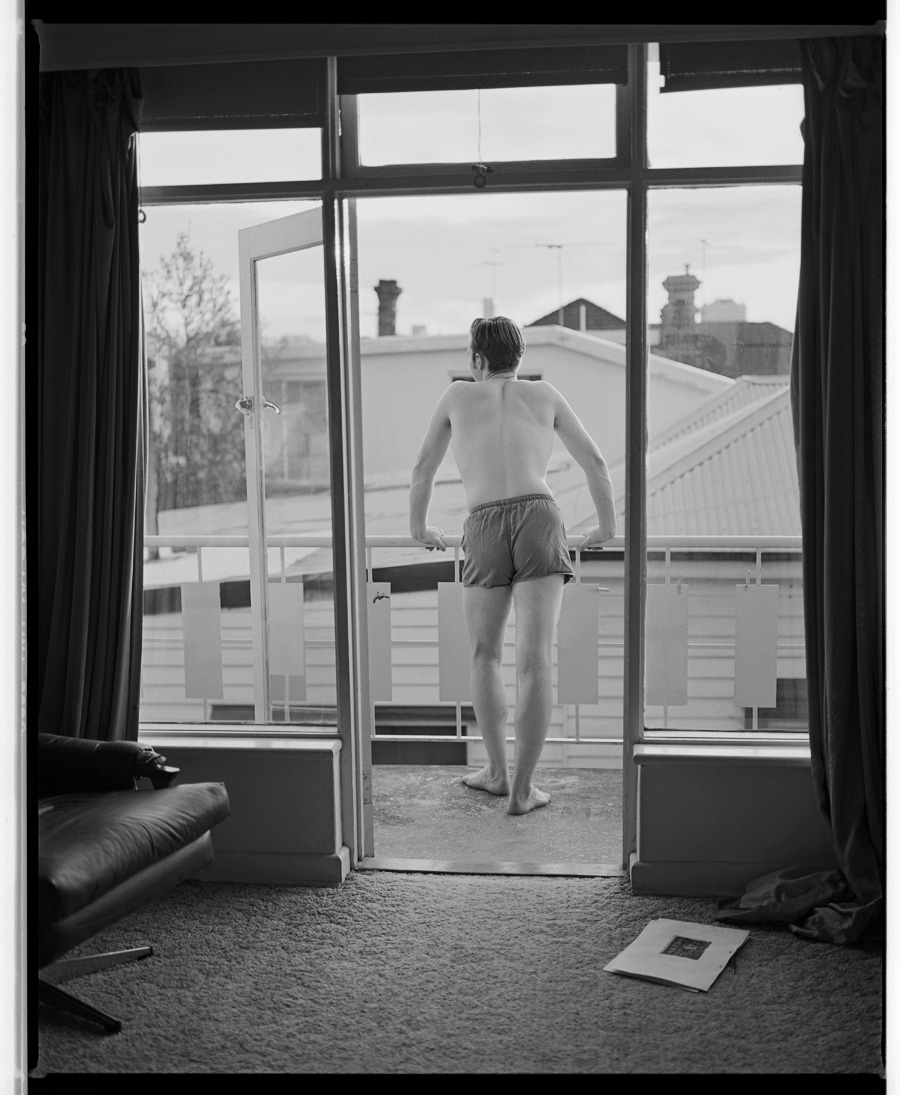


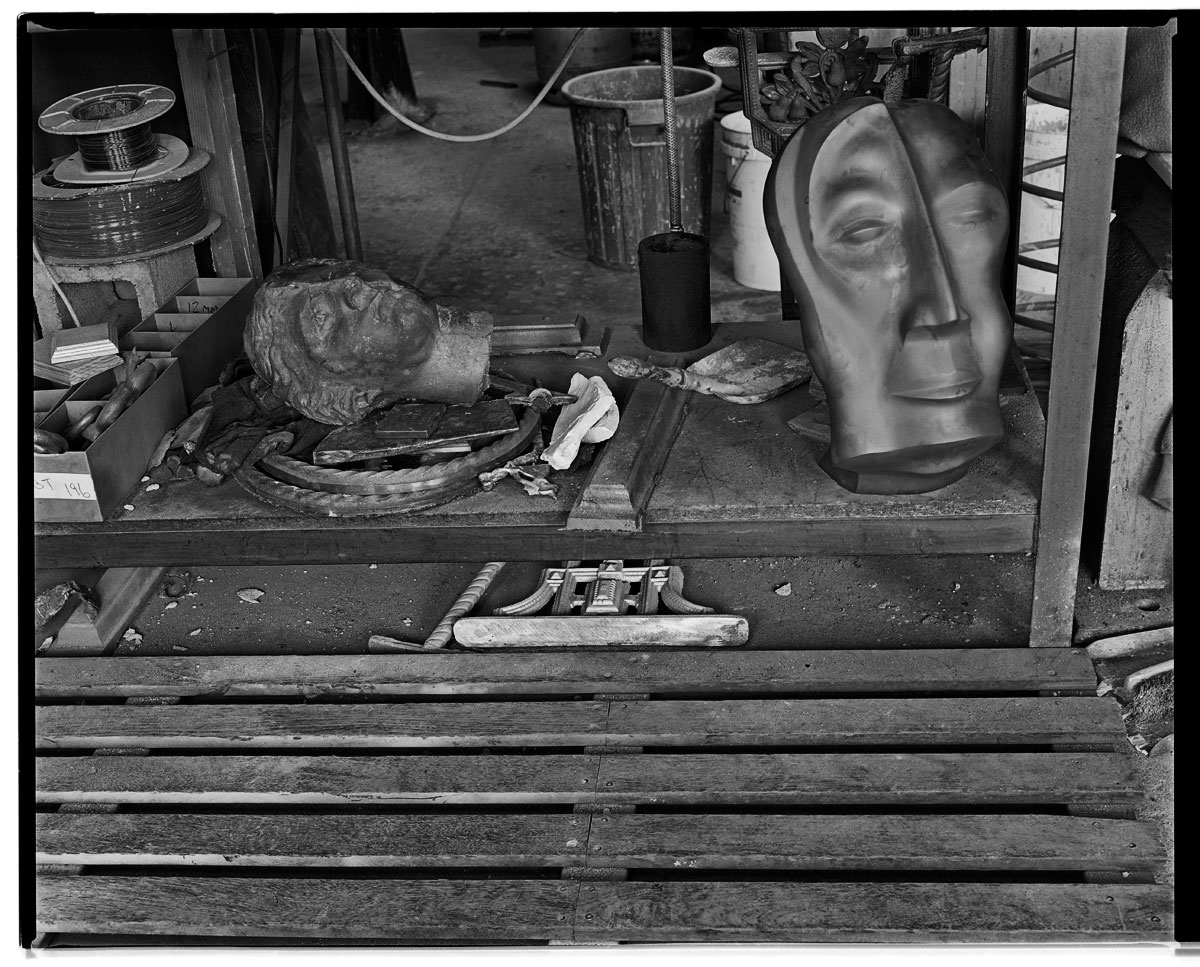


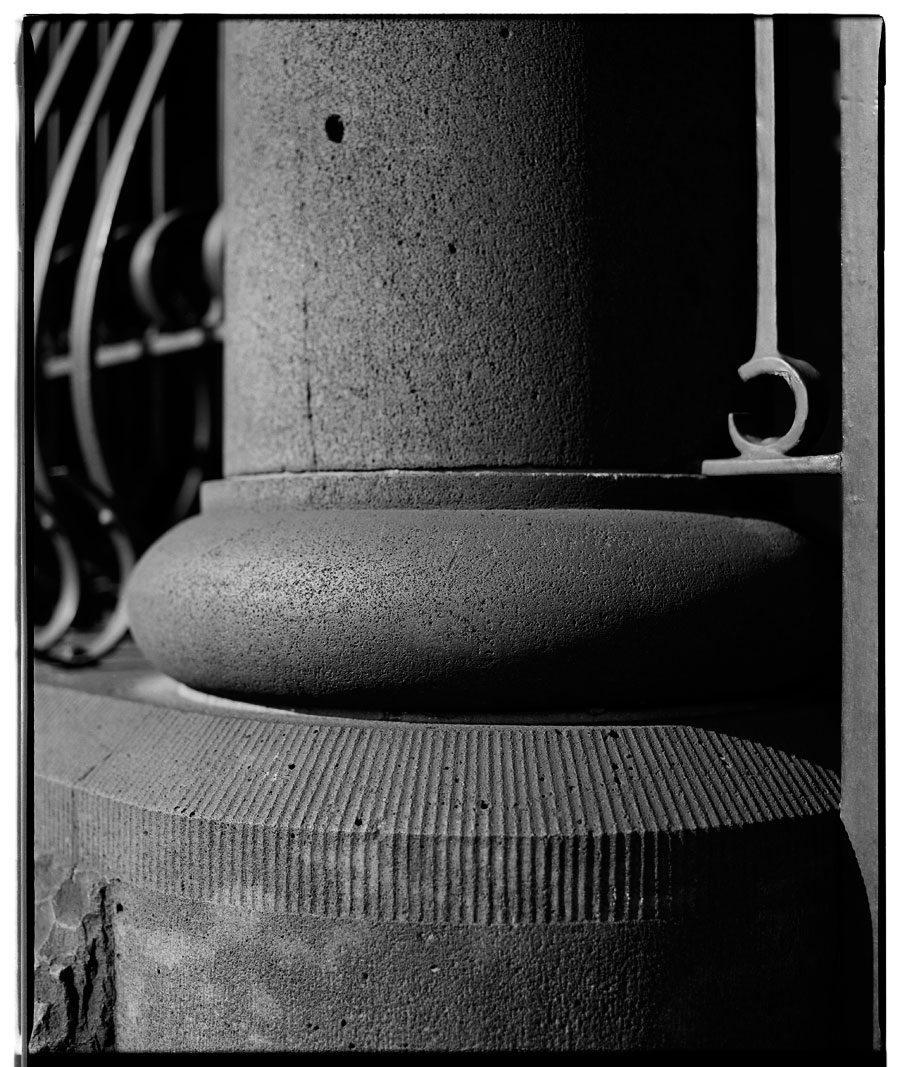
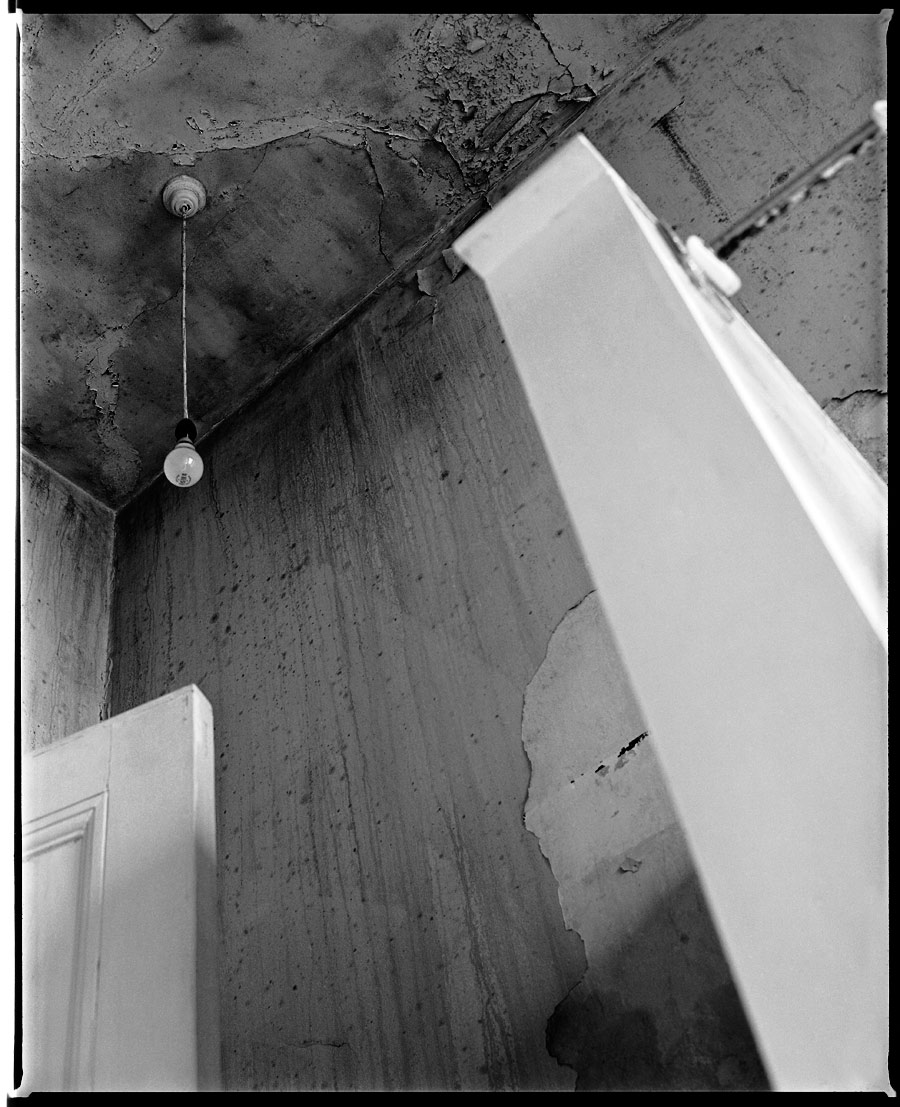
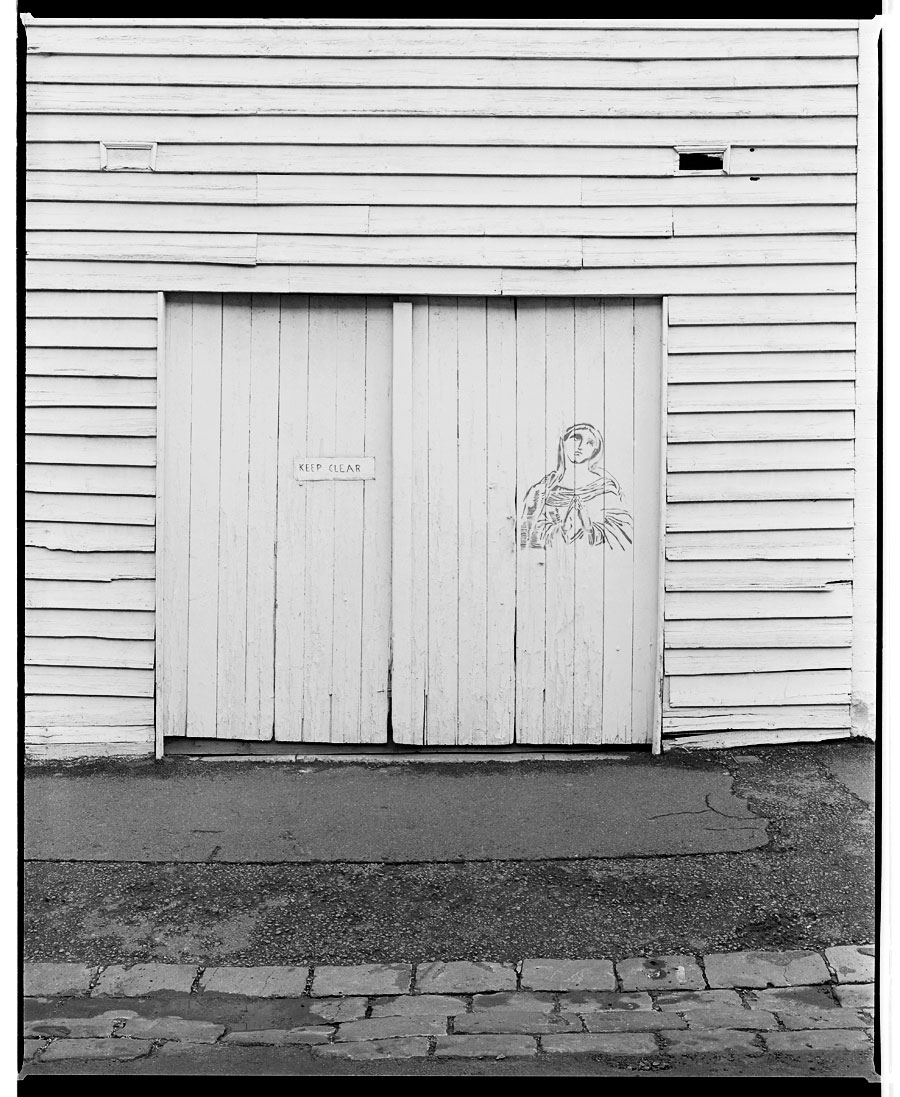

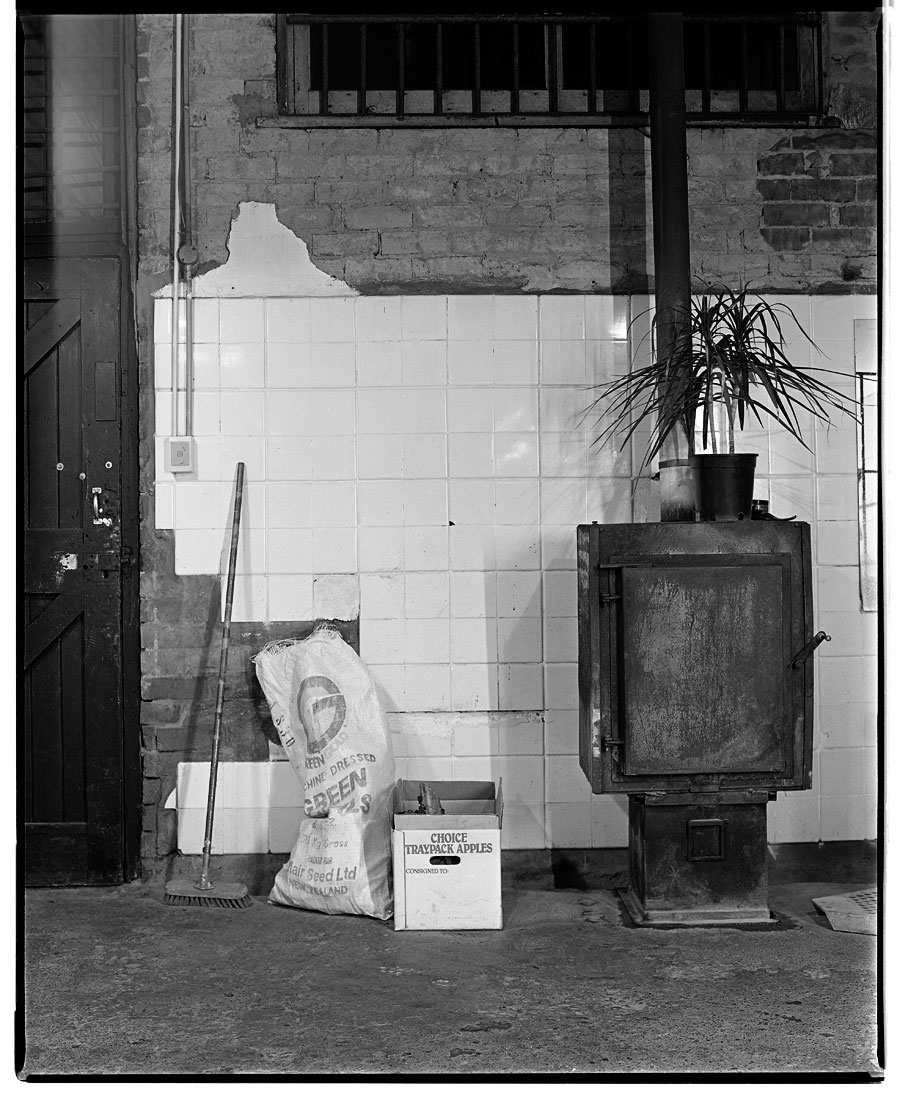

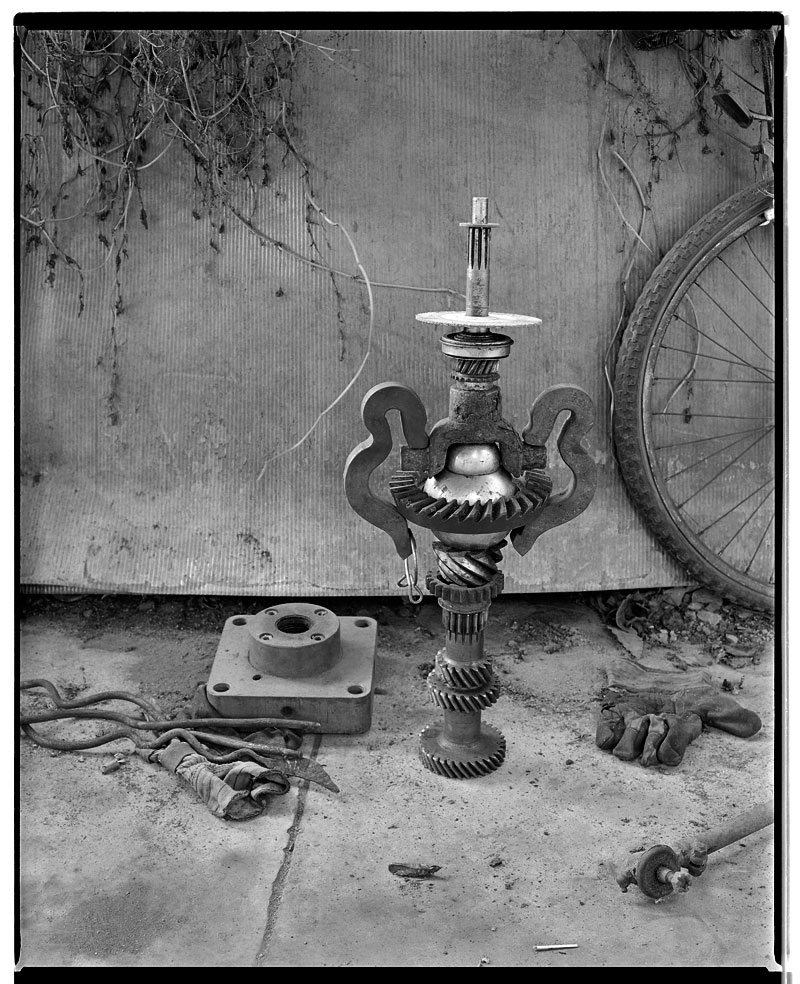


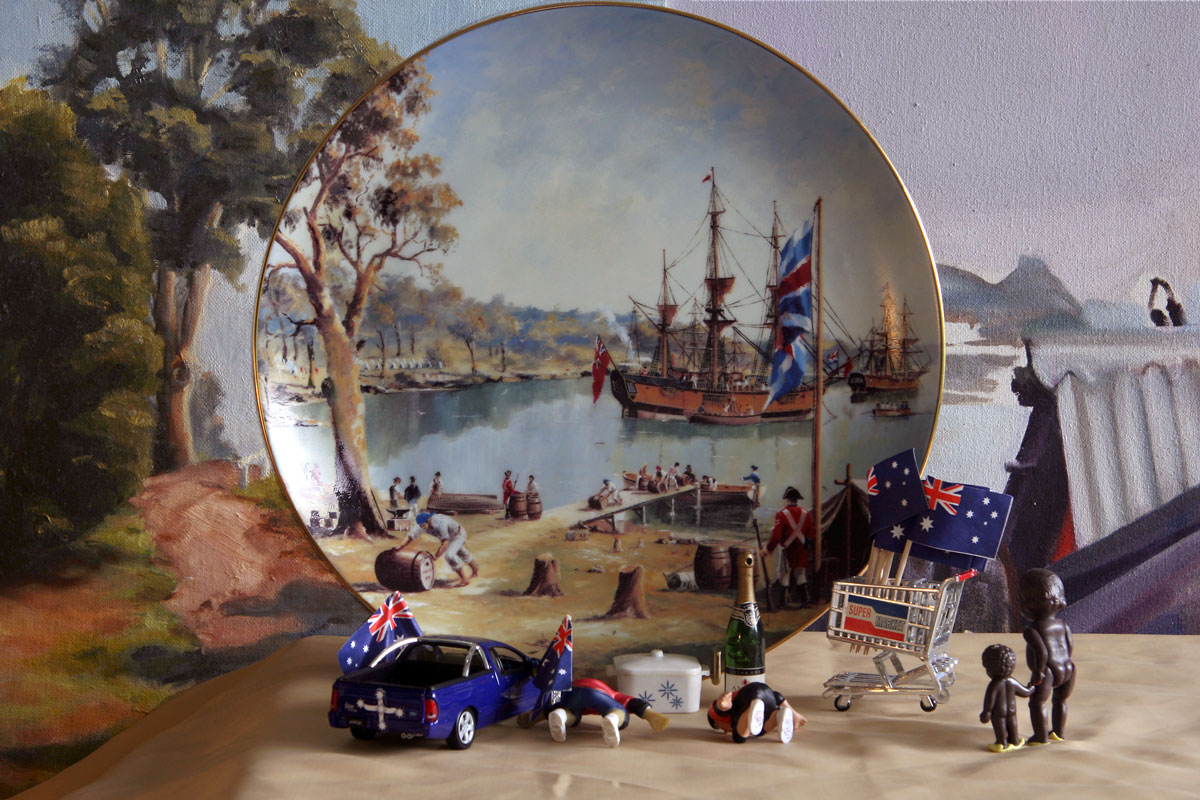
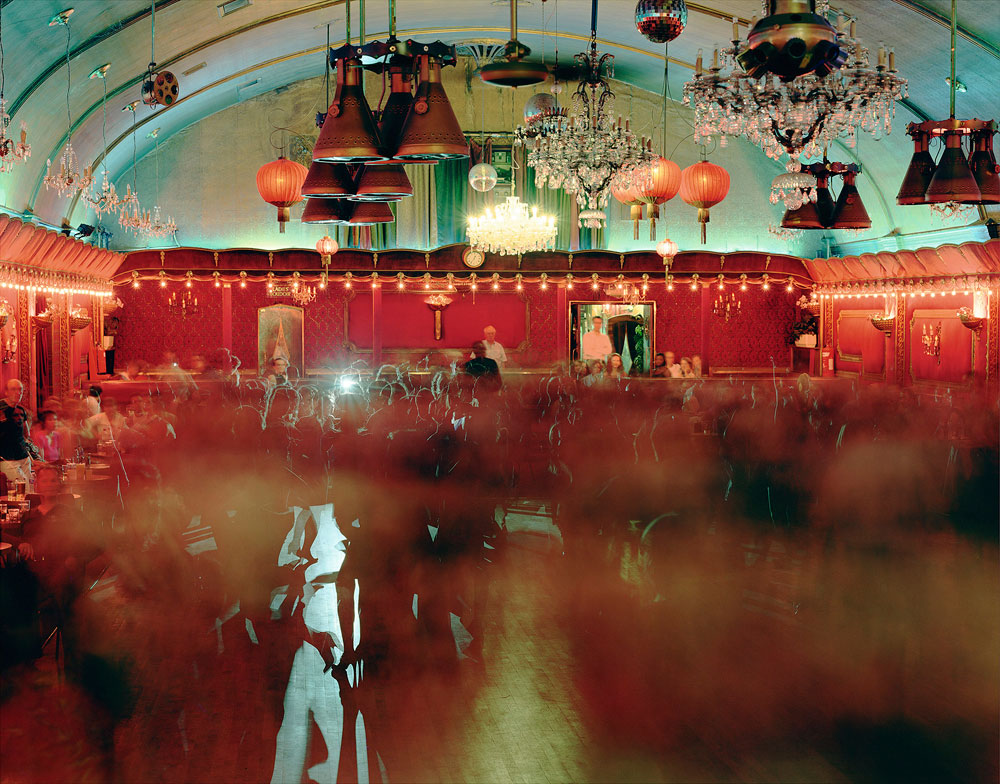
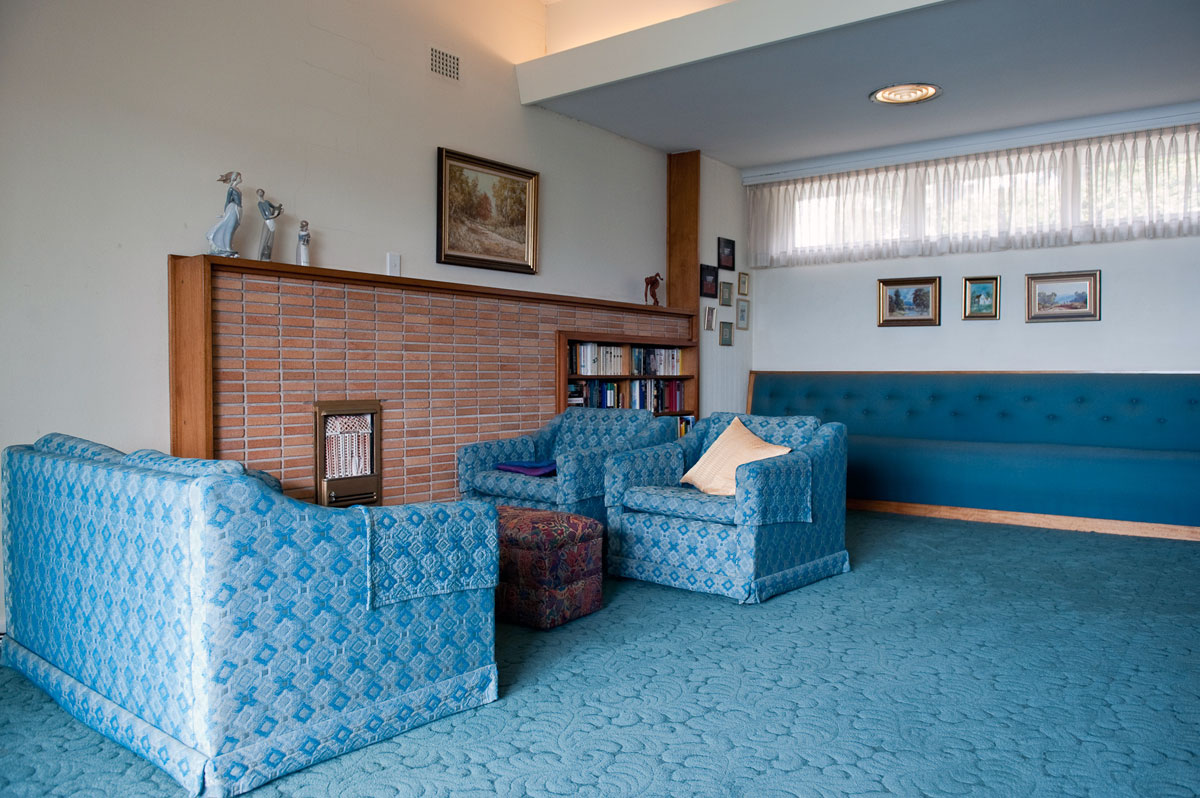
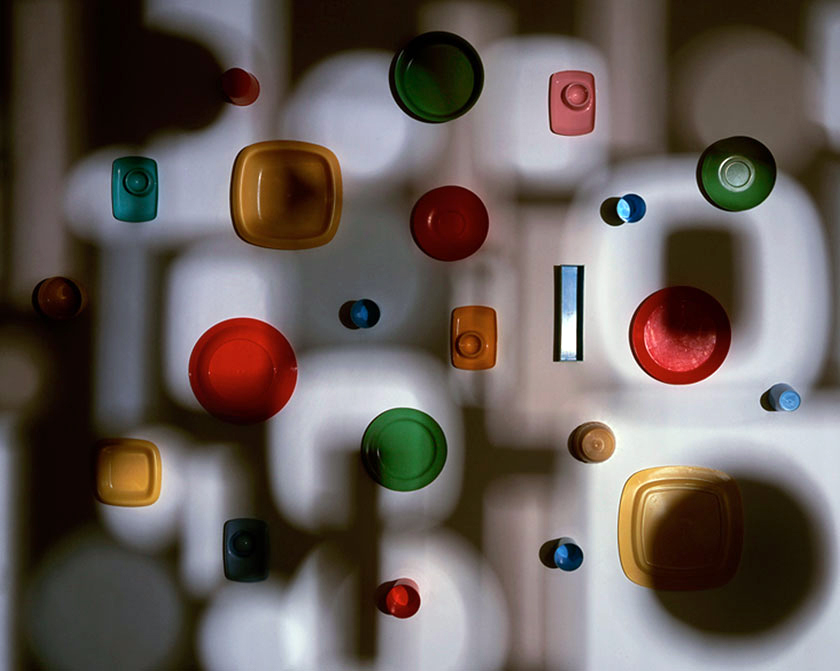
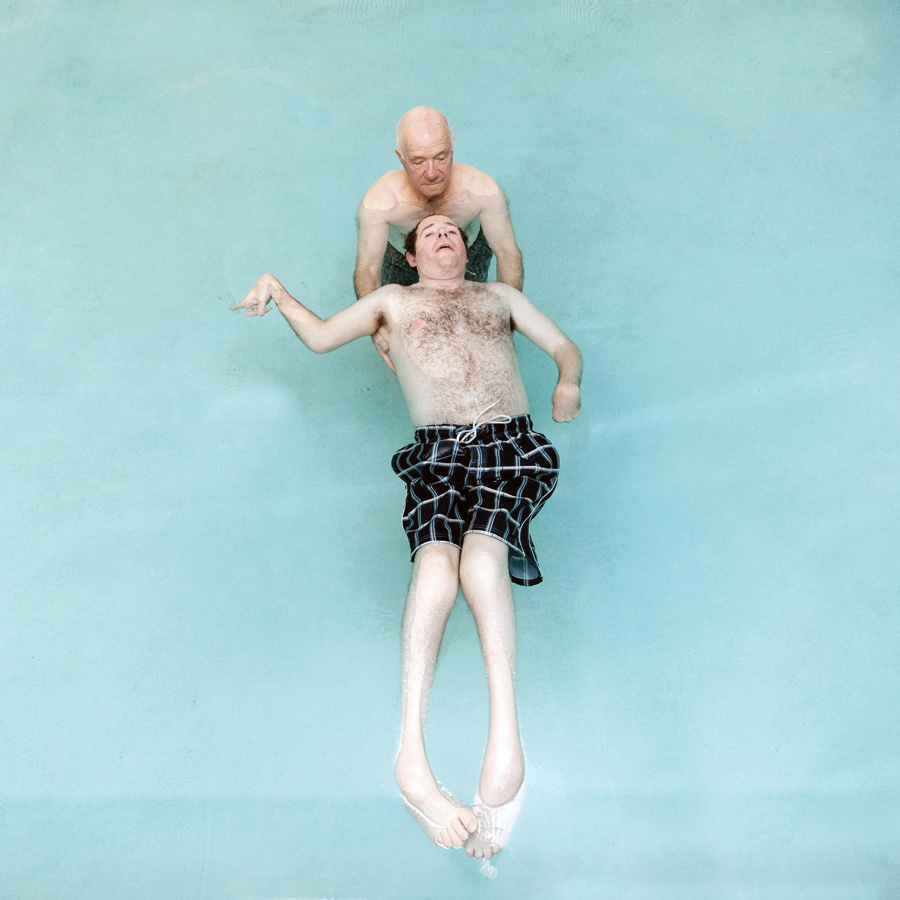
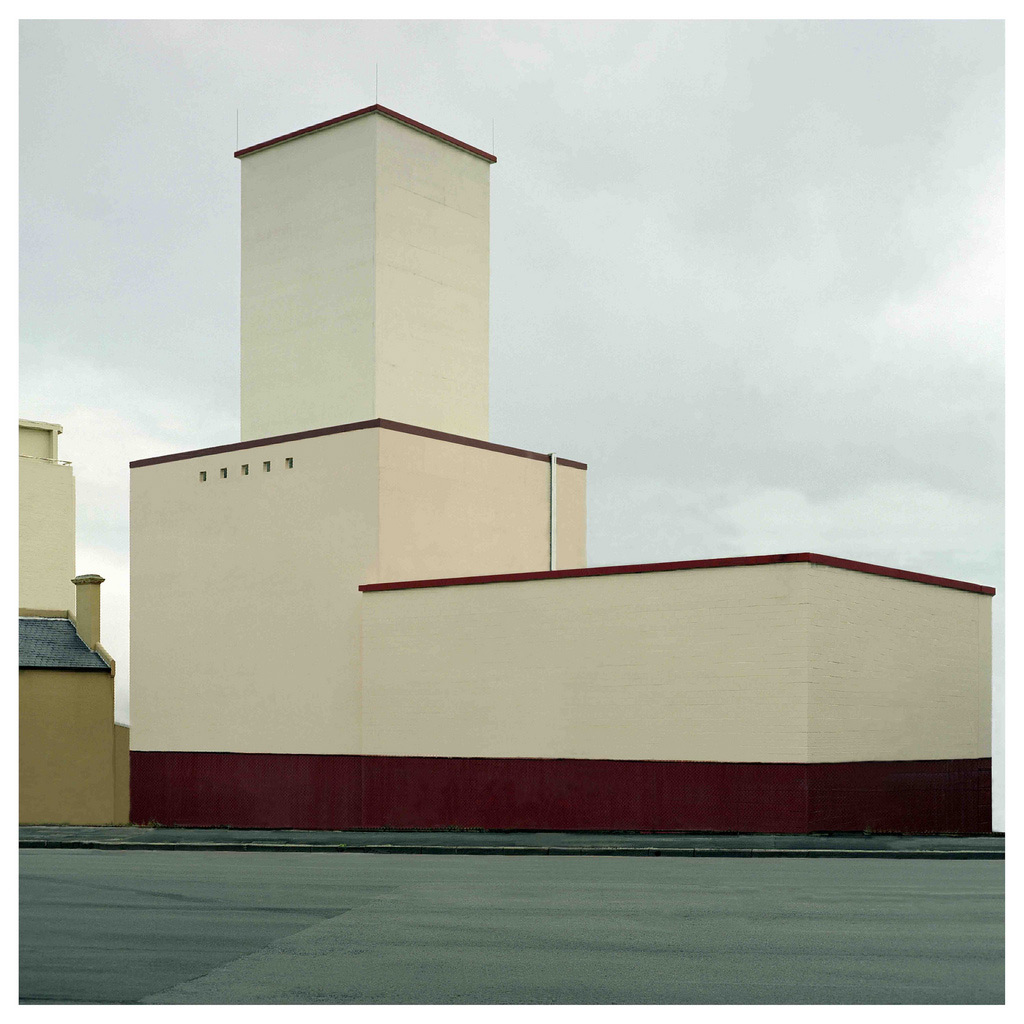
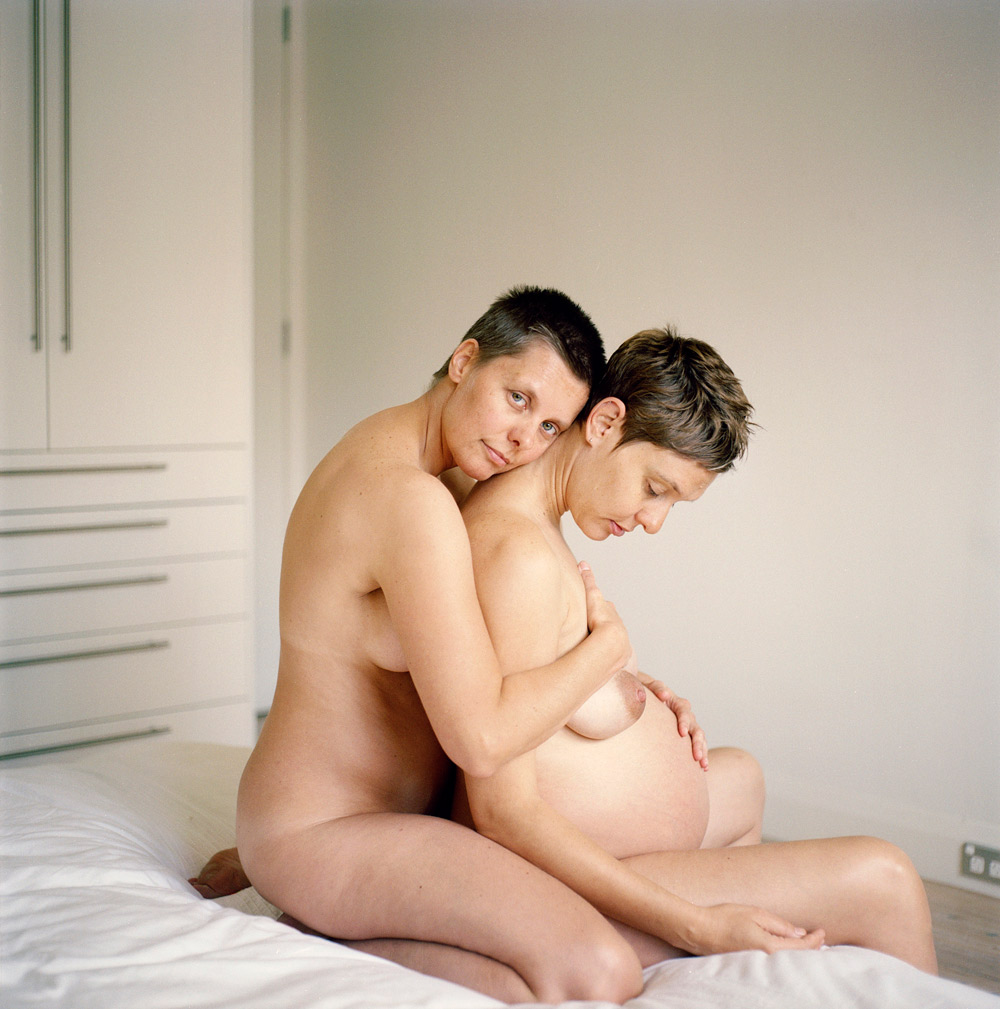
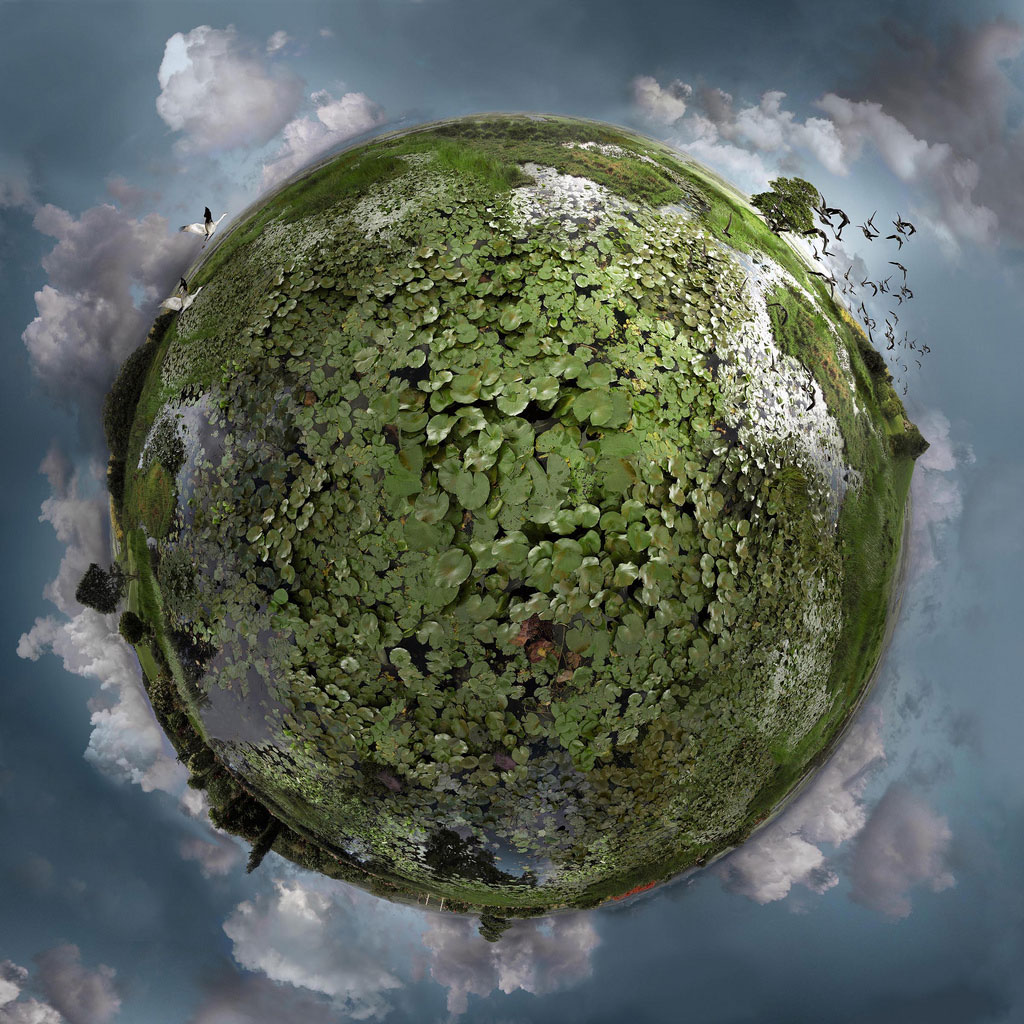
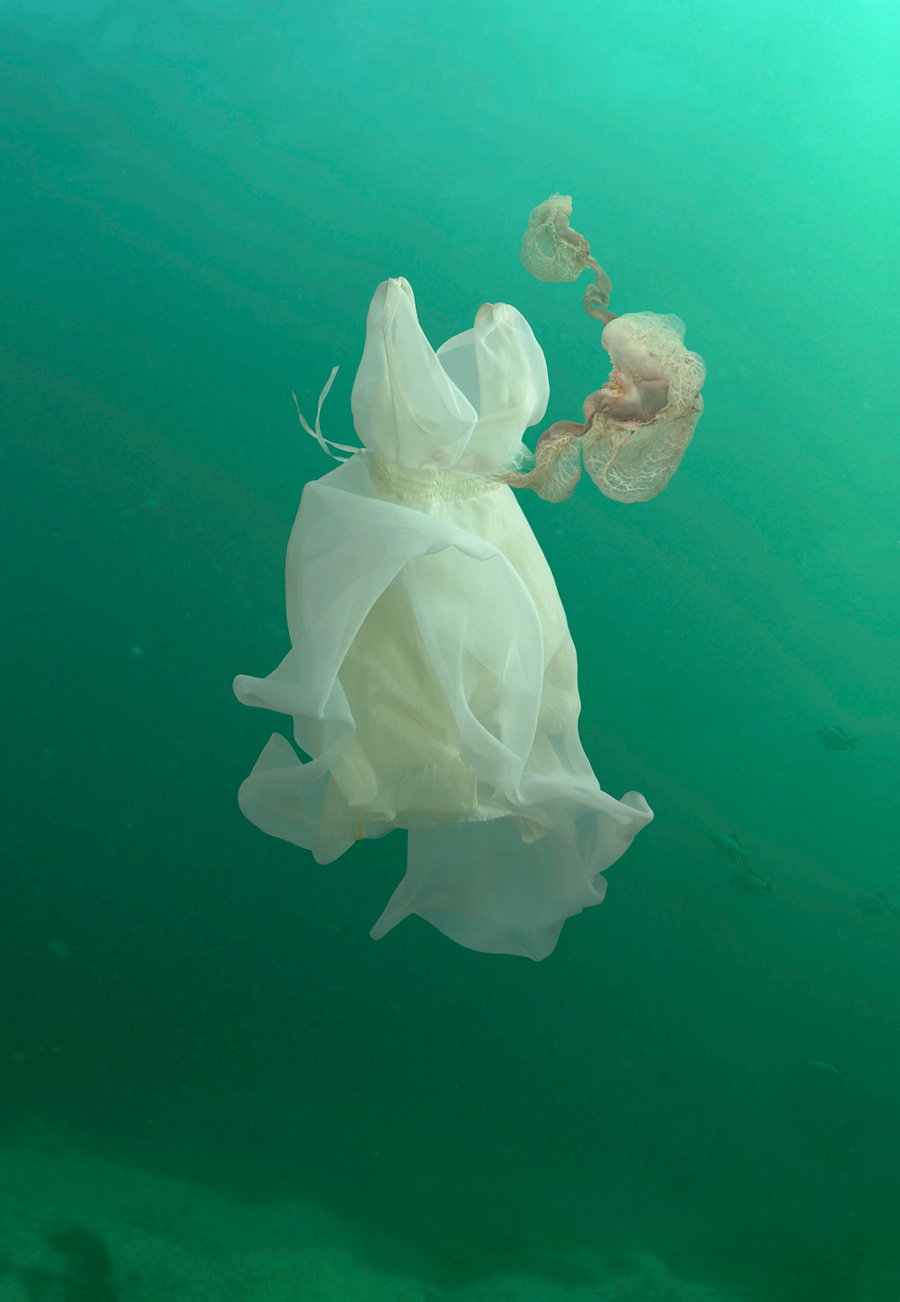

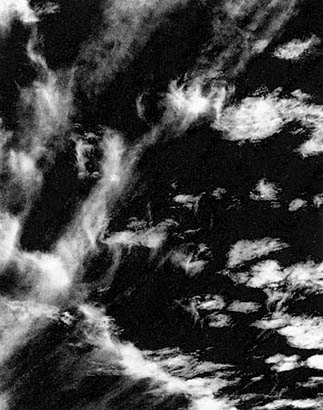
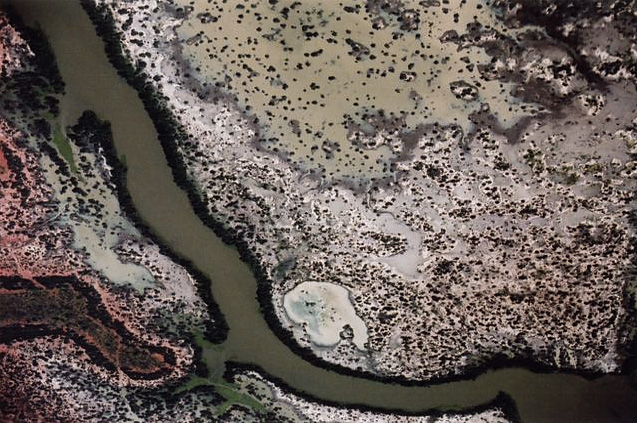

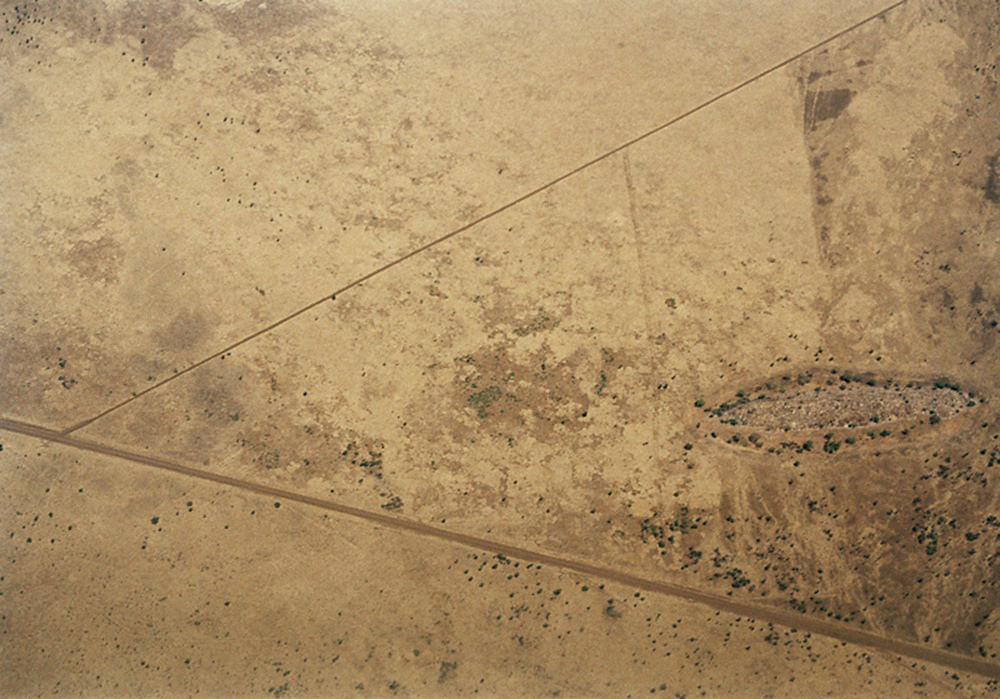
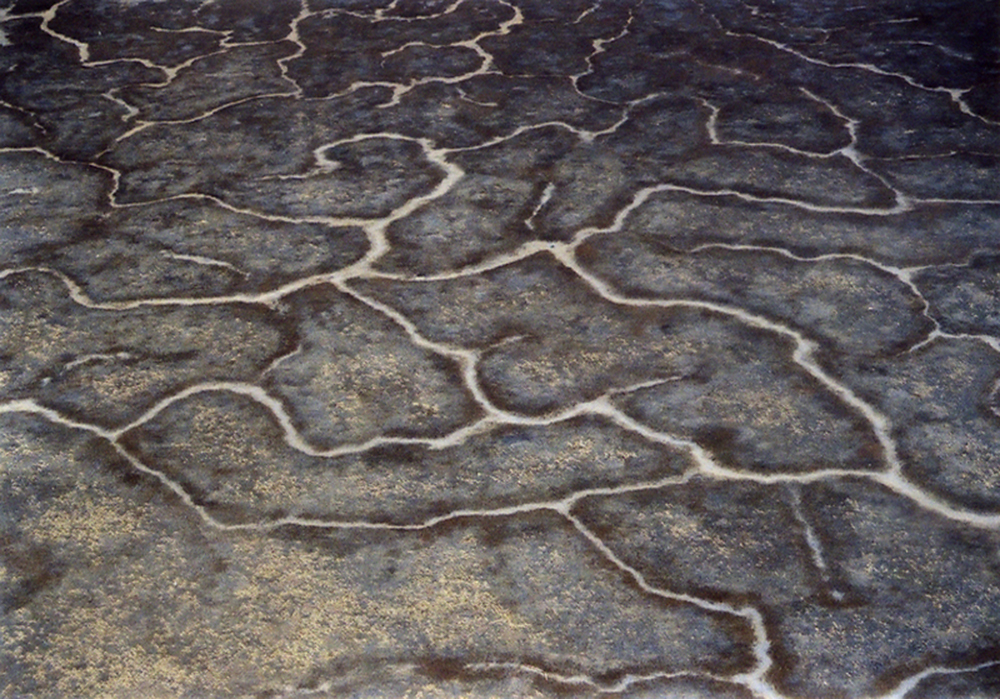
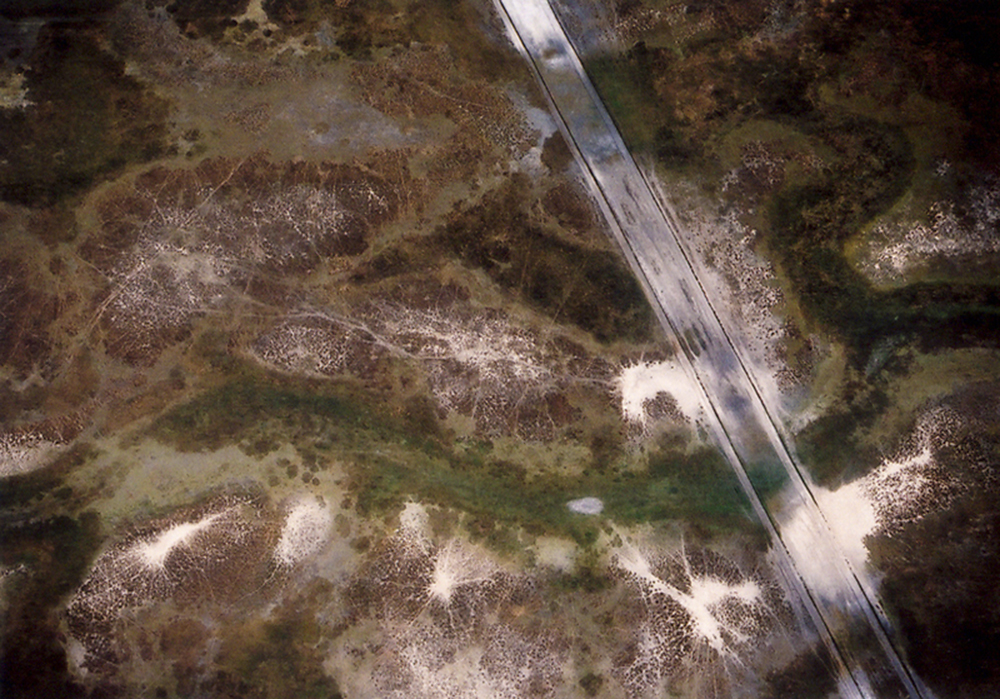


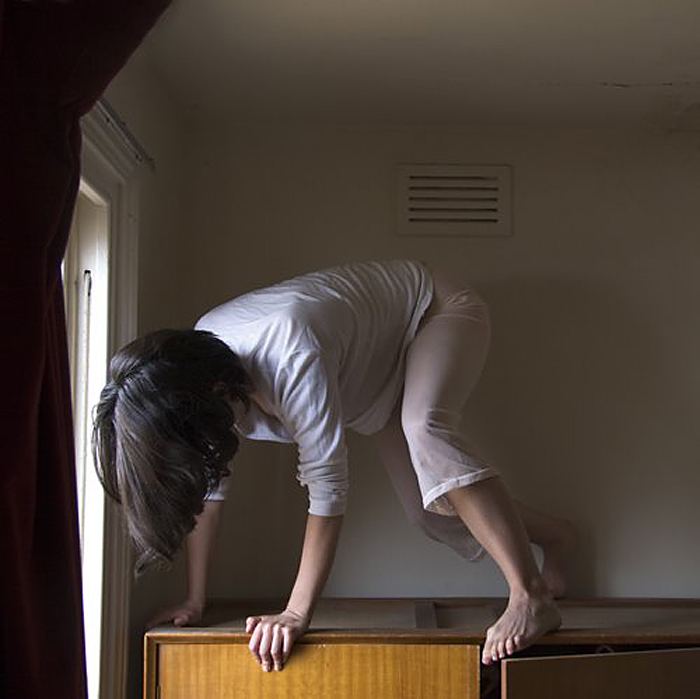


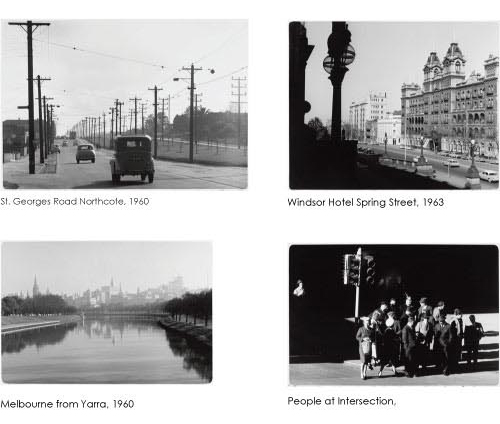

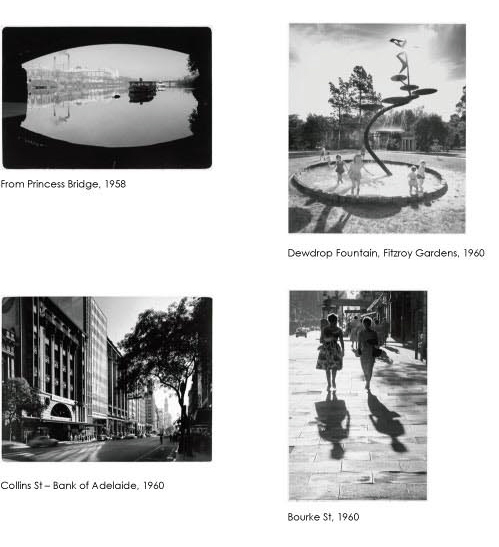


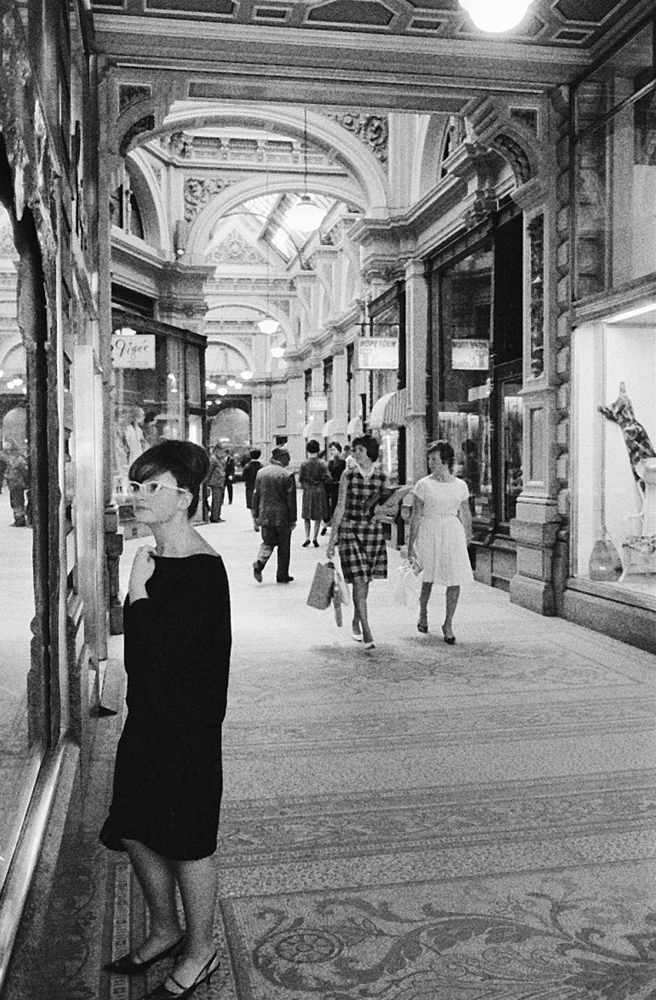


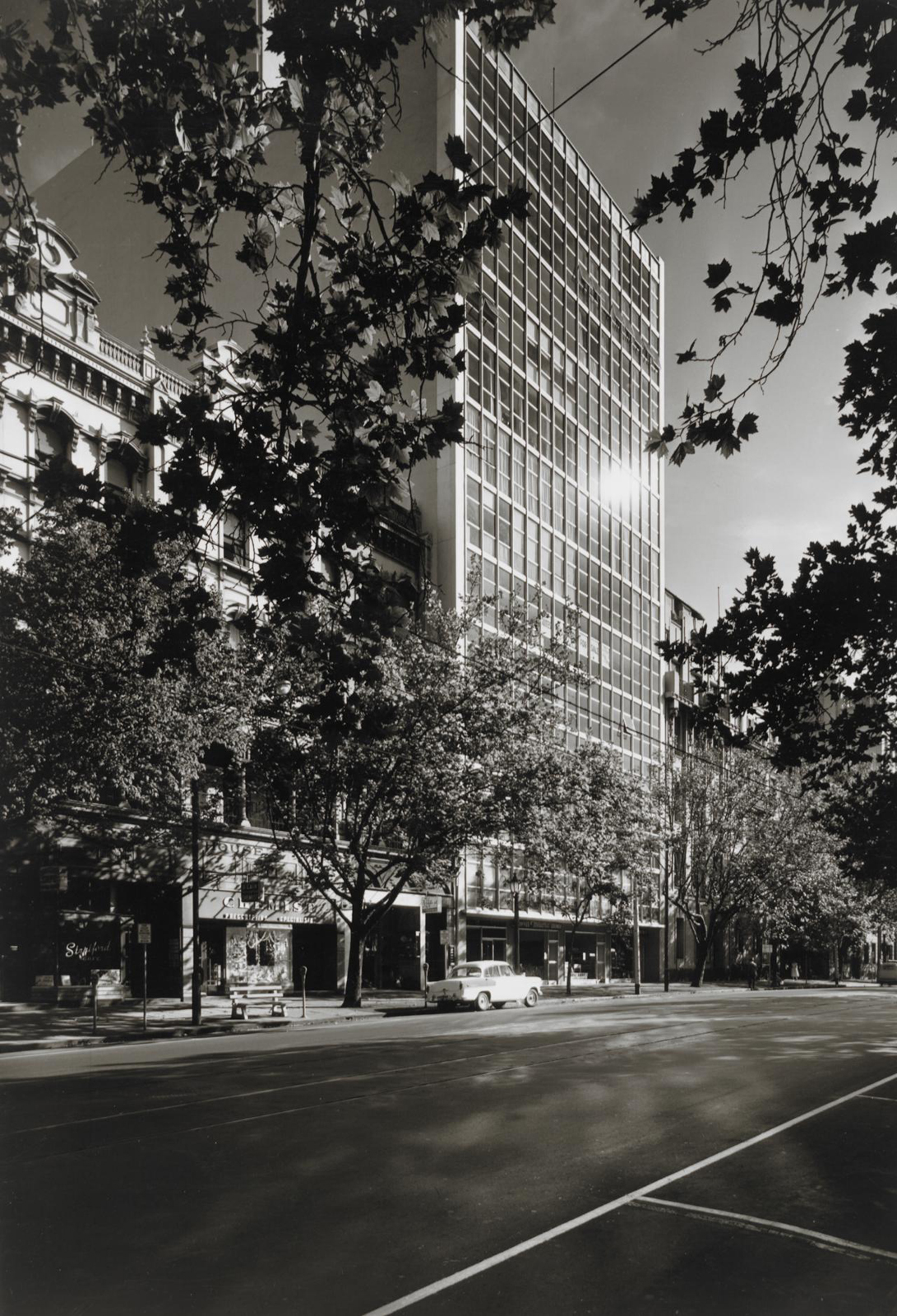

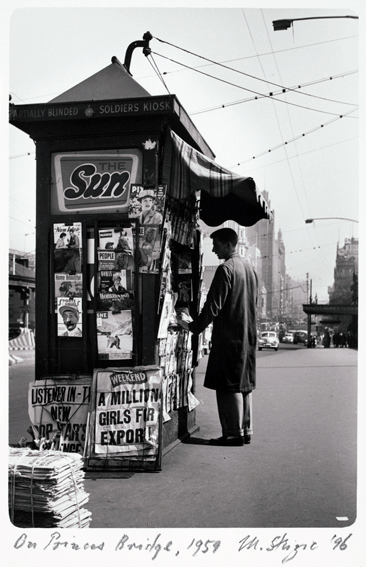


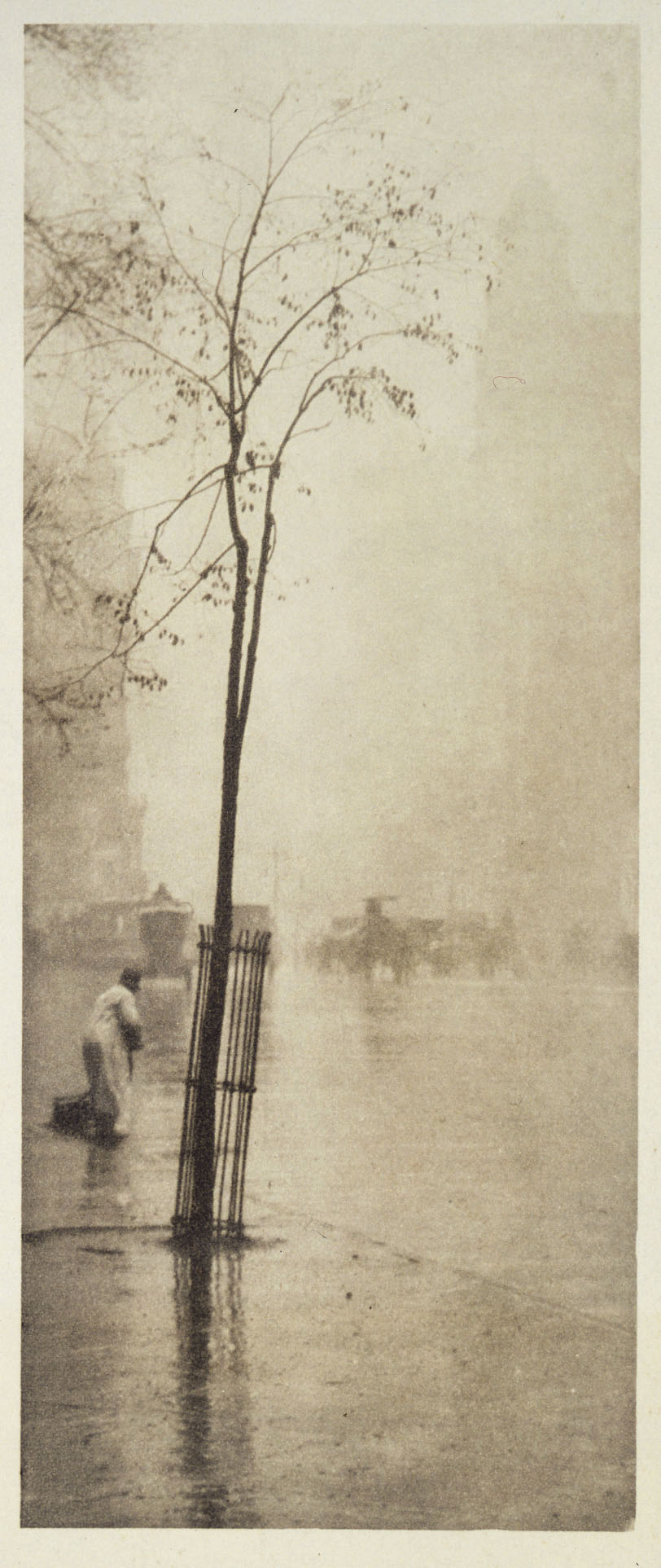


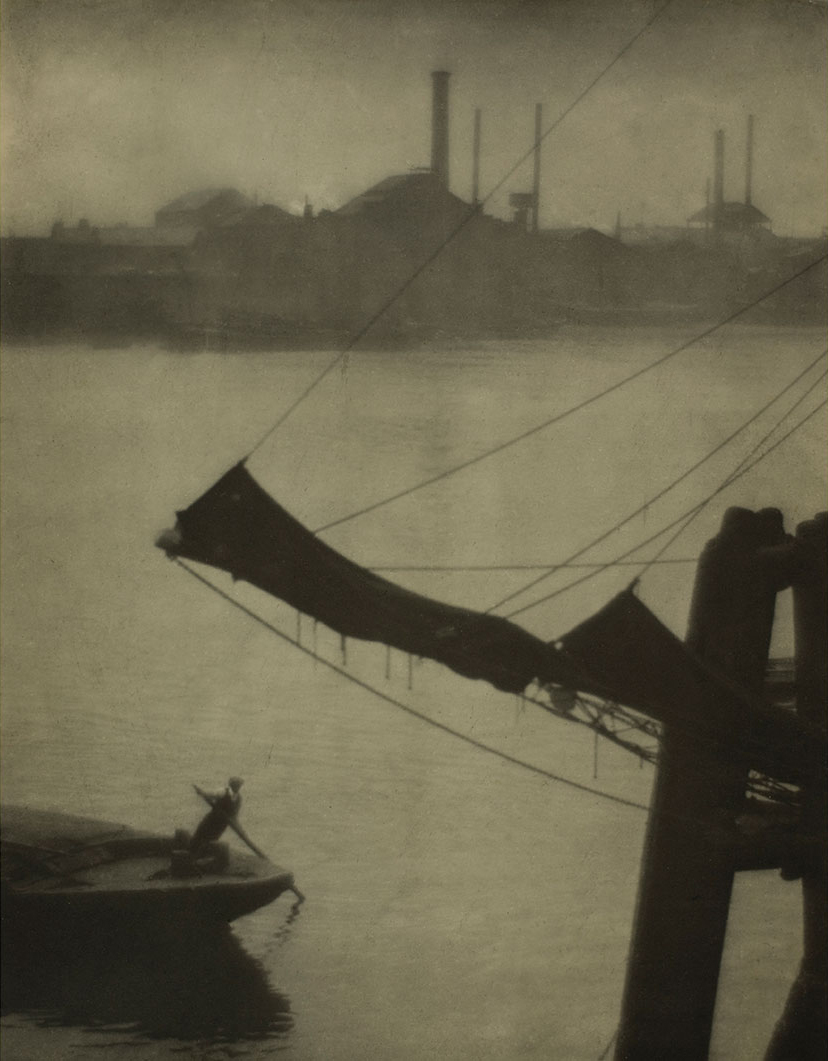


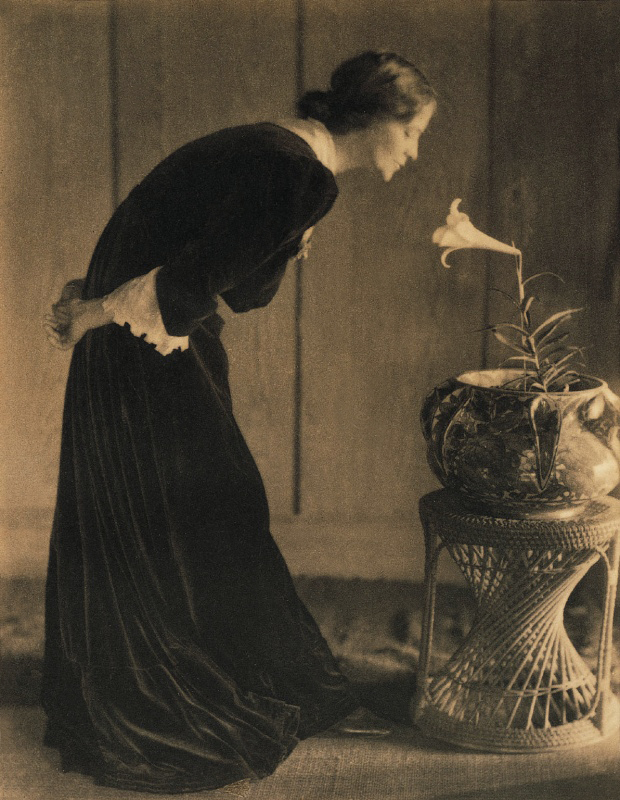

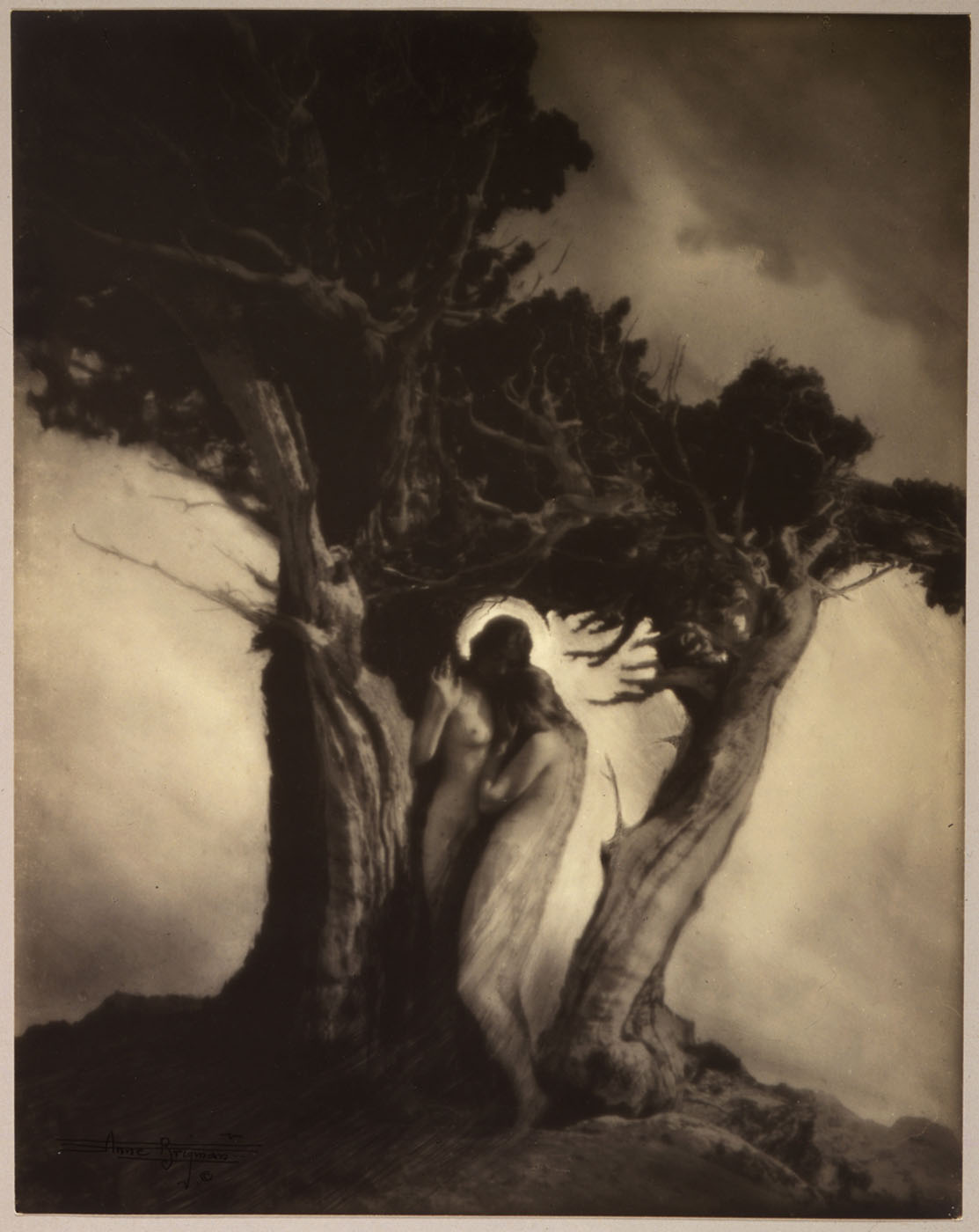

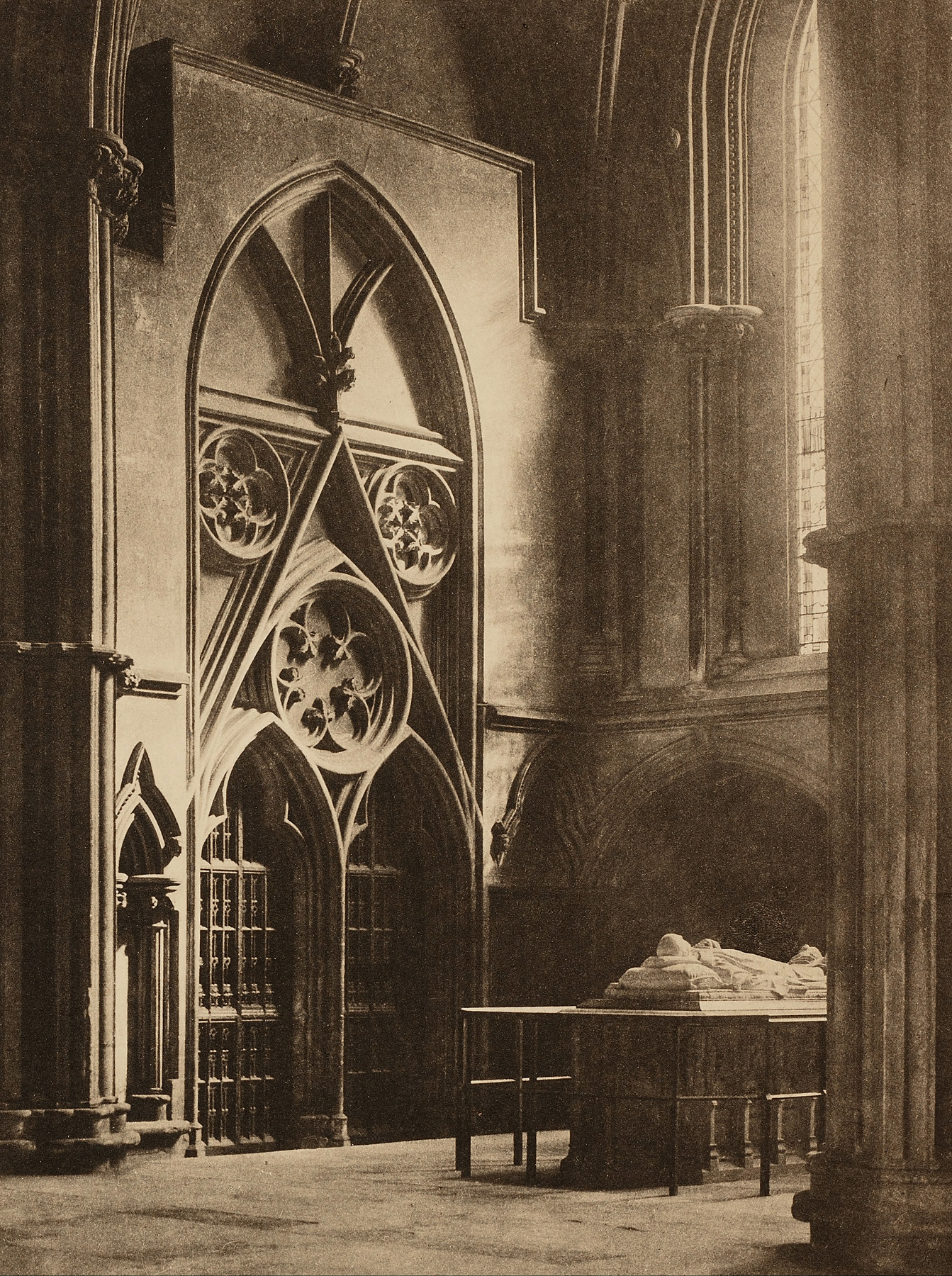

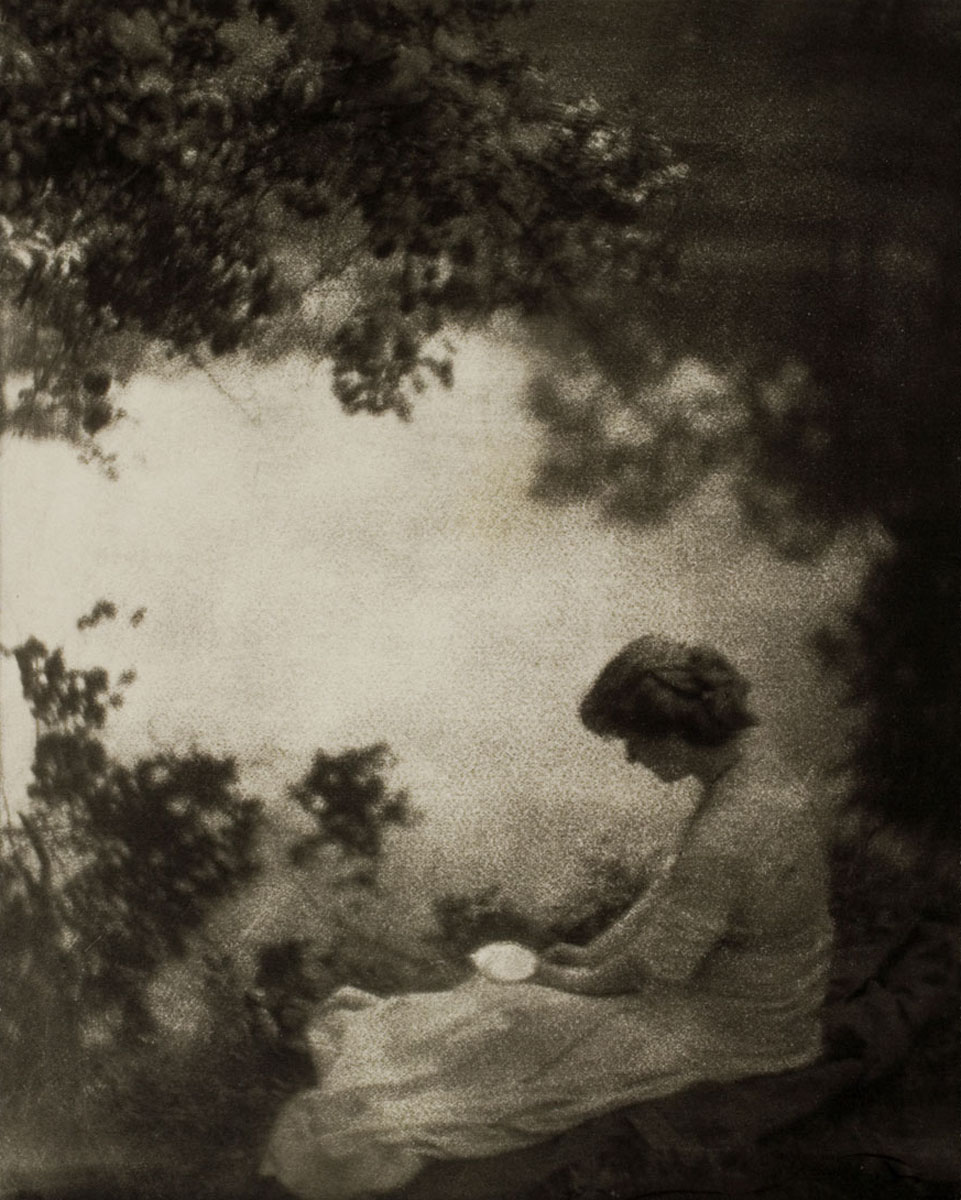


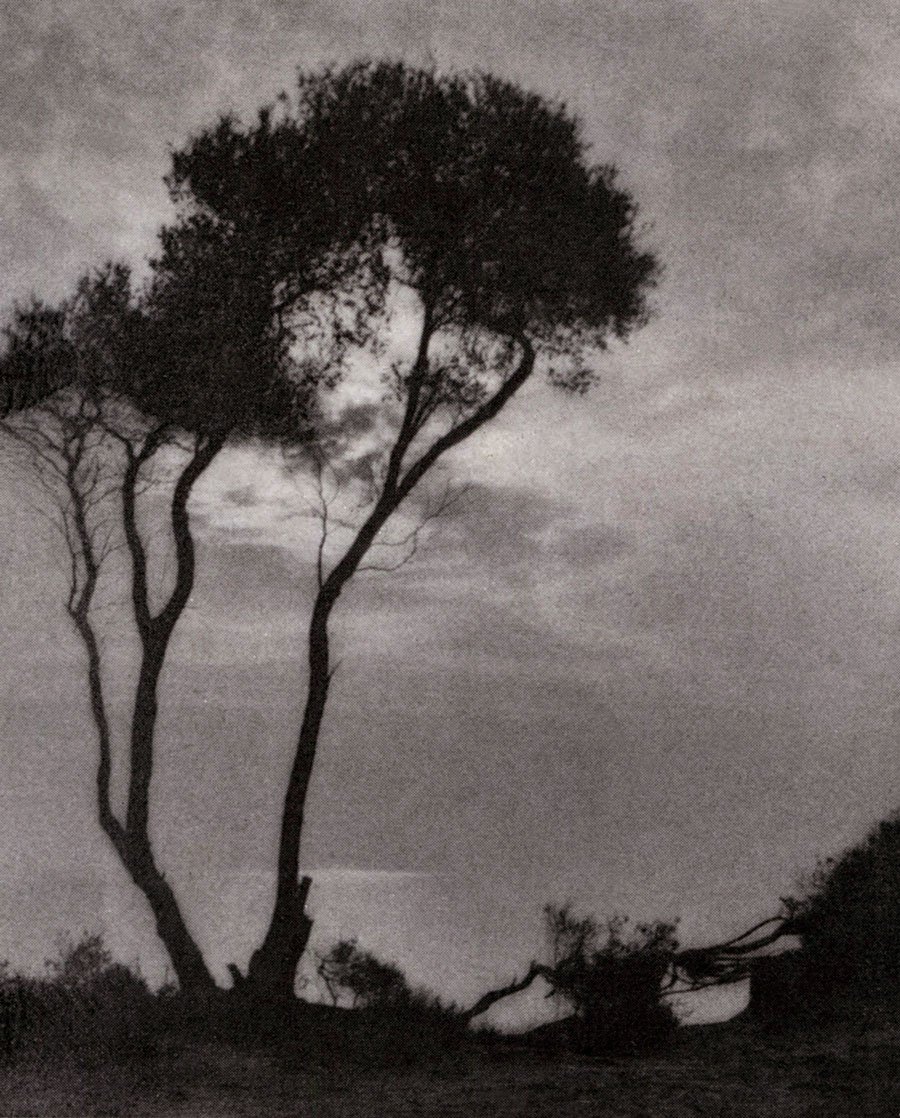


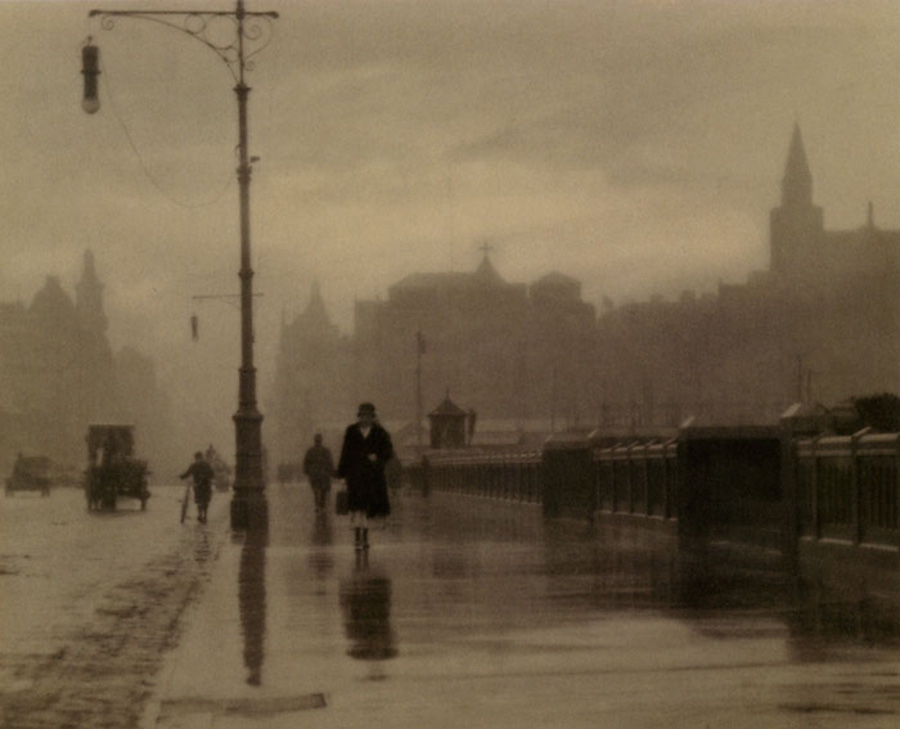
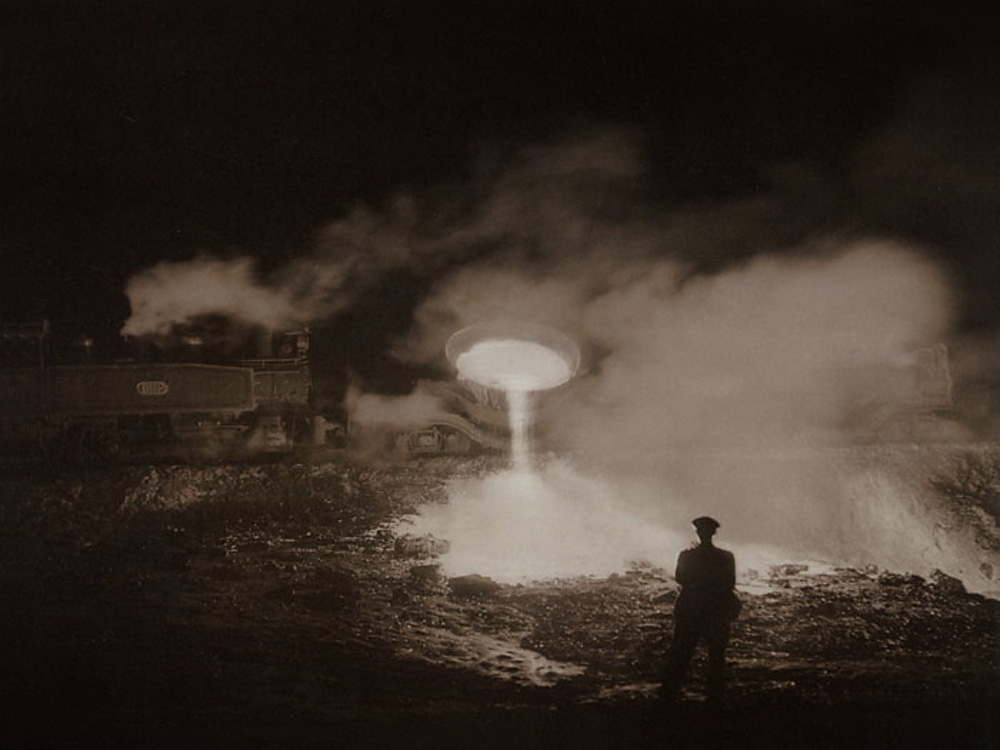
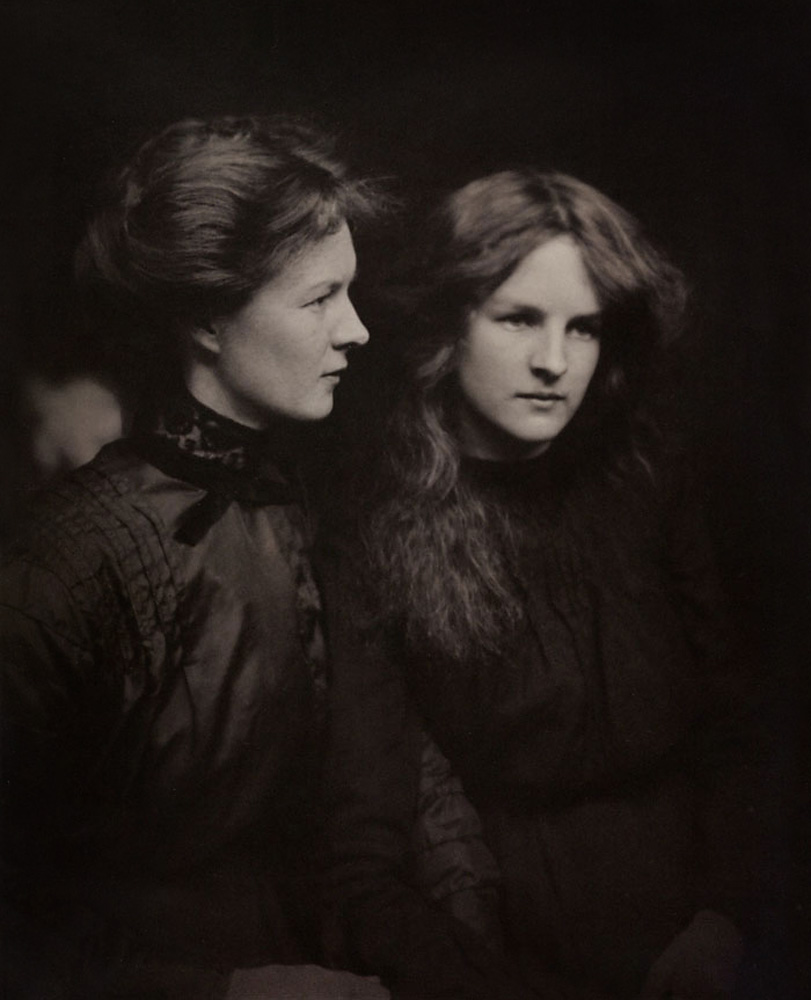

 Art Blart _ art and cultural memory archive
You must be logged in to post a comment.