Larry Fink (American, 1941-2023) John Sabatine and Molly 1980 Gelatin silver print
“To try to see more and better is not a matter of whim or curiosity or self-indulgence. To see or to perish is the very condition laid upon everything that makes up the universe, by reason of the mysterious gift of existence.”
Teilhard de Chardin, “Seeing” 1947
Being human
Another master photographer has died. We are losing so many important visionaries who were born pre-Second World War, during the war and post-war period.
While I have sequenced this posting to highlight the dichotomy in Fink’s exploration of social class in America, that is, between the haves and the have-nots, between the hedonistic party people of Studio 54, the urban New Yorkers of “high society” and rural, working-class Pennsylvanians1 – as ever in life, Fink’s work is much more complex and nuanced than that.
Fink acknowledged that the photographs in his series “Social Graces” of New York “high society” at play were hard of heart. “I used to judge people out of the hardness of my heart. So, I went into these very voluptuous and elegant bourgeois circumstances, and I would judge these people as if they were the enemy.” That does not make these photographs any less valuable as a record of that brief moment of encounter between photographer and subject. For he observed, “The moment that we have is the only moment we will ever have, insofar as it is fleeting. Every breath counts. So does every moment and perception.”
Thus, in any of his photographs you have to admire his skill at capturing that fleeting moment: marvel at the flying pigtail in Studio 54 (1977, below) and feel the immediacy of hand gesture in Pat Sabatine’s 8th Birthday Party (1977, below) or the contemptuous look on the woman’s face in Pat Sabatine’s 11th Birthday Party (1980, below) to understand that.
In later life Fink – an empathetic human with an inquiring mind who obviously worked on his inner growth, who had acquired knowledge and a little wisdom – was aware how he had wronged himself and others during the taking of the photographs for “Social Graces”.
“When age had given me entry into life’s harder organic experiences – my back, my heart, my prostate, my hip – I started to look at my own face in the mirror and see the results of pain. I would see that many of the judgments I had made in the early days, based on an ideal sense of a physical equilibrium, were absolutely and horrendously bigoted. I was not at all sensitive to either the inner or external trappings of what it means to just be alive and all its various, vulnerable complexities.”2
With every breath he understood that when he took photographs he was attempting to touch the eternal, an expression of admiration and gratitude at being alive.
“I am involved with the idea of reaching deeply into the pulsing matter of what it means to be alive and being vulnerable and seeing if I can cast an emotional legacy about being human.”
The emotional legacy of his photographs attests to his enduring spirit.
Dr Marcus Bunyan
1/ “He paired the tales of these two worlds – the chilly anomie of the haute monde and the lively, messy domesticity of the Sabatines – in a collection of photographs he called “Social Graces,” which was first shown in an exhibition at the Metropolitan Museum of Art in 1979 and then published in a book of the same title in 1984, now considered a collector’s item.”
2/ Larry Fink quoted in Adriana Teresa. “A Moment With Larry Fink,” on The New York Times website Jan. 6, 2011 [Online] Cited 02/12/2023
Please click on the photographs for a larger version of the image.
“The goal, I suspect, through harmonies and edges and everything that we have in our command, is to take a dumb two-dimensional picture and make it something that a viewer enters and doesn’t want to leave.”
Larry Fink
“It’s about empathy. But the necessary methodology is conventionally in-your-face. Not like other practitioners, who are in your face for the sake of being in your face, I am in your face because I want to be your face. I like to say that if I was not a photographer, I would be in jail. I want to touch everything. My life is profoundly physical. Photography for me is the transformation of desire. …
I don’t like to hurt people. I go after something and I start pointing the camera at somebody, looking for those hard, edgy things I know I am going to find. My pictures will be out of bounds in terms of the convention of how this person wants to be represented. It gives me pause. I don’t feel I have the right to do that. But I do it nevertheless. After all, a picture is not a murder. It is simply a moment which suggests so many things. …
I was severely analytical when I was young, like when I was doing “Social Graces.” I was a good-looking kid. My mother was very vain, competitive and judgmental, and I took on the same characteristics as a younger person. I used to judge people out of the hardness of my heart. So, I went into these very voluptuous and elegant bourgeois circumstances, and I would judge these people as if they were the enemy. I believed the work to be analytical, in a political fashion.
When age had given me entry into life’s harder organic experiences – my back, my heart, my prostate, my hip – I started to look at my own face in the mirror and see the results of pain. I would see that many of the judgments I had made in the early days, based on an ideal sense of a physical equilibrium, were absolutely and horrendously bigoted. I was not at all sensitive to either the inner or external trappings of what it means to just be alive and all its various, vulnerable complexities. …
The moment that we have is the only moment we will ever have, insofar as it is fleeting. Every breath counts. So does every moment and perception. It’s a way to be alive. I am involved with the idea of reaching deeply into the pulsing matter of what it means to be alive and being vulnerable and seeing if I can cast an emotional legacy about being human.”
Larry Fink quoted in Adriana Teresa. “A Moment With Larry Fink,” on The New York Times website Jan. 6, 2011 [Online] Cited 02/12/2023
Larry Fink (American, 1941-2023) Studio 54 1977 Gelatin silver print
Larry Fink was born in Brooklyn in 1941. In the 1960s, he studied with noted photographer Lisette Model. This photograph from Studio 54, made in 1977 in the hedonistic heyday of the disco era, is a well know image from Fink’s series “Social Graces,” which explored social class in America by comparing two different worlds: that of urban New Yorkers of “high society” and that of rural, working-class Pennsylvanians through social events like birthday parties. Fink has described his approach to his subject in a straightforward, non-judgmental manner, “The one thing I was trained in being was non-hierarchical. I don’t have an internal class system. Who you are is who is in front of me and who I am in the same, and that’s how we have to relate to each other.”
Larry Fink (American, 1941-2023) Pat Sabatine’s 8th Birthday Party 1977 Gelatin silver print
Larry Fink (American, 1941-2023) Russian Ball, New York City 1976 Gelatin silver print
Larry Fink (American, 1941-2023) Pat Sabatine’s 11th Birthday Party 1980 Gelatin silver print
Larry Fink (American, 1941-2023) Benefit, MoMA, New York 1977 Gelatin silver print
Larry Fink, a kinetic photographer whose intimate black-and-white on-the-fly portraits of rural Pennsylvanians, Manhattan society figures, Hollywood royalty, boxers, musicians, fashion models and many others were both social commentary on class and privilege and an exuberant document of the human condition, died on Saturday at his home in Martins Creek, Pa. He was 82. …
… in the early 1970s he turned to overt social commentary, infiltrating the society benefits, debutante parties and watering holes of Manhattan’s privileged tribes and their hangers-on. He was fueled, he once wrote, both by curiosity and by his own rage at the privileged class – “its abuses, voluptuous folds, and unfulfilled lives.”
A few years later, he and his wife at the time, the painter Joan Snyder, moved to a farm in Pennsylvania, where he began photographing his rural neighbors, a charismatic family called the Sabatines who embraced him as one of their own. He went on to capture years’ worth of the family’s baptisms, birthdays and graduations.
He paired the tales of these two worlds — the chilly anomie of the haute monde and the lively, messy domesticity of the Sabatines – in a collection of photographs he called “Social Graces,” which was first shown in an exhibition at the Metropolitan Museum of Art in 1979 and then published in a book of the same title in 1984, now considered a collector’s item.
“Social Graces” placed Mr. Fink firmly in the photographic canon. It drew comparisons to the street photos of Weegee and Diane Arbus and even to the paintings of Caravaggio. (Mr. Fink was a master of shadow and light.) When the pictures were shown in 2001 at the Yancey Richardson gallery in Manhattan’s Chelsea section, Ken Johnson, writing in The New York Times, described them as “wonderfully absorbing, funny, skewed, ethereally glowing documents of human situations.”
Projects: Ming Smith is organised by Thelma Golden, Director and Chief Curator, The Studio Museum in Harlem, and Oluremi C. Onabanjo, Associate Curator, Department of Photography, The Museum of Modern Art, with the assistance of Kaitlin Booher, Beaumont and Nancy Newhall Curatorial Fellow, Department of Photography, The Museum of Modern Art, and Habiba Hopson, Curatorial Assistant, The Studio Museum in Harlem.
Another fascinating, stimulating, challenging artist finally getting their due.
Music, spirit, transcendence, light, blur, dreams, improvisation, composition, jamming, joy, rhythm, respect, wonder, emotion, African American culture. Conjoined in a mysterious, reverent wistfulness…
“You don’t make art for money, especially as a Black artist. You do it because there is that need to create – and that has been part of my survival; that has helped me survive.”
I feel that too. Creativity has kept the black dog from the door, creativity has helped me survive. I’m sure it does for many artists.
Dr Marcus Bunyan
Many thankx to the Museum of Modern Art for allowing me to publish the photographs in the posting. Please click on the photographs for a larger version of the image.
“You don’t make art for money, especially as a Black artist. You do it because there is that need to create – and that has been part of my survival; that has helped me survive.”
“My work as a photographer was to record, culturally, the period of time in which I lived – and I recorded it as an artist.”
“Oh no, it’s all discovery, it’s all improvisation. It’s like when jazz musicians solo. They improvise, and photography is definitely that, for me.”
“Whether I’m photographing a person on the street, someone I know, or on an assignment, I’m doing it because I admire them. I like the sense of exchange – they’re giving and I’m taking, but I’m also giving them something back. There were certain people who would understand what I was looking for and would try to give me a photograph by posing. Whatever I’m shooting, whether it’s a portrait or a place, my intention is to capture the feeling I have about that exchange and that energy.”
“I evolved as a photographer with the series Invisible Man [1990-1991], just like a jazz musician who plays the head [the known melody of a song] before they start improvising. Ralph Ellison’s book Invisible Man [1952] was an inspiration, especially the idea of what it means not to be seen, but I didn’t consciously set out to make work about it. I wanted to capture the feeling of painting and make photographs on an artistic scale. Living in a Black environment, the people I photographed didn’t have to put on any airs, they were just living their life. The series was about a feeling, an expression. Anyone could identify it. We were present but we weren’t there. We were visible but also invisible.”
“Living in Harlem was an authentic experience for me, and I was trying to capture that authenticity. I was living and my work came out of my life. I would go out with my camera to shoot events like the Million Youth March [1998] or meet musical figures like Dr. Edward Boatner or academics like Dr. John Henrik Clarke, and even watch Duke Ellington on TV – these people had so much history in them. Some people look at certain areas and only see the depravity and the struggle, but there’s so much love and genius there; there’s warmth. I think that was my motive in photographing Harlem, to communicate that warmth.”
Ming Smith
The Museum of Modern Art announces Projects: Ming Smith, on view in the Museum’s street-level galleries from February 4 through May 29, 2023. A photographer who has lived and worked in New York since the 1970s, Ming Smith has served as a precedent for a generation of artists engaging the politics and poetics of the photographic image. Through a deep exploration of the artist’s archive, the exhibition will offer a critical reintroduction to Smith’s work through her distinctive approach to movement, light, rhythm, and shadow, highlighting how she transforms the image from a document of photographic capture into a space of emotive expression.
Text from the MoMA website
The moody magic of a long exposure photograph | Ming Smith | UNIQLO ArtSpeaks
Photography curator Oluremi Onabanjo examines Smith’s 1991 “Invisible Man, Somewhere, Everywhere,” a poignant image from this series inspired by Ralph Ellison’s 1952 novel “Invisible Man.”
Installation views of Projects: Ming Smith, on view at The Museum of Modern Art, New York from February 4, 2023 – May 29, 2023 Photos: Robert Gerhardt
The Museum of Modern Art announces Projects: Ming Smith, on view in the Museum’s street-level galleries from February 4 through May 29, 2023. A photographer who has lived and worked in New York since the 1970s, Ming Smith has served as a precedent for a generation of artists engaging the politics and poetics of the photographic image. Through a deep exploration of the artist’s archive, the exhibition will offer a critical reintroduction to Smith’s work through her distinctive approach to movement, light, rhythm, and shadow, highlighting how she transforms the image from a document of photographic capture into a space of emotive expression. Projects: Ming Smith is organised by Thelma Golden, Director and Chief Curator, The Studio Museum in Harlem, and Oluremi C. Onabanjo, Associate Curator, Department of Photography, The Museum of Modern Art, with the assistance of Kaitlin Booher, Beaumont and Nancy Newhall Curatorial Fellow, Department of Photography, The Museum of Modern Art, and Habiba Hopson, Curatorial Assistant, Permanent Collection, The Studio Museum in Harlem.
As Oluremi C. Onabanjo states, “For Ming Smith, the photographic medium is a site where the senses and the spirit collide. Calling attention to the synesthetic range of her photographic approach, this exhibition highlights how her images collapse the senses, encouraging us to attend to the hue of sound, the rhythm of form, and the texture of vision.” Works featured in the exhibition showcase a wide array of subjects, ranging from finely attuned studies of Black avant-garde musicians and dancers to depictions of everyday life in Harlem and Pittsburgh’s Hill District through photographic series made in response to Ralph Ellison’s novel Invisible Man and August Wilson’s Pittsburgh Cycle of plays.
Projects: Ming Smith is the fourth exhibition in MoMA’s ongoing Projects collaboration with The Studio Museum in Harlem. It takes up the work of a photographer who is important to the history of both museums. MoMA was the first institution to acquire Smith’s work (in 1979), and the Studio Museum has shown Smith’s work since the beginning of her career, when she was the first female member of the trailblazing Black photography collective the Kamoinge Workshop.
Thelma Golden says, “Almost from the day she arrived in New York City, Ming Smith was at the centre of an extraordinary cultural ferment, contributing to the Black Arts Movement while creating a space for herself within Harlem’s legendary Kamoinge Workshop. Working for over five decades, her contribution to modern photography is deeply significant – she continues to influence countless photographers through her singular documentation of, society’s humanity and pageantry. I’m thrilled that audiences who know her work will have the opportunity to revisit and reappraise her many achievements, and that new audiences will have the excitement of discovering her graceful, stunning images through Projects: Ming Smith.”
Projects: Ming Smith is accompanied by Ming Smith: Invisible Man, Somewhere, Everywhere, a new volume in MoMA’s One on One series, written by Oluremi C. Onabanjo. The book provides a sustained meditation on Smith’s photograph Invisible Man, Somewhere, Everywhere (1991) in MoMA’s collection.
Press release from the Museum of Modern Art
Introduction
For Ming Smith, photography is a site where the senses and the spirit collide through the prism of light. “I’m dealing with all these elements, getting that precise moment,” Smith has said. “Getting the feeling, the way the light hits the person – to put it simply, these pieces are like the blues.”
Projects: Ming Smith offers a critical reintroduction to a photographer who has lived in New York since the 1970s, and whose work has served as a precedent for generations of artists engaging the politics and the poetics of the photographic image in relation to experiences of Blackness. Through her skilful deployment of long exposures – which involves slowing the shutter speed of the camera lens to render movement as blur – Smith dissolves the boundaries between her subjects and their surroundings. Her dreamlike, abstract compositions are led by intuition and perfected through repetition.
The result of a deep dive into Smith’s archive, this exhibition reckons with the crucial position of this artist in the history of photography, and in the institutional memories of both The Museum of Modern Art and The Studio Museum in Harlem. MoMA was the first institution to acquire Smith’s work (in 1979), and the Studio Museum has shown Smith’s work since the beginning of her career, when she was the first female member of the trailblazing Black photography collective the Kamoinge Workshop. Bridging the distance between the present and the past, Projects: Ming Smith creates a photographic portal through which to encounter Smith’s images anew. It highlights how her pictures collapse the senses, encouraging us to attend to the hue of sound, the rhythm of form, and the texture of vision.
Text from the Museum of Modern Art
Installation view of Projects: Ming Smith, on view at The Museum of Modern Art, New York from February 4, 2023 – May 29, 2023 Photo: Robert Gerhardt
Page from Projects: Ming Smith extended labels (photographs below)
The stellar photographer Ming Smith remembers walking past the Museum of Modern Art when she was in her early 20s and telling herself, “I’m going to be in that museum one day.”
Anyone hearing her might have thought: Dream on. This was the 1970s. Smith was Black, female, new to New York City, with zero art credentials of the kind demanded by any museum of even the brashest up-and-comer, which Smith – a self-described low-key loner – was not.
But even then some changes were afoot – a few, isolated, sporadic – for artists and institutions alike. In 1979, in response to an open call by MoMA’s photography department for new work, Smith dropped off her portfolio. (The receptionist assumed she was a courier.) The museum bought two pictures, making her the first Black woman photographer to enter MoMA’s collection.
Forty years later came another landmark. In 2019, when MoMA opened its new Geffen Wing and the Studio Museum in Harlem, where Smith had shown over several decades, closed to build its new home, the two institutions began collaborating on exhibitions at MoMA’s Midtown and Long Island City locations.
The current show, called “Projects: Ming Smith,” installed on the ground floor at MoMA on 53rd Street (which has free public access), is the latest of these joint ventures, and it’s a beauty. With 52 pictures, mostly black and white, several being exhibited for the first time anywhere, it gives a good sense of Smith’s subject range and of her distinctive, self-invented style: improvisatory, multilayered, painterly, shadow-soaked, with images blurred as if shot at very high or low velocity, or viewed through retreating memory, or a volcanic rain.
Born in Detroit, raised in Columbus, Ohio, Smith started taking pictures when she was young – her pharmacist father was an amateur photographer – and learned the formal ropes as she went. While majoring in premed biology at Howard University she took a photography class and was told by the teacher that, given her race and gender, her prospects of a career in that field were next to nil. After graduating in 1971, she moved to New York City, where she supported herself as a fashion model, and kept taking pictures.
She soon plugged into a crucial support system. In 1972 she joined the Kamoinge Workshop, a Black photography collective based in Harlem. Kamoinge’s first female member, she participated in their notoriously hard-hitting group crits and for a while worked closely with one of the originating members, Anthony Barboza, accompanying him on a working trip to Senegal.
As was clear from a traveling survey of Kamoinge artists organised by the Virginia Museum of Fine Arts in 2020 – it later came to the Whitney Museum – the collective’s original members were eclectic in their styles and interests. But almost all their work adhered to the genre loosely known as “street photography,” grounded in a direct capturing of images, candid and unposed, of everyday life, with results that were documentary in effect and humanistic in intent. Smith’s work basically comes out of this aesthetic too, but also radically, romantically departs from it.
Many of her images, including the 1972 “Raise Your Window High,” the show’s earliest entry, are of city life, which became a long-term subject. A selection of Harlem-related pictures includes shots of the Apollo Theater marquee, a church service in progress, Alvin Ailey’s 1989 funeral, and a fist-pumping rally for the 1998 Million Youth March.
At the same time, much of her urban photography is not event-oriented, or even geographically specific. A series of photos taken in Pittsburgh in 1991, conceived as a visual response to a series of plays by August Wilson set there, could, by the look of them, have been shot in almost any city. A woman and child sit pensively on a Greyhound bus. A man in a pool hall practices cue moves. A dark silhouette of a figure trudges at night down a snow-covered street. Mood, not place or even people, is the real subject here. The title of the snowstorm picture, “Invisible Man, Somewhere, Everywhere,” says as much. So does the fact that the image once appeared in a MoMA show devoted to New York City.
Smith is a longtime jazz and blues devotee. She married a musician (saxophonist David Murray) and has photographed many. A visual equivalent of jazz performance has produced her most experimental work. Applied to street photography’s fairly set subject matter, her use of quick, reflexive shooting, manipulated shutter speeds, and multiple exposure printing opens the possibility for perceptual accident, and for improvisation, to be followed wherever it might lead, which is often in an abstracting direction. In addition, her penchant for framing small areas of light in fields of prevailing darkness gives a bluesy cast to all of this.
The show’s organisers — Thelma Golden, director of the Studio Museum in Harlem, and Oluremi C. Onabanjo, an associate curator of photography at MoMA, working with curatorial fellows Kaitlin Booher and Habiba Hopson – provide a chance to consider a wide and varied sampling of work at a glance in a group of 17 photographs from the 1970s and ’80s, printed large and small, and installed up and across a high gallery wall.
Many of Smith’s favoured subjects are here: city life, performance, travel. A white cloth whips in the wind on a tenement clothesline. The moon, a vortex of brightness, hangs tangled in trees in a Tokyo park. Alvin Ailey dancers flicker like vigil lights in a dark theater. Saxophonist Pharoah Sanders looks rock-solid onstage in New York while another musician, Sun Ra, is clearly an ET about to lift off, his sparkling gold scarf streaming like a comet tail behind him.
There’s a street-level mystic at work in Smith’s art. You sense it in her tremorous cityscapes, especially in her images of people – the primary subject, after all, of street photography. She shoots straightforward portraits, sometimes identifying the sitter by name (composer Edward Boatner; dancer Judith Jamison; writer Amiri Baraka), sometimes not. She makes self-portraits, though they’re hard to read. In one from 1992 called “Womb,” which Smith shot on a trip to Egypt, she appears to be emanating, barely materialised, from a pyramid behind her.
And then there are what I can only call holy pictures in which charismatic figures are transcendentally lifted up. In one, from 1979, titled “James Baldwin in Setting Sun Over Harlem,” Smith, using double exposure, overlays very faintly a photo she took of Baldwin onto a skyscape of light-shot dark clouds. In a second picture using the same technique, she floats above the city the visage of the immortal Harlem photographer James Van Der Zee. Sure, these images are just blatant hero worship. They’re also, like so much of Smith’s art, just wow.
Holland Cotter. “Ming Smith’s Poetic Blur,” on The New York Times website 16 February 2023 [Online] Cited 19/02/2023
“The image is always moving, even if you’re standing still.”
Ming Smith
“I like catching the moment, catching the light, and the way it plays out,” the photographer Ming Smith has said. “I go with my intuition… it’s about always looking at lines and the quality of the movement. It’s about seeking energy, breath, and light. The image is always moving, even if you’re standing still.”1 For Smith, these are the central tenets of her approach to image-making: a practice attuned to bodily movement and spatial relations that maintains a commitment to the poetry of light and shadow.
In the early 1970s, Smith arrived in New York City after graduating from Howard University. She had studied microbiology and chemistry, but took the university’s only photography class to sustain a passion for the image inculcated in her by her father. Supporting herself as a model while shooting on the city streets, Smith spent time in Anthony Barboza’s studio and met photographers such as Louis Draper and Joe Crawford, swiftly becoming immersed in fiery debates about the stakes of photography as an art form.2 In 1972, Draper invited Smith to join The Kamoinge Workshop, a collective of African American photographers who gathered weekly to review and critique each other’s work. Its name derived from the Kikuyu word for “a group of people acting together,” Kamoinge was founded in 1963 and emerged as a shared political and artistic space for photographic improvement and, especially, self-determination. It was a powerful sentiment at a time of pivotal gains for the US Civil Rights Movement and decolonization across the African continent.
Joining Kamoinge was transformational for Smith’s photography and self-perception as an artist. She cut her teeth as a photographer and sharpened her conceptual focus, mining the structural and psychological tensions that animate experiences of Blackness. By turns dense and diaphanous, Smith’s pictures sustain hefty blacks alongside frothy swirls of gray and white. These mercurial, moody scenes resist spectacular clarity or straightforward interpretation. As historian and curator Maurice Berger has said, “Ms. Smith’s subjects are often suspended between visibility and invisibility: faces turned away, or are blurred or shrouded in shadow, mist or darkness, a potent metaphor of the struggle for African-American visibility in a culture in which black men and women were disparaged, erased or ignored.”3 In this way, Smith gives shape to the quotidian idiosyncrasies of Black life.
In an unending oscillation between light and darkness, Smith revels in the emotive elements of her subjects. Key to this is the photographer’s command of the blur, which critic Jessica Lynne succinctly defines as “the technique by which Smith collapses the boundaries between a photograph’s subject and its background.”4 Executed with rhythmic pacing and maintaining an acuity of vision, her engagement with sonic and lyrical forms is particularly notable. Subjects and captions refer to the plays of August Wilson, the words of Ralph Ellison’s Invisible Man (1952), and the music of Marvin Gaye and Billie Holiday, John Coltrane and David Murray. These intertextual references bring forward recognizable figures while affirming the function of these photographs as speculative compositions, shaped through intuition. “In the art of photography, I’m dealing with light, I’m dealing with all these elements, getting that precise moment,” Smith has said. “Getting the feeling, getting the way the light hits the person – to put it simply, these pieces are like the blues.”5
Oluremi C. Onabanjo, Associate Curator, The Robert B. Menschel Department of Photography, 2022
1/ Ming Smith quoted in “A Portrait of the Artist: Ming Smith in Conversation with Janet Hill Talbert,” in Ming Smith (New York & Dallas: Aperture & Documentary Arts, 2020). 15.
In Mother and Child Deciding (1991), a young woman is seated at a diner booth with a child, both bundled in winter jackets. Her body is turned to the right, with her leg hoisted onto the booth’s seat, revealing a worn sneaker; her right elbow is placed on the booth’s table, and her little finger touches her lower lip. Her turned face and her outward gaze into the middle distance indicate that she is contemplating the menu posted on a board, or the photographs hung on the wall above the wood paneling. But her wistful face tells us that her thoughts are occupied by worries that have accompanied her here – worries that she cannot share with the child.
Look at the “colour” of the Parmesan cheese in Strand’s photograph Parmesan, Luzzara (1953, above). If we think of Ansel Adam’s ‘Zone System’ (the 11 zones in the system from 0-10) where pure black is Zone 0, mid grey (the colour of a Kodak Grey Card) is Zone 5 and pure white is Zone 10… then in “real life” the colour of the wheel of Parmesan would fall in about Zone 5. But what does Strand do? He places the “colour” of the Parmesan wheel in Zone 2-3, much darker than in real life.
In Strand’s “continuous search for a photographic formalism” – that is, the most important aspect of the photograph being its form, the way it is made and its purely visual aspects rather than its narrative content or its relationship to the visible world – then we would ignore Strand’s moving zones, his dark, brooding cheese.
I think not.
Strand’s formalism does not stand alone, for his photographs breathe the subject he is photographing. They are not just surfaces (which is what formalism is), for the viewer is invited to imbibe (absorb or assimilate (ideas or knowledge)) of the intensity and feeling of the culture and people from which these photographs emerge. Feel the intensity of the gaze of Young Boy, Gondeville, Charente, France (1951, below). Imagine placing yourself in the ethereal space of Tir a’Mhurain, Isle of South Uist, Outer Hebrides (1954, below). Dark cheese.
Strand’s photographs are formal and yet they contain a luminiferous ether/real – transmitting light, but also acting as a medium for the transmission and propagation of spirit.
Dr Marcus Bunyan
Many thankx to the Fondation Henri Cartier-Bresson for allowing me to publish the photographs in the posting. Please click on the photographs for a larger version of the image.
Through each trip, Paul Strand tries to tell the real life of people: humble people, affected by wars, bad weather, diseases, oppressive regimes… The artist highlights those who fight for their freedom, for their happiness. Touching stories, which give all their power to these photographs.
Art and documentary research, social and political involvement and the desire to remain objective: these ambivalences bring great strength to Paul Strand’s work. It is these opposing imperatives that make his photographs so interesting, so exciting for us as viewers.
The Fondation HCB offers a new perspective on the work of American photographer Paul Strand (1890-1976) from the collections of the Fundación MAPFRE, Madrid. While Strand is often celebrated as a pioneer of straight photography, this exhibition also addresses the deeply political dimension of his work.
Interview de Clément Chéroux sur l’exposition Paul Strand ou l’équilibre des forces
In the mid 1910s Paul Strand produced a series of images of New York portraying a truly genuine perspective of the city. Strand, a young photographer at the time, connected with modern art and incorporated some of its tendencies into a series of unprecedented views of the metropolis. Anticipating Straight Photography, he made images that distanced themselves from the precepts of Pictorialism through a direct portrayal of reality.
His photographs rapidly found favourable reception within the pages of Camera Work, the legendary magazine directed by Alfred Stieglitz who dedicated the last two issues of the publication to Strand’s compositions. Almost half of the images that appeared were close-up portraits shot with a rudimentary system that allowed Strand to photograph his subjects without them noticing. These surprising shots offered a lively perspective of the city and focused on some of its figures, who were marginal albeit ubiquitous, and seldom represented. With this attention to the periphery of urban life, Strand manifested his commitment to reality rooted in the example of his mentor Lewis Hine.
Blind Woman is one of the most iconic images in the history of North American photography. Published in 1917 by Stieglitz it combines the compositional strength and sharp clarity characteristic of Strand’s work.
Text from the Fundación MAPFRE Collections website
The Fondation HCB offers a new perspective on the work of American photographer Paul Strand (1890-1976) from the collections of the Fundación MAPFRE, Madrid. While Strand is often celebrated as a pioneer of straight photography, this exhibition also addresses the deeply political dimension of his work.
“Opposites are cured by opposites,” goes the saying. American photographer Paul Strand (1890-1976) was heir to two great traditions in photography, often presented as opposed. He had a formalist approach that sought to prove photography an art, and a social approach, which saw photography as more of a documentary instrument serving political ends. Perhaps this is explained by the fact that Alfred Stieglitz and Lewis Hine, who occupy the two poles in photography history, were both Strand’s mentors in his formative years.
While in the mid-1910s Strand photographed faces of the people on the streets of New York, the first period of his work is especially marked by formalism. In 1917, when Stieglitz dedicated the latest issue of his famous magazine Camera Work to Strand, it was above all to show that photography had its own artistic language. Starting with a journey to Mexico City (1932-1934), then Moscow (1935), his approach became more political. He joined the American Labor Party and worked with more than twenty organisations classified “anti-American” during the McCarthy era, leading to his departure from the United States for France. Many of Strand’s choices were deliberated through this political conscience: his choice of subject, places he photographed, writers he worked with, the book as main vector for distributing his work.
In the past few decades, numerous exhibitions have been held on Strand focusing on his formalism. By no means minimising this perspective, the current project seeks to recontextualise Strand, emphasising the importance of his political commitments. Between formalist pursuits and social concerns, the two forces at work in his art are brought into balance here. If Strand often stands among the 20th century’s major photographers, it is precisely because he knew how to offer just equilibrium between the two poles.
The exhibition presents almost 120 prints from the collections of the Fundación MAPFRE, Madrid, the film Manhatta made by Paul Strand and Charles Sheeler in 1921 as well as several prints lent by the Centre Pompidou.
Biography
Born in 1890 in New York, Paul Strand entered the New York Ethical Culture School (ECS) in 1907 where he studied under Lewis Hine, who introduced him to the Photo Secession gallery, founded by Alfred Stieglitz at 291 Fifth Avenue. Stieglitz had an important influence on Paul Strand’s work from the beginning. In 1916, his work was published for the first time in Stieglitz’s magazine, Camera Work, of which he was an avid reader, and then exhibited at 291 in the exhibition Photographs from New York and Other Places. During the war, Paul Strand worked as a hospital radiographer and, after his close-ups of machines, began to take an interest in surgical technique. In 1919 he travelled to Nova Scotia in Canada where he photographed his first landscapes and rock piles.
In 1921, Paul Strand made the film Manhatta with the photographer and painter Charles Sheeler. Between 1925 and 1932, various exhibitions of his work were shown in New York galleries. He travelled to Mexico from 1932 to 1934, during which time he had a solo exhibition at the Sala de Arte in Mexico City, was appointed Head of Film and Photography at the Mexican Secretariat of Education, and directed the film The Revolts of Alvarado (Redes) for the Mexican government.
Paul Strand travelled to the USSR in 1935, where he met Sergei Eisenstein. He then joined the Nykino group, around Leo Hurwitz, Ralph Steiner and Lionel Berman. Two years later, he became president of Frontier Film, a non-profit educational film production company, with former Nykino members.
In 1943, Paul Strand returned to photography after more than ten years in the film industry. In 1945, MoMA gave him a solo exhibition. From 1949 to 1957, the photographer undertook several trips to Europe, from which several books were written, and began an exile outside the United States, which coincided with the period of McCarthyism. He settled in Orgeval, France, where he remained until his death in 1976.
Press release from the Fondation HCB
Manhatta (1921) | Paul Strand – Charles Sheeler
In 1920 Paul Strand and artist Charles Sheeler collaborated on Manhatta, a short silent film that presents a day in the life of lower Manhattan. Inspired by Walt Whitman’s book “Leaves of Grass,” the film includes multiple segments that express the character of New York. The sequences display a similar approach to the still photography of both artists. Attracted by the cityscape and its visual design, Strand and Sheeler favoured extreme camera angles to capture New York’s dynamic qualities. Although influenced by Romanticism in its view of the urban environment, Manhatta is considered the first American avant-garde film.
In 1945 a major exhibition dedicated to the work of Paul Strand took place at the Museum of Modern Art in New York that included 172 photographs, becoming the greatest retrospective devoted to a photographer to date. The project was conceived by Nancy Newhall, Head of the Department of Photography at the institution, who during the show’s preparation proposed to collaborate with Strand on a book about New England, a region located in the northeastern United States.
For a little over a month and a half Strand travelled with his camera throughout the region. His previous experience in Mexico had provided him with an attentive eye for capturing the social and cultural reality of the territory; in this instance through photographs of landscapes, diverse forms of architecture, and through his characteristic portraits. Resulting from this process his first photobook, Time in New England, was published in 1950, with texts by Nancy Newhall. The project’s outcome and his successful collaboration with Newhall inspired Strand to initiate a series of publications that coincided with a growing demand for travel books.
Text from the Fundación MAPFRE Collections website
In 1950 Paul Strand left the United States due in great measure to the increasingly hostile social and political environment generated by the “witch hunt” of McCarthyism. Together with Hazel Kingsbury, who would become his third wife, Strand arrived in France. After their wedding that following year, they traveled the country together. Resulting from this journey and following the format of joining image and text that was established in his book Time in New England, the artist produced La France de Profil [France in Profile] in 1952. The book was published by renowned Swiss publisher Guilde du Livre, with texts by the writer and poet Claude Roy, whose points of view on the social reality and the ethical commitment of artists coincided with Strand’s.
In Café Planchon Paul Strand presents a rhetoric characteristic of the avant-garde, one of texts that belie the visual reality they attempt to portray, which grants them an inevitable and warm ironical distance. The image also contains a sense of artistic joy that is not merely related to the formal composition but is manifested in the proliferation of the vegetation, in the tactility of textures, and in the charming gradation of light that is finally enveloped by shadow. The richness of the image arises as a result of the photographer’s attention to this particular reality, which is celebrated in the book, as well as his technical prowess and the dedication he poured into the prints made in the darkroom.
Text from the Fundación MAPFRE Collections website
In 1952 Paul Strand published La France de profil [France in Profile] which included the photographs he took during his trip throughout the country. With texts by Claude Roy, the book was published by Swiss publisher Guilde du Livre, which had been producing a collection of travel books since the 1940s containing texts by well known writers such as Paul Éluard and Jacques Prévert, and photographs by artists such as Robert Doisneau and Michel Huet.
In a similar fashion to how he had articulated a unique perspective far from the hegemonic exoticising of Mexico during the 1930s, Strand portrayed France in a way that did not settle on its most picturesque features. As inferred by the title, the series is an oblique perspective on the territory materialised through an assortment of images that are arranged in a singular style. Towns, landscapes, examples of vernacular architecture, and faces of elderly people and fishermen appear next to photographs detailing small objects that – beyond their documentary value – join the artistic language of images while simultaneously evoking the time that is inscribed within them.
Young Boy captures the characteristic intensity of the gamut of black and white hues in Strand’s work. The beauty hidden within the heroic ruggedness of the boy’s face, emphasised by the artist’s treatment of light, exemplifies the way in which Strand’s attention to the artistic values he upholds effectuates his political commitment.
Text from the Fundación MAPFRE Collections website
Throughout the 1960s, during the Cold War, Paul Strand continued his documentary work traveling to different socialist countries such as Romania, Egypt, and Ghana. As evidenced by the series of photobooks that he published, Strand’s perspective on these realities is translated into portraits, landscapes, and images of the communities’ daily life and their objects. Nevertheless, although direct references to political issues are eloquently scarce in his photographs, some elements can be observed that subtly point to the positive aspects of the revolutionary processes occurring in these countries.
Such is the case of the portrait of Anna Attinga Frafra – included in Ghana: An African Portrait (New York, Aperture, 1976) – in which the simplicity of the composition points to one dissonant element: the books balanced on the girl’s head. The symbolic character of the image serves as a reference to the literacy and education campaigns planned for the Ghanaian populations, which included women, and has an undoubtedly, albeit subtle, propagandistic nature. Nevertheless, the photograph makes sense and coexists seamlessly with the other images that make up the series. As a whole, they offer a vision that is an alternative from ethnographic typology, incorporating the reality of the aspirations, efforts, and hopes of the community without becoming crude propaganda.
Text from the Fundación MAPFRE Collections website
300,000 lire, 10 sheets, 10 pillowcases, 10 towels, 10 parures and the bedroom are not enough to marry me, you can’t do less. He has to go into the army, otherwise we’d get married right away even if there’s little work. This year he has done less than a thousand hours of work.
Text by Zavattini, photographs by Paul Strand, Turin, Einaudi, 1955, p. 73
Chicago Photo Co., 389 State Street, Chicago (John B. Wilson, photographer) Ada Zingara (Harriett O. Shipley, 1861-1937) early 1900s Photo-Albumen silver cabinet card 6 1/2 x 4 1/4″
A selection of albumen photographs on cabinet cards and cartes de visite of wonderful human beings. I have added biographical and other information about the photographers and subjects where possible.
Dr Marcus Bunyan
All photographs are used under fair use conditions for the purpose of education and teaching. Please click on the photographs for a larger version of the image.
Obermüller and Kern, 388 Bowery, N.Y. Amy Arlington, snake charmer c. 1880s-1890s Photo-Albumen silver cabinet card 6 1/2 x 4 1/4″
Charles Eisenmann (American, 1855-1927) Amy Arlington, snake charmer c. 1880s-1890s Photo-Albumen silver cabinet card 6 1/2 x 4 1/4″
About Charles Eisenmann
Charles Eisenmann was an American photographer. His work, which dates from the Victorian-era “Gilded Age” (1870-1890), focused almost exclusively on the “freaks” of the circuses, sideshows, and living museums of New York’s Bowery area. The subject matter was profitable enough to provide a living for both Eisenmann and Frank Wendt, his successor in the business.
Eisenmann was born in Germany in 1850 and emigrated to the United States some time before 1870, settling in New York City. At an early age, Eisenmann established a photography studio in the Bowery. A lower class area that was the hub of popular entertainment, the Bowery was known for its cheap photographic galleries and dime museums. Here Eisenmann discovered his clientele. Dime museums were modelled on P.T. Barnum‘s American Museum on Broadway which exhibited various human “curiosities” as well as many unusual and questionable “scientific” exhibits. Similar in many respects to the circus sideshows, these museums featured human “freaks” who displayed their odd physiognomies and performed before gawking visitors. To help these performers market themselves, Eisenmann and his successor Frank Wendt supplied them with small photographs that they could sell or distribute to publicists. Precisely why Eisenmann was drawn to and focused on this peculiar clientele is not known, though there was evidently money to be made.
Among Eisenmann’s subjects were the famous as well as obscure. They included the “father” of the sideshow, P. T. Barnum, and performers like General Tom Thumb, Jo Jo the Dog-faced Boy, the Wild Men of Borneo, Annie Jones the Bearded Lady, and the Skeleton Man. He also photographed Siamese twins, giants, dwarfs, armless and legless “wonders,” albinos, tattoo artists, and even abnormal animals, such as two-headed cows. While many of these “freaks” were genuine, many were not, having been created out of the imagination and costuming talents of sideshow managers.
Eisenmann’s career in New York began to decline around 1890, and in 1899 he relocated to Plainfield, New Jersey. Wendt joined Eisenmann during this period, at first becoming his business partner, and then son-in-law. Around this same time the warm-toned albumen print process began to disappear, and to be replaced by the cooler silver gelatin process. The change in process did not favour Eisenmann’s techniques. …
The verso of many of Eisenmann’s photographs contained his characteristic tagline, “extra inducements to the theatrical profession,” which reflected the emphasis he placed on his primary clientele.
Charles Eisenmann (American, 1855-1927) Amy Arlington, snake charmer c. 1880s-1890s Photo-Albumen silver cabinet card 6 1/2 x 4 1/4″
Serpent Queens
Snake charming was another speciality that moved from being an almost exclusively male occupation to domination by women. In fact, as snake charming and handling moved into the twentieth century it became almost exclusively a female calling.
Large exotic snakes were exhibited in early museums, and the 1876 and 1893 world fairs imported male snake charmers as part of native villages. During the last two decades of the nineteenth century, when demand for freaks was so high, people, especially partially clad and exotic-looking women, handling or “charming” boas, anacondas, rattlers, cobras, and other serpents became common freak show fare.
Snake charmers – or serpent enchantresses, as they were also called – were, like tattooed persons and Circassians, easy to come by. Although there were tricks to make large snakes lethargic and poisonous snakes benign, some acts contained a distinct elements of danger. For the most part, however, snake charming involved little skill and, aside from the ability to master repulsion and fear, few personal qualifications. There was a seemingly unending supply of charmers – more charmers than snakes by far. Indeed, the cost and supply of snakes was a bigger factor in controlling the number of acts than the number of applicants. While charmers became commonplace and never demanded the high salaries of featured attractions, there was always a place for them on the platform. Audiences continued to squirm in delighted disgust year after year, and, as with human art galleries, innovation provided a continuous element of novelty. After Circassians became commonplace, there were Circassian snake-charmers. In search of novelty, one man wrestled pythons in a five-hundred-gallon tank. Although the types and number of snakes the charmer worked with provided some variety as well, the most important element of the exhibit was the presentation.
There were snake charmers and serpent queens who claimed to be from the East, having learned their skill through apprenticeship to mystics. Others claimed to be born with serpent power. Even though a few who practiced the art probably were from India and other far-off places, most were homegrown Americans…
Whether a domestic exotic or an import, one’s story and stage presence were important elements of success. The difference between a fill-in and an attraction was ingenuity and flair. But most snake charmers were minor attractions, and we know very little about the women around whom the snakes wrapped themselves. A few, however, like Amy Arlington who as with Barnum and Bailey in the 1890s, left many photo portraits of themselves entwined by serpents. Some “true life” booklets are preserved, and, although less elaborate and sophisticated than those of featured stars, they do provide a glimpse of their presentation – a presentation in the high exotic mode.
Robert Bogdan. Freak Show: Presenting Human Oddities for Amusement and Profit. Chicago and London: University of Chicago Press, 1988, pp. 256-258
Charles Eisenmann (American, 1855-1927), New York Charles B. Tripp “Armless Wonder” (33 years old) 1888 Photo-Albumen silver cabinet card 6 1/2 x 4 1/4″
Albumen print on original studio mount features the armless Tripp drinking tea with his feet. Notice the date “1888” near Tripp’s right foot.
Charles B. Tripp (Canadian-American, 1855-1930) was an artist and sideshow performer known as the “Armless Wonder”.
A native of Woodstock, Ontario, Tripp was born without arms but learned to use his legs and feet to perform everyday tasks. He was a skilled carpenter and calligrapher and started supporting his mother and sister when he was a teenager. In 1872, Tripp visited P. T. Barnum in New York City and was quickly hired to work for Barnum’s Great Traveling World’s Fair. He worked for Barnum (and later James Anthony Bailey) for twenty-three years, then toured for the Ringling brothers for twelve years.
On stage, Tripp cultivated a gentlemanly persona and exhibited his skills in carpentry and penmanship. He also cut paper, took photographs, shaved, and painted portraits. For extra income, he signed promotional pictures of himself with his feet. Tripp often appeared in photographs with Eli Bowen, a “legless wonder” from Ohio. In the photographs, the two rode a tandem bicycle, with Tripp pedalling and Bowen steering.
By the 1910s, Tripp was no longer drawing large crowds for the major circuses, so he joined the traveling carnival circuit. He was accompanied by his wife, Mae, who sold tickets for midway attractions. Tripp died of pneumonia (or asthma) in Salisbury, North Carolina, where he had been wintering for several years. He was buried in Olney, Illinois.
Charles Eisenmann (October 5, 1855 – December 8, 1927) was a famous New York photographer during the late 1880s who worked in the Bowery district.
Eisenmann’s photography was sold in the form of Cabinet cards, popular in this era, available to the middle class. Eisenmann also supplied Duke Tobacco Company with cheesecake photography to stuff in their tobacco cans. The book Victorian Cartes-de-Visite credits Eisenmann with being the most prolific and well known photographer when it comes to Cabinet cards.
His work was the subject of a 1979 monograph, Monsters of the Gilded Age, focusing on his work on human oddities from the Barnum and Bailey circus, with a notable widely circulated picture of Jojo the Dog-faced Boy. Although a number of his photographs were of obvious fakes (called “gaffed freaks”), many others were genuinely anomalous, including the giant Routh Goshen, the four-legged girl Myrtle Corbin, and the Siamese twins Chang and Eng and Millie and Christine. …
Humbugs
In his book, Secrets of the Sideshows, Joe Nickell points out that Eisenmann used a number of notable humbugs or gaffs. These included his “Circassian beauties”, women with teased, large hairdos who were said to have escaped from Turkish harems. The models were locals from the Bronx with hair made frizzy and wild by washing in beer, who earned money for posing. …
Victorian society and circus freaks
In the late 1880s, A new phenomenon appeared with Victorian society’s fascination and sympathy for people who appeared to have genetic abnormalities. There was much publicity, for example, over Princess Alexandra’s attention to Joseph Merrick, the “Elephant Man.”
Eisenmann saw the golden opportunity in this fascination, and photographed circus people dressed as Victorian society, and conversely Victorian society with circus props. In New York city circus people were quite well received, as evidenced by the proliferation of dime museums and the PT Barnum circus located in New York.
One of Eisenmann’s subjects, Charles Stratton (Major Tom Thumb) was quite well known, and his wedding was quite the affair. “The couple’s elaborate wedding took place in Grace Episcopal Church in New York City. The Astors and the Vanderbilts were said to have attended as Barnum sold tickets for $75.”
Other prestigious clients included Mark Twain, and Annie Oakley. In some ways Eisenmann can be considered a kind of Annie Leibovitz of the Victorian Bowery district. His career suffered a downturn with the introduction of Gelatin silver process photography which made photographs more inexpensive and available for mass consumption. Also, Vaudeville overtook circuses in popularity at this time as well. In 1898 Eisenmann closed his studio and was succeeded by Frank Wendt. Frank was a sort of intern of his. For a few years, he sold photographic equipment and took conventional portraits in Plainfield, New Jersey but by 1907 he had disappeared from the public record, some believing he went to Germany. This was the second time he went off the radar, the first time being when his first wife died. At that time he was believed to have gone to Asia.
Eventually, in the early 1900s, he resurfaced as the head of the photography department for DuPont taking pictures of employees. He died in 1927.
Charles Eisenmann (American, 1855-1927), New York Miss Delina Rossa (age 28) c. 1880s Photo-Albumen silver cartes de visite 4 1/4 x 2 1/2″
Rossa is presumed from Paris, as one photo of her is marked “born in Paris” but nothing much else is known about her.
Unknown photographer (American) Mademoiselle Zana, The only Bearded Russian Lady, 20 years of age c. 1880s Photo-Albumen silver cartes de visite 4 1/4 x 2 1/2″
Unknown photographer (American) “Bearded Girl and her Mother” c. 1880s Photo-Albumen silver cartes de visite 4 1/4 x 2 1/2″
Charles Eisenmann (American, 1855-1927), New York Frank Wendt (American, 1858-1930), New York Waino and Plutano “The Wild Men of Borneo” (60-70 years old) c. 1880s Photo-Albumen silver cabinet cards Image: 5 1/2 x 3 7/8 in. (14 x 9.8cm) Mount: 6 1/2 x 4 1/4 in. (16.5 x 10.8cm)
Wild Men of Borneo
The Wild Men of Borneo, Waino and Plutanor, were a pair of exceptionally strong dwarf brothers who were most famously associated with P. T. Barnum and his freak show exhibitions.
Life
Waino and Plutanor were actually Hiram W. and Barney Davis, two mentally disabled brothers from Pleasant Township, Knox County, Ohio farm, born in 1825 in England and 1827 in Ohio respectively. The 1850 census for them suggests they were born slightly later in 1829 and 1831. Their parents were David Harrison Davis and Catherine Blydenburgh. After their father’s death in 1842, their mother remarried to William Porter. They were each 40 inches tall (100cm) and weighed about 45 pounds (20kg), yet could perform feats of great strength such as lifting heavy weights and wrestling with audience members on stage. Discovered and subsequently promoted by a traveling showman known as Doctor Warner in 1852, Hiram and Barney were given new names, Waino and Plutanor, and a sensational back story – they were said to be from the island of Borneo, where they had been captured after a great struggle with armed sailors. They initially had modest success, but at least one newspaper believed them to be dwarves from the United States. The two soon went on to be exhibited at state fairs across the United States. At the time of the 1860 census they were living in Somerville, Massachusetts in the household of Henry Harvey, a showman. At some point in the next few years management of the pair was transferred to a relative of Doctor Warner, Hanford A. Warner.
In 1874 they were valued at $50,000. In January 1877 they were performing at the New American Museum located in Manhattan. In June 1880 at the time of the federal census, they were touring with William C. Coup’s circus and were enumerated under their assumed identities. By 1882 Waino and Plutanor became involved with P. T. Barnum and his traveling exhibitions. With Barnum’s fabled promotional skill, the careers of the Wild Men of Borneo took off and over the course of the next 25 years, the pair earned approximately $200,000, which was an enormous sum in that era, equivalent to $6,000,000 today. Their exhibitions primarily consisted of performing acts of great strength, such as lifting adult audience members and wrestling with both audience members and each other. They were said to be able to lift up to 300 pounds (140 kg) each. In November 1887 they were performing at Eugene Robinson’s Dime Museum and Theatre. In the 1890s Hanford’s son Ernest took over the management duties of the Davis brothers due to the elder Hanford becoming blind.
In 1903 the brothers were withdrawn from exhibitions by the Warner family. Hiram died in Waltham, Massachusetts on March 16, 1905. Barney stopped working after his brother’s death. Their former manager Hanford Warner died in 1910. Barney died on May 31, 1912 at Waltham, Massachusetts at the Warner family home. The two are buried together in Mount Vernon, Ohio, under a gravestone marked “Little Men.” Newspapers from the time report them being buried in Waltham, Massachusetts. It is unknown when their bodies were moved to Ohio.
Morris Yogg (American, active c. 1885 to 1935, d. 1939), Newark, NJ Sharpshooter Wyoming Jack c. 1890s Photo-Albumen silver cabinet card 6 3/4 x 4 1/4″
The long-haired sharpshooter posing with a revolver at his waist and three rifles at his side.
Stated on the verso of Yogg’s cards: “If you have beauty, come, we’ll take it; if you have none, come, we’ll make it.” Where Yogg was challenged by lack of beauty, he used accessories in an effort to enhance the sitter’s appearance. The photographer was at 162 Springfield Ave. between 1885-1914.
Charles Stacy (American) Corner 9th St. & 5th Ave. Brooklyn Col. W. F. Cody “Buffalo Bill” c. 1900s Photo-Albumen silver cabinet card 6 1/2 x 4 1/4″
Charles Eisenmann (American, 1855-1927), New York Ettie Rogers c. 1880s-1890s Photo-Albumen silver cartes de visite 4 1/4 x 2 1/2″
Unknown photographer (American) Ettie Rogers c. 1880s-1890s Photo-Albumen silver cartes de visite 4 1/4 x 2 1/2″
Ettie Rogers was an albino woman who featured in many traveling shows, notably P. T. Barnum’s travelling museums.
Unknown photographer (American) Ettie Rogers c. 1880s-1890s Photo-Albumen silver cartes de visite 4 1/4 x 2 1/2″
Abraham Bogardus (American, 1822-1908), New York Chang Yu Sing “The Chinese Giant” c. 1880s Photo-Albumen silver cabinet card 5 7/8 in. x 4 in. (150 mm x 101 mm)
Card imprinted with Chang’s height and weight, advertising that he is now appearing with Barnum, Bailey & Hutchinson
Abraham Bogardus
Abraham Bogardus (November 29, 1822 – March 22, 1908) was an American daguerreotypist and photographer who made some 200,000 daguerreotypes during his career. …
Wanting to retire in 1884, Bogardus advertised in the Philadelphia Photographer: “Wishing to retire from the photographic business, I now offer my well-known establishment for sale, after thirty-eight years’ continuous existence in this city. The reputation of the gallery is too well known to require one word of comment. The stock of registered negatives is very valuable, containing a large line of regular customers, and also very many of our prominent men, Presidents, Senators, etc., and for which orders are constantly received. They include Blaine and Logan. Entire apparatus first-class; Dallmeyer lens, etc. For further information, address Abraham Bogardus & Co., 872 Broadway cor. 18th St., New York.”
Bogardus thought extensive retouching of images a kind of representational violence. In national venues he spoke in favour of minimal intervention on the negative – “I retouch but very little, just enough to smooth down the rough parts of the picture, and remove the freckles or spots, or anything we want removed, and soften down the heavy lights.” For Bogardus, altering some defect of a sitter’s appearance for the better violated the verisimilitude of the photographic resemblance, that very thing that made the image true and valuable. This modesty stood at odds with the aesthetic of Sarony, and particularly Mora, who wished to push celebrity images in the direction of the ideal. For this reason, Bogardus enjoyed a particularly high regard among prominent male sitters. He was the only photographer that Cornelius Vanderbilt allowed to sell his image. Politicians, churchmen, plutocrats, and soldiers reckoned him the reliable artist who could fix their characters on paper.
Bogardus had a second talent that rivalled his skill with a camera. He was an excellent writer, with a familiar plain style, and an orderly way of presenting complex subjects. For much of the 1880s he edited an eight-page monthly entitled The Camera, cherished as a fund of wit and common sense. He contributed frequently to the pages of the photographic journals. He retired from active business in 1887, and spent the remainder of his life restoring daguerreotypes, insuring that the first popular vehicle of “light writing” remained in pristine condition for posterity to experience.
Like most of the successful New York celebrity photographers, Bogardus hired a chief camera operator and a good chemist as a head of his print processing department. In the 1880s these assistants, Charles Sherman and A. Joseph McHugh, were granted a credit line on prints, and in 1889 took over the running of the portrait aspect of the business. This partnership ceased in 1895.
Anonymous. “Abraham Bogardus,” on the Broadway Photographs website Nd [Online] Cited 04/03/2022. No longer available online
Abraham Bogardus (American, 1822-1908), New York Chang Yu Sing “The Chinese Giant” c. 1880s Photo-Albumen silver cabinet card 5 7/8 in. x 4 in. (150 mm x 101 mm)
Chang Woo Gow (Chang Yu Sing) (1841-1893), ‘The Chinese Giant’
Born in the Canton Province, China, Gow grew to the height of 7 feet and 8.75 inches (235.5cm) tall. Well-travelled, he was a man of exceptional intelligence, speaking at least 10 languages. Believed to be the tallest man in the world, he earned money through appearances billed as ‘The Chinese Giant’, becoming a popular tourist attraction. In Australia he met his second wife Catherine who bore him two sons, Edwin (born in Beijing) and Ernest (born in Paris). After appearing in Barnum and Bailey’s ‘Greatest Show on Earth’ he tired of 30 years of travelling the world as a marvel and retired. To cure his suspected tuberculosis, the family settled in Bournemouth (1890), establishing an Oriental-bazaar and tea-room business at their home. He became a popular local ‘attraction’ in Bournemouth when he and his wife took walks in the evenings, now known as ‘The Gentle Giant’ he was always kind and friendly, but he sought a quiet life. Heartbroken at the death of his wife, he died 4 months later. Still mourning the loss of his wife, on his deathbed he requested a quiet funeral. His funeral was therefore kept a secret to prevent hundreds of onlookers from attending. He was buried in an unmarked grave alongside his wife in a coffin said to be eight and a half feet long.
Abraham Bogardus (American, 1822-1908), New York Chang Yu Sing “The Chinese Giant” c. 1880s Photo-Albumen silver cabinet cards 5 7/8 in. x 4 in. (150 mm x 101 mm) (each)
Jacob J. Ginther (American, b. 1859), Buffalo, NY Gustavo Arcaris Knife-Thrower c. 1890 Photo-Albumen silver cabinet card 6 1/2 x 4 1/4″
Jacob J. Ginther, born 1859 in NY, and was working into the early 1930’s in Buffalo, is said to have started his Buffalo photography business in 1884.
Sepia-toned albumen print on original studio mount of a knife (and other weapons) thrower, Arcaris, and his female assistant with her body outlined in knives against a board.
Gustavo Arcaris, Father of Modern Knife Throwing
Gustavo Arcaris, better known as “The Great Arcaris”, was discovered by P. T. Barnum in Italy in the late 1880s. Barnum brought him to the US to act as a show man for the Barnum circus. The woman who performed as his assistant was Gustavo’s sister Kate.
Gustavo Arcaris and his wife were born in Italy. He came from Naples and in 1887 he emigrated with his wife Mary to America, first living in Illinois and then settled in Detroit, Michigan. In 1897 he and his wife were naturalised. According to the 1920 census he was living with his wife Mary and their four children in Detroit. The couple is listed with their three sons, Salvatore, Louis, and George, and one daughter, Virginia – who was still with the circus.
Unknown photographer (American) Nettie Littell c. 1885 Photo-Albumen silver cabinet card 6 1/2 x 4 1/4″
Early albumen print of Littell, with pencil inscription on verso reading “Capt. Nettie Littell Champion Long Distant (sic) Rider of America”. Littell was a Colorado long distance rider and shooter.
Frank Wendt (American, 1858-1930), Bowery N.Y. Mille Mojur, Sword Walker c. 1890s Photo-Albumen silver cabinet card 6 1/2 x 4 1/4″
Other than Charles Eisenmann, Frank Wendt was the most well-known freak and dime museum photographer of the 19th century. Wendt was Charles Eisenmann’s protege, successor and son-in-law, taking over his father-in-law’s business in 1875 at 229 Bowery in New York City.
I remember many many years ago (2004) the National Gallery of Victoria held a major exhibition of the work of Man Ray, the first large-scale exhibition of Man Ray’s photography to have been presented in Australia. The exhibition was organised by the Art Gallery of New South Wales where it set an attendance record for photography exhibitions, with over 52,000 visitors, before travelling to Brisbane and Melbourne – which exhibitions did in those days between state capitals, alas no longer.
All these years later I still remember being impressed by the technical, almost scientific element – and elemental – aspect of Man Ray’s photography, the sheer intensity of his images, and their small, jewel-like size. I was less impressed by the lack of feeling the photographs gave me, as though the photographs were scientific experiments which emphasised “his techniques of framing, cropping, solarising and use of the photogram in order to present a new, ‘surreal’ way of seeing” and which, to my young photographic eyes, saw their lush and enigmatic beauty subsumed in an unemotional technical exercise.
Concentrating on his portrait photographs during his Paris years, this exhibition includes more than 100 portrait photographs made by the artist in Paris between 1921 and 1940. “In choosing portraits for the exhibit, the curator’s objective was to present the complete picture of Man Ray’s pantheon of cultural luminaries… “Since this exhibition is all about storytelling, we wanted to highlight the femme moderne and tell the public of their fierce individuality and creativity,” [Michael] Taylor says, explaining that the women’s inclusion makes for a more dynamic and meaningful exhibition. “These are musicians, models and performers whose contributions have been marginalized due to the legacy of colonialism and racism.” … The portraits chosen for “Man Ray: the Paris Years” reflect not only the staggering range of techniques Ray employed during his Parisian years, but also the fascinating people who inhabited his world. “Innovative, groundbreaking, experimental and completely original, Ray’s portraits are unlike the work of any of his contemporaries,” Taylor says.”1
But to my mind Man Ray’s other photography during this period, such as his 1922 album Champs Délicieux which contained 12 Dada inspired Rayographs (some of his first), his surreal photographic solarisations and his portfolio, Électricité (Electricity) (1931) are more expressive and revolutionary avant-garde statements of the creative power of photography than ever his portraits are.
And while his portrait photographs may be experimental and groundbreaking – all about technique – are they good portraits? That’s the key question. To my eyes his portraits have a “lumpy” quality to them, a kind of enigmatic blankness that never reveals much of the sitters personality. The doll-like beauty of Kiki de Montparnasse (c. 1924, below) becomes a later abstract wistfulness both photographs revealing nothing; a tough, shielded Gertrude Stein (at Home) (1922, below) is not a patch on Imogen Cunningham’s engaging, challenging portrait of 1934; and the portrait of Elsie Houston (1933, below) is just plain uncomfortable in its placement of the bandaged head and hand in the pictorial frame.
Apparently, Man Ray “was in league with the surrealists and, in even his most classical-seeming portraits, revealed a predilection for unexpected juxtapositions, visual rhymes and piercing expressions that can transport you instantaneously to the lip of a volcanic unconscious.” Allegedly.
A volcanic unconscious. Who writes this stuff? I often feel I am looking at different photographs than the ones other people are writing about. Again, “Man Ray’s photography doesn’t simply capture the image of a person, or the ghost that inhabits them. It captures the whole of creative expression – the surreal and sorrowful, the conflict and music, the desperation and freedom that comprise the human narrative.” No it doesn’t… I don’t even think he is a very good portrait photographer! Compared to a Weston, Sander or Lange, a Stieglitz, Arbus or Julia Margaret Cameron, Man Ray’s portraits are modestly proficient evocations at best.
“To be ‘done’ by Man Ray and Berenice Abbott meant that you rated as somebody,” wrote Sylvia Beach, owner of Shakespeare and Company, the legendary bookstore and lending library established in Paris after World War I by the American expatriate. You had made it… immortalised in the negative, promoted in the positive. There is the key. To be worthy, to be “fashion” able. After all, Man Ray was running a commercial photographic studio with Berenice Abbott as his assistant in order to make a living. After Man Ray fired her in 1926 Abbott set up her own studio and they became business rivals.
The two most enticing portrait photographs in the posting are both wistful visages of the female: the slightly out of focus, low depth of field beauty of the direct Lee Miller, an ex-lover of Man Ray, staring down the desiring male gaze, like the most glamorous and scientifically symmetrically perfect “mug shot” you have ever seen; and the soft sfumato (which translated literally from Italian means “vanished or evaporated”) background to the contemporary Mona Lisa that is the vulnerable, tender Berenice Abbott surrounded by vanished shadows and evaporated space. “Leonardo has studied the sky, the elements, the atmosphere, and the light. He takes the approach of a scientist, but translates it into the painting with superb delicacy and finesse. For him the painting doesn’t count. What counts is the knowledge,” observes Louvre Curator Jean-Pierre Cuzin.2
Science, knowledge and atmosphere. Only in this portrait of Berenice Abbott does Man Ray take his love of science and knowledge and approach what Preston Duncan observes: “It is through this aperture that we find the abiding sense that, in all the weight, the struggle, the limitations of our physical form, is an ongoing moment of release.”
A final thought emerges in my consciousness. I wondered whether there is a photograph of Man Ray by Berenice Abbott? Not that I can find…
Dr Marcus Bunyan
1/ Karen Newton. “Storytelling Portraits,” on the Style Weekly website August 31, 2021 [Online] Cited 20/02/2022
Many thankx to the Virginia Museum of Fine Arts for allowing me to publish the photographs in the posting. Please click on the photographs for a larger version of the image.
“The story of Man Ray and Paris has been told, but it’s usually been told through the lens – pardon the pun, it’s a photography show – of Man Ray’s innovations; the Rayograph, Solarization, his friendships, and his network. But what about the subjects?” says Chief Curator, Dr. Michael Taylor. “We took inspiration from the photograph on the cover of this show. It’s the first work you see in the exhibition. This is actually Man Ray taking your portrait. In other words, […] even though it’s called a self-portrait, a camera is photographing him, but he is looking at you with his camera. So we started to think about not just telling Man Ray’s story, which is fascinating, but the story of the sitters, the subjects, the models. …
While the primary focus of the exhibit is on portraiture and the radical expressiveness of his subjects – from the vanguards of femme moderne culture to aerialists in drag – there are some detours into avant-garde Rayography and cinema. This diversity of expression is resonant with Man Ray’s professional dedication to dismantling boundaries – those of gender, race, and national identity, as well as artistic traditionalism and aesthetic philosophy. …
Man Ray’s photography doesn’t simply capture the image of a person, or the ghost that inhabits them. It captures the whole of creative expression – the surreal and sorrowful, the conflict and music, the desperation and freedom that comprise the human narrative. It is through this aperture that we find the abiding sense that, in all the weight, the struggle, the limitations of our physical form, is an ongoing moment of release. It confronts us with the fact we are all winging this strange dance, contributing our solitary note to an overture that is entirely improvised, sharing in the simple hope that we may, for an instant, hear the enormity of the score.”
Preston Duncan. “The View From Paris,” on the RVA website November 3, 2021 [Online] Cited 02/02/2022
All the men of the age are there: Igor Stravinsky, James Joyce, Andre Breton, Picasso and Braque. Equally present are the era’s modern women, including Bernice Abbott, the rarely-as-well-photographed Gertrude Stein, Lee Miller and Virginia Woolf. The real stars, however, are the unknowns. Or rather, those unknown-to-us. “Man Ray used photography to challenge the artistic traditions and break boundaries, including fixed gender roles and racial barriers,” says Michael Taylor, the museum’s chief curator, who conceived the exhibition.
Alice Ernestine Prin (2 October 1901 – 29 April 1953), nicknamed the Queen of Montparnasse, and often known as Kiki de Montparnasse, was a French artist’s model, literary muse, nightclub singer, actress, memoirist and painter. She flourished in, and helped define, the liberated culture of Paris in the 1920s.
Alice Prin was born in Châtillon-sur-Seine, Côte d’Or. An illegitimate child, she was raised in abject poverty by her grandmother. At age twelve, she was sent to live with her mother in Paris in order to find work. She first worked in shops and bakeries, but by the age of fourteen, she was posing nude for sculptors, which created discord with her mother.
Adopting a single name, “Kiki”, she became a fixture in the Montparnasse social scene and a popular artist’s model, posing for dozens of artists, including Sanyu, Chaïm Soutine, Julian Mandel, Tsuguharu Foujita, Constant Detré, Francis Picabia, Jean Cocteau, Arno Breker, Alexander Calder, Per Krohg, Hermine David, Pablo Gargallo, Mayo, and Tono Salazar. Moïse Kisling painted a portrait of Kiki titled Nu assis, one of his best known.
Her companion for most of the 1920s was Man Ray, who made hundreds of portraits of her. She can be considered his muse at the time and the subject of some of his best-known images, including the surrealist image Le violon d’Ingres and Noire et blanche (see below).
She appeared in nine short and frequently experimental films, including Fernand Léger’s Ballet mécanique without any credit.
A painter in her own right, in 1927 Prin had a sold-out exhibition of her paintings at the Galerie au Sacre du Printemps in Paris. Signing her work with her chosen single name, Kiki, she usually noted the year. Her drawings and paintings comprise portraits, self-portraits, social activities, fanciful animals, and dreamy landscapes composed in a light, slightly uneven, expressionist style that is a reflection of her easy-going manner and boundless optimism. …
A symbol of bohemian and creative Paris and of the possibility of being a woman and finding an artistic place, at the age of twenty-eight she was declared the Queen of Montparnasse. Even during difficult times, she maintained her positive attitude, saying “all I need is an onion, a bit of bread, and a bottle of red [wine]; and I will always find somebody to offer me that.”
She left Paris to avoid the occupying German army during World War II, which entered the city in June 1940. …
Prin died in 1953 after collapsing outside her flat in Montparnasse, at the age of fifty-one, apparently of complications of alcoholism or drug dependence. A large crowd of artists and fans attended her Paris funeral and followed the procession to her interment in the Cimetière parisien de Thiais. Her tomb identifies her as “Kiki, 1901-1953, singer, actress, painter, Queen of Montparnasse.” Tsuguharu Foujita has said that, with Kiki, the glorious days of Montparnasse were buried forever.
Long after her death, Prin remains the embodiment of the outspokenness, audacity, and creativity that marked that period of life in Montparnasse. She represents a strong artistic force in her own right as a woman. In 1989, biographers Billy Klüver and Julie Martin called her “one of the century’s first truly independent women.” In her honour, a daylily has been named Kiki de Montparnasse.
Imogen Cunningham (American, 1883-1976) Gertrude Stein, Writer 1934 Gelatin silver print Image: 7 9/16 × 6 11/16 in. Frame: 22 5/8 x 16 5/8 x 1 3/8 in. The J. Paul Getty Museum, Los Angeles
In 1926 Peggy Guggenheim, who often lent her financial support to the Paris colony of artists and writers, telephoned Man Ray to arrange a studio appointment to have her portrait taken, not by Man Ray himself, but by Berenice. Afterwards Man Ray was livid, he now realised that Berenice had become a serious business rival, and the next day he fired her. Berenice immediately made plans to have a studio of her own and friends of Berenice stepped forward to help her. When she made arrangements to purchase a view camera – Peggy Guggenheim lent her the money to pay for it. As partial repayment, Berenice later photographed Peggy’s children. In 1926, she had her first solo exhibition (in the gallery “Au Sacre du Printemps”) and started her own studio on the rue du Bac.
Photographed during the year in which her liaison with Edward VIII became public and he abdicated the throne of the British Empire.
The Virginia Museum of Fine Arts announces its upcoming exhibition, Man Ray: The Paris Years, on view in Richmond from October 30, 2021, through February 21, 2022. Organised by Dr. Michael Taylor, VMFA’s Chief Curator and Deputy Director for Art and Education, the exhibition includes more than 100 compelling portrait photographs made by the artist in Paris between 1921 and 1940, featuring cultural luminaries such as Barbette, André Breton, Jean Cocteau, Marcel Duchamp, Ernest Hemingway, Miriam Hopkins, James Joyce, Henri Matisse, Méret Oppenheim, Alice Prin (Kiki de Montparnasse), Elsa Schiaparelli, Erik Satie, Wallis Simpson and Gertrude Stein.
The son of Russian-Jewish immigrants, Emmanuel “Manny” Radnitzky grew up in New York and adopted the pseudonym Man Ray around 1912. A timely sale of paintings to Ferdinand Howald, an art collector from Columbus, Ohio, provided Man Ray with funds for a trip to Paris, and he arrived in the French capital on July 22, 1921. Although the artist worked in a variety of media over the next two decades, including assemblage, film, sculpture and painting, photography would be his primary means of artistic expression in Paris.
Shortly after moving to France, Man Ray embarked on a sustained campaign to document the international avant-garde in a series of remarkable portraits that established his reputation as one of the leading photographers of his era. Man Ray’s portraits often reflect a dialogue or negotiation between the artist’s vision and the self-fashioning of his subjects. Whether they had their portrait taken to promote their work, affirm their self-image, project their desires, fulfil their dreams or create a new identity, Man Ray’s sitters were not inanimate objects, like blocks of marble to be shaped and coerced, but were instead highly creative cultural and thought leaders who were active participants in the creative act. By telling the stories of his respective sitters and the innovative techniques he used to create their portraits, Man Ray: The Paris Years empowers the subjects portrayed in these photographs and gives them an agency and voice that is not typically realised in monographic accounts of modern artists.
“Timed to coincide with the 100th anniversary of the artist’s arrival in the French capital and, coincidentally, the near-centennial anniversary of the Spanish flu pandemic, Man Ray: The Paris Years will prove to be a visually provocative and especially relevant exhibition,” said Alex Nyerges, VMFA’s Director and CEO. “This is an opportunity to better understand the lives of his subjects and see Man Ray in a different light.”
“Man Ray used photography to challenge artistic traditions and break boundaries, including fixed gender roles and racial barriers,” said Taylor. “His portraits went beyond recording the mere outward appearance of the person depicted and aimed instead to capture the essence of his sitters as creative individuals, as well as the collective nature and character of Les Années folles (the crazy years) of Paris between the two world wars.”
Man Ray’s radical portraits also capture an important constituency of the avant-garde at this time, namely the femme moderne (modern woman). Adventurous, ambitious, assertive, daring, enterprising and self-assured modern women like American photographers Berenice Abbott and Lee Miller, French artist Suzanne Duchamp and American sculptor Janet Scudder took full advantage of their unprecedented freedom and access to educational and professional opportunities to participate as equals to their male counterparts in the Parisian avant-garde. Although these women came from different classes and economic backgrounds, they shared a collective goal in the 1920s and 1930s to be creatively, financially and intellectually independent.
“Rejecting traditional gender roles and expectations, modern women were interested in erasing sexual differences,” said Taylor. “They often embraced the symbolic trappings and autonomy of their male counterparts including wearing men’s clothes, driving fast cars, smoking cigarettes and sporting tightly cropped ‘bobbed’ haircuts.”
The exhibition also tells the important stories of Black subjects such as Henry Crowder, Adrienne Fidelin and Ruby Richards, whose contributions have often been unfairly relegated to the margins of modernism due to the legacy of colonialism and racism. The artist’s series of portraits of the dancer and singer Ruby Richards, who was born in St. Kitts in the British West Indies and grew up in Harlem, New York, brings to light an important performer whose work with Man Ray has never been acknowledged in previous accounts of his work. Richards moved to Paris in 1938 to replace the legendary African American performer Josephine Baker as the star attraction at the Folies Bergère, and the famous cabaret music hall commissioned Man Ray to help introduce her to French audiences through his portrait photographs.
Many of the subjects portrayed in Man Ray’s photographs were born in Spanish-speaking countries such as Argentina, El Salvador, Peru and Spain, including famous modern artists like Salvador Dalí and Pablo Picasso, as well as the flamenco dancer Prou del Pilar and the pianist Ricardo Viñes. As a state art museum that has free general admission and is open 365 days a year, VMFA is committed to representing the cultural and linguistic diversity of our community. According to recent data from the U.S. Census Bureau, more than 7 percent of Virginia’s 8.5 million residents speak Spanish at home. This data has informed the museum’s decision to incorporate dual-language labels throughout the Man Ray: The Paris Years exhibition, as well as the audio tour and gallery guide. Recognising that English is not the native language of everyone who visits the exhibition, VMFA is offering content in both Spanish and English to create a more accessible, inclusive and welcoming experience for all of our visitors.
Informed by extensive archival research, this exhibition and accompanying catalogue offers a more complete account of Man Ray’s Paris years by focusing not just on his achievement as a photographer and his superb gifts as a portraitist, but also on the friendships and exchange of ideas that took place between the artist and his subjects in Paris between the two world wars.
Mossé was a surrealist artist and performer in a lesbian cabaret.
Ray’s double portraits are among his most spellbinding. Two feature Nusch Éluard, the actress, acrobat and hypnotist’s assistant who married the surrealist poet Paul Éluard. One shows Nusch with the openly bisexual actress, singer, surrealist and model Sonia Mossé. Taken in 1937, the photograph trembles with the intimacy and uncanniness of the culminating scenes in Ingmar Bergman’s “Persona,” where the face of Bibi Andersson begins to merge with that of Liv Ullmann. …
To try to square Man Ray’s magical, tender double portrait with Mossé’s subsequent life, as sketched in by Taylor in the catalogue, is to feel the 20th century – stretched to breaking point by the contrary forces of personal liberation and vicious repression – suddenly snap, like the shutter of a camera taking a photograph no one can bear to look at.
Mossé, writes Taylor, was romantically involved with the French dramatist Antonin Artaud. Best known for conceptualising the Theater of Cruelty movement, Artaud had tried to break off their relationship in 1939 “via handwritten malediction” (a letter in which he wrote curses – e.g., “You will live dead” – in an envelope containing drawings and burned holes).
But Mossé would never receive it. War had broken out. And on Feb. 11, 1943, Mossé and her stepsister Esther were denounced as Jews to the Gestapo. They were taken to the Drancy internment camp in a northeastern suburb of Paris and then to the Sobibór extermination camp in occupied Poland, where Mossé was murdered in a gas chamber.
The American Surrealist Man Ray made a number of portraits of Picasso over the years, beginning with this photograph that appeared in the July 1922 issue of Vanity Fair. It was taken on the second floor of Picasso’s apartment at 23 rue de La Boëtie in Paris, where he established a studio in November 1918 and completed many of the Cubist paintings that form the background of this portrait. Man Ray’s portrait brilliantly captures both sides of Picasso’s personality at this time, since the proud and successful artist is also shown to be emotionally distant and seemingly uncomfortable with his newfound wealth and fame.
Man Ray (American, 1890-1976) Ruby Richards with Feathers (installation view) 1938 Gelatin silver print
Ruby Richards (aka The Black Pearl) was a singer and dancer born in Saint Christopher Island (Saint Kitts) in the West Indies.
In 1938 the dancer and singer moved to Paris to replace Josephine Baker as the star attraction at the Folies Bergère. The famous cabaret music hall commissioned Man Ray to help introduce Richards to French audiences through his innovative portrait photographs.
Louis Jordan Soundie: Fuzzy Wuzzy
Featuring Louis Jordan and His Tympany Band with dancer Ruby Richards (recorded on New Year’s Eve 1942).
Man Ray (American, 1890-1976) Ruby Richards (installation view) 1938 Gelatin silver print
He called her his “little black sun.” Born in Guadeloupe, Adrienne Fidelin was the American artist’s partner in Paris before World War II tore them apart. She appears in almost 400 of the renowned artist’s photographs, and in 1937 became the first Black model to be featured in a leading U.S. fashion magazine. However, she was pushed to the sidelines of history. …
Man Ray himself only mentions Fidelin fleetingly in his autobiography. This marginalisation continues today, despite current efforts to recognise the stories of people of colour throughout history…
Adrienne Fidelin was born on March 4, 1915, in Pointe-à-Pitre. At the age of 13, she lost her mother in a hurricane that devastated Guadeloupe, and her father died a few years later. The orphaned teenager joined other members of her family living in Paris in the early 1930s. At the time, the French capital was under the thrall of the Colonial Exposition and obsessed with France’s far-flung colonies. At the Bal Blomet, a cabaret in the 15th arrondissement, the West Indian diaspora and the artistic avant-garde partied to the sounds of Creole biguine music, and Fidelin joined a Guadeloupean dance company.
This is most likely where she and Man Ray first set eyes on each other. She was 19, he was 44. In a diary entry dated December 29, 1934, the artist simply wrote “Ady.” Wendy Grossman discovered this valuable evidence of their first meeting in the Man Ray archives at the Getty Center in Los Angeles. The following year, he wrote down her number (“Odéon 79-95”) and photographed her wearing a simple white tank top. The artist and the dancer were inseparable. On May 13, 1937, Man Ray combined their names in a tender Surrealist pairing, writing “Manady” and “Adyman” in his diary. …
On September 15, 1937, a full-page portrait photo of Fidelin taken by Man Ray was published in the U.S. magazine Harper’s Bazaar – a first in segregated America. However, captured “wearing a tiger-tooth necklace, an ivory arm bracelet, and a Belgian Congo headdress, and adopting a seductive pose, Fidelin was presumed to represent the sensual African ‘native’ identified in the article’s title,” writes Wendy Grossman. “The article shows how the Surrealist movement exoticised ‘the other.'”
Man Ray found a partner in Fidelin, but their relationship was asymmetrical. “She stops me from sinking into pessimism,” he wrote. “She does everything: shining my shoes, making me breakfast, and painting the backdrops on my large canvases.” Fidelin also danced in the “negro clubs” on the Champs-Elysées and worked with photographers and directors looking for “exotic girls.” …
The couple was torn apart when the Wehrmacht entered Paris in June 1940. After trying – and failing – to flee to the Côte d’Azur together, Man Ray returned to the United States alone. The lovers continued writing each other for a few months, but the war severely impacted the postal service and Man Ray soon fell in love with another dancer in Hollywood. Fidelin remained in Paris, married another man in 1957, and died in a retirement home a few miles outside Albi in Southern France [February 5, 2004].
If, in the early 1920s, you happened to walk into Shakespeare and Company, the legendary bookstore and lending library established in Paris after World War I by the American expatriate Sylvia Beach, you would have noticed that the walls were covered with photographic portraits by Man Ray and Berenice Abbott.
“To be ‘done’ by Man Ray and Berenice Abbott meant that you rated as somebody,” wrote Beach. The habitues of Shakespeare and Company famously included such somebodies as Ernest Hemingway, Gertrude Stein, Djuna Barnes, T.S. Eliot, Ezra Pound, Hilda Doolittle and F. Scott Fitzgerald.
In 1922, Beach commissioned Ray (1890-1976) to make a publicity photograph of James Joyce, the Irish novelist whose book “Ulysses” she was about to publish (to her everlasting glory). That same year, Ray photographed Marcel Proust on his deathbed (below).
“It comes so soon, the moment when there is nothing left to wait for.”
~ Marcel Proust
Ravaged by bronchitis and pneumonia, Marcel Proust spent the last night of his life dictating manuscript changes for a section of his famous novel Remembrance of Things Past.
Man Ray did not know Proust, but he had become such an important photographer that mutual friends dispatched him to the celebrated French author’s bedside to make a final portrait two days after his death. The side view associates Man Ray’s photograph with a tradition of postmortem photography dating back to the inception of the medium.
Text from the J. Paul Getty Museum website
At the urging of his friend Jean Cocteau, Man Ray rushed to photograph the author of Remembrance of Things Past on his deathbed. In the October / November issue of Les Nouvelles Littéraires, Cocteau wrote:
Those who have seen this profile of calm, of order, of plenitude, will never forget the spectacle of an unbelievable recording device come to a stop, becoming an art object: a masterpiece of repose next to a heap of notebooks where our friend’s genius continues to live on like the wristwatch of a dead soldier.
“Houston sang Brazilian folk songs by candlelight in Paris. She moved to New York in 1939, where she performed as a possessed woman muttering “voodoo” incantations and playing the drums. She died in her home in 1943, an empty vial of sleeping pills by her bedside. In Ray’s photograph, her smile is soft. Her head tilts in line with her elongated hand. That hand is adorned with a piece of jewellery in the shape of a spotted disc, which rhymes with her hoop earring and the arches of her eyebrows. The cool, clean contrasts of her white turban and dark clothes make the portrait one of Ray’s finest.”
Elsie Houston (22 April 1902 – 20 February 1943) was a Brazilian singer.
Houston figured in the Brazilian literary/art/music scene during a critical time in its history. It was an era of tremendous creative energy. In addition to Mário de Andrade and Pagu, Houston knew others famous members of this artists movement, including the composer Heitor Villa-Lobos, the painters Flavio de Carvalho, Anita Malfatti and Tarsila do Amaral, and the leader of Brazilian modernism, Oswald de Andrade.
Houston moved to Germany and studied with Lilli Lehmann a renowned voice teacher. She then studied with another famed soprano, Ninon Vallin, first in Argentina and then in Paris. Houston’s relationship with Heitor Villa Lobos began in her teens. Houston was definitely a soloist at Villa Lobos’s 1927 Paris concerts. In 1928 she married Benjamin Péret, French surrealist poet, with whom she lived in Brazil from 1929 to 1931. Their son, Geyser, was born in Rio de Janeiro in 1931.
By the late 1930s, Houston had moved to New York City. She was a brilliant singer, particularly skilled in the interpretation of Brazilian songs. The New York Times during this era praised for her performances. She was also an active supporter of young Latin American composers, performing early pieces by composers such as Jayme Ovalle and Camargo Guarnieri.
She died in 1943. Her death was listed as an apparent suicide.
Ray learned from the history of painting as much as from other photographers. He borrowed from Rembrandt’s tenebrism (his dramatic use of engulfing shadow), the slanting light and perspectival structure in Vermeer’s interiors, and the directness of Hans Holbein (strong light on the face, minimal backgrounds). But of course, he was in league with the surrealists and, in even his most classical-seeming portraits, revealed a predilection for unexpected juxtapositions, visual rhymes and piercing expressions that can transport you instantaneously to the lip of a volcanic unconscious.
Ray’s 1929 portrait of Lee Miller is a good example – surely one of the most mesmerising photographic portraits ever taken. What is the source of its uncanny power? It’s not just that Miller – herself a great photographer who for several years was Ray’s lover – is so beautiful; or that her direct gaze is simultaneously so trusting and challenging; or even that her unblemished skin and the symmetry of the whole composition suggest something impossibly pristine and inviolate. It’s because the image is slightly out of focus. The effect of the blur is to slow one’s response, as smoke rings slow the mind – and to trigger a dream state.
Man Ray (American, 1890-1976) Emak Bakia (Leave Me Alone) 1926
But you may be less familiar with some of Ray’s other subjects, including Germaine Tailleferre, the female composer who changed her name from Taillefesse, Taylor writes, “partly to spite her father, who refused to support her musical studies, but also because she disliked the connotations of the name Taillefesse, which translates as buttock in English”; Janet Scudder, an American sculptor, whose partner was the children’s author and suffragist Marion Cothren; and Barbette (below), the high-wire performer who presented as a graceful woman, but at the end of her act removed her wig and revealed herself as a man.
Personae like these – and Ray’s always inventive approach to their portraits – make this show more than just a roll call of famous names. They make it revelatory. The show is further enhanced by the inclusion of Ray’s wonderful 1926 film, “Emak-Bakia” (he called it a “cinépoème”), and a portfolio of semiabstract photographs he made for a Paris Electricity Co. marketing campaign. Both are remarkable.
Vander Clyde Broadway (December 19, 1899 – August 5, 1973), stage name Barbette, was an American female impersonator, high-wire performer, and trapeze artist born in Texas. Barbette attained great popularity throughout the United States but his greatest fame came in Europe and especially Paris, in the 1920s and 1930s.
Barbette began performing as an aerialist at around the age of 14 as one-half of a circus act called The Alfaretta Sisters. After a few years of circus work, Barbette went solo and adopted his exotic-sounding pseudonym. He performed in full drag, revealing himself as male only at the end of his act.
Following a career-ending illness or injury (the sources disagree on the cause), which left him in constant pain, Barbette returned to Texas but continued to work as a consultant for motion pictures as well as training and choreographing aerial acts for a number of circuses. After years of dealing with chronic pain, Barbette committed suicide on August 5, 1973. Both in life and following his death, Barbette served as an inspiration to a number of artists, including Jean Cocteau and Man Ray. …
“Barbette,” writes Cocteau,
“transforms effortlessly back and forth between man and woman. His female glamour and elegance Cocteau likens to a cloud of dust thrown into the eyes of the audience, blinding it to the masculinity of the movements he needs to perform his acrobatics. That blindness is so complete that at the end of his act, Barbette does not simply remove his wig but instead plays the part of a man. He rolls his shoulders, stretches his hands, swells his muscles… And after the fifteenth or so curtain call, he gives a mischievous wink, shifts from foot to foot, mimes a bit of an apology, and does a shuffling little street urchin dance – all of it to erase the fabulous, dying-swan impression left by the act.”
Cocteau calls upon his fellow artists to incorporate deliberately this effect that he believes for Barbette is instinctive.
Cocteau commissioned a series of photographs of Barbette by the Surrealist artist Man Ray, which captured not only aspects of Barbette’s performance but also his process of transformation into his female persona.
In 1931, Man Ray was commissioned by the Compagnie Parisienne de Distribution d’Electricite (CPDE) to produce a series of pictures promoting the private consumption of electricity. The resulting portfolio, Électricité (Electricity), comprises rayographs reproduced as photogravures. Le Monde (The World), a picture of the moon above an electrical cord, suggests that even celestial bodies rely on the CPDE for their illumination; the photogravure Électricité equates the electric charge of the electron with the erotic beauty of a nude female figure; and Le Souffle (Breeze) combines spinning fan blades with the weblike stimuli of electrical current.
Gallery label from The Shaping of New Visions: Photography, Film, Photobook, April 16, 2012 – April 29, 2013 on the MoMA website [Online] Cited 03/02/2022
Man Ray’s innovations are not excluded. A whole section of the exhibition is devoted to his light-bending portfolio Électricité (1931), a commercial project commissioned by the Paris Electric Company to promote the use of electrically powered household appliances. Comprised of ten “Rayographs” (another name for photograms), the portfolio pulses with kinetic energy. Fans spin with an otherworldly force, a fowl is perfectly cooked as by magic rays, and the Eiffel Tower swims in hi-wattage advertisements.
Many thankx to the Hague Museum of Photography for allowing me to publish the photographs in the posting. Please click on the photographs for a larger version of the image.
People like us / People we like
I didn’t always dress up the dogs. My first dog Man Ray was spared anthropomorphic adornment. That was left for Fay Ray. Fay and I came to a mutual realisation that she had a desire to be observed. Anyway, I found myself looking at her for long periods of time. Then one day, after some looking, I made her tall. Before long I was blurring the pedestal with fabric and creating the illusion of the anthropomorphic vertical. With the birth of Fay’s puppies, my cast of characters grew. Fay’s puppies – Chundo, Battina and Crooky – grew up watching their famous mother, and when it came their turn they were not taken by surprise. They knew what to do.
Colour fields
I began by ignoring colour, using the colour Polaroid film as though it were black and white. I distrusted colour. Sensuous, romantic, elusive colour. Colour was … well … colourful. In fact, the first few days with the Polaroid camera I made only black-on-black pictures. Man Ray under a black cloth against a black background. Polaroid film is very beautiful within a limited range. Man Ray was too dark for this film but Fay was perfect. With Fay I began to explore colour and light.
Weimaraners
No other breed that I am aware of is as conducive to the illusion of transformation as Weimaraners. Weimaraners are called ‘grey ghosts’. Their fur gives off an almost iridescent glow. They inhabit their forms in a strange way, never appearing to solidify into themselves as, say, a lab, a collie or a bulldog does. When you photograph a collie, you get a collie.
Tales
One day my assistant Andrea stood behind Fay to adjust her dress and she gestured out to me with her hand. Her long human arm appeared as Fay’s. The illusion startled me. A miracle. Kind of creepy. Fay was part human. I thought of cartoons and mythology, superheroes and Egyptian gods. Next thing you know, Batty’s son Chip was playing the flute.
Sit! / Stay!
The dogs have an obvious pride in what they do. They can sense the feeling in the room when they are working. If it’s a great picture or a difficult picture, they can feel what happens because everyone stops and goes ‘Wow!’ Fay was particularly agile and for her I concocted a series of anatomically challenging poses. I came to understand her balance and points of physical tension. Fay liked the challenge of a difficult pose. I think she liked to impress me.
Vogue / Style
I have a very awkward relationship with fashion. I’m a little bit timid about it. This isn’t the attitude of the typical fashion photographer. Fortunately, my Weimaraners are the perfect fashion models. Their slinky elegant forms are covered in grey, and grey, as everyone knows, goes with anything.
Nudes / Physique
Up close, unadorned, standing, sitting or lying before the eye of the big camera, the dogs become landscapes, a forest of trees, a topography of hills and valleys, earth and boulders, in a shoreline of endless interconnectivity.
Cubists
Since 1972 I have had a habit of keeping a white box in the studio. If I can’t think of anything to do, the box is a good place to start. The original work I made with this box alluded to Sol LeWitt’s minimal sculptures of the 1960s, but this is now a fading memory. I use a box the way a philosopher uses a chair, as a physical object representing hypothetical questions: ‘How many ways can a dog fit on a box?’, ‘How many dogs can fit in a box?’, ‘Around a box?’ And on and on. On these square wheels, round questions keep rolling.
Many artists have a muse. Movie directors perfect their craft working repeatedly with their favourite actors, while choreographers create some of their best works for a specific dancer. In some cases, the muse is a silent partner, the object of an artist’s intense and obsessive gaze; in others the work emerges from a partnership so close that it is unclear which is the artist and which is the muse. For the American artist William Wegman (b. 1943), his muses have been generations of the Weimaraner breed. The inspiration came in 1970 when his first dog, Man Ray – named after Wegman’s favourite artist – sat himself in front of the camera. Instead of sending his faithful companion to his bed, Wegman seized the moment, and the rest is history. Wegman was already a well-known artist, but it is his numerous, human-like portraits of his ever-expanding cast of Weimaraners that have brought him worldwide fame. In partnership with renowned guest curator William A. Ewing and the Foundation for the Exhibition of Photography, Fotomuseum Den Haag presents a major survey of no fewer than four decades of Wegman’s wide-ranging collaboration with Man Ray, Fay Wray, Candy and their descendants.
In Mozart’s The Magic Flute, the Queen of the Night persuades Prince Tamino to rescue her daughter Pamina from captivity under the high priest Sarastro; instead, he learns the high ideals of Sarastro’s community and seeks to join it. Separately, then together, Tamino and Pamina undergo severe trials of initiation, which end in triumph, with the Queen and her cohorts vanquished. The earthy Papageno, who accompanies Tamino on his quest, fails the trials completely but is rewarded anyway with the hand of his ideal female companion, Papagena.
Many great artists have a muse. Sometimes this muse is a silent partner, the object of an artist’s obsessive gaze. At other times the relationship is a deeply collaborative act.
The history of photography has its own celebrated cases: Jacques-Henri Lartigue and Renée Perle, for example, or Alfred Stieglitz and Georgia O’Keeffe. For William Wegman, whose muses have been all these things and more, inspiration arrived almost half a century ago, when a Weimaraner who had joined the family showed both aptitude and passion for performing before the camera. In honour of one of Wegman’s most admired modern artists, he was named Man Ray, the first in a line of highly spirited performers.
William Wegman is a renowned and versatile American artist who resists an easy classification as he moves adroitly between painting, drawing, photography, film, video, books and performances. Although his famed Weimaraners are not featured in all these media, they reside at the core of his art. In the late 1970s Wegman found, in the large-format Polaroid print, his ideal means of expression – the perfect print size, exquisite colour and an ‘instantaneity’ which allowed for spontaneity and beneficial ‘accidents’. When his Polaroid chapter finally came to an end, the artist shifted to working digitally, rediscovering in this new medium what was essential to him about the Polaroid process: the print size, expressive colour and the studio set-ups.
Wegman’s world may revolve around his dogs, but his choice of sets, costumes and props betray a fascination with art history – Cubism, colour field painting, Abstract Expressionism, Constructivism, Conceptualism and the like. The diverse fields of photography also intrigue the artist, and we find in his work landscapes, nudes, portraits, reportage and fashion.
And yet, is it all really about dogs? Being Human suggests otherwise: these performers are us and we are them: housewife, astronaut, lawyer, priest, farm worker, even a dog walker! Some pose proudly and with confidence, others express doubts or vulnerabilities. It’s all about being human.
Many thankx to the The Morgan Library & Museum for allowing me to publish the photographs in the posting. Please click on the photographs for a larger version of the image.
Photographer Unidentified Untitled (women in aprons pose among trees) 1913 Commercially processed gelatin silver print; postcard The Morgan Library & Museum Gift of Peter J. Cohen
Photographer Unidentified Untitled (women in aprons pose among trees) (detail) 1913 Commercially processed gelatin silver print; postcard The Morgan Library & Museum Gift of Peter J. Cohen
Myers Cope Co. Atlantic City Photo-multigraph of unidentified girl (Woman in trick photo-booth) c. 1920s Gelatin silver print with postcard back The Morgan Library & Museum Gift of Peter J. Cohen
Studio Retrato-Escultura Victor Fotoescultura with eight subjects c. 1940s Carved, painted, and assembled wood with hand-coloured gelatin silver prints The Morgan Library & Museum Purchased as the gift of Richard and Ronay Menschel
Photographer Unidentified Group at the Main Building, Moscow State University after 1953 Gelatin silver print and mixed media The Morgan Library & Museum Purchased as the gift of Peter J. Cohen
Photographer Unidentified (American) Untitled (seventeen women in swimsuits hold magazines up on a low stage on a lawn) 20th century (c. 1950s) Commercially processed gelatin silver print The Morgan Library & Museum Gift of Peter J. Cohen
Robert Frank (Swiss-American, 1924-2019) Trolley – New Orleans 1955 Gelatin silver print The Morgan Library & Museum
The Morgan Library & Museum presents a new exhibition about photography’s unique capacity to represent the bonds that unite people. From posed group portraits and candid street scenes to collages, constructions, and serial imagery, photographers have used many methods to place people in a shared frame of reference. Opening May 31, 2019, Among Others: Photography and the Group brings together more than sixty exceptional works spanning the 1860s to the present to explore the complexity of a type of image that is often taken for granted. Drawn primarily from the Morgan’s collection, the works in the exhibition include images by Amy Arbus, Eve Arnold, Robert Frank, Peter Hujar, and August Sander.
Among Others presents the seemingly endless possibilities of the group photograph, placing historically important portraits alongside records of significant cultural moments and experiments that helped reinvent the genre. In representations of the group, artist, subjects, and circumstances come together to create an image that might call to mind a loving family, a chance encounter among strangers, an embodiment of the democratic spirit, or a photographer’s ability to read and respond to a crowd. The photographs in the exhibition come in many formats: not just exhibition prints, snapshots, and posters, but also photo books, painted wooden sculpture, collages, baseball cards, and even a wastepaper basket featuring Richard M. Nixon. In their range and ingenuity, the works pose questions about family, diversity, democracy, representation, and the varieties of visual delight.
One section of the exhibition features candid scenes from public life, such as Robert Frank’s Trolley, New Orleans (1955), seen in a large-scale print the artist made around the time it graced the cover of his landmark book, The Americans (1959). Also on view are photographs of collective actions that came to define significant cultural moments, such as Eve Arnold’s 1960 photograph of a training school for Black sit-ins and Danny Lyon’s image of Haitian women praying in the month after the collapse of the corrupt regime of Jean-Claude Duvalier.
Photographers took a wide range of approaches to representing the group beyond the arranged sittings of families or civic organisations. Bob Adelman’s People Wall, World’s Fair, New York exploits the way IBM’s 1965 attraction cast a spotlight on the social and ethnic diversity of fair attendees. For a 1970 recruitment poster for the Gay Liberation Front, Peter Hujar asked the group’s members to run exuberantly toward him on the street, enacting their slogan, “Come Out!!” Camera artists have often embedded themselves in the action they portray, as Susan Meiselas did when mingling with carnival strippers, first to capture them behind the scenes and then to photograph their audience from a performer’s perspective.
When the subjects are beloved celebrities, the portrait seals a relationship of shared admiration between maker and viewer. In 1965, press photographer Jean-Pierre Ducatez made four images that zeroed in on the lips of each of the Beatles, creating likenesses that appealed directly to dedicated fans. In 1981, Amy Arbus happened to snap a photo of a photogenic group hanging out near Times Square, and only later learned they were members of the Clash and their entourage.
The exhibition features items of “pop photographica” that play radically with the conventions of camera representation. In these pieces, individual portraits are mixed and matched to suit the purposes of board games, collectibles such as cigarette cards, and even psychological tests.
“The Morgan’s photography collection has grown and evolved in many directions since its founding in 2012, always with a dual emphasis on the camera’s creative possibilities and its role in shaping modern sensibilities,” said Colin B. Bailey, Director. “We are excited to present this wide-ranging selection of works, most of which are recent acquisitions and have never been exhibited before at the Morgan.”
Joel Smith, the Morgan’s Richard L. Menschel Curator and Department Head, said, “The group is a subject we’re so accustomed to seeing in photographs, it’s easy to forget that the conventions around it had to be invented, and that they shape our picture of reality. This exhibition invites viewers to explore the many ways images have defined – since long before the selfie – how it looks to belong to a group and what it means to be represented.”
Press release from The Morgan Library & Museum [Online] Cited 21/07/2019
Powell & Co. Anti-Slavery Constitutional Amendment Picture 1865 Albumen print The Morgan Library & Museum Purchased on the Charina Endowment Fund
Powell & Co. Anti-Slavery Constitutional Amendment Picture (detail) 1865 Albumen print The Morgan Library & Museum Purchased on the Charina Endowment Fund
Eugene Omar Goldbeck (American, 1892-1986) Indoctrination Division, Air Training Command, Lackland Air Base, San Antonio, Texas, July 19, 1947 1947 Gelatin silver print The Morgan Library & Museum Purchased on funds given by members of the Photography Collectors Committee
Eugene Omar Goldbeck (American, 1892-1986) Indoctrination Division, Air Training Command, Lackland Air Base, San Antonio, Texas, July 19, 1947 (detail) 1947 Gelatin silver print The Morgan Library & Museum Purchased on funds given by members of the Photography Collectors Committee
Photographer Unidentified (American) Untitled (human pyramid: fifty-six boys in white uniforms arranged in eight levels in a gymnasium) 20th century Commercially processed gelatin silver print The Morgan Library & Museum Gift of Peter J. Cohen
Photographer Unidentified (American) Untitled (human pyramid: fifty-six boys in white uniforms arranged in eight levels in a gymnasium) (detail) 20th century Commercially processed gelatin silver print The Morgan Library & Museum Gift of Peter J. Cohen
Where Do We Come From / What Are We / Where Are We Going
I went to see one of my best friends for the last time in hospital today.
Joyce Evans has been like a surrogate mother to me for the last eight years. She has been wise counsel, friend, support, teacher, reconciler, adventurer and philosopher to this sometimes lost man. We had many adventures to exhibitions and openings, to our favourite restaurant Caffe e Cucina to have dinner, or going to see “Our Julia”, an exhibition of her favourite photographer Julia Margaret Cameron at the Art Gallery of New South Wales in Sydney. It is so sad in this life that we have to loose the wisdom of age only for the mistakes of past generations to be repeated over and over again.
Both Joyce and I do not believe in traditional, dogmatic religion. Both of us cannot stand the hypocrisy, baloney and proselytising that religion undertakes in the name of an “imaginary friend.” Religion is a crutch for the dogmatic who then impose their beliefs, and discrimination, on others.
But we both believe in spirit, that ineffable quality of experience where you obtain communion with the energy of the cosmos. A feeling, an emotional energy of connection to body, spirit and soul. Something noumenal, something that we have knowledge of, but that we can’t completely describe.
Strip away the baggage of religion from these photographs and you are left with a man being tortured and his spirit suffering. I wonder what this man was like when he was a baby? Who did he talk to growing up, what did he say, who did he meet. What was his essential journey to get to this place? Imagine Pontius Pilate not washing his hands of him, but sitting down with him and having a philosophical discussion on the nature of existence and being.
I felt immense love and sadness, hope and sorrow when I saw Joyce for the last time on this earth. I wished her a good journey and told her that I would see her soon.
I will miss her strength, intelligence, and beautiful spirit. But above all I will miss her love.
Dr Marcus Bunyan
These photographs are used under fair use conditions for the purpose of education and research. Please click on the photographs for a larger version of the image.
If we can find out what we are… that is the artist.
And then, this goes to the core element of your being:
If the core part of your life is the search for the truth then that becomes a core part of your identity for the rest of your life,
and the core element of your enquiry remains the same.
It becomes embedded in your soul.
Joyce Evans
Father forgive them they know not what they do
Today thou shalt be with me in Paradise
Woman behold thy son: Son thy mother
My God my God why hast thou forsaken me
I thirst
Into thy hands I commend my spirit
It is finished
From 1895 to 1898 Day undertook a project that was without precedent: an extended series – some 250 negatives – showing scenes of the life of Christ, from the Annunciation to the Resurrection, in which he played the title role. In 1890 Day had traveled to Oberammergau to see the famous once-a-decade Passion Plays and may well have seen a similar multimedia presentation that toured the East Coast, including Boston, later in the 1890s. For his own production, Day starved himself, let his beard grow long, and imported cloth and a cross from Syria. Just prior to the reenacted Crucifixion, he made this series of close-up self-portraits – the most powerful images in his entire series – which represent Christ’s seven last words:
FATHER FORGIVE THEM; THEY KNOW NOT WHAT THEY DO.
TODAY THOU SHALT BE WITH ME IN PARADISE.
WOMAN, BEHOLD THY SON; SON, THY MOTHER
MY GOD, MY GOD, WHY HAST THOU FORSAKEN ME?
I THIRST.
INTO THY HANDS I COMMEND MY SPIRIT.
IT IS FINISHED.
For many people, Day’s self-portraits as Christ were – and remain – unsettling, as one tries to reconcile their fact and fiction. Day defended the use of photography for sacred subjects as a matter of artistic freedom, and Steichen wrote, “Few paintings contain as much that is spiritual and sacred in them as do the ‘Seven Words’ of Mr. Day. … If we knew not its origin or its medium how different would be the appreciation of some of us, and if we cannot place our range of vision above this prejudice the fault lies wholly with us. If there are limitations to any of the arts, they are technical; but of the motif to be chosen the limitations are dependent on the man – if he is a master he will give us great art and ever exalt himself.”
Widely considered one of the masterpieces of photographic history, the monumental self portrait depicts Day as Christ in a series of seven platinum prints set in a frame designed by the artist. The work is a high point of Pictorialism – the turn-of-the-century movement advocating the artistic merit of photography. With few prints ever made by the artist and a tragic fire destroying his studio, Day’s photographs are tremendously rare. The Museum also acquired the crown of thorns worn by Day in The Seven Last Words and three important portraits of Day taken by photographers Edward Steichen, James Craig Annan and Clarence H. White. They were kept by the artist as part of his personal archive.
“The Seven Last Words is one of the most significant images in the history of photography, a work that reverberates with iconic importance and one that influenced subsequent artists significantly,” said Anne E. Havinga, Estrellita and Yousuf Karsh Senior Curator of Photographs at the MFA.
Born into an affluent family in Norwood, F. Holland Day was a turn-of-the-century Bostonian with an ultra-refined aesthetic sensibility and a multitude of interests, particularly in art and literature. He was a member of the “Boston Bohemians,” a circle of friends with whom he shared a love for the Arts and Crafts movement, sophisticated wit and Symbolist literature and art. He was also an admirer of old master painting and classical sculpture, and collected Japanese decorative arts and drawings. His interests led him into a career as a fine book publisher and photographer.
Day became interested in photography in the mid 1880s, joining the Pictorialist crusade to prove that photography could be a fine art, and within a decade he had become one of the most important figures in the international movement. While Day championed the same goals promoted by fellow photographers, he also defended religious imagery and the male nude – subjects that had previously been the domain of painting and sculpture. The seriousness of Day’s approach to artistic photography and his heightened sense of symbolism, enhanced by the subtle, low-keyed tonalities of his prints, were an inspiration to other photographers of the time.
In 1898, Day began exploring religious themes in his photographs. His “Sacred Studies,” as he called them, were widely acclaimed for their high-art aspirations – as seen in their relation to old master religious painting – and their unquestionable daring. The Seven Last Words was one of Day’s most expressive and best-known pieces and continues to be admired by many contemporary artists, especially those who explore identity, role play and staged photography in their work. Each of the seven photographs in the work, set in a frame designed by the artist, represents one of the last phrases spoken by Christ:
Father forgive them they know not what they do. Today thou shalt be with me in Paradise. Woman behold thy son: Son thy mother. My God my God why hast thou forsaken me. I thirst. Into thy hands I commend my spirit. It is finished.
Only two other versions of the work exist today: one is in the Metropolitan Museum of Art (without the artist-designed frame) and a third is owned by a private collector (with an altered frame). The MFA’s version is in tremendous condition and is in its original, un-altered frame.
What an absolute privilege it is to be able to publish these magnificent photographs by George Platt Lynes from the Kinsey Institute. It’s a pity there aren’t more of his stunning male nude photographs in the posting, but we are happy for small mercies.
I studied GPL’s photographs at The Kinsey as part of my PhD research Pressing the Flesh: Sex, Body Image and the Gay Male, research which examined, in part, the history of photographic images of the muscular male body, starting with the formation of ‘The Cult of Muscularity’ in the last decade of the 19th century which was a reaction to the perceived effeminisation of heterosexual masculinity. Intertwined with this stream of photographs of masculine men are photographs of youthful male bodies (ephebes) such as appear in the works of Fredrick Holland Day and Baron von Gloeden, later to be followed by the photographs of Horst P. Horst and Herbert List.
Frederick Holland Day’s photographs of the male body concentrated on mythological and religious subject matter. In these photographs he tried to reveal a transcendence of spirit through an aesthetic vision of androgynous physical perfection. He revelled in the sensuous hedonistic beauty of what he saw as the perfection of the youthful male body. In Europe Wilhelm von Gloeden’s photographs of young ephebes (males between boy and man) have a much more open and confronting sexual presence. Using heavily set Sicilian peasant youths with rough hands and feet von Gloeden turned these bodies into heroic images of Grecian legend, usually photographing his nude figures in their entirety.
In the early male nude photographs of GPL the form of the male is usually that of the ephebe, while in the latter stages of his life the male figure is, as a general rule, heavier set, the lighting more brooding, the sexuality more open. This can be seen in the photographs in this posting, the chaste photograph from the 1930s (above) relying on light and form, whereas in the photographs from the 1950s the sexual frisson is much in evidence – the opened fly on the trousers of the sailor (1954, below) and the pubic hair and jocks in the male in profile (1955), the year GPL died of cancer.
“As Lynes became more despondent with his career as a fashion photographer his private photographs of male nudes tended to take on a darker and sharper edge. After a period of residence in Hollywood he returned to New York nearly penniless. His style of photographing the male nude underwent a revision. While the photographs of his European colleagues still relied on the sun drenched bodies of young adolescent males evoking memories of classical beauty and the mythology of Ancient Greece the later nudes of Platt Lynes feature a mixture of youthful ephebes and heavier set bodies which appear to be more sexually knowing. The compositional style of dramatically lit photographs of muscular torsos of older men shot in close up … were possibly influenced by a number of things – his time in Hollywood with its images of handsome, swash-buckling movie stars with broad chests and magnificent physiques; the images of bodybuilders by physique photographers that George Platt Lynes visited; the fact that his lover George Tichenor had been killed during WWII; and the knowledge that he was penniless and had cancer. There is, I believe, a certain sadness but much inner strength in his later photographs of the male nude that harnesses the inherent sexual power embedded within their subject matter.
The monumentality of body and form was matched by a new openness in the representation of sexuality. There are intimate photographs of men in what seem to be post-coital revere, in unmade beds, genitalia showing or face down showing their butts off. Some of the faces in these later photographs remain hidden, as though disclosure of identity would be detrimental for fear of persecution. The above photograph is very ‘in your face’ for the conservative time from which it emerges, remembering it was the era of witch hunts against communists and subversives (including homosexuals). This photograph is quite restrained compared to one of the most striking series of GPL’s photographs that I saw at The Kinsey Institute which involves an exploration the male anal area. A photograph from the 1951 series can be found in the book titled George Platt Lynes: Photographs from The Kinsey Institute (1993). This image is far less explicit than other images of the same model from the same series that I saw during my research into GPL’s photographs at The Kinsey Institute, in particular one which depicts the model with his buttocks in the air pulling his arse cheeks apart. After Lynes found out he had cancer he started to send his photographs to the German homoerotic magazine Der Kries under the pseudonym Roberto Rolf, and in the last years of his life he experimented with paper negatives, which made his images of the male body even more grainy and mysterious.
Personally I believe that Lynes understood, intimately, the different physical body types that gay men find desirable and used them in his photographs. He visited Lon of New York (a photographer of beefcake men) in his studio and purchased photographs of bodybuilders for himself, as did the German photographer George Hoyningen-Huene. It is likely that these images of bodybuilders did influence his later compositional style of images of men; it is also possible that he detected the emergence of this iconic male body type as a potent sexual symbol, one that that was becoming more visible and sexually available to gay men.”
Marcus Bunyan. “Historical Pressings: George Platt Lynes II,” from Pressing the Flesh: Sex, Body Image and the Gay Male. Melbourne: RMIT University PhD thesis publication, 2001 [Online] Cited 22/02/2019. No longer available online
Some of the more openly erotic GPL photographs can be seen in my posting from 2014, Photographs and text: George Platt Lynes and the male nude. Here you can see the photographs of butts and cocks, men looking down on other men on a bed, legs spread, his use of paper negatives, and photographs of beautiful men George Tooker and Tex Smutney.
Whether this current exhibition of GPL’s photographs from the Kinsey covers this territory is unknown to me, because I have not seen the exhibition and the media images give little clue. I sent a request to the media representative at Newfields with these questions but got no reply. There are no mythological photographs in the media images, nor any of his more overt sexual images, photographs that were never exhibited or published during his lifetime for obvious reasons. It just depends how “liberal” a view has been taken as to what can be displayed publicly, especially in the United States of America. That these photographs cannot be published and exhibited does the photographer a great injustice, for it is part of his strongest body of work. ALL his work on the male nude deserves to be more widely known, accepted and praised. Here is a sensual counterpoint to the later classical coldness of the person known as Mapplethorpe. If GPL only knew how these photographs of his private world now give great pleasure to many around the world.
Dr Marcus Bunyan
Many thankx to the Indianapolis Museum of Art at Newfields for allowing me to publish the photographs in the posting. Please click on the photographs for a larger version of the image.
Explore the artistic legacy of renowned American photographer George Platt Lynes through this exhibition of photographs from the collection of the Kinsey Institute, Indiana University. Lynes’ visionary work catapulted him to notoriety as a New York-based commercial fashion and ballet photographer, but resulted in his drift from the spotlight when it was revealed that he photographed male nudes as well. Lynes also turned his lens on his social circle – the artistic and literary minds of the mid-20th century – who accepted him as a gay man during a period of harsh anti-LGBT laws in America. Learn about Lynes’ groundbreaking work with lighting and darkroom manipulation and his personal passion, the male nude, considered taboo and illegal in the 1930s and ’40s.
Organised by the Indianapolis Museum of Art at Newfields and the Kinsey Institute, Indiana University.
Explore the artistic legacy of renowned American photographer George Platt Lynes through this exhibition of photographs from the collection of the Kinsey Institute, Indiana University. Sensual/Sexual/Social: The Photography of George Platt Lynes runs from September 30 through February 24, 2019 at the Indianapolis Museum of Art at Newfields.
Lynes’ visionary work catapulted him to notoriety as a New York-based commercial fashion and ballet photographer, but he drifted from the spotlight when it was revealed that he also photographed male nudes. Lynes also turned his lens on his social circle, many of the artistic and literary minds of the mid-20th century, who accepted him as a gay man during a period of harsh anti-LGBT oppression in America.
“This timely exhibition explores the life of an artist who was marginalised by society for being gay and places him where he should be, at the forefront of the history of photography, alongside his more famous peers,” said Dr. Charles L. Venable, The Melvin & Bren Simon Director and CEO. “We at Newfields are passionately driven by efforts like this that add context and depth to art and the world we live in today.”
George Platt Lynes (1907-1955) grew up in New Jersey and attended boarding school in western Massachusetts where he first met Lincoln Kirstein, who later co-founded the New York City Ballet. In the early 1920s, Lynes travelled to Paris where he connected with members of the Parisian avant-garde, including the couple Gertrude Stein and Alice B. Toklas, who welcomed him into their social circle. During this time Lynes started to photograph his new friends and their shared life experiences.
After returning to the United States in the late 1920s, Lynes inherited a friend’s photographic equipment, which inspired him to spend more time photographing. Many important figures in the art world, several of whom were his close friends, agreed to sit for portraits including artists Paul Cadmus, Pavel Tchelitchew and Marc Chagall.
In 1935, Lynes became the first photographer for the American Ballet, later renamed the New York City Ballet, and remained their primary photographer for 20 years. The photographs that resulted from the personal and professional relationship between Lynes and Lincoln Kirstein are considered some of the finest ballet photographs ever made. Lynes was passionate about beauty and refinement and proved to be incredibly skillful at documenting dancers’ bodies in light and space.
The following year, Lynes was invited to participate in the Museum of Modern Art’s exhibition, Fantastic Art, Dada, and Surrealism. His surrealist photograph, The Sleepwalker, was exhibited alongside his peers and fellow modern masters, such as Salvador Dali, Max Ernst and René Magritte.
Lynes was a rising star in New York City’s photography scene, celebrated for both his fine art and commercial work. He photographed for renowned fashion magazines such as Vogue and Harper’s Bazaar and created ad campaigns for Barneys and Henri Bendel. As a Vogue photographer, Lynes had the opportunity to create portraits of numerous writers and performers, including author / entertainer Kay Thompson (creator of the Eloise children’s books) and playwright Tennessee Williams.
During a time of restricted societal norms and repression of homosexuality, Lynes and his gay friends created a tight-knit community where they could express themselves. Support from this community allowed Lynes to explore his interest in the male nude as a photographic subject, something that was considered radical, as the female body was generally the only acceptable subject in the nude at this time. When Lynes began photographing nudes in the 1930s, he understood how the male form had historically been represented in fine art. His interest in Greek classical representations of the male body grounded these photographs and presented the male form as beautiful and desirable.
Lynes was fully aware of the personal risk he took during this time and took measures to protect the identity of his subjects and body of work. Outside of the relative safety of his social circle in New York City, the country was not a safe place to live life as a gay man or to be a male nude model. Lynes and the men who modelled for him took considerable risks to produce these photographs during a period when those who engaged in perceived gay activities, like male nude photography, risked imprisonment and rejection from mainstream society.
In the late 1940s, Dr. Alfred Kinsey was working on his 1948 book Sexual Behavior in the Human Male at Indiana University, in Bloomington, Indiana. Kinsey was in the process of building his research institute and its art collection and wanted examples of the male nude, particularly photographs that illuminated gay lifestyles. It was Lynes’ nuanced photographs of the male form that brought the artist and Kinsey together. Kinsey was a crucial supporter of Lynes and the two men coordinated the donation of many of Lynes’ photographs and negatives to the Kinsey Institute.
The simple act of sending the photographs and negatives to Indiana from New York City was extremely risky. At this time, the law prohibited sending materials deemed obscene through the United States Postal Service. Kinsey and Lynes took extreme measures to ensure that his male nude photographs in particular were not transferred through the USPS by arranging numerous cross-country trips. The transfer of photographs to Indiana was successful and Lynes’ legacy and work has been preserved at the Kinsey Institute for nearly 70 years.
“We are excited to be working with an esteemed institution like Newfields to share the work of this wonderful artist, George Platt Lynes,” said Sue Carter, Kinsey Institute Director. “The Kinsey Institute Special Collections preserve art and artefacts that document the richness and variation of human sexual expression and relationships. Collaborations like this allow us to bring wider visibility to those artistic voices and life experiences that might otherwise be lost to history.”
In the exhibition guests are invited to explore Lynes’ personal and professional life through a multi-layered timeline. Midway through the experience, guests can learn about the large format printing process by viewing a 200 sq. ft. studio recreation, play a photo negative game, watch a step-by-step video and touch vintage darkroom tools. Guests will also have the opportunity to listen to a narration of the letters Alfred Kinsey and George Platt Lynes exchanged and craft their own letter using a typewriter.
Sensual/Sexual/Social: The Photography of George Platt Lynes is curated by Rebecca Fasman, of the Kinsey Institute, and Robin Lawrence and Anne M. Young of Newfields. Prior to Newfields, Young was the photographic archivist at the Kinsey Institute and worked on digitising and condition reporting their collection of more than 2,300 George Platt Lynes vintage negatives.
Press release from the Indianapolis Museum of Art at Newfields
Jean Babilée (real name Jean Gutman(n); 3 February 1923 – 30 January 2014) was a prominent French dancer and choreographer of the latter half of the 20th century. He is considered to have been one of modern ballet’s greatest performers, and the first French dancer to gain international acclaim. Babilée has been called the “enfant terrible of dance.”
Tamara Toumanova (Georgian: თამარა თუმანოვა; 2 March 1919 – 29 May 1996) was a Russian-born Georgian-American[1][2] prima ballerina and actress. A child of exiles in Paris after the Russian Revolution of 1917, she made her debut at the age of 10 at the children’s ballet of the Paris Opera.
She became known internationally as one of the Baby Ballerinas of the Ballet Russe de Monte Carlo after being discovered by her fellow émigré, balletmaster and choreographer George Balanchine. She was featured in numerous ballets in Europe. Balanchine featured her in his productions at Ballet Theatre, New York, making her the star of his performances in the United States. While most of Toumanova’s career was dedicated to ballet, she appeared as a ballet dancer in several films, beginning in 1944. She became a naturalised United States citizen in 1943 in Los Angeles, California.
A further posting on this exhibition, now showing at Jeu de Paume in Paris.
Eleven new media images, two videos, a selection of quotes from Dorothea Lange, and text from the exhibition curator Pia Viewing.
The most interesting of the images is the wide shot Migrant Mother, Nipomo, California (1936, above), part of a series of six that Lange took of Florence Owens Thompson and her children, the last image of which was to become the iconic image (see text below). The story of that image is fascinating and is told in detail in text from Wikipedia and other sources below.
It would seem that Lange was mistaken or made up the story to fill in the blanks; and that the image was at first a curse (ashamed that the world could see how poor they were) and now a source of pride, to the Thompson family. As the text pertinently notes, “The photograph’s fame caused distress for Thompson and her children and raised ethical concerns about turning individuals into symbols.”
Dr Marcus Bunyan
Many thankx to Jeu de Paume for allowing me to publish the photographs in the posting. Please click on the photographs for a larger version of the image.
Dorothea Lange (American, 1895-1966) Destitute pea pickers in California. Mother of seven children. Age thirty-two. Nipomo, California [original title, thumb removed; digital file, post-conservation] 1936 Gelatin silver print Library of Congress
Digital file was made from the original nitrate negative for “Migrant Mother” (LC-USF34-009058-C). The negative was retouched in the 1930s to erase the thumb holding a tent pole in lower right hand corner.
Title from caption card for negative. Title on print: “Destitute pea pickers in California. A 32 year old mother of seven children.”
Destitute pea pickers in California. Mother of seven children. Age thirty-two. Nipomo, California. In the 1930s, the FSA employed several photographers to document the effects of the Great Depression on Americans. Many of the photographs can also be seen as propaganda images to support the U.S. government’s policy distributing support to the worst affected, poorer areas of the country. Dorothea Lange’s image of a migrant pea picker, Florence Owens Thompson, and her family has become an icon of resilience in the face of adversity. Lange actually took six images that day, the last being the famous “Migrant Mother”. This is a montage of the other five pictures. Persons in picture (left to right) are: Viola (Pete) in rocker, age 14, standing inside tent; Ruby, age 5; Katherine, age 4, seated on box; Florence, age 32, and infant Norma, age 1 year, being held by Florence. Pete has moved inside the tent, and away from Lange, in hopes her photo can not be taken. Katherine stands next to her mother. Florence is talking to Ruby, who is hiding behind her mother, as Lange took the picture. Florence is nursing Norma. Katherine has moved back from her mother as Lange approached to take this shot. Ruby is still hiding behind her mother. Left to right are Florence, Ruby and baby Norma. Florence stopped nursing Norma and Ruby has come out from behind her. This photograph was the one used by the newspapers the following day to report the story of the migrants. Portrait shows Florence Owens Thompson with several of her children in a photograph known as “Migrant Mother”.
1/ Persons in picture (left to right) are: Viola (Pete) in rocker, age 14; standing inside tent, Ruby, age 5; Katherine, age 4; seated on box, Florence, age 32, and infant Norma, age 1 year, being held by Florence
2/ Viola has moved inside the tent. Katherine stands next to her mother. Florence is talking to Ruby, who is behind her mother
3/ Florence is nursing Norma. Katherine has moved back from her mother. Ruby is still behind her mother
4/ Left to right are Florence, Ruby and baby Norma
5/ Florence stopped nursing Norma. Ruby is still next to her mother. This photograph was the one used by the newspapers the following day to report the story of the starving migrants
“We do not know the order in which these photographs were taken, since they are 4″ x 5” individual negatives rather than 35mm film strips, which provide a record of the sequence of continuous exposures. However, Lange indicates in the above statement she moved closer as she continued to photograph. If that is true, then we have a good idea of the general order. We do know that one was selected, likely as a joint decision between Lange and representatives of the Resettlement Administration.
While “Migrant Mother” is well known, what is far less known is that Lange took six or seven pictures, five of which still exist. Lange posed Ms. Florence Thompson in different positions and used some of her seven children to create a series of compelling images. She asked Thompson to shift the position of the child in her arms to get the greatest emotional effect. Linda Gordon’s biography of Lange describes this as follows:
Lange asked the mother and children to move into several different positions. She began with a mid-distance shot. Then she backed up for one shot, then came closer for others. She moved aside a pile of dirty clothes (she would never embarrass her subjects). She then moved closer yet, focusing on three younger children and sidelining the teenage daughter out of the later pictures altogether… she offered the photographs to the press. The San Francisco News published two of them on March 10, 1936. In response, contributions of $200,000 poured in for the destitute farmworkers stuck in Nipomo. (Gordon, 2009, p. 237)
One was eventually selected to represent this scene to the nation.”
Anonymous. “The Great Depression, the Dust Bowl, and the New Deal,” on the Annenberg Learner website [Online] Cited 16/12/2018. No longer available online
Iconic photo
In March 1936, after picking beets in the Imperial Valley, Florence and her family were traveling on U.S. Highway 101 towards Watsonville “where they had hoped to find work in the lettuce fields of the Pajaro Valley.” On the road, the car’s timing chain snapped and they coasted to a stop just inside a pea-pickers‘ camp on Nipomo Mesa. They were shocked to find so many people camping there – as many as 2,500 to 3,500. A notice had been sent out for pickers, but the crops had been destroyed by freezing rain, leaving them without work or pay. Years later Florence told an interviewer that when she cooked food for her children that day little children appeared from the pea pickers’ camp asking, “Can I have a bite?”
While Jim Hill, her husband, and two of Florence’s sons went into town to get the car’s damaged radiator repaired, Florence and some of the children set up a temporary camp. As Florence waited, photographer Dorothea Lange, working for the Resettlement Administration, drove up and started taking photos of Florence and her family. She took six images in the course of ten minutes.
Lange’s field notes of the images read:
“Seven hungry children. Father is native Californian. Destitute in pea pickers’ camp … because of failure of the early pea crop. These people had just sold their tires to buy food.”
Lange later wrote of the encounter with Thompson:
“I did not ask her name or her history. She told me her age, that she was 32. She said that they had been living on frozen vegetables from the surrounding fields and birds that the children killed. She had just sold the tires from her car to buy food.”
Thompson claimed that Lange never asked her any questions and got many of the details incorrect. Troy Owens recounted:
“There’s no way we sold our tires, because we didn’t have any to sell. The only ones we had were on the Hudson and we drove off in them. I don’t believe Dorothea Lange was lying, I just think she had one story mixed up with another. Or she was borrowing to fill in what she didn’t have.”
In many ways, Migrant Mother is not typical of Lange’s careful method of interacting with her subject. Exhausted after a long road-trip, she did not talk much to the migrant woman, Florence Thompson, and didn’t record her information accurately. Although Thompson became a famous symbol of White motherhood, her heritage is Native American. The photograph’s fame caused distress for Thompson and her children and raised ethical concerns about turning individuals into symbols.
According to Thompson, Lange promised the photos would never be published, but Lange sent them to the San Francisco News as well as to the Resettlement Administration in Washington, D.C. The News ran the pictures almost immediately and reported that 2,500 to 3,500 migrant workers were starving in Nipomo, California. Within days, the pea-picker camp received 20,000 pounds (9,100 kg) of food from the federal government. Thompson and her family had moved on by the time the food arrived and were working near Watsonville, California.
While Thompson’s identity was not known for over 40 years after the photos were taken, the images became famous. The sixth image, especially, which later became known as Migrant Mother, “has achieved near mythical status, symbolising, if not defining, an entire era in United States history.” Roy Stryker called Migrant Mother the “ultimate” photo of the Depression Era: “[Lange] never surpassed it. To me, it was the picture … . The others were marvellous, but that was special … . She is immortal.” As a whole, the photographs taken for the Resettlement Administration “have been widely heralded as the epitome of documentary photography.” Edward Steichen described them as “the most remarkable human documents ever rendered in pictures.”
Thompson’s identity was discovered in the late 1970s. In 1978, acting on a tip, Modesto Bee reporter Emmett Corrigan located Thompson at her mobile home in Space 24 of the Modesto Mobile Village and recognised her from the 40-year-old photograph. A letter Thompson wrote was published in The Modesto Bee and the Associated Press distributed a story headlined “Woman Fighting Mad Over Famous Depression Photo.” Florence was quoted as saying “I wish she [Lange] hadn’t taken my picture. I can’t get a penny out of it. She didn’t ask my name. She said she wouldn’t sell the pictures. She said she’d send me a copy. She never did.”
Lange was funded by the federal government when she took the picture, so the image was in the public domain and Lange never directly received any royalties. However, the picture did help make Lange a celebrity and earned her “respect from her colleagues.”
In a 2008 interview with CNN, Thompson’s daughter Katherine McIntosh recalled how her mother was a “very strong lady”, and “the backbone of our family”. She said: “We never had a lot, but she always made sure we had something. She didn’t eat sometimes, but she made sure us children ate. That’s one thing she did do.”
Later life, death, and aftermath
Though Thompson’s 10 children bought her a house in Modesto, California, in the 1970s, Thompson found she preferred living in a mobile home and moved back into one.
Thompson was hospitalised and her family appealed for financial help in late August 1983. By September, the family had collected $35,000 in donations to pay for her medical care. Florence died of “stroke, cancer and heart problems” at Scotts Valley, California, on September 16, 1983. She was buried in Lakewood Memorial Park, in Hughson, California, and her gravestone reads: “FLORENCE LEONA THOMPSON Migrant Mother – A Legend of the Strength of American Motherhood.”
Daughter Katherine McIntosh told CNN that the photo’s fame had made the family feel both ashamed and determined never to be as poor again. Son Troy Owens said that more than 2,000 letters received along with donations for his mother’s medical fund led to a re-appraisal of the photo: “For Mama and us, the photo had always been a bit of [a] curse. After all those letters came in, I think it gave us a sense of pride.”
“One should really use the camera as though tomorrow you’d be stricken blind. To live a visual life is an enormous undertaking, practically unattainable, but when the great photographs are produced, it will be down that road. I have only touched it, just touched it.”
“On the Bowery I knew how to step over drunken men … I knew how to keep an expression of face that would draw no attention, so no one would look at me. I have used that my whole life in photographing.”
Interview with Lange, in Dorothea Lange, Part II : The Closer For Me, film produced by KQED for National Educational Television (NET), USA, 1965
“I never steal a photograph. Never. All photographs are made in collaboration, as part of their thinking as well as mine.”
“Often it’s just sticking around and being there, remaining there, not swopping in and swopping out in a cloud of dust; sitting down on the ground with people, letting the children look at your camera with their dirty, grimy little hands, and putting their fingers on the lens, and you let them, because you know that if you will behave in a generous manner, you’re very apt to receive it.”
Anne Whiston, Spirn, Daring to Look, p. 23-24
“My own approach is based upon three considerations. First – hands off! Whatever I photograph I do not molest or tamper with or arrange. Second – a sense of place. Whatever I photograph, I try to picture as part of its surroundings, as having roots. Third – a sense of time. Whatever I photograph, I try to show as having its position in the past or in the present.”
Beaumont and Nancy Newhall, Masters Of Photography, New York Castle Books, 1958, p. 140
“The good photograph is not the object, the consequences of the photograph are the objects.”
“I believe that the camera is a powerful medium for communication and I believe that the camera is a valuable tool for social research which has not been developed to its capacity.”
Dorothea Lange, quoted in Karen Tsujimoto, Dorothea Lange : Archive of an Artist, Oakland, Oakland Museum, 1995, p. 23
“Everything is propaganda for what you believe in, actually, isn’t it? … I don’t see that it could be otherwise. The harder and the more deeply you believe in anything, the more in a sense you’re a propagandist. Conviction, propaganda, faith. I don’t know, I never have been able to come to the conclusion that that’s a bad word […] But at any rate, that’s what the Office of War Information work was.”
“There is a sharp difference, a gulf. The woman’s position is immeasurably more complicated. There are not very many first class woman producers, not many. That is, producers of outside things. They produce in other ways. Where they can do both, it’s a conflict. I would like to try. I would like to have one year. I’d like to take one year, almost ask it of myself, ‘Could I have one year?’ Just one, when I would not have to take into account anything but my own inner demands. Maybe everybody would like that … but I can’t.”
Suzanne Riess, “Dorothea Lange: The Making of a documentary Photographer,” October 1960-August 1961, p. 181; 219-220
The Politics of Seeing features major works by the world famous American photographer Dorothea Lange (1895, Hoboken, New Jersey-1966, San Francisco, California), some of which have never before been exhibited in France. The exhibition focuses on the extraordinary emotional power of Dorothea Lange’s work and on the context of her documentary practice. It features five specific series: the Depression period (1933-1934), a selection of works from the Farm Security Administration (1935-1939), the Japanese American internment (1942), the Richmond shipyards (1942-1944) and a series on a Public defender (1955-1957). Over one hundred splendid vintage prints taken between 1933 and 1957 are enhanced by the presence of documents and screenings broadening the scope of an oeuvre often familiar to the public through images such as White Angel Breadline (1933) and Migrant Mother (1936), which are icons of photographic history. The majority of prints in this exhibition belong to the Oakland Museum of California, where Lange’s considerable archive, donated to the museum after her death by her husband Paul Shuster Taylor, is conserved.
Like John Steinbeck’s famous novel The Grapes of Wrath, Dorothea Lange’s oeuvre has helped shape our conception of the interwar years in America and contributed to our knowledge of this period. However, this exhibition also introduces other aspects of Dorothea Lange’s practice, which she herself considered archival. By placing the photographic work in the context of her anthropological approach, it enables viewers to appreciate how its power also lies in her capacity to interact with her subjects, evident in her captions to the images. She thereby considerably enriched the informative quality of the visual archive and produced a form of oral history for future generations.
In 1932, during the Great Depression that began in 1929, Lange observed the unemployed homeless people in the streets of San Francisco and decided to drop her studio portrait work because she felt that it was no longer adequate. During a two-year period that marked a turning point in her life, she took photographs of urban situations that portrayed the social impact of the recession. This new work became known in artistic circles and attracted the attention of Paul Schuster Taylor, professor of economics at the University of California, Berkeley. Taylor was a specialist in agricultural conflicts of the 1930s, and in particular Mexican migrant workers. He began using Lange’s photographs to illustrate his articles and in 1935 they started working together for the government agencies of the New Deal. Their collaboration lasted for over thirty years.
During the Second World War, Lange continued to practise photography and to document the major issues of the day, including the internment of Japanese-American families during the war; the economic and social development due to industries engaged in the war effort; and the criminal justice system through the work of a county public defence lawyer.
Dorothea Lange’s iconic images of the Great Depression are well known, but her photographs of Japanese-Americans interned during the Second World War were only published in 2006. Shown here for the first time in France, they illustrate perfectly how Dorothea Lange created intimate and poignant images throughout her career in order to denounce injustices and change public opinion. In addition to the prints, a selection of personal items, including contact sheets, field notes and publications allow the public to situate her work within the context of this troubled period.
The exhibition at the Jeu de Paume offers a new perspective on the work of this renowned American artist, whose legacy continues to be felt today. Highlighting the artistic qualities and the strength of the artist’s political convictions, this exhibition encourages the public to rediscover the importance of Dorothea Lange’s work as a landmark in the history of documentary photography.
A large sign reading “I am an American” placed in the window of a store, at 401-403 Eight and Franklin streets, on December 8, the day after Pearl Harbor. The store was closed following orders to persons of Japanese descent to evacuate from certain West Coast areas. The owner, a University of California graduate, will be housed with hundreds of evacuees in War Relocation Authority centers for the duration of the war.
Dorothea Nutzhorn (1895-1965), who took up photography at the age of eighteen, was born in Hoboken, New Jersey. The daughter of second-generation German immigrants, she adopted her mother’s maiden name, Lange, when she opened a portrait studio in San Francisco in 1918. In 1932, during the Great Depression, Lange shifted her focus from studio portraits to scenes showing the impact of the recession and the social unrest in the streets of San Francisco. This two-year period marked a turning point in her life. Paul Schuster Taylor, professor of economics at the University of California, and a specialist in agricultural conflicts, who later became her second husband, began using her photographs to illustrate his articles in 1934. They worked together for over thirty years. Co-authors of the famous book An American Exodus (1939), they were active in circulating images about social conditions in rural states.
Lange created some of the iconic images of the Great Depression, but this exhibition presents other aspects of her practice, which she herself considered archival. By placing her photographic work in the context of her anthropological approach, it reveals how her images were also rooted in her ability to connect with her subjects, evident in her captions to the images. She thus considerably enriched the informative quality of the visual archive and produced a form of oral history for future generations. Her work for government institutions and the publication of her images in the illustrated press enabled her to denounce injustice and change public opinion.
Her efforts to connect with her subjects can be seen in the five specific series featured in this exhibition: the Depression period (1932-1934), a selection of works from the Farm Security Administration (1935-1941), the Richmond shipyards (1942-1944), the Japanese American internment (1942) and a series on a public defender (1955-1957). By introducing contextual information and important archive material, the Jeu de Paume’s exhibition Dorothea Lange: Politics of Seeing endeavours to situate her majestic works within the social documentary context specific to the 1930s and 1940s, highlighting the artistic qualities of her work and the strength of her political convictions.
1. “The people that my life touched”, 1932-1934
In 1929 America’s urban and rural populations were hard hit by the Great Depression. Leading up to the stock market crash there had been a boom in agricultural production. However, by the late 1920s production was exceeding consumption, causing a drop in prices that had severe consequences for farmers. The textile and coal industries suffered sharp declines in wages and employment. In the 1930s, the oil, transportation and construction sectors declined at an even faster rate than agriculture, causing urban unemployment to rise above that of the rural states. In March 1933, in the midst of this crisis, Franklin D. Roosevelt was elected president.
This context of considerable social unrest prompted a change in direction in Lange’s engagement with photography. From 1932 to 1934, she captured demonstrations and homeless people in the streets of San Francisco. Urban portraits like White Angel Breadline (1933) later became iconic images of the period. Her work from this period was recognised in artistic circles and Paul Shuster Taylor used one of her photographs of the May Day demonstrations to illustrate his article about the longest, largest maritime strike in the history of the USA, which was published in the progressive social welfare journal Survey Graphic in September 1934.
2. The documentary survey – the narration of migration, 1935-1941
In 1935, Lange accompanied Taylor on several field trips to study people migrating to rural California from the Midwest. Taylor used Lange’s images to illustrate the articles as well as his federal reports. Such was the impact of Lange’s powerful images that the authorities built the first migrant camps for agricultural workers as part of Roosevelt’s New Deal policy. The latter consisted of numerous programmes intended to combat the devastating effects of the Depression in all areas of life across the country. One such programme was the Farm Security Administration (FSA), which led to the creation of the largest American photographic archive ever, containing over 130,000 negatives documenting how the New Deal helped to relieve poverty in rural areas.
Lange, who worked in twenty-two different states, was given two contracts, one running from 1935 to 1937 and the other from 1938 to the closure of the programme in January 1941. Her photographs highlighted the plight of people who were caught up in the complex economic web of industrial farming, victims of the failure of the American dream. The images and the transcriptions of oral testimonies that Lange made were personal and intimate recollections of a history that became a cause of significant public concern in the late 1930s.
3. “A two-ocean war” – Kaiser Shipyards, Richmond, 1942-1944
During the early 1940s, Lange was interested in a new form of internal migration caused by the rapid expansion of industries, naval training programmes and military defence organisations in the Bay Area, California. Here part of the once scorned and rejected “Okie” population (migrant farm workers) moved to urban districts, where they proudly contributed to the war effort. In 1944, Lange was commissioned by Fortune magazine to photograph the Kaiser Shipyard in Richmond. This young corporation, established to help with the war effort, employed nearly 100,000 unskilled workers thanks to new techniques of manufacture and assembly. Lange captured the changing of shifts and the intensity of the shipyard’s activity, the diversity of the workforce, intimate details of their living conditions, and the isolation and loneliness of the newcomers, and in particular African Americans, who were excluded from the local community. She was also interested in the unions’ unsuccessful efforts to cope with this large, diverse workforce and in women’s new status in the industrial sector.
4. The internment of American citizens of Japanese descent, 1942
Lange’s various series reflect many aspects of America’s cultural geography. Her desire to portray the dignity of people enduring hardship and the complexity of their situations, coupled with the need to produce a historical document, enabled Lange to produce work of universal scope.
In March 1942, in the wake of the Japanese attack on the American naval base at Pearl Harbor, Hawaii, on 7 December 1941, the US government ordered the internment of over 110,000 Americans of Japanese descent from the Pacific Coast military zones, crowning a century of racism against Asian immigrants. Executive Order 9066 targeted three generations of Japanese Americans, who were “relocated” to ten remote and intemperate camps in California, Arizona, Utah, Idaho, Colorado, Arkansas and Wyoming.
Lange was commissioned by the War Relocation Authority to cover the procedure from March to July 1942. Her sensitivity to the identity of cultural minorities was already evident in her photographs for the FSA commission. A decade later she captured the evacuation and incarceration of Japanese Americans, which lasted for over 18 months. These images belonged to a “military record” and were only released for publication in 2006.
5. The public defender, 1955-1957
A system of public defence for persons in need of legal support in court cases began in California in 1914 and by the 1950s had been introduced in many states throughout the country. Lange supported the idea of justice for all and was given an assignment by Life magazine to cover the subject at the Alameda County Court house, Oakland, to be published in May 1956 to mark Law Day. Lange was given permission to photograph in prison cells, as well as in and around the law court, taking over 450 images. She worked in conjunction with Martin Pulich, an American lawyer of Yugoslav descent, who recognised in Lange’s approach a social and political stance that mirrored his own commitment as a public defender. In this photographic essay she was able to pinpoint issues concerning racial prejudice that were omnipresent in the Bay Area at the time. The assignment did not appear in Life, but it was published in many newspapers, even internationally, and was also used by the national Legal Aid Society of New York to develop public services in the legal system.



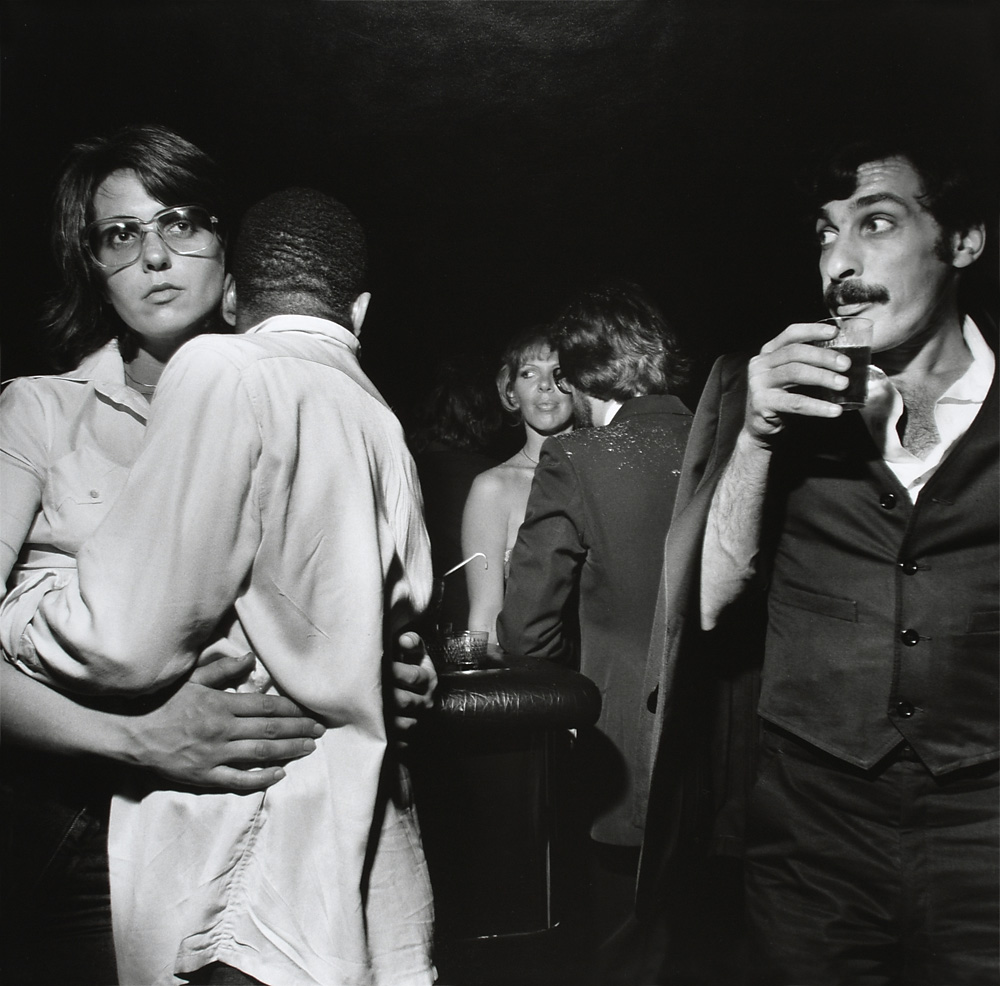

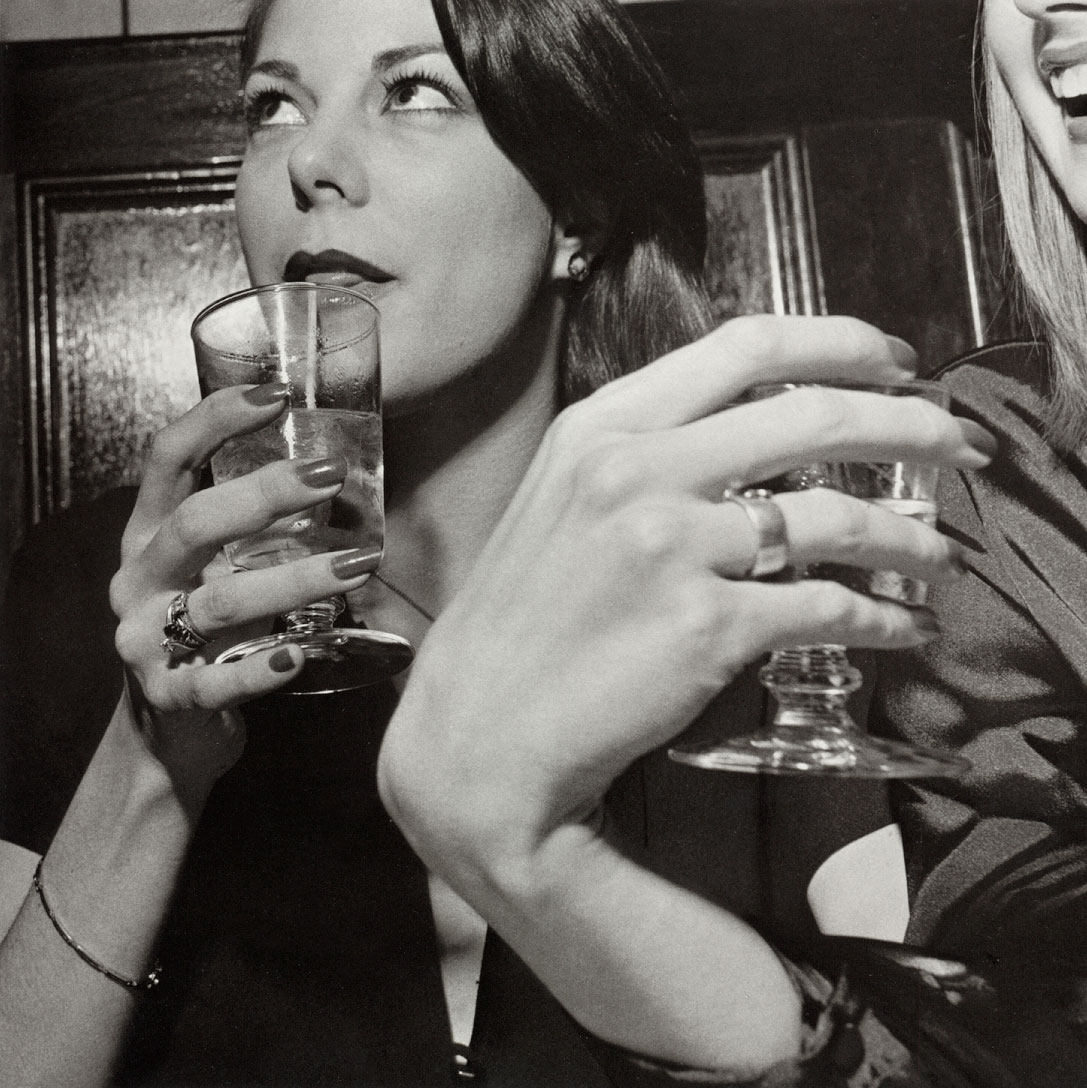


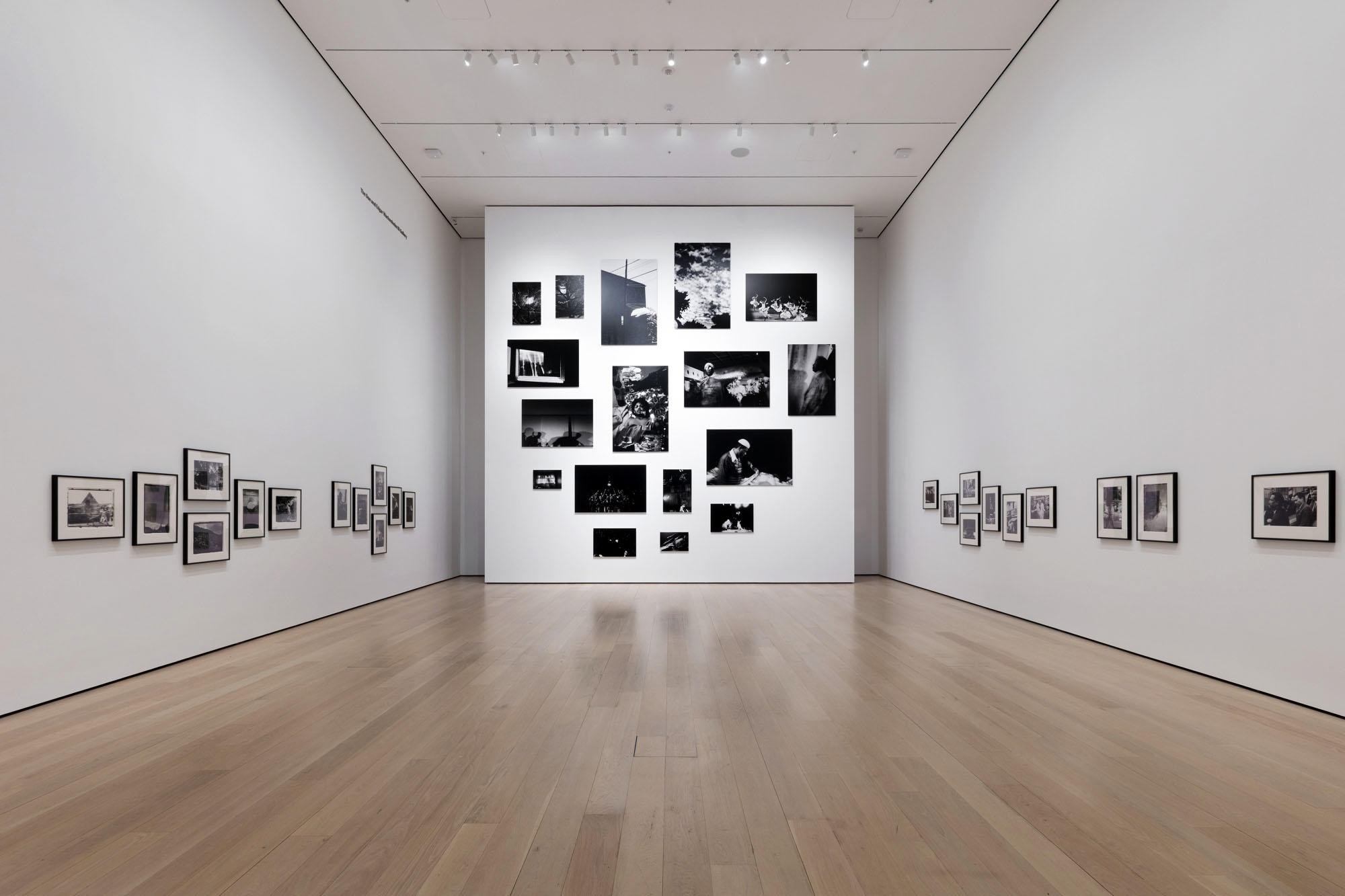


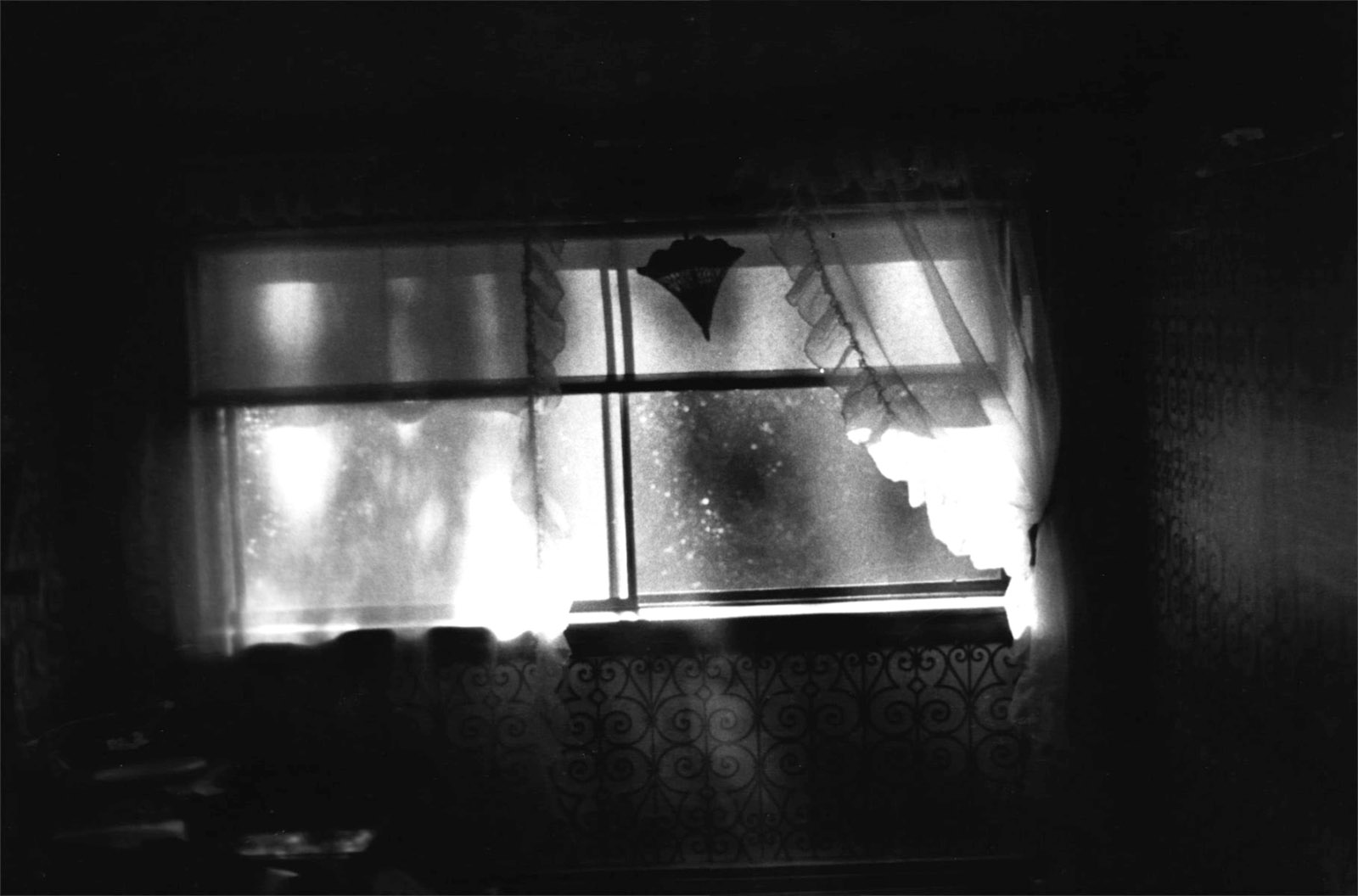


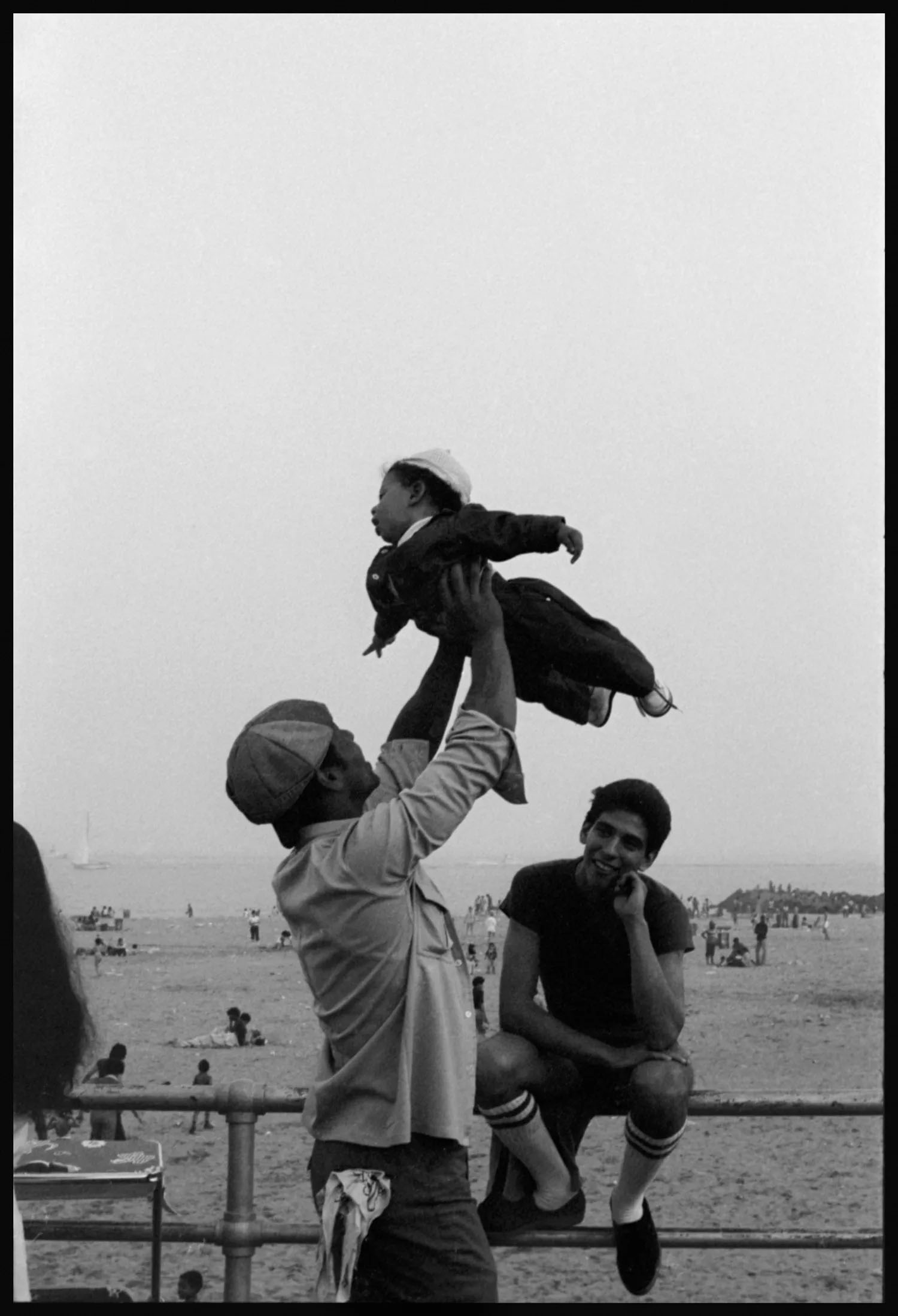
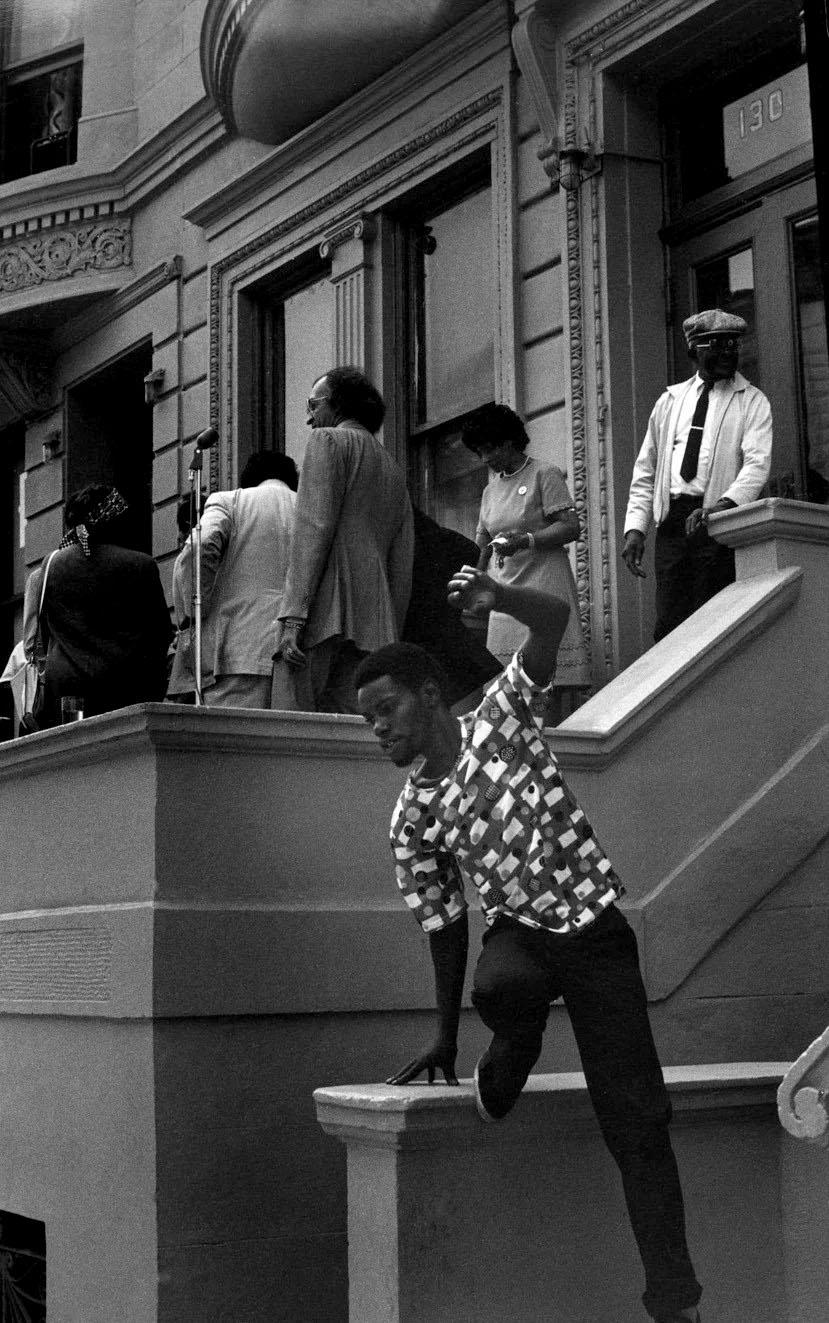


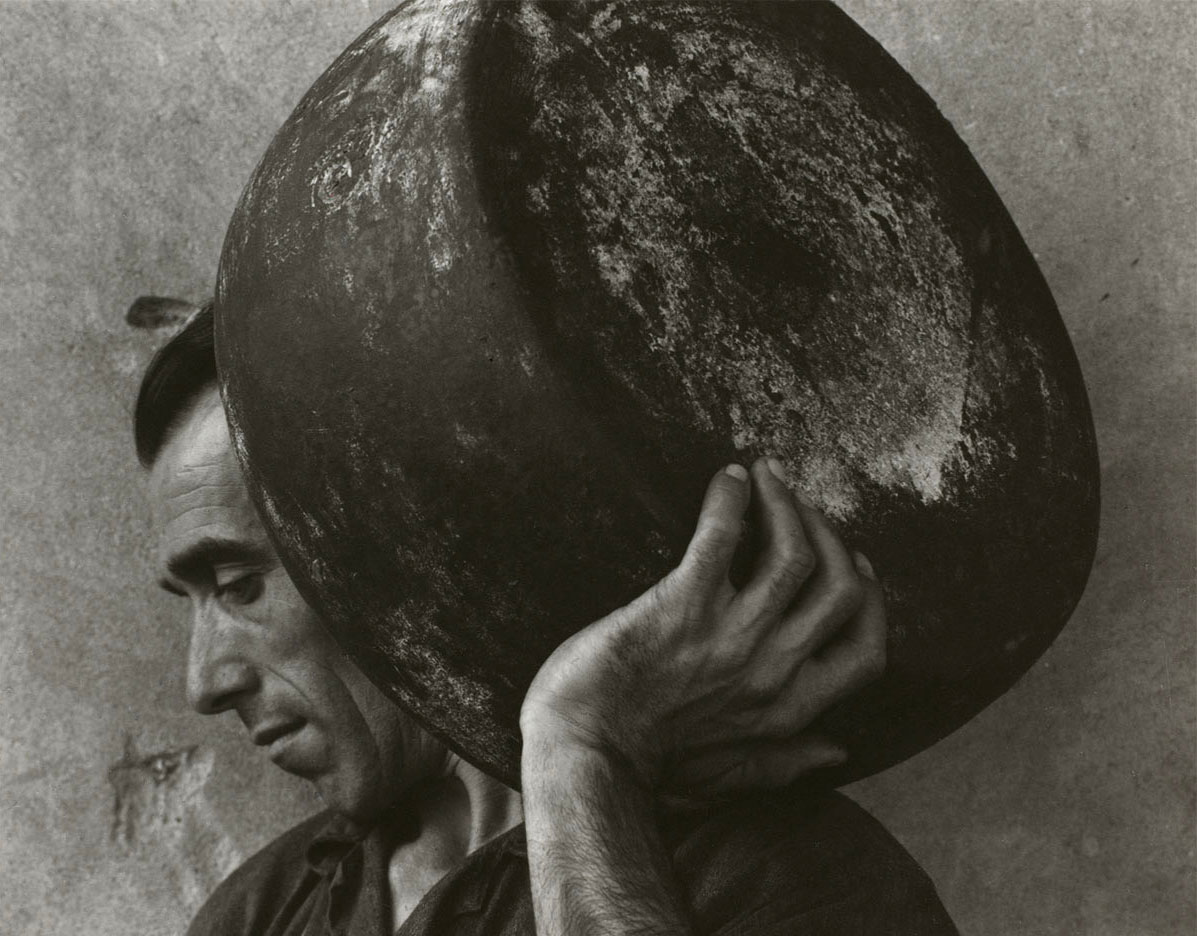

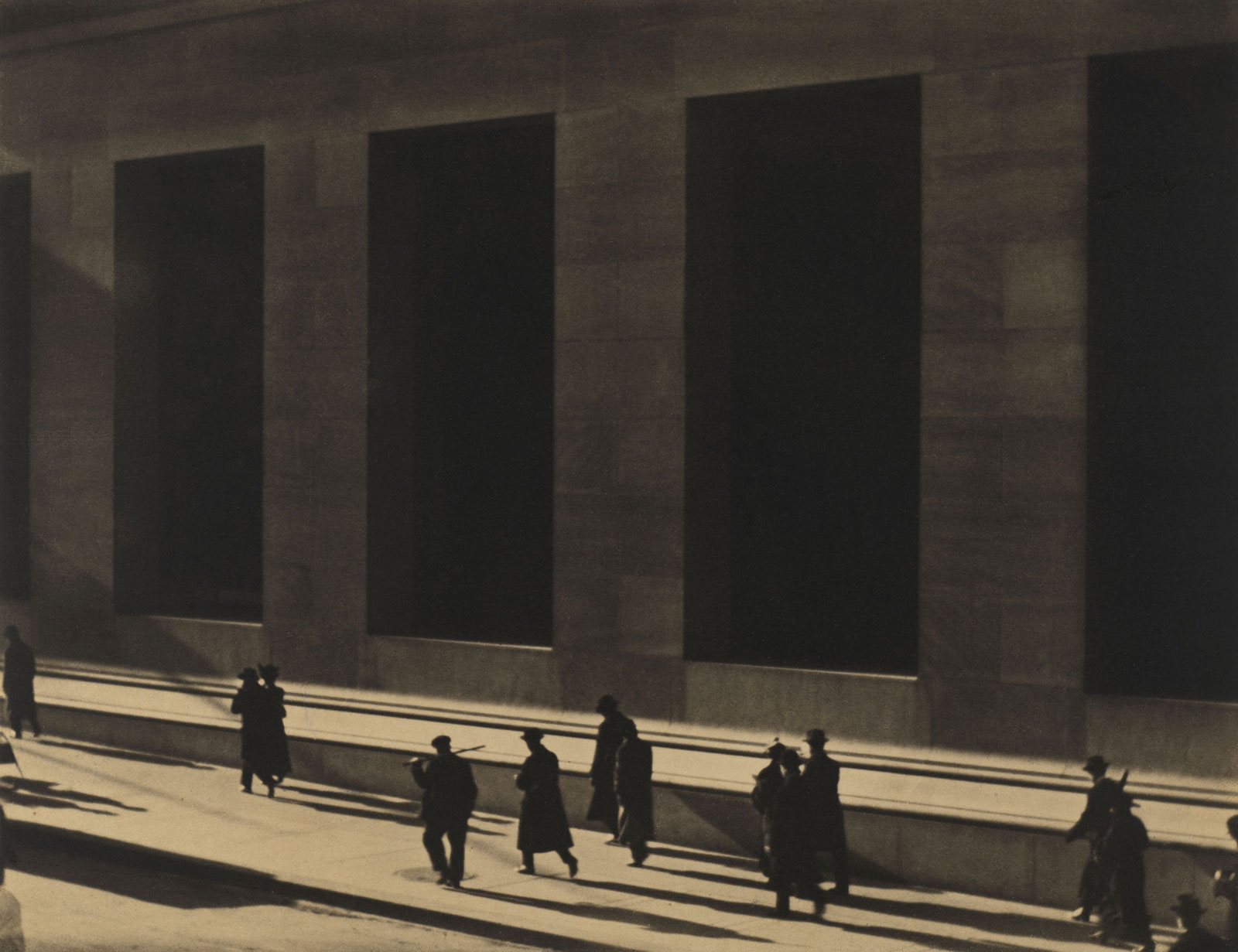
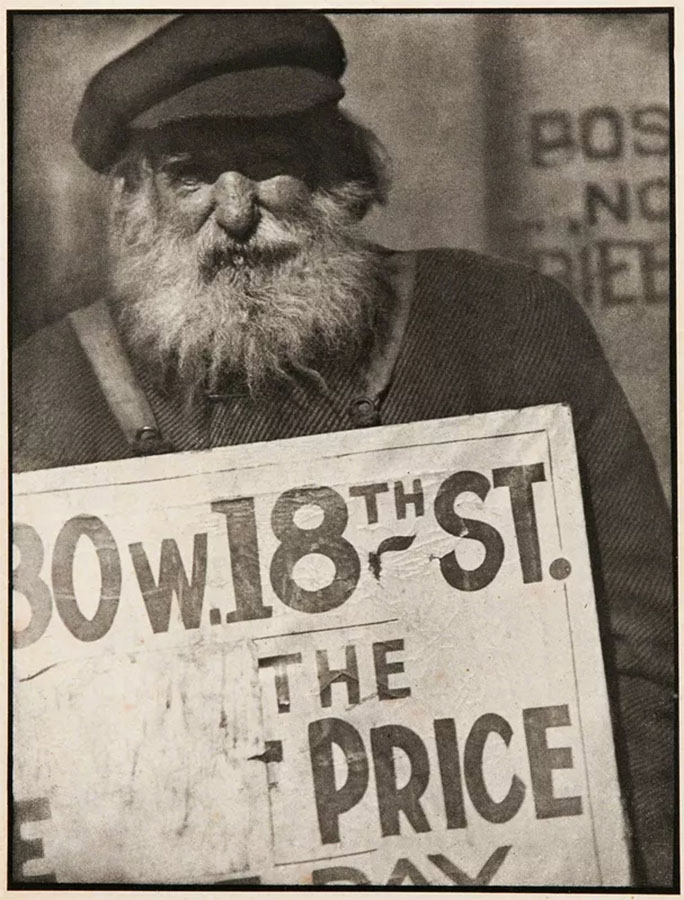
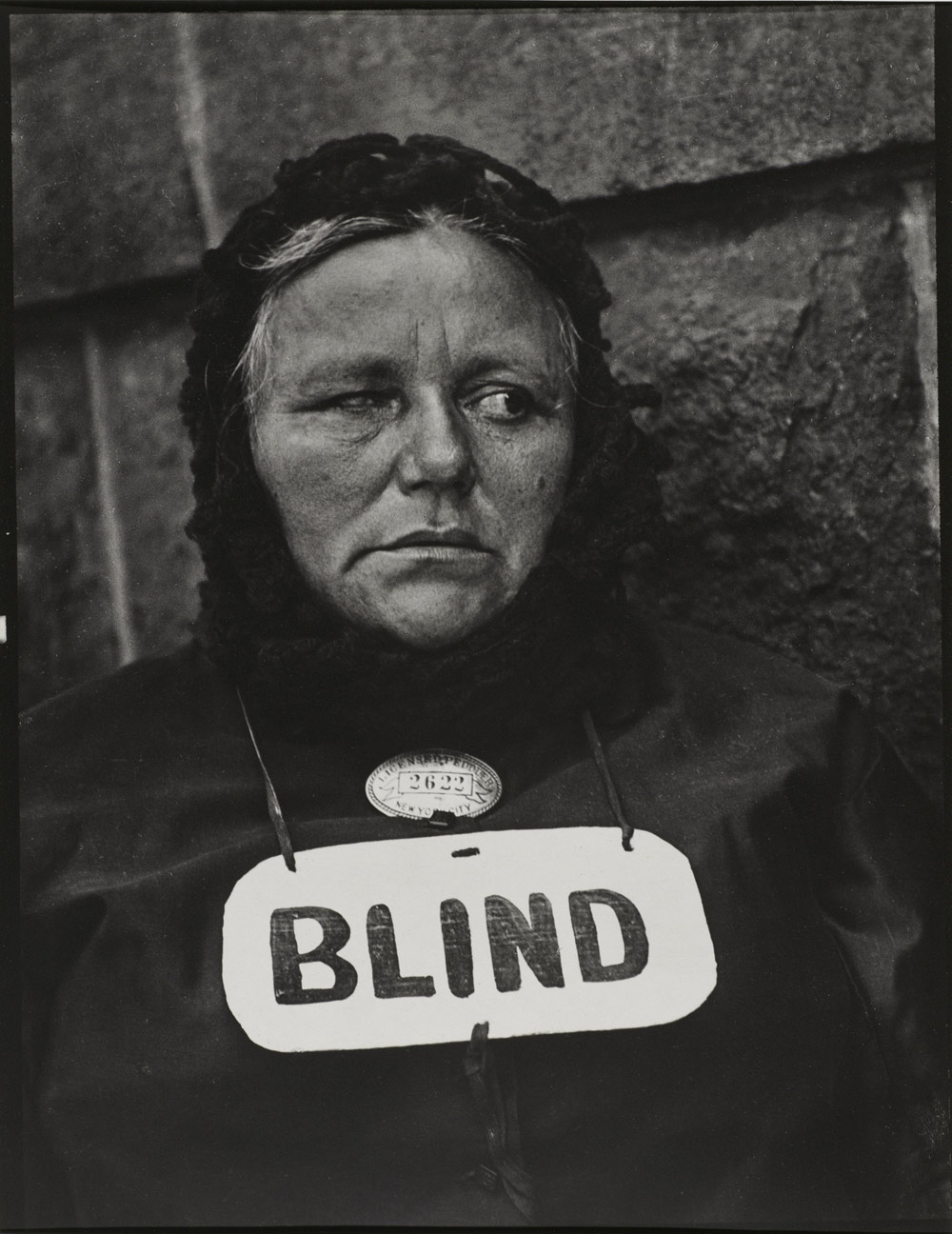

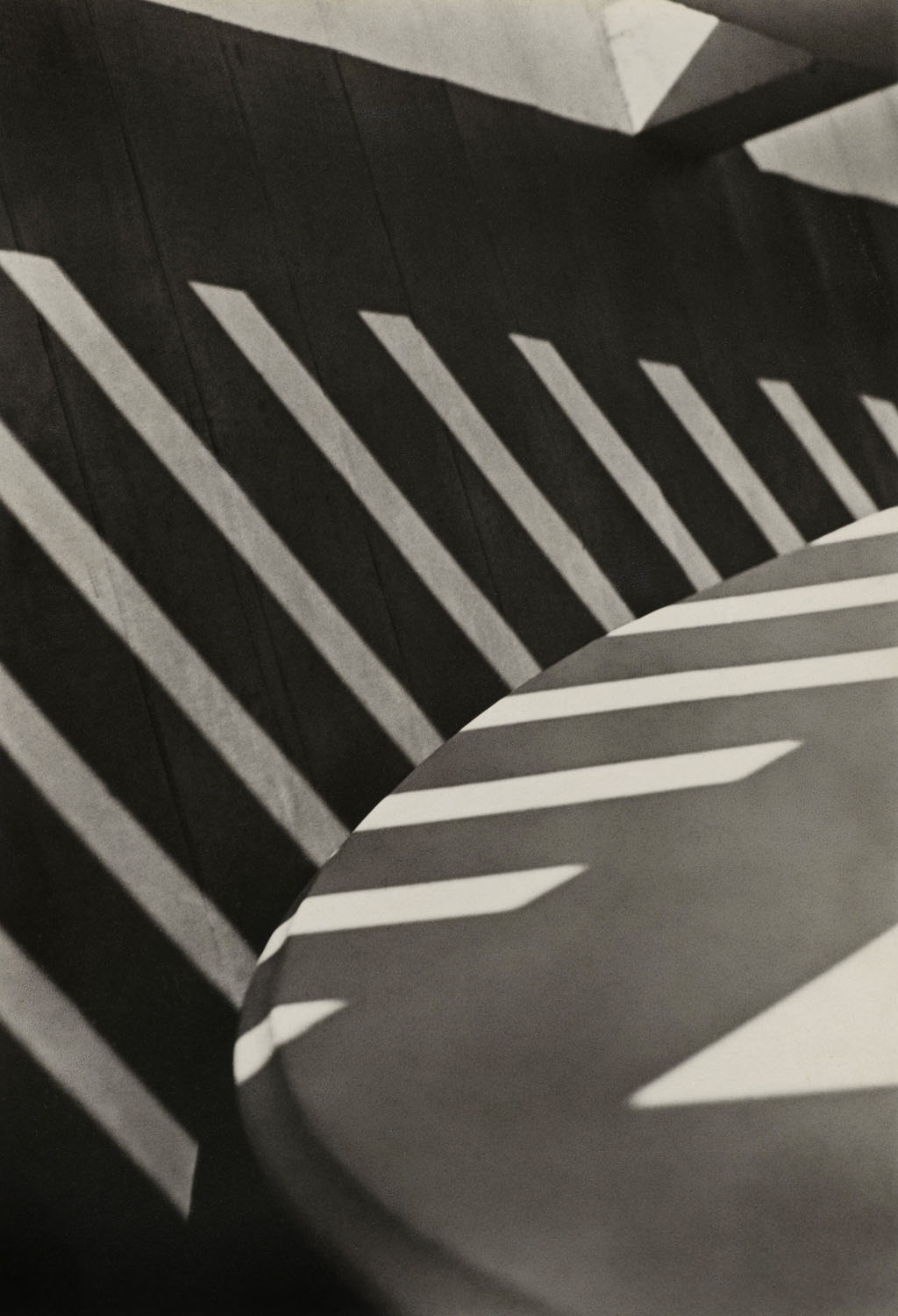
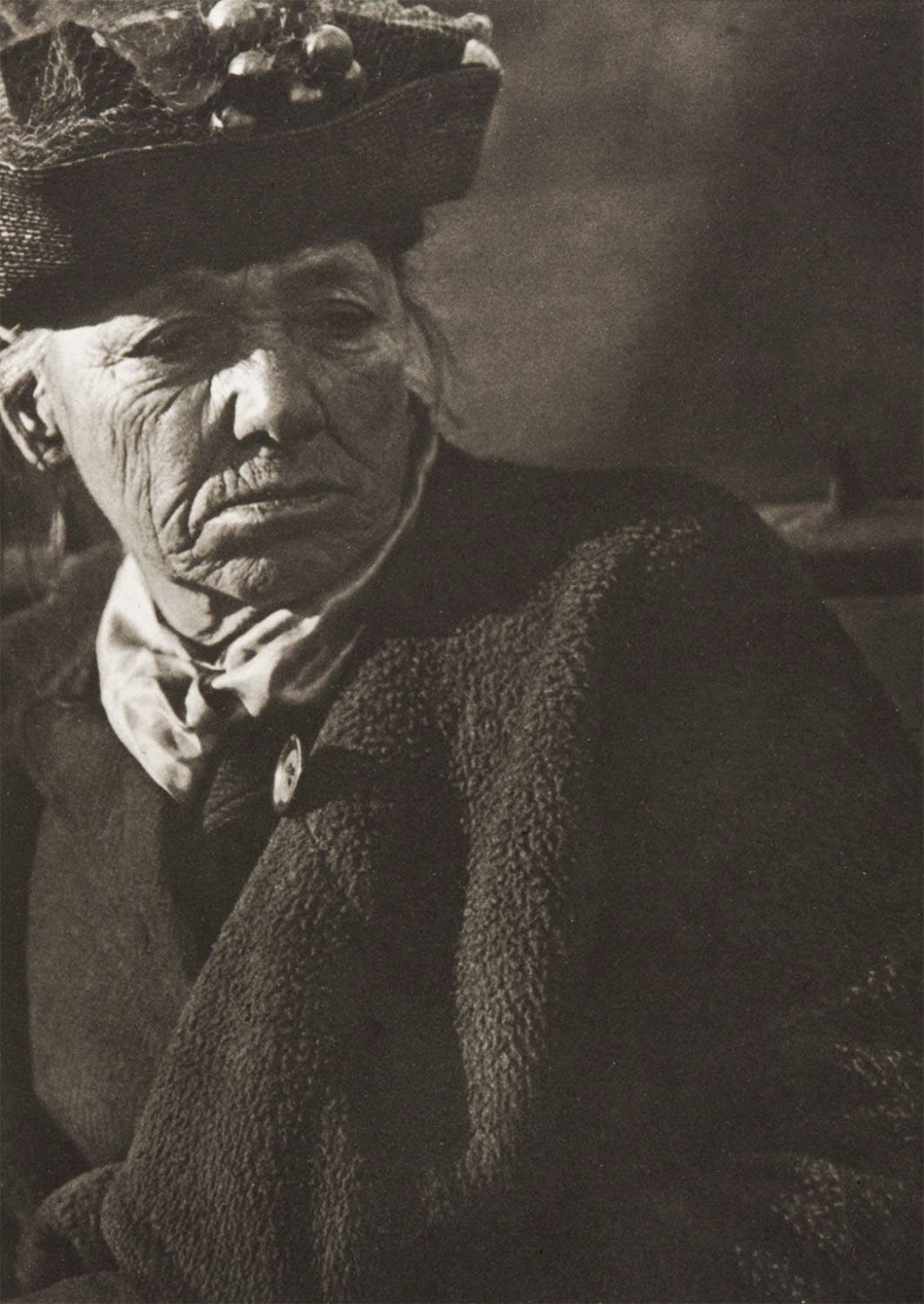
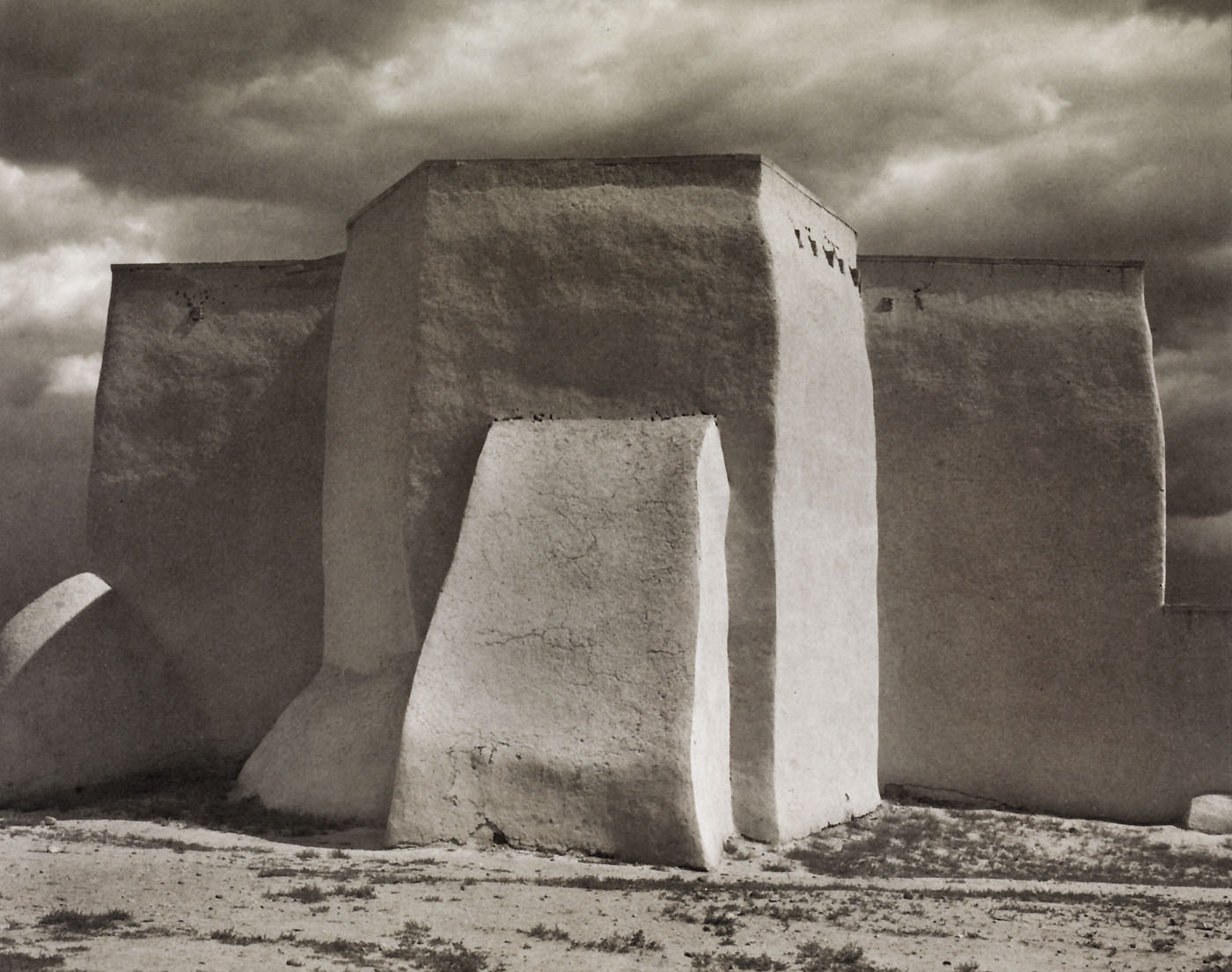
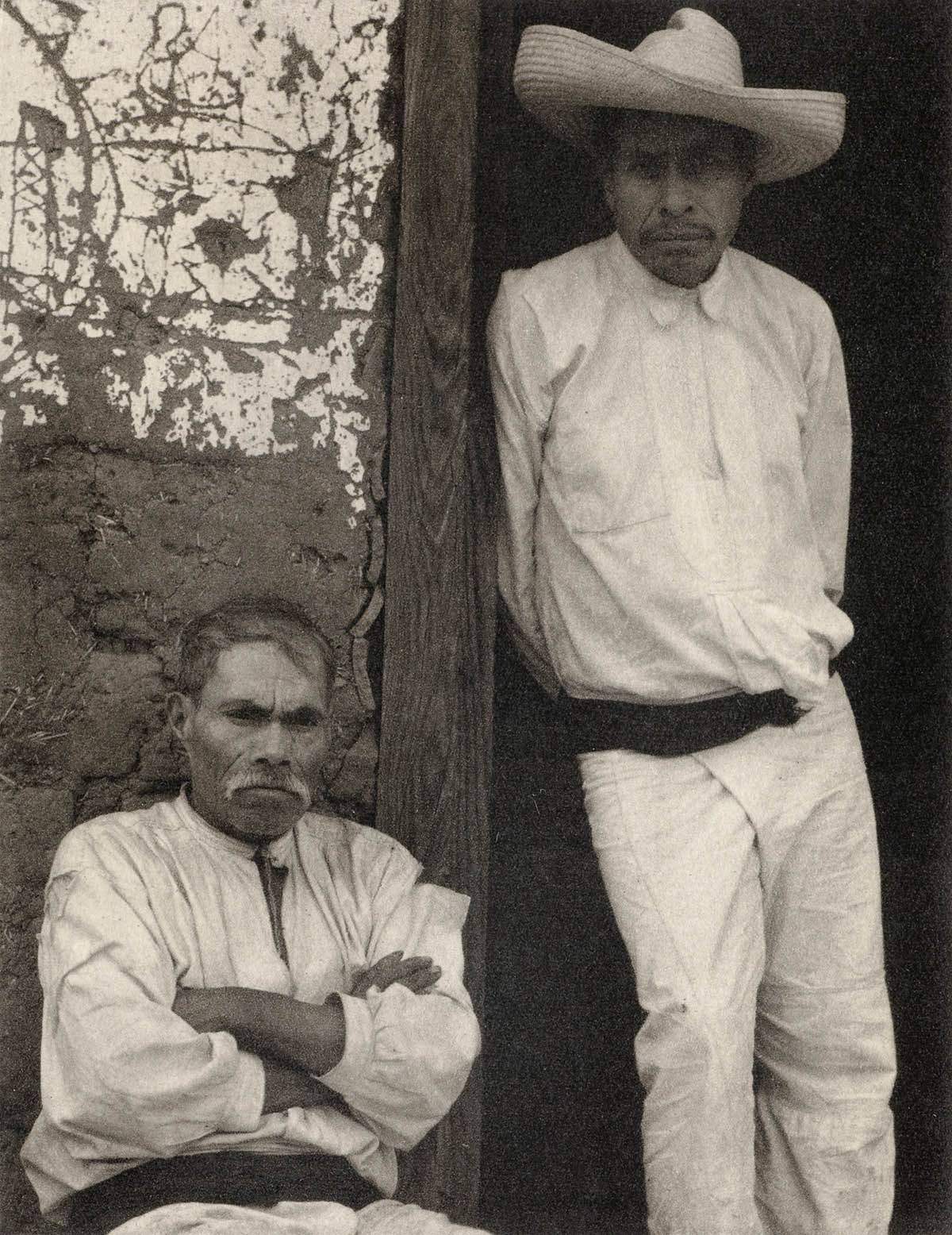


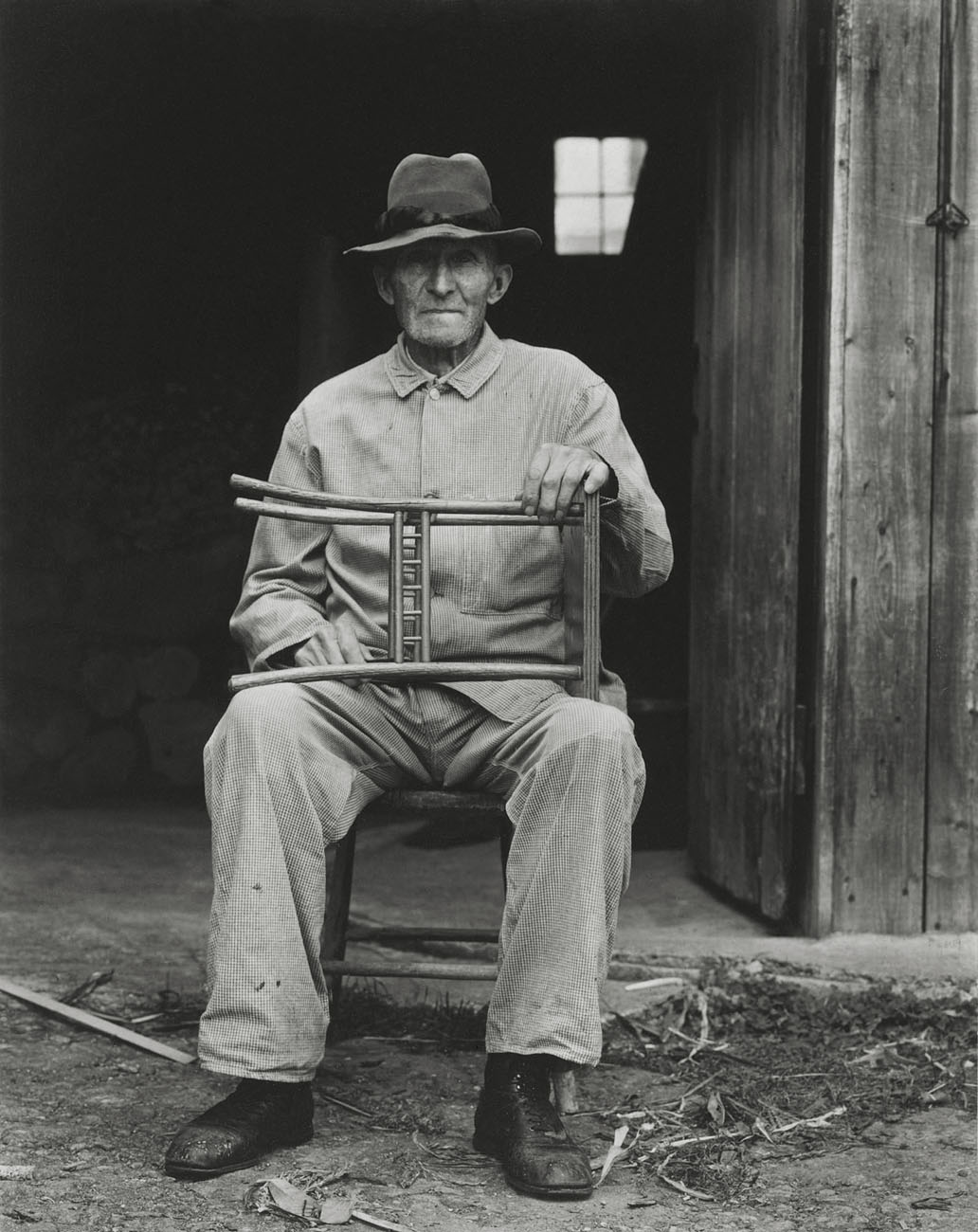

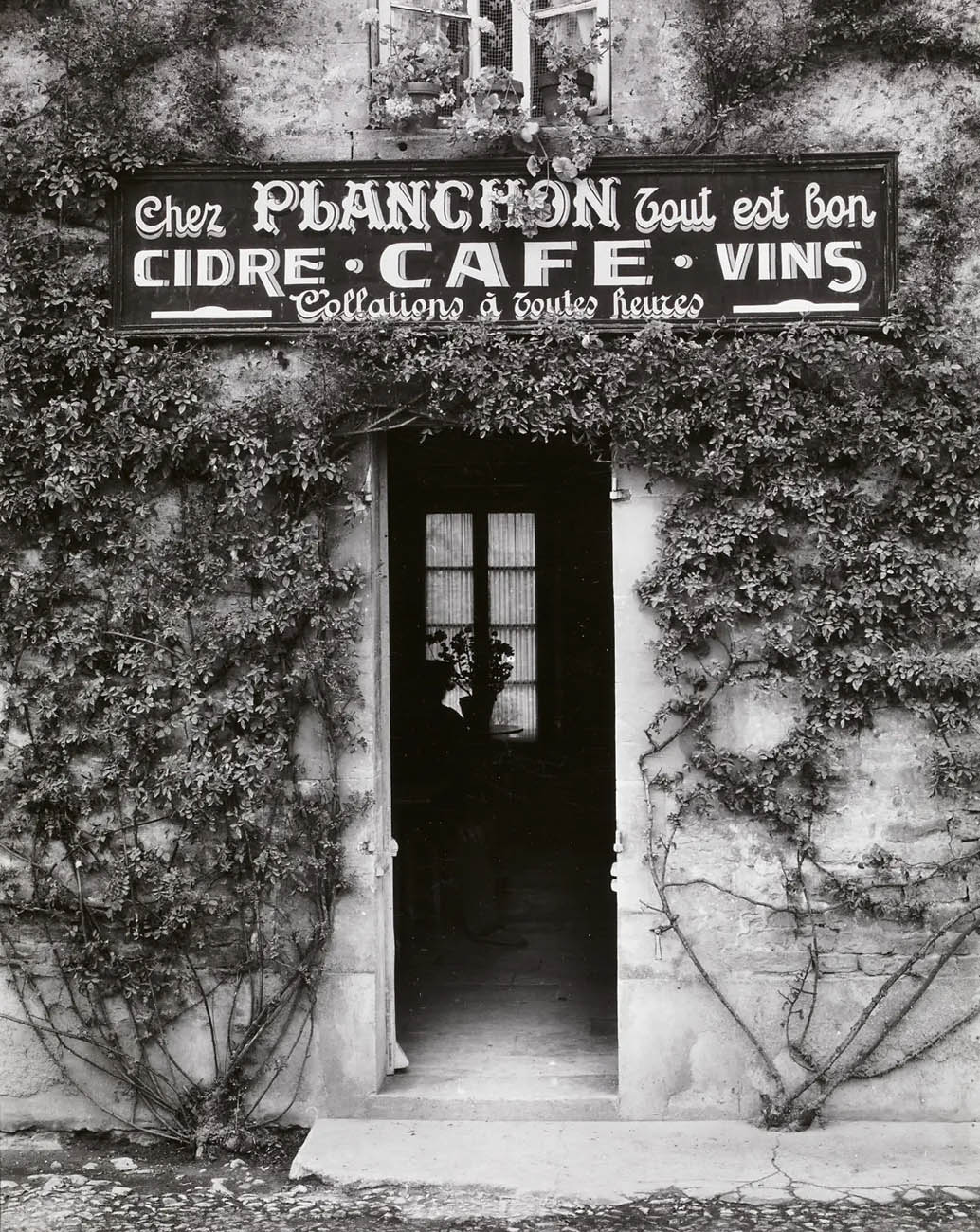
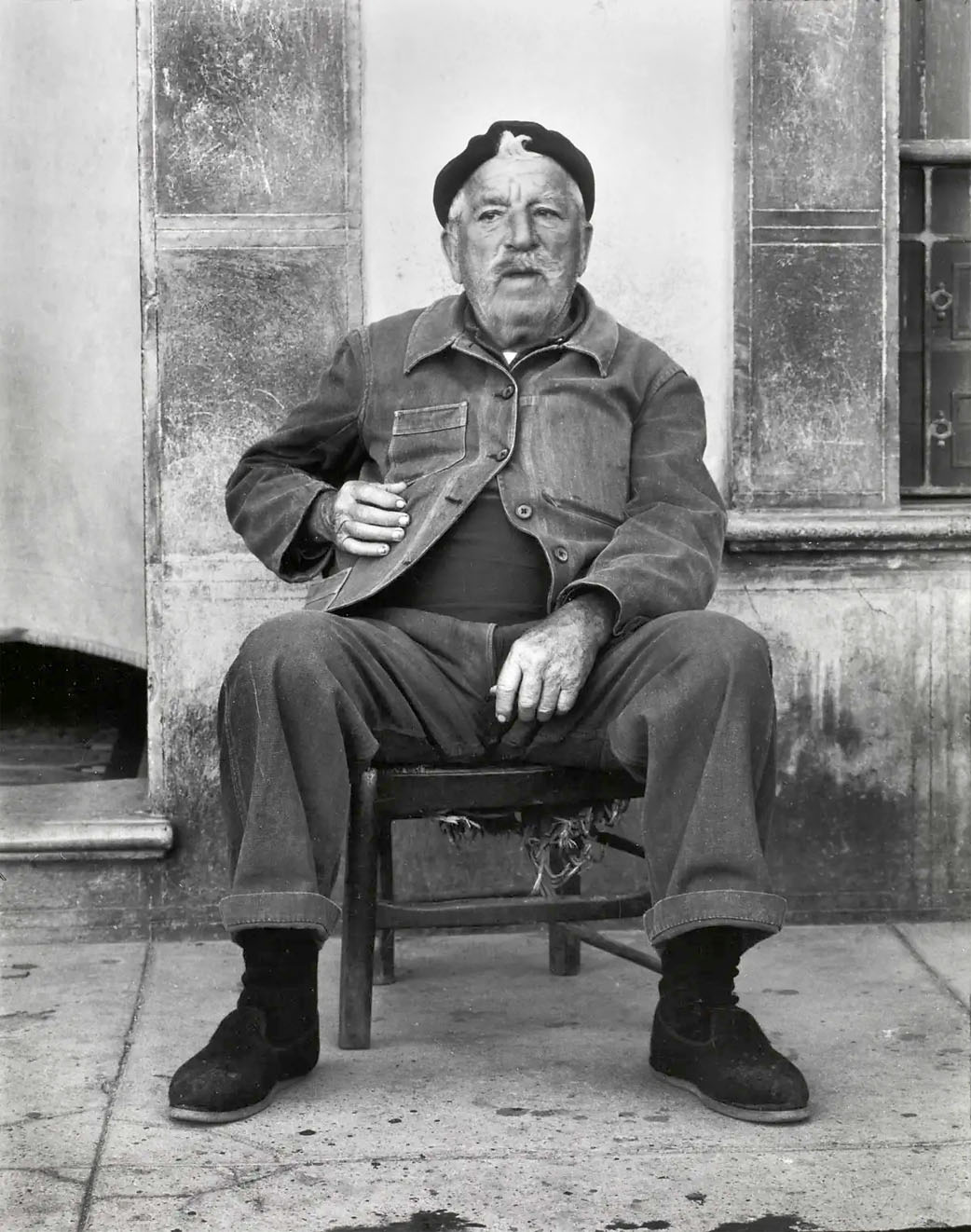
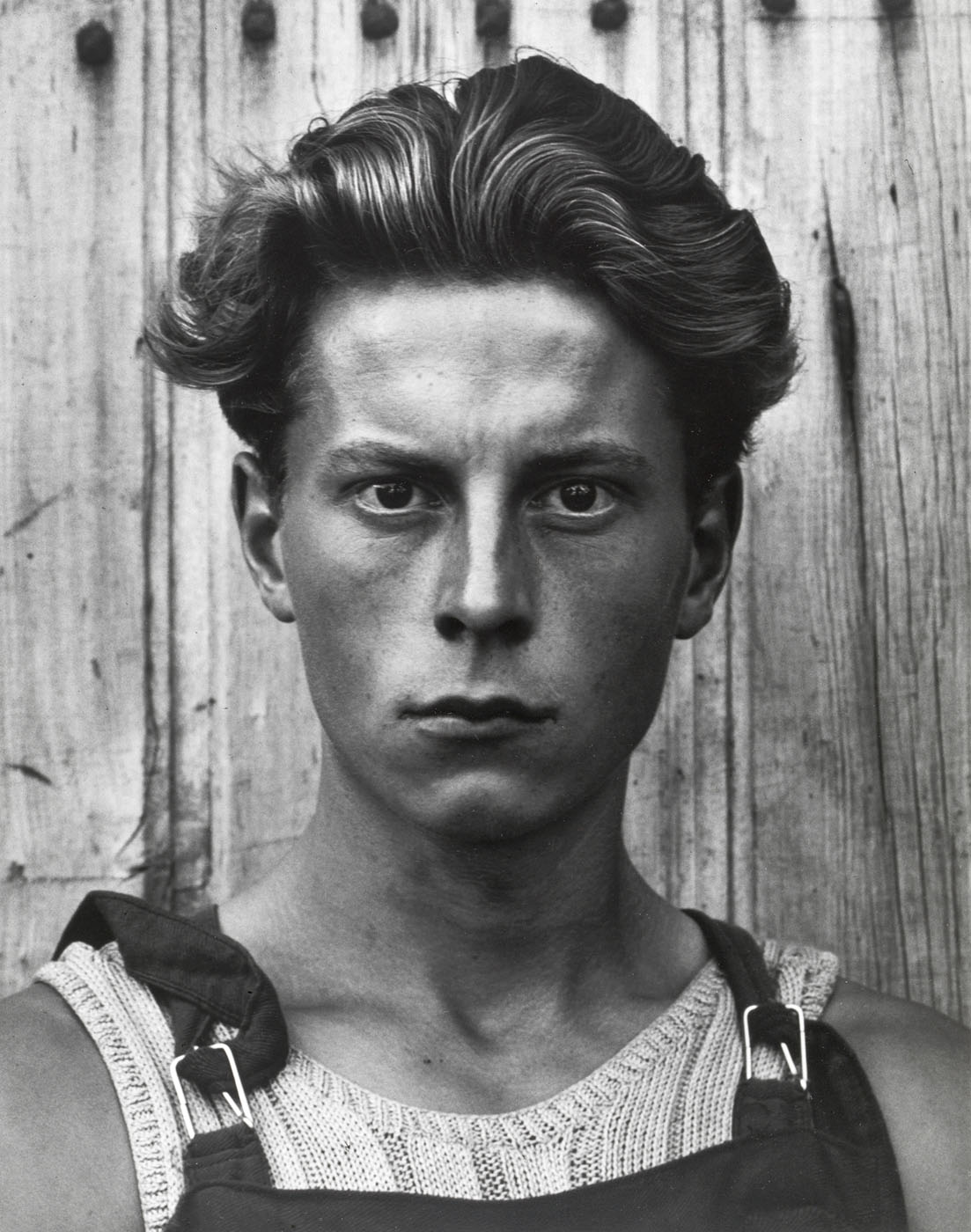
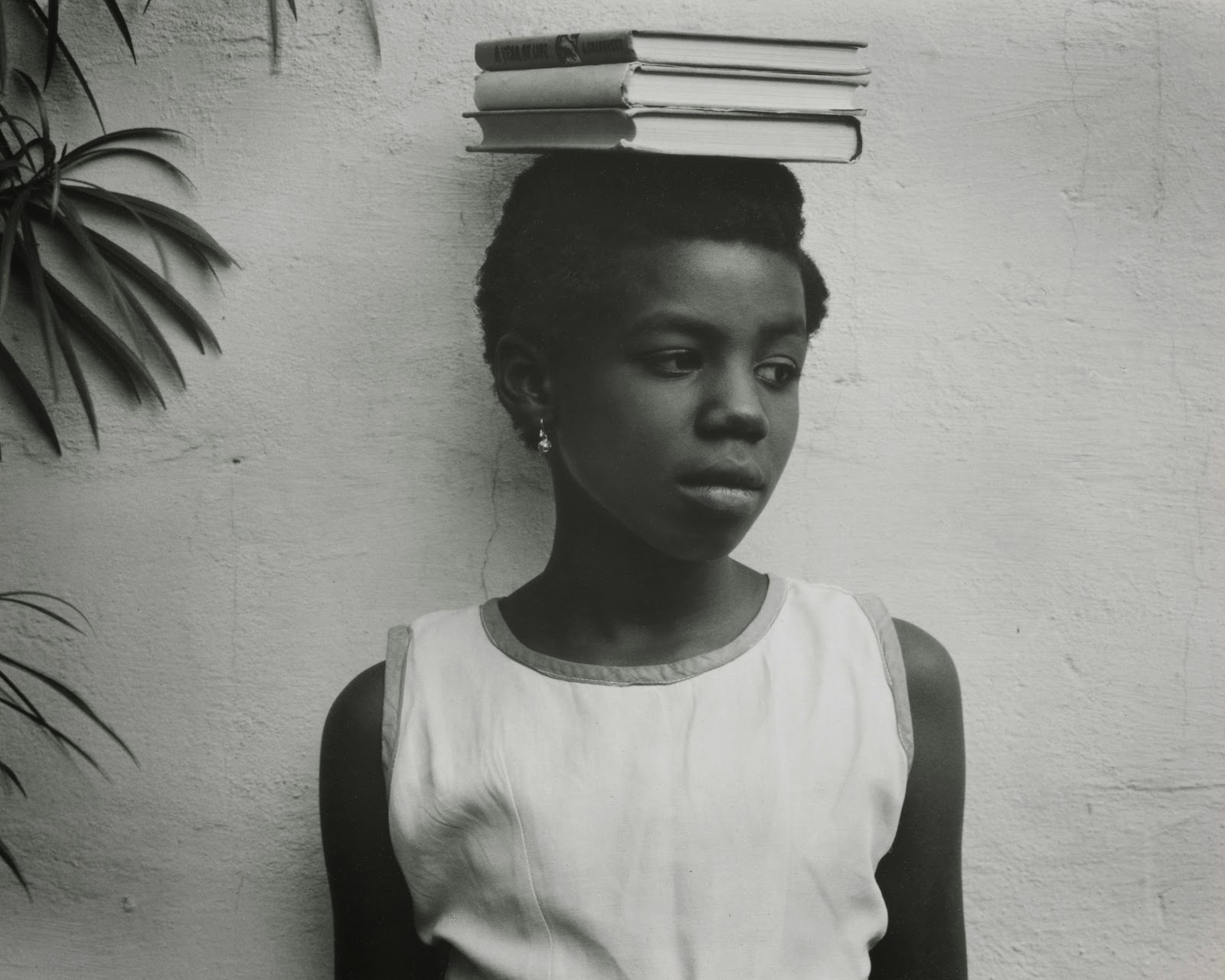
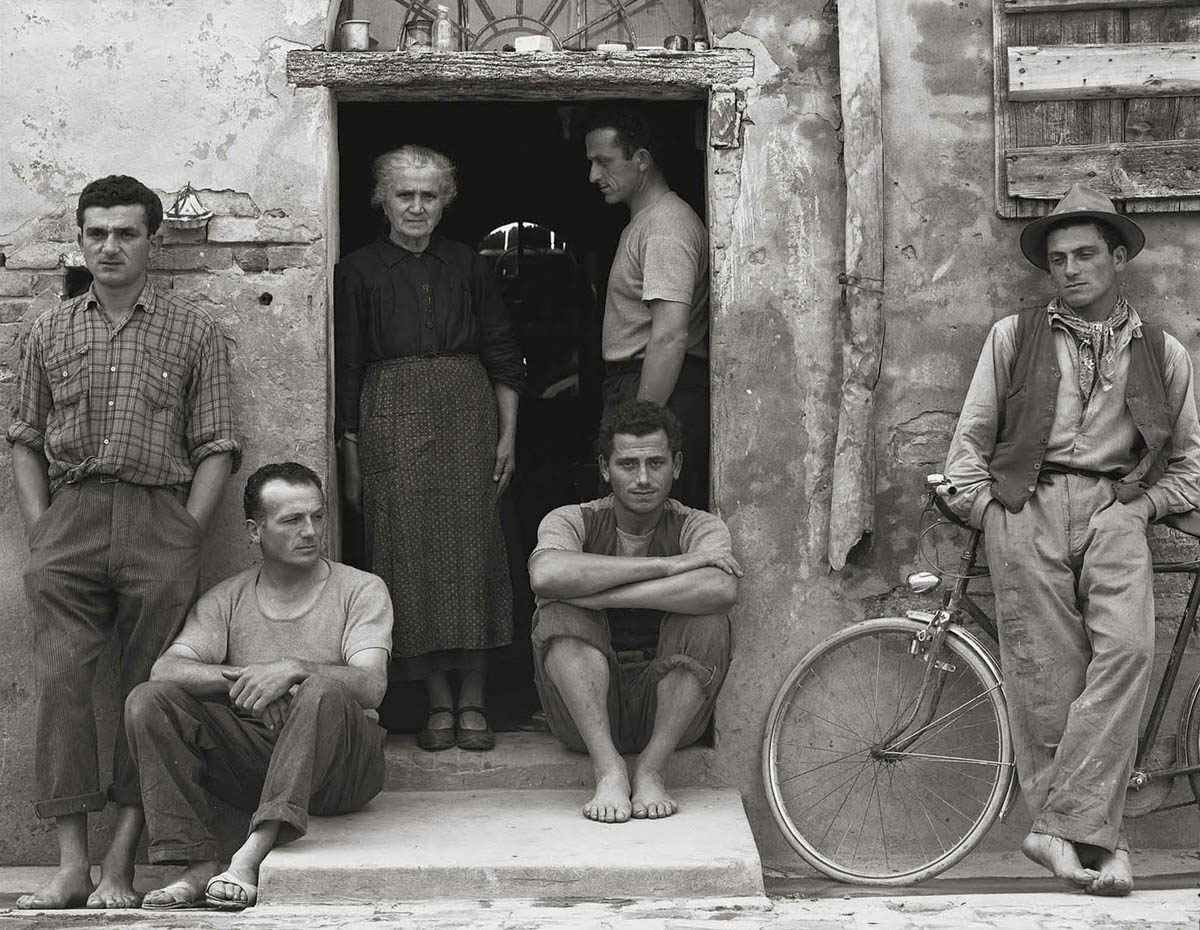
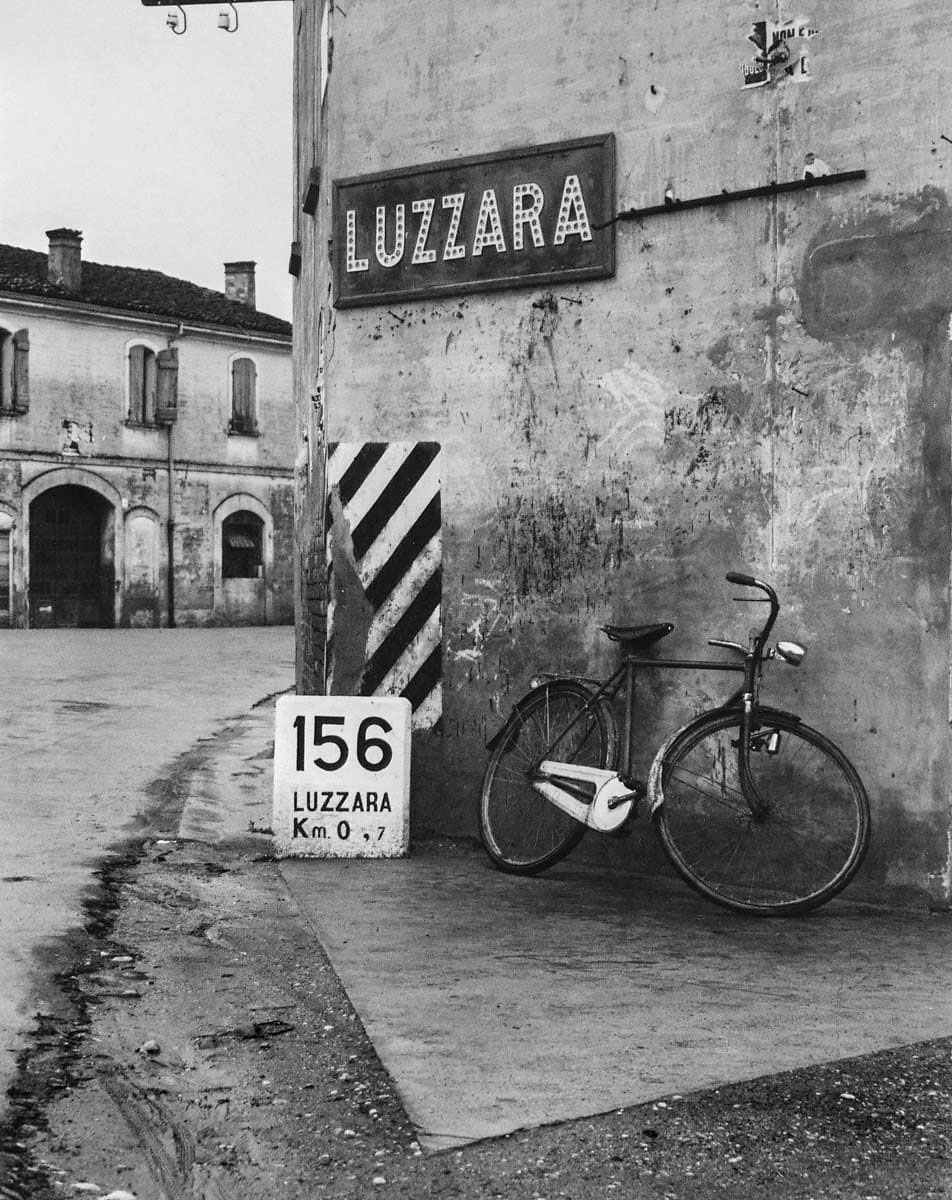
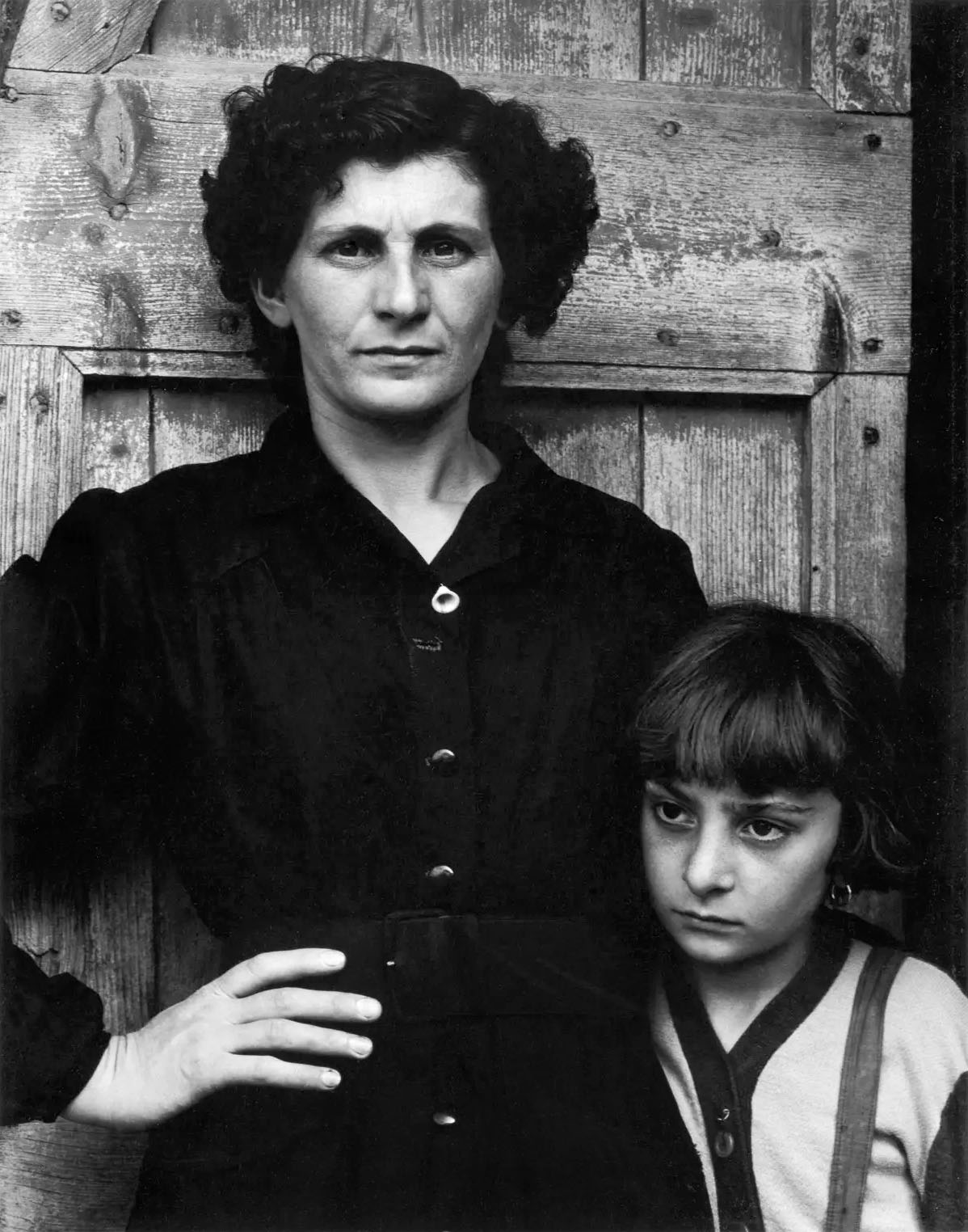
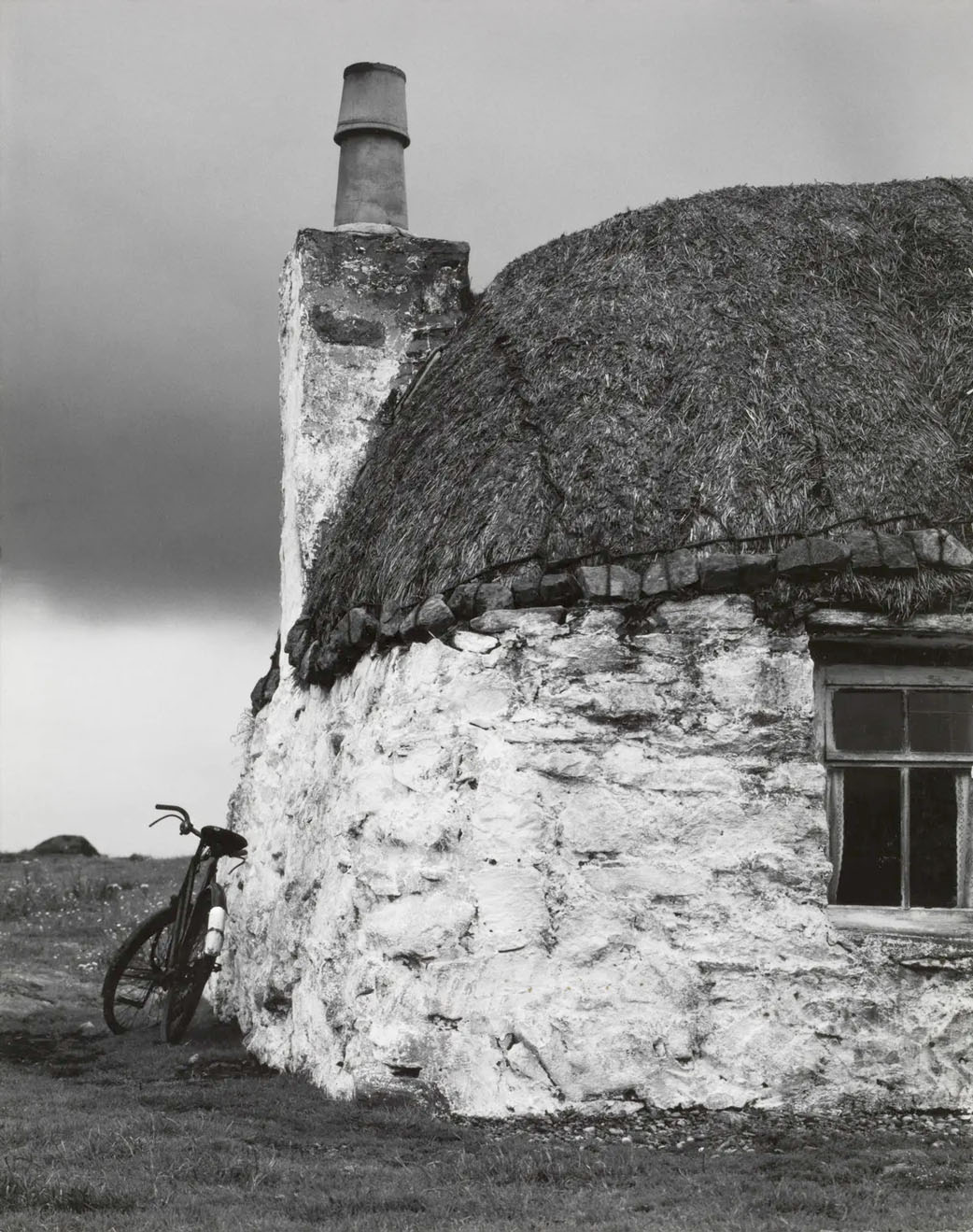
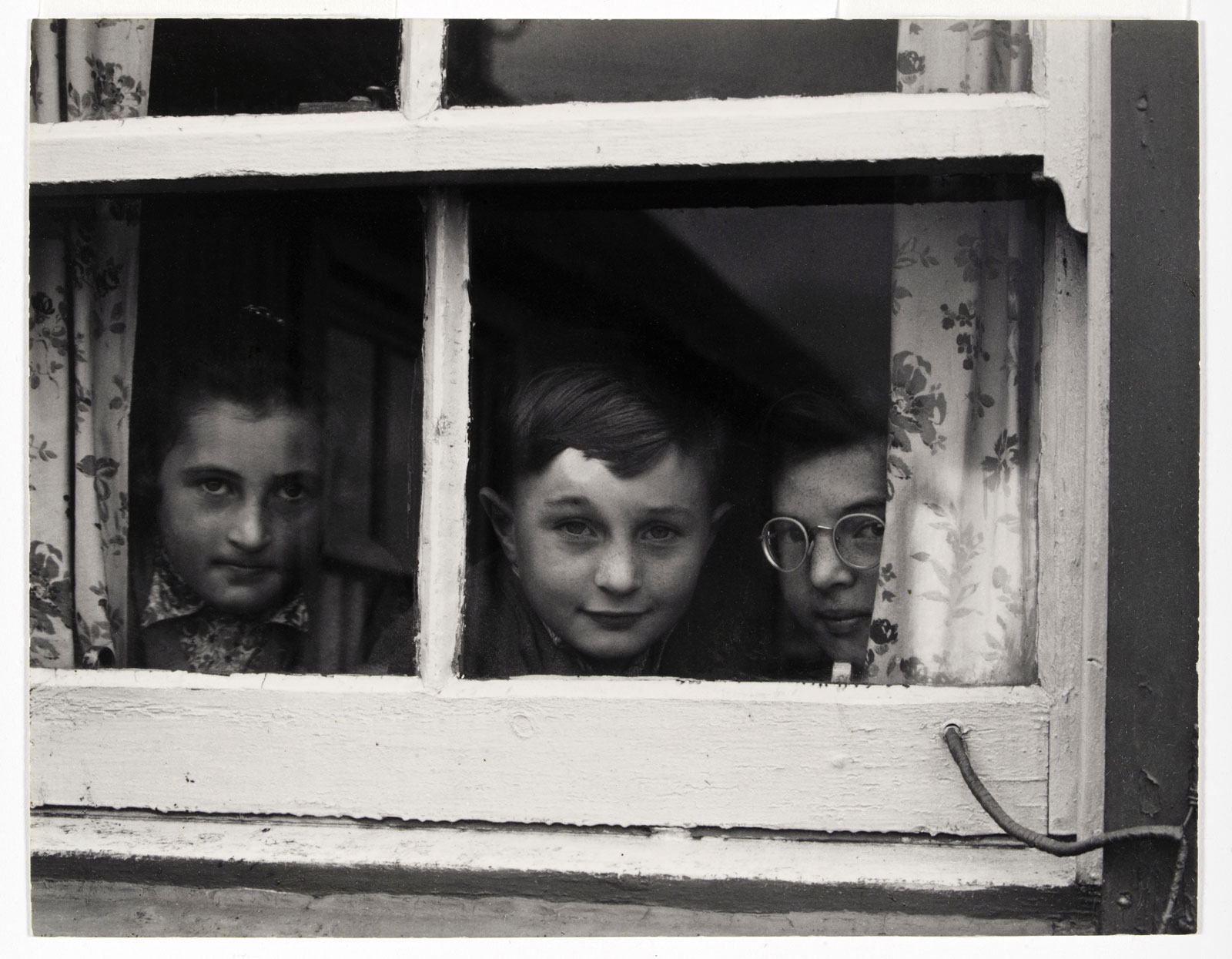
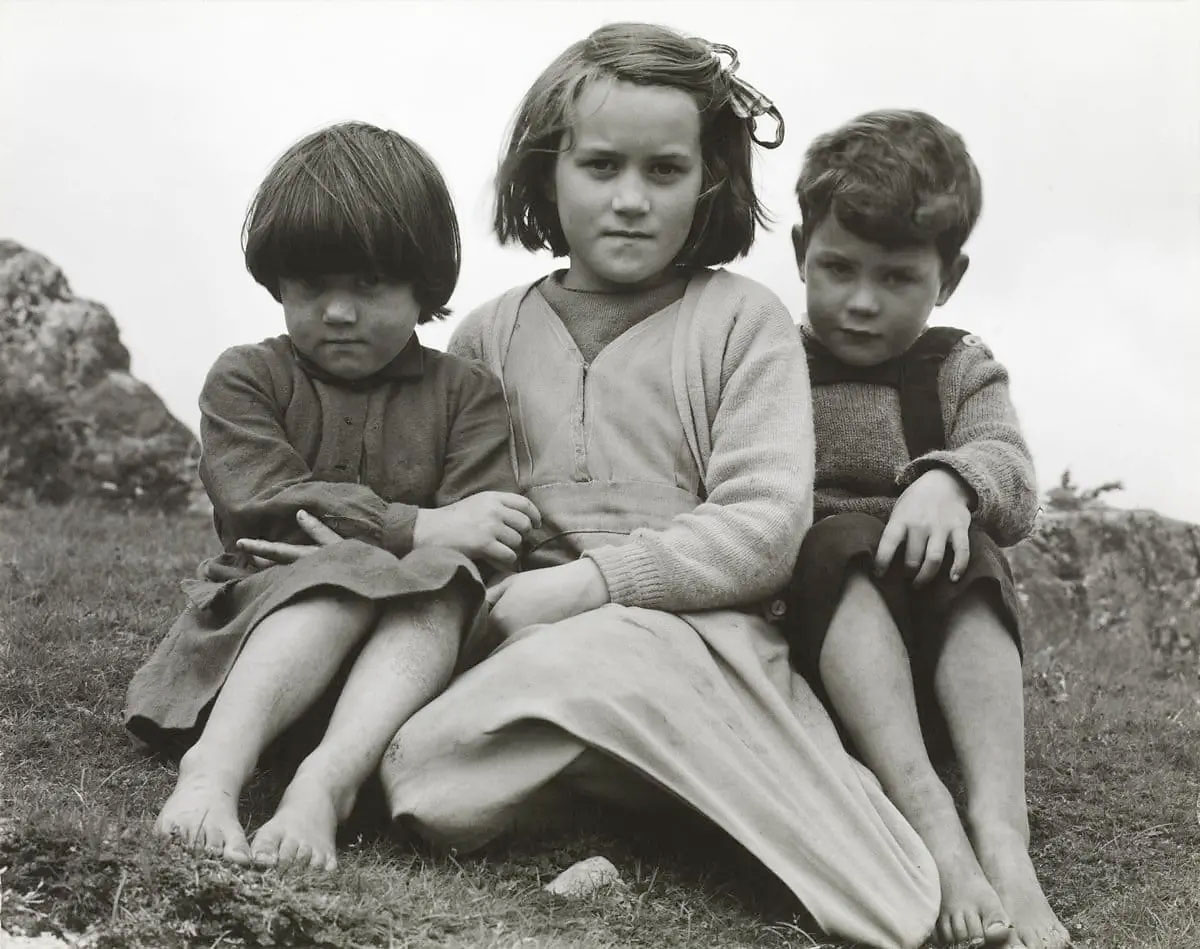
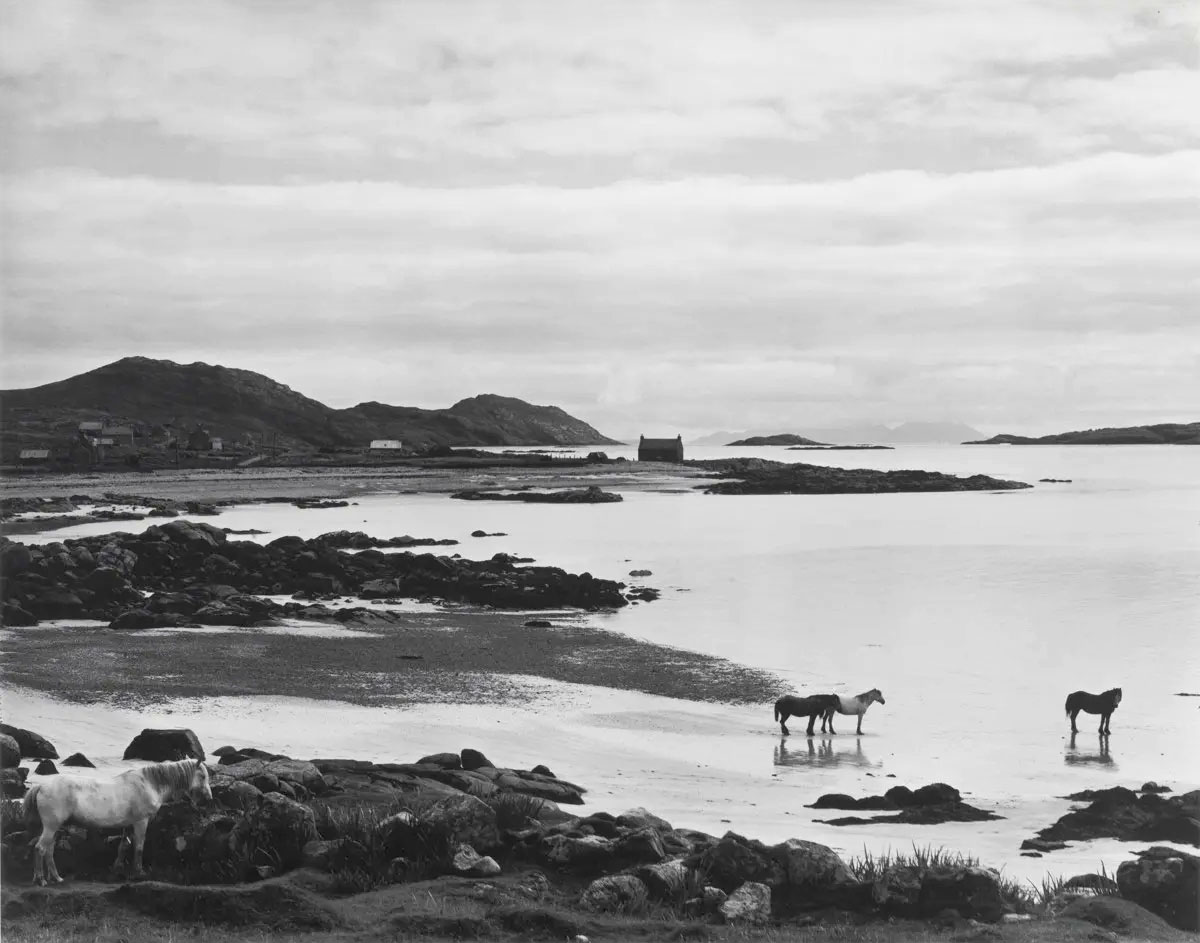
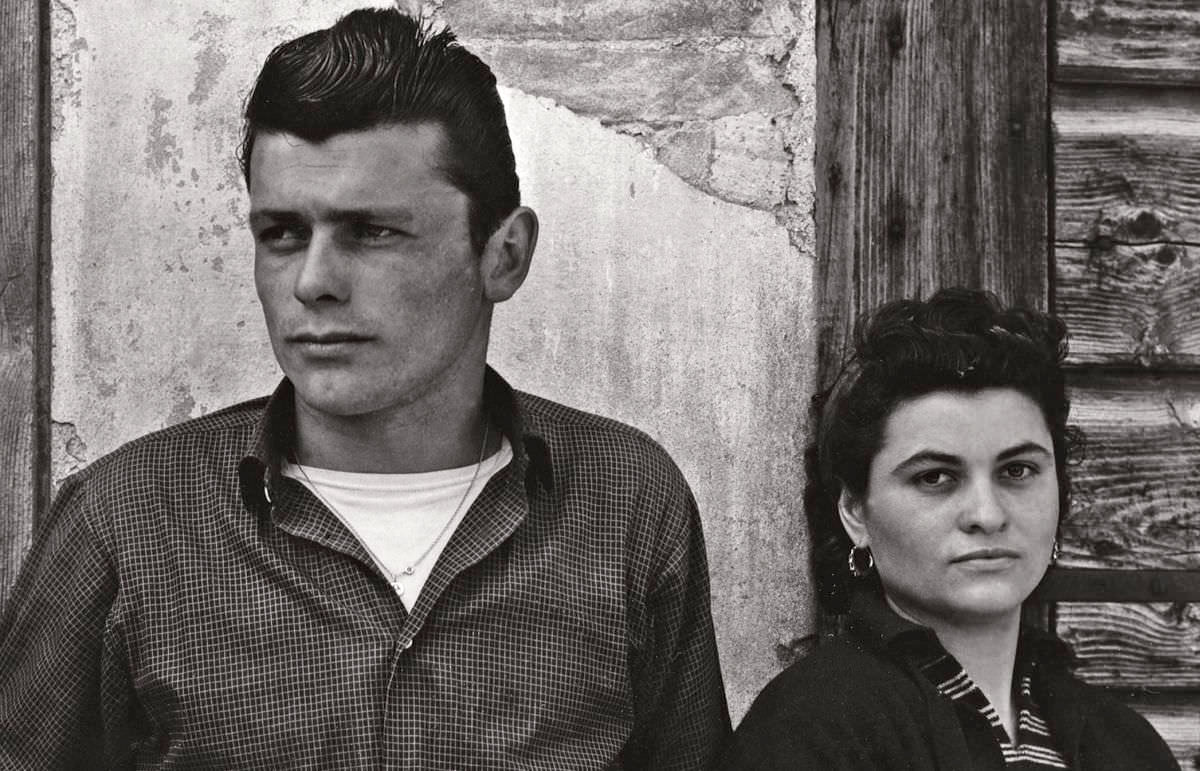
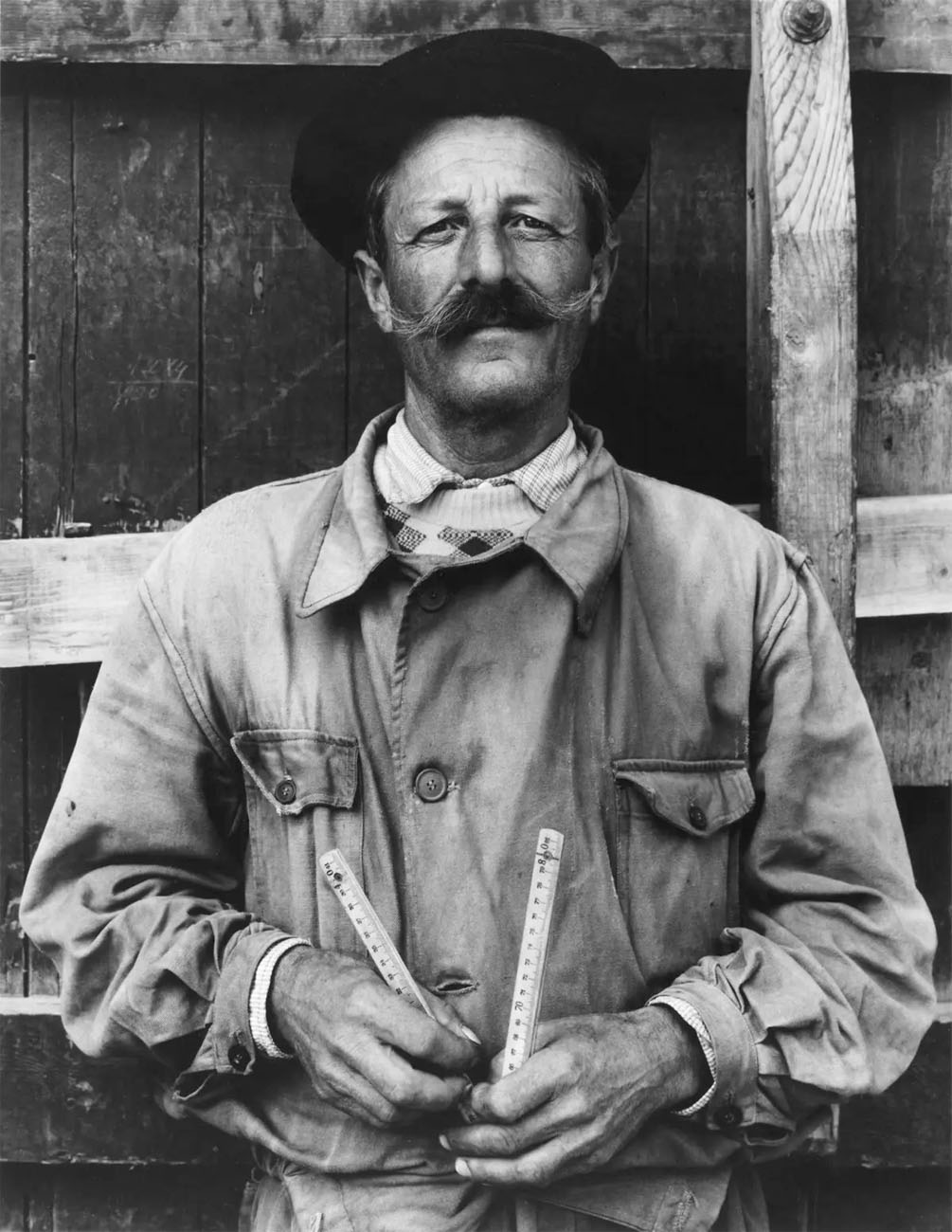
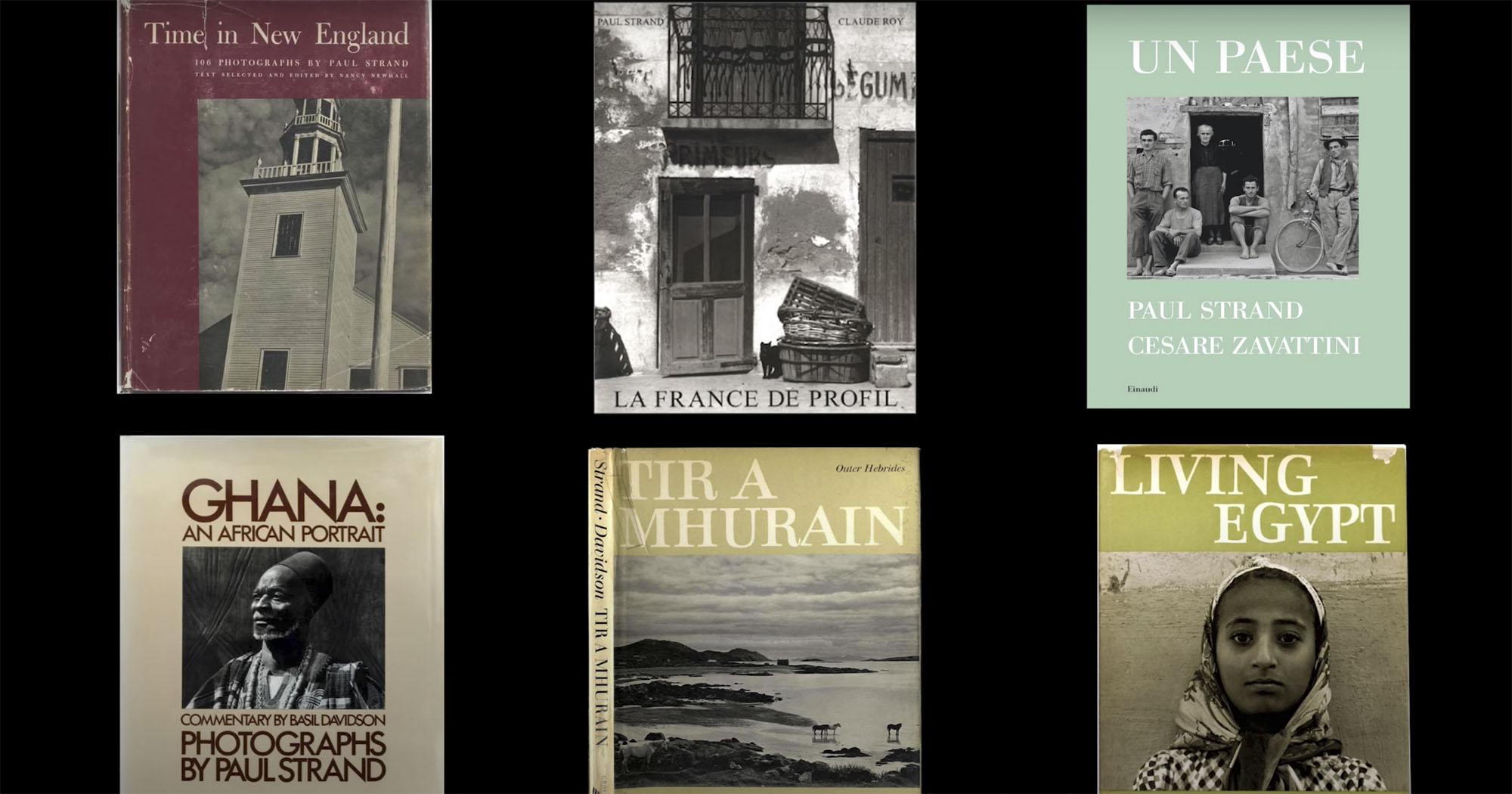

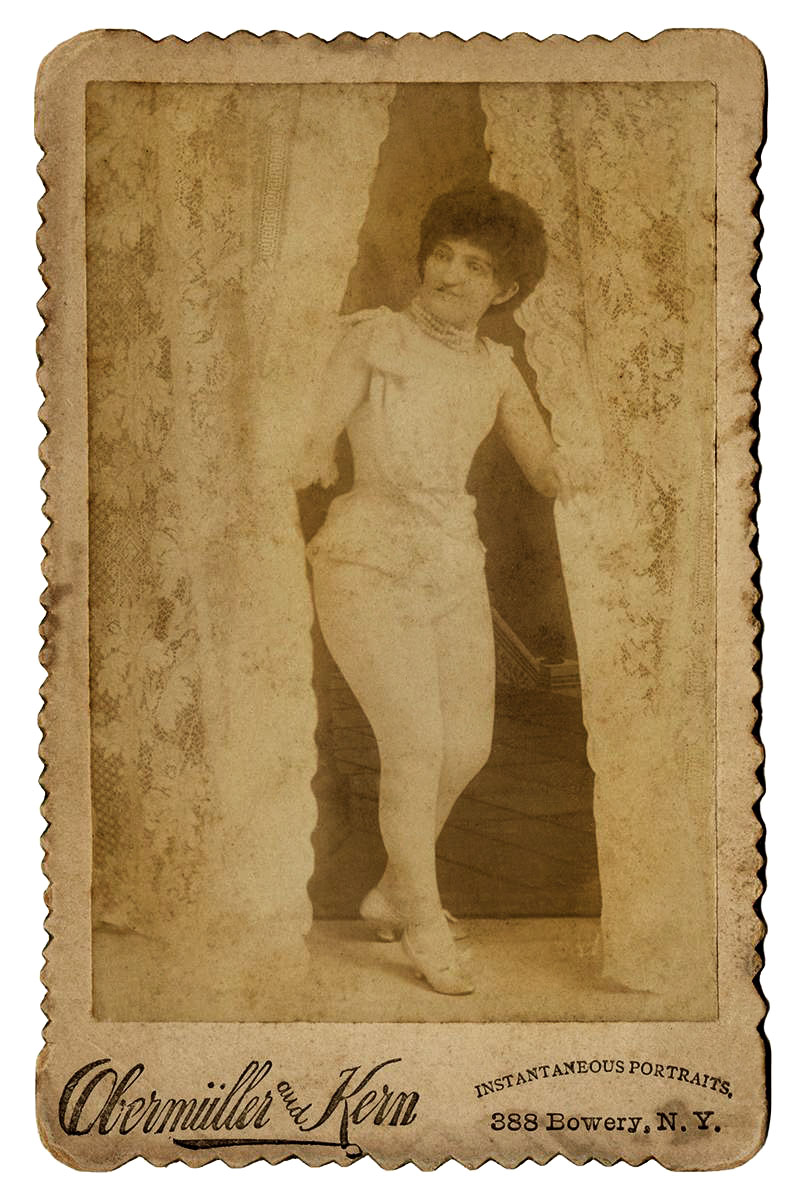
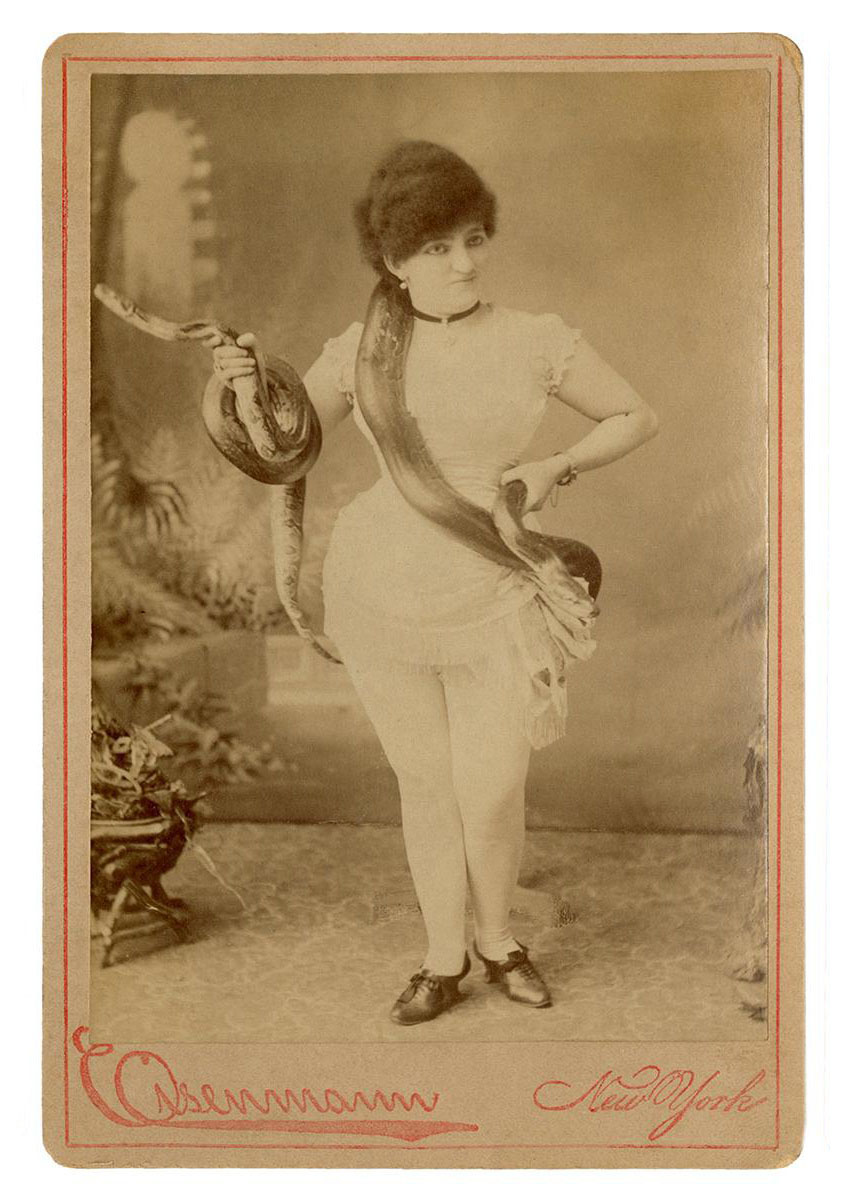


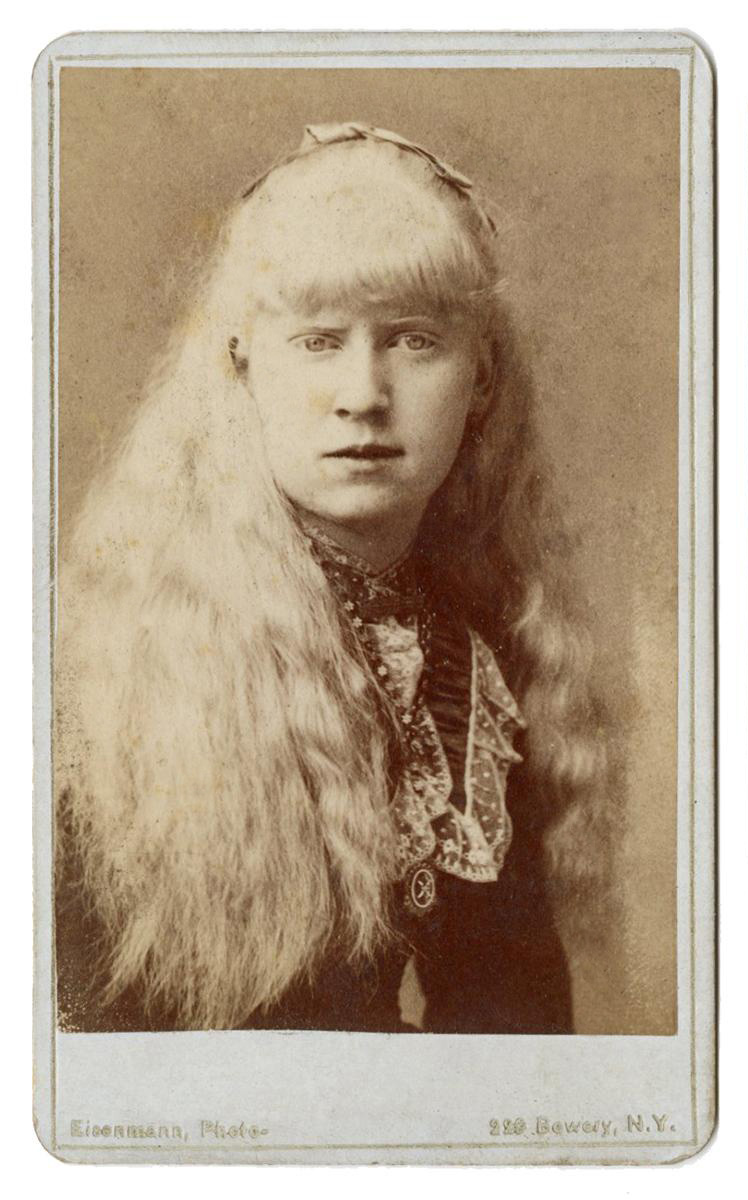


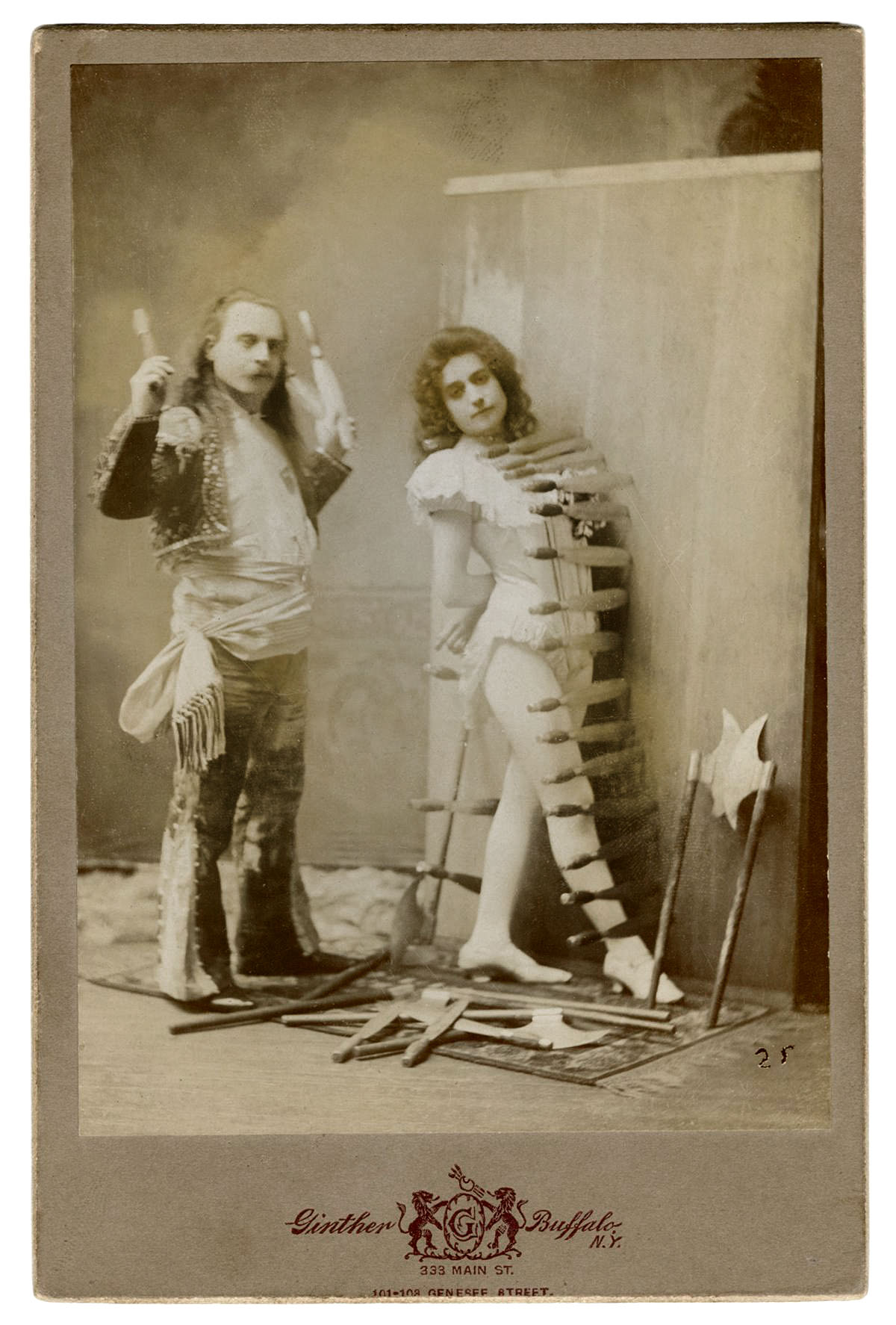


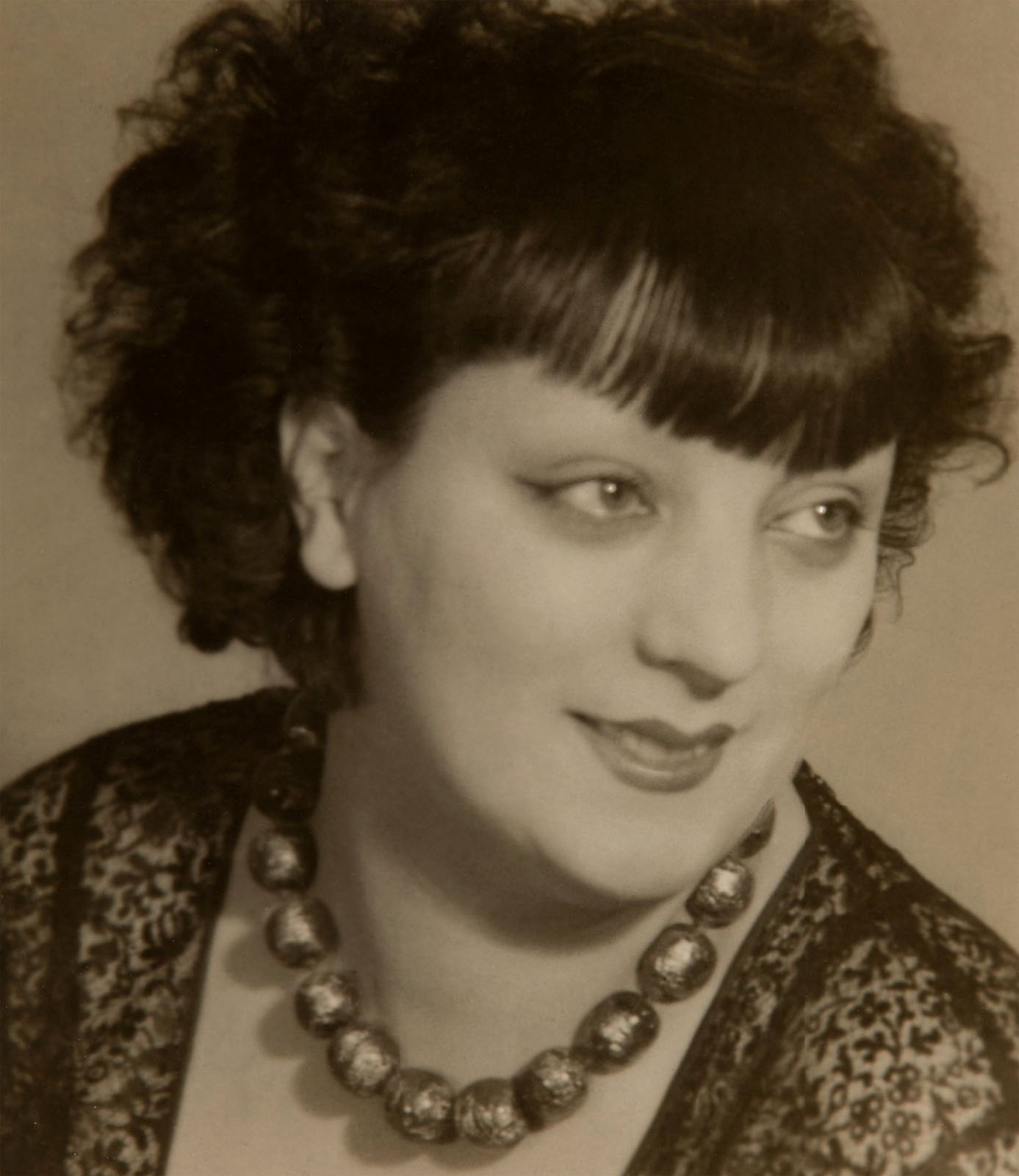


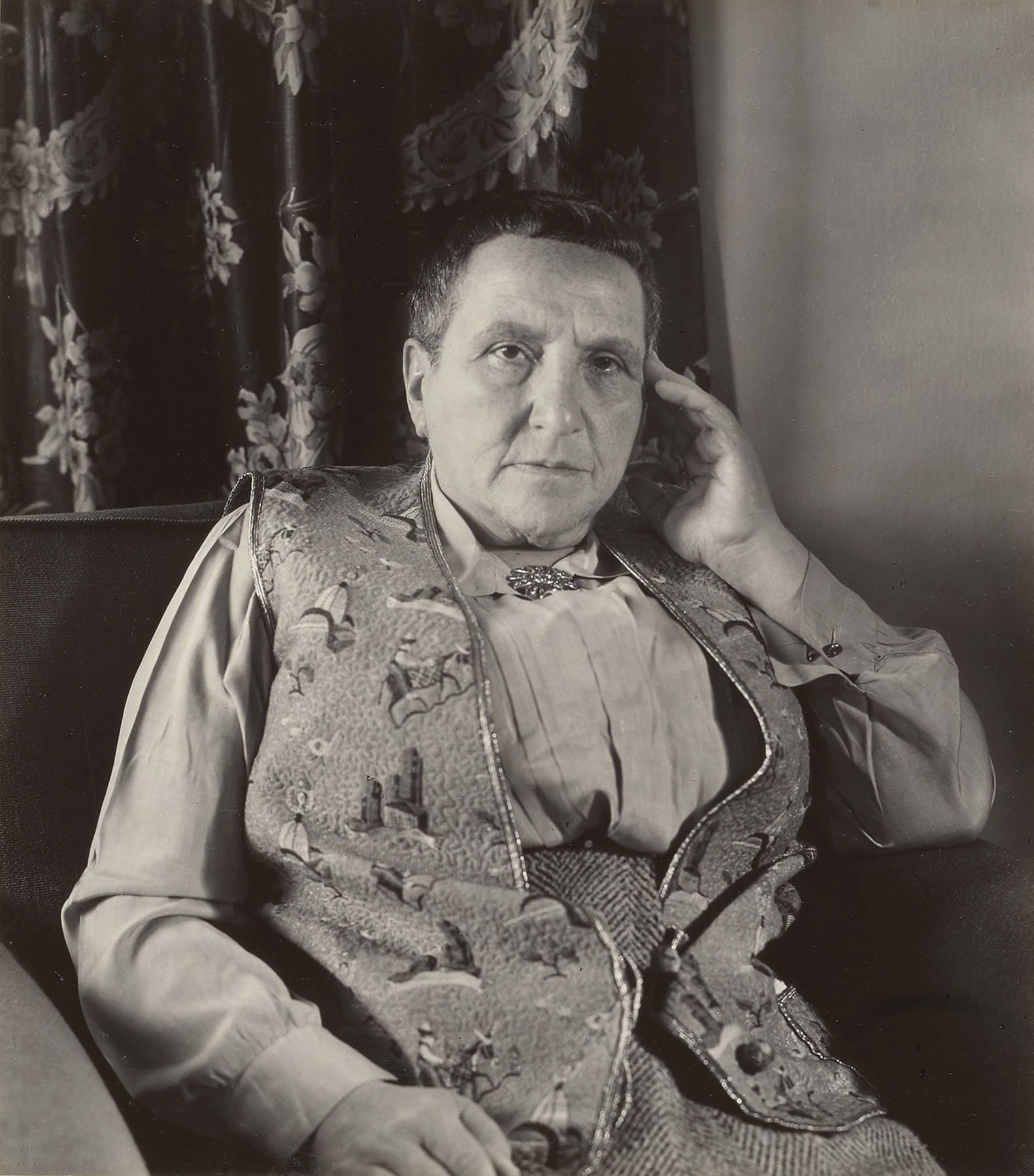

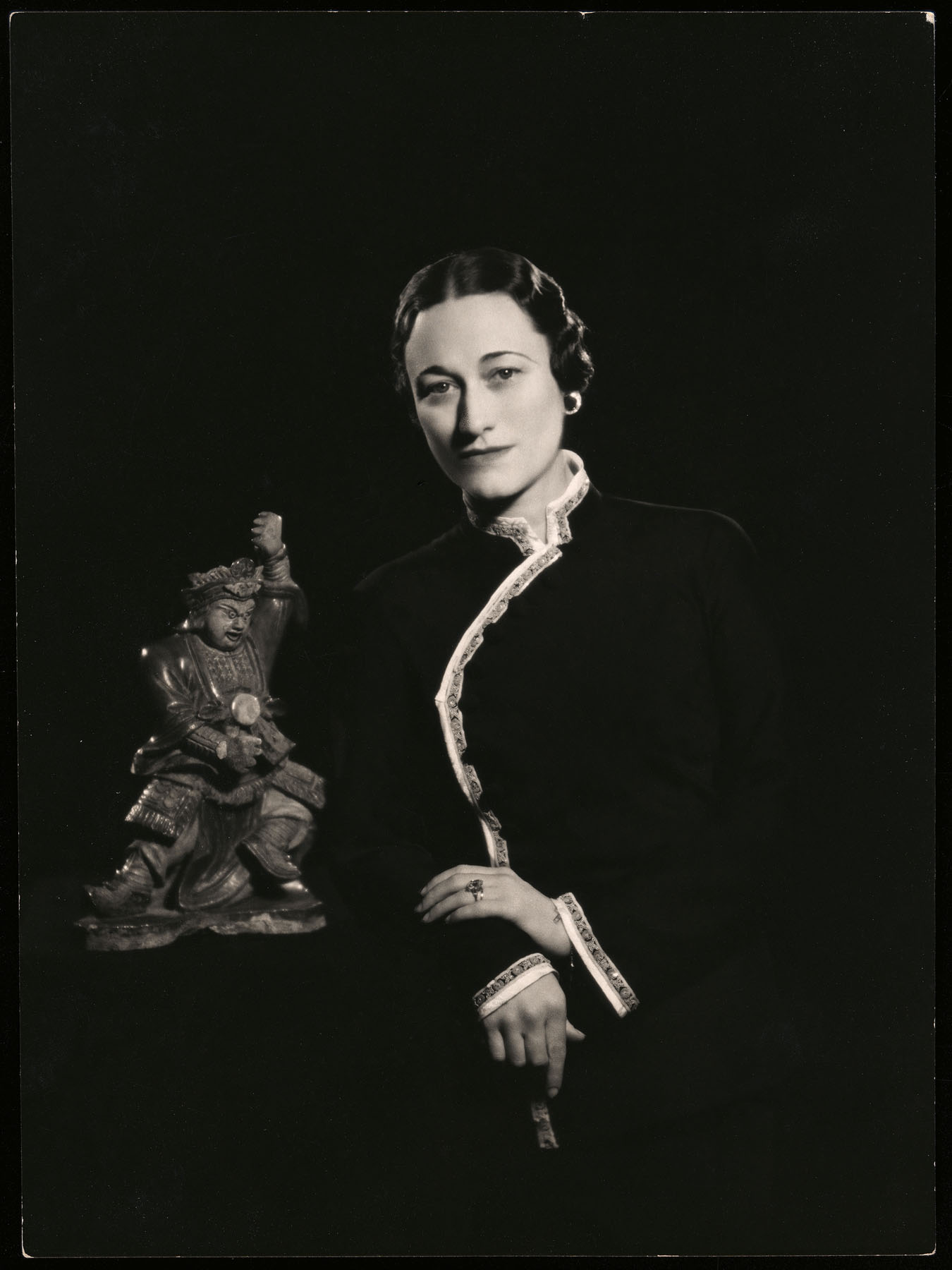


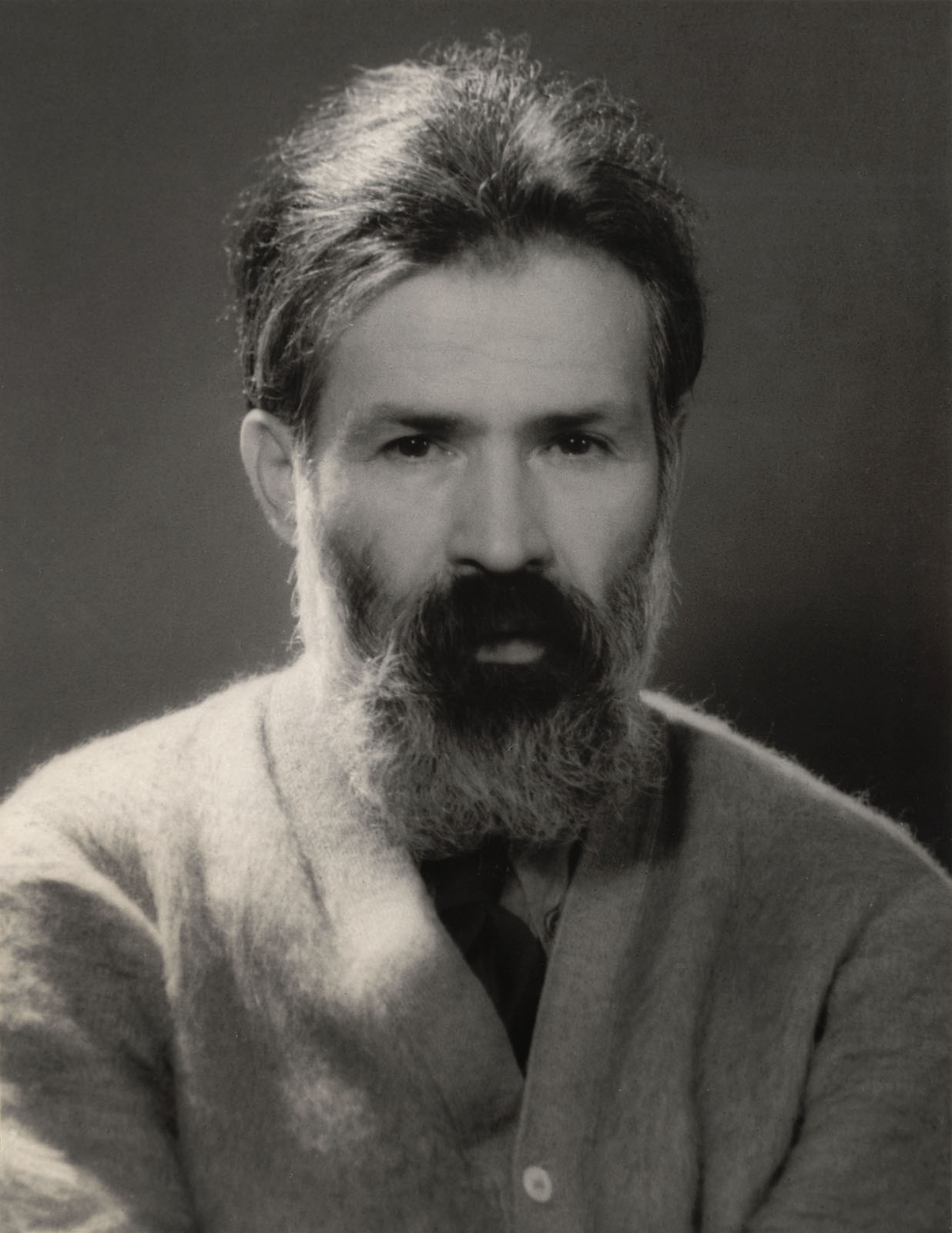


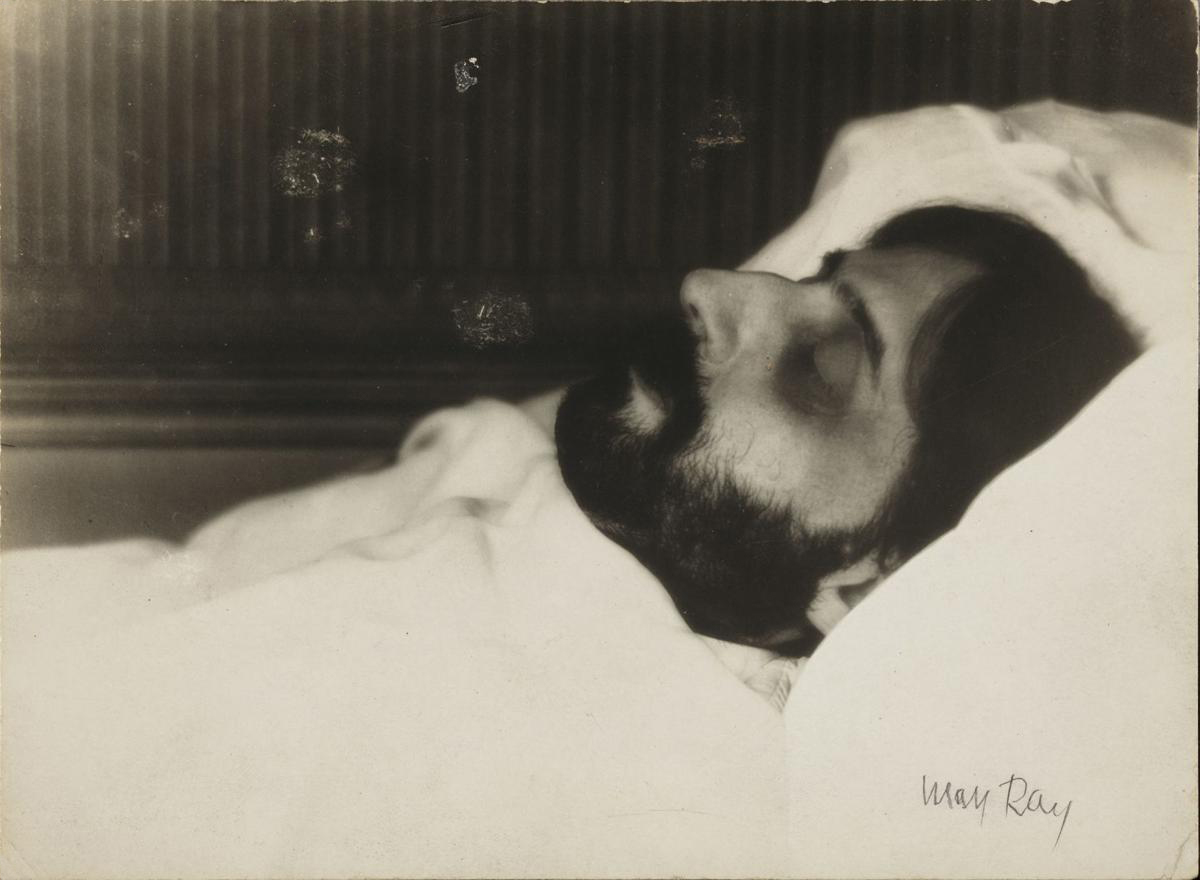


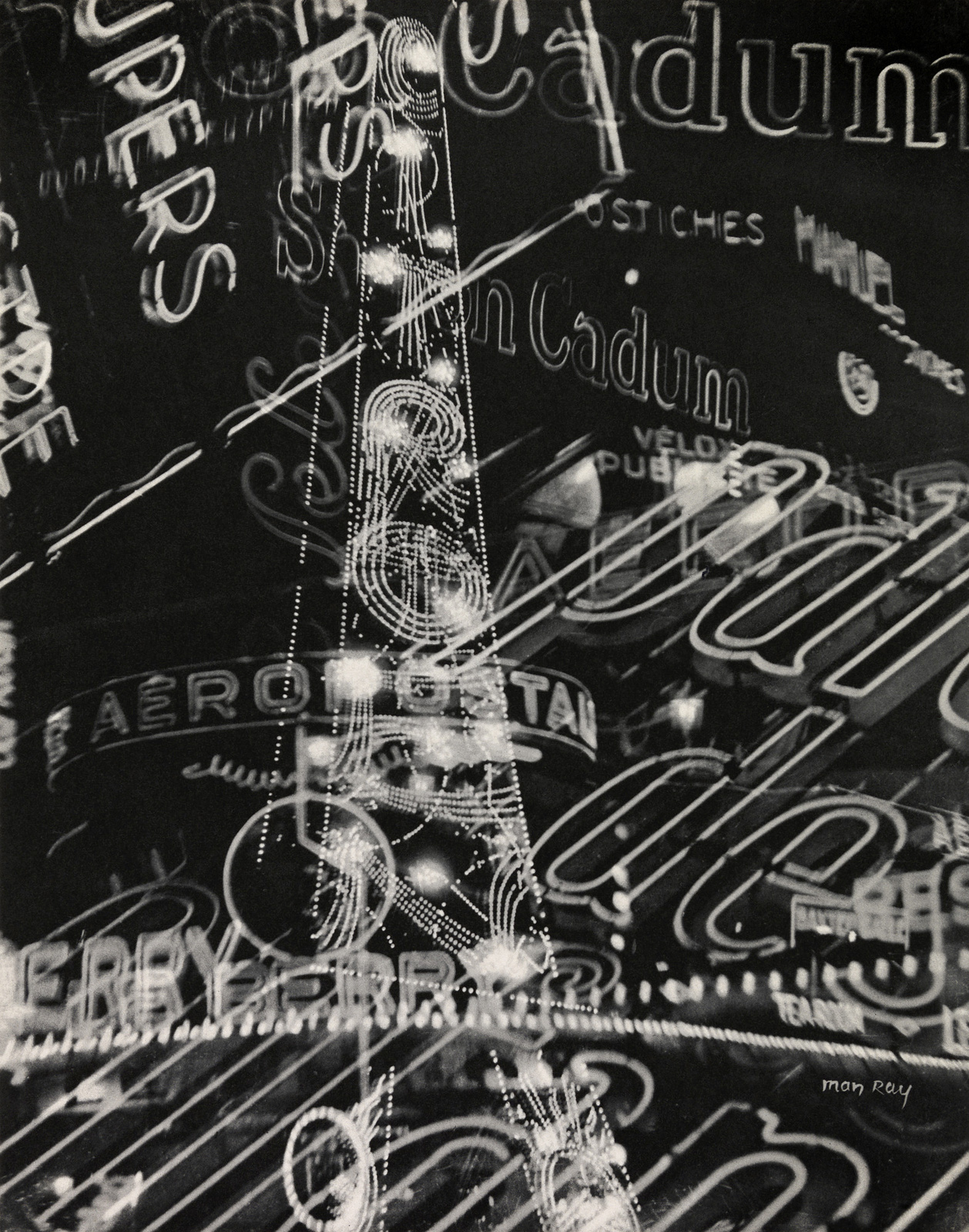


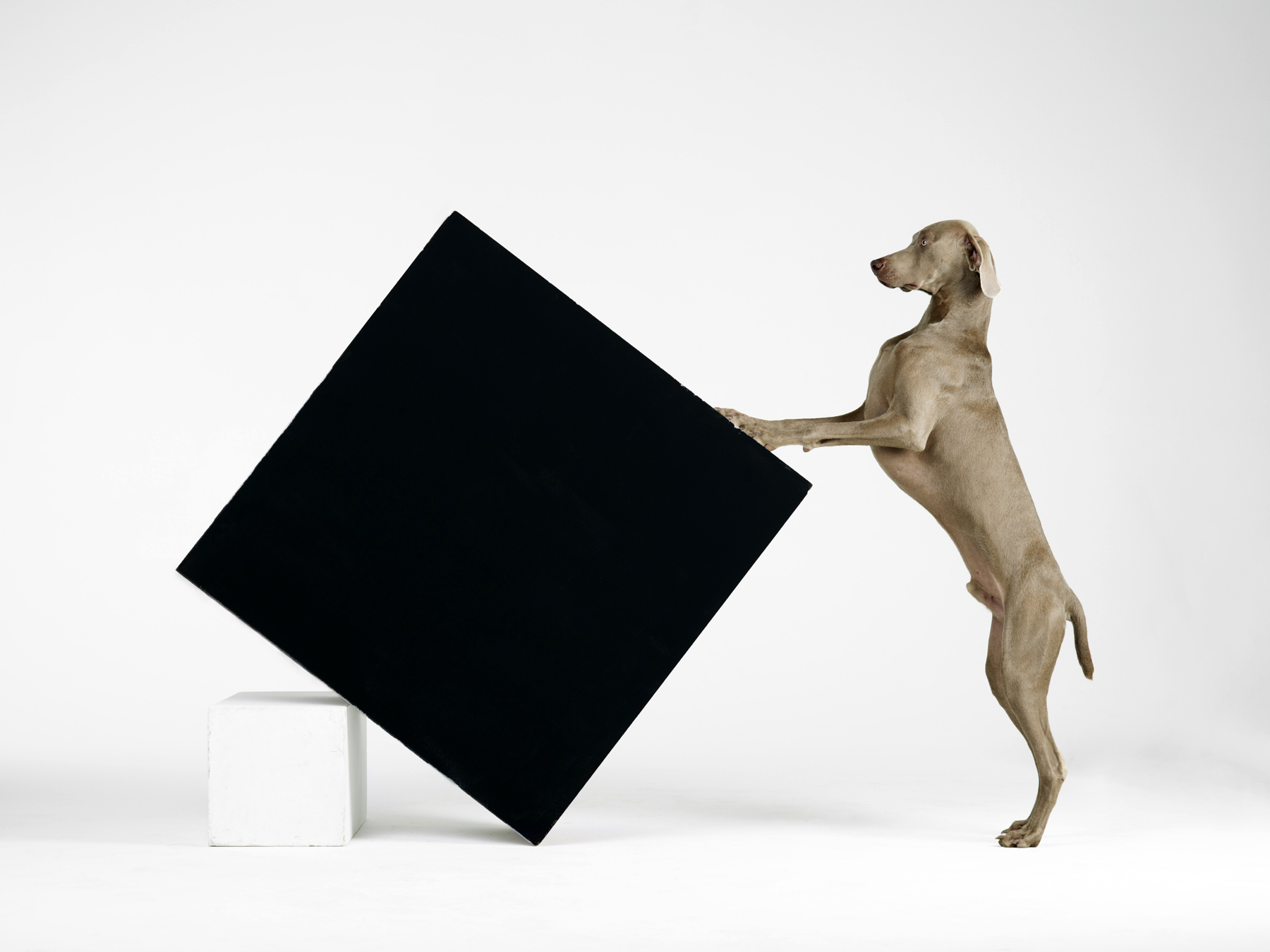



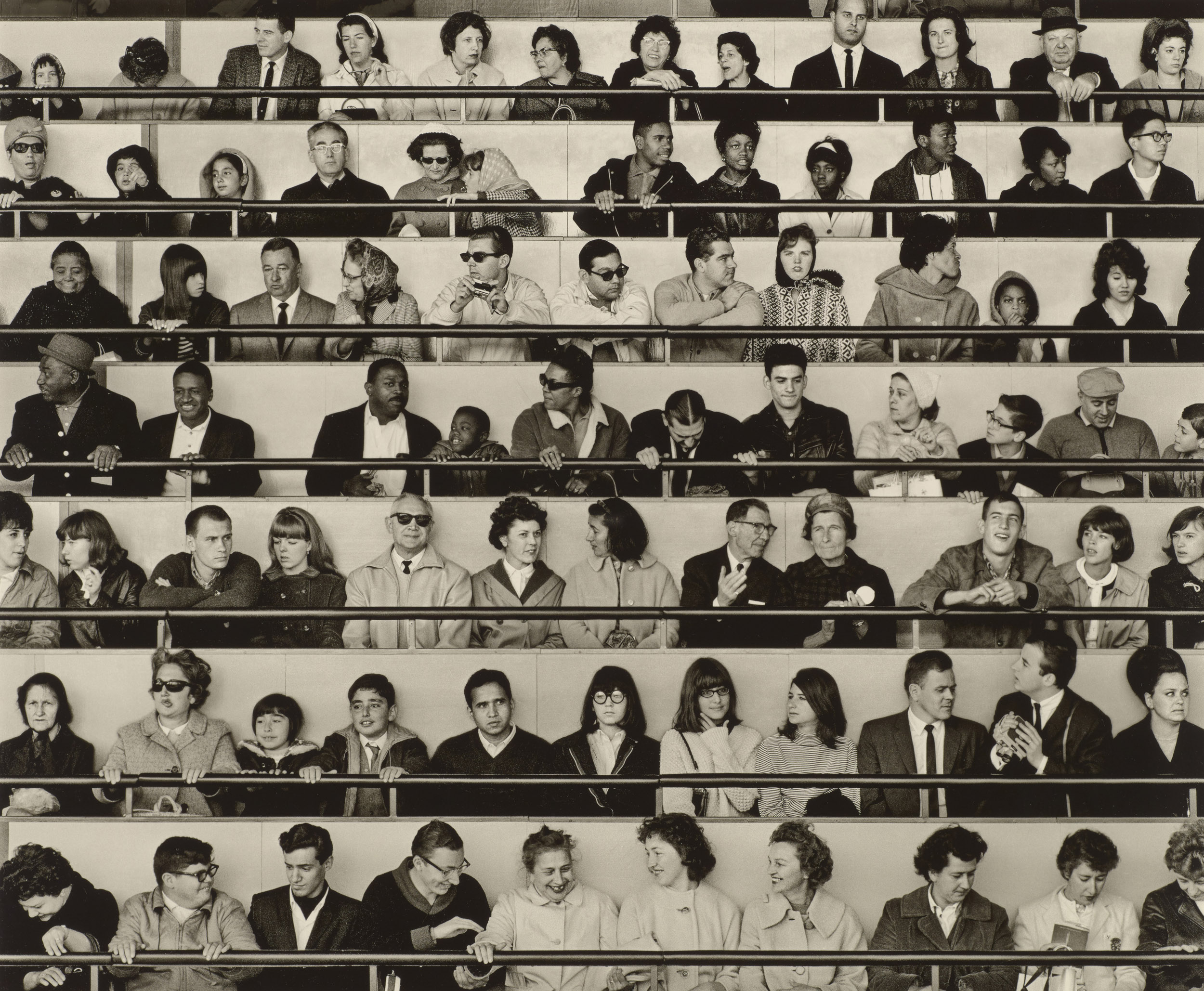
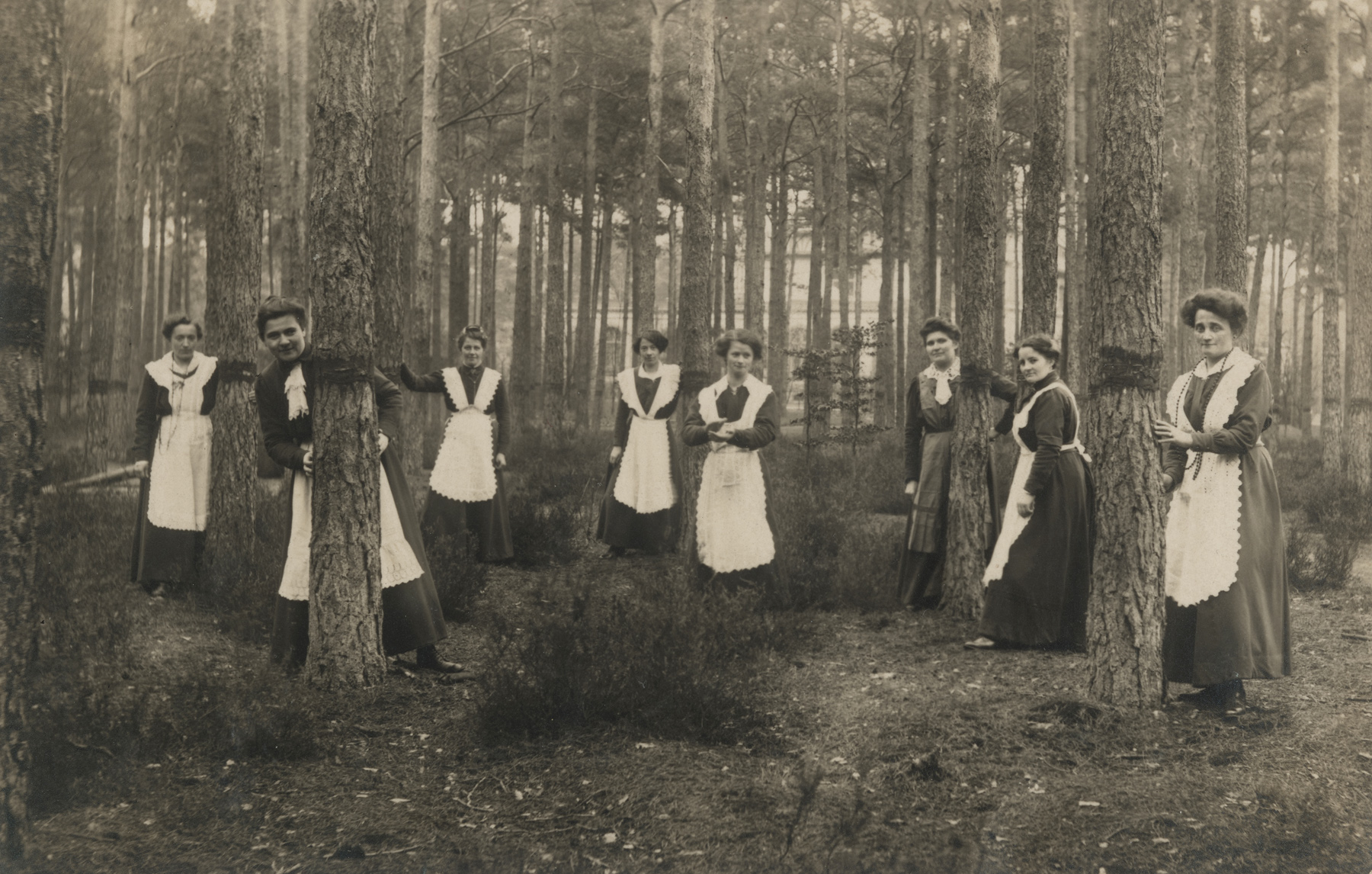

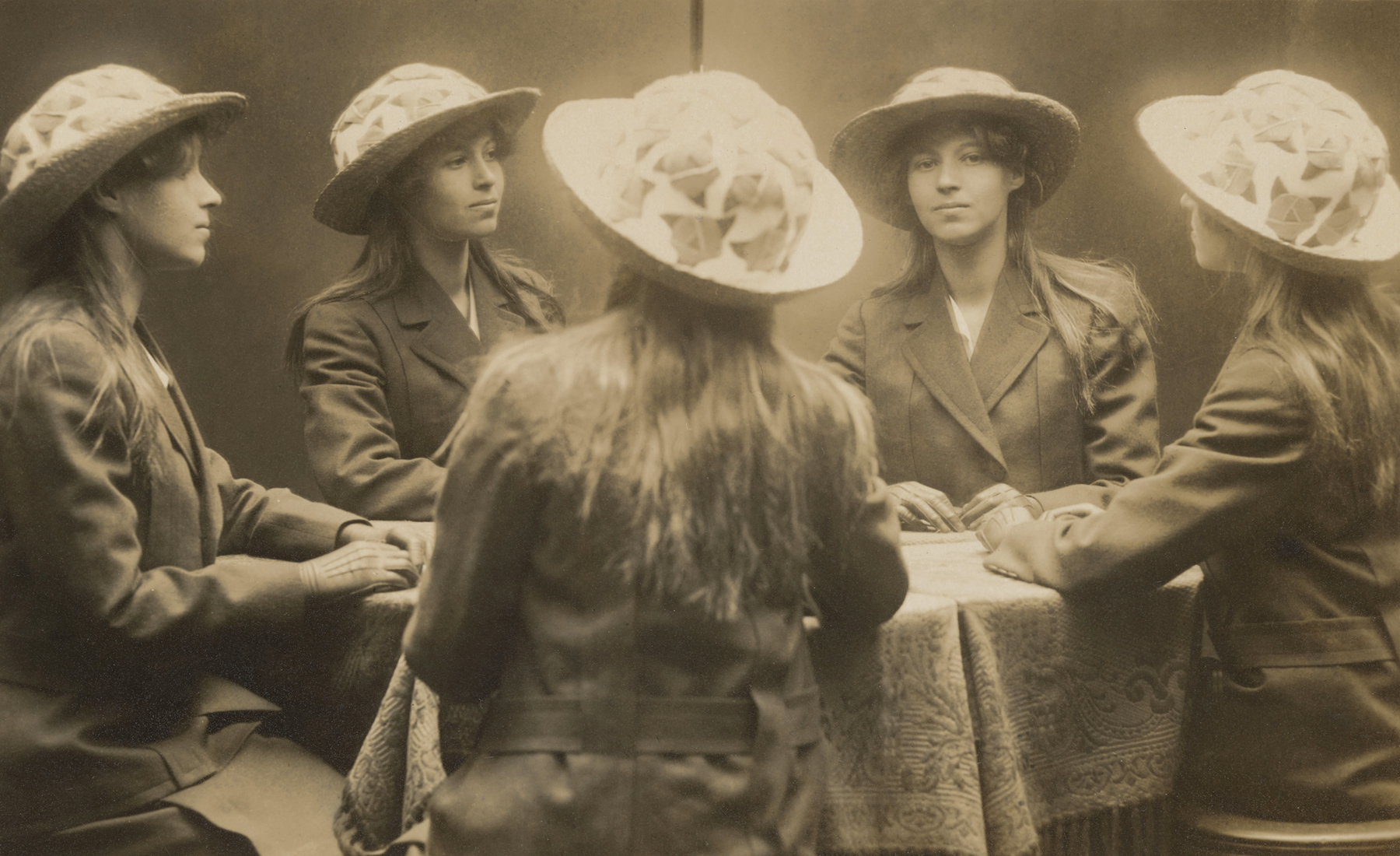
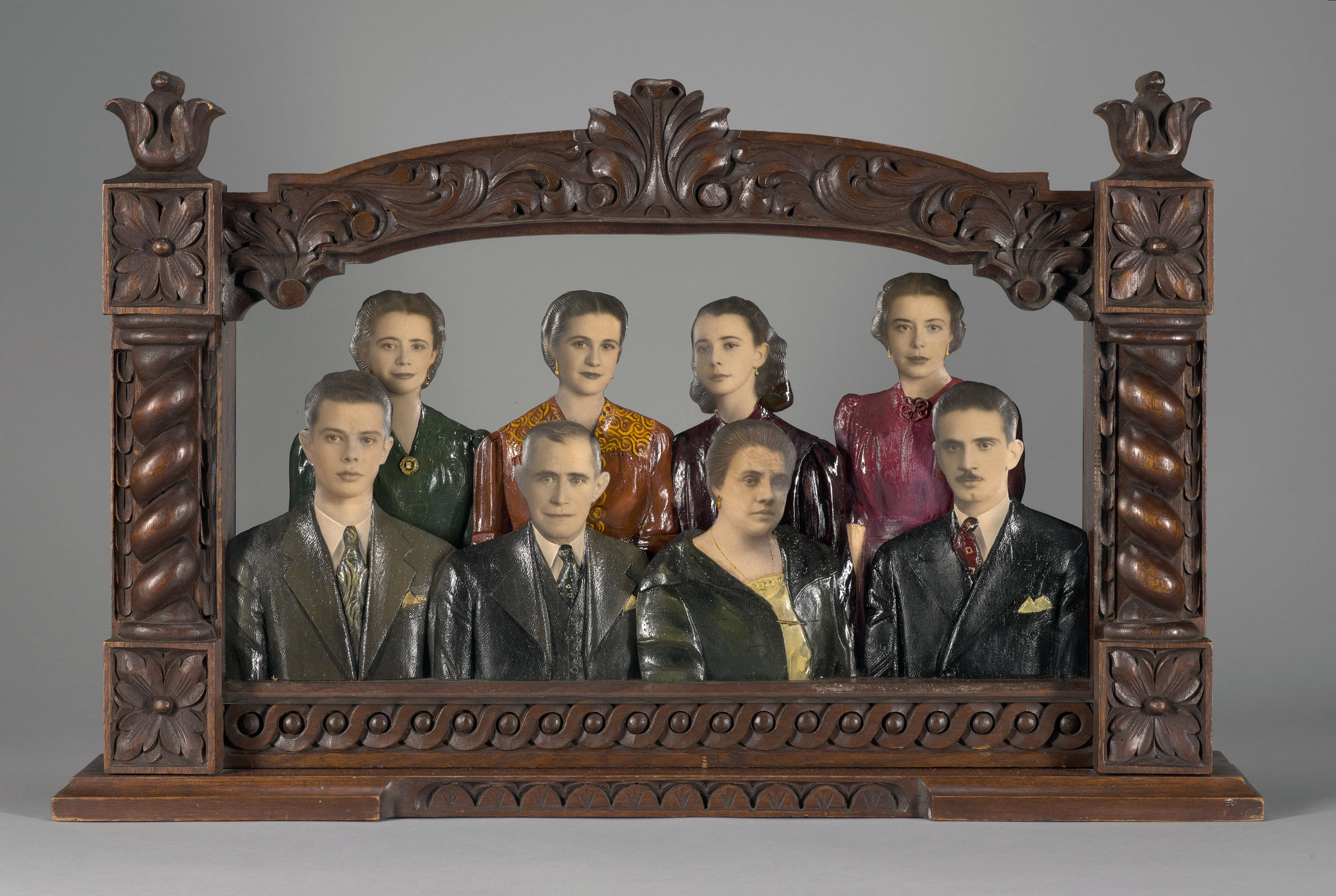


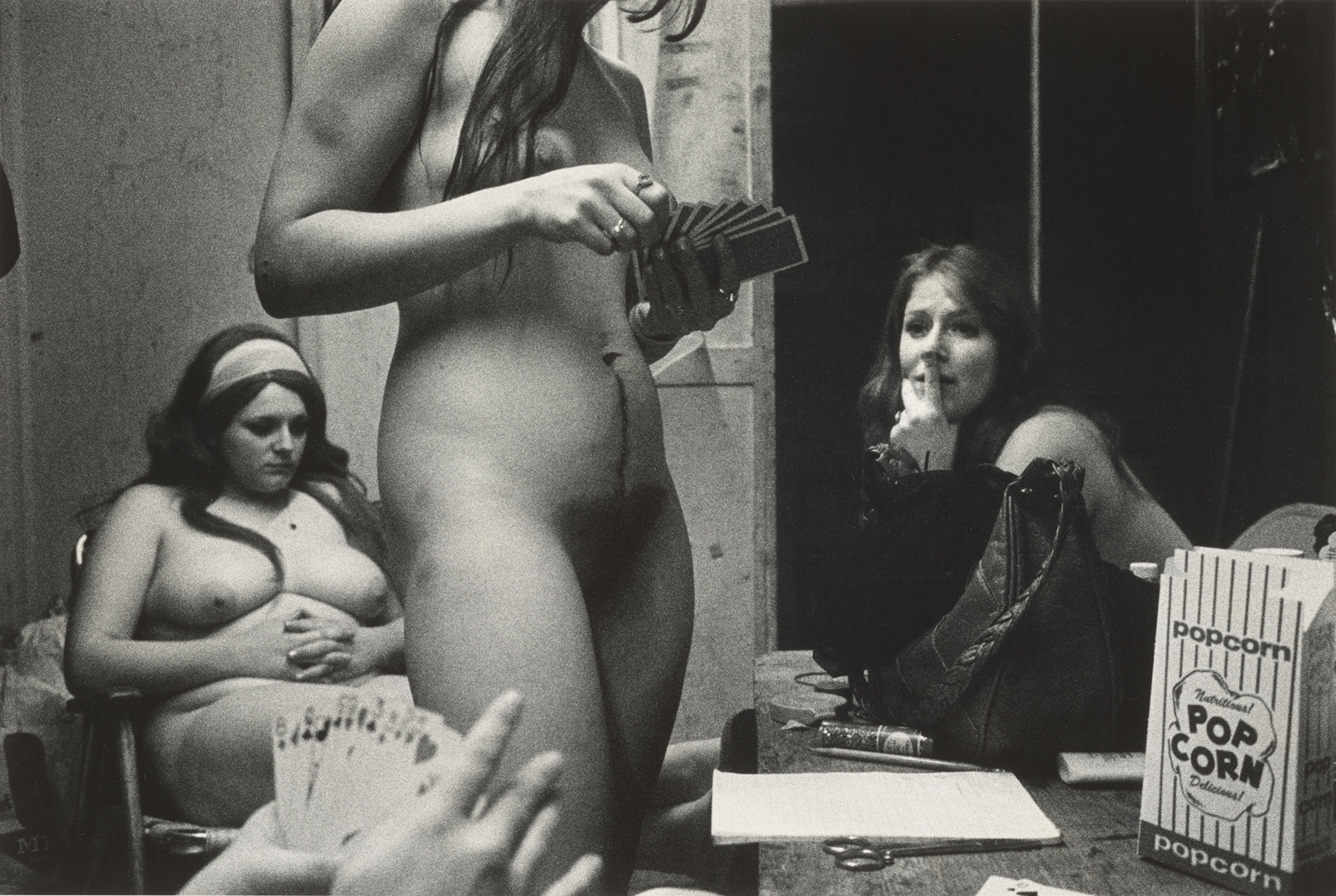
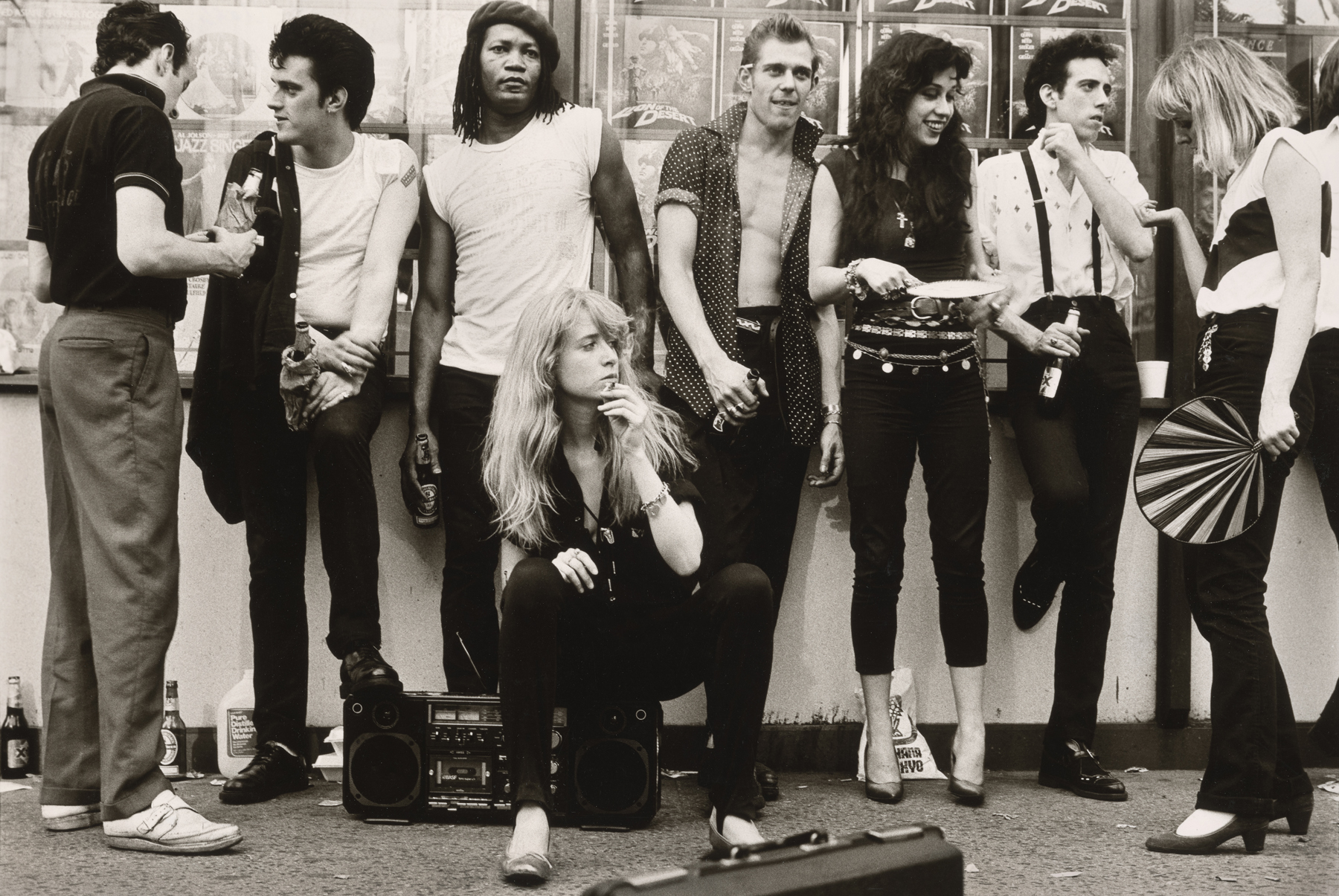
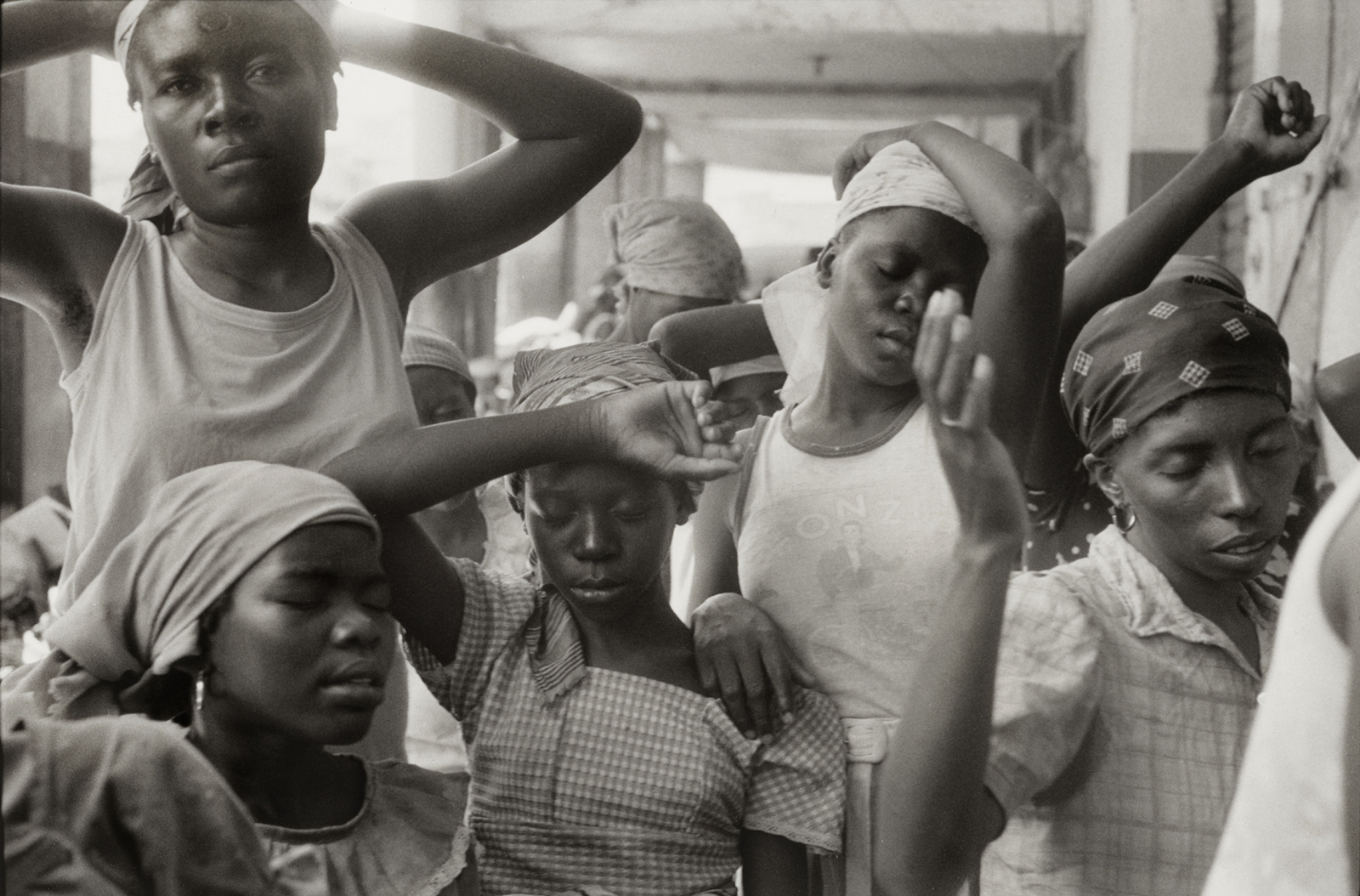
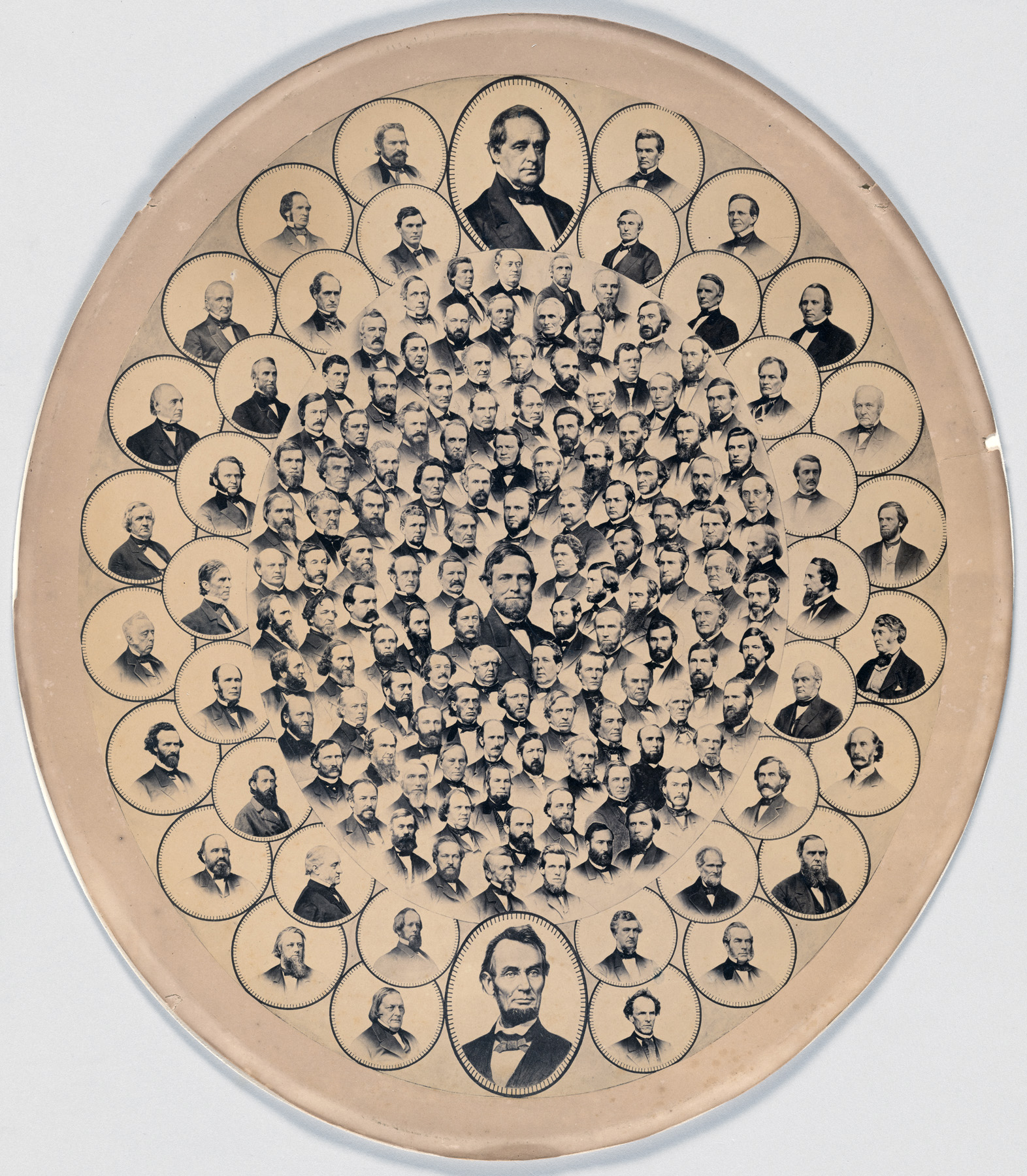


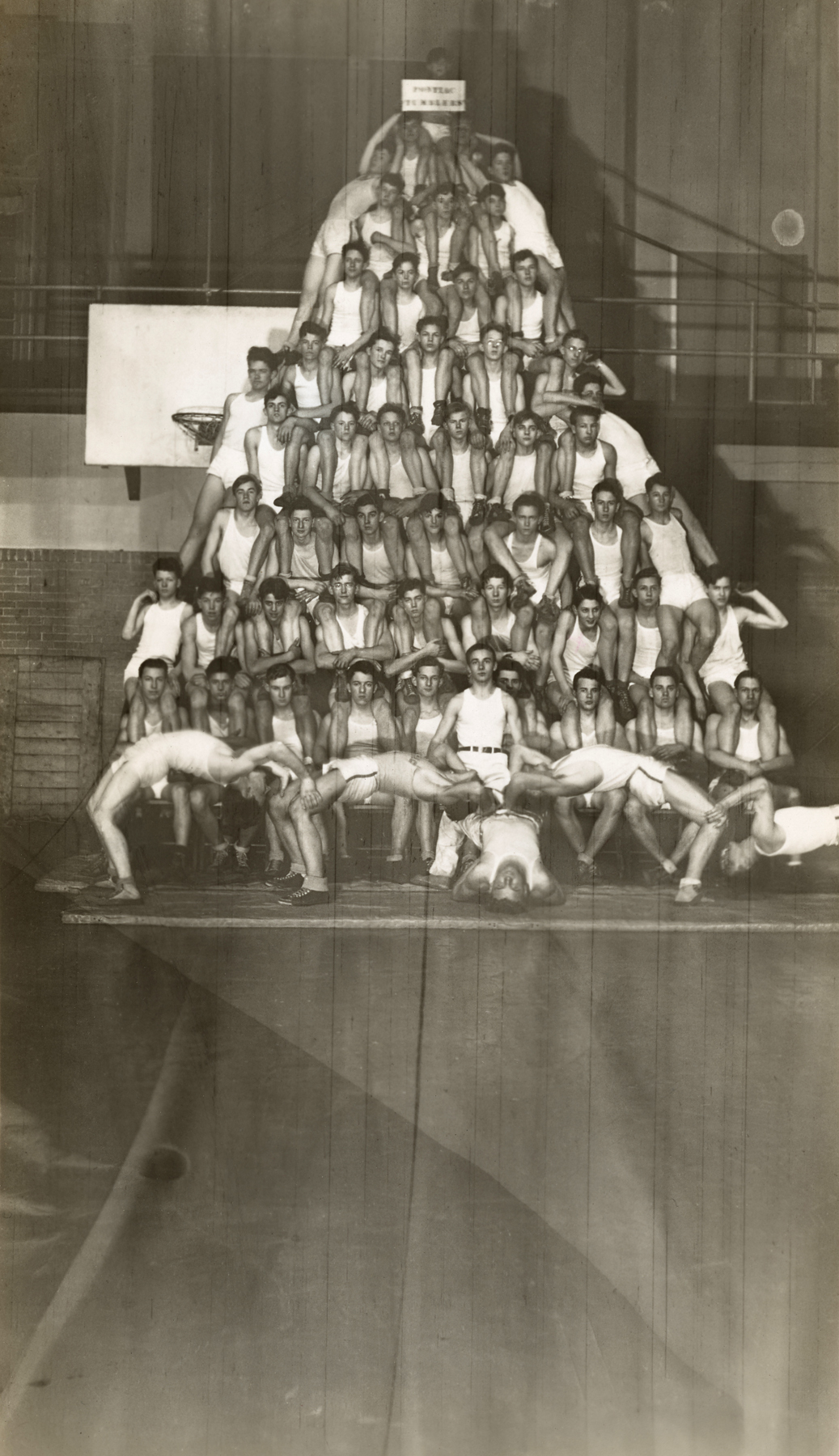
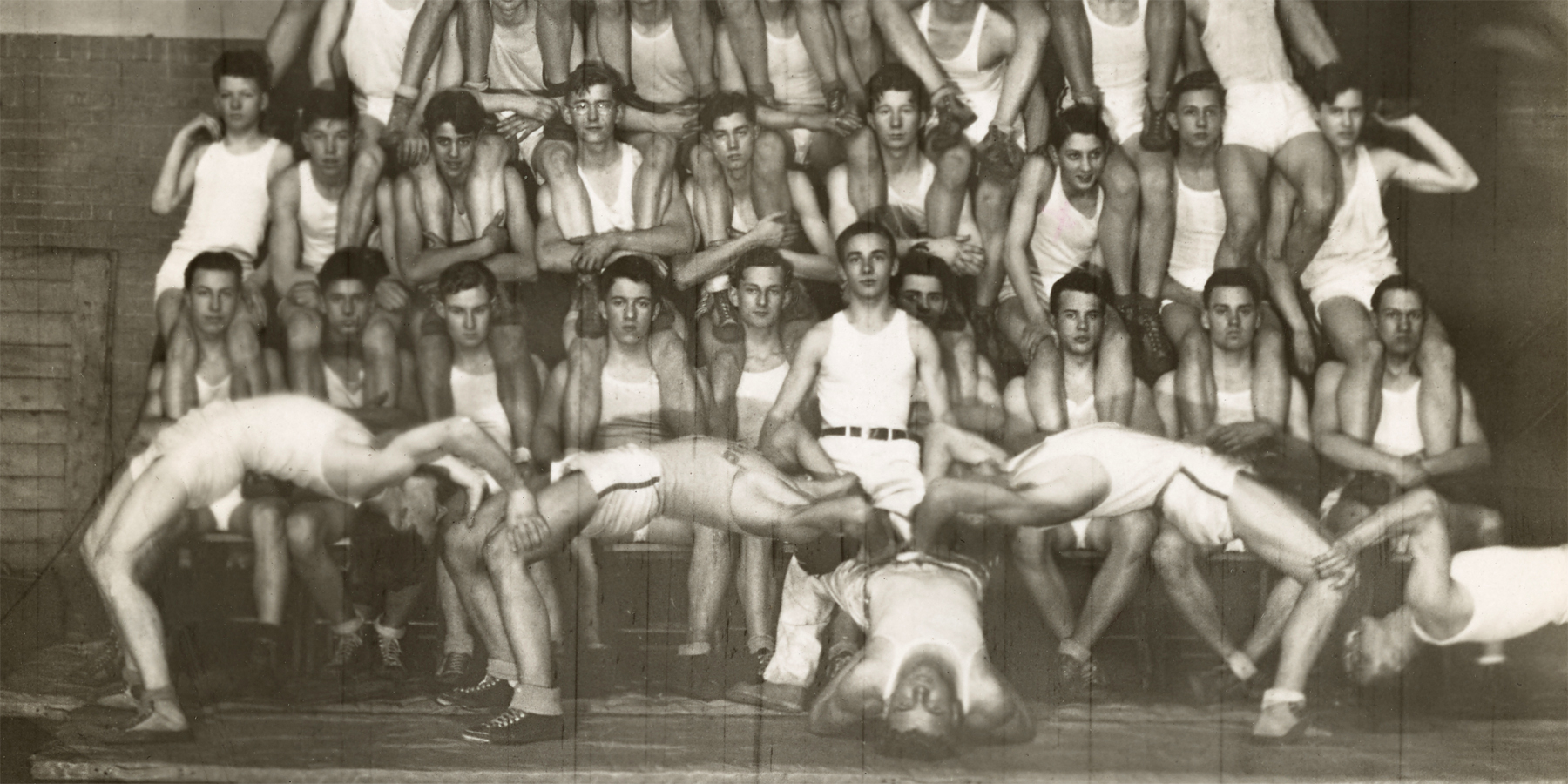
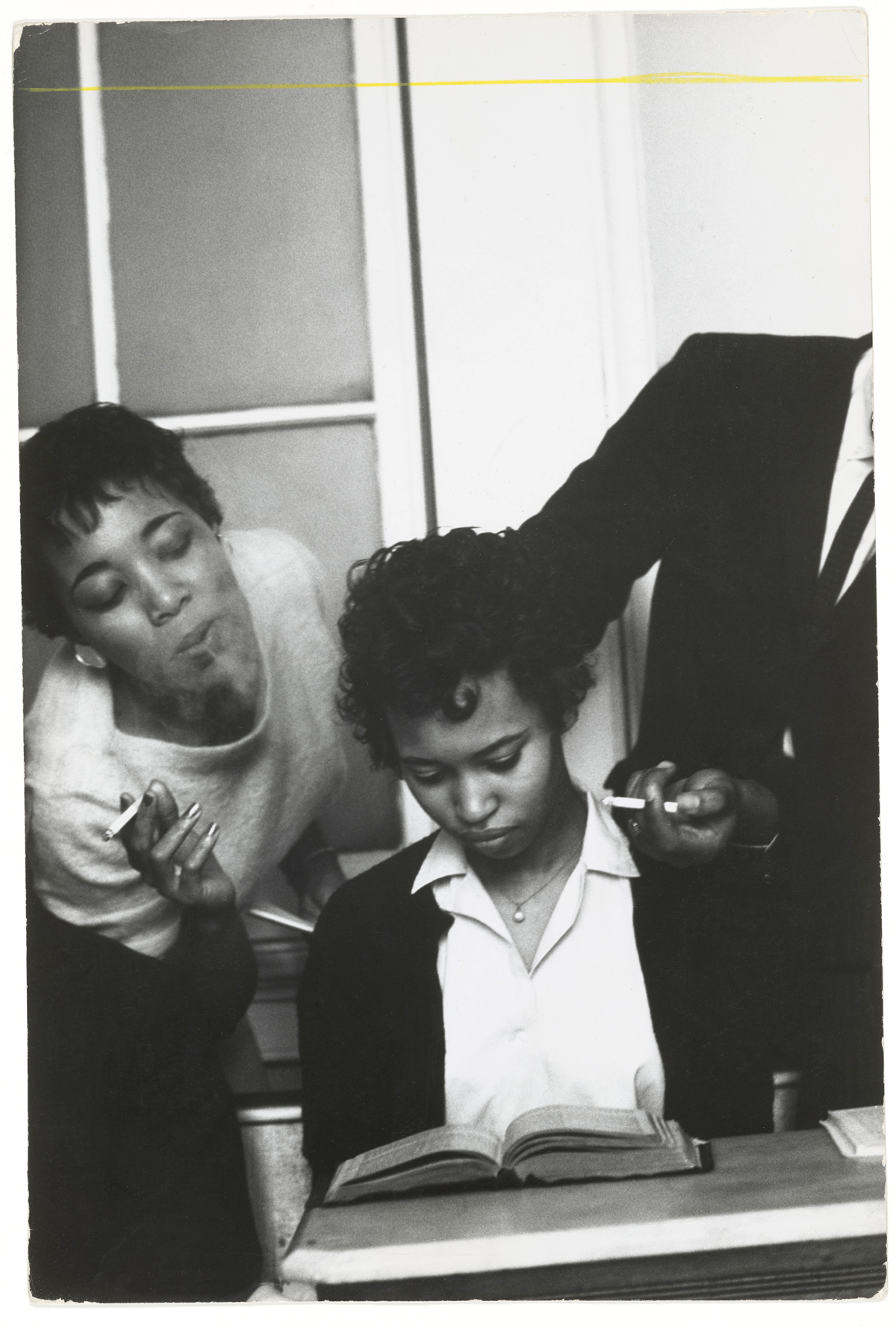
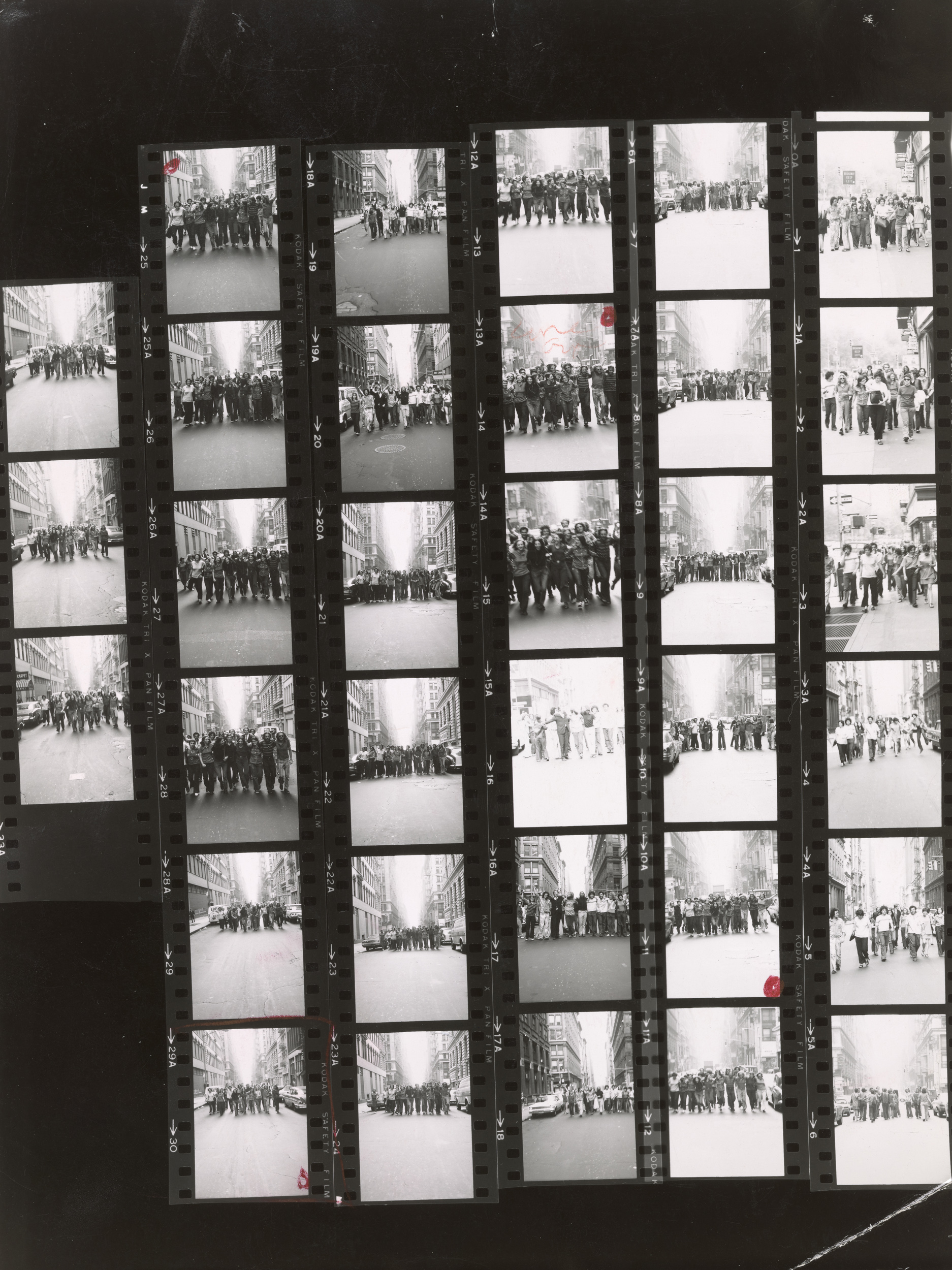





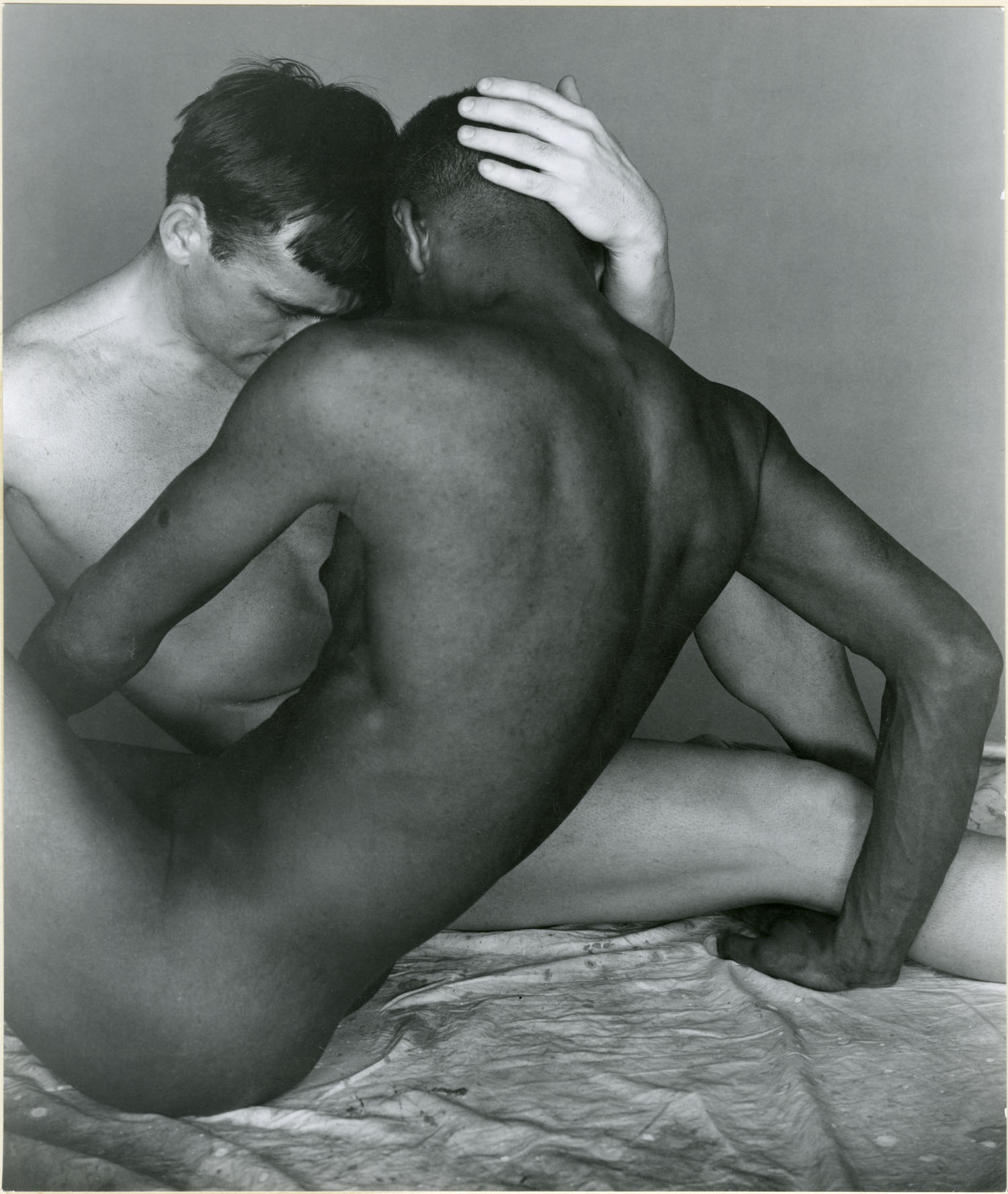
















 Art Blart _ art and cultural memory archive
You must be logged in to post a comment.