This exhibition looks fantastic. I really love the sensitivity and melancholy of the individual images, I just wish I could see the whole exhibition up close in order to comprehend the scientific, surreal dreamscape narratives. In the top two installation photographs there is reference to Ed Ruscha’s folder books but in the large installation photographs (the wooden panels) I see more a cinematic archive form rather than a book form. Film strips as a puzzle (with echoes of Robert Heinecken) that can be read vertically, horizontally and in the round. What most interests Singh about photography is its dissemination in unusual and interesting ways. For her, the book and the choreography of the photographs within it (the sequencing) is the work.
There are so many excellent exhibitions finishing before 4th January 2015 I hope I get them all, including a huge two part posting on Robert Frank, a posting on Paul Strand and Nicholas Nixon’s The Brown Sisters. Keep your fingers crossed I have time…
Dr Marcus Bunyan
Many thankx to the MMK Museum für Moderne Kunst Frankfurt for allowing me to publish the photographs in the posting. Please click on the photographs for a larger version of the image.
“The art world would like to have one image, the art world would like to have three images, I would like to have a hundred images, maybe five hundred images – so books are really essential to enable me to do all that.”
“With more than seven hundred photographs, the internationally renowned photographer Dayanita Singh is providing in-depth insights into the past thirty years of her artistic work.”
Her exhibition Go Away Closer is a museum in a museum: in installations she calls “museum structures”, Singh arranges her photographs and presents them in structures she had developed as her form. These archives structures stand in the exhibition like open oversize books. Each of the expansive, multiply convertible wooden structures holds between 70 and 140 black-and-white photographs – series of works edited and arranged in sequences by the artist, but theoretically capable of being rearranged and supplemented in any number of ways. The photos unite to form fictional narratives full of allusions and enigmas. The artist has given the various structures such titles as Museum of Little Ladies, Museum of Embraces, Museum of Machines or Museum of Chance. She quite deliberately chooses not to label or date the individual photographs.
Dayanita Singh, who refers to herself as a “book artist”, made a name for herself above all with her carefully designed artist’s books, which she has always thought of as portable museums. The “museum structures” have their origins in these books. This special exhibition form lends the images a quality of seemingly never-ending process. With the ‘museum structures’, Singh moreover broadens our conception of photography and how to approach it by introducing sculptural and architectonic aspects.
Singh’s photographs, which she processes with superb craftsmanship and great technical precision, are characterised by a balance between empathy and distance. In her pictures, with their underlying melancholy mood, she finds simple translations for complex states of mind. In the photographic essays, countless images of her past merge with perceptions of the present, as in a dreamlike state. European music, literature and movie history are as much a part of the artist’s work as the people, structures and places of her surroundings in New Delhi.
The exhibition is further enhanced by Singh’s latest video work, Mona and Myself, which she produced for the German pavilion at the 2013 Venice Biennale. Singh describes the striking video portrait as her first “moving still”. “This film demonstrates the true concern of my work: it’s like a dream, like the brief moment between sleeping and waking,” the artist explains.
Singh first met the film’s protagonist, the eunuch Mona Ahmed, in 1989; since that time the two have been close friends. Talking about the work, the artist says: “Mona tells what it’s like when you belong neither here nor there, are neither male nor female, neither an eunuch nor someone like me.”
Publication
On the occasion of the exhibition at the MMK 3, Dayanita Singh created a new artist’s book entitled Museum of Chance, published by Steidl Verlag, Göttingen. The 88 photographs featured on the inside of the clothbound book also each appear as front and back cover illustrations, so that there are 88 different versions of the publication. The book Museum of Chance is in English, costs 48 EUR and is available at the MMK shop. The exhibition was organised in cooperation with the Hayward Gallery in London.”
Text from the Museum für Moderne Kunst website
Dayanita Singh – Slide Lecture: Chandigarh Lalit Kala Akademi: Amrita Sher-Gil National Art Week
“An exquisite edifice and living machine. Hard chambers of bone to guard soft organs, protected conduits and channels. Smooth working mechanism of jaws and teeth.”
~ Irving Penn, December 12, 1988
Irving Penn’s platinum photographs fetch tens of thousands of dollars at auction. I could think of better things to spend my money on.
I have never been a fan – of his cigarette butts, fruit dishes, vanitas as well as animal skulls and ethnographic photos. There are just too clinically cold and dead for me, like his invented word “photographism” which really says it all about his photo/graphs.
Other people may love them for their elegance and minimalism, but for work that supposedly investigates the ephemerality and brevity of human existence Penn tightens his essentially reductive approach until the conceptual (and formal) noose strangles the subject.
Irving Penn’s Worlds in a Small Room (where he set up baffles and stood “mudpeople” and other tribespeople), his masks, and his platinum prints of cigarette butts are his claim to fame. They were championed by the US East Coast and commercial interests. They are not terrible, but I don’t believe they are deserving of their fame. The work was deliberately made to attract the limelight, at least in the vibe I get from them.
Dr Marcus Bunyan
Many thankx to the Palazzo Grassi for allowing me to publish the photographs in the posting. Please click on the photographs for a larger version of the image.
Irving Penn: The Enduring Power of Formal Simplicity
“Irving Penn was one of the most significant and prolific photographers of the 20th century whose signature blend of classical elegance, cool minimalism and monumentality still command our attention… Penn’s visual innovations, compositional originality and intensity, his diversity and range, his meticulous perfectionism and his technical precision and insistence on clean spare elegant compositions are his trademarks… A remarkable sixty-year career was filled with amazing commissioned images which could not have been sustained without a relentless sense of precision and unyielding attention to details as well as a restless sense of curiosity… Penn’s approach from the beginning was essentially reductive – he described it as a ‘tightening process – the plastic search.’ He preferred the simple studio backdrop in order to concentrate on preserving the ‘sanctity of the document’… Penn’s legacy is his prodigious insatiable breadth of work blurring the worlds of commerce and fine art. He was constantly questioning the meaning of time, of life and its fragility.“
Diana Edkins. “Irving Penn: The Enduring Power of Formal Simplicity,” on The Eye of Photography website April 2014 [Online] Cited 21/11/2022
The exhibition Irving Penn, Resonance, curated by Pierre Apraxine and Matthieu Humery, brings together on the second floor of Palazzo Grassi 130 photographs, taken between the end of the 1940s and the mid-1980s. The exhibition is a collection of 90 platinum prints, 30 gelatin silver prints, 4 colourful dye transfer prints and 17 internegatives, which will be shown to the public for the first time.
It tackles the themes dear to Irving Penn and which, beyond their apparent diversity, all capture every facet of ephemerality. This is true of the selection of photographs from the series small trades, taken in France, England and the United States in the 1950s. It is also the case for the portraits taken between the 1950s and the 1970s of celebrities from the world of art, cinema, and literature. Exhibited alongside ethnographic photographs of the people of Dahomey and of tribesmen from New Guinea and Morocco, they strongly underline the brevity of human existence, whether affluent or resourceless, famous or unknown.
The exhibition path, which encourages dialogue and connections between works that differ in subject matter and period of time, gives prominence to still life photography from the late 1970s and the beginning of the 1980s: they are composed of cigarette ends, fruit dishes, vanitas as well as animal skulls photographed at the Narodni National Museum in Prague in 1986 for the series Cranium Architecture.
This broad overview of Irving Penn’s work puts relatively unknown images side-by-side with the most iconic ones, thereby revealing the particular ability to synthesise that characterises this photographer: in his work, modernity is not necessarily in opposition with the past and the way he exerts control over every step of the process, from the studio to the printing (to which he dedicates a lot of attention and unprecedented care), enables one to come nearer to the truth of things and people, through a constant questioning of the meaning of time, of life and of its fragility.
Irving Penn
Irving Penn was born in 1917 in Plainfield, New Jersey. In 1934 he enrolled at the Philadelphia Museum School of Industrial Art where he studied design with Alexey Brodovitch. In 1938 he began a career in New York as a graphic artist – then, after a year painting in Mexico, he returned to New York City and began work at Vogue magazine where Alexander Liberman was art director.
Liberman encouraged Penn to take his first colour photograph, a still life which became the October 1, 1943 cover of Vogue, beginning a fruitful collaboration with the magazine that lasted until his death in 2009. In addition to his editorial and fashion work for Vogue, Penn also worked for other magazines and for numerous commercial clients in America and abroad.
He published many books of his photographs including: Moments Preserved (1960); Worlds in a Small Room (1974); Inventive Paris Clothes (1977); Flowers (1980); Passage (1991); Irving Penn Regards The Work of Issey Miyake (1999); Still Life (2001); Dancer (2001); Earthly Bodies (2002); A Notebook At Random (2004); Dahomey (2004); Irving Penn: Platinum Prints (2005); Small Trades (2009); and two books of drawings and paintings.
Penn’s photographs are in the collections of major museums in America and abroad, including the Metropolitan Museum of Art, Moderna Museet in Stockholm, The National Gallery of Art in Washington, D.C., Smithsonian American Art Museum in Washington, D.C., The J. Paul Getty Museum in Los Angeles, and the Museum of Modern Art in New York, which honoured him with a retrospective exhibition in 1984. This exhibition was circulated to museums in twelve countries. Irving Penn made a donation, in 1997, to the Art Institute of Chicago of prints and archival material. In November of that year, the Art Institute mounted a retrospective that also toured to 5 museums around the world beginning at The State Hermitage in St. Petersburg, Russia.
Olivo Barbieri (Italian; lives and works in Modena, Italy) Philip-Lorca diCorcia (American; lives and works in New York) Jason Evans (British; lives and works in London) Paul Graham (British; lives and works in New York) Mark Lewis (Canadian; lives and works in London) Jill Magid (American; lives and works in New York) James Nares (American; lives and works in New York) Barbara Probst (German; lives and works in New York) Jennifer West (American; lives and works in Los Angeles) Michael Wolf (German; lives and works in Paris and Hong Kong)
Installation view by Rob Deslongchamps
Watching the watcher watching…
Dr Marcus Bunyan
Many thankx to the Cincinnati Art Museum for allowing me to publish the photographs in the posting. Please click on the photographs for a larger version of the image.
“Some of the artists in ‘Eyes on the Street’ made their work at street level; others sought higher vantage points. Some sharpen our appreciation for individuals, while others underscore universal urban traits. Some work with still images, while others create films and videos. What links them, and binds them to the historical tradition of street photography, is the quality of attention they give these bustling environments. They are watchful. What distinguishes them from the twentieth-century street-photography tradition, however, is that these artists are also acutely conscious of the active roles cameras play in making urban public places today. They know they are part of a greater system of watching.”
Brian Sholis, Associate Curator of Photography, Cincinnati Art Museum
Installation view by Rob Deslongchamps
Barbara Probst (German, b. 1964) Exposure #106: N.Y.C., Broome & Crosby Streets, 04.17.13, 2:29 p.m. 2013 Ultrachrome ink on cotton paper in twelve parts Each 29 x 44 inches Courtesy of the artist and Murray Guy, New York
On January 7, 2000, Barbara Probst first deployed a photographic technique that has become her signature and which she is still fruitfully exploring. On that night she used a remote-control device to synchronise the shutters of twelve cameras, creating as many perspectives on the same scene. In that work, and the more than one hundred that have followed, Probst dissects the photographic moment. Take, for example, the twelve-panel Exposure #106, exhibited here, which combines colour and black-and-white film, multiple photographic genres, staged and unscripted elements, and a patchwork of vantage points. One can’t help but “read” these individual images sequentially, creating a false sense of narrative momentum from a collection of pictures taken in the same instant. One likewise builds, as Probst has called it, a “sculpture in the mind” by piecing together a three-dimensional scene from two-dimensional fragments. The process is never perfect, underscoring, as does all of Probst’s work, the incompleteness and partiality of any photograph.
“Probst forcefully deconstructs the notion of photographic truth, not by specifically questioning that photographic truth but merely by pointing out its necessary incompleteness.
~ Jens Erdman Rasmussen, Dutch curator.
Jason Evans (Welsh, b. 1968) Untitled from the series NYLPT 2008 Gelatin silver print 24 x 24 inches Courtesy of the photographer
Jason Evans is a street photographer who, in his words, simply likes to “walk around and look at things, follow people, and get lost.” The series exhibited here, NYLPT, was made between 2005 and 2012 in New York, London, Paris, and Tokyo. Evans would expose a roll of 35-mm black-and-white film in one of these cities, then rewind and set aside the roll until his travels brought him to another. There, he would reload the film and re-expose the frames, doing so up to five times without knowing what the results would look like. Sometimes a fragment of language or familiar landmark reveals where part of the picture was made. More often, however, the textures, shapes, and surreal combinations of built environments come together to connote urbanness as a category of experience. Aware that people consume images in myriad ways, Evans not only developed the photographs in a darkroom, but also worked closely with a book publisher and digital programmers to create versions of the series specific to different mediums.
Olivo Barbieri (Italian, b. 1954) site specific_Istanbul #4 2011 Archival pigment print 45 x 61 inches Courtesy of the artist and Yancey Richardson Gallery, New York
Between 2003 and 2013, the Italian artist Olivo Barbieri photographed more than forty of the world’s cities from low-flying helicopters. Fascinated by the expanding megalopolises, Barbieri sought a new visual language to present their shifting forms. He hit upon the idea of using a tilt-shift lens – normally used to correct the apparent convergence of parallel lines in pictures of buildings – to render sections of his images out of focus. By also slightly overexposing the photographs, Barbieri created a diorama-like effect; the people and places he captured seemed to inhabit miniature worlds. His pictures contained enormous amounts of information yet placed some of it tantalisingly out of focus.
This visual effect became so popular that Barbieri sought other ways to push photography’s language in response to the cities that inspired him. In recent years he has adopted a wide array of digital post-production techniques to modify his images, all in service of representing the dizzying state of cities today.
“Captivated by a vision of the twenty-first-century city as a kind of site-specific installation – temporary, malleable, and constantly in flux – [Barbieri] sought a photographic corollary for the radical mutations of urban form that he saw taking place.”
~ Christopher S. Phillips, curator
Installation view by Rob Deslongchamps
Cameras are an integral part of our lives, and the Cincinnati Art Museum’s new exhibition, Eyes on the Street, on view Oct. 11, 2014 – Jan. 4, 2015, examines how they can be used in public spaces. Through a collection of photographs, films and videos by 10 internationally renowned artists – most of whom have never previously exhibited in Cincinnati – the exhibition reimagines street photography and reveals how cameras shape perceptions of cities. Eyes on the Street is the Art Museum’s contribution to the region-wide FotoFocus festival and is a celebration of street photography in the twenty-first century.
“Street photography is a perennial subject of museum exhibitions, but by emphasising the role cameras’ technical capabilities play in making these artworks, I hope to broaden our understanding of the genre,” said Brian Sholis, associate curator of photography. “At the same time, it’s important to recognise that we are not merely subject to faceless surveillance, but can use cameras to amplify the invigorating aspects of city life.”
Eyes on the Street reimagines the genre of street photography and demonstrates how cameras shape our perceptions of cities. It features ten internationally renowned artists who work in photography, film, and video, each of whom deliberatively uses the camera’s technical capabilities to reveal new aspects of the urban environment. Through high-speed and high-definition lenses, multiple or simultaneous exposures, “impossible” film shots, and appropriated surveillance-camera footage, these artists breathe new life into the genre and remind us that urban public places are sites of creative and imaginative encounters.
The exhibition title comes from influential urban theorist Jane Jacobs, who wrote, in her classic treatise The Death and Life of Great American Cities, of “eyes on the street” being crucial to urban neighbourhoods’ vitality – and their ability to accommodate different people and activities. Today, discussion of cameras in public spaces often revolves around surveillance tactics or battles over first-amendment rights. Eyes on the Street reflects the diversity of urban experience and shows us how cameras can help us comprehend the complex urban environment.
The show includes artworks made in New York, San Francisco, Paris, Beirut, Tokyo, Istanbul, and elsewhere by artists who have exhibited widely and have received numerous grants, fellowships, and prizes. Most have never before exhibited in the Cincinnati area.
Press release from the Cincinnati Art Museum
Philip-Lorca diCorcia (American, b. 1951) Head #23 2001 Fujicolor Crystal Archive print 48 x 60 inches Courtesy of the artist and David Zwirner, New York/London
To make the photographs exhibited in Eyes on the Street, Philip-Lorca diCorcia affixed a powerful strobe flash to construction scaffolding above a sidewalk in Times Square. He placed his camera some distance away, so as to remain unnoticed, and photographed unwitting strangers bathed in a halo of light. This outdoor “studio” married control and chance, isolating people from their busy surroundings. Their pensive faces reveal complex interior lives it would be easy to miss if we passed them on a busy street.
The resulting series, Heads, comprises a few dozen photographs chosen from the thousands that diCorcia made between 1999 and 2001. Erno Nussenzweig, the subject of Head #13, discovered the photograph of him in 2005. He sued the photographer for using his image without permission. The case went to the New York Court of Appeals, where judges ruled that diCorcia’s images qualify as art, not as advertising, thereby exempting him from privacy protections afforded by law. The case has become an important precedent for artists who wish to take pictures in public places.
Jill Magid (American, b. 1973) Control Room 2004 Still from a two-channel digital video, ten minutes Courtesy of the artist and Galerie Yvon Lambert, Paris
For more than a decade artist Jill Magid has deliberately worked with institutions of authority to create videos, books, installations, and other artworks. For a series made in Liverpool in 2004, Magid spent thirty-one days in the English port city – the length of time footage from its Citywatch surveillance system is stored. Wearing a red trench coat, she aimed “to use the CCTV system as a film crew, to act as the protagonist, and to be saved in [its] evidence locker.”
During the project she developed relationships with the camera operators. In the video Trust, Magid closes her eyes and allows a CCTV operator to verbally guide her safely through the city’s busy streets. She has described the interaction as one of the most intimate she has experienced, and wrote the Subject Access Request Forms, used to obtain the footage, in the form of love letters. As she later said, “Only by being watched, and influencing how I was watched, could I touch the system and become vulnerable to it.”
Installation view of James Nares’s film Street. Photo by Rob Deslongchamps.
James Nares Street
James Nares moved to New York during the 1970s and joined the experimental music and art scenes as a filmmaker, painter, sculptor, musician, and performer. Today he is perhaps best known for his beautiful abstract paintings, but he has made still- and moving-image work throughout his career. His 2012 film STREET has drawn renewed attention to his work with cameras. STREET uses the remarkable clarity offered by a high-speed, high-definition camera to mesmerising effect. Shot from the window of a car, “the camera is moving in one line at a constant speed,” he has said. “I take small fragments of time and extend them. […] I just wanted to see the drama in small things that happen all the time, everywhere, the little dramas that become big along the way.”
STREET is an unscripted 61-minute high definition video filmed by artist James Nares over one week in September 2011. The final video is a mesmerising experiment in the nuance and beauty of everyday people and people-watching; providing a global view that extends beyond the streets of New York where it was filmed: from Battery Park to the furthest reaches of Upper Broadway, and West Side to East Side in Nares’ personal homage to actualité films. In Nares’ words, “I wanted the film to be about people. All it needed were magical moments, and there are enough of those happening every moment of any given day.”
The scenes are drawn from more than sixteen hours of material and accompanied by a guitar soundtrack performed by Thurston Moore of Sonic Youth.
Eyes on the Street
Brian Sholis
Associate Curator of Photography Cincinnati Art Museum
The title of this exhibition comes from the architecture writer and urban activist Jane Jacobs, who, in her classic 1961 treatise The Death and Life of Great American Cities, wrote of eyes on the street being crucial to the vitality of urban neighbourhoods, in particular their ability to accommodate different people and activities. She was celebrating her Greenwich Village neighbours, “allies whose eyes help us natives keep the peace of the street,” the “lucky possessors of a city order that makes it relatively simple to keep the peace.” She was quick to add, “there is nothing simple about that order itself, or the bewildering number of components that go into it.” Fifty years later the elements that make urban life vibrant and challenging are even greater in number, and the omnipresence of cameras is one of the greatest changes to the ways we manage a city’s order. Today, discussion of cameras in public places often concentrates on issues of surveillance, personal privacy, and first-amendment rights. As the writer Tom Vanderbilt asked in a 2002 essay that touches on Jacobs’s legacy, “Why is a police surveillance camera on a public street any more intrusive than a patrolman stationed on the corner? […] The real question in all of this is motive, not means: who’s doing the watching, and for what purpose?” The artworks brought together in Eyes on the Street offer ways to think about the social, political, legal, and architectural implications of these questions.
The photographs, films, and videos exhibited here also offer ways to reimagine the genre of street photography, which art historians typically associate with Jacobs’s mid-twentieth-century era. At the time she was drafting the ideas quoted above, photographers like Robert Frank, Henri Cartier-Bresson, and Garry Winogrand prowled Western cities, 35-mm cameras in hand, taking pictures of the daily sidewalk ballet. They worked tirelessly, often photographing rapidly and without introducing themselves to their subjects, whom they corralled into rectangular compositions that expressed some of the dynamism of the passing parade. By contrast, the artists in Eyes on the Street, all working in the twenty-first century, respond to the changed conditions of the city in part by using more deliberative strategies to capture their subjects. They recognise the pervasive influence of cameras on the urban environment by employing their own cameras’ special capabilities to show things our eyes may not see or our minds might not notice. For photographers working half a century ago, the lens was a natural extension of their hands and a relatively simple conduit of their artistic sensibilities. The artists in Eyes on the Street work more self-consciously to disclose the forces conditioning the urban environment and to acknowledge cameras’ active role in that process. In so doing, they create stunning still- and moving-image artworks that show us such places as New York, Shanghai, Beirut, Paris, Chicago, and Istanbul as we’ve never seen them before.
Faces in the Crowd
Writing more than a century ago, German sociologist Georg Simmel diagnosed the mental life of people living in rapidly modernising cities, suggesting that our psychological survival depended upon separating ourselves from the many stimulations of the urban environment. The influence of Simmel’s thinking upon the social sciences has been profound, but scholars today increasingly identify an inversion of his theory as true: for the survival of the metropolis, we must overcome narrow individualism to empathise with others who share it with us. However, one’s capacity to relate to others is necessarily limited, and this cosmopolitan ethics can be difficult to maintain. James Nares’s 2012 film Street uses the remarkable clarity offered by a high-speed, high-definition camera to offset the potentially numbing effect of so many encounters. By slowing down his footage of New York sidewalks, taken from the window of a car moving thirty miles per hour, Nares isolates small vignettes unspooling on the sidewalk. Peoples’ movements are picked out in fine detail, their individual gestures and expressions heightened into a slow-motion monumentality. A similar effect characterises the photographs in Philip-Lorca diCorcia’s series Heads (1999-2001). To make these works, diCorcia, affixed a flash strobe to construction scaffolding on a sidewalk in Times Square. Placing his camera far enough away to be unnoticed, he pre-focused his lens on the spot illuminated by the flash and captured unwitting strangers bathed in a halo of light. His improvised outdoor studio married control and chance, isolating people from their busy surroundings and catching them in moments of inwardness. Their pensive faces reveal complex interior lives it would be all too easy to ignore should we be strolling past them. The quality of attention afforded by Nares and diCorcia’s cameras results in the humanism of their work and grants the dignity we can read in these faces. As the critic Ken Johnson observed of Street, what results is an update of “Walt Whitman’s poetic embrace of humanity. The camera gazes at all with the same equanimity and finds each person, in his or her own way, dignified, loveable, and even beautiful.”
In his series NYLPT, photographer Jason Evans reverses this penchant for individuation. The acronym stands for “New York London Paris Tokyo.” Working over a period of eight years, Evans would expose a roll of 35-mm black-and-white film in one of these cities, then rewind and set aside the roll until his travels brought him to another. There, he would reload the film and re-expose the frames, sometimes doing so up to five times without knowing what the results would look like. As he has said, “The ‘decisive moment’ was no longer out there waiting to be hunted down,” as with traditional street photography. Instead, “it had moved behind the lens, onto the film plane.” Sometimes a fragment of language or familiar landmark reveals where part of the picture was made. More often, however, the textures, shapes, and surreal combinations of built environments come together to connote urbanness as a category of experience.
Jennifer West (American, b. 1966) One Mile Film (5,280 feet of 35mm film negative and print taped to the mile-long High Line walk way in New York City for 17 hours on Thursday, September 13th, 2012 with 11,500 visitors – the visitors walked, wrote, jogged, signed, drew, touched, danced, parkoured, sanded, keyed, melted popsicles, spit, scratched, stomped, left shoe prints of all kinds and put gum on the filmstrip – it was driven on by baby stroller and trash can wheels and was traced by art students – people wrote messages on the film and drew animations, etched signs, symbols and words into the film emulsion lines drawn down much of the filmstrip by visitors and Jwest with highlighters and markers – the walk way surfaces of concrete, train track steel, wood, metal gratings and fountain water impressed into the film; filmed images shot by Peter West – filmed Parkour performances by Thomas Dolan and Vertical Jimenez – running on rooftops by Deb Berman and Jwest – film taped, rolled and explained on the High Line by art students and volunteers) 2012 Still from 35-mm film transferred to high-definition video Commissioned and produced by Friends of the High Line and the New York City Department of Parks and Recreation Courtesy of the artist and Marc Foxx, Los Angeles
Jennifer West is resolutely experimental in her approach to film, and is known in particular for the ways she treats her film stock: submerging it in seawater, bathing it in chemicals, or exposing it to different types of radiation, usually to psychedelic effect. Her One Mile Film … (2012), commissioned by and for the High Line, an elevated park in New York, documents free-running practitioners – athletes who explore environments without limitations of movement – climbing, jumping, and exploring the park and its environs. Here, though, her “treatment” is an alternative method of recording people in this public space. Once she had completed filming, West affixed her film stock to the High Line’s footpaths, inviting park visitors – some 11,500 of them – to walk on, roll over, draw on, and otherwise imprint their presence upon her work. The finished film appears semi-abstract but is in fact a trace of the people who passed through that particular place on that September 2012 day, like the rubbings people make of manholes and headstones.
Michael Wolf (German, 1954-2019) Night #20 2007 Digital c-print 48 x 60 inches Courtesy of the artist and Bruce Silverstein Gallery, New York
The number of both people and buildings tucked into Hong Kong’s small landmass inspired Michael Wolf to express the verticality and compactness of that unique place. His series Architecture of Density emphasises the repetition inherent to most large-scale construction by zeroing in on building facades and eliminating the ground, the sky, and all other elements that might reveal the picture’s scale. The residential towers seem to stretch on forever; the only variation comes from small human elements, such as laundry hung out to dry. The buildings depicted in the series Transparent City, made in 2007 and 2008 in Chicago, are not quite as close together, and Wolf subsequently created looser compositions. He likewise took advantage of a 300-mm lens and the buildings’ glass curtain-wall construction to peer through the windows at the life inside. “I became acutely aware of being a voyeur,” Wolf said.
Mark Lewis (Canadian, b. 1958) Beirut 2011 Still from a high-definition video, 8 minutes 11 seconds Courtesy of the artist and Daniel Faria Gallery, Toronto
In his short films, Mark Lewis repeatedly isolates the fundamental gestures of cinema, exaggerating a zoom or a tracking shot to reveal the constructedness of a seemingly natural scene. Without sacrificing beauty or mystery, Lewis’s meticulously planned works uncover the kinds of artifice that big-budget popular movies aim to conceal. In his eight-minute film Beirut (2011), Lewis crafts a Steadicam shot to explore the multiple cultures and tangled histories represented on a Lebanese street. In a remarkable single take, the camera rounds a corner, proceeds down the street, then lifts magically into the air, floating above roofline to situate these histories in the larger urban fabric. And the end of this short film reminds us of the life that continues around us even as we focus only at street level.
Cincinnati Art Museum 953 Eden Park Drive Cincinnati, Ohio 45202 Phone: (513) 721-ARTS (2787)
One of the few dedicated commercial photography galleries in Melbourne has decided to close its doors. Such a pity “that the depth and breadth of the Australian market is not sufficient to sustain a commercial space dedicated to photography.”
Many thankx to Tim Bruce and Jason McQuoid for their stirling efforts over the last three years… we will miss you !!
Dr Marcus Bunyan
Press release
Edmund Pearce to close Flinders Lane gallery space. After three years of operation the directors of Edmund Pearce have decided to close their gallery space in Flinders Lane following the final exhibition of 2014.
Dedicated to the appreciation and understanding of photography, Edmund Pearce has hosted over 100 exhibitions and special projects since February of 2012. The gallery has taken immense pleasure in supporting and promoting the work of both emerging and established artists. This has added to critical discourse and lifted the standards of contemporary photo-media practice here in Australia.
The decision to close has not come easily for the directors; most importantly due to the impact it will have on its artists and loyal patrons. Despite the strength and diversity of the gallery’s programme, it has become clearly evident that the depth and breadth of the Australian market is not sufficient to sustain a commercial space dedicated to photography.
Edmund Pearce expresses its gratitude to all of the exhibiting artists, collectors, curators, writers, interns, volunteers and patrons who have made the gallery such a well-respected and exciting venture. Directors Tim Bruce and Jason McQuoid are proud of the cultural impact the gallery has achieved in such a short period of time and will continue to be passionate advocates of Melbourne’s vibrant cultural landscape.
Curator: Roger Taylor (Professor Emeritus of Photographic History, De Montfort University). Conceived and organised in collaboration with Sarah Greenough (Senior Curator and Head of the Department of Photographs, National Gallery of Art) and Malcolm Daniel (then at the Museum of Fine Arts, Houston).
Linnaeus Tripe (British, 1822-1902) Royacottah: View from the Top of the Hill, Looking North-Northwest and by North, December 1857 – January 1858 c. 1857-1858 26 x 35.6cm (10 1/4 x 14 in.) Collection of Charles Isaacs and Carol Nigro
Part two of this wonderful posting, including Tripe’s most famous photograph: Elephant Rock, End View, January – February 1858 (below).
Many thankx to the National Gallery of Art for allowing me to publish the photographs in the posting. Please click on the photographs for a larger version of the image. Most of the text underneath the images is from the British Library website.
Captain Linnaeus Tripe (English, 1822-1902)
From an upper-middle-class family in Devonport, England, Tripe joined the British East India Company in 1839 and was assigned to the 12th Madras Native Infantry. After several years of deployment in India, he returned to England in 1851 and began to explore an interest in photography. In 1853 he joined the Photographic Society of London.
Reflecting his military training as an officer in the British army, Tripe had great technical success in India and Burma, even though the tropical heat and humidity affected photographic chemistry. Yet Tripe’s destiny as a photographer was linked to the fate of the British Empire in India. Despite his professional achievements and technical innovations, rebellions in the late 1850s prompted a new era of oversight and regulations for the recently nationalized East India Company, and the British government took over the administration and rule of India, making it a crown colony. Tripe was forced to close his studio in 1860 because of cost-cutting measures, and he almost completely abandoned photography as a result.
Photograph by Linnaeus Tripe, from a portfolio of 120 prints, with a close view of the wood-carving at the corner of a kyaung (monastery) near where the British delegation was housed at Amarapura in Burma (Myanmar). Tripe wrote of this kyaung, ‘This small monastery, near the Residency, attracted much attention from the richness of its carving and the beauty of its situation’. The Burmese are highly skilled at wood-carving, creating designs of great beauty, intricacy and fluidity.
Photograph by Linnaeus Tripe, from a portfolio of 120 prints, with a close-up detail of the wood-carved balcony of a kyaung (monastery) at Amarapura in Burma (Myanmar). Wood-carving is a living tradition in Burma, its artisans are supremely skilled in carving a rich repertoire of motifs from myths and legends and floral patterns into different types of woods. Tripe wrote of this scene, ‘This is open scroll-work, and very beautiful’.
Linnaeus Tripe (British, 1822-1902) Rangoon: Near View of the Shwe Dagon Pagoda, November 1855 1855 34.5 × 27.2cm (13 5/8 × 10 3/4 in.) National Gallery of Art, Washington, Edward J. Lenkin Fund
The Shwedagon Pagoda, officially named Shwedagon Zedi Daw and also known in English as the Great Dagon Pagoda and the Golden Pagoda, is a gilded pagoda and stupa 99 metres (325 ft) in height[citation needed] that is located in Yangon, Burma. The pagoda lies to the west of Kandawgyi Lake, on Singuttara Hill, thus dominating the skyline of the city. It is the most sacred Buddhist pagoda for the Burmese people. According to legend, the Shwedagon Pagoda has existed for more than 2,600 years, making it the oldest historical pagoda in Burma and the world. According to some historians and archaeologists, however, the pagoda was built by the Mon people between the 6th and 10th centuries AD.
Photograph by Linnaeus Tripe, from a portfolio of 120 prints, with a view of the hinthas or hamsas (mythical birds) atop sacred flagstaffs or dagun-daings of the Shwe Dagon Pagoda at Rangoon (Yangon) in Burma (Myanmar). Linnaeus Tripe wrote, ‘These, painted in bright colours diapered with gold and silver (traces of which still remain) must have had a very gay appearance. Henza [hintha] staves are attached to all pagodas’. The hintha bird (or hamsa in Sanskrit) features in many Jataka tales: the stories which narrate details of the Buddha’s previous lives.
Linnaeus Tripe (British, 1822-1902) Rangoon: Signal Pagoda, November 1855 1855 26 × 34.6cm (10 1/4 × 13 5/8 in.) Private Collection, Courtesy Hans P. Kraus Jr.
Photograph by Linnaeus Tripe, from a portfolio of 120 prints, showing the Signal Pagoda at Rangoon (Yangon) in Burma (Myanmar). In this view of the pagoda the chinthes or leogryphs (Burmese temple guardian figures) can be glimpsed facing the roadway at the entrance. The circular object hanging from a yard at the top of the pagoda is presumably a time ball. Tripe wrote, ‘From this a very extended view of the town and river can be had. It is used as a signal station because of the distance at which a ship coming up the river can be descried. It is also known as Sale’s Pagoda’. The Sale referred to is Sir Robert Henry Sale, who was stationed on the site with a picket during the First Anglo-Burmese War (1824-1826). Sale (1782-1845) was an army officer who had served in India, and then played an active role in the capture of Rangoon as commander of the 13th. At the time of the mission’s visit the administration of the rapidly growing port was not well-developed. The pilot system did not work well, there was no pilot service and pilotage was left to private initiative, there were rival bands of pilots with their own pilot-brigs. They later combined to form the Pilot Club and this club fixed the rate of pilotage by agreement with the owners and captains of the vessels. The signalling station was at the Sale Barracks where the pagoda known as Sale’s Pagoda was used for the purpose and thenceforth began to be called the Signal Pagoda of Rangoon.
Linnaeus Tripe (British, 1822-1902) Beekinpully: Permaul’s Swing at Mariammah Covil, December 1857 – January 1858 c. 1857-1858 26 × 35.6cm (10 1/4 × 14 in.) Collection of Charles Isaacs and Carol Nigro
Linnaeus Tripe (British, 1822-1902) Between Chittumputty and Teramboor: Elephant Rock, End View, January – February 1858 1858 23.8 × 36.8cm (9 3/8 × 14 1/2 in.) The British Library, London
This photograph of the Elephant Rock near Madurai in Tamilnadu, is part of a collection entitled Photographic Views in Madurai (Madras, 1858) and was taken by Linnaeus Tripe in 1858. It shows a general view of ‘an enormous mass of granite or sienite situated to the north of the town of Madura, altogether isolated from the neighbouring hills, and when viewed from the S.E. or S.W. bearing a strong resemblance to a couchant elephant, with its trunk extended in front… The rock is about 11/4 miles long; and 250 feet high, measuring to the top of the elephant’s head.’
Linnaeus Tripe (British, 1822-1902) Madura: The Vygay River, with Causeway, across to Madura, January – February 1858 1858 23.1 x 35.4cm (9 1/8 x 14 in.) National Gallery of Art, Washington The Carolyn Brody Fund and Horace W. Goldsmith Foundation through Robert and Joyce Menschel
Linnaeus Tripe (British, 1822-1902) Madura: Pillars in the Recessed Portico in the Raya Gopurum, with the Base of One of the Four Sculpted Monoliths, January – February 1858 1858 35.6 × 28.1cm (14 × 11 in.) The British Library, London
This photograph of an architectural detail from the Meenakshi Sundareshvara temple, Madurai, Tamilnadu, is part of a collection entitled ‘Photographic Views in Madurai’ (Madras, 1858) and was taken by Linnaeus Tripe in 1858. The Meenakshi Sundareshvara Temple is dedicated to Shiva and his consort Meenakshi, an ancient local divinity. The construction of this imposing temple-town was made possible by the magnificence of Tirumala Nayak (1623-1659). The rectangular precinct covers 6 hectares and has 11 huge towers and 4 entrance gopurams. Inside this enclosure there are columned mandapas, tanks, shrines and the two temples of Shiva and Meenakshi. East of the temple Tirumala Nayak began the construction of a new gopuram which was never completed. The most remarkable feature are 4 monolithic pillars. This view shows the base of one of the monoliths together with the elaborately carved pillars in the recessed north portico of the Raja Gopuram.
Linnaeus Tripe (British, 1822-1902) Madura: The Blackburn Testimonial, January – February 1858 1858 25.3 × 35.1cm (10 × 13 7/8 in.) The British Library, London
This photograph of the temple jewels of the Meenakshi Sundareshvara temple, Madurai, Tamilnadu, is part of a collection entitled Photographic Views in Madurai (Madras, 1858) and was taken by Linnaeus Tripe in 1858. The Meenakshi Sundareshvara Temple is dedicated to Shiva and his consort Meenakshi, the fish-eyed goddess Parvati. The construction of this imposing temple-town was made possible by the magnificence of Tirumala Nayak (1623-1659). The rectangular precinct covers 6 hectares and has 11 huge towers and 4 entrance gopurams. Inside this enclosure there are columned mandapas, tanks, shrines and the two temples of Shiva and Meenakshi. This is a collection of jewels and ornaments for use on festival occasions, including crowns, necklaces, gold and pearl pieces and naga images.
Linnaeus Tripe (British, 1822-1902) Tanjore: Wrought-Iron Gun on a Cavalier in the Fort, March – April 1858 1858 26.1 × 36.1 cm (10 1/4 × 14 1/4 in.) The British Library, London
The term Cavalier has been adopted from the French as a term in fortification for a work of great height constructed in the interior of a fort, bastion or other defence, so as to fire over the main parapet without interfering with the fire of the latter. A greater volume of fire can thus be obtained, but the great height of the cavalier makes it an easy target for a besieger’s guns.
The Amaravati Sculptures, Amaravati Marbles or the Elliot Marbles are a series of monumental sculptures and inscriptions that once furnished the religious mound known as the Great Stupa at Amaravati. While some artefacts remain in situ, many are scattered in various museums across the world, with the two principal collections held at the Government Museum in Chennai and the British Museum in London.
The figurative sculptures are nearly all in relief, with many of the most crowded scenes illustrating some of the Jataka tales, a large body of literature with complicated and fanciful accounts of the previous lives of the Buddha. The collection in the museum in Chennai (formerly Madras) has a large number of sculptures in relief, which they have classified by four periods of activity starting in the second century BC and stretching to the second century AD. The first period covers the 100 years between 200 and 100 BC, the second period covers 200 years from 100 BC to AD 100, the third covers AD 100 to 150, and the fourth covers 150 to 200. Early interest in the stupa and its sculptures was in part because it was wrongly thought to contain early evidence of Christianity in India.
In 1845, Sir Walter Elliot of the Madras Civil Service explored the area around the stupa and excavated near the west gate of the railing, removing many sculptures to Madras (now Chennai). They were kept outside the local college before being transported to the Madras Museum. At this time India was run by the East India Company and it was to that company that the curator of the museum appealed. The curator Dr Edward Balfour was concerned that the artefacts were deteriorating so in 1853 he started to raise a case for them to be moved. By 1855 he had arranged for both photographs and drawings to be made of the artefacts now called the Elliot Marbles. 75 photographs taken by Captain Linnaeus Tripe are now in the British Library.
“The photographs are of variable quality, and the volume contains a short preface explaining the reasons for this: ‘These photographs were taken by Captain tripe in the months of May and June, after a wearying tour through the Trichinopoly, Madura, and Tanjore Districts, during the preceding four months and a half. Many of the subjects being heavy masses, and therefore not easily to be transported into the open air, were taken as they were lying, in the rooms of the Museum. To enable him to attempt them at all he was obliged to use a dry collodion process, with which he had only recently made acquaintance. He would point to both these circumstances to account for the unsatisfactory pictures he has made of some of the Sculptures. In printing from the above mentioned negatives, their density, though apparently in their favor, increased the liability to yellowness in the lights, so much complained of in toning a print on albumenised paper with gold…'”
Linnaeus Tripe, Photographs of the Elliot Marbles; and other subjects; in the Central Museum Madras (Madras, 1858-59)
National Gallery of Art National Mall between 3rd and 7th Streets Constitution Avenue NW, Washington
Curator: Roger Taylor (Professor Emeritus of Photographic History, De Montfort University). Conceived and organised in collaboration with Sarah Greenough (Senior Curator and Head of the Department of Photographs, National Gallery of Art) and Malcolm Daniel (then at the Museum of Fine Arts, Houston).
Linnaeus Tripe (British, 1822-1902) Gun Wharf – Devonport 1852-1854 23.1 × 33cm (9 1/8 × 13 in.) Wilson Centre for Photography, London
To my mind, Captain Linnaeus Tripe is one of the best of the Victorian photographers.
So early on in the history of photography, for such a short period of time (much like Julia Margaret Cameron in this regard), Tripe’s photographs are so much more than just his foresight in recognising that photography could be an effective tool for conveying information about unknown cultures and regions. As noted, “Tripe’s schooling as a surveyor, where the choice of viewpoint and careful attention to visual details were essential, gave his photographs their distinctive aesthetic rigour.” But it is more than just tools and trade. There is that indefinable magic of a master artist.
You only have to feel the impressive space of the open deck of Quarterdeck of HMS “Impregnable” (1852-1854, below) with that pendulous cross-beam pressing down from on high or understand the light in Pugahm Myo: Distant View of Gauda-palen Pagoda, August 20-24, 1855 (below) – how gorgeous is that image – and observe the subtleties of composition in seemingly unprepossessing vistas like Tsagain Myo: View near the Irrawadi River, August 29-30, 1855 and Tsagain Myo: A Roadway, August 29-30, 1855 (below) to understand what inspiration and insight this man had.
I could look at these images every day of my life and never get bored with them.
Many thankx to the National Gallery of Art for allowing me to publish the photographs in the posting. Please click on the photographs for a larger version of the image. Most of the text underneath the images is from the British Library website
“The dynamic vision Tripe brought to these large, technically complex photographs and the lavish attention he paid to their execution indicate that his aims were artistic as well.”
Linnaeus Tripe (British, 1822-1902) Quarterdeck of HMS “Impregnable” 1852-1854 27 x 34.8cm (10 5/8 x 13 3/4 in.) National Gallery of Art, Washington The Sarah and William L Walton Fund, Diana and Mallory Walker Fund, and The Horace W. Goldsmith Foundation through Robert and Joyce Menschel
Linnaeus Tripe (British, 1822-1902) Ye-nan-gyoung: Tamarind Tree, August 14-16, 1855 1855 26.3 × 34.7cm (10 3/8 × 13 5/8 in.) Courtesy Robert Hershkowitz, Charles Isaacs, Hans P. Kraus Jr.
Photograph by Linnaeus Tripe of a tamarind tree, with a pagoda on the hillside in the background, at Yenangyaung in Burma (Myanmar), from a portfolio of 120 prints. Tripe was the official photographer attached to a British diplomatic mission to King Mindon Min of Burma in 1855. This followed the British annexation of Pegu after the Second Anglo-Burmese War in 1852. Aside from official duties, the mission was instructed to gather information regarding the country and its people. Tripe’s architectural and topographical views are of great documentary importance as they are among the earliest surviving photographs of Burma. Yenangyaung was a town in west-central Myanmar on the Ayeyarwady (Irrawaddy), the centre of the most productive oil-fields in the country. Tamarind is commonly used in Burmese cuisine and the tamarind tree is widespread in Burma. It is also used as raw material in joss-stick production.
Photograph by Linnaeus Tripe with a distant view of the Gawdawpalin temple in the Pagan (Bagan) region of Burma (Myanmar), from a portfolio of 120 prints. With this portfolio of architectural and topographical views, Tripe, an officer from the Madras Infantry, created an early photographic record of Burma. The 1855 British Mission to Burma was instructed to persuade the Burmese king Mindon Min to accept the annexation of Pegu (Lower Burma) following the Anglo-Burmese War of 1852. ICapital of the first kingdom of Burma from the 11th to the 14th century, Pagan is one of the most important archaeological sites in South East Asia, with the remains of over 2000 stupas, temples and monasteries scattered over a 30 km radius. One of the most beautiful and graceful of Pagan’s temples, the Late Period Gawdawpalin or Throne of Obeisance was begun in the reign of Narapatisithu (1174-1211) and completed by Nadaungmya (ruled 1211-1234). Tripe wrote, “Taken from the top of Thapinyu. [That-byin-nu]. The ruins of all shapes and sizes seen in this view, give an idea of the manner in which they are scattered for about eight miles along the river [the Irrawaddy], to a depth of sometimes three miles.”
Photograph by Linnaeus Tripe of the That-byin-nu temple in the Pagan (Bagan) region of Burma (Myanmar), from a portfolio of 120 prints. With this portfolio of architectural and topographical views, Tripe, an officer from the Madras Infantry, created an early photographic record of Burma. The 1855 British Mission to Burma was instructed to persuade the Burmese king Mindon Min to accept the annexation of Pegu (Lower Burma) following the Anglo-Burmese War of 1852. It was also the intention of the British to collect information about the country. They travelled in Burma from August to early November 1855, stopping at various places to allow Linnaeus Tripe, the official photographer, and the mission’s artist, Colesworthy Grant, to perform their duties. Capital of the first kingdom of Burma from the 11th to the 14th century, Pagan is one of the most important archaeological sites in South East Asia, with the remains of over 2000 stupas, temples and monasteries scattered over a 30 km radius. Tripe wrote of the That-byin-nu, “Or ‘the Omniscient’. It is about 230 feet square, and 200 feet high; divided into two stages, each stage into two stories. An arched corridor passes round each stage, with arched doorways opening outwards; opposite those on the ground story are sitting figures of Gautama. In the centre of each side of the lower stage, is a projecting wing with a lofty doorway, opening into a vestibule: this forms a centre porch to the corridor, a colossal seated figure of Gautama facing it. The centre of the building is a solid mass of masonry terminated by a bulging pyramidal spire crowned by a tee. Its date is about 1100 A.D.” The temple is the tallest construction in Pagan, towering to 61 ms. Built by King Alaungsitthu in the middle of the 12th century, its square plan is the most elaborate of the middle period of building in Pagan (c.1120-1170).
Linnaeus Tripe (British, 1822-1902) Tsagain Myo: View near the Irrawadi River, August 29-30, 1855 1855 26.2 × 34.2cm (10 1/4 × 13 1/2 in.) National Gallery of Art, Washington, Stephen G. Stein Fund
Photograph by Linnaeus Tripe of a view at Sagaing in Burma (Myanmar), from a portfolio of 120 prints. The view is on the bank of the Irrawaddy (Ayeyarwady), looking towards a building raised on piles over the water. Tripe wrote in the accompanying letterpress, “The Irrawadi at the time of the freshes, inundates the country from some distance from its banks; the necessity therefore of building on piles, as above seen is very evident.”
Linnaeus Tripe (British, 1822-1902) Tsagain Myo: Ruined Tazoung, August 29-30, 1855 1855 27 × 34.2cm (10 5/8 × 13 1/2 in.) National Gallery of Art, Washington, Stephen G. Stein Fund
Innovative British photographer Captain Linnaeus Tripe (1822-1902) captured some of the earliest photographs of India and Burma (now Myanmar). In the first major traveling exhibition of his work, Captain Linnaeus Tripe: Photographer of India and Burma, 1852-1860– on view at the National Gallery of Art, Washington, from September 21, 2014, through January 4, 2015 – approximately 60 photographs taken between 1854 and 1860 document the dramatic landscapes and the architecture of celebrated religious and secular sites in India and Burma, several of which are now destroyed.
“Tripe occupies a special place in the history of 19th-century photography for his foresight in recognising that photography could be an effective tool for conveying information about unknown cultures and regions,” said Earl A. Powell III, director, National Gallery of Art. “We are delighted to premiere this exhibition for visitors interested in photography, architecture, and history, and we hope that these captivating images provide inspiration to all.”
The exhibition is organised by the National Gallery of Art and The Metropolitan Museum of Art in association with the Victoria and Albert Museum. After Washington, the exhibition will be on view at The Metropolitan Museum of Art, New York, from February 24 through May 25, 2015, and the Victoria and Albert Museum, London, from June 24 through October 11, 2015.
Exhibition highlights
Arranged chronologically, the exhibition traces Tripe’s work from his earliest photographs made in England (1852-1854) during an extended leave from his first deployment in India, to those created on expeditions to the south Indian kingdom of Mysore (1854), to Burma (1855), and again to south India (1857-1858). His primary subjects range from archaeological sites and monuments, ancient and contemporary religious and secular buildings, to geological formations and landscape vistas.
Tripe first took photographs of English dockyards, ships undergoing repairs, and breakwaters – subjects of importance to the military. Photographs such as Quarterdeck of HMS “Impregnable” (1852-1854) distinguish his work from fellow amateurs, who preferred picturesque landscapes and genre scenes.
Tripe returned to India to work for the East India Company during a transitional time in the history of Great Britain, India, and Burma. By 1854 the company was the world’s largest and most powerful commercial enterprise as well as the virtual ruler of India and Burma. Administration of this vast area generated a need for collecting data, maps, surveys, drawings, and eventually photographs. Inspired by his employer’s interests, Tripe made a privately funded expedition to Mysore in south India, where he used his newly mastered photographic skills to document ancient sites and produced such images as Hullabede: Suli Munduppum from the Northeast (1854).
“Tripe’s training as a surveyor, where the choice of viewpoint and careful attention to visual details were essential, was key to the artistic success of his photographs,” said Sarah Greenough, senior curator and head, department of photographs, National Gallery of Art.
In 1855, Tripe and a topographic watercolour artist traveled along with a mission to Burma that sought to secure a peace treaty. During the expedition to Upper Burma, Tripe made more than 200 negatives, which he selected, retouched, printed, and compiled into portfolios, each with 120 original photographs, including Ye-nan-gyoung: Tamarind Tree (1855) and Pugahm Myo: Distant View of Gauda-palen Pagoda (1855).
The mission’s ultimate destination was the royal Burmese city of Amerapoora, where Tripe made nearly 100 negatives. For the presentation portfolio of this expedition, he arranged his photographs as if giving a tour of the city: from the residency compound, past a monumental Gautama – the most popular Burmese representation of the historical Buddha – to the western suburbs. Twenty-six original photographs from his Burma expedition will be on view.
Tripe was appointed photographer to the Madras Presidency in 1856, a British administrative subdivision covering much of southern India. He considered this a great honour and proposed that his work should be the “first attempt at illustrating in a complete and systematic manner the state of a country by means of photography.”
This project secured his status as the first to photograph extensively in south India – documenting the country’s holiest temples to the Hindu gods Shiva and Vishnu as well as efforts at modernisation by the British and the widespread influence of the East India Company. His work in south India generated more than 290 large-format negatives, which he made into nine portfolios, a total of 17,745 prints, 30 of which will be on display.
The exhibition will also showcase Tripe’s 19-foot-long panorama, Tanjore: Great Pagoda, Inscriptions around Bimanum (1858) – the first of its kind in photography – recording the ancient Tamil inscriptions that run around the base of the Brihadishvara Temple at Tanjore in south India. To accomplish this technical marvel, Tripe circled the temple taking 21 separate exposures, which he joined and retouched to create the final composition.
To help visitors appreciate Tripe’s technical achievements, the installation features a final gallery with photographs by a number of Tripe’s contemporaries, explaining the photographic printing and retouching practices that distinguish his work.
Captain Linnaeus Tripe (1822-1902)
From an upper-middle-class family in Devonport, England, Tripe joined the British East India Company in 1839 and was assigned to the 12th Madras Native Infantry. After several years of deployment in India, he returned to England in 1851 and began to explore an interest in photography. In 1853 he joined the Photographic Society of London.
Reflecting his military training as an officer in the British army, Tripe had great technical success in India and Burma, even though the tropical heat and humidity affected photographic chemistry. Yet Tripe’s destiny as a photographer was linked to the fate of the British Empire in India. Despite his professional achievements and technical innovations, rebellions in the late 1850s prompted a new era of oversight and regulations for the recently nationalised East India Company, and the British government took over the administration and rule of India, making it a crown colony. Tripe was forced to close his studio in 1860 because of cost-cutting measures, and he almost completely abandoned photography as a result.
Curators
The exhibition curators are Sarah Greenough, senior curator and head, department of photographs, National Gallery of Art; Malcolm Daniel, curator in charge, department of photography, Museum of Fine Arts, Houston; and Roger Taylor, professor emeritus of photographic history, De Montfort University, Leicester.
Press release from the National Gallery of Art
Linnaeus Tripe (British, 1822-1902) Pugahm Myo: Carved Doorway in Courtyard of Shwe Zeegong Pagoda, August 20-24 or October 23, 1855 1855 32.5 × 26.9cm (12 3/4 × 10 5/8 in.) National Gallery of Art, Washington, Diana and Mallory Walker Fund
Photograph by Linnaeus Tripe of a carved doorway of the Shwezigon temple in the Pagan (Bagan) region of Burma (Myanmar), from a portfolio of 120 prints. Capital of the first kingdom of Burma from the 11th to the 14th century, Pagan is one of the most important archaeological sites in South East Asia, with the remains of over 2000 stupas, temples and monasteries scattered over a 30 km radius. An important place of pilgrimage in Pagan, the Shwezigon’s lower terraces were apparently built by Anawrahta (ruled 1044-1077) and the rest of the edifice was built by Kyanzittha (ruled 1084-1113). Tripe wrote of this picture, “This is in the Court of Shwe Zeegong. It is ruinous and out of the perpendicular, but very interesting, and, being one of many in the same court and all differing, shows how fertile in design the Burmese are.”
Photograph by Linnaeus Tripe of a road at Sagaing in Burma (Myanmar), from a portfolio of 120 prints. Tripe, an officer from the Madras Infantry, was the official photographer attached to a British diplomatic mission to King Mindon Min of Burma in 1855. This followed the British annexation of Pegu after the Second Anglo-Burmese War in 1852. Mandalay in central Burma was the capital of the last Burmese kingdom. Clustered around it on the banks of the Irrawaddy (Ayeyarwady) river are other earlier capitals, such as Ava (Inwa), Amarapura and Sagaing. The latter, 21 kms south-west of Mandalay, is on the opposite bank of the river from Ava and has long been revered as the religious centre of Burma. People come from all over the country to meditate at Sagaing, popularly described as ‘Little Pagan’ since there are hundreds of stupas and monasteries at this site. Founded in 1315 by a Shan chieftain, it was capital for only a few decades before the kings shifted to Ava.
Photograph by Linnaeus Tripe, from a portfolio of 120 prints, showing a view of the wooden bridge at Amarapura in Burma (Myanmar). The bridge spans the seasonal Taungthaman Lake to the south of Amarapura and is 1.5 kms long. Built by a mayor, U Bein, in 1784, it was constructed from teak posts salvaged from the ruined former capital city of Ava (Inwa). Tripe wrote of this view, “Carried over the west limb of the Lake on piles about 7 feet apart with some openings (bridged with loose planks) for the passage through of large boats.”
Linnaeus Tripe (British, 1822-1902) Amerapoora: Colossal Statue of Gautama Close to the North End of the Wooden Bridge, September 1 – October 21, 1855 1855 24.7 x 33.3cm (9 3/4 x 13 1/8 in.) Collection of Charles Isaacs and Carol Nigro
Photograph by Linnaeus Tripe of a statue of the seated Buddha, near the U Bein bridge at Amarapura in Burma (Myanmar). Amarapura was the site of the first British Embassy to Burma in 1795, and played host again to Tripe’s Mission. Tripe wrote of this Buddha surrounded by small pagodas, ‘Its height is about 37 and a half feet above the throne’.
Linnaeus Tripe (British, 1822-1902) Amerapoora: View on the Lake, September 1 – October 21, 1855 1855 22.4 × 34.8cm (8 7/8 × 13 3/4 in.) Courtesy Robert Hershkowitz, Charles Isaacs, Hans P. Kraus Jr.
Photograph by Linnaeus Tripe with a general view looking across Taungthaman Lake to the city of Amarapura in Burma (Myanmar). Amarapura was designed upon a square mandala, or diagram illustrating cosmological ideas. Each of the twelve city gates, three along each wall, was surmounted by a Burmese style pavilion known as a pyat-that. The city was encircled by a moat, inside which the streets were built upon a grid pattern. The photographer wrote of this view, “Taken from the causeway crossing the Toung-deman lake at its eastern extremity. A glimpse of the city is caught on the left.”
Linnaeus Tripe (British, 1822-1902) Amerapoora: Toung-lay-lou-tiy Kyoung, September 1 – October 21, 1855 1855 26.6 × 33.5cm (10 1/2 × 13 1/4 in.) National Gallery of Art, Washington, Stephen G. Stein Fund
Photograph by Linnaeus Tripe of a kyaung (monastery) at Amarapura in Burma (Myanmar). This view shows close-up detail of carved stonework at the entrance to the kyaung. Tripe wrote, “Monasteries are usually built of wood, this is of brick, its style too is uncommon in many of its details.”
National Gallery of Art National Mall between 3rd and 7th Streets Constitution Avenue NW, Washington
Artists: Andrew Blythe, Kellie Greaves, Julian Martin, Jack Napthine, Lisa Reid, Martin Thompson and Terry Williams
Curator: Joanna Bosse
Martin Thompson (New Zealand, b. 1956) Untitled 2014 Ink on paper 52.5 x 105cm Courtesy the artist and Brett McDowell Gallery, Dunedin
This is a gorgeous exhibition at The Ian Potter Museum of Art. Walking through the show you can’t help but have a smile on your face, because the work is so inventive, so fresh, with no pretension to be anything other than, well, art.
There are big preconceptions about ‘Outsider art’, originally art that was made by institutionalised mentally ill people, but now more generally understood as art that is made by anyone outside the mainstream of art production – “artworks made by folk artists and those who are self-taught, disabled, or on the edges of society” who are disenfranchised in some way or other, either by their own choice or through circumstance or context.
Outsider art promotes contemporary art while still ‘tagging’ the artists as “Outsider” – just as you ‘tag’ a blog posting so that a search engine can find a specific item if it is searched for online. It is a classification I have never liked (in fact I abhor it!) for it defines what you are without ever understanding who you are and who you can become – as an artist and as a human being. One of the good things about this exhibition is that it challenges the presumptions of this label (unfortunately, while still using it).
As Joanna Bosse notes in her catalogue essay, “Most attempts to define the category of Outsider art include caveats about the elasticity of borders and the impact of evolving societal and cultural attitudes… The oppositional dialectic of inside/outside is increasingly acknowledged as redundant and, in a world marked by cultural pluralism, many question the validity of the category.”1 Bosse goes on to suggest that, with its origins in the term art brut (the raw and unmediated nature of art made by the mentally ill), Outsider art reinforces the link between creativity, marginality and mental illness, proffering “the notion of a pure form of creativity that expresses an artist’s psychological state [which] is a prevailing view that traverses the divergent range of creative practice that falls under the label.”2
The ambiguities of art are always threatened by a label, never more so than in the case of “Outsider art”. For example, how many readers who visited the Melbourne Now exhibition at NGV International and saw the magnificent ceramic cameras by Alan Constable would know that the artist is intellectually disabled, deaf and nearly blind. Alan holds photographs of cameras three inches away from his eyes and scans the images, then constructs his cameras by feel with his hands, fires them and glazes them. The casual viewer would know nothing of this backstory and just accepts the work on merit. Good art is good art no matter where it comes from. It is only when you enquire about the history of the artist – whether mainstream or outsider – that their condition of becoming (an artist) might affect how you contextualise a work or body of work.
Bosse makes comment about the rationale for the exhibition: “The decision to focus on artists’ engagement with the exterior, everyday world was to counter one of the common assumptions about artists in this category – that they are disconnected from society and that their work is solely expressionistic, in that it relates almost exclusively to the self and the expression of the artist’s emotional inner life.”3 Bosse agrees with the position that to simply eliminate the designation would be a different kind of marginalisation – “one where the unique world view and specific challenges the individual faces would become lost in a misguided attempt at egalitarianism.”4
As chair of a panel session at the international conference Contemporary Outsider Art: The Global Context, 23-26th October at The University of Melbourne, curator Lynne Cooke also sees the classification “Outsider” as valuable, for “Outsider art is the condition that contemporary art wants to be” – that is imaginative, free, intuitive, visceral and living on the edge. She sees contemporary art as having run up the white flag leaving Outsider art – however you define that (not the white, middle class male establishment, and belonging to the right galleries) – to be the vanguard, the new avant-garde.5 The exhibition catalogue concludes with her observation that, while current curatorial strategies breakdown the distinctions between ‘inside’ and ‘outside’ – making significant headway concerning stigmatisation – these might have the effect of loosing what she describes as the “‘unique and crucial agency’ that this art has to challenge the ‘monocultural frame’.”6 These artists positions as ‘circuit breakers’, holding counter culture positions, may be threatened as their work is made ready for market, especially if they have little knowledge of it themselves.
And there’s the rub, right there. On the one hand Outsider art wants to be taken seriously, the people promoting it (seldom the artists) want it to be shown in mainstream galleries like the National Gallery of Victoria, and so it should be. Good art is good art not matter what. But they also want to have their cake and eat it too; they want to stand both inside and outside the frame of reference.7 In other words, they promote Outsider art within a mainstream context while still claiming “marginal” status, leveraging funding, philanthropy, international conferences and standing in the community as evidence of their good work. And they do it very successfully. Where would we be without fantastic organisations such as Arts Project Australia and Arts Access Victoria to help people with a disability make art? Can you imagine the Melbourne Art Fair without one of the best stands of the entire proceedings, the Arts Project Australia stand? While I support them 100% I am playing devil’s advocate here, for I believe it’s time that the label “Outsider art” was permanently retired. Surely, if we live in a postmodern, post-human society where there is no centre and no periphery, then ‘other’ can occupy both the centre and the margins at one and the same time WITHOUT BEING NAMED AS SUCH!
[Of course, naming “Outsider art” is also a way of controlling it, to have agency and power over it – the power to delineate, classify and ring fence such art, power to promote such artists as the organisations own and bring that work to market.]
Getting rid of the term Outsider art is not a misguided attempt at egalitarianism as Joanna Bosse proposes, for there will always be a narrative to the work, a narrative to the artist. The viewer just has to read and enquire to find out. Personally, what I find most inspiring when looking at this art is that you are made aware of your interaction with the artist. The work is so immediate and fresh and you can feel the flowering of creativity within these souls jumping off the page.
For any artist, for any work, what we must do is talk about the specific in relation to each individual artist, in relation to the world, in relation to reality and resist the temptation to apply any label, resist the fetishisation of the object (and artist) through that label, absolutely. This is the way forward for any art. May the nomenclature “outsider” and its discrimination be gone forever.
Dr Marcus Bunyan
Footnotes
1/ Bosse, Joanna. Everyday imagining: new perspectives on Outsider art. Catalogue essay. The Ian Potter Museum of Modern Art.
2/ Ibid.,
3/ Ibid.,
4/ Ibid.,
5/ Cooke, Lynne. Senior Curator, Special Projects in Modern Art, National Gallery of Art, Washington, DC. My notes from the panel session “Outsider Art in the Centre: Museums and Contemporary Art,” at Contemporary Outsider Art: The Global Context, 23-26th October at The University of Melbourne.
6/ Cooke, Lynne. “Orthodoxies undermined,” in Great and mighty things: Outsider art from the Jill and Sheldon Bonovitz collection. Philadelphia Museum of Art, 2013, p. 213 quote in Bosse, Joanna, op. cit.,
7/ An example of this can be seen in the launch of the new magazine artsider – “Arts Access Victoria in Partnership with Writers Victoria invites you to the Launch of artsider, a magazine devoted to outsider art and writing.” What a clumsy title that seeks to have a foot in both camps. Email received from Arts Access Victoria 19/11/2014.
Many thankx to The Ian Potter Museum of Art for allowing me to publish the photographs in the posting. Please click on the photographs for a larger version of the image.
Andrew Blythe (New Zealand, b. 1962) Untitled 2012 Synthetic polymer paint on paper 88 x 116cm Courtesy the artist and Tim Melville Gallery, Auckland
Terry Williams (Australian, b. 1952) Stereo 2011 Vinyl fabric, cotton, stuffing and fibre-tipped pen 21 x 43 x 14cm Private collection, Melbourne. Courtesy the artist and Arts Project Australia, Melbourne
Terry Williams (Australian, b. 1952) Telephone 2011 Fabric, cotton, stuffing and fibre-tipped pen 18 x 13 x 20cm Private collection, Melbourne. Courtesy the artist and Arts Project Australia, Melbourne
An exhibition of Australian and New Zealand ‘Outsider’ artists which challenges a key existing interpretation of the genre will be presented at the Potter Museum of Art at The University of Melbourne, from 1 October 2014 to 15 January 2015. Everyday imagining: new perspectives on Outsider art, features the work of artists Andrew Blythe, Kellie Greaves, Julian Martin, Jack Napthine, Lisa Reid, Martin Thompson and Terry Williams.
The term ‘Outsider art’ was coined by British art historian Roger Cardinal in 1972 expanding on the 1940s French concept of art brut – predominantly artworks made by the institutionalised mentally ill – to include artworks made by folk artists and those who are self-taught, disabled, or on the edges of society. The work of Outsider artists is often interpreted as expressing a unique inner vision unsullied by social or cultural influences. Everyday imagining: new perspectives on Outsider art counters this view by presenting contemporary Outsider artists whose works reveal their proactive engagement with the everyday world through artworks that focus on day-to-day experiences.
Curator Joanna Bosse says the exhibition questions a key interpretive bias of Outsider art that is a legacy of its origins in art brut.
“The association with an interior psychological reality that is unsullied by social or cultural influences remains deeply embedded within the interpretations of Outsider art today, and can lead audiences to misinterpret the agency and intention of the artist. Everyday imagining: new perspectives on Outsider art questions this key interpretive bias, and presents the work of Australian and New Zealander outsider artists that demonstrate a clear and proactive engagement with the world. The work of artists Andrew Blythe, Kellie Greaves, Julian Martin, Jack Napthine, Lisa Reid, Martin Thompson and Terry Williams reveals their blatant interest in the here and now,” Ms Bosse said.
Terry Williams’ soft fabric sculptures of everyday items such as fridges, cameras and clocks convey his keen observation of the world and urgent impulse to replicate what is meaningful through familiarity or fascination. Kellie Greaves’ paintings are based on book cover illustrations with the addition of her own compositional elements and complementary tonal colour combinations. The traditional discipline of life-drawing provides Lisa Reid with a structure to pursue her interest in recording the human figure. Her pen and ink drawings are carefully observed yet intuitive renderings.
Jack Napthine produces drawn recollections of his past and present daily life in the form of visual diaries. Light fittings from remembered environments feature prominently as do doors with multiple and varied locks. Napthine’s work has a bold economy of means; he uses thick texta pen to depict simplified designs accompanied by text detail that often records the names of friends and family.
The work of Martin Thompson and Andrew Blythe also displays a similarly indexical approach. Both artists produce detailed repetitive patterns that are borne out of a desire for order and control. Thompson uses large-scale grid paper to create meticulous and intricate geometric designs whereas Blythe uses select motifs – the word ‘no’ and the symbol ‘x’ – to fill the pictorial plane with dense yet orderly markings that result in graphic and rhythmic patterns.
“In the last decade in particular there has been much debate about the term ‘outsider art’: who does it define? What are the prerequisite conditions for its production? What is it outside of, and who decides? This exhibition doesn’t seek to resolve these ambiguities or establish boundaries, but looks beyond definitions to challenge a key assumption underlying contemporary interpretations of outsider art,” Ms Bosse said.
Everyday imagining: new perspectives on Outsider art is held in conjunction with the international conference Contemporary Outsider art: the global context, presented Art Projects Australia and The University of Melbourne and held 23-26 October at The University of Melbourne. The conference proposes an inter-disciplinary exploration of the field, drawing on the experience and knowledge of Australian and international artists, collectors, curators and scholars.
Press release from The Ian Potter Museum of Art
Julian Martin (Australian, b. 1969) Untitled 2011 Pastel on paper 38 x 28cm Courtesy the artist and Arts Project Australia, Melbourne
Kelly Greaves My little Japan 2010 Synthetic polymer paint on paper 59.4 x 42cm Courtesy the artist and Art Unlimited, Geelong
Jack Napthine (Australian, b. 1975) Untitled 2013 Fibre-tipped pen on paper 59.4 x 42cm Courtesy the artist and Art Unlimited, Geelong
Jack Napthine (Australian, b. 1975) Untitled 2013 Fibre-tipped pen on paper 42 x 59.4cm Courtesy the artist and Art Unlimited, Geelong
Lisa Reid (Australian, b. 1975) Queen of hearts 2010 Pencil on paper 35 x 25cm Courtesy the artist and Arts Project Australia, Melbourne
The Ian Potter Museum of Art The University of Melbourne, Corner Swanston Street and Masson Road Parkville, Victoria 3010
Exhibition dates: 15th November, 2014 – 6th April, 2015
The artists: Eugène Atget – Herbert Bayer – Hans Bellmer – Aenne Biermann – Brassaï – František Drtikol – Jaromír Funke – Florence Henri – André Kertész – Germaine Krull – Herbert List – Man Ray – László Moholy-Nagy – Albert Renger-Patzsch – August Sander – Josef Sudek – Maurice Tabard – Raoul Ubac – Umbo – Wols – and others
And what an appropriate word “conjure” is to illuminate these images :
: to charge or entreat earnestly or solemnly
: to summon by or as if by invocation or incantation
: to affect or effect by or as if by magic
: to practice magical arts
: to use a conjurer’s tricks
: to make you think of (something)
: to create or imagine (something)
For what is photography, if not magic?
These images are conjured from both the imagination of the artist… and reality itself. One cannot live, be magical, without the other.
“Beneath the surface of visible things the irrational, the magical, and the contradictory could be discovered and explored.”
Still waters run deep.
Dr Marcus Bunyan
Many thankx to the Kunstmuseum Wolfsburg for allowing me to publish the photographs in the posting. Please click on the photographs for a larger version of the image.
Installation views of the exhibition RealSurreal at the Kunstmuseum Wolfsburg showing at bottom right in the bottom image, Erwin Blumenfeld’s Skull 1932/1933
Is a photograph a true-to-life reproduction of reality, or is it merely a staged image? This year – the 175th anniversary of the invention of photography – the Kunstmuseum Wolfsburg responds to this question with a comprehensive survey of avant-garde photography between 1920 and 1950. The exhibition RealSurreal presents around 200 masterpieces from the eminent Siegert Collection in Munich. This collection, which has never been shown in its entirety, contains photographs from the Neues Sehen (New Vision) movement, covering everything from New Objectivity to Surrealism in Germany, France, and Czechoslovakia.
Das Neue Sehen (New Vision)
Notions about photography’s visual veracity are as old as the art itself. As early as the nineteenth century there were arguments as to whether or not photography – with its mechanical ability to record ‘reality’ – was better suited to portray life more comprehensively and truthfully than other visual arts of the period. An inevitable reaction to what were considered photography’s shortcomings was Pictorialism, which approached photography according to the conventions of painting, in an attempt to lend it more artistic credibility. But around 1920 a new generation of international photographers began reconsidering the specific characteristics of photography as tools for developing it into a more modern method of appropriating reality. Rapid progress in technologising modern society affected the adoption of and attitudes toward photography: convenient cameras that used rolls of film came onto the market in greater numbers, making it easy for even the greenest of amateurs to take photographs. Photographs were increasingly used as illustrations in mass media, and in advertising, leading to a rising demand for accomplished images and professional image makers. These developments also changed the public’s visual habits, so that the New Vision arose as an expression of the perception of this new media-fabricated reality. Positions ranged from the precise recordings of what was seen in portrait and industrial photography, via the use of new framings and perspectives at the Bauhaus, all the way to the photomontage and technical experiments such as the photogram and solarisation, as well as Surrealism’s staged images.
The Mechanical Eye
Photographers of the Neue Sachlichkeit (New Objectivity) movement wanted to show the world as it was. For Albert Renger-Patzsch, photography was the “most dependable tool” for objectively reproducing the visible things of this world, especially the results of modern technology, and in this respect, it was superior to the subjective perception of the human eye. László Moholy-Nagy went a step further, with his famous verdict that “the illiterate of the future will be the person ignorant of the use of the camera as well as the pen.” To the camera he attributed the crucial function of technically expanding human perception. Whilst adequately depicting machines, mass society, and modern metropolitan life: “the photographic apparatus can perfect or supplement our Photographs were increasingly used as illustrations in mass media.” Unusual aspects and viewpoints led to striking images. From a bird’s-eye perspective, buildings and streets became compositions made up of lines and planes, while a low-angle shot could create an unforeseen dynamic and greatly enlarging an object resulted in magical dissociations.
The Real and the Surreal
Ultimately, the Surrealists identified in the “realistic” recording tool of photography yet another artistic means of “écriture automatique,” which André Breton also described as “thought photography.” Beneath the surface of visible things the irrational, the magical, and the contradictory could be discovered and explored. Documentary photographers such as Eugène Atget and Karl Blossfeldt became inspirational figures in this movement. Their work was printed in the Surrealist magazines, because a plant, staged and isolated in a photograph, could trigger all kinds of magical associations beyond its botanical context. Meanwhile manipulated and staged photographs benefitted from the truthfulness of “this is the way it was,” since they could only reinforce their mysterious statements. One of Surrealism’s most important artistic means – the combinatory creation (including, of course, the photomontage) – was particularly effective because heterogeneous visual elements were joined to form new, surprising contexts of meaning. Like Brassaï’s photographs of a nocturnal Paris, Karel Teige’s collages have a surreal quality which can also be found in a different form in Man Ray’s dreamlike photograms. Both staged photography and – with many experiments with photographic techniques, such as multiple exposures, negative printing, and solarisation – strove to achieve the melding of dream and reality, a goal postulated by Breton in his first Surrealist manifesto. In New Vision photography this could generally result in images that could “go either way,” depending on the viewpoint of the real/surreal photographer and observer; they could be seen as sober, objective reproductions of the visible world, or as imaginary, subjective reflections of reality.
The exhibition RealSurreal leads the visitor through Neues Sehen in Germany, Surrealism in Paris, and the avant-garde in Prague, alongside themes such as portraits, nudes, objects, architecture, and experimental. Opening with a prologue of exemplary nineteenth-century photographs which are compared and contrasted with Neues Sehen, one can literally experience the Neues Sehen in the Kunstmuseum Wolfsburg via rare original prints by notable photographers, while rediscovering the broad spectrum and complexity of photographs from real to surreal. Besides approximately 200 photographs, the exhibition contains historical photography books and magazines, as well as rare artists’ books and examples of avant-garde cover design, making it possible to experience this new view of the world.
RealSurreal also features several famous clips from key films by Luis Buñuel, László Moholy-Nagy, Hans Richter, and others, shown continuously in a 45-minute loop, which highlight the fruitful interplay between avant-garde photography and the-then contemporary cinema. Important photographs and photo installations by Nobuyoshi Araki, Gilbert & George, Paul Graham, Andreas Gursky, Cindy Sherman, Jeff Wall, and James Welling, from the Kunstmuseum Wolfsburg’s collection, will also demonstrate that the artistic questions posed by Neues Sehen are still relevant today.
Press release from the Kunstmuseum Wolfsburg website



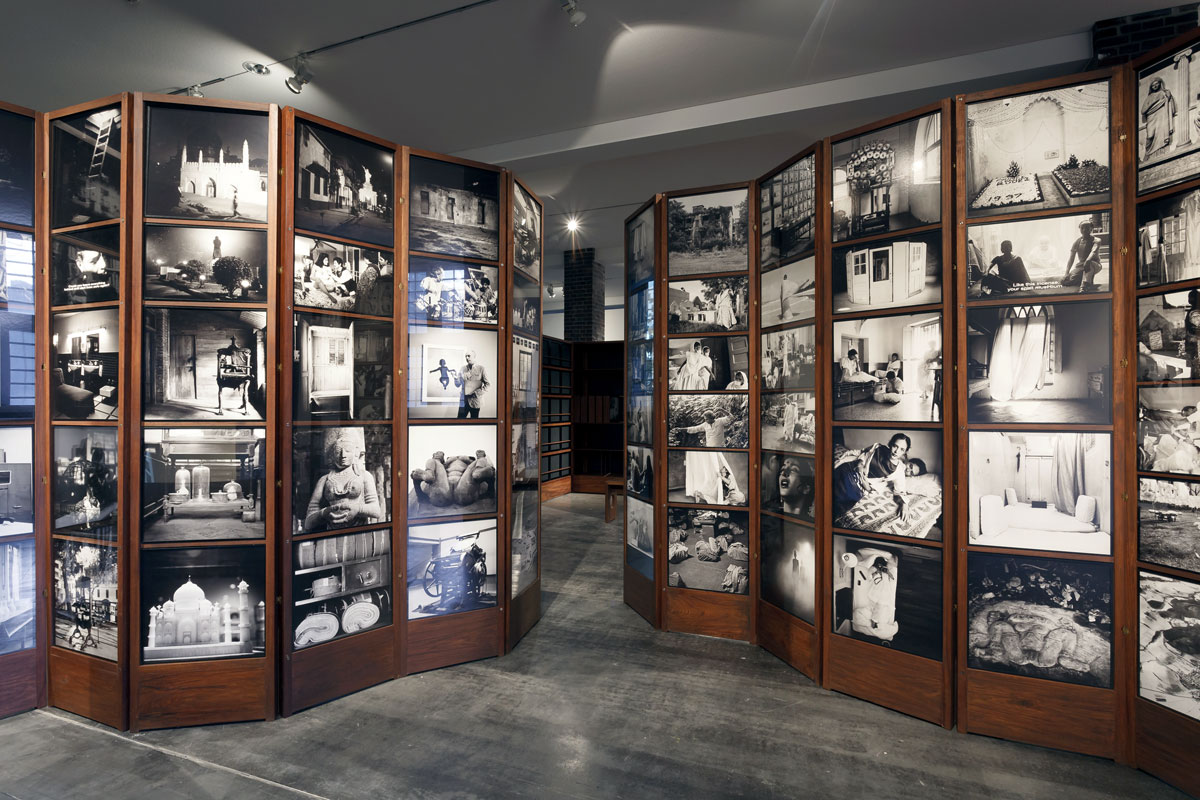
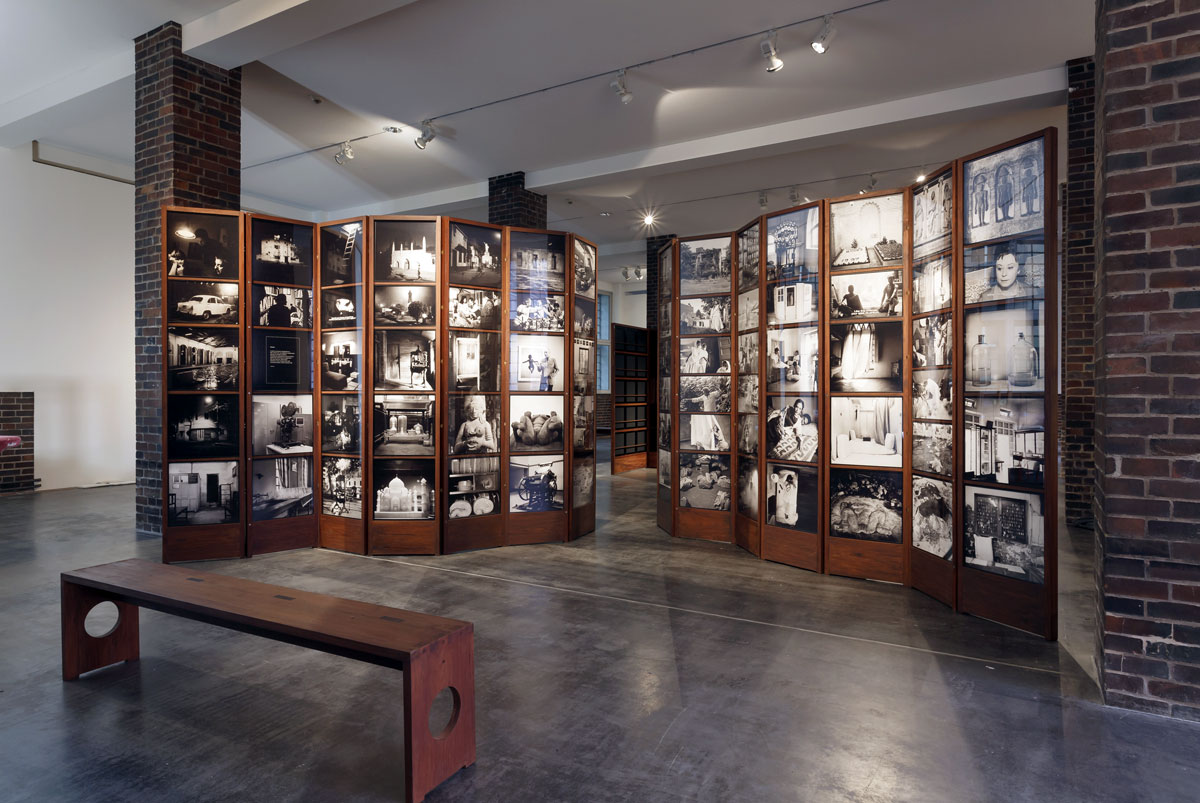


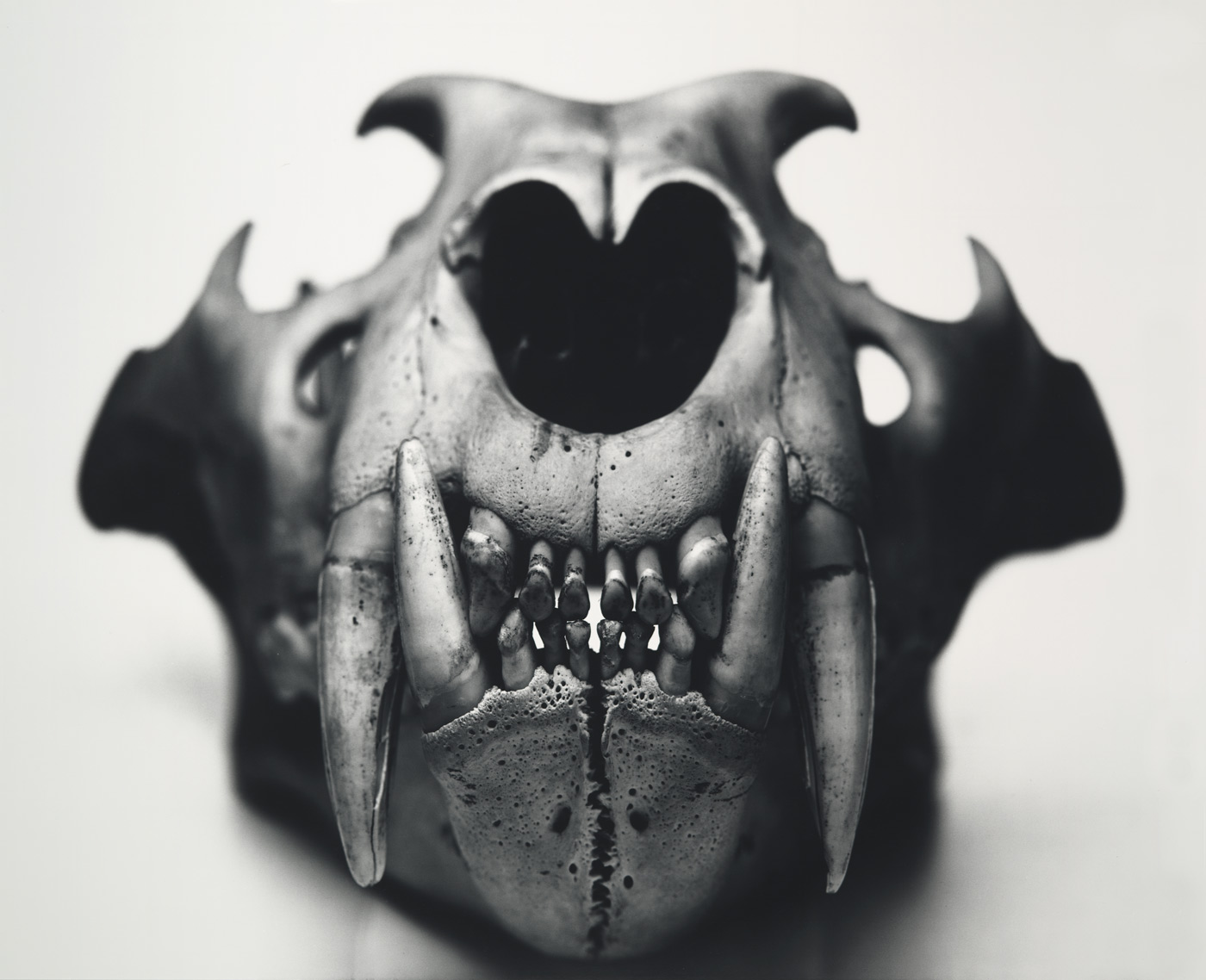
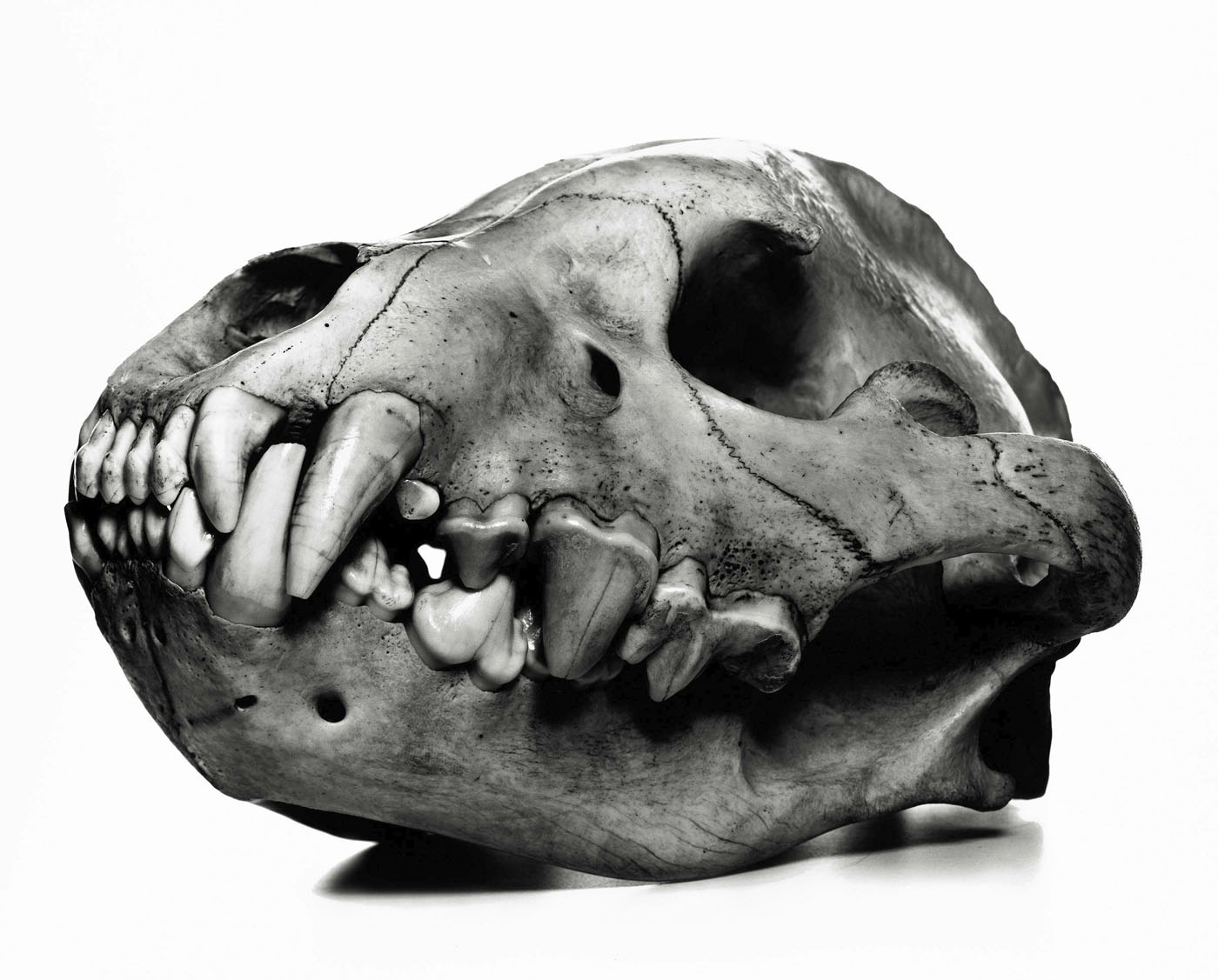
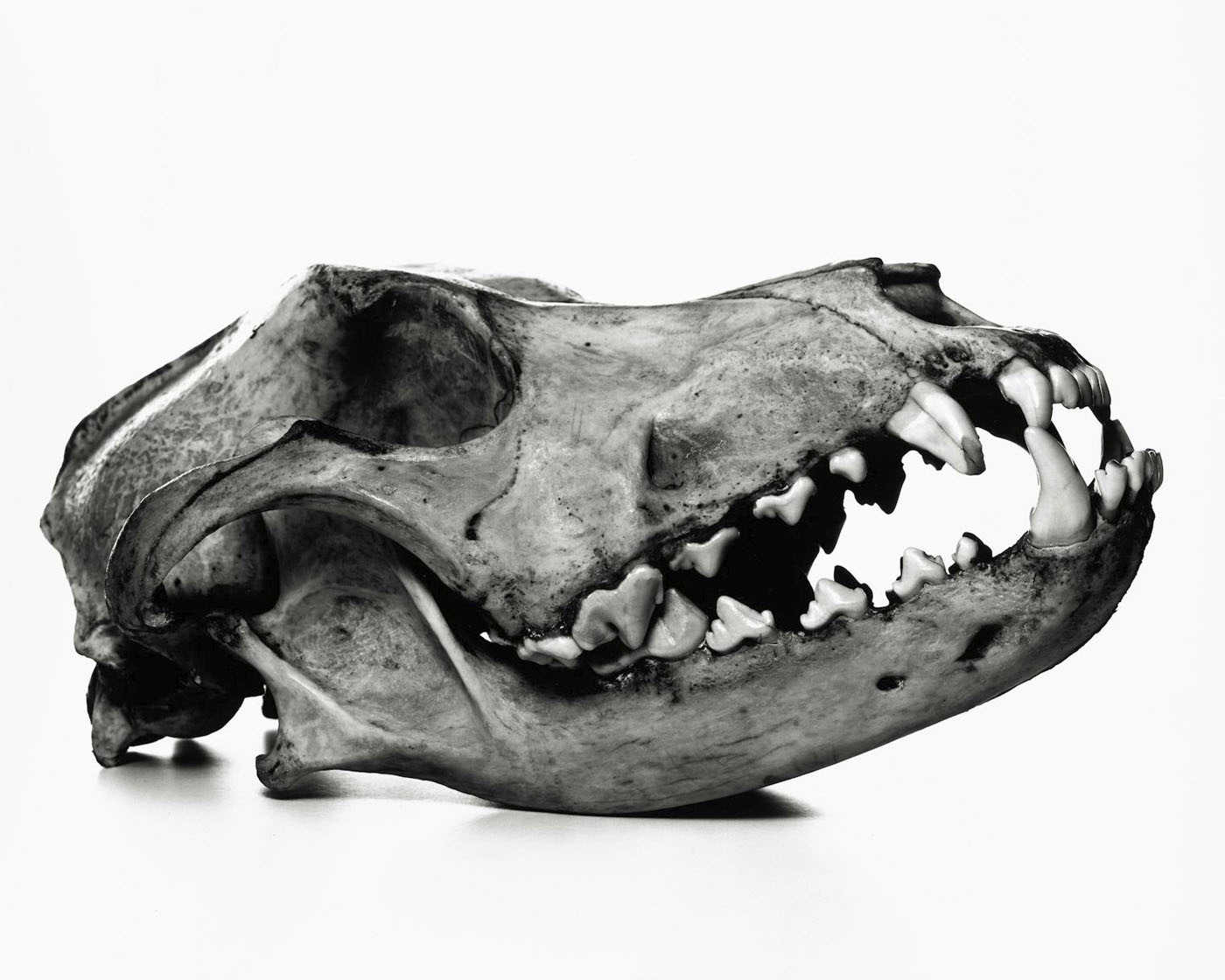

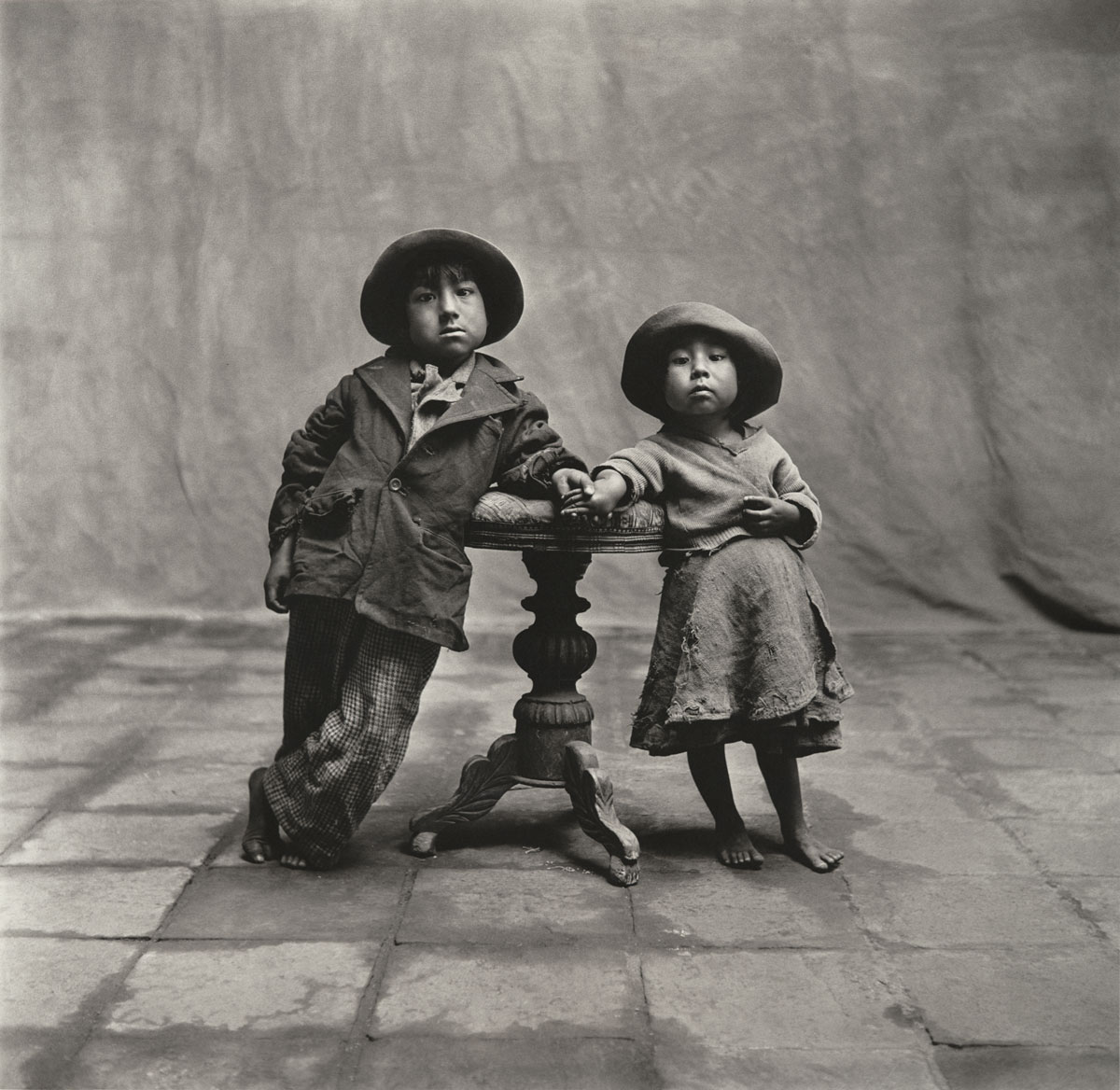

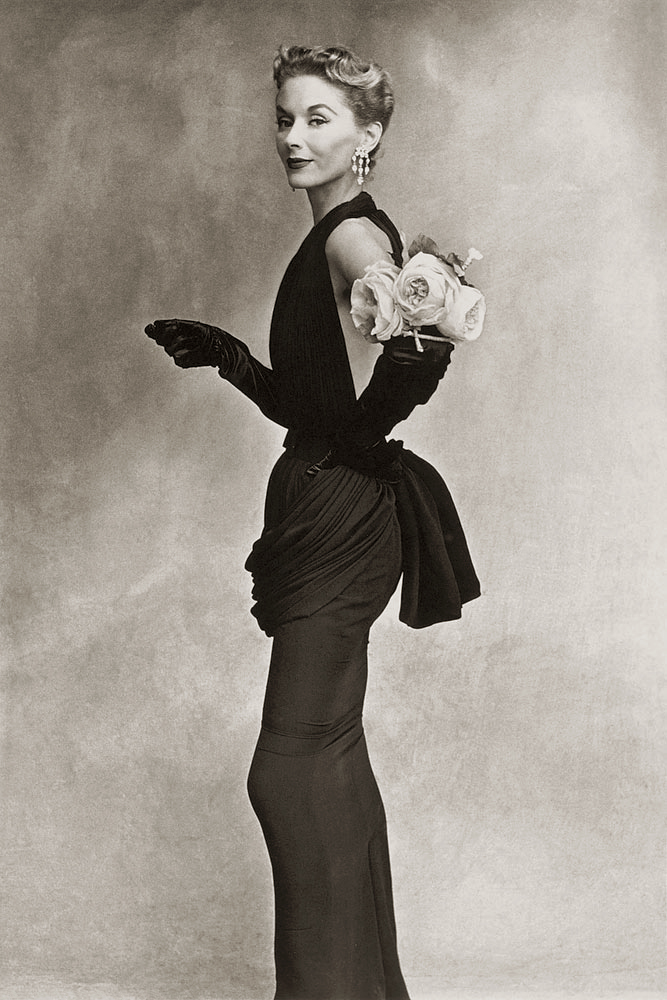
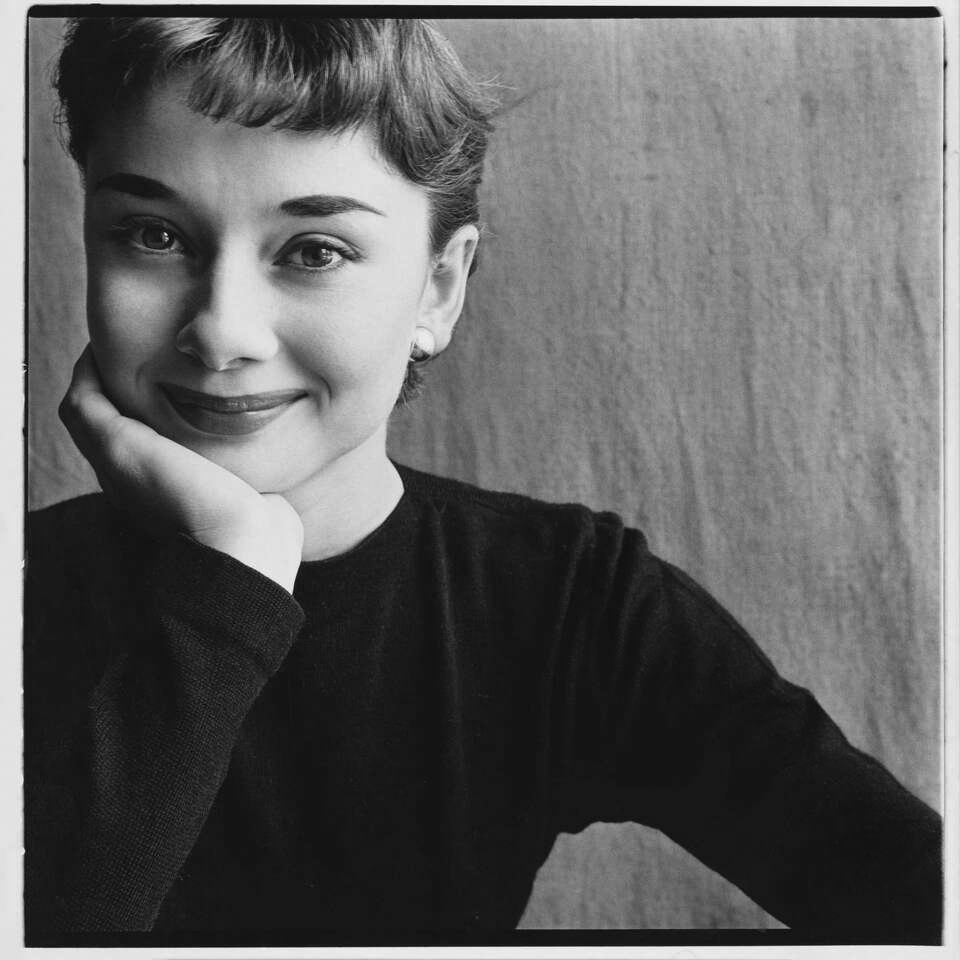
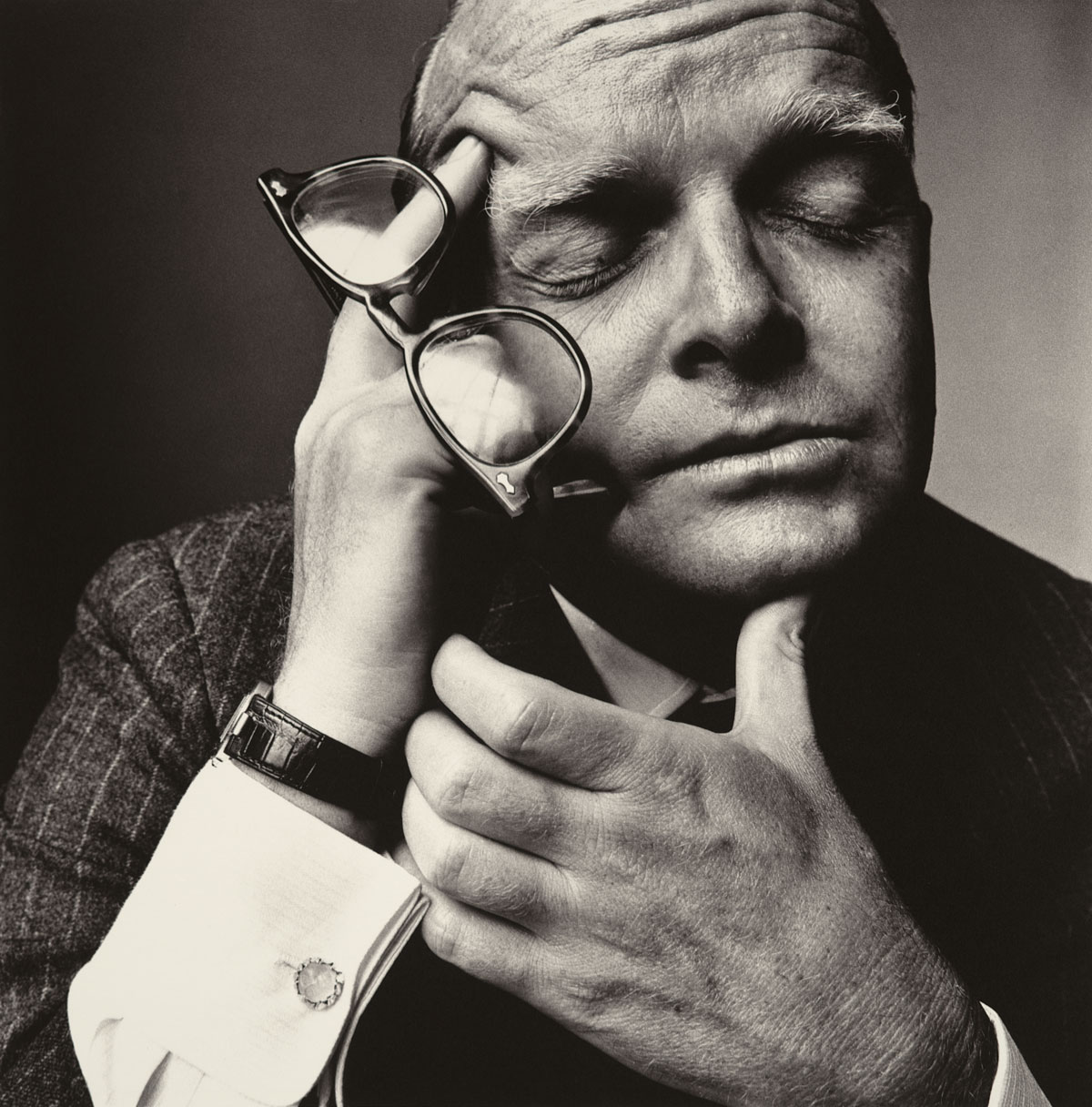
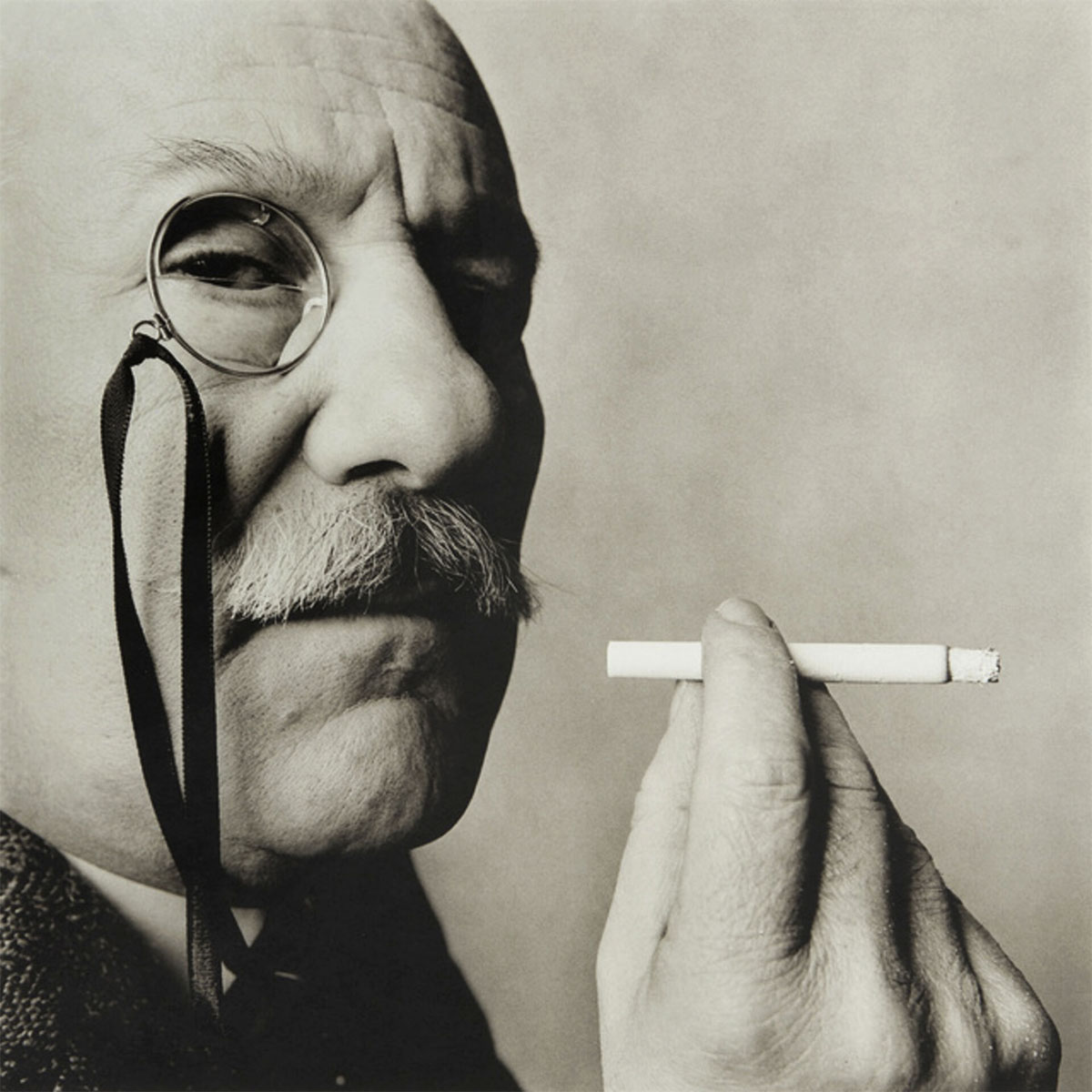

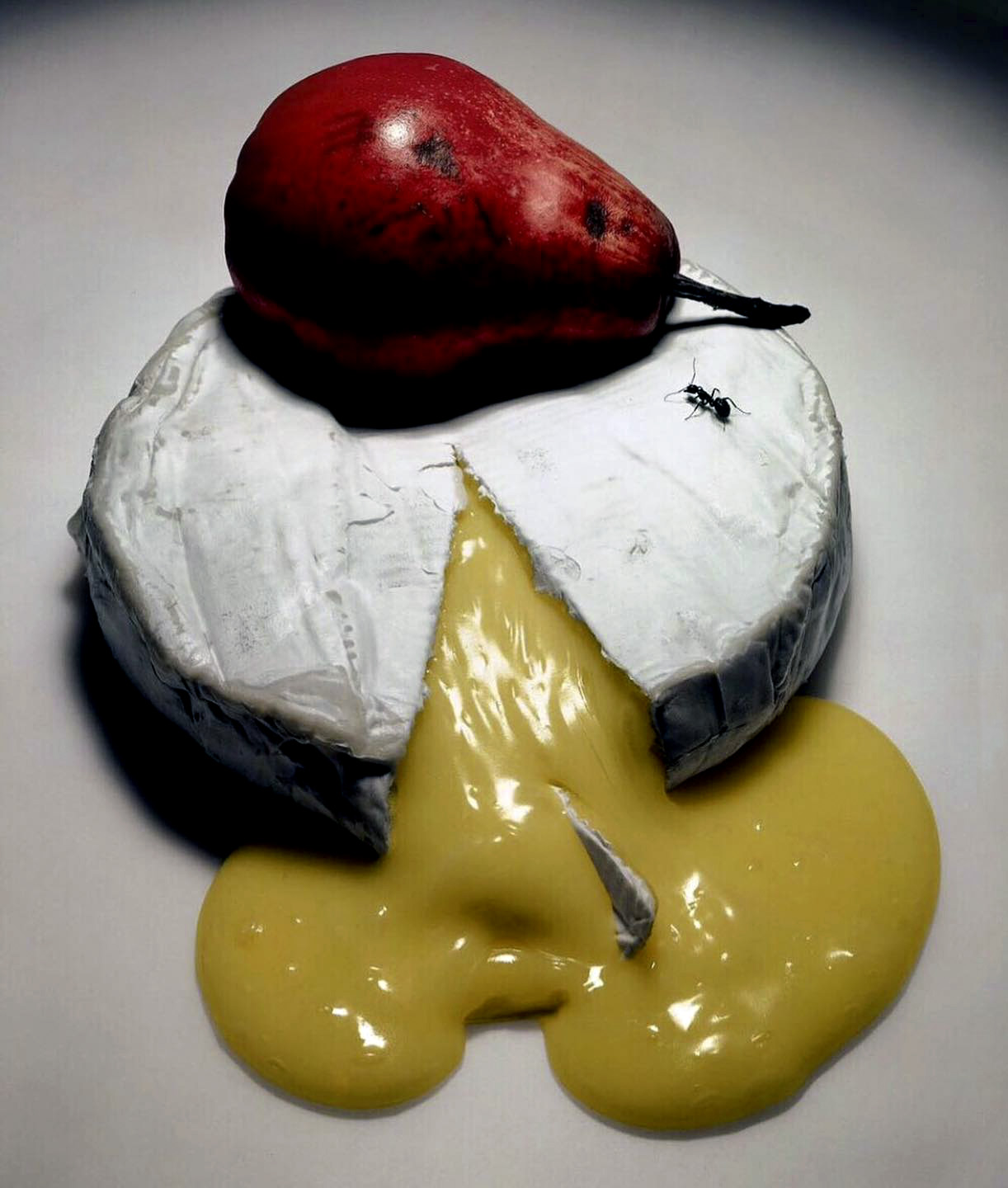

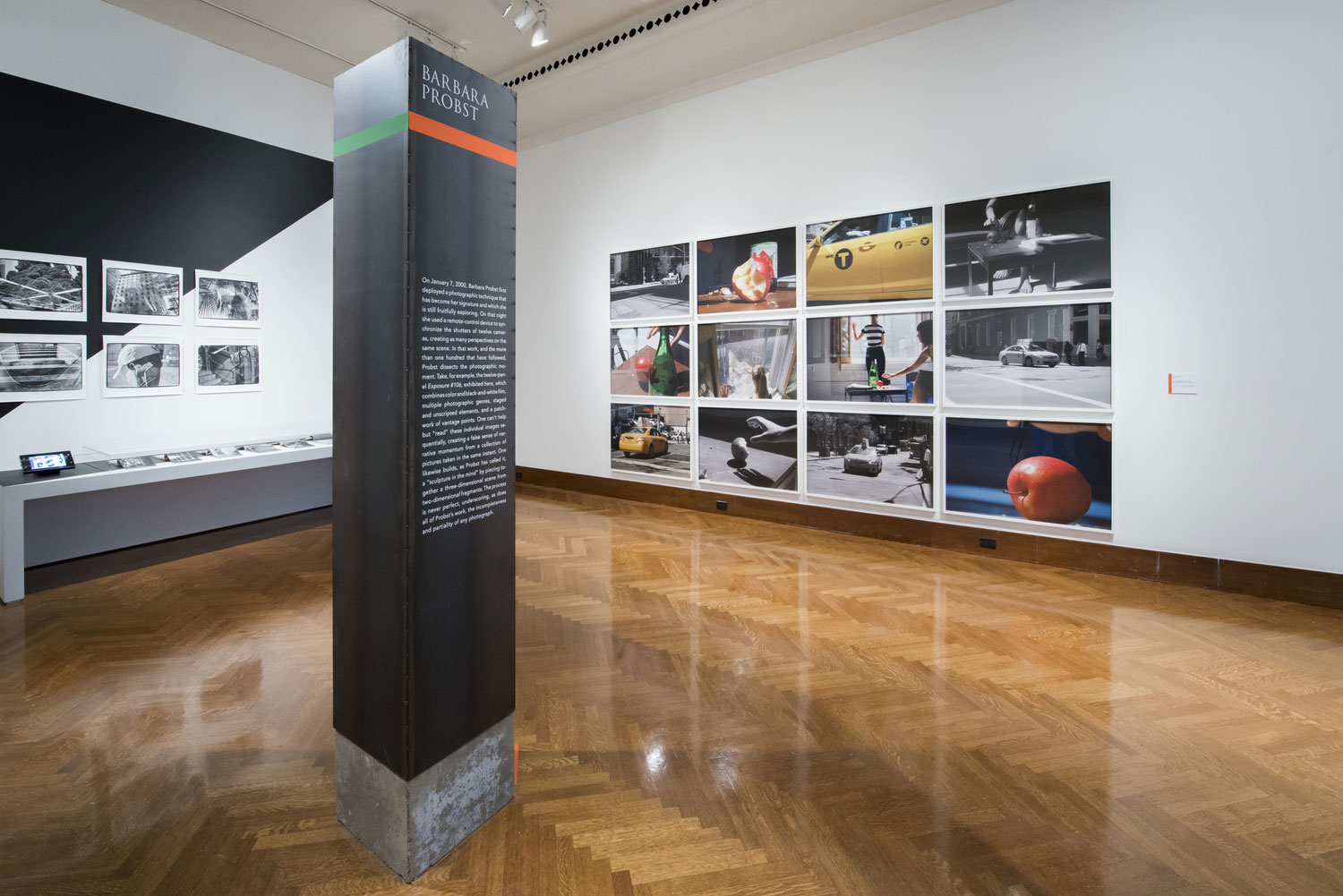

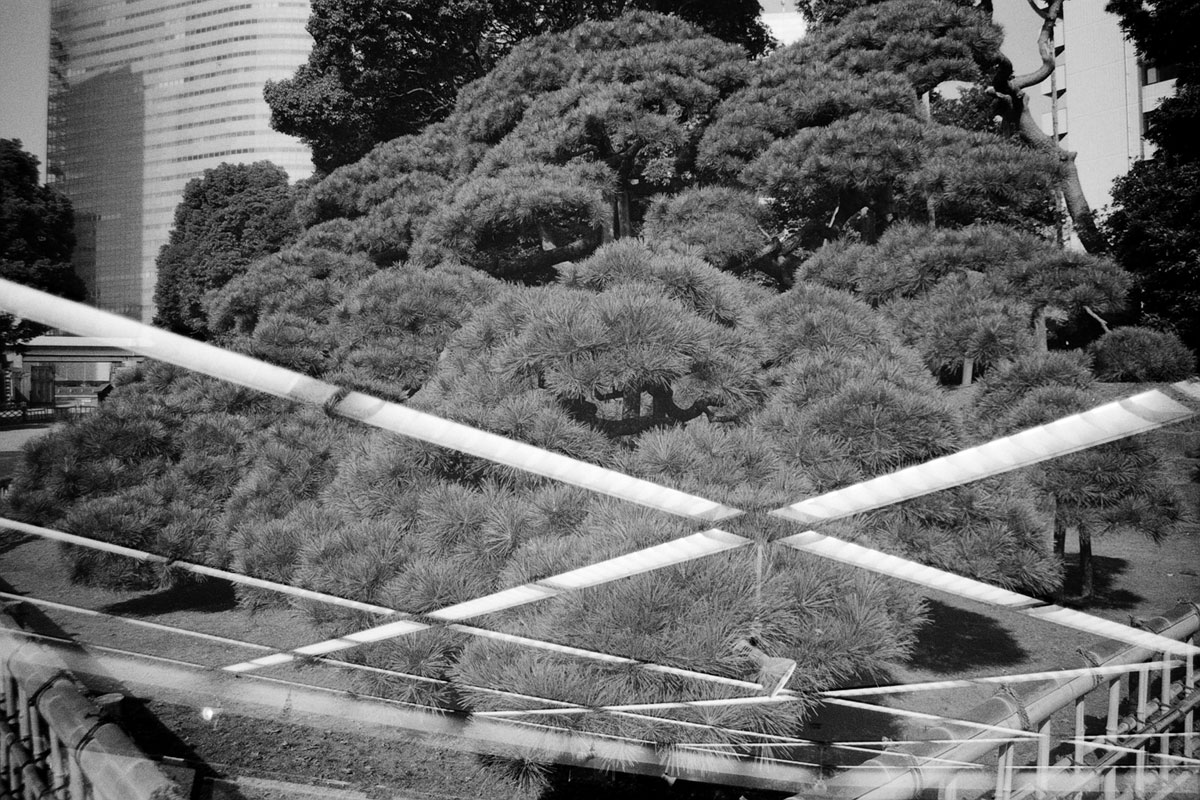

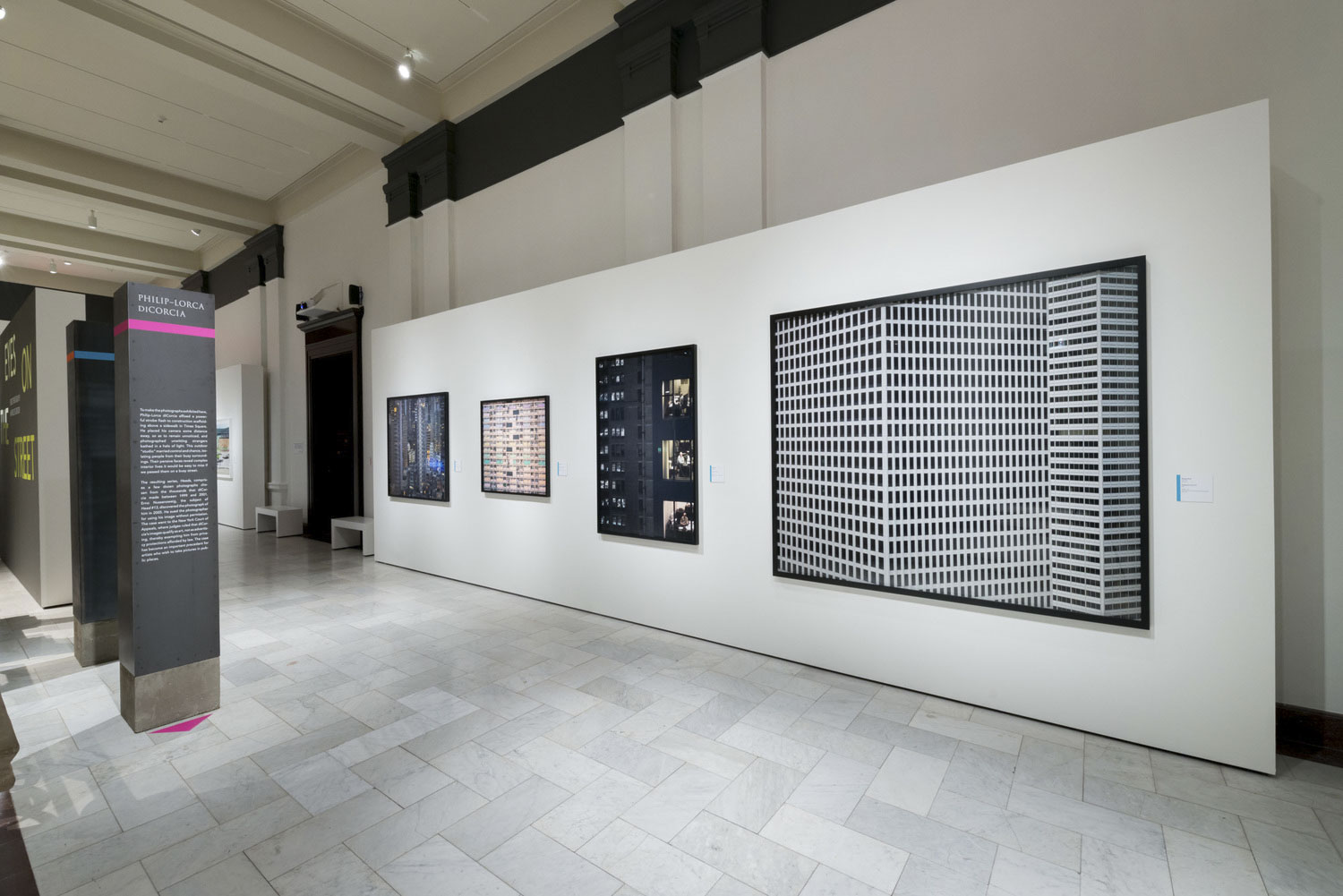

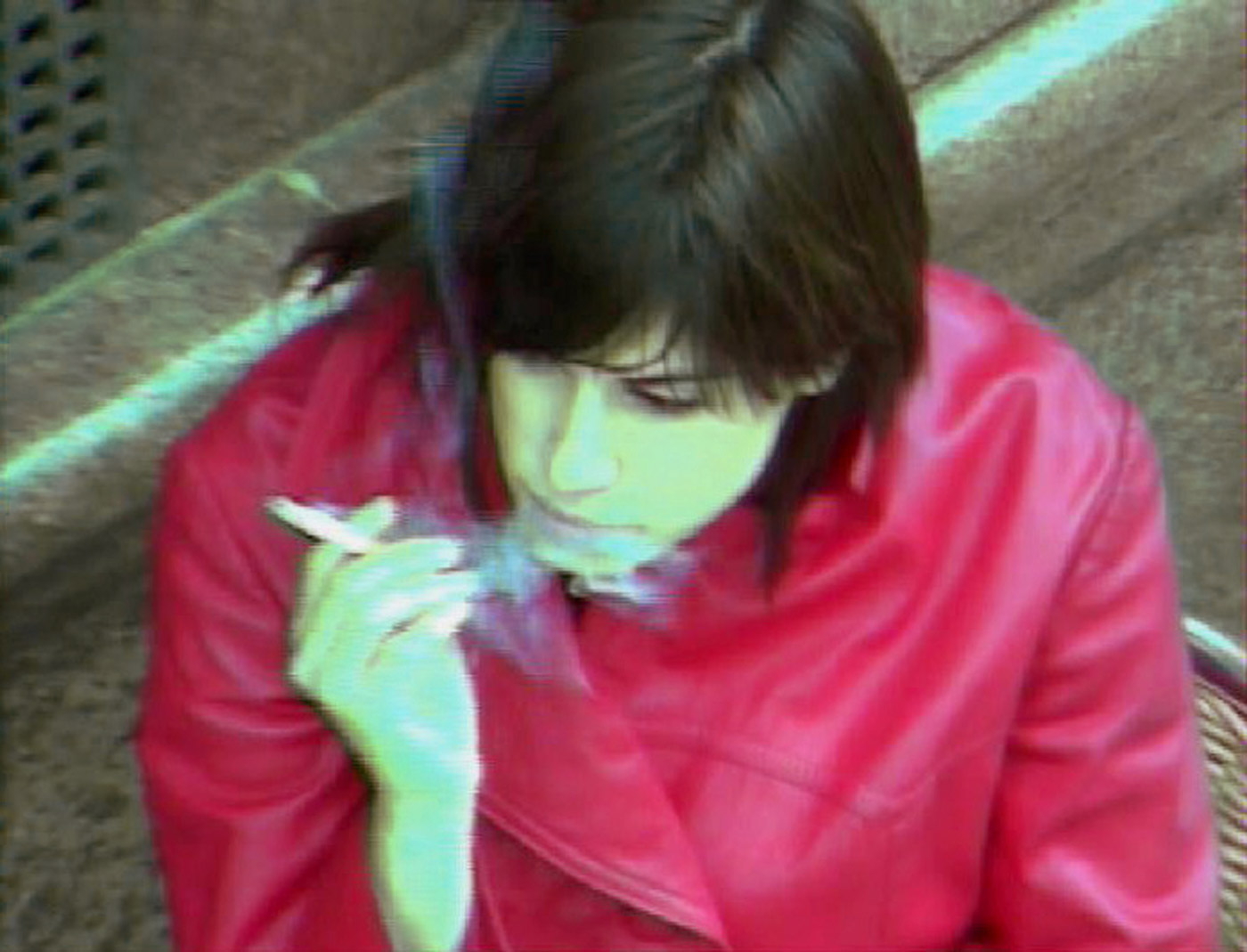
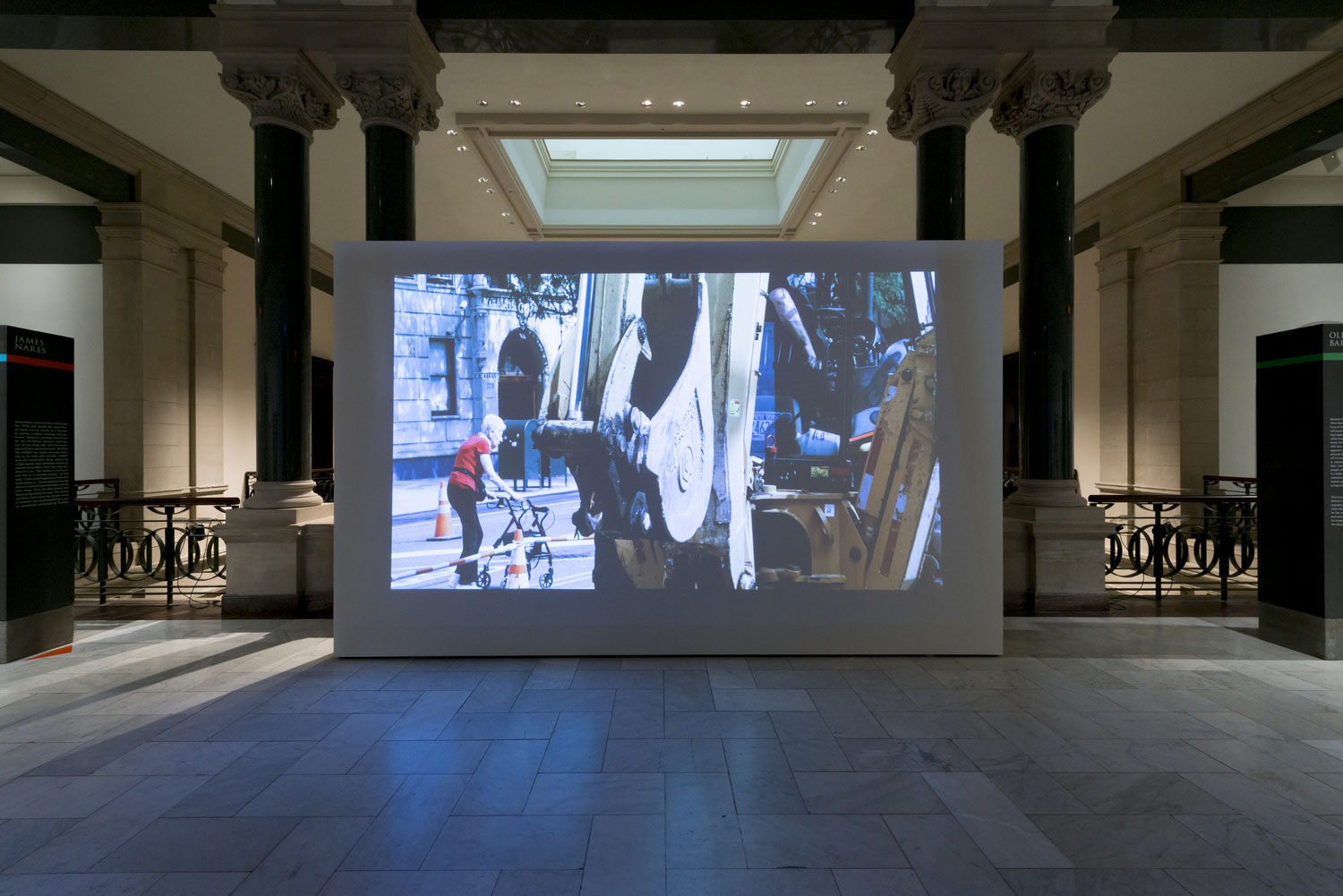
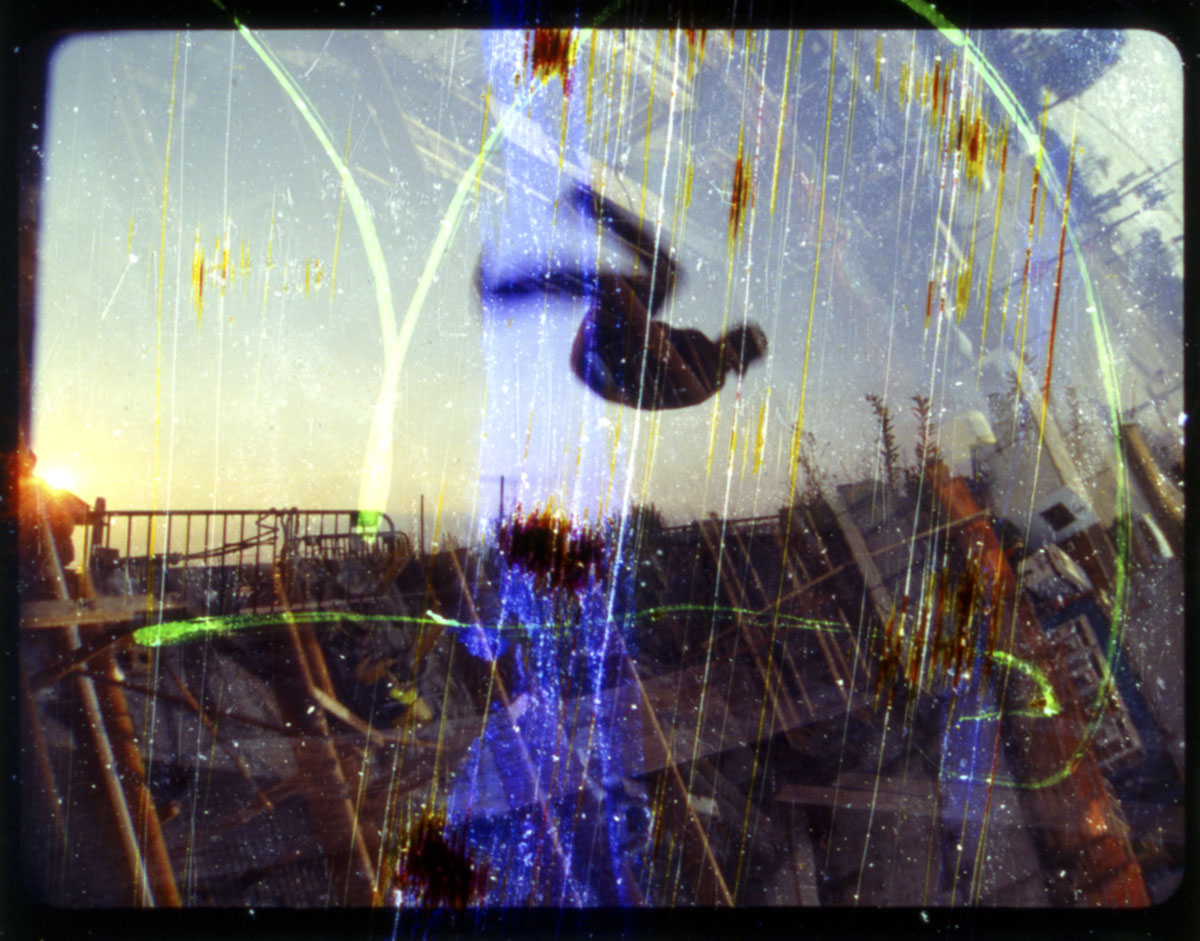
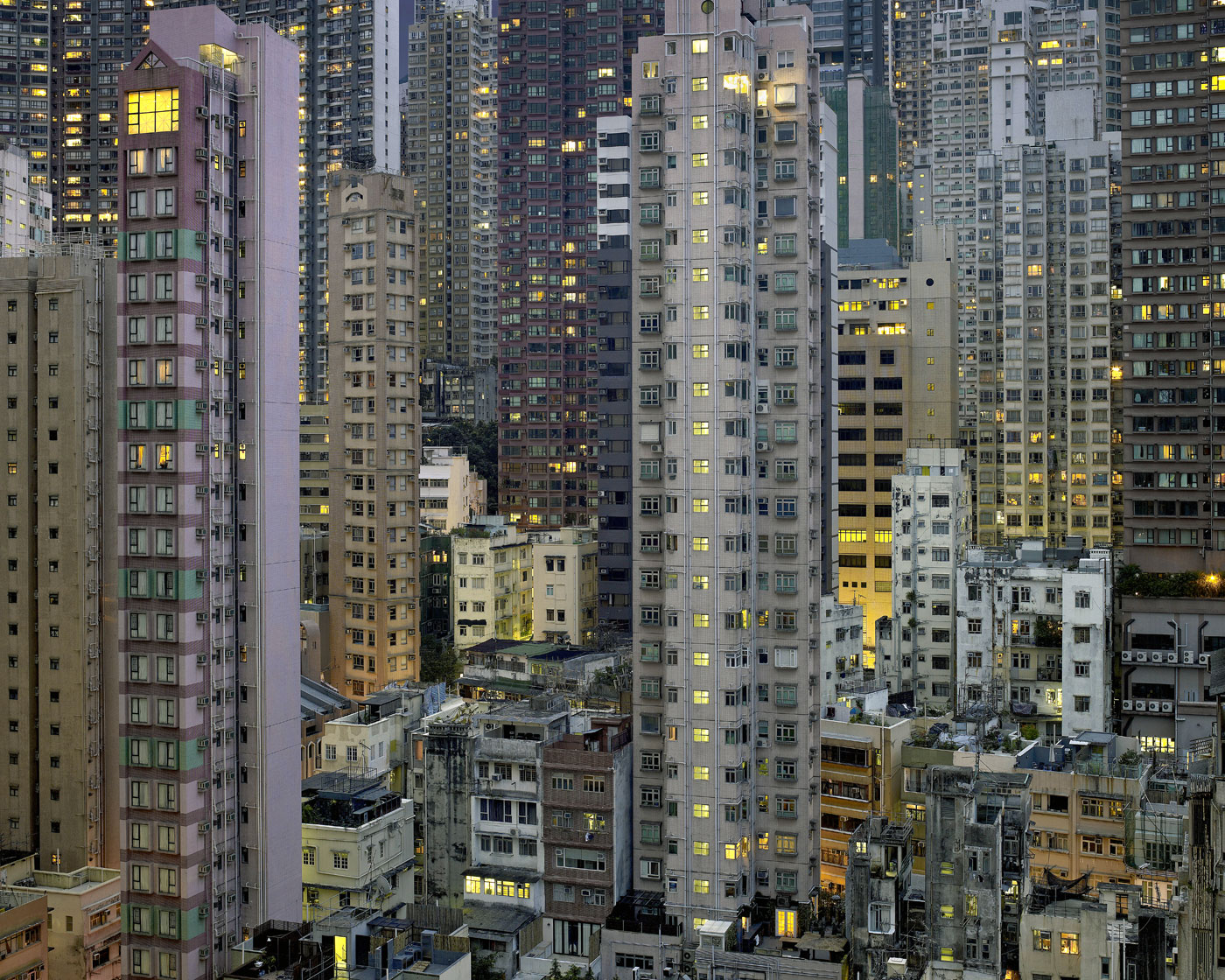












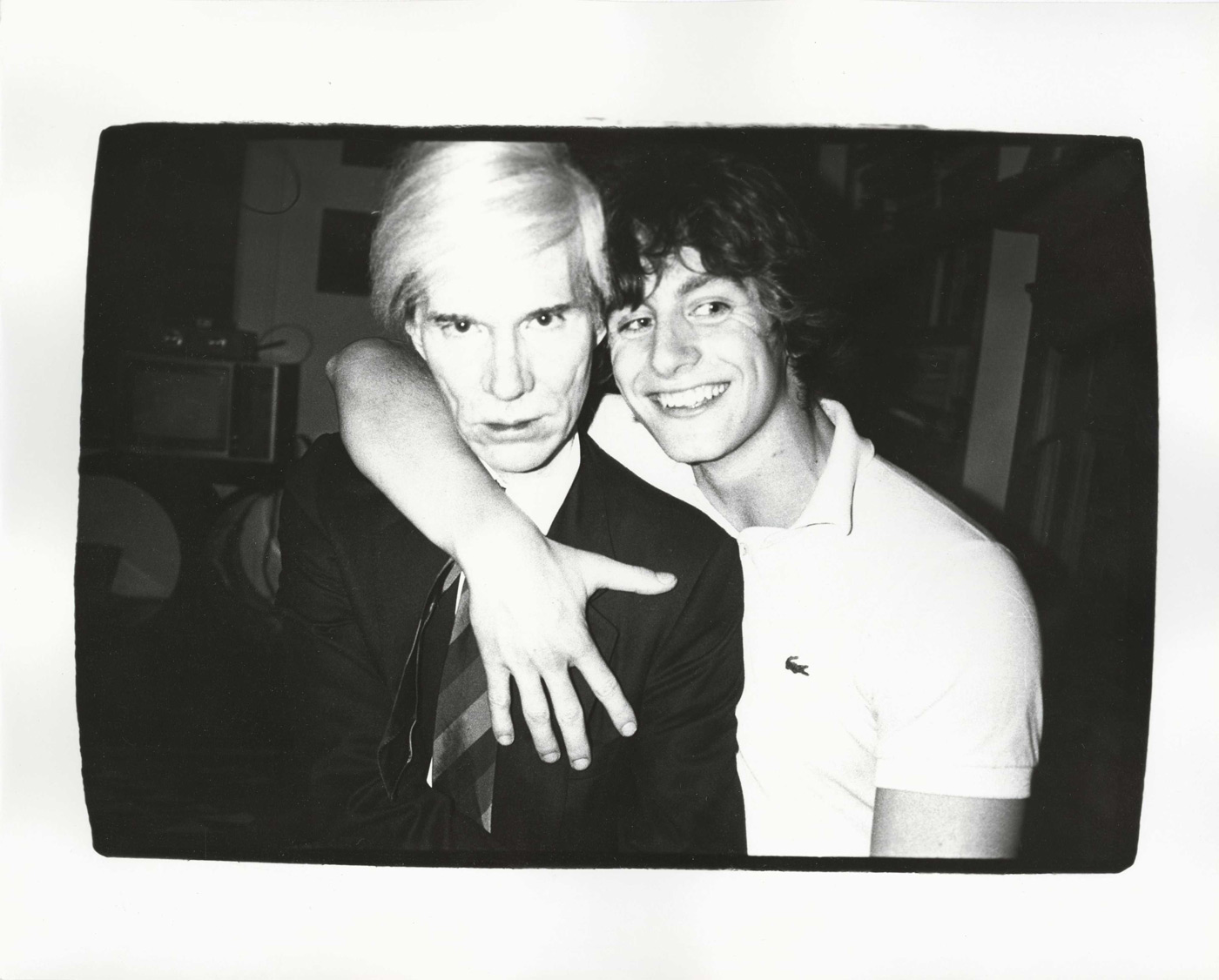

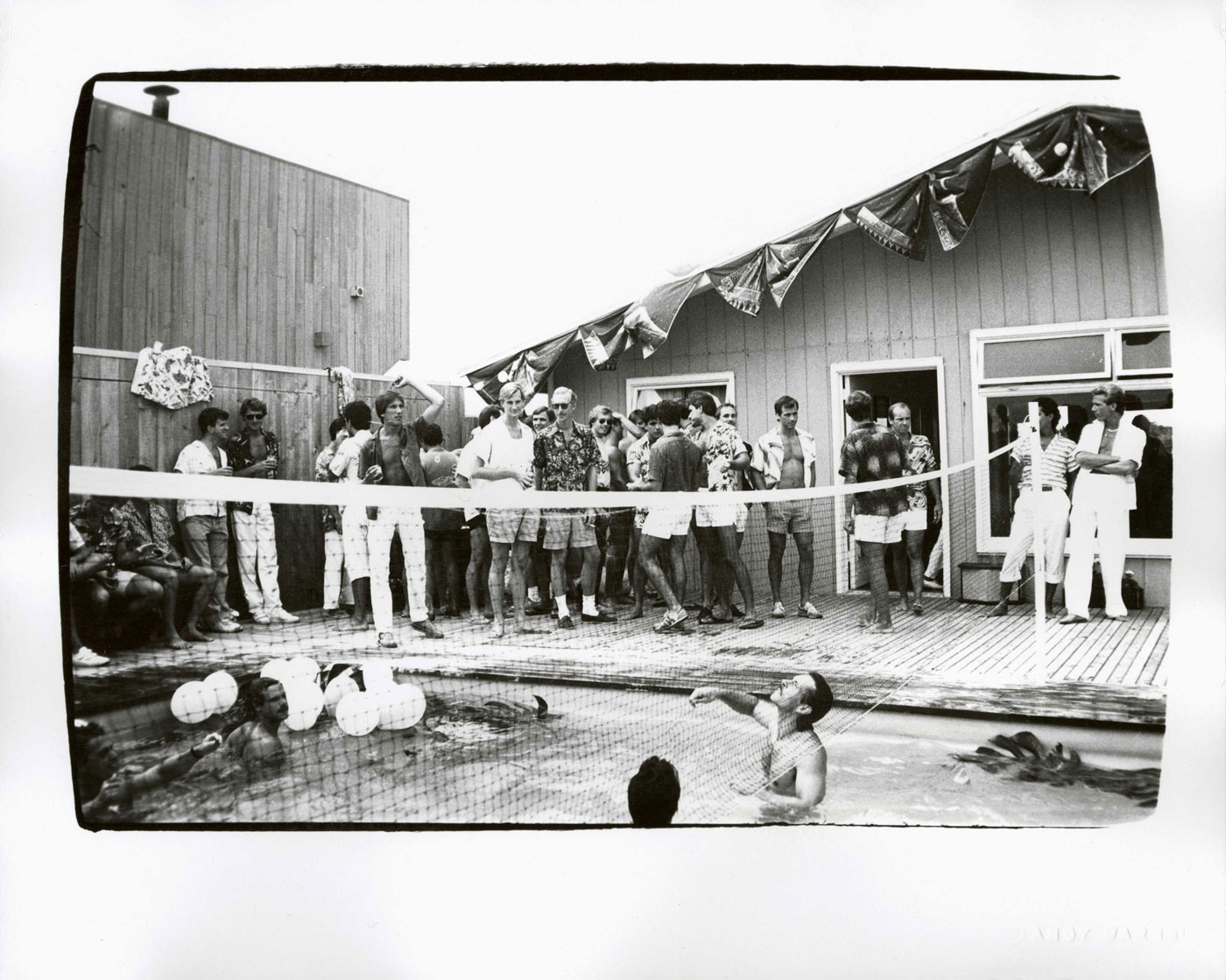
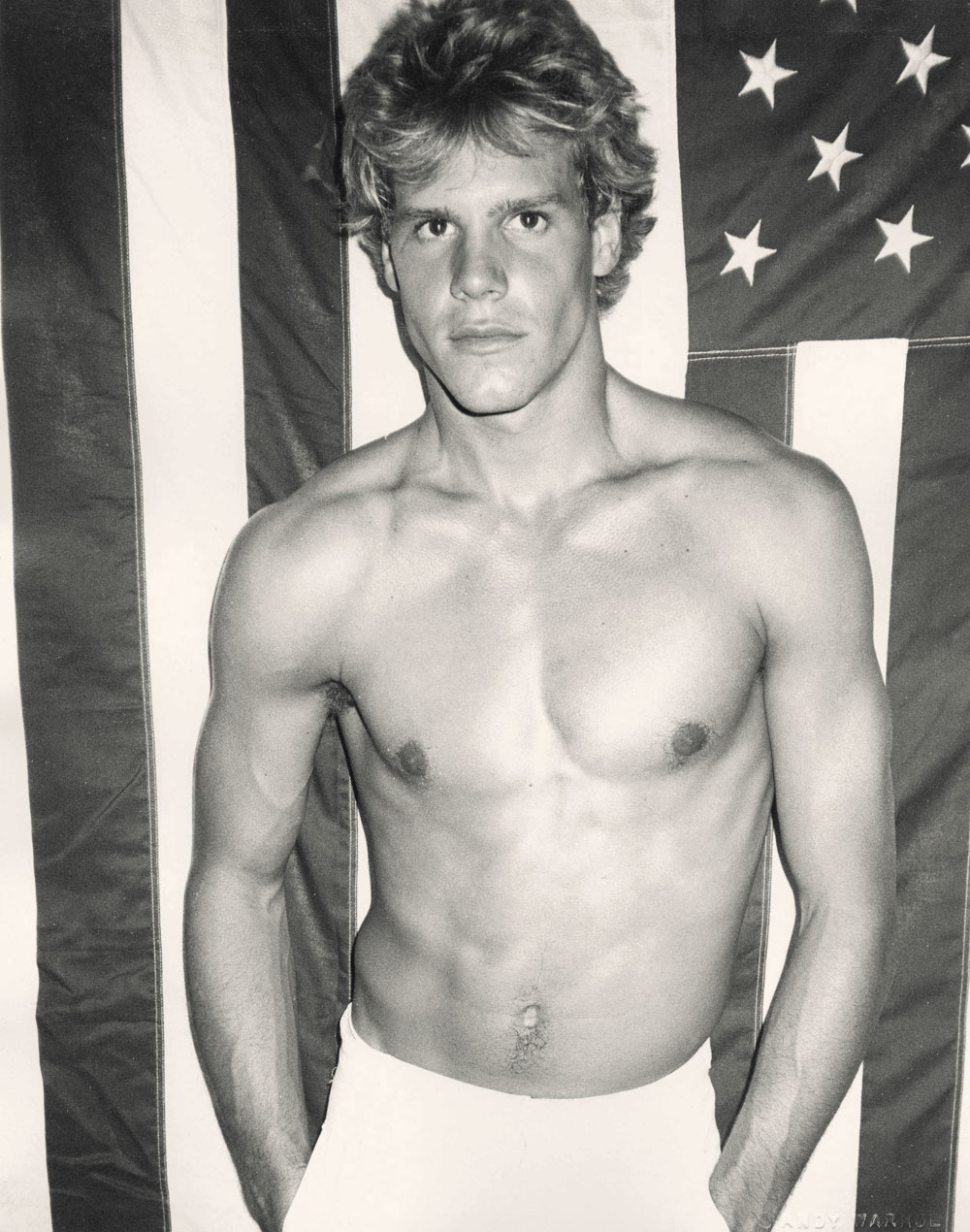
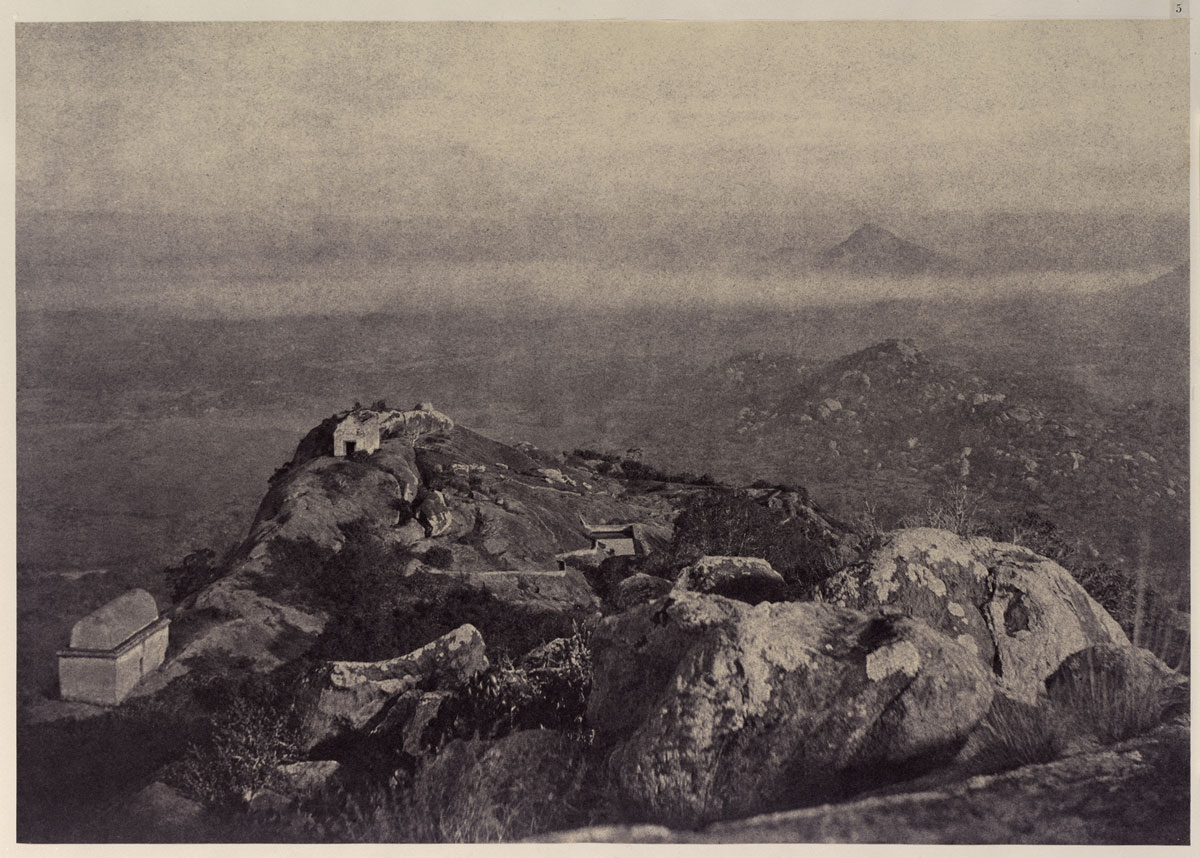
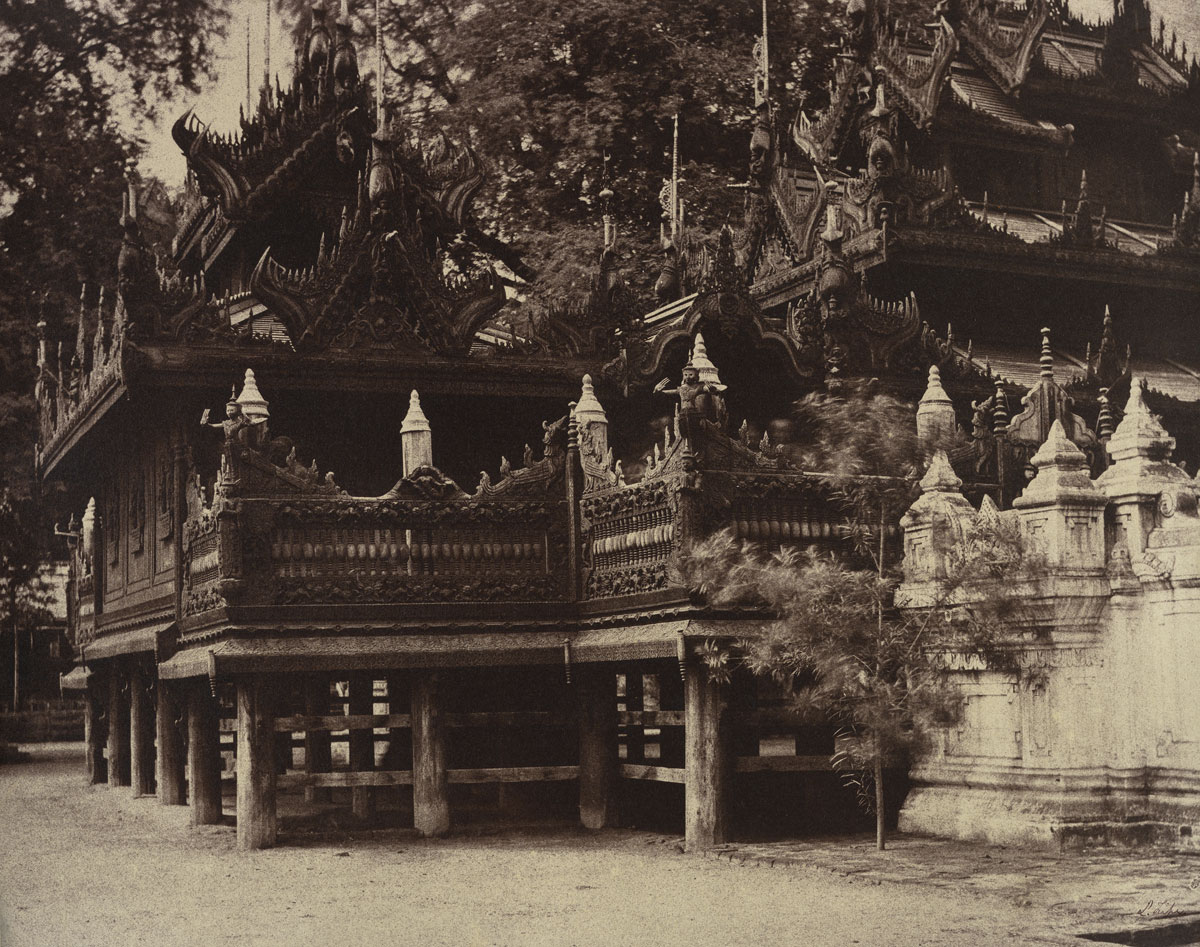
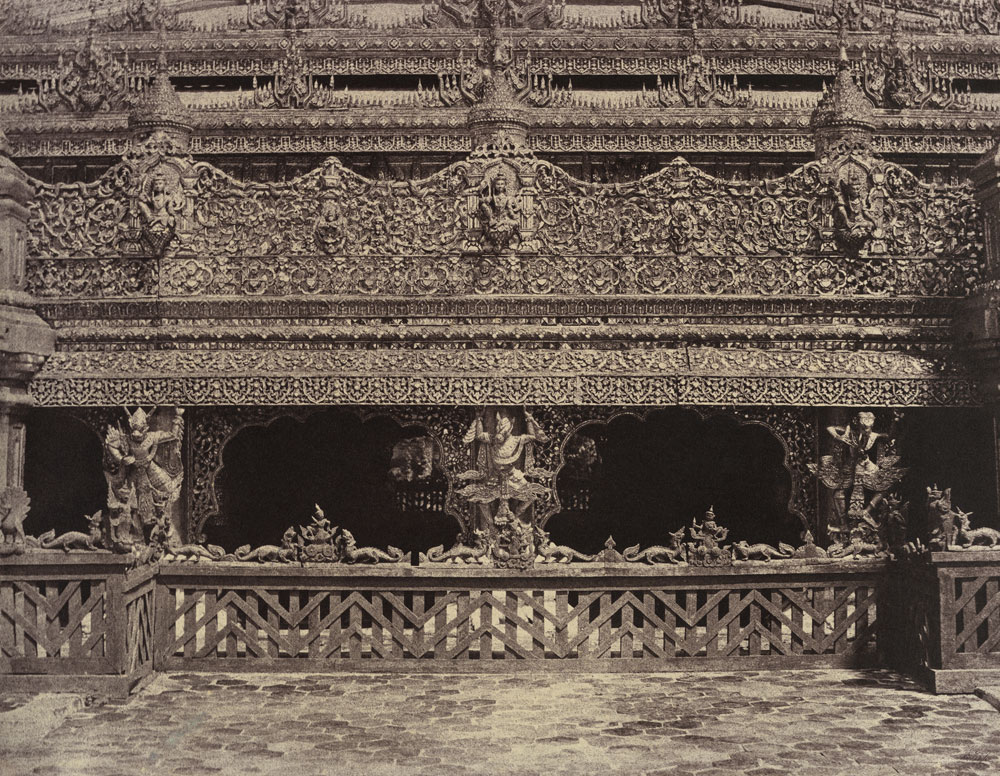
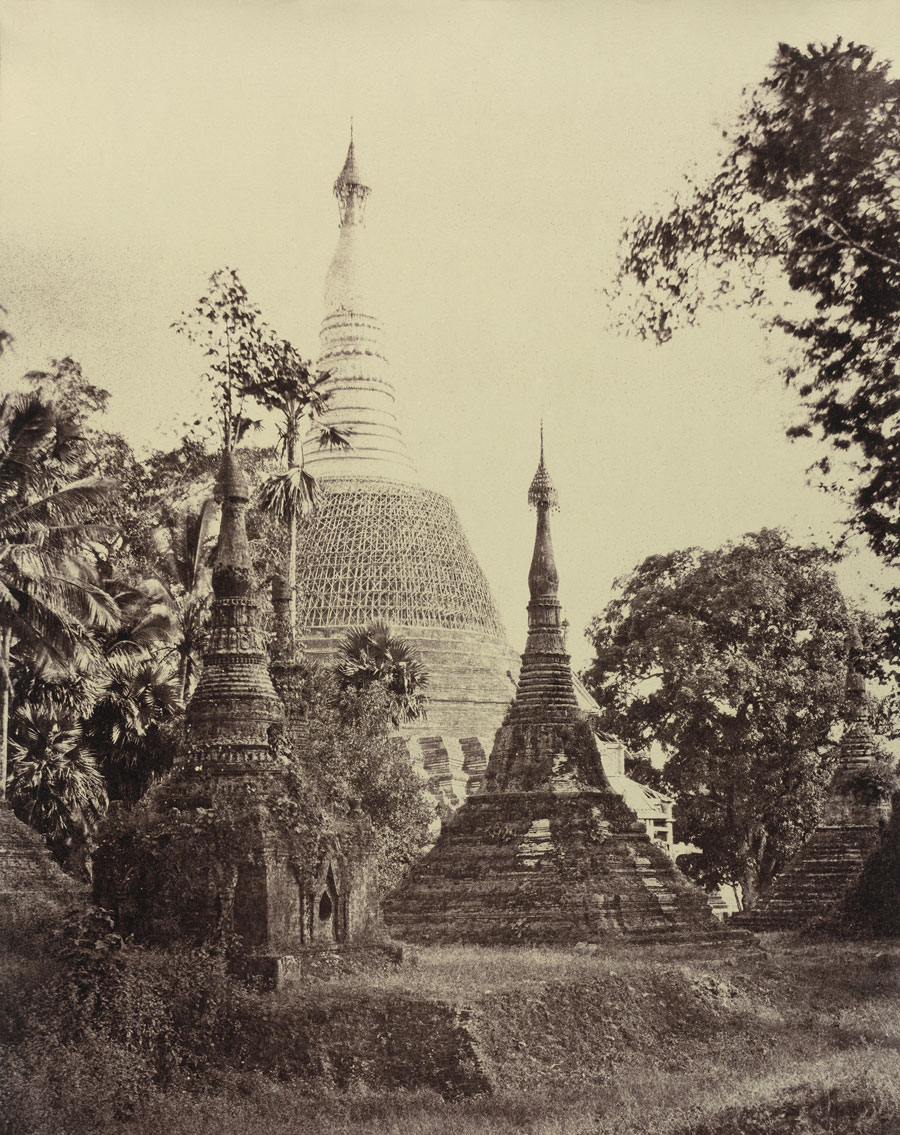
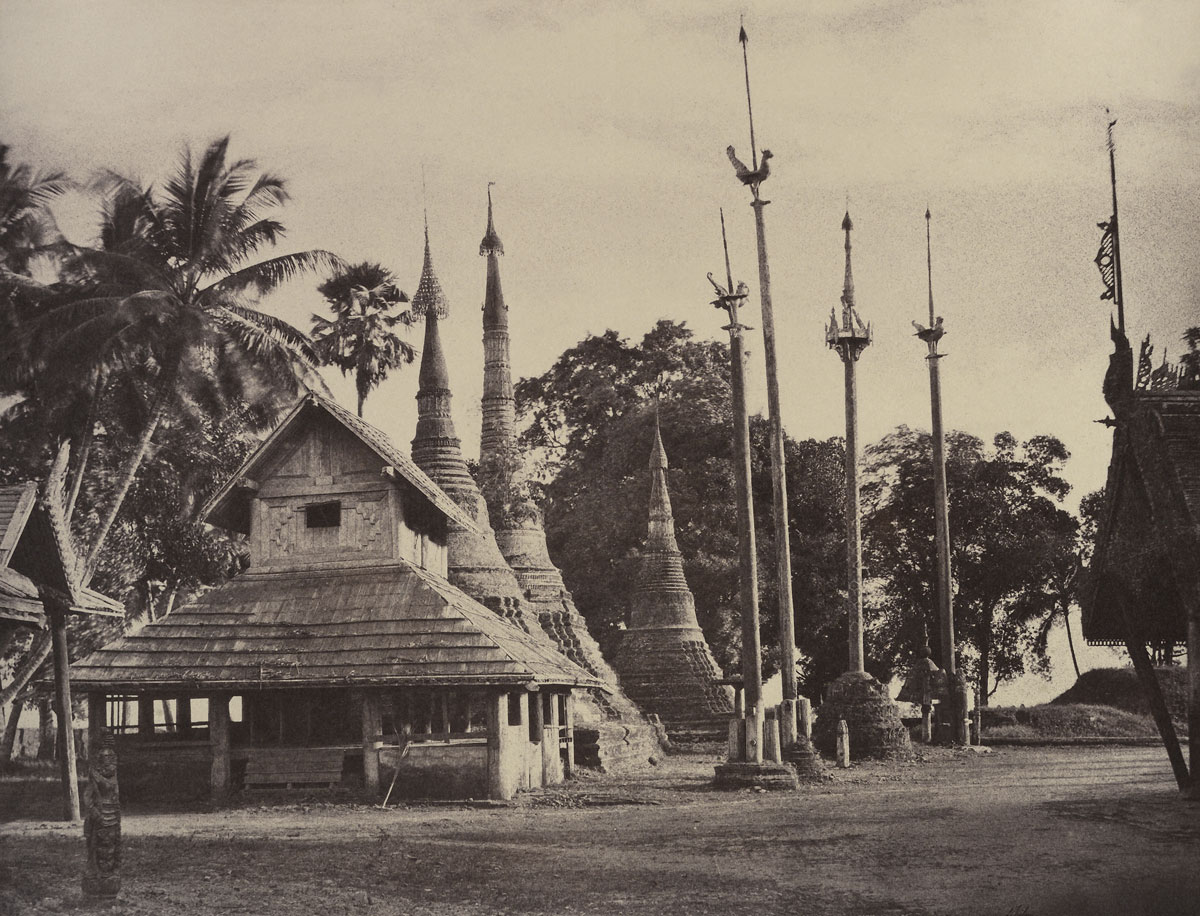
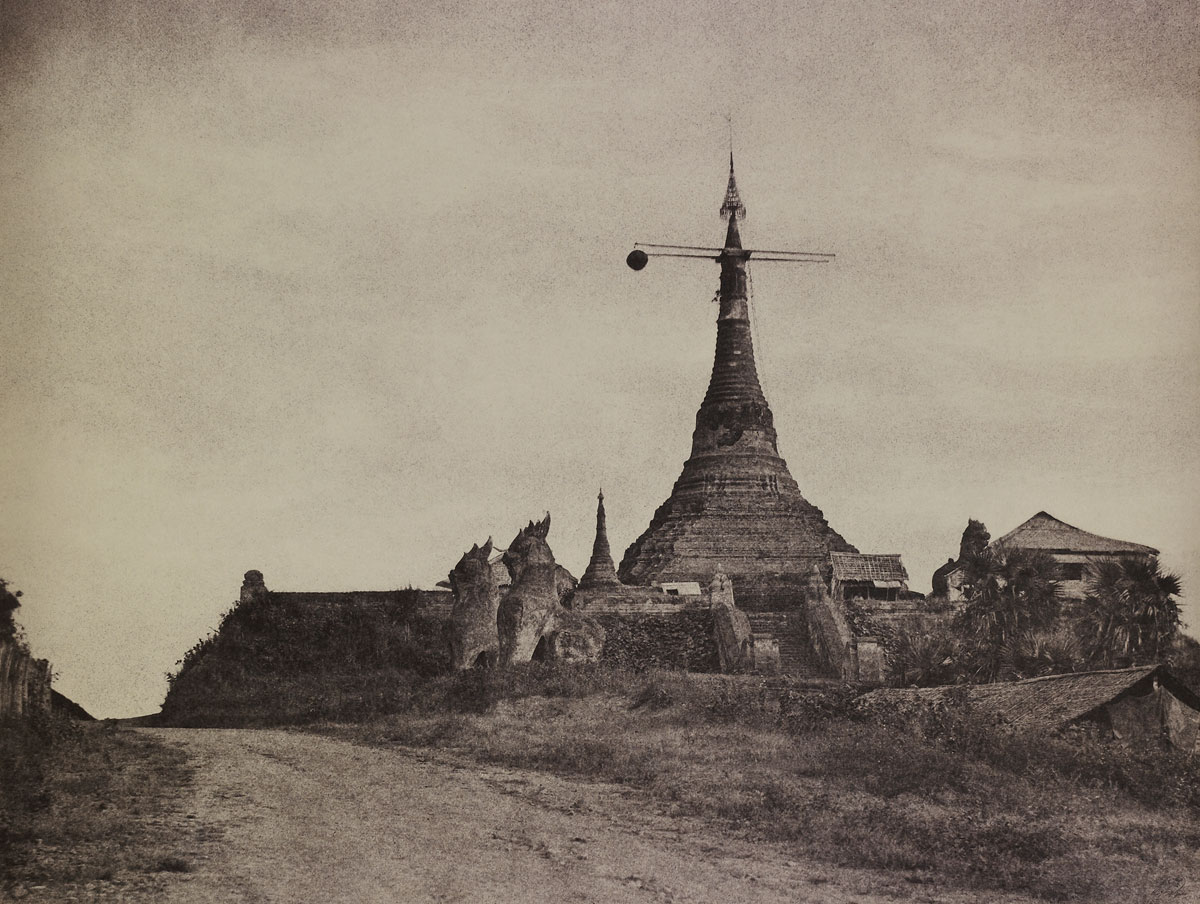
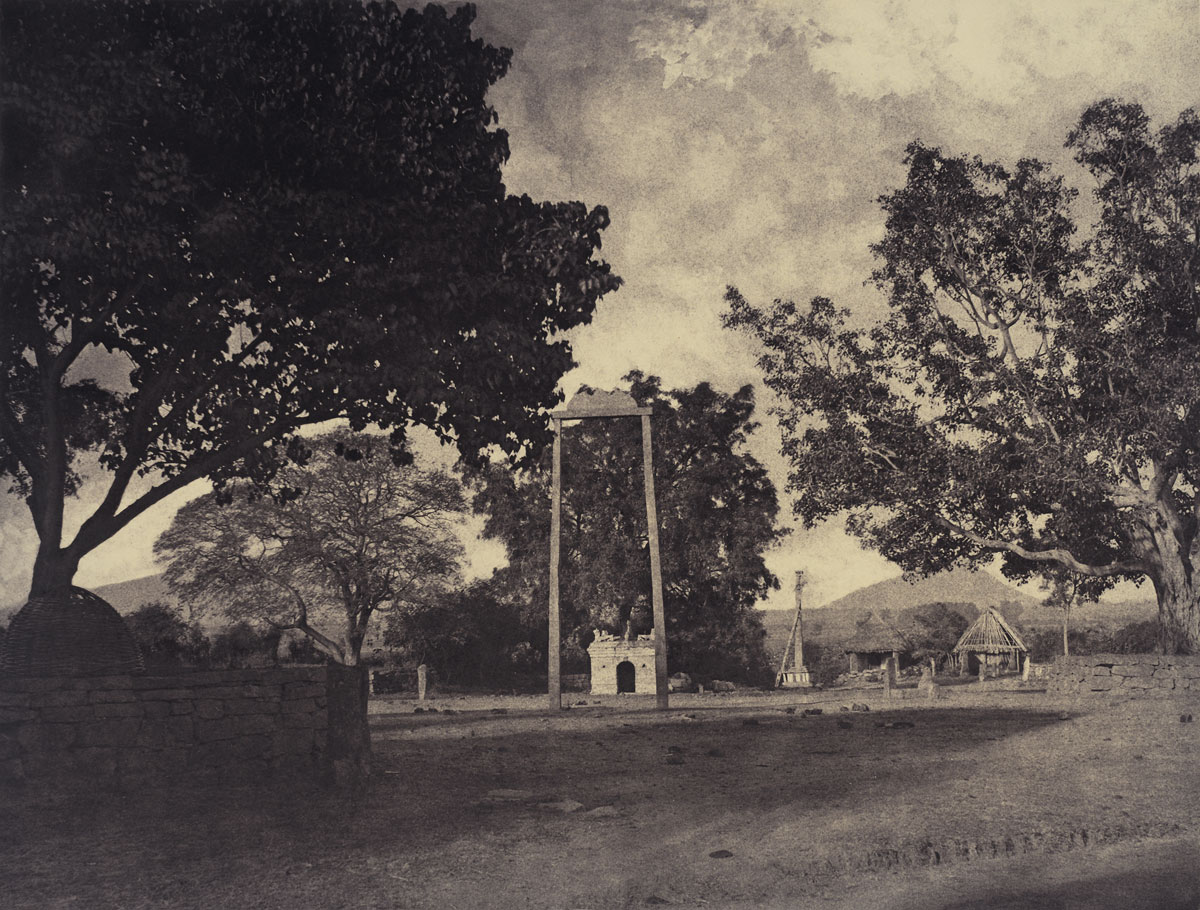
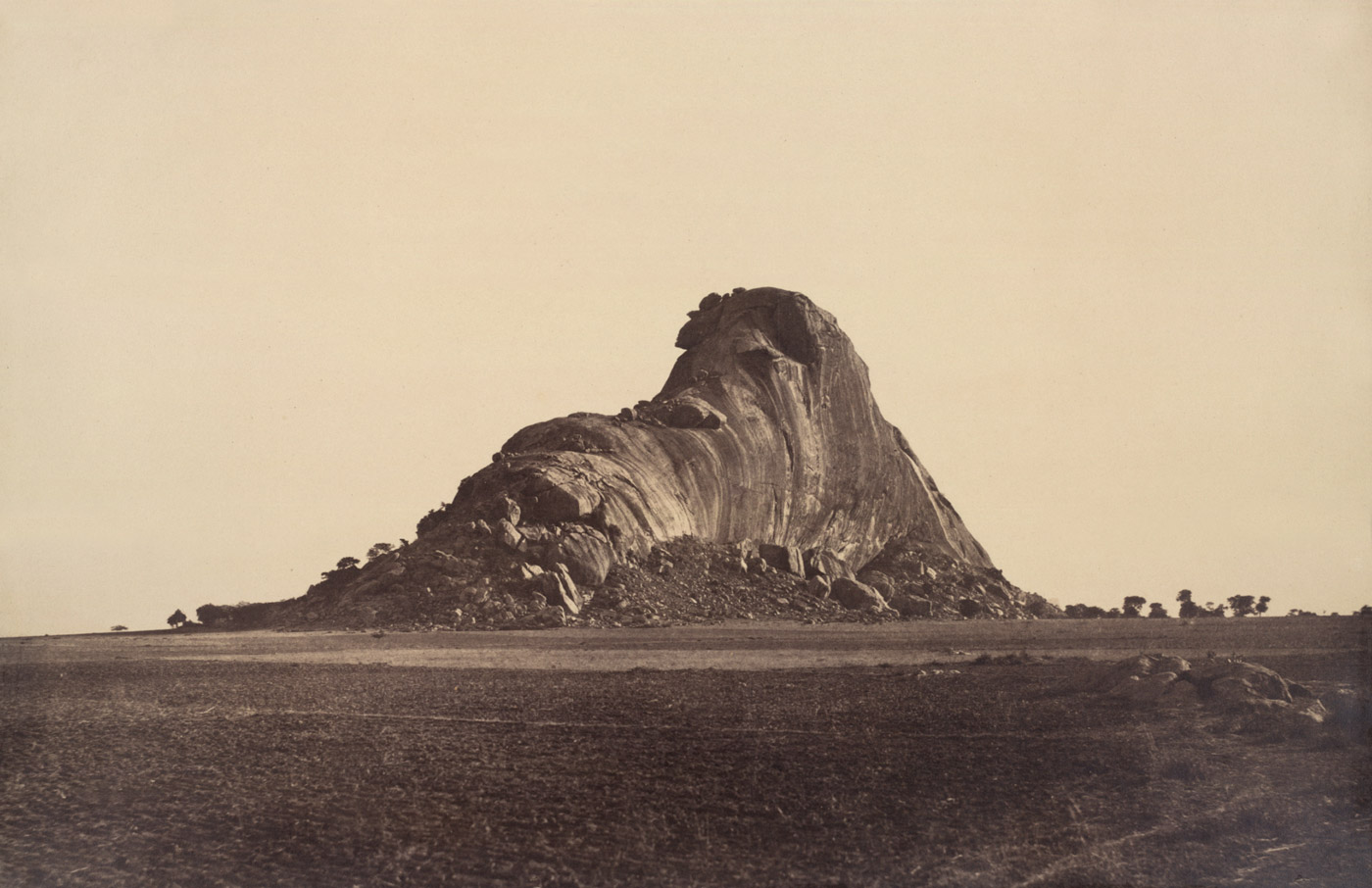
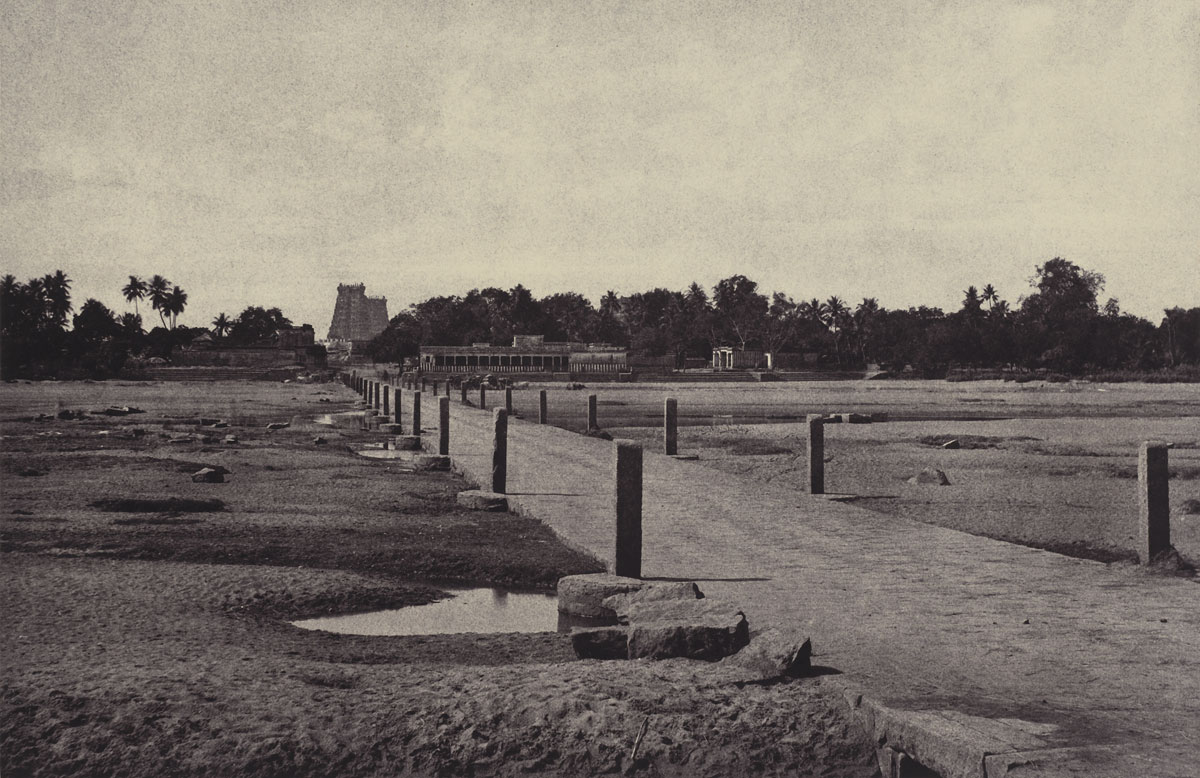
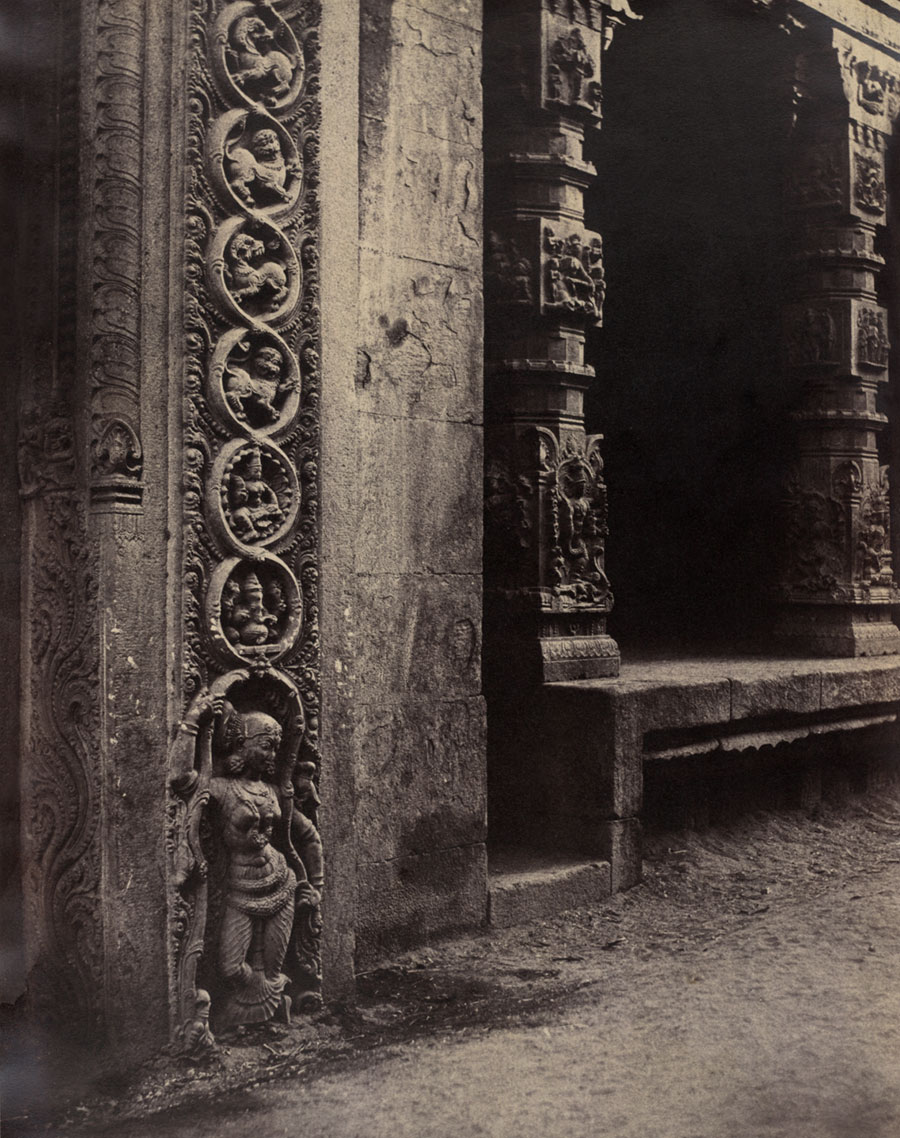
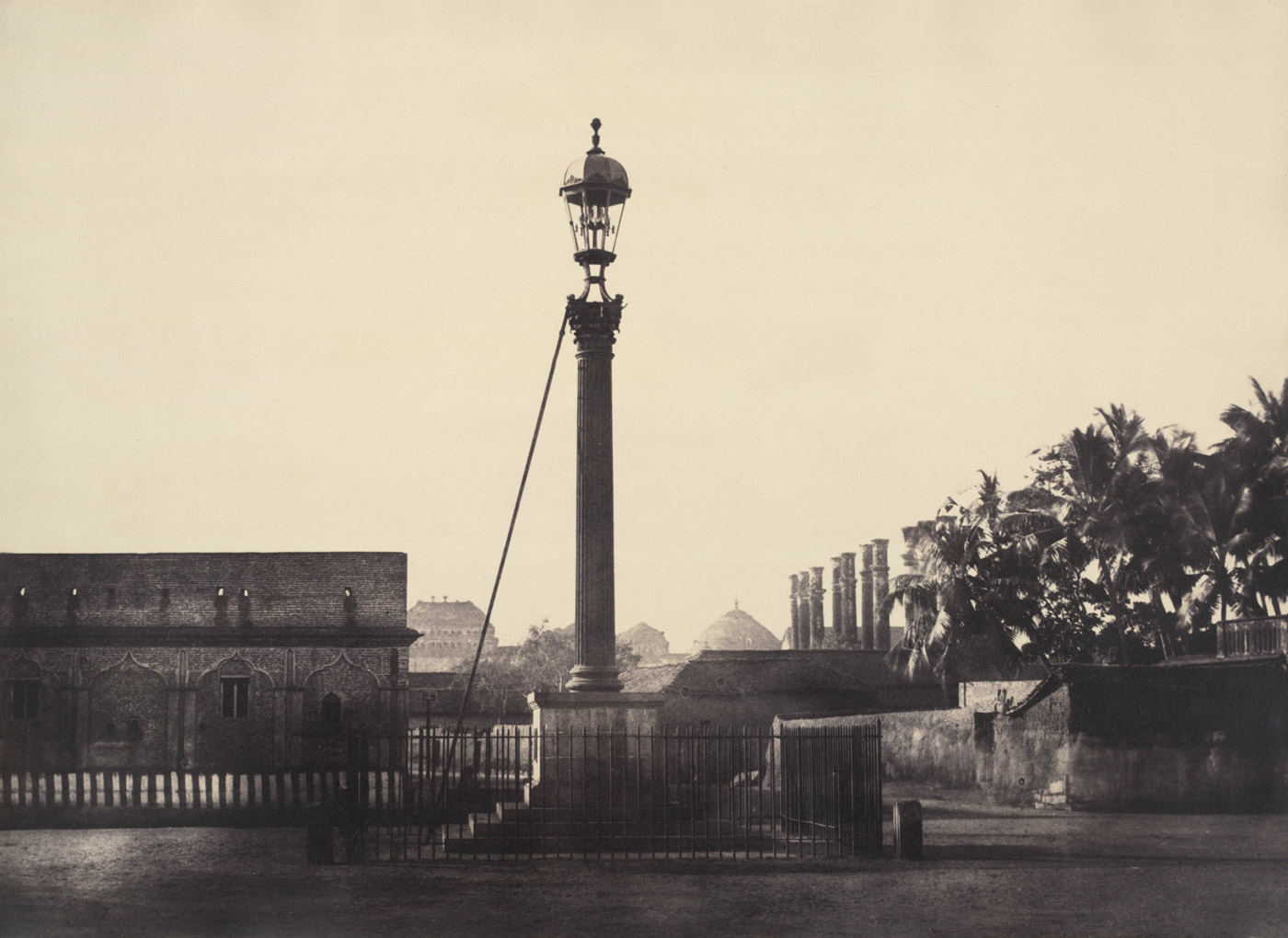
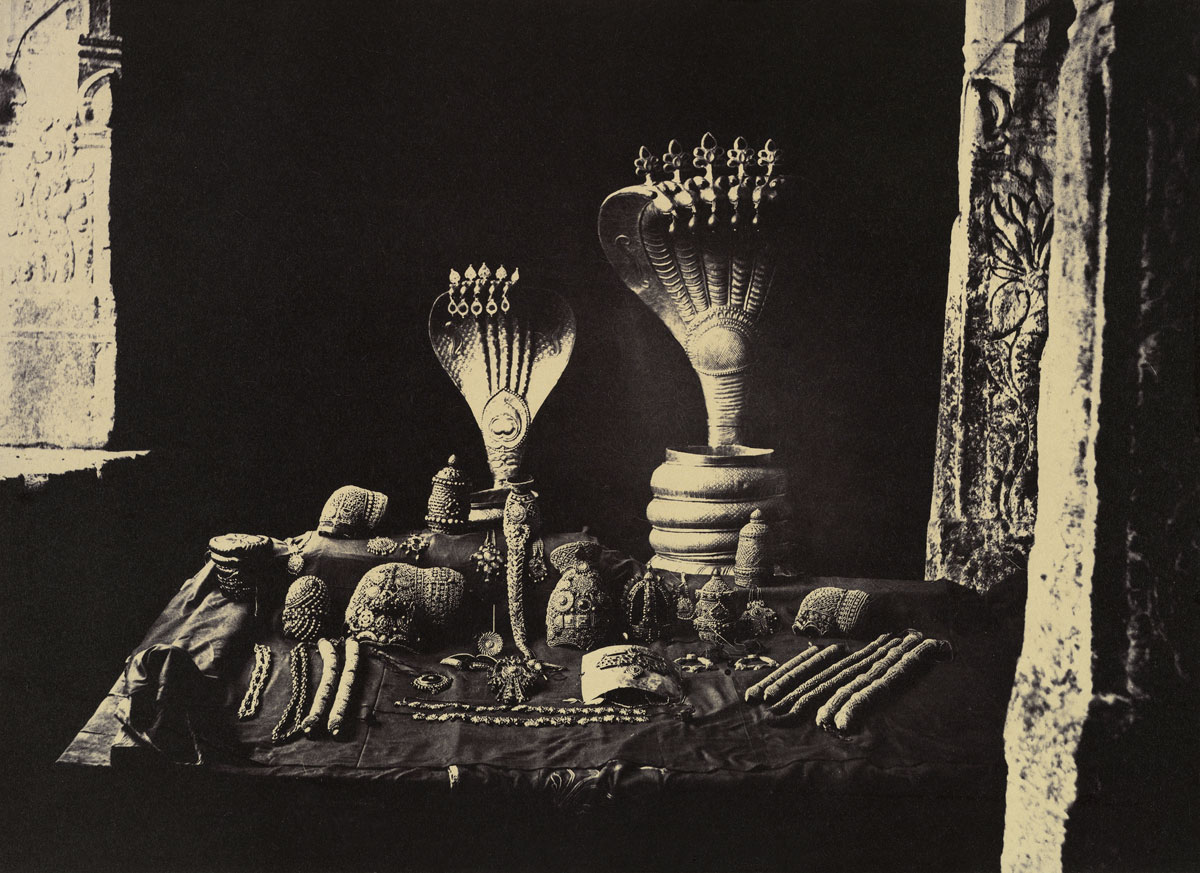
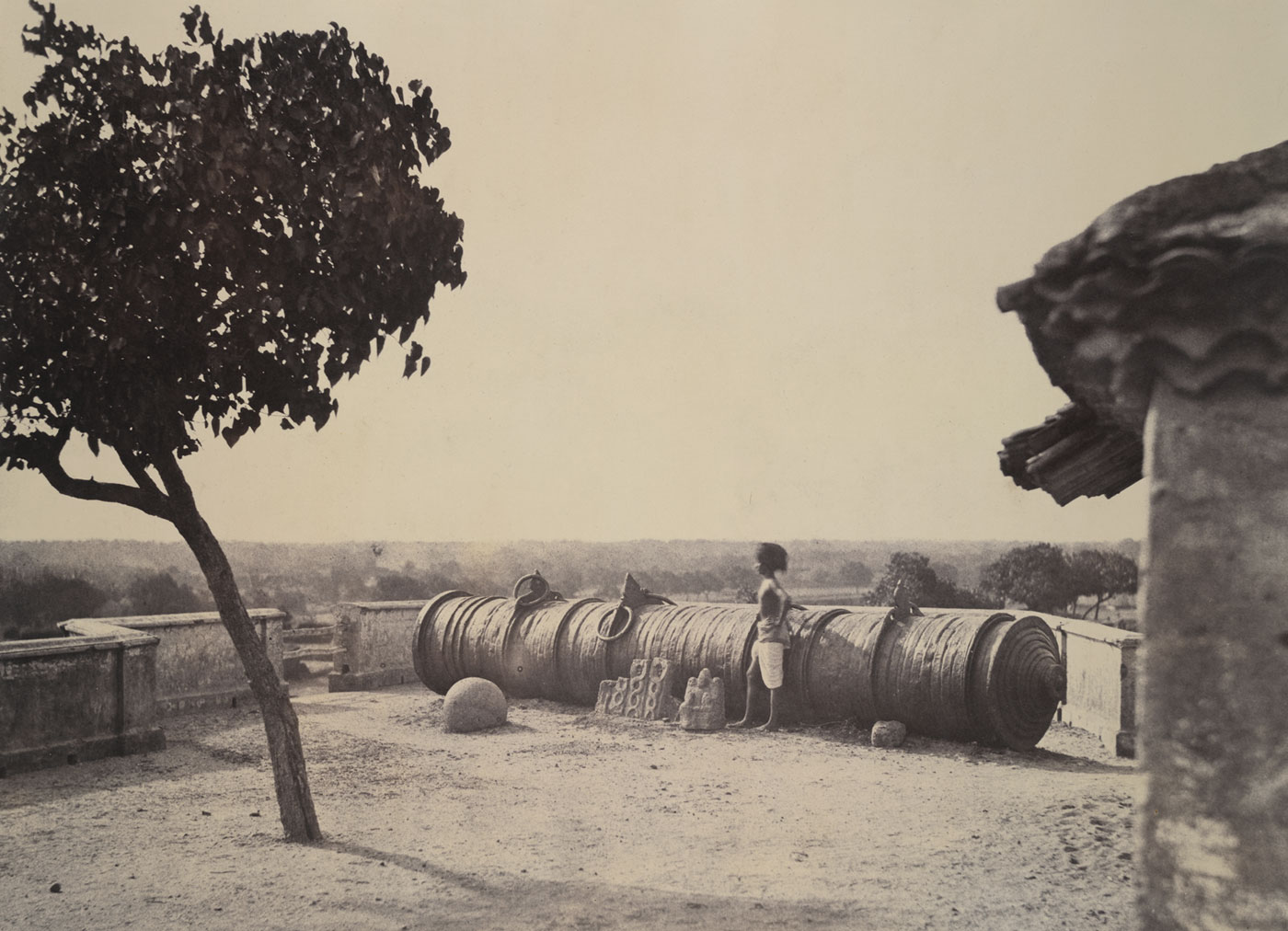
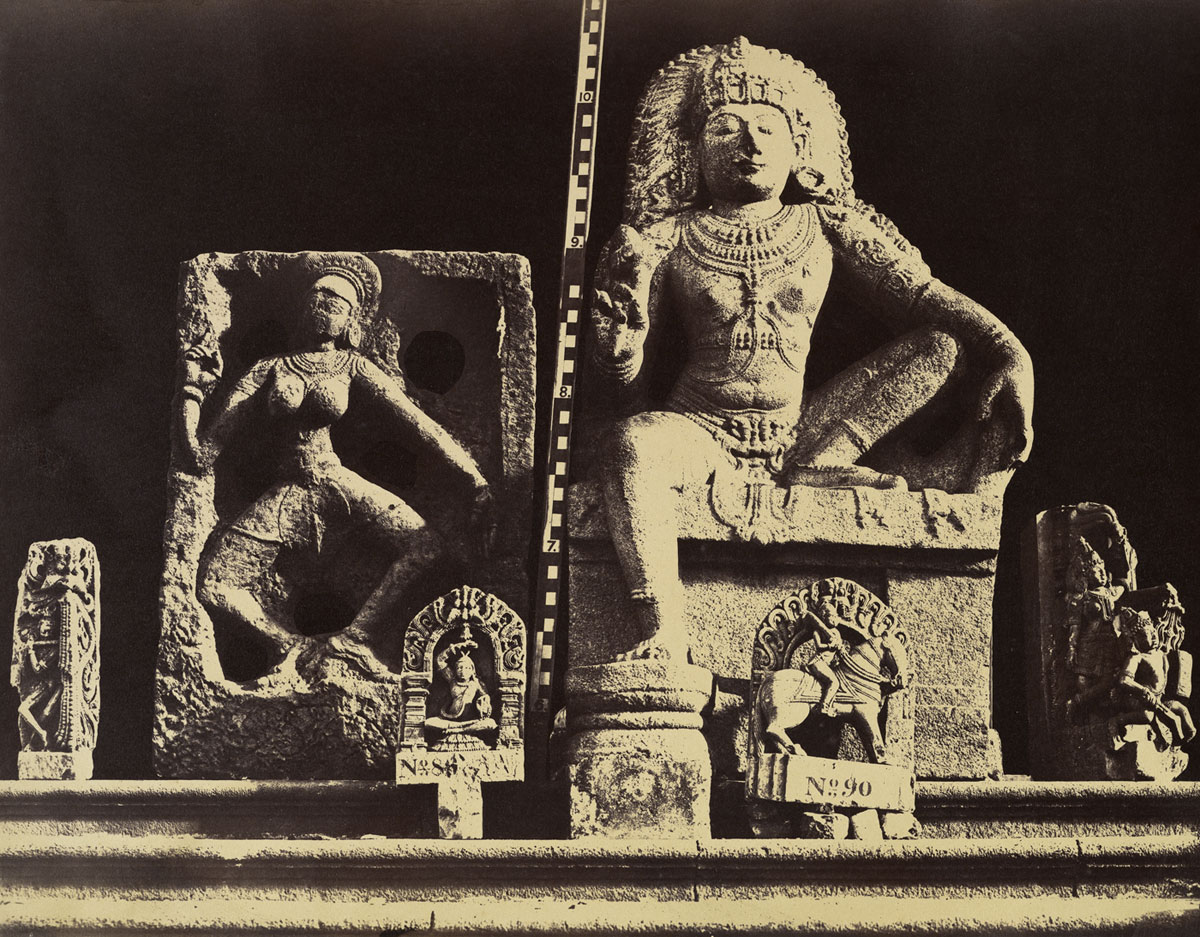
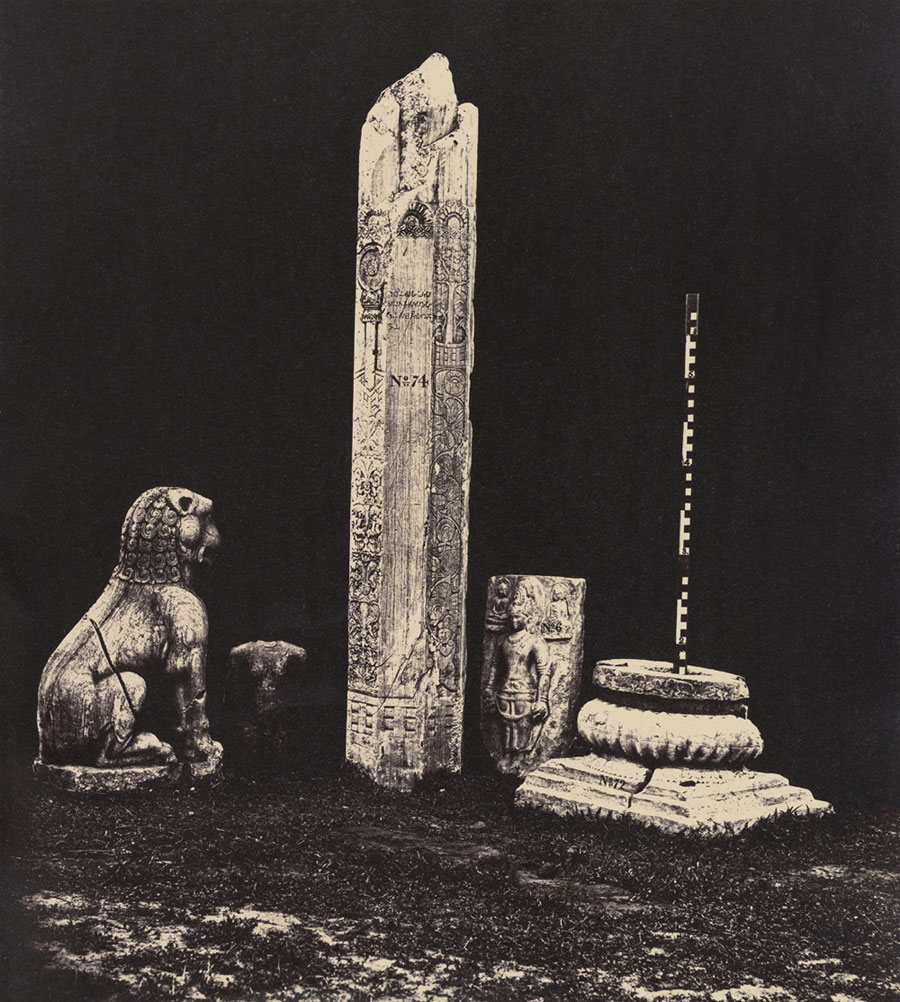
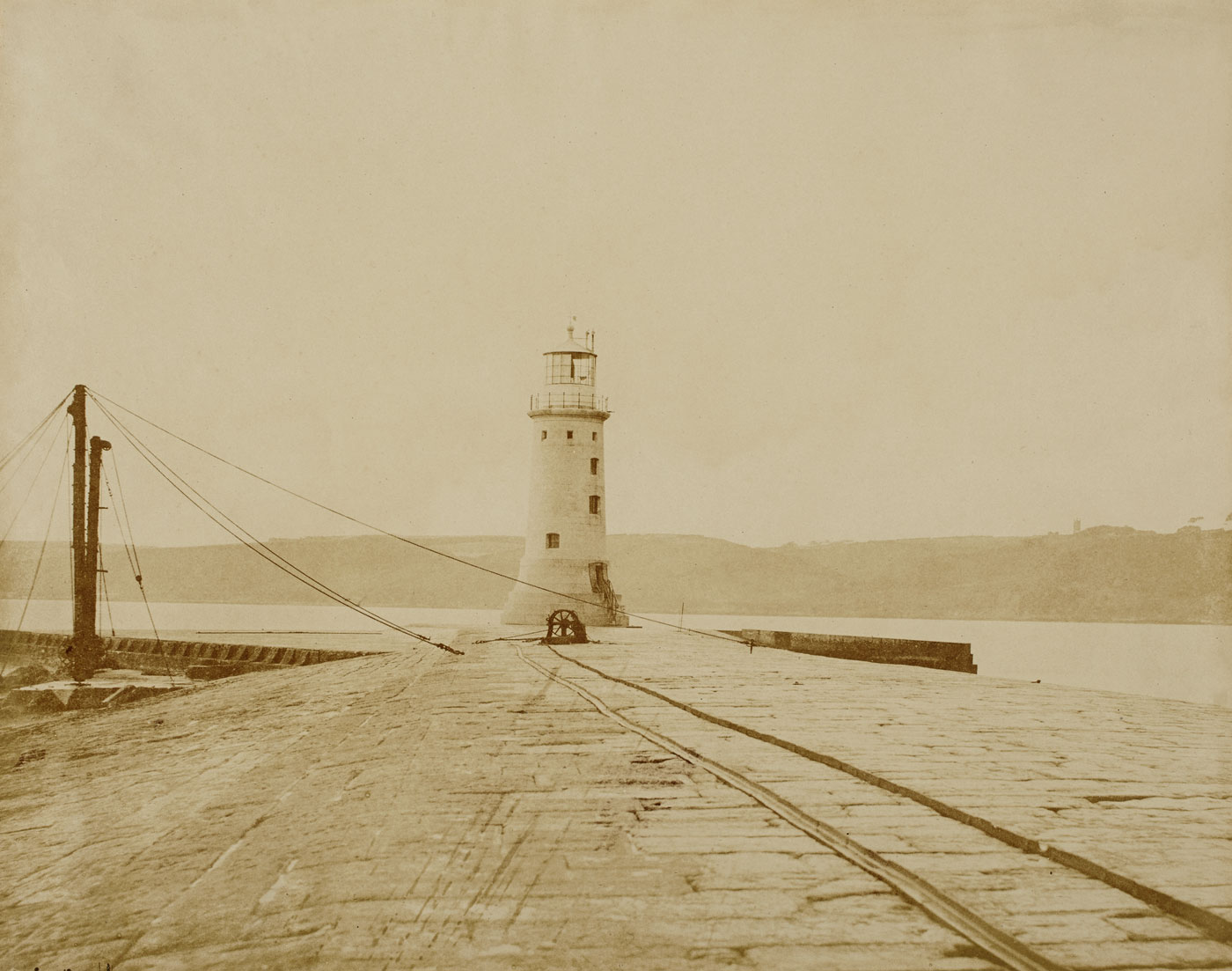
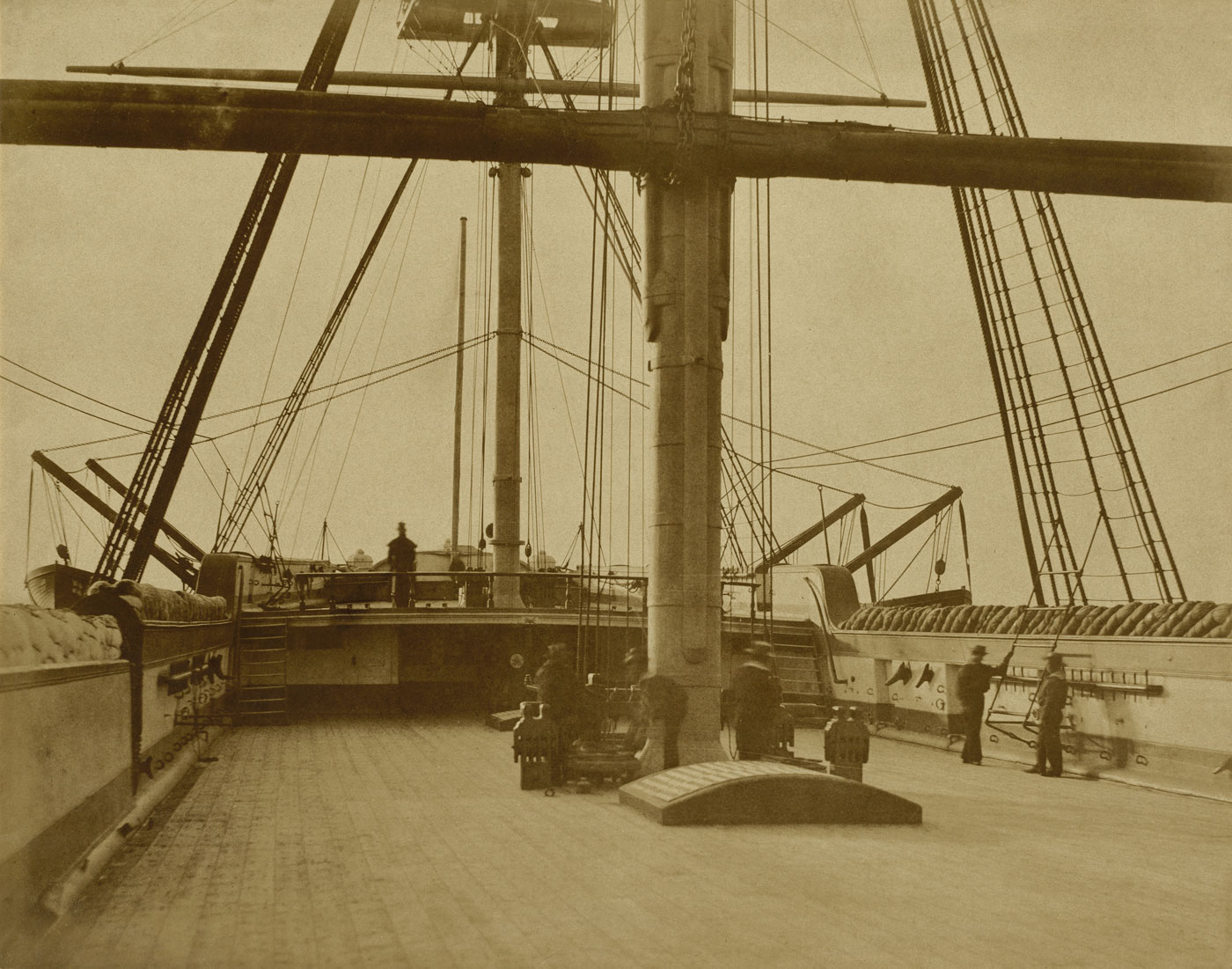
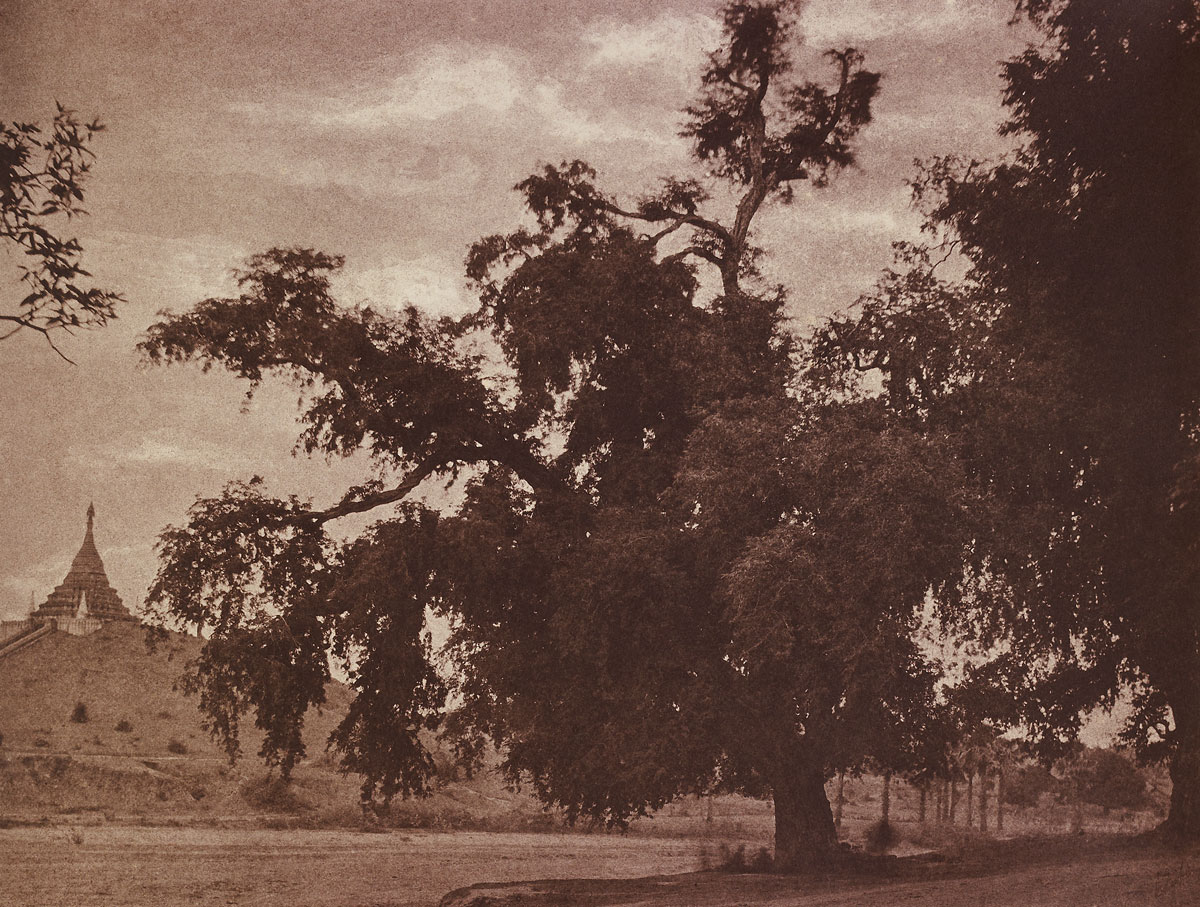
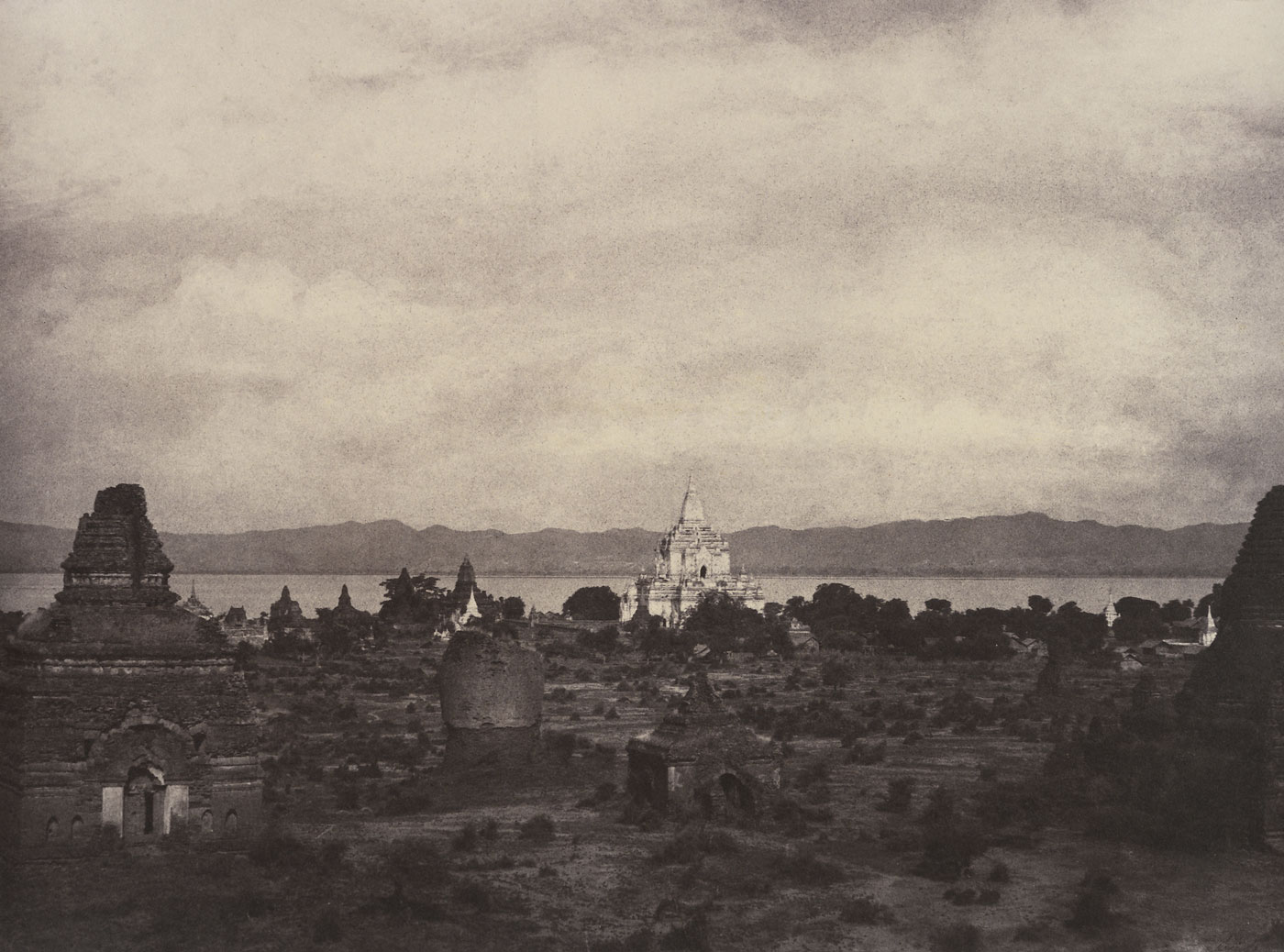
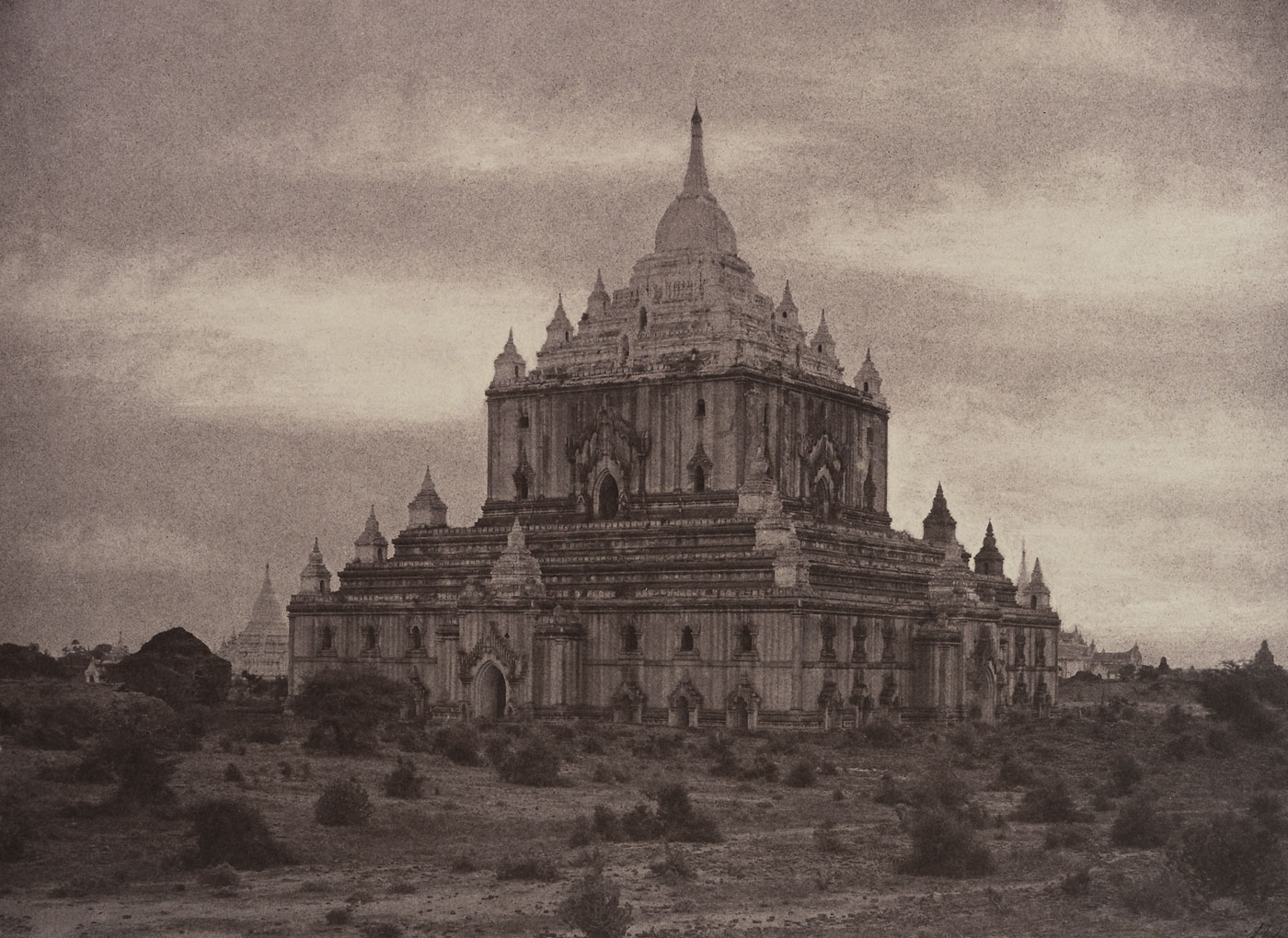
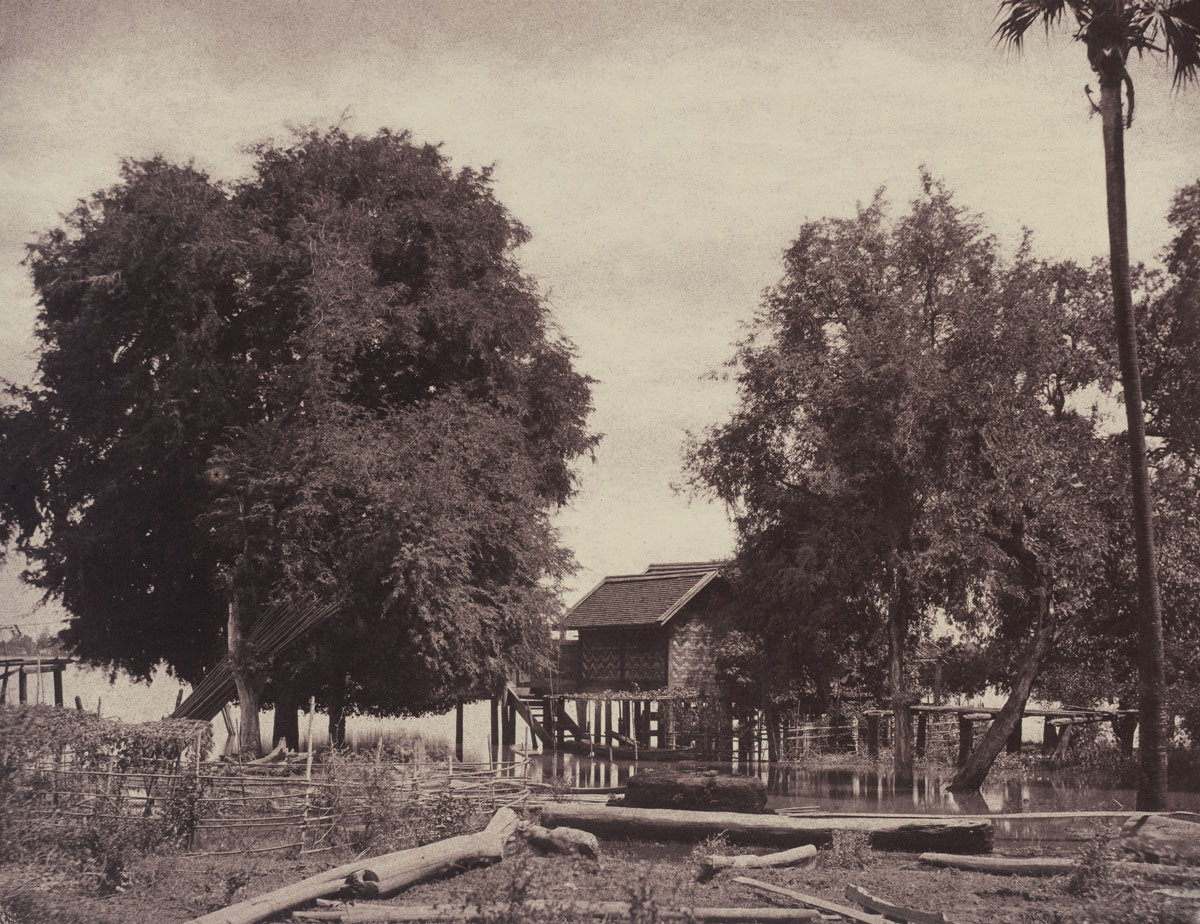
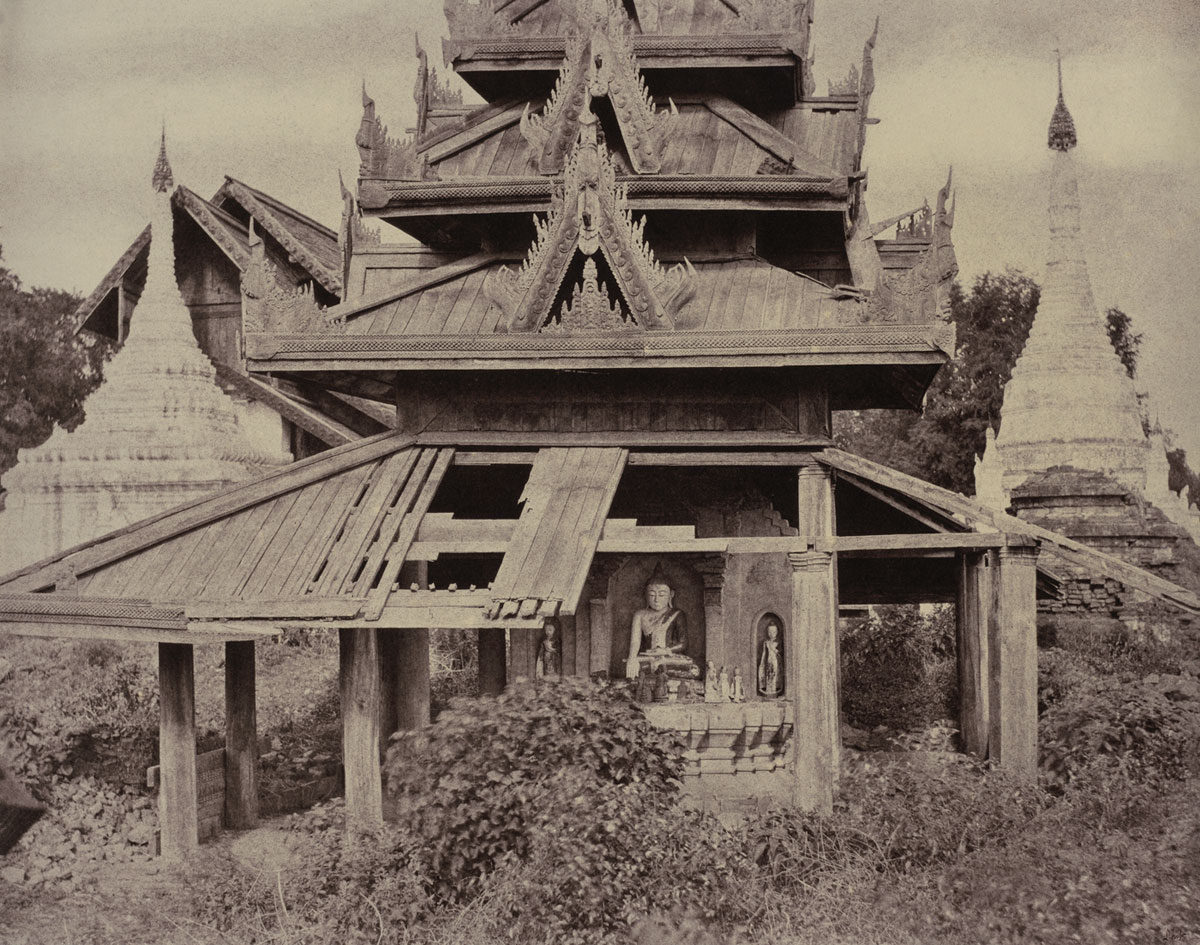
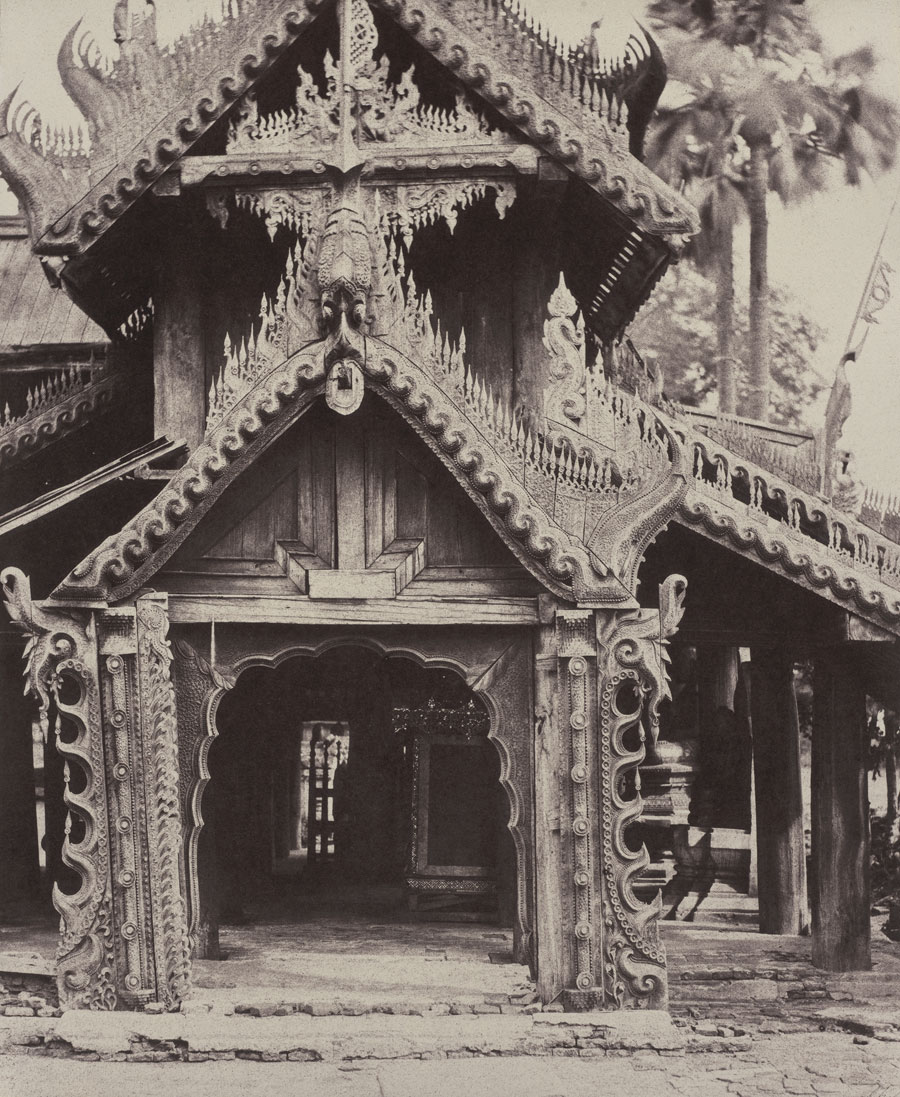
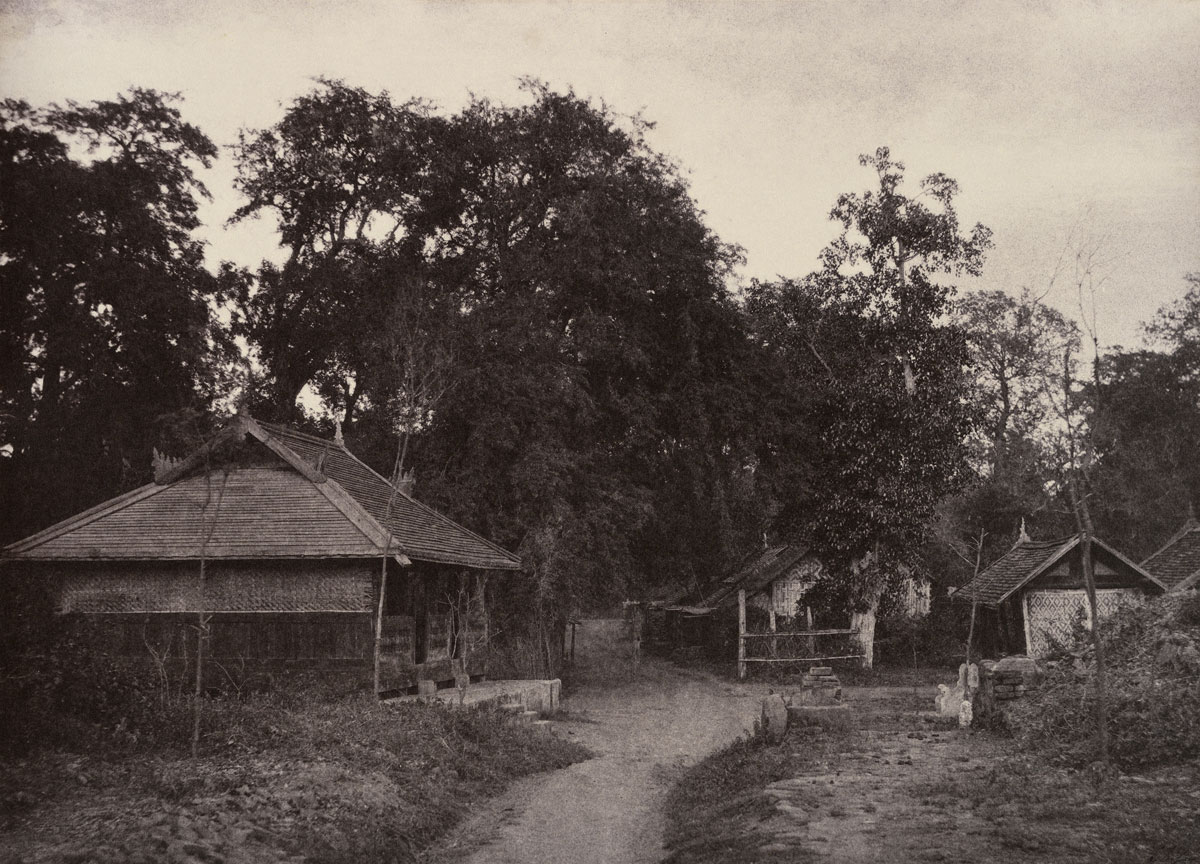
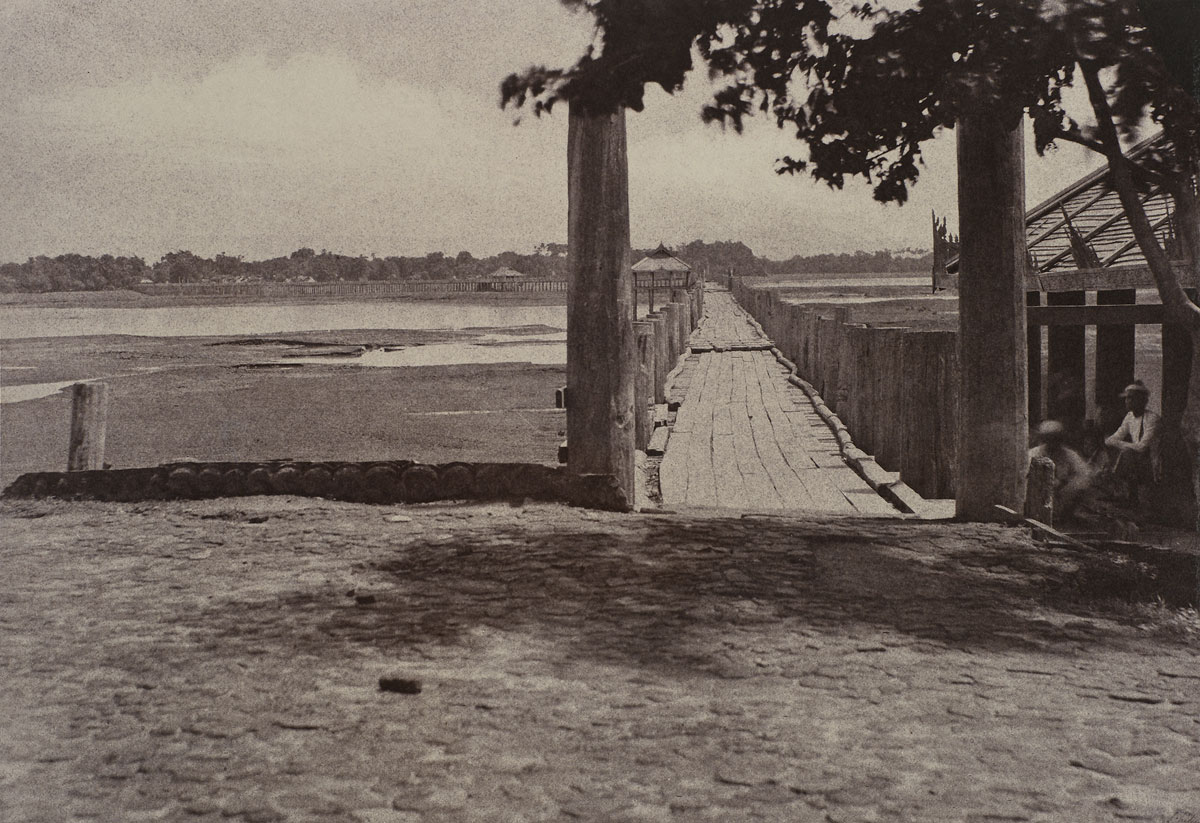
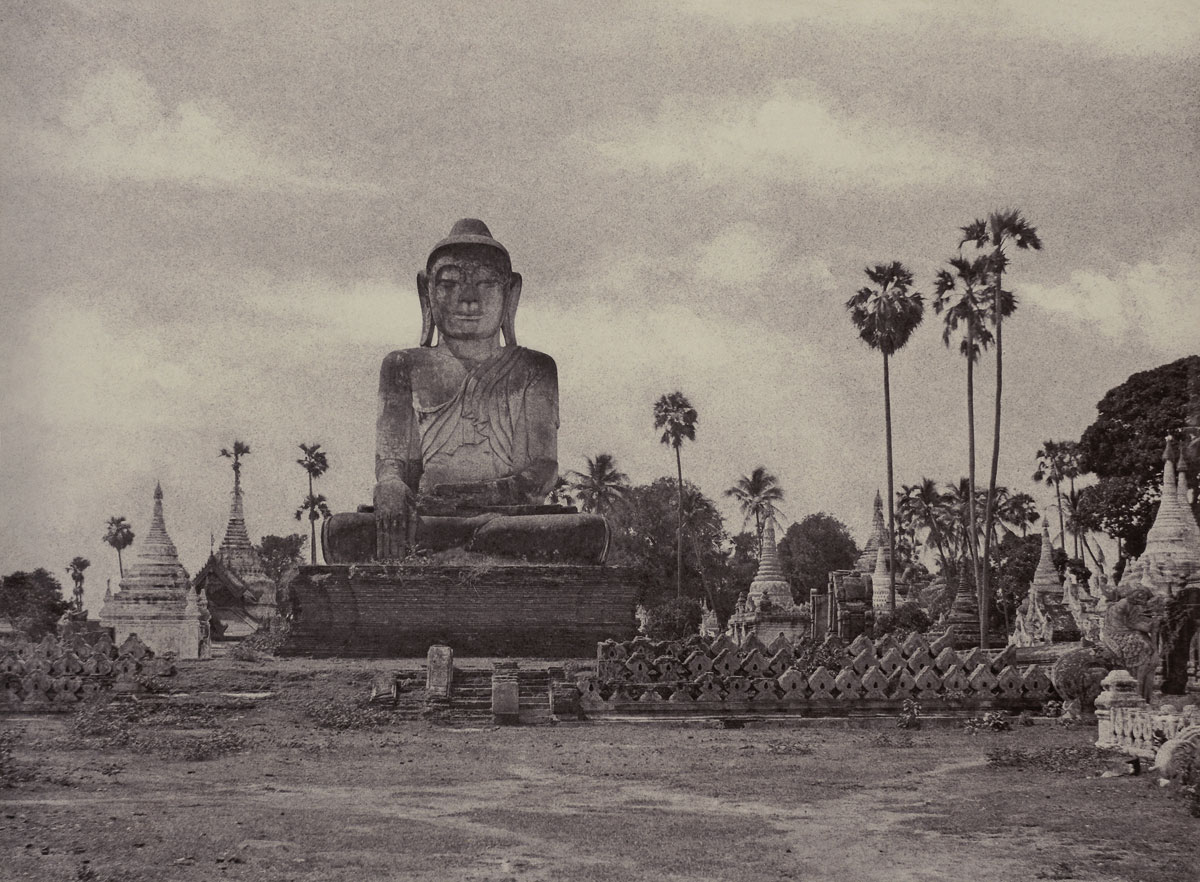
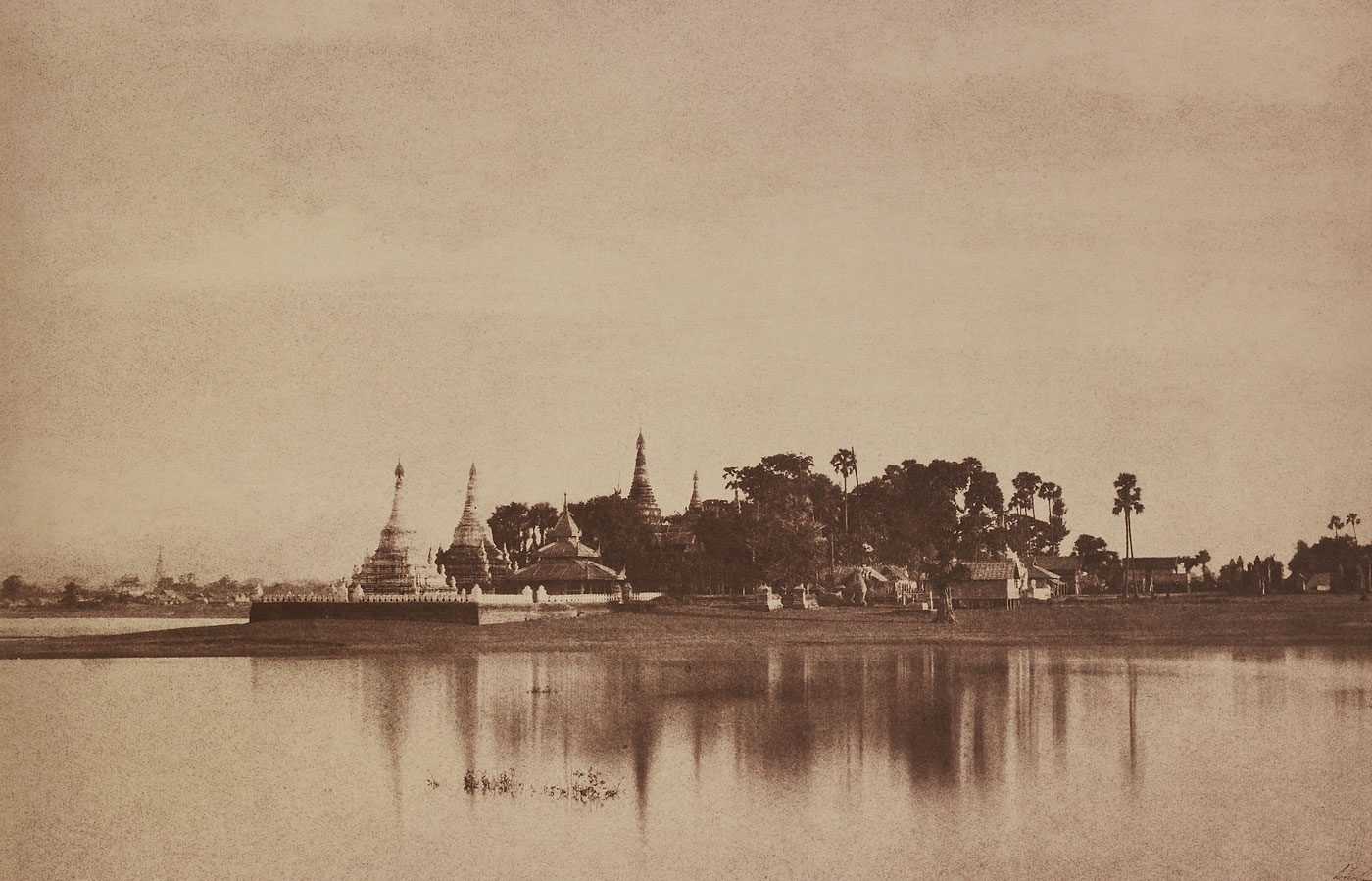
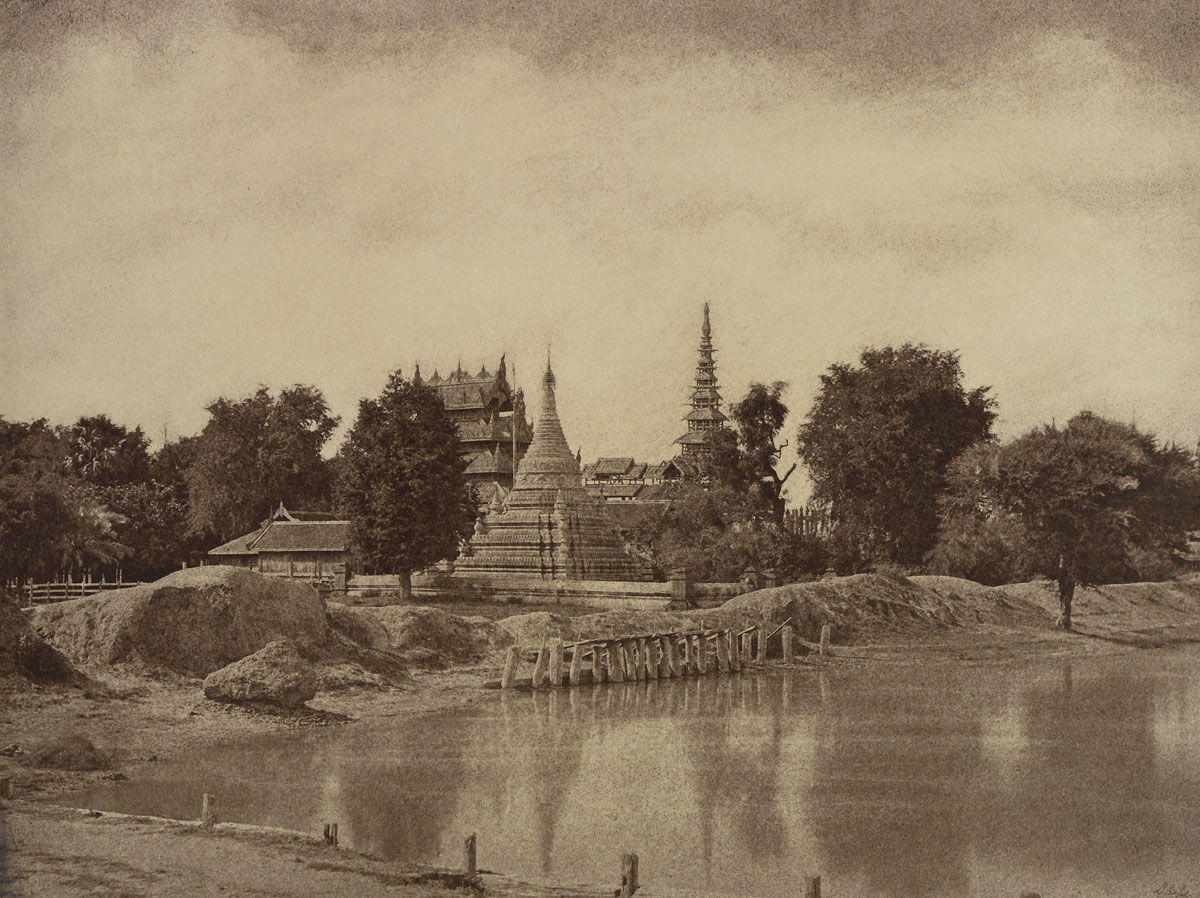
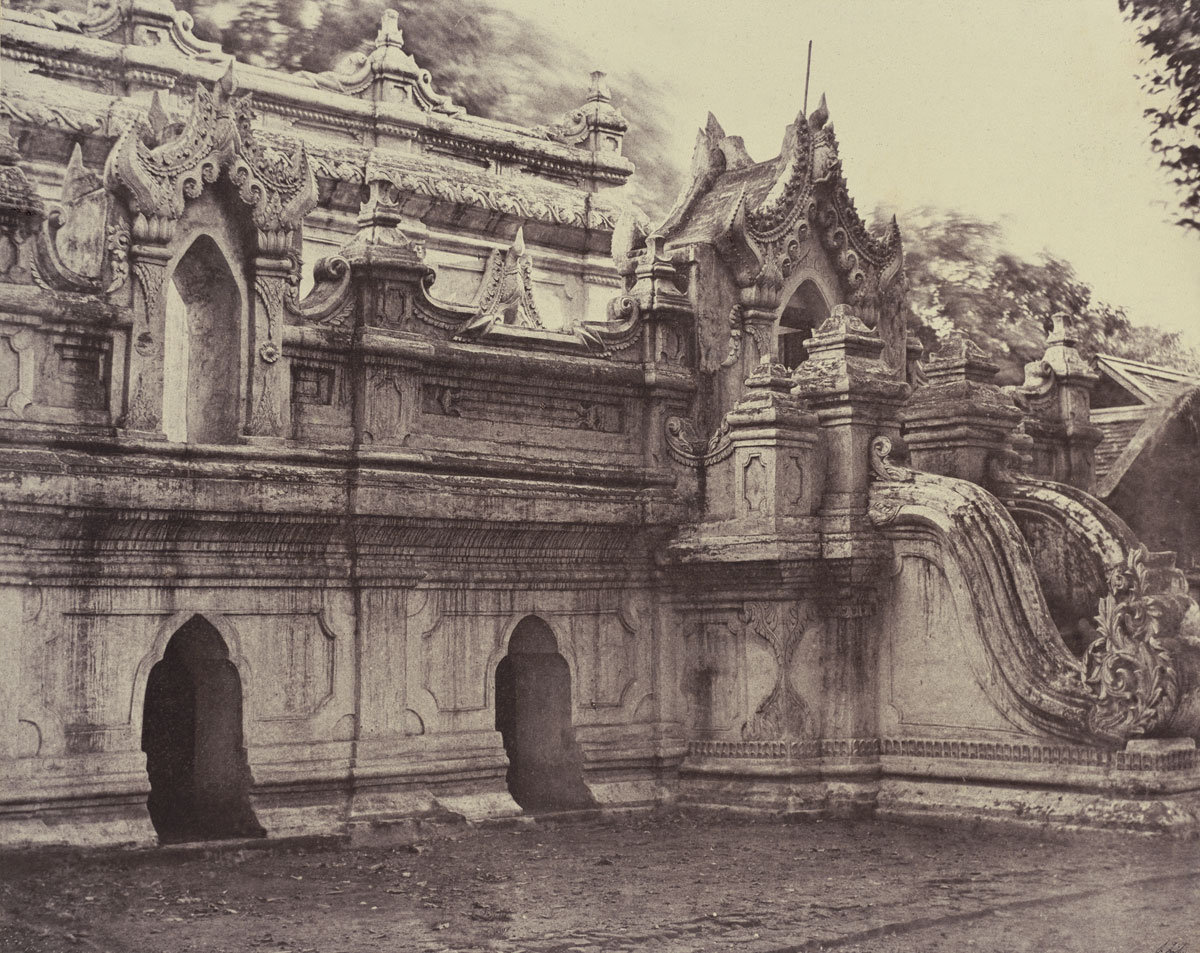

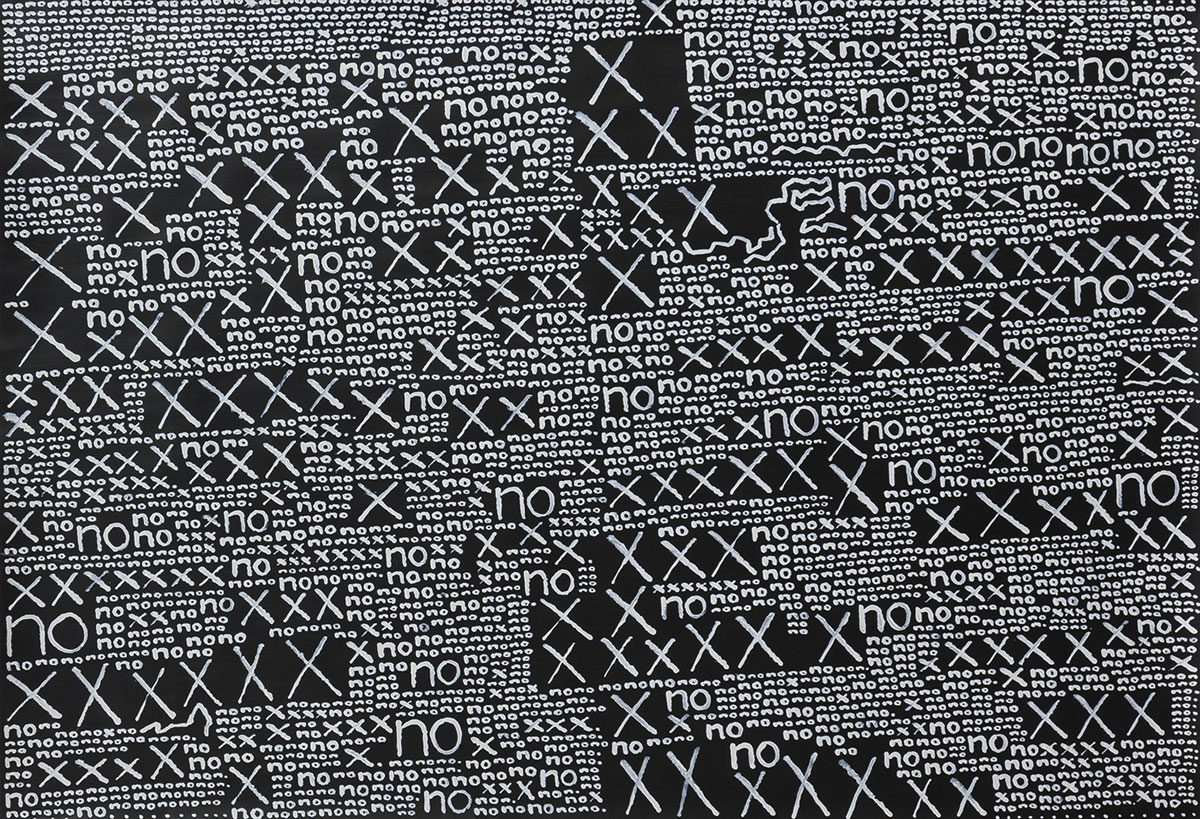


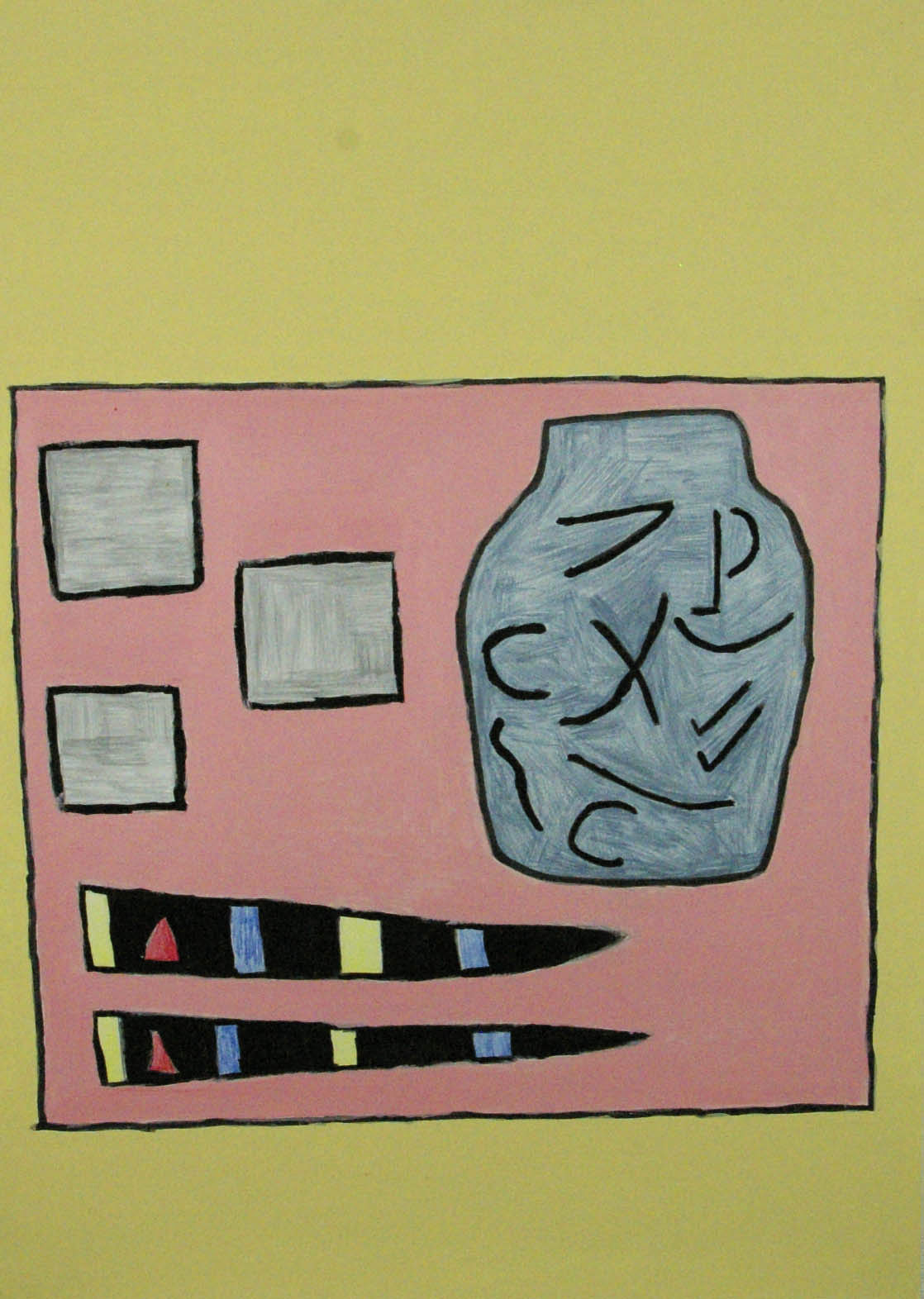


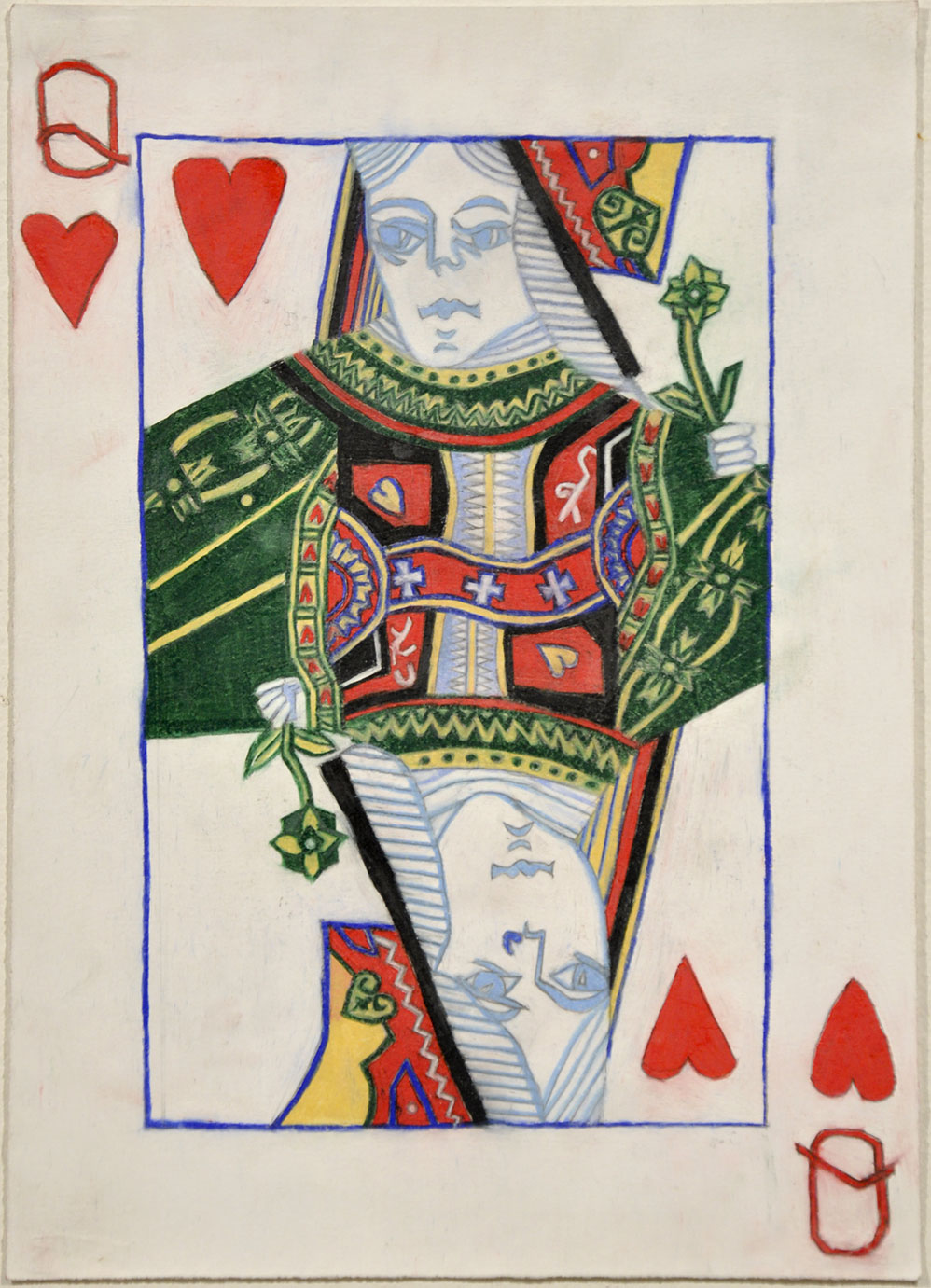



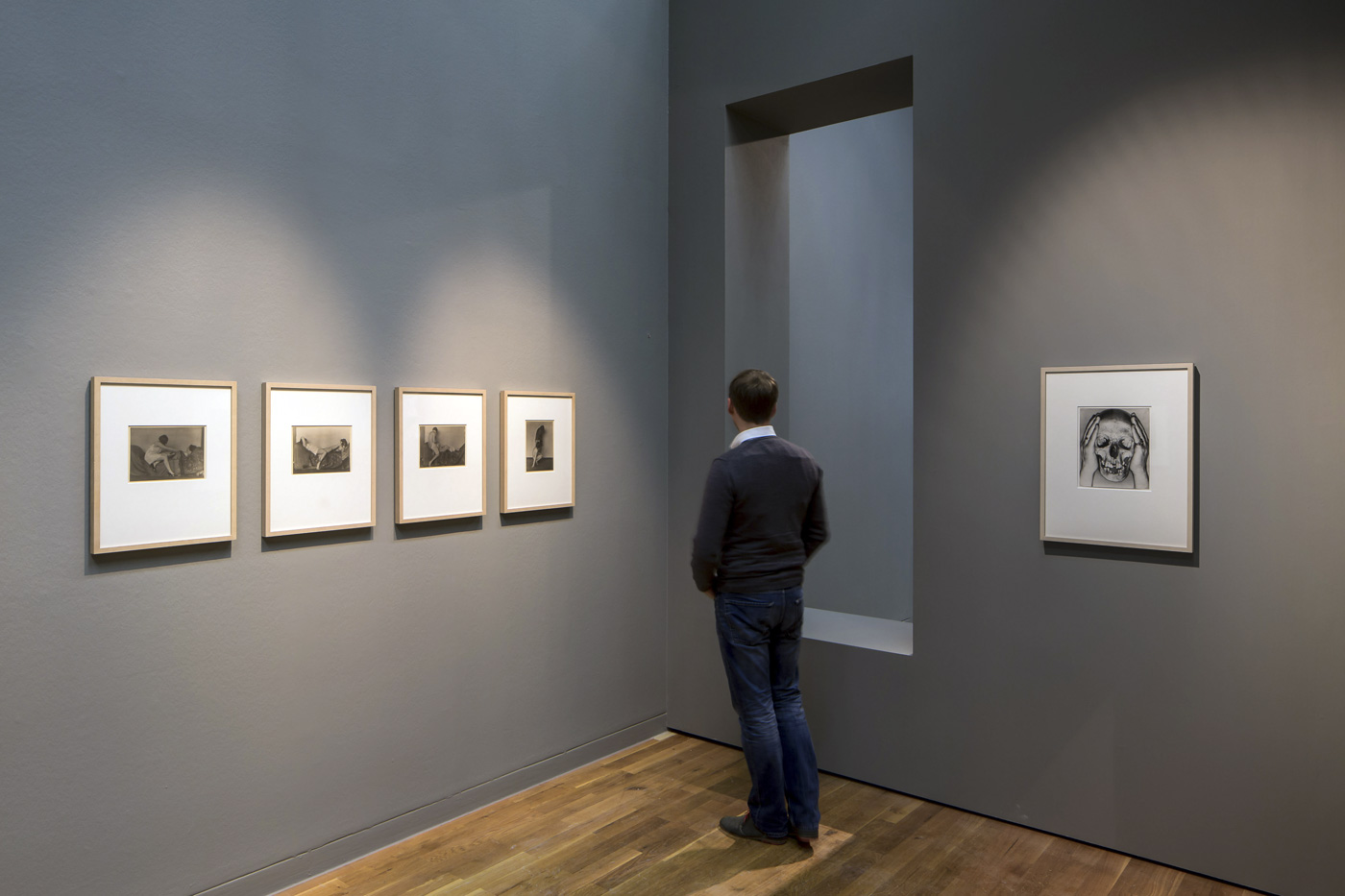






 Art Blart _ art and cultural memory archive
You must be logged in to post a comment.