Exhibition dates: 29th October – 29th November, 2014
Polixeni Papapetrou (Australian, 1960-2018) The Day Dreamer 2014 Pigment print 100 x 150cm
“Art does not reproduce the visible; rather, it makes visible.”
Paul Klee. Creative Credo [Schöpferische Konfession] 1920
When “facing” adversity, it is a measure of a person’s character how they hold themselves, what face they show to the world, and how their art represents them in that world. So it is with Polixeni Papapetrou. The courage of this artist, her consistency of vision and insightful commentary on life even while life itself is in the balance, are inspiring to all those that know her.
Papapetrou has always created her own language, integrating the temporal dissemination of the historical “case” into a two-dimensional space of simultaneity and tabulation (the various archetypes and ancient characters), into an outline against a ground of Cartesian coordinates.1 In her construction, in her observation and under her act of surveillance, Papapetrou moves towards a well-made description of the states of the body in the tables and classification of the psychological landscape. Her tableaux (the French tableau signifies painting and scene (as in tableau vivant), but also table (as in a table used to organise data)) are a classification and tabulation that is an exact “portrait” of “the” illness, the lost psyche of the title. Her images lay out, in a very visible way, the double makeover: of the outer and inner landscape.
These narratives are above all self-portraits. The idea that image, archetype and artist might somehow be one and the same is a potent idea in Papapetrou’s work. What is “rendered” visible in her art is her own spirit, for these visionary works are nothing less than concise, intimate, focused self-portraits. They speak through the mask of the commedia dell’ arte of a face half turned to the world, half immersed in imaginary worlds. The double skin (as though human soul, the psyche, is erupting from within, forcing a face-off) and triple skin (evidenced in the lack of depth of field of the landscape tableaux) propose an opening up, a revealing of self in which the anatomy (anatemnein: to tear, to open a body, to dissect) of the living is revealed. The images become an autopsy on the living and the dead: “a series of images, that would crystallize and memorize for everyone the whole time of an inquiry and, beyond that, the time of a history.”2
Papapetrou’s images become the “true retina” of seeing, close to a scientific description of a character placed on a two dimensional background (notice how the stylised clouds in The Antiquarian, 2014 match the fur hat trim). In the sense of evidence, the artist’s archetypes proffer a Type that is balanced on the edge of longing, poetry, desire and death, one that the objectivity of photography seeks to fix and stabilise. These images serve the fantasy of a memory: of a masked archetype in a made over landscape captured “exact and sincere” by the apparatus of the camera. A faithful memory of a tableau in which Type is condensed into a unique image: the visage fixed to the regime of representation,3 the universal become singular. This Type is named through the incorporated Text, the Legend: I am Day Dreamer, Immigrant, Merchant, Poet, Storyteller.
But even as these photographs seek to fix the Type, “even as the object of knowledge is photographically detained for observation, fixed to objectivity,”4 the paradox is that this kind of knowledge slips away from itself, because photography is always an uncertain technique, unstable and chaotic, as ever the psyche. In the cutting-up of bodies, cutting-up on stage, a staging aimed at knowledge – the facticity of the masked, obscured, erupting face; the corporeal surface of the body, landscape, photograph – the image makes visible something of the movements of the soul. In these heterotopic images, sites that relate to more stable sites, “but in such a way as to suspect, neutralise, or invert the set of relations that they happen to designate, mirror or reflect,”5 Papapetrou’s psyche, “creates the chain of tradition which passes a happening on from generation to generation.”6 In her commedia dell’ arte, an improvised comedy of craft, of artisans (a worker in a skilled trade), the artist fashions the raw material of experience in a unique way.7 We, the audience, intuitively recognise the type of person being represented in the story, through their half masks, their clothing and context and through the skilful dissemination of collective memory and experience.
Through her storytelling Papapetrou moves towards a social and spiritual transformation, one that unhinges the lost psyche. Her landscape narratives are a narrative of a recognisable, challenging, unstable non-linear art, an art practice that embraces “the speculative mystery of ancient roles… They’re all souls with divided emotions, torn between dream and reality, who like us, converge on the collective stage that is the world.” They are archetype as self-portrait: portraits of a searching, erupting, questioning soul, brave and courageous in a time of peril. And the work is for the children (of the world), for without art and family, extinction.
Dr Marcus Bunyan
Footnotes
1/ Adapted from Didi-Huberman, Georges. Invention of Hysteria: Charcot and the Photographic Iconography of the Salpetriere (trans. Alisa Hartz). Cambridge, Mass.: MIT Press, 2003, p. 24-25. I am indebted to the ideas of Georges Didi-Huberman for his analysis of the ‘facies’ and the experiments of Jean-Martin Charcot on hysteria at the Hôpital Salpêtrière in Paris in the 1880s.
2/ Ibid., p. 48
3/ Ibid., p. 49
4/ Ibid., p. 59
5/ Foucault, Michel. “Of Other Spaces,” in Diacritics Spring 1986, p. 24 quoted in Fisher, Jean. “Witness for the Prosecution: The Writings of Coco Fusco,” in Fusco, Coco. The Bodies That Were Not Ours. London: Routledge, 2001, pp. 226-227
6/ Fisher, Ibid., p. 227-228
7/ “One can go on and ask oneself whether the relationship of the storyteller to his material, human life, is not in itself a craftsman’s relationship, whether it is not his very task to fashion the raw material of experience, his own and that of others, in a solid, useful, and unique way.”
Benjamin, Walter. Illuminations (trans. by Harry Zohn; edited by Hannah Arendt). New York: Schocken Books, 1968 (2007), p. 108
Many thankx to Polixeni Papapetrou and Stills Gallery for allowing me to publish the photographs in the posting. Please click on the photographs for a larger version of the image. All images copyright of the artist.
“For her, history indicates a view of culture that is more congruent with mortality, with the biological swell of great things arising and perishing, brilliant and melancholy, august and yet brittle. Without judgement, she reorients history as phenomenology: it contains a bracing dimension of loss which is congruent with that fatal sentiment lodged in our unconscious, that our very being – our psyche – is ultimately lost…
Lost Psyche is always about lost cultural innocence, where culture gets too smart and ends by messing with an earlier equilibrium. Papapetrou identifies these moments not to promote gloom but to recognise all the parallels that make for redemption. Parts of the psyche are undoubtedly lost; but Papapetrou proposes and proves that they can still be poetically contacted.”
Robert Nelson 2014
Polixeni Papapetrou (Australian, 1960-2018) The Immigrant 2014 Pigment print 100 x 150cm
Polixeni Papapetrou (Australian, 1960-2018) The Merchant 2014 Pigment print 100 x 150cm
Polixeni Papapetrou (Australian, 1960-2018) The Orientalist
2014
Pigment print
100 x 150cm
Polixeni Papapetrou (Australian, 1960-2018) The Poet 2014 Pigment print 100 x 150cm
Polixeni Papapetrou (Australian, 1960-2018) The Storyteller 2014 Pigment print 100 x 150cm
In Lost Psyche, Polixeni Papapetrou portrays emblematic figures that have come to the end of their tradition, their rationale, their place in the world. These intriguing and charismatic characters – the poet, the tourist, the immigrant, among others – bring to life antique Victorian paper masks. Yet, despite being cast beyond our immediate reality, their costumes harking back to earlier times, their settings to fantastical places, these archetypal figures live on in the cultural imagination.
Internationally celebrated for an oeuvre that has consistently tested the boundaries of performance and photography, reality and fantasy, childhood and adulthood, Lost Psyche marks a significant return for Papapetrou. Having extensively explored the Australian landscape as a stage for her photographic fictions, and working in response to the natural and historical dramas of our country, this series takes us back into her studio and the expansive scope of imaginary worlds.
Expressive, luscious and knowingly naïve, the painted backdrops bring to mind the simple seduction of children’s storybooks. At the same time, they reference the painting heavyweights and photographic forerunners that are celebrated within art history. Papapetrou’s image The Duchess, for instance, echoes Goya’s commanding oil painting of the Duchess of Alba (1797). Yet, in this newly imagined version, the ‘role’ of Duchess is playfully acted not endured, and like the melodrama of theatre, the dark sky and downcast actor are softened to become illustrative and symbolic – a scene in a universal story. So too, The Orientalist evokes Felix Beato’s 19th Century photographic forays in Japan, recalling his hand-colouring techniques and depictions of social ‘types’.
Consciously foregrounding this ever-present potential for art to present stereotyped representations, Papapetrou reminds us how these social roles and ‘masks’ play out within our souls and psyche’s just as they do on the cultural stage. As a metaphor for the loss of childhood, a time in which we openly switch between characters, identities and roles, this work evokes the persistence of that imagination, as it lives on within the adult world.
In Lost Psyche, the speculative mystery of ancient roles enjoys a fantastical and touching afterlife. In the contemporary world we may also entertain the inner poet, the storyteller, the clown, the connoisseur, the courtesan, the day dreamer or the dispossessed. They’re all souls with divided emotions, torn between dream and reality, who like us, converge on the collective stage that is the world.
Polixeni Papapetrou is an internationally acclaimed artist. Her works feature in significant curated exhibitions, including recently the 13th Dong Gang International Photo Festival, Korea, the TarraWarra Biennale, VIC, Remain in Light, Museum of Contemporary Art, and Melbourne Now, National Gallery of Victoria. She exhibits worldwide, including in Paris, New York, Tokyo, Seoul, Athens and Berlin. Recent solo exhibitions include Under My Skin, Northern Centre for Contemporary Art, 2014, Between Worlds in Fotogràfica Bogotá, 2013, and A Performative Paradox,Centre for Contemporary Photography, 2013. Her work is held in numerous institutional collections, including the National Gallery of Australia, National Gallery of Victoria, Museum of Contemporary Art Australia, Monash Gallery of Art, Artbank, Fotomuseo, Colombia, and the Museum of Fine Arts, Florida, USA.
Press release from Stills Gallery
Polixeni Papapetrou (Australian, 1960-2018) The Antiquarian 2014 Pigment print 150 x 100cm
Polixeni Papapetrou (Australian, 1960-2018) The Duchess 2014 Pigment print 150 x 100cm
Polixeni Papapetrou (Australian, 1960-2018) The Summer Clown 2014 Pigment print 150 x 100cm
Polixeni Papapetrou (Australian, 1960-2018) The Troubadour 2014 Pigment print 150 x 100cm
End of the week. Not a lot of energy or time to write an in depth piece on the wonders of Walker Evans, so just a few observations…
I like this photographer, I like him a lot. No histrionics, little subjectivity being thrown at the audience. The images are -just -so. The compositions are seemingly simple but are actually very complex. Only a skilled craftsman can make the difficult look simple. As Thomas Struth has said of his photography: ‘for me it is more interesting to try and find out something from the real than to throw something subjective in front of the audience.’
“The uninflected image gives no hints as to how it is to be interpreted, and the viewer is led to linger over what might otherwise seem an un-noteworthy, everyday vista.” It’s recognising that vista in the first place for what it is, and what else it can be, so that it ‘gives pause’ to the viewer.
I really like the portrait of Berenice Abbott and it is also very educational. Look at the depth of field, with the view camera probably one stop past wide open. The sharpness plane is very tiny but look at the quality of the lens and how it renders the values that are slightly out of focus. What a very beautiful image and I suspect a top drawer lens. Notice also it is print 22. Walker Evans would keep a lot of prints and they were not the same. The next copy of this printmight have been better (he might have worked out something todo) or it might be worse – the developer might have gone off. So it is not strictly an “edition” it is just the numberingof the prints he made.
He used every sort of camera: 8 x 10 and the smallerview formats, roll film cameras, Colour polaroid! hence the different sizes of his prints. Occasionally he did crop his images but on other occasions he took “a stance” where you knew hewas about to perform and there would be no cropping. If you are really interested in this master photographer, the best Walker Evans book to get is First and Last (1978, available cheaply as a hardback on Amazon) which contains many pictures and “threads” that are dynamite… and the John Szarkowski book Walker Evans (1972) is a good one as well.
Dr Marcus Bunyan
Many thankx to Martin-Gropius-Bau for allowing me to publish the photographs in the posting. Please click on the photographs for a larger version of the image.
Walker Evans (1903-1975) was one of the great personalities of 20th century photography, being an exponent of what is called the “documentary style”. His work, which spans a period of over fifty years, will be represented by well over 200 original prints from the years 1928 to 1974, taken mostly from the considerable private collection of Clark and Joan Worswick, but also from various German collections.
For decades, right up to the present, the prolific photographic oeuvre of Walker Evans has acquired an increasingly model character. In the half century of his creative activity the photographer documented in sober documentary fashion a uniquely authentic picture of America, and like no other before him showed a particular feel for both the everyday and the subtle – the American Vernacular – creating a sense of identity and historic significance.
Visitors follow both Evans’ biography and the changing face of America, from the Great Depression to the onset of stability and business as usual: early impressions of the 1920s from the New York neighbourhood he lived in; portraits of his friends and fellow artists which give some indication of the ramified cultural ambience he inhabited; specimens of 19th century architecture that have blended into the evolving cultural life about them; picture cycles from Tahiti and Cuba; images of African sculptures and masks commissioned by the New York Museum of Modern Art; and numerous photographs taken in the 1930s in the rural south of the USA, which contrast starkly with the lifestyles of those who may be seen promenading in the fashionable streets of cities like New York.
In addition to street scenes, American monuments and shop window displays far from the world of “big business”, examples of his significant subway photographs are to be seen, taken with a hidden camera. We also see interiors whose modest appointments tell of the life of those who live in them, pictures that inevitably recall Evans’ remark that “I do like to suggest people by absence”. Evans’ predilection for typography, advertising and mass-produced articles give rise to strangely fascinating shots which seem to anticipate the soon-to-emerge Pop Art and its assemblages.
While the exhibition shows icons in the history of photography, it also highlights some of the photographer’s lesser known motifs dating from the 1940s, 1950s and 1960s. These include works done for Fortune, the magazine founded by Henry Luce in 1930; pictures taken on trips to London from 1945 onwards for the periodical Architectural Forum; or during stays at Robert Frank’s Nova Scotia house in the late 1960s.
C0-curators: Anaïs Lellouche (lead curator), working alongside Tim Fisher (co-curator and editor of the exhibition)
Victor Hugo (French, 1802-1885) Les Misérables vol. 1 1845-1862 Autograph manuscript Bibliothèque nationale de France
Devour the main course but don’t stay for dessert
This is an exhibition in two galleries. In the first you are not allowed to take photographs but in the second you can take as many as you want. You are told this as you enter the exhibition but the import of this incantation only becomes apparent much later in your visit.
The first gallery is a profound experience: manuscripts, letters, photographs, paintings, and posters that all relate to the great man and his work Les Misérables. The Charles Marville photographs are sublime (as always) with the width of the vertical prints being the element that I noticed most on this viewing. The space that Marville manages to capture in these vertical images makes them seem almost as wide as they are high giving them an almost panoramic feel, as though the space of the image goes on forever, from side to side and into the distance. There is a wonderful sense of volume in the atmosphere, tones and textures of these images. One juxtaposition is particularly tantalising, the pairing of Marville’s Rue Tirechape (1865) with engravings such as the demolition work for constructing the Boulevard St. Germain by Maxine Lalanne (1827-1886). The illusion that one could be the other is enlightening, and there is an established association (especially in Pictorialist photography) between representation in etching and photography.1
As Philip Ebury observes,
“It has often been said that Pictorial photographs resemble works in other media. The analogy with etchings is especially striking and the comparison is more than physical. Between 1890 and the late 1920s, etching and Pictorial photography had a shared history and many similar aims. Parallels between the two disciplines in Australia had their antecedents in England. In the late nineteenth century many photographers in that country were consciously promoting artistic, as opposed to documentary work. At the same time, printmakers were reviving the art of original etching as an expressive rather than a reproductive medium.”2
But the Charles Marville photographs are not the star of the show, oh no. That is left to five things:
a) An album of which you can see only one leaf in the exhibition, Les Proscrits (‘The Exiles’) (1856, below), but that one leaf is enough. The enigma, light and intimacy of this one page is just magnificent.
b) Equally impressive are the very small intense portraits of Victor Hugo such as the silver gelatin photograph attributed to Arsène Garnier (1820-1909) – dark, atmospheric with Neo-classical sculptures and chandeliers reflected in expansive mirrors, VH propped up by a favourite chair; or Charles Hugo’s salted paper print from a collodion negative of his father in Jersey leaning on the back of a chair (1853-1855). The intensity of these portraits is remarkable.
c) Victor Hugo’s own paintings, usually pen and brown ink wash on paper, are also very powerful. In images such as Ma destinée (My destiny) (1867, below) where VH wrote in direct conversation with the ocean and The bowels of the Leviathan (1866) – dark, dank labyrinthine Parisian sewers – Hugo draws you into a world of the disenfranchised, the poor, the destitute and their (and his) destiny.
d) The beautiful theatre posters (1880s-1910s) worth the price of admission on their own
e) Leaving the best till last, the autographed manuscript Volume 1 of Les Misérables in all its glory (the first time it has ever left France), complete with revisions, crossings out and the final version in red, resting innocuously in a glass display cabinet. The psychological weight of the volume is immense. This is getting as close to the ‘source’ as you can possibly get without touching it. I remember once holding a first edition of Oscar Wilde’s The Ballad of Reading Gaol in my hand. This had that same spine tingling effect.
The first gallery assembles this incredible story and builds a glorious intensity of experience. I was on such an elevated level it was great.
And then, in literally two minutes, it was gone… No, no, no, no!
The second gallery is such a let down. It features costumes, posters, pamphlets and video in an exploration of the musical ‘phenomena’ this is the (Disney-fied) Les Misérables. A stage set from the musical with cut our heads so people can have their photo taken, and for performances; very poor quality black and white images of the sets of the theatrical productions of Les Misérables; a cardboard cut-out two-wheeled cart that is the worst thing that you could possibly see; and videos of workshops with men explaining how they are using a bandsaw to create the stage for the musical (as if I want to see that after what has gone before!). From the sublime to the ridiculous. I’m sure the kids might like it but after seeing such an amazing first half of the exhibition, for me this was like being tied with a ball and chain and dropped over the side to sink like a stone. Why do curators insist on doing this. Do they think that they always have to have a “popular” space for the family and the kids these days. That more is really more?
In this case it quite ruined what was up till then an incredible experience. So visit the exhibition for the main course (and don’t take any photos), but if I were you I would turn around after the first gallery and walk out the way I came in, thinking to myself ‘less is more!
Dr Marcus Bunyan
1/ See Ebury, Frances. “Engravers and Etchers, Pictorialists and Photographers,” Part 2, Chapter 2 in Making Pictures: Australian Pictorial Photography as Art 1897 – 1957 Volume 1. Phd thesis, The University of Melbourne, 2001, p. 73.
2/ Ibid.,
Many thankx to the State Library of Victoria for allowing me to publish the photographs in the posting. Please click on the photographs for a larger version of the image.
“As long as social damnation exists, through laws and customs, artificially creating hell at the heart of civilization and muddying a destiny that is divine with human calamity; as long as the three problems of the century – man’s debasement through the proletariat, woman’s demoralisation through hunger, the wasting of the child through darkness – are not resolved … as long as ignorance and misery exist in this world, books like the one you are about to read are, perhaps, not entirely useless.”
Victor Hugo, Hauteville House, 1 January 1862
Victor Hugo (French, 1802-1885) Title page ofLes Misérables vol. 1 1845-1862 Autograph manuscript Bibliothèque nationale de France
Victor Hugo (French, 1802-1885) Paris Paris, 1867 Maison Littéraire de Victor Hugo
Les Proscrits (‘The Exiles’) 1856 Album of photographs Bibliothèque nationale de France
Album The Exiles – Victor Hugo and his circle of friends in exile started in Guernsey on the 1st January 1856. The album creates an allegorical portrait of VH. His family is represented by Victor Hugo’s hand (left), Adele’s hand (right), Marine Terrace their home in Jersey 1852-1856 (centre) and VH posing at his desk in his study at Hauterville House, Guernsey, where he completed Les Misérables surrounded by sunlight. The page appears in the posting the correct way up, as it appears in the album.
Victor Hugo’s hand From the albumLes Proscrits (‘The Exiles’) (detail of page) 1856 Album of photographs Bibliothèque nationale de France
Victor Hugo posing at his desk in his study at Hauterville House, Guernsey From the albumLes Proscrits (‘The Exiles’) (detail of page) 1856 Album of photographs Bibliothèque nationale de France
Auguste Rodin (French, 1840-1917) Victor Hugo, buste dit À l’Illustre Maître (Victor Hugo, bust known as ‘To the illustrious master’) 1883 Musée Rodin
Rodin states that Hugo would not pose. “I worked out on the veranda. I observed him swiftly, but carefully as he refused to pose. He accepted to be looked at, from all angles, but he would not pose. And so I looked at his conscience. And this is how I was able to capture the real Hugo.”
When the first two volumes of Les Misérables arrived in Paris in April 1862, all 6000 copies sold in a day. Public readings were organised when copies sold out. Everyone was reading it, from the literary intelligentsia to the common people. It was also quickly translated into nine languages to reach a global audience. After only three months, 100,000 authorised copies (and countless editions on the black market) had been sold worldwide, making the novel into an unprecedented literary bestseller of western literature. In 1870 after the fall of Napoleon III, Hugo returned to France and was hailed a national hero.
Victor Hugo’s legacy and the iconic story of Les Misérables endure to this day with various adaptations being created around the world. There have been at least 48 films, 14 animated films or TV series, radio plays, 12 television miniseries, numerous comic books, and at least 286 editions of Les Misérables published, sung and spoken. The stage musical of Boublil and Schönberg’s Les Misérables is in itself a worldwide phenomenon. It is the longest running theatre performance in London and has been seen by over 65 million people in 43 countries and in 21 languages. It returns to Melbourne in June 2014.
About Victor Hugo
Victor Hugo is considered one of the most important and influential authors of the 19th century. Through his transformative literary works and political activism, French society’s most vulnerable were given a voice in a nation ruled by those with power and privilege. Best known for his novels Les Misérables and The Hunchback of Notre Dame Hugo is also acclaimed for his theatre, essays, drawings and poetry.
Born in Besançon, France in 1802, Hugo was the son of an atheist and anti-monarchist French General and a Catholic pro-monarchist mother. A precocious talent, Hugo’s first work was published at the age of 15. His debut as a professional writer soon followed with the release of his first volume of romantic poems; Ode et poésies diverses in 1822. Many of his early romantic works drew inspiration from his childhood sweetheart and wife Adele Foucher, with whom he had four children. Another powerful female influence on Hugo’s writings was his mistress of more than fifty years, Juliette Drouet.
As Hugo’s career progressed, his aptitude and fondness for romantic literature was matched by his passion for addressing themes of disadvantage and poverty. Hugo’s first major masterpiece The Hunchback of Notre Dame published in 1831 reflected his interest in highlighting such prejudices. However, it was his greatest masterpiece, Les Misérables, that first challenged and then changed the social and political understanding of poverty, disadvantage and inherited privilege in society. In Les Misérables Hugo casts an ex-convict, Jean Valjean, as the revered protagonist and paints a villain of the character representing authority and privilege, Inspector Javert.
Hugo dedicated 17 years of his life to plan and write the epic three part story beginning in the early 1840s and finally publishing the novel in 1862. In addition to his social and political sympathies, Hugo drew from many of his own personal experiences and professional turmoil to inform the characters and themes in Les Misérables. These included the tragic drowning of his eldest daughter, Leopoldine, in a boating accident in 1843, and Hugo’s exile from France by Louis Napoleon III in 1851 – a result of his public opposition to the increasingly authoritarian rule of the self-declared emperor.
From his exile on the Channel Islands of Jersey and Guernsey where he lived for 19 years, Hugo maintained his trenchent opposition to the political status quo and the death penalty, while also publishing widely and spending three years finishing his magnum opus Les Misérables. When Les Misérables finally hit the stands in Paris in 1862 the response by the public was explosive. All 6000 copies sold out in a day, and three months later the book was an international best seller and had been translated into nine languages. Following the success of Les Misérables Hugo returned to France in 1870 after the fall of Napoleon III and was hailed a national hero. He continued to work until he died on 22 May 1885. At his state funeral it was estimated that close to two million people attended. Hugo’s wish to be buried in a pauper’s coffin was granted and his body lay in state under the Arc de Triomphe until he was interred in the Panthéon.
Today Victor Hugo’s extraordinary legacy continues. Les Misérables has been published in at least 250 editions since 1862, 48 films have been made of the story and the Boublil and Schönberg Les Misérables musical has been seen by over 65 million people worldwide in 42 countries and 22 languages, and is one of the most popular musicals of all time. Victor Hugo is remembered as an international literary giant and a French national hero.
Themes
The possibility that the condemned can rise above poverty and degradation to become good and honourable, and perhaps above all to fight for freedom of body and soul.
Charles Marville (French, 1813-1879) Percement de l’avenue de l’Opéra (Clearing of the Avenue de l’Opéra) c. 1876 State Library of Victoria
Charles Marville (French, 1813-1879) Rue Soufflot (pendant la démolition) (Rue Soufflot [during demolition]) c. 1876-1877 State Library of Victoria
Charles Marville (French, 1813-1879) Avenue d’Iéna c. 1877 State Library of Victoria
Charles Marville (French, 1813-1879) Boulevard Haussmann c. 1877 State Library of Victoria
Charles Marville (French, 1813-1879) Cour du Dragon, Rue de Taranne c. 1863-1869 State Library of Victoria
Charles Marville (French, 1813-1879) Rue Tirechape c. 1863-1869 State Library of Victoria
Charles Marville (French, 1813-1879) Rue de Fontaines c. 1863-1869 State Library of Victoria
Charles Marville (French, 1813-1879) Rue du Marche aux fleurs c. 1863-1869 State Library of Victoria
Charles Méryon (French, 1821-1868) Le petit pont (The little bridge) 1850 National Gallery of Victoria, purchased 1891
Ottavio Rodella Tavio (Italian, 1864-1910) Poster for I Miserabili di Victor Hugo (Les Misérables by Victor Hugo) 1890 Bibliothèque nationale de France
Les Misérables by Victor Hugo New York, Classics Illustrated no. 9 1950 State Library of Victoria
Design bySlawomir Kitowski Les Misérables poster 1989-2000 Teatr Muzyczny, Gdynia, Poland Courtesy Cameron Mackintosh Ltd
State Library of Victoria 328 Swanston St, Melbourne VIC 3000 Phone: (03) 8664 7000
Brave man, hanging over the side of a rickety biplane at 15,000 feet taking aerial photographs during World War One but just look at the images he brought back, especially the hellish Untitled (Vaux) (1918-1919, below). I’m still not that convinced by his portraiture. The technical proficiency is magnificent (lighting, set, costume) but they are just too styled for me – the cat in the top left corner of Noel Coward (1932, below), the bowler hat of Charles Chaplin (1931, below) and the double shadow of Fred Astaire in Funny Face (1927, below) coupled with bands of light/dark and tons of “atmosphere” (certainly not sharp and clear!) which echo the mannerisms of Pictorialism. I see little modernist aesthetics and advertising tactics in these photographs. They are beautiful but they leave me unengaged. I much prefer the advertising photography in the next posting, much more angular and modern. You will have to wait and see what it is!
Dr Marcus Bunyan
Many thankx to The Art Institute of Chicago for allowing me to publish the photographs in the posting. Please click on the photographs for a larger version of the image.
At the start of World War I in 1914, Edward Steichen was a pioneering champion of art photography – catapulting to fame as a leading member of the Photo Secessionists and as cofounder of the trailblazing magazine Camera Work. Yet by the early 1920s, Steichen had rejected the soft focus, dreamy landscapes and portraits of his early years in favour of realist photographs made for informational purposes or popular consumption. This turning point was first marked by his role in World War I as chief of the Photographic Section of the American Expeditionary Forces from 1917 to 1919; and was fully realised in his subsequent work as lead photographer at Condé Nast publications from 1923 to 1937.
While on military duty, Steichen helped adapt aerial photography for intelligence purposes, implementing surveillance programs that had a lasting impact on modern warfare. He later reflected: “The wartime problem of making sharp, clear pictures from a vibrating, speeding airplane ten to twenty thousand feet in the air had brought me a new kind of technical interest in photography… Now I wanted to know all that could be expected from photography.” Steichen began to value photography’s capacity to transmit and encode information, and he soon proved his savvy as a collaborator and producer rather than a solitary auteur – new skills that enabled his subsequent groundbreaking career in magazines. Upon his return to New York in 1923, Steichen joined Condé Nast publications, creating iconic fashion photographs and celebrity portraits for Vogue and Vanity Fair. Over a period of nearly 15 years he created images that redefined the field through their clever use of modernist aesthetics and advertising tactics, becoming an influential impresario who promoted photography as a mass-media tool.
Focusing on rarely seen Steichen photographs drawn from the Art Institute’s collection, this exhibition includes a unique album of over 80 World War I aerial photographs assembled and annotated by Steichen himself as well as a group of iconic glamour portraits and fashion photographs done for Condé Nast, featuring notable figures such as Greta Garbo, Fred Astaire, and Gloria Swanson.
Throughout his extensive career, famed photographer Edward Steichen (1879-1973) championed photography’s multiple roles – from his earliest efforts to promote American photography as an equal among the modern fine arts, to his groundbreaking work for the magazine industry. A new exhibition at the Art Institute of Chicago, Sharp, Clear Pictures: Edward Steichen’s World War I and Condé Nast Years, on view from June 28 – September 28, 2014, in Galleries 1-4, examines a crucial period in Steichen’s career, when he rejected the painterly Pictorialist aesthetic of his early years in favour of a straight, information-based approach. This turning point was first signalled by Steichen’s role in World War I, as chief of the Photographic Section of the American Expeditionary Forces from 1917 to 1919, and was fully realised in his work as lead photographer at Condé Nast Publications from 1923 to 1937.
Focusing on rarely seen Steichen photographs drawn from the Art Institute’s collection, this exhibition includes a unique album of over 80 World War I aerial photographs assembled and annotated by Steichen himself as well as a group of iconic glamour portraits and fashion photographs done for Condé Nast, featuring such early Hollywood royalty as Mary Pickford, Greta Garbo, Fred Astaire, Charlie Chaplin and Gloria Swanson, as well as key historical figures like Winston Churchill.
Prior to WWI, Edward Steichen was a pioneering champion of art photography – he had a leading reputation in the Photo Secession movement in New York, and, along with his mentor Alfred Stieglitz, had cofounded its trail-blazing fine-art journal Camera Work. Together, they opened the Little Galleries of the Photo-Secession, later 291, which first presented Picasso, Bråncusi, and a range of progressive photographers to the American public. In 1906, seeking a change, Steichen moved to Voulangis, France, with his family, where he immersed himself in European modern art. They remained there until the outbreak of the war in 1914, when, under the threat of advancing German troops, they fled home to the United States.
In July 1917, Steichen entered active duty with the goal of becoming “a photographic reporter, as Mathew Brady had been in the Civil War,” but he quickly abandoned this romantic notion to help implement the newest weapon of war – aerial photography. While on military duty, Steichen helped adapt aerial photography for intelligence purposes, implementing surveillance programs that had a lasting impact on modern warfare. He later reflected: “The wartime problem of making sharp, clear pictures from a vibrating, speeding airplane ten to twenty thousand feet in the air had brought me a new kind of technical interest in photography… Now I wanted to know all that could be expected from photography.” Steichen began to value photography’s capacity to transmit and encode information, and he soon proved his savvy as a collaborator and producer rather than a solitary auteur – new skills that enabled his subsequent groundbreaking career in magazines.
Following his military discharge in 1919, Steichen returned to Voulangis, where for a period of three years he created work that embraced clear focus, close cropping, and other techniques of modernist photography. Upon his return to New York in 1923, Steichen joined Condé Nast Publications, creating iconic fashion photographs and celebrity portraits for Vogue and Vanity Fair. In undertaking this challenging endeavour, the organisational and technical skills Steichen gained during his time in the military and in Voulangis proved invaluable.
Steichen championed the cultural and economic potential of celebrity, fashion, and advertising photography, creating images that became the foundation for contemporary magazine photography. Over a period of nearly 15 years he created images that redefined the field through their clever use of modernist aesthetics and advertising tactics, becoming an influential impresario who promoted photography as a mass-media tool.
Press release from The Art Institute of Chicago website
Curators: Ángeles Alonso Espinosa, anthropologist and curator at the Museo Amparo in Mexico, and José Antonio Rodríguez, historian of the image and freelance curator
I really love the work of artists such as Kati Horna and Florence Henri “with the production of collages and photomontages inspired by the avant-garde movements of the 1930s (the Bauhaus, Surrealism, German Neue Sachlichkeit, Russian Constructivism).”
Horna’s photographs have more of a political edge than that of Florence Henri, with her unique photographic reportage of the Spanish Civil War between 1937-39 and her Hitler series both having a strong social critique. Here is another politically aware artist who stood up for the cause, who recorded the “everyday life for the civilian population through a vision that was in empathy with the environment and the people.” Again, here is another who was lucky to survive the maelstrom of the Second World War, who would have certainly ended up dead if she and her Andalusian artist husband José Horna had not fled Paris in 1939 for their adopted country Mexico.
Dr Marcus Bunyan
PS I spent hours cleaning up the press images, there were in a really poor state, but the work was so worthwhile… they really sing now!
Many thankx to the Jeu de Paume for allowing me to publish the photographs in the posting. Please click on the photographs for a larger version of the image.
This summer, the Jeu de Paume, which is celebrating 10 years devoted to the image, will be inviting the public to discover Kati Horna (1912-2000), an avant-garde, humanist photographer, who was born in Hungary and exiled in Mexico, where she documented the local art scene.
In collaboration with the Museo Amparo in Puebla (Mexico), the Jeu de Paume is presenting the first retrospective of the work of photographer Kati Horna (Szilasbalhási, Hungary, 1912-Mexico, 2000), showing more than six decades of work in Hungary, France, Spain and Mexico. Kati Horna, a photographer whose adopted homeland was Mexico, was one of a generation of Hungarian photographers (including André Kertész, Robert Capa, Eva Besnyö, László Moholy-Nagy, Nicolás Muller, Brassaï, Rogi André, Ergy Landau and Martin Munkácsi) forced to flee their country due to the conflicts and social upheaval of the 1930s.
Cosmopolitan and avant-garde, Kati Horna was known above all for her images of the Spanish Civil War, produced at the request of the Spanish Republican government between 1937 and 1939. Her work is characterised by both its adherence to the principles of Surrealist photography and her very personal approach to photographic reportage.
This major retrospective helps to bring international recognition to this versatile, socially committed, humanist photographer, highlighting her unusual artistic creativity and her contribution to photojournalism. It offers a comprehensive overview of the work of this artist, who started out as a photographer in Hungary at the age of 21, in the context of the European avant-garde movements of the 1930s: Russian Constructivism, the Bauhaus school, Surrealism and German Neue Sachlichkeit. Her vast output, produced both in Europe and Mexico, her adopted country, is reflected in a selection of over 150 works – most of them vintage prints, the vast majority of them unpublished or little known.
In Mexico, Kati Horna formed a new family with the émigré artists Remedios Varo, Benjamin Péret, Emerico ‘Chiki’ Weisz, Edward James and, later on, Leonora Carrington. In parallel with her reportages, she took different series of photographs of visual stories, extraordinary creations featuring masks and dolls, motifs that began to appear in her work in the 1930s.
Kati Horna also became the great portraitist of the Mexican literary and artistic avant-garde; her visionary photographs captured the leading artists in Mexico during the 1960s, such as Alfonso Reyes, Germán Cueto, Remedios Varo, Pedro Friedeberg, Alejandro Jodorowsky, Mathias Goeritz and Leonora Carrington.
The exhibition is divided into five periods: her beginnings in Budapest, Berlin and Paris between 1933 and 1937; Spain and the Civil War from 1937 to 1939; Paris again in 1939; then Mexico. The exhibition also presents a number of documents, in particular the periodicals that she contributed to during her travels between Hungary, France, Spain and Mexico. The works come from the Archivo Privado de Fotografía y Gráfica Kati y José Horna, the Centro Documental de la Memoria Histórica de España, Salamanca, the Museo Amparo, Puebla, as well as private collections.
Afterwards I returned to Paris, and do you know why I didn’t die of hunger in Paris? Before I left, everyone mocked me, “there’s the photographer”, I was the photographer of eggs. I had this idea of being the first one to do things, not with figurines, but little stories with eggs, and it was that wonderful draughtsman who subsequently committed suicide who did the faces for me… The first was the romantic story of a carrot and a potato. The carrot declared its love to the potato. He always did the faces and I staged the scenes. I took the photos with my big camera with 4 x 5 negatives.
Kati Horna
Born in Hungary to a family of bankers of Jewish origin during a period of political and social instability, Kati Horna would always be deeply marked by the violence, injustice and danger around her. This situation helped to forge her ideological commitment, her perpetual search for freedom, her particular way of denouncing injustice, as well as her compassionate and human vision, like that of Lee Miller and her pictures of the Second World War. As was the case for her great childhood friend Robert Capa, to whom she would remain close throughout her life, photography became a fundamental means of expression.
At the age of 19 she left Budapest to live in Germany for a year, where she joined the Bertolt Brecht collective. She frequented photographer friends and compatriots Robert Capa and ‘Chiki’ Weisz, as well as other major figures in Hungarian photography, such as László Moholy-Nagy – who at the time was a teacher at the Bauhaus school – and Simon Guttman, founder of the Dephot agency (Deutscher Photodienst). On her return from Budapest, she enrolled in the studio of József Pécsi – the famous Hungarian photographer (1889-1956) – before leaving her birth country again, in 1933, to settle in Paris.
It was during this period of apprenticeship that her own aesthetic took shape, which marked her entire career, with the production of collages and photomontages inspired by the avant-garde movements of the 1930s (the Bauhaus, Surrealism, German Neue Sachlichkeit, Russian Constructivism). Paris was a cosmopolitan capital and Surrealism was at its height at the time. This movement heavily influenced Kati Horna’s style, both through its themes and its techniques, be it the narrative collage, superimposition or photomontage. Her photography was closely linked to the arts of the image, used as an illustrative technique and as a support for a poetics of the object. Her taste for stories and staged images are clearly evident. From 1933 she worked for the Lutetia-Press agency, for whom she did her first photo stories: Mercado de pulgas [Flea Market] (1933), which would not be published until 1986 in the Mexican periodical Foto Zoom, and Cafés de París (1934).
Photography, with its various possibilities, enables one to show, liberate and develop one’s own sensibility which can be expressed in graphic images.
And at the moment of pressing the shutter you had to keep the image, let your emotion, discovery and visual surprise flow, the moment had to be kept in your head. That’s what I call developing one’s visual memory.
Kati Horna
Between 1937 and 1939, Kati Horna covered the Spanish Civil War with great sensitivity. The Spanish Republican government asked her to produce images on the Civil War. Thus, between 1937 and 1939 she photographed the places where the major events of the war took place, in the Aragon province, in the country’s cities (Valencia, Madrid, Barcelona and Lerida), as well as a number of strategic villages in Republican Spain.
A collection of more than 270 negatives has survived from this period, today conserved in the Centro Documental de la Memoria Histórica de España, Salamanca. They bear witness to the reality of the conflict at the front as well as, and above all, everyday life for the civilian population through a vision that was in empathy with the environment and the people. Committed to the anarchist cause, she became the editor of the periodical Umbral, where she would meet her future husband, the Andalusian anarchist José Horna – and worked on the cultural periodical of the National Confederation of Labour, Libre-Studio. She also collaborated on the periodicals Tierra y Libertad, Tiempos Nuevos and Mujeres Libres, publications that are being exhibited for the first time. At the time, her work was distinguished by its photomontages, which have both a symbolic and metaphorical character.
I am in an existential crisis. Today everyone is running, today everyone is driving. My pictures? They were the product of a creative love, linked to my experiences and the way they were taken. I was never in a hurry.
S.nob was a joy… I don’t know why I enjoyed myself so much, but the facility that Salvador [Elizondo] and the team, and Juan [García Ponce] gave me, a great creativity came out of me.
Kati Horna
Kati Horna returned to Paris in 1939. Her husband, the Andalusian artist José Horna, enlisted in the Ebra division that covered the retreat of the Spanish civilians to France. In October, as soon as he reached Prats-de-Mollo, in the French Pyrenees, he was incarcerated in a camp for Spanish refugees. Kati Horna succeeded in getting him freed. They left for Paris where they were again harassed, obliging them to flee France for Mexico. Mexico would become her final homeland.
During her everyday life she came into contact with some of the extraordinary figures of Surrealism (Leonora Carrington, Remedios Varo, Benjamin Péret and Edward James) and the Panic movement (Alejandro Jodorowsky), as well as avant-garde Mexican artists, writers and architects (Mathias Goeritz, Germán Cueto, Pedro Friedeberg, Salvador Elizondo, Alfonso Reyes and Ricardo Legorreta).
Kati Horna established herself as a chronicler of the period, leaving for posterity a unique corpus. In Mexico, she worked as a reporter for periodicals such as Todo (1939), Nosotros (1944-1946), Mujeres (1958-1968), Mexico this Month (1958-1965), S.nob (1962) and Diseño (1968-1970). During the last 20 years of her life, she also taught photography at the Universidad Iberoamericana and the San Carlos Academy (Univesidad Nacional Autónoma de México), where she trained an entire generation of contemporary photographers.
Horna’s quotes come from the catalogue, co-published by the Jeu de Paume and the Museo Amparo
One of the greats – mainly for his series Gypsies, Invasion and Exiles.
Powerful images: strong, honest, respectful, beautifully composed but above all gritty, gritty, gritty. There is a dark radiance here, an ether/reality, as though the air was heavy with melancholy, emotion, loss, violence, isolation and, sometimes, love. No wonder he describes his work as a “theater of the real.” Humanism, and photography at its most essential.
Dr Marcus Bunyan
Many thankx to the Art Institute of Chicago for allowing me to publish the photographs in the posting. Please click on the photographs for a larger version of the image.
“I try to be a photographer. I cannot talk. I am not interested in talking. If I have anything to say, it may be found in my images. I am not interested in talking about things, explaining about the whys and the hows. I do not mind showing my images, but not so much my contact sheets. I mainly work from small test prints. I often look at them, sometimes for a long time. I pin them to the wall, I compare them to make up my mind, be sure of my choices. I let others tell me what they mean. [To Robert Delpire] My photographs, you know them. You have published them, you have exhibited them, then you can tell whether they mean something or not.”
“There is still an enormous amount of hostility and racial prejudice towards Roma, especially in Eastern Europe, but not just there. It does not matter on which political spectrum you are, left or right, it is very universal, people are often very discriminatory against them.”
Czech-born French artist Josef Koudelka belongs in the firmament of classic photographers working today. Honoured with the French Prix Nadar (1978), the Hasselblad Prize (1992), and the International Center of Photography Infinity Award (2004), Koudelka is also a leading member of the world-renowned photo agency Magnum. This exhibition, his first retrospective in the United States since 1988, is also the first museum show ever to emphasise his original vintage prints, period books, magazines, and significant unpublished materials.
Koudelka became famous in anonymity through the worldwide publication of his daring photographs of the Soviet-led invasion of Prague in August 1968. Just 30 years old at the time, Koudelka had already worked for a decade, principally on Gypsies, for which he visited Roma populations for weeks at a time in his home country and later abroad over the course of years. This ambitious series beautifully combines a sense of modern history with timeless humanism.
Choosing exile to avoid reprisals for his Invasion photographs, Koudelka travelled throughout Europe during the 1970s and 1980s, camping at village festivals from spring through fall and then printing in wintertime. His photographs of those decades became the series Exiles. Since the late 1980s Koudelka has made panoramic landscape photographs in areas massively shaped by industry, territorial conflict, or – in the case of the Mediterranean rim – the persistence of Classical civilisation.
Tracing this long and impressive career, this exhibition draws on Koudelka’s extensive holdings of his own work and on recent major acquisitions by the Art Institute, including the complete surviving contents of the debut presentation of Gypsies in 1967 (22 photographs), as well as ten Invasion images printed by the photographer just weeks after the event. Also on display are early experimental and theatre photographs and some of the photographer’s beautifully produced books – which stretch dozens of feet when unfolded. A fully illustrated catalogue accompanies the exhibition, which after its debut at the Art Institute travels to the J. Paul Getty Museum, Los Angeles, and Fundación MAPFRE, Madrid.
Text from the Art Institute of Chicago website
Gypsies exists as an invaluable documentation of a people during a tumultuous time in their history. From an image of a trio of suited musicians engrossed in their instruments, to stirring portraits of families in cramped living conditions, the photoessay is both a testament to the strength of Roma culture and a stark document of the realities of these people’s lives. Having fully immersed himself in the project, Koudelka’s work presents an unbiased and honest portrait of a community whose nomadic way of life has been contested throughout history.
Anonymous text from the Magnum Photos website [Online] Cited 15/06/2021
Josef Koudelka (Czech-French, b. 1938) Festival of gypsy music. Straznice, Czechoslovakia 1966 From the series Gypsies Gelatin silver print
Josef Koudelka (Czech-French, b. 1938) Slovakia 1967 From the series Gypsies Gelatin silver print
Josef Koudelka (Czech-French, b. 1938) Slovakia 1967 From the series Gypsies Gelatin silver print
Josef Koudelka (Czech-French, b. 1938) Reconstruction of a homicide. In the foreground: a young gypsy suspected of being guilty. Jarabina, Czechoslovakia 1963 From the series Gypsies Gelatin silver print
Josef Koudelka (Czech-French, b. 1938) Jarabina, Czechoslovakia 1963 From the series Gypsies Gelatin silver print
Josef Koudelka (Czech-French, b. 1938) Slovakia 1963 From the series Gypsies Gelatin silver print
Josef Koudelka (Czech-French, b. 1938) Velka Lomnica, Slovakia, Czechoslovakia 1963 From the series Gypsies Gelatin silver print
Josef Koudelka (Czech-French, b. 1938) Velka Lomnica, Slovakia, Czechoslovakia 1966 From the series Gypsies Gelatin silver print
Josef Koudelka (Czech-French, b. 1938) Slovakia. Zehra 1967 From the series Gypsies Gelatin silver print
Josef Koudelka (Czech-French, b. 1938) Gypsy. Okres Poprad, Slovakia, Czechoslovakia 1967 From the series Gypsies Gelatin silver print
Josef Koudelka (Czech-French, b. 1938) Images from the series Gypsies Gelatin silver print Book printed 1975; new Aperture edition 2011
Josef Koudelka(Czech-French, b. 1938) Spain 1971 From the series Gypsies Gelatin silver print
Aperture’s new edition of Koudelka: Gypsies (2011) rekindles the energy and astonishment of this foundational body of work by master photographer Josef Koudelka. Lavishly printed in a unique quadratone mix by artisanal printer Gerhard Steidl, it offers an expanded look at Cikáni (Czech for “gypsies” ) – 109 photographs of Roma society taken between 1962 and 1971 in then-Czechoslovakia (Bohemia, Moravia and Slovakia), Romania, Hungary, France and Spain. The design and edit for this volume revisits the artist’s original intention for the work, and is based on a maquette originally prepared in 1968 by Koudelka and graphic designer Milan Kopriva. Koudelka intended to publish the work in Prague, but was forced to flee Czechoslovakia, landing eventually in Paris. In 1975, Robert Delpire, Aperture and Koudelka collaborated to publish Gitans, la fin du voyage (Gypsies, in the English-language edition), a selection of 60 photographs taken in various Roma settlements around East Slovakia.
The unforgettable photographs of acclaimed Czech-born, French photographer Josef Koudelka (b. 1938), including eyewitness images of the 1968 Soviet-led invasion of Czechoslovakia, have not been shown at a major U.S. museum since 1988. These documentary works as well as extensive selections from the photographer’s work going back to 1958 – including his renowned series Gypsies, Exiles, and a variety of recent panoramic photographs – will feature in the major retrospective exhibition Josef Koudelka: Nationality Doubtful, from June 7 through September 14, 2014. It is the first museum show ever to emphasise Koudelka’s original vintage prints, period publications and unpublished study materials.
Josef Koudelka: Nationality Doubtful, which takes place in the Abbott (182-4) and Bucksbaum (188) galleries on the ground floor of the Modern Wing, draws primarily on Koudelka’s extensive holdings of his own work. For decades, the photographer has exhibited new and recent prints of images that have grown iconic through frequent exhibitions and reproductions, while holding back the earliest, vintage prints – until now. For example, over the years there have been more than one dozen solo exhibitions of Gypsies and numerous reprints of the book of the same name, which has appeared in two editions and six languages. Among the rarities that will be included in Josef Koudelka: Nationality Doubtful is the only surviving maquette for the first book version of Gypsies, which Koudelka had to leave unfinished at his exile from Prague in 1970.
Koudelka’s habit of revisiting past projects while simultaneously advancing into new territory will be squarely on view in Josef Koudelka: Nationality Doubtful. Twenty-two original photographs from the very first show of Gypsies, held in Prague in 1967, will be displayed for the first time since that date. In an adjacent room, a different selection from the series, printed at a different size and in another way, will also be shown. Similarly, extremely rare vintage prints of Invasion, made and circulated anonymously to the press directly following the Soviet invasion of Czechoslovakia, will be shown alongside much larger prints commissioned soon after the fall of the Berlin Wall in 1989, when Koudelka returned from exile and had his first post-Soviet exhibition in Prague.
Also on display will be selections from his early experimental photographs and years of work with Prague theatre companies, made during the flowering of the Czech stage and cinema in the 1960s.
Koudelka was born in a small Moravian town in 1938 and moved to Prague, then the capital of Czechoslovakia, in the 1950s. He studied aeronautical engineering while practicing photography obsessively from 1958; in 1966, he turned full-time to a photographic career. Already in 1961, Koudelka had begun his most ambitious life project, Gypsies, for which he visited Roma populations for weeks at a time, principally in Slovakia. The rigorously humanist pictures became his calling card at home and internationally in the later 1960s after being published in the Swiss magazine Camera and shown to curators and photography representatives around Western Europe and the United States. Meanwhile, Koudelka’s Invasion photographs became famous after they appeared worldwide to commemorate the first anniversary of the events of August 1968. Worried about reprisals even though the images had been published anonymously, Koudelka chose to leave his country in May 1970.
In exile Koudelka adopted a semi-nomadic existence. He followed village festivals, pilgrimages, and Roma gatherings throughout the United Kingdom (his country of asylum in the 1970s), Spain, Italy, and France (his principal residence from 1981, and country of citizenship from 1986), photographing throughout the year and printing largely in wintertime. The world-famous photography agency Magnum, which had stewarded publication of the Invasion photographs, became Koudelka’s home base and as he says his “family.” Koudelka’s photographs of these years were gathered together in 1988 as Exiles, which will also be part of the exhibition.
Since the late 1980s Koudelka has made panoramic landscape photographs in areas massively shaped by industry, territorial conflict, or – in the case of the Mediterranean rim – the persistence of Classical civilisation. The final gallery of Josef Koudelka: Nationality Doubtful will showcase six of these mural-size black-and-white images, as well as three of the impressive accordion-fold books that Koudelka has made of them since 1989, some of which stretch to more than 100 feet long.
Despite his peripatetic life, Koudelka’s moving and stunning photographs have made him one of the most sought-after figures in print and at exhibition. Honoured with the French Prix Nadar (1978), the Hasselblad Prize (1992), and the International Center of Photography Infinity Award (2004), Koudelka remains today a leading member of Magnum.
A fully illustrated catalogue accompanies the exhibition, overseen closely by the artist and designed by the Czech firm Najbrt Studio. Edited by Matthew S. Witkovsky, the Richard and Ellen Sandor Chair and Curator of Photography at the Art Institute, the book provides extensive new information on Koudelka’s formative years in Prague during the thaw of the 1960s, as well as the first complete history of Gypsies, its twists and turns from 1961 through 2011. Amanda Maddox, assistant curator of photographs at the J. Paul Getty Museum, which has co-organised the exhibition, provides fresh knowledge on Koudelka’s underrepresented decade in England and the UK. Stuart Alexander and Gilles Tiberghien, two longtime friends of the photographer, have contributed illuminating essays on Koudelka’s years in France and his fascination for panoramic landscape, respectively.
Press release from the Art Institute of Chicago
Josef Koudelka (Czech-French, b. 1938) France 1987 Gelatin silver print
Josef Koudelka (Czech-French, b. 1938) Lisbon, Portugal 1975 Gelatin silver print
Drama was an important part of Koudelka’s early career: In a literal sense, because he worked for a theatre magazine in the ’60s, creating fantastically emotive images, but also because theatricality was, and still is, deeply embedded in the photographer’s world view. The week in 1968 when young Czechoslovakians stood up against invading Soviet forces occurred when he was working as a stage photographer, and so it became not only a tragedy but also a drama to be recorded. Likewise, his “Gypsies” series, created in the same period, is described by Koudelka as a “theater of the real.”
Through dynamic composition and juxtaposition, Koudelka’s work challenges us to differentiate between spectacle and reality, and while there is no positive indication that one is valued over the other, this is not at all the same as the disbelief in reality that is characteristic of postmodernism. As he puts it, “You form the world in your viewfinder, but at the same time the world forms you.”
In a sense, Koudelka does not want us to become too comfortable with his works as definitive statements. Instead, he crops bodies in images abruptly; we often see people cut off at the knees or ankles, visually and figuratively separating them from the Earth. In other works, disembodied arms and legs jut into the space of the photograph, making scenes surreal and reminding us that whatever coherency the composition has, we can never see the whole picture of what’s really going on. Even with the more poetic and purposefully aesthetic panorama prints of his later “Chaos” series – monumental testaments to the violence we enact both on the natural world and upon each other – through the pitted insistence of film grain and the lack of bright tones or highlights, we are not permitted redemption through “art” or the creation of “beautiful” objects.
In this respect Koudelka’s work, in its celebration of the imperfect, has more in common with the aesthetics of the haiku poet Basho, or the tea master Sen no Rikyu, than with the luscious highly detailed colour images that largely dominate the world of contemporary art photography.”
John L. Tran. “Josef Koudelka: the theatrics of life” on The Japan Times website 18 December 2013 [Online] Cited 15/06/2021. Used under fair use conditions for the purposes of education and research
Artists: Jane Brown, Cameron Clarke, Zoë Croggon, Therese Keogh, Phuong Ngo, Meredith Turnbull, Wolfgang Sievers
Curators: Naomi Cass and Kyla McFarlane
Jane Brown (Australian, b. 1967) Triptych. The Paper Mill (former Amcor and APM site), Fairfield 2014 3 panels of 9, 6 and 6 selenium toned, fibre-based, gelatin silver prints
Curated by CCP Director Naomi Cass and Kyla McFarlane, this intelligent exhibition features the work of six early career artists who respond in diverse ways to renowned Australian photographer Wolfgang Sievers (1913-2007). It was a joy to see again the large vintage silver gelatin, almost clinically composed photographs by Sievers. The light, tonality and stillness of the images make them seem mythic, modern and monumental.
Each artist offers a unique “take” on Sievers influence on Australian photography and design, including his interest in refugees and human rights issues and the representation of the dignity of labour (although the machine is more often represented in Sievers work with a distinct lack of human presence and the act of work itself).
My personal favourites were Phuong Ngo’s intimate silver gelatin photographs in four groups of sweat shop workers in Vietnam, people on boats coming to Australia, photographs of textile workers in Australia and photographs of his mother. Phuong Ngo’s shared stories of young Vietnamese refugees and the journeys taken by their mothers told through photographs is very moving, but only after you are told what the four bodies of images are about. Positioned in the small Gallery Four it was also difficult to associate this installation with the rest of the exhibition. Initially I thought it was a separate exhibition until the linkages were told, the light dawned, and the connections were made.
While Cameron Clarke’s photographs of Ford factory workers and machinery are meticulously lit and digitally observed, producing a strong body of work, it is Jane Brown’s gridded analogue triptych which steals the show (see photographs above and below). These are superbly rich and textured photographs, beautifully seen and resolved within the shifting mise-en-scène. Brown’s images kinetically flow from one image to another even as they are self contained within a modernist grid. In some instances the artist has used the same photograph within the triptych but cropped in a different manner, which pushes and pulls the viewer into a different perspective on the subject matter. This is highly intelligent art making that observes the self contained nature and monumentality of Sievers work and reworks it, lucidly commenting on the dis/integration of these spaces and industries in the present day.
This series of work is the best sequence of photographs I have seen this year and any institution worthy of their salt should snap up these works for their collection.
Installation photographs of Jane Brown Triptych. The Paper Mill (former Amcor and APM site), Fairfield2014 (details) at the exhibition The Sievers Project at the Centre for Contemporary Photography (CCP)
Jane Brown (Australian, b. 1967) Staircase. The Paper Mill (former Amcor and APM site), Fairfield, 2014 2014 Fibre-based, gelatin silver print
Jane Brown (Australian, b. 1967) Mining machinery, Line of Lode Miners Memorial Complex, Broken Hill 2014-06-10 2014 Brown toned, fibre-based, gelatin silver print Courtesy the artist
Installation photograph of Jane Brown’s work at the exhibition The Sievers Project at the Centre for Contemporary Photography (CCP)
Wolfgang Sievers (Australian born Germany, 1913-2007) Gears for the Mining Industry, Vickers Ruwolt, Burnley, Victoria, 1967 1967 Gelatin silver photograph 49.6 x 39.3cm National Library of Australia, Wolfgang Sievers Photographic Archive
Wolfgang Sievers (Australian born Germany, 1913-2007) Sulphuric Acid Plant Electrolytic Zinc, Risoon, Tasmania, 1959 1959 Gelatin silver photograph
Installation photograph of the work of Meredith Turnbull (foreground) and Zoë Croggon (rear wall) at the exhibition The Sievers Project at the Centre for Contemporary Photography (CCP)
Zoë Croggon (Australian, b. 1989) John Holland Constructions, Ginninderra Bridge (after Wolfgang Sievers) 2014 Photocollage 70 cm x 86cm Courtesy the artist and Daine Singer, Melbourne
Zoë Croggon (Australian, b. 1989) Comalco Aluminium Used in the Construction of the National Gallery of Victoria [7] (after Wolfgang Sievers) 2014 Photocollage Courtesy the artist and Daine Singer, Melbourne
Zoë Croggon (Australian, b. 1989) Comalco Aluminium Used in the Construction of the National Gallery of Victoria [18] (after Wolfgang Sievers) 2014 Photocollage Courtesy the artist and Daine Singer, Melbourne
Zoë Croggon (Australian, b. 1989) Westgate Bridge (after Wolfgang Sievers) 2014 Photocollage Courtesy the artist and Daine Singer, Melbourne
“Six early career artists, working in photography through to installation, have responded in diverse ways to renowned Australian photographer Wolfgang Sievers (1913-2007), icon of 20th century Australian photography. Sievers’ commercial practice exemplifies mid-century positivism and modernity, and the myth-making role of photography. As a German Jewish immigrant, he had a strong interest in refugees and human rights issues as well as an expressed commitment to representing the dignity of labour. The Sievers Project presents key historical works as a context for engaging the past through the present.
Photographers Jane Brown and Cameron Clarke have followed in his footsteps to industrial clients Sievers photographed and valorised, finding sites that are visually dynamic within industries now in decline. Through her intrepid, research-based practice, Therese Keogh has developed a materially-rich work from the starting point of a single, anomalous photograph Sievers took at the Roman Forum in 1953. Meredith Turnbull draws on his connections with Melbourne’s design community in the 1950s and 60s, including Gerard Herbst and Frederick Romberg. In Sievers’ photographs of industrial sewing machines and their machinists, Phuong Ngo finds shared stories of young Vietnamese refugees and the journeys taken by their mothers. Zoë Croggon positions fragments of Sievers’ iconic architectural photographs against found photographs of the human body in movement.”
Text from the CCP website
Foreword to the catalogue
The Sievers Project follows a number of exhibitions over the last five years where CCP has opened up a vista on contemporary practice by exhibiting early work by living artists such as Bill Henson, Kohei Yoshiyuki and Robert Rooney, as well as historical photography, alongside contemporary work. As a commissioning exhibition we have titled this a ‘project’ to point towards the year-long research period integral to the exhibition, capturing the curatorial gesture of inviting early career artists to engage with the past.
The Sievers Project represents a significant curatorial endeavour for CCP, the tale of which is recounted in the Introduction. It would simply not have taken place were it not for the willingness and generosity of Julian Burnside AO QC to participate, through allowing the artists research access to his Wolfgang Sievers collection and lending work from it for the exhibition, as well as contributing an essay for this catalogue.
I acknowledge the artists for setting out on this project and for returning with thoughtful and excellent work. It has been a pleasure to both engage with and exhibit the work of Jane Brown, Cameron Clarke, Zoë Croggon, Therese Keogh, Phuong Ngo and Meredith Turnbull.
The Sievers Project has been dignified by contributions by a number of experts and I wish to acknowledge Professor Helen Ennis, Australian National University School of Art who has also contributed a catalogue essay; Madeleine Say, Picture Librarian, Eve Sainsbury, Exhibitions Curator and Clare Williamson, Senior Exhibitions Curator, State Library of Victoria; Maggie Finch, Curator of Photography, National Gallery of Victoria and Professor Harriet Edquist and Kaye Ashton, Senior Coordinator, RMIT Design Archives, who all took time to speak about Sievers and share his work with the artists.
Opportunities to commission artists are relatively rare and funding through the inaugural Early Career Artist Commissions Grant from the Australia Council has enabled the project. CCP is pleased to acknowledge this recognition and support. We are delighted that Lovell Chen Architects & Heritage Consultants have provided further critical support to realise the project, for which we are grateful. We see a germane link between Lovell Chen and the premise of The Sievers Project.
The Besen Family Foundation are champions for enabling CCP to produce catalogues for selected exhibitions. I acknowledge the Foundation for their long-standing and generous engagement with CCP. We thank the National Library of Australia for providing permission to reproduce Sievers’ work in this catalogue.
The Sievers Project has provided a welcome opportunity for CCP to engage with colleagues in the fi eld of architecture and we are delighted to acknowledge a partnership with the Robin Boyd Foundation to present public programs. We are grateful to Tony Lee from the Foundation for his interest in the project.
Without doubt CCP’s ability to both present contemporary art well and look after artists is greatly enhanced through the longstanding and generous support of Tint Design and Sofi tel Melbourne on Collins. CCP is pleased to present a parallel exhibition of The Sievers Project at the 2014 Melbourne Art Fair and we thank the Melbourne Art Foundation for enabling CCP to bring the exhibition to broad new audiences. For the Art Fair exhibition we are also indebted to Christine Downer, previous CCP Board member and current supporter, for the loan of a major Sievers work.
The Sievers Project has been ably assisted by Philippa Brumby, curatorial intern. Co-curator Dr Kyla McFarlane and I thank Philippa for her wide-ranging skills over a substantial period of time. Lastly, I acknowledge Kyla for her excellent curatorial work and for the pleasure of collaborating with such a playful, dedicated and steely intellect.
Naomi Cass, Director, CCP
And what about his Legacy?
A response to this necessarily combines elements of certitude and speculation. Sievers himself was totally committed to ensuring his legacy as a photographer. He spent years meticulously cataloguing and documenting his work and was assiduous in placing as much of it as he could in major photography collections around the country – art galleries and libraries. The bulk of his archive, a staggering 65,000 negatives and prints, was acquired by the National Library where it has been digitised and is available online to users in perpetuity. But there is another aspect to his preoccupation with legacy that has troubled me over the years – his desire to control the readings of his work, to ensure that he ‘owned’ the contextualisation and interpretation of it. As I see it, some of the framing narratives he constructed were retrospective and are misleading because they are not borne out by the evidence, that is, by the photographs themselves. This is especially apparent in his insistence that the relationship between ‘man and machine’ was central to his industrial photography. In my assessment of his enormous archive, images that extol this interaction are actually relatively few in number. They are outweighed by thousands and thousands of other industrial scenes in which the worker is locked into the dreary, repetitive tasks associated with mass production, or is not present at all having been displaced by machines that are far more efficient than humans will ever be. In other words, the bulk of Sievers’ own photographs contradict his central tenet of the dignity of labour in the modern machine era. The most important aspect of his legacy is undoubtedly his photographs and the astonishingly vast, high quality body of architectural and industrial work he produced between 1938 and the early 1970s. My view is that his black and white photography is the best although he did not agree with me, arguing that his colour photography, with its expressive and dramatic qualities, was equally fine. For me, it is his black and white images that are visionary, their precision, clarity and drama embodying the belief in progress that underpinned modernity. I would also suggest Sievers’ legacy isn’t confined to his photography. As a man he cared deeply about the world and wanted it to be better. He was closely involved in the restoration of Karl Friedrich Schinkel’s buildings in Berlin in the 1990s and in the re-evaluation of his own father’s reputation (Professor Johannes Sievers was an expert on Schinkel and had used his young son’s photographs in his books on the architect in the 1930s). Wolfgang donated his photographs to fund-raising campaigns for human rights and remained a passionate antiwar activist until his death.
What would he have thought about this project?
I suspect that he would have been thrilled to know that his contribution to Australian life and photography is the touchstone for the six photographers involved in the project and that his work continues to be appreciated.
Professor Helen Ennis is Director of the Centre for Art History and Art Theory at ANU School of Art, Canberra.
Installation photographs of the exhibition The Sievers Project at the Centre for Contemporary Photography (CCP)
Installation photograph of the work of Therese Keogh (detail) in the exhibition The Sievers Project at the Centre for Contemporary Photography (CCP)
Installation photograph of the work of Meredith Turnbull (detail) in the exhibition The Sievers Project at the Centre for Contemporary Photography (CCP)
Therese Keogh In the Forum Romanum (after Sievers) (installation view) 2013 Graphite on paper Courtesy the artist
Cameron Clarke Loui Nedeski, Ford Motor Company, Geelong 2014 Archival inkjet print 50 x 63cm Courtesy the artist
Co-curators: Simon Maidment, NGV and Dr Sally Gray, guest curator
Unidentified photographer David McDiarmid at his first one-man show ‘Secret Love’, Hogarth Gallery, Sydney, 1976 1976 Silver gelatin photograph Dennis Altman Collection, Australian Lesbian and Gay Archives (ALGA)
Here’s winking at you, sweetie…
My apologies for the slightly out of focus nature of some of the installation photographs, but I had to take them quickly as I walked through the gallery with co-curator Simon Maidment. If you relied on the nine press images supplied by the NGV (bottom of the posting), you would have no idea of the complexity of this artists work nor would you possess an understanding of the scale, intimacy, brashness, beauty and confrontational visibility of the art. You would also have no idea what a stunning installation the NGV has produced to display the work.
Simply put, this is the best exhibition I have seen in Melbourne this year.
David McDiarmid – activist (the first gay person ever to be arrested in Australia) and multi-dimensional artist – proves the personal IS political AND influential. His work moves from early personal narratives through decorative to visually commanding and confrontational art. As homosexual identity transits from camp to gay to queer, McDiarmid deconstructs and redefines this identity using context as a FOIL for his art making. As Robert Nelson in his excellent review of the exhibition in The Age newspaper observes, “McDiarmid’s expression of the erotic is an act of protest as well as festivity. When McDiarmid began in full fervour, gay sex was not only reviled but illegal; and as he ended his career, homosexuality seemed to pass from the police to the undertaker. He began his expose of gay eroticism in the spirit of a demonstration and ended it as an act of compassion.”1
Well said. Homosexuality was illegal were McDairmid started making art and was deathly when he himself succumbed to the Grim Reaper. But during the journey that he took the key thing to remember is that McDiarmid never “passed” as something he was not. He was always up front, out there, doing his thing since he was first arrested in 1971. He was always pushing the boundaries, offering a wider perspective on social histories and political contexts. He questioned the marginalisation of minorities (Secret Love, 1976), the boundaries of self and society and examined taboo and transgression in a conservative society. He lived at the cutting edge of culture. Later, he waged a life and death struggle for HIV/AIDS funding, awareness and compassion with a fierce determination combined with sparkling wit, humour and sardonic aphorisms. Sexual politics and safe sex campaigns went hand in hand.
Of course, sexuality and sexual identity were at the core of his creativity. He explored the urban gay male world and the struggle for gay rights, sexual and emotional sensibilities and the cultural politics of HIV/AIDS. Early work was influenced by time spent in New York (where he knew Keith Haring) and San Francisco, where he experienced the development of the clone scene and the music of the clubs. His mode of construction has a lot in common with folk and women’s art (in particular patchwork and quilting) coupled with the use of contemporary materials (such as holographic foil).
McDiarmid’s later work becomes more symbolic and universal but still contains that cutting edge of the personal (DEMENTED QUEEN REMEMBERS HER NAME – forgets to die; POSITIVE QUEEN FEELS NEGATIVE – goes shopping). In the most amazing room of art I have seen this year, McDiarmid uses reflective cut and tiled holographic foils to create moving tribute and biting comment on the HIV/AIDS epidemic. In this darkened room the viewer is surrounded by tiles that “scintillate in spectral transience, changing their colours holographically according to your movement. The image is blunt and horny but also melancholy and scary; and similarly the medium impenetrable, deflecting the gaze and forcing you to change perspective.” (Robert Nelson)
But it’s more than that. You are surrounded by metallic flesh and embedded amongst the iridescence is both love and hate, life and death, winking eyes and holographic rainbow coloured skulls. Body language (1990, below) contains the names of McDairmid’s dead lovers woven into its fabric, a Swastika with the word AIDS for a head and the desire for the anus as a man pulls his arse cheeks apart. But here’s the rub – the tiny, puckered hole contains a holographic image of a winking eye, inviting you in, sharing the death/life joke with you. It’s a classic. In this room it feels as though you are surrounded by the fires of hell as the opalescence of the work changes from footstep to footstep, from positive to negative, from love to hate – and the pure beauty of the work is overwhelming. These are absolutely stunning works of art by any mark of the imagination, up there with the very best art ever made in Australia. His famous Rainbow Aphorisms series 1994 (below) are strong but they are are not a patch on the silver foil works. Less successful are the textile and costume designs, the weakest part of the exhibition.
One question springs to mind. Would his art have been as strong without the impetus of “death art” behind it? What would it have looked like?
I wonder which direction his art would have taken after his initial investigation of gay male identity had he not contracted HIV / AIDS and started making art about the disease. This strong focus gives the work the impetus and grunt it needed to move from the purely decorative and graphic, ney camp in some cases, to work with serious gravitas. In these later works McDiarmid lays it all on the line and just goes for it. I am so glad he did. They are powerful, concise, confrontational, beautiful, shimmering renditions of a soul living life to the full while he still had time.
It’s a pity the NGV has not advertised and promoted this exhibition more extensively. With a stunning catalogue, insightful research, amazing installation and world class art this is one exhibition you shouldn’t miss in Melbourne this winter.
Dr Marcus Bunyan
ART BLART: THE ONLY PLACE TO SEE INSTALLATION PHOTOGRAPHS OF THIS EXHIBITION ON THE WEB.
David McDiarmid (Australian 1952-1995, worked in United States 1979-1987) Installation photograph of early works including, in the case, Vest (c. 1972), hand-embroidered by McDiarmid with the words ‘sydney gay liberation’ as a gift for John Lee with photographs of McDiarmid and artist Peter Tully used as a wallpaper on the wall behind at the exhibition David McDiarmid: When This You See Remember Me at NGV Australia, Melbourne Photos: Marcus Bunyan
David McDiarmid (Australian 1952-1995, worked in United States 1979-1987) Installation photograph of early works including Secret Love art show, poster (1976, far left), Secret Love (1976, top centre left), Ken’s Karate Klub (1976, centre below left) and Tube of joy (1976, above right) – all from the Secret Love series, 1976 except KKK – at the exhibition David McDiarmid: When This You See Remember Me at NGV Australia, Melbourne Photo: Marcus Bunyan
David McDiarmid (Australian 1952-1995, worked in United States 1979-1987) Secret Love (installation view) 1976 From the Secret Love series, 1976 Metallic paint, red fibre-tipped pen, coloured pencil, collage of cut photo-offset lithograph and red and black ink on graph paper 78 x 66cm Collection of Paul Menotti and Bryce Kerr, Sydney Photo: Marcus Bunyan
David McDiarmid (Australian 1952-1995, worked in United States 1979-1987) Secret Love (installation view) 1978 Collage of cut colour photo-offset lithographs on plastic, metal and plastic 135 x 142.8cm Collection of Bernard Fitzgerald, Sydney Photo: Marcus Bunyan
David McDiarmid (Australian 1952-1995, worked in United States 1979-1987) Secret Love (installation view detail) 1978 Collage of cut colour photo-offset lithographs on plastic, metal and plastic 135 x 142.8cm Collection of Bernard Fitzgerald, Sydney Photo: Marcus Bunyan
David McDiarmid (Australian 1952-1995, worked in United States 1979-1987) Installation view of various artworks from 1978 including Strangers in the night (top second left), Mardi Gras (top fourth left), Juicy fruit (top second right) and Real confessions (bottom second left) All National Gallery of Victoria Photo: Marcus Bunyan
Bush Couture, Sydney (fashion house) (front) Linda Jackson (designer) David McDiarmid (Australian 1952-1995, worked in United States 1979-1987) (painter) Paua kimono (installation view) 1984 National Gallery of Victoria, Melbourne Photo: Marcus Bunyan
Interview with co-curator Simon Maidment
MB: First of all Simon, can I ask how long have you been at the National Gallery of Victoria and what brought you to the institution?
SM: I’ve been at the NGV since June 2013 and I joined because of a new vision for the gallery which is making contemporary art a priority, both in collecting practices in the exhibitions that the NGV holds. Recently, there has been a real push for change, precipitated by the appointment of Max Delany who is a friend and colleague I respect a lot and who has been really supportive of my career.
MB: So what was your background in terms of training?
SM: I studied as an artist and immediately before coming to the NGV I was undertaking my PhD at The University of Melbourne’s Victorian College of the Arts Centre for Ideas with Elizabeth Presa as one of my supervisors.
MB: And what new knowledge was your PhD based around?
SM: It investigated curatorial practices that could be thought of as context responsive, looking at artists who seek to enact some sort of social and/or political change.
MB: So this exhibition would be perfect to fit into that…
SM: Yes, indeed… so largely my background has been working with living artists. I have done a few shows in which I have worked with existing bodies of work, but I have done a lot of shows where I have been facilitating artists works. I started as an artist working in media arts – sound, video, projection and digital technologies – and often worked as a studio assistant for more senior artists, people like Sue Ford, Susan Fereday, Ian de Gruchy and my role with them became more and more about facilitation. Then the directorship of Westspace came up and I got that, and my focus turned more from collaboration and working as a studio assistant to facilitation. I became a curator because basically that is what I was doing.
MB: So can you tell me Simon, what was the lead in time for this exhibition? I know it was postponed and delayed at various times, what were the reasons for that?
SM: It was kind of before my time so I am not really sure, but there have been different curators at different times from the NGV involved with the project. So Ted Gott was involved with the exhibition, even before he began work at the NGV. Ted was involved with David’s estate with Sally Gray, my co-curator, right from the start, so he’s been an advisor to Sally right from the start of this long journey. I think the initial discussion about the show was with Ted, and then when Jason Smith was in my position he was involved in this project. When I was talking with Sally the very first discussions about holding the exhibition at the NGV was maybe 15 years ago…
MB: So to finally get it here and up on the walls…
SM: So when I started 11 months ago there was really very little in place. So Max Delany and Sally started a conversation about working towards this show probably about 14 months ago. When Tony Ellwood started he was like, “We’re doing this show.” He’s a big fan of David McDiarmid. He was very familiar with his work so I think that helped speed things along and he really facilitated getting this exhibition done. It was scheduled for 2011.
MB: To get it together from start to finish in 14 months is pretty amazing really…
SM: It was a lot of work but bearing in mind how familiar Sally is with the material we kind of had a real head start.
MB: But then you have to pull it all together from lenders and institutions that hold works and that would have been very intensive. Then to design it all and to make it look like it does. It looks fantastic! Everyone at the opening was just smiling and having a good time, looking at the work, remembering.
SM: I knew the work en masse would blow people away.
MB: Reading the catalogue, you can see that David comes from a period where there was a ground swell of social movements, which was almost like one movement. Everybody went to everyone else’s rallies and they all protested together. David McDiarmid was the very first gay person to get arrested in Australia and at the moment I am digitally restoring the image of him being marched away by two policemen at the ABC protest in Sydney. It is so degraded it will take a long time to restore but it is a really important image. Out of that there comes a real social conscience, fighting for your rights and freedom. So leading on from that, when you think about having this exhibition here now (after Ted Gott’s seminal exhibition Don’t Leave Me This Way: Art in the Age of AIDS at the National Gallery of Australia in 1994), you observe that marginalised voices rarely enter institutional centres of art, rarely enter the mainstream art. It’s usually ARI’s or small public galleries. Not that the artist is gay (because they are just artists) but that the CONTENT addresses gay issues – which is why it’s so fantastic to see this exhibition here at the NGV.
So were there any barriers here to doing David’s show?
SM: No, not really. I think one of the really important things to note is that they show would not have really happened without the large gift from the estate. Becoming the key holder and custodian of David McDiarmid’s work added extra emphasis and responsibility about doing the right thing. At that point the organisation is implicated in that legacy and somehow we have to disseminate the work out into the community.
MB: It is quite a confronting show, how do you think the general public will respond to it?
SM: I have done a couple of tours of people through the exhibition, members and other, and one of the things that has been surprising to me, in a way, which has only become apparent when I have been describing the show in which David makes work in response to particular social and political conditions and contexts… is how different things are. AIDS is now not a terminal illness. To speak to a younger generation than even myself, they have no idea about dying from lack of a viable treatment, of AIDS being a death sentence.
MB: Last night I had a cry for all the people I had loved and lost. But it’s not just the public coming in to see this exhibition, it’s young gay men who don’t ever see anybody ill, don’t understand about the side effects of taking the medication, about what living with HIV is like. They don’t understand the struggle that went on for them to live as they do now. Do you think they will engage with that?
SM: We have structured the show in a way that teases those things out. One of the aspects of McDiarmid as a figure that I find very interesting is that, in 20 short years of practice, he spanned incredible key moments and periods of change in broader society and also within gay society. The legal, medical, institutional change… and really looking at that 20 years is looking at a period of immense social change. The narrative of the exhibition is then to reflect on that broader cultural shift through the biography of one person.
MB: It’s interesting when I looked at the show, when you start making work as an artist it’s always about personal narratives – lovers, friends, places – which then widens out into more universal concerns. You can see in David’s early work him scribbling, writing and really intimately notating his world, investigating his self and his relations to the world around him. And then to take that insight and then to mould it into these reflective images into the Rainbow Aphorisms at the end is an incredible journey. Stephen Alkins was saying to be last night that even the last works were still grounded in this humorous, ironic look at life. He as a really important multimedia artist when you actually study the work.
SM: Just to pick up on one aspect that you are mentioning, and going back into my own background, one of things that Max Delany and I have been talking about that has in some ways illuminated this project is that, in the 1970s and 80s that saying ‘The personal is political’, is very important. David’s work is talking very much about the political as his own biography. Perhaps there is a shift in his later work to a more symbolic realm, and I would argue that nowadays artists working in a political and social context and to affect social change is not so much now as a personal identity – a woman, a black man, a gay man – it’s not necessarily about individual identities anymore, in some ways those battles seem to have been won within Western society. Actually for artists now in this context it’s more about neo-liberalism or capitalism. So it tends to be more on an institutional level and people tackling that in a much more symbolic realm. For instance I am thinking of such people as Jeremy Deller, an English artist who engages with British history and in particular his Battle of Orgreave, a reenactment of the actual Battle of Orgreave which occurred during the UK miners’ strike in 1984.
MB: People like Tom Nicholson in Australia, then, who did the Monument for the flooding of Royal Park (2008-2010), a proposition for the scattering of nardoo sporocarp throughout Royal Park, a vast Park in Melbourne’s inner north which was Burke and Wills departure point, now commemorated by a small cairn.
SM: Exactly. Artists like Tom are working in very propositional ways about memory, social imagination, monuments and memorialisation. All those kind of things are very much within a symbolic realm now. McDiarmid’s work fills the personal and then moves into the symbolic.
MB: But then Stephen Alkins said it was always personal to David, still based in the personal. He was very loyal to his friends, he was a very quiet person, very loving person with great energy. But he didn’t suffer fools gladly, and I think that this comes out of that culture of standing up for yourself and being strong because of the stuff we had to go through to where we are today. Seeing this exhibition actually shows you that difference and what we had to fight for.
SM: There’s a real drive there in that last room. He made so much work, across so much media, at the end of his life – that impending death drive was the source of so much creativity.
MB: McDiarmid was heavily influenced by international artists such as Keith Haring but he never really showed overseas. What do you think about that diaspora, that going overseas and then returning home to then begin exhibiting?
SM: Well the earlier work is, as you say, heavily influenced by the New York scene, the clone scene that was prevalent in the 80s – San Francisco, New York – so he’s definitely channelling those places… Interestingly, unlike many other artists, his art practice is nearly all Australian.
MB: Finally, what do you think is is his legacy in terms of his standing as an artist?
SM: In the last ten years of his life he was heavily involved as a community artist. He was incredibly busy and incredibly involved with things like the organisation of the Sydney Gay Mardi Gras and the design of the posters and floats. He was director of Mardi Gras from 1988-90 and he worked up float designs for various groups. You really get a sense of, as you said, of the solitary work of an artist and a real commitment to that work. In terms of his legacy as an artist, I don’t think that we will know until the exhibition is over. His work, such as the Rainbow Aphorisms, has been distributed widely but not really in an art context, and certainly not in a museum show such as this. People have not had the opportunity to visualise his work as a whole body of work until now.
MB: That brings me to the international context. The Keith Haring Foundation relentlessly promotes his work through books, exhibitions and conferences throughout the world. Do you think that you will start promoting his work overseas to other galleries and getting it into international exhibitions?
SM: I think the book will open a lot of doors. Because his work reproduces so well, because his writing is so interesting there is a broad range of voices for the scholars to investigate. But I think because the work reproduces so beautifully that will be hugely important. One of the aspects that the book will hopefully communicate to a younger audience is that of an infected muscular, sexually active, virile man not an emaciated artist… but to understand that and where that came from, and how radical that was at the time. I think that is one of the legacies that people will take away from David’s work. He is one of the artists that has been really instrumental in redefining that imaginary representation of a dying gay man.
MB: I remember seeing those + and – posters in gay sex venues, and thinking to myself, wow those are so amazing, who did those!
SM: Yes, those posters are about not closing down, about always been open to possibilities.
MB: Thank you so much Simon for taking the time to talk to me, it’s been great.
SM: Always a pleasure.
Dr Marcus Bunyan with Simon Maidment for Art Blart, June 2014
Simon Maidment is Curator of Contemporary Art at the NGV.
David McDiarmid (Australian 1952-1995, worked in United States 1979-1987) Installation views of various Sydney party posters with a black and white background wallpaper of David and the HIV Living group’s Day of the dead skeleton for the Sydney Gay and Lesbian Mardi Gras, 1992 (commissioned by the AIDS Council of NSW) at the exhibition David McDiarmid: When This You See Remember Me at NGV Australia, Melbourne Photos: Marcus Bunyan
David McDiarmid (Australian 1952-1995, worked in United States 1979-1987) Sleaze Ball, Horden Pavilion, 12 October 1985 (installation view) 1985 Screenprint printed in black and gold ink 91.2 x 65cm (sheet) National Gallery of Australia, Canberra Gift of the artist, 1991 Photo: Marcus Bunyan
David McDiarmid (Australian 1952-1995, worked in United States 1979-1987) So I walked into the theatre (installation view) 1984-1985 Synthetic polymer paint, iron-on transfer, and cotton thread on cotton Heide Museum of Modern Art, Melbourne Gift of the Estate of David McDiarmid, 1998 Photo: Marcus Bunyan
David McDiarmid (Australian 1952-1995, worked in United States 1979-1987) So I walked into the theatre (installation view detail) 1984-1985 Synthetic polymer paint, iron-on transfer, and cotton thread on cotton Heide Museum of Modern Art, Melbourne Gift of the Estate of David McDiarmid, 1998 Photo: Marcus Bunyan
So I walked into the
theatre and lit a cigarette
I looked around. Then I
saw Tony. He lives in
Brooklyn and has a nice
beard and greasy hair.
He didn’t acknowledge
me, but I expected that.
I’d already made it with
him several times before
and each time, he pretended
was the first. He had
even told me his name
once, and that he lived
with a lover. We always
have great sex, but he doesn’t
want me to do anything
but stand there. He has
an incredible mouth…
David McDiarmid (Australian 1952-1995, worked in United States 1979-1987) Disco kwilt (installation view) c. 1980 Artbank collection Photo: Marcus Bunyan
David McDiarmid (Australian 1952-1995, worked in United States 1979-1987) Installation view of works from the series Kiss of Light, 1990-1992 including at left Mighty real 1991 with Kiss of Light 1990 right at the exhibition David McDiarmid: When This You See Remember Me at NGV Australia, Melbourne Collage of cut self-adhesive holographic film on enamel paint on plywood Photo: Marcus Bunyan
David McDiarmid (Australian 1952-1995, worked in United States 1979-1987) Mighty real (installation view detail) 1991 From the Kiss of light series 1990-1992 Collage of cut self-adhesive holographic film on enamel paint on plywood 144.5 x 123.6cm Collection of Bernard Fitzgerald, Sydney Photo: Marcus Bunyan
Detail of one of David McDiarmid’s holographic film art works showing the winking eyes Photo: Marcus Bunyan
David McDiarmid (Australian 1952-1995, worked in United States 1979-1987) Body language (installation view) 1990 From the Kiss of light series 1990-1992 Collage of cut self-adhesive holographic film on enamel paint on plywood 152.4 x 121.8cm National Gallery of Victoria, Melbourne Photo: Marcus Bunyan
There is a holographic winking eye in the arsehole of this work
David McDiarmid (Australian 1952-1995, worked in United States 1979-1987) Thinking of you (installation view detail) 1990 Collage of cut self-adhesive holographic film on enamel paint on plywood 140 x 120cm Collection of Steven Alkins, Mullumbimby, New South Wales Photo: Marcus Bunyan
Installation photograph of the last room showing, at left on the wall, work from the Rainbow Aphorisms series 1994 with in front Totem works 1992-1995 at the exhibition David McDiarmid: When This You See Remember Me at NGV Australia, Melbourne Photo: Marcus Bunyan
David McDiarmid (Australian 1952-1995, worked in United States 1979-1987) Standard bold condensed (installation view) 1994 Screenprint on mylar on colour laser print 255.7 x 242.3cm (overall) National Gallery of Victoria, Melbourne Gift of the Estate of David McDiarmid, 1998 Photo: Marcus Bunyan
David McDiarmid (Australian 1952-1995, worked in United States 1979-1987) Works from the Rainbow Aphorisms series (installation views) 1994, printed 2014 Computer generated colour inkjet prints 149.1 x 110cm (image and sheet each) Collection of the McDiarmid Estate, Sydney Photos: Marcus Bunyan
Peter Tully (Australian, 1947-1992)
David McDiarmid (Australian 1952-1995, worked in United States 1979-1987) Lived in United States 1979-1987
Ron Smith(Australian, b. 1950s) Totem works 1992-1995 Anodised aluminium, found objects (installation) Dimensions variable Collection of Ron Smith, Woonona, New South Wales
Installation photograph of the last room showing, at right on the wall, work from the Rainbow Aphorisms series 1994 with in front Totem works 1992-1995, then at left on the wall Pictograms 1995 at the exhibition David McDiarmid: When This You See Remember Me at NGV Australia, Melbourne Photo: Marcus Bunyan
David McDiarmid (Australian 1952-1995, worked in United States 1979-1987) Pictograms 1995 Vinyl and reflective plastic on aluminium Photo: Marcus Bunyan
“I never saw art as being a safe thing. I know that exists but that’s not something that involves me.”
~ David McDiarmid, 1993
The vibrant, provocative and pioneering work of leading Australian artist, designer and gay activist David McDiarmid will be presented in a retrospective exhibition at the National Gallery of Victoria. Defying classification, McDiarmid’s work encompasses the complex and interconnected histories of art, craft, fashion, music, sex, gay liberation and identity politics.
David McDiarmid: When This You See Remember Me will bring together more than 200 works, including the artist’s early gay liberation work; New York graffiti and disco quilts; fashion collaborations with Linda Jackson; his pioneering Rainbow aphorisms and Gothic aphorisms digital work; material he produced as Sydney Mardi Gras Artistic Director; posters created for the AIDS Council of NSW; and, his significant and highly influential international campaigns developed in the context of AIDS, sexual politics and safe sex in the 1990s.
Tony Ellwood, Director, NGV, said, “The NGV is pleased to be staging this retrospective of an artist whose work had enormous impact on both the gay liberation movement and the international dialogue around AIDS, and whose clear messages of liberation, equality and emancipation continue to resonate today. David McDiarmid: When This You See Remember Me explores the social history, as well as political and art historical context, that informed McDiarmid’s work, which inspires through its courage, poetry, exuberance and cultural impact.”
Defying classification, the work of David McDiarmid encompasses the complex and interconnected histories of art, craft, fashion, music, sex, gay liberation and identity politics; happily residing in the spaces between high and low art, popular culture and community engagement. At once kaleidoscopic, celebratory and darkly humorous in tone, the artist’s idiosyncratic, highly personal and at times, confessional work highlights the redefinition and deconstruction of identities – “from camp to gay to queer” – drawing on the experiences of a life intensely lived in Melbourne, Sydney and New York. Charting the shifts in politics and individual and community expression that unfold across the decades of the 1970s, 80s and 90s, this exhibition also reveals McDiarmid’s artistic and grassroots political response to the impact of HIV/AIDS during the 1980s and beyond, for which he is best known internationally.
Recognising the cultural climate in which the artist worked, including the burgeoning of the gay rights movement, and a decade later, the advent of the AIDS crisis, the playful and provocative nature of McDiarmid’s work was critically related to changes that were occurring throughout this time to sexual identity and politics in Australia.
Dr Sally Gray, Guest Curator, said, “McDiarmid’s work speaks so eloquently of its time yet its importance and relevance endures today.David McDiarmid: When This You See Remember Me is the first exhibition in which the full scope of McDiarmid’s creative oeuvre is on display and is the culmination of painstaking research, with the support of many of his collaborators, friends and fans.”
David McDiarmid: When This You See Remember Me will coincide with the 20th International AIDS Conference in Melbourne in July 2014.
This exhibition includes coarse language and sexual content. Press release from the NGV
This is a hugely disappointing exhibition of the work of Sue Ford at NGV Australia, Melbourne. The artist deserved better.
There is no doubting the importance of Ford’s early black and white photographs. Images of this type had not been seen in Australia before, and looking back now it is hard to appreciate the impact that the Time series (1962-74), Self-portrait with camera (1960-2006) and images of women had on the photographic scene at the time. These muscular, robust photographs, while not possessing great technical skill, are rightly acknowledged as seminal images in the history of photography in Australia. I cannot praise them highly enough.
However, this exhibition and the important series in it have been ruined by a disastrous hang. The first room is spoiled by an ugly, cheap looking round central installation which is covered by pinned images from the much later series Somewhere in France, 1917 (1995, below) inside of which is projected the video Faces 1976-96 (below). This huge installation simply destroys the sensitivity, size and presence of the small silver gelatin works, overpowering them with repetitive images of a much larger scale.
The second room features a haphazard disposition of Ford’s important portraits of women from her book A Sixtieth of a Second: Portraits of Women 1961-1981, the arrangement of which seems to have no rhyme or reason. It’s all downhill from there. It doesn’t help that Ford’s work looses focus after the initial succinct statements as she begins to work with experimental photographic techniques – photograms, multiple exposures and mirroring of negatives – and, starting in the mid-1980s, branches out into research of Indigenous histories which only results in serviceable photographs at best.
What is more disturbing is how later work such as the powerful series Shadow portraits (1994, below) are displayed. I remember seeing this series many years ago at the NGV in St Kilda Road and being bowled over by their size and formal presence; here in a darkened room they are displayed piecemeal and all impact and import is lost. The whole room should have been dedicated to this series, surrounding you with scans of nineteenth-century cartes-de-visite, the empty silhouettes filled with magical photograms of indigenous Australian fauna. That would have been something.
Finally, the exhibition shows 1990s works such as Bima, Brenda and the Madonna (1992-93), Video land (Kakadu river tour) (1994) and Yellowcake (1991) which continue Ford’s interest in social and political issues relating to the Australian landscape. Featuring still images of video shot from a tv screen these fractured, distorted and oversaturated images are printed as colour photocopies and then displayed as fragmented images in a rigid grid system pinned to the wall. These are ugly works. They contain too many elements, the colour, distortion, and bounding box of the tv screen playing badly against the too rigid grid system of the colour photocopies. Ford’s work seems to tail off into something unnatural, a dissolution of identity that really has nothing constructive to say.
Perhaps these works do parallel the physical, ecological and spiritual gulf that Ford felt existed between many non-indigenous urban Australians but I don’t really feel that connection in the work and her investigation doesn’t lead to good art. If you want to see the most excellent use of colour, collage, montage, weaving and layering you only have to go up a level at NGV Australia to look at the David McDairmid exhibition to see how it should be done… it’s like night and day, one artist experimenting for abstraction’s sake, and the other really knowing their medium, what they are doing and what narrative / message they want to communicate.
What we cannot take away from Sue Ford is the utmost importance of those feminist images of strong, independent women and the precious, jewel-like, time travelling portrait works. For Ford the process of taking, looking at and using photographs was implicitly connected to a sense of time, time in flux in which the faces of a doubled past (1962-74, 1976-96) are reanimated in the present allowing for a consideration of the effects of ageing and change. Ultimately, these are conceptual works that have great power and integrity.
Unfortunately, the itsy bitsy design of this exhibition doesn’t allow any of the work to shine. It is not up to scratch and not worthy of the artist. Did the NGV run out of time, money and inspiration or where there other factors going on behind the scenes, such as access to the work?
I don’t know the answers to these questions, but when you put this exhibition side by side with the 2011 Time Machine: Sue Fordat the Monash Gallery of Art, there is no comparison as to which better conveys the importance of Ford’s work in the history of Australian photography.
Dr Marcus Bunyan
Many thankx to the National Gallery of Victoria for allowing me to publish the photographs in the posting. Please click on the photographs for a larger version of the image.
For some time I have been thinking about the camera itself. Trying to explore its particular UNIQUENESS, coming to terms with the fact that I had been trying to ignore for some years, that the camera is actually a MACHINE. The machine has an enormous power easily abused. Man seems to misuse his machines continuously, with disastrous results for this century. In Time series I tried to use the camera as objectively as possible. It was a time machine. For me it was an amazing experience. It wasn’t until I placed the photograph of the younger face beside the recent photograph that I could fully appreciate the change. The camera showed me with absolute clarity something I could only just perceive with my naked eye.
“The ground-breaking work of Australian photographer and filmmaker Sue Ford will be explored in a major retrospective opening at the National Gallery of Victoria on 17 April. One of the most important practitioners to emerge in the wave of 1970s feminist photographers, Ford is recognised for her inventive and unique approaches to the medium and passionate engagement with feminism and gender issues, contemporary politics and the histories of Australia and its Indigenous people.
The exhibition will bring together more than 150 photographs, digital prints, collages and films spanning the five decades of Ford’s career, as well as important archival materials and, poignantly, several unseen works that the artist was working on at the time of her death in 2009.
Tony Ellwood, Director, NGV, said, “Sue Ford has a long and significant history with the National Gallery of Victoria; she was the first Australian photographer to hold a solo exhibition at the Gallery with her renowned Time Series in 1974, and we have been honoured to present her work many times since. It is appropriate, then, that the NGV presents this retrospective exhibition surveying and celebrating her artistic work and life.”
Ford’s Time Series 1962-1974 is regarded as a key moment in Australian photography. In this work, black-and-white double portraits of Ford’s friends and associates were taken around ten years apart and displayed side by side. Some sitters were photographed for a third and even fourth time, producing a remarkable dialogue on the passage of time, identity and personal histories. The entirety of the Time Series will be on display in the exhibition, along with Ford’s long-term project Self-portrait with camera, an extraordinary series of 47 self-portraits taken between 1960 and 2006.
The exhibition will feature Ford’s social documentary and portraiture work; both political and personal, these images reveal intimate depictions of life in inner-city Melbourne along with powerful records of critical political and social milestones including the 1988 Barunga Festival in the Northern Territory. Her prolific output also allows for the exhibition to survey the development of her experimentation with photographic, film, printing and multimedia techniques since the 1960s, such as the photogram, multiple exposures and mirroring of negatives.”
Curators: Dedo von Kerssenbrock-Krosigk and Beat Wismer, with additional curatorial input from Anita Hachmann for the contemporary section
Theodor Galle nach Jan van der Straet (Stradanus) (Belgium, 1523-1605) Destillierlabor c. 1589 – c. 1593 From the series Nova reperta Stiftung Museum Kunstpalast, Düsseldorf Photo: Horst Kolberg, Neuss
Since I have 7 alchemy symbols tattooed on my right bicep in a vertical line to represent the 7 chakras, I thought this was a suitable exhibition for a posting.
I love anything alchemical, magical, spiritual – in art and in life. I have just had a couple of snowflakes tattooed on my forearms, one blue / green and the red / orange for an ice / fire combination. Each snowflake is unique and ephemeral, here and gone in the blink of an eye, just like we are. That is their, and our, magic.
The photographer Minor White said it is not just the images that matter, but the space between them that causes an ice / fire frisson. When looking at an exhibition I note how images play off of each other – in pairs, sequences and across the gallery space. It is a relatively simple thing for a photographer to take one good image, more difficult to put a pair of images together that actually says something, but when you get to a sequence of images (as in MW) or a body of work, this is were a lot of artists wane. The intertextual narrative, one woven from the imagination of the artist, does not resolve itself into a satisfying, stimulating whole. How many exhibitions do I see that have some good images but do not access the magic of the music.
Further, we must also remember that in Psychology and Alchemy, Volume 12 in The Collected Works of C. G. Jung, alchemy is central to Jung’s hypothesis of the collective unconscious. “Jung reminds us of the dual nature of alchemy, comprising both the chemical process and a parallel mystical component. He also discusses the seemingly deliberate mystification of the alchemists. Finally, in using the alchemical process to provide insights into individuation, Jung emphasises the importance of alchemy in relating to us the transcendent nature of the psyche.” (Wikipedia)
Jung sees alchemy as an early form of psychoanalysis. The melting of base metal in a crucible and its reforming into gold can be seen as a form of individuation – the dissolution of the ego and its integration into the whole self. Basically the recasting or reforming of identity into a new Self. As the instructive text on Wikipedia notes,
“For the alchemist trying to understand matter and develop base metals into their purest form, gold, substances are grouped as being alike based on their perceived value. Jung documents as these alchemists collectively come to understand that they themselves must embody the change they hope to effect within their materials: for instance, if they hope to achieve the philosopher’s stone that can redeem ‘base’ or ‘vulgar’ metals, then the alchemist too must become a redeemer figure. It became apparent to the alchemists that they were trying to redeem nature as Christ had redeemed man, hence the identification of the Lapis Philosophorum with Christ the Redeemer. The Opus (work) of alchemy, viewed through this interpretation, becomes a symbolic account of the fundamental process the human psyche undergoes as it re-orients its value system and creates meaning out of chaos. The opus beginning with the nigredo (blackening, akin to depression or nihilistic loss of value) in order to descend back into the manipulable prima materia and proceeding through a process of spiritual purification that must unite seemingly irreconcilable opposites (the coniunctio) to achieve new levels of consciousness.”
Much of my early black and white work was based on an understanding of the magical nature of the (art)work. This is a fascinating area of enquiry for all artists because this is what they do – they see the world differently, reform it through their art and present it as a pathway for the future.
Dr Marcus Bunyan
PS The catalogue to this exhibition is excellent with lots of interesting essays.
Many thankx to the Stiftung Museum Kunstpalast for allowing me to publish the art work in the posting. Please click on the photographs for a larger version of the image.
Marcus new tattoos February 2014
Pieter Brueghel the Younger (Belgium, 1564-1636) after Pieter Brueghel the Elder The Alchemist c. 1600 Oil on wood 68.8 x 96cm Private collection
David Teniers d.J. (Flemish, 1610-1690) Alchemist in his Workshop c. 1650 Courtesy of Roy Eddleman, Chemical Heritage Foundation Collections Photo: Will Brown
Johan Moreelse (Dutch, 1603-1634) The Alchemist 1630 Oil on canvas 90.5 x 107.5cm Robilant + Voena, London und Mailand
Giovanni Antonio Grecolini (Italian, 1675-1725) The Education of Cupid by Venus and Vulcan 1719 Oil on canvas 48.9 × 64cm Museum Kunstpalast Photo: Horst Kolberg
For the first time in Germany, an exhibition spanning all epochs and genres will be introducing the exciting link between art and alchemy in past and present times. 250 works from antiquity to the present, encompassing Baroque art, Surrealism, through to contemporary art from collections and museums in the USA, Great Britain, France, Mexico and Israel reveal the fascination which alchemy exerted for many visual artists. Artists featured in the exhibition, such as Joseph Beuys, Jan Brueghel the Elder, Lucas Cranach the Elder, Max Ernst, Hendrick Goltzius, Rebecca Horn, Anish Kapoor, Yves Klein, Sigmar Polke, Rembrandt van Rijn, Peter Paul Rubens and David Teniers the Youngerinvite visitors to explore the mystery of transformation.
Alchemy was invariably practised in secret, but was by no means a rare occurrence until well into the 18th century: Eminent personalities, including Paracelsus, Isaac Newton and Johann Wolfgang von Goethe, were alchemists, too. It was not until the Age of the Enlightenment that alchemy was ousted and became intermingled with occultism, sorcery and superstition. In connection with 19th and early 20th-century psychoanalysis alchemy was brought to new life.
The exhibition is divided into two major periods: pre-Enlightenment art, in particular works from the 16th and 17th centuries and the art of the 20th and 21st centuries.
In the pre-Enlightenment era both artists and alchemists laid claim to the ability to not only imitate nature but to even perfect it. This ambition is illustrated in the exhibition by casts from nature made by Bernard Palissy and Wenzel Jamnitzer. Their lizards and other creatures are extraordinarily life-like and yet have been immortalised in precious metal or ceramic as if petrified. The circumstance that artists and alchemists were ultimately rivals is exemplified by the Dutch artist Adriaen van Ostade with his painting depicting an alchemist in his laboratory, having failed to produce gold.
By contrast, the exhibition also includes works by artists presenting alchemy in a favourable light, such as portraits by Rubens and David Teniers the Younger, allegorical paintings by Jan Brueghel the Elder and Hendrick Goltzius, as well as three copies of the “Splendor Solis”, the most richly illuminated manuscript in the history of alchemy. Furthermore, an original manuscript by physicist Isaac Newton, contributed by the Chemical Heritage Foundation in Philadelphia, will be presented here for the first time in Europe.
The modern section of the show begins with Surrealism. Max Ernst, for instance, repeatedly took up the theme of the “Chymical Wedding” in his work. A particular highlight is the painting “The Creation of the Birds”, a key work by the Surrealist artist Remedios Varo. The Androgyne is an important theme, for instance, in the exhibits by Rebecca Horn. Joseph Beuys will be represented by a number of sculptures, drawings and collages, as well as a film and photo documentation of his action at the 1982 documenta. Moreover, the exhibition includes works by Anish Kapoor displaying his characteristic use of intensely coloured pigments. Further exhibits include selected works by representatives of contemporary art, such as Anselm Kiefer, Yves Klein, Alicja Kwade, Sigmar Polke, Neo Rauch and Gerda Steiner and Jörg Lenzlinger.
The exhibition was conceived by Museum Kunstpalast in cooperation with the research group “Art and Knowledge in Pre-Modern Europe” at the Max Planck Institute for the History of Science in Berlin, as well as a group of experts at the Chemical Heritage Foundation in Philadelphia, which also provided many pieces on loan. A Wunderkammer of curious and exotic treasures from flora and fauna is offered for visitors to explore. In an extensive accompanying programme the subject of art and alchemy will be expanded upon by means of lectures, talks and guided tours.
Rembrandt Harmenszoon van Rijn (Dutch, 1606-1669) Sogenannter Faust [Allegedly Faust] c. 1651‑1653 Drypoint 21.1 × 16.2cm Stiftung Museum Kunstpalast, Düsseldorf, Sammlung der Kunstakademie (NRW) Photo: Horst Kolberg, Neuss
Francois-Marius Granet (French, 1775-1849) The Alchemist 1st half of the 19th century Oil on canvas 61 x 48.3cm Gift of Roy Eddleman Chemical Heritage Foundation Collections, Philadelphia Photo: Will Brown
John Isaacs (British, b. 1968) Thinking about it 2002 Wax, wire, plaster of paris 15 1/2 x 12 x 13 inches (30 x 30 x 50cm) Olbricht collection, Germany

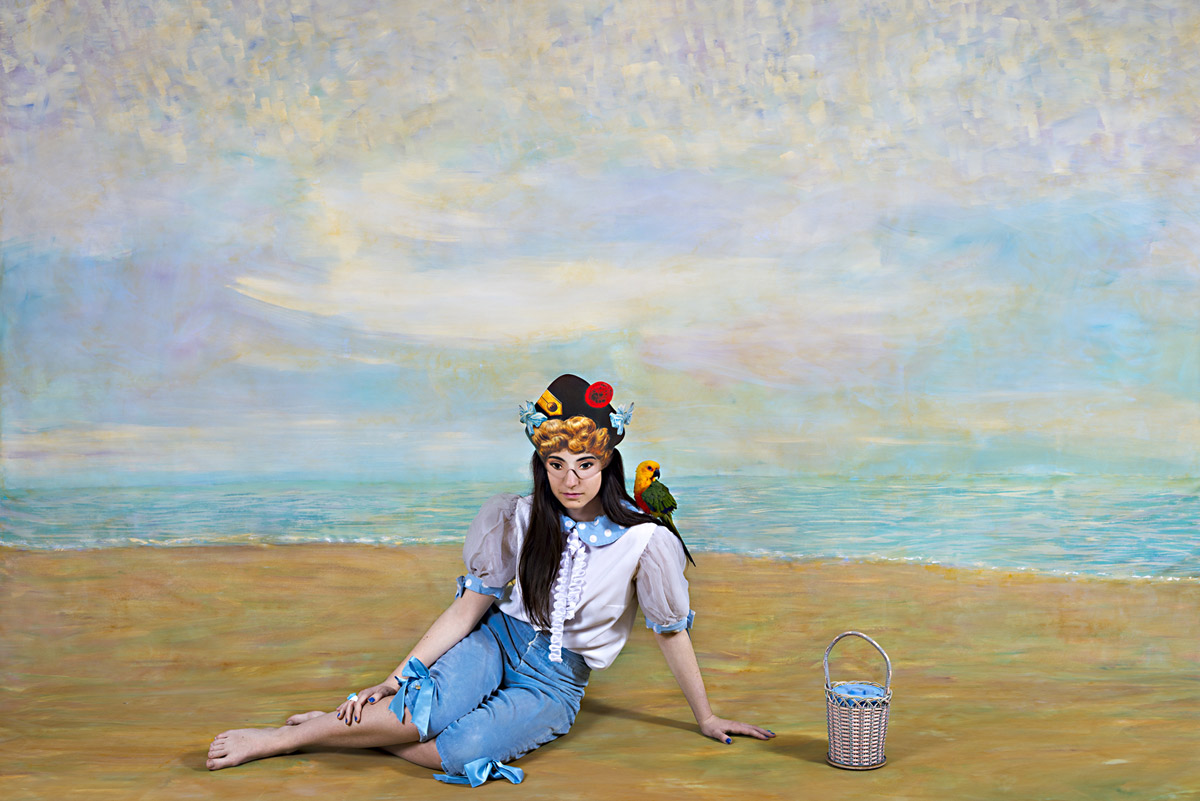
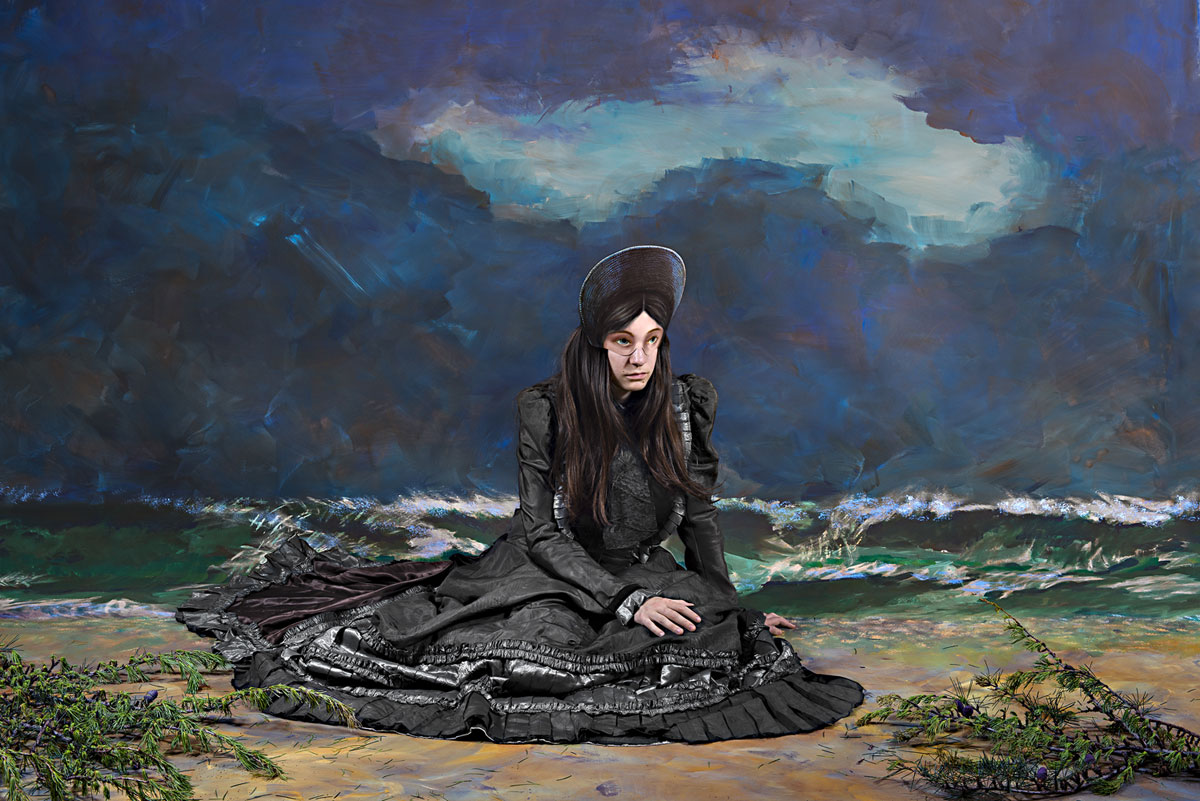
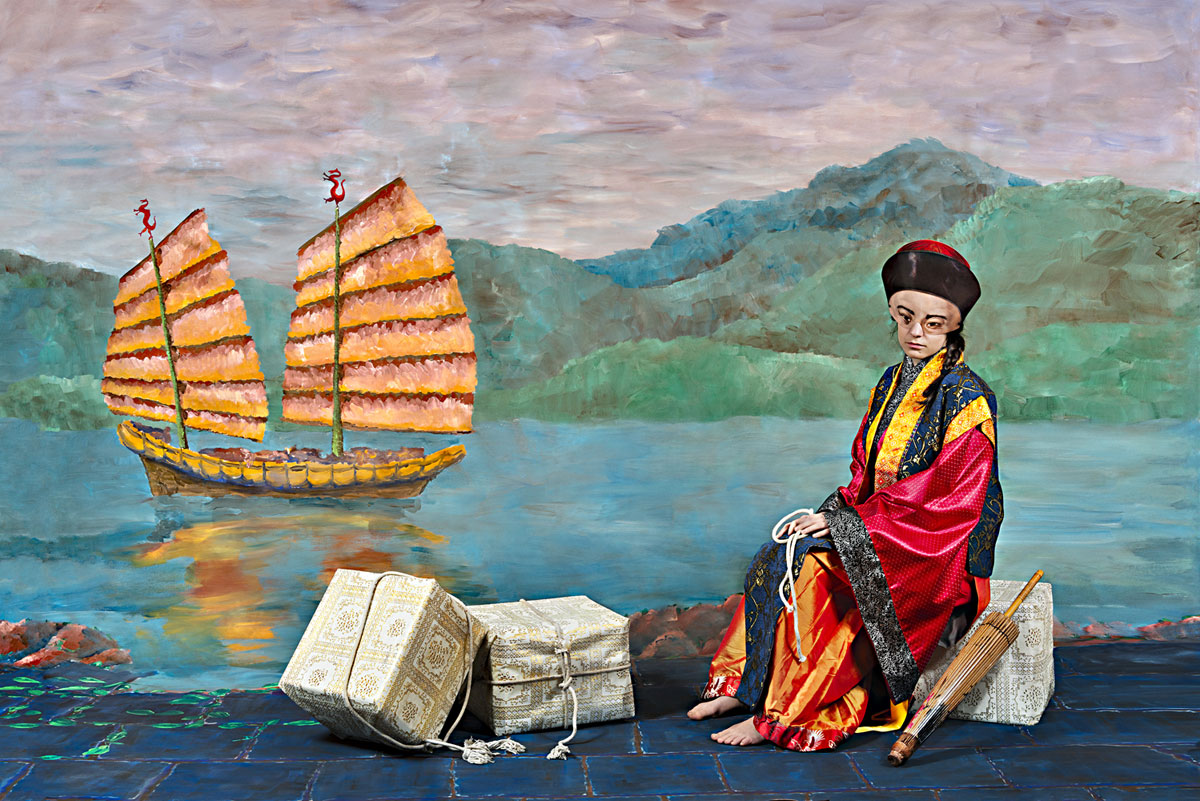
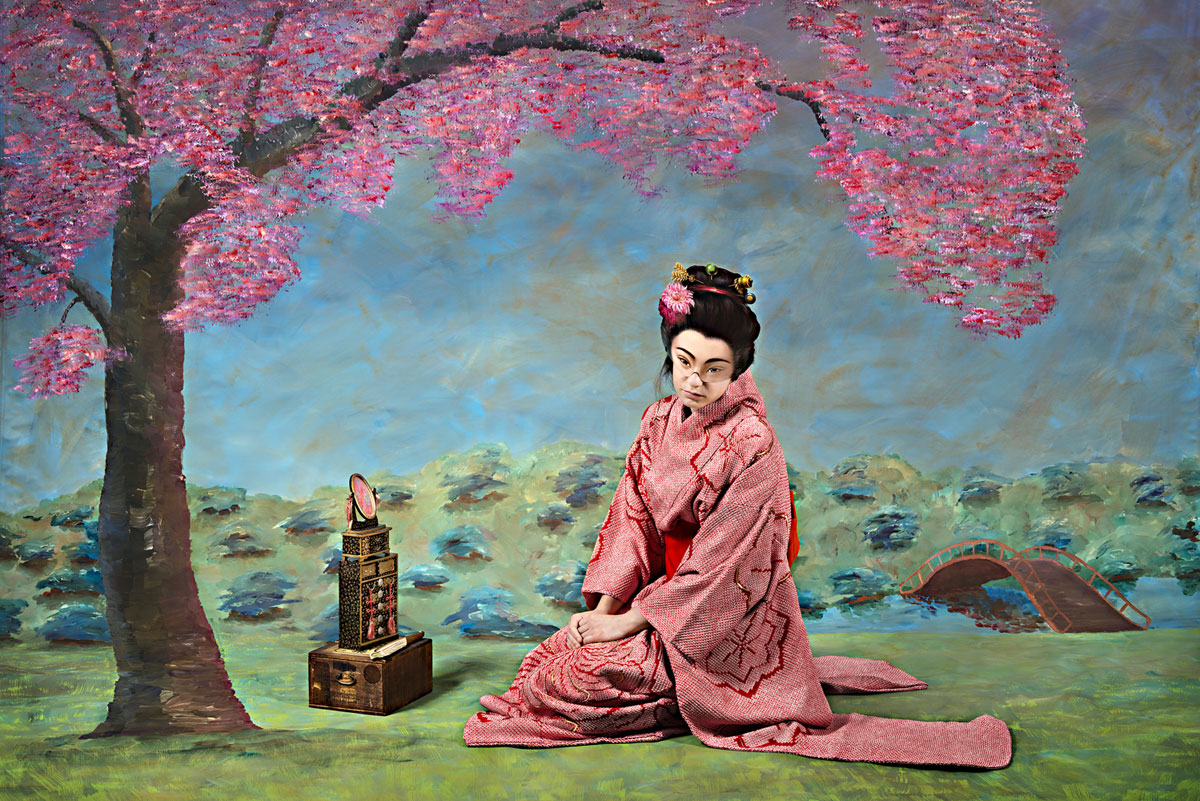
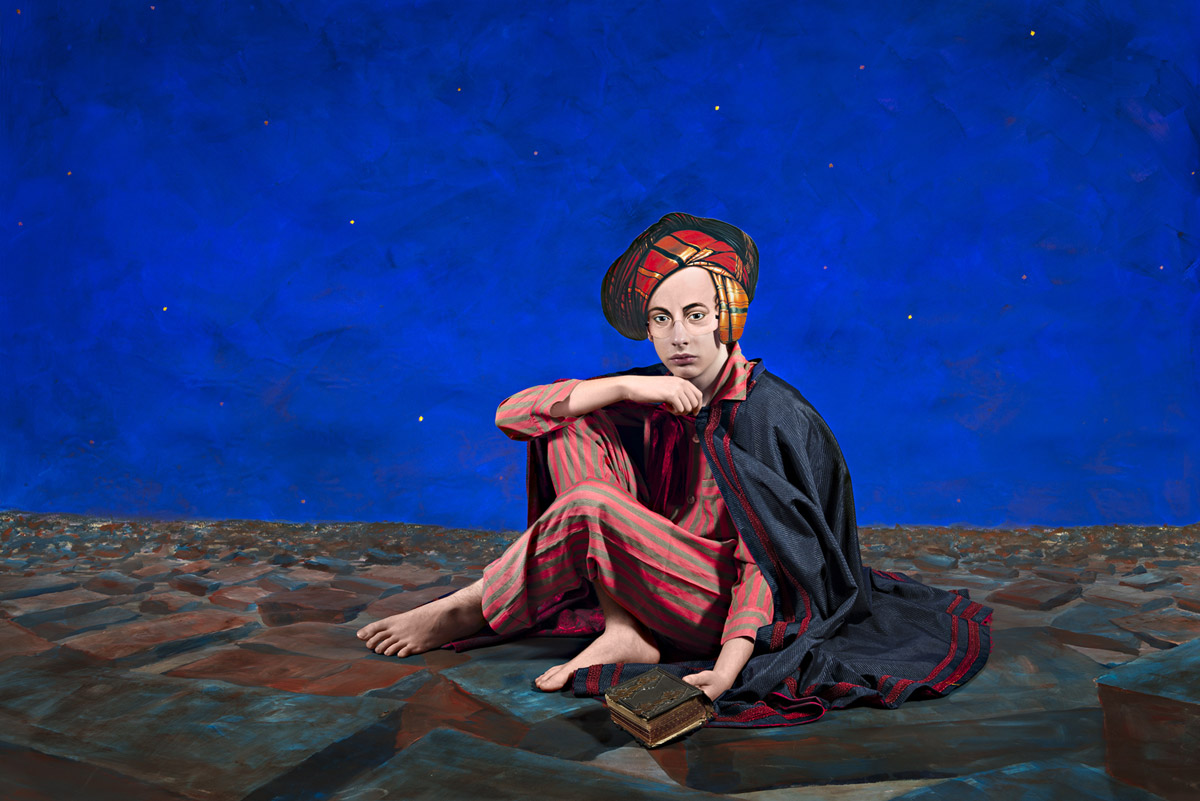
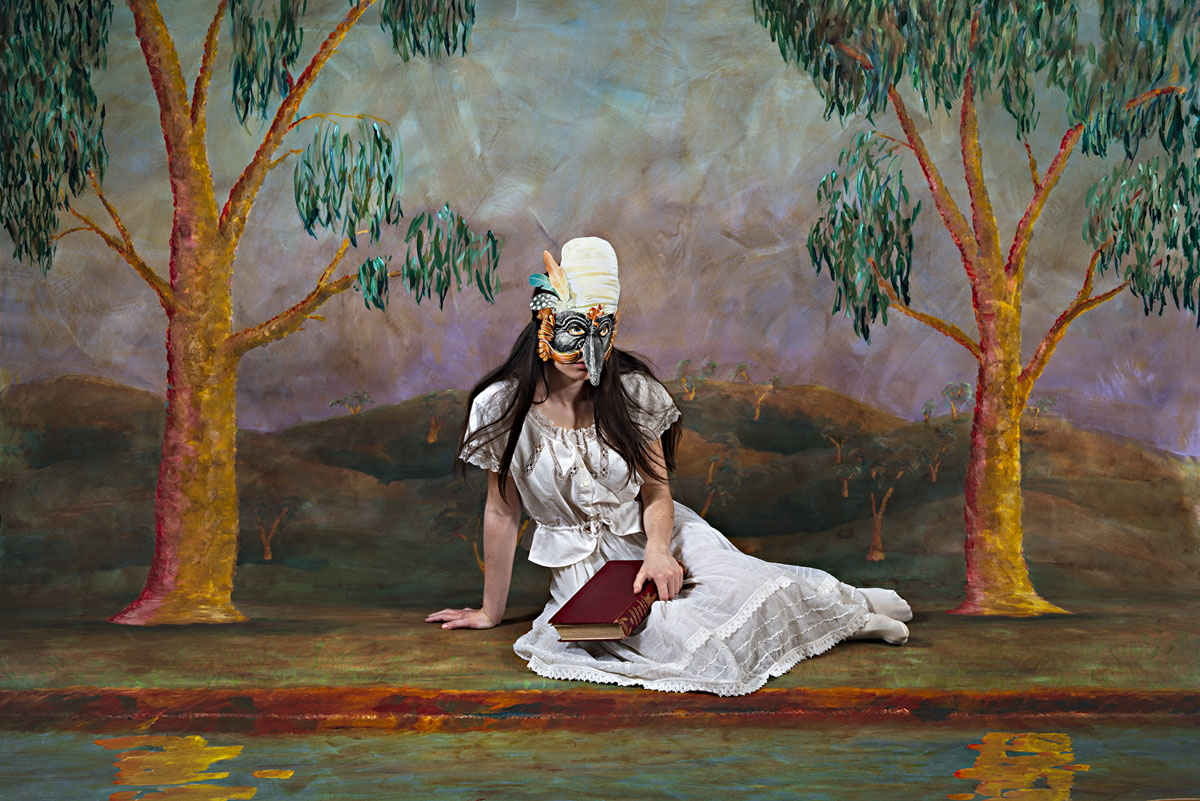
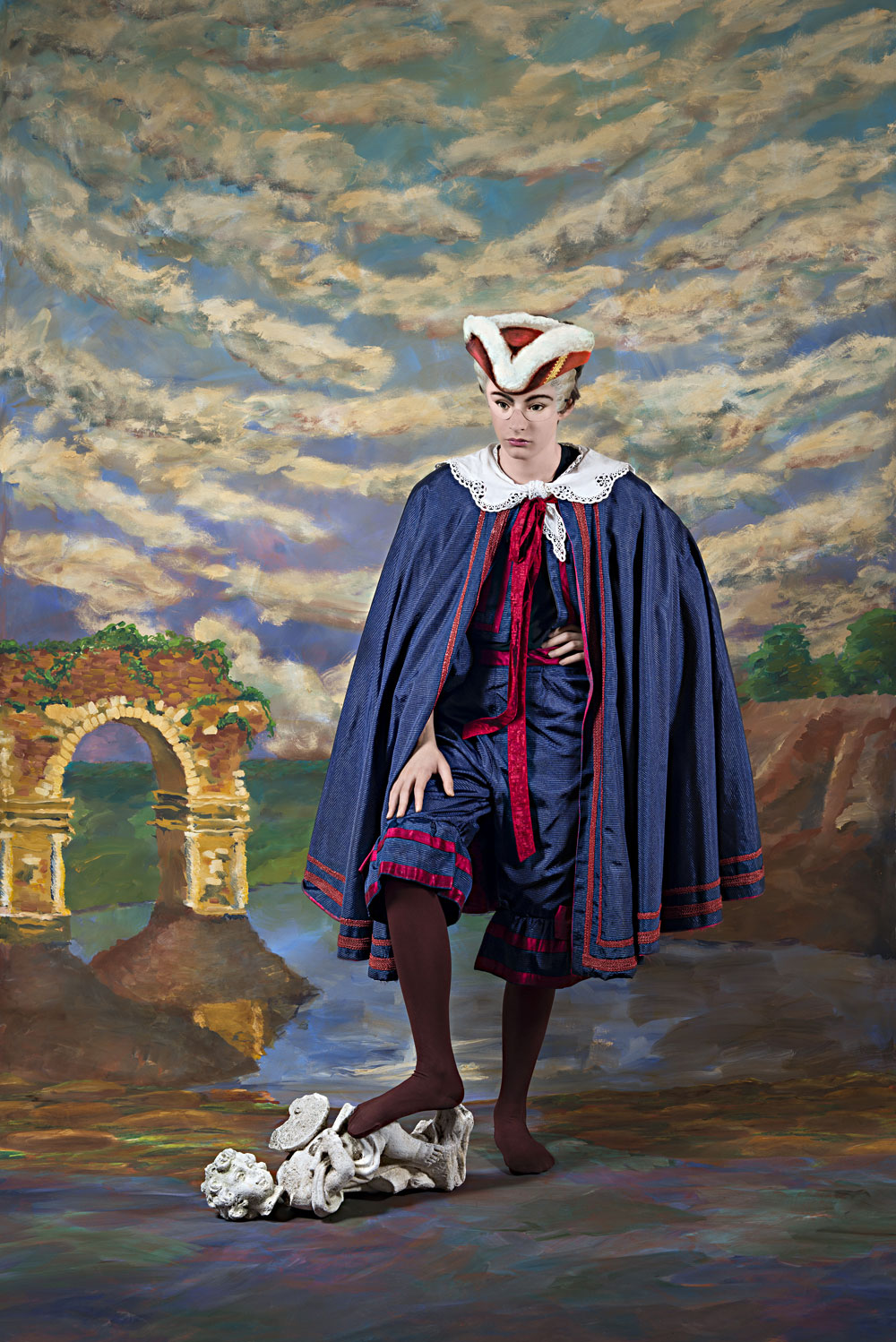

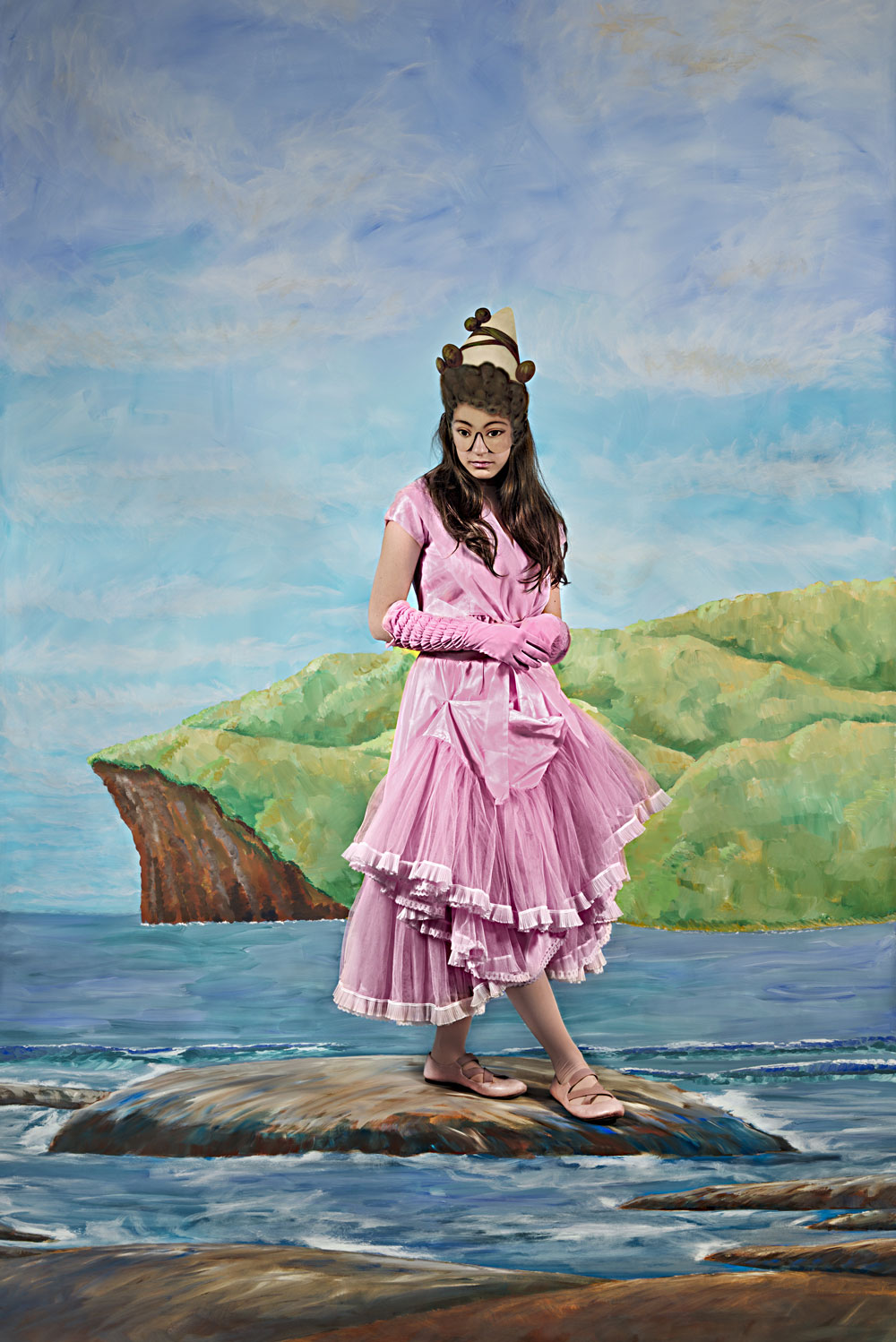
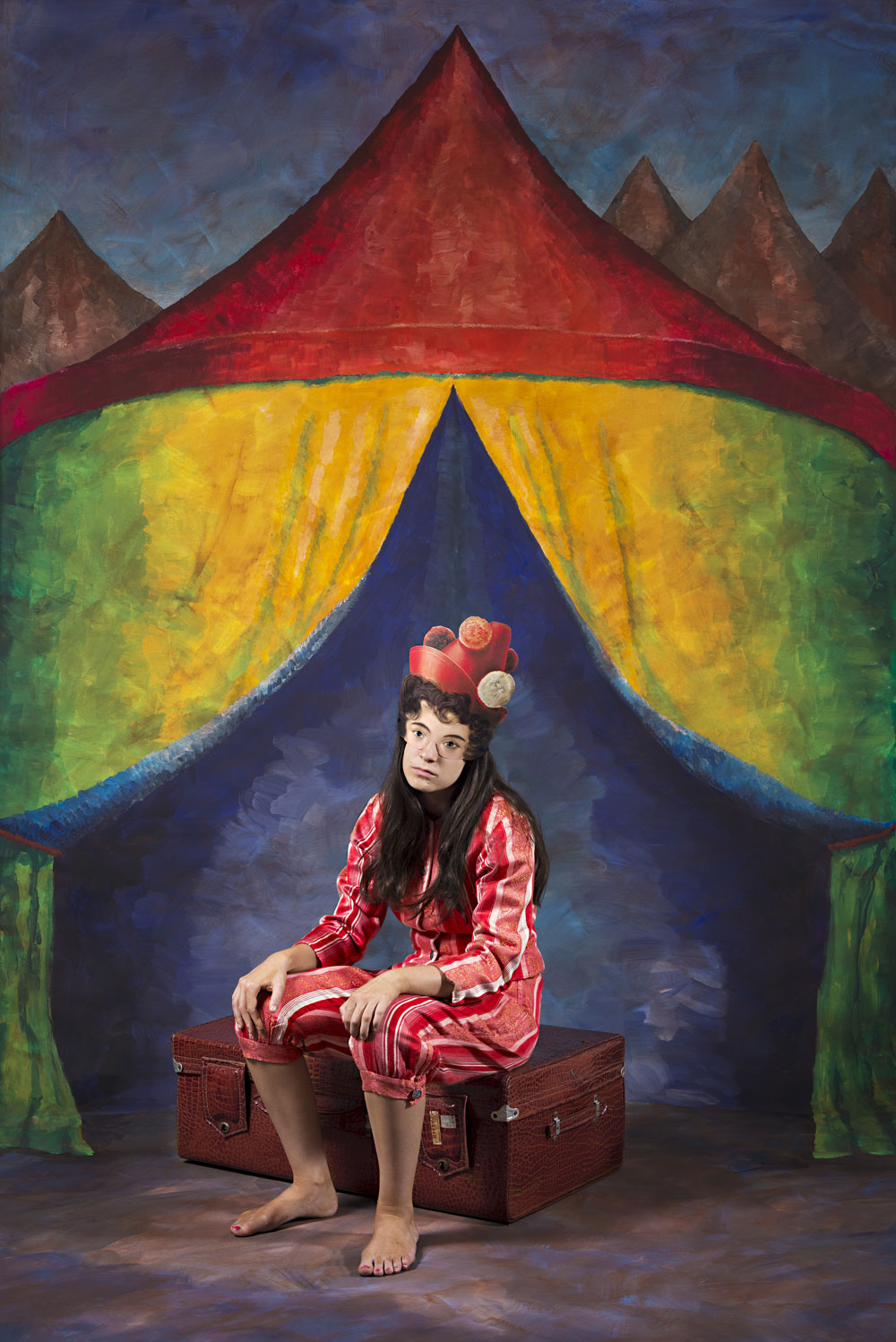
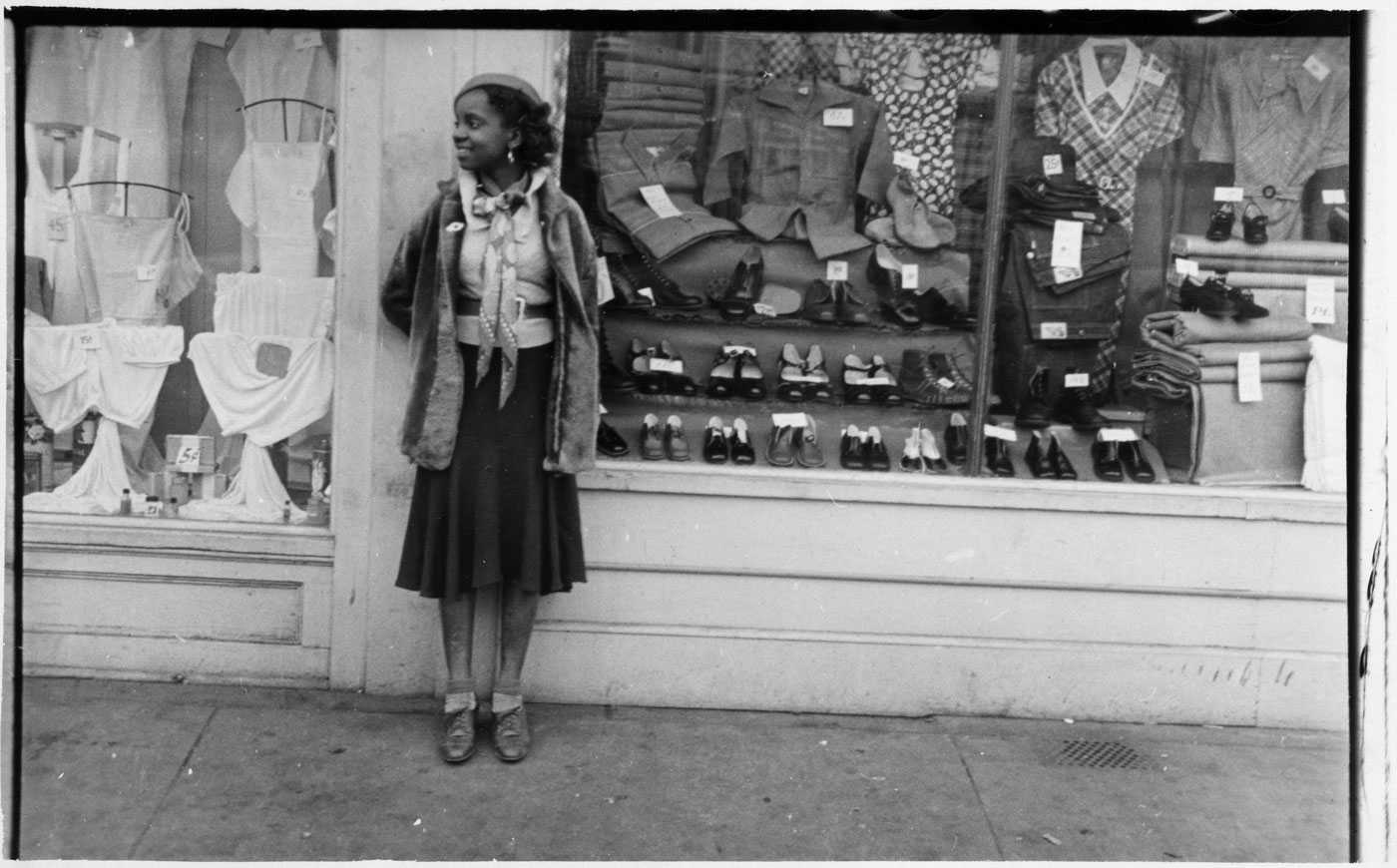
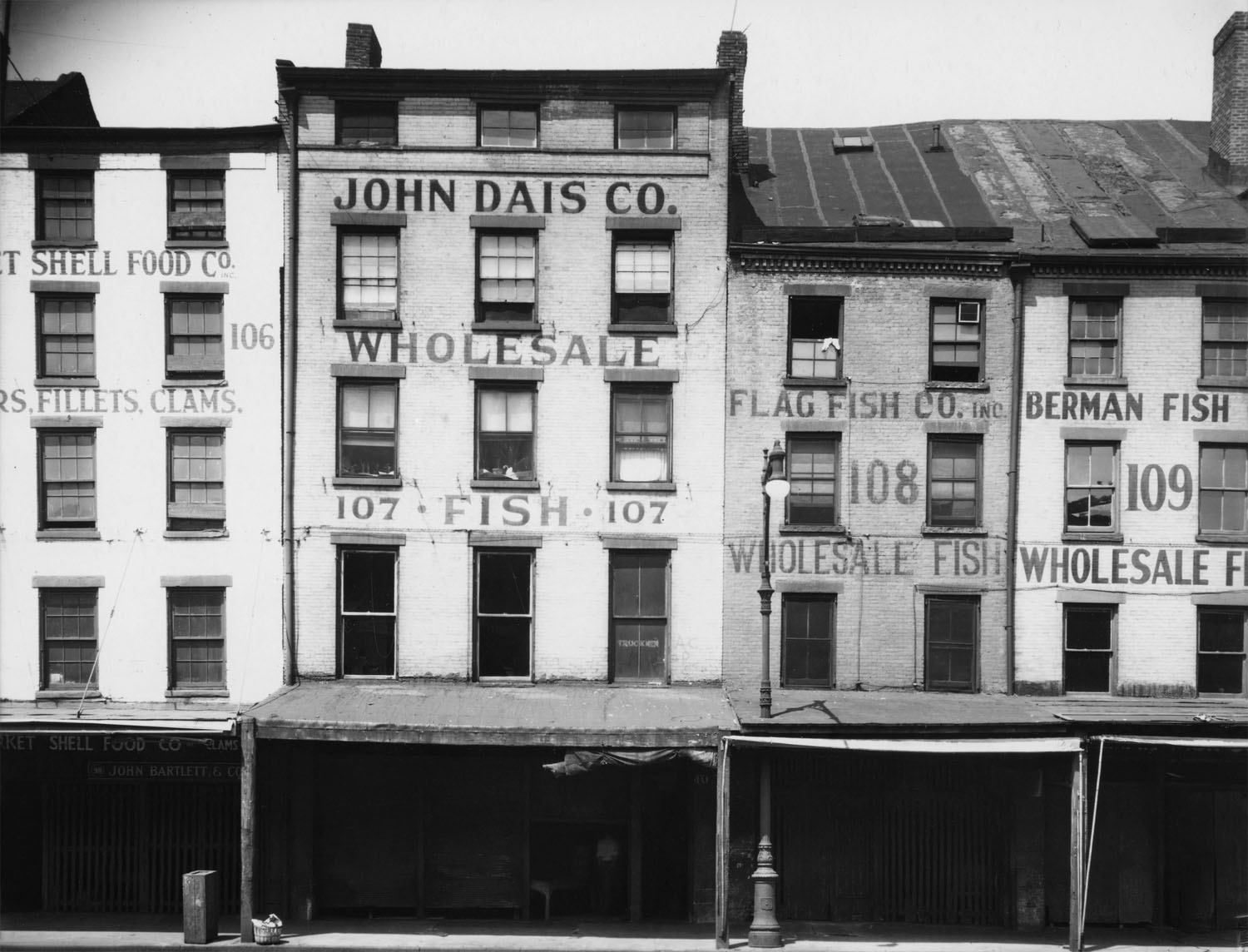
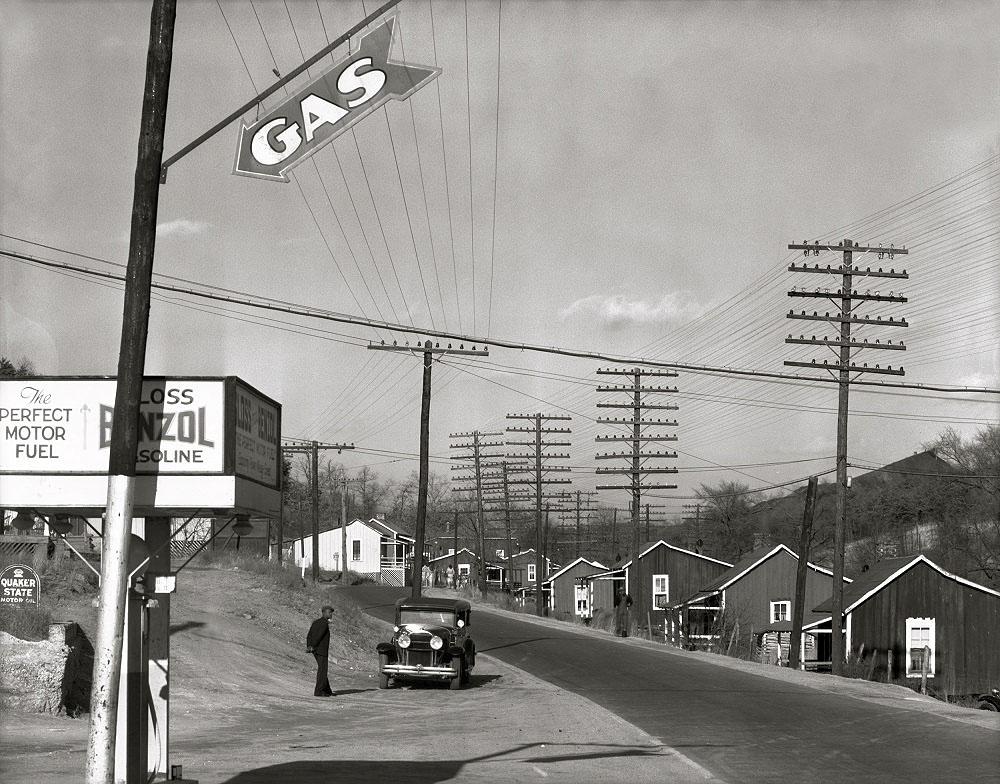
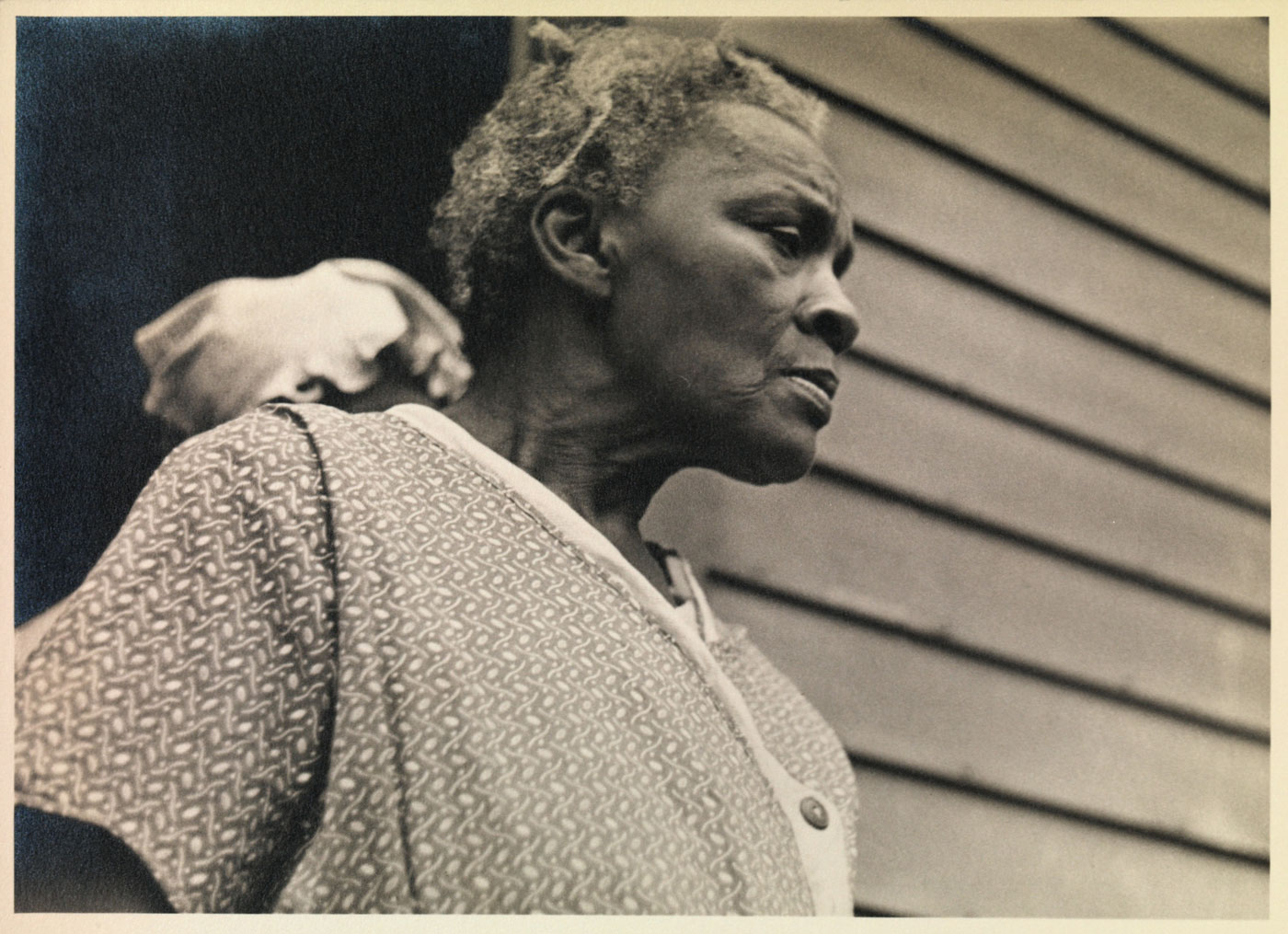
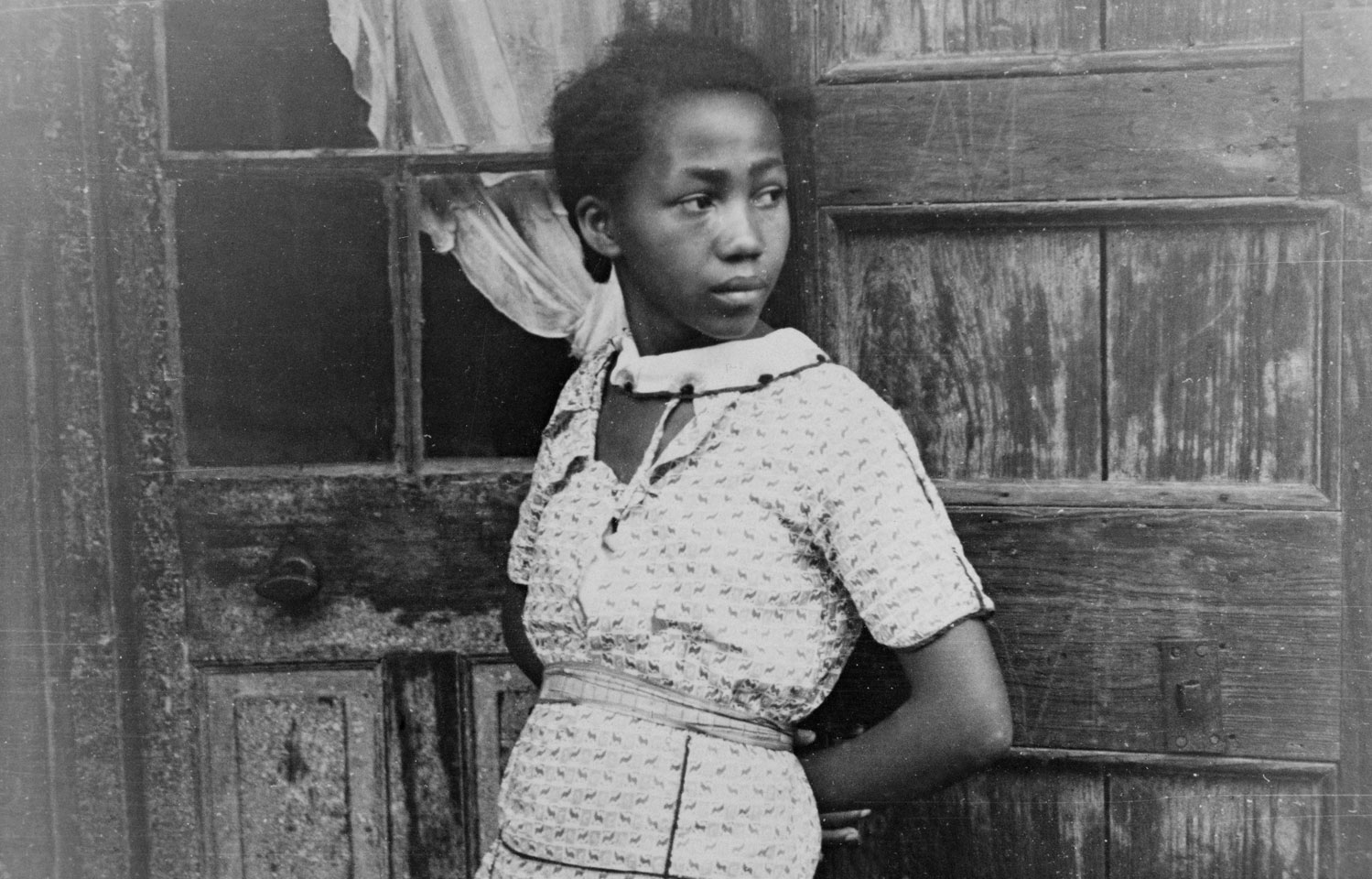
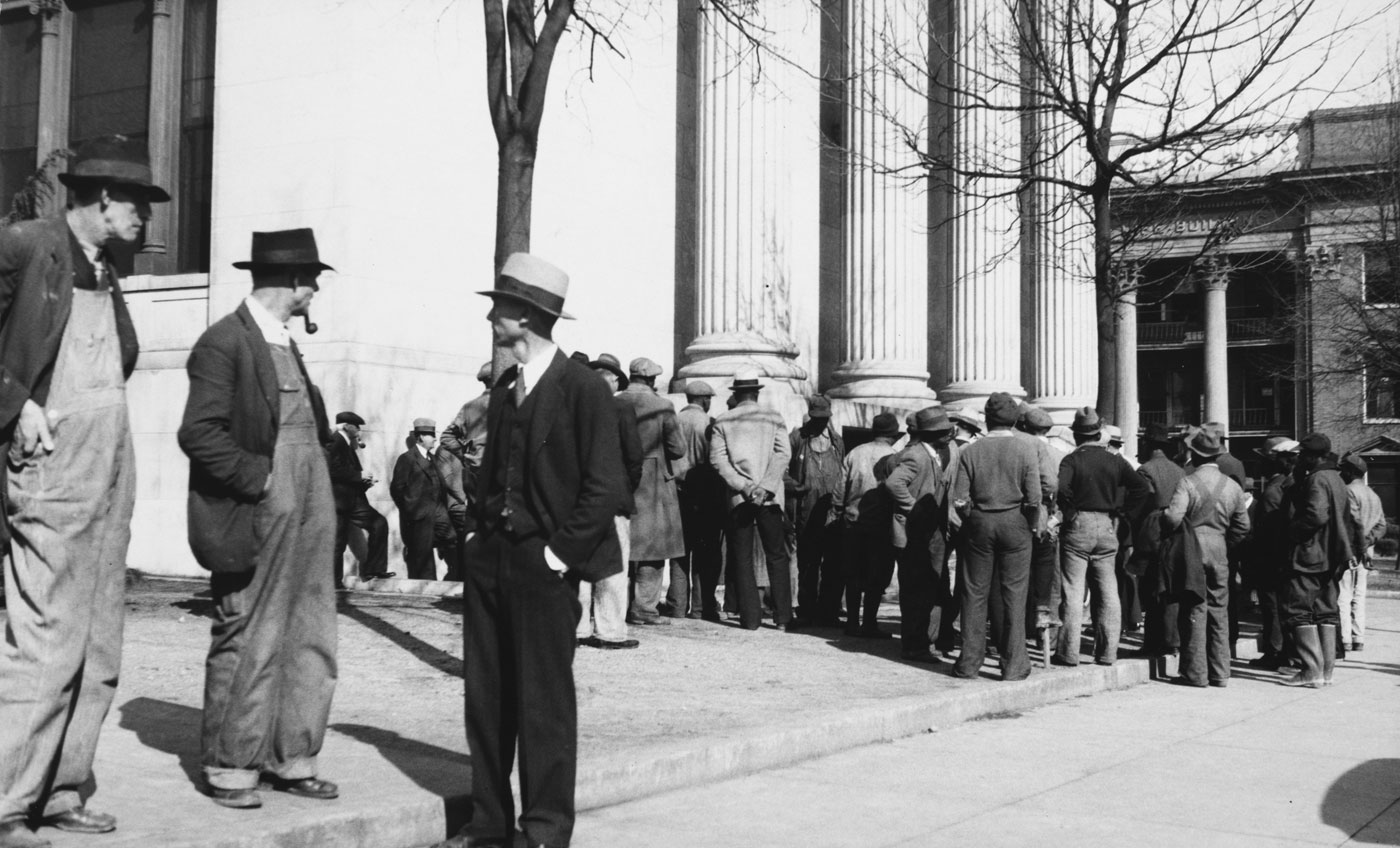
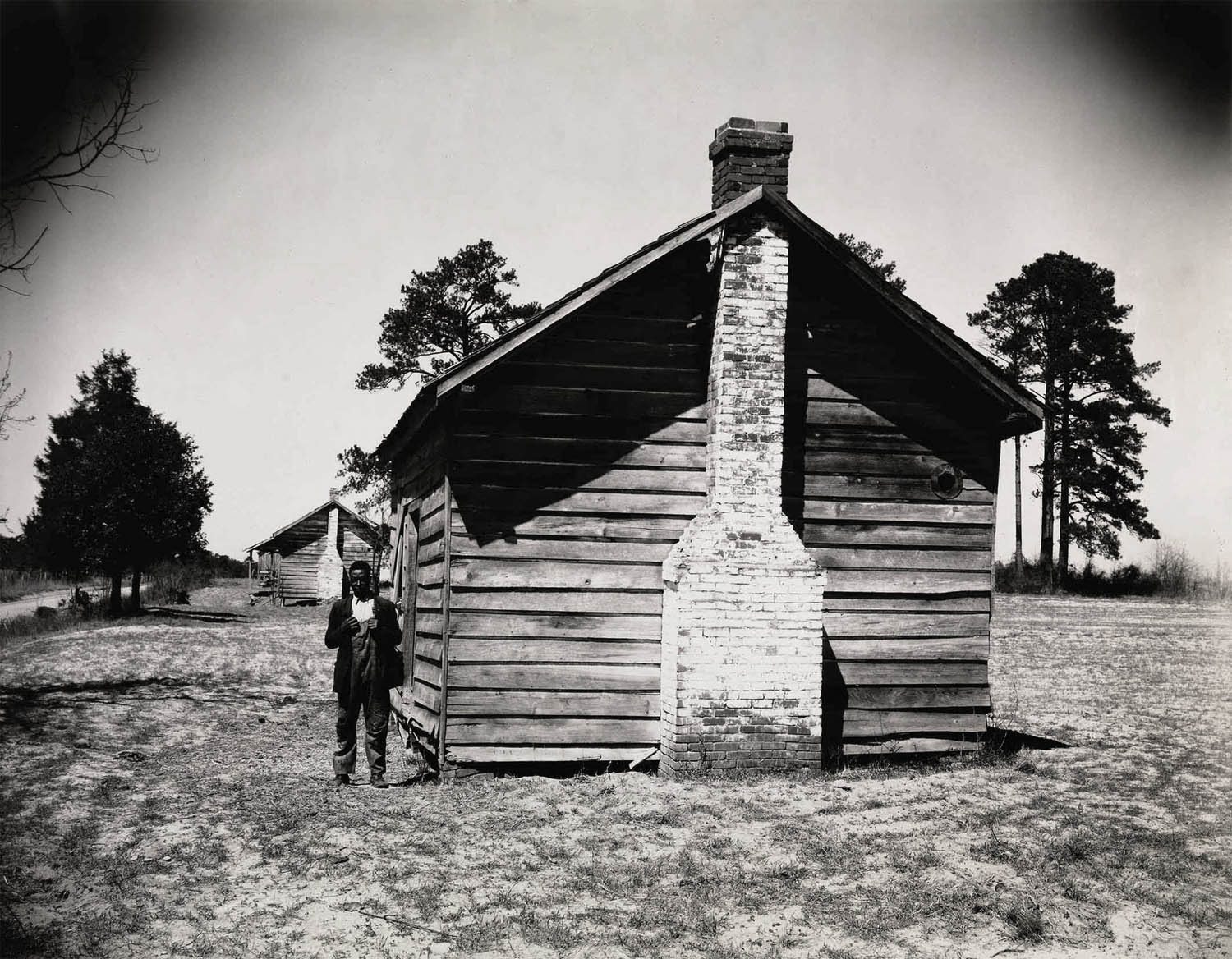
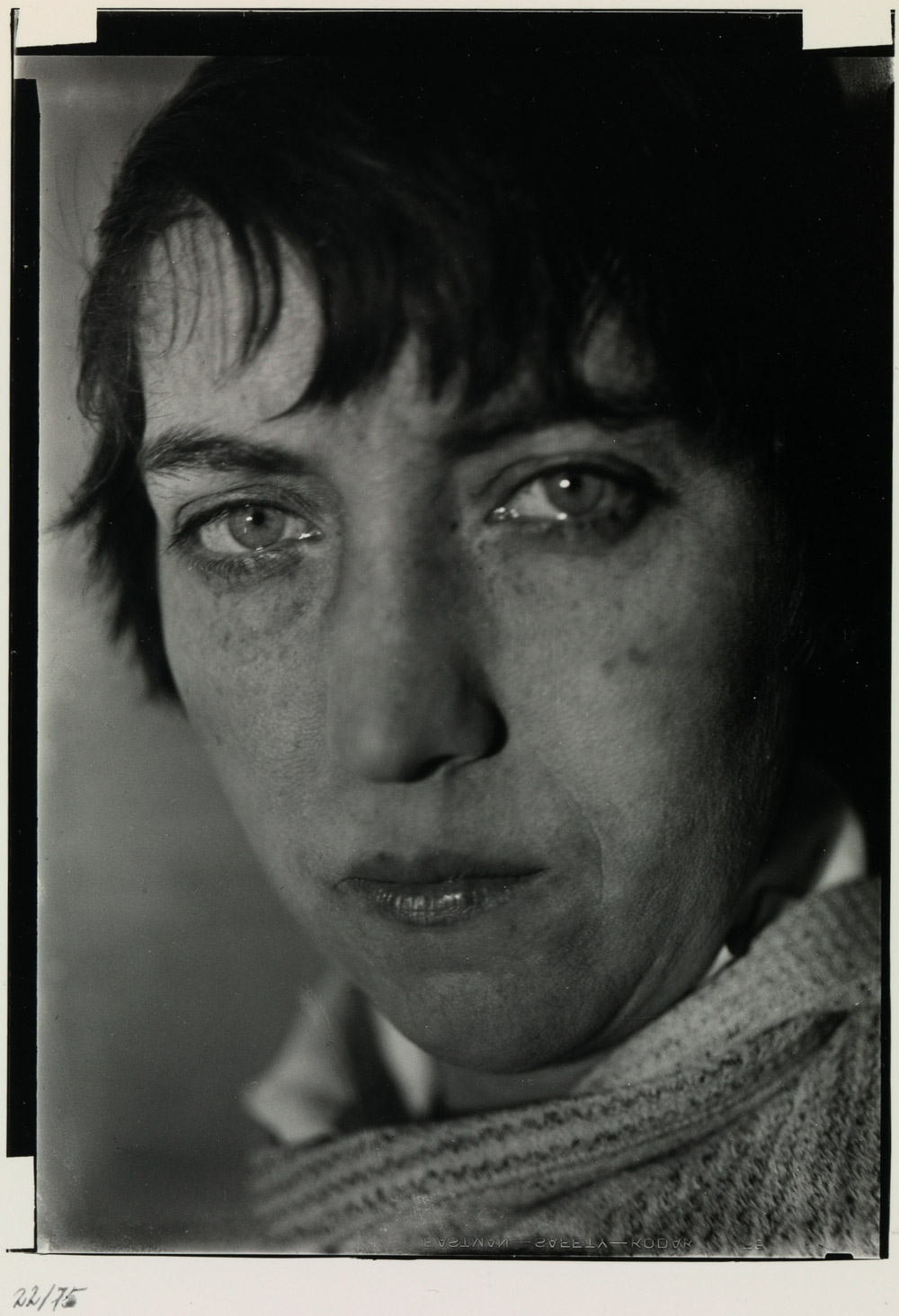
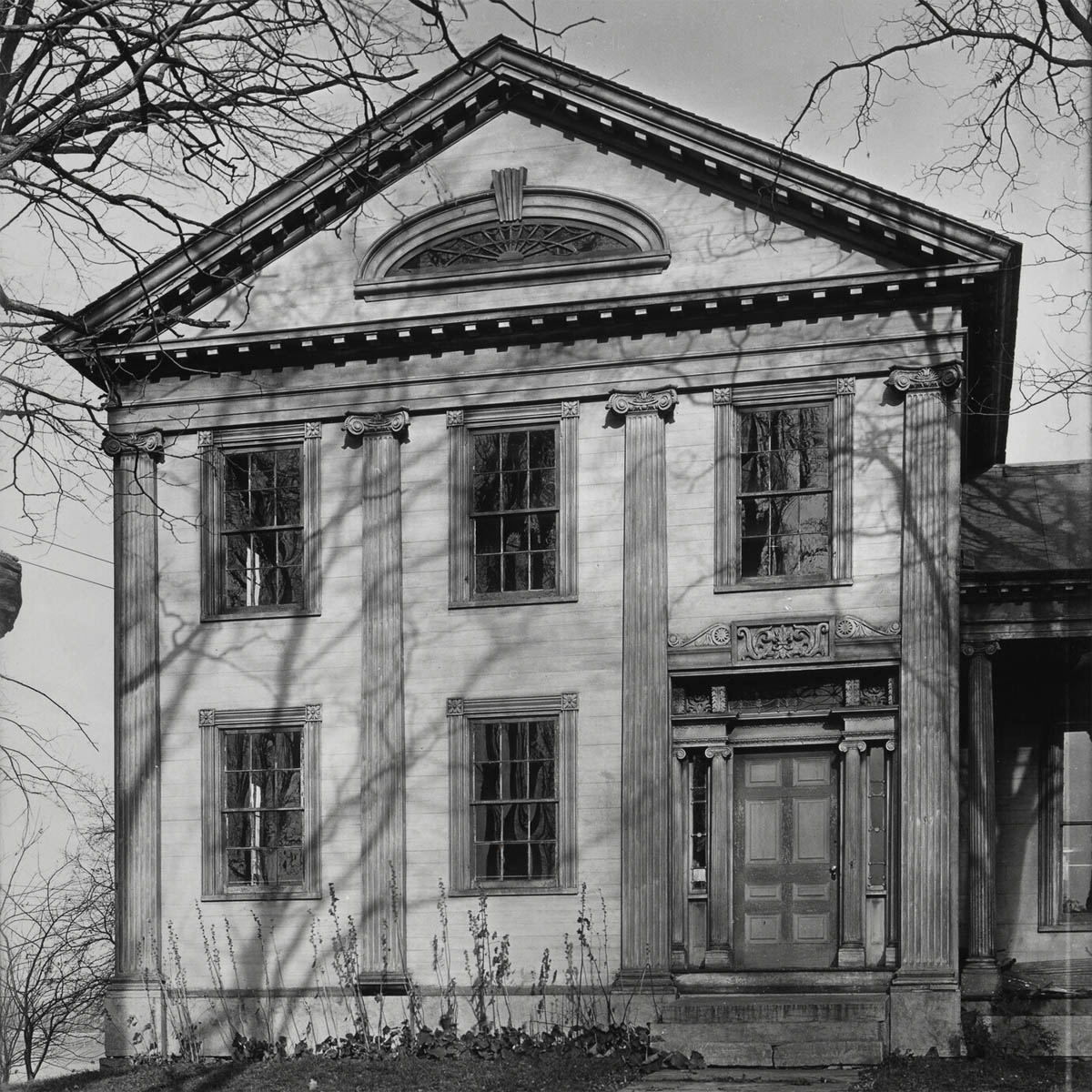
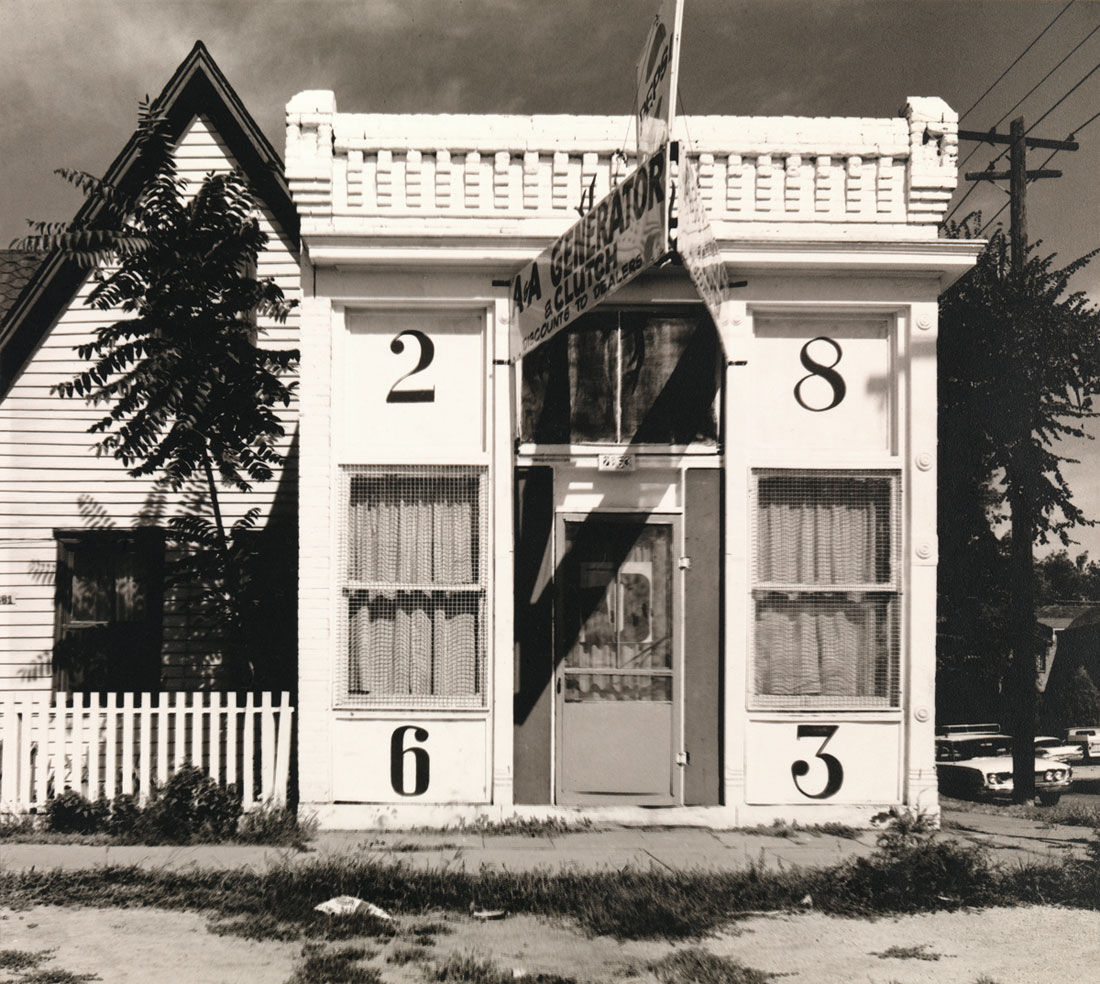
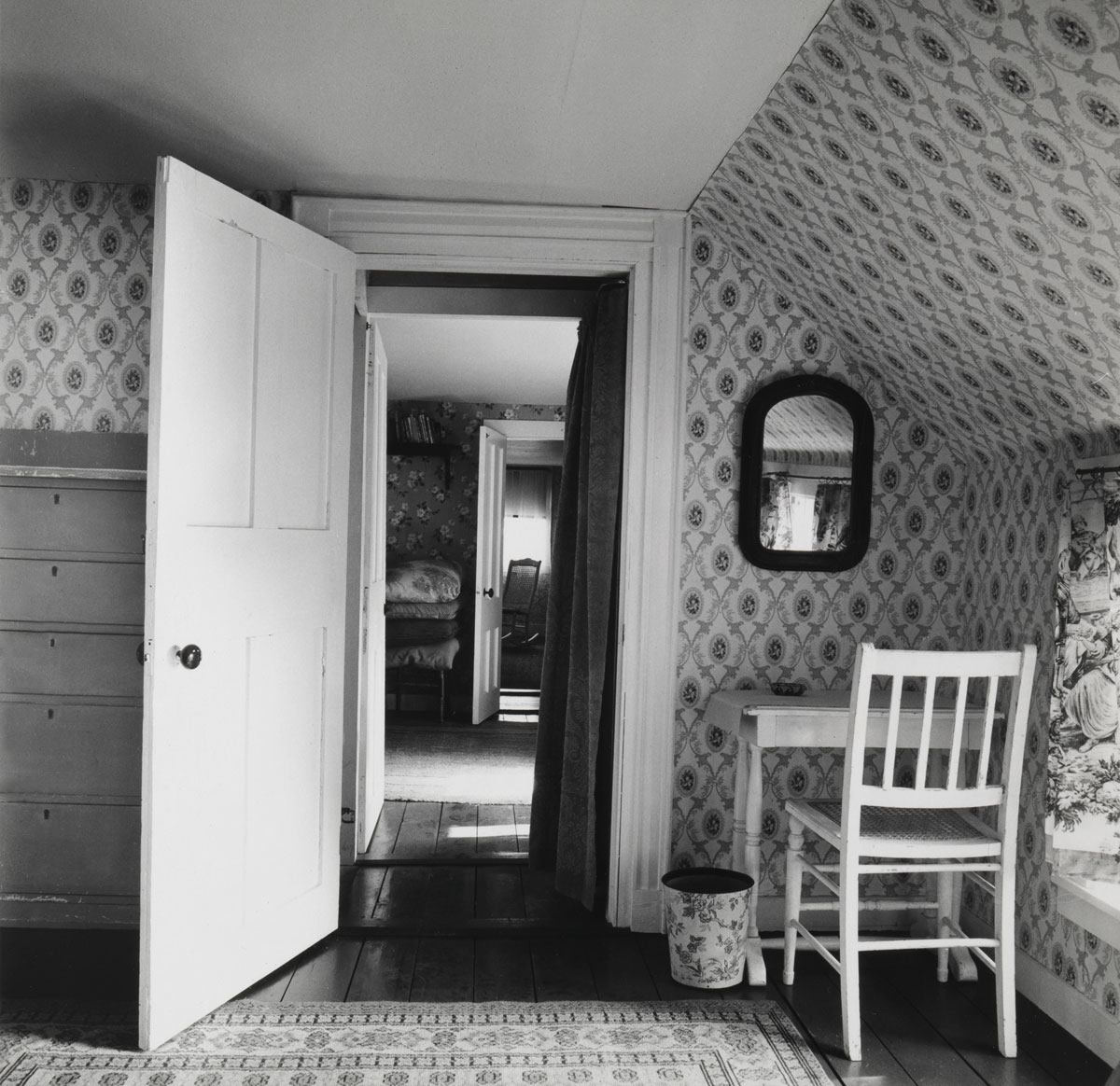
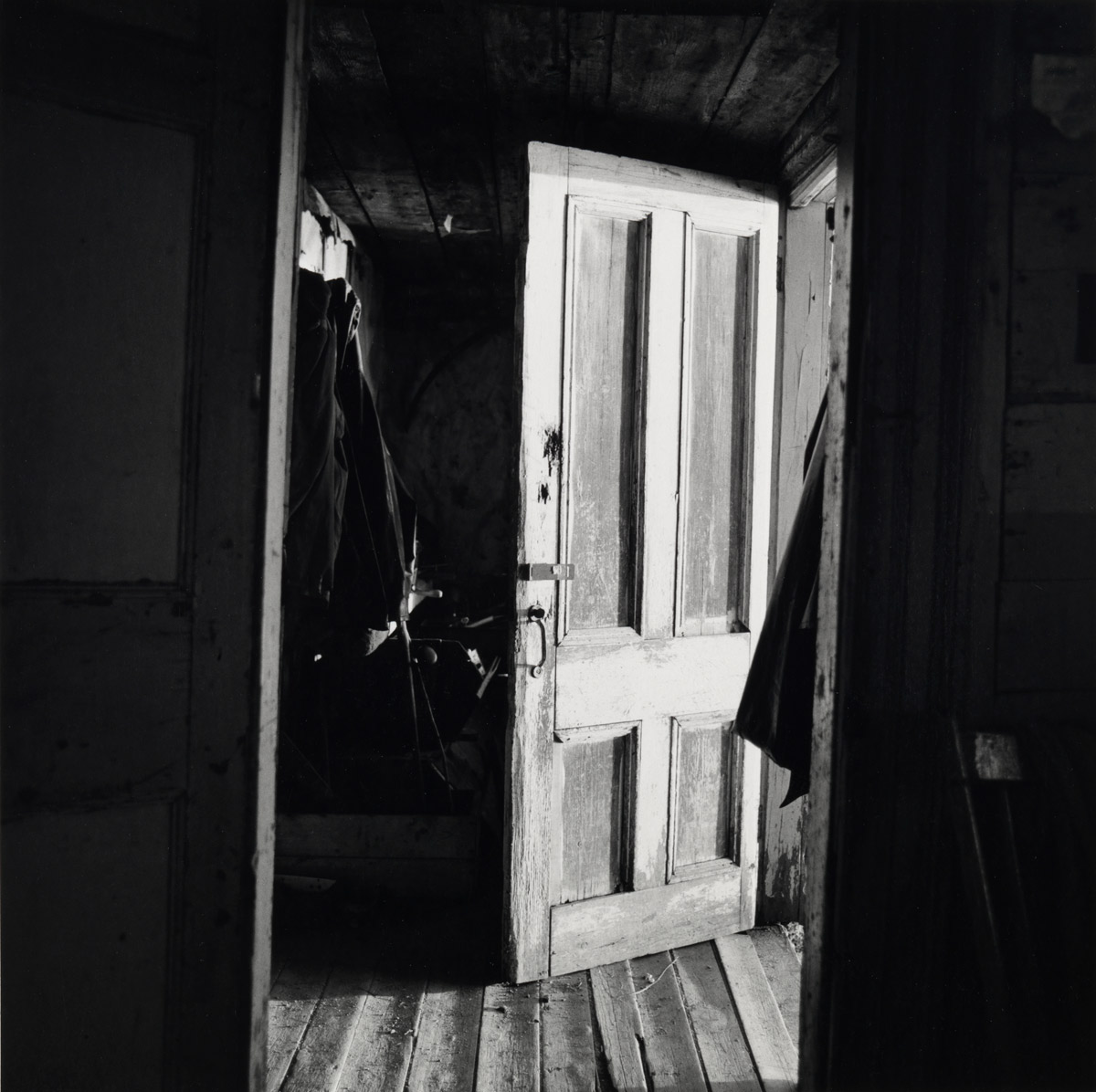
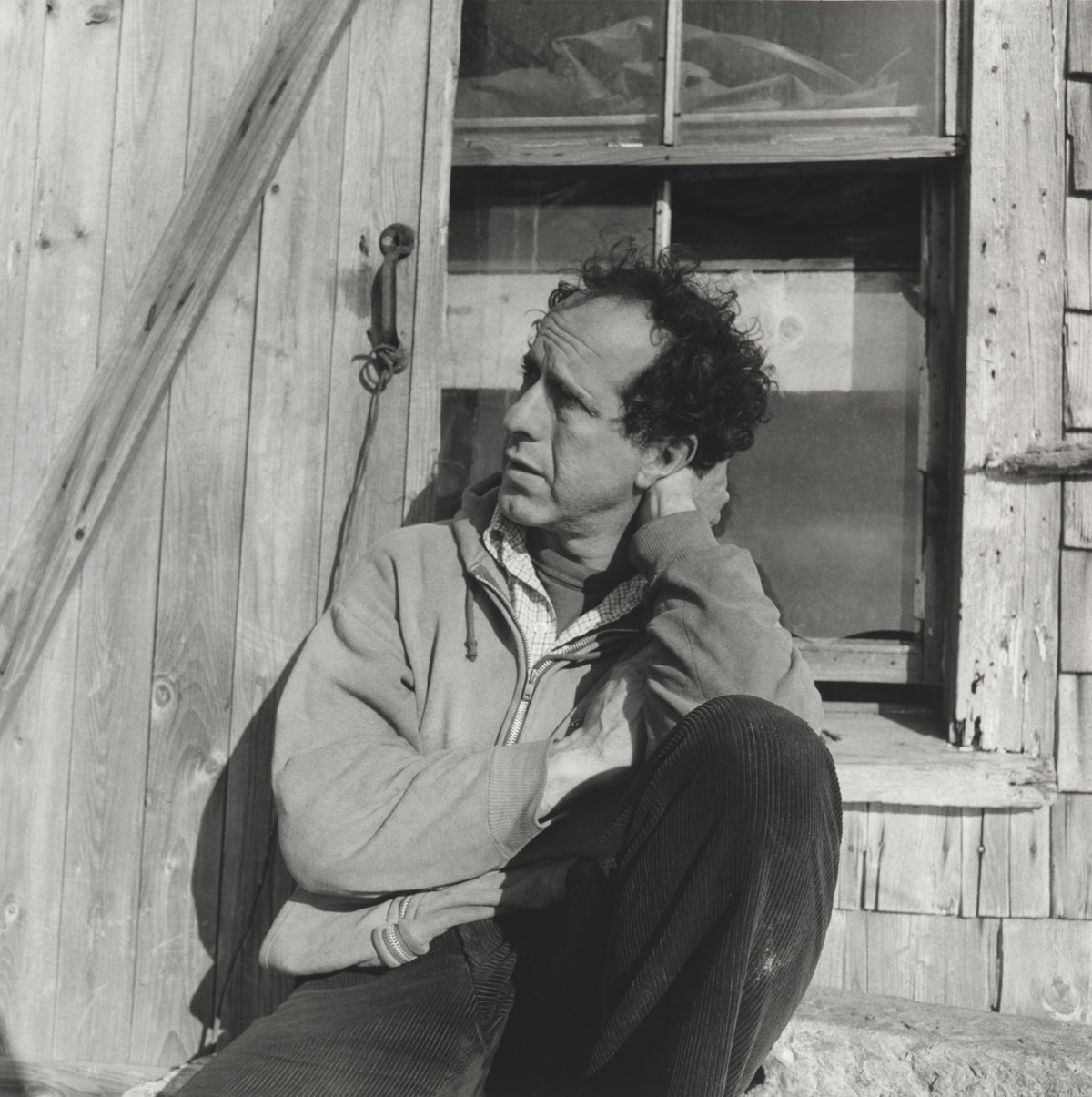
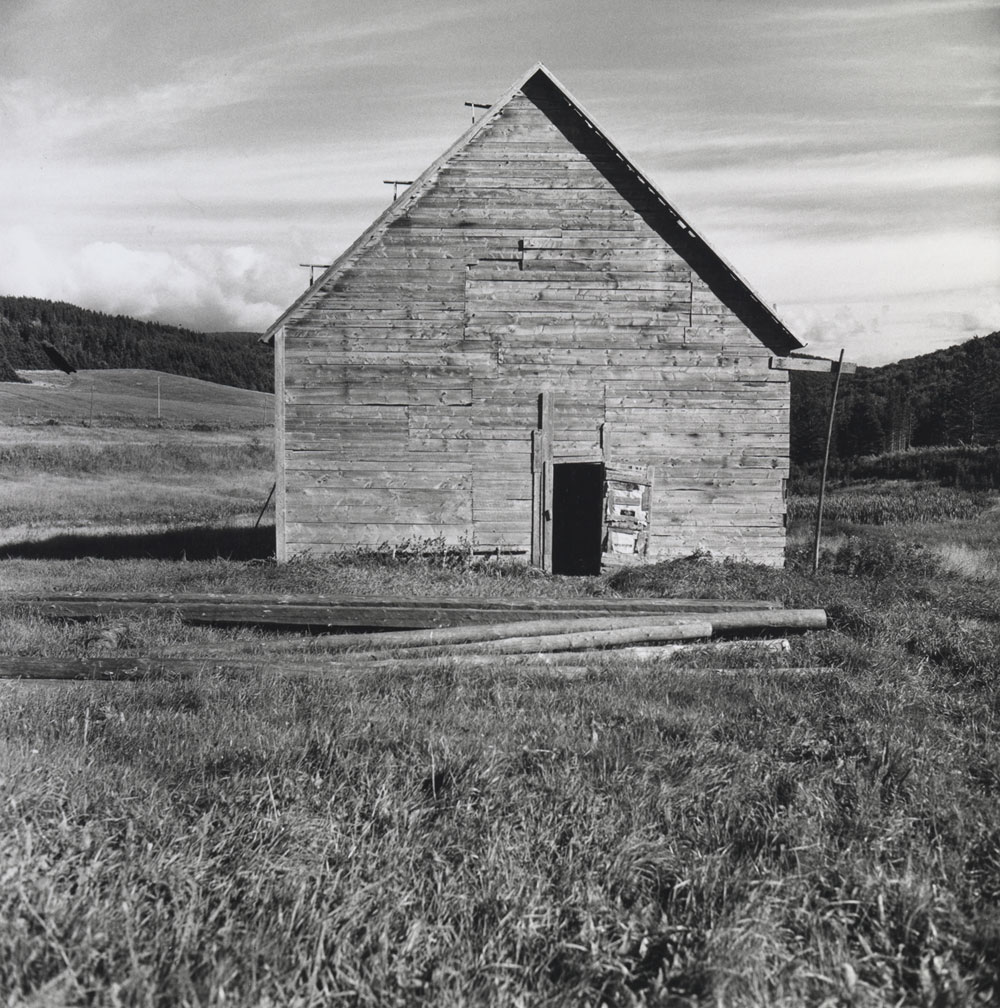
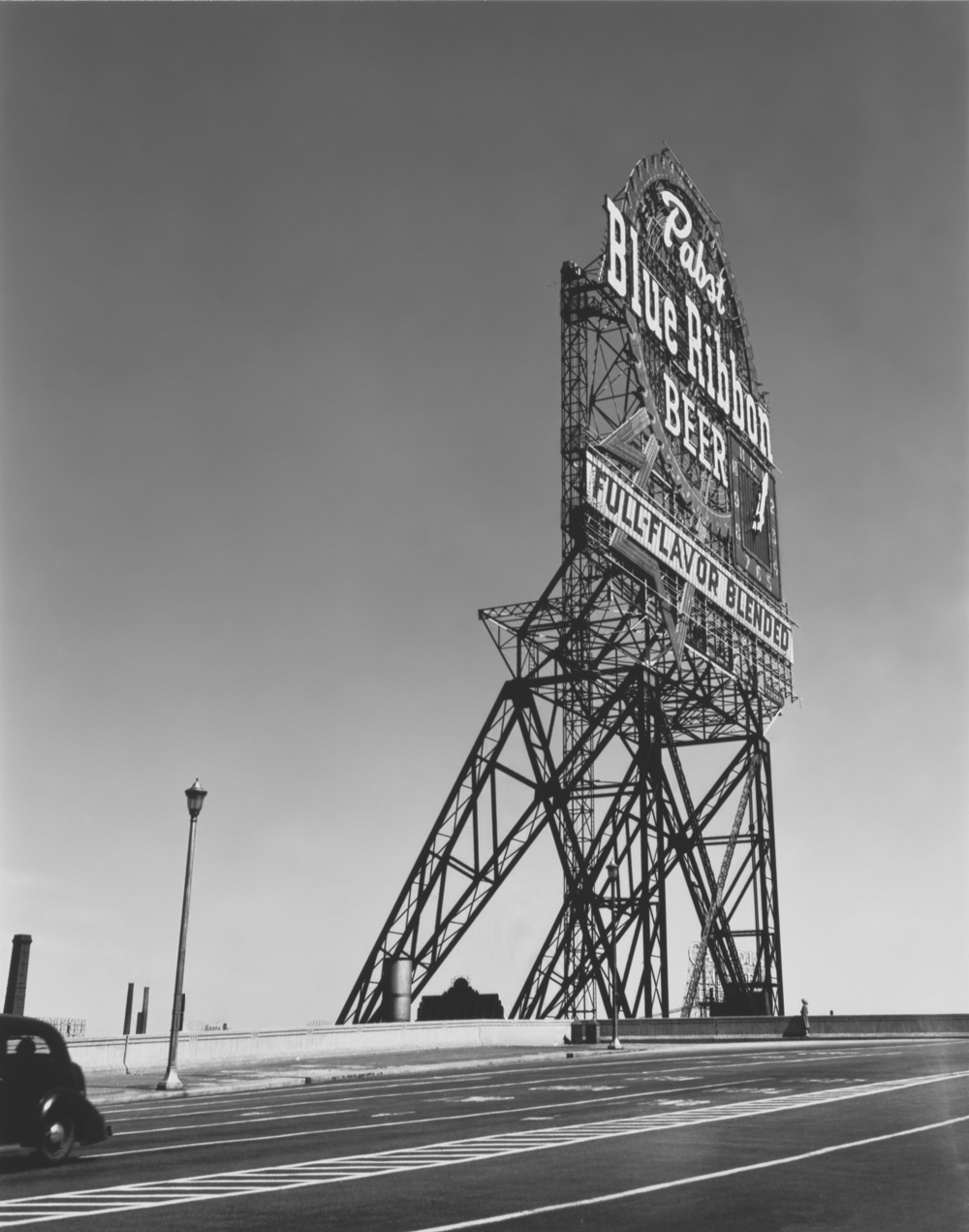
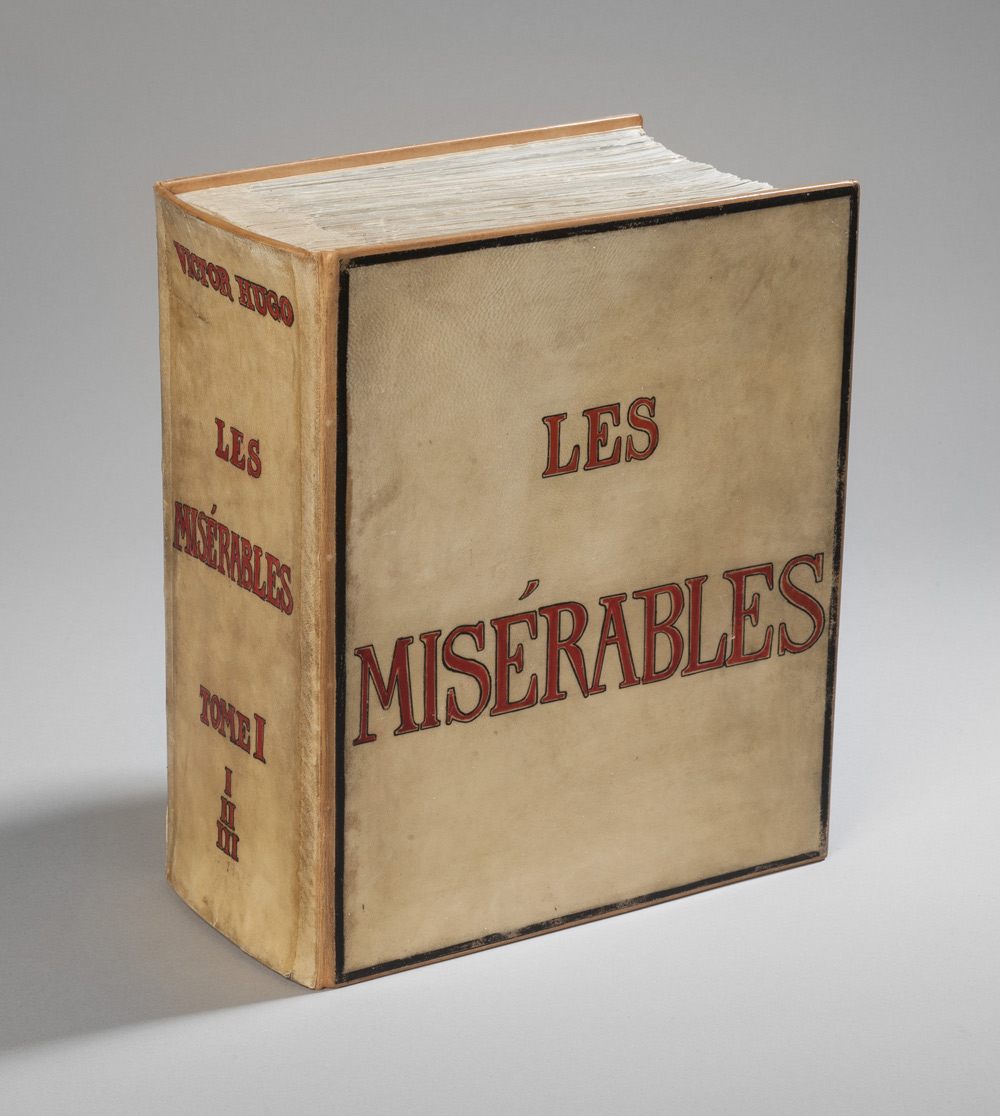
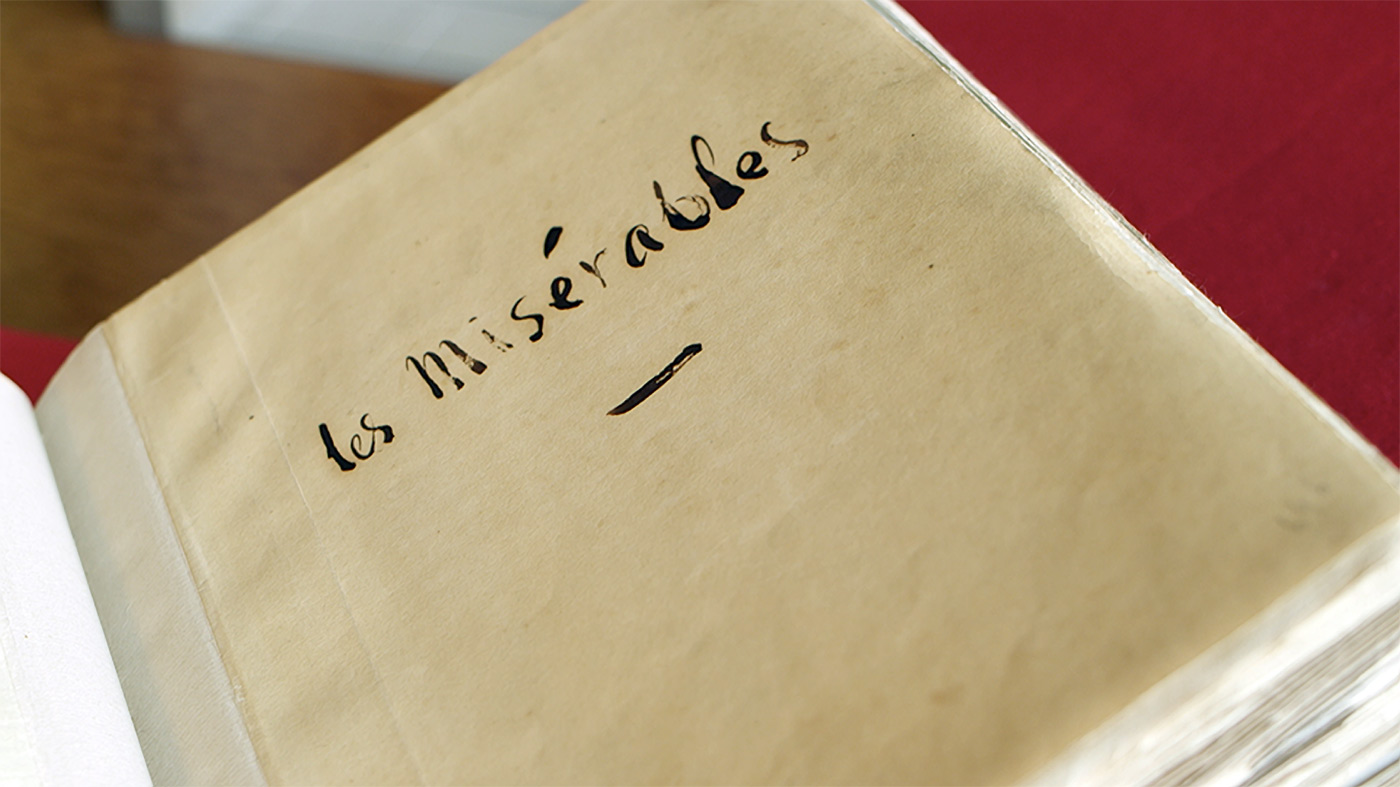
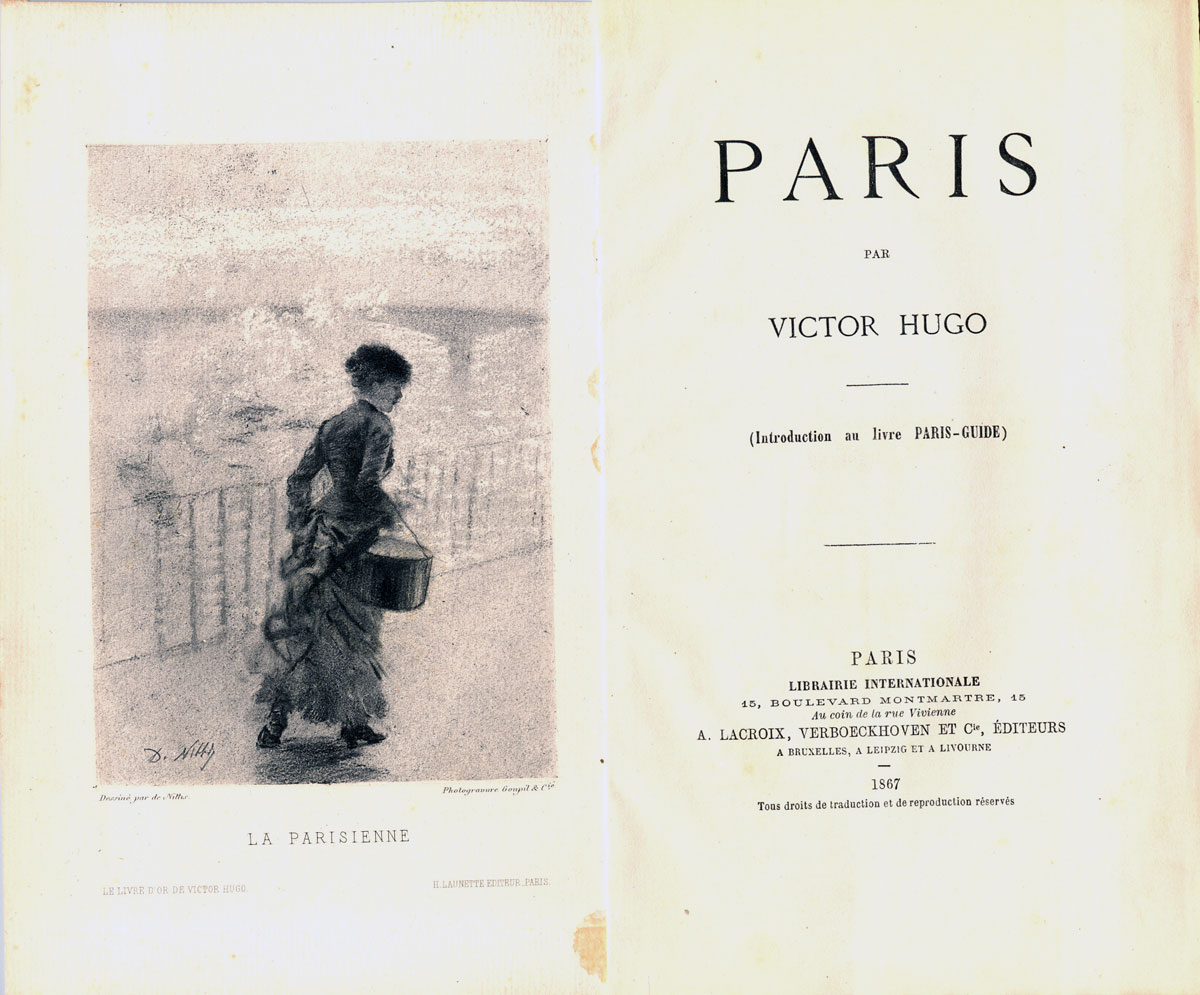
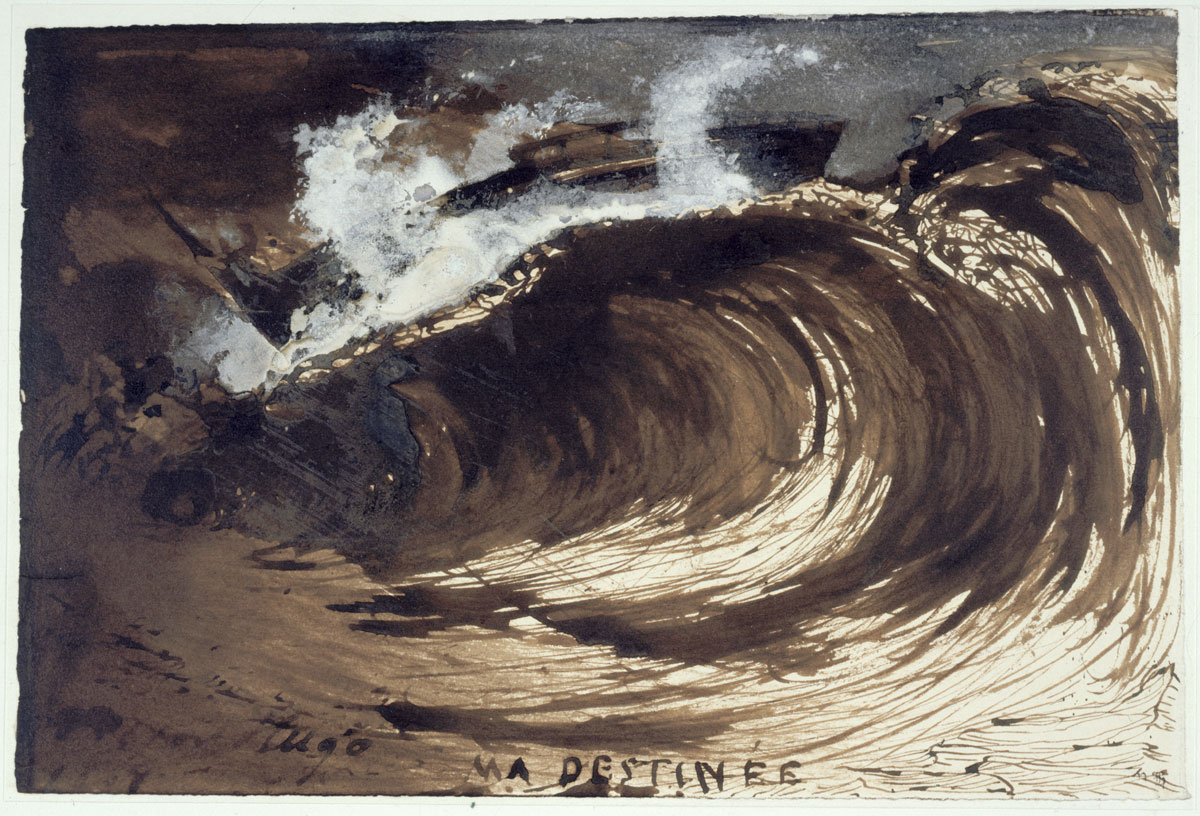
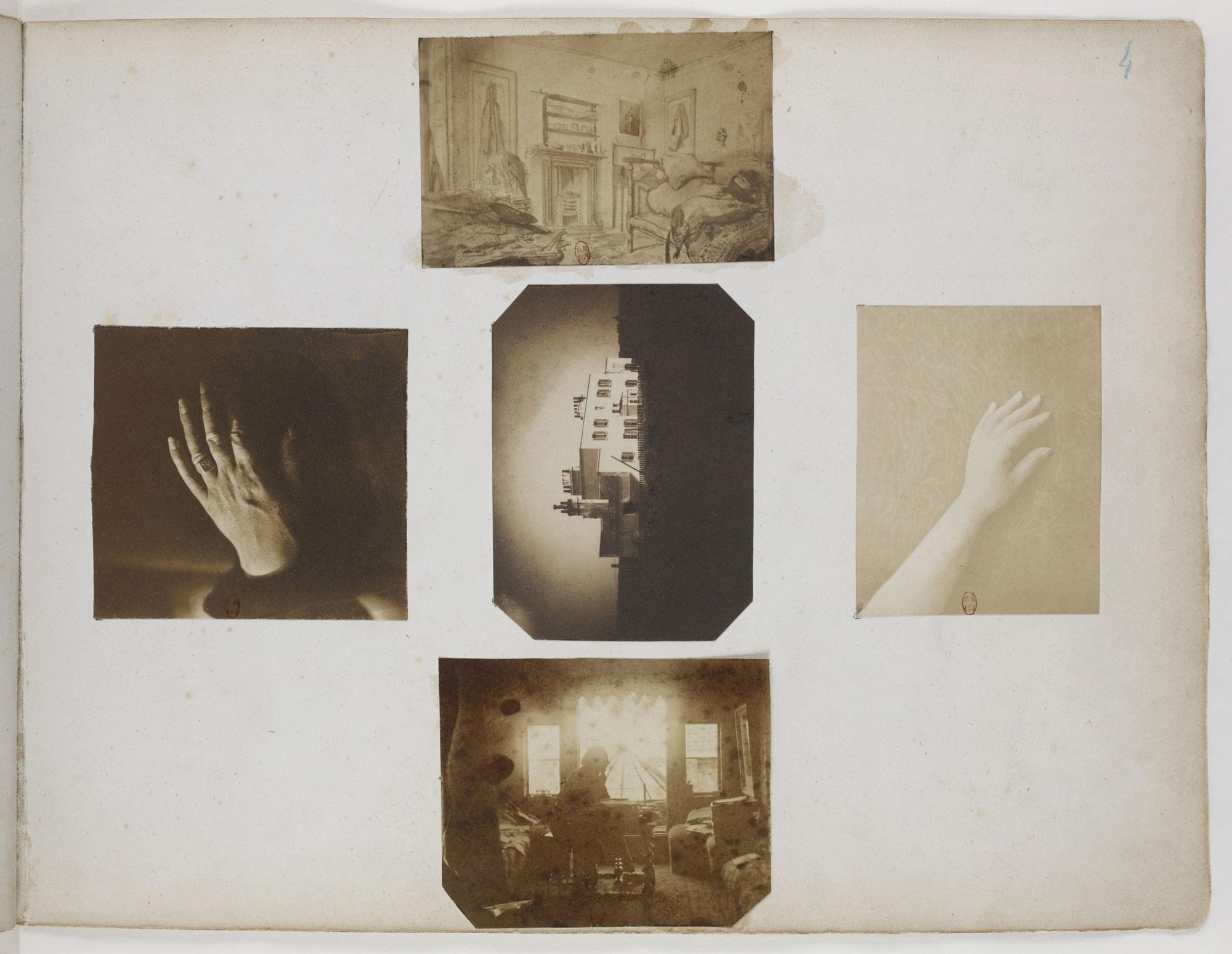
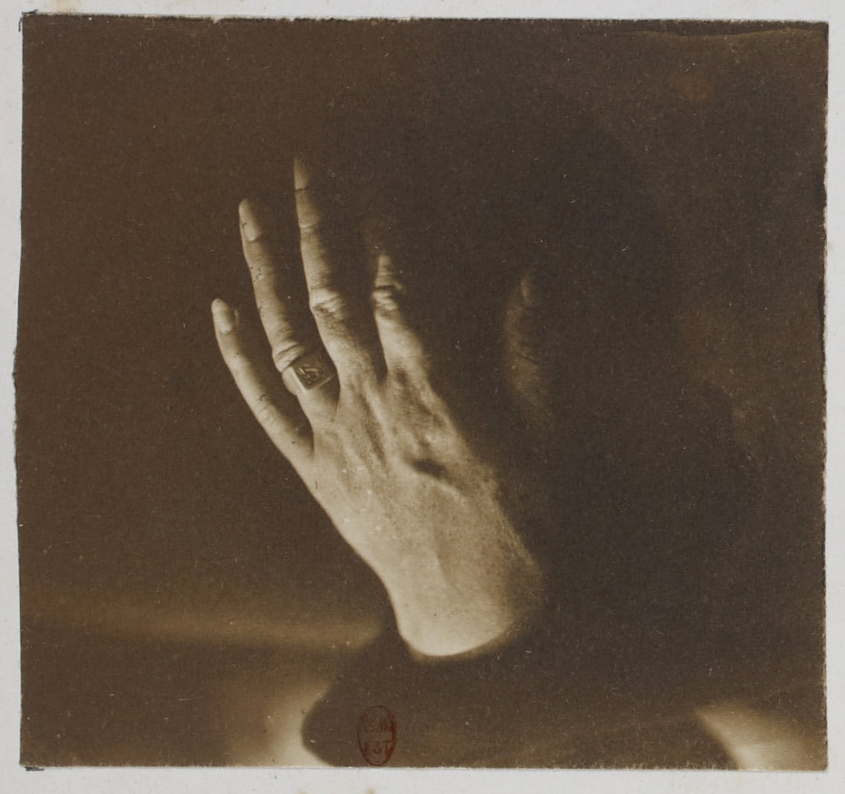
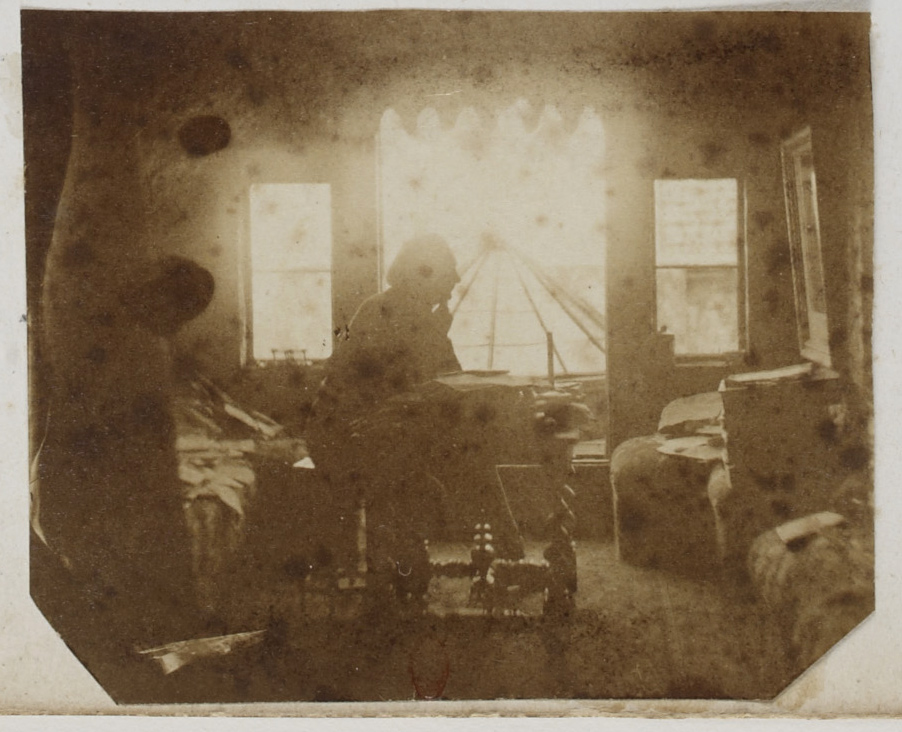
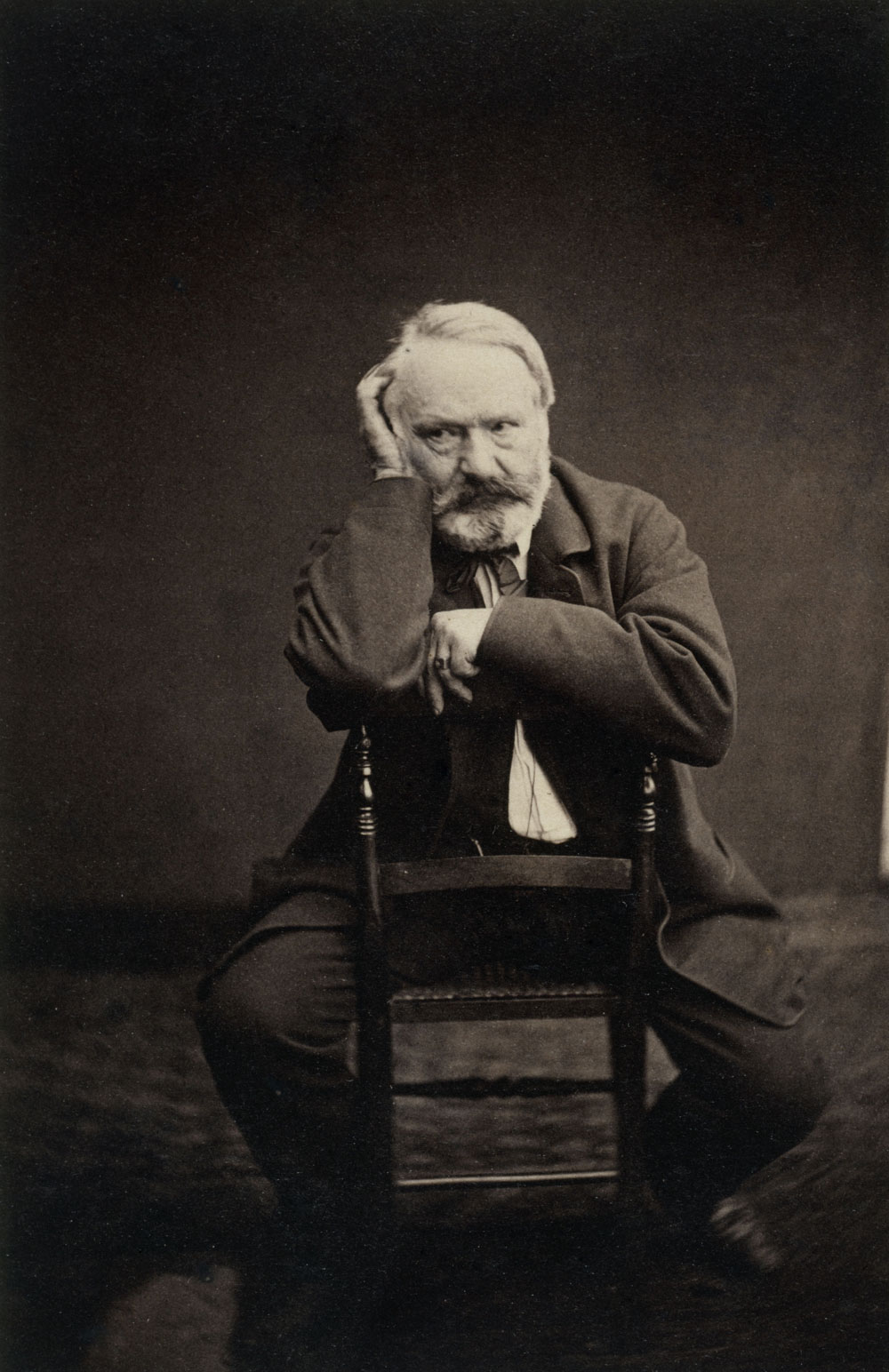
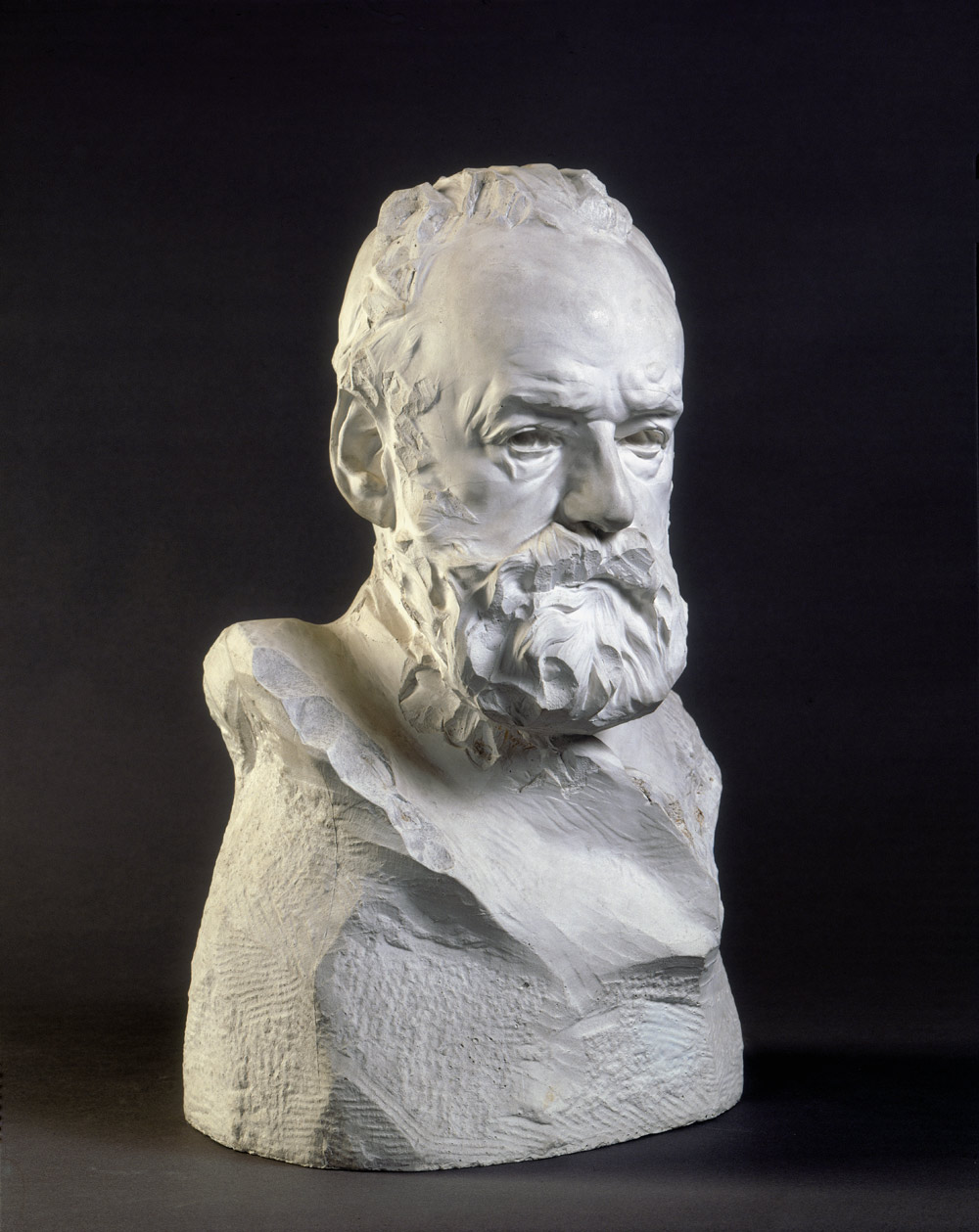
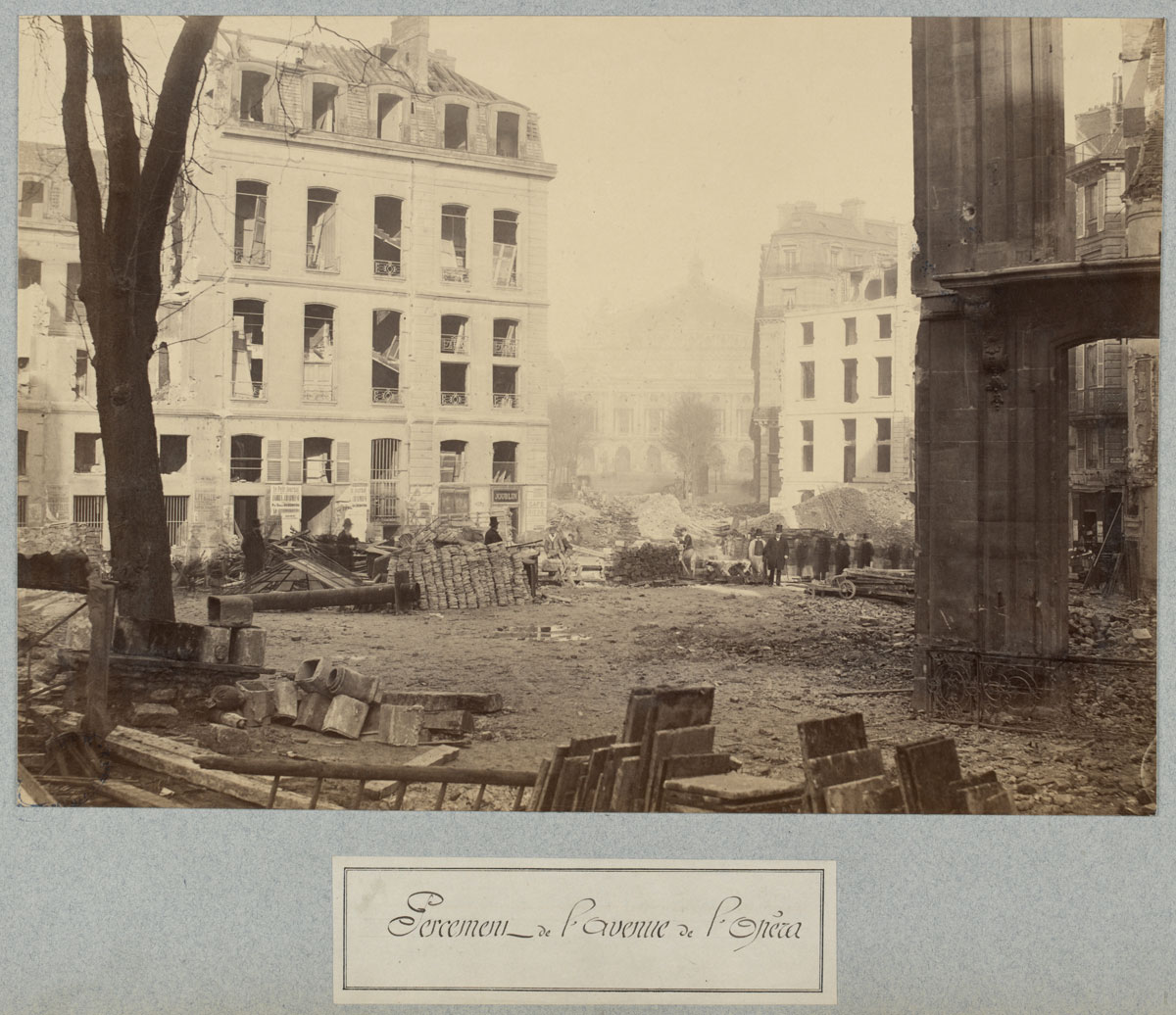
![Charles Marville (French, 1813-1879) 'Rue Soufflot (pendant la démolition)' (Rue Soufflot [during demolition]) c. 1876-1877](https://artblart.com/wp-content/uploads/2014/10/210_slv_marville_rue-soufflot-web.jpg "Charles Marville (French, 1813-1879) 'Rue Soufflot (pendant la démolition)' (Rue Soufflot [during demolition]) c. 1876-1877")
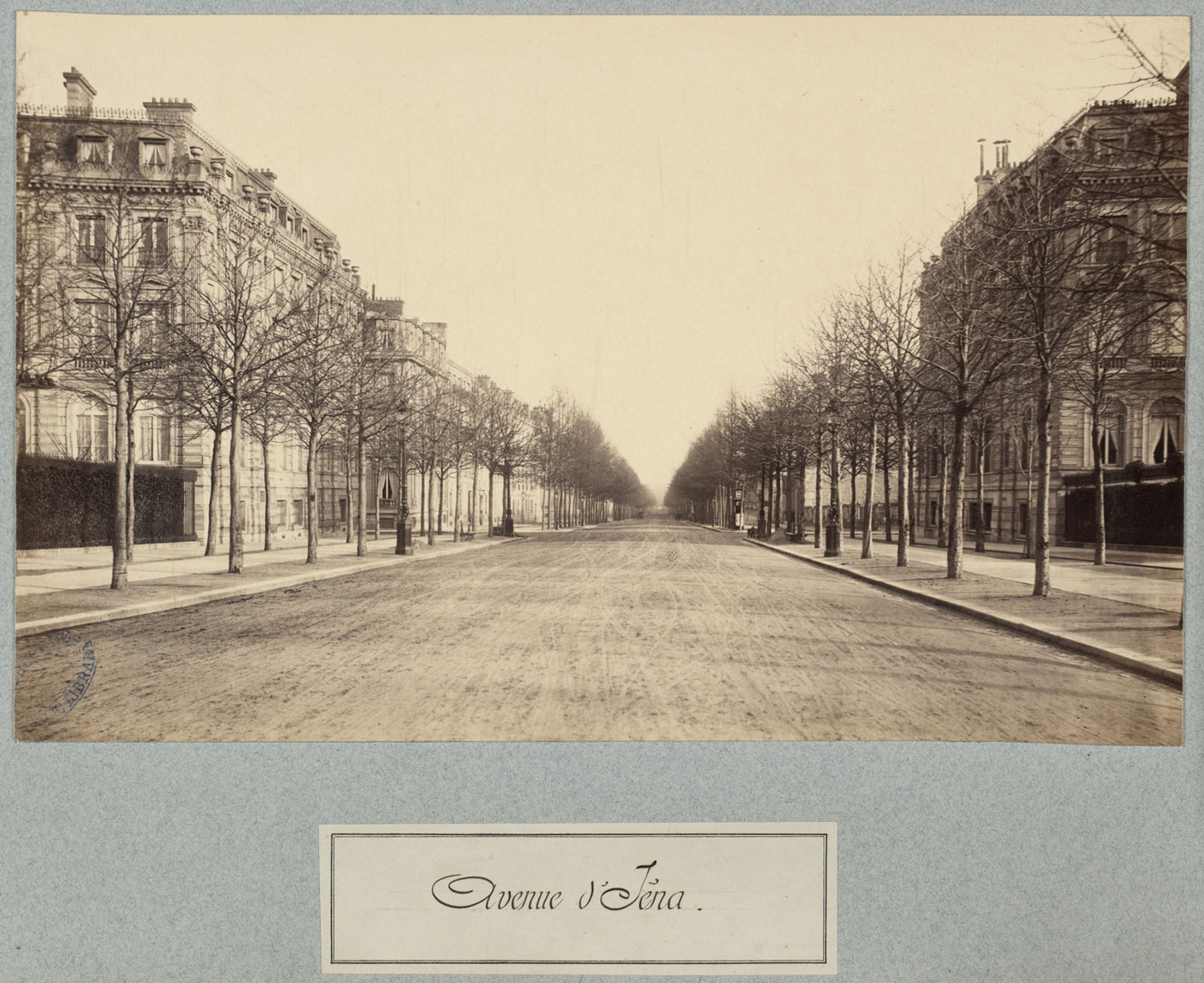
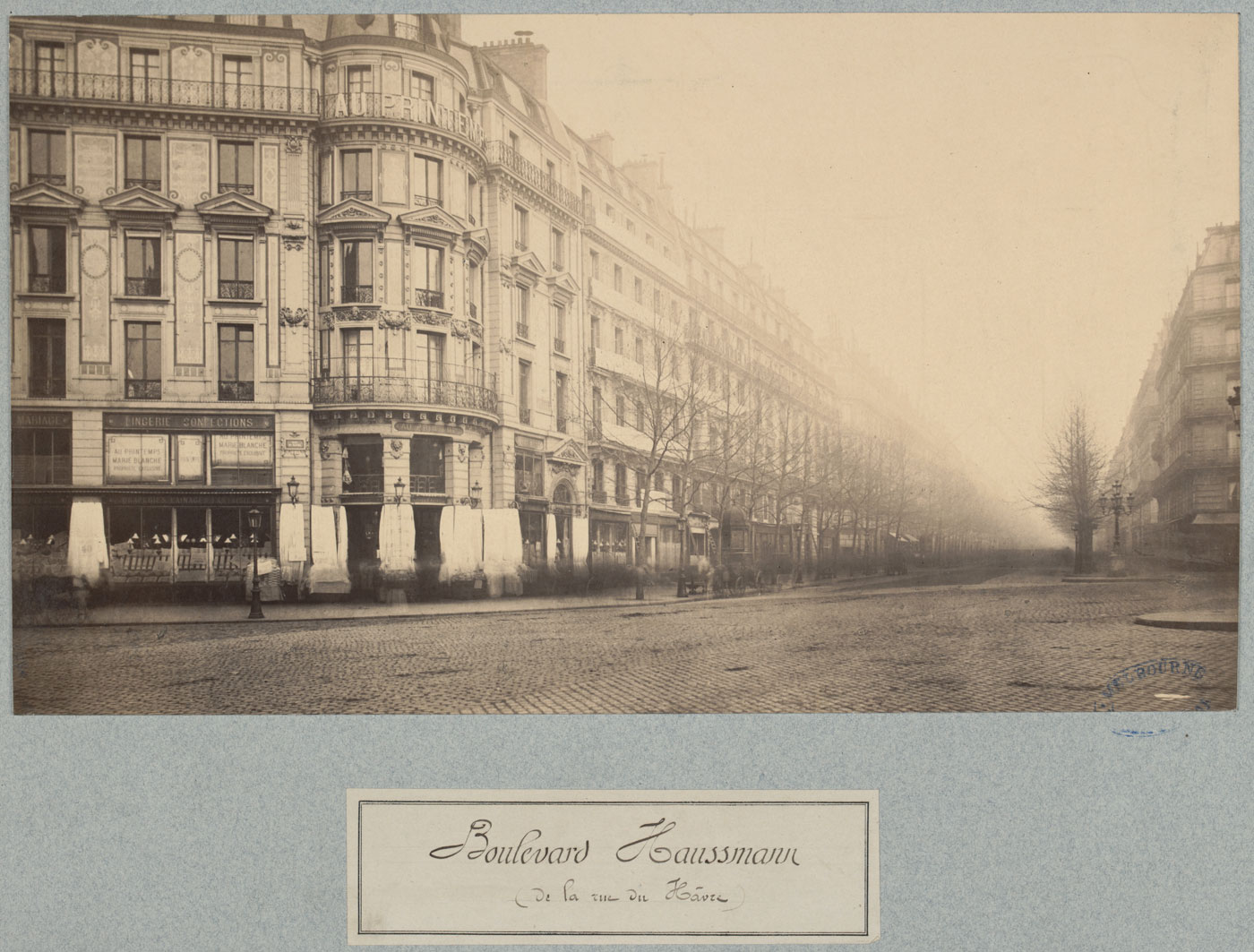
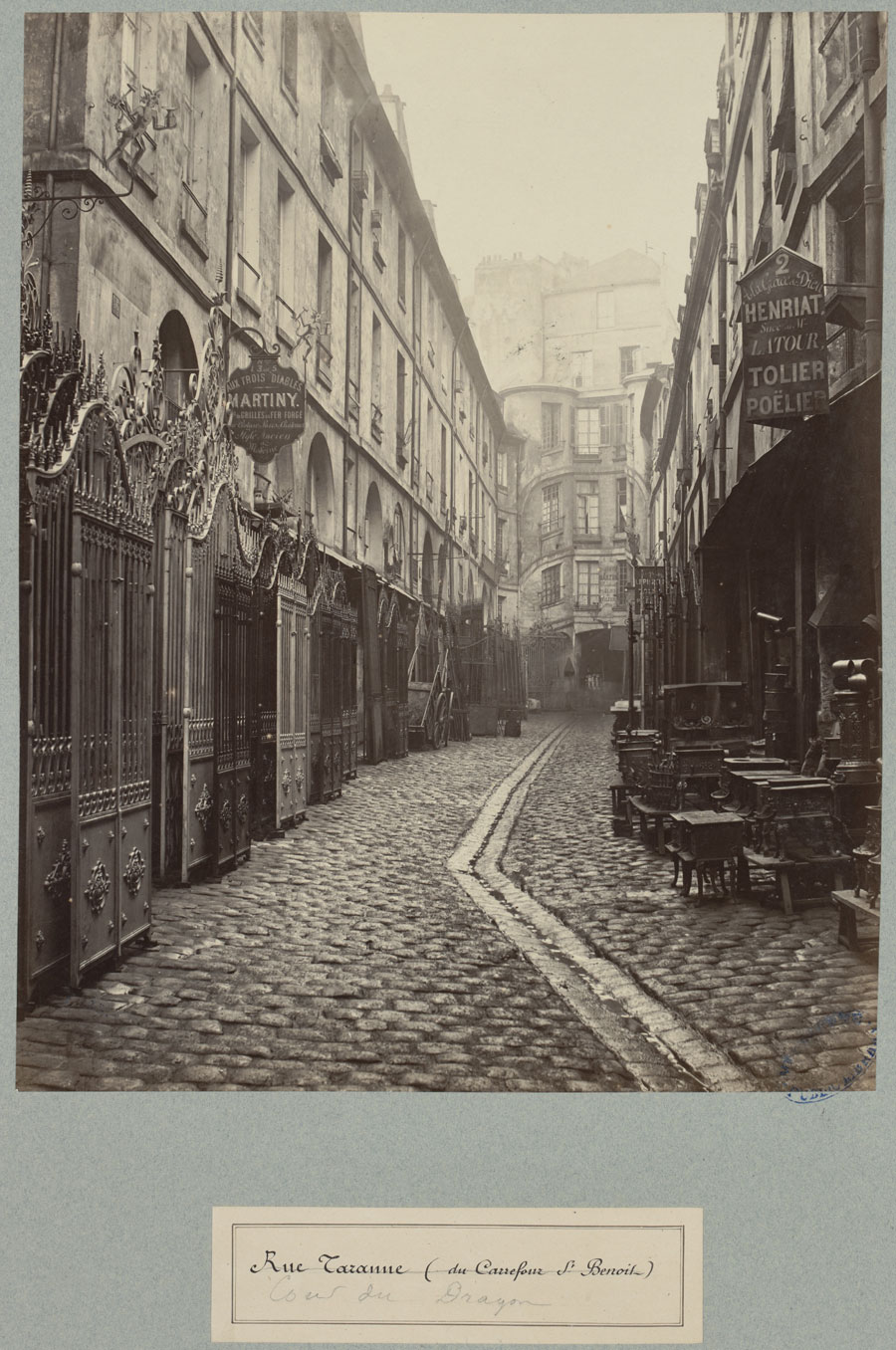
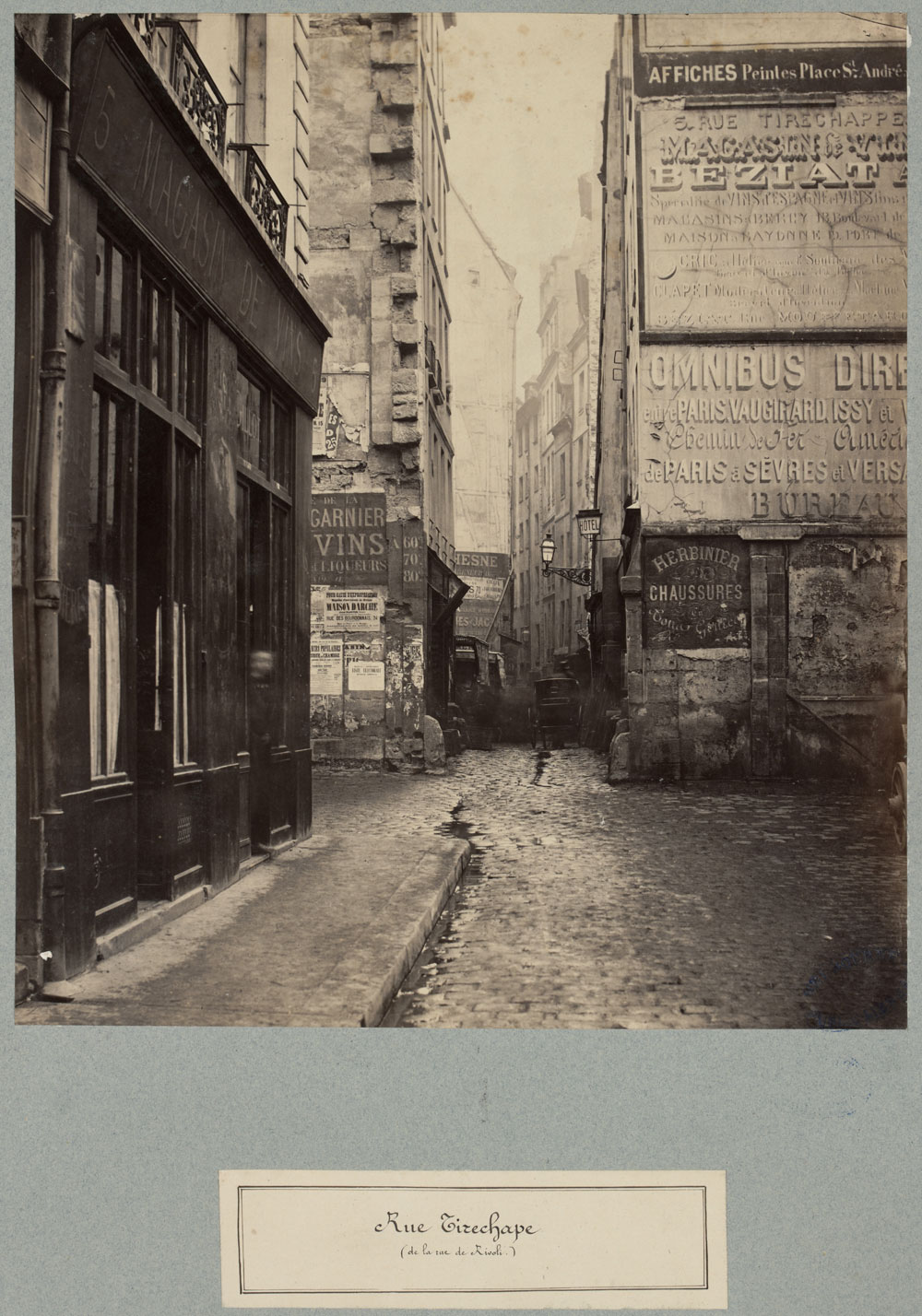
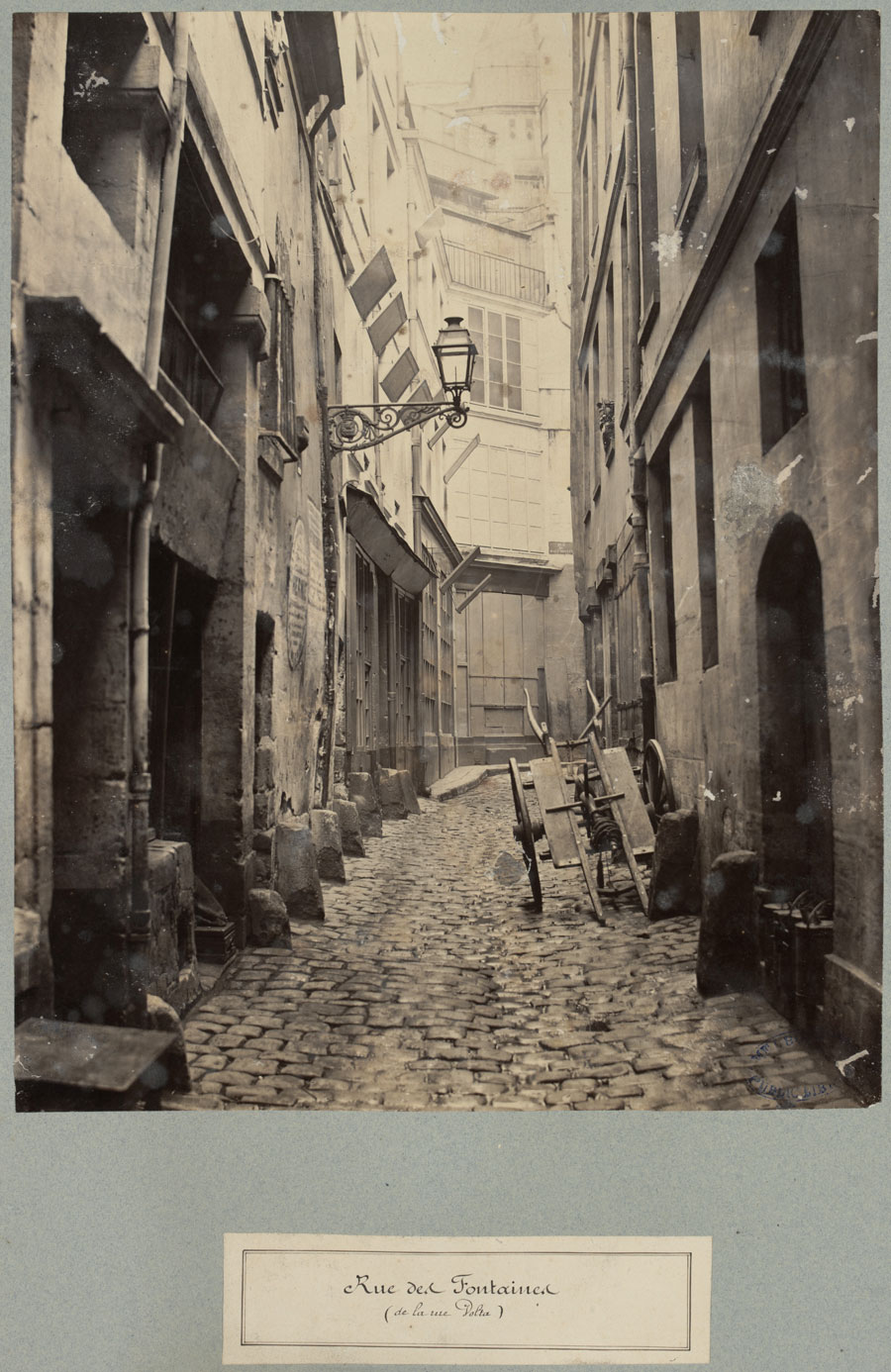
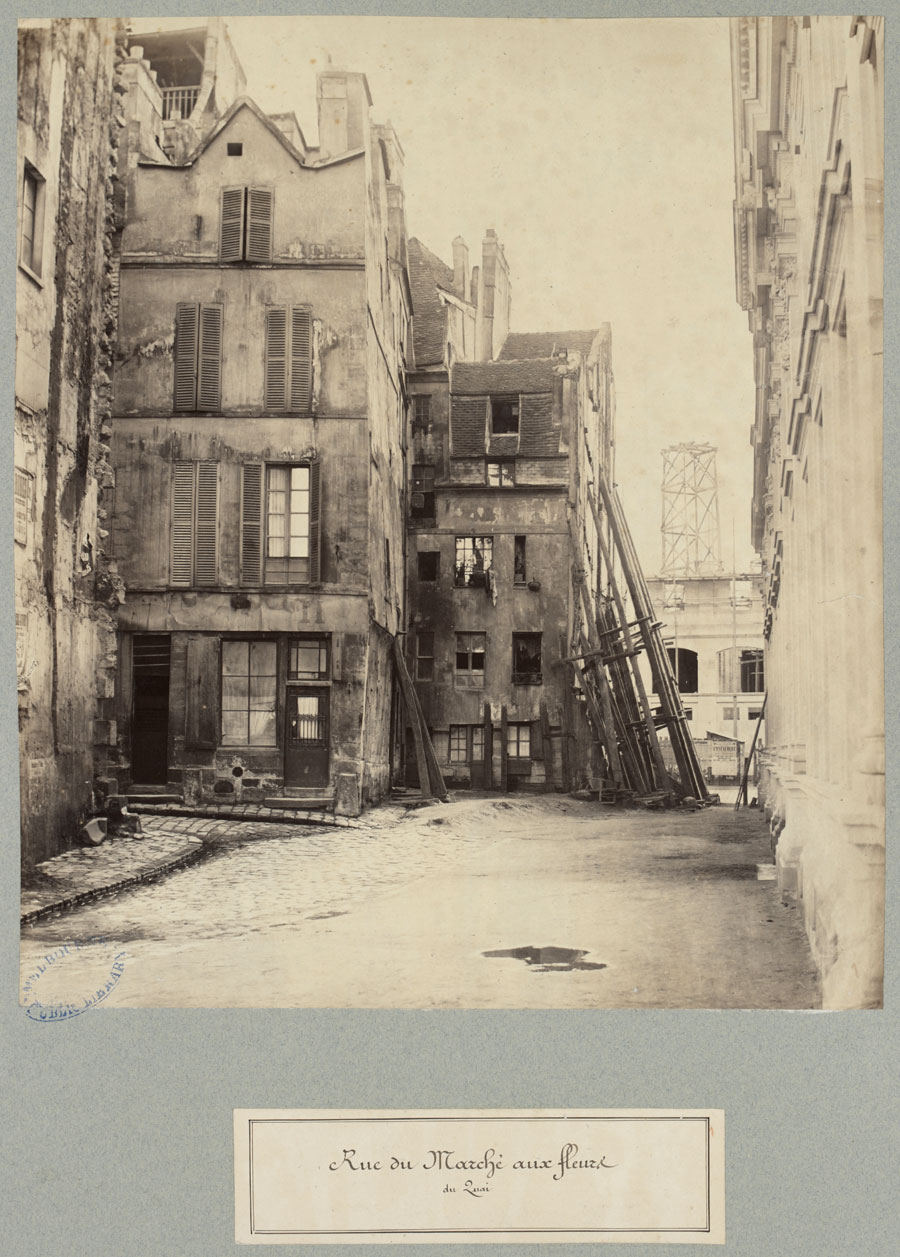
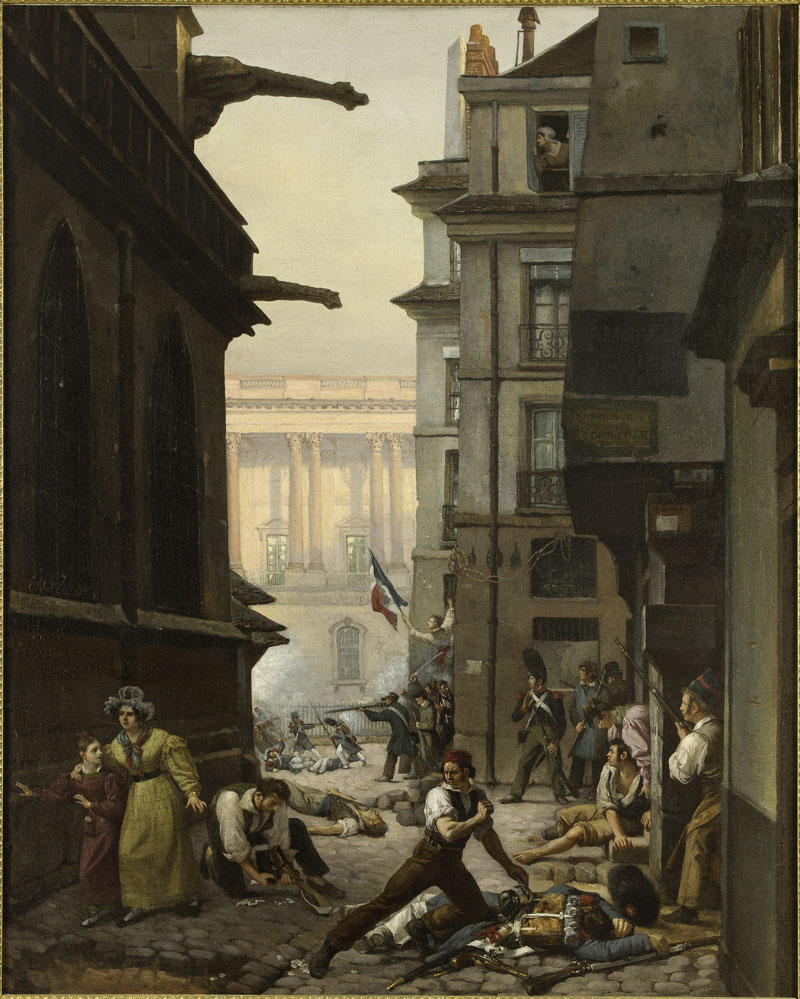
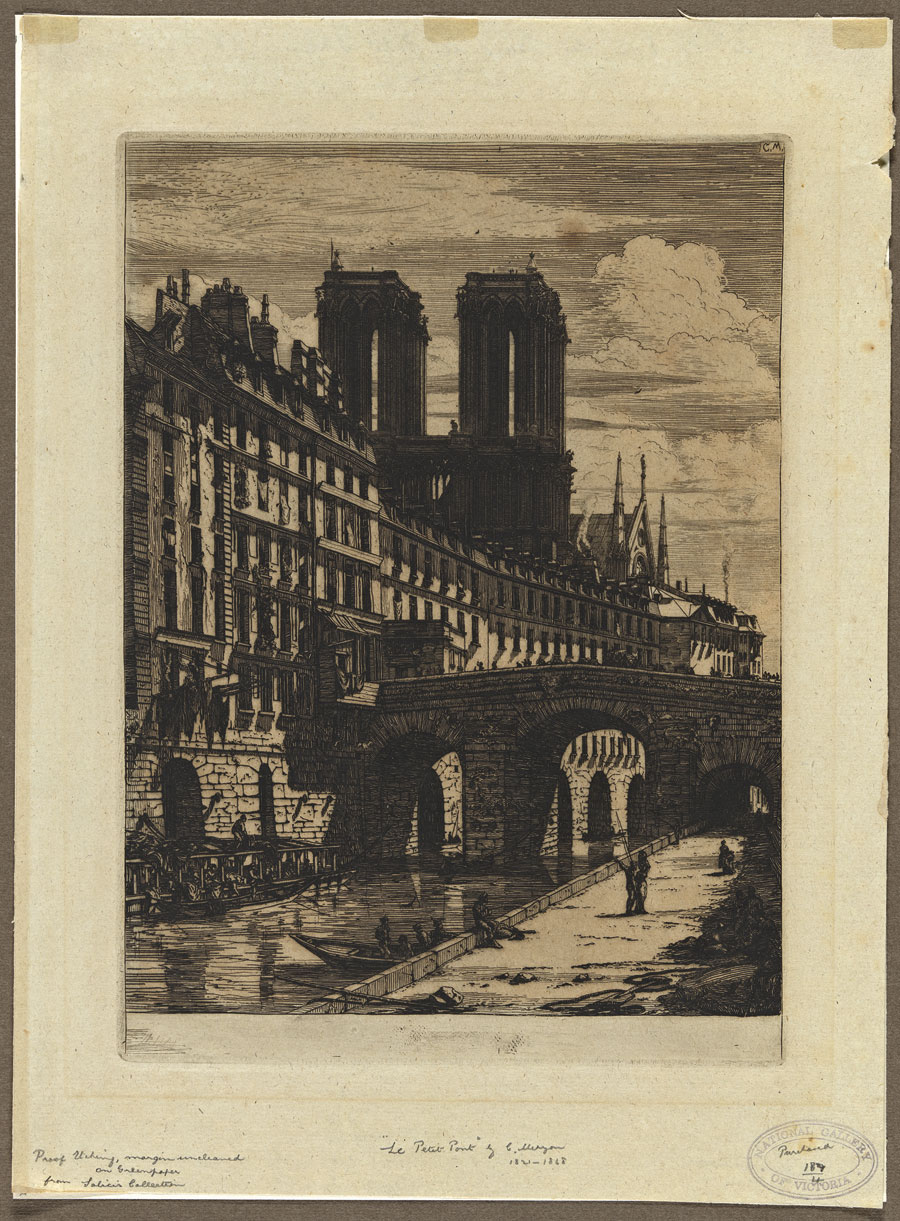
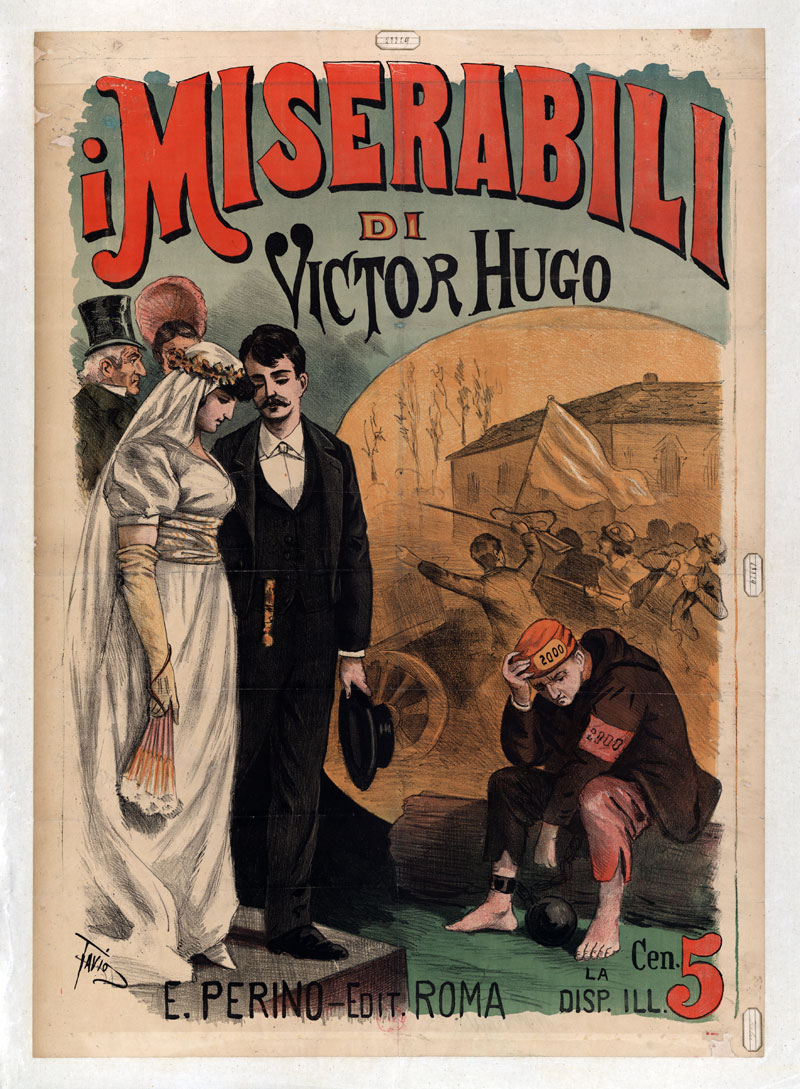
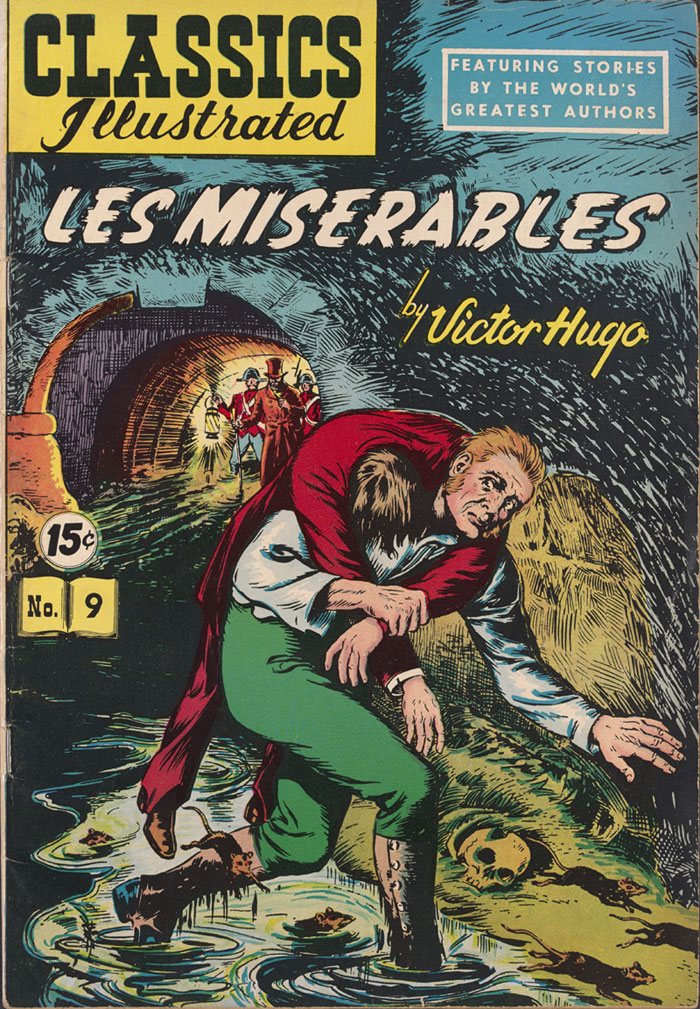
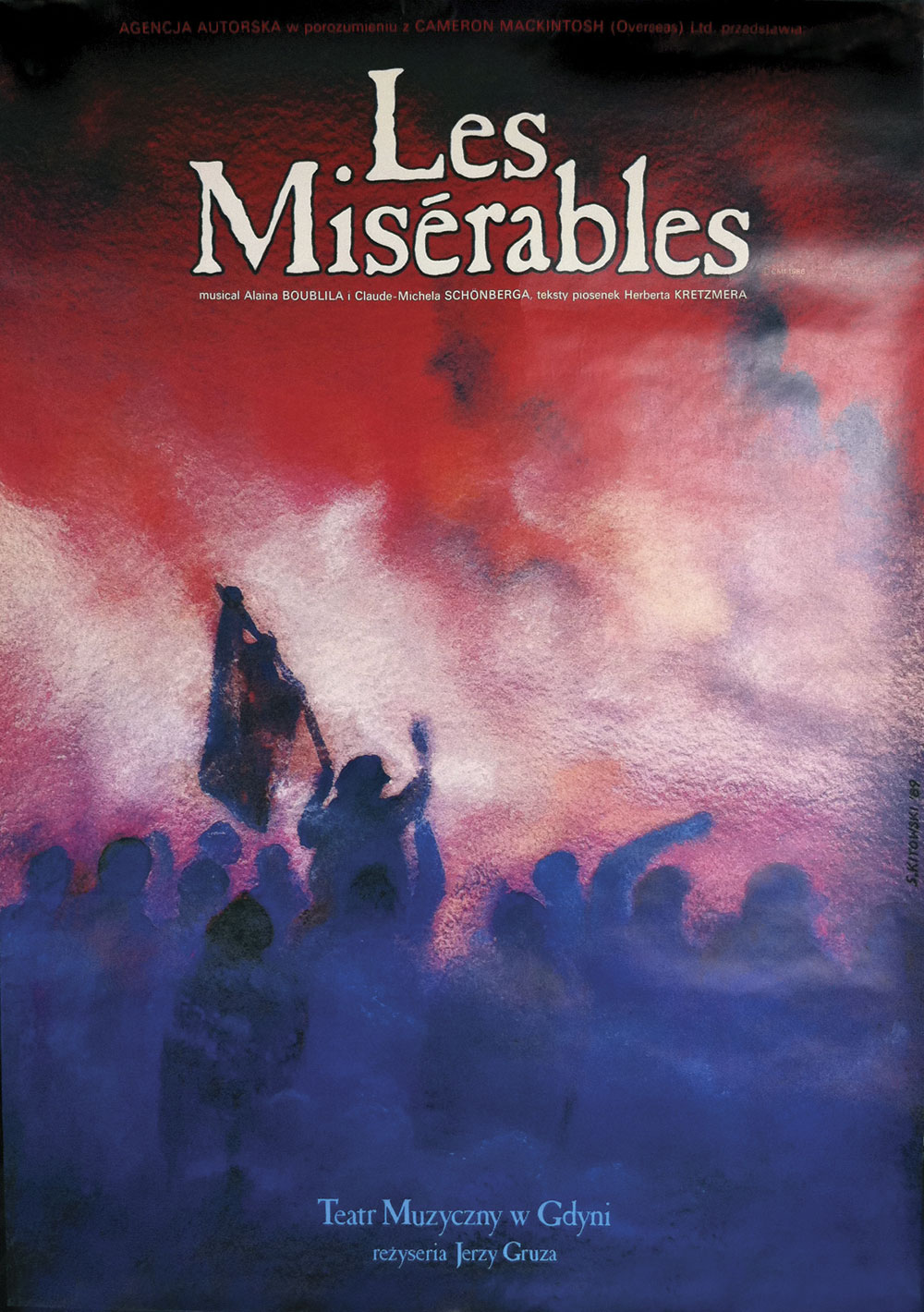
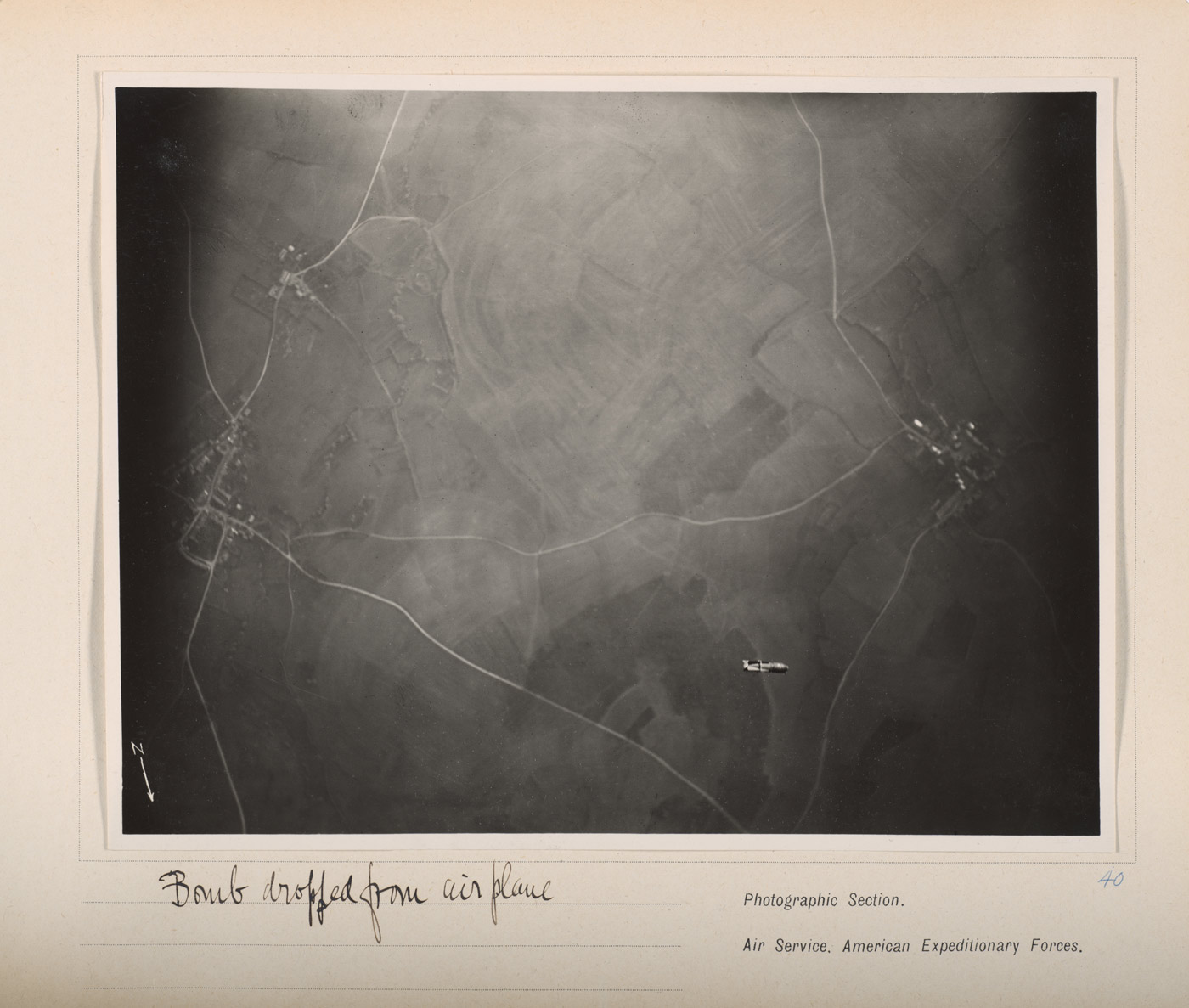
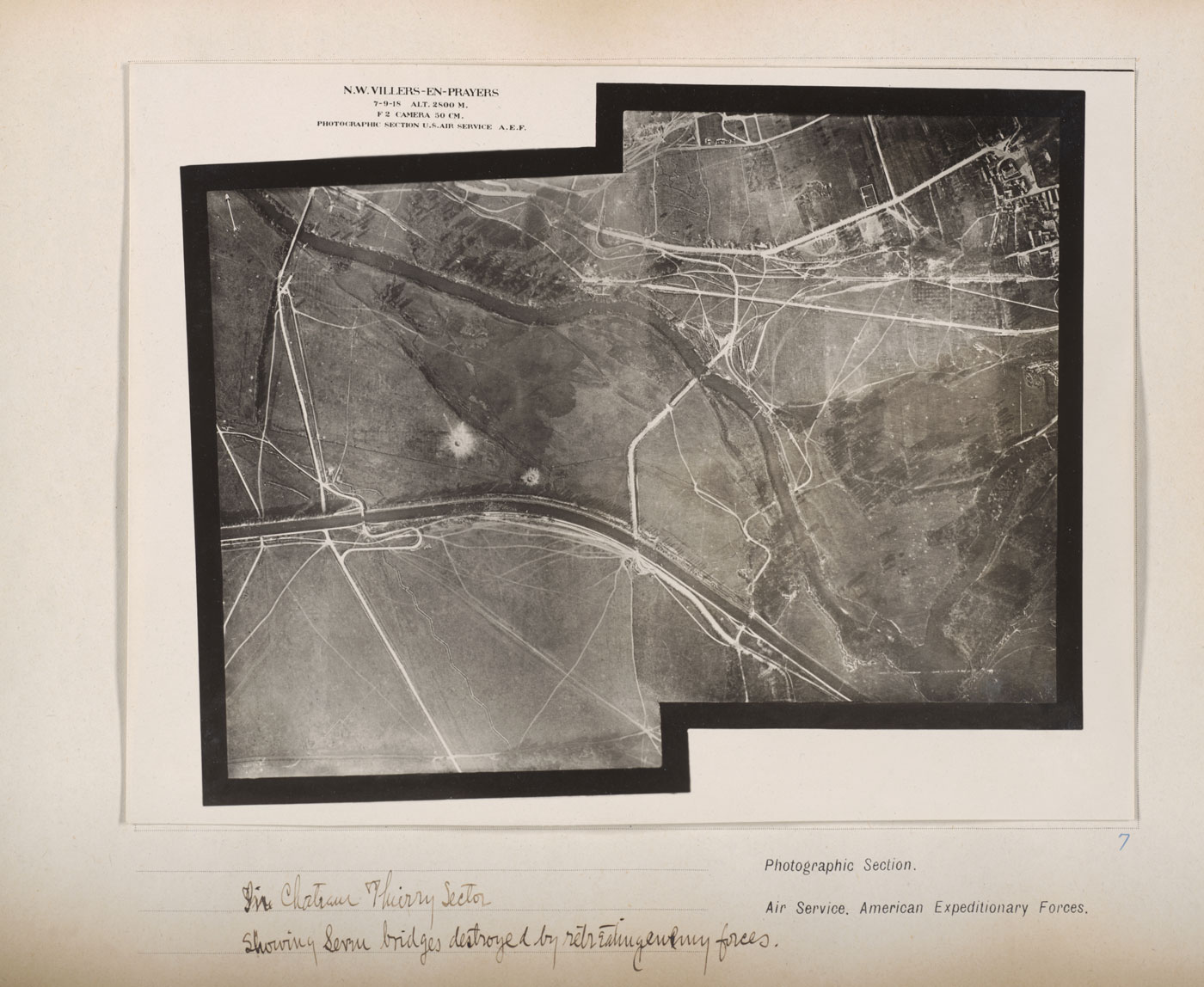
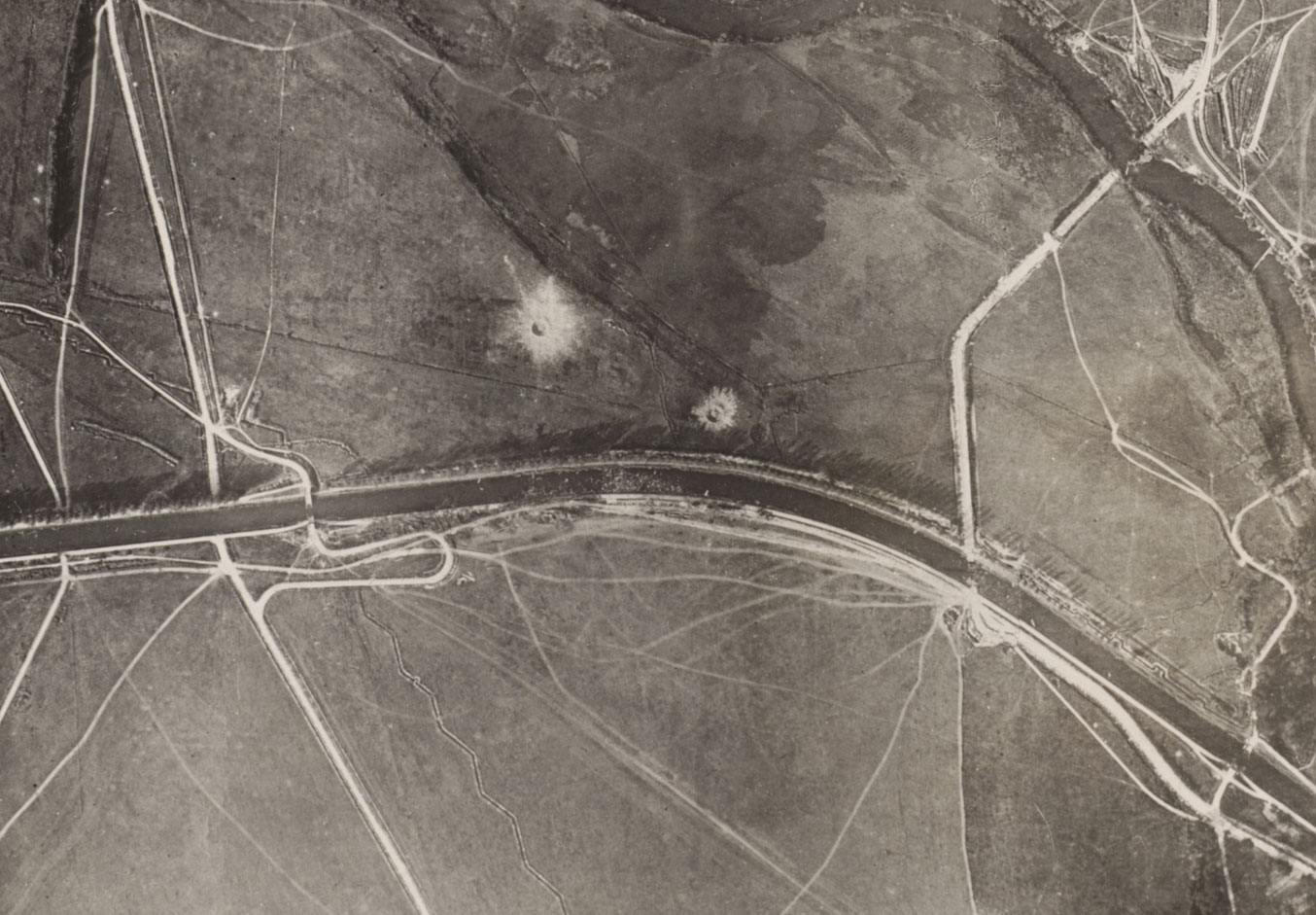
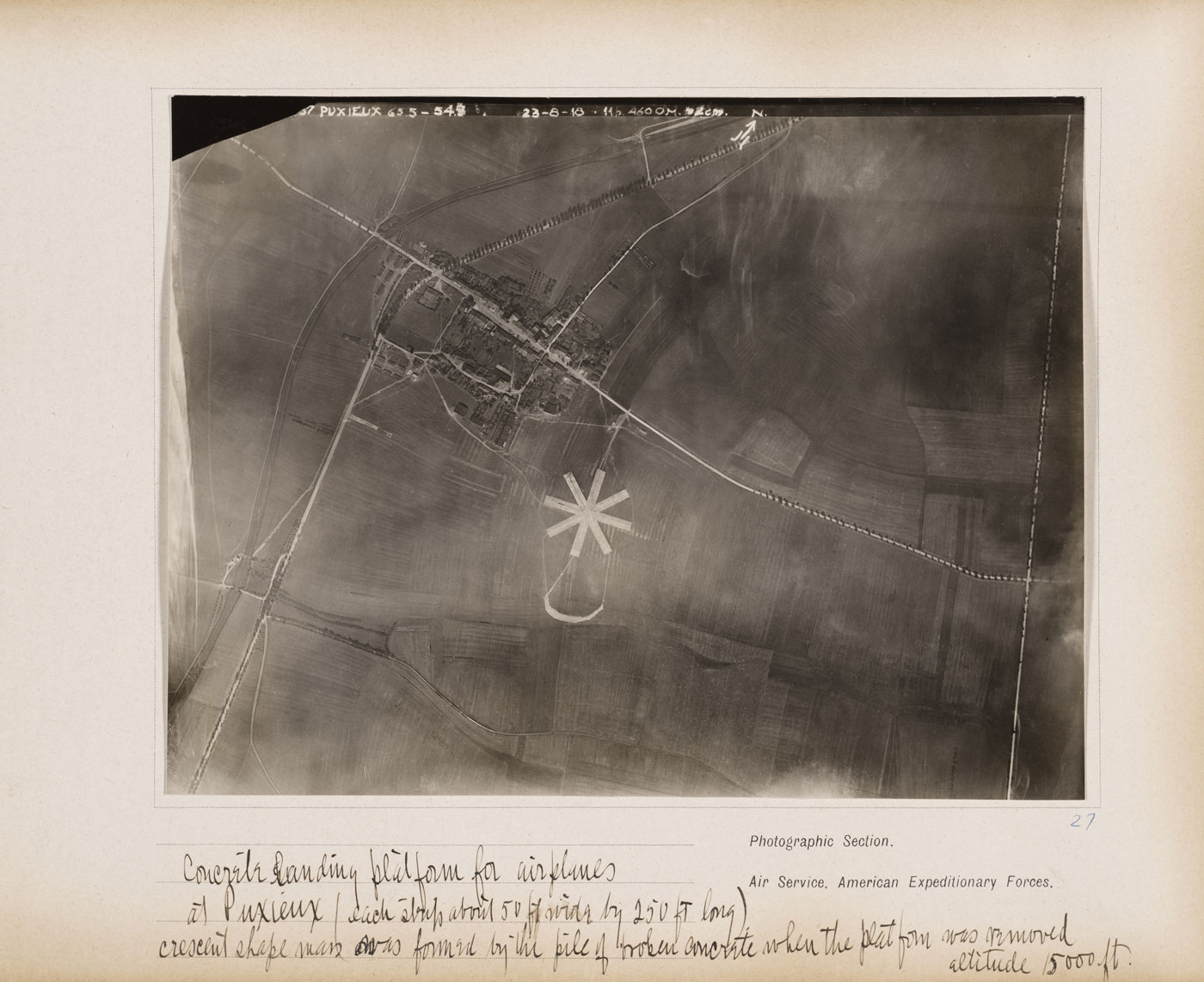
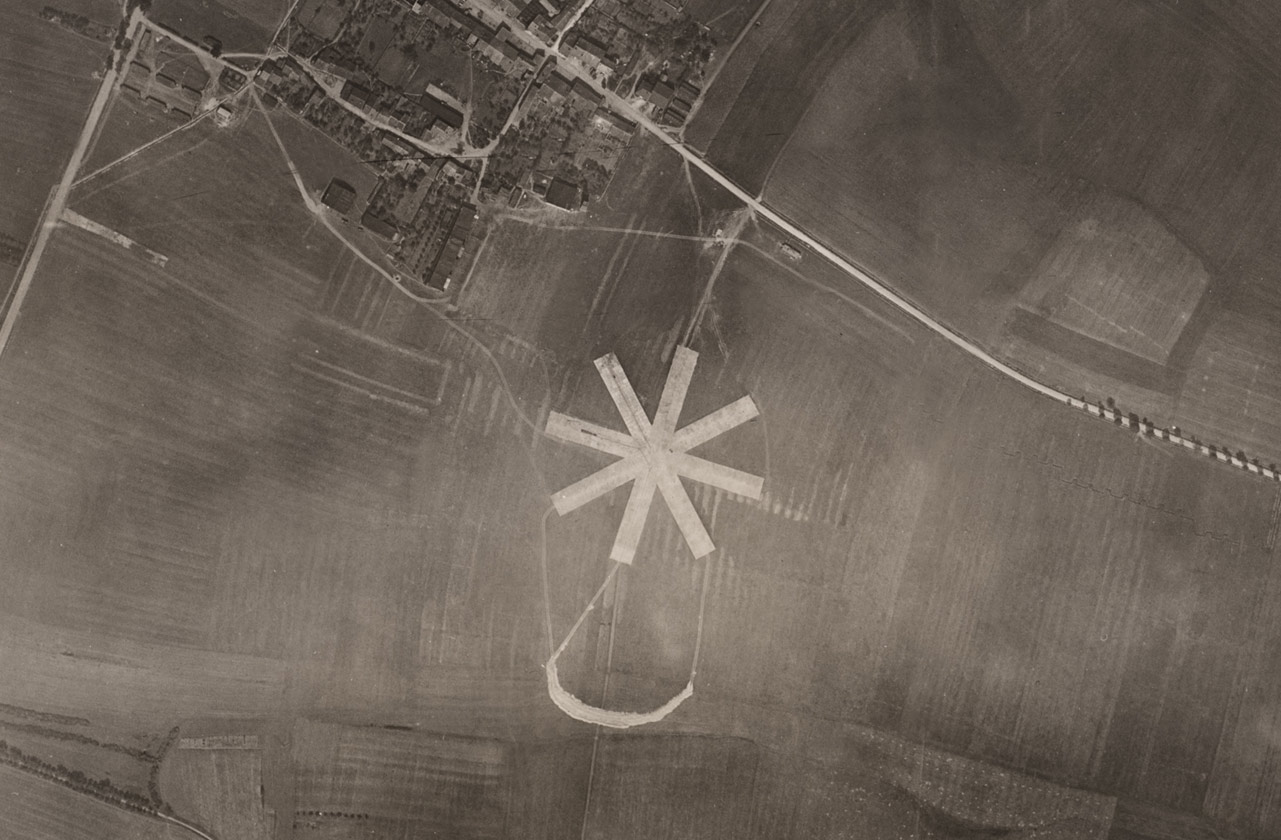
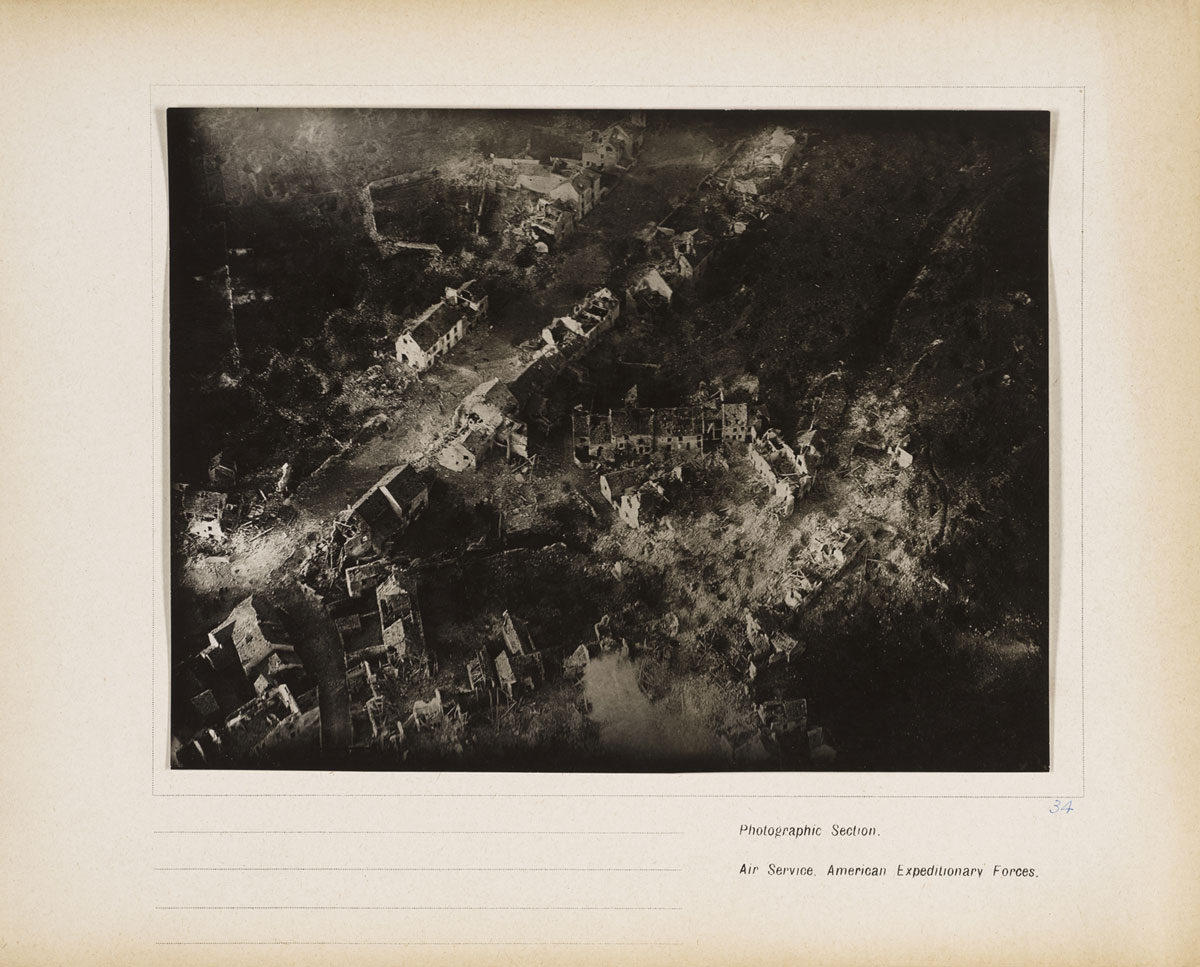
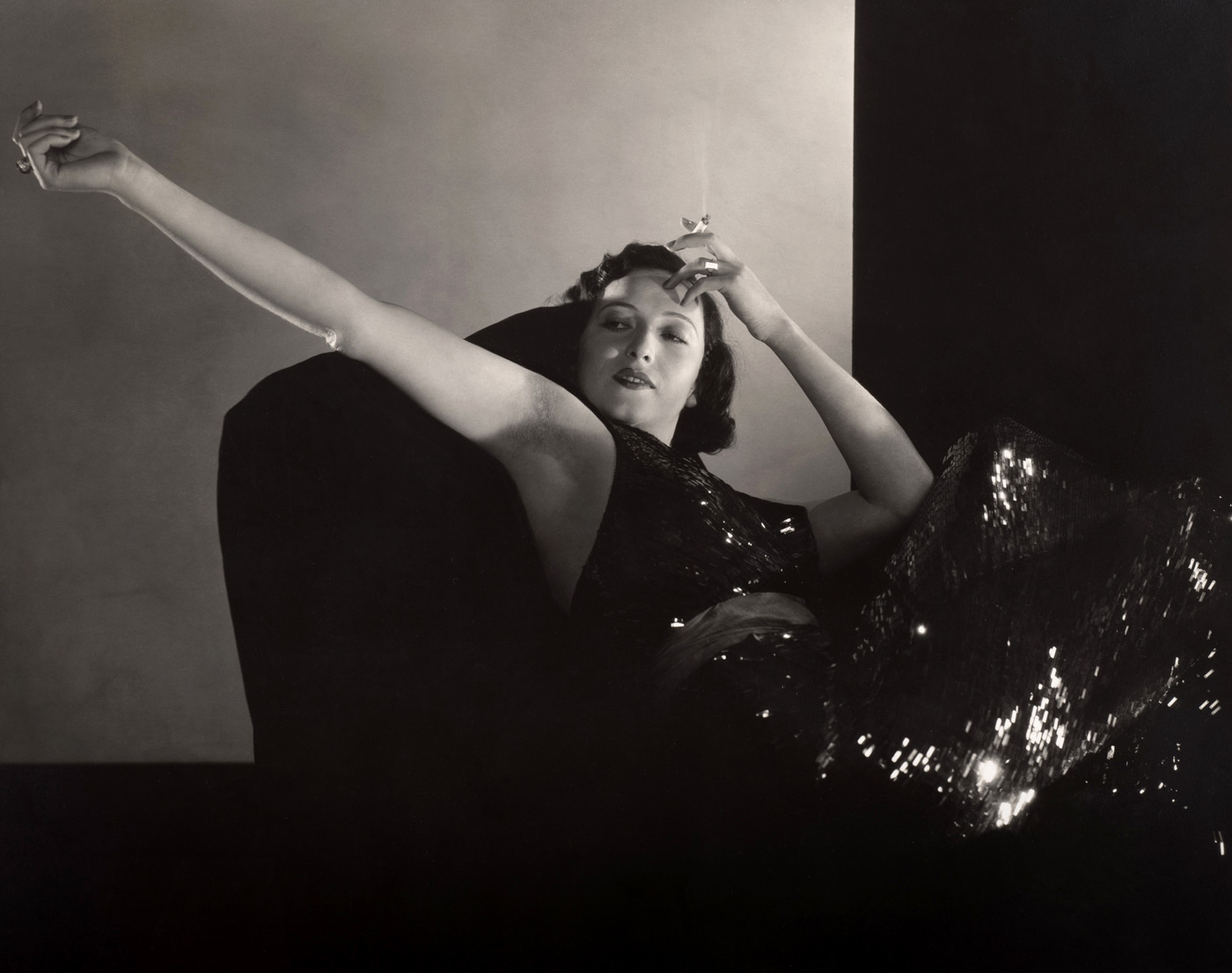
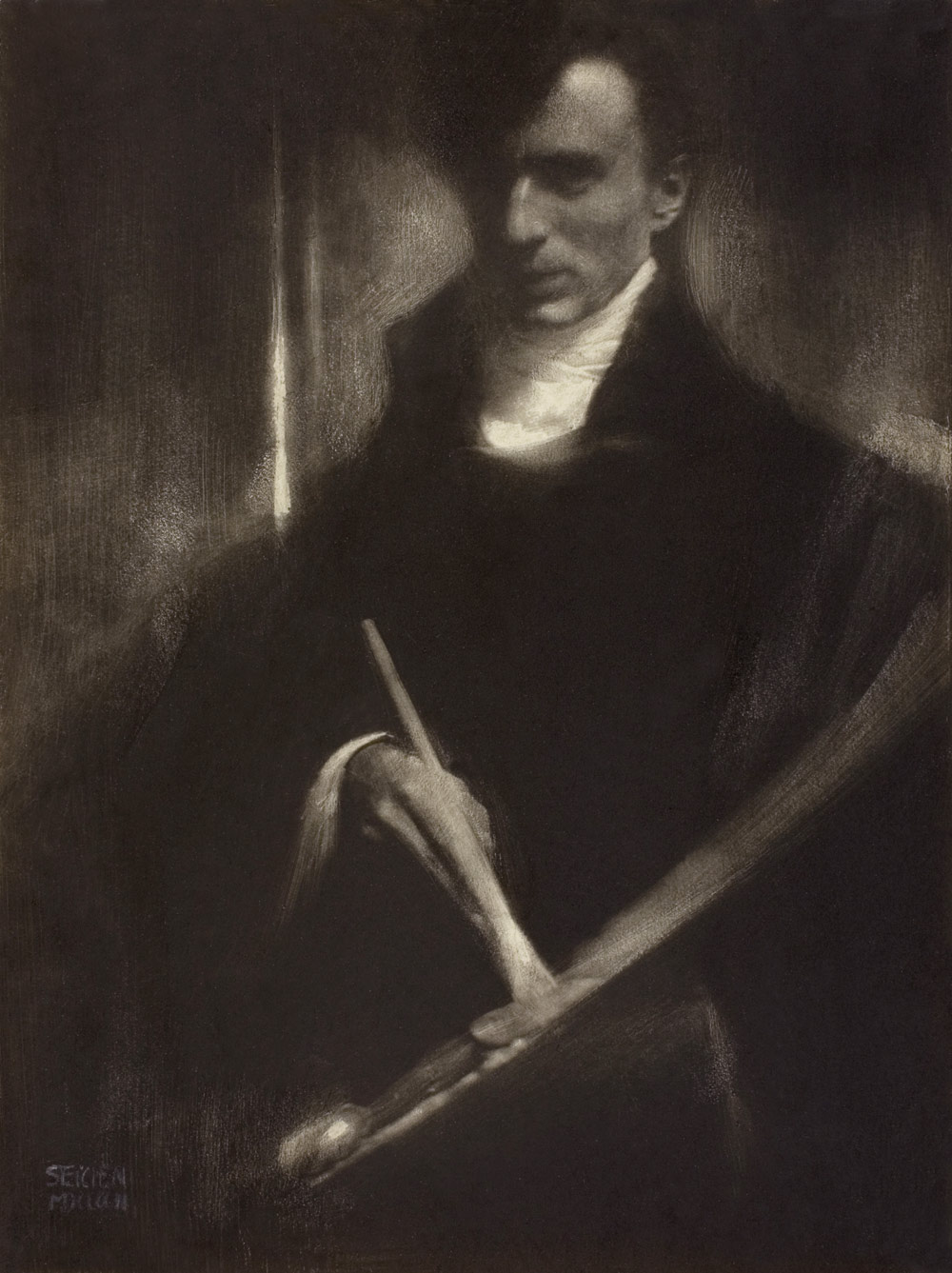
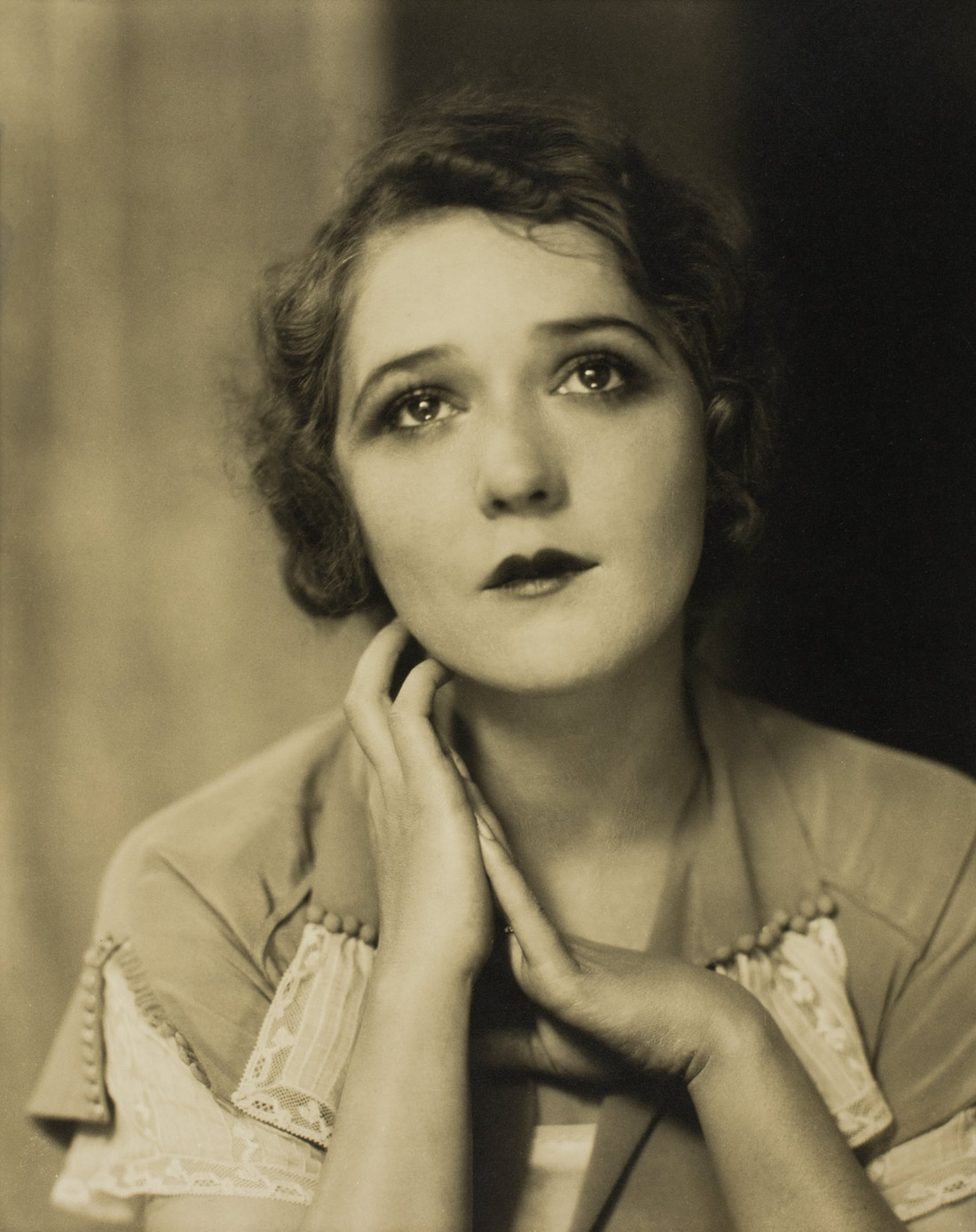
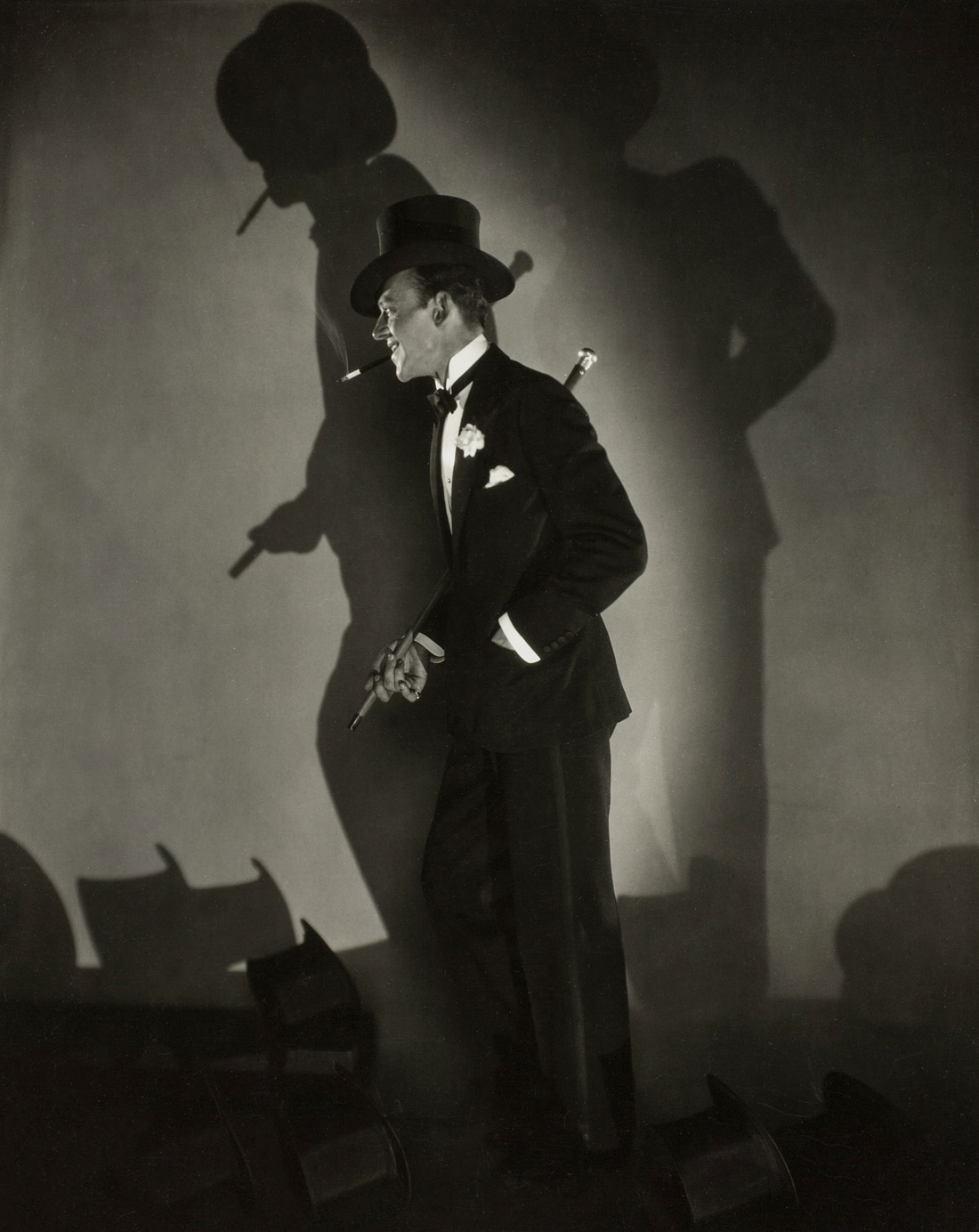
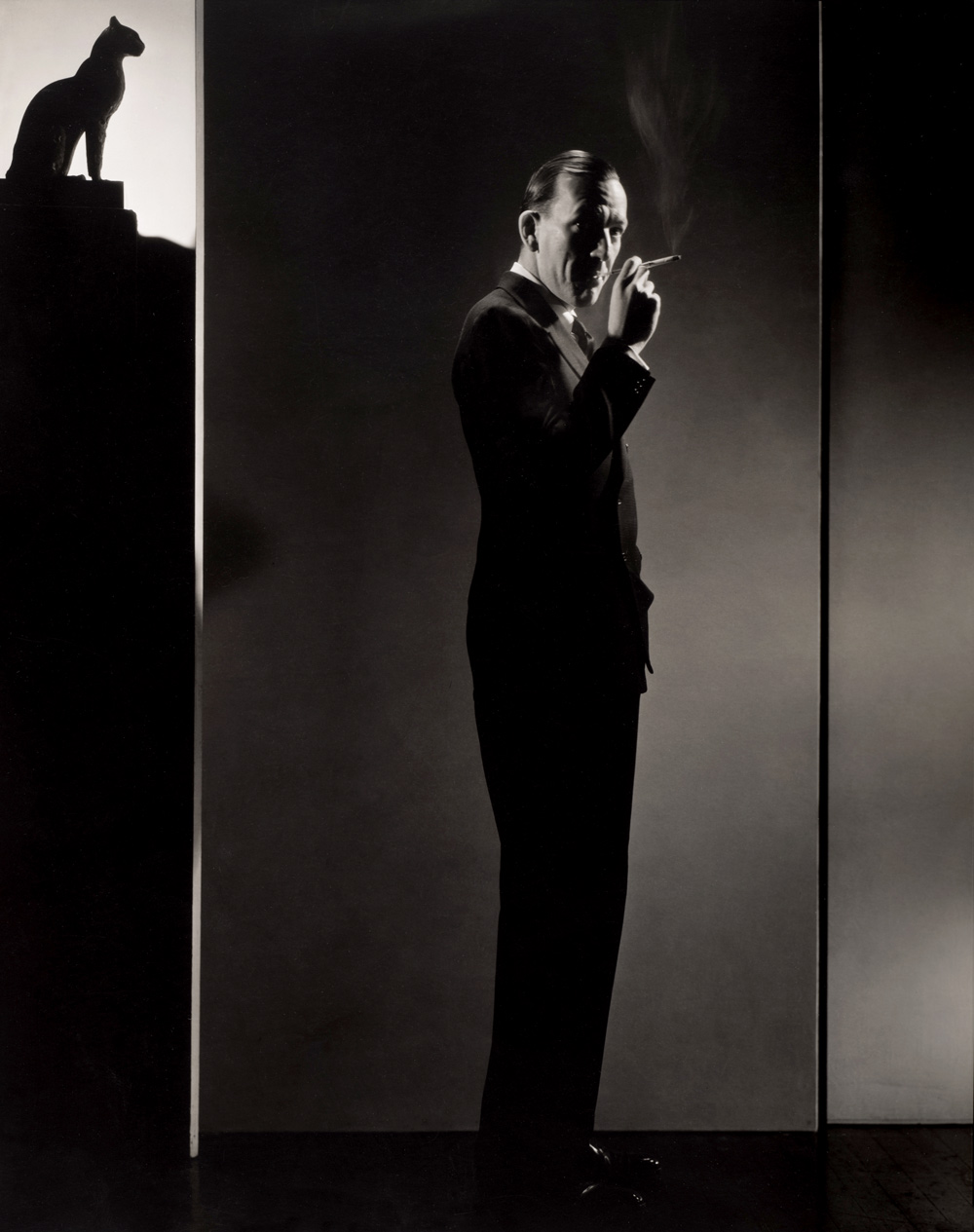
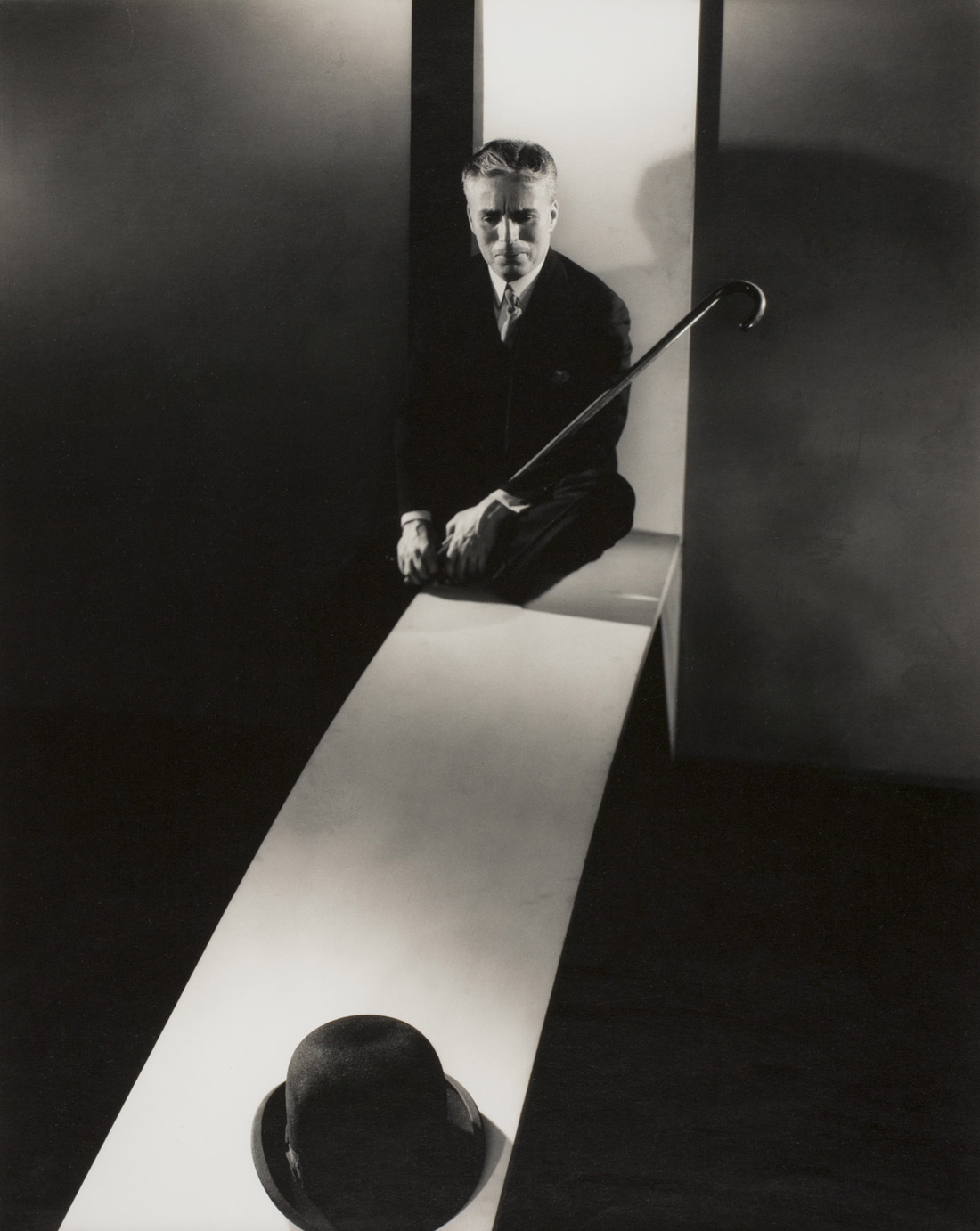
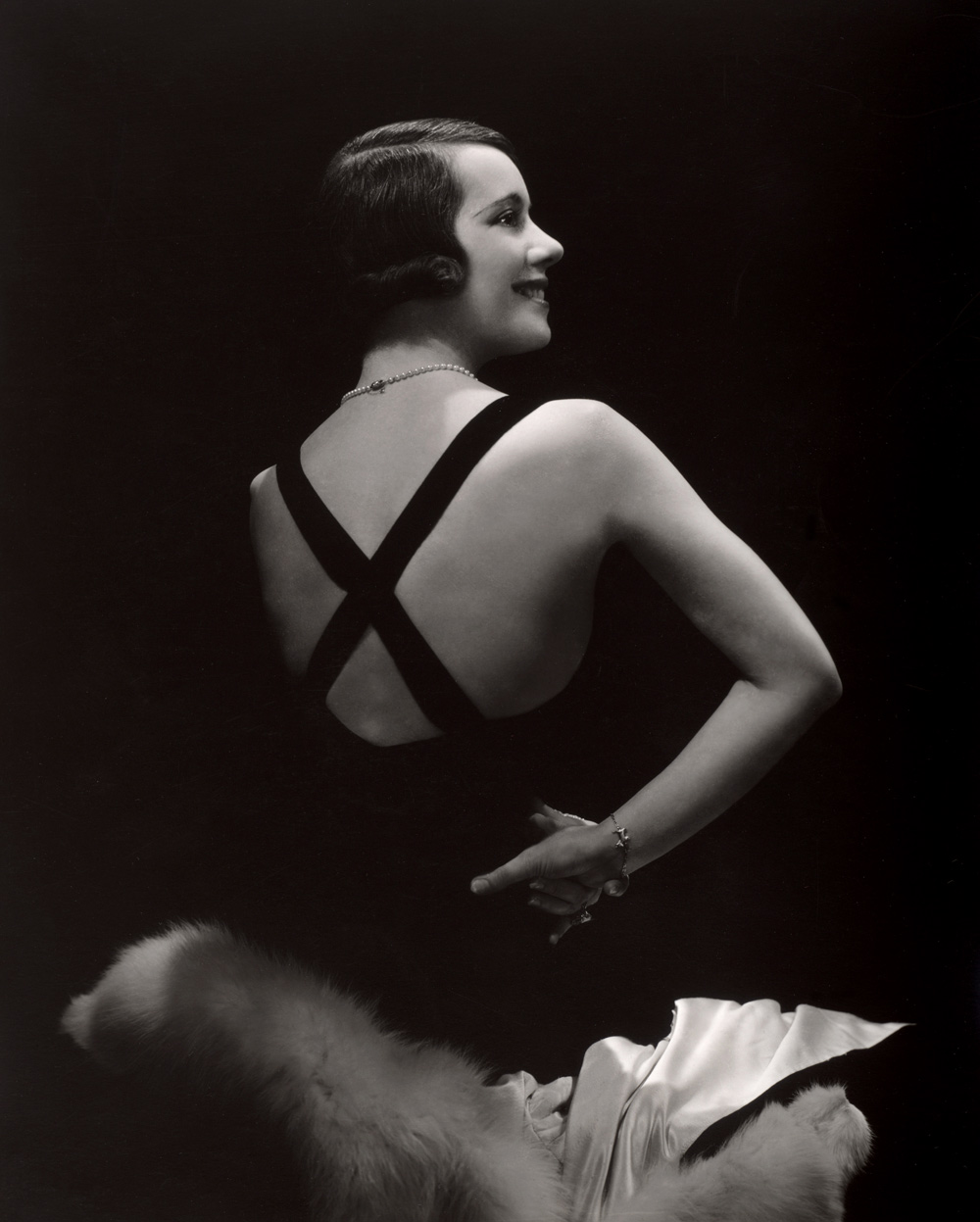
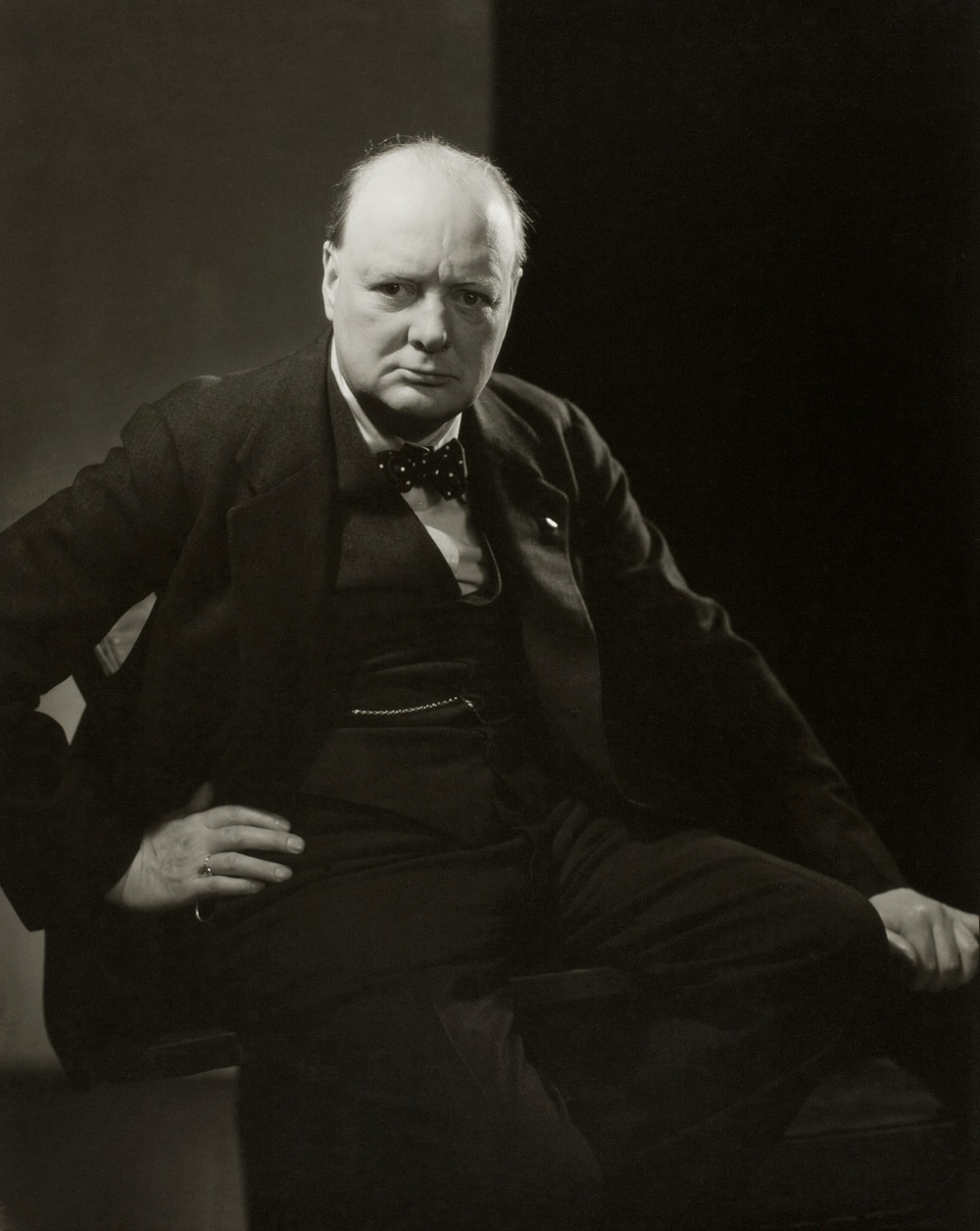
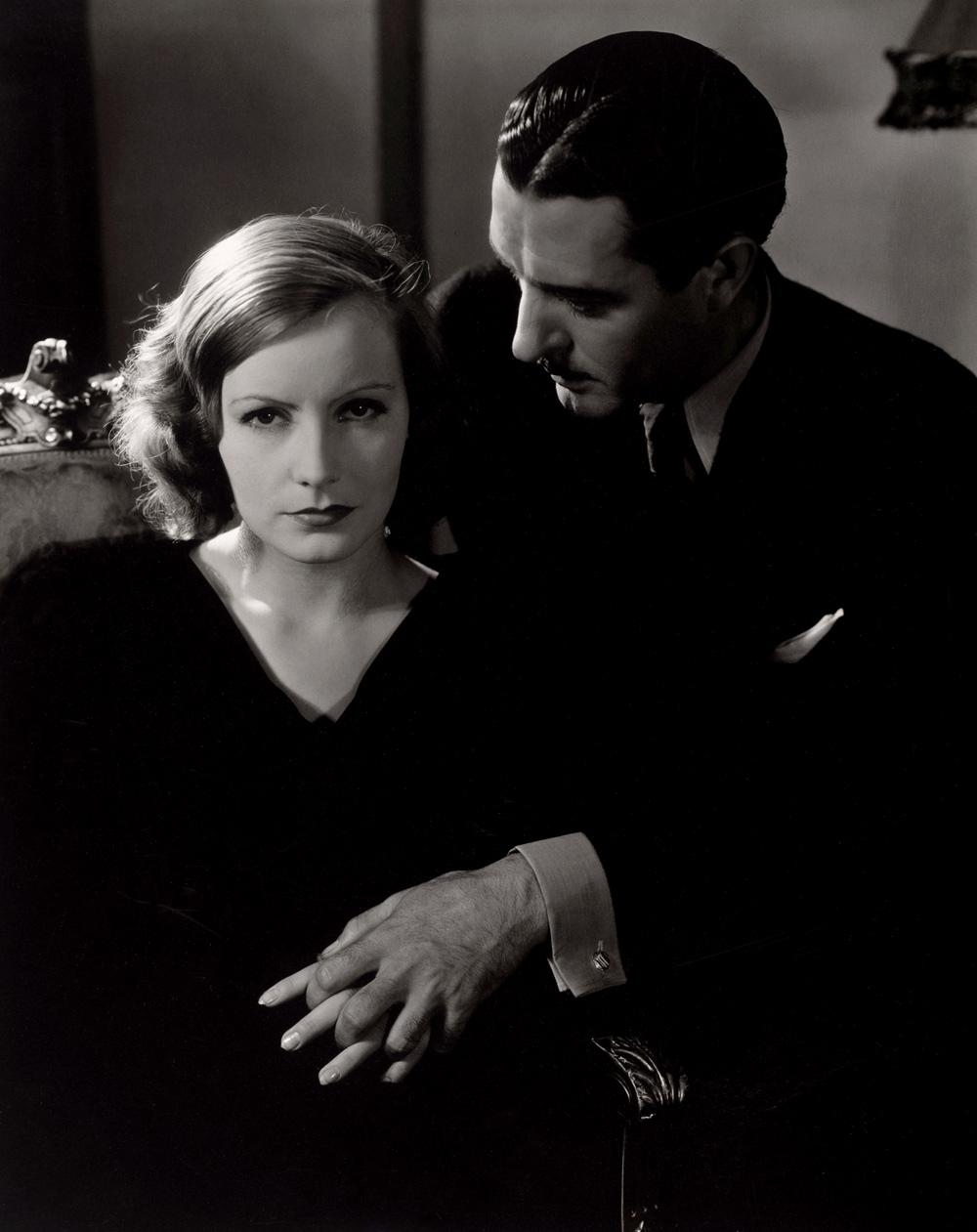


![Kati Horna (Mexican born Hungary, 1912-2000) 'Invierno en el patio' [Winter in the Courtyard] Paris, 1939](https://artblart.com/wp-content/uploads/2014/09/invierno-en-el-patio-web.jpg "Kati Horna (Mexican born Hungary, 1912-2000) 'Invierno en el patio' [Winter in the Courtyard] Paris, 1939")


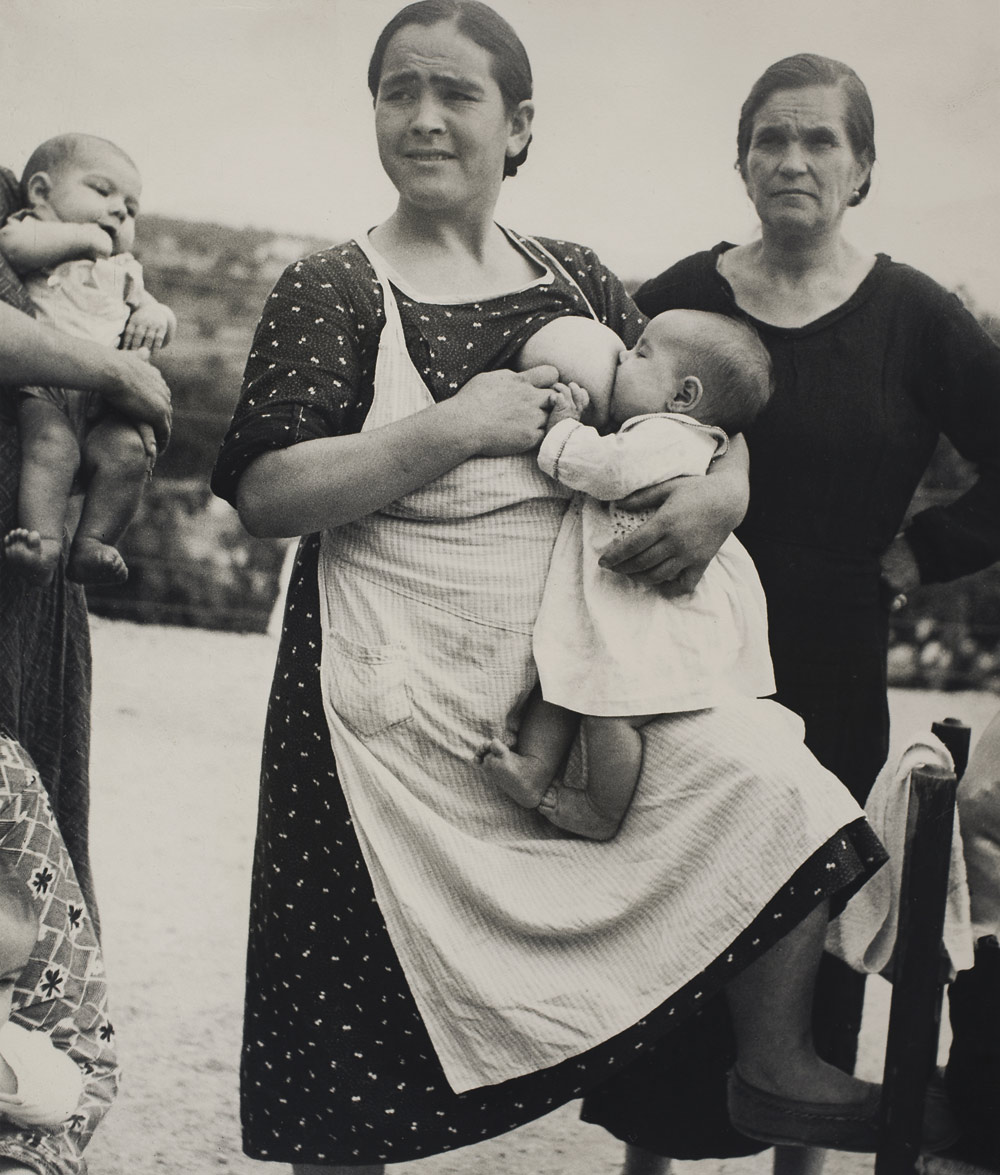
![Kati Horna (Mexican born Hungary, 1912-2000) 'Subida a la catedral [Ascending to the Cathedral], Spanish Civil War' Barcelona 1938](https://artblart.com/wp-content/uploads/2014/09/subida-a-la-catedral-web.jpg "Kati Horna (Mexican born Hungary, 1912-2000) 'Subida a la catedral [Ascending to the Cathedral], Spanish Civil War' Barcelona 1938")
![Kati Horna (Mexican born Hungary, 1912-2000) 'Los Paraguas, mitin de la CNT' [Umbrellas, Meeting of the CNT], Spanish Civil War Barcelona, 1937](https://artblart.com/wp-content/uploads/2014/09/los-paraguas-mitin-de-la-cnt-web.jpg "Kati Horna (Mexican born Hungary, 1912-2000) 'Los Paraguas, mitin de la CNT' [Umbrellas, Meeting of the CNT], Spanish Civil War Barcelona, 1937")
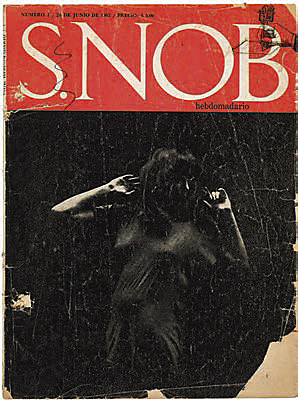
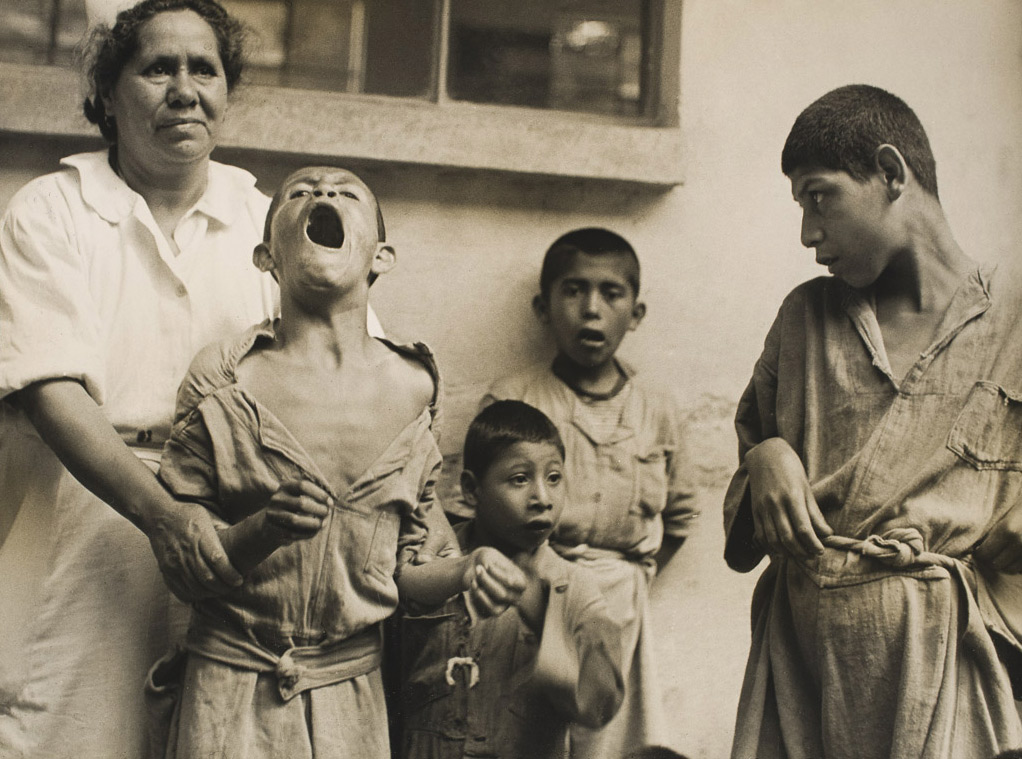
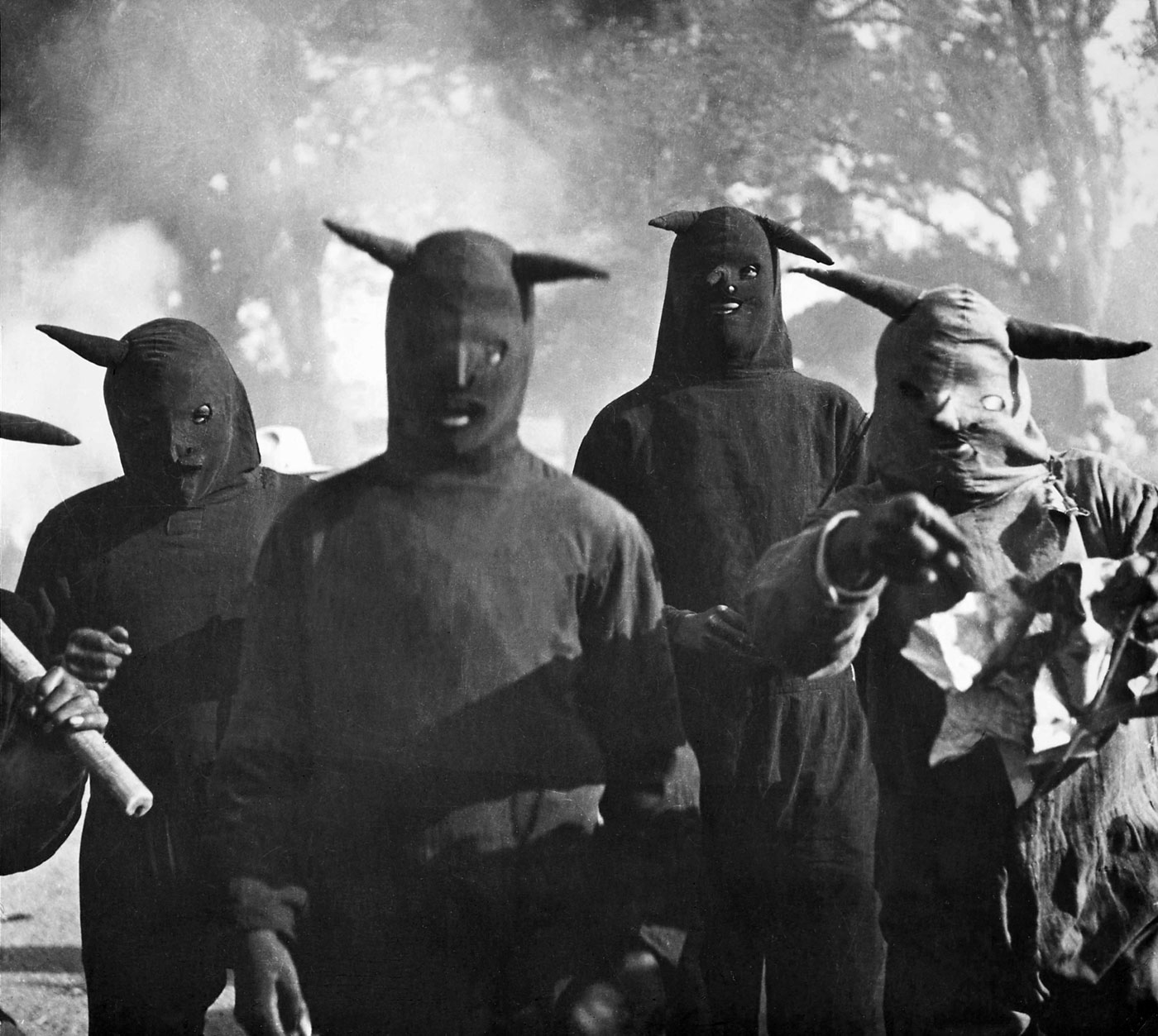
![Kati Horna (Mexican born Hungary, 1912-2000) 'Untitled, Oda a la necrofília series [Ode to Necrophilia]' Mexico 1962](https://artblart.com/wp-content/uploads/2014/09/necrophilia-web.jpg "Kati Horna (Mexican born Hungary, 1912-2000) 'Untitled, Oda a la necrofília series [Ode to Necrophilia]' Mexico 1962")
![Kati Horna (Mexican born Hungary, 1912-2000) 'El botellón' [The Bottle] Mexico, 1962](https://artblart.com/wp-content/uploads/2014/09/el-botellc3b3n-web.jpg "Kati Horna (Mexican born Hungary, 1912-2000) 'El botellón' [The Bottle] Mexico, 1962")

![Kati Horna (Mexican born Hungary, 1912-2000) 'Antonio Souza y su esposa Piti Saldivar' [Antonio Souza and his Wife Piti Saldivar] Mexico, 1959](https://artblart.com/wp-content/uploads/2014/09/souza-web.jpg "Kati Horna (Mexican born Hungary, 1912-2000) 'Antonio Souza y su esposa Piti Saldivar' [Antonio Souza and his Wife Piti Saldivar] Mexico, 1959")
![Kati Horna (Mexican born Hungary, 1912-2000) 'José Horna elaborando la maqueta de la casa de Edward James' [José Horna Working on the Maquette for Edward James's House] Mexico, 1960](https://artblart.com/wp-content/uploads/2014/09/josc3a9-horna-elaborando-web.jpg "Kati Horna (Mexican born Hungary, 1912-2000) 'José Horna elaborando la maqueta de la casa de Edward James' [José Horna Working on the Maquette for Edward James's House] Mexico, 1960")
![Kati Horna (Mexican born Hungary, 1912-2000) 'Mujer y máscara' [Woman with Mask] Mexico, 1963](https://artblart.com/wp-content/uploads/2014/09/woman-with-mask-web.jpg "Kati Horna (Mexican born Hungary, 1912-2000) 'Mujer y máscara' [Woman with Mask] Mexico, 1963")


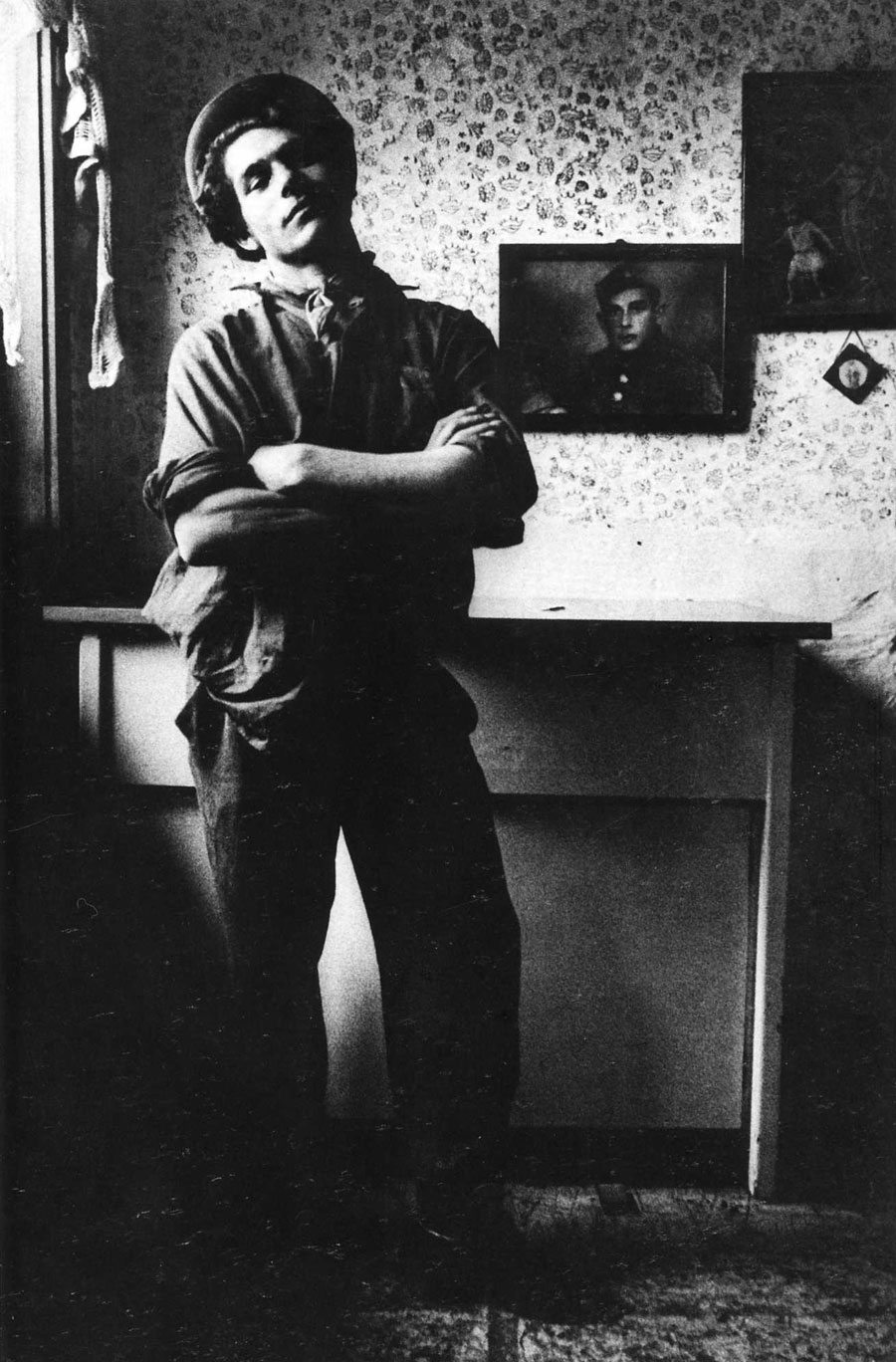
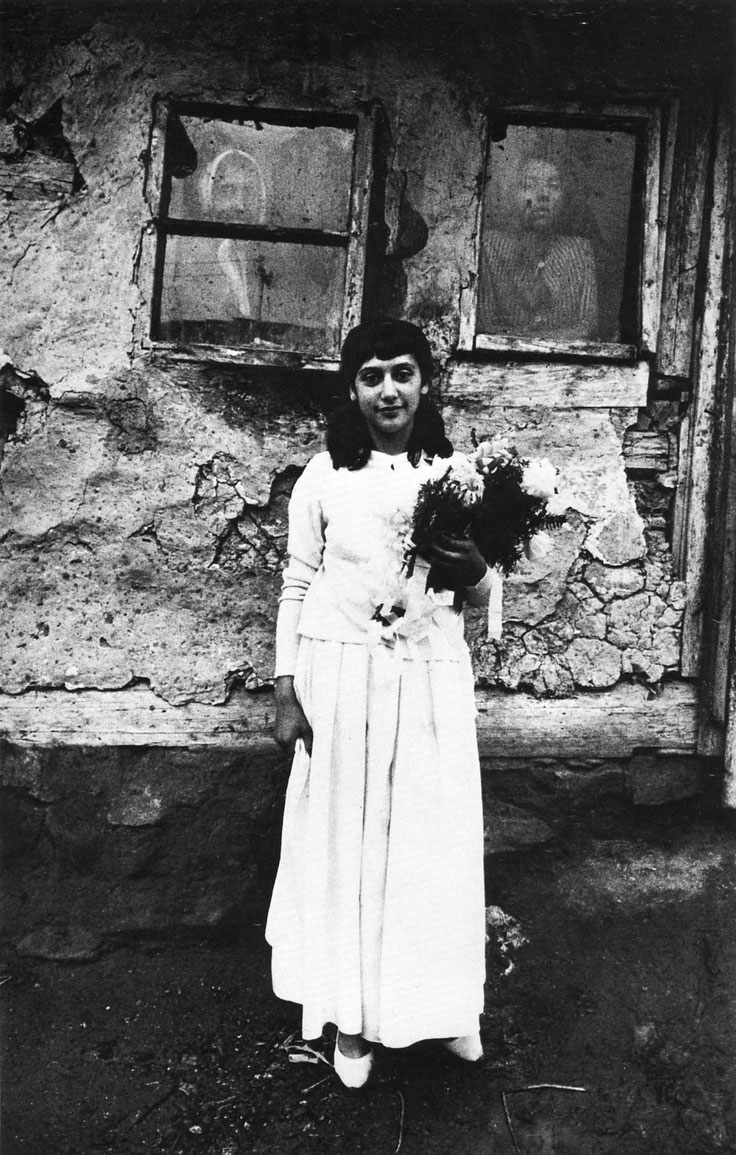


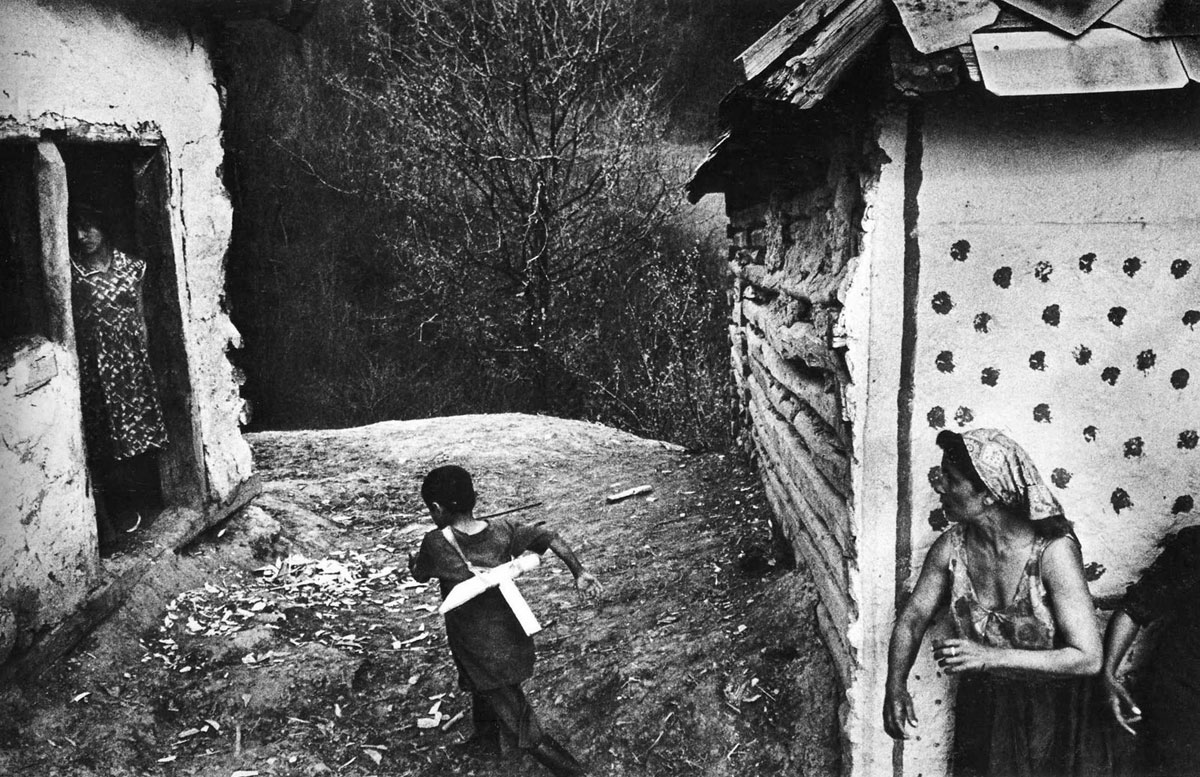


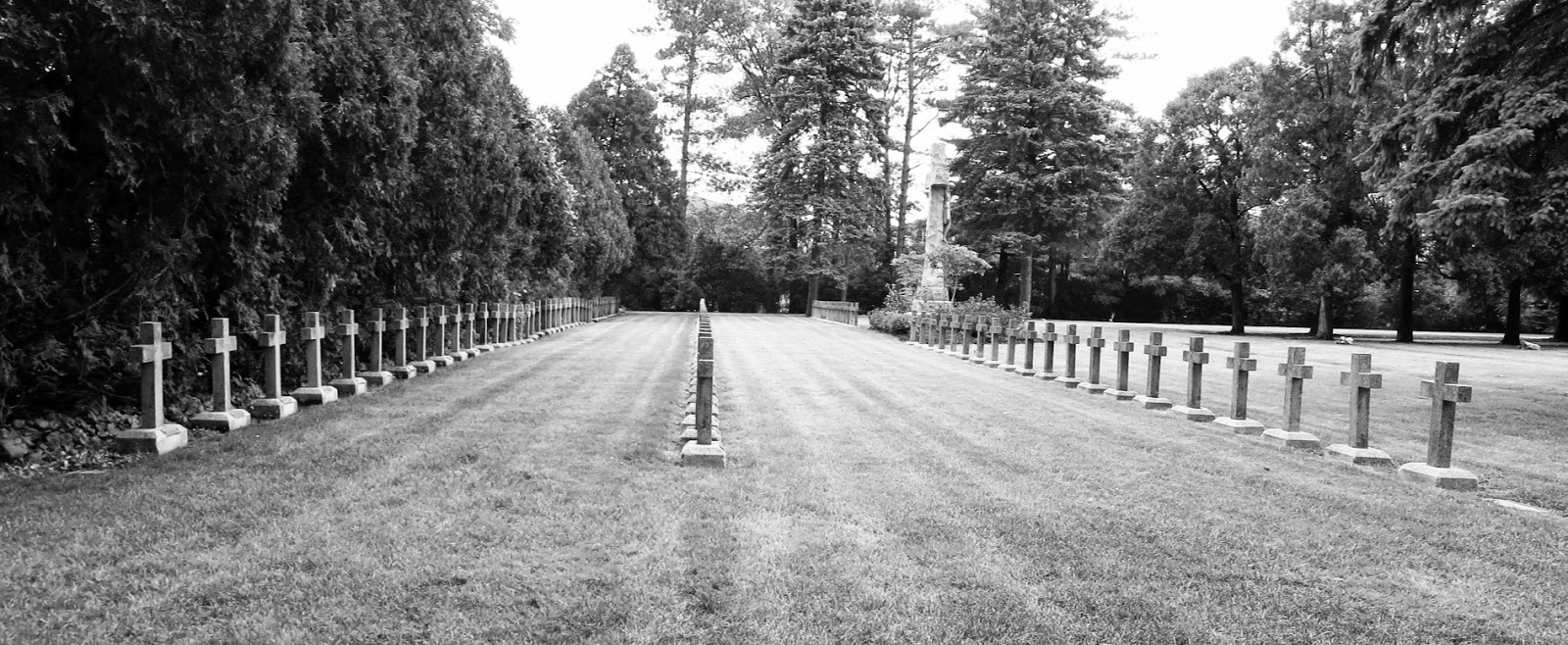


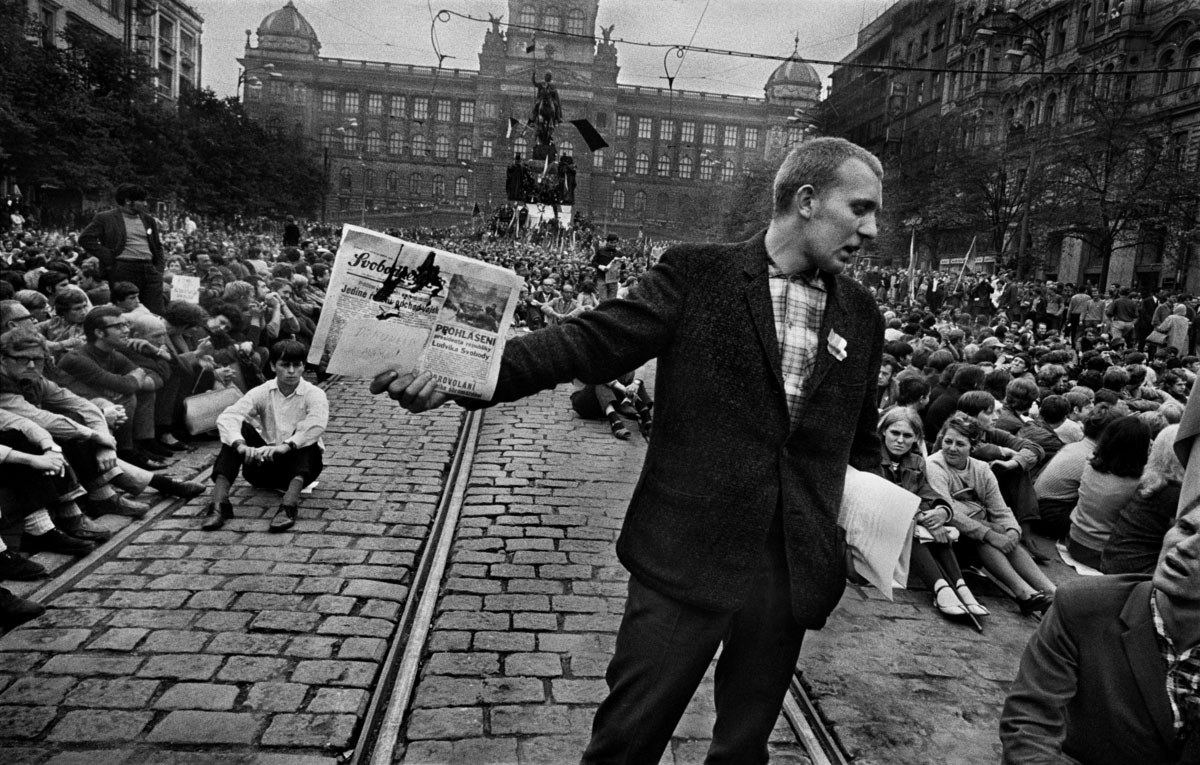


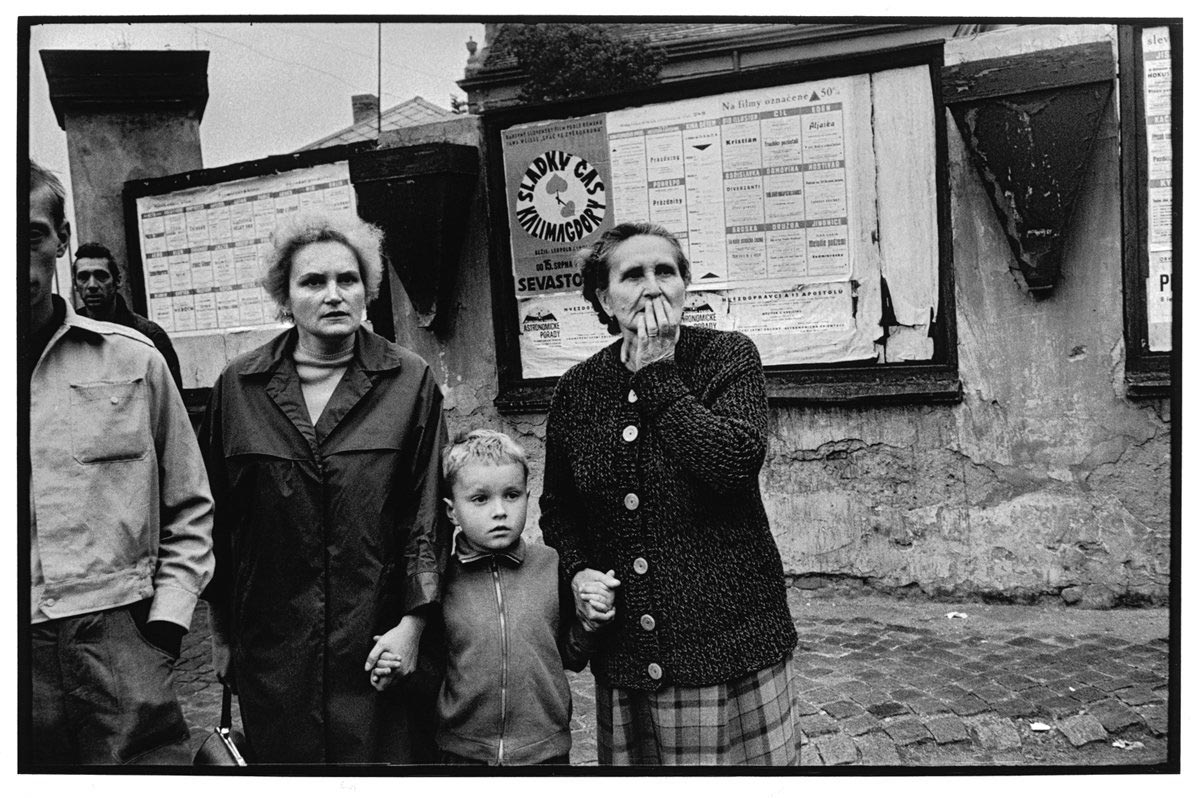
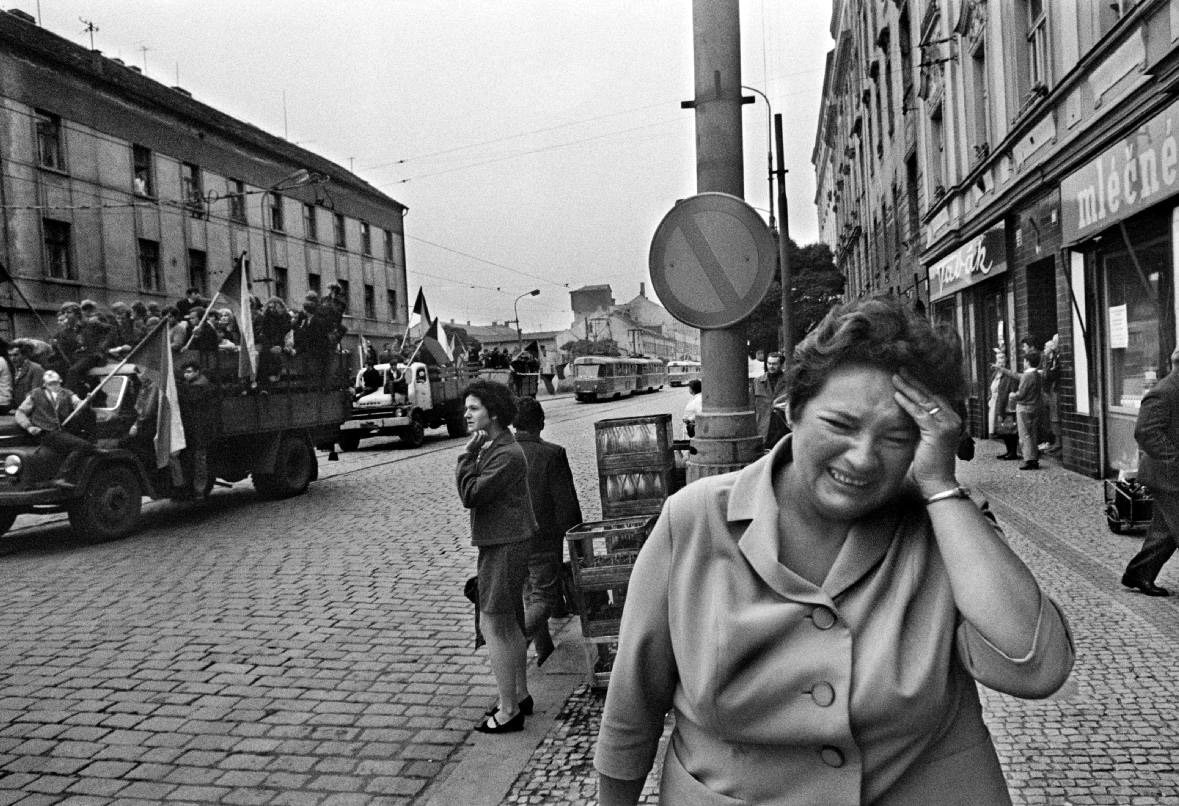


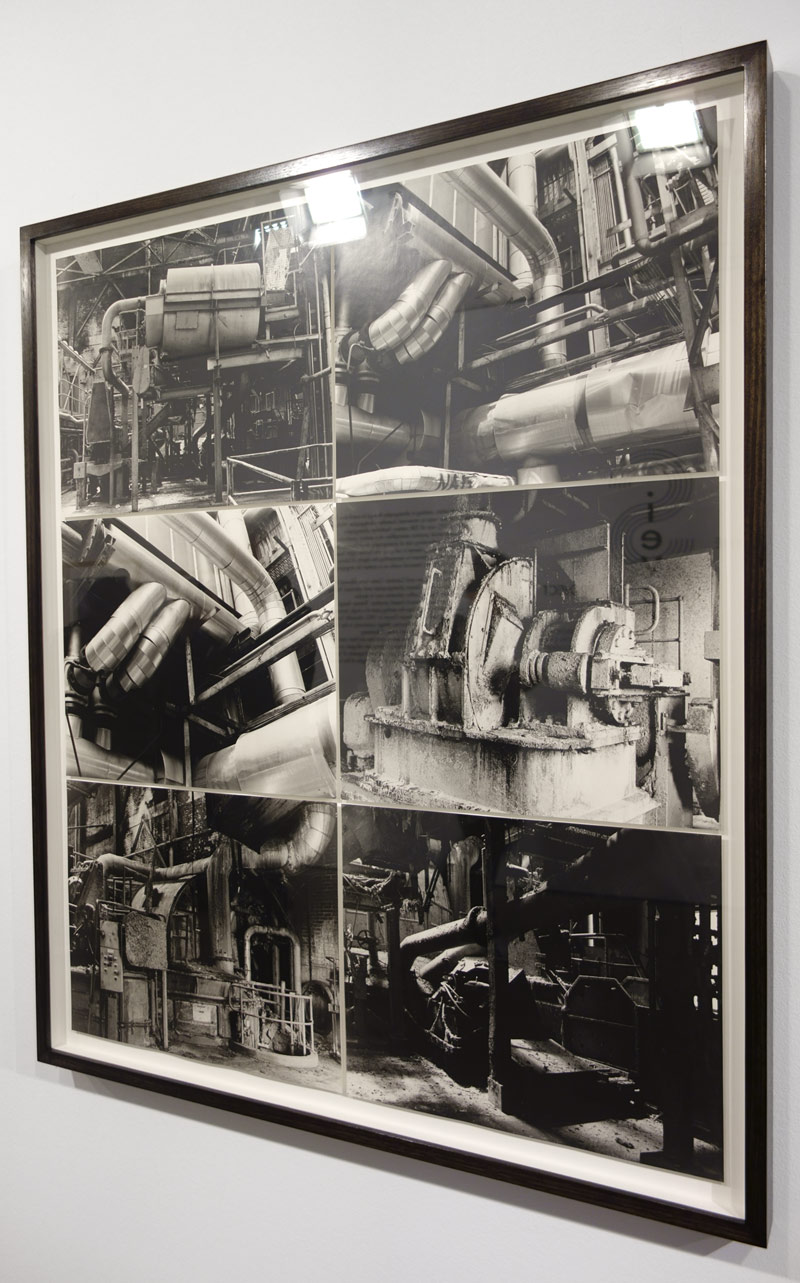


![Zoë Croggon (Australian, b. 1989) 'Comalco Aluminium Used in the Construction of the National Gallery of Victoria [7] (after Wolfgang Sievers)' 2014](https://artblart.com/wp-content/uploads/2014/08/installation-h.jpg "Zoë Croggon (Australian, b. 1989) 'Comalco Aluminium Used in the Construction of the National Gallery of Victoria [7] (after Wolfgang Sievers)' 2014")
![Zoë Croggon (Australian, b. 1989) 'Comalco Aluminium Used in the Construction of the National Gallery of Victoria [18] (after Wolfgang Sievers)' 2014](https://artblart.com/wp-content/uploads/2014/08/installation-i.jpg "Zoë Croggon (Australian, b. 1989) 'Comalco Aluminium Used in the Construction of the National Gallery of Victoria [18] (after Wolfgang Sievers)' 2014")
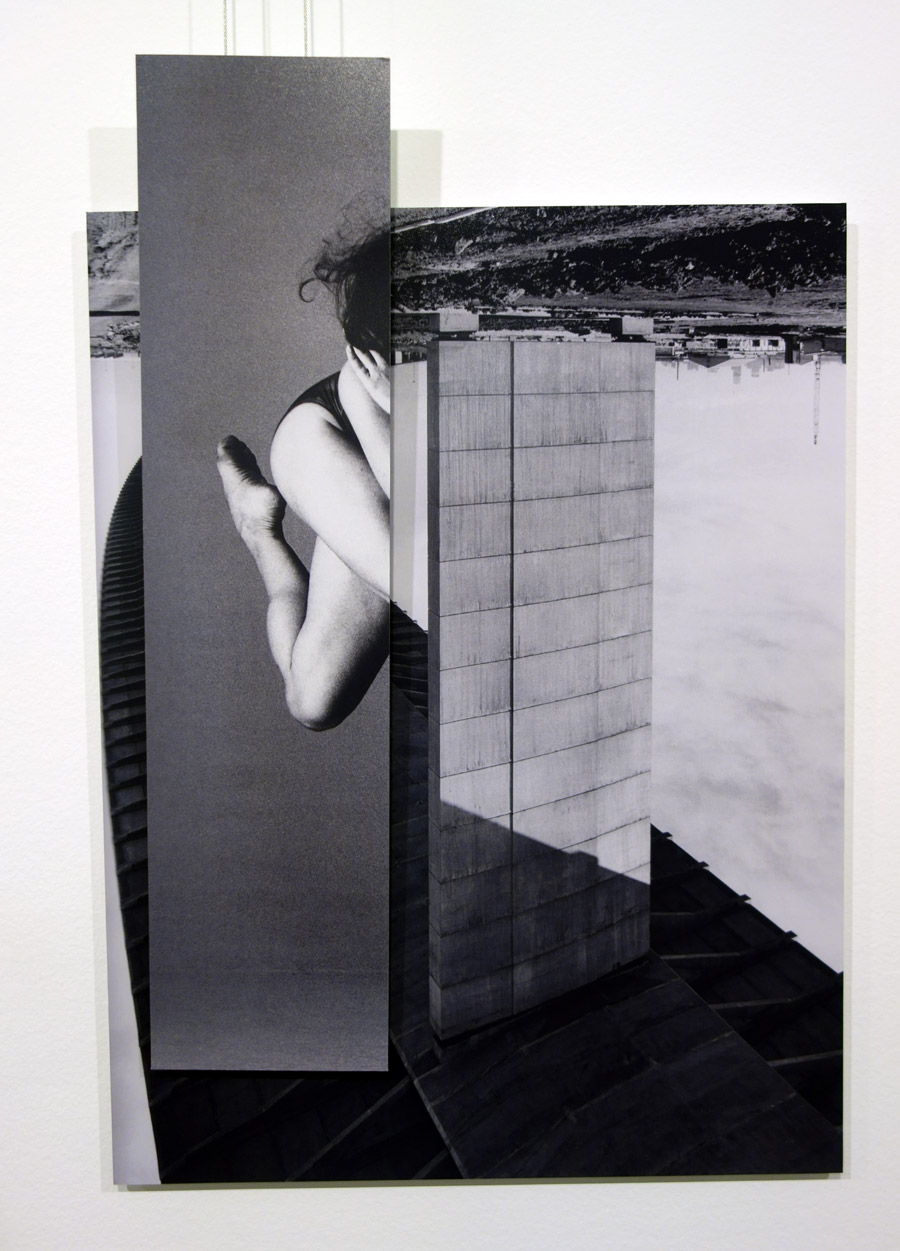


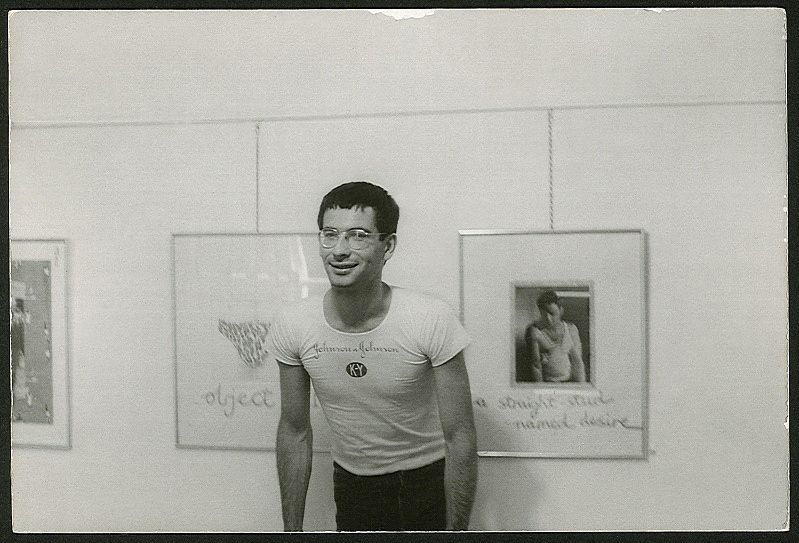
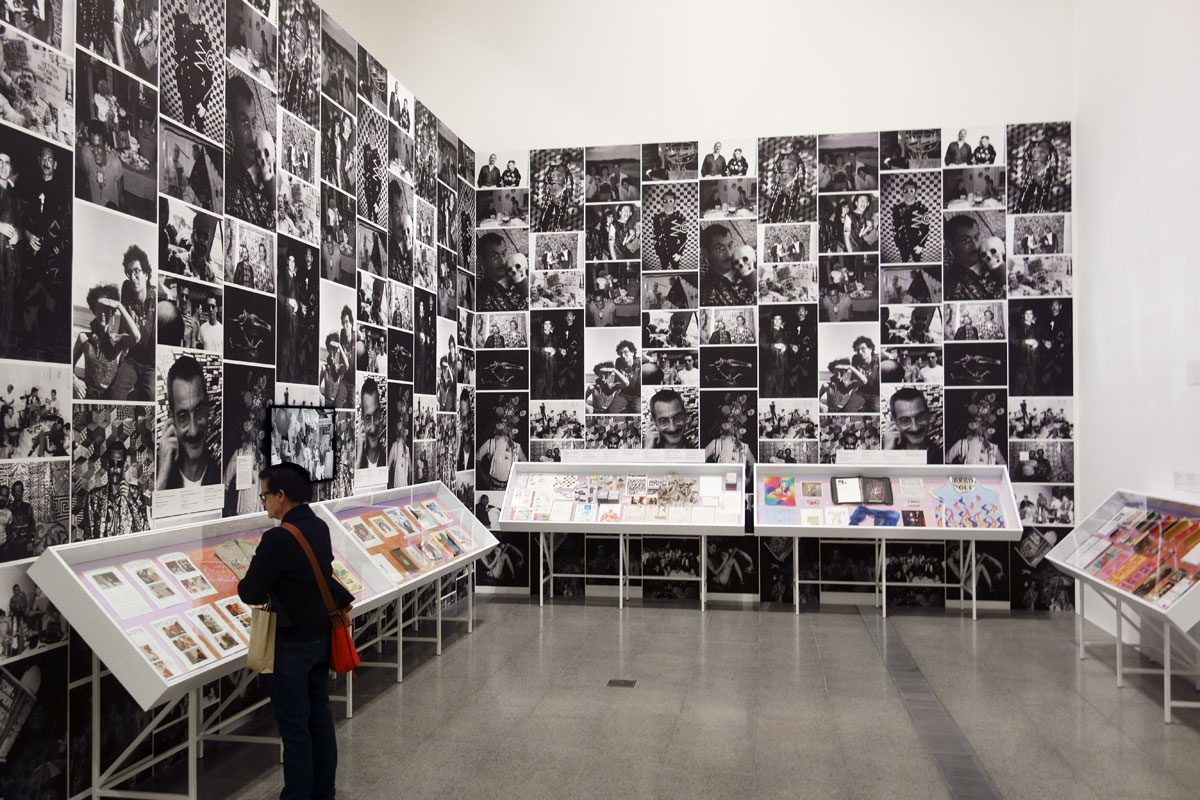
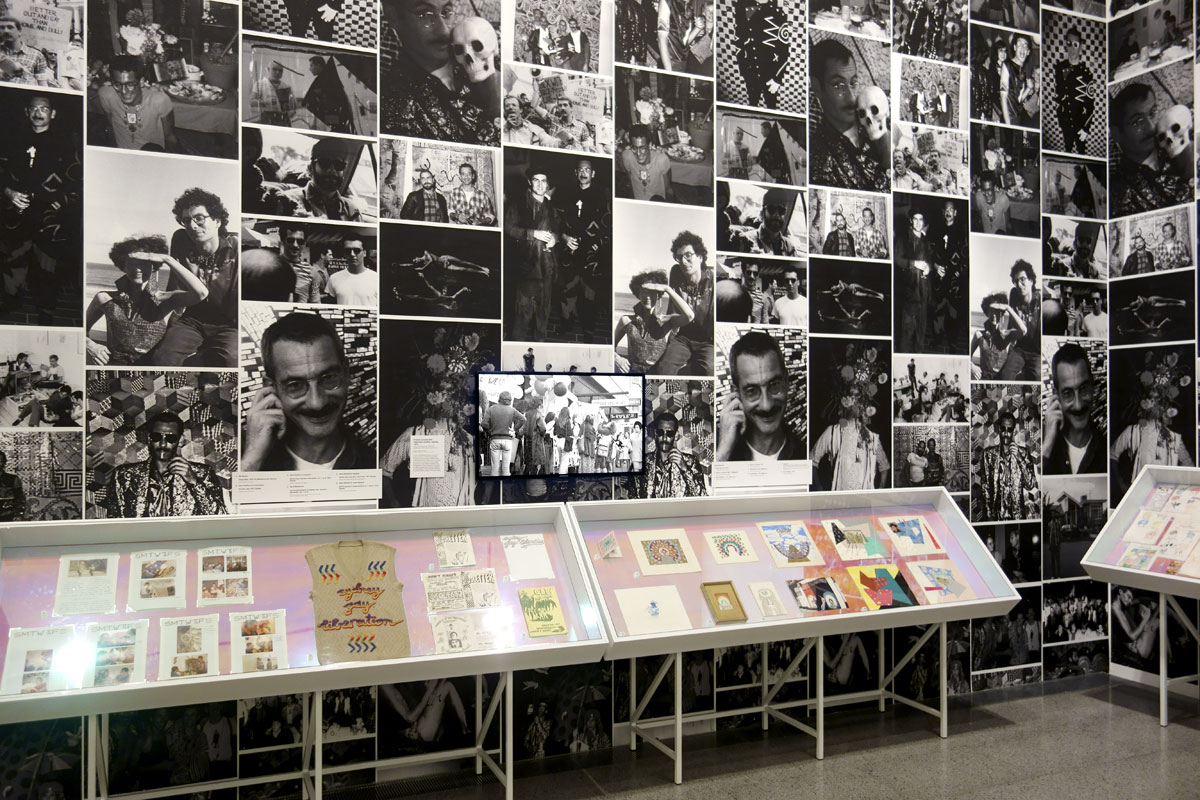


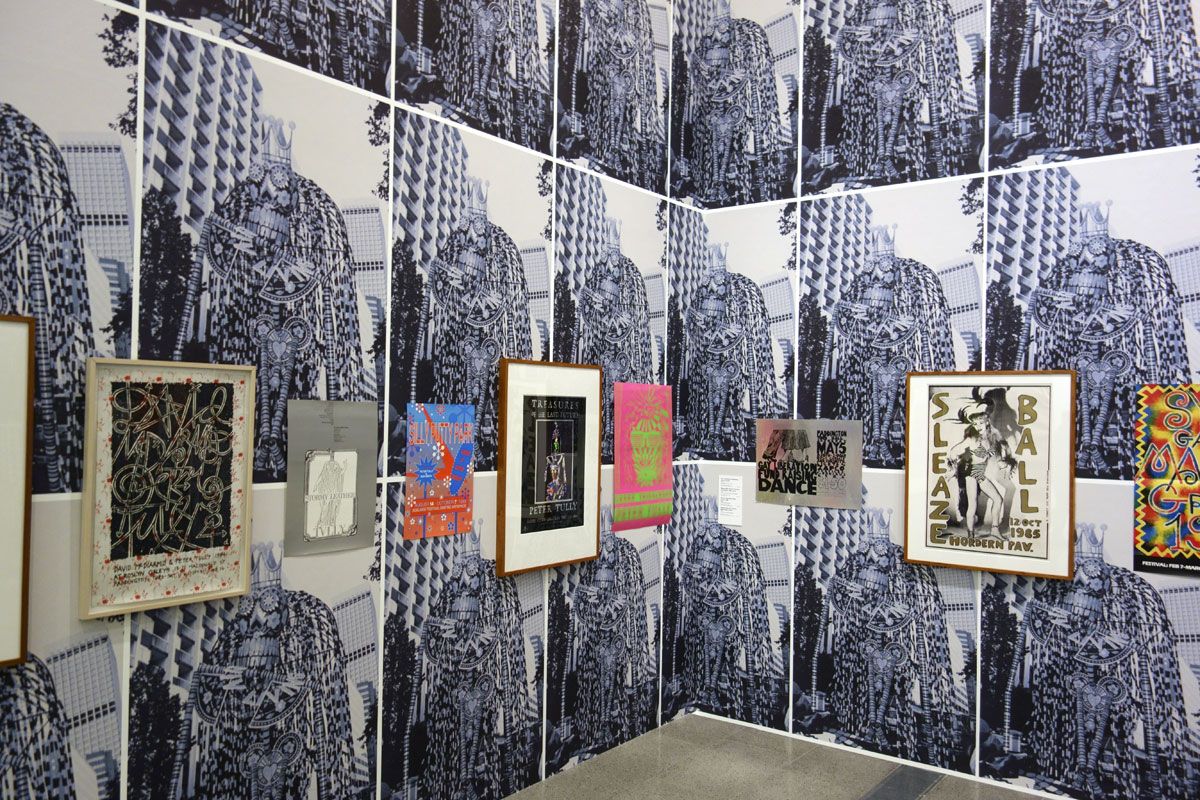


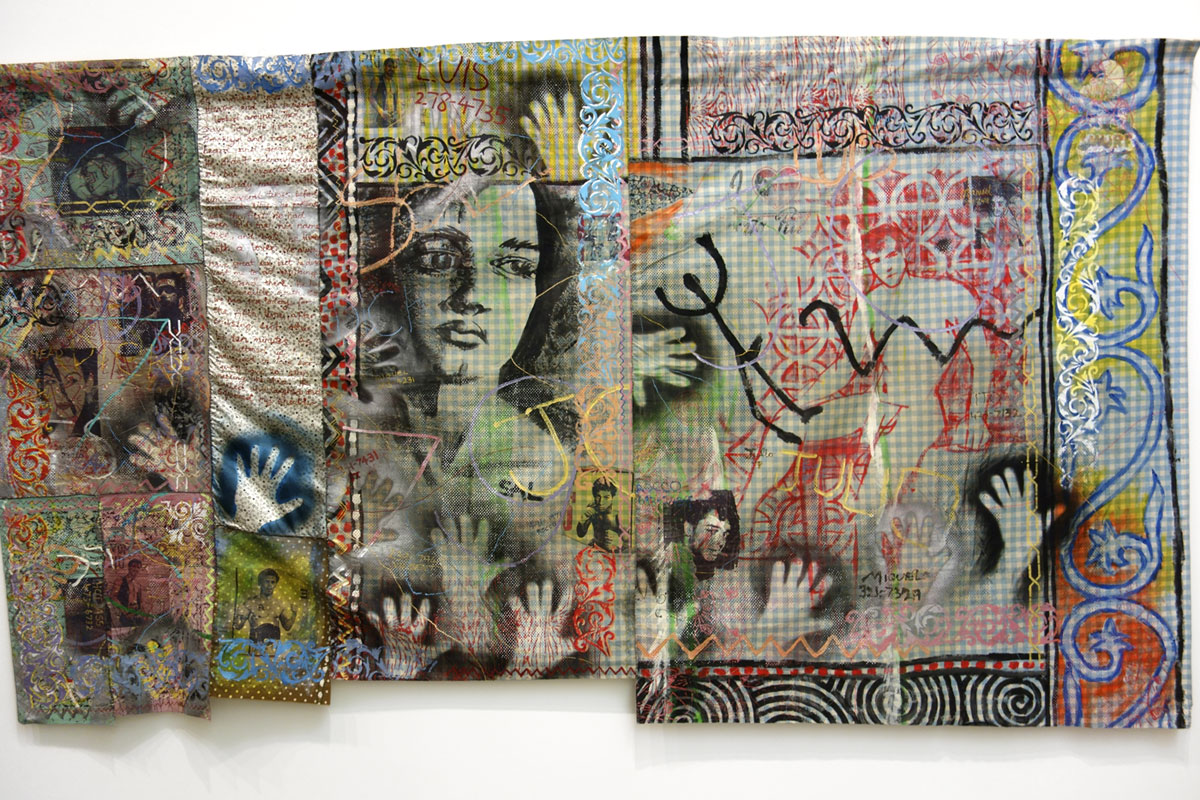


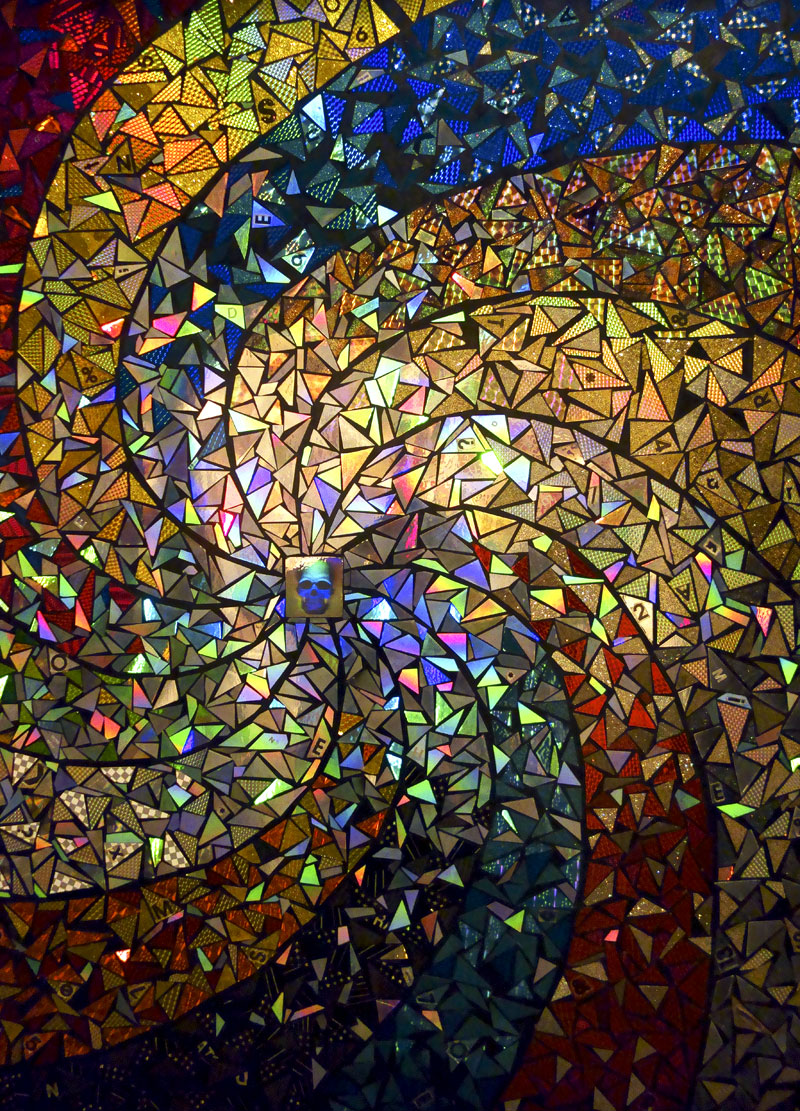

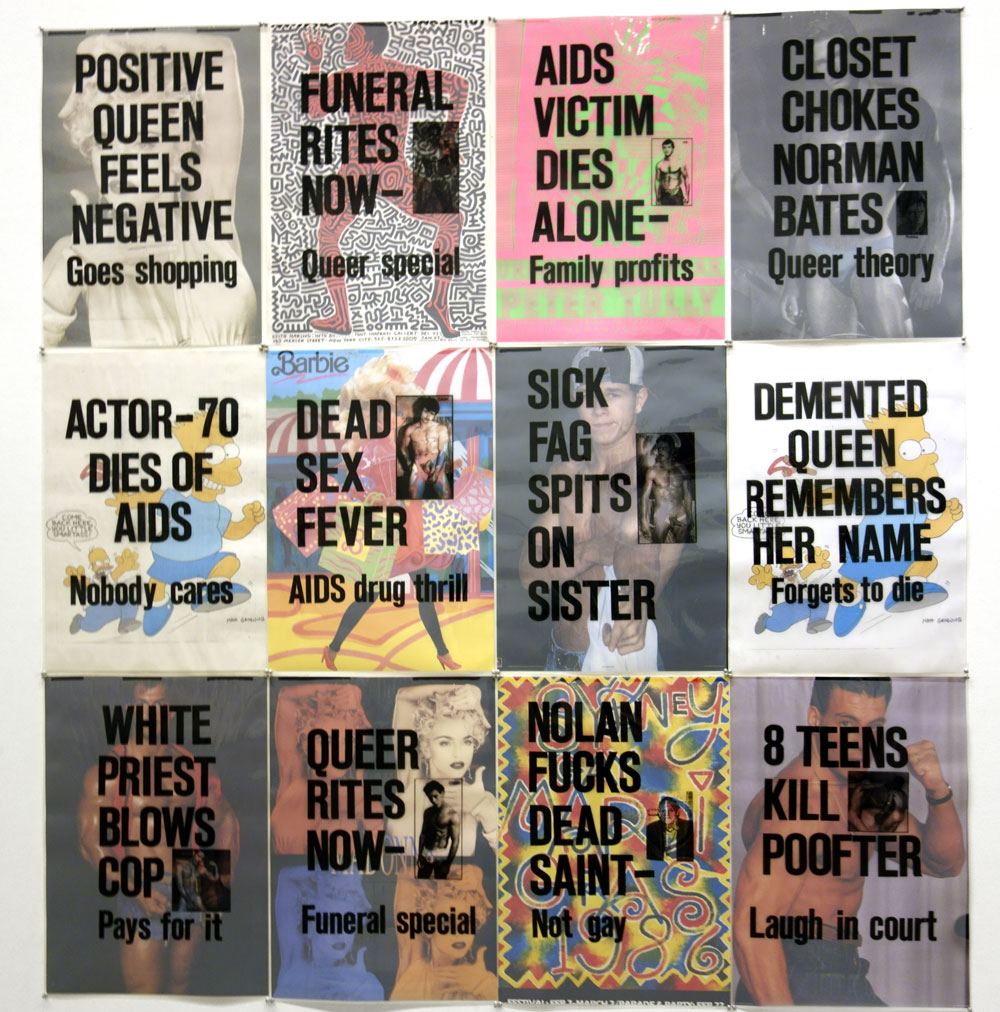

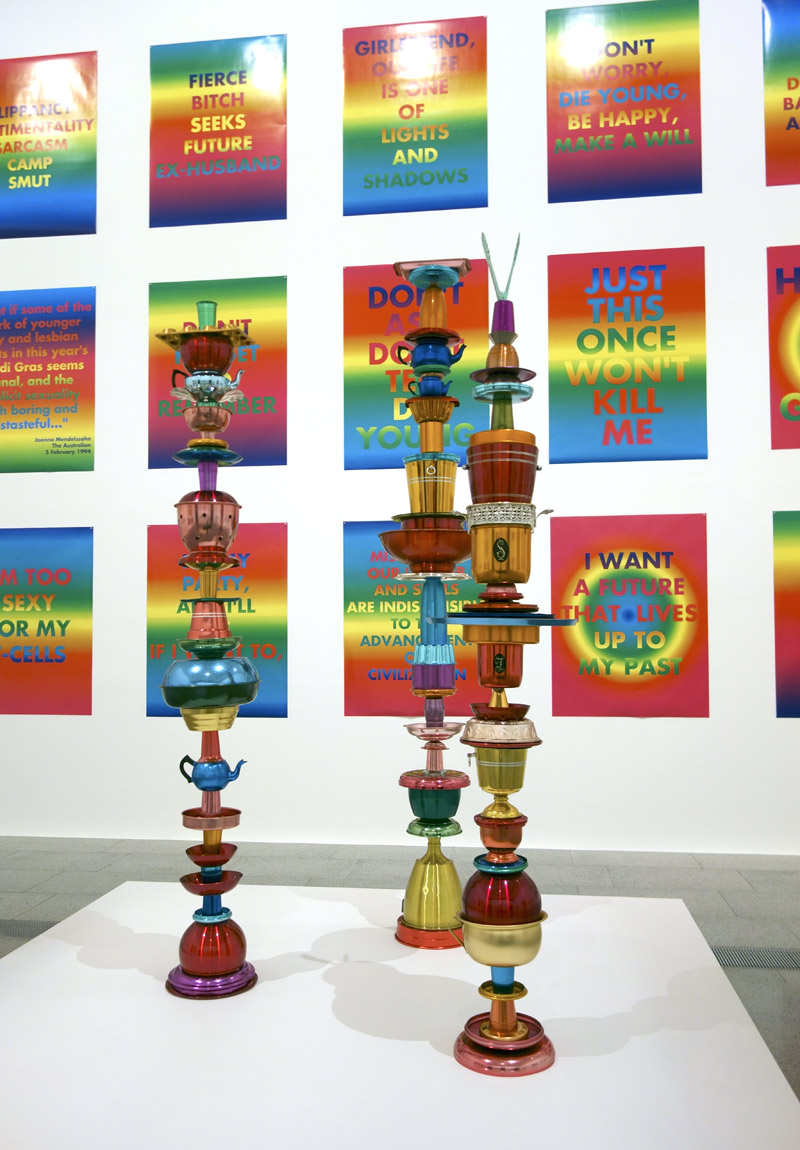
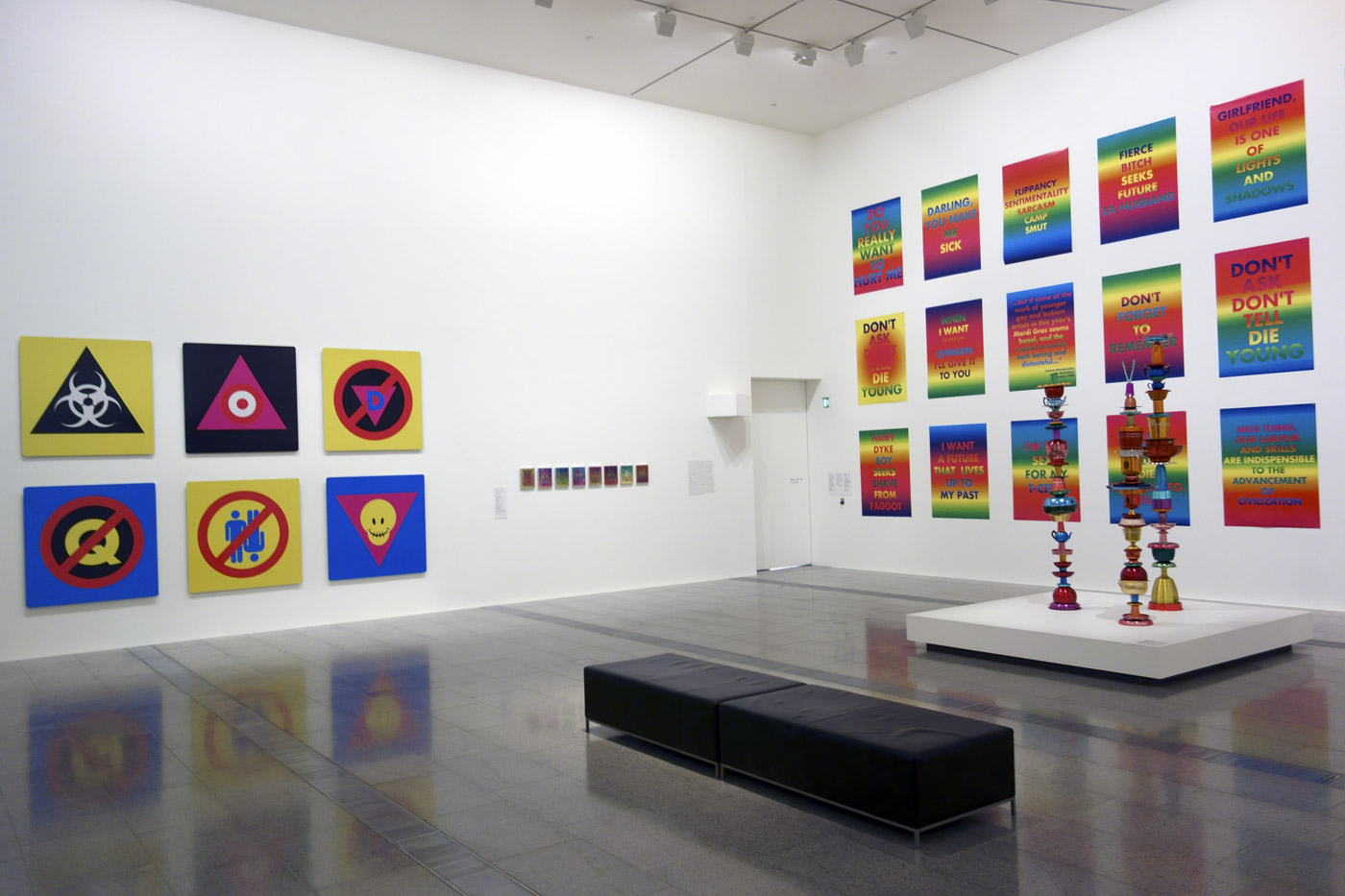

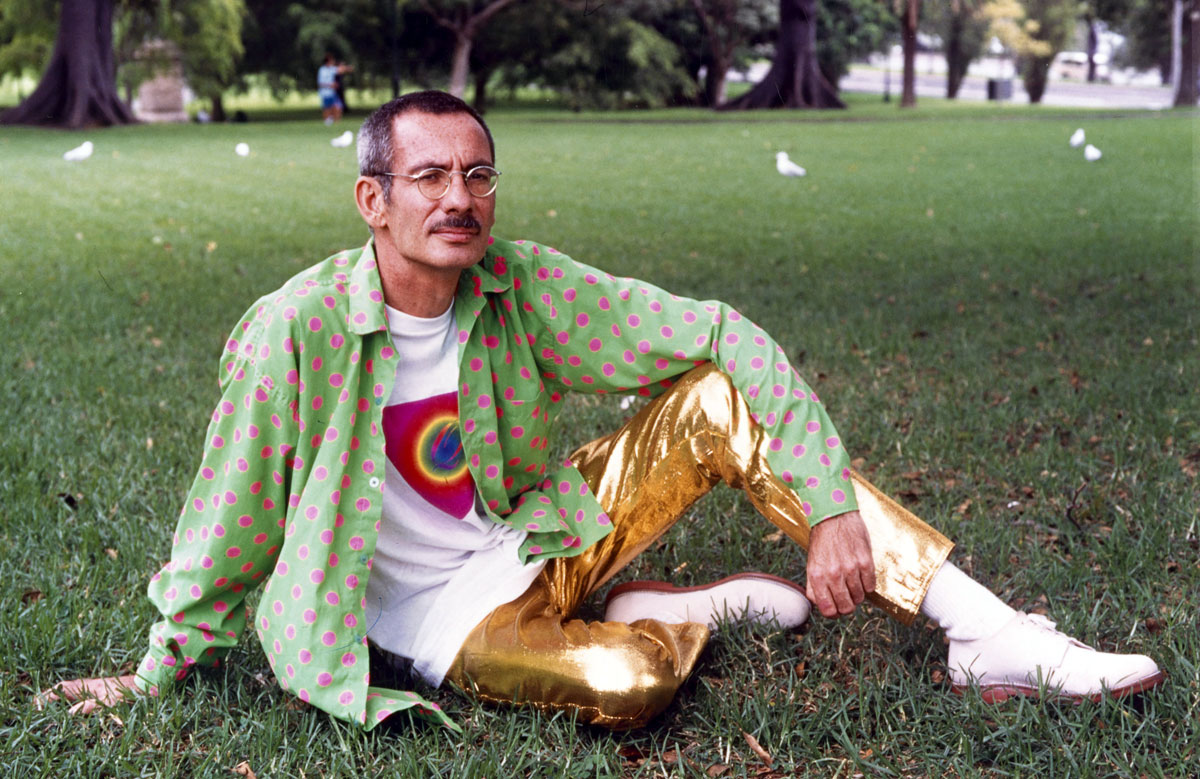
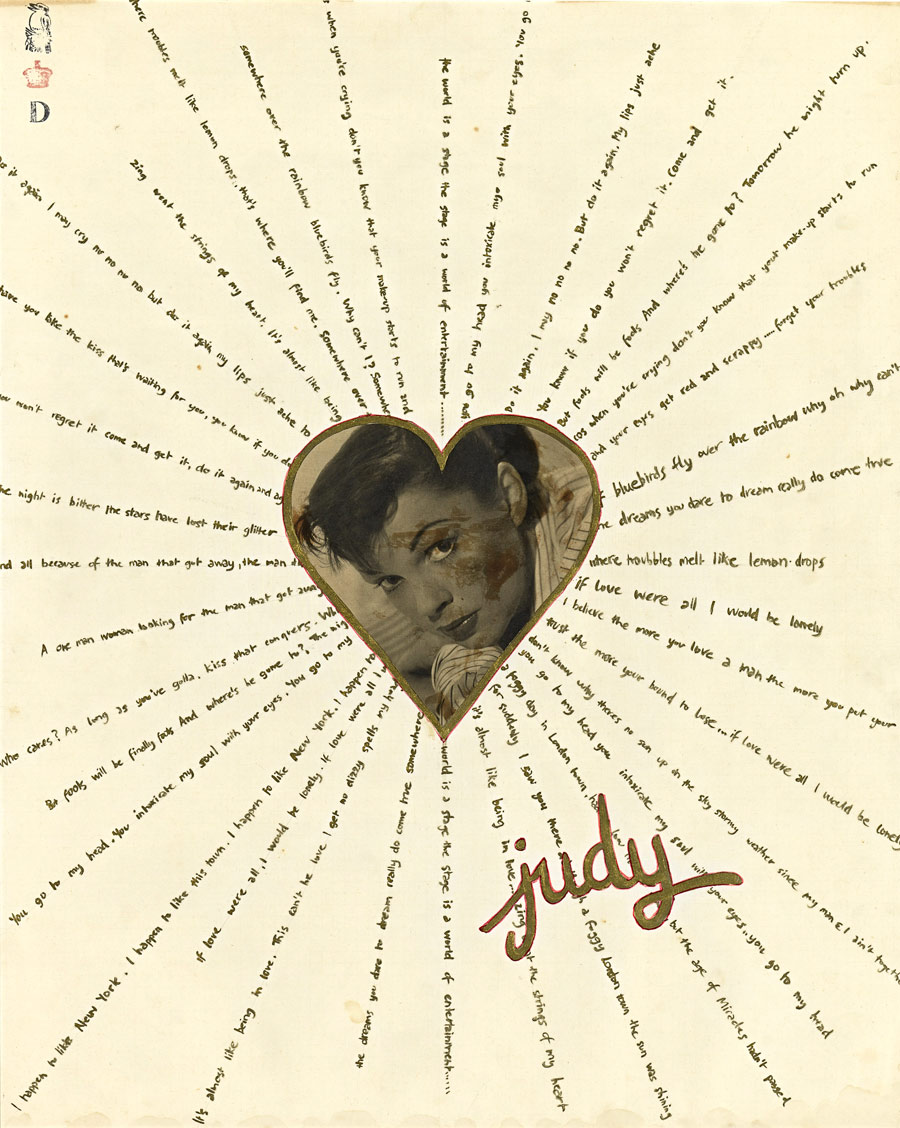

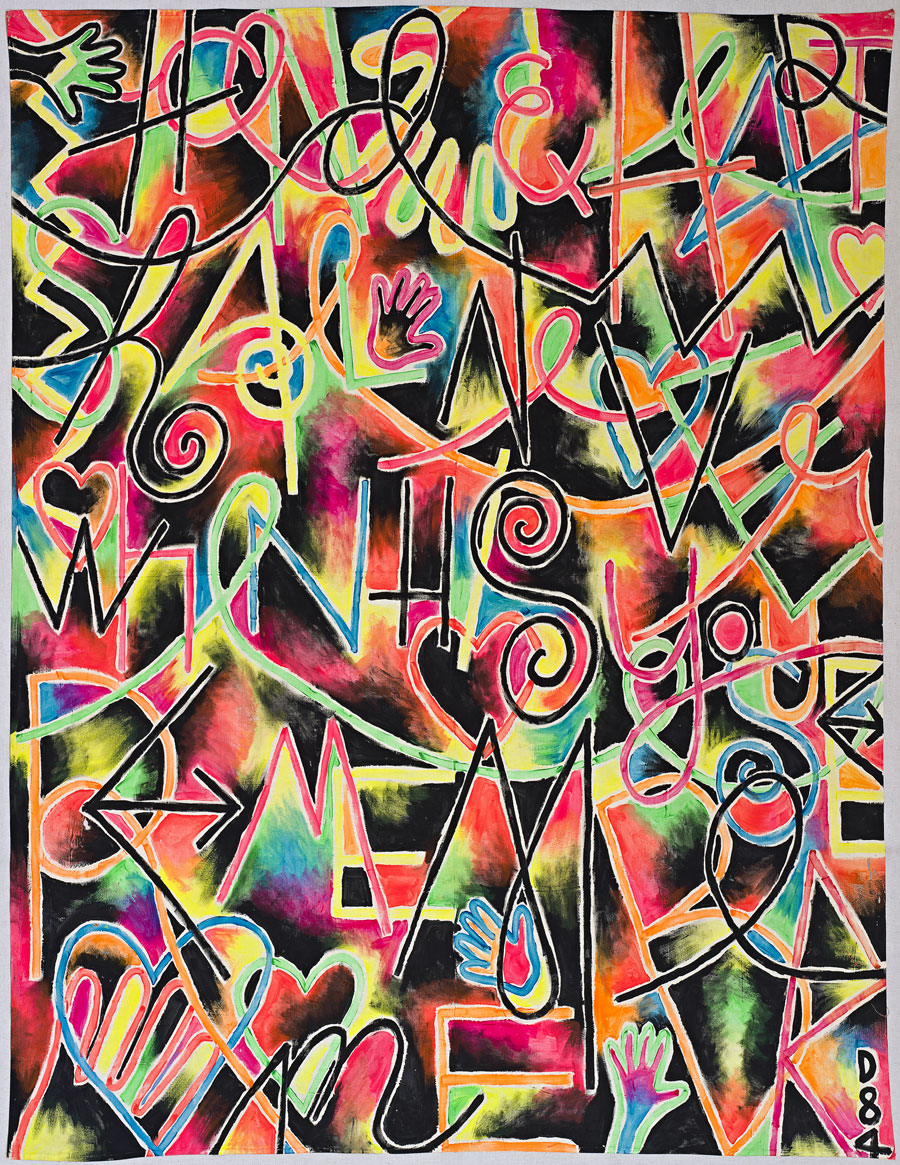


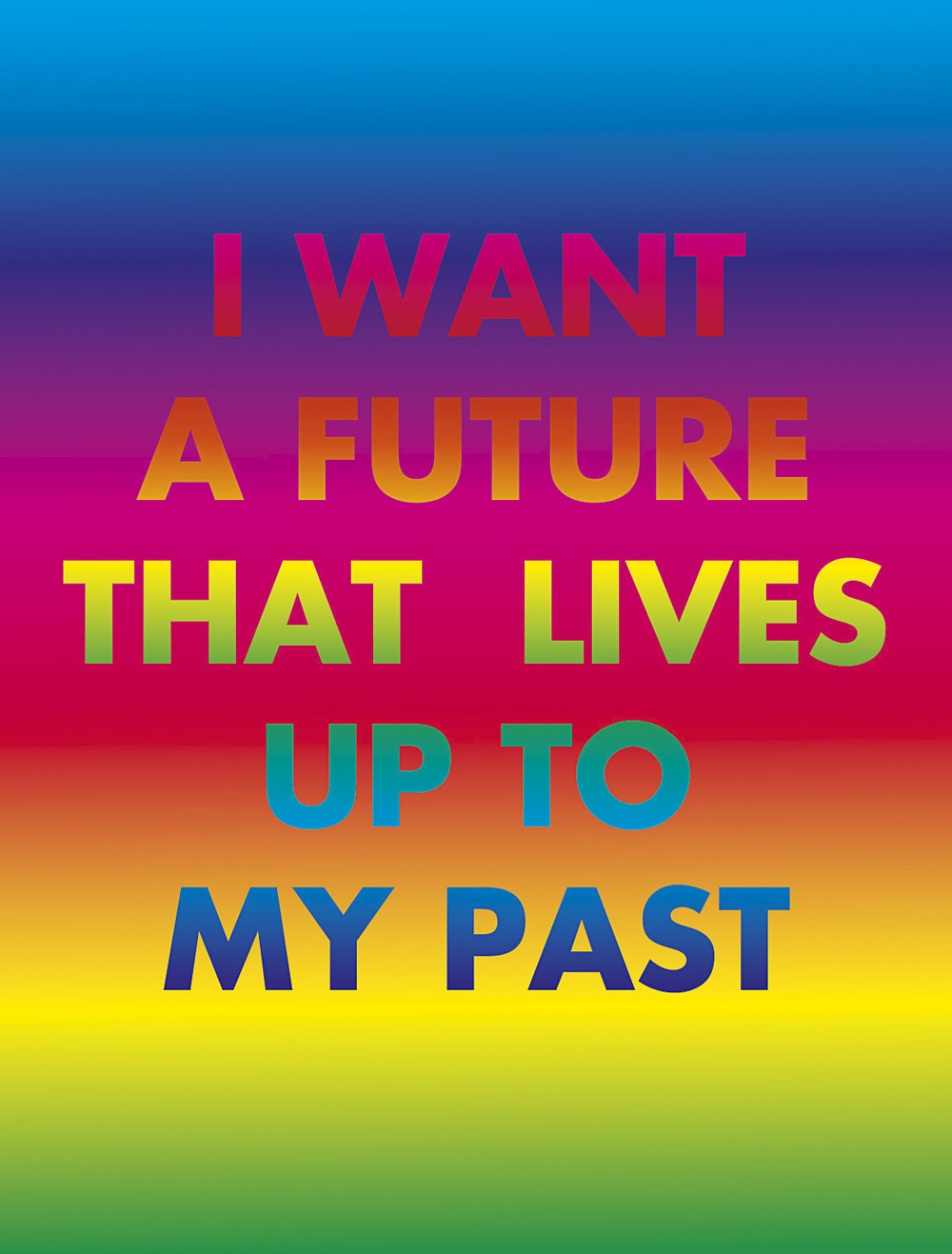

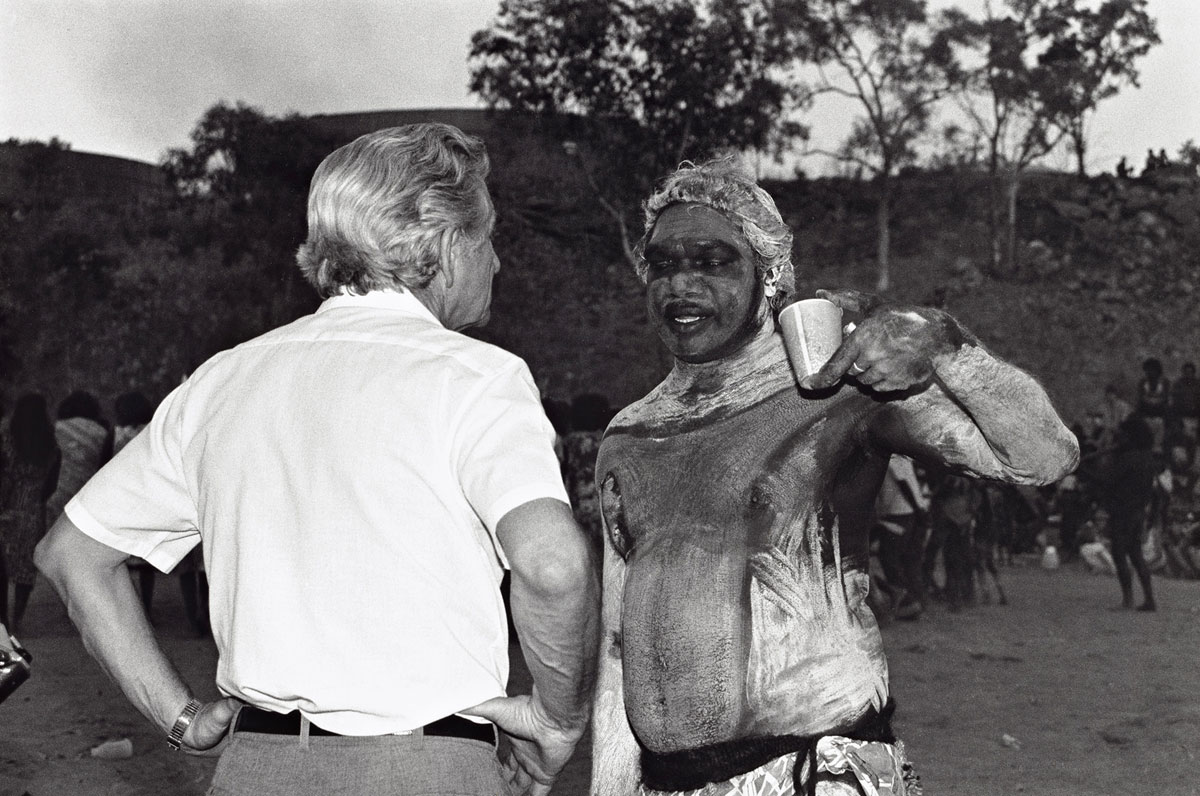


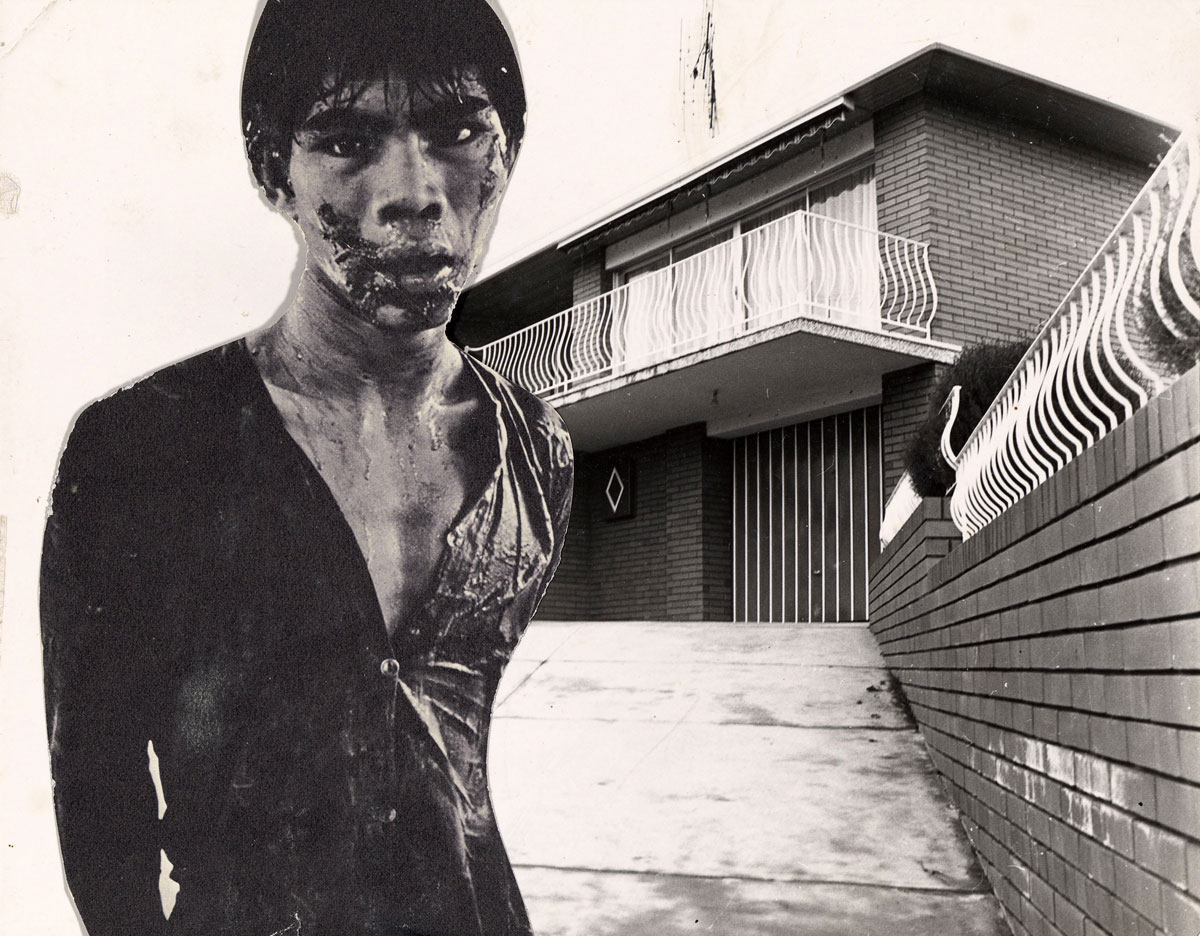


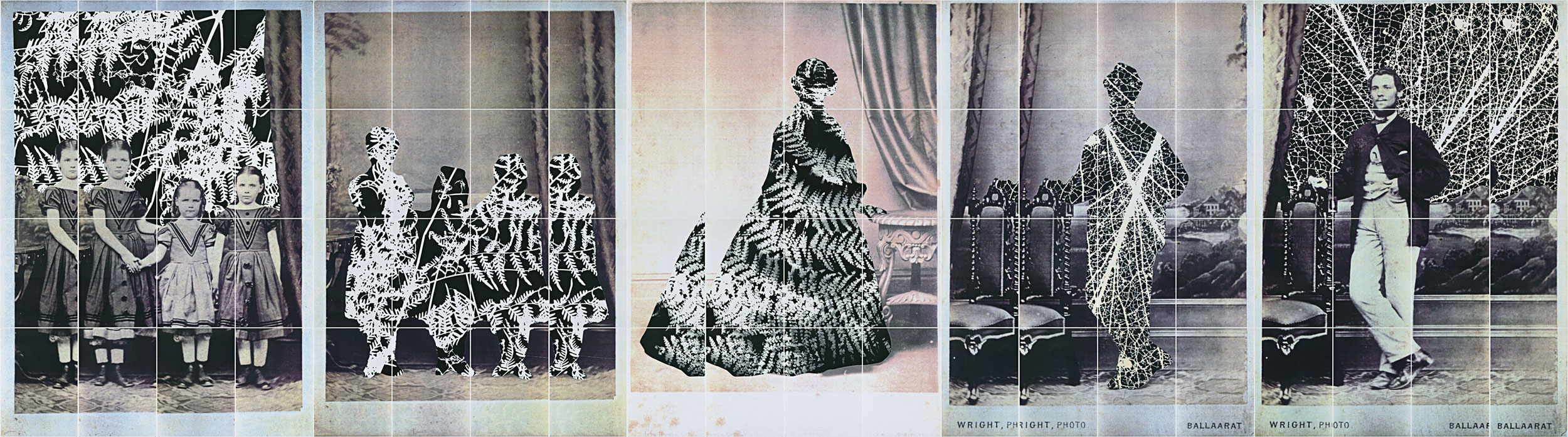


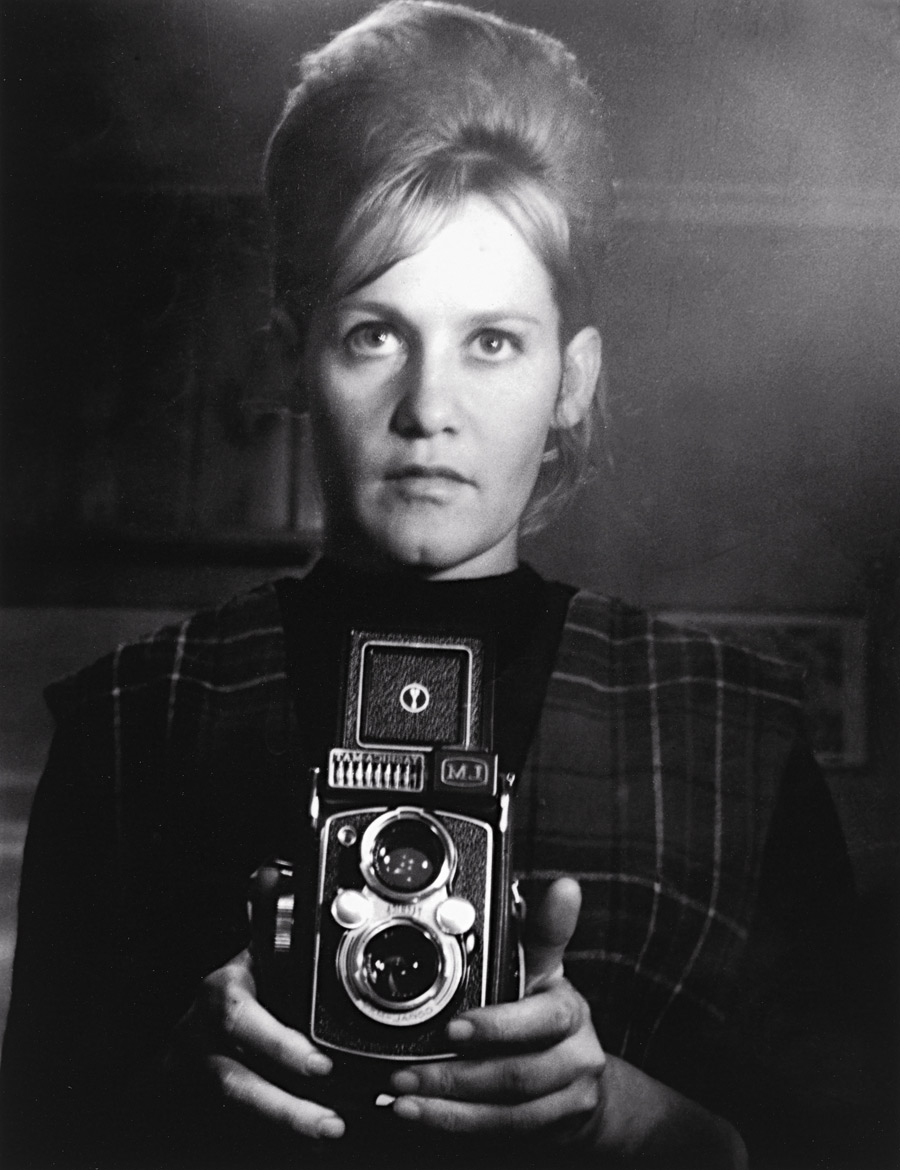


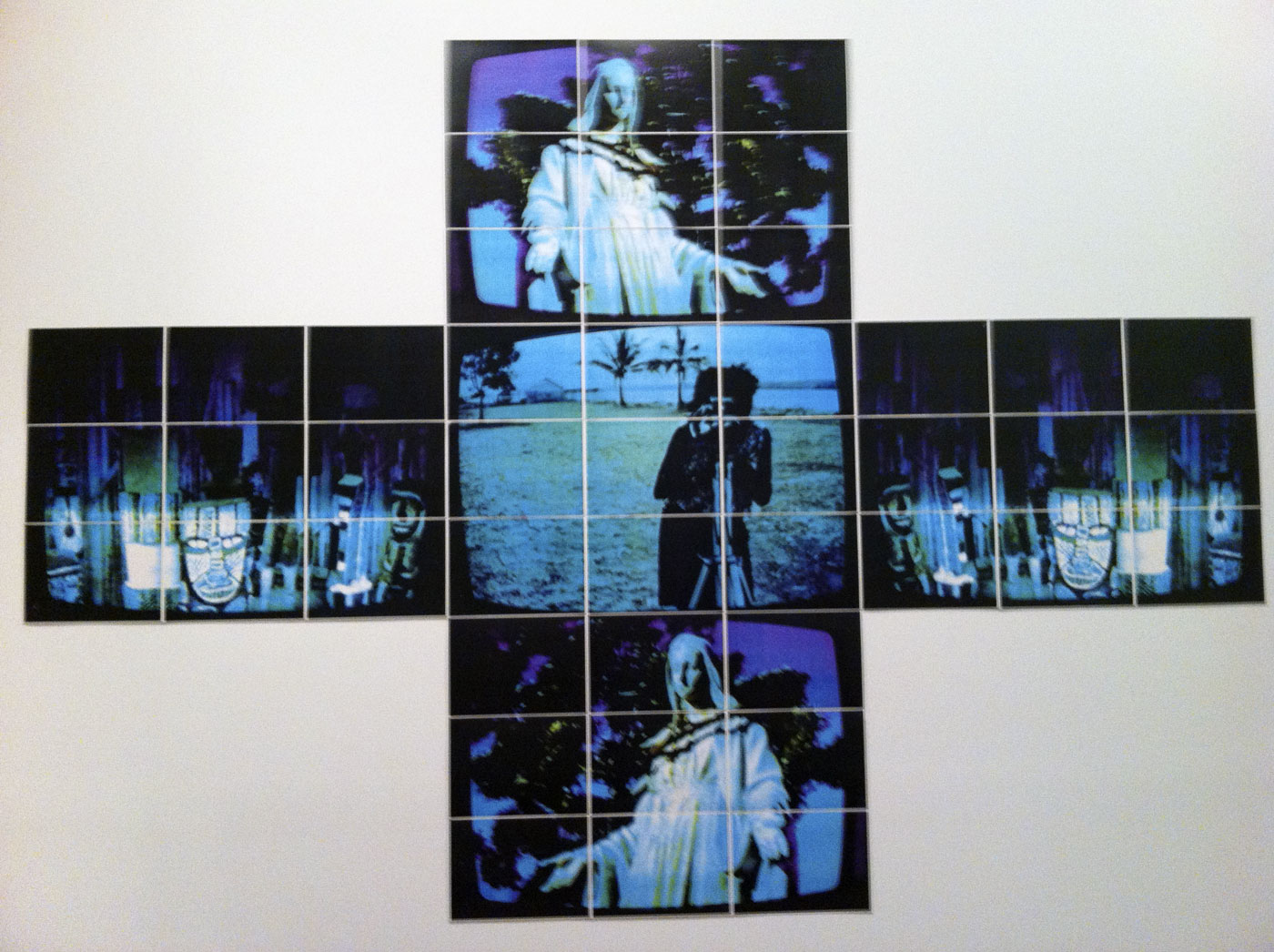
![Neo Rauch (German, b. 1960) 'Goldgrube' [Goldmine] 2007](https://artblart.com/wp-content/uploads/2014/07/22_neo_rauch_goldgrube-web.jpg "Neo Rauch (German, b. 1960) 'Goldgrube' [Goldmine] 2007")
![Rembrandt Harmenszoon van Rijn (Dutch, 1606-1669) 'Sogenannter Faust' [Allegedly Faust] c. 1651‑1653](https://artblart.com/wp-content/uploads/2014/07/12_rembrandt_sogenannter_faust-web.jpg "Rembrandt Harmenszoon van Rijn (Dutch, 1606-1669) 'Sogenannter Faust' [Allegedly Faust] c. 1651‑1653")
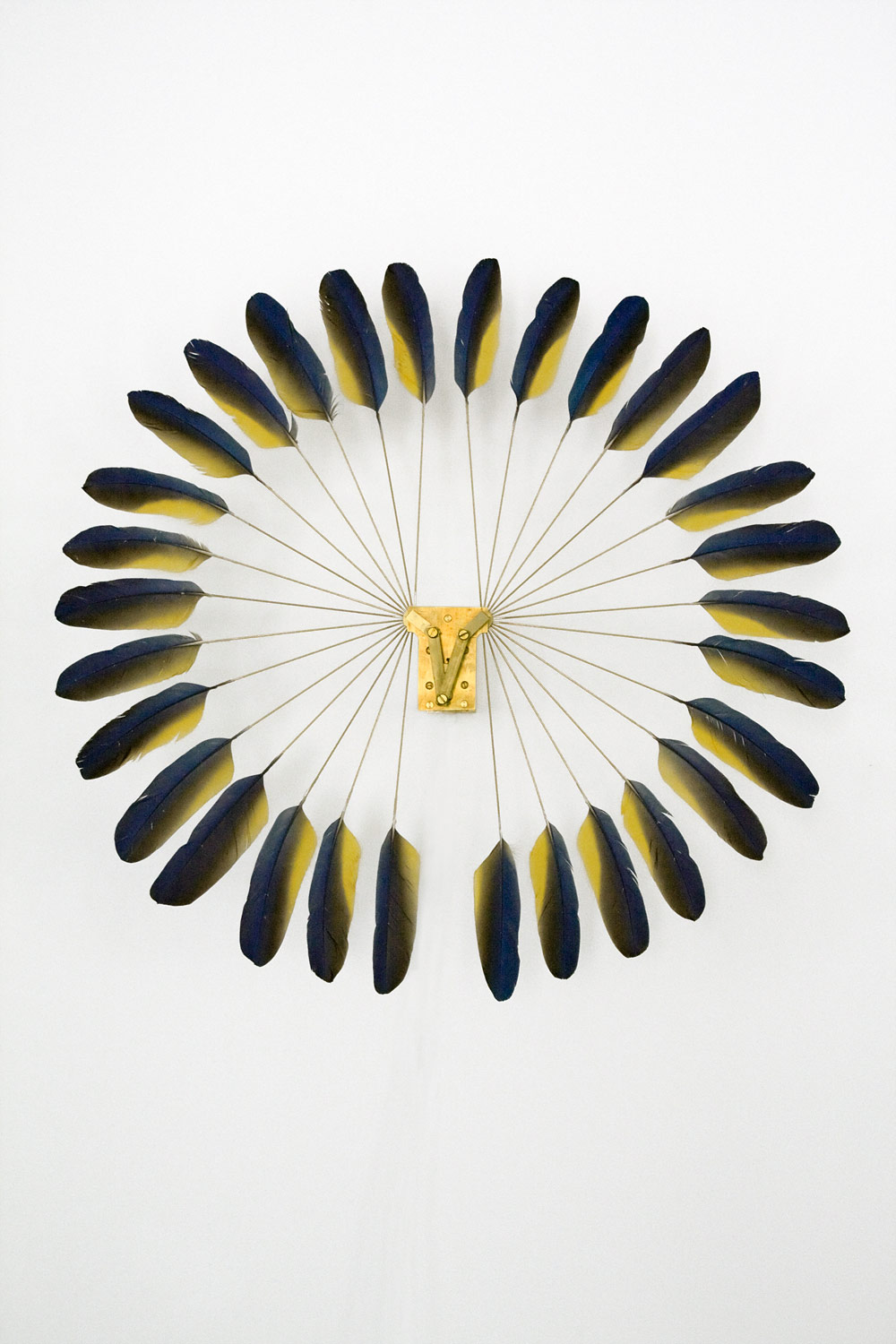
![Yves Klein (French, 1928-1962) 'Relief éponge bleu (RE 18)' (blue sponge relief [re 18]) 1960](https://artblart.com/wp-content/uploads/2014/07/16_klein_schwammrelief-web.jpg "Yves Klein (French, 1928-1962) 'Relief éponge bleu (RE 18)' (blue sponge relief [re 18]) 1960")
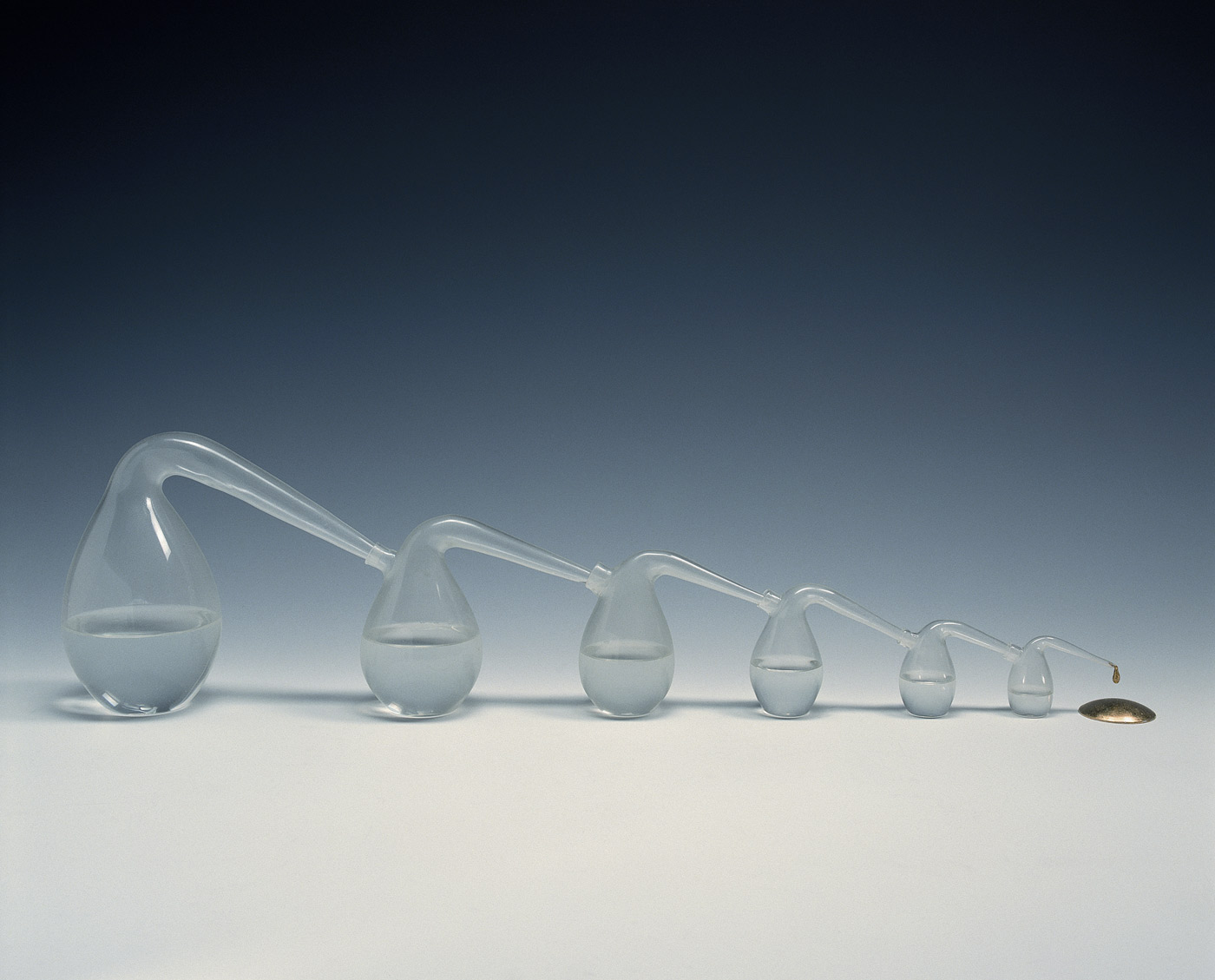
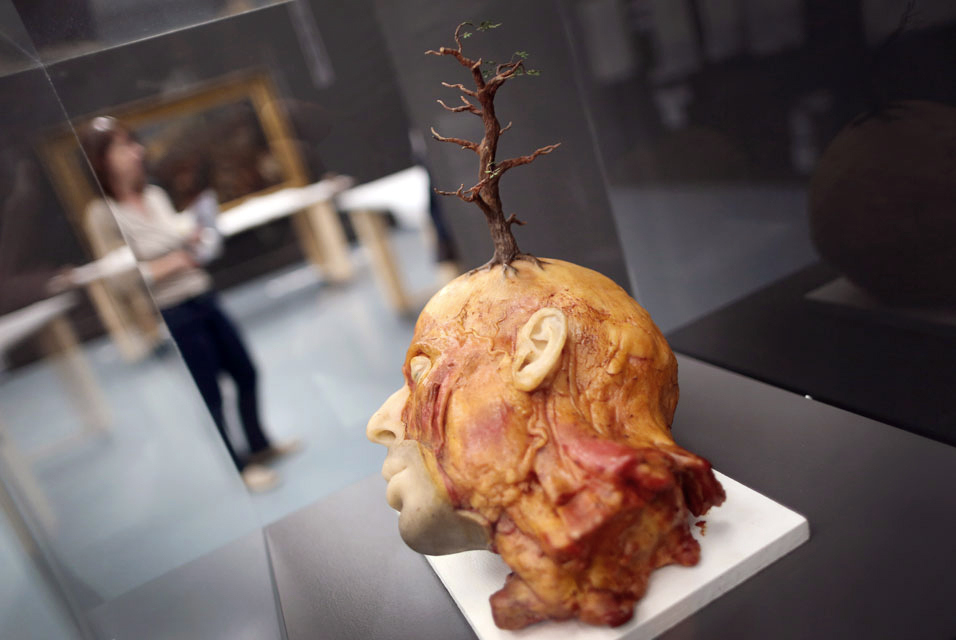
 Art Blart _ art and cultural memory archive
You must be logged in to post a comment.