PLEASE NOTE: SINCE THIS POSTING, I ACKNOWLEDGE THAT THE ALISON JACQUES GALLERY, LONDON HAS UPDATED THEIR WEBSITE TO INCLUDE A MORE REPRESENTATIVE SELECTION OF MAPPLETHORPE’S IMAGES – INCLUDING SOME OF MAPPLETHORPE’S PHOTOGRAPHIC INVESTIGATION INTO THE SEXUAL BODY AND MORE WORKS FROM THE EXHIBITION – IN ALL THEIR GLORY! PLEASE SEE THE IMAGES ON THEIR WEBSITE AND REMEMBER, IF YOU DON’T LIKE, DON’T LOOK.
According to a tartly written denigration of Mapplethorpe in particular and more generally of photography as art by Guardian critic Jonathan Jones, “Cocks abound. Huge ones. Right at the centre of the main room, just so you don’t miss this basic Mapplethorpian theme, is a giant blow up of a man whose penis would be impressive even in a much smaller print. “Hey, don’t you get it?” Teller in effect is yelling. “This guy was all about cocks!””
I’d really LOVE to refute this man’s drivel about Mapplethorpe’s work: “Teller succeeds brilliantly in making Mapplethorpe raw and immediate. Yet he also exposes him as very silly. For if Mapplethorpe was just wildly and naughtily picturing everything in life, willy nilly (but mostly willy), why the heavy monochrome aesthetic?”
But I can’t.
Why not?
Because of the
un/solicitous
(caring in a discriminatory way, as though to protect an image or reputation)
and
innocuous
set of press images that I can officially use to illustrate such a daring and radical rethinking of Mapplethorpe’s work by Juergen Teller.
Not the fault of the gallery at all, they have been marvellous sending me the images.
But they were authorised by The Robert Mapplethorpe Foundation for press sharing.
And there’s the rub.
LIKE RUBBING TWO COCKS TOGETHER.
The paradox of Mapplethorpe’s work: erect genitalia, orifices and violent sex acts teamed with corn, kittens and frogs can be seen in the flesh – but oh, NO!
We can’t have them being seen online
Cocks forbidden
How can you then judge, from a distance, what the effect of Teller’s pairings are; what delightful nuances of meaning are elicited, are illicit, in those very pairings, if we can’t see them? We can’t. Jones observes that, “Teller strips away that respectability and restores the shock to Robert Mapplethorpe … [revealing] hilarious double entendres in the way Mapplethorpe photographed nature.”
How can we understand the exhibition and the shock of these images … and then critique negative reviews like Jones’ if The Robert Mapplethorpe Foundation continues the sanitisation of his work online.
No comment is possible.
Dr Marcus Bunyan
Many thankx to Alison Jacques Gallery for allowing me to publish the photographs in the posting. Please click on the photographs for a larger version of the image.
“Every picture is so strongly composed, and you feel that he really wanted to make that photograph. Not everything is erotic, but he has an interest in life, people, animals and landscapes, and his interest always comes through. I think life is what life is. It has day and night, sunny and grey, and he sees similar characteristics in different things. He cared enormously about how things looked. It all has this same intensity. Within all of that there’s a lot of sensitivity and romanticism in his work too, and a lot of clarity.”
To coincide with what would have been the 70th birthday of the iconic American photographer Robert Mapplethorpe, Alison Jacques has invited acclaimed UK-based, German-born photographer Juergen Teller to curate an exhibition of Mapplethorpe’s work. Teller worked in collaboration with The Robert Mapplethorpe Foundation in New York to make his selection.
Considered one of the most important photographers of the 20th century, Robert Mapplethorpe is currently the subject of a major touring retrospective The Perfect Medium, which opened at the J. Paul Getty Museum and Los Angeles County Museum of Art (LACMA), Los Angeles in 2016. The exhibition is currently on view at the Montreal Museum of Fine Arts, Canada (until 22 January 2017) and will travel to the Art Gallery of New South Wales, Sydney, Australia (October 2017 – February 2018). Mapplethorpe is also the subject of a recently released, Emmy nominated, HBO documentary Look at the Pictures (2016).
Juergen Teller is one of a few artists who, since Mapplethorpe, has been able to operate successfully both in the art world and the world of commercial fashion photography. Alison Jacques, who has represented Robert Mapplethorpe in the UK since 1999, said: “Provocative and subversive, making images which are the antithesis of conventional fashion photography, Juergen Teller was the only choice to curate this special exhibition of Robert’s work. There are obvious parallels between these two artists and I believe Juergen’s eye will bring a new reading of Robert’s work.”
With the permission of The Robert Mapplethorpe Foundation, Teller has enlarged two images, each over 4 metres in scale, which, pasted directly onto the gallery’s walls will provide a backdrop to the entire show. One wall will show Mapplethorpe’s first partner David Croland wearing a gag and the other features the model Marty Gibson from Mapplethorpe’s later work posing nude on a beach. Teller’s selection of 48 images exposes works within Mapplethorpe’s archive that have rarely been exhibited before and span Mapplethorpe’s entire career, ranging from the unique Polaroids of the early 1970s to his iconic medium of silver gelatin photographs from the mid-70s through to the late 80s.
Still life features as a prominent theme with unusual subjects including a spoon full of coffee, a set of antique silverware, two coconuts, a television set, and prickly unopened seedpods on a plate. Teller has also chosen a number of images depicting animals, a subject matter that Mapplethorpe is not famously associated with, including a hanging bat, plate of frogs, reclining dog, kitten on a sofa, and horses. Human subjects include some of Mapplethorpe’s key female muses such as Lisa Lyon, but also lesser-known personalities including Cookie Mueller, Lisa Marie Smith and Susan Sarandon’s daughter, Eva Amurri, as a small child. Well-known people in Mapplethorpe’s life are represented including Patti Smith, David Croland and Sam Wagstaff. Teller has also responded to his own German heritage and selected lesser-known portraits of German figures of the time, such as Hans Gert and the photojournalist Gisele Freund. The image of Gert was the first that Tom Baril worked on for Mapplethorpe from his Bond Street Darkroom. Baril continued to be Mapplethorpe’s exclusive printer for over 15 years.
Sexually-explicit images also feature in the exhibition but by interrelating these to a more romantic view of Mapplethorpe’s work, Teller has brought out the essential mission of Mapplethorpe’s work: a life-long quest for perfection of form whatever the subject matter may be.
Short biographies
Robert Mapplethorpe (b. New York, USA, 1946; d. Boston, USA, 1989) mounted over 50 solo exhibitions during his lifetime, including numerous museum shows in the USA, Europe and Japan. Since his death he has continued to be the subject of major institutional exhibitions. In recent years the Tate, in conjunction with other UK museums, acquired 64 works by Mapplethorpe through the Artists Rooms Art Fund and The d’Offay Donation, which culminated in an exhibition at Tate Modern in 2014.
Juergen Teller (b. 1964, Erlangen, Germany) moved to London in 1986, two years after graduating from Munich’s Bayerische Staatslehranstalt für Photographie. Since the late 1980s, his photographic works have gained critical acclaim and been featured in an array of influential international publications such as Vogue, W Magazine, I-D and Purple. With his unique photographic sensibility, Teller manages to strike a rare balance between creativity and commercialism, blurring the boundaries of art and advertising, and creating world-class images for collaborators such as Marc Jacobs, Céline, Yves Saint Laurent and Vivienne Westwood. Teller’s solo exhibition Woo! at the ICA in London in 2013 was the most well-attended exhibition in the ICA’s history, and in 2016 he had a major solo museum exhibition in Germany, Enjoy Your Life at Kunsthalle Bonn.
Some of the earlier photographs in this posting from the 19th and early 20th century are bold and striking. They also make me feel incredibly sad.
Human beings subjugated, brought to Britain, displayed, exoticised and exhibited for the delectation of royalty and the white masses. Exiled to Britain never to see their homeland again except for a few brief, controlled visits; presented to Queen Victoria, as if a gift, from King Gezo of Dahomey; or made a servant of an explorer. And the fate of most of these people is disease, dis-ease, and an early death.
As documentary evidence, the photographs attest to the lives of the disenfranchised. They mark the lives of individual people as that most valuable thing, a human life. In this sense they are important. But I find this photographic documentation of Britain’s imperial history of empire and expansion quite repugnant, both morally and spiritually. Where the “Sir Johns” and “Sir Roberts” are named, but the pygmies are displayed anonymously all dressed up in Western attire: “Pygmies of Central Africa.”
As Caroline Molloy observes, while standing as testament to cultural diversity in the late 19th/early 20th century, “the historical colonial connotations of the photographic exhibition strategies used in the Expansion and Empire gallery cannot be ignored.” The taxonomic ordering of individual sitters identified by name, status, biography, by group portraits of racial type and status. Basically a white patriarchy in which a standard of male supremacism is enforced through a variety of cultural, political, and interpersonal strategies. Super/racism.
“Colonialism is the establishment of a colony in one territory by a political power from another territory, and the subsequent maintenance, expansion, and exploitation of that colony. The term is also used to describe a set of unequal relationships between the colonial power and the colony and often between the colonists and the indigenous peoples.” (Wikipedia)
Unequal relationships; exploitation; and the probing gaze of the camera to document it all.
Dr Marcus Bunyan
PS George Hurrell’s photographs are a knockout!
Many thankx to the National Portrait Gallery for allowing me to publish the photographs in the posting. Please click on the photographs for a larger version of the image.
‘There is an umbilical connection. There is no understanding Englishness without understanding its imperial and colonial dimensions.’
Portraits of black Britons unearthed after 125 years in new exhibition
Photographs uncovering Britain’s black history before the Windrush Generation have been unveiled in a new exhibition at the National Portrait Gallery. Curator Renée Mussai explains the history behind the Black Chronicles collection.
Sir (John) Benjamin Stone (British, 1838-1914) Four Hausa Gun Carriers of the South Nigerian Regiment 1902 Platinum print, 1902 6 1/8 in. x 8 in. (157mm x 203mm) Given by House of Commons Library, 1974
The Southern Nigeria Regiment was a British colonial regiment which operated in Nigeria in the early part of the 20th century. The Regiment was formed out of the Niger Coast Protectorate Force and part of the Royal Niger Constabulary. The Lagos Battalion or Hausa Force was absorbed into the Regiment in May 1906 and became the Regiment’s second battalion. On 1 January 1914 the Southern Nigeria Regiment’s two battalions were merged with those of the Northern Nigeria Regiment to become simply the Nigeria Regiment.
Sir (John) Benjamin Stone (British, 1838-1914) Sergeant and three Privates of the King’s African Rifles 1902 Platinum print, 1902 6 1/8 in. x 8 in. (156mm x 203mm) Given by House of Commons Library, 1974
The King’s African Rifles (KAR) was a multi-battalion British colonial regiment raised from Britain’s various possessions in British East Africa in the present-day African Great Lakes region from 1902 until independence in the 1960s. It performed both military and internal security functions within the colonial territory, and later served outside these territories during the World Wars. The rank and file (askaris) were drawn from native inhabitants, while most of the officers were seconded from the British Army. When the KAR was first raised there were some Sudanese officers in the battalions raised in Uganda, and native officers were commissioned towards the end of British colonial rule.
Sir (John) Benjamin Stone (British, 1838-1914) Pygmies of Central Africa 1905 Platinum print, 1905 6 1/8 in. x 8 in. (157mm x 203mm) Given by House of Commons Library, 1974
Sir John Benjamin Stone (9 February 1838 – 2 July 1914), known as Benjamin, was a British Conservative politician, and noted photographer. …
He was a prolific amateur documentary photographer who travelled widely in pursuit of his hobby. He made 26,000 photographs and wrote books as he travelled to Spain, Norway, Japan and Brazil. Amongst his published works were A Summer Holiday in Spain (1873), Children of Norway (1882), and a fairy tale called The Traveller’s Joy. He also made an invaluable record of the folk customs and traditions of the British Isles, which influenced later photographers of note, including Homer Sykes, Daniel Meadows, Anna Fox and Tony Ray-Jones. Stone wrote of his purpose as being “to portray for the benefit of future generations the manners and customs, the festivals and pageants, the historic places and places of our times.”
Stone travelled with a scientific expedition to northern Brazil to see the 1893 total solar eclipse. Notable images taken by Stone include those of the deposition of governor José Clarindo de Queirós of the then province of Ceará in Brazil, in which he prevented the rebels from firing at the governor’s palace until he had taken photographs of them beside their guns.
The Benjamin Stone Photographic Collection housed in the Library of Birmingham contains many thousands of examples of his work. In 1897 he founded the National Photographic Record Association, of which he became president. The National Portrait Gallery holds 62 of his portraits and many photographs of people and places in and around Westminster. His amateur career culminated in 1911 with his appointment as official photographer to the coronation of King George V. He became president of the Birmingham Photographic Society, a Justice of the Peace, and a member of the Society of Antiquaries and of the Geological Society.
Sir (John) Benjamin Stone (British, 1838-1914) African Pygmies in London (including William Hoffman) 1905 Platinum print, 9 August 1905 8 in. x 6 1/8 in. (203mm x 156mm) Given by House of Commons Library, 1974
“There’s nothing like a photograph for reminding you about difference. There it is. It stares you ineradicably in the face”
~ Professor Stuart Hall, 2008
Black Chronicles showcases over forty photographs that present a unique snapshot of black lives and experiences in nineteenth and early twentieth-century Britain. Developed in collaboration with Autograph ABP, this intervention in three gallery spaces includes some of the earliest photographs in the Gallery’s Collection alongside recently rediscovered photographs from the Hulton Archive, a division of Getty Images.
These portraits of individuals of African and Asian heritage bear witness to Britain’s imperial history of empire and expansion. They highlight an important and complex black presence in Britain before 1948, a watershed moment when the Empire Windrush brought the first large group of Caribbean immigrants to Britain. Research is ongoing and new information emerges continuously.
This display is part of Autograph ABP’s The Missing Chapter, an ongoing archive research programme supported by the Heritage Lottery Fund. Autograph ABP is a London-based arts charity that works internationally in photography and film, race, representation, cultural identity and human rights.
The portrait of the younger members of the choir, Albert Jonas and John Xiniwe, is a playful take on the photographic process, as they pose for each other while posing for us. The large camera is as much a subject as the aspiring photographer. It also shows the natural exuberance and curiosity of young people towards new technology. The photographer has sought to create the appearance of a snapshot, despite the image being as carefully staged as the portraits of the adult subjects.
Krysia Kitch. “Back In Black,” on the National Portrait Gallery website 6 March 2017 [Online] Cited 31/03/2024
The African Choir were a group of young South African singers that toured Britain between 1891 and 1893. They were formed to raise funds for a Christian school in their home country and performed for Queen Victoria at Osborne House, a royal residence on the Isle of Wight. At some point during their stay, they visited the studio of the London Stereoscopic Company to have group and individual portraits made on plate-glass negatives.
Eleanor Xiniwe, a member of the African Choir who toured London from 1891 to 1893.
On his return to South Africa, choir member Paul Xiniwe (1857-1902) became a leader in Imbumba Yama Nyama (South African Aborigines Association), an organisation that sought to unite African people in their struggle for political rights. He and his wife Eleanor were members of a small group of educated African elite that were involved in national politics, working towards social change and self-government.
Krysia Kitch. “Back In Black,” on the National Portrait Gallery website 6 March 2017 [Online] Cited 31/03/2024
Peter Jackson, 2 December 1889, London. Born in 1860 in St Croix, then the Danish West Indies, Jackson was a boxing champion who spent long periods of time touring Europe. In England, he staged the famous fight against Jem Smith at the Pelican Club in 1889. In 1888 he claimed the title of Australian heavyweight champion.
Musa Bhai travelled to England in 1888 as part of the Booth family, who founded the Salvation Army.
The National Portrait Gallery in partnership with Autograph ABP presents a unique ‘snapshot’ of black lives and experiences in Britain. An important display of photographs, which will reveal some of the stories of Black and Asian lives in Britain from the 1860s through to the 1940s, opens in May at the National Portrait Gallery. Black Chronicles: Photographic Portraits 1862-1948 will bring together some of the earliest photographs of Black and Asian sitters in the National Portrait Gallery’s Collection.
These will be exhibited alongside recently discovered images from the Hulton Archive, a division of Getty Images. The display of over 40 photographs will highlight an important and complex black presence in Britain before 1948, a watershed moment when the Empire Windrush brought the first group of Caribbean migrants to Great Britain. In addition, Black Chronicles: Photographic Portraits 1862-1948 will highlight new acquisitions including a series of portraits by Angus McBean, of Les Ballets Nègres, Britain’s first all-black ballet company and a selection of photographs of the pioneer of classical Indian dance in Britain, Pandit Ram Gopal, by George Hurrell.
Individuals with extraordinary stories, from performers to dignitaries, politicians and musicians, alongside unidentified sitters, will collectively reveal the diversity of representation within 19th and 20th century photography and British society, often absent from historical narratives of the period. They will include the celebrated portraits by Camille Silvy of Sarah Forbes Bonetta, one of the earliest photographic portraits of a black sitter in the Gallery’s Collection. Born in West Africa of Yoruba descent, Sarah was captured at the age of five during the Okeadon War. She was thought to be of royal lineage and was presented to Queen Victoria, as if a gift, from King Gezo of Dahomy. As Queen Victoria’s protégée, Sarah was raised among the British upper class and educated in both England and Sierra Leone. In 1862, she married the merchant and philanthropist James Pinson Labulo Davies.
Black Chronicles: Photographic Portraits 1862-1948 will also feature Samuel Coleridge-Taylor, a celebrated British composer of English and Sierra Leonean descent who was once called the ‘African Mahler’; Dadabhai Naoroji, the first British Indian MP for Finsbury in 1892; members of the African Choir, a troupe of entertainers from South Africa who performed for Queen Victoria in 1891; international boxing champion Peter Jackson a.k.a ‘The Black Prince’ from the island of St Croix; and Ndugu M’Hali (Kalulu), the ‘servant’ of British explorer Sir Henry Morton Stanley, who inspired Stanley’s 1873 book My Kalulu, Prince, King and Slave: A Story of Central Africa.
Black Chronicles: Photographic Portraits 1862-1948 will include original albumen cartes-de-visite and cabinet cards from the Gallery’s permanent Collection, presented alongside a series of large-scale modern prints from 19th century glass plates in the Hulton Archive’s London Stereoscopic Company collection, which were recently unearthed by Autograph ABP for the first time in 135 years and first shown in the critically acclaimed exhibition ‘Black Chronicles II’ at Rivington Place in 2014.
Dr Nicholas Cullinan, Director, National Portrait Gallery, London says: “We are delighted to have the opportunity to collaborate with Autograph ABP and present this important display – bringing together some of the earliest photographs from our Collection alongside new acquisitions and striking images from Hulton Archive’s London Stereoscopic Company collection.”
Renée Mussai, Curator and Head of Archive at Autograph ABP, says: “We are very pleased to share our ongoing research with new audiences at the National Portrait Gallery. The aim of the Black Chronicles series is to open up critical inquiry into the archive to locate new knowledge and support our mission to continuously expand and enrich photography’s cultural histories. Not only does the sitters’ visual presence in Britain bear direct witness to the complexities of colonial history, they also offer a fascinating array of personal narratives that defy pre-conceived notions of cultural diversity prior to the Second World War.
McPhail Hall’s reference to the cause and effect of colonialism resonates with all of the life stories represented in the exhibition, but perhaps none more poignantly than that of Ndugu M’Hali (c. 1865-1877). M’Hali was only about seven years old when he was given as a slave to the journalist Sir Henry Morton Stanley, who was in Africa in search of the legendary Dr David Livingston. Stanley renamed the young boy ‘Kalulu’, and he became Stanley’s personal servant, accompanying him in his travels across the globe. M’hali died with four others when their canoe overturned navigating rapids in the Lualaba River in the Congo. Stanley named them ‘Kalulu Falls’ in his honour. There were several photographs of M’hali in the exhibition – two from the series with Stanley ‘recreating’ scenes from the search for Livingstone, with painted backdrop and rocks and vegetation strategically placed in the foreground. M’hali is clearly depicted as servant to his master, serving him tea in one image and carrying his second gun in another. In the solo portrait he is standing, leaning lightly on a heavy chair, his sombre face a sharp contrast to his casual stance. His slightly crumpled three-piece suit adds to the relaxed style of the portrait, yet it still feels staged – M’hali conveys a sense of caution rather than ease.
Krysia Kitch. “Back In Black,” on the National Portrait Gallery website 6 March 2017 [Online] Cited 31/03/2024
Ndugu M’Hali (c. 1865-1877) was the personal servant to explorer and journalist Sir Henry Morton Stanley. As a slave he was given to Stanley by an Arab merchant in present day Tanzania during the explorer’s quest to find the missing Dr David Livingstone. Named ‘Kalulu’ by Stanley, he was educated in London and accompanied Stanley on his travels to Europe, America and the Seychelles. He died during an expedition in 1877 in the Lualaba River, the headstream of the River Congo, Stanley named these rapids ‘Kalulu Falls’ in his memory.
Samuel A. Walker (British, 1841-1922) Farina’s Friendly Zulus 1879 Albumen carte-de-visite Courtesy of Michael Graham Stewart collection
This man was brought to Britain with a Zulu troupe during the Anglo-Zulu War of 1879 and was part of explorer Guillermo Antonio Farini’s exhibition of ‘Friendly Zulus’ in London, 1879.
Advert for the Lion Troupe of Ashante Warriors, the Wonders of the World c. 1890 Courtesy of Michael Graham Stewart collection
In the centre of the gallery is an original cartes-de-visite day book from the Camille Silvy archive, open on a page with portraits of a finely dressed Sarah Forbes Bonetta (1862). Bonetta, goddaughter to Queen Victoria, was born of royal Yoruba blood, captured and enslaved as a child. She was gifted to Queen Victoria, who arranged for her fostering and education. The Bonetta photographs exemplify the strength of the research, and succeed in complicating colonial narratives.
The additional intervention into the National Portrait archive to compliment the Hulton Archive studio portrait photographs are exhibited in galleries 23 and 31. They are more complex responses to Black Chronicles. Drawing from existing NPG archive material, the photographs and paintings selected use different registers to evidence historical Black and Asian contributions to British history. The inclusion of Angus McBean’s distinct black and white photographs of the Ballets Negres in gallery 31 are notable in their historical context. McBean’s photographs document the first black ballet company. The cartes-de-viste photographs in gallery 23 are displayed as original photographs in a glass cabinet in the centre of the Expansion and Empire room. The individual sitters are identified by name, status and biography, the group portraits by racial type, status and having visited the House of Commons. Whilst these images stand testament to cultural diversity in the late 19th / early 20th century, the historical colonial connotations of the photographic exhibition strategies used in the Expansion and Empire gallery cannot be ignored.
Sarah Forbes Bonetta (1843-1880) was a Yoruba woman, thought to be of royal lineage, captured during a slave raid when she was only five. King Gezo of Dahomey (in present-day Benin) sent her as a gift to Queen Victoria, who arranged for her education. The Queen maintained an interest in the young woman, and was particularly impressed by her academic and musical abilities. Sarah became a regular visitor to Windsor Castle and an admired member of the royal court. Shortly after she married the businessman and philanthropist James Pinson Labulo Davies (1829-1906), they moved to Sierra Leone. Queen Victoria was godmother to their first child Victoria.
Krysia Kitch. “Back In Black,” on the National Portrait Gallery website 6 March 2017 [Online] Cited 31/03/2024
Camille Silvy, considered one of the greatest French photographers of the nineteenth century, established many of the conventions of early portrait photography. Under the patronage of Queen Victoria, he photographed members of the upper echelons of society, as well as the aspiring middle classes, from his studio in Bayswater. The National Portrait Gallery London has twelve of Silvy’s Daybooks in its collection, examples of every studio session set out chronologically, and all sitters documented by number and name. Sarah Davies (formerly Forbes Bonetta) and James Pinson Labulo Davies appear in Daybook volume nine, photographed separately and together on the occasion of their marriage in 1862.
Krysia Kitch. “Back In Black,” on the National Portrait Gallery website 6 March 2017 [Online] Cited 31/03/2024
Born in west Africa of Yoruba descent, Sarah Forbes Bonetta (1843-1880) was captured at the age of five during the Okeadon War. She was thought to be of royal lineage and was presented to Queen Victoria, as if a gift, from King Gezo of Dahomey. She was named after Captain Frederick E. Forbes of the Royal Navy, who brought her to England, onboard his ship HMS Bonetta. As Queen Victoria’s protégée, Sarah was raised among the British upper class, and educated in both England and Sierra Leone. She became an accomplished pianist and linguist.
In 1862 at St Nicholas’s Church in Brighton she married the merchant and philanthropist James Pinson Labulo Davies (1829-1906). These photographs were taken to mark their marriage. James was born in Sierra Leone to Nigerian parents, and enlisted with the British Navy. He is credited with pioneering cocoa farming in West Africa. The couple returned to Africa soon after their wedding. Queen Victoria was godmother to their first child, Victoria who later attended Cheltenham Ladies College. The photographs are pasted into one of the daybooks that record the work of Camille Silvy, one of the most successful portrait photographers in London at the time.
Album 1-12: Camille Silvy Daybooks
A collection of twelve albums representing the output of Camille Silvy’s (1834-1910) photographic portrait studio based at 38 Porchester Terrace, Bayswater, London. Compiled by the studio, each album is arranged almost entirely chronologically and in sitter number order. Each page is divided into a grid of four sections with each section featuring one cartes-de-visite sized albumen print from the sittings, pasted beneath the sitter number and a handwritten identification of the photograph’s subject.
Sitters range from royalty, peers and the landed gentry to London’s thriving migrant merchant community, and as a result, the Daybooks paint a unique view of London society and its visitors during the 1860s. In addition to studio portraits, there are a number of equestrian and post-mortem portraits. Non-portrait material includes copies of various paintings, such as the ‘Windsor Beauties’ by Sir Peter Lely, and other works of art, such as Marochetti’s sculptures, and reproductions from the Marquis d’Azeglio’s ‘Manuscrit Sforza’ and the ‘Manuscript d’Avalos’. There are also several views of the exterior of Silvy’s photographic establishment, as well as many portraits of Silvy himself, his family, and his business partner Auguste Renoult.
Camille Silvy (French, 1834-1910) Sarah Forbes Bonetta Brighton, 1862 Albumen print Courtesy of Paul Frecker collection/The Library of Nineteenth-Century Photography
Samuel Ajayi Crowther (c. 1809 – 31 December 1891) was a linguist and the first African Anglican bishop in Nigeria. Born in Osogun (in what is now Iseyin Local Government, Oyo State, Nigeria), Crowther was a Yoruba who also identified with Sierra Leone’s ascendant Creole ethnic group…
Crowther was also a close associate and friend of Captain James Pinson Labulo Davies [husband of Sarah Forbes Bonetta featured above], an influential politician, mariner, philanthropist and industrialist in colonial Lagos. Both men collaborated on a couple of Lagos social initiatives such as the opening of The Academy (a social and cultural center for public enlightenment) on October 24, 1866 with Crowther as the 1st patron and Captain J.P.L Davies as 1st president.
Crowther was selected to accompany the missionary James Schön on the Niger expedition of 1841.Together with Schön, he was expected to learn Hausa for use on the expedition. The goal of the expedition was to spread commerce, teach agricultural techniques, spread Christianity, and help end the slave trade. Following the expedition, Crowther was recalled to England, where he was trained as a minister and ordained by the Bishop of London. This after Schön had written to the Church Missionary Society noting Crowther’s usefulness and ability on the expedition, recommending them to prepare him for ordination.He returned to Africa in 1843 and with Henry Townsend, opened a mission in Abeokuta, in today’s Ogun State, Nigeria.
Crowther began translating the Bible into the Yoruba language and compiling a Yoruba dictionary. In 1843, a grammar book which he started working on during the Niger expedition was published; and a Yoruba version of the Anglican Book of Common Prayer followed later. Crowther also compiled A vocabulary of the Yoruba language,including a large number of local proverbs, published in London in 1852. He also began codifying other languages. Following the British Niger Expeditions of 1854 and 1857, Crowther produced a primer for the Igbo language in 1857, another for the Nupe language in 1860, and a full grammar and vocabulary of Nupe in 1864.
In 1864, Crowther was ordained as the first African bishop of the Anglican Church; he was consecrated a bishop on St Peter’s day 1864, by Charles Longley, Archbishop of Canterbury at Canterbury Cathedral.He later received the degree of Doctor of Divinity from the University of Oxford.
Martha Ann Erskine Ricks (1816-1901) began life as a slave in Tennessee, until her father bought the whole family’s freedom in 1830, whereupon they moved to Liberia. She was an industrious woman and prospered in her new country. Later in her life, Ricks designed and made an intricate cotton silk quilt depicting a Liberian coffee tree with over three hundred pointed green leaves with bright red coffee berries, all hand appliquéd onto white fabric. It is thought that the material is a combination of Liberian cotton silk and cotton, interwoven as if representing two strands of her life experience. The quilt took her over twenty-five years to make, and, in 1892, she travelled to Britain hoping to present it to Queen Victoria. Through the efforts of the Liberian ambassador she was granted an audience with the queen at Windsor Castle, thus achieving her long-standing desire. In her portrait, Ricks is very smartly and fashionably dressed – it would be fascinating to know whether her outfit was her own creation.
Krysia Kitch. “Back In Black,” on the National Portrait Gallery website 6 March 2017 [Online] Cited 31/03/2024
Martha Ann Erskine Ricks (1816-1901) had been enslaved on a Tennessee plantation. She settled in Liberia in 1830, as did many freed American slaves, after her father bought the family’s freedom. In 1892, Ricks travelled to Britain to fulfil her dream of presenting Queen Victoria with a quilt depicting a Liberian coffee tree in bloom, which took twenty-five years to make. With the help of the Liberian ambassador, Edward Blyden, she gained an audience with the queen at Windsor Castle. During her time in London, Ricks met John Archer, the first black mayor of a London borough.
Antoine Claudet (French, 1797-1867) Maharajah Duleep Singh 1860s Albumen carte-de-visite 3 1/2 in. x 2 1/4 in. (89mm x 57mm) acquired Clive Holland, 1959
Maharaja Duleep Singh, GCSI (6 September 1838 – 22 October 1893), also known as Dalip Singhand later in life nicknamed the Black Prince of Perthshire, was the last Maharaja of the Sikh Empire. He was Maharaja Ranjit Singh’s youngest son, the only child of Maharani Jind Kaur.
After the assassinations of four of his predecessors, he came to power in September 1843, at the age of five. For a while, his mother ruled as Regent, but in December 1846, after the First Anglo-Sikh War, she was replaced by a British Resident and imprisoned. Mother and son were not allowed to meet again for thirteen and a half years. In April 1849 ten-year-old Duleep was put in the care of Dr John Login.
He was exiled to Britain at age 15 and was befriended and much admired by Queen Victoria, who is reported to have written of the Punjabi Maharaja: “Those eyes and those teeth are too beautiful”.The Queen was godmother to several of his children. In 1856, he tried to contact his mother, but his letter and emissaries were intercepted by the British in India, and did not reach her. However, he persisted and, with help from Login, was allowed to meet her on 16 January 1861 at Spence’s Hotel in Calcutta and return with her to the United Kingdom.During the last two years of her life, his mother told the Maharaja about his Sikh heritage and the Empire which once had been his to rule. …
Duleep Singh died in Paris in 1893 at the age of 55, having seen India after the age of fifteen during only two brief, tightly-controlled visits in 1860 (to bring his mother to England) and in 1863 (to scatter his mother’s ashes). Duleep Singh’s wish for his body to be returned to India was not honoured, in fear of unrest, given the symbolic value the funeral of the son of the Lion of the Punjab might have caused, given growing resentment of British rule. His body was brought back to be buried according to Christian rites, under the supervision of the India Office in Elveden Church beside the grave of his wife Maharani Bamba, and his son Prince Edward Albert Duleep Singh. The graves are located on the west side of the Church.
A life-size bronze statue of the Maharaja showing him on a horse was unveiled by HRH the Prince of Wales in 1999 at Butten Island in Thetford, a town which benefited from his and his sons’ generosity.
Antoine François Jean Claudet (August 18, 1797 – December 27, 1867), was a French photographer and artist who produced daguerreotypes. He was born in La Croix-Rousse son of Claude Claudet, a cloth merchant and Etiennette Julie Montagnat, was active in Great Britain and died in London. He was a student of Louis Daguerre.
Having acquired a share in L. J. M. Daguerre’s invention, he was one of the first to practice daguerreotype portraiture in England, and he improved the sensitising process by using chlorine (instead of bromine) in addition to iodine, thus gaining greater rapidity of action. He also invented the red (safe) dark-room light, and it was he who suggested the idea of using a series of photographs to create the illusion of movement. The idea of using painted backdrops is also attributed to him.
From 1841 to 1851 he operated a studio on the roof of the Adelaide Gallery (now the Nuffield Centre), behind St. Martin’s in the Fields church, London. He opened subsequent studios at the Colosseum in Regent’s Park (1847-1851) and at 107 Regent Street (1851-1867).
Antoine Claudet (French, 1797-1867) Maharani Duleep Singh 1860s Albumen carte-de-visite 3 1/2 in. x 2 1/4 in. (88mm x 57mm) acquired Clive Holland, 1959
Maharani Bamba Duleep Singh (born Bamba Müller; July 6, 1848 – September 18, 1887) was the wife of Maharaja Duleep Singh. Brought up by Christian missionaries, she married Duleep Singh and became Maharani Bamba, wife of the last Maharaja of Lahore.Her transformation from illegitimate girl living in a Cairo mission to a Maharani living a life of luxury with the “Black Prince of Perthshire” has been compared to the “Cinderella” story.
On his return from Bombay Duleep passed through Cairo and visited the missionaries there on 10 February 1864. He visited again a few days later and was taken around the girls’ school, where he first met Bamba Müller, who was an instructor. She was the only girl there who had committed herself to a Christian life. On each visit Duleep made presents to the mission of several hundreds of pounds.
Duleep Singh wrote to the teachers at the missionary school at the end of the month in the hope that they would recommend a wife for him as he was to live in Britain and he wanted a Christian wife of Eastern origin. Queen Victoria had told Duleep that he should marry an Indian princess who had been educated in England, but he desired a girl with less sophistication. The final proposal had to be done via an intermediary as Duleep did not speak Arabic, Müller’s only language. The missionaries discussed this proposal with Müller. She was unsure whether to accept the proposal offered via the missionaries. Her first ambition was to rise to teach children in a missionary school. Her father was consulted but he left the choice to his daughter. Müller eventually made her decision after praying for guidance. She decided that the marriage was God’s call for her to widen her ambitions. Singh made a substantial contribution of one thousand pounds to the school and married Müller on 7 June 1864 in the British Consulate in Alexandria, Egypt. …
The couple had three sons and three daughters whom they brought up at Elveden Hall in Suffolk, England. Her six children were: Victor Albert Jay (1866-1918), Frederick Victor (1868-1926), Bamba Sophia Jindan (1869-1957), Catherina Hilda(1871-1942), Sophia Alexandra (1876-1948), and Albert Edward Alexander (1879-1893) … In 1886 her husband resolved to return to India. On his way there he was arrested in Aden and forced to return to Europe. Bamba died on September 18, 1887 and was buried at Elveden. Her husband went on to marry again in 1889 to Ada Douglas Wetherill and had two more children. Her son Albert Edward Alexander Duleep Singh died aged thirteen in Hastings on May 1, 1893 and was buried next to his mother. When Bamba’s husband died, his body has brought back to England and buried with his wife and son at Elveden.
Henry Joseph Whitlock (British, 1835-1918) Photographer; son of Joseph Whitlock and older brother of Frederick Whitlock
Henry’s father Joseph Whitlock was the first person to establish a permanent photographic studio in Birmingham, in 1843. In 1852 Henry Whitlock joined the family firm, and three years later he left Birmingham to set up his own studio in Worcester. He returned to Birmingham in 1862, after the death of both his parents, and founded the firm H.J. Whitlock & Sons of Birmingham and Wolverhampton.
Keshab Chandra Sen (Bengali: কেশবচন্দ্র সেন, Keshob Chôndro Shen) (19 November 1838 – 8 January 1884) was an Indian Bengali Hindu philosopher and social reformer who attempted to incorporate Christian theology within the framework of Hindu thought. Born a Hindu, he became a member of the Brahmo Samaj in 1856but founded his own breakaway “Brahmo Samaj of India” in 1866while the Brahmo Samaj remained under the leadership of Maharshi Debendranath Tagore (who headed the Brahmo Samaj till his death in 1905).In 1878 his followers abandoned him after the underage child marriage of his daughter which exposed his campaign against child marriage as hollow.Later in his life he came under the influence of Ramakrishna and founded a syncretic “New Dispensation” or Nôbobidhan inspired by Christianity, and Vaishnavbhakti, and Hindu practices.
Dadabhai Naoroji (1825-1917) was an educator, social reformer and political leader active in India and Britain. He was the first Indian elected to the House of Commons, and was a Liberal MP from 1892 to 1895. The portrait was made in the year that he was elected, and depicts him with relaxed yet pensive countenance. Despite humble beginnings, Naoroji achieved outstanding academic results and became the first Indian professor at the prestigious Elphinstone College in Mumbai, teaching mathematics and natural philosophy. Naoroji moved to London in 1855, taught Gujurati at University College London, and founded the London Zoroastrian Association in 1861. He played a leading role in establishing the Indian National Congress and was president three times. The organisation was a precursor to the Indian Nationalist Movement.
Krysia Kitch. “Back In Black,” on the National Portrait Gallery website 6 March 2017 [Online] Cited 31/03/2024
Dadabhai Naoroji (1825-1917) was the first Indian MP to be elected to the House of Commons. Born near Mumbai, the son of a Parsi priest, he was educated at Elphinstone College where he became the first Indian professor of mathematics and natural philosophy. He travelled to London in 1855, becoming professor of Gujurati at University College London and founding the London Zoroastrian Association (1861). He campaigned to open the Indian Civil Service to Indians and formulated the ‘drain theory’, outlining how British rule drained the financial resources of India. He was elected Liberal MP for Finsbury in 1892 and financially supported the Pan-African Conference in 1900.
Julia Margaret Cameron (British, 1815-1879) Dejazmatch Alamayou Tewodros on the Isle of Wight 1868 Albumen print Courtesy of Jenny Allsworth collection
Dejazmatch Alemayehu Tewodros, often referred to as HIH Prince Alemayehu or Alamayou of Ethiopia (23 April 1861 – 14 November 1879) was the son of Emperor Tewodros II of Ethiopia. Emperor Tewodros II committed suicide after his defeat by the British, led by Sir Robert Napier, at the Battle of Magdala in 1868. Alemayehu’s mother was Empress Tiruwork Wube.
The young prince was taken to Britain, under the care of Captain Tristram Speedy. The Empress Tiruwork had intended to travel to Britain with her son following the death of her husband, but died on the way to the coast leaving Alemayehu an orphan. Initially, Empress Tiruwork had resisted Captain Speedy’s efforts to be named the child’s guardian, and had even asked the commander of the British forces, Lord Napier, to keep Speedy away from her child and herself. After the death of the Empress however, Napier allowed Speedy to assume the role of caretaker. Upon the arrival of the little Prince’s party in Alexandria however, Speedy dismissed the entire Ethiopian entourage of the Prince much to their distress and they returned to Ethiopia.
While staying at Speedy’s home on the Isle of Wight he was introduced to Queen Victoria at her home at Osborne House. She took a great interest in his life and education. Alamayehu spent some time in India with Speedy and his wife, but the government decided he should be educated in England and he was sent to Cheltenham to be educated under the care of Thomas Jex-Blake, principal of Cheltenham College. He moved to Rugby School with Jex-Blake in 1875, where one of his tutors was Cyril Ransome (the future father of Arthur Ransome). In 1878 he joined the officers’ training school at the Royal Military College, Sandhurst, but he was not happy there and the following year went to Far Headingley, Leeds, West Yorkshire, to stay with his old tutor Cyril Ransome. Within a week he had contracted pleurisy and died after six weeks of illness, despite the attentions of Dr Clifford Allbutt of Leeds and other respected consultants.
Queen Victoria mentioned the death of the young prince in her diary, saying what a good and kind boy he had been and how sad it was that he should die so far from his family. She also mentioned how very unhappy the prince had been, and how conscious he was of people staring at him because of his colour.
Queen Victoria arranged for Alamayehu to be buried at Windsor Castle. The funeral took place on 21 November 1879, in the presence of Cyril Ransome, Chancellor of the Exchequer Stafford Northcote, General Napier, and Captain Speedy. A brass plaque in the nave of St George’s chapel commemorates him and bears the words “I was a stranger and ye took me in”, but Alamayehu’s body is buried in a brick vault outside the chapel.Emperor Haile Selassie of Ethiopia arranged for second plaque commemorating the Prince to be placed in the chapel as well.
Angus McBean (8 June 1904 – 9 June 1990) was a Welsh photographer, set designer and cult figure associated with surrealism.
… [Ivor] Novello was so impressed with McBean’s romantic photographs that he commissioned him to take a set of production photographs as well, including young actress Vivien Leigh. The results, taken on stage with McBean’s idiosyncratic lighting, instantly replaced the set already made by the long-established but stolid Stage Photo Company. McBean had a new career and a photographic leading lady: he was to photograph Vivien Leigh on stage and in the studio for almost every performance she gave until her death thirty years later.
McBean resultantly became one of the most significant portrait photographers of the 20th century, and was known as a photographer of celebrities. In the Spring of 1942 his career was temporarily ruined when he was arrested in Bath for criminal acts of homosexuality. He was sentenced to four years in prison and was released in the autumn of 1944. After the Second World War, McBean was able to successfully resume his career.
In 1945, not sure whether he would find work again, McBean set up a new studio in a bomb-damaged building in Endell Street, Covent Garden.He sold his Soho camera for £35, and bought a new half-plate Kodak View monorail camera to which he attached his trusted Zeiss lenses. McBean was commissioned first by the Stratford Memorial Theatre to photograph a production of Anthony and Cleopatra, and all his former clients quickly returned. Through the late 1940s and 50s he was the official photographer at Stratford, the Royal Opera House, Sadler’s Wells, Glyndebourne, the Old Vic and at all the productions of H. M. Tennent, servicing the theatrical, musical and ballet star system. (An example of his work in this genre from 1951 can be seen on the page about Anne Sharp, whom he photographed in a role in one of Benjamin Britten’s operas.) Magazines such as The Sketch and Tatler and Bystander vied to commission McBean’s new series of surreal portraits. In 1952 he photographed Pamela Green as Botticelli’s Venus, with David Ball his boyfriend as Zephyrus.
Despite the decline in demand for theatre and production art during the 1950’s, McBean’s creative and striking ideas provided him with work in the emergent record cover business with companies such as EMI, when he was commissioned to create Cliff Richard’s first four album sleeves. McBean’s later works included being the photographer for the cover of The Beatles’ first album Please Please Me, as well as commissions by a number of other performers. In 1969 he returned with the Beatles to the same location to shoot the cover for their album Get Back. This later came out as Let It Be with a different cover, but McBean’s photo was used (together with an outtake from the Please Please Me cover shoot) for the cover of the Beatles’ 1962-1966 and 1967-1970 compilations in 1973.In his later years he became more selective of the work he undertook, and continued to explore surrealism whilst taking portrait photographs of individuals such as Agatha Christie, Audrey Hepburn, Laurence Olivier and Noël Coward. Both periods of his work (pre and post war) are now eagerly sought by collectors and his work sits in many major collections around the world.
Berto Pasuka(1911-1963), Jamaican dancer and choreographer. The co-founder of ground-breaking dance troupe Les Ballets Negre.
Born Wilbert Passerley in Jamaica, Pasuka ignored his family’s wishes for him to become a dentist, instead following his own passion to dance. He studied classical ballet in Kingston, where he first saw a group of descendants of runaway slaves dancing to the rhythmic beat of a drum. Feeling inspired to take black dance to new audiences, he moved to London in 1939, enrolling at the Astafieva dance school to polish off his choreography skills. Following his work on the movie Men of Two Worlds he and fellow Jamaican dancer Richie Riley, decided to create their own dance company. Les Ballet Negres was born in the 1940’s bringing traditional and contemporary black dance to the UK and Europe with sell-out tours.
Pandit Ram Gopal (1912-2003), Dancer, choreographer and teacher
Dancer, choreographer and teacher. The pioneer of classical Indian dance in this country, Ram Gopal was born in Bangalore, and initially trained in the classical Indian dance style of Kathakali. After the War he starred in a number of Hollywood epics made on location, such as The Purple Plain (1954), and William Dieterle’s Elephant Walk (1954), for which he had also choreographed the dance sequences. After a series of successful world tours he settled in this country in 1954 in London. In the 1960s Gopal was a partner of Alicia Markova, having appeared with her at the Prince’s Theatre in 1960, in a duet – Radha-Krishna – choreographed by him, which transferred to the Edinburgh Festival later that year.
“I love to move, to leap, to float … well, just let the spirit seize me at the sound of drums or music.”
~ Ram Gopal, Rhythm in the Heavens, 1957
Ram Gopal was an international pioneer of Indian classical dance. Gopal’s skill in Bharata Natyam and Kathakali learnt from leading teachers was recognised early. Born in Bangalore, he defied the wishes of his father, a Rajput lawyer and his Burmese mother, to take up dance. He was supported by the Yuvaraja of Mysore and in the 1930s began touring extensively overseas, first with American dancer La Meri.
Gopal made his celebrated London debut in 1939, performing to a full house at the Aldwych Theatre. His performances received glowing reviews from dancers and critics alike. During the Second World War, Gopal returned to India to help the British war effort by dancing for the Entertainments National Service Association (ENSA). He settled in London in the 1950s but continued to tour internationally. The dance historian Cyril Beaumont wrote, “I should doubt if any male dancer has travelled more than he, and always with success and a request to return.” Widely recognised for his work as a dancer and choreographer, Gopal also enjoyed a successful career in America, directing dance sequences for Hollywood epics and appearing in films such as Elephant Walk (1954). His best-known creations are the Legend of the Taj Mahal, Dance of the Setting Sun and Dances of India of which he wrote, “I feel I have justified the past while keeping in touch with the present.”
In 1960 the English ballerina Dame Alicia Markova collaborated with Gopal to create the duet Radha-Krishna. Gopal spoke frequently of the ways ballet and Indian dance could complement each other, bringing together diverse cultural experiences. He hoped that through dance “the highest cultures of the East and the West will be drawn together and will work towards a true culture which is above all distinctions of race, nation, and faith.” In 1990 Gopal was given the honorific Indian title of Pandit and was appointed OBE in 1999. Five vintage photographs by Carl Van Vechten, Madame D’Ora and George Hurrell show Gopal in various costumes and dances.
Anonymous text. “Black Chronicles: Photographic Portraits 1862-1948,” on the National Portrait Gallery website [Online] Cited 30/10/2021. No longer available online
National Portrait Gallery St Martin’s Place London, WC2H 0HE
Curators: Timothy Potts, director of the J. Paul Getty Museum; Julian Brooks, curator of Drawings at the Getty Museum; and Elena Crippa , curator, Modern and Contemporary British Art at Tate.
While there are a selection of non-figurative paintings in this exhibition, I decided to focus this posting on the figurative work. It seemed a logical and strong thematic choice.
I love these British artists. They get to the essence of contemporary life and portray it in an embodied, emboldened way. As curator Julian Brooks observes, “By pursuing painting as an activity that records and revitalizes an intense sensory experience, these artists rendered the frailty and vitality of the human condition, translating life into art and reinventing the way in which their surroundings could be represented.”
For me, the fluidity and gravitas of the Bacon drawings are a standout, as are the distended faces of the early Freud paintings. It’s almost as if the artist had a fish eye lens to observe his sitters; apparently his approach to them at this time had distinct psychological and spatial aspects, as most of the work in this exhibition does. “The artist admits his early portraits emerged from his ‘visual aggression’ with sitters. He claimed, ‘I would sit very close and stare. It could be uncomfortable for both of us’.” Photography and film have a distinctive influence upon these artists.
Nearly all of the works radiate an evocative psychological intensity. These are feelings about life and the world that come from deep within and… erupt and explode into life. Whether controlled realism (Freud) or molten accretions (Auerbach) these essential works challenge how we inhabit the world and how we see that in/habit-ation. Demons, refugees, murder, rape, suicide (George Dyer), illness, building sites, fascist grotesque bather, surreal-automatic women, nude, self-portrait are all grist to the mill – helping portray certain philosophical or fundamental truths extant to the human condition. The body is destablised in space and destabilised in the landscape of human existence. Anything is possible as long as the artist (and we) recognise it and represent it as such.
These palimpsestic paintings superimpose a new rendition on earlier writings of the body (Velázquez, Titian, Muybridge, Durer etc…). They contain within them the very DNA of our being, now effaced, reused and altered but still bearing visible traces of its earlier form. These are deep and timeless paintings which upset our apparently secure equilibrium through the representation of a fundamental understanding of life in this very moment. Ego. Self. Other. Culture. Existence. They hold up a mirror to things that we would rather not see, an outsiders (mis)recognition of all that has gone before and all that is to come.
Dr Marcus Bunyan
Many thankx to the J. Paul Getty Museum for allowing me to publish the photographs in the posting. Please click on the photographs for a larger version of the image.
From the 1940s through the 1980s, a prominent group of London-based artists developed new styles and approaches to depicting the human figure and the landscape. These painters resisted the abstraction, minimalism, and conceptualism that dominated contemporary art at the time, instead focusing on depicting contemporary life through innovative figurative works.
On view at the J. Paul Getty Museum from July 26 to November 13, 2016, London Calling: Bacon, Freud, Kossoff, Andrews, Auerbach, and Kitaj represents the first major American museum exhibition to explore the leaders of this movement, often called the “School of London,” as central to a richer and more complex understanding of 20th century painting. The exhibition includes 80 paintings, drawings, and prints by Francis Bacon, Lucian Freud, Leon Kossoff, Michael Andrews, Frank Auerbach, and R.B. Kitaj.
“The majority of paintings and drawings in the Getty Museum’s collection are fundamentally concerned with the rendition of the human figure and landscape up to 1900,” says Timothy Potts, director of the J. Paul Getty Museum and one of the exhibition curators. “This significant exhibition shows an important part of ‘what happened next’, highlighting an innovative group of figurative artists at a time when abstraction dominated avant-garde discourse in the U.S. and much of Europe. Working with our partners at Tate in London, we have brought together a fabulous group of pictures that exemplify the radical approaches to figure and landscape pioneered by this influential coterie of artists, illuminating their crucial place in modern art history.”
London Calling is a collaboration between Tate and the J. Paul Getty Museum and is curated by Julian Brooks, curator of Drawings at the Getty Museum, Timothy Potts, and Elena Crippa, curator, Modern and Contemporary British Art at Tate. Drawn largely from the unrivalled holdings of Tate, the exhibition has been enriched by a number of loans from other museums and private collectors.
“By pursuing painting as an activity that records and revitalises an intense sensory experience, these artists rendered the frailty and vitality of the human condition, translating life into art and reinventing the way in which their surroundings could be represented,” said Brooks. “The ‘School of London’ artists doggedly pursued forms of figurative painting at a time when it was considered outmoded. In recent decades the work of these artists has rightly been reassessed. It is timely to look at them as a group and deepen our appreciation of their contribution.”
Francis Bacon (British, 1909-1992)
Francis Bacon was born in Dublin in 1909 to English parents. After traveling to Germany and France he settled in London. He received guidance from an older friend, the Australian artist Roy de Maistre, but was otherwise largely self-taught. In 1945, the showing of a number of his paintings at London’s Lefevre Gallery established his critical reputation, and he became central to an artistic milieu in Soho that included Lucian Freud and Michael Andrews. From the mid-1940s, he began taking as a starting point for his work reproductions of paintings, sculpture, photographs, and film stills, mostly relating to the imagery of angst that resonated with both historical and personal circumstances. From 1962 he expanded the range of his photographic sources by commissioning particular shots of models, mostly friends and lovers. For example, Portrait of Isabel Rawsthorne, 1966, on view in the exhibition, was based on a photo of his friend and regular subject, the artist Isabel Rawsthorne (1912-1992).
A highlight of the exhibition, Triptych – August 1972 forms part of a series of so-called “Black Triptychs,” which followed the suicide of Bacon’s longtime lover, George Dyer, in 1971. In the composition, Dyer appears on the left and Bacon himself is on the right. The image on the central panel is derived from a photograph of wrestlers by Eadweard Muybridge.
Bacon’s well-known Figure with Meat, 1954 belongs to a large series of works based on reproductions of Diego Velázquez’s Portrait of Pope Innocent X. In this version, Bacon depicts the Pope between two halves of a hanging animal carcass, a motif relating to the first portrait of Bacon taken by the photographer John Deakin, in 1952, in which the painter is stripped to the waist and holds a split carcass. In establishing a connection between the raw, butchered meat and human flesh, Bacon expresses a sense of emotional turmoil and reminds the viewer of the vulnerability of the human body.
Although no source has been identified it is likely that Collapsed Figure derived from sports photographs which, in a 1974 interview, Bacon specified as a valued stimulus: ‘I look all the time at photographs in magazines of footballers and boxers and all that kind of thing – especially boxers.’ He noted that he trawled them in the same way that he used Eadweard Muybridge’s stills of figures in motion.
These pages almost certainly came at the end of the dismembered sketchbook. They represent the most coherent programme of drawing through which Bacon explored compositional possibilities in a succession of images. The sense of structure of the body, as well as the degree of abstraction of form, are progressively modified across the ‘Crawling Figure’ images. They were probably achieved by tracing from one to the other. Although no related oil painting is known to survive, the extent to which the possibilities are explored testifies to the significant role of sketches within Bacon’s working process.
These two works on paper by Bacon are the only ones in the display in which the page has been filled. As the pose remains the same, they may have served as colour studies and may even be a response to Mark Rothko’s contemporary work (seen in London in 1959). The male nude, and the horizontal bands (derived from a sofa against a wall) are common to a series of Bacon’s oil paintings from 1959 and 1961. The sketches appear to be later, as an impression of writing from another sheet but visible on ‘Reclining Figure, no.1’ gives his address as ‘7 Reece Mews’, the studio which he occupied in the autumn of 1961.
This is one of a series based on the life mask of poet and painter William Blake. Bacon first saw the mask at the National Portrait Gallery in London, but he also used photographs and, at some point, he even acquired a cast of it. His response to the source is typical of his preference for a mediated image of the body. The painting is more complex than it seems: it is built up with delicate layers of paint against a rich black ground. One commentator wrote, ‘broad strokes of pink and mauve, with which Bacon establishes an equivocation between waxen mask and human flesh, drag pain and loneliness and imperturbable spirit in their wake’.
This work is generally considered one in a series of Black Triptychs which followed the suicide of Bacon’s lover, George Dyer. Dyer appears on the left and Bacon is on the right. The central group is derived from a photograph of wrestlers by Edward Muybridge, but also suggests a more sexual encounter. The seated figures and their coupling are set against black voids and the central flurry has been seen as ‘a life-and death struggle’. The artist’s biographer wrote: ‘What death has not already consumed seeps incontinently out of the figures as their shadows.’
This is one of a number of self-portraits painted by Freud during the 1940s. Freud has used a realistic, but emblematic, style which derives from Old Master paintings of the Northern Renaissance. The artist shows himself looking through a window at a spiky thistle resting on a ledge in the foreground. At the same time, the thistle may also be read as an emblem occupying flattened space at the bottom of the painting. This ambiguity allows the thistle to be interpreted as a real object, but also as a device which suggests the mood of the painting and Freud’s own psychological state.
In 1946-7 Freud traveled to Paris and Greece, returning to London in February 1947. Here he began a relationship with Kitty Garman, the eldest daughter of the sculptor Jacob Epstein and the model and collector Kathleen Garman. The subsequent marriage between Freud and Kitty was short-lived – they wed in the spring of 1948 and divorced in 1952 after having two daughters. Freud’s portraits of Kitty include four oil paintings – beginning with Girl in a Dark Jacket 1947 and finishing with Girl with a White Dog 1950-1 (Tate N06039) – as well as two etchings, a work in pastel, and a drawing in ink and crayon.
The portraits of Kitty Garman mark the culmination of Freud’s early portrait style, which evoked the tradition of Neue Sachlichkeit (New Objectivity) – a form of realist painting that emerged in Germany in the early 1920s, and was characterised by its sharp and unsentimental style. (Freud, grandson of the psychoanalyst Sigmund Freud, was born in Berlin in 1922 and came to Britain in 1933, and studied at a number of art schools during the war.) The intensity of Girl with a Kitten, and especially the manner in which Garman dominates the pictorial frame, might also stem from Freud’s approach to his sitters at this time, which had distinct psychological and spatial aspects. The artist admits his early portraits emerged from his ‘visual aggression’ with sitters. He claimed, ‘I would sit very close and stare. It could be uncomfortable for both of us.’ (Quoted in Michael Auping, ‘Freud from America’, in Howgate, Auping and Richardson 2012, p. 41.) By the mid-1950s Freud had abandoned the highly controlled style of portraiture seen in this work, and he began to paint in a looser and more viscous style.
Lee Hallman. “Girl with a Kitten,” on the Tate website January 2014 [Online] Cited 17/02/2023
In the late 1940s the publishers MacGibbon & Kee commissioned Freud to illustrate Rex Warner’s book Men and Gods on classical mythology. He produced four drawings for the book, of which Narcissus is one. The others are Man of Hyacinths (Colin St John Wilson Collection), Hercules (private collection) and Actaeon (private collection). The figures in all the drawings are in modern dress. The publishing house rejected the drawings because they did not illustrate the stories sufficiently, and instead chose Elizabeth Corsellis’s drawings for the book, which was published in 1950. Freud made illustrations for several other books during the 1940s, though few were ever selected for publication.
The close-up view and tight framing of Narcissus are typical of Freud’s many portraits of this early period, which frequently emphasize the subjects’ large, almond-shaped eyes. These are depicted in a meditative mood looking down, as in Narcissus, or looking upwards and away from the viewer. Reflection and mirroring were to become recurring themes in Freud’s work, particularly in his many self-portraits. The pose portrayed in Narcissus is later echoed in the painting Man’s Head (Self-Portrait I) 1963 (Whitworth Art Gallery, Manchester) in which the artist’s head, propped with one arm cutting aggressively into the frame, looks down at a mirror not included in the work. Another self-portrait, Interior with Hand Mirror (Self-Portrait) 1967 (private collection), shows the artist’s face isolated in a hand mirror propped between two sections of window. His expression is contorted in a winking grimace as though he is attempting to see, a reminder that viewing is central to Freud’s process as a painter. In this image the mirror’s cropping has cut off the viewing part of him from his body. In a similar manner, Narcissus shows the subject cut off from the viewer by the exclusion of his viewing eyes, omitted from the bottom of the image. A more recent image, the print Self-Portrait: Reflection 1996 (Tate P11509), again refers to this circular process of mirroring and interior looking which is emphasised in its title.
Elizabeth Manchester. “Narcissus,” on the Tate website March 2005 [Online] Cited 17/02/2023
The painting was made by the British artist Lucian Freud in his studio in London in 1950. To create this work Freud took a used copper etching plate and prepared it with a thick layer of white primer. He then employed sable paintbrushes (as opposed to hogshair, which he would use almost exclusively from 1956 onwards) to apply a smoothly blended mixture of oil paint and tempera to the copper plate in fine, even brushstrokes. The white primer was left exposed by Freud to produce the lighter areas of the painting, except for the very brightest parts, which he created using a fresh application of white paint.Freud used thin washes of grey and brown underpaint to create areas of shadow around the boy’s eyes and hair. Each section of the painting has been given equal focus by Freud, establishing a uniformity of detail and flatness, characteristics not present in many of the artist’s later portraits.
The oversized almond shaped eyes and the plump mouth in Boy Smoking are features that recur in the portraits Freud made early in his career, as can be seen in Girl with a Kitten 1947 (Tate T12617), Narcissus 1948 (Tate T11793) and Francis Bacon 1952 (Tate N06040). Furthermore, the subjects of these early head-and-shoulder portraits are all presented in isolation, divorced from any context, with no indication of their personal history or social status. In this sense, they evoke the tradition of Neue Sachlichkeit (New Objectivity), a form of realist painting that emerged in the early 1920s in Germany and was characterised by its unsentimental style. (Freud was born in Berlin in 1922 and moved to Britain in 1933, and studied at a number of art schools during the war.) According to the art historian and Freud biographer William Feaver, Freud painted portraits such as Boy Smoking by sitting uncomfortably near to his subjects, often knee-to-knee, staring at them intently for periods of up to eight hours at a time during multiple sittings that extended over a period of several months (Feaver 2002, p.26).
The boy in the painting has been identified as Charlie Lumley, a neighbour and friend of Freud’s whom the artist painted regularly while occupying a studio in Delamere Terrace near Paddington during the 1950s. The inhabitants of this part of London at the time have been characterised by curator Catherine Lampert as ‘costermongers, villains and thieves’ (Lampert 1993, p.15), a description that could be applied to Lumley, whom Freud first encountered when Lumley and his brother were attempting to break into Freud’s studio (see Wilson 2008, p.112).
Judith Wilkinson. “Boy Smoking,” on the Tate website October 2014 [Online] Cited 17/02/2023
This picture shows the artist’s first wife when she was pregnant. The style of the painting has roots in the smooth and linear portraiture of the great nineteenth-century French neoclassical painter, Ingres. This, together with the particular psychological atmosphere of Freud’s early work, led the critic Herbert Read to make his celebrated remark that Freud was ‘the Ingres of Existentialism’. The sense that Freud gives of human existence as essentially lonely, and spiritually if not physically painful, is something shared by his great contemporaries, Francis Bacon and the sculptor Alberto Giacometti.
Grandson of the creator of psychoanalysis Sigmund Freud (1856-1939), Lucian Freud was born in Berlin in 1922 and moved with his family to London in 1933 to escape Nazism. He trained at the Central School of Art in London and at the East Anglian School of Painting and Drawing in Dedham. Freud had his first solo exhibition in 1944 at London’s Lefevre Gallery. Throughout his career he focused on the human figure, rendered in a realist manner and imbued with a stark and evocative psychological intensity. He described his work as autobiographical, most of his work taking his surroundings and people he knew intimately as his subjects, as in the case of friends, lovers, and family members.
Between 1947 and 1951 Freud made eight portraits of his first wife Kathleen (“Kitty”) Garman (1926-2011). On view in the exhibition, Girl with a Kitten, 1947 is a psychologically charged composition featuring Garman holding a kitten by its neck in a tense grip, her white knuckles especially prominent. The precision in this work is achieved through the use of fine sable brushes on finely woven canvas.
One of Freud’s frequent subjects was the performance artist, designer, and nightclub personality Leigh Bowery (1961-1994). In an intimate and vulnerable small portrait from 1991 Freud depicts Bowery sleeping. In contrast, the monumental Leigh under the Skylight, 1994 renders his starkly naked form as theatrically statuesque.
This is a small portrait of the maverick gay performer and nightclub personality Leigh Bowery (1961-1994). It portrays Bowery’s head and naked upper torso framed against dark red upholstery. His bald head rests against his raised left shoulder, his eyes are closed and his cheeks and mouth hang loosely as though he is asleep. Freud’s manner of painting emphasises the fleshiness of Bowery’s face. This is achieved through the application of paint in different textures – in some areas relatively smooth, in others thickly but delicately built up. Apparently unconscious of the artist’s gaze, Bowery has a vulnerable appearance which belies the bulk of his physical form.
Freud was introduced to Bowery by their mutual friend, the artist Cerith Wyn Evans (born 1958), in 1988. He had recently seen Bowery’s performance at Anthony d’Offay Gallery, London. In his first public appearance in a fine art context, Bowery posed behind a one way mirror in the gallery for two hours a day over the period of a week. He was dressed in the flamboyant outfits he usually wore in the London nightclubs where he had become a leading figure in the underground scene, known for his outrageous and frequently offensive performances. Born and bred in Australia, he had come to London in 1980 in search of glamour. The extraordinary costumes he created for himself played on fashion, fetishism and carnival aesthetics and transformed his sixteen stones of flesh into an androgynous spectacle. Bowery used his body to construct an identity through which he could express aspects of his personality. This involved moulding and taping his torso, often quite masochistically, as though it were his sculptural material and masking his face or covering it with outlandish makeup. Holes in his cheeks, visible in Freud’s portrait, were pierced for the insertion of large safety-pins which would attach fake smiling lips to his face. Freud said of Bowery ‘I found him perfectly beautiful’ (quoted in Bernard, p. 19). He also commented ‘the way he edits his body is amazingly aware and amazingly abandoned’ (quoted in Feaver, p. 43). Bowery said of Freud: ‘I love the psychological aspect of his work – in fact I sometimes felt as if I had been undergoing psychoanalysis with him … His work is full of tension. Like me he is interested in the underbelly of things.’ (Quoted in Sue Tilley, Leigh Bowery: The Life and Times of an Icon, London 1997, p. 220.) …
Freud frames his subjects in the manner of a photographer; they are often viewed close-up and cropped dramatically. His treatment of bodies emphasises the tactile attributes of flesh almost to the point of viscerality. From his earliest paintings, his treatment of nudes was unorthodox and frequently viewed as shocking at the time of their making. At the age of fourteen he had painted a bearded, naked male figure Old Man Running 1936 (collection unknown), an irreverent representation of the patriarch whose nakedness is considered taboo in Western cultures. Man with Rat 1977 (Art Gallery of Western Australia) depicts a red-haired man lounging naked, legs splayed on a sofa and genitals almost painfully exposed, holding a black rat, the tail of which is draped sensuously over his thigh. Freud considers his paintings of nudes to be as much portraits as they refer to the traditional genre of the nude and it is significant that he chose to paint Bowery naked rather than in the costumes through which Bowery expressed his public identity. Rather than glorifying the body, Freud’s ‘realistic’ representation presents it in all the vulnerability of nakedness, emphasising his subject’s humanity.
Elizabeth Manchester. “Leigh Bowery,” on the Tate website March 2003 [Online] Cited 17/02/2023
Bowery posed regularly for Freud over a four year period. Freud’s first painting of him was Leigh Bowery (Seated) 1990 (private collection). To accommodate and emphasise Bowery’s enormous scale, it was one of the largest paintings Freud had ever made (2437 x 1830mm). In an even larger painting of Bowery, Leigh Under the Skylight 1994 (2972 x 1207mm, collection unknown), the model stands on a draped table towering over the artist and viewer as though he is a monumental sculpture. This contrasts markedly with the majority of Freud’s portraits and nudes which are almost exclusively painted looking down at his subject.
Leon Kossoff was born in London, where he still resides and works, to first-generation immigrants of Russian Jewish ancestry. He studied at Saint Martin’s (where he and Frank Auerbach became close friends), at Borough Polytechnic, and at the Royal College of Art. He had his first exhibition at London’s Beaux Arts Gallery in 1957. From the early 1950s, Kossoff began painting a close circle of family and friends, producing pictures in which they acquired a solid, material presence, similar to that of the buildings and streets of London that he knew intimately and to which he also constantly returned. He developed a painterly style with thickly applied, constantly reworked layers of paint in characteristic earth tones.
In the early 1950s, Kossoff and Auerbach were fascinated by building sites, abundant in London at the time as the bomb-damaged city was being rebuilt after the war. For these artists, they were places where the earth beneath the city was revealed, and ladders and scaffolding offered ready-made linear structures. Early drawings such as Building Site, Oxford Street, 1952 were intensively worked, as Kossoff constantly erased and restarted the image.
Children’s Swimming Pool, Autumn Afternoon, 1971, depicts a newly built swimming pool near the artist’s North London studio where he took his son to learn to swim. Kossoff made five large paintings of the pool and its light-filled space from 1969-1972, each distinguished by an expansive treatment of space and vibrant sense of energy.
Like his close friend Frank Auerbach Kossoff was fascinated by building sites during the 1950s. These abounded in London as its bomb-damaged fabric was rebuilt after the war. Perhaps they stood for the transient and ever-changing nature of the modern city. They were also places where the earth beneath the city was revealed. This drawing, like Auerbach’s painting on the same theme, shows how they also offered a ready-made linear structure for the artist’s picture.
Kossoff developed a manner of painting with exceptionally thick paint which is deposited on the board in places almost untouched, giving a sense of three-dimensional form. The model for this painting was the painter John Lessore, who sat for Kossoff once or twice a week for three years. For most of that time, Kossoff recalled, he concentrated on developing the subject through drawings. The discipline of drawing every day is at the heart of Kossoff’s practice.
‘Woman Ill in Bed, Surrounded by Family’ was painted at a time when there was illness in the artist’s family. In common with all his work Kossoff worked on the painting in his studio, basing it on drawings made from life. However, it departs from Kossoff’s usual practices in that the composition was based, not on preliminary sketches, but on an engraving of the Virgin in bed by Albrecht Durer. The sombre colours and great density of paint evoke vividly a sense of human suffering and the tragic nature of human existence, themes which are at the heart of Kossoff’s work.
Kossoff’s principal subjects are his immediate family and friends and the parts of London which he knows best. In the 1960s he set up a studio in Willesden, north London and in 1967 a swimming pool opened close by. He began taking his son there to teach him to swim, and the pool and its space provided him with a new subject. He made four large paintings of the pool between 1969 and 1972 of which this is one. All are distinguished by a lightness of touch and a sense of movement, noise and space.
This painting is a unique departure from Kossoff’s usual methods. Normally he works on paintings for months and even years, continually scraping back and repainting the image. Instead, Kossoff completed this work ‘in two or three hours. There are no other attempts on this board’. He sees it as ‘a direct urgent extension’ of two drawings made earlier the same day. The thread-like traces of paint resulted from the brush dripping onto the painting’s surface while it was in a horizontal position. Its subject is Kossoff’s parents – Jewish immigrants from Russia – who arrived in England as children early this century. Kossoff has painted his parents ‘all my painting life’.
This large and imposing oil painting belongs to a series of works – which began in 1976 and continued until the late 1980s – by the British painter Leon Kossoff depicting Kilburn Underground station in north-west London. In the foreground of this work, two men and three women walk through the station’s booking hall, and more shadowy human forms can be glimpsed on the staircase leading up to the platforms in the background and on the right-hand side of the painting. With the exception of the brighter clothing worn by some of the figures in the foreground, the palette is distinguished by cloudy blues, pinks and whites, and the painting seems filled with a distinct gloom, perhaps reflecting the drudgery of the daily commute. The figures are locked into a loose structure of vertical and diagonal lines formed by the booking hall’s roof and tilted-up floor.
Kossoff has said that, when painting public scenes such as Booking Hall, Kilburn Underground 1987, portraits of people close to him begin to appear within the crowds (see Rose 2013, p. 18). Without exactly specifying the figures, curator Paul Moorhouse has identified the group in the foreground of this painting as comprising Kossoff’s wife, Peggy, his brothers, and his long-time model and friend Fidelma (Moorhouse 1996, p. 24).
In common with much of Andrews’s work this picture is partly autobiographical. It was painted for his Diploma Examination shortly before leaving the Slade School of Art to face a period of uncertainty. He later commented that this painting was ‘about the complete upsetting of someone’s apparently secure equilibrium and about their most immediate efforts at recovery and their attempt to conceal that they have perhaps been badly hurt or upset’. This might explain why the man seems to grin instead of crying out in shock. The image of the body destabilised in space was of interest to a number of artists in the 1950s, including Francis Bacon and Anthony Caro.
Many of the works owned by Wilkie held a particular, often personal, significance for him. He was interested in philosophy and he saw the art he admired as expressing certain philosophical or fundamental truths. This painting by Michael Andrews demonstrates this principle. It portrays a tramp whom the artist sometimes saw when he occupied a communal studio in Digswell, Hertfordshire, in the late 1950s. Wilkie’s attitude to such social outcasts – outsiders looking in on society – was compassionate and respectful. He observed that characters like Digswell Man, as Andrews called him, ‘possess a true knowledge of human life… through their fundamental life’.
‘The Deer Park’ was inspired by Norman Mailer’s novel of the same title. For Andrews, the novel seemed to describe ‘the world of Soho’ whose clubs and bars he had frequented. Rather than illustrating the text, however, the painting creates a new, imaginary situation involving a cast of different characters. Its subject is social behaviour ‘where people are relaxed and project images close to themselves’. The figures are all based on photographs of people from show business and literary worlds, past and present. They include Marilyn Monroe, Brigitte Bardot and the poet Rimbaud. The background is based on ‘The Boar Hunt’ by Velasquez in the National Gallery, London.
Andrews studied painting under William Coldstream at the Slade School of Art between 1949 and 1953. Lucian Freud, who also taught at the school, was an important example and offered encouragement, while Francis Bacon visited to talk about his work, also making a memorable impression. His first solo exhibition was presented at London’s Beaux Arts Gallery in 1958. From the early 1950s photographs became important sources in the creation of his work. During this early period Andrews concentrated on portraits of his friends and contemporaries as well as party scenes, developing his characteristic combination of meticulous observation with imaginative elements and implied narrative. From the mid-1970s the landscape he encountered while traveling became the subject of many paintings. In the 1990s, after being diagnosed with terminal cancer, he chose the river Thames as his final, major subject.
The Deer Park, 1962 was inspired by Norman Mailer’s 1955 novel of the same title. For Andrews, the novel seemed to describe the world of the Soho clubs and bars he frequented. Rather than illustrating the text, however, the painting creates a new, imaginary situation involving a cast of different characters exhibiting various social behaviours and interactions. The figures are all based on photographs and film images of people from the entertainment and literary worlds, past and contemporary. They include Marilyn Monroe, Brigitte Bardot, and the poet Rimbaud. The background landscape is based on Diego Velasquez’s Philip IV Hunting Wild Boar (about 1632-1637) in the National Gallery, London.
Melanie and Me Swimming, 1978-1979 is a painting of Andrews and his daughter, then aged six, swimming together in a rock pool, based on a colour photograph taken by a friend while they were on holiday at Glenartney Lodge, in Scotland, in the summer of 1976. As with many of his paintings, this one is a combination of real elements and his own memories of the event.
Auerbach studied with Bomberg longer than anyone else. He started at Borough Polytechnic in January 1947 and went to evening classes there until 1953, while officially attending St Martin’s School of Art and the Royal College of Art. Auerbach said he learnt from Bomberg not technique but ‘a sense of the grand standards of painting.’ He developed a distinctive manner of painting in which thick paint is given an independent reality of its own, as well as being used as a means of representing a physical object.
Born in Berlin in 1931, Auerbach was sent to Kent, England at age seven to escape Nazism. In 1947 he moved to London, where he continues to live and work. After the war, he performed in small London theatres and studied painting at the Borough Polytechnic at Saint Martin’s School of Art and at the Royal College of Art. Auerbach’s early work focused on the human figure and numerous building sites in the British capital scarred by the war and undergoing reconstruction. In 1956 he had his first solo exhibition at the Beaux Arts Gallery. He quickly became known for his thick application of paint. In the 1960s he began employing brighter colours and scraping down entire canvases rather than working on top of previous attempts, often spending months or years on a single painting. Recurring subjects are regular portrait sitters, Primrose Hill (a part of Regent’s Park in north London), and the streets of Camden Town, where he has been living and working since 1954. He still draws and paints 365 days a year.
Mornington Crescent with the Statue of Sickert’s Father-in-Law, 1966, depicts the area of North London in which Auerbach works, an area that has long captivated other artists such as Walter Sickert and the Camden Town Group. While Auerbach acknowledges this, he has stated that he doesn’t paint this area to ally himself with such history, rather that he simply sees London as a raw unpainted city. A streetlight can be seen at upper right, and the multitude of railings and lampposts in this view give the composition an almost grid-like formal structure, animated by the bright, bold pigments that Auerbach began to favour during the 1960s.
One of the most recent paintings in the exhibition, Mornington Crescent – Summer Morning, 2004 refers to the same location and captures the intense process of its making, with the use of large brushes to apply the paint energetically and rapidly. Elements of the composition – such as the windows and edges of buildings, rooftops, cars, and passersby – are highlighted with thick strokes. These straight marks contrast with the gestural quality of the marks that build up the large areas of the sky, road, and buildings.
Both this painting and the related work, ‘Study after Titian I’, shown nearby, were inspired by Titian’s ‘Tarquin and Lucretia’. Although the original work exists in two versions, one being in the Fitzwilliam Museum in Cambridge, Wilkie specified that the version in question was the one in the Akademie der Bildenden Künst in Vienna. Titian’s subject is Tarquin’s rape of Lucretia. Auerbach created his versions of that image by working from a reclining female model who adopted the pose of Lucretia, and from a drawing made from a reproduction of the original work. In both works a gash in the paint surface forcefully conveys a sense of violence and violation.
The subject of this painting is Juliet Yardley Mills (JYM), Auerbach’s principal model since 1963. Auerbach has completed over seventy portraits and studies of Mills. This, the first of three paintings of her executed in 1981, was completed in about twenty sittings. As in nearly all his studies of her, Mills is shown looking out of the picture and is seen slightly from below. In contrast to Auerbach’s earlier paintings, in which the paint surface is built up to a thick accretion, this portrait demonstrates the freedom of drawing and fluid movement of paint which characterise his later style.
R. B. Kitaj was born in Cleveland. After high school Kitaj sailed extensively as a merchant seaman and served in the U.S. Army in Europe. Between those assignments he studied painting at Cooper Union and the Academy of Fine Art, Vienna. Following his army stint, he moved to England to attend the Ruskin School, Oxford, and the Royal College of Art, London. His first exhibition was held at Marlborough Fine Art in 1963. It was around this time that Kitaj met Andrews, Auerbach, Bacon, Freud, and Kossoff, who were also with the gallery. During the early 1960s Kitaj concentrated on combining figurative imagery with abstraction and began to incorporate collage into his paintings, drawing on photography and cinema and referring to historical events and political circumstances. In the mid-1970s he began to work increasingly from life, moving away from complex compositions to more straightforward figure studies. During the late 1980s he continued to read widely in Jewish culture – studying Walter Benjamin, Sigmund Freud, and Franz Kafka – and positioned himself more explicitly as a Jewish artist. In 1989 he published his First Diasporist Manifesto, analysing the Jewish dimension in his art and his role as an outsider. In 1997 he left London and moved to Los Angeles, where he died in 2007.
Cecil Court, London W.C.2. (The Refugees), 1983-1984 is set in the London thoroughfare famous for its secondhand bookshops and a favourite haunt of Kitaj. The artist is shown reclining on a sofa in the foreground, while figures from his life jump out in the background. Kitaj has explained that this theatrical composition was inspired by the peripatetic troupes of the Yiddisher Theatre in Central Europe, which he had learned about from his grandparents and from Kafka’s diaries.
The Wedding 1989-1993 is a major work by Kitaj that brings together crucial themes in his practice – including his Jewish identity and his friendships and associations as a School of London artist. Depicting Kitaj’s wedding to the American artist Sandra Fisher (1947-94), which took place in 1983, the painting prominently depicts School of London artists Freud, Kossoff, and David Hockney, painters who were linked by both friendship and shared artistic concerns.
The work’s title refers to the initial source for the image, a series of doodles the Dutch humanist scholar Desiderius Erasmus (1466-1536) made in the margins of a manuscript he was annotating. Kitaj encountered Erasmus’s scribbled faces in one of the first books he read while in Oxford, the biography of the scholar by the historian Johan Huizinga (1872-1945). Kitaj’s composition follows the grid-like arrangement imposed on Erasmus’s doodles in the reproduction in Huizinga’s book, and his faces have broadly the same exaggerated features as those drawn by Erasmus.
To Kitaj, Erasmus’s absent-minded doodles suggested a prefiguration of the method of automatic drawing (that is, drawing made without the intervention of reason) that would later be favoured by the surrealists. In Erasmus Variations, the artist employs a loose and gestural method of painting evocative of abstract expressionism. The work thus links the surrealist belief that automatic drawing provides an insight into the workings of the mind with a similar idea implied in gestural abstraction: that the artwork reveals the personality of the artist (Livingstone, 2010, pp. 16-7).
Kitaj derived the style and technique of painting that he used in Erasmus Variations specifically from the Dutch-born abstract expressionist painter Willem de Kooning (1904-97), in particular the images of female nudes de Kooning made in the late 1940s. Kitaj explained: ‘De Kooning’s surreal-automatic ‘Women’ were my favourite action paintings of the School of New York, a recalcitrant or truant of which I had been during my Manhattan years, and so I adapted something of that mode here; Double Dutch (Erasmus and De Kooning, both of Rotterdam).’ (Quoted in Livingstone, 2010, p. 232.)
Alice Sanger. “Erasmus Variations,” on the Tate website December 2010 [Online] Cited 17/02/2023
This is an early example of Kitaj’s many paintings on the theme of the unjust infliction of human suffering. Its ostensible subject is the murder in 1919 of the Jewish agitator and theoretician Rosa Luxemburg, who was killed by troops opposed to the revolutionary movement that swept Germany in the wake of the First World War. In the centre of this painting a figure holds Luxemburg’s corpse, while at top right is a collaged transcription of an account of the murder. Kitaj associated Luxemburg with his grandmother Helene, who was forced to flee Vienna in the 1930s. The veiled figure at top left represents his maternal grandmother, who fled Russia as a result of earlier pogroms of the Jewish people.
‘The central grotesque bather is the fascist. The bather at the left is the beautiful victim. The righthand bather is the ordinary European watching it all happen. A bomber appears in the upper left corner which will cross the English Channel and bring an end to it all one day.
‘The three figures were originally drawn on separate sheets of paper from women who posed for me in New York and London. Later, between 1975 and 1979, when I took it into my head to make a composition, I asked a few other women to assume the poses that would represent the bathers in fascist Europe. After the drawings were glued together, the images began to change many times.
Much of the drawing was ultimately invented but the pose of the righthand figure is based on a picture by the Cordoban painter Romero de Torres (d. 1930).’ ~ R. B. Kitaj
The method of fusing together drawings done on separate pieces of paper to produce a single image, which can be seen in several other pastels of this period … contributes to the ambiguous relationship, both physical and psychological, between the three figures… While one effect of this cutting and joining is to emphasise the fragmentary nature of the composition, Kitaj also makes use of the edges of the paper to reinforce contour and volume. When questioned about the extreme anatomical foreshortening in the torso of the left-hand bather the artist replied that it was in fact possible and that a source existed for it in a pornographic magazine. ‘The often unlikely joining’, Kitaj added, ‘of limbs and postures in Cézanne’s Bather compositions are also entrenched in one’s memory … but the pose was taken from the life.’
Anonymous. “The Rise of Fascism,” published in The Tate Gallery 1978-80: Illustrated Catalogue of Acquisitions, London 1981, on the Tate website Nd [Online] Cited 17/02/2023
This painting is set in Cecil Court, a street famous for its second-hand bookshops and a favourite haunt of the artist. It is one of many paintings made by Kitaj arising out of an increasing awareness of his own Jewishness. He wrote, ‘I have a lot of experience of refugees from Germany and that’s how this painting came about. My dad and grandmother … just barely escaped.’ The work shows the artist reclining on a sofa while figures from his life pop out of the street behind him. Kitaj has explained that this theatrical composition was inspired by the peripatetic troupes of the Yiddisher Theatre in Central Europe, which he had learned about from his grandparents and from in the diaries of the writer Franz Kafka.
This painting depicts the wedding of Kitaj and the American artist Sandra Fisher (1947-94) which took place in 1983, some six years before this painting was begun. The couple first met in Los Angeles, where Kitaj was teaching. Upon his return to London in 1972, they became reacquainted. Kitaj wrote the following text to accompany the painting’s exhibition in the 1994 Tate Gallery retrospective
“Sandra and I were married in the beautiful old Sephardic Synagogue founded in London by Rembrandt’s friend, Menasseh ben Israel. Under the chupa (canopy), aside from my children and the Rabbi in top hat, Freud is on the left, Auerbach in the middle, then Sandra and me, and Hockney (best man) is to the right of us. Kossoff appears at the far right, transcribed from a drawing by John Lessore. I worked on the painting for years and never learned how to finish it even though painter friends, including most of those in the picture, gave me good advice about it which I took up and changed things all the time. In the end, instead of finishing it, I finished with it and gave it away to a deserving old friend.”
Kitaj has described Picasso’s Les Demoiselles d’Avignon as ‘the most important influence’ on this picture, ‘not a source but a hovering presence’ (unpublished Board note presented to Tate Gallery Trustees, July 1993). The Wedding brings together several crucial themes in Kitaj’s art and thought, including his increasing awareness of his identity as a Jew. The prominent depiction of several of the so-called ‘School of London‘ artists relates to Kitaj’s identification of these artists as part of a group of painters who were linked by friendship, their response to great masters, their emphasis on drawing and their concern with the human subject.
Terry Riggs. “The Wedding,” on the Tate website October 1997 [Online] Cited 17/02/2023
For his 1994 Tate Gallery retrospective exhibition, Kitaj wrote the following text to accompany this picture:
“The three main actors represent myself in youth, middle age and old age. Behind them is a drop-curtain inscribed with historiated capital letters of cities where I’ve lived or loved. Over the course of a few years these capital letters (inspired by William Blake and the paintings of Victor Hugo) have been sublimated by white paint for the most part because they got too emphatic, so not they’re not too easy to read or even see, some of them representing faded (whitened) memories anyway. The idea for the painting comes from a page I’ve kept as long as I can remember, torn from a copy of the old American magazine Theater Arts, showing a scene from what is described as ‘an experimental drama’, ‘A Happy Journey to Trenton and Camden’ by Thornton Wilder. The catwalk stage upon which the figures tread and stumble through life becomes the roof of a baseball dugout in which I’ve tried half-heartedly to draw some of my demons (Don’t Ask!), colourless spectres only thinly isolated from the three leading players above as in a predella.”
The painting develops an idea in Kitaj’s 1960 A Reconstitution (private collection), whereby the map of the Americas is presented in a radically distorted form. In the earlier work, the map was prominent. In My Cities, however, it is virtually buried, running down the left side of the painting. The contour of the east coast of South America can be seen between the left and central figures. Although My Cities celebrates various places that were of special significance in Kitaj’s life, only the Americas are represented in map form…
Kitaj combines painting and drawing in a manner which recalls the techniques of Cézanne, Degas, Matisse and Giacometti. The lower or predella section of the picture relates to the theme of American baseball, which the artist views as a compelling human drama. The players sit in a limbo-like dugout, awaiting a call which may not come, or which, if it does, may lead to heaven or hell. Combined with the upper section, the predella contributes to a reading of the painting as an allegory of life.
Just look. Really look. And then think about that looking.
Minute, democratic observations produce images which nestle, and take hold, and grow in the imagination.
No words are necessary. This is a looking that comes from the soul.
Dr Marcus Bunyan
Many thankx to the National Portrait Gallery, London for allowing me to publish the photographs in the posting. Please click on the photographs for a larger version of the image.
“A lot of these pictures I take are of very ordinary, unremarkable things. Can one learn to see? I don’t know. I think probably one is born with the ability to compose an image, in the way one is born with the ability to compose music. It is vastly more important to think about the looking, though, rather than to try to talk about a picture and what it means. The graphic image and words, well, they are two very different animals.”
William Eggleston
“Eggleston is someone who has always tried to maintain emotional detachment in his work, photographing landscapes and inanimate objects with the same attention he would apply to people. He does not believe a photograph is a ‘window on the soul’ as we so often have it, nor does he think a viewer can ever truly understand a photographer’s thoughts and feelings from the pictures they make. Instead, he photographs ‘democratically’, which is to say, he gives even the smallest observations equal weight. His usual method is to capture people going about their business unawares, often performing ordinary tasks like eating in a restaurant or pumping petrol at a filling station. He photographs everyone the same, whether they are a celebrity, a member of his family, or a stranger.”
Curator Phillip Prodger
William Eggleston is a pioneering American photographer renowned for his vivid, poetic and mysterious images. This exhibition of 100 works surveys Eggleston’s full career from the 1960s to the present day and is the most comprehensive display of his portrait photography ever. Eggleston is celebrated for his experimental use of colour and his solo show at the Museum of Modern Art, New York, in 1976 is considered a pivotal moment in the recognition of colour photography as a contemporary art form. Highlights of the exhibition will include monumental prints of two legendary photographs first seen forty years ago: the artist’s uncle Adyn Schuyler Senior with his assistant Jasper Staples in Cassidy Bayou, Mississippi, and Devoe Money in Jackson, Mississippi.
Also on display will be a selection of never-before seen vintage black and white prints from the 1960s. Featuring people in diners, petrol stations and markets in and around the artist’s home in Memphis, Tennessee, they help illustrate Eggleston’s unique view of the world.
For Eggleston this photo is highly personal. Jasper Staples, the figure on the right, had been around him for his whole life as his family’s “house man”. Here he is next to his employer, Eggleston’s uncle, at a funeral. His exact mimicking of his boss’s posture and their shared focus on an event happening off-camera gives them a moment of unity. Yet the composition of the shot, with their balance and the open car door suggesting some ongoing action, is highly theatrical and might even put us in mind of a TV detective show.
Fred Maynard. “William Eggleston, the reluctant portraitist,” on the 1843 Magazine / The Economist website July 26th, 2016 [Online] Cited 01/10/2016. No longer available online
One of Eggleston’s most famous images, this pictures shows why he is known as the man who brought colour photography into the artistic mainstream. The subject, Marcia Hare, floats on a cloud-like bed of soft-focus grass, the red buttons on her dress popping out like confectionary on a cake. The dye-transfer technique which Eggleston borrowed from commercial advertising and turned into his trademark gives such richness to the colour that we are brought out of the Seventies and into the realm of Pre-Raphaelite painting. The ghost of Millais’s “Ophelia” sits just out of reach, a connection which the inscrutable artist is happy, as ever, to neither confirm nor deny.
Fred Maynard. “William Eggleston, the reluctant portraitist,” on the 1843 Magazine / The Economist website July 26th, 2016 [Online] Cited 01/10/2016. No longer available online
“This is Devoe, a distant relative of mine (although I can’t remember exactly how), but also a friend. She is dead now, but we were very close. She was a very sweet and charming lady. I took this picture in the yard at the side of her house. I would often visit her there in Jackson. I remember I found the colour of her dress and the chair very exciting, and everything worked out instantly. I think this is the only picture I ever took of her, but I would say it sums her up. I didn’t pose her at all – I never do, usually because it all happens so quickly, but I don’t think I would have moved her in any way. I’m still very pleased with the photograph.”
“These two are strangers. I happened to be walking past and there it was, the picture. As usual I took it very rapidly and we didn’t speak. I think I was fortunate to catch that expression on the woman’s face. A lot of these pictures I take are of very ordinary, unremarkable things. Can one learn to see? I don’t know. I think probably one is born with the ability to compose an image, in the way one is born with the ability to compose music. It is vastly more important to think about the looking, though, rather than to try to talk about a picture and what it means. The graphic image and words, well, they are two very different animals.”
A previously unseen image of The Clash frontman Joe Strummer and a never-before exhibited portrait of the actor and photographer Dennis Hopper will be displayed for the first time in the National Portrait Gallery this summer. They will be included in the first museum exhibition devoted to the portraits of pioneering American photographer, William Eggleston it was announced today, Thursday 10 March 2016.
William Eggleston Portraits(21 July to 23 October) will bring together over 100 works by the American photographer, renowned for his vivid, poetic and mysterious images of people in diners, petrol stations, phone booths and supermarkets. Widely credited with increasing recognition for colour photography, following his own experimental use of dye-transfer technique, Eggleston will be celebrated by a retrospective of his full career, including a selection of never-before seen vintage black and white photographs from the 1960s taken in and around the artist’s home in Memphis, Tennessee.
The first major exhibition of Eggleston’s photographs in London since 2002 and the most comprehensive of his portraits, William Eggleston Portraits will feature family, friends, musicians and actors including rarely seen images of Eggleston’s own close relations. It will provide a unique window on the artist’s home life, allowing visitors to see how public and private portraiture came together in Eggleston’s work. It will also reveal, for the first time, the identities of many sitters who have until now remained anonymous. Other highlights include monumental, five foot wide prints of the legendary photographs of the artist’s uncle, Adyn Schuyler Senior, with his assistant Jasper Staples in Cassidy Bayou, Mississippi and Devoe Money in Jackson, Mississippi from the landmark book Eggleston’s Guide (1976).
Since first picking up a camera in 1957, Eggleston’s images have captured the ordinary world around him and his work is said to find ‘beauty in the everyday’. His portrayal of the people he encountered in towns across the American South, and in Memphis in particular, is shown in the context of semi-public spaces. Between 1960 and 1965, Eggleston worked exclusively in black and white and people were Eggleston’s primary subject, caught unawares while going about ordinary tasks. In the 1970s, Eggleston increasingly frequented the Memphis night club scene, developing friendships and getting to know musicians and artists. His fascination with club culture resulted in the experimental video ‘Stranded in Canton’, a selection of which will also be on view at the exhibition. ‘Stranded in Canton’ chronicles visits to bars in Memphis, Mississippi and New Orleans.
Eggleston’s 1976 show at the Museum of Modern Art, New York, is considered a pivotal moment in the recognition of colour photography as a contemporary art form. His work has inspired many present day photographers, artists and filmmakers, including Martin Parr, Sofia Coppola, David Lynch and Juergen Teller.
Dr Nicholas Cullinan, Director of the National Portrait Gallery, London, says: “William Eggleston makes memorable photographic portraits of individuals – including friends and family, musicians and artists – that are utterly unique and highly influential. More than this, Eggleston has an uncanny ability to find something extraordinary in the seemingly everyday. Combining well-known works with others previously unseen, this exhibition looks at one of photography’s most compelling practitioners from a new perspective.”
Curator Phillip Prodger, Head of Photographs at the National Portrait Gallery says, “Few photographers alive today have had such a profound influence on the way photographs are made and seen as William Eggleston. His pictures are as fresh and exciting as they were when they first grabbed the public’s attention in the 1970s. There is nothing quite like the colour in an Eggleston photograph – radiant in their beauty, that get deep under the skin and linger in the imagination.
Press release from the National Portrait Gallery, London
William Eggleston: Democratic Camera, Photographs and Video, 1961-2008
This candid interview with photographer William Eggleston was conducted by film director Michael Almereyda on the occasion of the opening of Eggleston’s retrospective William Eggleston: Democratic Camera, Photographs and Video, 1961-2008 at the Whitney Museum of American Art. A key figure in American photography, Eggleston is credited with helping to usher in the era of colour photography. Eggleston discusses his shift from black and white to colour photography in this video as, “it never was a conscious thing. I had wanted to see a lot of things in colour because the world is in colour”. Also included in this video are Eggleston’s remarks about his personal relationships with the subjects of many of his photographs.
Text from the YouTube website
According to Eggleston talking on the above video, this was his first successful colour negative.
The photo that made Eggleston’s name, this image of a grocery-store boy lining up shopping carts is a prime example of his ability to capture the humdrum reality of life in mid-century America. Yet it is also something more: the delicacy of his motion, the tension in his posture, the concentration on his brow evoke a master craftsman at work. Despite Eggleston’s presence, he seems entirely unselfconscious: caught in perfect profile and sun-dappled like a prime specimen of American youth. Eggleston, hovering between documentarian and sentimentalist, creates a semi-ironic paean to America.
Fred Maynard. “William Eggleston, the reluctant portraitist,” on the 1843 Magazine / The Economist website July 26th, 2016 [Online] Cited 01/10/2016. No longer available online
“I took this picture in front of the music school of the university in Memphis. She was waiting on an automobile to come pick her up. I remember she was studying the sheaves of music on her lap. Not one word was exchanged – I was gone before she had the chance to say anything to me and it happened so fast that she wasn’t even sure I had taken a picture. I didn’t make a point of carrying a camera, but I usually had one with me.”
The closest Eggleston came to taking traditional portraits was in a series he shot in bars in his native Memphis and the Mississippi Delta in 1973-4. The sitters in his Nightclub Portraits – anonymous figures plucked, slightly flushed, from their nights out – are not posing but instead are photographed mid-conversation, Eggleston capturing them at their most unguarded. What is remarkable about this example is the strange composure of the subject, the slightly ethereal sheen as the flash from the camera is reflected by her make-up. Eggleston’s precise focus picks out the individual threads of her cardigan. Something hyper-real and statuesque emerges from an ordinary night out.
Fred Maynard. “William Eggleston, the reluctant portraitist,” on the 1843 Magazine / The Economist website July 26th, 2016 [Online] Cited 01/10/2016. No longer available online
“I don’t know who this woman is, I simply saw her on the street. I never know what I am looking for until I see it. The images just seem to happen, wherever I happen to be. Was I attracted by the movement? I think I was attracted to the bright orange of her dress. She wasn’t raising her hand as a result of anything I did, but I think I must have been aware of the repeat made by her shadow in the frame – subconsciously at least – it needed to be in the picture.”
“Refusing to be pinned down to any viewpoint or agenda, Eggleston’s greatest strength is his almost enraging ambiguity. He is neither a sentimentalist nor a documentarian, neither subjective nor objective: he somehow captures that ephemeral moment we experience when we’re not quite sure why a memory sticks with us, why an otherwise mundane glance from a stranger seems to take on a greater significance.
His refusal to think of himself as a portraitist is what gives this exhibition such wry power. Here is a photographer who makes no distinctions, viewing every subject from cousins to coke cans with the same inscrutable gaze. When approached about the idea of a portrait show, the NPG’s Philip Prodger recalls, Eggleston expressed surprise because he didn’t “do” portraits. Prodger reframed the exhibition as a series of photos that just happened to have people in them. “That makes sense”, Eggleston deadpanned.
The unvarnished Americana for which he is so famous – brash logos and a hint of rust – can contain something uneasy, even threatening, precisely because Eggleston maintains a blithe poker-face about his feelings on his subjects. Walking through this exhibition is to meet more placards marked “Untitled” than you can handle. The names of previously anonymous sitters, revealed specially for this exhibition, are hardly likely to make things much more concrete for the viewer. Rather we are let in on an extraordinary experience, moving between the mysterious faces of a transitional moment in American history, not quite sure whether some greater revelation is bubbling under the surface.”
Extract from Fred Maynard. “William Eggleston, the reluctant portraitist,” on the 1843 Magazine / The Economist website July 26th, 2016 [Online] Cited 01/10/2016. No longer available online
Curators: Dr Carol Jacobi, Curator of British Art 1850-1915 at Tate Britain, and Dr Hope Kingsley, Curator, Education and Collections, Wilson Centre for Photography, with Tim Batchelor, Assistant Curator at Tate Britain
Peter Henry Emerson (British, 1856-1936) Haymaker with Rake c. 1888, published 1890 From Pictures of East Anglian Life portfolio Photogravure on paperImage: 277 x 196mm Victoria and Albert Museum Gift from the photographer
An interesting concept for an exhibition. I would have liked to have seen the exhibition to make a more informed comment. Parallels can be drawn, but how much import you put on the connection is up to you vis-à-vis the aesthetic feeling and formal construction of each medium. It is fascinating to note how many of the original art works are photographs with the painting following at a later date, or vice versa. Photographically, Julia Margaret Cameron and John Cimon Warburg are the stars.
Photographs have always been used by artists as aide-mémoire since the birth of photograph. Eugené Atget called his photographs of Paris “Documents pour artistes”, declaring his modest ambition to create images for other artists to use as source material … but I take that statement with a pinch of salt. Perhaps a salt print from a calotype paper negative!
Dr Marcus Bunyan
Many thankx to the Tate for allowing me to publish the art work and photographs in the posting. Please click on the photographs for a larger version of the image.
Tate Britain presents the first major exhibition to celebrate the spirited conversation between early photography and British art. It brings together photographs and paintings including Pre-Raphaelite, Aesthetic and British impressionist works. Spanning 75 years across the Victorian and Edwardian ages, the exhibition opens with the experimental beginnings of photography in dialogue with painters such as J.M.W. Turner and concludes with its flowering as an independent international art form.
Stunning works by John Everett Millais, Dante Gabriel Rossetti, JAM Whistler, John Singer Sargent and others will for the first time be shown alongside ravishing photographs by pivotal early photographers such as Julia Margaret Cameron, which they inspired and which inspired them.
John Everett Millais (English, 1829-1896) The Woodman’s Daughter 1850-51 Oil paint on canvas 889 x 648mm Guildhall Art Gallery, City of London
Dante Gabriel Rossetti (English, 1828-1882) Proserpine 1874 Oil on canvas Support: 1251 x 610mm Frame: 1605 x 930 x 85mm Presented by W. Graham Robertson 1940
Zaida Ben-Yusuf (American born England, 1869-1933) The Odor of Pomegranates 1899, published 1901 Photogravure on paper Tate
Zaida Ben-Yusuf (American born England, 1869-1933)
Zaida Ben-Yusuf (21 November 1869 – 27 September 1933) was a New York-based portrait photographer noted for her artistic portraits of wealthy, fashionable, and famous Americans of the turn of the 19th-20th century. She was born in London to a German mother and an Algerian father, but became a naturalised American citizen later in life. In 1901 the Ladies Home Journal featured her in a group of six photographers that it dubbed, “The Foremost Women Photographers in America.” In 2008, the Smithsonian National Portrait Gallery mounted an exhibition dedicated solely to Ben-Yusuf’s work, re-establishing her as a key figure in the early development of fine art photography…
In 1896, Ben-Yusuf began to be known as a photographer. In April 1896, two of her pictures were reproduced in The Cosmopolitan Magazine, and another study was exhibited in London as part of an exhibition put on by The Linked Ring. She travelled to Europe later that year, where she met with George Davison, one of the co-founders of The Linked Ring, who encouraged her to continue her photography. She exhibited at their annual exhibitions until 1902.
In the spring of 1897, Ben-Yusuf opened her portrait photography studio at 124 Fifth Avenue, New York. On 7 November 1897, the New York Daily Tribune ran an article on Ben-Yusuf’s studio and her work creating advertising posters, which was followed by another profile in Frank Leslie’s Weekly on 30 December. Through 1898, she became increasingly visible as a photographer, with ten of her works in the National Academy of Design-hosted 67th Annual Fair of the American Institute, where her portrait of actress Virginia Earle won her third place in the Portraits and Groups class. During November 1898, Ben-Yusuf and Frances Benjamin Johnston held a two-woman show of their work at the Camera Club of New York.
In 1899, Ben-Yusuf met with F. Holland Day in Boston, and was photographed by him. She relocated her studio to 578 Fifth Avenue, and exhibited in a number of exhibitions, including the second Philadelphia Photographic Salon. She was also profiled in a number of publications, including an article on female photographers in The American Amateur Photographer, and a long piece in The Photographic Times in which Sadakichi Hartmann described her as an “interesting exponent of portrait photography”.
1900 saw Ben-Yusuf and Johnston assemble an exhibition on American women photographers for the Universal Exposition in Paris. Ben-Yusuf had five portraits in the exhibition, which travelled to Saint Petersburg, Moscow, and Washington, D.C. She was also exhibited in Holland Day’s exhibition, The New School of American Photography, for the Royal Photographic Society in London, and had four photographs selected by Alfred Stieglitz for the Glasgow International Exhibition of 1901, Scotland.
In 1901, Ben-Yusuf wrote an article, “Celebrities Under the Camera”, for the Sunday Evening Post, where she described her experiences with her sitters. By this stage she had photographed Grover Cleveland, Franklin Roosevelt, and Leonard Wood, amongst others. For the September issue of Metropolitan Magazine she wrote another article, “The New Photography – What It Has Done and Is Doing for Modern Portraiture”, where she described her work as being more artistic than most commercial photographers, but less radical than some of the better-known art photographers. The Ladies Home Journal that November declared her to be one of the “foremost women photographers in America”, as she began the first of a series of six illustrated articles on “Advanced Photography for Amateurs” in the Saturday Evening Post.
Ben-Yusuf was listed as a member of the first American Photographic Salon when it opened in December 1904, although her participation in exhibitions was beginning to drop off. In 1906, she showed one portrait in the third annual exhibition of photographs at Worcester Art Museum, Massachusetts, the last known exhibition of her work in her lifetime.
Many photographers trained as painters. They set up studios and employed artists’ models, skilled at holding poses for the time it took to take a picture. Later in the century, improved photographic negatives required shorter exposure times and it became easier to stage and capture difficult positions and spontaneous gestures.
Painters and illustrators used photographs as preparatory studies and as substitutes for props, costumes and models, and art schools created photographic archives for their students. Photographs commissioned and sold by institutions such as the British Museum made classical sculpture and old master paintings more accessible, inspiring both painters and photographers.
Henry Wallis (British, 1830-1916) Chatterton 1856 Oil paint on canvas Support: 622 x 933mm Frame: 905 x 1205 x 132mm Tate Bequeathed by Charles Gent Clement 1899
Chatterton is Wallis’s earliest and most famous work. The picture created a sensation when it was first exhibited at the Royal Academy in 1856, accompanied by the following quotation from Marlowe:
Cut is the branch that might have grown full straight And burned is Apollo’s laurel bough.
Ruskin described the work in his Academy Notes as ‘faultless and wonderful’.
Thomas Chatterton (1752-1770) was an 18th Century poet, a Romantic figure whose melancholy temperament and early suicide captured the imagination of numerous artists and writers. He is best known for a collection of poems, written in the name of Thomas Rowley, a 15th Century monk, which he copied onto parchment and passed off as mediaeval manuscripts. Having abandoned his first job working in a scrivener’s office he struggled to earn a living as a poet. In June 1770 he moved to an attic room at 39 Brooke Street, where he lived on the verge of starvation until, in August of that year, at the age of only seventeen, he poisoned himself with arsenic. Condemned in his lifetime as a forger by influential figures such as the writer Horace Walpole (1717-1797), he was later elevated to the status of tragic hero by the French poet Alfred de Vigny (1797-1863).
Wallis may have intended the picture as a criticism of society’s treatment of artists, since his next picture of note, The Stonebreaker (1858, Birmingham City Museum and Art Gallery), is one of the most forceful examples of social realism in Pre-Raphaelite art. The painting alludes to the idea of the artist as a martyr of society through the Christ-like pose and the torn sheets of poetry on the floor. The pale light of dawn shines through the casement window, illuminating the poet’s serene features and livid flesh. The harsh lighting, vibrant colours and lifeless hand and arm increase the emotional impact of the scene. A phial of poison on the floor indicates the method of suicide. Following the Pre-Raphaelite credo of truth to nature, Wallis has attempted to recreate the same attic room in Gray’s Inn where Chatterton had killed himself. The model for the figure was the novelist George Meredith (1828-1909), then aged about 28. Two years later Wallis eloped with Meredith’s wife, a daughter of the novelist Thomas Love Peacock (1785-1866).
Frances Fowle. “Chatterton,” on the Tate website December 2000 [Online] Cited 16/02/2023
James Robinson The Death of Chatterton 1859 Two photographs, hand-tinted albumen prints on paper mounted on card Collection Dr Brian May
THIS STEREOCARD IS NOT IN THE EXHIBITION
James Robinson The Death of Chatterton (detail) 1859 Two photographs, hand-tinted albumen prints on paper mounted on card Collection Dr Brian May
THIS STEREOCARD IS NOT IN THE EXHIBITION
One of the most famous paintings of Victorian times was Chatterton, 1856 (Tate) by the young Pre-Raphaelite-style artist, Henry Wallis (1830-1916). Again, the tale of the suicide of the poor poet, Thomas Chatterton, exposed as a fraud for faking medieval histories and poems to get by, had broad appeal. Chatterton was also an 18th-century figure, but Wallis set his picture in a bare attic overlooking the City of London which evoked the urban poverty of his own age. The picture toured the British Isles and hundreds of thousands flocked to pay a shilling to view it. One of these was James Robinson, who saw the painting when it was in Dublin. He immediately conceived a stereographic series of Chatterton’s life. Unfortunately Robinson started with Wallis’s scene (The Death of Chatterton, 1859). Within days of its publication, legal procedures began, claiming his picture threatened the income of the printmaker who had the lucrative copyright to publish engravings of the painting. The ensuing court battles were the first notorious copyright cases. Robinson lost, but strangely, in 1861, Birmingham photographer Michael Burr published variations of Death of Chatterton with no problems. No other photographer was ever prosecuted for staging a stereoscopic picture after a painting and the market continued to thrive…
Robinson’s The Death of Chatterton illustrates the way this uncanny quality [the ability to record reality in detail] distinguishes the stereograph from even the immaculate Pre-Raphaelite style of Wallis’s painting of the same subject. The stereograph represented a young man in 18th-century costume on a bed. The backdrop was painted, but the chest, discarded coat and candle were real. Again, the light and colour appear crude in comparison with the painting but the stereoscope records ‘every stick, straw, scratch’ in a manner that the painting cannot. The torn paper pieces, animated by their three-dimensionality, trace the poet’s recent agitation, while the candle smoke, representing his extinguished life, is different in each photograph due to their being taken at separate moments. The haphazard creases of the bed sheet are more suggestive of restless movement, now stilled, than Wallis’s elegant drapery. Even the individuality of the boy adds potency to his death.
Dante Gabriel Rossetti (English, 1828-1882) Beata Beatrix c. 1864-1870 Oil on canvas Support: 864 x 660mm Frame: 1212 x 1015 x 104mm Presented by Georgiana, Baroness Mount-Temple in memory of her husband, Francis, Baron Mount-Temple 1889
Rossetti draws a parallel in this picture between the Italian poet Dante’s despair at the death of his beloved Beatrice and his own grief at the death of his wife Elizabeth Siddal, who died on 11 February 1862. Dante Alighieri (1265-1321) recounted the story of his unrequited love and subsequent mourning for Beatrice Portinari in the Vita Nuova. This was Rossetti’s first English translation and appeared in 1864 as part of his own publication, The Early Italian Poets.
The picture is a portrait of Elizabeth Siddall in the character of Beatrice. It has a hazy, transcendental quality, giving the sensation of a dream or vision, and is filled with symbolic references. Rossetti intended to represent her, not at the moment of death, but transformed by a ‘sudden spiritual transfiguration’ (Rossetti, in a letter of 1873, quoted in Wilson, p.86). She is posed in an attitude of ecstasy, with her hands before her and her lips parted, as if she is about to receive Communion. According to Rossetti’s friend F.G. Stephens, the grey and green of her dress signify ‘the colours of hope and sorrow as well as of love and life’ (‘Beata Beatrix by Dante Gabriel Rossetti’, Portfolio, vol. 22, 1891, p. 46).
In the background of the picture the shadowy figure of Dante looks across at Love, portrayed as an angel and holding in her palm the flickering flame of Beatrice’s life. In the distance the Ponte Vecchio signifies the city of Florence, the setting for Dante’s story. Beatrice’s impending death is evoked by the dove – symbol of the holy spirit – which descends towards her, an opium poppy in its beak. This is also a reference to the death of Elizabeth Siddall, known affectionately by Rossetti as ‘The Dove’, and who took her own life with an overdose of laudanum. Both the dove and the figure of Love are red, the colour of passion, yet Rossetti envisaged the bird as a messenger, not of love, but of death. Beatrice’s death, which occurred at nine o’clock on 9th June 1290, is foreseen in the sundial which casts its shadow over the number nine. The picture frame, which was designed by Rossetti, has further references to death and mourning, including the date of Beatrice’s death and a phrase from Lamentations 1:1, quoted by Dante in the Vita Nuova: ‘Quomodo sedet sola civitas’ (‘how doth the city sit solitary’), referring to the mourning of Beatrice’s death throughout the city of Florence.
Frances Fowle. “Beata Beatrix,” on the Tate website December 2000 [Online] Cited 16/02/2023
In late 1865, Julia Margaret Cameron began using a larger camera. It held a 15 x 12 inch glass negative, rather than the 12 x 10 inch negative of her first camera. Early the next year she wrote to Henry Cole with great enthusiasm – but little modesty – about the new turn she had taken in her work. Cameron initiated a series of large-scale, closeup heads that fulfilled her photographic vision. She saw them as a rejection of ‘mere conventional topographic photography – map-making and skeleton rendering of feature and form’ in favour of a less precise but more emotionally penetrating form of portraiture. Cameron also continued to make narrative and allegorical tableaux, which were larger and bolder than her previous efforts.
In this image, Cameron concentrates upon the head of her maid Mary Hillier by using a darkened background and draping her in simple dark cloth. The lack of surrounding detail or context obscures references to narrative, identity or historical context. The flowing hair, lightly parted lips and exposed neck suggest sensuality. The title, taken from a line in the poem ‘Lancelot and Elaine’ from Alfred Tennyson’s ‘Idylls of the King’, transforms the subject into a tragic heroine.
Mid-nineteenth century innovations in science and the arts became part of intense debates about ‘truth’ – variously defined as objective observation and as individual artistic vision. Inspired by artist and critic John Ruskin, the Pre-Raphaelite circle took a new approach to nature, discovering meaning in details previously overlooked, ‘rejecting nothing, selecting nothing’.
As the quality of paints and lenses improved, painters and photographers tested the bounds of perception and representation. They moved out of the studio, to explore light and other atmospheric effects as well as geological subjects, landscape and architecture. New photographic materials like glass plate negatives and coated printed papers offered greater accuracy and photography became a valuable aid for painters.
John Brett (British, 1831-1902) Glacier of Rosenlaui 1856 Oil on canvas Height: 445 mm (17.52 in) Width: 419 mm (16.5 in) Tate Britain Purchased 1946 Photo: Tate, London, 2011
Thomas Ogle (British, 1813 – about 1882) The Bowder Stone in Our English Lakes, Mountains and Waterfalls as seen by William Wordsworth by A.W. Bennett Published 1864 Tate
View taken by Thomas Ogle of the Bowder Stone in Borrowdale, Cumbria, illustrating Our English Lakes, Mountains, And Waterfalls, as seen by William Wordsworth (1864). The book juxtaposes photographs of the Lake District with poems by the English Romantic poet. The Bowder Stone, an enormous boulder, was probably deposited by glaciation during the last Ice Age. It rests in Borrowdale, a valley of woods and crags in the Lake District whose scenic beauty inspired artists, writers and poets of the Romantic Movement in the late 18th and early 19th centuries. Wordsworth (1770-1850) was among them, and the photograph of the Bowder Stone accompanies his poem, Yew-Trees (1803), from which the following passage is taken:
“…But worthier still of note Are those fraternal four of Borrowdale, Joined in one solemn and capacious grove; Huge trunks! – and each particular trunk a growth Of intertwined fibres serpentine Up-coiling, and inveterately convolved, – Nor uninformed with phantasy, and looks That threaten the profane; – a pillared shade, Upon whose grassless floor of red-brown hue, By sheddings from the pining umbrage tinged Perenially – beneath whole sable roof Of boughs, as if for festal purpose, decked With unrejoicing berries, ghostly shapes May meet at noontide – Fear and trembling Hope, Silence and Foresight – Death the skeleton And Time the shadow…”
Text from the British Library website [Online] Cited 18/09/2016
Atkinson Grimshaw (English, 1836-1893) Bowder Stone, Borrowdale c. 1863-1868 Oil on canvas Support: 400 x 536mm Frame: 662 x 709 x 100mm Purchased with assistance from the Friends of the Tate Gallery 1983
Tate Britain uncovers the dynamic dialogue between British painters and photographers; from the birth of the modern medium to the blossoming of art photography. Spanning over 70 years, the exhibition brings together nearly 200 works – many for the first time – to reveal their mutual influences. From the first explorations of movement and illumination by David Octavius Hill (1802-1870) and Robert Adamson (1821-1848) to artful compositions at the turn-of-the-century, the show discovers how painters and photographers redefined notions of beauty and art itself.
The dawn of photography coincided with a tide of revolutionary ideas in the arts, which questioned how pictures should be created and seen. Photography adapted the Old Master traditions within which many photographers had been trained, and engaged with the radical naturalism of JMW Turner (1775-1851), the Pre-Raphaelites, and their Realist and Impressionist successors. Turner inspired the first photographic panoramic views, and, in the years that followed his death, photographers and painters followed in his footsteps and composed novel landscapes evoking meaning and emotion. The exhibition includes examples such as John Everett Millais’s (1829-1896) nostalgic The Woodman’s Daughter and John Brett’s (1831-1902) awe inspiring Glacier Rosenlaui. Later in the century, PH Emerson (1856-1936) and TF Goodall’s (c. 1856-1944) images of rural river life allied photography to Impressionist painting, while JAM Whistler (1834-1903) and Alvin Langdon Coburn (1882-1966) created smoky Thames nocturnes in both media.
The exhibition celebrates the role of women photographers, such as Zaida Ben-Yusuf (1869-1933) and the renowned Julia Margaret Cameron (1815-1879). Cameron’s artistic friendships with George Frederic Watts (1817-1904) and Dante Gabriel Rossetti (1830-94) are recognised in a room devoted to their beautiful, enigmatic portraits of each other and shared models, where works including Cameron’s Call, I Follow, I Follow, Let Me Die and Rossetti’s Beata Beatrix are on display.
Highlights of the show include examples of three-dimensional photography, which incorporated the use of models and props to stage dramatic tableaux from popular works of the time, re-envisioning well-known pictures such as Henry Wallis’s (1830-1916) Chatterton. Such stereographs were widely disseminated and made art more accessible to the public, often being used as a form of after-dinner entertainment for middle class Victorian families. A previously unseen private album in which the Royal family painstakingly re-enacted famous paintings is also exhibited, as well as rare examples of early colour photography.
Carol Jacobi, Curator British Art 1850-1915, Tate Britain says: “Painting with Light offers new insights into Britain’s most popular artists and reveals just how vital painting and photography were to one another. Their conversations were at the heart of the artistic achievements of the Victorian and Edwardian era.”
Painting with Light: Art and Photography from the Pre-Raphaelites to the Modern Age is curated by Dr Carol Jacobi, Curator of British Art 1850-1915 at Tate Britain, and Dr Hope Kingsley, Curator, Education and Collections, Wilson Centre for Photography, with Tim Batchelor, Assistant Curator at Tate Britain. The exhibition is accompanied by a fully illustrated catalogue from Tate Publishing and a programme of talks and events in the gallery.”
Press release from Tate Britain
‘Whisper of the Muse’
As the nineteenth century progressed, some artists moved away from the clarity and detail that had been the aim of earlier Pre-Raphaelite art, turning instead to a search for pure beauty. The aesthetic movement, as this tendency came to be known, emphasised the sensual qualities of art and design and explored imaginative themes and effects.
In London and on the Isle of Wight, a community of artists forged closer links between the visual arts, music and literature. This circle included the photographer Julia Margaret Cameron, painters George Frederic Watts and Dante Gabriel Rossetti, and the poet Alfred Tennyson. Rossetti and Cameron worked with similar subjects, many inspired by Tennyson’s poetry. Together with Watts they developed a newly-intimate form of portraiture, exploring emotional and psychological states. They also shared models, whose striking looks introduced new types of modern beauty.
Julia Margaret Cameron (British, 1815-1879) Whisper of the Muse 1865 Photograph, albumen print on paper 325 x 238mm Wilson Centre for Photography
Dante Gabriel Rossetti (English, 1828-1882) Mariana 1870 Oil on canvas Aberdeen Art Gallery & Museum Collection
Into Light and Colour
In the second half of the nineteenth century Japanese culture became an important influence in Britain. Japanese goods were sold in London in new department stores such as Liberty, while the Japanese Village, established in Knightsbridge in 1885, attracted more than a million visitors.
Japanese props and motifs appeared in art and design and the vogue for Japanese prints inspired painters and photographers. Painters experimented with new colour palettes, flattened picture planes and condensed, cropped formats, innovations also important to later British impressionist works. Such experiments in light and colour were paralleled in photography with the 1907 introduction of the autochrome, the first practical colour photographic process.
John Cimon Warburg (British, 1867-1931) Peggy in the Garden 1909, printed 2016 Photograph, transparency on lightbox from autochrome Royal Photographic Society / National Media Museum / Science and Society Picture Library
John Cimon Warburg (1867-1931) British photographer born to a wealthy family dedicated his whole life to photography. In 1897, he joined the Royal Photographic Society. During his photographic career, John Cimon Warburg used a wide range of photographic processes, but excelled especially in autochromes. Best known for his atmospheric landscapes and its fascinating studies of his children, Warburg lectured and written about the process and explained his autochromes the annual exhibition of the Royal Photographic Society.
Text from the Autochrome website [Online] Cited 18/09/2016. No longer available online
Patented by the Lumière brothers in 1903, Autochrome produced a colour transparency using a layer of potato starch grains dyed red, green and blue, along with a complex development process. Autochromes required longer exposure times than traditional black-and-white photos, resulting in images with a hazy, blurred atmosphere filled with pointillist dots of colour.
John Singer Sargent (American, 1856-1925) Carnation, Lily, Lily, Rose 1885-1886 Oil paint on canvas 1740 x 1537 mm Tate. Presented by the Trustees of the Chantrey Bequest 1887
The inspiration for Carnation, Lily, Lily, Rose came during a boating expedition Sargent took on the Thames at Pangbourne in September 1885, with the American artist Edwin Austin Abbey, during which he saw Chinese lanterns hanging among trees and lilies. He began the picture while staying at the home of the painter F.D. Millet at Broadway, Worcestershire, shortly after his move to Britain from Paris. At first he used the Millets’s five-year-old daughter Katharine as his model, but she was soon replaced by Polly and Dorothy (Dolly) Barnard, the daughters of the illustrator Frederick Barnard, because they had the exact hair-colour Sargent was seeking.
He worked on the picture, one of the few figure compositions he ever made out of doors in the impressionist manner, from September to early November 1885, and again at the Millets’s new home, Russell House, Broadway, during the summer of 1886, completing it some time in October. Sargent was able to work for only a few minutes each evening when the light was exactly right. He would place his easel and paints beforehand, and pose his models in anticipation of the few moments when he could paint the mauvish light of dusk.
As autumn came and the flowers died, he was forced to replace the blossoms with artificial flowers. The picture was both acclaimed and decried at the 1887 Royal Academy exhibition. The title comes from the song The Wreath, by the eighteenth-century composer of operas Joseph Mazzinghi, which was popular in the 1880s. Sargent and his circle frequently sang around the piano at Broadway. The refrain of the song asks the question ‘Have you seen my Flora pass this way?’ to which the answer is ‘Carnation, Lily, Lily, Rose’.
Unknown photographer H.R.H. Princess Alexandra, H.R.H. Princess Victoria & Mr. Savile, “Two’s company and three’s none” in Tableaux Vivants Devonport c. 1892-1893 Bound volume. Displayed open at Marcus C. Stone’s ‘Two’s Company, Three’s None” Photograph, albumen print on paper 360 x 480 x 58mm – book closed Wilson Centre for Photography
Unknown photographer H.R.H. Princess Alexandra, H.R.H. Princess Victoria & Mr. Savile, “Two’s company and three’s none” in Tableaux Vivants Devonport (detail) c. 1892-1893 Bound volume. Displayed open at Marcus C. Stone’s ‘Two’s Company, Three’s None” Photograph, albumen print on paper 360 x 480 x 58mm – book closed Wilson Centre for Photography
The relationship between landscape painting and photography continued to develop into the twentieth century. The etchings and nocturnes of James Abbott McNeill Whistler inspired photographers, who adopted his atmospheric subjects and aesthetics. While photography had achieved a technical sophistication that allowed photographers to produce highly resolved, realistic images, many chose to pursue soft-focus effects rather than detail and precision. Such photographs paralleled the unpeopled landscapes of painters like John Everett Millais and the gas-lit cityscapes of John Atkinson Grimshaw.
James Abbott McNeill Whistler (American, 1834-1903) Three Figures Pink and Grey 1868-1878 Oil paint on canvas Support: 1391 x 1854mm Frame: 1701 x 2158 x 75mm Tate Purchased with the aid of contributions from the International Society of Sculptors, Painters and Gravers as a Memorial to Whistler, and from Francis Howard 1950
This picture derives from one of six oil sketches that Whistler produced in 1868 as part of a plan for a frieze, commissioned by the businessman F.R. Leyland (1831-1892), founder of the Leyland shipping line. Known as the ‘Six Projects’, the sketches (now in the Freer Art Gallery, Washington) were all scenes with women and flowers, and all six were strongly influenced by his admiration for Japanese art. Another precedent for these works was The Story of St George, a frieze that Edward Burne-Jones (1833-1898) executed for the artist and illustrator Myles Birket Foster (1825-1899) in 1865-1867. The series of large pictures was destined for Leyland’s house at Prince’s Gate, but never produced, and only one – The White Symphony: Three Girls (1867) was finished, but was later lost. Whistler embarked on a new version, Three Figures: Pink and Grey, but was never satisfied with this later painting, and described it as, ‘a picture in no way representative, and in its actual condition absolutely worthless’ (quoted in Wilton and Upstone, p. 117). He followed the original sketch closely, but made a number of pentimenti which suggest that the picture is not simply a copy of the lost work. In spite of Whistler’s dissatisfaction, it has some brilliant touches and a startlingly original composition.
Although the three figures are clearly engaged in tending a flowering cherry tree, Whistler’s aim in this picture is to create a mood or atmosphere, rather than to suggest any kind of theme. Parallels have been drawn with the work of Albert Moore, whose work of this period is equally devoid of narrative meaning. The design is economical and the picture space is partitioned like a Japanese interior. The shallow, frieze-like arrangement, the blossoming plant and the right-hand figure’s parasol are also signs of deliberate Japonisme. Whistler has suppressed some of the details in the oil sketch, effectively disrobing the young girls by depicting them in diaphanous robes. The painting is characterised by pastel shades, a ‘harmony’ of pink and grey, punctuated by the brighter reds of the flower pot and the girls’ bandannas, and the turquoise wall behind. It has been suggested that Whistler derived his colour schemes, and even the figures themselves, in their rhythmically flowing drapery, from polychrome Tanagra figures in the British Museum, which was opposite his studio in Great Russell Street.
The 1880s brought a renewed interest in landscape. Rural scenes provided common ground for British painters and photographers. Their distinctive style derived from French realism and impressionism, which had been introduced by independent galleries, and by artists such as George Clausen and Henry La Thangue who studied in Paris. This new approach was shared by their friend and fellow painter Thomas Goodall, and influenced his collaboration with the photographer Peter Henry Emerson. Emerson and Goodall’s first project, a photographic series on the Norfolk Broads, focused on the life of working people, as described in their album Life and Landscape on the Norfolk Broads, published in 1887.
In the 1880s Clausen devoted himself to painting realistic scenes of rural work after seeing such pictures by the French artist Jules Bastien-Lepage (1848-1884). In this picture he shows a family of field workers topping and tailing swedes for sheep fodder. It was painted at Chilwick Green near St Albans, where the artist had moved in 1881. He uses subdued colouring to capture the dull light and cold of winter, and manages to convey the hard reality of country work. Such unromanticised scenes of country life were often rejected by the selectors of the Royal Academy annual exhibitions.
Thomas Frederick Goodall (British, 1856-1944) and Peter Henry Emerson (British, 1856-1936) Setting the Bow-Net, in Life and Landscape on the Norfolk Broads 1885, published 1887 Book – open at The Bow Net Photograph, platinum print on paper 300 x 420mm (book closed) Private collection
Thomas Frederick Goodall (British, 1856-1944) The Bow Net 1886 Oil paint on canvas 838 x 1270mm National Museums Liverpool, Walker Art Gallery
Roger Fenton (British, 1819-1869) The Water Carrier 1858 Albumen Print, Wilson Center for Photography
In the late nineteenth century, painters and photographers pursued the representation of an idealised beauty, inspired by Italian Renaissance artists such as Michelangelo and Leonardo da Vinci. Themes of allegory and myth were widely explored in the arts at this time, particularly in Britain in the writings of Walter Pater and Oscar Wilde.
At the turn of the century painting and photography were part of a wider artistic search for harmony between subject matter and expression. Artists found inspiration in each other’s practice and continued to share ideas through illustrated books and journals. This spirit of collaboration and interchange led photographer Fred Holland Day to claim that ‘the photographer no longer speaks the language of chemistry, but that of poetry’.
Alvin Langdon Coburn (American, 1882-1966) Regent’s Canal c. 1904-1905, published 1909 Photogravure on paper Image: 206 x 161 mm Frame: 508 x 406 mm
Wilson Centre for Photography
Arthur Hacker (English, 1858-1919) A Wet Night at Piccadilly Circus 1910 Oil on canvas 710 x 915mm Royal Academy of Arts, London
Alvin Langdon Coburn (American, 1882-1966) Leicester Square (The Old Empire Theatre) 1908, published 1909 Photogravure on paper Image: 206 x 172mm Frame: 508 x 406mm Wilson Centre for Photography
Edward Linley Sambourne (English, 1844-1910) Ethel Warwick, Camera Club, 2 August 1900 Photograph, cyanotype on paper Dimensions Image: 165 x 120mm Frame: 507 x 855mm 18 Stafford Terrace, The Royal Borough of Kensington and Chelsea
Tate Britain Millbank, London SW1P 4RG United Kingdom Phone: +44 20 7887 8888
I finally got around to scanning some more of my black and white archive, this time further photographs from a trip to England in 1994 forming a new sequence. The photographs picture my now ageing mother (these were taken over 20 years ago), an English fair, medieval tiles and Highgate Cemetery, among other subjects.
The image of my mother plays off against a land that is noting an absence – maybe an absence of a certain type of yang force… even the “strong draught horse” seems to come from another time.
My friend and mentor Ian Lobb said of the sequence: “Wow – that is really good Marcus”. Praise I value highly indeed.
The photographs form a sequence and should be viewed horizontally. Please click on the long small image below to see them in this format, and then click again to enlarge the images.
Unfortunately, WordPress only allows vertical presentations of images in this blog format that I am using – but I have still presented them for you to see in the posting below in horizontal form.
Please click on the first image below to see the spacing of the sequence, and click again to enlarge the sequence.
Dr Marcus Bunyan
I am scanning my negatives made during the years 1991-1997 to preserve them in the form of an online archive as a process of active memory, so that the images are not lost forever. These photographs were images of my life and imagination at the time of their making, the ideas I was thinking about and the people and things that surrounded me.
Photographs are available from this series for purchase. As a guide, a vintage 8″ x 10″ silver gelatin print costs $700 plus tracked and insured shipping. For more information please see my store web page.
Marcus Bunyan (Australian, b. 1958) England 1994 Second sequence
Marcus Bunyan (Australian, b. 1958) Maman 1994 Gelatin silver print
Marcus Bunyan (Australian, b. 1958) Bridge, Chatsworth House 1994 Gelatin silver print
Marcus Bunyan (Australian, b. 1958) Covered figure with graves 1994 Gelatin silver print
Marcus Bunyan (Australian, b. 1958) IOTA, 1893, Napoli, Cantanese Domenico, age 14 with gravestones 1994 Gelatin silver print
December 20th 1893, a mounted messenger galloped into Boscastle with news that a large ship was driving ashore, but by 4 pm the 1000-ton iron barque IOTA of Naples had crashed under the great Lye rock off Bossiney Cove. Her crew leapt for the rocks, but two fell and were crushed under the barque’s bilges, while Domenico Cantanese, aged fourteen, was swept away… Only the body of the young cabin boy was recovered from the sea, he’s buried in the windswept graveyard of St Materiana Church Tintagel, where a wooden cross and a lifebuoy bearing his name and ‘Iota, Napoli, 1893’ still marks his grave.
Marcus Bunyan (Australian, b. 1958) An English fair 1994 Gelatin silver print
Marcus Bunyan (Australian, b. 1958) Medieval tiles 1994 Gelatin silver print
Marcus Bunyan (Australian, b. 1958) Esther 1994 Gelatin silver print
Marcus Bunyan (Australian, b. 1958) Three crosses four graves, Highgate Cemetery 1994 Gelatin silver print
Marcus Bunyan (Australian, b. 1958) An English fair 1994 Gelatin silver print
Marcus Bunyan (Australian, b. 1958) Death’s pathway 1994 Gelatin silver print
Marcus Bunyan (Australian, b. 1958) Descending 1994 Gelatin silver print
Marcus Bunyan (Australian, b. 1958) Landscape, Chatsworth House 1994 Gelatin silver print
Marcus Bunyan (Australian, b. 1958) An English fair 1994 Gelatin silver print
Marcus Bunyan (Australian, b. 1958) Two graves, Highgate Cemetery 1994 Gelatin silver print
Marcus Bunyan (Australian, b. 1958) Five angels 1994 Gelatin silver print
Marcus Bunyan (Australian, b. 1958) An English fair 1994 Gelatin silver print
Marcus Bunyan (Australian, b. 1958) Medieval tiles 1994 Gelatin silver print
Marcus Bunyan (Australian, b. 1958) Covered figure with flowers 1994 Gelatin silver print
Marcus Bunyan (Australian, b. 1958) An English fair 1994 Gelatin silver print
Marcus Bunyan (Australian, b. 1958) Tree, Highgate Cemetery 1994 Gelatin silver print
Curators: Gilbert & George with organising curators, Mona’s Co-Directors of Exhibitions and Collections, Olivier Varenne and Nicole Durling
Gilbert & George (Gilbert Prousch, British born Italy, 1943; George Passmore, British, b. 1942) FORWARD 2008 Mixed media 381 x 604cm Courtesy of the artists and White Cube
Gentlemen of the gutter
While I admire the mythology of Gilbert and George, that ever so British pair of deviant artists, they have never been among my favourites.
They had a tough road. Imagine meeting in 1967, pre-Stonewall and the beginning of gay liberation, and then moving into the roughest part of London, the East End, to live together and make art, dressed as a pair of besuited businessmen. The prejudice and the abuse would have been intense, but they stuck together, they stuck to their path as artists, and they stuck to each other as human beings. It is fascinating to see the trajectory of their development, to follow the development of the grid, the introduction of one colour and then multiple colours.
I understand what they do, empathise with their endeavour (anti-nationalism, religion, bigotry, racism, homophobia etc etc…) but wonder whether they have not painted themselves and their art into a corner. They are so well known for their long running performance – their vaudeville act reminding me of a contemporary Hieronymus Bosch with text ripped from the headlines / images riffed from hell (portraits of cut up reflections assembled to make surreal creatures with gaping mouths), the gridded works, the colours, the content AS graphic gothic cathedral with stained glass windows – that they seem incapable or willing to push themselves and their art further. To shock us in an altogether different way? Now that would be a greater surprise, than just semen, spit and shit.
What I am saying is that they have got their schtick down pat. They worked hard for their anti-establishment schlock horror. The work has presence and they do know how to reach people with a picture but with each repetition, with each ritual performance the cracks grow ever larger. As John McDonald observes, “They are iconoclastic non-entities making art that attracts and repels.”
What actually lies underneath all of this rhetoric. Two caring human beings, two compassionate souls? I think not, therefore I am.**
As can be seen in many of their works, the emperors literally have no clothes…
Dr Marcus Bunyan
** Perhaps it should have been “I care not, therefore I am” … because they don’t really give a dam what people think. This is part of the problem: their rather mean spirited view of the world.
Many thankx to MONA for allowing me to publish the photographs in the posting. Please click on the photographs for a larger version of the image.
“We are unhealthy, middle-aged, dirty-minded, depressed, cynical, empty, tired-brained, seedy, rotten, dreaming, badly-behaved, ill-mannered, arrogant, intellectual, self-pitying, honest, successful, hard-working, thoughtful, artistic, religious, fascistic, blood-thirsty, teasing, destructive, ambitious, colourful, damned, stubborn, perverted and good. We are artists.”
“Art has just become decoration for the very, very rich. We manage to keep our feet on the ground. We have never been part of an elitist art group. Our art is so confrontational that a lot of collectors would never touch it because they don’t want a naked shit picture in their living room… More and more it is difficult to speak as an artist. Nobody hears you because there are too many and there are too many different ways of making art today that there didn’t use to be when we started out in 1969.”
“We never go to the cinema, the theatre, or the ballet or opera. We stopped 40 years ago. We just didn’t want to become contaminated. We know what we’re interested in, we know how we can reach people with a picture. We have a feeling, what we put in that picture that will mean something to somebody.”
Gilbert & George
Gilbert & George: The Art Exhibition
Gilbert & George In Conversation With Olivier Varenne
Two people, but one artist: the legendary Gilbert & George’s first ever exhibition in Australasia, Gilbert & George: The Art Exhibition, is now open at the Museum of Old and New Art in Tasmania, Australia, until March 28, 2016.
Gilbert & George: The Art Exhibition is a major retrospective, including pictures spanning five decades; dating from 1970 to most recent pictures of 2014. Curated by Gilbert & George with organising curators, Mona’s Co-Directors of Exhibitions and Collections, Olivier Varenne and Nicole Durling, the pictures are installed across the entirety of Mona’s touring galleries, 14 metres underground.
“Our pictures deal with the great universals: death, hope, life, fear, sex, money, race and religion. Seeing is believing. See for yourself: Gilbert & George: The Art Exhibition. This is your very first – and last – chance to see one hundred of our pictures, at the wonderful Museum of Old and New Art in Hobart, Tasmania.” ~ Gilbert & George
Since first meeting at St Martin’s school of Art, London, in 1967, Gilbert & George have lived and worked together as one single and fiercely independent artist, dedicated solely to the creation of their art. They have no allegiance to any other trend, school, movement, doctrine, theory or style of art.
Gilbert & George already knew that they were seeking for a form of art that was to them entirely rooted in the real world – in the streets and clamour and traffic and buildings and hearts of strangers: an “Art for All.”
Today, their art continues to be multi-allusive, contemporary and contentious, as their subject is literally at their feet – along countless streets, the thoroughfares of the passage of millions of lives, and dense with the sedimentary tracings of social existence.
Text from MONA
Installation view of the exhibition Gilbert & George: The Art Exhibition at the Museum of Old and New Art, Hobart showing at left, BOMBERS (2006), and at right, FORWARD (2008)
Gilbert & George (Gilbert Prousch, British born Italy, 1943; George Passmore, British, b. 1942) BOMBERS 2006 From Bomb Pictures Mixed media 336 x 493cm Courtesy of the artists and White Cube
Gilbert & George created an important group of six pictures for their major retrospective at Tate Modern. The six Bomb Pictures, the only pictures created by the artists in 2006, comprise a 14 metre triptych entitled Bomb and five other pictures: Bombs; Bomber; Bombers; Bombing; and Terror. The artists have described this group of pictures as their most chilling to date. The artists intend the pictures to be seen as modern townscapes reflecting the daily exposure in urban life to terror alerts.
Installation view of the exhibition Gilbert & George: The Art Exhibition at the Museum of Old and New Art, Hobart showing at left, TOPSY TURVY (1989) from The Cosmological Pictures
Gilbert & George (Gilbert Prousch, British born Italy, 1943; George Passmore, British, b. 1942) DEAD HEAD 1989 From The Cosmological Pictures Picture courtesy of the artists and Mona, Museum of Old and New Art, Tasmania, Australia
With this body of work Gilbert & George stress the power of human thought to remake life and so create the future through a process of communication, discussion and questioning, stimulated by the pictures. The word ‘cosmology’ derives from the Greek words for ‘world’ and ‘discourse’. Since September 1991, The Cosmological Pictures have been touring many European cities. Gilbert and George’s aim – to speak to many people in all of these cities – is at the heart of their cosmology.
Installation view of the exhibition Gilbert & George: The Art Exhibition at the Museum of Old and New Art, Hobart showing at left, NEXT DOOR (2013), in the middle HANDBALL (2008), and at right, SUICIDE STRAIGHT (2011) from The London Pictures
Gilbert & George (Gilbert Prousch, British born Italy, 1943; George Passmore, British, b. 1942) KILLERS STRAIGHT 2011 From The London Pictures
The London Pictures are made up of 292 of the 3,712 newspaper ‘bills’ the pair have doggedly pilfered from outside London newsagents over many years. The pictures present an epic survey of modern urban life in all its volatility, tragedy, absurdity and routine violence. They are Dickensian in scope and ultra-modern in sensibility.
Installation view of the exhibition Gilbert & George: The Art Exhibition at the Museum of Old and New Art, Hobart showing in the middle HANDBALL (2008), and at right, SUICIDE STRAIGHT (2011) from The London Pictures
Installation view of the exhibition Gilbert & George: The Art Exhibition at the Museum of Old and New Art, Hobart showing from left (large pictures), CITY DROP (1991), FLAT MAN (1991), EIGHT SHITS (1994) and ILL WORLD (1994), both from The Naked Shit Pictures
Gilbert & George (Gilbert Prousch, British born Italy, 1943; George Passmore, British, b. 1942) ILL WORLD 1994 Mixed media 253 x 426cm Courtesy of the artists
The frieze-like composition of The Naked Shit Pictures, with its striking contrasts of scale, was displayed high on the gallery walls. As the title indicates, works in the group depict the artists naked, or semi-dressed, often in conjunction with scaled-up images of faeces. These primary motifs are juxtaposed with urban/parkland scenes, giant anonymous suited bodies and the artists, or set against colour grounds. Marked contrasts in scale are a dominant feature in the series.
Installation view of the exhibition Gilbert & George: The Art Exhibition at the Museum of Old and New Art, Hobart showing at middle, IN THEIR ELEMENT (1998) from the series The Rudimentary Pictures (1998) followed by FIVE (1992)
Gilbert & George (Gilbert Prousch, British born Italy, 1943; George Passmore, British, b. 1942) IN THEIR ELEMENT 1988 From the series The Rudimentary Pictures Mixed media 254 x 528 cm Courtesy of the artists
The Rudimentary Pictures, presents thirty-three new works, in which they explore such themes as alienation, sex, race, and human existence. Many of these striking pictures extend the distinctive range of images they have created exploring city life. In Gum City, City Sweat, Money City, Blood City, Piss City, Sex City and Crying City, backgrounds of London street plans are combined with map-like microscopic details of blood, sweat, tears, urine and semen, together with themselves.
Installation view of the exhibition Gilbert & George: The Art Exhibition at the Museum of Old and New Art, Hobart showing at middle, FLYING SHIT WHEEL OF DEATH (1998) and, at right, RAIN WHEEL OF LIFE (1998), both from The Rudimentary Pictures
Gilbert & George (Gilbert Prousch, British born Italy, 1943; George Passmore, British, b. 1942) FLYING SHIT WHEEL OF DEATH (installation view) 1998 from the series The Rudimentary Pictures
Gilbert & George hardcover catalogue Photo Credit: Mona/Rémi Chauvin Image Courtesy Mona, Museum of Old and New Art, Hobart, Tasmania, Australia
Gilbert & George (Gilbert Prousch, British born Italy, 1943; George Passmore, British, b. 1942) RED MORNING DEATH 1977 Mixed media 241 x 201cm Private collection
Gilbert & George (Gilbert Prousch, British born Italy, 1943; George Passmore, British, b. 1942) BLACK JESUS 1980 Mixed media 181 x 251cm Private collection
In the early 1980s, Gilbert & George began to add a range of bright colours to their photographic images. They dramatically expanded their palette although black & white still remained. The series of photo-pieces that emerge during this vibrant period display a heightened reality, moving away from the earlier naturalism. They also began photographing each other as gargoyles, producing large close-ups of their faces, lit from below, grimacing horribly.
“… In a show as vast as the MONA survey, one sees the shit pictures as only a small chapter in their catalogue of would-be outrages. There are microscopic close-ups of their own sweat, blood, piss and sperm, presented as a form of decorative art. There are galleries of handsome young men, lined up like homoerotic altarpieces. There are works that excoriate religion – all forms of religion – and nationalism.
It would be an understatement to say these works sail close to the edge – they have plunged joyously over the precipice, beyond any conventions of good or bad taste. The “moral dimension” Gilbert & George seek is a systematic attempt to explode everything they see as false morality and hypocrisy. Homophobia is a constant target, as is racism and religious dogmatism. They are not the first to see organised religion as the root of all evil, but few artists or thinkers have been so consistently, so violently anti-religious.
The joke, of course, is that they look and act like conservative businessmen. Even their most confronting works are as bold and colourful as advertising billboards, or perhaps stained glass windows. They are iconoclastic non-entities making art that attracts and repels.
From behind a façade of consummate Englishness they set out to expose the grossness and depravity of the world around them. The Jack Freak Pictures (2008) use images of the Union Jack combined with grotesque morphings of their own figures that make them look like demons or mutants. The London Pictures (2011) use hundreds of daily newspaper banners, purloined from newsagents, to produce a chorus of sordidness and sensationalism.
We see two deadpan comedians enjoying the adolescent humour of exposing themselves to an audience, making wall-sized images of all those things not spoken of in ‘polite’ society. I could almost accept the idea of Gilbert & George as two overgrown children, intent on making mischief, but every so often they hit the mark with surprising force.”
John McDonald. “Gilbert & George,” on the John McDonald website December 4, 2015 [Online] Cited 11/03/2016.
Installation view of the exhibition Gilbert & George: The Art Exhibition at the Museum of Old and New Art, Hobart showing at left, MONEY (2011) from The London Pictures and, at right, Raack (2005) from Ginkgo Pictures
Installation view of the exhibition Gilbert & George: The Art Exhibition at the Museum of Old and New Art, Hobart showing at left, VALLANCE ROAD (2013); at centre left RIDLEY ROAD (2013) and at centre right HABDABS (2013) all from the series Scapegoating Pictures
There are 292 pieces in this series featuring whippets and hippy crack (laughing gas). The SCAPEGOATING PICTURES unflinchingly describe the volatile, tense, accelerated and mysterious reality of our increasingly technological, multi-faith and multi-cultural world. It is a world in which paranoia, fundamentalism, surveillance, religion, accusation and victimhood become moral shades of the city’s temper.
Installation view of the exhibition Gilbert & George: The Art Exhibition at the Museum of Old and New Art, Hobart showing at left, Citied Gents (2005) from Ginkgo Pictures; at left rear, COLOURED FRIENDS (1982); and at right rear SPEAKING YOUTH (1981)
Installation view of the exhibition Gilbert & George: The Art Exhibition at the Museum of Old and New Art, Hobart showing at left, RAIN WHEEL OF LIFE (1998), and at right KINK (1998), both from The Rudimentary Pictures
Installation view of the exhibition Gilbert & George: The Art Exhibition at the Museum of Old and New Art, Hobart showing at left, TONGUES (1992) followed by IN THEIR ELEMENT (1998) from the series The Rudimentary Pictures followed by FIVE (1992); to the right TOFF’S OUT! (2014) followed by THEY SHOT THEM! (2014), both from the series Utopian Pictures
Gilbert & George (Gilbert Prousch, British born Italy, 1943; George Passmore, British, b. 1942) THEY SHOT THEM! 2014 Mixed media 254 x 453 cm Courtesy of ARNDT and Gilbert & George
The 26 UTOPIAN PICTURES convey, like an energy storm, the frenetic forces of an endlessly embattled state: between the voices of authority and civic order. These pictures depict a modern world in which authority and the resentment of authority, rules and rebellion, advertising and public information, dogma and warning, boasts and threats co-exist in seemingly endless proclamations.
Installation view of the exhibition Gilbert & George: The Art Exhibition at the Museum of Old and New Art, Hobart showing from left to right, SHIT ON SPIT (1997) from The New Testamental Pictures, BLOOD ROADS (1998), BLOOD CITY (1998) and PISS GARDEN (1998) from The Rudimentary Pictures
Gilbert & George (Gilbert Prousch, British born Italy, 1943; George Passmore, British, b. 1942) BLOOD CITY 1988 Mixed media 151 x 127 cm Courtesy of the artists
Installation view of the exhibition Gilbert & George: The Art Exhibition at the Museum of Old and New Art, Hobart showing at left, KINK (1998), and at rear, COLD STREET (1991)
Installation view of the exhibition Gilbert & George: The Art Exhibition at the Museum of Old and New Art, Hobart showing from left to right, BLOODY LIFE No. 4 (1975), AKIMBO (2005) from Sonofagod Pictures,SHITTY WORLD (1994), DEAD HEAD (1989), and CHRISTS (1992) from The China Pictures
In the BLOODY LIFE pictures, from 1975, Gilbert & George strike poses with clenched fists and legs kicking. Even the introspective image of the artists in BLOODY LIFE NO.3 is embedded within a frame of alcohol and the boxing ring. The brutality of these pictures reflects their experience at the time. ‘We went through this big destructive period of the drunken scenery, exploring ourselves, exploring our dark side, going out, getting drunk, all those destructive elements’.
The SONOFAGOD PICTURES consist of 20 paintings that possess a darkly graven strangeness, at once archaic and ultra-modern, in which their temper no less than their signage appears deeply contemporary, ritualistic and disturbed and have all of the dramatic visual impact which one might expect to find in neo-Gothic medievalism.
Christs shows a local youth imagining a butterfly Christ with Gilbert and George wings.
Installation view of the exhibition Gilbert & George: The Art Exhibition at the Museum of Old and New Art, Hobart showing at left, FORWARD (2008) and in the middle right, SCAPEGOATING (2013)
Gilbert & George (Gilbert Prousch, British born Italy, 1943; George Passmore, British, b. 1942) ASTRO STAR 2013 From Scapegoating Pictures Picture courtesy of the artists and Mona, Museum of Old and New Art, Tasmania, Australia
There are 292 pieces in this series featuring whippets and hippy crack (laughing gas). The SCAPEGOATING PICTURES unflinchingly describe the volatile, tense, accelerated and mysterious reality of our increasingly technological, multi-faith and multi-cultural world. It is a world in which paranoia, fundamentalism, surveillance, religion, accusation and victimhood become moral shades of the city’s temper.
Gilbert & George (Gilbert Prousch, British born Italy, 1943; George Passmore, British, b. 1942) FIGHT BACK 2014 From the series Utopian Pictures Mixed media 254 x 377cm Courtesy of ARNDT and Gilbert & George
Gilbert & George (Gilbert Prousch, British born Italy, 1943; George Passmore, British, b. 1942) ONE WORLD 1988 Mixed media 226 x 254cm Courtesy of the artists
Gilbert & George (Gilbert Prousch, British born Italy, 1943; George Passmore, British, b. 1942) ALL MY LIFE I GIVE YOU NOTHING AND STILL YOU ASK FOR MORE (Gilbert) 1970 Mixed media Each 193 x 75cm Private collection
Gilbert & George (Gilbert Prousch, British born Italy, 1943; George Passmore, British, b. 1942) ALL MY LIFE I GIVE YOU NOTHING AND STILL YOU ASK FOR MORE (George) 1970 Mixed media Each 193 x 75cm Private collection
Museum of Old and New Art 655 Main Road Berriedale Hobart Tasmania 7011, Australia
Rushing through a dimly lit gallery I remember stumbling upon my first, larger than life, full length Goya portrait in the Louvre, a portrait of a women in a pale blue dress. It literally stopped me in my tracks, the visceral affect was so powerful. There was a certain tactility to the painting, a presence to the figure that produced this emotive response. And the light that emanated from the painting. I think my jaw dropped to the floor.
Goya can be cutting when he wants to be, as in the pompous portrait of the buffoon Ferdinand VII in Court Dress (1814-1815, below); he can be precise and reserved as in Don Valentín Bellvís de Moncada y Pizarro (around 1795, below) where the eyes are the key to the portrait; he can be strong and forthright as in the muscular portrait of Martín Zapater (1797, below); or he can be inscrutably honest Self Portrait before an Easel (1792-1795, below) and loving Mariano Goya y Goicoechea (the artist’s grandson) (1827, below). But above all, he is human.
The richness and combination of colours, the sense of space that surrounds the sitter (with their mainly contextless backgrounds and the isolation of the figure in pictorial space), their power – both personal and political – and the certain wariness, weariness and insouciance of their expressions… are just a marvel to behold. It’s as though the sitters had just stopped for a moment to ponder their lives. Almost as though they had conjured or envisaged their own visage, as if from a dream.
Dr Marcus Bunyan
Many thankx to the National Gallery, London for allowing me to publish the photographs in the posting. Please click on the photographs for a larger version of the image.
Francisco de Goya (Spanish, 1746-1828) Portrait of the Count of Floridablanca 1783 Oil on canvas 262cm (103.1 in). Width: 166cm (65.4 in). Colección del Banco de España, Madrid
Francisco de Goya y Lucientes (1746-1828) is one of Spain’s most celebrated artists. He was an incisive social commentator, considered (even during his own lifetime) as a supremely gifted painter who took the genre of portraiture to new heights. Goya saw beyond the appearances of those who sat before him, subtly revealing their character and psychology within his portraits.
Born before Mozart and Casanova, and surviving Napoleon, Goya’s life spanned more than 80 years during which he witnessed a series of dramatic events that changed the course of European history. Goya: The Portraits will trace the artist’s career, from his early beginnings at the court in Madrid to his appointment as First Court Painter to Charles IV, and as favourite portraitist of the Spanish aristocracy. It will explore the difficult period under Joseph Bonaparte’s rule and the accession to the throne of Ferdinand VII, before concluding with his final years of self-imposed exile in France. Exhibition curator Dr Xavier Bray says:
“The aim of this exhibition is to reappraise Goya’s status as one of the greatest portrait painters in art history. His innovative and unconventional approach took the art of portraiture to new heights through his ability to reveal the inner life of his sitters, even in his grandest and most memorable formal portraits.”
This landmark exhibition will bring to Trafalgar Square more than 60 of Goya’s most outstanding portraits from both public and private collections around the world. These include works that are rarely lent, and some which have never been exhibited publicly before, having remained in possession of the descendants of the sitters. The exhibition will show the variety of media Goya used for his portraits; from life-size paintings on canvas, to the miniatures on copper and his fine black and red chalk drawings. Organised chronologically and thematically, we will for the first time be able to engage with Goya’s technical, stylistic, and psychological development as a portraitist.
From São Paulo to New York, and Mexico to Stockholm, private and institutional lenders have been outstandingly generous, including 10 exceptional loans from the Museo del Prado, Madrid. One of the stars of the show will undoubtedly be the iconic Duchess of Alba (The Hispanic Society of America Museum & Library) which has only once left the United States and has never travelled to Britain. Painted in 1797, this portrait of Goya’s close friend and patron shows the Duchess dressed as a ‘maja’, in a black costume and ‘mantilla’ pointing imperiously at the ground where the words ‘Solo Goya’ (‘Only Goya’) are inscribed.
Other patrons who assisted Goya on his upward trajectory to become First Court Painter, as Velázquez had done more than 150 years before him, are well represented: these include The Count of Floridablanca (Banco de España, Madrid) and The Duke and Duchess of Osuna and their Children (Museo Nacional del Prado, Madrid) – both key and influential patrons. The immense group portrait of The Family of the Infante Don Luis de Borbón (Magnani-Rocca Foundation, Parma), will be reunited with some of the other portraits Goya painted of the Infante’s young family who were living in exile from the Spanish court.
Other highlights will include the charismatic portrait of Don Valentin Bellvís de Moncada y Pizarro (Fondo Cultural Villar Mir, Madrid) which is unpublished and has never been seen before in public, and the rarely exhibited Countess-Duchess Benavente (Private Collection, Spain). The recently conserved 1798 portrait of Government official Francisco de Saavedra (Courtauld Gallery, London) will be exhibited for the first time in more than 50 years alongside its pendant painted in the same year, showing his friend and colleague Gaspar Melchor de Jovellanos (Museo del Prado, Madrid).
The Countess of Altamira and her daughter, María Agustina, which has never been lent internationally from the Lehman Collection at the Metropolitan Museum of Art, New York, will come to Europe for the very first time to be reunited with her husband The Count of Altamira (Banco de España, Madrid) and their son Manuel Osorio Manrique de Zuñiga (The Metropolitan Museum of Art, New York), wearing a fashionably expensive red costume and playing with a pet magpie (which holds the painter’s calling card in its beak). It was shortly after completing his imposing portrait of the Countess, wearing a shimmering embroidered silk gown and shown with an introspective expression, that Goya was appointed court painter to Charles IV, King of Spain.
It was in his royal portraits in particular that Goya managed to combine his insightful observation and technical refinement to create unique, memorable portraits; in these he condensed the various aspects of his sitter’s personality into a subtle look or gesture, which often did not flatter his sitters. Charles III in Hunting Dress (Duquesa del Arco) stands in a pose directly inspired by Velázquez’s hunting portraits of the Spanish royal family in the previous century, but the candid portrayal of a weather-beaten face with its marked wrinkles and a somewhat ironic gesture is unique to Goya, clearly revealing to us the personality of the King – an enlightened man, a lover of nature and his people, who wished to be approached as ‘Charles before King’. Similarly, in the portrait of Ferdinand VII (Museo del Prado, Madrid) we can imagine Goya’s mistrust of the pompous and selfish monarch who abolished the constitution and reintroduced the Spanish Inquisition.
In contrast to the formality of his royal portraits, the exhibition also features more personal works by Goya, including a number of self-portraits in different media, and depictions of his friends and family. 47 years lie between the first Self Portrait (about 1773, Museo Goya, Colección Ibercaja, Zaragoza) in the show, completed when Goya was in his late 20s, and the last, the poignant Self Portrait with Doctor Arrieta (1820, The Minneapolis Institute of Art) painted after an illness from which he almost died when he was 74 years old. There will also be a chance to ‘meet’ the people who were closest to Goya; his wife Josefa Bayeu (Abelló Collection, Madrid), his son Javier Goya (Courtesy of The Metropolitan Museum of Art, Private Collection; Museo de Bellas Artes, Zaragoza) and his best friend and life-long correspondent Martin Zapater (Bilboko Art Eder Museoa / Museo de Bellas Artes de Bilbao). The exhibition also includes the last work Goya ever painted, of his only, beloved grandson Mariano Goya (Meadows Museum, SMU, Dallas) – painted just months before Goya’s death on 16 April, 1828, this portrait is a testament to the genius, skill, and unfaltering creativity of an artist who persevered with his craft to his very last days.
Press release from the National Gallery website
Installation photographs of the exhibition Goya: The Portraits at the National Gallery, London
Francisco de Goya (Spanish, 1746-1828) Portrait of Don Francisco de Saavedra 1798 The Samuel Courtauld Trust, The Courtauld Gallery, London
The Spanish politician Francisco de Saavedra was noted for his integrity. In late 1798 Saavedra and his great friend and ally, Gaspar de Jovellanos, were appointed to the two highest political offices in Spain: Minister of Finance and Minister of State. Jovellanos was one of Goya’s most consistent supporters, and the two men commissioned a pair of portraits from him.
The two pictures are closely related. In each, the sitter faces to the right, and sits on a round-backed chair beside a table. But while Jovellanos is thoughtful, Saavedra seems about to leave his paper-strewn desk having decided on a course of action. The simplicity of the background may be influenced by Goya’s knowledge of eighteenth-century English portraiture. It could, however, have been chosen by Saavedra, who was known for the well ordered and ‘English’ character of his household.
The exhibition Goya: The Portraits includes around 70 works unquestionably by his hand, provides us with a unique opportunity to look more closely at Portrait of Doña Isabel de Porcel and ask the question: is she really by Goya? This Room 1 display will present historical information surrounding the portrait and its acquisition by the National Gallery in 1896, together with technical evidence, including an X-ray image which reveals an earlier portrait painted underneath.
Who was Doña Isabel de Porcel?
The sitter has long been identified as Doña Isabel Lobo de Porcel on account of an inscription on the back of the original canvas. Goya exhibited a portrait of Doña Isabel Lobo de Porcel in Madrid in 1805, and this has traditionally been linked to the National Gallery painting. Isabel married Antonio Porcel (Secretary of State for Spain’s American Colonies) in 1802 and the couple had four children. Isabel died in 1842, surviving her husband by 10 years. Antonio, who was a political associate of Goya’s friend and patron Gaspar Melchor de Jovellanos (whose portrait can be seen in Goya: The Portraits), was also painted by Goya in 1806, but his portrait was destroyed by fire in 1953.
The National Gallery’s purchase of Portrait of Doña Isabel de Porcel
The National Gallery bought Portrait of Doña Isabel de Porcel in June 1896 for just over £404. It was among the first pictures by the artist – and the very first portrait by Goya – to enter the National Gallery collection, having made its first Goya purchases(A Picnic and A Scene from ‘The Forcibly Bewitched’) the previous month. The portrait was no longer owned by the sitter’s descendants when the Gallery acquired it, having been sold by the Porcel y Zayas family from Granada, in whose possession it had apparently remained until around 1887, to Don Isidro de Urzáiz Garro (d. 1894). It was from the latter’s heir, Andrés de Urzáiz (1866-1912), that the Gallery acquired the portrait about 10 years later.
A question of attribution
The glamorous sitter is shown wearing a black lace ‘mantilla’, a traditional headdress which became fashionable among the Spanish aristocracy in the late 18th century. Although painted with tremendous flair, the picture’s brushwork – when compared with Goya’s other portraits – lacks his customary subtlety in describing transparencies and textures. Isabel is extremely charismatic but we struggle to grasp her psychological state – something in which Goya invariably excelled.
The hidden portrait
When an X-ray image was made of thePortrait of Doña Isabel de Porcel during conservation treatment in 1980, another portrait was unexpectedly found underneath. The head and striped jacket of the underlying figure are clearly visible in the X-ray, and Doña Isabel de Porcel was painted directly on top of the initial portrait, without first hiding it with new priming. Although perhaps surprising, this is not unique in Goya’s work. During the period of political upheaval in Spain at the turn of the 19th century, Goya – and other artists – had to be resourceful and adapt to circumstance, recycling canvases as their patrons fell in and out of political favour. Doña Isabel de Porcel must have been painted soon after the underlying portrait, since no dirt is visible between the paint layers of the two figures. A clearer image of the underlying portrait has recently been obtained by using an X-ray fluorescence scanning spectrometer, a cutting-edge piece of analytical technology on loan to the National Gallery through collaboration with Delft University of Technology, which maps the chemical elements in the paint.
Letizia Treves, National Gallery Curator of Italian and Spanish Paintings 1600-1800, says:
“Goya is one of the most admired and imitated painters in the history of art. Pastiches and forgeries of his works proliferated on the European and American art market in the second half of the 19th and early 20th centuries. The technical studies and provenance information regarding the Portrait of Doña Isabel de Porcel are inconclusive so far as Goya’s authorship is concerned, and the attributional status of the painting rests largely on perceptions of quality and on how close it comes to works that are indisputably by the artist – something we all have a unique opportunity to explore during the exhibition Goya: The Portraits. If it is a pastiche, it has been carried out with such impressive skill that its long-standing attribution to Goya has convinced several generations of specialists and gallery visitors.”
In our contemporary image-saturated, comprehensively mediated way of life it is difficult for us to understand how “sensational” photography would have been in the Victorian era. Imagine never having seen a photograph of a landscape, city or person before. To then be suddenly presented with a image written in light, fixed before the eye of the beholder, would have been a profoundly magical experience for the viewer. Here was a new, progressive reality imaged for all to see. The society of the spectacle as photograph had arrived.
Here was the expansion of scopophilic society, our desire to derive pleasure from looking. That fetishistic desire can never be completely fulfilled, so we have to keep looking again and again, constantly reinforcing the ocular gratification of images. Photographs became shrines to memory. They also became shrines to the memory of desire itself.
Dr Marcus Bunyan
Many thankx to the National Museum of Scotland for allowing me to publish the photographs in the posting. Please click on the photographs for a larger version of the image.
Hill and Adamson
Dr Sara Stevenson, photo historian, talks about the origins of Hill and Adamson’s partnership and their photography skills.
Scottish daguerreotypes
Dr Alison Morrison Low, Principal Curator of Science, National Museums Scotland, talks about daguerreotype portraits in Scotland and the work of Thomas Davidson.
Amateur photographers: Julia Margaret Cameron
Anne Lyden, International Photography Curator, National Galleries of Scotland, talks about photographer Julia Margaret Cameron.
George Washington Wilson
Emeritus Professor Roger Taylor talks about George Washington Wilson’s life and work.
TR Williams
Dr Brian May, CBE, musician and collector of stereo-photography talks about the photography of TR Williams.
Calotype images are not as pin-sharp as daguerreotypes, but they had one great advantage: more than one image could be produced from a single negative. Yet both processes were cumbersome and very expensive. What was needed was a faster, cheaper method to really fuel the fire of Victorian photomania.
Calotype photographs from an album compiled by Dr John Adamson, among the earliest in Scotland
Photograph burnt in on glass, a group of workmen, Paris 1858
A major exhibition at the National Museum of Scotland explores the Victorian craze for photography and examine how it has influenced the way we capture and share images today, when more photographs are taken in two minutes than were taken in the whole of the 19th century. Photography: A Victorian Sensation takes visitors back to the very beginnings of photography in 1839, tracing its evolution from a scientific art practised by a few wealthy individuals to a widely available global phenomenon, practised on an industrial scale.
The exhibition showcases National Museums Scotland’s extensive early photographic collections, including Hill and Adamson’s iconic images of Victorian Edinburgh, and the Howarth-Loomes collection, much of which has never been publicly displayed. Highlights include an early daguerreotype camera once owned by William Henry Fox Talbot; an 1869 photograph of Alfred, Lord Tennyson by Julia Margaret Cameron; a carte-de-visite depicting Queen Victoria and Prince Albert as a middle-class couple and an early daguerreotype of the Niagara Falls. The exhibition covers the period from 1839 to 1900, by which point photography had permeated the whole of society, becoming a global sensation. Images and apparatus illustrate the changing techniques used by photographers and studios during the 19th century, and the ways in which photography became an increasingly accessible part of everyday life.
From the pin-sharp daguerreotype and the more textured calotype process of the early years, to the wet collodion method pioneered in 1851, photography developed as both a science and an art form. Visitors can follow the cross-channel competition between photographic trailblazers Louis Daguerre and William Henry Fox Talbot, enter the world of the 1851 Great Exhibition and snap their own pictures inside the photographer’s studio. They can also discover the fascinating stories of some of the people behind hundreds of Victorian photographs. These range from poignant mementos of loved ones to comical shots and early attempts at image manipulation. Photographs of family members were important mementos for Victorians and on display is jewellery incorporating both images of deceased loved ones and elaborately woven locks of their hair.
Sharing images of loved ones drove the craze for collecting cartes-de-visite. The average middle class Victorian home would have had an album full of images of friends and family members as well as never-before-seen famous faces ranging from royalty to well-known authors and infamous criminals. Such images sold in their hundreds of thousands. Also hugely popular were stereoscopes, relatively affordable devices which allowed people to view 3D photographs of scenes from around the world from the comfort of their own homes. On display are a range of ornate stereoscopes as well as early photographs showing views from countries ranging from Egypt to Australia. The increasing affordability of photographs fuelled the demand for the services of photographic studios, and visitors have the opportunity to get a taste of a Victorian studio by posing for their own pictures. They also have the chance to see typical objects from the photographer’s studio, including a cast iron head rest, used to keep subjects still for a sufficient period of time to capture their image.
Alison Morrison Low, Principal Curator of Science at National Museums Scotland commented: “Just as today we love to document the world around us photographically, so too were the Victorians obsessed with taking and sharing photographs. Photography: A Victorian Sensation will transport visitors back to the 19th century, linking the Victorian craze for photography with the role it plays in everyday life today. The period we’re examining may be beyond living memory, but the people featured in these early images are not so different from us.”
A book, Scottish Photography: The First 30 Years by Sara Stevenson and Alison Morrison-Low has been published by NMSEnterprises Publishing to accompany Photography: A Victorian Sensation.
Edward William Pritchard (1825-1865) was notorious for poisoning with antimony his wife and mother-in-law, both seen in this family portrait in happier days. He was the last person to be publicly executed in Glasgow.
Cramb Brothers advertised this image, Price 1 shilling each. They stated: These Portraits are all Copyright, and bear the Publishers’ Names. Legal Proceedings will be taken against any one offering Pirated Copies for Sale.
Tennyson (1809-1892) became Poet Laureate in 1850, after the death of William Wordsworth; his poems In Memoriam (1850) and Idylls of the King (1859) were hugely popular during Victorian times, but less so today.
I’m heading up to Sydney on Thursday night, especially to see this exhibition on Friday at the Art Gallery of New South Wales = excitement. I’ll limit my words here until I have seen the exhibition and give you some fuller thoughts next weekend. Suffice it to say, that I consider JMC to be one of the top ten photographers of all time.
Dr Marcus Bunyan
Many thankx to the AGNSW for allowing me to publish the photographs in the posting. Please click on the photographs for a larger version of the image.
The Art Gallery of New South Wales is delighted to bring to Sydney a superb exhibition of works by one of the most influential and innovative photographers of the nineteenth century – Julia Margaret Cameron (1815-1879). Drawn from the extensive collection of London’s Victoria and Albert Museum, the exhibition features over 100 photographs that trace Cameron’s early ambition and mastery of the medium. A series of letters will also be on display, along with select photographs sourced from Australian institutions.
Judy Annear, Senior Curator of Photographs at the Art Gallery of NSW, said it was a privilege to be able to bring such a fine selection of Cameron’s photographs to Australia. “Using the camera to convey both tenderness and strength, Cameron introduced an emotive sensibility to early photographic portraiture. At the time, her work was controversial and her unconventional techniques attracted both praise and criticism,” Annear said. “It is timely to reflect upon Cameron’s significant contribution to art photography, with this year marking the bicentenary of her birth and 150 years since her first exhibition was held at the South Kensington Museum, now the Victoria and Albert Museum,” Annear added.
Across her brief but prolific career, Cameron produced penetrating character studies that memorialised the intellectual and artistic elite of Victorian England, including the poet laureate Alfred Lord Tennyson, scientists Charles Darwin and Sir John Herschel, and Julia Jackson, Cameron’s niece and the mother of Virginia Woolf. To this pantheon of intellectuals Cameron added housemaids and local children who were enlisted as cherubs, Madonnas and Christ figures in photographic tableaux that re-staged allegorical scenes derived from literary and biblical narratives.
Embracing imperfection, Cameron would leave fingerprints, streak marks and swirls of collodion on her negatives. Her use of soft focus and shallow depth of field defined the painterly tone of her aesthetic signature. Cameron took up photography at the age of 48 after she was given a camera by her daughter Julia in December 1863. She transformed her house into her workspace, converting a henhouse into a studio and a coalhouse into a darkroom. While Cameron had no interest in establishing a commercial studio, concentrating instead on elevating photography as high art, she nonetheless operated as an astute businesswoman, fastidiously marketing, publishing and exhibiting her work.
Within two years of taking up photography, she had both donated and sold work to the South Kensington Museum, London. She corresponded frequently with the museum’s founding director Henry Cole. Cameron’s self-promotion was not restricted to England. In 1874, 20 of her photographs were displayed in the Drawing Room of NSW Government House. Julia Margaret Cameron: from the Victoria and Albert Museum, London will be on display at the Art Gallery of New South Wales from 14 August – 25 October 2015 after touring from Moscow and Ghent. The exhibition is organised by the Victoria and Albert Museum, London.
Dr Marta Weiss, Cameron expert and curator of the exhibition, will be visiting Sydney for the exhibition’s opening and will give a public lecture at the Gallery on Saturday 15 August 2015. The exhibition is accompanied by the book Julia Margaret Cameron: Photographs to electrify you with delight and startle the world, by Marta Weiss. Published by Mack in partnership with V&A Publishing.

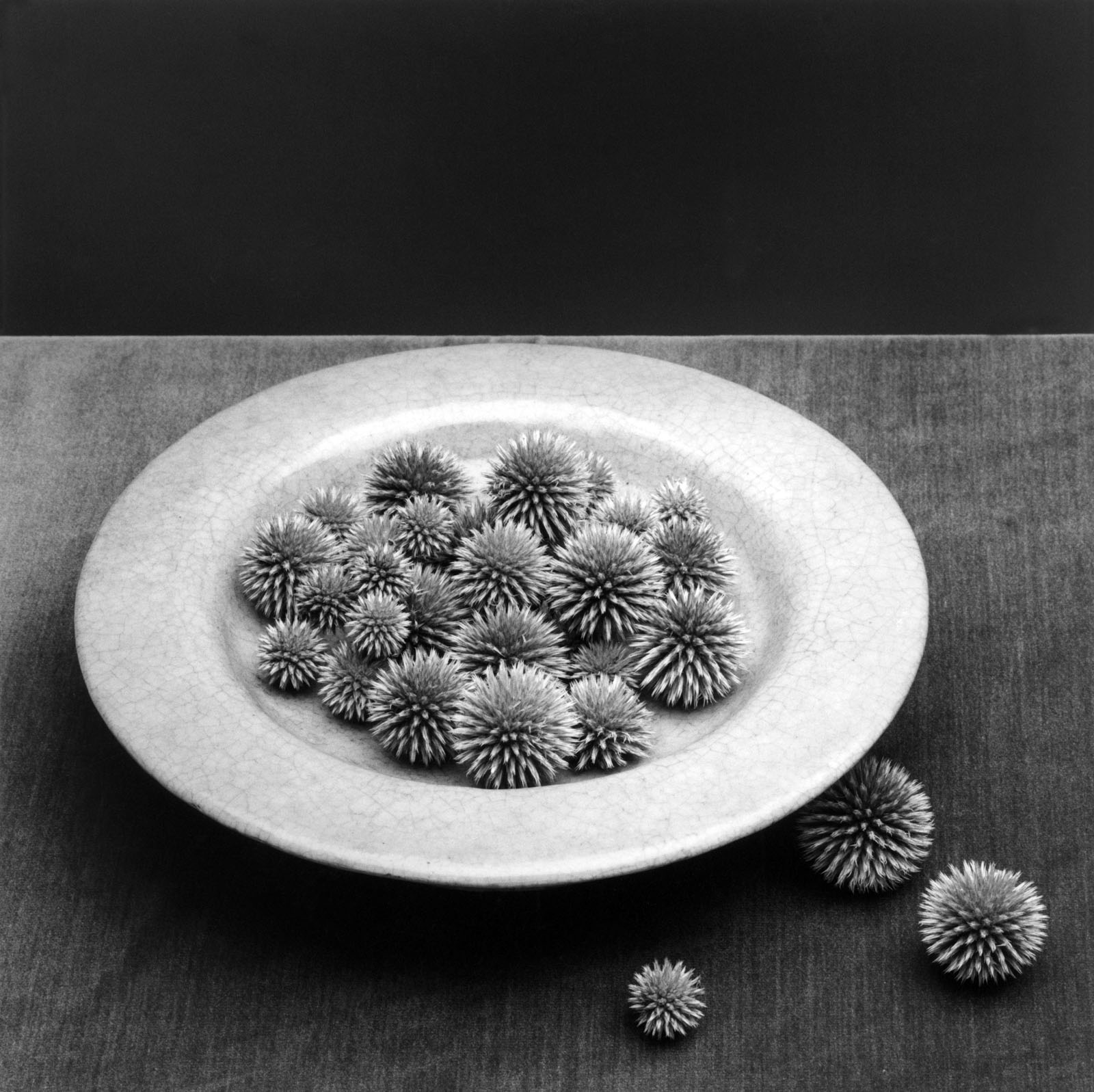
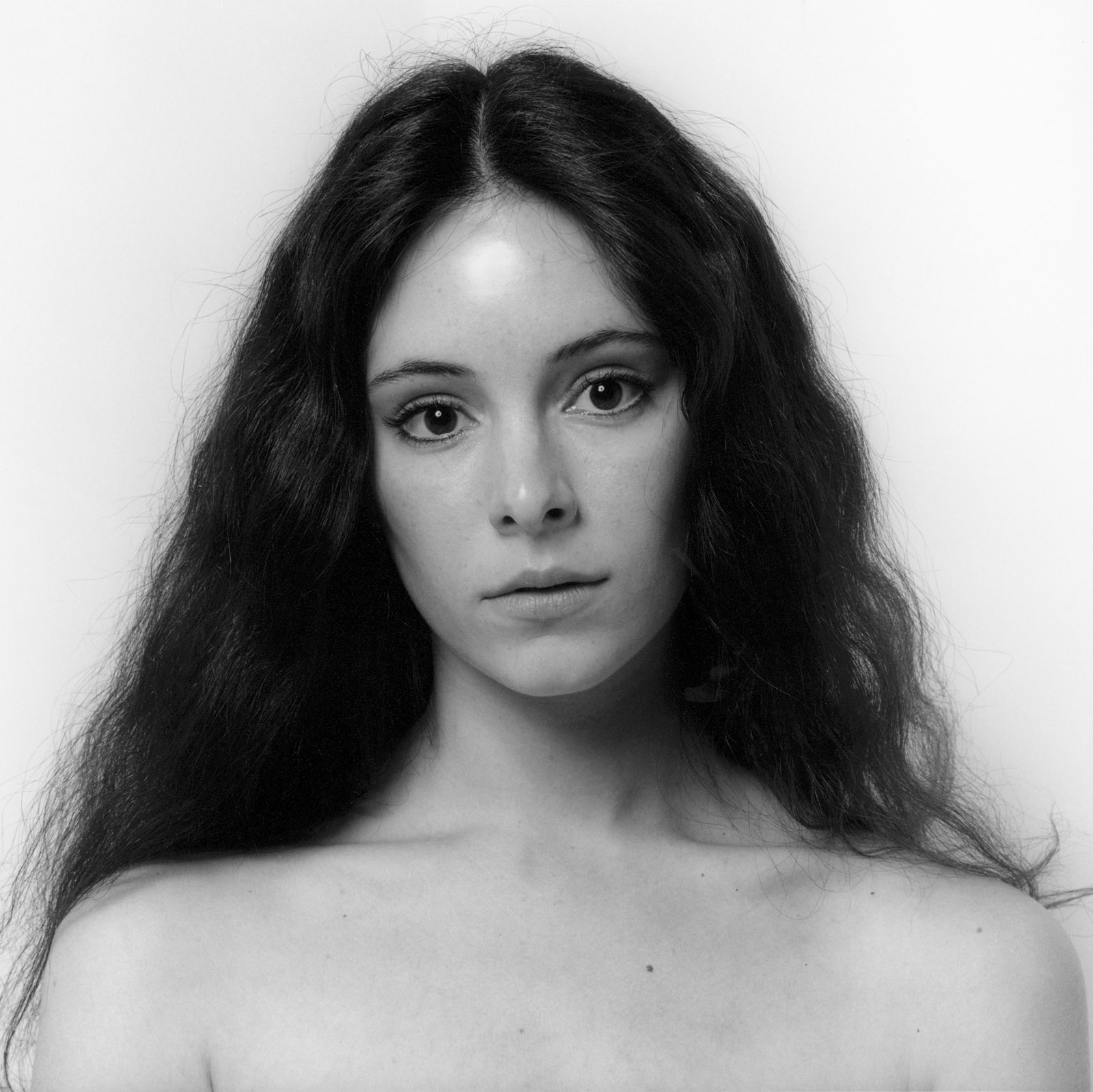
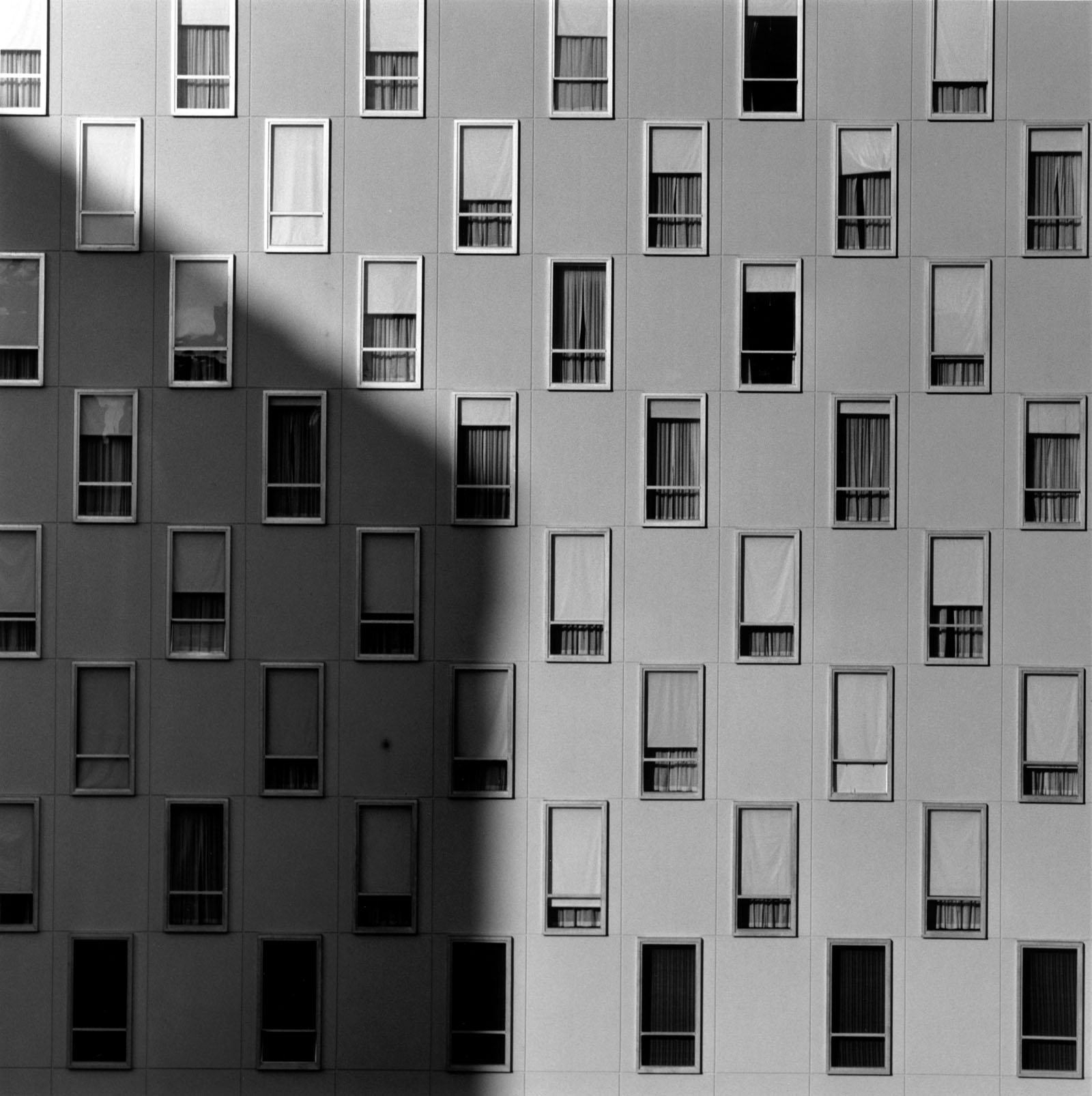
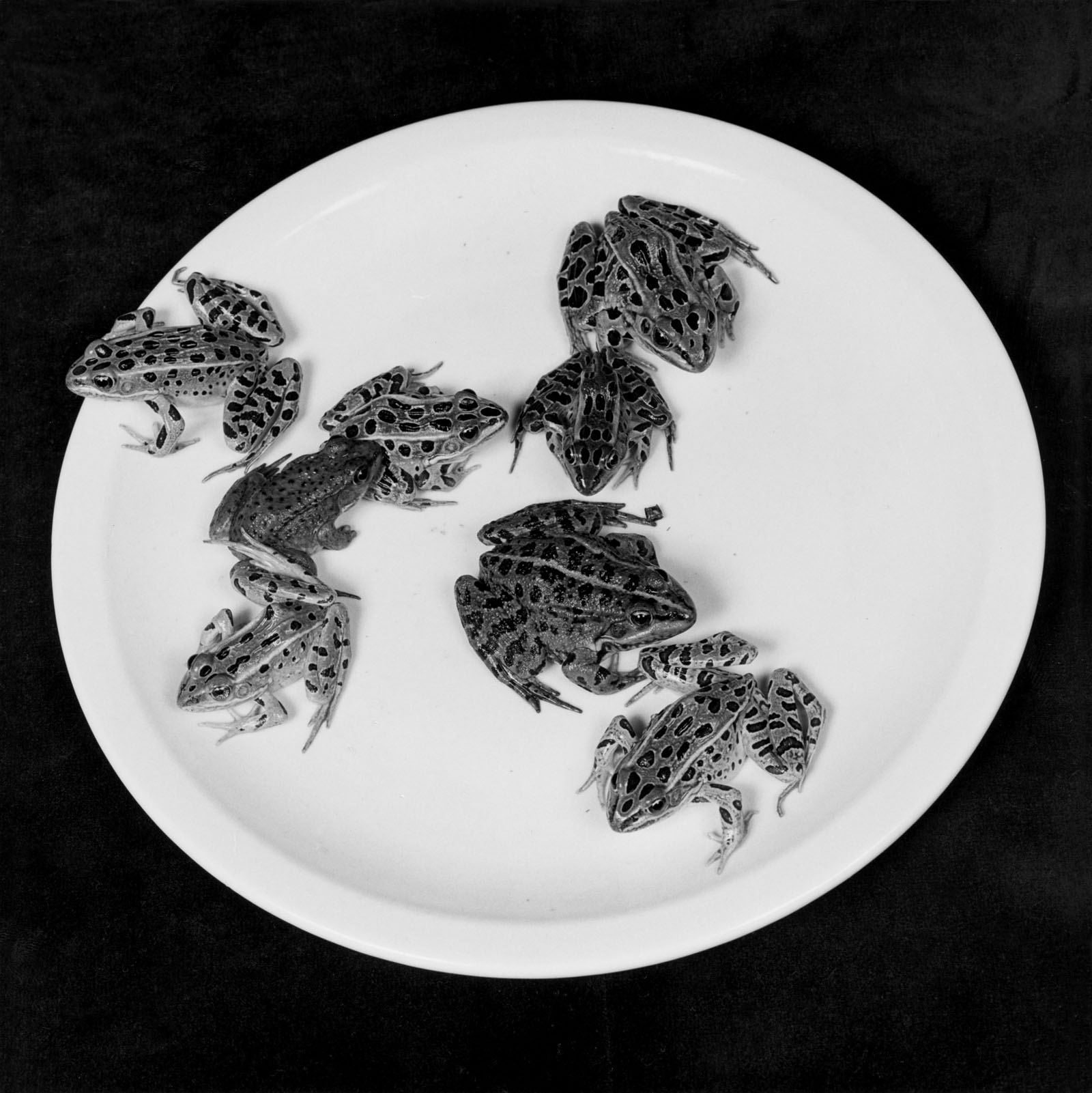
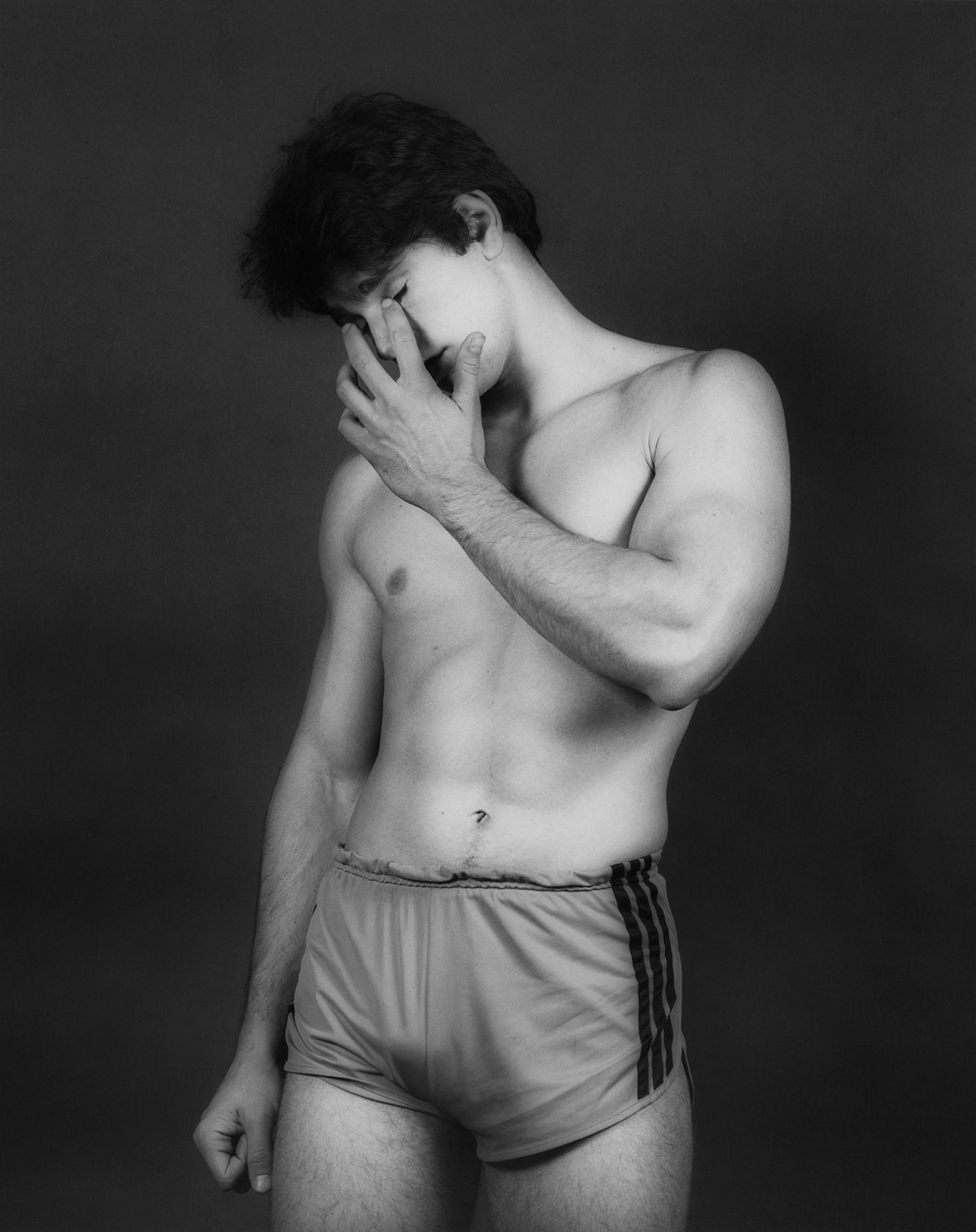
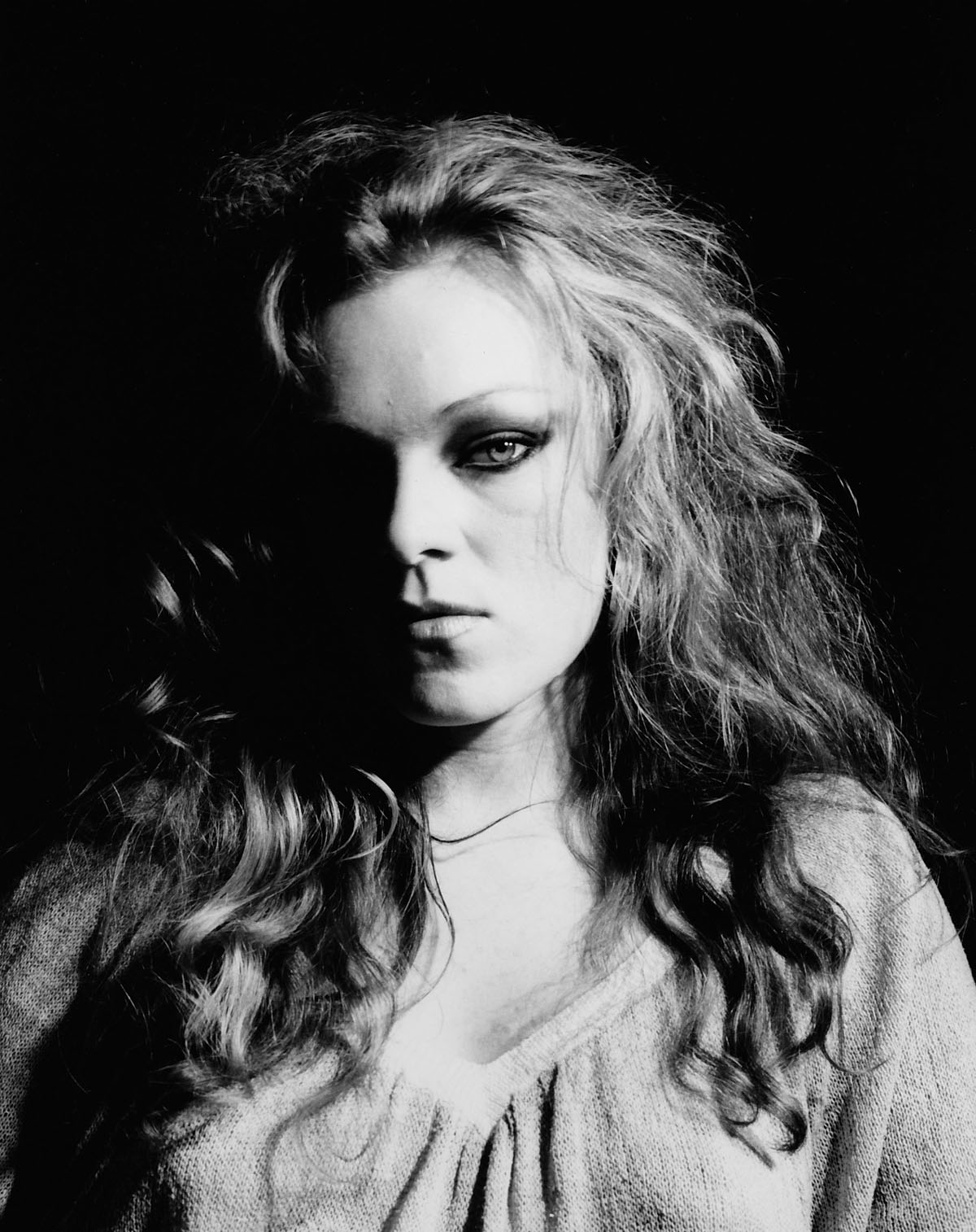
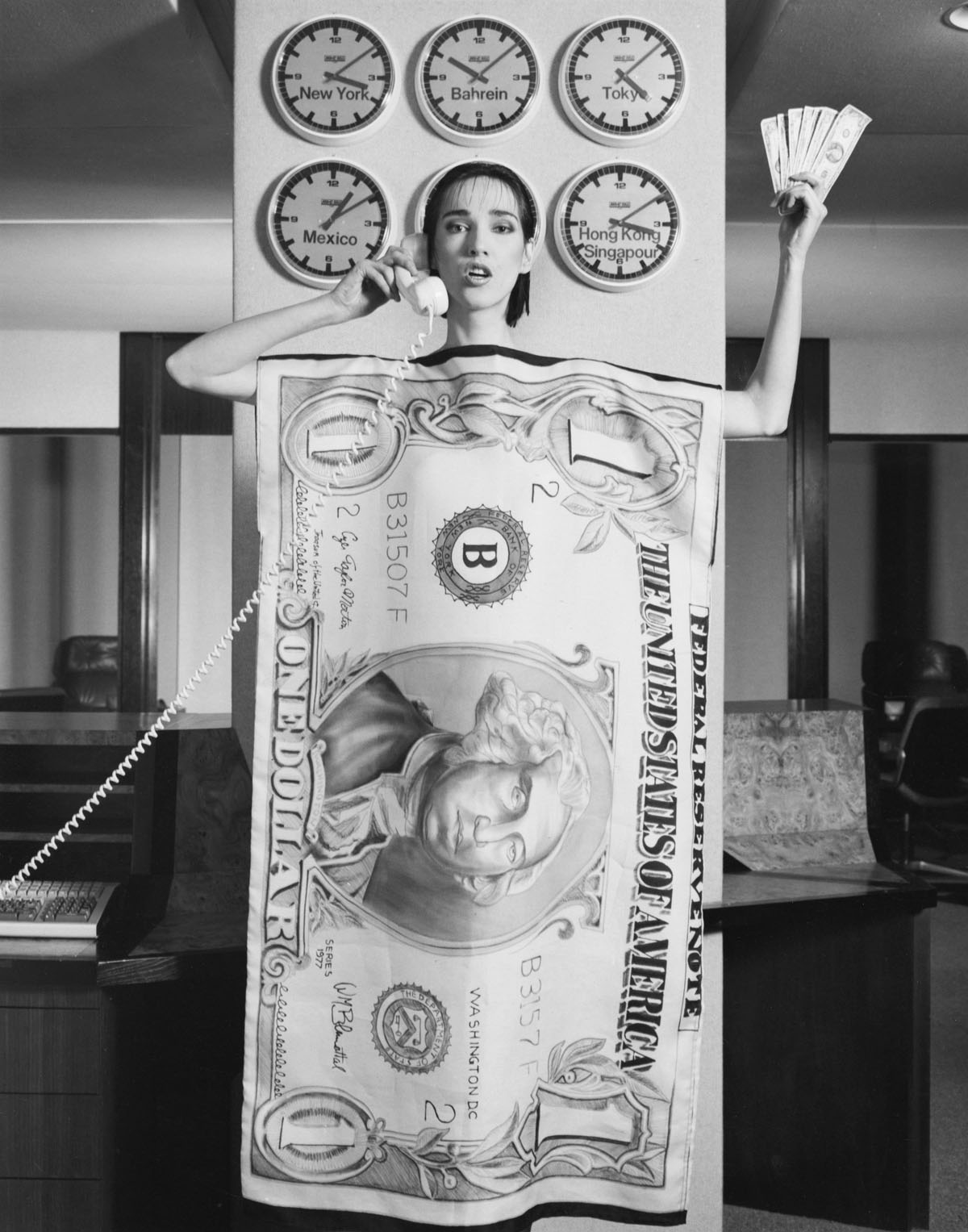
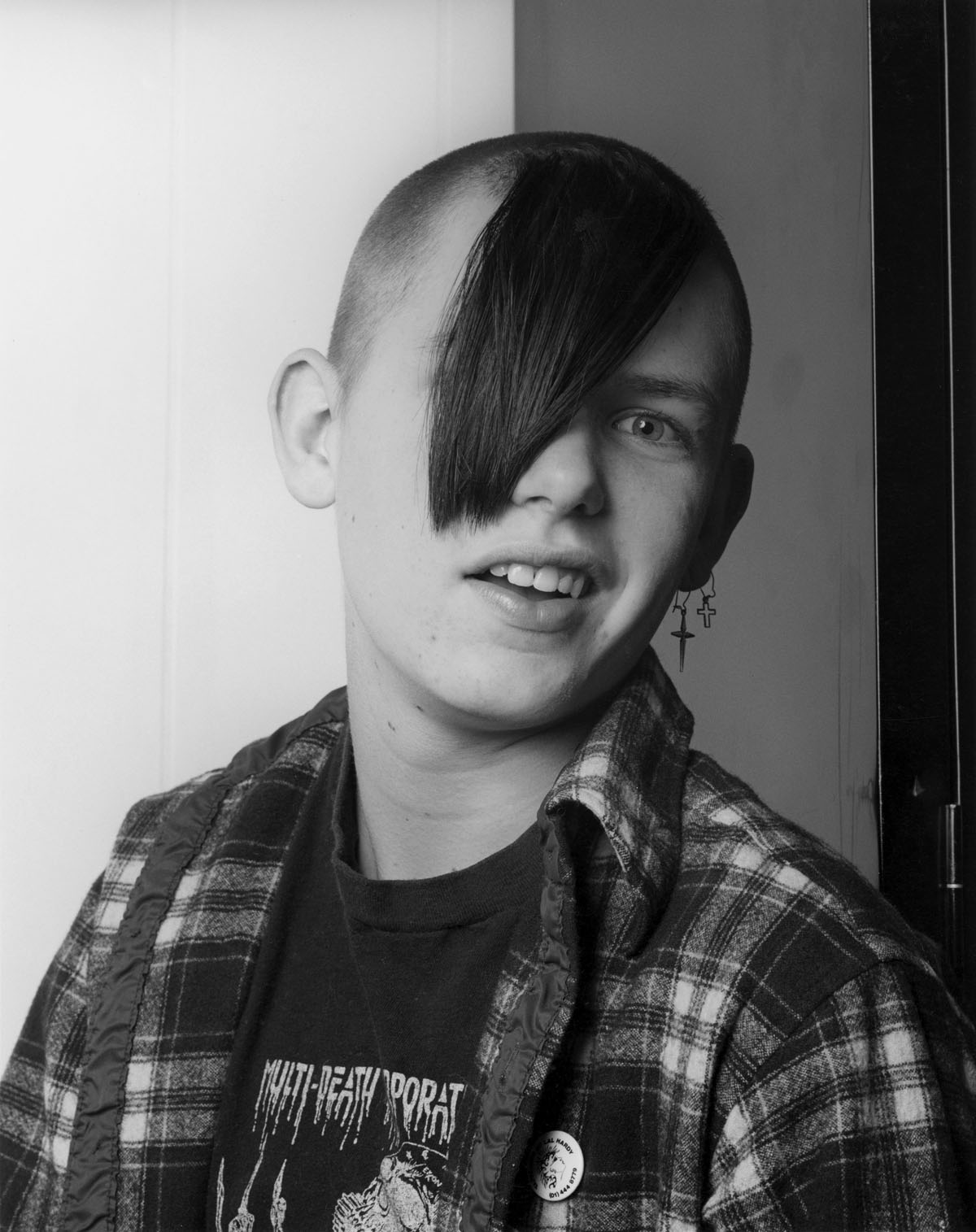
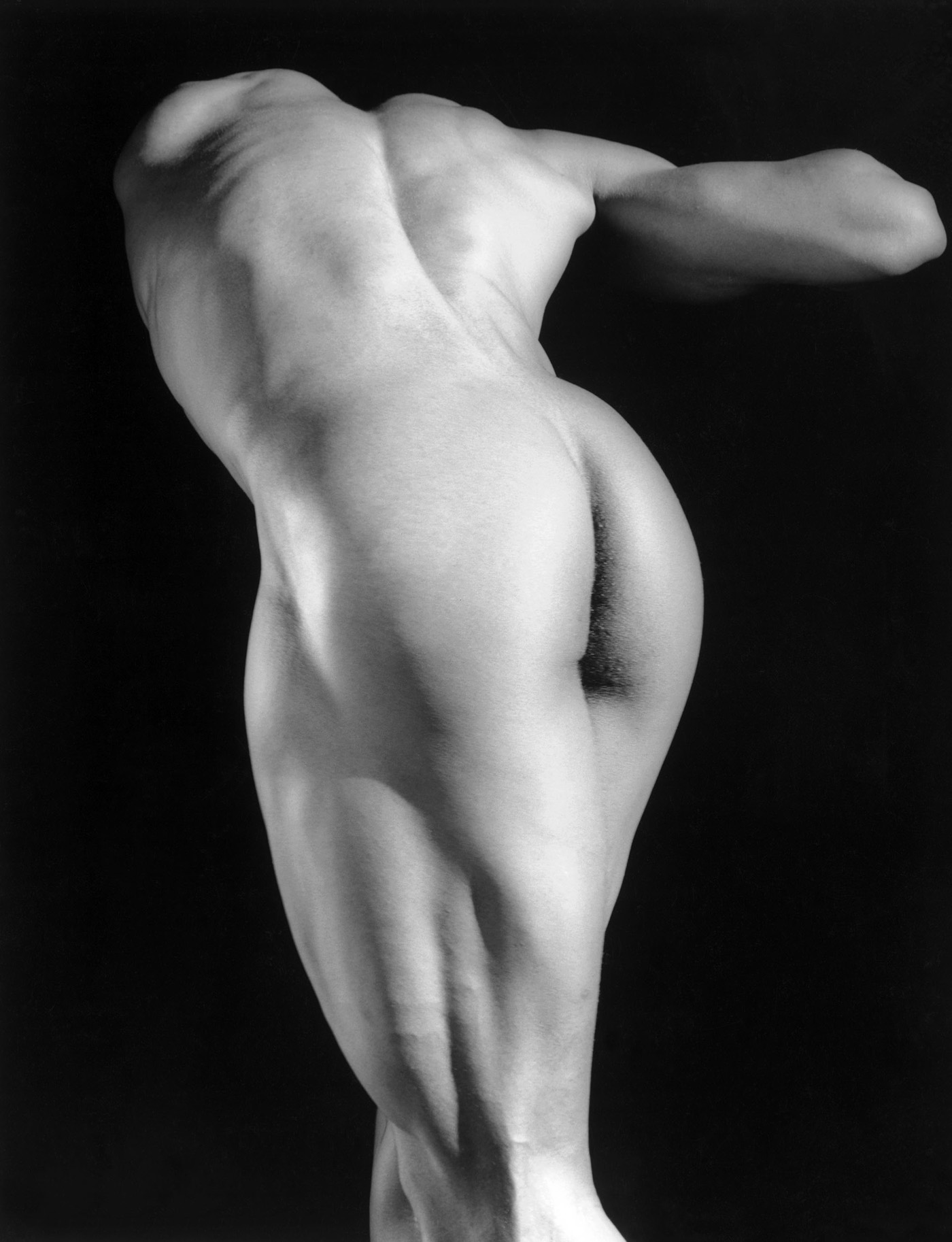
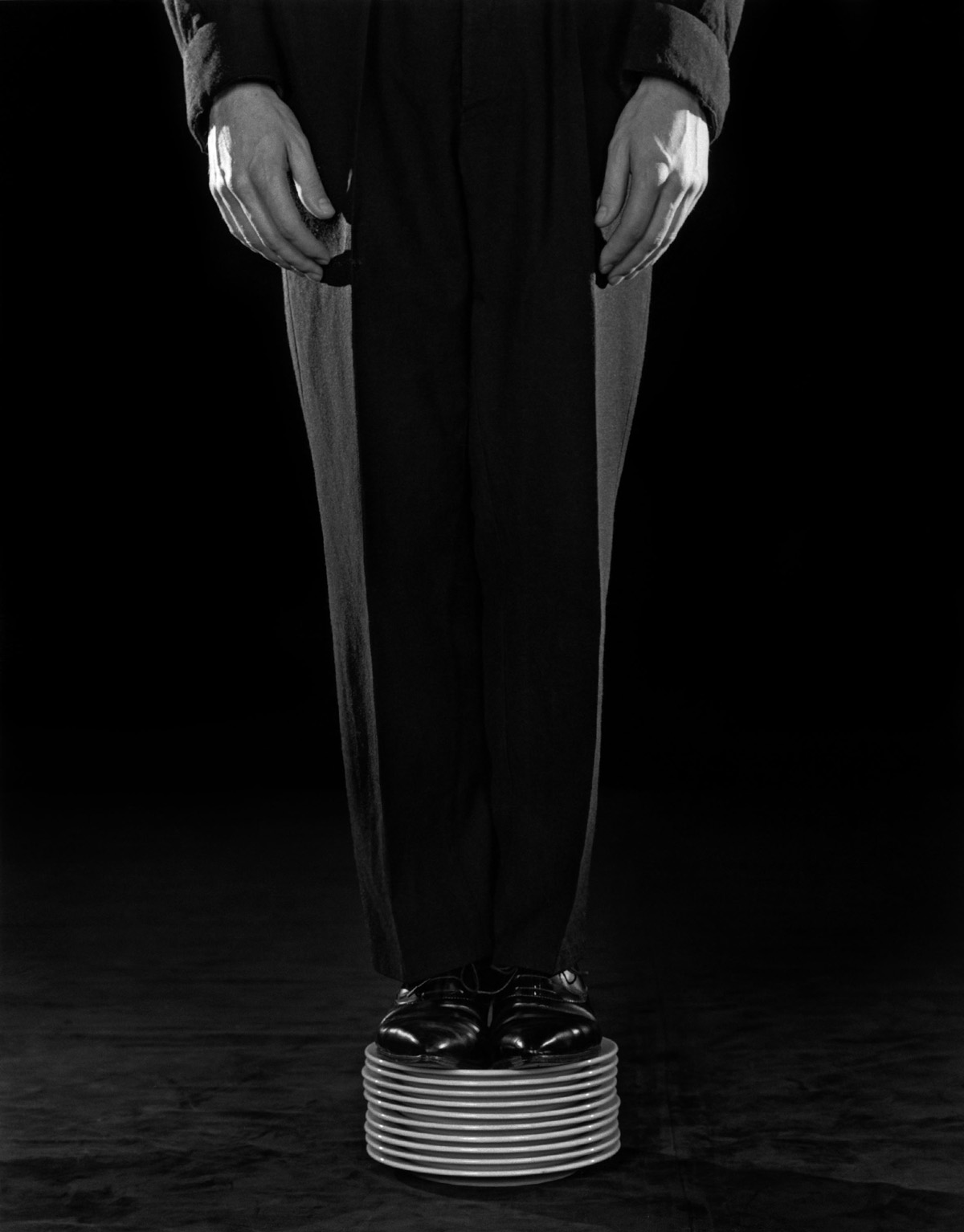

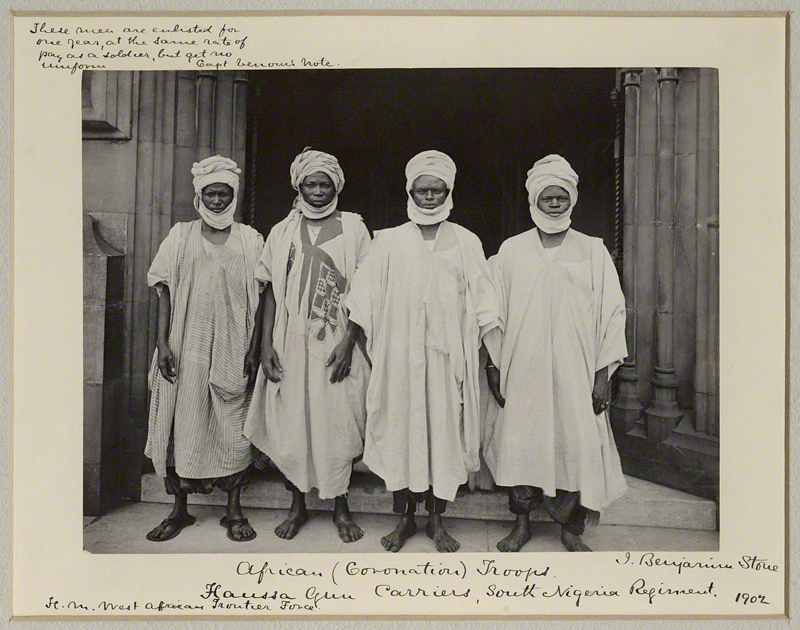
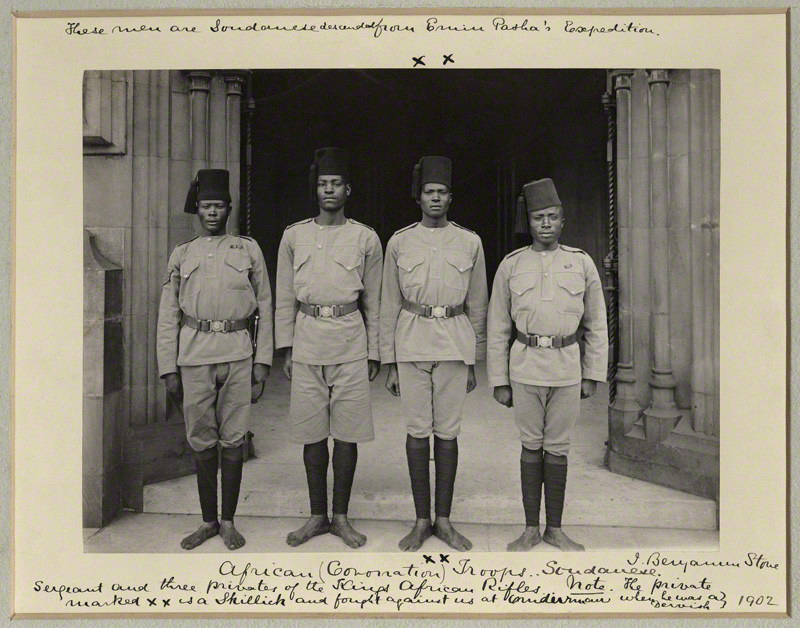


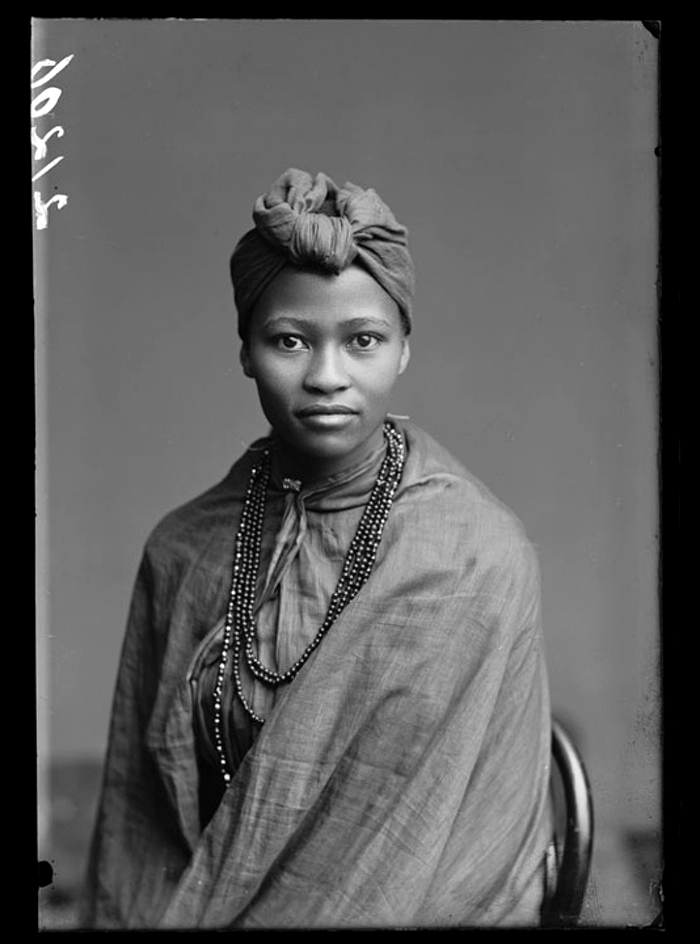


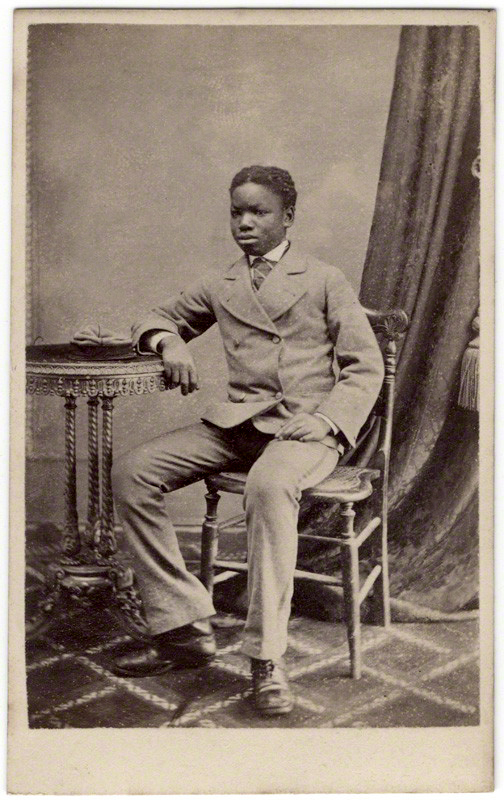

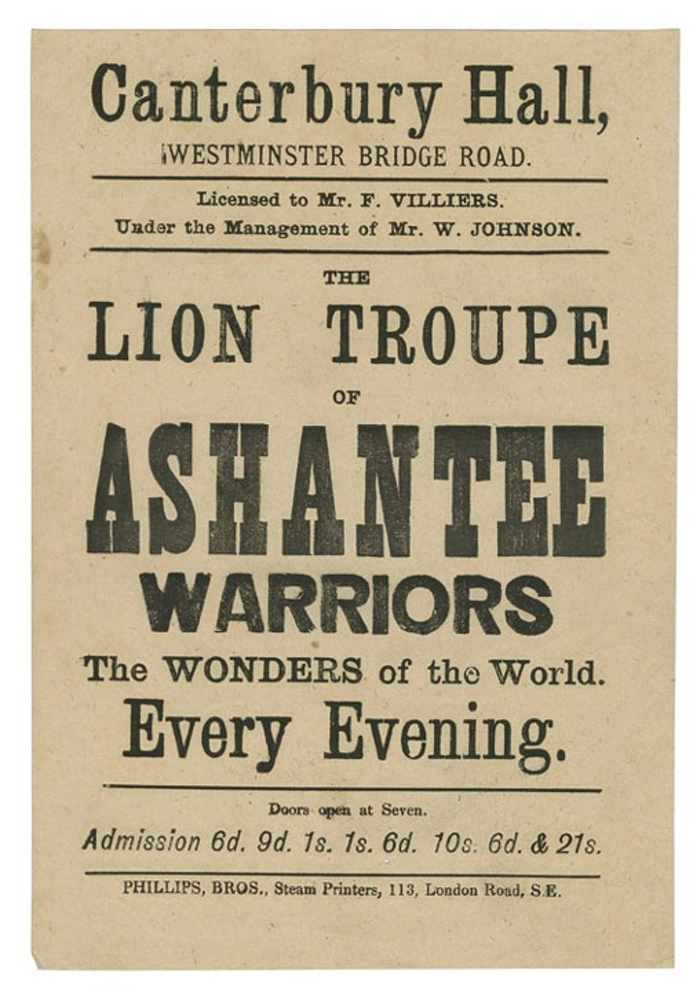

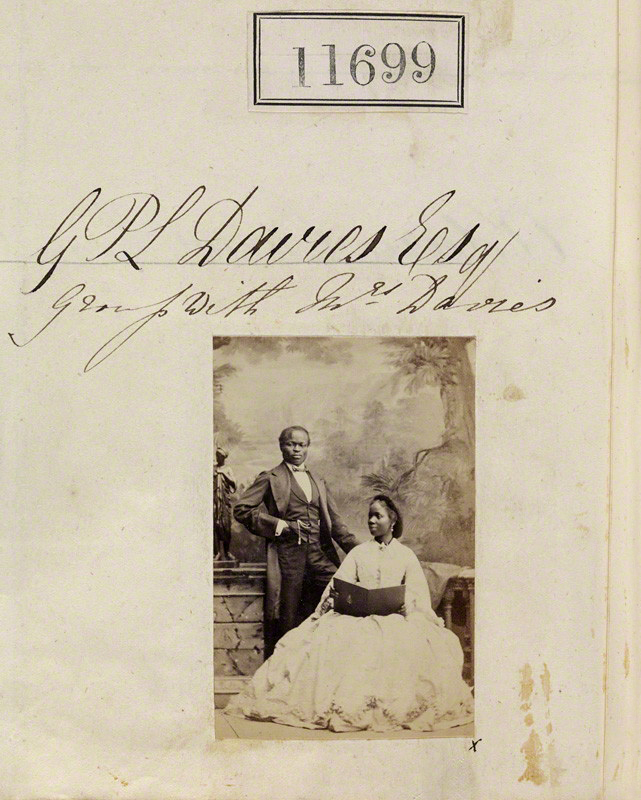
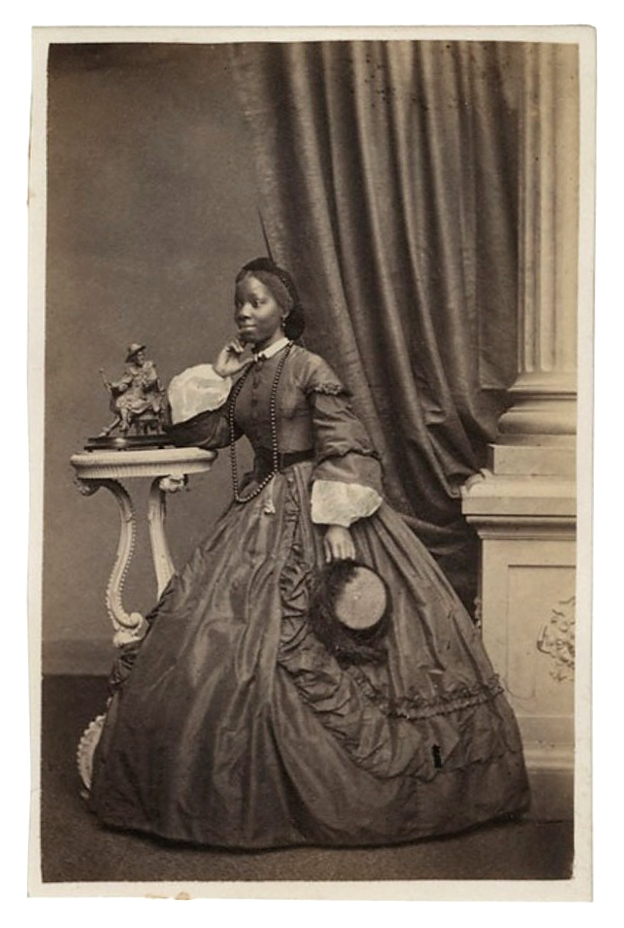

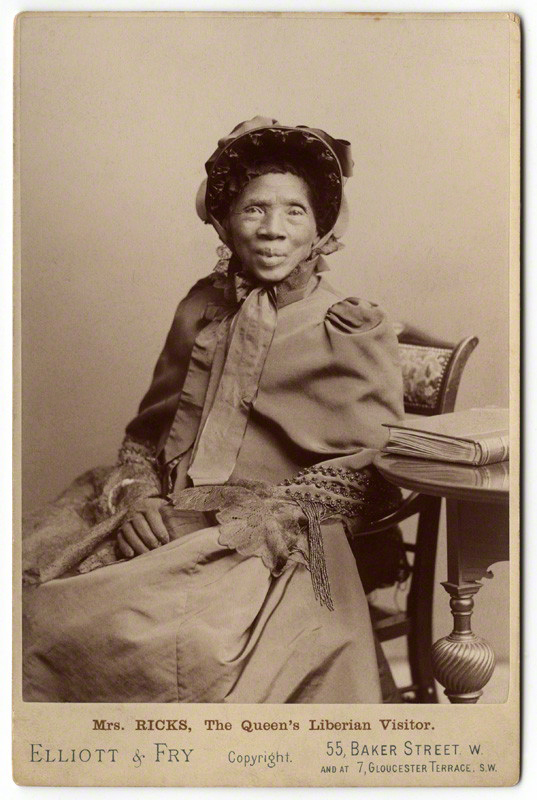

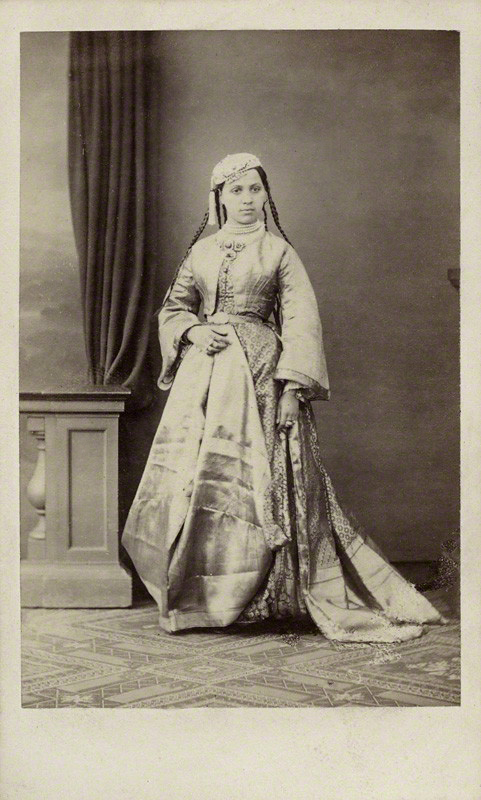
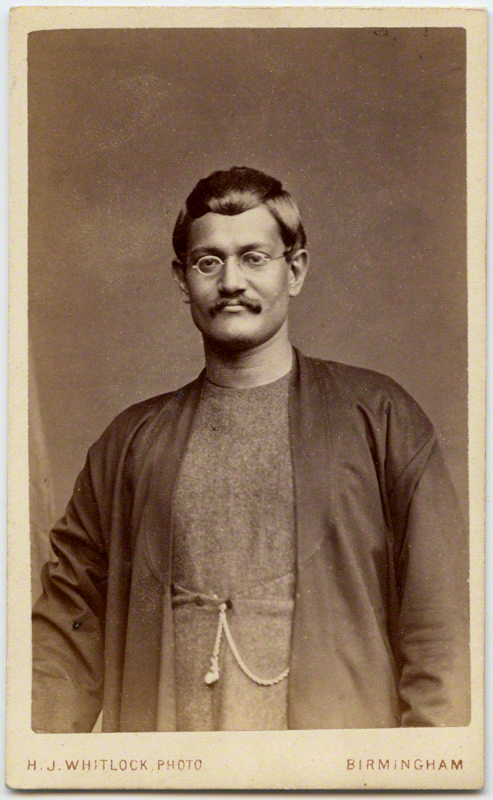
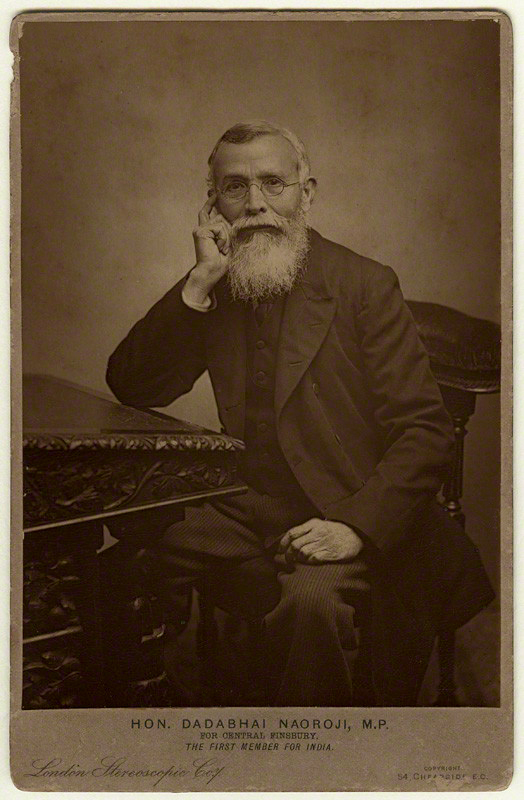


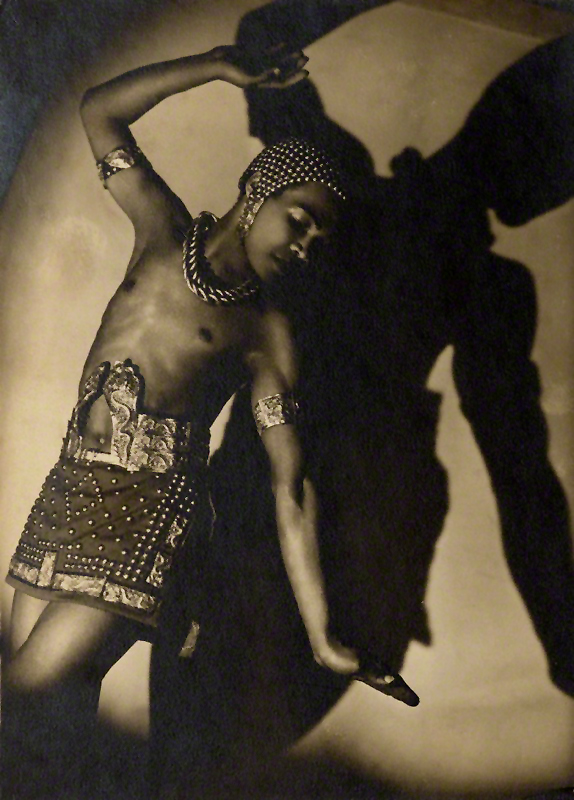
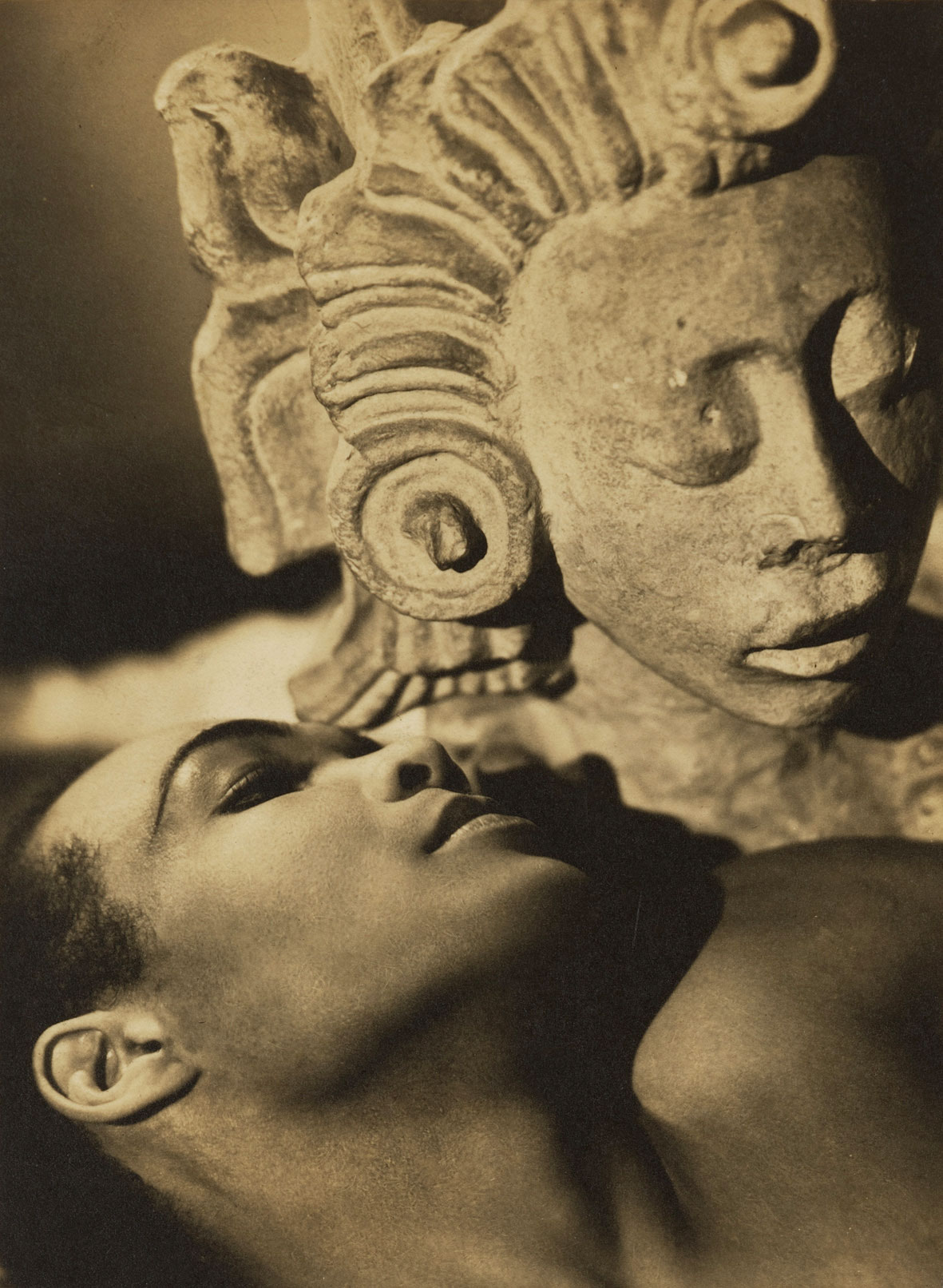


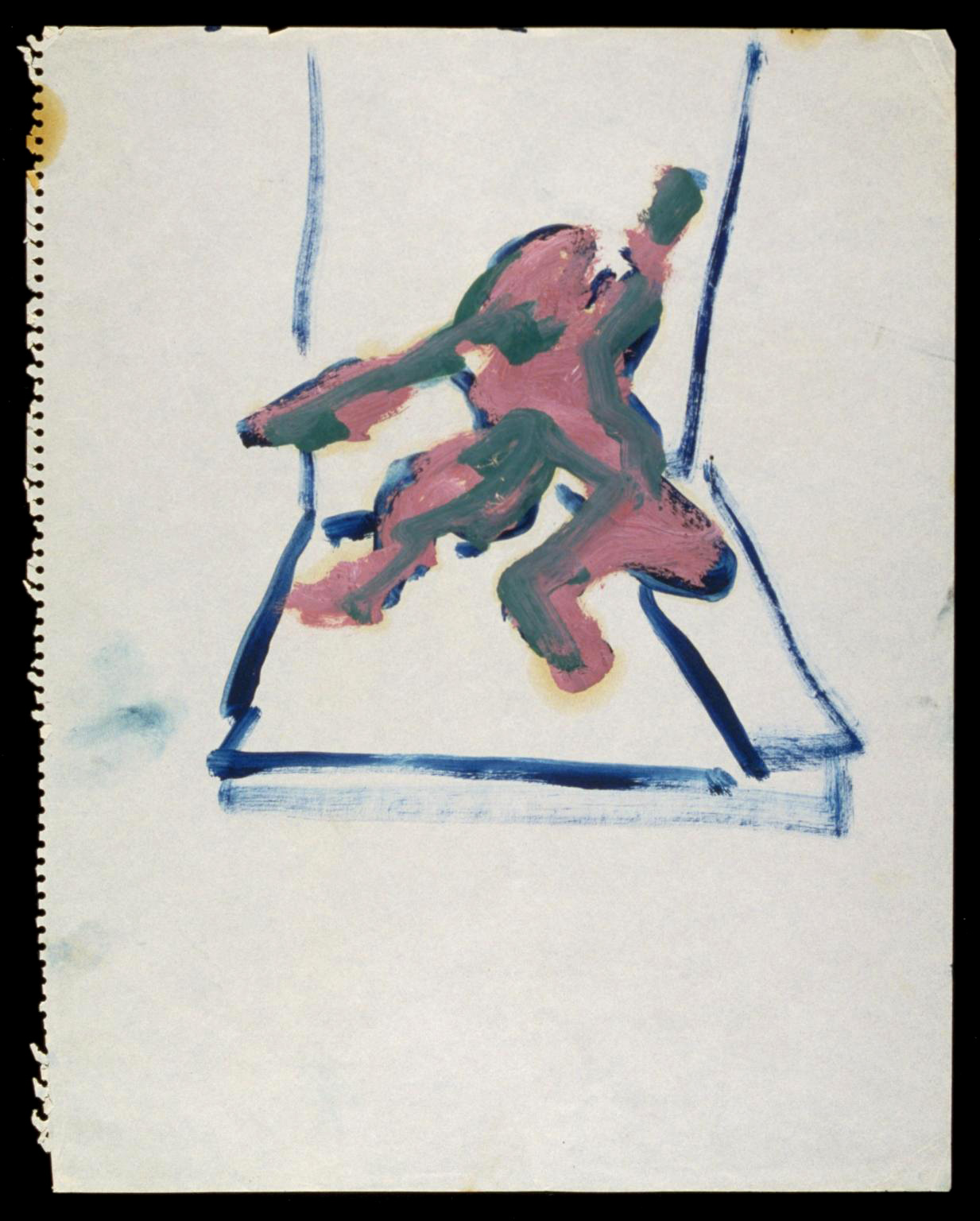

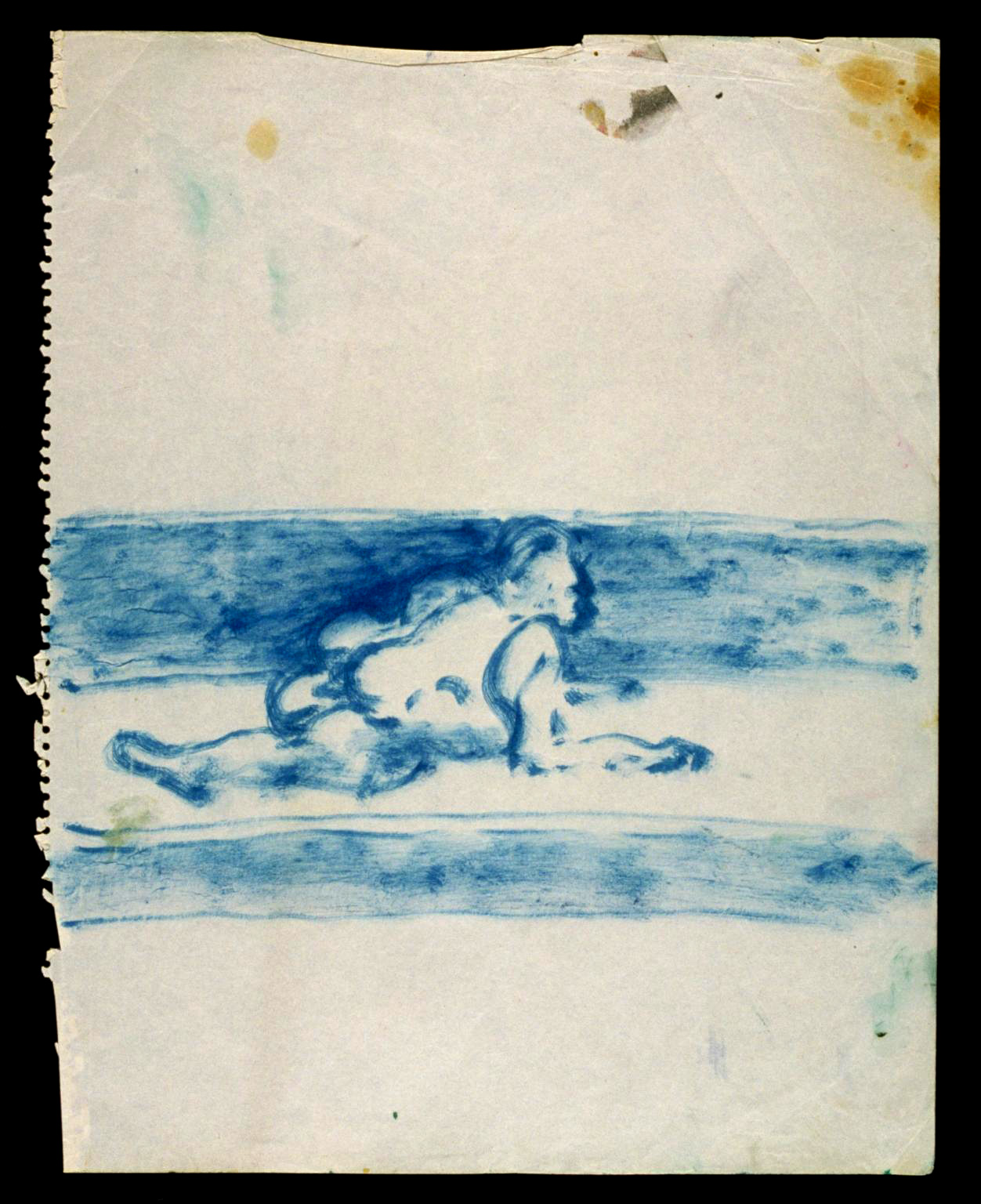


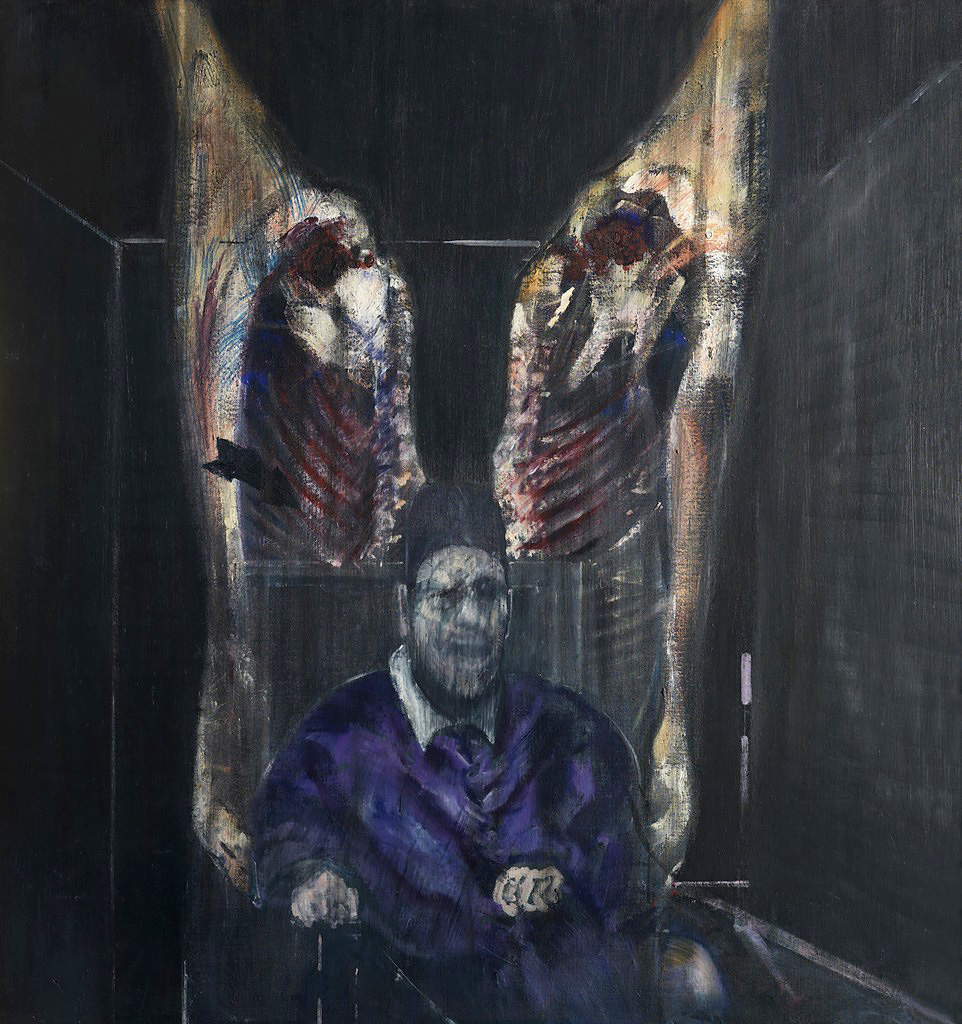
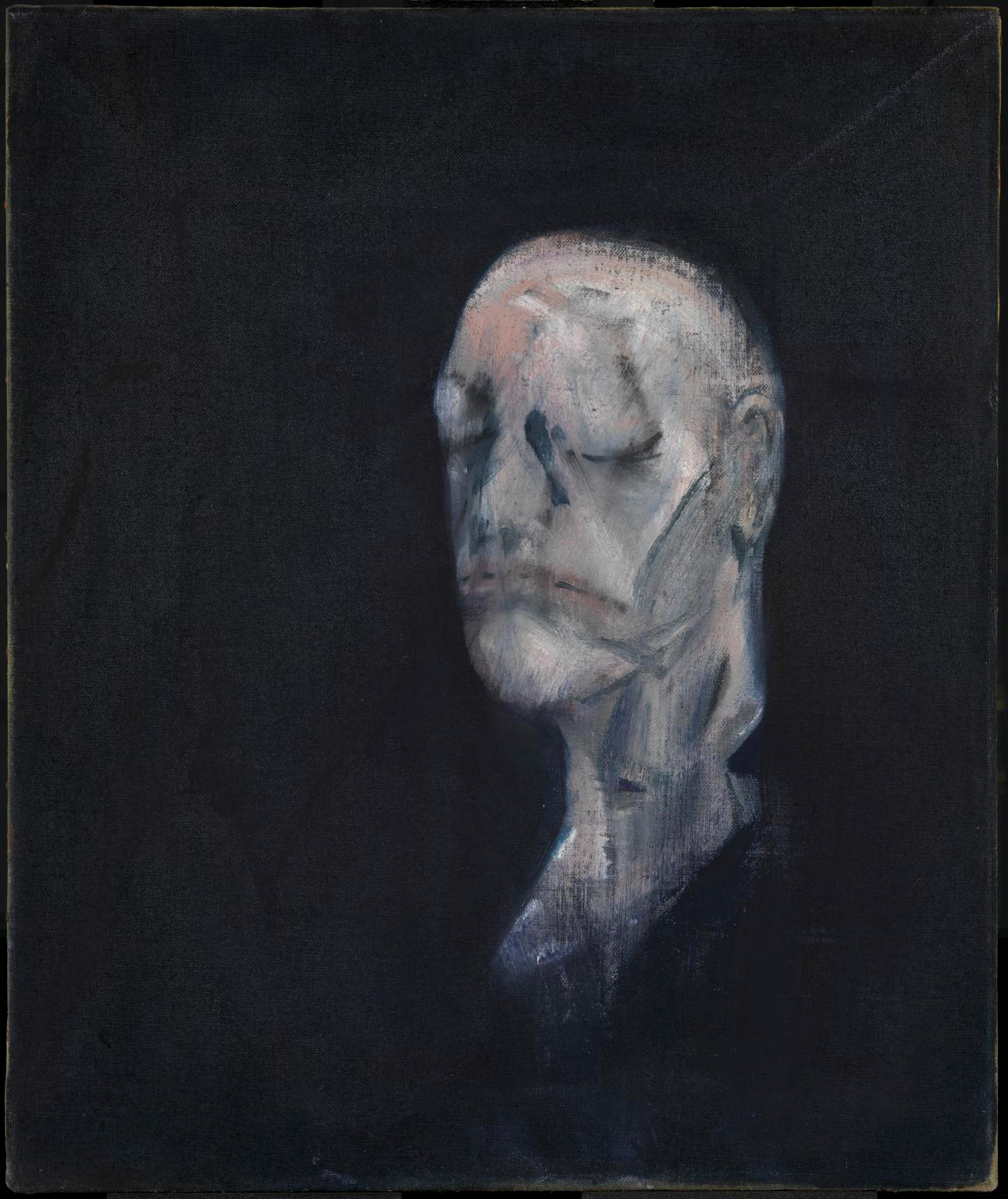
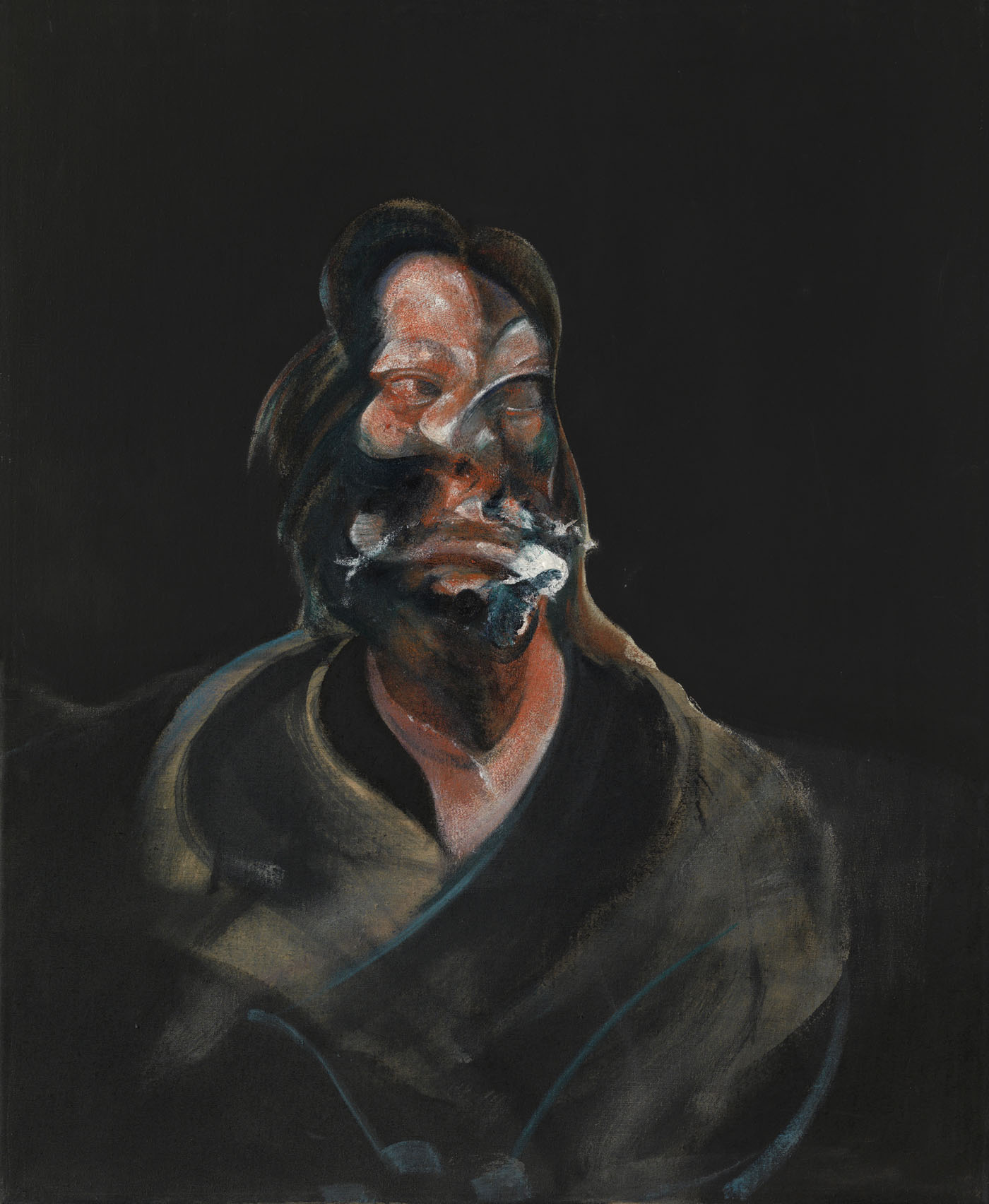


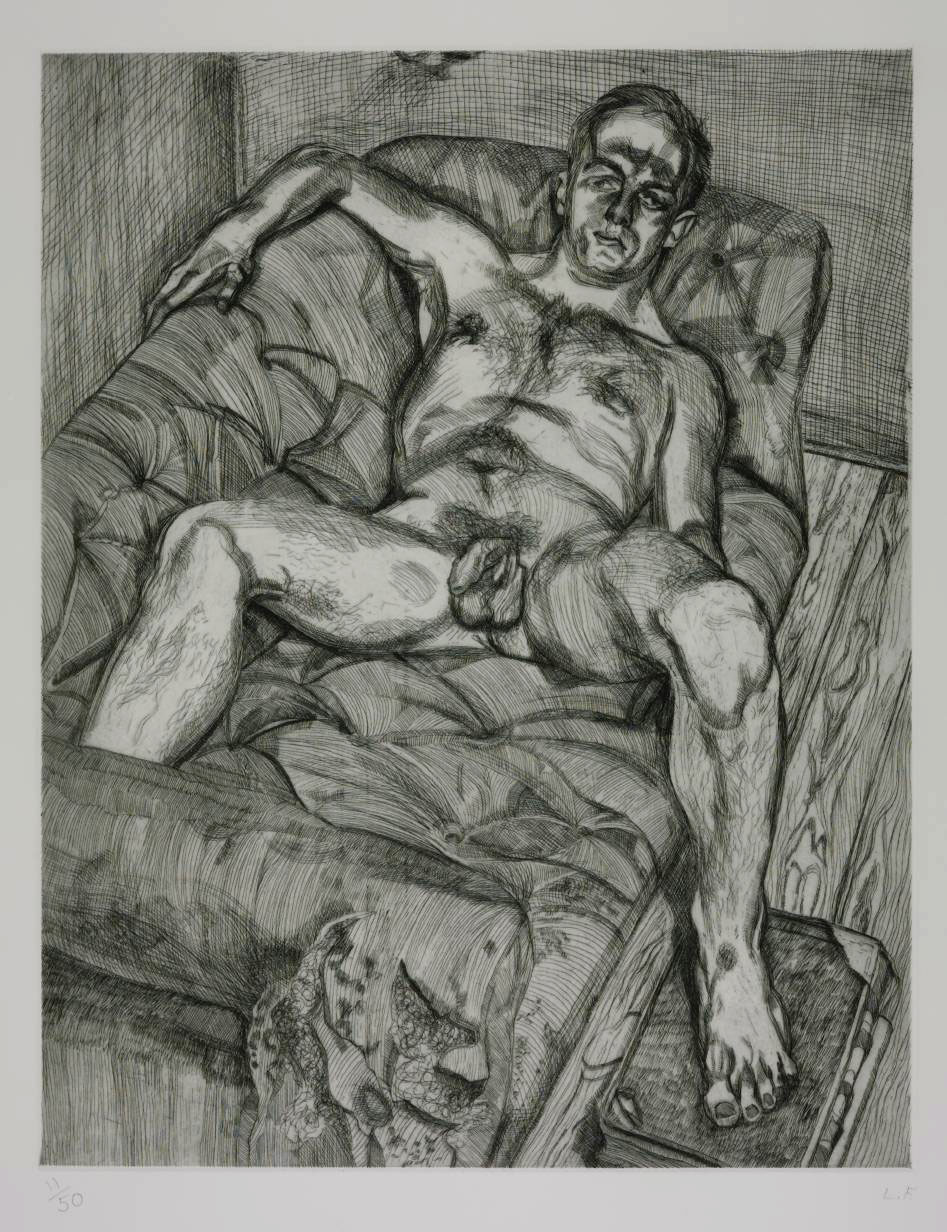


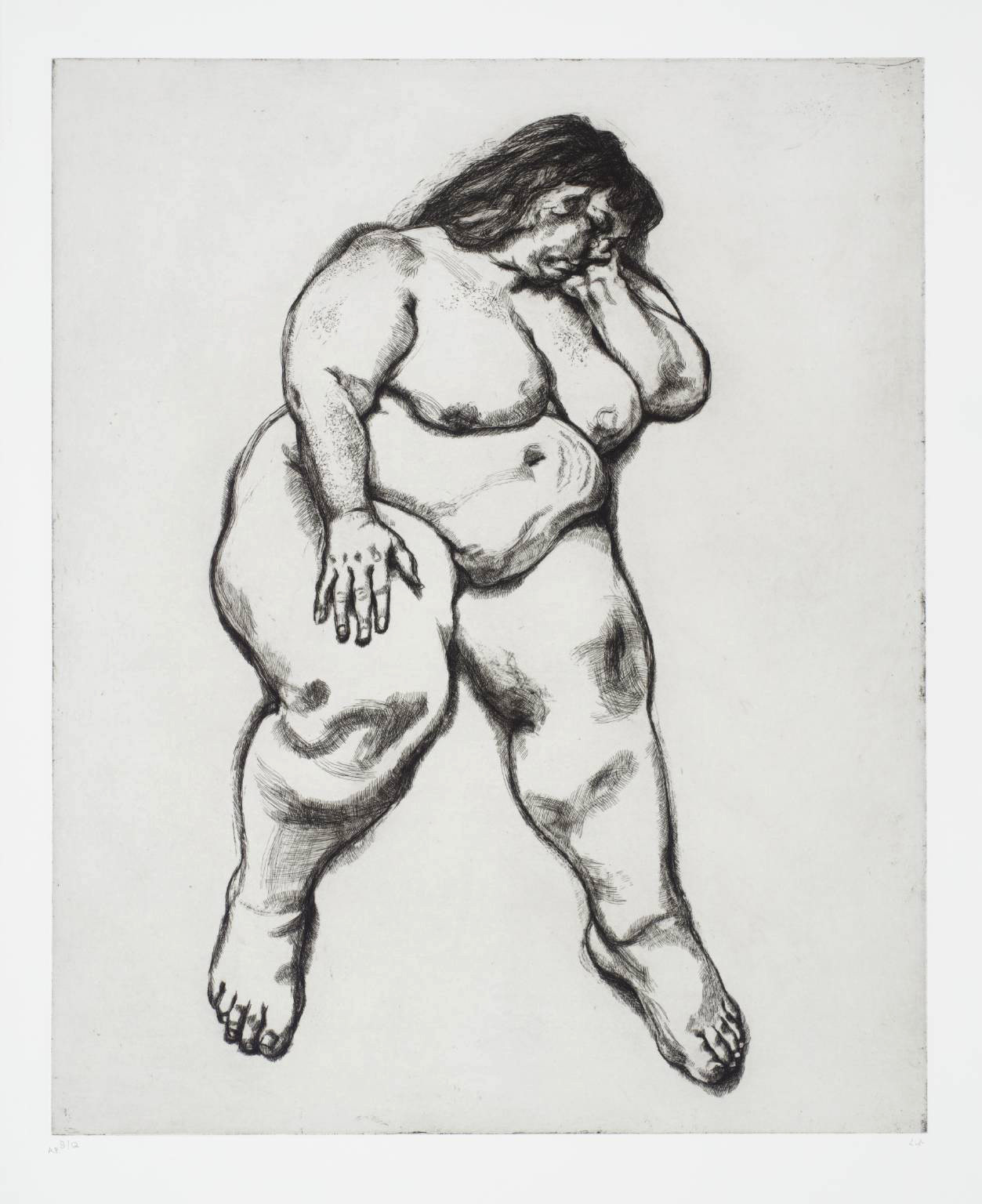


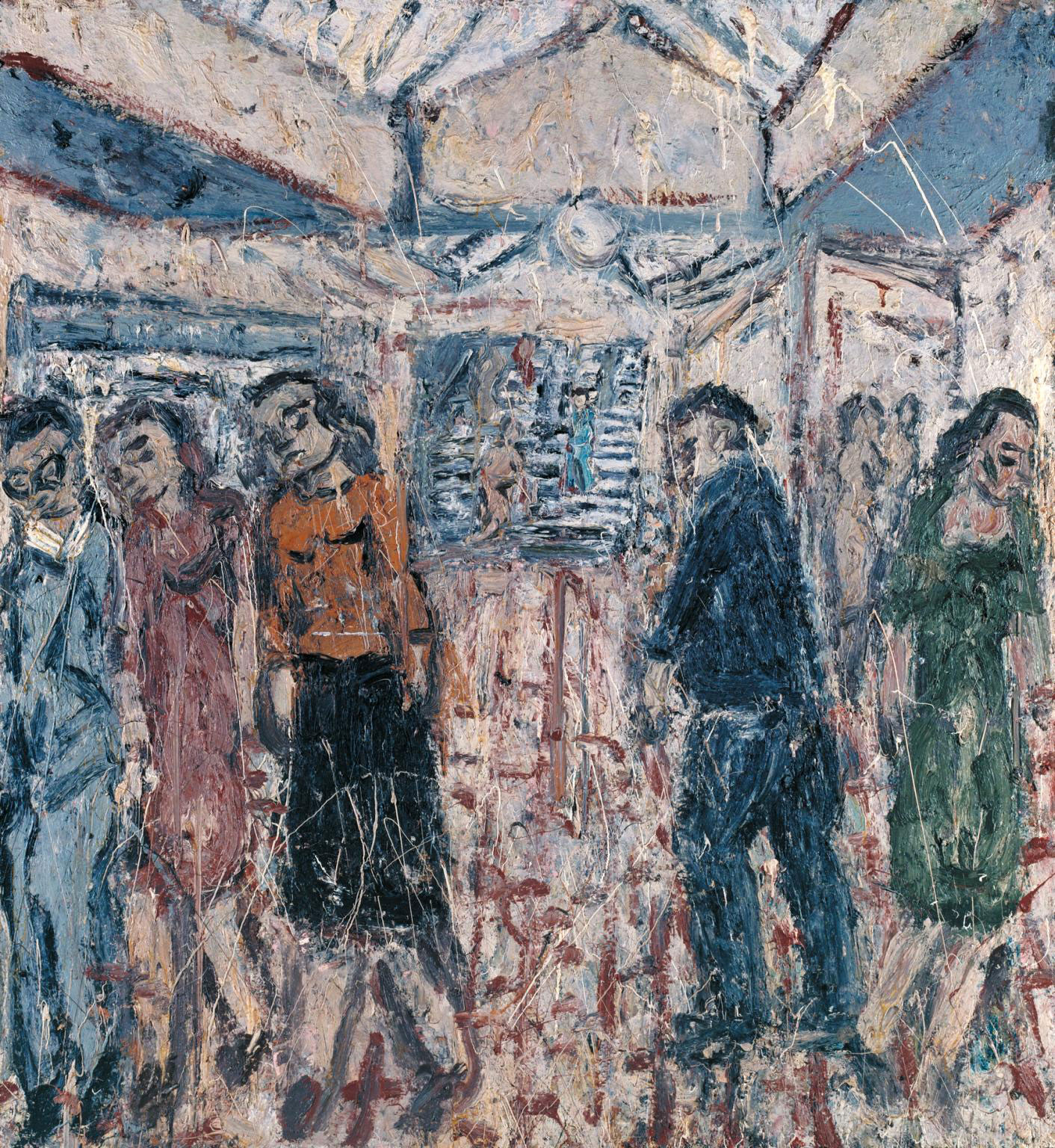

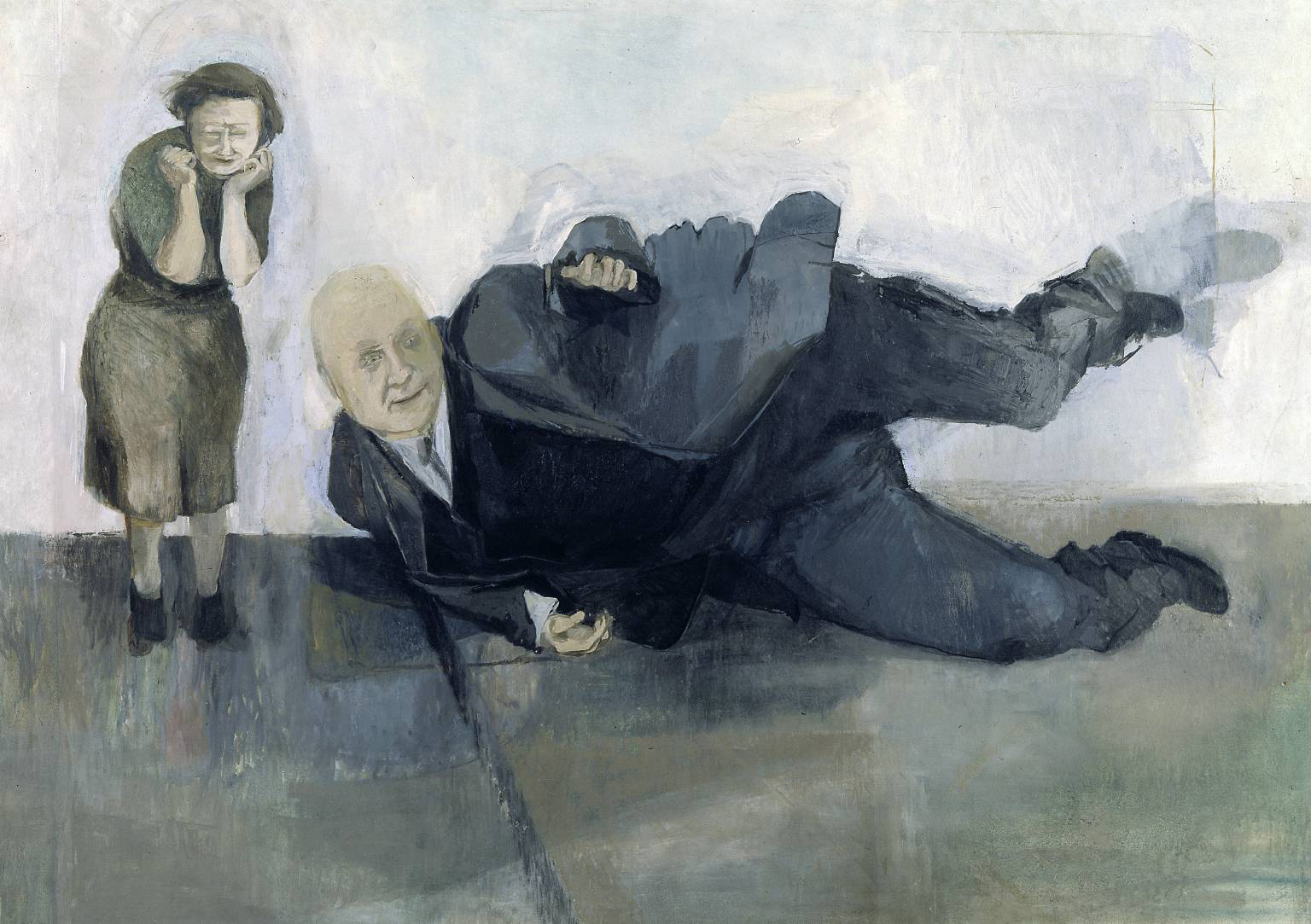


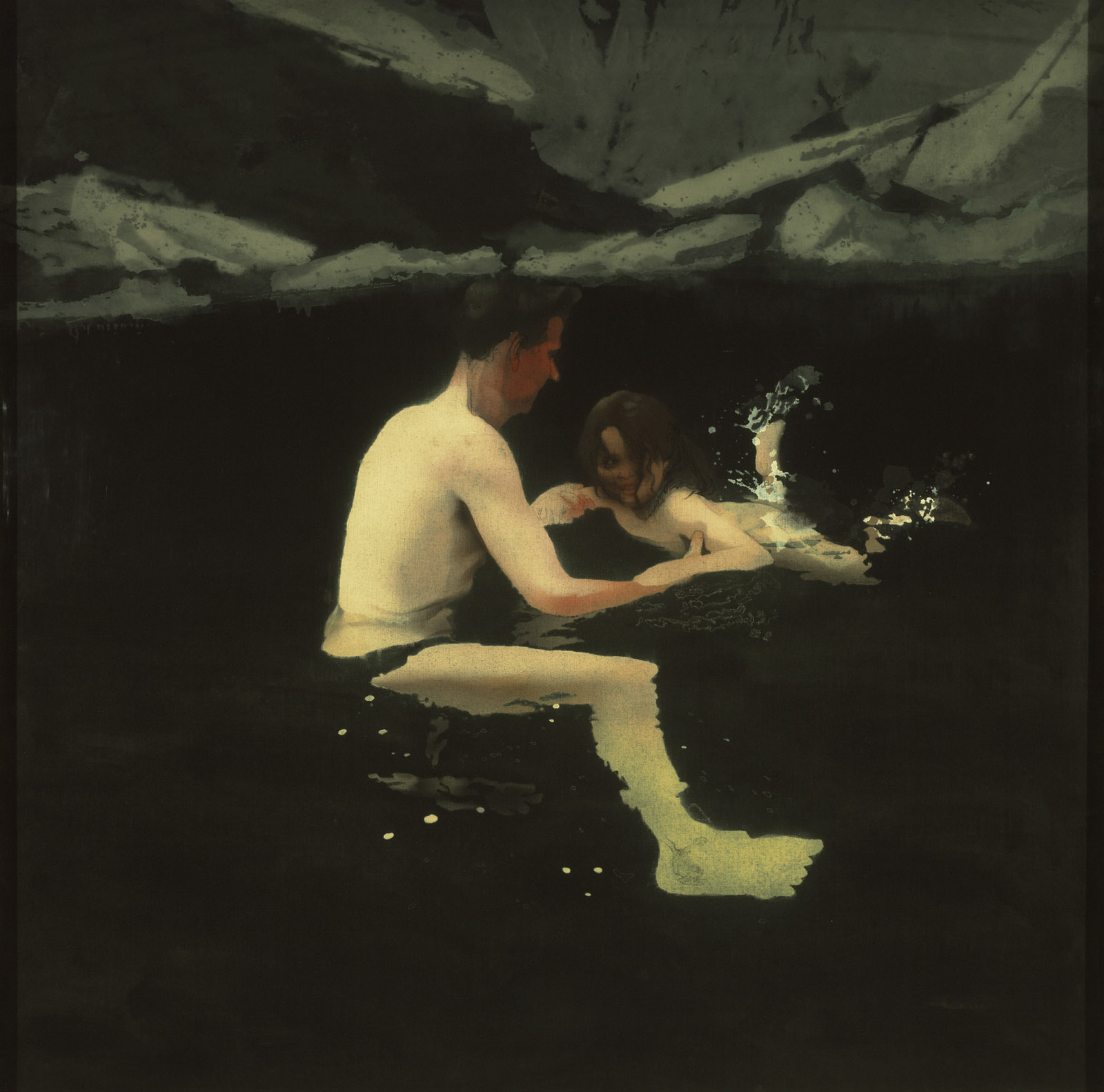


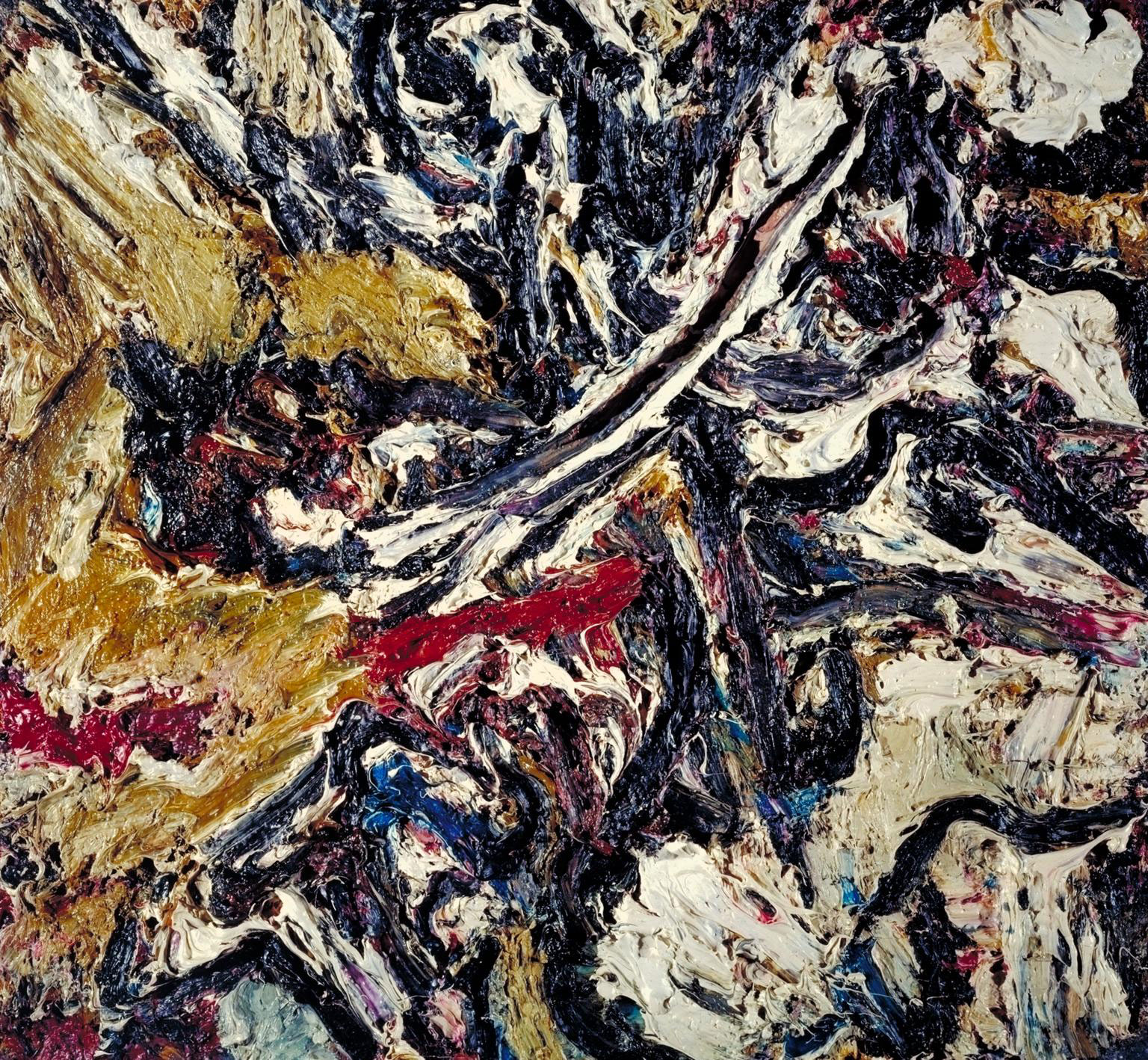

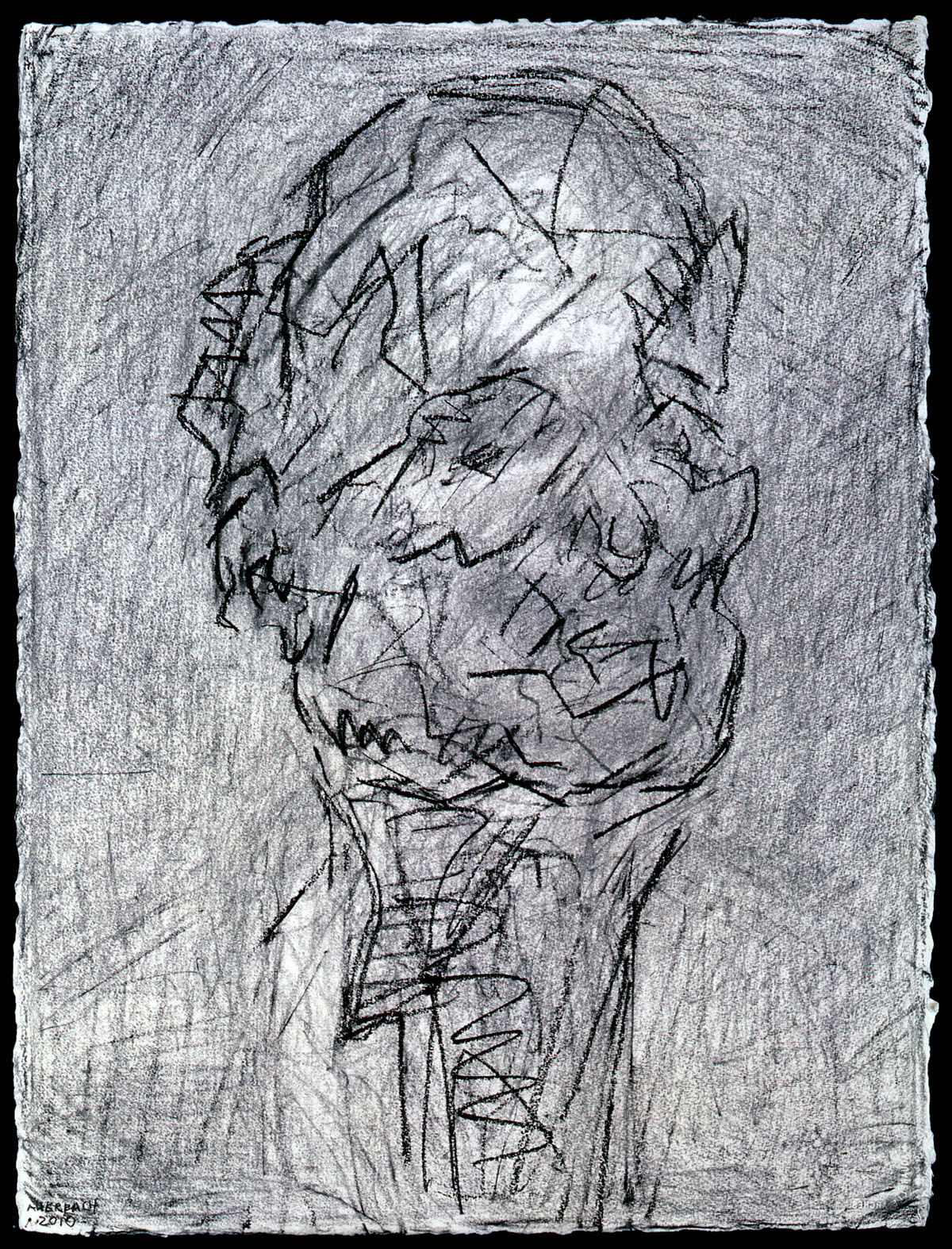
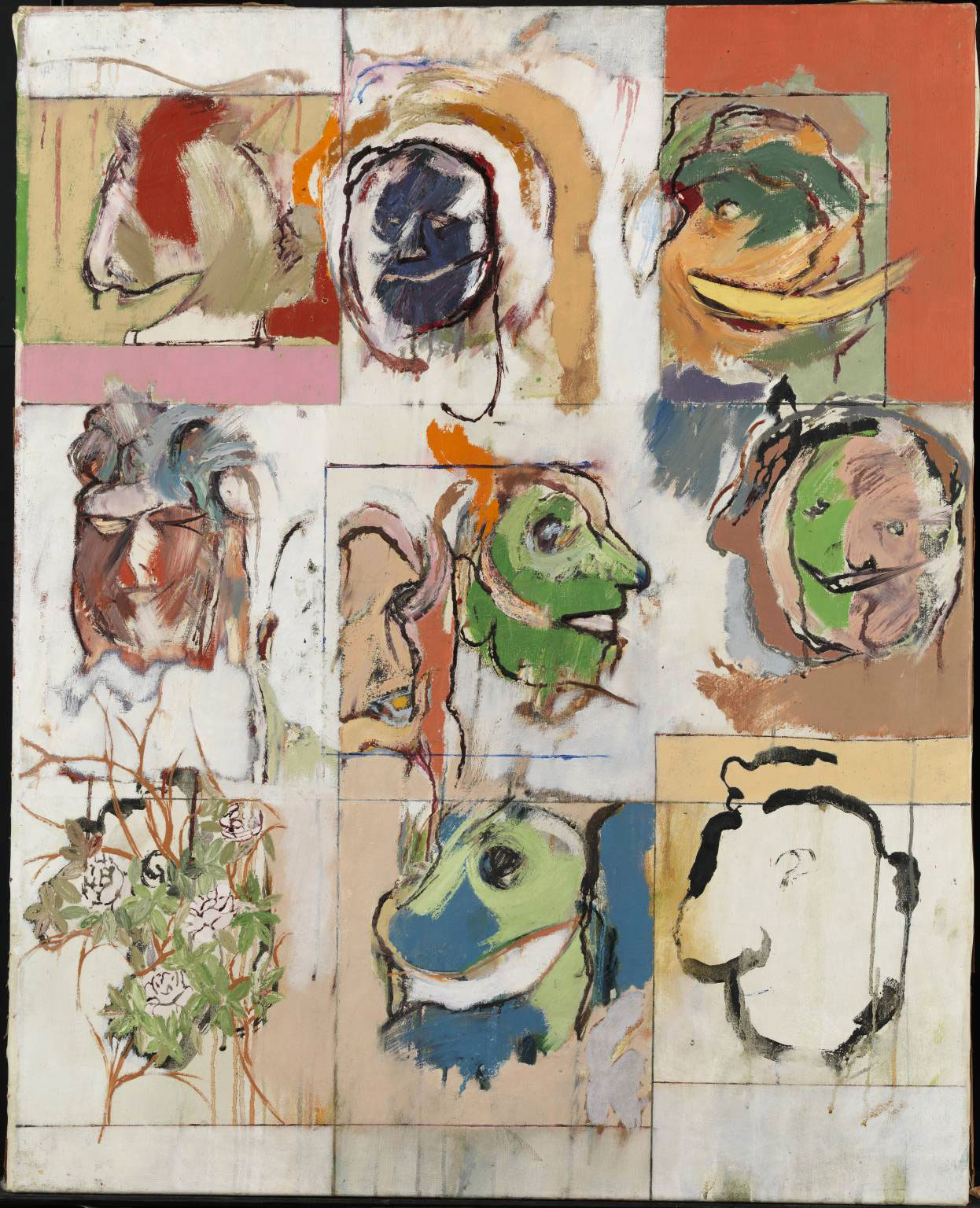
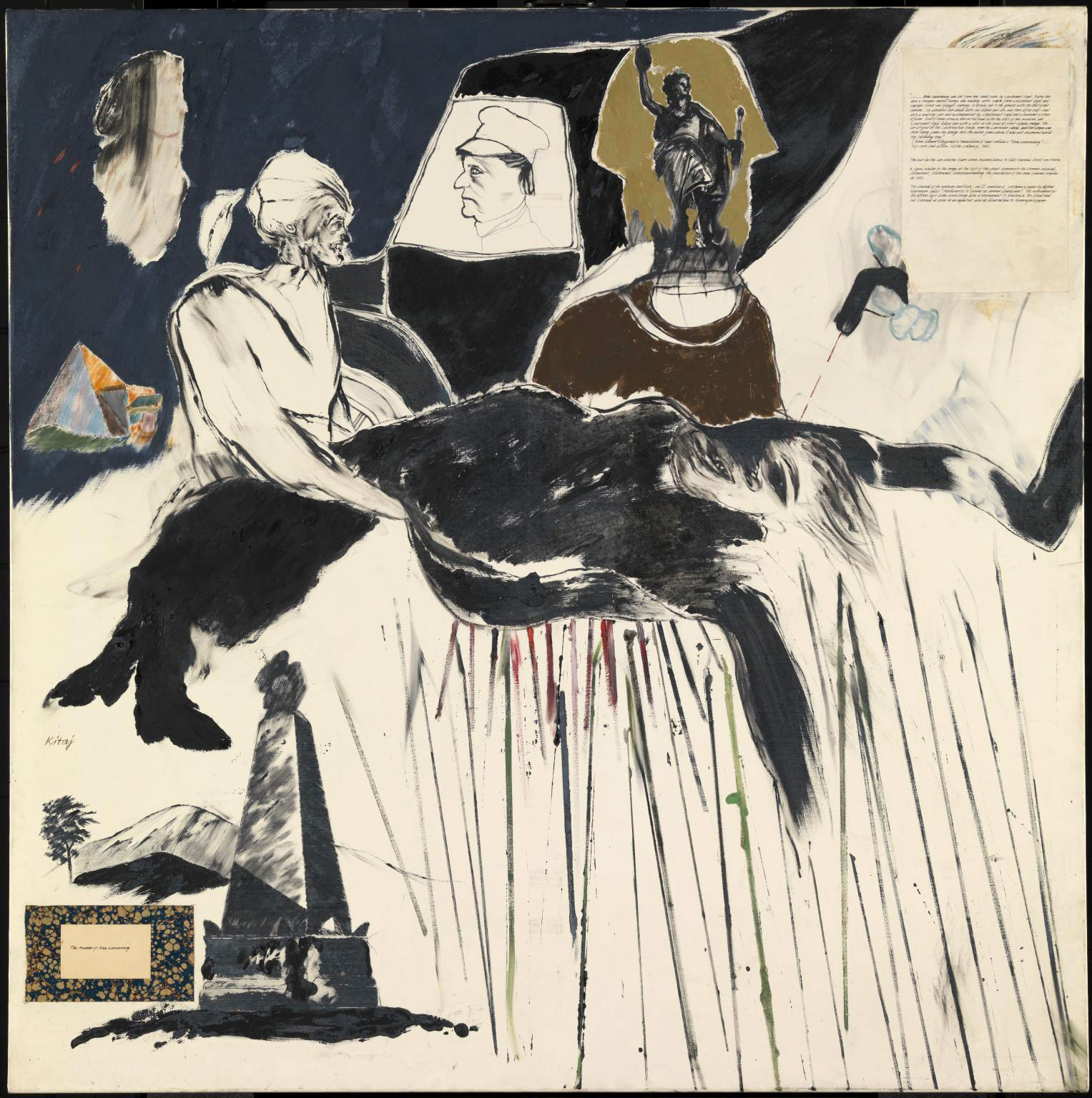


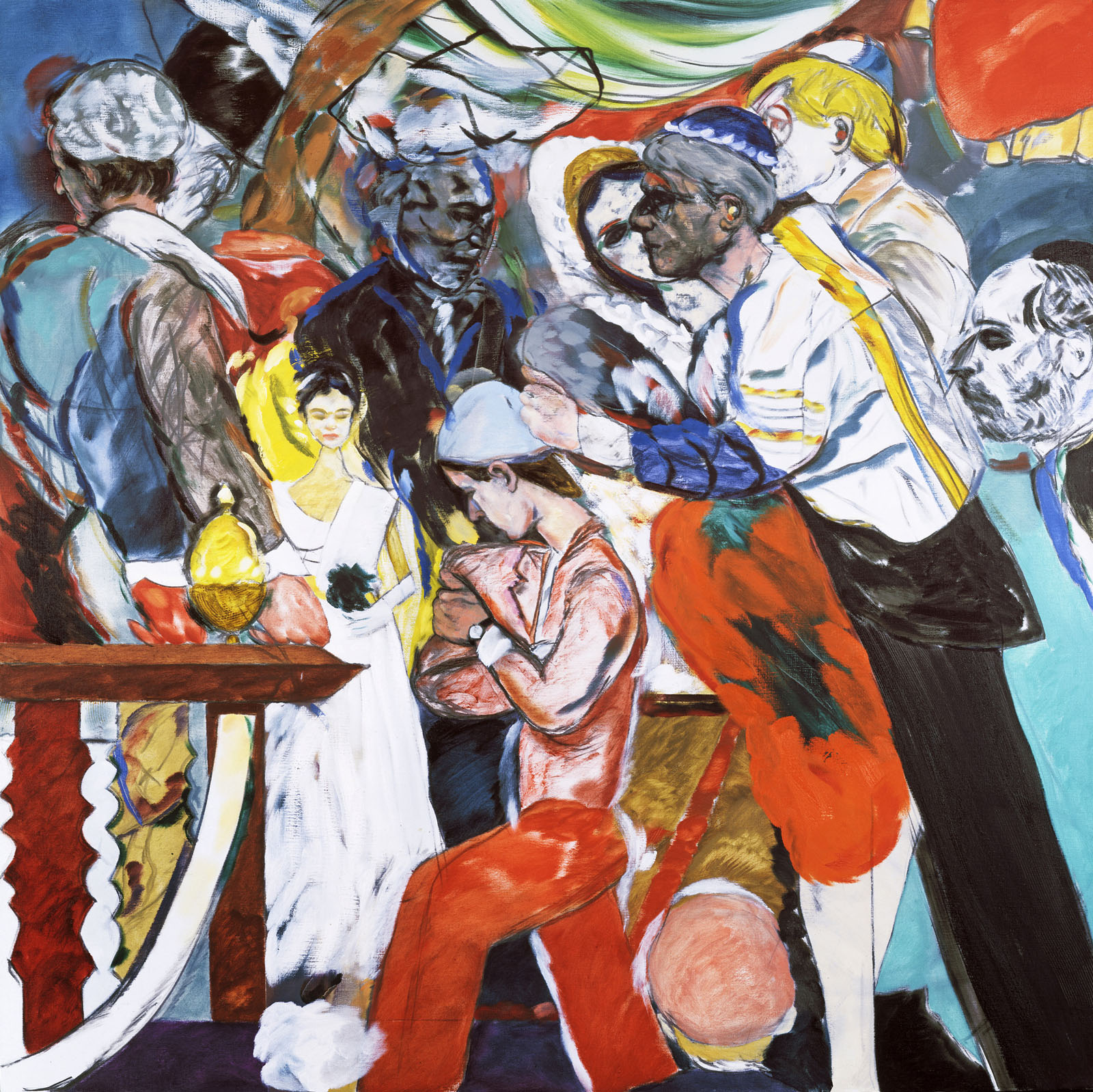


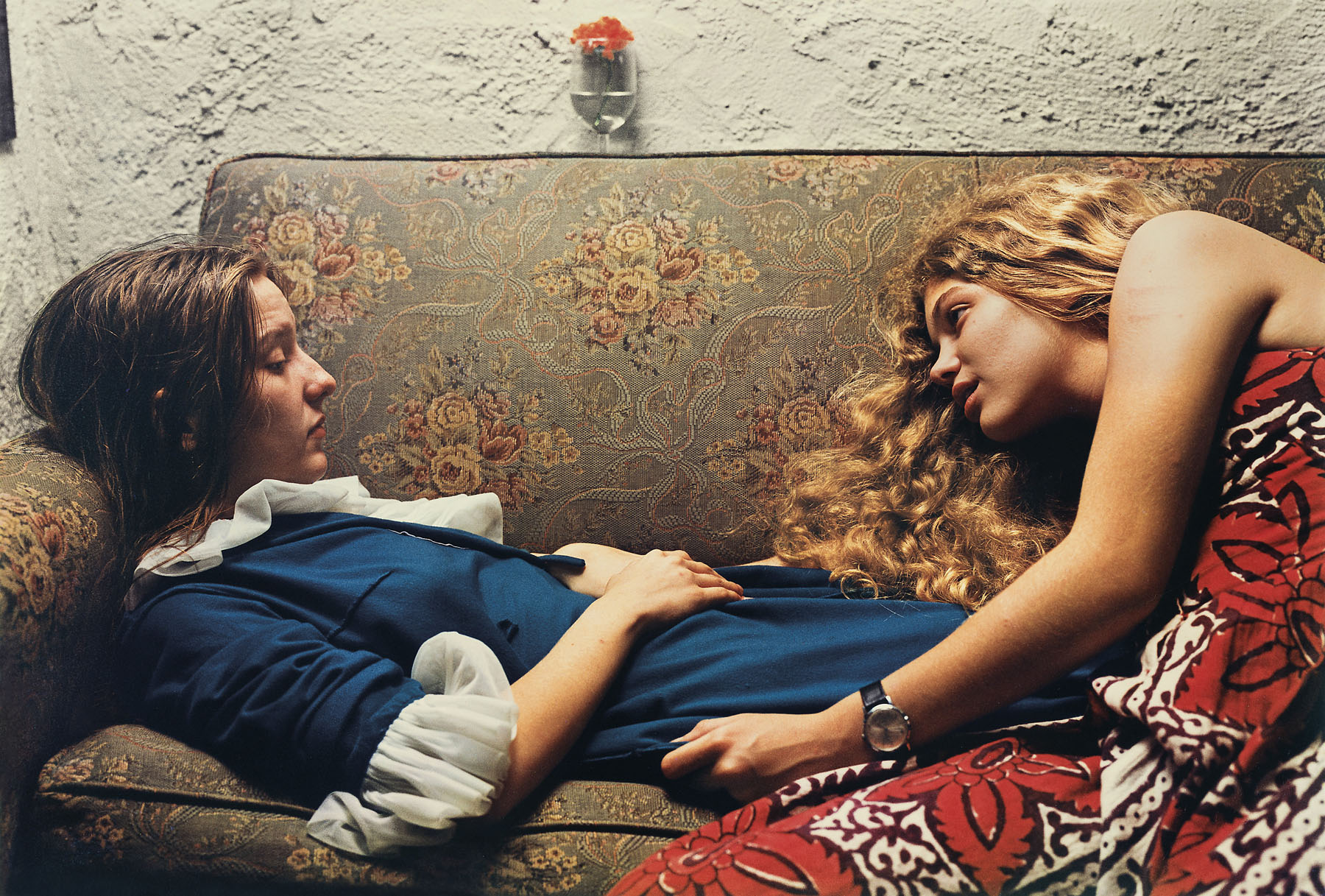


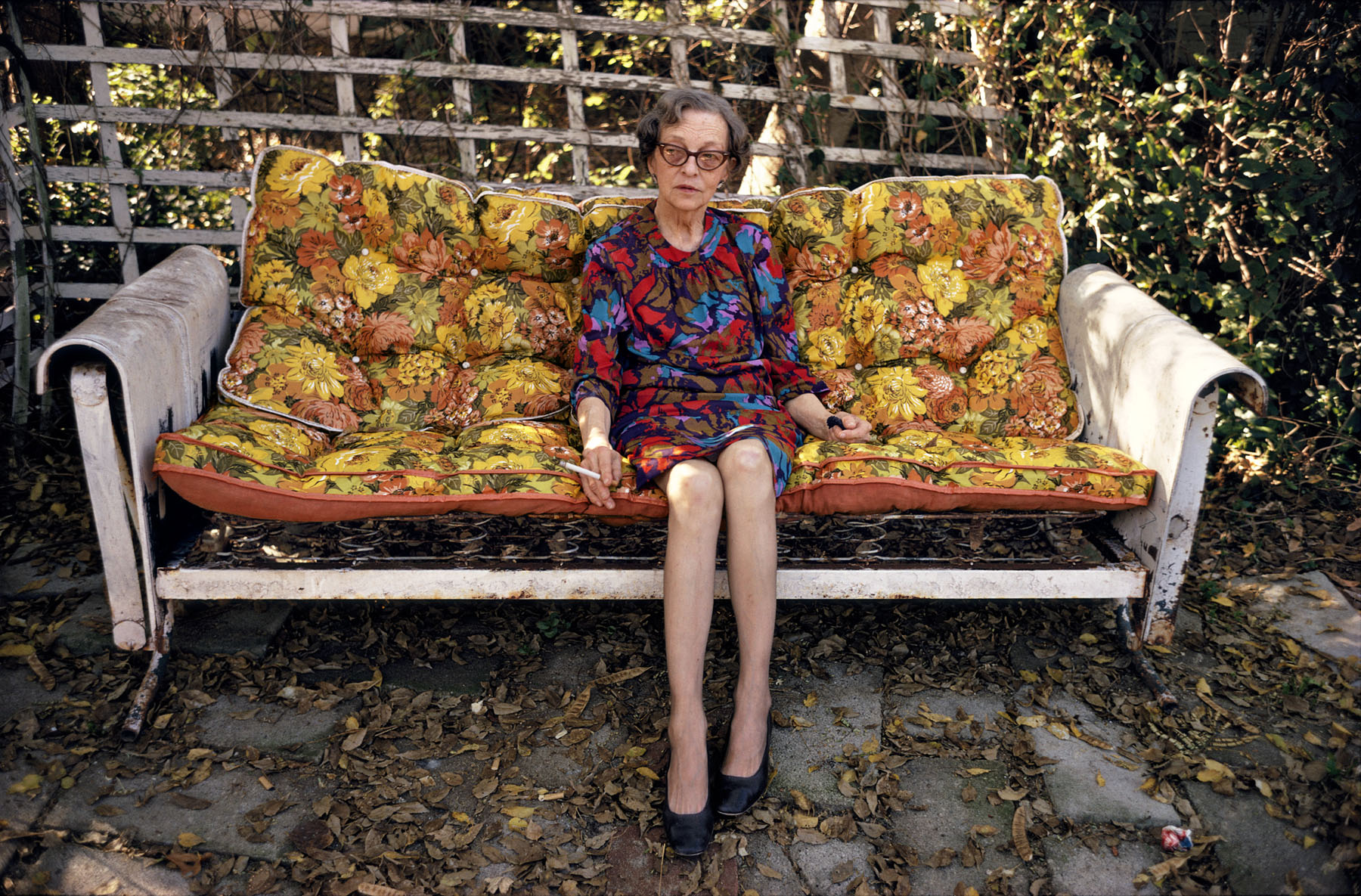



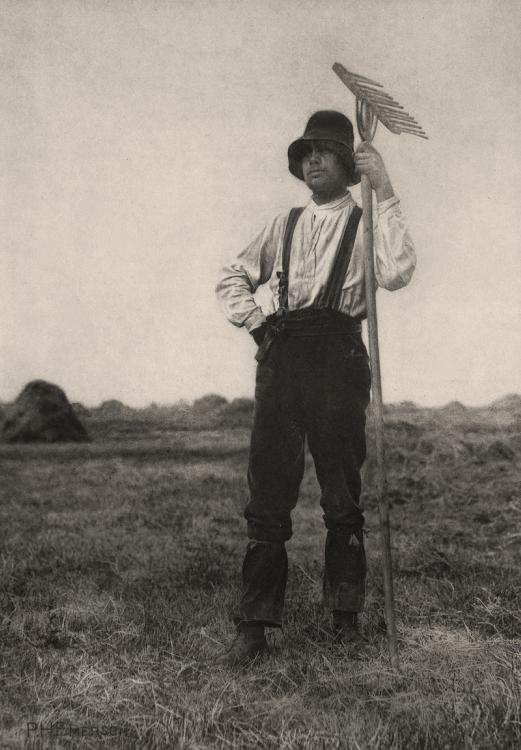

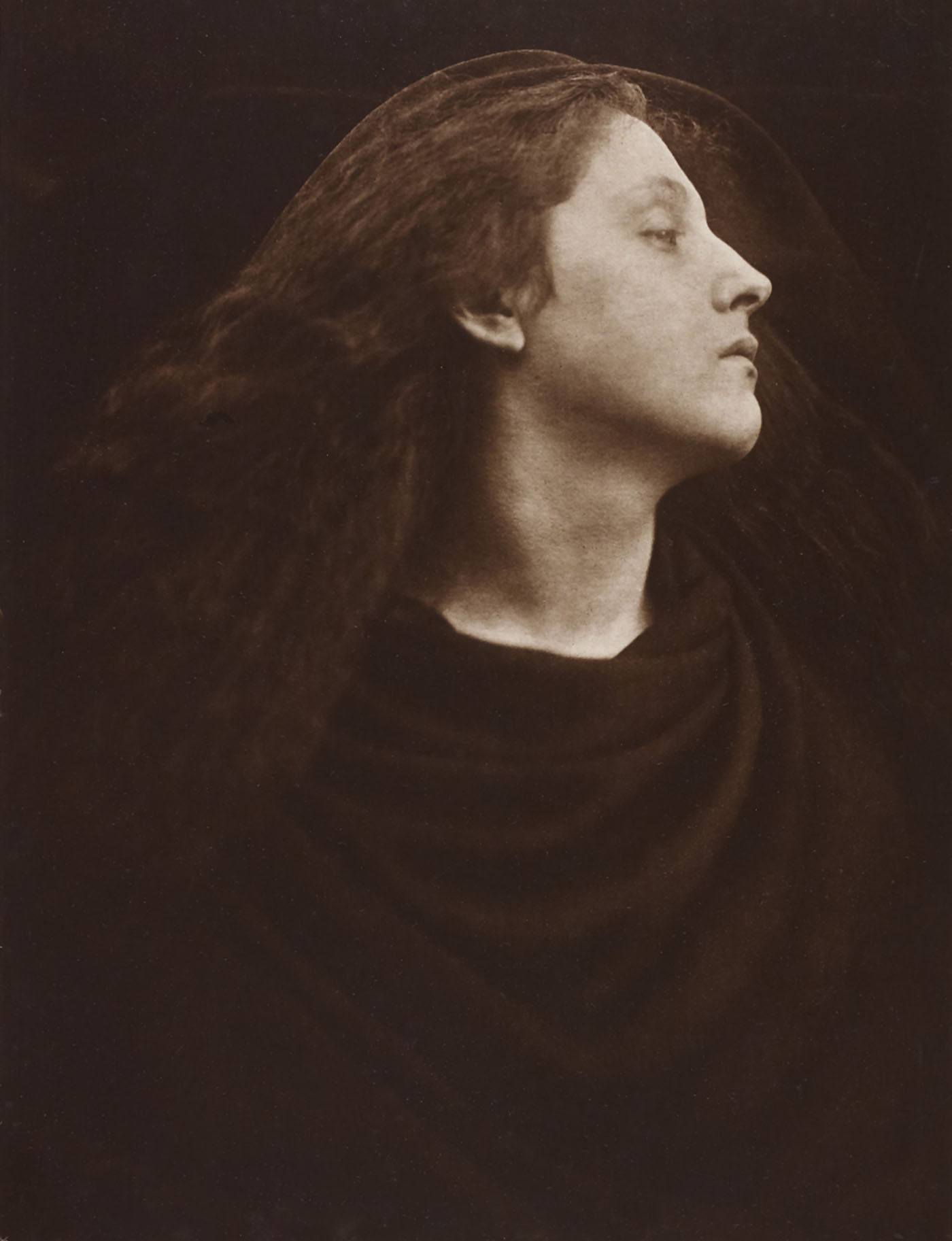


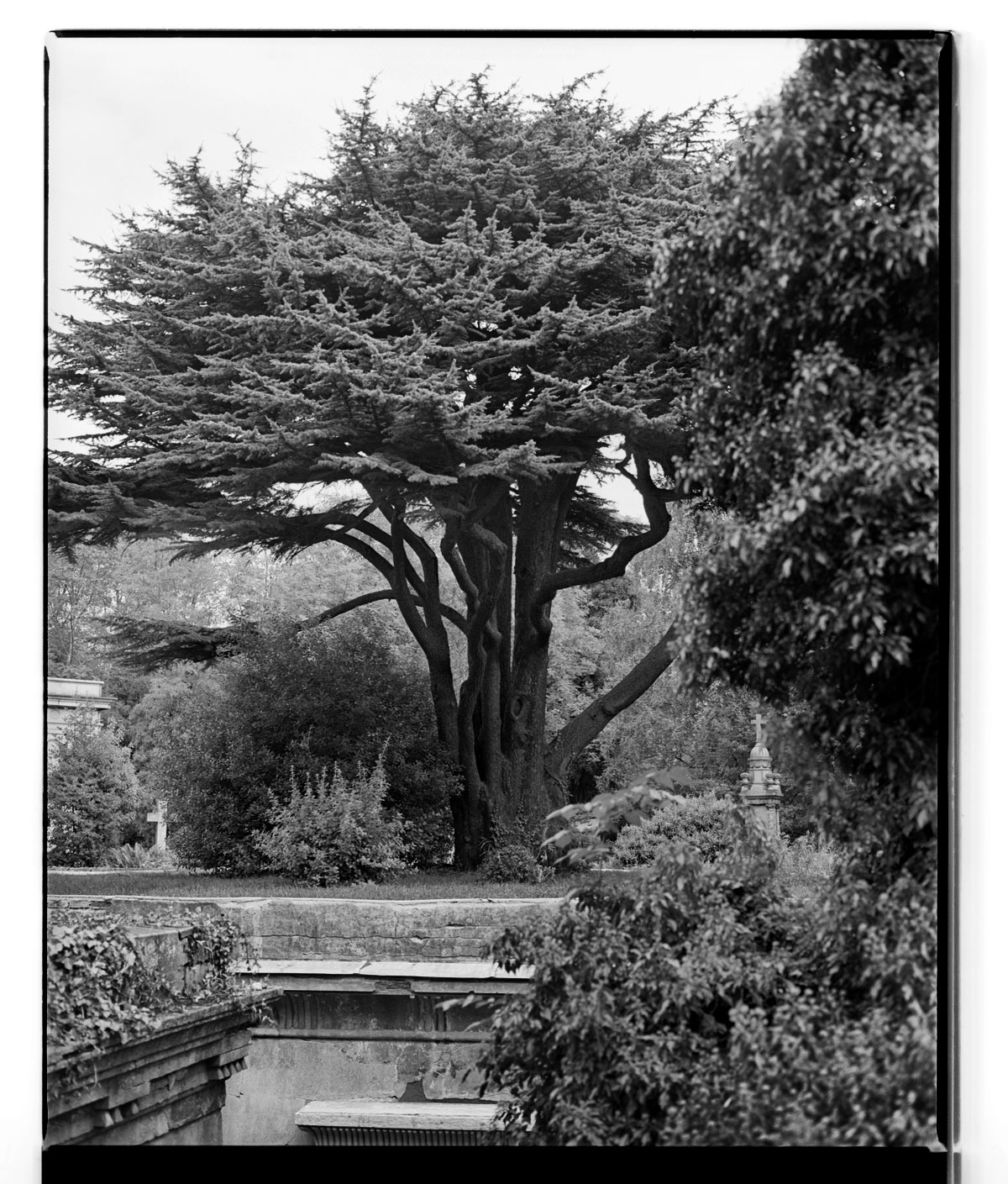


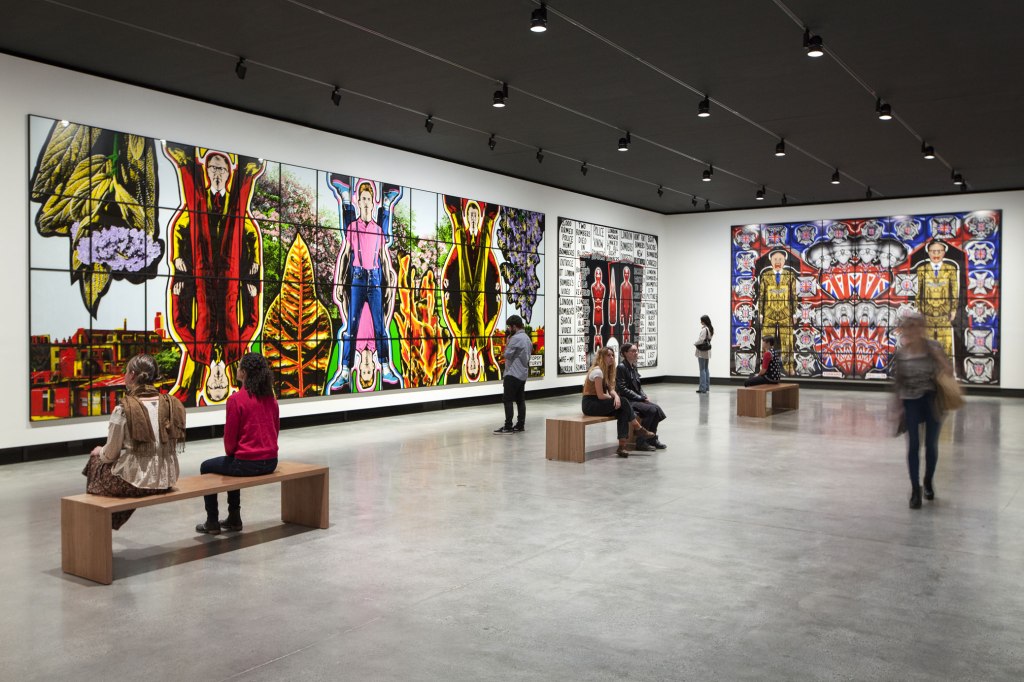
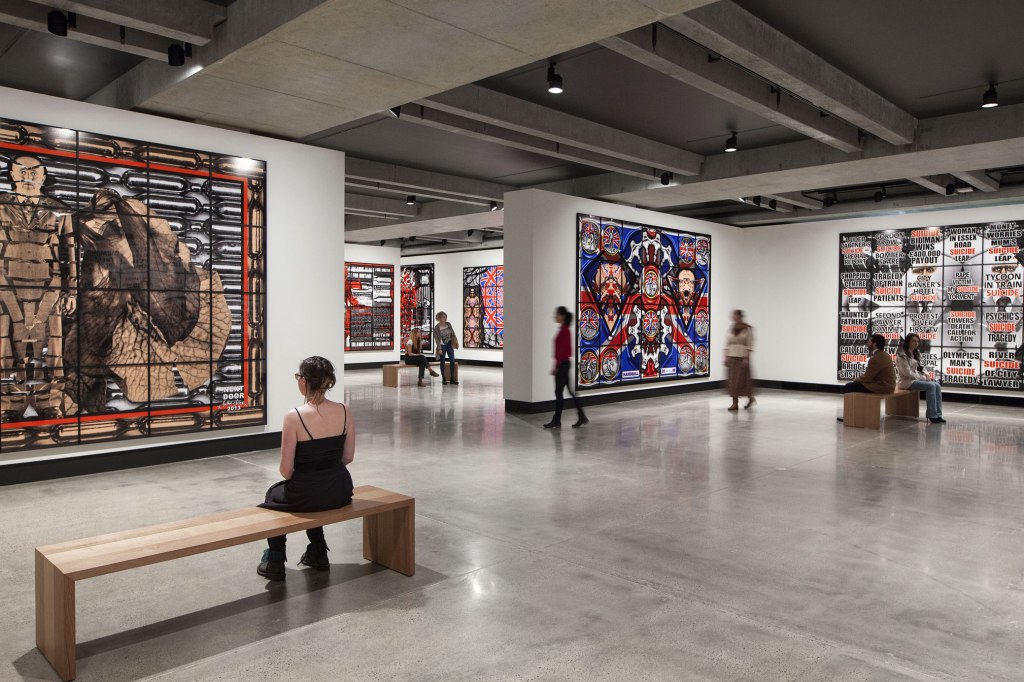
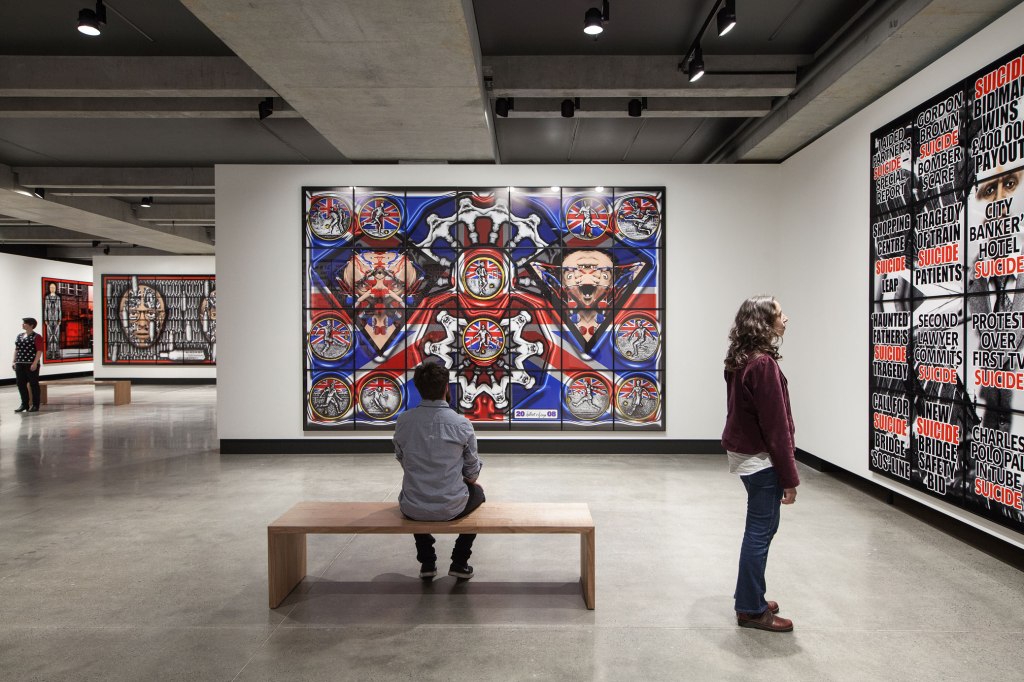











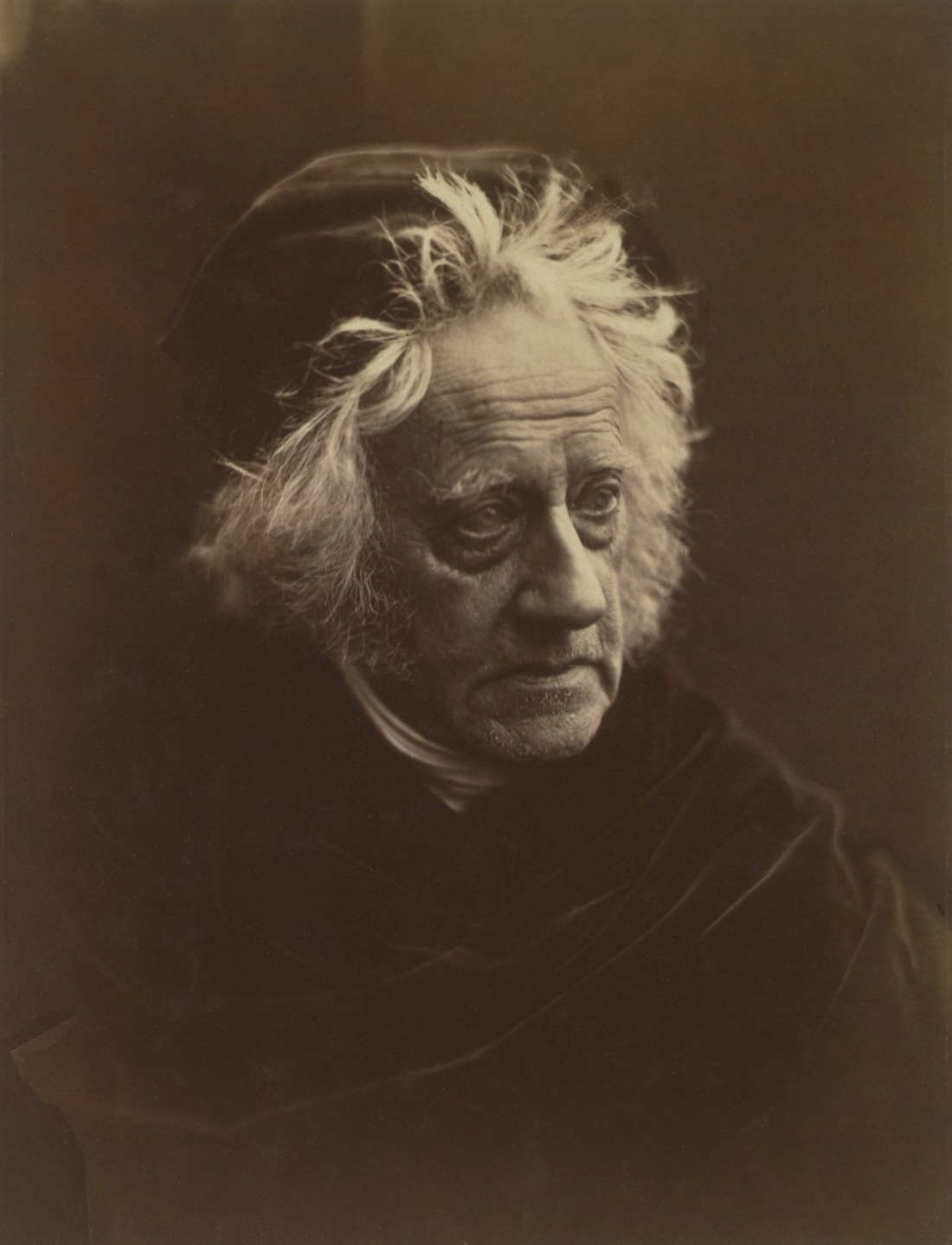
 Art Blart _ art and cultural memory archive
You must be logged in to post a comment.