Exhibition: ‘Color! American Photography Transformed’ at the Amon Carter Museum of American Art, Fort Worth, Texas

Exhibition dates: 5th October 2013 – 5th January, 2014


Alex Prager (American, b. 1979) 'Crowd #1 (Stan Douglas)' 2010


Alex Prager (American, b. 1979)
Crowd #1 (Stan Douglas)
2010
Dye coupler print
© Alex Prager, courtesy of the artist and Yancey Richardson Gallery


A very big subject to cover in one exhibition.

Marcus


Many thankx to the Amon Carter Museum of American Art for allowing me to publish the photographs in the posting. Please click on the photographs for a larger version of the image.


Jack Delano (American, 1914-1997) 'Chopping cotton on rented land near White Plains, Greene County, Georgia, 1941' 1941
 

Jack Delano (American, 1914-1997)
Chopping cotton on rented land near White Plains, Greene County, Georgia, 1941
1941
Inkjet print, 2013
Courtesy the Library of Congress


Laura Gilpin (American, 1891-1979) 'Still Life with Peaches' 1912


Laura Gilpin (American, 1891-1979)
Still Life with Peaches
1912
Lumière Autochrome
© 1979 Amon Carter Museum of American Art, Fort Worth, Texas


Jan Groover (American, 1943-2012) 'Untitled' 1978


Jan Groover (American, 1943-2012)
Untitled
1978
Dye coupler print
Amon Carter Museum of American Art, Fort Worth, Texas
© 1978 Jan Groover


Unknown photographer. 'Untitled (Woman with two daughters)' c. 1850s


Unknown photographer 
Untitled (Woman with two daughters)
c. 1850s
Salted paper print with applied color
Amon Carter Museum of American Art


Gregory Crewdson (American, b. 1962) 'Untitled (Dylan on the Floor)' from the 'Twilight Series' 1998-2002


Gregory Crewdson (American, b. 1962)
Untitled (Dylan on the Floor) from the Twilight Series
1998-2002
Dye coupler print
© Gregory Crewdson, Courtesy Gagosian Gallery


On October 5, the Amon Carter Museum of American Art opens Color! American Photography Transformed, a compelling examination of how colour has changed the very nature of photography, transforming it into today’s dominant artistic medium. Color! includes more than 70 exceptional photographs by as many photographers and is on view through January 5, 2014.

“Colour is so integral to photography today that it is difficult to remember how new it is or realise how much it has changed the medium,” says John Rohrbach, senior curator of photographs.

The exhibition covers the full history of photography, from 1839, when Frenchman Louis-Jacques-Mandé Daguerre (1787-1851) introduced his daguerreotype process, to the present. From the start, disappointed that photographs could only be made in black and white, photographers and scientists alike sought with great energy to achieve colour. Color! begins with a rare direct-colour photograph made in 1851 by Levi L. Hill (1816-1865), but explains how Hill could neither capture a full range of colour nor replicate his achievement. It then shows finely rendered hand-coloured photographs to share how photographers initially compensated for the lack of colour.

When producing colour photographs became commercially feasible in 1907 in the form of the glass-plate Autochrome, leading artists like Alfred Stieglitz (1864-1946) were initially overjoyed, according to Rohrbach. Color! offers exquisite examples of their work even as it explains their ultimate rejection of the process because it was too difficult to display and especially because they felt it mirrored human sight too closely to be truly creative.

“Although many commercial photographers embraced colour photography over succeeding decades, artists continued to puzzle over the medium,” Rohrbach explains. Color! reveals that many artists from Richard Avedon (1923-2004) to Henry Holmes Smith (1909-1986) tried their hand at making colour photographs through the middle decades of the 20th century, and it shows the wide range of approaches they took to colour. It also shares the background debates among artists and photography critics over how to employ colour and even whether colour photographs could have the emotional force of their black-and-white counterparts.

Only in 1976, when curator John Szarkowski at the Museum of Modern Art in New York heralded the young Memphis photographer William Eggleston’s (b. 1939) snapshot-like colour photographs as the solution to artful colour, did fine art colour photography gain full acceptance.

“Eggleston revealed how colour can simultaneously describe objects and stand apart from those objects as pure hue,” Rohrbach says. “In so doing, he successfully challenged the longstanding conception of photography as a medium that found its calling on close description.”

Color! illustrates through landmark works by Jan Groover (1943-2012), Joel Meyerowitz (b. 1938) and others the blossoming of artists’ use of colour photography that followed in the wake of Szarkowski’s celebration of Eggleston. It also reveals artists’ gradual absorption of the notion that colour could be used flexibly to critique cultural mores and to shape stories. In this new colour world, recording the look of things was important, but it was less important than conveying a message about life. In this important shift, led by artists as diverse as Andres Serrano (b. 1950) and Laurie Simmons (b. 1949), the exhibition explains, photography aligned itself far more closely with painting.

Color! shows how the rise of digital technologies furthered this transformation, as photographers such as Gregory Crewdson (b. 1962), Richard Misrach (b. 1949) and Alex Prager (b. 1979) have explicitly embraced the hues, scale, and even subjects of painting and cinema.

“Photography still gains its power and wide popularity today from its ability to closely reflect the world,” explains Rohrbach, “but Color! reveals how contemporary artists have been using reality not as an end unto itself, but as a jumping off point for exploring the emotional and cultural power of colour, even blurring of line between record and fiction to make their points. These practices, founded on colour, have transformed photography into the dominant art form of today even as they have opened new questions about the very nature of the medium.”

The exhibition will include an interactive photography timeline enabling visitors to contribute to the visual dialogue by sharing their own colour images. The photographs will be displayed along the timeline and on digital screens in the museum during the exhibition to illustrate how quantity, format and colour quality have evolved over time.

“By telling the full story of colour photography’s evolution, the exhibition innovatively uncovers the fundamental change that colour has brought to how photographers think about their medium,” says Andrew J. Walker, museum director. “The story is fascinating and the works are equally captivating. Photography fans and art enthusiasts in general will revel in the opportunity to see works by this country’s great photographers.

Press release from the Amon Carter Museum of American Art website


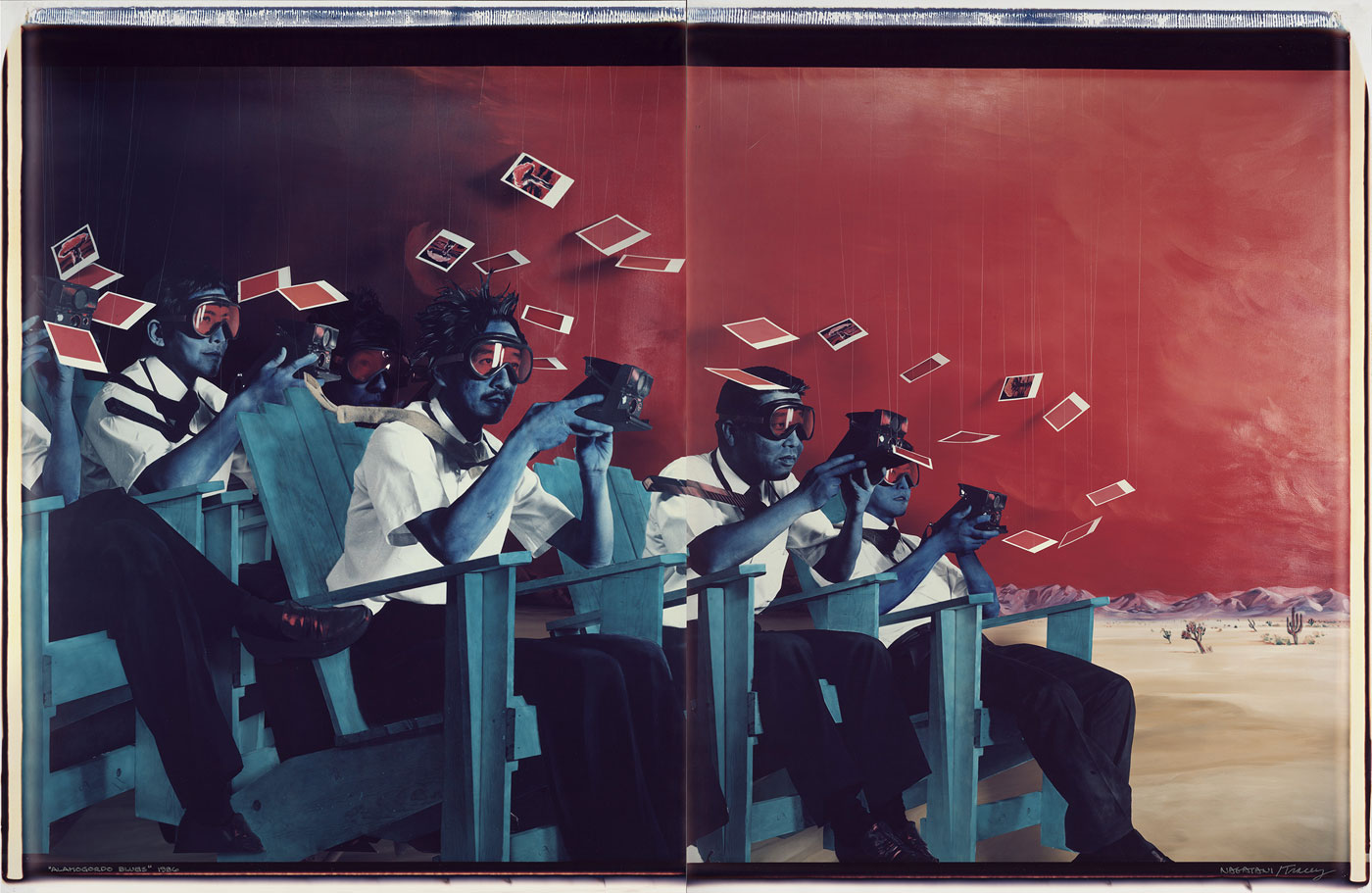
Patrick Nagatani (American, b. 1945) and Andree Tracey (American, b. 1948) 'Alamogordo Blues' 1986


Patrick Nagatani (American, b. 1945)
Andree Tracey (American, b. 1948)
Alamogordo Blues
1986
Dye diffusion print
Center for Creative Photography, University of Arizona
© Patrick Nagatani and Andree Tracey


Laurie Simmons (American, b. 1949) 'Woman/Red Couch/Newspaper' 1978


Laurie Simmons (American, b. 1949)
Woman/Red Couch/Newspaper
1978
Silver dye-bleach print
Los Angeles County Museum of Art, Ralph M. Parsons Fund
© Laurie Simmons


Sandy Skoglund (American, b. 1946) 'Revenge of the Goldfish, 1980' 1980


Sandy Skoglund (American, b. 1946)
Revenge of the Goldfish, 1980
1980
Silver dye-bleach print
St. Louis Art Museum, Gift of Mr. and Mrs. Fielding Lewis Holmes
© 1981 Sandy Skoglund


Mark Cohen (American, b. 1943) 'Boy in Yellow Shirt Smoking' 1977


Mark Cohen (American, b. 1943)
Boy in Yellow Shirt Smoking
1977
Dye coupler print
Courtesy the artist and ROSEGALLERY
© Mark Cohen


John F. Collins (American, 1888?-1988) 'Tire' 1938


John F. Collins (American, 1888?-1988)
Tire
1938
Silver dye-bleach print
Courtesy Howard Greenberg Gallery


Richard Misrach (American, b. 1949) 'Paradise Valley (Arizona), 3.22.95, 7:05 P.M.' 1995


Richard Misrach (American, b. 1949)
Paradise Valley (Arizona), 3.22.95, 7:05 P.M.
1995
Dye coupler print
© Richard Misrach, courtesy Fraenkel Gallery, San Francisco, Marc Selwyn Fine Art, Los Angeles and Pace/MacGill Gallery, NY


Henry Holmes Smith (American, 1909-1986) 'Tricolor Collage on Black' 1946


Henry Holmes Smith (American, 1909-1986)
Tricolor Collage on Black
1946
Dye imbibition print over gelatin silver print
Indiana University Art Museum, Henry Holmes Smith Archive
© Smith Family Trust


Mitch Epstein (American, b. 1952) 'Flag' 2000


Mitch Epstein (American, b. 1952)
Flag
2000
Dye coupler print
Private collection
© Black River Productions


Trevor Paglen (American, b. 1974) 'The Fence (Lake Kickapoo, Texas)' 2010


Trevor Paglen (American, b. 1974)
The Fence (Lake Kickapoo, Texas)
2010
Dye coupler print, 2011
Amon Carter Museum of American Art, Fort Worth, Texas
© Trevor Paglen


Joaquin Trujillo (American, b. 1976) 'Jacky' 2003


Joaquin Trujillo (American, b. 1976)
Jacky
2003
From the series Los Niños
Inkjet print, 2011
Amon Carter Museum of American art, purchase with funds provided by the Stieglitz Circle of the Amon Carter Museum of American Art
© Joaquin Trujillo 2013


James N. Doolittle (American, 1889-1954) 'Ann Harding' c. 1932


James N. Doolittle (American, 1889-1954)
Ann Harding
c. 1932
Tricolor carbro print
Nelson-Atkins Museum of Art, Kansas City, MO


Amon Carter Museum
3501 Camp Bowie Boulevard
Fort Worth, TX 76107-2695

Opening hours:
Tuesday, Wednesday, Friday, Saturday:
 10am – 5pm
Thursday: 10am – 8pm
Sunday: 12am – 5pm
Closed Mondays and major holidays.

Amon Carter Museum of American Art website

LIKE ART BLART ON FACEBOOK

Back to top

Vale Saul Leiter: the world will be less colour-full, less abstract, less sensual without him

November 2013


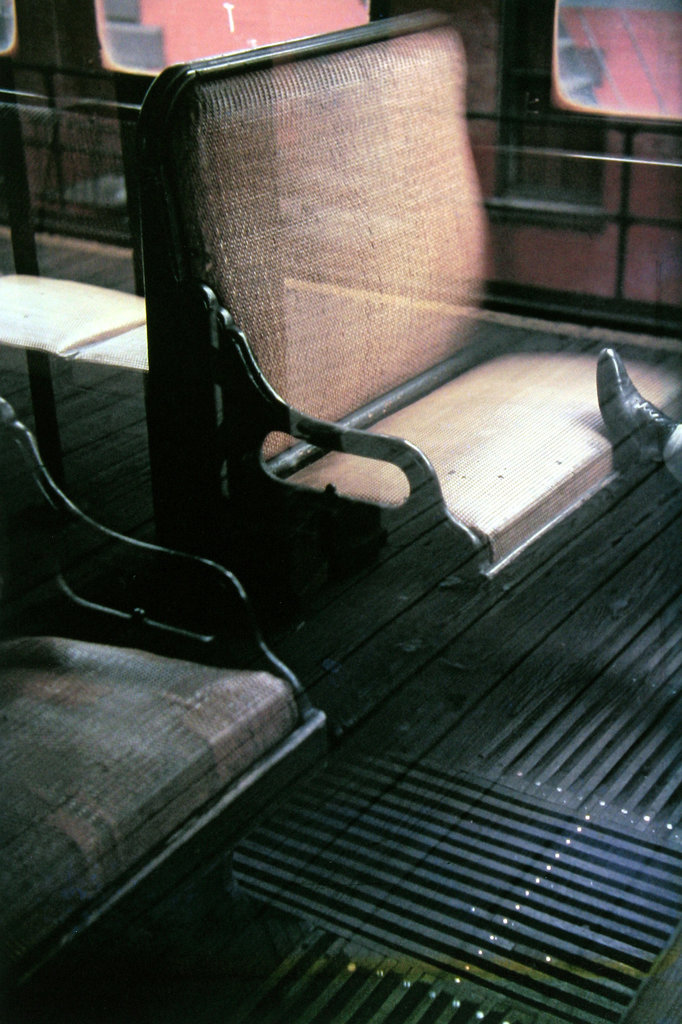
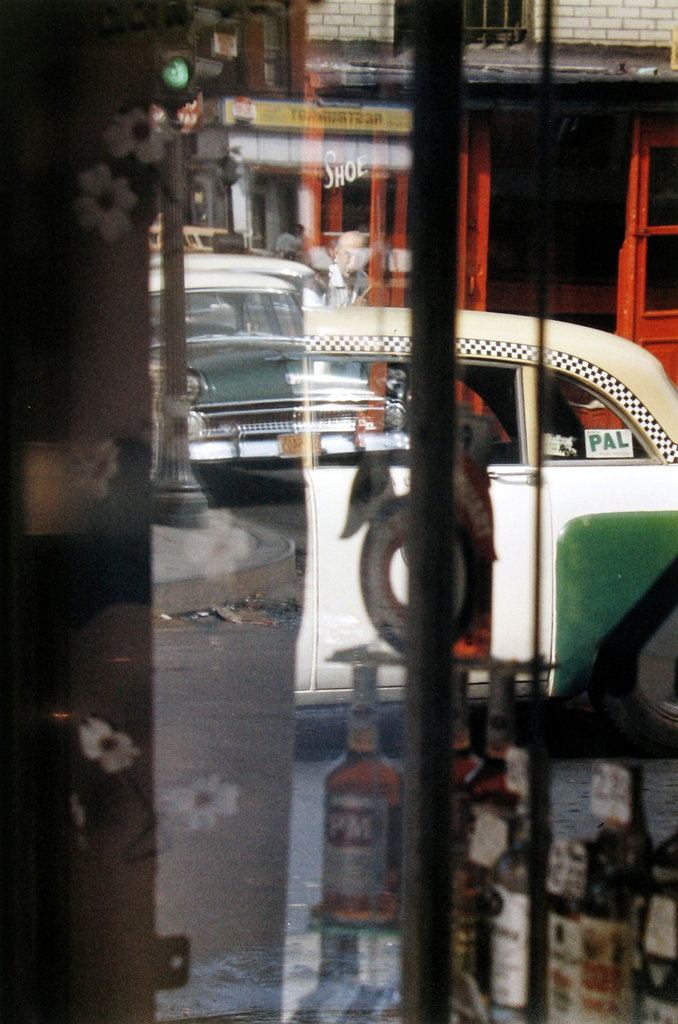
Saul Leiter (American, 1923-2013) 'Foot on El' 1954


Saul Leiter (American, 1923-2013)
Foot on El
1954


“Seeing is a neglected enterprise,” Mr. Leiter often said.

“I am not immersed in self-admiration,” he said. “When I am listening to Vivaldi or Japanese music or making spaghetti at 3 in the morning and realise that I don’t have the proper sauce for it, fame is of no use.”

“He broke all the rules when it came to composing a photograph,” said Mr. Leiter’s assistant, Margit Erb, who confirmed his death, at his home. “He put things into the abstract, he paid attention to colour, he threw foregrounds out of focus, which made the photographs feel very voyeuristic. He applied a painterly mentality that the photography world had not seen.”

His art was enough.

Dr Marcus Bunyan


Saul Leiter (American, 1923-2013) 'Taxi' 1956


Saul Leiter (American, 1923-2013)
Taxi
1956


“”In order to build a career and to be successful, one has to be determined,” Mr. Leiter said in an interview for a monograph published in Germany in 2008. “One has to be ambitious. I much prefer to drink coffee, listen to music and to paint when I feel like it.” …

Unplanned and unstaged, Mr. Leiter’s photographs are slices fleetingly glimpsed by a walker in the city. People are often in soft focus, shown only in part or absent altogether, though their presence is keenly implied. Sensitive to the city’s found geometry, he shot by design around the edges of things: vistas are often seen through rain, snow or misted windows.

“A window covered with raindrops interests me more than a photograph of a famous person,” Mr. Leiter says in [the film] “In No Great Hurry.””

Read the obituary of this wonderful artist at “Saul Leiter, Photographer Who Captured New York’s Palette, Dies at 89” on the New York Times website, November 27, 2013

More images

Exhibition: ‘Saul Leiter’ at Kunst Haus Wien, Vienna, January – May 2013
Exhibition: ‘Saul Leiter Retrospective’ at The House of Photography at Deichtorhallen Hamburg, February – April 2012
Exhibition: ‘Saul Leiter: New York Reflections’ at the Jewish Historical Museum, Amsterdam, October 2011 – March 2012


LIKE ART BLART ON FACEBOOK

Back to top

Exhibition: ‘Melbourne Now’ at the National Gallery of Victoria, Melbourne, Part 1

Exhibition dates: 22nd November 2013 – 23rd March 2014


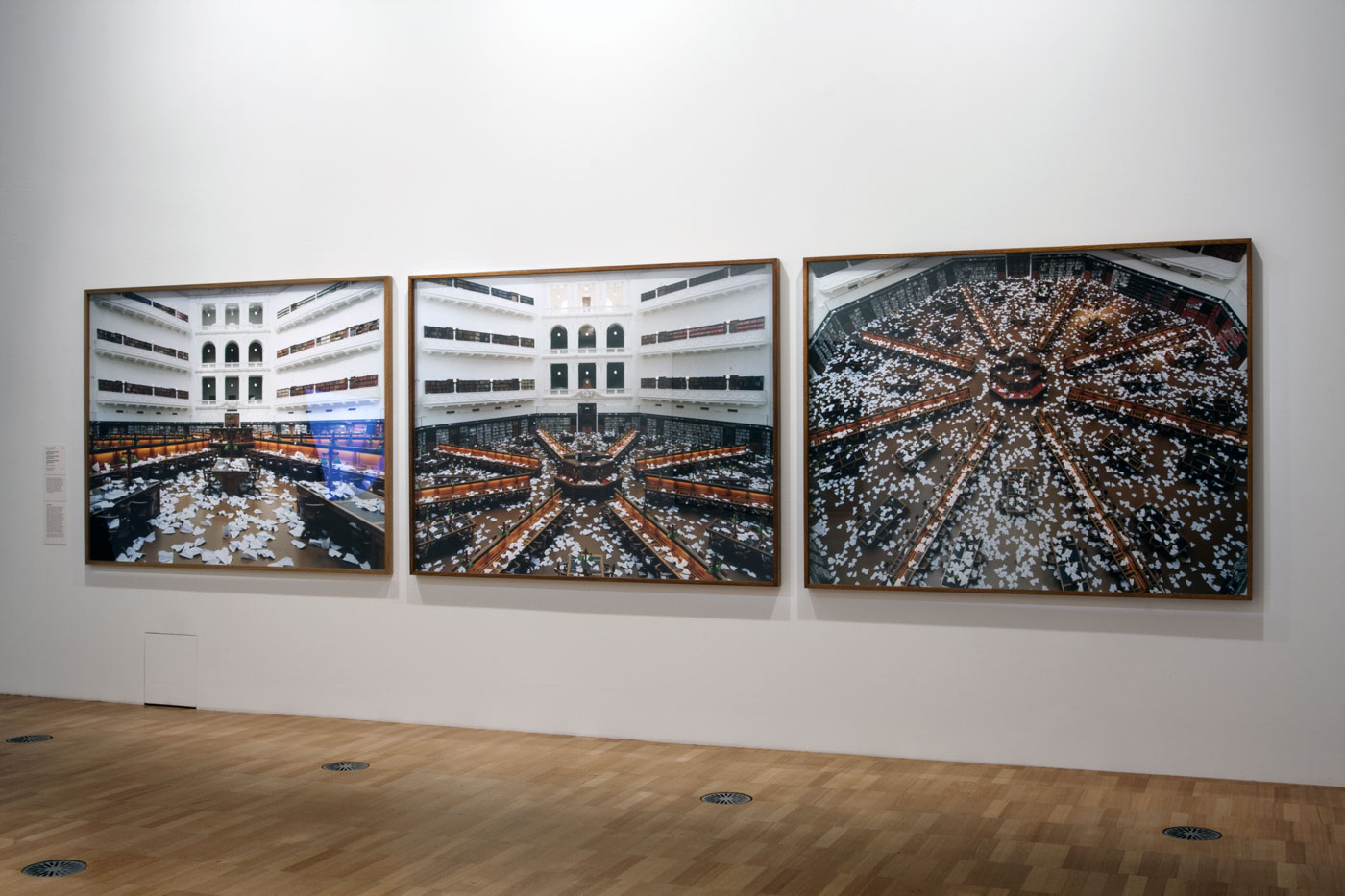
Ross Coulter (Australian, b. 1972) '10,000 paper planes – aftermath (1)' 2011 (installation view)


Ross Coulter (Australian, b. 1972)
10,000 paper planes – aftermath (1) (installation view)
2011
National Gallery of Victoria, Melbourne
Photo: © Marcus Bunyan


This is the first of a two-part posting on the huge Melbourne Now exhibition at the National Gallery of Victoria, Melbourne. The photographs in this posting are from the NGV International venue in St Kilda Road. The second part of the posting features photographs of work at NGV Australia: The Ian Potter Centre at Federation Square. Melbourne Now celebrates the latest art, architecture, design, performance and cultural practice to reflect the complex cultural landscape of creative Melbourne.

Keywords

Place, memory, anxiety, democracy, death, cultural identity, spatial relationships.

The best

Daniel Crooks An embroidery of voids 2013 video.

Highlights

Patricia Piccinini The Carrier 2012 sculpture; Mark Hilton dontworry 2013 sculpture.

Honourable mentions

Stephen Benwell Statues various dates sculpture; Rick Amor mobile call 2012 painting; Destiny Deacon and Virginia Fraser Melbourne Noir 2013 installation.

Disappointing

The weakness of the photography. With a couple of notable exceptions, I can hardly recall a memorable photographic image. Some of it was Year 12 standard.

Low points

~ The lack of visually interesting and beautiful art work – it was mostly all so ho hum in terms of pleasure for the eye
~ The preponderance of installation / design / architectural projects that took up huge areas of space with innumerable objects
~ The balance between craft, form and concept
~ Too much low-fi art
~ Too much collective art
~ Little glass art
~ Weak third floor at NGV International
~ Two terrible installations on the ground floor of NGVA

Verdict

As with any group exhibition there are highs and lows, successes and failures. Totally over this fad for participatory art spread throughout the galleries. Too much deconstructed / performance / collective design art that takes the viewer nowhere. Good effort by the NGV but the curators were, in some cases, far too clever for their own (and the exhibitions), good. 7/10

Dr Marcus Bunyan


Many thankx to the NGV for allowing me to publish the photographs in the posting. All photographs © Dr Marcus Bunyan unless otherwise stated. Please click on the photographs for a larger version of the image.

Please note: All text below the images is from the guide book.


“Although the word “new” recurs like an incantation in the catalogue essays many exhibits are variations on well-worn themes. The trump cards of Melbourne Now are bulk and variety… It’s astonishing that curators still seem to assume that art which proclaims its own radicality must be intrinsically superior to more personal expressions. Yet mediocrity recognises no such distinctions. Most of this show’s avant-garde gestures are no better than clichés.”


John Macdonald. “Review of Melbourne Now,” in the Sydney Morning Herald, Saturday 11 January, 2014 [Online] Cited 03/10/2022


“A rich, inspiring critical context prevails within Melbourne’s contemporary art community, reflecting the complexity of multiple situations and the engaging reality of a culture that is always in the process of becoming. Local knowledge is of course specific and resists generalisation – communities are protean things, which elide neat definition and representation. Notwithstanding the inevitable sampling and partial account which large-scale survey exhibitions unavoidably present, we hope that Melbourne Now retains a sense of semantic density, sensory intensity and conceptual complexity, harnessing the vision and energy that lie within our midst. Perhaps most importantly, the contributors to Melbourne Now highlight the countless ways in which art is able to change, alter and invigorate the senses, adding new perspectives and modes of perceiving the world in which we live.”


Max Delany. “Metro-cosmo-polis: Melbourne now” 2013


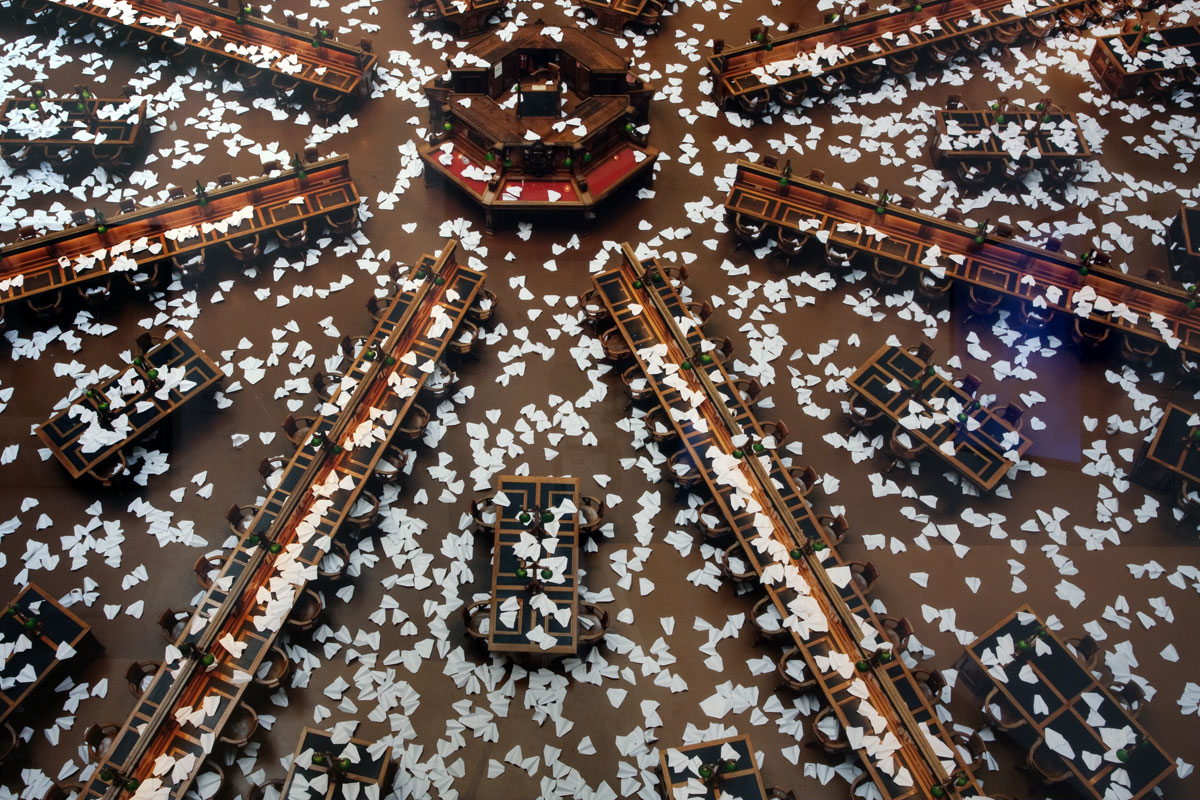
Ross Coulter (Australian, b. 1972) '10,000 paper planes – aftermath (1)' 2011 (detail)

Ross Coulter (Australian, b. 1972) '10,000 paper planes – aftermath (1)' 2011 (installation view)


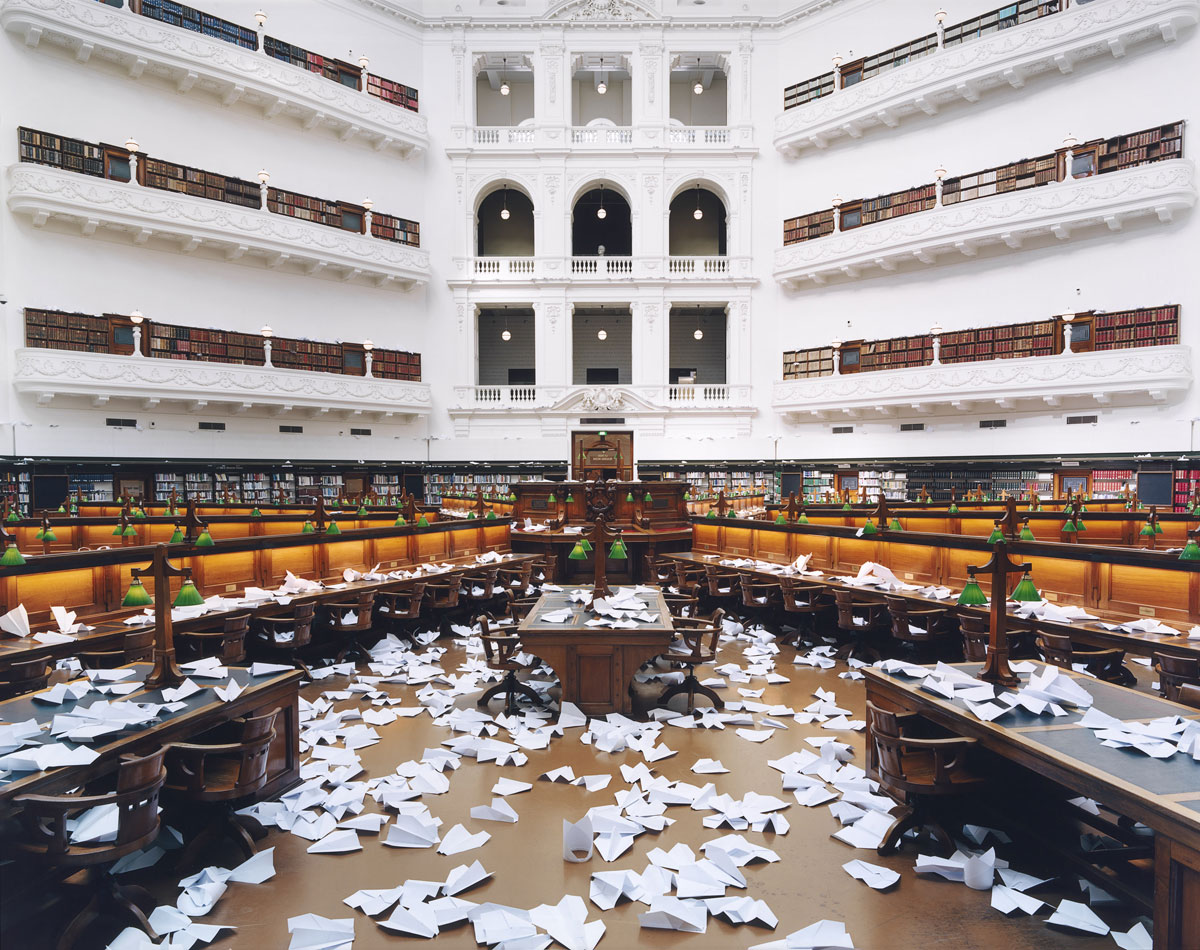
Ross Coulter (Australian, b. 1972)
10,000 paper planes – aftermath (1)
2011
Type C photograph
156 x 200cm
National Gallery of Victoria, Melbourne
Purchased NGV Foundation, 2012
© Ross Coulter
Photo: © Marcus Bunyan
Last photo: © National Gallery of Victoria


With 10,000 paper planes – aftermath (1), 2011, Coulter encountered Melbourne’s intellectual heart, the State Library of Victoria (SLV). Being awarded the Georges Mora Foundation Fellowship in 2010 allowed Coulter to realise a concept he had been developing since he worked at the SLV in the late 1990s. The result is a playful intervention into what is usually a serious place of contemplation. Coulter’s paper planes, launched by 165 volunteers into the volume of the Latrobe Reading Room, give physical form to the notion of ideas flying through the building and the mind. This astute work investigates the striking contrast between the strict discipline of the library space and its categorisation system and the free flow of creativity that its holdings inspire in the visitor.


Laith McGregor (Australian, b. 1977) 'Pong ping paradise' 2011 (installation view)


Laith McGregor (Australian, b. 1977)
Pong ping paradise (installation view)
2011
Private collection, United States of America
Photo: © Marcus Bunyan


The drawings OK and KO, both 2013, which decorate the horizontal surfaces of two table-tennis tables and contain four large self-portraits portraying unease and concern, are more restrained. The hirsute beards of McGregor’s earlier works have evolved into all enveloping geometric grids, their hand-drawn asymmetry creating a subtle sense of distortion that contradicts the inherently flat surface of the tables.


Rick Amor (Australian, b. 1948) 'Mobile call' 2012 (installation view)


Rick Amor (Australian, b. 1948)
Mobile call (installation view)
2012
Private collection, Melbourne
Photo: © Marcus Bunyan


Best known for his brooding urban landscapes, Amor’s work in Melbourne NowMobile call, 2012, stays true to this theme. The painting speaks to the heart of urban living in its depiction of a darkened city alleyway, with dim, foreboding lighting. A security camera on the wall surveys the scene, a lone, austere figure just within its watch. The camera represents the omnipresent surveillance of our modern lives, and an uneasy air of suspicion permeates the painting’s subdued, grey landscape. Amor’s reflections on the urban landscape are solemn, restrained and often melancholic. Quietly powerful, his work alludes to a mystery in the banality of daily existence. Mobile call is a realistic portrayal of a metropolitan landscape that opens our eyes to a strange and complex world.


Steaphan Paton (Australian, Gunai and Monero Nations, b. 1985) 'Cloaked combat' 2013 (installation view detail)


Steaphan Paton (Australian, Gunai and Monero Nations, b. 1985)
Cloaked combat (installation view detail)
2013
National Gallery of Victoria, Melbourne
Photo: © Marcus Bunyan


Cloaked combat, 2013, is a visual exploration of the material and technological conflicts between cultures, and how these differences enable one culture to assert dominance over another. Five Aboriginal bark shields, customarily used in combat to deflect spears, repel psychedelic arrows shot from a foreign weapon. Fired by an unseen intruder cloaked in contemporary European camouflage, the psychedelic arrows rupture the bark shields and their diamond designs of identity and place, violating Aboriginal nationhood and traditional culture. The jarring clash of weapons not only illustrates a material conflict between these two cultures, but also suggests a deeper struggle between old and new. In its juxtaposition of prehistoric and modern technologies, Cloaked combat highlights an uneven match between Indigenous and European cultures and discloses the brutality of Australia’s colonisation.


Zoom project team. 'Zoom' 2013 (installation view detail)

Zoom project team. 'Zoom' 2013 (installation view detail)


Zoom project team
Curator: Ewan McEoin / Studio Propeller; Data visualisation: Greg More / OOM Creative; Graphic design: Matthew Angel; Exhibition design: Design Office; Sound installation: Marco Cher-Gibard; Data research: Serryn Eagleson / EDG Research; Digital survey design: Policy Booth
Zoom (installation view details)
2013
Photos: © Marcus Bunyan


Anchored around a dynamic tapestry of data by Melbourne data artist Greg More, this exhibit offers a window into the ‘system of systems’ that makes up the modern city, peeling back the layers to reveal a sea of information beneath us. Data ebbs and flows, creating patterns normally inaccessible to the naked eye. Set against this morphing data field, an analogue human survey asks the audience to guide the future design of Melbourne through choice and opinion. ZOOM proposes that every citizen influences the future of the city, and that the city in turn influences everyone within it. Accepting this co-dependent relationship empowers us all to imagine the city we want to create together.


Installation view of Jon Campbell. 'DUNNO (T. Towels)' 2012 (left) and Reko Rennie 'Initiation', 2013 (right) (installation view)


Installation view of Jon Campbell DUNNO (T. Towels) 2012 (left) and Reko Rennie Initiation, 2013 (right)
Photo: © Marcus Bunyan


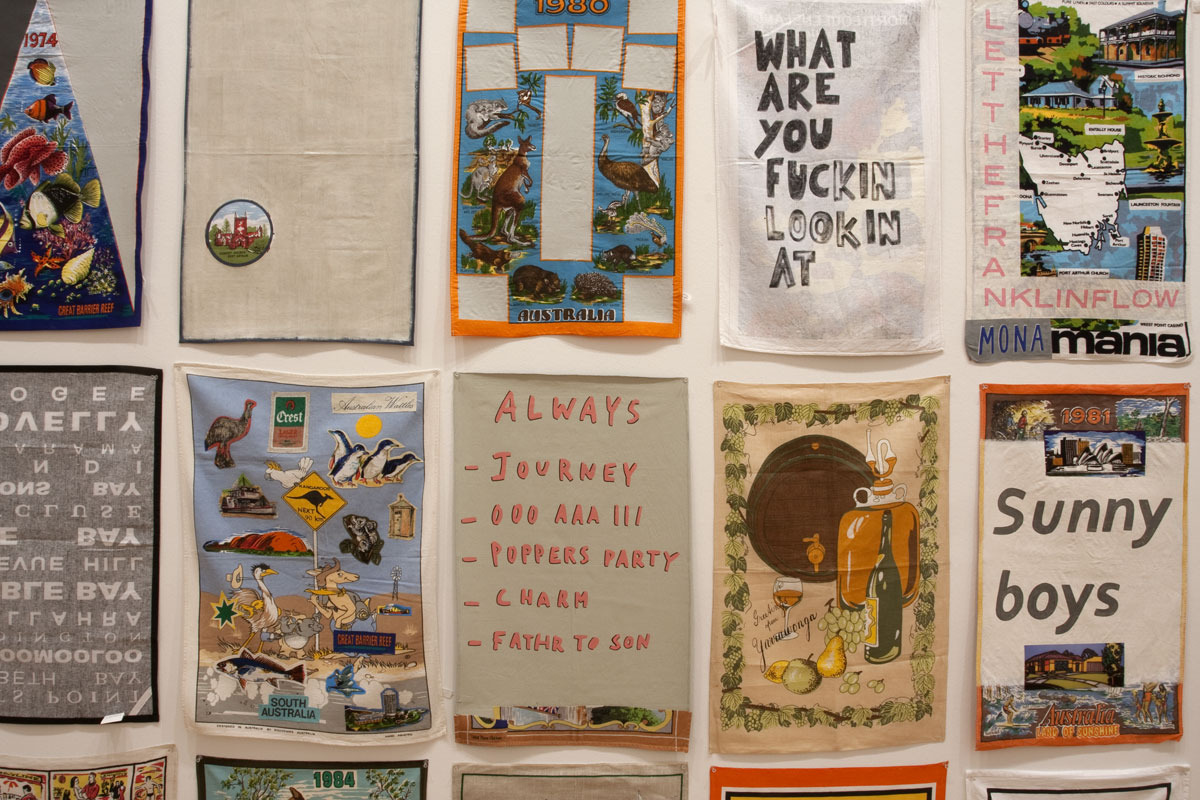
Jon Campbell (Australian born Northern Ireland, b. 1961) 'DUNNO (T. Towels)' 2012 (installation view detail)

Jon Campbell (Australian born Northern Ireland, b. 1961) 'DUNNO (T. Towels)' 2012 (installation view detail)


Jon Campbell (Australian born Northern Ireland, b. 1961)
DUNNO (T. Towels) (installation view details)
2012
Photos: © Marcus Bunyan


For Melbourne Now Campbell presents DUNNO (T. Towels), 2012, a work that continues his fascination with the vernacular culture of suburban Australia. Comprising eighty-five tea towels, some in their original condition and others that Campbell has modified through the addition of ‘choice’ snippets of Australian slang and cultural signifiers, this seemingly quotidian assortment of kitsch ‘kitchenalia’ is transformed into a mock heroic frieze in which we can discover the values and dramas of our present age.


Reko Rennie (Australian, Gamilaraay (Kamilaroi) b. 1974) 'Initiation' 2013 (installation view)


Reko Rennie (Australian, Gamilaraay (Kamilaroi) b. 1974)
Initiation (installation view)
2013
Synthetic polymer paint on plywood (1-40)
300.0 x 520.0cm (overall)
Collection of the artist
© Reko Rennie, courtesy Karen Woodbury Gallery, Melbourne
Supported by Esther and David Frenkiel
Photo: © Marcus Bunyan


Initiation, 2013, a mural-scale, multi-panelled hoarding that subverts the negative stereotyping of Indigenous people living in contemporary Australian cities. This declarative, renegade installation work is a psychedelic farrago of street art, native flora and fauna, Kamilaroi patterns, X-ray images and text that addresses what it means to be an urban Aboriginal person. By yoking together contrary elements of graffiti, advertising, bling, street slogans and Kamilaroi diamond geometry, Rennie creates a monumental spectacle of resistance.


Installation view of Reko Rennie 'Initiation', 2013 (installation view)


Installation view of Reko Rennie Initiation, 2013
Photo: Marcus Bunyan


Janet Burchill (Australian, b. 1955) and Jennifer McCamley (Australian, b. 1957) 'The Belief' 2004-2013 (installation view)


Janet Burchill (Australian, b. 1955)
Jennifer McCamley (Australian, b. 1957)
The Belief (installation view)
2004-2013
Photo: © Marcus Bunyan


Shields from Papua New Guinea held in the National Gallery of Victoria’s collection provided an aesthetic catalyst for the artists to develop an open-ended series of their own ‘shields’. The Belief includes shields made by Burchill and McCamley between 2004 and 2013. In part, this installation meditates on the form and function of shields from the perspective of a type of reverse ethnography. As the artists explain:

“The shield is an emblematic form ghosted by the functions of attack and defence and characterised by the aggressive display of insignia … We treat the shield as a perverse type of modular unit. While working with repetition, each shield acts as a carrier or container for different types and registers of content, motifs, emblems and aesthetic strategies. The series as a whole, then, becomes a large sculptural collage which allows us to incorporate a wide range of responses to making art and being alive now.”


Janet Burchill (Australian, b. 1955) and Jennifer McCamley (Australian, b. 1957) 'The Belief' 2004-2013 (installation view)


Janet Burchill (Australian, b. 1955)
Jennifer McCamley (Australian, b. 1957)
The Belief (detail)
2004-2013
Photo: © Marcus Bunyan


Melbourne Now is an exhibition unlike any other we have mounted at the National Gallery of Victoria. It takes as its premise the idea that a city is significantly shaped by the artists, designers, architects, choreographers, intellectuals and community groups that live and work in its midst. With this in mind, we have set out to explore how Melbourne’s visual artists and creative practitioners contribute to the dynamic cultural identity of this city. The result is an exhibition that celebrates what is unique about Melbourne’s art, design and architecture communities.

When we began the process of creating Melbourne Now we envisaged using several gallery spaces within The Ian Potter Centre: NGV Australia; soon, however, we recognised that the number of outstanding Melbourne practitioners required us to greatly expand our commitment. Now spreading over both The Ian Potter Centre: NGV Australia and NGV International, Melbourne Now encompasses more than 8000 square metres of exhibition space, making it the largest single show ever presented by the Gallery.

Melbourne Now represents a new way of working for the NGV. We have adopted a collaborative curatorial approach which has seen twenty of our curators work closely with both external design curators and many other members of the NGV team. Committing to this degree of research and development has provided a great opportunity to meet with artists in their studios and to engage with colleagues across the city as a platform not only for this exhibition, but also for long-term engagement.

A primary aim throughout the planning process has been to create an exhibition that offers dynamic engagement with our audiences. From the minute visitors enter NGV International they are invited to participate through the exhibition’s Community Hall project, which offers a diverse program of performances and displays that showcase a broad concept of creativity across all art forms, from egg decorating to choral performances. Entering the galleries, visitors discover that Melbourne Now includes ambitious and exciting contemporary art and design commissions in a wide range of media by emerging and established artists. We are especially proud of the design and architectural components of this exhibition which, for the first time, place these important areas of practice in the context of a wider survey of contemporary art. We have designed the exhibition in terms of a series of curated, interconnected installations and ‘exhibitions within the exhibition’ to offer an immersive, inclusive and sometimes participatory experience.

Viewers will find many new art commissions featured as keynote projects of Melbourne Now. One special element is a series of commissions developed specifically for children and young audiences – these works encourage participatory learning for kids and families. Artistic commissions extend from the visual arts to architecture, dance and choreography to reflect Melbourne’s diverse artistic expression. Many of the new visual arts and design commissions will be acquired for the Gallery’s permanent collections, leaving the people of Victoria a lasting legacy of Melbourne Now.

The intention of this exhibition is to encourage and inspire everyone to discover some of the best of Melbourne’s culture. To help achieve this, family-friendly activities, dance and music performances, inspiring talks from creative practitioners, city walks and ephemeral installations and events make up our public programs. Whatever your creative interests, there will be a lot to learn and enjoy in Melbourne NowMelbourne Now is a major project for the NGV which we hope will have a profound and lasting impact on our audiences, our engagement with the art communities in our city and on the NGV collection. We invite you to join us in enjoying some of the best of Melbourne’s creative art, design and architecture in this landmark exhibition.

Tony Ellwood
Director, National Gallery of Victoria

Foreword from the Melbourne Now exhibition guide book


Destiny Deacon (Australian, K'ua K'ua and Erub/Mer peoples 1957-2024) Virginia Fraser (Australian) 'Melbourne Noir' 2013 (installation view)

Destiny Deacon (Australian, K'ua K'ua and Erub/Mer peoples 1957-2024) Virginia Fraser (Australian) 'Melbourne Noir' 2013 (installation view)

Destiny Deacon (Australian, K'ua K'ua and Erub/Mer peoples 1957-2024) Virginia Fraser (Australian) 'Melbourne Noir' 2013 (installation view)

Destiny Deacon (Australian, K'ua K'ua and Erub/Mer peoples 1957-2024) Virginia Fraser (Australian) 'Melbourne Noir' 2013 (installation view)


Destiny Deacon (Australian, K’ua K’ua and Erub/Mer peoples 1957-2024)
Virginia Fraser (Australian)
Melbourne Noir (installation view details)
2013
Installation comprising photography, video, sculptural diorama dimensions (variable) (installation)
Collection of the artists
© Destiny Deacon and Virginia Fraser, courtesy Roslyn Oxley9 Gallery, Sydney
Photos: © Marcus Bunyan


Adapting the quotidian formats of snapshot photography, home videos, community TV and performance modes drawn from vaudeville and minstrel shows, Deacon’s artistic practice is marked by a wicked yet melancholy comedic and satirical disposition. In decidedly lo-fi vignettes, friends, family and members of Melbourne’s Indigenous community appear in mischievous narratives that amplify and deconstruct stereotypes of Indigenous identity and national history. For Melbourne Now, Deacon and Fraser present a trailer for a film noir that does not exist, a suite of photographs and a carnivalesque diorama. The pair’s playful political critiques underscore a prevailing sense of postcolonial unease, while connecting their work to wider global discourses concerned with racial struggle and cultural identity.


Darren Sylvester (Australian, b. 1974) 'For you' 2013 (installation view detail)

Darren Sylvester (Australian, b. 1974) 'For you' 2013 (installation view detail)

Darren Sylvester (Australian, b. 1974) 'For you' 2013 (installation view detail)

Darren Sylvester (Australian, b. 1974) 'For you' 2013 (installation view detail)


Darren Sylvester (Australian, b. 1974)
For you (installation view details)
2013
Based on Yves Saint Laurent Les Essentials rouge pur couture, La laque couture and Rouge pur couture range revolution lipsticks, Marrakesh sunset palette, Palette city drive, Ombres 5 lumiéres, Pure chromatic eyeshadows and Blush radiance
Illuminated dance floor, sound system
605 x 1500 x 198cm
Supported by VicHealth; assisted by the Australian Government through the Australia Council for the Arts, its arts funding and advisory body
Photos: © Marcus Bunyan


For Melbourne Now Sylvester presents For you, 2013, an illuminated dance floor utilising the current palette of colours of an international make-up brand. By tapping into commonly felt fears of embarrassment and the desire to show off in front of others, For you provides a gentle push onto a dance floor flush in colours already proven by market research to appear flattering on the widest cross-section of people. It is a work that plays on viewers’ vanity while acting as their support. In Sylvester’s own words, this work ‘will make you look good whilst enjoying it. It is for you’.


Assembling over 250 outstanding commissions, acquired and loaned works and installations, Melbourne Now explores the idea that a city is significantly shaped by the artists, designers and architects who live and work in its midst. It reflects the complexity of Melbourne and its unique and dynamic cultural identity, considering a diverse range of creative practice as well as the cross-disciplinary work occurring in Melbourne today.

Melbourne Now is an ambitious project that represents a new direction for the National Gallery of Victoria in terms of its scope and its relationship with audiences. Drawing on the talents of more than 400 artists and designers from across a wide variety of art forms, Melbourne Now will offer an experience unprecedented in this city; from video, sound and light installations, to interactive community exhibitions and artworks, to gallery spaces housing working design and architectural practices. The exhibition will be an immersive, inclusive and participatory exhibition experience, providing a rich and compelling insight into Melbourne’s art, design and cultural practice at this moment. Melbourne Now aims to engage and reflect the inspiring range of activities that drive contemporary art and creative practice in Melbourne, and is the first of many steps to activate new models of art and interdisciplinary exhibition practice and participatory modes of audience engagement at the NGV.

The collaborative curatorial structure of Melbourne Now has seen more than twenty NGV curators working across disciplinary and departmental areas in collaboration with exhibition designers, public programs and education departments, among others. The project also involves a number of guest curators contributing to specific contexts, including architecture and design, performance and sound, as well as artist-curators invited to create ‘exhibitions within the exhibition’, develop off-site projects and to work with the NGV’s collection. Examples of these include Sampling the City: Architecture in Melbourne Now, curated by Fleur Watson; Drawing Now, curated by artist John Nixon, bringing together the work of forty-two artists; ZOOM, an immersive data visualisation of cultural demographics related to the future of the city, convened by Ewan McEoin; Melbourne Design Now, which explores creative intelligence in the fields of industrial, product, furniture and object design, curated by Simone LeAmon; and un Retrospective, curated by un Magazine. Other special projects present recent developments in jewellery design, choreography and sound.

Numerous special projects have been developed by NGV curators, including Designer Thinking, focusing on the culture of bespoke fashion design studios in Melbourne, and a suite of new commissions and works by Indigenous artists from across Victoria which reflect upon the history and legacies of colonial and postcolonial Melbourne. The NGV collection is also the subject of artistic reflection, reinterpretation and repositioning, with artists Arlo Mountford, Patrick Pound and The Telepathy Project and design practice MaterialByProduct bringing new insights to it through a suite of exhibitions, videos and performative installations.

In our Community Hall we will be hosting 600 events over the four months of Melbourne Now offering a daily rotating program of free workshops, talks, catwalks and show’n’tells run by leaders in their fields. And over summer, the NGV will present a range of programs and events, including a Children’s Festival, dance program, late-night music events and unique food and beverage offerings.

The exhibition covers 8000 square metres of space, covering much of the two campuses of the National Gallery of Victoria, and moves into the streets of Melbourne with initiatives such as the Flags for Melbourne project, ALLOURWALLS at Hosier Lane, walking and bike tours, open studios and other programs that will help to connect the wider community with the creative riches that Melbourne has to offer.

Melbourne Now Introduction


Alan Constable (Australian, b. 1956) 'No title (teal SLR with flash)' 2013


Alan Constable (Australian, b. 1956)
No title (teal SLR with flash)
2013
Earthenware
15.5 x 24 x 11cm
Collection of the artist
© Alan Constable, courtesy Arts Project Australia, Melbourne
Photo: © National Gallery of Victoria


A camera’s ability to act as an extension of our eyes and to capture and preserve images renders it a potent instrument. In the case of Constable, this power has particular resonance and added poignancy. The artist lives with profound vision impairment and his compelling, hand-modelled ceramic reinterpretations of the camera – itself sometimes referred to as the ‘invented eye’ – possess an altogether more moving presence. For Melbourne Now, Constable has created a special group of his very personal cameras.


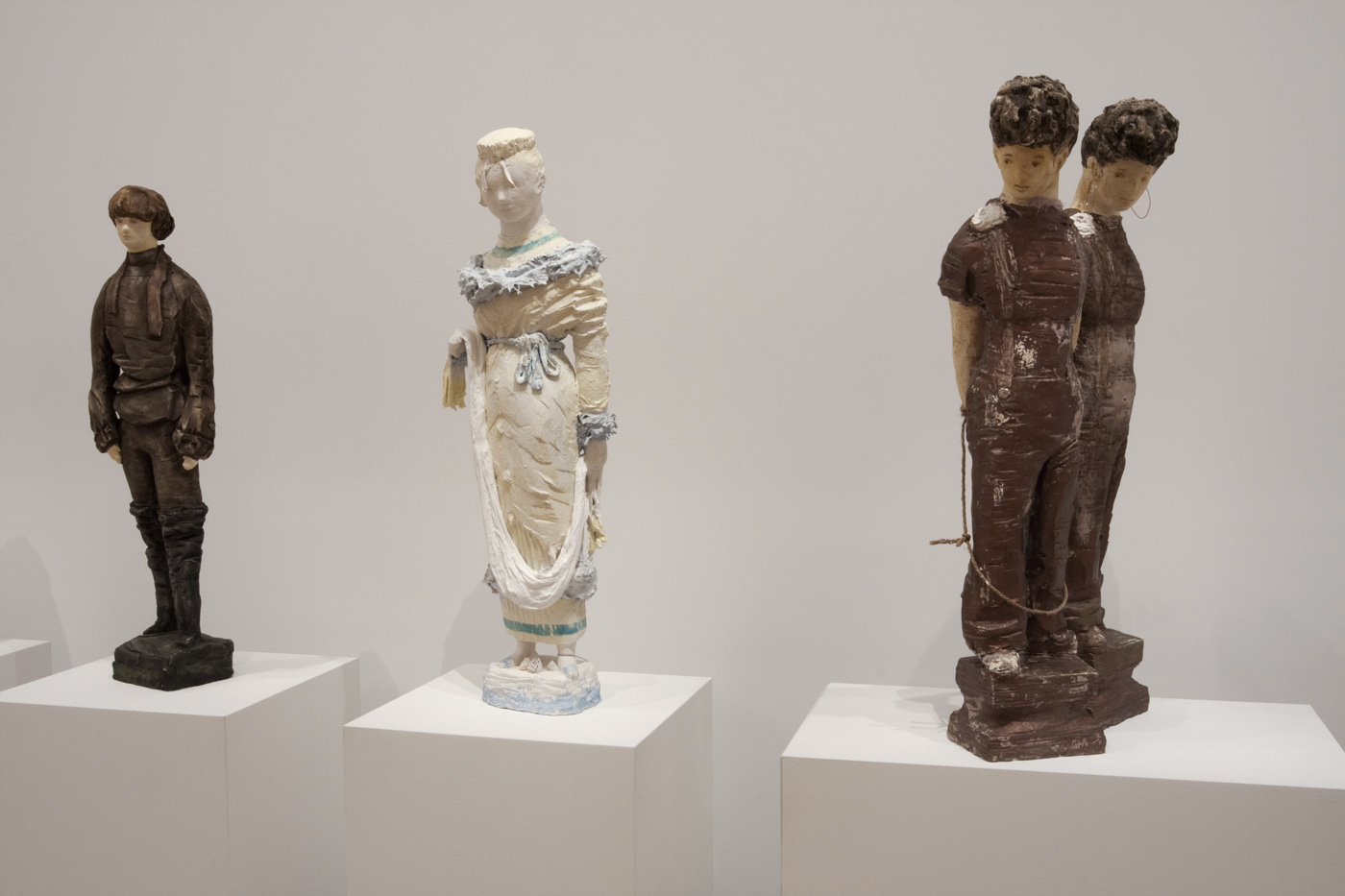
Linda Marrinon (Australian, b. 1959) Installation view of works including 'Debutante' (centre) 2009


Linda Marrinon (Australian, b. 1959)
Installation view of works including Debutante (centre)
2009
Tinted plaster, muslin
Collection of the artist
© Linda Marrinon, courtesy Roslyn Oxley9 Gallery, Sydney
Supported by Fiona and Sidney Myer AM, Yulgilbar Foundation and the Myer Foundation
Photo: © Marcus Bunyan


Marrinon’s art lingers romantically somewhere between the past and present. Her figures engage with notions of formal classical sculpture, with references to Hellenistic and Roman periods, yet remain quietly contemporary in their poise, scale, adornments and subject matter. Each work has a sophisticated and nonchalant air of awareness, as if posing for the audience. Informed by feminism and a keen sense of humour, Marrinon’s work is anti-heroic and anti-monumental. The figures featured in Melbourne Now range from two young siblings, Twins with skipping rope, New York, 1973, 2013, and a young woman, Debutante, 2009, to a soldier, Patriot in uniform, 2013, presented as a pantheon of unlikely types.


Brook Andrew (Australian, b. 1970) 'Vox: Beyond Tasmania' 2013 (installation view)


Brook Andrew (Australian, b. 1970)
Vox: Beyond Tasmania (installation view)
2013
Wood, cardboard, paper, books, colour slides, glass slides, 8mm film, glass, stone, plastic, bone, gelatin silver photographs, metal, feather
267 x 370 x 271cm
Collection of the artist
© Brook Andrew, courtesy Tolarno Galleries, Melbourne
Photo: © National Gallery of Victoria


Andrew’s Vox: Beyond Tasmania, 2013, renders palpable as contemporary art a central preoccupation of his humanist practice – the legacy of historical trauma on the present. Inspired by a rare volume of drawings of fifty-two Tasmanian Aboriginal crania, Andrew has created a vast wunderkammer containing a severed human skeleton, anthropological literature and artefacts. The focal point of this assemblage of decontextualised exotica is a skull, which lays bare the practice of desecrating sacred burial sites in order to snatch Aboriginal skeletal remains as scientific trophies, amassed as specimens to be studied in support of taxonomic theories of evolution and eugenics. Andrew’s profound and humbling memorial to genocide was supported in its first presentation by fifty-two portraits and a commissioned requiem by composer Stéphanie Kabanyana Kanyandekwe.


Brook Andrew (Australian, b. 1970) 'Vox: Beyond Tasmania' 2013 (installation view detail)

Brook Andrew (Australian, b. 1970) 'Vox: Beyond Tasmania' 2013 (installation view detail)


Brook Andrew (Australian, b. 1970)
Vox: Beyond Tasmania (details)
2013
Photos: © Marcus Bunyan


Daniel Crooks (New Zealand, b. 1973) 'An embroidery of voids' 2013 (still)

Daniel Crooks (New Zealand, b. 1973) 'An embroidery of voids' 2013 (still)


Daniel Crooks (New Zealand, b. 1973)
An embroidery of voids (stills)
2013
Colour single-channel digital video, sound, looped
Collection of the artist
© Daniel Crooks, courtesy Anna Schwartz Gallery, Melbourne and Sydney
Supported by Julie, Michael and Silvia Kantor
Photos: © National Gallery of Victoria


Commissioned for Melbourne Now, Crooks’s most recent video work focuses his ‘time-slice’ treatment on the city’s famous laneways. As the camera traces a direct, Hamiltonian pathway through these lanes, familiar surroundings are captured in seamless temporal shifts. Cobblestones, signs, concrete, street art, shadows and people gracefully pan, stretch and distort across our vision, swept up in what the artist describes as a ‘dance of energy’. Exposing the underlying kinetic rhythm of all we see, Crooks’s work highlights each moment once, gloriously, before moving on, always forward, transforming Melbourne’s gritty and often inhospitable laneways into hypnotic and alluring sites.


Jan Senbergs (Australian, 1939-2024) 'Extended Melbourne labyrinth' 2013 (installation view)


Jan Senbergs (Australian, 1939-2024)
Extended Melbourne labyrinth
2013
Oil stick, synthetic polymer paint wash (1-4)
158 x 120cm (each)
Collection of the artist
© Jan Senbergs, courtesy Niagara Galleries
Photo: © Marcus Bunyan


Senbergs’s significance as a contemporary artist and his understanding of the places he depicts and their meanings make his contribution to Melbourne Now essential. Drawing inspiration from Scottish poet Edwin Muir’s collection The labyrinth (1949), Senbergs’s Extended Melbourne labyrinth, 2013, takes us on a journey through the myriad streets and topography that make up our sprawling city. His characteristic graphic style and closely cropped rendering of the city’s urban thoroughfares is at once enthralling and unsettling. While the artist neither overtly celebrates nor condemns his subject, there is a strong sense of Muir’s ‘roads that run and run and never reach an end’.


Patrick Pound (Australian, b. 1962) 'The gallery of air' 2013 (installation view detail)

Patrick Pound (Australian, b. 1962) 'The gallery of air' 2013 (installation view detail)


Patrick Pound (Australian, b. 1962)
The gallery of air (installation view details)
2013
Photos: © Marcus Bunyan


For Melbourne Now Pound has created The gallery of air, 2013, a contemporary wunderkammer of works of art and objects from across the range of the NGV collection. There are Old Master paintings depicting the effect of the wind, and everything from an exquisite painted fan to an ancient flute and photographs of a woman sighing. When taken as a group these disparate objects hold the idea of air. Added to works from the Gallery’s collection is an intriguing array of objects and pictures from Pound’s personal collection. On entering his installation, visitors will be drawn into a game of thinking and rethinking about the significance of the objects and how they might be activated by air. Some are obvious, some are obscure, but all are interesting.


Marco Fusinato (Australian, b. 1964) 'Aetheric plexus (Broken X)' 2013 (installation view)


Marco Fusinato (Australian, b. 1964)
Aetheric plexus (Broken X) (installation view)
2013
Alloy tubing, lights, double couplers, Lanbox LCM DMX controller, dimmer rack, DMX MP3 player, powered speaker, sensor, extension leads, shot bags
880 x 410 x 230cm
Collection of the artist
© Marco Fusinato, courtesy Anna Schwartz Gallery, Melbourne and Sydney
Supported by Joan Clemenger and Peter Clemenger AM
Photo: © National Gallery of Victoria


For Melbourne Now, Fusinato presents Aetheric plexus (Broken X), 2013, a dispersed sculpture comprising deconstructed stage equipment that is activated by the presence of the viewer, triggering a sensory onslaught with a resonating orphic haze. The work responds to the wider context of galleries, in the artist’s words, ‘changing from places of reflection to palaces of entertainment’ by turning the engulfed audience member into a spectacle.


Installation view of Susan Jacobs 'Wood flour for pig iron (vessel for mixing metaphors)' 2013 with Mark Hilton 'dontworry' 2013 in the background (installation view)


Installation view of Susan Jacobs Wood flour for pig iron (vessel for mixing metaphors) 2013 with Mark Hilton dontworry 2013 in the background
Photo: © Marcus Bunyan


In her most recent project, Jacobs fabricates a rudimentary version of the material Hemacite (also known as Bois Durci) – made from the blood of slaughtered animals and wood flour – which originated in the late nineteenth century and was moulded with hydraulic pressure and heat to form everyday objects, such as handles, buttons and small domestic and decorative items. The attempt to re-create this outmoded material highlights philosophical, economic and ethical implications of manufacturing and considers how elemental materials are reconstituted. Wood flour for pig iron (vessel for mixing metaphors), 2013, included in Melbourne Now, explores properties, physical forces and processes disparately linked across various periods of history.


Mark Hilton (Australian, b. 1976) 'dontworry' 2013 (installation view)


Mark Hilton (Australian, b. 1976)
dontworry (installation view)
2013
Cast resin, powder
The Michael Buxton Collection, Melbourne
© Mark Hilton, courtesy Darren Knight Gallery, Sydney
Photo: © National Gallery of Victoria


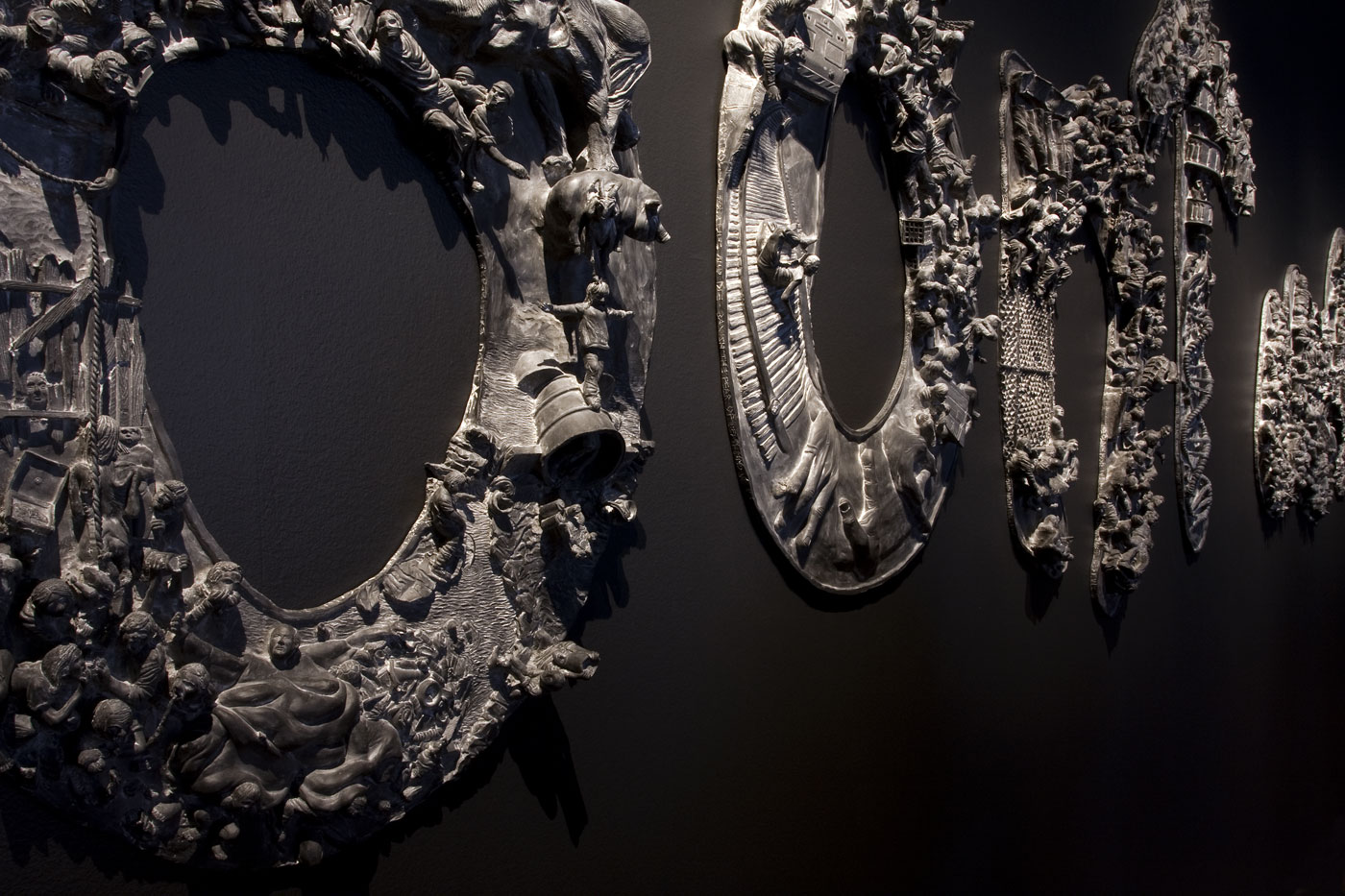
dontworry, 2013, included in Melbourne Now, is the most ambitious and personal work Hilton has made to date. A dark representation of events the artist witnessed growing up in suburban Melbourne, this wall-based installation presents an unnerving picture of adolescent mayhem and bad behaviour. Extending across nine intricately detailed panels, each corresponding to a formative event in the artist’s life, dontworry can be understood as a deeply personal memoir that explores the transition from childhood to adulthood, and all the complications of this experience. Detailing moments of violence committed by groups or mobs of people, the installation revolves around Hilton’s continuing fascination with the often indistinguishable divide between truth and myth.


Mark Hilton (Australian, b. 1976) 'dontworry' 2013 (installation view detail)

Mark Hilton (Australian, b. 1976) 'dontworry' 2013 (installation view detail)


Mark Hilton (Australian, b. 1976)
dontworry (installation view details)
2013
Cast resin, powder
The Michael Buxton Collection, Melbourne
© Mark Hilton, courtesy Darren Knight Gallery, Sydney
Photos: © Marcus Bunyan


NGV International
180 St Kilda Road

Opening hours
Daily 10am – 5pm

National Gallery of Victoria website

LIKE ART BLART ON FACEBOOK

Back to top

Exhibition: ‘Manuel Álvarez Bravo’ at The Wittliff Collections, Texas State University, San Marcos

Exhibition dates: 1st August – 1st December 2013


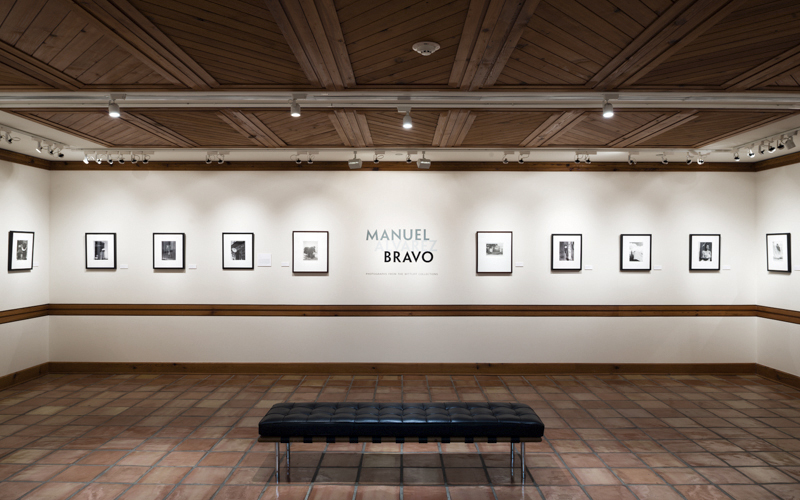
Installation view of the exhibition 'Manuel Álvarez Bravo' at The Wittliff Collections, Texas State University


Installation view of the exhibition Manuel Álvarez Bravo at The Wittliff Collections, Texas State University


This photographer will always be in my top ten photographers of all time. His lyricism and sensitivity to subject matter and narrative is up there with the very best that the medium has to offer. He was a great influence on my photography when I started taking black and white photographs in 1990. In this posting, it is nice to see some of the less well known of his images.

Dr Marcus Bunyan


Many thankx to The Wittliff Collections for allowing me to publish the photographs in the posting. Please click on the photographs for a larger version of the image.


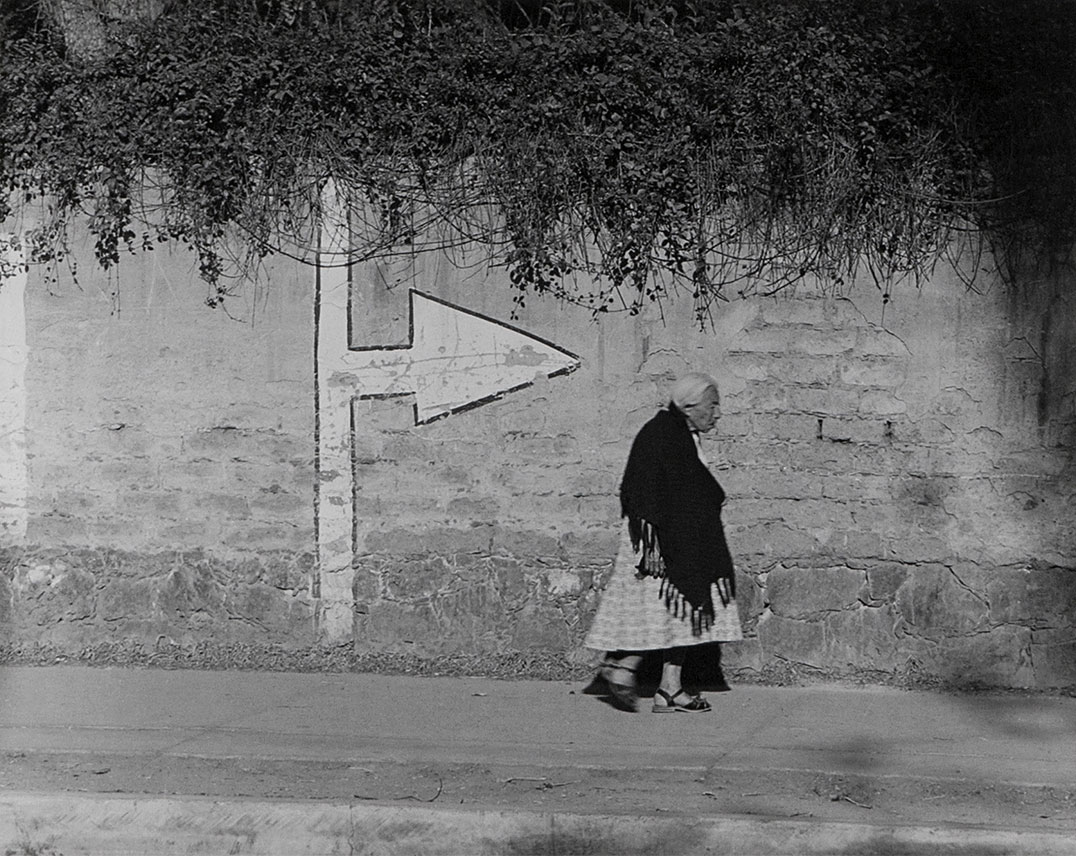
Manuel Álvarez Bravo (Mexican, 1902-2002) 'La señal' 1967


Manuel Álvarez Bravo (Mexican, 1902-2002)
La señal / The Sign
1967
Gelatin silver print
Gift of Patricia and Keith Carter


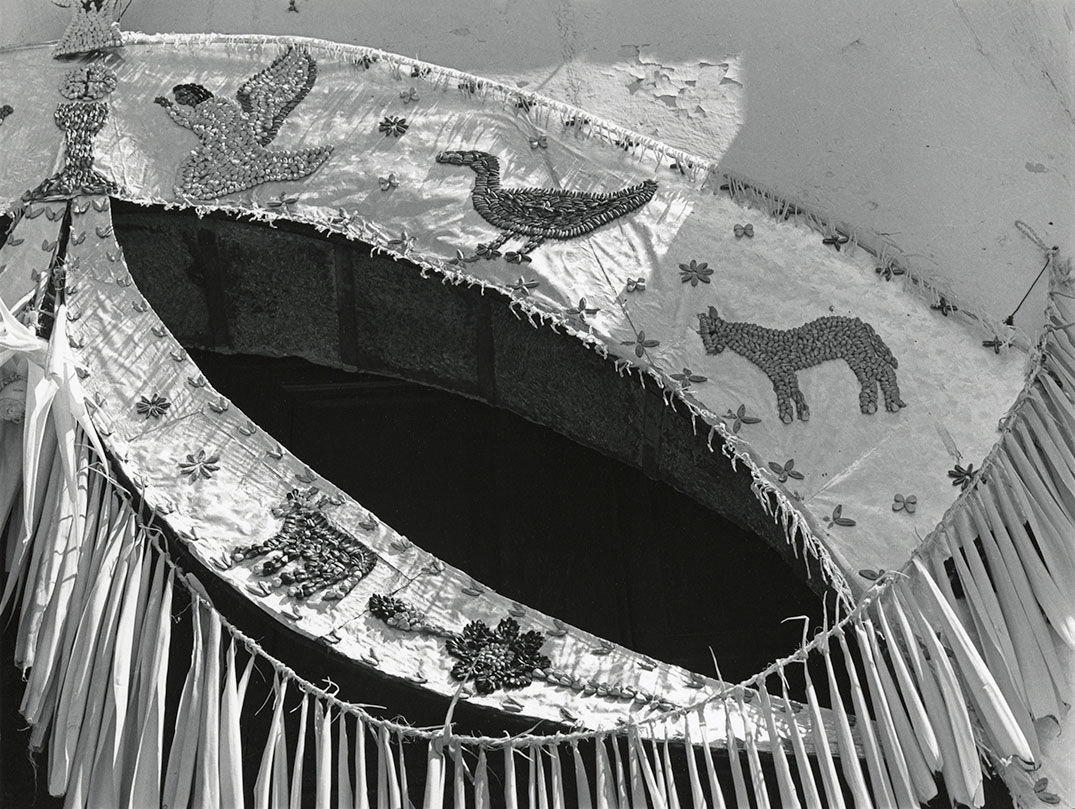
Manuel Álvarez Bravo (Mexican, 1902-2002) 'Votos' 1966-1969


Manuel Álvarez Bravo (Mexican, 1902-2002)
Votos / Votive Offerings
1966-69
Gelatin silver print


Manuel Álvarez Bravo (Mexican, 1902-2002) 'Ángel del temblor' 1957


Manuel Álvarez Bravo (Mexican, 1902-2002)
Ángel del temblor / Angel of the Earthquake
1957
Gelatin silver print


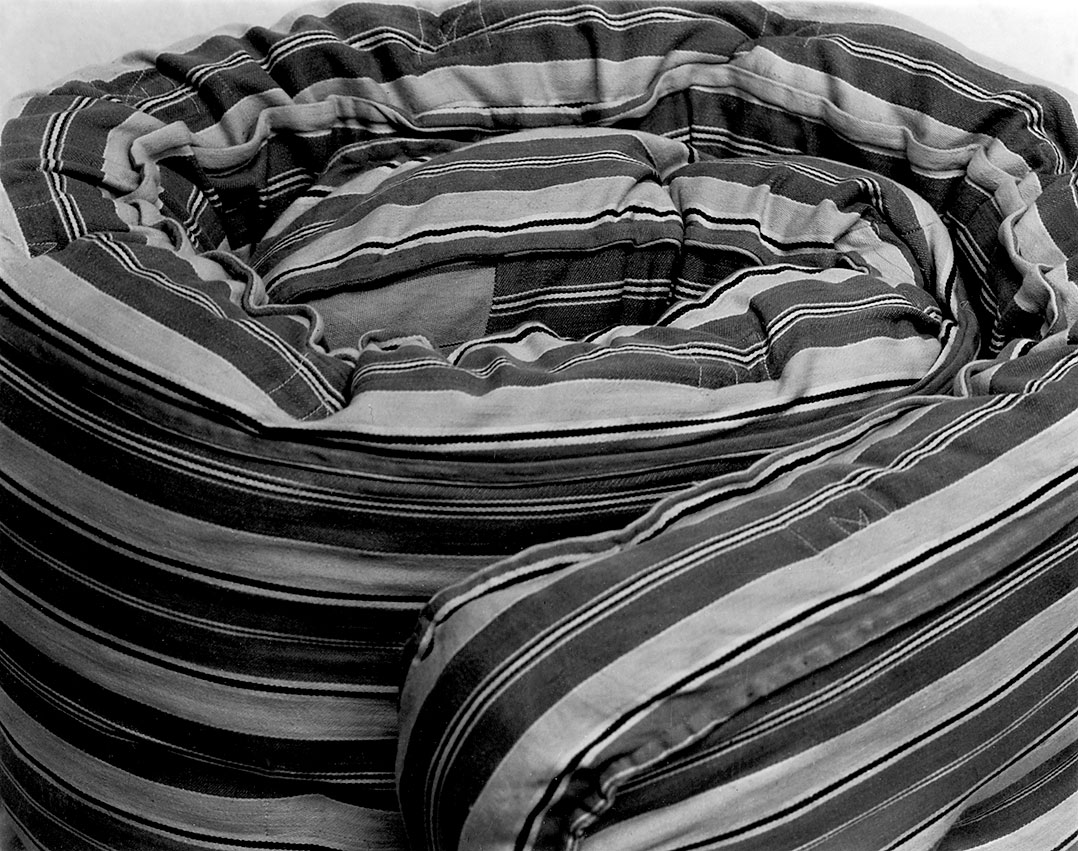
Manuel Álvarez Bravo (Mexican, 1902-2002) 'Colchón' 1927


Manuel Álvarez Bravo (Mexican, 1902-2002)
Colchón / Mattress
1927
Gelatin silver print


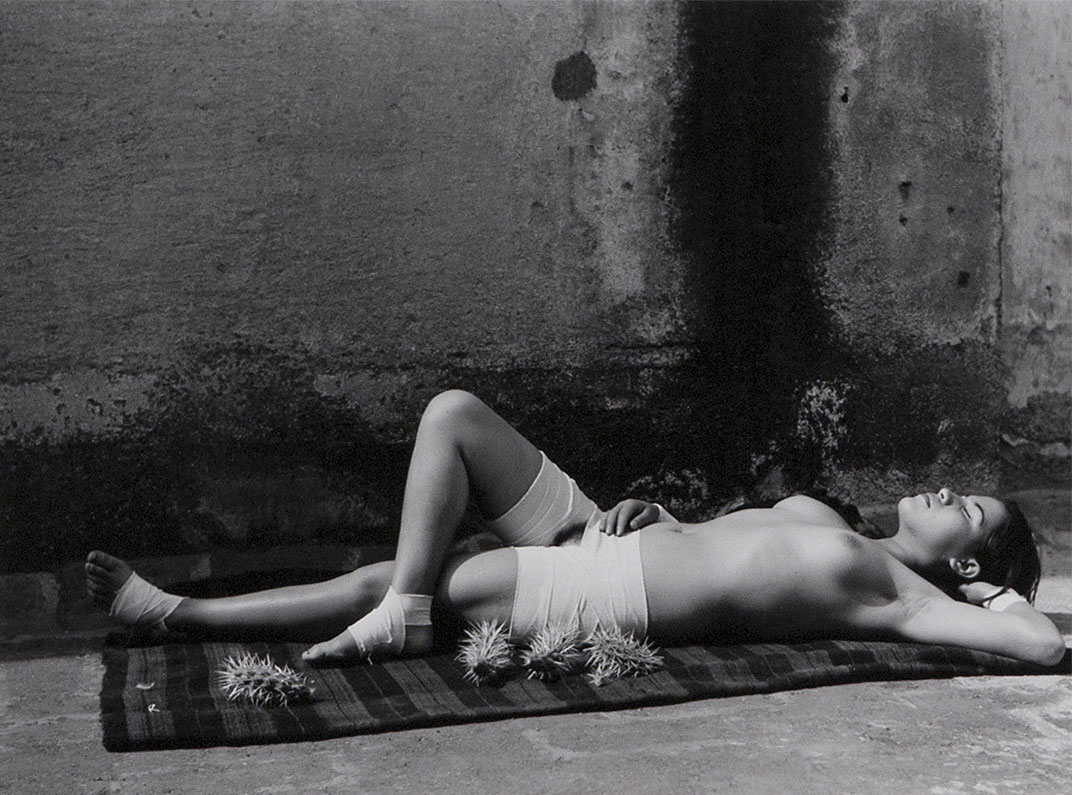
Manuel Álvarez Bravo (Mexican, 1902-2002) 'La buena fama durmiendo' 1938-1939


Manuel Álvarez Bravo (Mexican, 1902-2002)
La buena fama durmiendo / The Good Reputation Sleeping
1938-1939
Gelatin silver print


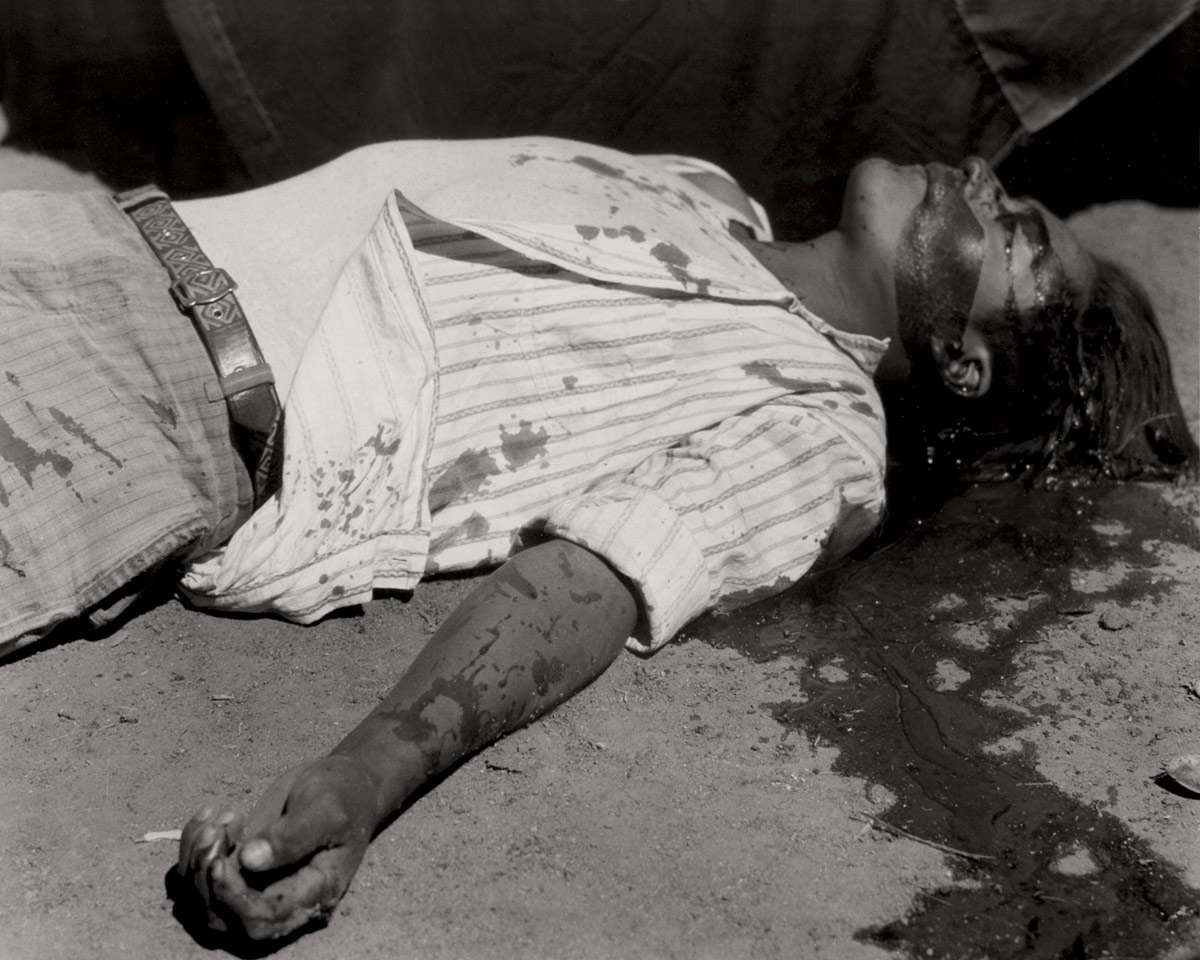
Manuel Álvarez Bravo (Mexican, 1902-2002) 'Obrero en huelga, asesinado' 1934


Manuel Álvarez Bravo (Mexican, 1902-2002)
Obrero en huelga, asesinado / Striking Worker, Assassinated
1934
Gelatin silver print


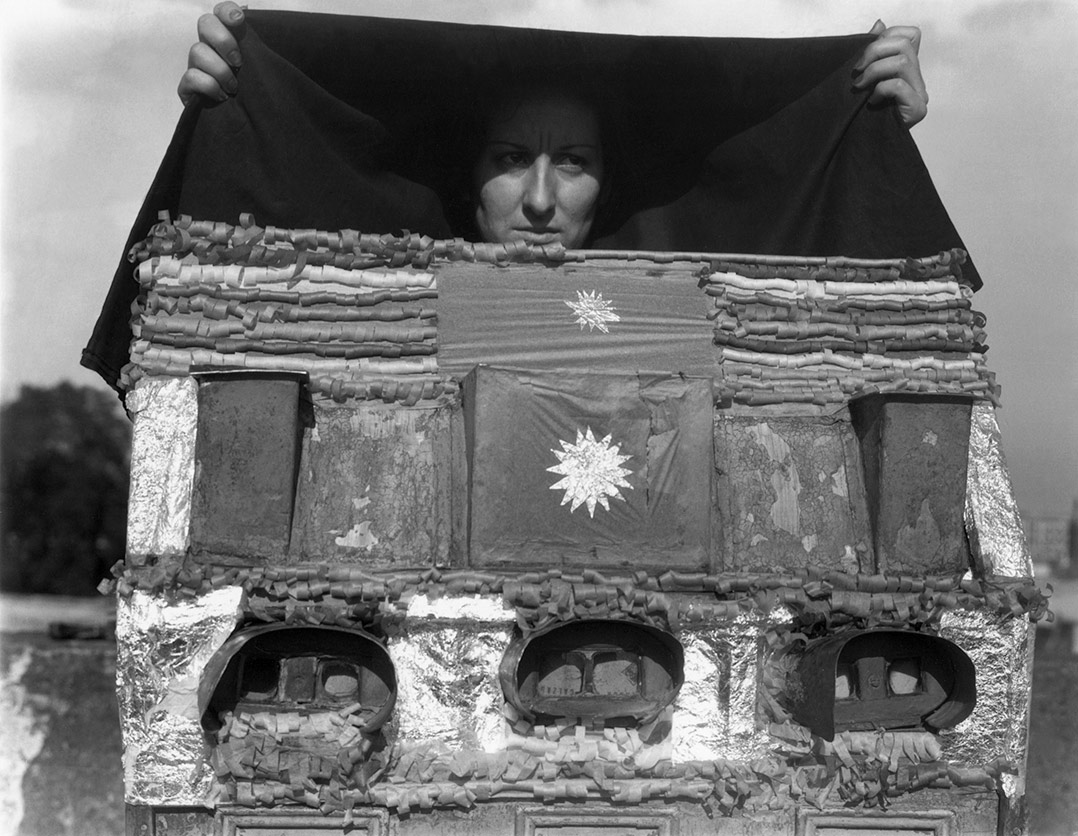
Manuel Álvarez Bravo (Mexican, 1902-2002) 'Caja de visiones' 1938


Manuel Álvarez Bravo (Mexican, 1902-2002)
Caja de visiones / Box of Visions
1938
Gelatin silver print


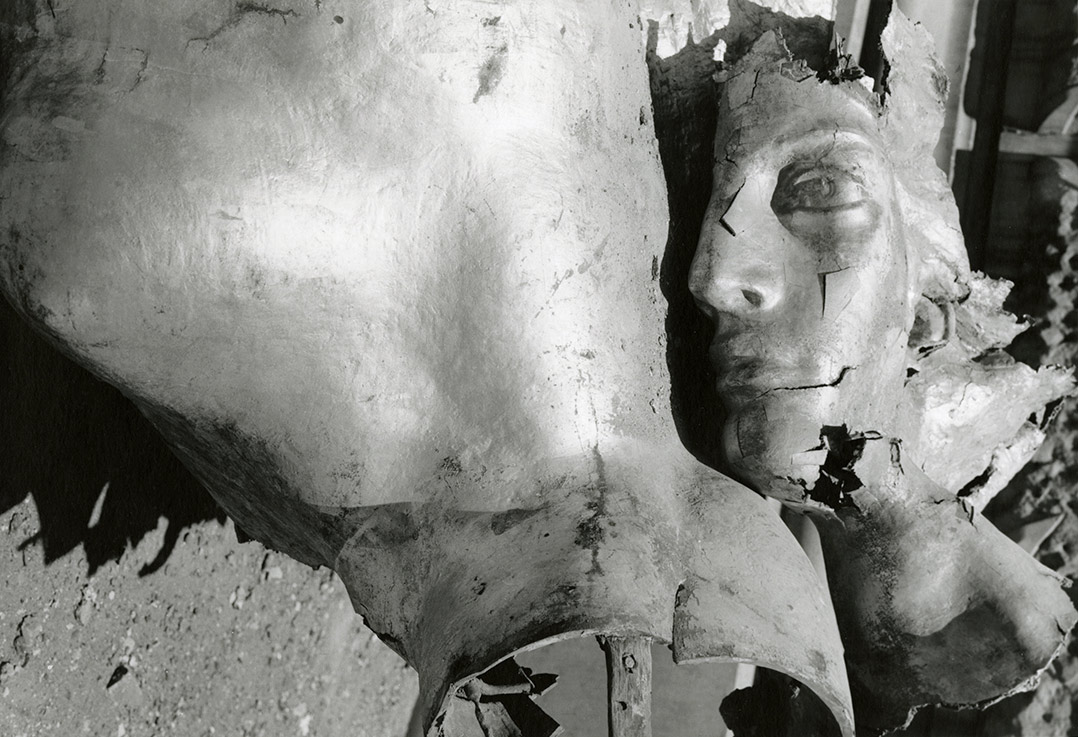
One of the founders of modern photography, Manuel Álvarez Bravo (1902-2002) is Mexico’s most accomplished and renowned photographer. His images are masterpieces of post-revolutionary Mexico, composed with avant-garde and surreal aesthetics that resonate with stylised vision. Álvarez Bravo’s signature landscapes, portraits, and nudes translate reality into dream-like moments that have become iconic. “Don Manuel,” as he was called, taught photography at various schools in Mexico City and mentored generations of Mexico’s finest photographers. The Wittliff is proud to present its first-ever solo exhibition of works by this esteemed master – the result of more than 20 years of collecting – more than 50 of Álvarez Bravo’s signed prints. Included among the many famous images are: Bicicletas en domingo / Bicycles on SundayCaja de visiones / Box of VisionsEl ensueño / The Day DreamObrero en huelga asesinado / Striking Worker MurderedParábola óptica / Optical Parable; and Retrato de lo eterno Portrait of the Eternal.

Born in 1902 in Mexico City into a family that supported the arts, Manuel Álvarez Bravo learned photography largely on his own but was encouraged by other well-known photographers, including Hugo Brehme, Tina Modotti, and Edward Weston, as well as the French surrealist writer André Breton. Álvarez Bravo’s art – which matured into a transcendence of culture, time, and place – was inspired by the times, during post-Revolutionary Mexico when Mexico City flourished as one of the major creative and intellectual centers of the world. In 1955, Edward Steichen included his work in the landmark exhibition The Family of Man for the New York Museum of Modern Art (MoMA). Álvarez Bravo’s imagery has been featured in over 150 solo exhibitions, and he garnered many honours throughout his career.

The interests of “Don Manuel,” as he was called, went beyond his own photographic work, and his influence was far-reaching. He co-founded the Mexican Foundation for Publishing in the Plastic Arts devoted to books about Mexican art, planned the Mexican Museum of Photography in Mexico City, and mentored and befriended a great many younger, emerging photographers and artists in Mexico. He died at the age of 100 in October 2002. On view in addition to the Álvarez Bravo photographs are portraits of him by Graciela Iturbide, Rodrigo Moya, and Bill Wittliff. The poem Facing Time, an ode to Álvarez Bravo’s work by Nobel Laureate Octavio Paz, is featured among other supplementary materials. Paz, a collaborator and friend of Álvarez Bravo’s, describes the photographer’s vision as “the arrow of the eye / dead center / in the target of the moment.

Text from The Wittliff Collections website


Manuel Álvarez Bravo (Mexican, 1902-2002) 'Retrato de lo Eterno' 1977


Manuel Álvarez Bravo (Mexican, 1902-2002)
Retrato de lo Eterno / Portrait of the Eternal
1977
Gelatin silver print


Manuel Álvarez Bravo (Mexican, 1902-2002) 'En el templo del tigre rojo' 1949


Manuel Álvarez Bravo (Mexican, 1902-2002)
En el templo del tigre rojo / In the Temple of the Red Tiger
1949
Gelatin silver print


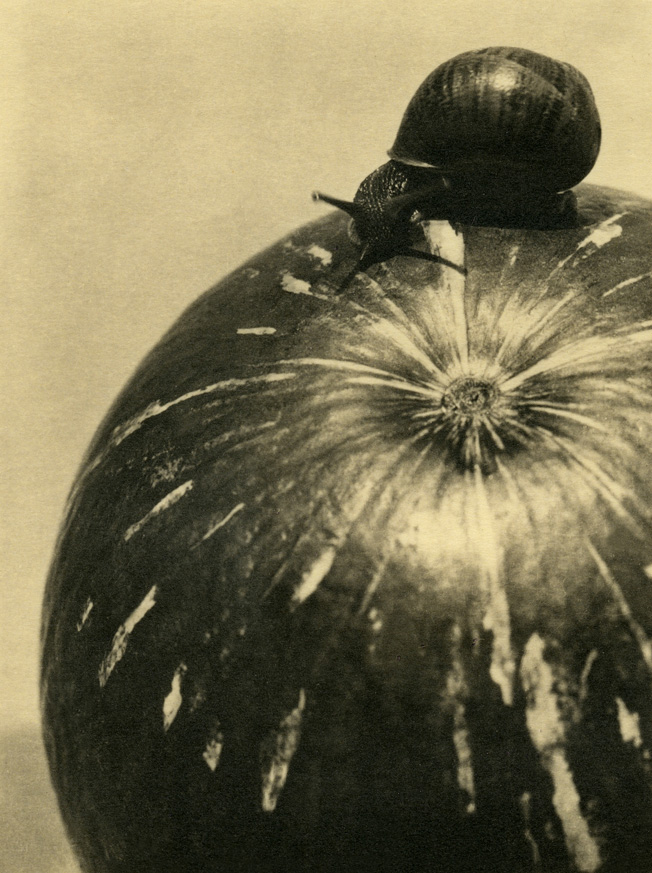
Manuel Álvarez Bravo (Mexican, 1902-2002) 'Calabaza y caracol' 1928, printed 1980


Manuel Álvarez Bravo (Mexican, 1902-2002)
Calabaza y caracol / Squash and Snail

1928, printed 1980
Platinum print


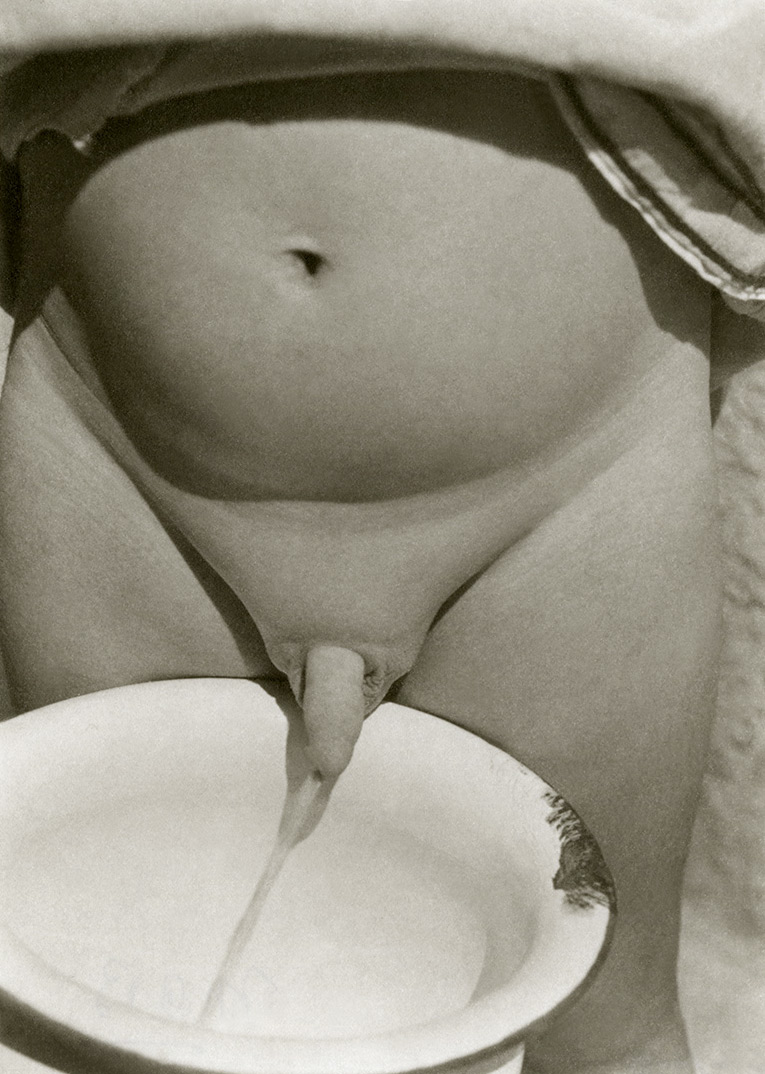
Manuel Álvarez Bravo (Mexican, 1902-2002) 'Nino Orinando' 1927


Manuel Álvarez Bravo (Mexican, 1902-2002)
Nino Orinando
1927


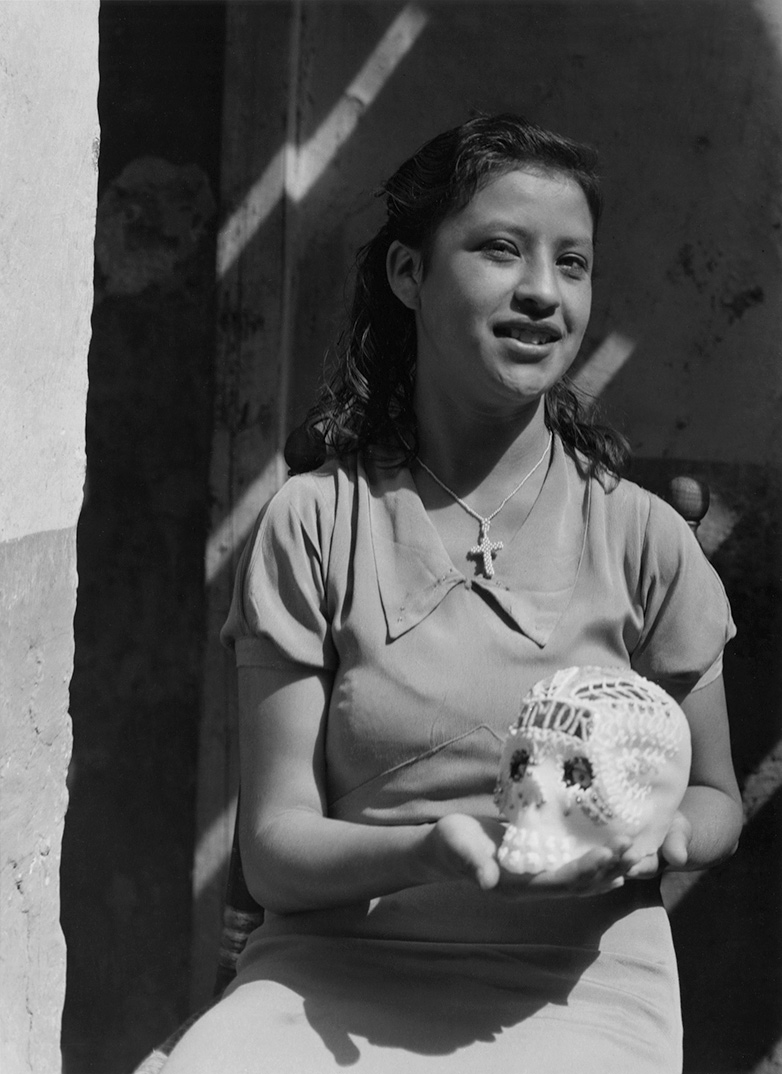
Manuel Álvarez Bravo (Mexican, 1902-2002) 'Día de todos muertos' 1933


Manuel Álvarez Bravo (Mexican, 1902-2002)
Día de todos muertos / Day of the Dead
1933
Gelatin silver print
Courtesy of Bill and Sally Wittliff


Manuel Álvarez Bravo (Mexican, 1902-2002) 'Las lavanderas sobreentendidas' 1932


Manuel Álvarez Bravo (Mexican, 1902-2002)
Las lavanderas sobreentendidas / 
The Washerwomen Implied
1932
Gelatin silver print


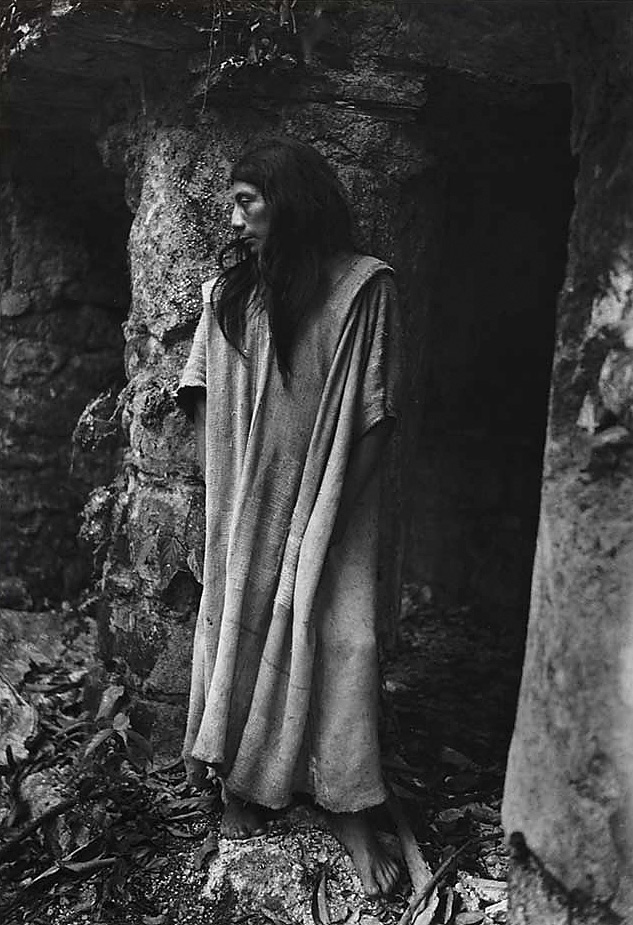
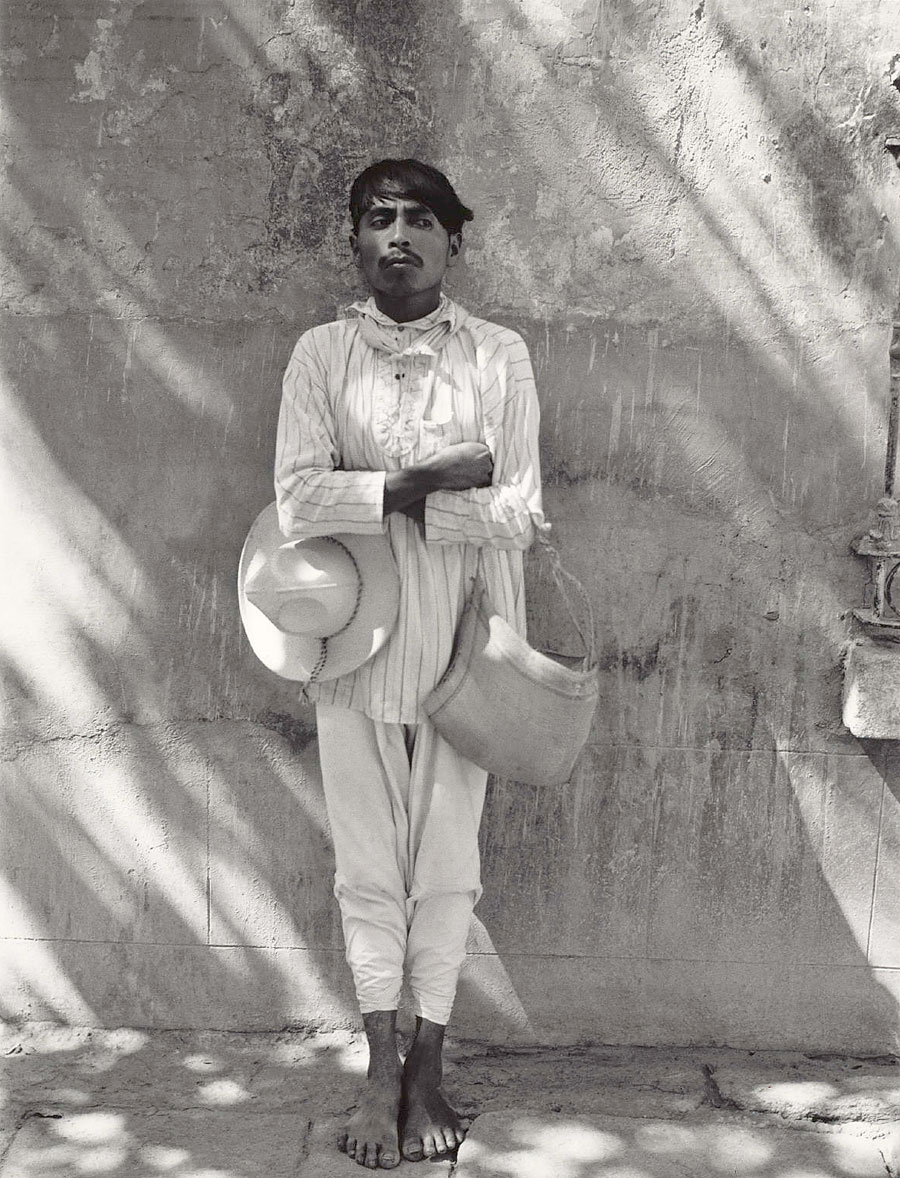
Manuel Álvarez Bravo (Mexican, 1902-2002) 'Señor de Papantla' 1934


Manuel Álvarez Bravo (Mexican, 1902-2002)
Señor de Papantla / Man from Papantla
1934
Gelatin silver print


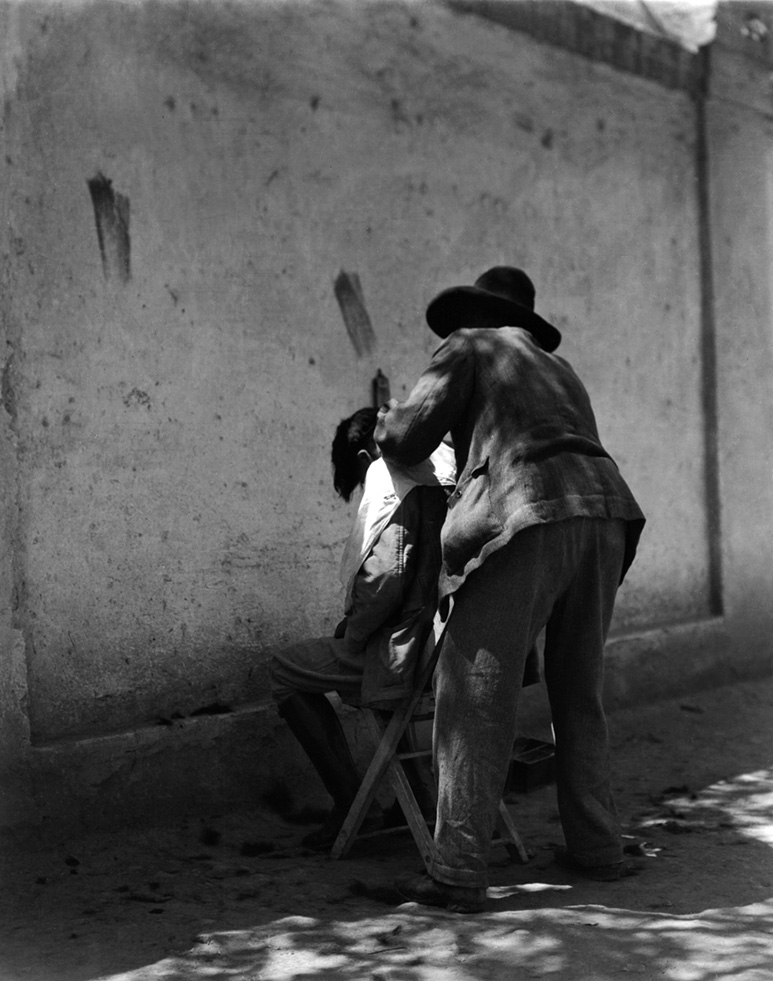
Manuel Álvarez Bravo (Mexican, 1902-2002) 'Peluquero (Barber)' 1924


Manuel Álvarez Bravo (Mexican, 1902-2002)
Peluquero / Barber
1924
Gelatin silver print


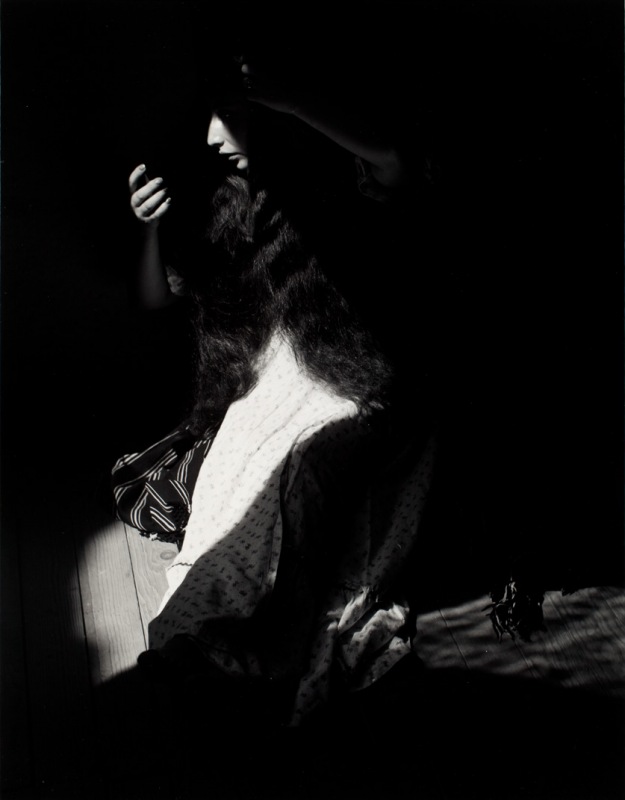
Manuel Álvarez Bravo (Mexican, 1902-2002) 'El ensueño' 1931


Manuel Álvarez Bravo (Mexican, 1902-2002)
El ensueño / The Daydream

1931
Platinum print
Courtesy of Bill and Sally Wittliff


Manuel Álvarez Bravo (Mexican, 1902-2002) 'El umbral (The Threshold)' 1947


Manuel Álvarez Bravo (Mexican, 1902-2002)
El umbral / The Threshold
1947
Gelatin silver print


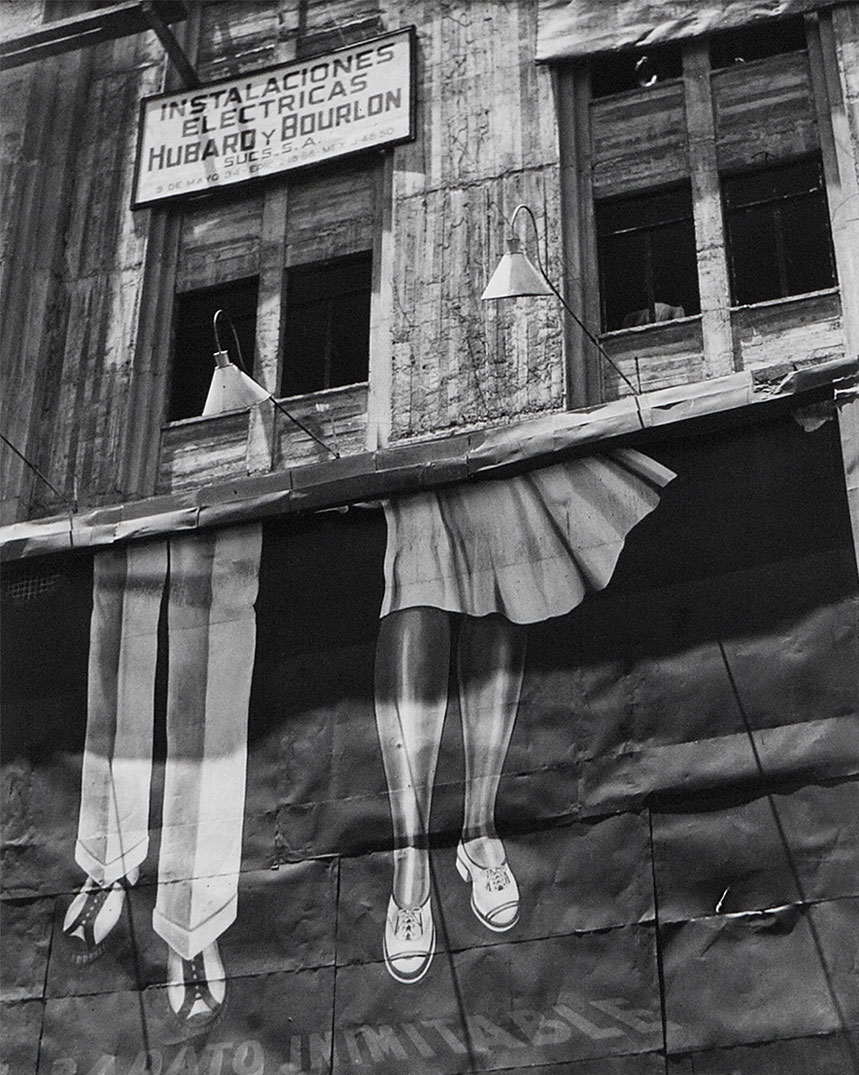
Manuel Álvarez Bravo (Mexican, 1902-2002) 'Dos pares de piernas (Two Pairs of Legs)' 1928-1929


Manuel Álvarez Bravo (Mexican, 1902-2002)
Dos pares de piernas / Two Pairs of Legs
1928-29
Gelatin silver print
Courtesy of Bill and Sally Wittliff


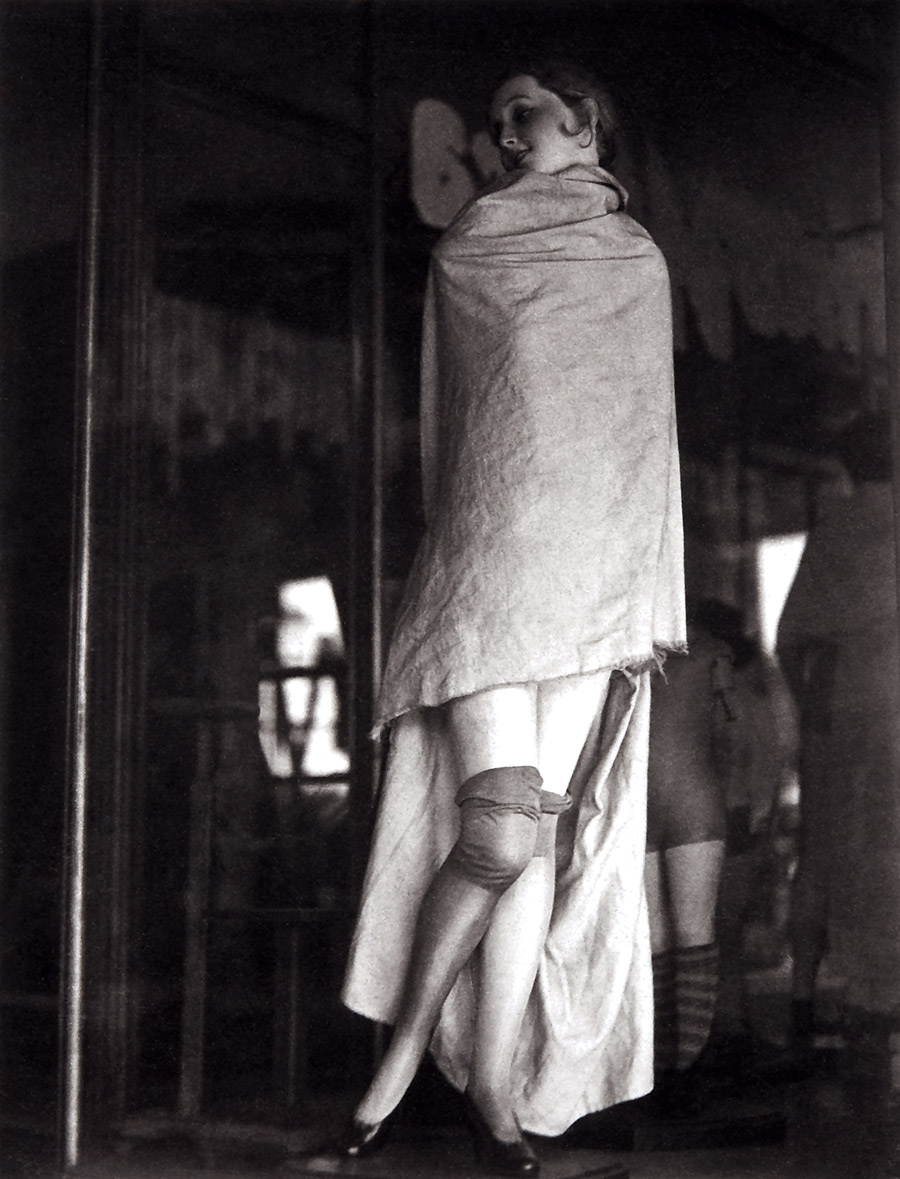
Manuel Álvarez Bravo (Mexican, 1902-2002) 'Maniquí tapado (Wrapped Mannequin)' 1931


Manuel Álvarez Bravo (Mexican, 1902-2002)
Maniquí tapado / Wrapped Mannequin
1931
Gelatin silver print


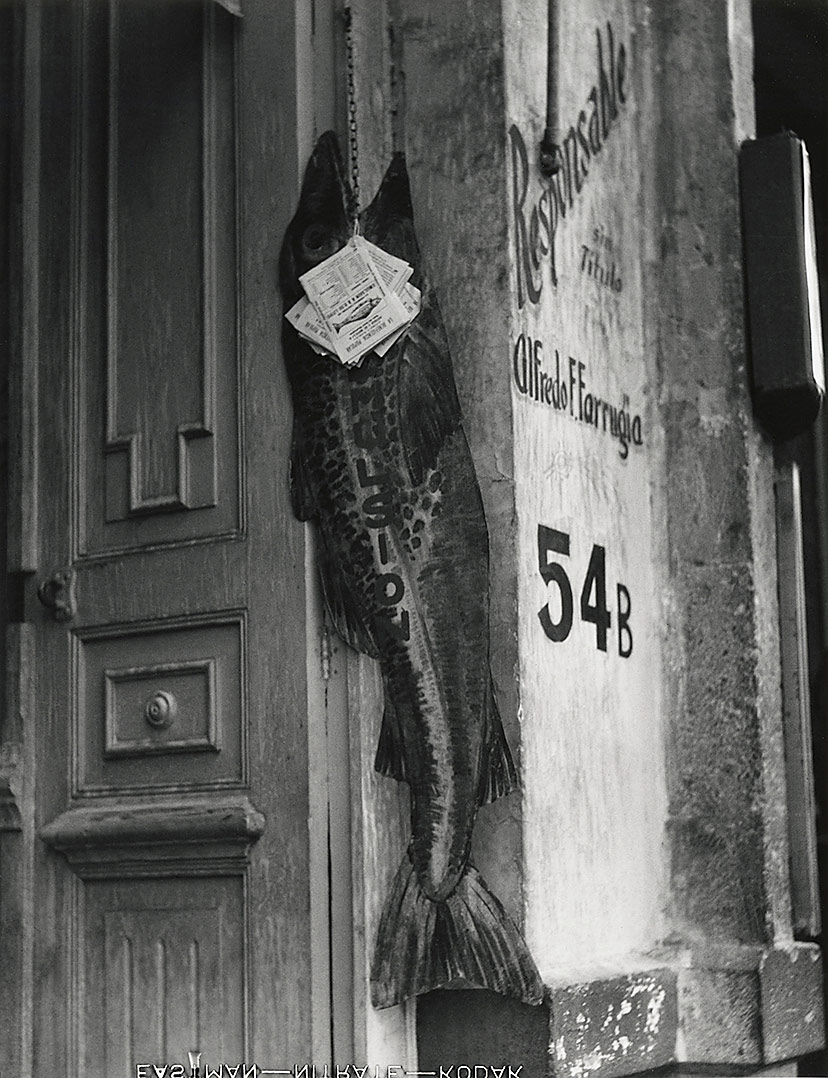
Manuel Álvarez Bravo (Mexican, 1902-2002) 'El pez grande se come a los chicos (The Big Fish Eats the Little Ones)' 1932


Manuel Álvarez Bravo (Mexican, 1902-2002)
El pez grande se come a los chicos / 
The Big Fish Eats the Little Ones
1932
Gelatin silver print


Manuel Álvarez Bravo (Mexican, 1902-2002) 'Parabola optica (Optical Parable)' 1931


Manuel Álvarez Bravo (Mexican, 1902-2002)
Parabola optica / Optical Parable
1931
Gelatin silver print


The Wittliff Collections
Alkek Library, Seventh Floor
Texas State University, San Marcos

Opening hours:
Hours vary throughout the year – PLEASE CALL AHEAD: 512.245.2313.

The Wittliff Collections website

LIKE ART BLART ON FACEBOOK

Back to top

Three exhibitions: ‘Henri van Noordenburg / Efface’; ‘Amber McCaig / Imagined Histories’ and ‘Greg Elms / What Remains’ at Edmund Pearce Gallery, Melbourne

Exhibition dates: 6th – 23rd November 2013


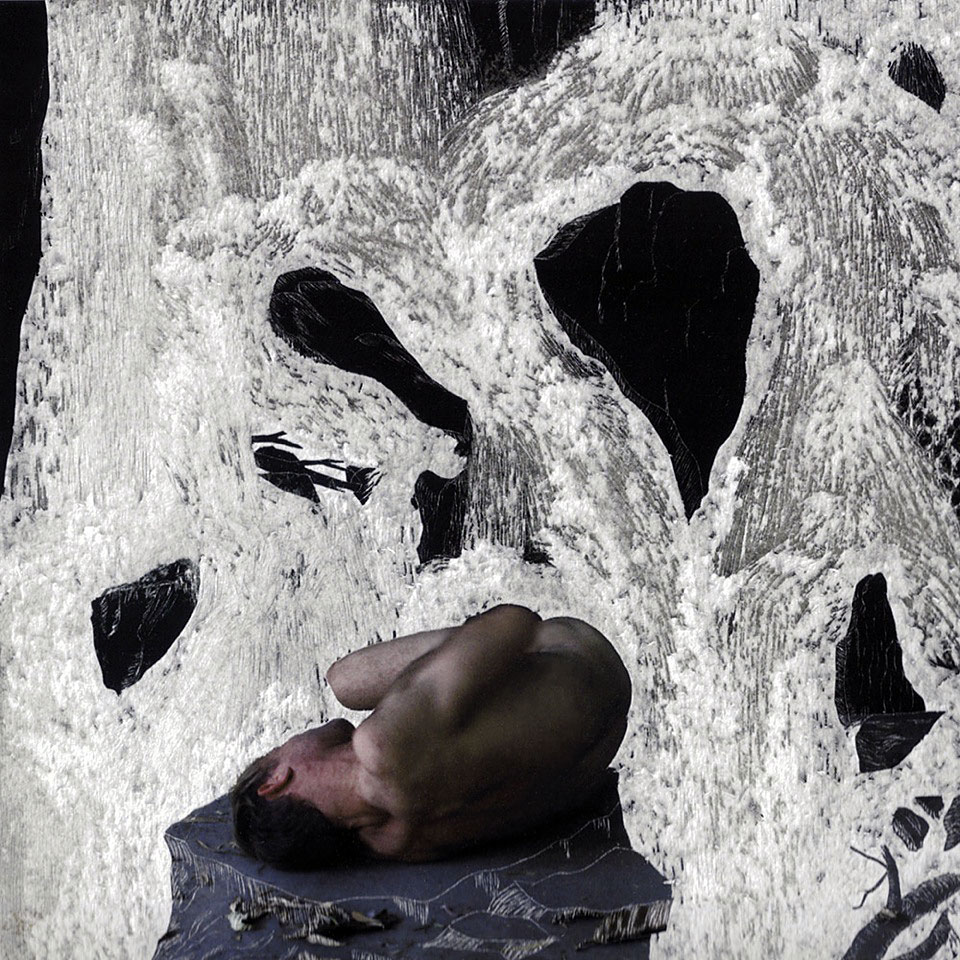
Henri van Noordenburg (Australian born Netherlands, b. 1967) 'Composition XXI' 2013


Henri van Noordenburg (Australian born Netherlands, b. 1967)
Composition XXI
2013
Hand carved archival pigment print
30 x 30cm


Three solid exhibitions at Edmund Pearce Gallery. All three have interesting elements and strong images. All three have their positives and negatives.

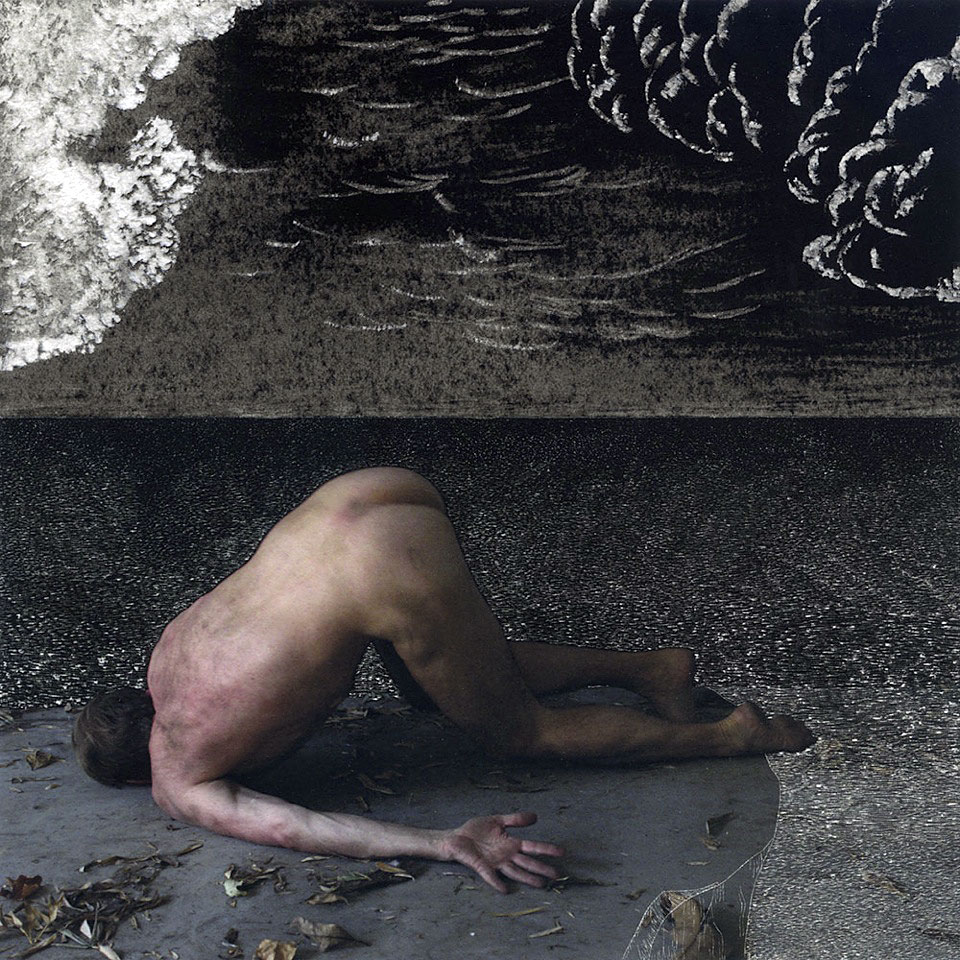
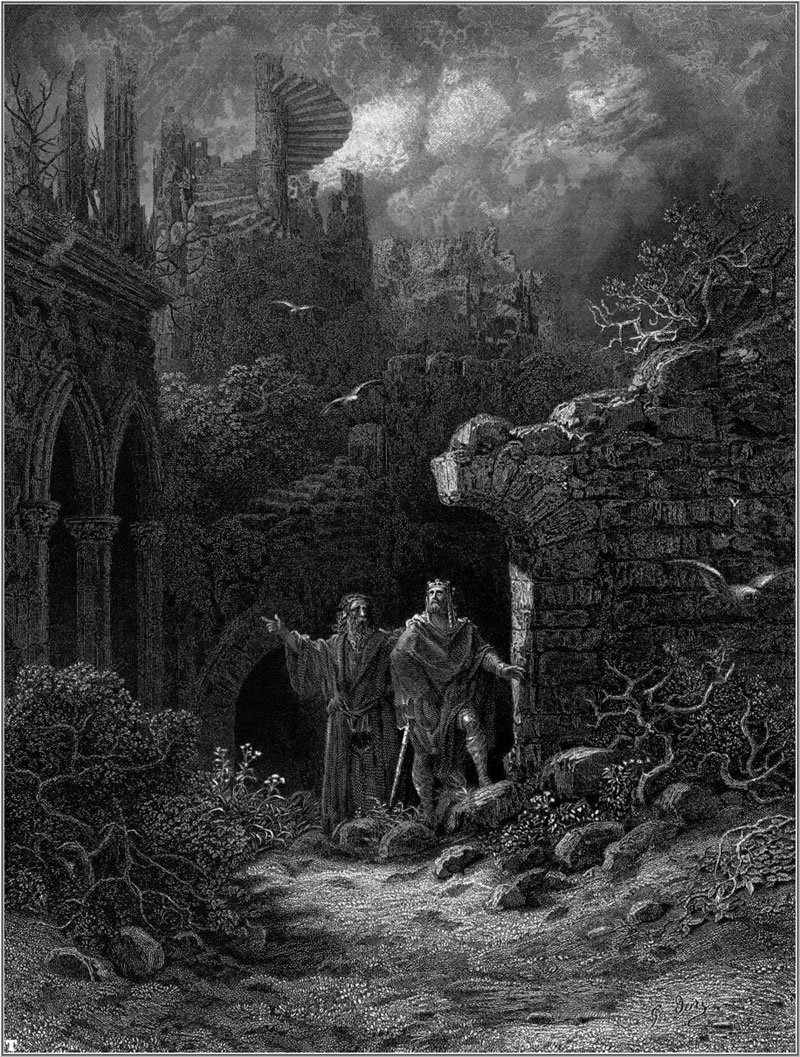
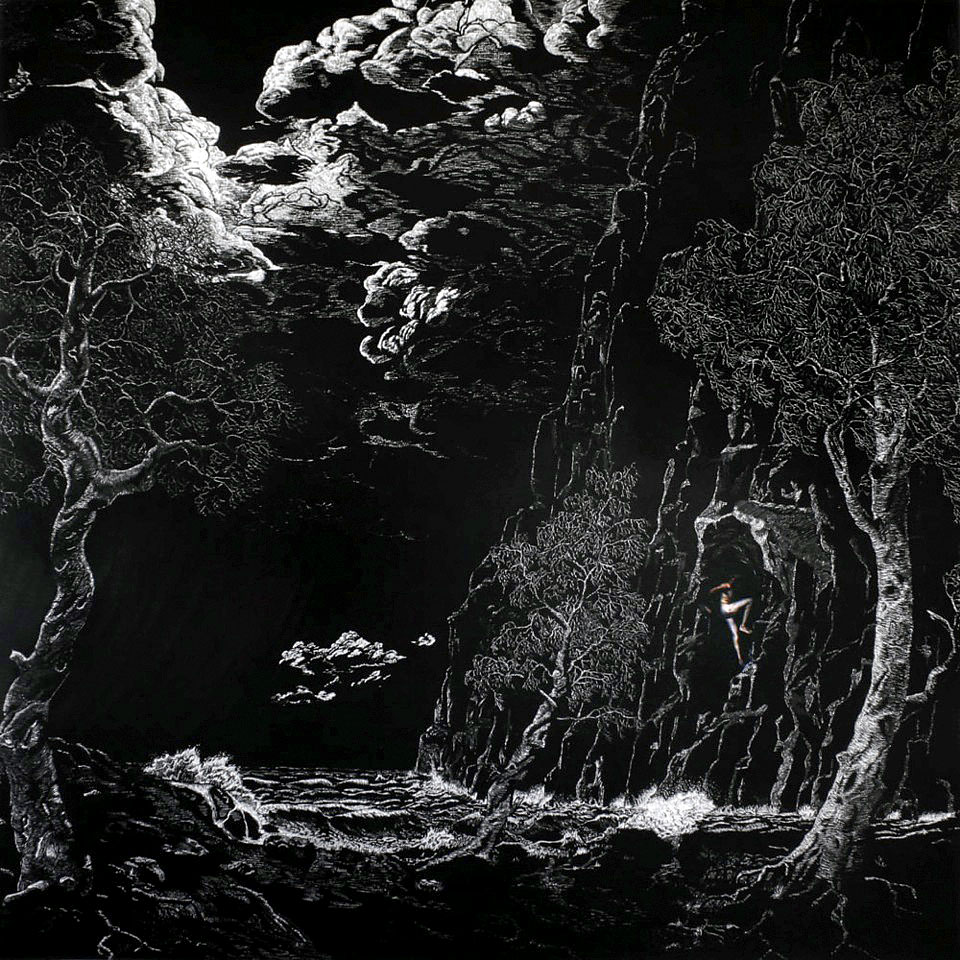
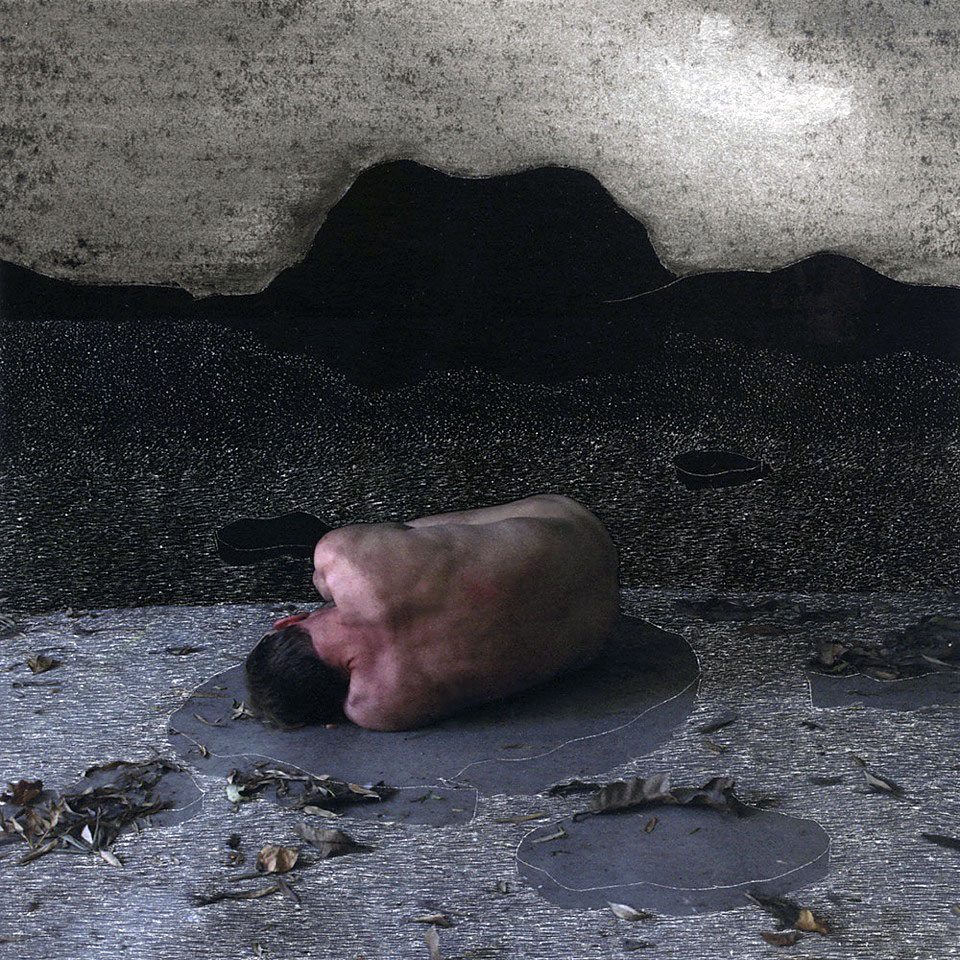
Henri van Noordenburg presents us with a European, colonialist take on the Australian landscape in his new series Efface, similar in their vernacular to early Australian painters visions of their new homeland, with their longing for an “original” home many leagues away over the sea. Except Noordenburg’s interventions look nothing like any Australian landscape I know, heavily influenced as they are by the work of French artist and engraver Gustav Doré (1832-1883) and Japanese wood block prints. His dark, brooding, subterranean art works – in which the artist photographs himself naked and bruised, prints this image on a large sheet of black photographic paper, then hand carves the landscape with a scalpel back into the paper base, isolating but at the same time surrounding the vulnerable, exposed body – image a gothic, melancholy vision of man lost in the wilderness. Here the body (self) is helpless before various forces, but these forces must still be engaged before some progress (pilgrims progress?) can be made.

The technique is truly extraordinary and the artist sets up a “perceptible tension” between technique and form, etching and photograph, body and bulimic (as in excessive), landscape. These ‘synthetic landscapes’ whose form is produced by spatial reorganisation and topographical interventions, man-made spaces, serve as background for what the artist wants us to see as our collective existence.1 Unfortunately, the conceptualisation of the work seems, well, a little confused. And perhaps that is the point. Noordenburg, with his Dutch heritage, is apparently still unsure of his place in a multicultural Australia, even after a few decades living here. But, I feel his point of departure for this work still remains uncertain. And this leads to uncertain outcomes for the viewer.

This uncertainty in the point of departure makes it difficult for the viewer to empathise with the stylistic inclinations of the landscape or the work as a whole. Somehow, it all seems so remote from too much. We can all sympathise with the “humanity” of the work, its anguish and sense of dislocation and wish it well, but I was left a little non-plussed by the visual evidence presented to me. If the exhibition was about wildness (not wilderness) and craziness (not a form of identity dislocation), then it would have been spot on:

“God against man. Man against God. Man against nature. Nature against man. Nature against God. God against nature. Very funny religion!”

D.T. Suzuki (1870-1966)

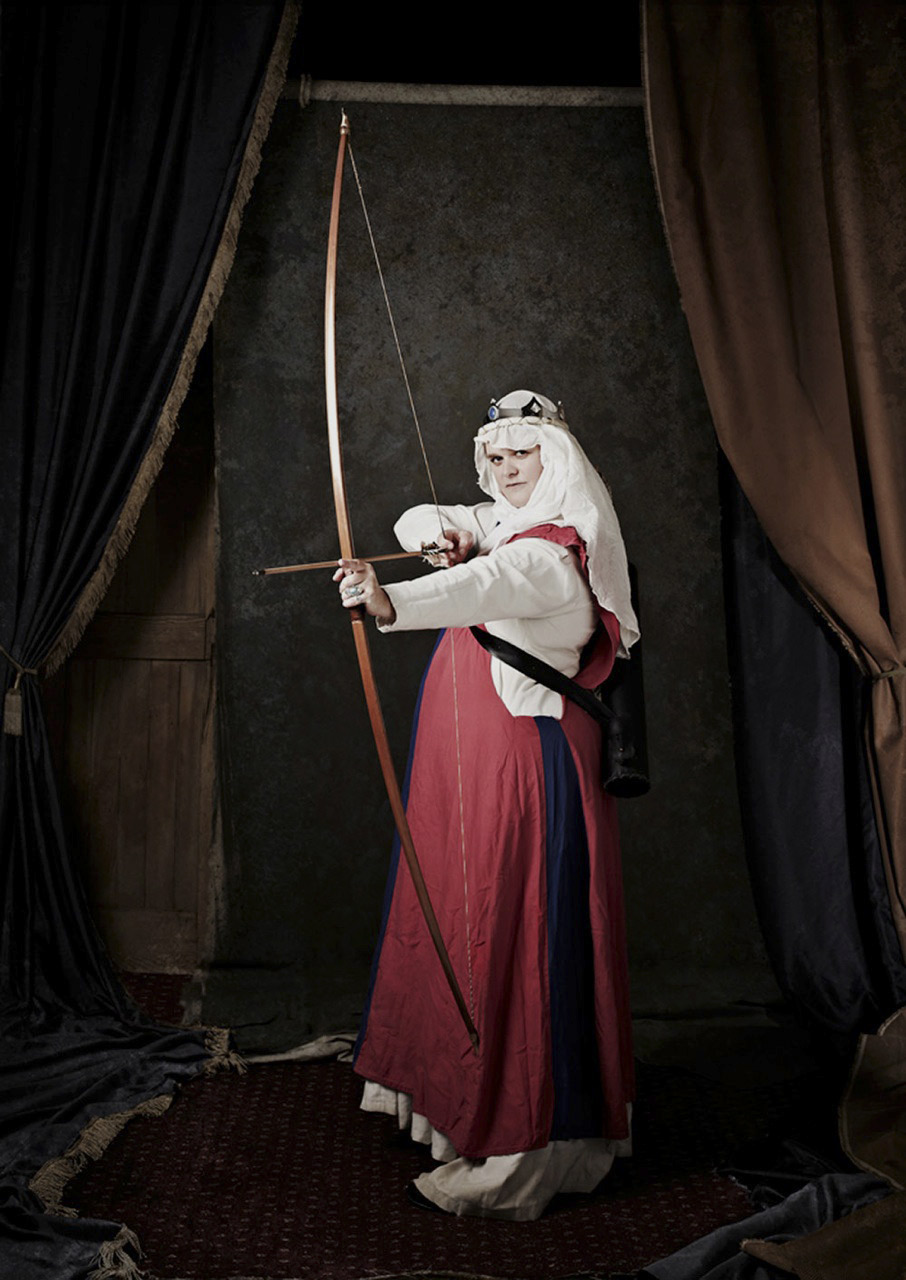
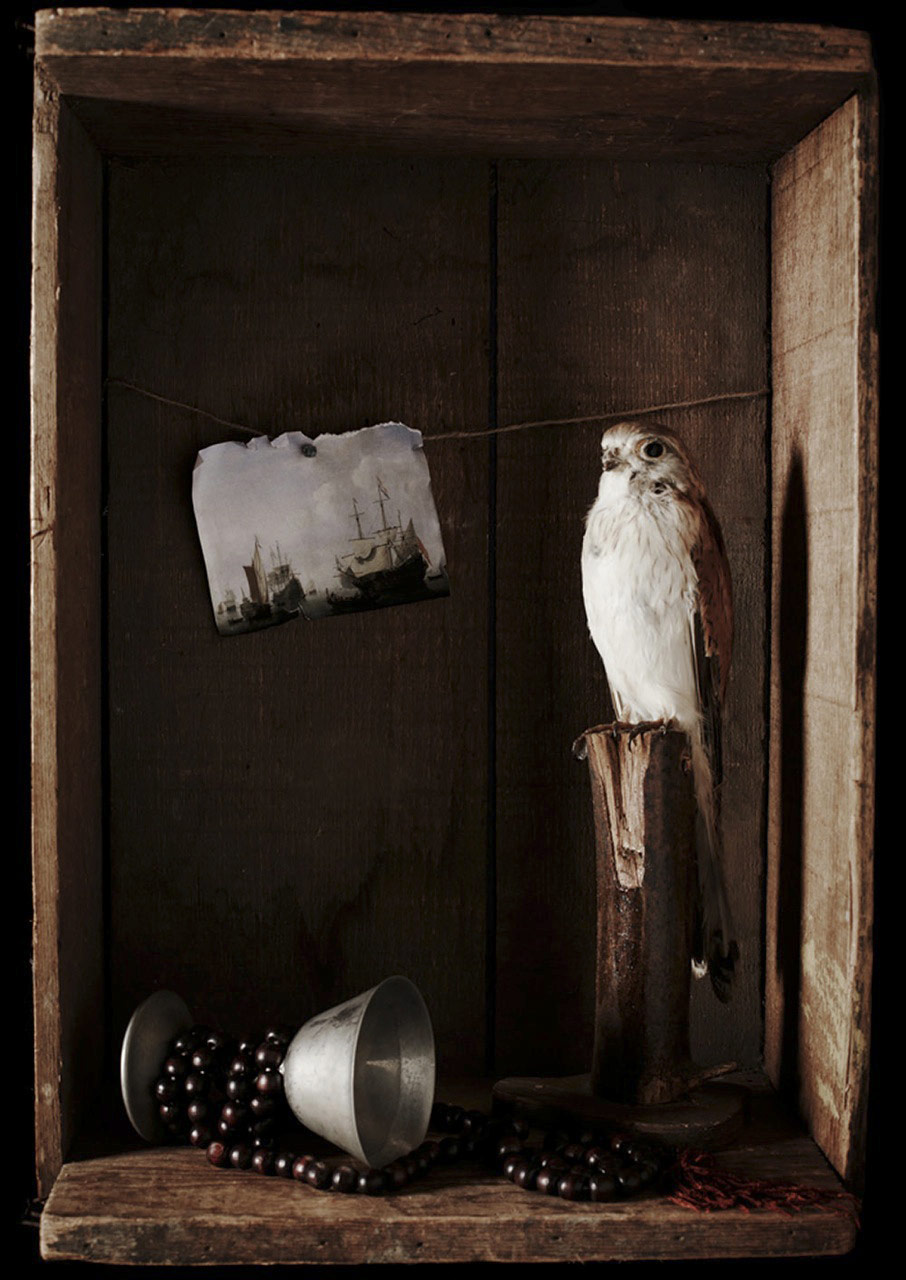
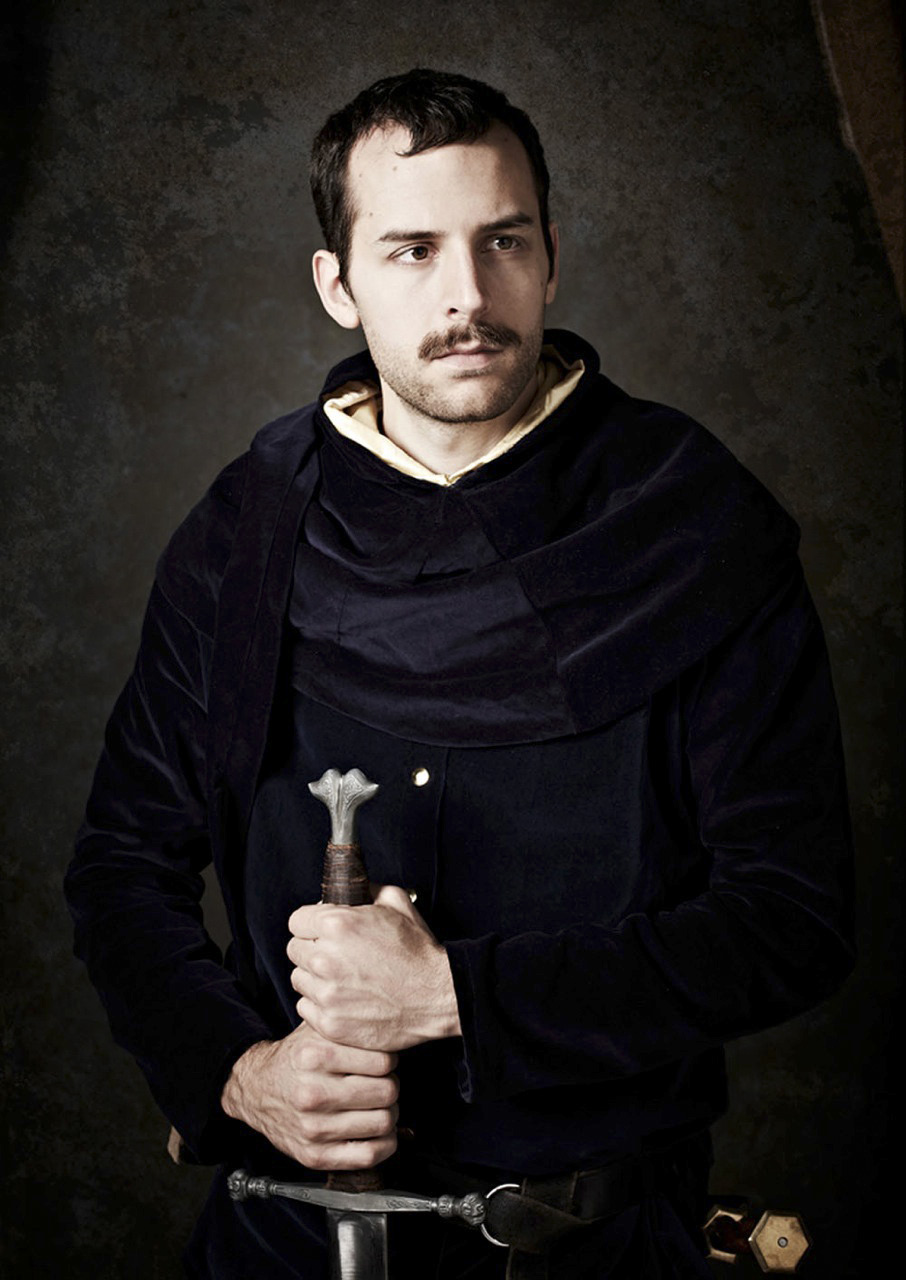
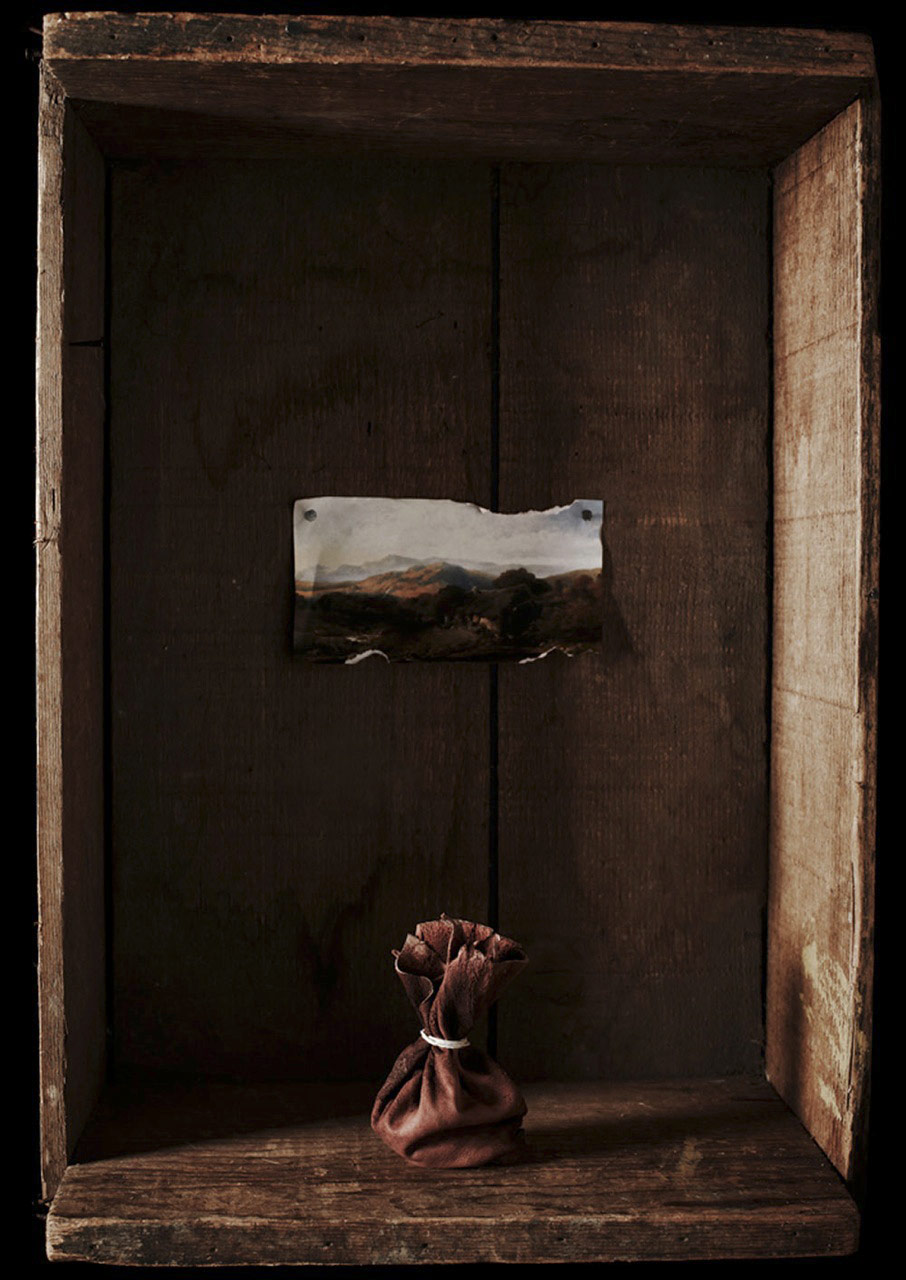
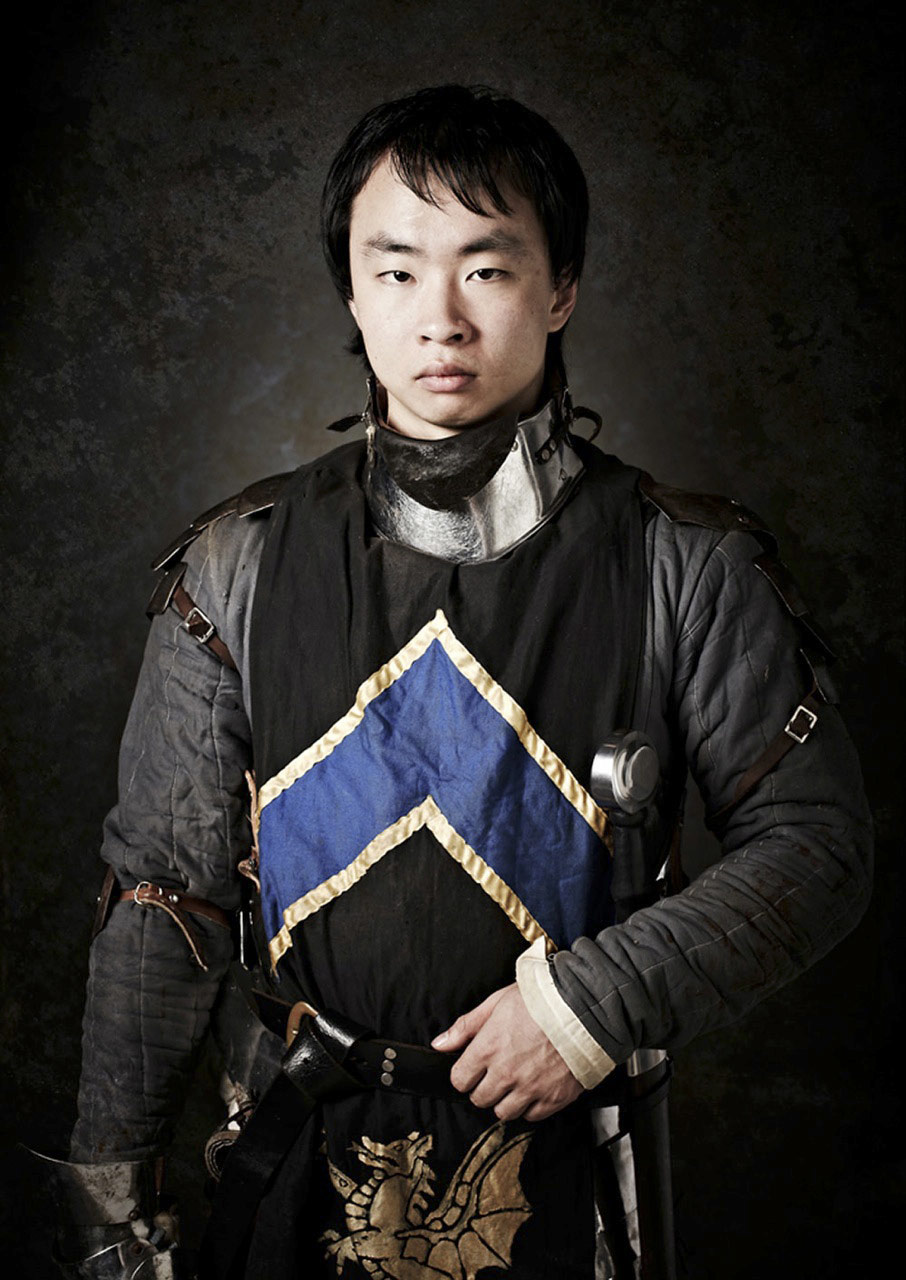
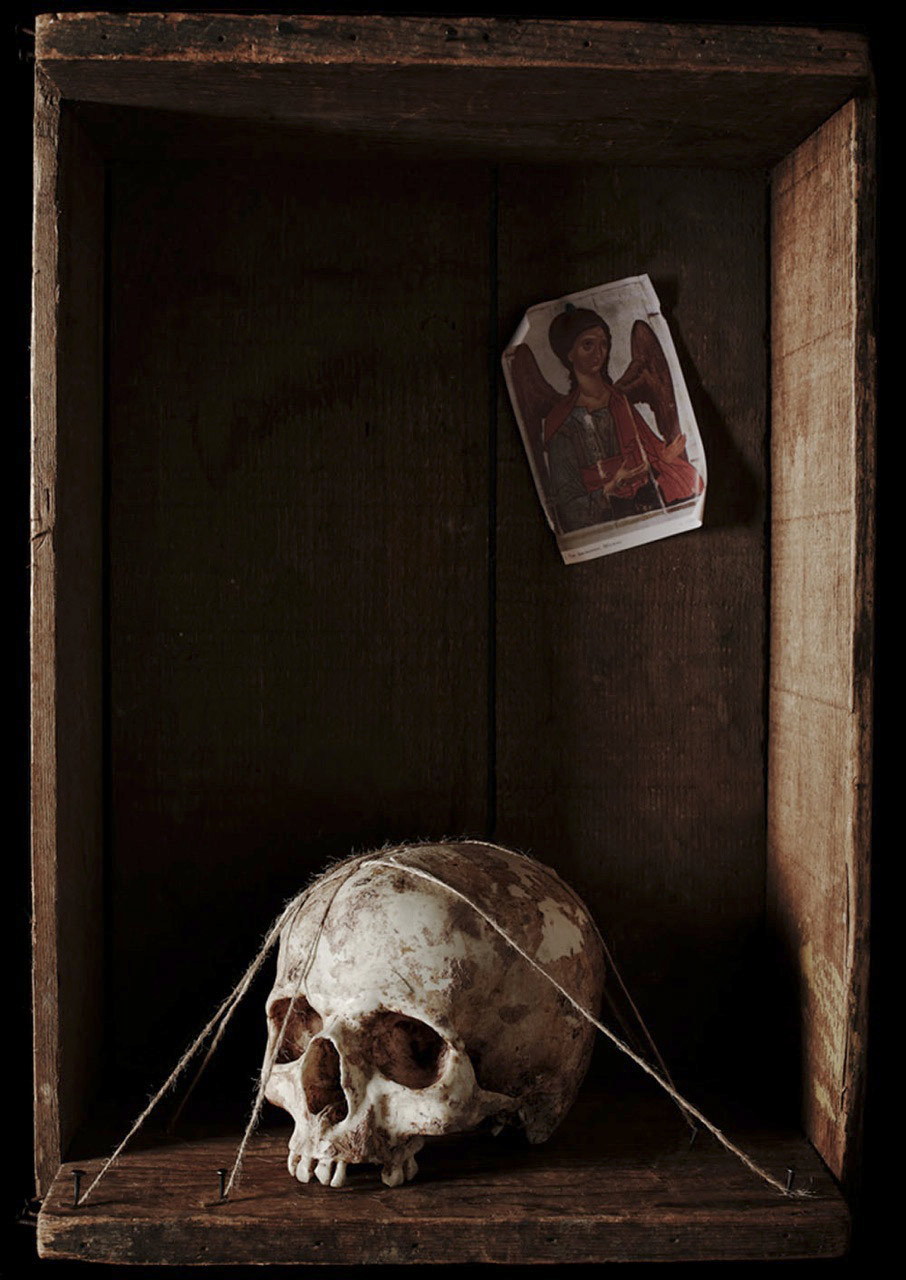
Amber McCaig‘s series Imagined Histories image “contemporary people captured by a sharp technology… [as they] aspire to join the consciousness of another epoch” (Robert Nelson). Small, intense prints, hung in pairs, re-present figures dressed in renaissance costume acting out the fantasy of living in a romantic, historical era. The portraits are paired with still life of wooden boxes filled with allegorical objects full of symbolic representation. The portraits are strong (the incongruity of an Asian knight is particularly effective), and the relationship between portrait and still life is ambiguous and nuanced. However, the still life become repetitive with the constant placement of images at the back of the box coupled with objects situated towards the front of the box. A study of the magical boxes of the artist Joseph Cornell would have been beneficial in this regard.

I feel that there needs to be more layering in the construction of the individual photographs and between the works in the series as a whole, not just the pairs of images. While the work is a little one dimensional in this imagined time, this is a good beginning to an ongoing investigation.

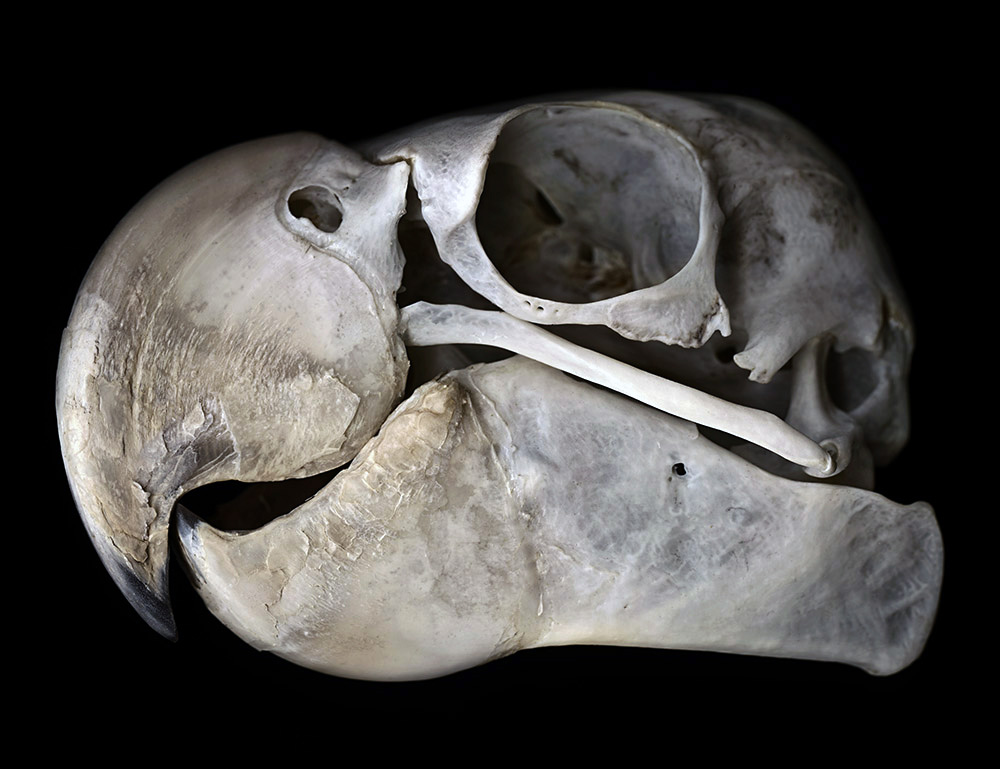
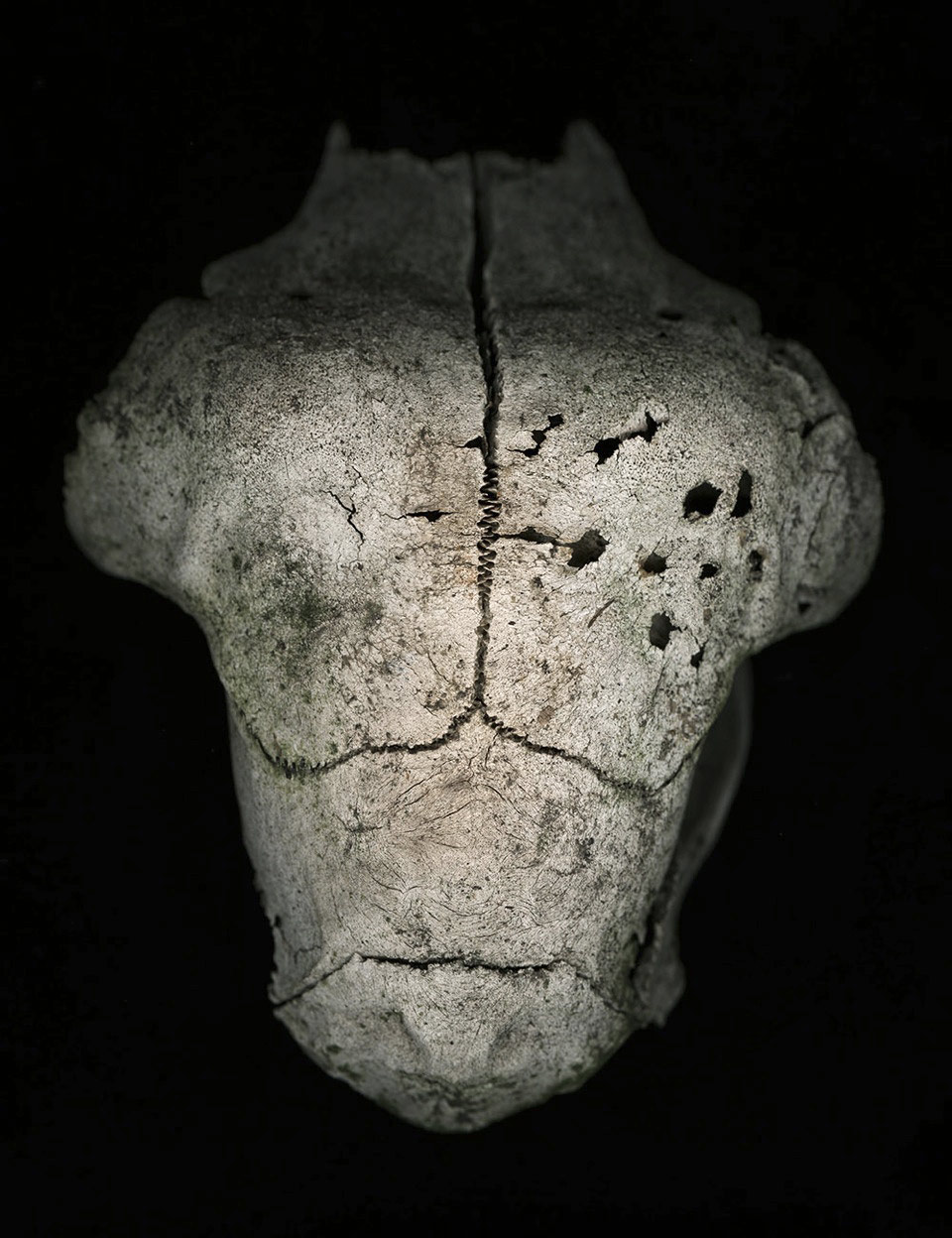
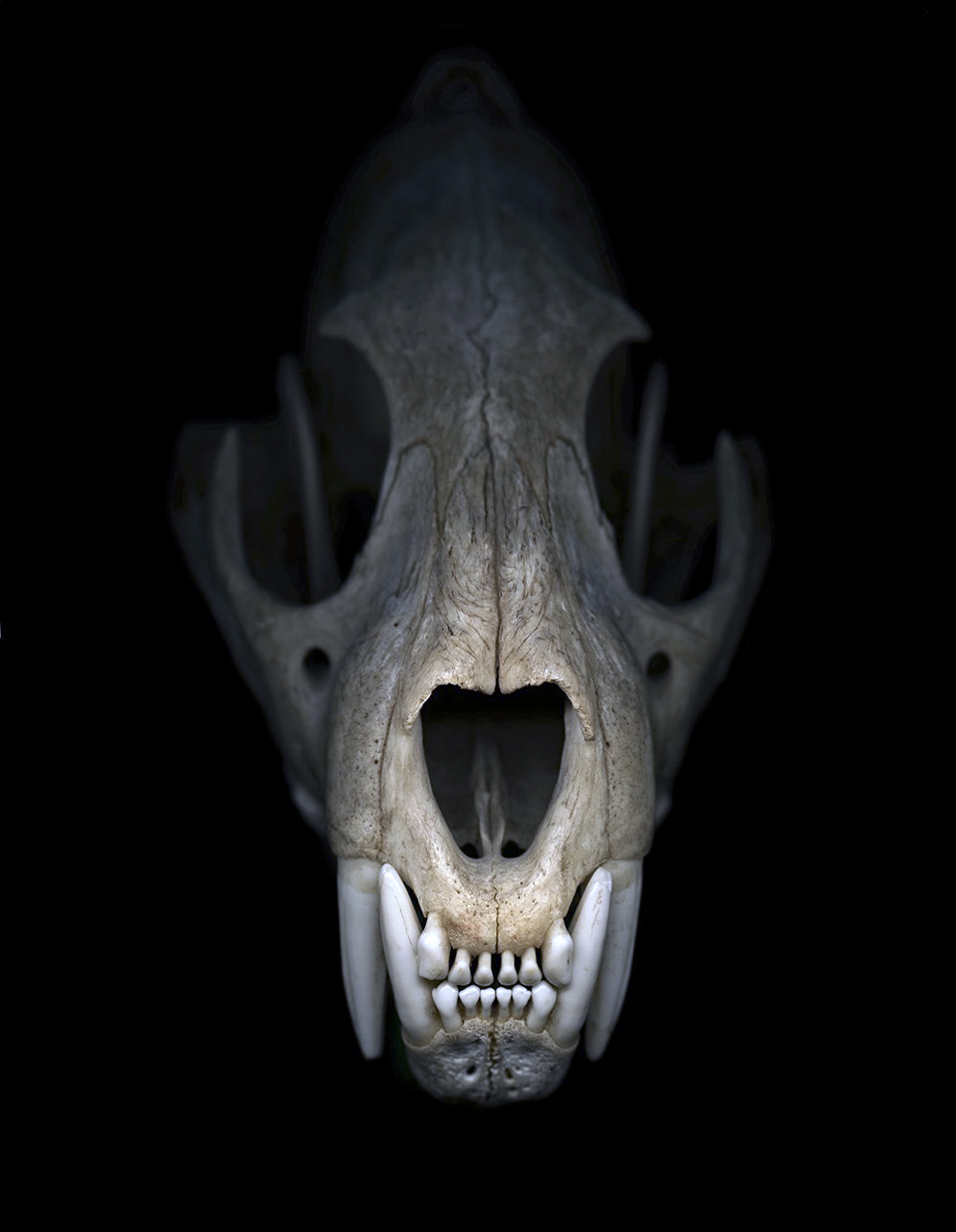
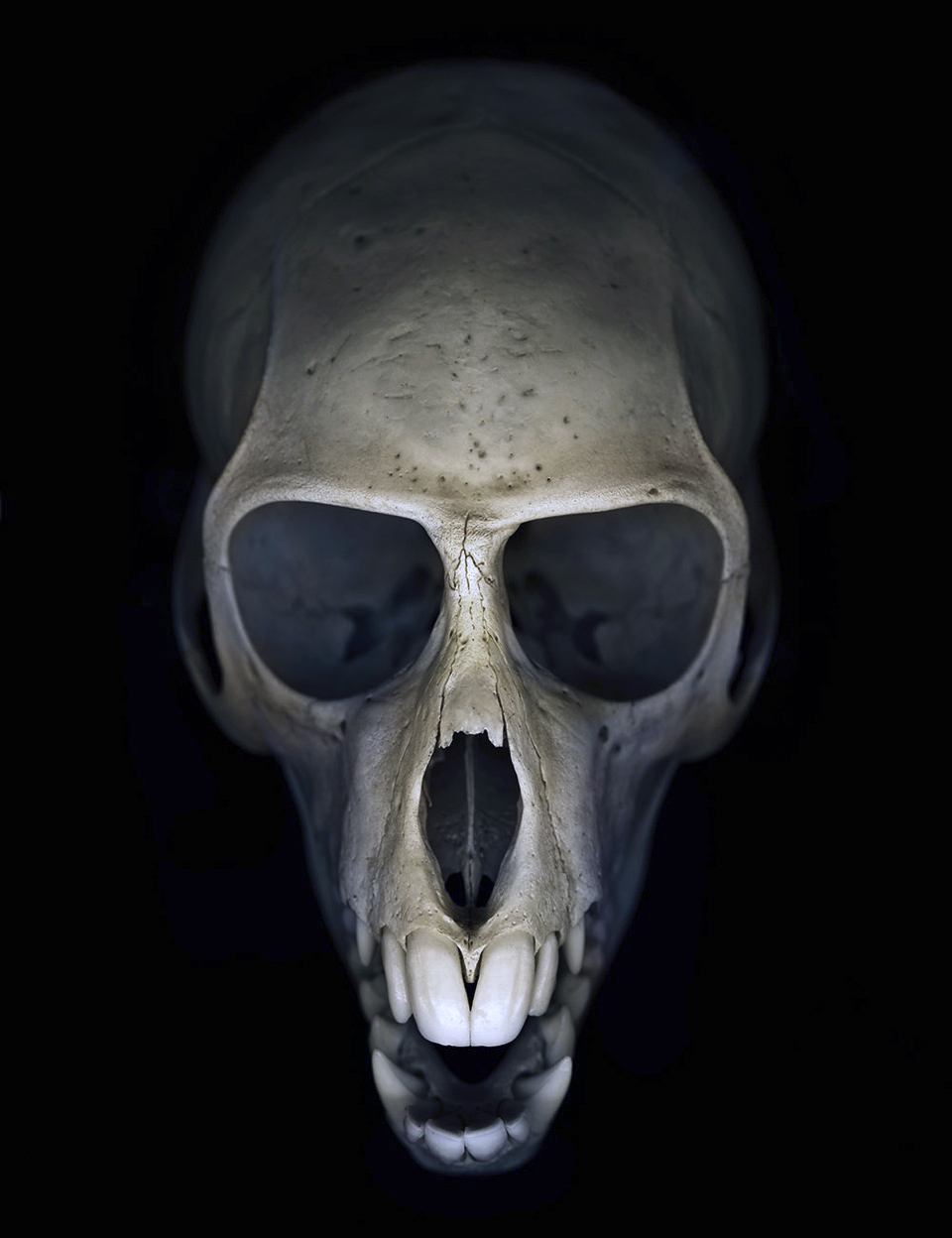
While Sally Mann’s body of work What Remains is the rolled-gold standard for this kind of work, Greg Elms series What Remains offers an interesting forensic amplification of skeletal “nature”. These animalistic portraits of nature mort are eloquent, strong and forthright. Some work better than others. The Cheetah skull, the Vervet monkey skull (with Rayban Aviator sunglass eyes) and best of them all, the magnificent, constructivist Black cockatoo skull – are all haunting in their deathly presence. Some of the smaller skulls lack these works muscularity, especially when they are printed horizontally on a vertical piece of photographic paper, which simply does not work.

Whether the series needed the ironic commentary of the titles, or the trope of hanging the conceptualisation of the series on the back of global warming, is also debatable. I think the best images are strong enough, and the conviction of the artist obvious enough over numerous bodies of work, that the viewer does not need to be spoon fed this rationalisation.

Dr Marcus Bunyan


1/ Jackson, J. B. Discovering the Vernacular Landscape. New Haven: Yale University Press, 1984, p. 8 quoted in Goldswain, Phillip. “Surveying the Field, Picturing the Grid: John Joseph Dwyer’s Urban Industrial Landscapes,” in Goldswain, Phillip and Taylor, William (eds.,). An Everyday Transience: The Urban Imaginary of Goldfields Photographer John Joseph Dwyer. Crawley, WA: University of Western Australia Publishing, 2010, p. 75.


Many thankx to Edmund Pearce Gallery for allowing me to publish the photographs in the posting. Please click on the photographs for a larger version of the image.


Gustave Doré (French, 1832-1883) llustration of Lord Alfred Tennyson's 'Idylls of the King' 1868


Gustave Doré (French, 1832-1883)
llustration of Lord Alfred Tennyson’s Idylls of the King
1868


Henri van Noordenburg (Australian born Netherlands, b. 1967) 'Composition X' 2012


Henri van Noordenburg (Australian born Netherlands, b. 1967)
Composition X
2012
Hand carved archival pigment print
106 x 106cm


Abstracted within the landscape, the artist features as the protagonist facing the threats of a seemingly hostile bush. Efface references The Expulsion from the Garden of Eden with a focus on the overlaying of a European aesthetic on the physical and intellectual landscape. Starting with self portraits set amid a featureless black background, the photographic surface is hand etched to reveal the landscape.

Van Noordenburg describes the process of self-nude photography as an “incredible mix between strength and weakness, frustration and containment a feeling of euphoria and adrenaline”. Feelings, which mirror van Noordenburg’s attempts to assimilate within a dominant culture.

Text from the Edmund Pearce Gallery website


Henri van Noordenburg (Australian born Netherlands, b. 1967) 'Composition XXII' 2013


Henri van Noordenburg (Australian born Netherlands, b. 1967)
Composition XXII
2013
Hand carved archival pigment print
30 x 30cm


Henri van Noordenburg (Australian born Netherlands, b. 1967) 'Composition XXIII' 2013


Henri van Noordenburg (Australian born Netherlands, b. 1967)
Composition XXIII
2013
Hand carved archival pigment print
30 x 30cm


Between Here and There

The figure that haunts these images is far from a signifier of passivity and calm. Dwarfed and subjugated by that which surrounds, his naked form seems deep in the throes the landscape’s implicit bewilderment and assault. His pallid, naked flesh is scarred and reddened and soiled, the reproach of this eerie land leaving an acrid evidence.

The work of Henri van Noordenburg veers towards the anxieties of juncture, displacement and exodus – art history, religious mythology, the socio-cultural tropes of migration and dislocation and the tensions of the photographic medium underlie his visual and allegorical language.

Indeed, the sensibilities and narratives that punctuate the Dutch-born artist’s new series, Efface, are significant on several levels. The immediately perceptible tension is that of technique and form. Beginning their lives as nude photographic self-portraits (the body set against a vast, featureless, black backdrop), van Noordenburg’s renderings of the Australian landscape and wilderness are in fact painstakingly realised hand-etchings. The photographic surface is an amalgam, the physicality of the photographic object unmistakable. In an era of fluctuation and change for the now ubiquitous digital form, van Noordenburg attempts to reengage, reinterpret and gain further understanding of the photograph’s physical roots.

The formal and stylistic inclinations that the artist achieves via such a process offers another intriguing layer. Resting upon the myth of the Expulsion from the Garden of Eden, this loaded series operates in the shadows of art history, forging a Romantic European imagining of the landscape and broaching its loaded colonialist underpinnings. Just as van Noordenburg’s photographic visage wanders a landscape created via the hand and the imagination, the European man stalks the myth of the non-European landscape as a base, inhospitable threat. Allegories and references double back on one another; themes of movement, displacement, exile and expulsion break bread with the iconography of the colonialist gaze.

That it is van Noordenburg’s own image that haunts these works – his body writhing, crouched or prone amid the bush – proves telling. Though living in Australia for the best part of two decades, the artist is an outsider in a nation that remains in acute denial of the extent of its immigrant foundations. Whether white, black, yellow or brown, the great myth of a quintessential Australianness – one that exists on a plane distinct from the cultural melange that marks the Australian reality – threatens to dislocate all who fail to blindly buy in.

In the suite of works that populate Efface, van Noordenburg sets himself adrift, haunted by his own place in history, mythology and the wider Australian scheme. Though we live in an increasingly borderless and post-national world, some things tend not to change.

Dan Rule


Amber McCaig (Australian) 'Ute von Tangermunde' 2013


Amber McCaig (Australian)
Ute von Tangermunde
2013
Archival pigment print
48 x 33cm


Amber McCaig (Australian) 'Untitled VII' 2013


Amber McCaig (Australian)
Untitled VII
2013
Archival pigment print
48 x 33cm


“Using a combination of portraits and still life elements, Amber recreates an exploration into the idea of identity and imagination, providing an insight into what it is like to live out fantasies in everyday life. Laden with armour, treasure chests, maps and lore, these fantasies show the power of our imagination and what is possible if we dare to dream.”

Text from the Edmund Pearce Gallery website


Amber McCaig (Australian) 'The Knight Errant' 2013


Amber McCaig (Australian)
The Knight Errant
2013
Archival pigment print
60 x 42cm


Amber McCaig (Australian) 'Untitled IV' 2013


Amber McCaig (Australian)
Untitled IV
2013
Archival pigment print
60 x 42cm


Amber McCaig (Australian) 'The Knight' 2013


Amber McCaig (Australian)
The Knight
2013
Archival pigment print
60 x 42cm


Amber McCaig (Australian) 'Untitled III' 2013


Amber McCaig (Australian)
Untitled III
2013
Archival pigment print
60 x 42cm


Greg Elms (Australian, b. 1960) 'We knew it was serious, but we were kind of busy (Black cockatoo skull)' 2013


Greg Elms (Australian, b. 1960)
We knew it was serious, but we were kind of busy (Black cockatoo skull)
2013
Archival pigment print
85 x 110cm


“This taxonomy series of large-scale prints, which acts as an amplification of its forensic nature, is an examination of where our relationships with animals are headed. Whilst those with vested interests may deride climate change, it is beyond dispute that there is a decline in many species of fauna (and flora). In 21st century life, where the distractions are numerous and social media pervasive, 24-hour news counteracts important issues amidst a blur of information overload… Elms work investigates the natural world exploring themes of reality, mortality and the sublime.”

Text from the Edmund Pearce Gallery website


Greg Elms (Australian, b. 1960) 'It got overrun by other news (Wombat skull, aerial view)' 2013


Greg Elms (Australian, b. 1960)
It got overrun by other news (Wombat skull, aerial view)
2013
Archival pigment print
70 X 55cm


Respice post te!

There is something incredibly human about Greg Elms’ latest suite of works. Something uncannily and immediately recognisable in these gaping eyes and grimacing teeth. What links each of the ‘individuals’ here is very simple. It is not just death, it is the cause of death. These are forensic portraits of homicide victims, genocidal talismans for the perpetrator. Enjoy them, for it is we who must plead futile innocence.

Stripped of fur and flesh, they were beforehand stripped of the flora and fauna that sustained them, they were humiliated, out-numbered and out equipped and we? Well it’s simple. We needed more coffee plantations, more timber, more cultivation, more food for our yapping pets.

I’m not suggesting here that Elms is some kind of tree-hugging animal lover. But I am saying that, like the best forensic analysts, he has identified his victims well.

Elms himself gives away much of the story behind this cruelly grinning menagerie. Think of how many times in recent decades you have read the kinds of commentary that Elms utilises here as titles; “We knew it was serious, but we were kind of busy,” “Lobbyists were employed to dispute the facts,” “It got overrun by other news,” “We felt like we were helpless,” “It would’ve been fine if Newscorp was onside.”

These are everyday, generic comments. All too much so. think: Global Warming, human genocide, animal extinctions. Just everyday comments accompanied by a shrug of the shoulders. One could add “too late now.” Elms himself adds: “Everything comes and goes…”

But if there is beauty in Apocalypse then Elms has found it. There is an elegance alongside a silence in these animalistic portraits of nature mort. These un-furred memento mori.

The Latin phrase, memento mori, translates essentially as “Remember that you must die.” Another translation of the term reads Respice post te! Hominem te esse memento – Look behind you! Remember that you are but a man! But here in Elms’ portraits it is the Vervet Monkey, the Black Cockatoo, the Cheetah. Indeed, the only thing missing is the skull of the human.

But there is time enough for that…

Ashley Crawford


Greg Elms (Australian, b. 1960) 'We felt sort of helpless to stop the extinction (Cheetah skull)' 2012


Greg Elms (Australian, b. 1960)
We felt sort of helpless to stop the extinction (Cheetah skull)
2012
Archival pigment print
110 x 85cm


Greg Elms (Australian, b. 1960) 'You won’t get away with this for much longer (Vervet monkey skull)' 2011


Greg Elms (Australian, b. 1960)
You won’t get away with this for much longer (Vervet monkey skull)
2011
Archival pigment print
110 x 85cm


Edmund Pearce Gallery

This gallery has now closed.

LIKE ART BLART ON FACEBOOK

Back to top

Text: “The Book of Memory” extract from Paul Auster’s ‘The Invention of Solitude’ 1982

November 2013


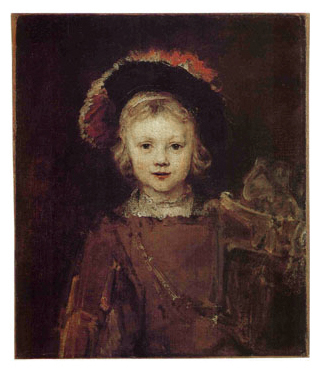
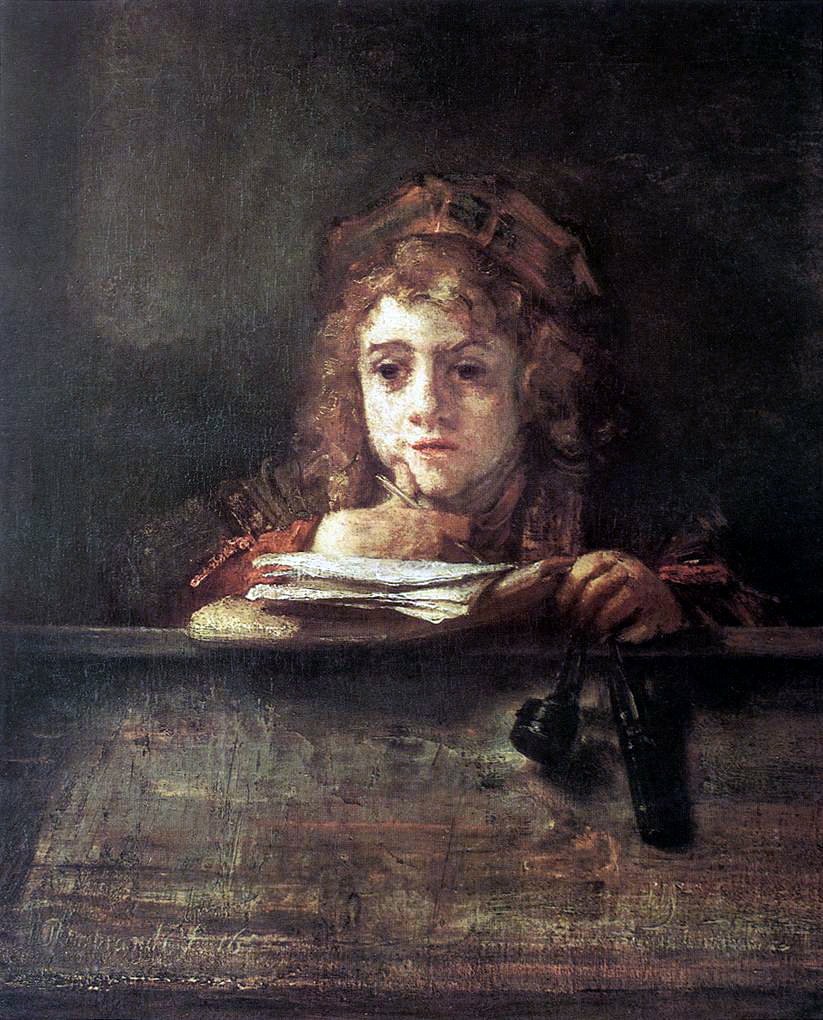
Rembrandt van Rijn (Dutch, 1641-1668) 'Portrait of a Boy in Fancy Dress (Titus)' c. 1655


Rembrandt van Rijn (Dutch, 1641-1668)
Portrait of a Boy in Fancy Dress (Titus)
c. 1655
Oil on canvas


The Book of Memory. Book Four.

Several blank pages. To be followed by profuse illustrations. Old family photographs, for each person his own family, going back as many generations as possible. To look at these with utmost care.

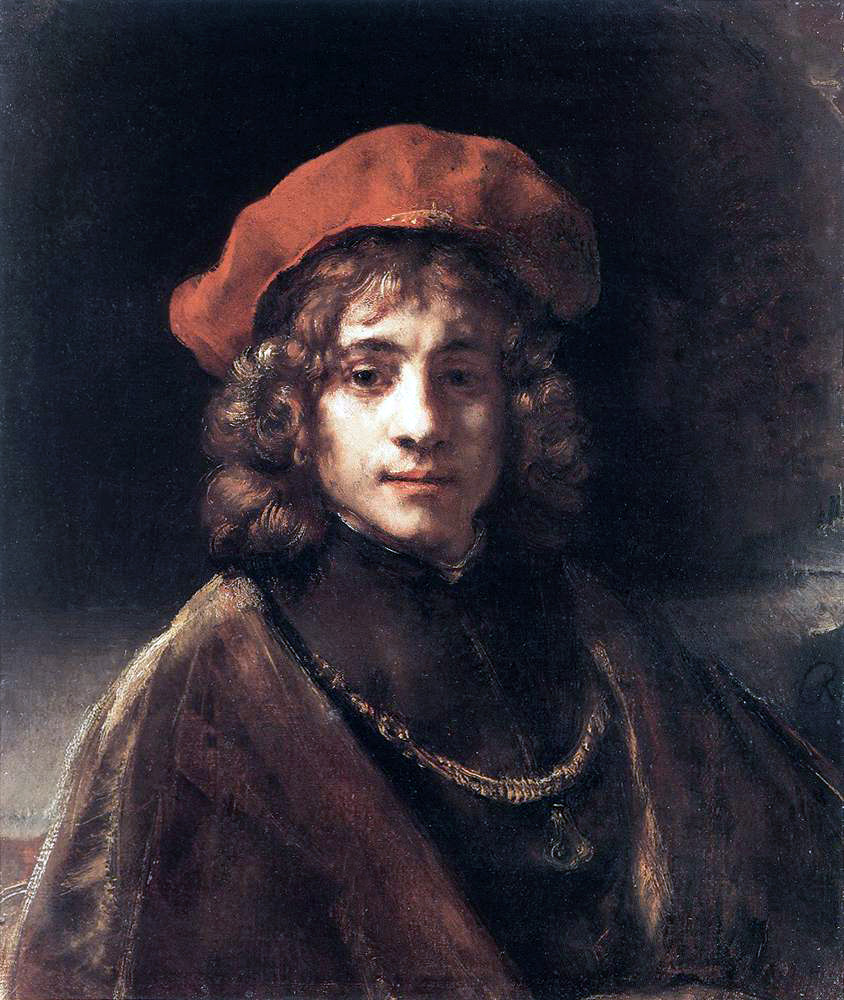
Afterwards, several sequences of reproductions, beginning with the portraits Rembrandt painted of his son, Titus. To include all of them: from the view of the little boy in 1650 (golden hair, red feathered cap) to the 1655 portrait of Titus ‘puzzling over his lessons’ (pensive, at his desk, compass dangling from his left hand, right thumb pressed against his chin) to Titus in 1658 (seventeen years old, the extraordinary red hat, and, as one commentator has written, ‘The artist has painted his son with the same sense of penetration usually reserved for his own features’) to the last surviving canvas of Titus, from the early 1660s: ‘the face seems that of a weak old man ravaged with disease. Of course, we look at it with hindsight – we know that Titus will predecease his father…’

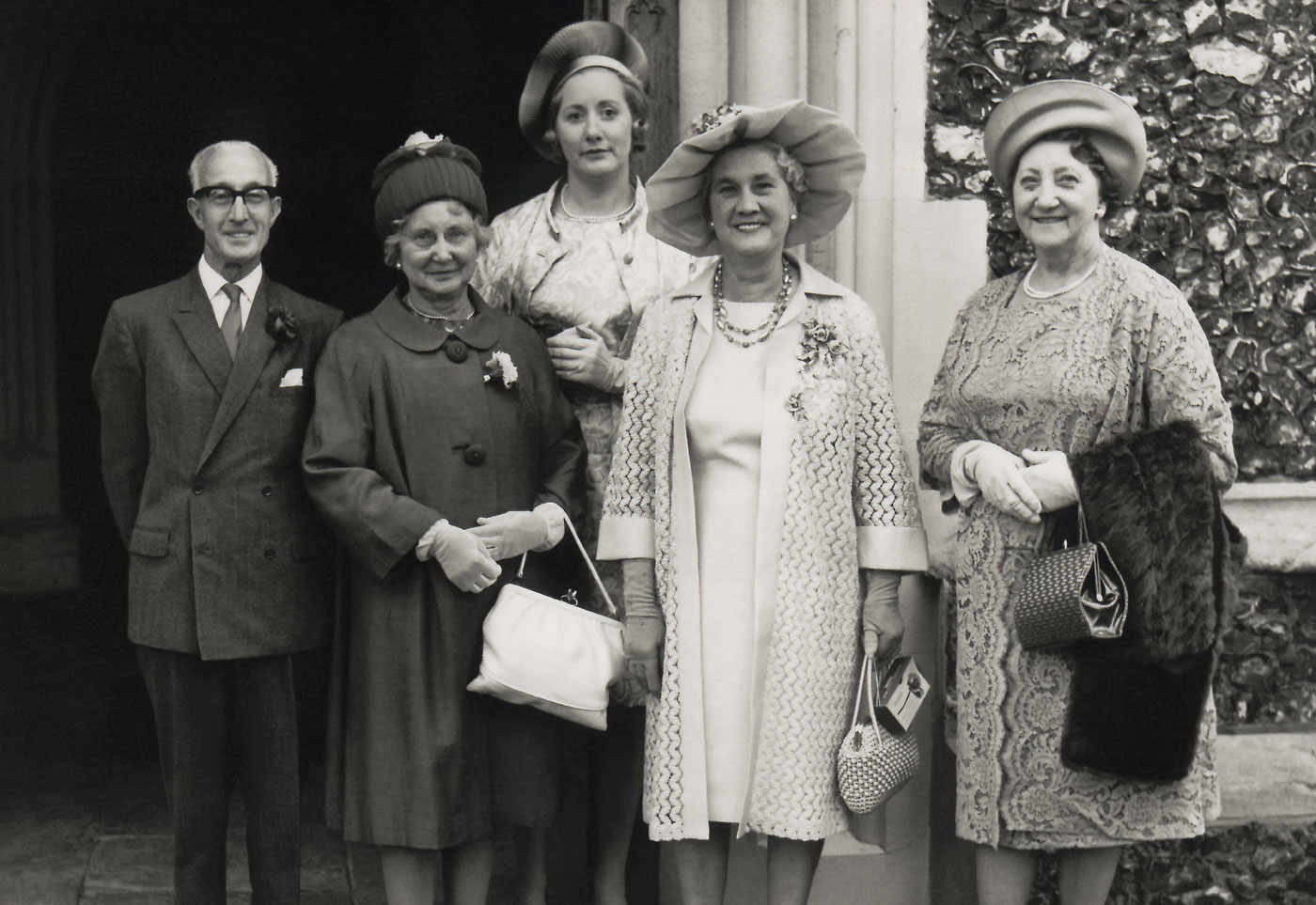
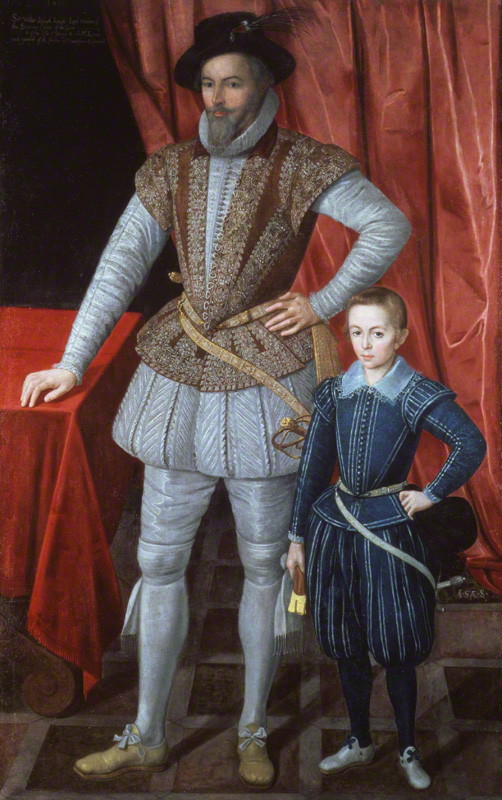
To be followed by the 1602 portrait of Sir Walter Raleigh and his eight-year-old-son Wat (artist unknown) that hangs in the National Portrait Gallery in London. To note: the uncanny similarity of their poses. Both father and son facing forward, left hands on hips, right feet pointing forward, and the somber determination on the boy’s face to imitate the self-confident, imperious stare of the father. To remember: that when Raleigh was released after a thirteen-year incarceration in the Tower of London (1618) and launched out on a doomed voyage to Guiana to clear his name, Wat was with him. To remember that Wat, leading a reckless military charge against the Spanish, lost his life in the jungle. Raleigh to his wife: ‘I have never known what sorrow meant until now.’ And so went he went back to England, and allowed the King to chop of his head.

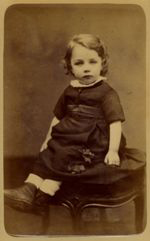
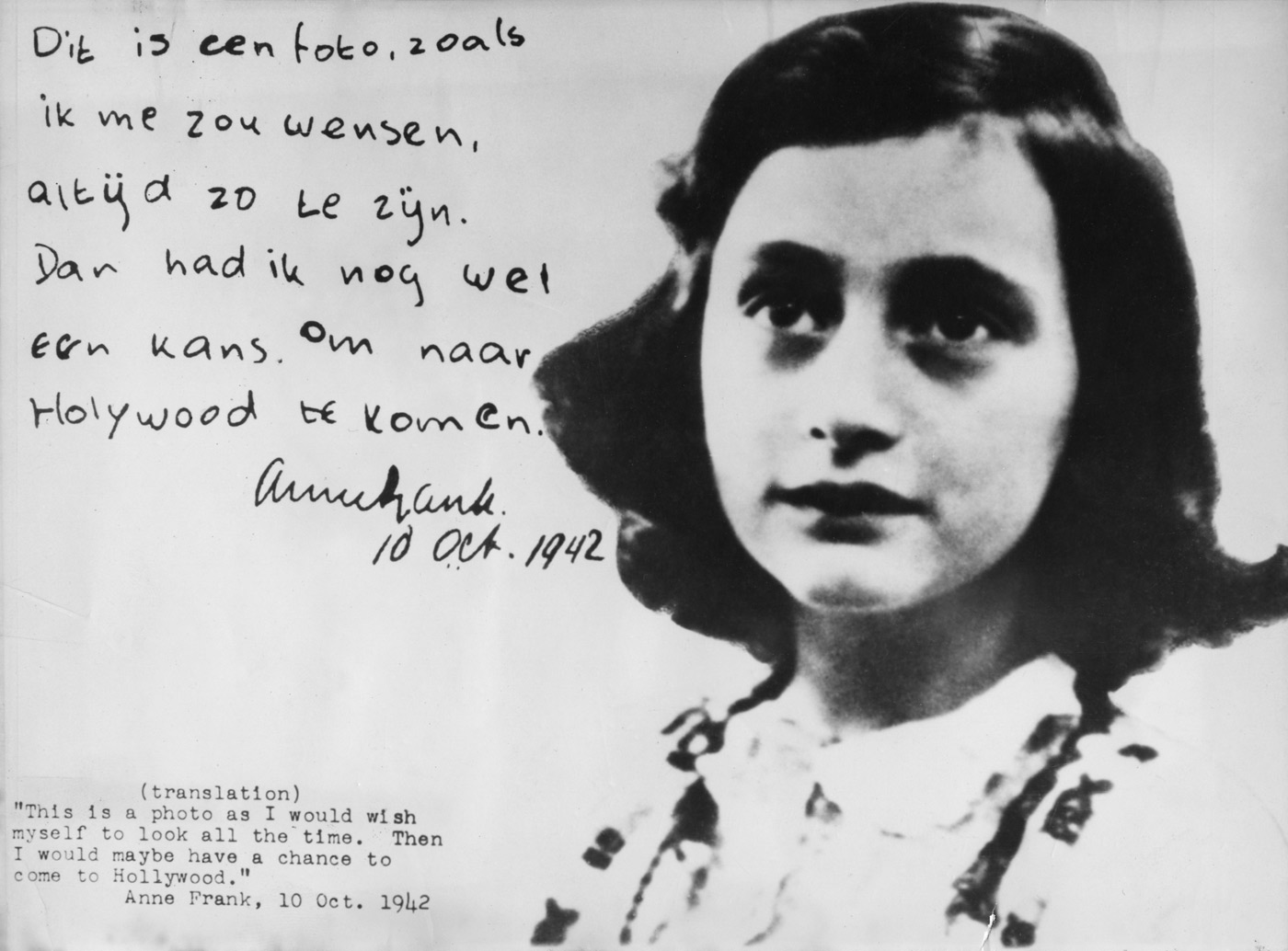
To be followed by more photographs, perhaps several dozen: Mallarmé’s son, Anatole; Anne Frank (‘This is a photo that shows me as I should always like to look. Then I would surely have a chance to go to Hollywood. but now, unfortunately, I usually look different’); Mur; the children of Cambodia; the children of Atlanta. The dead children. The children who will vanish, the children who are dead. Himmler: ‘I have made the decision to annihilate every Jewish child from the face of the earth.’ Nothing but pictures. Because, at a certain point, the words lead one to conclude that it is no longer possible to speak. Because these pictures are the unspeakable.

Paul Auster. “The Book of Memory,” from The Invention of Solitude. Faber and Faber, 1982, pp. 102-103.

Please click on the images for a larger version.


Marcus Bunyan (Australian, b. 1958) 'Untitled (family)' 2005


Marcus Bunyan (Australian, b. 1958)
Untitled (family)
2005
From the series Photos my mother sent me, 2005


Rembrandt van Rijn (Dutch, 1641-1668) 'Portrait of Titus' 1655


Rembrandt van Rijn (Dutch, 1641-1668)
Portrait of Titus
1655
Oil on canvas


Rembrandt van Rijn (Dutch, 1641-1668) 'The Artists Son Titus' 1657


Rembrandt van Rijn (Dutch, 1641-1668)
The Artists Son Titus
1657
Oil on canvas


Rembrandt van Rijn (Dutch, 1641-1668) 'Portrait of Titus' 1663


Rembrandt van Rijn (Dutch, 1641-1668)
Portrait of Titus
1663
Oil on canvas


Unknown artist. 'Sir Walter Ralegh and son' 1602


Unknown artist
Sir Walter Ralegh and son
1602
Oil on canvas
78 1/2 in. x 50 1/8 in. (1994 mm x 1273mm)
Given by Lennard family, 1954
National Portrait Gallery, London


Anonymous photographer. 'Portrait of Anatole Mallarmé' c. 1874


Anonymous photographer
Portrait of Anatole Mallarmé
c. 1874
Photograph


Unknown photographer. 'Anne Frank' 10th October 1942


Unknown photographer
Anne Frank
10th October 1942
Hand written note from The Diary of a Young Girl


Photos of child victims on display at the Toul Sleng Genocide museum in Cambodia


Photos of child victims on display at the Toul Sleng Genocide museum in Cambodia


Unknown photographer. 'Executions of Kiev Jews by German army mobile killing units (Einsatzgruppen) near Ivangorod Ukraine' 1942


Unknown photographer
Executions of Kiev Jews by German army mobile killing units (Einsatzgruppen) near Ivangorod Ukraine. A woman protects a child with her body as Einsatzgruppen soldiers aim their rifles
1942


Executions of Kiev Jews by German army mobile killing units (Einsatzgruppen) near Ivangorod Ukraine. The photo was mailed from the Eastern Front to Germany and intercepted at a Warsaw post office by a member of the Polish resistance collecting documentation on Nazi war crimes. The original print was owned by Tadeusz Mazur and Jerzy Tomaszewski and now resides in Historical Archives in Warsaw. The original German inscription on the back of the photograph reads, “Ukraine 1942, Jewish Action [operation], Ivangorod.”


LIKE ART BLART ON FACEBOOK

Back to top

Exhibition: ‘Lee Friedlander – America by Car’ at Foam, Amsterdam

Exhibition dates: 13th September – 11th December 2013


Lee Friedlander (American, b. 1934) 'Bettina Katz, Cleveland, Ohio' 2009


Lee Friedlander (American, b. 1934)
Bettina Katz, Cleveland, Ohio
2009
From the series America by Car, 1995-2009
Gelatin silver print
15 × 15 in. (38.1 × 38.1cm)
Collection of the artist; courtesy Fraenkel Gallery, San Francisco
© Lee Friedlander, courtesy Fraenkel Gallery, San Francisco


“I’m not trying to do something to you, I’m trying to do something with you.”


American pianist and composer Keith Jarrett at a concert in Melbourne, 1970s


The eye of Lee Friedlander is incredible. His complex, classical photographs in books such as Letters from the People (1993), Flowers and Trees (1981), The American Monument (1976) and America by Car (2010) have redefined the (photographic) landscape. The artist is constantly reinventing himself, reinventing pictorial space – cutting, distorting, reflecting it back onto itself – to create layered images (after Eugène Atget and Walker Evans). These self-reflective spaces are as much about the artist and his nature as they are about the world in which he lives. They have become the basis of Friedlander’s visual language. Here is a love of the medium and of the world that is a reflection of Self.

I don’t see these cars (or photographs) as illusion factories. For me, this series of work is akin to a tri-view self-portrait. Instead of the artist painting the sitter (as in the triple portrait of Cardinal Richelieu, 1627 below), a vision, an energy of Self emanates outwards from behind the bulwark of the car steering wheel and dash. It is a Self and its relationship to the world split into multifaceted angles and views. He looks out the left window, the front window, the side window – and then he splits his views between side and front windows using the A pillar of the car as a dividing, framing tool. Sometimes he throws in the reflections of him / self with camera in the rear view mirror for good measure. There is wit, humour and irony in these photographs. There is cinematic panorama and moments of intimacy. There is greatness in these images.

Friedlander is not trying to do something to you, but something with you, for he is showing you something that you inherently know but may not be aware of. Like a Zen master, he asks you questions but also shows you the way. If you understand the path of life and the energy of the cosmos, you understand what a journey this is.

Dr Marcus Bunyan


Many thankx to Foam for allowing me to publish the photographs in the posting. Please click on the photographs for a larger version of the image.


Philippe de Champaigne (French, 1602-1674) 'Triple portrait of Cardinal Richelieu' 1642


Philippe de Champaigne (French, 1602-1674)
Triple portrait of Cardinal Richelieu
c. 1640
Oil on canvas
58cm (22.8 in) x 72cm (28.3 in)
The National Gallery, London
This reproduction is in the public domain


Lee Friedlander: America by Car

Published by D.A.P./Fraenkel


Lee Friedlander (American, b. 1934) 'Houston, Texas' 2006


Lee Friedlander (American, b. 1934)
Houston, Texas
2006
From the series America by Car, 1995-2009
Gelatin silver print
15 × 15 in. (38.1 × 38.1cm)
Collection of the artist; courtesy Fraenkel Gallery, San Francisco
© Lee Friedlander, courtesy Fraenkel Gallery, San Francisco


Lee Friedlander (American, b. 1934) 'Denali National Park, Alaska' 2007


Lee Friedlander (American, b. 1934)
Denali National Park, Alaska
2007
From the series America by Car, 1995-2009
Gelatin silver print
15 × 15 in. (38.1 × 38.1cm)
Collection of the artist; courtesy Fraenkel Gallery, San Francisco
© Lee Friedlander, courtesy Fraenkel Gallery, San Francisco


Lee Friedlander (American, b. 1934) 'Nebraska' 1999


Lee Friedlander (American, b. 1934)
Nebraska
1999
From the series America by Car, 1995-2009
Gelatin silver print
15 × 15 in. (38.1 × 38.1cm)
Collection of the artist; courtesy Fraenkel Gallery, San Francisco
© Lee Friedlander, courtesy Fraenkel Gallery, San Francisco


The automobile has come to symbolise the American dream and the associated urge for freedom. It is therefore no surprise that cars play a central role in the series America by Car and The New Cars 1964 by renowned American photographer Lee Friedlander (1934, US), now receiving their first showing in the Netherlands.

Road Trip

America by Car documents Friedlander’s countless wanderings around the United States over the past decade. In this he follows a trail laid down by numerous photographers, film makers and writers like Robert Frank, Stephen Shore and Jack Kerouac. Friedlander nevertheless succeeds in giving the theme of the American road trip his own very original twist, using the cars’ windscreens and dashboards to frame the familiar American landscape, as well as exploiting the reflections found in their wing and rear view mirrors. It is a simple starting point which results in complex and layered images that are typical for Friedlander’s visual language. He also has a sharp eye for the ironic detail. He makes free use of text on billboards and symbols on store signs to add further meaning to his work. His images are so layered that new information continues to surface with every glance, making America by Car a unique evocation of contemporary America.

Car portraits

The New Cars 1964 is a much older series. Friedlander had been commissioned by Harper’s Bazaar to photograph all the new models of automobile introduced in 1964. Rather than placing them centrally and showing them to best advantage, Friedlander decided to set the cars in the most banal of locations, in front of a furniture store or in a scrap yard for instance. Exploiting reflections, available light and unusual perspectives, his cars are almost completely absorbed into the street scene. Although they were rejected at the time by the magazine’s editorial board on the grounds that the images were not attractive enough, the pictures were put away in a drawer and since forgotten. Friedlander however recently rediscovered this series. The New Cars 1964 has since become a special historical and social document and has in its own right become part of Friedlander’s impressive oeuvre.

Fifty-year career

Lee Friedlander was born in the US in 1934. In a career extending across 5 decades Friedlander has maintained an obsessive focus on the portrayal of the American social landscape. His breakthrough in the eyes of the wider public came with the New Documents exhibition at the MoMA in 1967, where his work was presented alongside that of Diane Arbus and Garry Winogrand. Friedlander accumulated numerous awards during his career, including the MacArthur Foundation Award and three Guggenheim Fellowships. He also published more than twenty books. His work has been shown at many venues around the world, including the Whitney Museum of American Art and the MoMA in New York, San Francisco’s SFMOMA, the MAMM in Moscow and the National Museum of Photography in Copenhagen.

Press release from the FOAM website


Lee Friedlander (American, b. 1934) 'Cleveland, Ohio' 2009


Lee Friedlander (American, b. 1934)
Cleveland, Ohio
2009
From the series America by Car, 1995-2009
Gelatin silver print
15 × 15 in. (38.1 × 38.1cm)
Collection of the artist; courtesy Fraenkel Gallery, San Francisco
© Lee Friedlander, courtesy Fraenkel Gallery, San Francisco


Lee Friedlander (American, b. 1934) 'Montana' 2008


Lee Friedlander (American, b. 1934)
Montana
2008
From the series America by Car, 1995-2009
Gelatin silver print
15 × 15 in. (38.1 × 38.1cm)
Collection of the artist; courtesy Fraenkel Gallery, San Francisco
© Lee Friedlander, courtesy Fraenkel Gallery, San Francisco


Lee Friedlander (American, b. 1934) 'Montana' 2008


Lee Friedlander (American, b. 1934)
Montana
2008
From the series America by Car, 1995-2009
Gelatin silver print
15 × 15 in. (38.1 × 38.1cm)
Collection of the artist; courtesy Fraenkel Gallery, San Francisco
© Lee Friedlander, courtesy Fraenkel Gallery, San Francisco


Mr. Friedlander took his black-and-white, square-format photographs entirely from the interior of standard rental cars – late-model Toyotas and Chevys, by the looks of them – on various road trips over the past 15 years. In these pictures our vast, diverse country is buffered by molded plastic dashboards and miniaturized in side-view mirrors…

Mr. Friedlander groups images by subject, not geography: monuments, churches, houses, factories, ice cream shops, plastic Santas, roadside memorials.

So “America by Car,”… is more of an exercise in typology, along the lines of Ed Ruscha’s “Twentysix Gasoline Stations.” But there’s nothing deadpan or straightforward about the way Mr. Friedlander composes his pictures. He knows that cars are essentially illusion factories – to wit: “Objects in the mirror are closer than they appear.”

Some of the illusions on view here exploit the technology of the camera Mr. Friedlander has been using since the 1990s, the square-format Hasselblad Superwide (so named for its extra-wide-angle lens). The Superwide produces crisp and detail-packed images that are slightly exaggerated in perspective, giving the foreground – the car – a heightened immediacy…

Some of the photographs are dizzyingly complex, like one taken in Pennsylvania in 2007. The camera looks out through the passenger-side window, at a man whose feet appear to be perched on the door frame. He is standing in front of a trompe l’oeil mural of a train, which seems to be heading right at the car. In the side-view mirror you can see a woman approaching. It’s a bizarre pileup of early cinematic trickery (as in the Lumière Brothers), amateur photography and surveillance technology.

Mr. Friedlander’s love of such layering can be traced to Walker Evans and Eugène Atget. He also shares, in this series, Evans’s wry eye for signs of all kinds: the matter-of-fact “Bar” advertising a Montana watering hole, or the slightly more cryptic “ME RY RISTMAS” outside a service station in Texas [see image below]. He strikes semiotic gold at Mop’s Reaching the Hurting Ministry in Mississippi: “LIVE IN RELATIONSHIP ARE LIKE RENTAL CARS NO COMMITMENT.”

Cars distance people from one another, this series reminds us over and over. When Mr. Friedlander photographs people he knows – the photographer Richard Benson, or the legendary MoMA curator John Szarkowski (to whom the book is dedicated) – he remains in his seat, shooting through an open window. In just a few instances the subjects poke their heads inside, a gesture that seems transgressive in its intimacy…

Did he ever get out of the vehicle? Just once in this series, for a self-portrait. It’s the last picture, and it shows him leaning into the driver’s-side window, elbow propped on the door, left hand reaching for the steering wheel.

Maybe he was thinking of the last image in “The Americans” – a shot of Mr. Frank’s used Ford taken from the roadside, showing his wife and son huddled in the back seat. In Mr. Frank’s photograph the car is a protective cocoon. Mr. Friedlander seems to see it that way too, but from the inside out.

Excerpts of an excellent review of “America by Car” by Karen Rosenberg published on The New York Times website on September 2, 2010.


Lee Friedlander (American, b. 1934) 'Alaska' 2007


Lee Friedlander (American, b. 1934)
Alaska
2007
From the series America by Car, 1995-2009
Gelatin silver print
15 × 15 in. (38.1 × 38.1cm)
Collection of the artist; courtesy Fraenkel Gallery, San Francisco
© Lee Friedlander, courtesy Fraenkel Gallery, San Francisco


Lee Friedlander (American, b. 1934) 'Montana' 2008


Lee Friedlander (American, b. 1934)
Montana
2008
From the series America by Car, 1995-2009
Gelatin silver print
15 × 15 in. (38.1 × 38.1cm)
Collection of the artist; courtesy Fraenkel Gallery, San Francisco
© Lee Friedlander, courtesy Fraenkel Gallery, San Francisco


Lee Friedlander (American, b. 1934) 'California' 2008


Lee Friedlander (American, b. 1934)
California
2008
From the series America by Car, 1995-2009
Gelatin silver print
15 × 15 in. (38.1 × 38.1cm)
Collection of the artist; courtesy Fraenkel Gallery, San Francisco
© Lee Friedlander, courtesy Fraenkel Gallery, San Francisco


Lee Friedlander (American, b. 1934) 'Texas' 2006


Lee Friedlander (American, b. 1934)
Texas
2006
From the series America by Car, 1995-2009
Gelatin silver print
15 × 15 in. (38.1 × 38.1cm)
Collection of the artist; courtesy Fraenkel Gallery, San Francisco
© Lee Friedlander, courtesy Fraenkel Gallery, San Francisco


Foam
Keizersgracht 609
1017 DS Amsterdam
The Netherlands
Phone: + 31 20 5516500

Opening hours:
Daily from 10am – 6pm
Thurs – Friday 10am – 9pm

Foam website

LIKE ART BLART ON FACEBOOK

Back to top

Exhibition: ‘Guest Relations’ by Robyn Stacey at Stills Gallery, Sydney

Exhibition dates: 9th October – 9th November 2013


Robyn Stacey (Australian, b. 1952) 'Room 1306 Mercure Potts Point, Jodi' 2013


Robyn Stacey (Australian, b. 1952)
Room 1306 Mercure Potts Point, Jodi
2013
From Guest Relations
Type C print
100 x 133cm


X marks the spot

Somehow these photographs just don’t work for me.

Intellectually, I appreciate the Inception-esque concept but visually and emotionally I am ambivalent towards the images. They feel more like caricatures than engaging works of art. Human beings stare blankly off into the distance, as though there was some meaningful relationship between this “dead pan” look and the upside down camera obscura image; thought bubbles appearing above the head (as in a cartoon), emanate from stilted, frozen, blank-faced human beings. Dead pan, introverted looks do not make for engaging associations – between elements in the image or between the image and the viewer.

The tableau vivants evidence little life, to wit, the oh so correctly crossed legs in Room 3907 Sofitel on Collins, Morgan; the impeccably placed photographs in Room 2515 Shangri-la, Isobel (who would ever put photographs on a bed like that?); and the artfully placed dumbells in Room 4821 Sofitel on Collins, Chris (all 2013, below). X certainly does mark the constrained, constructed spot. Paradoxically, the images that work best are the ones where the human beings are absent, because the viewer can imagine the visage (and visualised thoughts) of the occupants, without seeing them. Then, and only then, do these images work as dreamlike scenarios and fulfil the artist’s desire to produce surreal and psychological spaces which seem to materialise their inhabitants’ distant thoughts.

However, as they are presented, each element of the image feels quite divisible, and all the elements of the image never feel fully integrated with each other. Hence the images feel less than fully resolved. What this body of work needed was a bit more panache and savour faire. Perhaps more distortion of the camera obscura image and more life from the protagonists would have brought the symbiotic relationships to life. You only have to think of the murder of Ann Lively in the film Minority Report to understand how these head cloud “visualisations” have incredible psychological power. I get none of that here.

Dr Marcus Bunyan


Many thankx to Stills Gallery for allowing me to publish the photographs in the posting. Please click on the photographs for a larger version of the image. All images are copyright of the artist.


Robyn Stacey (Australian, b. 1952) 'Room 13 Cartwright, Michael and Katherine' 2013


Robyn Stacey (Australian, b. 1952)
Room 13 Cartwright, Michael and Katherine
2013
From Guest Relations
Type C print
100 x 133cm


Robyn Stacey (Australian, b. 1952) 'Room 14 Cartwright, Ocean' 2013


Robyn Stacey (Australian, b. 1952)
Room 14 Cartwright, Ocean
2013
From Guest Relations
Type C print


Robyn Stacey. 'Room 14 Cartwright, Harbour' 2013


Robyn Stacey (Australian, b. 1952)
Room 14 Cartwright, Harbour
2013
from Guest Relations
Type C print
100 x 146cm


Robyn Stacey (Australian, b. 1952) 'Room 5126 Pullman Hyde Park, Brielle' 2013


Robyn Stacey (Australian, b. 1952)
Room 5126 Pullman Hyde Park, Brielle
2013
From Guest Relations
Type C print


“Hotel rooms are waiting spaces: waiting in rooms for people to arrive, for events to start, or just waiting to go home. They are also private spaces.”


Robyn Stacey, 2013


This striking new series by leading contemporary art photographer, Robyn Stacey, combines the simplest form of the camera, the “camera obscura”, with high-end digital photography to explore a specific context: the hotel room. The project explores the fleeting and ephemeral experience and how this is captured as a moment out of time, by the photographic still. 

Through Robyn Stacey’s photography we imagine other people’s private worlds. For the past 5 years her spectacular compositions have breathed new life into the old families of Sydney, reviving their personal objects from historic collections to evoke scenes as if they’ve just exited the room, leaving only a sprinkling of crumbs. Now, for Guest Relations she has turned from high fidelity studio photography to the non-digital process of camera obscura, Stacey brings our gaze to contemporary life and the transitory meetings of private and public worlds within the modern hotel room. Like pinhole photography, the camera obscura allows light in through a tiny hole in order to project a scene from outside onto an inside surface. Stacey recreates this process with ambitious scale and in unexpected settings, transforming the interiors of high-rise city chains and quiet coastline holiday destinations, into darkrooms for dramatically projected landscape vistas.

Turning from high fidelity studio photography to the non-digital process of camera obscura, Stacey brings our gaze to contemporary life and the transitory meetings of private and public worlds within the modern hotel room. Like pinhole photography, the “camera obscura” allows light in through a tiny hole in order to project a scene from outside onto an inside surface. Stacey recreates this process with ambitious scale and in unexpected settings, transforming the interiors of high-rise city Hotel chains and quiet coastline holiday destinations, into darkrooms for dramatically projected landscape vistas.

This historical form of image making, which Caravaggio and Vermeer are said to have used to create their impressive Baroque paintings, elaborately decorates the otherwise hermetic hotels rooms by wallpapering them with the world outside their windows. Normally characterised by modern minimalism and standardised comforts, these interiors are covered with the colonnades of buildings, the cityscapes of roads, rivers and parks (Sydney, Melbourne, Brisbane), and the turquoise shores of a sunbather’s paradise, such as the Gold Coast in Qld. Businessmen, young couples, and solo travellers are actors in these dreamlike scenarios; the upside-down, reversed and distorted visual effects of camera obscura, produce surreal and psychological spaces which seem to materialise their inhabitants’ distant thoughts.

Like stills from the sets of movies, Stacey’s images offer us fragments of untold narratives. Intimate and enigmatic moments glimpse the plethora of stories we can only imagine might play out within a hotel rooms’ four walls: the melodramas of domestics, the passionate professions of love, and the time-slowing boredom and loneliness that might accompany a life spent in endless waiting. Through the theatrical and distorted view of camera obscura is revealed a roving, fragmented and homogenised portrait of contemporary life. But by imbuing the transitory with the timeless, Stacey suggests that behind these closed, generic doors, we may all be looking outwards, seeking moments of beauty, clarity and meaningful connection.

Press release from the Stills Gallery website


Robyn Stacey (Australian, b. 1952) 'Room 2016 Shangri-la, Courtney' 2013


Robyn Stacey (Australian, b. 1952)
Room 2016 Shangri-la, Courtney
2013
From Guest Relations
Type C print


Robyn Stacey (Australian, b. 1952) 'Room 3907 Sofitel on Collins, Morgan' 2013


Robyn Stacey (Australian, b. 1952)
Room 3907 Sofitel on Collins, Morgan
2013
From Guest Relations
Type C print


Robyn Stacey (Australian, b. 1952) 'Room 2515 Shangri-la, Isobel' 2013


Robyn Stacey (Australian, b. 1952)
Room 2515 Shangri-la, Isobel
2013
From Guest Relations
Type C print


Artist statement

“The project, Guest Relations, was developed for an Artist in Residency earlier this year, at the Sofitel on Collins in Melbourne, renowned for its uninterrupted panoramic views over Melbourne city. The aim of the residency was to explore the hermetic, but transient nature of the hotel room.

As the view is a significant part of the hotel experience I wanted to incorporate the external cityscape into the interior. By making the room into a camera obscura (the simplest and earliest form of pin-hole camera) the external view is then naturally projected back into the room, upside down and in reverse, allowing me to photograph the view and the room together in one image.

This visual combination creates a unique and powerful dreamlike setting that serves as the backdrop and creates an environment for the guests to be photographed in. There are no tricks – just utilising the earliest and simplest form of photography to produce spectacular cinematic results. The people in the photographs are not models and they bring their personality to the rooms, in a sense creating their own narratives. The project has since been extended to Sydney, Brisbane, Gold Coast and Sunshine Coast.”

Robyn Stacey, 2013


Robyn Stacey (Australian, b. 1952) 'Room 2015 Pullman Hyde Park, Chair Still Life' 2013


Robyn Stacey (Australian, b. 1952)
Room 2015 Pullman Hyde Park, Chair Still Life
2013
From Guest Relations
Type C print


Robyn Stacey (Australian, b. 1952) 'Room 3601 Sofitel on Collins, Mr. Hoey' 2013


Robyn Stacey (Australian, b. 1952)
Room 3601 Sofitel on Collins, Mr. Hoey
2013
From Guest Relations
Type C print
135 x 100cm


Robyn Stacey (Australian, b. 1952) 'Room 4821 Sofitel on Collins, Chris' 2013


Robyn Stacey (Australian, b. 1952)
Room 4821 Sofitel on Collins, Chris
2013
From Guest Relations
Type C print
127 x 100cm


Stills Gallery

This gallery has now closed.

Stills Gallery website

LIKE ART BLART ON FACEBOOK

Back to top

Exhibition: ‘Party’ by Anne MacDonald at Bett Gallery, Hobart

Exhibition dates: 11th October – 1st November 2013


Anne MacDonald (Australian, b. 1960) 'Party no.1' 2012-13


Anne MacDonald (Australian, b. 1960)
Party no.1
2012-2013
Fine art ink-jet print
110 x 160cm
edition of 5


Children’s birthday parties as symbols of loss and impermanence.

In these wonderful photographs there is a sense of sadness and perhaps even nostalgia. There is a certain wistfulness at play, a longing / yearning / pining for the past: a past that never happened (in my case). There is a delicacy and spareness here – in the colours and placement of objects in the mise-en-scène – which enhances the poetic telling of the story, the restrained aesthetic emphasising the choreographed movements within the scene. This, in turn, emphasises a sense of loss.

In these bittersweet longings for an innocence (of person, of situation), small vibrations of energy carry great import. The suspended stars of Party No. 1, the abandoned heart of Party No. 5 with the single red ball perched precariously on the edge of the table – a masterstroke! If that little red ball was not there, the image simply would not work. To realise what the image needed, and to place that single ball there in the most knowing (yet spiritual) of positions, shows that this artist really knows what she is doing in this body of work. The fun / longing continues in Party No. 7, with its delicious monochromatic colours counterbalanced with the effusive staining of the spilt slurpee. Balance, restraint and intimacy are the key to these works, and MacDonald has achieved this to marvellous affect.

The only mis-step is the size of these images. I saw Party No. 2 at the William and Winifred Bowness Photography Prize 2013 at the Monash Gallery of Art recently at the largest size (110 x 160cm, the other sizes being 76 x 110cm and 33 x 38cm) and it simply didn’t work. No ifs and buts, it simply did not work at the size it was displayed. Why artists persist is printing their work at a huge scale when the image simply cannot sustain such a size, both conceptually and visually, is beyond me. Is it because they think it will be lost in the crowd (of a prize) if they don’t print it that big, or because it’s fashionable to print so large and the clientele want it that size as a statement piece for their home? The ONLY size out of the three that these images will work is at 33 x 38cm because of the intimacy of the subject matter. They photographs need to be jewel-like to radiate their energy. At the larger sizes this energy is totally lost.

So if you like this work buy three or four at the smaller size and let the images draw you into an intimate embrace with an impermanent, and perhaps fond remembered, past.

Dr Marcus Bunyan


Many thankx to Bett Gallery for allowing me to publish the photographs in the posting. Please click on the photographs for a larger version of the image.


Anne MacDonald (Australian, b. 1960) 'Party no.2' 2012-13


Anne MacDonald (Australian, b. 1960)
Party no.2
2012-2013
Fine art ink-jet print
110 x 160cm
edition of 5


Anne MacDonald (Australian, b. 1960) 'Party no.3' 2012-13


Anne MacDonald (Australian, b. 1960)
Party no.3
2012-2013
Fine art ink-jet print
110 x 160cm
edition of 5


Anne MacDonald (Australian, b. 1960) 'Party no.4' 2012-13


Anne MacDonald (Australian, b. 1960)
Party no.4
2012-2013
Fine art ink-jet print
110 x 160cm
edition of 5


As a parent, observing my child growing up fills me with wonder, but also a sense of loss.

Children’s birthday parties are important social rituals, and on the surface of things, joyous and festive celebrations of life. However, on another level, they are compelling indicators of time’s inexorable passing. Children’s party decorations, food, gifts, games, toys and costumes alter each year with the age of the child. Their role extends beyond pure ornament and artifice to become symbolic of a transitory childhood world.

Looking at children’s birthday parties as symbols of loss and impermanence, Party continues my exploration into the relationship between the photographic still life, transience and mortality. In this series I have recreated ephemeral banquet scenes of party cakes and decorations. The images record the aftermath of the party, when all the fun is over, the presents have been opened, the cake eaten and the guests have left.

Artist statement


Anne MacDonald (Australian, b. 1960) 'Party no.5' 2012-13


Anne MacDonald (Australian, b. 1960)
Party no.5
2012-2013
Fine art ink-jet print
110 x 160cm
edition of 5


Anne MacDonald (Australian, b. 1960) 'Party no.6' 2012-13


Anne MacDonald (Australian, b. 1960)
Party no.6
2012-2013
Fine art ink-jet print
110 x 160cm
edition of 5


Anne MacDonald (Australian, b. 1960) 'Party no.7' 2012-13


Anne MacDonald (Australian, b. 1960)
Party no.7
2012-2013
Fine art ink-jet print
110 x 160cm
edition of 5


Anne MacDonald (Australian, b. 1960) 'Party no.8' 2012-13


Anne MacDonald (Australian, b. 1960)
Party no.8
2012-2013
Fine art ink-jet print
110 x 160cm
edition of 5


Anne MacDonald (Australian, b. 1960) 'Party no.9' 2012-13


Anne MacDonald (Australian, b. 1960)
Party no.9
2012-2013
Fine art ink-jet print
110 x 160cm
edition of 5


Bett Galllery
369 Elizabeth Street
North Hobart Tasmania 7000
Australia
Phone: +61 (0) 3 6231 6511

Opening hours:
Mon – Fri 10am – 5.30pm
Sat 10am – 4pm

Bett Gallery website

LIKE ART BLART ON FACEBOOK

Back to top

Review: ‘Joyce Evans: Edge of the road’ at the Monash Gallery of Art, Wheelers Hill, Melbourne

Exhibition dates: 3rd October – 3rd November 2013


Joyce Evans (Australian, 1929-2019) 'Wilcannia, New South Wales' 1990


Joyce Evans (Australian, 1929-2019)
Wilcannia, New South Wales
1990
Silver gelatin photograph
© Joyce Evans


At close range

This exhibition at the Monash Gallery of Art features the series Edge of the road by Melbourne photographer Joyce Evans. It is an intense, if less than fully successful, presentation of a body of work completed between 1988 and 1996. The photographs were made with a Widelux F7 35mm panoramic camera, a camera that has a rotating fixed focus lens (see images of the camera below). Rather than the normal horizontal panoramic orientation, Evans has mostly used the camera in a vertical orientation to shoot these images. At the same time she has twisted the camera along unfamiliar axes, sometimes on a diagonal line, which has produced unexpected distortion within the final images.

Evans professed aim in her artist statement (below) is to let go of control of what is captured by the camera, to let go of some previsualisation (what the photographer imagines that they want the photograph to be in their mind’s eye before they press the shutter) and rely on a certain amount of planning and chance. She cites the example of the American photographer Minor White (1908-1976) who popularised the idea of previsualisation as a means of aesthetically controlling the outcome of what the camera captures. Evans wants little of this and sees her photographs as using the camera’s inherent capabilities to image the minutiae of the world, using “the camera’s capacity to see detail, which in the 60th of a second of the firing of the shutter my subconscious may perceive, but may not fully know.” In this sense, the artist is appealing to Walter Benjamin’s idea of film serving as an optical unconscious, a medium that captures everyday objects of ordinary experience which are revealed as strange and unsettling, a “different” nature presenting itself to the camera than to the naked eye.1 As Richard Prouty has noted, “Film changed how we view the least significant minutiae of reality just as surely as Freud’s Psychopathology of Everyday Life changed how we look at incidental phenomenon like slips of the tongue.”2

This enrichment of human perception by a scientific technology, the camera, happens at a level below human recognition, for although the retina frequently receives these aspects, they are not transformed into information by the perceptive system.3 “These new technical images helped discover hitherto unknown – ie. unacknowledged and analysed by perception and therefore restricted to the space of the unconscious or, as he [Benjamin] called it, of an “optical unconscious” – movements and dimensions of reality.”4 In other words, these new technical images may include information that was not retained, processed or even intended by the operator (hence the hoped for serendipity of the images). These images then surprise with the unexpected. As François Arago has observed, “When observers apply a new instrument to the study of nature, what they had hoped for is always but little compared with the successions of discoveries of which the instrument becomes the source – in such matters it is on the unexpected that one can especially count.”5 This is evidenced in Evans photographs through the POTENTIAL of chance. Not chance itself, but the potential of chance of the optical unconscious (of film) to capture something unexpected.

I must disagree with Evans, however, about the photographic process of Minor White and the process of “letting go” that she proposes to adhere to in this body of work. In fact, I would go so far as to invert her rationalisation. Having studied the work of Minor White and visited his archive at Princeton University Museum of Art I understand that previsualisation was strong in White’s photographs, but there was an ultimate letting go of control when he opened the shutter to his camera. In meditation, he sought a connection from himself to the object, from the object back through the camera to form a Zen circle of connection which can be seen in one of his famous Canons: “Let the Subject generate its own Composition.” Then something (spirit?) might take over. This is the ultimate in paradoxical letting go of control for a photographer – to previsualise something, to see it on the ground glass, to capture it on film, to then print it out to find that there is something amorphous in the negative and in the print that you cannot quite put your finger on. Some indefinable element that is not chance, not the unexpected, but spirit itself. Evans photographs are not of this order.

What these photographs are about is an intimate view of the land and our relationship to it, an examination of something that is very close to the artist, but evidenced through the subjectivity of the artist’s control and the objectivity of the cameras optical unconscious. They are shot “at close range,” the picture being taken very close (both physically and psychologically) to the person who is taking the photograph. In their multifaceted perspectives – some images, such as Flood on Murray River on Wodonga side, Victoria (1996) have double horizon lines – the viewer is immersed in the disorientating sweep of the landscape. The photographs become almost William Robinson-esque in their panoramic distortion of both time and space. For example, the descent from the light of the trees, to ferns, to the mulch of paleontological existence in Mount Bulla Ferns, Victoria (1996, below) is particularly effective, as is the booted front prints of Anzses Trip, Talaringa Springs, Great Victorian Desert, South Australia (1993, below). The transition of time is further emphasised by the inclusion of the film sprocket holes in some of the works, such as Pine Barbed Wire Fence and Orchard, Tyabb, Mornington Peninsula (1992, below). However, out of the thirteen photographs presented from the series some photographs, such as Bin, Toorak, Victoria (1990, below) simply do not work, for the image is too didactic in its political and aesthetic definition.

At their best these photographs capture an intensity that is at the boundary of some threshold of understanding (edge of the road, no man’s land, call it whatever you will or the artist wills) of our European place in this land, Australia. There are no bare feet on the ground, only booted footprints, barbed wire, gravel roads, dustbins, tyre tracks and hub caps. The reproductions do not do the work justice. One has to stand in front of these complex images to appreciate their scale and impact on the viewer. They resist verbal description, for only when standing in front of the best of these images does one observe in oneself a sense of disorientation, as though you are about to step off the edge of the world. They do not so much attempt to capture the energy of the landscape but our fragmented and possessive relation to it.

Ultimately, Evans photographs are highly conceptual photographs. Despite protestations to the contrary her photographs are about the control of the photographer with the potential of chance (through the recognition of the process of the optical unconscious of the camera) used knowingly by the artist to achieve the results that she wants. They are about the control of humans over landscape. Evans knows her medium, she knows the propensities of her camera, she plans each shot and despite not knowing exactly what she will get, she roughly knows what they results will be when she tilts the lens of her camera along different axes. These are not emotionally evocative landscapes but, because of the optical unconscious embedded in their construction, they are intimate, political statements about our relationship to the land.

Dr Marcus Bunyan


Marcus was a friend of Joyce Evans OAM (1929-2019). Please click on the photographs for a larger version of the image.


Footnotes

1/ Prouty, Richard. “The Optical Unconscious,” on the One-Way Street blog, October 16th 2009 [Online] Cited 20th October 2013. No longer available online

2/ Ibid.,

3/ Flores, Victor. “Optical unconscious,” on the Fundação Côa Parque website [Online] Cited 20th October 2013. No longer available online

4/ Ibid.,

5/ Arago, Francois. “Rapport sur le daguerréotype,” in AA.VV. Du Bon Usage de la Photographie: une anthologie de textes. Paris: Centre National de la Photographie, 1987, p. 14 quoted in Flores, op. cit.,


Many thankx to Joyce Evans and Monash Gallery of Art for allowing me to publish the photographs in the posting. Please click on the photographs for a larger version of the image.


Joyce Evans (Australian, 1929-2019) 'Wilcannia, New South Wales' 1990


Joyce Evans (Australian, 1929-2019)
Wilcannia, New South Wales
1990
Silver gelatin photograph
© Joyce Evans


Joyce Evans (Australian, 1929-2019) 'Holden, Victoria' 1990


Joyce Evans (Australian, 1929-2019)
Holden, Victoria
1990
Silver gelatin photograph
© Joyce Evans


“Evidenced in these photographs is one of the things that attracted me to photography – namely, its ability to capture the millisecond. While there are many schools of photography, the one popularised by the American photographer Minor White (1908-1976) suggests that the photographer pre-visualises the image prior to pressing the shutter. In other words, the photographer is in control and is the controller of what is captured by the camera. In terms of the resolution of the final image this is technically an important concept. However aesthetically, I enjoy the camera’s capacity to see detail, which in the 60th of a second of the firing of the shutter my subconscious may perceive, but may not fully know.

This appreciation of aesthetics goes back to my university days in 1969-1971 when I did a degree in fine arts at Sydney University. Here the ability to deconstruct imagery was passed on to us by Dr Anton Wilhelm and the understanding of the limits and potentials of two-dimensional imagery (with constant reference to the picture plane), was demonstrated by Professor Bernard Smith. This understanding was further enhanced when I painted at the Bakery Art School in Sydney, 1977-1978. Studying under the inspiring tutelage of John Olsen (b.1928) he made me aware of the power of the edge of the image to relate to what was not shown in the image.

This awareness is reflected in the exhibition through my fascination with, and imaging of, the Edge of the Road, that no man’s land which has a rarely noticed life of its own. I use the 180 degree vista of the Widelux camera, with its ability to capture elongated elements of the landscape, to conceptually explore the lack of control that is offered by the camera. The results are serendipitous: the cigarette butts, the spiders home, the intruding foot, the fecund compost under snow laden ferns. All of these elements combine with the time freeze of the camera to image places of survival and change.

While the images may not be fully visualised they rely on both planning and chance. I choose to point the camera at the subject and let the ‘snap’ of the shutter do the rest. The images that emerge from the flow of time are images that I have imagined in my mind but which the camera has interpreted through an (ir)rational act: the fixity of the image frame challenged by the very act of taking the photograph at the edge of consciousness. As such they ask the question of the viewer: what exactly is being imaged and did it really exist in the first place?”

Joyce Evans with Dr Marcus Bunyan


'Joyce Evans: Edge of the road' installation photographs and artist talk at Monash Gallery of Art

'Joyce Evans: Edge of the road' installation photographs and artist talk at Monash Gallery of Art

'Joyce Evans Edge of the road' installation photographs and artist talk at Monash Gallery of Art

'Joyce Evans Edge of the road' installation photographs and artist talk at Monash Gallery of Art

Shaune Lakin, Director of the Monash Gallery of Art, speaking to the assembled at the exhibition 'Joyce Evans Edge of the road' at Monash Gallery of Art


Joyce Evans Edge of the road installation photographs and artist talk at Monash Gallery of Art showing in the bottom image, Shaune Lakin, Director of the Monash Gallery of Art, speaking to the assembled
Photos: Marcus Bunyan


View of the Widelux F7 camera

View of the Widelux F7 camera


Two views of the Widelux F7 camera


Shaune Lakin, Director of the Monash Gallery of Art, speaking to the photographer Joyce Evans


Shaune Lakin, Director of the Monash Gallery of Art, speaking to the photographer Joyce Evans OAM (Australian, 1929-2019)
Photo: Jason Blake


Joyce Evans [OAM, Australian, 1929-2019] has been a key figure in Australian photography for many decades. As a gallerist, Evans introduced audiences to the work of many young and established photographers, and as a photographer she has assiduously documented the Australian landscape and the Australian cultural scene.

Evans’s initial contribution to photography in Australia was largely as an advocate for the medium. She established Church Street Photographic Centre in 1976, which became one of Australia’s most significant commercial photographic galleries. Church Street encourage a broad interest in photography and assisted the careers of many of Australia’s most important photographers. At Church Street. Evans also introduced Melbourne audiences to the work of many of the key figures in international photography, including Julia Margaret Cameron, Eugène Atget, Alfred Steiglitz, Berenice Abbott, Paul Strand, Brett Weston, Henri Cartier-Bresson and André Kertész.

Evans devised to become a photographer well before she opened Church Street. But it was in the early 1980s that she began to focus more productively on her own practice. This exhibition includes a selection of colour photographs drawn from the MGA Collection, each of which demonstrates Evans’s quite formal interest in landscape. The exhibition mainly features the series Edge of the road, large panoramic prints that have only rarely been exhibited and which reflect a decidedly different photographic relationship to landscape.

Evans’s landscapes are often political. They reflect her keen interest in the way that we relate to land, and engage with the politics of Indigenous land ownership. Evans is also interested in the way that landscape has featured in Australian art history, and often draws on the work and lessons of the legendary painter of abstract landscapes John Olsen, who taught her during the 1960s.

A fine example is Edge of the road, a series of landscapes made between 1988 and 1996 with a Widelux F7 35mm camera. The Widelux is a swing-lens panoramic camera which provides only basic functionality. Its rotating lens is fixed focus at 3.3 metres. Evans embraced these limitations, and in fact played with them by introducing chance to the photographic process. During exposure Evans twisted her camera, sometimes on a diagonal line which produced unexpected distortion. Rather than the straight vertical or horizontal axis usually associated with panoramic photographs, the axis of some of these landscapes chops and changes. In doing so, Evans is attempting to capture the energy of the landscape. These large panoramas were printed by the artist and her assistant Christian Alexander in her darkroom.

Wall text from the exhibition


Joyce Evans (Australian, 1929-2019) 'Bin, Toorak, Victoria' 1990


Joyce Evans (Australian, 1929-2019)
Bin, Toorak, Victoria
1990
Silver gelatin photograph
© Joyce Evans


Joyce Evans (Australian, 1929-2019) 'Anzses Trip, Talaringa Springs, Great Victorian Desert, South Australia' 1993


Joyce Evans (Australian, 1929-2019)
Anzses Trip, Talaringa Springs, Great Victorian Desert, South Australia
1993
Silver gelatin photograph
© Joyce Evans


Joyce Evans (Australian, 1929-2019) 'Pine Barbed Wire Fence and Orchard, Tyabb, Mornington Peninsula' 1992


Joyce Evans (Australian, 1929-2019)
Pine Barbed Wire Fence and Orchard, Tyabb, Mornington Peninsula
1992
Silver gelatin photograph
© Joyce Evans


Joyce Evans (Australian, 1929-2019) 'Mount Bulla Ferns, Victoria' 1996


Joyce Evans (Australian, 1929-2019)
Mount Bulla Ferns, Victoria
1996
Silver gelatin photograph
© Joyce Evans


Monash Gallery of Art
860 Ferntree Gully Road, Wheelers Hill
Victoria 3150 Australia
Phone: + 61 3 8544 0500

Opening hours:
Tuesday – Friday 10am – 5pm
Saturday – Sunday 10am – 4pm
Closed Mondays

Monash Gallery of Art website

LIKE ART BLART ON FACEBOOK

Back to top