Tamara Könen of the gallery (left) and Kristina Engels from August Sander Stiftung – at Galerie Julian Sander, standing in front of August Sander’s photographs.
On my European photographic research tour in late 2019, I had a memorable visit to Galerie Julian Sander to see some vintage and later prints from the August Sander Archive / August Sander Stiftung with Tamara Könen from the gallery (left) and Kristina Engels from August Sander Stiftung.
It was a privilege to be able to see about 10 prints… the highlights being a stunning 1929-1930 vintage landscape, a vintage carnivalesque image of the Cologne avant-garde and a later print by his son of Painter’s Wife [Helene Abelen] 1926. The vintage landscape, like the vintage prints of Sudek, possessed no true black or white, the tonal range prescribed between zones 2-8.
The use of low depth of field in the portraits was outstanding. For example the shoes of Helene are completely out of focus whereas her hands are as crisp and clear as a summer breeze. Most astonishing was the panache of the bohemians, with the outstretched arm top left… printed on matt brown toned paper with a thin gold edge.
Another vintage print that showed selective depth of field was the photograph of a man with his dog, Junglehrer (Young Teacher) 1928. The dog’s lower legs were completely out of focus (Sander tilting his large format camera) making this oh so German photograph seem so surreal!
Other prints had a thin black edge and the vintage press print landscape (c. 1920s) was printed on thin single weight paper, while the vintage photograph of the sculptor Professor Ludwig Benh shows an original Sander mount – the print mounted behind an artist cut window. All prints were enlargements from 4×5” glass negatives or German equivalent size.
Such a wonderful learning experience! Thank you to the gallery for their time and knowledge.
3 vintage silver gelatin prints, the left one with black edge floating free of the backboard; the second c. 1920s of a Communist rally; and the third of an industrialist (Großindustrieller / The Industrialist, 1927) Galerie Julian Sander, Cologne Photo: Marcus Bunyan
August Sander (German, 1876-1964) Das Siebengebirge: Blick vom Rolandsbogen [The Siebengebirge: view from the Rolandsbogen] 1929-1930 (center) and Untitled [Remagen Bridge on the Rhine] c. 1930 (right) Galerie Julian Sander, Cologne Photo: Marcus Bunyan
August Sander (German, 1876-1964) Das Siebengebirge: Blick vom Rolandsbogen [The Siebengebirge: view from the Rolandsbogen] 1929-1930 Vintage gelatin silver print Also titled: Siebengebirge von der linken Rheinseite gesehen [Siebengebirge seen from the left side of the Rhine] Blick vom Rolandsbogen auf das Siebengebirge mit Drachenfels [View from Roland Arch on the Siebengebirge with Drachenfels] Galerie Julian Sander, Cologne Photo: Marcus Bunyan
August Sander (German, 1876-1964) Das Siebengebirge: Blick vom Rolandsbogen [The Siebengebirge: view from the Rolandsbogen] 1929-1930 Vintage gelatin silver print Also titled: Siebengebirge von der linken Rheinseite gesehen [Siebengebirge seen from the left side of the Rhine] Blick vom Rolandsbogen auf das Siebengebirge mit Drachenfels [View from Roland Arch on the Siebengebirge with Drachenfels] Galerie Julian Sander, Cologne Photo: Marcus Bunyan
August Sander (German, 1876-1964) Das Siebengebirge: Blick vom Rolandsbogen [The Siebengebirge: view from the Rolandsbogen] 1929-1930 Vintage gelatin silver print
August Sander (German, 1876-1964) Untitled [Remagen Bridge on the Rhine] c. 1930 Vintage gelatin silver press print Galerie Julian Sander, Cologne Photo: Marcus Bunyan
August Sander (German, 1876-1964) Untitled [Bohemians: avant-garde of Cologne] 1920s (left) and Professor Ludwig Behn 1920s (right) Vintage gelatin silver print with gold edge printed on matt warm toned paper Galerie Julian Sander, Cologne Photo: Marcus Bunyan
August Sander (German, 1876-1964) Untitled [Bohemians: avant-garde of Cologne] 1920s Vintage gelatin silver print with gold edge printed on matt warm toned paper Galerie Julian Sander, Cologne Photo: Marcus Bunyan
August Sander (German, 1876-1964) Untitled [Bohemians: avant-garde of Cologne] 1920s Vintage gelatin silver print with gold edge printed on matt warm toned paper Galerie Julian Sander, Cologne Photo: Marcus Bunyan
August Sander (German, 1876-1964) Professor Ludwig Behn, Bildhaver, Münich 1920s Gelatin silver print
August Sander (German, 1876-1964) Professor Ludwig Behn, Bildhaver, Münich 1920s Vintage gelatin silver print with original Sander mount Galerie Julian Sander, Cologne Photo: Marcus Bunyan
August Sander (German, 1876-1964) Painter’s Wife [Helene Abelen] 1926 Later gelatin silver print by Sander’s son Galerie Julian Sander, Cologne Photo: Marcus Bunyan
This photograph shows Helene Abelen, wife of the Cologne painter, Peter Abelen. During the 1920s August Sander befriended many Cologne artists because of his involvement with the Cologne Progressive Artists Group (Gruppe Progressiver Künstler Köln). In 1926 Sander was asked by Peter Abelen to create a portrait of his young wife. With her short, slicked-back hair, collared shirt, thin necktie and trousers, Frau Abelen is presented as a distinctly androgynous figure. Her masculine garb and haircut, as well as the cigarette held between her teeth, signal a defiance of traditional gender roles. Staring determinedly out at the viewer Helene Abelen’s animated expression is unusual for a Sander portrait and falls somewhere between bravado and agitation.
This portrait reflects the so-called ‘new woman’ of the Weimar Republic. The concept of the ‘new woman’ dates from before the First World War but became firmly rooted during it when women were mobilised in the workforce. Within Germany this created considerable anxiety about women’s roles, particularly in relation to the family. In 1928, on the tenth anniversary of the end of the war, the Münchner Illustrierte Presse showed on its cover a photograph of a young woman, with short hair and skirt, astride a motorcycle with a lit cigarette in hand, with the heading, ‘Only ten years – a different world’. Like this magazine image, Sander’s portrait of Helene Abelen reflected a consciousness about the blurring of gender roles in the wake of the ‘new woman’.
Painter’s Wife represents an anomaly in Sander’s work. For the most part, his depictions of women show them as wives and mothers, as the soul of the home and the family. Contrary to appearances, this portrait should not be taken to represent an unqualified vision of female independence. The costume Helene Abelen is wearing was created for her by Peter Abelen and the haircut she sports was also his choice. Her daughter later commented of this work: ‘This was the creation of my father. He wanted her to look like this. He always did our dresses’ (quoted in Greenberg 2000, p. 121).
Matthew Macaulay November 2011
Text from the Tate website [Online] Cited 24/06/2020
August Sander (German, 1876-1964) Junglehrer (Young Teacher) 1928 Vintage gelatin silver print with black edge Galerie Julian Sander, Cologne Photo: Marcus Bunyan
August Sander (German, 1876-1964) Junglehrer (Young Teacher) 1928 Vintage gelatin silver print with black edge Galerie Julian Sander, Cologne Photo: Marcus Bunyan
Publisher: Ernst Wasmuth A.G. / Berlin With an Introduction by Charles F. G. Masterman
E. O. Hoppé (British born Germany, 1878-1972) 225: York Minster 1926
The last in my four part series on photographs which appear in E. O. Hoppé’s Picturesque Great Britain: Its Architecture and Landscape (1926).
This posting features photographs of the Lake District, Scotland and Ireland.
Today, it seems incredibly strange that Hoppé would include Dublin and all parts Ireland in the catch all “Great Britain”, especially as most of Ireland gained independence from Great Britain in 1922, after the bloody Irish War of Independence.
Dr Marcus Bunyan
Please click on the photographs for a larger version of the image. These photographs are published under fair use conditions for educational purposes only. See Part 1; Part 2; Part 3 of the posting.
This magnificent set of pictures displays, with all the art of genius both in selection and technical skill, the beauty of the British Isles. I know of no similar collection which could give alike to the foreigner who wonders what England is like, to the Englishman who has wandered from his native land into all the great dominions of the world, and to the man who has remained behind, that particular sense of pleasure mingled with pain which all beauty excites, and excites especially a passionate love in the vision of home.
This is an introduction to pictures of the landscapes and the works of man; these latter ennobled by the associations of time, and in some cases by time’s decay. They open vistas through which one may gaze at the history of England for a thousand years.
Charles F. G. Masterman
E. O. Hoppé (British born Germany, 1878-1972) 234: Roman Wall 1926
E. O. Hoppé (British born Germany, 1878-1972) 235: In Westmorland Country 1926
E. O. Hoppé (British born Germany, 1878-1972) 236: Kendal, Westmorland 1926
E. O. Hoppé (British born Germany, 1878-1972) 237: Windemere, Westmorland 1926
E. O. Hoppé (British born Germany, 1878-1972) 238: Newcastle, Northumberland 1926
E. O. Hoppé (British born Germany, 1878-1972) 239: Carter Bar, Northumberland 1926
E. O. Hoppé (British born Germany, 1878-1972) 240: Dunbar, Scotland 1926
E. O. Hoppé (British born Germany, 1878-1972) 241: Dunbar, Scotland 1926
E. O. Hoppé (British born Germany, 1878-1972) 242: Edinburgh Castle, Scotland 1926
E. O. Hoppé (British born Germany, 1878-1972) 243: The Castle, Edinburgh, Scotland 1926
E. O. Hoppé (British born Germany, 1878-1972) 244: Canongate with Tolbooth, Edinburgh, Scotland 1926
E. O. Hoppé (British born Germany, 1878-1972) 248: The Advocates Walk, Edingburgh, Scotland 1926
E. O. Hoppé (British born Germany, 1878-1972) 249: Forth Bridge, Edingburgh, Scotland 1926
E. O. Hoppé (British born Germany, 1878-1972) 255: The Viaduct, Montrose, Scotland 1926
E. O. Hoppé (British born Germany, 1878-1972) 257: Near Peebles, Scotland 1926
E. O. Hoppé (British born Germany, 1878-1972) 259: The Harbour, Aberdeen, Scotland 1926
E. O. Hoppé (British born Germany, 1878-1972) 261: Deeside, Aberdeen, Scotland 1926
E. O. Hoppé (British born Germany, 1878-1972) 262: Braemar Castle, Scotland 1926
E. O. Hoppé (British born Germany, 1878-1972) 264: Devil’s Elbow, Scotland 1926
E. O. Hoppé (British born Germany, 1878-1972) 265: On the Road to Balmoral, Scotland 1926
E. O. Hoppé (British born Germany, 1878-1972) 267: Highland Cattle, Scotland 1926
E. O. Hoppé (British born Germany, 1878-1972) 268: Loch Lomond, Scotland 1926
E. O. Hoppé (British born Germany, 1878-1972) 269: A Scottish Sunset 1926
E. O. Hoppé (British born Germany, 1878-1972) 272: The Scottish Highlands 1926
E. O. Hoppé (British born Germany, 1878-1972) 273: The College Green, Dublin, Ireland 1926
E. O. Hoppé (British born Germany, 1878-1972) 274: Loch Tulla, Argyllshire, Scotland 1926
E. O. Hoppé (British born Germany, 1878-1972) 275: Dumbarton, Scotland 1926
E. O. Hoppé (British born Germany, 1878-1972) 276: Glasgow, Lanarkshire, Scotland 1926
E. O. Hoppé (British born Germany, 1878-1972) 277: Christchurch, Dublin, Ireland 1926
E. O. Hoppé (British born Germany, 1878-1972) 278: Christchurch, Dublin, Ireland 1926
E. O. Hoppé (British born Germany, 1878-1972) 279: The Custom’s House, Dublin, Ireland 1926
E. O. Hoppé (British born Germany, 1878-1972) 280: Spittal of Glenshee, Scotland 1926
E. O. Hoppé (British born Germany, 1878-1972) 281: Powerscourt, Enniskerry, Ireland 1926
E. O. Hoppé (British born Germany, 1878-1972) 283: Lambay Castle, Ireland 1926
E. O. Hoppé (British born Germany, 1878-1972) 284: Luccan, Ireland 1926
E. O. Hoppé (British born Germany, 1878-1972) 287: Glendalough Lake, Ireland 1926
E. O. Hoppé (British born Germany, 1878-1972) 289: Glendalough, Ireland 1926
E. O. Hoppé (British born Germany, 1878-1972) 291: Carrick-on-Suir, Ireland 1926
E. O. Hoppé (British born Germany, 1878-1972) 292: Carrick-on-Suir, Ireland 1926
E. O. Hoppé (British born Germany, 1878-1972) 293: The Middle Lake, Killarney, Ireland 1926
E. O. Hoppé (British born Germany, 1878-1972) 296: The Cathedral, Cork, Ireland 1926
E. O. Hoppé (British born Germany, 1878-1972) 297: The Memorial Church, Cork, Ireland 1926
E. O. Hoppé (British born Germany, 1878-1972) 299: The Lower Lake, Killarney, Ireland 1926
E. O. Hoppé (British born Germany, 1878-1972) 301: The River Shannon, Limerick, Ireland 1926
E. O. Hoppé (British born Germany, 1878-1972) 302: Limerick, Ireland 1926
E. O. Hoppé (British born Germany, 1878-1972) 303: The Cathedral, Limerick, Ireland 1926
E. O. Hoppé (British born Germany, 1878-1972) 304: The Scalp Mountains, Ireland 1926
Exhibition dates: 20th February – 17th May 2020? Coronavirus
Participating artists: Bas Jan Ader, Laurie Anderson, Kenneth Anger, Knut Åsdam, Richard Avedon, Aneta Bartos, Richard Billingham, Cassils, Sam Contis, John Coplans, Jeremy Deller, Rienke Dijkstra, George Dureau, Thomas Dworzak, Hans Eijkelboom, Fouad Elkoury, Rotimi Fani-Kayode, Hal Fischer, Samuel Fosso, Anna Fox, Masahisa Fukase, Sunil Gupta, Peter Hujar, Liz Johnson Artur, Isaac Julien, Kiluanji Kia Henda, Karen Knorr, Deana Lawson, Hilary Lloyd, Robert Mapplethrope, Peter Marlow, Ana Mendieta, Anenette Messager, Duane Michals, Tracey Moffat, Andrew Moisey, Richard Mosse, Adi Nes, Catherine Opie, Elle Pérez, Herb Ritts, Kalen Na’il Roach, Collier Schorr, Paul Mpagi Sepuya, Clarie Strand, Michael Subotzky, Larry Sultan, Hank Willis Thomas, Wolfgang Tillmans, Piotr Uklański, Andy Warhol, Karlheinz Weinberger, Marianne Wex, David Wojnarowicz, Akram Zaatari.
“As a writer Berger recognised that experience – whether it be personal, historical or aesthetic – will never conform to theories and systems. To read him today is to accept his failures and detours as a unique willingness to take risks.”
John MacDonald. “John Berger,” in the Sydney Morning Herald, 6 June, 2020
D-Construction: deliberate masculinities in a discontinuous world
Reviewers of this exhibition (see quotations below) have noted the preponderance of images of “traditional masculinity” – defined as “idealised, dominant (and) heterosexual” – and the paucity of images that show men as working, intelligent, sensitive human beings, “that men ever earned a living, cooked a meal or read a book… scarcely anything about the heart or intellect. Men are represented here almost entirely in terms of their bodies, sexuality or supposed type.” I need make no further comment. What I will say is that I believe the title of the exhibition to be a misnomer: a person cannot be “liberated” through photography, for photography is only a tool of a personal liberation. Liberation comes through an internal struggle of acceptance (thence liberation), one that is foremost FELT (for example, the double life one leads before you acknowledge that you are gay; or experiencing discrimination aimed at others and by proxy, yourself) and SEEN (the bashing of a mother as seen by a small child). Photographs picture the outcomes of this struggle for liberation, are a tool of that process not, I would argue, liberation itself.
What I can say is that I believe in masculinities, plural. Fluid, shifting, challenging, loving, working, intimate, spiritual masculinities that challenge normalcy and hegemonic masculinity, which is defined as “a practice that legitimises men’s dominant position in society and justifies the subordination of the common male population and women, and other marginalised ways of being a man.”
What I don’t believe in is masculinities, plural, that seek to fit into this [dis]continuous world (for we are born and then die) through the stability of their outward appearance, conforming to theories and systems – personal, historical or aesthetic – without reference to subversion, small intimacies, the toil of work, love and the passion of sexual bodies. In other words, masculinities that are not afraid to push the boundaries of being and becoming. To take risks, to experience, to feel.
While I was overjoyed at the “YES” vote on gay marriage that took place in December 2017 in Australia because I felt it was a victory for love, and equality… another part of me rejected as anathema the concept of a gay person buying into a historically patriarchal, heterosexual and monogamous institution such as marriage – too honour and obey. This is an untenable concept for a person who wants to be liberated. Coming out as I did in 1975, only 6 short years after the Stonewall Riots, the last thing I EVER wanted to be, was to be the same as a “straight” person. I was different. I fought for my difference and still believe in it.
Of course, in 2020 it’s another world. Today we all mix in together. But there is still something about “masculinities”, which in some varieties, have a sense of privilege and entitlement. Of power and control over others; of violence towards women, trans, other men and anyone who threatens their little ego, who leaves them, or jilts them. Their jealousy, their ego, bruised – they are so insecure, so insular, that they can only see their own world, their own minuscule problems (but massive in their eyes), and enforce their will on others.
My advice to “masculinities’, in fact any human being, is to go out, get yourself informed, experience, accept, and be the person that nobody thinks you can be. Be a human being. Examine your inner self, look at your dark side, your other side, your empathetic side, and try and understand the journey that you are on. Then, and only then, you might begin on that great path of personal enlightenment, that golden path on which there is no turning back.
Below I discuss some of these ideas with my good friend Nicholas Henderson, curator and archivist at the Australian Lesbian and Gay Archives.
Dr Marcus Bunyan
Many thankx to the Barbican Art Gallery for allowing me to publish the photographs in the posting. Please click on the photographs for a larger version of the image.
Masculinities: Liberation through Photography is a major group exhibition that explores how masculinity is experienced, performed, coded and socially constructed as expressed and documented through photography and film from the 1960s to the present day.
Through the medium of film and photography, this major exhibition considers how masculinity has been coded, performed, and socially constructed from the 1960s to the present day. Examining depictions of masculinity from behind the lens, the Barbican brings together the work of over 50 international artists, photographers and filmmakers including Laurie Anderson, Sunil Gupta, Rotimi Fani-Kayode, Isaac Julien and Catherine Opie.
In the wake of #MeToo the image of masculinity has come into sharper focus, with ideas of toxic and fragile masculinity permeating today’s society. This exhibition charts the often complex and sometimes contradictory representations of masculinities, and how they have developed and evolved over time. Touching on themes including power, patriarchy, queer identity, female perceptions of men, hypermasculine stereotypes, tenderness and the family, the exhibition shows how central photography and film have been to the way masculinities are imagined and understood in contemporary culture.
In fact, while there are a few gender-fluid figures here, they’re vastly outnumbered by manifestations of “traditional masculinity” – defined as “idealised, dominant (and) heterosexual”. Lebanese militiamen (in Fouad Elkoury’s perky full-length portraits from 1980), US marines (in Wolfgang Tillmans’ epic montage Soldiers – The Nineties), Taliban fighters, SS generals, Israel Defence Force grunts, footballers, cowboys and bullfighters fairly spring out of the walls from every direction. And what’s evident from the outset isn’t so much their diversity, as a unifying demeanour: a threatening intentness that comes wherever men are asked to perform their masculinity, but also a childlike vulnerability. …
Masculinity, the viewer is made to feel, criminalises men (Mikhael Subotzky’s images of South African gangsters on morgue slabs); isolates them (Larry Sultan’s poignant image of his elderly father practising his golf swing in his sitting room); renders them stupid (Richard Billingham’s excruciating, but now classic photo essay on his alcoholic father, ‘Ray’s a Laugh’). To be a man, it seems, is to be condemned to endlessly act out archetypal “masculine” behaviour, whether you’re an elderly drunk in a Birmingham high-rise or the elite American students taking part in the shouting competition staged by Irish photographer Richard Mosse.
Mark Hudson. “Does the Barbican’s Masculinities exhibition have important things to say about men?” on the Independent website Friday 21 February 2020 [Online] Cited 03/03/2020
There is not much here about work – unless you count the wall of Hollywood actors playing Nazis. You would never think, from this show, that men ever earned a living, cooked a meal or read a book (though there is a sententious vitrine of ‘Men Only’ magazines). Beyond the exceptions given, there is scarcely anything about the heart or intellect. Men are represented here almost entirely in terms of their bodies, sexuality or supposed type.
Laura Cumming. “Masculinities: Liberation Through Photography review – men as types,” on the Guardian website Sun 23 Feb 2020 [Online] Cited 03/03/2020
“The body can be taken as a reflection of the self because it can and should be treated as something to be worked upon … in order to produce it as a commodity. Overweight, slovenliness and even unfashionability, for example, are now moral disorders,” notes Don Slater
“The state of the body is seen as a reflection of the state of its owner, who is responsible for it and could refashion it. The body can be taken as a reflection of the self because it can and should be treated as something to be worked upon, and generally worked upon using commodities, for example intensively regulated, self-disciplined, scrutinized through diets, fitness regimes, fashion, self-help books and advice, in order to produce it as a commodity. Overweight, slovenliness, and even unfashionability, for example, are now moral disorders; even acute illnesses such as cancer reflect the inadequacy of the self and indeed of its consumption. One gets ill because one has consumed the wrong (unnatural) things and failed to consume the correct (‘natural’) ones: self, body, goods and environment constitute a system of moral choice.”
Slater, Don. Consumer Culture and Modernity. London: Polity Press, 1997, p. 92.
Installation view of Masculinities: Liberation through Photography at Barbican Art Gallery on February 19, 2020 in London, England showing John Coplans’ work Self-portrait, Frieze No 2, Four Panels 1994 Photo: Tristan Fewings/Getty Images for Barbican Art Gallery
Plan of the Masculinities: Liberation through Photography exhibition spaces
Introduction
Masculinities: Liberation through Photography explores the diverse ways masculinity has been experienced, performed, coded and socially constructed in photography and film from the 1960s to the present day.
Simone de Beauvoir’s famous declaration that ‘one is not born a woman, but rather becomes one’ provides a helpful springboard for considering what it means to be a male in today’s world, as well as the place of photography and film in shaping masculinity. What we have thought of as ‘masculine’ has changed considerably throughout history and within different cultures. The traditional social dominance of the male has determined a gender hierarchy which continues to underpin societies around the world.
In Europe and North America, the characteristics and power dynamics of the dominant masculine figure – historically defined by physical size and strength, assertiveness and aggression – though still pervasive today, began to be challenged and transformed in the 1960s. Amid a climate of sexual revolution, struggle for civil rights and raised class consciousness, the growth of the gay rights movement, the period’s counterculture and opposition to the Vietnam War, large sections of society argued for a loosening of the straitjacket of narrow gender definitions.
Set against the backdrop of the #MeToo movement, when manhood is under increasing scrutiny and terms such as ‘toxic’ and ‘fragile’ masculinity fill endless column inches, an investigation of this expansive subject is particularly timely, especially given current global politics characterised by male world leaders shaping their image as ‘strong’ men.
Touching on queer identity, race, power and patriarchy, men as seen by women, stereotypes of dominant masculinity as well as the family, the exhibition presents masculinity in all its myriad forms, rife with contradictions and complexities. Embracing the idea of multiple ‘masculinities’ and rejecting the notion of a singular ‘ideal man’, the exhibition argues for an understanding of masculinity liberated from societal expectations and gender norms.
Room 1-4
Disrupting the Archetype
Over the last six decades, artists have consistently sought to destabilise the narrow definitions of gender that determine our social structures in order to encourage new ways of thinking about identity, gender and sexuality. ‘Disrupting the Archetype’ explores the representation of conventional and at times clichéd masculine subjects such as soldiers, cowboys, athletes, bullfighters, body builders and wrestlers. By reconfiguring the representation of traditional masculinity – loosely defined as an idealised, dominant heterosexual masculinity – the artists presented here challenge our ideas of these hypermasculine stereotypes.
Across different cultures and spaces, the military has been central to the construction of masculine identities – which has been explored through the work of Wolfgang Tillmans (below) and Adi Nes (below) among others, while Collier Schorr (below) and Sam Contis’s powerful works (below) address the dominant and enduring representation of the lone cowboy. Athleticism, often perceived as a proxy for strength which is associated with masculinity, is called into question by Catherine Opie’s and Rineke Dijkstra’s tender portraits (below). The male body, a cornerstone for artists such as John Coplans (above), Robert Mapplethorpe and Cassils (below), is meanwhile exposed as a fleshy canvas, constantly in flux.
Historically, the non-western male body has undergone a complex process of subjectification through the Western gaze – invariably presented as either warlike or sexually charged. Viewed against this context, the work of Fouad Elkoury and Akram Zaatari, as well as the found photographs of Taliban fighters that Thomas Dworzak discovered in Afghanistan (below), can be read as deconstructing the Orientalist gaze.
Installation view of Masculinities: Liberation through Photography at Barbican Art Gallery on February 19, 2020 in London, England showing a detail from Wolfgang Tillmans’ epic montage Soldiers – The Nineties Photo: Tristan Fewings/Getty Images for Barbican Art Gallery
Installation view of Masculinities: Liberation through Photography at Barbican Art Gallery on February 19, 2020 in London, England showing a detail from trans masculine artist Cassils’ series Time Lapse, 2011 Photo: Tristan Fewings/Getty Images for Barbican Art Gallery
Installation view of Masculinities: Liberation through Photography at Barbican Art Gallery on February 19, 2020 in London, England showing at left a detail from trans masculine artist Cassils’ series Time Lapse, 2011, and at right the work of Rineke Dijkstra Photo: Tristan Fewings/Getty Images for Barbican Art Gallery
Installation views of Masculinities: Liberation through Photography at Barbican Art Gallery on February 19, 2020 in London, England showing photographs from Adi Nes’ series Soldiers, 1999 Photo: Tristan Fewings/Getty Images for Barbican Art Gallery
Adi Nes (Israeli, b. 1966) Untitled 2000 From the series Soldiers Courtesy Adi Nes & Praz-Delavallade Paris, Los Angeles
Adi Nes (Israeli, b. 1966) Untitled 1999 From the series Soldiers Courtesy Adi Nes & Praz-Delavallade Paris, Los Angeles
Adi Nes was born in Kiryat Gat. His parents are Jewish immigrants from Iran. He is openly gay. Nes is notable for series “Soldiers”, in which he mixes masculinity and homoerotic sexuality, depicting Israeli soldiers in a fragile way.
Nes creates cinematic images that reference war, sexuality, life, and death with the kind of stylised polish you might expect from a photographer whose images have appeared in the pages of Vogue Hommes. His partially autobiographical work is deliberate and staged in an attempt to raise questions about sexuality, masculinity and identity in Israeli culture. “The beginning point of my art is who I am,” he says. “Since I’m a man and I’m an Israeli, I deal with issues of identity with ‘Israeli-ness’ and masculinity, but my photographs are multi-layered.”
“The challenge of the photographer is to catch the viewer for more than one second in front of the picture,” says Nes, explaining his provocative images. “If you catch the viewer in front of the picture, it can touch the viewer.”
Anonymous text “Adi Nes on masculinity, sexuality and war,” from the Phaidon website 2012 [Online] Cited 07/03/2020
Thomas Dworzak (Germany, b. 1972) Taliban portraits 2002 Kandahar, Afghanistan
While covering the US invasion of Afghanistan in 2001, Magnum photographer Thomas Dworzak came across a handful of photo studios in Kandahar which despite the Taliban’s ban on photography had been authorised to remain open, for the sole purpose of taking identity photos. Complicating the conventional image of the hypermasculine soldier, the colour portraits Dworzak found in the back rooms of these studios depict Taliban fighters variously posing in front of scenic backdrops, holding hands, using guns or flowers as props or enveloped in a halo of vibrant colours, their eyes heavily made up with black kohl. These stylised photographs directly contradict the public image of the soldier in this overwhelmingly male-dominated patriarchal society.
Masculinities: Liberation through Photography catalogue cover
Installation view of Masculinities: Liberation through Photography at Barbican Art Gallery on February 19, 2020 in London, England showing photographs from Catherine Opie’s series High School Football, 2007-2009 Photo: Tristan Fewings/Getty Images for Barbican Art Gallery
‘Male Order’ invites the viewer to reflect on the construction of male power, gender and class. The artists gathered here have all variously attempted to expose and subvert how certain types of masculine behaviour have created inequalities both between and within gender identities. Two ambitious, multi-part works, Richard Avedon’s The Family, 1976, and Karen Knorr’s Gentlemen, 1981-1983, focus on typically besuited white men who occupy the corridors of power, while foregrounding the historic exclusion not only of women but also of other marginalised masculinities.
Male-only organisations, such as the military, private members’ clubs and college fraternities, have often served as an arena for the performance of ‘toxic’ masculinity, as chronicled in Andrew Moisey’s The American Fraternity: An Illustrated Ritual Manual, 2018. This startling book charts the misdemeanours of fraternity members alongside an indexical image bank of US Presidents, alongside leaders of government and industry who have belonged at one time or another to these fraternities. Richard Mosse’s film, Fraternity, 2007, takes a different tack by painting a portrait of male rage that is both playful and alarming.
Installation view of Masculinities: Liberation through Photography at Barbican Art Gallery on February 19, 2020 in London, England showing photographs from Richard Avedon’s series The Family (1976) Photo: Tristan Fewings/Getty Images for Barbican Art Gallery
Early in 1976, with both the post-Watergate political atmosphere and the approaching bicentennial celebration in mind, Rolling Stone asked Richard Avedon to cover the presidential primaries and the campaign trail. Avedon counter-proposed a grander idea – he had always wanted to photograph the men and women he believed to have constituted political, media and corporate elite of the United States.
For the next several months, Avedon traversed the country from migrant grape fields of California to NFL headquarters in Park Avenue and returned with an amazing portfolio of soldiers, spooks, potentates, and ambassadors that was too late for the bicentennial but published in Rolling Stone’s Oct. 21, 1976, just in time for the November elections.
Sixty-nine black-and-white portraits … were in Avedon’s signature style – formal, intimate, bold, and minimalistic. Appearing in them are President Ford and his three immediate successors – Carter, Reagan, and Bush. Other familiars of the American polity such as Kennedys and Rockefellers are here, and as are giants who held up the nation’s Fourth Pillar during that challenging decade: A. M. Rosenthal of the New York Times who decided to publish the Pentagon Papers, and Katharine Graham who led Woodward and Bernstein at Washington Post.
Alex Selwyn-Holmes. “The Family, 1976; Richard Avedon” on the Iconphotos website May 18, 2012 [Online] Cited 03/03/2020
Installation views of Masculinities: Liberation through Photography at Barbican Art Gallery on February 19, 2020 in London, England showing photographs from Karen Knorr’s series Gentlemen, 1981-1983 Photo: Tristan Fewings/Getty Images for Barbican Art Gallery
Installation view of Masculinities: Liberation through Photography at Barbican Art Gallery on February 19, 2020 in London, England showing Piotr Uklanski’s Untitled (The Nazis), 1998, a collage of actors dressed as Nazis, courtesy of Massimo De Carlo Photo: Tristan Fewings/Getty Images for Barbican Art Gallery
Room 7-8
Too Close to Home: Family and Fatherhood
Since its invention photography has been a powerful vehicle for the construction and documentation of family narratives. In contrast to the conventions of the traditional family portrait, the artists gathered here deliberately set out to record the ‘messiness’ of life, reflecting on misogyny, violence, sexuality, mortality, intimacy and unfolding family dramas, presenting a more complex and not always comfortable vision of fatherhood and masculinity.
Loss and the ageing male figure are central to the work of both Masahisa Fukase and Larry Sultan (both below). Their respective projects marked a new departure in the way men photographed each other, serving as a commentary on how old age engenders a loss of masculinity. An examination of everyday life, Richard Billingham’s tender yet bleak portraits of his father, as chronicled in Ray’s a Laugh, cast a brutally honest eye on his alcoholic father Ray against a backdrop of social decline (below).
Anna Fox’s disturbing autobiographical work undermines expectations of the traditional family album while revealing the mechanics of paternalistic power. Meanwhile, the father-daughter relationship is brought into sharp focus in Aneta Bartos’s sexually charged series Family Portrait which unsettles traditional family boundaries (below).
Installation view of Masculinities: Liberation through Photography at Barbican Art Gallery on February 19, 2020 in London, England showing the photographs of Larry Sultan from the series Pictures from Home Photo: Tristan Fewings/Getty Images for Barbican Art Gallery
Installation view of Masculinities: Liberation through Photography at Barbican Art Gallery on February 19, 2020 in London, England showing Richard Billingham’s photographs from the series Ray’s a Laugh Photo: Tristan Fewings/Getty Images for Barbican Art Gallery
Installation view of Masculinities: Liberation through Photography at Barbican Art Gallery on February 19, 2020 in London, England showing the photographs of Aneta Bartos’s sexually charged series Family Portrait Photo: Tristan Fewings/Getty Images for Barbican Art Gallery
Aneta Bartos (Born Poland, lives New York) Mirror 2015 From the series Family Portrait Archival inkjet print 30 x 30.65 inches
Aneta Bartos (Born Poland, lives New York) Apple 2015 From the series Family Portrait Archival inkjet print 30 x 30.65 inches
Since 2013 New York based artist Aneta Bartos has been traveling back to her hometown Tomaszów Mazowiecki, where she was raised by her father as a single parent from the age of eight until fourteen. Then 68 years old, and having spent a lifetime as a competitive body builder, Bartos’ father asked her to take a few shots documenting his physique before it degenerated and inevitably ran its course. The original request of her father inspired Bartos to transform his idea into a long-term project called Dad. A few summers later Dad developed into a new series of portraits, titled Family Portrait, exploring the complex dynamics between father and daughter.
Text from the Antwerp Art website [Online] Cited 01/03/2020
“The pastoral setting is a romanticised portal to Bartos’s past. Her father’s poses are often heroic; at times the pictures are playful and flirty, almost seductive. Seen together, they display the sadness of a man who knows he is ageing, with the subtext of his waning sexuality. They are bittersweet, images of time passing and memories being preserved.”
Elisabeth Biondi quoted on the Postmasters website 2017 [Online] Cited 01/03/2020
Installation views of Masculinities: Liberation through Photography at Barbican Art Gallery on February 19, 2020 in London, England showing photographs from Peter Hujar’s series Orgasmic Man 1969 (see below) Photo: Tristan Fewings/Getty Images for Barbican Art Gallery
Room 9-12
Queer Masculinity
In defiance of the prejudice and legal constraints against homosexuality in Europe, the United States and beyond over the last century, the works presented in ‘Queering Masculinity’ highlight how artists from the 1960s onwards have forged a new politically charged queer aesthetic.
In the 1970s, artists such as Peter Hujar (below), David Wojnarowicz, Sunil Gupta (below) and Hal Fischer (below) photographed gay lifestyles in New York and San Francisco in a bid to claim public visibility and therefore legitimacy at a time when homosexuality was still a criminal offence. Reflecting on their own queer experience and creating sensual bodies of work, artists such as Rotimi Fani-Kayode (below) and Isaac Julien (below) portrayed black gay desire while Catherine Opie’s seminal work Being and Having, 1991 (below), documented members of the dyke, butch and BDSM communities in San Francisco playing with the physical attributes associated with hypermasculinity in order to overturn traditional binary understandings of gender.
Installation views of Masculinities: Liberation through Photography at Barbican Art Gallery on February 19, 2020 in London, England showing photographs by Karlheinz Weinberger Photo: Tristan Fewings/Getty Images for Barbican Art Gallery
Installation view of Masculinities: Liberation through Photography at Barbican Art Gallery on February 19, 2020 in London, England showing photographs from Sunil Gupta’s series Christopher Street 1976 Photo: Tristan Fewings/Getty Images for Barbican Art Gallery
Gupta went on to study under Lisette Model at the New School and take his place among the most accomplished photographers, editors, and curators of his generation, exploring the way identities flower under various sexual, geographical, and historical conditions. But Christopher Street is where it all began. His subjects are engaged in an unprecedented moment in which it seemed possible to build a world of their own. He shows inner lives, barely concealed within the downturned face of a mustachioed man with his hands in his pockets, and outer ones as well, as other men cruise the lens right back, or laugh with each other, unbothered by the stranger with the camera. They were often just engaged in the everyday and extraordinary act of simply existing as gay. In each photograph, Gupta somehow projects a protective and versatile desire: to remember and be remembered at once.
Extract from Jesse Dorris. “Christopher Street Revisited,” on the Aperture website May 30th, 2019 [Online] Cited 29/02/2020
The 1976 Christopher Street series marks the first set of photographs Gupta made as a practicing artist, using the camera as a tool for open expression. His decision to use black and white film was partly aesthetic, yet also practical, as he was developing the prints in his bathroom. Although he uses a documentarian style, Gupta was by no means an impartial observer behind the camera, he was a participant, enthralled by his subjects.
The series … captures a specific moment in history – a cross section of a thriving community in one of New York’s most dynamic areas – Manhattan’s Christopher Street. Dressed in the latest fashions, moving confidently and relaxing on street corners, their visible presence is a signifier of a specific period of public consciousness. Un-staged and spontaneous, most of the artist’s subjects are unaware of the camera and are simply going about their day. Now, with hindsight, Gupta is struck by the routineness of the images, stating:
‘There is a poignancy they never had at the time… A few years later, the AIDS crisis took hold. The public nature of gay life was forced back into the shadows. Thousands of men died. New York shut down its bathhouses, gay parties became private, and this whole world became hidden again.’
Fusing the public with the personal, the Christopher Street series reflects the openness of the gay liberation movement, as well as Gupta’s own “coming out” as an artist. More than a nostalgic time capsule, the photographs reveal a community that shaped Gupta as a person and cemented his lifelong dedication to portraying people who have been denied a space to be themselves.
Extract from Anonymous. “Sunil Gupta: Christopher Street,” on the Monovisions website 24 May 2019 [Online] Cited 29/02/2020
Hal Fischer (American, b. 1950) Handkerchiefs 1977 From the series Gay Semiotics Gelatin silver print
Hal Fischer (American, b. 1950) Street Fashion Jock 1977 From the series Gay Semiotics Gelatin silver print
Installation view of Masculinities: Liberation through Photography at Barbican Art Gallery on February 19, 2020 in London, England showing at left, photographs from Isaac Julien’s series After Mazatlàn, 1999/2000 Photo: Tristan Fewings/Getty Images for Barbican Art Gallery
Installation view of Masculinities: Liberation through Photography at Barbican Art Gallery on February 19, 2020 in London, England showing Catherine Opie’s series Being and Having 1991 Photo: Tristan Fewings/Getty Images for Barbican Art Gallery
The exhibition brings together over 300 works by over 50 pioneering international artists, photographers and filmmakers such as Richard Avedon, Peter Hujar, Isaac Julien, Rotimi Fani-Kayode, Robert Mapplethorpe, Annette Messager and Catherine Opie to show how photography and film have been central to the way masculinities are imagined and understood in contemporary culture. The show also highlights lesser-known and younger artists – some of whom have never exhibited in the UK – including Cassils, Sam Contis, George Dureau, Elle Pérez, Paul Mpagi Sepuya, Hank Willis Thomas, Karlheinz Weinberger and Marianne Wex amongst many others. Masculinities: Liberation through Photography is part of the Barbican’s 2020 season, Inside Out, which explores the relationship between our inner lives and creativity.
Jane Alison, Head of Visual Arts, Barbican, said: ‘Masculinities: Liberation through Photography continues our commitment to presenting leading twentieth century figures in the field of photography while also supporting younger contemporary artists working in the medium today. In the wake of the #MeToo movement and the resurgence of feminist and men’s rights activism, traditional notions of masculinity has become a subject of fierce debate. This exhibition could not be more relevant and will certainly spark conversations surrounding our understanding of masculinity.’
With ideas around masculinity undergoing a global crisis and terms such as ‘toxic’ and ‘fragile’ masculinity filling endless column inches, the exhibition surveys the representation of masculinity in all its myriad forms, rife with contradiction and complexity. Presented across six sections by over 50 international artists to explore the expansive nature of the subject, the exhibition touches on themes of queer identity, the black body, power and patriarchy, female perceptions of men, heteronormative hypermasculine stereotypes, fatherhood and family. The works in the show present masculinity as an unfixed performative identity shaped by cultural and social forces.
Seeking to disrupt and destabilise the myths surrounding modern masculinity, highlights include the work of artists who have consistently challenged stereotypical representations of hegemonic masculinity, including Collier Schorr, Adi Nes, Akram Zaatari and Sam Contis, whose series Deep Springs, 2018 draws on the mythology of the American West and the rugged cowboy. Contis spent four years immersed in an all-male liberal arts college north of Death Valley meditating on the intimacy and violence that coexists in male-only spaces. Complicating the conventional image of the fighter, Thomas Dworzak‘s acclaimed series Taliban consists of portraits found in photographic studios in Kandahar following the US invasion of Afghanistan in 2001, these vibrant portraits depict Taliban fighters posing hand in hand in front of painted backdrops, using guns and flowers as props with kohl carefully applied to their eyes. Trans masculine artist Cassils‘ series Time Lapse, 2011, documents the radical transformation of their body through the use of steroids and a rigorous training programme reflecting on ideas of masculinity without men. Elsewhere, artists Jeremy Deller, Robert Mapplethorpe and Rineke Dijkstra dismantle preconceptions of subjects such as the wrestler, the bodybuilder and the athlete and offer an alternative view of these hyper-masculinised stereotypes.
The exhibition examines patriarchy and the unequal power relations between gender, class and race. Karen Knorr‘s series Gentlemen, 1981-83, comprised of 26 black and white photographs taken inside men-only private members’ clubs in central London and accompanied by texts drawn from snatched conversations, parliamentary records and contemporary news reports, invites viewers to reflect on notions of class, race and the exclusion of women from spaces of power during Margaret Thatcher’s premiership. Toxic masculinity is further explored in Andrew Moisey‘s 2018 photobook The American Fraternity: An Illustrated Ritual Manual which weaves together archival photographs of former US Presidents and Supreme Court Justices who all belonged to the fraternity system, alongside images depicting the initiation ceremonies and parties that characterise these male-only organisations.
With the rise of the Gay Liberation Movement through the 1960s followed by the AIDS epidemic in the early 1980s, the exhibition showcases artists such as Peter Hujar and David Wojnarowiz, who increasingly began to disrupt traditional representations of gender and sexuality. Hal Fischer‘s critical photo-text series Gay Semiotics, 1977, classified styles and types of gay men in San Francisco and Sunil Gupta’s street photographs captured the performance of gay public life as played out on New York’s Christopher Street, the site of the 1969 Stonewall Uprising. Other artists exploring the performative aspects of queer identity include Catherine Opie‘s seminal series Being and Having, 1991, showing her close friends in the West Coast’s LGBTQ+ community sporting false moustaches, tattoos and other stereotypical masculine accessories. Elle Pérez‘s luminous and tender photographs explore the representation of gender non-conformity and vulnerability, whilst Paul Mpagi Sepuya‘s fragmented portraits explore the studio as a site of homoerotic desire.
During the 1970s women artists from the second wave feminist movement objectified male sexuality in a bid to subvert and expose the invasive and uncomfortable nature of the male gaze. In the exhibition, Laurie Anderson‘s seminal work Fully Automated Nikon (Object/Objection/Objectivity), 1973, documents the men who cat-called her as she walked through New York’s Lower East Side while Annette Messager‘s series The Approaches, 1972, covertly captures men’s trousered crotches with a long-lens camera. German artist Marianne Wex‘s encyclopaedic project Let’s Take Back Our Space: ‘Female’ and ‘Male’ Body Language as a Result of Patriarchal Structures, 1977, presents a detailed analysis of male and female body language and Australian indigenous artist Tracey Moffatt‘s awkwardly humorous film Heaven, 1997, portrays male surfers changing in and out of their wet suits.
Further highlights include New York based artist Hank Willis Thomas, whose photographic practice examines the complexities of the black male experience; celebrated Japanese photographer Masahisa Fukase‘s The Family, 1971-1989, chronicles the life and death of his family with a particular emphasis on his father; and Kenneth Anger‘s technicolour experimental underground film Kustom Kar Kommandos, 1965, explores the fetishist role of hot rod cars amongst young American men.
Press release from the Barbican Art Gallery
Installation view of Masculinities: Liberation through Photography at Barbican Art Gallery on February 19, 2020 in London, England showing Hank Willis Thomas’ series Unbranded: Reflections in Black by Corporate America 1968-2008 2005-2008 (below) Photo: Tristan Fewings/Getty Images for Barbican Art Gallery
Room 13-14
Reclaiming the Black Body
Giving visual form to the complexity of the black male experience, this section foregrounds artists who over the last five decades have consciously subverted expectations of race, gender and the white gaze by reclaiming the power to fashion their own identities.
From Samuel Fosso’s playfully staged self-portraits, taken in his studio, in which he performs to the camera sporting flares and platforms boots or flirtatiously revealing his youthful male physique (below) to Kiluanji Kia Henda’s fictional scenarios in which he adopts the troubled personas of African men of power, the works presented here reflect on how black masculinity challenges the status quo (below).
The representation of black masculinity in the US is born out of a violent history of slavery and prejudice. Unbranded: Reflections in Black by Corporate America 1968-2008 by Hank Willis Thomas (below) draws attention to the ways in which corporate America has commodified the African American male experience while simultaneously perpetuating and reinforcing cultural stereotypes. Similarly, Deana Lawson’s powerful work Sons of Cush, 2016, highlights how the black male figure is often ‘idealised (in their physical beauty) and pathologised by the culture (as symbols of violence or fear)’.
Hank Willis Thomas (American, b. 1976) The Johnson Family 1981/2006 From the series Unbranded: Reflections in Black by Corporate America 1968-2008 2005-08
Concerned with the literal and figural objectifications of the African American male body, in his complex series Unbranded Hank Willis Thomas redeploys magazine adverts featuring African Americans made between 1968 – a pivotal moment in the struggle for civil rights – and 2008, which witnessed the accession of Barack Obama to the US presidency. By digitally stripping the ads of all text, branding and logos, Thomas draws attention to the ways in which corporate America has commodified the African American experience while simultaneously perpetuating and reinforcing cultural stereotypes.
Hank Willis Thomas (American, b. 1976) It’s the Real Thing! 1978/2008 From the series Unbranded: Reflections in Black by Corporate America 1968-2008 2005-2008
Installation view of Masculinities: Liberation through Photography at Barbican Art Gallery on February 19, 2020 in London, England showing a photograph from Kiluanji Kia Henda’s series The Last Journey of the Dictator Mussunda Nzombo Before the Great Extinction Act I Photo: Tristan Fewings/Getty Images for Barbican Art Gallery
Installation view of Masculinities: Liberation through Photography at Barbican Art Gallery on February 19, 2020 in London, England showing part of Marianne Wex’s encyclopaedic project Let’s Take Back Our Space: ‘Female’ and ‘Male’ Body Language as a Result of Patriarchal Structures, 1977 Photo: Tristan Fewings/Getty Images for Barbican Art Gallery
Room 15-16
Women on Men: Reversing the Male Gaze
As the second-wave feminist movement gained momentum through the 1960s and ’70s, female activists sought to expose and critique entrenched ideas about masculinity and to articulate alternative perspectives on gender and representation. Against this background, or motivated by its legacy, the artists gathered here have made men their subject with the radical intention of subverting their power, calling into question the notion that men are active and women passive.
In the early 1970s pioneers of feminist art such as Laurie Anderson (below) and Annette Messager consciously objectified the male body in a bid to expose the uncomfortable nature of the dominant male gaze. In contrast, filmmakers such as Tracey Moffatt (below) and Hilary Lloyd (above) turn the tables on male representations of desire to foreground the power of the female gaze.
In his humorous series The Ideal Man, 1978 (below), Hans Eijkelboom invited ten women to fashion him into their image of the ‘ideal’ man. Through this act Eijkelboom reverses the male to female power dynamic and inverts the traditional gender hierarchy.
Laurie Anderson (American, b. 1947) Man with a Cigarette 1973 From the series Fully Automated Nikon (Object/Objection/Objectivity)
Laurie Anderson (American, b. 1947) Two men in a car 1973 From the series Fully Automated Nikon (Object/Objection/Objectivity)
Anderson photographed men who called to her or whistled her on the street. In her artist statement she writes about one experience,
“As I walked along Houston Street with my fully automated Nikon. I felt armed, ready. I passed a man who muttered ‘Wanna fuck?’ This was standard technique: the female passes and the male strikes at the last possible moment forcing the woman to backtrack if she should dare to object. I wheeled around, furious. ‘Did you say that?’ He looked around surprised, then defiant ‘Yeah, so what the fuck if I did?’ I raised my Nikon, took aim began to focus. His eyes darted back and forth, an undercover cop? CLICK.
As it turned out, most of the men I shot that day had the opposite reaction. When i confronted them, the acted innocent, then offended, like some nasty invisible ventriloquist had ticked them into saying dirty words against their will. By the time I took their pictures they were posing, like taking their picture was the least I could do.”
“I decided to shoot pictures of men who made comments to me on the street. I had always hated this invasion of my privacy and now I had the means of my revenge. As I walked along Houston Street with my fully automated Nikon, I felt armed, ready. I passed a man who muttered ‘Wanna fuck?’ This was standard technique: the female passes and the male strikes at the last possible moment forcing the woman to backtrack if she should dare to object. I wheeled around, furious. ‘Did you say that?’ He looked around surprised, then defiant. ‘Yeah, so what the fuck if I did?’ I raised my Nikon, took aim, began to focus. His eyes darted back and forth, an undercover cop? CLICK.”
Anderson takes the power from her male pursuers, allowing them nothing more than the momentary fear that their depravity has just been captured in a picture.
“A playful video that glories in the female gaze and objectification of men. It zeros in on the Australian national sport, surfing, and in particular on several dozen good-looking muscular men changing into or out of their swimming trunks. This ritual is usually conducted in parking lots or on sidewalks, always near cars and sometimes inside them; it usually but not always involves a beach towel wound carefully around the torso. Ms Moffatt begins by shooting her subject unseen from inside a house and gradually moves closer and closer, engaging some in conversations that are never heard. The soundtrack alternates between the ocean surf and the sounds of drumming and chanting, male rituals of another, more authentic Australian culture. By the tape’s end, the artist’s voyeurism has shifted to participation; the camera shows her free hand, the one not holding the camera, darting into view, trying to undo the towel of the last surfer.”
New York Times
Installation view of Masculinities: Liberation through Photography at Barbican Art Gallery on February 19, 2020 in London, England showing part of Hans Eijkelboom’s series The Ideal Man, 1978
Glossary of Terms by CN Lester
Homosociality: Typically non-romantic and/or non-sexual same-sex relationships and social groupings – may sometimes include elements of homoeroticism, as they are frequently interdependent phenomena.
Normativity: The process by which some groups of people, forms of expression and types of behaviour are classified according to a perceived standard of what is ‘normal’, ‘natural’, desirable and permissible in society. Inevitably, this process designates people, expressions and behaviours that do not fit these norms as abnormal, unnatural, undesirable and impermissible.
Hegemonic Masculinity: ‘Hegemonic’ means ‘ruling’ or ‘commanding’ – hegemonic masculinity, therefore, indicates male dominance and the forms of masculinity occupying and perpetuating this dominant position. The term was coined in the 1980s by the scholar R. W. Connell, drawing on the Marxist philosopher Antonio Gramsci’s notion of cultural hegemony.
Hierarchy: Across many cultures throughout history, and continuing into the present moment throughout large parts of the world, gender functions as a hierarchy: some gender categories and gender expressions are granted higher value and more power than others. Men are often higher up the gender hierarchy than women, but the gender hierarchy is affected by racism, disablism, ageism, transphobia and other factors; in the West, men in their thirties are likely to be considered higher up the gender hierarchy than men in their eighties, for example.
Gender roles: Specific cultural roles defined by the weight of gendered ideas, restrictions and traditions. Men and women are often expected, sometimes forced, to occupy oppositional gender roles: aggressor versus victim, protector versus nurturer and so on. Many gender roles are specific to intersections of race, class, sexuality, religion and disabled status – examples of these types of gender roles can be seen in the stereotypes of the Jezebel or the Dragon Lady.
Patriarchy: Literally ‘the rule of the father’, a patriarchy is a society or structure centred around male dominance and in which women (and those of other genders) are not treated as or considered equal.
Queer: A slur, a term of reclamation and a specific and radical site of community and activism in solidarity with many kinds of difference, and specifically opposed to heteronormativity and cisnormativity. Queer studies and queer theory are important emerging fields of study.
Gender identity: Identity refers to what, who, and how someone or something is, both in the way this is understood as selfhood by an individual, and also the self as it is shaped and positioned by the world. Gender identity can be a surprisingly difficult term to pin down and is perhaps best understood as the stated truth of a person’s gender (or lack of gender), which is in itself the sum of many different factors.
Fetishisation: To turn the subject into a fetish, sexually or otherwise. Fetishisation in terms of gender and desire frequently occurs in conjunction with objectification and power. Men and women of colour are frequently fetishised by white people, in society and in artistic practice, through different stereotypes and limitations. Trans and disabled people are also subject to fetishisation, particularly in bodily terms. Kobena Mercer’s critical essay on Robert Mapplethorpe, ‘Reading Radical Fetishism’,1 and David Henry Hwang’s play and afterword to M. Butterfly (1988) both explore the notion of fetishisation.
1/ Kobena Mercer, ‘Reading Racial Fetishism: The Photographs of Robert Mapplethorpe’, in Emily Apter and William Pietz, eds, Fetishism as Cultural Discourse (Ithaca, NY: Cornell University Press, 1993), pp. 307-29.
Critical race theory: A branch of scholarship emerging from the application of critical theory to the study of law in the 1980s, critical race theory (CRT) is now taken as an approach and theoretical foundation across both academic and popular discourse. CRT names, examines and challenges the social constructions and functions of race and racism. Rejecting the idea of race as a ‘natural’ category, CRT looks instead to the cultural, structural and legal creation and maintenance of difference and oppression. Scholars working in this field include Kimberlé Williams Crenshaw, Eduardo Bonilla-Silva and Patricia Williams.
Me Too movement: ‘#MeToo is a movement that was founded in 2006 to support survivors of sexual violence, in particular black and brown girls, who were in the program that we were running. It has grown since then to include supporting grown people, women, and men, and other survivors, as well as helping people to understand what community action looks like in the fight to end sexual violence’ – Tarana Burke, founder of the Me Too movement.
Male gaze: A term coined by film critic Laura Mulvey, the notion of the male gaze develops Jean-Paul Sartre’s concept of le regard (the gaze) to take into account the power differentials and gender stereotyping inherent in ways of looking within patriarchal, sexist culture. The male gaze refers to how the world – and women in particular – are looked at and presented from a cisgender, straight, frequently white male perspective. In visual art the male gaze can be understood in multiple ways, from the male creator of the work, to men within the work viewing women or the world around them, to the (assumed) male viewer of the work itself. Many women artists have countered the male gaze through deconstruction and through the creation and promotion of works that centre the ‘female gaze’.
Installation views of Masculinities: Liberation through Photography at Barbican Art Gallery on February 19, 2020 in London, England Photo: Tristan Fewings/Getty Images for Barbican Art Gallery
Publisher: Ernst Wasmuth A.G. / Berlin With an Introduction by Charles F. G. Masterman
E. O. Hoppé (British born Germany, 1878-1972) 145: Market Cross, Castlecoombe, Wiltshire 1926
Part 3 of my humungous posting on photographs from E.O. Hoppé’s book Picturesque Great Britain: Its Architecture and Landscape 1926.
I found a little more information about Hoppé’s process:
“He travelled across many countries including Great Britain, Germany, Czechoslovakia, the United States, India, Africa, Australia and New Zealand for projects such as the Orbis Terrarum book series for the Berlin-based publishing company Ernst Wasmuth Verlag, and devoted months, often a year or more, of his careful, meticulous attention to each of these countries in order to, as he himself once wrote, eventually select from 5000 negatives 300 images that could together with a text for the respective country, represent the selected topic and be published.”
Over a year in time, taken from 5000 negatives, to select 300 images. This means that Hoppé was working on a ratio of using about 6% of all the photographs of a subject that he took. From my personal experience I always work on 10% of what I take being “good” images, with about 5% actually being usable in a series, sequence or body of work.
As in the earlier postings, we can again see many of his compositional devices at work: double vanishing points (189: Norwich Cathedral, Norfolk), occlusion of foreground looking at subject in distance (186: Castle Rising, Norfolk; 199: Hop Poles & Oast Houses, Kent), superb use of “near far” (185: The Harbour, Kings Lynn, Norfolk; 190: The Broads at Wrexham, Norfolk), modernity and the geometric construction of the image plane (169: Caius Cambridge, Cambridge), strong elements holding up one side of the image and leading the eye into the subject (156: Pangbourne, Berkshire; 183: Walberswick, Suffolk); and wonderful use of light and chiaroscuro to picture atmosphere and emotion in the archaic and modern (218: The Canal, Manchester, Lancashire; 219: Warehouses, Manchester, Lancashire; 221: Steelworks, Sheffield, Yorkshire; 227: Evening, York).
Boy, would I like to see the ones he rejected!
Dr Marcus Bunyan
Please click on the photographs for a larger version of the image. These photographs are published under fair use conditions for educational purposes only. See Part 1; Part 2; and Part 4 of the posting.
This magnificent set of pictures displays, with all the art of genius both in selection and technical skill, the beauty of the British Isles. I know of no similar collection which could give alike to the foreigner who wonders what England is like, to the Englishman who has wandered from his native land into all the great dominions of the world, and to the man who has remained behind, that particular sense of pleasure mingled with pain which all beauty excites, and excites especially a passionate love in the vision of home.
This is an introduction to pictures of the landscapes and the works of man; these latter ennobled by the associations of time, and in some cases by time’s decay. They open vistas through which one may gaze at the history of England for a thousand years.
Charles F. G. Masterman
E. O. Hoppé (British born Germany, 1878-1972) 147: At Hatfield, Hertfordshire 1926
Emil Otto Hoppé (born 1878 in Munich, died 1972 in England) was an exciting and mysterious phenomenon. During his lifetime, especially in the 1910s, 20s, 30s and 40s, he was one of the most famous photographers in the world and a highly-respected portrait photographer in London, with a large house and studio in South Kensington (Millais House, which had 27 rooms on four floors and had previously been inhabited by the renowned Victorian painter John Everett Millais) as well as a clientele comprising the most important politicians, businessmen, artists, dancers, poets, writers, philosophers and of course the English nobility, including Queen Mary and King George V. For many years he was a dedicated travel photographer. He travelled across many countries including Great Britain, Germany, Czechoslovakia, the United States, India, Africa, Australia and New Zealand for projects such as the Orbis Terrarum book series for the Berlin-based publishing company Ernst Wasmuth Verlag, and devoted months, often a year or more, of his careful, meticulous attention to each of these countries in order to, as he himself once wrote, eventually select from 5000 negatives 300 images that could together with a text for the respective country, represent the selected topic and be published. “Romantic America”, “Picturesque Great Britain: The Architecture and the Landscape”, “Romantik der Kleinstadt”, “The Fifth Continent” [Australia] and “Deutsche Arbeit” are the titles of just some of the 20 books he published in his lifetime. …
The first task in the development of the history of photography was to build as simple a framework as possible and to gain a recognisable, nameable overview of the key movements. The work of Emil Otto Hoppé perhaps simply did not to fit in; instead his diversity and attitude must have been unsettling. On the one hand, he threw quite a modern look on the people, villages, landscapes and especially industries. At the same time he was for long periods wont to print his pictures in more tonal and soft-focus ways. His black-and-white pictures are often characterised by a particularly dense and colourful tonality, while his portraits (and other genres) are often soft and almost a little out-of-focus. He himself describes printing his portraits as follows in his autobiography “Hundred Thousand Exposures: The Success of a Photographer” from 1945: “I use a soft-focus lens in the enlarger. I begin the exposure with the smallest stop considered advisable. During the exposure the iris diaphragm is slowly opened and closed. The effect is calculated by dividing the estimated exposure by the smallest stop used in the process and closing the iris diaphragm for fractions of the period which are approximately 1/5, 1/20, 3/4 (…) The final effect is a roundness which I have not found it possible to obtain by another method.” …
In a speech delivered by E.O. Hoppé to the Royal Photography Society in 1946, he addressed some of these issues himself. For example: “The function of the camera here would be to make a simple, straightforward picture, which probably would not be accepted by any Salon of Photography. No tricks of exposure, angle or printing would have a place.” […] “The search for the most effective angle is the prime task of the photographer, and his success will largely be judged by his success in that search. The harm comes when he does not look for the most effective angle but for the most bizarre and peculiar.” […] “I see no reason to think a man a better artist because he ignores public taste, despises supply and demand and has dirty finger-nails.” […] “Similarly, I cannot agree with the intellectual snobbishness which declares that a man who wears a clean shirt and has a bank account is necessarily a tradesman and cannot be an artist.” His line of argument seems to address some reasons why his work was for a long time forgotten vis-à-vis a romantic image of the artist and the search for an approach that could be precisely isolated and named.
Anonymous. “Emil Otto Hoppé: Unveiling a Secret Industrial Photographs, 1912-1937,” on the Urs Stahel website January 2015 [Online] Cited 18 May 2020
E. O. Hoppé (British born Germany, 1878-1972) 148: The Spires of Oxford, Oxfordshire 1926
E. O. Hoppé (British born Germany, 1878-1972) 150: The Cloisters, New College, Oxford 1926
E. O. Hoppé (British born Germany, 1878-1972) 156: Pangbourne, Berkshire 1926
E. O. Hoppé (British born Germany, 1878-1972) 157: West Hagbourne, Berkshire 1926
E. O. Hoppé (British born Germany, 1878-1972) 164: Trinity Gates, Cambridge 1926
E. O. Hoppé (British born Germany, 1878-1972) 169: Caius Cambridge, Cambridge 1926
E. O. Hoppé (British born Germany, 1878-1972) 171: Old Inn & Hostelry, Cambridge 1926
E. O. Hoppé (British born Germany, 1878-1972) 172: Haddenham, Cambridgeshire 1926
E. O. Hoppé (British born Germany, 1878-1972) 175: Housetops, Cathedral Close, Ely, Cambridgeshire 1926
E. O. Hoppé (British born Germany, 1878-1972) 177: Ely Cathedral, Cambridgeshire 1926
E. O. Hoppé (British born Germany, 1878-1972) 178: Ely Cathedral, Cambridgeshire 1926
E. O. Hoppé (British born Germany, 1878-1972) 181: Fine Specimens of Ancient Domestic Architecture, Plastered Houses at Ipswich, Suffolk 1926
E. O. Hoppé (British born Germany, 1878-1972) 182: Near Walberswick, Suffolk 1926
E. O. Hoppé (British born Germany, 1878-1972) 183: Walberswick, Suffolk 1926
E. O. Hoppé (British born Germany, 1878-1972) 184: Market House, Wymondham, Norfolk 1926
E. O. Hoppé (British born Germany, 1878-1972) 185: The Harbour, Kings Lynn, Norfolk 1926
E. O. Hoppé (British born Germany, 1878-1972) 186: Castle Rising, Norfolk 1926
E. O. Hoppé (British born Germany, 1878-1972) 187: Cottage at Southery, Norfolk 1926
E. O. Hoppé (British born Germany, 1878-1972) 189: Norwich Cathedral, Norfolk 1926
E. O. Hoppé (British born Germany, 1878-1972) 190: The Broads at Wrexham, Norfolk 1926
E. O. Hoppé (British born Germany, 1878-1972) 193: An Essex Landscape 1926
E. O. Hoppé (British born Germany, 1878-1972) 195: Beeleigh Abbey, Essex 1926
E. O. Hoppé (British born Germany, 1878-1972) 196: Plastered House, Safron Walden, Essex 1926
E. O. Hoppé (British born Germany, 1878-1972) 198: The Friars, Aylesford, Kent 1926
E. O. Hoppé (British born Germany, 1878-1972) 199: Hop Poles & Oast Houses, Kent 1926
E. O. Hoppé (British born Germany, 1878-1972) 200: Staplehurst, Kent 1926
E. O. Hoppé (British born Germany, 1878-1972) 201: Allington Castle, Kent 1926
E. O. Hoppé (British born Germany, 1878-1972) 202: Allington Castle, Maidstone, Kent 1926
E. O. Hoppé (British born Germany, 1878-1972) 203: Allington Castle, Maidstone, Kent 1926
E. O. Hoppé (British born Germany, 1878-1972) 205: The Old Smithy, Penhurst, Kent 1926
E. O. Hoppé (British born Germany, 1878-1972) 207: Penhurst, Kent 1926
E. O. Hoppé (British born Germany, 1878-1972) 208: Cobham Hall, Gravesend, Kent 1926
E. O. Hoppé (British born Germany, 1878-1972) 211: Canterbury Cathedral, Kent 1926
E. O. Hoppé (British born Germany, 1878-1972) 213: The Weavers, Cantebury, Kent 1926
E. O. Hoppé (British born Germany, 1878-1972) 215: Tideswell Cathedral, Derbyshire 1926
E. O. Hoppé (British born Germany, 1878-1972) 218: The Canal, Manchester, Lancashire 1926
E. O. Hoppé (British born Germany, 1878-1972) 219: Warehouses, Manchester, Lancashire 1926
E. O. Hoppé (British born Germany, 1878-1972) 221: Steelworks, Sheffield, Yorkshire 1926
E. O. Hoppé (British born Germany, 1878-1972) 222: Steelworks, Sheffield, Yorkshire 1926
E. O. Hoppé (British born Germany, 1878-1972) 224: Bolton Abbey, Yorkshire 1926
E. O. Hoppé (British born Germany, 1878-1972) 227: Evening, York 1926
E. O. Hoppé (British born Germany, 1878-1972) 228: Galilee Chapel, Durham Cathedral 1926
E. O. Hoppé (British born Germany, 1878-1972) 229: Durham Cathedral, Durham 1926
E. O. Hoppé (British born Germany, 1878-1972) 231: In Durham Cathedral 1926
E. O. Hoppé (British born Germany, 1878-1972) 232: The Cloisters, Durham Cathedral 1926
Views taken during Cleansing Operations, Quarantine Area, Sydney, 1900, under the supervision of Mr George McCredie, F.I.A., N.S.W. photographed by John Degotardi Jr. also known as The Plague Albums.
6 albums containing 379 photoprints
John Degotardi Jr. (Australian, 1860-1937) NSW Department of Public Works photographer 264. Professional Ratcatchers 1900 From Vol. IV of Views taken during cleansing operations. Quarantine areas, Sydney, 1900 Gelatin silver print New South Wales State Archives & Records NRS-12487 Photographs taken during cleansing operations in quarantine areas, Sydney Public domain
Abstract
This text examines the photographs of John Degotardi Jr., photographer for the New South Wales Department of Public Works, who produced 6 photographic albums containing 379 photoprints of the plague in The Rocks, Sydney, 1900, also known as The Plague Albums.
It proposes alternate interpretations of the photographs, readings that both confirm the original purpose for their existence on the one hand, and subvert that purpose, and their formal legacy, on the other. In so doing we can begin to understand what an incredibly sophisticated photographer John Degotardi Jr. was, and how he deserves much more recognition than has been accorded him at present in the history of Australian photography.
Keywords
John Degotardi Jr., The Plague Albums, Sydney, Australia, bubonic plague, plague in Sydney, photography, art, urban landscape, the Prospect, prospectus, infection, rats, disease, plague, resumption, slum, community, The Rocks, Millers Point, Sydney Harbour Bridge.
Prospect/us, protect us: plague and resumption in fin de siècle Sydney
On John Degotardi Jr.’s The Plague Albums, Sydney, 1900
During this time of pestilence, I came across several online articles about the outbreak of bubonic plague that occurred in Sydney in 1900 (in particular “Purging Pestilence – Plague!”1), the infection more virulent – don’t you love that word – in the harbour side slums around Darling Harbour, Millers Point and The Rocks but covering “the whole of the quarantine area, which stretched from Millers Point east to George Street, along Argyle, Upper Fort, and Essex Streets thence south to Chippendale, covering the area between Darling Harbour and Kent Streets, west to Cowper Street, Glebe, along City Road to the area bounded by Abercrombie, Ivy, Cleveland Streets, and the railway. The area east from George Street enclosed by Riley, Liverpool, Elizabeth and Goulburn Streets; Gipps, Campbell and George Streets were also quarantined, as were certain areas in Woolloomooloo, Paddington, Redfern and Manly.”2
Under the supervision of architect and consulting engineer Mr George McCredie, who was appointed by the Government to take charge of all quarantine activities in the Sydney area, work began on March 23, 1900 to cleanse the infected areas, and through compulsory purchase, or resumption (Australian law: the action, on the part of the Crown or other authority, of reassuming possession of lands, rights, etc., previously granted to another), to demolish slum properties. The buildings selected for demolition because of the health risks they supposedly raised, were recorded by photography,3 through the auspices of John Degotardi Jr., photographer for the New South Wales Department of Public Works, who produced 6 photographic albums containing 379 photoprints of the plague in The Rocks, Sydney, 1900, also known as The Plague Albums.
Degotardi Jr.’s photographs, commissioned as result of the outbreak, “are largely of buildings requiring to be demolished, and include the interior and exterior of houses, stores, warehouses and wharves, and surrounding streets, lanes and yards, thus providing a fairly clear indication of the state of the city during and immediately after the plague.” They document property and living conditions before, during and after the outbreak of plague. “George McCredie noted in a letter to Sir William Lyne that ‘Where it was found necessary to pull down premises or destroy outbuildings photographs were taken of them before their demolition, and in order to prepare in case of future litigation, each inspector was instructed to take careful notes of any property that might be destroyed.'”4
Probably taken on a large format glass plate camera (although no details are given), the resultant album photographs, now scanned, are available at high resolution (600dpi) and 130Mb file size images on the New South Wales State Archives and Records website copyright free, in the public domain. While it is admirable to have these photographs online, the scans have been left in their original condition, as is an archives want, in order to protect the presumed integrity of the original artefact. In other words, over 100 years after the taking of the photograph, this is the current physical state of the object and this is how the images should be seen today. You can see a couple of iterations of the original scans below, replete with their sickly yellow hue, which does not allow the viewer to really appreciate the scene, the photograph as a complete composition, or the skill of the photographer when observing and capturing the urban terrain. This is not how these photographs would have appeared when originally produced and their deterioration is akin to a layer of yellowing varnish that obscures the colours and details of some Old Master painting, which has discoloured with age. Conservators do not leave this layer of yellow in place, they remove it. The same can be said of discoloured photographs.
In this case, I spent many hours restoring these photographs to their pristine condition, removing colour and dust spots, so that I may study the scene intimately, zooming into the image (because of their high quality) to observe everyday nuances of Sydney life in 1900. In so doing we can begin to understand what an incredibly sophisticated photographer John Degotardi Jr. was, and how he deserves much more recognition than has been accorded him at present in the history of Australian photography. Let us set the stage, then, for the taking of these photographs.
We note that for the photographer this was a job, working as he did for the New South Wales Department of Public Works. He was to document the quarantine area to provide a clear indication of the state of the city during and immediately after the plague, those photographs of interiors and exteriors, of buildings and boundaries (streets) – things that “exist to insure order and security and continuity and to give citizens a visible status”5 – also needed in case of future litigation (presumably by aggrieved landowners) after they were compulsorily purchased. Here we begin to understand that the aesthetic of urban landscape photography is always contextual and political. In his photographs Degotardi Jr. maps out the boundaries of his, the governments, and the camera’s authority – one’s position (and that of his all seeing, ambivalent ‘mechanical eye’), “not just a matter of where one stands, but that it is more comprehensively spatial, social and economic.”6
Often in these photographs (not necessarily in this posting, but more generally in the images found online), Degotardi Jr.’s camera occupies and draws on “the seventeenth century device of the ‘prospect’, an oblique landscape viewpoint located between ground and aerial perspectives… The viewpoint of the prospect hovers in mid air between the aerial image and the landscape view, oblique to the terrain it is depicting. It provides an order that would otherwise be illegible to the grounded eye.”7 In other words, Degotardi Jr. positions his camera to best bring order to the urban chaos, picturing through the ritual of taking photographs, a surveyed and regulated order (both economic and legislative) that determines the urban grid – in this case, of the quarantine areas / remediated areas, dis-ease areas / proposed redevelopment, business areas – in some of the oldest suburbs of Sydney. Following Goldswain’s commentary on the photographs of John Joseph Dwyer and his mapping of the gold mining city of Kalgoorlie in Western Australia, we might concur that, “It is not unreasonable to suggest that Dwyer’s [Degotardi Jr.’s] camera is literally prospecting, combining both senses of the word, mapping the city and its suburbs to find an economic potential in its ordered state…”8
In his “views”, Degotardi Jr.’s camera often portrays people (in)congruously in doorways or on streets, used to document scale or to bare witness to their surroundings. People, mainly men, go about their work often demolishing buildings or cleaning rubbish in the streets, stopping as the photograph is taken, or deliberately posed by the photographer. In some images the photographer sets up a scene that has no logic at all. For example, the photograph of Nos. 223, 225 Sussex Street (below) evidence a shoeless lad, a group of young men, a painter, and two firemen who hold a deflated fire hose which leads out of shot in one direction and terminates under the eves of a row of shops in the other direction, seemingly connected to nothing. Their surroundings are declamatory and, for today’s reader, insightful. In a building erected by P.R. Larkin in 1866, the row of shops includes a “Johnny All Sorts” – a business that bought and sold all sorts of things. To the right of the group are pasted billboards, much as today, two of which advertise a plague remedy and disinfectant soap (sound familiar in 2020?):
Avoid the PLAGUE! Purchase at Once!! Prof. VON ELSEBERG’S ‘KALTHA’ Just Arrived
Notice to householders BLACK DEATH or Bubonic Plague SANITOL Disinfectant soap 3d Double tablets 3d
In other photographs, men stand in doorways, hidden in the shadows (No. 20 Upton Street). Many are images of workers, homeowners, citizens and families who live a hand to mouth existence. The intimacy of these photographs portrays, betrays, the place where societies rejects are housed, the setting (the place or type of surroundings where something is positioned or where an event takes place) of human lives; the “setting”, or settling, of human lives, as in the solidification of space and place, the environment of existence. As a group of photographs the series is an extraordinary social document of poverty and squalor, of the desperation of people just getting by.
To the photographer, and to the people and buildings he was photographing, the familiar serves as a point of departure. Firstly, Degotardi Jr. documents what was there – this diseased land, a landscape not only as a composition of spaces but also a composition of a web of boundaries. Secondly, he photographs to map out what was to be “resumed” through the Resumption Act 1900, the city “fathers” using the outbreak of bubonic plague as a convenient excuse to compulsorily purchase land in the loosely defined quarantine area, offering the residents compensation “estimated without reference to any alteration in the value of such land arising from any purchase or any appropriation or resumption for any purpose mentioned in this Act or the establishing of any public works on any land the subject of any such purchase, appropriation, or resumption.” These albums, then, become a prospectus, a prospect/us, an authentic record of the terms, the conditions and the contexts for the reformist attitude in the minds of these city fathers: not to protect us (the populace) but to prospect us, using land resumption as the tool to get rid of the old and bring in the new. The plan was to demolish the existing structures and rebuild to a grand design.
Factored into the design of the Resumption Plans was the need to keep Dawes Point free for the construction of a possible bridge across the harbour. “While public health was a convenient excuse for resumptions, the need for a harbour bridge may also have motivated the authorities.”9
“Plans were underway even at these early stages and a good 23 years before construction of the bridge commenced. Even at the turn of the nineteenth century, it was clear that there would need to be a widened thoroughfare to accommodate traffic entering and exiting the bridge, and many buildings would need to be sacrificed to achieve this. The bubonic plague outbreak offered the ideal opportunity to highlight the inadequacies in a lot of buildings, and the chance to condemn the area as slum, whose only chance of redemption was through mass demolition.”10
But as an article by Gillian McNally in The Daily Telegraph insightfully observes, “The reshaping of the city … provided a convenient “public health” excuse for resumption of private property. The NSW Government took back ownership of virtually the entire headland from Circular Quay to Darling Harbour and demolished hundreds of slum houses and businesses in what are now prime real estate precincts such as George St, Sussex St, Kent St and Martin Place. There was little attempt to define a slum area and there was no recognition of the rights of tenants as resumptions took out a house here, a street there and great swathes of properties in some suburbs to improve crooked roads and thoroughfares.”11
If we define a landscape as an environment modified by the permanent presence of a group of people,12 then what these photographs do, in one sense, is document the death throes of the communities that created this urban landscape. As J.B. Jackson notes, “No group sets out to create a landscape, of course. What it sets out to do is to create a community, and the landscape as its visible manifestation is simply the by-product of people working and living, sometimes coming together, sometimes staying apart, but always recognising their interdependence.”13
But, as Denis Cosgrove observes, the concept of landscape (and thus of community) is always powerful and political.
“Landscape was a ‘way of seeing’ that was bourgeois, individualist and related to the exercise of power over space. The basic theory and technique of the landscape way of seeing was linear perspective … and is closely related by [Alberti] to social class and spatial hierarchy. It employs the same geometry as merchant trading and accounting, navigation, land survey, mapping and artillery. Perspective is first applied in the city and then to a country subjugated to urban control and viewed as landscape. … The visual power given by the landscape way of seeing complements the real power humans exert over land as property.”14
The photographs in these albums, then, evidence the real power of the city fathers over land as property, their property and not that of the citizens or the communities that had grown up in these unregulated buildings and shantytowns. They, the city fathers, ordered these pictures into existence. The landscape thus portrayed, is “a way of seeing, a composition and structuring of the world so that it may be appropriated by a detached, individual spectator to whom an illusion of order and control is offered through the composition of space according to the certainties of geometry.”15 Residents, armed with lime, carbolic acid and sulfuric acid, were then enlisted to cleanse, disinfect and even burn and demolish their own houses in infected areas.16
But in another and far more important sense, what these photographs document are the lives of ordinary people, people who form a community of souls, for whom a sense of community was of vital, life giving importance. The photographs record their existence as traces and energies from the past that impinge on our consciousness in the present. Here are the ratcatchers, modest men with their traps and cages, bowties and pipes, all adorned bar one in the obligatory hat; here are two Chinese gentlemen surrounded by squalor and chopped wood, one sitting on a pile of rocks, both portrayed with a touching dignity; here in a rubble strewn Wexford street men resignedly sit on the ground or stare pensively at the camera, pondering we know not what, while on the other side of the street children stare inquisitively at the camera; and there smoke arises from amongst the demolished Exeter Place as labourers, persons doing unskilled manual work for wages, dance a ballet of destruction amongst the rubble. Children on a veranda, pails in a dirt back yard, chickens, and children, roaming free… and a rock tied on a piece of string guards the entrance to a door.
Pails and tins and rocks and wood and chickens and children and rats and butchers and dirt and sugar… and a rock tied on a piece of string, like the great pendulum of time, marking all their existences. And yet… and yet, what that most excellent photographer John Degotardi Jr. does (in this second sense), is not just to record as instructed, their quarantine, their dispossession – but through his photographs, he empathises with the people, with their community of existence. While his photographs are not sentimental about humankind, traces of humanity are ever-present in his pictures. Unlike the Parisian Eugène Atget, who established a beneficial “distance between man and his environment” here, Degotardi Jr. engages in a conversation with the people and the city. And in so doing, in so immersing himself in (t)his project, he lifts his photographs out of the ordinary, out of (t)his world.
As Jon Kabat-Zinn has so eloquently observed,
“Effortless activity happens at moments in dance and in sports at the highest levels of performance; when it does, it takes everybody’s breath away. But it also happens in every area of human activity, from painting to car repair to parenting. Years of practice and experience combine on some occasions, giving rise to a new capacity to let execution unfold beyond technique, beyond exertion, beyond thinking. Action then becomes a pure expression of art, of being, of letting go of all doing – a merging of mind and body in motion.”17
It would seem to me that this is the great achievement of a Department of Public Works photographer who was hired to do a job: that he transcended his subject matter by letting execution unfold beyond technique, by immersing himself in the derivation of composition, perspective, light and form, place and context, feeling and emotion. So while these photographs in the obvious obey the command of the city fathers, of the planners, of patriarchy and the capital of industry, in the immersive and subversive they undermine the prospectus that first proposed them. Unable to protect the people, to protect us, from the demolition of community (to the benefit of commerce hidden under the “public health” excuse), John Degotardi Jr. leaves, through his photographs, a lasting legacy of lives that matter, not bureaucracy that doesn’t. He imagines streets and buildings and lives, pictured for eternity through the psychogeography of the city. And if we think of the long queues of unemployed in our current pandemic, here are also lives that matter – the lives of the dead and the destitute, each one a valuable, sentient, human being.
Dr Marcus Bunyan
Word count: 2,809
Please click on the photographs for a larger version of the image. Many thanks to the brains trust on the Lost Sydney Facebook web page for helping in my research in locating exact positions of some of the photographs and the location of the resumption maps online. Apologies if I have got anything incorrect. All photographs are in the public domain. More photographs can be found on the State Library of New South Wales website, New South Wales State Archives and Records website and the John Degotardi Flickr stream.
Footnotes
1/ Anonymous. “Purging Pestilence – Plague!” on the New South Wales State Archives and Records website [Online] Cited 25 May 2020, now located on the Museums of History New South Wales website cited 12/09/2025
2/ NRS-12487 | Photographs taken during cleansing operations in quarantine areas, Sydney. Text from the State Archives of New South Wales website [Online] Cited 11/04/2020.
3/ Alan Davies. “Photography in Australia,” in Celebrating 100 years of the Mitchell Library. Sydney: State Library of NSW, 2000. p. 86.
4/ Footnote 1. NSW Parliamentary Debates, 1900, vol. CIII, p. 111 quoted in Max Kelly. Plague Sydney. Marrickville, NSW: Doak Press, 1981 in NRS-12487 | Photographs taken during cleansing operations in quarantine areas, Sydney. Text from the State Archives of New South Wales website [Online] Cited 11/04/2020.
5/ J.B. Jackson. Discovering the Vernacular Landscape. New Haven: Yale University Press, 1984, p. 12.
6/ Philip Goldswain. “Surveying the Field, Picturing the Grid: John Joseph Dwyer’s Urban and Industrial Landscapes,” in Phillip Goldswain and William Taylor (eds.,). An Everyday Transience: The Urban Imaginary of Goldfields Photographer John Joseph Dwyer. UWA Publishing, 2010, p. 65-66.
7/ Ibid., p. 63.
8/ Ibid., p. 66.
8/ Anonymous. “Purging Pestilence – Plague!” on the State Archives of New South Wales website (archived) [Online] Cited 10 April 2020.
10/ Anonymous. “Bubonic Plague outbreak in Sydney in the 1900s helps Politicians to clear the way for transport progress & landmark,” on The Digger website 13th August 2016 [Online] Cited 10/40/2020.
11/ Gillian McNally. “Bubonic plague Sydney: How a city survived the black death in 1900,” in The Daily Telegraph September 3, 2015 [Online] Cited 16 May 2020.
12/ J.B. Jackson. Discovering the Vernacular Landscape. New Haven: Yale University Press, 1984, p. 12.
13/ Ibid.,
14/ Abstract in Denis Cosgrove. “Prospect, Perspective and the Evolution of the Landscape Idea,” in Transactions of the Institute of British Geographers, Vol. 10, No. 1, 1985, pp. 45-62.
15/ Ibid., p. 55.
16/ McNally, op.cit.,
17/ Jon Kabat-Zinn. Wherever You Go There You Are. New York: Hachette Books, 1994, p. 44.
The political landscape
“I am enumerating some of the simplest and most visible elements in what can be called the political landscape: the landscape which evolved partly out of experience, partly from design, to meet some of the needs of men and women in their political [ie. social] guise. The political elements I have in mind are such things as walls and boundaries and highways and monuments and public places; these have a definite role to play in the landscape. They exist to insure order and security and continuity and to give citizens a visible status. They serve to remind us of our rights and obligations and of our history.”
J.B. Jackson. ‘Discovering the Vernacular Landscape’. Yale University Press, New Haven, 1984, p. 12.
Boundaries
“The most basic political element in any landscape is the boundary. Politically speaking what matters first is the formation of a community of responsible citizens, a well-defined territory composed of small holdings and a number of public spaces; so the first step toward organizing space is the defining of that territory, after which we divide it for the individual members. Boundaries, therefore, unmistakable, permanent, inviolate boundaries, are essential.”
J.B. Jackson. ‘Discovering the Vernacular Landscape’. Yale University Press, New Haven, 1984, p. 13.
“If we return to the notion that photography is an extension of pre-existing pictorial conventions, then it could be argued that the common feature of all the preceding images is the photographer’s reliance on the ‘prospect’ as the compositional device. The viewpoint of the prospect hovers in mid air between the aerial image and the landscape view, oblique to the terrain it is depicting. It provides an order that would otherwise be illegible to the grounded eye. John Macarthur suggests that the difference between the grounded landscape views and the prospect was not simply that different kinds of views required different kinds of representations. For theorists of the picturesque, a prospect was kind of view that could not be a picture.16 Macarthur distinguishes between the prospect and the landscape view as the difference between the cadastral [(of a map or survey) showing the extent, value, and ownership of land, especially for taxation] and the pictorial. Geographer Denis Cosgrove argues that the prospect was first used to ‘denote a view outward, a looking forward in time as well as space’ and that by the end of the sixteenth century it carried the ‘sense of an extensive or commanding sight or view, a view of the landscape as affected by one’s position.’17. The inference is that ‘one’s position’ is not just a matter of where one stands, but that it is more comprehensively spatial, social and economic. Cosgrove’s analysis of the prospect suggests an economic imperative behind its use and he cites its importance in Tudor England, where in combination with the ‘Malicious craft’ of surveying, it reflected a command over developed and commercially run farming estates of Tudor enclosures and the new landowners of monastic estates.18 Cosgrove notes the emergence of the verb ‘to prospect’ in the nineteenth century as a result of the speculative activities of gold mining.19.
It is not unreasonable to suggest that Dwyer’s camera is literally prospecting, combining both senses of the word, mapping the city and its suburbs to find an economic potential in its ordered state… Dwyer produces what could be considered Cosgrove’s spatial, chronological and commercial narrative compressed into the frame of the photograph…”
Philip Goldswain. “Surveying the Field, Picturing the Grid: John Joseph Dwyer’s Urban and Industrial Landscapes,” in Phillip Goldswain and William Taylor (eds.,). ‘An Everyday Transience: The Urban Imaginary of Goldfields Photographer John Joseph Dwyer’. UWA Publishing, 2010, p. 65-66.
16. J. Macarthur. ‘The Picturesque: Architecture, Disgust and Other Irregularities’. Routledge, London, 2007, p. 190. 17. ‘Oxford English Dictionary’ as cited by D. Cosgrove, “Prospect, Perspective and the Evolution of the landscape Idea”, in ‘Transactions of the Institute of British Geographers’, New Series, Vol. 10, No. 1, 1985, p. 55. 18. Cosgrove, “Prospect,” p. 55. 19. Ibid., p. 61, note 64.
The Bubonic Plague hit Sydney in January 1900. Spreading from the waterfront, the rats carried the plague throughout the city. Within eight months 303 cases were reported and 103 people were dead.
When bubonic plague struck Sydney in 1900, George McCredie (1859-1903) was appointed by the Government to take charge of all quarantine activities in the Sydney area, beginning work on March 23, 1900. At the time of his appointment, McCredie was an architect and consulting engineer with offices in the Mutual Life of New York Building in Martin Place. McCredie’s appointment was much criticised in Parliament, though it was agreed later that his work was successful.
The infected areas, and buildings selected for demolition because of the health risks they supposedly raised, were recorded by photography. Most of the buildings demolished were considered slum buildings. John Degotardi Junior (1860-1937) worked at the NSW Government Printing Office and was photographer with the NSW Department of Public Works from 6 January 1897-1919.
John Degotardi Junior (Australian, 1860-1937)
MR. JOHN DEGOTARDI.
The death occurred yesterday at Lewisham private hospital of Mr John Degotardi formerly Government photographer. He was bom at Peacock’s Point Balmain on February 21 1860 and was a son of Mr John Degotardi one of the first professional photographers in New South Wales. Mr Degotardi, junior, was well known as an interstate oarsman. In recent years he was associated with Judge Backhouse as judge and starter at regattas. He has left a widow three sons (Messrs John, Albert, and Frederick) and three daughters Mrs. Delves, Mrs. Allen, of Nana Glen, and Mrs H R Brown.
Anonymous. “Mr. John Degotardi,” in The Sydney Morning Herald, Mon 15 Feb 1937 on the Trove website [Online] Cited 10/03/2020
Grateful thanks to Associate Professor James McArdle for this information.
Darling Harbour Wharves Resumption Act 1900 No 10
Mode of estimating compensation
The amount of compensation in respect of any land resumed, as mentioned in sections two and three of this Act, shall be estimated without reference to any alteration in the value of such land arising from any purchase or any appropriation or resumption for any purpose mentioned in this Act or the establishing of any public works on any land the subject of any such purchase, appropriation, or resumption.
Provided also that the amount of compensation in respect of any land so resumed shall be estimated without reference to any alteration in the value of such land arising from any proclamation declaring any place comprising such land to be a station for the performance of quarantine within the meaning of the Quarantine Act 1897, or arising from any things done in pursuance of any such proclamation.
Cover of from Vol. IV of Views taken during Cleansing Operations, Quarantine Area, Sydney, 1900, Vol. IV / under the supervision of Mr George McCredie, F.I.A., N.S.W. 1900 66 silver gelatin photoprints 28 x 49cm 6 albums containing 379 photoprints also known as The Plague Albums Mitchell Library, State Library of New South Wales 413017 Public domain
Index from Vol. IV of Views taken during Cleansing Operations, Quarantine Area, Sydney, 1900, Vol. IV / under the supervision of Mr George McCredie, F.I.A., N.S.W.including number 264 Professional Ratcatchers (above) 1900 66 silver gelatin photoprints 28 x 49cm 6 albums containing 379 photoprints also known as The Plague Albums Mitchell Library, State Library of New South Wales 413017 Public domain
John Degotardi Jr. (Australian, 1860-1937) NSW Department of Public Works photographer 8. Sussex Street, looking South from Margaret Street (cleaned and colour corrected) 1900 From Vol. I of Views taken during cleansing operations. Quarantine areas, Sydney, 1900 Gelatin silver print New South Wales State Archives & Records NRS-12487 Photographs taken during cleansing operations in quarantine areas, Sydney Public domain
Intersection of Margaret Street and Sussex Street looking south, with the Edinburgh Arms Hotel at the end of the first block on the left
John Degotardi Jr. (Australian, 1860-1937) NSW Department of Public Works photographer 8. Sussex Street, looking South from Margaret Street (original scan) 1900 From Vol. I of Views taken during cleansing operations. Quarantine areas, Sydney, 1900 Gelatin silver print New South Wales State Archives & Records NRS-12487 Photographs taken during cleansing operations in quarantine areas, Sydney Public domain
Intersection of Margaret Street and Sussex Street looking south, with the Edinburgh Arms Hotel at the end of the first block on the left
John Degotardi Jr. (Australian, 1860-1937) NSW Department of Public Works photographer 8. Sussex Street, looking South from Margaret Street (details) 1900 From Vol. I of Views taken during cleansing operations. Quarantine areas, Sydney, 1900 Gelatin silver print New South Wales State Archives & Records NRS-12487 Photographs taken during cleansing operations in quarantine areas, Sydney Public domain
John Degotardi Jr. (Australian, 1860-1937) NSW Department of Public Works photographer 15. No. 27 Sussex Street, Barangaroo (rear of) 1900 From Vol. I of Views taken during cleansing operations. Quarantine areas, Sydney, 1900 Gelatin silver print New South Wales State Archives & Records NRS-12487 Photographs taken during cleansing operations in quarantine areas, Sydney Public domain
John Degotardi Jr. (Australian, 1860-1937) NSW Department of Public Works photographer 16. No. 11 Margaret Street, Barangaroo 1900 From Vol. I of Views taken during cleansing operations. Quarantine areas, Sydney, 1900 Gelatin silver print New South Wales State Archives & Records NRS-12487 Photographs taken during cleansing operations in quarantine areas, Sydney Public domain
Views 28 and 29 are diametrically opposite views of the same scene on Kent Street, Sydney
John Degotardi Jr. (Australian, 1860-1937) NSW Department of Public Works photographer 28. Cleansing the streets (Kent St. looking south across Margaret St. Union Hotel at 206 Kent St., Lazarus Rosenfeld at 208 Kent Street and Imperial Manufacturing Co. at 210-212 Kent St.) (original scan) 1900 From Vol. I of Views taken during cleansing operations. Quarantine areas, Sydney, 1900 Gelatin silver print New South Wales State Archives & Records NRS-12487 Photographs taken during cleansing operations in quarantine areas, Sydney Public domain
John Degotardi Jr. (Australian, 1860-1937) NSW Department of Public Works photographer 28. Cleansing the streets (Kent St. looking north across Margaret St., Sydney to 202 & 204 Kent Street) 1900 From Vol. IV of Views taken during cleansing operations. Quarantine areas, Sydney, 1900 Gelatin silver print New South Wales State Archives & Records NRS-12487 Photographs taken during cleansing operations in quarantine areas, Sydney Public domain
This view is of St Phillip’s Anglican church in the distance, standing on Kent St. looking north across Margaret St., Sydney
John Degotardi Jr. (Australian, 1860-1937) NSW Department of Public Works photographer 28. Cleansing the streets (Kent St. looking north across Margaret St., Sydney to 202 & 204 Kent Street) (detail) 1900 From Vol. I of Views taken during cleansing operations. Quarantine areas, Sydney, 1900 Gelatin silver print New South Wales State Archives & Records NRS-12487 Photographs taken during cleansing operations in quarantine areas, Sydney Public domain
John Degotardi Jr. (Australian, 1860-1937) NSW Department of Public Works photographer 29. Cleansing the streets (Kent St. looking south across Margaret St. Union Hotel at 206 Kent St., Lazarus Rosenfeld at 208 Kent Street and Imperial Manufacturing Co. at 210-212 Kent St.) 1900 From Vol. I of Views taken during cleansing operations. Quarantine areas, Sydney, 1900 Gelatin silver print New South Wales State Archives & Records NRS-12487 Photographs taken during cleansing operations in quarantine areas, Sydney Public domain
Views 28 and 29 are diametrically opposite views of the same scene on Kent Street, Sydney. Notice the angle of the fire appliance wheels in both photographs. The fire appliance is a 1891 Shand Mason Steamer. The Union Hotel is at 206 Kent St., Lazarus Rosenfeld is at 208 Kent Street and the Imperial Manufacturing Co. is at 210-212 Kent St.
Kent Street, Sydney map showing the position from which both of the above photographs were taken (in red), and the position of the Union Hotel on the corner of Kent Street and Margaret Street, with St Phillip’s Anglican church in the distance.
John Degotardi Jr. (Australian, 1860-1937) NSW Department of Public Works photographer 69. Nos. 223, 225 Sussex Street 1900 From Vol. II of Views taken during cleansing operations. Quarantine areas, Sydney, 1900 Gelatin silver print New South Wales State Archives & Records NRS-12487 Photographs taken during cleansing operations in quarantine areas, Sydney Public domain
John Degotardi Jr. (Australian, 1860-1937) NSW Department of Public Works photographer 69. Nos. 223, 225 Sussex Street, Sydney (details) 1900 From Vol. II of Views taken during cleansing operations. Quarantine areas, Sydney, 1900 Gelatin silver print New South Wales State Archives & Records NRS-12487 Photographs taken during cleansing operations in quarantine areas, Sydney Public domain
The details of Nos. 223, 225 Sussex Street show a shoeless lad, a group of young men, a painter, and two firemen holding a firehouse… that leads nowhere. Behind, in a building erected by P.R. Larkin in 1866, is a row of shops which includes a “Johnny All Sorts” – a business that bought and sold all sorts of things. To the right of the group are pasted billboards, much as today, two of which advertise a plague remedy and disinfectant soap (sound familiar in 2020?):
Avoid the PLAGUE! Purchase at Once!! Prof. VON ELSEBERG’S ‘KALTHA’ Just Arrived
Notice to householders BLACK DEATH or Bubonic Plague SANITOL Disinfectant soap 3d Double tablets 3d
“The Destruction of Rats,” in The Sydney Morning Herald (NSW: 1842-1954) Mon 24 Feb 1902 Page 8 from the Trove website mentioning the steamer Octopus (see below) and Sussex Street (above)
John Degotardi Jr. (Australian, 1860-1937) NSW Department of Public Works photographer 70. [Octopus] Cleansing the Wharves 1900 From Vol. II of Views taken during cleansing operations. Quarantine areas, Sydney, 1900 Gelatin silver print New South Wales State Archives & Records NRS-12487 Photographs taken during cleansing operations in quarantine areas, Sydney Public domain
Housing and other buildings
The photos were taken by Mr. John Degotardi, Jr., photographer from the Department of Public Works and depict the state of the houses, ‘slum’ buildings and streets at the time of the outbreak – interior and exterior of houses, stores, warehouses and wharves, and lanes and yards – and the cleansing and disinfecting operations which followed.
The photos provide a fairly clear indication of the state of the city during and immediately after the plague.
Streetscapes
Quarantine areas were established. These stretched from Millers Point east to George Street, along Argyle, Upper Fort, and Essex Streets then south to Chippendale, covering the area between Darling Harbour and Kent Streets, west to Cowper Street, Glebe, along City Road to the area bounded by Abercrombie, Ivy, Cleveland Streets, and the railway. The area east from George Street enclosed by Riley, Liverpool, Elizabeth and Goulburn Streets, Gipps, Campbell and George Streets were also quarantined, as were certain areas in Woolloomooloo, Paddington, Redfern and Manly.
Cleansing
Cleansing and disinfecting operations in the quarantine areas lasted from 24 March – 17 July and included the demolition of ‘slum’ buildings. Local residents were employed to undertake the cleansing, disinfecting, burning and demolition of the infected areas, including their own homes. Shovels, brooms, mattocks, hoses, buckets, and watering cans, were tools used to clear, clean, lime wash and disinfect. Not only buildings and dwellings were subjected to the cleansing operations but also wharves and docks were cleared of silt and sewerage.
Cleansing agents used during the cleansing operations included: solid disinfectant (chloride of lime); liquid disinfectant (carbolic water: miscible carbolic, 3/4 pint water, 1 gallon); sulphuric acid water (sulphuric acid, 1/2 pint water, 1 gallon); carbolic lime white (miscible carbolic 1/2 pint to the gallon).
Rat catchers were employed and the rats burned in a special rat incinerator. Over 44,000 rats were officially killed in the cleansing operations.
Sydney Harbour Trust
In 1901 the Sydney Harbour Trust resumed hundreds of properties in The Rocks and Millers Point. While public health was a convenient excuse for resumptions,1 the need for a harbour bridge may also have motivated the authorities. Green Bans in the 1970s on the redevelopment of The Rocks helped preserve this historic area which is now a major tourist attraction. The Rocks area has been under the control of the Sydney Cove Redevelopment Authority since 1970 and the Sydney Harbour Foreshore Authority since 1999.
Anonymous. “Purging Pestilence – Plague!” on the State Archives of New South Wales website (archived) [Online] Cited 10 April 2020
1/ The dawn of a new century combined with the Federation of the Australian states to form the Commonwealth of Australia brought a new sense of expectancy, hope and vision for the future to the towns, cites and rural areas of Australia. The outbreak of the Bubonic plague in The Rocks area of Sydney in 1900 was just the catalyst needed to engender a reformist attitude in the minds of the city fathers. Land resumption was the tool used by the city council to get rid of the old and bring in the new. Large sections of The Rocks and Surry Hills were razed and rebuilt. The commercial waterfront areas of Darling Harbour were resumed en masse and redeveloped to better handle the vast amount of goods now passing through the port of Sydney, the existing facilities having become totally inadequate.
Anonymous. “The History of Sydney: Federation Sydney 1902-1917,” on the Visit Sydney Australia website [Online] Cited 10/04/2020
John Degotardi Jr. (Australian, 1860-1937) NSW Department of Public Works photographer 80. No. 50 Wexford Street (rear), Chinese bedroom 1900 From Vol. II of Views taken during cleansing operations. Quarantine areas, Sydney, 1900 Gelatin silver print New South Wales State Archives & Records NRS-12487 Photographs taken during cleansing operations in quarantine areas, Sydney Public domain
Wexford Street crops up repeatedly in the Cleansing photos … it was roughly where Wentworth Avenue now is. The whole area was demolished in slum clearance schemes and rebuilt. (Thank you beachcomber australia for the information)
John Degotardi Jr. (Australian, 1860-1937) NSW Department of Public Works photographer 82. Wexford Street 1900 From Vol. II of Views taken during cleansing operations. Quarantine areas, Sydney, 1900 Gelatin silver print New South Wales State Archives & Records NRS-12487 Photographs taken during cleansing operations in quarantine areas, Sydney Public domain
Wexford Street, before it was cleared for the construction of Wentworth Avenue.
John Degotardi Jr. (Australian, 1860-1937) NSW Department of Public Works photographer 95. Rear of No. 16 Exeter Place 1900 From Vol. II of Views taken during cleansing operations. Quarantine areas, Sydney, 1900 Gelatin silver print New South Wales State Archives & Records NRS-12487 Photographs taken during cleansing operations in quarantine areas, Sydney Public domain
John Degotardi Jr. (Australian, 1860-1937) NSW Department of Public Works photographer 97. Rubbish tip in Campbell Street 1900 From Vol. II of Views taken during cleansing operations. Quarantine areas, Sydney, 1900 Gelatin silver print New South Wales State Archives & Records NRS-12487 Photographs taken during cleansing operations in quarantine areas, Sydney Public domain
John Degotardi Jr. (Australian, 1860-1937) NSW Department of Public Works photographer 97. Rubbish tip in Campbell Street (detail) 1900 From Vol. II of Views taken during cleansing operations. Quarantine areas, Sydney, 1900 Gelatin silver print New South Wales State Archives & Records NRS-12487 Photographs taken during cleansing operations in quarantine areas, Sydney Public domain
John Degotardi Jr. (Australian, 1860-1937) NSW Department of Public Works photographer 105. Exeter Place demolished 1900 From Vol. II of Views taken during cleansing operations. Quarantine areas, Sydney, 1900 Gelatin silver print New South Wales State Archives & Records NRS-12487 Photographs taken during cleansing operations in quarantine areas, Sydney Public domain
John Degotardi Jr. (Australian, 1860-1937) NSW Department of Public Works photographer 105. Exeter Place demolished (details) 1900 From Vol. II of Views taken during cleansing operations. Quarantine areas, Sydney, 1900 Gelatin silver print New South Wales State Archives & Records NRS-12487 Photographs taken during cleansing operations in quarantine areas, Sydney Public domain
NRS-12487 | Photographs taken during cleansing operations in quarantine areas, Sydney
These are photographs of quarantine areas in Sydney, following the outbreak of bubonic plague in 1900. The photographs were commissioned as result of the outbreak. Mr. George McCredie was in charge of cleansing and disinfecting operations in the quarantine areas. He commenced work on 23 March 1900. He was one of 28 temporary sanitary inspectors appointed by the Board of Health in conjunction with the Department of Public Works which was made responsible for the cleansing operations.
George McCredie noted in a letter to Sir William Lyne that ‘Where it was found necessary to pull down premises or destroy outbuildings photographs were taken of them before their demolition, and in order to prepare in case of future litigation, each inspector was instructed to take careful notes of any property that might be destroyed.'(1)
The photographs were taken by Mr. John Degotardi, Jr., photographer from the Department of Public Works. The photographs are largely of buildings requiring to be demolished, and include the interior and exterior of houses, stores, warehouses and wharves, and surrounding streets, lanes and yards, thus providing a fairly clear indication of the state of the city during and immediately after the plague.
The views cover the whole of the quarantine area, which stretched from Millers Point east to George Street, along Argyle, Upper Fort, and Essex Streets thence south to Chippendale, covering the area between Darling Harbour and Kent Streets, west to Cowper Street, Glebe, along City Road to the area bounded by Abercrombie, Ivy, Cleveland Streets, and the railway. The area east from George Street enclosed by Riley, Liverpool, Elizabeth and Goulburn Streets; Gipps, Campbell and George Streets were also quarantined, as were certain areas in Woolloomooloo, Paddington, Redfern and Manly.
They provide a visual report of the conditions in the area at the turn of the century. The bubonic plague was epidemic from 19 January to 9 August 1900. 303 people were stricken and 103 people died.
The President of the Board of Health and Chief Medical Advisor, Dr. John Ashburton Thompson, investigated the spread of the disease. In the 1890s it was recognised that there was a connection between rats and the plague. In 1900 the Department of Health believed the first defence against the disease was the extermination of rats. They employed 3000 men at the height of the epidemic to catch and kill rats.
The Government cleansed large areas of the city. Contacts with the disease were isolated, actual cases hospitalised and people living in the infected areas were inoculated. By carefully plotting reported cases on large scale maps the course of the plague was traced and it became evident that rats preceded outbreaks of the disease.
Each volume is labelled: ‘Views taken during cleansing operations, quarantine areas, Sydney, 1900, under supervision of Mr. George McCredie, F.I.A., N.S.W.’ There is a numerical list of photographs [labelled as ‘index’] inside the front cover of each volume. The volumes are incomplete, volume VI lacking almost half the views listed in the ‘index’, the great majority of which are of the Manly area. Sundry pages are also missing from all but volume IV.
Text from the State Archives of New South Wales website [Online] Cited 11/04/2020
Endnote
(1) NSW Parliamentary Debates, 1900, vol. CIII, p.111 quoted in Max Kelly, Plague Sydney, Marrickville, NSW, Doak Press, 1981.
John Degotardi Jr. (Australian, 1860-1937) NSW Department of Public Works photographer 154. No. 1 Victoria Place 1900 From Vol. III of Views taken during cleansing operations. Quarantine areas, Sydney, 1900 Gelatin silver print New South Wales State Archives & Records NRS-12487 Photographs taken during cleansing operations in quarantine areas, Sydney Public domain
John Degotardi Jr. (Australian, 1860-1937) NSW Department of Public Works photographer 154. No. 1 Victoria Place (detail) 1900 From Vol. III of Views taken during cleansing operations. Quarantine areas, Sydney, 1900 Gelatin silver print New South Wales State Archives & Records NRS-12487 Photographs taken during cleansing operations in quarantine areas, Sydney Public domain
John Degotardi Jr. (Australian, 1860-1937) NSW Department of Public Works photographer 177. Nos. 1, 3, 5 Blackburn Street 1900 From Vol. III of Views taken during cleansing operations. Quarantine areas, Sydney, 1900 Gelatin silver print New South Wales State Archives & Records NRS-12487 Photographs taken during cleansing operations in quarantine areas, Sydney Public domain
Amazed to find that this terrace (1, 3, and 5 Blackburn Street) survived the slum clearance and road widening in this area of Surry Hills. The houses are STILL THERE albeit much altered. See Google Maps Street View – goo.gl/maps/nLFbY – (Thank you beachcomber australia for the information)
John Degotardi Jr. (Australian, 1860-1937) NSW Department of Public Works photographer 179. Clearing the rubbish at Smith’s Wharf 1900 From Vol. III of Views taken during cleansing operations. Quarantine areas, Sydney, 1900 Gelatin silver print New South Wales State Archives & Records NRS-12487 Photographs taken during cleansing operations in quarantine areas, Sydney Public domain
“Smith’s Wharf” was on the western edge of Millers Point – we are looking south up Darling Harbour. The wharf was redeveloped shortly after and was then known as “Dalgety’s Wharf”. The amazing thing is that John Degotardi Jnr the photographer managed to make a routine photo of a barge clearing rubbish from a wharf into an interesting study in composition, perspectives, light and shapes. (Thank you beachcomber australia for the information)
I couldn’t have put it better about the photographer – he certainly knew his stuff!
Plan E of the Darling Harbour Resumptions noting the position of Smith’s Wharf
John Degotardi Jr. (Australian, 1860-1937) NSW Department of Public Works photographer 179. Clearing the rubbish at Smith’s Wharf (details) 1900 From Vol. III of Views taken during cleansing operations. Quarantine areas, Sydney, 1900 Gelatin silver print New South Wales State Archives & Records NRS-12487 Photographs taken during cleansing operations in quarantine areas, Sydney Public domain
John Degotardi Jr. (Australian, 1860-1937) NSW Department of Public Works photographer 211. No. 20 Upton Street 1900 From Vol. IV of Views taken during cleansing operations. Quarantine areas, Sydney, 1900 Gelatin silver print New South Wales State Archives & Records NRS-12487 Photographs taken during cleansing operations in quarantine areas, Sydney Public domain
John Degotardi Jr. (Australian, 1860-1937) NSW Department of Public Works photographer 211. No. 20 Upton Street (details) 1900 From Vol. IV of Views taken during cleansing operations. Quarantine areas, Sydney, 1900 Gelatin silver print New South Wales State Archives & Records NRS-12487 Photographs taken during cleansing operations in quarantine areas, Sydney Public domain
La Peste (The Plague)
Albert Camus
What does plague mean for humanity – in his philosophy… we are all, unbeknownst to us, already living through a plague. That is, a widespread, silent invisible disease that may kill any of us at any time and destroy the lives we assumed were solid [death].
The actual historical incidents we call plagues are merely concentrations of a universal precondition, they are dramatic instances of a perpetual rule: that we are vulnerable to being randomly exterminated, by a bacillus, an accident or the actions of our fellow humans. Our exposure to plague is at the heart of Camus’s view that our lives are fundamentally on the edge of what he termed ‘the absurd’.
For Camus, when it comes to dying, there is no progress in history, there is no escape from our frailty; being alive always was and will always remain an emergency, as one might put it, truly an inescapable ‘underlying condition’.
Plague or no plague, there is always – as it were – the plague, if what we mean by this is a susceptibility to sudden death, an event that can render our lives instantaneously meaningless.
Life is a hospice, never a hospital.
Camus writes: ‘Pestilence is so common, there have been as many plagues in the world as there have been wars, yet plagues and wars always find people equally unprepared.’
In one of the most central lines of the book, Camus writes: ‘This whole thing is not about heroism. It’s about decency. It may seem a ridiculous idea, but the only way to fight the plague is with decency.’
In the words of one of his characters, Camus knew, as we do not, that ‘everyone has inside it himself this plague, because no one in the world, no one, can ever be immune.’
Anonymous. “Camus and The Plague,” on the School of Life website [Online] Cited 16/05/2020
Albert Camus – The Plague
There is no more important book to understand our times than Albert Camus’s The Plague, a novel about a virus that spreads uncontrollably from animals to humans and ends up destroying half the population of a representative modern town. Camus speaks to us now not because he was a magical seer, but because he correctly sized up human nature. As he wrote: ‘Everyone has inside it himself this plague, because no one in the world, no one, can ever be immune.’
John Degotardi Jr. (Australian, 1860-1937) NSW Department of Public Works photographer 224. No. 841 George Street (kitchen) 1900 From Vol. IV of Views taken during cleansing operations. Quarantine areas, Sydney, 1900 Gelatin silver print New South Wales State Archives & Records NRS-12487 Photographs taken during cleansing operations in quarantine areas, Sydney Public domain
841 George Street was on the site of the TAFE Marcus Clarke Building (1910).
John Degotardi Jr. (Australian, 1860-1937) NSW Department of Public Works photographer 224. No. 841 George Street (kitchen) (detail) 1900 From Vol. IV of Views taken during cleansing operations. Quarantine areas, Sydney, 1900 Gelatin silver print New South Wales State Archives & Records NRS-12487 Photographs taken during cleansing operations in quarantine areas, Sydney Public domain
John Degotardi Jr. (Australian, 1860-1937) NSW Department of Public Works photographer 227. Newtown Garbage Tip and Punt, Blackwattle Bay 1900 From Vol. IV of Views taken during cleansing operations. Quarantine areas, Sydney, 1900 Gelatin silver print New South Wales State Archives & Records NRS-12487 Photographs taken during cleansing operations in quarantine areas, Sydney Public domain
John Degotardi Jr. (Australian, 1860-1937) NSW Department of Public Works photographer 236. Johnstone’s Lane 1900 From Vol. IV of Views taken during cleansing operations. Quarantine areas, Sydney, 1900 Gelatin silver print New South Wales State Archives & Records NRS-12487 Photographs taken during cleansing operations in quarantine areas, Sydney Public domain
John Degotardi Jr. (Australian, 1860-1937) NSW Department of Public Works photographer 239. No. 36 Owen Street (rear) 1900 From Vol. IV of Views taken during cleansing operations. Quarantine areas, Sydney, 1900 Gelatin silver print New South Wales State Archives & Records NRS-12487 Photographs taken during cleansing operations in quarantine areas, Sydney Public domain
John Degotardi Jr. (Australian, 1860-1937) NSW Department of Public Works photographer 239. No. 36 Owen Street (rear) (detail) 1900 From Vol. IV of Views taken during cleansing operations. Quarantine areas, Sydney, 1900 Gelatin silver print New South Wales State Archives & Records NRS-12487 Photographs taken during cleansing operations in quarantine areas, Sydney Public domain
John Degotardi Jr. (Australian, 1860-1937) NSW Department of Public Works photographer 244. Sutton Forest Butchery, No. 761 George Street 1900 From Vol. IV of Views taken during cleansing operations. Quarantine areas, Sydney, 1900 Gelatin silver print New South Wales State Archives & Records NRS-12487 Photographs taken during cleansing operations in quarantine areas, Sydney Public domain
A Sydney butcher’s, 1900. Taken by Mr. John Degotardi, Jr., photographer from the Department of Public Works, the images depict the state of the houses and ‘slum’ buildings at the time of the outbreak and the cleansing and disinfecting operations which followed. Sutton Forest Butchery, No.761 George Street, Sydney Dated: c. 17/07/1900
Bubonic Plague outbreak in Sydney in the 1900s helps Politicians to clear the way for transport progress & landmark
By the end of August 1900, the outbreak had concluded, and whilst there was only a reported 103 deaths (significantly low when compared to mortality rates from other infectious diseases of the time), the effect that it had on the reputation of The Rocks and Millers Point, as well as its inhabitants, was damaging. The state resumption and its demolition programs left behind a series of questions regarding the motives behind the government’s orchestration of this movement.
The geographical structure of The Rocks, as well as Sydney’s unique historical beginnings as a penal colony credited the often rugged housing conditions. Eleven decades of unregulated building development, as well as uneven and irregular land surfaces meant that often housing was unstructured and haphazardly built. Dwellings sprouted from rocks and other buildings in an “oyster-like” fashion, and the practice of “land sweating” (the construction of multiple structures on one piece of land) was commonplace. The City of Sydney Improvement Act of 1879 highlighted these issues and encouraged demolition of any existing substandard housing.
This set the precedent for the destruction programs that were to follow after the bubonic plague outbreak.
Health Board Acts
On the afternoon of 20th January 1900, van-driver Arthur Payne, a resident of 10 Ferry Lane, The Rocks, became Sydney’s first reported victim of bubonic plague. This was somewhat unremarkably in itself, the arrival of the plague had been duly anticipated by authorities for months prior as it raced through Hong Kong and New Caledonia. What was notably, however, was the wave of public panic that the outbreak prompted, and how it was responsible for community disruption and mass demolition of one of Sydney’s oldest precincts, The Rocks and Millers Point. The outbreak bred panic and brought emphasised authoritative attention to the living conditions of the area, and much time and effort was devoted to surveying conditions and proposing subsequent remedies of improvement. State resumption of the precinct followed swiftly after the outbreak, coming into effect on 3rd May 1900, and forced quarantining of the site swiftly followed, with areas surrounding the wharves being sectioned off, and mass disinfection and demolition processes commencing soon thereafter.
Over the next decade, more than 3,800 properties were inspected, hundreds were pulled down, and hundreds of families and individuals were dispossessed.
Land Resumption
Another motivating factor for the resumption of the area was to lay the groundwork of the proposed bridge link between Sydney city and the North Shore. Plans were underway even at these early stages and a good 23 years before construction of the bridge commenced. Even at the turn of the nineteenth century, it was clear that there would need to be a widened thoroughfare to accommodate traffic entering and exiting the bridge, and many buildings would need to be sacrificed to achieve this. The bubonic plague outbreak offered the ideal opportunity to highlight the inadequacies in a lot of buildings, and the chance to condemn the area as slum, whose only chance of redemption was through mass demolition.
The middle class mentality and its effect on The Rocks inhabitants
From the 1860s to the early 1900s the middle and upper classes began deserting the area and relocating to the suburbs, divorcing themselves physically from the working and lower classes, who tended to remain in the city and close to the waterfront areas and their place of employment.
Naturally as a point of import and export, and a site that saw a high exchange of people, livestock and products on a global level, the harbour foreshore was more susceptible to the outbreak of disease.
When bubonic plague erupted along the waterfront precinct, the area became heavily associated with disease and unsanitary conditions, and consequently its inhabitants were assumed to be unwashed and living in a state of constant filth. This has helped to create an historical consensus that waterside housing and urban living conditions were universally appalling.
The middle and upper classes were able to dissociate themselves with the presence of the plague, given their geographical distance from the harbour foreshore and the point of outbreak.
The resulting effect was a longstanding assumption that The Rocks was in such dire state that there was no alternative option but for mass slum clearance. Whilst there is no doubt that many properties were definitely substandard, and many families lived in abject poverty and poor conditions, not all the buildings that were demolished were of such a shocking standard, and many were in fact still of a solid and serviceable condition.
…
Following the plague outbreak the NSW Government carried out cleansing and disinfecting operations on the waterfront, and quarantined the residential suburbs of The Rocks and Millers Point. Under the Darling Harbour Resumption Act 1900, the newly created Sydney Harbour Trust oversaw the compulsory resumption of wharves, houses, shops, laneways and pubs in these harbour-side suburbs. The plan was to demolish the existing structures and rebuild to a grand design. The need to keep Dawes Point free for the construction of a possible bridge across the harbour was factored into the design.
Between 1900 and 1910, wharfage was acquired and demolished, along with buildings associated with the Dawes Point Battery. The c. 1870 public bathhouse on the west of Dawes Point was demolished in c. 1910. Works by the Public Works Department and Sydney Harbour Trust, under the presidency of R R P Hickson, included Pier 1 on the bathhouse site (1910-1914), Hickson Road and the widening of Lower Fort Street (1906-1922), and the four Walsh Bay finger wharves (1912-1921).
Works by the Housing Board in The Rocks were also part of the resumption and rebuilding program, and included the realignment of George and Cumberland Streets and the construction of an associated retaining wall between 1913 and 1916. A fountain and garden, and public toilet facilities completed the structure, built in 1916-1920.
These works also anticipated the construction of the approaches for the Sydney Harbour Bridge.
Anonymous. “Bubonic Plague outbreak in Sydney in the 1900s helps Politicians to clear the way for transport progress & landmark,” on The Digger website 13th August 2016 [Online] Cited 10/40/2020
John Degotardi Jr. (Australian, 1860-1937) NSW Department of Public Works photographer 266. Rat Incinerator 1900 From Vol. V of Views taken during cleansing operations. Quarantine areas, Sydney, 1900 Gelatin silver print New South Wales State Archives & Records NRS-12487 Photographs taken during cleansing operations in quarantine areas, Sydney Public domain
John Degotardi Jr. (Australian, 1860-1937) NSW Department of Public Works photographer 266. Rat Incinerator (detail) 1900 From Vol. V of Views taken during cleansing operations. Quarantine areas, Sydney, 1900 Gelatin silver print New South Wales State Archives & Records NRS-12487 Photographs taken during cleansing operations in quarantine areas, Sydney Public domain
Lewis Hine (American, 1874-1940) Powerhouse mechanic working on steam pump 1920 Gelatin silver print
John Degotardi Jr. (Australian, 1860-1937) NSW Department of Public Works photographer 275. Rear of 129 Gloucester Street 1900 From Vol. V of Views taken during cleansing operations. Quarantine areas, Sydney, 1900 Gelatin silver print New South Wales State Archives & Records NRS-12487 Photographs taken during cleansing operations in quarantine areas, Sydney Public domain
John Degotardi Jr. (Australian, 1860-1937) NSW Department of Public Works photographer 275. Rear of 129 Gloucester Street (detail) 1900 From Vol. V of Views taken during cleansing operations. Quarantine areas, Sydney, 1900 Gelatin silver print New South Wales State Archives & Records NRS-12487 Photographs taken during cleansing operations in quarantine areas, Sydney Public domain
115 Gloucester Street looking down towards 129 Gloucester Street
John Degotardi Jr. (Australian, 1860-1937) NSW Department of Public Works photographer 289. From 207 Elizabeth Street 1900 From Vol. V of Views taken during cleansing operations. Quarantine areas, Sydney, 1900 Gelatin silver print New South Wales State Archives & Records NRS-12487 Photographs taken during cleansing operations in quarantine areas, Sydney Public domain
St George’s Presbyterian church steeple, Castlereagh Street on the far right.
John Degotardi Jr. (Australian, 1860-1937) NSW Department of Public Works photographer 289. From 207 Elizabeth Street (detail) 1900 From Vol. V of Views taken during cleansing operations. Quarantine areas, Sydney, 1900 Gelatin silver print New South Wales State Archives & Records NRS-12487 Photographs taken during cleansing operations in quarantine areas, Sydney Public domain
John Degotardi Jr. (Australian, 1860-1937) NSW Department of Public Works photographer 290. No. 7 West Street off Oxford Street (rear) 1900 From Vol. V of Views taken during cleansing operations. Quarantine areas, Sydney, 1900 Gelatin silver print New South Wales State Archives & Records NRS-12487 Photographs taken during cleansing operations in quarantine areas, Sydney Public domain
John Degotardi Jr. (Australian, 1860-1937) NSW Department of Public Works photographer 290. No. 7 West Street off Oxford Street (rear) (details) 1900 From Vol. V of Views taken during cleansing operations. Quarantine areas, Sydney, 1900 Gelatin silver print New South Wales State Archives & Records NRS-12487 Photographs taken during cleansing operations in quarantine areas, Sydney Public domain
No. 7 West Street (on the left) looking up towards Oxford Street, Surry Hills
John Degotardi Jr. (Australian, 1860-1937) NSW Department of Public Works photographer 309. Rear of No. 12 Robinson Lane 1900 From Vol. V of Views taken during cleansing operations. Quarantine areas, Sydney, 1900 Gelatin silver print New South Wales State Archives & Records NRS-12487 Photographs taken during cleansing operations in quarantine areas, Sydney Public domain
John Degotardi Jr. (Australian, 1860-1937) NSW Department of Public Works photographer 309. Rear of no. 12 Robinson Lane (details) 1900 From Vol. V of Views taken during cleansing operations. Quarantine areas, Sydney, 1900 Gelatin silver print New South Wales State Archives & Records NRS-12487 Photographs taken during cleansing operations in quarantine areas, Sydney Public domain
9 – 7-11491 John Degotardi jr PWD card 001 NRS 12535 Staff record cards, c. 1890-1953 [Department of (Secretary of) Public Works]; [7/11491]
What strikes me about this card is the pay drop he took to become a photographer for Public Works and the fact that it took him 10 years to get back to where he was on the salary scale. A dedicated craftsman. (Thank you to ArchivesOutside for the information)
9 – 7-11491 John Degotardi jr PWD card 002 NRS 12535 Staff record cards, c. 1890-1953 [Department of (Secretary of) Public Works]; [7/11491]
James Cantlie How To Recognise, Prevent and Treat Plague (Title page, p. 5, p. 8) 1900 Cassell and Company, Limited
Exhibition dates: 7th September – 1st December, 2019
Visited September 2019 posted June 2020
Curator: Estrella de Diego, Professor of Modern Art at the Complutense University of Madrid
Berenice Abbott (American, 1898-1991) George Antheil (installation view) 1927 Gelatin silver print The Miriam and Ira D. Wallach Division of Art, Prints and Photographs, Photography Collection The New York Public Library, Astor, Lenox and Tilden Foundations Photo: Dr Marcus Bunyan
George Antheil was an American avant-garde composer, pianist, author, and inventor whose modernist musical compositions explored the modern sounds – musical, industrial, and mechanical – of the early 20th century.
This was one of the most memorable photography exhibitions of my European sojourn during August – October 2019, in the most beautiful of gallery spaces. I was so very lucky to complete my time in Europe before the current pandemic arrived.
I will comment more on the exhibition in Part 2 of the posting, but suffice to say it was a real pleasure to see the work of Berenice Abbott side by side with the photographs of Eugène Atget, an artist she did much to champion (including printing his photographs). Her portraits of Atget taken in the year of his death were magnificent. They provide a portal between old and new, between the artist looking back on his work (his life), and the 20th century artist realising that they have to accommodate Atget within their future kinēsis … and in so doing, Abbott pictures an artist whose spirit possessed all of Old Paris.
Dr Marcus Bunyan
All iPhone photographs by Dr Marcus Bunyan. Please click on the photographs for a larger version of the image. See Part 2 of the posting.
Installation views of the exhibition Berenice Abbott: Portraits of Modernity at Huis Marseille, Amsterdam Photos: Dr Marcus Bunyan
This autumn Huis Marseille will present a large retrospective of the famous American photographer Berenice Abbott (1898-1991). This is the first time that an extensive selection of her work, held by important American collections, will be shown in the Netherlands. Abbott is one of the key figures in the history of 20th-century photography. Her legacy is not only an eclectic photographic oeuvre but also a strong opinion on the role of photography in society, to which she gave expression in numerous publications. Her work forms a bridge linking the artistic avant-garde in the ‘Old World’ with the emerging art scene of the 1920s and 1930s in New York.
Modernity
The idea of modernity pervades all of Berenice Abbott’s work: from her portraits of pioneering artists and intellectuals, and her astonishing views of the city of New York, to her photos of scientific themes, documenting the results of various physics experiments. Abbott’s oeuvre also reflects her own modernism, her constant desire to be on the front line, and her exceptional talent for not just noticing the changes that were going on around her but for depicting them to striking effect. Berenice Abbott was an enthusiastic proponent of modernism in photography, and was strongly opposed to pictoralism, the painterly style that dominated photography in the early 20th century. In her view a good photograph was shaped by the specific characteristics of photography itself, and not by those of painting.
Lost Generation
In 1918 Berenice Abbott left her birthplace Ohio and moved to New York to study sculpture, where she soon gravitated towards Greenwich Village, a hotbed of avant-garde and radical artists, bohemians, and others whose lifestyles put them outside the American mainstream. In 1921 she arrived in Paris and joined the artistic community of Montparnasse on the famous left bank of the Seine. Its writers and artists included many American expats who, disillusioned by the senseless violence of the First World War and by Prohibition in America, had taken refuge in Europe. The American writer Gertrude Stein called them the ‘lost generation’, a generation to which Abbott also belonged, which questioned traditional values and favoured an alternative kind of life. Abbott would go on to portray many of these writers, including Djuna Barnes and Edna St. Vincent Millay.
Portrait photographer
Abbott’s life as a photographer began in 1923, in the Parisian studio of the famous American photographer, Dadaist and Surrealist Man Ray. As his assistant she learned the technical, artistic and commercial aspects of portrait photography. In 1926, with financial support from the immensely rich American art collector Peggy Guggenheim, she opened her own Paris studio. Her clients were mostly expats, socialites, bohemians, writers, artists and the ‘new women’ who, like herself, were willing to live on the margins of society in order to be free. Many had broken ties with their origins and their gender, such as the journalist Janet Flanner, the publisher Jane Heap, and the writer Sylvia Beach. Abbott immortalised them in assertive, powerful portraits. Beach was also the publisher of James Joyce’ Ulysses (1922), a book that Abbott greatly admired, and she portrayed the writer, his wife and daughter on several occasions.
Eugène Atget
Through Man Ray in Paris Abbott met the photographer Eugène Atget, with whose work she felt an immediate visual and artistic affinity. For decades Atget had documented Paris in plain, unadorned images, and with a keen eye for seemingly unimportant details. After his death in 1927 Abbott looked after a large part of his oeuvre, promoting it tirelessly in America through exhibitions and books. The present exhibition therefore also includes a small selection of photos by Eugène Atget, which Abbott printed from the original negatives in 1956.
Changing New York
The heart of the exhibition is formed by Abbott’s photos of New York City. When she returned to New York in 1929 she felt an immediate urge to photograph the city itself, with its enormous contrasts and contradictions, a city that changed constantly and was never the same from moment to moment. In 1935 she received a substantial grant from the Federal Art Project, a government initiative that was intended to create jobs and boost the economy following the crisis years, and this allowed her to begin work in earnest. She called her project Changing New York; it was also published in book form in 1939, with texts by her partner Elizabeth McCausland. Her camera transformed New York into a living being, with an extraordinary character, which visitors can experience to this day as they move through its busy streets and stare amazed at the modern beauty of its skyscrapers. Shops, people, bridges, streets, interiors, construction sites, iconic buildings seen from outside or from above – everything comes together to create a portrait of the city.
Science
In the late 1930s Abbott became deeply interested in science, and saw that photography could play a role as spokesperson. The cerebral world of science needed the vitality and imaginative powers of photography to reach a wider audience. Moreover, the scientific interpretation of the world was not reserved for scientists alone; any citizen ought to be able to consider a scientific question, and photography could serve as an intermediary. With this goal in mind, for years Abbott did darkroom experiments with all kinds of camera techniques. In 1957 the Physical Science Study Committee of the renowned Massachusetts Institute of Technology hired her services to provide photographic illustrations for new and influential schoolbooks.
Curation
The exhibition was created in collaboration with Fundación MAPFRE, a Spanish non-profit organisation with which Huis Marseille has worked regularly over the last ten years – most recently in 2016 for the Stephen Shore retrospective in Huis Marseille. It was curated by Estrella de Diego, Professor of Modern Art at the Complutense University of Madrid, and has been shown in Barcelona and Madrid.
Loans
The exhibition comprises almost 200 vintage photographs generously loaned from the New York Public Library, the Museum of the City of New York, the International Center of Photography (NY), the George Eastman House (Rochester, NY), the Howard Greenberg Gallery (NY) and the MIT Museum (Cambridge, Massachusetts), together with a selection of Abbott’s publications on loan from the Rijksmuseum library and other collections.
Publication
Estrella de Diego, Julia van Haaften, Berenice Abbott: Portraits of Modernity, Madrid (Fundación Mapfre) 2019.
Text from the Huis Marseille website
Berenice Abbott (American, 1898-1991) Jean Cocteau (installation views) 1927 Gelatin silver print The Miriam and Ira D. Wallach Division of Art, Prints and Photographs, Photography Collection The New York Public Library, Astor, Lenox and Tilden Foundations Photos: Dr Marcus Bunyan
Jean Cocteau, the author of so many memorable films and works of literature, is shown embracing a sort of mask that perhaps alludes to the repeated play of mirrors that runs through his Orphic Trilogy. He represents the kind of masculinity that Abbott renders in her portraits of homosexual activists such as André Gide and Cocteau or the ‘new men’ who had ceased to be certain of their identity – like the characters in the novels of George Bernard Shaw or Thomas Hardy – and had adopted a less monolithic masculinity. This trait can also be found in D.H. Lawrence, and in James Joyce, who sat for Abbott in 1928.
Berenice Abbott (American, 1898-1991) Janet Flanner in Paris (installation view) 1927 Gelatin silver print The Miriam and Ira D. Wallach Division of Art, Prints and Photographs, Photography Collection The New York Public Library, Astor, Lenox and Tilden Foundations Photo: Dr Marcus Bunyan
Installation view of the exhibition Berenice Abbott: Portraits of Modernity at Huis Marseille, Amsterdam showing at right the image Janet Flanner in Paris, 1927 Photo: Eddo Hartmann
Berenice Abbott (American, 1898-1991) Janet Flanner in Paris 1927 Gelatin silver print The Miriam and Ira D. Wallach Division of Art, Prints and Photographs, Photography Collection The New York Public Library, Astor, Lenox and Tilden Foundations
Abbott’s portraits depict some of the modern intellectuals with whom she associated in New York’s Greenwich Village following her arrival there from the native Ohio. These included people who also had links with Paris, such as the writer and journalist Janet Flanner, a personal friend of the writer Djuna Barnes. Abbott gave Flanner an ambiguous aspect; with her cropped hair and masculine dress she is another representative of the strong ‘New Women’. Abbott photographed many of these New Women who were prepared to live on the margins of society in order to safeguard their freedom.
Installation views of the exhibition Berenice Abbott: Portraits of Modernity at Huis Marseille, Amsterdam showing in the top image at left, the photograph of Janet Flanner (1927, above); and at second left, Eugène Atget (1927, below) Photos: Dr Marcus Bunyan
Berenice Abbott (American, 1898-1991) Eugène Atget (installation view) 1927 Gelatin silver print The Miriam and Ira D. Wallach Division of Art, Prints and Photographs, Photography Collection The New York Public Library, Astor, Lenox and Tilden Foundations Photo: Dr Marcus Bunyan
Berenice Abbott (American, 1898-1991) Eugène Atget 1927 Gelatin silver print The Miriam and Ira D. Wallach Division of Art, Prints and Photographs, Photography Collection The New York Public Library, Astor, Lenox and Tilden Foundations
Berenice Abbott (American, 1898-1991) Eugène Atget (installation view) 1927 Gelatin silver print International Center of Photography Photo: Dr Marcus Bunyan
In 1927 Berenice Abbott produced two portraits, front-facing and in profile, of Eugène Atget, the photographer who was adored by the Surrealists and who captured the mood of late 19th-century Paris. The portraits, reminiscent of a documentary work – of police records, almost – highlight Abbott’s extraordinary skill as a portrait photographer. Atget provided the inspiration for Abbott’s wonderful portrait of New York City, Changing New York. She made generous efforts to promote the French photographer’s work, even acquiring his negatives after his death.
Berenice Abbott (American, 1898-1991) Eugène Atget 1927 Gelatin silver print International Center of Photography
Installation view of the exhibition Berenice Abbott: Portraits of Modernity at Huis Marseille, Amsterdam showing Abbott’s photographs of Eugène Atget Photo: Eddo Hartmann
Berenice Abbott (American, 1898-1991) James Joyce, Paris (installation view) 1920 Gelatin silver print The Miriam and Ira D. Wallach Division of Art, Prints and Photographs, Photography Collection The New York Public Library, Astor, Lenox and Tilden Foundations Photo: Dr Marcus Bunyan
Berenice Abbott (American, 1898-1991) Audrey McMahon (installation view) 1925-1946 Gelatin silver print The Miriam and Ira D. Wallach Division of Art, Prints and Photographs, Photography Collection The New York Public Library, Astor, Lenox and Tilden Foundations Photo: Dr Marcus Bunyan
Audrey McMahon was the Director of the New York region of the Federal Art Project from 1935 to 1943; the region she oversaw included New York City, New Jersey, and Philadelphia. Born in New York City in 1898, she attended the Sorbonne, and she was the director of the College Art Association. …
Her approach to the administration of the Federal Art Project attempted to give the artists employed a great deal of freedom, and as she recalled later, “It is gratifying to note… that almost all of the painters, sculptors, graphic artists, and muralists who recall those days remember little or no artistic stricture.”
Berenice Abbott (American, 1898-1991) Jane Heap (installation view) 1929-1931 Gelatin silver print International Center of Photography Photo: Dr Marcus Bunyan
Jane Heap (November 1, 1883 – June 18, 1964) was an American publisher and a significant figure in the development and promotion of literary modernism. Together with Margaret Anderson, her friend and business partner (who for some years was also her lover), she edited the celebrated literary magazine The Little Review, which published an extraordinary collection of modern American, English and Irish writers between 1914 and 1929. Heap herself has been called “one of the most neglected contributors to the transmission of modernism between America and Europe during the early twentieth century.”
Berenice Abbott (American, 1898-1991) Jane Heap 1929-1931 Gelatin silver print International Center of Photography Photo: Dr Marcus Bunyan
Installation views of the exhibition Berenice Abbott: Portraits of Modernity at Huis Marseille, Amsterdam Photos: Dr Marcus Bunyan
Installation views of the exhibition Berenice Abbott: Portraits of Modernity at Huis Marseille, Amsterdam with in the bottom image at left, Eugène Atget’s photo Eclipse, Paris 1912 Photos: Dr Marcus Bunyan
Eugène Atget (French, 1857-1927) L’éclipse (installation view) April 1912 Printed in 1956 by Berenice Abbott Gelatin silver print Courtesy of George Eastman Museum Photo: Dr Marcus Bunyan
Eugène Atget (French, 1857-1927) Pendant l’éclipse 1912 Albumen print
Although the moon is not visible in this photograph by Eugène Atget, its presence and appeal are implied. The crowd gathered in Paris’s Place de la Bastille on April 17, 1912, was observing a solar eclipse through viewing apparatuses. Atget, rather than recording the astronomical event itself, turned his attention to its spectators. Though Atget made more than 8,500 pictures of Paris and its environs in a career that spanned over thirty years – most documenting the built environment – this photograph is an unusual example that focuses on a crowd of people.
Text from the MoMA website
Installation views of the exhibition Berenice Abbott: Portraits of Modernity at Huis Marseille, Amsterdam showing the photographs of Eugène Atget with at second right Avenue des Gobelins, 1925 Photo: Dr Marcus Bunyan
Eugène Atget (French, 1857-1927) Avenue des Gobelins 1925 Albumen print
Eugène Atget (French, 1857-1927) Interior of a worker’s room, Rue de Romainville, 19th arr. (installation view) c. 1910 Printed in 1956 by Berenice Abbott Gelatin silver print Courtesy of George Eastman Museum Photo: Dr Marcus Bunyan
Eugène Atget (French, 1857-1927) Courtyard, 7 Rue de Valence, 5th arr. (installation view) June 1922 Printed in 1956 by Berenice Abbott Gelatin silver print Courtesy of George Eastman Museum Photo: Dr Marcus Bunyan
Eugène Atget (French, 1857-1927) Courtyard, 7 Rue de Valence, 5th arr. June 1922 Gelatin silver print In portfolio: 20 photographs by Eugène Atget, 1856-1927. New York : Berenice Abbott, 1956, no. 13. Library of Congress
Eugène Atget (French, 1857-1927) Rue St. Rustique (installation view) March 1922 Printed in 1956 by Berenice Abbott Gelatin silver print Courtesy of George Eastman Museum Photo: Dr Marcus Bunyan
Eugène Atget (French, 1857-1927) Rue St. Rustique March 1922 Gelatin silver print In portfolio: 20 photographs by Eugène Atget, 1856-1927. New York : Berenice Abbott, 1956, no. 9. Library of Congress
Eugène Atget (French, 1857-1927) Ragpicker’s Hut (installation views) 1910 Printed in 1956 by Berenice Abbott Gelatin silver print Courtesy of George Eastman Museum Photos: Dr Marcus Bunyan
Eugène Atget (French, 1857-1927) Street diversions (or B organ) 1898-1899 Gelatin silver print In portfolio: 20 photographs by Eugène Atget, 1856-1927. New York : Berenice Abbott, 1956, no. 16 Library of Congress
Eugène Atget (French, 1857-1927) Street Pavers (installation views) 1899-1900 Printed in 1956 by Berenice Abbott Gelatin silver print Courtesy of George Eastman Museum Photos: Dr Marcus Bunyan
Eugène Atget (French, 1857-1927) Street Pavers 1899-1900 Gelatin silver print In portfolio: 20 photographs by Eugène Atget, 1856-1927. New York : Berenice Abbott, 1956, no. 12 Library of Congress
Abbott saw in Eugène Atget a documentary photographer who revealed in his photographs of Paris a city frozen in time, a city that one might almost describe as antiheroic. Abbott understood that all documentary photography (and an photograph can be documentary, free from fault lines) contains a larger amount of autobiography, and Atget’s photography tells the story of a man and his camera traipsing around the city to seek out its nooks and crannies. To take a photo is to think with your eyes and with your brain. To observe is to be part of the scene.
Eugène Atget (French, 1857-1927) Butcher’s shop, Rue Christine (installation view) c. 1923 Printed in 1956 by Berenice Abbott Gelatin silver print Courtesy of George Eastman Museum Photo: Dr Marcus Bunyan
Eugène Atget (French, 1857-1927) Butcher’s shop, Rue Christine c. 1923 Gelatin silver print In portfolio: 20 photographs by Eugène Atget, 1856-1927. New York : Berenice Abbott, 1956, no. 17 Library of Congress
The surrealists were fascinated by Eugène Atget and his shifting play with Paris’s innermost structure, his phantasmagorias. In contrast with this, Abbott emphasises the documentary characteristics of Atget, at first glance a ‘realist’ photographer who captured the deserted landscapes of the city described by Albert Valentin in 1928 as “cerebral landscapes”. Atget photographed the everyday, the events in the house next door, expressing the sense of encountering the strange in the familiar and the familiar in the strange – rather like Abbott did, years later.
Eugène Atget (French, 1857-1927) Mannequin (installation views) 1926-1927 Printed in 1956 by Berenice Abbott Gelatin silver print Courtesy of George Eastman Museum Photos: Dr Marcus Bunyan
Eugène Atget (French, 1857-1927) Mannequin 1926-1927 Gelatin silver print In portfolio: 20 photographs by Eugène Atget, 1856-1927. New York : Berenice Abbott, 1956, no. 15. Library of Congress
Eugène Atget (French, 1857-1927) Shop, Avenue des Gobelins (installation view) 1925 Printed in 1956 by Berenice Abbott Gelatin silver print Courtesy of George Eastman Museum Photo: Dr Marcus Bunyan
Eugène Atget (French, 1857-1927) Bar interior, 15 Rue Boyer, 20th arr. 1900-1911 Albumen print
Installation view of the exhibition Berenice Abbott: Portraits of Modernity at Huis Marseille, Amsterdam showing Aerial View of New York by Night at centre and New York Stock Exchange at centre right Photos: Dr Marcus Bunyan
Installation view of the exhibition Berenice Abbott: Portraits of Modernity at Huis Marseille, Amsterdam showing at left, Aerial View of New York by Night (1936, below) Photo: Dr Marcus Bunyan
Berenice Abbott (American, 1898-1991) Aerial View of New York by Night March 20, 1936 Gelatin silver print International Center of Photography
The changes in points of view in [the book] Changing New York – which sometimes seem like a juggling act or a pirouette, ways of seeing form above and from outside – are what convert the most emblematic or familiar places into landscape seen for the first time. And then there is the beautiful photograph of New York at night, the image that offers a full view, the one captured whole by our gaze” an exercise in light that prefigures Abbott’s later photographs on scientific themes.
Installation views of the exhibition Berenice Abbott: Portraits of Modernity at Huis Marseille, Amsterdam showing Abbott’s New York Stock Exchange (1933, below) Photos: Dr Marcus Bunyan
Berenice Abbott (American, 1898-1991) New York Stock Exchange 1933 Gelatin silver print International Center of Photography
Berenice Abbott (American, 1898-1991) Washington Square, looking north (installation views) April 16, 1936 Gelatin silver print Museum of the City of New York Gift of the Metropolitan Museum of Art, 1949 Photos: Dr Marcus Bunyan
Berenice Abbott (American, 1898-1991) From Trinity Church Yard (installation view) March 1, 1938 Gelatin silver print International Center of Photography Photo: Dr Marcus Bunyan
Berenice Abbott (American, 1898-1991) John Watts statue, from Trinity Churchyard looking toward One Wall Street, Manhattan March 1, 1938 Gelatin silver print Wikipedia, Public domain
Berenice Abbott (American, 1898-1991) Broadway near Broome Street, Manhattan (installation views) 1935 Gelatin silver print The Miriam and Ira D. Wallach Division of Arts, Prints and Photographs, Photography Collection The New York Public Library, Astor, Lenox and Tilden Foundations Photos: Dr Marcus Bunyan
Installation view of the exhibition Berenice Abbott: Portraits of Modernity at Huis Marseille, Amsterdam showing at bottom left, Lamport Export Company, 507-511 Broadway, Manhattan October 7, 1935; and at top right, Broadway and Thomas Street 1936 Photo: Dr Marcus Bunyan
Berenice Abbott (American, 1898-1991) Broadway and Thomas Street (installation view) 1936 Gelatin silver print The Miriam and Ira D. Wallach Division of Arts, Prints and Photographs, Photography Collection The New York Public Library, Astor, Lenox and Tilden Foundations Photo: Dr Marcus Bunyan
Installation view of the exhibition Berenice Abbott: Portraits of Modernity at Huis Marseille, Amsterdam showing at third right, Abbott’s 5th Avenue, No’s 4, 6, 8 March 20, 1936 Photo: Dr Marcus Bunyan
Installation view of the exhibition Berenice Abbott: Portraits of Modernity at Huis Marseille, Amsterdam showing Abbott’s 5th Avenue, No’s 4, 6, 8 March 20, 1936 Photo: Dr Marcus Bunyan
Berenice Abbott (American, 1898-1991) 5th Avenue, No’s 4, 6, 8 March 20, 1936 Gelatin silver print International Center of Photography
Berenice Abbott (American, 1898-1991) Tempo of the City II, Fifth Avenue and 42nd Street looking west from Seymour Building, 503 Fifth Avenue September 6, 1938 Gelatin silver print The Miriam and Ira D. Wallach Division of Art, Prints and Photographs: Photography Collection Wikipedia, Public domain
Berenice Abbott (American, 1898-1991) Allen Street, No’s 55-57, Manhattan (installation view) 1937 Gelatin silver print The Miriam and Ira D. Wallach Division of Arts, Prints and Photographs, Photography Collection The New York Public Library, Astor, Lenox and Tilden Foundations Photo: Dr Marcus Bunyan
Publisher: Ernst Wasmuth A.G. / Berlin With an Introduction by Charles F. G. Masterman
E. O. Hoppé (British born Germany, 1878-1972) 74: Land’s End, Cornwall 1926
In this, the second tranche of photographs from E. O. Hoppé’s 1926 book Picturesque Great Britain: Its Architecture and Landscape, we can analyse some of the techniques of picture construction that the artist has so creatively mastered.
Firstly, that of the floating horizon line. In photographs such as 74: Land’s End, Cornwall; 80: Selworthy, Somerset; 82: Selworthy Church, Selworthy, Somerset; 84: Minehead, Somerset; and 91: Cambden Crescent in Bath, Somerset, Hoppé com/piles the foreground with tone, form and structure, but let’s the eye escape to a distant horizon which moves up and down, according to context, place, space… within the image frame. Time and again he uses this method of allowing the eye to escape the confines of the image.
Secondly, a framing device that the artist is particularly fond of is that of the road, pathway or bridge that helps lead the eye into the image and on to the vanishing point. We can see this approach in photographs such as 96: Approach to Cloisters, Gloucester Cathedral; 97: The Cloisters, Gloucester Cathedral, Gloucestershire; 101: Withe Cottage, Conway, Wales; and 132: The Bridge, Stratford-on-Avon, Warwickshire.
Another framing device that the artist uses very effectively is what I call the blocked approach (to the subject) – which can be seen in photographs such as 77: Glastonbury Abbey, Somerset; 117: Chester, Cheshire; 119: Norman Arches, Much Wenlock Abbey, Shropshire; and 142: Wilsford Manor, Wiltshire, where the object which is in focus in the distance is revealed through out of focus arches, wood, masonry or pillars.
A further device is that of the mid-distance band within the pictorial plane, where Hoppé contains the important architectural information into a central section of information. In photographs such as 103: Carnavon Castle, Wales; 121: Evesham, Worcestershire; and 144: Bideston, Wiltshire the artist focuses the viewers attention in the mid-distance, where the buildings float between ground and air. Instead of closing in to fill the frame, Hoppé is content, satisfied with things as they are… happy to enunciate in the images the sum of what he has perceived, discovered, and learned about his subject, without the need to approach to closely or force the matter. In other words, he lets the architecture speak for itself within the landscape.
In looking at architectural forms of different periods, Hoppé does not rely on the formulaic, the tried and tested traditions of landscape and architecture photography from the Victorian and Edwardian eras. His is not the normal seeing of flat images with limited depth (of substance, of feeling). He is too talented (and experimental) and artist for that.
Dr Marcus Bunyan
Please click on the photographs for a larger version of the image. These photographs are published under fair use conditions for educational purposes only. See Part 1; Part 3; and Part 4 of the posting.
This magnificent set of pictures displays, with all the art of genius both in selection and technical skill, the beauty of the British Isles. I know of no similar collection which could give alike to the foreigner who wonders what England is like, to the Englishman who has wandered from his native land into all the great dominions of the world, and to the man who has remained behind, that particular sense of pleasure mingled with pain which all beauty excites, and excites especially a passionate love in the vision of home.
This is an introduction to pictures of the landscapes and the works of man; these latter ennobled by the associations of time, and in some cases by time’s decay. They open vistas through which one may gaze at the history of England for a thousand years.
Charles F. G. Masterman
E. O. Hoppé (British born Germany, 1878-1972) 75: Packhorse Bridge, Allerford, Somerset 1926
E. O. Hoppé (British born Germany, 1878-1972) 77: Glastonbury Abbey, Somerset 1926
E. O. Hoppé (British born Germany, 1878-1972) 80: Selworthy, Somerset 1926
E. O. Hoppé (British born Germany, 1878-1972) 81: Selworthy, Somerset 1926
E. O. Hoppé (British born Germany, 1878-1972) 82: Selworthy Church, Selworthy, Somerset 1926
E. O. Hoppé (British born Germany, 1878-1972) 83: From Porlock Hill, Somerset 1926
E. O. Hoppé (British born Germany, 1878-1972) 84: Minehead, Somerset 1926
E. O. Hoppé (British born Germany, 1878-1972) 86: Minehead, Somerset 1926
E. O. Hoppé (British born Germany, 1878-1972) 87: The Market Place, Dunster 1926
E. O. Hoppé (British born Germany, 1878-1972) 89: The Royal Crescent, Bath, Somerset 1926
E. O. Hoppé (British born Germany, 1878-1972) 90: Bath, Somerset 1926
E. O. Hoppé (British born Germany, 1878-1972) 91: Cambden Crescent in Bath, Somerset 1926
E. O. Hoppé (British born Germany, 1878-1972) 93: Wells Cathedral, Somerset 1926
E. O. Hoppé (British born Germany, 1878-1972) 96: Approach to Cloisters, Gloucester Cathedral 1926
E. O. Hoppé (British born Germany, 1878-1972) 97: The Cloisters, Gloucester Cathedral, Gloucestershire 1926
E. O. Hoppé (British born Germany, 1878-1972) 98: Pembridge, Herefordshire 1926
E. O. Hoppé (British, born Germany 1878-1972) 101: Withe Cottage, Conway, Wales 1926
E. O. Hoppé (British born Germany, 1878-1972) 102: Carnavon Castle, Wales 1926
E. O. Hoppé (British born Germany, 1878-1972) 103: Carnavon Castle, Wales 1926
E. O. Hoppé (British born Germany, 1878-1972) 105: Pass of Bwlch-Goerd, Wales 1926
E. O. Hoppé (British born Germany, 1878-1972) 106: Bwlch-Goerd Pass, on the Road to Bala, Wales 1926
E. O. Hoppé (British born Germany, 1878-1972) 107: The Druid Circle, Aberystwyth, Wales 1926
E. O. Hoppé (British born Germany, 1878-1972) 108: On the Bwlch-y-Goerd Pass, Wales 1926
E. O. Hoppé (British born Germany, 1878-1972) 110: Beddgelert, Carnavonshire, Wales 1926
E. O. Hoppé (British born Germany, 1878-1972) 111: Llandinam Lake, Mid-Wales 1926
E. O. Hoppé (British born Germany, 1878-1972) 112: Snowdon, Wales 1926
E. O. Hoppé (British born Germany, 1878-1972) 113: Snowdon at Pen-y-Gwryd, Wales 1926
E. O. Hoppé (British born Germany, 1878-1972) 114: Llanberis Pass, Wales 1926
E. O. Hoppé (British born Germany, 1878-1972) 115: Wye Valley, Wales 1926
E. O. Hoppé (British born Germany, 1878-1972) 116: In the Wye Valley, Wales 1926
E. O. Hoppé (British born Germany, 1878-1972) 117: Chester, Cheshire 1926
E. O. Hoppé (British born Germany, 1878-1972) 119: Norman Arches, Much Wenlock Abbey, Shropshire 1926
E. O. Hoppé (British born Germany, 1878-1972) 120: Bridgenorth, Shropshire 1926
E. O. Hoppé (British born Germany, 1878-1972) 121: Evesham, Worcestershire 1926
E. O. Hoppé (British born Germany, 1878-1972) 124: Harlebury Castle, Worcestershire 1926
E. O. Hoppé (British born Germany, 1878-1972) 125: Worcester Cathedral 1926
E. O. Hoppé (British born Germany, 1878-1972) 126: Rous Lench, Worcestershire 1926
E. O. Hoppé (British born Germany, 1878-1972) 127: Court Farm, Broadway, Worcestershire 1926
E. O. Hoppé (British born Germany, 1878-1972) 130: Broadway, Worcestershire 1926
E. O. Hoppé (British born Germany, 1878-1972) 132: The Bridge, Stratford-on-Avon, Warwickshire 1926
E. O. Hoppé (British born Germany, 1878-1972) 133: Ann Hathaway’s Cottage, Stratford-on-Avon, Warwickshire 1926
E. O. Hoppé (British born Germany, 1878-1972) 134: The Grammar School, Stratford-on-Avon, Warwickshire 1926
E. O. Hoppé (British born Germany, 1878-1972) 135: Welfford-on-Avon, Warwickshire 1926
E. O. Hoppé (British born Germany, 1878-1972) 137: Leycester Hospital, Warwick, Warwickshire 1926
E. O. Hoppé (British born Germany, 1878-1972) 138: Leycester Hospital, Warwick, Warwickshire 1926
E. O. Hoppé (British born Germany, 1878-1972) 139: Kenilworth Castle, Warwickshire 1926
E. O. Hoppé (British born Germany, 1878-1972) 140: Stoneleigh Abbey, Near Leamington, Warwickshire 1926
E. O. Hoppé (British born Germany, 1878-1972) 142: Wilsford Manor, Wiltshire 1926
E. O. Hoppé (British born Germany, 1878-1972) 143: Wilsford Manor, Wiltshire 1926
E. O. Hoppé (British born Germany, 1878-1972) 144: Bideston, Wiltshire 1926
Publisher: Ernst Wasmuth A.G. / Berlin With an Introduction by Charles F. G. Masterman
E. O. Hoppé (British born Germany, 1878-1972) Publisher Ernst Wasmuth A.G. / Berlin Picturesque Great Britain: Its Architecture and Landscape cover 1926 304 photoprints
E. O. Hoppé
Now there’s a name to conjure with!
I found this book in a charity shop, for $5. I couldn’t believe my luck. Here is a book, published in 1926, by one of the most underrated and oft forgotten of the great master photographers of the early twentieth century. It contains 304 photoprints of his journey around Great Britain – “picturesque” photographs – with all the implications that this name brings forth, with its link to Pictorialist photography.
Except, some of these photographs are far from “picturesque” ((of a place or building) visually attractive, especially in a quaint or charming way.) In fact, for the time, they can be seen as downright modern in their composition. Hoppé’s construction of the pictorial frame is exquisite. A wonderful sense of balance and proportion, use of chiaroscuro, low depth of field, geometric form, and a shear sense of space pervade these images. His use of near / far is a joy to behold, as he holds the foreground while drawing the viewers gaze into the distance, to an attendant bridge or dome of St Paul’s cathedral.
In this, the first of a four-part posting, what also strikes one is the rich tonality of these photogravure-like photoprints, with their dark, inky shadows and the sfumato blending of mid tones and highlights. Just look at Plate 33, Hoppé’s photograph of Stonehenge (below) and be swept away by this masters voice. In this photograph, as in many of the photographs, there is an almost abstract quality to them coupled with a wistful romanticism for time and place, for the history of the country he is photographing. Just imagine, hiring a car (or possibly a van) and travelling through a summer around Great Britain taking many many photographs, before whittling them down to the final 300 or so. Did he develop the film in the back of the van after each days shooting, before piling into bed at the local hotel? I don’t know, but I want to go on that road journey!
Being British, these photographs have a great pull and nostalgia for me. I love the British countryside and miss it dearly. What particularly strikes me about them is the absence of people and cars in the photographs, and how archaic and ancient this land seems. Despite being the head of the British Empire, despite being the leader of the Industrial Revolution (pictured throughout the book with pictures of Manchester and the Northern industrial cities), you cannot imagine that this country, a mere 14 years after these photographs were taken, would be on its knees after the withdrawal from Dunkirk, facing invasion from the Nazis… and yet, somehow, hold out, and eventually win the Second World War with the help of Russia and America.
These photographs portray Great Britain as an almost medieval country complete with castle and moat, cathedral and henge, fog descending over the Thames, horse and plough tilling the fields with nere a tractor in sight. People in one’s and two’s tramp the deserted streets, while thatched cottages silently await the rushing conflagration. How Great Britain, pictured here in all its beauty and serenity, survived the coming Armageddon – can perhaps be seen in these photographs very essence, their sense of history and place, of steadfastness and Britishness.
Dr Marcus Bunyan
Please click on the photographs for a larger version of the image. These photographs are published under fair use conditions for educational purposes only. See Part 2; Part 3; and Part 4 of the posting.
This magnificent set of pictures displays, with all the art of genius both in selection and technical skill, the beauty of the British Isles. I know of no similar collection which could give alike to the foreigner who wonders what England is like, to the Englishman who has wandered from his native land into all the great dominions of the world, and to the man who has remained behind, that particular sense of pleasure mingled with pain which all beauty excites, and excites especially a passionate love in the vision of home.
This is an introduction to pictures of the landscapes and the works of man; these latter ennobled by the associations of time, and in some cases by time’s decay. They open vistas through which one may gaze at the history of England for a thousand years.
Charles F. G. Masterman
E. O. Hoppé (British born Germany, 1878-1972) Publisher Ernst Wasmuth A.G. / Berlin Picturesque Great Britain: Its Architecture and Landscape title page 1926 304 photoprints
E. O. Hoppé (British born Germany, 1878-1972)
Emil Otto Hoppé (14 April 1878 – 9 December 1972) was a German-born British portrait, travel, and topographic photographer active between 1907 and 1945. Born to a wealthy family in Munich, he moved to London in 1900 to train as a financier, but took up photography and rapidly achieved great success.
He was the only son of a prominent banker, and was educated in the finest schools of Munich, Paris and Vienna. Upon leaving school he served apprenticeships in German banks for ten years, before accepting a position with the Shanghai Banking Corporation. He never arrived in China. The first leg of his journey took him to England where he met an old school friend. Hoppé married his old school friend’s sister, Marion Bliersbach, and stayed in London. While working for the Deutsche Bank, he became increasingly enamored with photography, and, in 1907, jettisoned his commercial career and opened a portrait studio. Within a few years, E.O. Hoppé was the undisputed leader of pictorial portraiture in Europe. To say that someone has a “household name” has become a cliché, yet in Hoppé’s case the phrase is apt. Rarely in the history of the medium has a photographer been so famous in his own lifetime among the general public. He was as famous as his sitters. It is difficult to think of a prominent name in the fields of politics, art, literature, and the theatre who did not pose for his camera.”
Although Hoppé was one of the most important photographic artists of his era and highly celebrated in his time, in 1954, at the age of 76, he sold his body of photographic work to a commercial London picture archive, the Mansell Collection. In the collection, the work was filed by subject in with millions of other stock pictures and no longer accessible by author. Almost all of Hoppé’s photographic work – that which gained him the reputation as Britain’s most influential international photographer between 1907 and 1939 – was accidentally obscured from photo-historians and from photo-history itself. It remained in the collection for over thirty years after Hoppé’s death, and was not fully accessible to the public until the collection closed down and was acquired by new owners in the United States.
In 1994 photographic art curator Graham Howe retrieved Hoppé’s photographic work from the picture library and rejoined it with the Hoppé family archive of photographs and biographical documents. This was the first time since 1954 that the complete E.O. Hoppé Collection was gathered together. Many years were spent in cataloguing, conservation, and research of the recovered work.
Unknown photographer Photograph of Allied War exhibition, Serbian Section, V&A (installation view) 1917 Gelatin silver print The Royal Photographic Society Collection at the V&A Museum Photo: Marcus Bunyan
The older I grow, the more exponentially I appreciate and love these early photographs. Imagine having a collection like this!
Wonderful to see Edward Steichen’s Portrait – Lady H (1908, below) as I have a copy of Camera Work 22 in my collection.
The V&A has been collecting photographs since 1856, the year the Museum was founded, and it was one of the first museums to present photography exhibitions. Since then the collection has grown to be one of the largest and most important in the world, comprising around 500,000 images. The V&A is now honoured to have added the Royal Photographic Society (RPS) collection to its holdings, which contains around 270,000 photographs, an extensive library, and 6,000 cameras and pieces of equipment associated with leading artists and photographic pioneers.
Take a behind-the-scenes look at our world class photography collection following the transfer of the Royal Photographic Society (RPS) Collection, which has enabled a dramatic reimagining of the way photography is presented at the V&A. The photographs curators introduce a series of five highlights that are on display in the new Photography Centre, which opened on 12th October 2018. The first phase of the centre will more than double the space dedicated to photography at the Museum.
Text from the V&A and YouTube websites
Unknown photographer Photograph of Allied War exhibition, Serbian Section, V&A (installation view) 1917 Gelatin silver print The Royal Photographic Society Collection at the V&A Museum Photo: Marcus Bunyan
The V&A has been collecting and exhibiting photographs since the 1850s. This image shows part o a photographic exhibition held over 100 years ago in the same galleries you are standing in today. The exhibition presented a densely packed display of images depicting the Allied Powers during the First World War.
Installation views of the V&A Photography Centre, London Photos: Marcus Bunyan
Joseph Nicéphore Niépce (French, 1765-1833) Christ Carrying his Cross (installation views) 1827 Heliograph on pewter plate The Royal Photographic Society Collection at the V&A Museum Photos: Marcus Bunyan
The French inventor Niépce made the earliest surviving photographic images, which he called ‘heliographs’ or ‘sun-writing’. Only 16 are thought to still exist. Although Niépce experimented with light-sensitive plates inside a camera, he made most of his images, including this one, by placing engravings of works by other artists directly onto a metal plate. He would probably have had the resulting heliographs coated in ink and printed.
Joseph Nicéphore Niépce (French, 1765-1833) Christ Carrying his Cross (installation view) 1827 Heliograph on pewter plate The Royal Photographic Society Collection at the V&A Museum Photo: Marcus Bunyan
David Octavius Hill (Scottish, 1802-1870) and Robert Adamson (Scottish, 1821-1848) The Adamson Family (installation view) 1843-1845 Salted paper print The Royal Photographic Society Collection at the V&A Museum Photo: Marcus Bunyan
The partnership between Scottish painter Hill and chemist Adamson merged the art and science of photography. The pair initially intended to create preliminary studies for Hill’s paintings, but soon recognised photography’s artistic potential. With Hill’s knowledge of composition and lighting, and Adamson’s considerable sensitivity and dexterity in handling the camera, together they produced some of the most accomplished photographic portraits of their time.
William Henry Fox Talbot (British, 1800-1877) The Haystack 1844 From The Pencil of Nature Salted paper print The Royal Photographic Society Collection at the V&A Museum
Benjamin Brecknell Turner (British, 1815-1894) Hedgerow Trees, Clerkenleap (installation views) 1852-1854 Albumen print; Calotype negative The Royal Photographic Society Collection at the V&A Museum Photos: Marcus Bunyan
Turner took out a licence to practice ‘calotype’ photography from Talbot in 1848. He contact-printed positive images from paper negatives. The negative (below) and its corresponding positive (above) are reunited here to illustrate this process, but the pairing as you see them would not have been the photographer’s original intention for display. Although unique negatives were sometimes exhibited in their own right, only showing positive prints was the norm.
Benjamin Brecknell Turner (British, 1815-1894) Hedgerow Trees, Clerkenleap (installation view) 1852-1854 Albumen print; Calotype negative The Royal Photographic Society Collection at the V&A Museum Photo: Marcus Bunyan
Gustave Le Gray (French, 1820-1884) The Road to Chailly, Forest of Fontainebleau (installation view) 1852 Albumen print from a collodion glass negative Bequeathed to the V&A by Chauncey Hare Townshend Photo: Marcus Bunyan
Installation views of the V&A Photography Centre, London Photos: Marcus Bunyan
Gustave Le Gray (French, 1820-1884) The Marseillaise (The Departure of the Volunteers of 1792), by Francois Rude, 1833-35, Arc de Triomphe de l’Etoile, Paris (installation view) 1852 Albumen print Bequeathed to the V&A by Chauncey Hare Townshend Photo: Marcus Bunyan
Gustave Le Gray (French, 1820-1884) The Marseillaise (The Departure of the Volunteers of 1792), by Francois Rude, 1833-35, Arc de Triomphe de l’Etoile, Paris (installation view) 1852 Albumen print Bequeathed to the V&A by Chauncey Hare Townshend Photo: Marcus Bunyan
Roger Fenton (British, 1819-1869) Parian Vase, Grapes and Silver Cup (installation view) 1860 Albumen print The Royal Photographic Society Collection at the V&A Museum Photo: Marcus Bunyan
Fenton was one of the most versatile and technically brilliant photographers of the 19th century. He excelled at many subjects, including war photography, portraiture, architecture and landscape. He also made a series of lush still lives. Here, grapes, plums and peaches are rendered in exquisite detail, and the silver cup on the right reflects a camera tripod.
Roger Fenton (British, 1819-1869) Parian Vase, Grapes and Silver Cup (installation view) 1860 Albumen print The Royal Photographic Society Collection at the V&A Museum Photo: Marcus Bunyan
Roger Fenton (British, 1819-1869) Parian Vase, Grapes and Silver Cup (installation view) 1860 Albumen print The Royal Photographic Society Collection at the V&A Museum Photo: Marcus Bunyan
Roger Fenton (British, 1819-1869) Parian Vase, Grapes and Silver Cup (installation view detail) 1860 Albumen print The Royal Photographic Society Collection at the V&A Museum Photo: Marcus Bunyan
Roger Fenton (British, 1819-1869) Still Life with Fruit and Decanter 1860 Albumen print The Royal Photographic Society Collection at the V&A Museum
Oscar Gustaf Rejlander (British born Sweden, 1813-1875) Head of St John the Baptist on a Charger(installation view) c. 1856 Albumen print The Royal Photographic Society Collection at the V&A Museum Photo: Marcus Bunyan
Rejlander probably intended this photograph to be part of a larger composition telling the biblical story of Salome, in which the severed head of John the Baptist was presented to her on a plate. Rejlander never made the full picture, however, and instead produced multiple prints of the head alone.
Oscar Gustaf Rejlander (British born Sweden, 1813-1875) Head of St John the Baptist on a Charger (installation view) c. 1856 Albumen print The Royal Photographic Society Collection at the V&A Museum
Francis Frith (British, 1822-1898) The Pyramids of Dahshoor [Dahshur], from the East, from Egypt, Sinai, and Jerusalem: A Series of Twenty Photographic Views by Francis Frith (installation view) 1858 (published 1860 or 1862) Albumen print The Royal Photographic Society Collection at the V&A Museum Photo: Marcus Bunyan
Frith’s photographs were popular and circulated widely, both because of their architectural interest and because they often featured sites mentioned in the Bible. Photographs of places described in biblical stories brought a new level of realism to a Christian Victorian audience, previously only available through the interpretations of a painter or illustrator.
Francis Frith (British, 1822-1898) The Pyramids of Dahshoor [Dahshur], from the East, from Egypt, Sinai, and Jerusalem: A Series of Twenty Photographic Views by Francis Frith (installation view) 1858 (published 1860 or 1862) Albumen print The Royal Photographic Society Collection at the V&A Museum Photo: Marcus Bunyan
Francis Frith (British, 1822-1898) The Pyramids of Dahshoor [Dahshur], from the East, from Egypt, Sinai, and Jerusalem: A Series of Twenty Photographic Views by Francis Frith 1858 (published 1860 or 1862) Albumen print The Royal Photographic Society Collection at the V&A Museum Photo: Marcus Bunyan
Installation view of the V&A Photography Centre, London Photo: Marcus Bunyan
Gustave Le Gray (French, 1820-1884) Solar Effect in the Clouds – Ocean(installation view) 1856-1859 Albumen Print Bequeathed to the V&A by Chauncey Hare Townshend Photo: Marcus Bunyan
Gustave Le Gray (French, 1820-1884) Solar Effect in the Clouds – Ocean 1856-1859 Albumen Print Art Institute of Chicago Creative Commons Zero (CC0)
Gustave Le Gray (French, 1820-1884) The Imperial Yacht, La Reine Hortense, Le Havre (installation view) 1856-1857 Albumen print Bequeathed to the V&A by Chauncey Hare Townshend Photo: Marcus Bunyan
Gustave Le Gray (French, 1820-1884) The Imperial Yacht, La Reine Hortense, Le Havre (installation view) 1856-1857 Albumen print Bequeathed to the V&A by Chauncey Hare Townshend Photo: Marcus Bunyan
Gustave Le Gray (French, 1820-1884) The Imperial Yacht, La Reine Hortense, Le Havre 1856-1857 Albumen print The Metropolitan Museum of Art Public domain
Gustave Le Gray (French, 1820-1884) Pavilion Richelieu, Louvre, Paris (installation view) 1857-1859 Albumen print Bequeathed to the V&A by Chauncey Hare Townshend Photo: Marcus Bunyan
Gustave Le Gray (French, 1820-1884) Pavilion Richelieu, Louvre, Paris (installation view) 1857-1859 Albumen print Bequeathed to the V&A by Chauncey Hare Townshend Photo: Marcus Bunyan
Roger Fenton (British, 1819-1869) Balaclava from Guard’s Hill, the Crimea (installation view) 1855 Albumen print Bequeathed to the V&A by Chauncey Hare Townshend Photo: Marcus Bunyan
Roger Fenton (British, 1819-69) Balaclava from Guard’s Hill, the Crimea (installation view) 1855 Albumen print Bequeathed to the V&A by Chauncey Hare Townshend Photo: Marcus Bunyan
Julia Margaret Cameron (British, born India, 1815-1879) Lucia (installation view) 1864-1865 Albumen print The Royal Photographic Society Collection at the V&A Museum Photo: Marcus Bunyan
Charles Lutwide Dodgson (also known as Lewis Carroll)(British, 1832-1898) Tea Merchant (On Duty) and Tea Merchant (Off Duty) (installation view) 1873 Albumen prints The Royal Photographic Society Collection at the V&A Museum Photo: Marcus Bunyan
Lewis Carroll is best known as the author of Alice’s Adventures in Wonderland, but he was also an accomplished amateur photographer. Approximately half of his photographs are portraits of children, sometimes wearing foreign costumes or acting out scenes. Here, Alexandra ‘Xie’ Kitchen, his most frequent child sitter, poses in Chinese dress on a stack of tea chests.
Charles Lutwide Dodgson (also known as Lewis Carroll)(British, 1832-1898) Tea Merchant (On Duty) (installation view) 1873 Albumen prints The Royal Photographic Society Collection at the V&A Museum Photo: Marcus Bunyan
Charles Lutwide Dodgson (also known as Lewis Carroll)(British, 1832-1898) Tea Merchant (Off Duty) (installation view) 1873 Albumen prints The Royal Photographic Society Collection at the V&A Museum Photo: Marcus Bunyan
Julia Margaret Cameron (British, born India, 1815-1879) Pomona (installation view) 1887 Albumen print The Royal Photographic Society Collection at the V&A Museum Photo: Marcus Bunyan
The South Kensington museum (now the V&A) was the only museum to collect and exhibit Julia Margaret Cameron’s during her lifetime. This is one of several studies she made of Alice Liddell, who as a child had modelled for the author and photographer Lewis Carroll and inspired his novel Alice’s Adventures in Wonderland. Cameron, Carroll and Liddell moved in overlapping artistic and intellectual circles. Here, surrounded by foliage, a grown-up Alice poses as the Roman goddess of orchards and gardens.
Julia Margaret Cameron (British, born India, 1815-1879) Pomona (installation view) 1887 Albumen print The Royal Photographic Society Collection at the V&A Museum Photo: Marcus Bunyan
Installation view of the V&A Photography Centre, London Photo: Marcus Bunyan
Alvin Langdon Coburn (American 1882-1966) Frederick Holland Day (installation view) 1900 Gum platinum print The Royal Photographic Society Collection at the V&A Museum Photo: Marcus Bunyan
The British-American photographer Alvin Langdon Coburn enjoyed success on both sides of the Atlantic. Active in the early 20th century, he gained recognition from a young age as a talented photographer. His style ranged from the painterly softness of Pictorialism to the unusual vantage points and abstraction of Modernism. As well as being a practising photographer, Coburn was an avid collector. In 1930 he donated over 600 photographs to the Royal Photographic Society. The gift included examples of Coburn’s own work alongside that of his contemporaries, many of whom are now considered to be the most influential of their generation. Coburn also collected historic photographs, and was among the first in his time to rediscover and appreciate the work of 19th-century masters like Julia Margaret Cameron and Hill and Adamson.
Fredrick Holland Day (American, 1864-1933) Head of a Girl, Hampton, Virginia (installation view) 1905 Gum platinum print The Royal Photographic Society Collection at the V&A Museum Photo: Marcus Bunyan
Day made this portrait when he visited the Hampton Institute in Virginia, which was founded after the American Civil War as a teacher-training school for freed slaves. The institute’s camera club invited Day to visit the school and critique the work of its students. Day’s friend and fellow photographer, Frederick Evans, donated this strikingly modern composition to the Royal Photographic Society in 1937.
Fredrick Holland Day (American, 1864-1933) Head of a Girl, Hampton, Virginia (installation view) 1905 Gum platinum print The Royal Photographic Society Collection at the V&A Museum Photo: Marcus Bunyan
Fredrick Holland Day (American, 1864-1933) Head of a Girl, Hampton, Virginia (installation view) 1905 Gum platinum print The Royal Photographic Society Collection at the V&A Museum Photo: Marcus Bunyan
Fredrick Holland Day (American, 1864-1933) Head of a Girl, Hampton, Virginia 1905 Gum platinum print The Royal Photographic Society Collection at the V&A Museum
Gertrude Käsebier (American, 1852-1934) The Letter 1906 Platinum print The Royal Photographic Society Collection at the V&A Museum
Käsebier studied painting before opening a photography studio in New York. Her Pictorialist photographs often combine soft focus with experimental printing techniques. These sisters were dressed in historic costume for a ball, but their pose transforms a society portrait into a narrative picture. In a variant image, they turn to look at the framed silhouette on the wall.
Installation views of the V&A Photography Centre, London Photo: Marcus Bunyan
Francis James Mortimer (British, 1874-1944) Alvin Langdon Coburn at the Opening of His One-Man Exhibition the Royal Photographic Society, London (installation view) 1906 Carbon print The Royal Photographic Society Collection at the V&A Museum Photo: Marcus Bunyan
Annie Wardrope Brigman (American, 1869-1950) The Spirit of Photography c. 1908 Platinum print The Royal Photographic Society Collection at the V&A Museum
Alvin Langdon Coburn (American 1882-1966) Kensington Gardens (installation view) 1910 Platinum print The Royal Photographic Society Collection at the V&A Museum Photo: Marcus Bunyan
Cover of Camera Work Number XXVI(installation view) Photo: Marcus Bunyan
Edward Steichen (American, 1879-1973) Portrait – Lady H(installation view) 1908 Camera Work 22 1908 Photogravure The Royal Photographic Society Collection at the V&A Museum Photo: Marcus Bunyan
Edward Steichen (American, 1879-1973) Portrait – Lady H 1908 Camera Work 22 1908 Photogravure The Royal Photographic Society Collection at the V&A Museum
Paul Strand (American, 1890-1976) New York (installation view) 1916 Camera Work 48 1916 Photogravure The Royal Photographic Society Collection at the V&A Museum Photo: Marcus Bunyan
Alfred Stieglitz (American, 1864-1946) was an American photographer, publisher, writer and gallery owner. From 1903-1917, he published the quarterly journal Camera Work, which featured portfolios of exquisitely printed photogravures (a type of photograph printed in ink), alongside essays and reviews. Camera Work promoted photography as an art form, publishing the work of Pictorialist photographers who drew inspiration from painting, and reproducing 19th-century photographs. It also helped to introduce modern art to American audiences, including works by radical European painters such as Matisse and Picasso.
Alvin Langdon Coburn (American 1882-1966) Vortograph (installation view) 1917 Bromide print The Royal Photographic Society Collection at the V&A Museum Photo: Marcus Bunyan
Rudolph Koppitz (American, 1884-1936) Bewegungsstudie (Movement Study) 1926 Carbon print The Royal Photographic Society Collection at the V&A Museum
Koppitz was a leading art photographer in Vienna between the two World Wars, as well as a master of complex printing processes, including the pigment, gum and broccoli process of transfer printing. Tis dynamic and sensual composition captures dancers from the Vienna State Opera Ballet frozen mid-movement.
Herbert Bayer (Austrian American, 1900-85) Shortly Before Dawn (installation view) 1932-39 Gelatin silver print The Royal Photographic Society Collection at the V&A Museum Photo: Marcus Bunyan
Bayer had a varied and influential career as a designer, painter, photographer, sculptor, art director and architect. He taught at the Bauhaus school in Dessau, Germany, and later began to use photomontage, both in his artistic and advertising work. Using this process, he combined his photographs with found imagery, producing surreal or dreamlike pictures.
Herbert Bayer (Austrian American, 1900-85) Shortly Before Dawn (installation view) 1932-39 Gelatin silver print The Royal Photographic Society Collection at the V&A Museum Photo: Marcus Bunyan
Bernard Eilers (Dutch, 1878-1951) Reguliersbreestraat, Amsterdam (installation view) 1934 Foto-choma Eilers Given by Joan Luckhurst Eilers Photo: Marcus Bunyan
In the 1930s, the Dutch photographer Bernard Eilers developed an experimental new photographic colour separation process known as ‘Foto-chroma Eilers’. Although the process was short-lived, Eilers successfully used this technique to produce prints like this of great intensity and depth of colour. Here, the misty reflections and neon lights create an atmospheric but modern view of a rain-soaked Amsterdam at night.
Bernard Eilers (Dutch, 1878-1951) Reguliersbreestraat, Amsterdam (installation view) 1934 Foto-choma Eilers Given by Joan Luckhurst Eilers Photo: Marcus Bunyan
Edward Weston (American, 1886-1958) Valentine to Charis(installation view) 1935 Gelatin silver print The Royal Photographic Society Collection at the V&A Museum Photo: Marcus Bunyan
When Weston met the model and writer Charis Wilson in 1934, he was immediately besotted. This valentine to her contains a cluster of objects arranged as a still life, including the photographer’s camera lens and spectacles. Some of the objects seem to hold a special significance that only the lovers could understand. The numbers on the right possibly refer to their ages – there were almost thirty years between them.
Horst P. Horst (German-American, 1906-1999) Portrait of Gabrielle (‘Coco’) Chanel 1937 Gelatin silver print The Royal Photographic Society Collection at the V&A Museum
Variant, American Vogue, 1 December 1937, p. 86: ‘Fashion: Mid-Season Prophecies’
Caption reads: Chanel in her fitted, three-quarters coat / Mademoiselle Chanel, in one of her new coats that are making the news – a three quarters coat buttoned tightly and trimmed with astrakham like her cap. 01/12/1937
Nickolas Muray (American, 1892-1965) Women with headscarf, McCall’s Cover, July 1938(installation view) 1938 Tricolour carbro print The Royal Photographic Society Collection at the V&A Museum
Berenice Abbott (American, 1898-1991) Hardware Store(installation view) 1938 Gelatin silver print The Royal Photographic Society Collection at the V&A Museum Photo: Marcus Bunyan
Between 1935 and 1939, the Federal Art Project emptied Abbott to make a series of photographs entitled Changing New York, documenting the rapid development and urban transformation of the city. This picture shows the facade of a downtown hardware store, its wares arranged in a densely-packed window display with extend onto the pavement.
Berenice Abbott (American, 1898-1991) Hardware Store(installation view) 1938 Gelatin silver print The Royal Photographic Society Collection at the V&A Museum Photo: Marcus Bunyan
Berenice Abbott (American, 1898-1991) Hardware Store 1938 Gelatin silver print The Royal Photographic Society Collection at the V&A Museum
Walker Evans (American, 1903-75) Photographs of African masks, from an exhibition entitled African Negro Art at the Museum of Modern Art, New York (installation view) 1935 Gelatin silver prints The Royal Photographic Society Collection at the V&A Museum Photo: Marcus Bunyan
In 1935, the Museum of Modern Art commissioned Evans to photograph objects in its major exhibition of African art. Using his 8 x 10 inch view camera, he highlighted the artistry and detail of the objects, alternating between front, side and rear views. In total, Evans produced 477 images, and 17 complete sets of them were printed. Several of these sets were donated to colleges and libraries in America, and the V&A bought one set in 1936 to better represent African art in its collection.
The term ‘negro’ is given here in its original historical context.
Walker Evans (American, 1903-75) Photograph of African mask, from an exhibition entitled African Negro Art at the Museum of Modern Art, New York (installation view) 1935 Gelatin silver prints The Royal Photographic Society Collection at the V&A Museum Photo: Marcus Bunyan
Walker Evans (American, 1903-75) Photograph of African mask, from an exhibition entitled African Negro Art at the Museum of Modern Art, New York (installation view) 1935 Gelatin silver prints The Royal Photographic Society Collection at the V&A Museum Photo: Marcus Bunyan
Walker Evans (American, 1903-75) Photograph of African mask, from an exhibition entitled African Negro Art at the Museum of Modern Art, New York (installation view) 1935 Gelatin silver prints The Royal Photographic Society Collection at the V&A Museum Photo: Marcus Bunyan
Bill Brandt (British, 1904-1983) Dubuffet’s Right Eye Alberto Giacometti’s Left Eye Louise Nevelson’s Eye Max Ernst’s Left Eye (installation view) 1960-1963 Gelatin silver print The Royal Photographic Society Collection at the V&A Museum Photo: Marcus Bunyan
Bill Brandt (British, 1904-83) Dubuffet’s Right Eye (installation view) 1960-1963 Gelatin silver print The Royal Photographic Society Collection at the V&A Museum Photo: Marcus Bunyan
German-born Brandt moved to London in the 1930s. In his long and varied career, he made many compelling portraits of people including Ezra Pound, Dylan Thomas, the Sitwell family, Robert Graves and E.M. Forster. For this series he photographed the eyes of well-known artists over several years, creating a substantial collection of intense and unique portraits. The pictures play upon ideas of artistic vision and the camera lens, which acts as a photographer’s ‘mechanical eye’.
Josef Sudek (Czech, 1896-1976) Simple Still Life, Egg (installation view) 1950 Gelatin silver print The Royal Photographic Society Collection at the V&A Museum Photo: Marcus Bunyan
Throughout his career, Sudek used various photographic styles but always conveyed an intensely lyrical vision of the world. Here, his formal approach to a simple still life presents a poetic statement, and evokes an atmosphere of contemplation. Sudek’s motto and advice to his students – ‘hurry slowly’ – encapsulates his legendary patience and the sense of meditative stillness in his photographs.
Otto Steiner (German, 1915-1978) Luminogram (installation view) 1952 Gelatin silver print The Royal Photographic Society Collection at the V&A Museum Photo: Marcus Bunyan
Otto Steiner (German, 1915-1978) Luminogram (installation view) 1952 Gelatin silver print The Royal Photographic Society Collection at the V&A Museum Photo: Marcus Bunyan
Mark Cohen (American, b. 1943) True Color (installation views) 1974-1987 Portfolio of thirty dye transfer prints, printed in 2007 American Friends of the V&A through the generosity of The Michael G. and C. Jane Wilson 2007 Trust Photos: Marcus Bunyan
Known for his dynamic street photography, Cohen’s work presents a fragmented, sensory image of his hometown of Wiles-Barre, Pennsylvania. This set of pictures was taken at a time when colour photography was just beginning to be recognised as a fine art. Until the 1970s, colour had largely been associated with other advertising or family snapshots, and was not thought of as a legitimate medium for artists. Cohen and other photographers like William Eggleston transferred this perception using the dye-transfer printing process. Although complicated and time-consuming, the technique results in vibrant and high quality colour prints.
Mark Cohen (American, b. 1943) True Color (installation view detail) 1974-1987 Portfolio of thirty dye transfer prints, printed in 2007 American Friends of the V&A through the generosity of The Michael G. and C. Jane Wilson 2007 Trust Photo: Marcus Bunyan
Mark Cohen (American, b. 1943) True Color (installation view detail) 1974-1987 Portfolio of thirty dye transfer prints, printed in 2007 American Friends of the V&A through the generosity of The Michael G. and C. Jane Wilson 2007 Trust Photo: Marcus Bunyan
Graham Smith (British, b. 1947) What she wanted & who she got (installation view) 1982 Gelatin silver print The Royal Photographic Society Collection at the V&A Museum Photo: Marcus Bunyan
Since the 1980s, Graham Smith has been photographing his hometown of South Bank near Middlesbrough. His images convey his deep sensitivity towards the effects of changing working conditions on the former industrial north-east. In this photograph, despite the suggested humour of the title, we are left wondering who the couple are and what the nature of their relationship might be.
Jan Kempenaers (Belgian, b. 1968) Spomenik #3 2006 C-type print
The Kosmaj monument in Serbia is dedicated to soldiers of the Kosmaj Partisan detachment from World War II.
Jan Kempenaers (Belgian, b. 1968) Spomenik #4 2007 C-type print
This monument, authored by sculptor Miodrag Živković, commemorates the Battle of Sutjeska, one of the bloodiest battles of World War II in the former Yugoslavia.
Kempenaers toured the balkans photographing ‘Spomeniks’ – monuments built in former Yugoslavia in the 1960s and ’70s on the sites of Second World War battles and concentration camps. Some have been vandalised in outpourings of anger against the former regime, while others are well maintained. In Kempenaers’ photographs, the monuments appear otherworldly, as if dropped from outer space into a pristine landscape.
Installation view of the V&A Photography Centre, London Photo: Marcus Bunyan
Victoria and Albert Museum Cromwell Road London SW7 2RL Phone: +44 (0)20 7942 2000
Curators: Kate Addleman-Frankel, the Gary and Ellen Davis Curator of Photography at the Johnson, and Stacey Lambrow, curator of the Loewentheil Photography of China Collection, with the assistance of Yuhua Ding, curatorial assistant for Asian art at the Johnson.
Lai Fong (Chinese, c. 1839-1890) [Actors] 1870s Albumen print Collection of Stephan Loewentheil, Cornell JD 1975
Such a rare commodity (and I use the word deliberately) – an Indigenous photographer – in a world educated “in the colonial view of photography’s history that has privileged Western travel photographers.” And yet, Lai Fong buys into the photographic conventions of the day, based on Western ideals of ethnographic portraiture and documentary landscape photography, to sell his impressive product range. In a photograph such as [Group portrait near Fangguangyan Monastery, Fujian] (c. 1869, below) the positioning of the European figures could have come straight out of an Édouard Manet painting, complete with their air of posed insouciance. Even in the photograph of a brothel, a Canton boat which served only wealthy Chinese clients [Flower boat, Guangzhou] (1870s, below), the West encroaches, as can be seen by the funnels and sails of a ship that lurks behind the traditional floating pleasure den.
Only rarely do we glimpse Lai Fong’s individuality as an artist… the low camera position, long vanishing point and panoramic landscape of the two magnificent images [Ming Tombs, Beijing] (1879, below); or the sublime construction of the image in photographs such as [Piled Stone Peaks in Mount Wuyi] (c. 1869, below) with its reference to Chinese brush-and-ink landscape painting known as Shan shui.
Dr Marcus Bunyan
Many thankx to the Johnson Museum of Art for allowing me to publish the photographs in the posting. Please click on the photographs for a larger version of the image.
Installation views of the exhibition Lai Fong (ca. 1839-1890): Photographer of China at the Herbert F. Johnson Museum of Art, Cornell University Credit: David O. Brown, Johnson Museum
This exhibition introduces viewers to the work of Lai Fong, arguably the most ambitious and successful photographer of nineteenth-century China. He began practicing under the name Afong in Hong Kong in the 1860s, and over the next twenty years built a towering reputation on his illustrious clientele, his impressive product range, and a catalogue of views of China “larger, choicer, and more complete… than any other in the Empire,” according to his advertisements. His photographs of Chinese cities, monuments, people, and land – however shaped by the desires of his cosmopolitan clientele – stand as records of places that have changed often beyond recognition, and of his own artistry, exuberance, and entrepreneurial brilliance. Managed by his son and daughter-in-law after his death, his studio persisted into the 1940s, an instance of remarkable longevity in a famously difficult field.
“Despite the historical fame of Lai’s studio and the reach of his photographs, which exist today in collections worldwide, Lai remains little known outside of specialist circles,” said Kate Addleman-Frankel, the Gary and Ellen Davis Curator of Photography at the Johnson Museum. “His work is understudied and rarely exhibited, the result in part of a colonial view of photography’s history that has privileged Western travel photographers over indigenous practitioners. Lai Fong: Photographer of China is not only the first exhibition dedicated to Lai, but to any Chinese photographer working in the initial decades of photography’s global proliferation.”
The exhibition brings together almost fifty images, many of which have never been previously published or exhibited, suggesting them as emblematic of one of the nineteenth century’s most significant, and significantly overlooked, photographic careers. They are drawn primarily from the singular collection of Stephan Loewentheil, JD ’75, who over three decades has assembled one of the world’s foremost collections of early photographs of China. Other lenders to the exhibition include the Cornell Library’s Division of Rare and Manuscript Collections, the Metropolitan Museum of Art, and the Getty Research Institute.
Of special note is the Ming Tombs album from Cornell Library’s Division of Rare and Manuscript Collections. This album of ninety-five photographs of Beijing has been in the collection of the Cornell Library since 1940. In 2019, the photographs were attributed to Lai by Kate Addleman-Frankel, the Gary and Ellen Davis Curator of Photography at the Johnson, as part of ongoing research on the university’s collections of Asian photographs. The album is a remarkable compendium, the most complete collection of Lai’s images of the Chinese capital yet discovered. At least nineteen of them may have been entirely unknown previously; they do not appear in the only catalogue of Lai’s photographs reconstructed to date, by the historian Terry Bennett.
This exhibition was curated by Kate Addleman-Frankel, the Gary and Ellen Davis Curator of Photography at the Johnson, and Stacey Lambrow, curator of the Loewentheil Photography of China Collection, with the assistance of Yuhua Ding, curatorial assistant for Asian art at the Johnson. It is supported in part by the Helen and Robert J. Appel Exhibition Endowment.
Press release from the Herbert F. Johnson Museum of Art
Lai Fong (Chinese, c. 1839-1890) [Itinerant barber] 1870s Albumen print Collection of Stephan Loewentheil, Cornell JD 1975
Genre images like these, along with views of monuments, cities, and natural scenery, were central to the Chinese photography market. Lai created them both at home and on expedition, setting up makeshift studios where necessary. The photographs feature people who may or may not have actually inhabited the traditional roles they play for the camera: Lai had a talent for summoning natural postures and expressions from subjects he had costumed and arranged.
Lai’s photographs certainly appealed to Chinese buyers but, like most nineteenth-century photographs of China, they were largely produced for export. They left Hong Kong as souvenirs with the international officials, merchants, missionaries, and tourists who began to enter Chinese cities in great numbers in the 1860s, after successive incursions by the British military forced the Qing dynasty to expand foreigners’ access to the country.
Lai Fong (Chinese, c. 1839-1890) [Flower boat, Guangzhou] 1870s Albumen print Collection of Stephan Loewentheil, Cornell JD 1975
For hundreds of years, floating brothels existed on the Pearl River Delta, part of a river scene that grew alongside maritime trade between China and Europe in the eighteenth century. The boats in most harbours were open to men from any nation, but the Canton boats served only Chinese clients, primarily the wealthy elite. Called flower boats, they were places of lavish entertainment. They could be exquisitely constructed and outfitted, and were often romantically depicted in souvenir paintings.
Despite the boats’ glamorous reputation, the industry turned on slavery. The women and girls working aboard were the property of the boats’ owners, purchased as children and trained in appealing to men of high society. When age or disease rendered them no longer lucrative, they were sold or discarded. Such cruelty was increasingly reviled as the century wore on. The last boats disappeared in the 1930s.
Lai Fong (Chinese, c. 1839-1890) [Beijing] 1879 Albumen print Division of Rare and Manuscript Collections, Cornell University Library
Lai Fong (Chinese, c. 1839-1890) [Ming Tombs, Beijing] 1879 From an album of albumen prints Cornell University Library, Division of Rare and Manuscript Collections
Lai Fong (Chinese, c. 1839-1890) [Ming Tombs, Beijing] 1879 From an album of albumen prints Cornell University Library, Division of Rare and Manuscript Collections
This album of ninety-five photographs of Beijing has been in the collection of the Cornell Library since 1940. In 2019, the photographs were attributed to Lai by Kate Addleman-Frankel, the Gary and Ellen Davis Curator of Photography at the Johnson Museum, as part of ongoing research on the university’s collections of Asian photographs. The album is a remarkable compendium, the most complete collection of Lai’s images of the Chinese capital yet discovered. At least nineteen of them may have been entirely unknown previously; they do not appear in the only catalogue of Lai’s photographs reconstructed to date, by the historian Terry Bennett.
Lai traveled to what was then Peking in 1879, possibly on the invitation of the foreign diplomats whose portraits are included in the album. Alongside these portraits are views of the monuments of the ancient city, including temples, pagodas, the observatory, the Summer Palace, and the Ming Tombs. As here, many of these monuments are pictured from a distance. Lai makes the approach to the subject as central to the picture as the subject itself.
Lai Fong (Chinese, c. 1839-1890) Part of the Bund, Shanghai 1870s From an album of albumen prints Getty Research Institute, Clark Worswick collection of photographs of China and Southeast Asia
Lai Fong (Chinese, c. 1839-1890) Part of the Bund, Shanghai 1870s From an album of albumen prints Getty Research Institute, Clark Worswick collection of photographs of China and Southeast Asia
Contrary to accounts first propagated by its early European and American inhabitants, Shanghai had not been an inconsequential place – a “fishing village on a mudflat,” as one famous city guide put it – before it was opened to foreign settlement and trade by the 1842 Treaty of Nanking. In fact, for centuries it had been an important point along trade routes between China and Southeast Asia, and by the 1830s it had a quarter of a million inhabitants. Nonetheless, its growth after 1842 was explosive. By the start of the new century its physical size had more than doubled, its population quadrupled, and it had become a global commercial capital.
The landmarks of the early decades of this era – the Hong Kong and Shanghai Bank, the Shanghai Club, many of the important mercantile hongs, or trading houses – were clustered along the Shanghai Bund. This waterfront embankment district reached the International Settlement at one end and the French Concession at the other.
Lai Fong (Chinese, c. 1839-1890) [Group portrait near Fangguangyan Monastery, Fujian] c. 1869 Albumen print Metropolitan Museum of Art, Gilman Collection Purchase, Robert Rosenkranz Gift, 2005
Around 1869, Lai was invited by foreign residents of Fuzhou to record a private excursion by boat to the Fangguangyan Monastery, a “hanging temple” known for its spectacular location and design. Lai posed the group for photographs at several spots along the route.
The rather illustrious expedition party included Charles Sinclair, the British Consult of Fuzhou, who sits on the stool at left; Sinclair’s wife, who leans against the rock wall; Baron de Méritens, an Imperial Maritime Customs Service commissioner, who perches on a rock at center; Prosper Giquel, Director of the Fuzhou Arsenal, who stands by Sinclair’s wife; and Francis Temple, an accountant at the Shanghai branch of the Oriental Bank, who is stretched out informally in the foreground. The man adopting a similar pose in the background remains unidentified.
Lai Fong (Chinese, c. 1839-1890) [Piled Stone Peaks in Mount Wuyi] c. 1869 Metropolitan Museum of Art, Gilman Collection Purchase, Robert Rosenkranz Gift, 2005
Shan shui was a traditional form of Chinese brush-and-ink landscape painting that followed a complex set of compositional and conceptual rules. Lai refers to it in his images of magnificent natural forms, but photography grounded his representations in the observed, external world – a key difference from the idealism of shan shui pictures.
In his picture of Mount Wuyi, Lai monumentalises the Danxia landform that characterises the mountain, located in the southern suburb of Wuyishan, Fujian. Danxia comprise isolated hills and steep layered rocks of red sandstone that have been shaped by eons of weathering and fluvial erosion. Lai was among the first Chinese photographers to photograph Mount Wuyi’s marvellous stone peaks.
Lai Fong (Chinese, 1839-1890) Bridal Carriage 1870s Albumen silver print from glass negative Courtesy of the Loewentheil Collection
Lai Fong (Chinese, 1839-1890) Chinese Junks, Hong Kong 1870s Albumen silver print from glass negative Courtesy of the Loewentheil Collection
Lai Fong (Chinese, 1839-1890) Dragon Boat Race, Guangzhou 1870s Albumen silver print from glass negative Courtesy of the Loewentheil Collection
Lai Fong (Chinese, 1839-1890) Waterfall in the Dinghu Mountains 1870s Albumen silver print from glass negative Courtesy of the Loewentheil Collection
Lai Fong (Chinese, 1839-1890) Portrait of an Official 1870s Albumen silver print from glass negative Courtesy of the Loewentheil Collection
Attributed to Lai Fong (Chinese, 1839-1890) Culling Tea c. 1869 Albumen silver print from glass negative 6 15/16 × 9 3/8 in. (17.6 × 23.8cm) Gilman Collection, Purchase, Robert Rosenkranz Gift, 2005 CC0 1.0 Universal (CC0 1.0) Public Domain
Lai Fong (Chinese, 1839-1890) Portrait of a Merchant c. 1870 Albumen print 29 cm x 22cm Loewentheil Photography of China Collection
Herbert F. Johnson Museum of Art Cornell University, 114 Central Avenue, Ithaca, NY 14853

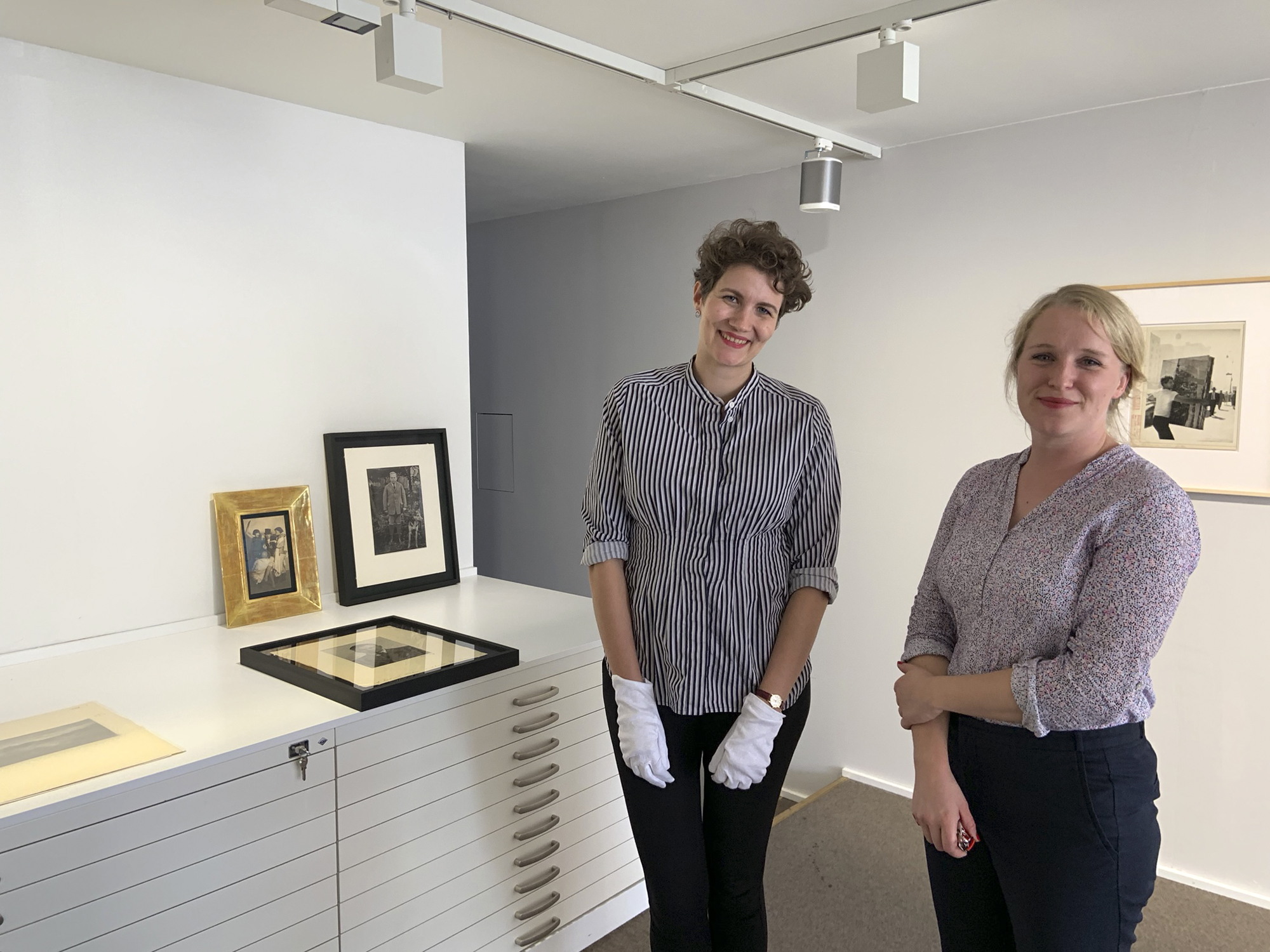
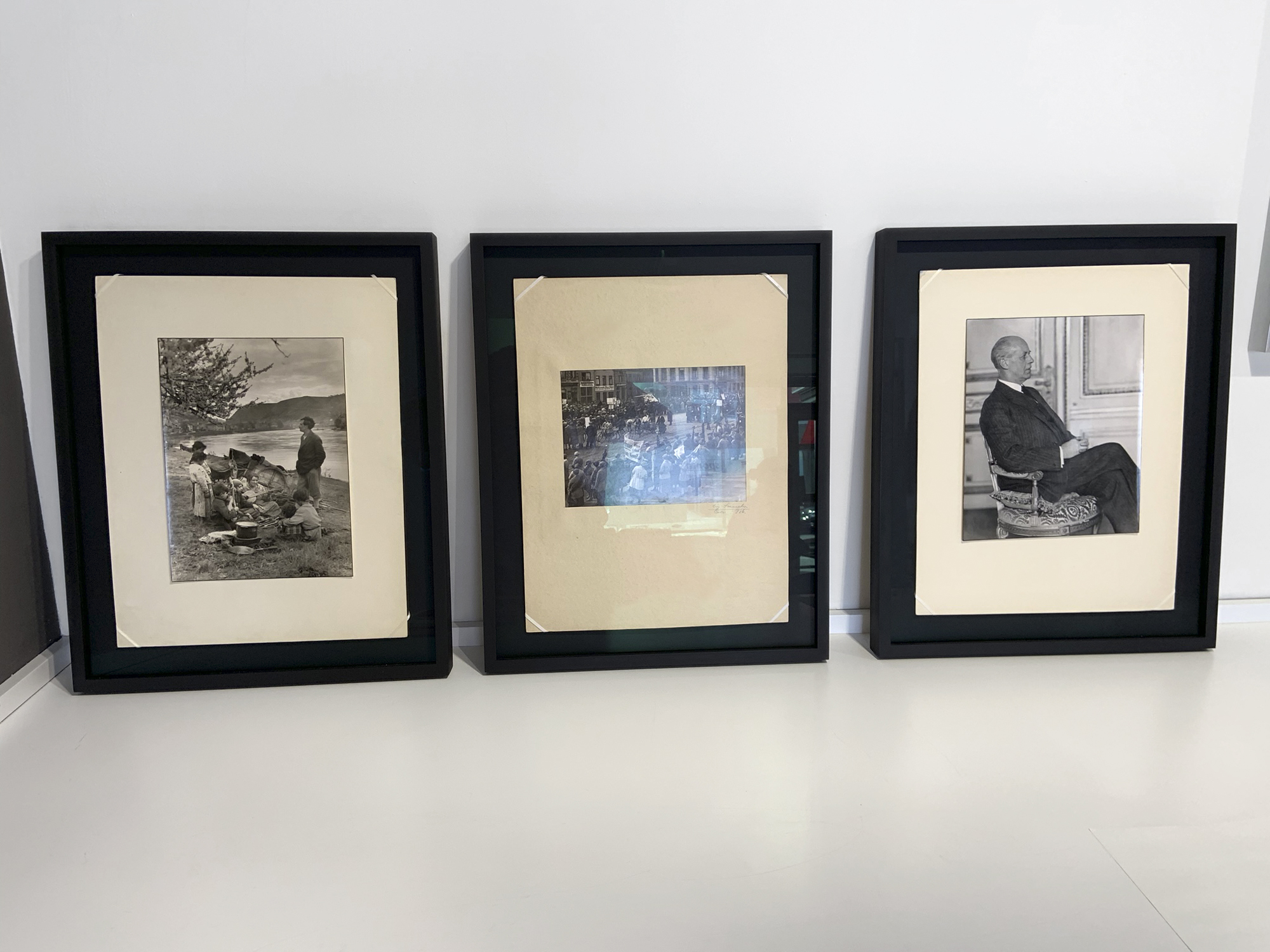
![August Sander (German, 1876-1964). 'Das Siebengebirge: Blick vom Rolandsbogen' [The Siebengebirge: view from the Rolandsbogen] 1929-30 (center) and 'Untitled [Remagen Bridge on the Rhine]' c. 1930 (right)](https://artblart.com/wp-content/uploads/2020/06/sander-landscape-a.jpg "August Sander (German, 1876-1964). 'Das Siebengebirge: Blick vom Rolandsbogen' [The Siebengebirge: view from the Rolandsbogen] 1929-30 (center) and 'Untitled [Remagen Bridge on the Rhine]' c. 1930 (right)")
![August Sander (German, 1876-1964) 'Das Siebengebirge: Blick vom Rolandsbogen' [The Siebengebirge: view from the Rolandsbogen] 1929-1930](https://artblart.com/wp-content/uploads/2020/06/sander-landscape-b1.jpg "August Sander (German, 1876-1964) 'Das Siebengebirge: Blick vom Rolandsbogen' [The Siebengebirge: view from the Rolandsbogen] 1929-1930")
![August Sander (German, 1876-1964) 'Das Siebengebirge: Blick vom Rolandsbogen' [The Siebengebirge: view from the Rolandsbogen] 1929-1930](https://artblart.com/wp-content/uploads/2020/06/sander-landscape-b.jpg "August Sander (German, 1876-1964) 'Das Siebengebirge: Blick vom Rolandsbogen' [The Siebengebirge: view from the Rolandsbogen] 1929-1930")
![August Sander (German, 1876-1964) 'Das Siebengebirge: Blick vom Rolandsbogen' [The Siebengebirge: view from the Rolandsbogen] 1929-1930](https://artblart.com/wp-content/uploads/2020/07/sander-the-siebengebirge.jpg "August Sander (German, 1876-1964) 'Das Siebengebirge: Blick vom Rolandsbogen' [The Siebengebirge: view from the Rolandsbogen] 1929-1930")
![August Sander (German, 1876-1964) 'Untitled [Remagen Bridge on the Rhine]' c. 1930](https://artblart.com/wp-content/uploads/2020/06/sander-landscape-c.jpg "August Sander (German, 1876-1964) 'Untitled [Remagen Bridge on the Rhine]' c. 1930")
![August Sander (German, 1876-1964) 'Untitled [Bohemians: avant-garde of Cologne]' 1920s (left) and 'Professor Ludwig Behn' 1920s (right)](https://artblart.com/wp-content/uploads/2020/06/sander-installation-a.jpg "August Sander (German, 1876-1964) 'Untitled [Bohemians: avant-garde of Cologne]' 1920s (left) and 'Professor Ludwig Behn' 1920s (right)")
![August Sander (German, 1876-1964) 'Untitled [Bohemians: avant-garde of Cologne]' 1920s](https://artblart.com/wp-content/uploads/2020/06/sander-avant-garde-a.jpg "August Sander (German, 1876-1964) 'Untitled [Bohemians: avant-garde of Cologne]' 1920s")
![August Sander (German, 1876-1964) 'Untitled [Bohemians: avant-garde of Cologne]' 1920s](https://artblart.com/wp-content/uploads/2020/06/sander-avant-garde.jpg "August Sander (German, 1876-1964) 'Untitled [Bohemians: avant-garde of Cologne]' 1920s")
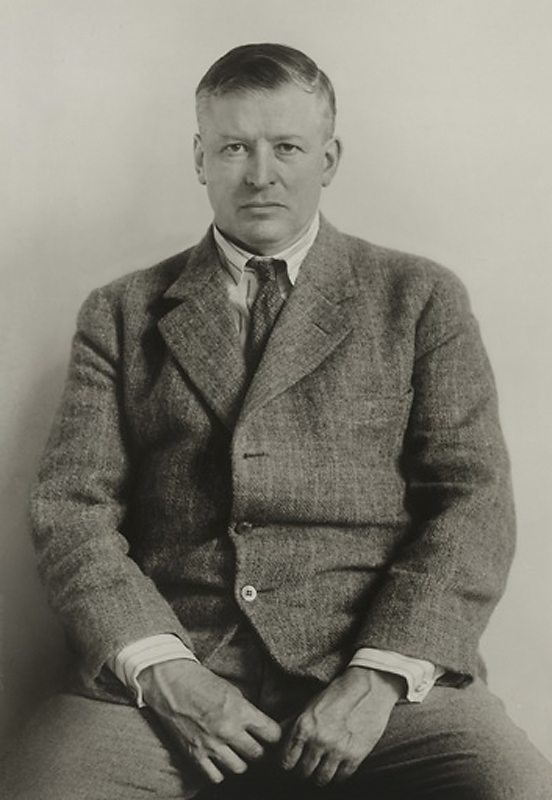
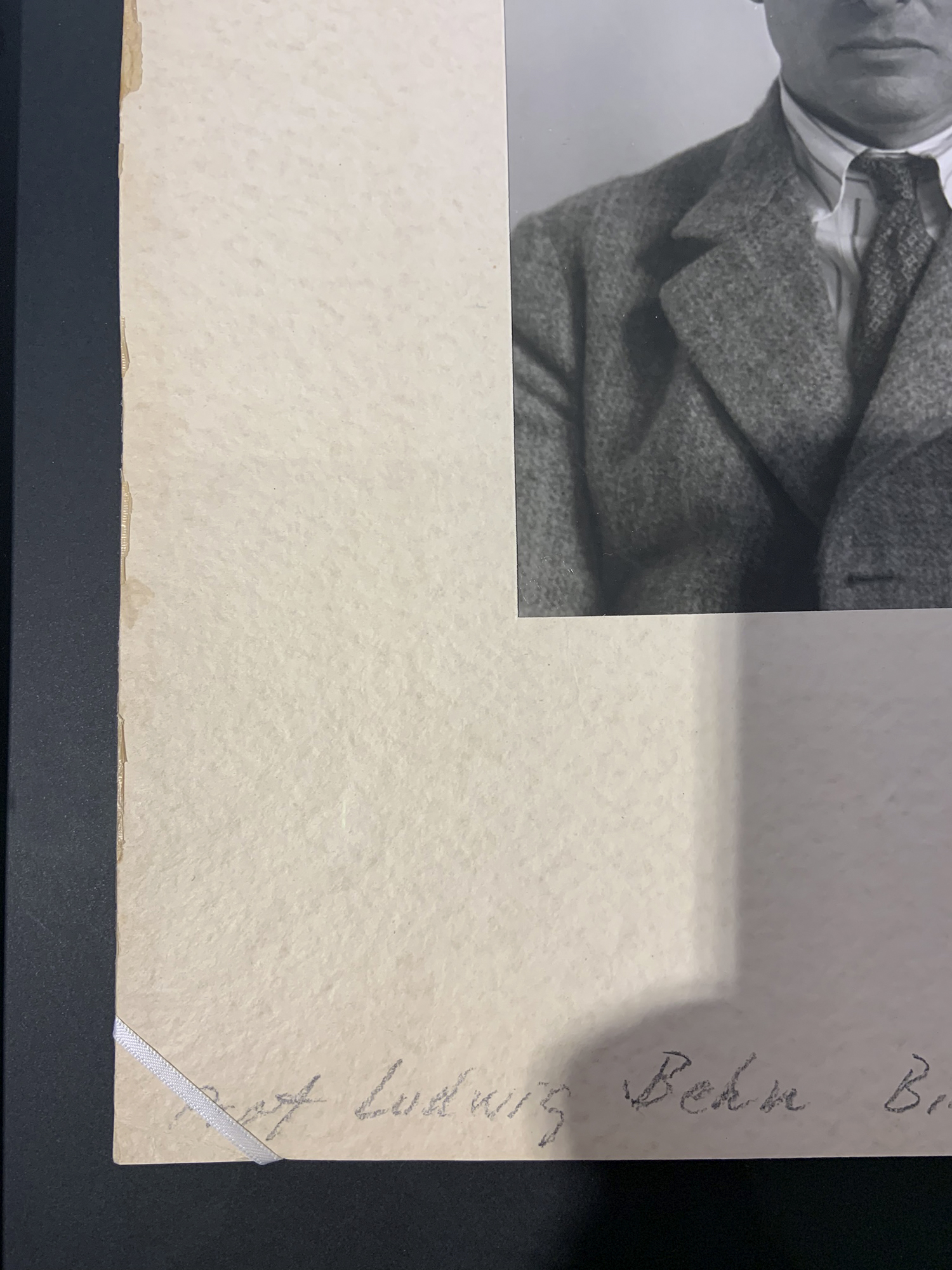
![August Sander (German, 1876-1964) 'Painter's Wife [Helene Abelen]' 1926](https://artblart.com/wp-content/uploads/2020/06/sander-painters-wife.jpg "August Sander (German, 1876-1964) 'Painter's Wife [Helene Abelen]' 1926")
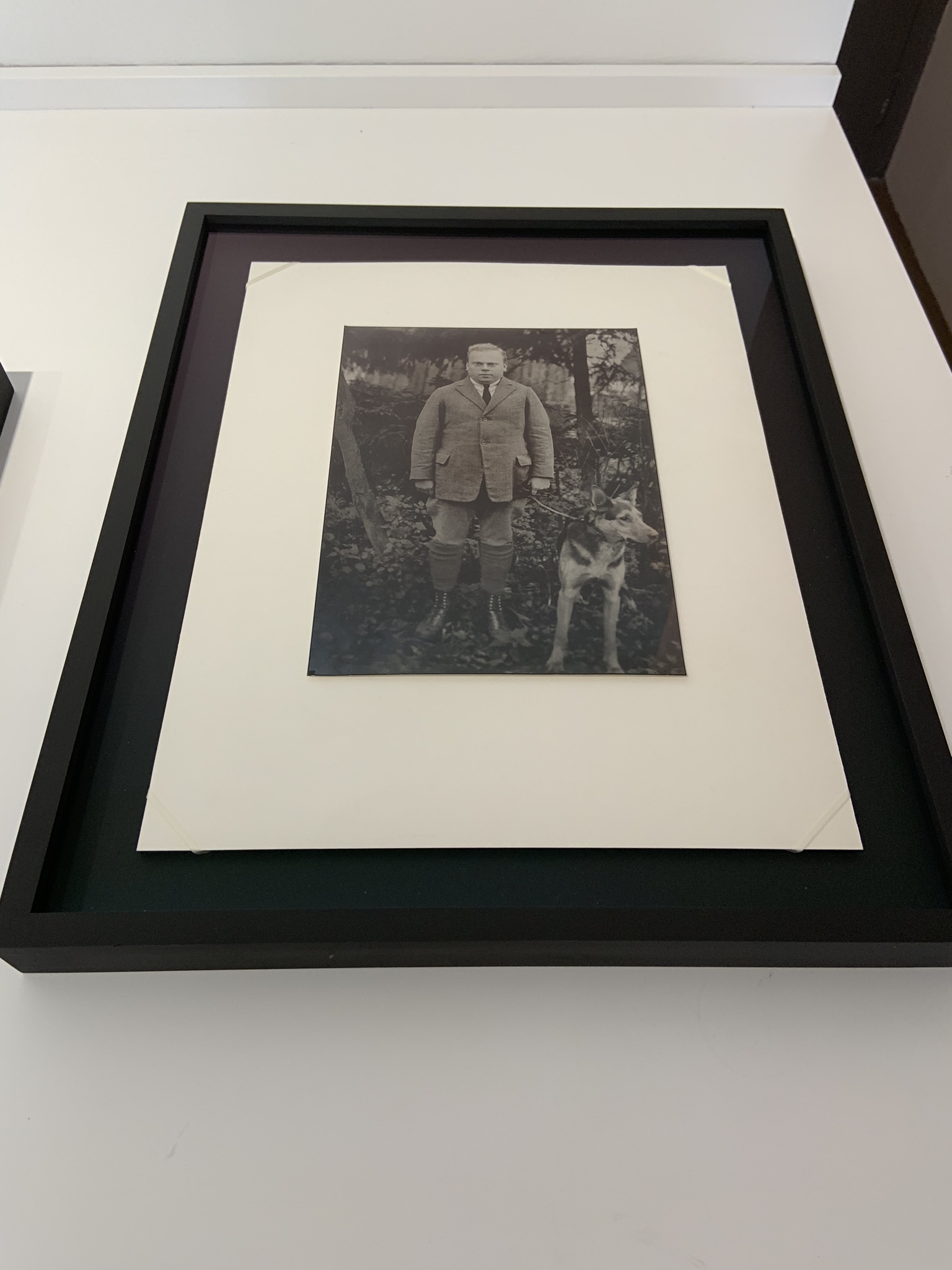
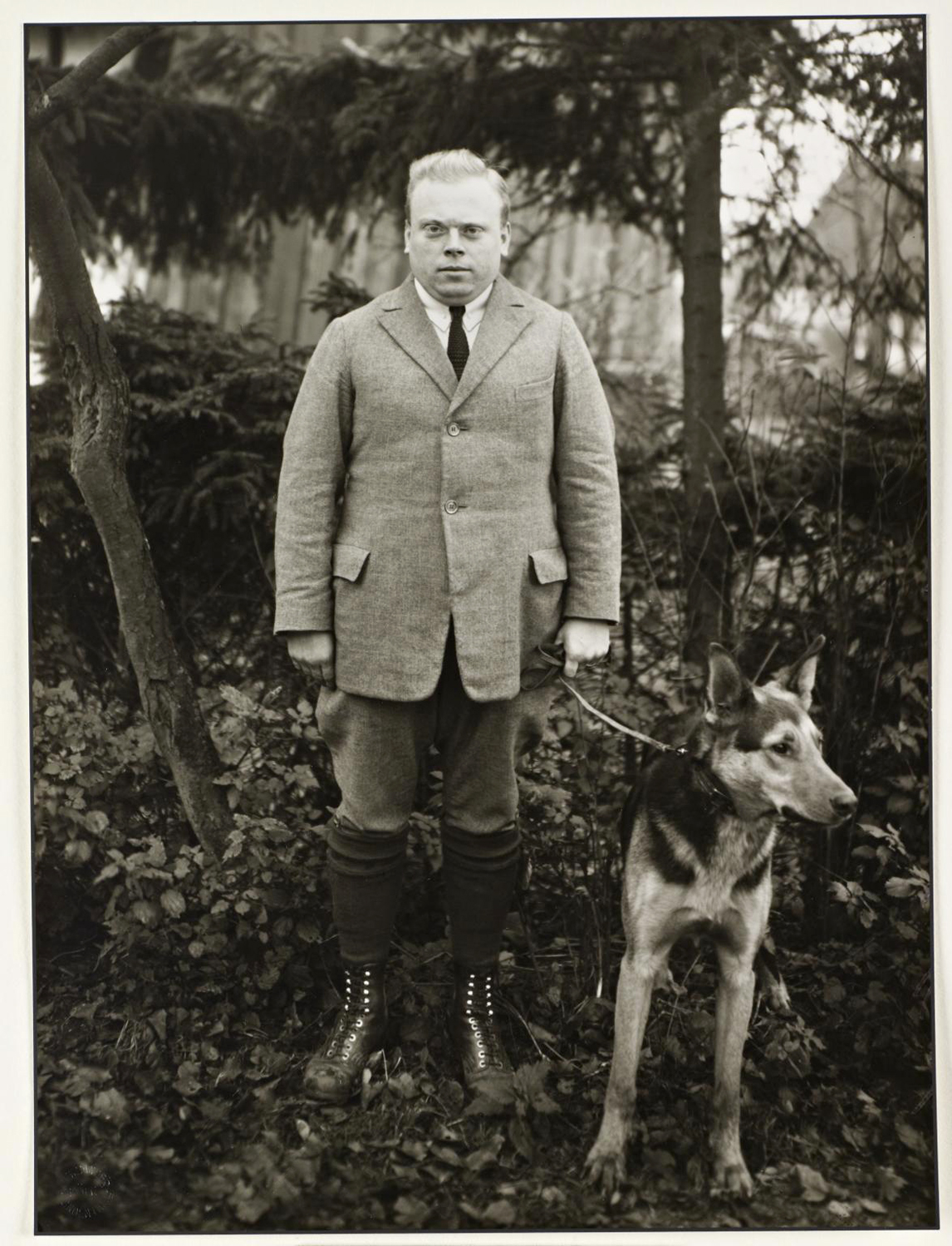
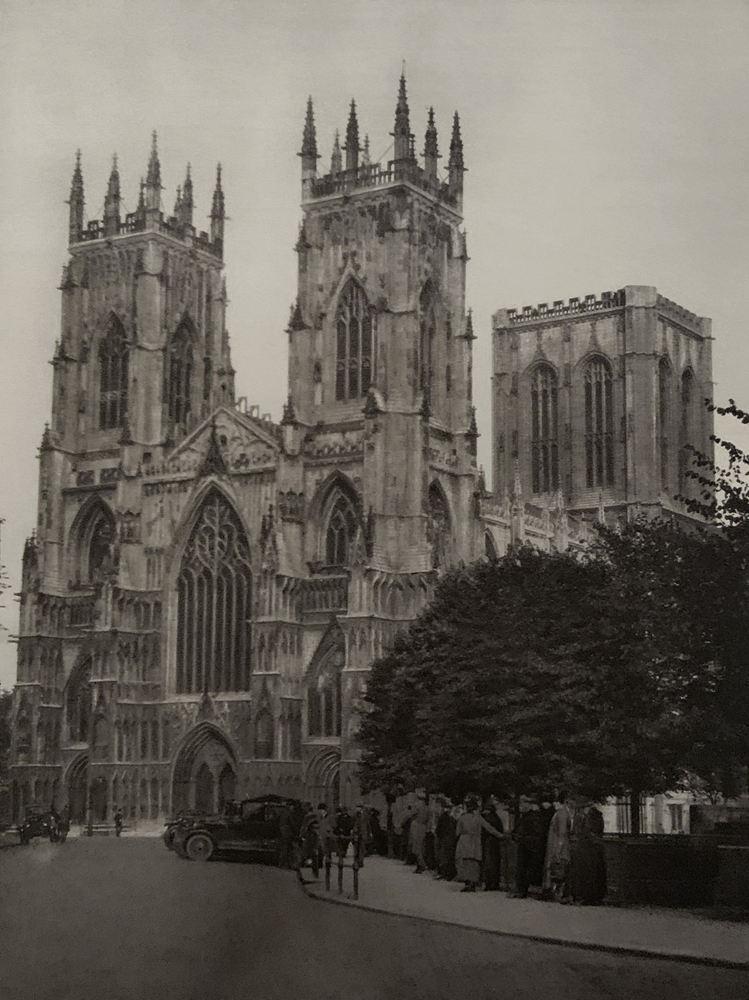
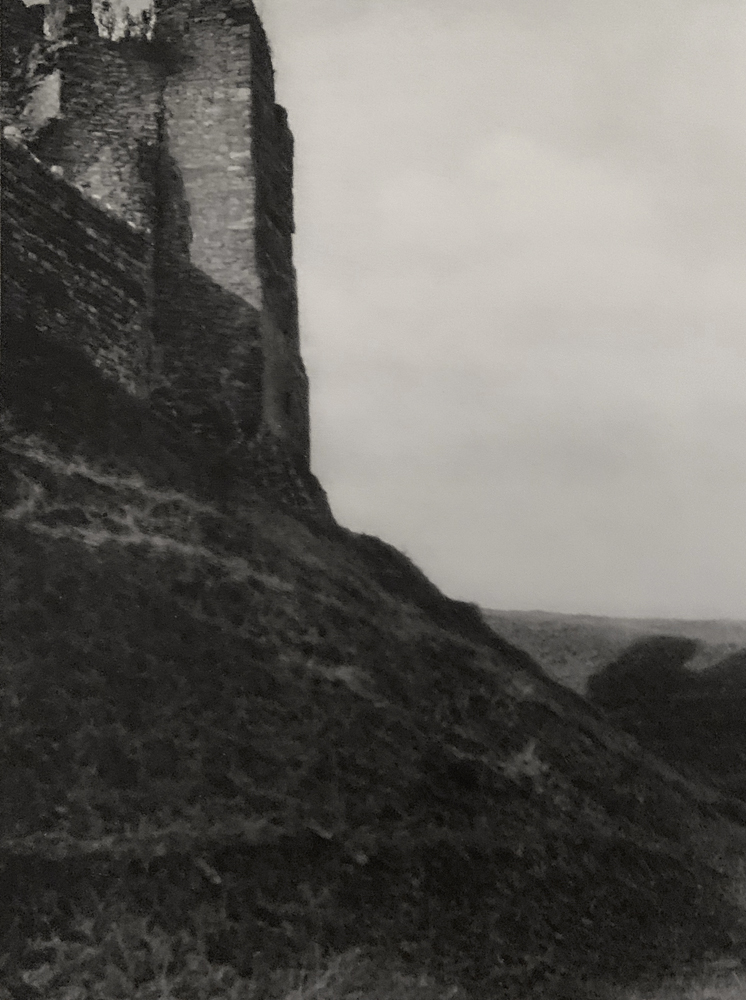
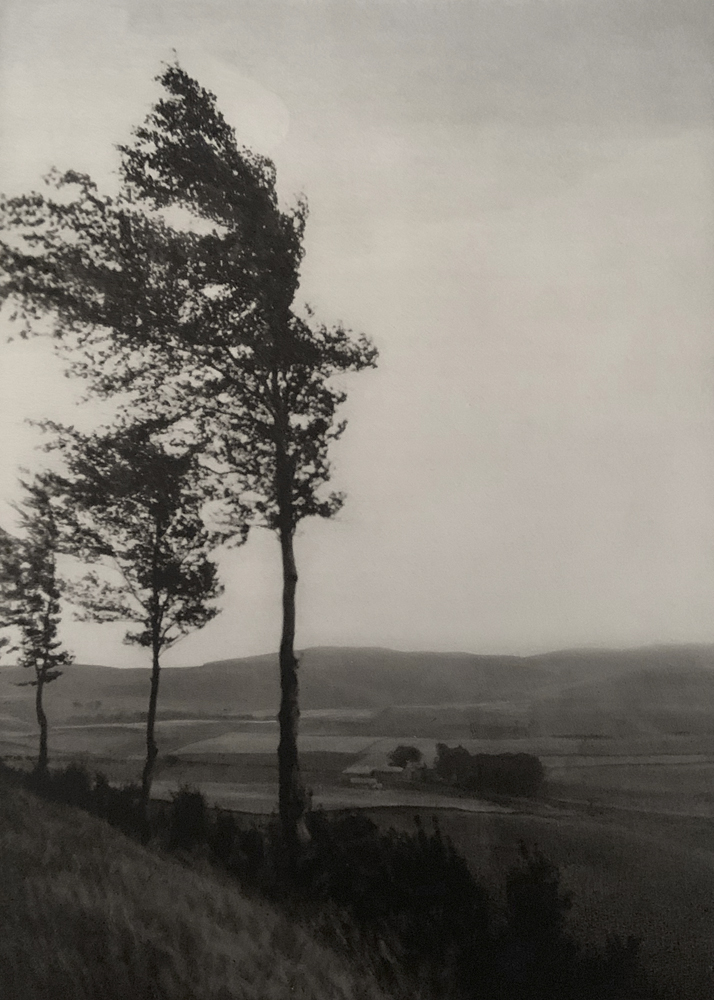

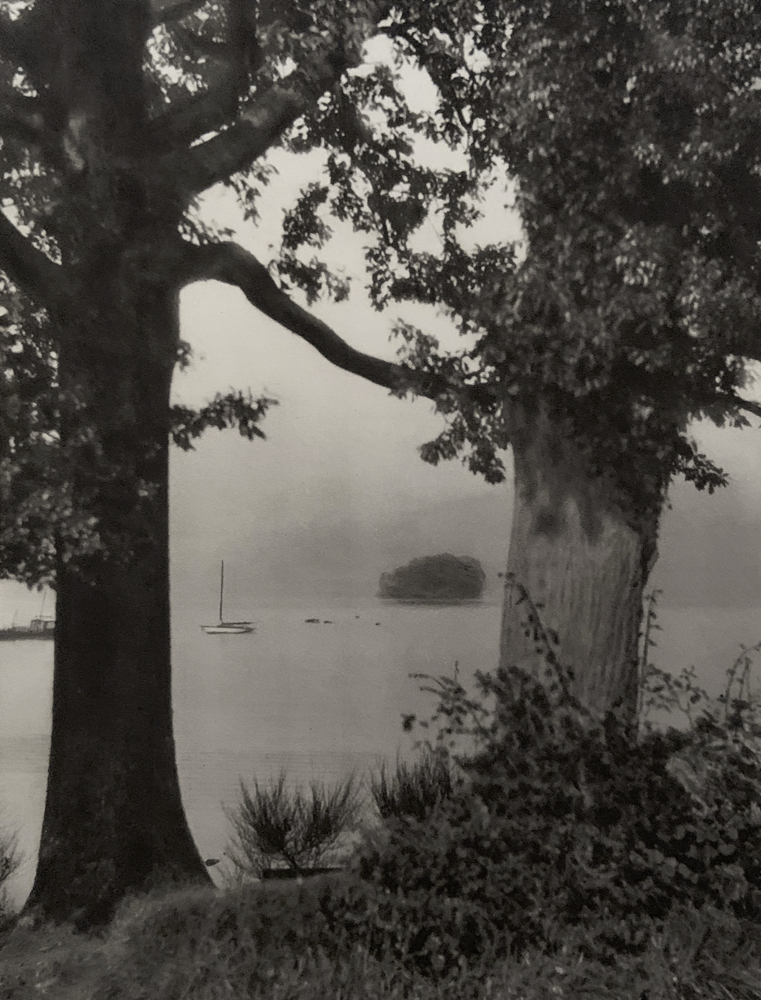

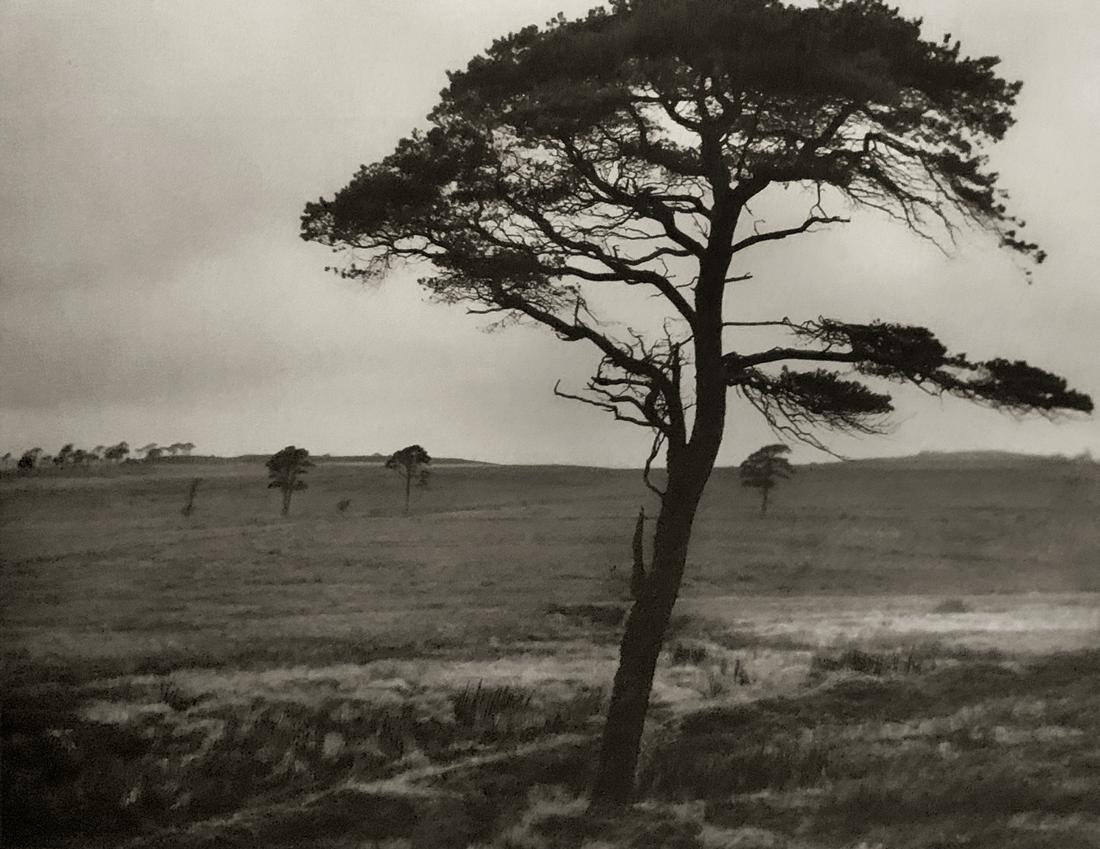
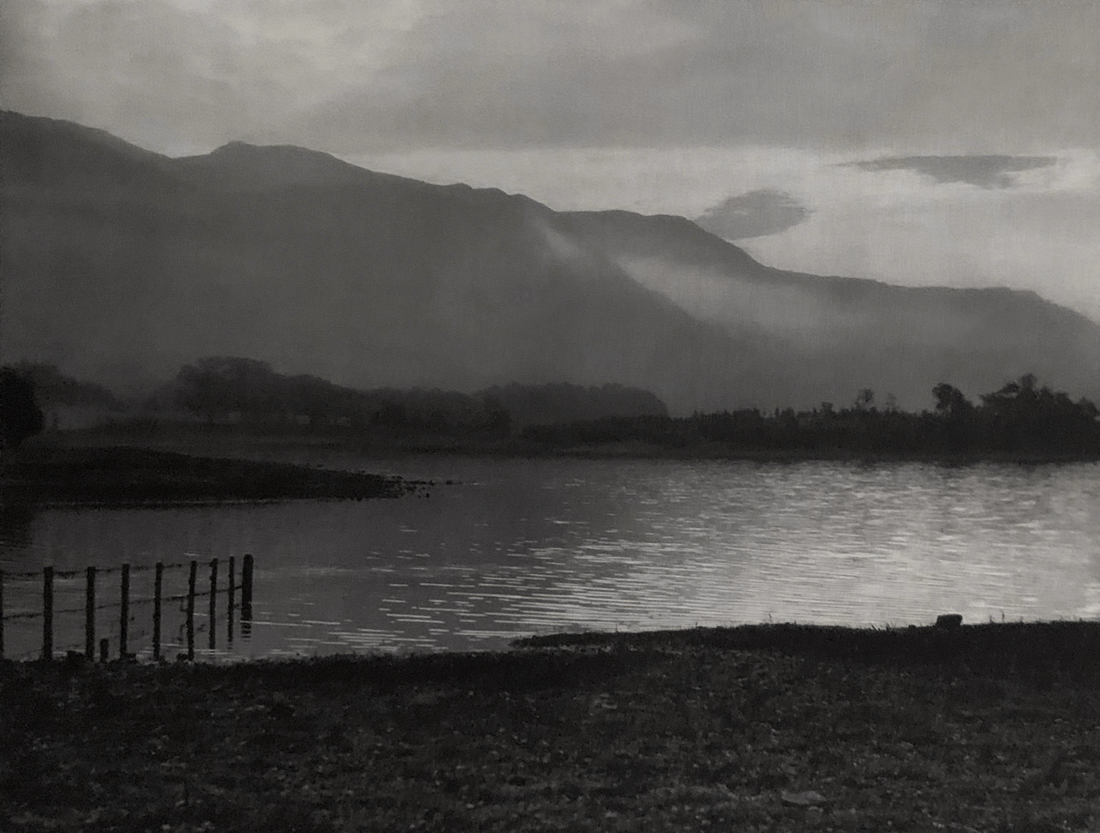
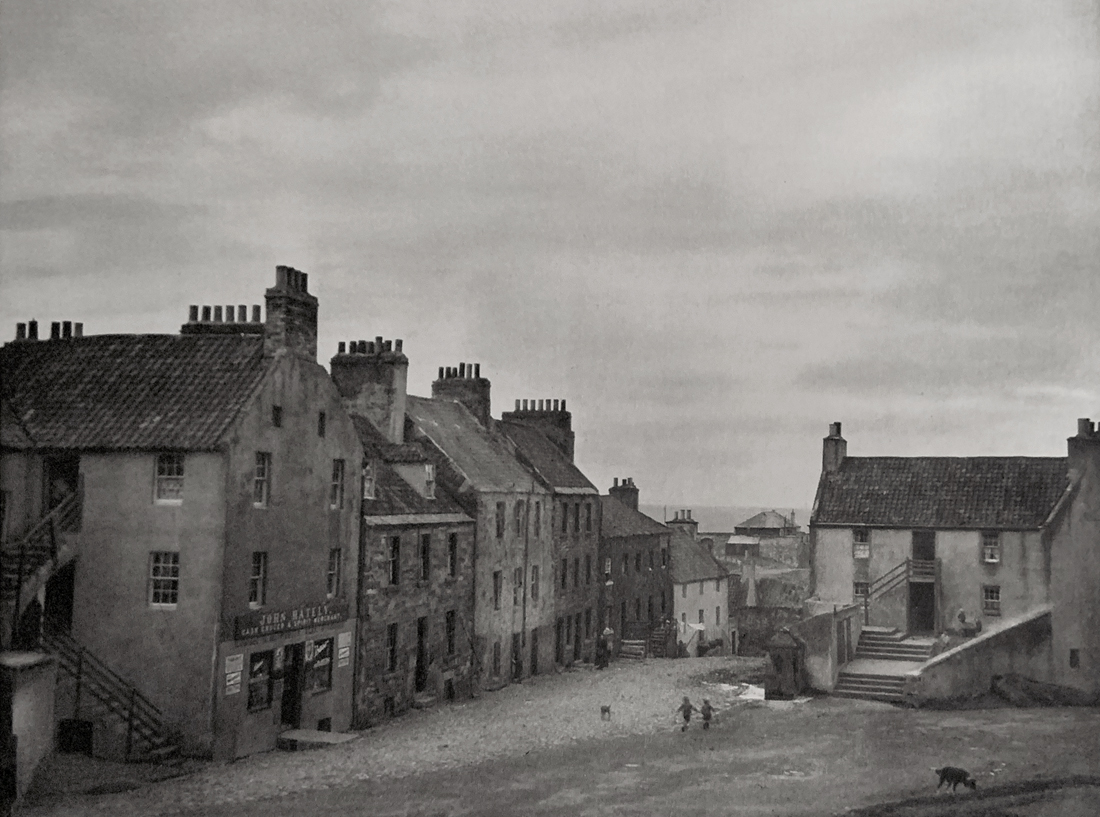
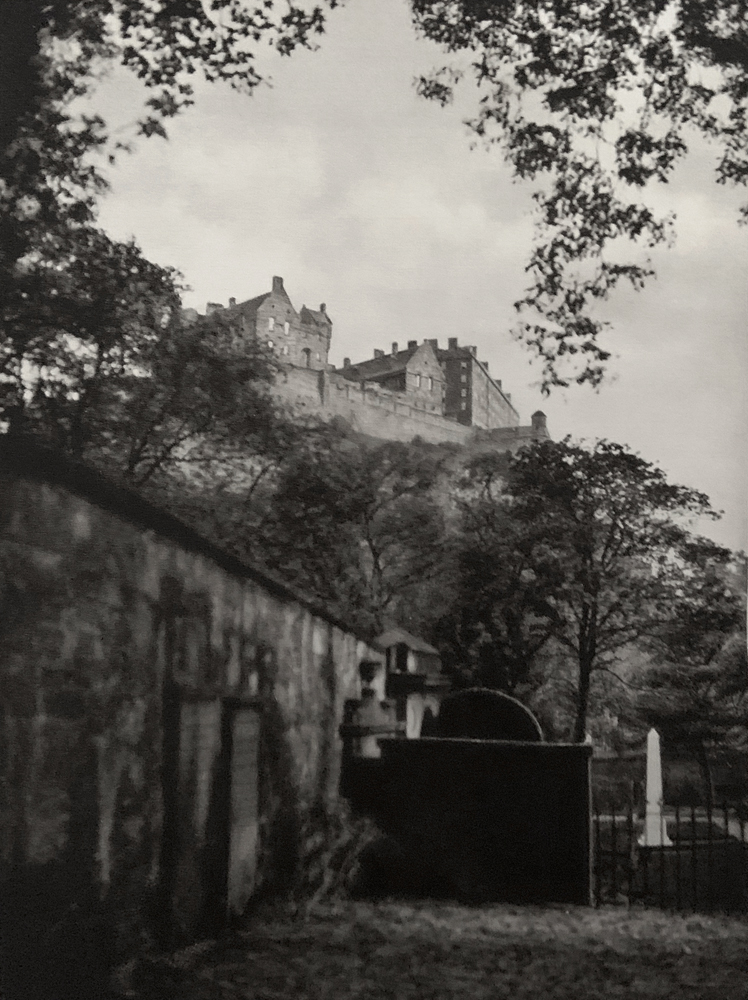

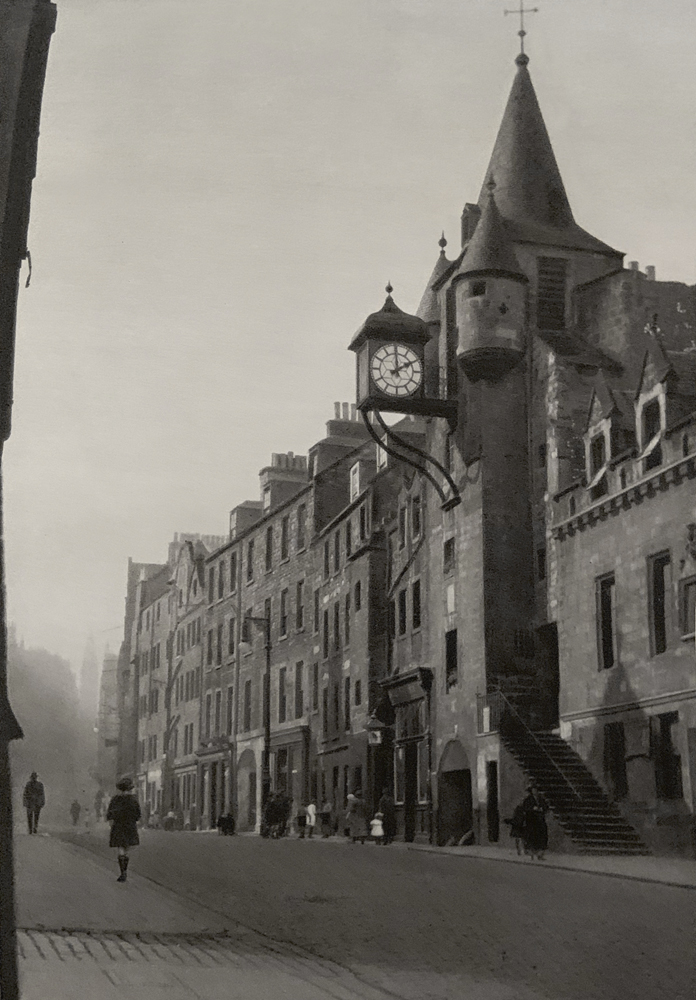
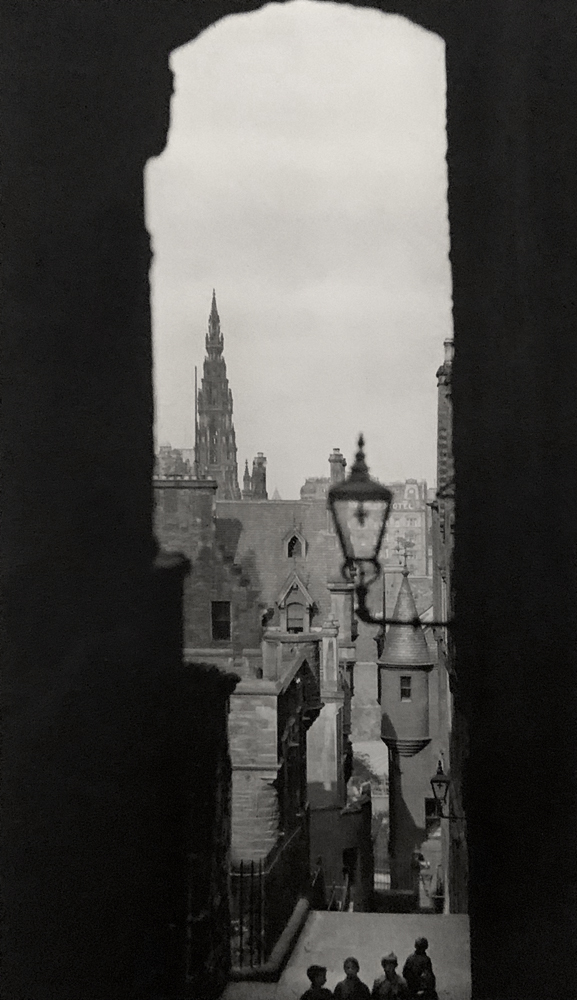
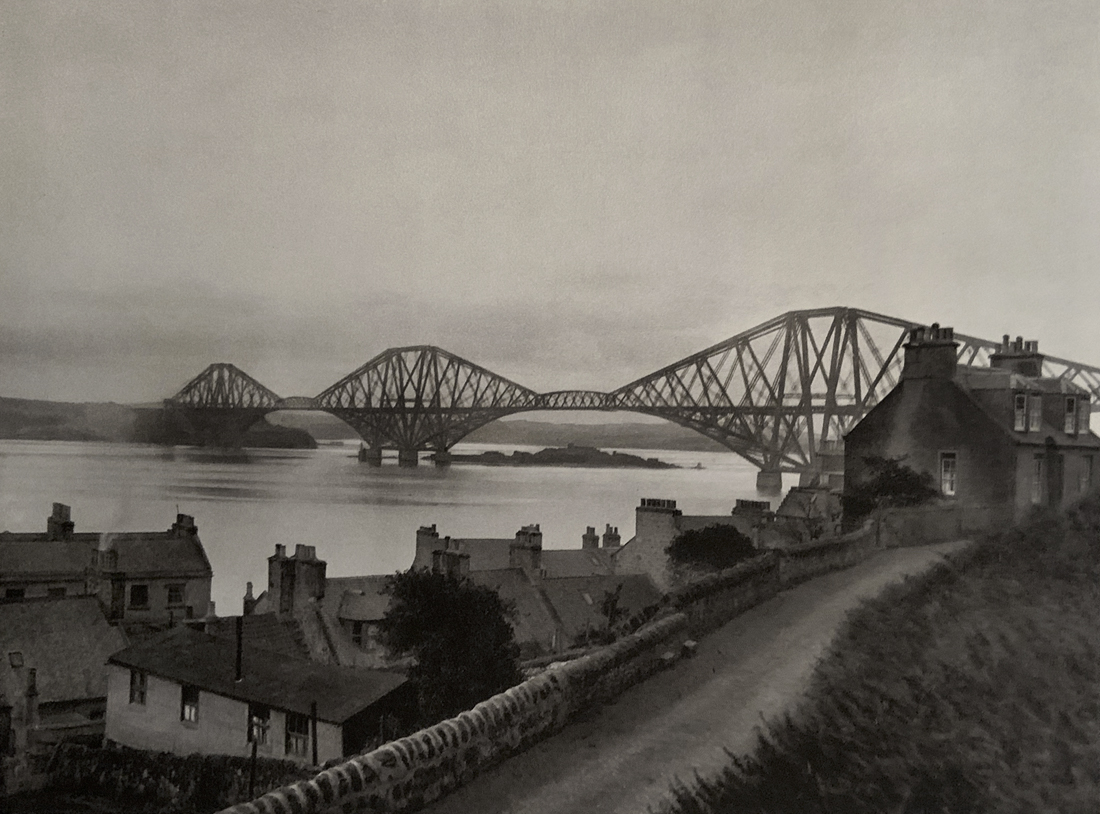
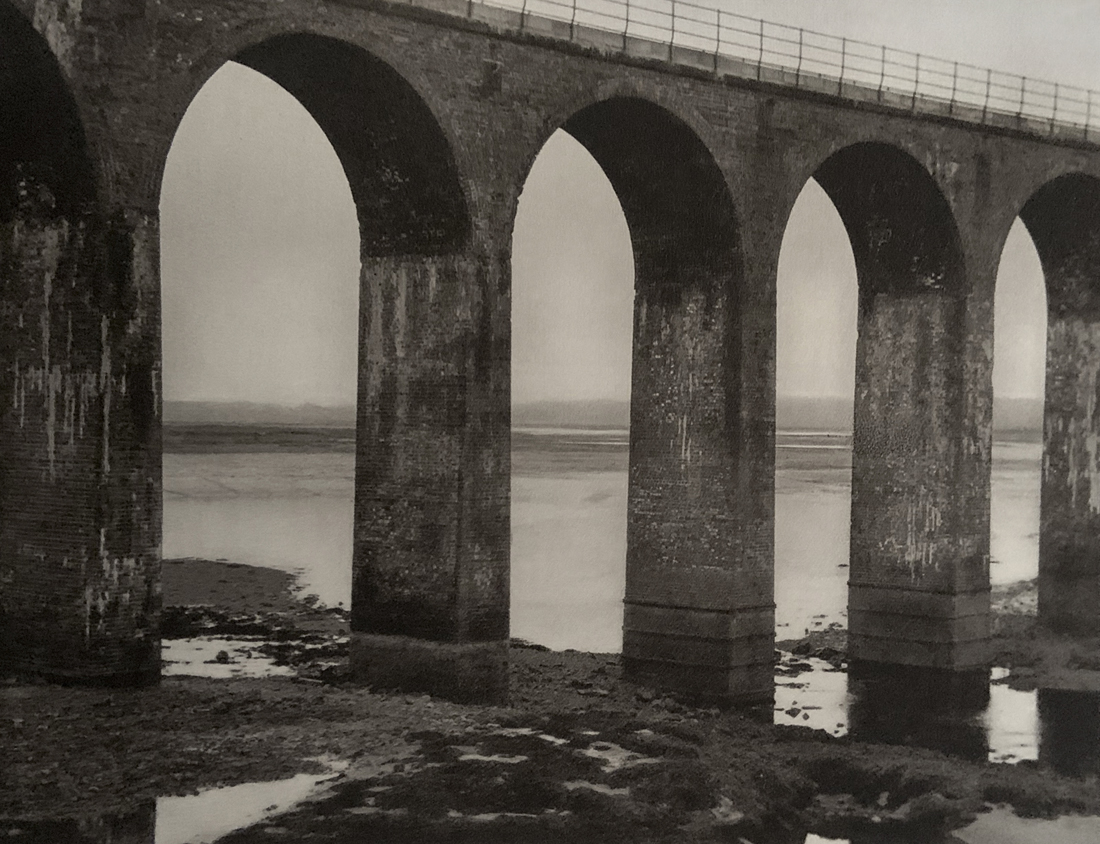
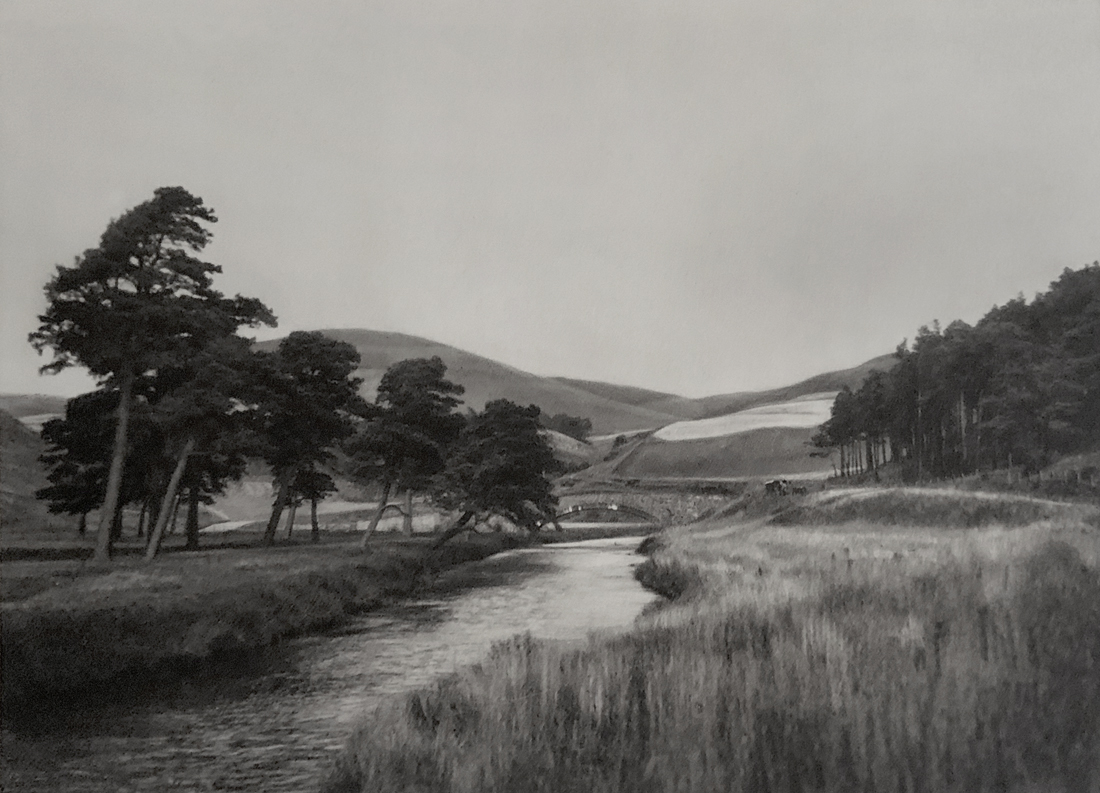
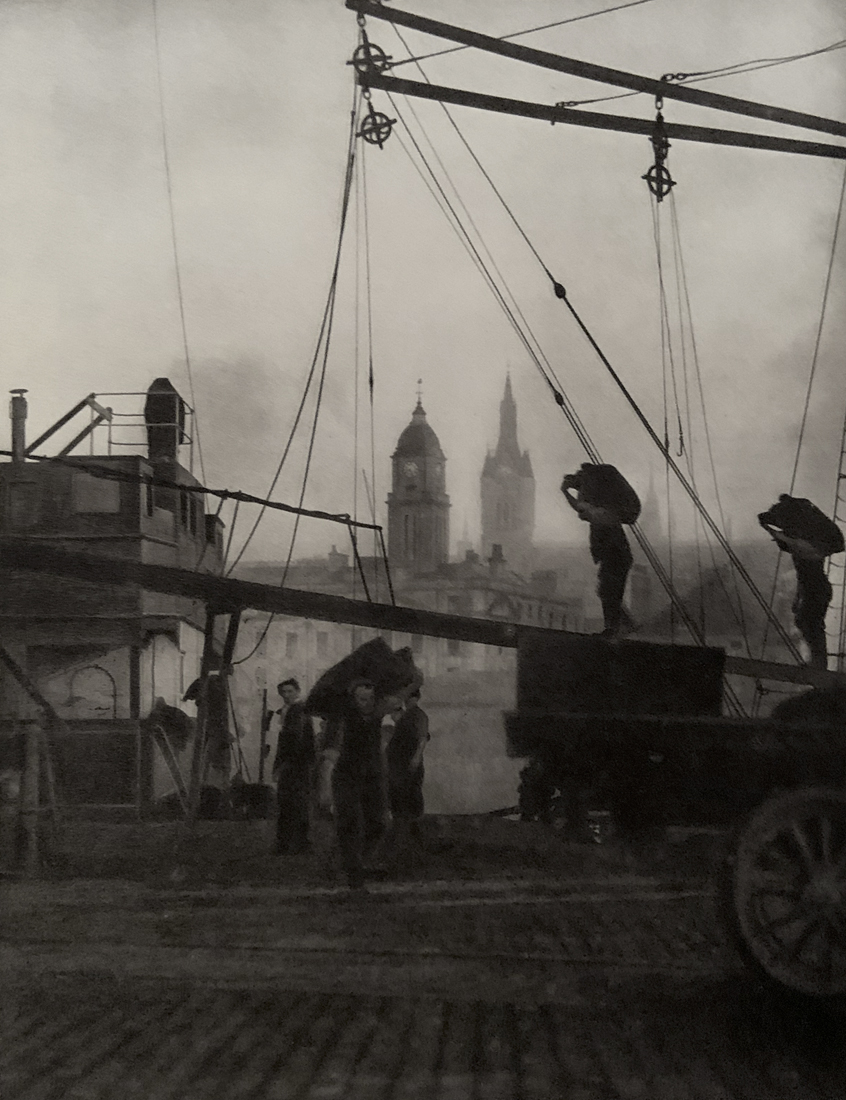
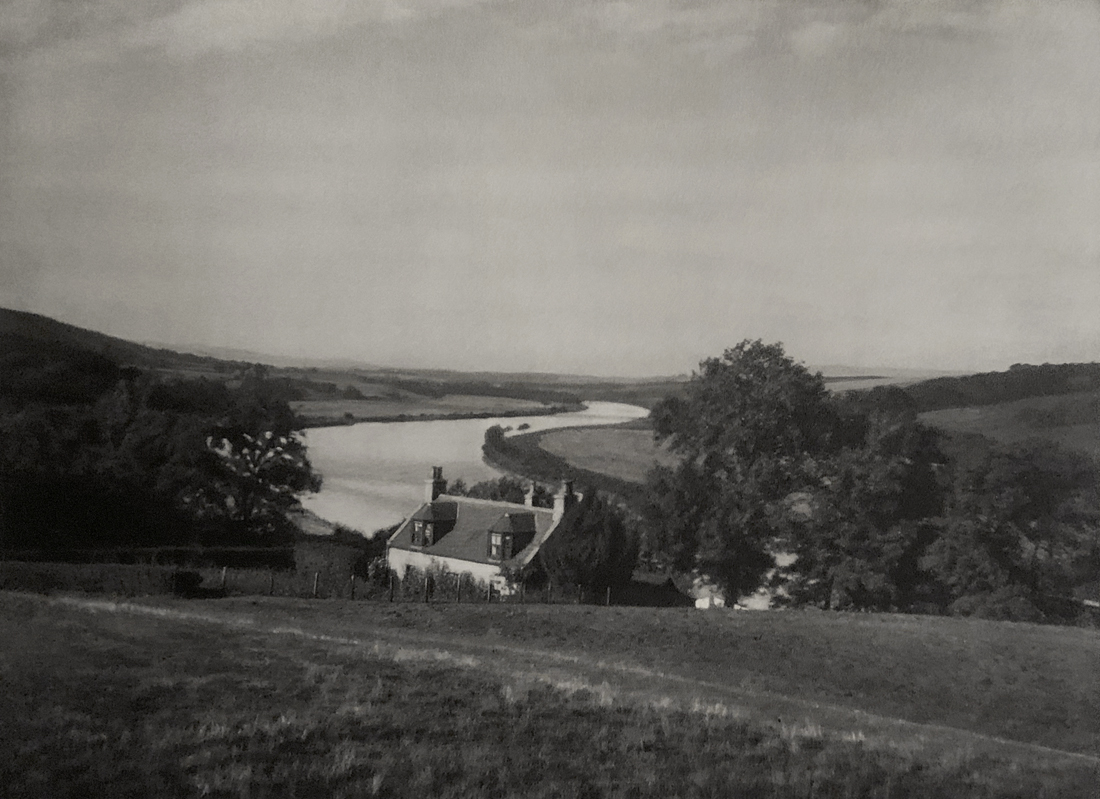
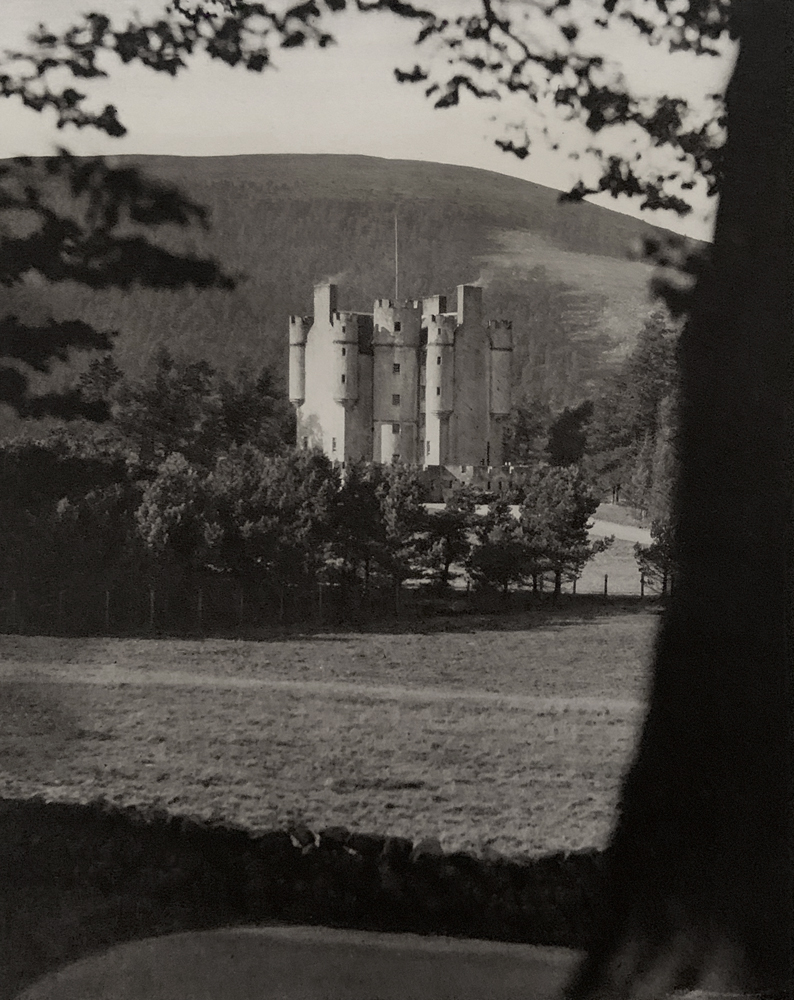
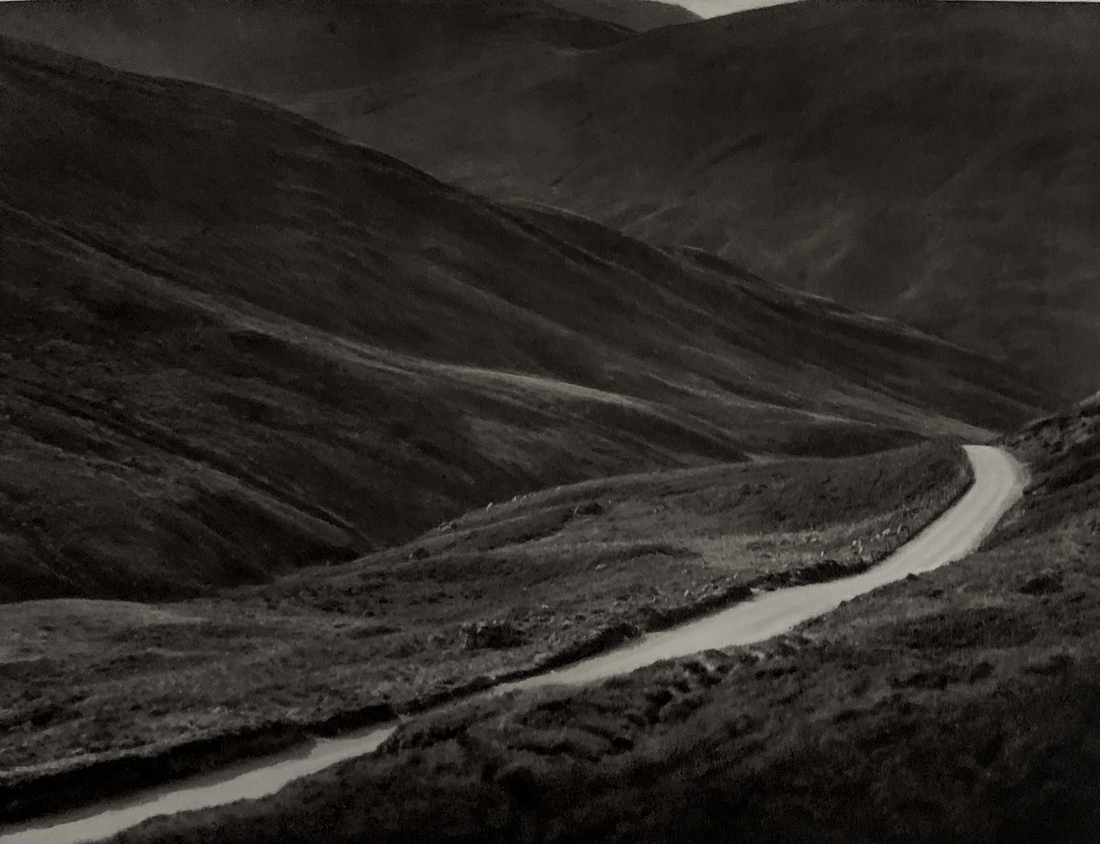
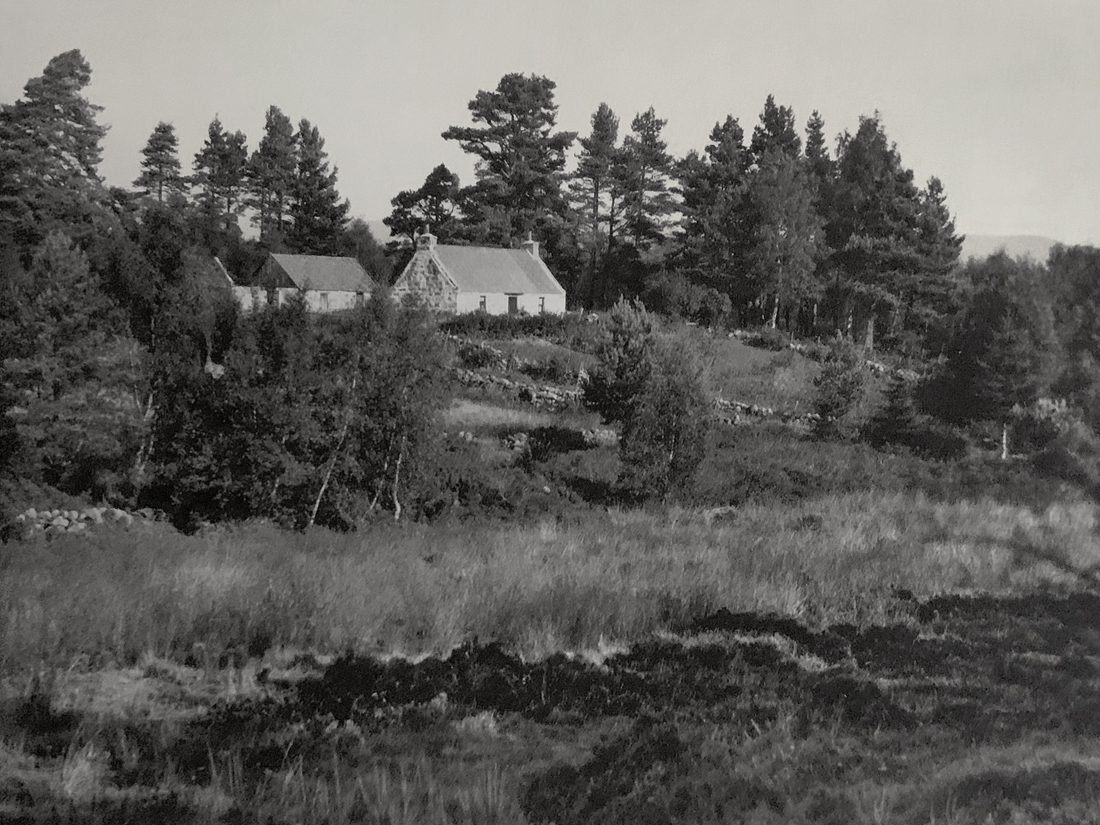
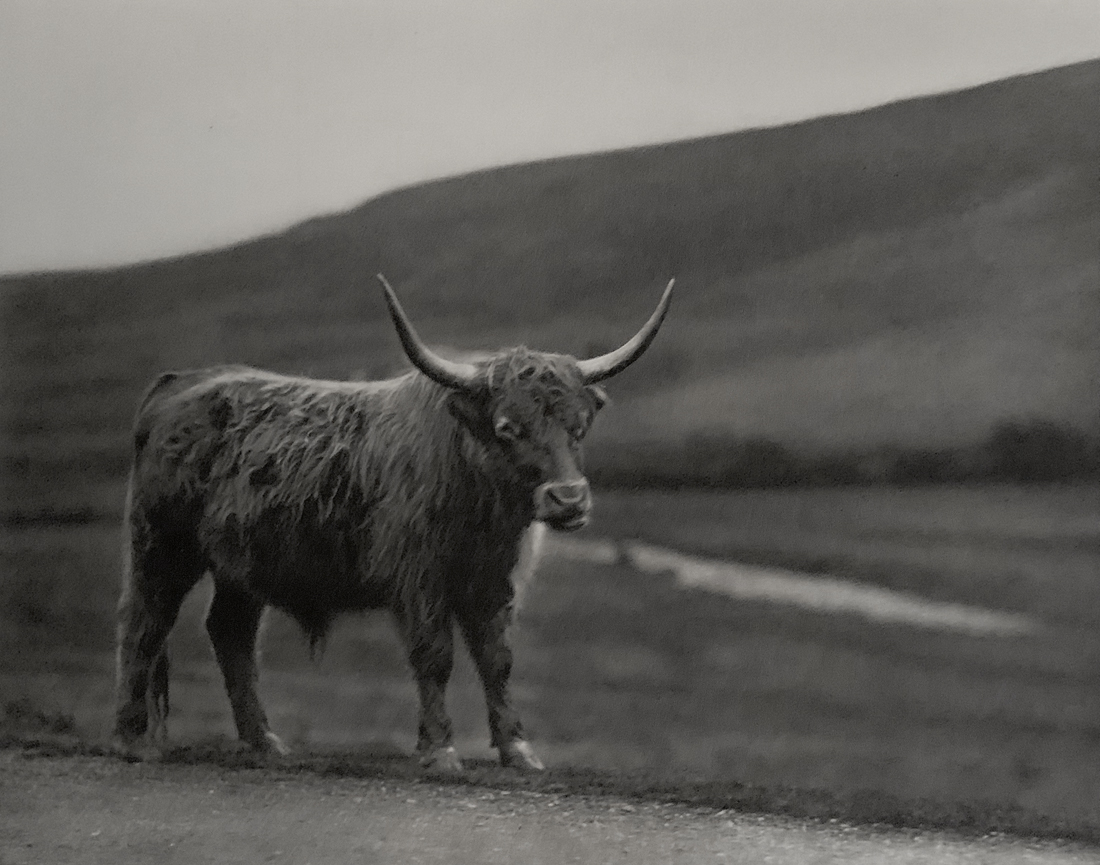
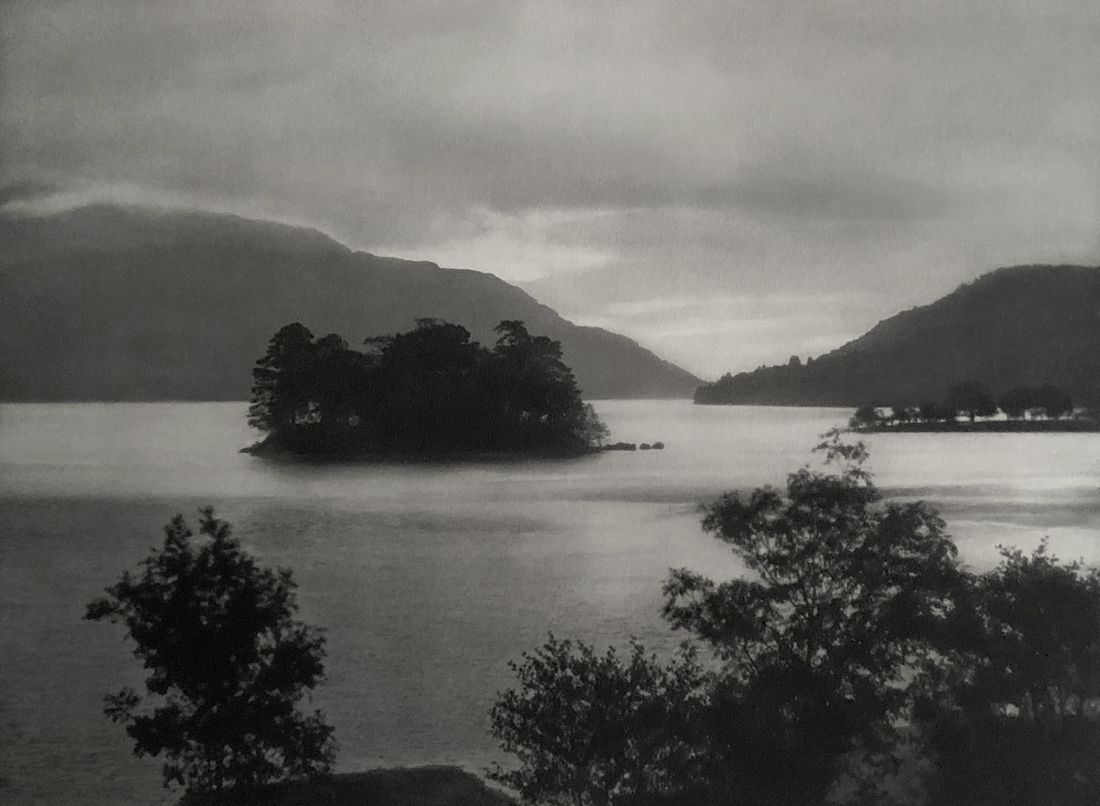
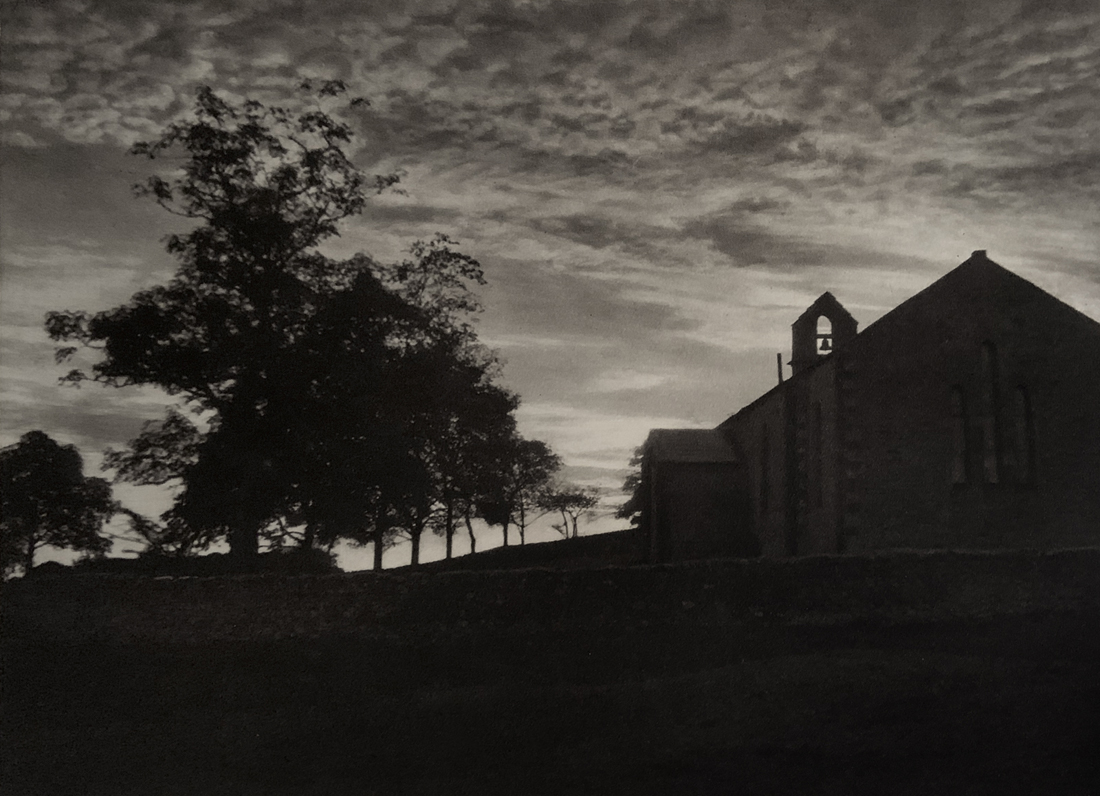
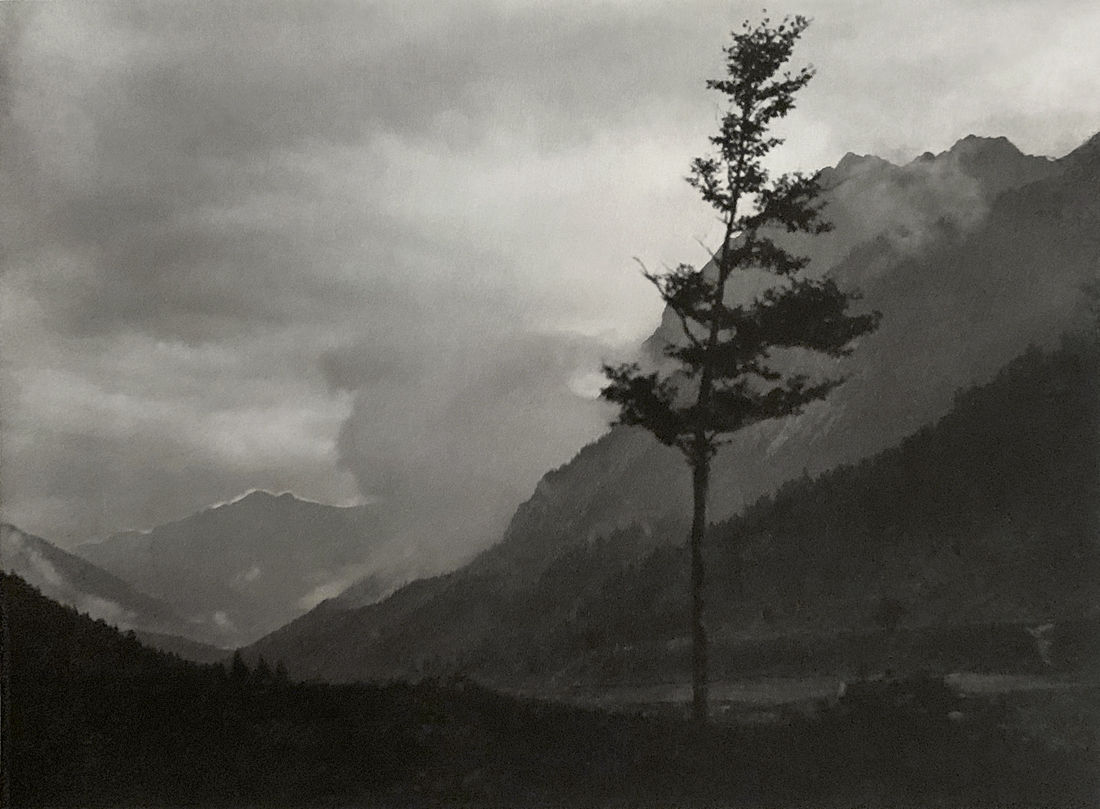
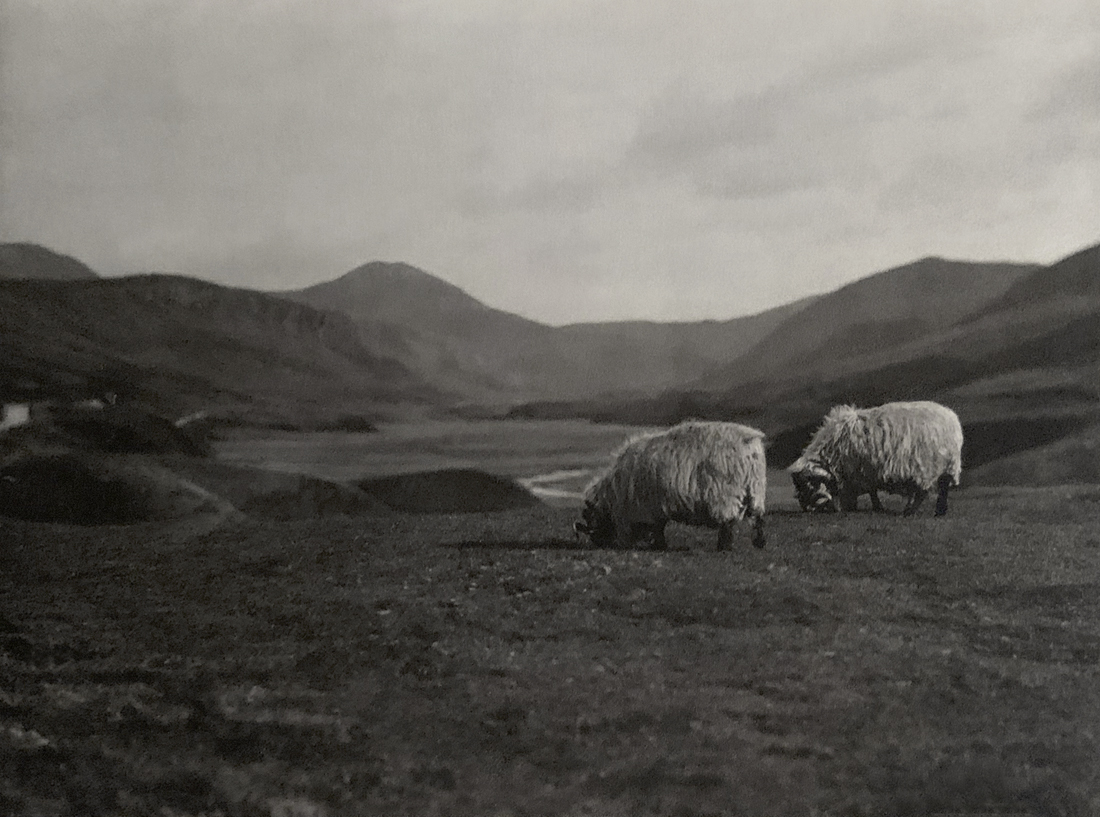
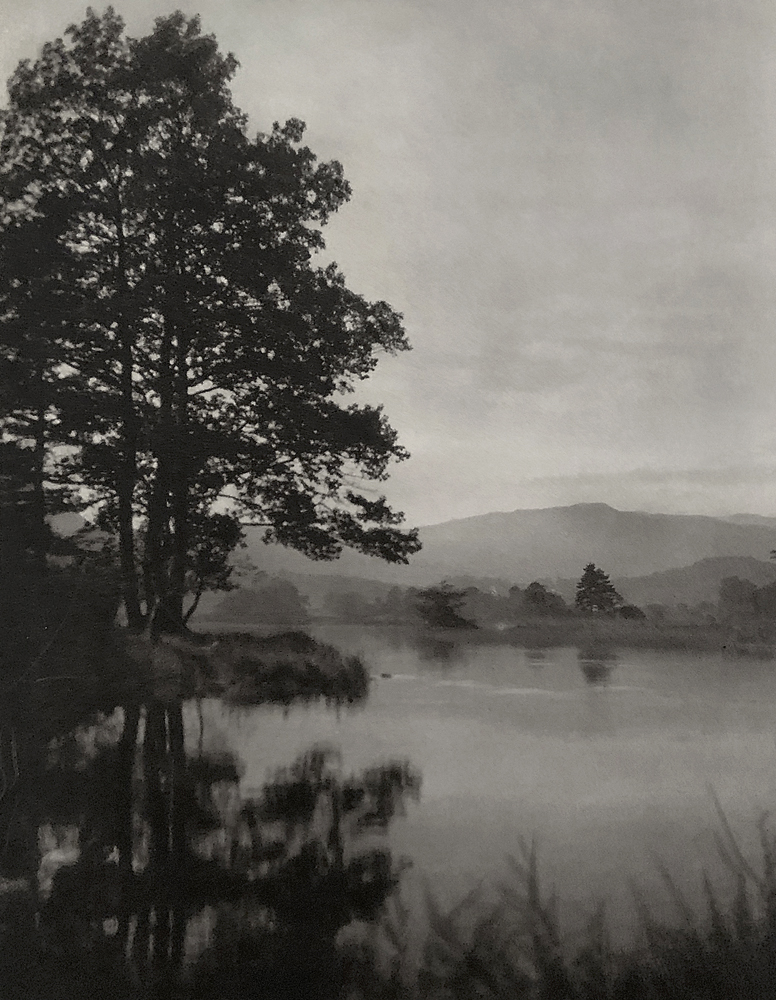

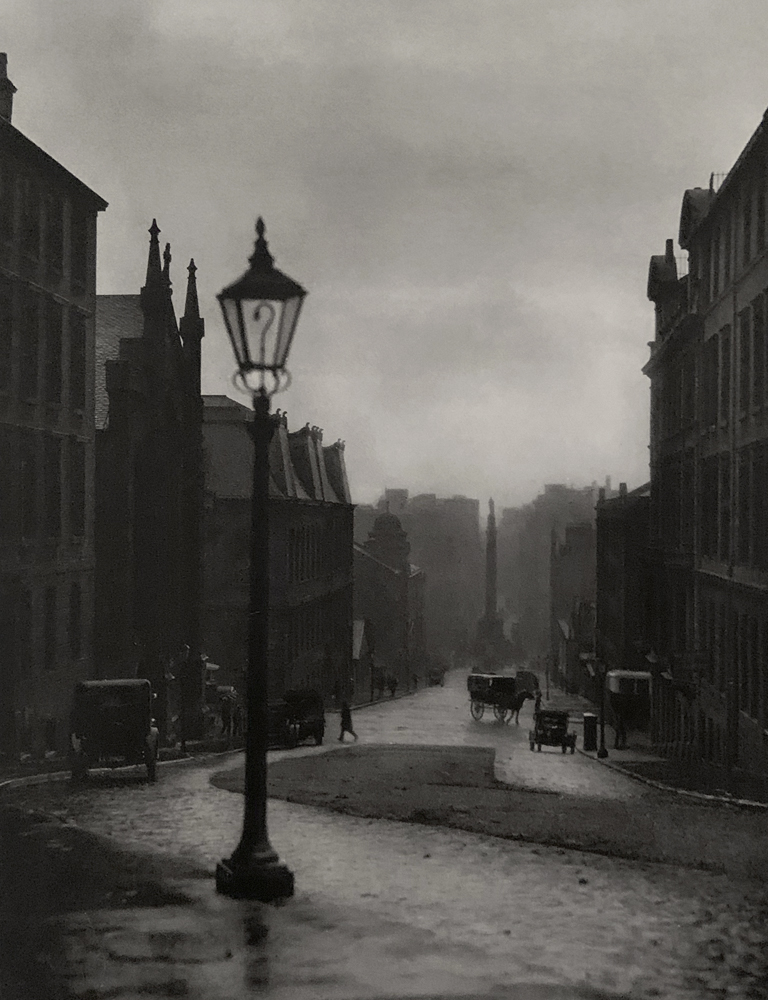
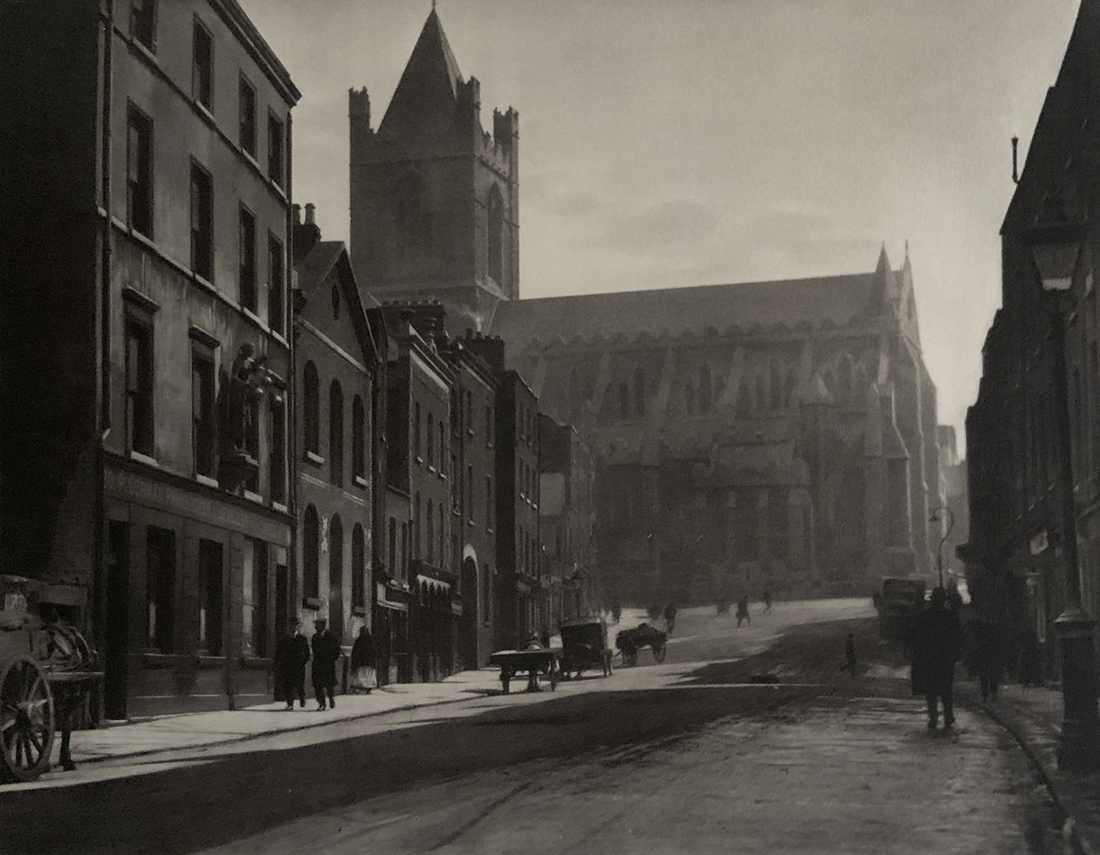
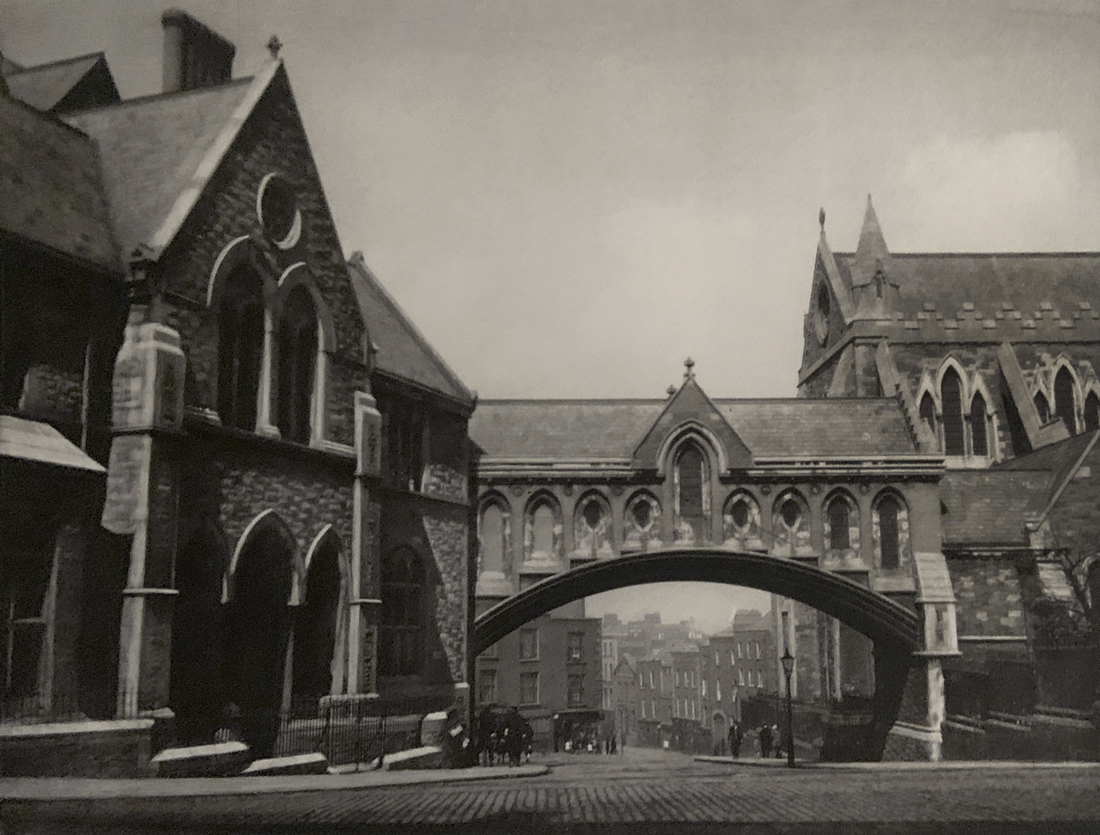
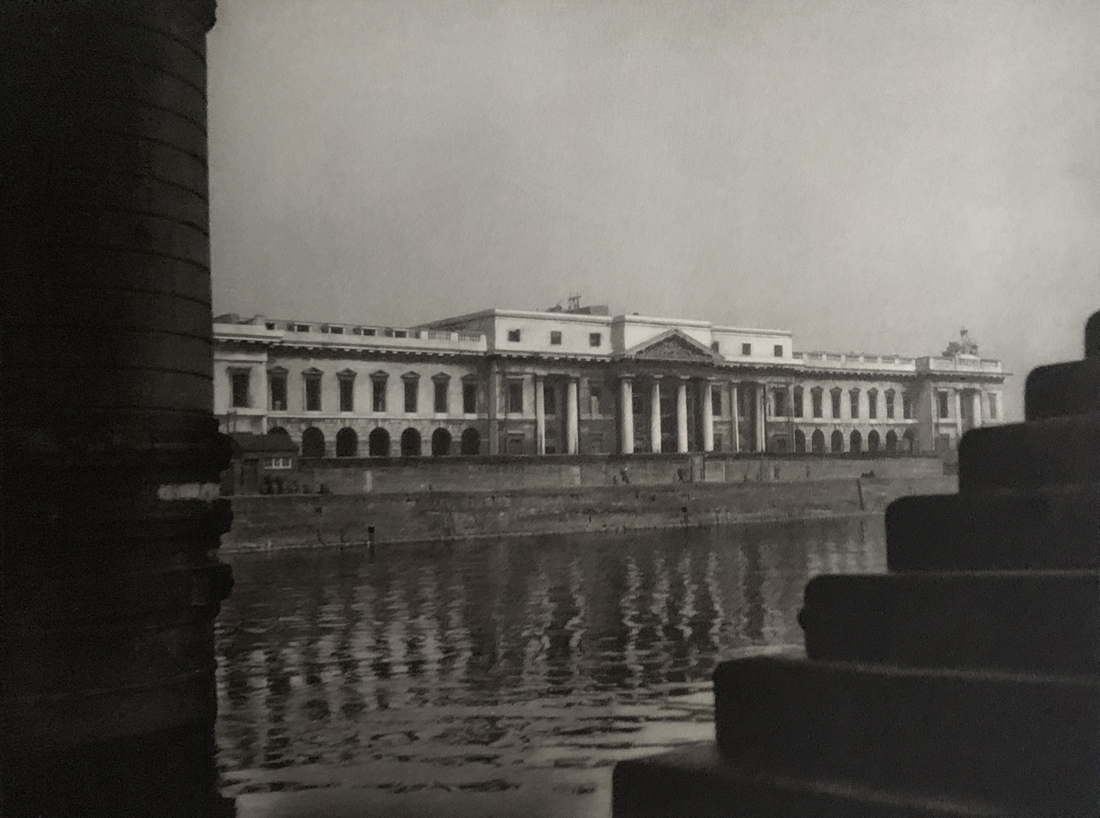

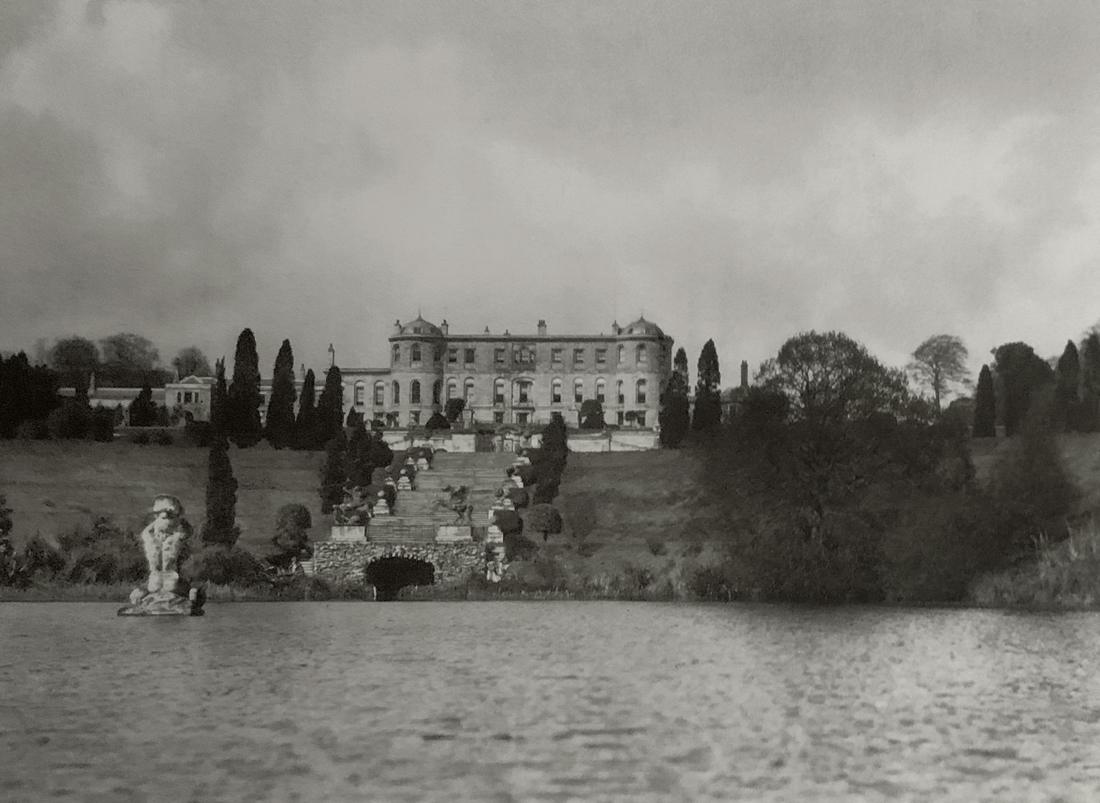
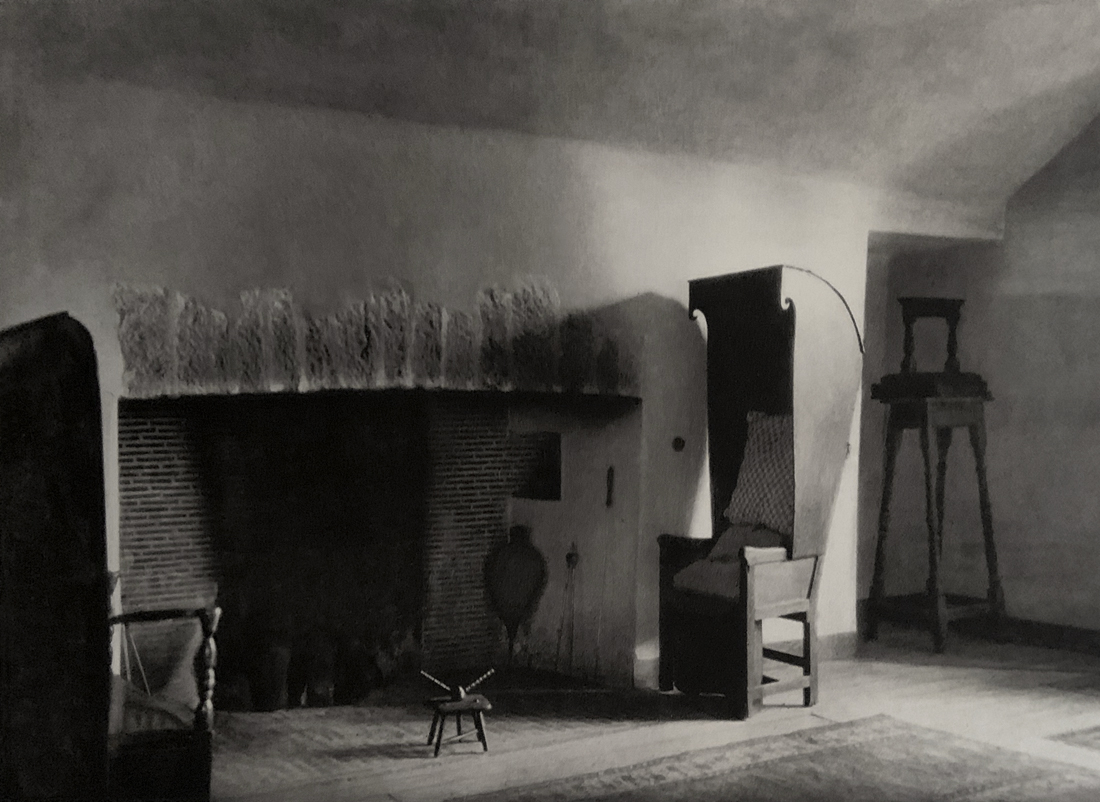


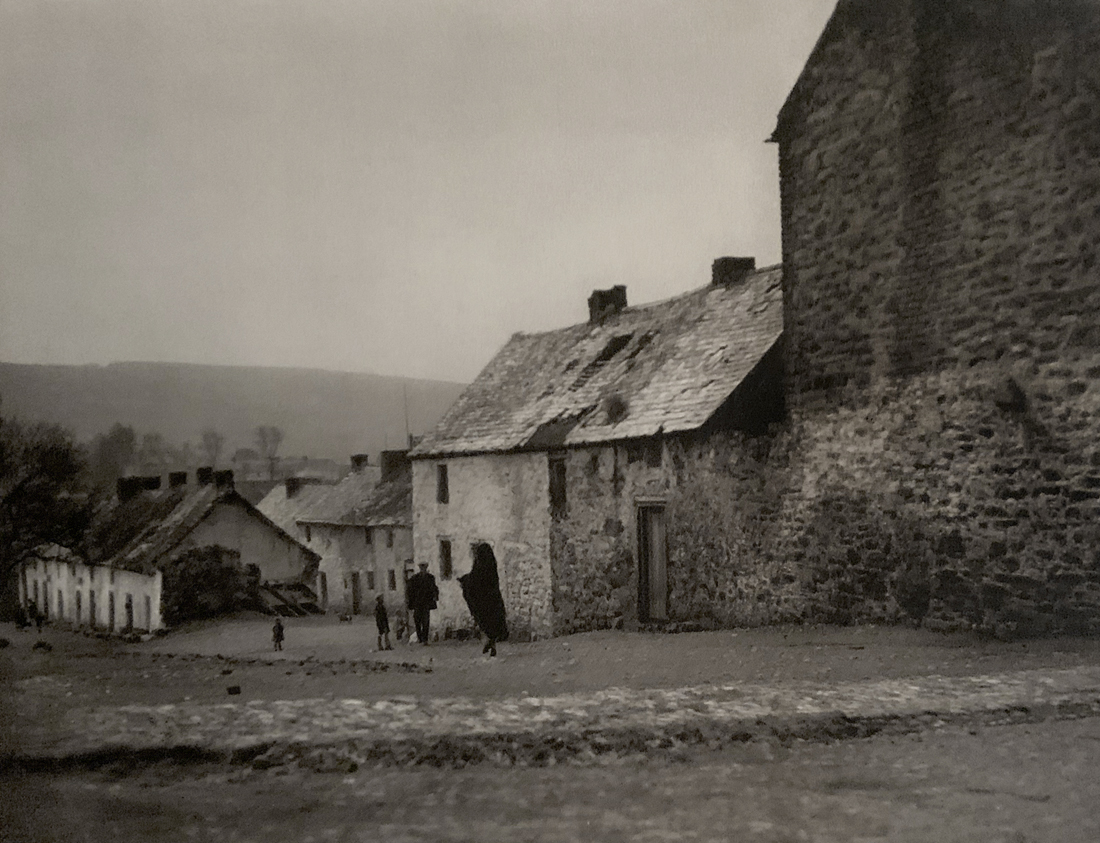
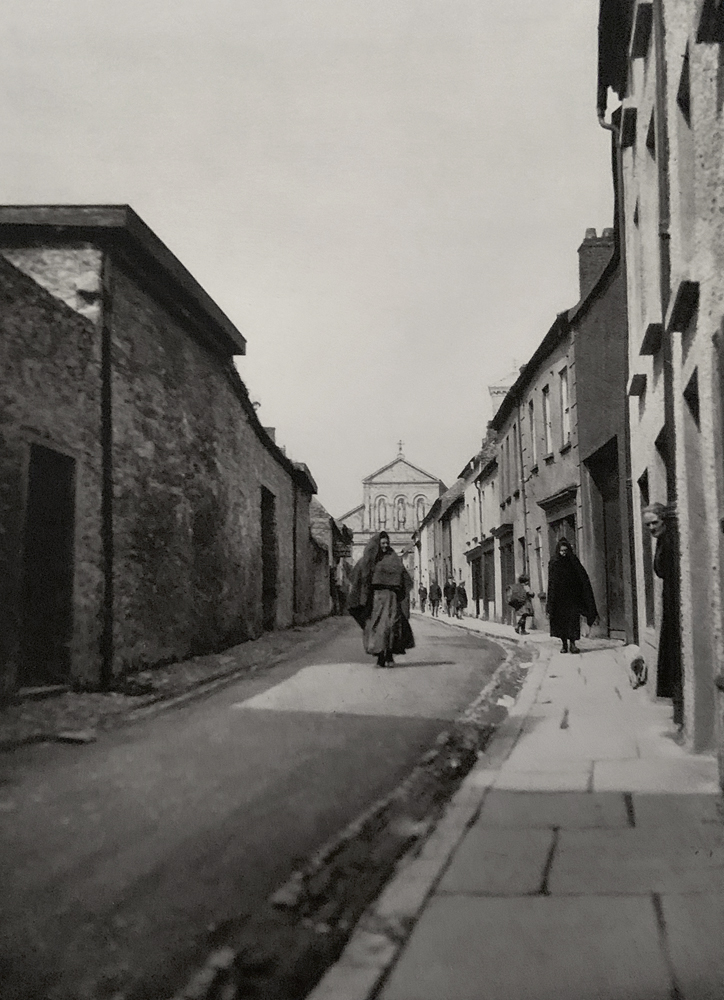
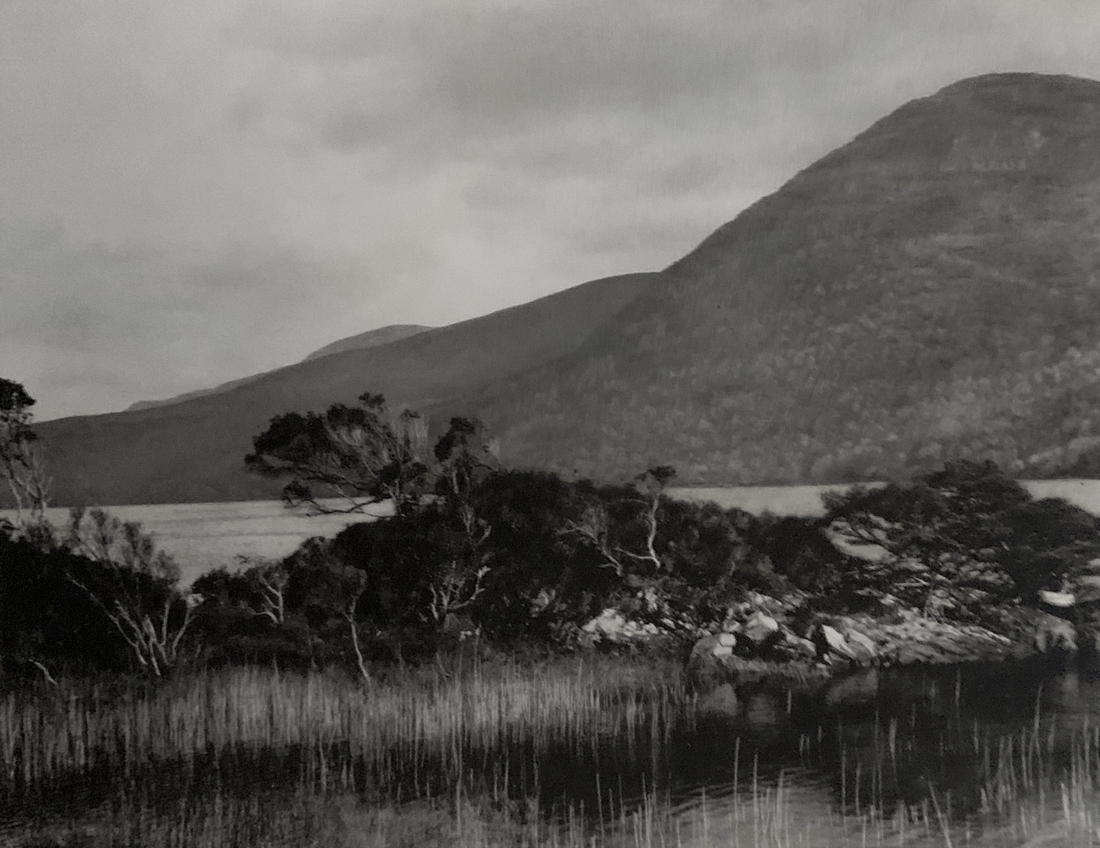
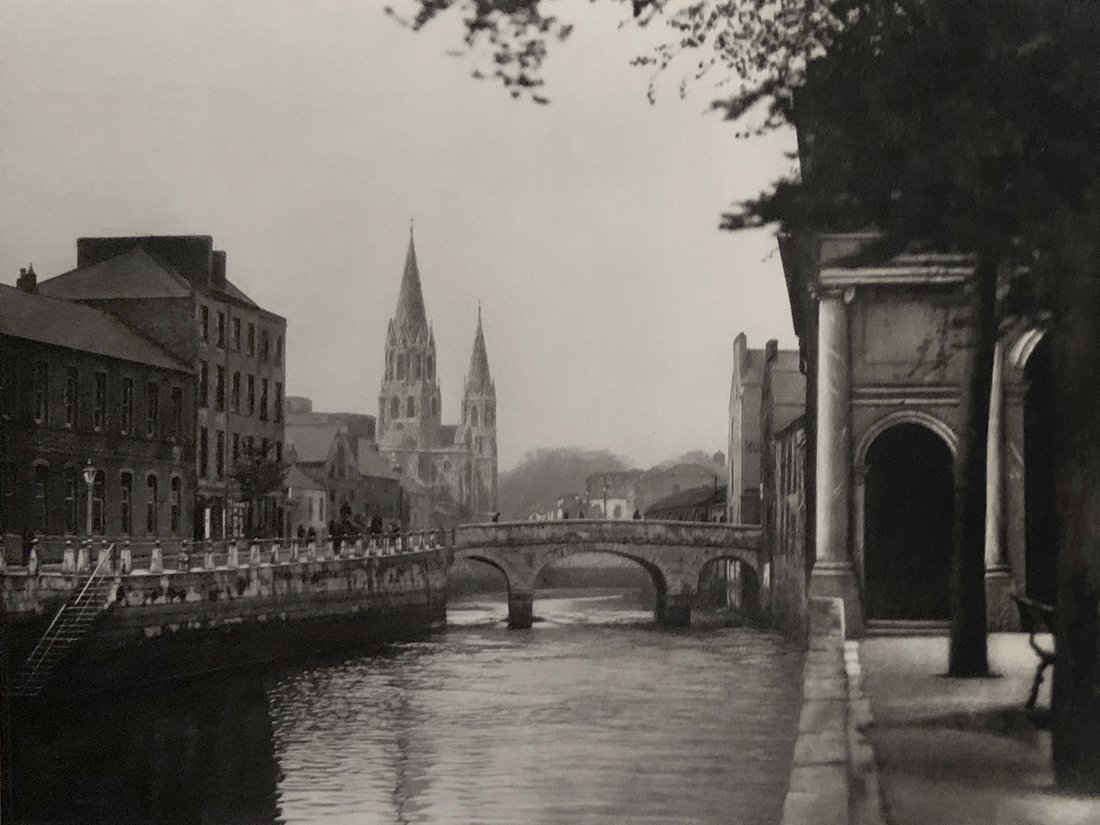
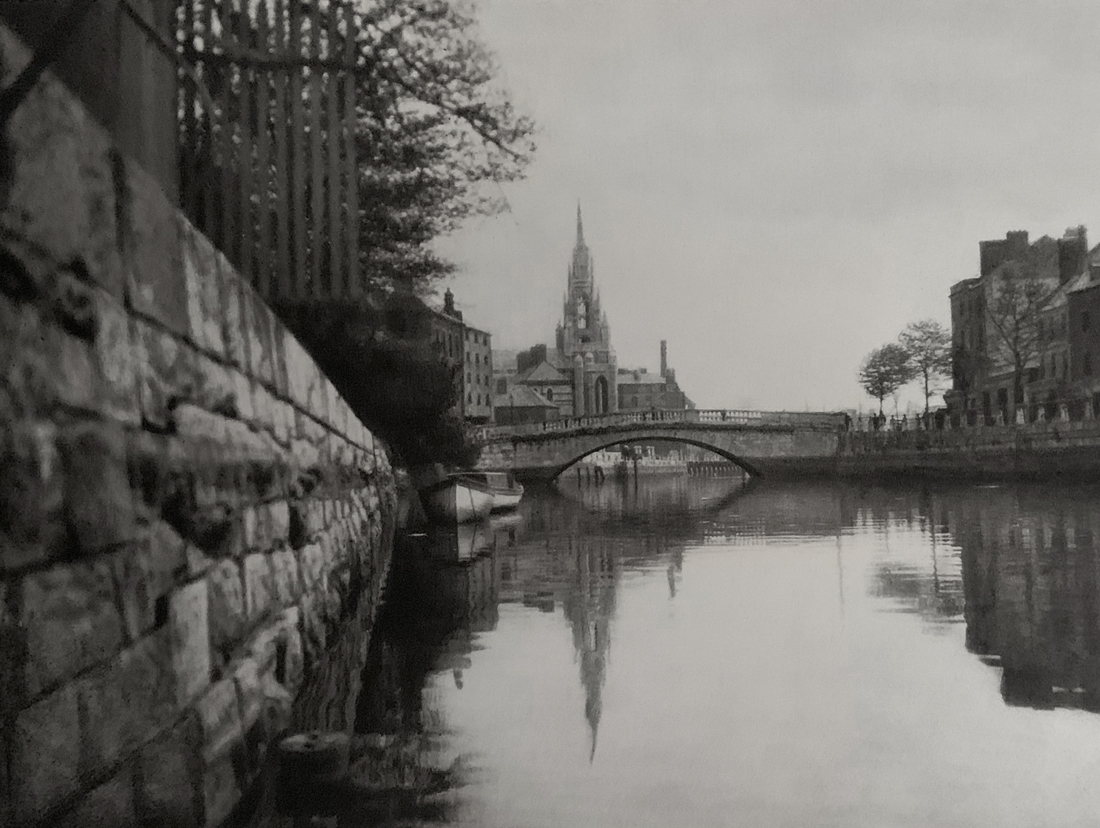

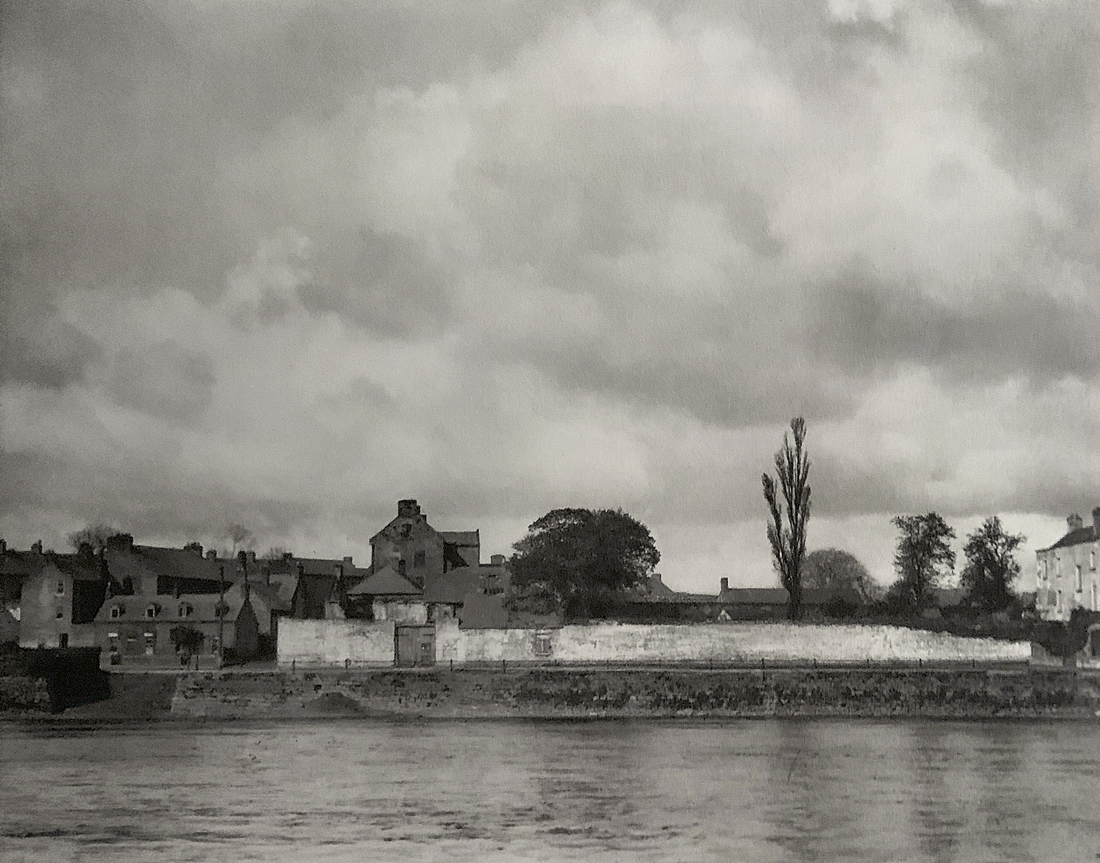
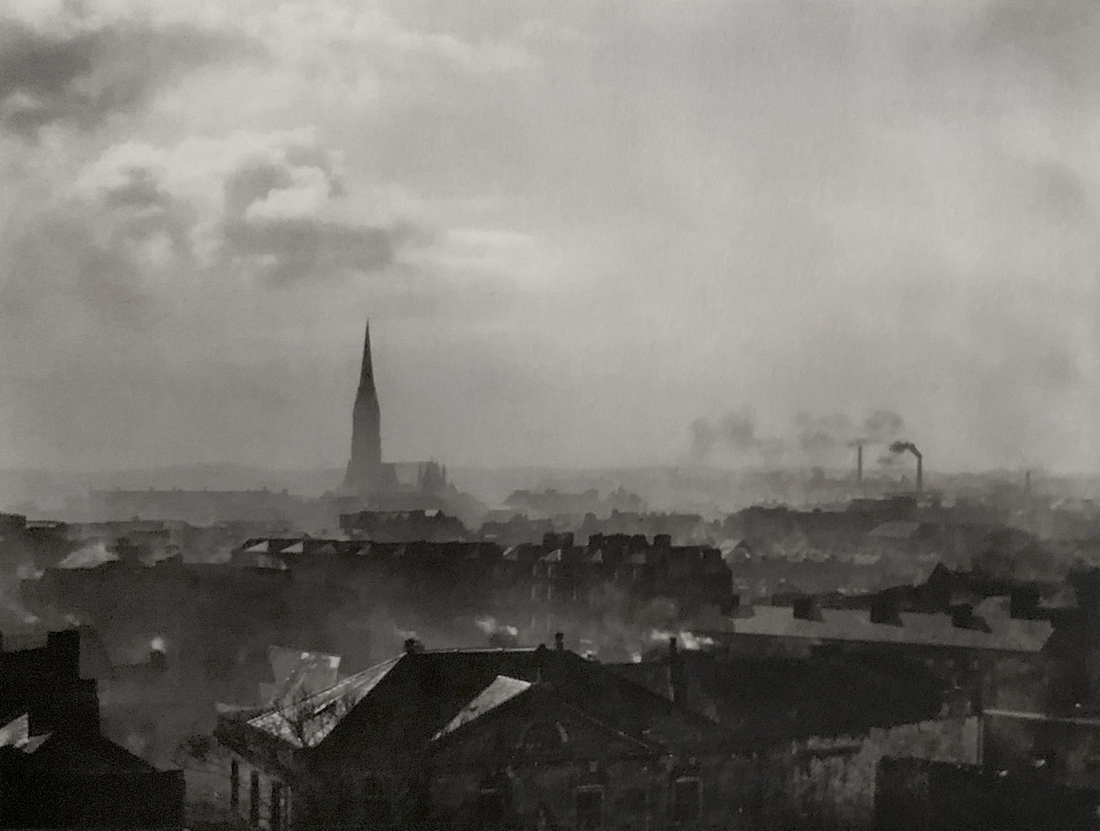
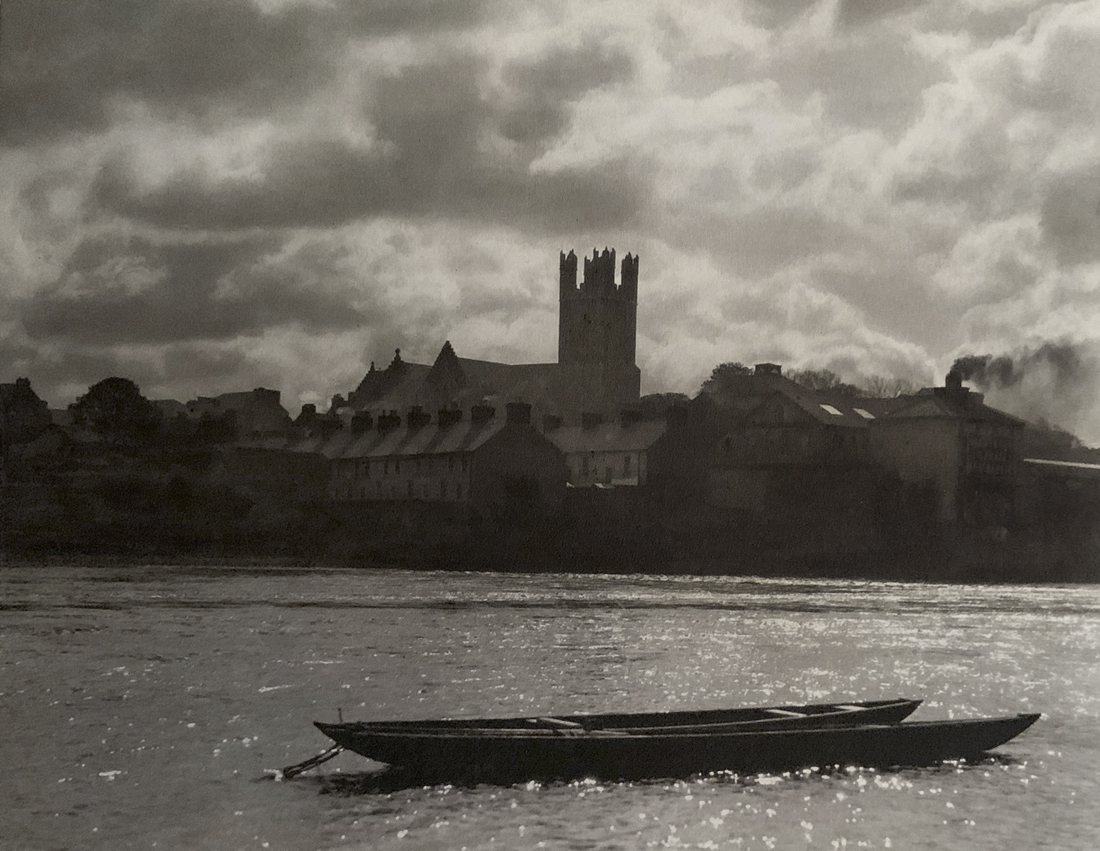
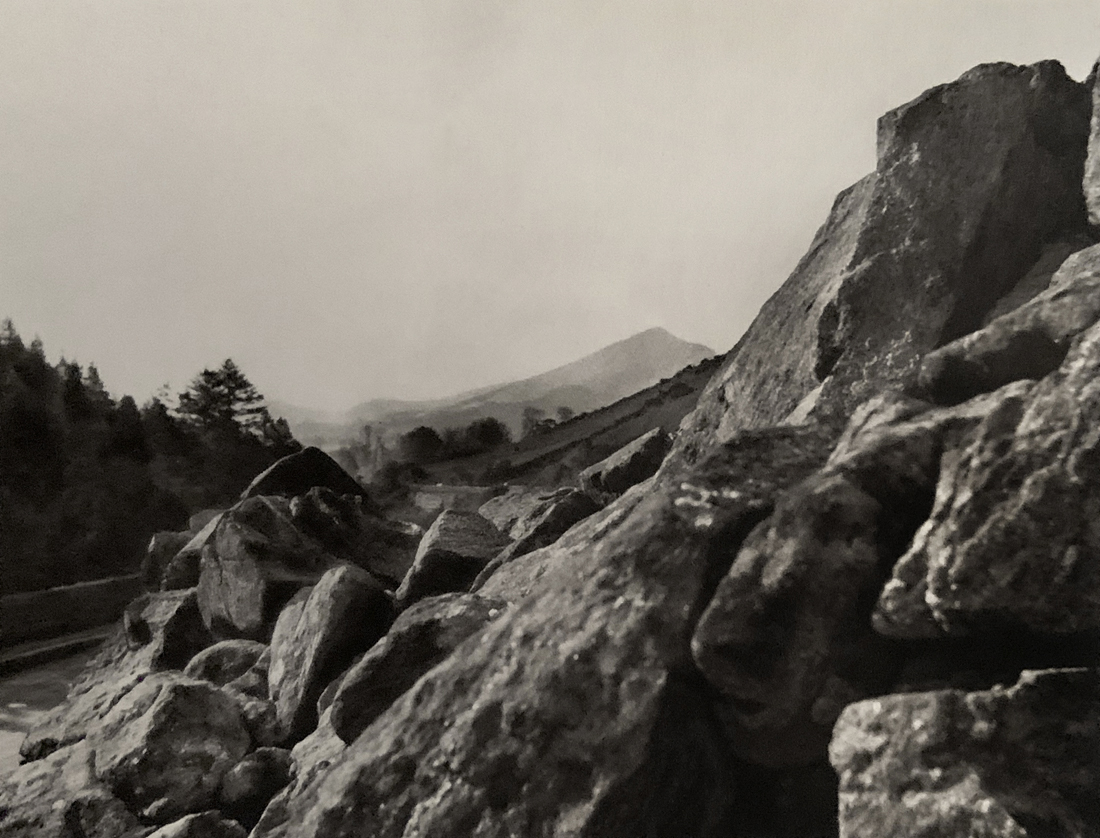


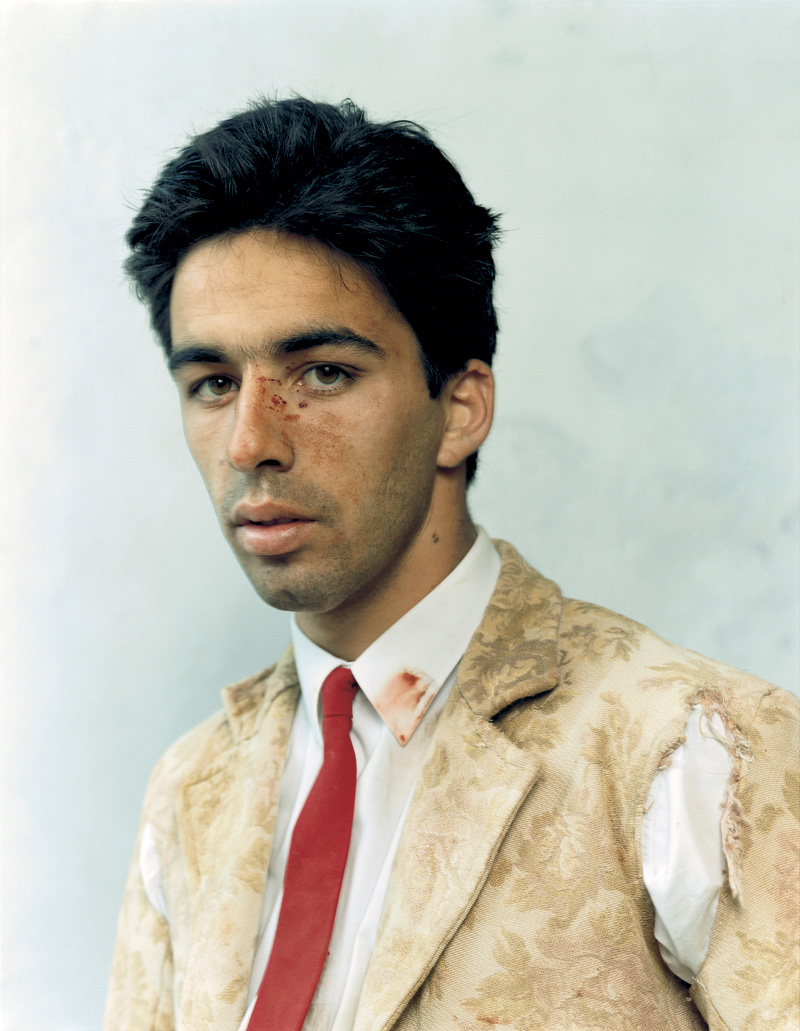


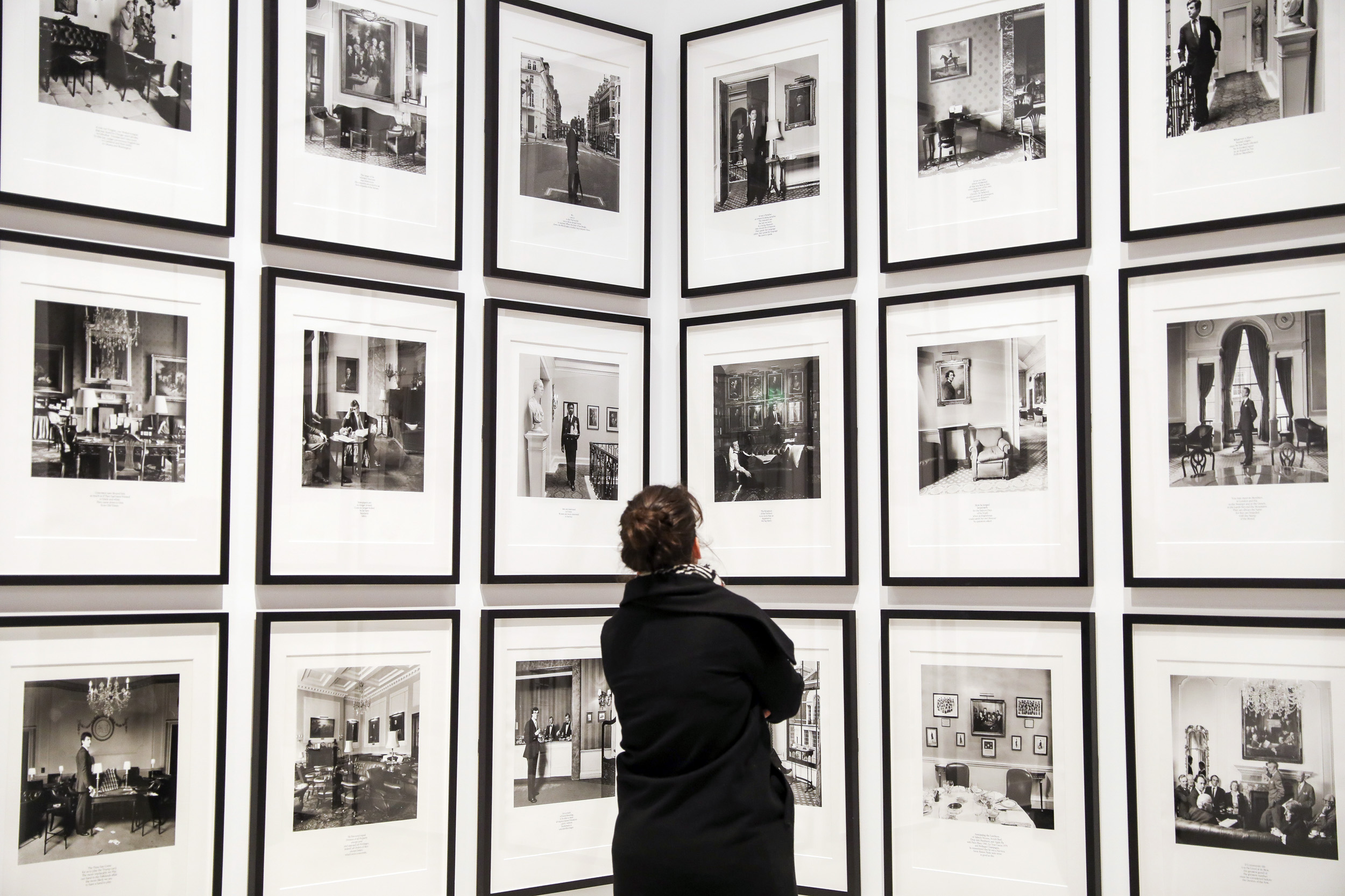


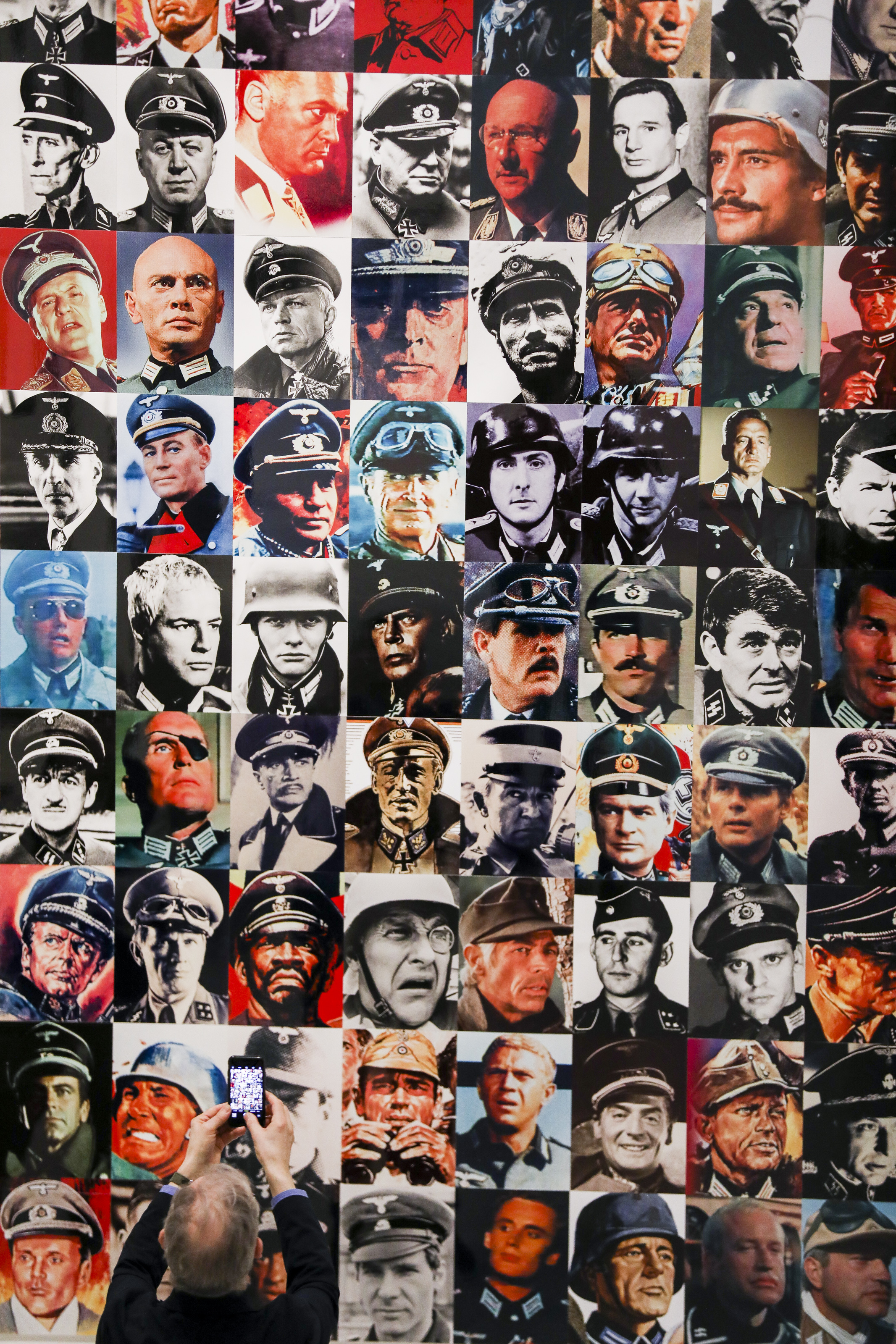


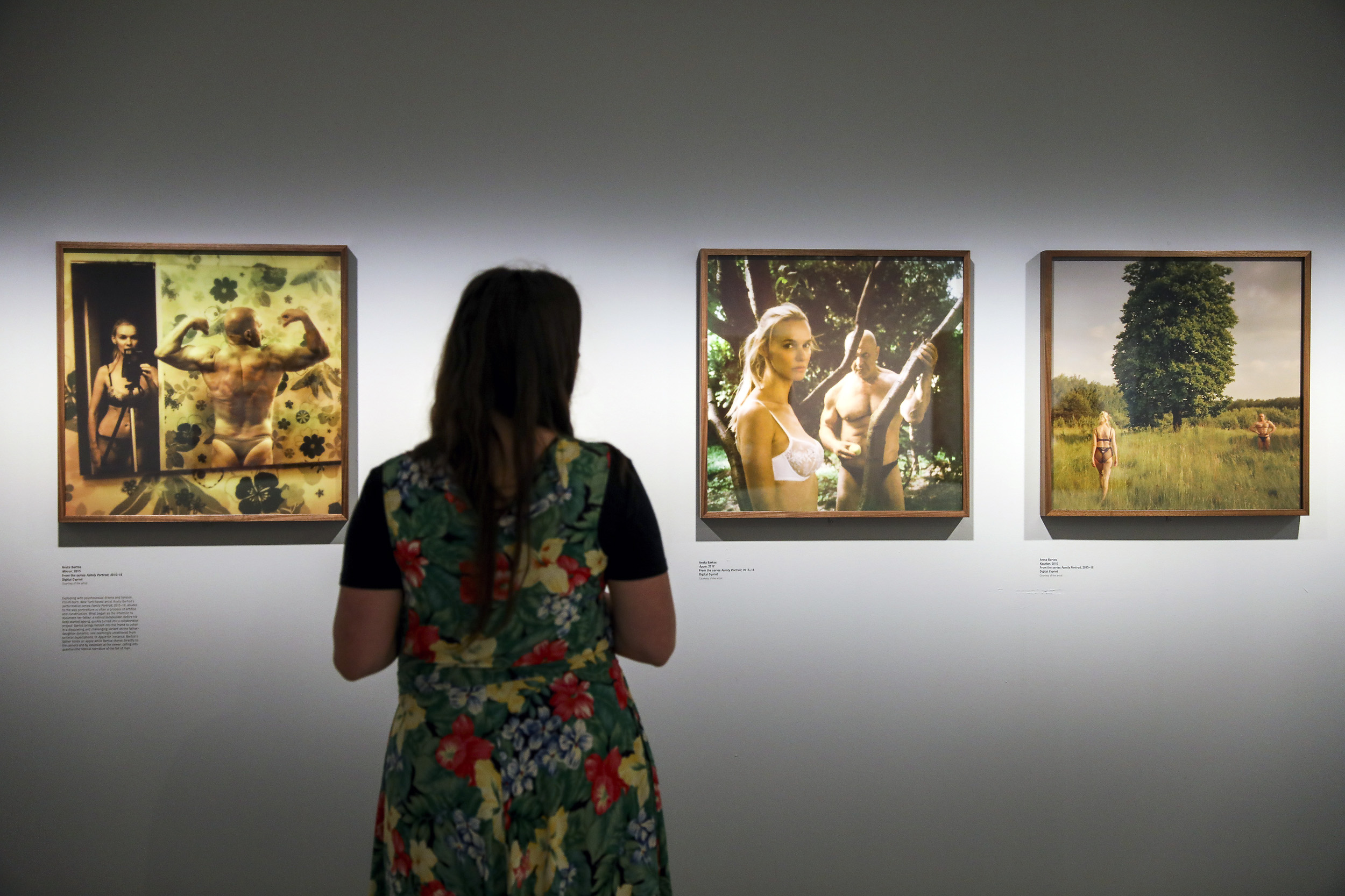


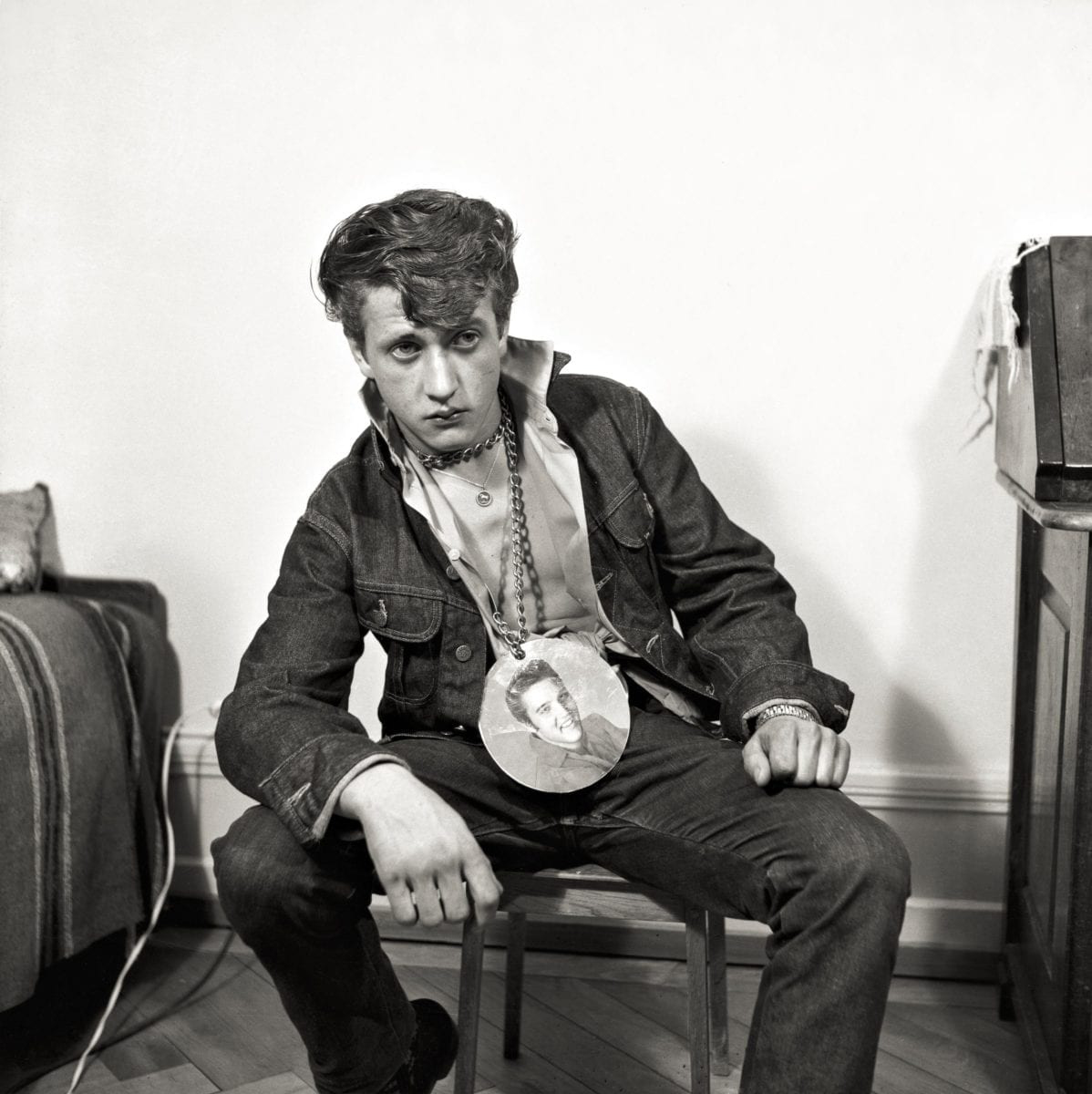

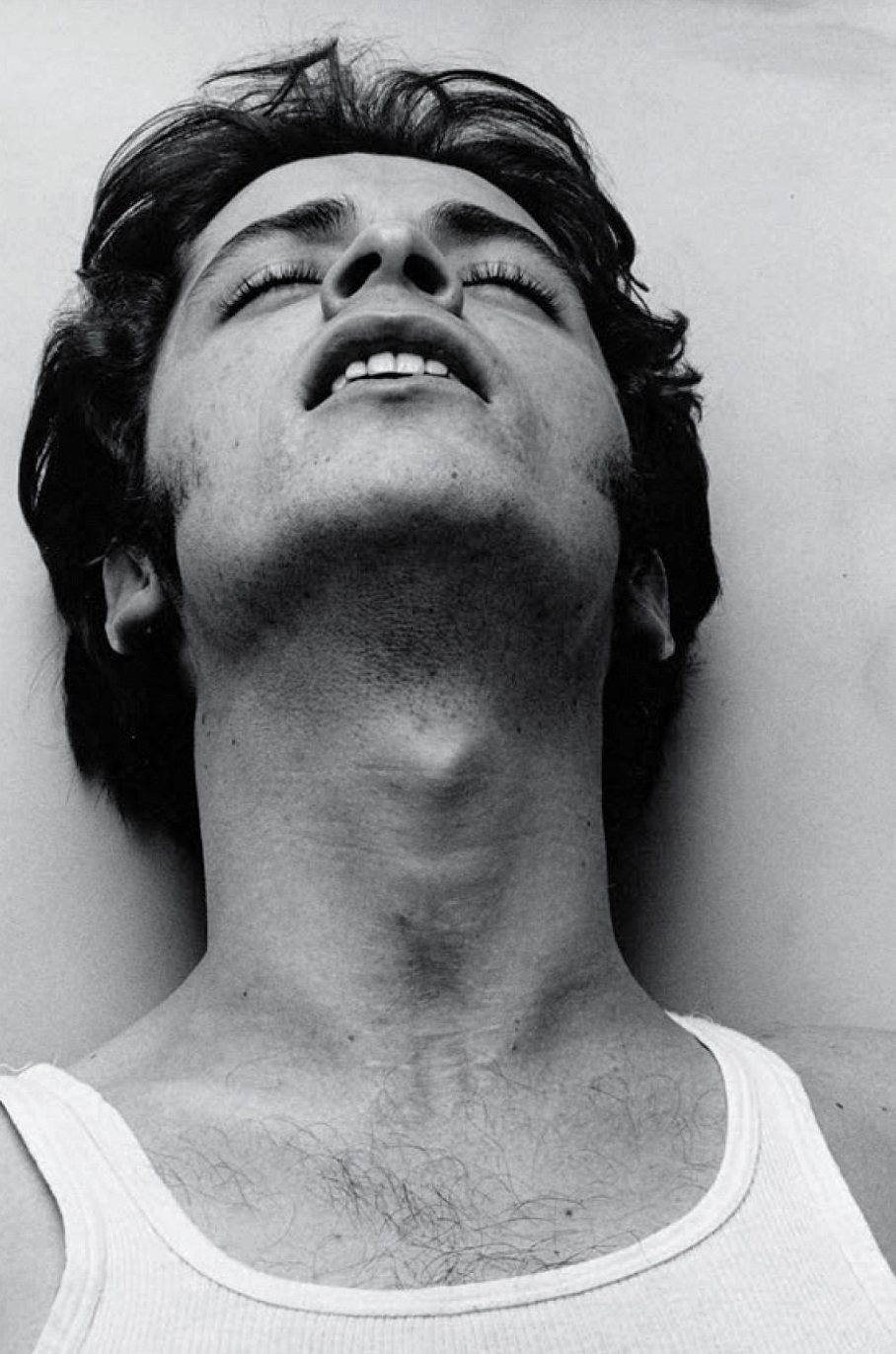
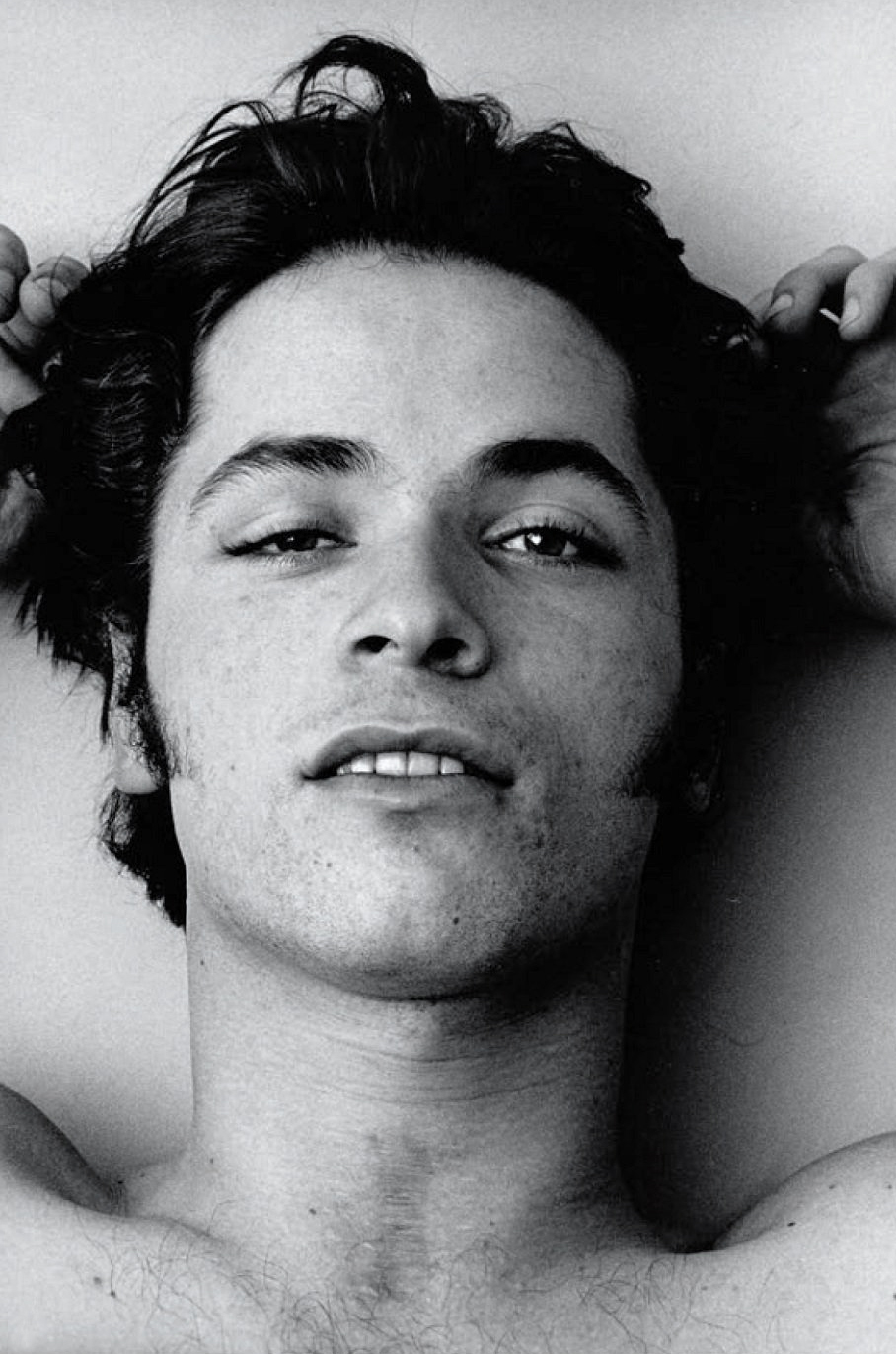
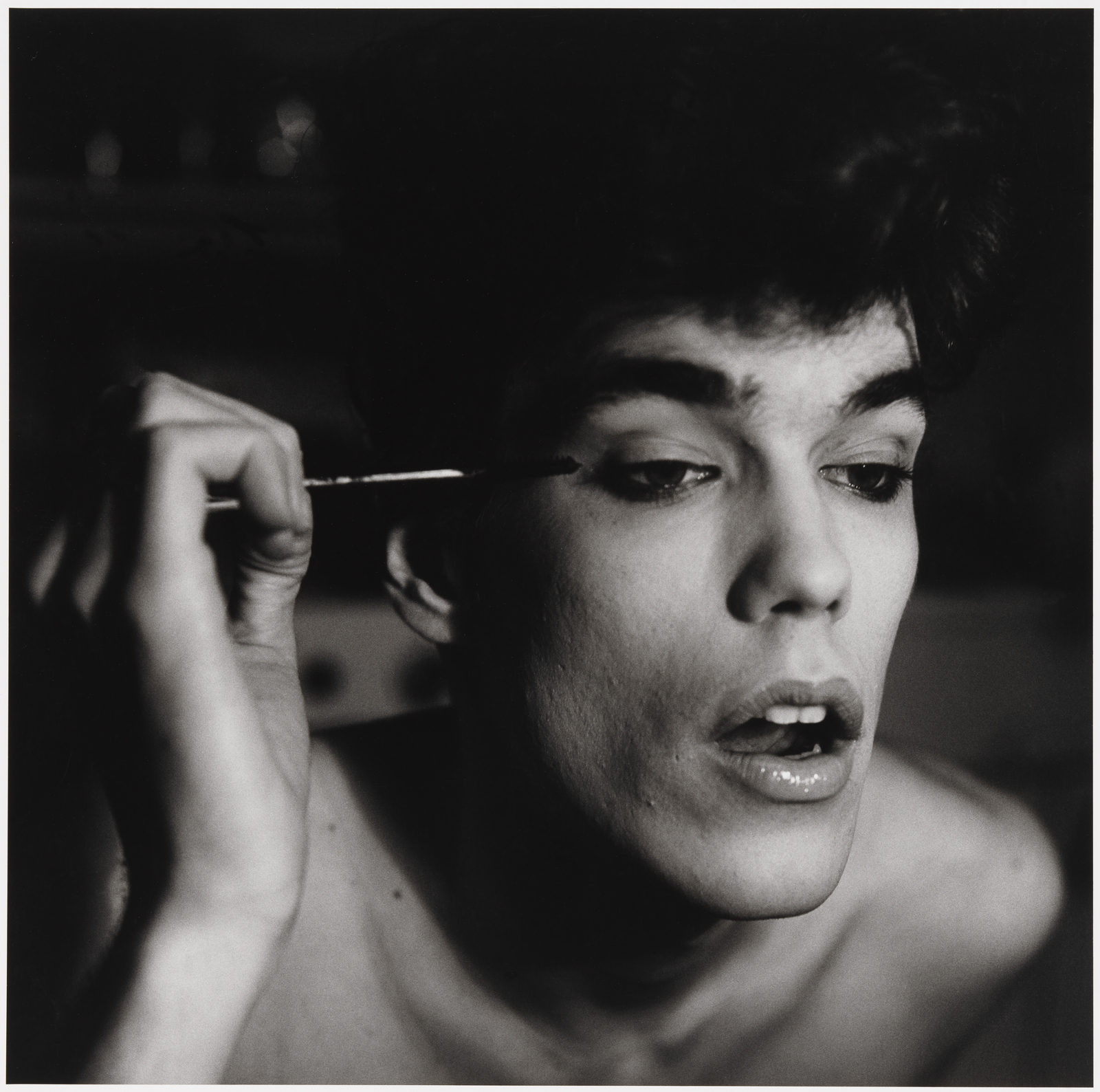


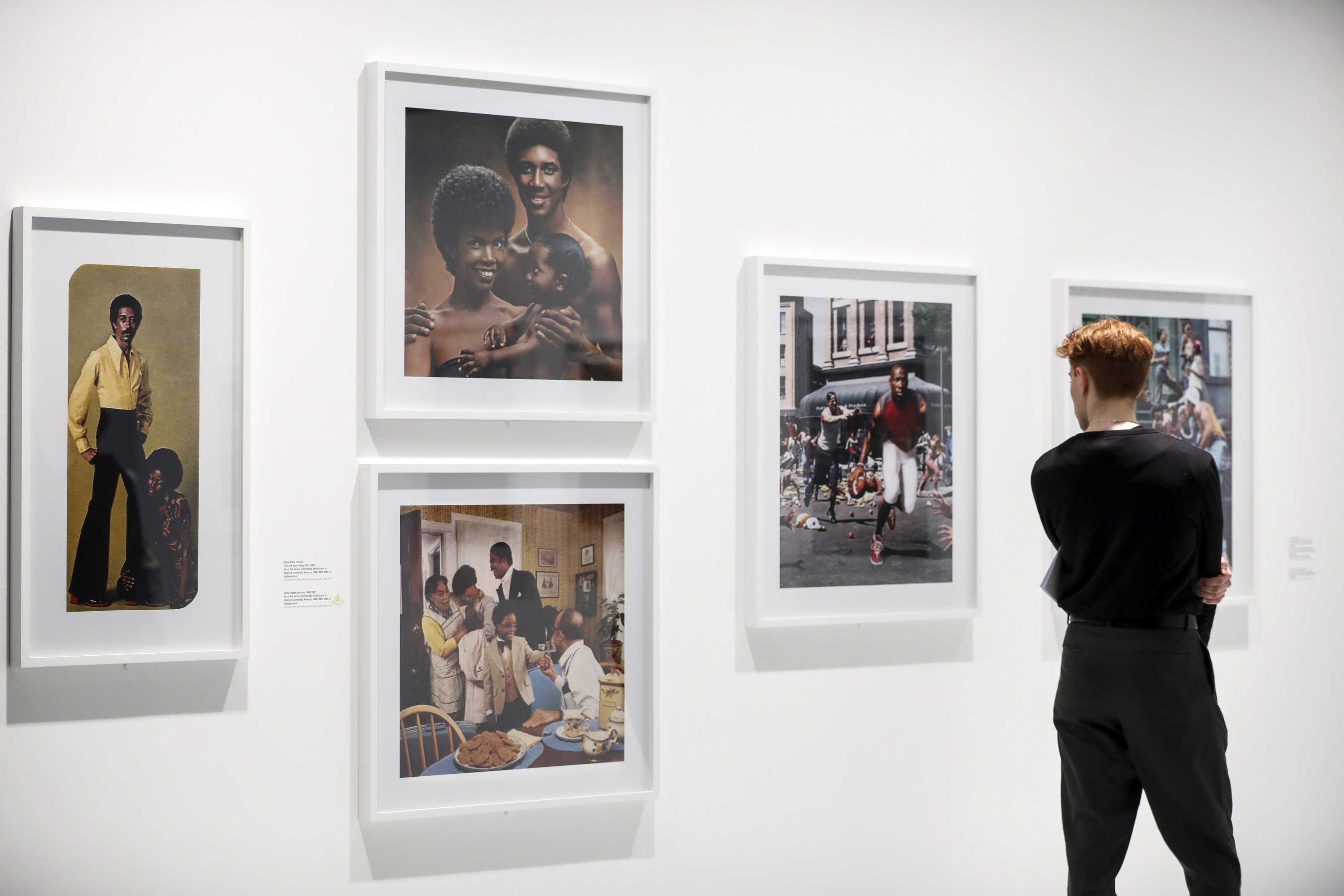


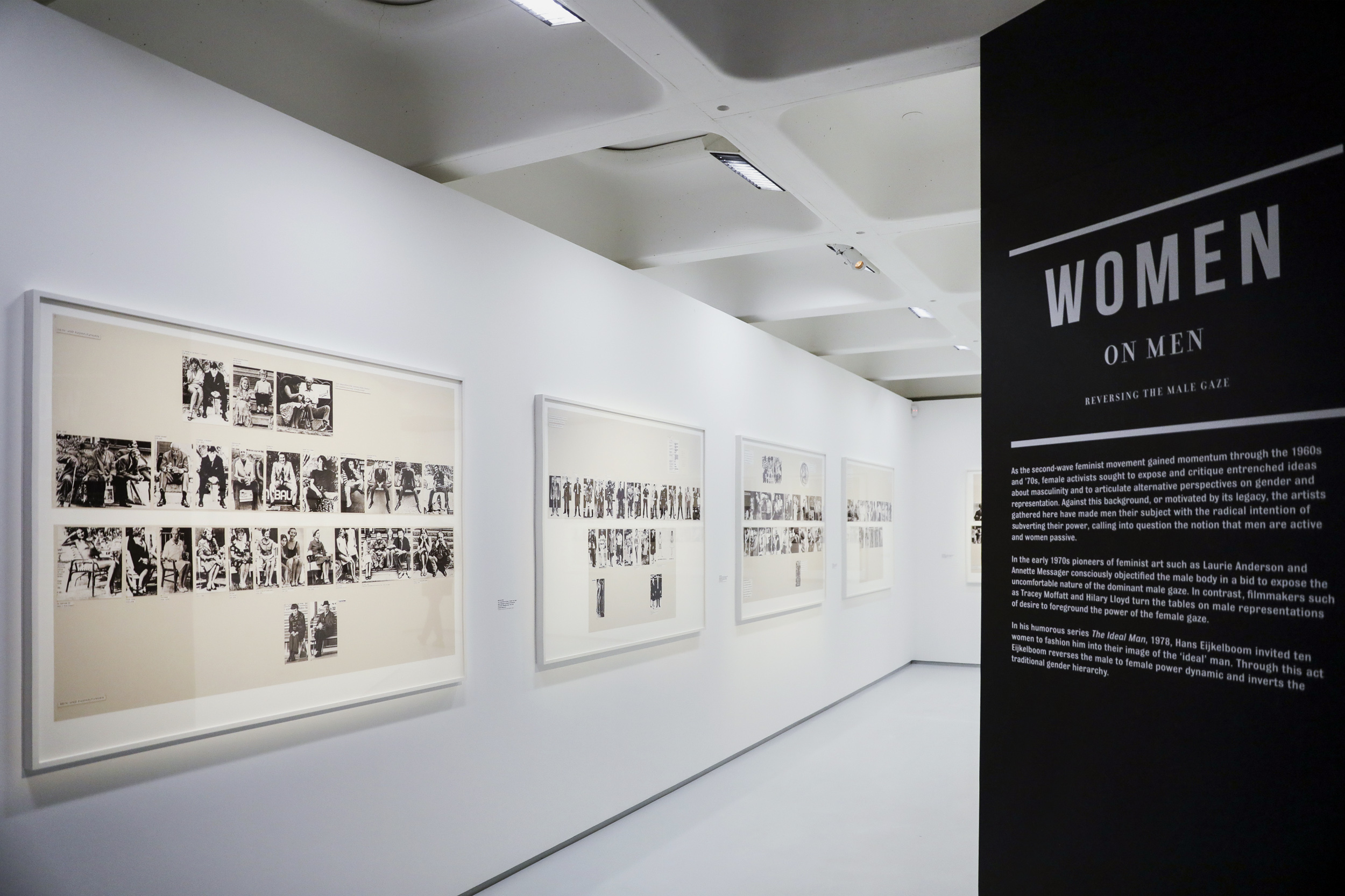


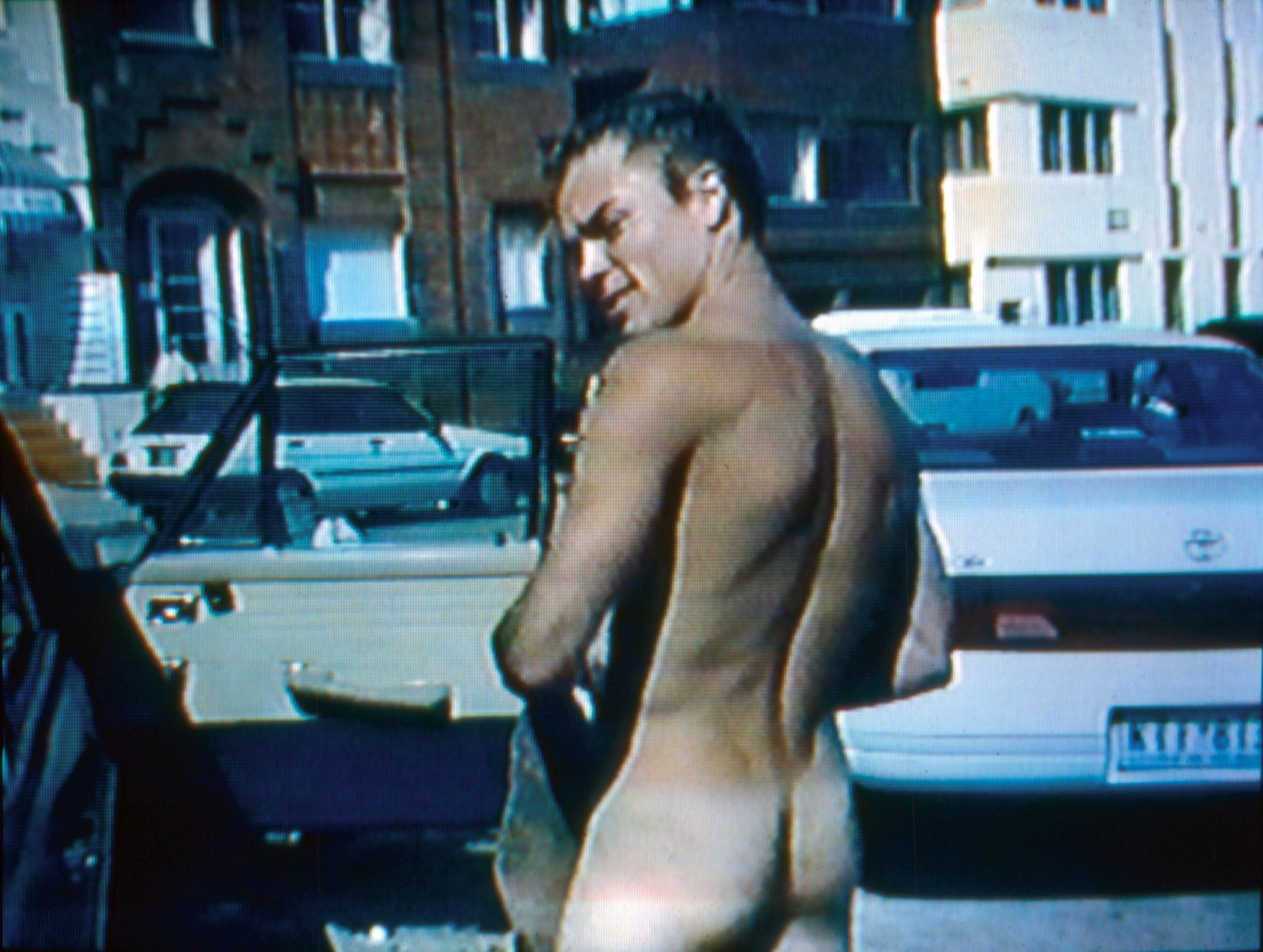


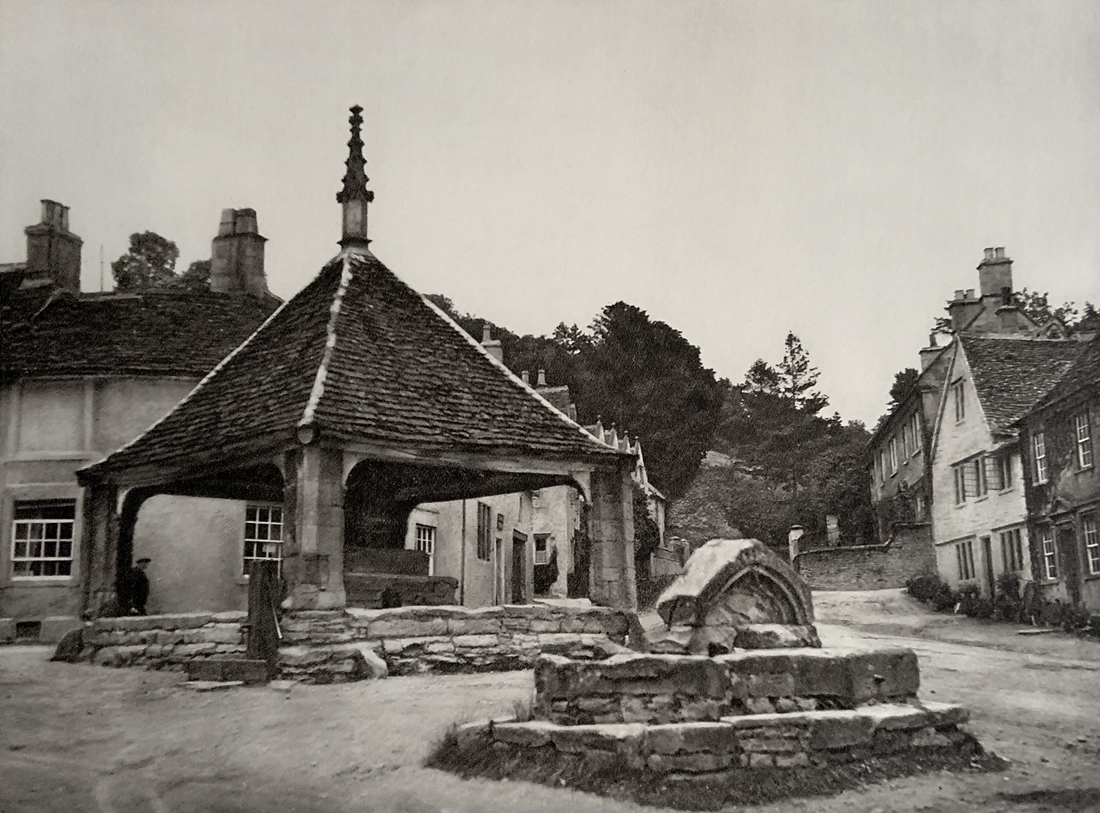
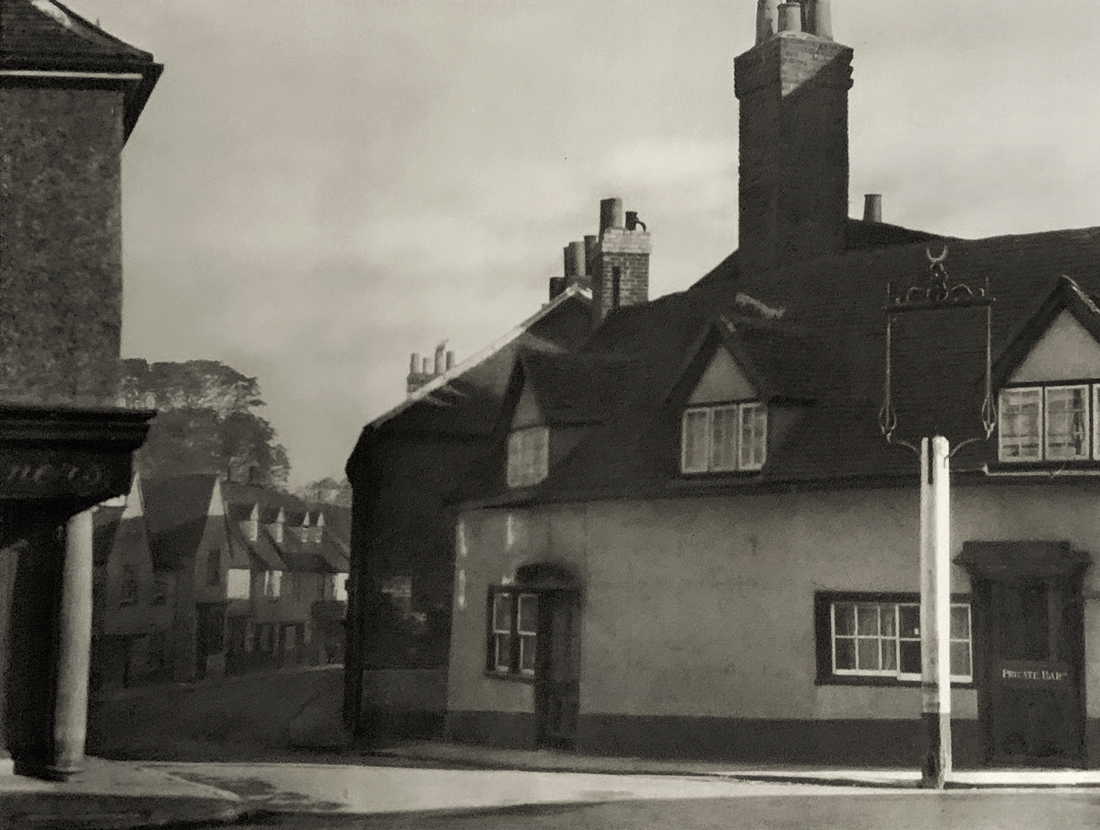
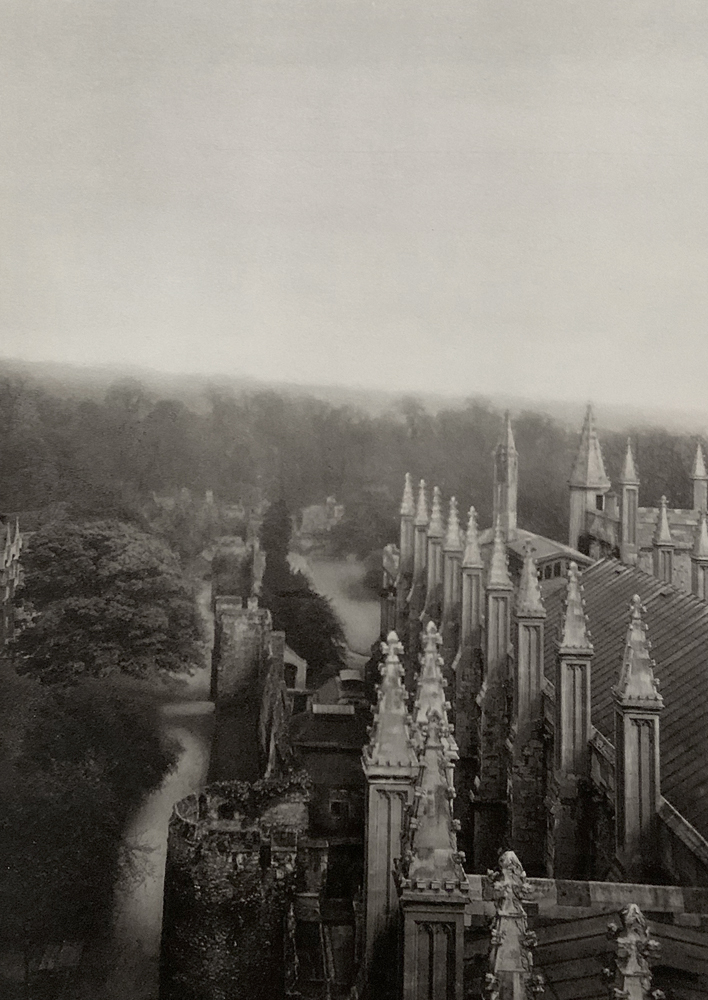

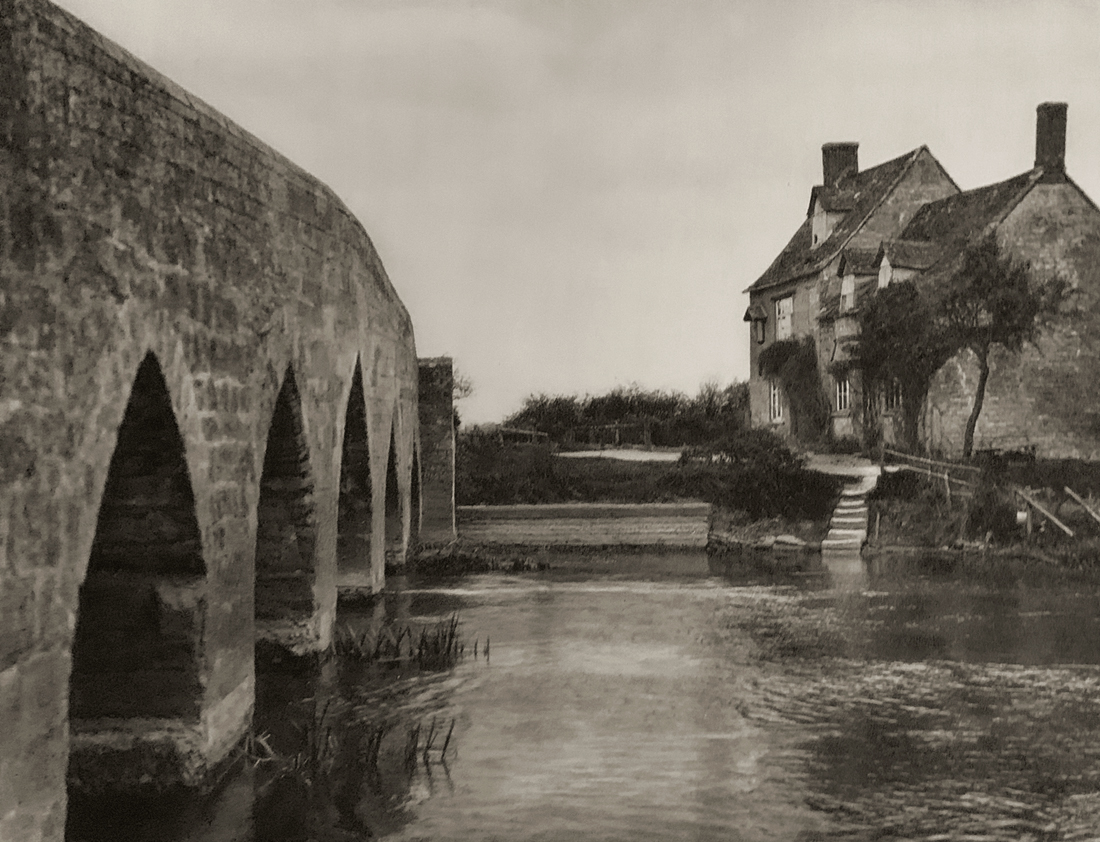
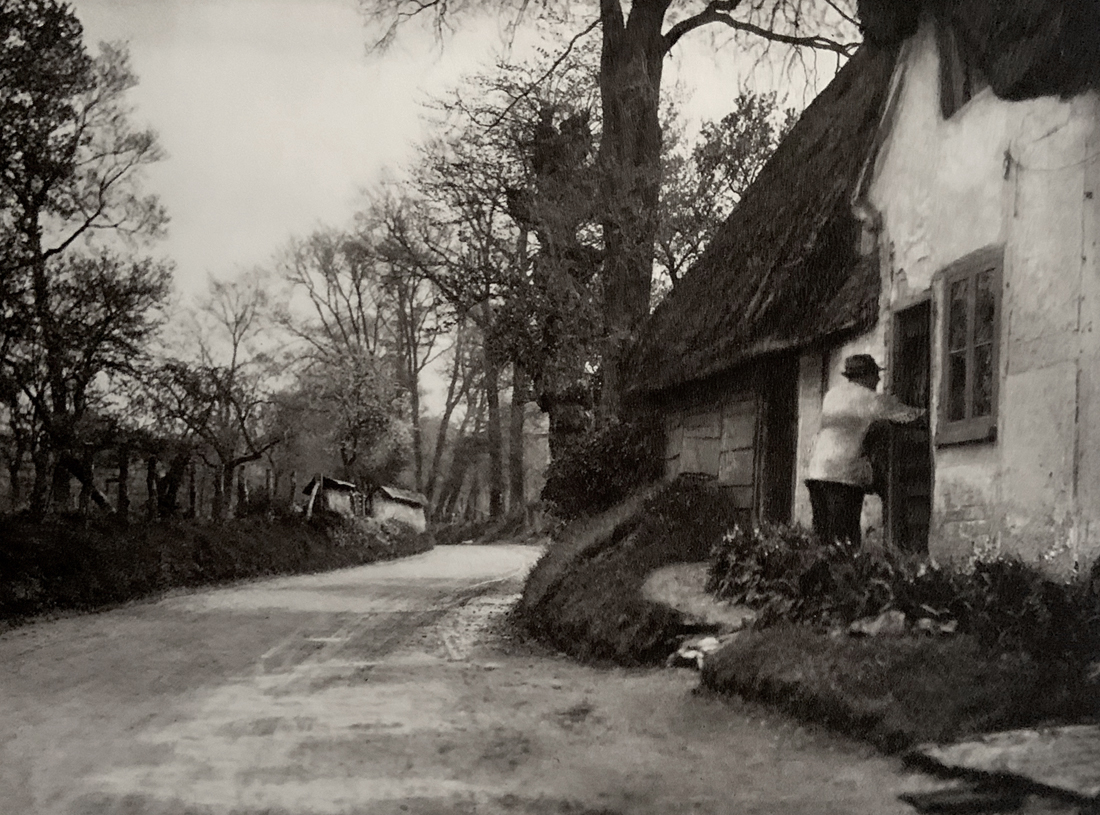
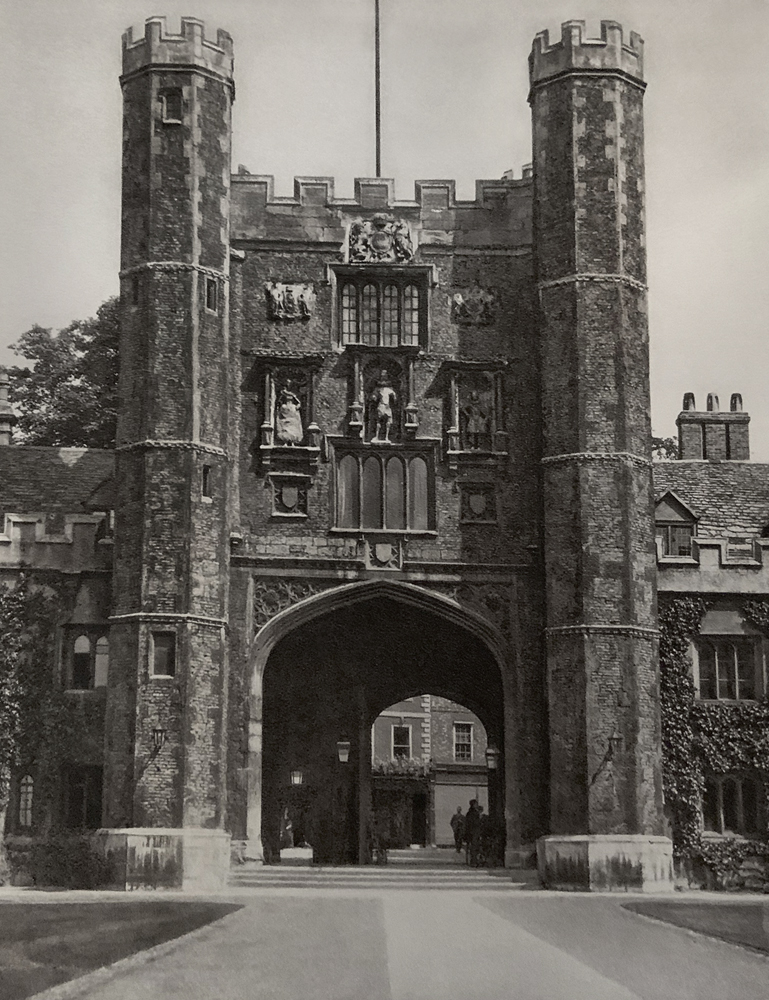
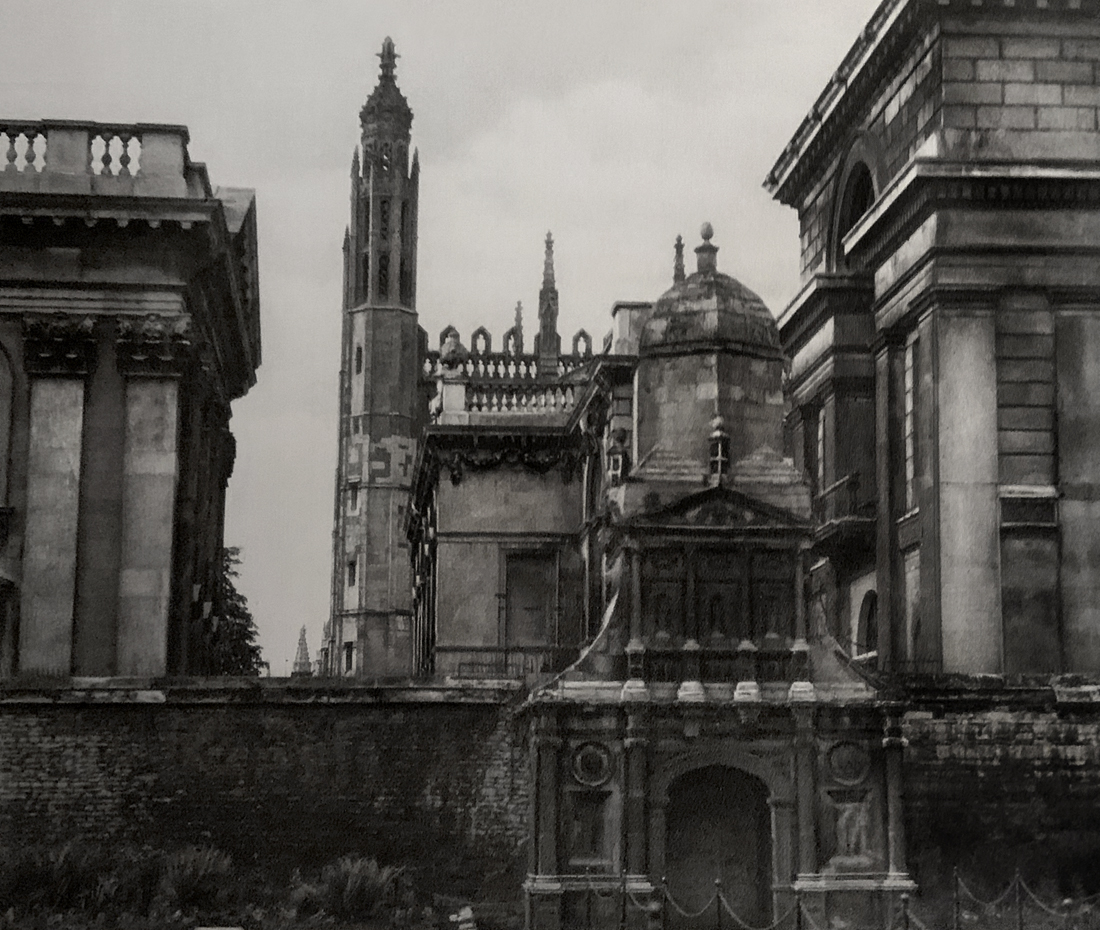

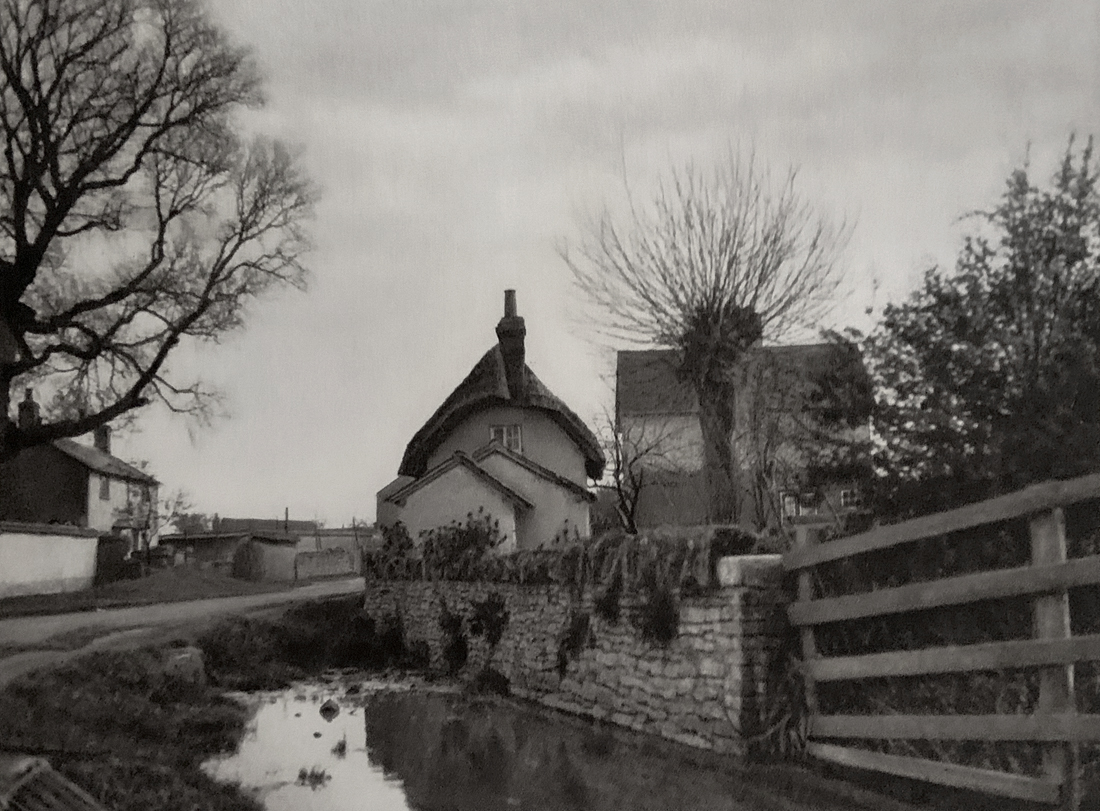
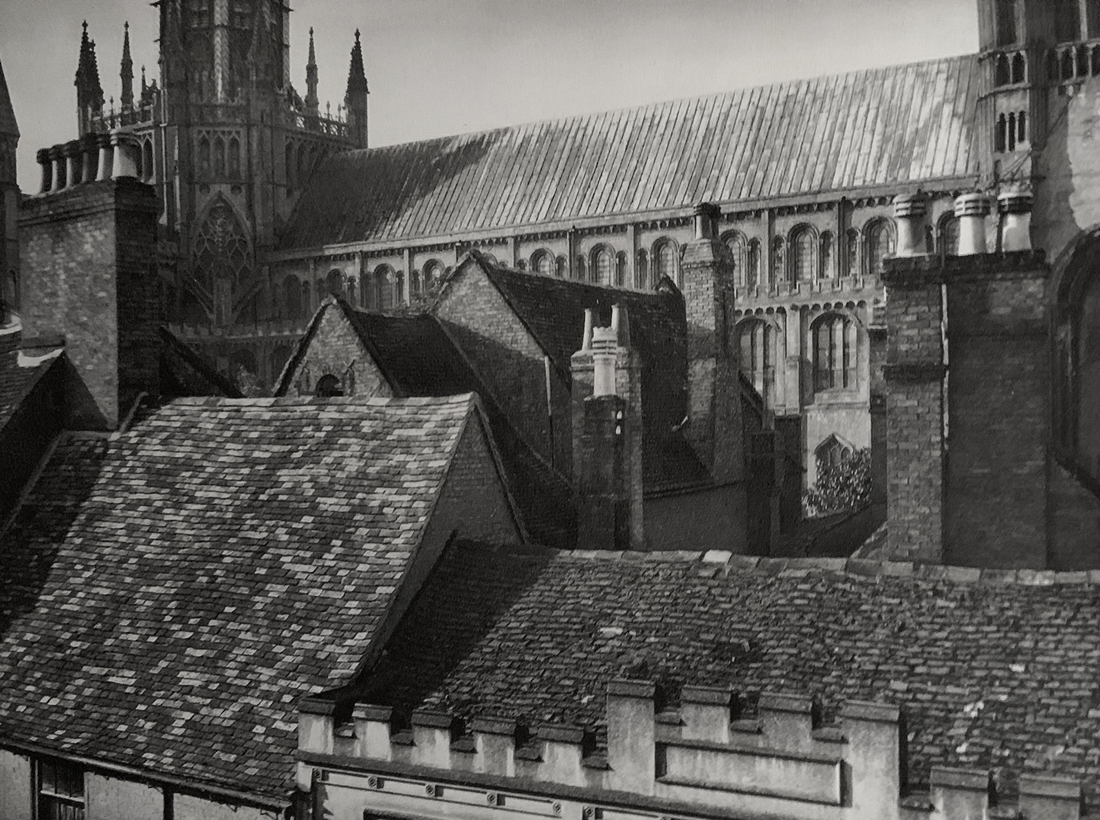
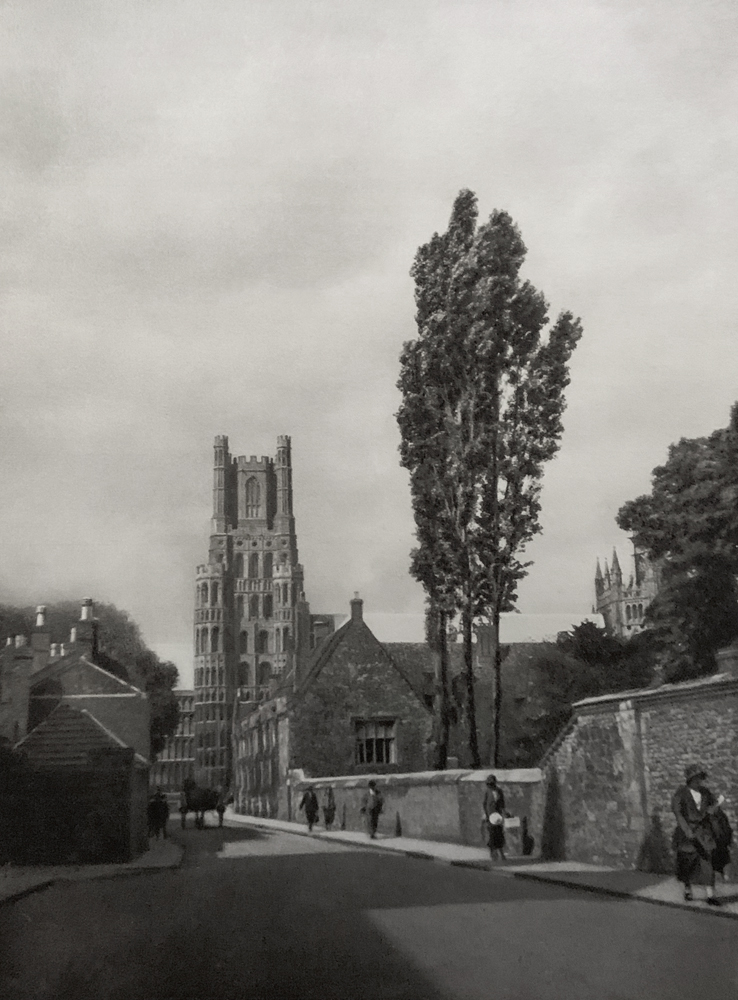
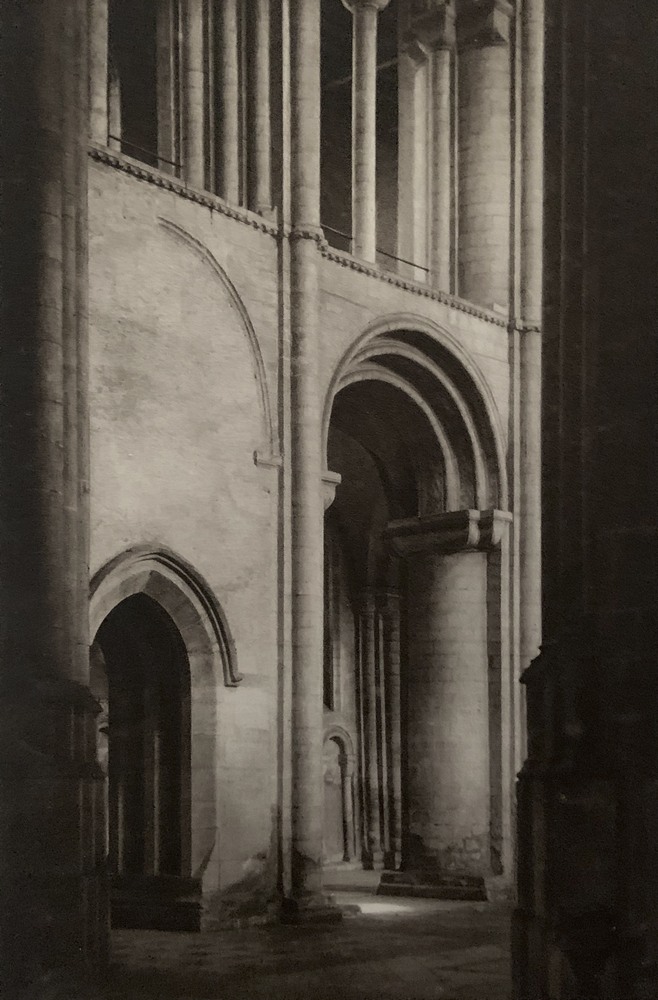
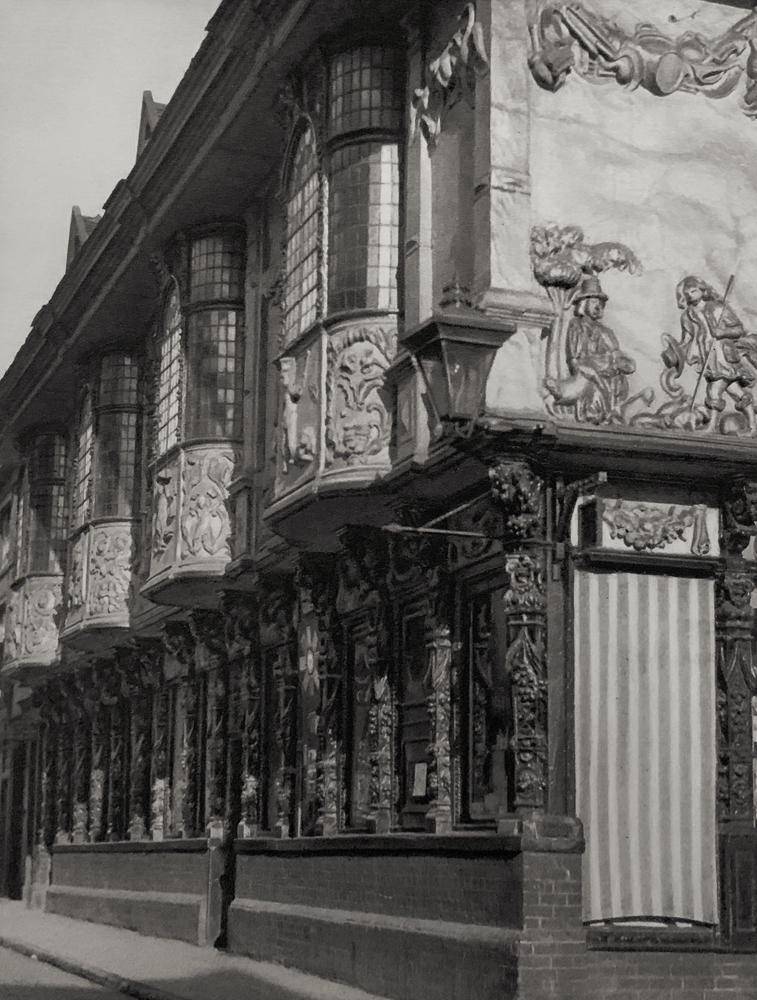

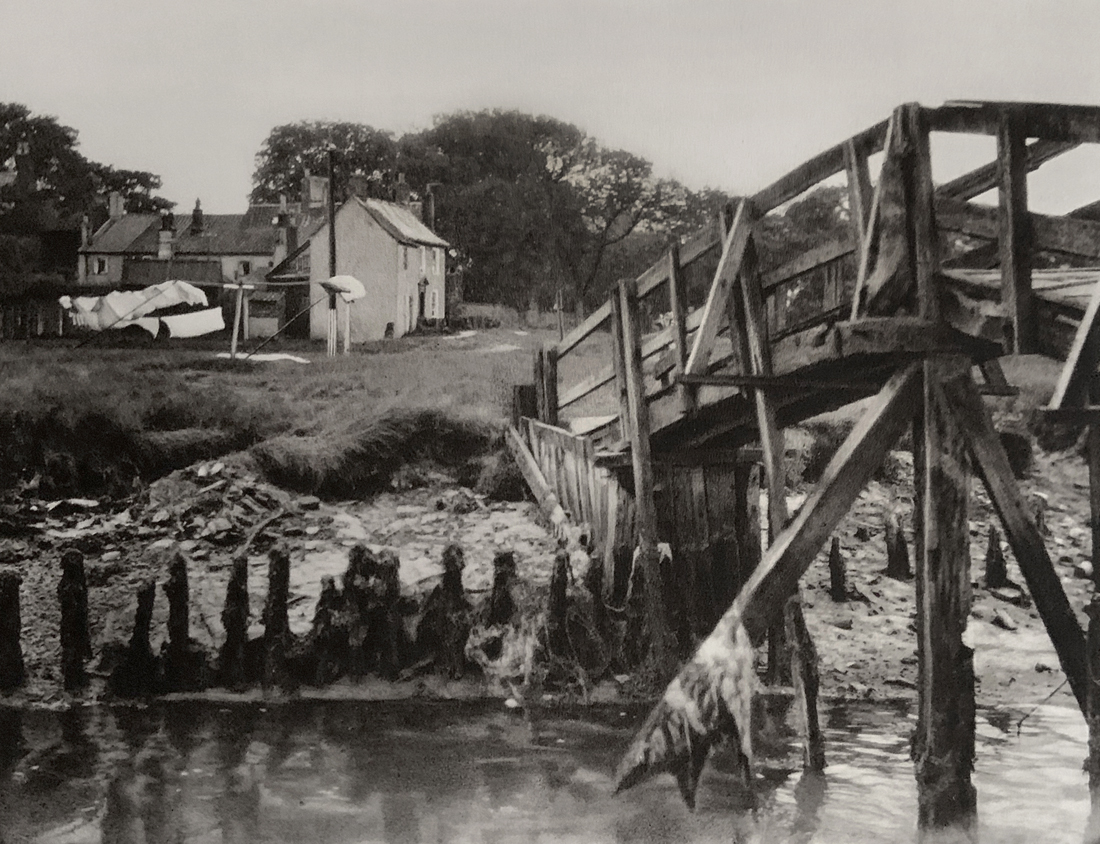
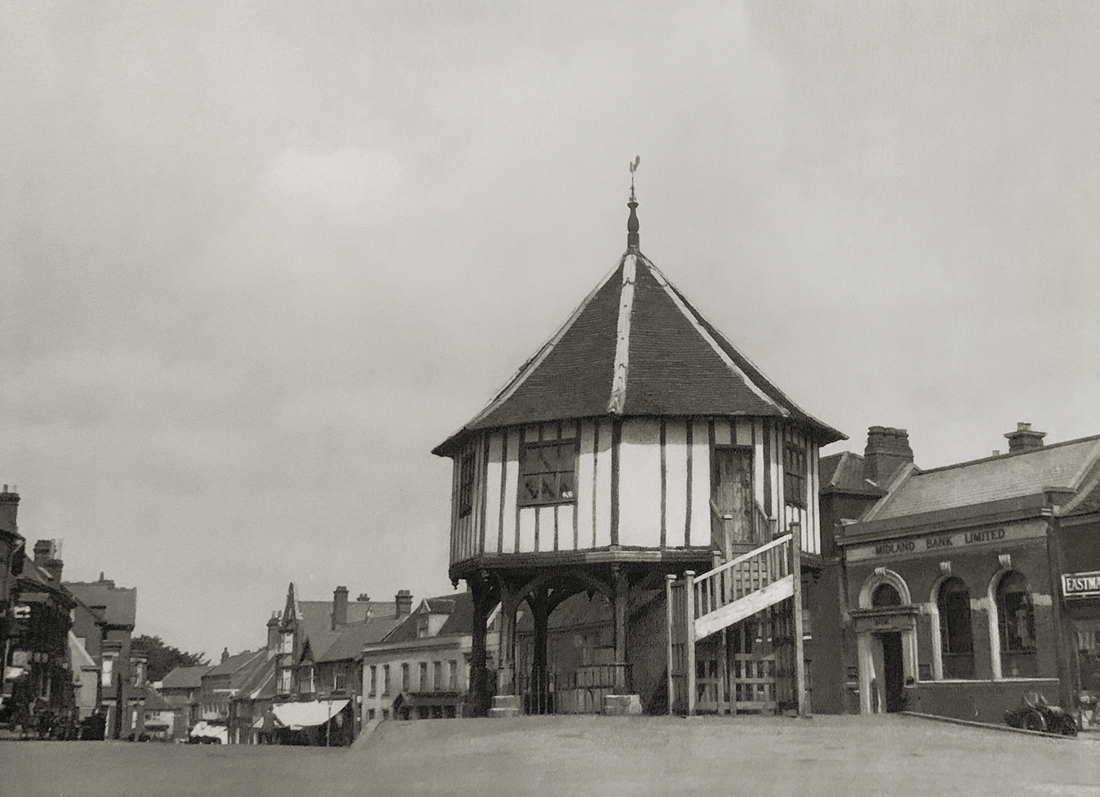
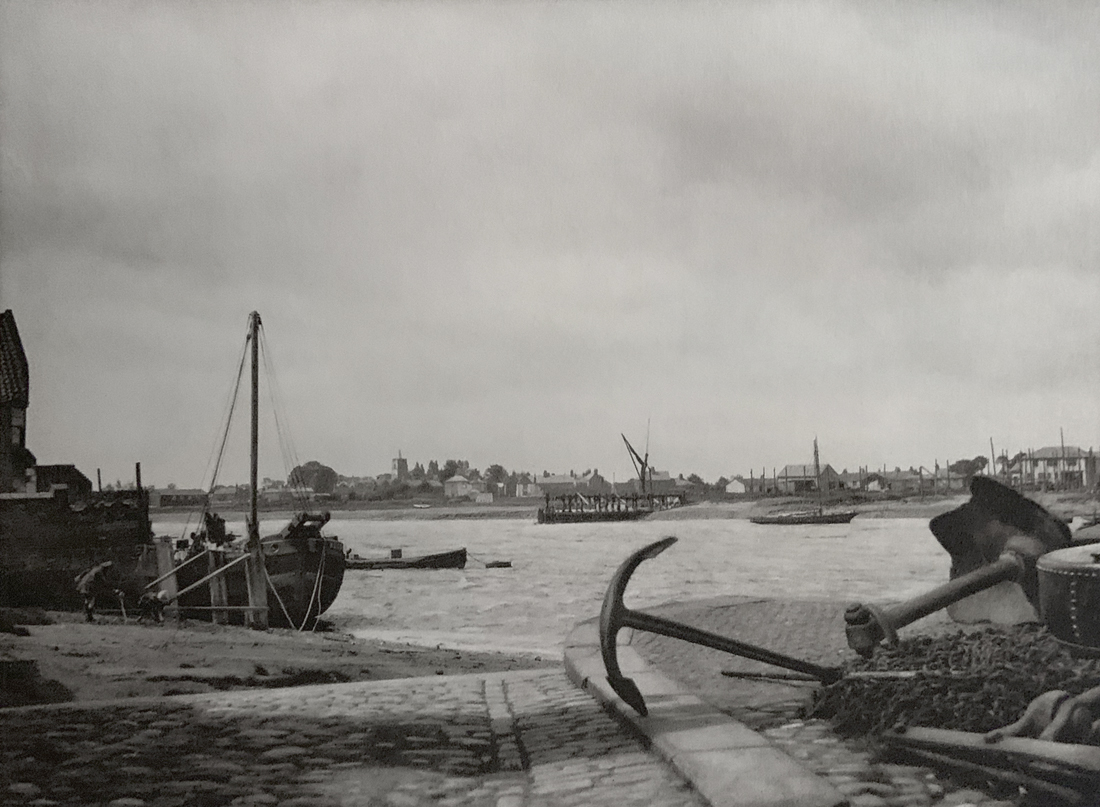
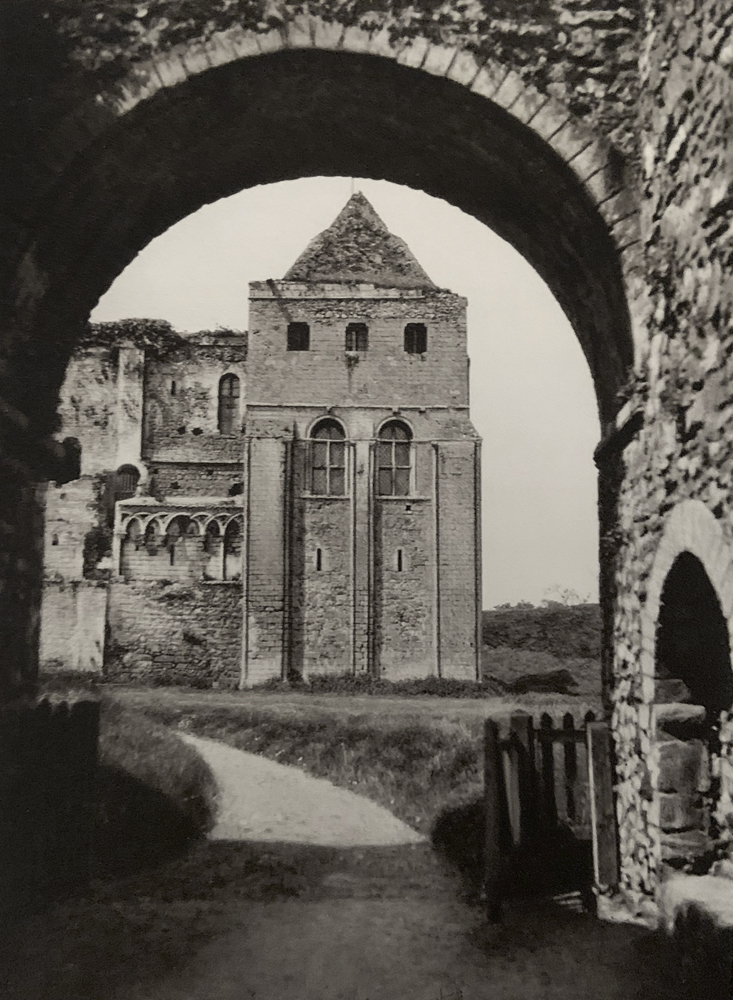
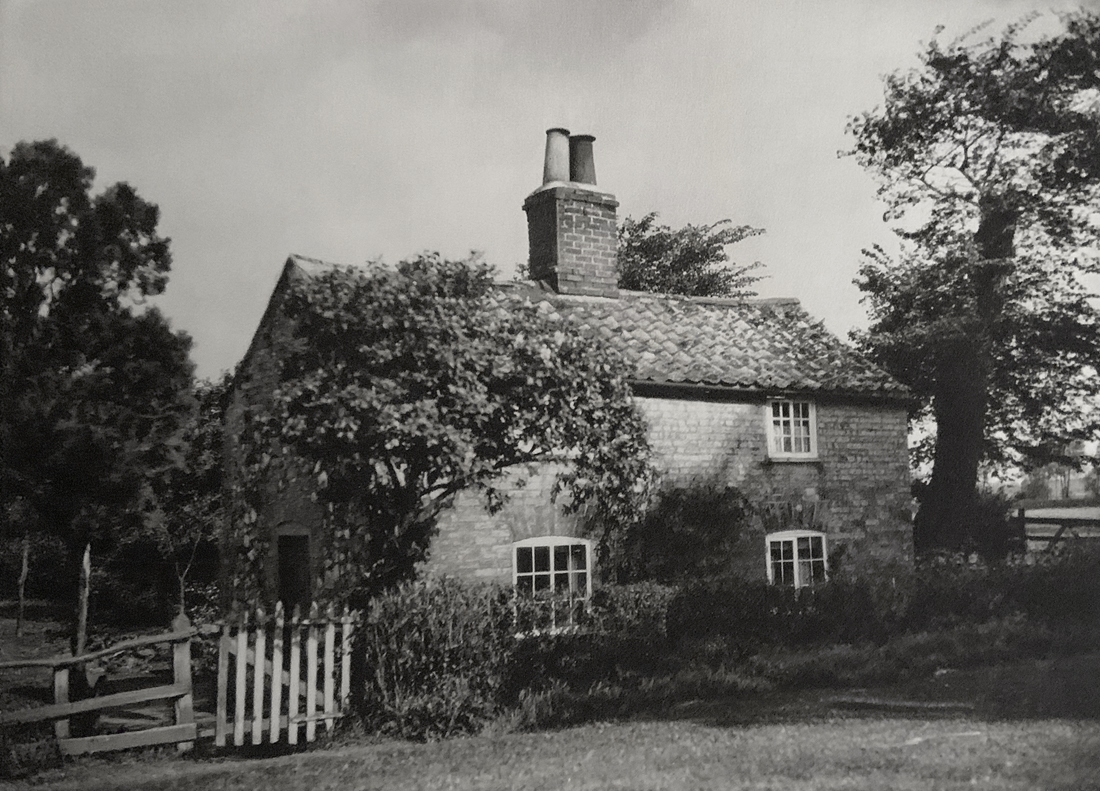
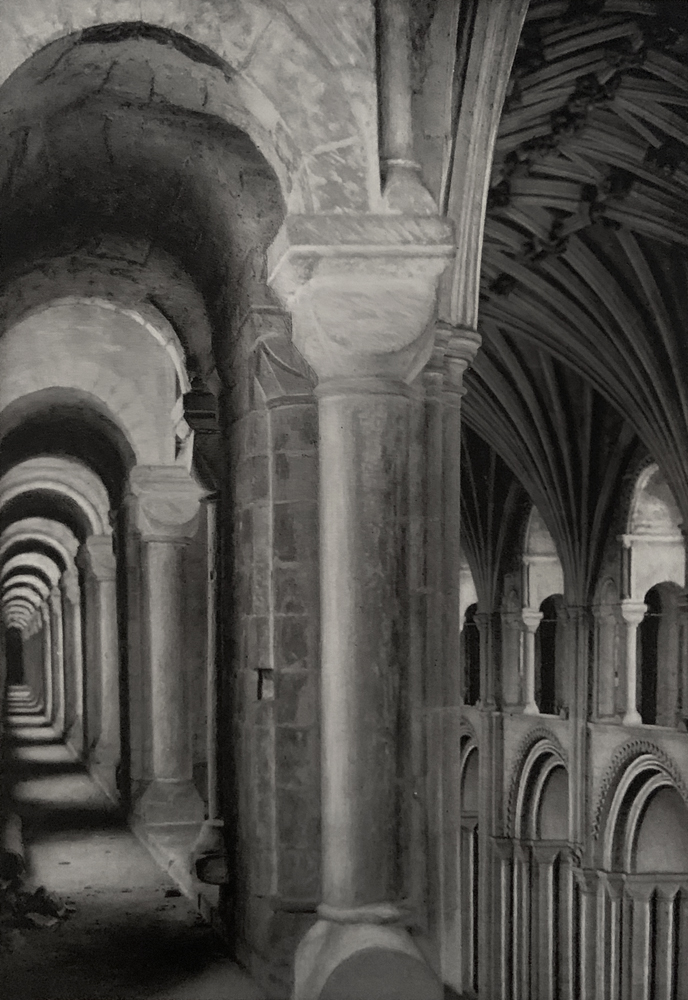
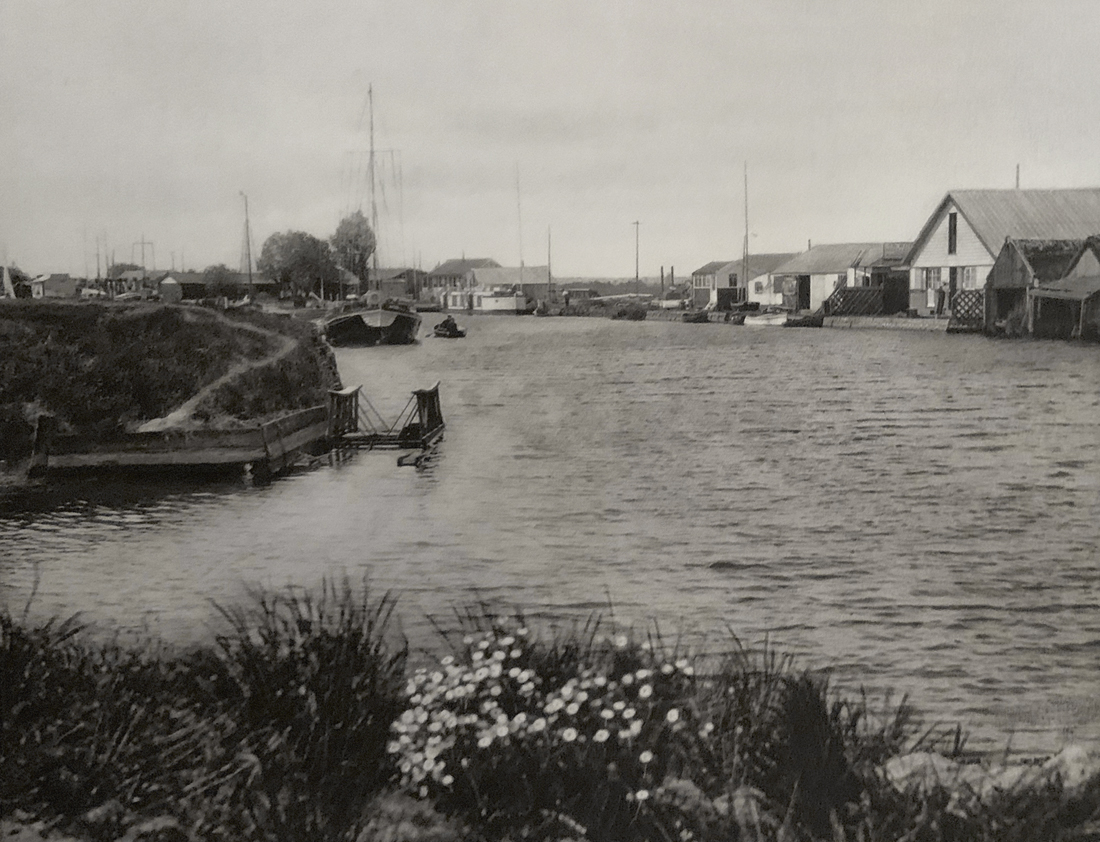
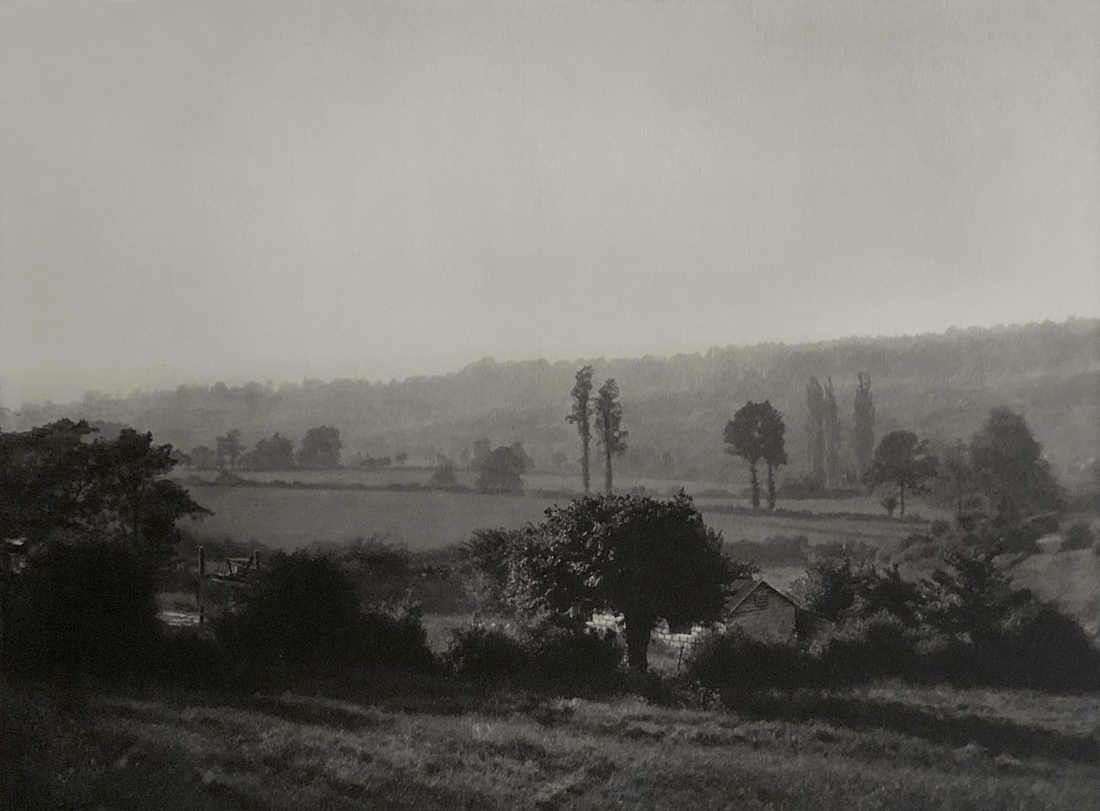
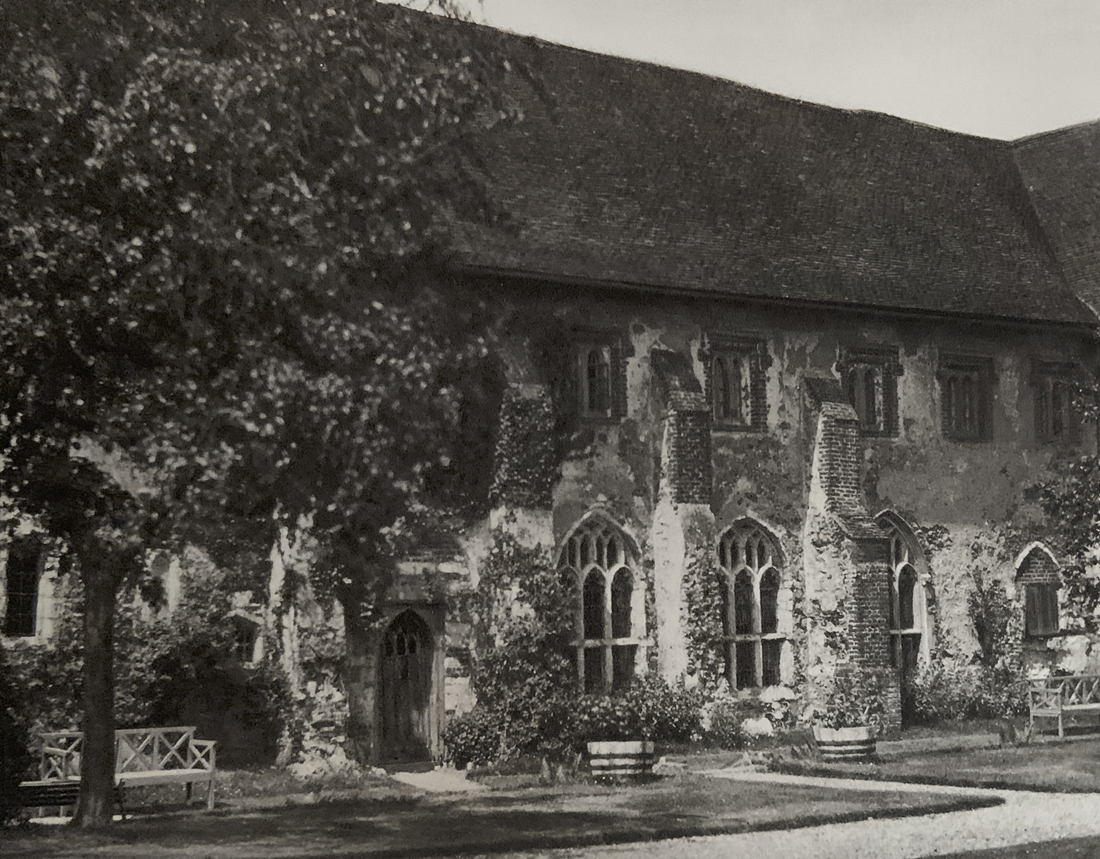
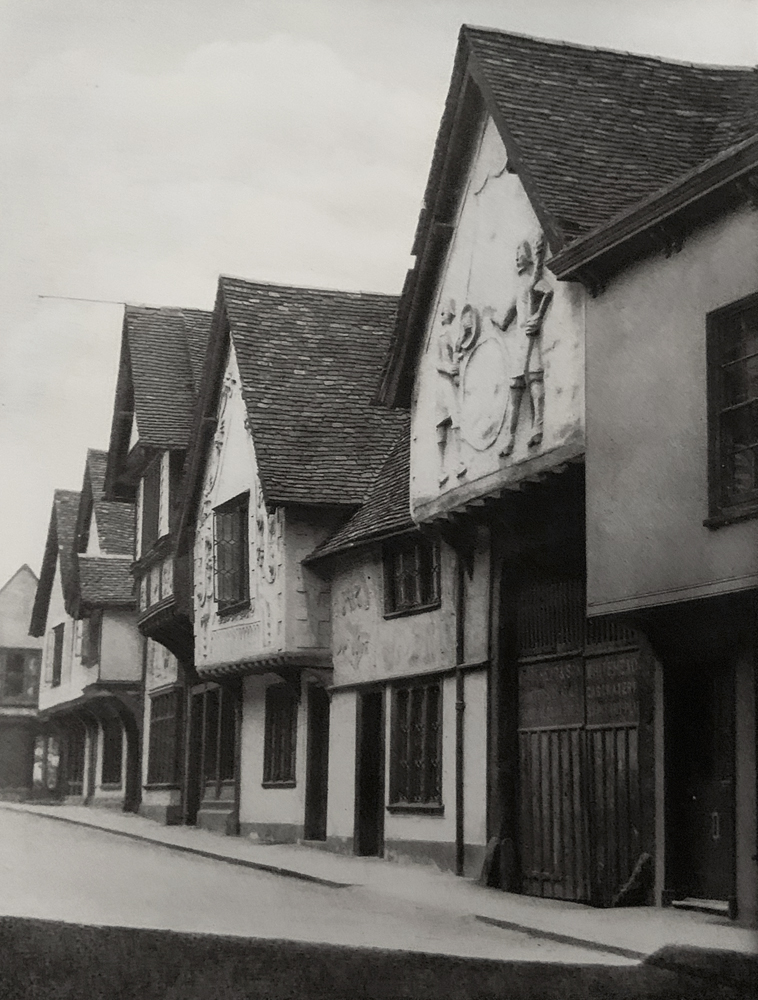
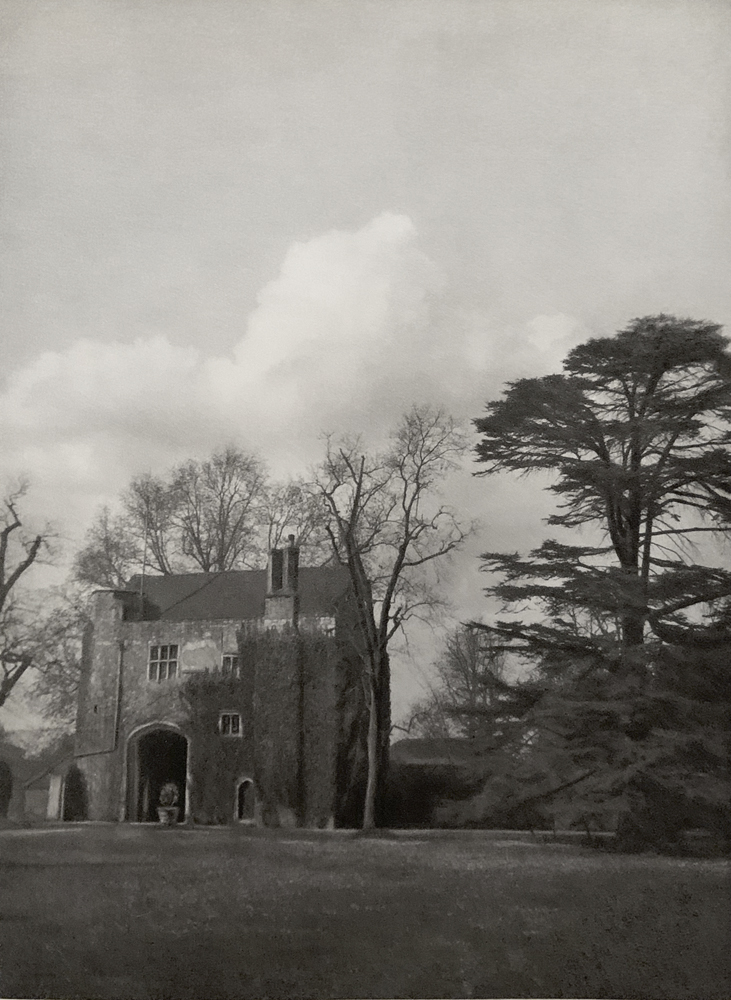
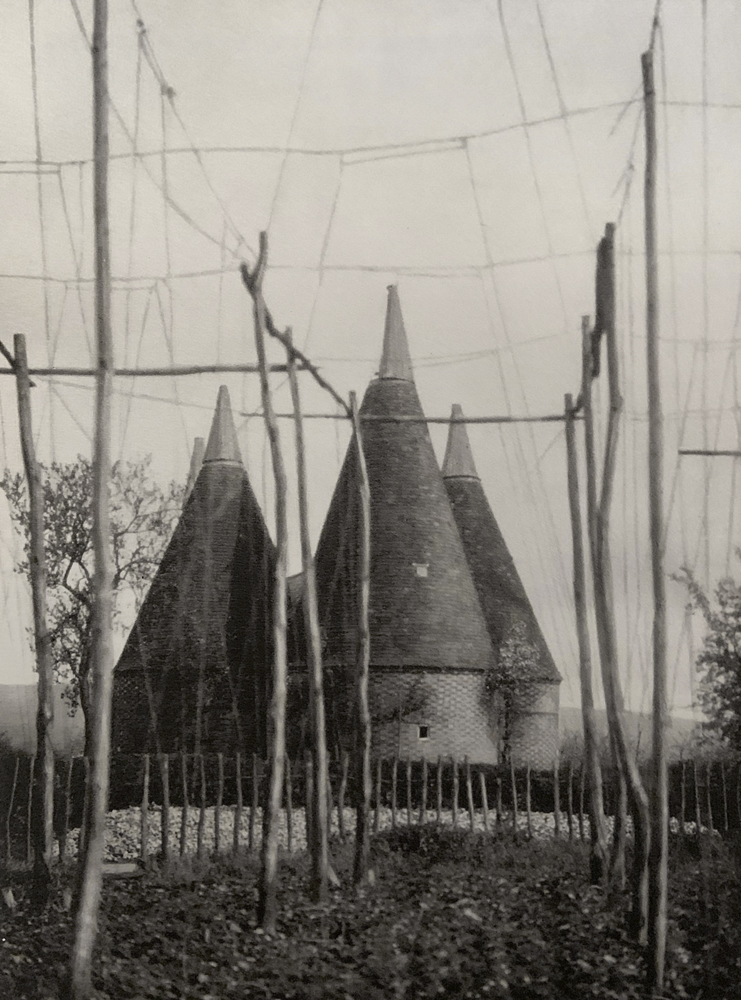
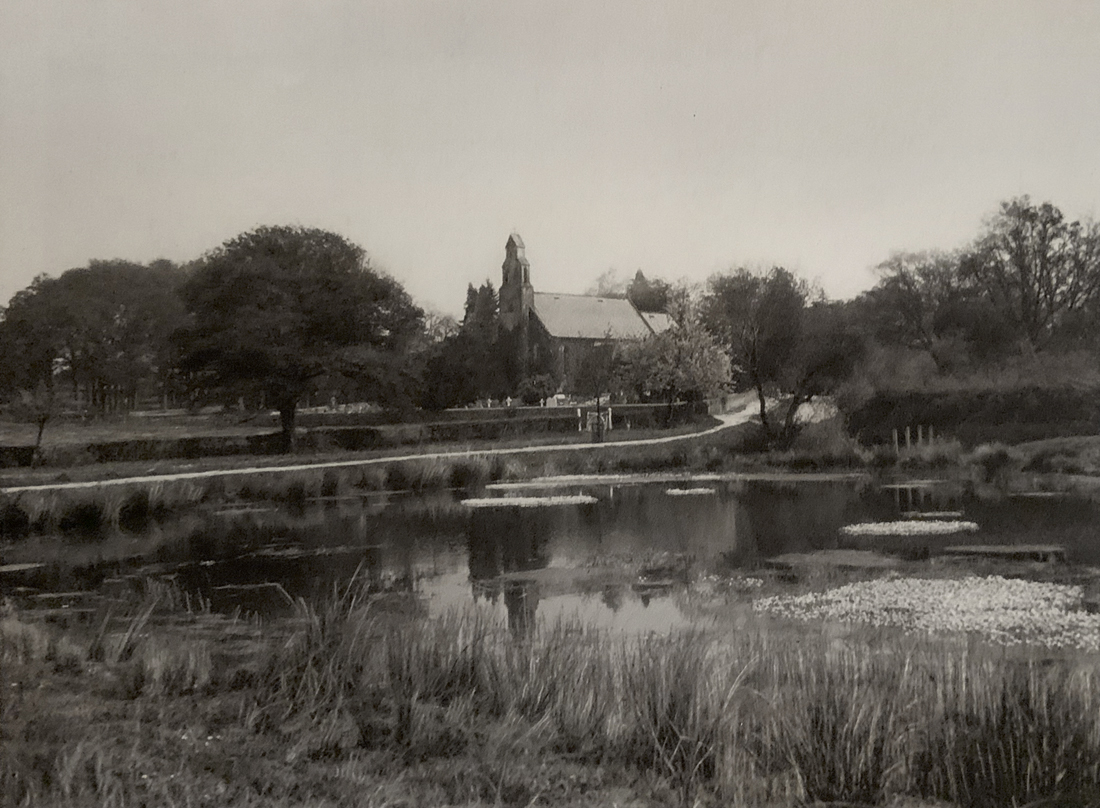
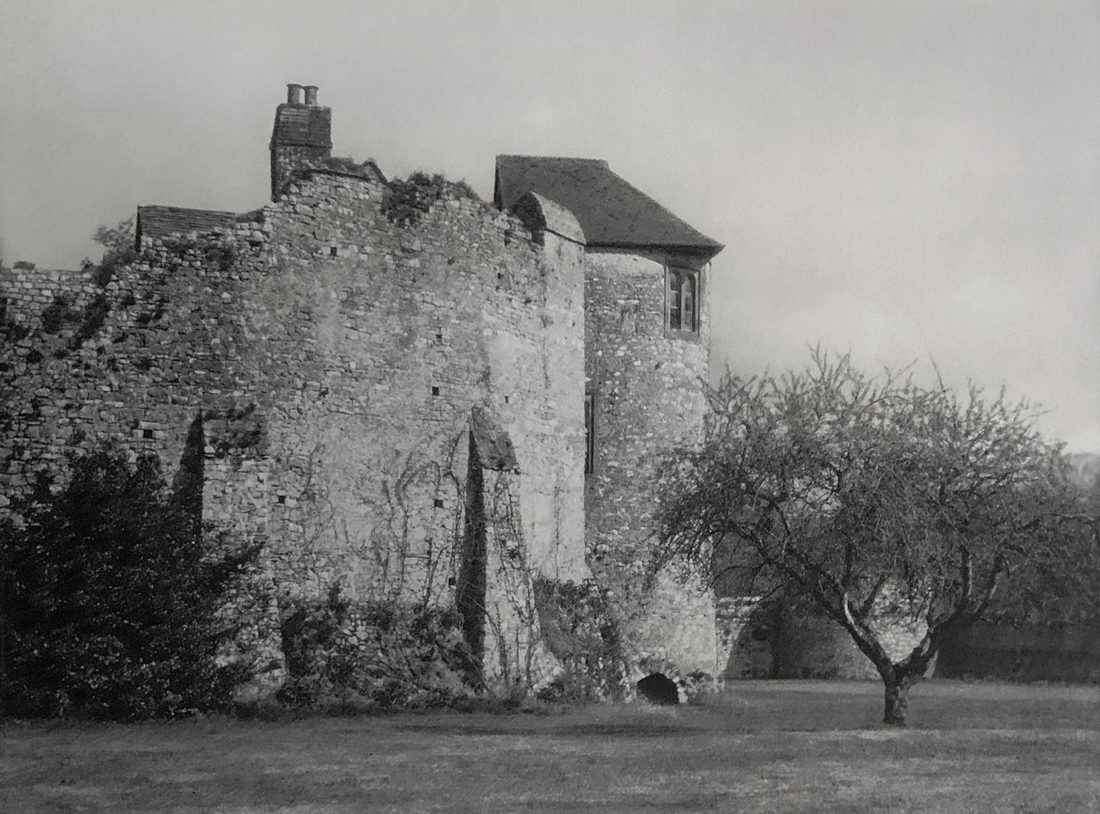
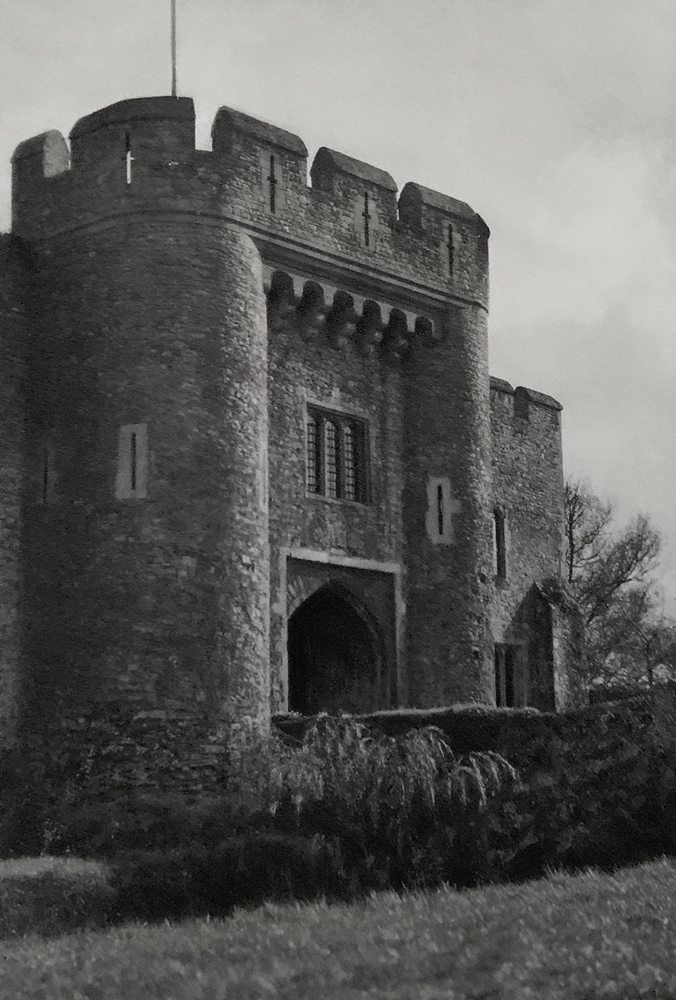
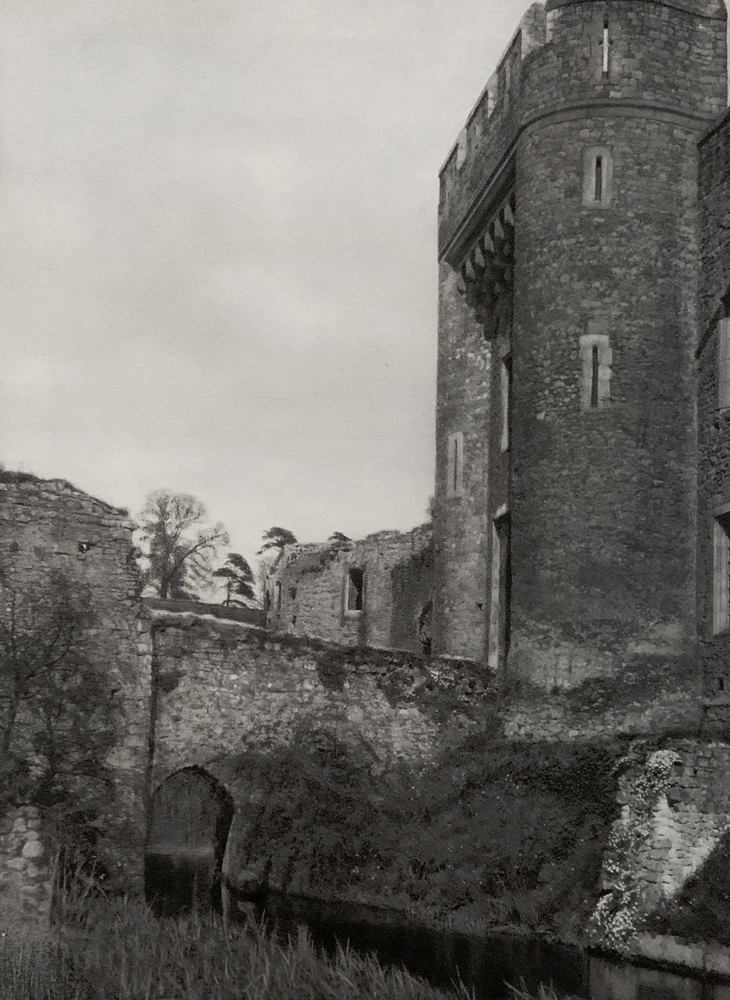
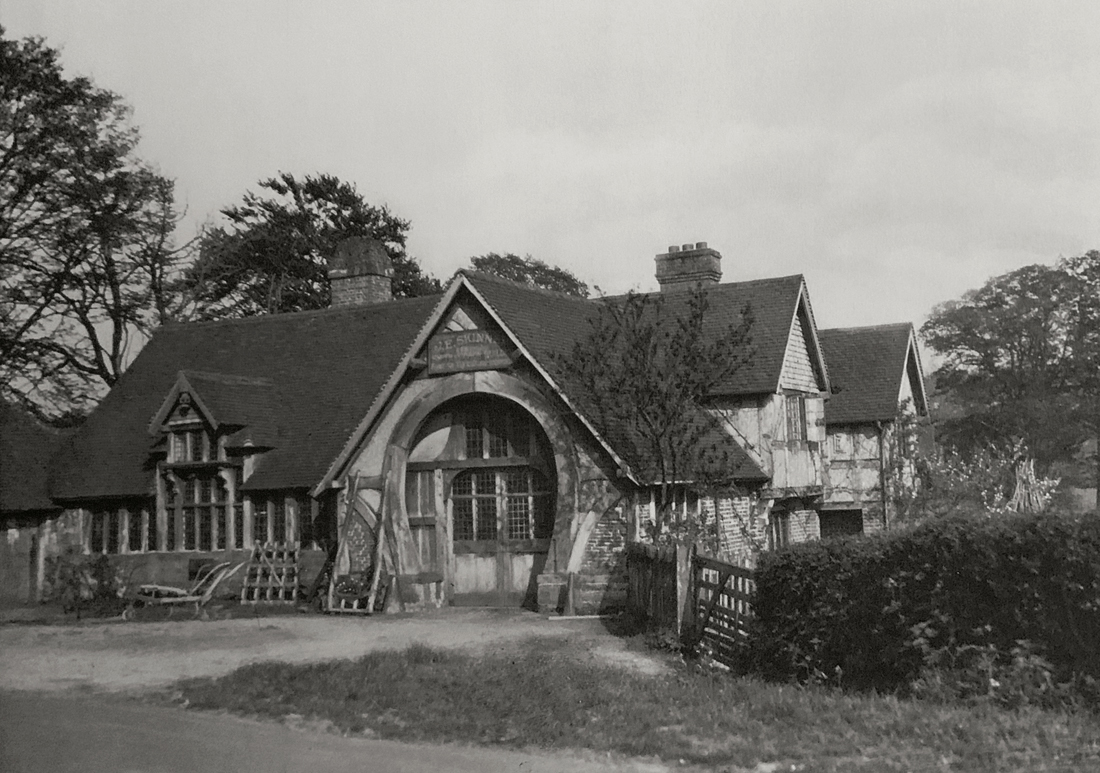

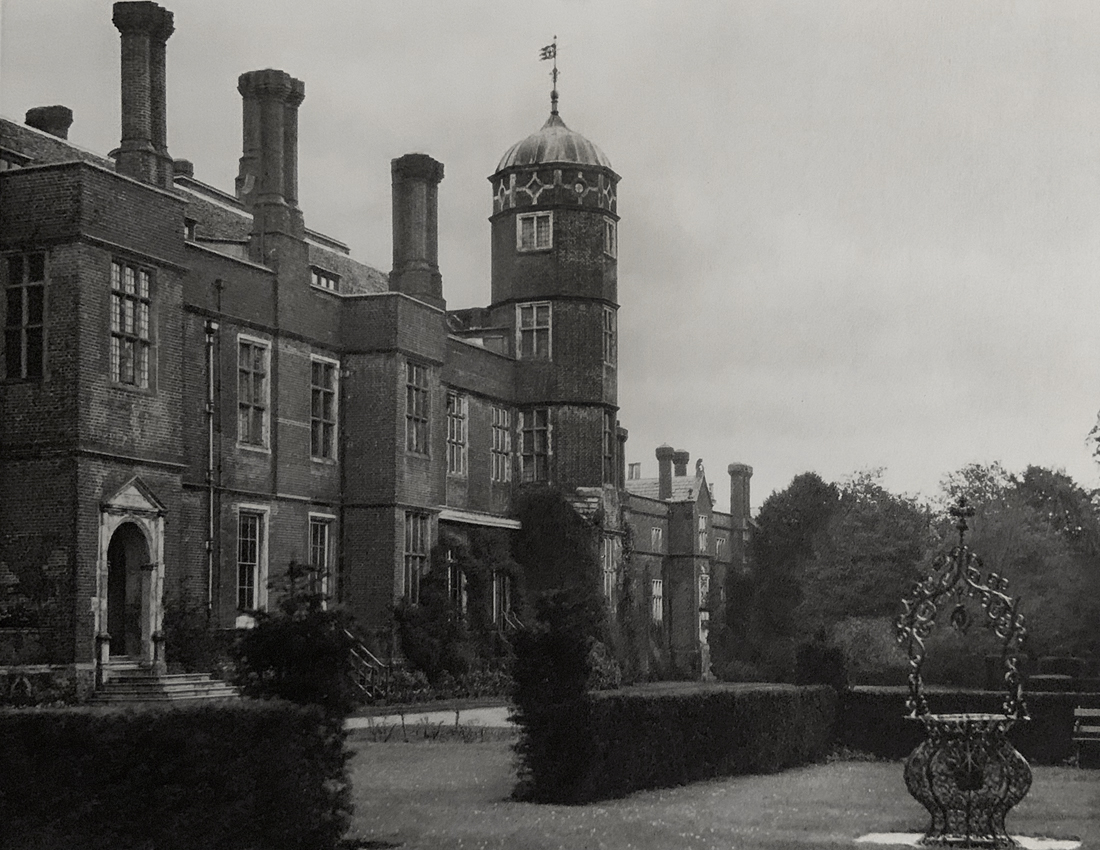
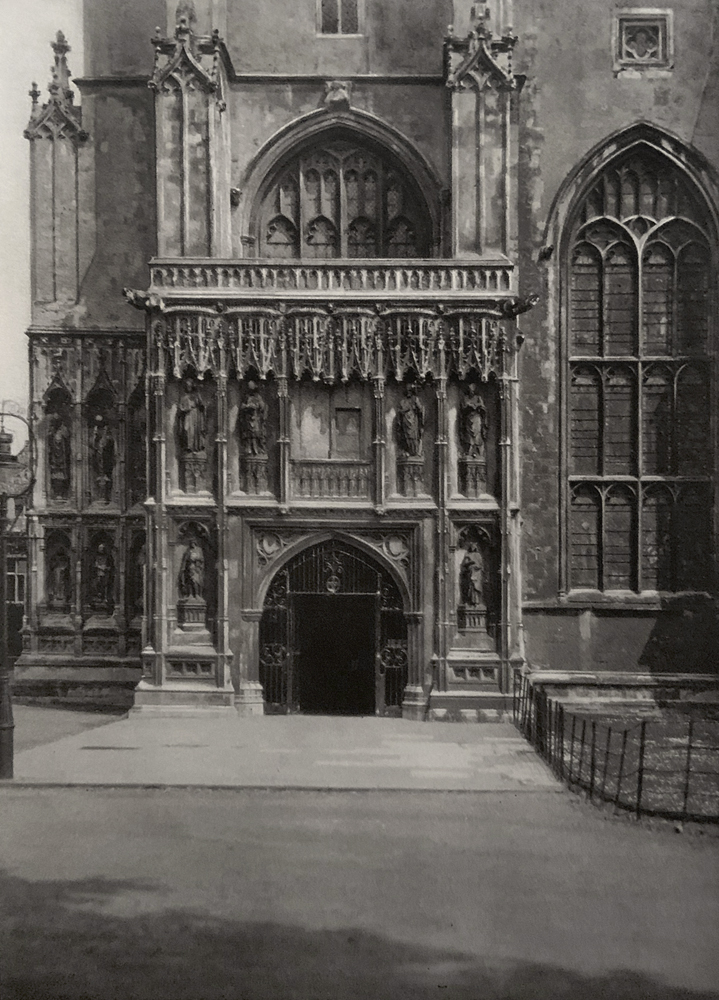
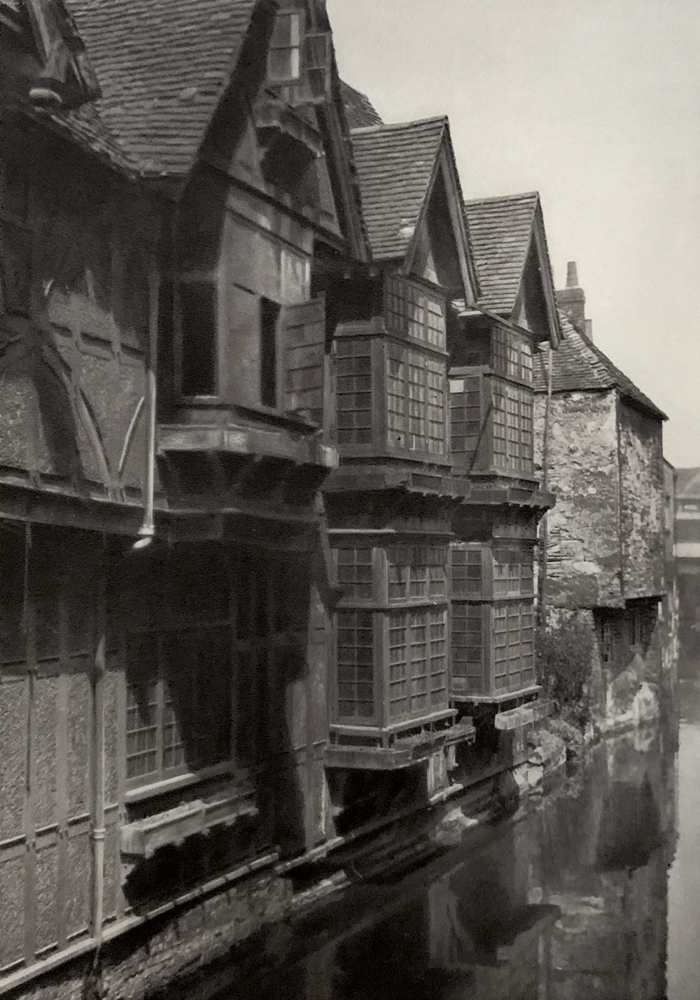
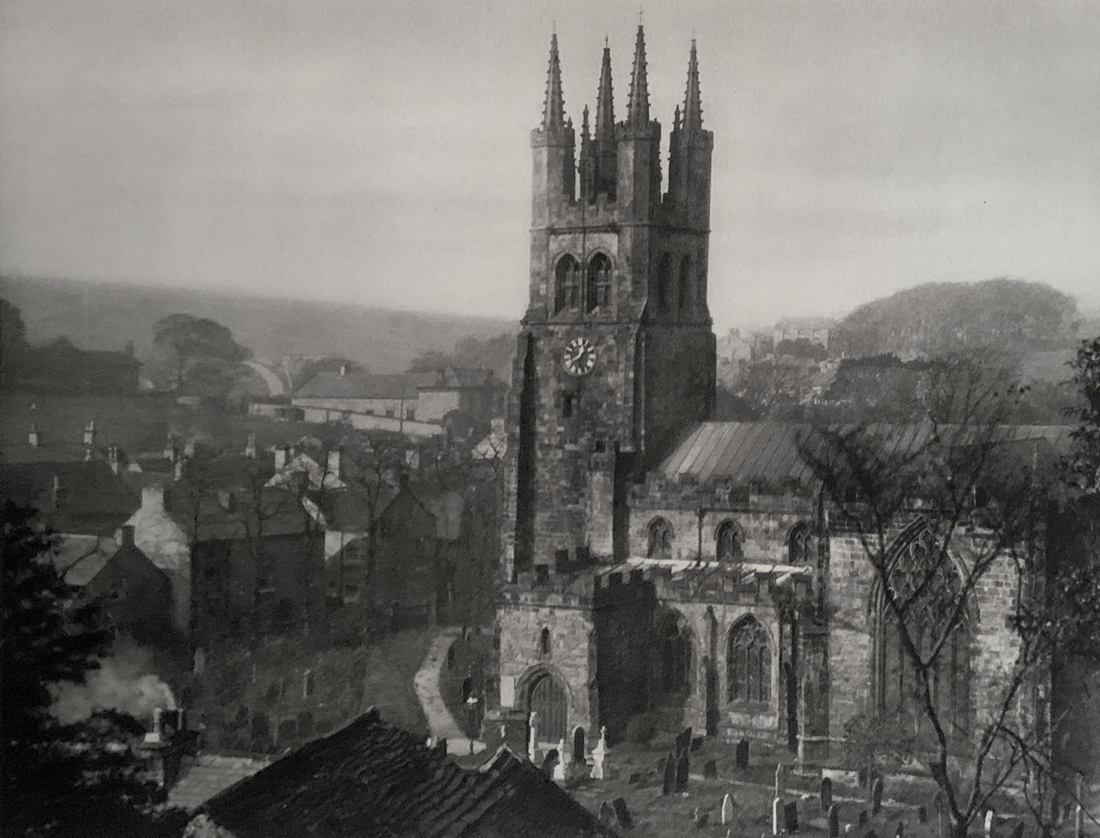
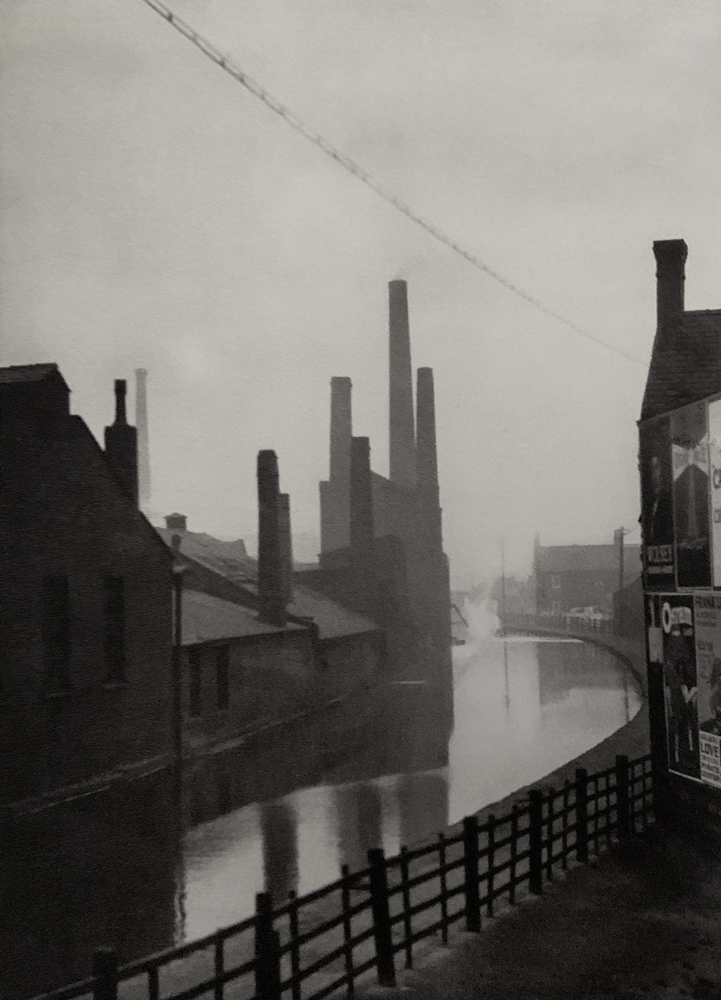
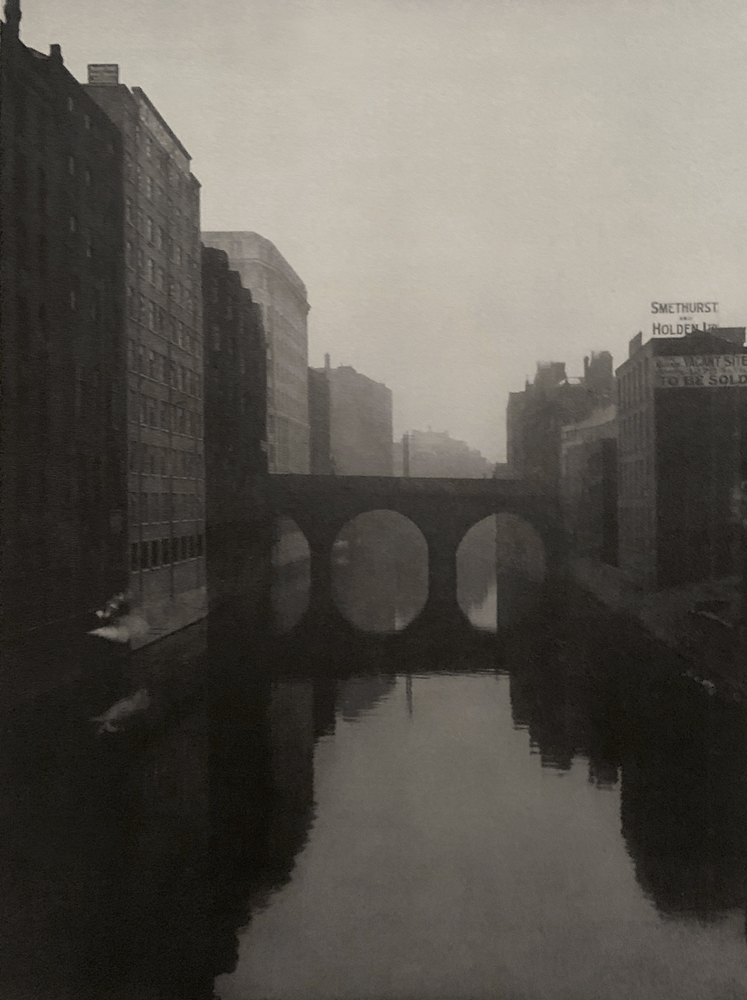
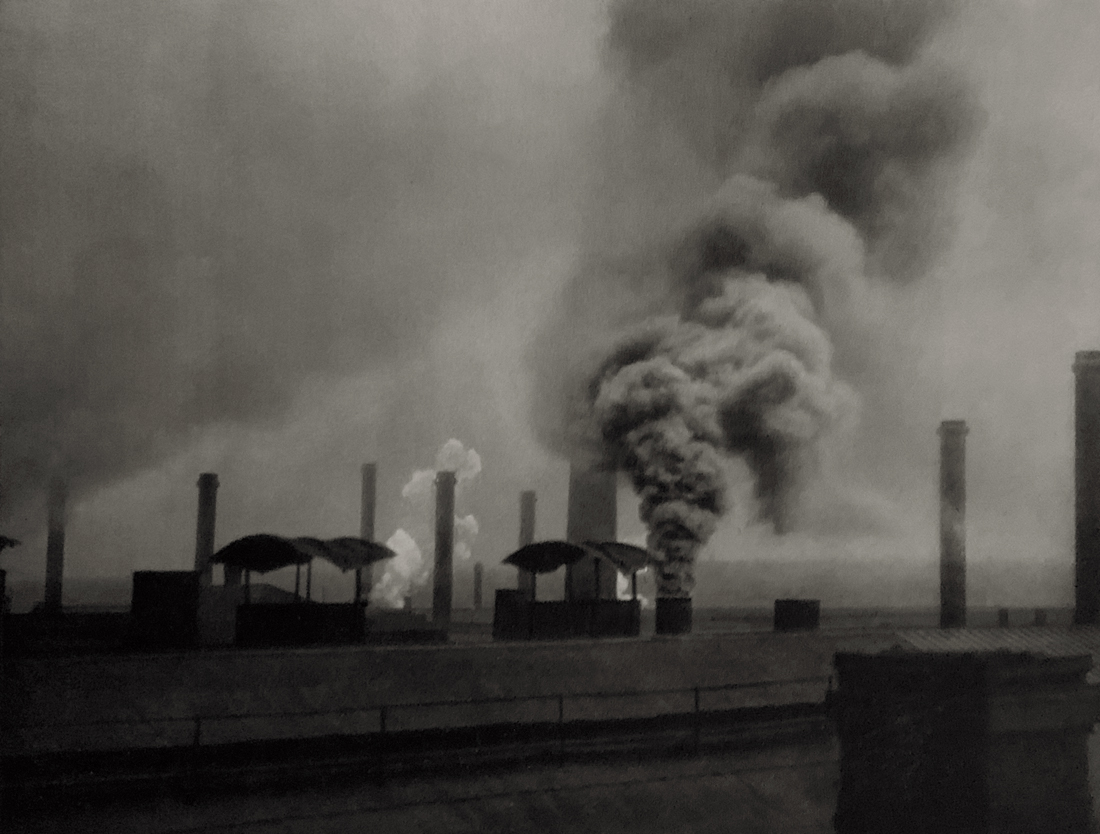

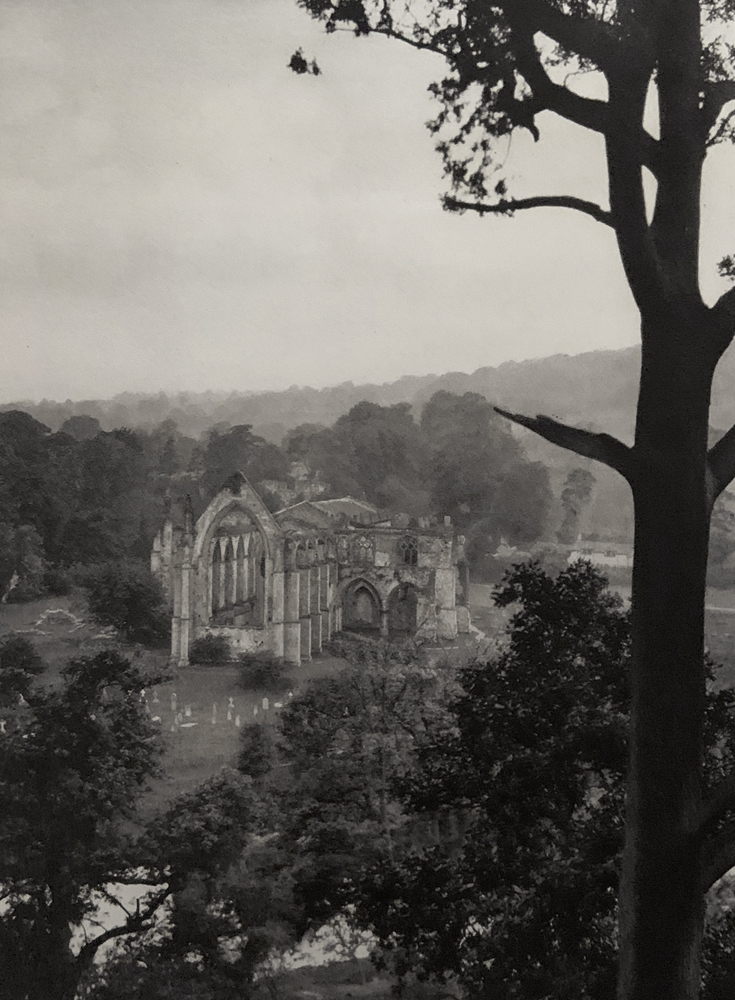

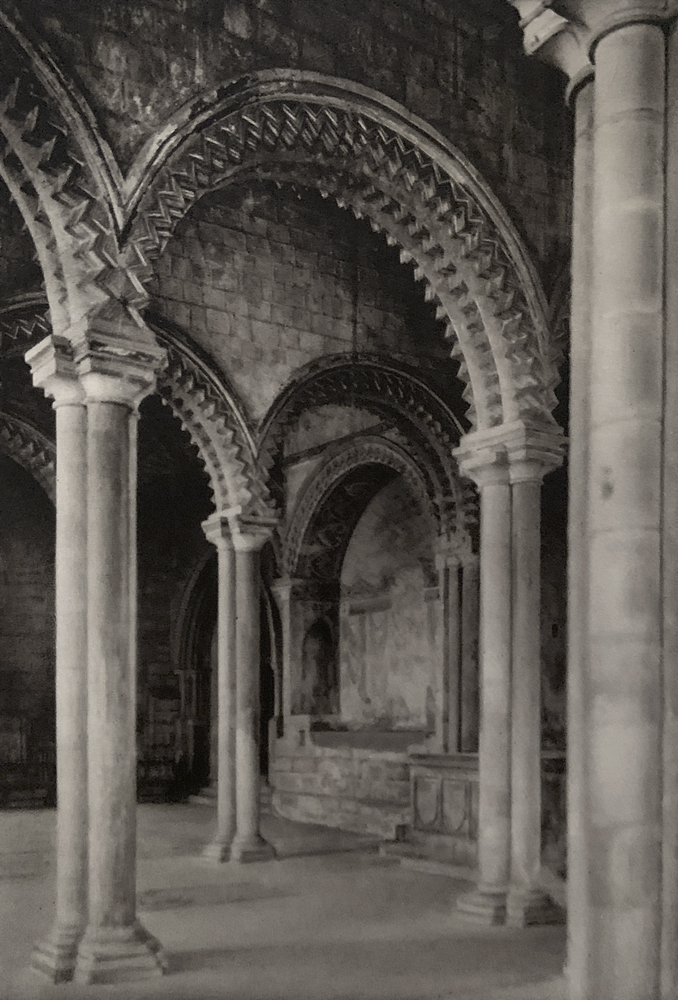
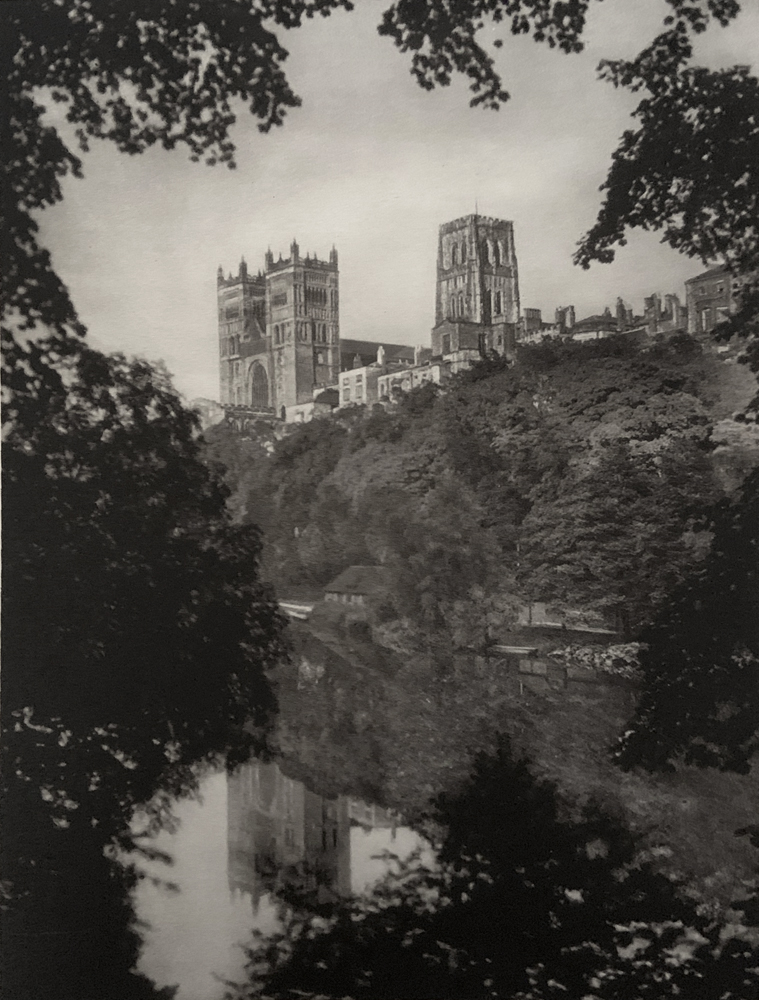
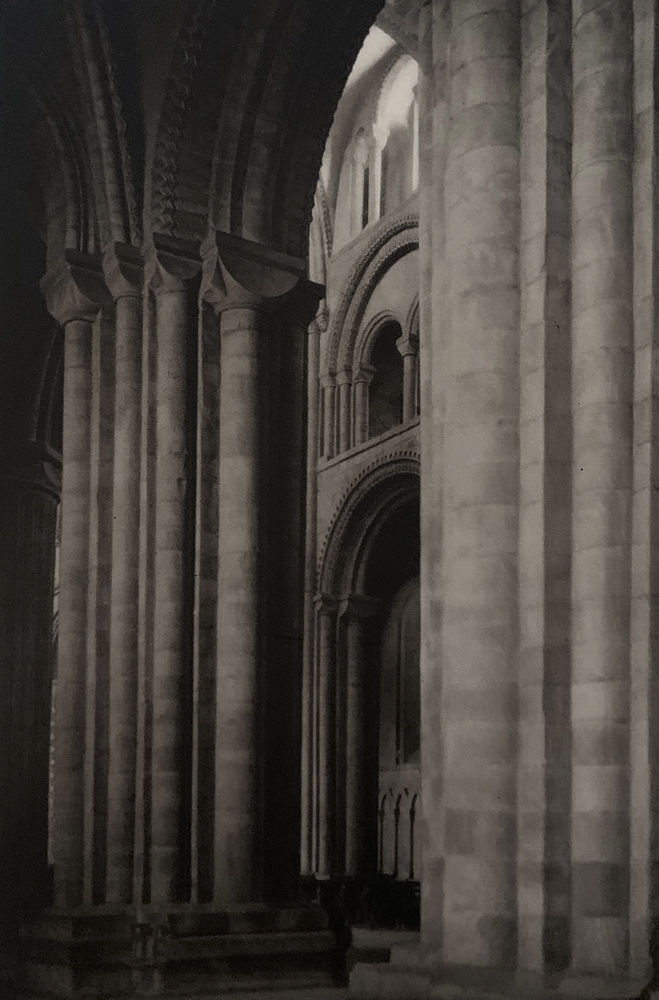
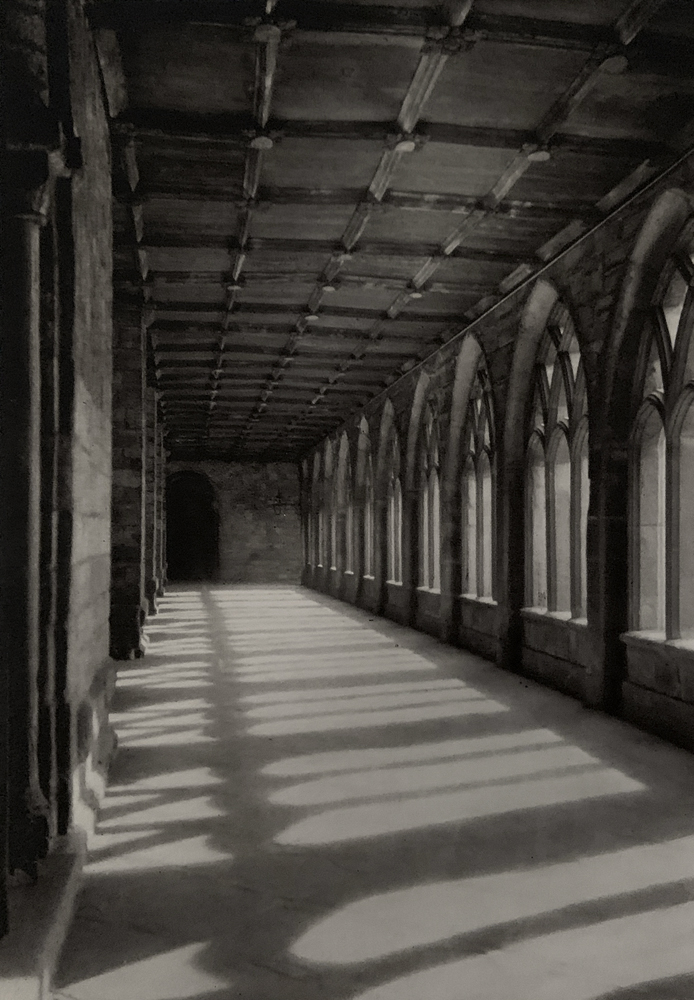
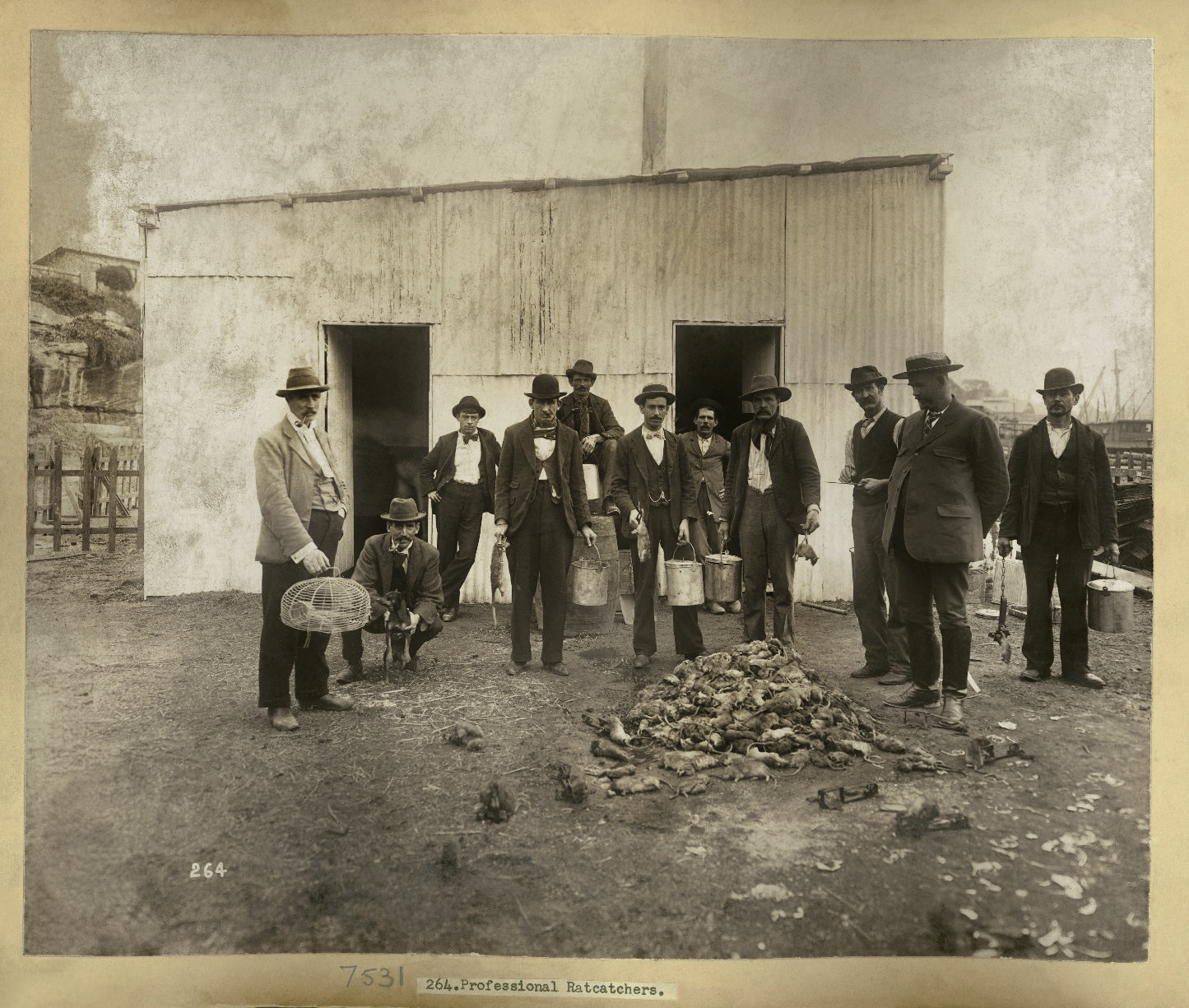
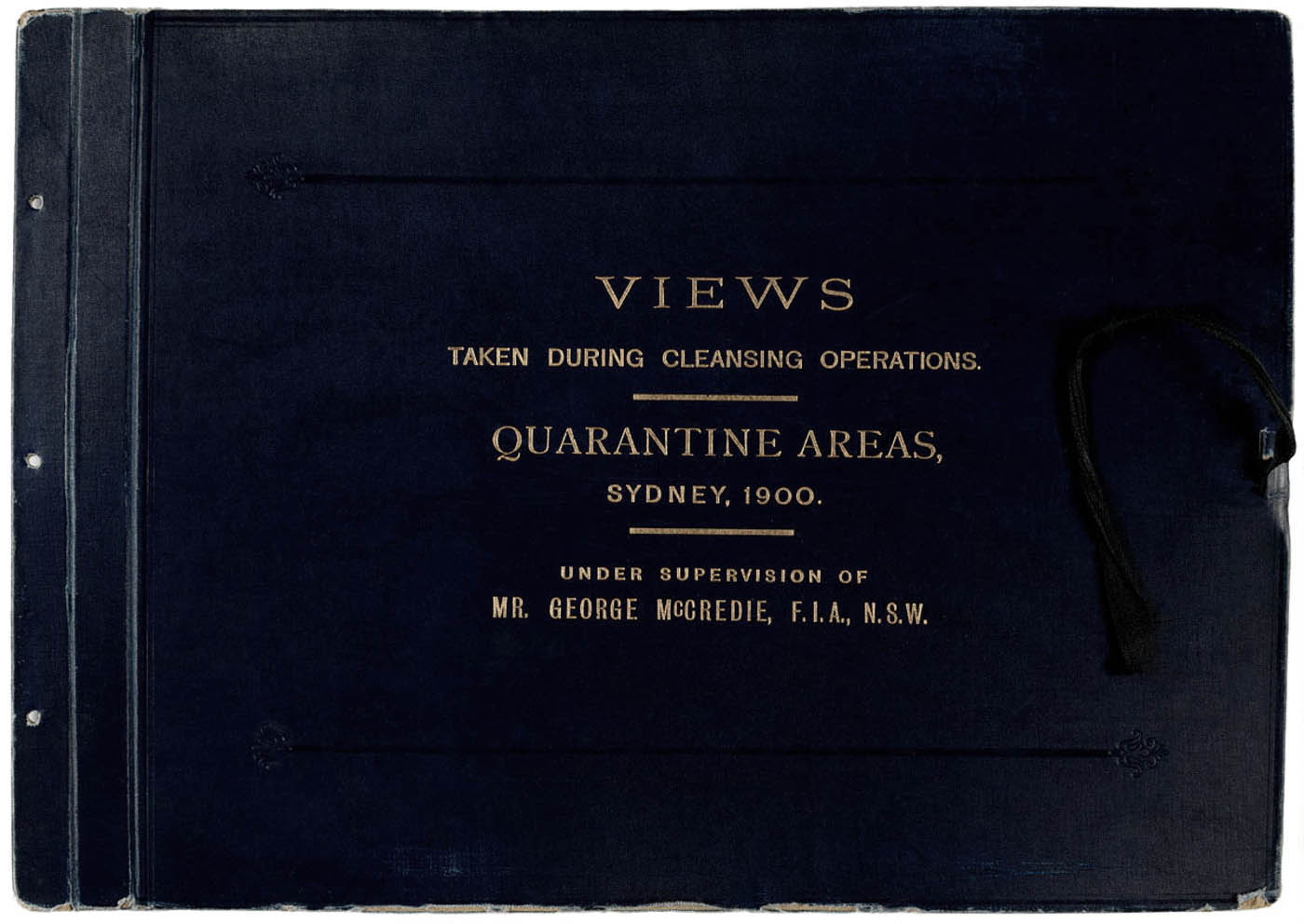
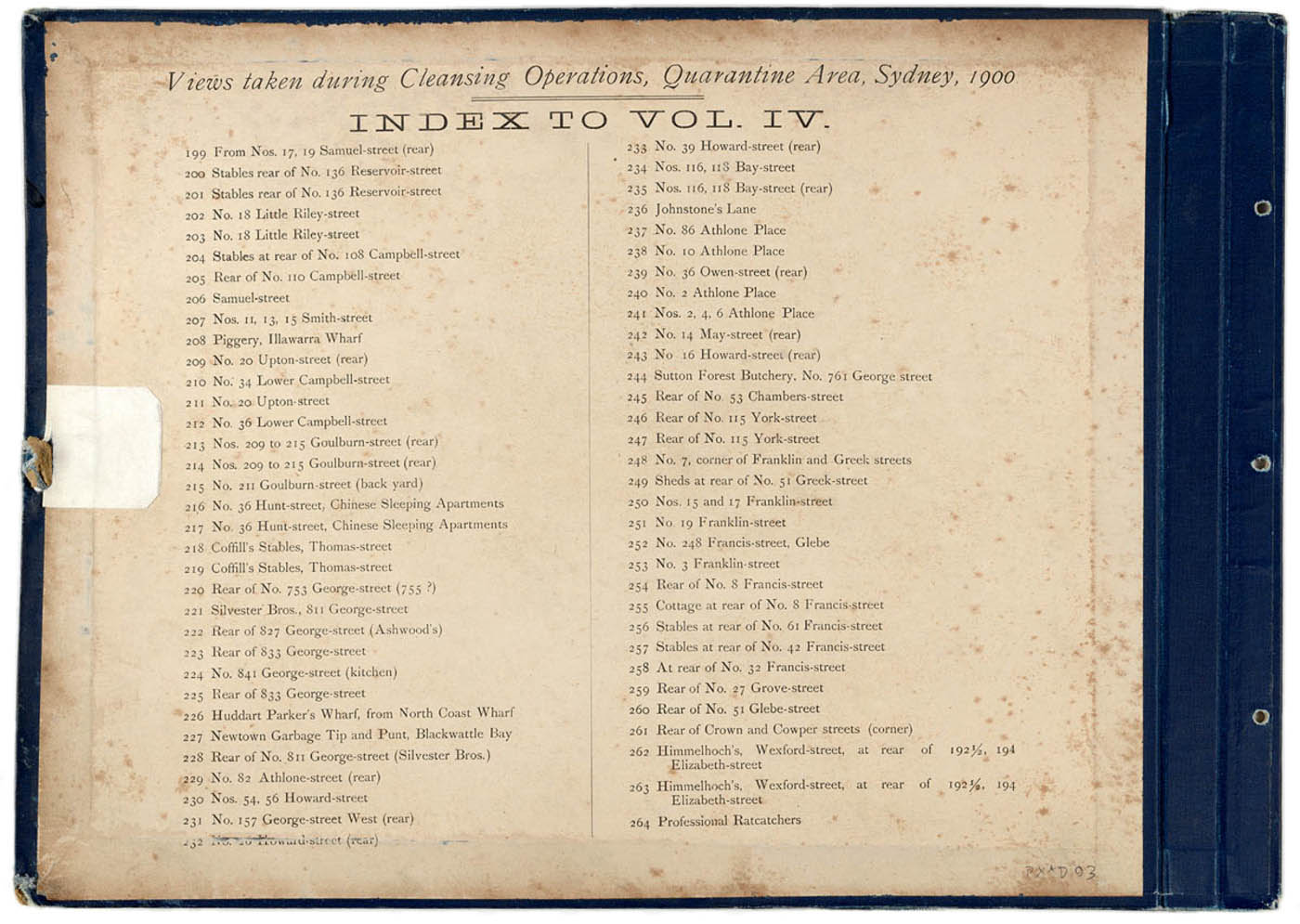
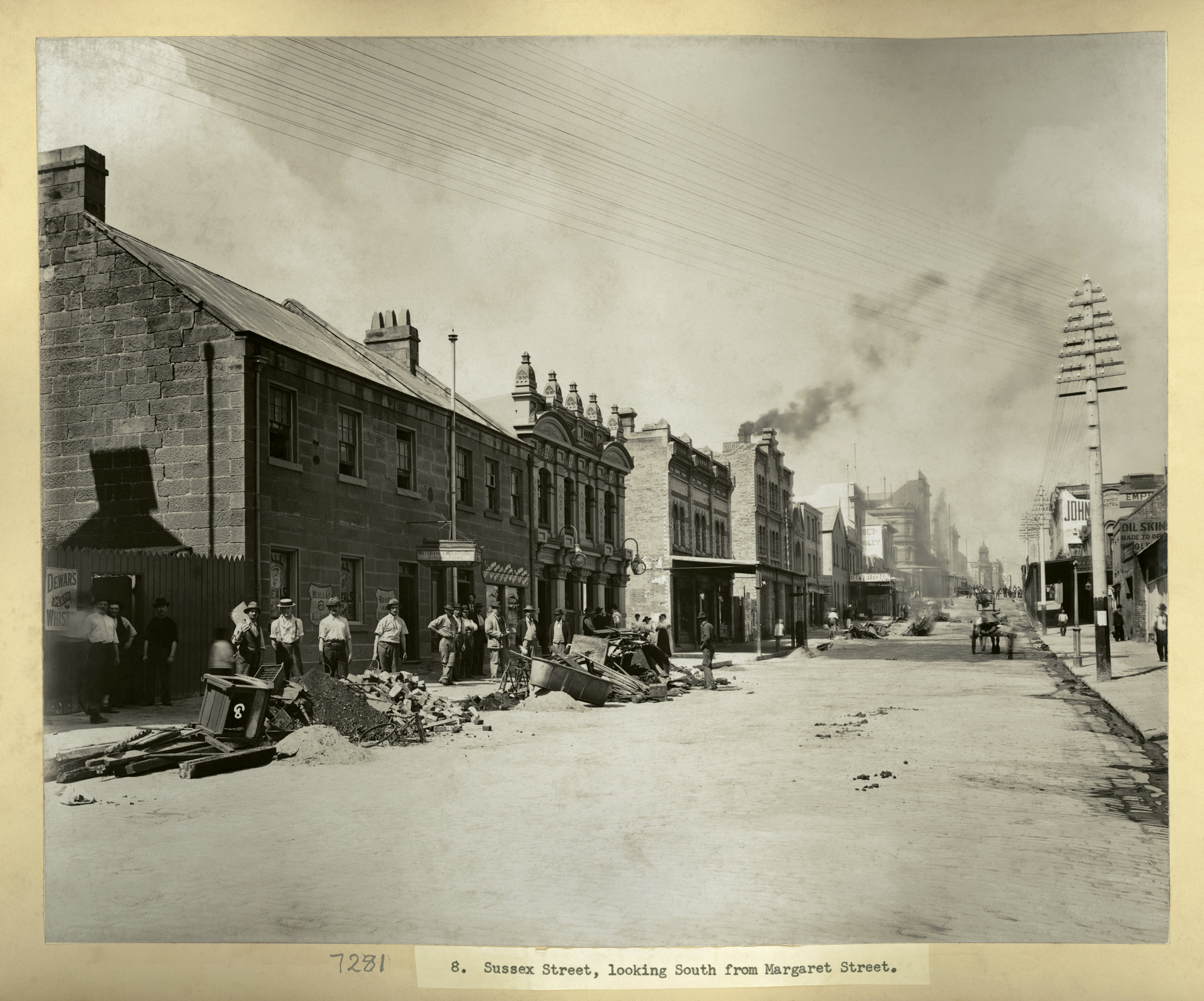
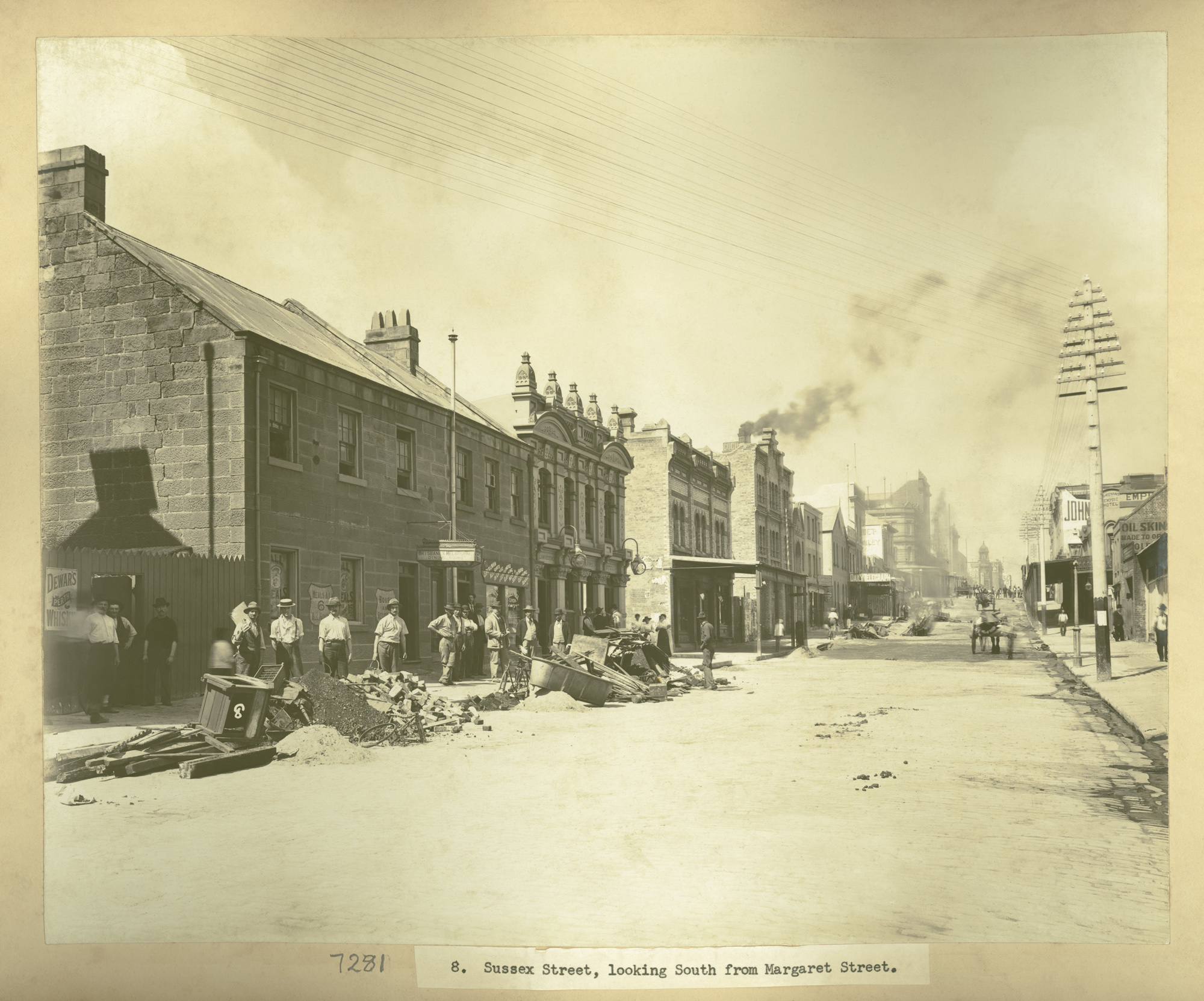
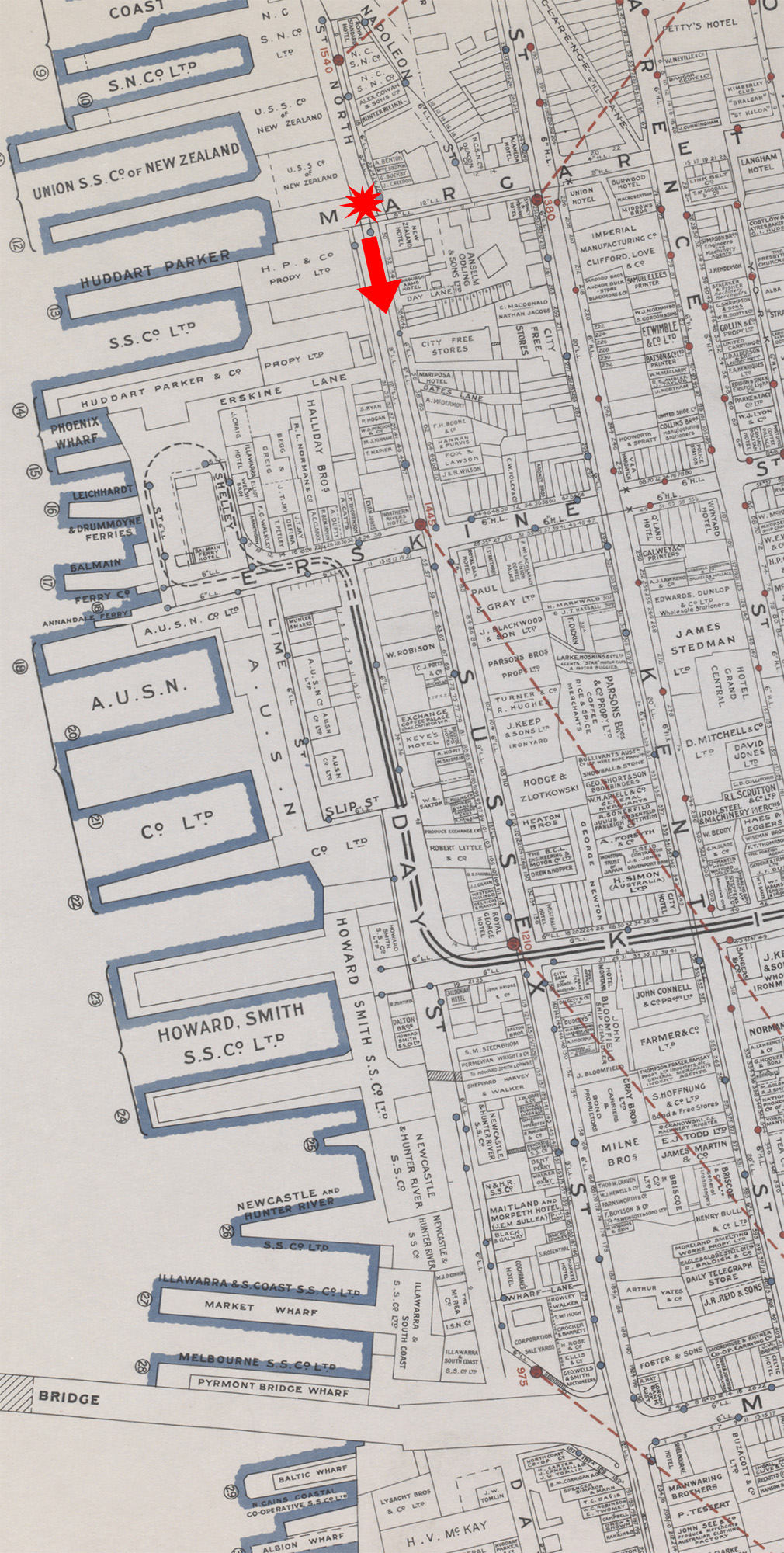
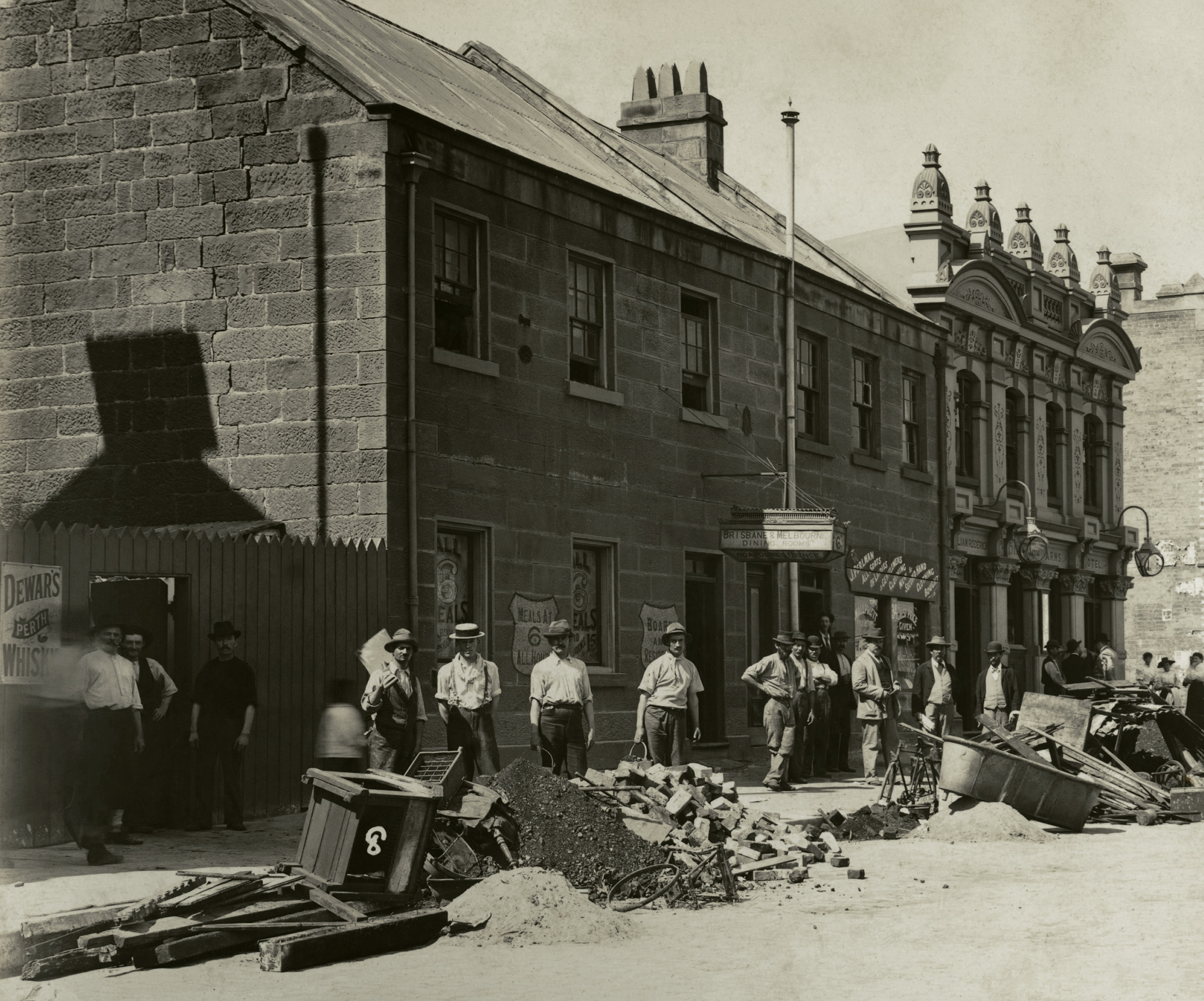
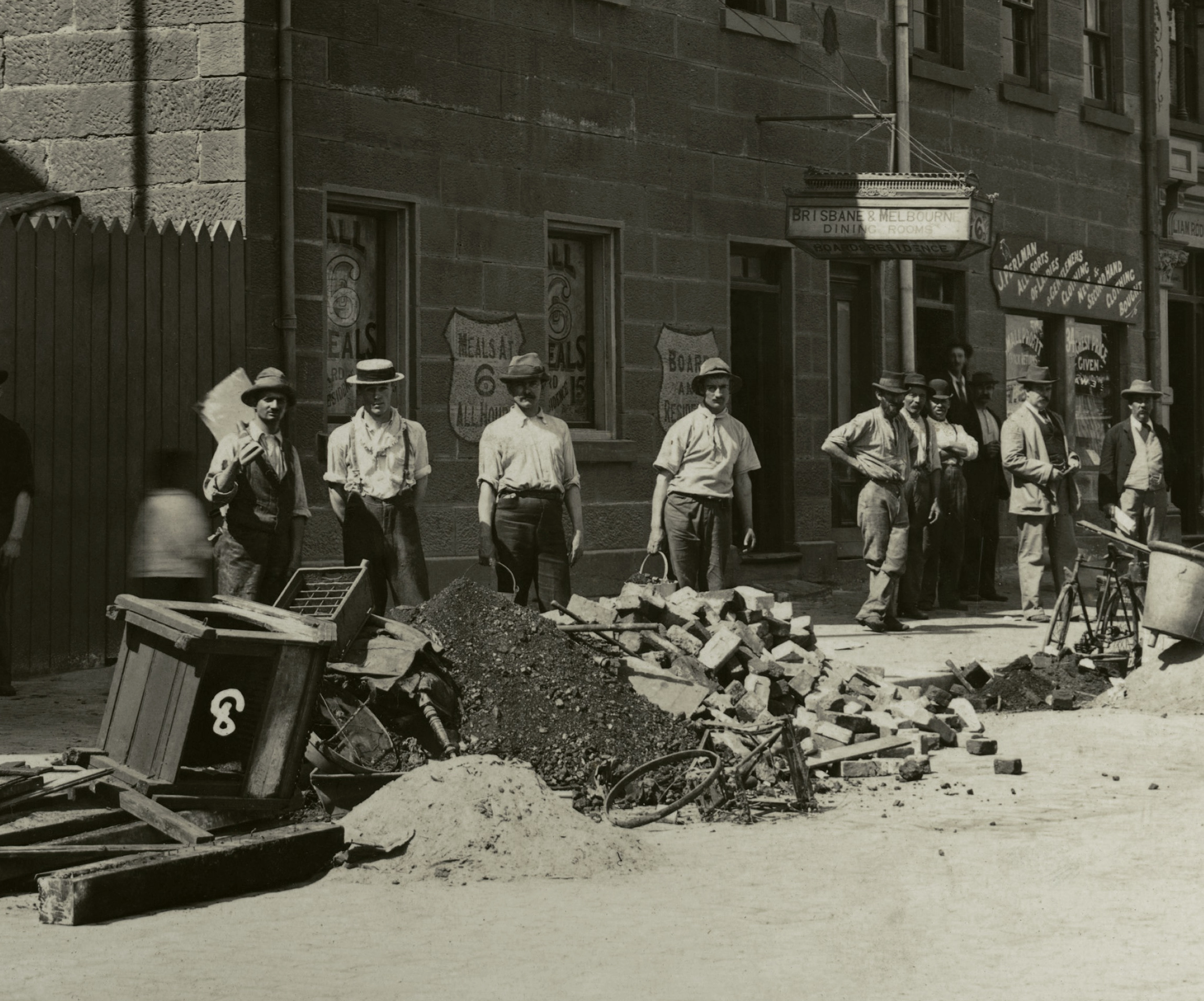
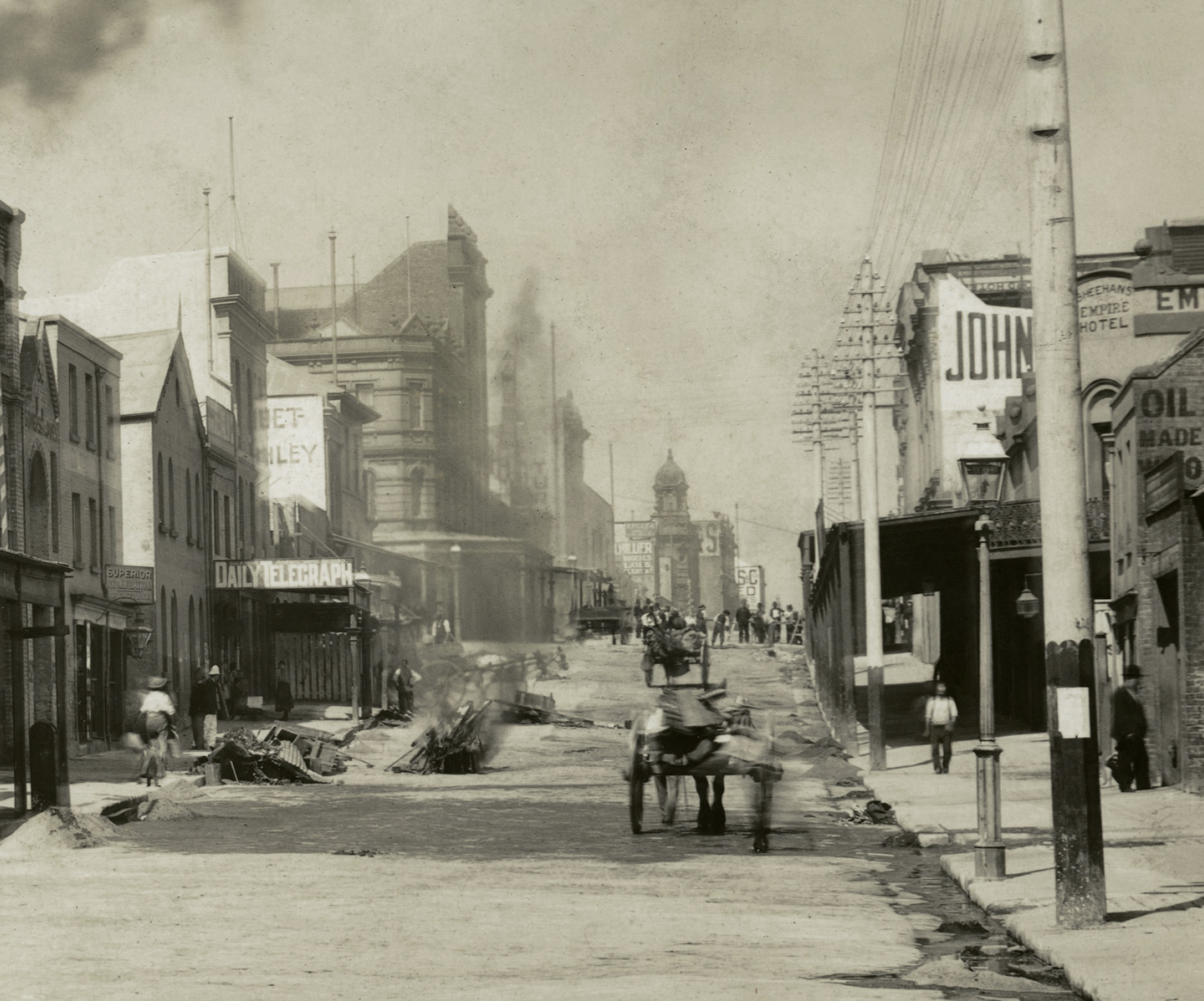
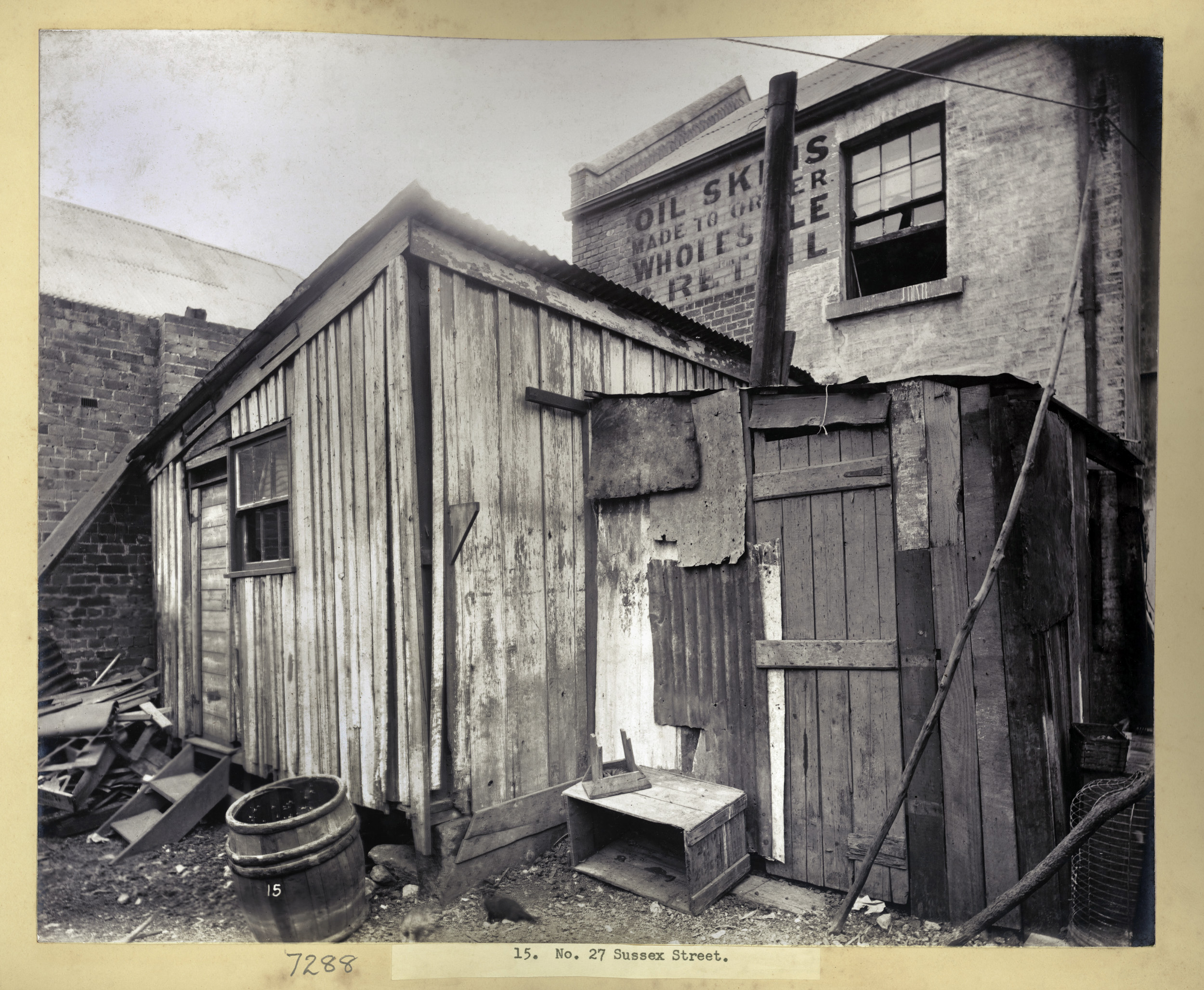
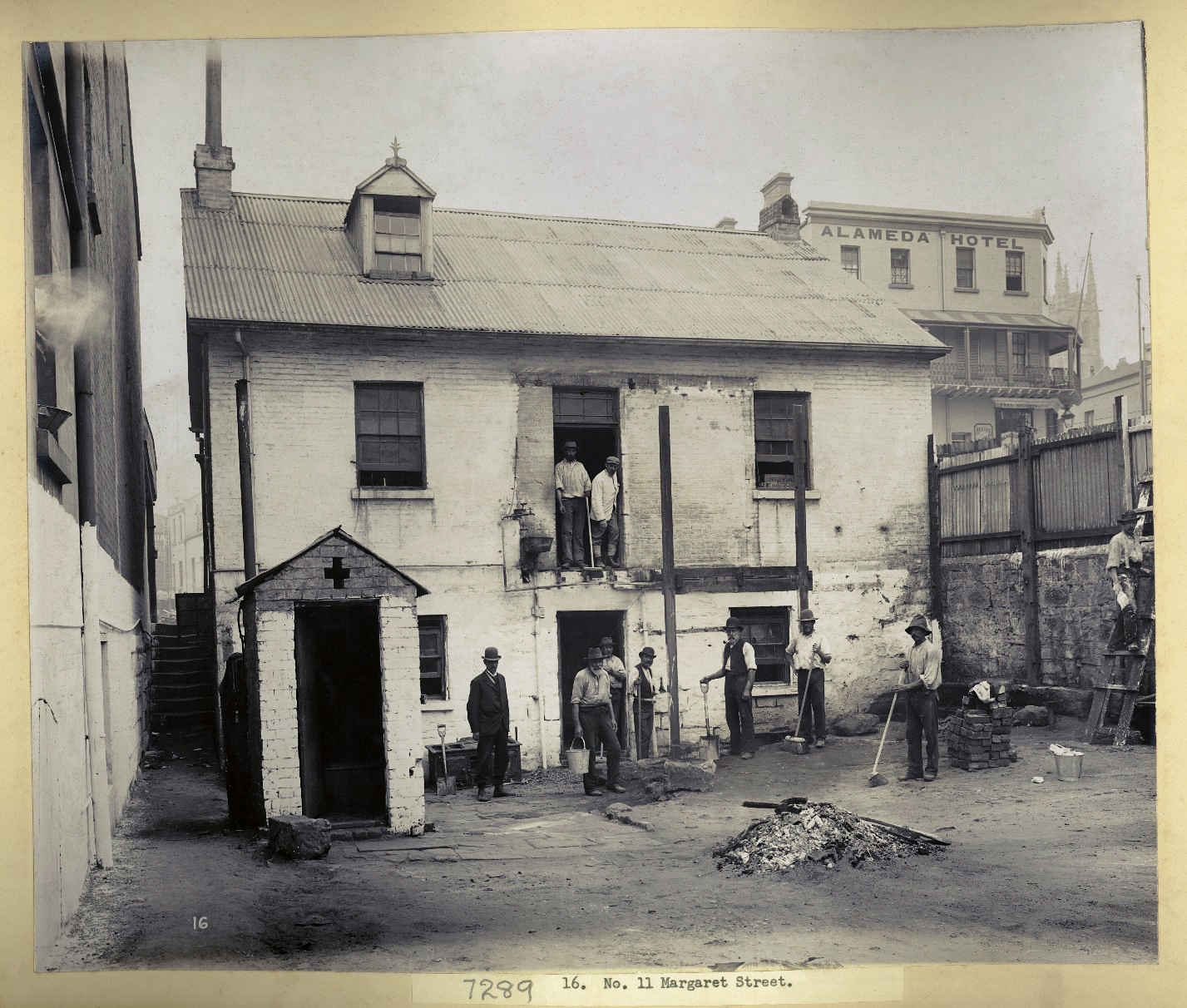
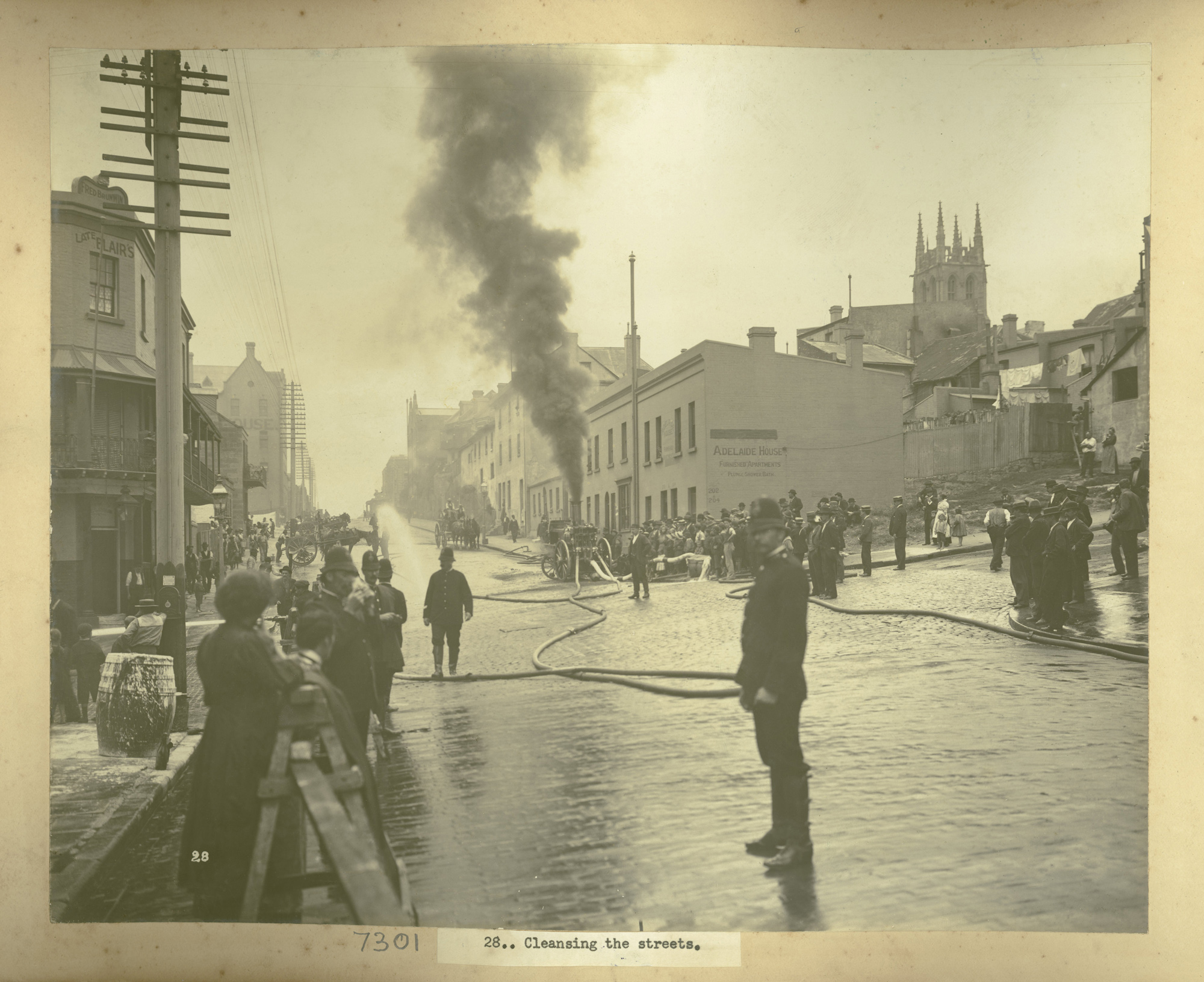
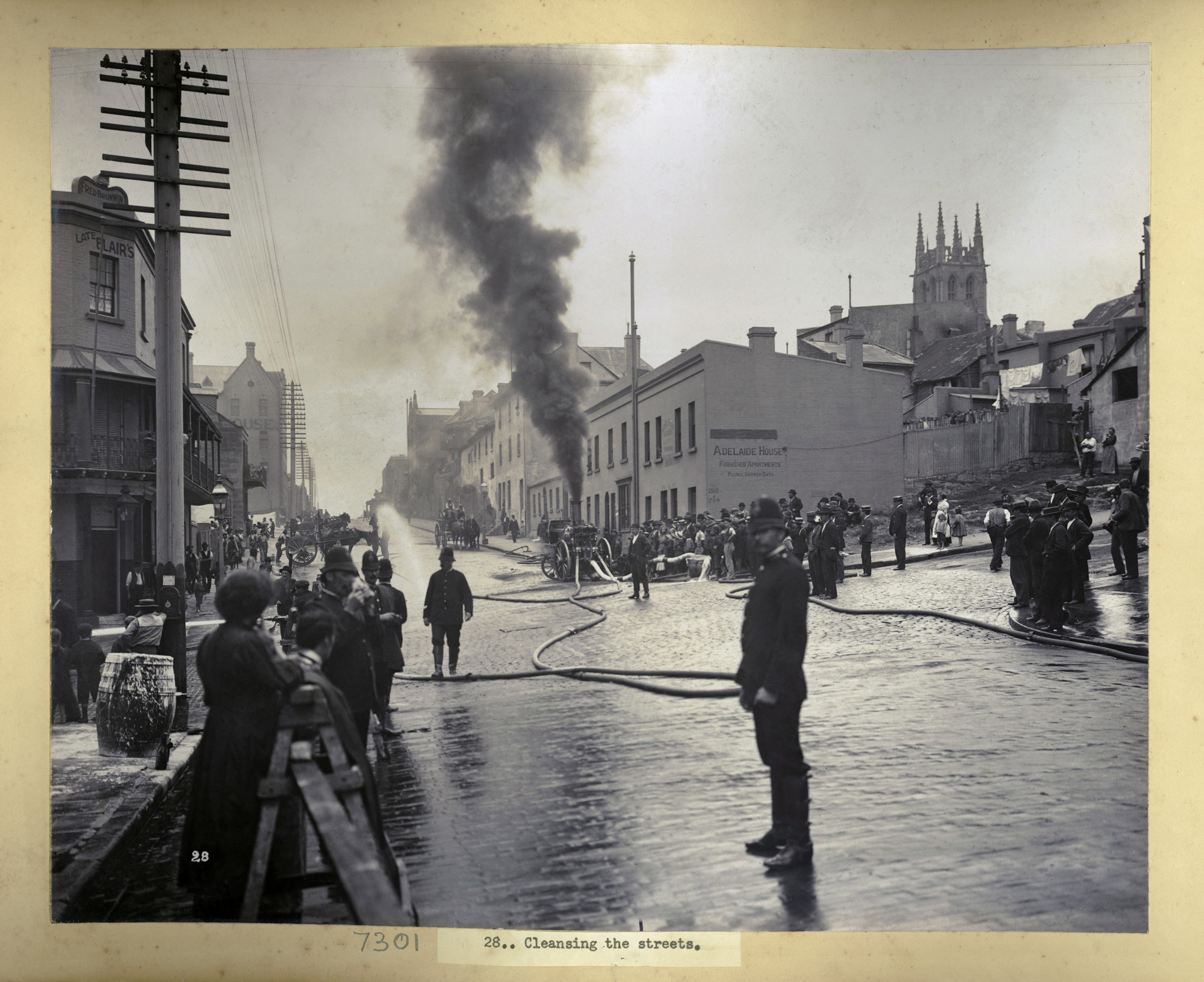
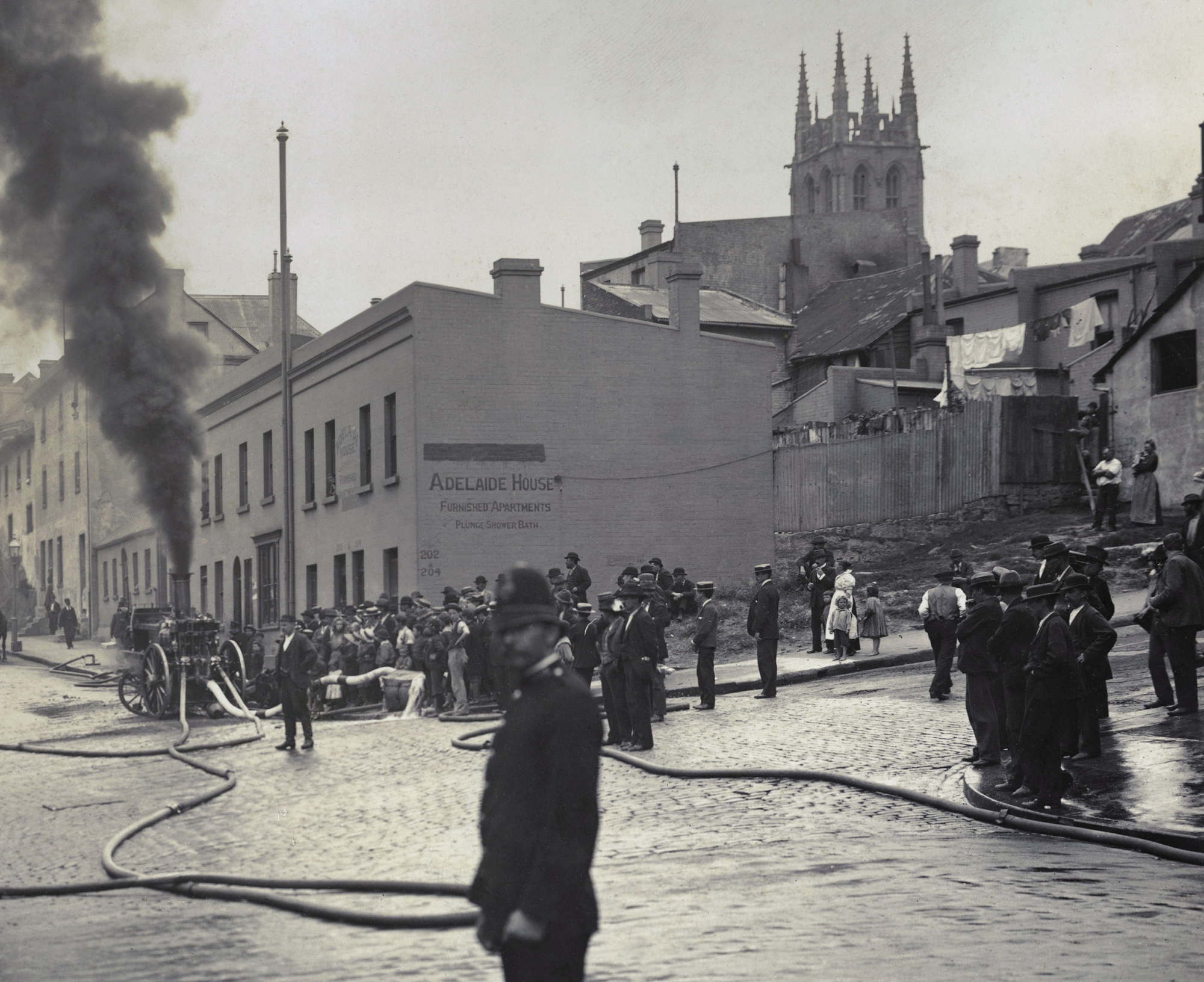
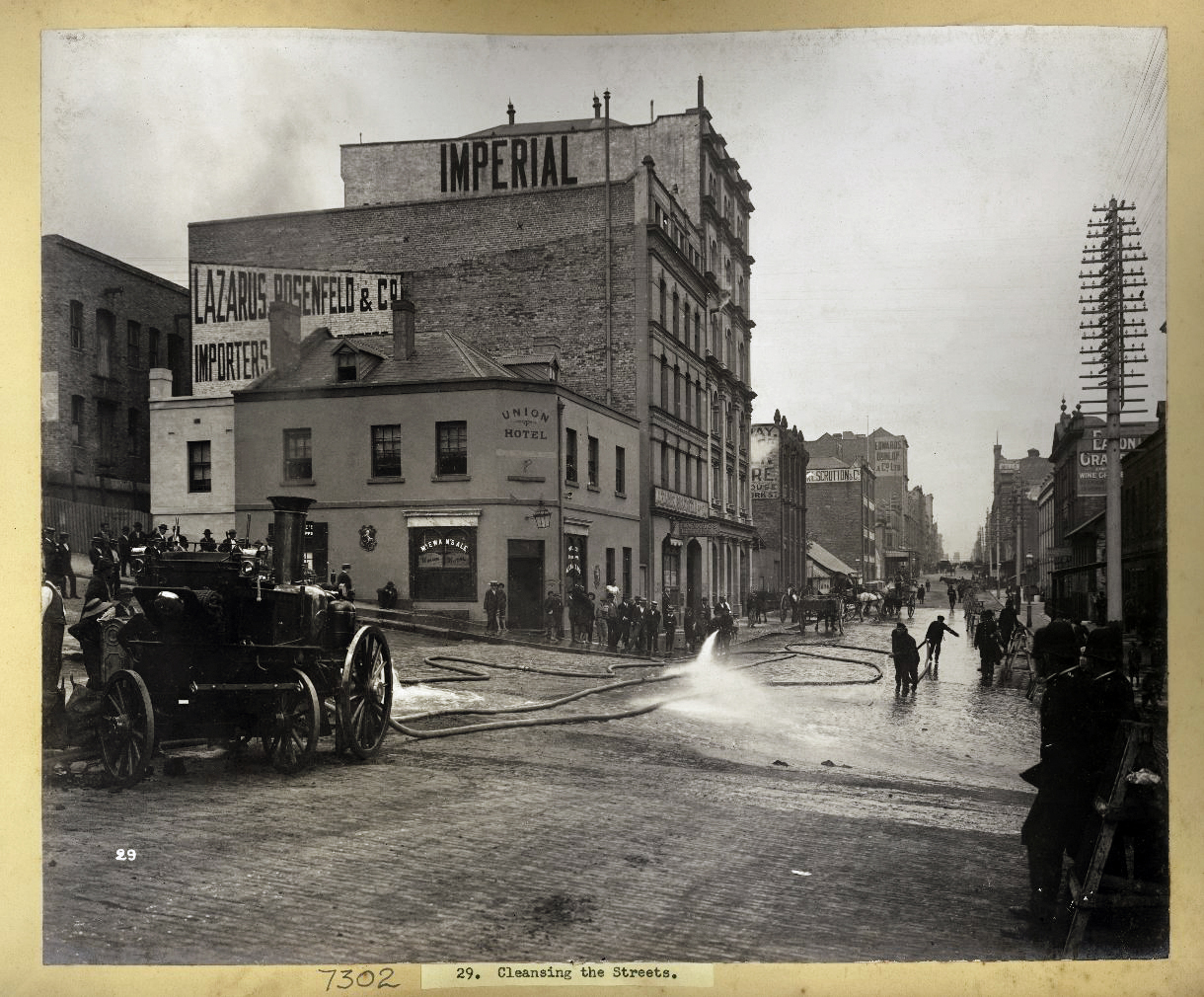
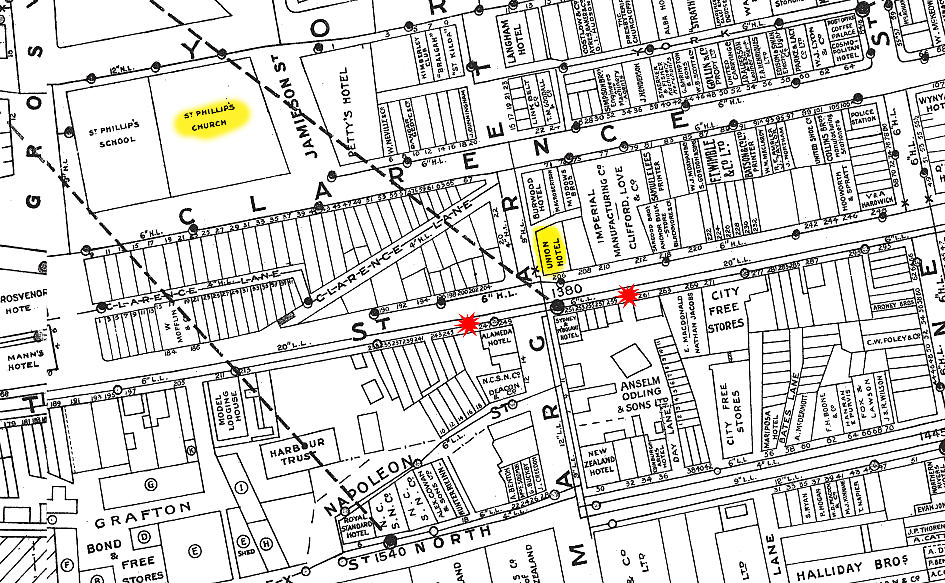
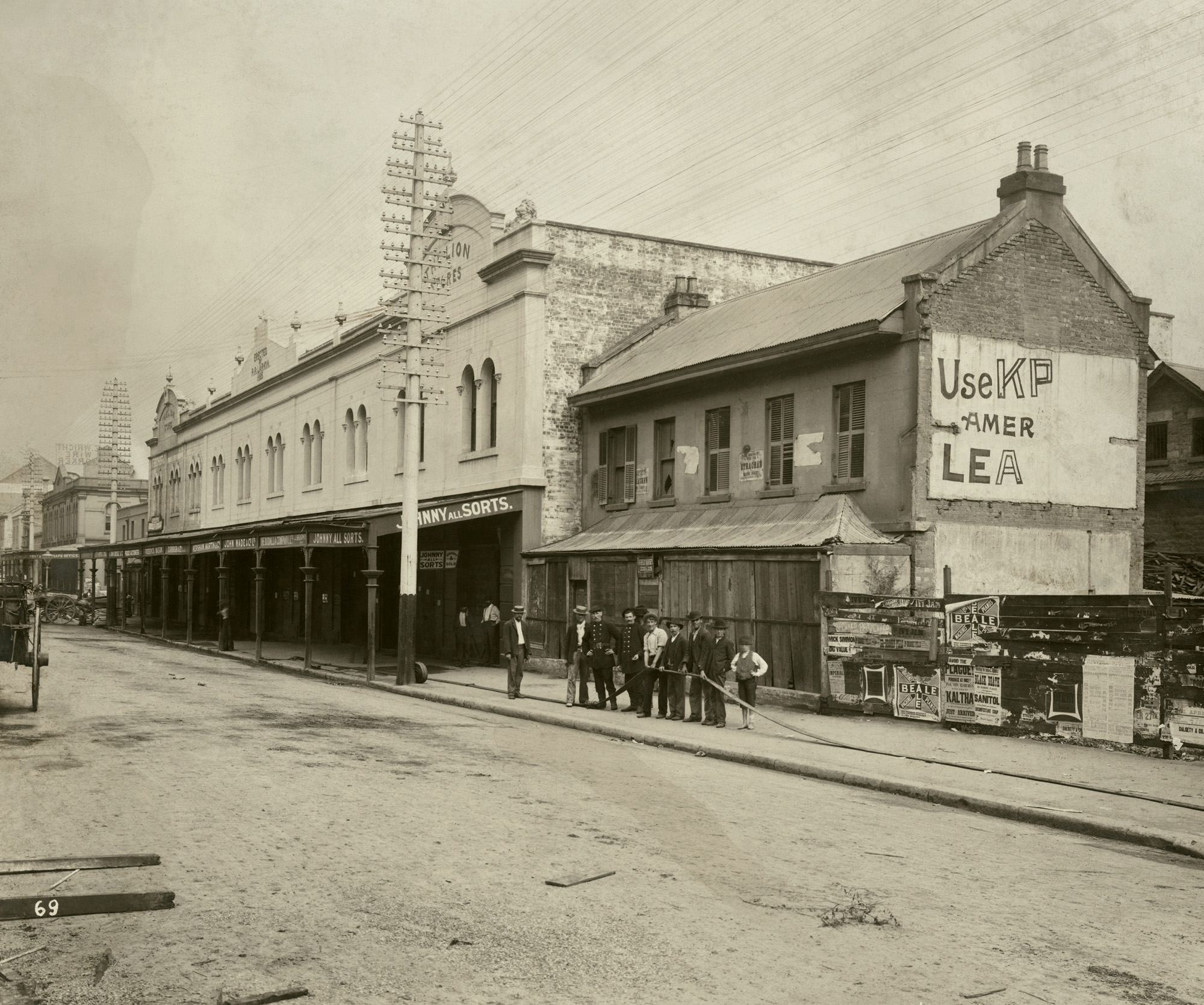
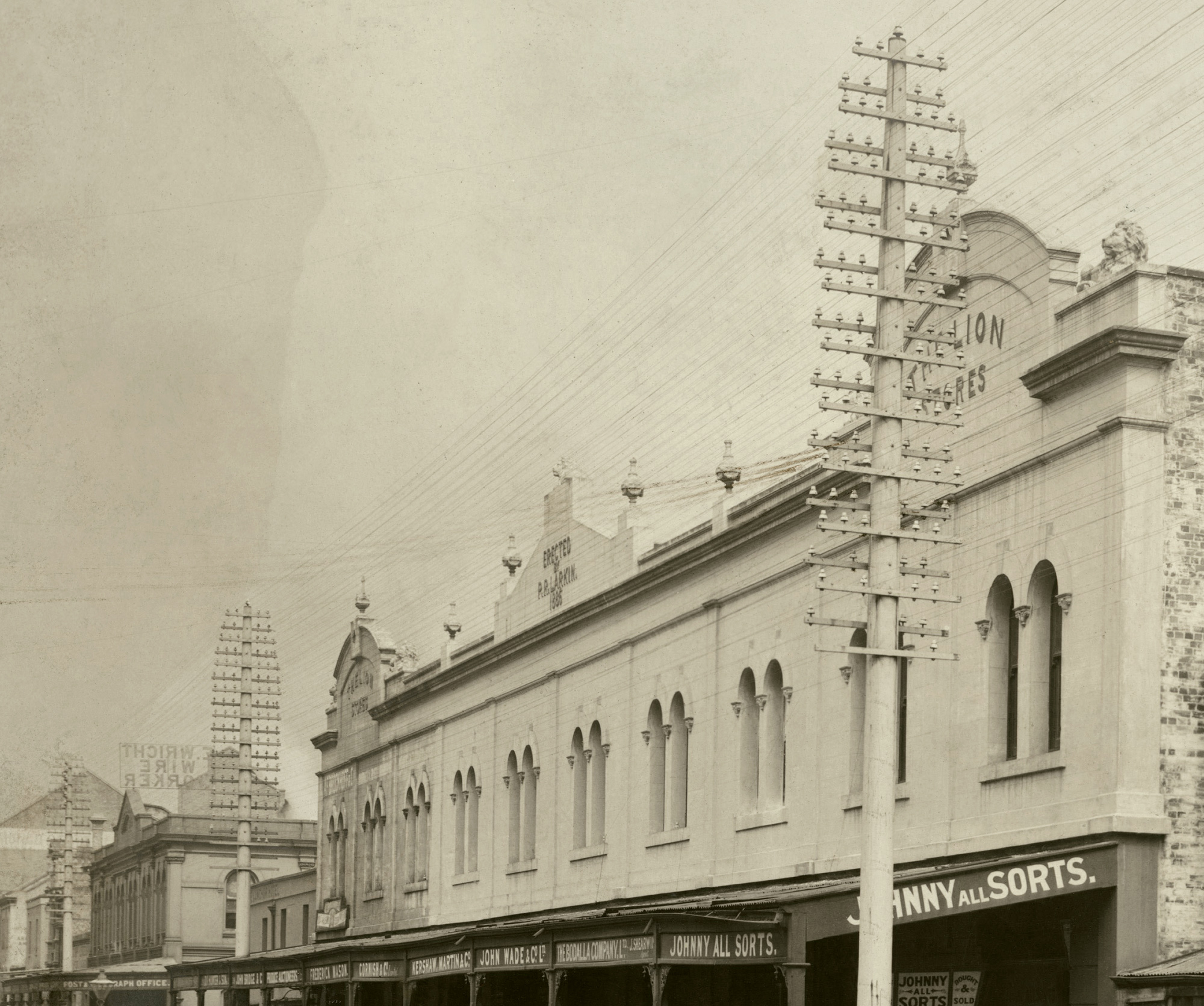
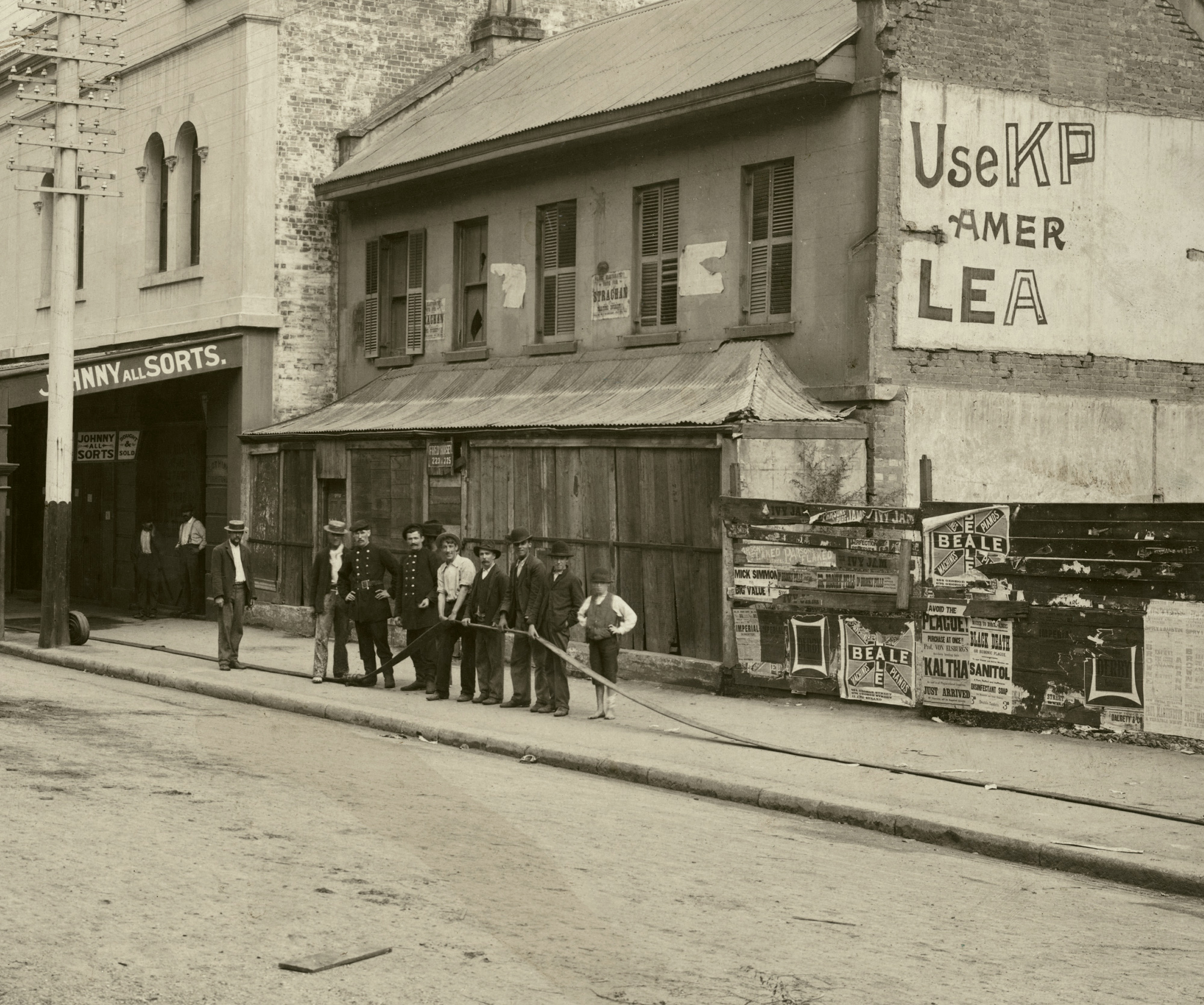
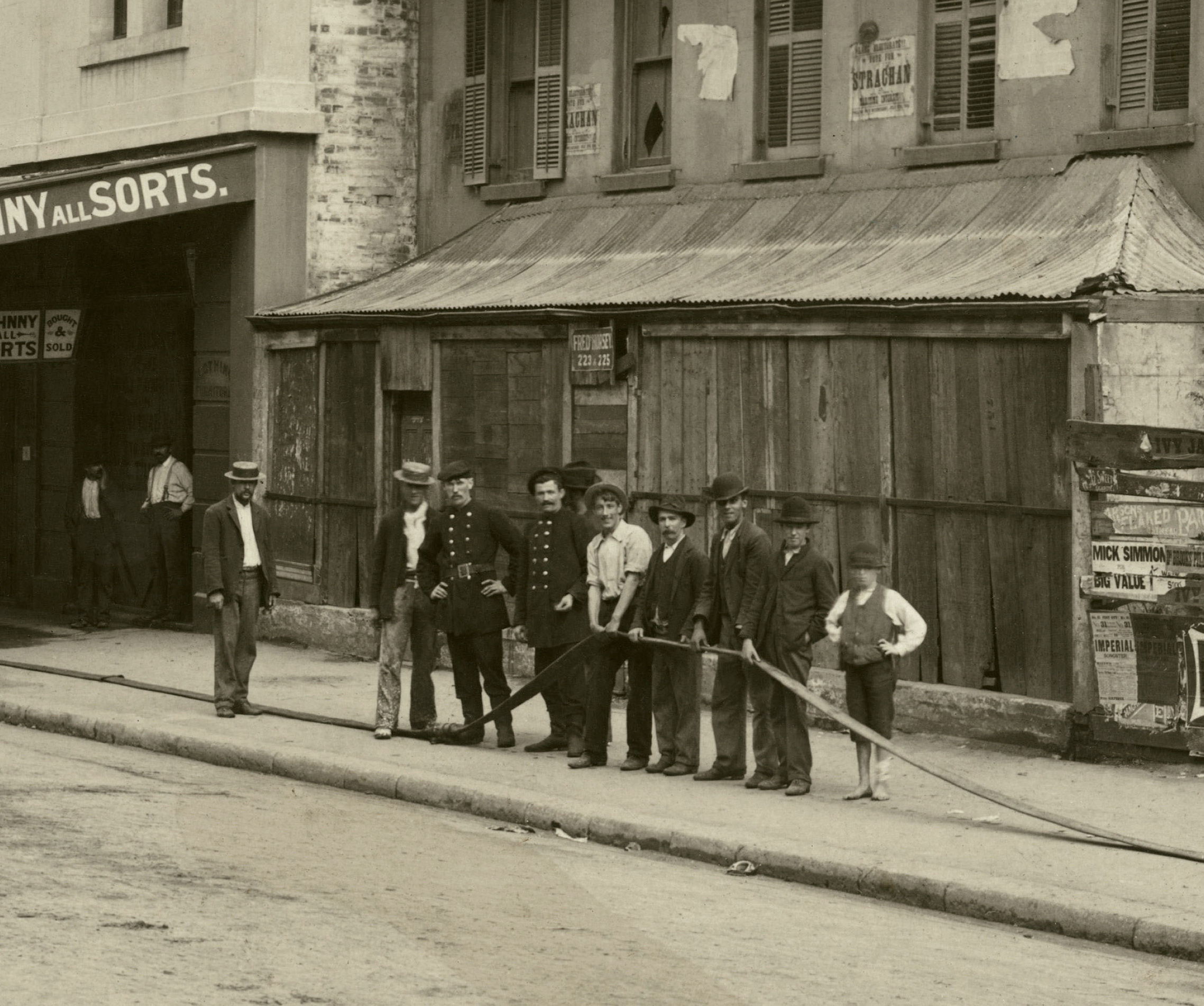
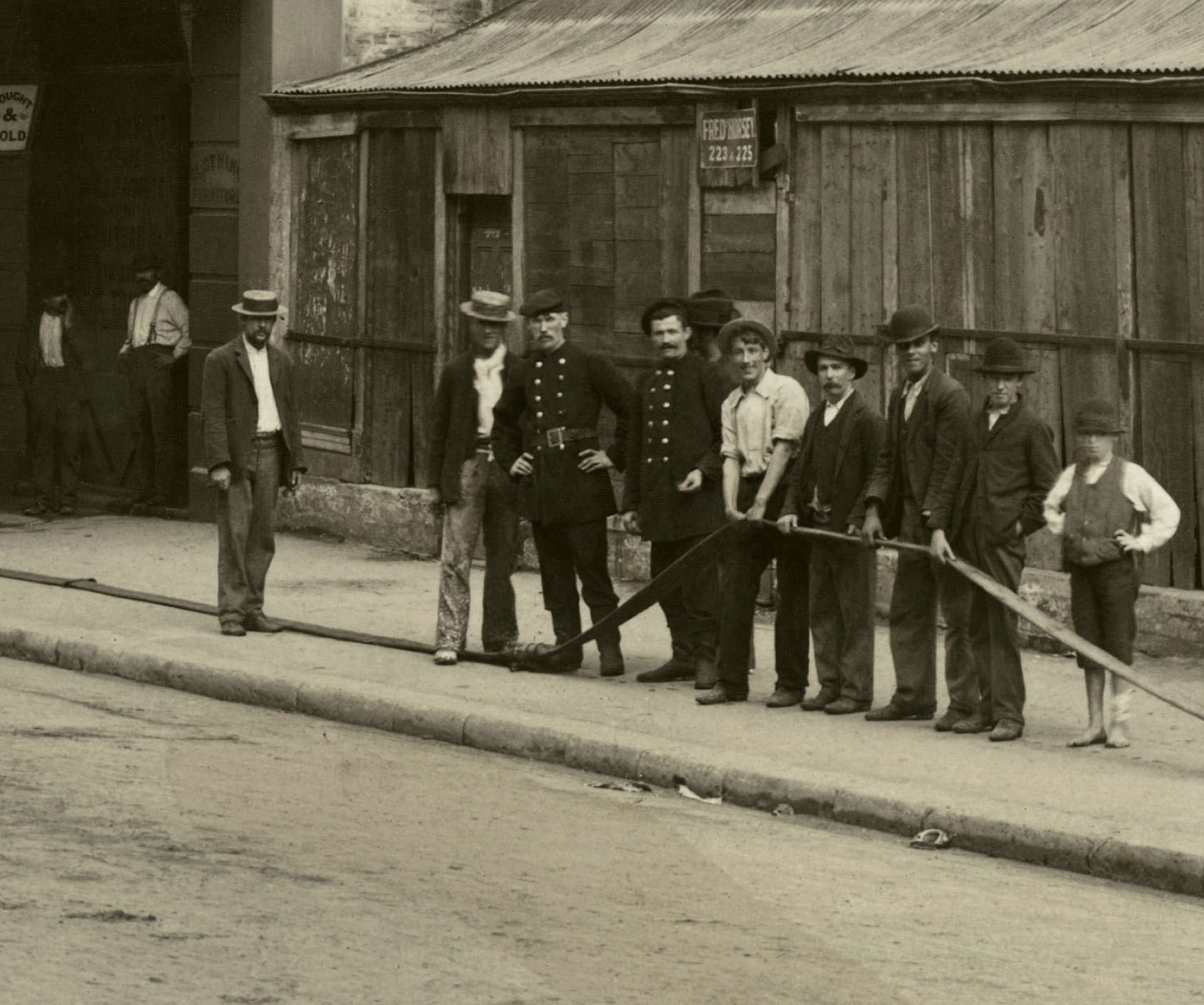
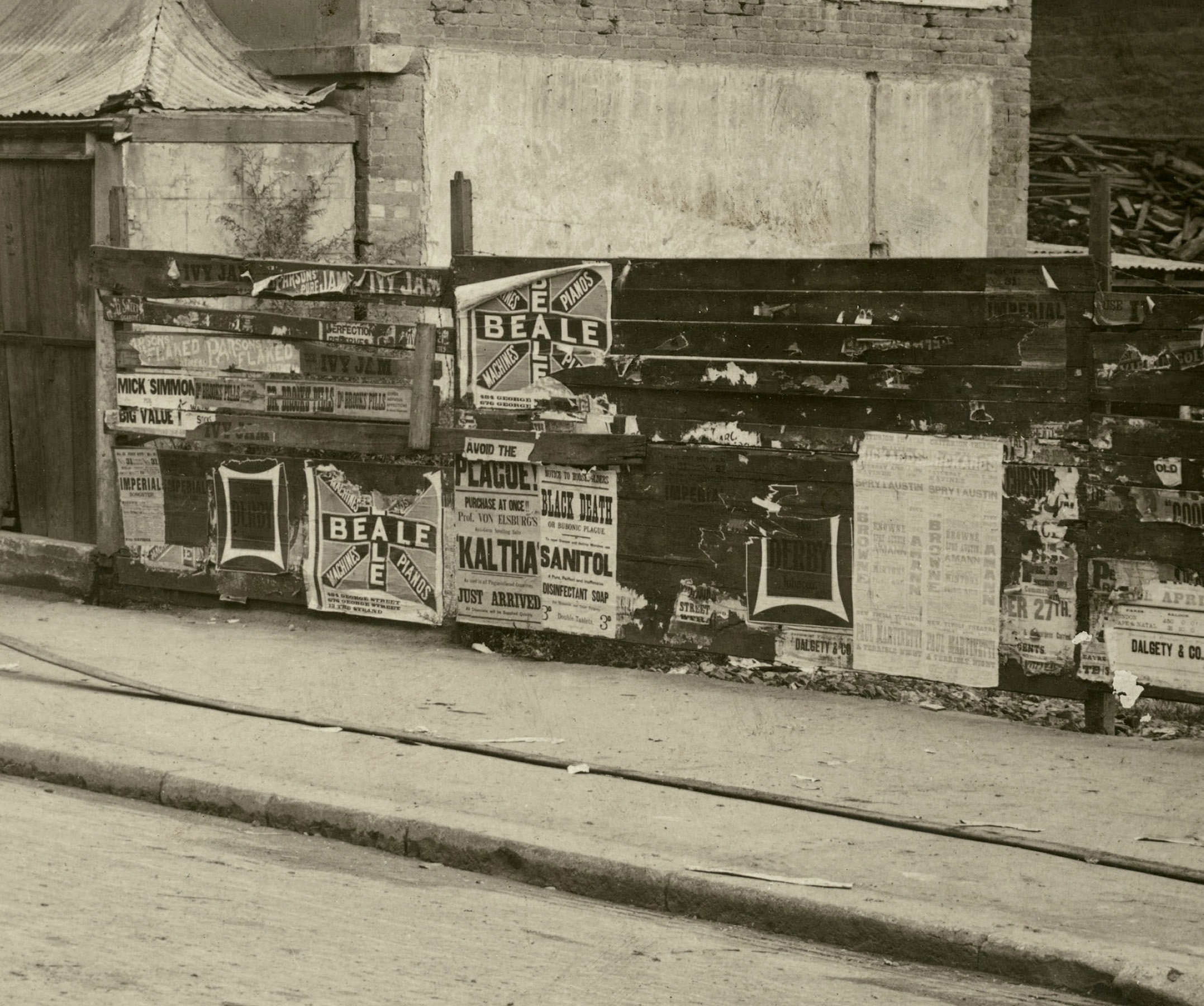
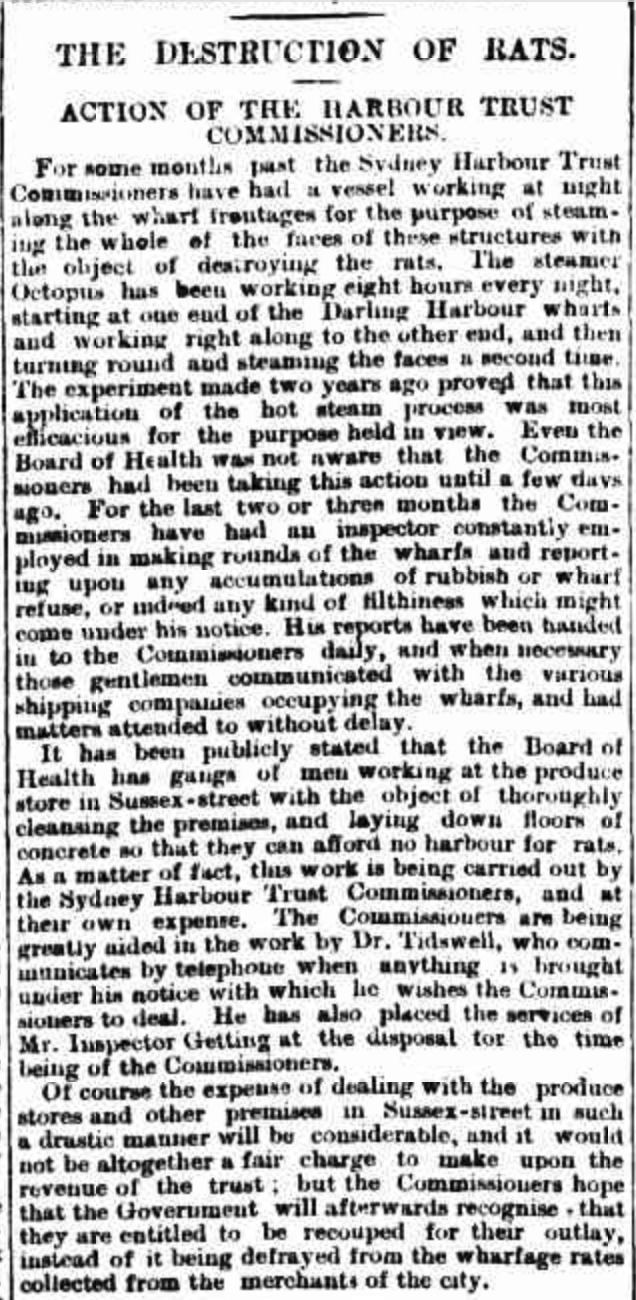
![John Degotardi Jr. (Australian, 1860-1937) '70. [Octopus] Cleansing the Wharves' 1900](https://artblart.com/wp-content/uploads/2020/04/cleansing-the-wharves.jpg "John Degotardi Jr. (Australian, 1860-1937) '70. [Octopus] Cleansing the Wharves' 1900")
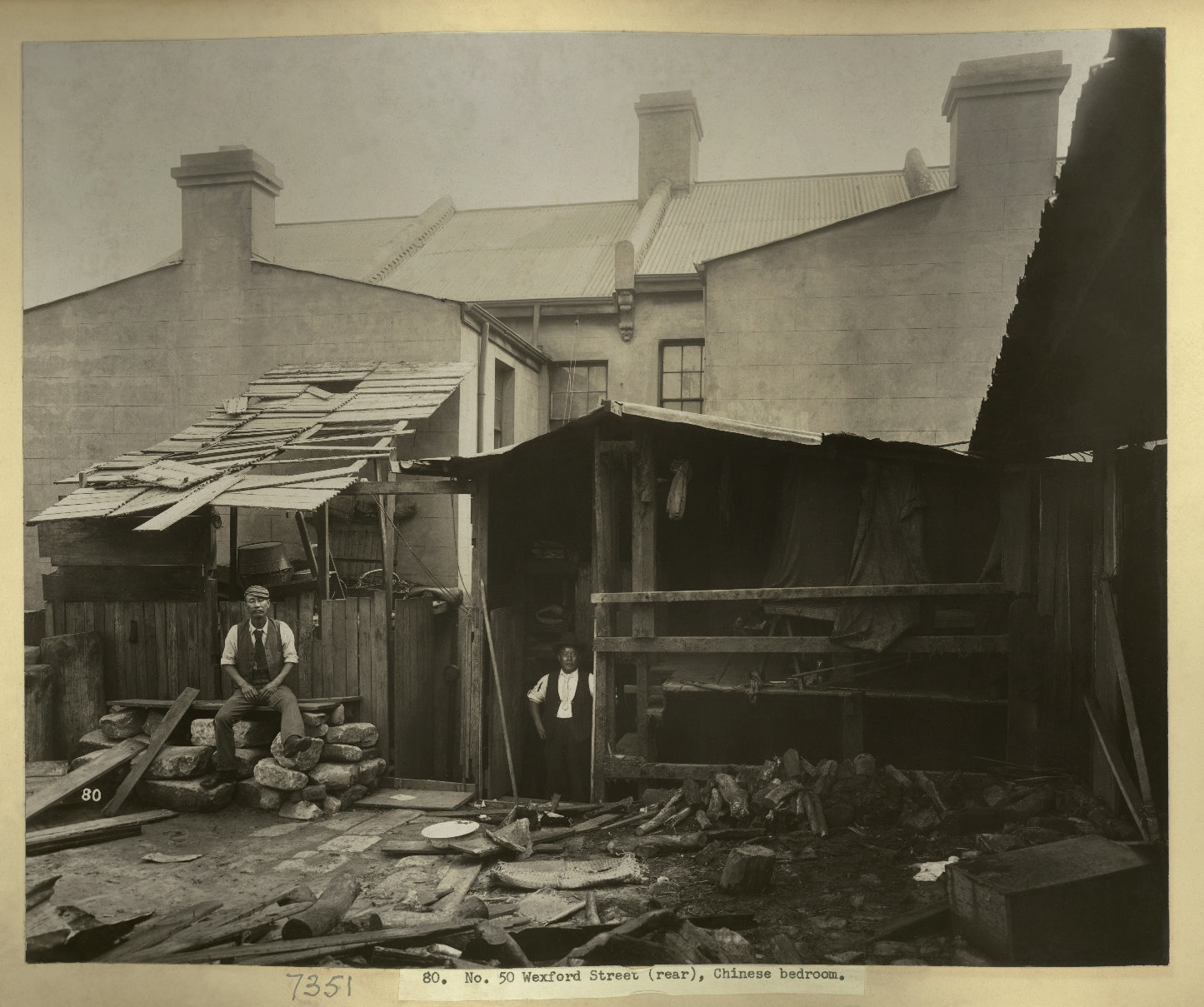
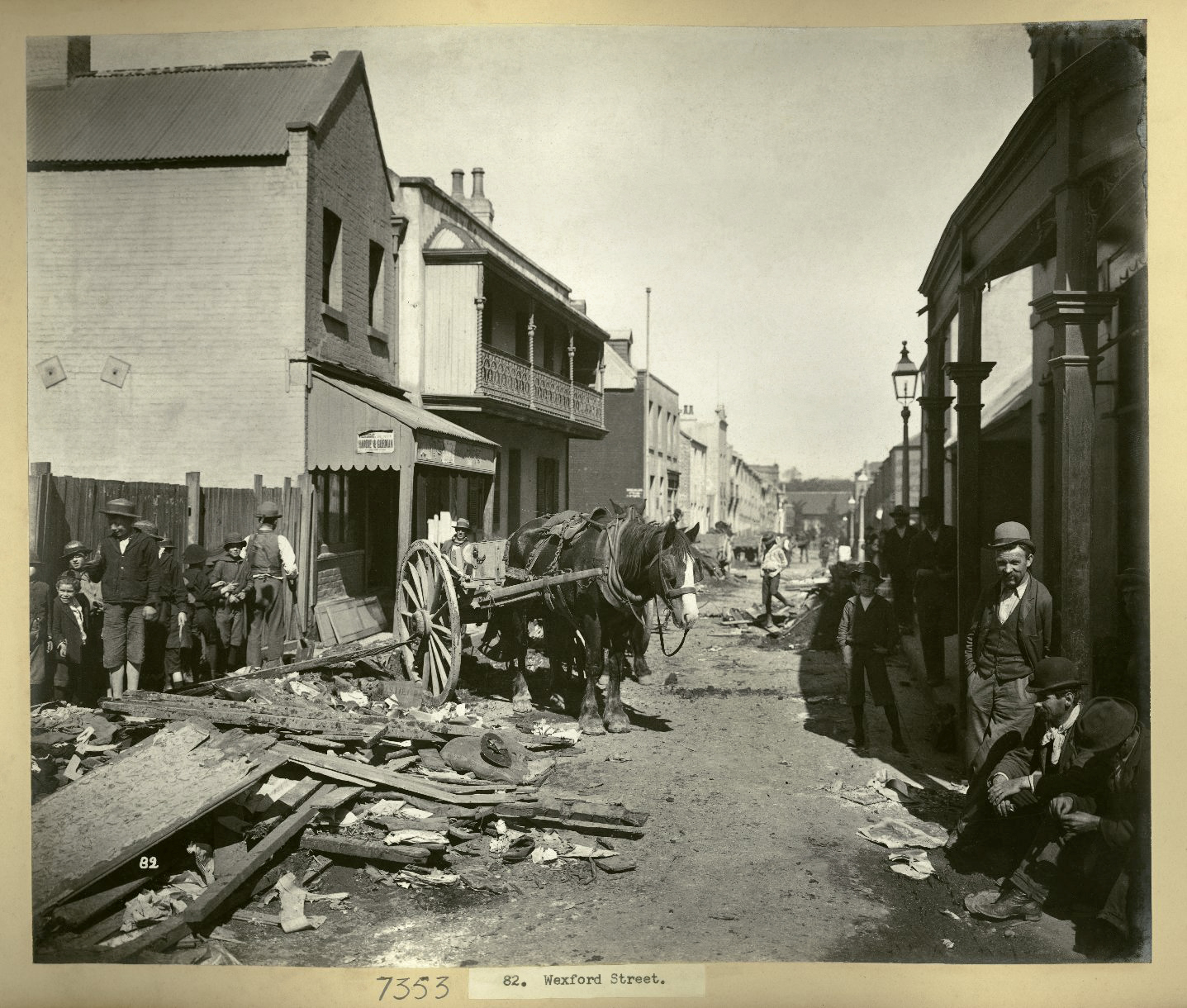
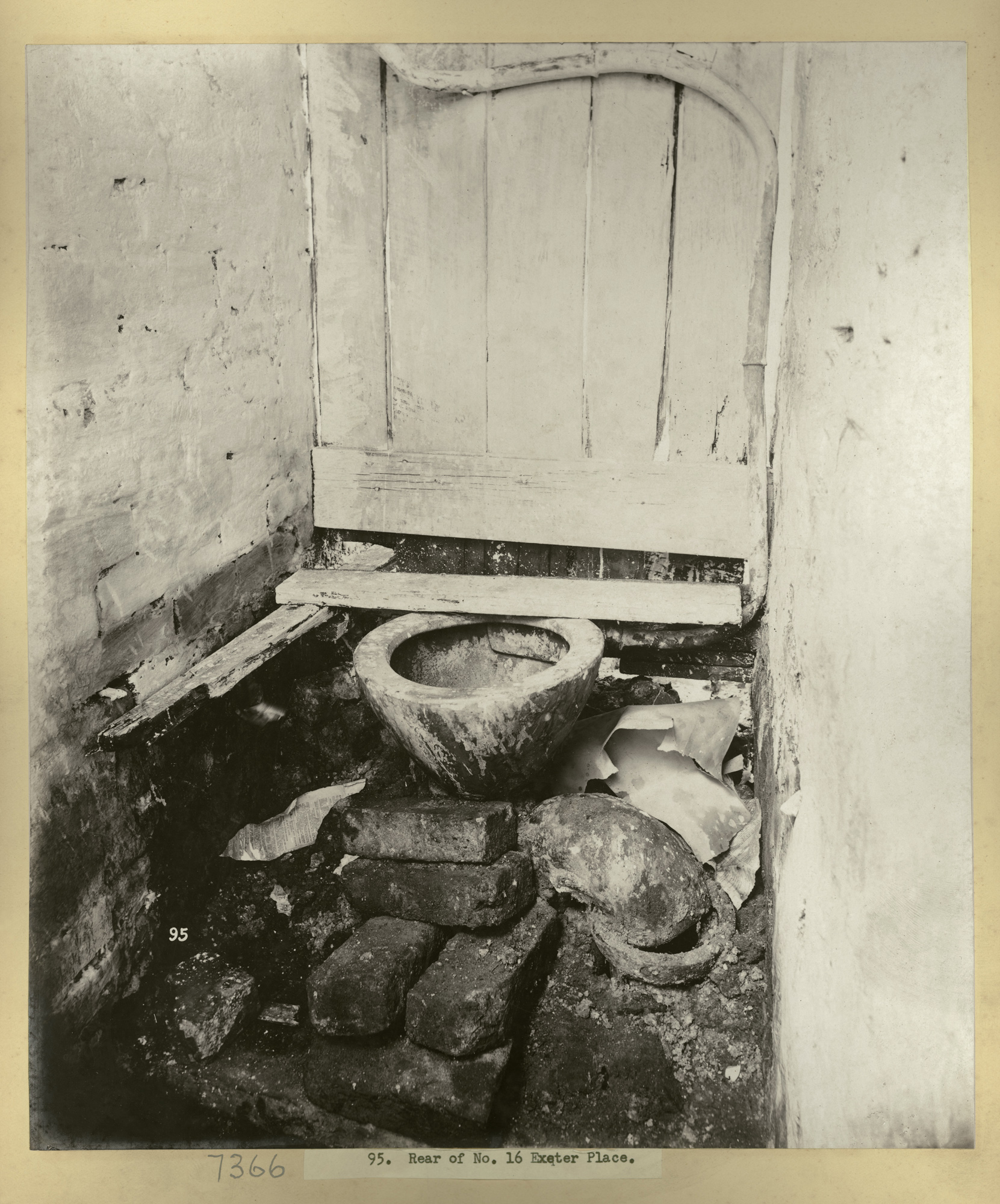
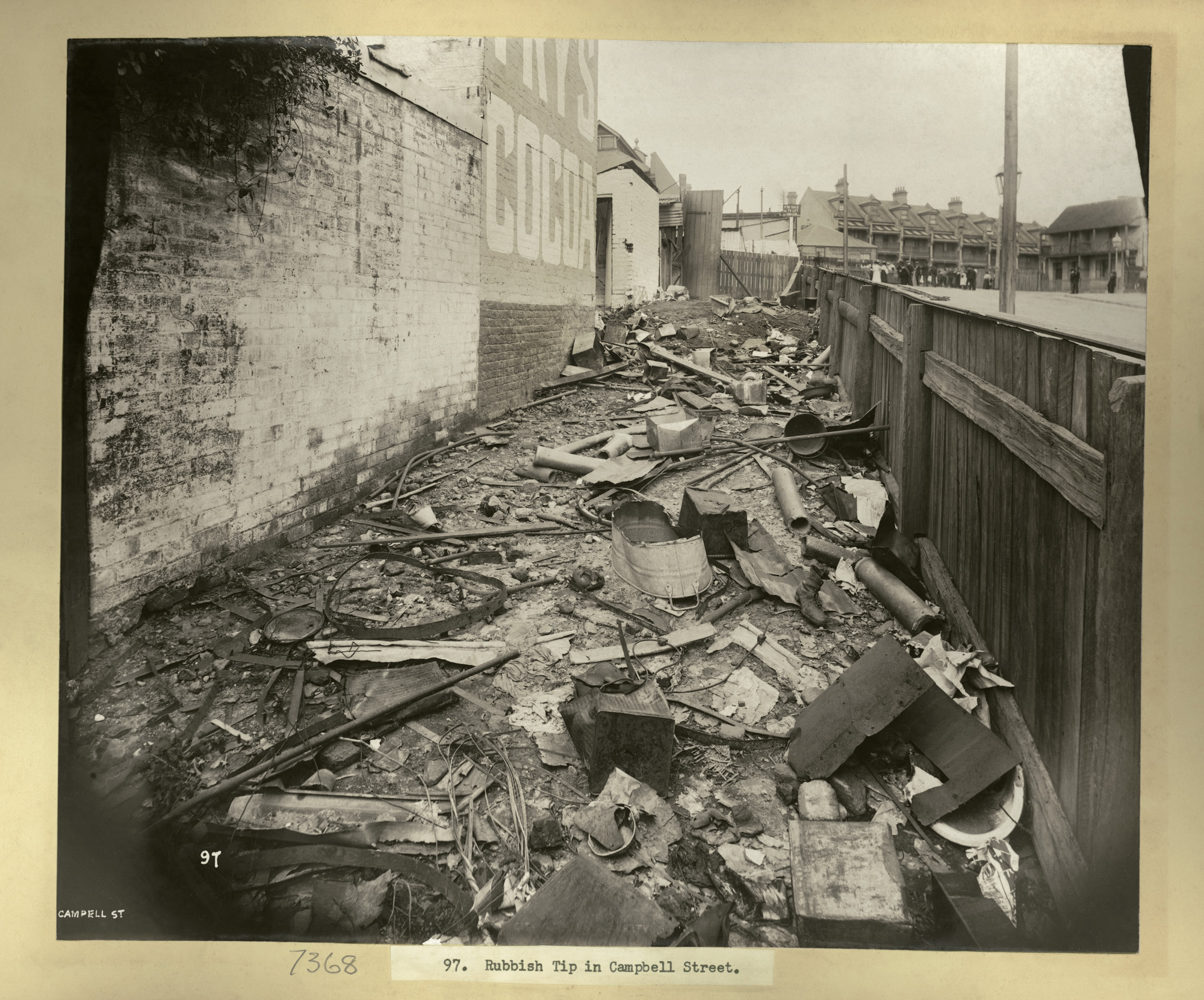
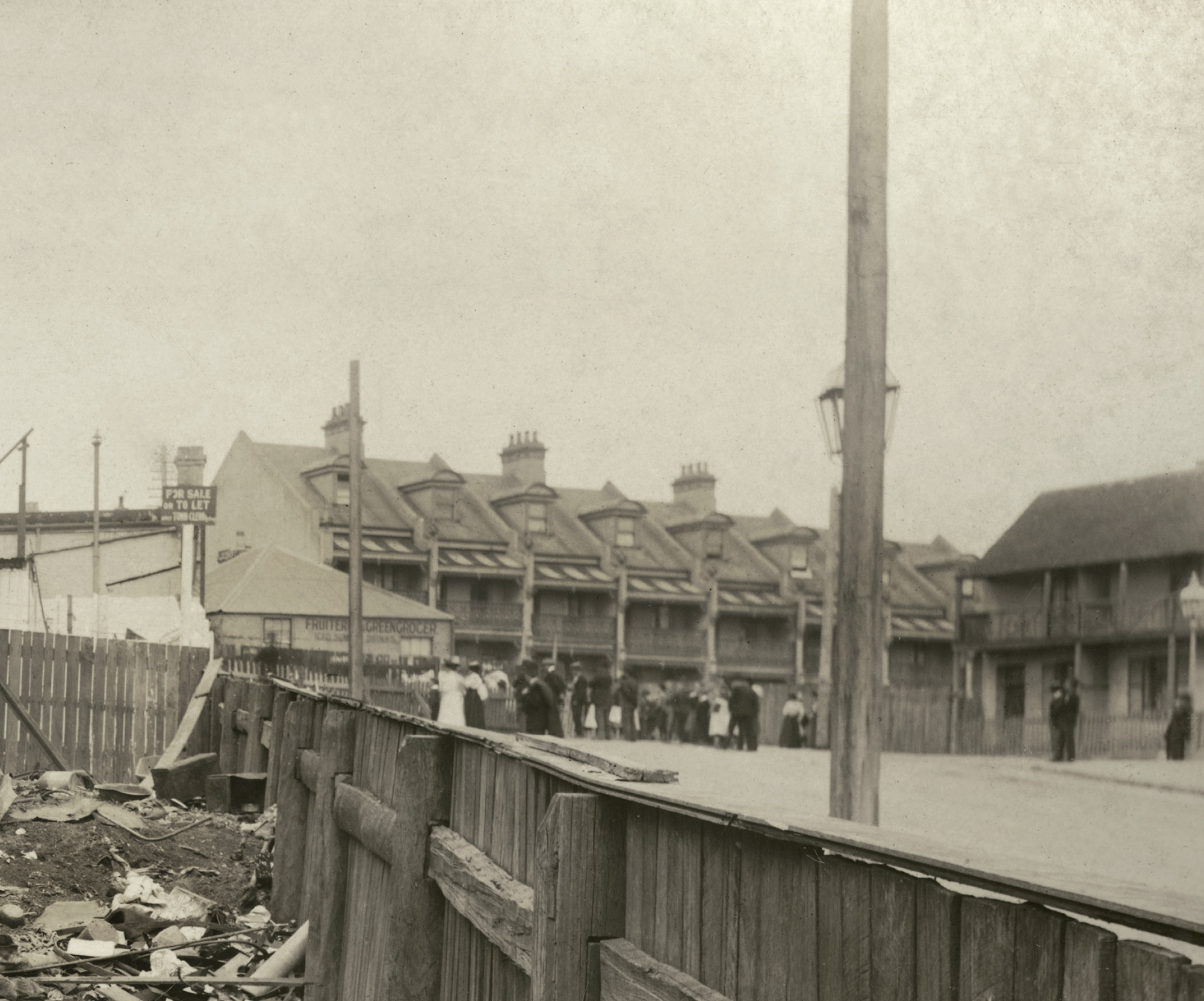
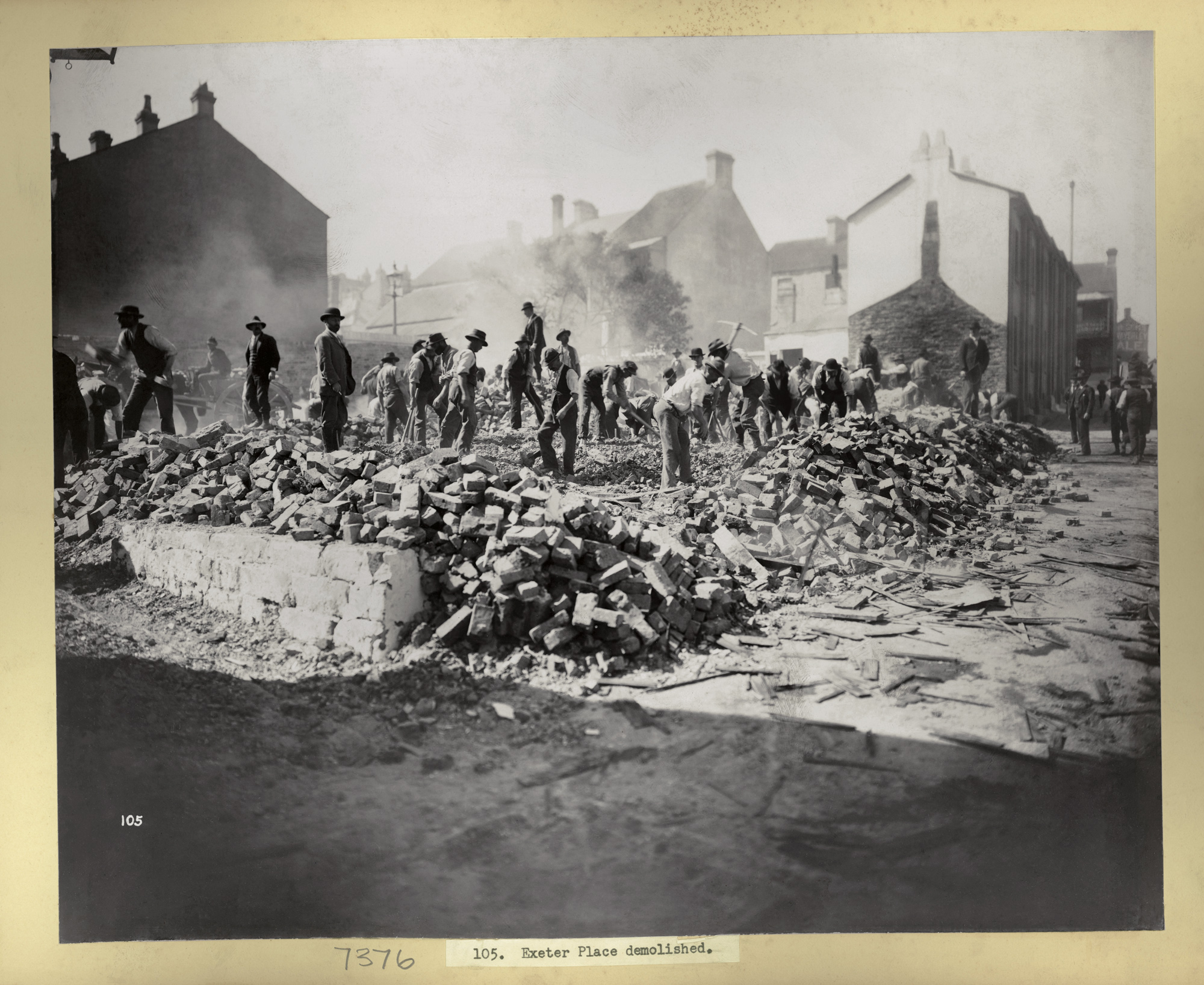
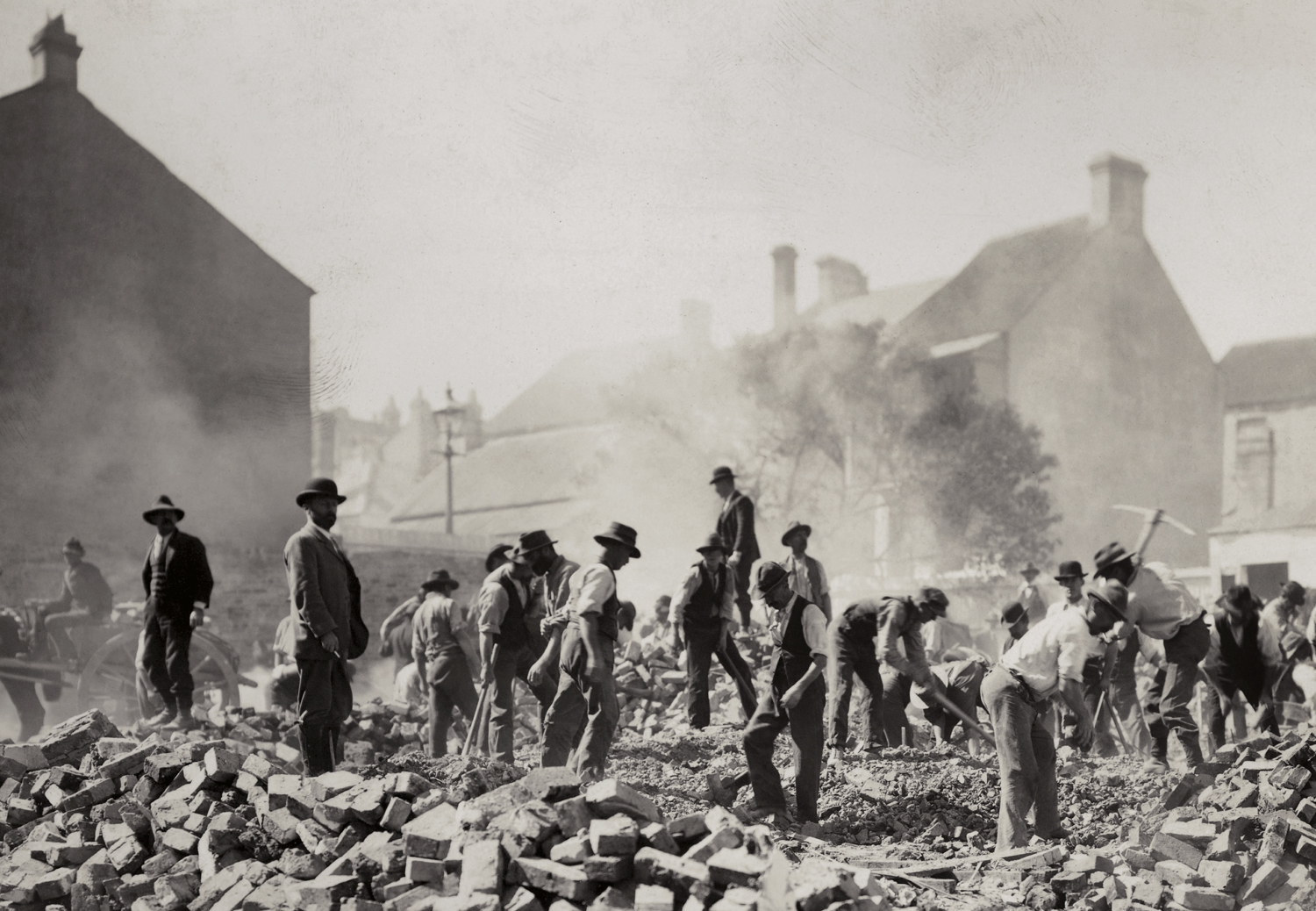
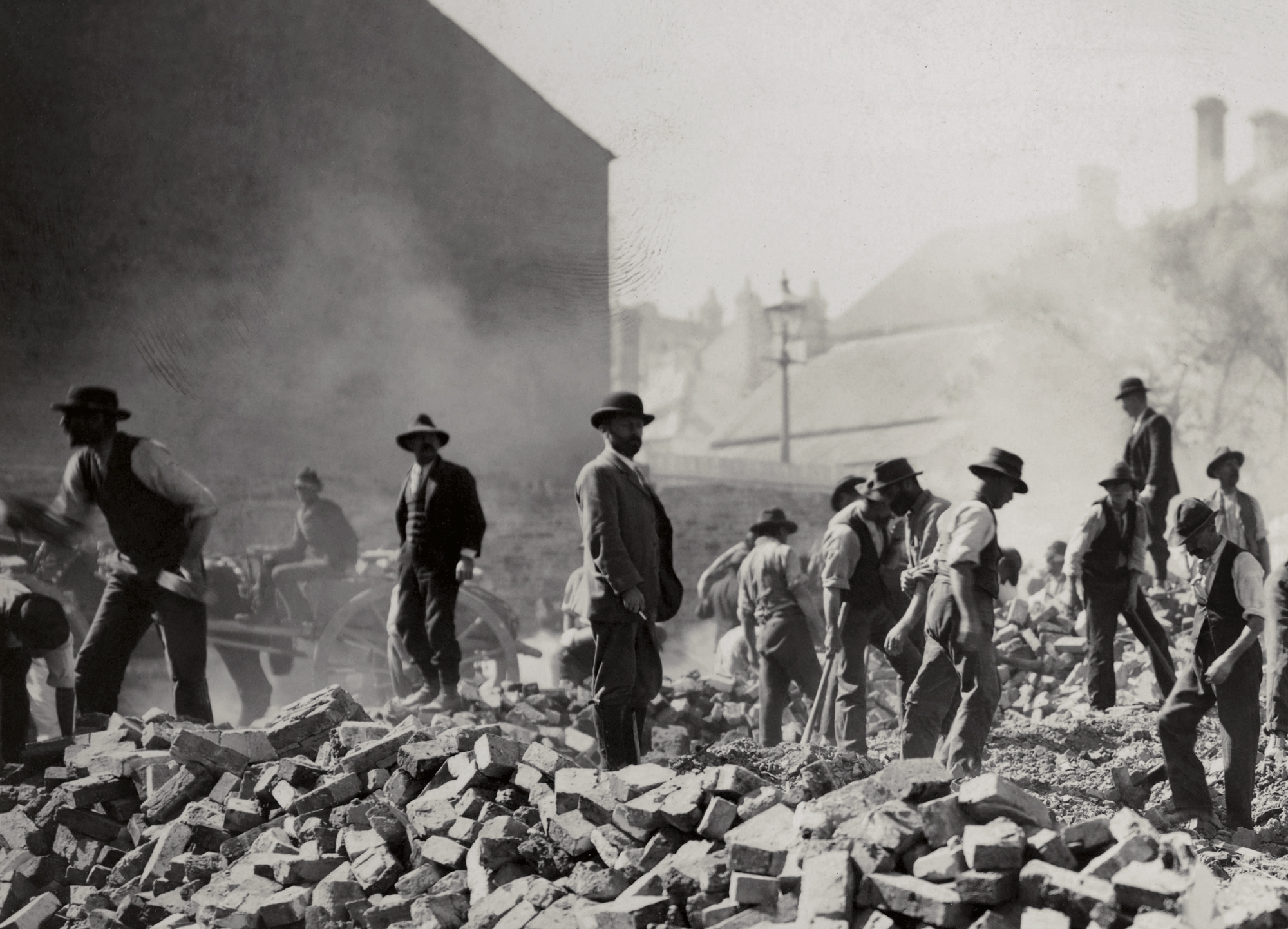
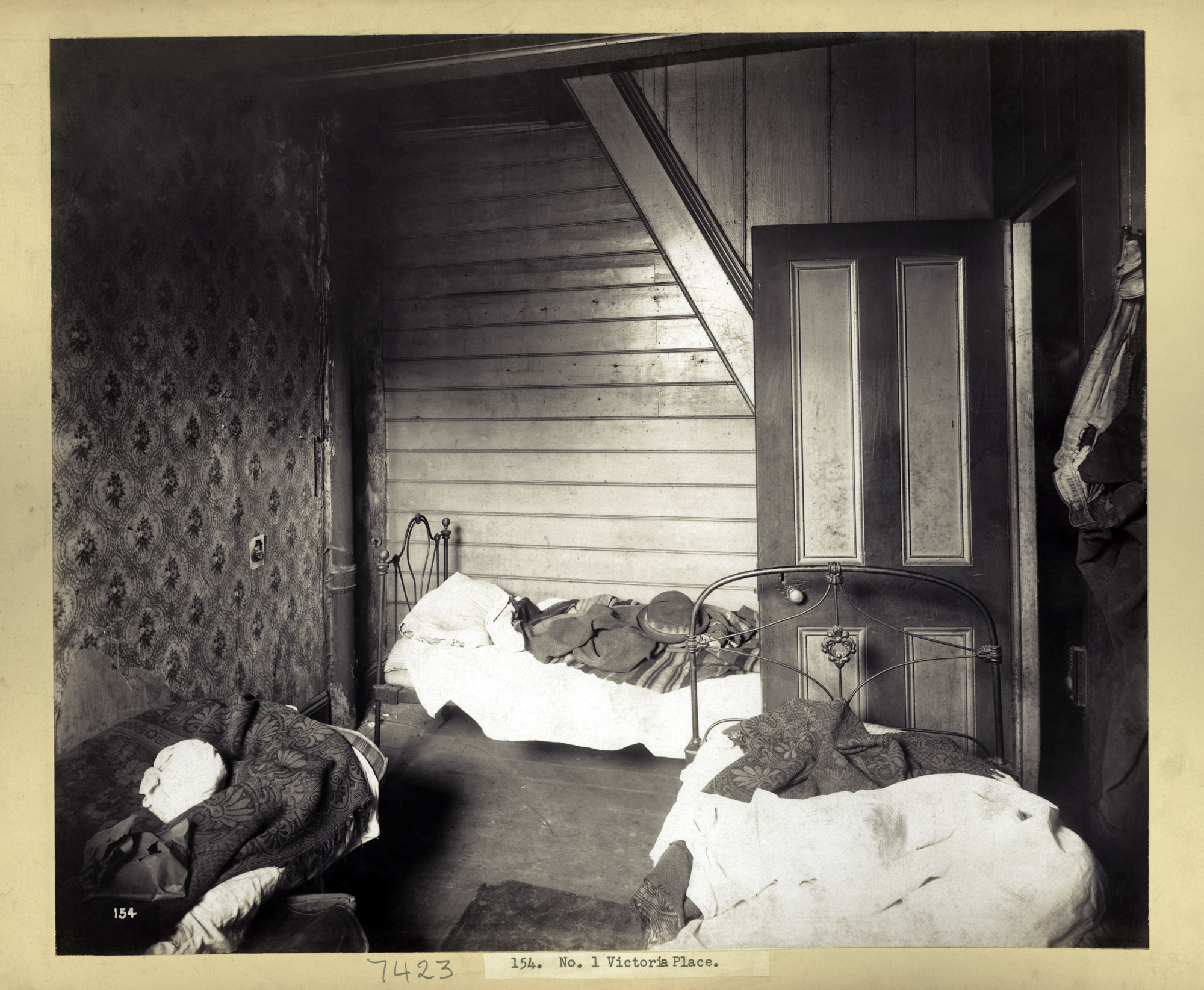
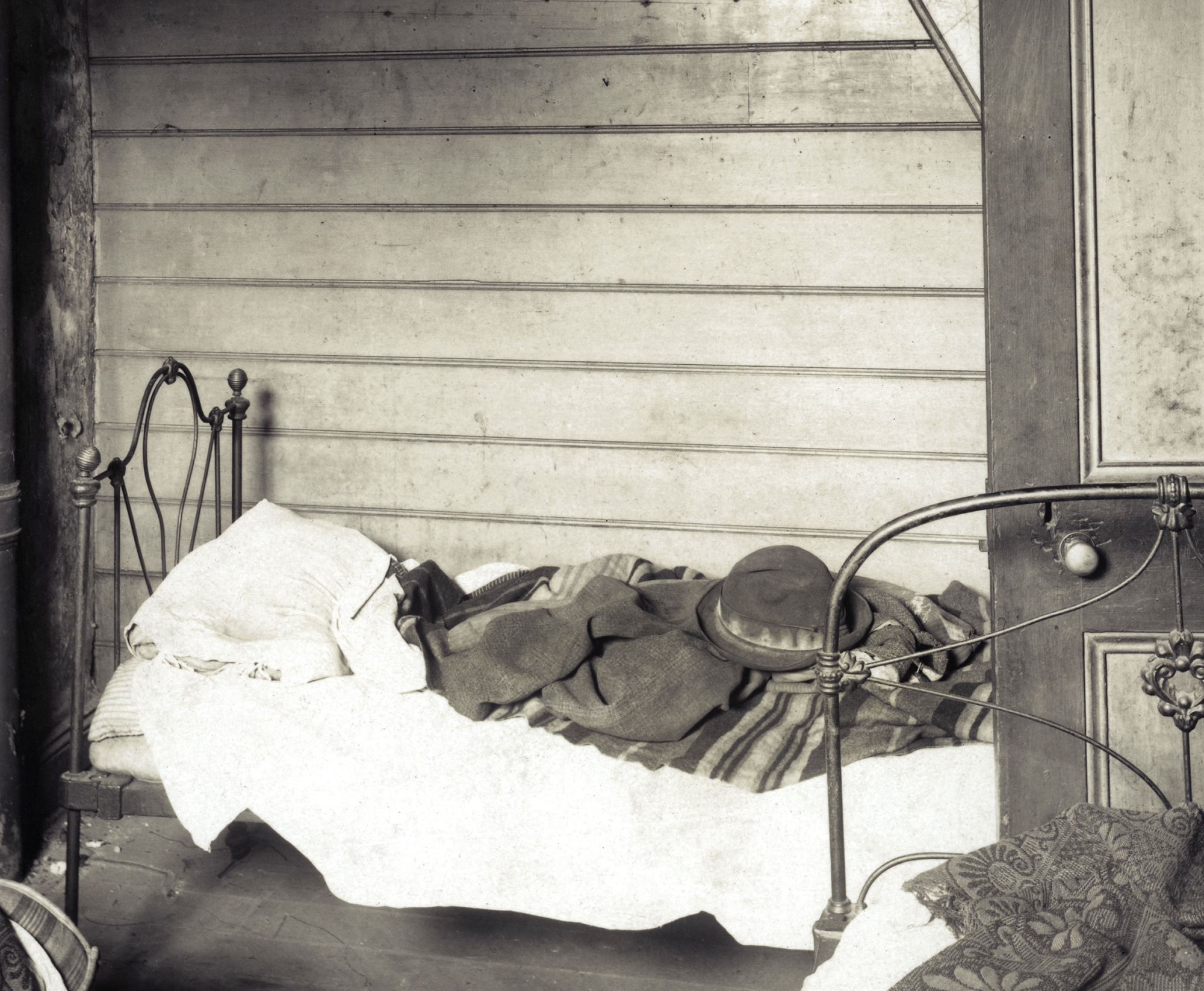
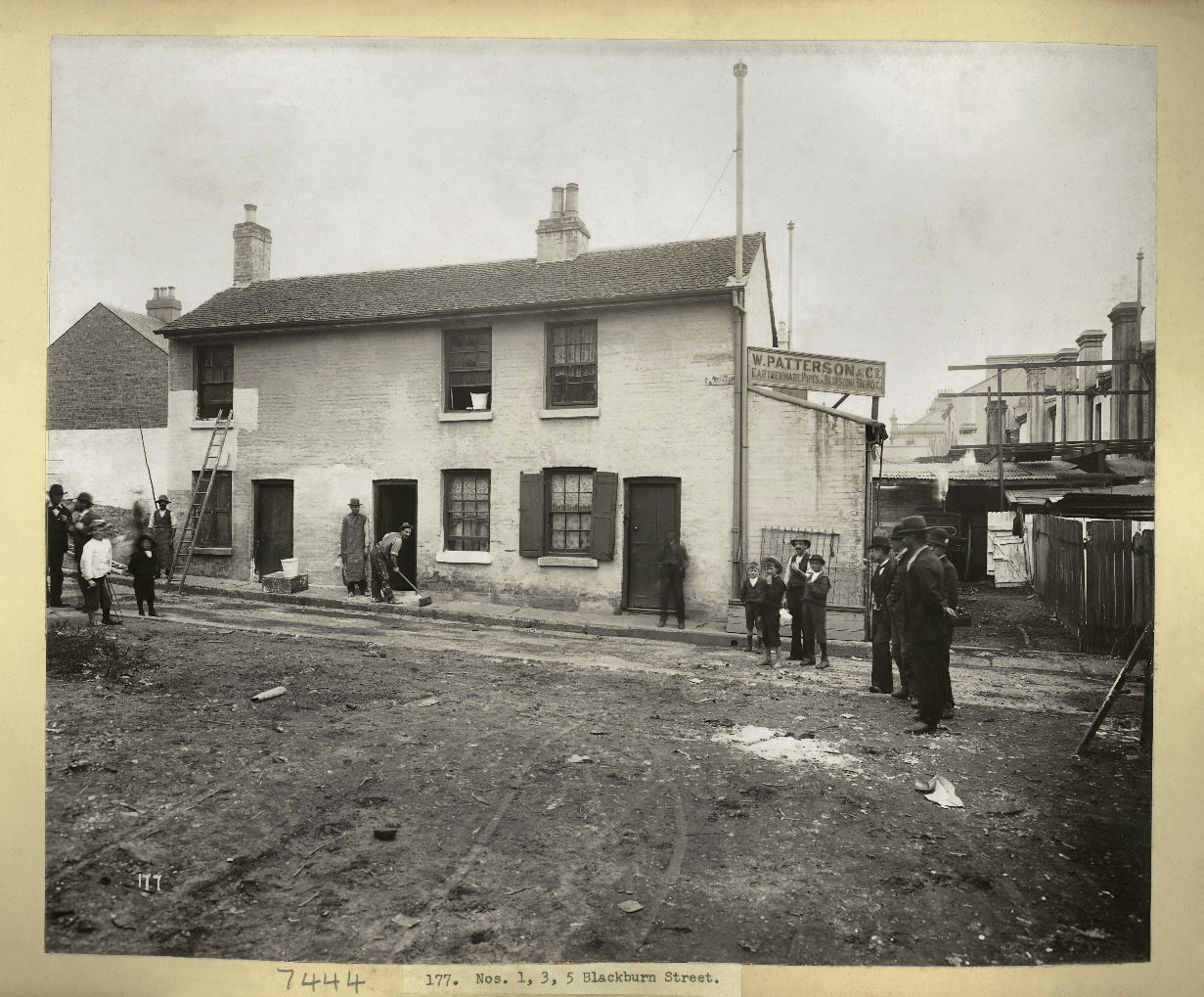
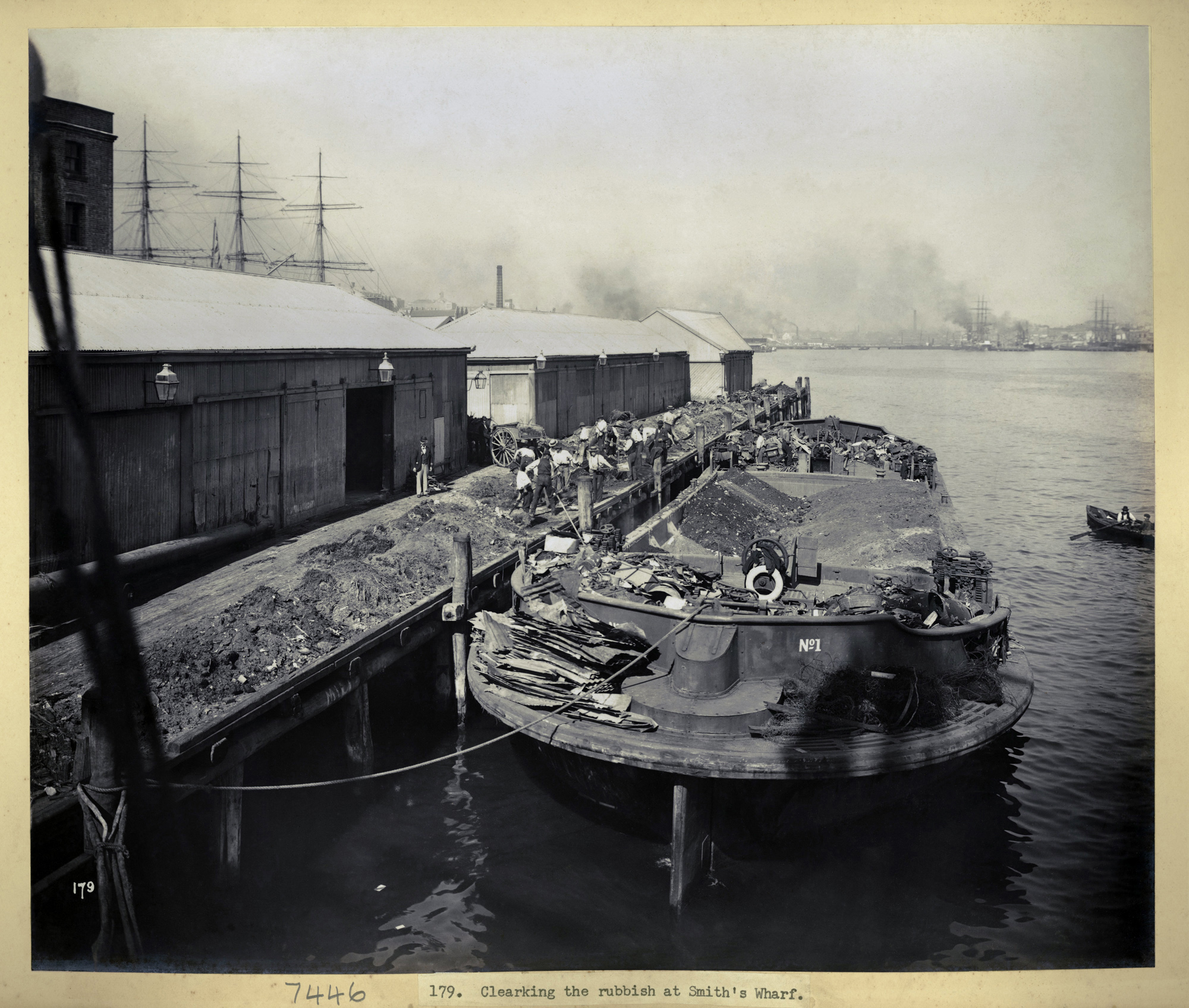
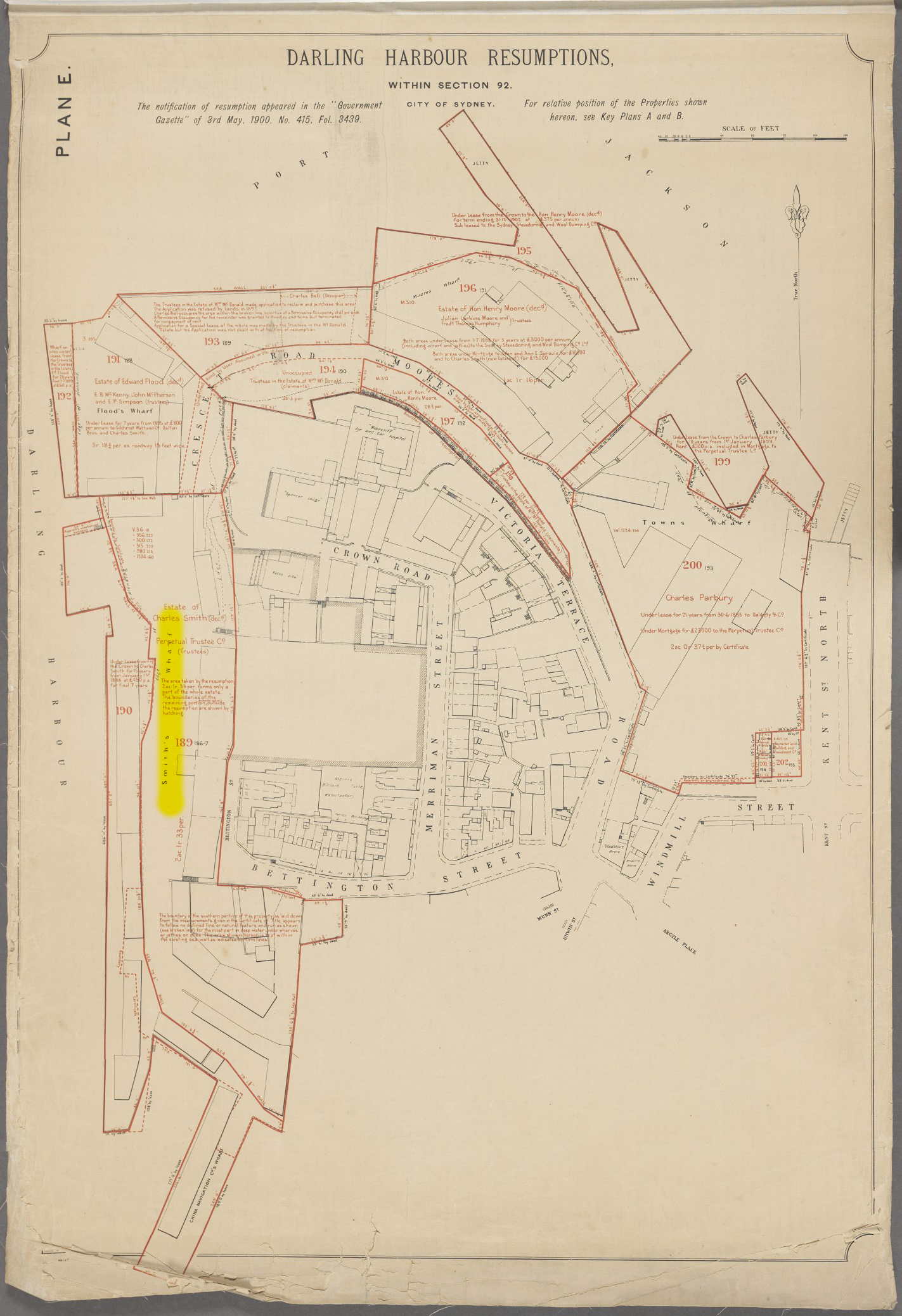
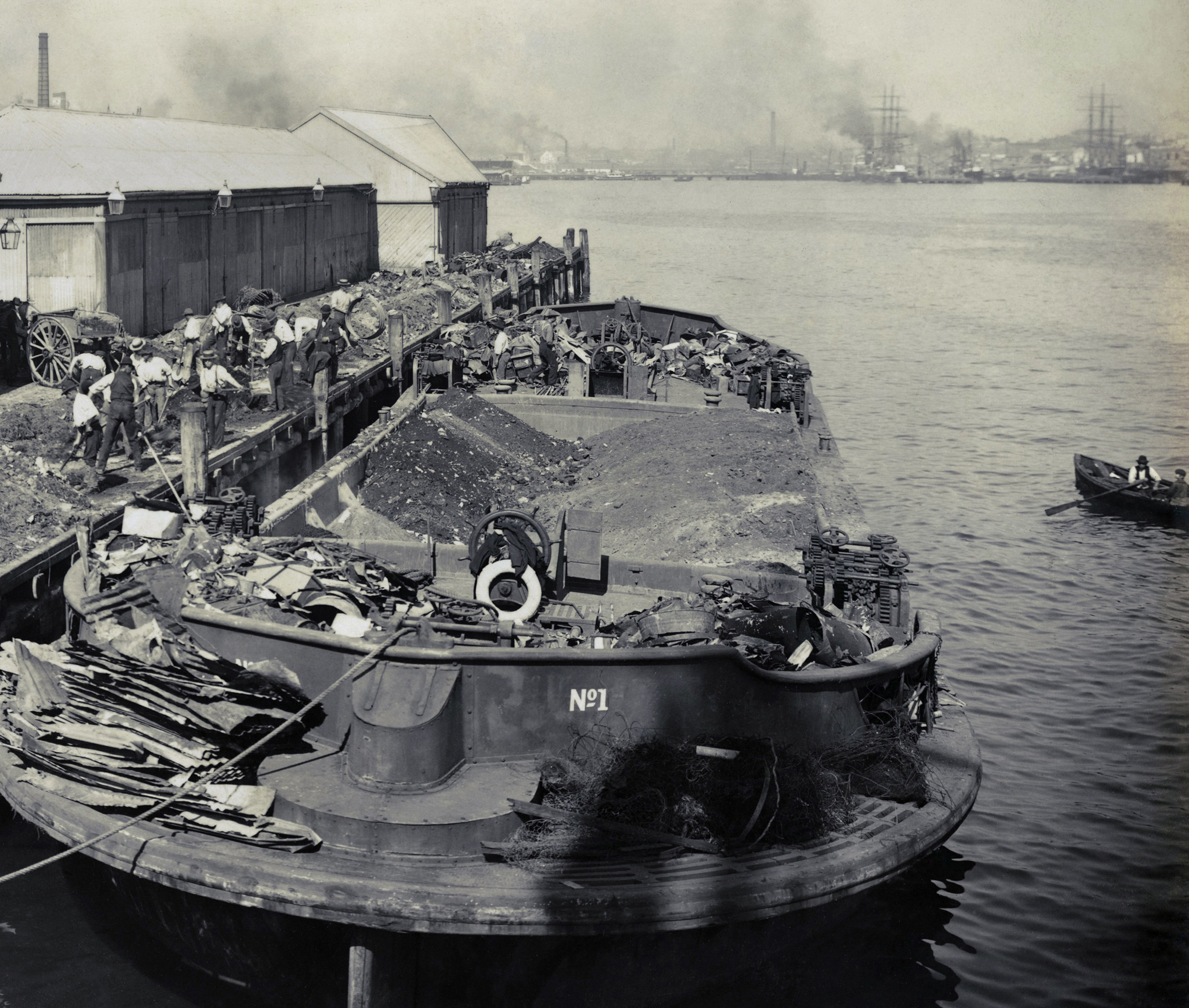
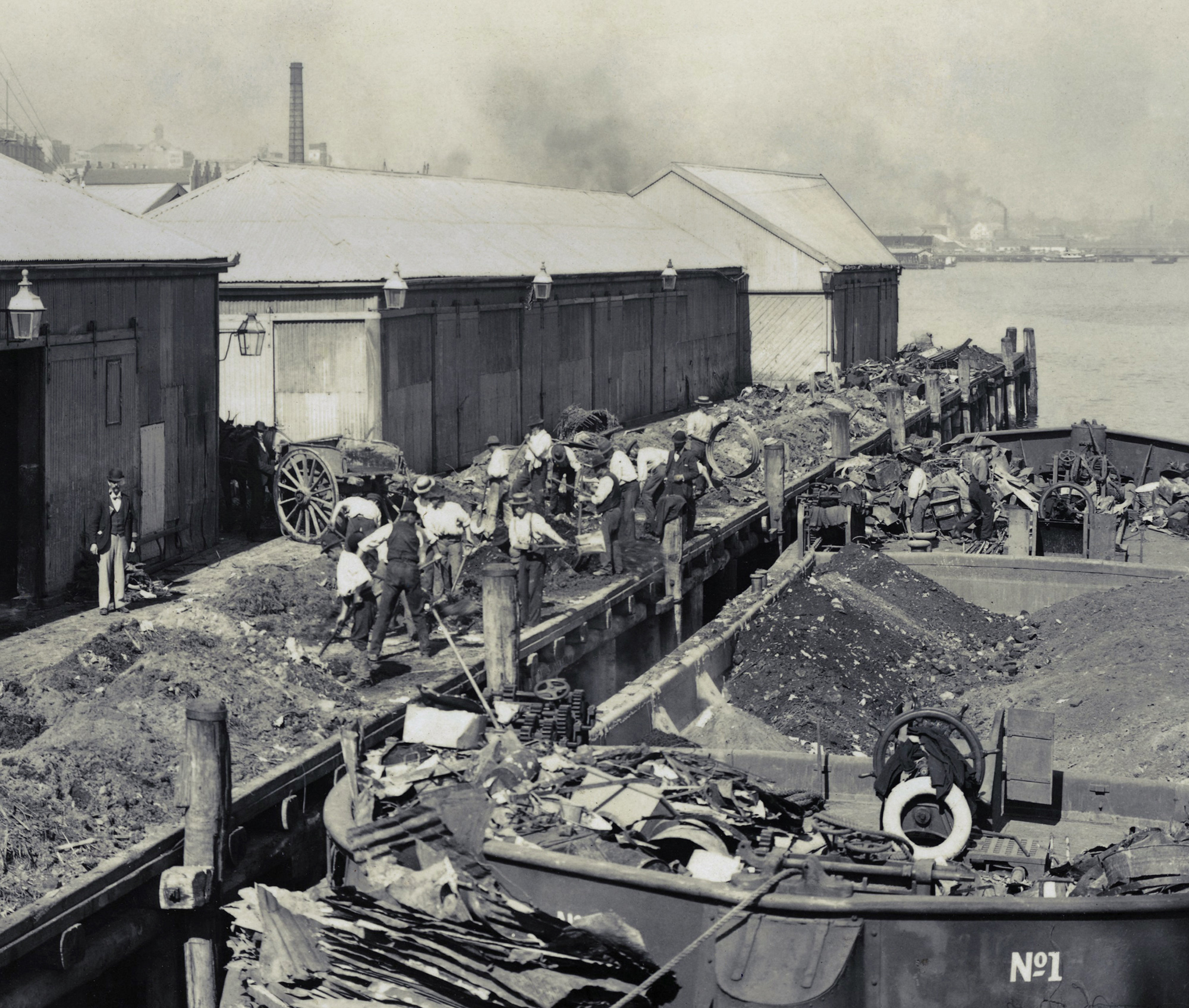
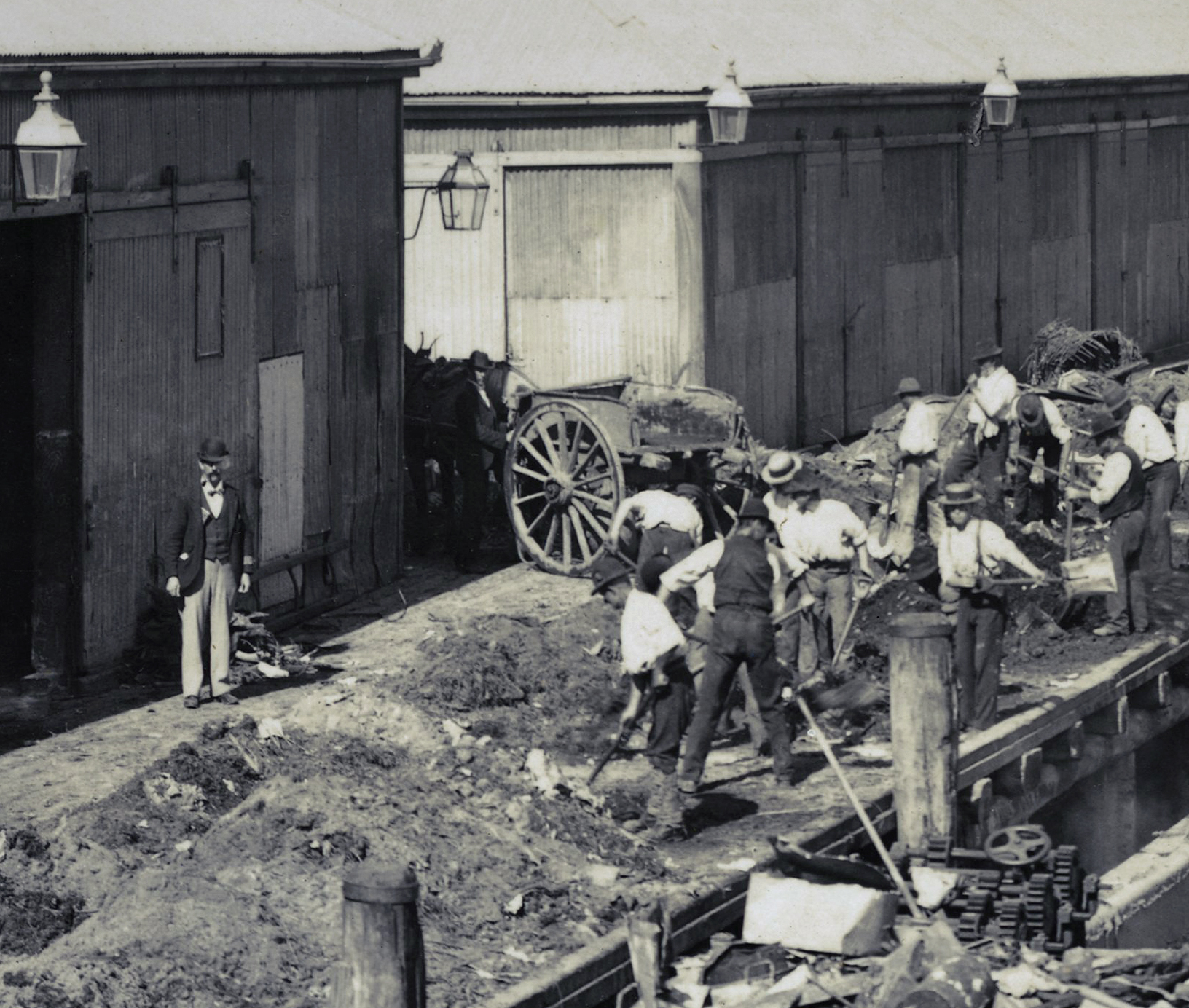
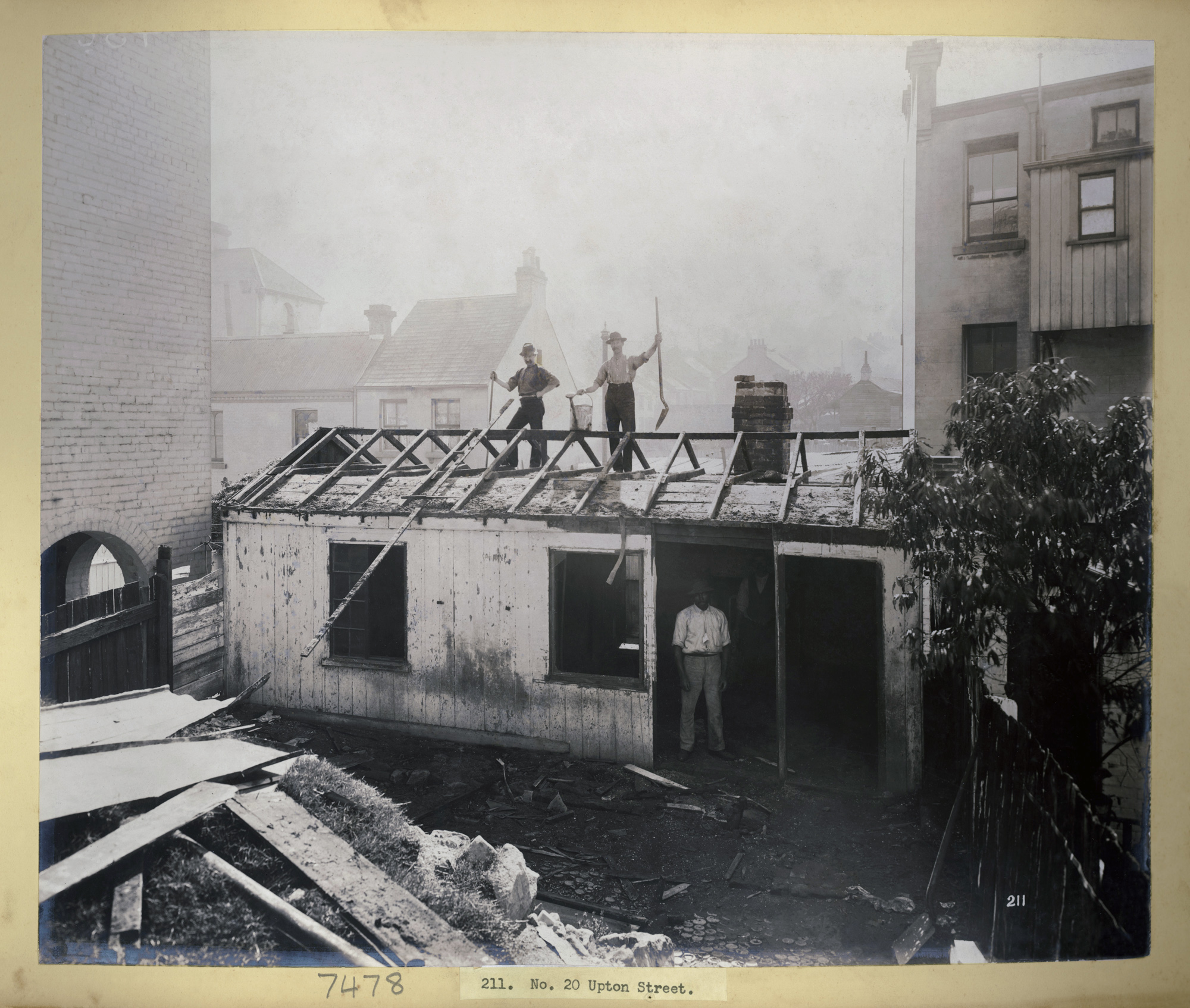
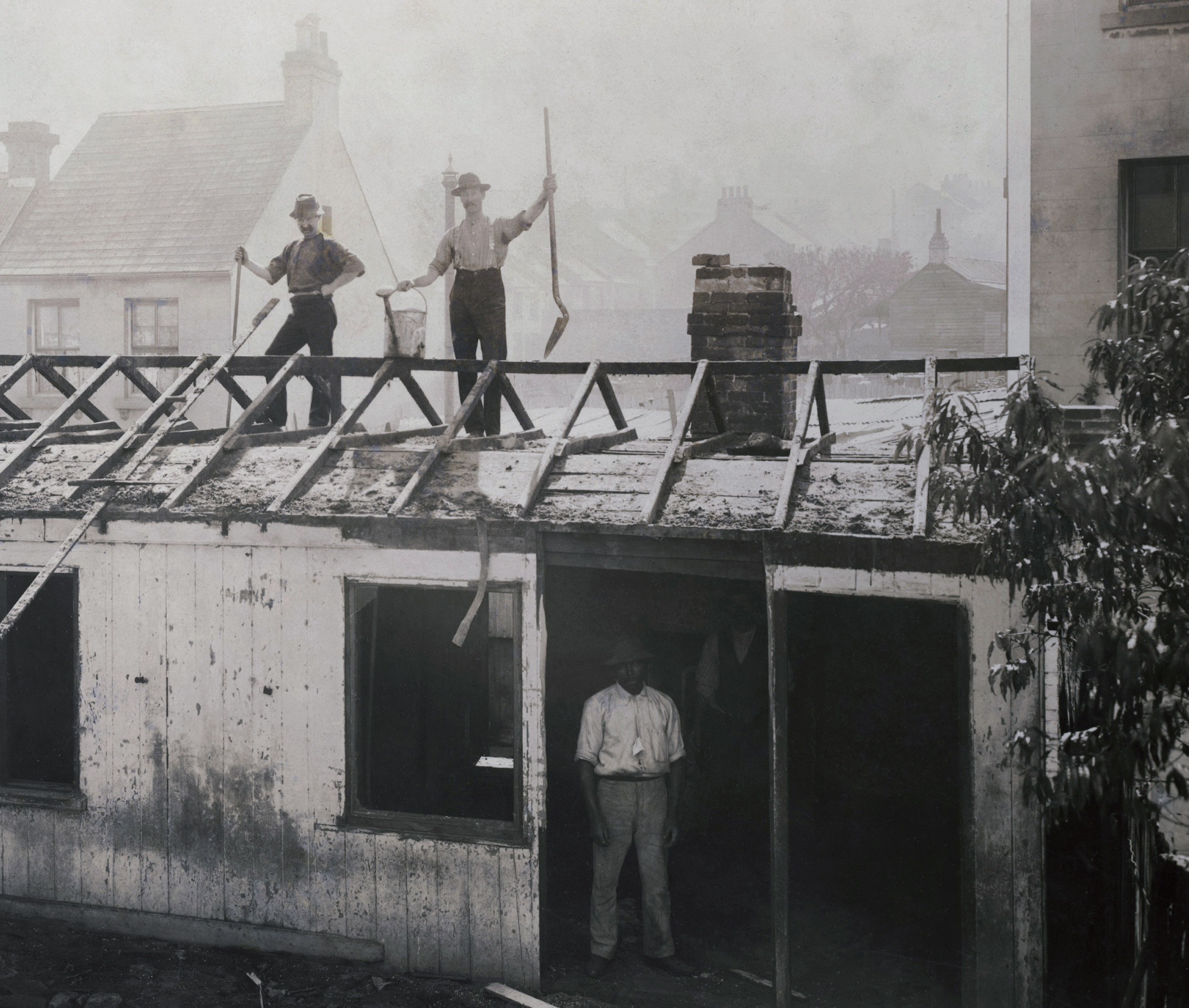
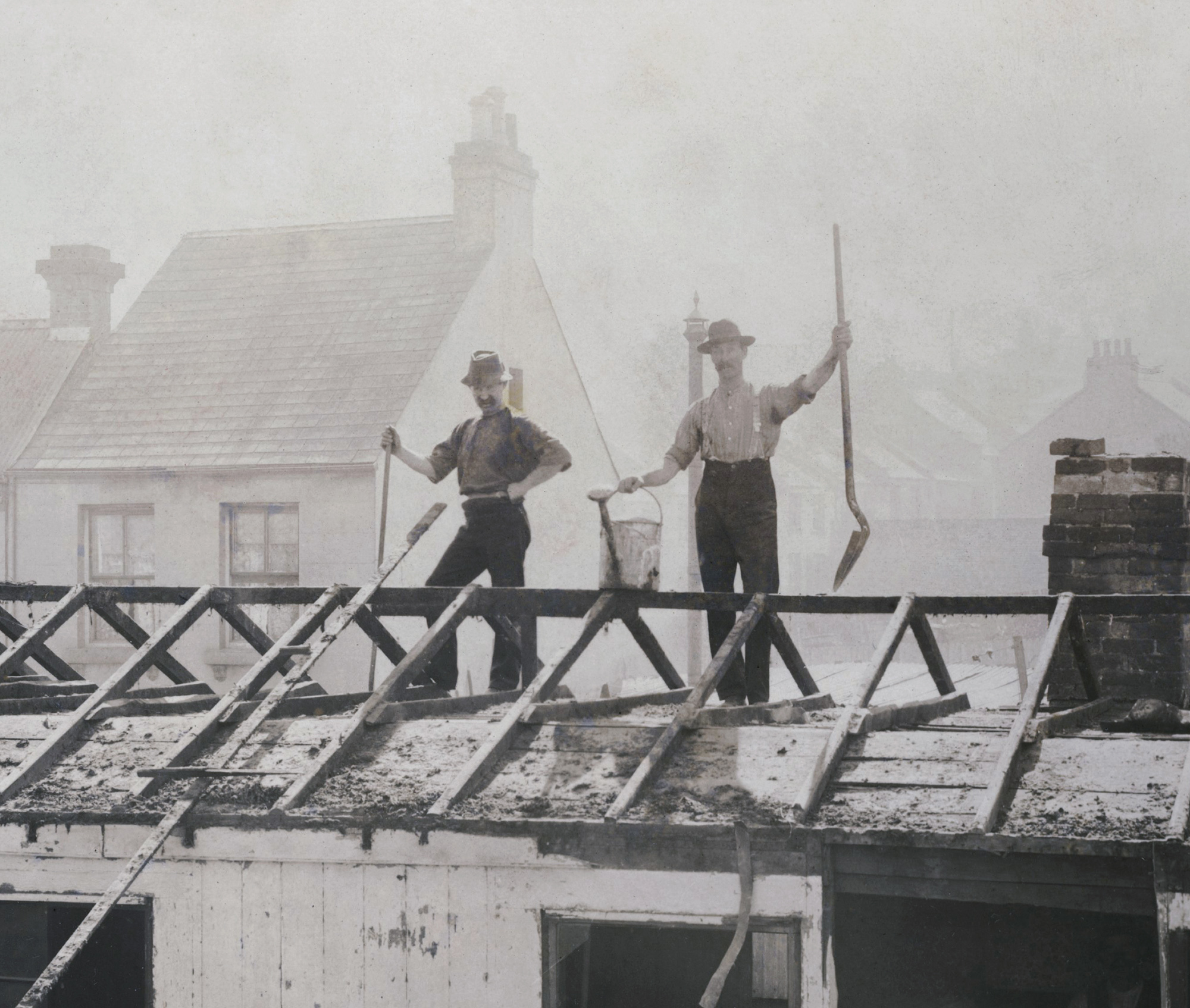
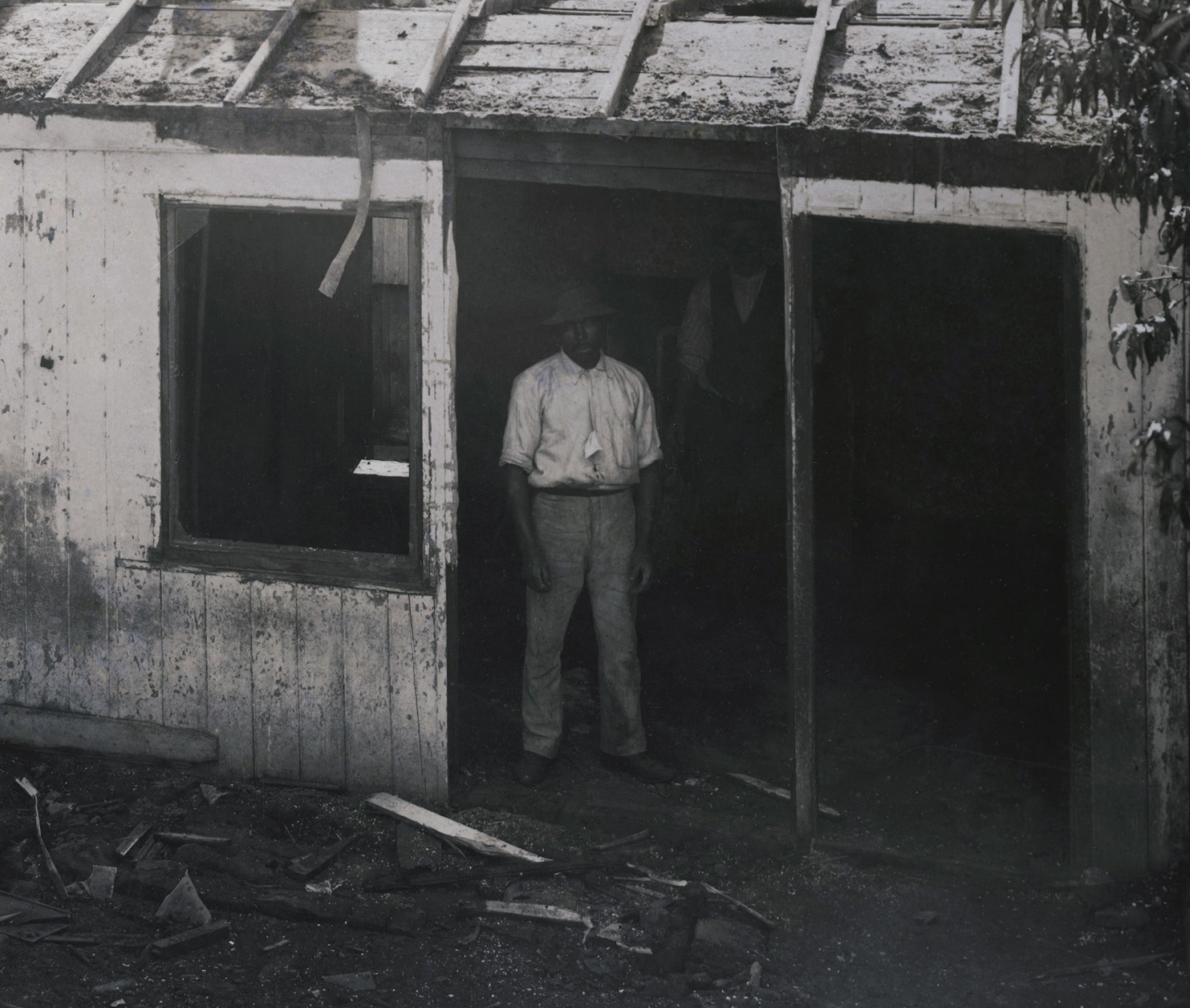
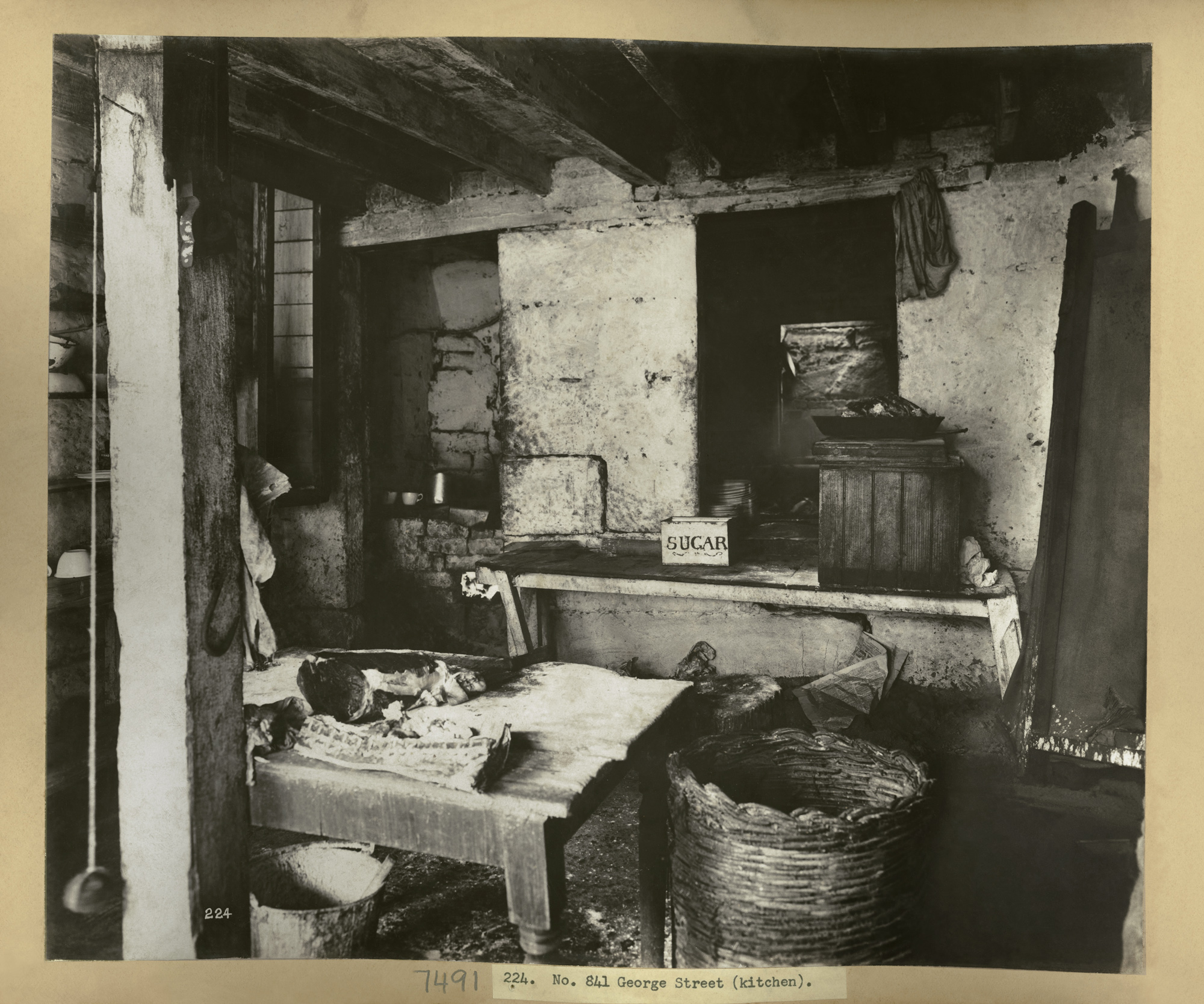
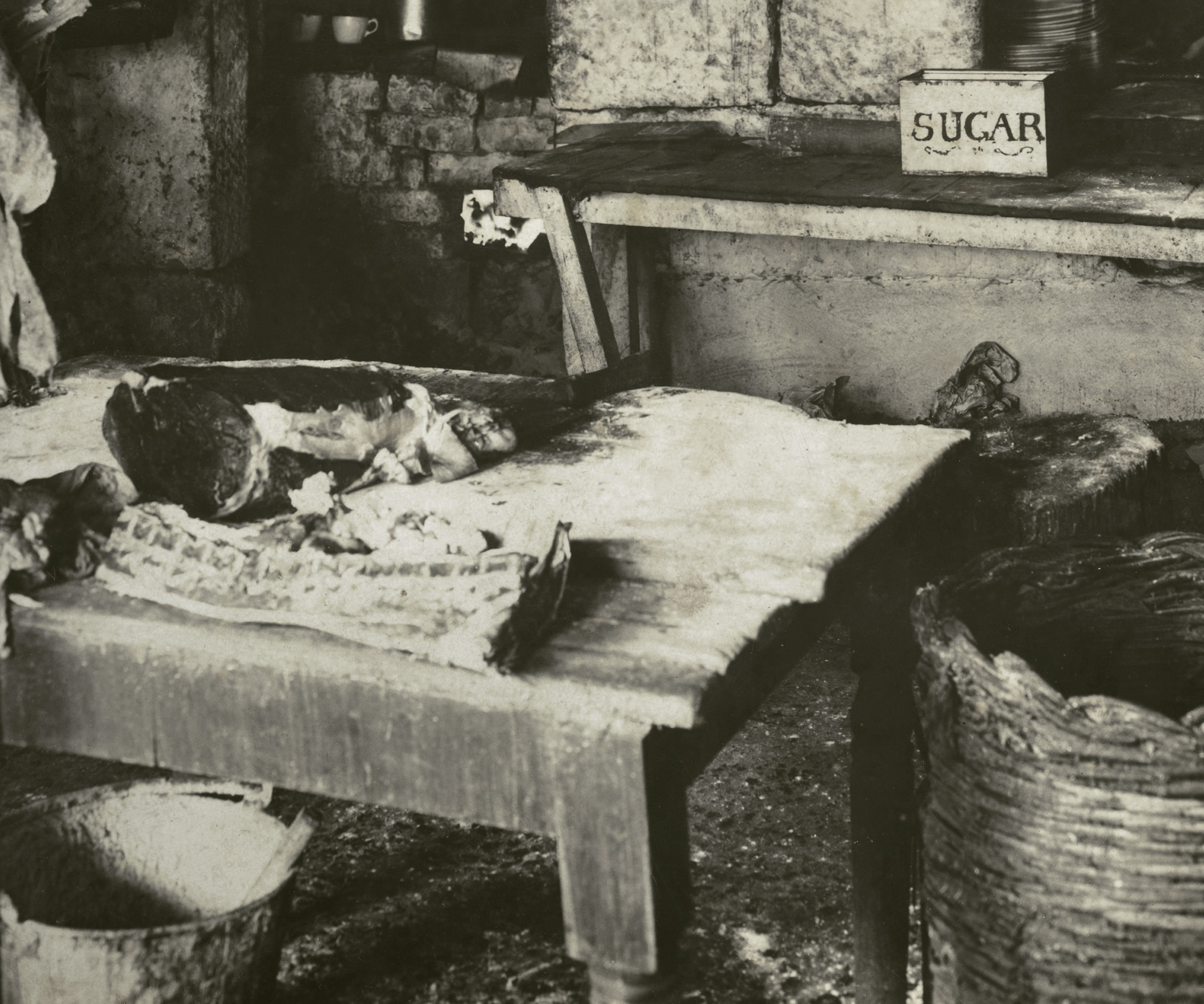
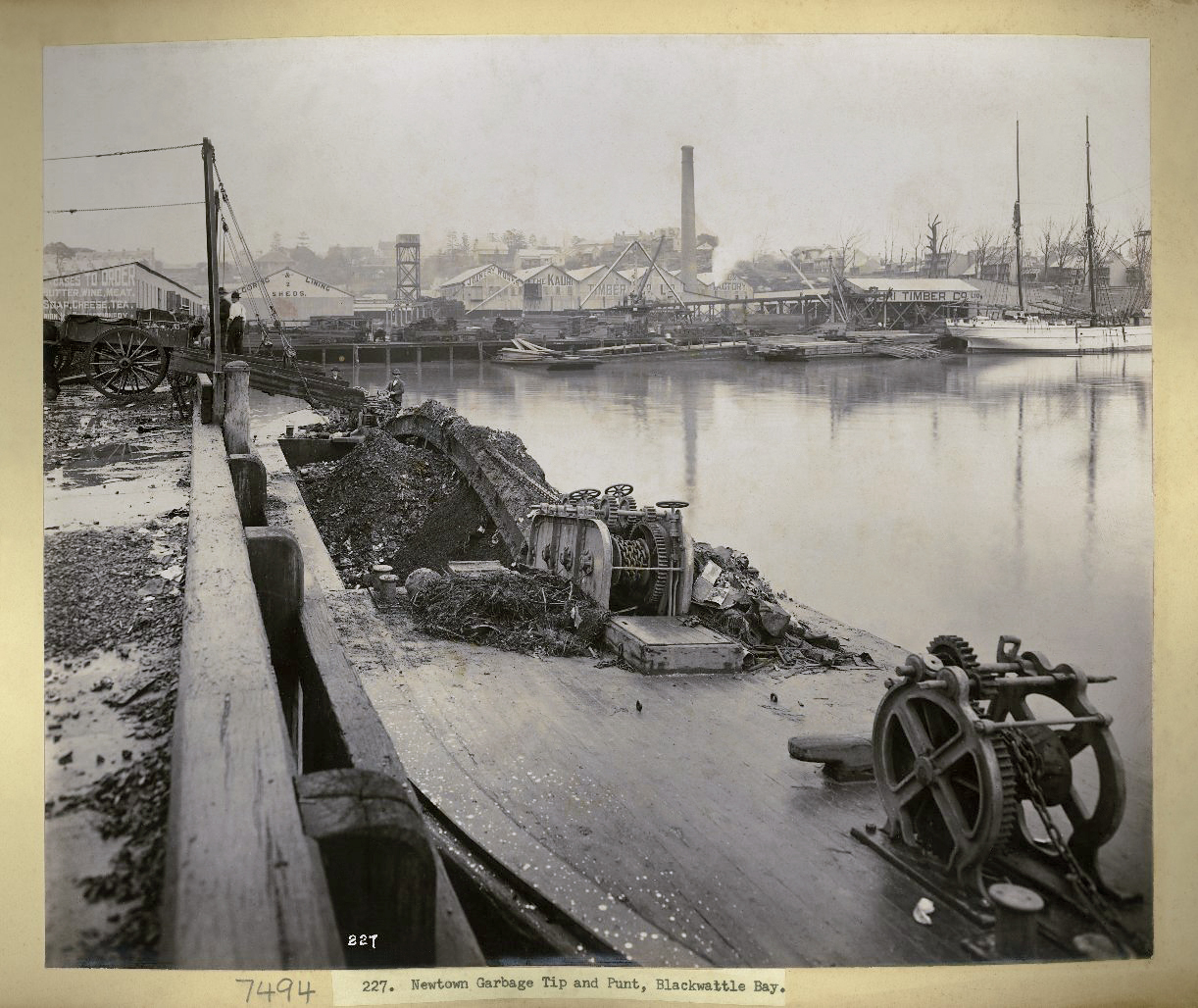
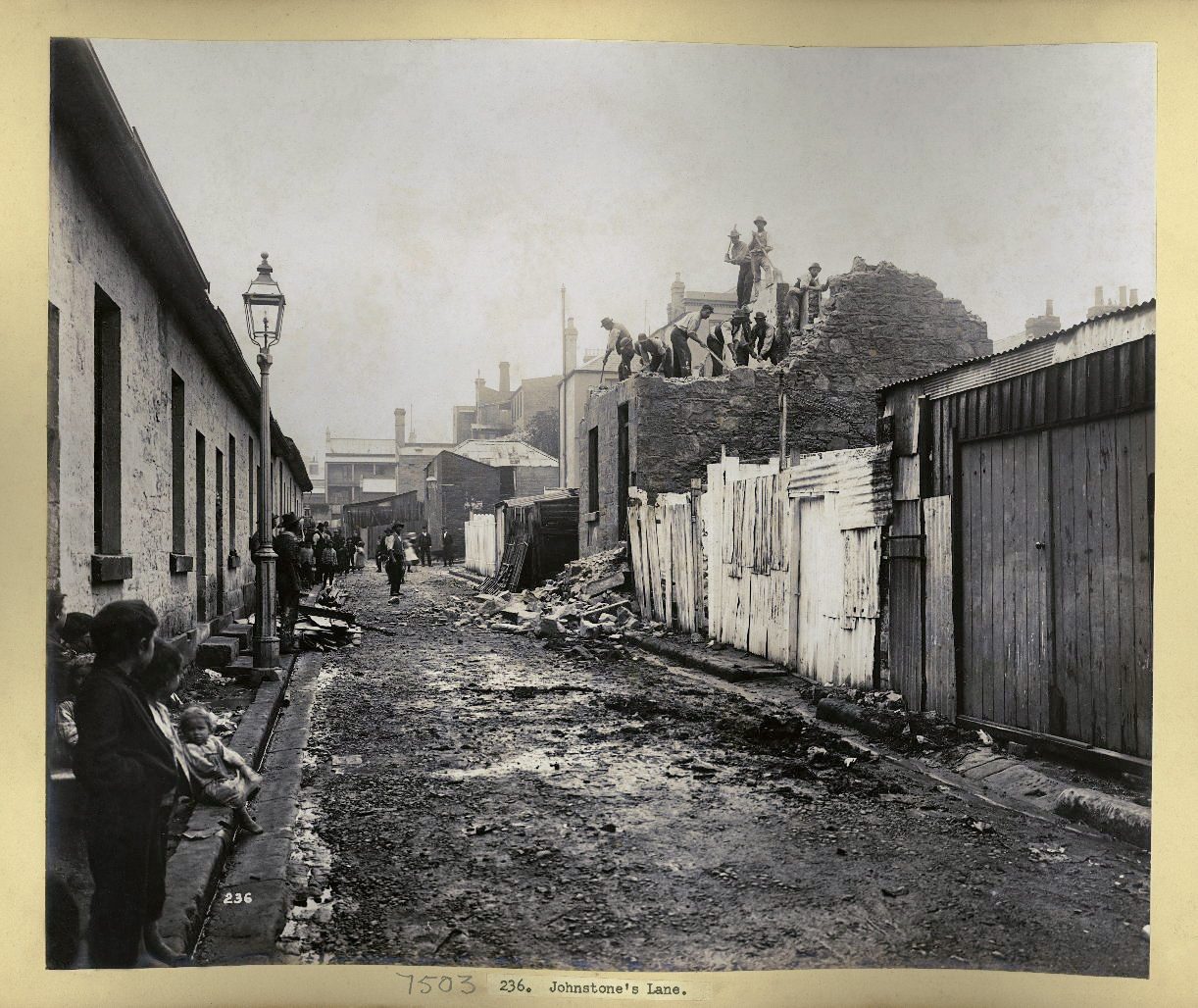
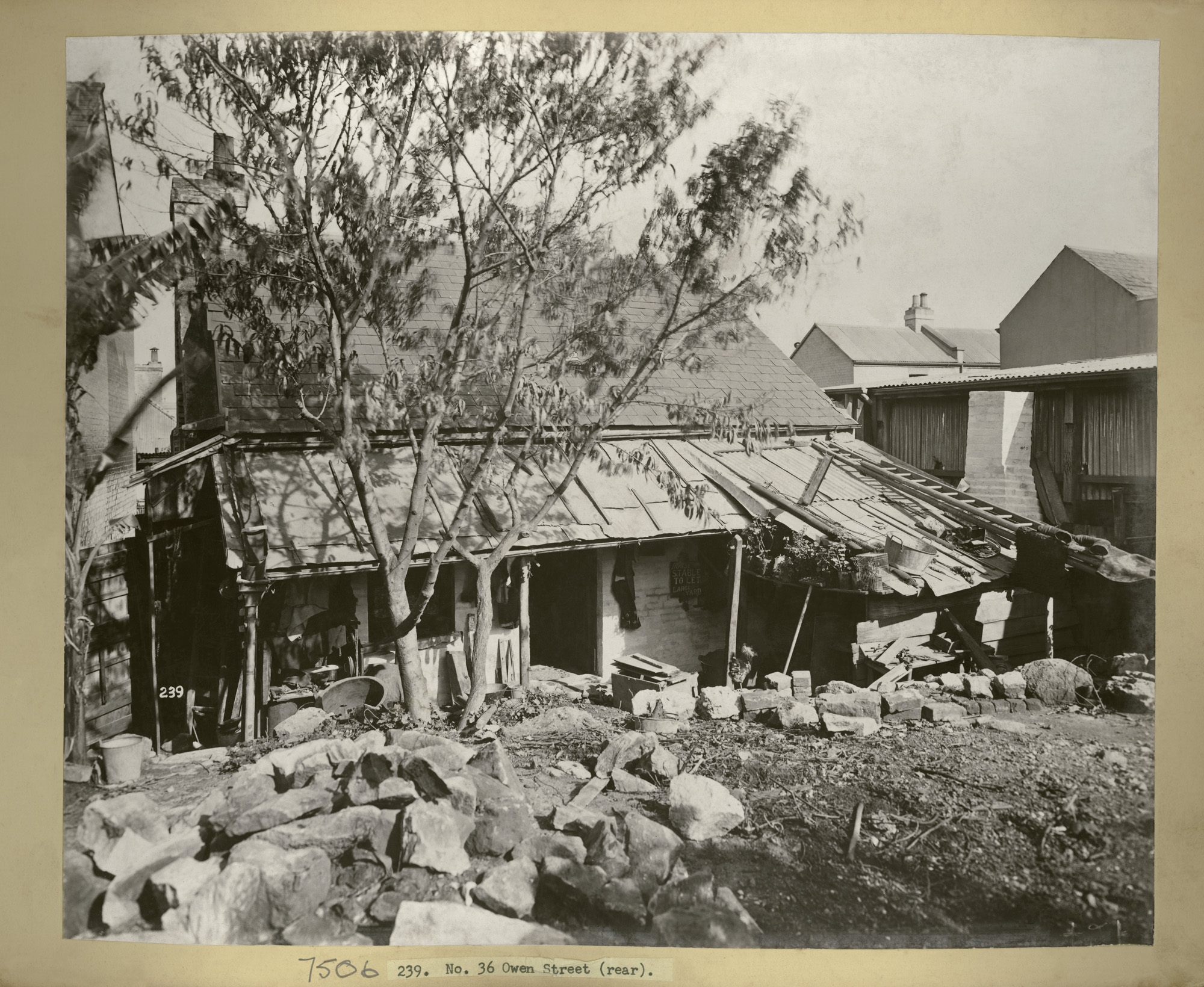
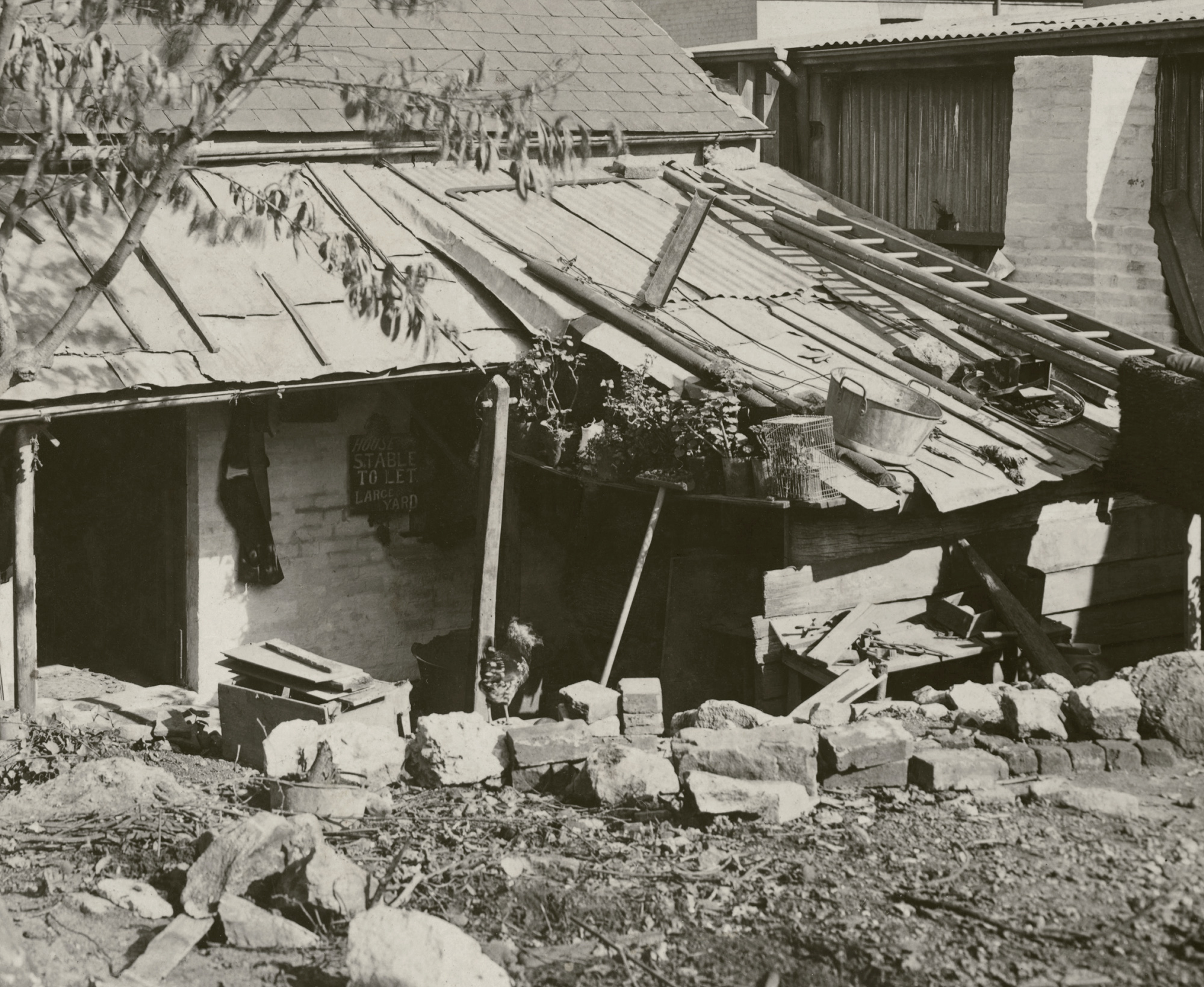
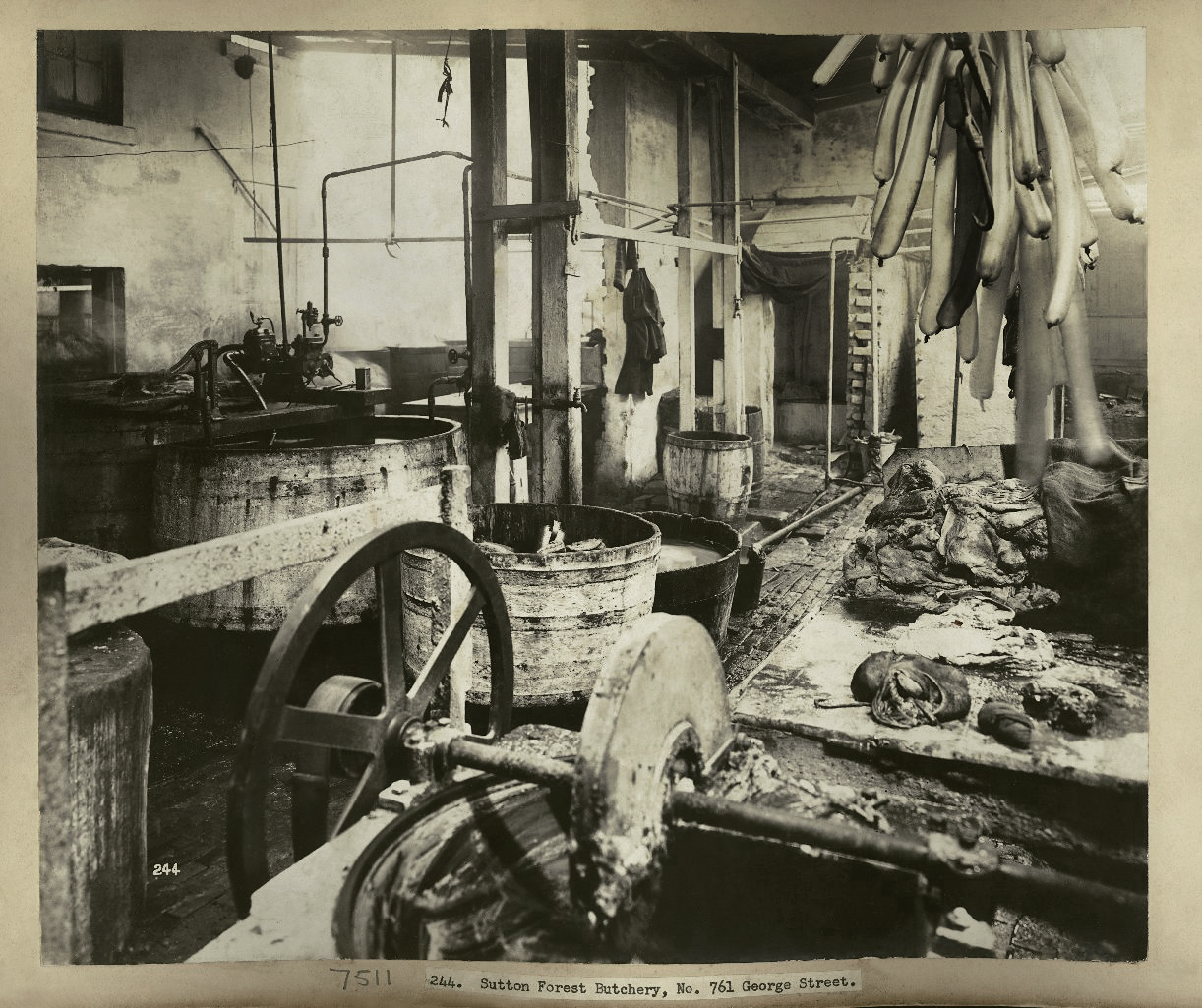
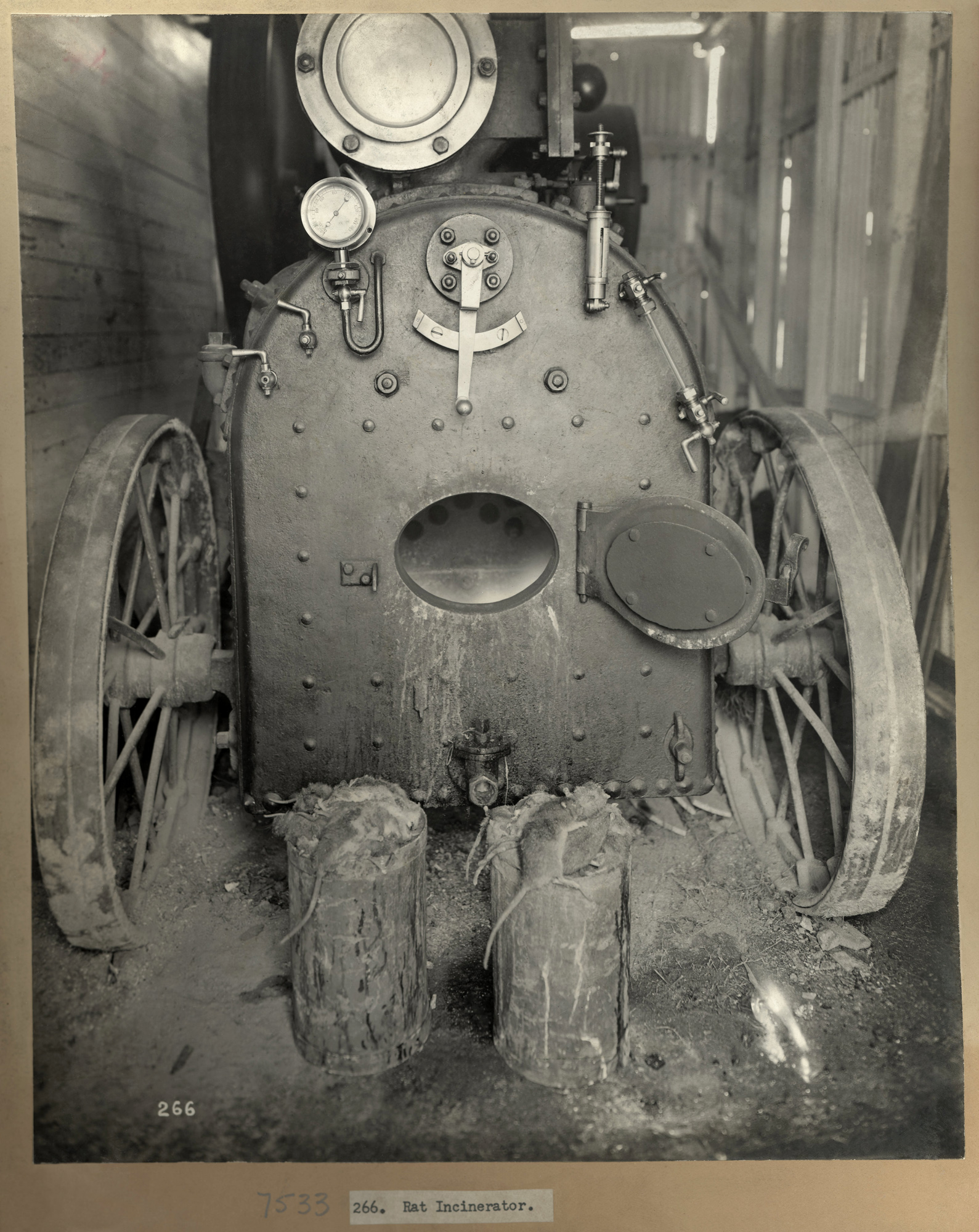
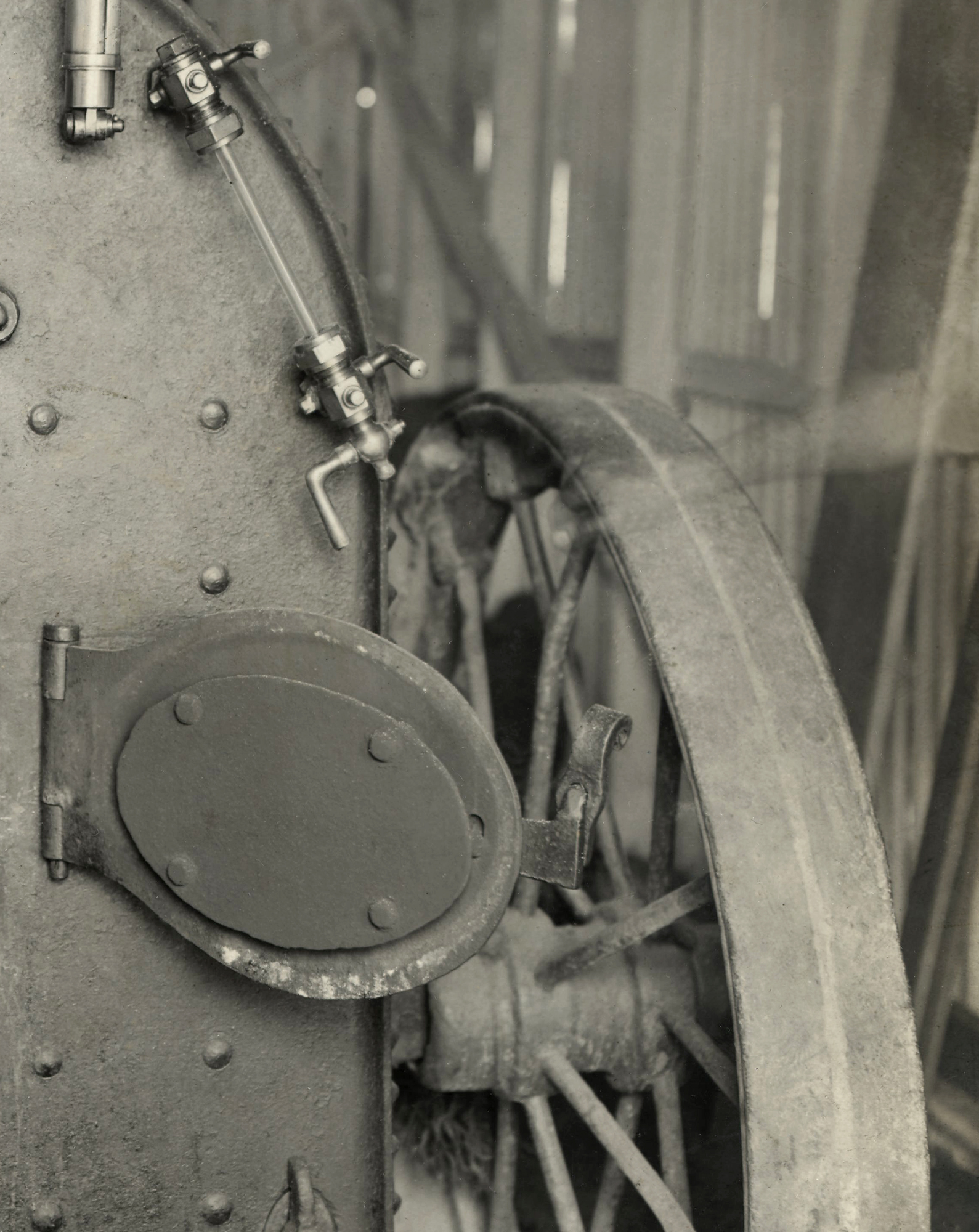

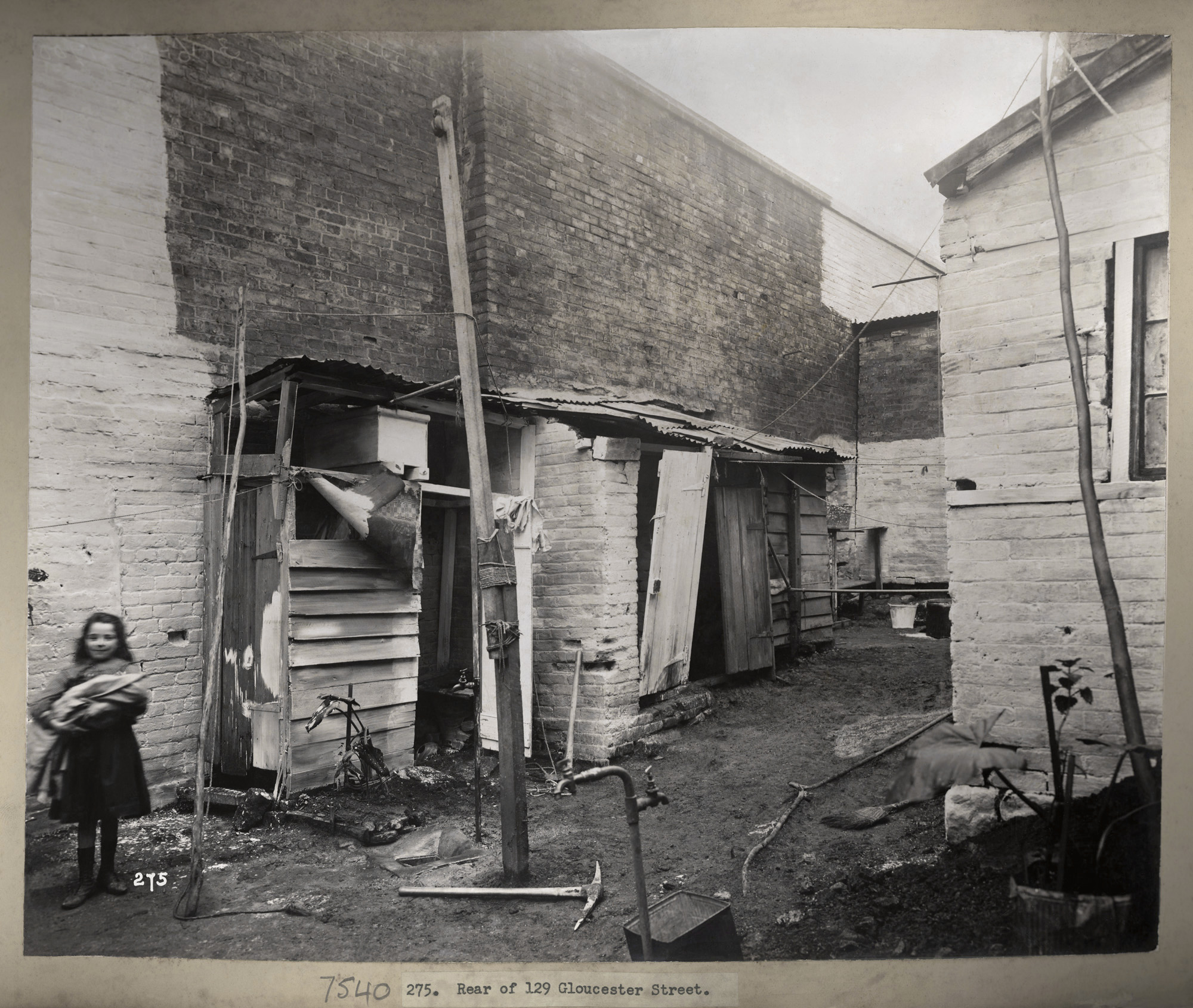
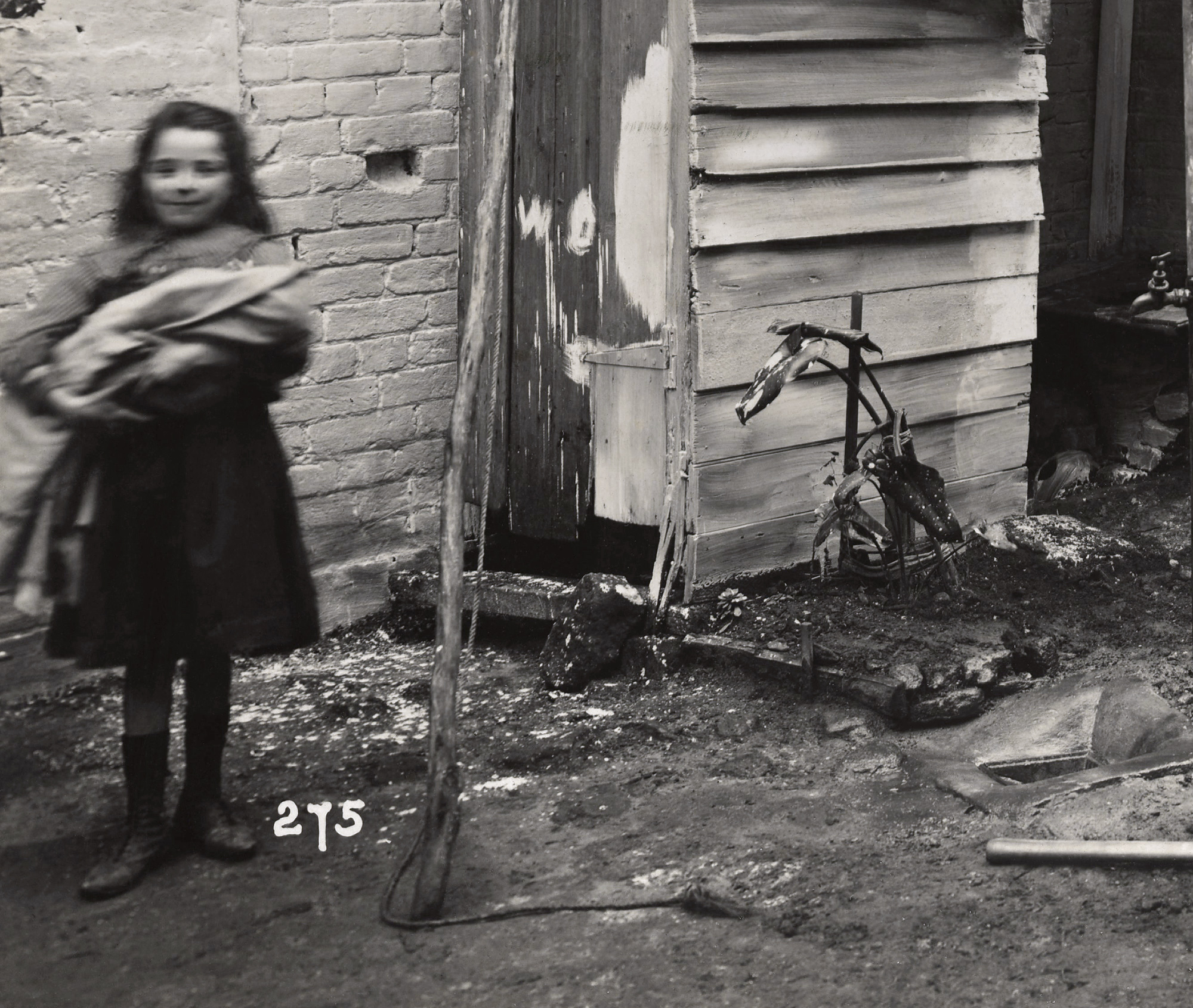
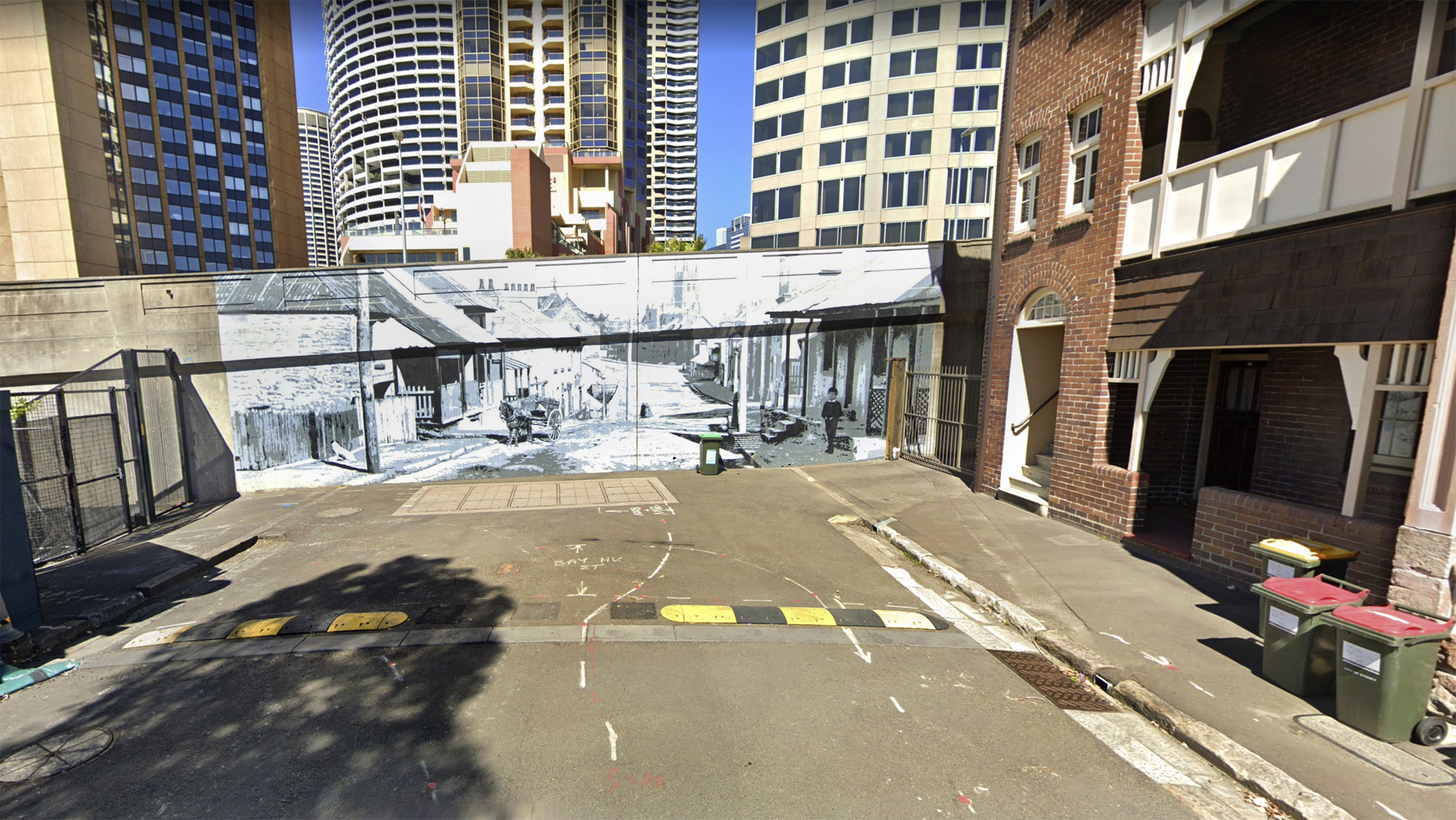
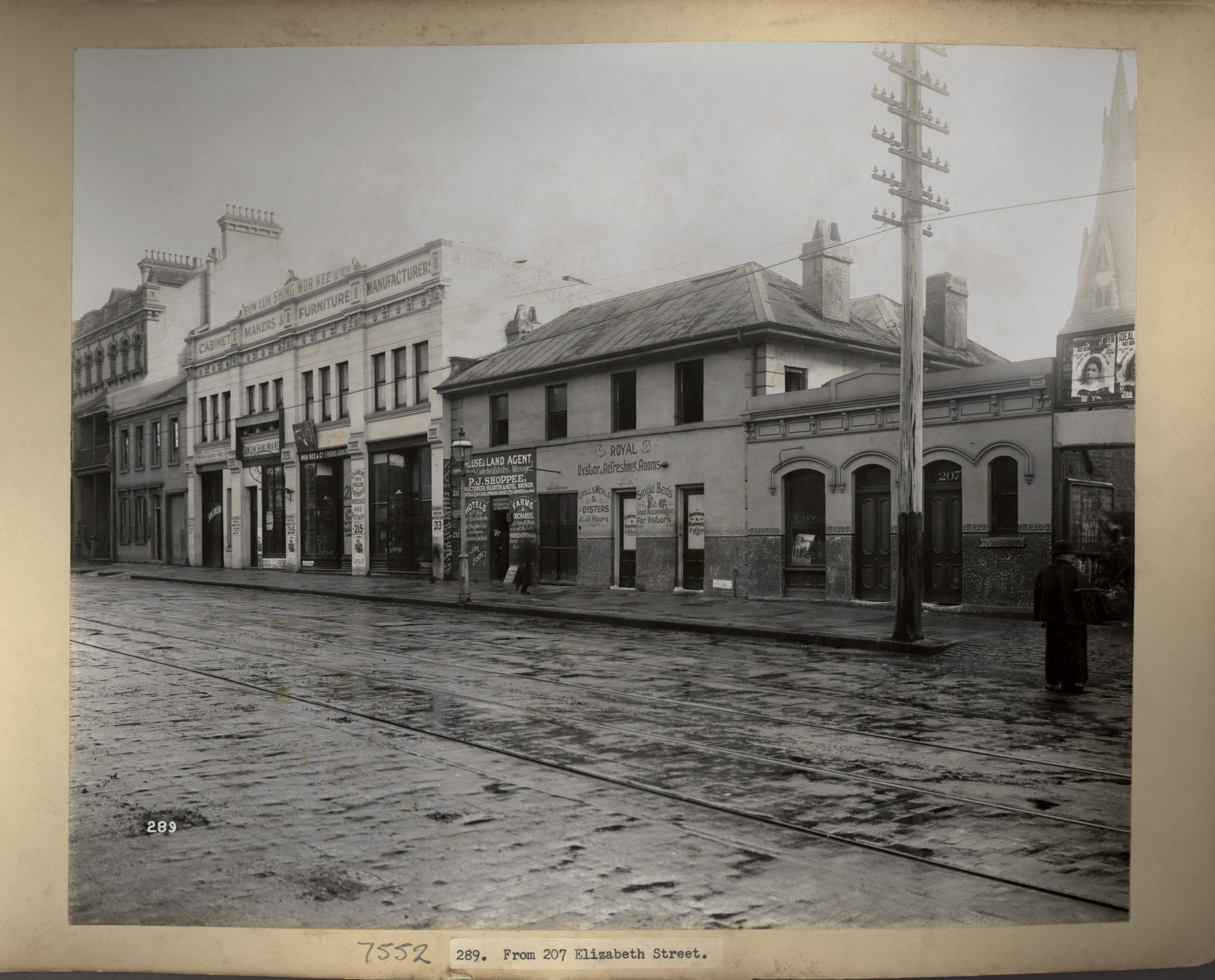
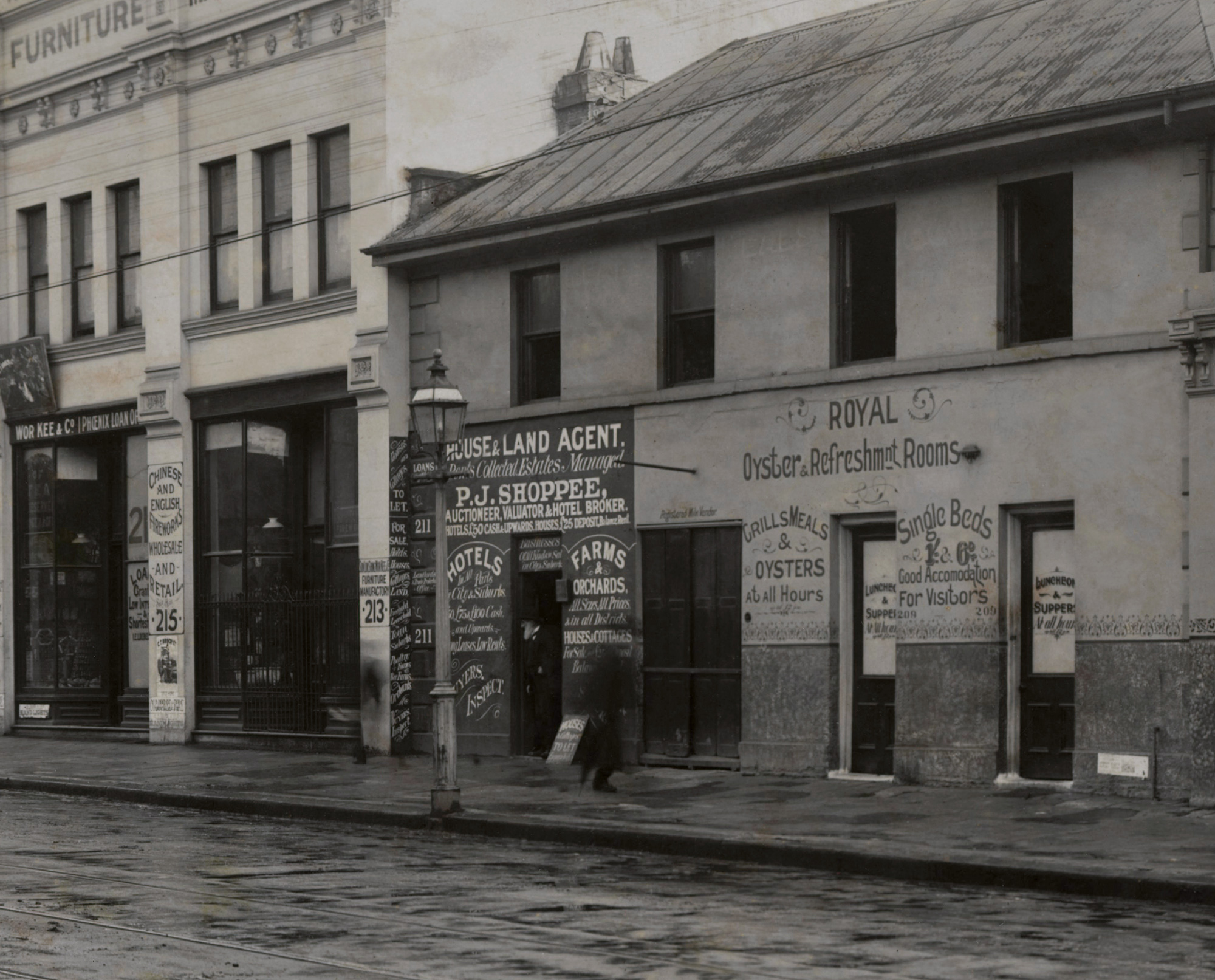
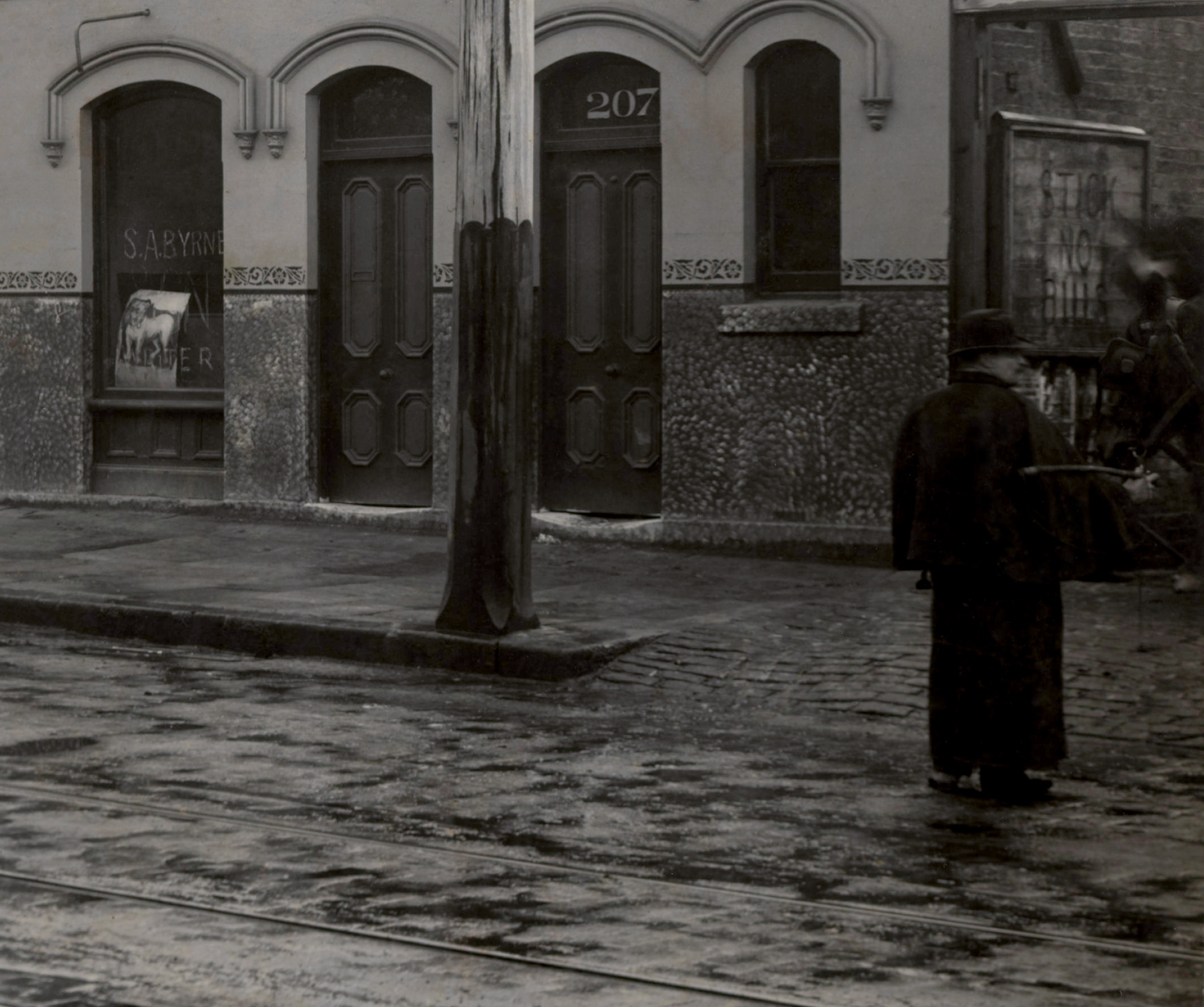
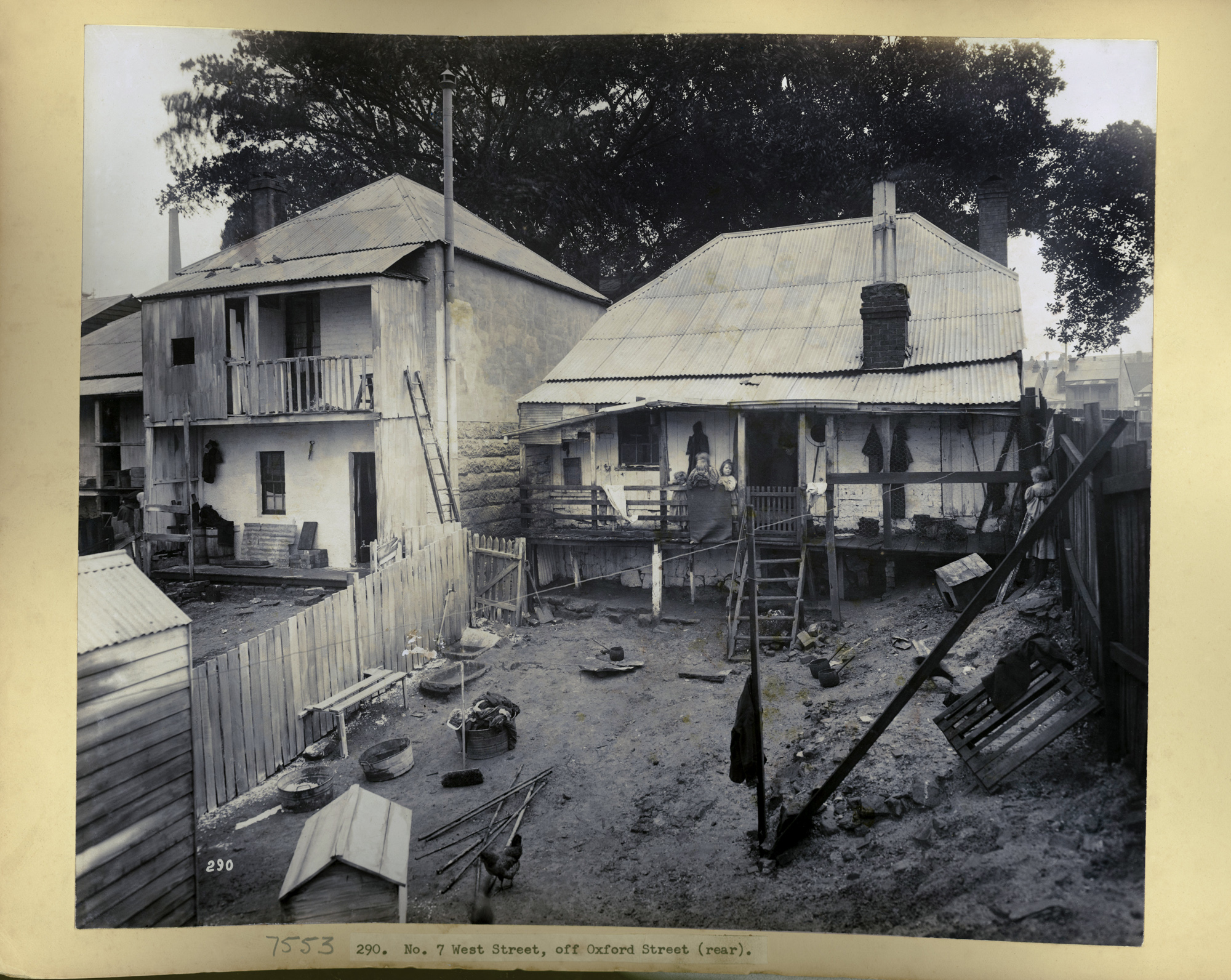
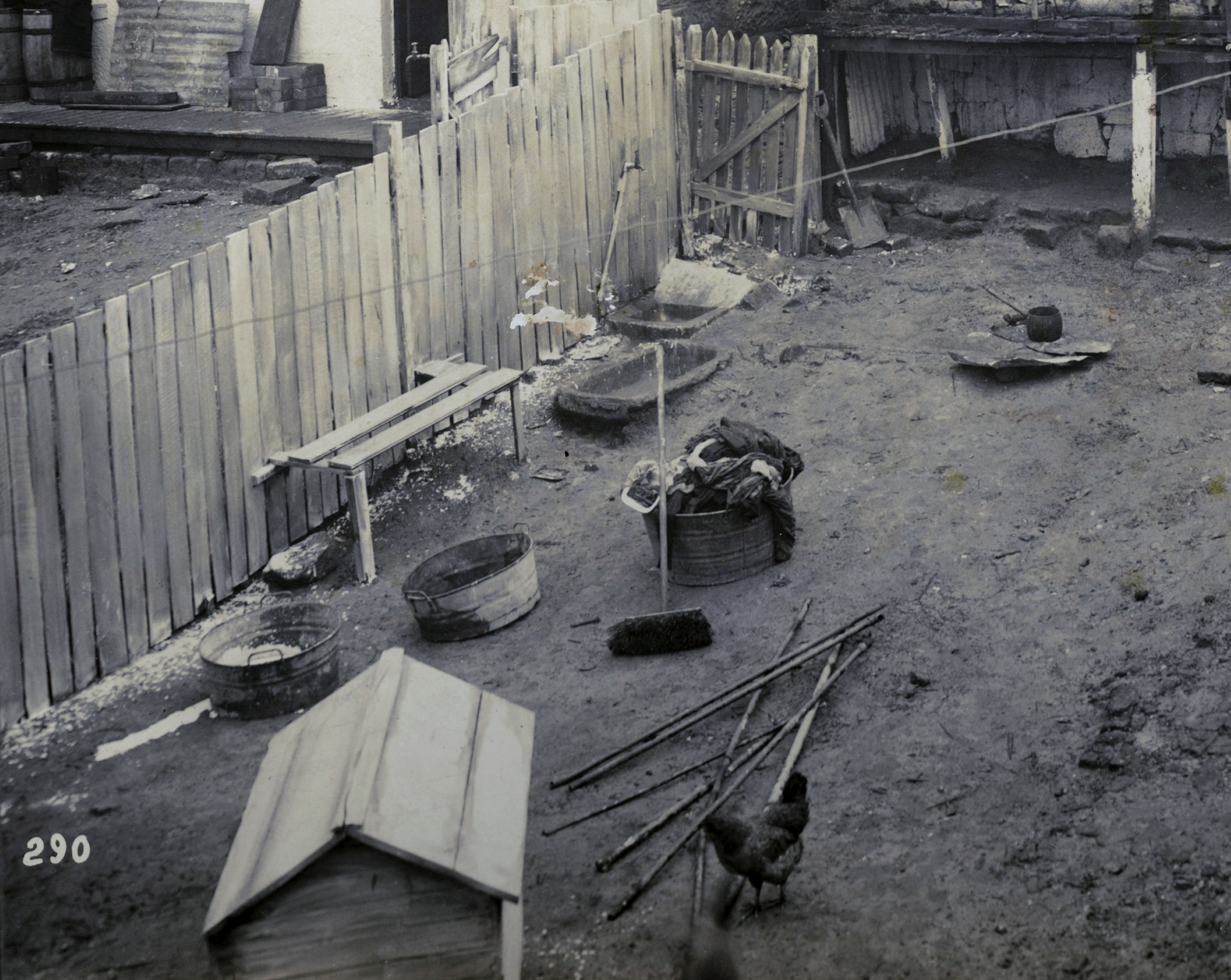
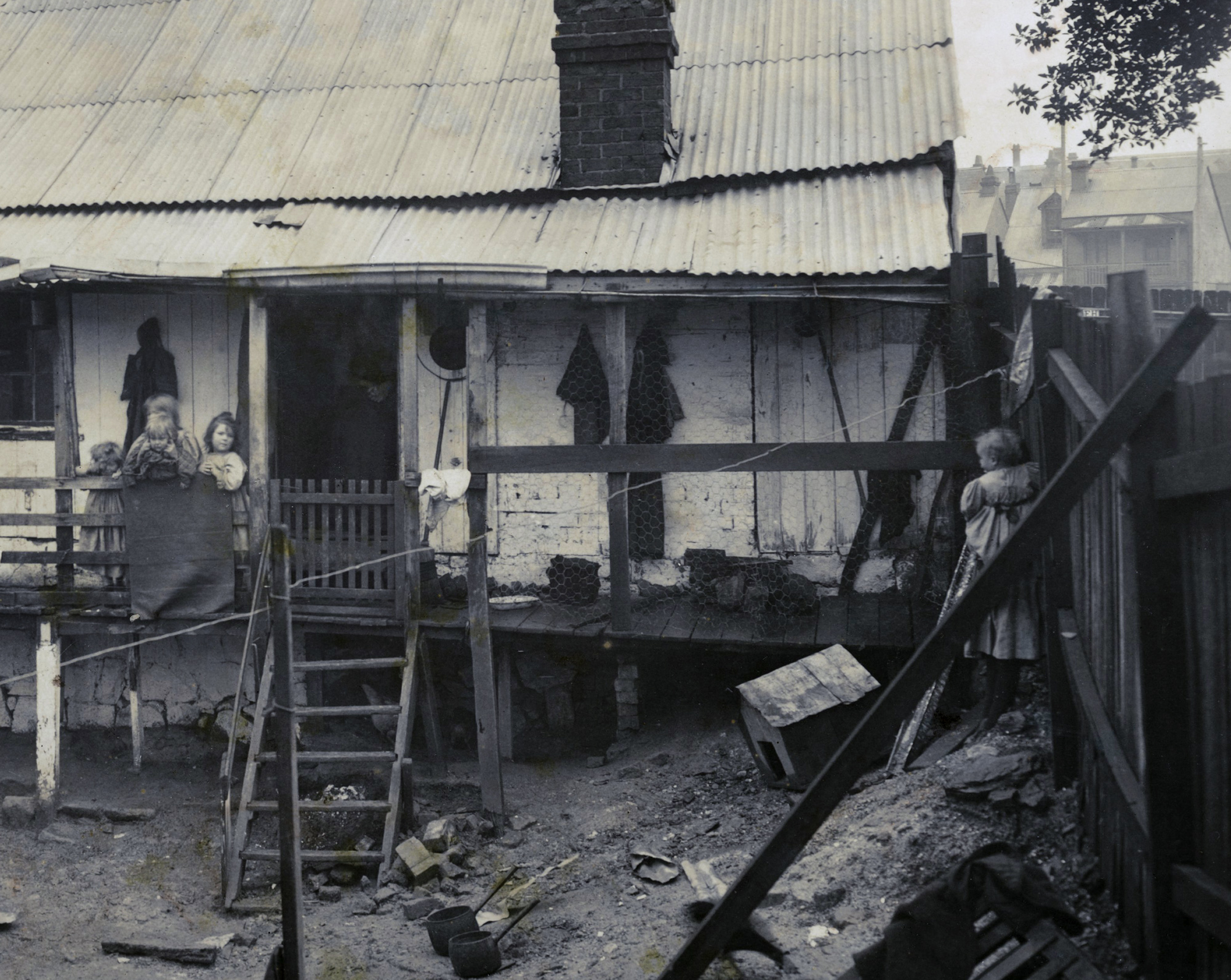
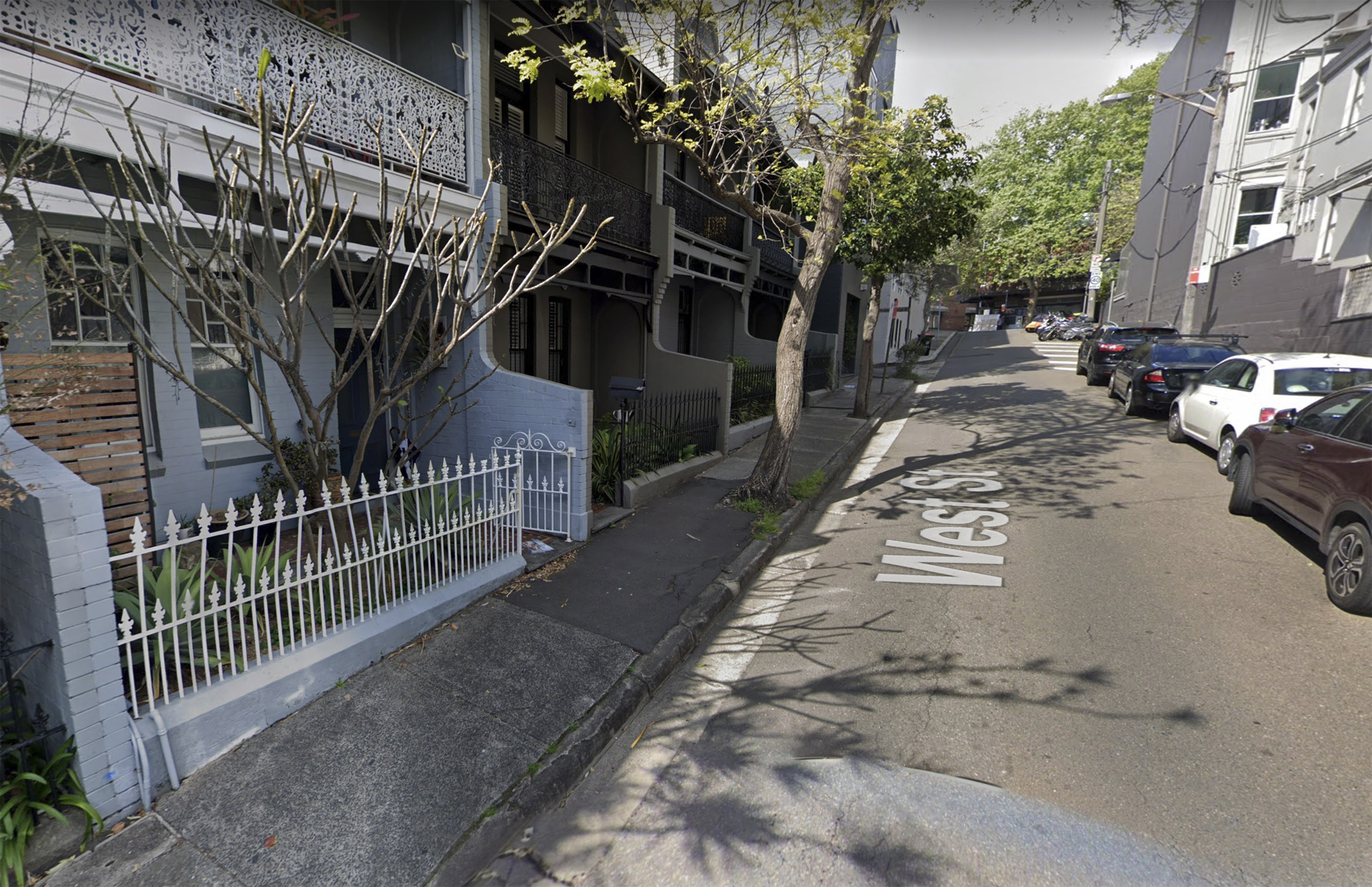
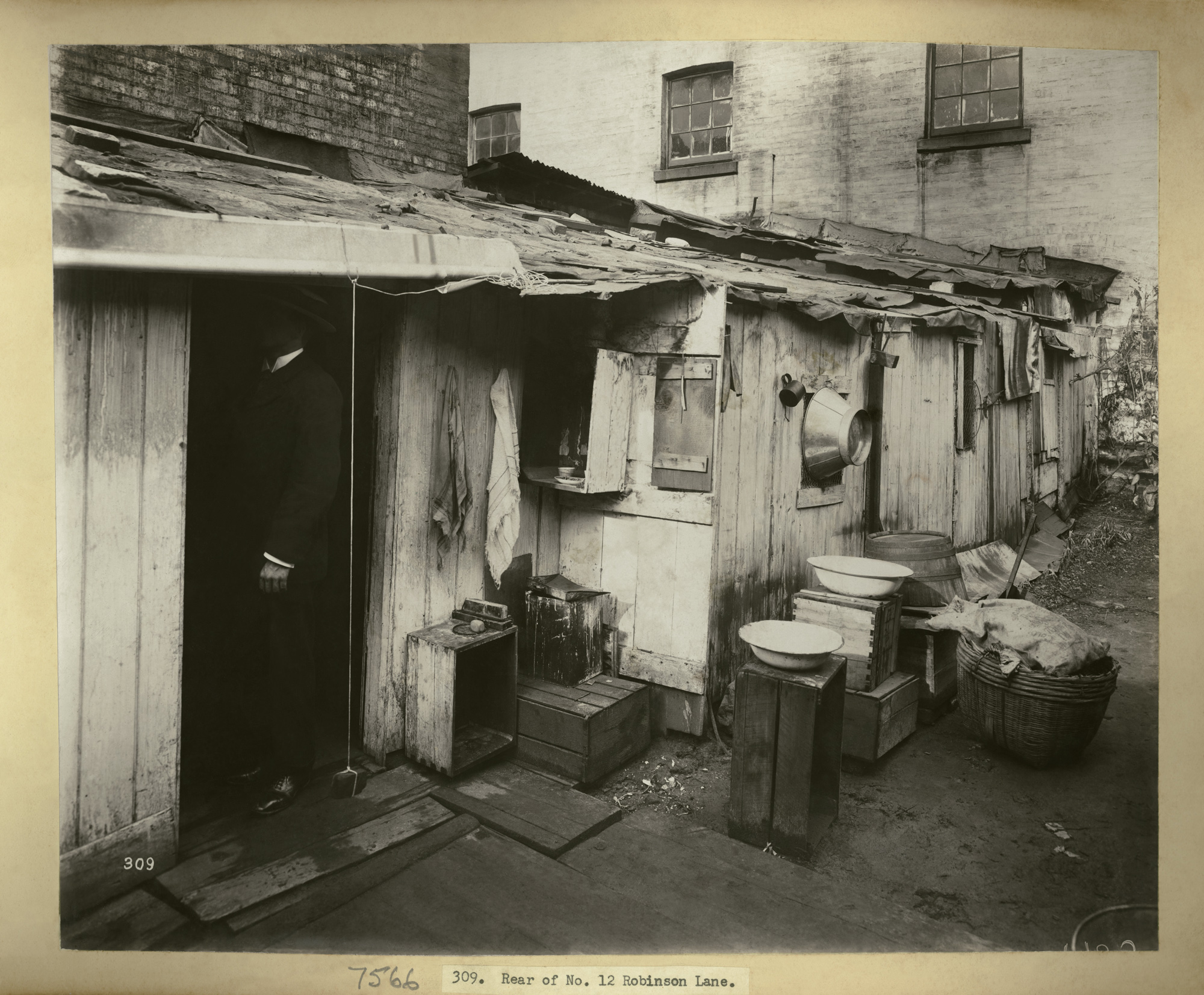
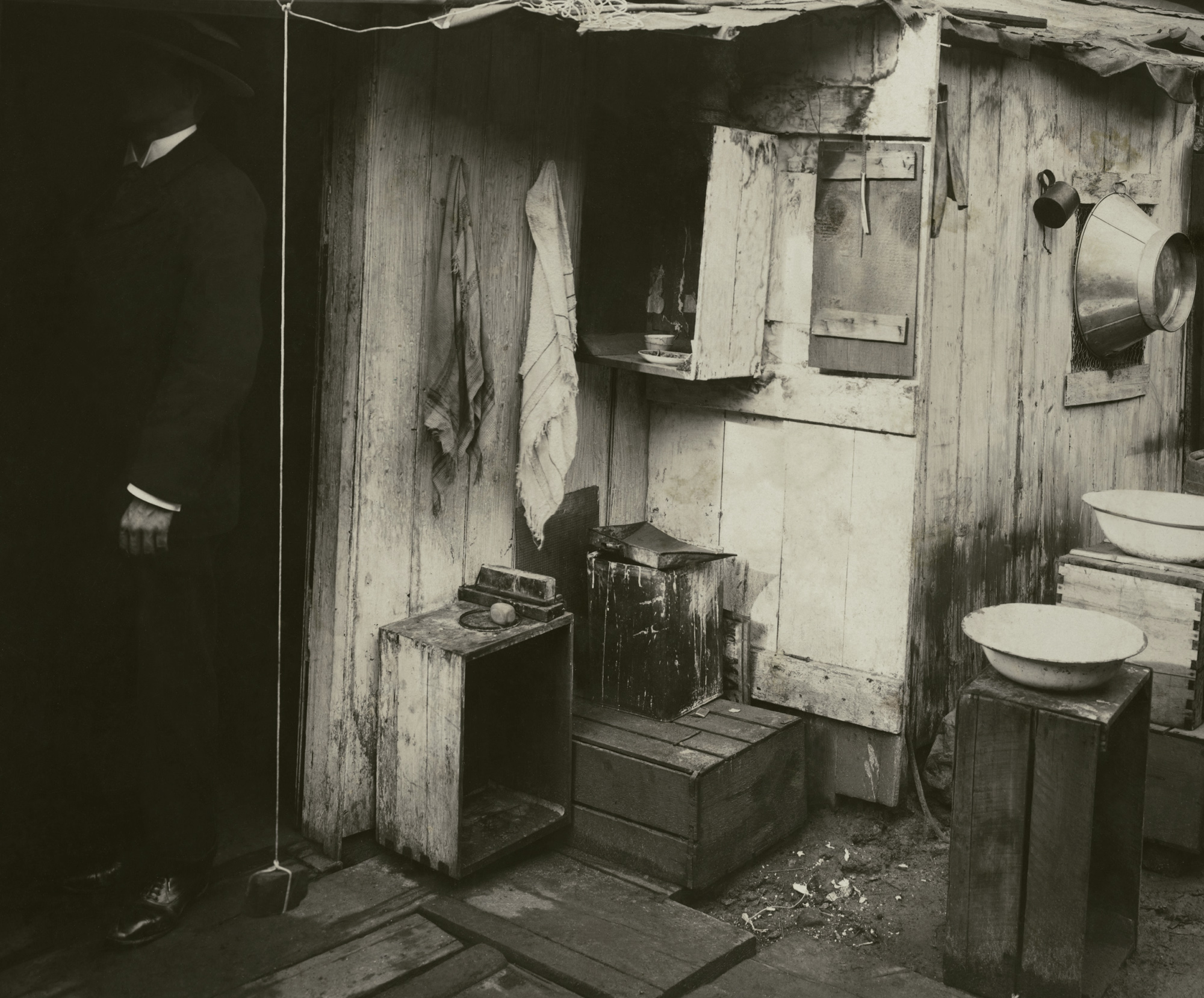
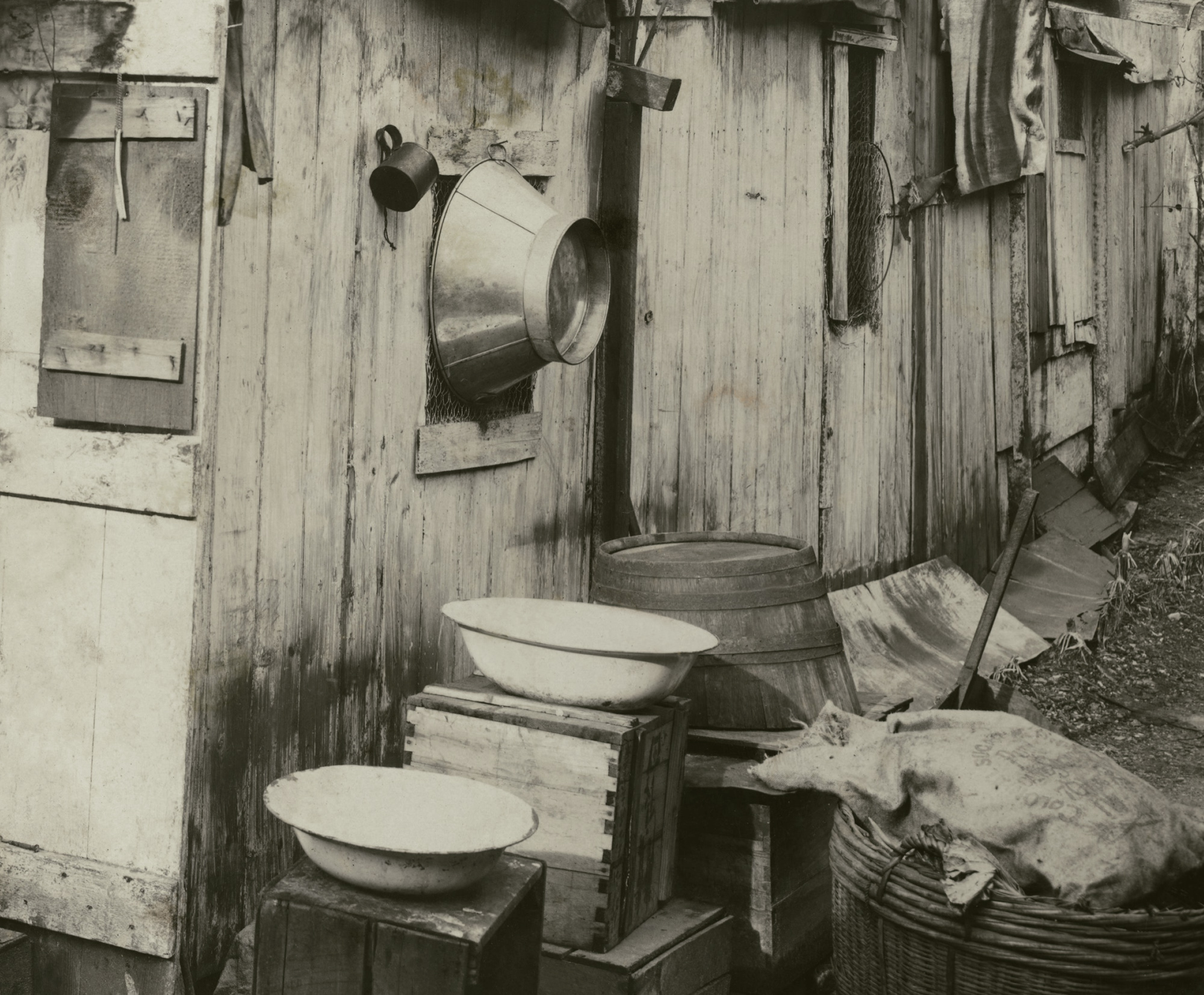
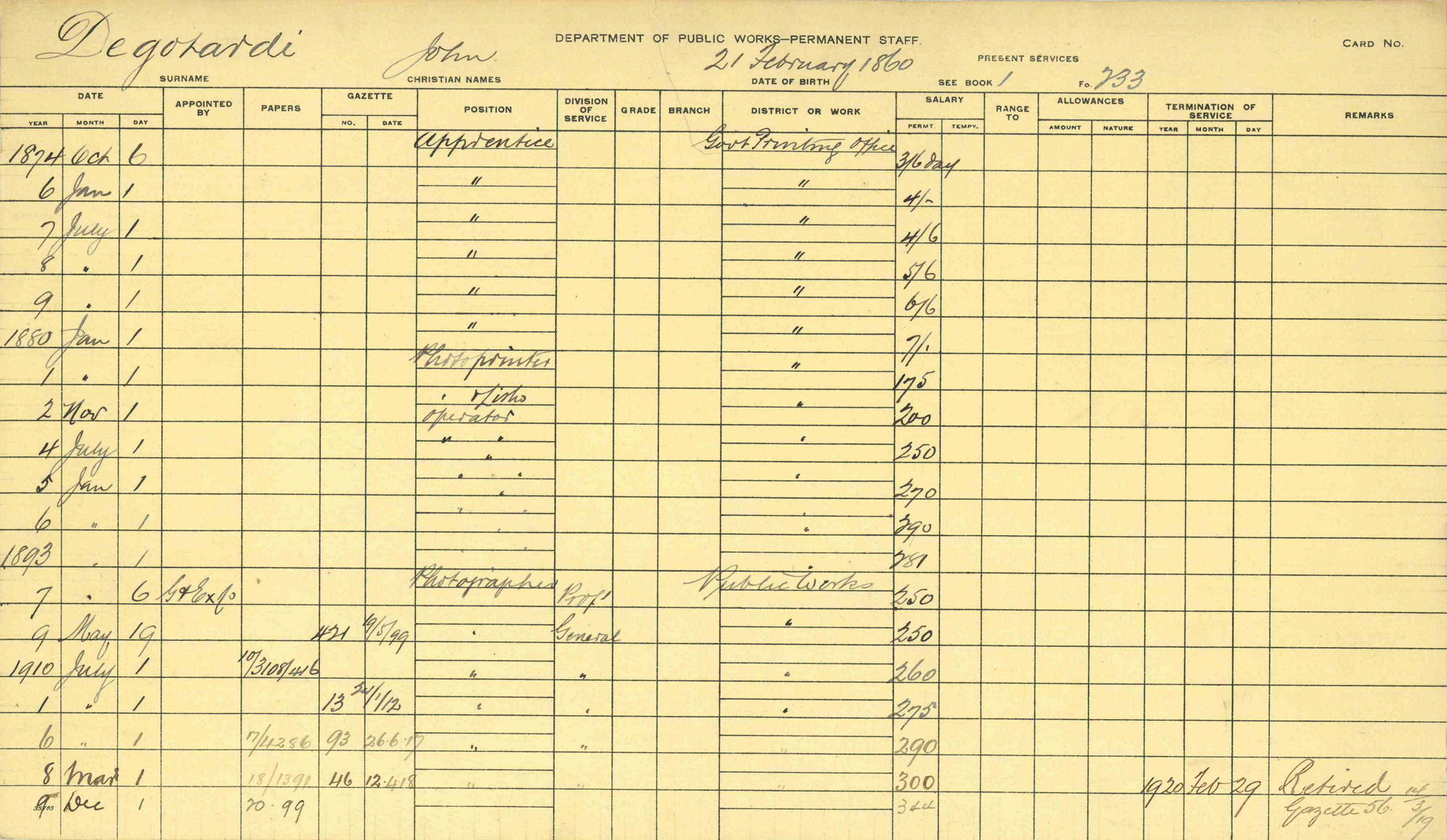
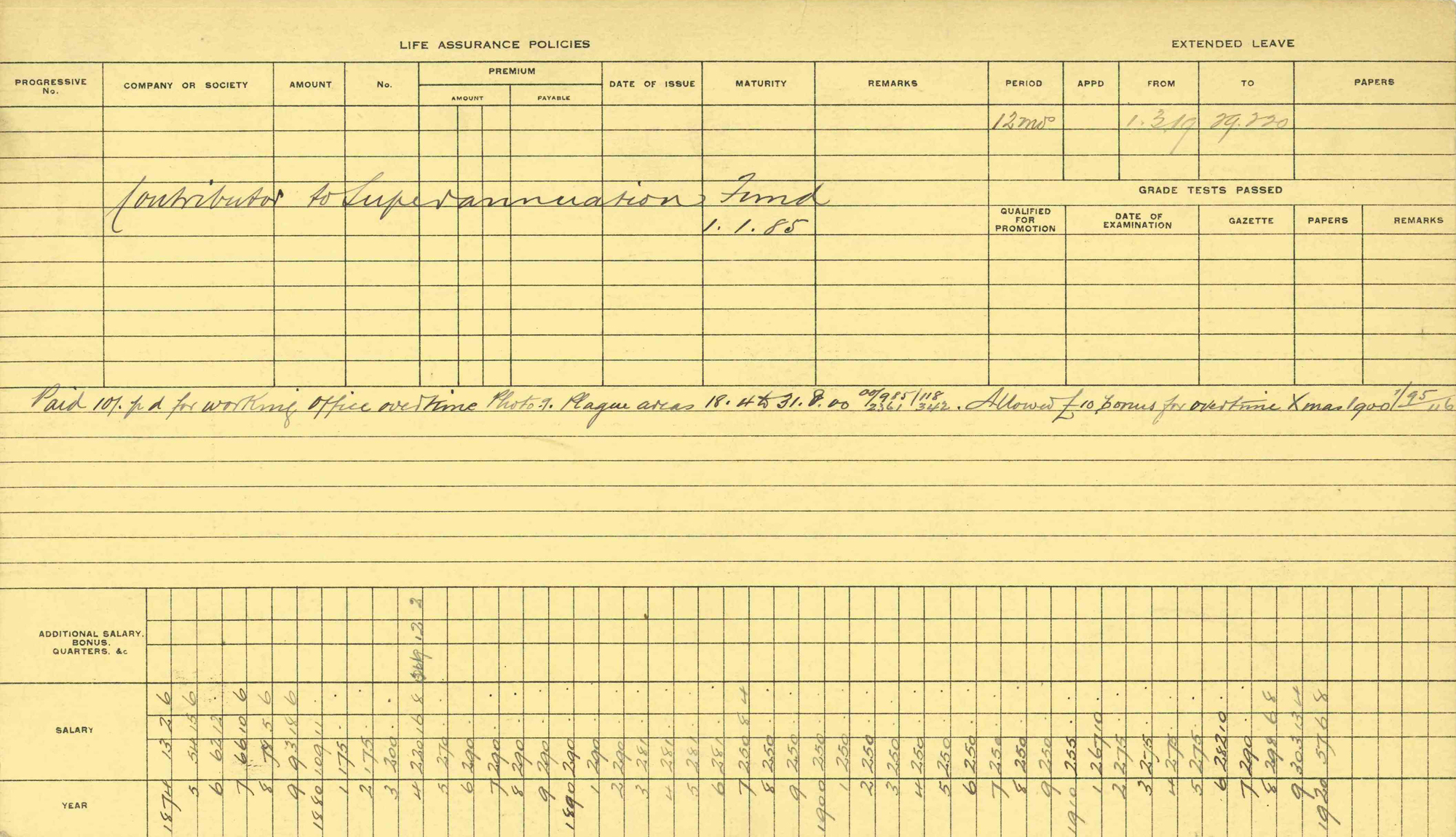
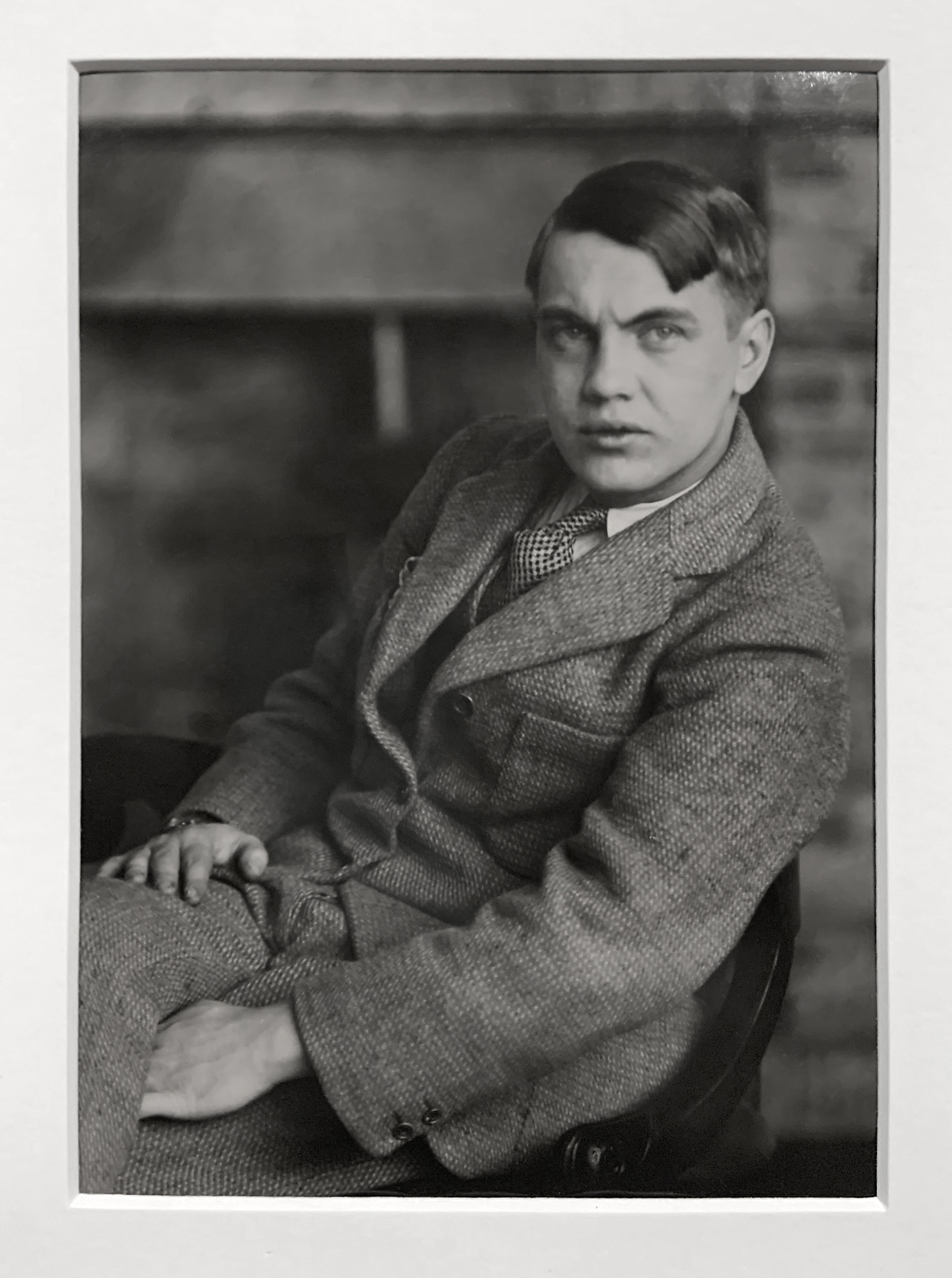
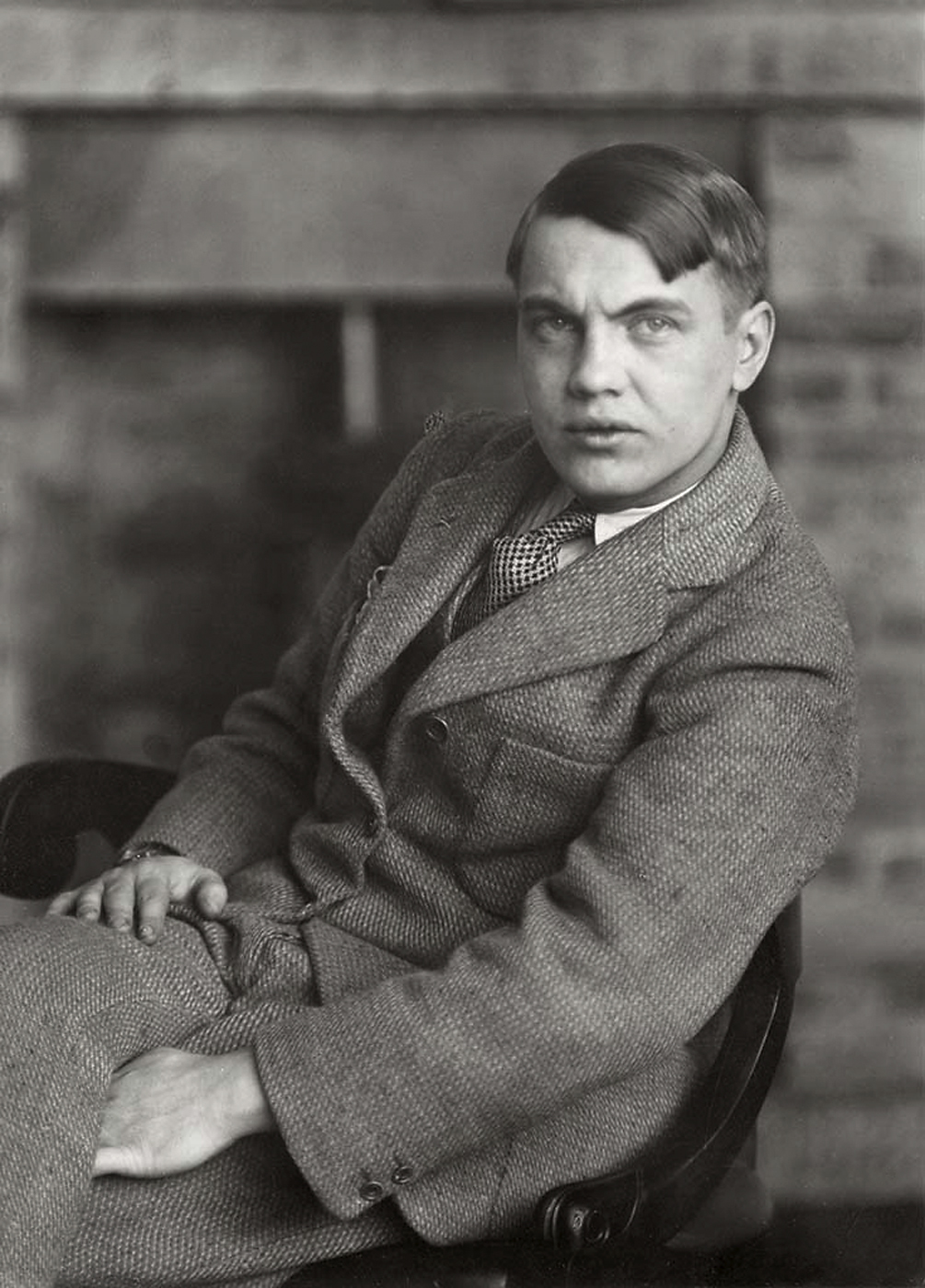
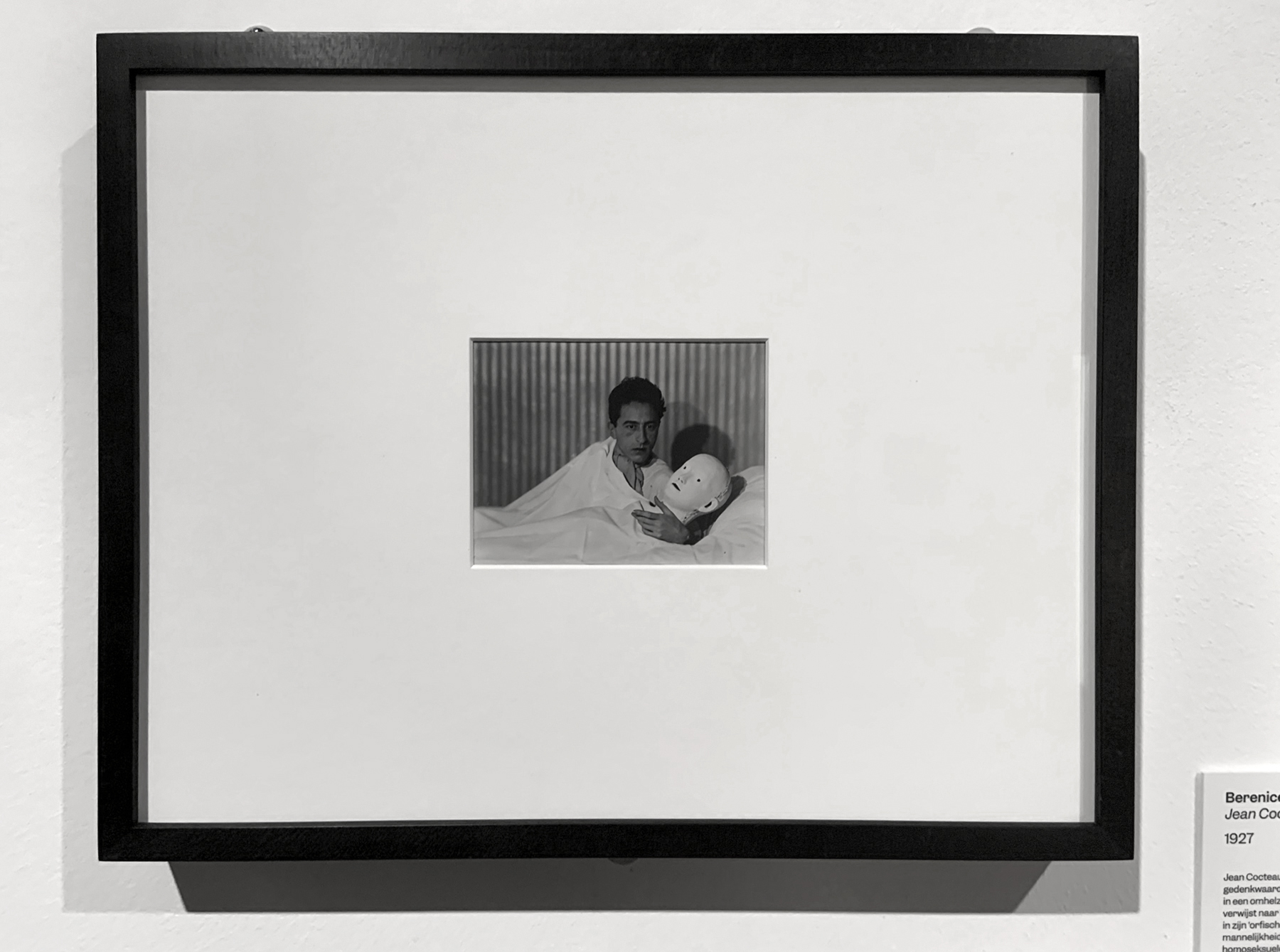
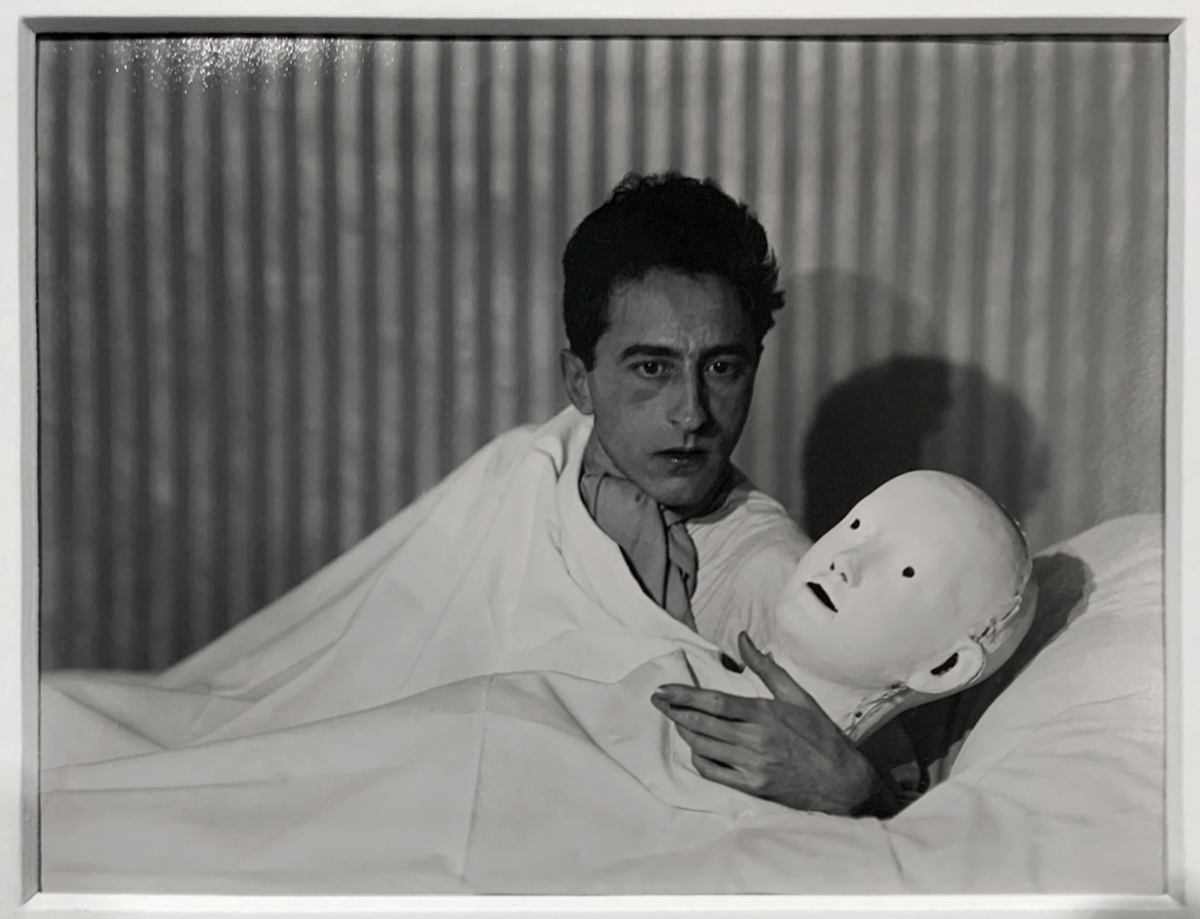
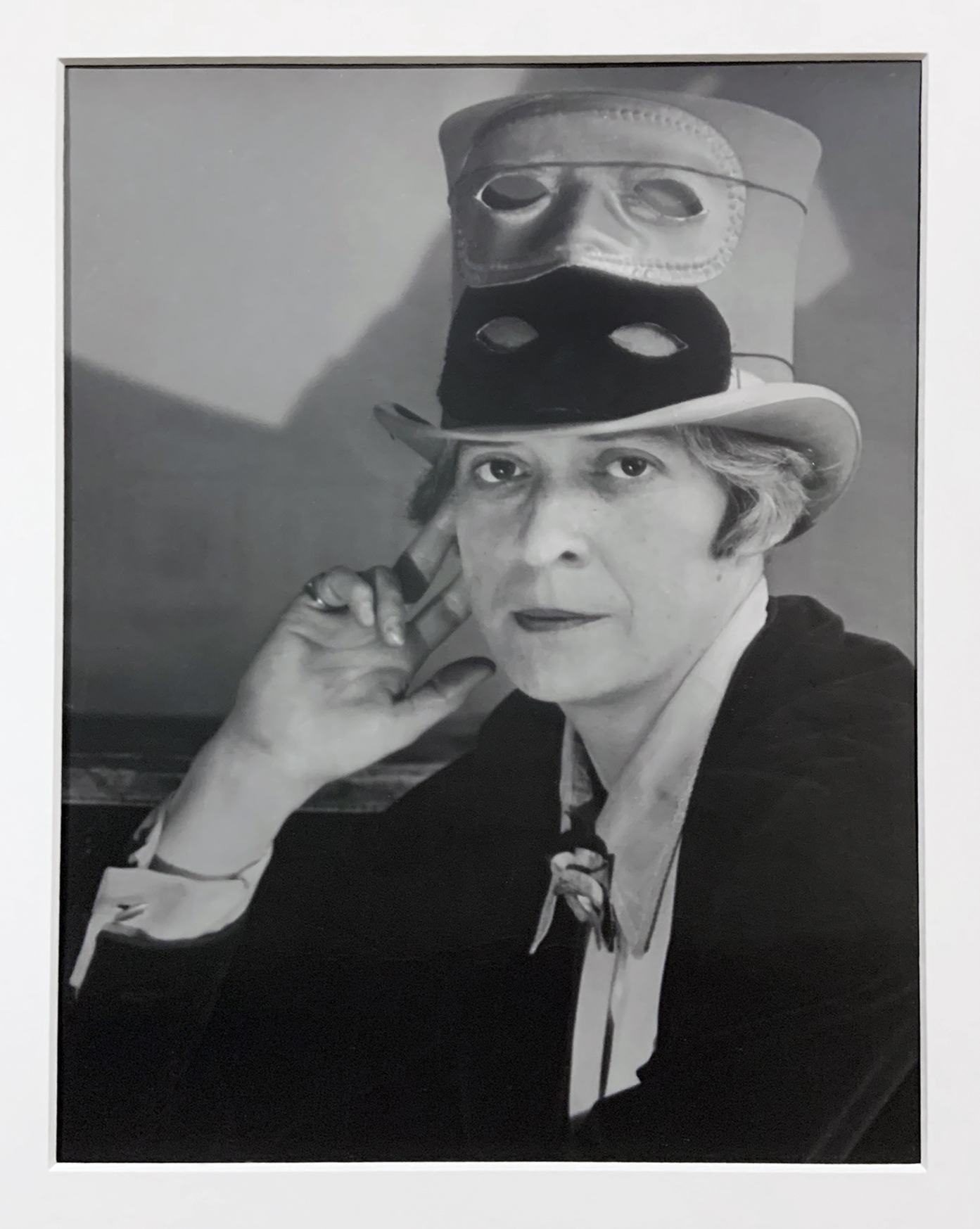
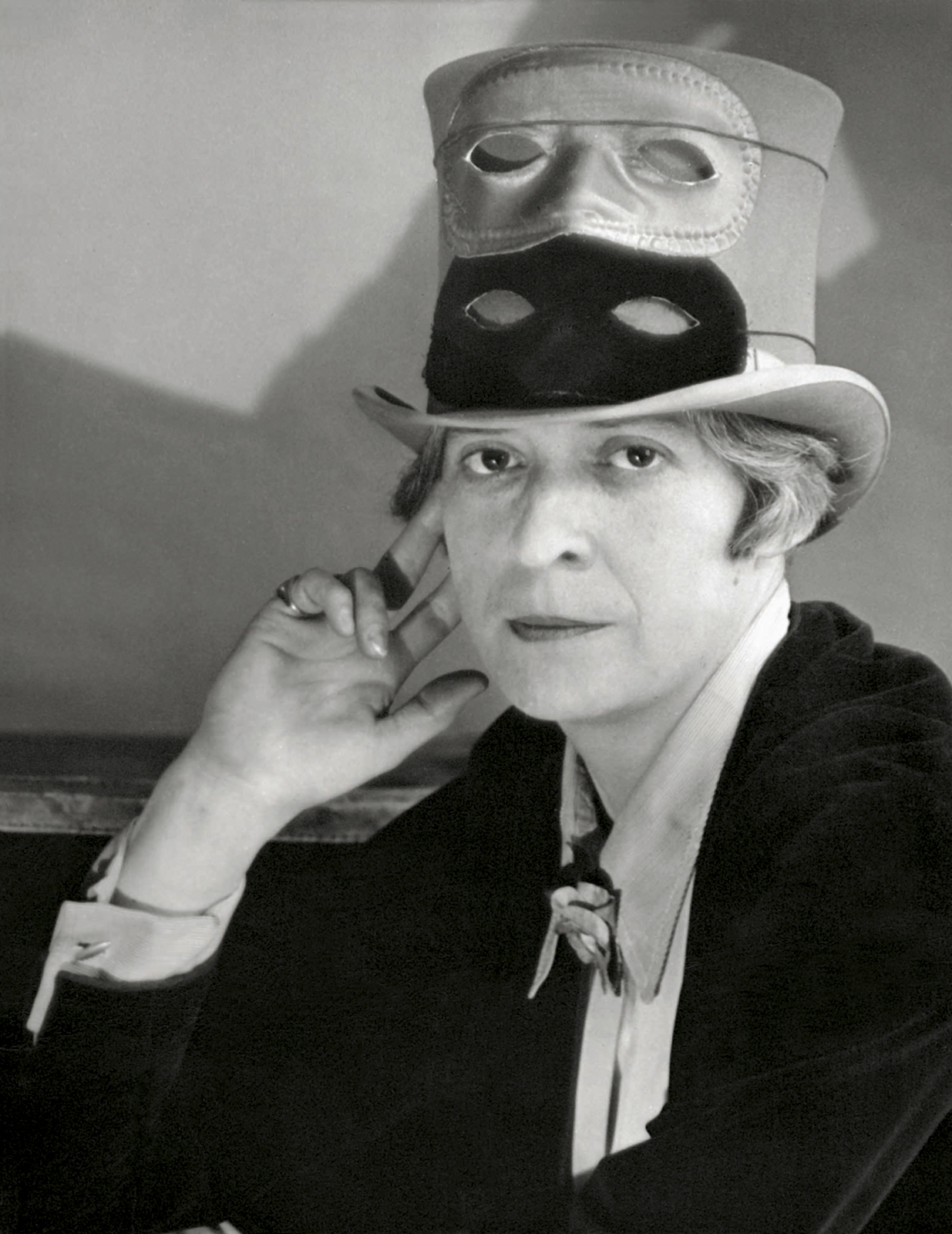
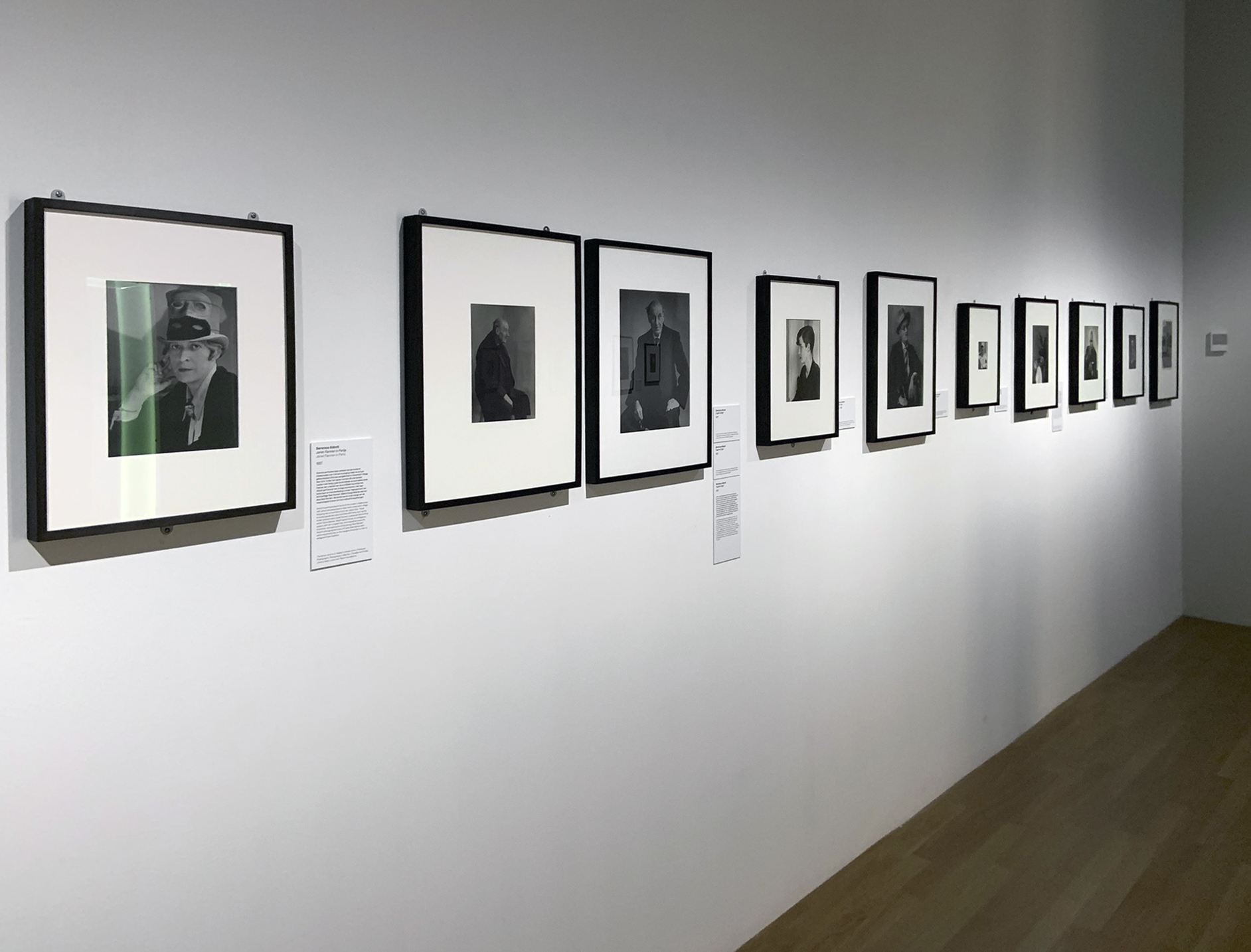
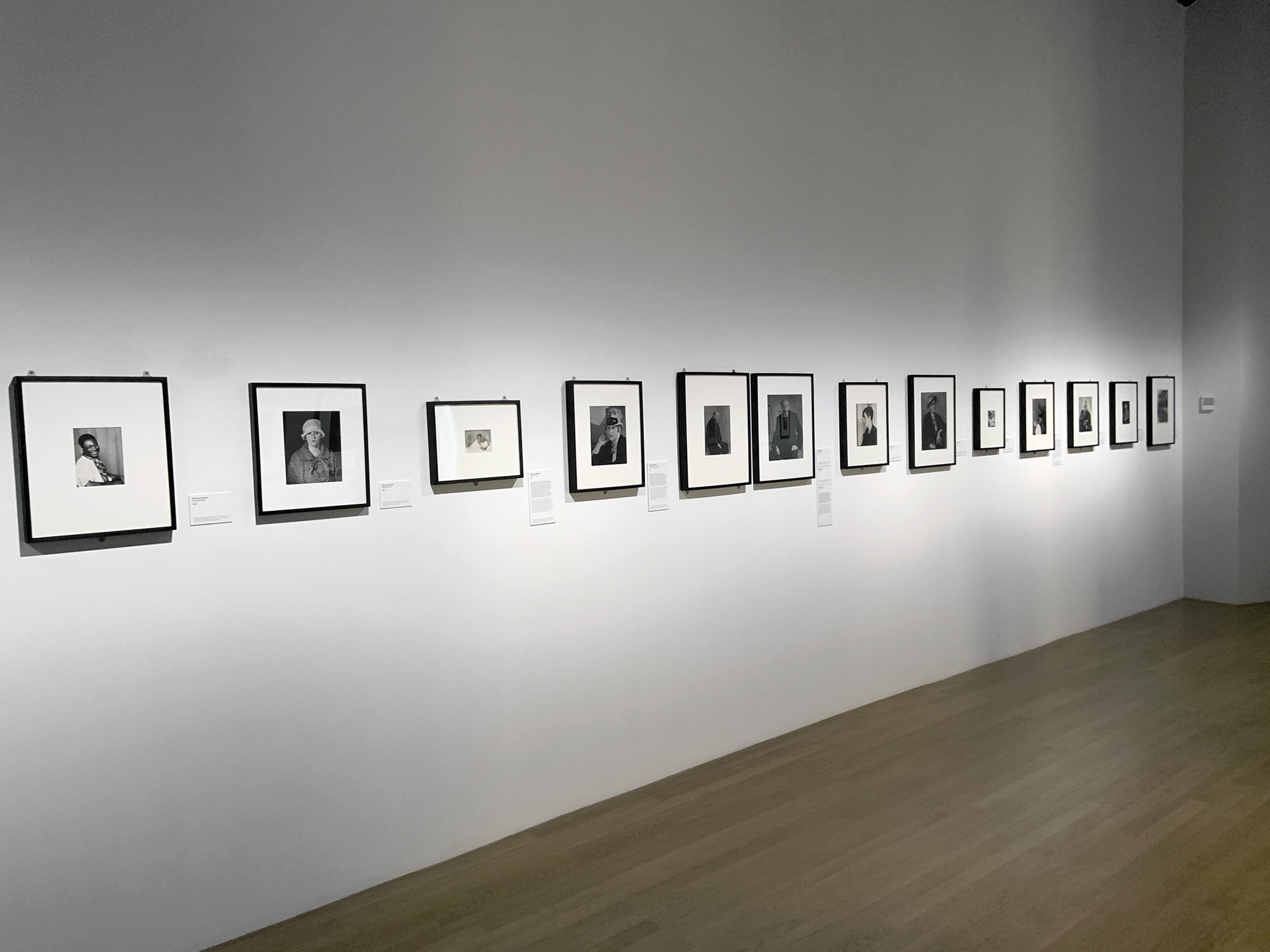
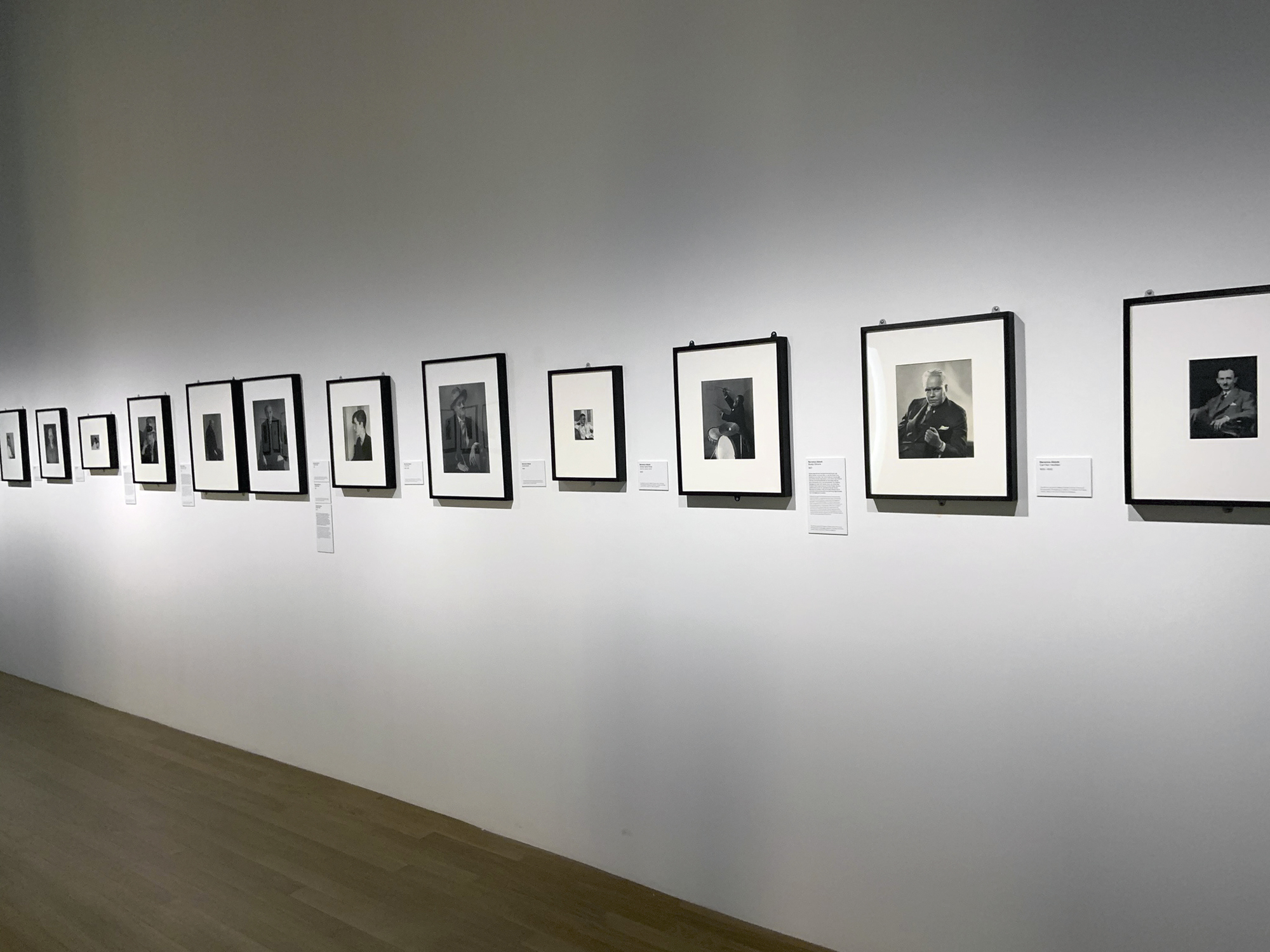
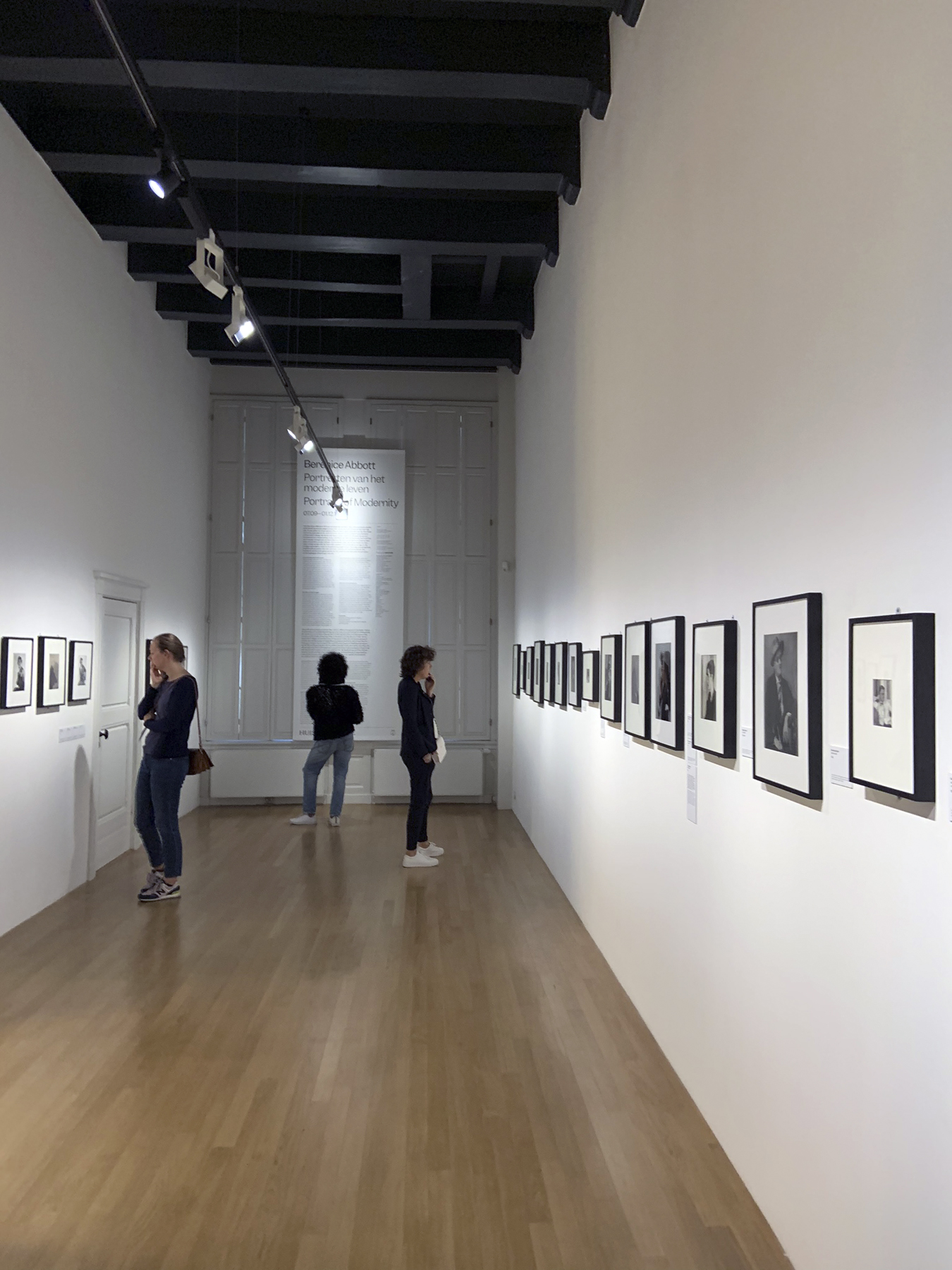
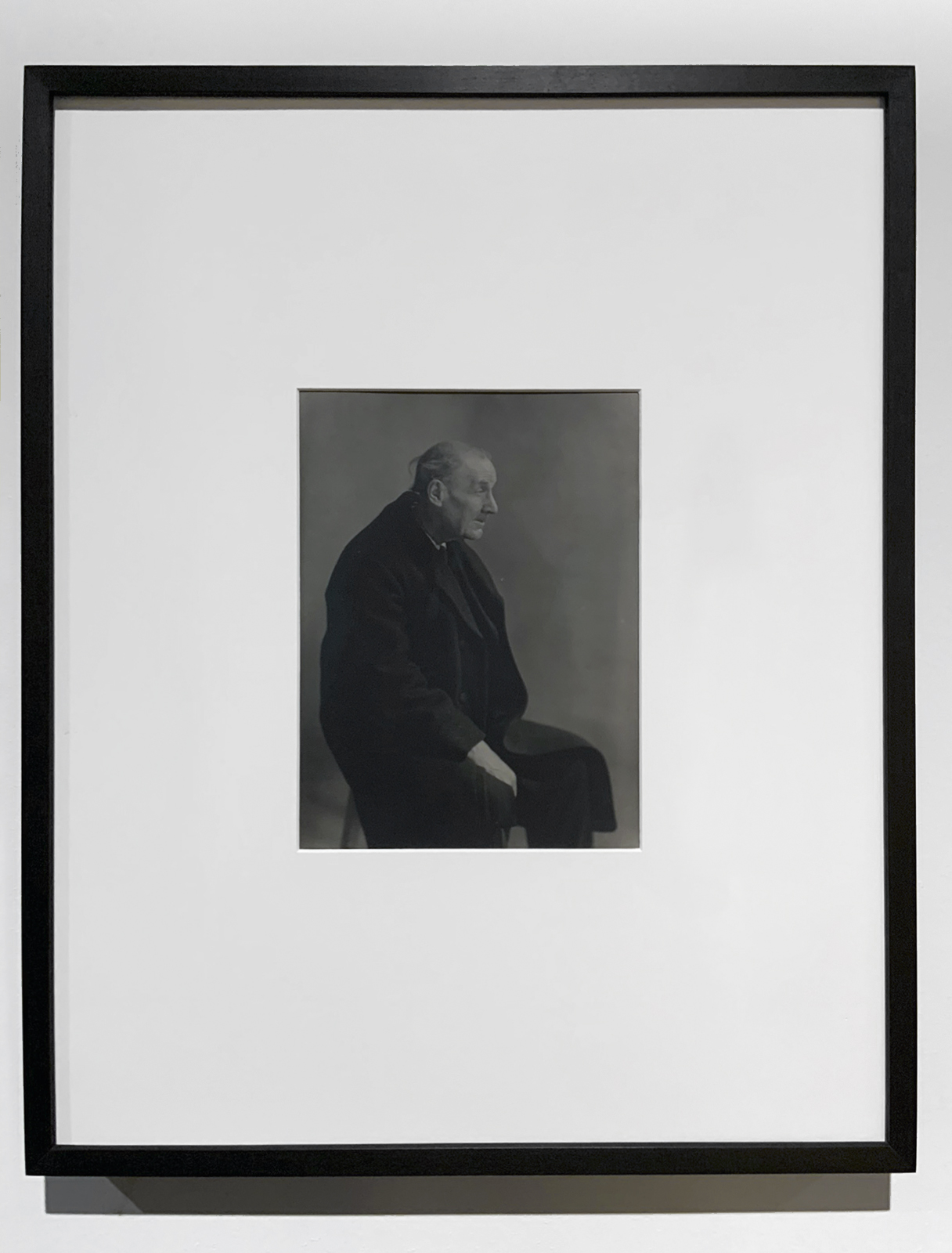
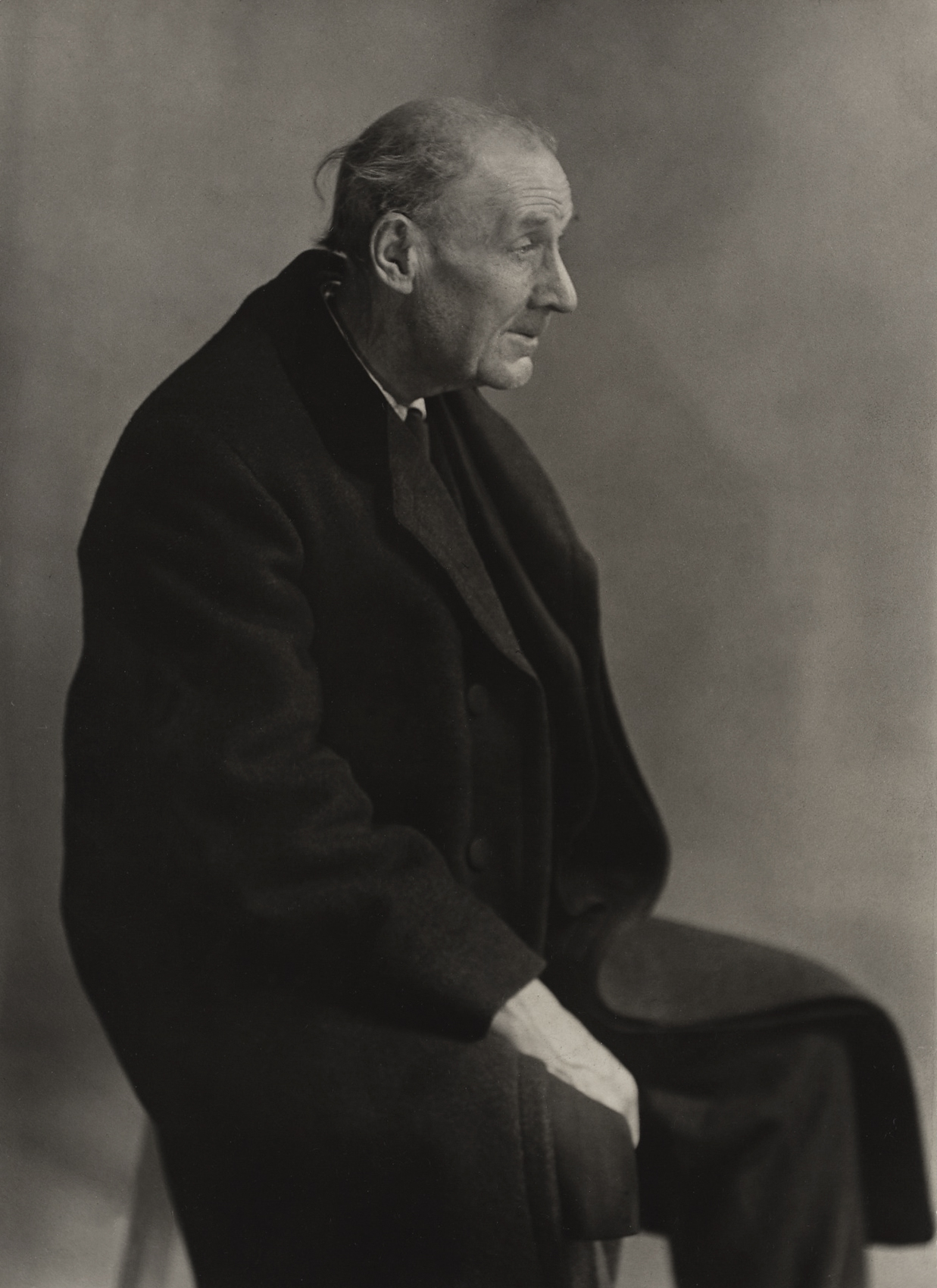
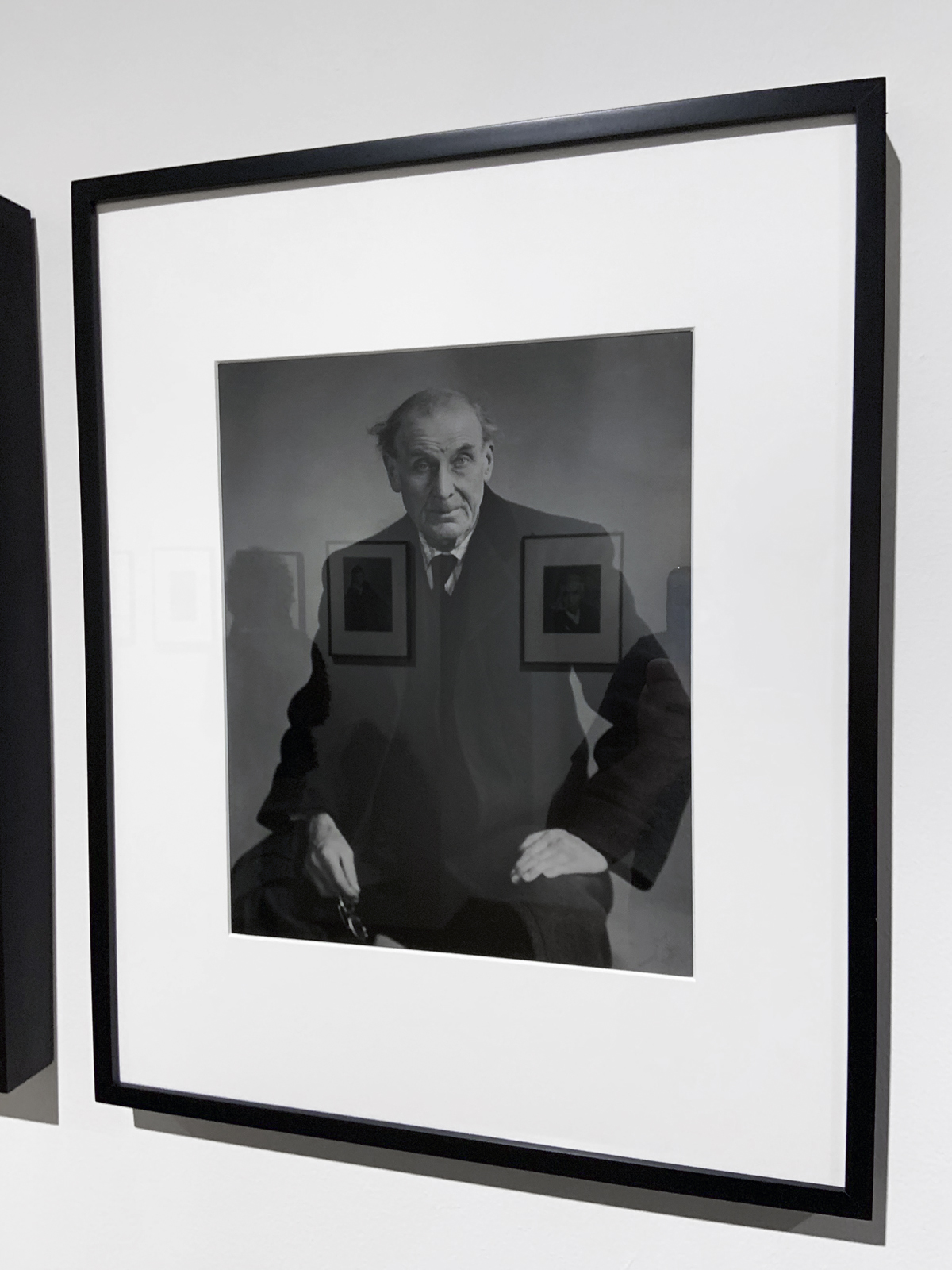
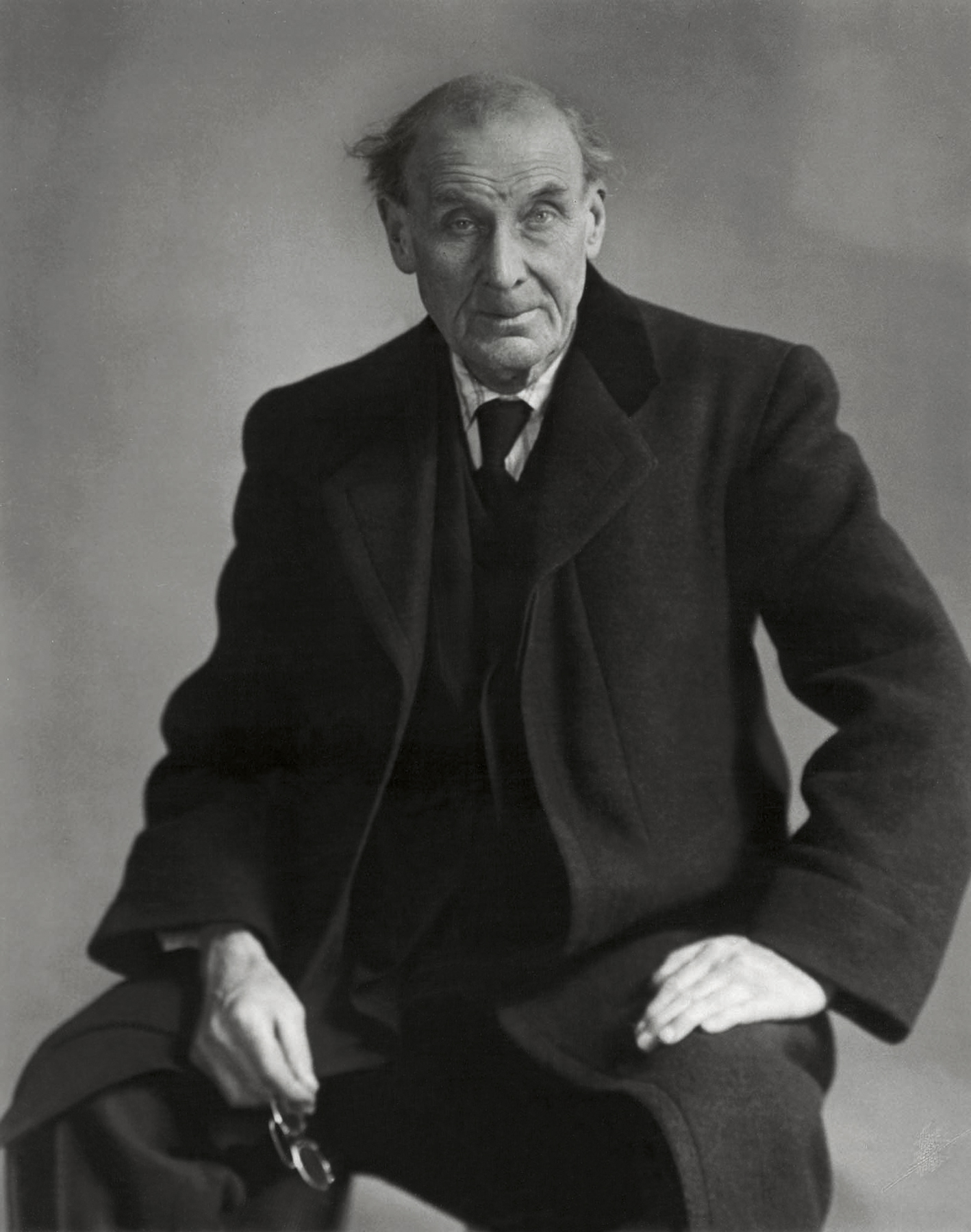
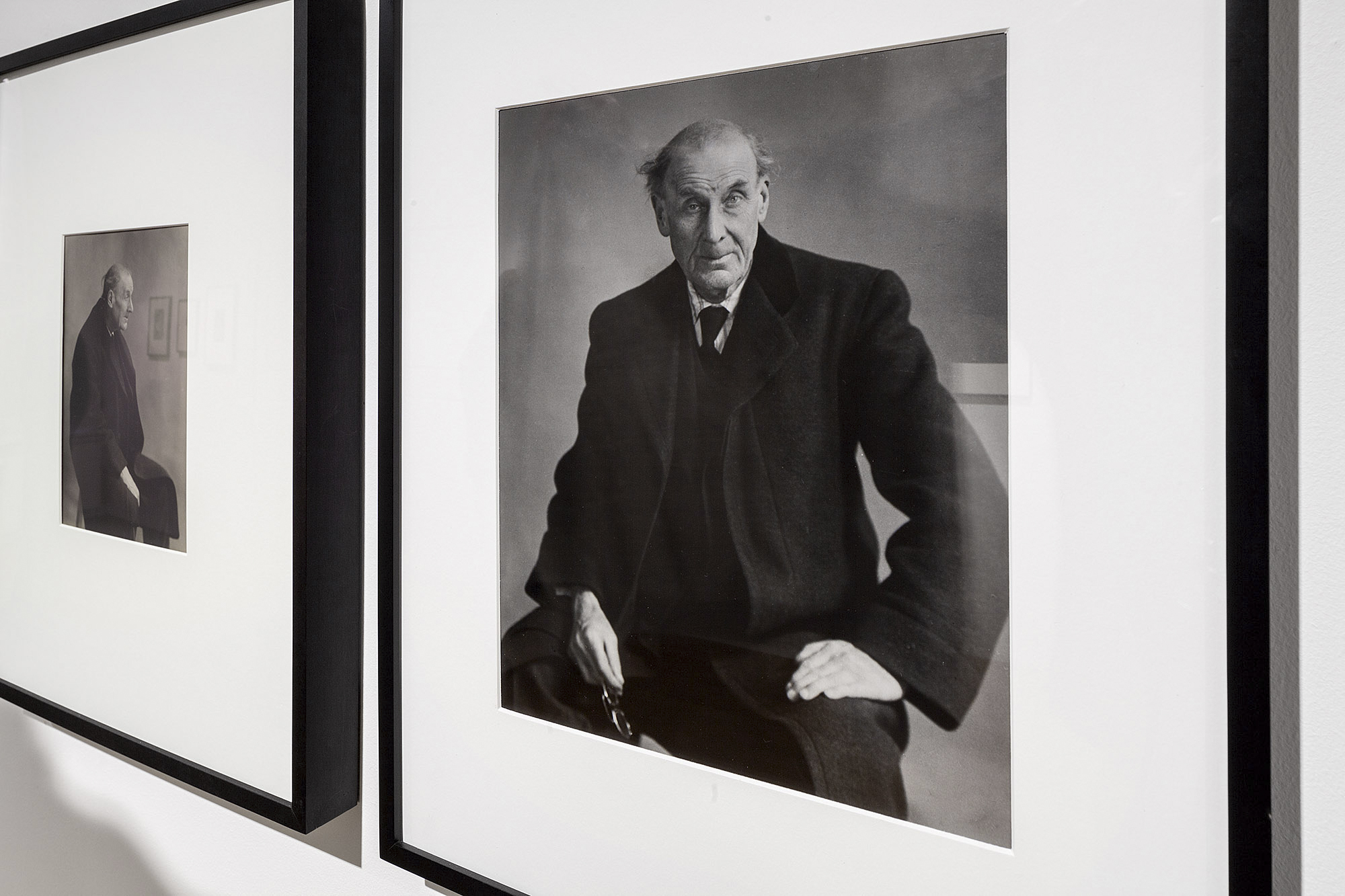
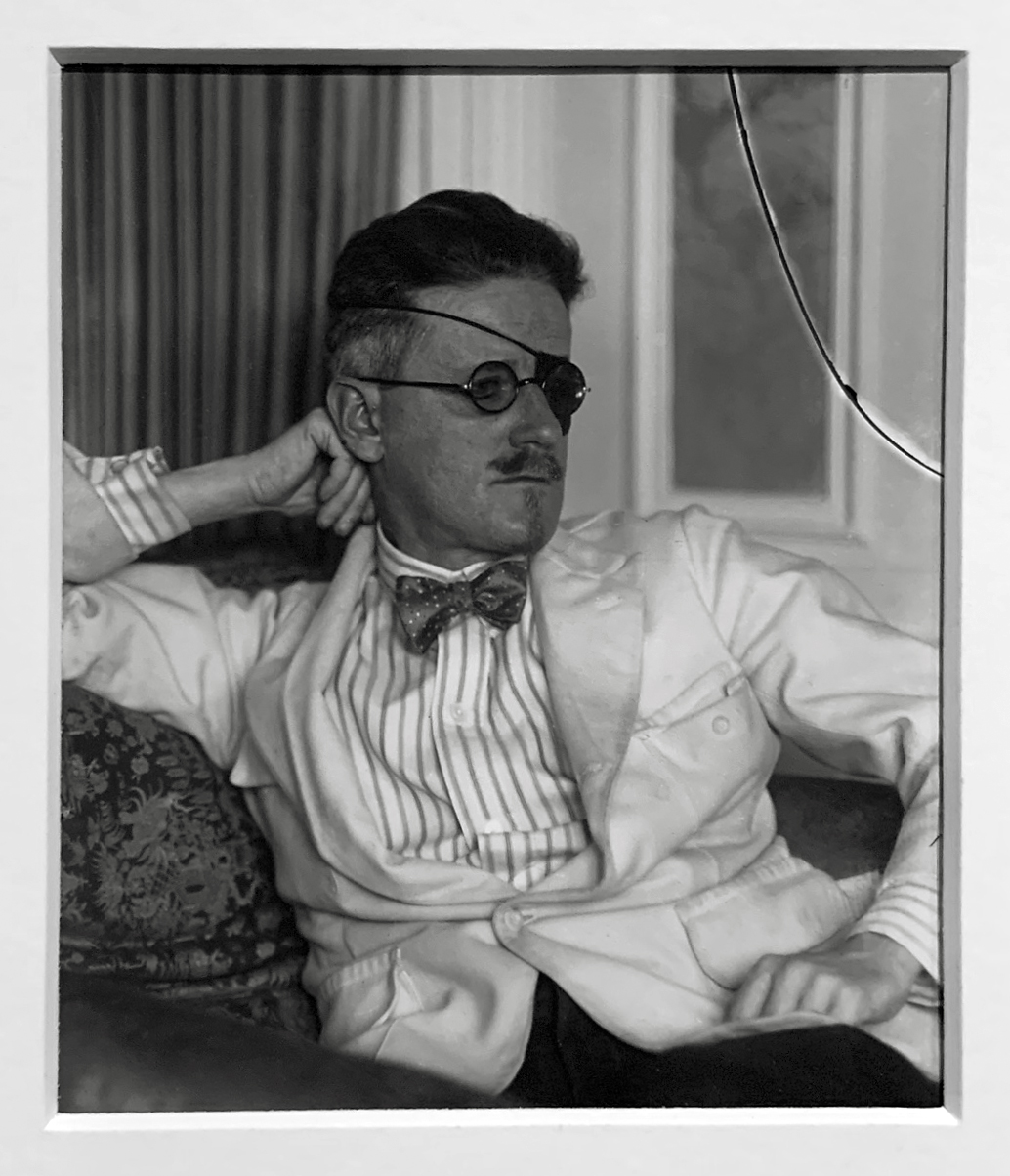
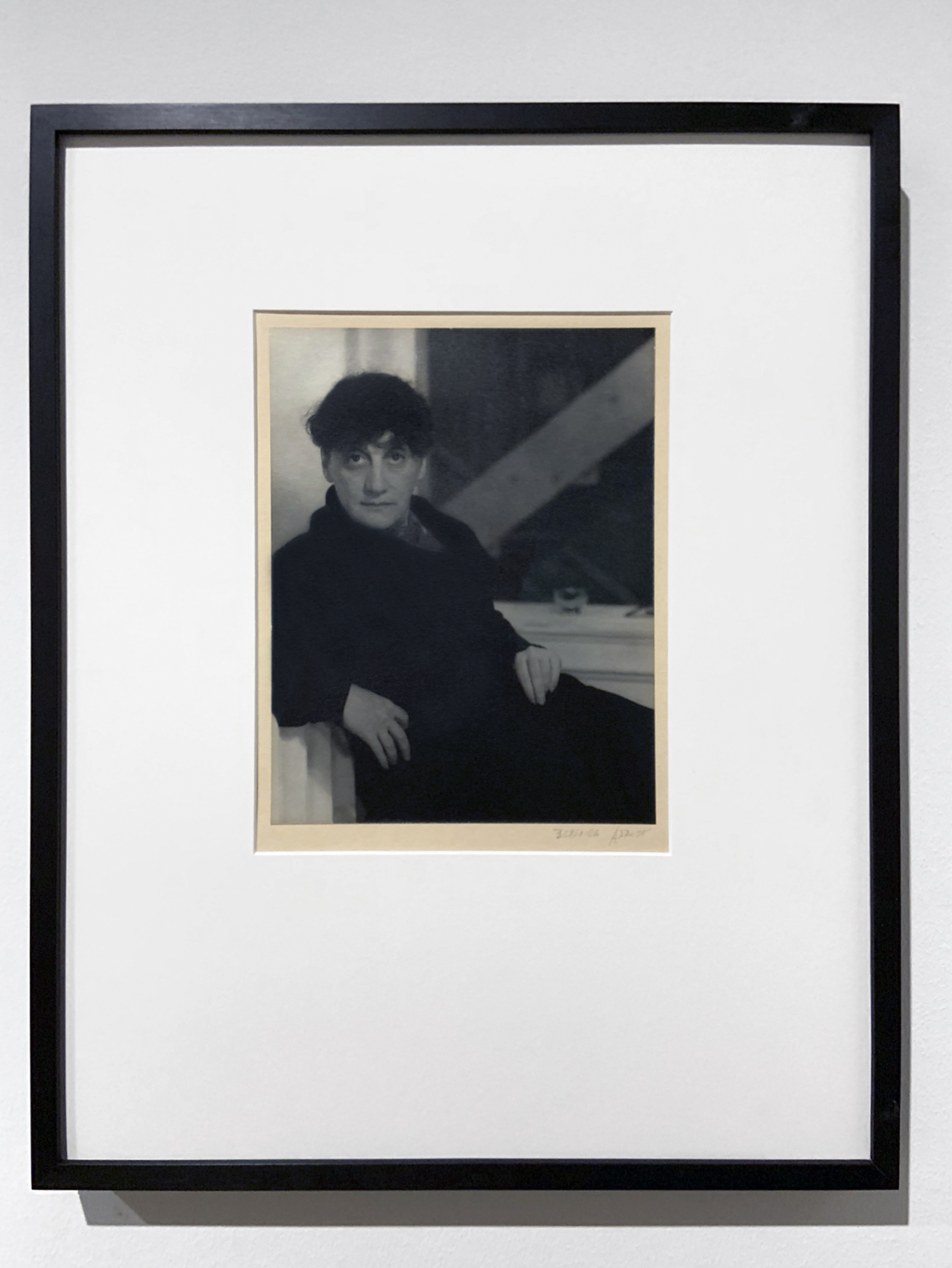
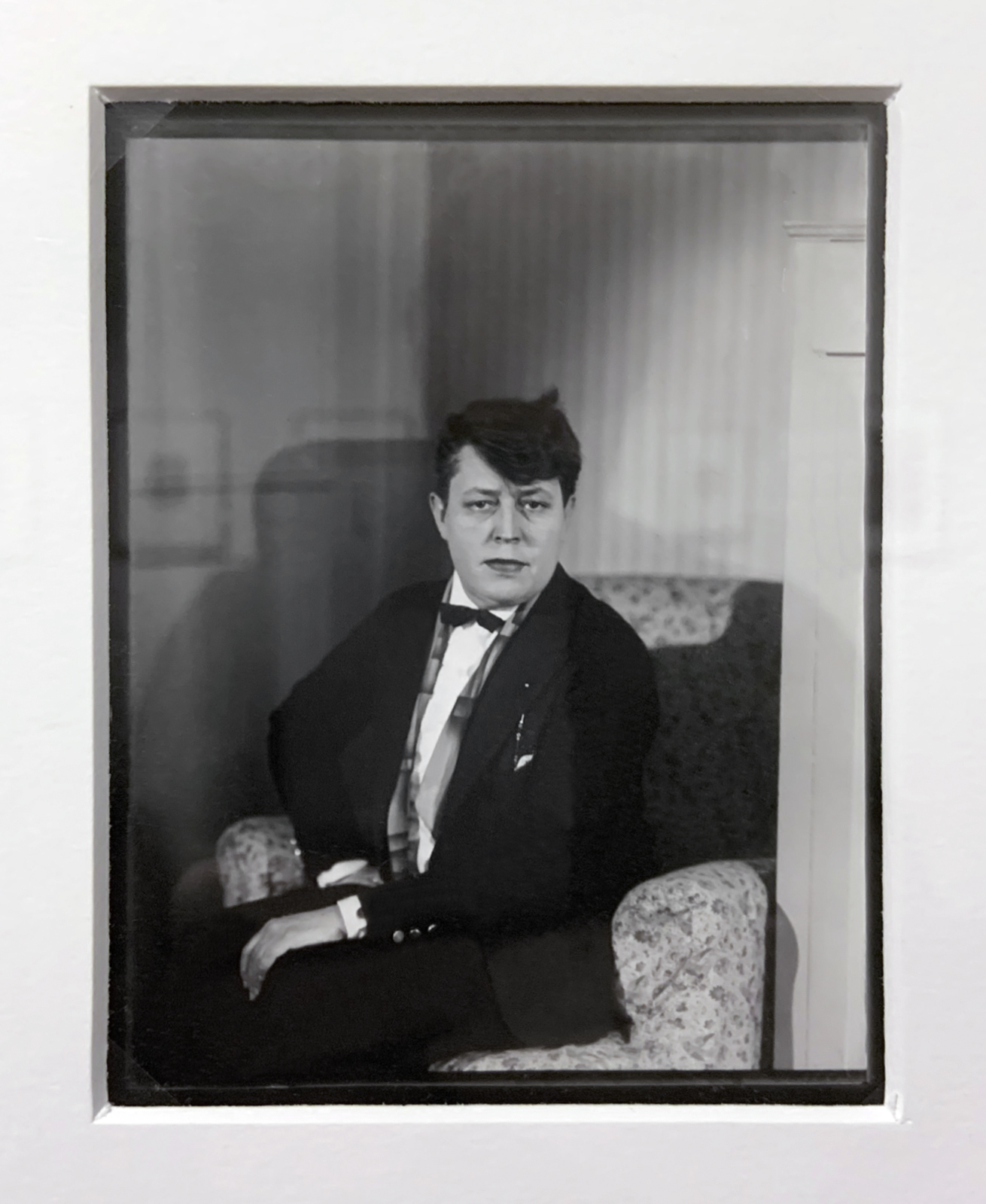
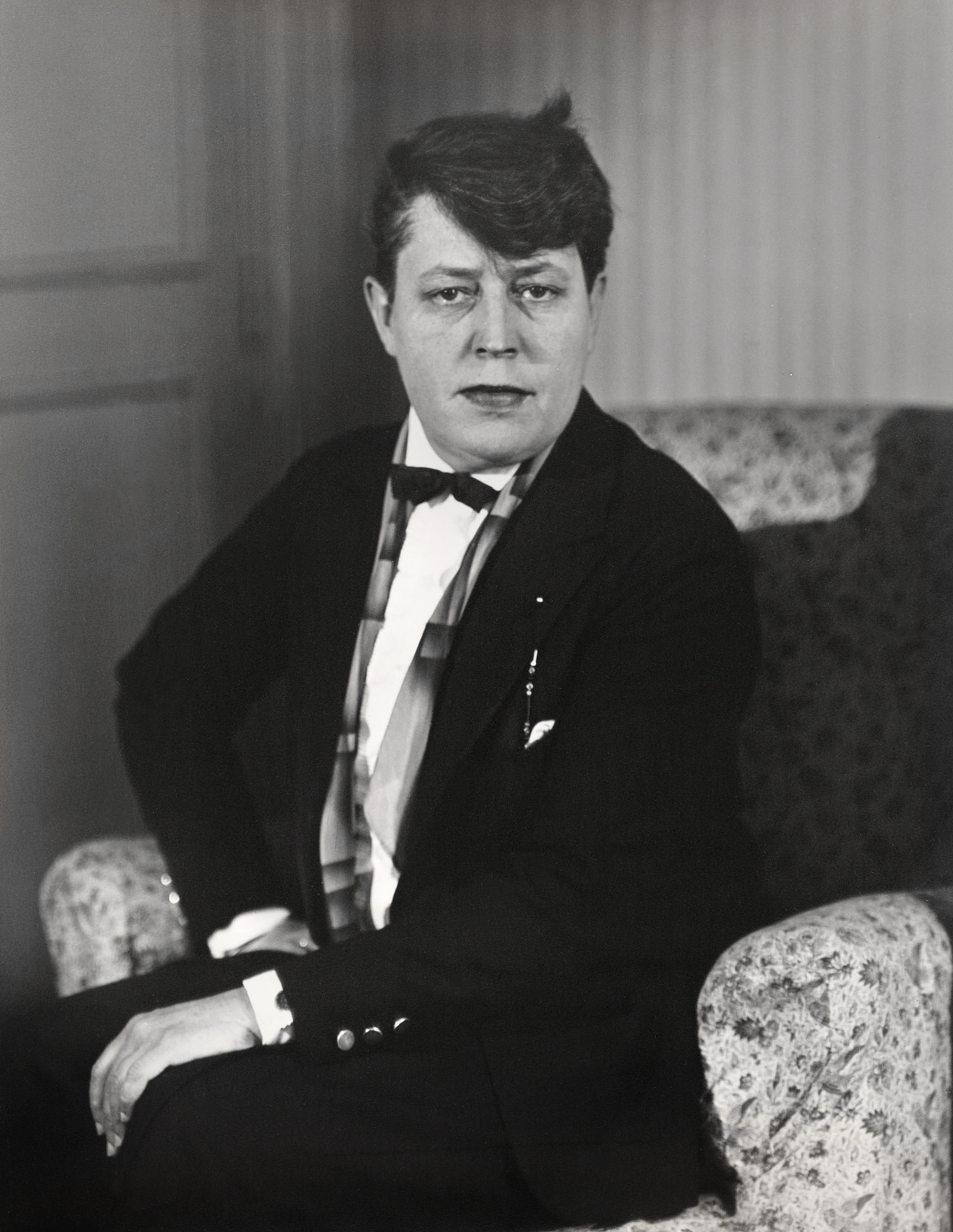
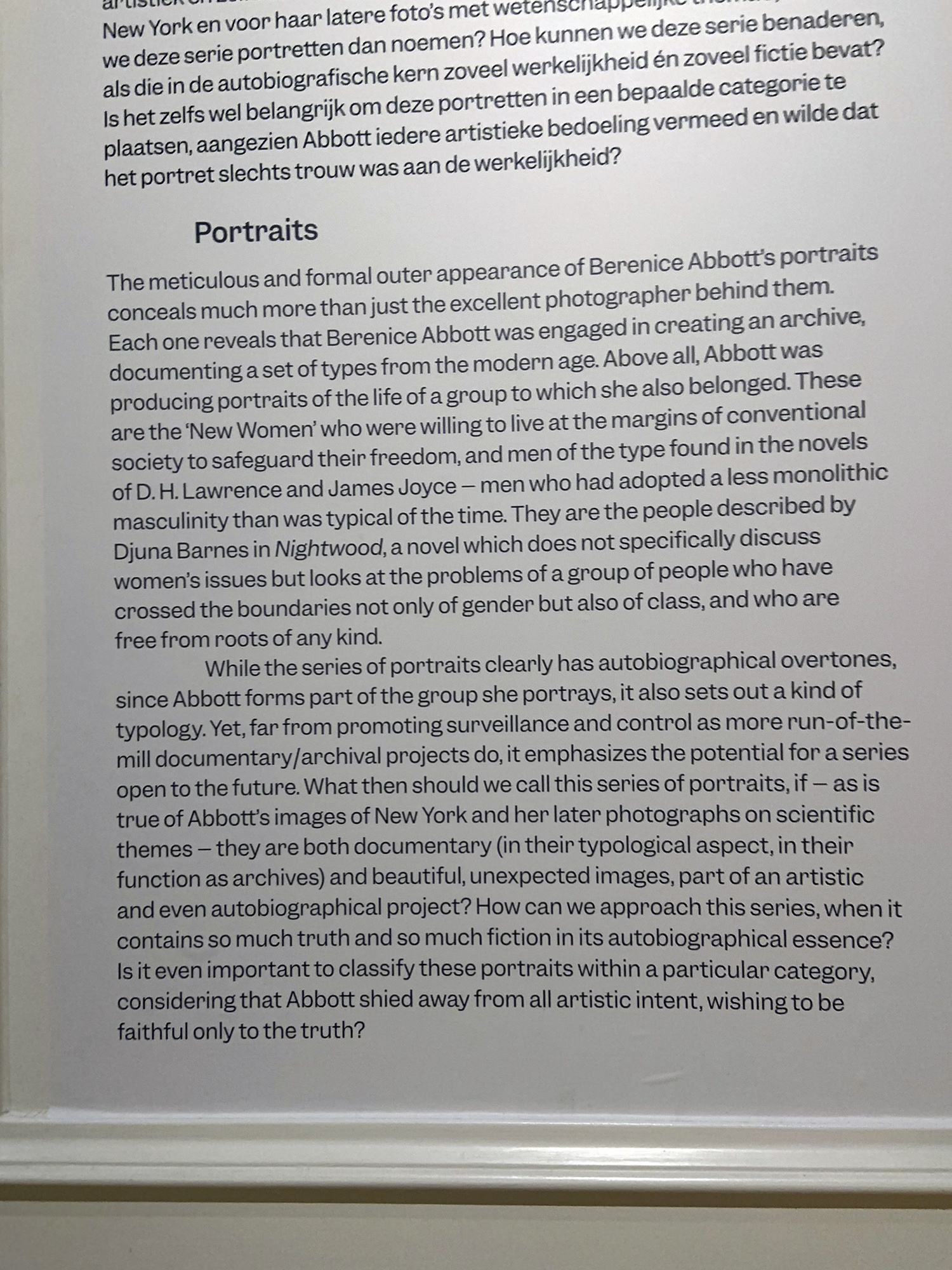
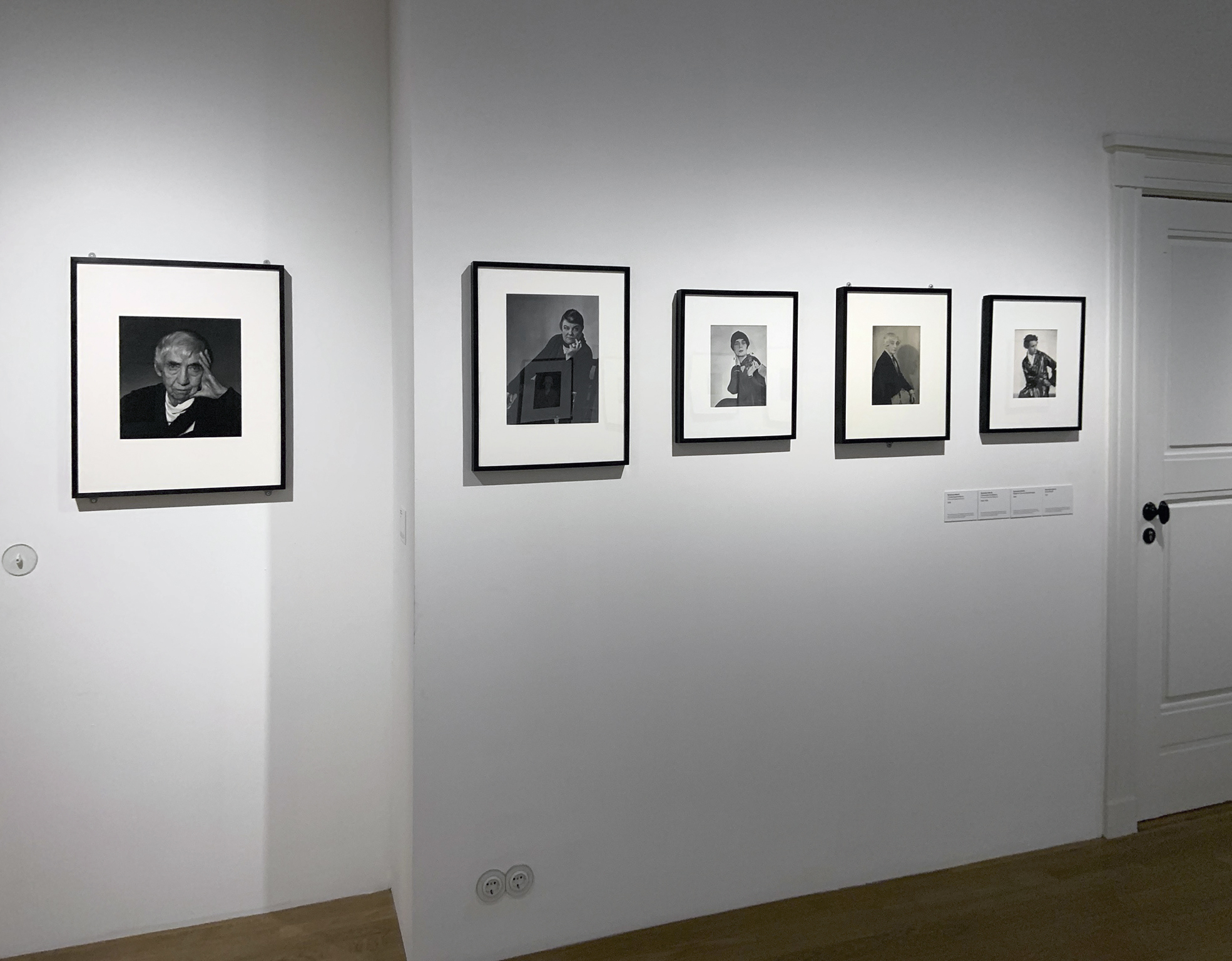
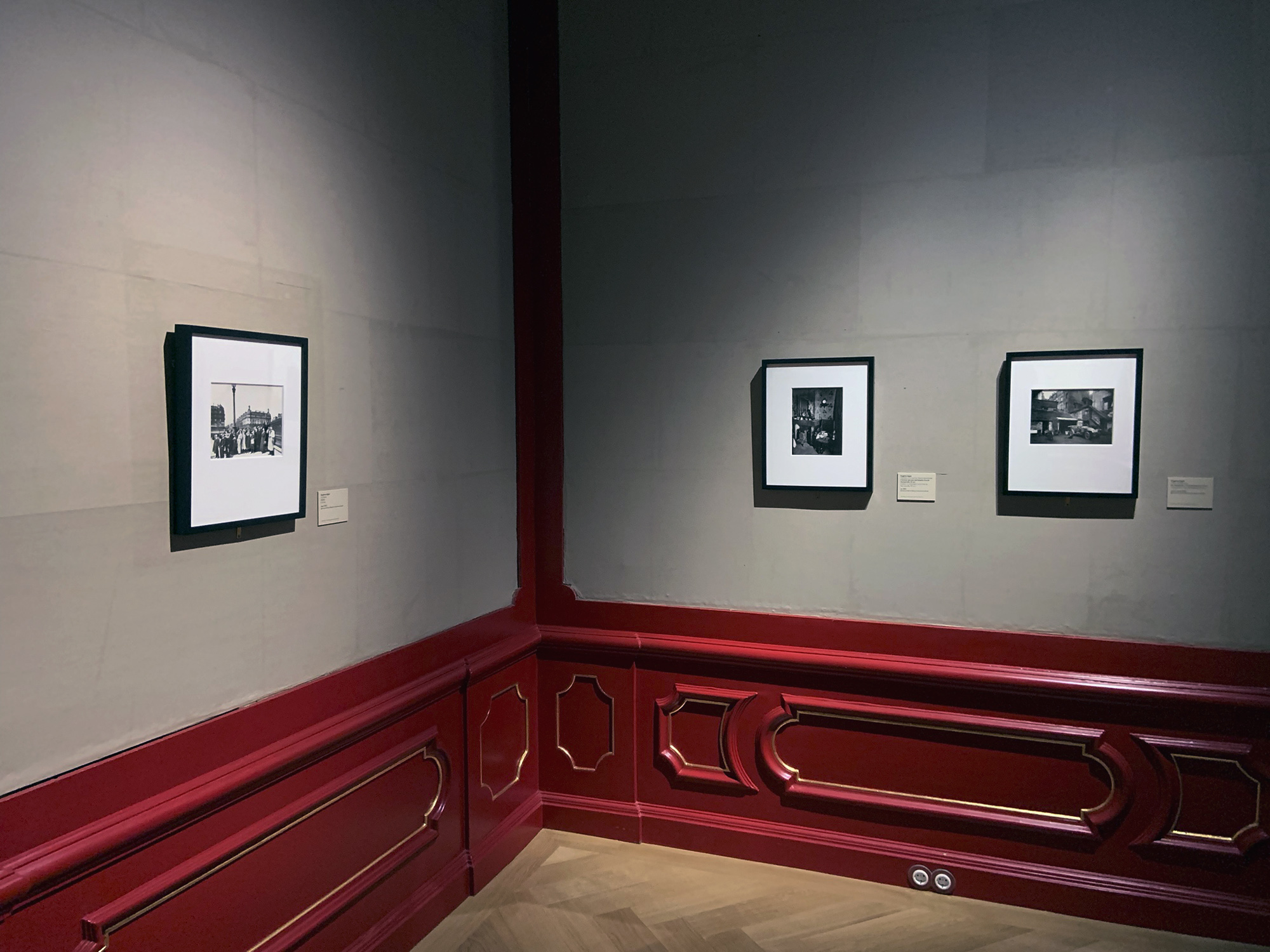
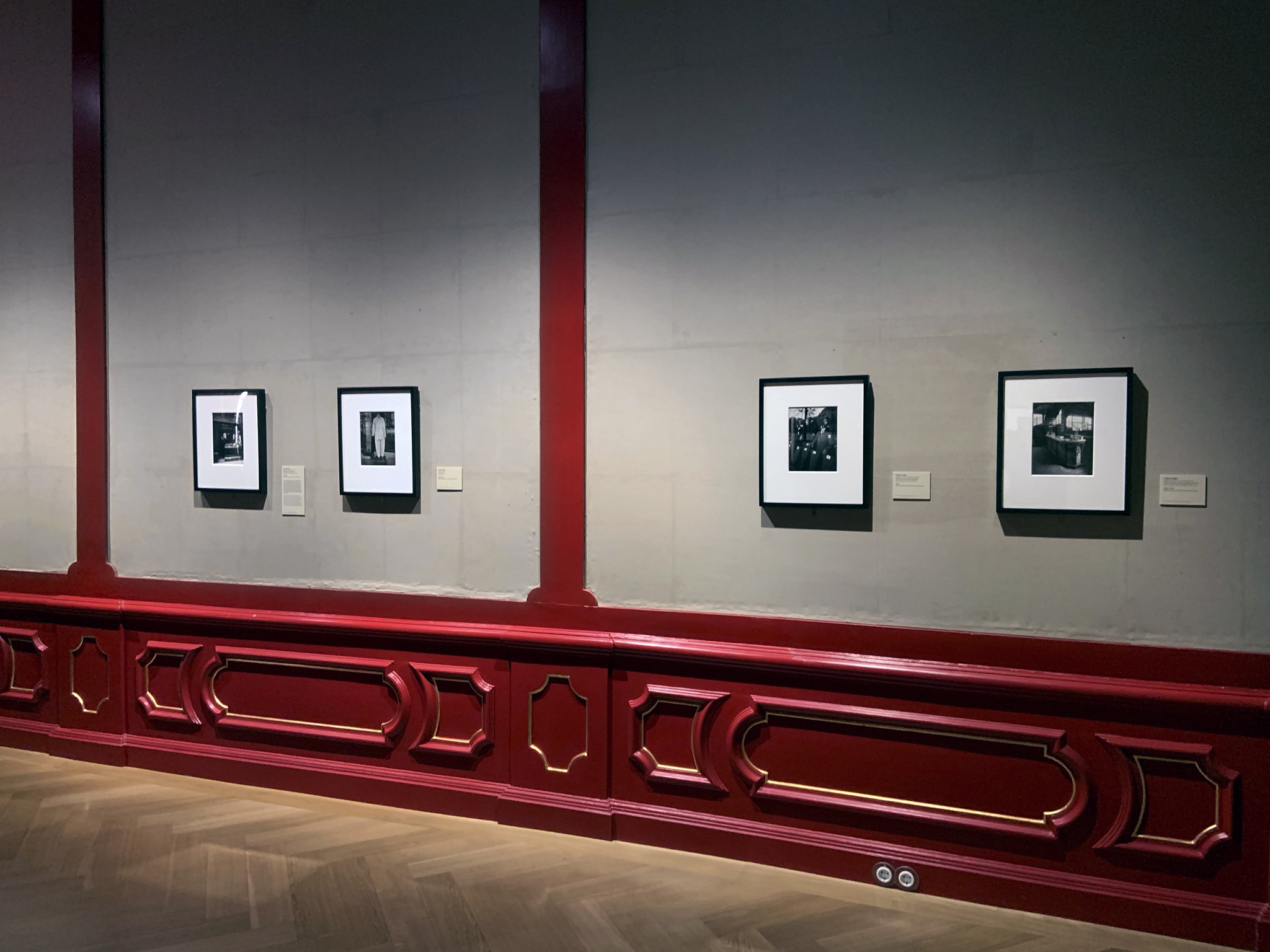

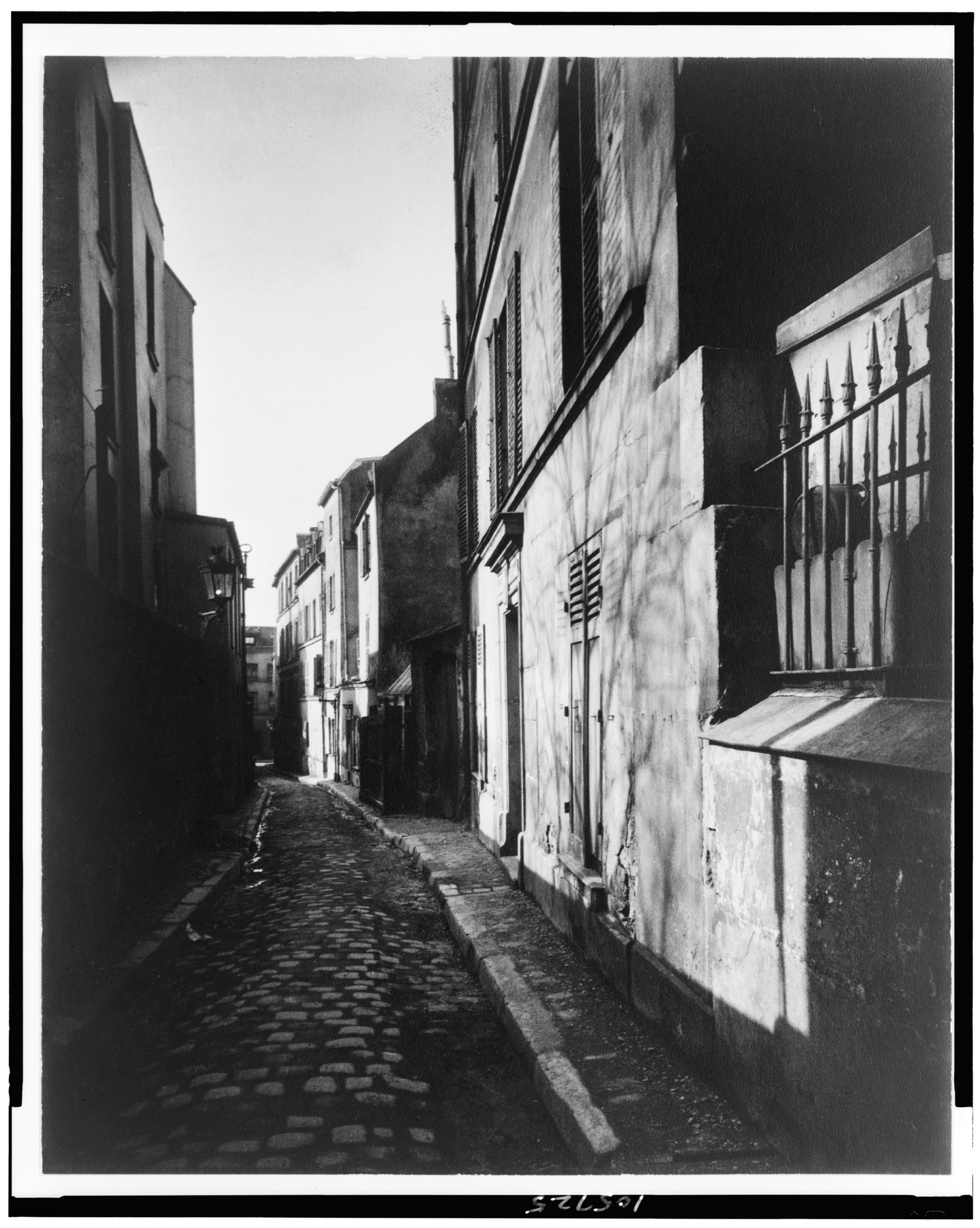
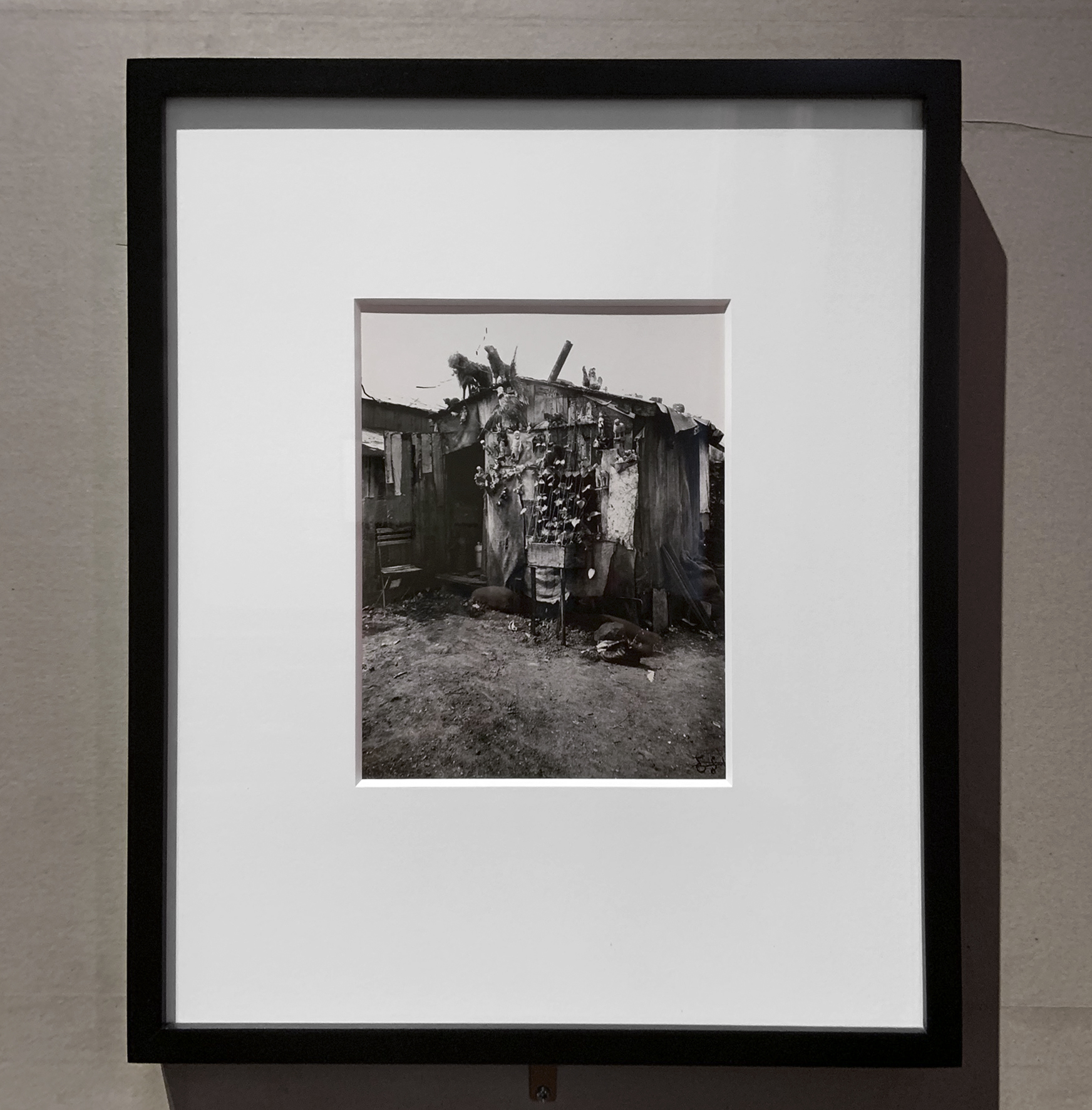
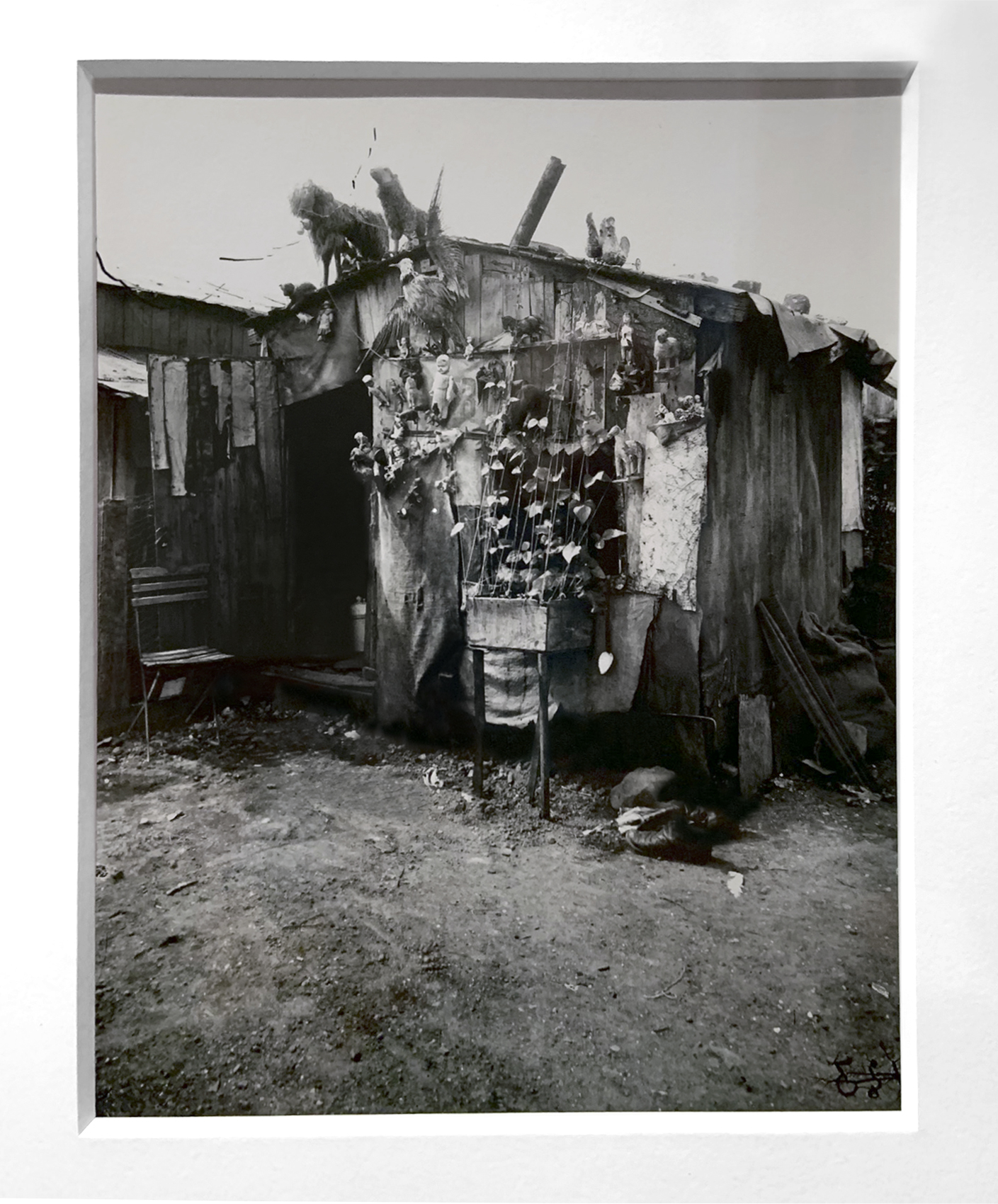
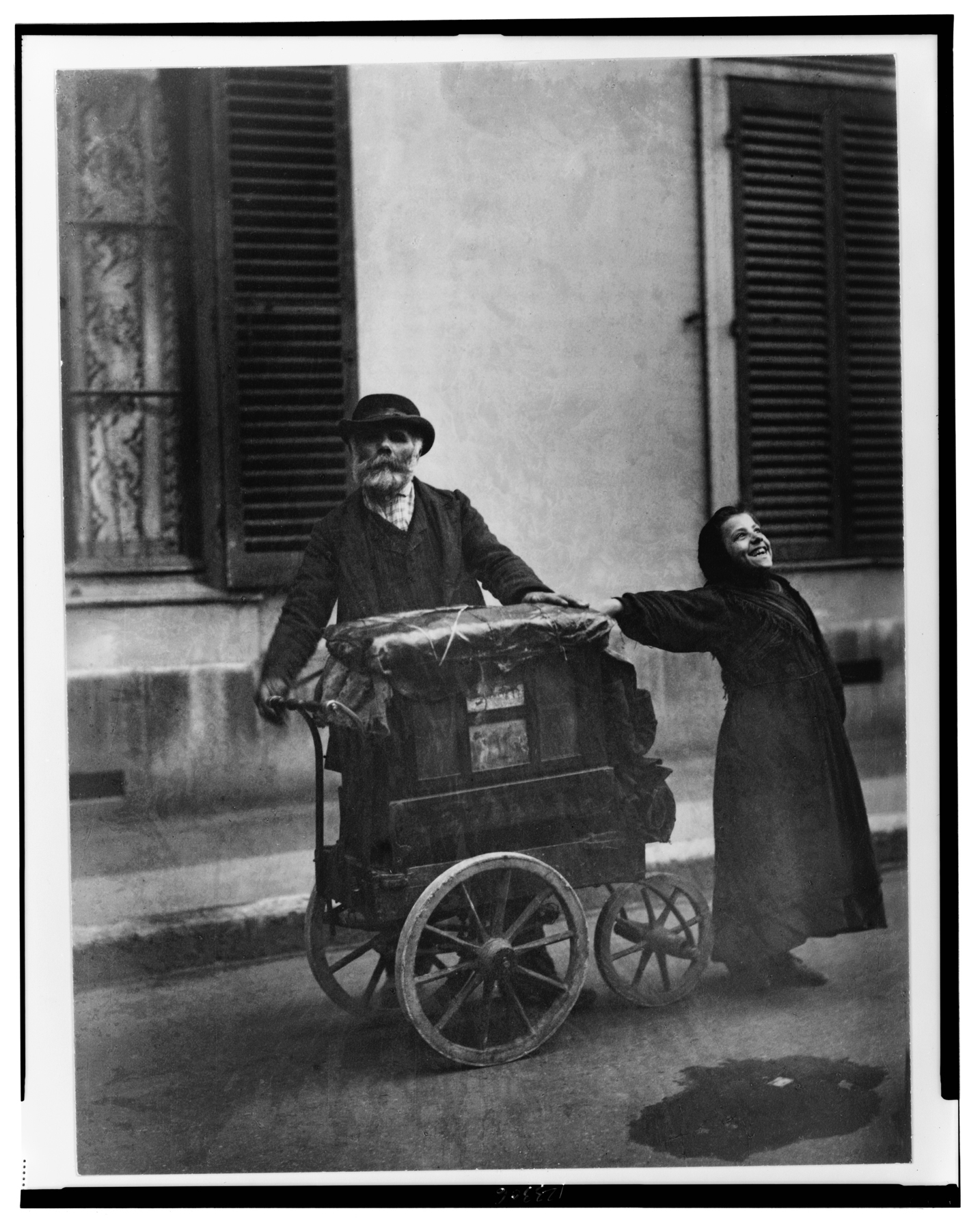
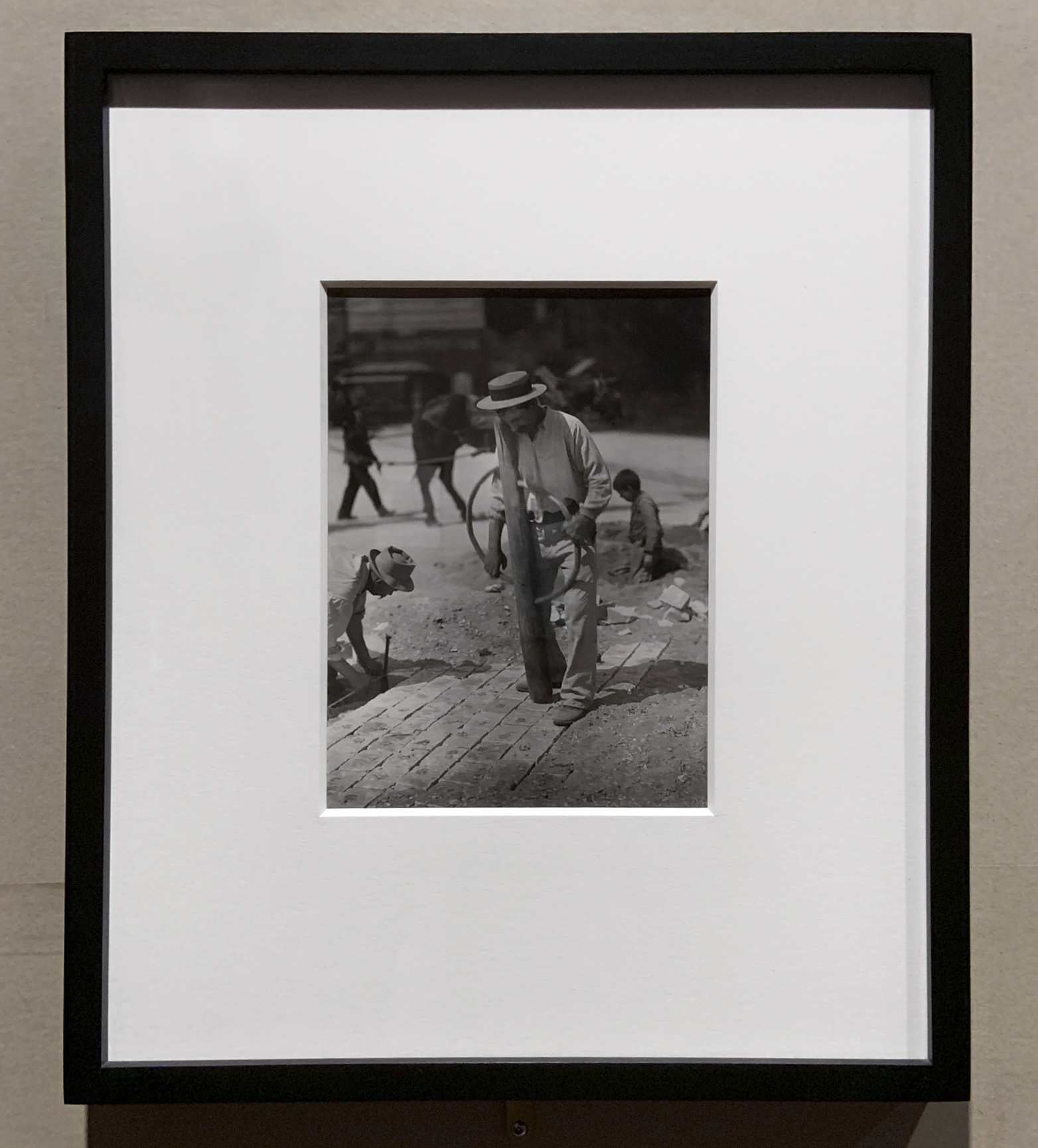
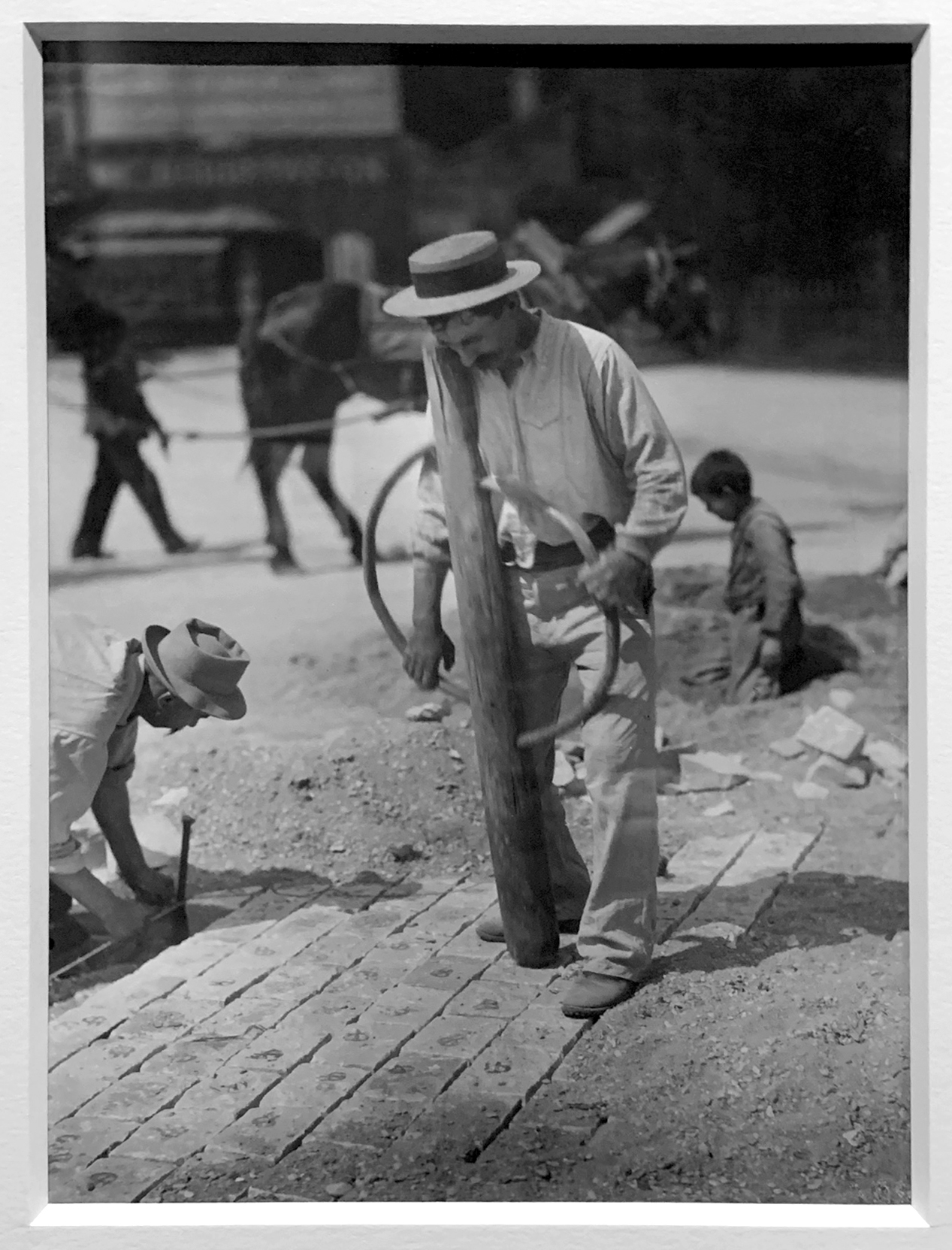
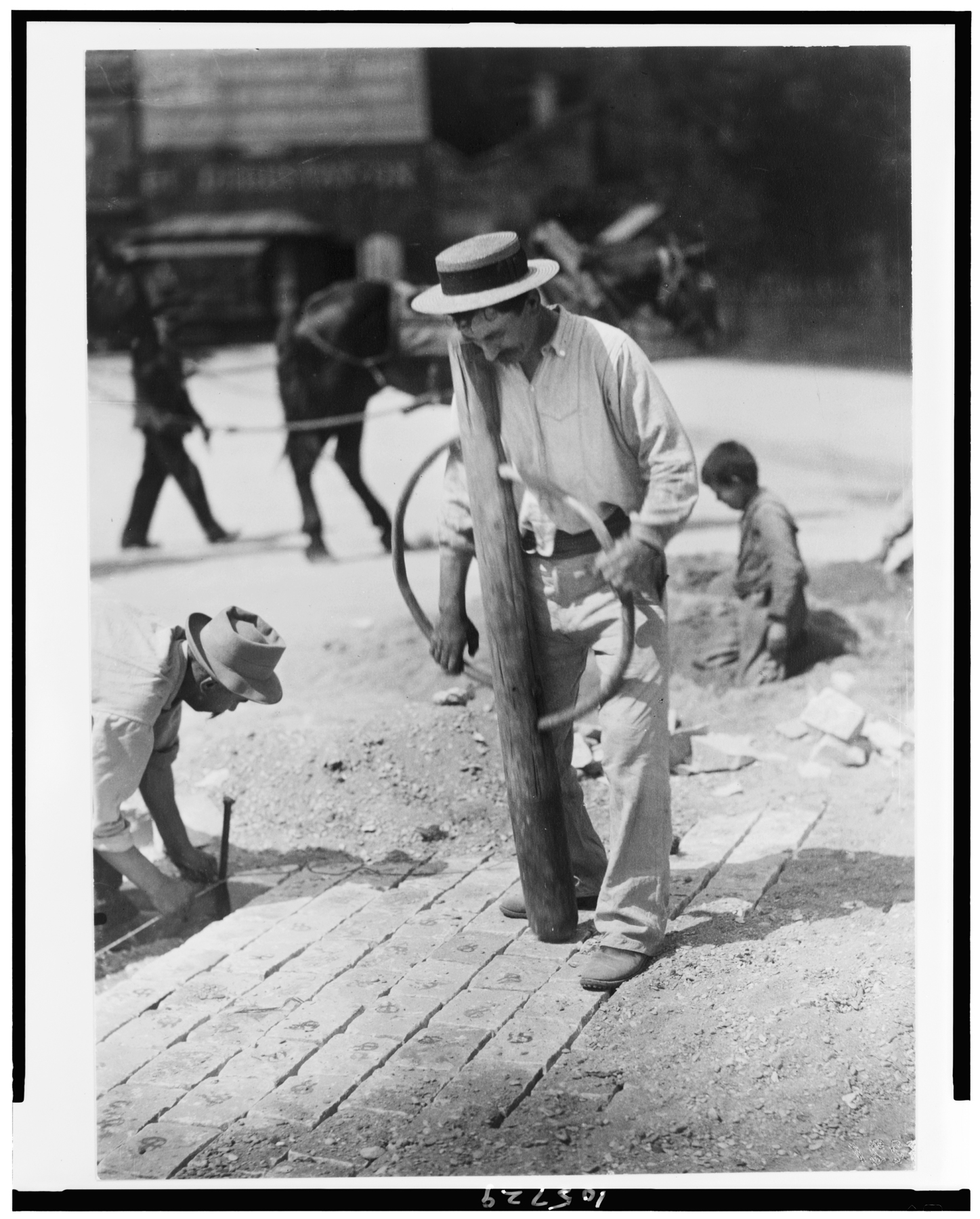
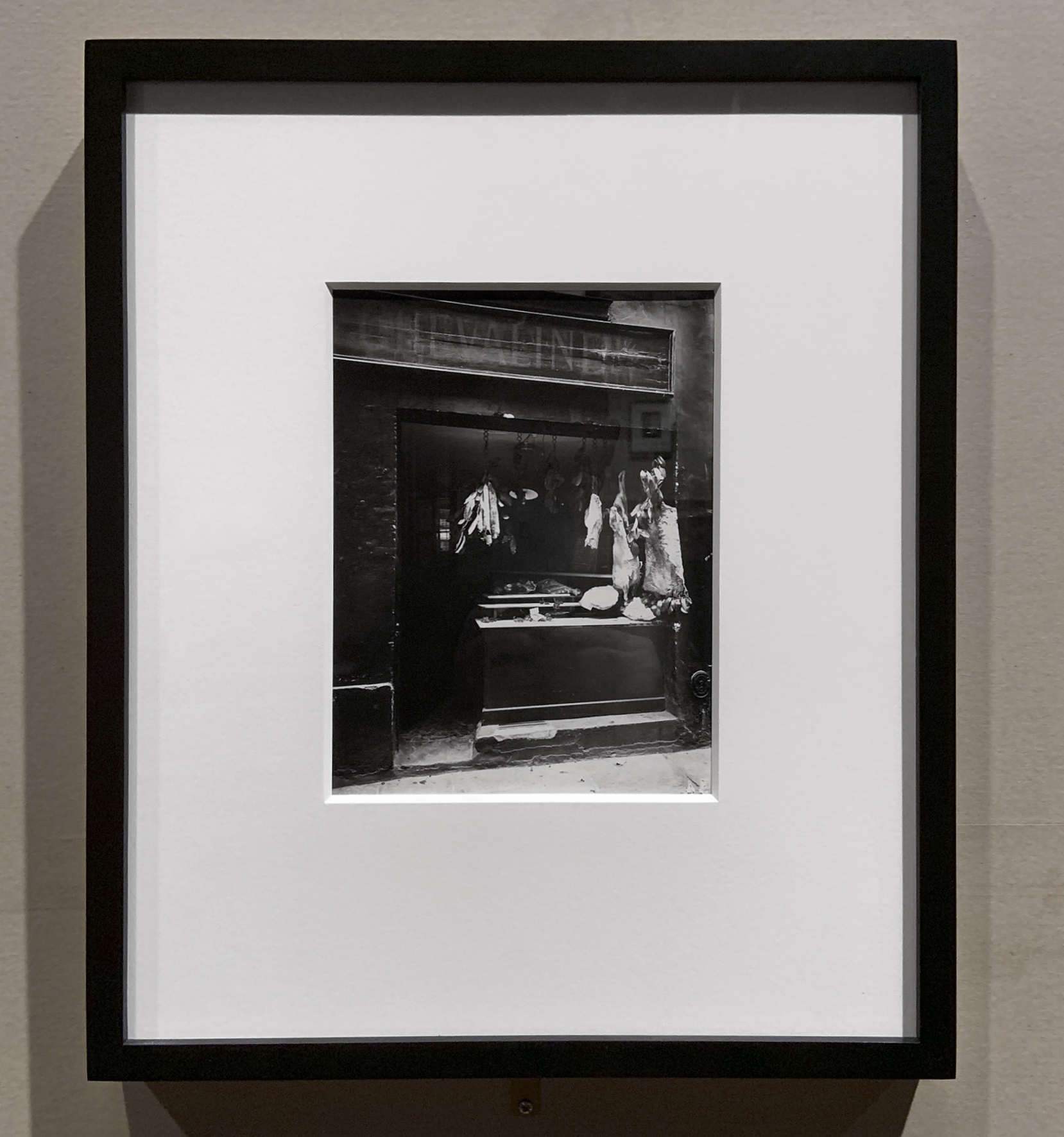
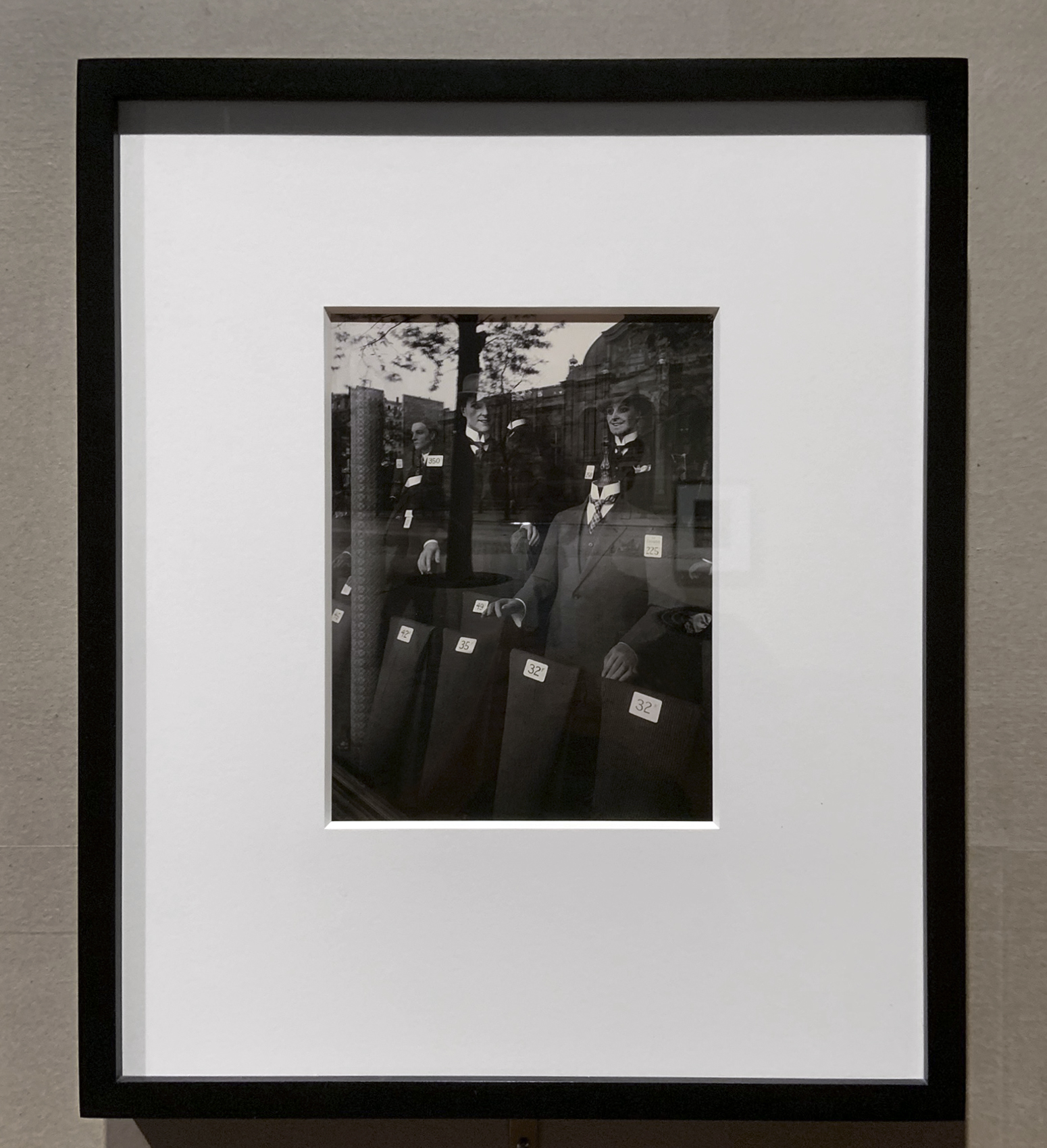
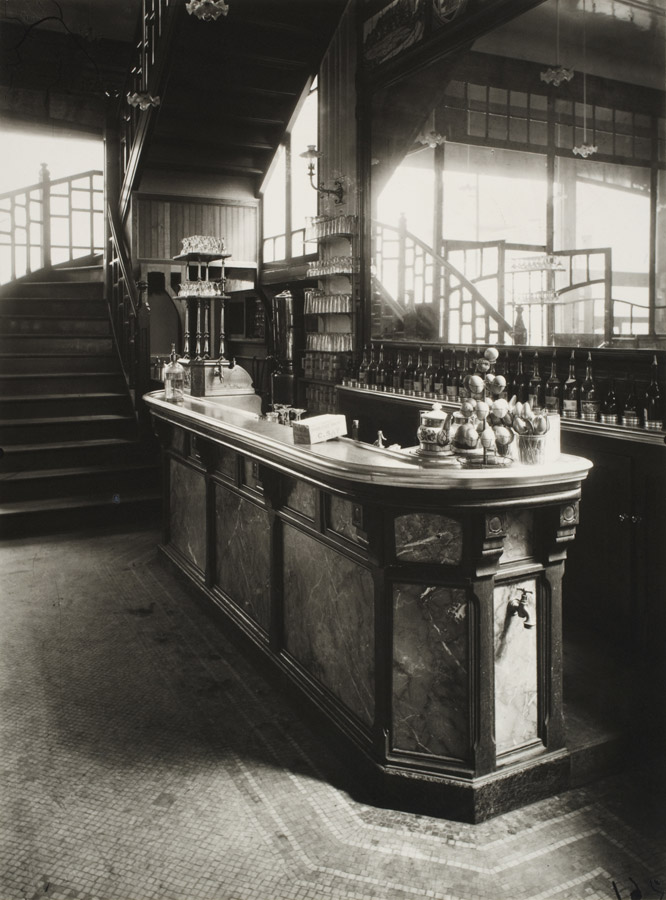
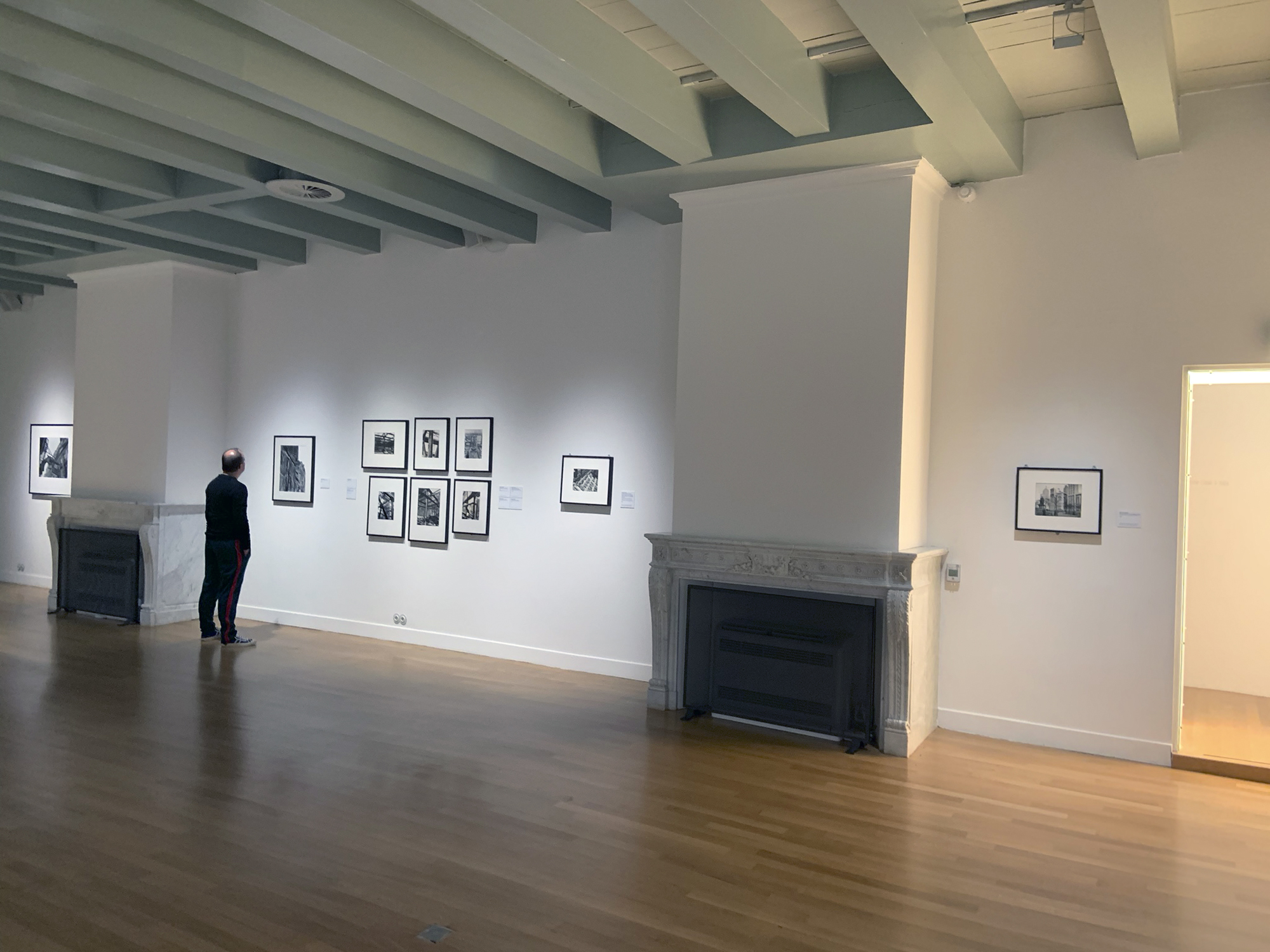
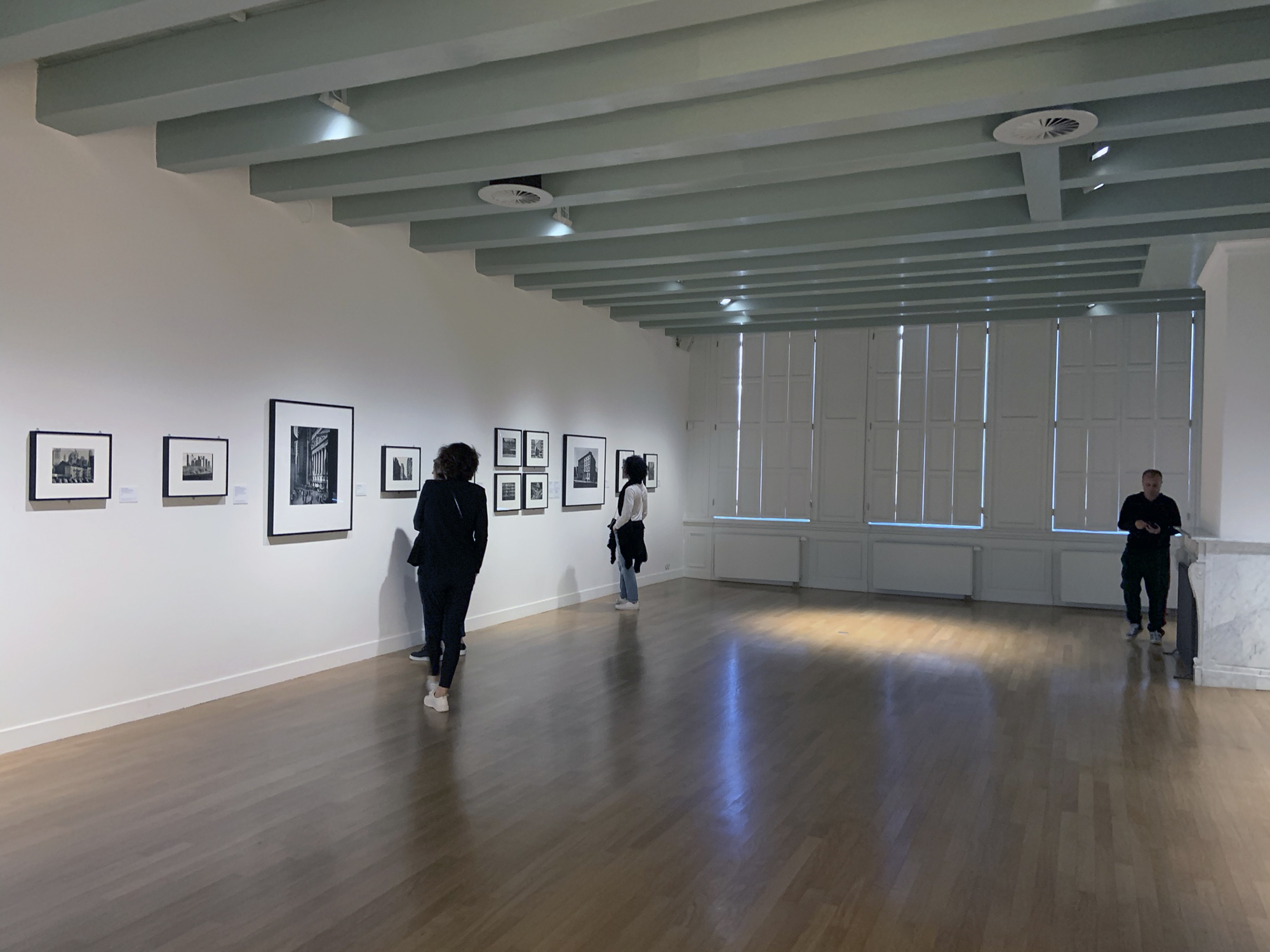
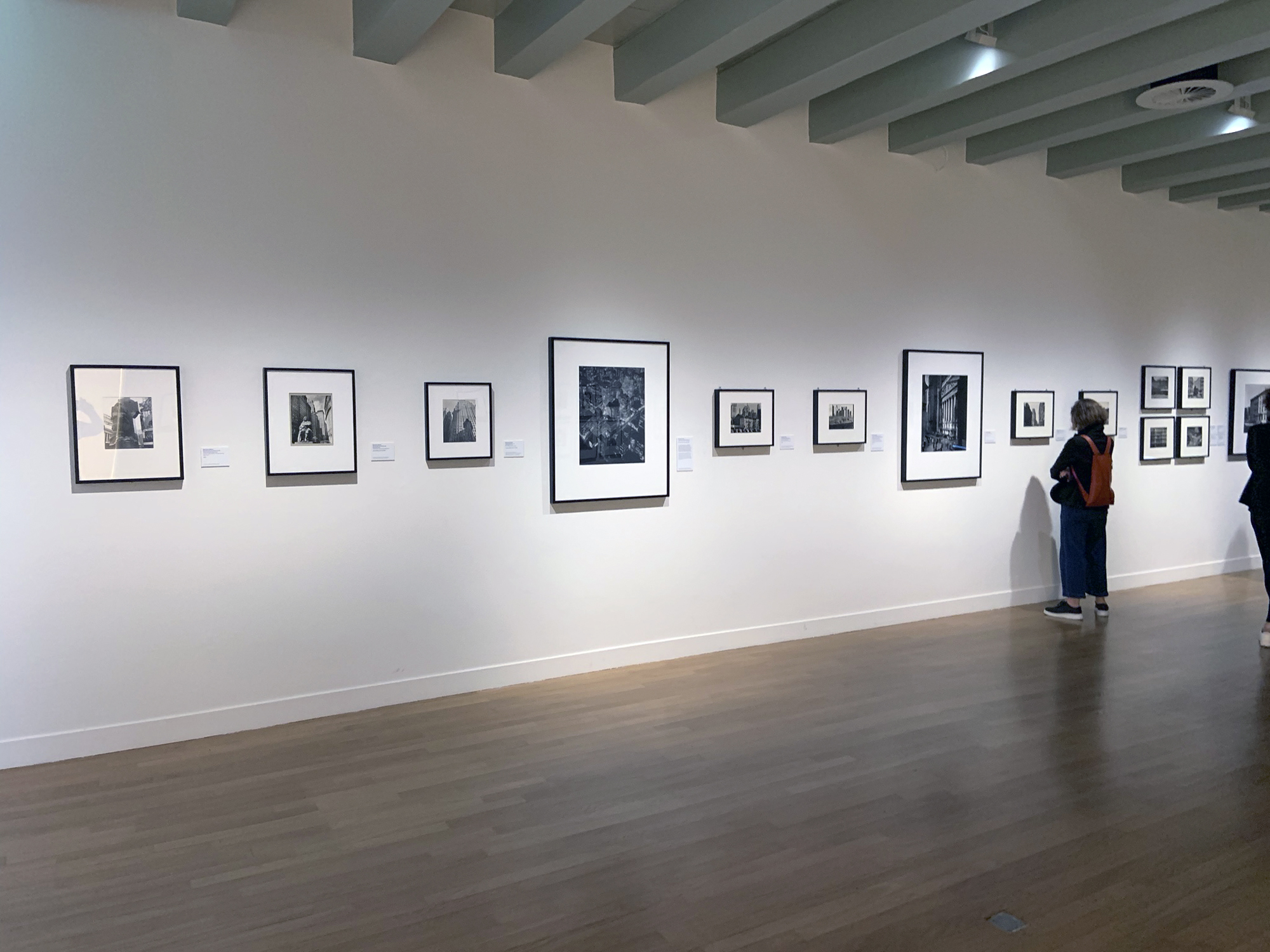
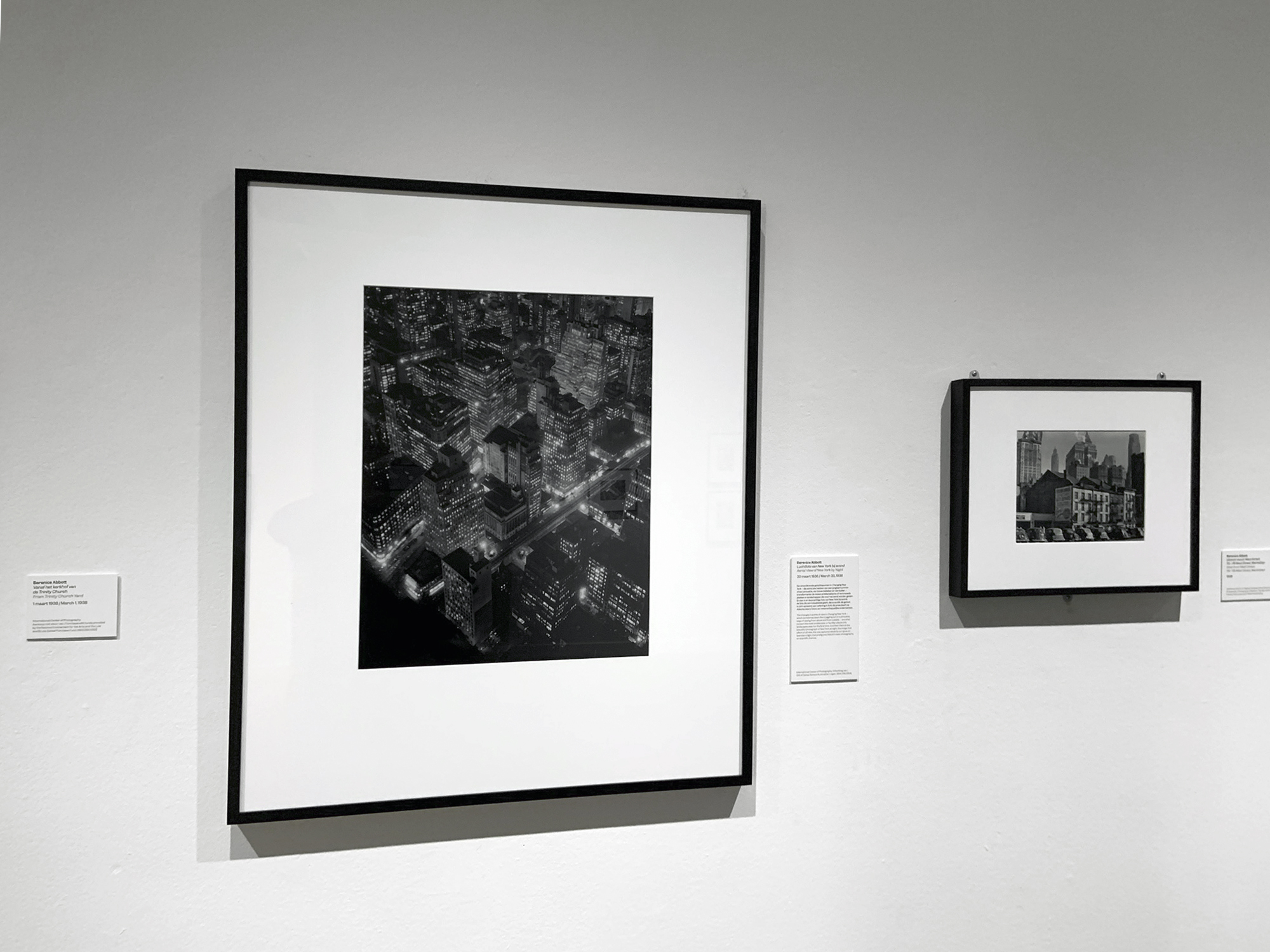

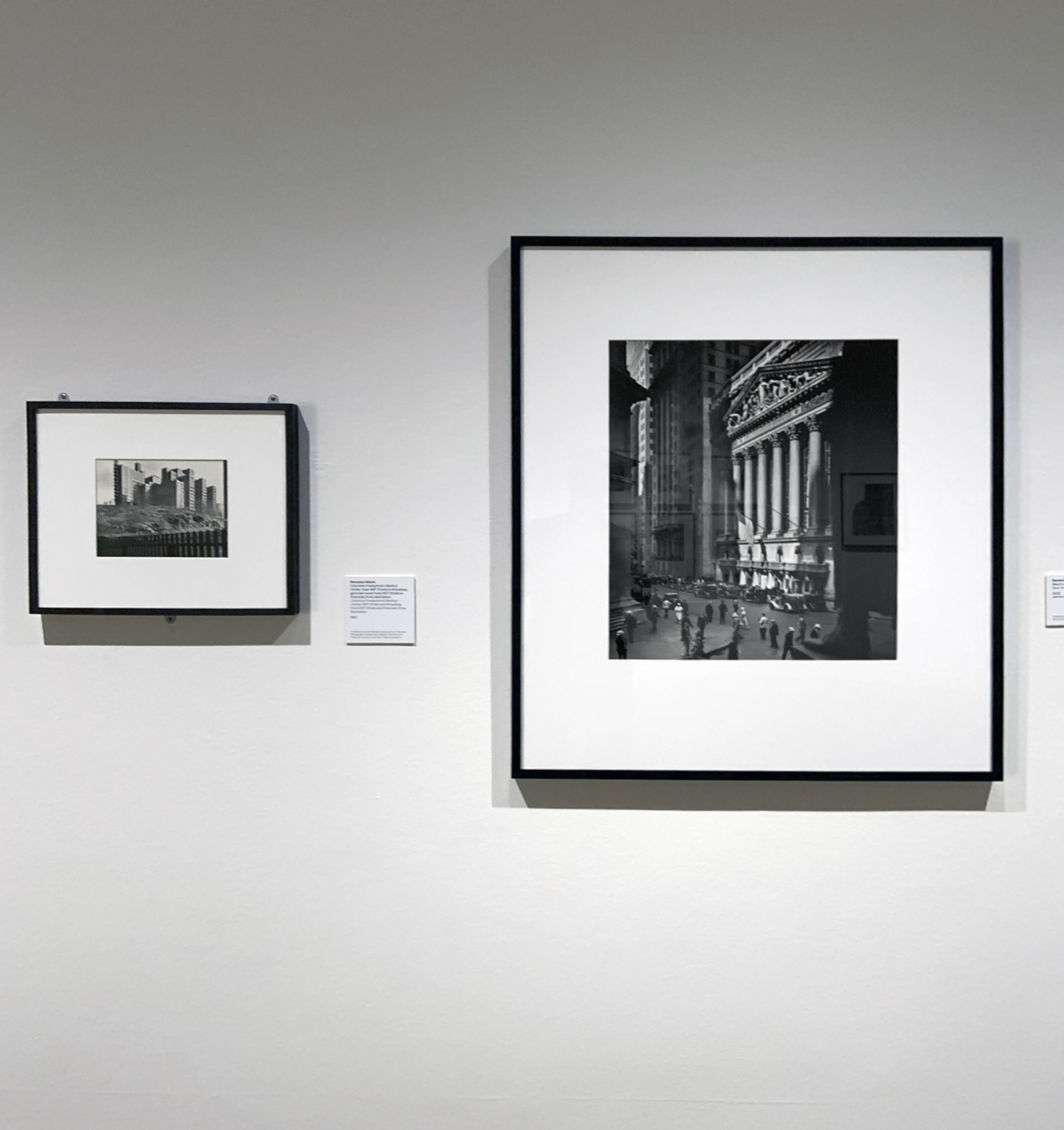
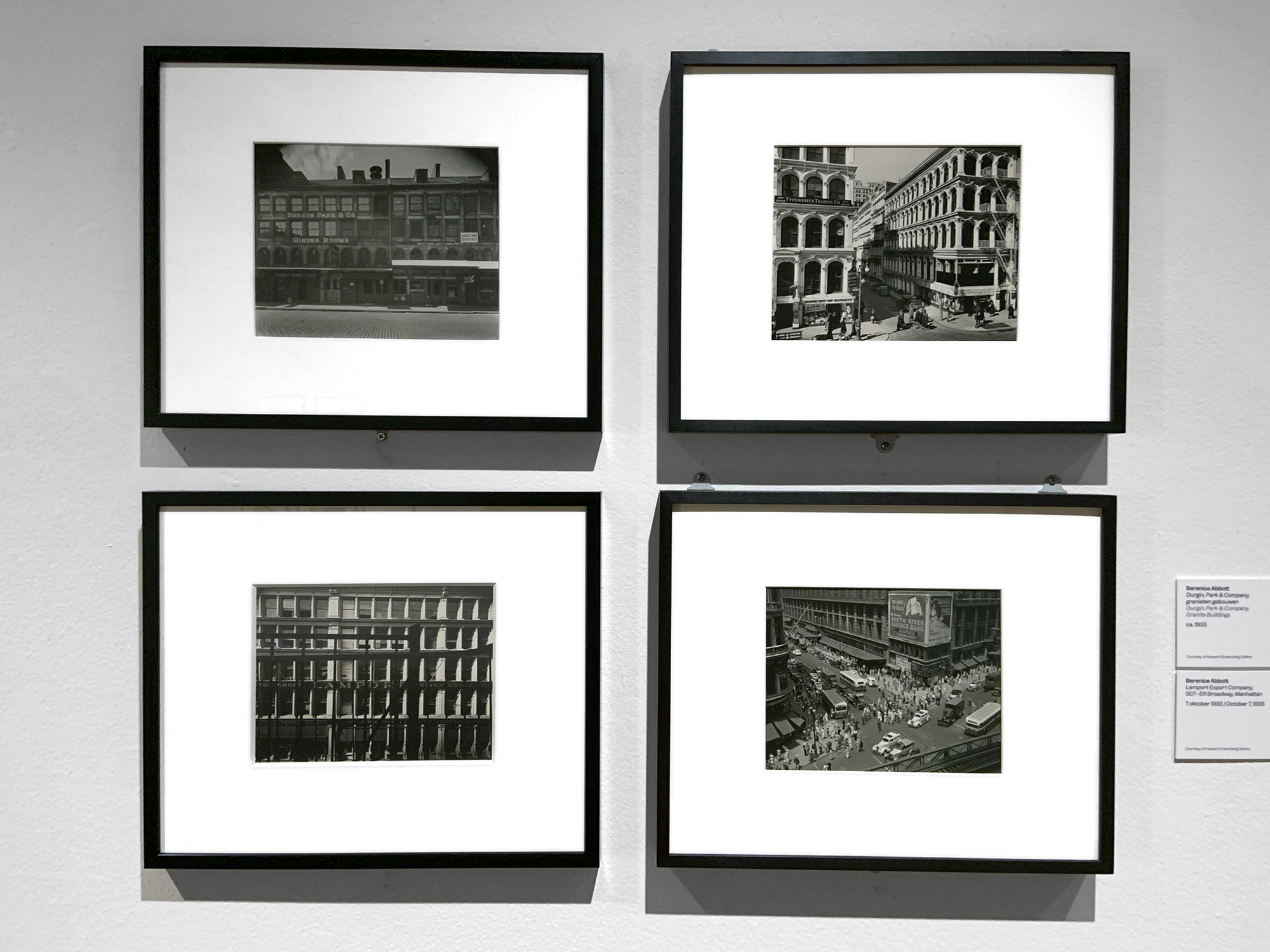
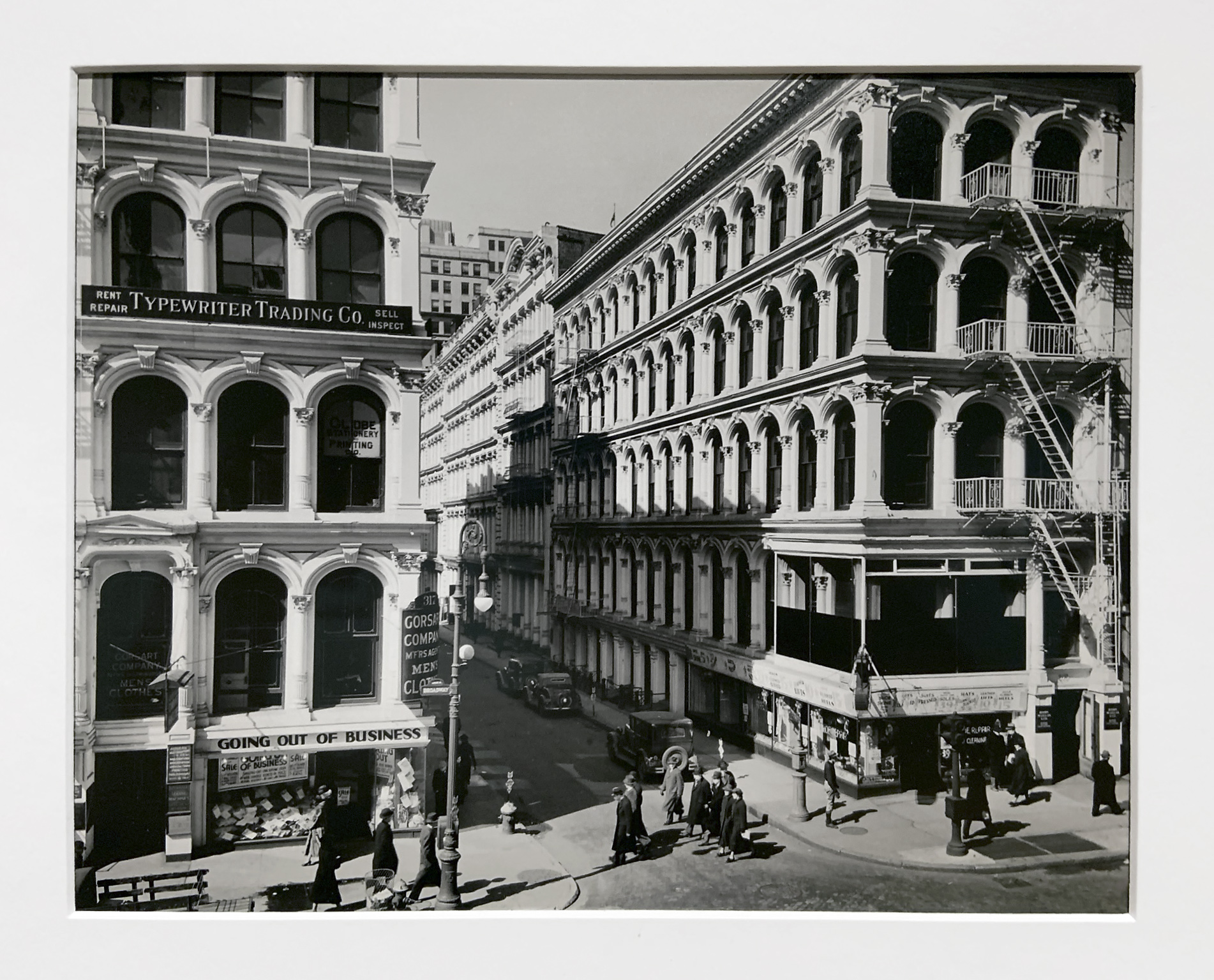
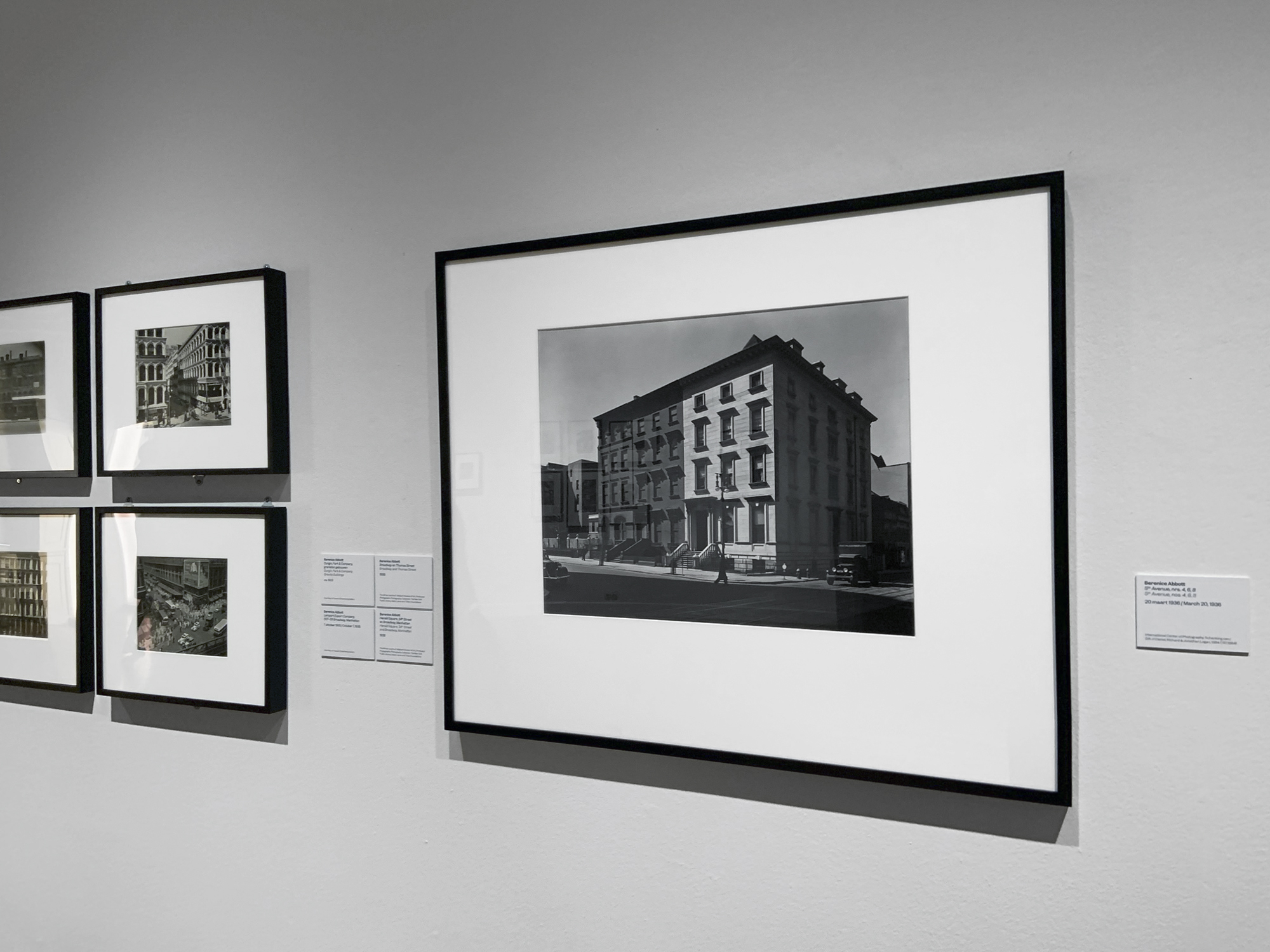

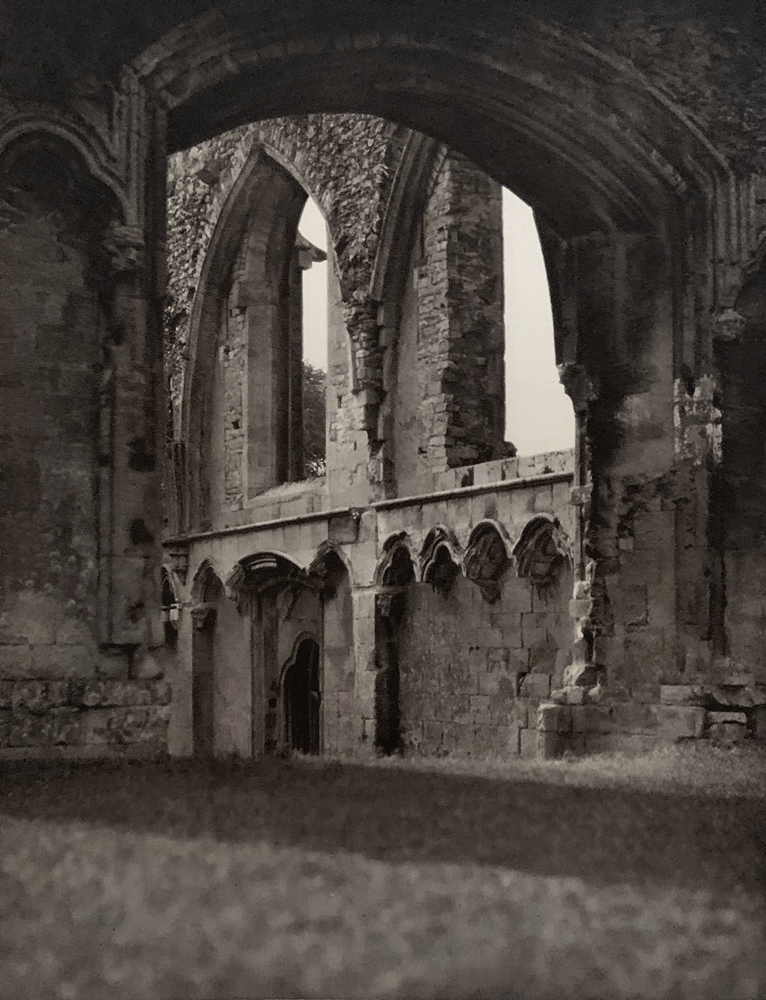

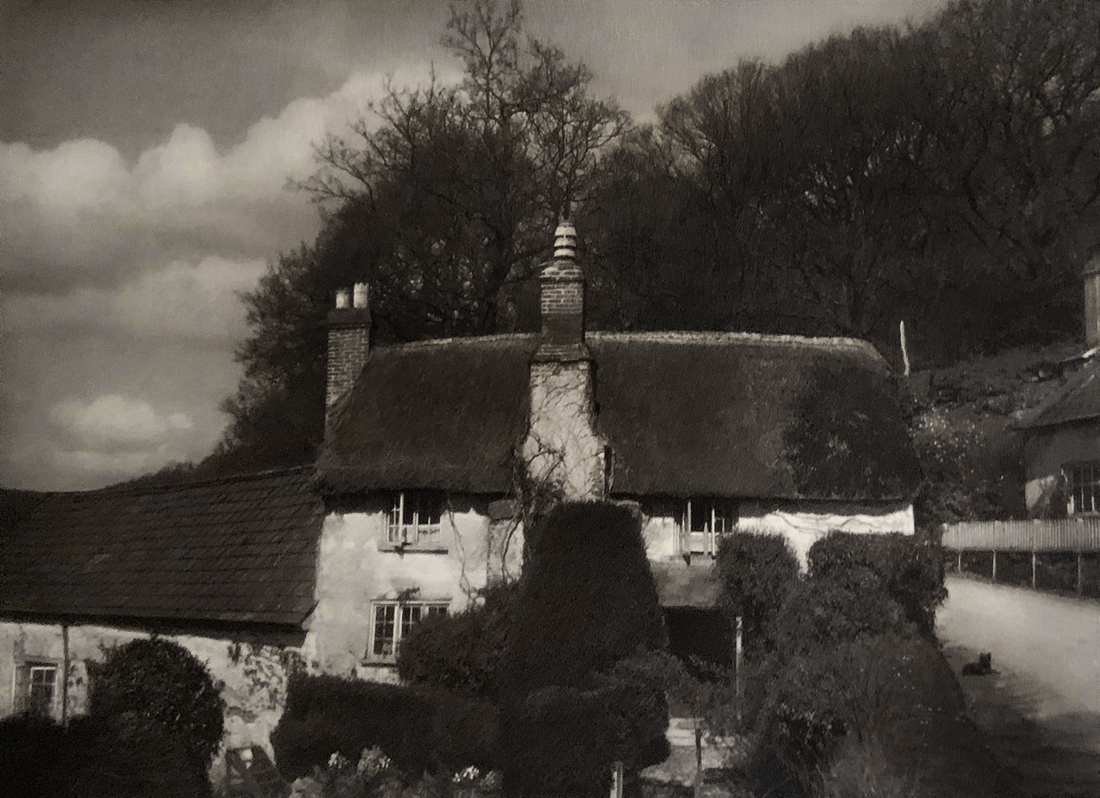
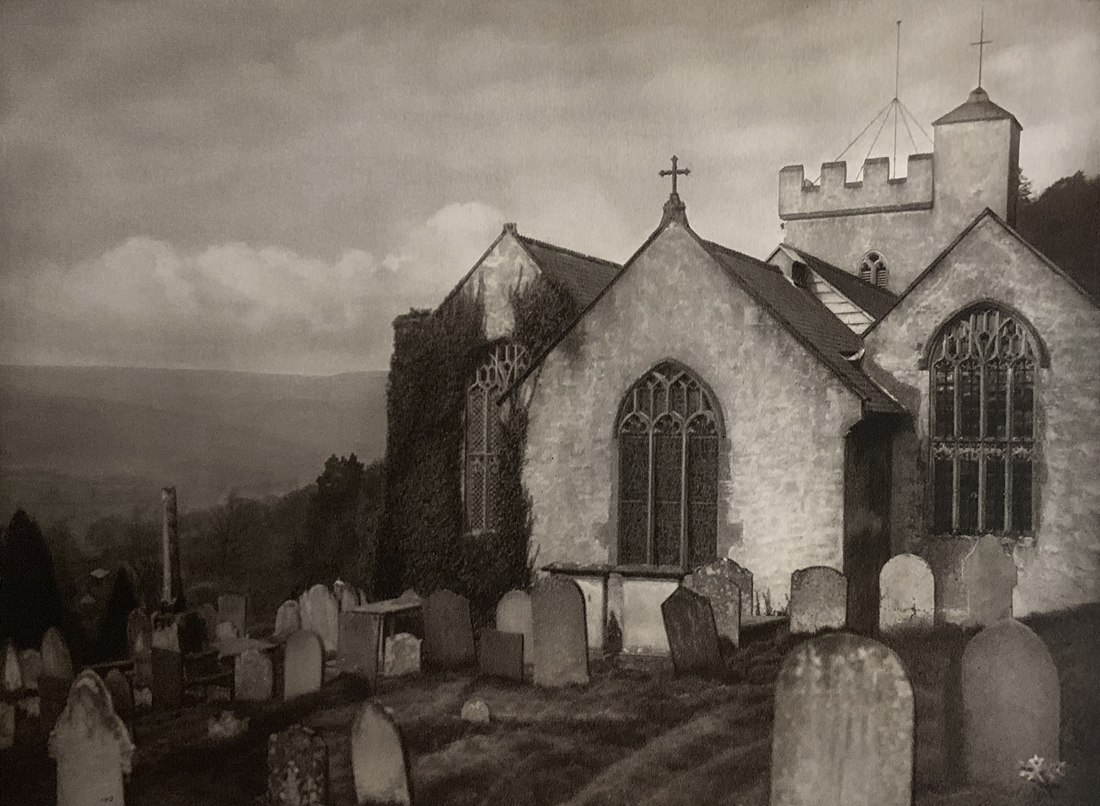
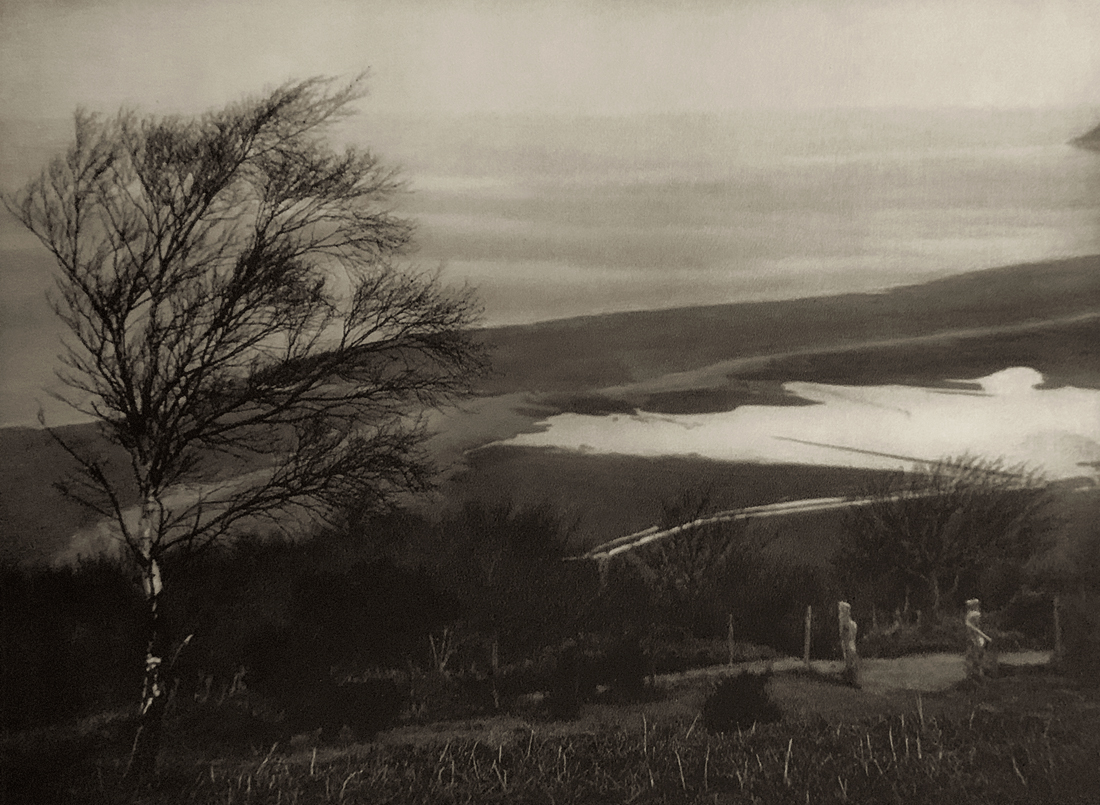

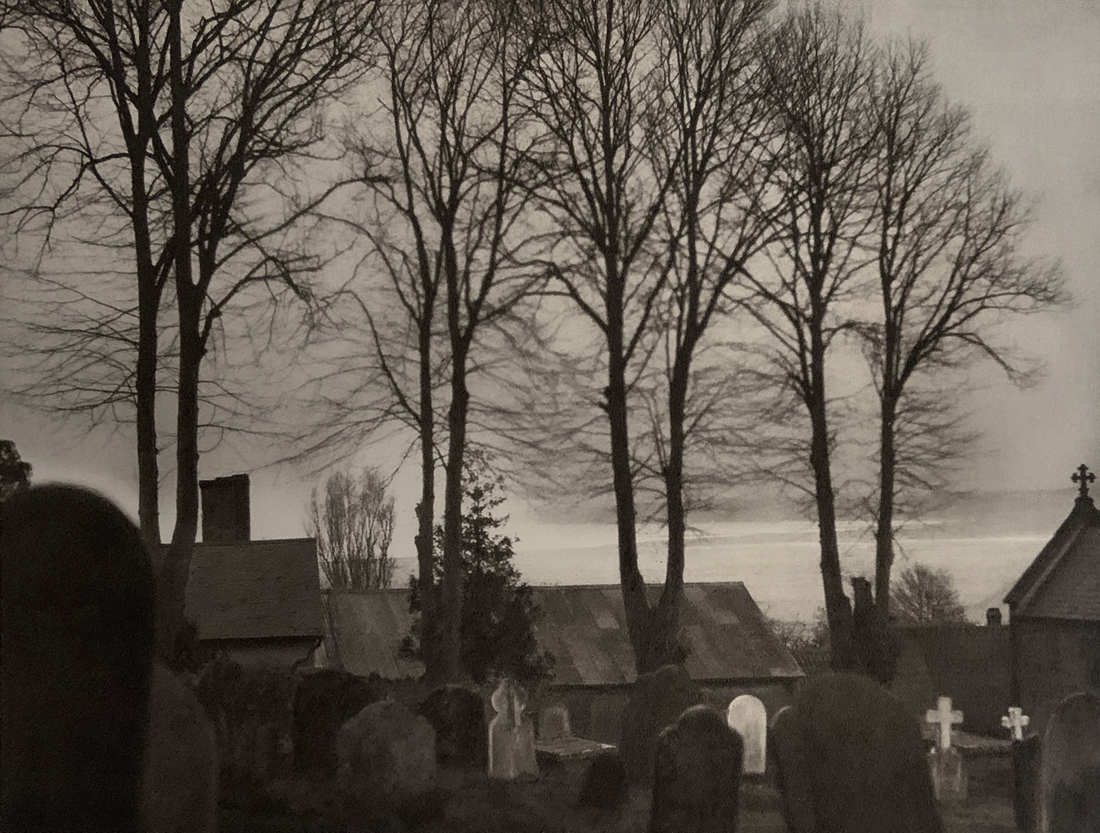
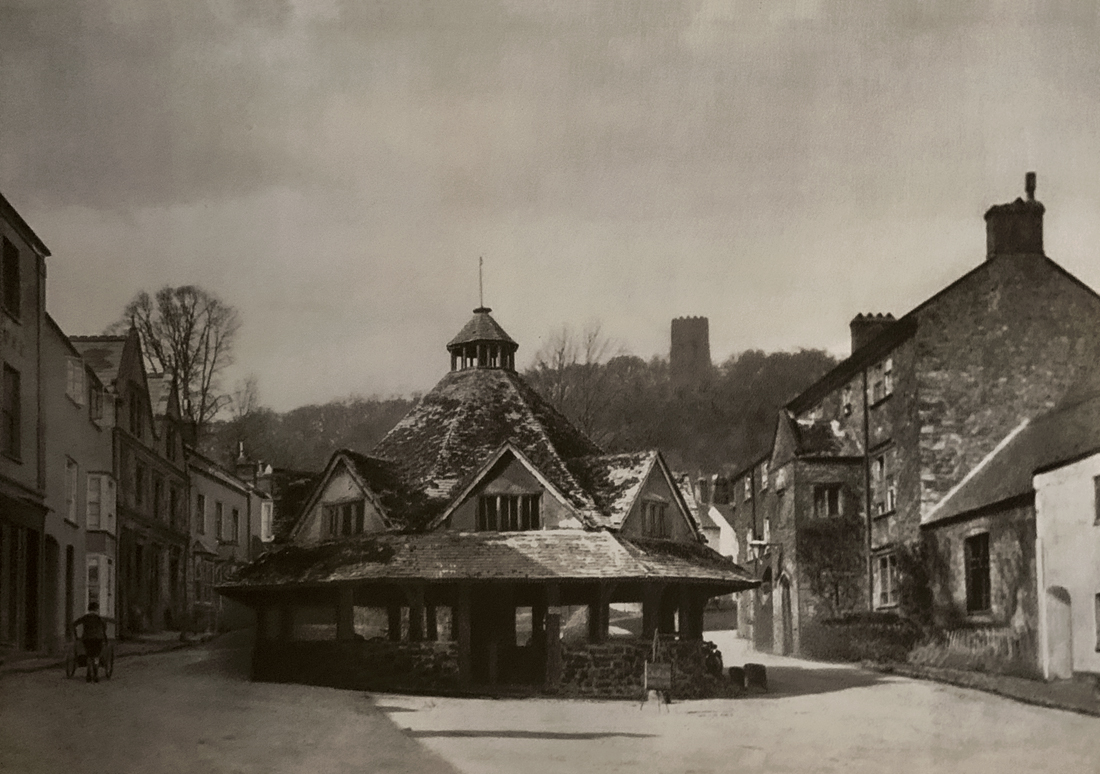
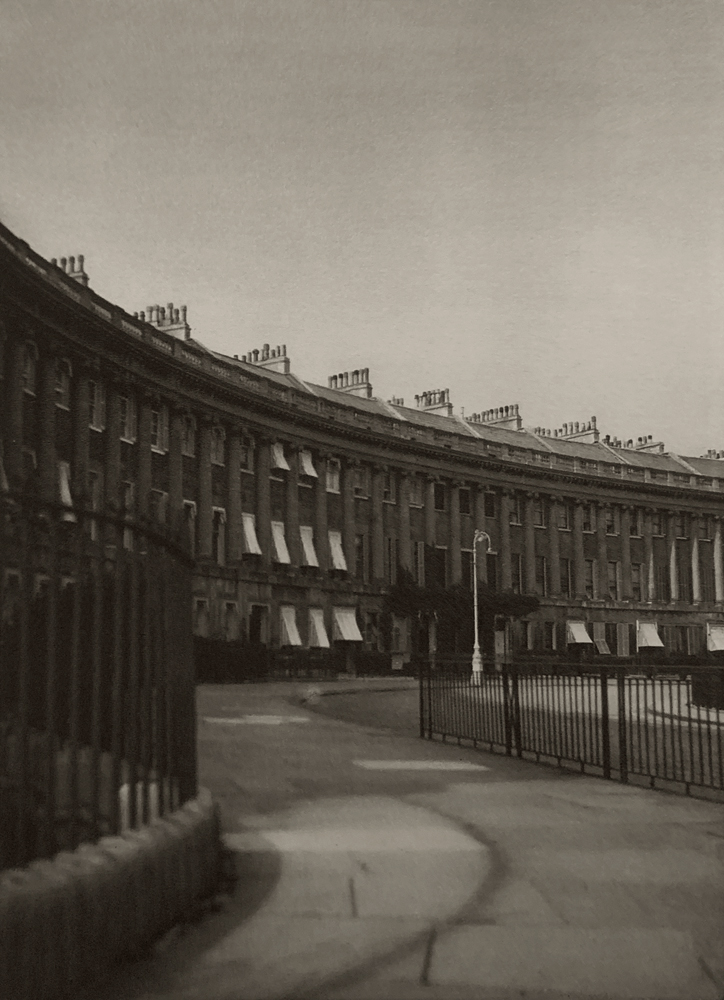
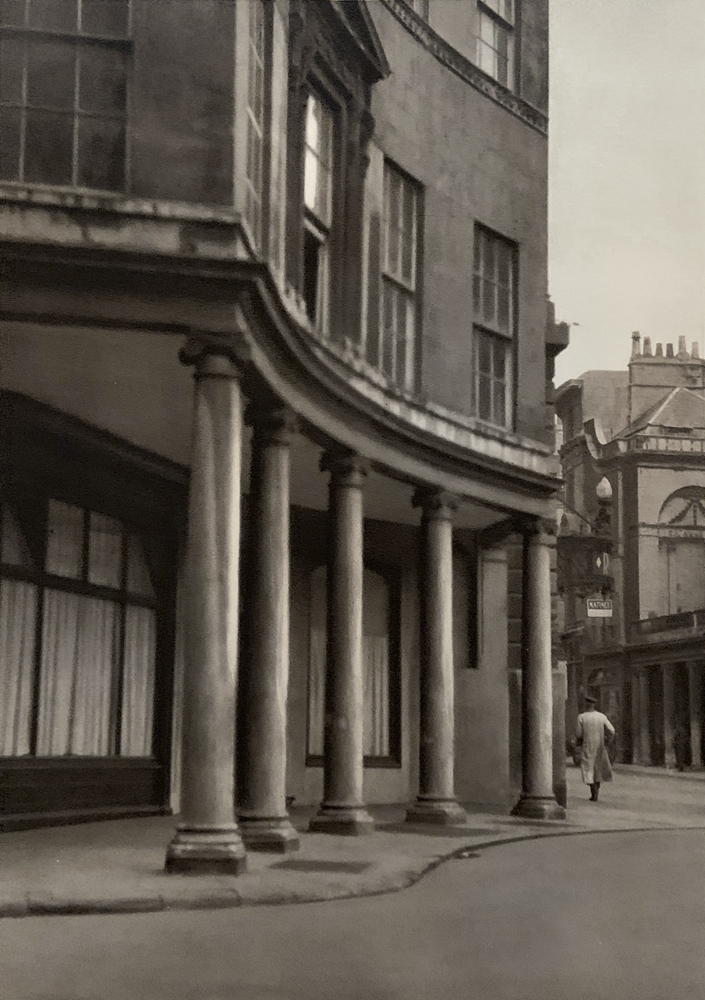
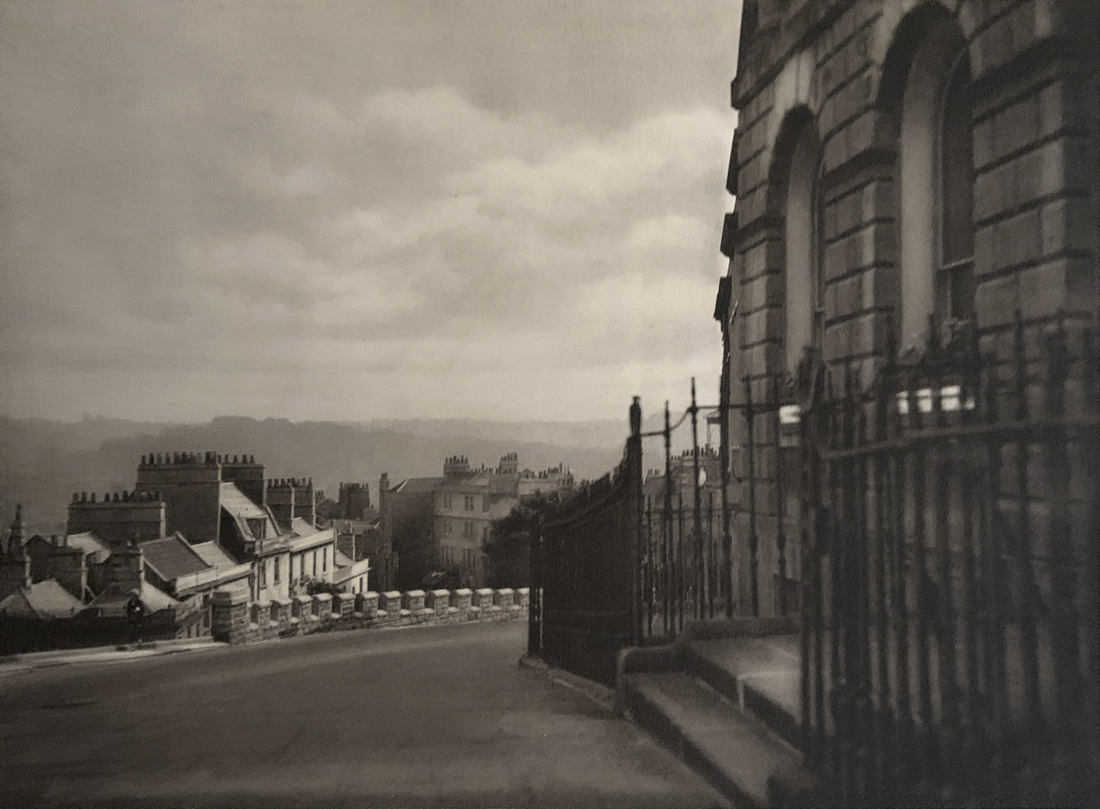
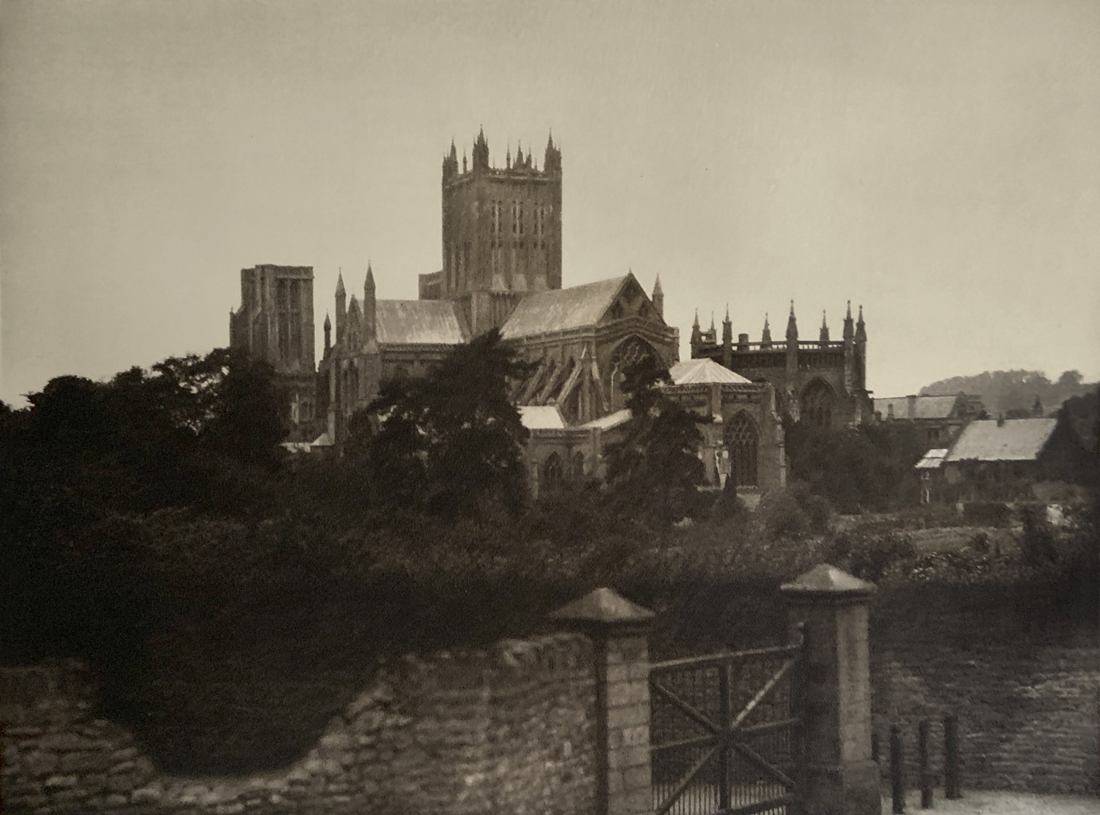
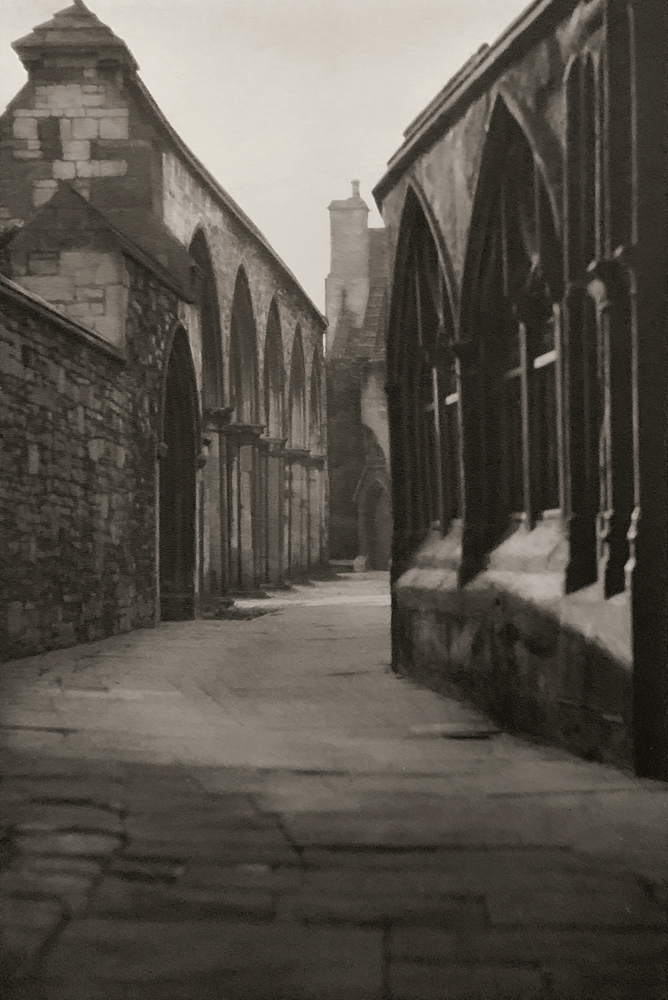
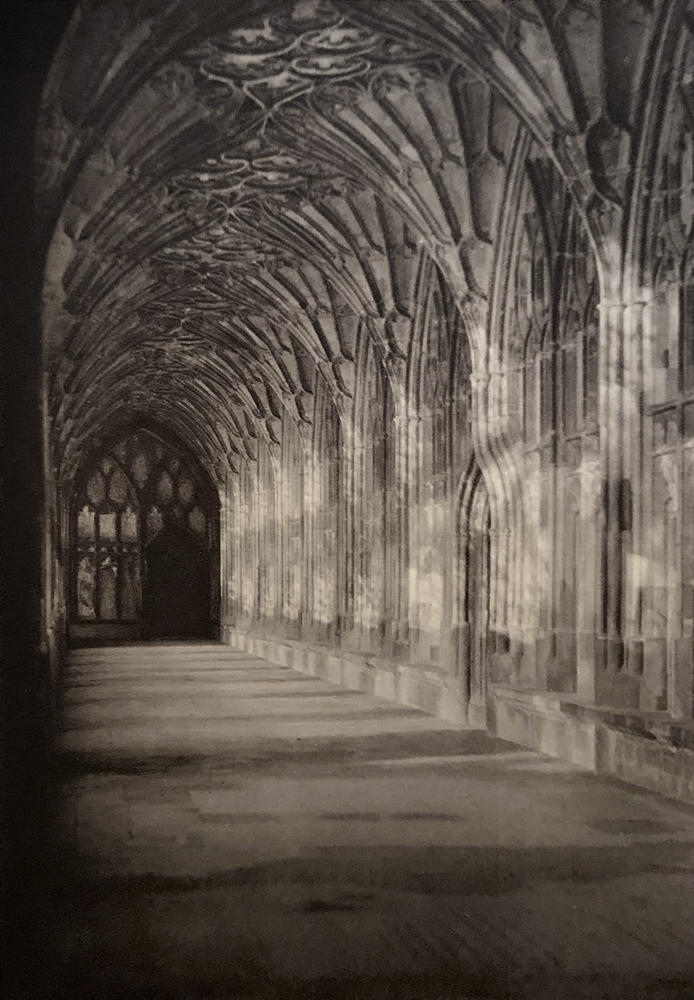
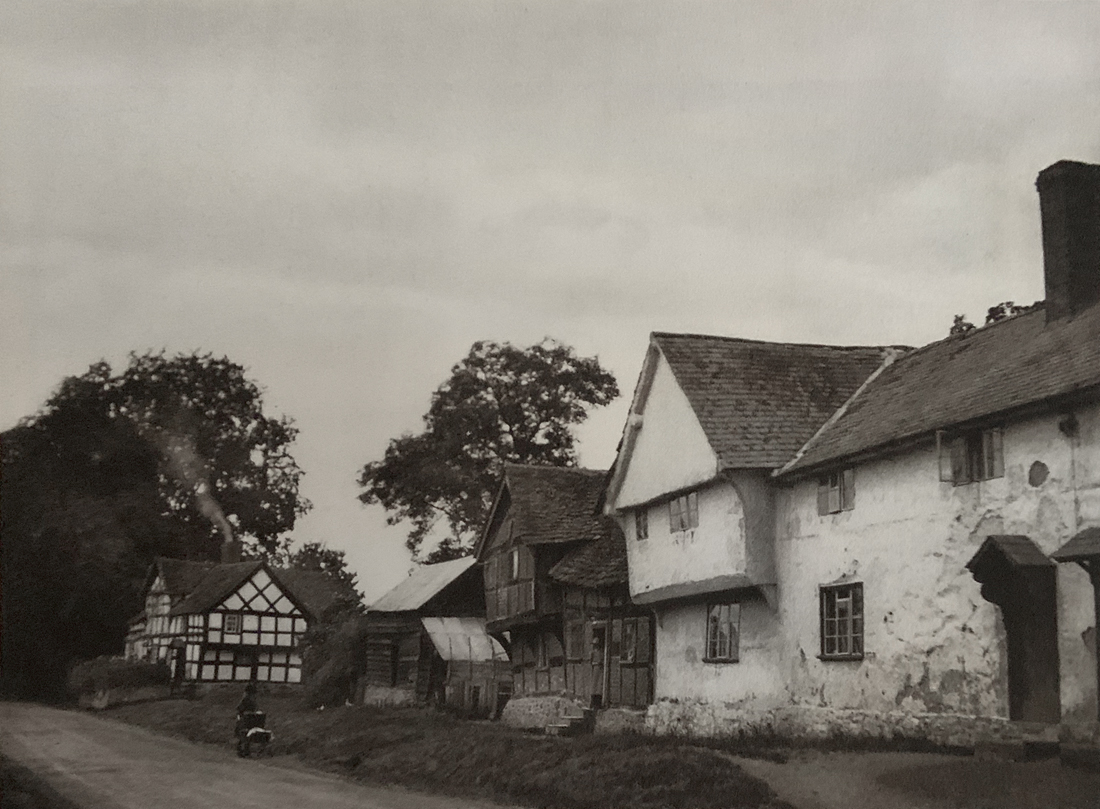
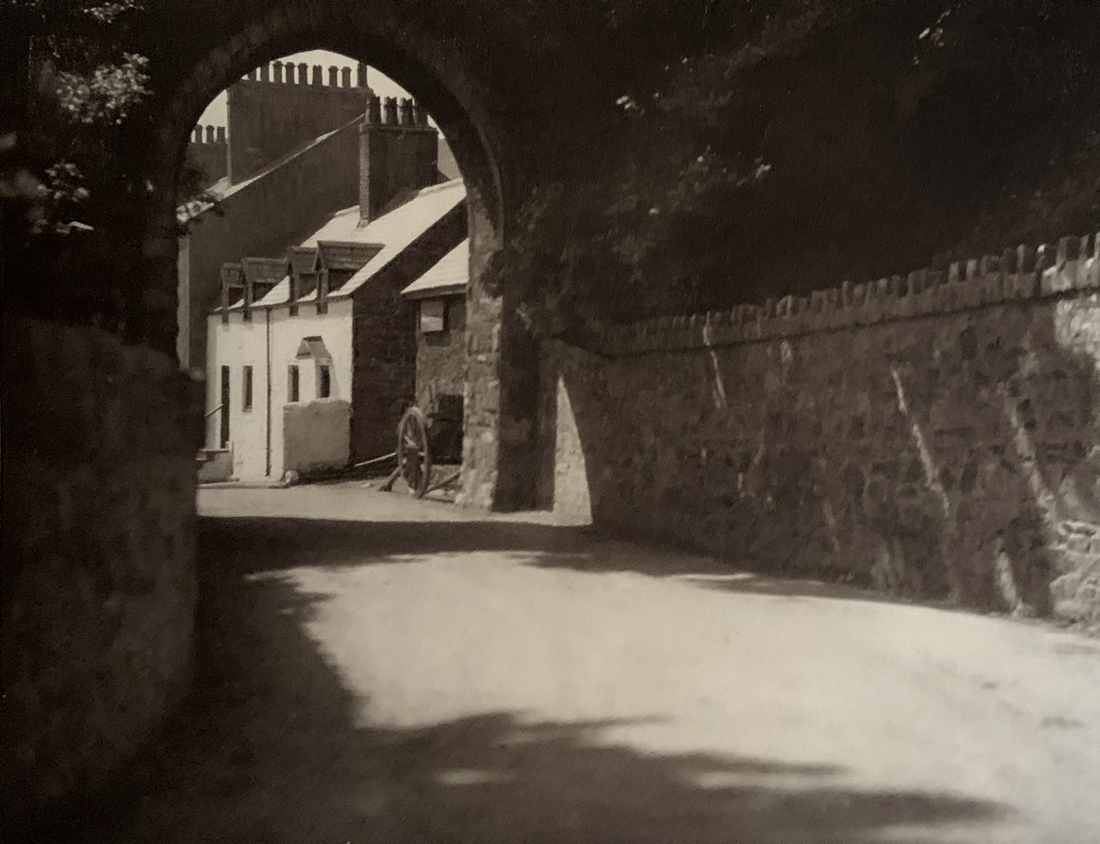

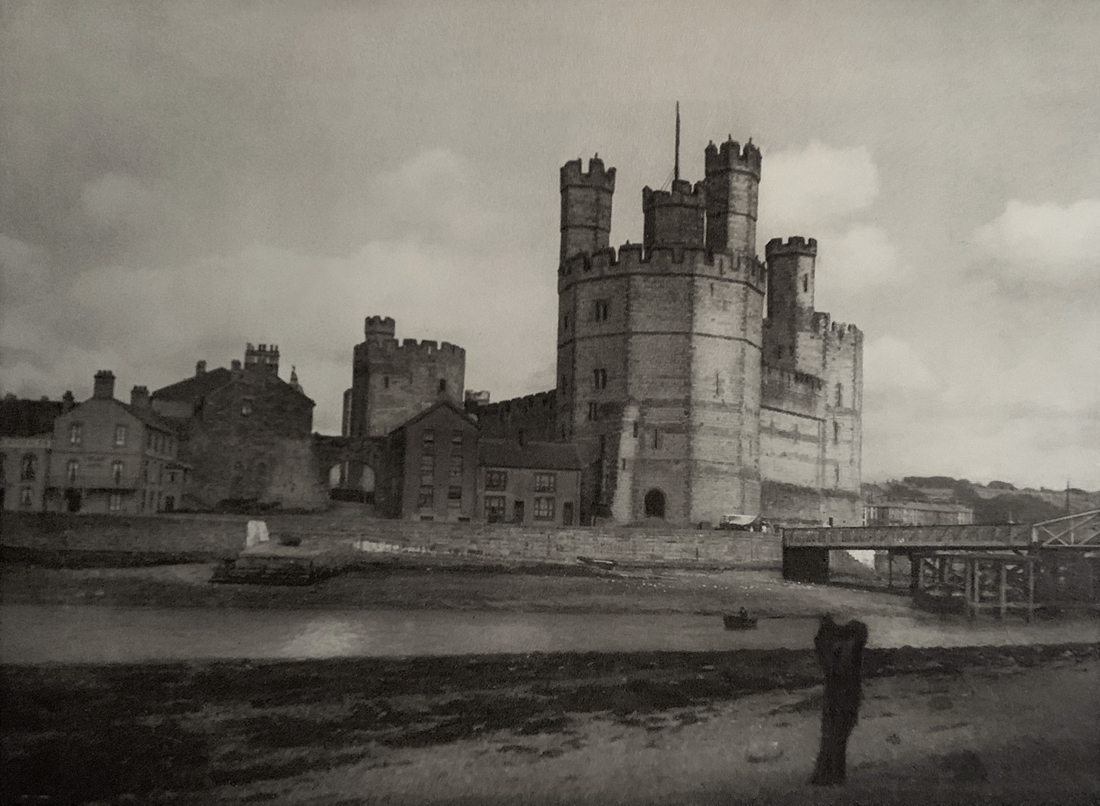

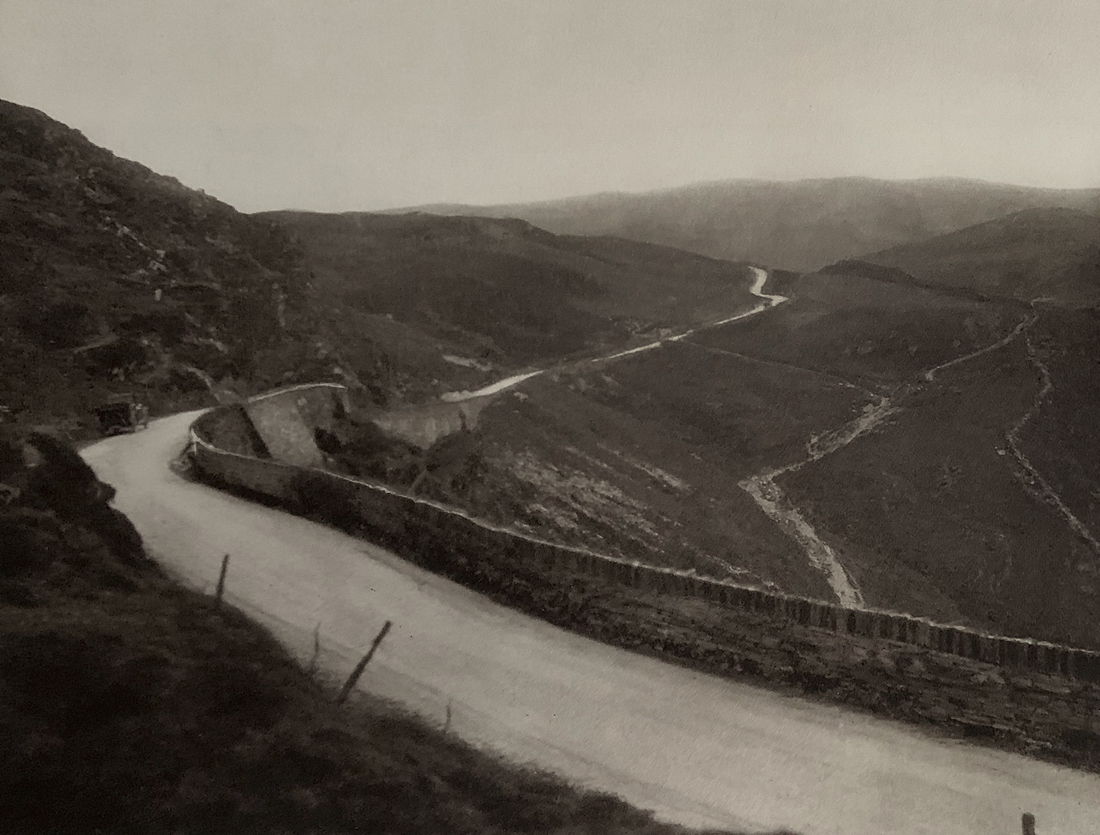
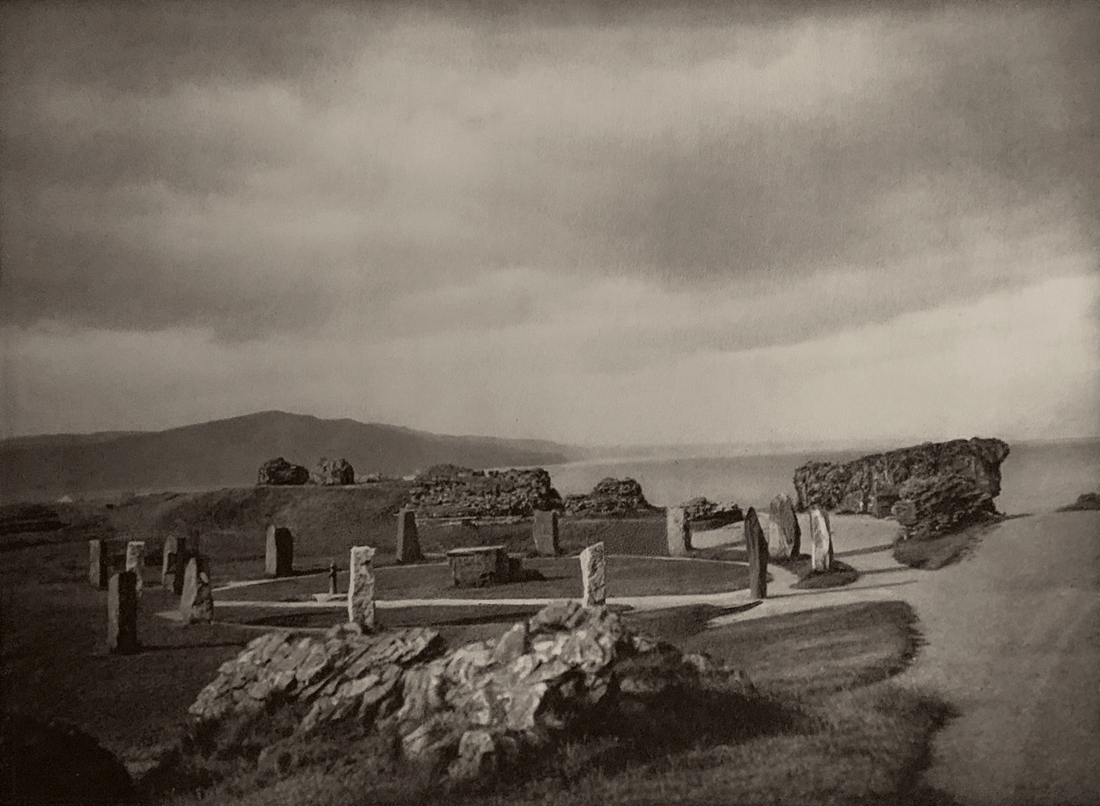
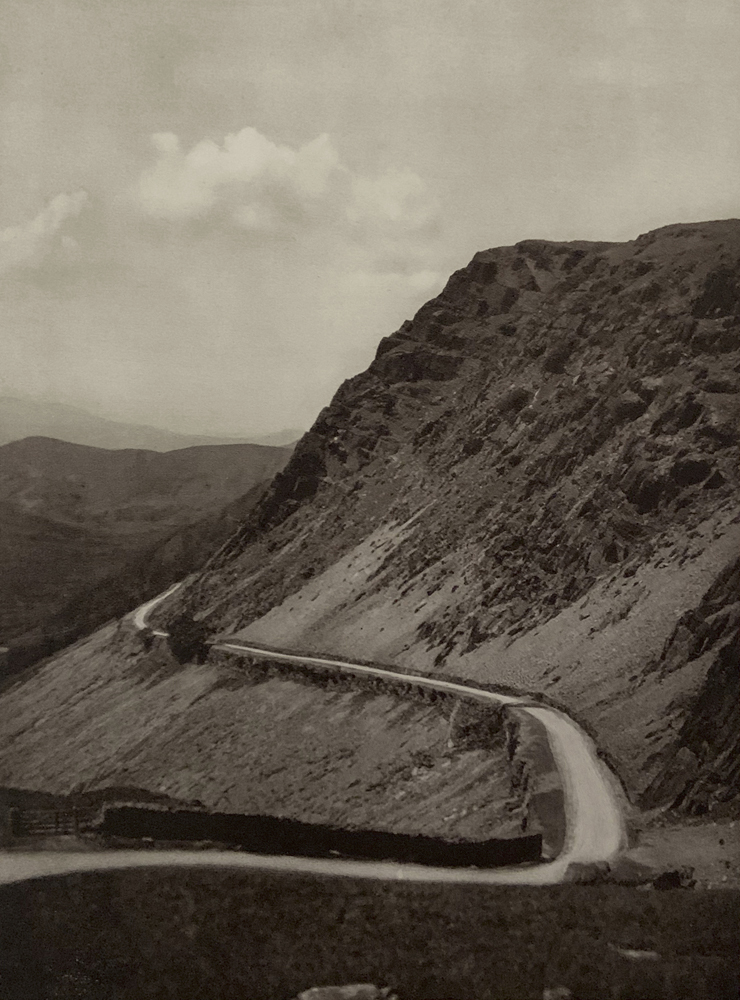

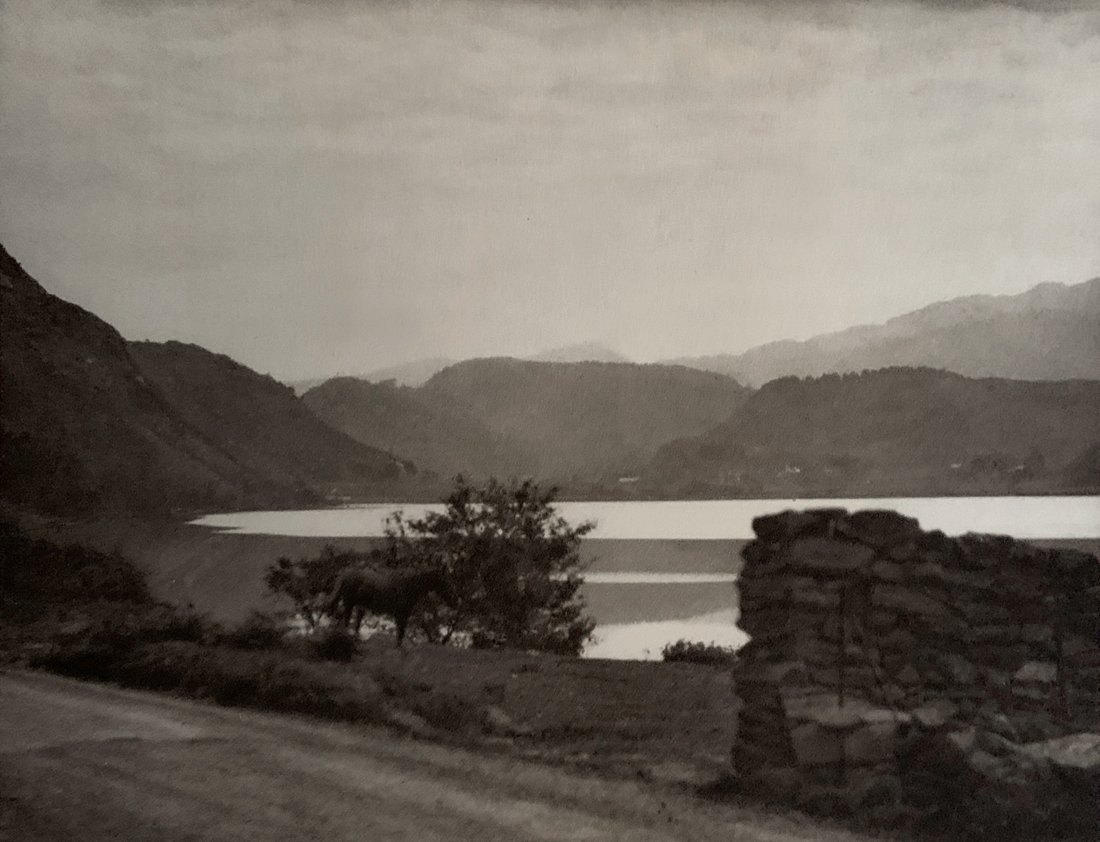
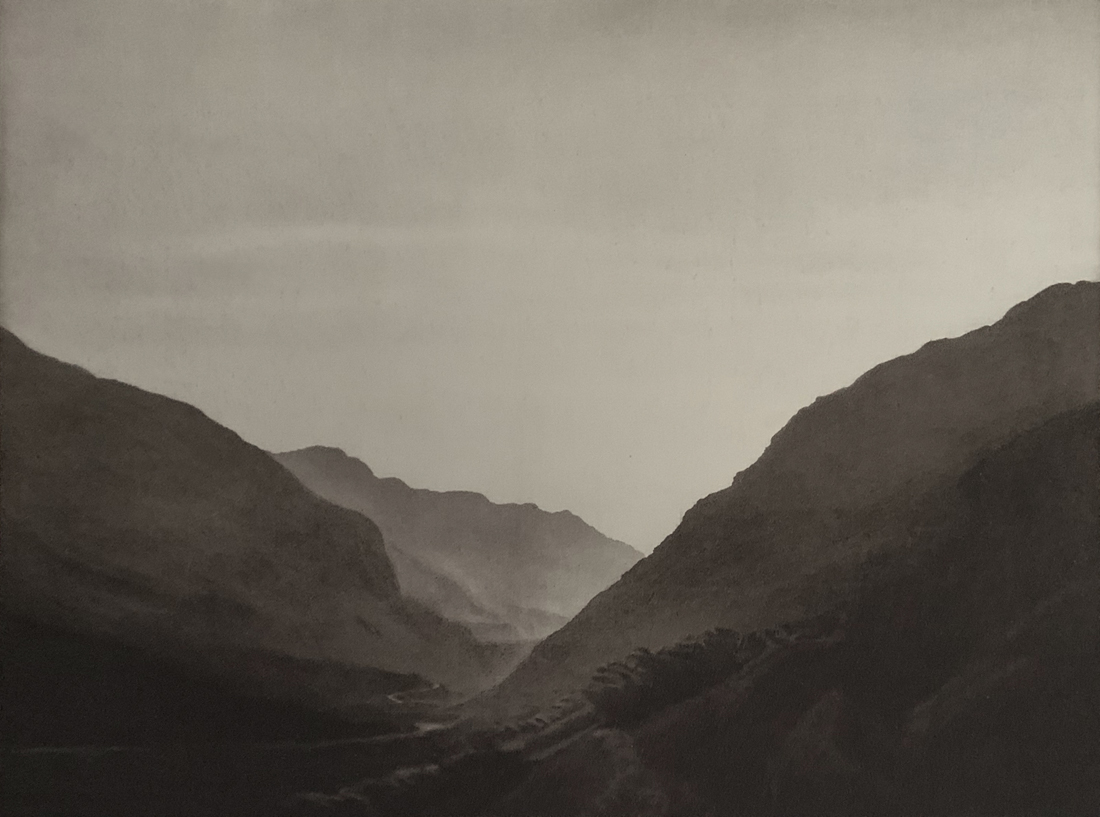

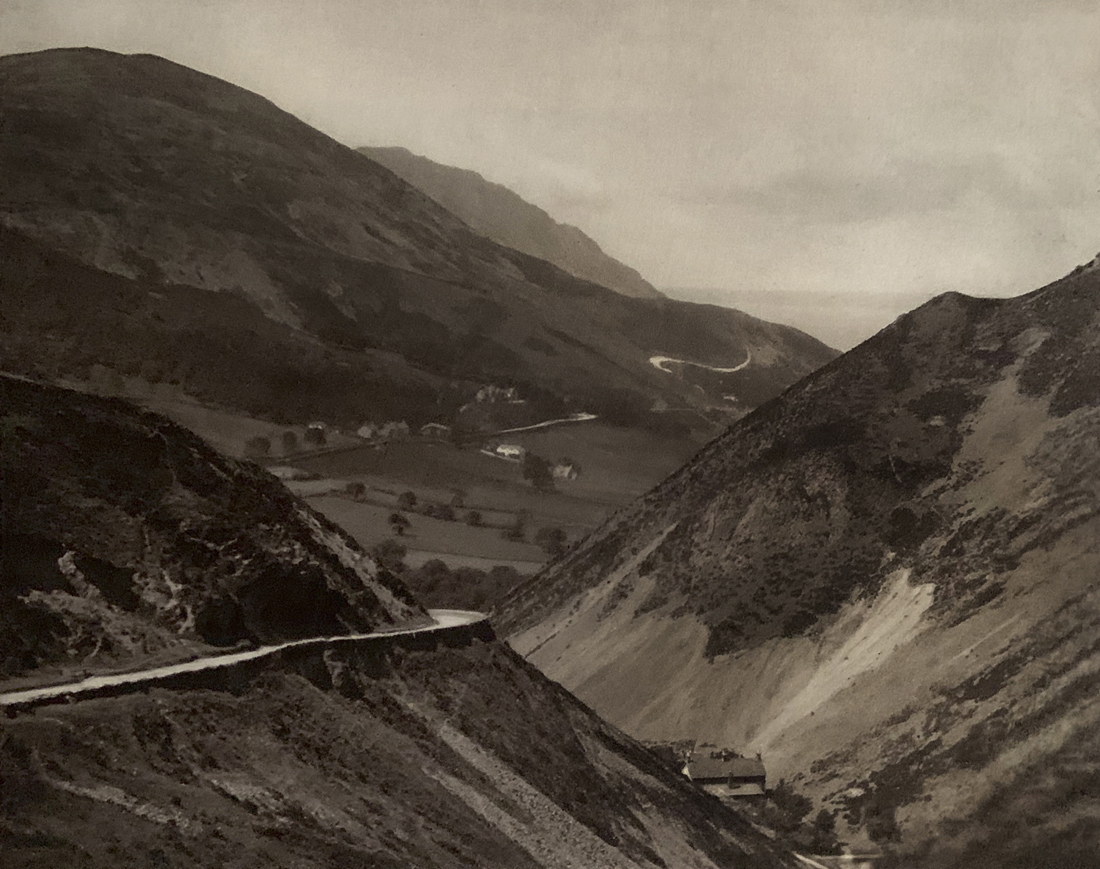
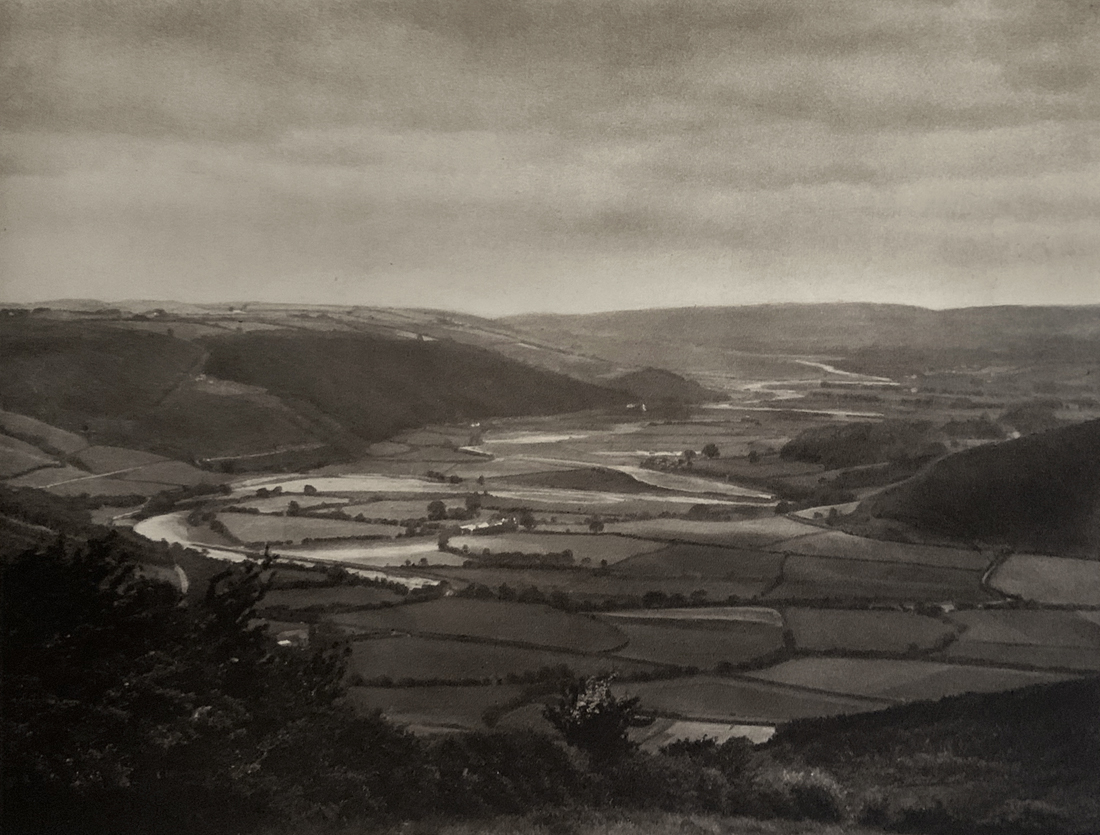
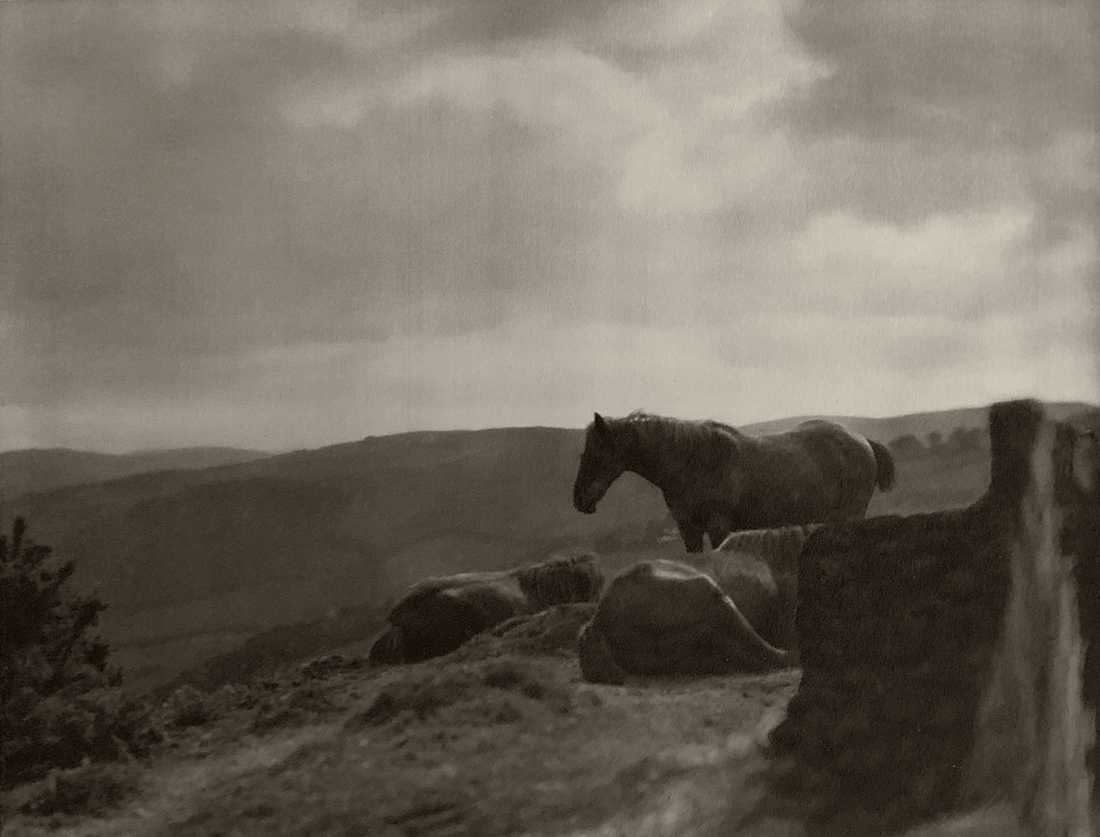
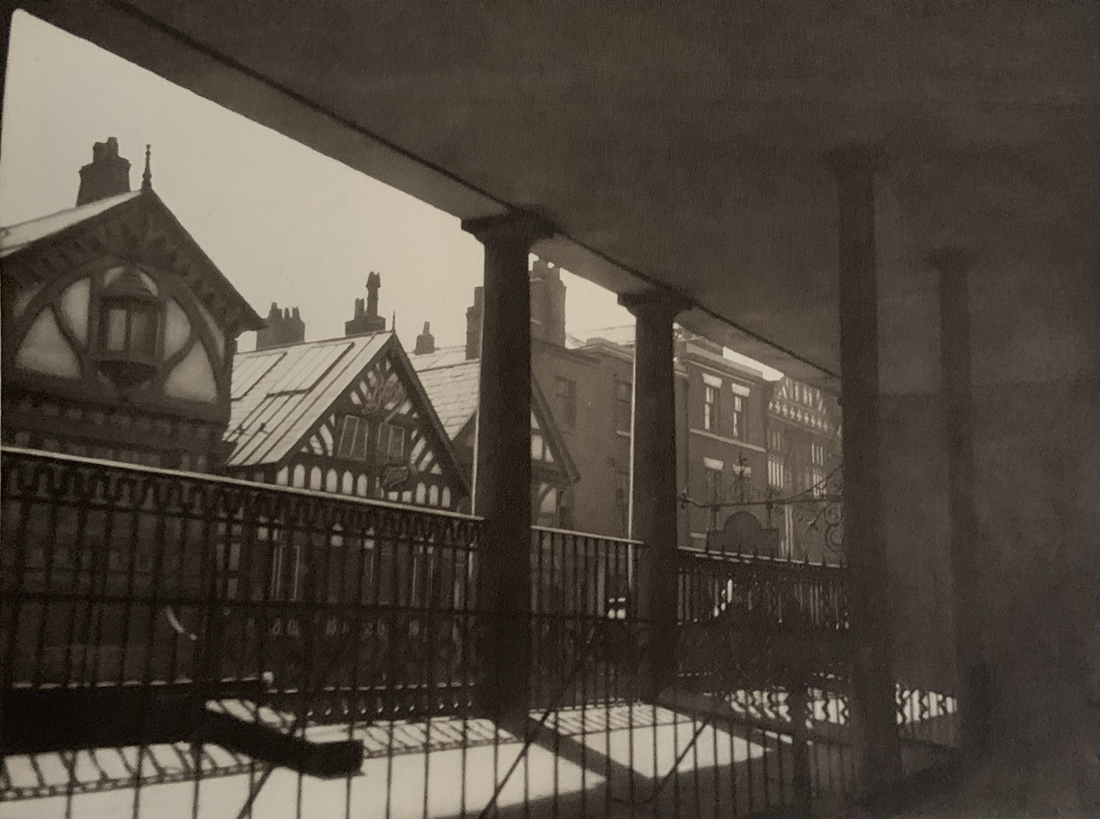

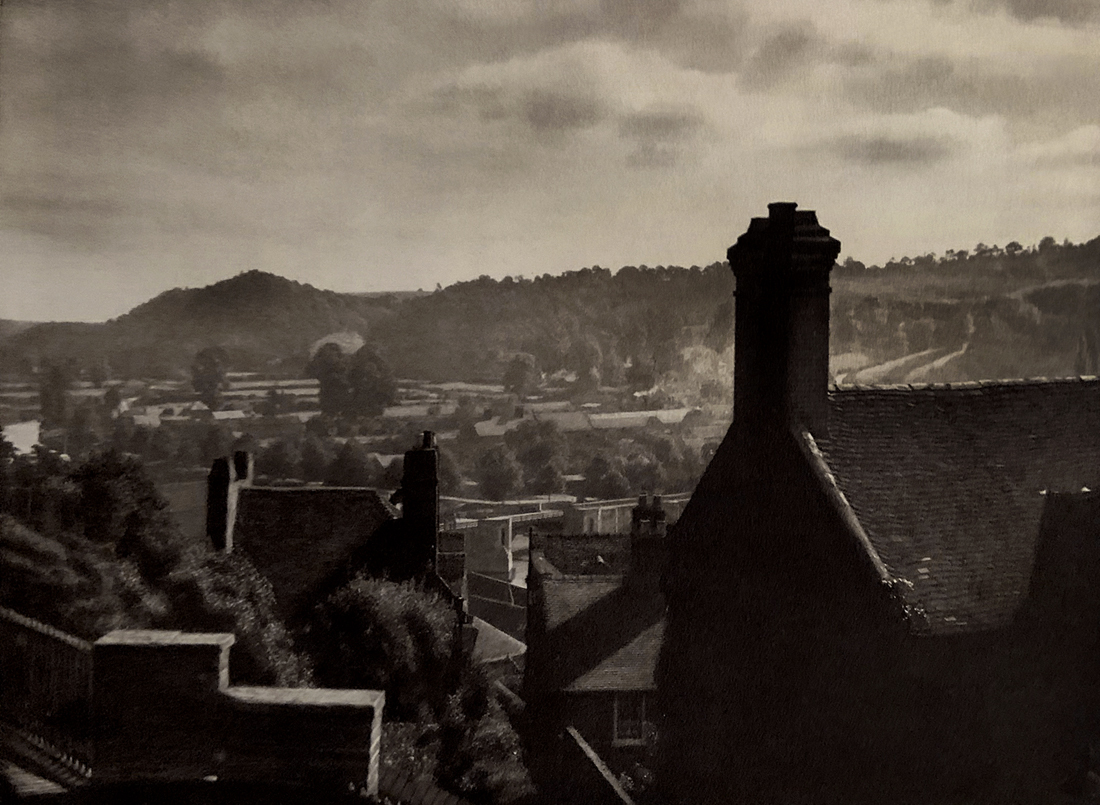
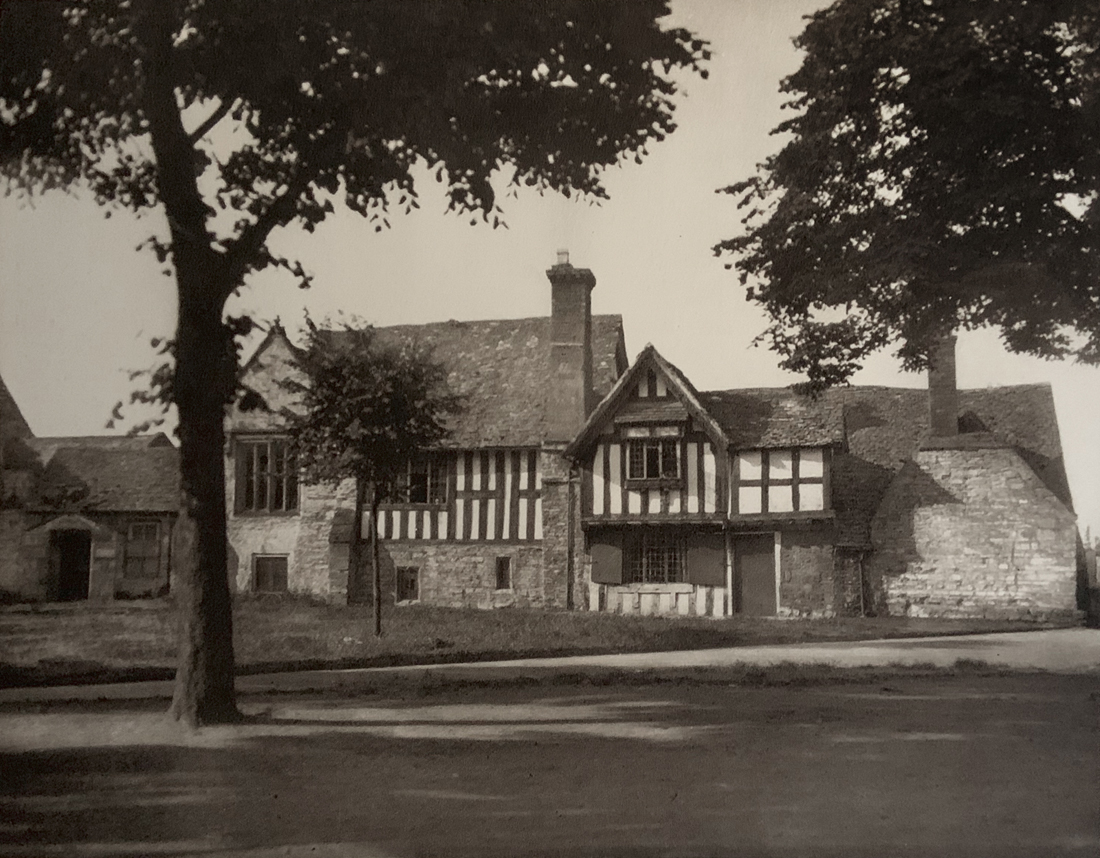
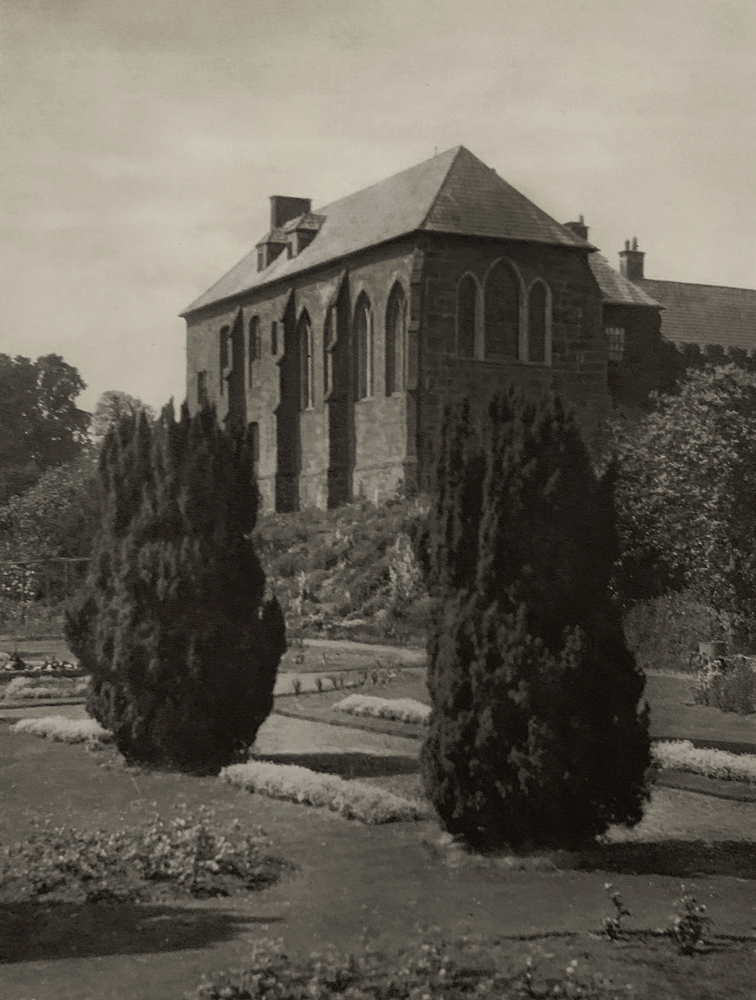
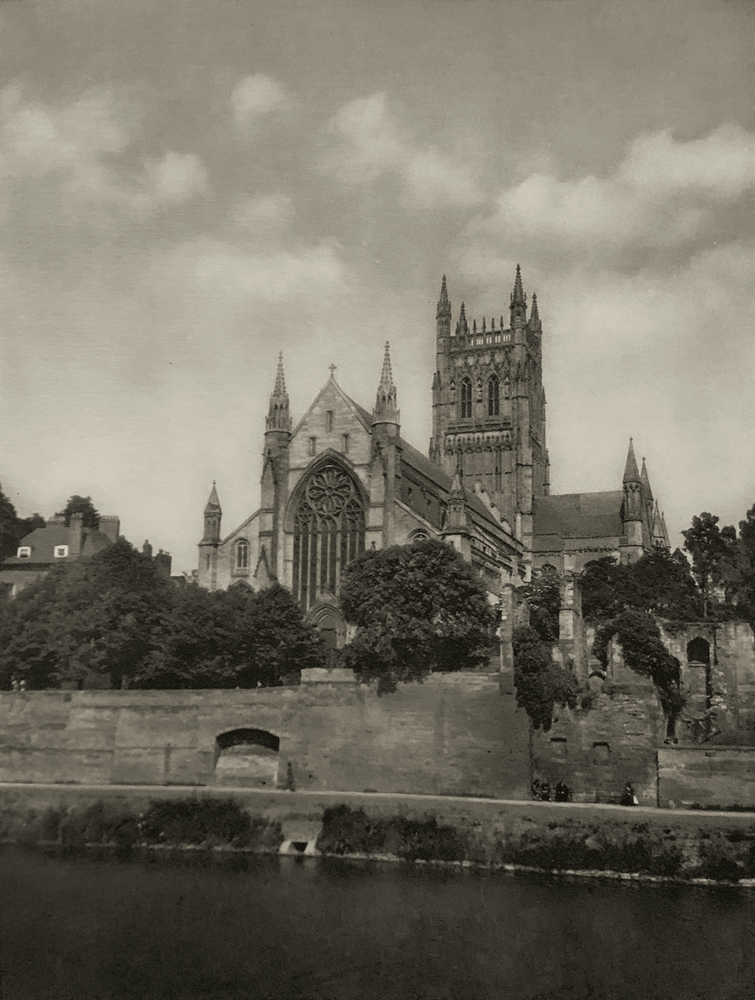
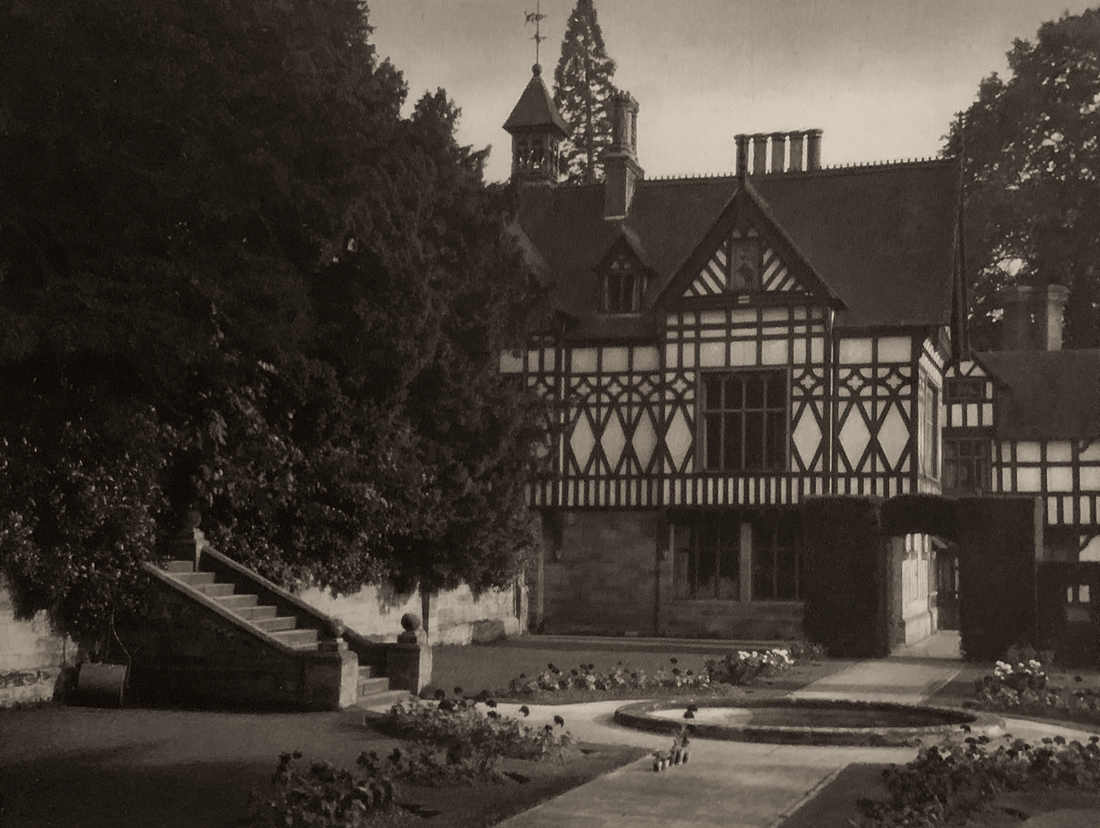
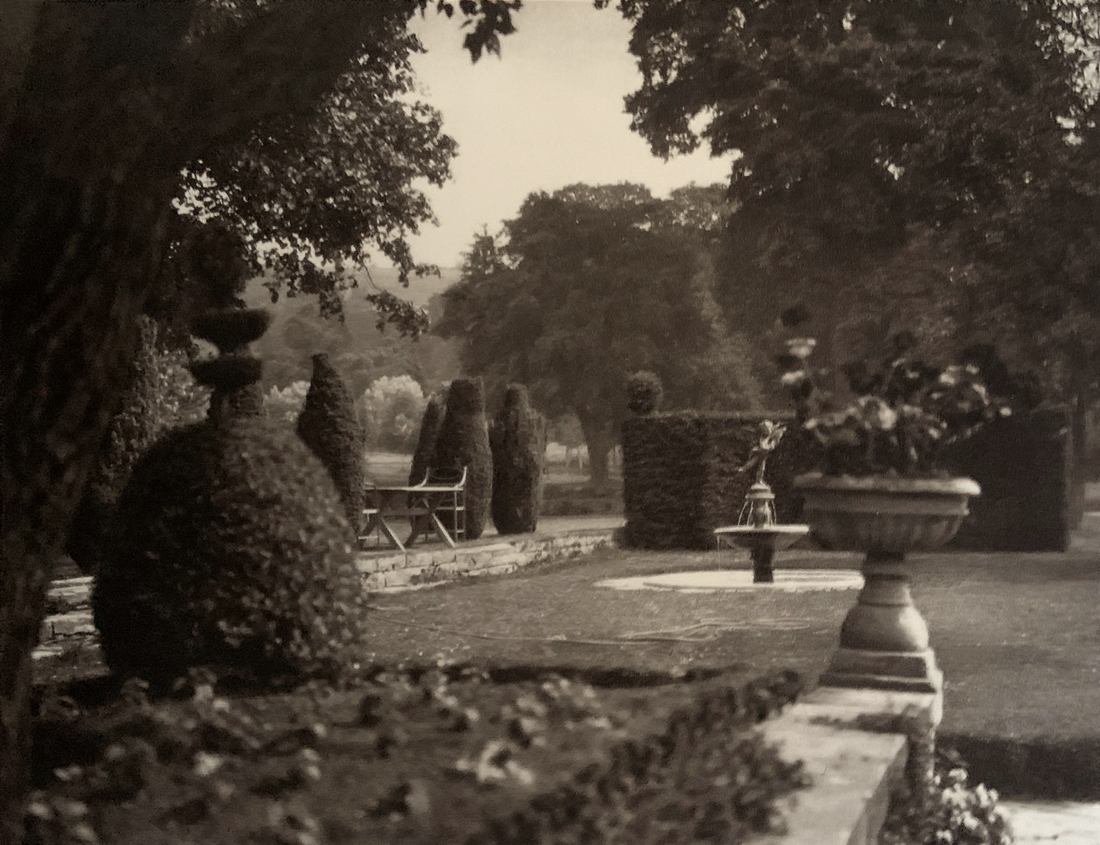
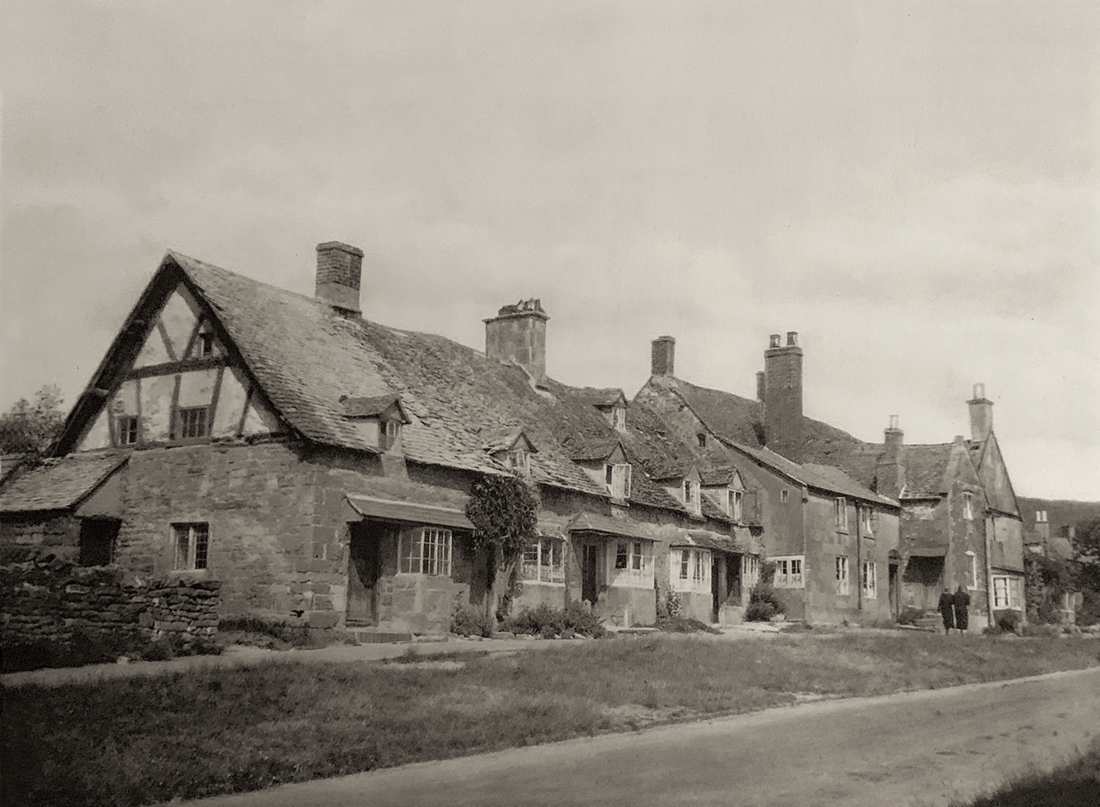
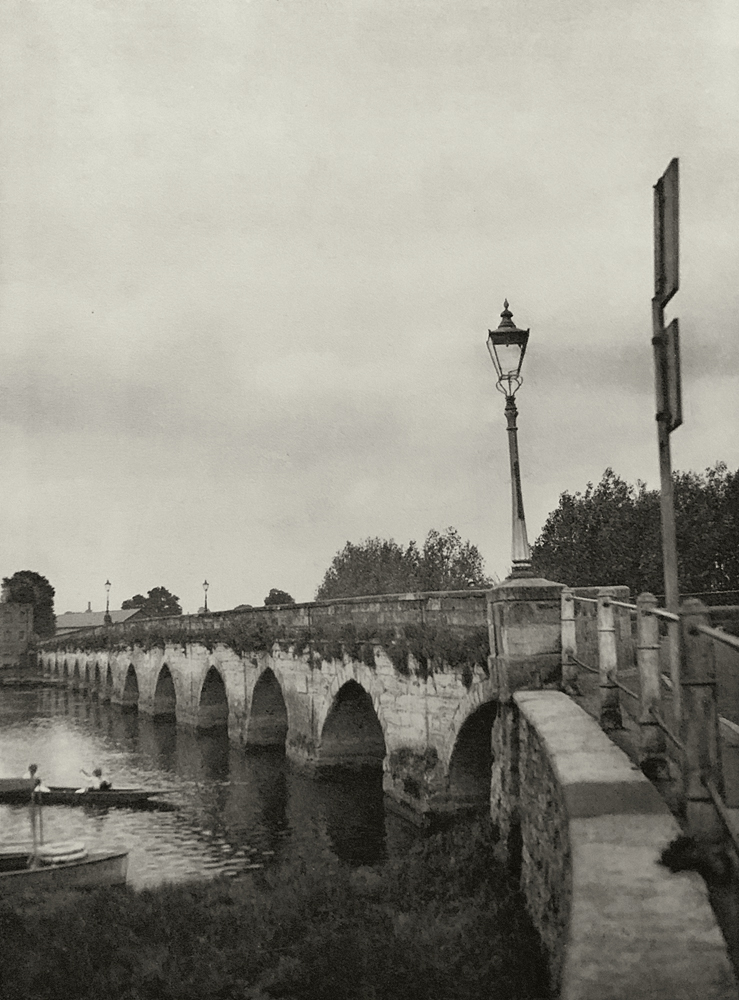
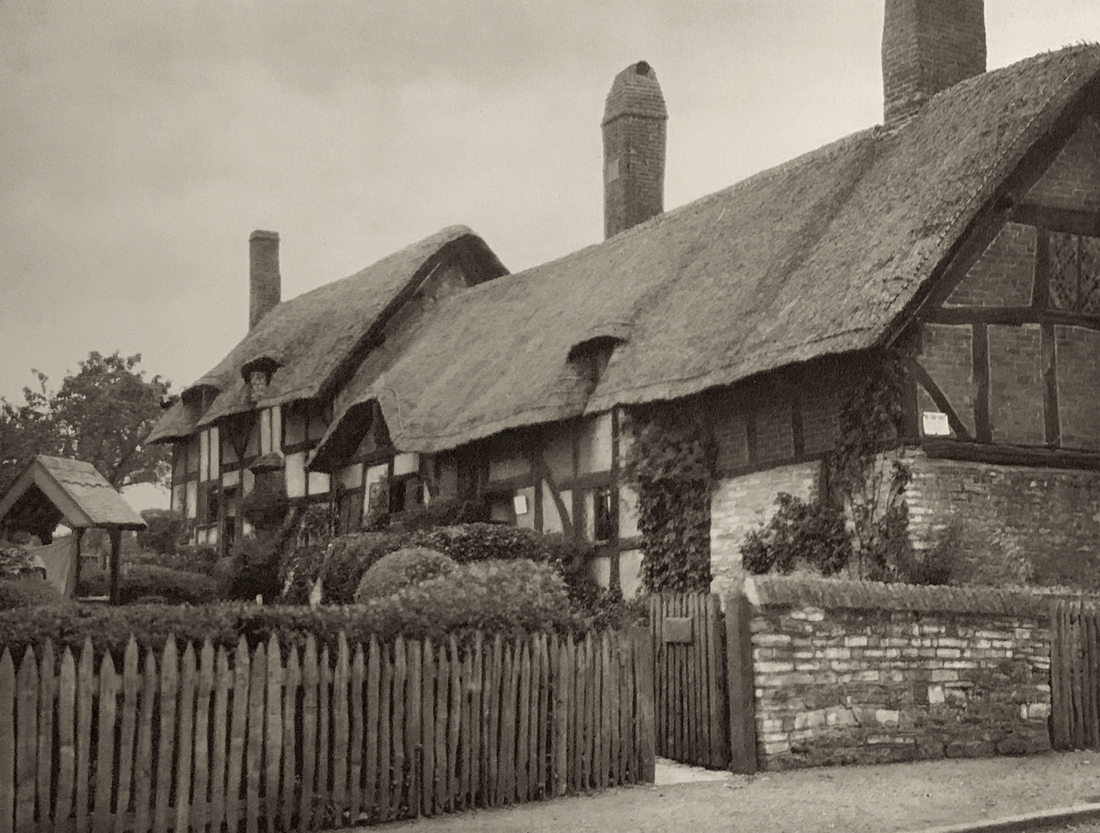
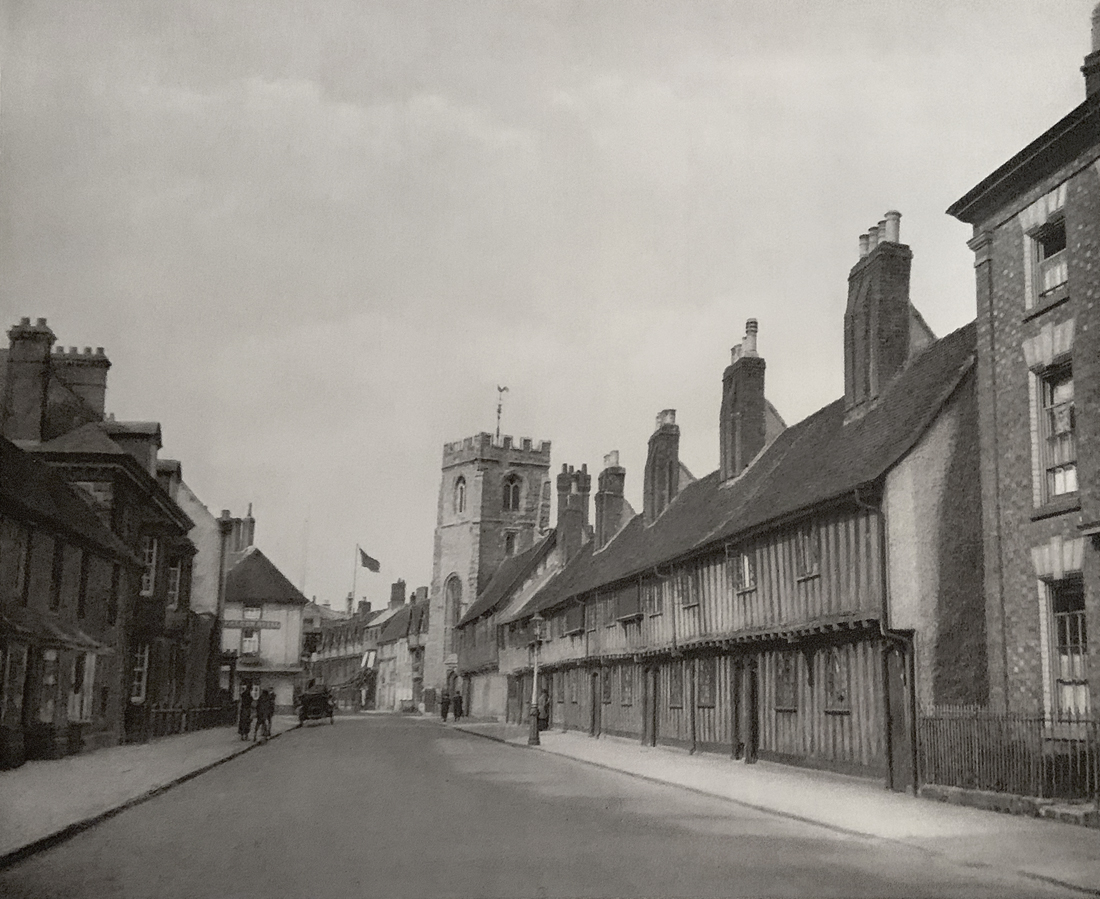
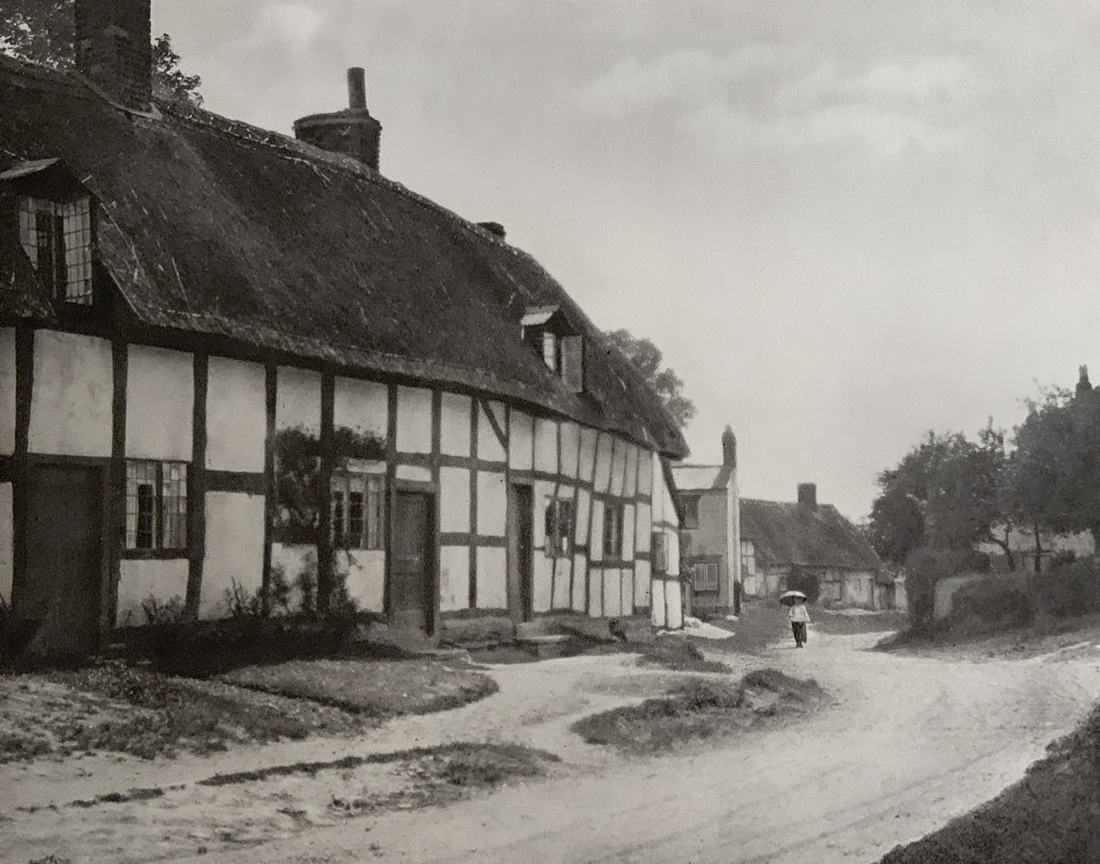
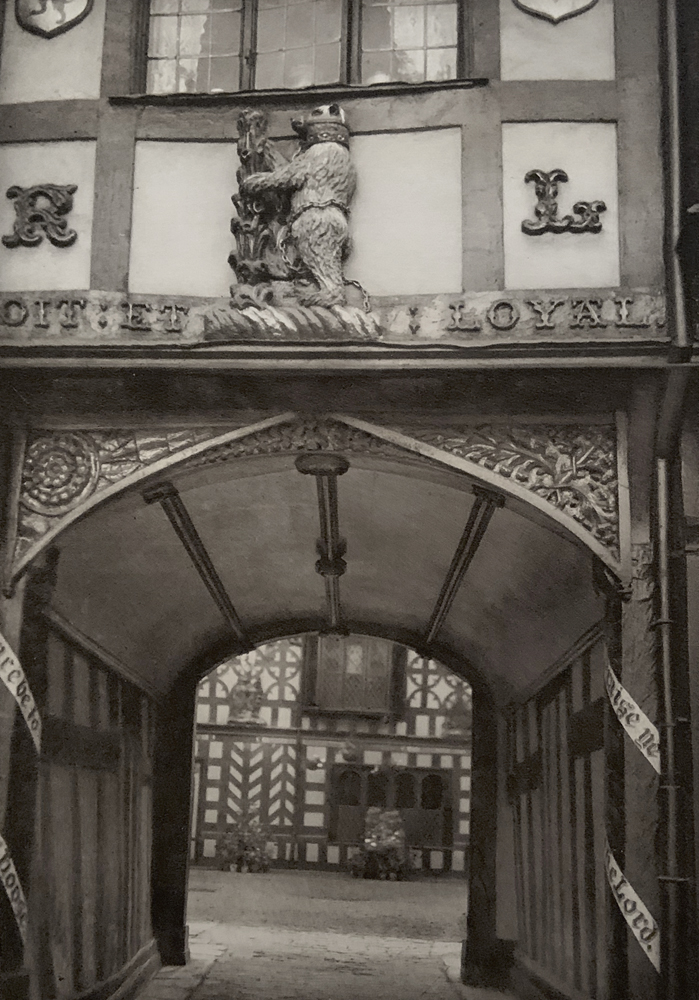
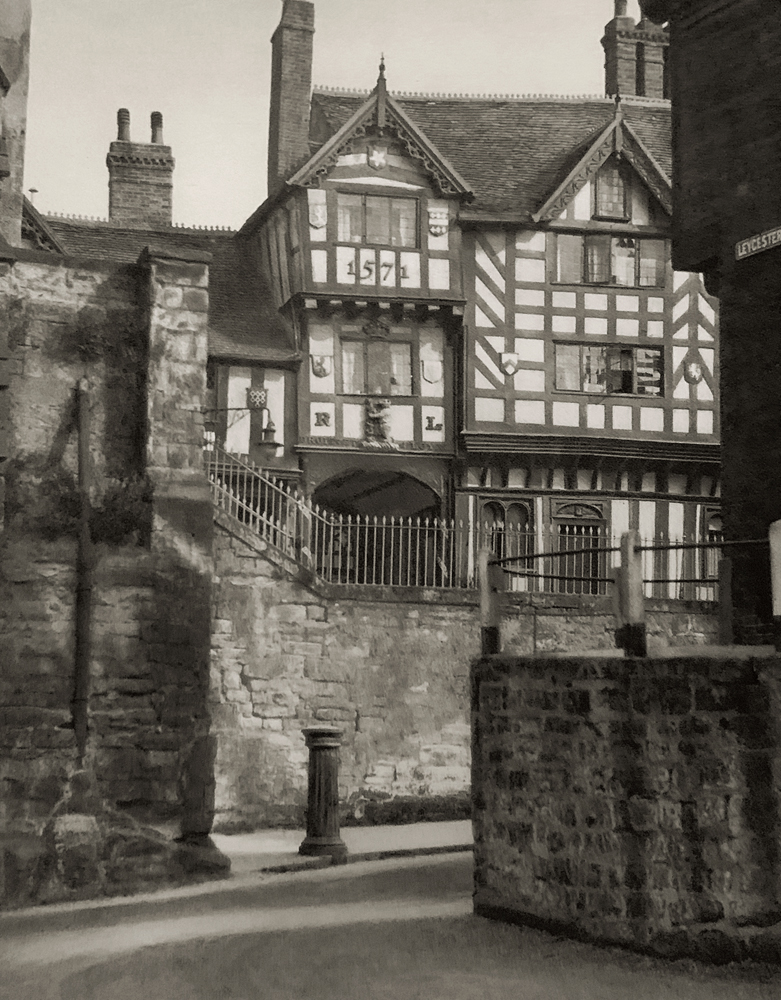


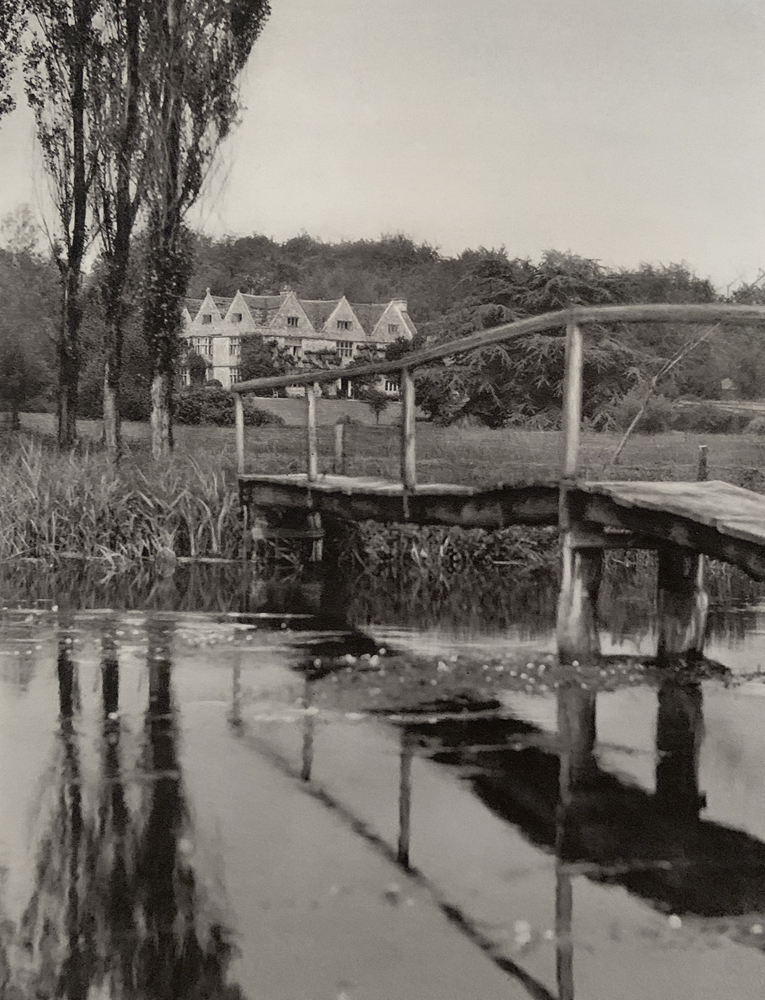
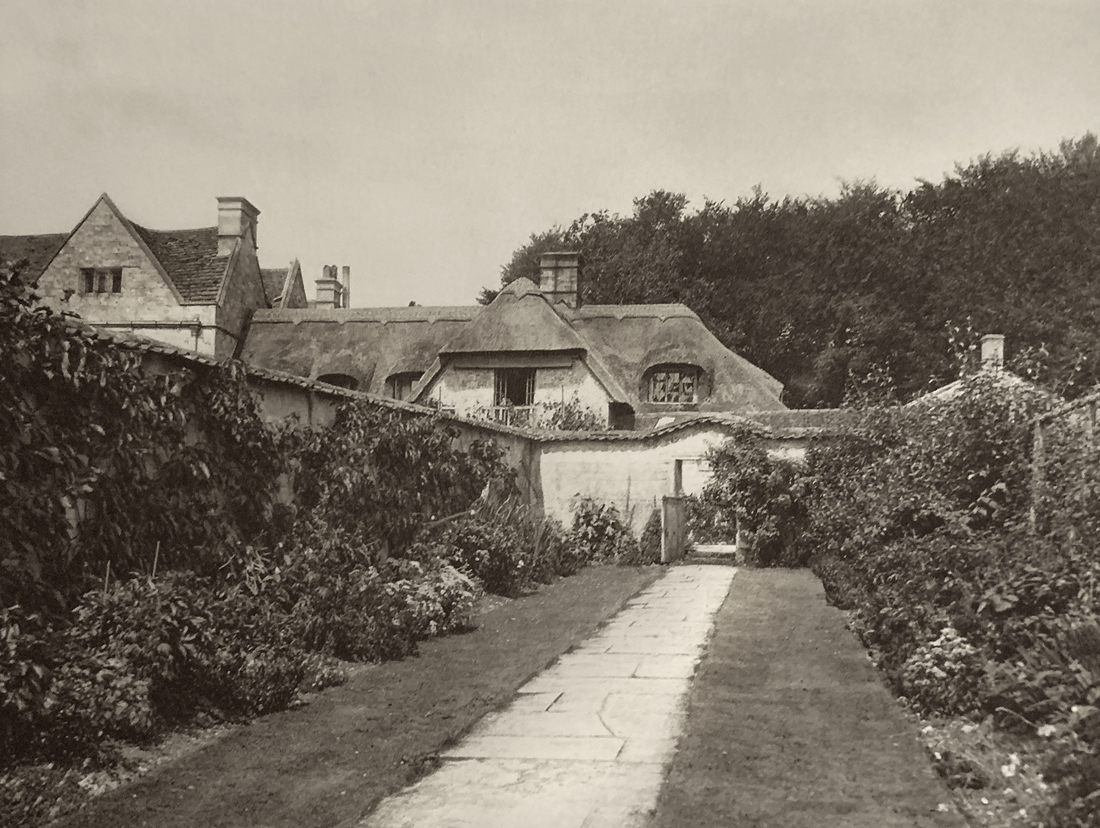
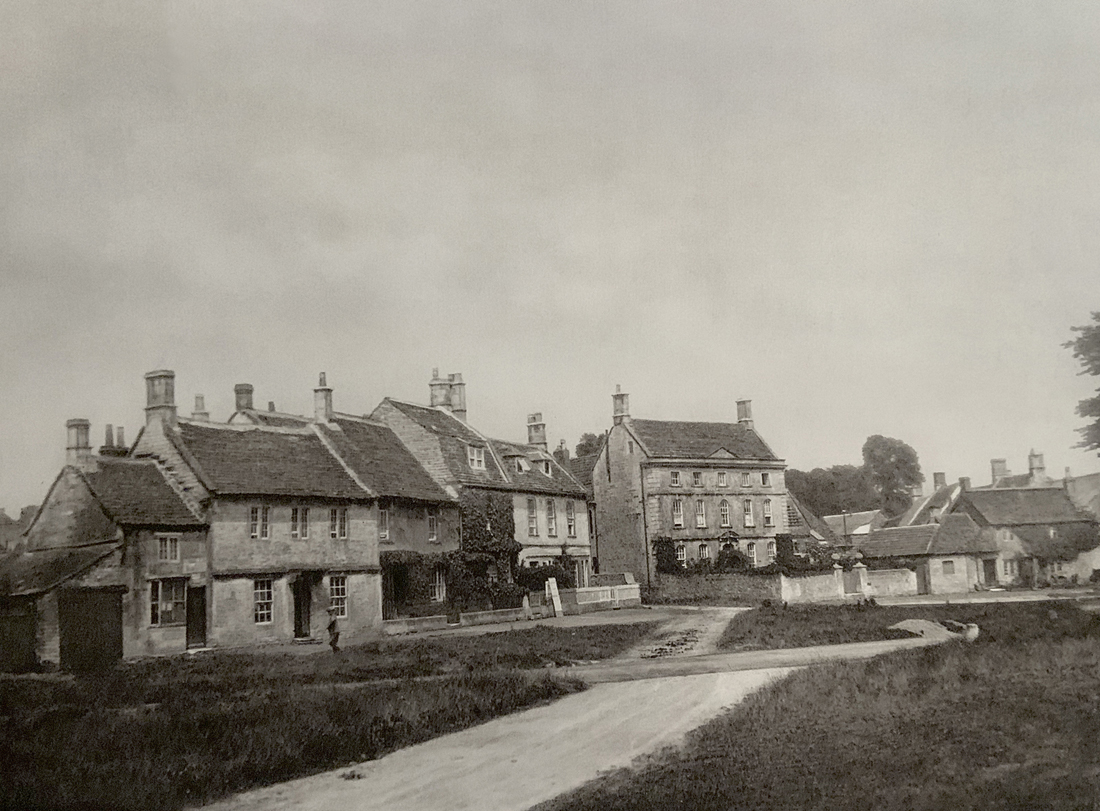
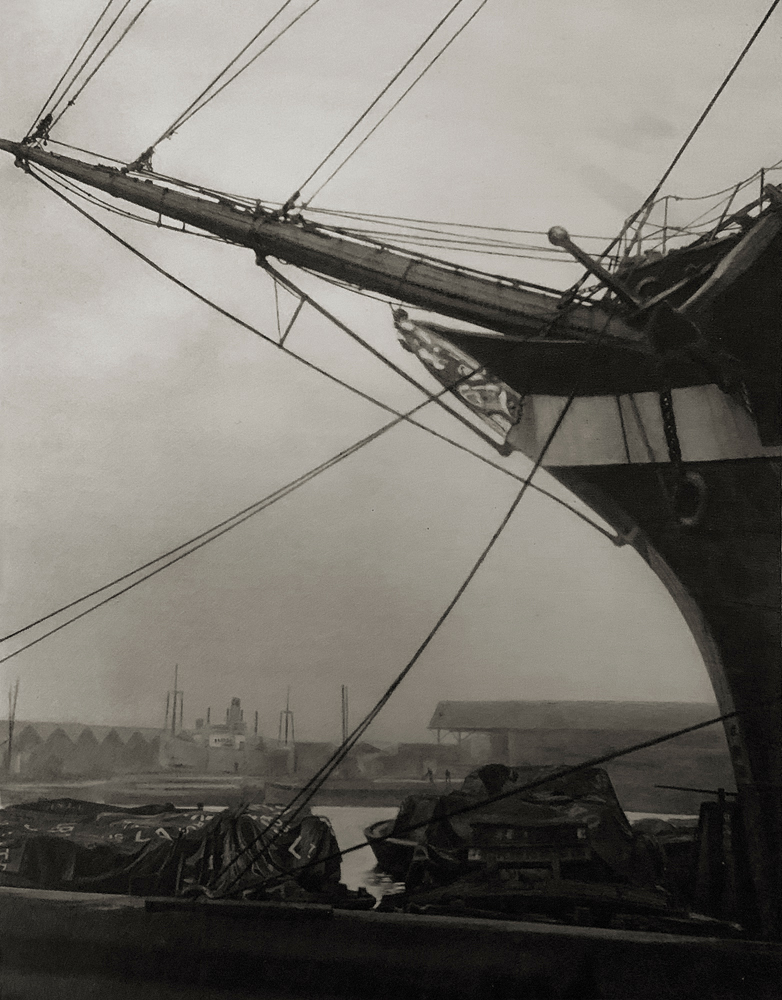
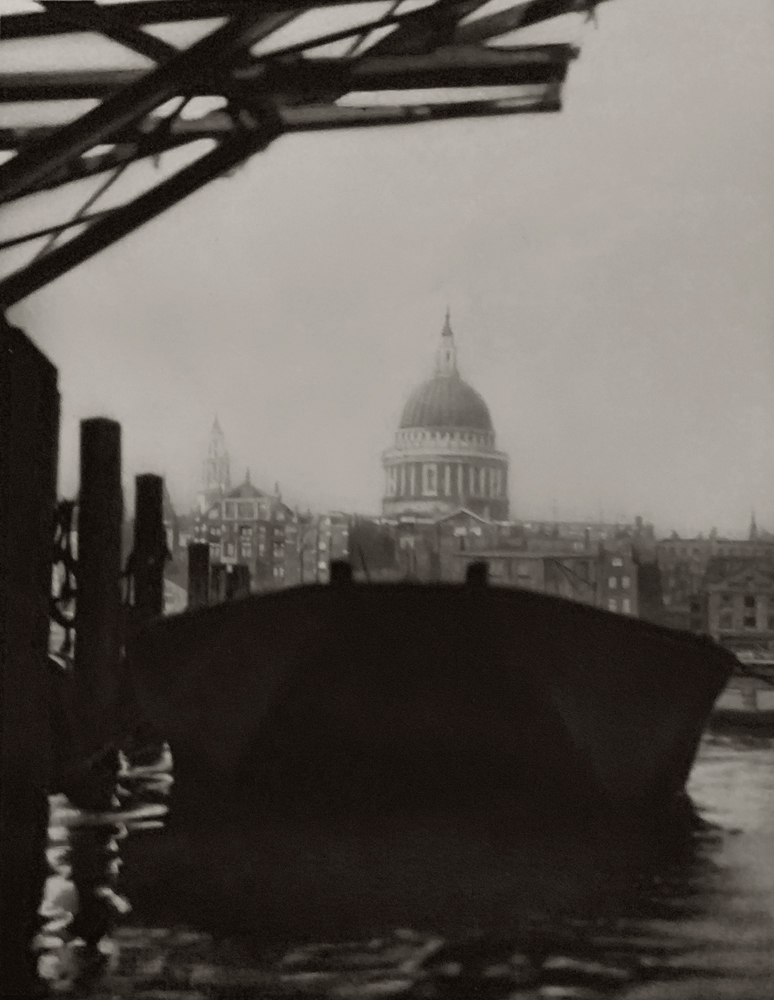
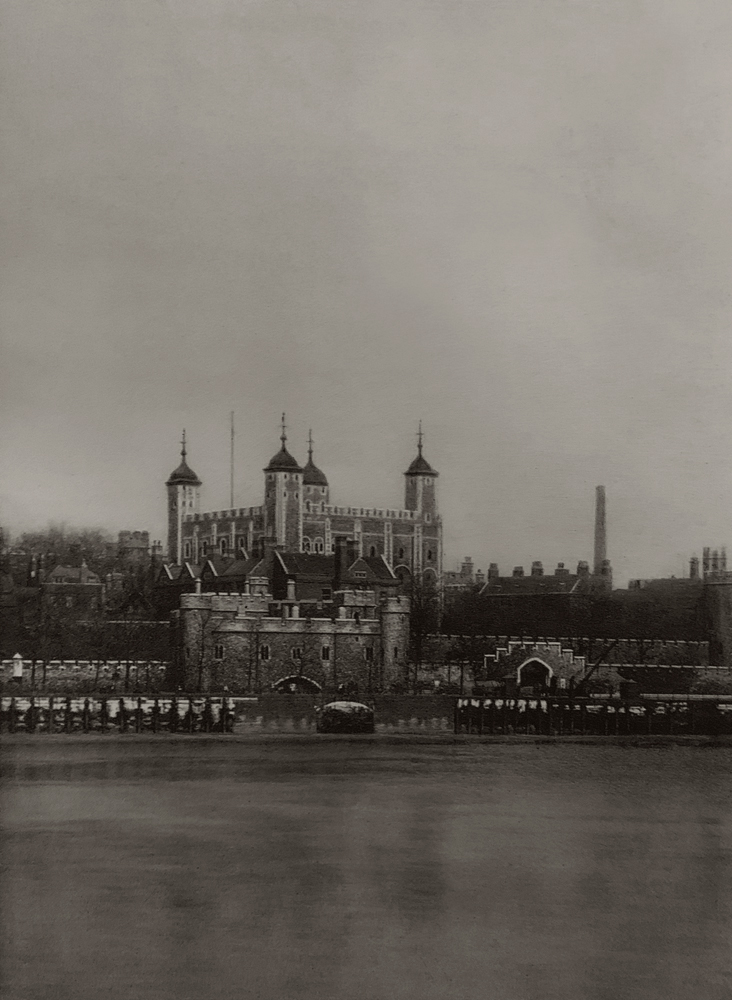
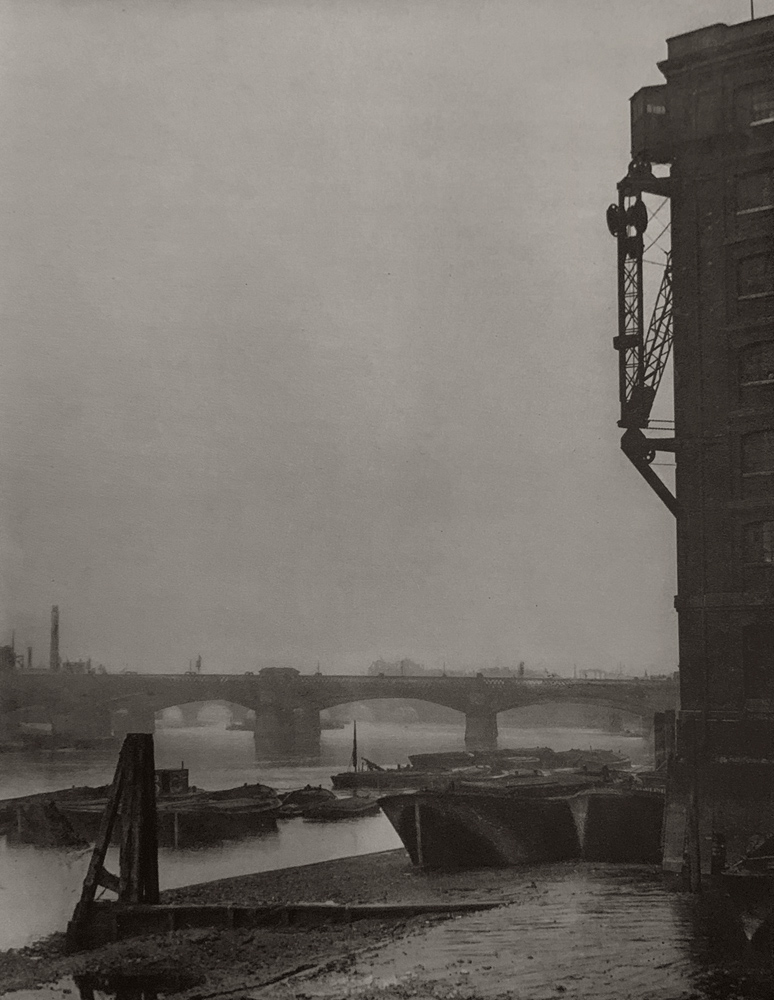
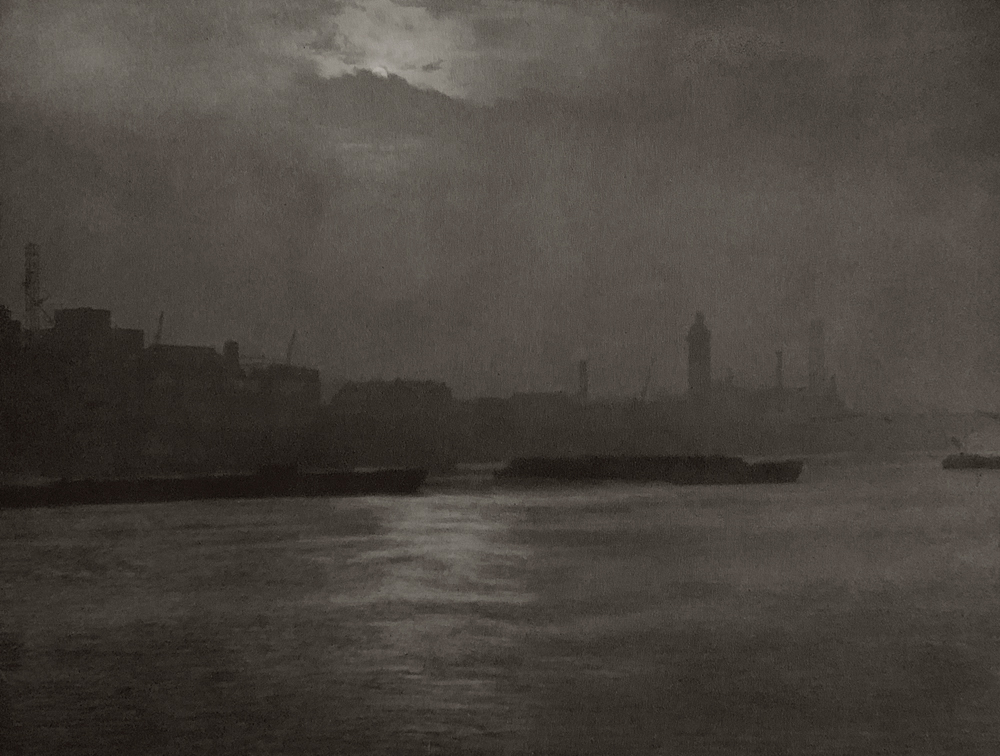
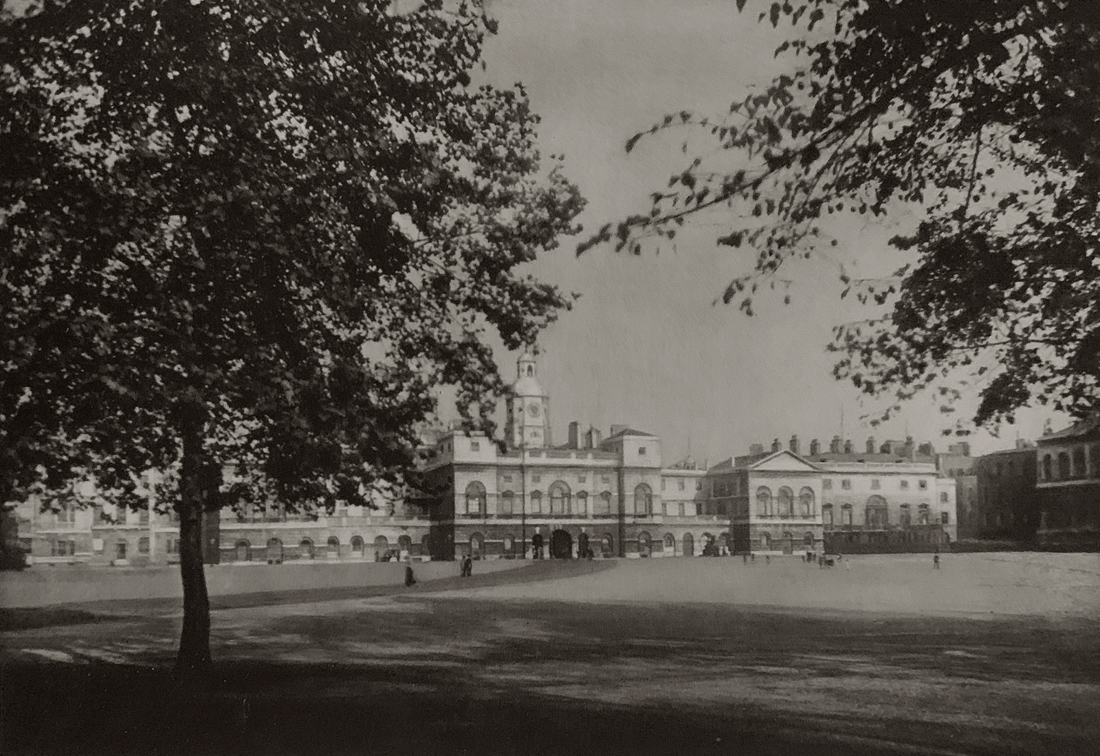
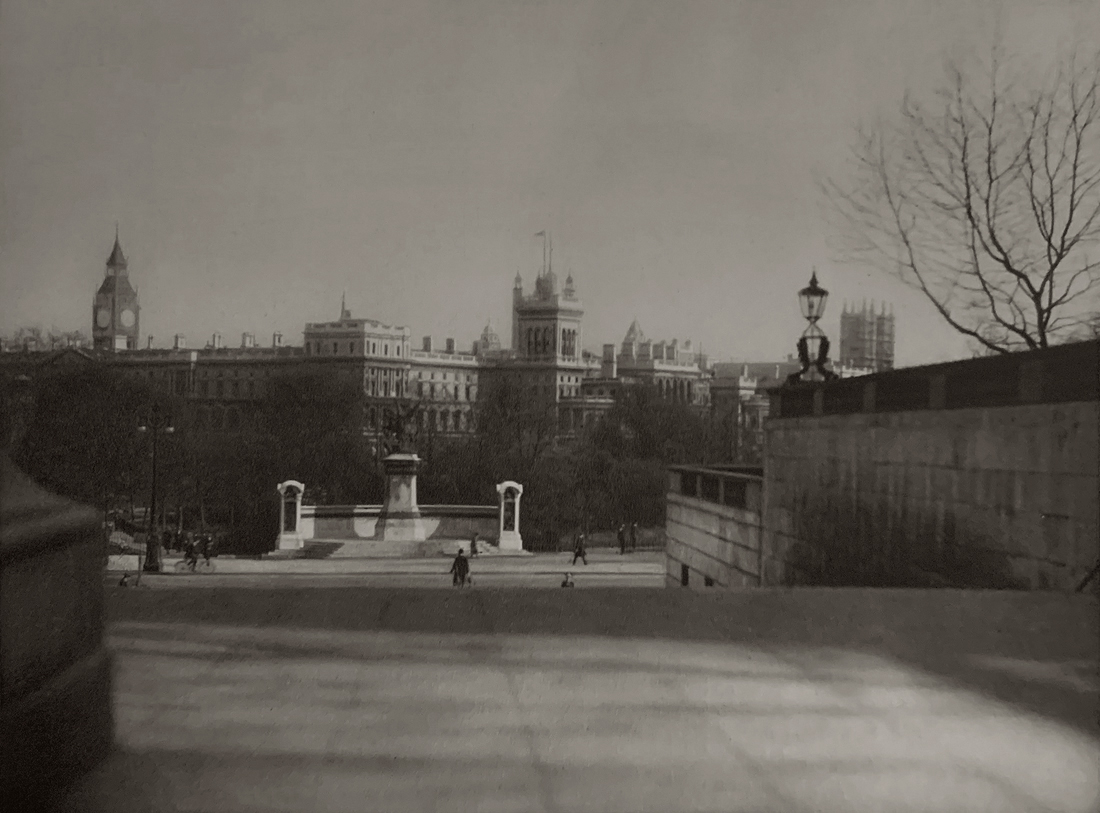
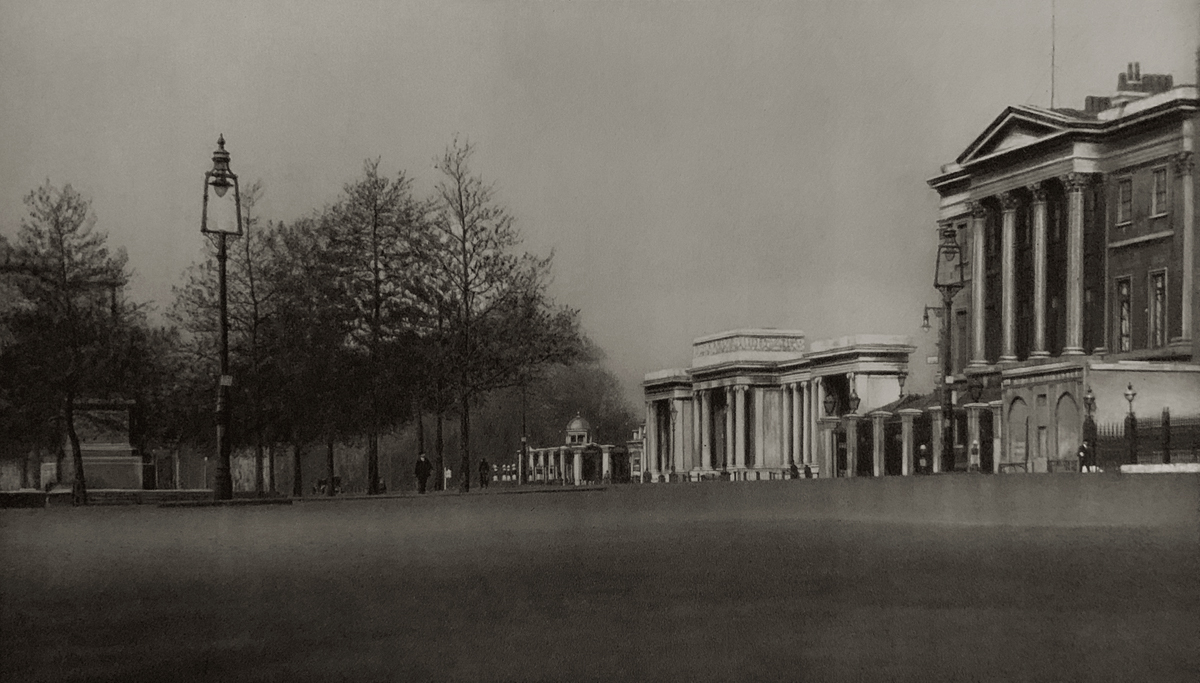
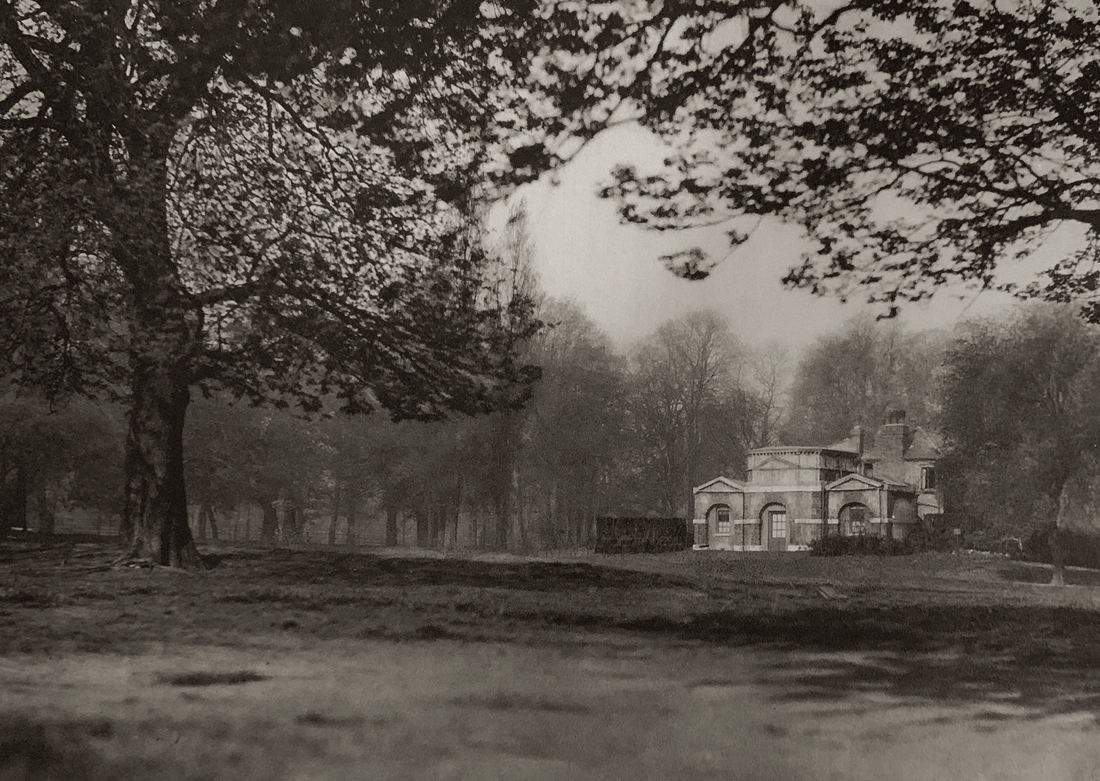
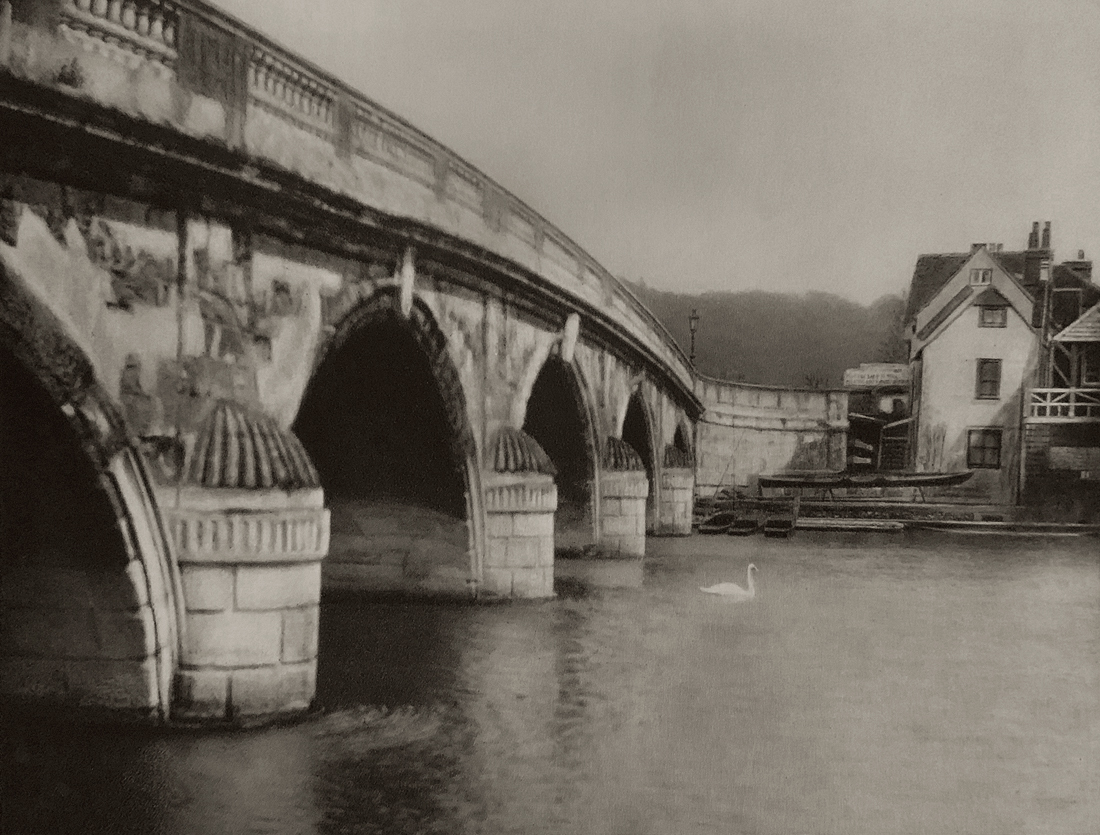
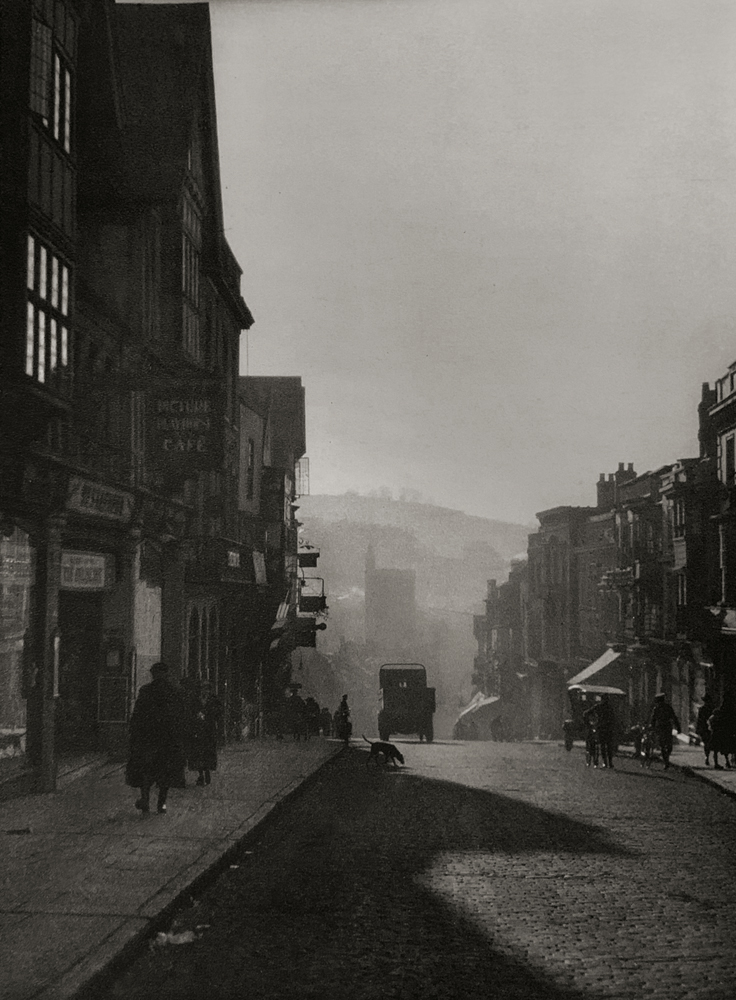
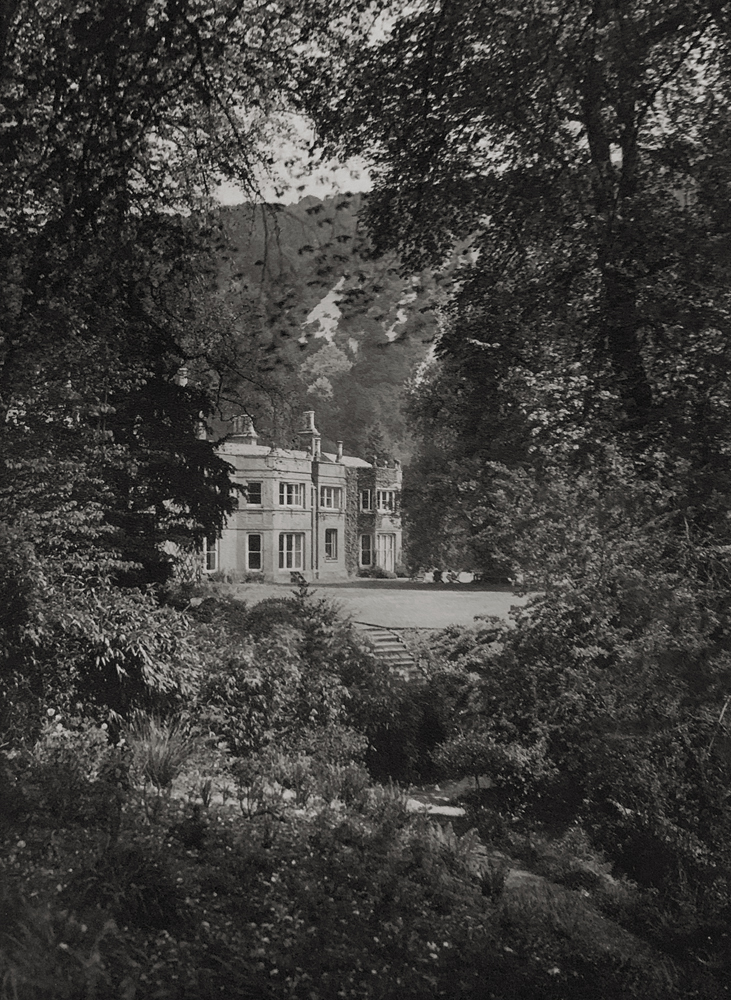
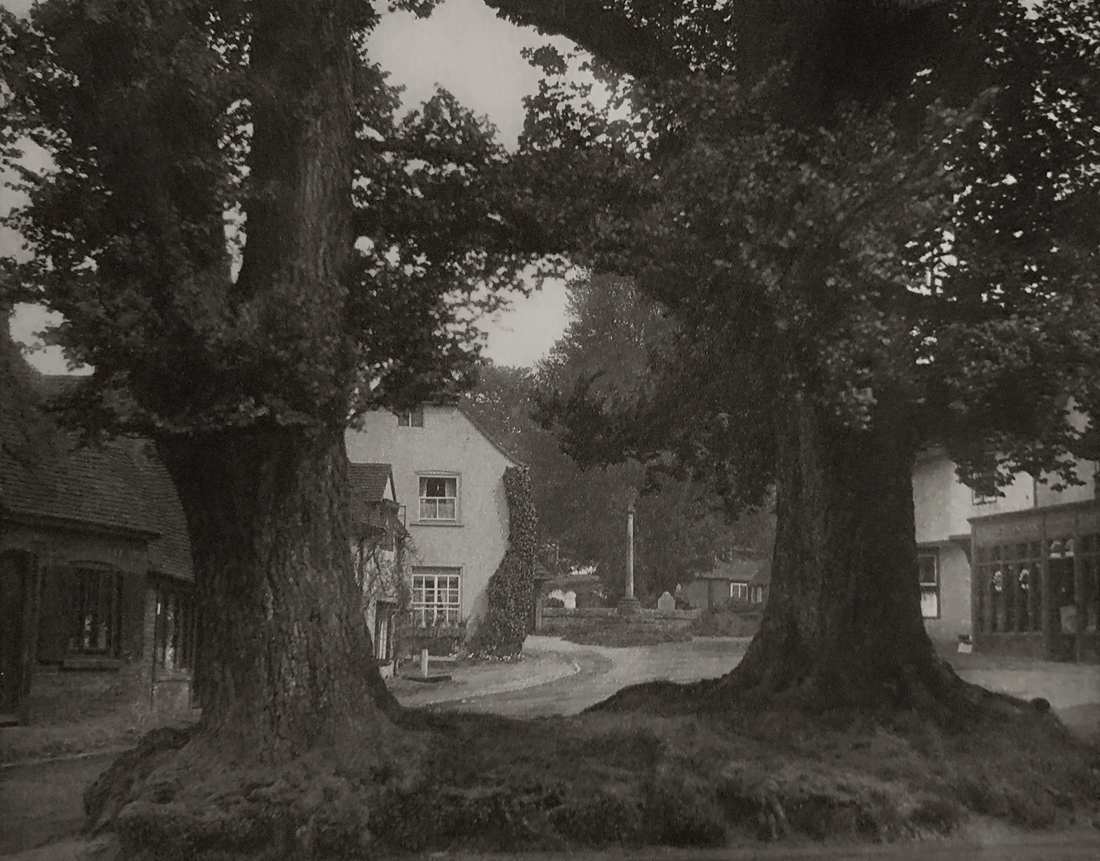
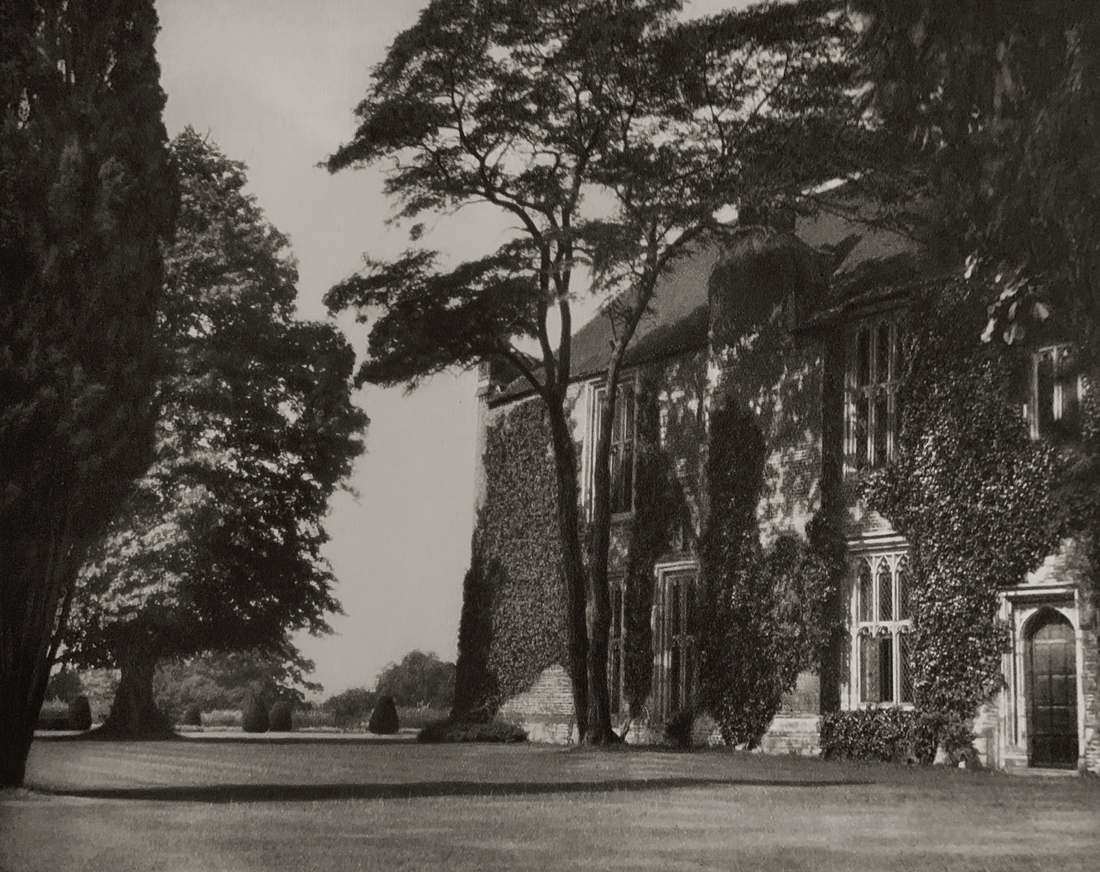
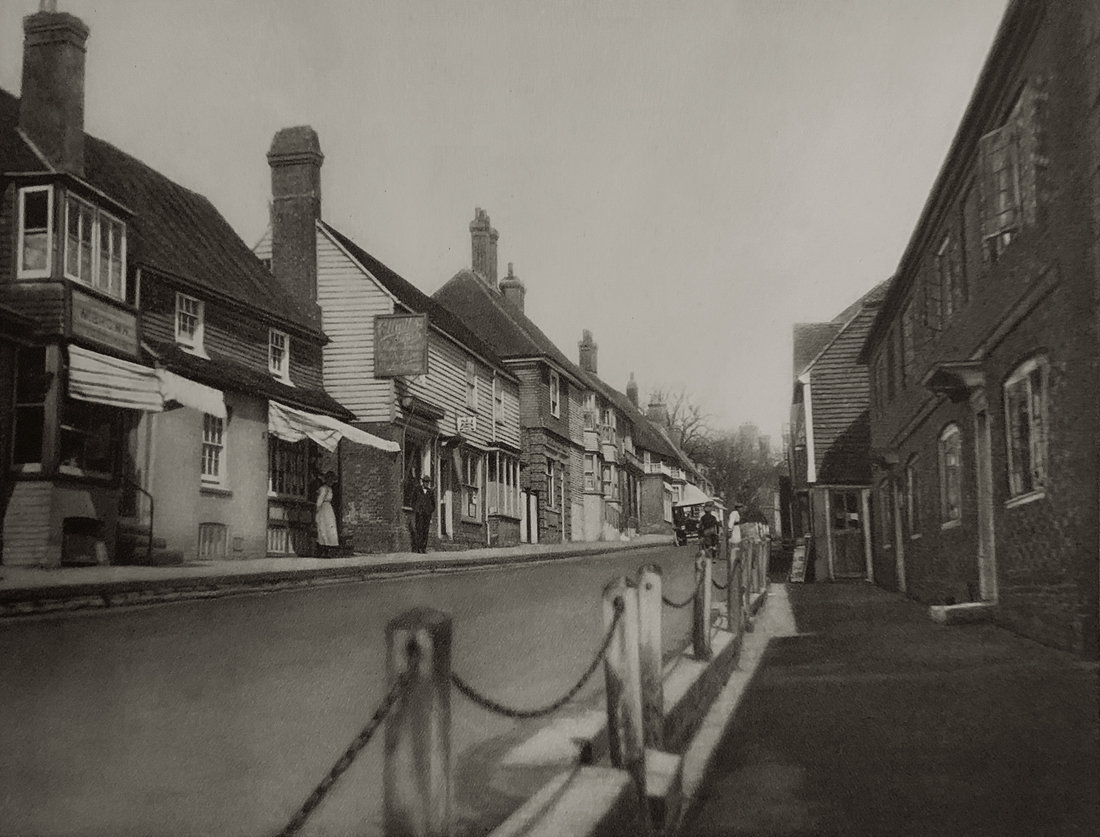
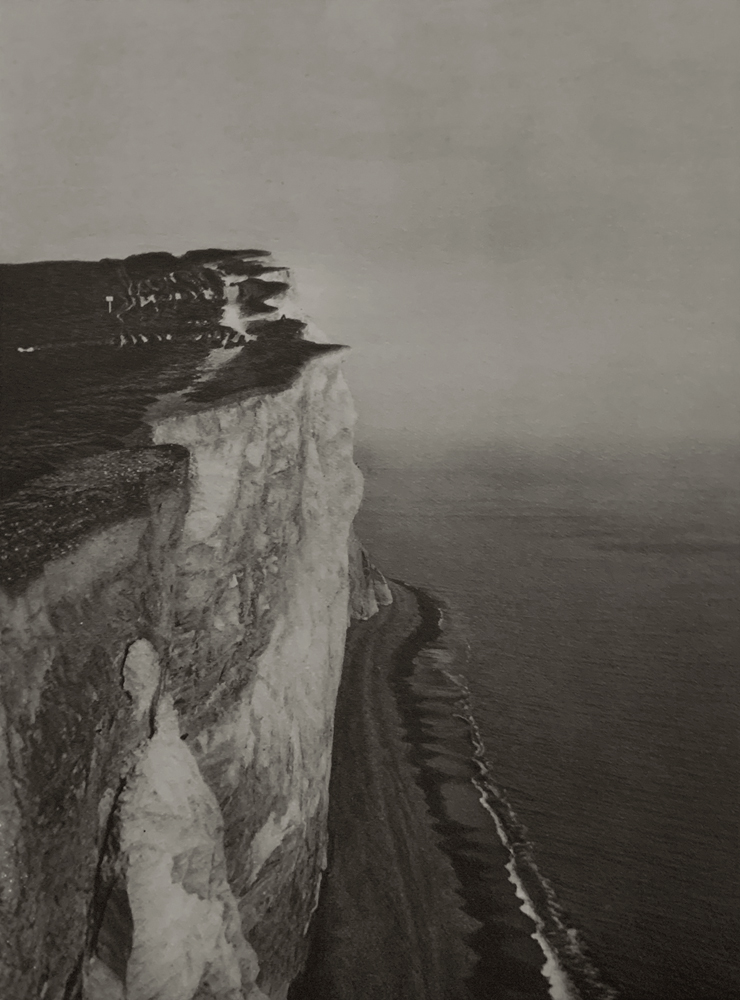
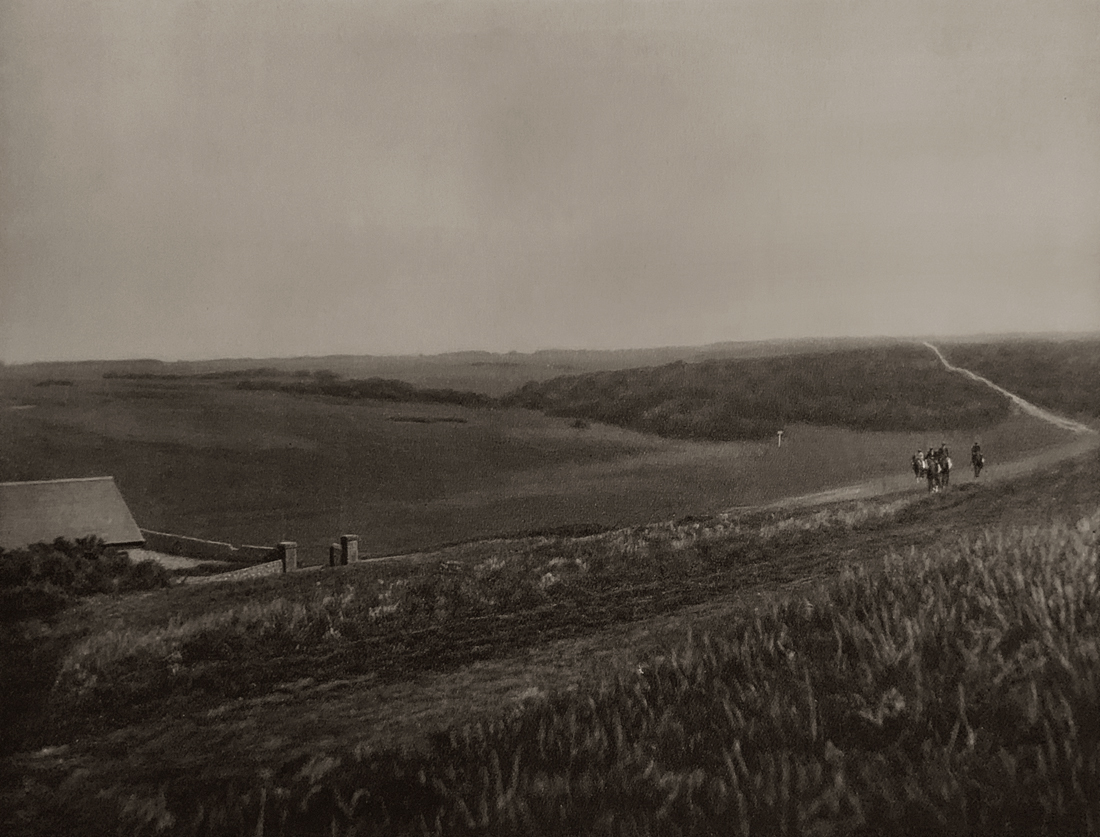
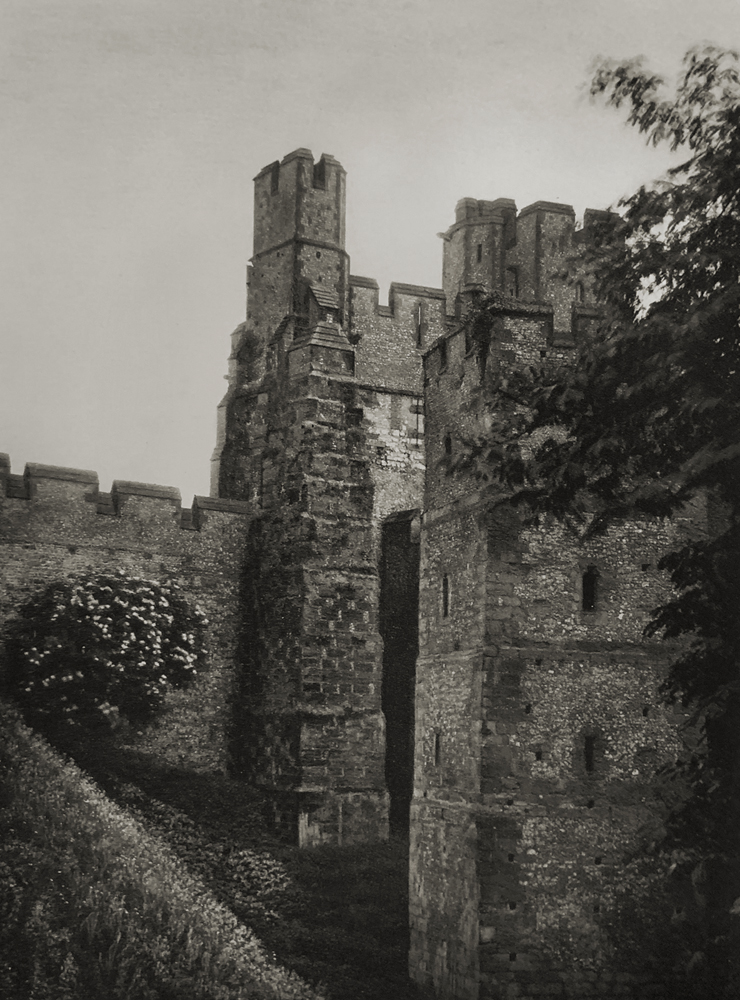
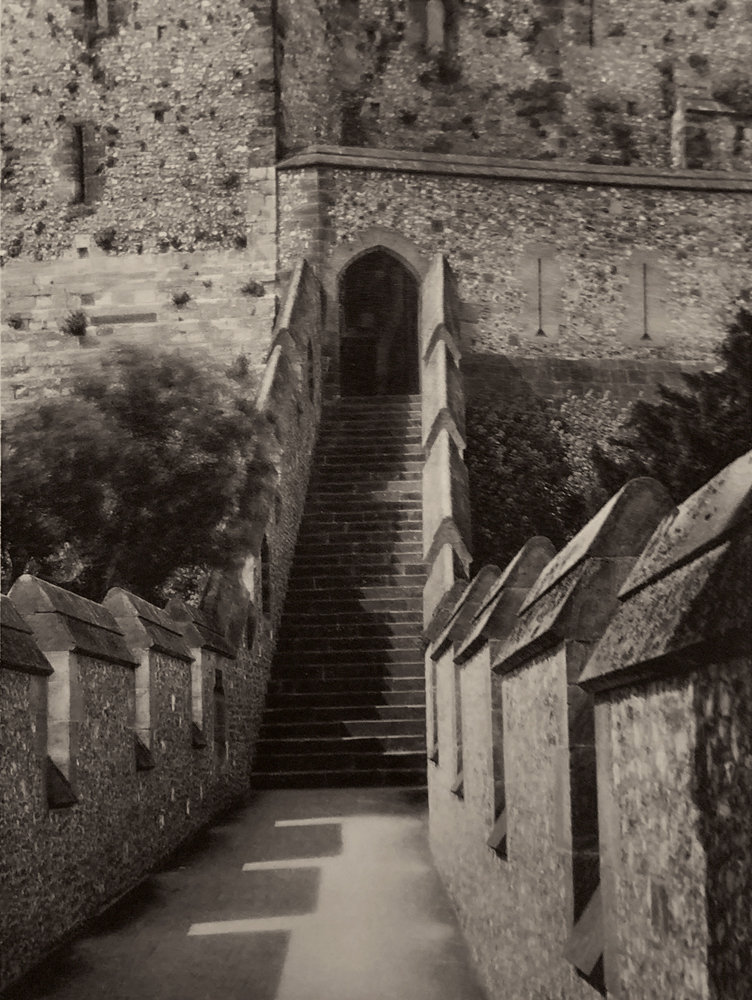
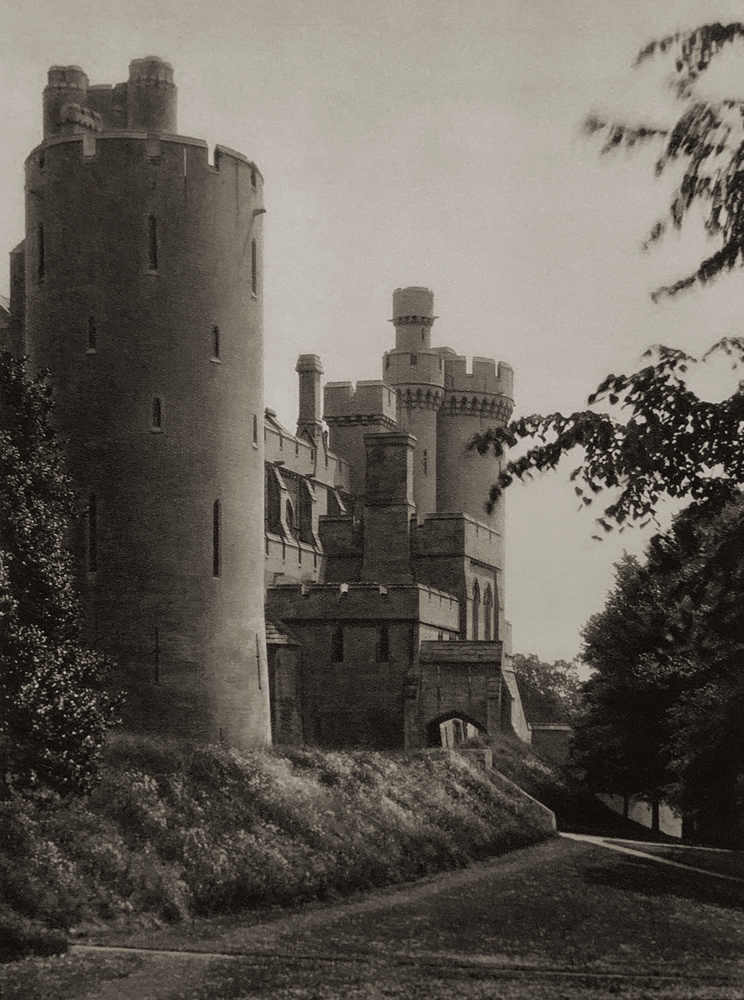
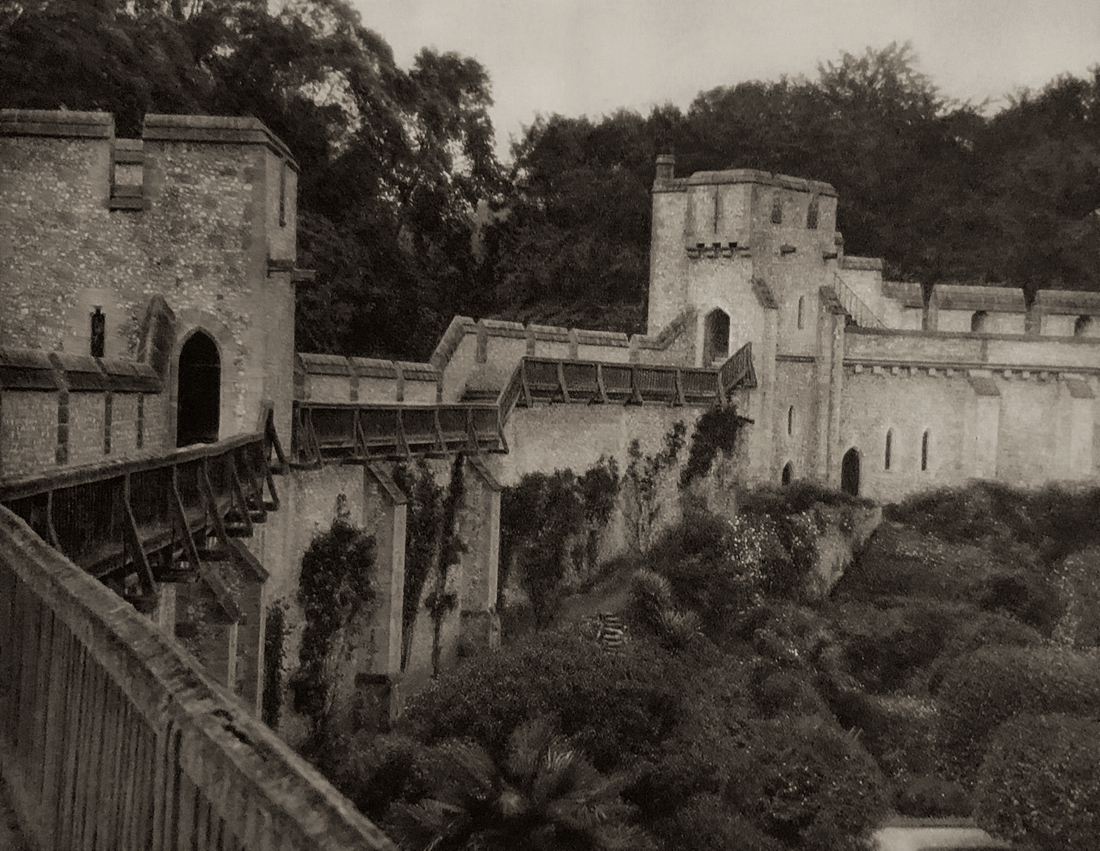
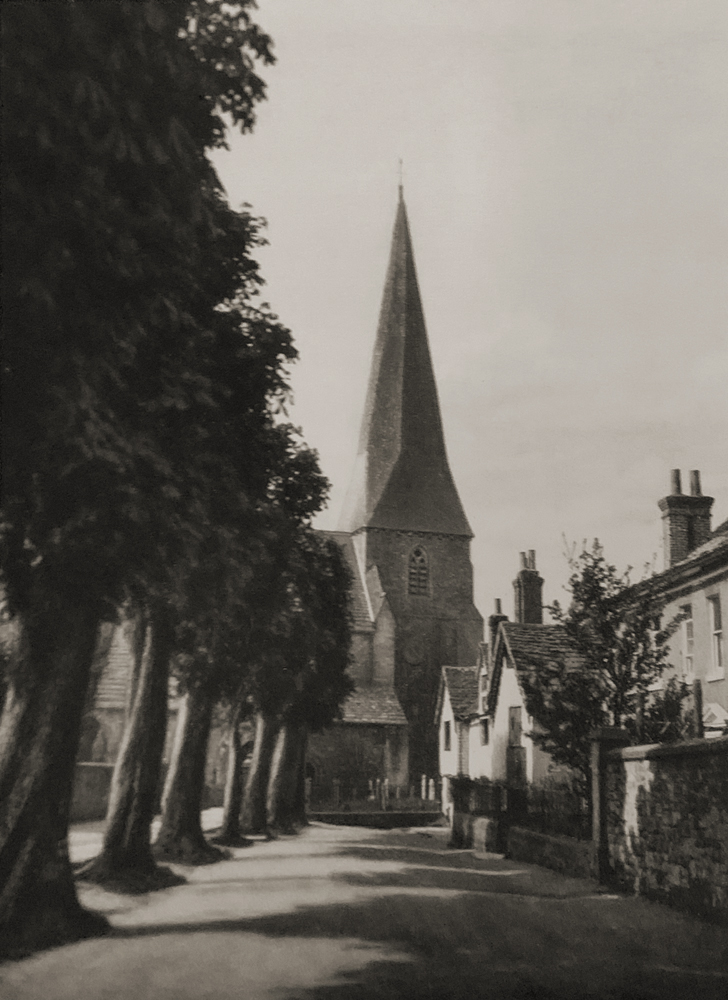
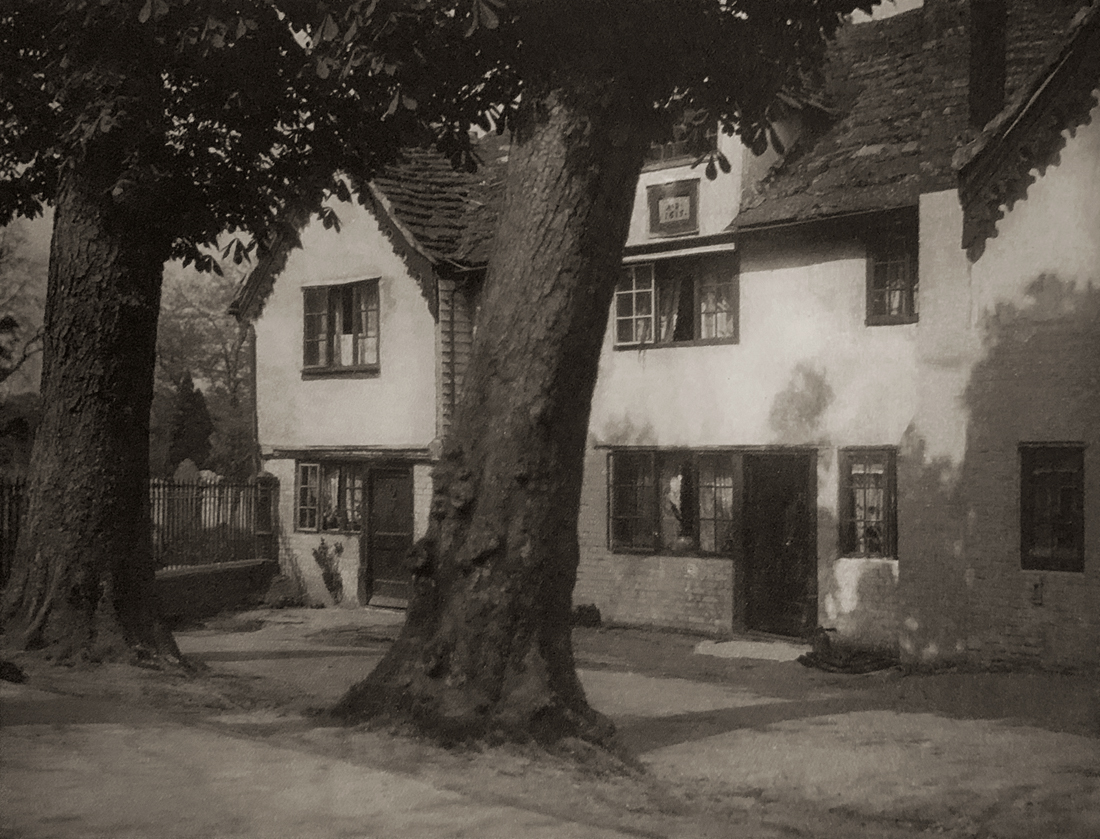
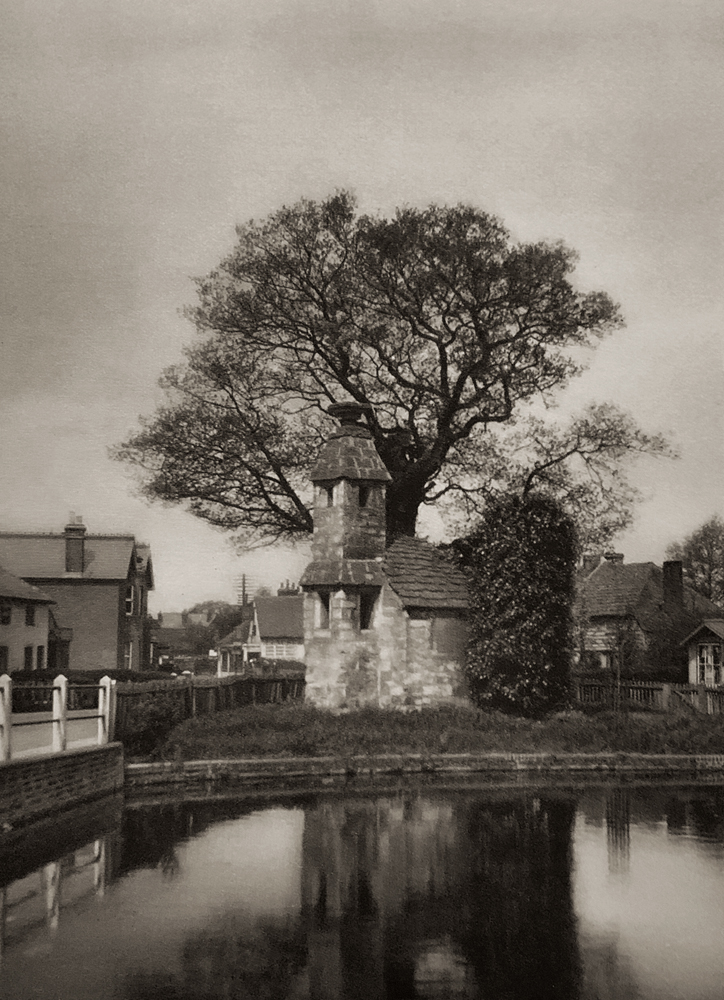
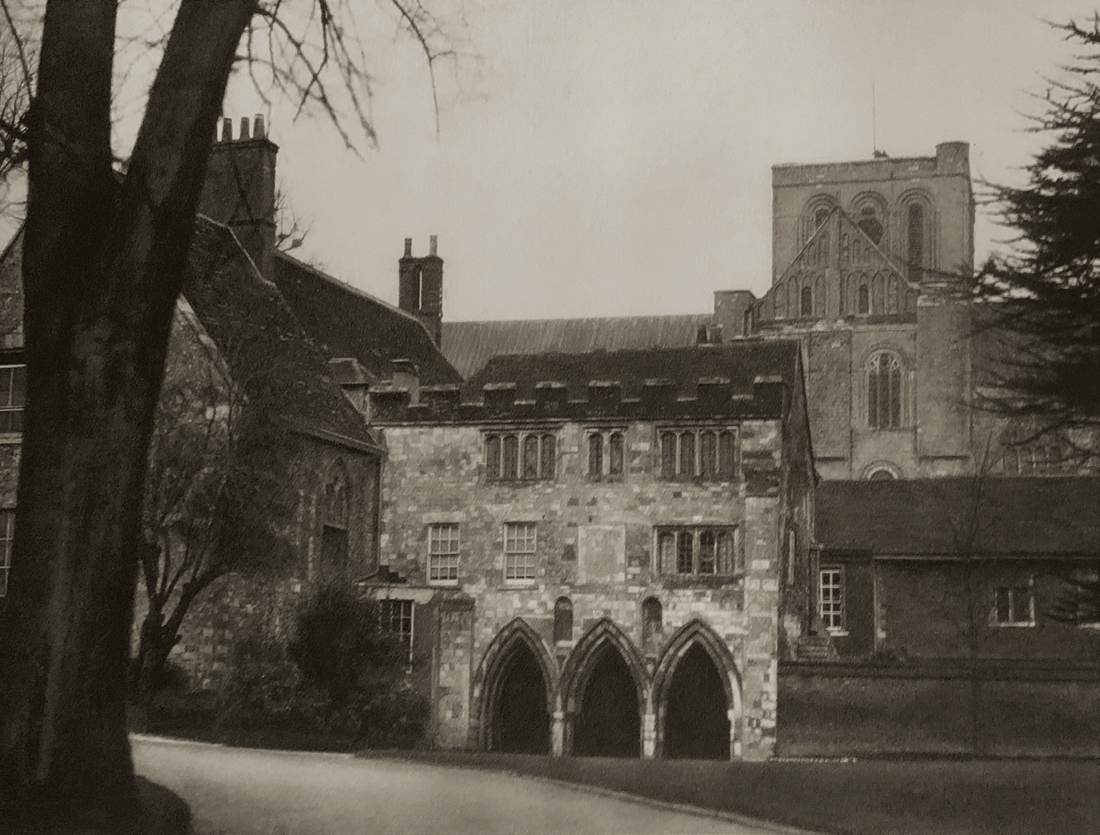
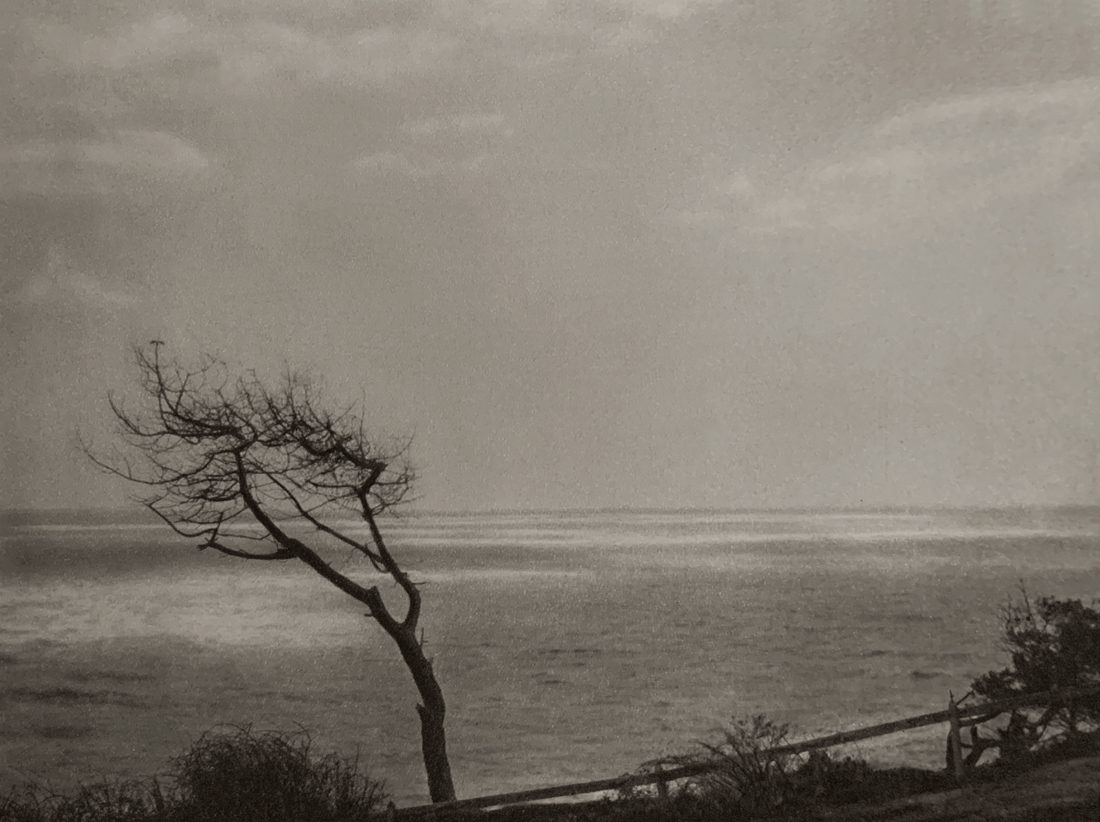
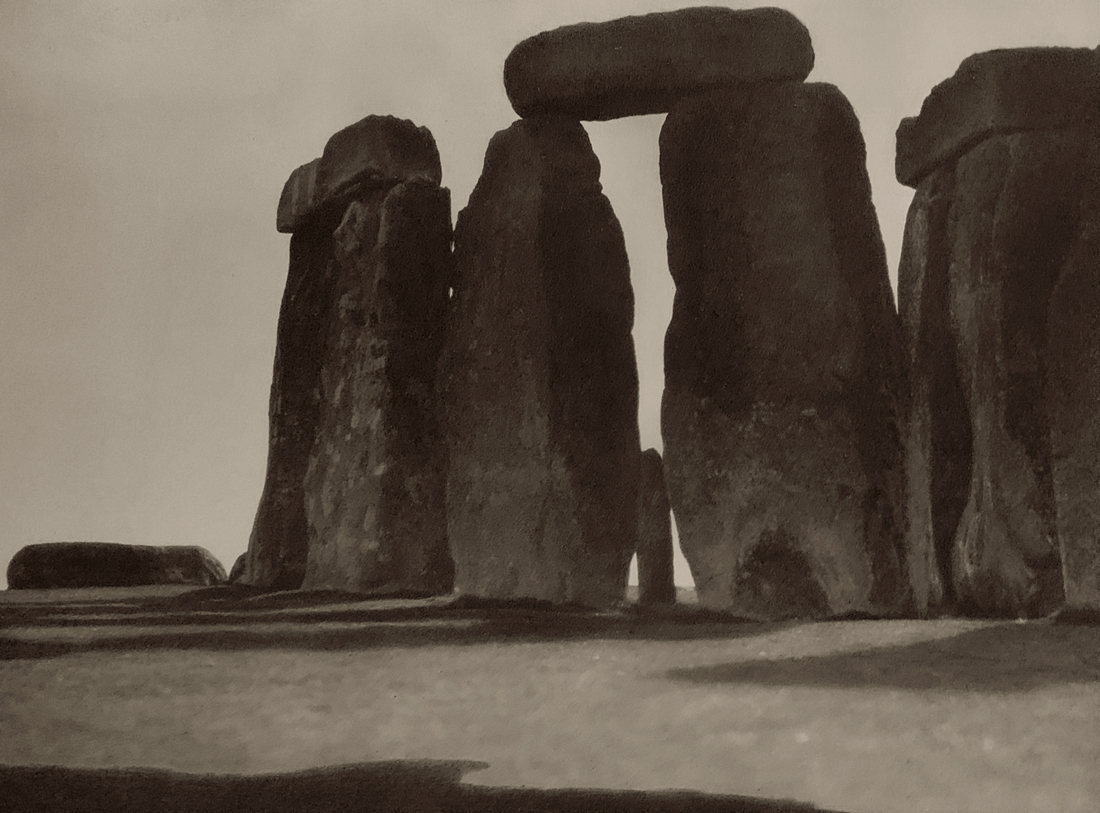
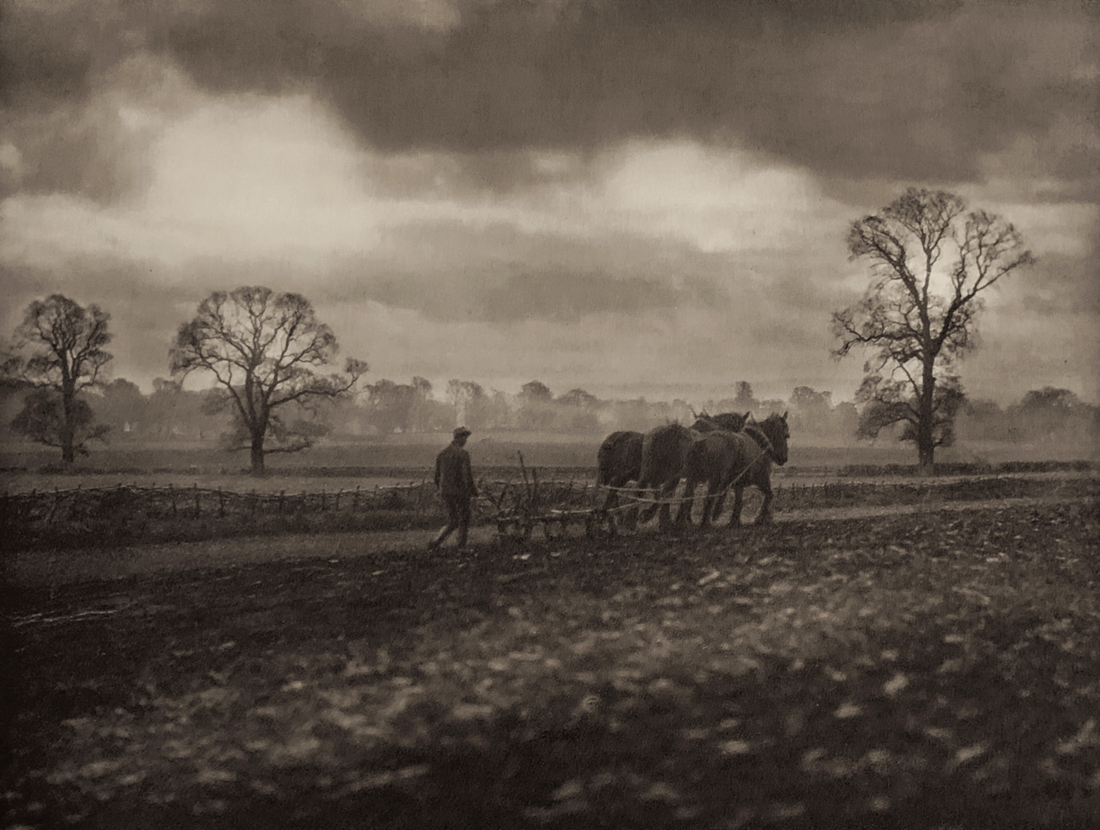
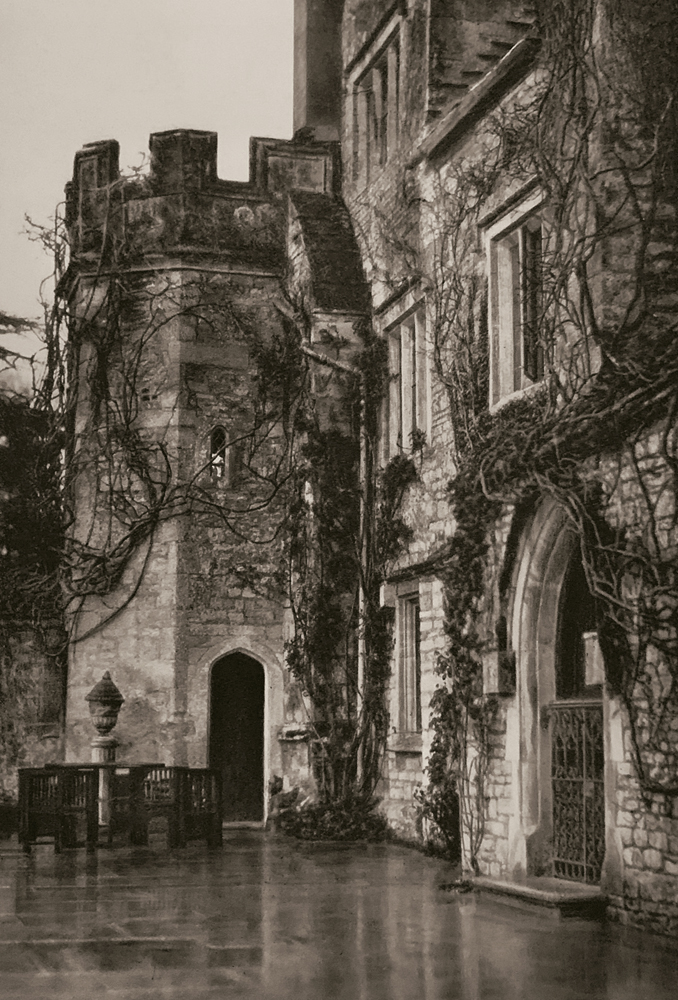
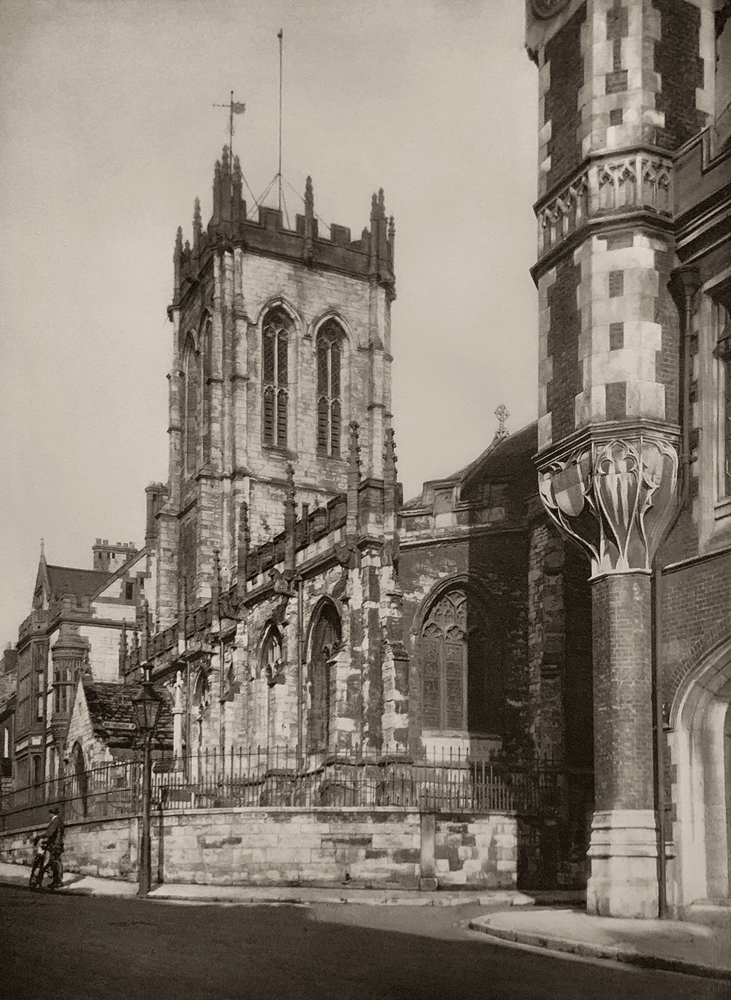
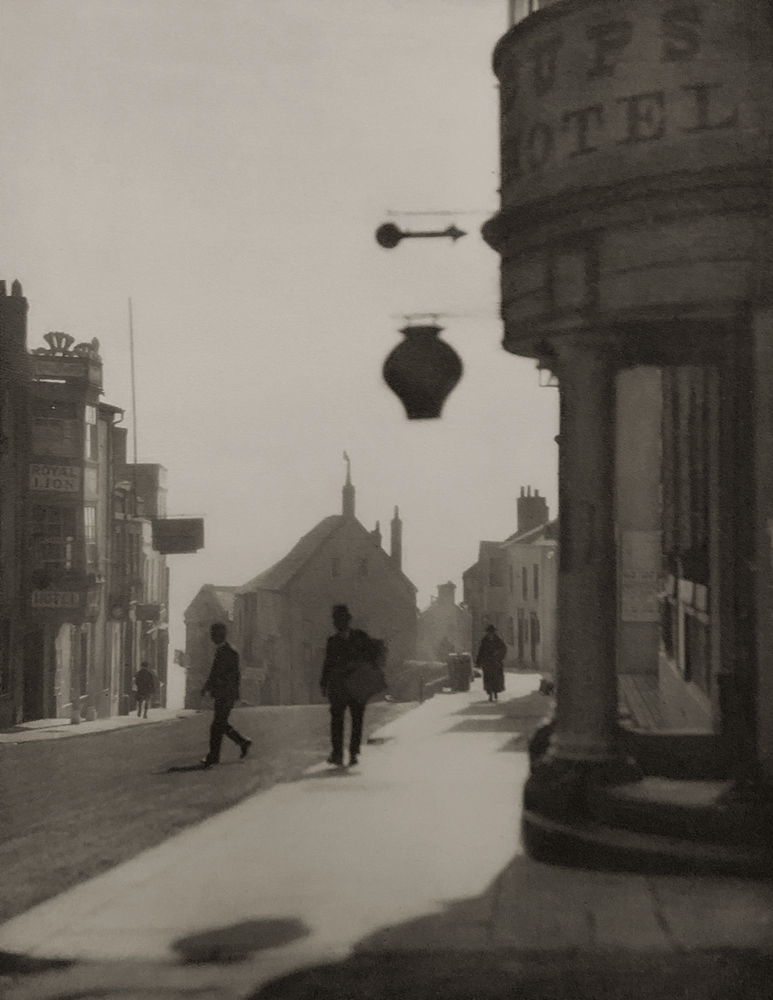
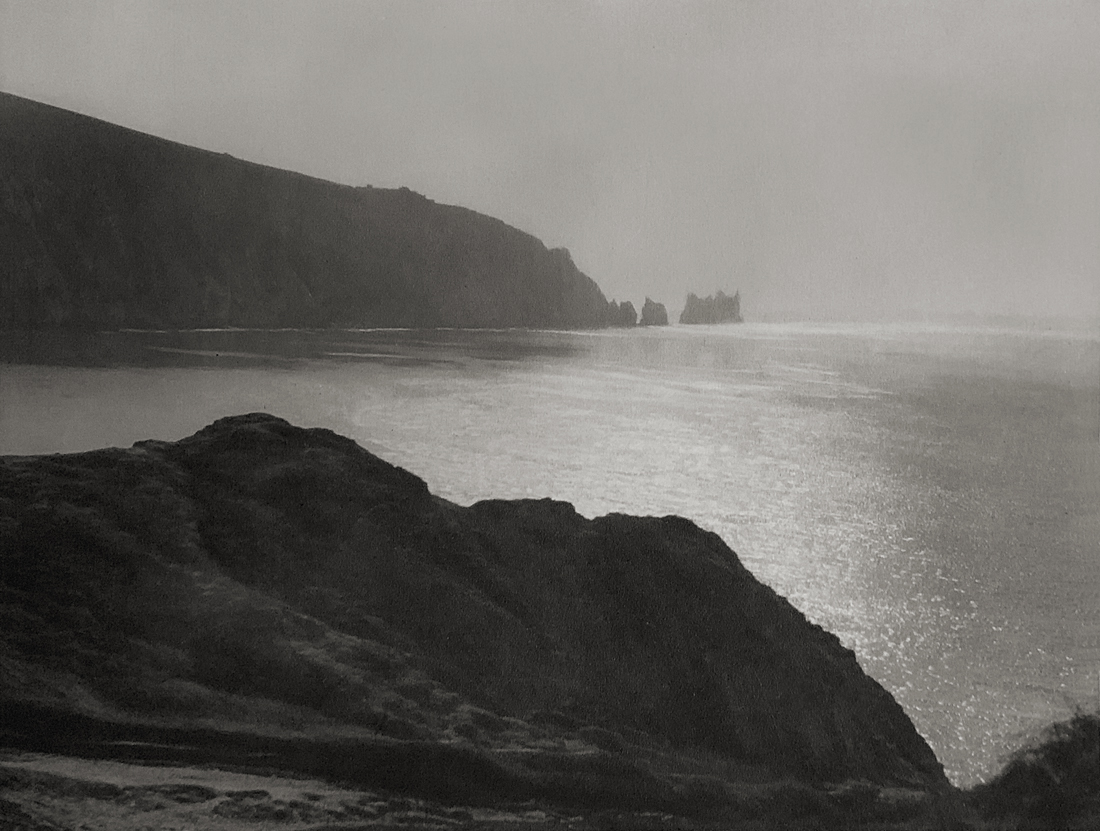
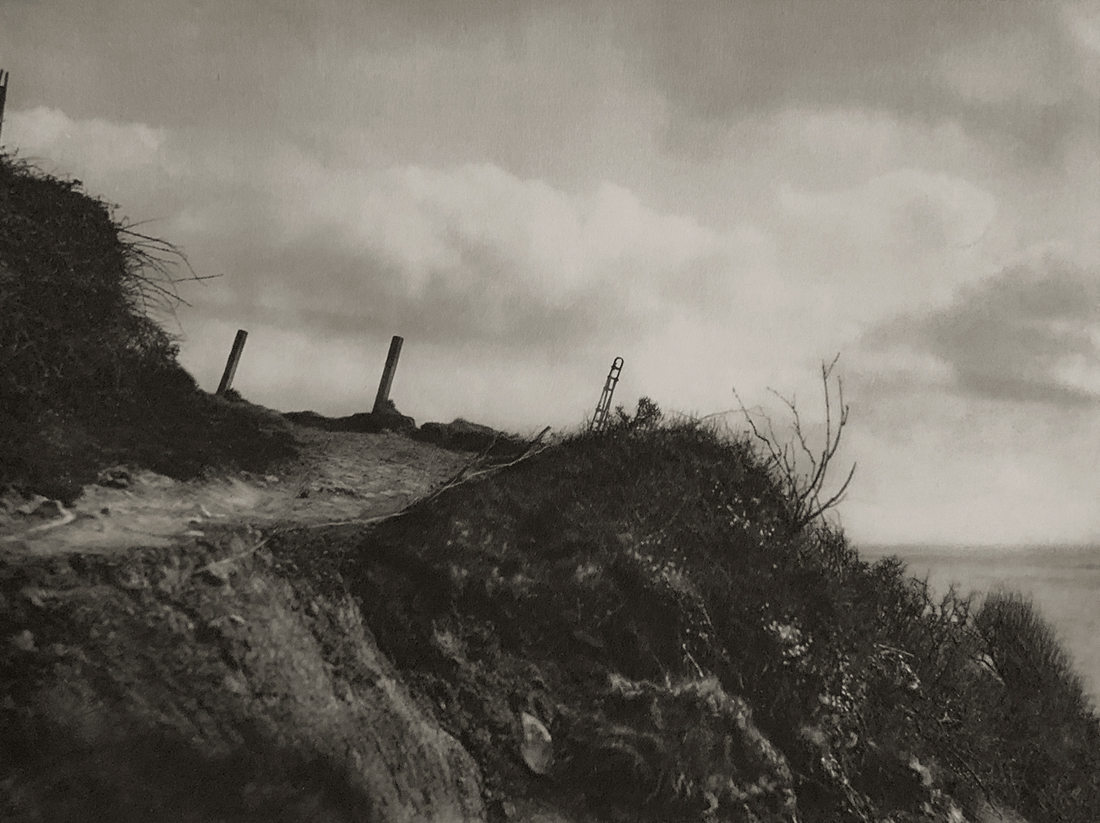
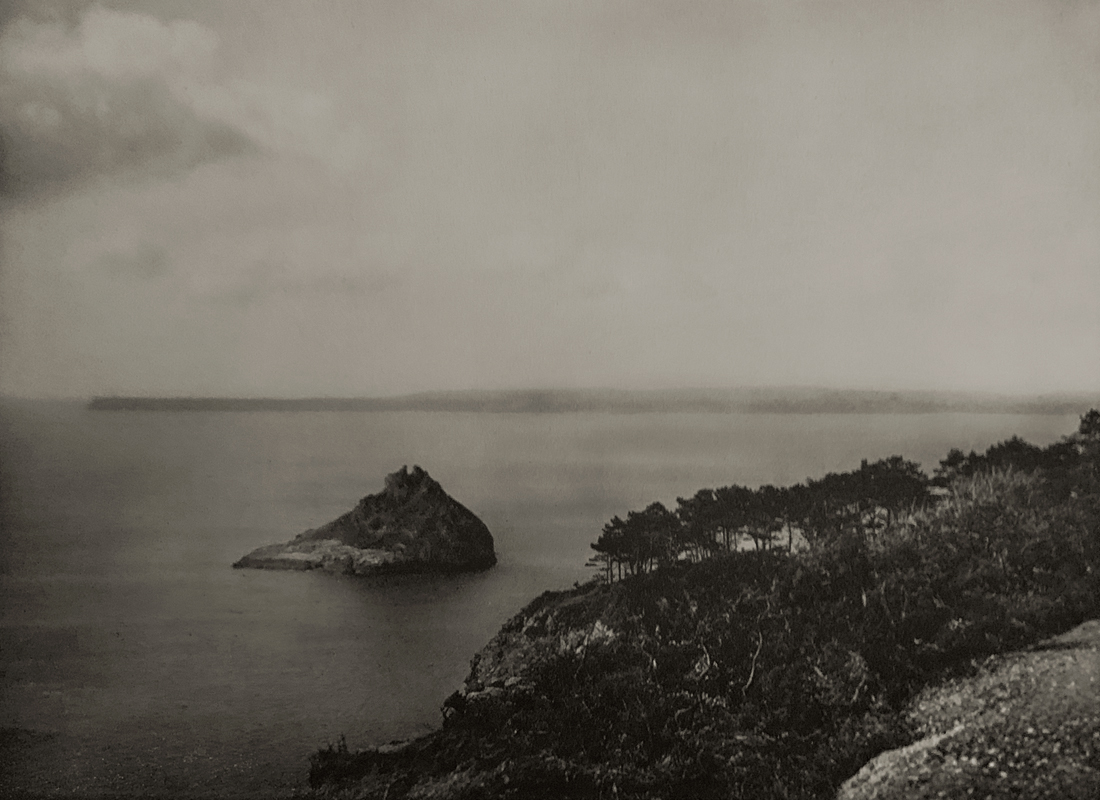
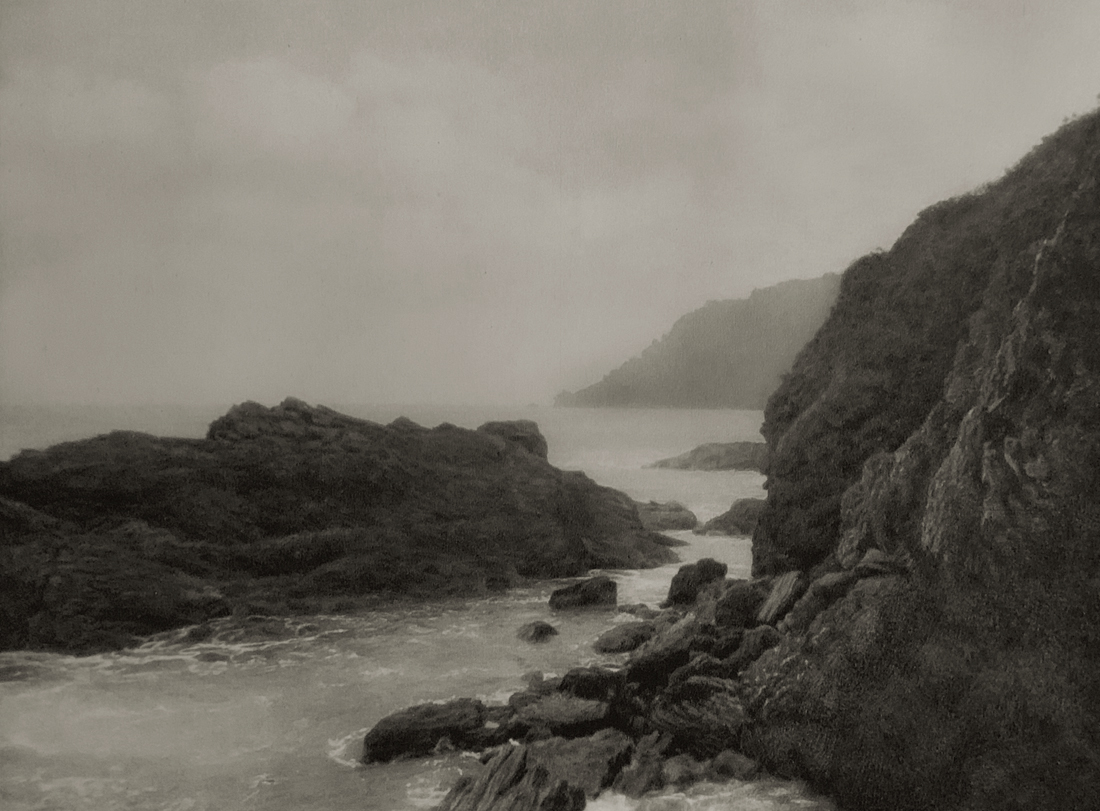
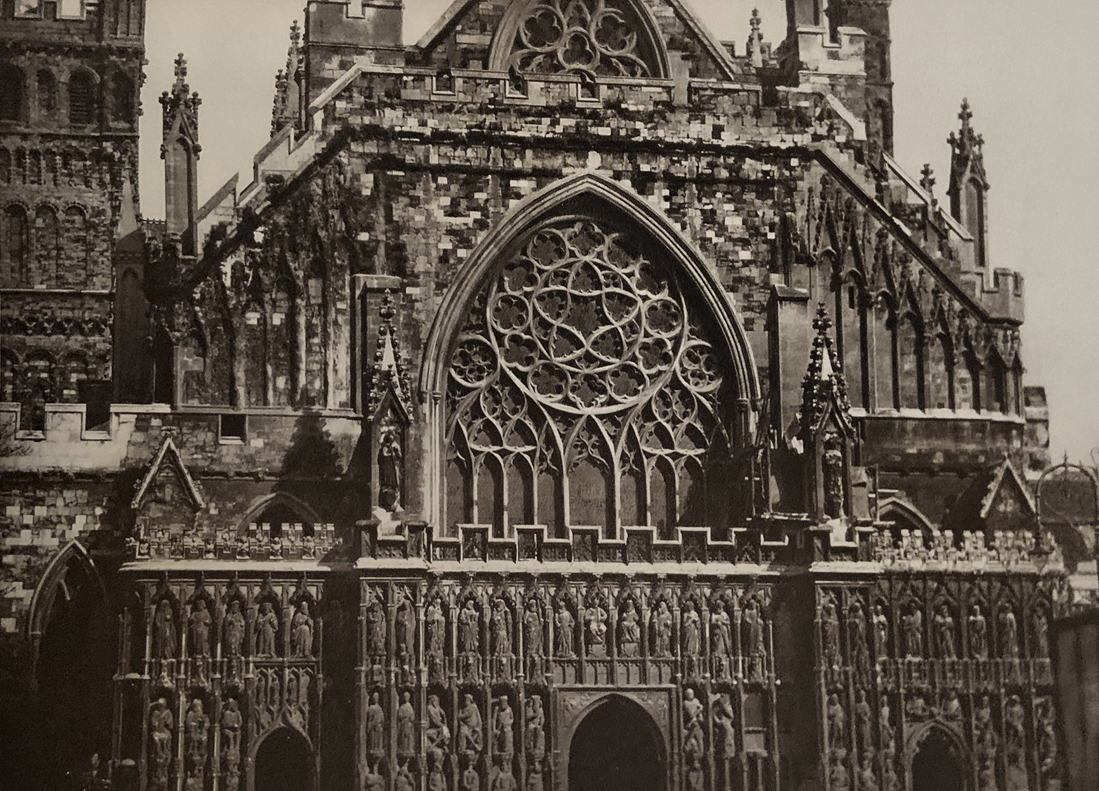
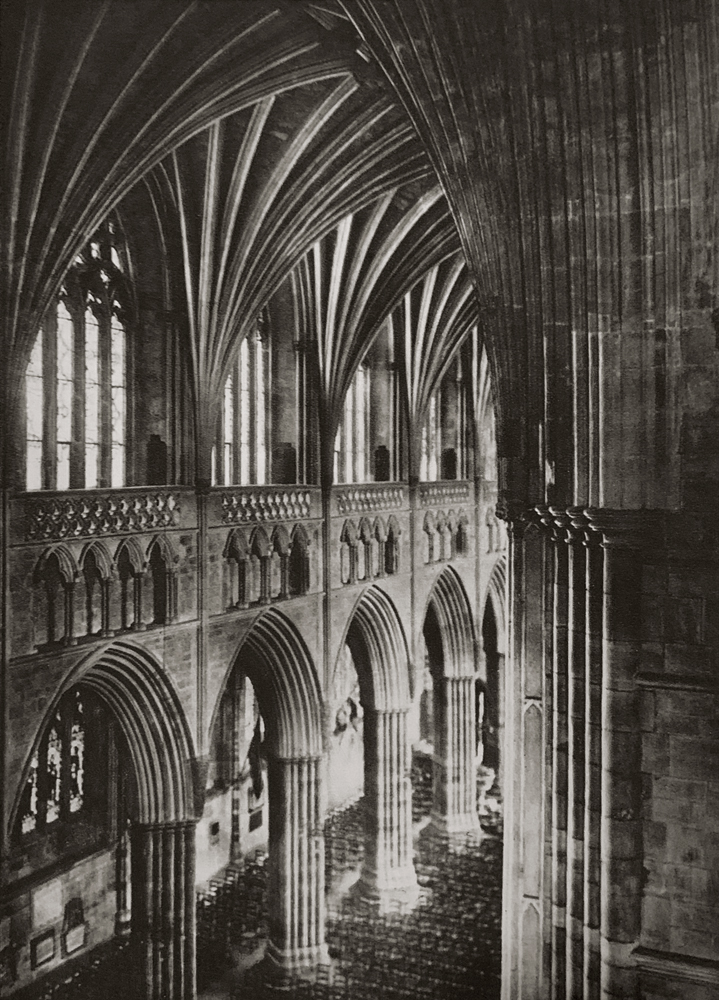
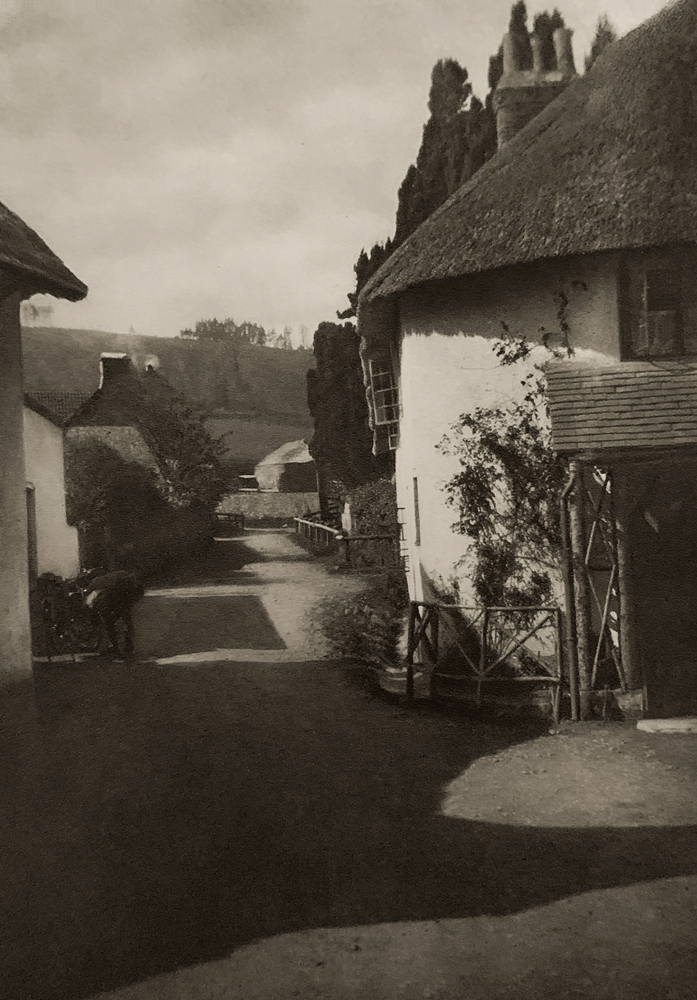
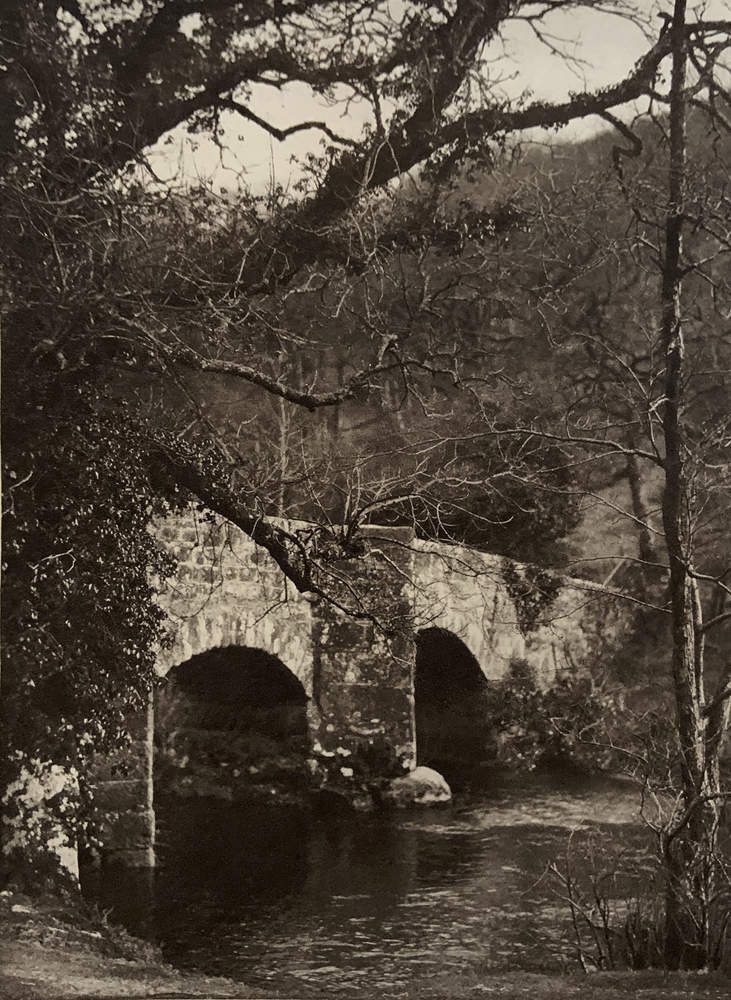
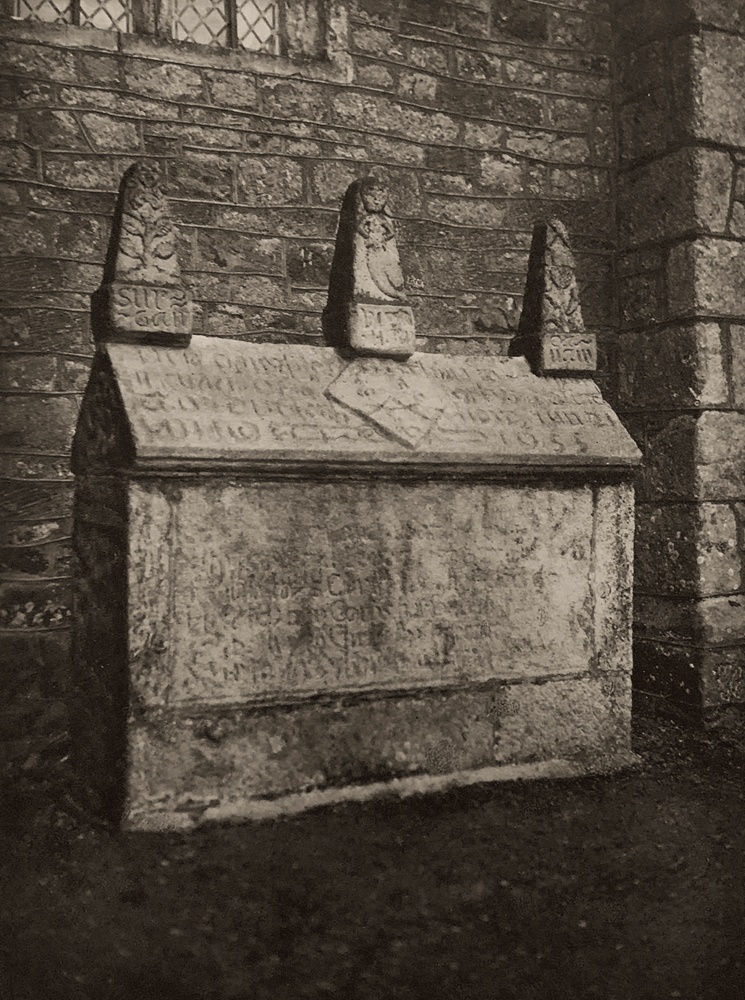
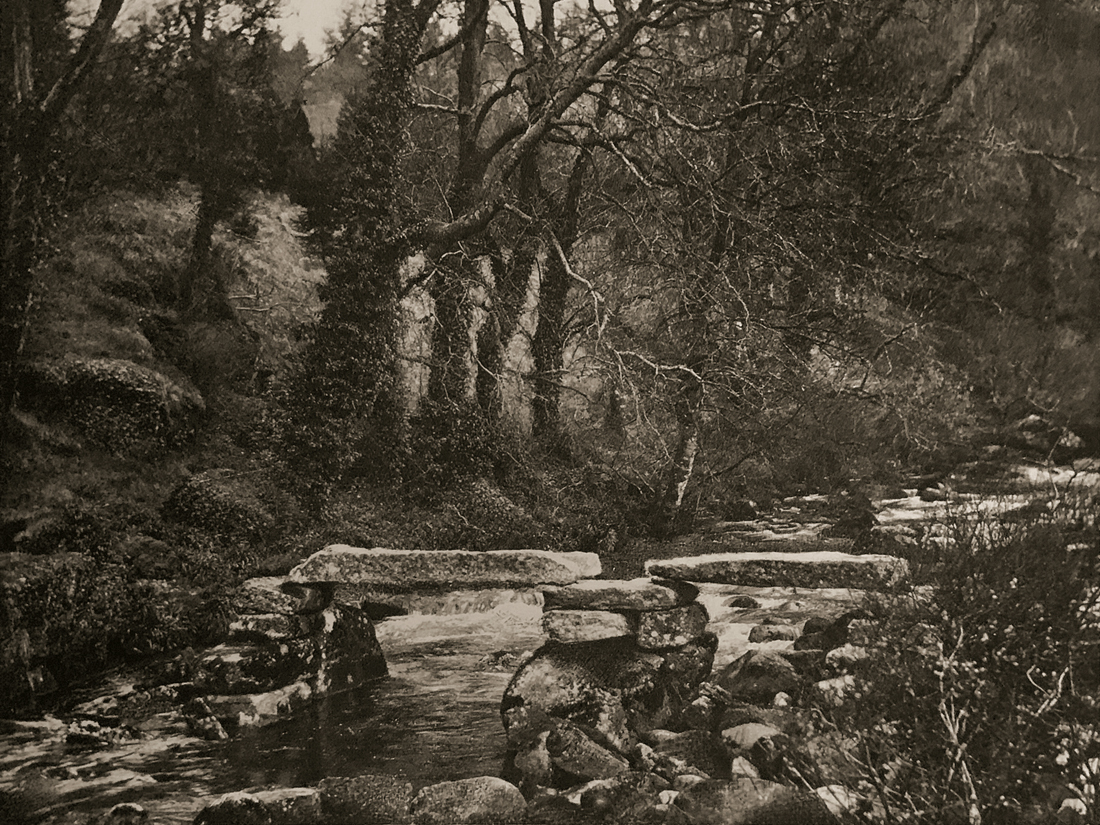
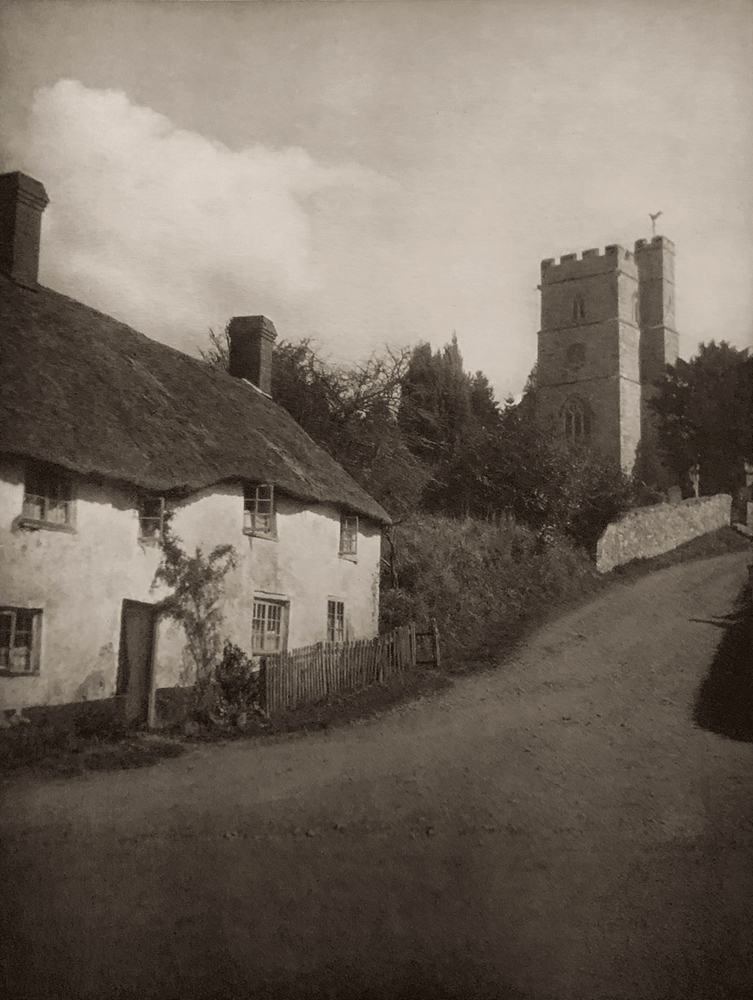
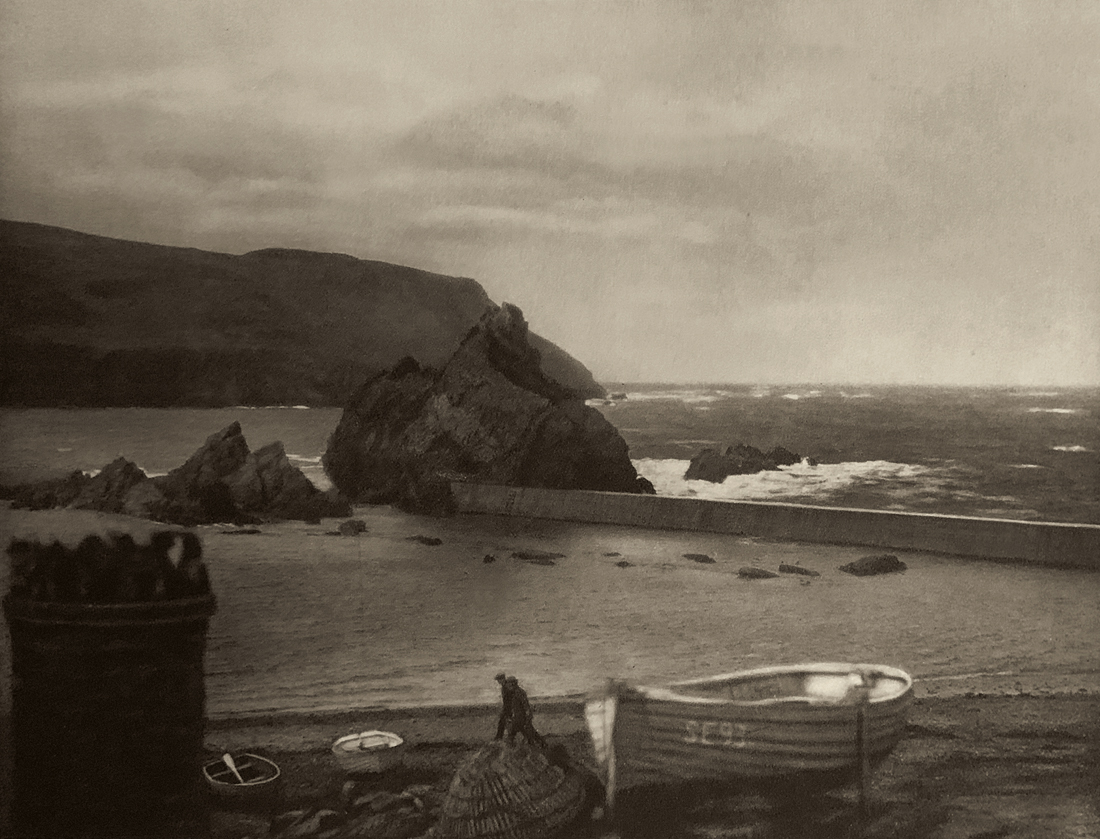
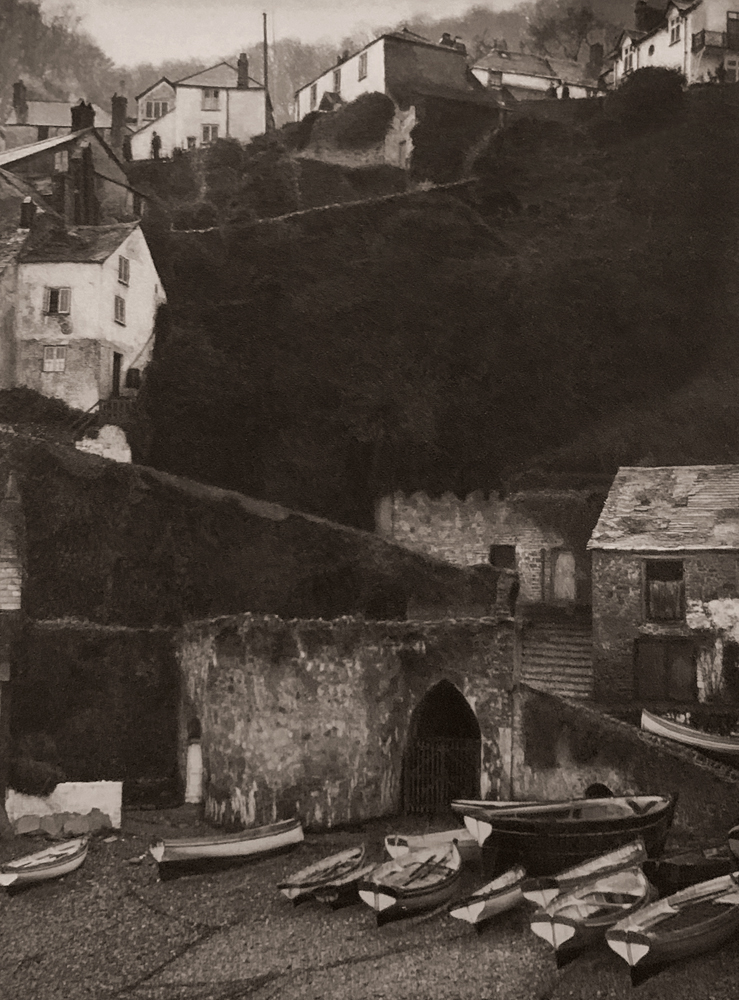
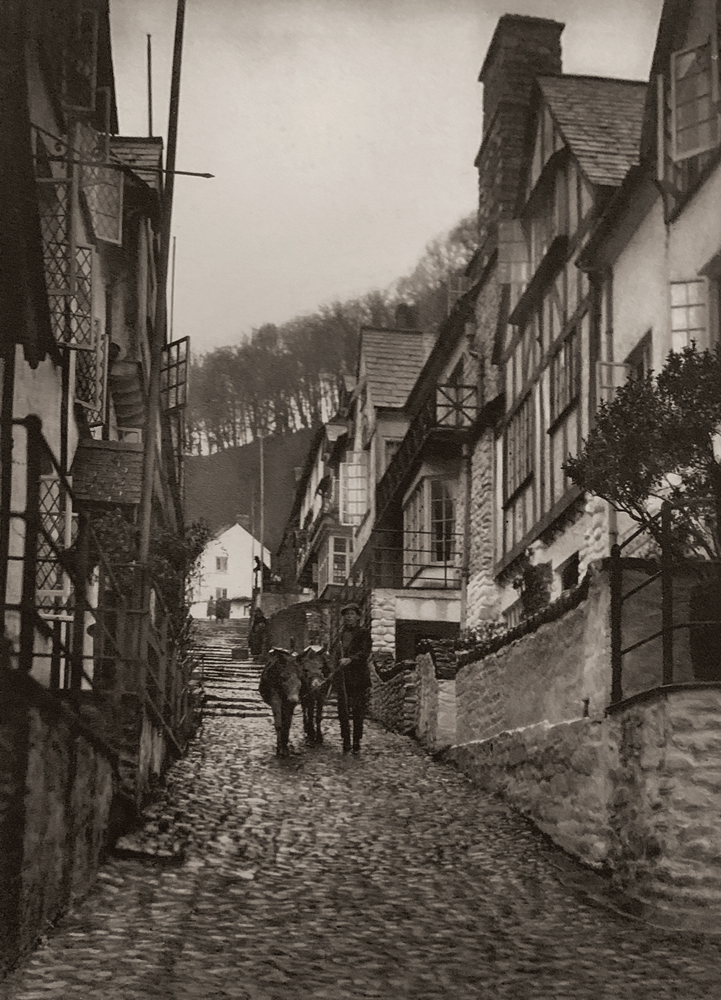
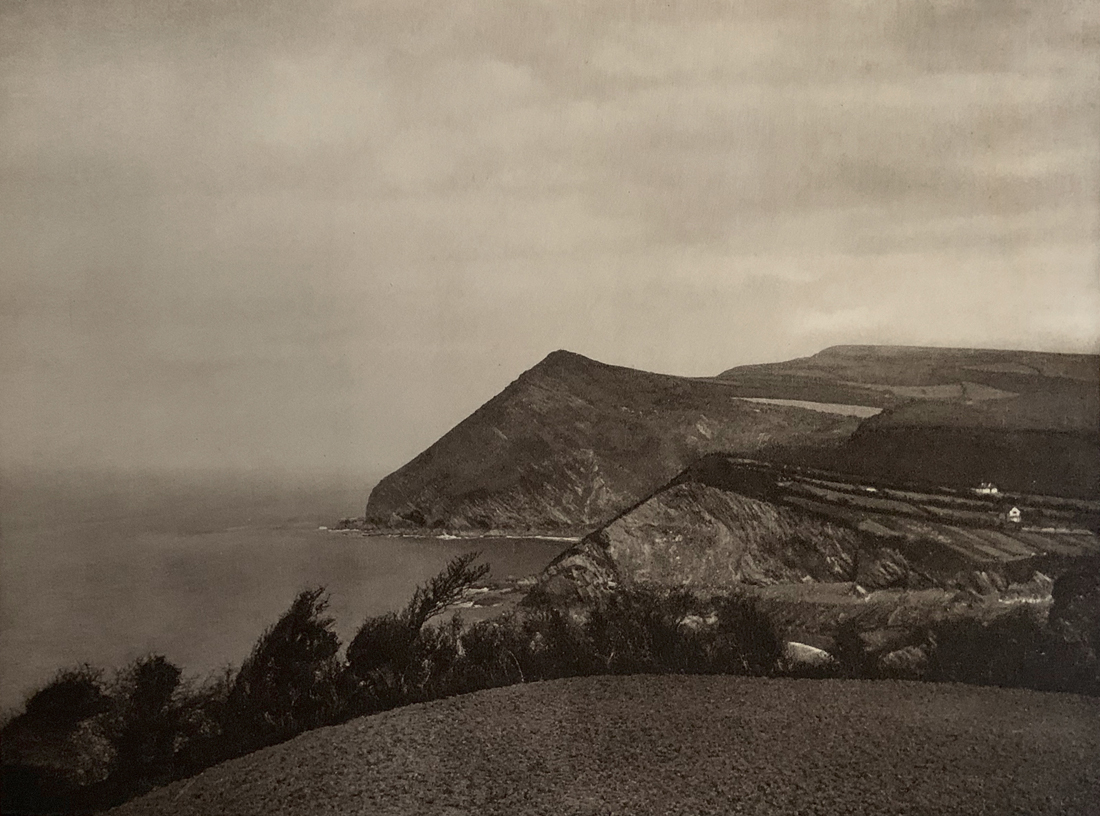
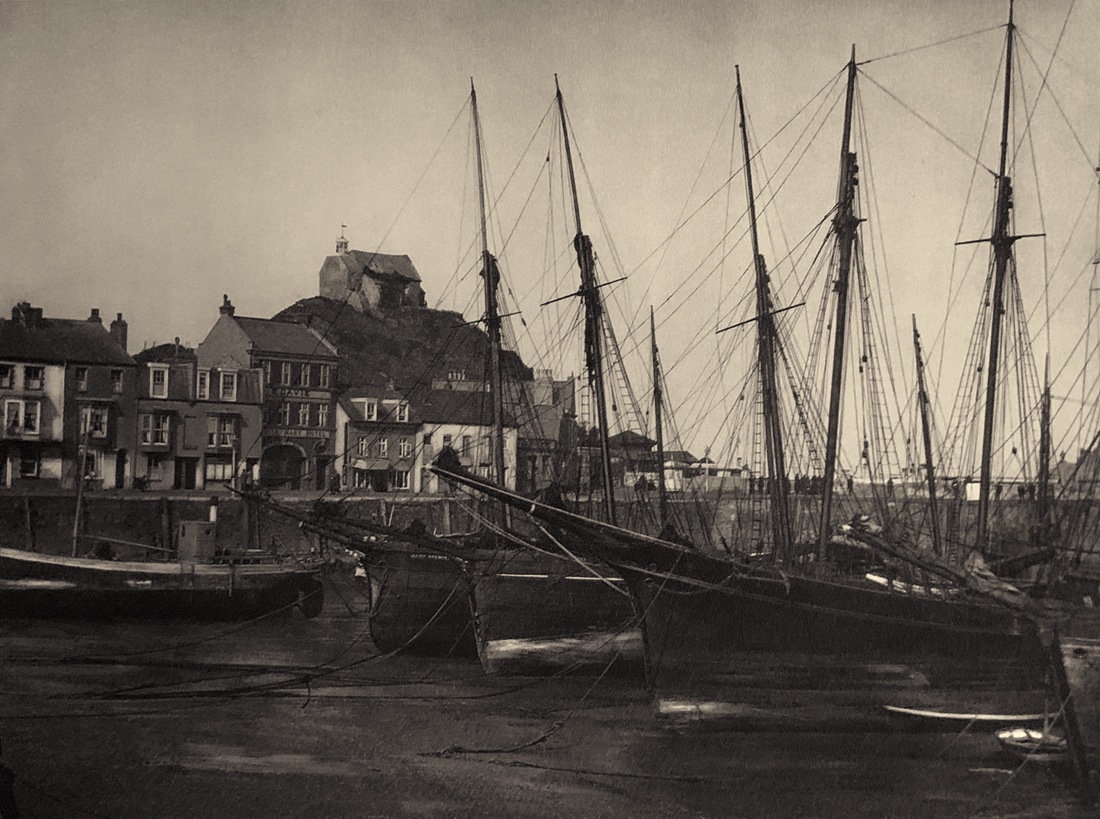
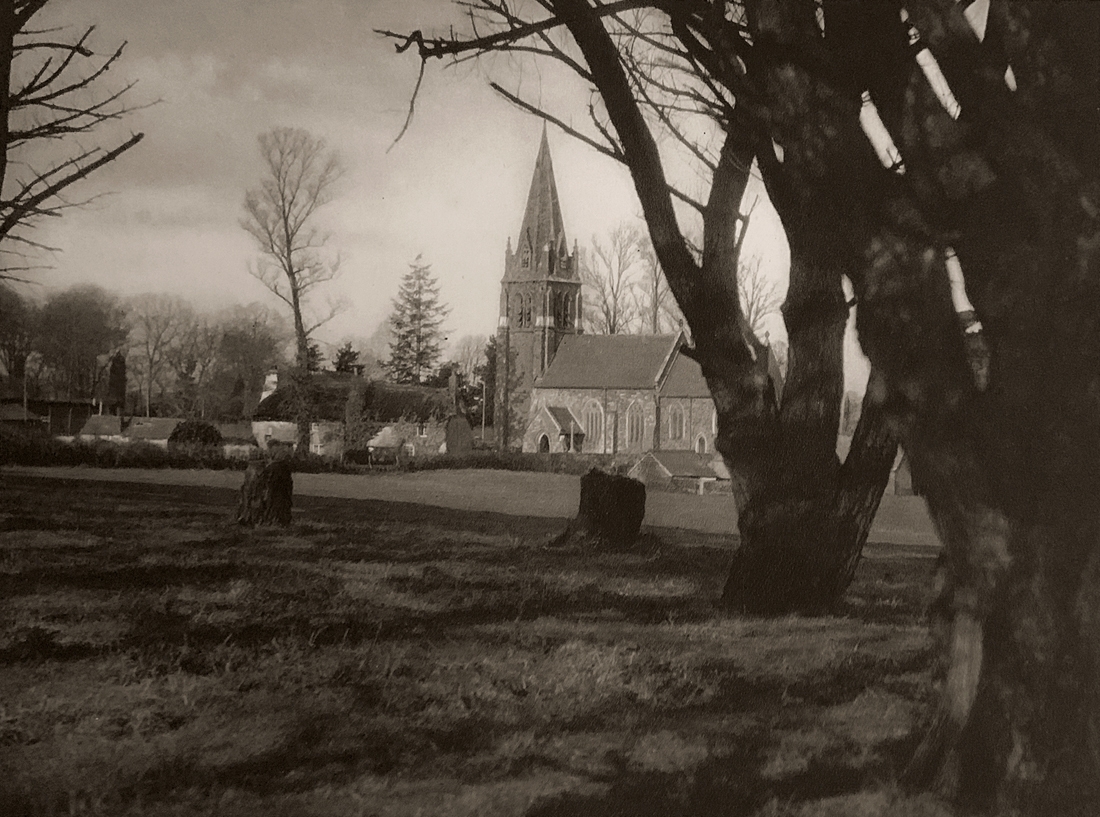
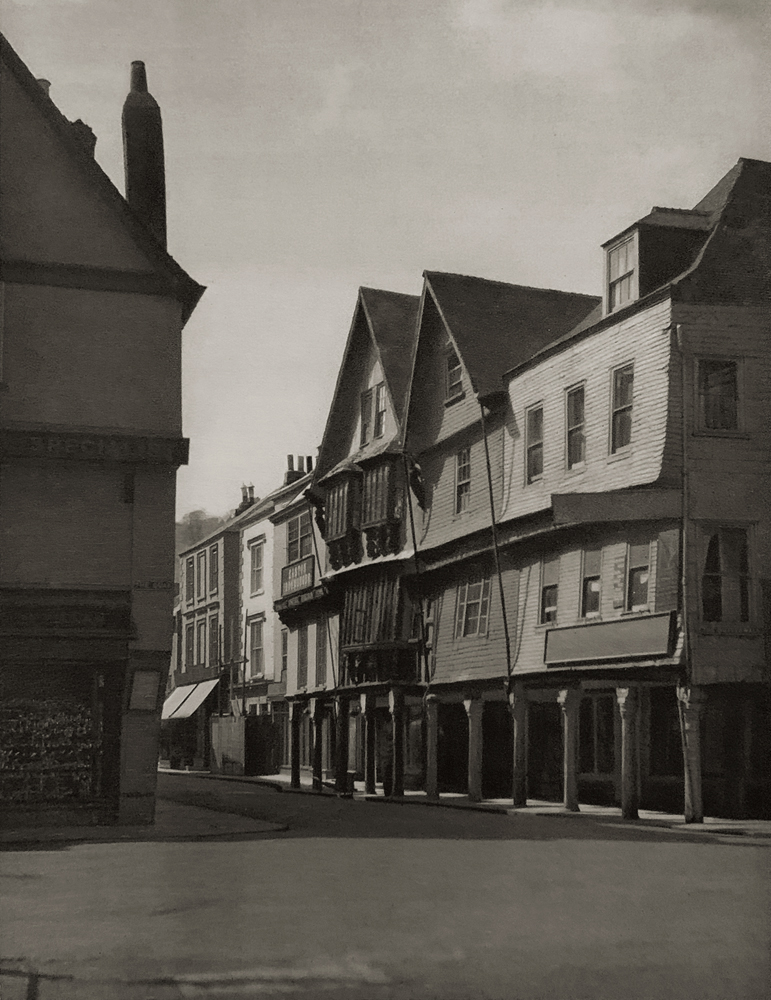
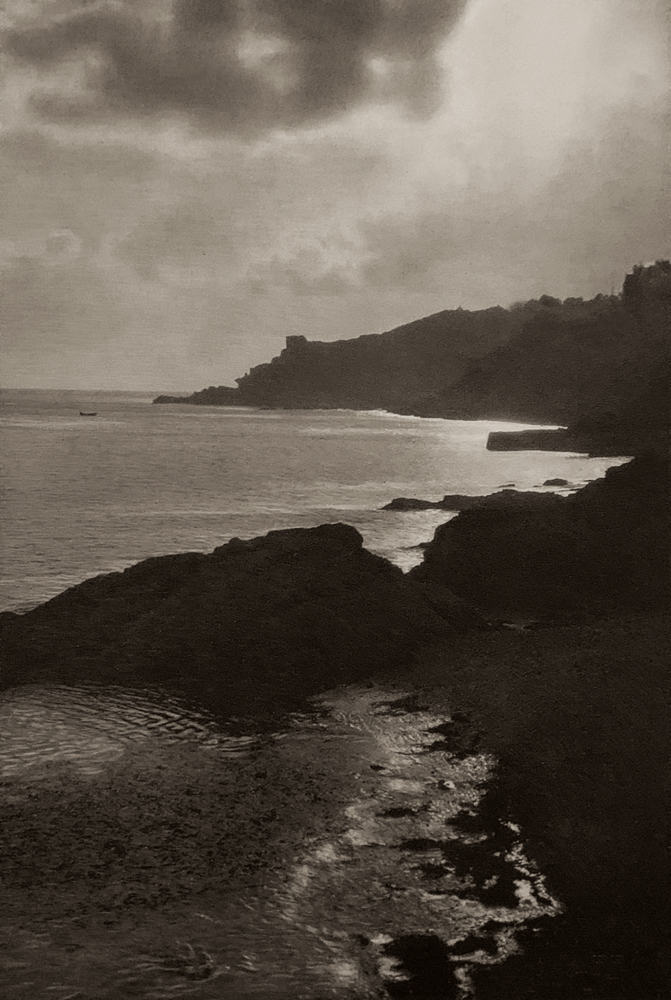












![Francis Frith (British, 1822-98) 'The Pyramids of Dahshoor [Dahshur], from the East, from Egypt, Sinai, and Jerusalem: A Series of Twenty Photographic Views by Francis Frith' 1858 (published 1860 or 1862) from the V&A Photography Centre, London 2019](https://artblart.com/wp-content/uploads/2020/05/frith-the-pyramids-of-dahshoor-web.jpg "Francis Frith (British, 1822-98) 'The Pyramids of Dahshoor [Dahshur], from the East, from Egypt, Sinai, and Jerusalem: A Series of Twenty Photographic Views by Francis Frith' 1858 (published 1860 or 1862) from the V&A Photography Centre, London 2019")








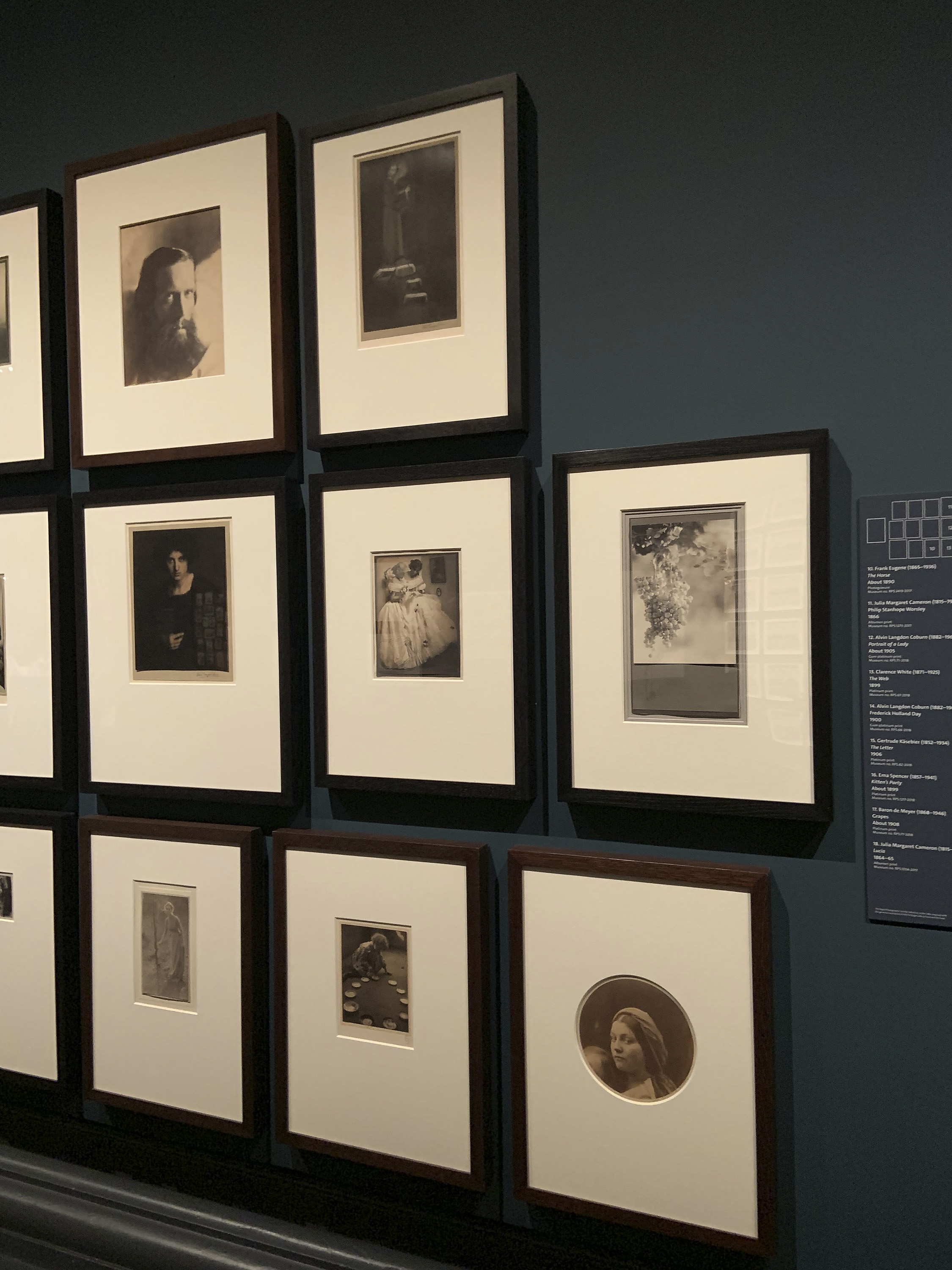

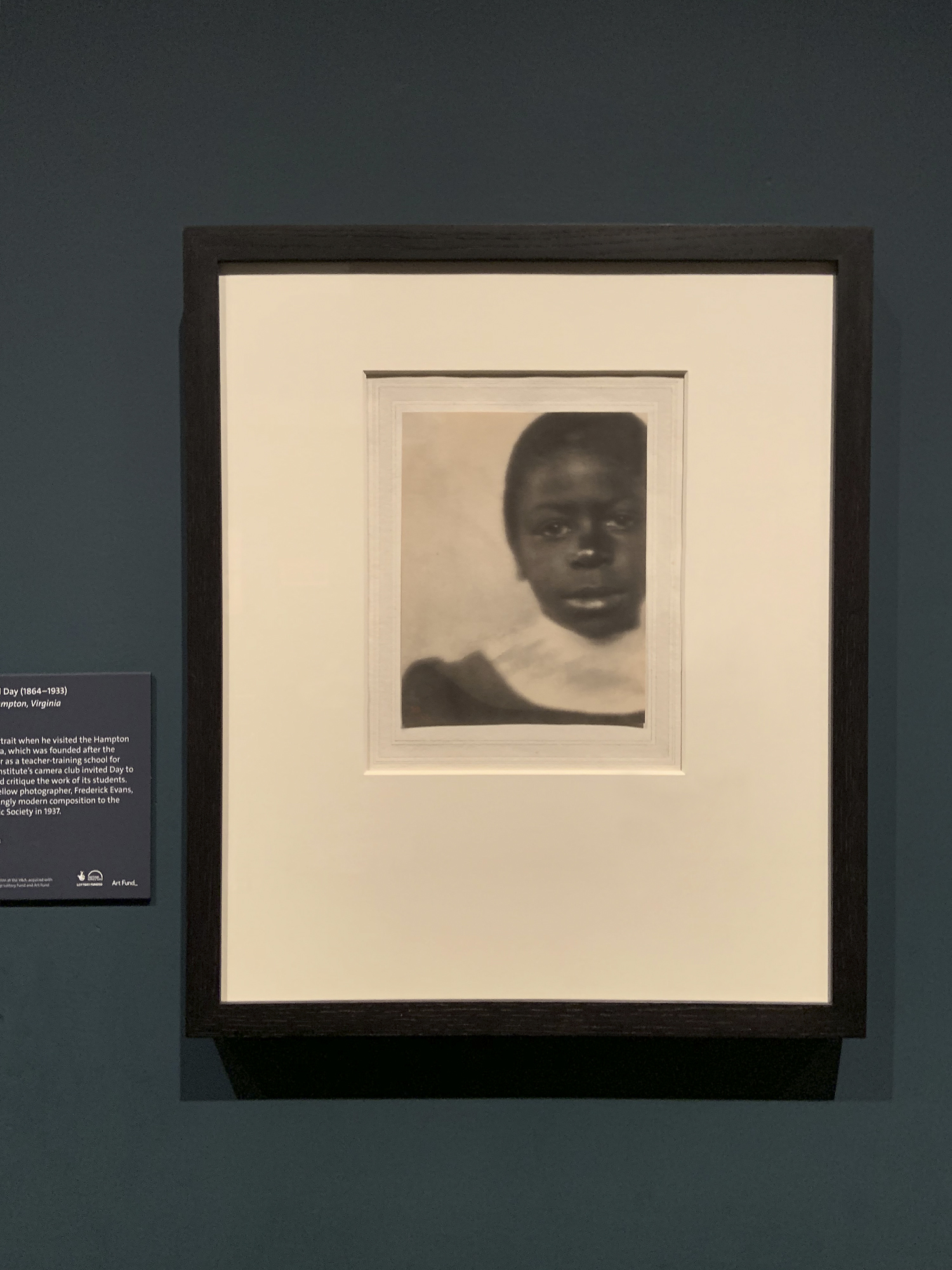
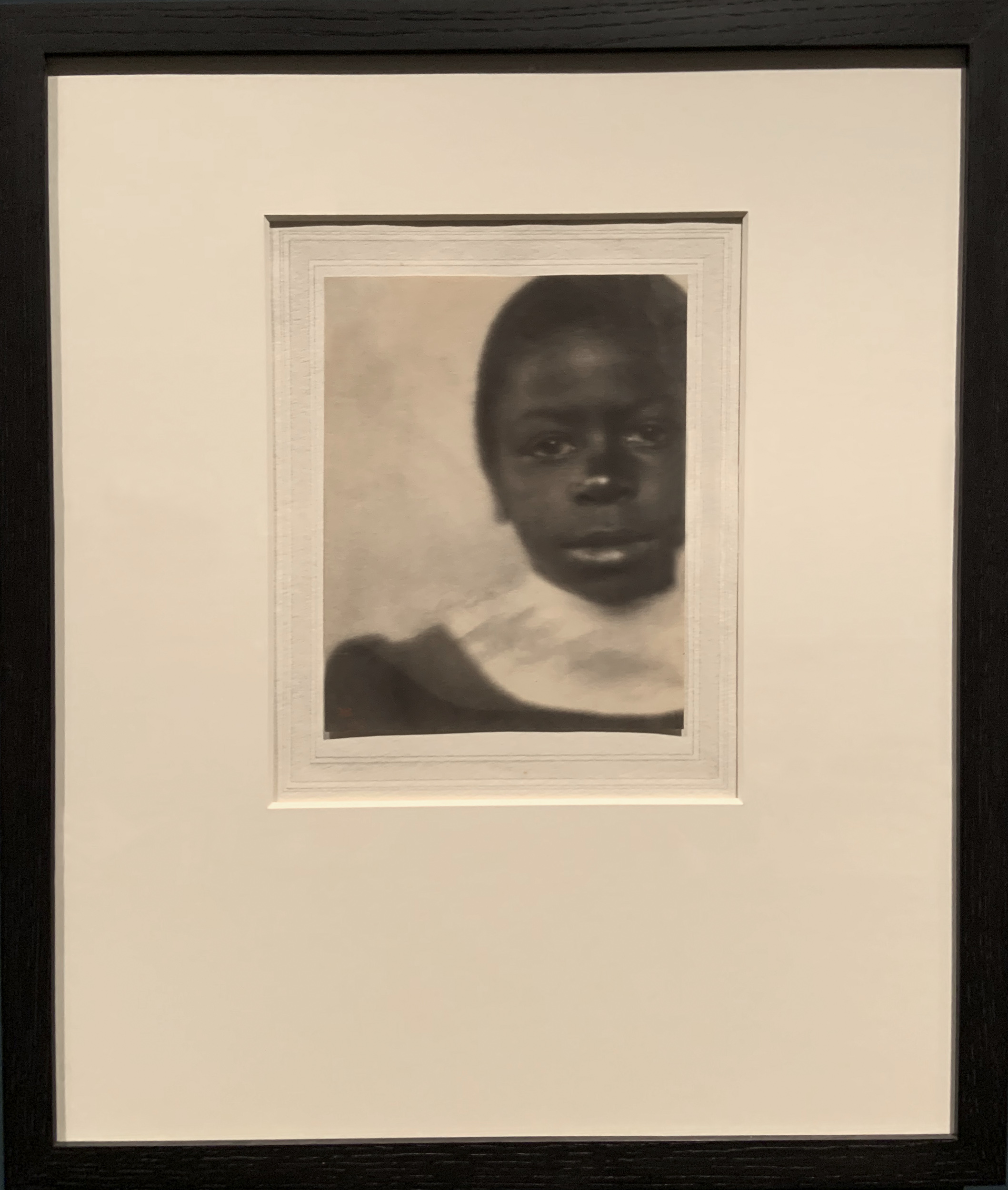


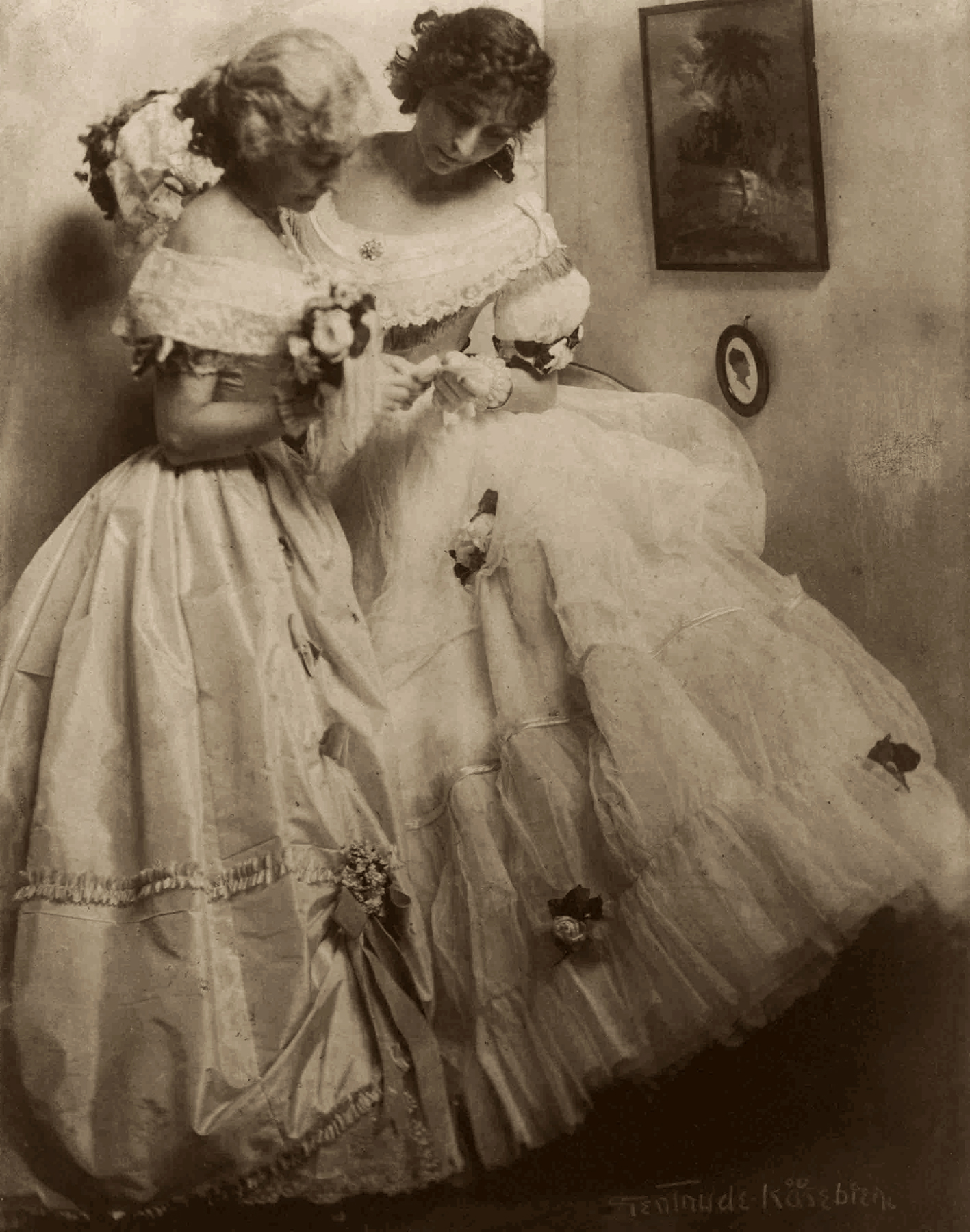
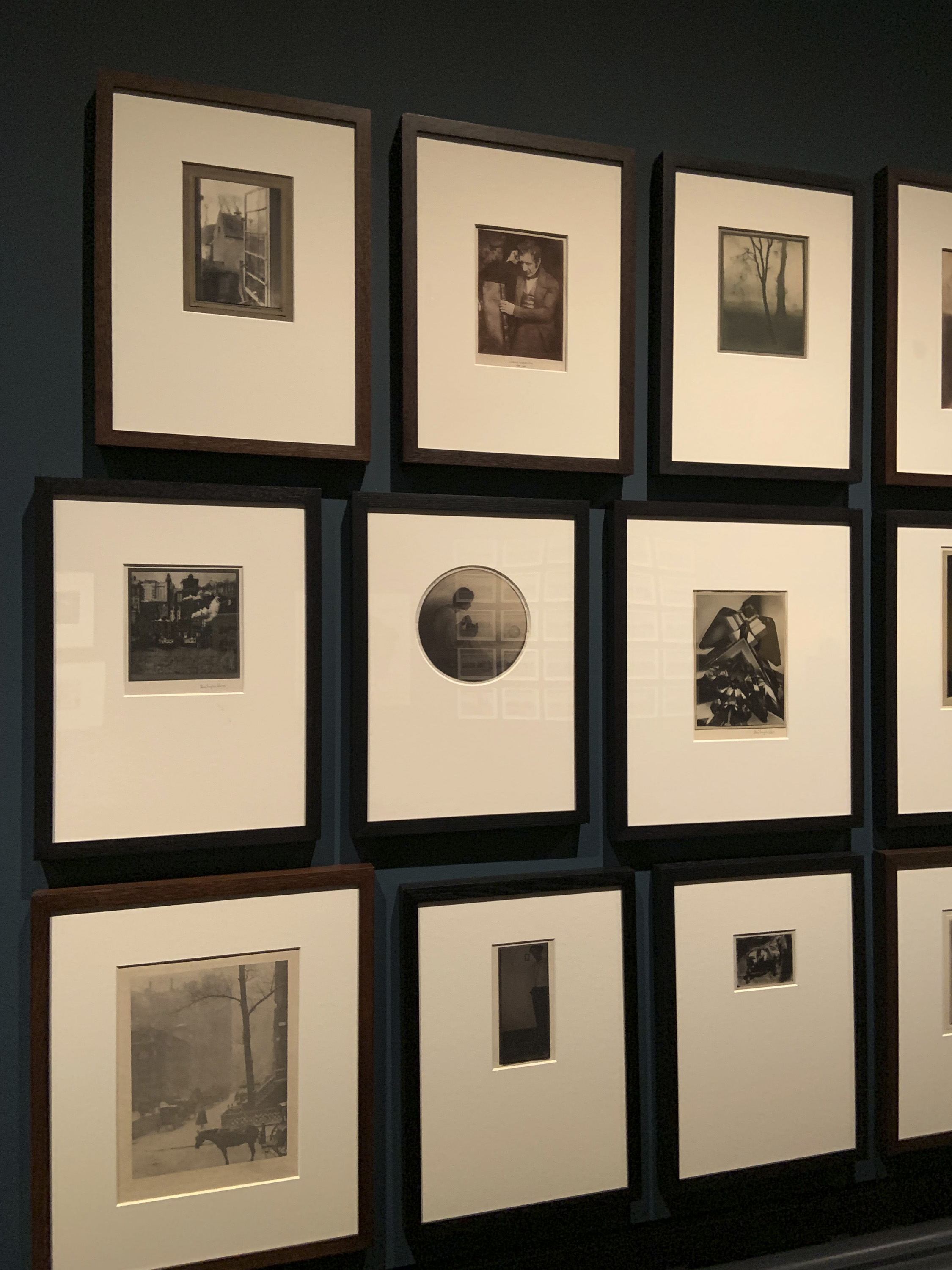

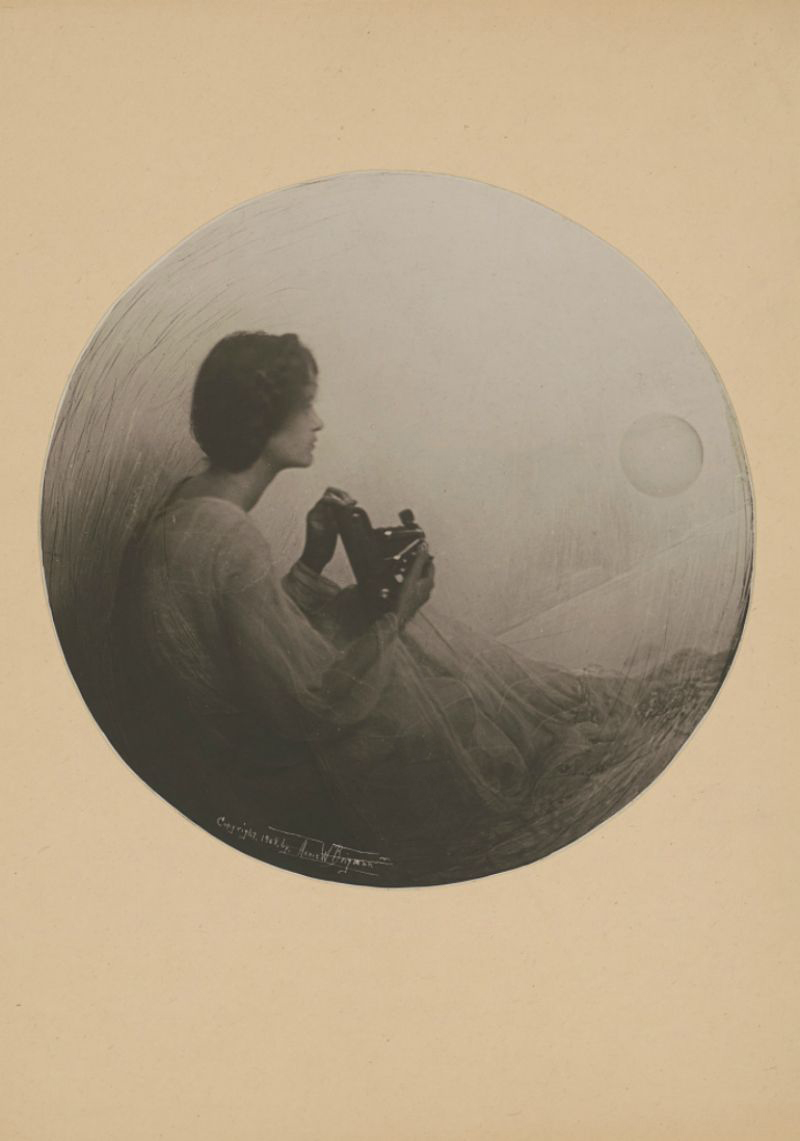











![Lai Fong (Chinese, c. 1839-1890) '[Actors]' 1870s from the exhibition 'Lai Fong (ca. 1839-1890): Photographer of China' at the Herbert F. Johnson Museum of Art, Ithaca, NY, Feb - June, 2020](https://artblart.com/wp-content/uploads/2020/04/hfj-laifong-actors-sl.jpg "Lai Fong (Chinese, c. 1839-1890) '[Actors]' 1870s from the exhibition 'Lai Fong (ca. 1839-1890): Photographer of China' at the Herbert F. Johnson Museum of Art, Ithaca, NY, Feb - June, 2020")
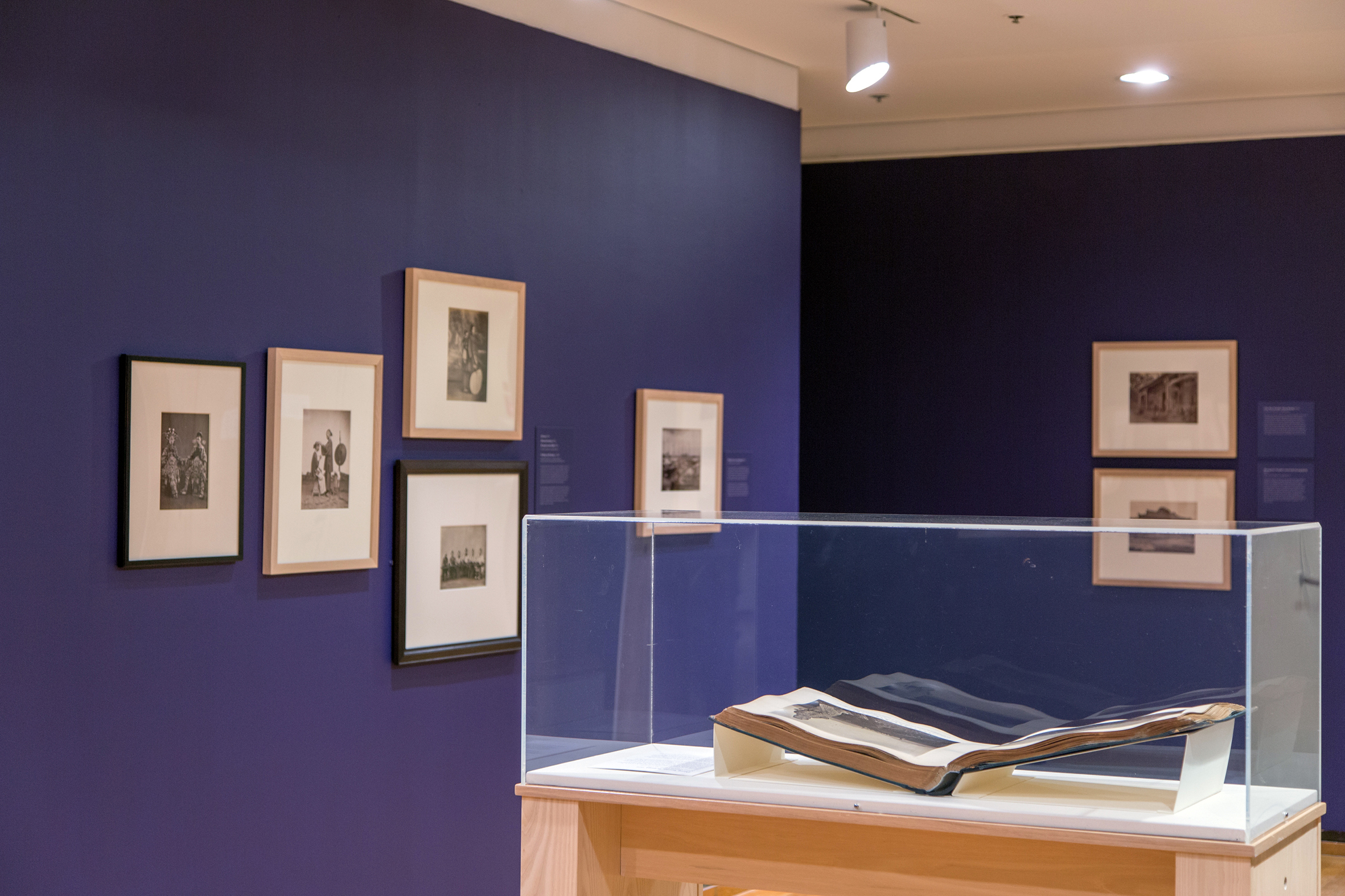
![Lai Fong (Chinese, c. 1839-1890) '[Itinerant barber]' 1870s from the exhibition 'Lai Fong (ca. 1839-1890): Photographer of China' at the Herbert F. Johnson Museum of Art, Ithaca, NY, Feb - June, 2020](https://artblart.com/wp-content/uploads/2020/02/hfj-laifong-barber-sl.jpg "Lai Fong (Chinese, c. 1839-1890) '[Itinerant barber]' 1870s from the exhibition 'Lai Fong (ca. 1839-1890): Photographer of China' at the Herbert F. Johnson Museum of Art, Ithaca, NY, Feb - June, 2020")
![Lai Fong (Chinese, c. 1839-1890) '[Flower boat, Guangzhou]' 1870s](https://artblart.com/wp-content/uploads/2020/04/hfj-laifong-flowerboat-sl.jpg "Lai Fong (Chinese, c. 1839-1890) '[Flower boat, Guangzhou]' 1870s")
![Lai Fong (Chinese, c. 1839-1890) '[Beijing]' 1879](https://artblart.com/wp-content/uploads/2020/04/hfj-laifong-beijing-cornellrare.jpg "Lai Fong (Chinese, c. 1839-1890) '[Beijing]' 1879")
![Lai Fong (Chinese, c. 1839-1890) '[Ming Tombs, Beijing]' 1879](https://artblart.com/wp-content/uploads/2020/04/hfj-laifong-mingtombs-cornellrare-web.jpg "Lai Fong (Chinese, c. 1839-1890) '[Ming Tombs, Beijing]' 1879")
![Lai Fong (Chinese, c. 1839-1890) '[Ming Tombs, Beijing]' 1879](https://artblart.com/wp-content/uploads/2020/04/lai-fong-ming-tombs-beijing-1879.jpg "Lai Fong (Chinese, c. 1839-1890) '[Ming Tombs, Beijing]' 1879")
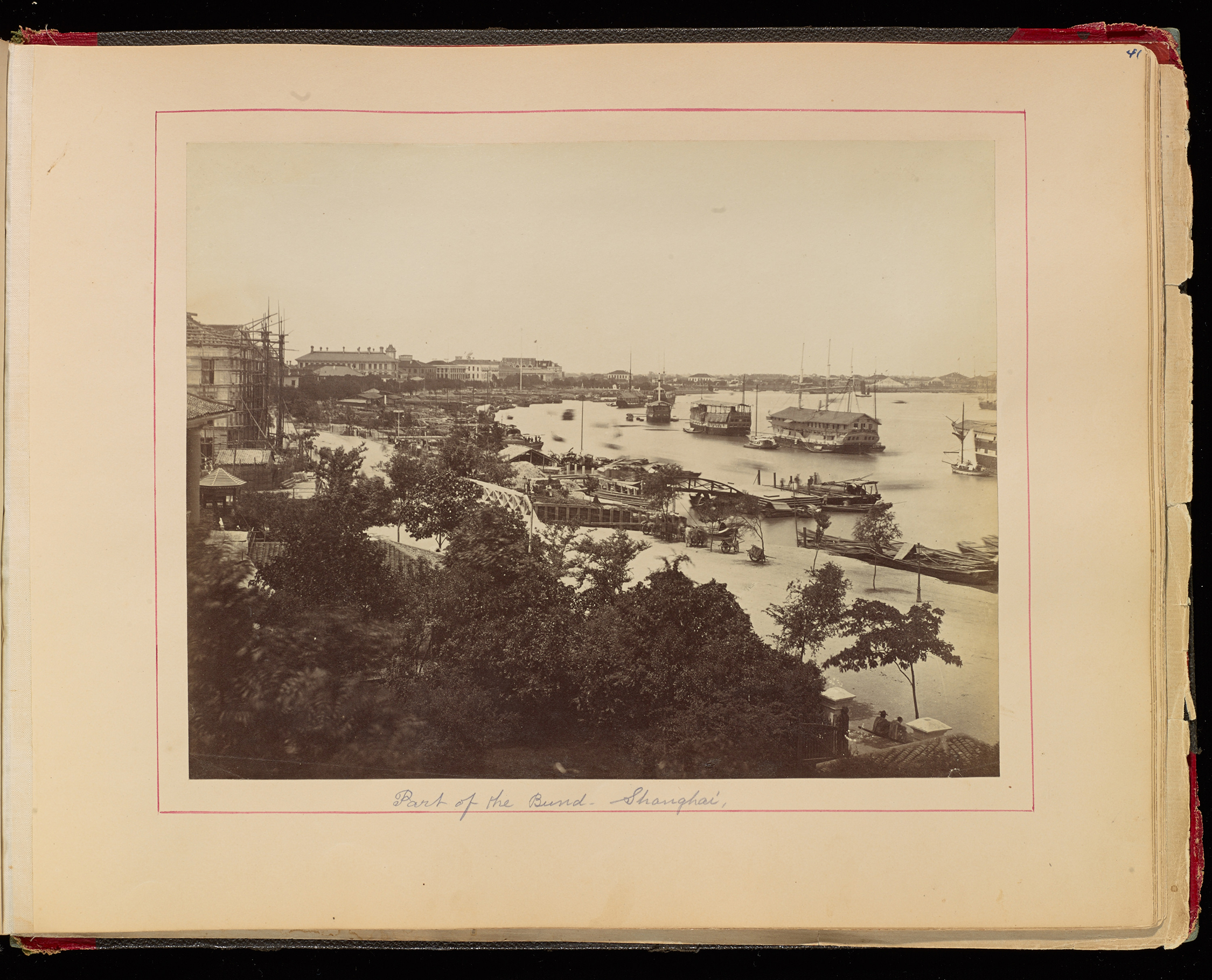
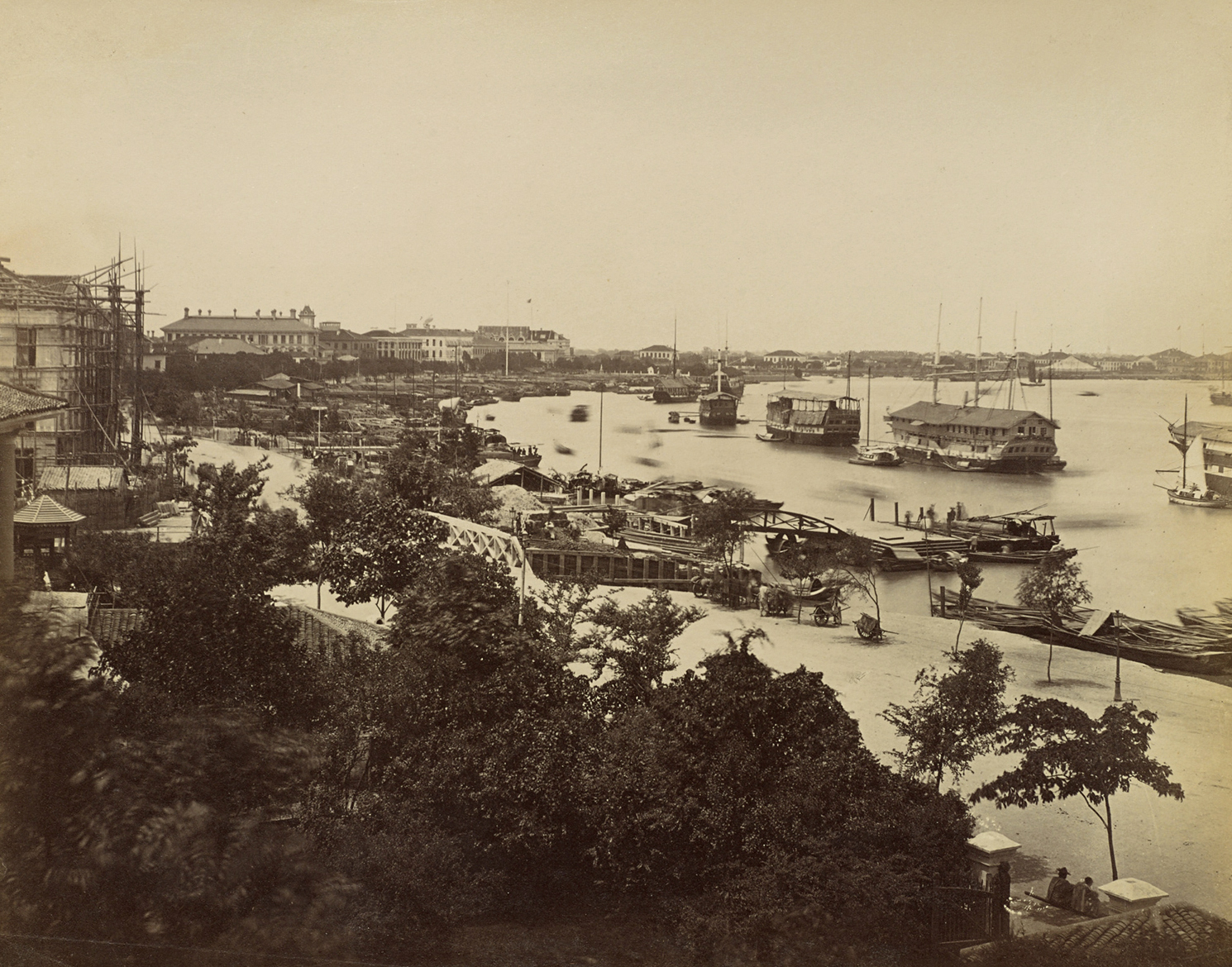
![Lai Fong (Chinese, c. 1839-1890) '[Group portrait near Fangguangyan Monastery, Fujian]' c. 1869](https://artblart.com/wp-content/uploads/2020/02/hfj-laifong-group-met.jpg "Lai Fong (Chinese, c. 1839-1890) '[Group portrait near Fangguangyan Monastery, Fujian]' c. 1869")
![Lai Fong (Chinese, c. 1839-1890) '[Piled Stone Peaks in Mount Wuyi]' c. 1869](https://artblart.com/wp-content/uploads/2020/02/hfj-laifong-stonepeaks-met.jpg "Lai Fong (Chinese, c. 1839-1890) '[Piled Stone Peaks in Mount Wuyi]' c. 1869")
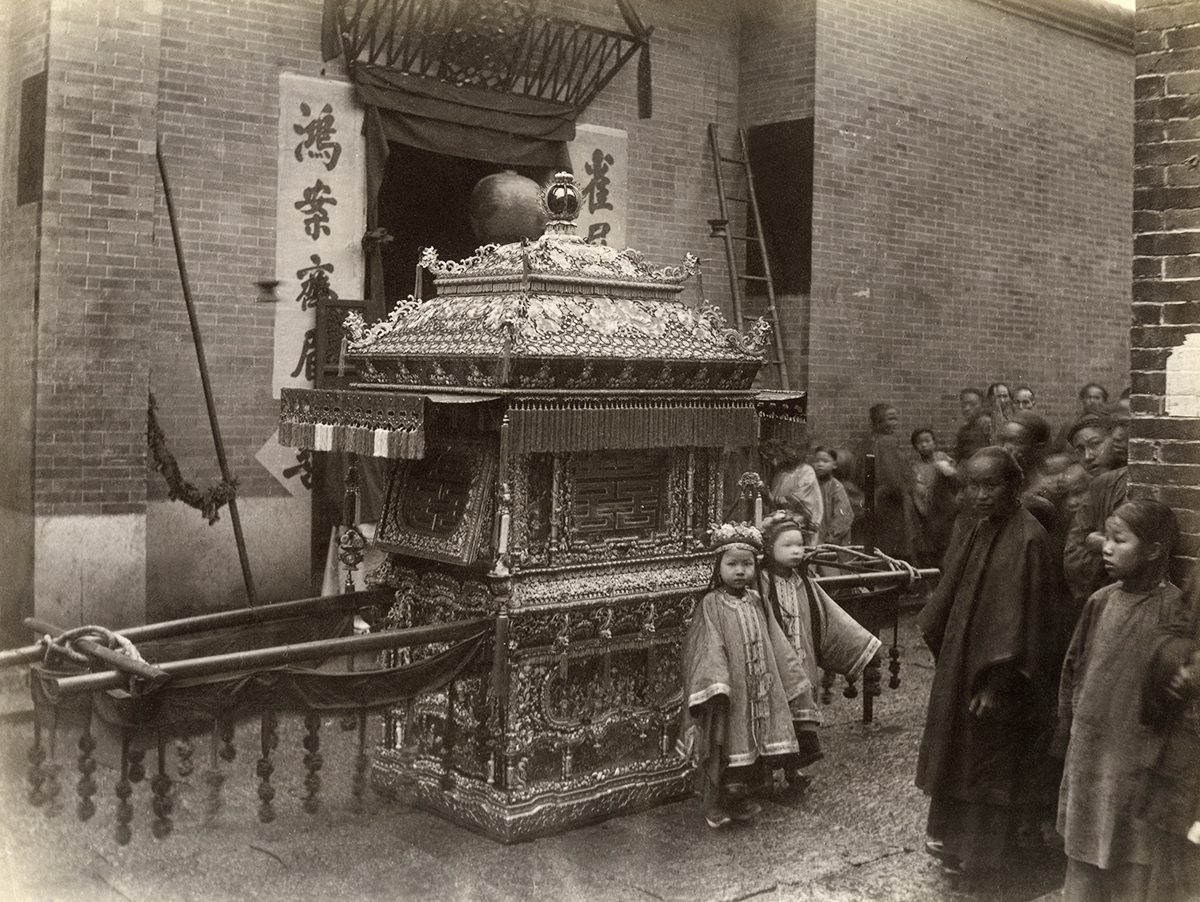
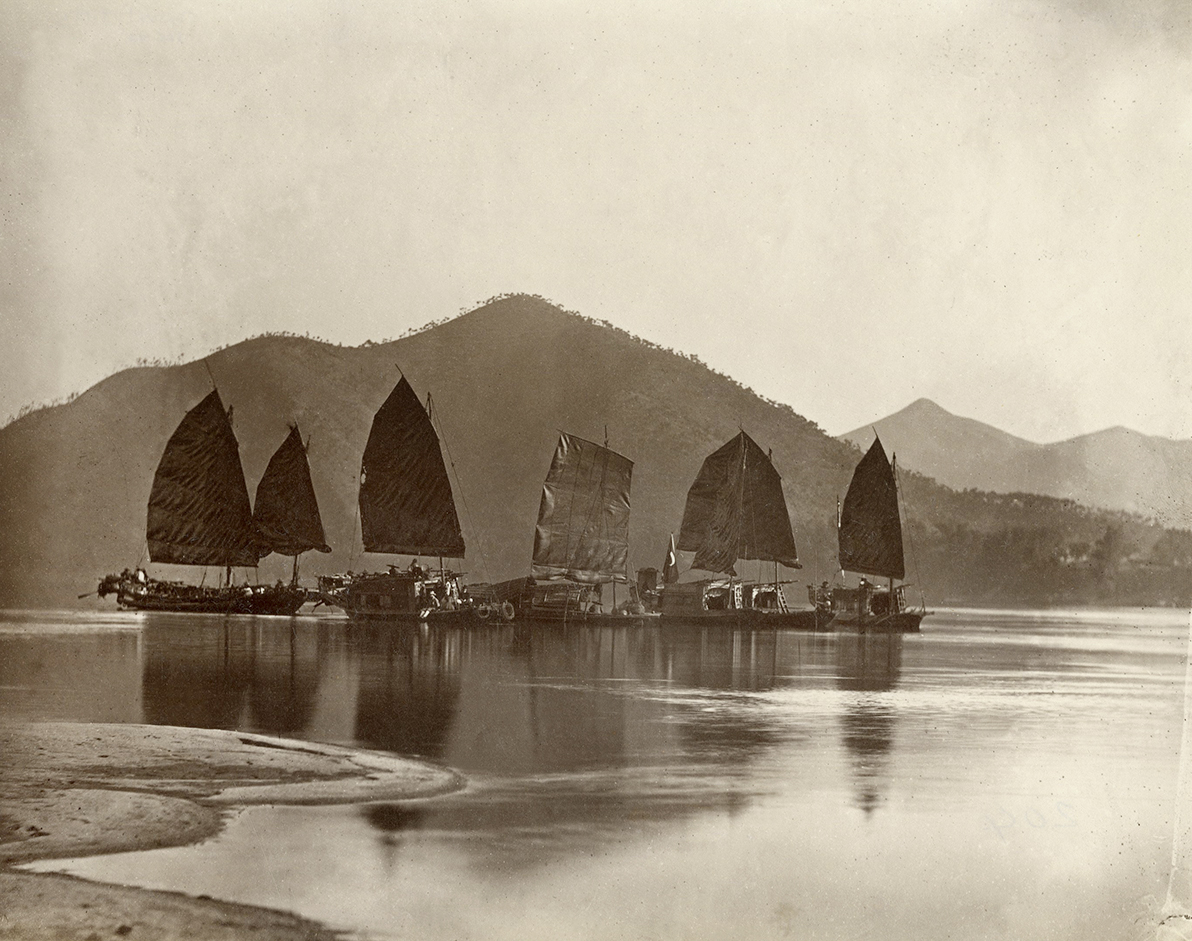
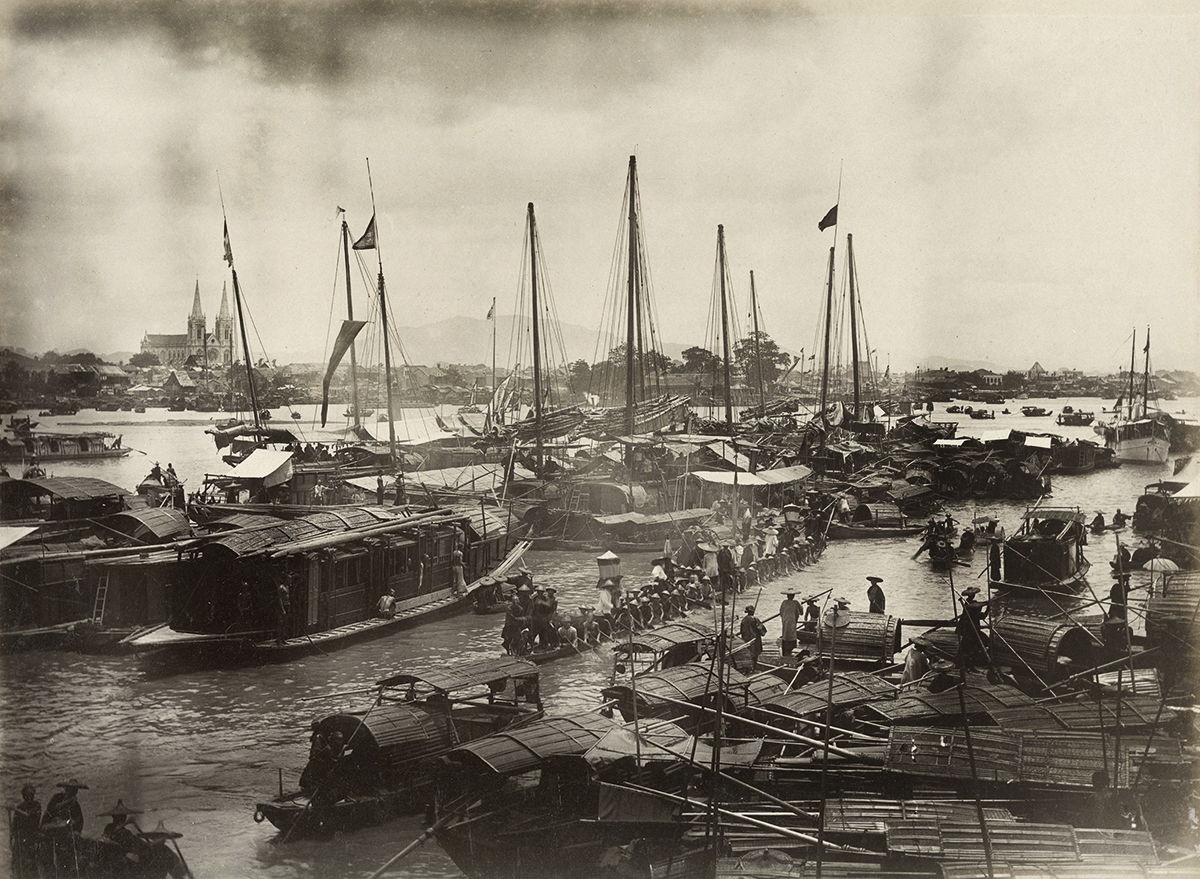
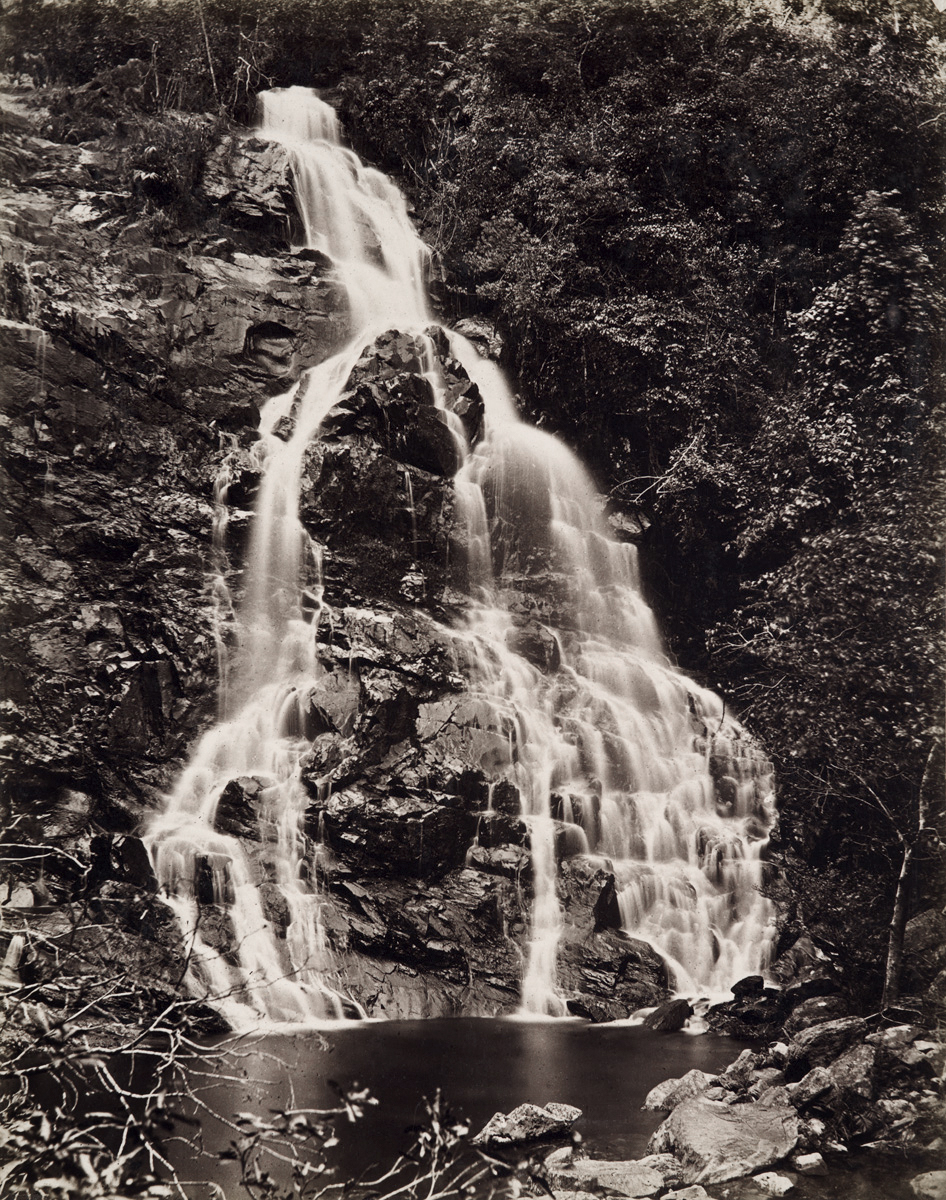
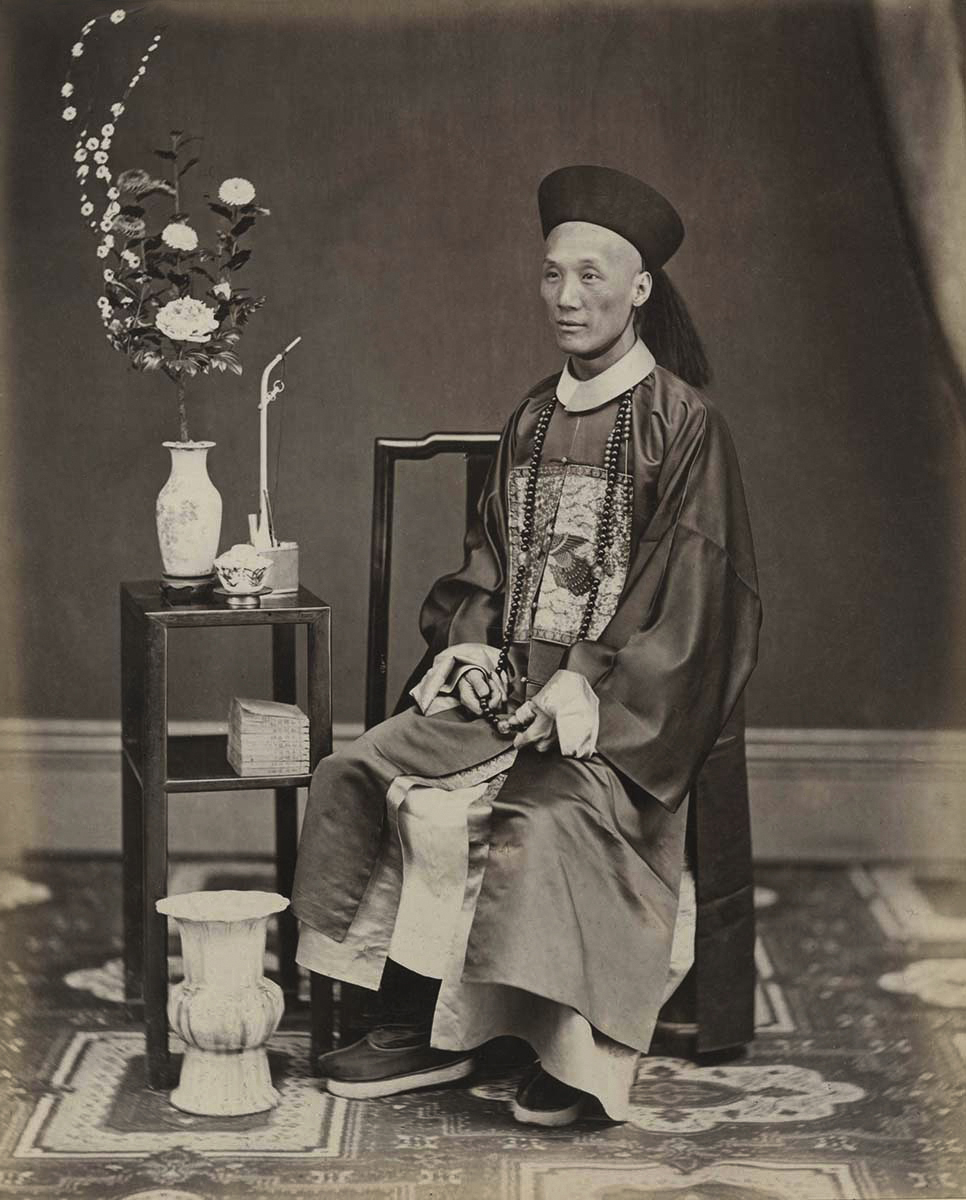
 Art Blart _ art and cultural memory archive
You must be logged in to post a comment.