Matthew Brandt b. 1982, Los Angeles; lives and works in Los Angeles. Marco Breuer b. 1966, Landshut, Germany; lives and works in New York State. Liz Deschenes b. 1966, Boston; lives and works in New York City. Adam Fuss b. 1961, London; lives and works in New York City. Owen Kydd b. 1975, Calgary, Canada; lives and works in Los Angeles. Floris Neusüss 1937-2020, German. Marlo Pascual 1972-2020, American. Sigmar Polke 1941-2010; Germany. Eileen Quinlan b. 1972, Boston; lives and works in New York City. Jon Rafman b. 1981, Montreal; lives and works in Montreal. Gerhard Richter b. 1932, Dresden; lives and works in Cologne. Mariah Robertson b. 1975, Indianapolis, Indiana; lives and works in Brooklyn. Alison Rossiter b. 1953, Jackson, Mississippi; lives and works in the metro New York area. Lucas Samaras 1936-2024, Macedonia, Greece; lives and works in New York City. David Benjamin Sherry b. 1981, Woodstock, New York; lives and works in Los Angeles. Travess Smalley b. 1986, Huntington, West Virginia; lives and works in New York City. Kate Steciw b. 1978, Bethlehem, Pennsylvania; lives and works in Brooklyn. Artie Vierkant b. 1986, Breinerd, Minnesota; lives and works in New York City. James Welling b. 1951, Hartford, Connecticut; lives and works in Los Angeles. Christopher Williams b. 1956, Los Angeles; lives and works in Cologne, Düsseldorf, and Amsterdam. Letha Wilson b. 1976, Honolulu; lives and works in Brooklyn.
A Vocabulary of Photography: representation and the original, the ‘I can’ of sight
What is a photograph? These days, it can be anything your imagination desires, any imag(in)ing that takes your fancy…
The images in this posting are a case in point. In a postmodern, post-photographic world where there is (allegedly) no centre and periphery, these art works are photography playing at the edges of photography. They examine “the range of creative experimentation that has occurred in photography since the 1970s,” reconsidering and reinventing, “the role of light, color, composition, materiality, and the subject in the art of photography.”
In an earlier posting I talked about A Vocabulary of Printing and the Syntax of the Image. Here we could equally posit a Vocabulary of Photography, a compendium of techniques and imaginings, noting that technology and imagination should never delimit the creativity of the photographer/artist. In other words visions, boundaries and technologies are there to be pushed!
All well and good. To solidify meaning in such a nebulous world, there is penchant for (ambiguous) numbers – titles such as 6236; Untitled (C-1189); 154 – or definitive titles that try to fix ambiguity in a specific time, place or typology (a classification according to general type) eg Image Object Friday 7 June 2013 4:33 PM, 2013 or Supplement ’13 (Mixed Typologies) #3.
However, what is produced by this experimentation, this voluminous vocabulary, seldom leads to satisfying results. When you actually look at this type of work, really look at it with a clear and aware mind (as Krishnamurti would say), a large proportion of it is blather, noise for the sake of making noise, tinkering for a terrestrial world saturated in meaningless images. No wonder I get disillusioned with the “contemporary” in photography. The art work seems to mean very little and takes me nowhere I particularly want to go.
While photographs are no longer necessarily “points of view” analogous to Littré’s rigorous definition: ‘The point of view is a collection of objects to which the eye is directed and on which it rests within a certain distance’,1 and “the image has nothing to do with signification, meaning, as implied by the existence of the world, the effort of truth, the law and the brightness of the day”2 – meaning that there is no single truth, there are only competing narratives and interpretations of a world that cannot be wholly, accurately described3 – for me there still needs to be a re(as)semblance towards some form of inherent truth in the image, ideally manifested in some form of human imagination, creativity and happiness.
The ‘I can’ of site (representation) / sight (vision) …
Dr Marcus Bunyan
1/ Virilio, Paul. The Vision Machine (trans. Julie Rose). Bloomington: Indiana University Press, 1994, p. 19
2/ Blanchot, Maurice. The Gaze of Orpheus. New York: Barrytown, 1981, p. 85
3/ Townsend, Chris. Vile Bodies: Photography and the Crisis of Looking. Munich: Prestel, 1998, p. 10
Many thankx to the International Center of Photography for allowing me to publish the photographs in the posting. Please click on the photographs for a larger version of the image.
“Vision is ordered according to a mode that may be generally called the function of images. This function is defined by a point-by-point correspondence of two unities in space. Whatever optical intermediaries may be used to establish their relation, whether their image is virtual, or real, the point-by-point correspondence is essential. That which is the mode of the image is therefore reducible to the simple schema that enables us to establish anamorphosis, that is to say, to the relation of an image, in so far as it linked to a surface, with a certain point that we shall call the ‘geometrical’ point. Anything that is determined by this method, in which the straight line plays its role of being the path of light, can be called an image.”
Lacan, Jacques. The Four Fundamental Concepts of Psycho-Analysis (trans. Alan Sheridan). London: The Hogarth Press, 1977, p. 86
“With the industrial proliferation of visual and audiovisual protheses and unrestrained use of instantaneous-transmission equipment from earliest childhood onwards, we now routinely see the encoding of increasingly elaborate mental images together with a steady decline in retention rates and recall. In other words we are looking at the rapid collapse of mnemonic [aiding memory] consolidation.
This collapse seems only natural, if one remembers a contrario that seeing, and its spatio-temporal organisation, precede gesture and speech and their co-ordination in knowing, recognising, making known (as images of our thoughts), our thoughts themselves and cognitive functions, which are never passive… (Romains, Jules. La Vision extra-rétinienne et le sens paroptique. Paris: Gallimard, 1964).
Everything I see is in principle within my reach, at least within reach of my sight, marked on the map of the ‘I can’. In this important formulation, Merleau-Ponty pinpoints precisely what will eventually find itself ruined by the banalisation of a certain teletopology. The bulk of what I see is, in fact and in principle, no longer with in my reach. And even if it lies within reach of my sight, it is no longer necessarily inscribed on the map of the ‘I can’. The logistics of perception in fact destroy what earlier modes of representation preserved of the original, ideally human happiness, the ‘I can’ of sight… “
Virilio, Paul. The Vision Machine (trans. Julie Rose). Bloomington: Indiana University Press, 1994, p. 7 (my bold)
On view at the International Center of Photography from January 31 through May 4, 2014, What Is a Photograph? explores the range of creative experimentation that has occurred in photography since the 1970s.
This major exhibition brings together 21 emerging and established artists who have reconsidered and reinvented the role of light, colour, composition, materiality, and the subject in the art of photography. In the process, they have also confronted an unexpected revolution in the medium with the rise of digital technology, which has resulted in imaginative reexaminations of the art of analog photography, the new world of digital images, and the hybrid creations of both systems as they come together.
“Artists around the globe have been experimenting with and redrawing the boundaries of traditional photography for decades,” said ICP Curator Carol Squiers, who organised the exhibit. “Although digital photography seems to have made analog obsolete, artists continue to make works that are photographic objects, using both old technologies and new, crisscrossing boundaries and blending techniques.”
Among those included in the exhibition is Lucas Samaras, who adopted the newly developed Polaroid camera in the late 1960s and early 1970s and immediately began altering its instant prints, creating fantastical nude self-portraits. Another artist who turned to photography in the 1970s was Sigmar Polke. Although better known as a painter, Polke explored nontraditional ways of photographing and printing, manipulating both his film and prints in the darkroom and often drawing and painting on his images.
More recently, Liz Deschenes has used camera-less photography in a subtle investigation of nonrepresentational forms of expression and the outmoded technologies of photography. And, James Welling has created a heterogeneous body of work that explores optics, human perception, and a range of photographic genres both abstract and representational.
Press release from the International Center of Photography website
Rosemary Laing (Australian, 1959-2024) The Paper, Monday 2013 C Type photograph 110 x 214cm Courtesy the artist and Tolarno Galleries, Melbourne
I always look forward to new work by the incomparable Rosemary Laing with great anticipation. I have never been disappointed. This magnificent group of five images is no exception, one of the photographic highlights so far this year in Melbourne.
These large, Type-C analogue landscape format photographs feature decomposing newspapers literally (being words) carpeting the forest floor. These site-specific interventions feature no digital manipulation and, as the erudite catalogue essay by George Alexander observes below, investigate the replacement of our daily newspaper by online information bytes, “the graphic graphic newsprint breaking down like typographic stew,” the “transmigration of matter from one form to another,” “a meditation on time,” recycling, deforestation, information overload. These concepts build on earlier fragments from work by the artist (such as groundspeed, 2001) into something transformational, transnational and, even, otherworldly.
These entropic panoramas, which hang mysteriously between words and worlds, are indeed meditations on time and space. As Annette Hughes states,
“Laing’s pictorial space, like that of cinema, is generally art-directed, constructed, rehearsed, performed and shot in physical time and space, and though it could easily be Photoshopped these days, that’s not the point. The art object is only the end product of the making of these images. Being able to see the many human hours devoted to their execution is also a way of building duration back into the photograph.”1
Here’s my tuppence worth on Laing’s new work.
This suite of photographs has a panoramic immersiveness. The viewer feels as though time has stood still when looking at these photographs, where the newspapers are analogous to snow upon the ground, imparting something of a dream-like existence to the images. There is a talismanic quality to the images, like a standing stone circle that is believed to have magic powers and cause good things to happen. And they are full of symbols, such as arrows, to mark the way (see The Paper, Wednesday, earlier, 2013, below).
These are not unquiet images, suspended midway between fantasy and reality, but (un)quiet images – a subtle but pivotal difference. They possess the quietness of the forest but also the isolation and loneliness. They are based on a harmonic instability, like a minor chord at the beginning of a Beethoven symphony, which is then eventually resolved in the major. These images are the journey of that resolution. The words, the flesh of the textural body, has been pulped: that immersive instability of the fecund body laying down in the soil of mother earth.
The viewer is disorientated. We have no idea where we are, the paper (the word and world) creating for the body this foggy, dream-like atmosphere. As in all of Laing’s work, there is an inquiring instability here, one that seeks the resolution of stability through the love of the human body and of our existence. I stand still before them.
Dr Marcus Bunyan
1/ Hughes, Annette. “ABIGAIL SOLOMON-GODEAU Rosemary Laing,” Review on The Newtown Review of Books website 3th July 2012 [Online] Cited 27th April 2014. No longer available online
Many thankx to Tolarno Galleries for allowing me to publish the photographs in the posting. Please click on the photographs for a larger version of the image.
Rosemary Laing (Australian, 1959-2024) The Paper, Tuesday 2013 C Type photograph 110 x 209cm Courtesy the artist and Tolarno Galleries, Melbourne
Rosemary Laing (Australian, 1959-2024) The Paper, Wednesday, earlier 2013 C Type photograph 110 x 203cm Courtesy the artist and Tolarno Galleries, Melbourne
Rosemary Laing
The Paper
A forest is carpeted with truckloads of newspapers. A cacophony of printed voices layers the soil horizon of the ground. The former surface litter of loose and partly decayed organic matter is overlaid with pulped tree product. The 21st century cultural carpet of current events and mercenary babble is already time-lined by weathering, which is fast-tracking the decomposition of the worded pages. The graphic of newsprint is breaking down like typographic stew, falling apart like old lacework, dissolving like paint – it’s losing its imprint as fallen branches and leaves scatter over it. It seems to expect that over time it will disappear beneath what comes after, what fresh coats some future century will lay over it.
For this undertaking, Rosemary Laing located her activity among the woodlands of Bundanon, a casuarina forest peppered with eucalyptus and Burrawang. Located in the Shoalhaven of southern New South Wales, the site was originally the land of the Wodi Wodi people of the Yuin nation. Layered with subsequent occupations since the early 19th century, in 1993 the properties were gifted by Arthur and Yvonne Boyd and became the Bundanon Trust – a place for artists of all disciplines to work and a place for all people to draw inspiration.
Two unique opportunities here were made possible by the Trust to Rosemary Laing. The opportunity to develop and consider her actions unhindered by a time frame; together with access to the Bundanon collection of the influential gnarled ceramics that Arthur’s father Merric Boyd (1888-1959) made with their blue and green underglazes and swaying lines of treescapes on clay.
As it happened, while making this work, the place was inundated with floodwaters. Natural disaster has often enclosed her work, as in swanfires (2002-2004), with its incinerated sheds and buildings, following bushfires in the Sussex Inlet area – also part of the Shoalhaven. Destruction sculpts and re-sculpts the world, and Laing joins the material cycle, the perpetual transmigration of matter from one form to another. A “terrible beauty”, as a friend remarked.
This series is called The Paper, for the daily newspaper – our long time companion and a primary fix for information of the world – that is swiftly being superseded by the new material technologies of our times. If the overwhelming flood of data and culture and spin is hitting us with some 500,000 discrete bits of information at any time, then we may be faced with inabilities to absorb that Total Noise. We probably missed the 25 bits that were important. The latest innovations of the Infosphere replay confections of overstimulation and boredom, sugar-hits of overload followed by emotional numbness.
Yet the covering of the ground that we saw in 2001 with groundspeed – not far geographically from this site – isn’t the same as here in the series The Paper. The point of loungeroom carpets in groundspeed was as an index of the latecomer’s sense of belonging. A kind of comfort zone for the non-indigenous, bridging old world and new. The carpeting this time – as she writes in her notes – “seems to be composting the present as a past about to happen; taking a once-upon- a-time not-that-long-ago standard as the ground-amendment-of- tomorrow already.” It is, among other things, a meditation on time.
Every new presentation of Laing’s work is also a running commentary on her previous corpus of work. The Paper explores themes touched upon in – Natural Disasters (1988), groundspeed (2001) with its patterned loungeroom carpets out in the ‘wild’ and in 2006, weather with its cyclone of newspaper shreds – while constantly replenishing what had remained surplus to that work. And this compost of earlier fragments, that are dismembered and scattered and gathered again, expands her material formation on this site.
From top to bottom the planet is being transfigured. Something essential is changing now and forever. The “global” has become everyone’s “local”. The human race is going through things it has never experienced before – as we are forced to join the caravan of this moment in time.
Hellish or heavenly? Promised Land or Wasteland? Take your pick. You do get the sense – with the dramatic shiny green of the ancient Burrrawang palms scattered about – of human impermanence against the bedrock temporal dimensions of the primitive Gondawan rainforest margins. As anyone who has spent time slogging through genuine bushland, and sensing the century’s long pulse of trees: we’ve fallen out of tune with the eternal present of the animal world, we’ve fallen into Time with its past and future, the chopped-up time of daily newspapers.
Find tongues in trees, books in the running brooks, sermons in stones … wrote Shakespeare (As You Like It, 2.1). The quote recalls the medieval idea of the Book of Nature that we are here to read, whose infinite pages unfold enormous landscapes: some see good, some evil, some both, some neither. Laing’s art takes root in a fissure, in that crack in the covenant between word and world, and the historical moment is right: we are in the age of the “trans-book” with the rise of the Kindle and iGoogle, and with it the end of newspapers, the demise of print and the retrenchment of journalists.
So as you enter the space, walk around the room with the suite of images – named for the days of the week – there’s an entropic feel with their grubby matte and muted beauty. Underfoot, things fall apart, the riggings of the page disintegrate into tissue, print naturalises into leaf mould, and words on paper are composted back into wood pulp and waste slurry. Accordingly, to make the images this time around, she put her dalliances with digital cameras and print-output machines aside, in favour of analogue, for all the lovely limitations and imperfections of light on cellulose triacetate, and the physical shadings of Laing’s printer in the darkroom.
The curving earth is a body, and these lacework landscapes show off the marks of ageing. The woods are a damp chamber, with a thick carpet of newspapers, and many doors open to the wind and faraway light. The images enclose you in brushwork of soft jade while the soggy colours of disintegration make time tangible.
There’s nothing said about the world here (recycling, deforestation, information overload) that you couldn’t find more reliably elsewhere. It’s rather Laing’s process of invention, through the hinterlands of her material imagination, that communicates her unexpected vision, tells her story of an imagined afterwards of along-the-way. There’s a stand of trees in these pictures still growing inside the shellacking and composting of our times.
George Alexander September 2013
Published with permission
Rosemary Laing (Australian, 1959-2024) The Paper, Wednesday 2013 C Type photograph 110 x 197.5cm Courtesy the artist and Tolarno Galleries, Melbourne
Rosemary Laing (Australian, 1959-2024) The Paper, Thursday 2013 C Type photograph 110 x 207cm Courtesy the artist and Tolarno Galleries, Melbourne
Rosemary Laing (Australian, 1959-2024) The Paper, Friday 2013 C Type photograph 110 x 196.3cm Courtesy the artist and Tolarno Galleries, Melbourne
Tolarno Galleries Level 4 104 Exhibition Street Melbourne VIC 3000 Australia Phone: 61 3 9654 6000
Hoda Afshar (Australian born Iran, b. 1983)
Westoxicated #1 2013
Archival Pigment Print
104 x 90cm / edition of 5
Dear readers, my apologies for the lack of local reviews and postings since the beginning of the year. It’s not that I haven’t been out and about looking at exhibitions, far from it, simply that there has been little stimulating enough to do a posting on. Photographically, it has been a very slow start to 2014 in Melbourne.
It is a great pleasure then to finally discover some strong exhibitions around Melbourne town that are worthy of a posting: Hoda Afshar / Under Western Eyes and Stephen Dupont / The White Sheet Series No. 1, both at Edmund Pearce; the group exhibition Khem at Strange Neighbour; The Rennie Ellis Show at Monash Gallery of Art; and the magnificent Rosemary Laing / The Paper at Tolarno Galleries. Other postings to follow in the next week or so.
I love Hoda Afshar’s work. It’s big, bold, brash, beautiful, and it has something important to say and does so, eloquently. I only wish I could read the text written on nipple and background to further understand the intricacies and references of the work.
The photographs pull back the veil on how Westerners commodify the representation of Islamic women in the form of decodable stereotypes.
This reductive interpretation of the identity of Muslim women is bound up with aspects of exoticism, which has links to the influential book Orientalism (1978), by Edward W. Saïd, “a foundational text for the academic field of Post-colonial Studies, wherein the denotations and connotations of the term “orientalism” are expanded to describe what Saïd sees as the false cultural assumptions of the “Western world”, facilitating the cultural misrepresentation of the “The Orient”, in general, and of the Middle East, in particular.” (Wikipedia)
For Western society, “oriental” art emanated from a type of primitive fantasy, reflecting the increasingly exotic tastes of Europe from the late 19th-century following European colonialism. In her work Afshar interrogates aspects of a visual neo-colonialism. Here the voices of the marginalised are acknowledged but only so far as the language of acknowledgement is controlled by neo-colonialism (another form of imperialism which is an out growth of classical colonialism) – in which the image and literature of the oppressed is controlled by societal structures that seek to delimit the nature of their independence.
As Bhabha notes, “Postcolonial perspectives emerge from the colonial testimony of Third World countries and the discourses of “minorities” within the geopolitical divisions of East and West, North and South. They intervene in those ideological discourses of modernity that attempt to give a hegemonic “normality” to the uneven development and the differential, often disadvantaged, histories of nations, race, communities, peoples.” (Bhabha, H. K. The location of culture. London: Routledge, 1994, p. 71)
Thus, postcolonial theory formulates its critique around the social histories, cultural differences and political discrimination that are practised and normalised by colonial and imperial machineries.
What Afshar does is poke a great big stick at these (visual) machineries, phenomenologies that continue to operate within the operating “theatres”, the mass-produced and parcelled consumer identities of the Western world.
Dr Marcus Bunyan
Many thankx to Edmund Pearce Gallery for allowing me to publish the photographs in the posting. Please click on the photographs for a larger version of the image.
Hoda Afshar (Australian born Iran, b. 1983) Westoxicated #2 2013 Archival Pigment Print 104 x 90cm / edition of 5
Hoda Afshar (Australian born Iran, b. 1983) Westoxicated #3 2013 Archival Pigment Print 104 x 90cm / edition of 5
Edmund Pearce is pleased to present Under Western Eyes, a solo exhibition by Hoda Afshar. The exhibition comprises a series of digitally manipulated photographs, criticising the continual representation of Islamic women in the contemporary art world as veiled, subjugated and suppressed. This new project explores how the veil – seen as a sort of forced enclosure – has become the dominant mode of representing Islamic women in the West.
In speaking of the series Hoda states, “veiled women are often portrayed as a homogeneous group; powerless subjects whose veil serves either as a symbol and tool of oppression, or is celebrated as an exotic commodity. As such, the images of Muslim women have been reduced to easily decodable stereotypes; mass-produced and parcelled for Western audiences as a consumer item. In this series, I intend to emphasise the reductive interpretation of the identity of Muslim women in the West and praising of such imagery as an attitude bound up with aspects of exoticism.”
Hoda Afshar is a visual artist and Photographer. She is currently a PhD candidate at the Department of Art at Curtin University. After finishing a BFA, majoring in Photography, at Azad University of Art and Architecture in Tehran, she began her career as a documentary photographer. In 2006 she was selected by World Press Photo as one of the top ten young documentary photographers of Iran to attend their Educational training program. Additionally, Hoda is currently a lecturer at the Photography Studies College in Melbourne. She has also been exhibiting locally and internationally since 2007 and was short listed for prestigious photography awards such as the Moran Contemporary Photographic Prizes (2012) and the Josephine Ulrick and Win Schubert Photography Prize (2013). She lives and works in Melbourne, Australia.
Hoda Afshar (Australian born Iran, b. 1983) Westoxicated #5 2013 Archival Pigment Print 104 x 90cm / edition of 5
Hoda Afshar (Australian born Iran, b. 1983) Westoxicated #6 2013 Archival Pigment Print 104 x 90cm / edition of 5
Hoda Afshar (Australian born Iran, b. 1983) Westoxicated #7 2013 Archival Pigment Print 104 x 90cm / edition of 5
Hoda Afshar (Australian born Iran, b. 1983) Westoxicated #9 2013 Archival Pigment Print 104 x 90cm / edition of 5
I saw a digital preview of the new book Rennie Ellis – Decadent 1980-2000, shown to me by the delightful Director of the Rennie Ellis Photographic Archive, Manuela Furci – and I must say I was mighty impressed… itwasabsolutely,colourfully,outrageouslyFAB !
My god Rennie Ellis was a fantastic artist, what an eye, and what a sense of humour he imparts in his work. And in colour this time. The exhibition draws work from BOTH books – Decade 1970-1980 and Decadent 1980-2000. The colour images in the posting are from the Decadent book and are also in the exhibition. Do come along to the opening and book launch… it will be a solid gold event!
Marcus
Many thankx to Manuel Furci and the Rennie Ellis Archive for allowing me to publish the photographs in the posting. Please click on the photographs for a larger version of the image.
“Without my photography life would be boring. Photography adds an extra dimension to my life. Somehow it confirms my place in the world”
Rennie Ellis Decade 1970-1980 and Decadent 1980-2000
The photographer Rennie Ellis (1940-2003) is a key figure in Australian visual culture. Ellis is best remembered for his effervescent observations of Australian life during the 1970s-90s, including his now iconic book Life is a beach. Although invariably inflected with his own personality and wit, the thousands of social documentary photographs taken by Ellis during this period now form an important historical record.
The Rennie Ellis Show highlights some of the defining images of Australian life from the 1970s and ’80s. This is the period of Gough Whitlam and Malcolm Fraser, Paul Keating and Bob Hawke; AC/DC and punk rock; cheap petrol and coconut oil; Hare Krishnas and Hookers and Deviant balls.
This exhibition of over 100 photographs provides a personal account of what Ellis termed ‘a great period of change’. Photographs explore the cultures and subcultures of the period, and provide a strong sense of a place that now seems worlds away, a world free of risk, of affordable inner city housing, of social protest, of disco and pub rock, of youth and exuberance.
Opening: Tuesday 22nd July 6-8pm Nite Art: Wednesday 23rd July until 11pm Artists represented: Philip Potter, John Storey, John Englart, Barbara Creed, Ponch Hawkes, Rennie Ellis
Curated by Dr Marcus Bunyan and Nicholas Henderson
Five days, that’s all you’ve got! Just five days to see this fabulous exhibition, so make a note of it now in your diaries…
The exhibition Out of the closets, into the streets: gay liberation photography 1971-73 pictures the very beginning of the gay liberation movement in Australia through the work of Philip Potter, John Storey, John Englart, Barbara Creed, Ponch Hawkes and Rennie Ellis. The exhibition examines for the first time images from the period as works of art as much as social documents. The title of the exhibition is a slogan from the period.
As gay people found their voice in the early 1970s artists, often at the very beginning of their careers, were there to capture meetings in lounge rooms, consciousness raising groups and street protests. The liberation movement meant ‘being there’, putting your body on the line. “It was a key feature of the new left that this embodied politics couldn’t stop in the streets: that is, the public arena as conventionally understood. ‘Being there’ politically also applied to households, classrooms, sexual relations, workplaces and the natural environment.”1
Curated by Dr Marcus Bunyan and Nicholas Henderson and with catalogue essays by Professor Dennis Altman and Dr Marcus Bunyan, the show is a stimulating experience for those who want to be inspired by the history and art of the early gay liberation movement in Australia.
The exhibition coincides with AIDS 2014: 20th International AIDS Conference (20-25 July 2014) and Nite Art which occurs on the Wednesday night (23rd July 2014). The exhibition will travel to Sydney to coincide with the 14th Australia’s Homosexual Histories Conference in November at a venue yet to be confirmed.
Dr Marcus Bunyan
1/ Connell, Raewyn. “Ours is in colour: the new left of the 1960s,” in Carolyn D’Cruz and Mark Pendleton (eds.,). After Homosexual: The Legacies of Gay Liberation. Perth: UWA Publishing, 2013, p. 43.
Many thankx to all the artists for allowing me to publish the photographs in the posting. Please click on the photographs for a larger version of the image.
From a series of photographs of the very first gay rights demonstration which attracts 70 people outside NSW Liberal Party headquarters in support of the pre-selection of Tom Hughes against a right wing challenge following his support for homosexual law reform.
From a series of photographs of the very first gay rights demonstration which attracts 70 people outside NSW Liberal Party headquarters in support of the pre-selection of Tom Hughes against a right wing challenge following his support for homosexual law reform.
From a series of photographs of the very first gay rights demonstration which attracts 70 people outside NSW Liberal Party headquarters in support of the pre-selection of Tom Hughes against a right wing challenge following his support for homosexual law reform.
Sponsored by
For photographic services in Australia, Art Blart highly recommends CPL Digital (03) 8376 8376 cpldigital.com.au
Dr Marcus Bunyan and the best cultural archive in Australia sponsor this event artblart.com
AQUA actively collects and preserves lesbian and gay material from across Australia queerarchives.org.au
Supported by
Rennie Ellis is an award winning photographer and writer (03) 9525 3862 www.rennieellis.com.au
AIDS 2014: 20th International AIDS Conference 20 July – 25 July 2014 Melbourne, Australia
Siobhan Davies and David Hinton Trailer from All This Can Happen 2012
“The highest and the lowest, the most serious and the most hilarious things are to the walker equally beloved, beautiful and valuable…”
Dislocation Displacement Discontinuity Death Dance Despair Documentary
Scene Seen Single Multiple Surreal Mundane Storyline
Sound Subject Space
Encounters Engagements Negotiations
Time Memory Location Voice Touch
Walking Flâneur Flâneuse
Body Soul
Life itself!
Dr Marcus Bunyan
Created by Siobhan Davies and filmmaker David Hinton in 2012, All This Can Happen is a film constructed entirely from archive photographs and footage from the earliest days of cinema.
Based on Robert Walser’s novella The Walk (1917), the film follows the footsteps of the protagonist as series of small adventures and chance encounters take the walker from idiosyncratic observations of ordinary events towards a deeper pondering on the comedy, heartbreak and ceaseless variety of life. A flickering dance of intriguing imagery brings to light the possibilities of ordinary movements from the everyday which appear, evolve and freeze before your eyes. Juxtapositions, different speeds and split frame techniques convey the walker’s state of mind as he encounters a world of hilarity, despair and ceaseless variety.
“To walk in the city is to experience the disjuncture of partial vision/partial consciousness. The narrativity of this walking is belied by a simultaneity we know and yet cannot experience. As we turn a corner, our object disappears around the next corner. The sides of the street conspire against us; each attention suppresses a field of possibilities. The discourse of the city is a syncretic discourse, political in its untranslatability. Hence the language of the state elides. Unable to speak all the city’s languages, unable to speak all at once, the state’s language become monumental, the silence of headquarters, the silence of the bank. In this transcendent and anonymous silence is the miming of corporate relations. Between the night workers and the day workers lies the interface of light; in the rotating shift, the disembodiment of lived time. The walkers of the city travel at different speeds, their steps like handwriting of a personal mobility. In the milling of the crowd is the choking of class relations, the interruption of speed, and the machine. Hence the barbarism of police on horses, the sudden terror of the risen animal.”
Stewart, Susan. On Longing: Narratives of the Miniature, the Gigantic, the Souvenir, the Collection. Durham: Duke University Press, 1993, p. 2. Prologue.
Siobhan Davies and David Hinton Alice in Wonderland 2012 Still from All This Can Happen Courtesy of BFI National Archive
Siobhan Davies and David Hinton Leap Frog 2012 Still from All This Can Happen Courtesy of BFI National Archive
Siobhan Davies and David Hinton Cheshire Territorials 2012 Still from All This Can Happen Courtesy of BFI National Archive
Siobhan Davies and David Hinton Otto the Giant 2012 Still from All This Can Happen Courtesy of British Pathé
All This Can Happen, a 50-minute film by David Hinton and choreographer Siobhan Davies, opens with images of men who cannot walk. One lies immobile in a hospital bed, his head trembling, eyes vacant with torment. Another, also institutionalised, tries to walk but fails. He falls, scrambles and falls again, his whole body stiff with malfunction.
All this did happen. Every frame of this remarkable film comes from old, mostly black and white archive footage, complete with scratches and fingerprints. It is neither documentary nor constructed reality, but rather a wholly unexpected film adaptation of a short story by Swiss writer Robert Walser (1878-1956), about a man going for a walk.
The story, to which those opening images serve as a prologue, recounts the sights, sounds, encounters and musings of a day’s meandering: children playing in a school, a visit to the tax office, a display of women’s hats, a stroll through a forest, an argument with a tailor. Lovingly voiced by John Heffernan, the narration treats each moment, each thought and perception, with equal consideration, whether it is a gripe about automobiles, a memory of unbearable anguish, the sound of sublime music, or a chat with a dog. “The highest and the lowest, the most serious and the most hilarious things,” he explains, “are to the walker equally beloved, beautiful and valuable…
… the narration establishes a supple continuity, yet though the imagery follows the story devotedly, it has no continuity. It leaps between locations, splices scenes, switches subjects, and roams freely between poetic and literal modes, between the fantastic, the scientific, the surreal and the mundane. It seems able to let the whole world in, and still stay true to a singular storyline.
The imagery is discontinuous in other senses too. The screen is often split into multiple frames so that we notice how highly composed the film is. The frames themselves often freeze fleetingly, arresting the flow of time. Such stops literally give us pause; they let us take a moment. In fact, the whole film could be seen as the encounter between continuity – the story, the voice, time itself – and composition, or indeed choreography: the framing of action, the placement of sound, the arrangement of subjects and space.
But the reason to watch this film is not because it is artful and thoughtful, though it is that. It is because it restores us to our senses, because it touches – gently – both body and soul. To walk, it suggests, is to be in the world. A world that is physical, full of texture and sound and sensation; that is abstract, a matrix of space and time; that is imaginary, teeming with fantasies and terrors, desires, hopes and regrets; that is social, marked by encounters, engagements, negotiations; a world that is human. As a walk of life, All This Can Happen is, quite naturally, also shadowed by death, by not-walking, by not moving in space and time. “Where would I be,” asks the walker, “if I was not here? Here, I have everything. And elsewhere, I would have nothing.” All this it finds equally beloved, beautiful and valuable.
Siobhan Davies and David Hinton Miniature Writer 2012 Still from All This Can Happen Courtesy of British Pathé
Siobhan Davies and David Hinton Hints and Hobbies 2012 Still from All This Can Happen Courtesy of AP Archive British Movietone
Siobhan Davies and David Hinton Ears and Birth of a Flower 2012 Still from All This Can Happen Courtesy of Wellcome Library, London and AP Archive British Movietone
Siobhan Davies and David Hinton Banff Scotland and I Saw This 2012 Still from All This Can Happen Courtesy of Library of Congress, Prints & Photographs Division and Yorkshire Film Archive
Simon Harsent (British, b. 1965) Melt #028a 2008 Archival Pigment Print 58.5 x 86cm Edition of 25
A solid exhibition by Simon Harsent to open the year at Edmund Pearce Gallery, Melbourne.
Things I felt and observed
~ Harsent shows me sculptural photographs of icebergs as I have never seen them before
~ The photographs are well printed and framed, have great colour variation and work at both sizes the images are presented at
~ The horizon line of the sea rises and falls throughout the series, allowing the viewer to levitate and drop as you walk around the gallery
~ The ecological component of the exhibition, while inherent, is not overpowering. Which is a good thing
~ The non-chronological hang benefits the exhibition immensely. If the exhibition had been hung from large to small iceberg, the effect would have been too didactic
~ The Brancusi-esque forms held more interest for me, such as Melt #029, Melt #036 and Melt #039 (seen with a photograph of Brancusi’s The Newborn 1920, below), together with the intense, close-up abstract forms such as Melt #014 and Melt #023. These are superb!
Things I wanted to feel and observe
~ When viewing the series I didn’t feel Harsent’s metaphorical reflection upon his own mortality. Only in two images, Melt #042 and Melt #09 (where the sunlight hits the top of the iceberg deliciously) did I feel an anthropomorphic link to humanity
~ I didn’t feel the grandeur of these icebergs. Perhaps just one image at the largest size possible would have shook me from my reverie
~ I didn’t feel the personality of each iceberg in its own journey. In the exhibition I never knew which large iceberg had metamorphosed into which smaller iceberg. Therefore I was unsure of each iceberg’s life-span and story. For that reason these are not ontological portraits concerned with the nature and relations (the relation of one photograph and the next) of being
~ Finally, I wanted the images to push forward, to take me further on the journey. Taking the adage that two-thirds of the iceberg is always below water, I never really felt the psychological power of these objects, something dark that is hidden beneath the sea. All the icebergs are photographed in clear, calm weather. Some photographed in storms, in mist or fog, or at night would have added ineffably to the atmosphere
These are not sublime photographs. I never got that feeling from viewing the work. They come nowhere close to Alain de Botton’s wonderful prose on the significance of sublime places:
“If the world is unfair or beyond our understanding, sublime places suggest it is not surprising things should be thus. We are the playthings of the forces that laid out the oceans and chiselled the mountains. Sublime places acknowledge limitations that we might otherwise encounter with anxiety or anger in the ordinary flow of events. It is not just nature that defies us. Human life is as overwhelming, but it is the vast spaces of nature that perhaps provide us with the finest, the most respectful reminder of all that exceeds us. If we spend time with them, they may help us to accept more graciously the great unfathomable events that molest our lives and will inevitably return us to dust.”(de Botton, Alain. The Art of Travel. London: Penguin, 2002, p. 178-179.)
I never felt that the photographs transported the viewer on an emotional journey that furthers our understanding of the fragility of life both of the planet and of ourselves. And that is the one thing I wished they had of done.
Dr Marcus Bunyan
Many thankx to Edmund Pearce Gallery for allowing me to publish the photographs in the posting. Please click on the photographs for a larger version of the image.
Simon Harsent (British, b. 1965) Melt #026 2008 Archival Pigment Print 58.5 x 86cm Edition of 25
Simon Harsent (British, b. 1965) Melt #029 2008 Archival Pigment Print 110 x 160cm Edition of 10
Simon Harsent (British, b. 1965) Melt #039 2008 Archival Pigment Print 58.5 x 86cm Edition of 10
Simon Harsent (British, b. 1965) Melt #036 2008 Archival Pigment Print 58.5 x 86cm Edition of 25
Used under conditions of fair use for the purpose of art criticism
Simon Harsent (British, b. 1965) Melt #037 2008 Archival Pigment Print 58.5 x 86cm Edition of 25
Simon Harsent (British, b. 1965) Melt #042 2008 Archival Pigment Print 58.5 x 86cm Edition of 25
After successful exhibitions in Australia and abroad, Simon Harsent’s sublime photographic series Melt: Portrait of an Iceberg makes its Melbourne premiere at Edmund Pearce this February. The exhibition and accompanying monograph present portraits of icebergs as they travel Greenland’s Ilulissat Icefjord. The ecological story is self-evident; more sections are breaking away from the arctic ice cap and melting faster due to global warming. But the chronicle of the iceberg is, for the artist, a metaphorical reflection upon his own mortality.
Harsent states; “Seeing them first overpowering in grandeur and then, later, about to be absorbed back into the flux from which they came, is both beautiful and humbling: a metamorphosis that endows them with a life-span, each with its own personality, each with its own story.”
Born in England Simon Harsent studied photography at Watford College before moving to Australia in 1988 to establish himself as one of the country’s leading photographers. Currently based in New York, Harsent’s career has seen him win numerous national and international awards including, Cannes Lions, One Show, Clio, D&AD, and Australia’s first Cannes Grand Prix – making him one of the most awarded photographers in the world. His work is included in the permanent collection of the Queensland Art Gallery and The Powerhouse Museum. Melt: Portrait of an Iceberg was published in late 2009 to critical acclaim, reinforced by its inclusion in the prestigious D&AD and PDN Photo Annuals.
Text from the Edmund Pearce Gallery website
Simon Harsent (British, b. 1965) Melt #023 2008 Archival Pigment Print 58.5 x 86cm Edition of 25
Simon Harsent (British, b. 1965) Melt #014 2008 Archival Pigment Print 58.5 x 86cm Edition of 25
Simon Harsent (British, b. 1965) Melt #021 2008 Archival Pigment Print 58.5 x 86cm Edition of 25
Simon Harsent (British, b. 1965) Melt #010 2008 Archival Pigment Print 58.5 x 86cm Edition of 25
Simon Harsent (British, b. 1965) Melt #09 2008 Archival Pigment Print 58.5 x 86cm Edition of 25
Simon Harsent (British, b. 1965) Melt #020 2008 Archival Pigment Print 58.5 x 86cm Edition of 25
Simon Harsent (British, b. 1965) Melt #05 2008 Archival Pigment Print 58.5 x 86cm Edition of 25
Simon Harsent (British, b. 1965) Melt #03 2008 Archival Pigment Print 58.5 x 86cm Edition of 25
Simon Harsent (British, b. 1965) Melt #07 2008 Archival Pigment Print 110 x 160cm Edition of 10
Curator: Amanda Maddox, Assistant Curator of Photographs
William Henry Fox Talbot (English, 1800-1877) Boulevard des Italiens, Paris
1843
Salted paper print from a Calotype negative
16.8 x 17.3cm
The J. Paul Getty Museum, Los Angeles
Another gem of a photography exhibition from the Getty. These In Focus exhibitions are just a treasure: from Making a Scene, Still LifeandThe Sky to Los Angeles, Picturing the Landscape and now Architecture. All fabulous. To have a photography collection such as the Getty possesses, and to use it. To put on these fantastic exhibitions…
I like observing the transition between epochs (or, in more architectural terms, ‘spans’ of time), photographers and their styles. From the directness and frontality of Fox Talbot’s Boulevard des Italiens, Paris (1843, below) to the atmospheric ethereality of Atget’s angular The Panthéon (1924, below) taken just three years before he died; from the lambent light imbued in Frederick Evans’ architectural study of the attic at Kelmscott Manor (1896, below) to the blocked, colour, geometric facade of William Christenberry’s Red Building in Forest, Hale County, Alabama (1964, below).
I love architecture, I love photography. Put the two together and I am in heaven.
Dr Marcus Bunyan
Many thankx to the J. Paul Getty Museum for allowing me to publish the photographs in the posting. Please click on the photographs for a larger version of the image.
Eugéne Atget (French, 1857-1927) The Panthéon 1924 Gelatin silver chloride print on printing-out paper Image: 17.8 x 22.6cm The J. Paul Getty Museum, Los Angeles
Eugène Atget made this atmospheric study across the place Sainte-Geneviève toward the back of the Panthéon, a church boldly designed to combine the splendour of Greece with the lightness of Gothic churches. The church’s powerful colonnaded dome, Atget’s primary point of interest, hovers in the background, truncated by the building in the left foreground.
In order to make the fog-veiled Panthéon visible when printing this negative, Atget had to expose the paper for a long period of time. As a consequence of the long printing, the two buildings in the foreground are overexposed, appearing largely as black silhouettes. Together they frame the Panthéon, rendered entirely in muted greys. This photograph exceeds documentation to become more a study of mood and atmospheric conditions than of architecture.
Frederick Evans’s architectural study of the attic at Kelmscott Manor, a medieval house, part of which dates from 1280, is a visual geometry lesson. The composition is all angles and intersections, formed not only by the actual structure but also by the graphic definition of light within the space. Soft illumination bathes the area near the stairs, while the photograph’s foreground plunges into murky darkness. The sharp angles of intersecting planes are mediated by the rough-hewn craftsmanship of the beams and posts, almost sensuous in their sinewy imperfection and plainly wrought by hand. The platinum print medium favoured by Evans provides softened tonalities that further unify the triangles, squares, and diagonal lines of the dynamic composition.
William Christenberry began photographing this makeshift wooden structure in his native Alabama in 1974. Since that time, he has made nearly annual trips to document the facade of this isolated dwelling, located deep in the Talladega National Forest. Such vernacular structures were uncommon photographic subjects until Walker Evans, Ed Ruscha, William Eggleston, and other twentieth-century photographers elevated their stature. Like the edifices photographed by Eugène Atget, Bernd and HIlla Becher, and others, the buildings Christenberry recorded in the southern United States were often in disrepair and in danger of disappearing altogether.
Soon after its invention in 1839, photography surpassed drawing as the preferred artistic medium for recording and presenting architecture. Novel photographic techniques have kept pace with innovations in architecture, as both media continue to push artistic boundaries. In Focus: Architecture, on view October 15, 2013 – March 2, 2014 at the J. Paul Getty Museum, Getty Center, traces the long, interdependent relationship between architecture and photography through a selection of more than twenty works from the Museum’s permanent collection, including recently acquired photographs by Andreas Feininger, Ryuji Miyamoto, and Peter Wegner.
“Architectural photography was an integral part of the early days of the medium, with the construction of many of the world’s most important and magnificent structures documented from start to finish with the camera,” explains Timothy Potts, director of the J. Paul Getty Museum. “This exhibition demonstrates how architectural photography has grown from straightforward documentary style photographs in its early days to genre-bending works like those of Peter Wegner from 2009.”
Beginnings of Architectural Photography
Recognised for their accuracy and precision, photographs could render architectural details as never before and show the built environment during construction, after completion, or in ruin. Nineteenth-century photographers were eager to utilise the new medium to document historic sites and structures, as well as buildings that rose alongside them, or in their place. In 1859, Gustave Le Gray photographed the Mollien Pavilion, a structure that constituted part of the “New Louvre,” a museum expansion completed during the reign of Napoleon III. Le Gray’s picturesque composition highlighted the Pavilion’s ornamented façade and other intricate details that could inform the work of future architects. Louis-Auguste Bisson, a trained architect, worked with his brother Auguste-Rosalie to photograph grand architectural spaces such as Interior of Saint-Ouen Church in Rouen (1857). The Bisson brothers produced a monumental print, derived from a glass negative of the same size, to feature the nave of the structure in an interior view rarely depicted in 19th century photographs.
A burgeoning commercial market for tourist photographs emerged toward the end of the nineteenth century. Views of architectural landmarks and foreign ruins became popular souvenirs and tokens of the ancient world. Artists such as J.B. Greene, who ventured to exotic destinations, provided visions of historic sites in Egypt, while Louis-Émile Durandelle took a series of photographs that documented the construction of the Eiffel Tower in the years before it became a symbol of the modern era at the World’s Exposition of 1889. Durandelle’s frontal view of the structure underscored its perfect geometric form, and his photographs were the earliest of what became a popular motif for amateur and professional photographers. Other noted photographers of this period included Eugène Atget, who obsessively documented the streets and buildings of Paris before its modernisation, and Frederick H. Evans, who created poetic photographs of Romanesque and Gothic cathedrals.
The Rise of Modern Architectural Photography
As the commercial market for photographs expanded and technologies advanced, representations of architectural forms began to evolve as well. In the twentieth century, images of buildings developed in conjunction with the rise of avant-garde, experimental, documentary, and conceptual modes of photographic expression.
Andreas Feininger, who studied architecture in Weimar, followed what Bauhaus instructor László Moholy-Nagy called a “new vision” of photography as an autonomous artistic practice with its own laws of composition and lighting. In Portal in Greifswald (1928), Feininger created a negative print, or a photograph with reversed tonalities, resulting in a high contrast image that enhanced the mystery of the architectural subject and removed it from its ecclesiastical context.
“The experimental spirit that permeated photography in the first half of the twentieth century inspired new ways to look at architectural forms,” says Amanda Maddox, assistant curator of photographs at the J. Paul Getty Museum and curator of the exhibition. “As photographs could present buildings in abstracted, close-up, or fragmented views, they encouraged viewers to see the built environment around them as never before.”
At the same time the Bauhaus was influencing photographers throughout Europe, Walker Evans was at the forefront of vernacular photography in the United States, which elevated ordinary objects and events to photographic subjects. In keeping with this trend, architectural photography shifted its focus to ordinary domestic and functional buildings. Derelict and isolated dwellings feature prominently in the work of William Christenberry, whose photograph and “building construction” of Red Building in Forest, Hale County, Alabama (1994) will be on display in the exhibition.
Architecture as a photographic subject became more malleable at the end of the twentieth century, as artists continued to explore the symbolism and vitality of the modern cityscape. This transition is exemplified in Peter Wegner’s 32-part Building Made of Sky III (2009), in which the spaces between skyscrapers in New York, San Francisco and Chicago create buildings of their own. Wegner described the series as “the architecture of air, the space defined by the edges of everything else.” When presented as a grid, the works form a new, imaginary city.
Press release from the J. Paul Getty website
Gustave Le Gray (French, 1820-1884) Mollien Pavilion, the Louvre 1859 Albumen silver print Image: 36.7 x 47.9cm The J. Paul Getty Museum, Los Angeles
Standing opposite a newly built pavilion of the Louvre, Gustave Le Gray made this photograph when the sun’s position allowed him to best capture the details of the heavily ornamented facade, from the fluted columns on the ground level to the figurative group on the nearest gable. Paving stones lead the viewer’s eye directly to the corner of the pavilion, where the sunlit facade is further highlighted beside an area blanketed in shadow.
Though the extensive art collections of the Louvre had first been opened to the public in 1793, after the French Revolution, it was not until 1848 that the museum became the property of the state. Le Gray’s image shows the exuberance of the architecture undertaken shortly thereafter, during the reign of Napoléon III, when large sections of the building housed government offices.
The long, interdependent relationship between photography and architecture is the subject of this survey drawn from the Getty Museum’s collection. Spanning the history of the medium, the exhibition features twenty-four works by such diverse practitioners as William Henry Fox Talbot, Eugène Atget, Walker Evans, Bernd and Hilla Becher, and Ryuji Miyamoto. Seen together, the varied photographic representations of secular and sacred structures on display reveal how the medium has impacted our understanding and perception of architecture.
In the nineteenth century, photography surpassed drawing as the preferred artistic medium for recording and presenting architecture. Recognised for their accuracy and precision, photographs could render architectural elements as never before. The intricate ornamented facade, the sprawling sunlit Napoléon Courtyard, and the classical design of the Louvre appear in magnificent detail in Gustave Le Gray’s picturesque image of the Mollien Pavilion, a structure completed in the 1850s during the reign of Napoléon III.
Photographers working in the nineteenth century documented historic structures on the verge of disappearance as well as contemporary buildings erected before their eyes. They also captured the built environment during construction, after completion, and in ruin. This photograph by Louis-Émile Durandelle shows the Eiffel Tower, the centrepiece of the 1889 World Exposition, in November 1888 when only its four columns, piers, and first two platforms were in place.
With the advancement of photographic technologies and the modernisation of the built environment around the turn of the twentieth century came innovative representations of architecture. Compositions and photographic processes began to reflect the avant-garde and modernist sensibilities of the time, and photographs of buildings, churches, homes, and other structures often showcased these developments. Andreas Feininger, who trained as an architect, utilised an experimental printing technique to depict gothic St. Nikolai cathedral in Greifswald in a nontraditional way.
Images of architecture by contemporary photographers Robert Adams, William Christenberry, and others working in the documentary tradition often underscore the temporality of buildings. Vernacular structures found in his native Alabama are among the subjects Christenberry has systematically recorded for the past six decades. By returning year-after-year to photograph the same places, such as the red building shown above, Christenberry chronicles the decay (and sometimes the ultimate disappearance) of stores, tenant houses, churches, juke joints, and other rural buildings.
Experimental and conceptual approaches toward the representation of architecture have been embraced by photographers. Peter Wegner used skyscrapers in New York, San Francisco, and Chicago as his framing devices to feature the spaces between high rises that form buildings of their own. By upending images of these canyons, he created buildings made of sky. When presented as a grid, they form a new, imaginary city.
Text from the J. Paul Getty website
Henri Le Secq (French, 1818-1882) Tour de Rois à Rheims (Tower of the Kings at Rheims Cathedral) 1851 Salted paper print 35.1 x 25.9cm The J. Paul Getty Museum, Los Angeles
Louis-Émille Durandelle (French, 1839-1917) The Eiffel Rower: State of Construction 1888 Albumen silver print 43.2 x 34.6cm The J. Paul Getty Museum, Los Angeles
The Centennial Exposition of 1889 was organised by the French government to commemorate the French Revolution. Bridge engineer Gustave Eiffel’s 984-foot (300-meter) tower of open-lattice wrought iron was selected in a competition to erect a memorial at the exposition. Twice as high as the dome of St. Peter’s in Rome or the Great Pyramid of Giza, nothing like it had ever been built before. This view was made about four months short of the tower’s completion. Louis-Émile Durandelle photographed the tower from a low vantage point to emphasise its monumentality. The massive building barely visible in the far distance is dwarfed under the tower’s arches. Incidentally, the tower’s innovative glass-cage elevators, engineered to ascend on a curve, were designed by the Otis Elevator Company of New York, the same company that designed the Getty Center’s diagonally ascending tram.
Applications open: 3rd February 2014
Applications close: 25th April 2014
About the Prix Elysée
At the Musée de l’Elysée, we think that supporting photographers in the evolution of their career is as important as preserving their art for future generations. It is in a shared commitment to foster creativity and support the production of new work that the Musée de l’Elysée enters into a partnership with Parmigiani Fleurier to launch the Prix Elysée.
Who can apply
The prize is open to promising photographers or artists using photography, of all nationalities, who have already enjoyed their first exhibitions and publications. There is no imposed theme or preference for any particular photographic genre or technique. Applications are open from February 3 to April 25, 2014.
What can you win?
The winner and nominees of the Prix Elysée will all benefit from important exposure and the Museum’s expert guidance. The winner is invited to produce an original and new project as well as its related book. Both the project and book will be presented at one of the Musée de l’Elysée’s most important events, the Nuit des images.
How to apply
Photographers must be recommended by a reputed professional in the fields of photography, cinema, fashion, journalism, publishing or contemporary art. The Musée de l’Elysée will select eight nominees based upon their entry portfolios. Each will receive a contribution of CHF 5’000 towards the initial presentation of their project in a dedicated edition of the Prix Elysée magazine. This magazine will accompany the nominees’ complete portfolios in the final consideration before the jury of experts. The winner will receive CHF 80’000 to be divided between the completion of the proposed project and the publication of the accompanying book within one year. A curator from the Musée de l’Elysée will advise the winner throughout this process.
The call for applications will take place biennially. The first edition of the Prix Elysée is launched in February 2014 and concludes in June 2016.
Applicants may download the official rules for le Prix Elysée at www.prixelysee.ch.
Exhibition dates: 18th October 2013 – 9th February 2014
Curator: Kathleen Bühle
Participating artists: Vito Acconci / Bas Jan Ader / Luc Andrié / Lynda Benglis / Luciano Castelli / Martin Disler / VALIE EXPORT and Peter Weibel / Gelitin / Pascal Häusermann / Alexis Hunter / Cathy Joritz / Jesper Just / Jürgen Klauke / Frantiček Klossner / Elke Silvia Krystufek / Marie-Jo Lafontaine / Peter Land / Littlewhitehead / Sarah Lucas / Urs Lüthi / Manon / Paul McCarthy / Tracey Moffatt / Josef Felix Müller / Ursula Palla / Adrian Piper / Anne-Julie Raccoursier / Ugo Rondinone / Carole Roussopoulos / Rico Scagliola and Michael Meier / Sylvia Sleigh / Nedko Solakov / Megan Francis Sullivan / Sam Taylor-Johnson / Costa Vece / William Wegman / Silvie Zürcher.
PLEASE NOTE: THIS POSTING CONTAINS ART PHOTOGRAPHS OF MALE NUDITY AND MALE SEXUAL AROUSAL – IF YOU DO NOT LIKE PLEASE DO NOT LOOK, FAIR WARNING HAS BEEN GIVEN
“… muscularity is a key term in appraising men’s bodies … this comes from men themselves. Muscularity is the sign of power – natural, achieved, phallic.”
Richard Dyer. Only Entertainment. London: Routledge, 1992, p. 114
“The formation of ‘The Cult of Muscularity’ (Elliott Gorn. The Manly Art. London: Robson Books, 1986) in the last decade of the 19th century was a reaction to the perceived effeminisation of heterosexual masculinity. The position of the active, heroic hetero-male was under attack from the passivity of industrialisation, from the expansion of women’s rights and their ability to become breadwinners, and through the naming of deviant sexualities that were seen as a threat to the stability of society. By naming deviant sexualities they became visible to the general public for the first time, creating apprehension in the minds of men gazing upon the bodies of other men lest they be thought of as ‘pansies’. (Remember that it was in this decade the trials of Oscar Wilde had taken place in England after he was accused of being a sodomite by The Marquis of Queensbury. It is perhaps no coincidence that the rules that governed boxing, a very masculine sport in which a man could become a popular hero, were named after his accuser. By all accounts he was a brute of a man who despised and beat his son Lord Alfred Douglas and sought revenge on his partner, Oscar Wilde, for their sexual adventures). Muscles became the sign of heterosexual power, prowess, and virility. A man had control over his body and his physical world. His appearance affected how he interacted with this world, how he saw himself, and was seen by others, and how closely he matched the male physical ‘ideal’ impacted on his own levels of self-esteem. The gymnasium became a meeting point for exercise, for health, for male bonding, and to show off your undoubted ‘masculinity’…”
The development of ‘The Cult of Muscularity’ may also have parallels in other social environments which were evolving at the turn of the century. For example, I think that the construction of the muscular mesomorphic body can be linked to the appearance of the first skyscrapers in cities in the United States of America. Skyscrapers were a way increasing visibility and surface area within the limited space of a crowded city. One of the benefits of owning a skyscraper like the Chrysler Building in New York, with its increased surface area, was that it got the company noticed. The same can be said of the muscular body. Living and interacting in the city, the body itself is inscribed by social interaction with its environment, its systems of regulation and its memories and historicities (his-tor-i-city, ‘tor’ being a large hill or formation of rocks). Like a skyscraper, the muscular body has more surface area, is more visible, attracts more attention to its owner and is more admired. The owner of this body is desired because of his external appearance which may give him a feeling of superiority and power over others. However this body image may also lead to low self-esteem and heightened body dissatisfaction in the owner (causing anxiety and insecurity in his identity) as he constantly strives to maintain and enhance his body to fulfil expectations he has of himself.
Of course, body image is never a static concept for the power of muscular images of the male body resides in their perceived value as a commodity. This value is reinforced through social and moral values, through fluid personal interactions, and through the desire of self and others for a particular type of body image; it is a hierarchical system of valuation. It relies on what type of body is seen as socially desirable and ‘beautiful’ in a collective sense, even though physical attractiveness is very much a personal choice.”
Dr Marcus Bunyan. Excerpt from “Bench Press” in Pressing the Flesh: Sex, Body Image and the Gay Male, PhD thesis, RMIT University, Melbourne, 2001.
“Re-Pressentation” chapter from Pressing the Flesh: Sex, Body Image and the Gay Male. Phd Research, RMIT University, Melbourne, 2001
“In Press” chapter from Pressing the Flesh: Sex, Body Image and the Gay Male. Phd research, RMIT University, Melbourne, 2001
“Bench Press” chapter from Pressing the Flesh: Sex, Body Image and the Gay Male. Phd research, RMIT University, 2001
“Historical Pressings” chapter from Pressing the Flesh: Sex, Body Image and the Gay Male. Phd research, RMIT University, 2001
Many thankx to the Kunstmuseum Bern for allowing me to publish the art work in the posting. Please click on the photographs for a larger version of the image.
Ugo Rondinone (Switzerland, b. 1962) I Don’t Live Here Anymore 1998 C-prints between Alucobond and Plexiglas Each 180 × 125cm Kunstmuseum Bern, purchased with the donation of an Art Lover (From the section Masculinity as Masquerade)
Digitally manipulates photos of women depicted in various suggestive poses, replacing their features with his own in a sufficiently consistent way for the image to retain its erotic content. By slipping into different bodies, he tests his own body and appearance, and he raises the issue of reality. The artist can only offer his own, man-made version.
Lynda Benglis (American, b. 1941) Artforum Advertisement in: Artforum, November 1974, Vol. 13, No. 3, S. 3-4 1974 26.7 × 26.5 × 0.5cm Bayerische Staatsbibliothek, München (From the section Experiments)
Peter Land (Danish, b. 1966) Peter Land d. 5. maj 1994 1994 Colour video Time, 25 Min. Courtesy Galleri Nicolai Wallner (From the section Crisis and Criticism)
Ursula Palla (Switzerland, b. 1961) balance 2012 Colour video installation Time, 8 Min. Courtesy the artist (From the section Crisis and Criticism)
Masculinity under scrutiny
This themed group exhibition is our contribution to the discussion on new role definitions of the male gender, a topic that has long been on the agenda of academia and popular culture. Works by artists of both sexes will address the issue of how contemporary art stages male role models and masculinity, critically scrutinising the content of the same.
Who or what makes a man? How do men define themselves in art since feminism; how do they reflect on their gender and the portrayal thereof? Whereas the preferred angle of engaging with female artists is still today via “gender”, this is still a novel angle for looking at male artists. And as feminist art has finally become an established entity in major institutions, it is time to take a closer look at the art produced by men about men. The Sexual Revolution as well as the feminist and gay movements did not have only one side to them: they likewise impacted the roles of men and transformed images of masculinity. The exhibition therefore explores how contemporary Western artists of both sexes have, since the 1960s, invented new notions of masculinity or shattered existing ones. It does this with some 45 installations, some of which are large and extensive.
With this exhibition, the Kunstmuseum Bern is addressing a topic that, until now, has hardly been tackled in a museum context: the “normal” white heterosexual male, hitherto the ultimate measure for everything we consider characteristically human, is now facing a crisis. The exhibition and catalogue draw on the reflections and insights gained from masculinities studies to throw light on the consequences of the contemporary male crisis and how it is reflected in art, making the extent of the crisis visually palpable.
The works selected for the show have been divided up into six sections. These sections explore what “normal” might be and what the new nuances inherent in being “male” are today. The prescribed tour of the exhibition begins with the chapter on “Strong Weaknesses” and then proceeds through the sections focusing thematically on “Experiments”, “Emotions”, “Eroticism”, “Critique and Crisis”, and “Masculinity as Masquerade”. This route follows, at the same time, a roughly chronological order. The show is accompanied by a rich fund of educational programs with tours of the exhibition, discussions of artworks with invited guests, as well as a film program in collaboration with the cinema Kino Kunstmuseum, and not least, workshops for schools.
The exhibition The Weak Sex – How Art Pictures the New Male zeroes in on the evolution of male identity since the 1960s. On view are works by 40 artists regardless of gender who question masculinity and stage it anew. The Kunstmuseum Bern seeks to foster dialogue in the exhibition and is therefore increasing its focus on social media. For the first time our visitors can respond to issues raised by an exhibition immediately on location…
The whole spectrum of art media and male images
The exhibition is presenting works that cover the entire range of media used by artists, including paintings, drawings, photographs, films, videos, sculptures and performance-installations. Artists of all ages are represented in the exhibition, enabling it to highlight images of men in all age groups. Each of the artworks questions social norms, who or what a man is, while orchestrating masculinity in novel ways and reflecting on what it means to be a “man”. The artworks in the show take up the theme of masculinity or male emotions – as discussed in society in general or as openly demonstrated by men today: as weeping sport heroes, the disadvantaged position of divorced fathers, overstrained top managers or criminal youths.
Of strong weaknesses, eroticism and the male in crisis
The exhibition is divided into six sections that explore key aspects of masculinity studies and thus simultaneously follow a loose art-historical chronological thread. The introductory section takes up the theme of “Strong Weaknesses” with representations of men weeping or expressing fear. The second section “Experiments” scrutinises the exciting events that took place in conjunction with the social movements of the 1960s and 1970s. The section “Emotions” presents male emotionality in intensely stirring artistic orchestrations. The section “Eroticism” take us through a selection of artworks that investigate men as objects of desire. The last two sections of the exhibition “Crisis and Critique” and “Masculinity as Masquerade” investigate traditional male images and give us an account of the potential of new gender orientations.
Press release from the Kunstmuseum Bern website
Bas Jan Ader (born Winschoten, Netherlands, 1942, died 1975 presumably on the high seas. Lived in California, USA, as of 1963) I’m Too Sad to Tell You 1970-1971 16mm, s/w Time, 3:34 Min. Museum Boijmans Van Beuningen, Rotterdam (From the section Strong Weaknesses)
Sylvia Sleigh (born Llandudno, Wales, Great Britain, 1916; died New York, USA, 2010) Paul Rosano in Jacobson Chair 1971 Oil on canvas 131 x 142cm Courtesy The Estate of Sylvia Sleigh & Freymond-Guth Fine Arts Zürich (From the section Eroticism)
Gelitin Ständerfotos – Nudes (Standing Photos – Nudes) 2000 Series of 15 Lambda prints Various dimensions (From the section Eroticism)
Gelitin Ständerfotos – Nudes (Standing Photos – Nudes) 2000 Series of 15 Lambda prints Various dimensions (From the section Eroticism)
Austrian artists’ collective with Wolfgang Gantner, Ali Janka, Florian Reither, and Tobias Urban. Apparently became acquainted at a summer camp in 1978. Changed their name from Gelatin to Gelitin in 2005.
Those who lived through their childhood and youth as members of the baby-boomer generation in the period of the late nineteen-fifties to the mid-seventies, as we did, received a clear view of the world along the way. It was the Cold War. There were precise dividing lines, and it was possible to completely separate good and evil, right and wrong, from one other. The division of roles between men and women was regulated in a way that was just as self-evident. For many children of this time, it was natural that the father earned the money while the mother was at home around the clock and, depending on her social position, went shopping and took care of the laundry herself, or left the housework to employees in order to be able to dedicate herself to “nobler” tasks such as, for instance, beauty care. Family and social duties were clearly distributed between husband and wife: the “strong” sex was responsible for the material basics of existence and for the social identity of the family. The “weak” or also fair sex, in contrast, was responsible for the “soft” factors inside: children, housekeeping, and the beautification of the home. The year 1968 did away with bourgeois concepts of life. Feminism and emancipation anchored the equality of men and women in law. And since the nineteen-sixties, art has also dealt intensively and combatively with feminism and gender questions.
Since VALIE EXPORT walked her partner Peter Weibel on a leash like a dog in their public action that unsettled the public in 1968, legions of creators of art, primarily of the female sex, have questioned the correlations between the genders and undertaken radical reassessments. The formerly “strong” gender has thus long since become a “weak” one. Nevertheless, the exhibition The Weak Sex: How Art Pictures the New Male is not dedicated first and foremost to the battlefield of the genders. Nor is the gender question, which has so frequently been dealt with, posited in the foreground. The Weak Sex is instead dedicated to man as object of research. In what state does he find himself now that his classical role has been invalidated? How does he behave after the shift from representative external appearance to work within the family unit? And where does he stand in the meantime in the midst of so many strong women? What has become of the proud and self-assured man who once signed the school report cards with praise or reproach as head of the family? What has become of the XY species since then is presented – insightfully, sarcastically, and wittily – in the exhibition by Kathleen Bühler.
Part of the Preface to the exhibition by Matthias Frehner, Director of the Kunstmuseum Bern and Klaus Vogel, Director of the Deutsches Hygiene-Museum Dresden
Costa Vece (Swiss, b. 1969) Me as a Revolutionary, Dictator, Guerilla, Freedom Fighter, Terrorist, Jesus Christ 2007 Ultrachrome – Digitalprint 106 × 80cm (From the section Crisis and Criticism)
Ugo Rondinone (Swiss, b. 1962) I Don’t Live Here Anymore 1998 C-print between Alucobond and Plexiglas 180 × 125cm Kunstmuseum Bern, purchased with the donation of an Art Lover (From the section Masculinity as Masquerade)
Rico Scagliola & Michael Meier (Swiss, b. 1985; Swiss, b. 1982) Nude, Leaves and Harp 2012 Floor Installation, HD Digital Print on Novilux traffic, dimensions variable Ed. 1/5
Jürgen Klauke (Germany, b. 1943) Rot 1974 Series of 7 photographs Each 40 × 30cm Kunstmuseum Bern (From the section Experiments)
Stronger and Weaker Sexes: Remarks on the Exhibition
Kathleen Bühler Curator Kunstmuseum Bern
In 1908, the Genevan politician and essayist William Vogt wrote the book Sexe faible (The Weak Sex), in which he examines the “natural” weaknesses and inabilities of the female gender. Intended as a “response to absurd exaggerations and feminist utopias,”1 since then the catchy title has shaped the battle of the sexes as a dictum. Like Otto Weininger’s misogynistic study Geschlecht und Charakter (Sex and Character, 1903), Sexe faible is one of the texts from the turn of the previous century that justified the legal, political, and social subordination of women based on their anatomical and, according to the opinion of the author, thus also intellectual inferiority in comparison with men.2 The perception of women as the “weak sex” persisted tenaciously. It is first in recent years that this ascription has slowly been shifted to men, as for instance in the report by neurobiologist Gerald Huther called Das schwache Geschlecht und sein Gehirn (The Weak Sex and His Brain) published in 2009.
Polemics has long since yielded to statistics, and the most recent biological discoveries are gaining currency, such as the fact that male babies are already at risk in the womb because they lack a second X chromosome.3 This genetic “weakness” would apparently lead seamlessly to a social weakness, since males more frequently have problems in school, turn criminal, and die earlier.4 In addition to the findings on biologically based weaknesses also comes the social, economic, and political challenge, which has for some years been discussed as a “crisis of masculinity.” With this metaphor, “an attempt is made to apprehend all the changes that contribute to the fact that the dominance of the male gender, which was formerly consolidated to a large extent, … has lost the obviousness of being self-evident.”5 Nothing therefore demonstrates the transience of gender stereotypes more clearly, and one might rightly ask whether the earlier “weaknesses” might long since have come to be considered new “strengths.” The exhibition at the Kunstmuseum Bern takes up the thread that was already spun by the small but noteworthy exhibition in Switzerland Helden Heute (Heroes Today) in 2005.6 At that time, the focus was put on hero images in contemporary art and on society’s current need for strong men in art and politics.7 The current exhibition in Bern, in contrast, argues quite differently that specifically images of “weak” men best represent the social and cultural liberation movements of the twentieth and twenty-first centuries. The fact that men today are allowed to express their feelings publicly, as is shown for instance by the example of the exceptional Swiss athlete Roger Federer, or that they are staged by female artists as object of desire and no longer as subject of desire is a crucial innovation in the visualisation of gender identities. After various exhibitions in recent years were dedicated to gender relations, gender imprinting, or the social latitude in performative stagings of gender,8 the exhibition at the Kunstmuseum Bern focuses exclusively on men in contemporary art for the first time.9 It brings together the points of view of male and female artists who deal either with their own experiences with men and / or being a man, or with an examination of the images of men that are available. This exhibition has been long overdue.
Nonetheless, what first needs to be overcome is the perception that “gender” themes are a woman’s matter and that only marginalised positions have addressed their social gender. Hegemonic male types – thus men who, according to general opinion, embody the dominant masculine ideal most convincingly – have only been reflected in public through media for a relatively short time, even though the male gender is also a sociocultural construct, just like that of women, transgender, or inter-gender individuals.10 What comes to be expressed here is the invisibility of norms. As is generally known, it is those social groups that hold the most power that actually expose their own status the least. In Western cultural tradition, these are physically sound, white heterosexual men.11 They remain the norm unchallenged as a “blind spot” without their position of power and their power to make decisions ever becoming a focus. The masculine-heterosexual dominance succeeds in “remaining out of the question itself,” as the art historian Irit Rogoff has criticised, by subordinating all representations of the “other” to their own norm, including women, individuals with a different sexual orientation, and non-whites.12
The fact that male bodies are becoming visible today in the most unexpected places is demonstrated in a striking way by the work Nude, Leaves and Harp (2012) by Rico Scagliola and Michael Meier, which graces the entrance area to the exhibition in Bern. The artist duo incorporated detailed images of their naked, sculpted bodies into a palm and marble decor on the floor. The path to the exhibition literally leads over their nakedness. Two exhibitions in Austria were also recently dedicated to this new presence of the naked man,13 with numerous works documenting “the deconstruction of hegemonic models of masculinity – the look of desire at the male body as well as body cult and exploitation,” which is also a focus of the exhibition in Bern.14 However, while those responsible in Linz and Vienna assumed a distanced, art-historical perspective by taking an iconographic approach based on the selection of motifs or a chronological approach according to epoch, the exhibition in Bern favours a different perspective. It focuses on representations of masculinity in art since the nineteen-sixties while simultaneously taking the historical conditions of being a man into consideration by utilising central issues in masculinity research as a guide. What thus results is a logical division of the exhibition and this publication into six chapters.
The introductory chapter “Strong Weaknesses” revolves around the change in gender virtues and considers this based on the example of the weeping and fearful man. The chapter “Experiments” presents eccentric artistic stagings and socio-critical actions that were influenced by the sexual revolution. The chapter “Emotions” highlights the point in time at which men themselves increasingly cast aside the image of the successful and unflinching hero and explore men’s emotionality through doing so. The chapter “Eroticism” describes the change in gaze and position from the male subject to object of desire. The final two chapters “Crisis and Criticism” and “Masculinity as Masquerade,” in contrast, are dedicated to a younger generation of artists who deal out criticism of their “fathers” and also discover the arsenal of gender stagings and their utopian potential anew.
Footnotes
1/ Une riposte aux exagérations, aux absurdités et aux utopies du féminisme is the subtitle.
2/ Otto Weininger, Geschlecht und Charakter, 19th ed. (Leipzig and Vienna, 1920), p. 390. Both Weininger’s book and Vogt’s pamphlet, which saw signs of cultural decay in the women’s movement, are considered to be expressions of a growing antifeminism. The often-used term “weak sex” then also provided the title of a theatre piece by Edouard Bourdet in 1929, which was even filmed in 1933.
3/ “Männer – Das schwache Geschlecht und sein Gehirn: Peter Schipek im Gespräch mit Prof. Dr. Gerald Hüther,” p. 2 (accessed July 2013) No long available online.
4/ Carmen Sadowski, “Der Mann: das schwache Geschlecht,” Express.de, (accessed July 14, 2013) No longer available online.
5/ Michael Meuser and Sylka Scholz, “Krise oder Strukturwandel hegemonialer Männlichkeit?,” in In der Krise? Männlichkeiten im 21. Jahrhundert, ed. Mechthild Bereswill and Anke Neuber (Münster, 2011), p. 56. See also the text by Michael Meuser in this book.
6/ Helden Heute: Das Heldenbild in der zeitgenössischen Kunst, Centre Pasquart, Biel, 2005.
7/ Sociologists interpret this as a sign of need in times of social upheaval. See Dolores Denaro, in Helden Heute: Das Heldenbild in der zeitgenössischen Kunst, ed. Dolores Denaro, exh. cat. Centre Pasquart (Biel, 2005), p. 20.
8/ Oh boy! It’s a Girl, Kunstverein München, 1994; Féminin – Masculin, Centre Georges Pompidou, Paris, 1995; Rosa für Jungs: Hellblau für Mädchen, Neue Gesellschaft für Bildende Kunst, Berlin, 1999; Das achte Feld, Museum Ludwig, Cologne, 2006; to name but a few.
9/ To date, this has occurred only in smaller exhibition spaces, above all during the nineteen-eighties and nineties, and has remained practically undocumented. An exception in this respect was the exhibition Women’s Images of Men (1984) at the Institute of Contemporary Art, London, organised by Joyce Agee, Catherine Elwes, Jacqueline Morreau, and Pat Whiteread.
10/ Inge Stephan, “Im toten Winkel: Die Neuentdeckung des ‘ersten Geschlechts’ durch men’s studies und Männlichkeitsforschung,” in Männlichkeit als Maskerade: Kulturelle Inszenierungen vom Mittelalter bis zur Gegenwart, ed. Claudia Benthien and Inge Stephan (Cologne et al., 2003), p. 13.
11/ Richard Dyer, “Introduction,” in The Matter of Images: Essays on Representation, ed. Richard Dyer (London and New York, 1993), p. 4.
12/ Irit Rogoff, “Er selbst: Konfigurationen von Männlichkeit und Autorität in der Deutschen Moderne,” in Blick-Wechsel: Konstruktionen von Männlichkeit und Weiblichkeit in Kunst und Kunstge-schichte, ed. Ines Lindner et al. (Berlin, 1989), p. 141.
13/ Nude Men, Leopold Museum, Vienna, 2012-2013; The Naked Man, Lentos Museum, Linz, 2012-2013.
14/ Barnabàs Bencsik and Stella Rollig, “Vorwort,” in Der nackte Mann: Texte, exh. cat. Lentos Kun-stmuseum Linz and Ludwig Museum – Museum of Contemporary Art (Budapest, 2012), p. 7.
littlewhitehead (Craig Little, born Glasgow (UK), 1980. Blake Whitehead, born Lanark (UK), 1985) The Overman 2012 Mannequin, towels, Boxing Glove, wooden base 120 x 120 x 120cm Saatchi Collection, London Courtesy of the artist/Sumarria Lunn Gallery/Saatchi Collection (From the section Crisis and Criticism)
Pascal Häusermann (Swiss, b. 1973) Megalomania, No. 8 2009 Monotype, oil paint, shellac 43 x 29cm Private Collection, Courtesy the artist (From the section Crisis and Criticism)
Silvie Zürcher (Swiss, b. 1977) Blue Shorts 2005-2006 From the series I Wanna Be a Son Collage 31.5 x 24.4cm Courtesy Silvie Zürcher (From the section Masculinity as Masquerade)



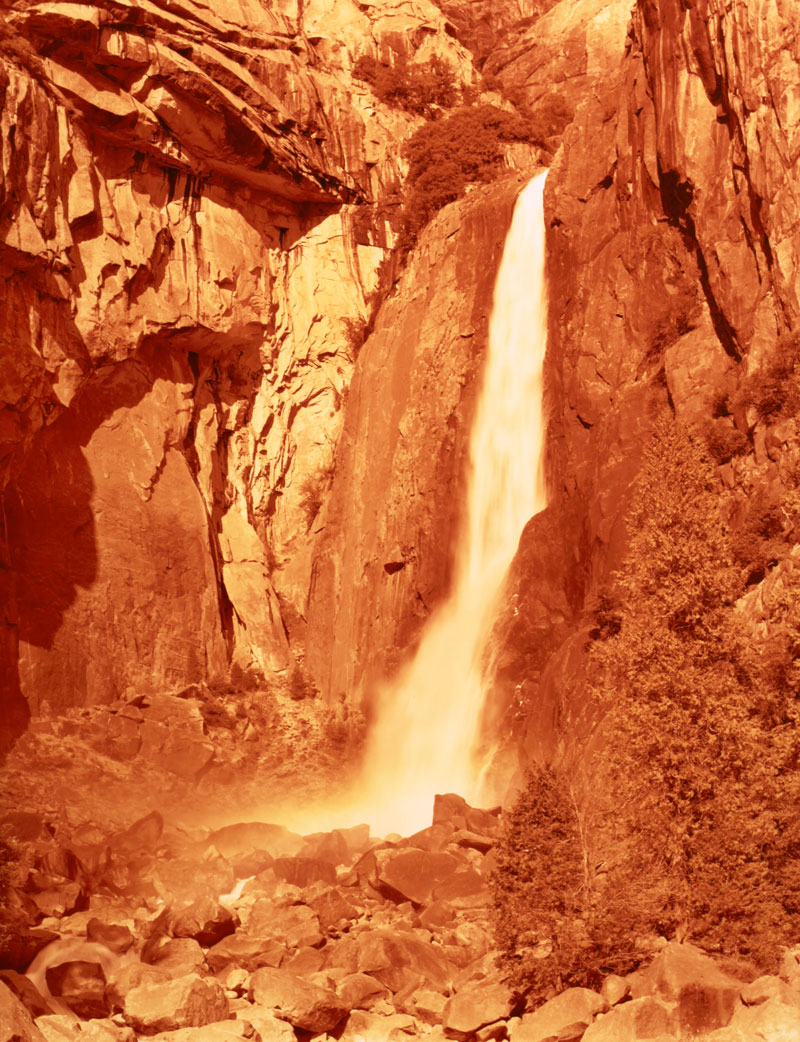
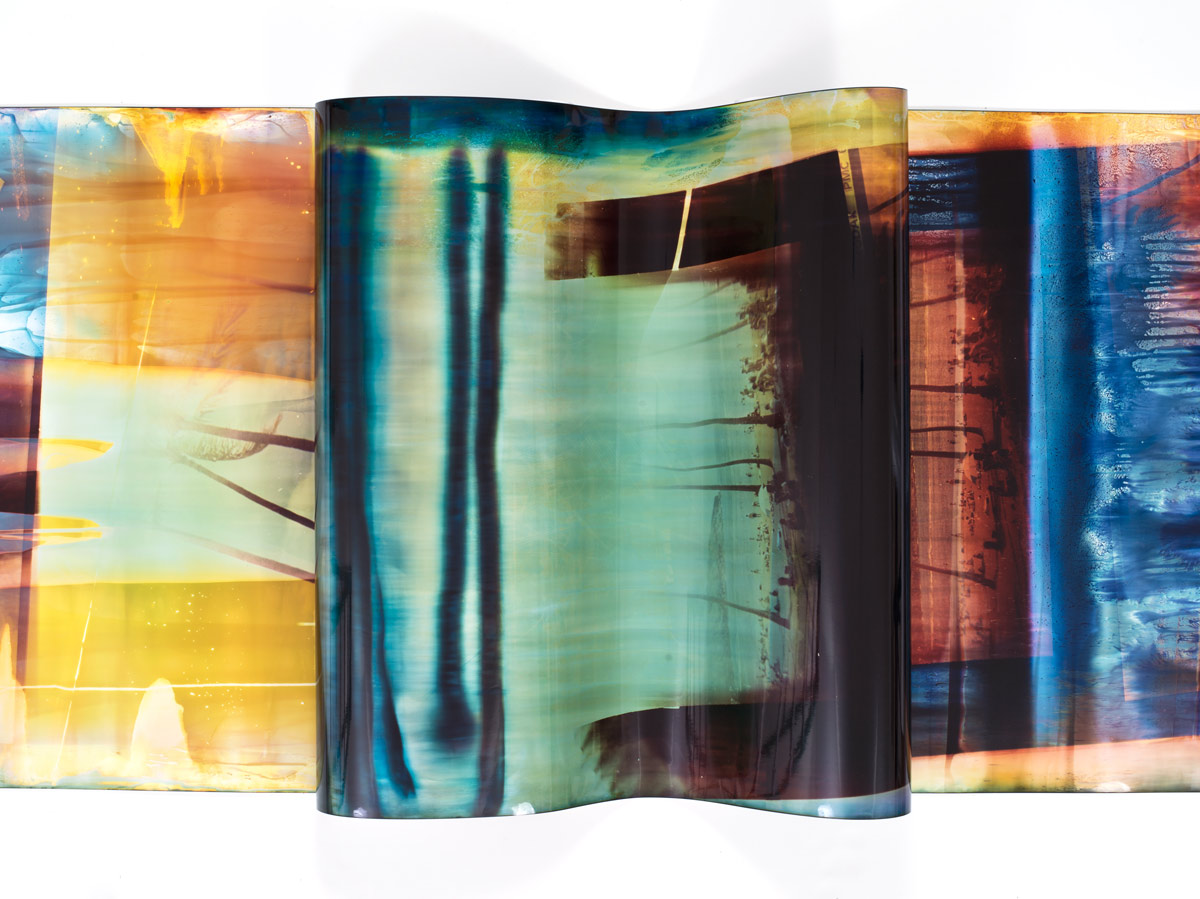


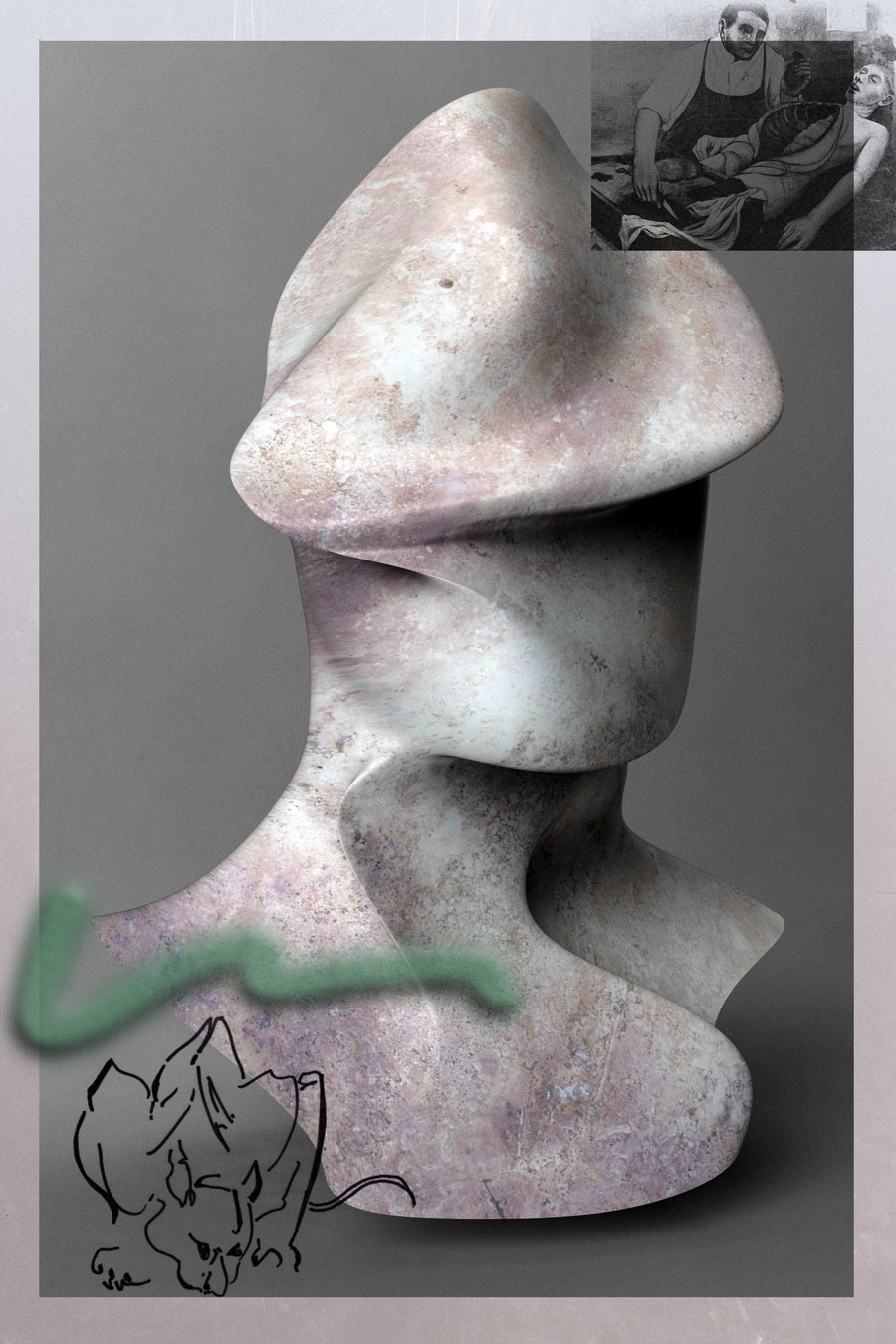


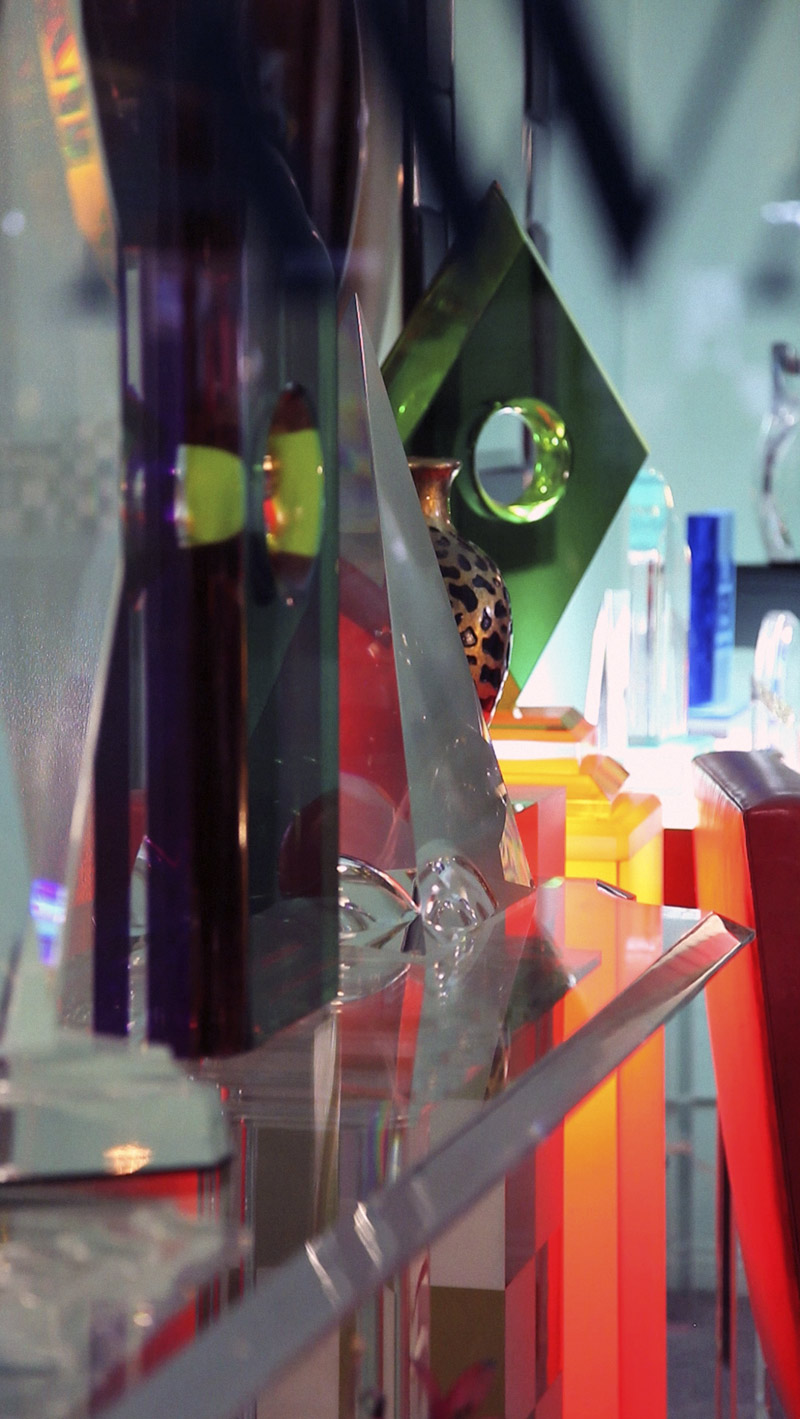
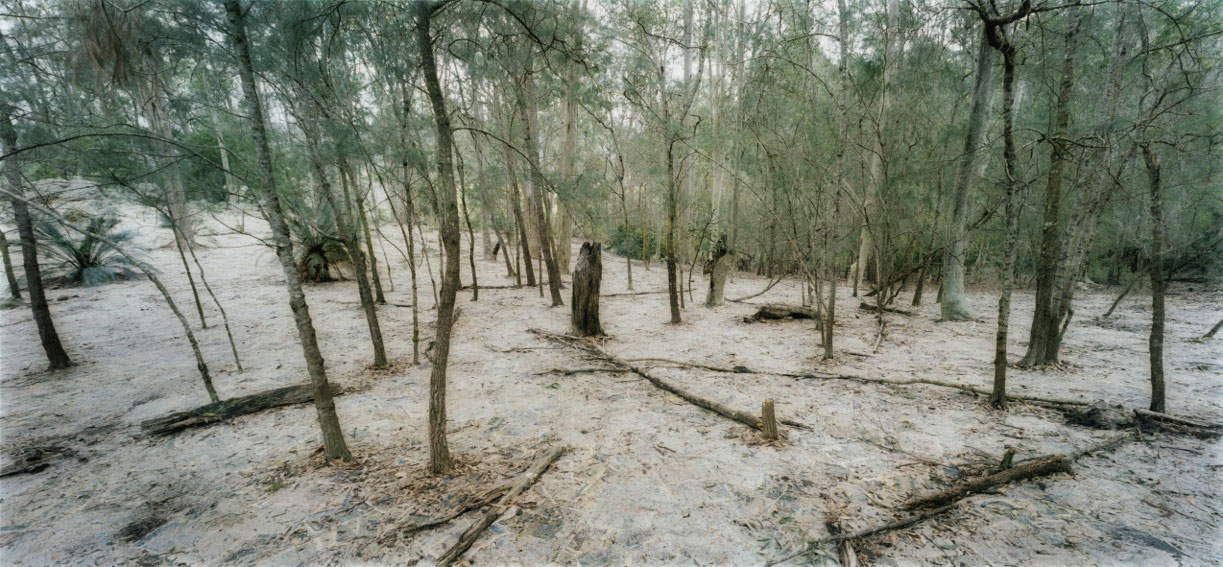
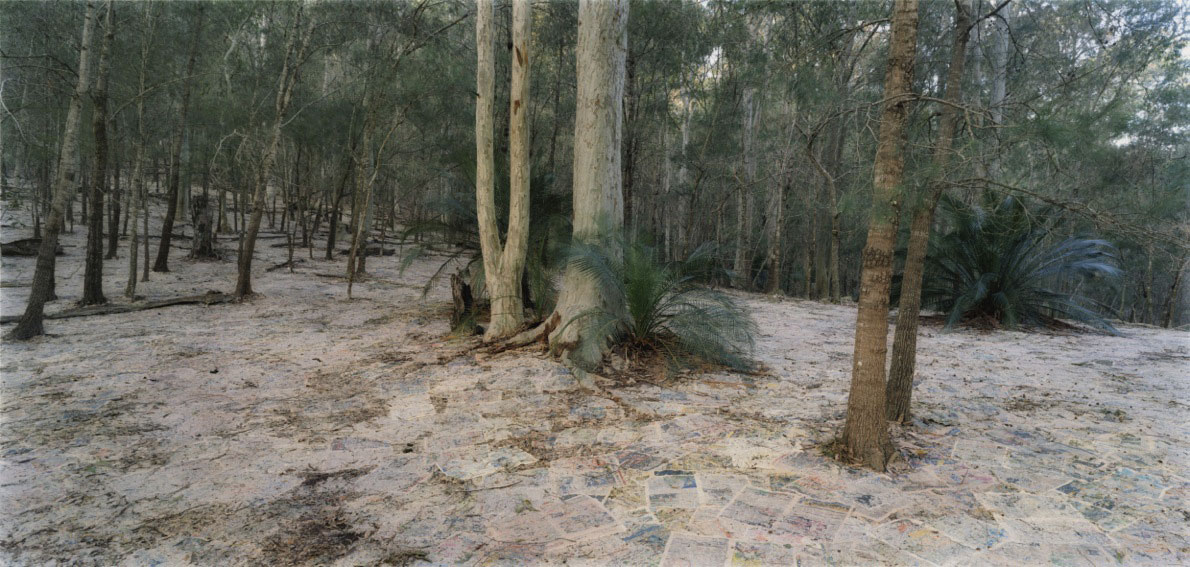
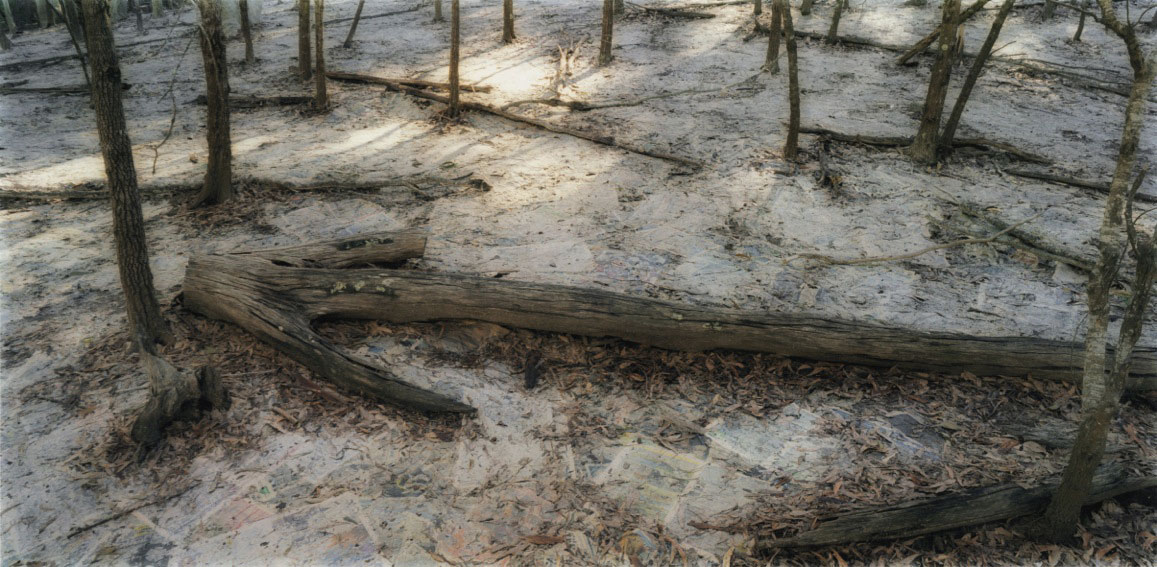
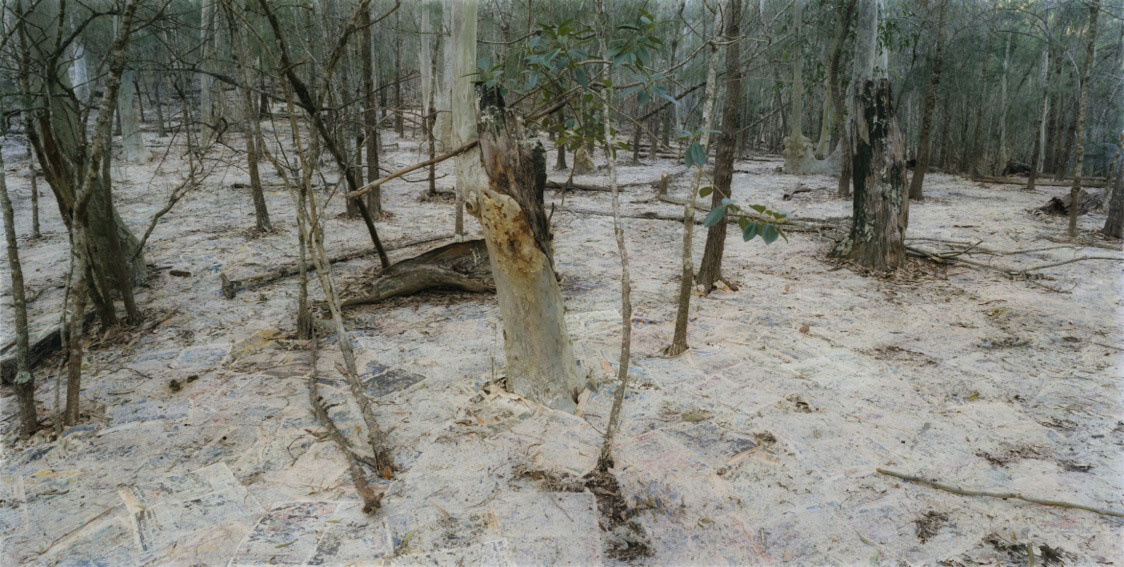


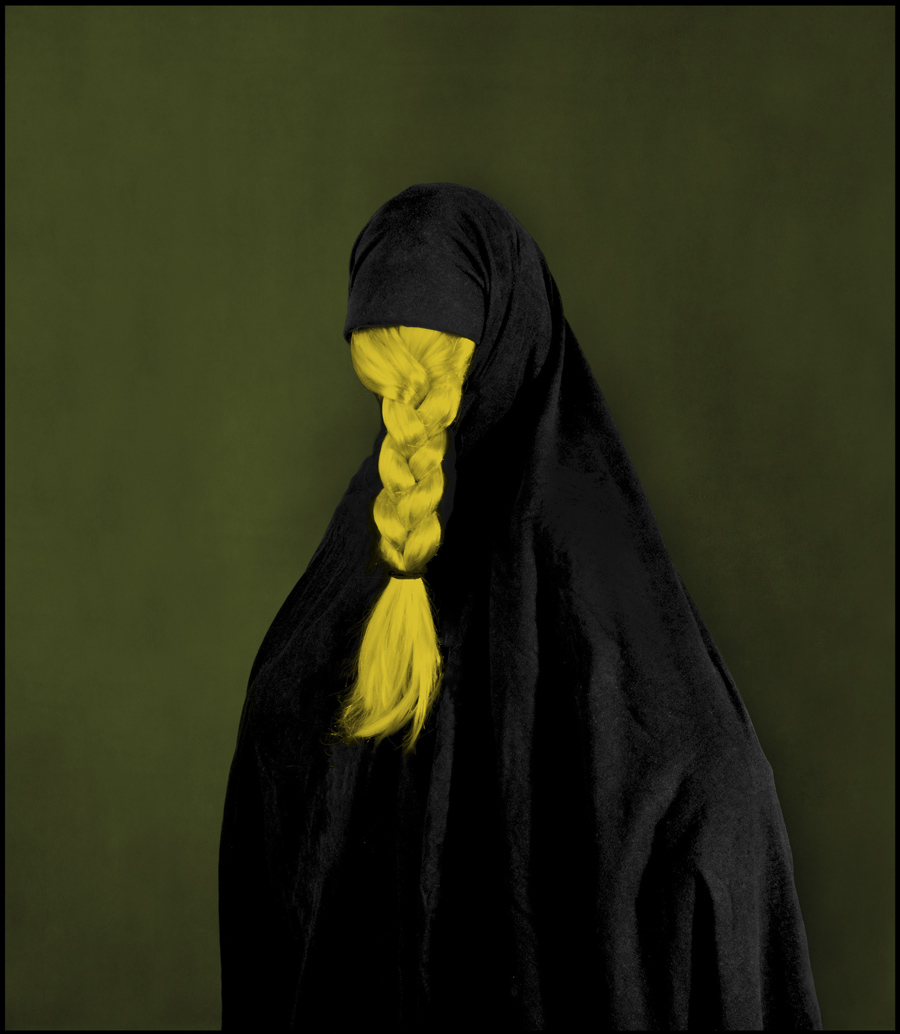
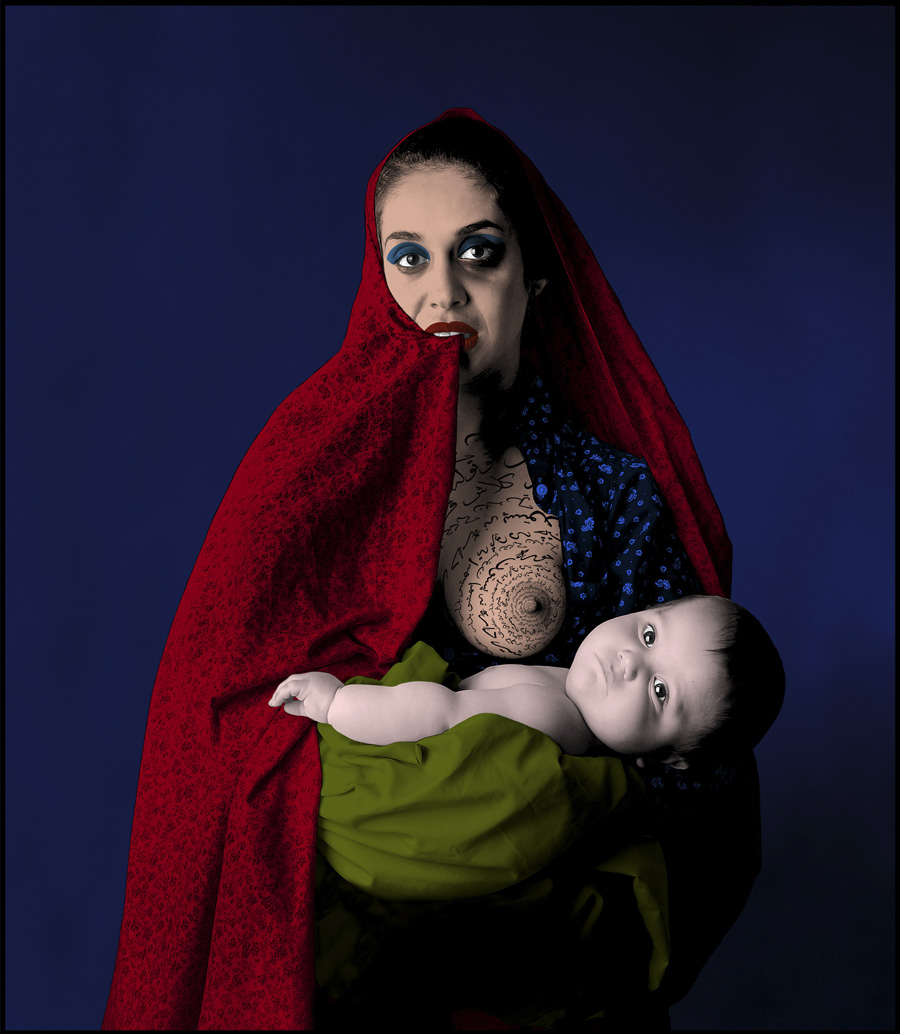
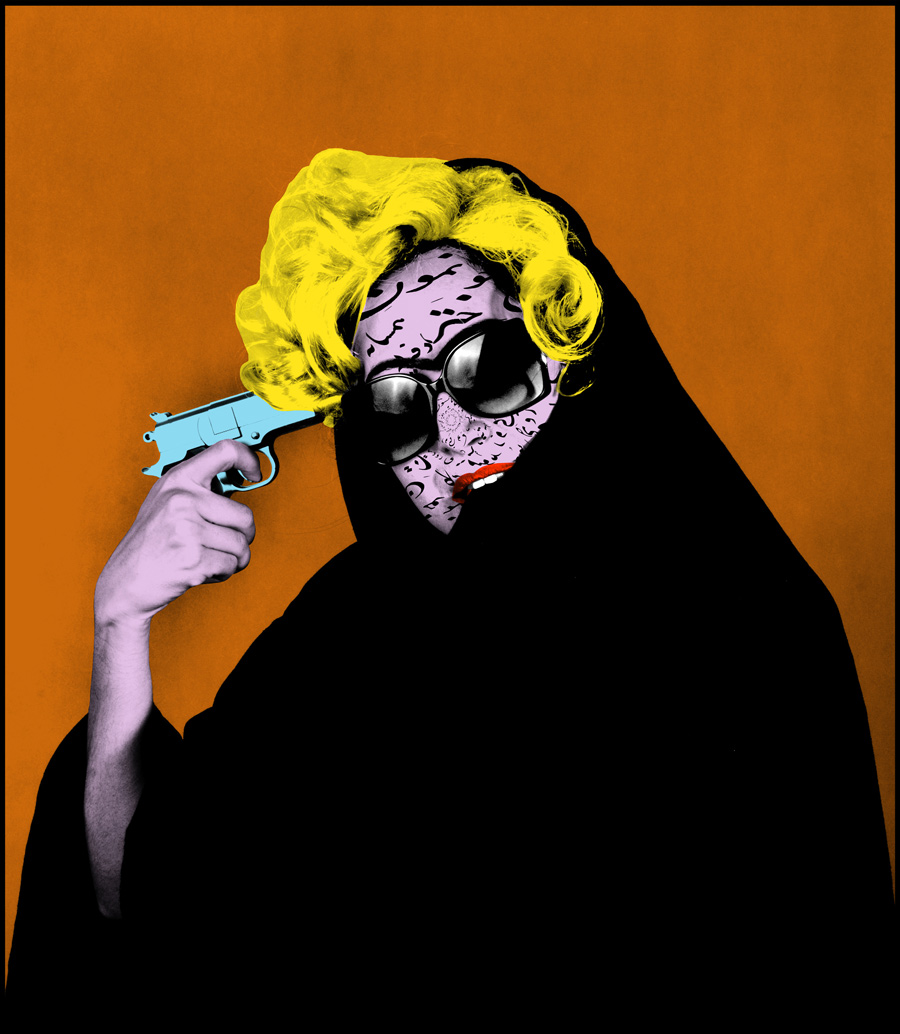
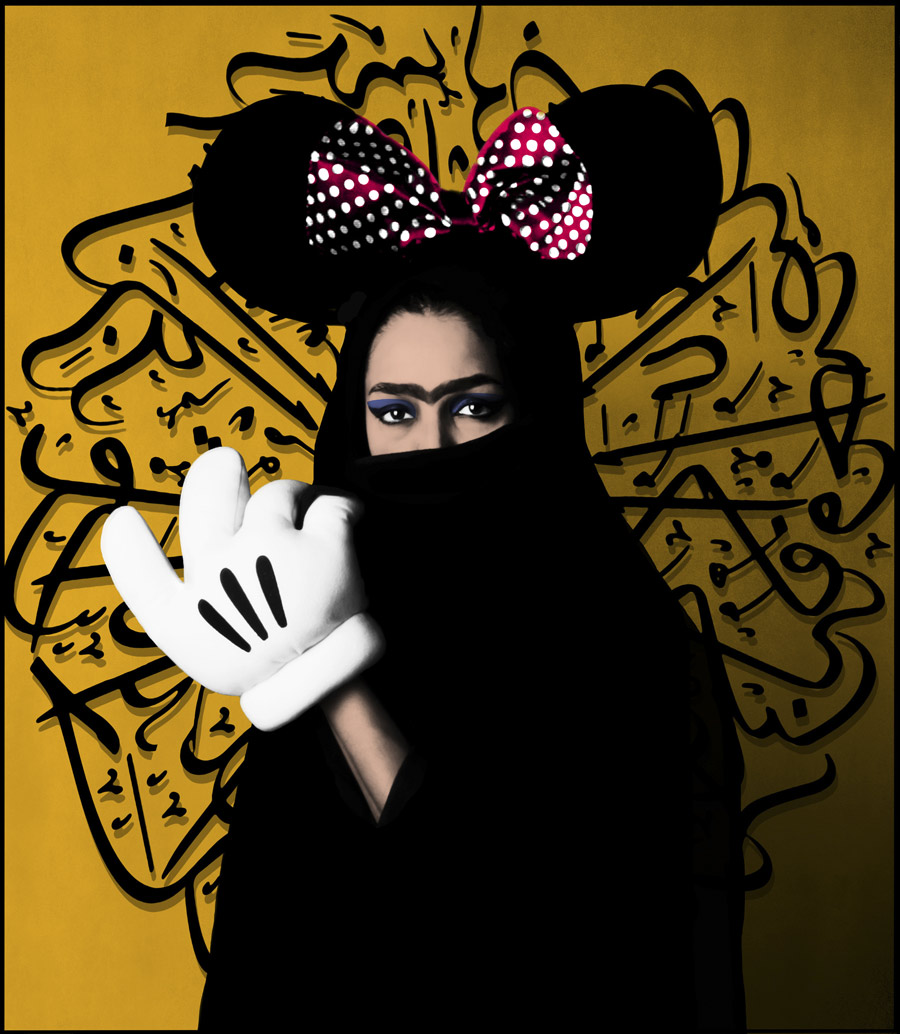
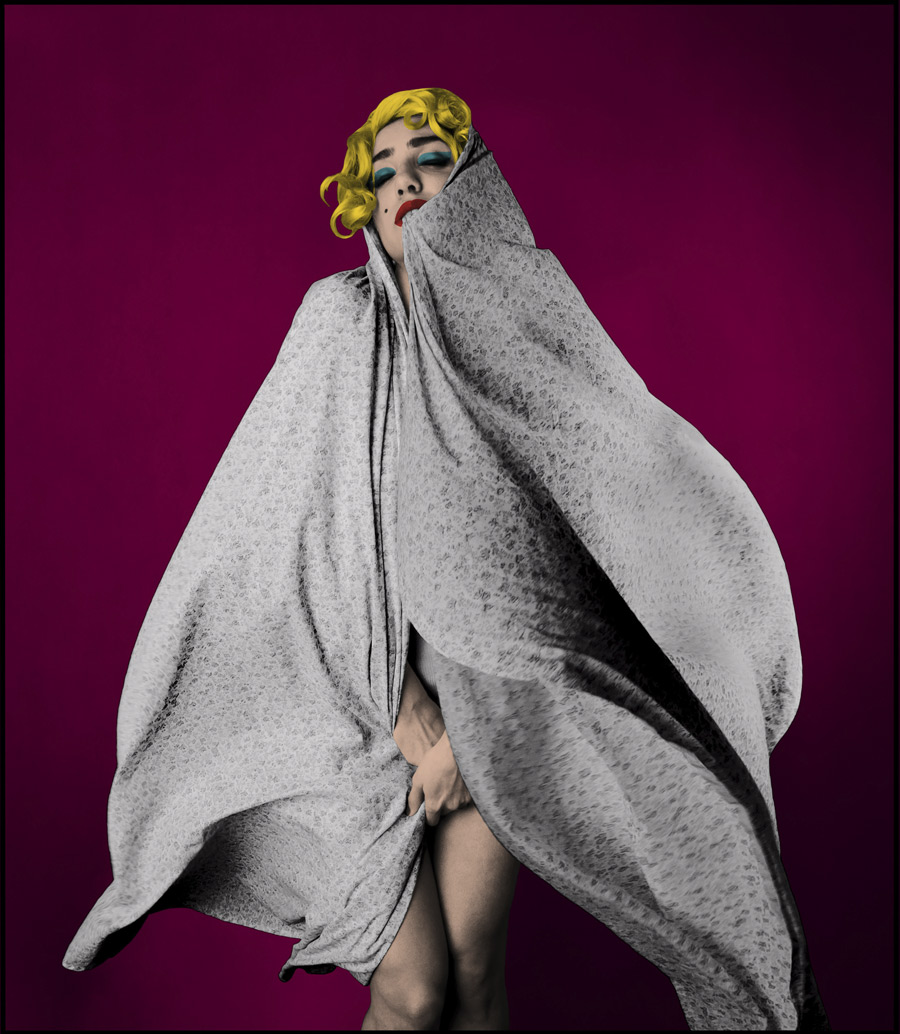
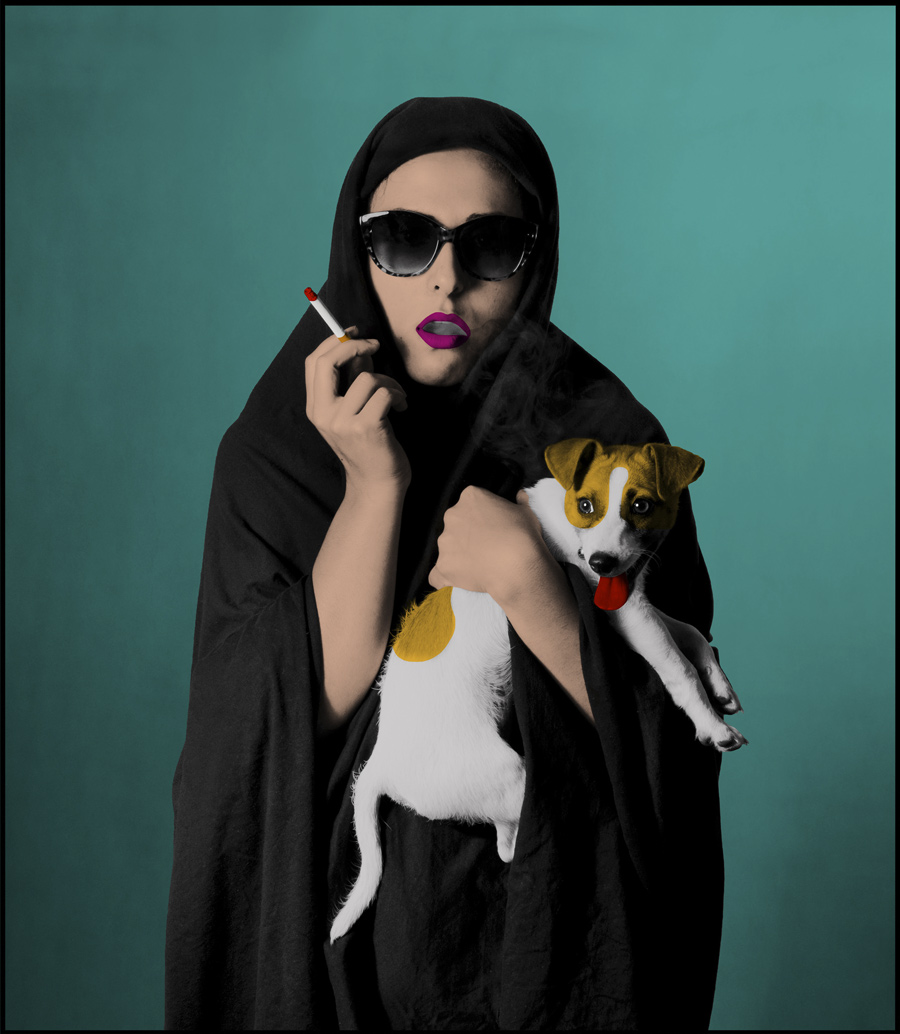
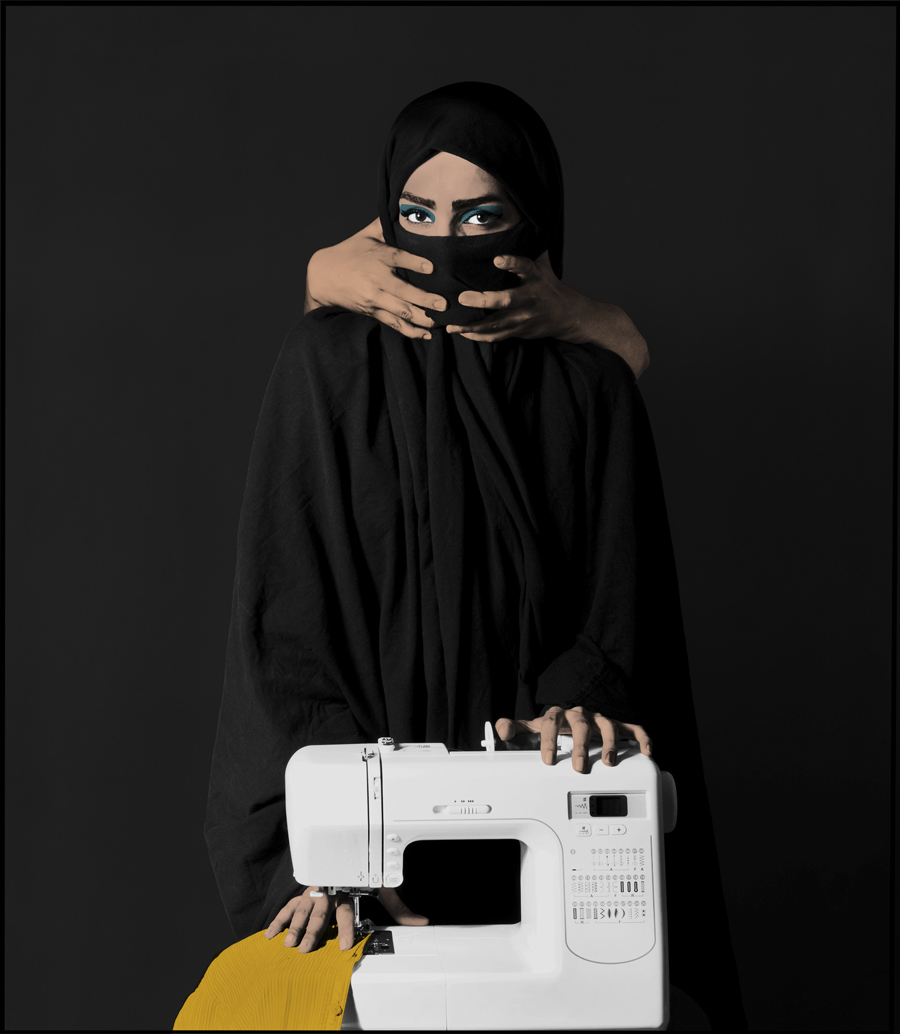


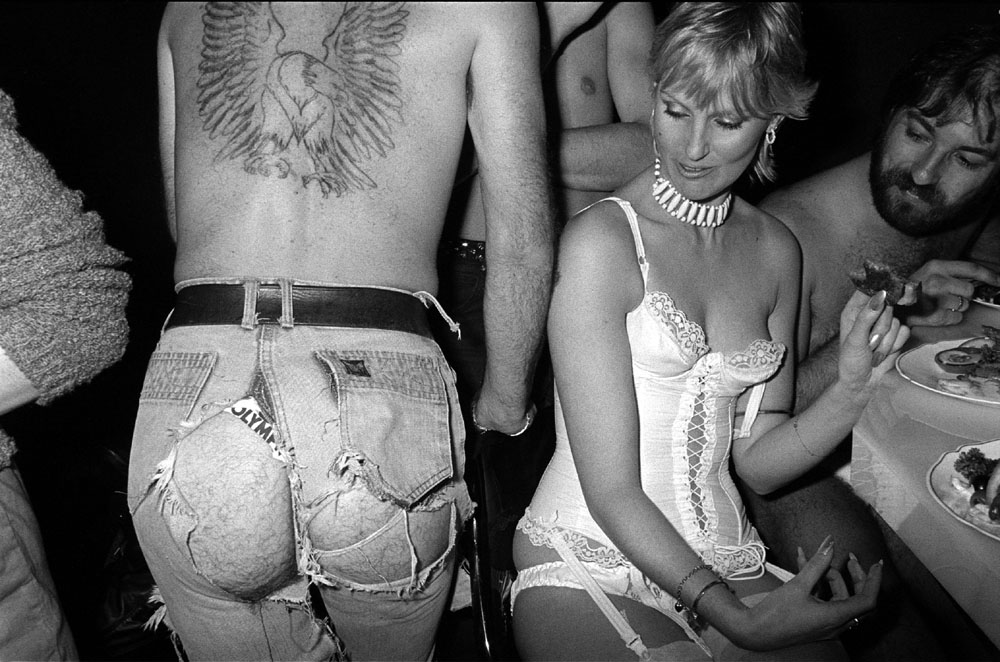





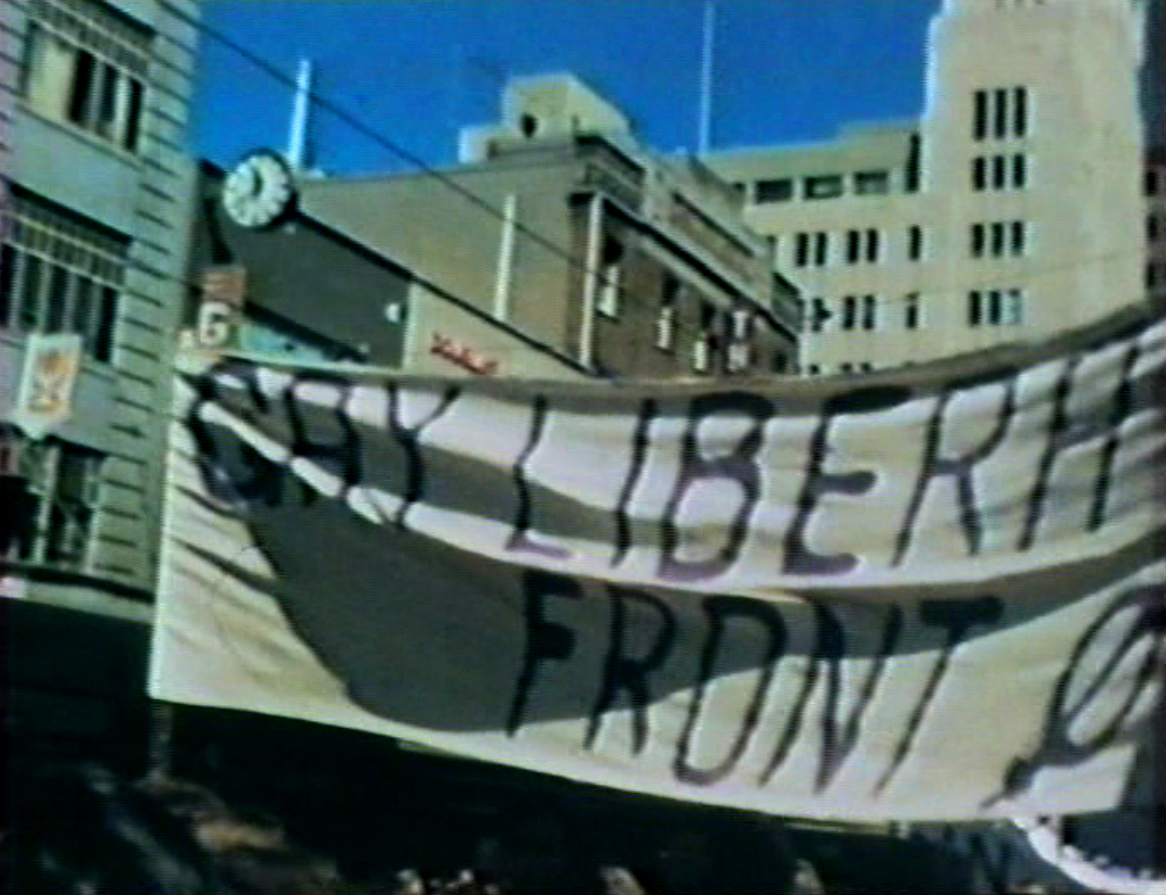
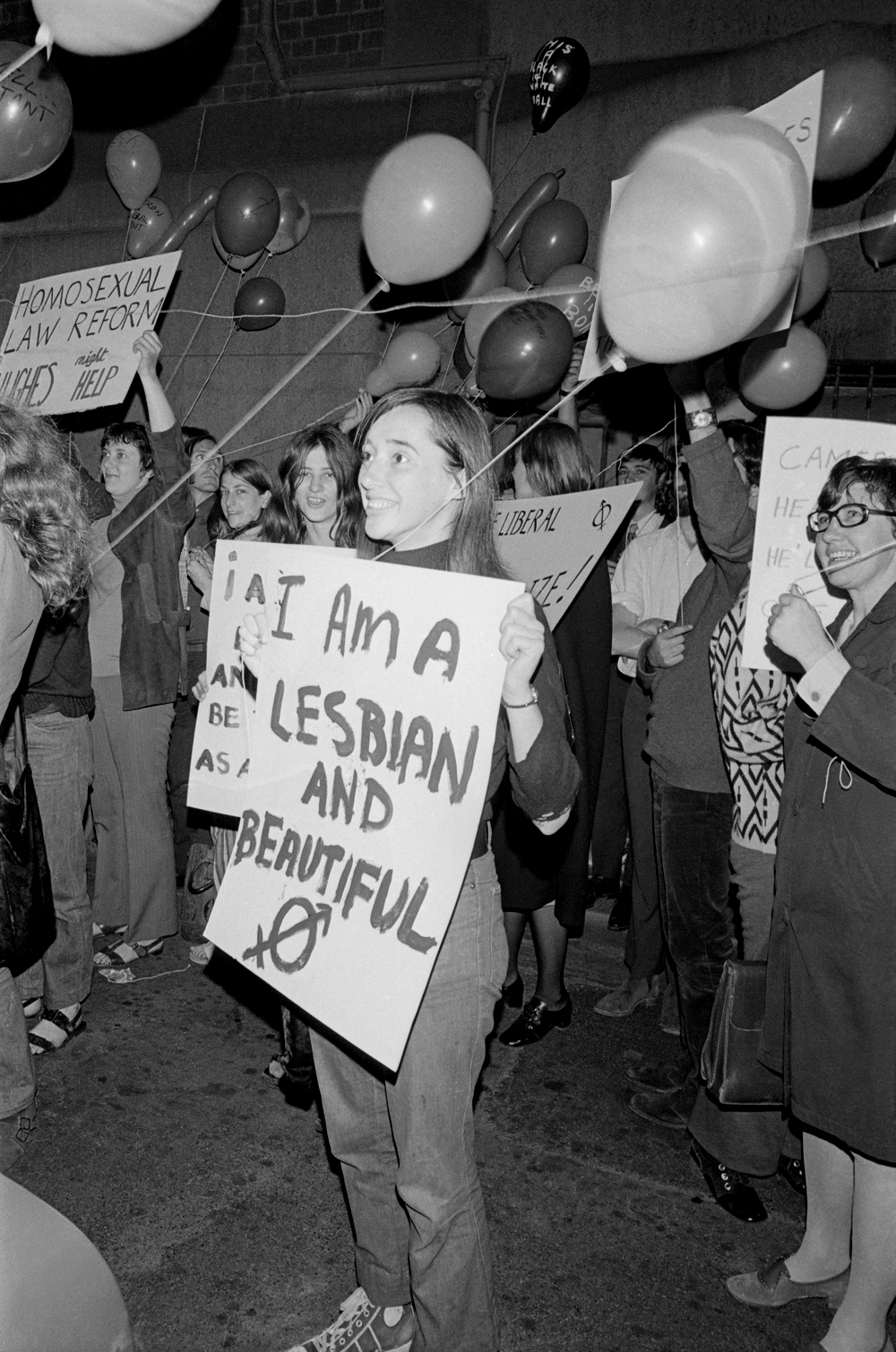




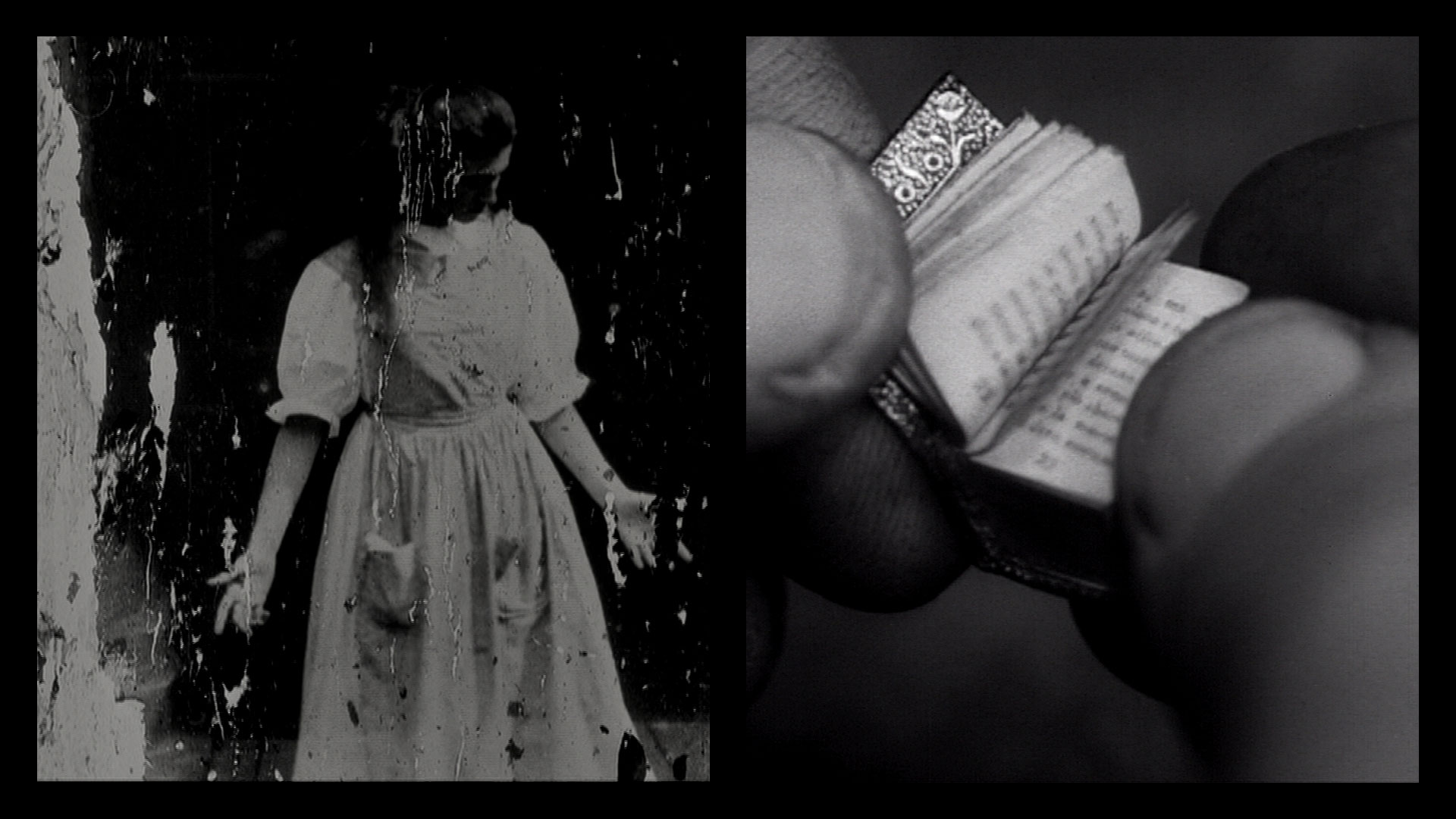
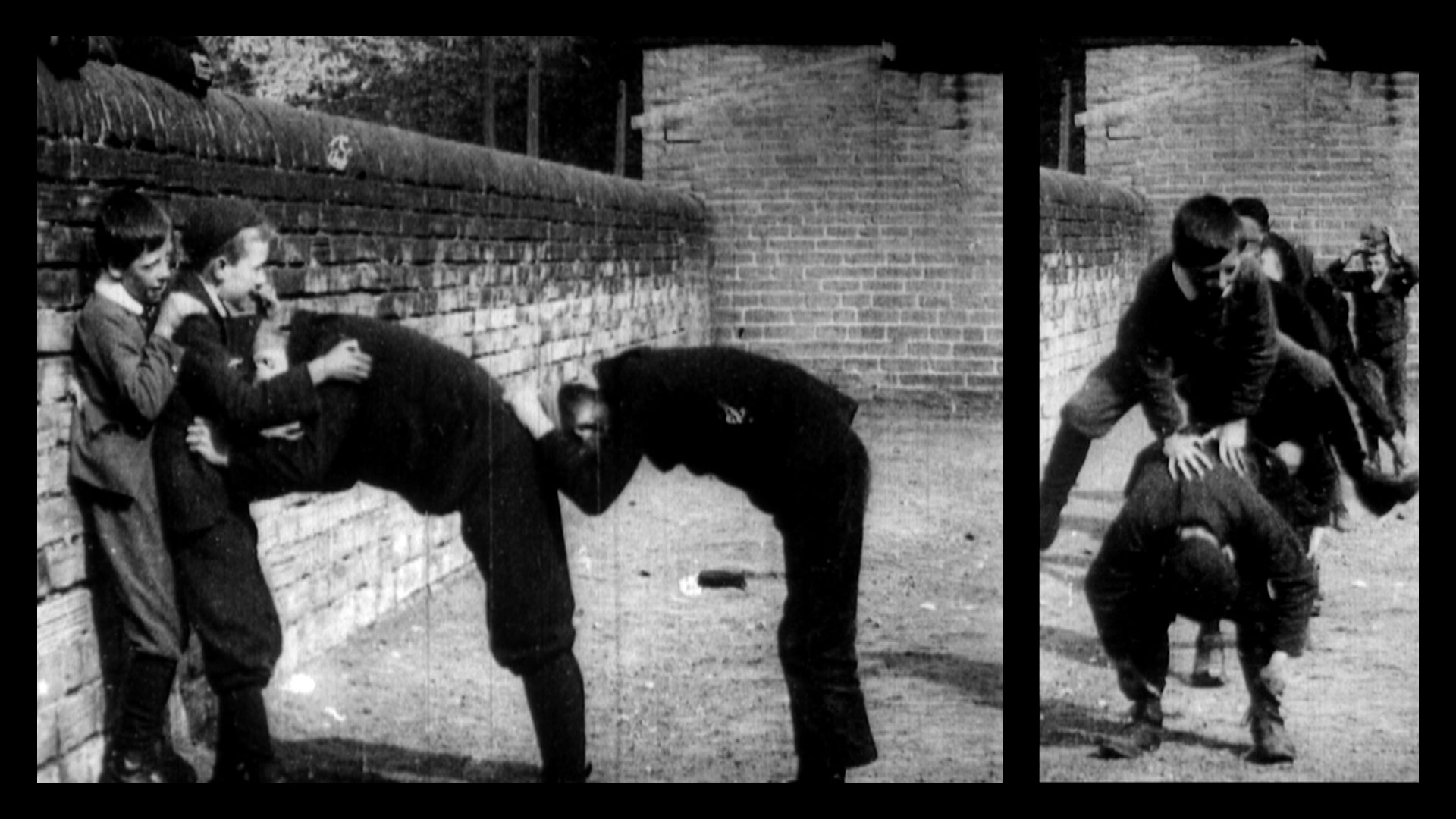
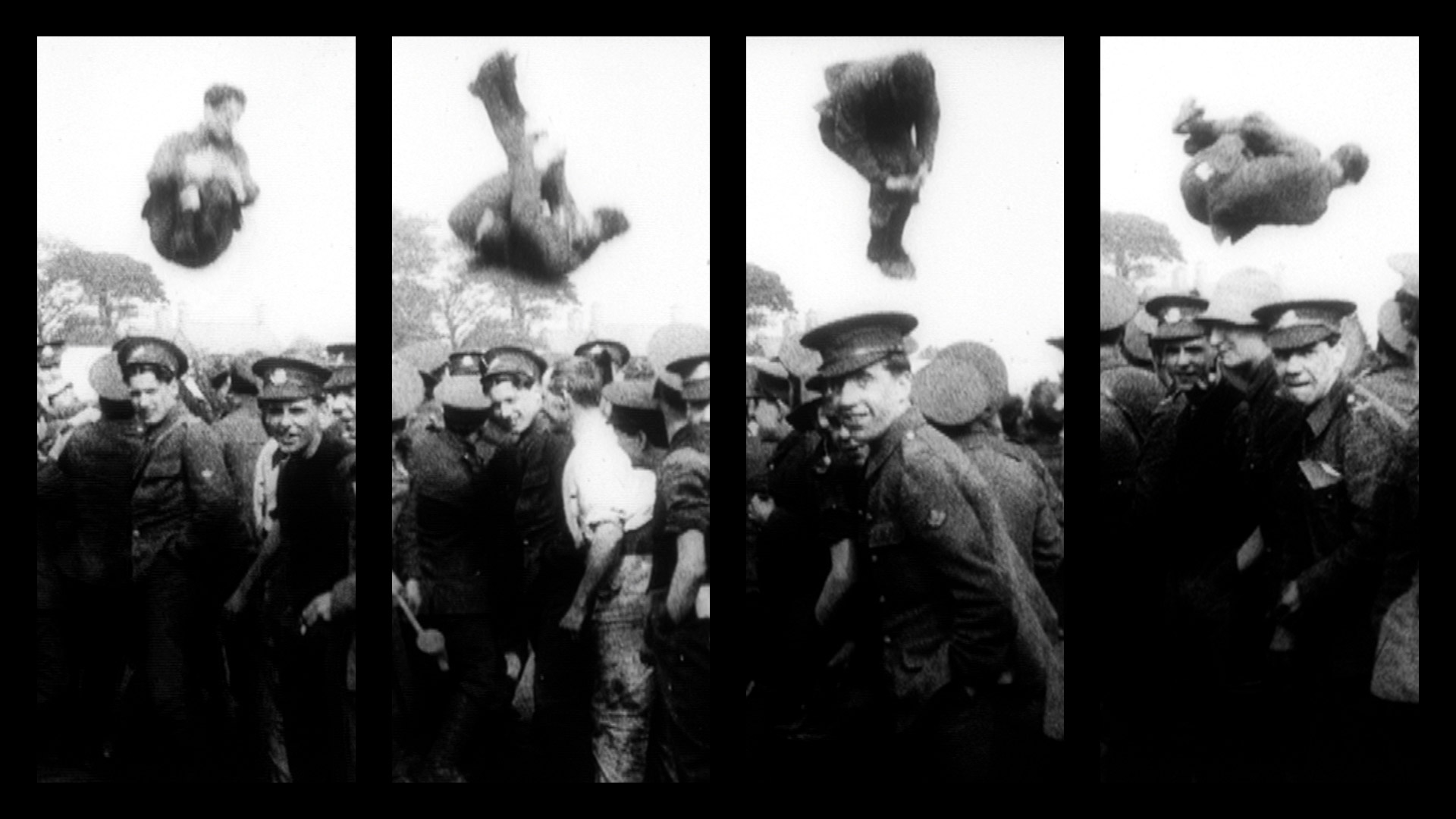


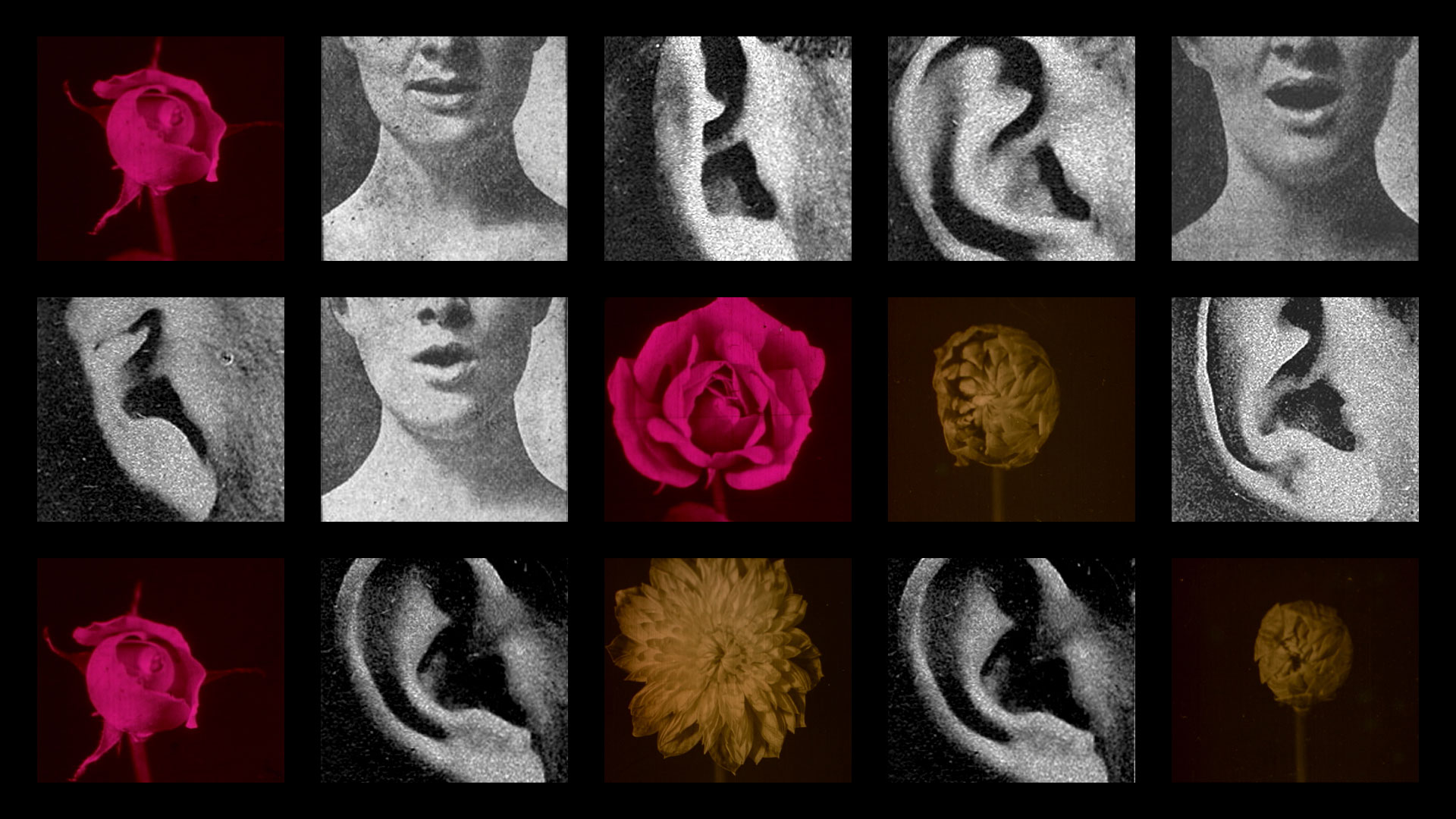


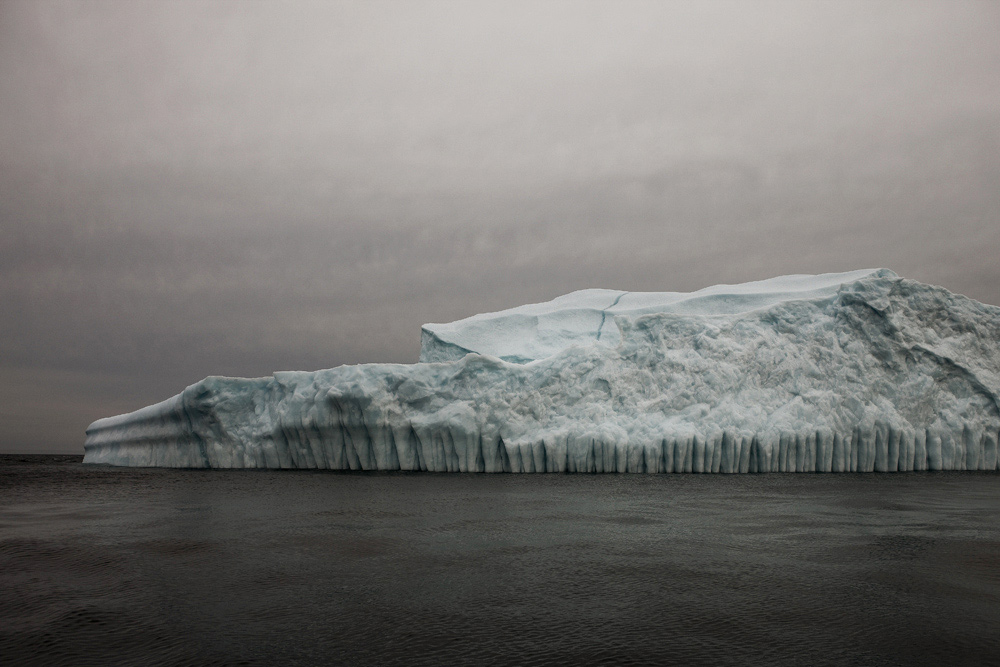


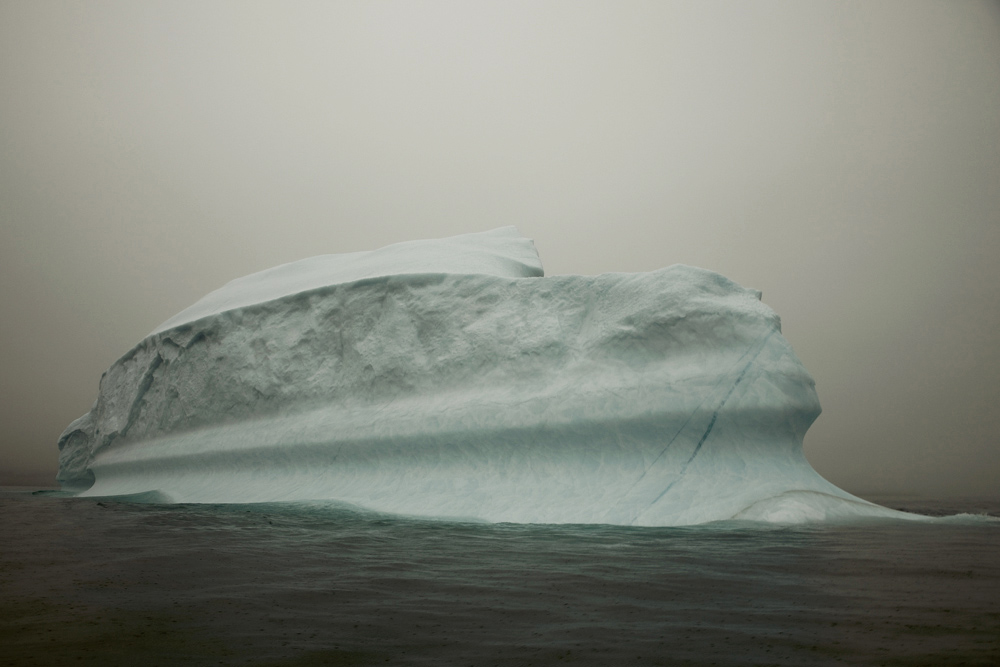


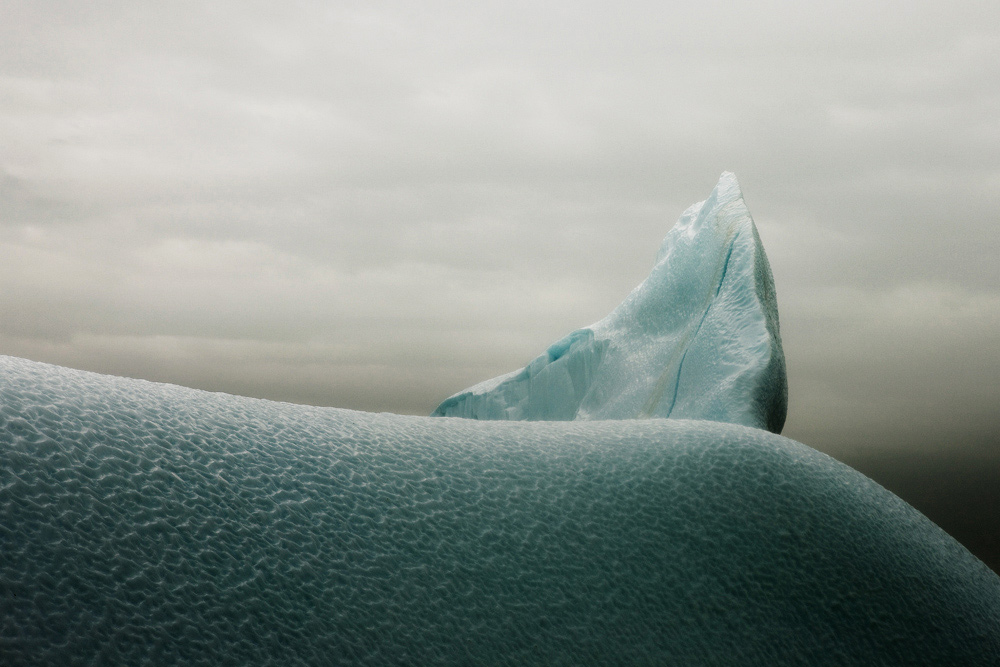
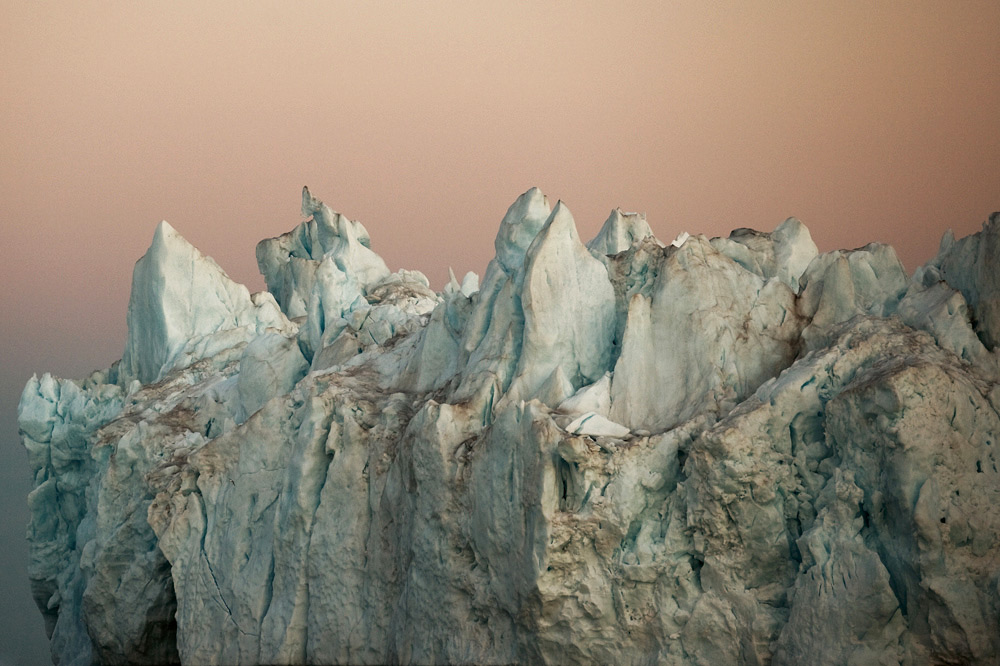


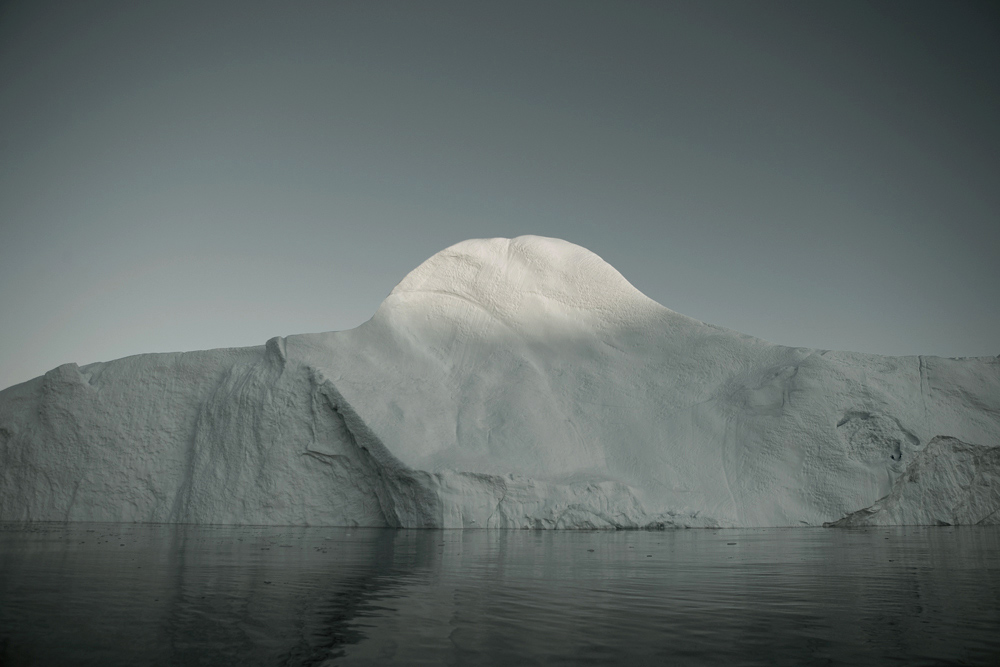


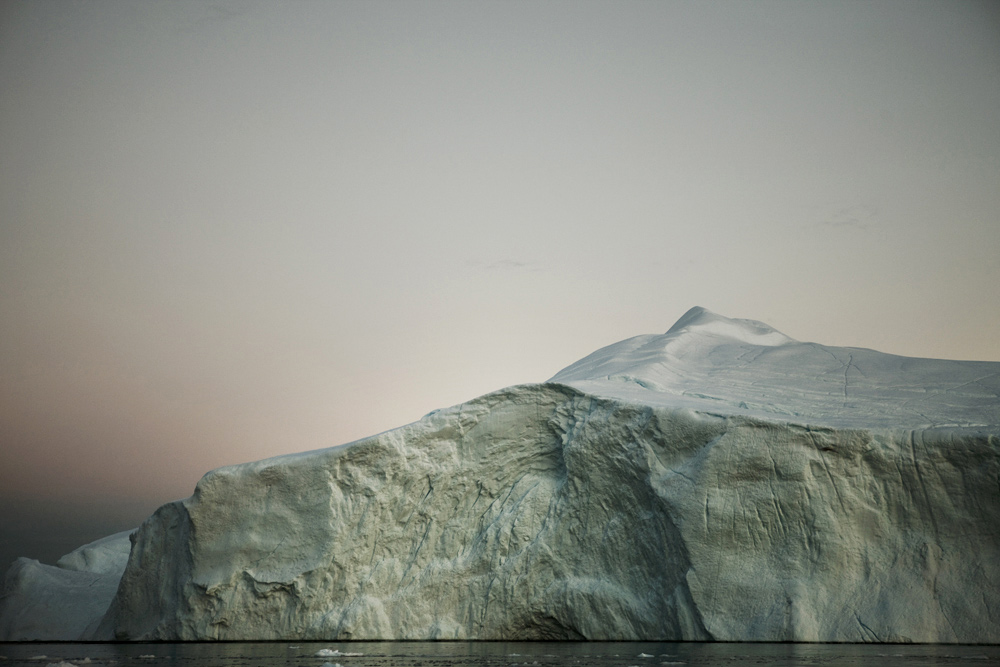
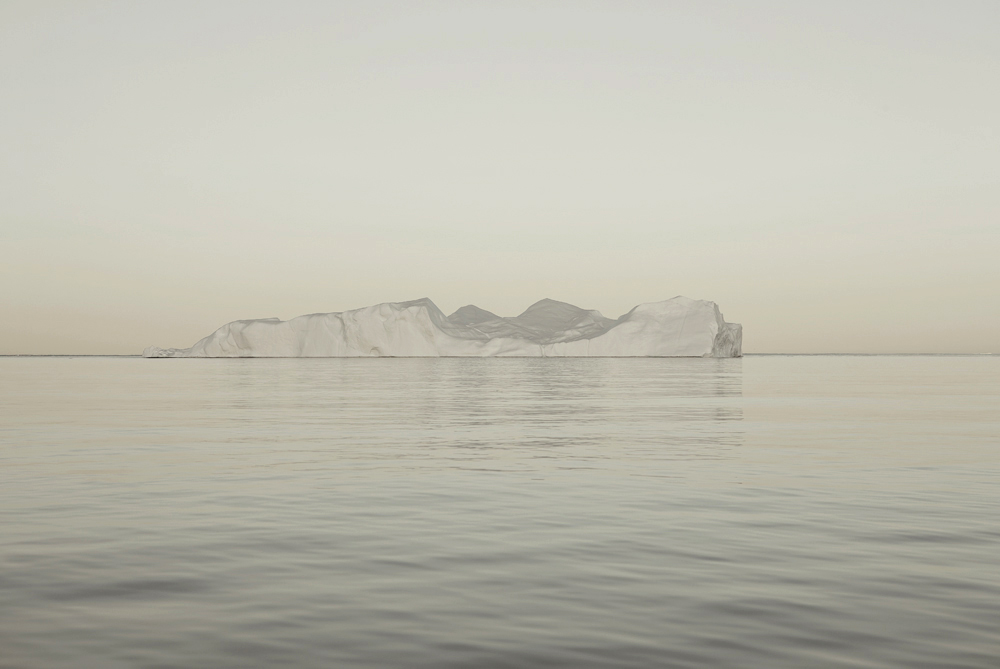


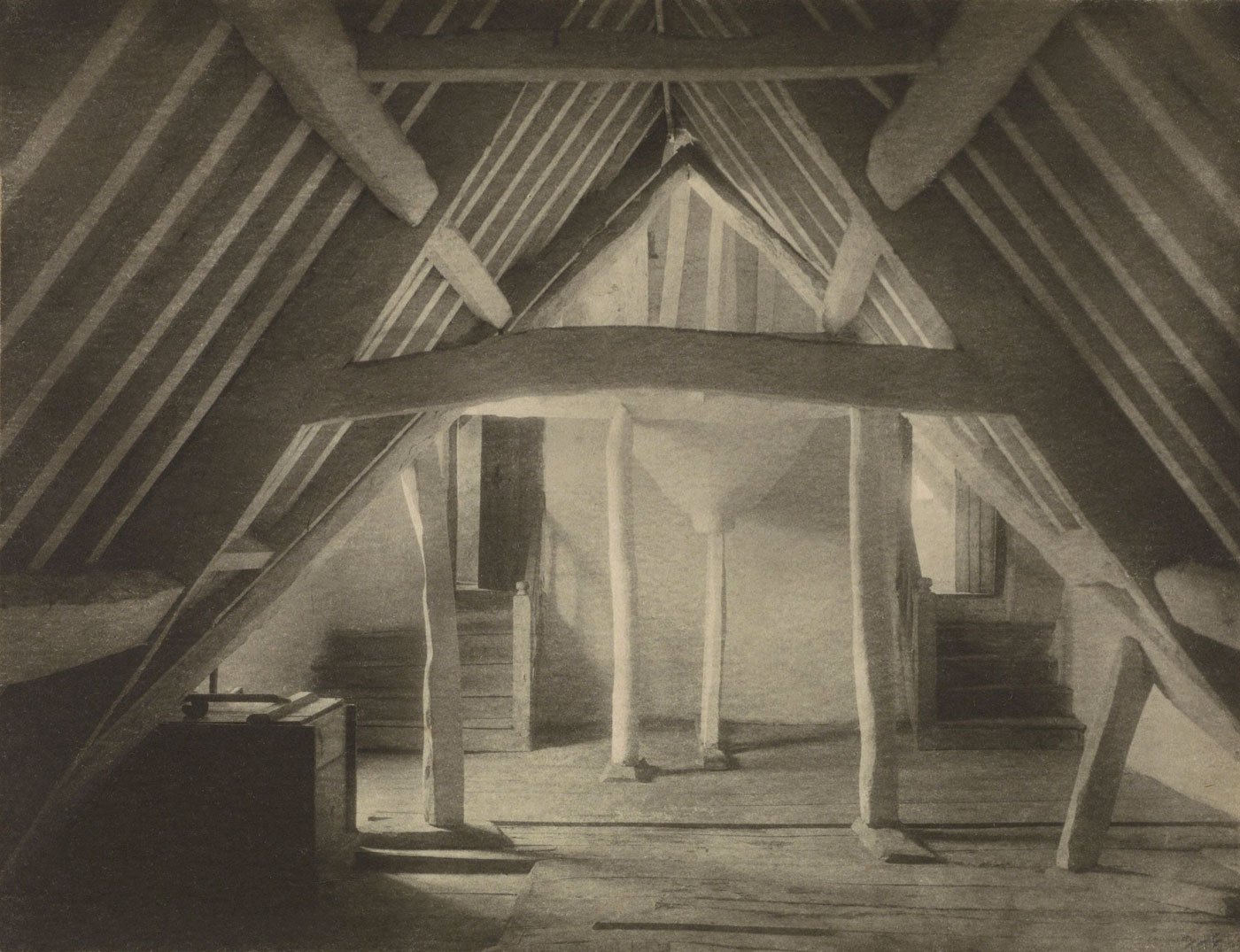


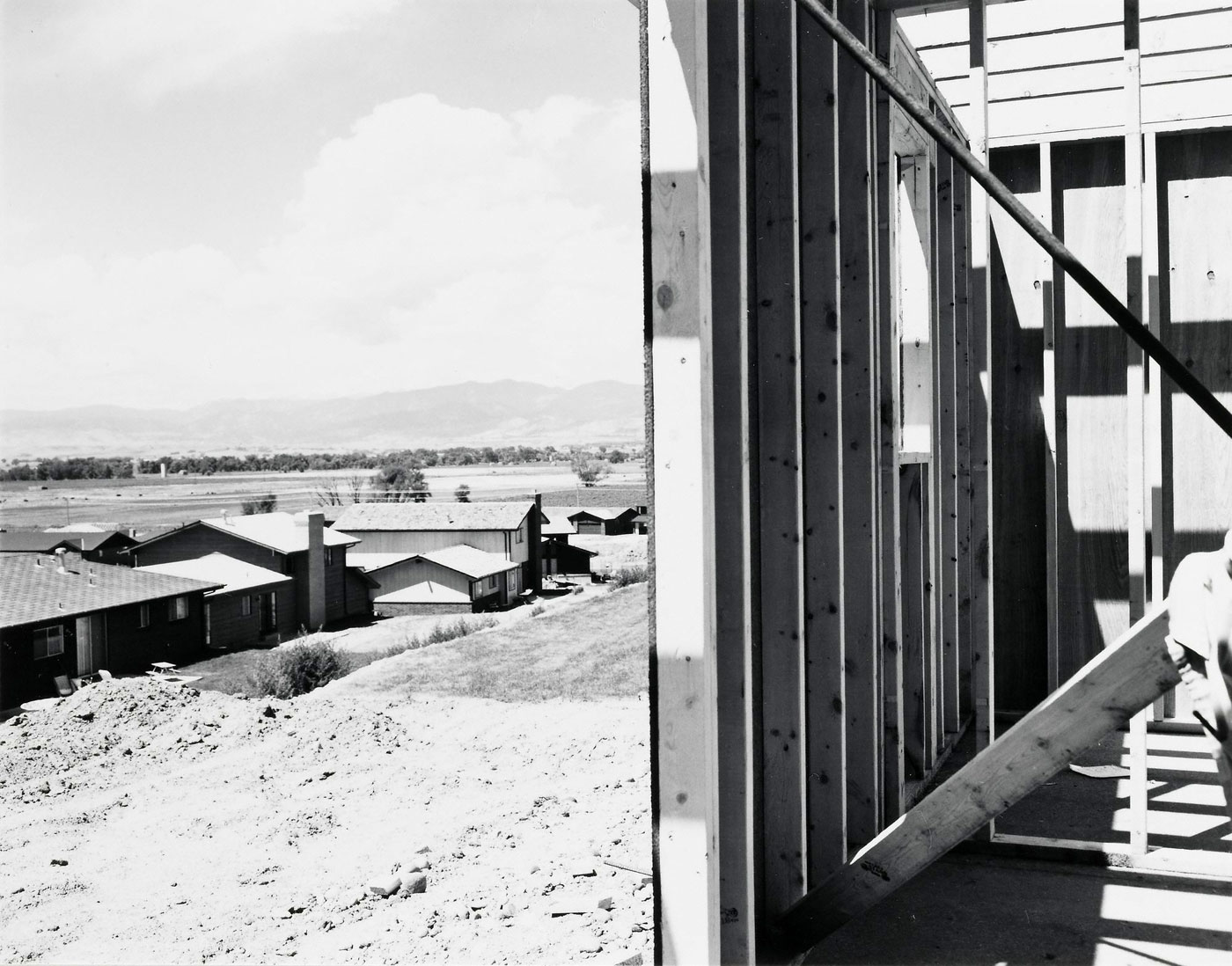


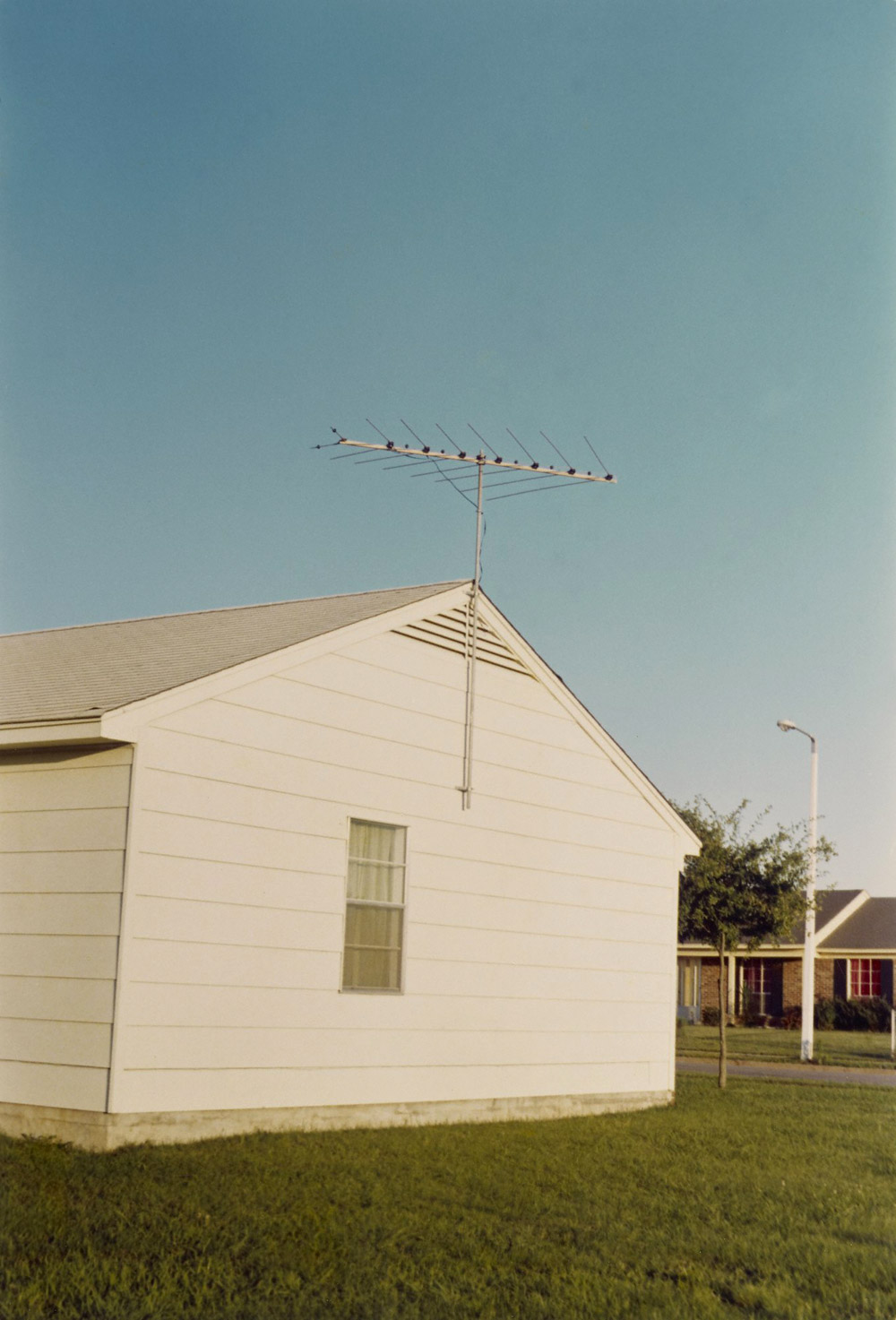



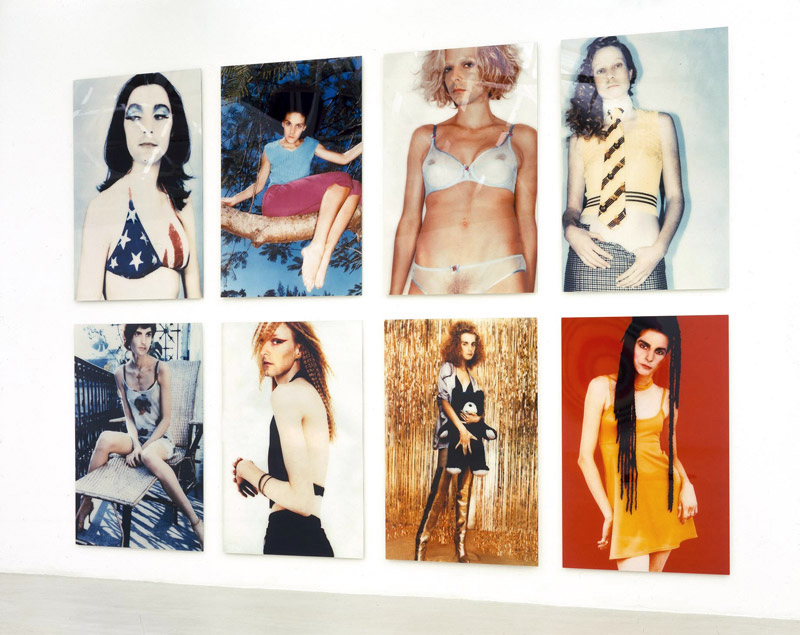


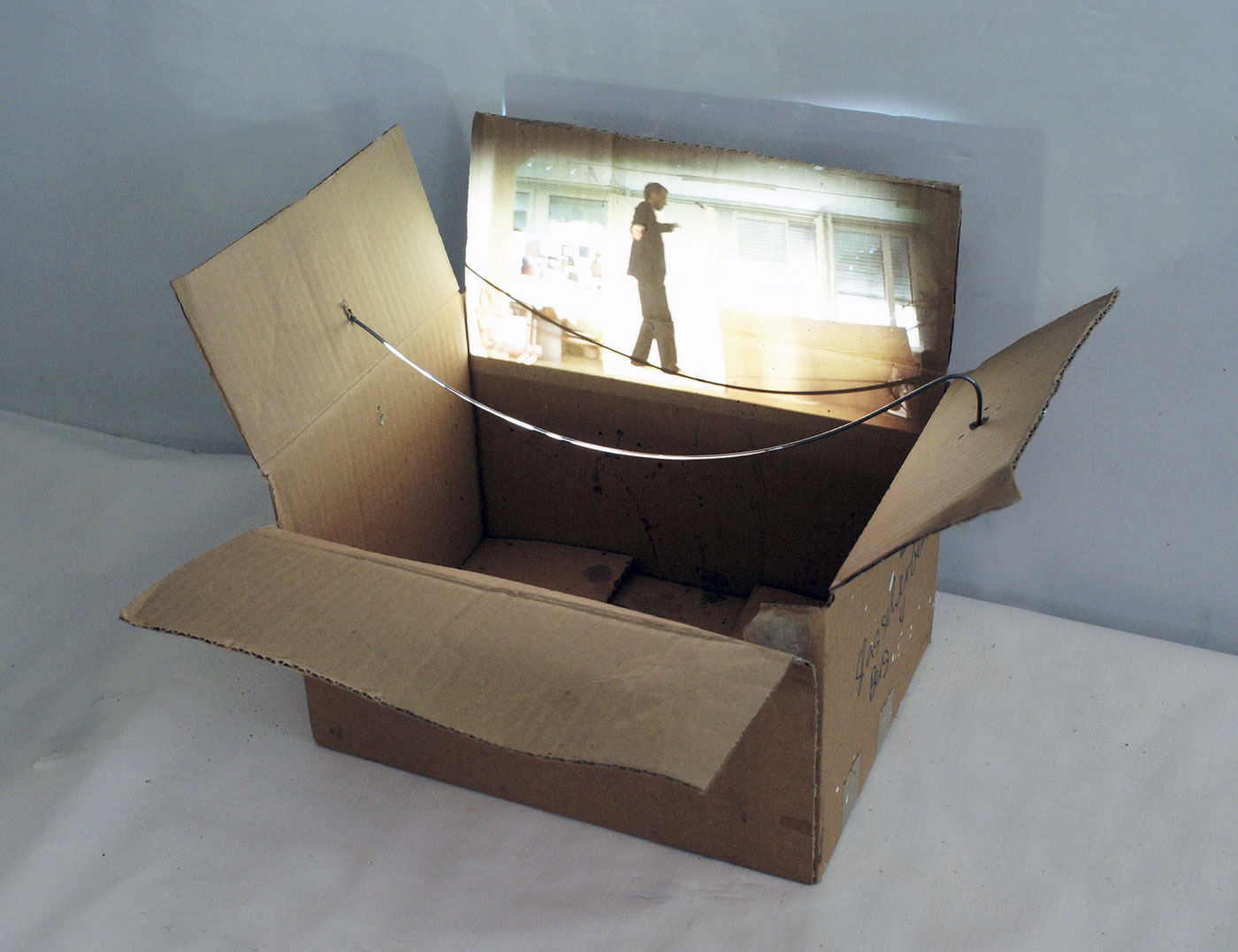


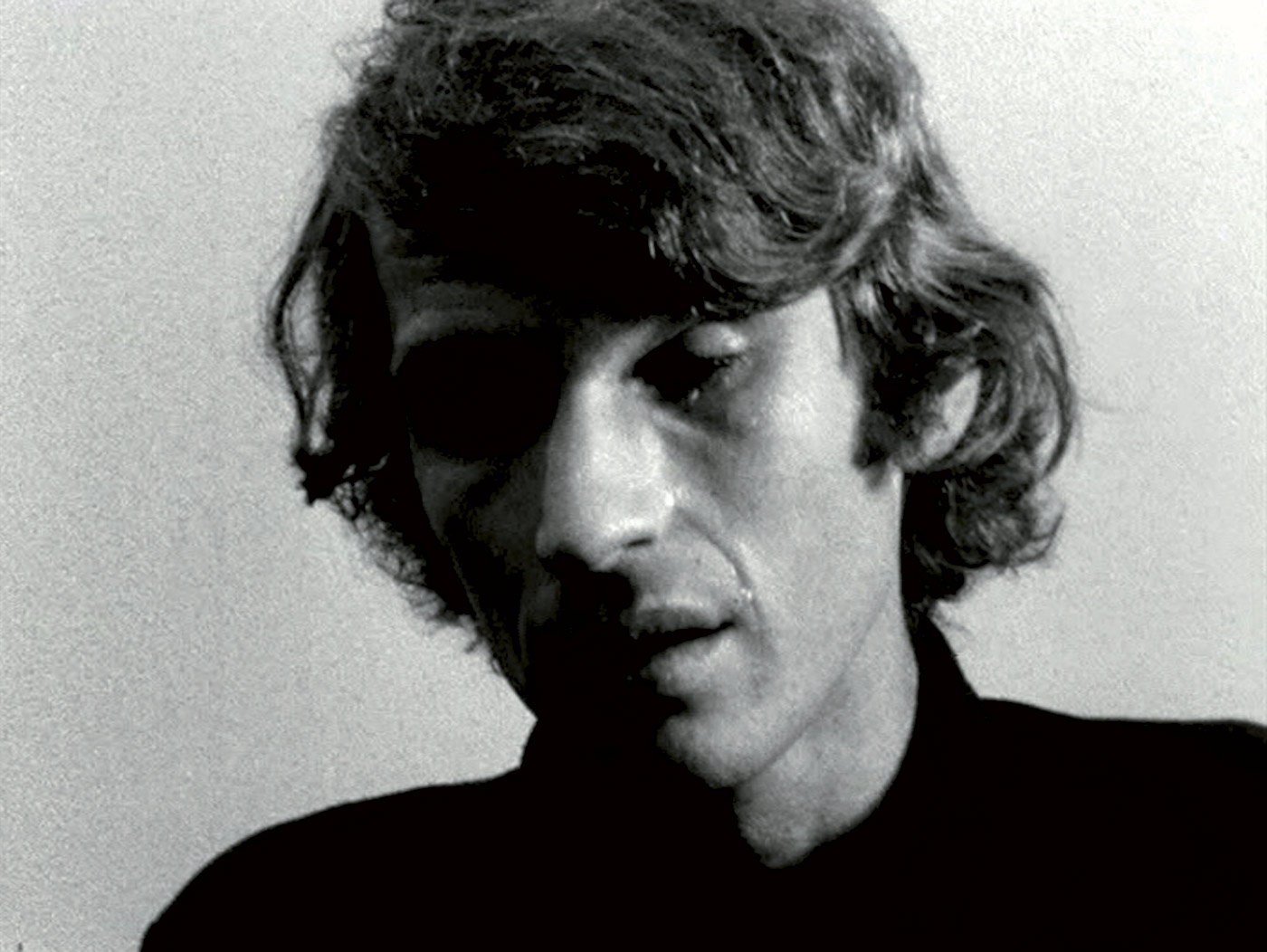

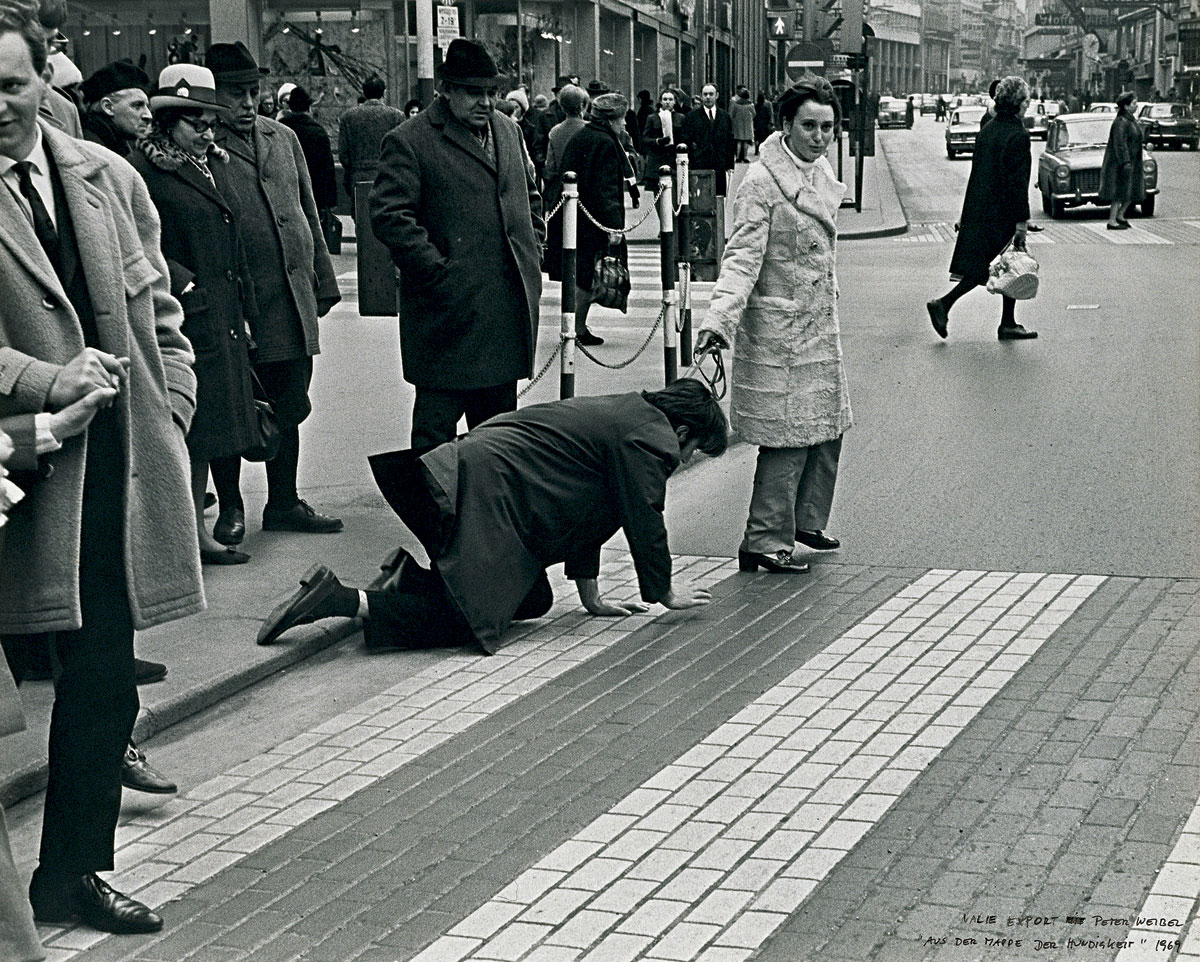
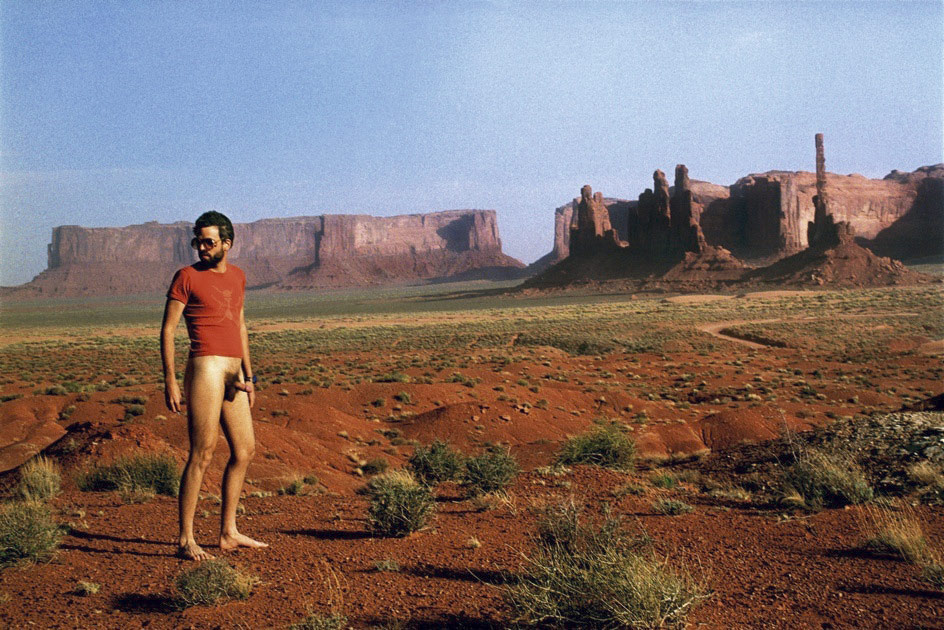

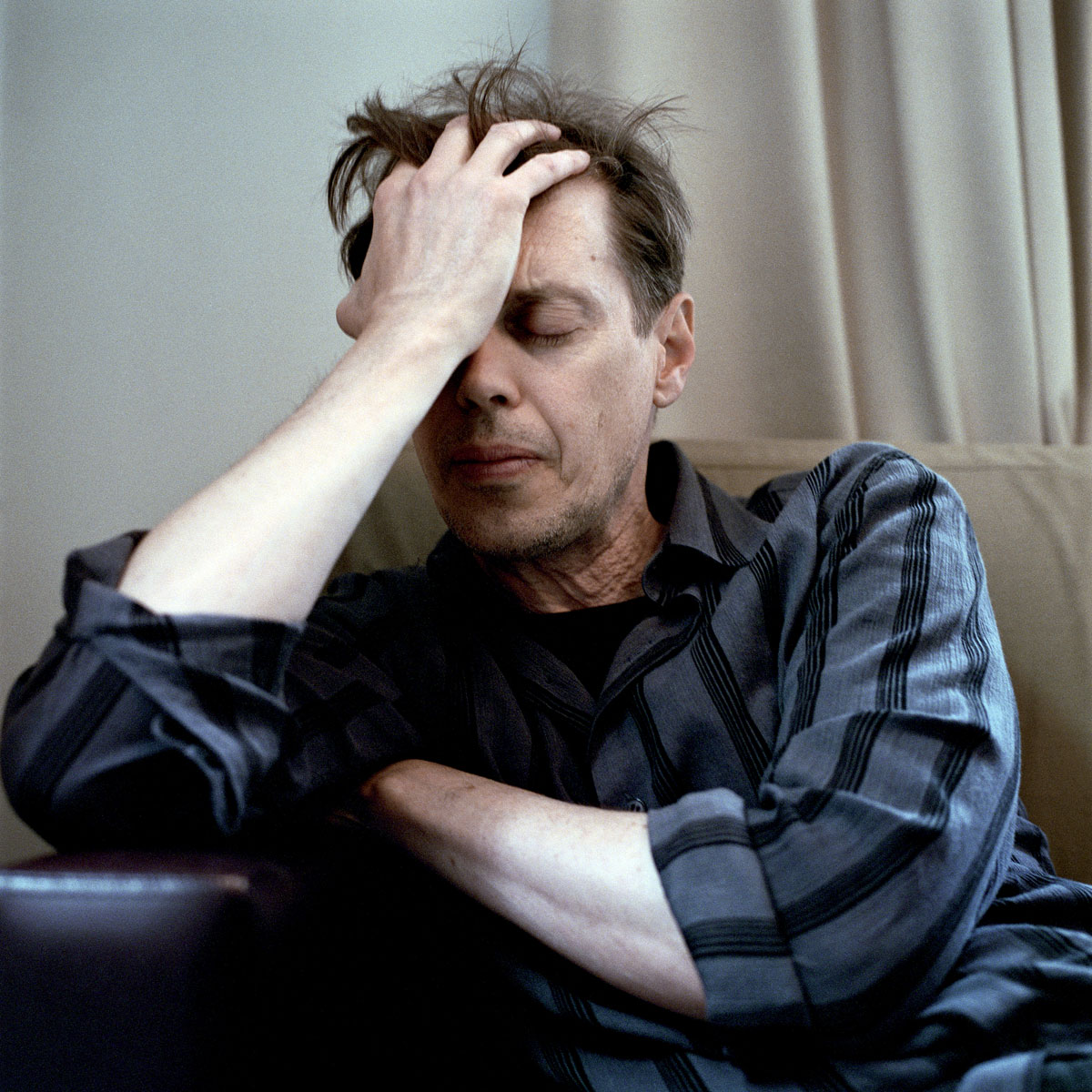

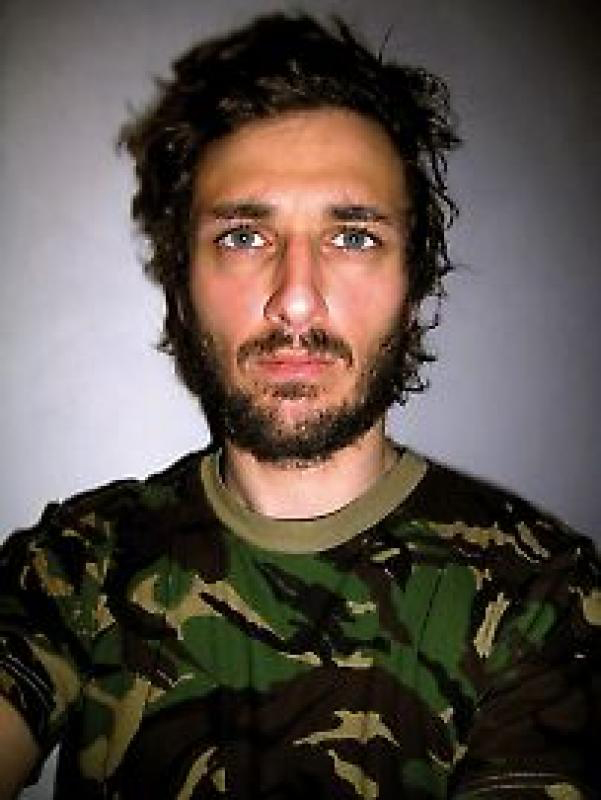


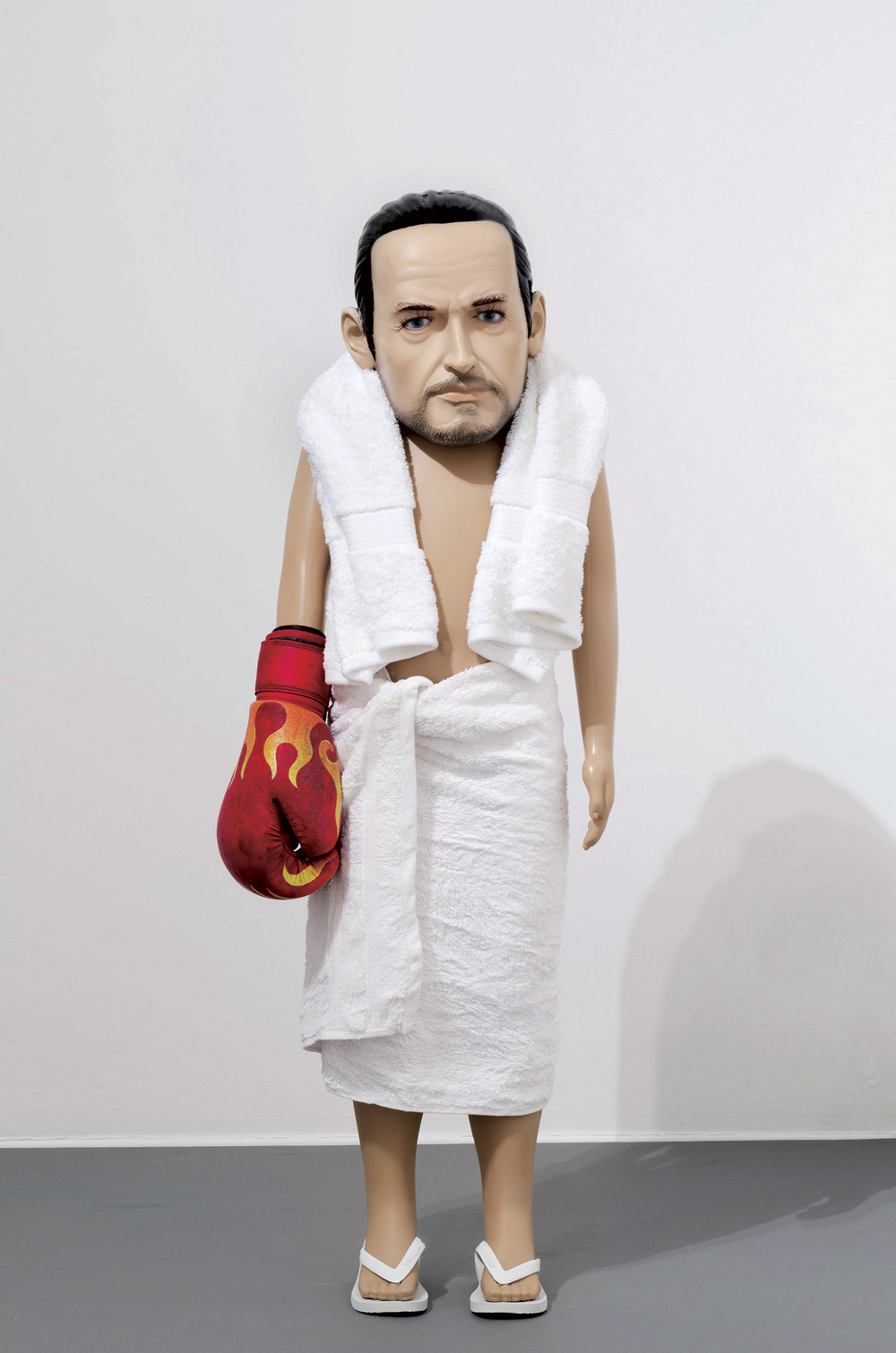
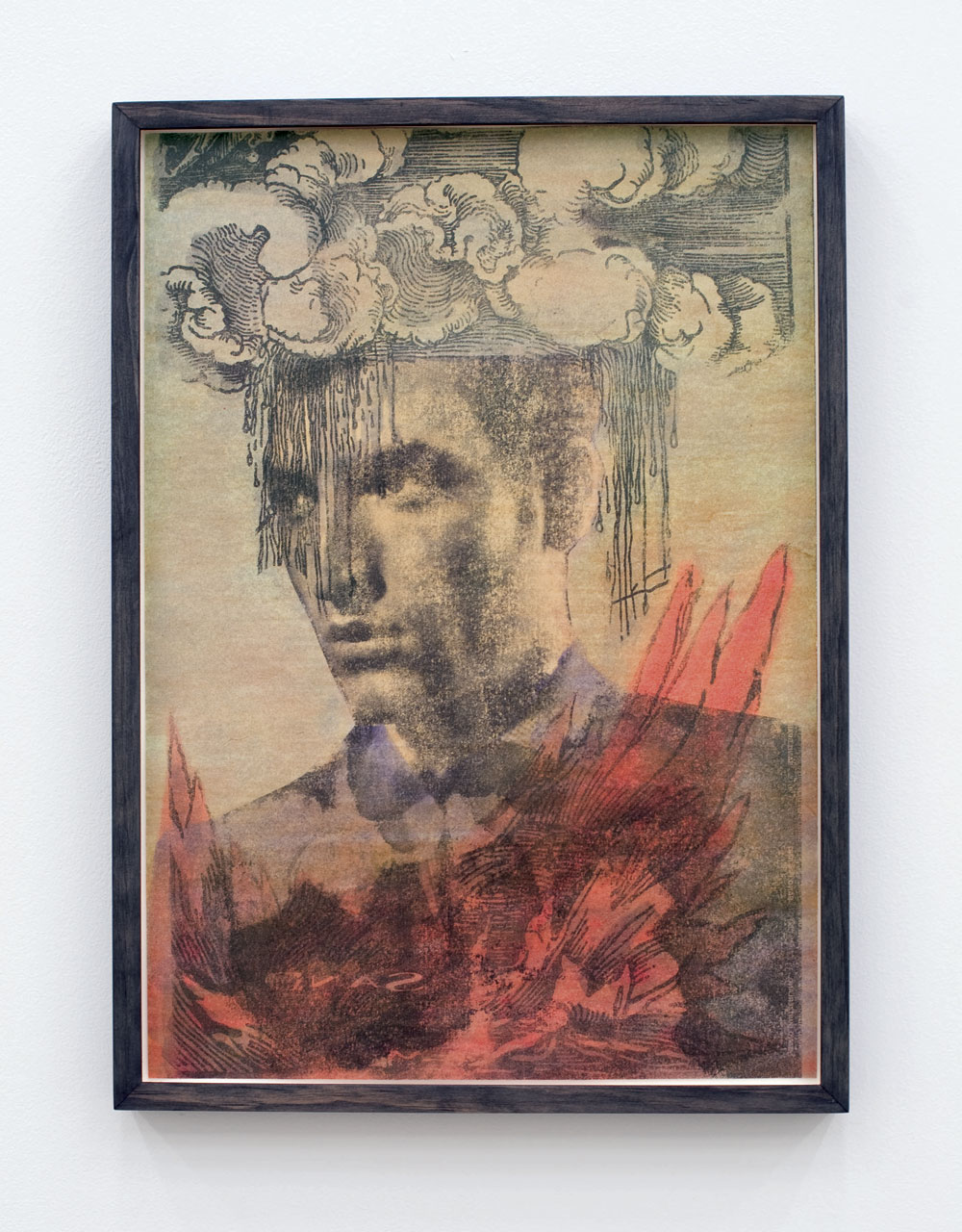
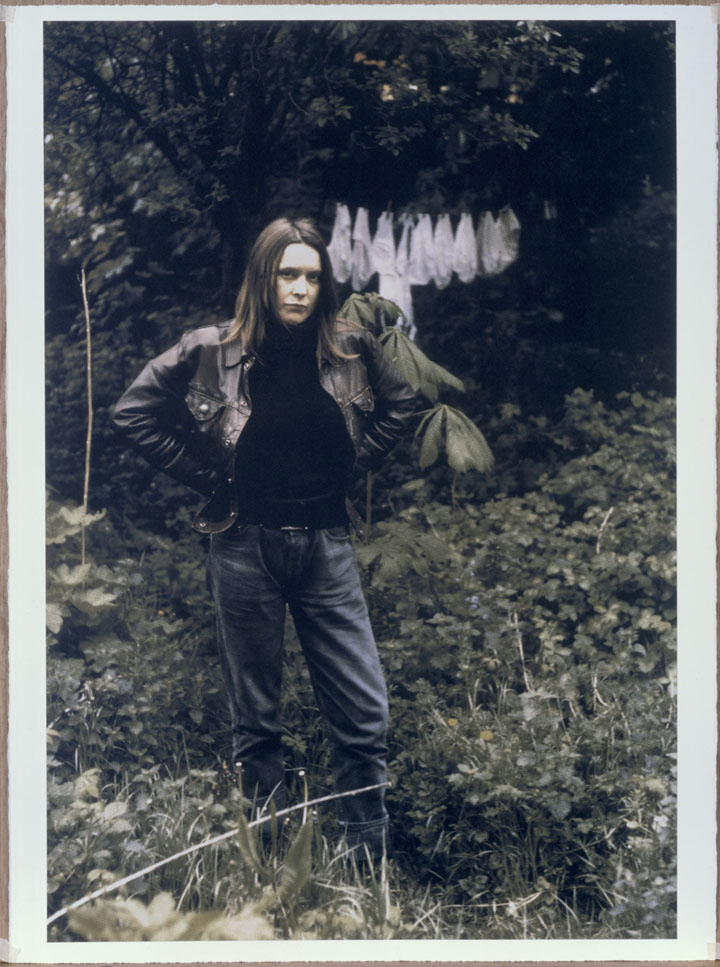
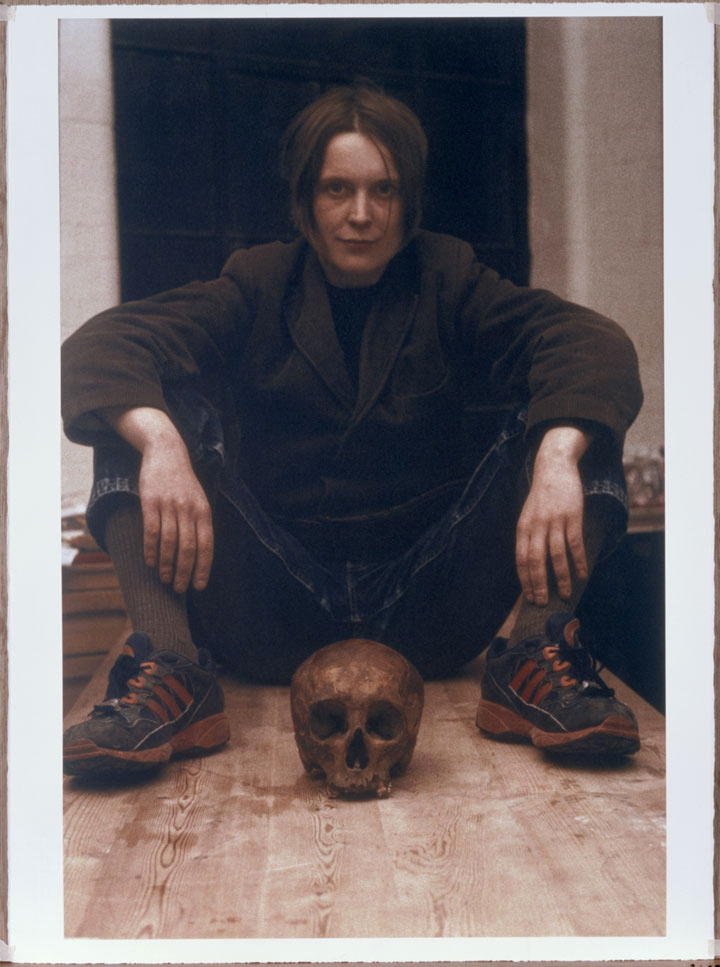
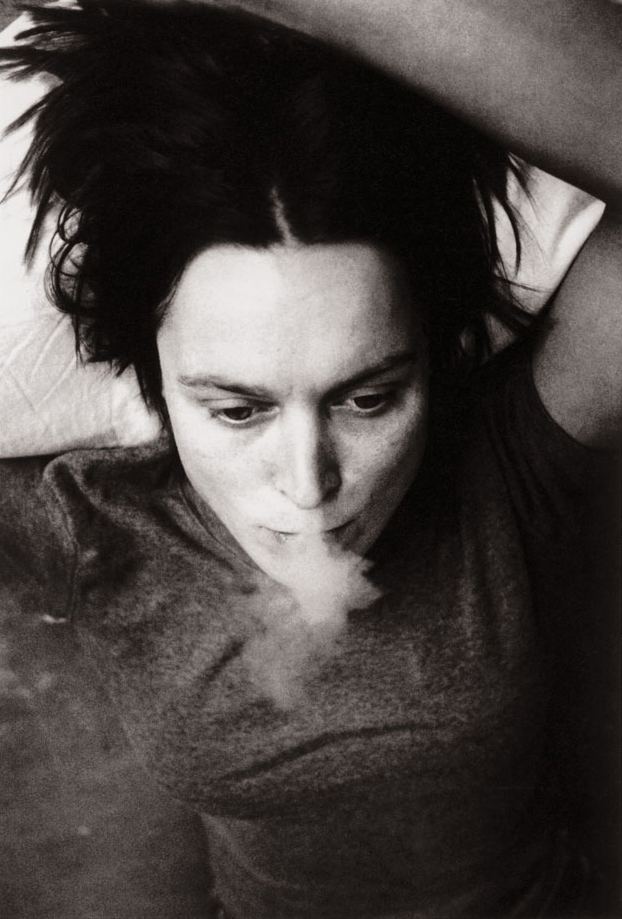

 Art Blart _ art and cultural memory archive
You must be logged in to post a comment.