Curator: Gabriele Conrath-Scholl, head and director of the collection
Featuring photographs by Eugène Atget, Lawrence Beck, Laurenz Berges, Karl Blossfeldt, Ursula Böhmer, Christian Borchert, Natascha Borowsky, Paul Dobe, Hans Eijkelboom, Folkwang-Auriga Verlag, Bernhard Fuchs, Candida Höfer, Fred Koch, August Kotzsch, Andreas Mader, Francesco Neri, Simone Nieweg, Gabriele and Helmut Nothhelfer, Albert Renger-Patzsch, Andrea Robbins/Max Becher, Judith Joy Ross, Martin Rosswog, August Sander, Oliver Sieber, Antanas Sutkus, Jerry L. Thompson, and Albrecht Tübke.
It’s always a pleasure to be able to publish images by such photographic luminaries as August Sander and Karl Blossfeldt, although I feel the link between portrait, landscape and botanical photography is rather more complicated than the organisers of the exhibition would acknowledge in their press release … or, perhaps, we could rephrase that, of a different order of association than simply a result of human economics, culture and habitation over time as they state.
For me there is an essentialness about a human standing on the soil of earth, the energy of the tree of life spreading up through our limbs as we ground ourself in the earth – committing our body to the ground, earth to earth, ashes to ashes, dust to dust – whilst acknowledging the eternal energy of the cosmos. This has everything to do with understanding the time of the cosmos and the time of the earth (and our time on it), perceived as a connection to the earth as a living organism – Gaia, the Mother Earth – and very little to do with economics, culture or habitation. As Minor White would argue when photographing the landscape in meditation, he would hope for a release of energy in revelatio, in revelation, in the captured negative, over time. Again, very little to do with economics, culture or habitation.
Because of the concentration on his portrait photography, notably work from his major project People of the Twentieth Century (Menschen des 20. Jahrhunderts), the landscape photographs of August Sander are often overlooked and therefore underrated. Whilst in Cologne in 2019 I even went so far as to buy a rare book on Sander’s landscapes that’s how much I like them.
The light in Sander’s landscape photographs with their expansive skies and panoramic vistas – paired with his intimate woodlands, snowscapes and photographs of ancient trees – have a magical energy embedded in them which crystallises life on earth. In this posting there is only one landscape but you can check out more online. There are also three magnificent portraits of Sander’s that I have never seen before: Newspaper publisher [Karl Richter] (1924, below); Blacksmith(c. 1930, below); and Fairground Woman(c. 1930, below).
I believe that one way that traditional photography can approach a new terrain of becoming, in order to lend photographic visions current and future pertinence, is a rebalancing of the scales between conceptual and what I would call “spiritual” photography.
A factual documentary approach accompanied by a defined concept should not preclude access to the spiritual or the sublime in traditional photography, or an acknowledgement of other ways of seeing and feeling the world. A transcendent liminality can inhabit images, one in which we cross the threshold into a transitional state between one world and the next, where can photographs proffer a ‘releasement toward things’ which, as Heidegger observes, grant us the possibility of dwelling in the world in a totally different way.
As I have continued to argue on Art Blart for the last 15 years, the essentialness or reality of photography is that the photograph is never truly here and is always located elsewhere – in our feelings, in our hearts, in our memories and in the time and energy of the cosmos that surrounds us. A photograph is as much a true vibration of energy as it is a concept or a document, if not more so.
“To try to see more and better is not a matter of whim or curiosity or self-indulgence. To see or to perish is the very condition laid upon everything that makes up the universe, by reason of the mysterious gift of existence.” ~ Teilhard de Chardin, “Seeing” 1947
Dr Marcus Bunyan
Many thankx to Die Photographische Sammlung/SK Stiftung Kultur for allowing me to publish the photographs in the posting. Please click on the photographs for a larger version of the image.
Installation view of the exhibition Photographic Concepts and Treasures – Works from the Collection Part 1 – Portraiture, Landscape, Botany at Die Photographische Sammlung / SK Stiftung Kultur, Cologne showing at left, the work of August Sander including Three Generations of the Family(1912, above) and Farming Couple, Westerwald(1912, above)
Installation view of the exhibition Photographic Concepts and Treasures – Works from the Collection Part 1 – Portraiture, Landscape, Botany at Die Photographische Sammlung / SK Stiftung Kultur, Cologne showing at left, the work of August Sander (above); and at centre, the work of Andrea Robbins and Max Becher (below)
In 2022, Die Photographische Sammlung/SK Stiftung Kultur celebrates the 25th year of its exhibition program in Cologne’s Mediapark, launched in 1997 under the forward-looking title “Comparative Concepts.” This anniversary offers an occasion to present many works from the collection in two exhibitions, each with its own focus, enabling Die Photographische Sammlung to provide visitors with a broad overview of its holdings.
With over 380 exhibits, the current presentation focuses on the central themes of “Portraiture, Landscape, Botany” as illustrated by the work of 25 historical and contemporary artistic photographers. A second exhibition to follow from September 2 will spotlight the related areas of “Urban Life, Architecture, Industry.” Viewers will discover a variety of links between the two presentations.
The portrait genre will be examined first, based on the work of August Sander, whose archive has provided vital inspiration for the institution’s collection and program concept. With his iconic series “Citizens of the Twentieth Century,” represented in the current show by over 50 original prints, Sander took the photographic portrait in a new and innovative direction as a method of factual documentary. Compiled in the first half of the last century and consisting of hundreds of images, this work still has a singular standing to this day as an enormously multifaceted oeuvre following a predefined concept that was implemented step by step starting in the mid-1920s. The series reflects fundamental new challenges in dealing with the medium, as well as aspects of the individual and group portrait – considerations that are a core component of Die Photographische Sammlung.
The portraits in the collection for example inquire into the relationship between the individual and society, exploring questions of identity and of social, family, and professional circumstances and relationships, and thereby providing a glimpse of various life stages and living conditions. The influence of the ever-changing impulses, possibilities, and synergies over time is very much in evidence here. This connection is particularly vivid in documentary projects that are pursued over longer periods. They show how individuals are continuously shaped by the respective cultural environment. This circumstance is reflected not only in the image they have of their own lives but also in how they respond to their life realities.
Accordingly, the subject areas of landscape and botany are connected with the portrait on many levels. Like portraiture, landscape as both a human habitat and economic and cultural realm reflects temporal phenomena. Botanical studies that are rendered like portraits may come to life as naturalistic individuals or in other cases allude to the world of aesthetics and sculpture.
By offering an opportunity to compare and contrast various photo series, the exhibition compellingly underscores how the unifying criterion of a factual documentary approach accompanied by a defined concept has always been a leitmotif for the activities of Die Photographische Sammlung / SK Stiftung Kultur. A concentration on this specific current in photography is what defines the collection’s distinctive profile. Rather than representing a cross-section of the history of photography, the aim is to emphasise photographic visions that creatively guide traditional approaches onto new terrain in order to lend them current and future pertinence.
Press release from Die Photographische Sammlung/SK Stiftung Kultur
Installation view of the exhibition Photographic Concepts and Treasures – Works from the Collection Part 1 – Portraiture, Landscape, Botany at Die Photographische Sammlung / SK Stiftung Kultur, Cologne showing at right, the work of Simone Nieweg (below)
The gardens shown in Nieweg’s photographs is of a type known in German as Grabeland – literally “land for digging.” Unlike typical allotment gardens, such plots are not available for long-term lease or ownership but are instead zoned for interim use on a year-by-year basis until they become building land or are put to some other use. The plantings are also prescribed to reflect this provisional state; no perennials, bushes, shrubs, or trees are allowed. Since Grabeland is impermanent terrain, entirely subject to utility and optimisation, one rarely finds here any of the decorative elements that populate allotment gardens. There are no garden furnishings, grills, or sun umbrellas – indeed there is nothing that would indicate the presence of leisure. What we see instead are the instruments of work, tools used to prepare the soil and cultivate the plants.
What Nieweg finds especially interesting about Grabeland are the forms and structures to which such conditions give rise. She has been working on this project since the mid-1980s, shortly after beginning her studies with Bernd Becher at the Düsseldorf Art Academy. Gardens, fields, landscapes, and more recently, views into forests are among the subjects that Nieweg has consistently explored in series taken over extended periods. She prefers using a large-format camera and elaborating her motifs in colour.
Text from the Die Photographische Sammlung/SK Stiftung Kultur, Köln website. No longer available online. Used under fair use conditions for the purposes of education and research
Installation view of the exhibition Photographic Concepts and Treasures – Works from the Collection Part 1 – Portraiture, Landscape, Botany at Die Photographische Sammlung / SK Stiftung Kultur, Cologne showing at left, the work of Karl Blossfeldt (below); and at right, work published by Folkwang-Auriga Verlag (below)
In the series “Die Tage Das Leben (Days. Life)”, begun in 1988, I photograph my friends again and again. I watch them finding themselves and each other and separating and having children; how they are alone and with others; how they get older and take each other’s hands so they don’t get lost along the way. I think of them full of tenderness. ~ Andreas Mader
Oliver Sieber studied photography in Bielefeld and Düssseldorf. Since 1999 he has worked with Katja Stuke on Frau Böhm, a photo project in the form of a magazine.
Sieber’s work usually takes the form of series and he is fascinated by the subject of identity and the phenomenon of young people and their subcultures. This led to the series SkinsModsTeds, B-Boyz B-Girlz, 11Girlfriends and Boy meets Girl. In 2006 he spent time in Japan for an artist in residence programme, where he made the series J_Subs as well as character thieves, for which he photographed young people dressed up as their favourite manga characters. Over the past few years exhibitions of his work have been held at, among others, the Photographers Gallery London, the Photographische Sammlung SK / Stiftung Kultur in Cologne, the National Museum of Photography in Copenhagen, the Photo Espana Festival in Madrid, Yours gallery in Krakow and Fotomuseum Winterthur. Sieber has published a number of books. The latest two are based on his work character thieves and imaginary club.
Dr Christoph Schaden. “Oliver Sieber,” on the PhMuseum website Nd [Online] Cited 22/06/2022. No longer available online. Used under fair use conditions for the purposes of education and research
Tübke’s photographs examine the representation of the human being and the role of the individual in society, in search for its identity while oscillating between adaptation and demarcation. Among his most famous projects are the portrait series Dalliendorf from 1996 and Citizens from 2001.
In photography, Tübke’s field is the human image. These are mainly full – length portraits in which the colour is greatly reduced. Tübke is concerned with the representation of individuality and uniqueness of people. The people portrayed almost always look into the camera. Through the concentration of the gaze as well as through the sensitively observed posture of the person portrayed, Tübke succeeds in creating images of very strong intensity with a documentary approach.
Fratelli Gajo – Piazza S.Marco 139 – Venezia Castelo canal with a view of the Church of San Geremia 1880s Hand-coloured albumen print mounted on cardboard Image: 20 x 26cm Support: 27 x 36cm
I bought this album of 30 hand-coloured albumen prints by Fratelli Gajo together with numerous other black and white albumen prints at auction. Unfortunately the album had no cover but to save it for prosperity I had it rebound in leather at one of the only bookbinders left in Melbourne: White’s Law Bindery. They did a superb job.
I cannot find out anything about the Venetian photographer Fratelli Gajo except the address of his business. No dates, no bibliographic information.
What I do know is that these hand-coloured photographs are rare and exceptionally beautiful. They add an early chapter to the story of hand-coloured photography, which stretches from daguerreotypes, albumen prints, and silver gelatin prints to hand-coloured digital photographs with an equally varied subject matter – aerial photographs, landscapes, portraits, bodies, social documentary photographs and architectural renderings to name but a few.
The photographs in the posting are in the order they appear in the album. I have interleaved the albumen photographs with historical and contemporary images giving us a vista of Venice through time. Enjoy.
Dr Marcus Bunyan
Please click on the photographs for a larger version of the image.
Fratelli Gajo – Piazza S.Marco 139 – Venezia 153 Rivo delle Maravege 1880s Hand-coloured albumen print mounted on cardboard Image: 20 x 26cm Support: 27 x 36cm
Fratelli Gajo – Piazza S.Marco 139 – Venezia Untitled [The Doges’ Palace and the Piazzetta] 1880s Hand-coloured albumen print mounted on cardboard Image: 20 x 26cm Support: 27 x 36cm
Fratelli Gajo – Piazza S.Marco 139 – Venezia 89 Venezia – Palazzo Ferry, Grand Hotel 1880s Hand-coloured albumen print mounted on cardboard Image: 20 x 26cm Support: 27 x 36cm
Wolfgang Moroder Palazzo Ferro Fini in Venice. Facade on Grand Canal 18 April 2016 CC BY-SA 3.0
Fratelli Gajo – Piazza S.Marco 139 – Venezia 680 Venezia 1880s Hand-coloured albumen print mounted on cardboard Image: 20 x 26cm Support: 27 x 36cm
Fratelli Gajo – Piazza S.Marco 139 – Venezia Untitled [St Mark’s Basilica] 1880s Hand-coloured albumen print mounted on cardboard Image: 20 x 26cm Support: 27 x 36cm
Fratelli Gajo – Piazza S.Marco 139 – Venezia Untitled 1880s Hand-coloured albumen print mounted on cardboard Image: 20 x 26cm Support: 27 x 36cm
Fratelli Gajo – Piazza S.Marco 139 – Venezia Untitled 1880s Hand-coloured albumen print mounted on cardboard Image: 20 x 26cm Support: 27 x 36cm
Fratelli Gajo – Piazza S.Marco 139 – Venezia Canale grande verso Rialto 1880s Hand-coloured albumen print mounted on cardboard Image: 20 x 26cm Support: 27 x 36cm
Canaletto (Italian, 1697-1768) Grand Canal from Palazzo Balbi towards the Rialto Between 1720 and 1723 Oil on canvas Height: 144cm (56.6 in) Width: 207cm (81.4 in) Museum of 18th-century Venice Public domain
Fratelli Gajo – Piazza S.Marco 139 – Venezia Untitled [Bridge of Sighs] 1880s Hand-coloured albumen print mounted on cardboard Image: 20 x 26cm Support: 27 x 36cm
Fratelli Gajo – Piazza S.Marco 139 – Venezia After the painting by A. Paoletti, Venezia 1880s Hand-coloured albumen print mounted on cardboard Image: 20 x 26cm Support: 27 x 36cm
Antonio Ermolao Paoletti (Venezia, 1834-1912) A Venetian ice cream seller Nd Oil on canvas 50.2 x 74.9cm (19.8 x 29.5 in.)
Fratelli Gajo – Piazza S.Marco 139 – Venezia Untitled [The Courtyard of the Doge’s Palace looking towards the Torricella] 1880s Hand-coloured albumen print mounted on cardboard Image: 20 x 26cm Support: 27 x 36cm
Fratelli Gajo – Piazza S.Marco 139 – Venezia No. 5 Piazza S. Marco dai Leoni 1880s Hand-coloured albumen print mounted on cardboard Image: 20 x 26cm Support: 27 x 36cm
Fratelli Gajo – Piazza S.Marco 139 – Venezia 13 Libreria e Loggetto 1880s Hand-coloured albumen print mounted on cardboard Image: 20 x 26cm Support: 27 x 36cm
Fratelli Gajo – Piazza S.Marco 139 – Venezia 35. Venezia – Porta del P. Ducale detta della Carta 1880s Hand-coloured albumen print mounted on cardboard Image: 20 x 26cm Support: 27 x 36cm
Jean-Pol Grandmont The Porta della Carta of the Doges Palace on Piazzetta San Marco in Venice 1 June 2013 CC BY-SA 4.0
Fratelli Gajo – Piazza S.Marco 139 – Venezia 230 [Interior of the Doges Palace] 1880s Hand-coloured albumen print mounted on cardboard Image: 20 x 26cm Support: 27 x 36cm
Torre dell’Orologio, Piazza san Marco, Venice
Fratelli Gajo – Piazza S.Marco 139 – Venezia 101. Torre del Orologio 1880s Hand-coloured albumen print mounted on cardboard Image: 20 x 26cm Support: 27 x 36cm
Fratelli Gajo – Piazza S.Marco 139 – Venezia 141. Venezia Chiesa della Salute 1880s Hand-coloured albumen print mounted on cardboard Image: 20 x 26cm Support: 27 x 36cm
Walter Richard Sickert (British, 1860-1942) Santa Maria della Salute, Venice c. 1901 Oil on canvas 56 x 46cm Royal Academy of Arts
Fratelli Gajo – Piazza S.Marco 139 – Venezia Untitled 1880s Hand-coloured albumen print mounted on cardboard Image: 20 x 26cm Support: 27 x 36cm
Fratelli Gajo – Piazza S.Marco 139 – Venezia 65 Monumento Collooni 1880s Hand-coloured albumen print mounted on cardboard Image: 20 x 26cm Support: 27 x 36cm
Federico Moja (Italian, 1802-1885) Venice, a View of the Campo Santi Giovanni e Paolo, with the Equestrian Monument to Bartolomeo Colleoni and the Scuola Grande di San Marco in the Background 1848 Oil on canvas Unframed: 74.5 by 104.5cm Framed: 89 by 118.5cm
Fratelli Gajo – Piazza S.Marco 139 – Venezia No. 30 Rivo di Canonica 1880s Hand-coloured albumen print mounted on cardboard Image: 20 x 26cm Support: 27 x 36cm
Fratelli Gajo – Piazza S.Marco 139 – Venezia Untitled [Entry to the presbytery of St Mark’s Basilica] 1880s Hand-coloured albumen print mounted on cardboard Image: 20 x 26cm Support: 27 x 36cm
Fratelli Gajo – Piazza S.Marco 139 – Venezia Untitled [Bridge of Sighs] 1880s Hand-coloured albumen print mounted on cardboard Image: 20 x 26cm Support: 27 x 36cm
Fratelli Gajo – Piazza S.Marco 139 – Venezia Untitled 1880s Hand-coloured albumen print mounted on cardboard Image: 20 x 26cm Support: 27 x 36cm
Fratelli Gajo – Piazza S.Marco 139 – Venezia 58. Rio S. Agostino 1880s Hand-coloured albumen print mounted on cardboard Image: 20 x 26cm Support: 27 x 36cm
Didier Descouens Rio di S. Agostino seen from the S. Agostino Bridge in Venice 11 May 2015 CC BY-SA 4.0
Fratelli Gajo – Piazza S.Marco 139 – Venezia Untitled [Torre del Orologio] 1880s Hand-coloured albumen print mounted on cardboard Image: 20 x 26cm Support: 27 x 36cm
Fratelli Gajo – Piazza S.Marco 139 – Venezia Untitled [The Doge’s Palace] 1880s Hand-coloured albumen print mounted on cardboard Image: 20 x 26 cm Support: 27 x 36 cm
Fratelli Gajo – Piazza S.Marco 139 – Venezia 87 Venezia – Palazzo Contarini Fasan 1880s Hand-coloured albumen print mounted on cardboard Image: 20 x 26cm Support: 27 x 36cm
Wolfgang Moroder Palazzo Contarini Fasan in Venice. Facade on Grand Canal 31 July 2010 CC BY-SA 4.0
Fratelli Gajo – Piazza S.Marco 139 – Venezia Venezia – Palazzo Pisaro 1880s Hand-coloured albumen print mounted on cardboard Image: 20 x 26cm Support: 27 x 36cm
Fratelli Gajo – Piazza S.Marco 139 – Venezia 100. Venezia – Palazzo Rezzonico 1880s Hand-coloured albumen print mounted on cardboard Image: 20 x 26cm Support: 27 x 36cm
Didier Descouens Ca ‘Rezzonico, Venice facade of Giorgio Massari on the Grand Canal 7 May 2012 CC BY-SA 4.0
Fratelli Gajo – Piazza S.Marco 139 – Venezia Untitled [Statue of King Vittorio Emanuel II by the sculptor Ettore Ferrari 1887] c. 1887 Hand-coloured albumen print mounted on cardboard Image: 20 x 26cm Support: 27 x 36cm
Didier Descouens The main gate at the Venetian Arsenal 9 May 2012 CC BY-SA 4.0
The so-called “Solid ground entrance” of the Arsenale in Venice was built between 1692 and 1694 on a project by Alessandro Tremignon. Eight standing figures on pedestals on the ground: At the front row: from left to right: La Giustizia by Giovanni Antonio Comino, Marte by Giovanni Antonio Comino, Nettuno by Giovanni Antonio Comino, Bellona by Francesco Cabianca At the the second and the third rows: L’Abbondanza by Francesco Cabianca (last row on the right), La Vigilanza by Francesco Cabianca (second row on the right), Two more Allegorical statues by Giovanni Antonio Comino, (second and third row on the left)
Fratelli Gajo – Piazza S.Marco 139 – Venezia 157 33 Arsenale 1880s Hand-coloured albumen print mounted on cardboard Image: 20 x 26cm Support: 27 x 36cm
Keystone View Company (American, Manufacturers and Publishers) The Rialto Bridge, Venice 1929 Stereograph print on card mount Mount: 9 x 18cm
Fratelli Gajo – Piazza S.Marco 139 – Venezia Untitled [Rialto Bridge] 1880s Hand-coloured albumen print mounted on cardboard Image: 20 x 26cm Support: 27 x 36cm
Fratelli Gajo – Piazza S.Marco 139 – Venezia 211. Bis- Venezia – Chiesa S. Marco – Interno (Interior of the San Marco Church) 1880s Hand-coloured albumen print mounted on cardboard Image: 20 x 26cm Support: 27 x 36cm
Fratelli Gajo – Piazza S.Marco 139 – Venezia Untitled 1880s Hand-coloured albumen print mounted on cardboard Image: 20 x 26cm Support: 27 x 36cm
I am not sure any of these kinds of exhibition – supposed extrapolations on the work of an earlier famous photographer, in this case contemporary photographers responding in diverse ways to renowned German photographer August Sander (1876-1964), icon of 20th century photography – serve any kind of lasting useful purpose, other than perhaps to acknowledge the alleged and, in most cases, slight influence of the earlier photographer.
While the contemporary work is strong in its own right, too often it seems shoehorned into the concept of the exhibition, artistic positions exhibited in order to revitalise the work of August Sander both directly and indirectly. Sander does not need revitalising… nor do the contemporary artists need the prop of his fame nor his conceptualisation of German identity, family and life to succeed with their projects. Their changed views of life and new influences on the individual are cogent enough – clear, logical, and convincing – not to need a conceptual walking frame.
However, the exhibition does give us the ability to, once more, marvel at the apparent simplicity and directness of Sanders’ portraits and the monumentality of his project “People of the 20th Century”. Frontal, low depth of field, beautiful light, tightly framed photographs which portray individuals as true characters who have undeniable “presence” in the viewers eyes. When thinking about the human condition, nothing in the rest of the exhibition comes close to their insight and intensity…
Dr Marcus Bunyan
Many thankx to the Museum für Gegenwartskunst Siegen for allowing me to publish the photographs in the posting. Please click on the photographs for a larger version of the image.
At second left, August Sander’s Pastry Cook 1928; at fifth left, Coal Delivery Man c. 1915; at seventh left, Handlanger (Bricklayer / Handyman) 1928; and at eighth right, Working-class Mother 1927
At left, Mother and daughter 1912; at third left, August Sander’s Village Band 1913; and at fourth left, Farmer on his Way to Church 1925-1926; and at right, Cretin 1924
With his collection of portraits, “People of the 20th Century”, August Sander (1876-1964) produced a monumental life’s work that not only made photographic history but went on to influence generations of artists. The photographer, who was born in Herdorf near Siegen, depicted professional groups and social classes for several decades. Altogether he collected more than 600 images in forty-five portfolios, organising them into seven categories: The Farmer, The Skilled Tradesmen, The Woman, Classes and Professions, The Artists, The City (city dwellers), and The Last People, who were found on the fringes of society. A selection was first assembled in the publication “Face of Our Time” (1929). By working on a portrait of society during his time, Sander not only developed archetypal images but also aimed to study the nature of man in relation to his community.
“After August Sander” combines the work of the world-famous yet regionally-based photographer with a contemporary perspective of 13 artists. At the heart of the exhibition is a group of 70 large-format photographs that Sander compiled as late as the early 1960s, also for presentations in the Siegerland. As a gift from Barbara Lambrecht-Schadeberg to mark the MGKSiegen’s 20th birthday, these are now being shown here for the first time. Starting out from this important group of works, the exhibition directs attention towards portraits of people in the 21st century and initiates further examination of images showing contemporary types.
The artistic positions exhibited revitalise the work of August Sander both directly and indirectly. The deliberate leap in time of about 100 years visualises our changed views of life and new influences on the individual. Despite the historical reference, “After August Sander” does not stick exclusively to the medium of photography, but presents video installations and sculptures in a reflection of our times.
With contributions by August Sander, Mohamed Bourouissa, Alice Ifergan-Rey, Jos de Gruyter and Harald Thys, Hans Eijkelboom, Omer Fast, Soham Gupta, Sharon Hayes, Bouchra Khalili, Ilya Lipkin, Sandra Schäfer, Collier Schorr, Tobias Zielony and Artur Zmijewski.
Supported by Kunststiftung NRW
Text from the Museum für Gegenwartskunst Siegen website
The selection of large-format exhibition copies of People of the 20th Century being shown for the first time in the Museum für Gegenwartskunst was compiled from various portfolios by Sander himself in 1961/63. They were intended for presentations in the Siegerland region and printed by his son Gunther Sander under his own supervision. The occasion for this was provided by, amongst others, two exhibitions entitled Antlitz der Zeit (Face of Our Time), shown in Siegen in 1964 and in the fire station close to Herdorf town hall in 1965. Beyond its international significance, for several reasons August Sander’s work also has considerable regional identification value. Sander was born in Herdorf and spent his childhood between Siegerland and the Westerwald. Siegen-based photographers Friedrich Schmeck and Carl Siebel inspired the young Sander to take up photography. Photographs dating from before 1914 were taken in or near his hometown and were subsequently included in the well-known picture atlas. He frequently spent time in the Westerwald and moved his residence to Kuchhausen due to the war in 1942. This exhibition brings a circle to a close in the MGKSiegen. Works by August Sander can now be shown permanently and as part of the collection in Siegen for the first time since the museum’s opening in 2001.
Sandra Schäfer’s artistic practice is concerned with the development of urban and geopolitical space and its history. Her works are often based on long-term research that involves a re-presentation of images, documents, and narratives. In her video installation Westerwald: Eine Heimsuchung (2021), Schäfer – starting out from August Sander’s series of Westerwald farmers and rural labourers – deals with the transformation of the rural region in which she grew up, and by which she has been strongly influenced. Her great-great-great- aunt Katharina Horn, born Schäfer, and her husband Adam Horn, were also the famous farming couple that Sander photographed as early as 1912. The artist juxtaposes August Sander’s perspective with her own, contemporary view in the form of a double projection and two photographs. Schäfer shows how the landscape depicted and its agricultural use have changed over the course of time. She talks to relatives and farmers, as well as to photographic curators about Sander, his photos and the situation in the village of Kuchhausen. She is also interested in the value and varying attributions that the images have experienced in the art world and in private memories. The artist questions existing pictorial orders and narratives with her work, and so ventures her own personal search for home.
Hans Eijkelboom (Dutch, b. 1949) Photo Note October 21, 2006 (Camouflage) 2006 Courtesy the artist
Hans Eijkelboom (Dutch, b. 1949) Photo Note October 21, 2006 (Camouflage) (detail) 2006 Courtesy the artist
Hans Eijkelboom (Dutch, b. 1949)
As early as 1981, Hans Eijkelboom realised an “Ode to August Sander” by asking and categorising citizens of Arnhem, where he lived at the time, on the basis of their distinguishing features and developing the results into a multi-part series of street photographs. Since the early 1990s, the artist has been taking photographs in the business districts of large cities around the world. Unnoticed, he analyses the pedestrians passing by and focuses on them according to formal criteria of their external appearance. Eijkelboom’s gaze – with a thoroughly benevolent sense of humour – falls on the people’s clothing. Fashion statements and similarities in behaviour interest him in formal terms, as uniform codes. He arranges his snapshot-like Photo Notes into groups according to the motif and date of the shot, and then presents them in wall-sized tableaus. Arranged in this way, the exclusively colour portraits direct the viewer’s attention towards the human need to distinguish oneself by means of external features and so underline one’s own identity. In Eijkelboom’s photographs, this striving for individuality is exposed as an illusion due to global trends and milieu-related codes.
Hans Eijkelboom (Dutch, b. 1949) Photo Note October 23, 2015 (Hoed) 2015 Courtesy the artist
Hans Eijkelboom (Dutch, b. 1949) Photo Note October 23, 2015 (Hoed) (detail) 2015 Courtesy the artist
Room 6
Omer Fast (Israeli, b. 1972) August 2016 Still Courtesy the artist Photo: Stephan Ciupek/Filmgalerie 451
Omer Fast (Israeli, b. 1972)
In his films, Omer Fast frequently tells stories of trauma, war and relationships. His working method enables him to question current and historical events as well as the conventions of the cinematic narrator. The short film August (2016), shot in 3D, revolves around the life and work of August Sander, painting a fictional picture of his last days in the early 1960s. The cinematic flashbacks are oriented on biographical facts. In surreal dream sequences, Sander is haunted by memories: recalling his son Erich, who died as a victim of political persecution in a Nazi prison in 1944, as well as iconic motifs such as the Young Farmers or Workers hauling bricks. The film August shows both the visionary artist and the powerless man, scarred by personal loss and entangled in the political circumstances. Omer Fast deconstructs and at the same time contextualises the artist and man August Sander on the basis of his attitudes in an extremely difficult time politically, the late phase of the Weimar Republic and the transition to National Socialist Germany.
New Pictures: Omer Fast, Appendix exhibition video
This “New Pictures” exhibition [at the Minneapolis Institute of Art 2018] features two films by the Berlin-based Israeli artist Omer Fast (b. 1972), along with more than 20 portraits by the German photographer August Sander (1876-1964) from his series People of the Twentieth Century, selected from Mia’s and Minneapolis-based collections. Through reflections of Sander’s portraits, including Young Farmers (1914) and Bricklayer (1928), Fast’s latest film, August (2016), portrays Sander at the end of his life, tracing the photographer’s career during the transition from the Weimar Republic to Nazi Germany. Fast’s para-fictional (i.e., blending facts and fiction) film subverts the boundary between collective history and personal memory, questioning photography’s ability to tell the truth.
Text from the YouTube website
Omer Fast (Israeli, b. 1972) August 2016 Still Courtesy the artist Photo: Stephan Ciupek/Filmgalerie 451
Room 7
Jos de Gruyter (Belgium, b. 1965) and Harald Thys (Belgium, b. 1966) Mondo Cane (The Town Crier) 2019 Courtesy the artists and Galerie Isabella Bortolozzi, Berlin Photo: Nick Ash
Jos de Gruyter (Beligian, b. 1965) and Harald Thys (Belgian, b. 1966)
Jos de Gruyter’s and Harald Thys’ works are devoted to the absurdity of the everyday. Their interest in the psychological state of societies leads them to create portraits of human existence both tragic and comical. The figures assembled here were part of the exhibition Mondo Cane (eng. Dog World) produced for the Belgian Pavilion at the 58th Venice Biennale in 2019. The presentation was conceived as a kind of folkloristic museum examining the human condition and its grotesque diversity. In the shape of partly mechanised, life-sized dolls, it gathered together simple artisans as well as madmen and outcasts. The doll heads were modelled on fictional characters as well as real people. Scattered throughout the exhibition rooms in Siegen we find a ventriloquist, a town crier, a Stasi spy and a French denunciator from the World War II era. As protagonists, they occupy the museum for the duration of the exhibition and interact with the other works. As representatives, the humorous and sinister characters refer to popular stereotypes as well as to historical attitudes and relationships within Europe.
Jos de Gruyter’s and Harald Thys’ work Mondo Cane (2019) at Biennale Arte 2019 – Belgium
After August Sander, Exhibition view, MGKSiegen Work by Jos de Gruyter and Harald Thys, Madame Legrand, 2019 Courtesy the artists and Galerie Micheline Szwajcer Photo: Philipp Ottendörfer
Room 8
Sharon Hayes (American, b. 1970) Ricerche: one 2019 Still Courtesy the artist and Tanya Leighton, Berlin
Sharon Hayes (American, b. 1970)
Sharon Hayes’ videos, performances and installations address the complex processes of shaping public opinion on politics, history, identity and language. Her film series Ricerche (engl. Research) began in 2013 and now consists of five parts. Her starting point was the documentary film Love Meetings (1964, ital. Comizi d’amore) by Pier Paolo Pasolini, who travelled through Italy to ask people of different ages and social backgrounds explicit questions about love, sexuality, and morality. Hayes follows the structure of the film and the conceptual idea of interviewing people outdoors and in groups. The video diptych Ricerche: one (2019) portrays two age groups: 5-8 year olds and young adults. All the participants in the video, shot in Provincetown (Massachusetts, USA), are children of queer parents. Depending on their age, they give fragmented or detailed insights into their complex family structures. The artist mirrors social understanding of gender dominated by the norm, sexuality and family constellations. She shows how present conditions shape national, religious and ethnic identities.
Collier Schorr (American, b. 1963) Swimming Pool Eyes 1996 Black and white photograph Courtesy the artist and Modern Art, London and 303 Gallery, New York
Collier Schorr (American, b. 1963) A Possible Mutation 1994 C-print Courtesy the artist and Modern Art, London and 303 Gallery, New York
Collier Schorr (American, b. 1963)
Collier Schorr’s portraits can be positioned in the border area between documentation, staging and fiction. Her photographs explore the relationship between nationality, gender, and identity. For over 20 years, Schorr travelled to southern Germany every summer to visit the small town of Schwäbisch Gmünd. Her portraits of the town’s inhabitants taken against an authentic local backdrop reflect a fascination with a culture that was initially foreign to her. Collier Schorr places androgynous-looking teenagers in the German landscape, which she sees as pastoral. They are mostly male adolescents from her close environment, photographed in the garden, in front of and on trees, or in the forest. One of the main characters is Horst, and she adds a later self-portrait to this group: Collier as Horst (2021), wearing men’s underpants and gripping her crotch. These stagings, which dissolve gender boundaries by means of clothing, makeup and props, also include portraits of uniformed soldiers as pictorial subjects. In Matti at Attention (Durlangen) (2001), which shows a young man as a soldier in a forest clearing, the landscape takes on a symbolic charge and becomes a speculative space of remembrance. Aware of Sander’s photographic approach and the gaps in his reception, Schorr sets out to find her own Face of our Time that incorporates her Jewish origins and personal ideas of Germany.
After Horst
“I had these ideas about modern West Germany. It was silent. It was empty. The figures were small, or they were art students lined up in front of coloured squares of paper. Whatever I saw in the work of Andreas Gursky and Thomas Struth and Thomas Ruff was somewhat perfect, organised, static, airless. And frozen in time that looked like the 70’s. West Germany itself, a word I might see on a watch face or an Olympic memorial to the Israeli wrestlers killed by Palestinians in Munich. Somehow, I was there and not there. Dead, memorialised, alive and dead again.
I went to Germany in 1989. And again, for 20 summers. During the third summer I started taking photographs. I was convinced the German landscape held some truth other than the one I had seen in the large-scale imports I saw at 303 Gallery and Marian Goodman Gallery. Schwäbisch Gmünd was soft and pastoral. And the local boys seemed soft and pastoral. I would have never made photos in New York. Nan Goldin, Jack Pierson and Larry Clark already made them. But in Germany, I could take a figure of my imagination and place them in the landscape memorialised by the Düsseldorf School. And I could as they say now – queer the space. So I shot my girlfriend’s nephew Horst and a fusion of myself and him, of a young girl and of a young boy of a woman who looked like a boy. I wanted to make him suffer for his luxury… as if he knew he had this luxury which I can never know. Ultimately, it’s a simple proposition. An image of queerness in an open airfield, rather than a club or a closet or a tenement New York apartment or West Side street corner. One image is called After Cindy Sherman because of how I wished I could use myself to talk about myself. But to do that I would have to find my image bearable and I did not. I saw Germany as a very romantic place and I attacked it and was seduced by it every year. I took the one category in August Sander’s work that the Düsseldorf kids didn’t touch: the Nazi’s. I thought to myself, wow, they really left those soldiers out. Don’t they realise that’s the guts and the ghosts worth tearing apart? I began to enjoy the fact that my story about Germany, my Antlitz Der Zeit, was completely ignored. Too romantic, too gay but not authored by a gay male, too Jewish but not Jewish enough, too personal.
Now I look at Horst and I think about my own body naked on the cover of Frieze magazine and dancing in a ballet I’m making. And posing with Jordan Wolfson in Fantastic Man. The same face the same hair. Over 30 years difference. Suddenly acceptable. Perhaps because the queer figure has more presence agency representation. I still find Horst, with his Levis’s and sweat socks, the tropes of Christopher Street and his teenage girl make up somewhat radical. Because he looks like a living paper doll. Dressed and pasted into a landscape to disrupt the pristine crisis of a German photograph, transmounted, with a wide white border, expansive and somewhat toeing the line.”
Collier Schorr. “After Horst,” on the Modern Art website March 2021 [Online] Cited 02/04/2022
Collier Schorr (American, b. 1963) After Cindy Sherman 1994 C-print Courtesy the artist and Modern Art, London and 303 Gallery, New York
Collier Schorr (American, b. 1963) Wes Portrait 2009-2018 Black and white photograph Courtesy the artist and Modern Art, London and 303 Gallery, New York
In her films, photographs, installations and publications, Bouchra Khalili examines the effects of colonial history on migration and political self-image. She provides a voice for social minorities, repeatedly formulating the links between individual actions and collective history. For the video work The Tempest Society (2017), which was shown for the first time at documenta 14, a group of Athenians come together on the stage of a former factory to talk about Europe and their own homeland. It is a portrait of three people from different social backgrounds who joined together to form a theatre group called The Tempest Society. The title is homage to Al Assifa (arab: The Tempest), a project by North African workers and French students who founded an ensemble in Paris in the 1970s to address issues such as racism and social inequality. The individuals in Khalili’s The Tempest Society also address similar problems in contemporary society: Ghani, Katerina and Malek talk about their experiences as people living in Europe and share their stories with each other. At the same time, it is about sharing a collective space – both on stage and in life, and about how the European continent may provide a home.
Bouchra Khalili. The Tempest Society / Twenty-Two Hours 24. August – 21. Oktober 2018
Artur Żmijewski (Polish, b. 1966) Dieter, Patricia, Ursula 2007 Still Courtesy the artist, Galerie Peter Kilchmann, Zürich, and Foksal Gallery Foundation, Warschau
Artur Żmijewski (Polish, b. 1966)
Artur Żmijewski is known for his works investigating historical as well as current social orders – often in a radical way, employing mechanisms of power and oppression. The human body is an essential means of expression in his provocative works, which are mainly interviews, documentaries or experimental settings. The trilogies Dieter, Patricia, Ursula (2007) and Katarzyna, Barbara, Zofia (2012) belong to a ten-part series, for which Żmijewski observed people in Germany, Italy, Mexico and Poland with his camera – each for over 24 hours, as they carried out a simple but often physically strenuous activity. In this case, he accompanies an excavator driver, a snack vendor, a tram driver and three cleaners in their everyday lives – from the moment they get up in the morning until they go to bed. From the footage, Żmijewski created a 15-minute portrait of each person, following the artist’s narrative structure alone, and simply showing what happens without any commentary. Routine and moments of repetition are common to all the portraits. Apparently individual, they are also representative of a group within society. The artist therefore functions, on the one hand, as a sociological catalyst of snapshots; on the other hand, the medium of documentary filming operates as an objective instance.
After August Sander, Exhibition view, MGKSiegen Work by Ilya Lipkin, Untitled, 2019, Courtesy the artist and Lars Friedrich, Berlin Photo: Philipp Ottendörfer
Ilya Lipkin (Latvian, b. 1982) Untitled 2019 Courtesy the artist and Lars Friedrich, Berlin
Ilya Lipkin (Latvian, b. 1982)
In his work, Ilya Lipkin breaks with the conventions of applied and artistic photography, moving playfully between fashion and art, studio and street photography. His work is characterised by a self-reflective approach incorporating contemporary trends and styles. The series Untitled (2019) assembles a number of photographs of young women, all taken in public places in various cities around the world, including on Alexanderplatz in Berlin. Photographed with a fast-focus digital camera in burst mode, the images have been retouched and edited according to the usual standards of fashion photography. In some cases, the background was removed and replaced with bright red or neutral white. This immediacy reveals a generation of girls and young women who are extremely conscious of their own image, but also influenced visually by the clichéd image conventions of social media channels. Quite intuitively, they seem to deny us any insight into their inner selves. By means of clothing, style and technology, they express their desire to please in a global society rather than in specific subcultures.
Ilya Lipkin (Latvian, b. 1982) Untitled 2019 Courtesy the artist and Lars Friedrich, Berlin
Ilya Lipkin (Latvian, b. 1982) Untitled 2019 Courtesy the artist and Lars Friedrich, Berlin
After August Sander, Exhibition view, MGKSiegen Work by Tobias Zielony, Selection of: Curfew, 2001, Ha Neu, 2003, Quartier Nord, 2003, Big Sexyland, 2006, The Cast, 2007, Trona – Armpit of America, 2008, Manitoba, 2009-2011, Jenny Jenny, 2013, Golden, 2018, Courtesy the artist and KOW, Berlin Photo: Philipp Ottendörfer
Tobias Zielony (Germany, b. 1973) Jay 2007 Courtesy the Artist and KOW, Berlin
Tobias Zielony (Germany, b. 1973) Skandalous 2007 Courtesy the Artist and KOW, Berlin
Tobias Zielony (Germany, b. 1973)
In his photographs and videos, Tobias Zielony directs artistic attention towards youth subcultures and marginalised groups in society. His image cycles, developed over a long period of time and drawing on various means of pictorial reportage, are always characterised by a special intimacy and direct proximity. Social, media and subcultural changes provide the thematic framework for these photographs. In his work, Zielony has dealt frequently with the significance of origins, fashion, and the representation of identity. For this exhibition and with a view to August Sander’s portfolio work, he has now assembled a first selection of portraits from the last twenty years. On view are single, double, and group portraits ranging from the early series Curfew (2001), depicting youths in Bristol, to a more recent series, Golden, featuring Riga’s queer underground scene. The presentation highlights strategies of portraiture, masking as well as the increased intermingling of social and visual codes in global, mediatised cultural development. Zielony’s fascination with the people photographed reveals a fundamental human interest in the Other in the sense of experiencing foreignness and vibrancy apart from traditional social categories.
Tobias Zielony (Germany, b. 1973) Two boys 2008 Courtesy the Artist and KOW, Berlin
Tobias Zielony (Germany, b. 1973) From the series Golden 2018 Courtesy the Artist and KOW, Berlin
Room 13
After August Sander, Exhibition view, MGKSiegen Work by Soham Gupta, Untitled, from the series Angst (2013-2017), Courtesy the artist Photo: Philipp Ottendörfer
Soham Gupta (Indian, b. 1988) Untitled From the series Angst (2013-2017) Collection Museum Folkwang Essen Courtesy the artist
Soham Gupta (Indian, b. 1988)
As early as 10 years ago, Soham Gupta began photographing people he encountered in the darkness by Howrah Bridge in the Indian megacity, Calcutta. The bridge connects the two Indian cities of Calcutta and Howrah across the Hugli River. Nearby is Howrah Railway Station, one of the largest railway stations in India. His photographs in colour and black and white capture people across all age groups, who seem to belong to the lower class. The living spaces captured in the photographs leave no doubt about their poverty and their status as social outsiders, abandoned and cast out. While these snapshots – glaring flash images set against dark backdrops – have a certain fleeting character and convey the impression of spontaneous shots, they are in fact the partly staged results of a development in the relationship between the photographer and the respective sitter. These people – individuals, couples or small groups – look towards the camera, towards the artist or their bodies are angled in his direction. Sometimes, they assume poses that seem grotesque. The series Fear poses the question of the photographer’s ambivalent role between the apparent objectivity of documentary photography and the importance of a subjective perspective. In essence, Gupta’s photographs focus on the human condition and search for a connection with marginalised groups in a society.
Soham Gupta (Indian, b. 1988) Untitled From the series Angst (2013-2017) Collection Museum Folkwang Essen Courtesy the artist
Soham Gupta (Indian, b. 1988) Untitled From the series Angst (2013-2017) Collection Museum Folkwang Essen Courtesy the artist
Soham Gupta (Indian, b. 1988) Untitled From the series Angst (2013-2017) Collection Museum Folkwang Essen Courtesy the artist
Museum für Gegenwartskunst Siegen Unteres Schloss 1 57072 Siegen Phone: 0271 405 77 10
This is a fascinating and intelligent selection of photographs in the display Known and Strange: Photographs from the Collection at the V&A Photography Centre, London which highlights photography’s power to transform the familiar into the unfamiliar, and the ordinary into the extraordinary. Each series shows honesty and integrity of conceptualisation and purpose, evidenced through strong photographs that engage the viewer in the visual narrative.
The catch all ‘Known and Strange’ somehow seems inadequate to describe the myriad threads of intertextuality (the way that similar or related texts influence, reflect, or differ from each other) and intersectionality (the interconnected nature of social categorisations such as race, class, and gender as they apply to a given individual or group, regarded as creating overlapping and interdependent systems of discrimination or disadvantage) created by the nexus of this photographic display.
Of course, photographs can never been “known” in the truest sense: “A photograph, however much it may pretend to authenticity, must always in the final instance admit that it is not real, in the sense that what is in the picture is not here, but elsewhere.”1 Elsewhere, and always in the past. But if they cannot be known, this strangeness, their strangeness can open up a new language of visual literacy which offers the viewer new ways of approaching the world – by transcending past time into present future, time. By allowing the viewer the possibility of many different interpretations and points of view when looking at photographs. As Judy Weiser observes,
“Consider the situation of many people viewing the same photograph of a person very different from all of them. Each will be likely to perceive the photo’s subject a bit differently, depending on their own smaller differences from each other. Each person’s perceptions about that photo’s subject is indeed true and correct for that particular perceiver, even though possibly radically different from those of its other perceivers. If they can consciously recognise that all of them hold different truths about the photograph that are equally valid, they may begin to see that they need not feel threatened the next time they encounter a real-life person whose opinion or appearance is very different from theirs.”2
Following the last posting on Carnival attractions and circus photos where I showed photographs of burlesque and “girl revue” show fronts, the final and most essential selection in this posting – Susan Meiselas’ 1972-1975 Carnival Strippers series – goes behind the “front” to document the lives of women who performed striptease for small-town carnivals in New England, Pennsylvania and South Carolina. “Meiselas’ frank description of these women brought a hidden world to public attention, and explored the complex role the carnival played in their lives: mobility, money and liberation, but also undeniable objectification and exploitation. Produced during the early years of the women’s movement, Carnival Strippers reflects the struggle for identity and self-esteem that characterised a complex era of change.” (Booktopia)
Intense, intimate and revealing, the series proves that we can think we know something (the phenomenal) and yet photography reveals how strange and different each world is – whether that be in trying to understand the mind of the artist and what they intended in a constructed photograph or, in this case, having an impression of someone else’s life, a life we can perceive (through the “presence” of the photograph) but never truly know (the noumenal).
Dr Marcus Bunyan
1/ Annette Kuhn, The Power of the Image: Essays on Representation and Sexuality, Routledge and Kegan Paul, London, 1985, pp. 30-31.
2/ Judy Weiser, PhotoTherapy Techniques, Jossey-Bass Publishers, San Francisco, 1993, p. 18.
Many thankx to the V&A for allowing me to publish the photographs in the posting. Please click on the photographs for a larger version of the image.
This display highlights photography’s power to transform the familiar into the unfamiliar, and the ordinary into the extraordinary. Showcasing new acquisitions, it presents some of the most compelling achievements in contemporary art photography.
Tereza Zelenkova is a Czech-born artist known for her imaginative exploration of mysticism. She is inspired by literature and philosophy, but also values intuition and coincidence as essential guides in her creative process. Zelenkova’s work peels back the layers of myth that build up over time, interrogating the historical past of places and people, probing at folklore and imparting a modern sense of Surrealism onto familiar things, such as the grave of Georges Bataille, the Moravian cave of Byci Skala, or a statue by Michelangelo in the V&A’s cast courts.
Text from the V&A website
The first photograph I’d like to talk about is The Unseen. I get asked quite often how this sits within the series and what has been the inspiration for the image. Although I rarely stage my photographs, I had a quite clear vision of this particular photograph. It is an amalgamation of two themes that somehow merged in my mind and crystalized into this heavily distilled vision that I then went on to stage and photograph. Ever since I remember, I’ve been interested in photography’s peculiar relationship with death. It may sound like a cliché now but it can’t be denied that photography, similarly as a reflection in a mirror, offers the viewer aside of the image of his or her likeness also a glimpse of his or her mortality. Moreover, as Václav Vanek writes* when he talks about the loneliness and “deathly anxiety that we feel when, while trying to find a companion, we keep finding only a mirror image of ourselves and ultimately our death, which is always present in such mirroring”. Photography offers us both a promise of immortality alongside the reminder of our discontinuity. At the same time, due to its peculiar relationship with time, its strange stillness and minute detail it promises to reveal a bit more, something beyond the ordinary image of ourselves, or the everyday reality. It lures us to believe that it can see what’s unseen to the naked eye, that it can trespass the ordinary notion of time, and even blur the thresholds between the worlds of living and those long gone. Most of the people will be probably familiar with spirit photography, in which the 19th century society believed to find a way of communicating with their deceased loved ones. What’s interesting to note in this case is that the automatism of photographic medium was one of the key elements in this wide spread belief of photography’s ability to capture the world of spirits. Automatism of photography suggested the medium’s detachment from the cognitive processes of the human brain and its ability to tap into the unconscious, be it individual or collective. Automatism played a vital role not only in communicating with spirits, but also in early modernist art, especially in Surrealism. We have remarkable examples of automatic drawings, paintings or writings. In the Czech Republic, there’s a very special collection of such automatic drawings from the early 20th century, that however don’t come from avant-garde artists but from ordinary people found in one small region right at the foot of the tallest Czech mountain range, Krkonoše (Giant Mountains in English). From the end of the 19th century up until 1945, there seemed to be a golden age of Spiritism, that was however very unique to the region due to people’s relative isolation, living in the secluded farmhouses scattered at the foot of the mountains and meeting at each other’s houses for regular Spiritistic séances mainly held to bring back relatives who died during the war. The local people often used automatic drawing to receive hallucinatory visions from the other side and the collections of these remarkable drawings can be found in a museum in Nova Paka, but their notoriety goes well beyond the Czech borders as some of the finest examples of the so called Art Brut. So this is the first ingredient of my photograph. The second one is much more visual and comes as a snippet from a Czech fairytale Goldielocks, written by one of the most famous Czech 19th century writers, Karel Jaromír Erben. The scene that I used as a base for my photograph comes from the 1970’s version of the tale and it is a moment when the main hero needs to recognise Goldielocks, the princess with golden hair, amongst her twelve sisters, even though their hair is covered with a veil. I’ve always found the scene rather surreal and it immediately connected for me with the popular image of ghosts. There’s also something ritualistic and esoteric about the whole thing.
* In an introduction to a J.J. Kolár’s short story At The Red Dragon’s in a compilation of Czech Romantic prose.
Tereza Zelenková. “The Unseen,” on the Der Greif website July 02, 2016 [Online] Cited 22/02/2022
Opening November 2021, Known and Strange: Photographs from the Collection will highlight photography’s power to transform the familiar into the unfamiliar, and the ordinary into the extraordinary.
Since its invention, photography has changed the way we see the world by inviting us to interpret reality in our own way. Known and Strange will focus on photography’s creative capacity to blur fact with fiction. The display will showcase over 50 recent contemporary acquisitions for the V&A permanent collection – created by established and emerging photographers across the globe – including Paul Graham, Susan Meiselas, Andy Sewell, Tereza Zelenková, Dafna Talmor, Zanele Muholi, Rinko Kawauchi, and Mitch Epstein. Each has expanded the ever-changing field of photography, both in terms of stylistic experimentation and intellectual inquiry, and their work represents some of today’s most compelling achievements in contemporary photography.
The display title Known and Strange, originally from a line from the poem ‘Postscript’ by Seamus Heaney, is borrowed from a series of photographs by Andy Sewell and captures the sentiment of the works that will be presented in the display. Sewell’s series was taken on both sides of the Atlantic, taking as its visual and conceptual departure point places where internet cables are routed from the land to cross the seabed. The series – which will be presented in the display – explores the idea that the internet and the ocean, human communication and its related technologies, are both vast and unknowably strange.
Known and Strange will also feature diverse and innovative works within this broader theme, from Rinko Kawauchi’s focus on simple moments of illumination in everyday life and Mitch Epstein’s search for trees in New York City, to Zanele Muholi’s powerful series that exposes the persistent violence and discrimination faced by the South African Black LGBTQIA+ community. Tereza Zelenková – known for her imaginative explorations of mysticism – peels back the layers of myth that build up over time, whilst Dafna Talmor transforms her own photographs of landscapes by cutting them up and recombining them to create new hybrid compositions. In addition, the display will include over 20 photobooks by contemporary photographers, drawn from the collection of the National Art Library, further highlighting the innovation present in photography today.
The display will highlight the diversity of a medium that, through its malleability, allows for many different perspectives to be captured. As viewers, we can challenge everyday assumptions, be reminded of the world’s wonder, and perhaps poignantly, become aware that we might not be able to witness everything we want to during our own comparatively fleeting lives.
“Known and Strange Things Pass is about the deep and complex entanglement of technology with contemporary life. It’s about the immediacy of touch and the commonplace miracle of action at a distance; the porosity of the boundaries that hold things apart, and the fragility of the bonds that lock them together.”
~ Eugenie Shinkle, 1000 Words Magazine
The photographs in this work are taken on either side of the Atlantic in places where the Internet is concentrated. Where the fibres come together, and almost everything we do online passes down a few impossibly narrow tubes, stretching along the seabed, connecting one continent to another.
Looking at these vast unknowable entities – the ocean and the Internet – we sense their strangeness. We can understand each conceptually but can only ever see or bump into small bits of them. They challenge our everyday assumptions and show us that the boundaries we put between things are more permeable than we might like to think. That the objects surrounding us daily, appearing so reliable and mundane, are actually parts of much larger, more complex, bodies extended across space and time.
The work is structured through the push and pull of intermeshing sequences. Things, in different times and places, intertwine and coexist. As we look closer, worlds we think of as separate dissolve into each other – the near and the distant, the ocean and the internet, the physical and the virtual, what we think of as natural with the cultural and technological.
Italian artist Maurizio Anzeri lives and works in London. He uses delicate embroidery on vintage photographs that he finds at flea markets, creating otherworldly portraits and surreal landscapes. The subjects in Anzeri’s found photographs are transformed by his threadwork; the vintage photographs often appear at odds with the sharp lines and silky shimmer of the colourful threads. Through this combination of media, Anzeri’s works create a dimension where past and present converge.
Text from the V&A website
I work with sewing, embroidery and drawing to explore the essence of signs in their physical manifestation. I take inspiration from my own personal experience and observation of how, in other cultures, bodies themselves are treated as living graphic symbols. I then use sewing and embroidery in a further attempt to re-signify, and mark the space with a man-made sign, a trace. The intimate human action of embroidery is a ritual of making and reshaping stories and history of these people. I am interested in the relation between intimacy and the outer world.
New York Arbor is a series of photographs of idiosyncratic trees that inhabit New York City; these pictures underscore the complex relationship between trees and their human counterparts. Rooted in New York’s parks, gardens, sidewalks, and cemeteries, some trees grow wild, some are contortionists adapting to their constricted surroundings, and others are pruned into prized specimens. Many of these trees are hundreds of years old and arrived as souvenirs and diplomatic gifts from abroad. As urban development closes in on them, New York’s trees surprisingly continue to thrive. The cumulative effect of these photographs is to invert people’s usual view of their city: trees no longer function as background, but instead dominate the human life and architecture around them.
Text from the Mitch Epstein website Nd [Online] Cited 22/04/2022
Award-winning photographer Zanele Muholi’s images offer a bold stance against the stigmatisation of lesbian and gay sexualities in Africa and beyond. The ‘Faces and Phases’ series of black and white portraits by Zanele Muholi focuses on the commemoration and celebration of black lesbians’ lives. Muholi embarked on this project in 2007, taking portraits of women from the townships in South Africa. In 2008, after the xenophobic and homophobic attacks that led to the mass displacement of people in that country, she decided to expand the ongoing series to include photographs of woman from different countries. Collectively, the portraits are an act of visual activism. Depicting women of various ages and backgrounds, this gallery of images offers a powerful statement about the similarities and diversity that exist within the human race.
“I am producing this photographic document to encourage people to be brave enough to occupy space, brave enough to create without fear of being vilified … To teach people about our history, to re-think what history is all about, to re-claim it for ourselves, to encourage people to use artistic tools such as cameras as weapons to fight back … forcing the viewer to question their desire to gaze at images of my black figure”
Faces and Phases is a commemoration and celebration of black lesbians, Transgender individuals and Gender non-conforming people from South Africa and beyond. Muholi embarked on this project in 2006. To date, more than 500 portraits are part of this series. Collectively, the portraits are an act of visual activism, depicting participants of various ages, backgrounds and at different stages of their lives. Faces and Phases started months before the Civil Union Act was passed in 2006, legalising same-sex marriage in South Africa. Muholi was aware of the absence of this community from visual history. Choosing to photograph people they know, the artist has maintained these relationships across time, producing follow-up images of some participants in different periods of their lives. The project is a living archive, and Muholi continues to introduce the audience to new participants.
“[The project] started in 2006 and I dedicated it to a good friend of mine who died from HIV complications in 2007, at the age of twenty-five. I just realized that as black South Africans, especially lesbians, we don’t have much visual history that speaks to pressing issues, both current and also in the past. South Africa has the best constitution on the African continent and, dare I say, world – when it comes to recognizing LGBTI (Lesbian, Gay, Bisexual, Transgender, Intersex) persons and other sexual minorities. It is the only country on the continent that legalised same-sex marriage in 2006. I thought to myself that if you have remarkable women in America and around the globe, you equally have remarkable lesbian women in South Africa.
We should be counted and certainly counted on to write our own history and validate our existence. We should not feel that somebody owes us these liberties. So, it’s another way in which I personally claim my full citizenship as a South African photographer, as a South African female in this space, as a South African who identifies as black, and also as a lesbian. I’m basically saying we deserve recognition, respect, validation, and to have publications that mark and trace our existence.”
These photographs are from the series Illuminance, which was nominated for the Deutsche Börse prize in 2012. In this series, Kawauchi continues with many of the themes and techniques that informed her earlier work, such as her focus on ordinary subjects and everyday situations. Her use of cropping and offhand composition as well as the subtle use of natural light evoke a dreamlike, poetical element in her photographs. Her focus in ‘Illuminance’ is on depicting the fundamental cycles of life within a personal interpretation, as well as exploring the seemingly inadvertent patterns that can be found in the natural world.
Text from the V&A website
Ten years after her precipitous entry onto the international stage, Aperture has published Illuminance (2011), the latest volume of Kawauchi’s work and the first to be published outside of Japan. Kawauchi’s photography has frequently been lauded for its nuanced palette and offhand compositional mastery, as well as its ability to incite wonder via careful attention to tiny gestures and the incidental details of her everyday environment. As Sean O’Hagan, writing in The Guardian in 2006, noted, “there is always some glimmer of hope and humanity, some sense of wonder at work in the rendering of the intimate and fragile.” In Illuminance, Kawauchi continues her exploration of the extraordinary in the mundane, drawn to the fundamental cycles of life and the seemingly inadvertent, fractal-like organisation of the natural world into formal patterns. Gorgeously produced as a clothbound volume with Japanese binding, this impressive compilation of previously unpublished images – which garnered Kawauchi a nomination for the Deutsche Börse Prize – is proof of her unique sensibility and ongoing appeal to lovers of photography.
Text from the Amazon website
In the words of the exhibition’s curator Verena Kaspar-Eisert:
The mindful awareness of what is special in simple things – which Rinko Kawauchi dedicates herself to in her photographs – must be contemplated on the background of the aesthetic concept of wabi-sabi. This philosophy postulates reduction, modesty and a symbiotic relationship with nature and is applied to many areas of life, whether architecture, dance, tea ceremonies or haiku poetry. Wabi-sabi allows room for “mistakes.” Applied to photography, the goal is not the “perfect photograph;” rather, expressivity and depth make a picture meaningful – and therein lies its beauty.
Anonymous text. “Illuminance,” on the Lens Culture website Nd [Online] Cited 22/04/2022
A photograph has the power to transform the familiar into the unfamiliar, and to make the ordinary extraordinary. Since its invention, photography has changed the way we see the world by inviting us to interpret reality in our own way. Its creative capacity to blur fact with fiction is the focus of Known and Strange: Photographs from the Collection .
The display showcases over 50 recent contemporary acquisitions for the V&A’s permanent collection, created by internationally well-known names and emerging talents, including Paul Graham, Susan Meiselas, Maurizio Anzeri, Tom Lovelace, Pierre Cordier, Klea McKenna, Donna Ruff and James Welling. These artists have expanded the ever-changing field of photography, both through stylistic experimentation and intellectual inquiry. Individually and collectively, their work represents some of today’s most compelling achievements in contemporary photography.
The display highlights the diversity of a medium that, through its malleability, enables many different perspectives to be captured. As viewers, we can challenge everyday assumptions, be reminded of the world’s wonders and, perhaps poignantly, become aware that we might not be able to witness everything we want to during our own comparatively fleeting lives. The title Known and Strange, originally a line from the poem ‘Postscript’ by Seamus Heaney, is borrowed from a series of photographs by Andy Sewell. It captures the sentiment of the full collection of works on display.
The internet, carried by cables along the seabed, and the ocean above them are both vast and unknowably strange. In his series of photographs taken on either side of the Atlantic, Andy Sewell explores an entwining of ‘separate’ worlds – the immediate and distant, physical and virtual, natural and technological. Sewell describes how “the boundaries we put between things are more permeable than we might like to think. The objects surrounding us, appearing so reliable and mundane, are actually parts of much larger, more complex bodies extended across space and time”.
Tereza Zelenková is known for her imaginative explorations of mysticism. She is inspired by literature and philosophy, but also values intuition and coincidence as essential guides in her creative process. Zelenková’s work peels back the layers of myth that build up over time. Her photographs demonstrate how she interrogates the past, probing at folklore and overlaying a modern sense of surrealism onto objects that are loaded with history.
Dafna Talmor transforms her own photographs of landscapes by cutting them up and recombining them to create new hybrid compositions. Her work retains ghostly traces of the original locations through multiple negatives shot from different positions and places. She says “the idea that a single image is somehow insufficient is one that is also close to my own heart – particularly when that image fails to capture whatever it was about a site that motivated us to photograph it in the first place”.
Zanele Muholi‘s work exposes the persistent violence and discrimination faced by the South African Black LGBTQIA+ community. Describing themself as a visual activist, for this ongoing series Muholi photographed over 300 Black people living in South Africa who identify as lesbian, queer, trans or gender non-conforming, ranging from a soccer player to a dancer, a scholar to an activist. The portraits and their accompanying testimonies celebrate and empower each participant and, in Muholi’s words, are “a visual statement and an archive, marking, mapping and preserving an often-invisible community for posterity”.
Rinko Kawauchi focuses on simple moments encountered in everyday life: light caught in a mirror, spiderwebs threaded across garden plants or water splashing into a metal sink. Through the unusual compositional choices and the transformative effects of natural light, the objects take on a new meaning, changed into something poetic. The studies appear intimate and instinctive, capturing Kawauchi’s personal observations and encouraging the viewer to find beauty in the ordinary.
In search of trees, Mitch Epstein wandered the streets of New York City. This leaning elm, simultaneously restricted and protected by its concrete support, is a symbol of nature in an otherwise urban landscape. Epstein opens our eyes to the trees rooted in New York and their often-hidden presence in the city. His practice deals with looking and seeing, exploring the way that nature – its adaptability and endurance – can go almost unnoticed in a big city.
Anonymous text. “About the Known & Strange display,” on the V&A website Nd [Online] Cited 22/04/2022
Constructed Landscapes is an ongoing project that stems from Talmor’s personal archive of photographs initially shot as mere keepsakes across different locations that include Venezuela, Israel, the US and UK. Produced by collaging medium format colour negatives, the process relies on experimentation, involving several incisions and configurations before a right match is achieved.
Transformed through the act of slicing and splicing, the resulting images are staged landscapes, a conflation combining the ‘real’ and the imaginary. Through this work, specific places initially loaded with personal meaning and political connotations, are transformed into a space of greater universality. Blurring place, memory and time, the work alludes to idealised and utopian spaces.
In Constructed Landscapes, condensing multiple time frames by collaging negatives to construct an image transfers the notion of the ‘decisive moment’ from the photographic act to the act of assembling and printing in the darkroom. In turn, fragments of varying source images collide and collude to create an illusory landscape; gaps and voids where negatives fail to meet or overlap mimic (and form new) elements of landscape, disrupting composition and distorting perspective.
In dialogue with the history of photography, Constructed Landscapes references Pictorialist processes of combination printing as well as Modernist experiments with the materiality of film. Whilst distinctly holding historical references, the work engages with contemporary discourse on manipulation, the analogue / digital divide and its effect on photography’s status.
Anonymous text. “Dafna Talmor | Constructed Landscapes,” on the Photofusion website Nd [Online] Cited 23/04/2022
The strength of a photogram is that it physically meets its subject and records that touch, the mark of an interaction. Photography, throughout its short history, has been modelled after the vision of an eye; a lens opens to record the light reflecting off of the world around it. By subverting this intended use and making touch more primary than sight, I urge my already antiquated medium forward – asking it to transcribe texture, pressure and force – to read the surface of the world in a new way. I use simple materials – analog light-sensitive paper, my hands, a flashlight and sometimes an etching press – to make “photographic rubbings” and “photographic reliefs”. In darkness, I emboss the paper onto the surface of patterns from the landscape or artefacts of material culture and then cast light onto the resulting textures. This method of working feels simultaneously like reading braille, like prayer and like gambling. Risk, faith, and touching the unknowable are all part of my practice. This method is unruly, revealing nuance beyond what my eyes or fingertips can confirm and inventing new marks along the way: evidence of the friction and limitations of my materials. Yet, even when used in this crude and unbidden way, photography has a gift for describing the strange detail of reality.
In “Generation” I apply this method to textiles and clothing from the last two centuries, objects rich in touch, from the labor of their making to the marks of wear. With each alteration, mending, and use someone has inscribed themselves onto these textiles. Just as each garment was made through the patient labor of one woman’s body, so is it undone that way, worn-down slowly, deconstructed, or cannibalised to make something new. The history of textiles, of clothing and style is made up of a million stories of migration, cultural appropriation and women’s labor and sexuality. They each contain moments of aesthetic innovation and decades of ordinary devotion.
I begin by researching each garment’s origin, construction, intended meaning and broader representation, piecing together a possible history from the available world of text and images. This is a poetic form of research; simultaneously a inquiry into what one can learn from a physical object – history having inscribed itself on the material world – and an acknowledgement of how little I can know from this distance; how much these textures show only the surface of someone’s experience and nothing of it’s interior. My goal is to find a fracture, an insight that allows me to re-animate these objects and illuminate them. My inquiry is evidenced in “Legend”, a printed journal that is a companion piece and key to these photographic reliefs. When amassed, this deluge of reference images becomes a visual history not of the textiles themselves, but of changing notions of femininity and ornament and of the West’s relentless appropriation of traditional fashion, patterns and symbols. It is a glimpse into a chaotic flowchart of influences, trends and the migration of objects that has shaped what women make and wear. My process of applying pressure – even to the point of disintegration – is driven by a desire for haptic communication with a distant time and place.
Klea McKenna. “Generation,” on the Lens Culture website Nd [Online] Cited 24/02/2022
Ruff’s Migrant Series uses cover pages from The New York Times as a point of departure; she has reshaped them with intricate cutouts that offer an alternative reading. Her hand-cut templates prioritise images over journalistic framing, and in a sense, people over politics. Her intricate patterns reflect designs found in Moorish tile work and screens found in the Middle East, Spain, and North Africa, while many of the highlighted images feature migrants, some juxtaposed with text or images specific to American culture – an image of Donald Trump or a headline referencing a Kardashian.
From 1972 to 1975, Susan Meiselas spent her summers photographing women who performed striptease for small-town carnivals in New England, Pennsylvania and South Carolina. As she followed the shows from town to town, she captured the dancers on stage and off, their public performances as well as their private lives, creating a portrait both documentary and empathetic: “The recognition of this world is not the invention of it. I wanted to present an account of the girl show that portrayed what I saw and revealed how the people involved felt about what they were doing.” Meiselas also taped candid interviews with the dancers, their boyfriends, the show managers and paying customers, which form a crucial part of the book.
Meiselas’ frank description of these women brought a hidden world to public attention, and explored the complex role the carnival played in their lives: mobility, money and liberation, but also undeniable objectification and exploitation. Produced during the early years of the women’s movement, Carnival Strippers reflects the struggle for identity and self-esteem that characterised a complex era of change.
Text from the Booktopia website [Online] Cited 22/04/2022
Wary of photography’s power to shape our understanding of social, political and global issues and of the potentially complex ethical relationship between photographer and subject, Susan Meiselas has developed an immersive approach through which she gets to know her subjects intimately. Carnival Strippers is among her earliest projects and the first in which she became accepted by the community she was documenting. Over the summers of 1972 to 1975, she followed an itinerant, small-town carnival, photographing the women who performed in the striptease shows. She captured not only their public performances, but also their private lives. To more fully contextualise these images, Meiselas presents them with audio recordings of interviews with the dancers, giving them voice and a measure of control over the way they are presented.
Additional text from Seeing Through Photographs online course, Coursera, 2016
Text from the MoMA website [Online] Cited 23/04/2022
Please remember the photographs of burlesque and “girl revue” show fronts for next week’s posting (and the work of Susan Meiselas).
I have added bibliographic information for the circuses, photographers and sitters where possible. All photographs have been digitally cleaned and colour balanced.
Dr Marcus Bunyan
All photographs are used under fair use conditions for the purpose of education and research purposes. Please click on the photographs for a larger version of the image.
Edward J. Kelty (American, 1888-1967) Barnett Bros. Three Ring Circus Sideshow. Morristown, NJ New York: Century, 1929 Silver gelatin print 11 x 19″
Sepia toned photo depicts the side show cast in front of their accompanying banners that feature “The Mexican Knife Thrower,” “Prof. Jackson’s Jazz Band and Minstrels,” “Mille Leatrice: Charmer of Reptiles,” and the “Venetian Glass Blower.”
The Barnett Bros. Circus was founded in Canada by Vermont native Ray W. Rogers in 1927. The circus showed both Canada and the United States. In 1929 the show closed it’s season in Easley, S.C. and began wintering in York, S.C..
In 1937 Rogers joined with financiers George and Minter Wallace and the circus changed the name to Wallace Bros. Circus for the seasons of 1937 and again 1941 to 1944. Ray Rogers died in 1943 and in 1944 the Wallace Bros. circus merged with the Clyde Beatty Circus.
Information from the York County Library
Edward J. Kelty (American, 1888-1967) Ready for the Spec – Ringling Back Yard New York: Century, 1926 Silver gelatin print 7 x 10 1/2″
Edward J. Kelty (American, 1888-1967) Ringling Bros. and Barnum & Bailey Combined Circus in New York’s Mammoth New Coliseum in the Bronx New York: Century, 1929 Silver gelatin print panoramic photograph 12 x 20″
Edward J. Kelty (1888-1967) moved to New York City following his service in the Navy during World War I, and opened up his first studio, Flashlight Photographers. Kelty was drawn to the circus and visited Coney Island often. In the summer of 1922, he transformed his truck into a mini studio, darkroom and living quarters, and traveled across America. His panoramic views captured the performers – human and animal – associated with Ringling Bros. and Barnum & Bailey, Hagenbeck-Wallace, Sells-Floto, Clyde Beatty, Cole Bros. and other train, wagon and truck shows.
A typical day for Kelty would have him waking at dawn to set up cameras and tripods, gathering bearded ladies and sword swallowers, snake charmers and giants and shooting all morning. At times he had as many as 1,000 people in a picture. Afternoons were spent processing film and making proofs, taking orders and printing well into the night. The following day, he distributed prints, most often to circus staff and performers, before returning to his New York studio to work on his wedding and banquet photography business.
Kelty was hit hard by the Depression, and by 1942 had cashed in his glass plate negatives to settle a hefty bar tab. He moved to Chicago and, as legend has it, never took another photograph. His extant negatives eventually made their way into a Tennessee collection of circus memorabilia. Since Kelty used Nitrate-based film, which is unstable when improperly housed, the negatives self-destructed and were disposed of.
After Kelty died in 1967, his estranged family found no photographs, cameras or negatives among his belongings – just one old lens and a union concession employee ID card identifying him as a vendor at Chicago’s Wrigley Field. There was no evidence of the man who, along with his custom mammoth-size banquet camera and portable studio, documented America’s greatest traveling circuses.
Anonymous text from the Swann Galleries website February 2015 [Online] Cited 28/04/2022. No longer available online
Edward J. Kelty (American, 1888-1967) Harold Barnes Featured with Cole Brothers – Clyde Beatty Circus, Little Falls, N.Y New York: Century, July 17, 1935 Silver gelatin print panoramic photograph 11 1/2 x 19 1/4″
The World’s Youngest Wire-Walking Wizard (1934)
Edward J. Kelty (American, 1888-1967) Ringling Bros. and Barnum & Bailey Blacksmith Shop Dept. 1938 Gelatin silver print
Unknown photographer (English?) “Lil” the performing elephant c. 1920s Gelatin silver prints 4 3/4 x 6 1/2″
“Lil” interacting with pedestrians and a trainer in an unknown location, but probably in England. Interesting to note that the trainer is a bowler-hatted black man back in the 1920s.
Unknown photographer (American) Performing elephants 1920s-1930s Gelatin silver prints
Unknown photographer (American) Monkeyland Early 1950s Gelatin silver print
Unknown photographer (American) Dales Circus August 1965 Gelatin silver print
H.H. Bennett Studio (H.H. Bennett photographer, American 1843-1908) Grand Electrical Display Moving Pictures Positively Free From Flickering See the Great Valu Artillery Battle Japanese Soldier Buried Alive c. 1904 Gelatin silver print
The only reference I can find to the “Valu Battle” is an entry in the Bendigo Advertiser newspaper from Mon 9 May 1904 when commenting on the Russo-Japanese War, found on the Trove website. The reference to a Japanese soldier “buried alive” can only be a reference to this war.
The H. H. Bennett Studio is a historic photographic studio and photography museum located in Wisconsin Dells, Wisconsin, United States. The studio building was built in 1875 by noted landscape photographer H. H. Bennett. It was operated by his family until 1998, when the studio was donated to the Wisconsin Historical Society. Today the studio, which is listed on the National Register of Historic Places, serves as a historical museum.
Henry Hamilton Bennett (January 15, 1843 – January 1, 1908) was an American photographer famous for his pictures of the Dells of the Wisconsin River and surrounding region taken between 1865 and 1908. The popularity of his photographs helped turn the city of Wisconsin Dells, Wisconsin into a major tourist destination.
For more information on H. H. Bennett please see the Wikipedia website
Unknown photographers (American) Carnival light towers 1950s-1970s Gelatin silver prints and colour photograph
Collins Shows possibly mid-late 1950s (right) Frank W. Babcock United Shows September 1959 (top centre) Other photographs are August 1969 (bottom centre), October 1970 (bottom left ) and the colour photo, early 1970s
Unknown photographers (American) Wild animals and motordromes and motorcycle “hell riders” Various dates Gelatin silver prints
Art 3. Thomas July 20, 1968 Canada
Morris-Hannum 1959 (prints July 1965)
Wild Animals Alive Nd
Queens of Speed Thrill Arena Lady Hell Riders Nd (mid-late 1950s?)
Unknown photographers (American) Astro Wheels and Roll-A-Whirl Various dates 1920s-1970s Gelatin silver prints and colour photograph
Unknown photographers (American) Carnival entrances Various dates 1950s-1970s Gelatin silver prints and colour photograph
James H. Drew World’s Fair & Exposition 1960s
Dobson Shows Blue Earth, MN July 2, 1961
Gayland Main Entrance August 1970
James H. Drew World’s Fair & Exposition June 1965
Penn Premier Shows Main Entrance 1950s?
Bill Dillard Presents Myers Amusements Co. August 1973
T. S. & W. T. Main Rides Shows Entrance Nd
Unknown photographer (American) James H. Drew Shows Torture Show, Sadistic Atrocities First Time Here See Them Suffer How Could They Be Unfaithful September 1959 Gelatin silver print
Unknown photographers (American) Shooting galleries and Prize Games carnival “fronts” Various dates 1960s-1990s Gelatin silver prints and colour photograph
Long Range Shooting Gallery February 1966
Prize Every Game 19th April 1998
Unknown photographers (American) James E. Strates Shows Inc., 1940s Logo and Gelatin silver prints
Hitler’s Monsters(?) after Death Hitler and Tojo: See The Now c. 1946-1948
Dwarfs 1947
Magician banner 1948
Wild animals 1947
James E. Strates Shows trailer 1947
James E. Strates Shows Massive show passes King of the Midways 1950s-1960s
Unknown photographer (American) The Great Lester’s Museum of Magic 1952 Gelatin silver print
Jack Zipf and unknown photographers (American) The Great Lester c. 1950 Gelatin silver photo collage print 8.5 x 10″
Photo collage print of The Great Lester and his performance feats, publication honours, and Museum of Magic
“The Great Lester’s Museum of Magic
The LESTERS’ (Top right): Picture (right) by Jack Zipf, Staff photographer THE PROGRESS, Clearfield, Penna.
MYSTIFYING and marvelous, THE GREAT LESTER’S MUSEUM offers magic and illusions which battle but entertain and fascinate. The refined and clean manner in which the show is presented has brought laudatory comment from the press and educators the nation over. Gorgeous girls add charm and intrigue to the mystifying fantasies. LOOK and LIFE magazines proclaimed Lester the greatest and top magician of the times. Always anxious to witness things which are mysterious, the crowd above is ready for the “come on in” invitation.”
Unknown photographers (American) Monstrosities and oddities shows 1880s-1960s Gelatin silver prints
Calcutta Monster sideshow “front” c. 1957
Adolph-Rudolph Siamese Twins 27 years old Born, Vienna, Austria c. 1880s
Adolph and Rudolph were false Siamese (cojoined) twins traveling with P. T. Barnum in the late 1800’s. Rudolph had tiny malformed legs. It seems Barnum considered the affliction not unique enough in itself and thought there was more money to be made by rigging a “cojoined twin harness” with his twin brother.
Rudolph had malformed legs and considered the affliction not curious enough to command the amount of money that Siamese twins were making at the time, so he rigged a conjoined-twin harness to attach to his twin brother.
The Man with the biggest Feet in all the World “Francisco Sandoval Rios” Weight: 180 Height: 5’2″ Speaks Spanish Only He Can Walk Comes from Central America Printed in U.S.A. 1970s
A Nicaraguan man in his 30’s who probably had Milroy’s disease, as did many who were billed as “Big Foot” people.
Arctic Whale Clyde Beatty Circus 1950s
Clyde Beatty (June 10, 1903 – July 19, 1965) was a famed animal trainer, zoo owner, and circus mogul. He joined Howe’s Great London Circus in 1921 as a cage boy and spent the next four decades rising to fame as one of the most famous circus performers and animal trainers in the world. Through his career, the circus impresario owned several circuses, including his own Clyde Beatty Circus from 1945 to 1956.
Unknown photographer (American) Calcutta Monster sideshow in Florida c. 1957 Gelatin silver print
Primarily a snake show, boas were very rare and were a good draw for a sideshow during this era.
Unknown photographers (American) Monsters shows 1950s-1960s Gelatin silver prints
Calcutta Monster sideshow February 1959
Giant Kongo Family Alive September 1964
Hagen Bros. Circus Alive! Giant Snakes Alive! January 1962
Front and rear of the same sideshow trailer.
Hagen Bros. truck show that was on the road from 1949 until 1961. The circus was owned by Howard W. Suesz who also owned the “Clyde Bros. Circus”, which was an indoor circus, playing in buildings and stadiums.
The Clyde Bros. Circus played mostly Shrine dates in larger towns and the Hagen Bros was set up to show under canvas in smaller cities. The circus was managed by Robert Couls and Joe McMahon was the general agent. The Circus made Edmond Oklahoma it’s winter Home.
Anonymous text from the Circuses and Sideshows website [Online] Cited 09/02/2022
Globe Poster Corp. (printer) Hagen Bros. 3-Ring-3 Circus between 1950 and 1961 Colour lithograph 71.44 x 52.07cm (28 1/8 x 20 1/2 in.) The Jay T. Last Collection of Graphic Arts and Social History, Huntington Digital Library
Unknown photographers (American) Human attractions 1960s-1970s Gelatin silver prints
World’s Strangest Married Couple
Alive Richard King America’s Smallest Man 27 in tall
“Ronnie & Donnie” In Person
Ronnie and Donnie Gaylon were conjoined twins, born on October 28, 1951 and died on July 4, 2020, making them the world’s longest-surviving conjoined twins who worked in carnivals and circuses as a sideshow act from the age of three.
“The twins exhibited themselves in an air-conditioned trailer for most of their carnival show careers. They lounged about watching television while spectators paid to peer in the window to observe them conduct daily life. Old advertisements read: ‘Still a sensation! The Gaylon Siamese twins, the U.S.’s most visited attraction on any Midway.’
Ronnie and Donnie found a community among the sideshow performers and workers who ran the concession stands. Their friends included Johann the Viking Giant; Little Pete, who was billed as the smallest man in the world, and Margaret Pellegrini, an actress who starred as a munchkin in The Wizard of Oz.
‘When we were on the road, it was all like one big family,’ said Ronnie to MLive in 2014.
As freak shows and carnival acts became taboo in the United States during the 1970s, the ‘Sensational Siamese Twins’ took their act to Central and South America where they performed as the headlining act in the circus doing magic tricks.
‘They were treated totally different down there,’ said their brother Jim. ‘They were treated like rock stars’.”
Tate Delloye. “World’s longest-surviving conjoined twins who worked in carnivals and circuses as a sideshow act from the age of three – and always insisted they ‘lived a good life’ – die together at the age of 68,” on the Daily Mail website 7 July 2020 [Online] Cited 10/04/2022
He weighs 800 lbs You must See… to believe ALIVE World’s Biggest 92 st Fat Albert
T.J. “Fat Albert” Jackson (Kent Nicholson) (American, 1941-1988)
One of the last performing fat men in the United States was Kent Nicholson, who used the alias T.J. “Fat Albert” Jackson. He was born around 1941 in Canton, Mississippi. Although he was exceptionally large since birth, his parents taught him never to be ashamed of himself. His highest recorded weight was said to be 898 pounds. Albert’s wife Carrie and daughter Arkeba accompanied him on tour for nine months out of the year. He continued appearing at carnivals and fairs well into the 1980s, along with Eddie Taylor, a dwarf known as the World’s Smallest Man, and successfully avoided being shut down by politically correct reformers who found his show “insensitive”.
“HI! My name is T.J. Albert Jackson, better known as Fat Albert. I was born in the U.S.A. At birth I weighed 22 lbs. 6 ½ oz., and was 26 ½ inches long. At present I am 872 lbs. and 6′ 4 ½” tall and still growing! I also have a wife. She is 110 lbs., and 5’3″ tall. WE ALWAYS LIKE TO MEET NEW FRIENDS. GOD BLESS YOU. HEY, HEY, HEY! FAT ALBERT. Thank you.”
Albert died in Baton Rouge, Louisiana, on December 18, 1988.
Text from the Find A Grave website 24 Oct 2010 [Online] Cited 10/04/2022
Unknown photographers (American) Girl Shows: Girl reviews and Rock ‘N’ Roll 1960s Gelatin silver prints
Kitty’s Starlite Review Nd
Vals Girls July 1965
Mickie Girl Review January 1962
Rock ‘N’ Roll October 1960
Burlesque and “girl revue” shows at carnivals
Unknown photographers (American) Century 21 Shows Presents Roxanne’s Playgirls Century 21 Shows Presents Broadway A-Go-Go 1960s-1970s Gelatin silver print and colour photographs
Burlesque and “girl revue” shows at carnivals
Triangle Poster & Printing Company (printer) Kunz Century 21 Shows: world’s largest motorized midway c. 1966 Colour lithograph 71.12 x 55.56cm (28 x 21 7/8 in.) The Jay T. Last Collection of Graphic Arts and Social History, Huntington Digital Library
Midway (fair)
A midway at a fair (commonly an American fair such as a county or state fair) is the location where carnival games, amusement rides, entertainment, dime stores, themed events, exhibitions and trade shows, pleasure gardens, water parks and food booths cluster.
The term originated from the World’s Columbian Exposition held in Chicago, Illinois, in 1893. It was the first world’s fair with an area for amusements which was strictly separated from the exhibition halls. This area, which was concentrated on the city’s Midway Plaisance, included amusement rides (among them the original Ferris Wheel), belly dancers, balloon rides, and other attractions.
After the Exposition, the term midway came into use as a common noun in the United States and Canada to refer to the area for amusements at a county or state fair, circus, festival, or amusement park.
To my great chagrin I have to admit that after 30 years of studying photography I had never come across the work of the the Austrian artist Marion Kalter. No longer. While it is difficult, nah impossible, to portray the lifetime’s work of an artist in so few photographs, I hope this posting gives some insight into Kalter’s portrayal of her own mortality and the absence / presence of her family … and through her portraits of notable human beings reflect on how, when looking at photographs, we “participate in another person’s (or thing’s) mortality, vulnerability, mutability.” (Sontag)
Kalter is a storyteller. In one section of the exhibition Deep Time the artist extrapolates the concept – in 1788 Scottish geologist James Hutton “posited that geological features were shaped by cycles of sedimentation and erosion, a process of lifting up then grinding down rocks that required timescales much grander than those of prevailing Biblical narratives” – by plunging into the abyss of time to create photographs that transcend yet somehow affirm humanity.
While the Roman Catholic theologian Thomas Berry (1914-2009) explored the spiritual implications of the concept of Deep Time by proposing “that a deep understanding of the history and functioning of the evolving universe is a necessary inspiration and guide for our own effective functioning as individuals and as a species,”2 Kalter applies this understanding of the macrocosm of the universe to the microcosm of her family history as a guide to her own effective functioning. As the press release states, the photographs are “an investigation of how she has tried to gain a better understanding of her origins and family history and an exploration of how she has tried to reconstruct them visually. There are historical photographs on display, as well as images of objects that she liberated from suitcases and documented after the death of her parents. These sensitively staged photographs, which capture different layers of time, bring Kalter’s complex family history to life.” The complex history of an intimate deep time.
The highlight of the exhibition are the exceptional portrait photographs. Kalter is really good at taking portraits. And I mean really really good: i.e. one of the best portrait photographers I have seen in a very long time. Unlike the scientific, experimental and lumpy portraits by Man Ray (“I don’t even think he is a very good portrait photographer”), Kalter’s portraits just sing with music and energy, with spontaneity and consequence. What do I mean by consequence? I mean that these photographic portraits are an important testament to the existence of these human beings – they serve as a sign, or evidence, of the quality of these people’s lives, their presence and their aura. Here is Kalter’s joy at “picturing” these human beings: such a sharp eye, such a responsive, intuitive blink of an eye – the shutter is essentially a blink as it opens and closes – which reveals something of the spirit of these people, made up as they are of atoms of the cosmos and linked as they are to the deep time of the universe. Atoms to atoms, dust to dust.
Heidegger states. “We stand at once within the realm of that which hides itself from us, and hides itself just in approaching us. That which shows itself and at the same time withdraws is the essential trait of what we call the mystery… Releasement towards things and openness to the mystery belong together. They grant us the possibility of dwelling in the world in a totally different way…”3
Now and then, the photographer artist has entered this room: a room full of wonder and mystery, of happenstance and previsualisation – just look at the spontaneity of the photograph being taken by Henri Cartier-Bresson of Jean Paul Riopelle, not even looking through the camera, and Katler’s instantaneous response – the trained eye of the artist approaching the mystery of life with aware and unblinkered eyes.
Through a slight pause in motion (the blink of an eye), dwelling in the world in a totally different way.
2/ Anonymous. “Deep Time,” on the Wikipedia website Nd [Online] Cited 03/04/2022
3/ Martin Heidegger. Discourse on Thinking. New York: Harper & Row, 1966, pp. 55-56
Many thankx to the Museum der Moderne Salzburg for allowing me to publish the photographs in the posting. Please click on the photographs for a larger version of the image.
Marion Kalter’s (Salzburg, AT, 1951) photographs are always about human beings – they already captured the artist’s interest when she launched her career as a journalist. Celebrated writers including Anaïs Nin and Susan Sontag as well as visual artists like Joan Mitchell and Meret Oppenheim and the filmmaker Agnès Varda were among her sitters. The jazz poet Ted Joans also played an important role for her. They met in 1974, and it was through him that Kalter came into contact with the jazz scene and Surrealism. Kalter met photographers mostly at the Rencontres de la Photographie in Arles in the mid-1970s.
Deep Time is a search for the traces of Kalter’s childhood. Exhibited here are historical photographs and images of objects that she liberated from suitcases and documented after the death of her parents. Kalter’s sensitively staged photographs allow the different chronologies of these images to bring her complex family history vividly to life. Her unconditional way of experimenting with coincidence has enabled her to create a dense fabric of images over the years. It ends here with a series from 2017: a journey on the Trans-Siberian Railway.
Hartmann Books of Stuttgart has brought out a publication in German and English to accompany this exhibition.
At left: Arles, 1975; and at second left, Bank Pietrasanta, 1974
At left: private photos of my father’s life, 1933-1948; and at right, private photos of my mother’s life, 1939-1945
at left: Armoire; at second left bottom, self-portrait; and at centre right, self-portrait – all from the Different Trains 2019
At left: Andy Warhol signs the shirt of Alain Pacadis, Paris 1977; and at third left, Pol Bury at home watches television in Paris, 1975
The photographs of Marion Kalter (Salzburg, AT, 1951) are always about people. As a young journalist, she was already interested in human subjects, such as the authors Anaïs Nin and Susan Sontag and the artists Joan Mitchell and Meret Oppenheim. Kalter’s encounter with the artist, musician, and performer Ted Joans proved to be decisive for her life and career as a photographer – Joans was an important figure in the American Beat Generation, which was centered around Jack Kerouac and Allen Ginsberg, and was a charismatic jazz poet. Kalter got to know Joans in Paris in 1974, where she was attending courses at the Académie des Beaux-Arts after having studied painting and art history in the United States. Kalter became close friends with Joans and accompanied him through Paris with her camera, going to the American Cultural Center and to galleries and readings at the bookshop Shakespeare and Company. She also went with him on trips to North Africa.
This immersion in the art, literature, and music worlds of Paris could be described as Kalter’s artistic awakening: she developed participatory observation into an intuitive artistic strategy – the art of being there and capturing the zeitgeist. Her photographs of well-known personalities in the Parisian art and culture scene testify to an open, curious photographic eye, aware of both what was “staged” and the game of chance involved in the pictorial exploration of unintentional events and situations.
It is thus no coincidence that one chapter of this exhibition, and of its accompanying publication, is entitled “Cadavre exquis.” With this title (which translates to “exquisite corpse”), Kalter refers to a famous parlour game that the Surrealists developed, in 1925, with the purpose of testing new ways of associative thinking. A sentence or drawing is created by several people on a piece of paper, which is folded so that no one sees what those before them have contributed. The resulting unpredictable combination of words, ideas, and images evokes a strangely hybrid, dreamlike visual world in which chance and collective authorship are united. Kalter refers to the law of chance as a creative concept, and assembled an impressive gallery of personalities whom she encountered at the time: Berenice Abbott, Gisèle Freund, Lynn Hershman Leeson, Agnès Varda, Michel Leiris, Francis Bacon, Annette Messager, John Cage, Chantal Akerman, Claude LéviStrauss, Marguerite Duras, Meret Oppenheim, and many more.
Kalter became acquainted with other photographers, including David Hurn, Mary Ellen Mark, Marc Riboud, and Ralph Gibson at the legendary Rencontres de la photographie in Arles in the mid-1970s and, at times, also acted as their translator. She saw photography no longer as solely a medium for recording reality but as a pictorial means of expression, interpretation, enactment, and personal memory.
The exhibition Deep Time is also a search through Kalter’s childhood: an investigation of how she has tried to gain a better understanding of her origins and family history and an exploration of how she has tried to reconstruct them visually. There are historical photographs on display, as well as images of objects that she liberated from suitcases and documented after the death of her parents. These sensitively staged photographs, which capture different layers of time, bring Kalter’s complex family history to life. Her parents met and married in Salzburg after the Second World War and moved to the United States after Marion Kalter was born. The family returned to Europe a few years later, and Kalter grew up in France, which remains her primary place of residence. In the late 1970s, when she was still a budding photographer, Kalter began a series of staged self-portraits at her family home in Chabenet, in the heart of France. They are characterised by a melancholic longing to reclaim the physical place, the time that had lapsed, and the life story of her late mother, all through the medium of her deceased mother’s papers and belongings – that is, through the poetics of things. It was at this time that Kalter was given her first commissions by the magazine Le Monde de la musique. This work regularly took Kalter back to her native city and made her a sought-after chronicler of the Salzburg Festival.
Kalter’s uninhibited delight in experimenting with the coincidences of life has over the years created a dense meshwork of images. It finds a provisional final chord in the present exhibition with her documentation of a journey on the Trans-Siberian Railway in 2017. She traveled to Beijing in the footsteps of her great-uncle Oscar Aaron, who had been compelled to make that same journey in 1940 to escape being murdered in Germany. Once again, a memory that must not be lost was what prompted Kalter’s journey – this time along the route taken by a man escaping persecution.
Press release from the Museum der Moderne Salzburg
Most of these self-portraits were taken after my mother’s premature death (I was 16) in the family house in France where I grew up. It took me years to find out that both of my parents had kept their during-the-war-memories hidden, each in their own wardrobe. They had taken “different trains” during WWII. While my father had fled Germany with his mother and sister, my mother started a career as an actress first in Vienna, then in Berlin and Warsaw. She played in the “German Theater” as well as with the KdF (“Kraft durch Freude” or Strength through Joy) organisation for the entertainment of German troops.
Directly after the war, my father came back to Europe as an American and began work as an assistant at the Nürenberg “IG Farben” trial. Just like the plot of the film by Axel Corti and George Stefan Troller Welcome in Vienna, my parents met in Salzburg. The “meet-cute”: the German Jew returning to work for the American Army meets the Austrian actress entwined in post-Nazi Germany.
I have chosen to show family photographs and documents from that period along with my self-portraits.
Marion Kalter artist statement on her website 2019 [Online] Cited 12/03/2022
Agnès Varda (French, born Arlette Varda, 30 May 1928 – 29 March 2019) was a Belgian-born French film director, screenwriter, photographer, and artist. Her pioneering work was central to the development of the widely influential French New Wave film movement of the 1950s and 1960s. Her films focused on achieving documentary realism, addressing women’s issues, and other social commentary, with a distinctive experimental style.
Varda’s work employed location shooting in an era when the limitations of sound technology made it easier and more common to film indoors, with constructed sets and painted backdrops of landscapes, rather than outdoors, on location. Her use of non-professional actors was also unconventional for 1950s French cinema. Varda’s feature film debut was La Pointe Courte (1955), followed by Cléo from 5 to 7 (1962), one of her most notable film narrative films, Vagabond (1985), and Kung Fu Master (1988). Varda was also known for her work as a documentarian with such works as Black Panthers (1968), The Gleaners and I (2000), The Beaches of Agnès (2008), Faces Places (2017), and her final film, Varda by Agnès (2019).
Director Martin Scorsese described Varda as “one of the Gods of Cinema”. Among several other accolades, Varda received an Honorary Palme d’Or at the Cannes Film Festival, a Golden Lion at the Venice Film Festival, an Academy Honorary Award, and was nominated for the Academy Award for Best Documentary Feature. She was the first female director to be feted with an honorary Oscar.
Elvin Ray Jones (September 9, 1927 – May 18, 2004) was an American jazz drummer of the post-bop era.
Most famously a member of John Coltrane’s quartet, with whom he recorded from late 1960 to late 1965, Jones appeared on such widely celebrated albums as My Favorite Things, A Love Supreme, Ascension and Live at Birdland. After 1966, Jones led his own trio, and later larger groups under the name The Elvin Jones Jazz Machine. His brothers Hank and Thad were also celebrated jazz musicians with whom he occasionally recorded. Elvin was inducted into the Modern Drummer Hall of Fame in 1995. In his The History of Jazz, jazz historian and critic Ted Goia calls Jones “one of the most influential drummers in the history of jazz.”
Pol Bury (1922-2005) was a Belgian artist involved with the CoBrA group. He is primarily known for his kinetic sculptures, though he also produced collages and paintings. “I am searching for the point which exists between the moving and the non-moving,” the artist said of his practice. Born on April 26, 1922 in La Louvière, Belgium, Bury studied at the Académie des Beaux-Arts in Mons from 1938 to 1939, where he became influenced by the work of René Magritte and Yves Tanguy. In 1952, after seeing the mobile sculptures of Alexander Calder for the first time, Bury began creating motor-propelled weathervane-like sculptures. In the late 1960s, the artist created his first public work, a fountain on the campus of the University of Iowa Museum of Art in Iowa City. Bury died on September 28, 2005 in Paris, France.
Annette Messager (born 30 November 1943 in Berck, France) is a French visual artist. Messager is known mainly for her installation work which often incorporates photographs, prints and drawings, and various materials. Her work rejects traditional methods in visual arts such as painting in favour of “bricolage” works that combine media and subvert value systems, often making experimental use of methods traditionally designated to a “so-called feminine sensibility.” “I found my voice as an artist when I stepped on a dead sparrow on a street in Paris in 1971. I didn’t know why, but I was sure this sparrow was important because it was something very fragile that was near me and my life,” states Messager. The sparrow was soon joined by others and became the exhibit The Boarders, which launched her career in 1972.
In 2005, she represented France at the Venice Biennale, where she won the Golden Lion for her Pinocchio-inspired installation that transformed the French pavilion into a casino. One of her most famous pieces is her exhibition The Messengers, which showcases an installation of rooms that include a series of photographs and toy-like, hand knit animals in costumes. For example, some of the animals’ heads were replaced by heads of other stuffed animals to reflect the ways in which humans disguise themselves or transform their identities with costume.
Surrealist artist Méret Oppenheim (Swiss, 1913-1985) catapulted to fame in 1936 with Object, a fur-covered tea set that became her most iconic work. Alongside her contemporaries Man Ray, André Breton, Dora Maar, and Max Ernst, Oppenheim developed an expansive multidisciplinary practice that embraced the uncanny and psychosexual. Throughout her paintings, drawings, jewellery, and mixed-media work, she riffed on everyday objects and explored themes of femininity, fantasy, dreams, identity, and the erotic. Oppenheim has been the subject of retrospectives at the Kunsthalle Bern, Moderna Museet, and the National Museum of Women in the Arts, among other institutions. In addition to her studio practice, Oppenheim collaborated with avant-garde Italian designer Elsa Schiaperelli on accessories and famously posed for Man Ray’s Erotique voilée (1933). Object now belongs in the collection of the Museum of Modern Art.
Julien Michel Leiris (French, 20 April 1901 in Paris – 30 September 1990 in Saint-Hilaire, Essonne) was a French surrealist writer and ethnographer. Part of the Surrealist group in Paris, Leiris became a key member of the College of Sociology with Georges Bataille and head of research in ethnography at the CNRS.
James Arthur Baldwin (August 2, 1924 – December 1, 1987) was an American writer and activist. As a writer, he garnered acclaim across various mediums, including essays, novels, plays, and poems. His first novel, Go Tell It On The Mountain, was published in 1953; decades later, Time Magazine included the novel on its list of the 100 best English-language novels released from 1923 to 2005. His first essay collection, Notes of a Native Son, was published in 1955.
Baldwin’s work fictionalises fundamental personal questions and dilemmas amid complex social and psychological pressures. Themes of masculinity, sexuality, race, and class intertwine to create intricate narratives that run parallel with some of the major political movements toward social change in mid-twentieth century America, such as the civil rights movement and the gay liberation movement. Baldwin’s protagonists are often but not exclusively African American, and gay and bisexual men frequently feature prominently in his literature. These characters often face internal and external obstacles in their search for social and self-acceptance. Such dynamics are prominent in Baldwin’s second novel, Giovanni’s Room, which was written in 1956, well before the gay liberation movement.
His reputation has endured since his death and his work has been adapted for the screen to great acclaim. An unfinished manuscript, Remember This House, was expanded and adapted for cinema as the documentary film I Am Not Your Negro (2016), which was nominated for Best Documentary Feature at the 89th Academy Awards. One of his novels, If Beale Street Could Talk, was adapted into the Academy Award-winning film of the same name in 2018, directed and produced by Barry Jenkins.
In addition to writing, Baldwin was also a well-known, and controversial, public figure and orator, especially during the civil rights movement in the United States.
Theodore Joans (July 4, 1928 – April 25, 2003) was an American jazz poet, surrealist, trumpeter, and painter. His work stands at the intersection of several avant-garde streams and some have seen in it a precursor to the orality of the spoken-word movement. However he criticised the competitive aspect of “slam” poetry. Joans is known for his motto: “Jazz is my religion, and Surrealism is my point of view”.
I am especially moved by two portraits in this series. The first is of Susan Sontag, author of the famous essays collected in On photography (1973-1977), who was so devoted both to Paris, where she is buried, and to photography. She described herself as an “eternal photographic virgin,” but in fact she loved the camera and understood composition, as we see here and see so often in the photographs taken by her friend Annie Leibovitz, reflecting a state of both relaxed affection and that “density of abandonment” that her friend Barthes spoke of in connection with Robert Mapplethorpe’s Young Man with his Arm Extended (1975). And lastly there is Roland Barthes, standing at his window, lost in thought, expressionless – neither happy nor sad, neither present nor absent, drifting but not vague, the man who wrote such beautiful things about photography in Camera Lucida (1980). But one of his most astonishingly banal remarks is to be found in Roland Barthes by Roland Barthes (1977). In the margin of a photo of himself as a toddler, he wrote: “Contemporaries? I was learning to walk, Proust was still alive, and finishing La Recherche (1913-1927).” Sontag sees it differently: “To take a photograph is to participate in another person’s (or thing’s) mortality, vulnerability, mutability. Precisely by slicing out this moment and freezing it, all photographs testify to time’s relentless melt.” To conclude: in that blink of an eye – the shutter is essentially a blink as it opens and closes – the photographer artist has entered this room; she, too, is in that bed, sitting beneath a framed picture, or covered by a white cloth, in a (fortuitous) echo of photographs by Duane Michals and Hervé Guibert, a phantom image hidden under the white sheet of the darkroom.
Extract from Renaud Machart. “The frame and the void,” on the Marion Kalter website November 2013 [Online] Cited 04/04/2022
Marguerite Germaine Marie Donnadieu (French, 4 April 1914 – 3 March 1996), known as Marguerite Duras, was a French novelist, playwright, screenwriter, essayist, and experimental filmmaker. Her script for the film Hiroshima mon amour (1959) earned her a nomination for Best Original Screenplay at the Academy Awards.
Yann Andréa was born on December 24, 1952 in Guingamp, Brittany, France. He was an actor and writer, known for Cet amour-là (2001), I Want to Talk About Duras (2021) and L’homme atlantique (1981). He died on July 10, 2014 in Paris, France.
While conceptually based (as with much contemporary photography), her bodies of work have an elemental quality to them that keeps them grounded and present even as they reference a historical past, a “felt” (pardon the pun since Ferran uses felt material) response to a present day conundrum.
The new work Birdlike “continues the artist’s practice of photographing female performers as they improvise with lengths of coloured felt … [which] allows for complex and nuanced interpretations” in response to the initial proposition, in this case Ferran’s wish “to summon the return of a small ground-dwelling bird, the Plains wanderer, Pedionomus torquatus, to a place that it vanished from long ago.”
These birds “are surprisingly distinct from any other species on the planet, they are the last family on their evolutionary line,” the only representative of family Pedionomidae and genus Pedionomus. They are threatened by agricultural practices such as cropping and grazing, and so they are at risk of habitat loss, as well as other threats such as flooding, feral predators, pesticide use and their small population size. With their ground-nesting habits, poor flying ability, and the tendency to run rather than fly from predators, the birds become easy prey for the fox. Now listed as a critically endangered species the bird makes a haunting return, a form of speculative reappearance as Ferran puts it, to a place in which it was once common – that of Wiradjuri country, near Narrandera NSW.
These beautiful, conceptual, improvised photographs are not only about the here and now, but are about present and past (a longing for a quixotic past?), about presence and absence… and about death and loss. Every thing contemporary photography is good at – that is, unpicking the threads of history and reassembling them – is here grounded “in the flatness of the landscape, the vastness of the sky and the colours of the lengths of felt the performer is manipulating.” In other words, grounded in light, colour and the red soil of the Australian landscape these re-imagined birds are captured in a fantastical performance / sublime dance (of death).
I love these photographs. They possess a sublime mystery that makes me stop and question how little the human race has learnt and how much we have lost. With species extinction, climate change and ocean pollution ongoing, this is only the beginning of the desecration of Mother Earth.
Omnia mutantur nos et mutamur in illis (all things change, and we change with them).
In Birdlike I aimed to summon the return of a small ground-dwelling bird, the Plains wanderer, Pedionomus torquatus, to a place that it vanished from long ago. Once common over vast areas of southern NSW and Victoria, its existence is now threatened, and birdwatchers like me will go to great lengths to see it just once in their lives. In these photographs, made on Wiradjuri country, near Narrandera NSW, the Plains wanderer makes a form of speculative reappearance, via signs as indirect as the flatness of the landscape, the vastness of the sky and the colours of the lengths of felt the performer is manipulating.
I came to this way of working a few years ago. Its two key components are my collaboration with a performer – here it is Kirsten Packham – and her improvisations with lengths of dyed and painted felt. I choose the performer carefully, as so much depends on her sensitivity to her surroundings and her ability to transmit it through her physical body. With its inherent density, softness and weight, the felt can amplify and enhance her movements and gestures, while exerting a strong presence of its own. I never know what will emerge from these sessions, only that it will be something new, arising out of that moment, that performance and that situation.
Until now I have preferred to work in the familiar environment of a photographic studio. Decamping to the landscape introduced many small and some not-so-small considerations: the texture of the ground underfoot, the ever-changing effects of early morning or late afternoon light, whether it was hot, cold or blowing a gale at any one moment. Small trees crept into the frame and started acting like performers themselves. As the photographs began to accumulate, I thought I could see an out-of-place, almost alien quality emerging. This was unexpected, but on reflection it seems consistent with the displacements that have already happened in this place, as well as with those others that may come in the future.
~ Anne Ferran, 2022
Each image is available in two sizes: 65 x 50cm Ed. of 5 + 2APs and 144 x 104cm Ed. of 3 + 2APs
Artists: Darogah Abbas Ali, Indu Antony, Felice Beato, Mitter Bedi, Jyoti Bhatt, Bourne & Shepherd, Samuel Bourne, Michael Bühler-Rose, Henri Cartier-Bresson, Chunni Lall & Co., Lala Deen Dayal, Francis Frith & Co., Gauri Gill, Khubiram Gopilal, Hamilton Studios Ltd, Johnston and Hoffmann, Willoughby Wallace Hooper, William Johnson, John William Kaye and John Forbes Watson, Karen Knorr, Annu Palakunnathu Matthew, Steve McCurry, Saché & Murray Studios, Pushpamala N with Clare ARNI, Nicolas & Company (attributed), Norman Parkinson, Anoli Perera, Suresh Punjabi, Marc Riboud, John Edward Saché, Charles Scott, Sawai Ram Singh II, Maharaja of Jaipur, Edward Taurines (attributed), Waswo X Waswo, Wiele and Klein Studio, Wilson Studios Bombay
Installation view of the opening of the exhibition Visions of India: from the colonial to the contemporary at the Monash Gallery of Art showing the Johnston & Hoffman photograph Maharaja Sir Bhagwati Prasad Singh (1915, below) Photo: Marcus Bunyan
The exhibition Visions of India: from the colonial to the contemporary at the Monash Gallery of Art, Melbourne is at one and the same time, a fascinating, stimulating, frustrating, uplifting – and a little sad – overview of the history of the photography of India. I won’t say the history of Indian photography because most of the historical photographs are taken by European studios in India, and even an equal amount of the mid-twentieth century and contemporary photographs are taken by non-Indian born photographers residing in India or elsewhere. The title Visions of India is, therefore, undeniably apt – the exhibition being as much about how foreigners view the Indian continent, culture and people as how Indians picture themselves.
The fascinating, stimulating and sad elements of the exhibition are the “presence” of the historical photographs. These photographs range from the European architectural documentation of Indian temples through European colonial-ethnographic images which document Indian ethnic “types” – in the case of William Johnson montaging ethnic group portraits taken in the studio with appropriate views of actual buildings and scenes to picture oriental races and tribes – to European and Indigenous Indian photographers and ruling Indian princes’ photographs of themselves and their courtesans … taken in the European manner.
John Falconer in his book 2018 book Under Indian Skies: 19th-Century Photographs from a Private Collection observes, “A number of India’s princes became deeply interested in photography and both practiced and collected it, several also retaining state photographers… The portraiture of Indian royalty also proved a popular genre. Portraits posed in the setting of the European studio, but celebrating an oriental luxury of costume, jewellery and other accoutrements, were commissioned not only by rulers themselves but were also collected by Western customers, as the contents of many collections attest.”1
But by whoever they were taken – European photographer, Indian photographer or royal prince – these photographs are always taken from a position of power and authority by a male, either to reinforce through the male gaze their own splendour or to document their personal chattels, the tangible goods that they owned. For example, while texts by Mrinalini Venkateswaran (below) and Aparna Andhare argue that the photographs of Sawai Ram Singh II, Maharaja of Jaipur are adept at revealing himself through his self-portraits “as a thoughtful person who intuitively understood the power of iconography and images,”2 and that he was adept at capturing the personalities of the heavily veiled inner circle of the zenana of the royal household, “that he was able to connect with, and portray, his sitters as individuals rather than ‘types'”2 (at a time when the women lived almost entirely out of public view) … these observations belie the fact that it was he, the ruler, that found them “fit” subjects to be sitters.
And this is what I find particularly sad about these particular photographs – I don’t feel their personalities but I feel their pain. I look at their body language, the demurely clasped hands, the “dead” eyes as they stare at the camera (except one older women who stares defiantly), and the timidity of the body posture… some almost seem to cringe from the camera’s gaze, others look so alone and sad, as though they would wish to be anywhere but subject to (t)his intimidatory gaze – of the camera and the man. It’s disturbing, this feeling of vulnerability and betrayal, when compared to the majesty of Lala Deen Dayal’s photographs, his portrayal of male royal opulence and self-importance.
Pertaining to the Indigenous Indian uptake of photography John Falconer observes that, “[Samuel] Bourne may have viewed the western technology of the camera as yet another symbol of the dominance of European culture, but Indians had lost no time in embracing the new medium. Bourne himself had noted that Indian studios were not uncommon in the Calcutta of the early 1860s. But documentary evidence relating to the growth of an Indigenous photographic culture in India is at present frustratingly limited and has not been investigated with the same rigour as more easily accessible Western records. Even so, it is clear that photography was quickly taken up be sections of the Indian population, in general those who were in a position to associate with European society. …
The only Indian studio whose work has received similar attention and acclamation to that given to European contemporaries is that of Lala Deen Dayal. The success of the Dayal studio is comparable to that achieved by his English counterpart Bourne and Shepherd… The attention paid to Deen Dayal in recent years and his status as an Indian icon stands in marked contrast to the dearth of information available on the work of equally interesting contemporaries.”3
It is unclear in the essay in the book Under Indian Skies: 19th-Century Photographs from a Private Collection from where this information and research has been gathered, as few Indian sources are quoted in the footnotes. While I am no expert on Indigenous Indian photography, it would seem logical that non-European research has been undertaken into historical, home grown photographic studios and published in the Indian, and not English, language. Perhaps the observations can be seen as another example of the ongoing Western-centric view of historical photographs of India.
We then move onto the frustrating element of the exhibition, the contemporary photographs. As many of you may know I am not a great fan of contemporary photography but there is some focused, too focused, work on view. The frustrating element of the contemporary smorgasbord is the constant devolution of subject matter, the constant deconstruction of the (historical) minutiae of India – the small, precise, or trivial details of something – in which we never get a feeling for the personality of the Indian country or its people. The contemporary photographs are all about snippets, fragments, and traces of then and now, as though contemporary India is only ever constructed in order to be deconstructed out of its past. This constant prodding and poking at the multiple strings of history and its inequity is tiring and tiresome to say the least but contemporary Indian photography is not alone in this: Australian contemporary photography suffers from the same dis/ease.
The cacophony of “noise” which emanates from the contemporary photographs (and here I will use a section of text which mirrors the form) – – – from grids of hairy male legs seen from a child’s perspective (childhood memories / male figure / Indian family / perspectives of a child) to incarnations of mythological figures that examine “the genres of both the ethnographic photograph-as-document that is linked to the colonial era, as well as the fantasy-inspired make-believe that emanated from traditional Indian portrait studios in the late 19th and early 20th centuries” to conventions of colonial-era ethnographic portrait photographs of women dictated by male notions of femininity disrupted by deliberately dishevelled hair as a symbol of defiance against the notion of out-of-place hair seen as “hysterical” or “uncontrollable”, paradoxically making legible faces into ill/legible citizens, disturbed and defiant “others” (BIG BREATH!) – – – belies my lack of feeling for ANY of the photographs displayed.
After writing on photography since the year 2008 I keep coming up short / banging on the same drum about contemporary photography: I feel almost nothing for any of these photographs even as I appreciate their historical re-“visions”, their self-awareness and self-reflexivity (as much about the photographer as the subject), their intellectual rigour and conceptual contortions. They leave me feeling like I have been playing Twister with too many hands and feet, my mind tied up in an infinite library of thoughts and ideas while ruminating on less than stimulating images.
And so to the glorious, uplifting denouement of the exhibition which are the dynamic photographs of Suresh Punjabi’s Suhag Studio in Nagda, Madhya Pradesh. I am in love with them.
Reminiscent of the photographs of Africans by Malike Sidibé (Malian, 1935-2016), Seydou Keïta (Malian, 1921-2001) and Sanlé Sory (West African, b. 1943), Punjabi’s visions of Indian life possess a vital energy unlike anything else in this exhibition, and get as close to capturing the spirit of the Indian people as anything I have ever seen from the continent. This is because, at the time, Punjabi’s photographs (like the photographs of Atget) were not considered art but were documents taken for a broad set of purposes: from wedding and family albums to passport photos, from administrative photos to personal souvenirs, from family groups to playful contexts. Through their lack of pretension (ah, there is the key!) “Punjabi’s photographs chronicle daily life in small-town India, a context that many photographic histories from the subcontinent often miss… These portraits are the result of a deeply personal and unique relationship between Punjabi and his clients…”4
Punjabi’s clients were like family to him, and he wanted to photograph them in the best way possible, to picture them how they wanted to see themselves. Deceptively simple and formal in their pictorial construction, Punjabi’s photographs allow us to touch the aspirations of everyday Indians – with their hopes and dreams, their communion with family and friends, lost in the moment of dance or conversation, or crowded together in a small 10 x 20 feet studio with painted backdrop. “You can sense the presence of a humane vision behind the mechanical eye of the camera.” Simply put, these “playfully intimate” and grounded photographs are a refreshing counterpoint to so many conceptual contemporary photographs which lead nowhere, for they have an immediacy and intimacy which touches us (through their palpable aura) as only the best photographs can. “He doesn’t really take pictures of people and things (or, God forbid, grind out endless examples of his own cleverness). He photographs feelings and relationships.” (U.S. Camera ’62)
Dr Marcus Bunyan
1/ John Falconer. Under Indian Skies: 19th-Century Photographs from a Private Collection. Narayana Press, 2018, p. 35
Installation view of the opening of the exhibition Visions of India: from the colonial to the contemporary at the Monash Gallery of Art showing the Johnston & Hoffman photograph Maharaja Sir Bhagwati Prasad Singh (1915, below) Photo: Monash Gallery of Art
Johnston & Hoffman (founded 1882, dissolved 1950s) Maharaja Sir Bhagwati Prasad Singh 1915 Hand-coloured albumen print 46.0 x 33.0cm Courtesy of the Museum of Art & Photography (MAP) (Bengaluru)
The leading photography studio of Johnston & Hoffman was established at 22 Chowringhee Road, Calcutta around 1882 by Theodore Julius Hoffman and Peter Arthur Johnston. A branch was opened in Darjeeling in 1890 and Simla in the mid 1890s. There was also a Burma branch at 70 Phayre Street, Rangoon for a short period between 1889-1890. Hoffmann took over the business on the death of Johnston – which was around 1886 and soon after the Calcutta business commenced. Theodore Hoffman died in Calcutta, India in December 1921. It was possibly the second largest commercial photographers in India after the studios of Bourne and Shepherd and were one of the first to publish postcards in Calcutta from at least 1898 onwards.
1850s-1947 Photography in the colonial era wall text from the exhibition
Installation view of the exhibition Visions of India: from the colonial to the contemporary at the Monash Gallery of Art showing the photographs of Sawai Ram Singh II, Maharaja of Jaipur (c. 1860, below) Photo: Monash Gallery of Art
Installation view of Sawai Ram Singh II, Maharaja of Jaipur showing his self-portrait (c. 1860, centre, see below) and portraits of courtesans (c. 1860, below) Photo: Marcus Bunyan
Informally called the ‘photographer prince of India,’ Maharaja Sawai Ram Singh II was an avid photographer, creating over six thousand individual photographs and nearly two thousand glass plate negatives throughout his life. He is renowned for having photographed women residing in the zenana of the royal household – at a time when the women lived almost entirely out of public view – using modes of representation similar to traditional Victorian portraiture.
Sawai Ram Singh II, Maharaja of Jaipur (Indian, 1833-1880) Portrait of a courtesan (installation view) c. 1860 Albumen print Courtesy of the Museum of Art & Photography (MAP) (Bengaluru) Photo: Marcus Bunyan
Sawai Ram Singh II, Maharaja of Jaipur (Indian, 1833-1880) Portrait of a courtesan c. 1860 Albumen print Courtesy of the Museum of Art & Photography (MAP) (Bengaluru)
The ‘zenana’ portraits [zenana: the part of a house for the seclusion of women], as they are often called, are among the most remarkable of these negatives. They show many individual South Asian women: some look away, others dress up and pose, and several stare down the photographer (and today’s viewer), challenging both to uncover their personalities and stories. That Sawai Ram Singh was able to achieve at least the former – that he was able to connect with, and portray, his sitters as individuals rather than ‘types’ – is one of the special qualities of his images. He seems not to have photographed any of his wives, but that he photographed so many women; that he found them ‘fit’ subjects to be sitters, is unusual for this period. Nothing comparable has emerged from any other contemporary Indian court. Unfortunately, we cannot be sure who all these women are – history is poor at remembering their names – but many were women at his court. Perhaps they were performers; some may have been paaswaans.
Sawai Ram Singh II, Maharaja of Jaipur (Indian, 1833-1880) Portrait of a courtesan (installation view) c. 1860 Albumen print Courtesy of the Museum of Art & Photography (MAP) (Bengaluru) Photo: Marcus Bunyan
Ram Singh was passionate about art and photography; he captured (and developed) numerous photographs of women, junior functionaries (like tailors) and nobles of his court. It is believed that Ram Singh was introduced to a camera in 1864 when photographer T. Murray visited Jaipur. After learning how to photograph, he used to carry his camera on all his trips. When western visitors came to his court, he used to learn photography from them.
Many of the photographs taken by him were of elite women who so-far lived an entirely secluded private life in the zenanas of his palace; captured in an western artificial setting, consisting of elegant backdrops, Victorian furniture and Persian carpets. It has been since considered as a pioneer effort at portraying Rajput women behind the purdah. Prior to Ram Singh’s photographs, portraits of specific Rajput women were nearly unknown and artists mass-produced idealised representations of women based on a single model, to serve a variety of occasions, for centuries. Interestingly, the names of the photographed women were not mentioned and whether the Maharanis allowed themselves to be photographed is unknown.
Laura Weinstein, an acclaimed art curator argues that the photographs served as an important tool to engage in the widespread discourse about Indian women behind the purdah [the practice in certain Muslim and Hindu societies of screening women from men or strangers, especially by means of a curtain] and they stood out as a rare group of photographs that did not mirror oriental conceptions of Indian domestic life. By appropriating the very European model of portrait photography – which emphasised the dignity and propriety of women, he infused dignity into the life of his photograph-figures unlike other concurrent attempts and refuted the colonial notion of the zenana-inhabitants being idle, unhygienic, superstitious, sexually deviant and oppressed. Rather than reforming the purdah system or associated woman issues, his photographs were modern tools that staunchly defended the tradition, much more than it breached, by portraying an apparent normalcy.
Ram Singh had also commissioned numerous self-portraits in a variety of poses ranging from a Hindu holy man to a Rajput warrior to a Western gentleman. Vikramaditya Prakash, an art-historian had described them as “self-consciously hybridised representations [which] straddle and contest the separating boundary – between coloniser and colonised, English and native – the preservation and reaffirmation of which was crucial for colonial discourse.”
The glass negatives that produced the portraits, the albumen print photograph collection and his own self-portraits are now displayed at the Maharaja Sawai Man Singh II Museum in Jaipur. He was also a life-time member of Bengal Photographic Society.
Sawai Ram Singh II, Maharaja of Jaipur (Indian, 1833-1880) Portrait of a courtesan (installation view) c. 1860 Albumen print Courtesy of the Museum of Art & Photography (MAP) (Bengaluru) Photo: Marcus Bunyan
Sawai Ram Singh II, Maharaja of Jaipur (Indian, 1833-1880) Portrait of a courtesan (installation view) c. 1860 Albumen print Courtesy of the Museum of Art & Photography (MAP) (Bengaluru) Photo: Marcus Bunyan
Sawai Ram Singh II, Maharaja of Jaipur (Indian, 1833-1880) Portrait of a courtesan (installation view) c. 1860 Albumen print Courtesy of the Museum of Art & Photography (MAP) (Bengaluru) Photo: Marcus Bunyan
Sawai Ram Singh II, Maharaja of Jaipur (Indian, 1833-1880) Portrait of a courtesan (installation view) c. 1860 Albumen print Courtesy of the Museum of Art & Photography (MAP) (Bengaluru) Photo: Marcus Bunyan
Sawai Ram Singh II, Maharaja of Jaipur (Indian, 1833-1880) Self-portrait c. 1860 Albumen print Courtesy of the Museum of Art & Photography (MAP) (Bengaluru)
Installation view of the exhibition Visions of India: from the colonial to the contemporary at the Monash Gallery of Art showing the photographs of William Johnson (English, date born unknown – 1886) from the album The Oriental races and tribes, residents and visitors of Bombay with at left, The Kulis of the West of India (1852-1855, below); at centre, Chambhars (1852-1855, below); and at right, Kharavas (1852-1855, below) Photo: Monash Gallery of Art
Installation view of the exhibition Visions of India: from the colonial to the contemporary at the Monash Gallery of Art showing the photographs of William Johnson (English, date born unknown – 1886) from the album The Oriental races and tribes, residents and visitors of Bombay with at left, The Kulis of the West of India (1852-1855, below); at centre, Chambhars (1852-1855, below); and at right, Kharavas (1852-1855, below) Photo: Marcus Bunyan
William Johnson (English, date born unknown – 1886) The Kulis of the West of India 1852-1855 From the album The Oriental races and tribes, residents and visitors of Bombay Albumen print 23.0 x 17.7cm Courtesy of the Museum of Art & Photography (MAP) (Bengaluru)
William Johnson (English, date born unknown – 1886) Chambhars 1852-1855 From the album The Oriental races and tribes, residents and visitors of Bombay Albumen print 23.0 x 17.7cm Courtesy of the Museum of Art & Photography (MAP) (Bengaluru)
Four members of the Chambhar community, historically associated with leather work, pose for an outdoor portrait by William Johnson, co-author and photographer of two-volume collection of albumen prints The Oriental Races and Tribes, Residents and Visitors of Bombay. The photographs with letter-press description are largely considered to be the first published ethnographic study of Indian people to use photos as well as written descriptions.
William Johnson (English, date born unknown – 1886) Kharavas 1852-1855 From the album The Oriental races and tribes, residents and visitors of Bombay Albumen print 23.0 x 17.7cm Courtesy of the Museum of Art & Photography (MAP) (Bengaluru)
William Johnson wall text from the exhibition
Installation views of the exhibition Visions of India: from the colonial to the contemporary at the Monash Gallery of Art showing in the bottom image at left and right, Wilson Brothers Bombay Portrait of Maharani Kusum Kunwarba (both c. 1930, below); and at centre Hamilton Studios Ltd Portrait of Maharani Vijaya Raje Scindia (c. 1940, below) Photos: Marcus Bunyan
Wilson Studios Bombay Portrait of Maharani Kusum Kunwarba (installation view) c. 1930 Gelatin silver print Courtesy of the Museum of Art & Photography (MAP) (Bengaluru) Photo: Marcus Bunyan
Hamilton Studios Ltd Portrait of Maharini Vijaya Raje Scindia c. 1940 Gelatin silver print Courtesy of the Museum of Art & Photography (MAP) (Bengaluru)
Wilson Studios Bombay Portrait of Maharani Kusum Kunwarba c. 1930 Gelatin silver print Courtesy of the Museum of Art & Photography (MAP) (Bengaluru)
Installation view of the exhibition Visions of India: from the colonial to the contemporary at the Monash Gallery of Art showing at left, Chunni Lall & Co Portrait of a man (1860-1880, below); and at right, Unknown photographer Portrait of a royal figure (1860-1880, below) Photo: Marcus Bunyan
Chunni Lall & Co Portrait of a man (installation view) 1860-1880 Hand-coloured albumen print Courtesy of the Museum of Art & Photography (MAP) (Bengaluru) Photo: Marcus Bunyan
Unknown photographer Portrait of a royal figure (detail) 1860-1980 Hand-coloured albumen print 26.6 x 21.5cm Courtesy of the Museum of Art & Photography (MAP) (Bengaluru)
Khubiram Gopilal (Indian, 1891-1970) A family worshipping deity Shrinathji during the festival of Nanda (installation view) c. 1940 Gouache, gelatin silver prints Courtesy of the Museum of Art & Photography (MAP) (Bengaluru) Photo: Marcus Bunyan
A family of pilgrims visiting the Shrinathji temple in Nathdwara, Rajasthan, are depicted as a part of a Manorath painting, over which their photographed faces are cut and pasted. The artist used a combination of painting and photography to produce artistic and personalised souvenirs for his clients.
Khubiram Gopilal (Indian, 1891-1970) A family worshipping deity Shrinathji during the festival of Nanda c. 1940 Gouache, gelatin silver prints Courtesy of the Museum of Art & Photography (MAP) (Bengaluru)
Khubiram Gopilal was a painter, studio photographer and collagist who specialised in a style of portrait called Manorath paintings, made for pilgrims visiting the Shrinarhji temple in the town of Nathdwara in Rajasthan (in northern India). To make these pictures, he photographed his subjects, carefully cut out their faces and hands and then pasted them into painted templates, using a brush and paint to mask the difference between the two mediums, making the final result appear like a detailed painting.
Wall text from the exhibition
Installation view of the exhibition Visions of India: from the colonial to the contemporary at the Monash Gallery of Art showing artworks (left to right) by Johnson & Hoffman, Lala Deen Dayal and Bourne & Shepherd (see below) Photo: Monash Gallery of Art
Installation view of the exhibition Visions of India: from the colonial to the contemporary at the Monash Gallery of Art showing at left, Johnston & Hoffmann’s Maharao Raja Sir Ramsinghji, Bahadur of Bondi (1887, below): and at right, four images by Layla Deen Dayal (c. 1880) from the album Princes and Chiefs of India Photo: Marcus Bunyan
Lala Deen Dayal (Indian, 1844-1905) HH The Maha Rao of Kutch c. 1880 From the album Princes and Chiefs of India Carbon prints 25.1 x 19.5cm (each) Courtesy of the Museum of Art & Photography (MAP) (Bengaluru)
Lala Deen Dayal (Indian, 1844-1905)
Raja Lala Deen Dayal (Hindi: लाला दीन दयाल; 1844-1905; also written as ‘Din Dyal’ and ‘Diyal’ in his early years), famously known as Raja Deen Dayal) was an Indian photographer. His career began in the mid-1870s as a commissioned photographer; eventually he set up studios in Indore, Mumbai and Hyderabad. He became the court photographer to the sixth Nizam of Hyderabad, Mahbub Ali Khan, Asif Jah VI, who awarded him the title Raja Bahadur Musavvir Jung Bahadur, and he was appointed as the photographer to the Viceroy of India in 1885.
He received the Royal Warrant from Queen Victoria in 1897.
Career
In 1866, Deen Dayal entered government service as head estimator and draughtsman in the Department of Works Secretariat Office in Indore. Meanwhile, he took up photography. His first patron in Indore was Maharaja Tukoji Rao II of Indore state, who in turn introduced him to Sir Henry Daly, agent to the Governor General for Central India (1871-1881) and the founder of Daly College, who encouraged his work, along with the Maharaja himself who encouraged him to set up his studio in Indore. Soon he was getting commissions from Maharajas and the British Raj. The following year he was commissioned to photograph the governor general’s tour of Central India. In 1868, Deen Dayal founded his studio – Lala Deen Dayal & Sons – and was subsequently commissioned to photograph temples and palaces of India. He established studios in Indore (Mid 1870s), Secunderabad (1886) and Bombay (1896).
In 1875-1876, Deen Dayal photographed the Royal Tour of the Prince and Princess of Wales. In the early 1880s he travelled with Sir Lepel Griffin through Bundelkhand, photographing the ancient architecture of the region. Griffin commissioned him to do archaeological photographs: The result was a portfolio of 86 photographs, known as “Famous Monuments of Central India”.
The next year he retired from government service and concentrated on his career as a professional photographer. Deen Dayal became the court photographer to the sixth Nizam of Hyderabad in 1885. Soon afterward he moved from Indore to Hyderabad. In the same year he was appointed as the photographer to the Viceroy of India. In time, the Nizam of Hyderabad conferred the honorary title of Raja upon him. It was at this time that Dayal created the firm Raja Deen Dayal & Sons in Hyderabad.
Deen Dayal was appointed photographer to Queen Victoria in 1897. In 1905–1906, Raja Deen Dayal accompanied the Royal Tour of the Prince and Princess of Wales.
Lala Deen Dayal (Indian, 1844-1905) HH The Maharaja of Jammu & Kashmir c. 1880 From the album Princes and Chiefs of India Carbon prints 25.1 x 19.5cm (each) Courtesy of the Museum of Art & Photography (MAP) (Bengaluru)
Lala Deen Dayal (Indian, 1844-1905) HH The Thakore Saheb of Palitana c. 1880 From the album Princes and Chiefs of India Carbon prints 25.1 x 19.5cm (each) Courtesy of the Museum of Art & Photography (MAP) (Bengaluru)
Lala Deen Dayal (Indian, 1844-1905) HH The Thakore Saheb of Dhrol c. 1880 From the album Princes and Chiefs of India Carbon prints 25.1 x 19.5cm (each) Courtesy of the Museum of Art & Photography (MAP) (Bengaluru)
Johnston & Hoffmann Maharao Raja Sir Ramsinghji, Bahadur of Bondi 1887 Albumen print Courtesy of the Museum of Art & Photography (MAP) (Bengaluru)
A note with this striking portrait of Maharao Raja Ram Singh Sahib Bahadur, of Bundi, describes him as a “wild fellow”. This image was taken from a four-volume album of photogravure prints, the only other copy belonging to Queen Victoria.
Installation view of the exhibition Visions of India: from the colonial to the contemporary at the Monash Gallery of Art showing at left, Bourne and Shepherd. Ranbir Singh Maharaja of Kashmir (1875, below); at centre right, Unknown photographer. Unidentified Maharaja (c. 1880, below); and at right, Unknown photographer. HH Maharaja Shrimant Sir Anandrao III Puar Sahib Bahadur, Maharaja of Dhar (c. 1870, below) Photo: Marcus Bunyan
Unknown photographer Unidentified Maharaja (installation view) c. 1880 Albumen print Courtesy of the Museum of Art & Photography (MAP) (Bengaluru) Photo: Marcus Bunyan
Unknown photographer HH Maharaja Shrimant Sir Anandrao III Puar Sahib Bahadur, Maharaja of Dhar (installation view) c. 1870 Albumen print Courtesy of the Museum of Art & Photography (MAP) (Bengaluru) Photo: Marcus Bunyan
Bourne and Shepherd (active 1864-1900s) Ranbir Singh, Maharaja of Kashmir 1875 Albumen print Courtesy of the Museum of Art & Photography (MAP) (Bengaluru)
Installation view of the exhibition Visions of India: from the colonial to the contemporary at the Monash Gallery of Art showing three portraits of a courtesan (all 1874) by Darogah Abbas Ali (Indian, dates unknown) Photo: Marcus Bunyan
Darogah Abbas Ali (Indian, dates unknown) Portrait of a courtesan 1874 Albumen print Courtesy of the Museum of Art & Photography (MAP) (Bengaluru)
Installation view of the exhibition Visions of India: from the colonial to the contemporary at the Monash Gallery of Art showing showing at top left, Nicholas & Company (attributed) Meenakshi Temple, Madurai (c. 1880, below); at top right, Nicholas & Company (attributed) Sacred tank (c. 1860); at bottom left, Nicholas & Company (attributed) Temple, Madurai (c. 1880); and at bottom right, Wiele and Klein Studio The Southern Gopura, Meenakshi Temple, Madurai (1895) Photo: Marcus Bunyan
Nicholas & Company (attributed) Meenakshi Temple, Madurai c. 1880 Albumen print Courtesy of the Museum of Art & Photography (MAP) (Bengaluru)
Installation view of the exhibition Visions of India: from the colonial to the contemporary at the Monash Gallery of Art showing showing at left, Unknown photographer. Portrait of a woman carrying pots c. 1870; at centre, Unknown photographer. Portrait of a man c. 1860-1880; and at right, Unknown photographer. Portrait of a couple c. 1860-1880 Photo: Marcus Bunyan
Installation view of the exhibition Visions of India: from the colonial to the contemporary at the Monash Gallery of Art showing at left, Willoughby Wallace Hooper (England, 1837-1912) The game brought into camp (c. 1880); and at right, Francis Frith & Co. Carved horses in the Sheshagirirayar Mandapa at the Ranganatha Temple of Srirangam (c. 1880, below) Photo: Marcus Bunyan
Francis Frith & Co. Carved horses in the Sheshagirirayar Mandapa at the Ranganatha Temple of Srirangam c. 1880 Albumen print Courtesy of the Museum of Art & Photography (MAP) (Bengaluru)
Installation view of the exhibition Visions of India: from the colonial to the contemporary at the Monash Gallery of Art showing at top left, Edward Taurines (attributed, dates unknown). Brahmins of Bombay (c. 1880, below); at bottom left, Charles Scott (attributed, dates unknown). Caves of Karlie – seven attendant musicians (c. 1855-1862) from the album Photographs of Western India; and at right, Unknown photographer. A group portrait of British officials (c. 1880) Photo: Marcus Bunyan
Edward Taurines (attributed, dates unknown) Brahmins of Bombay c. 1880 Albumen print Courtesy of the Museum of Art & Photography (MAP) (Bengaluru)
Installation view of the exhibition Visions of India: from the colonial to the contemporary at the Monash Gallery of Art showing photographs by Felice Beato (Italian, 1832-1909) with at left, Kaiser Bagh (1857); at centre, The Secundra Bagh, showing the breach and gateway, first attack of Sir Colin Campbell in November (1858, below); and at right, Gateway leading into the residency held by Captain Atkinson, 13th Native Infantry, commonly called the Bailee Guard Gate (1858) Photo: Marcus Bunyan
A pioneer of war photography who worked extensively in the Mediterranean, Middle East and South and East Asia, Felice Beato’s photographs reveal the brutality and aftermath of the conflicts he photographed. His reportage on the Crimean War (1853-1856), for instance, contrasted from that of his predecessor, the early British war photographer Roger Fenton, who was more restrained in depicting the lasting impressions of violence. In 1858, Beato travelled to India, after hearing about the rebellion that had broken out the previous year, and applied a similar approach. With the help of military personnel, he traversed the north of the country, documenting its aftermath in cities like Delhi, Agra, Lucknow and Kanpur, where his photographs often depicted bullet-ridden facades and desecrated battlefields.
Wall text from the exhibition
Felice Beato (Italian, 1832-1909) The Secundra Bagh, showing the breach and gateway, first attack of Sir Colin Campbell in November 1858 Albumen print Courtesy of the Museum of Art & Photography (MAP) (Bengaluru)
Felice Beato (Italian, 1832-1909) Gateway leading into the residency held by Captain Atkinson, 13th Native Infantry, commonly called the Bailee Guard Gate 1858 Albumen print Courtesy of the Museum of Art & Photography (MAP) (Bengaluru)
John Edward Saché (Germany, b. 1824; America (dates unknown); India (dates unknown); died India 1882) Four ayahs from Naintal Region (installation view) 1865 Albumen print Courtesy of the Museum of Art & Photography (MAP) (Bengaluru) Photo: Marcus Bunyan
Samuel Bourne (British, 1834-1912) Taj Mahal, Agra c. 1860 Albumen print 16.0 x 20.6cm Courtesy of the Museum of Art & Photography (MAP) (Bengaluru)
Samuel Bourne (British, 1834-1912)
Samuel Bourne (30 October 1834 – 24 April 1912) was a British photographer known for his prolific seven years’ work in India, from 1863 to 1870. Together with Charles Shepherd, he set up Bourne & Shepherd first in Shimla in 1863 and later in Kolkata (Calcutta); the company closed in June 2016. …
Work in India
He initially set up in partnership with an already established Calcutta photographer, William Howard. They moved up to Simla, where they established a new studio ‘Howard & Bourne’, to be joined in 1864 by Charles Shepherd, to form ‘Howard, Bourne & Shepherd’. By 1866, after the departure of Howard, it became ‘Bourne & Shepherd’, which became the premier photographic studio in India, and until it closed in June 2016 was perhaps the world’s oldest photographic business. Charles Shepherd evidently remained in Simla, to carry out the commercial and portrait studio work, and to supervise the printing and marketing of Bourne’s landscape and architectural studies, whilst Bourne was away travelling around the sub-continent.
Bourne spent six extremely productive years in India, and by the time he returned to England in January 1871, he had made approximately 2,200 fine images of the landscape and architecture of India and the Himalayas. Working primarily with a 10 x 12 inch plate camera, and using the complicated and laborious Wet Plate Collodion process, the impressive body of work he produced was always of superb technical quality and often of artistic brilliance. His ability to create superb photographs whilst travelling in the remotest areas of the Himalayas and working under the most exacting physical conditions, places him firmly amongst the very finest of nineteenth century travel photographers.
Installation view of the exhibition Visions of India: from the colonial to the contemporary at the Monash Gallery of Art showing at centre, a group of work by Jyoti Bhatt (Indian, b. 1934) Photo: Marcus Bunyan
Jyoti Bhatt (Indian, b. 1934) An old woman making/drawing a mandana (Rangoli) design, Rajasthan 1972 Pigment ink-jet print 45.6 x 30.4cm Courtesy of the artist and the Museum of Art & Photography (MAP) (Bengaluru)
Jyoti Bhatt (Indian, b. 1934)
Jyotindra Manshankar Bhatt (12 March 1934), better known as Jyoti Bhatt, is an Indian artist best known for his modernist work in painting and printmaking and also his photographic documentation of rural Indian culture. He studied painting under N. S. Bendre and K.G. Subramanyan at the Faculty of Fine Arts, Maharaja Sayajirao University (M.S.U.), Baroda. Later he studied fresco and mural painting at Banasthali Vidyapith in Rajasthan, and in the early 1960s went on to study at the Academia di Belle Arti in Naples, Italy, as well the Pratt Institute in New York. He was awarded the Padma Shri in 2019.
Biography
Bhatt moved from a cubist influence in his early work to a lighthearted and colourful Pop art that often drew its imagery from traditional Indian folk designs. Though Bhatt worked in a variety of mediums, including watercolours and oils, it is his printmaking that ultimately garnered him the most attention. In 1966 Bhatt returned to M.S.U. Baroda with a thorough knowledge of the intaglio process that he had gained at the Pratt Institute at Brooklyn in New York. It was partially Bhatt’s enthusiasm for intaglio that caused other artists such as Jeram Patel, Bhupen Khakhar and Gulammohammed Sheikh, to take up the same process. Bhatt, and his compatriots at the Faculty of Fine Arts in Baroda, soon came to be known as “The Baroda School” of Indian art.
Late in the 1960s, Bhatt was asked to take photographs of Gujarati folk art. Initially, this work was done for a seminar, but it soon became one of the artist’s passions to document traditional Indian craft and design work. The disappearing arts of rural Gujarat became a focus. Though Bhatt’s investigations into a village and tribal designs certainly influenced the motifs he used in his printmaking, Bhatt considers his documentary photographs to be an art form in themselves. His direct and simply composed photographs have become valued on their own merit.
Throughout Bhatt’s long career as a teacher at the M.S.U. Faculty of Fine Arts, he has photographed the evolution of the university, the artistic activities of its faculty and students, and the architecturally significant buildings of Baroda. This huge body of work is perhaps the best assembled photographic documentation that pertains to “The Baroda School” of Indian art.
Jyoti Bhatt (Indian, b. 1934) A Rajasthani (Meena community) woman decorating a bullock for Gordhan Pooja festival 1989 Gelatin silver print 34.5 x 51.0cm Courtesy of the artist and the Museum of Art & Photography (MAP) (Bengaluru)
Installation views of the exhibition Visions of India: from the colonial to the contemporary at the Monash Gallery of Art showing at right in the bottom image, Karen Knorr’s The Queen’s room, Zanana, Udaipur City Palace, Udaipur (2010, below) Photos: Marcus Bunyan
Installation view of the exhibition Visions of India: from the colonial to the contemporary at the Monash Gallery of Art showing at left, Karen Knorr’s The Queen’s room, Zanana, Udaipur City Palace, Udaipur (2010, below); and at right, A Place Like Amravati 2, Udaipur City Palace, Udaipur (2011) Photo: Marcus Bunyan
Karen Knorr (American born Germany, b. 1954) The Queen’s room, Zanana, Udaipur City Palace, Udaipur 2010 Pigment ink-jet print Courtesy of the artist and the Museum of Art & Photography (MAP) (Bengaluru)
Karen Knorr (American born Germany, b. 1954)
Karen Knorr HonFRPS is a German-born American photographer who lives in London.
Knorr was born in Frankfurt and raised in the 1960s in San Juan, Puerto Rico. In the 1970s, she moved to Great Britain where she has lived ever since. Knorr is a graduate of the Polytechnic of Central London (now the University of Westminster), and has an MA from the University of Derby. She is Professor of Photography at the University for the Creative Arts.
Knorr’s work explores Western cultural traditions, mainly British society, with widely ranging topics, from lifestyle to animals. She is interested in conceptual art, visual culture, feminism, and animal studies, and her art maintains connections with these topics.
Between 1979 and 1981 Knorr produced Belgravia, a series of black and white photographs each accompanied by a short text, typically critical to the British class system of the time. Subsequently, she produced Gentlemen (1981-1983), a series consisting of photographs of gentlemen’s members clubs and texts taken from parliamentary speeches and news reports. In these series, Knorr investigated values of the English upper middle classes, comparing them with aristocratic values. In 1986, the series Connoisseurs was made in colour. The series incorporates staged events into English architectural interiors. Between 1994 and 2004, Knorr photographed fine art academies throughout Europe, which resulted in the series Academies.
In 2008, she traveled to Rajasthan and took a large series of photographs, predominantly showing Indian interiors, often with animals from Indian folklore inside. She subsequently became a frequent traveller to India, visiting the country 15 times between 2008 and 2014. She mentioned that most of the buildings in India were never photographed, and they are not less interesting than common tourist attractions.
From 2014 to 2015, one room of Tate Britain hosted an exhibition of her photographs of “posh west Londoners in domestic settings and portraits of members at a gentlemen’s club” (Belgravia series).
Karen Knorr (American born Germany, b. 1954) The Queen’s room, Zanana, Udaipur City Palace, Udaipur 2010 Pigment ink-jet print Courtesy of the artist and the Museum of Art & Photography (MAP) (Bengaluru)
The photographer uses digital image manipulation to create scenes that critique upper caste Rajput culture and examine marginalisation, mythology and power.
Installation views of the exhibition Visions of India: from the colonial to the contemporary at the Monash Gallery of Art showing in the bottom image at centre, two photographs by Gauri Gill (see below) Photo: Marcus Bunyan
Henri Cartier-Bresson (French, 1908-2004) Muslim women praying at dawn in Srinagar 1948 Gelatin silver print Courtesy of the Museum of Art & Photography (MAP) (Bengaluru)
Marc Riboud (French, 1923-2015) Darjeeling, India 1956 Gelatin silver print 24.0 x 36.5cm Courtesy of the Museum of Art & Photography (MAP) (Bengaluru)
Marc Riboud (French, 1923-2015) Benares, India 1956 Gelatin silver print 23.5 x 36cm Courtesy of the Museum of Art & Photography (MAP) (Bengaluru)
Monash Gallery of Art (MGA) announce the upcoming exhibition Visions of India: from the colonial to the contemporary featuring works from the Museum of Art & Photography (MAP), Bengaluru. Since its invention in Europe in the 1840s, the genre of photography has played an integral role in the course of Indian art history. Although it is often quoted that India is the most photographed country in the world, the history of its representation is more complicated, and more political than initially meets the eye. Within just a few months of its invention, the camera arrived in the subcontinent at the height of British colonial rule. Photographs from the time typically served the colonial purpose of administration and control, and thus, often reflected colonial views. Over the subsequent few decades, and at an unprecedented scale, India – its landscapes, people, traditions and archaeological history – was catalogued for the colonial eye and transformed into a governable ‘object.’
Visions of India: from the colonial to the contemporary will be the first major survey of Indian photography in Australia, and all artworks showcased will be from the collection of Museum of Art & Photography (MAP), Bengaluru, which is one of the most celebrated photographic collections in India. The exhibition will be on view at MGA until 20 March 2022.
‘While this exhibition takes the context of colonialism as an entry point – both chronologically and conceptually – the historical arc of photography in India extends far beyond this initial point of contact, encompassing a range of shifts in artistic, cultural and political attitudes, and other voices who exist outside the traditional canon. With this exhibition, we will uncover not only the primary history of the genre, but also the multiple parallel and lesser-known photographic practices in the subcontinent that re-emphasise the diverse and socially significant story of Indian photography.’ ~ Nathaniel Gaskell, curator
One such narrative will be highlighted through a section looking at the work of Suresh Punjabi, the photographer and owner of the Studio Suhag in Nagda, Madhya Pradesh, established in 1979. Punjabi made portraits for a broad set of purposes, from wedding and family albums to passport photos to personal souvenirs. Working at the time in a small 10 x 20 feet studio. His photographs chronicle the human drama of life in a small-town in the heart of India; a history told through faces and attest to the existence of vast and distinct photographic histories that extend beyond formal archives and institutions.
‘Visions of India: from the colonial to the contemporary offers a journey through one of the most complex and photographed countries in the world. This ground-breaking exhibition is curated by Nathaniel Gaskell from MAP’s unique photographic collection specifically for MGA. For many of our audience members, this may be their first encounter with these artists, their works and even with the history of India, while others may recognise places or feel resonance with their Indian cultural heritage. The exhibition draws together an array of unique and fascinating works from the earliest days of colonial India through to some of the nation’s most remarkable contemporary photographers, in the first survey of its kind in Australia.’ ~ Anouska Phizacklea, MGA Gallery Director
The exhibition will begin its journey from 1860 onwards, displaying portraits of India’s ruling elite by pioneering photographers and studios of the time, such as Samuel Bourne, Francis Frith & Co., Felicé Beato, Willoughby Wallace Hooper, Lala Deen Dayal and Khubiram Gopilal, as well as looking at some more creative, non-commercial studios, such as that of Maharaja Ram Singh II, ‘The photographer Prince’ who had established a studio at his palace in Jaipur.
Entering the decades following India’s independence in 1947, the exhibition will showcase works by well-known mid-century European photographers such as Henri Cartier-Bresson to reveal how photography remained entrenched in orientalist ways of seeing, for the benefit of Western media. However, a number of Indian photographers, such as Mitter Bedi and Jyoti Bhatt, were also using photography to represent tradition, inequity and modernity in a changing world, responding to the industrialisation and the economic progress of the country.
The third section, featuring photographic practices from the 1990s onwards, will highlight themes of Western hegemony, postcolonialism, identity politics and the ethics of representation through the works of celebrated contemporary photographers, Pushpamala N and her collaborator Clare Arni, Annu Palakunnathu Matthew, Anoli Perera, and Michael Bühler-Rose, an American ordained Hindu priest who pledges spiritual allegiance to India whilst working from his studios in both Mysore and New York.
Press release from the Monash Gallery of Art website
Installation view of the exhibition Visions of India: from the colonial to the contemporary at the Monash Gallery of Art showing the work of Mitter Bedi (Indian, 1926-1985) with at left, Hindustan lever pipeline to success (1961, below) Photo: Marcus Bunyan
Mitter Bedi (Indian, 1926-1985) Hindustan lever pipeline to success 1961 Gelatin silver print 100.0 x 75.0cm Courtesy of the Museum of Art & Photography (MAP) (Bengaluru)
The photographer’s shots of industrial subjects from a newly independent India aimed to represent the ideals of an economically self-reliant and rapidly mechanised country, in line with the vision of its first prime minister Jawaharlal Nehru.
Mitter Bedi (Indian, 1926-1985)
Mitter Bedi (26 January 1926 – 11 March 1985) was an Indian photographer, specialising in industrial photography, and a teacher. Prior to his interest in the field there was little photographic use in advertising and his images have become classic icons. He was a recipient of several awards and he had his own photographic agency in Bombay (now Mumbai), which became well known in Asia. …
Career
Bedi started his career by working for a printing press and the publicity department of a commercial firm and then took up a job in the film industry in 1947, the year of the partitioning of India and Pakistan into independent nations. At the start of his career in the early 1950s, his photographic assignments covered small events, mostly related to weddings and birthday celebrations or serving as the third or fourth assistant to a Bollywood film director. He frequented the airport to photograph passengers departing and arriving, which prompted his father-in-law B.N. Goenka, an industrialist, to suggest that Bedi change professions or travel abroad. However Bedi was firm in his resolve to continue in his chosen profession and said: “I am never going to leave the profession but bring it to the heights it deserves”. In 1959 his photographic assignments saw a drastic change when he met Arthur D’Arzian, who had specialised in photography of the steel and oil industry, during a social function of the Standard Oil Company in Bombay. Bedi then pursued engagements of Industrial photography, a new field just taking off in the country.
Bedi’s assignments covered public sector corporations and private enterprises. From 1960 to 1985, he traversed the industrial regions of India taking pictures. He took more than 2,000 photo shoots during the span of his career and covered projects from industries such as steel and oil, hospitality, mines, sugar, pharmaceuticals and many more. To propagate black-and-white photography as a profession in the country he wrote many articles and also established an academy in Bombay which is still operational under the direction of his family members. His photographs depicted a nation in which the factory and reactor dominated over the Indian people. He also worked as visiting professor in: K.C. College of Journalism, Bombay during 1974-1975; National Institute of Design, Ahmedabad in 1976; in Rajednra Prasad Institute of Communication, Bombay in 1978; and in SNDT Women’s University, Bombay, 1978. His academy in Bombay was a prominent institution in photography which enrolled national and international students and teachers.
Bedi’s images have become classic icons of the industrialisation which was carried out in India under Nehru. In spite of the limiting aspects of photographs taken primarily for advertising, Bedi introduced shape, design and geometric planes to create artistic rather than simply functional images. His visual expressions and artistry were used by both the state and industrialists to drive national development. An oeuvre of his black-and-white photographs taken during the period 1960s to 1970s, was held at the Piramal Centre for Photography representing an Art Form in Mumbai.
Annu Palakunnathu Matthew (British, b. 1964) Feather Indian/Dot Indian 2008-2009 From the series An Indian from India Ink-jet prints on transparencies, metallic gold cards, leather case 14.5 x 9.4cm (each image) Courtesy of the artist and Museum of Art & Photography (MAP) (Bengaluru)
Near-identical photographs place two “Indians” side by side. A double portrait framed in a leather case, made to appear as a traditional orotone. Matthew’s series An Indian from India addresses the historical identities of Indians and Native Americans, who – owing to Christopher Columbus’s erroneous identification on arriving in the Antilles in the late 15th century – have long been misidentified, and questions the nature of assimilation within and beyond the US.
Annu Palakunnathu Matthew (British, b. 1964) Noble savage/savage noble 2007-2009 from the series An Indian from India Ink-jet prints on transparencies, metallic gold cards, leather case 14.5 x 9.4 cm (each image)
Annu Palakunnathu Matthew (British, b. 1964) American Indian with war paint/Indian with war paint 2007-2009 from the series An Indian from India Ink-jet prints on transparencies, metallic gold cards, leather case 14.5 x 9.4 cm (each image)
Annu Palakunnathu Matthew wall text from the exhibition
Installation view of the exhibition Visions of India: from the colonial to the contemporary at the Monash Gallery of Art showing the work of Anoli Perera Photo: Monash Gallery of Art
Installation views of the exhibition Visions of India: from the colonial to the contemporary at the Monash Gallery of Art with in the bottom image, showing at left, three works by Anoli Perera (see below); at centre right, two photographs by Pushpamala N with Clare Arni. Returning from the tank (2001, below) and Lakshmi (2001, below); and at right, work by Pushpamala N with Clare Arni from the series Native women of South India (manners and customs) (see below) Photos: Marcus Bunyan
Anoli Perera (Sri Lankan, b. 1962; America 1988-1992; Sri Lanka 1992-2016; arrived India 2016) I let my hair loose 2010-2011 From the Protest series I Pigment ink-jet prints Courtesy of the Museum of Art & Photography (MAP) (Bengaluru)
Young women in 2010-2011 pose according to the conventions of colonial-era portrait photography with deliberately dishevelled hair as a symbol of defiance against the notion of out-of-place hair seen as “hysterical” or “uncontrollable.”
Anoli Perera (Sri Lankan, b. 1962; America 1988-1992; Sri Lanka 1992-2016; arrived India 2016) I let my hair loose 2010-2011 From the Protest series IV Pigment ink-jet prints Courtesy of the Museum of Art & Photography (MAP) (Bengaluru)
Hair covers the face of a young woman who poses according to the conventions of colonial-era portrait photography. The Sri Lankan-born, Delhi-based artist is inspired not only by colonial-ethnographic images but also by portraits of women she saw as a child, often dictated by male notions of femininity. ‘Hair in its proper place is seen as a mark of beauty,’ she says. ‘Hair out of place is seen as significations of hysterical, uncontrollable, uncertain and unpredictable behaviour’.
Pushpamala N (Indian, b. 1956) with Clare Arni (Scottish, b. 1962) Returning from the tank 2001 From the series Native women of South India (manners and customs) Chromogenic prints Courtesy of the Museum of Art & Photography (MAP) (Bengaluru)
Pushpamala N (Indian, b. 1956) with Clare Arni (Scottish, b. 1962) Lakshmi 2001 From the series Native women of South India (manners and customs) Chromogenic prints Courtesy of the Museum of Art & Photography (MAP) (Bengaluru)
Pushpamala N (Indian, b. 1956) with Clare Arni (Scottish, b. 1962) Cracking the whip D-4 2000-2004 From the series Native women of South India (manners and customs) Sepia-toned gelatin silver print 13.1 x 8.8cm Courtesy of the Museum of Art & Photography (MAP) (Bengaluru)
“In which the original Native Types characters perform as ethnographic objects”
Pushpamala N. (born 1956) is a photo and visual artist based in Bangalore, India. Born in Bangalore, Pushpamala formally trained as a sculptor and eventually shifted to photography to explore her interest in narrative figuration. Pushpamala has been referred to as “the most entertaining artist-iconoclast of contemporary Indian art”. Her work has been described as performance photography, as she frequently uses herself as a model in her own work. “She is known for her strongly feminist work and for her rejection of authenticity and embracing of multiple realities. As one of the pioneers of conceptual art in India and a leading figure in the feminist experiments in subject, material and language, her inventive work in sculpture, conceptual photography, video and performance have had a deep influence on art practice in India.”
Clare Arni is a photographer whose work encompasses social documentary and cultural heritage. Clare’s body of work has been exhibited extensively, both in private galleries and cultural institutions. Her solo exhibitions document the lives of marginalised communities in some of the most remote regions of India and the disappearing trades of urban India.
Pushpamala N (Indian, b. 1956) with Clare Arni (Scottish, b. 1962) Returning from the tank 1 2000-2004 From the series Native women of South India (manners and customs) Sepia-toned gelatin silver print 13.1 x 8.8cm Courtesy of the Museum of Art & Photography (MAP) (Bengaluru)
Artist Pushpamala measures herself in front of a Lamprey grid, a dehumanising ethnographic tool deployed to standardise the photography of people during and after the late 19th century. By satirically re-enacting this form of subjugation, Pushpamala, in collaboration with fellow artist Arni, questions the colonial gaze and critiques its obsession with classification.
Pushpamala N (Indian, b. 1956) with Clare Arni (Scottish, b. 1962) Velankani F6-A 2000-2004 From the series Native women of South India (manners and customs) Sepia-toned gelatin silver print 13.1 x 8.8cm Courtesy of the Museum of Art & Photography (MAP) (Bengaluru)
Installation view of the exhibition Visions of India: from the colonial to the contemporary at the Monash Gallery of Art showing the work of Waswo X Waswo (American, b. 1953; arrived India 2001) with at left, Tribal dreams (2008, below); and at right, Night prowl (2008, below) Photo: Marcus Bunyan
Waswo X Waswo (American, b. 1953; arrived India 2001) Tribal dreams 2008 Pigment ink-jet prints Courtesy of the Museum of Art & Photography (MAP) (Bengaluru)
Waswo X. Waswo first visited India in 1993; after several trips in the intervening years, he finally moved to India, renting a home and building a studio in Udaipur in 2006. This series is a comprises of Waswo’s hand-coloured work through a wide selection of photographs produced in his studio.
Playfully examining the genres of both the ethnographic photograph-as-document that is linked to the colonial era, as well as the fantasy-inspired make-believe that emanated from traditional Indian portrait studios in the late 19th and early 20th centuries, Waswo creates a unique brand of contemporary photography that is an inspired mix of homage and critique. Ranging from shots of single figures to theatrically arranged tableaux, these photographs feature everyone from Gauri dancers to flower sellers, the incarnations of mythological figures, farmers and school children. In the tradition of pictorialism, Waswo’s carefully crafted images with their pastoral backdrops and hand-tinted processing resonate with a romantic sensibility, while yet remaining humorously self-aware and self-reflexive.
Anonymous text from the TARQ website Nd [Online] Cited 10/03/2022
Waswo X Waswo (American, b. 1953; arrived India 2001) Night prowl 2008 Pigment ink-jet prints Courtesy of the Museum of Art & Photography (MAP) (Bengaluru)
Michael Bühler-Rose (American, b. 1980) Camphor flame on pedestal 2010 Pigment ink-jet print Courtesy of the Museum of Art & Photography (MAP) (Bengaluru)
Installation view of the exhibition Visions of India: from the colonial to the contemporary at the Monash Gallery of Art showing the work of Gauri Gill (Indian, b. 1970) with at left, Madhu (2003, below); and at right, Revanti (2003, below) Photo: Marcus Bunyan
Gauri Gill (Indian, b. 1970) Madhu 2003 From the series Balika Mela Pigment ink-jet print 161.2 x 106.6cm Courtesy of the Museum of Art & Photography (MAP) (Bengaluru)
In 2003 the non profit organisation Urmul Setu Sansthan organised a Balika Mela – or fair for girls, in Lunkaransar town, attended by almost fifteen hundred adolescent girls from seventy surrounding villages. The Mela had various stalls, food, performances, a Ferris wheel, magicians, puppet shows, games and competitions, similar to any other small town fair. Urmul Setu invited the photographer to “do something with photography” at the Mela.
“I created a photo-stall for anyone to come in and have their portrait taken, and later buy the silver gelatin print at a subsidised rate if they wished. I had a few basic props and backdrops, whatever we could get from the local town studio and cloth shop on a very limited budget, but it was fairly minimal, and since it can get windy out in the desert everything would keep getting blown around, or periodically struck down. The light was the broad, even light of a desert sky, filtered through the cloth roof of our tent. Many of the more striking props – like the peacock and the paper hats – were brought in by the girls themselves. Girls came in, and decided how and with whom they would like to be photographed – best friends, new friends, sisters, the odd younger brother who had tagged along, girls with their teachers, the whole class, the local girl scouts. Some of those who posed for the pictures went on to learn photography in the workshops that we started in May of that year, and two years later they photographed the fair themselves.”
Gauri Gill, 2009
Text from the Nature Morte website [Online] Cited 08/03/2022
Gauri Gill (Indian, b. 1970) Revanti 2003 From the series Balika Mela Pigment ink-jet print 161.2 x 106.6cm Courtesy of the Museum of Art & Photography (MAP) (Bengaluru)
Indu Antony (Indian, b. 1982) Uncle Had Hairy Legs 2017 From the series Vincent Uncle Courtesy of the Museum of Art & Photography (MAP) (Bengaluru)
A set of 21 similarly composed photographs depict the legs of men wearing mundus. In her 2017 series Vincent Uncle, Antony investigates childhood memories and comments on the male figure within the Indian family by portraying her subjects from the perspective of a child.
Installation view of the opening of the exhibition Visions of India: from the colonial to the contemporary at the Monash Gallery of Art showing at left, Suresh Punjabi’s Untitled (Two train porters, Behru Singh and his son Laxman) (Nd, below) Photo: Marcus Bunyan
“I was never lonely. Through these mute photographs, this town slowly started to become my family. We were having a conversation that needed no words.”
Suresh Punjabi
Suresh Punjabi (Indian, b. 1957) Untitled (Two train porters, Behru Singh and his son Laxman) 1983 Pigment ink-jet print 33.0 x 33.0cm Courtesy of the artist and the Museum of Art & Photography (MAP) (Bengaluru)
Suresh Punjabi (Indian, b. 1957) Untitled (Two train porters, Behru Singh and his son Laxman) 1983 Pigment ink-jet print 33.0 x 33.0cm Courtesy of the artist and the Museum of Art & Photography (MAP) (Bengaluru)
Two train porters, Behru Singh and his son Laxman by Suresh Punjabi. The owner and photographer of Suhag Studio in Nagda, Madhya Pradesh – one of thousands of photographers who opened studios in small towns after the 1950s – foregrounds the copper armbands synonymous with the sitters’ professions. These carried cultural and social capital, as evidenced by Amitabh Bachchan’s portrayal of the porter as a working-class hero in the 1983 Bollywood movie Coolie.
Wall text from the exhibition
Installation views of the exhibition Visions of India: from the colonial to the contemporary at the Monash Gallery of Art showing the work of Suresh Punjabi (Indian, b. 1957) Photos: Marcus Bunyan
Suresh Punjabi (Indian, b. 1957) Untitled (Administrative portrait) Suhag Studio, Nagda, Madhya Pradesh 1983-1984 Pigment ink-jet print 33.0 x 33.0cm Courtesy of the artist and the Museum of Art & Photography (MAP) (Bengaluru)
A farmer from near Nagda visits Punjabi’s studio to have his portrait made for the first time. While the purpose of the photo is unclear, the man’s wide-eyed stare suggests that the camera either caught him by surprise or that he was overly exerting himself in an attempt to pose appropriately. His all-white attire, turban and Punjabi’s use of a shallow depth of field add to the portrait’s intrigue.
Text from the Museum of Art and Photography (MAP) website [Online] Cited 09/03/2022
Suresh Punjabi (Indian, b. 1957) Untitled (Administrative portrait) Suhag Studio, Nagda, Madhya Pradesh 1979 Pigment ink-jet print 33.0 x 33.0cm Courtesy of the artist and the Museum of Art & Photography (MAP) (Bengaluru)
Some of the earliest and perhaps most obvious drivers of Suhag Studio’s business were administrative portraits, which Punjabi’s clients requested frequently and for a number of reasons, from paperwork for school admissions to procuring disability benefits. When juxtaposed, these images highlight the sheer diversity of Punjabi’s clientele, who appear to us as a mosaic of faces, registering the Indian bureaucracy’s efforts to account for them as formal and formally documented citizens.
Wall text from the exhibition
An older woman poses for a formal portrait at Suhag Studio. Like many of the other women photographed by Punjabi for this reason, this sitter too has a chunni (thin scarf) draped over her head, a convention that has since changed as the production of administrative photographs such as these has become increasingly standardised.
Suresh Punjabi (Indian, b. 1957) Untitled (Administrative portrait) Suhag Studio, Nagda, Madhya Pradesh 1979 Pigment ink-jet print 33.0 x 33.0cm Courtesy of the artist and the Museum of Art & Photography (MAP) (Bengaluru)
Unlike the other administrative images in Punjabi’s archive, this is a full-length portrait because the older man in it asked to be photographed on his crutches, so he could claim disability entitlements from the government. The evidentiary quality of the photograph meant it was an important tool for India’s expanding identification and welfare system. With three studio lights focused directly on the standing subject, the portrait highlights both the man and his condition, making Punjabi an important middleman in the way he is able to be ‘seen’ by the state.
Identification & Records
By the late 1970s, identity documents had embedded themselves deeply into Indian civic life. Standardised photographs became necessary for many administrative activities, from accessing food subsidies to completing job applications. Punjabi’s studio provided an essential administrative service – and for Nagda’s poor and working classes, it became one of the few ways in which the presence of India’s creaking bureaucracy was felt.
Most people interpreted these photographic services through their own needs. One man insisted on a full-length portrait showing his crutches in order to qualify for disability entitlements; another arrived in a crisp white shirt for a passport photograph. When juxtaposed, these images highlight the sheer diversity of Punjabi’s clients, who collectively appear as a mosaic of faces, registering the state’s efforts to make them ‘legible’ citizens.
Text from the Museum of Art and Photography (MAP) website [Online] Cited 09/03/2022
Suresh Punjabi (Indian, b. 1957) Untitled (Administrative portrait) Suhag Studio, Nagda, Madhya Pradesh 1985 Pigment ink-jet print 33.0 x 33.0cm Courtesy of the artist and the Museum of Art & Photography (MAP) (Bengaluru)
Suresh Punjabi (Indian, b. 1957) Untitled (Administrative portrait) Suhag Studio, Nagda, Madhya Pradesh 1987 Pigment ink-jet print 33.0 x 33.0cm Courtesy of the artist and the Museum of Art & Photography (MAP) (Bengaluru) Photo: Marcus Bunyan
“Rooted to the hallowed tradition of studio photography that began in 19th-century India with pioneers like Samuel Bourne and Lala Deen Dayal, Punjabi was also a visionary entrepreneur-artist. When he stood before his sitters, the film of familiarity lifted from their faces, exposing their fondest dreams and desires. In a sense, Punjabi donned the mantle of a dream merchant, as the archivist of the Great Indian Dream. And to such dreams, he himself had also been susceptible. …
In the 1970s, the family business had started to dwindle, forcing Punjabi to move to Nagda, a small town, some 100 km away from Indore. There, he opened Suhag Studio – the name was meant to drawn in clients interested in taking matrimonial photographs – to help his family. It proved to be a lifelong move, indeed an obsession.
Punjabi’s archives, as Gaskell and Nayar indicate in their curation, could be divided into several segments, first of which is his administrative photographs, which cover almost 30% of his archives. These images are mostly mug shots of individuals, taken for the purpose of identification papers and bureaucratic documents. But even in these fairly generic images, the drama of the human face is dimly palpable. You can sense the presence of a humane vision behind the mechanical eye of the camera. Punjabi seems to avoid the vapid blandness of documentary studio photography, where the subject is usually leached of all character and presented sans expression for the unfeeling scrutiny of the state.
A man in crutches is photographed in full profile by Punjabi on his request, with the camera lights included in the frame. The image is meant to be evidentiary record of his disability. Another man in a turban stares back at the camera, his pupils dilated, like the proverbial rabbit caught in the headlights of the Indian state. The incongruity of the carpeted studio floor, the sophisticated props (by the standard of those days) and the intensely ordinary attire of these people are starkly noticeable.
A woman dangles a bunch of grapes before her mouth, recreating the cliché of a lovestruck / lascivious heroine from the annals of Indian cinema. A man poses stiffly in tie and a pair of bell-bottoms, his hair neatly combed. Another one, in a vest, presents a study in contrasts, his hair stylishly long, a kerchief tied to his neck, a cigarette hanging from his lips. He rocks the archetypal mawali look to a T. You can sense the shadow of a slightly crumpled angry young man about his persona, modelled perhaps after Amitabh Bachchan, who was still the reigning hero in the galaxy of Bollywood cinema in the 1980s, when these photographs were taken.
If the influence of cinema shines through these compositions, more intriguing insinuations are made by some of the group photographs. In one, for instance, three men are seated close to one another, two of them locking fingers. The one in the middle stares at the camera, while the other two look in different directions.
These “playfully intimate” photographs, as Nayar calls them, are mementos of different kinds of bonds – filial, friendly, romantic – that were enacted inside the realms of the studio. Thus, Punjabi’s Suhag Studio opened up a space, where much more than plain documentation could be wagered. …
While each of these images stands boldly on its own – carrying its individual aura of distinction and enveloped by its unspoken narratorial arc – they also exist within an ecosystem of emotions that coursed through a nation during a certain phase of its development. With their thoughtful curation and textual notes, Gaskell and Nayar draw our attention to details that would otherwise have escaped our untrained eyes. They also make crucial connections between Punjabi’s work and those of Malike Sidibé’s (1935-2016) from Mali and Hashem El Madani’s (1928-2017) from Lebanon, among others. These photographers, legends in their own rights, also documented the seen and unseen faces of their nations with skill, complexity and exquisite artistry.
Suresh Punjabi (Indian, b. 1957) Untitled (Full-length portrait of two men) Suhag Studio, Nagda, Madhya Pradesh 1985-1986 Pigment ink-jet print 33.0 x 33.0cm Courtesy of the artist and the Museum of Art & Photography (MAP) (Bengaluru)
Two friends, dressed rather stylishly, stand in a slight three-quarter profile while looking directly into the camera. Punjabi often offered props such as sunglasses and hats to his sitters, however the origin of the pieces of clothing featured here – including the flared trousers and blazers – remains unclear. One interesting clue, likely intended to be cropped, is the pair of slippers near the bottom left of the frame. Only one of the men is wearing shoes, suggesting that the shoes are props and the slippers belong to him.
Text from the Museum of Art and Photography (MAP) website [Online] Cited 09/03/2022
Suresh Punjabi (Indian, b. 1957) Untitled (Full-length portrait of a man), Suhag Studio, Nagda, Madhya Pradesh 1985 Pigment ink-jet print 33.0 x 33.0cm Courtesy of the artist and the Museum of Art & Photography (MAP) (Bengaluru)
Punjabi’s childhood coincided with the waning years of the Golden Era of Hindi cinema, which he regularly drew inspiration from when developing his own visual style. Each of these images are largely inspired by the cultural lexicon of the times – outward expressions of heroism, villainy, aspiration, camaraderie, romance, and above all, personal style – and expresses a distinct style of playful formality, seemingly both rehearsed and improvised.
Wall text from the exhibition
On first meeting the man photographed here, Punjabi remarked how much he resembled the actor Amitabh Bachchan. In this portrait, the man’s long legs – much like Bachchan’s – appear even longer in his flared pants. The man’s distant stare, and the peeking studio lights on either edge of the frame, add further credibility to the fiction that this man is perhaps a body double preparing himself for an actual film scene. Being one of the most recognisable of Punjabi’s individual portraits, this image also appears on the cover of scholar Christopher Pinney’s book Artisan Camera: Studio Photography from Central India (2013).
Text from the Museum of Art and Photography (MAP) website [Online] Cited 09/03/2022
Suresh Punjabi (Indian, b. 1957) Untitled (Group portrait of a family), Suhag Studio, Nagda, Madhya Pradesh 1986-1987 Pigment ink-jet print 33.0 x 33.0cm Courtesy of the artist and the Museum of Art & Photography (MAP) (Bengaluru)
Life in Nagda, like in many towns in India, moved along a network of overlapping social relationships – friends, lovers, community members, coworkers. As photography opened up new opportunities for self-representation, these relationships seeped into the studio as well. Punjabi worked to represent his sitters against the social contexts, resulting in images that show us packed families, impassive coworkers, bashful lovers, playful friends and various expressions of cultural and religious celebration; connections, seen and unseen, caught mid-pose.
Wall text from the exhibition
In one of Punjabi’s most crowded compositions, a family of eight gathers into a tight frame for a group portrait. During this period, it was not uncommon for Punjabi to leave his studio (and sometimes Nagda as well) to photograph large families, often in front of their ancestral homes. In this case however, the family just about manages to squeeze into the indoor space. Accommodating all eight members also brings the studio’s ceiling into view, highlighting the limited, 10 x 20 feet space in which he worked during those years.
Text from the Museum of Art and Photography (MAP) website [Online] Cited 09/03/2022
Suresh Punjabi (Indian, b. 1957) Untitled (Group portrait of four friends), Suhag Studio, Nagda, Madhya Pradesh (installation view) 1985 Pigment ink-jet print 33.0 x 33.0cm Courtesy of the artist and the Museum of Art & Photography (MAP) (Bengaluru) Photo: Marcus Bunyan
Suresh Punjabi (Indian, b. 1957) Untitled (Full length portrait of three girls), Suhag Studio, Nagda, Madhya Pradesh (installation view) 1979 Pigment ink-jet print 33.0 x 33.0cm Courtesy of the artist and the Museum of Art & Photography (MAP) (Bengaluru) Photo: Marcus Bunyan
Although it’s difficult to say with certainty, the three young girls in this portrait are likely sisters who planned to have their photograph made on this day. Lending further credence to this assumption is the fact that two of the three girls are wearing identical patterns. At this time, especially in small and mid-sized towns in India, it wasn’t uncommon for households to have matching clothes stitched from the same piece of fabric, especially for siblings to wear. Another interesting aspect of this portrait, although not obvious at first glance, is that the girls on either side are far taller than the one in the middle, who must stand on a small stool – partly concealed by the other girls’ patterned clothing – to help retain a sense of continuity across the faces in the portrait.
Text from the Museum of Art and Photography (MAP) website [Online] Cited 09/03/2022
Suresh Punjabi (Indian, b. 1957) Untitled (Portrait of a man holding a bird), Suhag Studio, Nagda, Madhya Pradesh (installation view) 1987 Pigment ink-jet print 33.0 x 33.0cm Courtesy of the artist and the Museum of Art & Photography (MAP) (Bengaluru) Photo: Marcus Bunyan
Suresh Punjabi (Indian, b. 1957) Untitled (Portrait of a man holding a bird), Suhag Studio, Nagda, Madhya Pradesh 1987 Pigment ink-jet print 33.0 x 33.0cm Courtesy of the artist and the Museum of Art & Photography (MAP) (Bengaluru)
On entering Suhag Studio, the man in this portrait had one simple request for Punjabi: to be photographed with his beloved pet bird. In the resulting image, the man appears in flared trousers, thick-rimmed glasses and a rounded hat, leaning on a stool as his bird sits on his left index finger. In a bid to further accentuate the man’s lean, Punjabi tilts his camera to his right when taking the image, causing the painted background to appear slanted.
Text from the Museum of Art and Photography (MAP) website [Online] Cited 09/03/2022
Suresh Punjabi (Indian, b. 1957) Untitled (Seated portrait of three friends) Suhag Studio, Nagda, Madhya Pradesh (installation view) 1979 Pigment ink-jet print 33.0 x 33.0cm Courtesy of the artist and the Museum of Art & Photography (MAP) (Bengaluru) Photo: Marcus Bunyan
Suresh Punjabi (Indian, b. 1957) Untitled (Seated portrait of three friends) Suhag Studio, Nagda, Madhya Pradesh 1979 Pigment ink-jet print 33.0 x 33.0cm Courtesy of the artist and the Museum of Art & Photography (MAP) (Bengaluru)
In this informal group portrait, the relationship between three male friends finds an intriguing physical manifestation. The man in the centre stares directly into the lens, deadpan, while holding the hand of the man to his right who, in turn, gazes at the third man on the very left, whose focus is caught by something beyond the frame. The language of eyes and hands gains an almost filmic intensity through Punjabi’s treatment, which highlights his enduring interest in capturing unseen and understated gestures in his portraits.
Text from the Museum of Art and Photography (MAP) website [Online] Cited 09/03/2022
Suresh Punjabi (Indian, b. 1957) Untitled (Portrait of a young tea seller) Suhag Studio, Nagda, Madhya Pradesh 1987 Pigment ink-jet print 33.0 x 33.0cm Courtesy of the artist and the Museum of Art & Photography (MAP) (Bengaluru)
While many came to Punjabi with the hope of enacting the role of a film hero, others brought in a different set of influences. Working outside Suhag Studio selling tea, this boy was photographed by Punjabi in a highly stylised way, mimicking the temperament of a cinematic villain. The sunglasses, scarf and unlit cigarette – likely all props – contribute to this overall effect and lend a certain swagger to the thin boy’s leaning posture.
Text from the Museum of Art and Photography (MAP) website [Online] Cited 09/03/2022
Suresh Punjabi’s Suhag Studio: The Business of Dreams
This film tells the remarkable story of a photography studio in central India, established by Suresh Punjabi in the 1970s. Punjabi took tens of thousands of photographs over nearly half a century, documenting the lives and people of Nagda. The film forms part of an online exhibition of the same name, curated by Nathaniel Gaskell and Varun Nayar, for the Museum of Art & Photography (MAP) in Bangalore and has been directed by Naveed Mulki / Faraway Originals. Special thanks to Pratik and Suresh Punjabi and family, and to the people of Nagda who appear in the film.
Suresh Punjabi (Indian, b. 1957) Untitled (Two men with a transistor radio), Suhag Studio, Nagda, Madhya Pradesh 1983 Pigment ink-jet print 33.0 x 33.0cm Courtesy of the artist and the Museum of Art & Photography (MAP) (Bengaluru)
Punjabi’s sitters, two unnamed men, pose holding a smaller transistor radio – the first in Nagda – up to their ears.
Suresh Punjabi (Indian, b. 1957) Untitled (Portrait of a man posing with a telephone) Suhag Studio, Nagda, Madhya Pradesh (installation view) 1985 Pigment ink-jet print 33.0 x 33.0cm Courtesy of the artist and the Museum of Art & Photography (MAP) (Bengaluru) Photo: Marcus Bunyan
While the language of Hindi cinema had a significant impact on Punjabi, it was part of a larger constellation of influences. His work also captured how people from Nagda – a fast-industrialising town that sat outside but was never delinked from India’s urban centres – articulated their evolving ambitions and self-conceptions; a context in which a particular posture or prop could reveal a host of personal preferences and worldviews.
Wall text from the exhibition
Suresh Punjabi (Indian, b. 1957) Untitled (Portrait of a man posing with a telephone) Suhag Studio, Nagda, Madhya Pradesh 1985 Pigment ink-jet print 33.0 x 33.0cm Courtesy of the artist and the Museum of Art & Photography (MAP) (Bengaluru)
A landline telephone makes an appearance in this individual portrait that features a slender young man pretending to be preoccupied for the camera. Apparent in the photograph is the sitter’s desire to associate himself with the sense of modernity and connectivity that the telephone – regardless of who is on the other side – symbolises.
Text from the Museum of Art and Photography (MAP) website [Online] Cited 09/03/2022
Suresh Punjabi (Indian, b. 1957) Untitled (Man with a camera) Suhag Studio, Nagda, Madhya Pradesh (installation view) 1985 Pigment ink-jet print 33.0 x 33.0cm Courtesy of the artist and the Museum of Art & Photography (MAP) (Bengaluru) Photo: Marcus Bunyan
Suresh Punjabi (Indian, b. 1957) Untitled (Man with a camera) Suhag Studio, Nagda, Madhya Pradesh 1985 Pigment ink-jet print 33.0 x 33.0cm Courtesy of the artist and the Museum of Art & Photography (MAP) (Bengaluru)
Punjabi recalls this young man asking for a portrait that would make him look like a “smart, gentleman photographer.” The magazine, camera and tie featured in this image are all props, demonstrating Punjabi’s effort to meet his client’s expectations.
Magazines appear frequently in many of Punjabi’s portraits, where they express a certain urbane and sophisticated form of indulgence that was an important cultural signifier for India’s emerging middle class. Typically, this prop magazine was just whatever was lying around in the studio – often an issue of an entertainment magazine such as Bombay Screen or Mayapuri, from which Punjabi also drew visual inspiration.
The Japanese Yashica – presumably Punjabi’s – slung on this man’s shoulder was a pricey piece of equipment that didn’t typically circulate beyond urban markets. Its existence in this portrait speaks to the sitter’s desire for ‘smartness,’ expressing a degree of professional acuity as well as socioeconomic mobility and access.
Text from the Museum of Art and Photography (MAP) website [Online] Cited 09/03/2022
Suresh Punjabi (Indian, b. 1957) Untitled (Four men standing in front of a truck) Suhag Studio, Nagda, Madhya Pradesh 1985 Pigment ink-jet print 33.0 x 33.0cm Courtesy of the artist and the Museum of Art & Photography (MAP) (Bengaluru)
There were times when Punjabi ventured out of his studio and into both nearby streets and remote villages, into temples and bars and through wedding processions and funerals. Having started out working weddings, Punjabi had become a keen-eyed and quick-footed photographer, rarely without a camera when the moment demanded it. These outdoor images provide a crucial bridge between the regulated and consciously arranged dream-world of his studio and the teeming human drama of everyday life just outside its doors.
Wall text from the exhibition
In one of many images Punjabi made outside his studio, a group of five men pose near a truck in Nagda, which is decorated with lights and flowers to commemorate Diwali. One of the men is hanging off the passenger side of the vehicle, though it is unclear whether he is its owner. Punjabi often ventured out into town with his camera and took photographs of everything from upturned vehicles for insurance claims to mass processions for funerals of important local figures.
Text from the Museum of Art and Photography (MAP) website [Online] Cited 09/03/2022
Suresh Punjabi (Indian, b. 1957) Untitled (Group portrait of men with cigarettes) Suhag Studio, Nagda, Madhya Pradesh 1979 Pigment ink-jet print 33.0 x 33.0cm Courtesy of the artist and the Museum of Art & Photography (MAP) (Bengaluru)
In one of Punjabi’s more crowded outdoor photographs, made at a local wedding, a number of men huddle around a bench at night, exchanging cigarettes, gestures and conversation. Nearly all of them are dressed in white, leading one to believe that they may have all been at the same event prior to – or even during – the point at which this image was made. In the background of the image, written in large Hindi letters on the back of a small wooden shack are the words: “The country’s leader, Indira Gandhi.” The 1970s and early 80s were a tumultuous time for the nation, primarily due to Gandhi’s imposition of a state of emergency from 1975-1977. This image was made after the state of emergency and before Gandhi’s assassination in 1984.
Text from the Museum of Art and Photography (MAP) website [Online] Cited 09/03/2022
Suresh Punjabi (Indian, b. 1957) Untitled (A man dancing during a wedding) Suhag Studio, Nagda, Madhya Pradesh 1980 Pigment ink-jet print 33.0 x 33.0cm Courtesy of the artist and the Museum of Art & Photography (MAP) (Bengaluru)
The subject does not see the bright flash of Punjabi’s camera as he dances energetically alongside the wedding band and many guests at his friend’s wedding. A good wedding photographer must be invisible. Punjabi’s knack for framing an image inconspicuously and at the right moment reflects in a number of his outdoor photographs, especially of ceremonial events.
Text from the Museum of Art and Photography (MAP) website [Online] Cited 09/03/2022
Suresh Punjabi’s Suhag Studio: The Business of Dreams – The Business of Dreams Chapter 1, 1970s
The history of Studio Suhag in Nagda, Madhya Pradesh
Suresh Punjabi’s Suhag Studio: The Business of Dreams Chapter 2, 1980s
The history of Studio Suhag in Nagda, Madhya Pradesh
Monash Gallery of Art 860 Ferntree Gully Road, Wheelers Hill Victoria 3150 Australia Phone: + 61 3 8544 0500
Installation view of the exhibition Clandestine – The Human Body in Focus at the Cobra Museum of Modern Art, Amstelveen showing from left to right, Armando Cristeto (Mexico, b. 1957) Apolo urbano, c. 1981; Antonio Reynoso, La Gorda, c. 1960; Herb Ritts, Wrestling Torsos, Hollywood, c. 1987
I’m working from my iPad at the moment as my computer has gone down, so this will be short and sweet.
It’s disappointing, to say the least, that in this day and age a museum provides so few media images on such an important theme that I had to spend many hours digging around trying to find images for this posting. I examined the labels on the installation photographs, and then looked at the museum’s Instagram account where there was much more information, before searching for large enough images online for the posting. Some artists are little known so this proved very difficult.
It’s good to see Arlene Gottfried’s strong, brash, direct photographs of gay icons, Jewish bodybuilders and street urchins but they are standard clubbing / street fare and there is little subtlety in her work.
While Gottfried may have survived to tell her story her own way the work only documents. For a photograph is that ever enough? Here the photographs in no way provide a fresh perspective on a clubbing street aesthetic grounded in the milieu of the mid 70s to early 80s Studio 54, pre-AIDS, groovy, disco party vibe. Nostalgia, history and memory are their appeal today.
Tastes have changed. Personally I find more power and sensitivity in Kike Arnal’s Untitled (Emmanuel, trans man and tattoo artist) (2018, below) than most of Gottfried’s graphic photographs – her subjects caught as if the lights had come up in the club at 6am (believe me this has happened many times, all of us looking like startled rabbits). Strike a pose!
Dr Marcus Bunyan
Many thankx to the Cobra Museum of Modern Art for allowing me to publish the photographs in the posting. Please click on the photographs for a larger version of the image.
Installation view of the exhibition Clandestine – The Human Body in Focus at the Cobra Museum of Modern Art, Amstelveen showing from left to right, Shohei Miyachi, Untitled, c. 2018; Leonard Freed, Handcuffed, New York City, from Police Work series, c. 1978; Larry Clark, Chuck, c. 1981
Arlene Gottfried (American, 1950-2017) Angel and Woman on Boardwalk, Brighton Beach 1976 Vintage gelatin silver print Framework: 59.5 x 46.5cm Photo: 27.9 x 35.5cm Pedro Slim Collection
How does your gender impact your work as an artist? The candid photographs of Arlene Gottfried have become everlasting memories of New York’s fast-evolving culture(s). For over 40 years, Gottfried photographed the intimate stories of the American domestic life, as well intrepid snapshots of the Puerto Rican community or the wild nights inside Studio 54.
She emphasised that being a female photographer back in the 70s was very different than now:
‘A lot of the male photographers [in the past] felt threatened and didn’t like it. […] It’s changed so much with women working. They’re more visible now. I don’t know the statistics on museums and how many are being collected. But on an everyday level, you see women in jobs that used to be male – bus driver, train conductor – typically male jobs that now have female employees and photography was the same. It used to be only guys, really. And actually, in my first photography class, I was the only young woman in the class and I had a lump in my throat, like I wanted to cry, only guys there. But it wound up being a very supportive environment and I learned a lot.
Unless you’re doing something that’s a very feminine kind of a topic, I don’t think gender is really all that visible.’
Anonymous text from the Cobra Museum of Modern Art Instagram page
Arlene Gottfried (American, 1950-2017) Guy With Radio, East 7th Street 1977 Vintage gelatin silver print Framework: 59.5 x 46.5cm Photo: 35.5 x 27.9cm Pedro Slim Collection
Arlene Gottfried (American, 1950-2017) Pituka at Bethesda Fountain, Central Park 1977 Vintage gelatin silver print Framework: 59.5 x 46.5cm Photo: 35.5 x 27.9cm Pedro Slim Collection
The legendary street photographer who captured more than neutral subjects, but also the living faces and bodies of people along with their memories. Arlene Harriet Gottfried photographs preserve cultural heritage of the urban atmosphere.
One of the most quintessential projects Gottfried produced was a black-and-white series of street photography from the 1970s and 80s in New York. Her work will form part of our exhibition Clandestine. This is a photo exhibition about the human body. One of the most dominant themes in the exhibition is the constant dialogue between culture and bodies. This is something Arlene Gottfried captures particularly well. Arlene Gottfried documented scenes of ordinary daily life. The everyday life from the past that still lives vividly in her photographs. Her work embodied stories and memories of people who although you will never get to know, you can easily feel familiarised.
Anonymous text from the Cobra Museum of Modern Art Instagram page
Arlene Gottfried (American, 1950-2017) Disco Sally at Studio 54 1979 Vintage gelatin silver print Pedro Slim Collection
Arlene Gottfried (American, 1950-2017) Pose Early 1980s Vintage gelatin silver print Pedro Slim Collection
Arlene Gottfried (American, 1950-2017) Le Clique Early 1980s Vintage gelatin silver print Pedro Slim Collection
Installation view of the exhibition Clandestine – The Human Body in Focus at the Cobra Museum of Modern Art, Amstelveen showing Arlene Gottfried’s portrait Marsha P. Johnson c. 1983
Arlene Gottfried (American, 1950-2017) Marsha P. Johnson c. 1983 Vintage gelatin silver print Pedro Slim Collection
Marsha P. Johnson was an African-American trans woman who lived in New York and is celebrated for her contribution to the LGBTQI+ movement. She was often referred to as ‘Saint Marsha’ for serving as a “drag mother” aiding and welcoming homeless people as well as young members of the LGBTQ movement.
Marsha P. Johnson was the Rosa Parks of the LGBT+ movement. She was a devoted activist, drag performer, sex worker and at some point she even modelled for Andy Warhol. She established safe spaces for transgender people and was thoroughly dedicated to defending the rights of trans people, sex workers, people with HIV/AIDS and prisoners.
‘You never completely have your rights, one person, until you all have your rights.’ ~ Marsha P. Johnson
Our exhibition, Clandestine – The Human Body in Focus presents stories in black and white photographs about people who have not been recognised yet for their bravery. Today, Marsha lives in the hearts of brave activists as well as many transgender people.
The human body is the central theme of the Clandestine photo exhibition. About a hundred black-and-white photographs express an unreserved love of the body in all its manifestations: perfect, imperfect, elegant, erotic, proud or, on the contrary, very vulnerable. The works come from the extensive collection of photographer and collector Pedro Slim (Beirut, Lebanon, 1950) and are shown in the Netherlands for the first time.
Clandestine showcases photography by some 60 artists, including Diane Arbus, Horst P. Horst, Arlene Gottfried, Graciela Iturbide, Robert Mapplethorpe, Diana Blok, Helmut Newton and Man Ray. The exhibition presents original and contemporary prints (including silver on gelatine, photogravure), collages and photomontages. These photographs are placed in the context of New York in the 1970s and 1980s, where many were taken. Pedro Slim’s photo collection holds a unique place in the field of photography. In 1985, Slim started collecting photographs in which the human body plays a central role. With his collection, Slim highlights the power of images and seeks to transform and break open the paradigm that dictates what is feminine, masculine, non-binary or trans. Pedro Slim’s collection consists of more than 300 vintage prints and has rarely been exhibited.
The beauty of the photographs lies especially in the personal expression of those portrayed. The artists seek to go beyond the prevailing standards and ideals of beauty, and make a plea to appreciate the body in all its manifestations. The photographs are thus an ode to diversity and are still very relevant today.
Three themes
The exhibition revolves around three themes. The first part of the exhibition focuses on past and present ideals of beauty. The photographs show a diversity of body types and invite us to transcend judgements such as ‘beautiful’ and ‘ugly’. The photographs within the second theme show people living on the fringes of society, many of the recorded scenes are raw, everyday situations. The visitor sees sex work, drug use and indecency. There are painful stories behind the provocative looks and poses.
The third part of the exhibition is entirely devoted to the work of Arlene Gottfried (1915-2017). Gottfried specialised in the genre known as street photography, recording life in the less well-to-do neighbourhoods of New York. Her themes included gospel, schizophrenia, the Puerto Rican community, and the women in her family. Pedro Slim owns more than twenty original prints by Gottfried. This makes him the most important collector of her work.
About the collector
Photographer and collector Pedro Slim was born in Beirut, Lebanon, in 1950. He studied architecture and photography in Mexico and New York. Since the early 1990s, he has exhibited in various museums and galleries. His most recent exhibition was in 2017 at the Museo de Arte Moderno in Mexico City. His passion for photography led him to start a collection.
Arlene Gottfried (American, 1950-2017) Brothers with their Vines, Coney Island, NY 1976 Vintage gelatin silver print Pedro Slim Collection
Arlene Gottfried (American, 1950-2017) Third Avenue Shopping, El Barrio 1978 Vintage gelatin silver print Pedro Slim Collection
Arlene Gottfried (American, 1950-2017) Men’s Room at Disco 1978 Vintage gelatin silver print Pedro Slim Collection
Arlene Gottfried (American, 1950-2017) Doorway in Soho, NY 1980 Vintage gelatin silver print Pedro Slim Collection
Arlene Gottfried (American, 1950-2017) Savage Riders at The Puertican Day Parade 1980 Vintage gelatin silver print Pedro Slim Collection
Arlene Gottfried (American, 1950-2017) Hassid and Jewish Bodybuilder 1980 Vintage gelatin silver print Pedro Slim Collection
Arlene Gottfried (American, 1950-2017) Riis, Nude Bay, Queens 1980 Vintage gelatin silver print Pedro Slim Collection
After completing a two-year photography program at FIT, Arlene moved to Greenwich Village in 1972, when the community was still an affordable outpost for artists, musicians and bohemians. She took a job as an assistant with an advertising agency. “I did everything: printing, processing, lighting, studio work, on location, a lot of it was for comps and sometimes it was for the ad itself, for sales promotion and point of purchase,” Arlene revealed in her final book, Mommie. “I didn’t always love what it was about but I always took photographs on the weekend and used their fantastic darkroom.”
“It’s nice to be young and be able to run across the beach like wild and be able to meet people and take their picture,” she continued. “That’s what I remember about it: Having a great time, and having a job so I could pay for things, and having a darkroom where I could print everything. You couldn’t ask for anything better. It was like a little grant at a little job, you know, a moderate income but just enough.”
Arlene made “just enough” to carry her through the next 45 years of her life, transforming her home in the West Village’s famed Westbeth Artists Housing into a bohemian palace. Above her kitchen table, she hung her photographs in a plastic carousel designed to air-dry intimate apparel. She entertained visitors, serving cherries and chocolate-covered espresso beans with a bottle of seltzer at the ready. When her cancer treatments stole her brunette curls in the years before her death, Arlene donned a burgundy velvet turban for her nights out.
Although she disliked hustle culture before it was named as such, Arlene maintained resolute faith in the importance of her work and the vitality of her gifts. Where other photographers sought to be a fly on the wall, Arlene was a butterfly in the mix, always aligned with the energy so that her presence only added to the beauty of the images she made. She loved to laugh, to sing, to dance and to celebrate the extraordinary stars in her orbit. In Mommie, Arlene remembers, “The clubs were very provocative then: People putting on these shows, taking their clothes off, acting things out. There’d be a theme and they’d be doing all kinds of crazy things like giving birth to dolls, simulating sex in public. I went in with my camera, took photographs and it was great.”
After the party, Arlene described the feeling of a glorious high that comes from a night on the town, surrounded by people doing what they love. She walked out of the club into the crisp winter air as snowflakes floated down from the sky like confetti in a parade. She then began strolling down Fifth Avenue, heading home, like the final scene of a Hollywood film.
Extract from Miss Rosen. “Sex clubs, Studio 54, Central Park: A portrait of NYC in the 70s & 80s,” on the i-D website 15 October 2021 [Online] Cited 16/10/2021. No longer available online
Arlene Gottfried (American, 1950-2017) Giant Dildo, Les Mouches Party, NY 1979 Vintage gelatin silver print Pedro Slim Collection
Arlene Gottfried (American, 1950-2017) Miguel Pinero and Friend 1980 Vintage gelatin silver print Pedro Slim Collection
As an insider, Gottfried was able to tell the story on her own terms, capturing a slice of life that has vanished forevermore. “Now the only way to know what New York was like is from fleeting glimpses in movies made years ago like Taxi Driver, Death Wish, or Midnight Cowboy,” Gilbert Gottfried observes. “I remember there were neighbourhoods you didn’t want to be in and we lived in a few of those. Arlene had already been living on her own when me, my mother, and my other sister Karen moved to Avenue A. People were saying, ‘You’re nuts.'”
Arlene Gottfried flourished amongst her own, whether palling around with poet Miguel Piñero at the Nuyorican Poets Café, kicking it at Brooklyn’s famed Empire Roller Skating Center, or trooping uptown to the streets of El Barrio. Wherever she went, there she was, ready for whatever would come her way.
“I met Miguel Piñero at the Poet’s Café. I loved to dance and you could really dance over there!” she told me in 2014, roaring with laughter at the memory of her youth. “Salsa. R&B. There was a lot of good energy there. It was rough and raw. Not trendy. And that’s an amazing thing – that the Poet’s Café has lasted so long. I loved it. I stayed there until the sun came up, literally. That doesn’t last forever, these moments in time.”
Though Gottfried and many she photographed have passed, their legacies live on in her warm and loving photographs. Gottfried followed her heart and went with the flow, documenting everything from her years singing gospel with the Eternal Light Community Singers to her long-standing relationship with Midnight, a man suffering from paranoid schizophrenia.
For Gottfried, the camera was her diary and confidant. “I don’t know exactly when Arlene started taking pictures, but I know she got into it and then it was all the time,” her brother says with a laugh. “Sometimes we were both on the bus with my mother. I would be helping my mother off and Arlene was taking pictures. I was thinking, ‘Put down the camera and help me help her out of the bus!'”
Gottfried’s archive holds vast treasures of New York at a time when everyone was a character yet no one would stare because that would suggest you were a tourist, unfit to make it here. Her photographs are a tribute to Old New York, to a city of myth, magic, and madness that many did not survive. Yet in her pictures, their lives are restored to the pantheon of grit, glamour, and glory.
It is a city the lingers like wafts of weed smoke on a warm summer day, a city that still exists if you look for it. Gilbert Gottfried remembers, “A year or two ago I was walking with my wife and we saw these two homeless men. One was fixing the other guy’s hair with his hand, and my wife said, ‘Ahh. That’s an Arlene picture.'”
George Hoyningen-Huene (American-Russian, 1900-1968) A.E. Sudan c. 1935 Gelatin silver print George Hoyningen-Huene Estate Archives
Let’s talk about representation. A Russian man takes a photo of a Sudanese man. Superficially, this might seem problematic, but why?
In our exhibition, Clandestine – The Human Body in Focus, the portrait by the Russian photographer George Hoyningen-Huene, titled A.E. Sudan presents a naked Sudanese.
In a traditional setting, material items like clothes and jewellery help people express their values and beliefs. In this photo, the Sudanese man is alien from any form of expression. In addition, presented in front of a white wall strips the subject away from his situational contexts – such as time and place. This photo shows a person in a blank state, disconnected from any form of cultural or individual expression.
Despite these characteristics (or lack of characteristics), the photographer still opted to include the nationality of the subject in the title – Sudanese. We do not know if the artist understood the semantic power of the title, but by giving us some context, we know this person is not simply a naked model detached from his culture, but rather a ‘Sudanese’ man.
Here is where the questions that concerns representation starts gaining weight. Artists, including photographers, carry tremendous responsibility. Through their medium, they have the power to frame a subject as they please. In the creative process, it is possible that the view of the artist becomes the dominant perception understood by the audience.
For instance, in this case the Sudanese man has no voice concerning how the viewer perceives any of the characteristics that represent his identity, such as his skin colour, nationality, gender or age. It is virtually impossible to discuss all the concerns linked to cultural representation in a post, hence this conversations is far from over. Also, we do not intend to shame the way the artist framed the Sudanese man, but rather our whole aim, inspired by the Cobra movement, is to present new ways to think critically about art, ourselves and society.
Anonymous text from the Cobra Museum of Modern Art Instagram page
Installation view of the exhibition Clandestine – The Human Body in Focus at the Cobra Museum of Modern Art, Amstelveen showing from left to right, Nan Goldin’s Ivy wearing a fall Boston 1973 and Antonio Reynoso’s La Gorda (The Fat Woman) c. 1960
Antonio Reynoso (Mexican, 1919-1996) La Gorda (The Fat Woman) c. 1960 Gelatin silver print Pedro Slim Collection
Beauty lies in the eye of the beholder. This phrase stresses that beauty is thoroughly subjective and only limited by social constructs.
One would argue that beauty is different from sciences like physics or chemistry since it is not quantifiable or measurable. Nonetheless, through non-scientific agreement people still know how to distinguish what is pretty from what is not. For instance, a swampy pond is less pretty than a turquoise ocean. This is the shared opinion, of at least the majority, but is this a view shared by everyone? Even more importantly, is this our view or was it simply bestowed upon us without our prior consent?
Being critical when looking at a work of art, or more frankly when looking at anything, is an exercise to strengthen our own individuality and potential to envision a new beauty. This does not mean one should automatically discredit beauty from something or someone that is socially considered beautiful but to question it. This is a call to acknowledge that the notion of beauty can be challenged, abstracted or even reconstructed.
This is a portrait by Mexican photographer Antonio Reynoso La Gorda (The Fat Woman). It invites us to reconsider the meanings of several attributes including, beauty, sensuality and femininity.
Anonymous text from the Cobra Museum of Modern Art Instagram page
Nan Goldin (American, b. 1953) Ivy wearing a fall Boston 1973 Gelatin silver print Pedro Slim Collection
Allen Frame (American, b. 1951) Young Man, New York 1974 Gelatin silver print Framework: 40.5 x 50.5cm Photo: 27.9 x 35.5cm Pedro Slim Collection
Leonard Freed (American, 1929-2006) Handcuffed, New York City c. 1978 From Police Work series Gelatin silver print Pedro Slim Collection
David Wojnarowicz (American, 1954-1992) Arthur Rimbaud in New York 1978-1979 Gelatin silver print Pedro Slim Collection
Arthur Rimbaud in New York, one of David Wojnarowicz’s few incursions into photography, is the articulation of a testimony to urban, social and political change in New York.
Wojnarowicz, using the figure of the accursed poet as the only way for an artist to intervene in reality, chronicles his own life and his emotional relationship with New York City in the late 1970s. The artista portrays a number of friends with a life-size mask of the French poet Arthur Rimbaud, thereby taking on his identity and highlighting the parallels in their lives: the violence suffered in their youths, the feeling of being denied freedom, the desire to live far away from the bourgeois environment and the fact of their homosexuality. Wojnarowicz is juxtaposing the historical time of the symbolist poet with the artist’s present.
The series, taken in places that the artist used to frequent with photographer Peter Hujar, represents the emergence of identity politics and queer visibility in contemporary art, and the debates surrounding the public sphere as a space for individual non-conformity that were to shape the 1980s. The series also represents a contemplation of the end of the experimental artists’ collectives on the Lower East Side, as gentrification and urban speculation transformed the neighbourhood, and AIDS had begun to decimate the gay community, also causing the early death of the artist in 1992.
George Dureau (American, 1930-2014) B.J. Robinson c. 1980 Gelatin silver print Pedro Slim Collection
What happens when people become labelled as objects of inspiration?
Popular culture often exotifies or objectifies a group of people who are slightly different from the majority. Sayings such as ‘you cannot fail if you have not tried’ accompanied by a photo of a person with a disability, portrays the subject as a source of exceptional inspiration for the viewer. This may objectify the subject in the photo.
This is something that happens in the art world too. For instance, the monumental achievements of artists with a disability, such as Frida Kahlo or Vincent van Gogh, are sometimes phrased as a direct outcome of their condition. By doing so the condition of the artist becomes bigger than the persona. This undermines the different elements that constitute the artist as a whole.
For the photographer George Dureau, whose work is displayed in our exhibition Clandestine, photography is a medium with the potential to empower people with disabilities by simply representing them, without objectifying them. By photographing people with disabilities the same way traditional photographers captured images of models, Dureau reconceptualised the standards of beauty.
The conversation revolving around objectification is far from over. Dureau’s views present an interesting way to think about the topic, but we still need more critical and engaged dialogue and we want to hear your opinion. Where is the boundary between admiration and objectification?
Anonymous text from the Cobra Museum of Modern Art Instagram page
Larry Clark (American, b. 1943) Chuck c. 1981 Gelatin silver print Pedro Slim Collection
Born in 1957 in Mexico City, photographer and historian Armando Cristeto began to study photography in 1977 at the Universidad Nacional Autónoma de Mexico. He was a member of the photography collective known as the Grupo de Fotografos Independientes, one of the numerous cooperatives of artists known as ‘Los Grupos’ proliferating during the late 1970s in Mexico.
Founded by Amando Cristeto’s brother Adolfo Patino, the Fotografos Independientes sought to reach new audiences by taking their exhibitions out onto the street, where their works could interact with the urban context and be appreciated by new classes of people. Their exhibitions were installed along the sidewalks of Mexico City, employing clothesline to hang their photographic prints, or were even paraded through the streets on wheeled carts.
Anonymous text. “Armando Cristeto,” on the ultrawolvesunderthefullmoon website June 9, 2020 [Online] Cited 23/03/2022
Duane Michals (American, b. 1932) The Most Beautiful Part of a Woman’s Body c. 1986 Gelatin silver print Pedro Slim Collection
Duane Michals (American, b. 1932) The Most Beautiful Part of a Man’s Body c. 1986 Gelatin silver print Pedro Slim Collection
Graciela Iturbide (Mexican, b. 1942) Magnolia, Juchitán, México 1986 Gelatin silver print Pedro Slim Collection
Is symmetry more beautiful than asymmetry?
The notion of symmetry is occasionally interchanged with the one of beauty as if these would be synonyms. Artists and philosophers from different cultures and times have championed equilibrium and positioned symmetry on an untouchable pedestal, but culturally speaking, asymmetry might be more valuable.
The mathematical notion of symmetry suggests that if an object is changed – say a cube or a sphere is rotated – it stays the same as before it was moved. Aiming for symmetrical forms seems reasonable from the functional standpoint of an architect or a mathematician, but why do our cultures dismiss or shame asymmetry?
Asymmetry presupposes that something, or someone, changes after its circumstances changed. Transforming when situations demand it, is necessary to evolve. One symmetric thought or body would entail that it does not change when it is moved. That said, maybe it is time to reevaluate the way we perceive notions of beauty and reformulate our societal desires. Asymmetric bodies might be much more sexy and beautiful after all.
The exhibition, Clandestine – The Human Body in Focus, presents black and white photographs of the human body. The photographs render asymmetric human bodies.
Anonymous text from the Cobra Museum of Modern Art Instagram page
Herb Ritts (American, 1952-2002) Wrestling Torsos, Hollywood c. 1987 Gelatin silver print Pedro Slim Collection
Merry Alpern (American, b. 1955) Dirty Windows #16 1994 Gelatin silver print Pedro Slim Collection
Merry Alpern (American, b. 1955) Untitled from the series Dirty Windows 1994 Gelatin silver print Pedro Slim Collection
How to take dramatic photos of strangers? Wait, should you ask for their consent before photographing them?
In most countries, it is legal to take photos of people, including children in public. The question of whether it is morally right or wrong to take photos of strangers remains problematic. Some would say that it depends on the purpose of the photo. Judging a body of work that is intended to be used for profit, such as to promote a product, is different from photojournalism or a photo exhibition.
When seeing the photos exhibited in our exhibition Clandestine- The Human Body in Focus, one wonders if every single body was aware it would end up framed in the museum, or in the Instagram account of the museum itself.
To give this situation a context, consider Merry Alpern’s Dirty Windows series from 1994. Rather than posing her subjects, Alpern captured women (and men) crowded into the tiny bathroom of a sex club in the Wall Street district of Manhattan. Her photos were taken at night, in dim light, from a friend’s apartment, one story higher and about five meters away from the bathroom window. Her obsessive, voyeuristic, and even paranoic project as well as her overtly sexual scenes, caused a national controversy at the time.
With these images, Alpern encapsulated and reduced the identity of her subjects as ‘sex workers’. By taking a single shot of a person and framing it as the complete one, the photo runs the risk of stripping the full identity away from the subject. The women in the Dirty Windows series could be mothers, daughters, great sports players, activists and so on, but not everyone gets to see that part of the story.
Let this be a reminder that when taking a photo of a person, you should make sure the person is aware of the photo’s purpose as well as what part of the story- of their identity – is framed.
Anonymous text from the Cobra Museum of Modern Art Instagram page
Shohei Miyachi (Japanese, b. 1989) Untitled c. 2018 Gelatin silver print Pedro Slim Collection
Kike Arnal (Venezuelan) Untitled (Emmanuel, trans man and tattoo artist) 2018 From the series Revealing Selves – Transgender Portraits from Argentina Gelatin silver print Pedro Slim Collection
When it comes to transgender rights, Argentina is a country rife with contradictions. After being subject to widespread medicalization and incarceration throughout the 20th century, Argentina’s transgender community began to see a number of windfall legal and political wins in the early 21st century that would secure them progress once only dreamed of. These included the Gender Identity Law of 2012, landmark legislation which guarantees transgender Argentinians the right to change their sex in the public record, access free gender reassignment surgery and hormone therapy that doesn’t require medical or psychological diagnoses, and enshrines transgender discrimination protections in law.
But the gulf between legislative gains and reality can be wide in many countries, and Argentina is no exception. Despite these rights, 88 percent of Argentinian trans women have never had a formal job; their average life expectancy is 35, whereas the national average is 77; and only 40 percent graduate from high school. Transgender Argentinians still face massive cultural and social stigma, which can lead to family rejection and poverty.
In Revealing Selves: Transgender Portraits from Argentina … documentary photographer Kike Arnal provides a window into the homes and lives of Argentina’s transgender community, one that captures these contradictions.
Kike Arnal (Venezuelan) Untitled (Emmanuel, trans man and tattoo artist) 2018 From the series Revealing Selves – Transgender Portraits from Argentina Gelatin silver print Pedro Slim Collection
Cobra Museum of Modern Art Sandbergplein 1, 1181 ZX Amstelveen
Here is another woman photographer with an strong, passionate, objective but sensitive eye who seems to have slipped through the cracks of time, history and recognition. Would you believe it, this is the first comprehensive survey of the work of photographer Hildegard Heise (German, 1897-1979).
At first New Objectivity, New Vision to the fore… multiples, rows and grids. Carousel horses shot from below, town hall towers as a medieval encampment, and a mass of herring barrels so perfect in their unity higher than the surrounding buildings. An then my favourite, the mass and floating weight of the leaves of the Victoria Regia… the rigour of the composition, its cadences, and the tonality and feeling of the image are just superb. I could go on: the cactus, the crystal, the china – so pure and clean. Followed by glorious almost breathless landscape photographs – Wintry trees, Hamburg (1955, below) and Blossoming apple trees (1961, below). Where has this woman been?
The star of the show has to be her portrait photography. THIS is how you take a portrait, unlike those modestly proficient evocations we saw from Man Ray in the last posting. In these portraits Heise shows her strength and understanding of subject matter, she grasps the essence of the person she is photographing… the whimsy of Alfred Mahlau with film strips (1928-1933, below); the sensitivity of the hands of Carpet weaver Alen Müller-Hellwig at work (1930, below); the windswept bravura of Siegfried Leber, cow hand in Neuendorf on Hiddensee (1934-1938, below); and the composure of the mother in Mother and child on the inter-island steamer (1938, below) with the shadow of the hat covering her face, and the placement of the hands of both mother and child. You could almost pick these people out of the photo and shake them, ask them about their lives, empathise with them. They have true presence. Call me an old romantic, but I could rave on and on about this photographer’s work.
And to top it all off, we have a self-knowing, all-knowing self-portrait where Hildegard (which is a female name derived from the Old High German hild (‘war’ or ‘battle’) and gard (‘enclosure’ or ‘yard’), and means ‘battle enclosure’) appears as if a Sander archetype, staring directly at the camera like a Wagnerian god/ess, both masculine and feminine at the same time. A true enunciation of Gesamtkunstwerk, where art, design, creative process and life combine to create a single cohesive whole.
I take a lovely enjoyment, finally, in her success (Freudenfreude).
Dr Marcus Bunyan
Many thankx to the Museum fur Kunst und Gewerbe Hamburg for allowing me to publish the photographs in the posting. Please click on the photographs for a larger version of the image.
It was in the 1920s, a decade when new career prospects were opening up for women, that Hildegard Heise discovered her passion for photography.
Photography during this period reflected the upheavals and transformation of society in the wake of the First World War. Heise found innovative ways to picture these developments, often choosing unusual perspectives. In line with the “new” genre of object photography, which showcased the world of things, she emphasised the structure, surfaces and form of her subjects. Heise for example shot the “bathing machines” in the French beach town of Carolles from a plunging angle to highlight their graphic structures, and focused in on the shiny surfaces of technical vessels produced by a Berlin porcelain manufactory.
Heise found portrait models all around her, photographing mainly children and artists. In 1937 she took a long trip through the Caribbean, portraying people in their communities, their home settings and landscapes. A precise observer, she succeeded in painting a multifaceted picture of a foreign, still little-travelled region. Even at an advanced age, Heise was still capturing landscapes with her camera; her last pictures show the view out her window of passing cloud formations.
The Museum für Kunst und Gewerbe Hamburg (MK&G) is proud to present the first comprehensive survey of the work of photographer Hildegard Heise (1897-1979). The photographs she produced between 1928 and the early 1970s are nothing less than a revelation. In 1930, Heise exhibited alongside avant-garde photographers such as Max Burchartz, Andreas Feininger, Hans Finsler, Hein Gorny and Anneliese Kretschmer at the “Internationale Ausstellung – Das Lichtbild” in Munich. But this buoyant period of bright prospects was followed after 1945 by a systematic side-lining of women artists. Heise continued to privately pursue photography, but her work fell into oblivion and was little researched. With around 160 images on view, the exhibition now pays delayed tribute to this important photographer. As an exponent of the New Objectivity, Heise often focused in closely on details and emphasised the structure, surfaces and form of her subjects. Her images span the areas of object photography, portraiture, in particular portraits of children, city scenes, travel photography and landscapes. Heise lived in Lübeck until 1933 and in Hamburg from 1945 to 1959, where she helped shape the city’s cultural life together with her husband, Carl Georg Heise, director of the Hamburger Kunsthalle from 1945. The couple counted among their close friends the painter Anita Rée, the graphic artist and painter Alfred Mahlau, and the photographer Albert Renger-Patzsch. Heise did a number of portraits while in Hamburg, for example of Oskar Kokoschka, Karl Schmidt-Rottluff and the weaver Alen Müller-Hellwig. Hildegard Heise’s estate, comprising around 3000 photographs and 2500 negatives, is housed at MK&G.
The exhibition is organised along Heise’s major areas of focus. In her OBJECT PHOTOGRAPHY she highlighted graphic structures and the formal qualities of the objects depicted. In 1930, for example, she photographed the “bathing machines” in the French town of Carolles from an unusual camera angle and showed the turrets lined up atop Lübeck’s town hall. She devoted the same attention to the worn surfaces of Much-Loved Dolls (1928) as she did to the immaculate exteriors of technical vessels produced by a Berlin porcelain manufactory [see below].
Heise found models for her PORTRAITS all around her, for example among her friends or artists such as Oskar Kokoschka, Karl Schmidt-Rottluff and Alfred Mahlau. These are often half-length portraits concentrating on the sitter’s face, manifesting the great preoccupation during this period with physiognomy. Children’s portraiture – mainly the realm of women photographers at the time – became a specialty that Heise continued to pursue over the years. She did such portraits on commission but also in her circle of friends, where she proved to be an attentive observer, seemingly capturing candid moments.
From 1934 to 1936 Heise created an extensive CITY PORTRAIT of Emden that interweaves photographs of people, the cityscape and the northern German dike landscape. Her study of Emden combines shots of boatmen, carters and other occupational groups with scenes of the harbour with its herring factory and views of the Hanseatic city’s architecture and cultural monuments. Heise would continue in the following decades to work with the stylistic device of linking varied perspectives.
In 1937-1938, Heise and her husband took an extended trip to the islands of St. Thomas, St. Croix, Jamaica and Hispaniola in search of traces of her Caribbean grandmother. The PHOTOGRAPHIC TRAVEL REPORTAGE she created during the journey conjoins portraits with scenes of the landscape and built environment. In addition to the sea, exotic vegetation and architecture, she evinced a keen interest in the people she encountered and the different ways of life of the various social classes. Her subjects include the wife of a priest, an elegantly dressed Caribbean lady she spied on a ferry as well as a chambermaid in a grand hotel and the children of market vendors. By addressing everyday human experiences, Heise’s work thus anticipates the humanist photography of the post-war period. After the war, Heise’s travel photography became even more spontaneous and situational. In Naples in the 1960s, she captured the colourful comings and goings at the harbour, and in 1969 she observed the process of wood being loaded onto ships at a port in Finland. The photographer’s pronounced interest in painting a broad portrait of society with its different classes and cultures is in evidence once more in her images of New York’s Central Park (1970).
Another consistent theme in Heise’s work is LANDSCAPE PHOTOGRAPHY. Until an advanced age, she engaged in an almost meditative contemplation of trees and their root systems, remaining true to her matter-of-fact, objective approach. Her nature observations intensified even further after she moved to Nußdorf am Inn, where starting in 1960 she produced extensive series of scenes of the Upper Bavarian winter landscape surrounding her new home. Photography would remain an important means of expression for her until the very last; she was still photographing passing clouds from the window of the residential home where she spent her final years.
Hildegard Heise, born in Lübeck in 1897, initially trained during the First World War as a kindergarten teacher, baby nurse and social worker, unusual occupations for a woman from the upper middle class that testify to her social commitment. After marrying Carl Georg Heise in 1922, she gave up these activities and took up photography, studying in 1928 with her contemporary Albert Renger-Patzsch, a friend of the couple who was at the time a museum director in Lübeck. She accompanied Renger-Patzsch to Holland and Alsace as his assistant. From 1929 to 1930 she continued her training with Hans Finsler (head of the photography class at the Burg Giebichenstein School of Art in Halle) and spent three months working in Grete Kolliner’s portrait studio in Vienna. In 1930 Heise exhibited at the “Internationale Ausstellung – Das Lichtbild” in Munich. Thereafter she participated in a showing of the “Kurt Kirchbach Collection” at the Hamburger Kunstverein in 1932 and in an exhibition on “Contemporary German Photography” at Mills College in California around 1934. Her photographs were featured in magazines including Atlantis, Das Deutsche Familienblatt and the Allgemeiner Wegweiser. Heise sold her pictures through the photography agencies Bavaria and kind-foto and accepted commissions to document works of art and decorative art and architecture, including for the publication Das Lübecker Orgelbuch (1931). From 1945 until the early 1970s, Heise continued to pursue her artistic activities in private.
Press release from the Museum fur Kunst und Gewerbe Hamburg
“I can no longer find my way in such a world, to which I no longer belong and I have no desire but to leave it. What is the point – without a family, without the once loved art and without any people – to continue to vegetate alone in such an indescribable, madness-riddled world … ?”
Anita Rée in her farewell letter to her sister before committing suicide in 1933
Anita Clara Rée (born 9 February 1885 in Hamburg, died 12 December 1933 in Kampen) was a German avant-garde painter during the Weimar Republic. After she took her own life the anti-Semitic government declared her work degenerate. Her works were saved by a groundskeeper. …
In 1930, she received a commission to create a triptych for the altar at the new Ansgarkirche in Langenhorn. The church fathers were not happy with her designs, however, and the commission was withdrawn in 1932 over “religious concerns”. Meanwhile, the Nazis had denounced her as a Jew and the Hamburg Art Association called her an “alien”. Shortly after, she moved to Sylt.
She was a suicide in 1933, partly as a result of having been subjected to such hostility and continuing harassment by antisemitic forces, partly due to disappointments on the personal level. In a note to her sister, she decried the insanity of the world. In 1937, the Nazis designated Rée’s work as “Degenerate art” and began purging it from museum collections. Wilhelm Werner, a groundskeeper at the Kunsthalle Hamburg preserved many of Rée’s paintings by hiding them in his apartment.
Anita Rée is one of the most fascinating and enigmatic artist of the 1920s. In many respects she lived a life in between worlds: as an independent woman in an art world on the verge between tradition and Modernism, as a regional artist with international aspirations, as a native from Hamburg brought up as a Protestant, with South American and Jewish roots. The works of Anita Rée (1885-1933) also reflect the at times radical changes in modern society at the beginning of the 20th century. Yet their main focus lies on the search for one’s own identity that is still highly topical and existential.
In hauntingly intense paintings, Rée depicts both people of different origins and the self as a foreign being. Her intimate female nudes continue to touch us today. Portraits of society gentlemen, the southern landscape as a place of yearning, worldly figure paintings with religious overtones or lone animals in stark dunes mirror the wide variety of her motives.
Text from the Hamburger Kunsthalle website [Online] Cited 12/02/2022. No longer available online
Alfred Mahlau (21 June 1894 – 22 January 1967) German painter, illustrator and teacher.
Alfred Mahlau was born in Berlin on 21 June 1894. He was best known for his graphical work and illustrations, and for the large stained glass window, Dance of Death, in the Lübeck Marienkirche (St. Mary’s Church in Lübeck), which paid homage to a famous mural of the Dance of Death in the church that was destroyed in the bombing of Lübeck during World War II. His books include a number of works with paintings and drawings of Hamburg and the Hamburg port. In the 1920s Mahlau created packaging design for Niederegger, and in 1927 he created the company profile that it still uses today.
During the Third Reich he was a celebrated artist, and was drafted only at a very late stage, to Berlin in April of 1945. He was captured by the Soviets, and held in custody for a couple of months. After the war he became a professor in 1946 at the Hamburg Academy of Fine Arts in Lerchenfeld.
Alen Müller-Hellwig, née Müller ( October 7, 1901 in Lauenburg in Pomerania – December 9, 1993 in Lübeck) was a German weaver.
Alen Müller learned hand weaving and embroidery, first at the Hamburg School of Applied Arts as a student of Paul Helms and Maria Brinckmann, then at the Munich School of Applied Arts with Else Jaskolla. In 1925 she passed the master’s examination as an embroiderer and in 1928 as a hand weaver.
From 1926 to 1991 she had a workshop for hand weaving in Lübeck. In 1934 she was given the castle gate (tower and the customs officer’s house to the east ) as a place to work and live. She had been married to the violin maker Günther Hellwig (1903-1985) since 1937, who also moved his workshop here and devoted himself specifically to building the viola da gamba .
As one of the first weavers, she created a tapestry using only undyed sheep’s wool, working solely with the natural shades and material appeal of the undyed and partially unwashed wool. When Der Baum, her first work of this kind, was exhibited in the Grassi Museum in Leipzig in autumn 1927, it caused a sensation. She was then invited to all major exhibitions of German arts and crafts abroad.
Her style came close to the ideas of the Bauhaus. She “invented constructive motifs from the technique of warp and weft.” With the exhibition Handwoven Carpets from the Best German Weaving Mills in the Behnhaus, Carl Georg Heise offered her the first great opportunity to present herself in Lübeck and showed her work again in the Hallway of the Behnhaus on the occasion of the major Lübeck Carl Milles exhibition in 1929. From 1929, Mies van der Rohe and Lilly Reich ordered a series of monochrome, hand-knotted sheep’s wool carpets from her for the Villa Tugendhat, the Barcelona pavilionand buildings in Paris and Milan. In 1931 she received the honorary award of the city of Berlin. She took part in the world exhibitions in Chicago in 1933 and in Paris in 1937. In Paris she received a gold medal.
Alfred Mahlau, Robert Pudlich and Ervin Bossányi, among others, provided designs for their carpets. A template by Bossányi was her first figurative weaving motif. In 1932 she was the only woman to co-found the artist group Werkgruppe Lübeck with the painters Curt Stoermer and Hans Peters, the graphic artist Alfred Mahlau, the garden architect Harry Maasz and the architects Wilhelm Bräck and Emil Steffann.
From 1934 to 1939, 70 carpets were made based on designs by Alfred Mahlau, mainly on behalf of the Reich Air Ministry, but also for municipalities and private individuals. This kept the growing workshop busy. In 1935 it comprised ten looms, a wool washer, a spinning mill with nine spinning wheels, a showroom and an office and sales room and employed three journeymen, four apprentices, two clerks, three unskilled workers, nine homeworkers and two interns. The first carpet in this series was the curtain Drei Möwen for Kiel-Holtenau Airport. Most of the works from this period have been destroyed or lost. Some examples including the cycle However, the four elements from 1939 have been preserved because they were acquired by Walter Passarge for the Kunsthalle Mannheim. The cooperation with Mahlau ended in 1940 because Alen Müller-Hellwig wanted to support Hildegard Osten, who had worked for many years, after opening her own workshop. In March 1942, during the German occupation, an exhibition was held in the Reichsmuseum Amsterdam under the title Exhibition of modern tapestries based on designs by Alfred Mahlau and Alen Müller-Hellwig Lübeck. fabrics and embroidery. Alfred Mahlau Lübeck. Cardboard boxes for tapestries from the workshop of Alen Müller Hellwig.
Alen Müller-Hellwig turned back to her own designs and created until 1942 a series of tapestries with plant motifs such as Foxglove Meadow (1940), Spiraea, Bear’s Hogweed and Mullein. Also after the air raid on Lübeck on March 29, 1942, where her workshop remained undamaged, she continued to run it in the Lübeck Burgtor (she brought her two children Friedemann and Barbara to safety in Timmendorfer Strand). After the end of the war, the work was expanded to include textiles for everyday use (bed linen, towels, tablecloths) and employed numerous women, especially from East Germany, e.g. Spinners from East Prussia. After the industrial production of textiles got going again, she limited her work to decorative pieces and floor carpets. In 1954 she received the Art Prize of the State of Schleswig-Holstein. Alen Müller-Hellwig ran her workshop until 1990.
Her last trainee Ruth Löbe (1959-2016) took over the workshop in 1992 and continued it until her death in January 2016.
A consistent theme in Hildegard Heise’s work is landscape photography.Up until old age, the photographer repeatedly dealt with trees and roots in an almost meditative repetition, while remaining true to her objective, sober approach.After moving to Nußdorf am Inn, she intensified her engagement with nature observation, where from 1960 extensive series about the Upper Bavarian winter landscape in the vicinity of her new place of residence were created.Photography remained Heise’s most important means of expression until the end of her life.From around 1965, Hildegard Heise photographed simultaneously in black and white and with colour slides.Heise photographed the passing clouds from the window of the residential home where she lived between 1973 and 1975.
Esther Ruelfs on the Museum fur Kunst und Gewerbe Hamburg website Nd [Online] Cited 11/02/2022

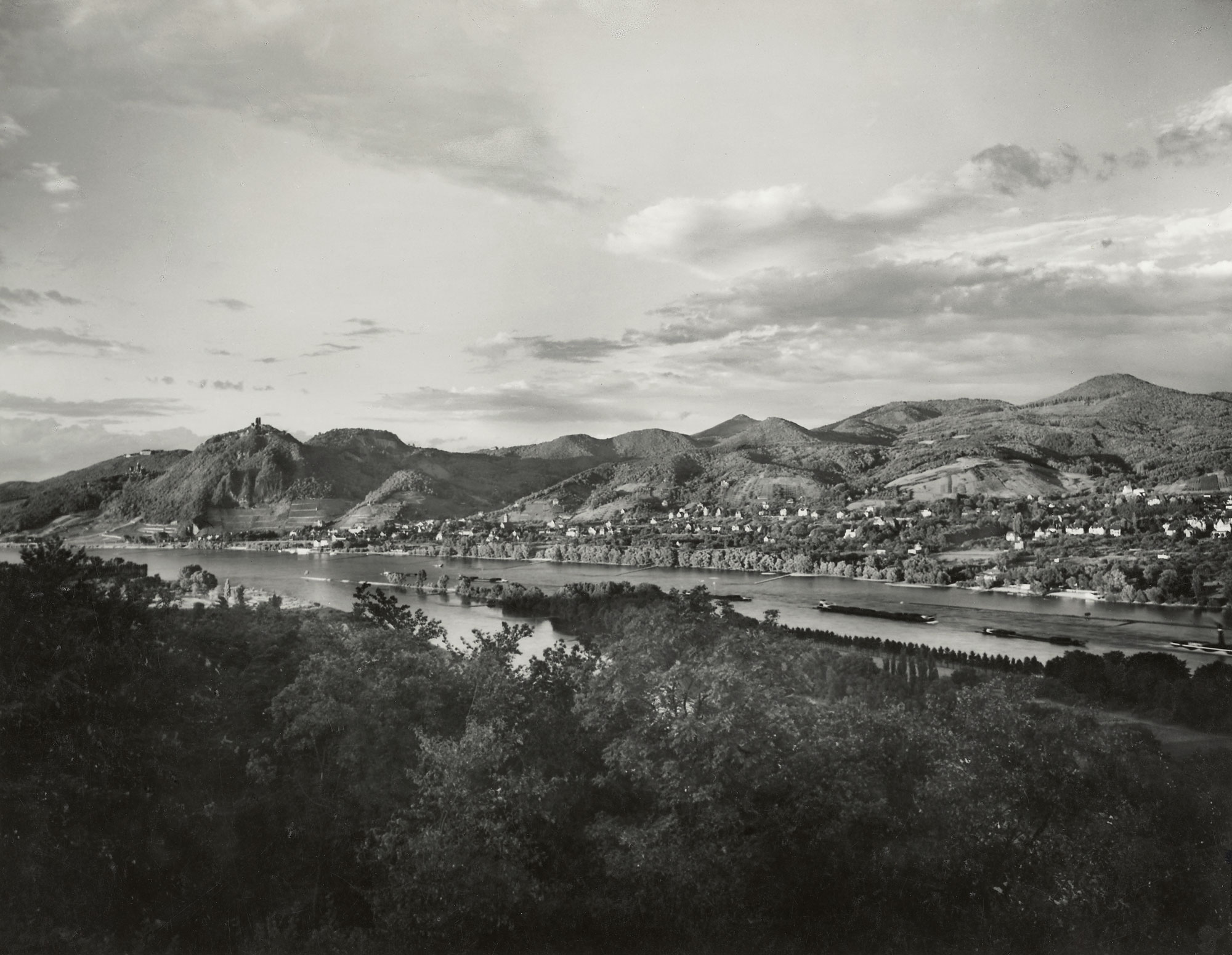
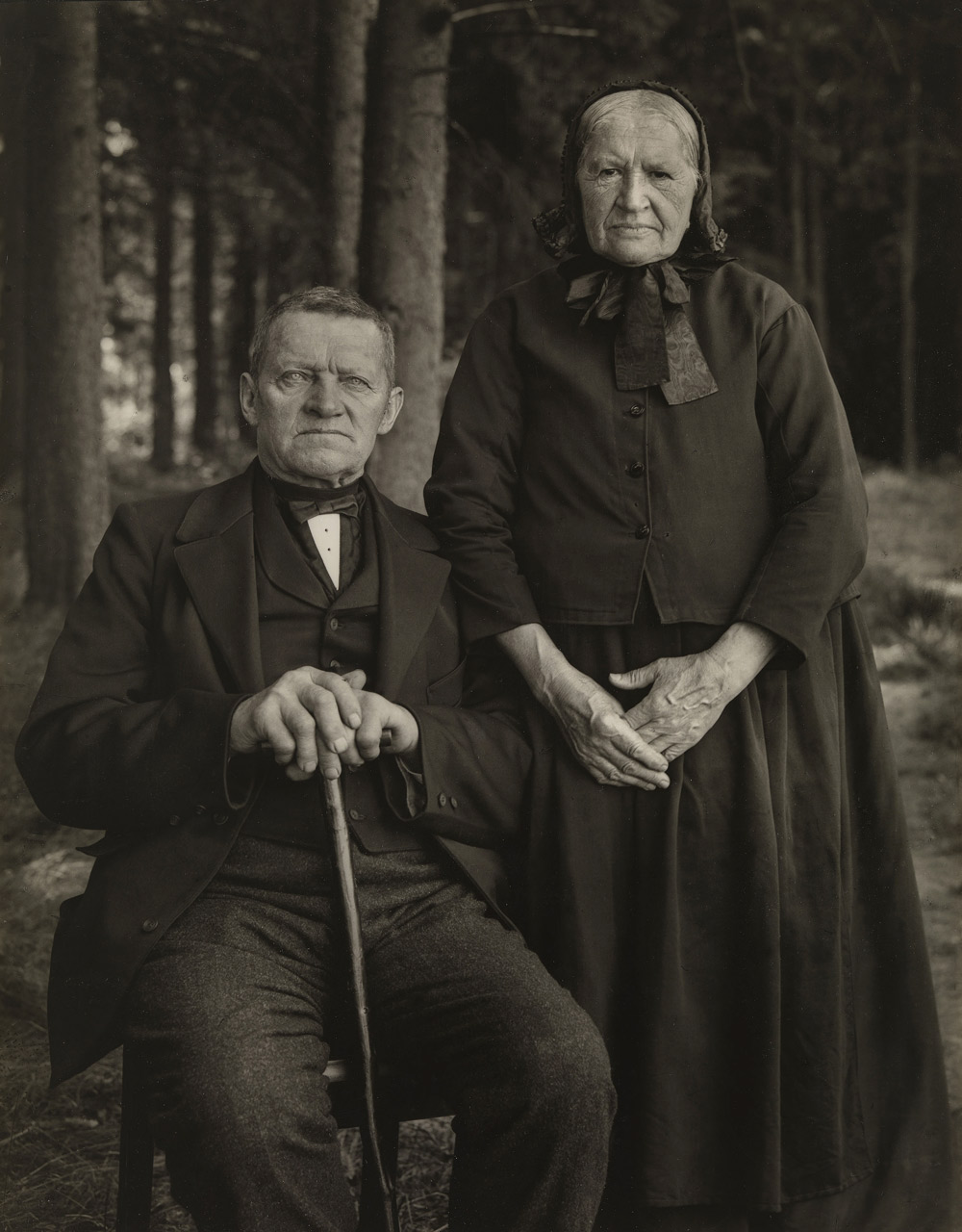
![August Sander (German, 1876-1964) 'Newspaper publisher [Karl Richter]' 1924](https://artblart.com/wp-content/uploads/2022/06/psl-2007-15.jpg "August Sander (German, 1876-1964) 'Newspaper publisher [Karl Richter]' 1924")


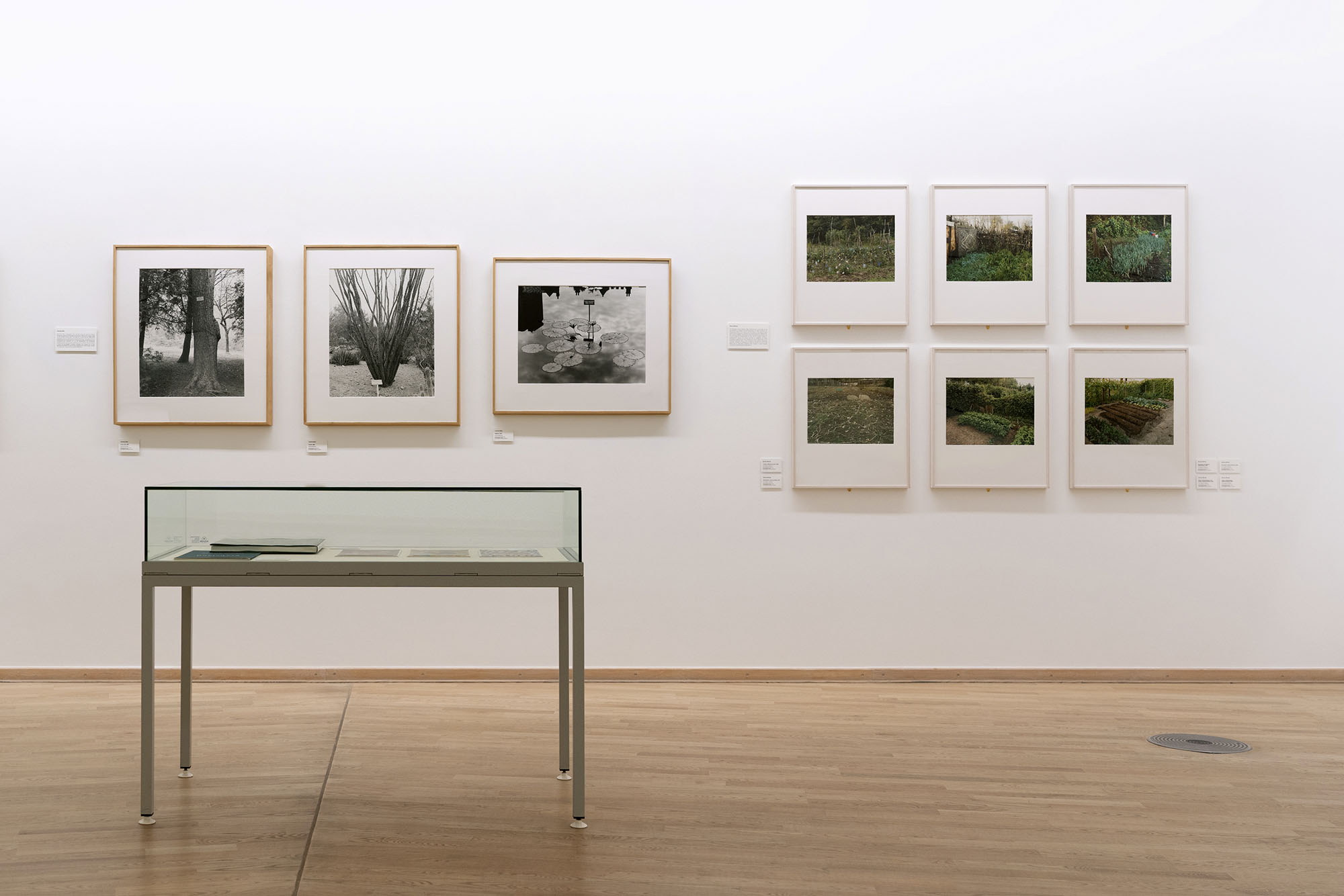


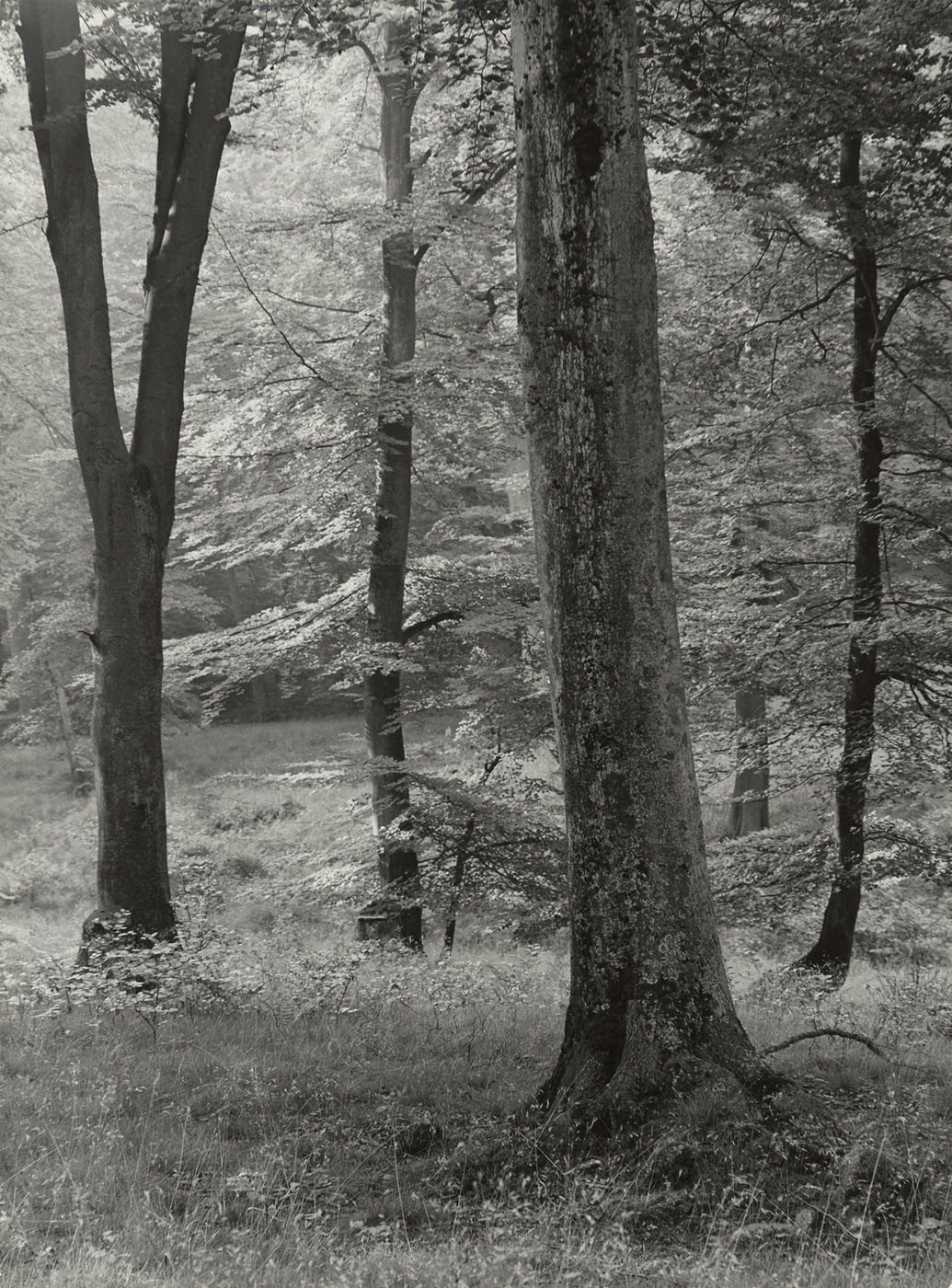


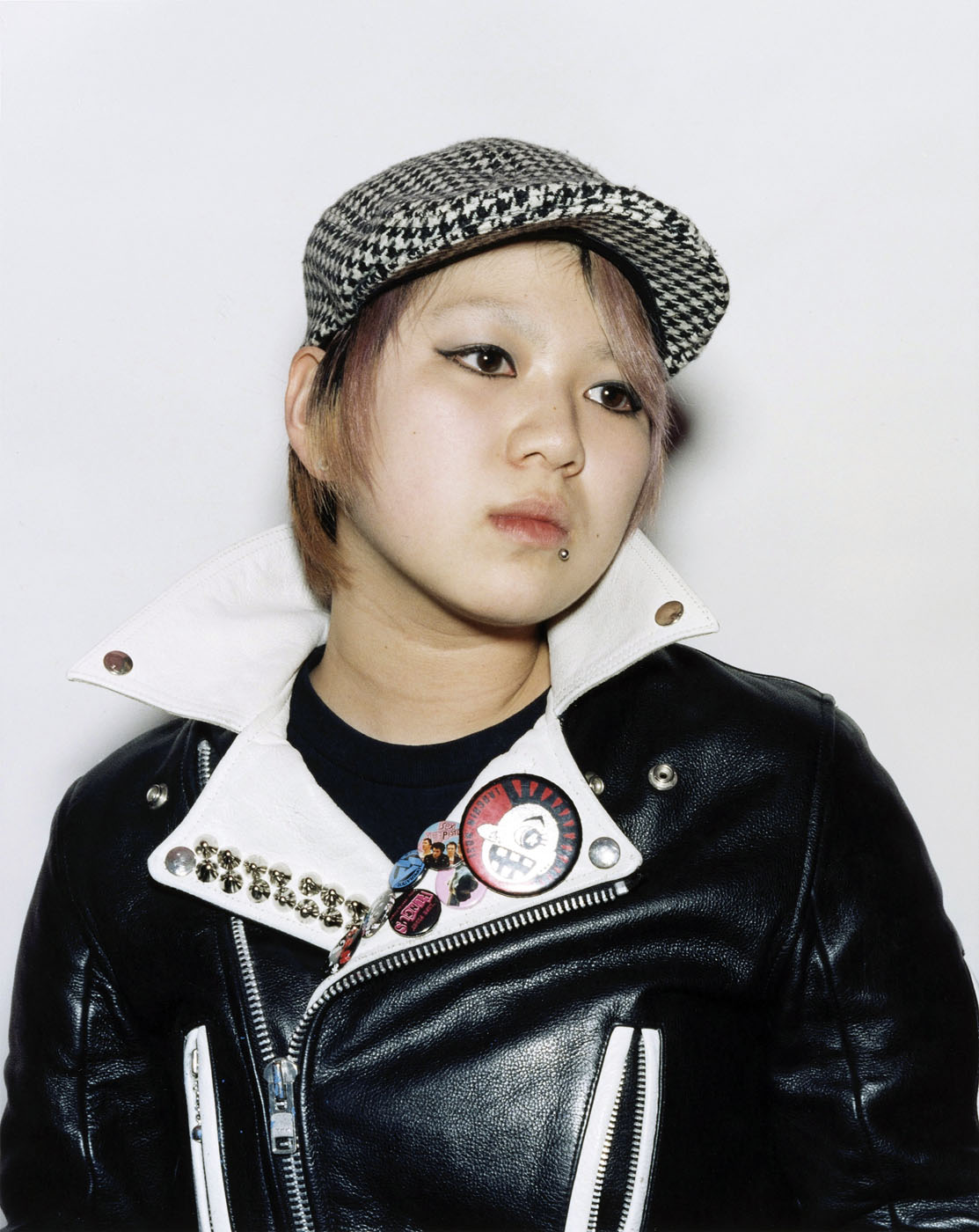

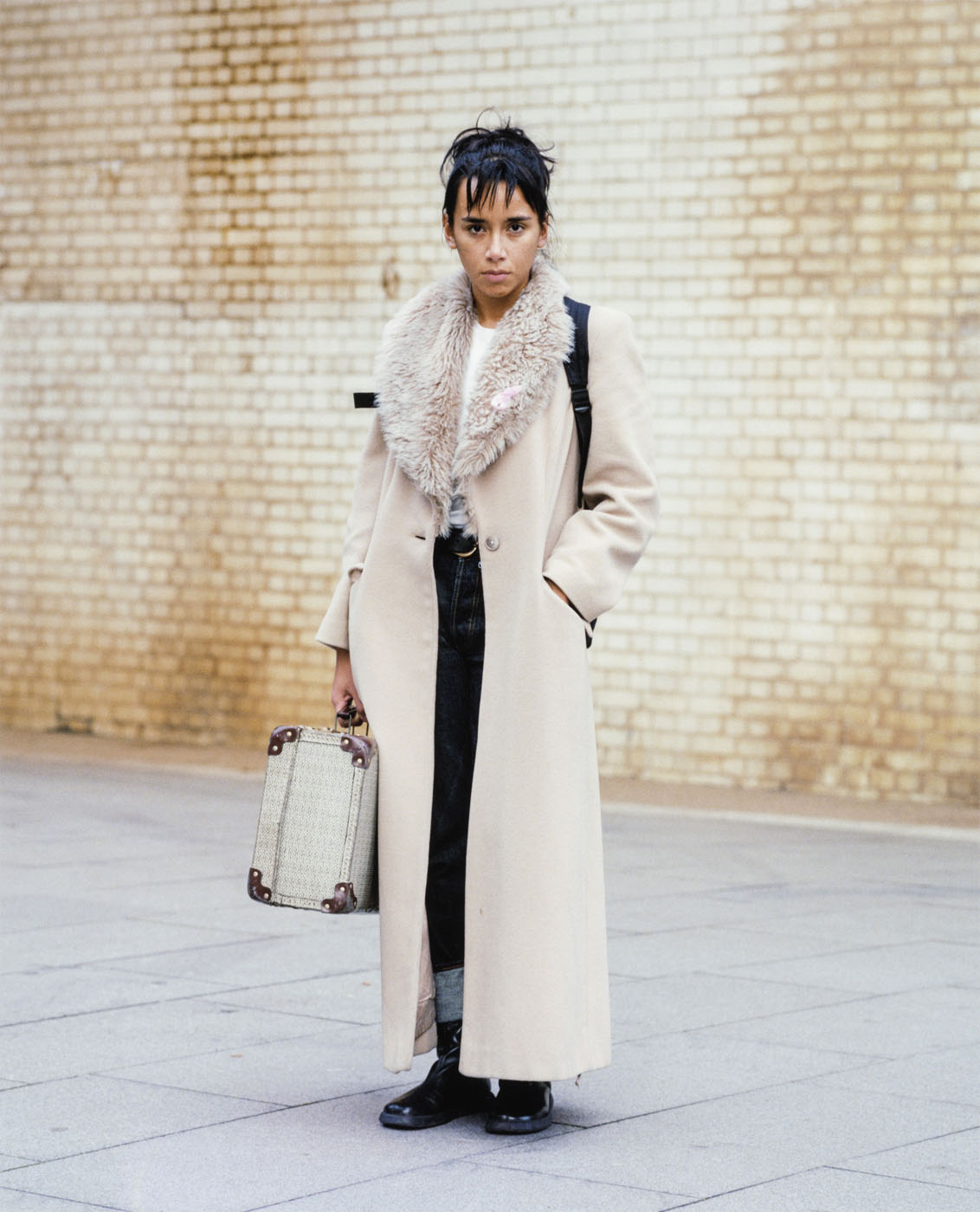


![Fratelli Gajo – Piazza S.Marco 139 – Venezia. 'Untitled [The Doges' Palace and the Piazzetta]' 1880s](https://artblart.com/wp-content/uploads/2022/05/3-untitled.jpg "Fratelli Gajo – Piazza S.Marco 139 – Venezia. 'Untitled [The Doges' Palace and the Piazzetta]' 1880s")
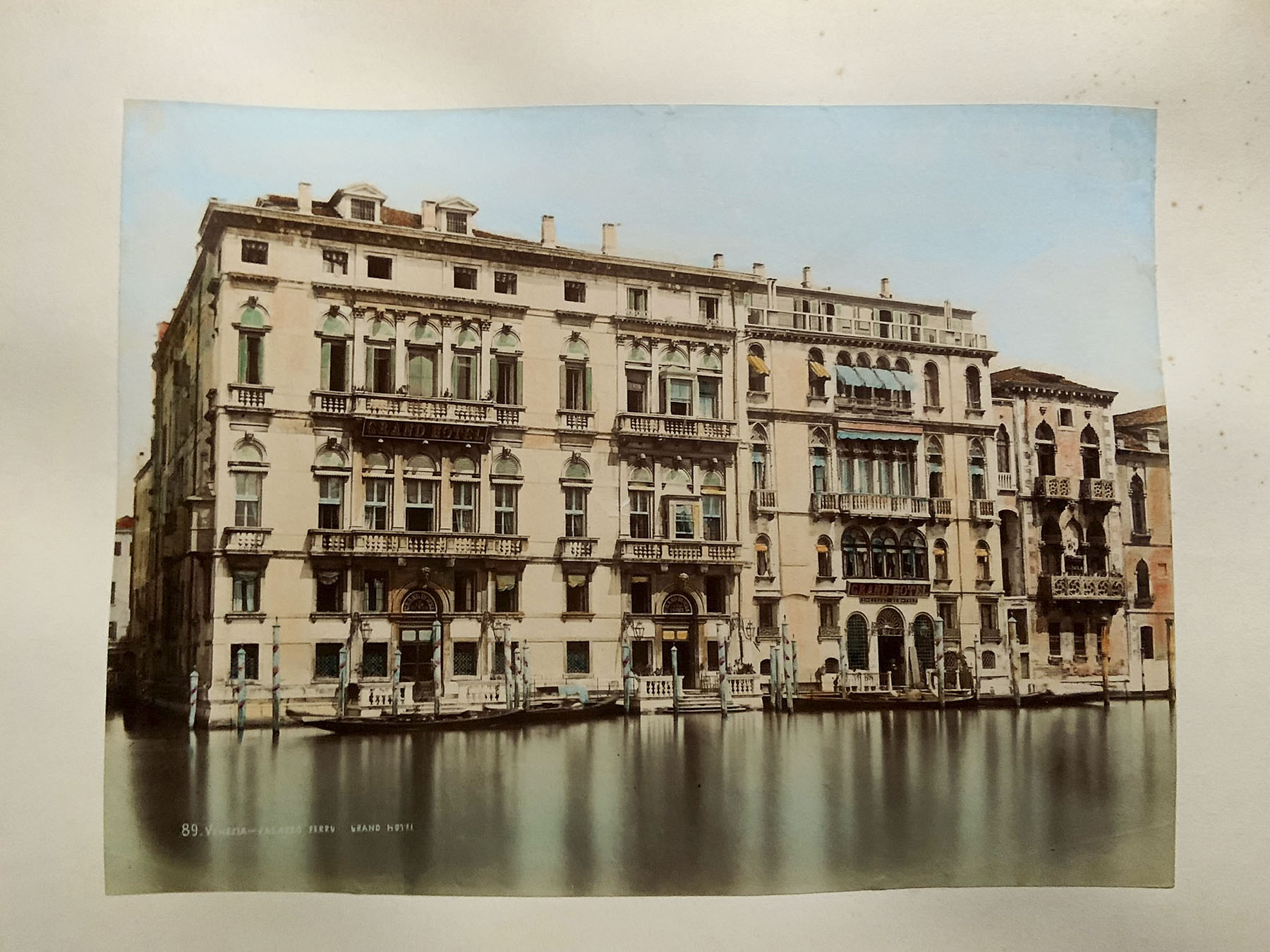


![Fratelli Gajo – Piazza S.Marco 139 – Venezia. 'Untitled [St Mark's Basilica]' 1880s](https://artblart.com/wp-content/uploads/2022/05/5-untitled.jpg "Fratelli Gajo – Piazza S.Marco 139 – Venezia. 'Untitled [St Mark's Basilica]' 1880s")
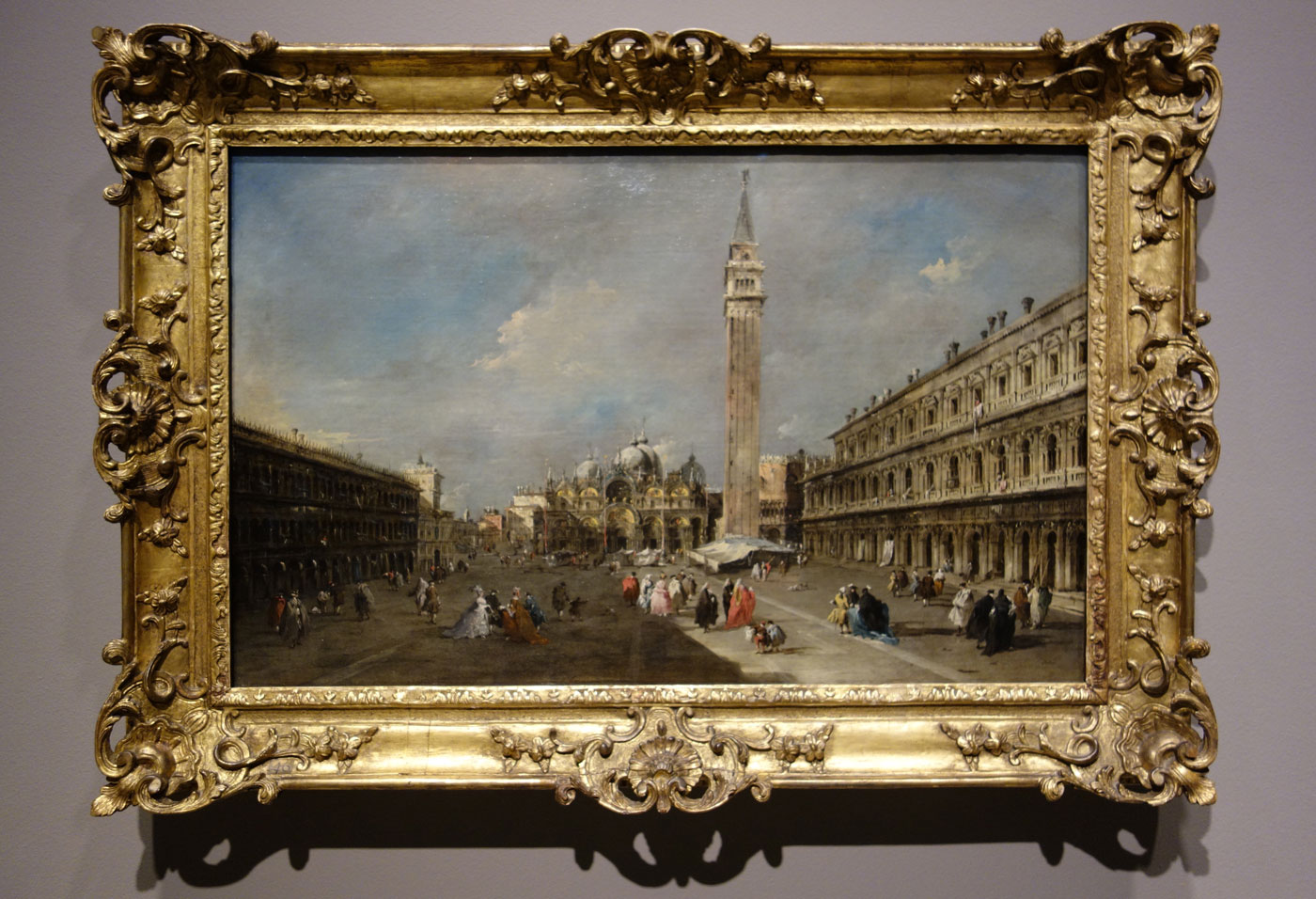


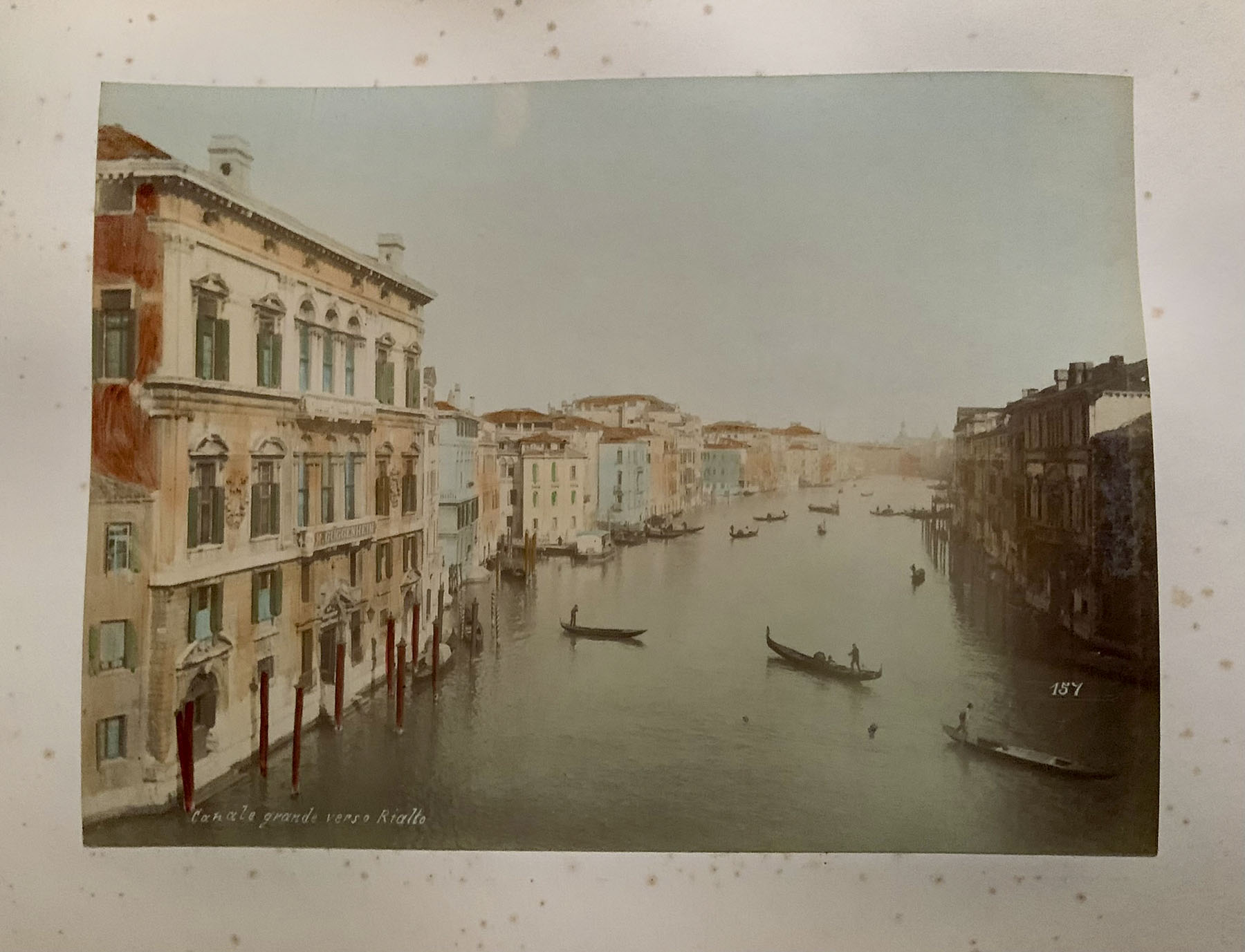

![Fratelli Gajo – Piazza S.Marco 139 – Venezia. 'Untitled [Bridge of Sighs]' 1880s](https://artblart.com/wp-content/uploads/2022/05/9-untitled.jpg "Fratelli Gajo – Piazza S.Marco 139 – Venezia. 'Untitled [Bridge of Sighs]' 1880s")


![Fratelli Gajo – Piazza S.Marco 139 – Venezia. 'Untitled [The Courtyard of the Doge's Palace looking towards the Torricella]' 1880s](https://artblart.com/wp-content/uploads/2022/05/10-untitled.jpg "Fratelli Gajo – Piazza S.Marco 139 – Venezia. 'Untitled [The Courtyard of the Doge's Palace looking towards the Torricella]' 1880s")

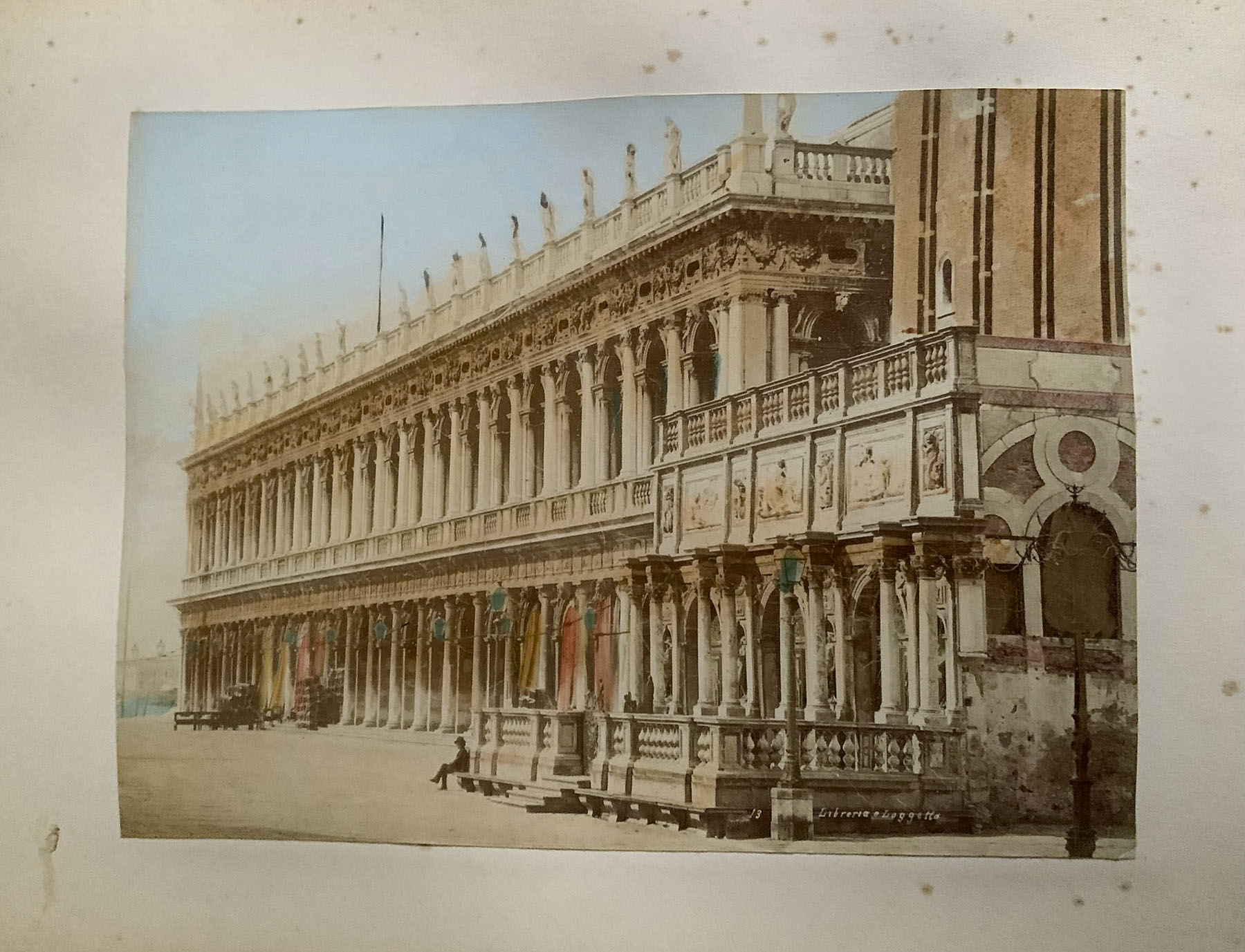
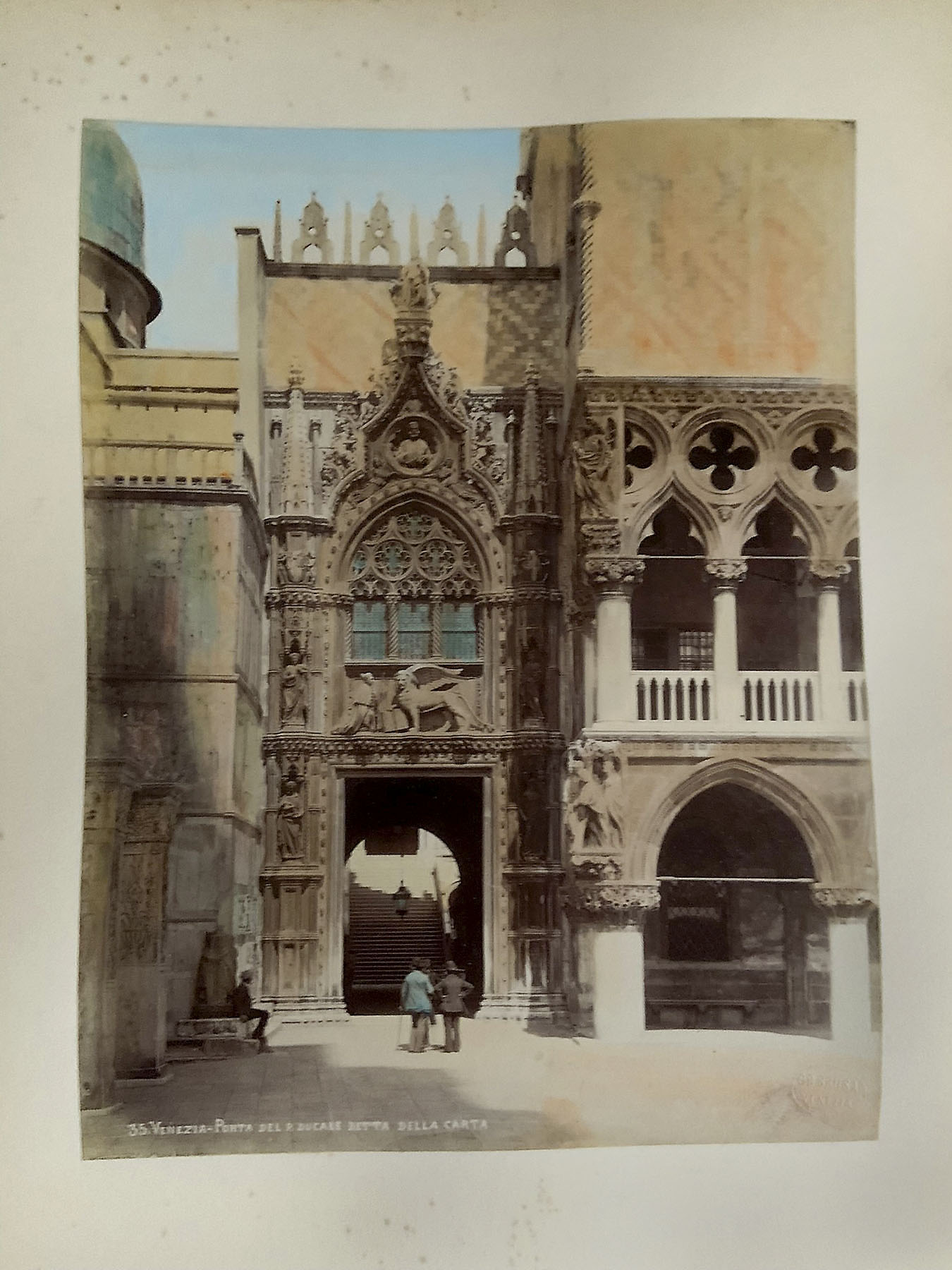

![Fratelli Gajo – Piazza S.Marco 139 – Venezia. '230 [Interior of the Doges Palace]' 1880s](https://artblart.com/wp-content/uploads/2022/05/14-230-untitled.jpg "Fratelli Gajo – Piazza S.Marco 139 – Venezia. '230 [Interior of the Doges Palace]' 1880s")


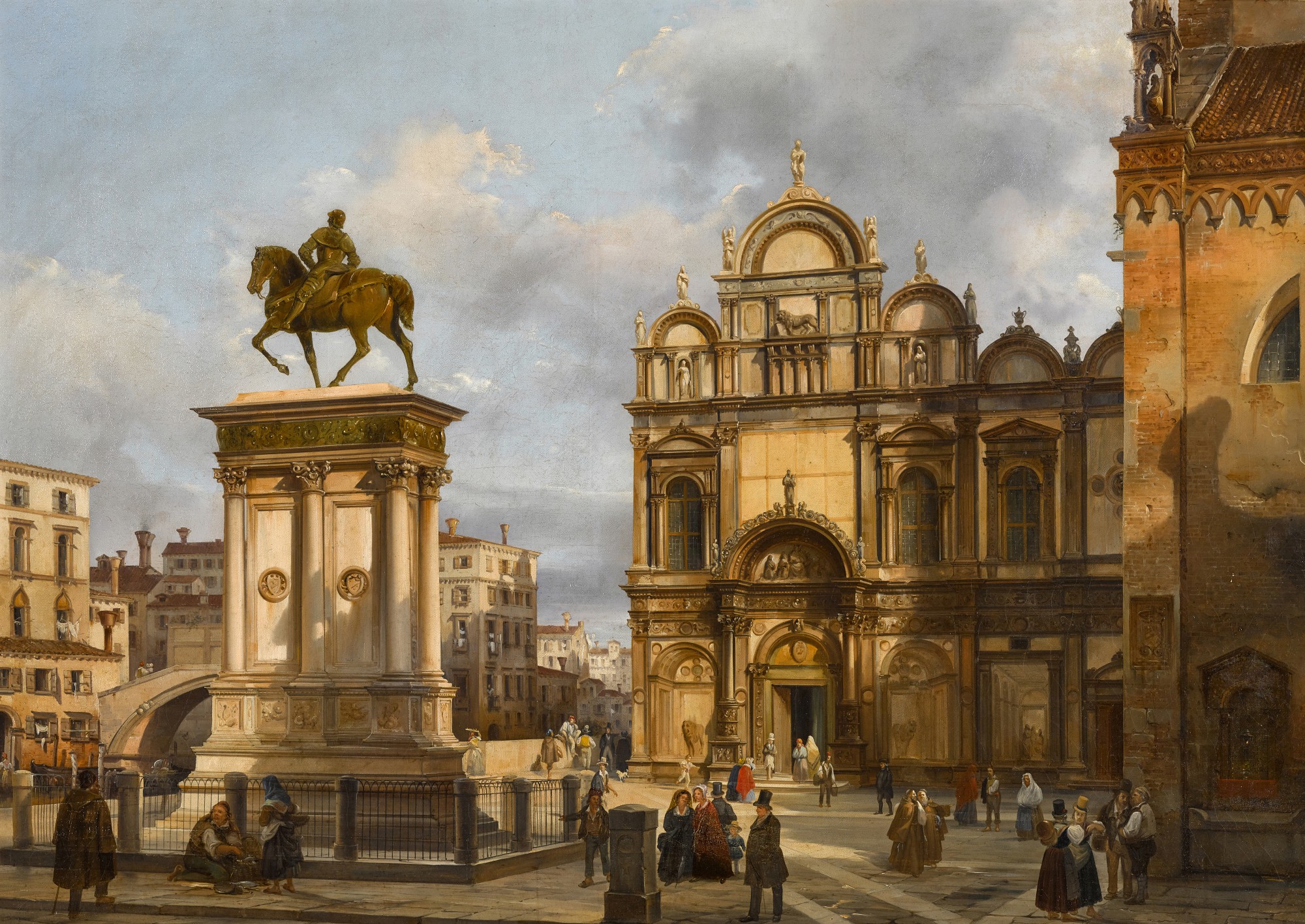

![Fratelli Gajo – Piazza S.Marco 139 – Venezia. 'Untitled [Entry to the presbytery of St Mark's Basilica]' 1880s](https://artblart.com/wp-content/uploads/2022/05/20-untitled.jpg "Fratelli Gajo – Piazza S.Marco 139 – Venezia. 'Untitled [Entry to the presbytery of St Mark's Basilica]' 1880s")
![Fratelli Gajo – Piazza S.Marco 139 – Venezia. 'Untitled [Bridge of Sighs]' 1880s](https://artblart.com/wp-content/uploads/2022/05/21-untitled.jpg "Fratelli Gajo – Piazza S.Marco 139 – Venezia. 'Untitled [Bridge of Sighs]' 1880s")


![Fratelli Gajo – Piazza S.Marco 139 – Venezia. 'Untitled [Torre del Orologio]' 1880s](https://artblart.com/wp-content/uploads/2022/05/24-untitled.jpg "Fratelli Gajo – Piazza S.Marco 139 – Venezia. 'Untitled [Torre del Orologio]' 1880s")
![Fratelli Gajo – Piazza S.Marco 139 – Venezia. 'Untitled [The Doge's Palace]' 1880s](https://artblart.com/wp-content/uploads/2022/05/25-untitled.jpg "Fratelli Gajo – Piazza S.Marco 139 – Venezia. 'Untitled [The Doge's Palace]' 1880s")


![Fratelli Gajo – Piazza S.Marco 139 – Venezia. 'Untitled [Statue of King Vittorio Emanuel II by the sculptor Ettore Ferrari 1887]' c. 1887](https://artblart.com/wp-content/uploads/2022/05/28-untitled.jpg "Fratelli Gajo – Piazza S.Marco 139 – Venezia. 'Untitled [Statue of King Vittorio Emanuel II by the sculptor Ettore Ferrari 1887]' c. 1887")


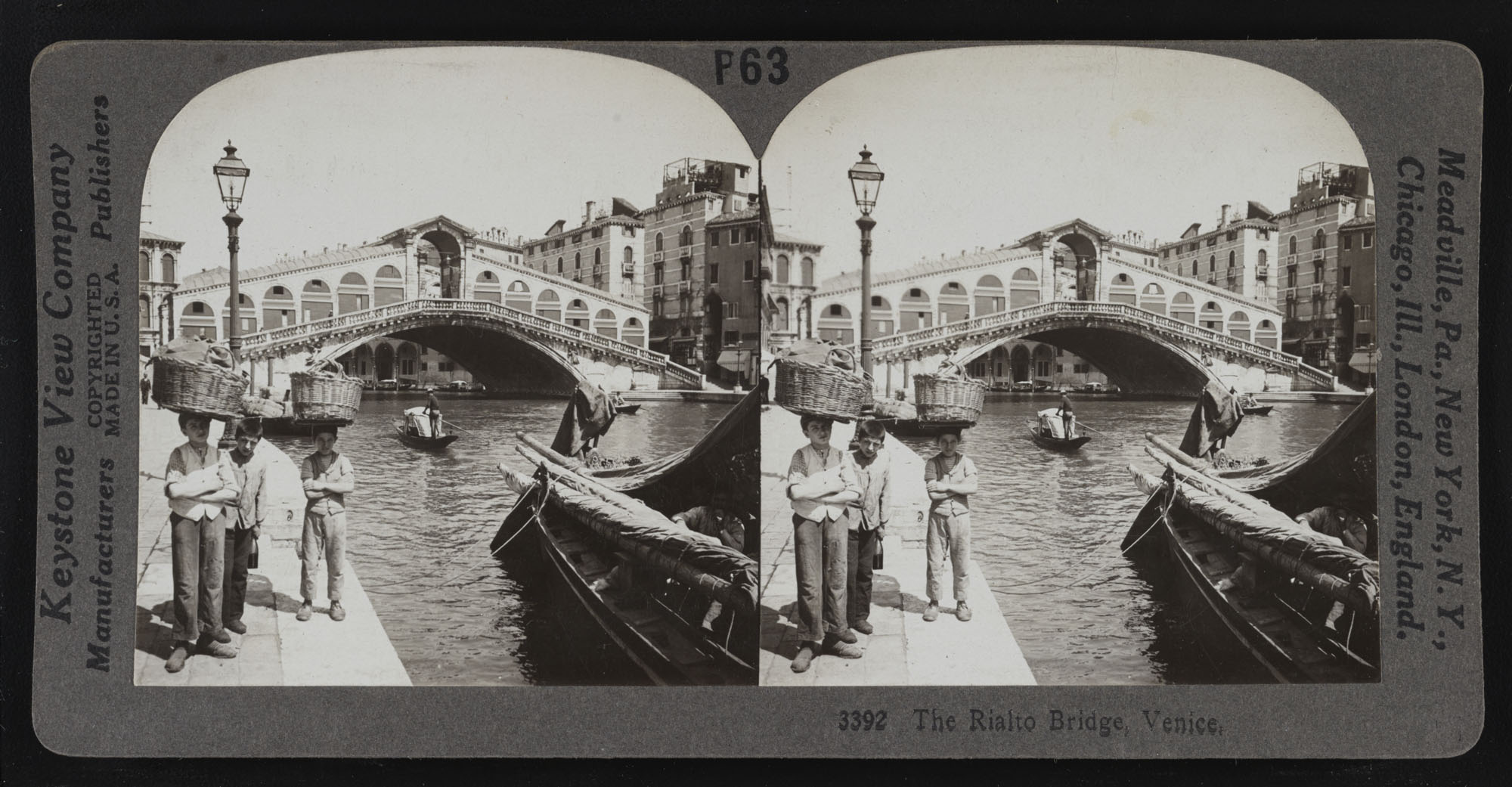
![Fratelli Gajo – Piazza S.Marco 139 – Venezia 'Untitled [Rialto Bridge]' 1880s](https://artblart.com/wp-content/uploads/2022/05/30-untitled.jpg "Fratelli Gajo – Piazza S.Marco 139 – Venezia 'Untitled [Rialto Bridge]' 1880s")


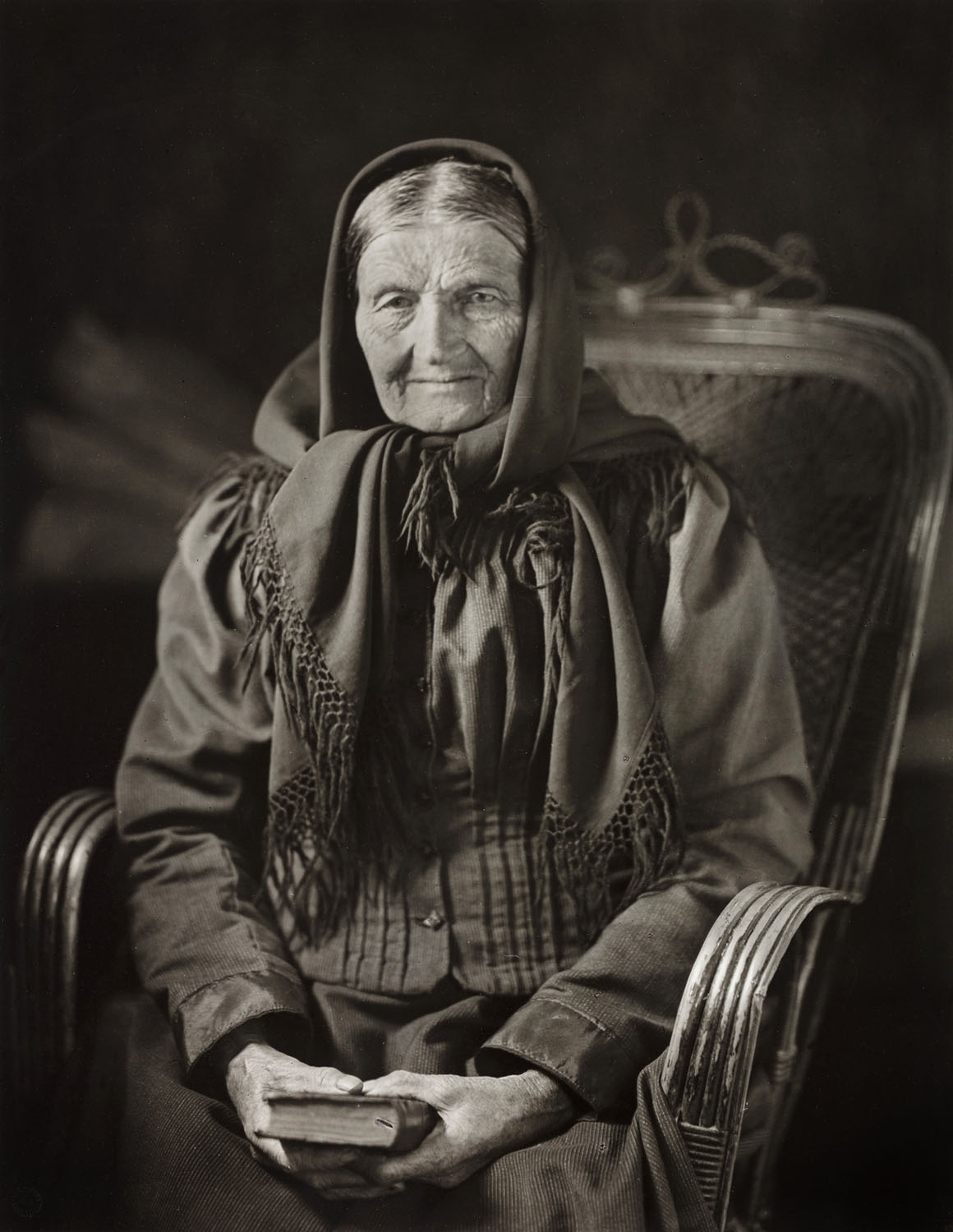
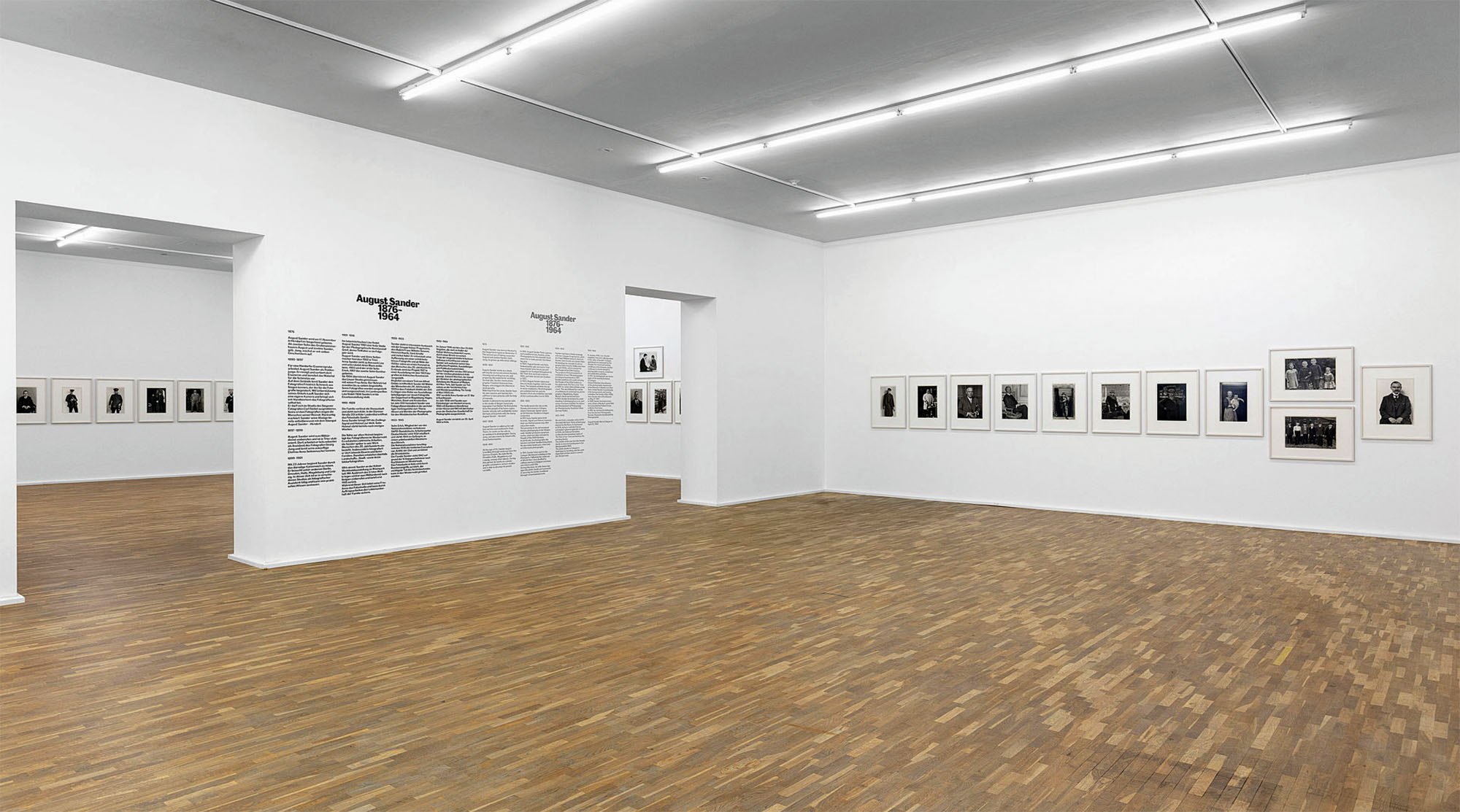
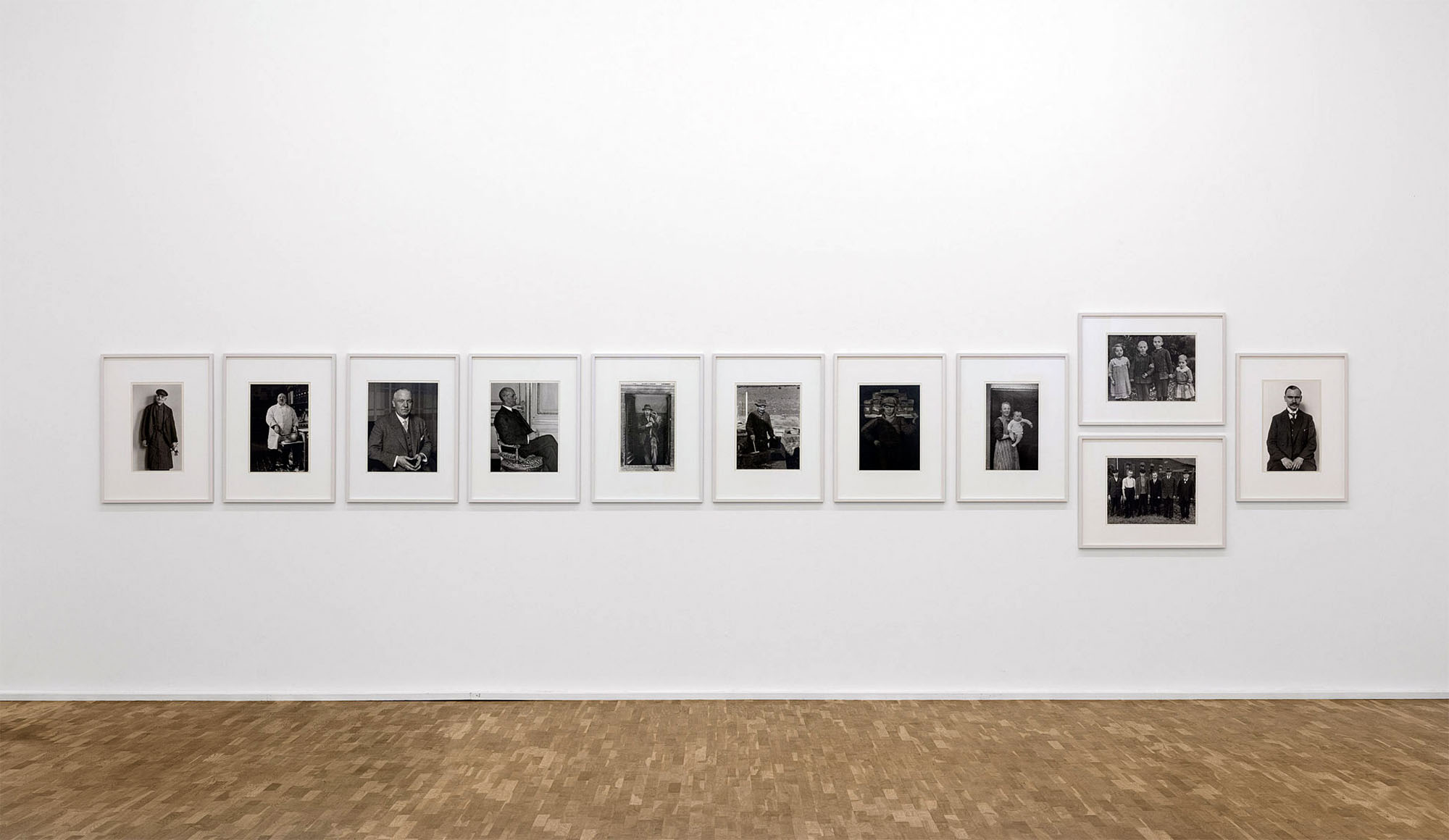

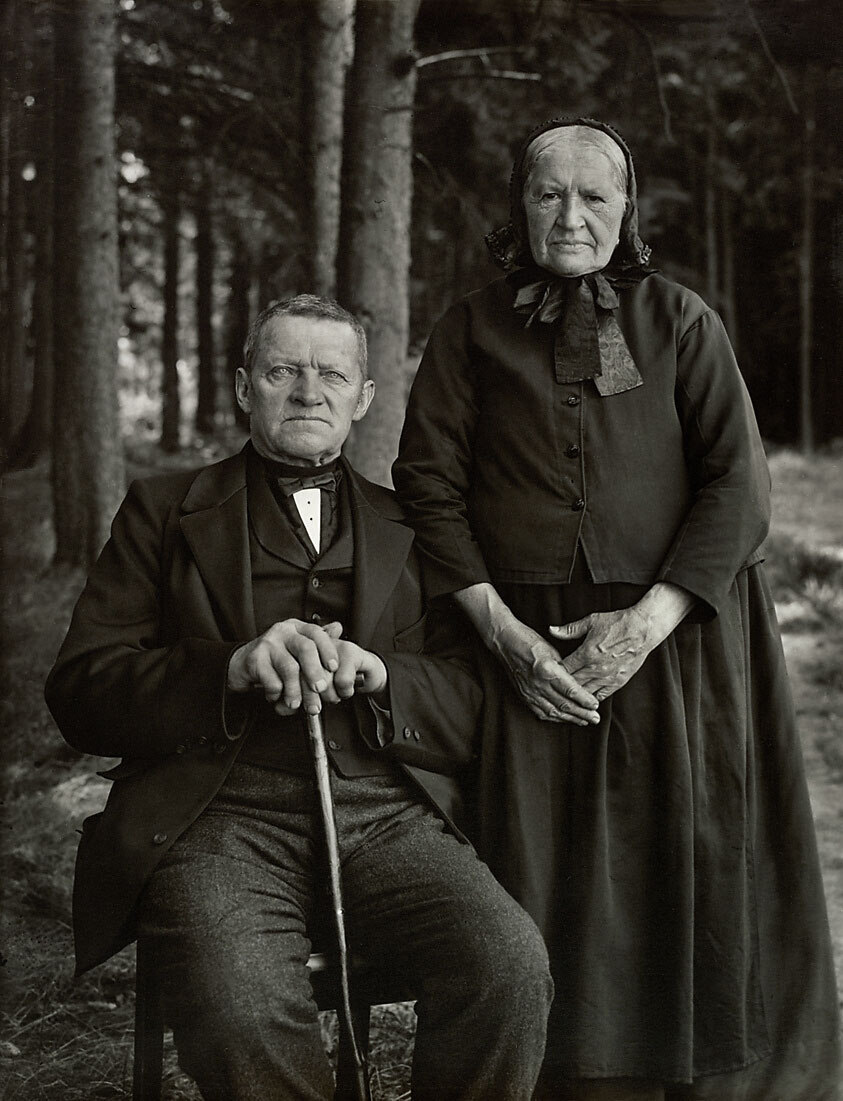
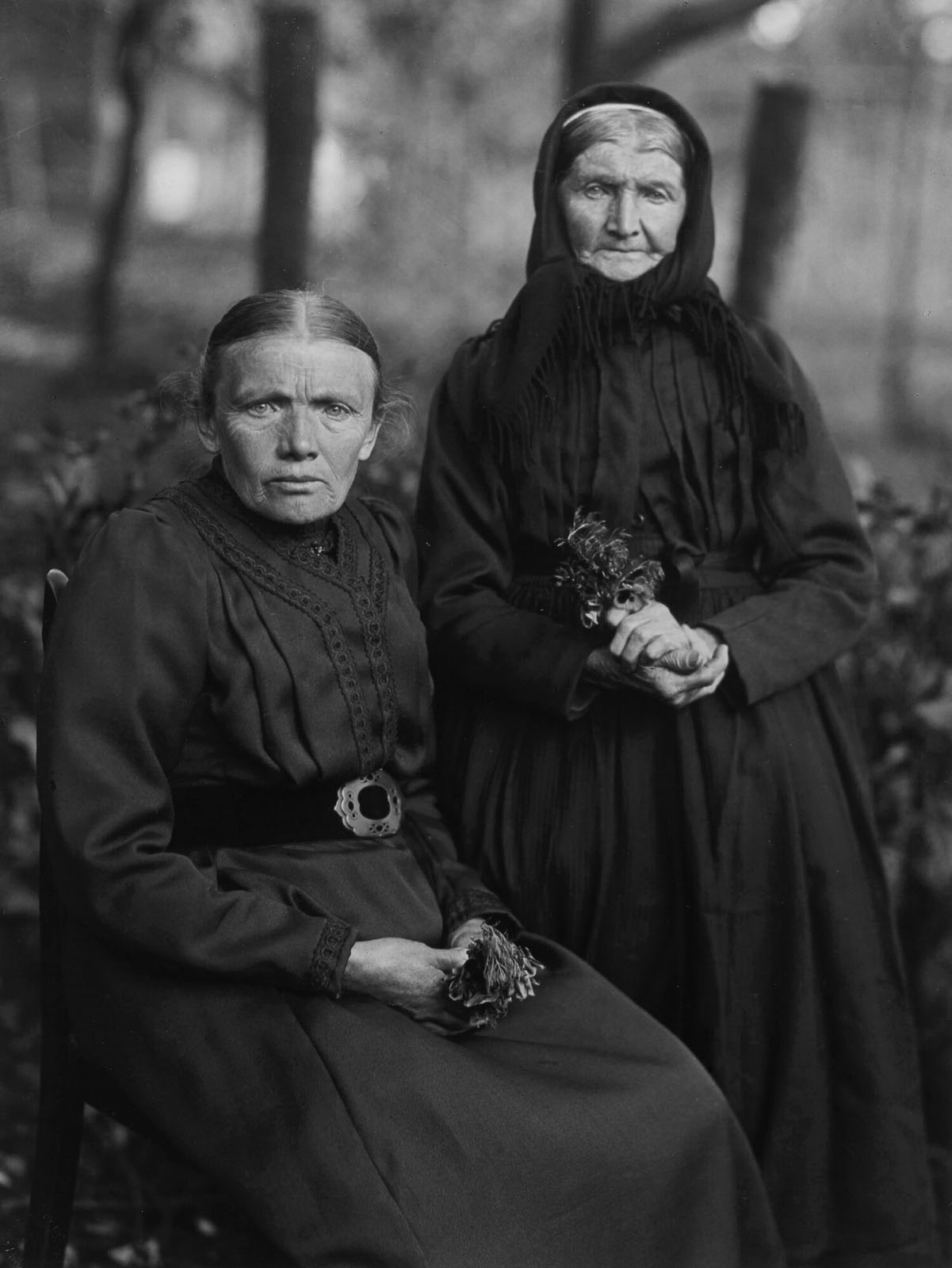
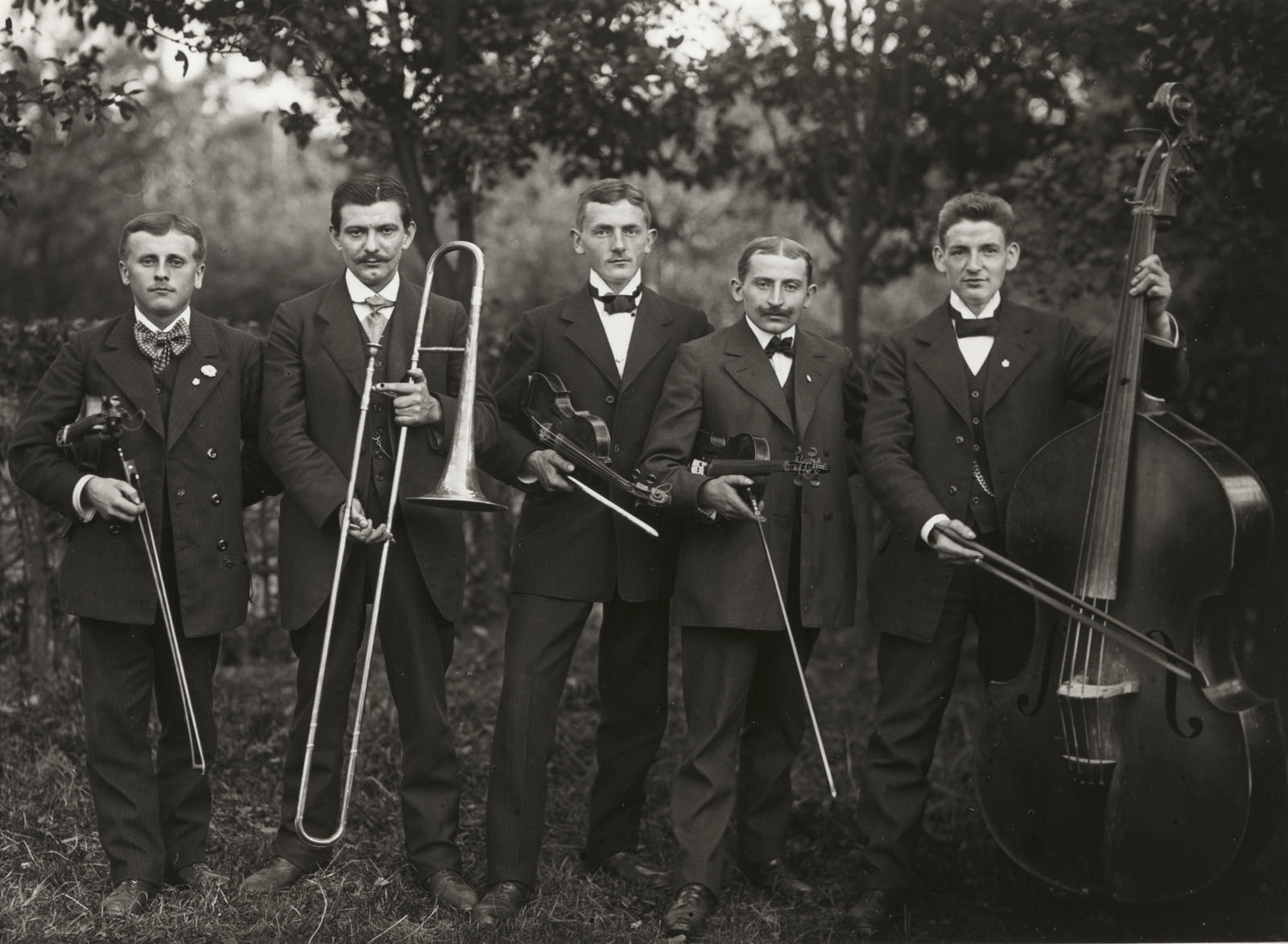

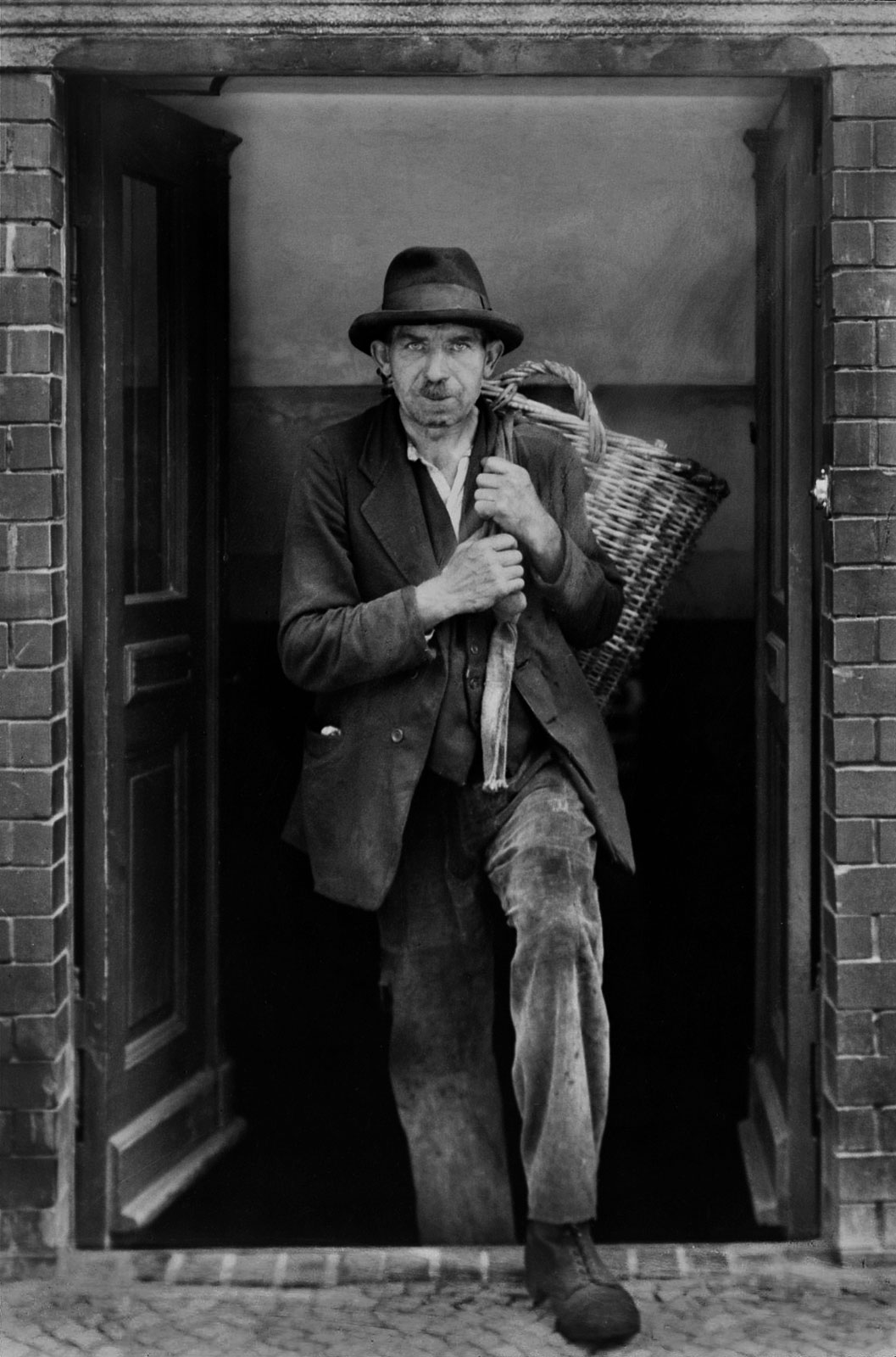
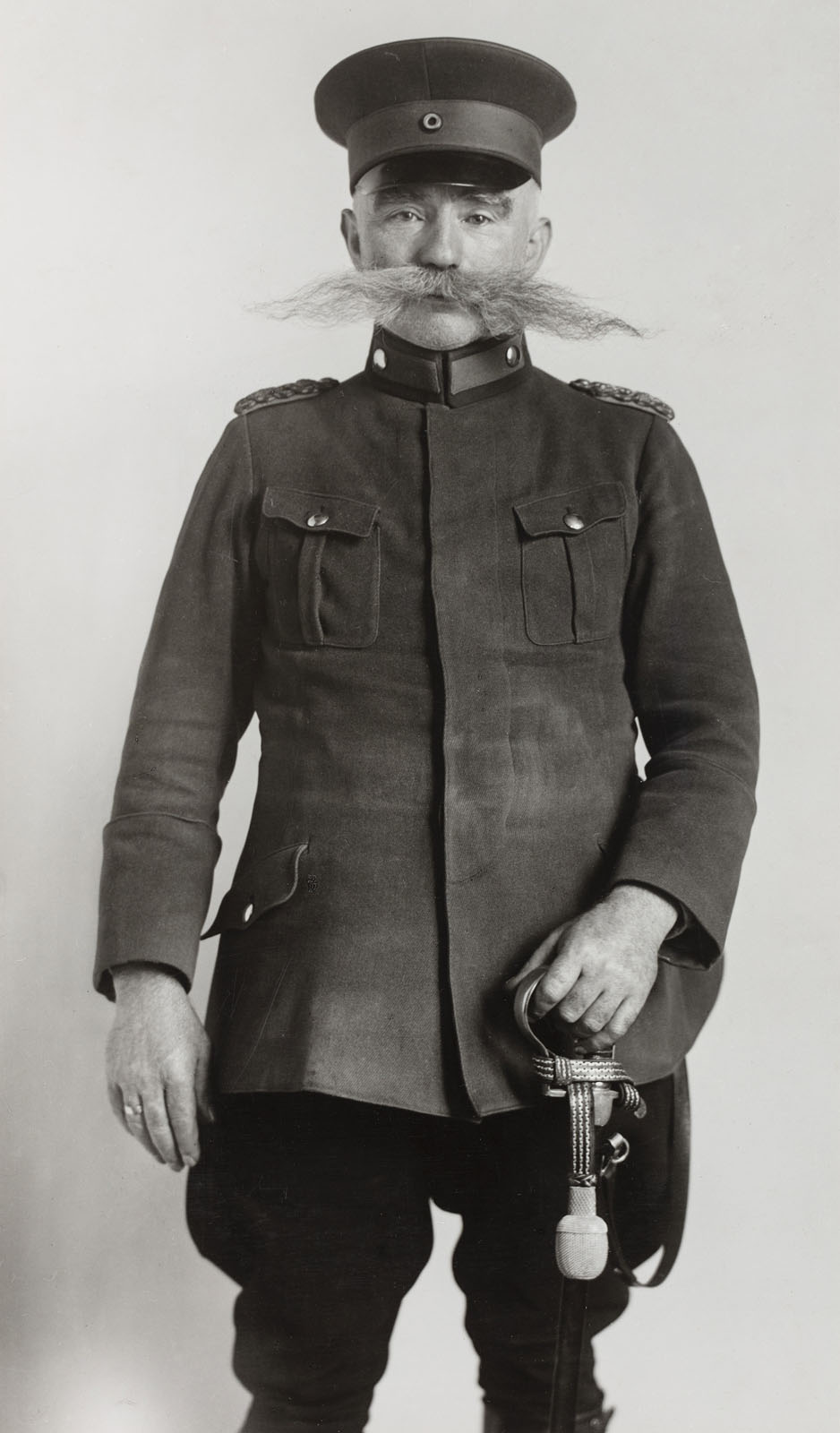
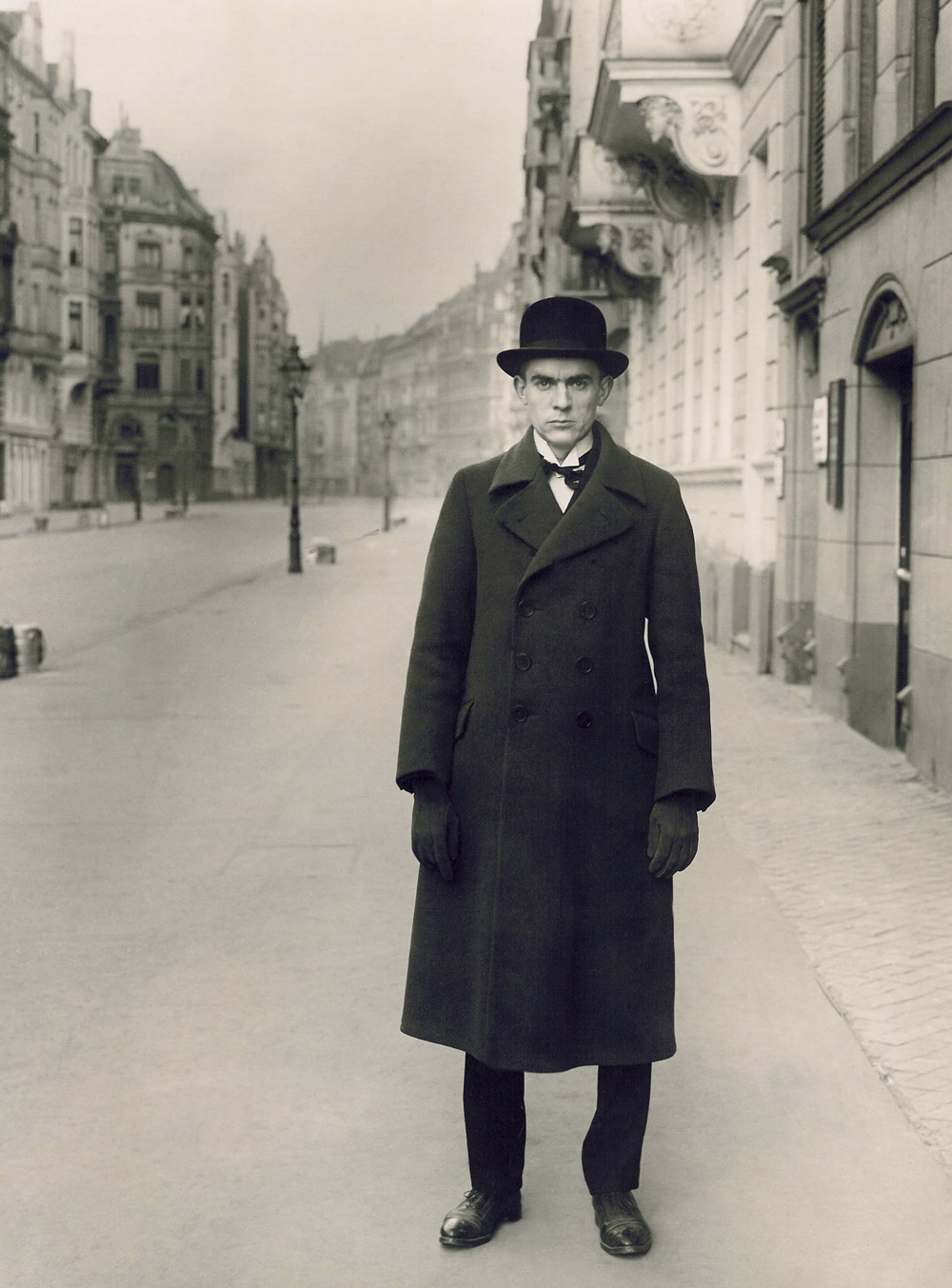
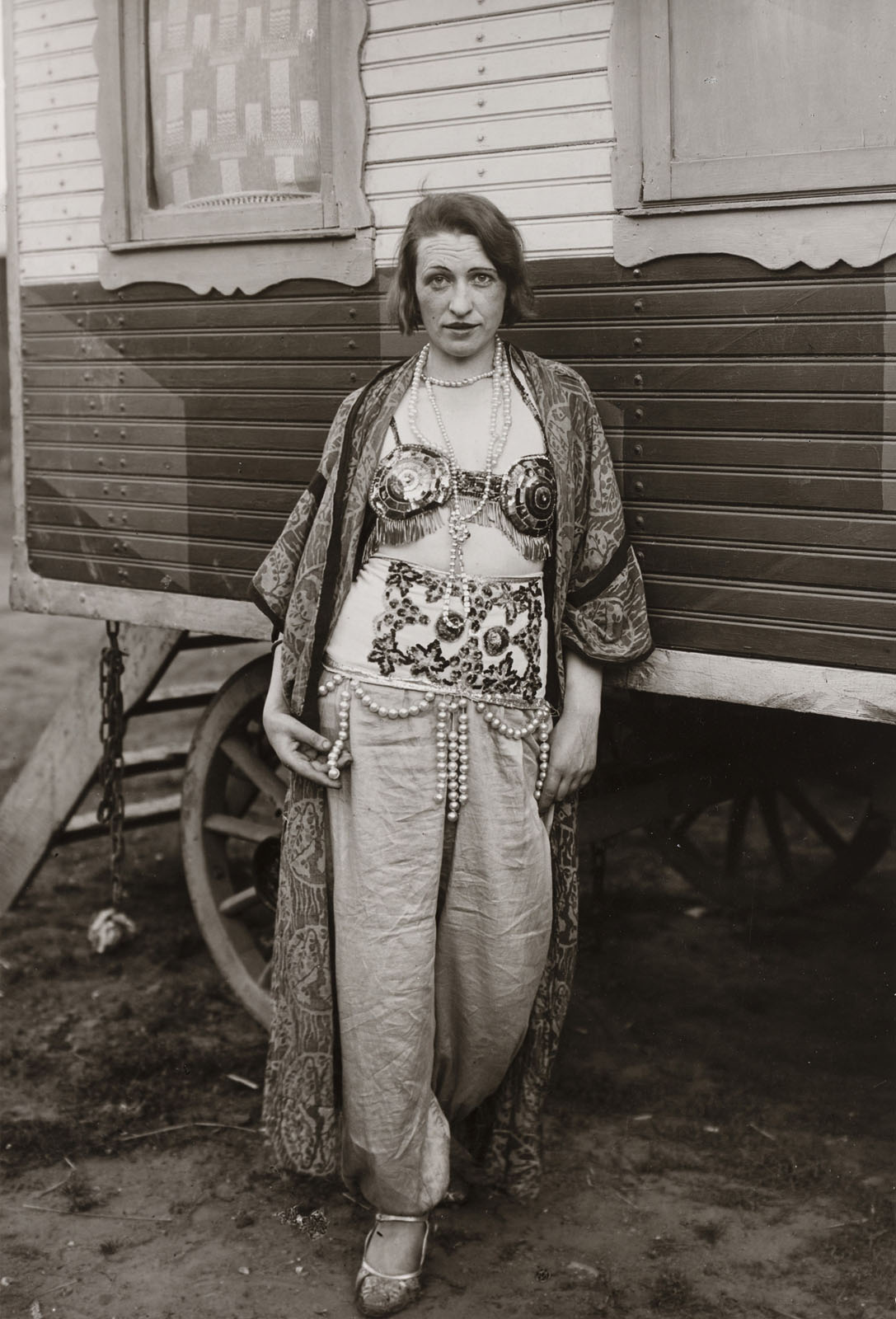

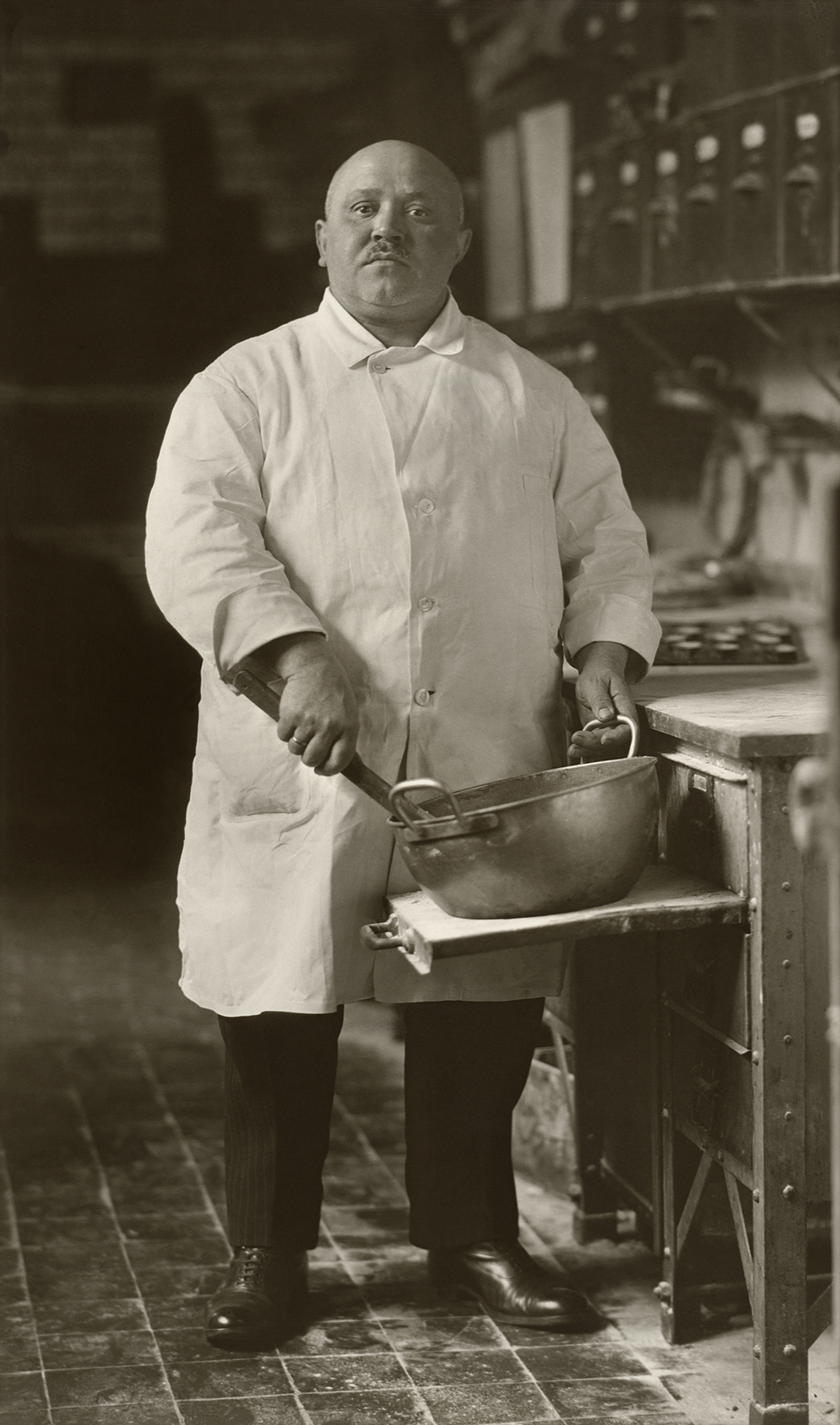
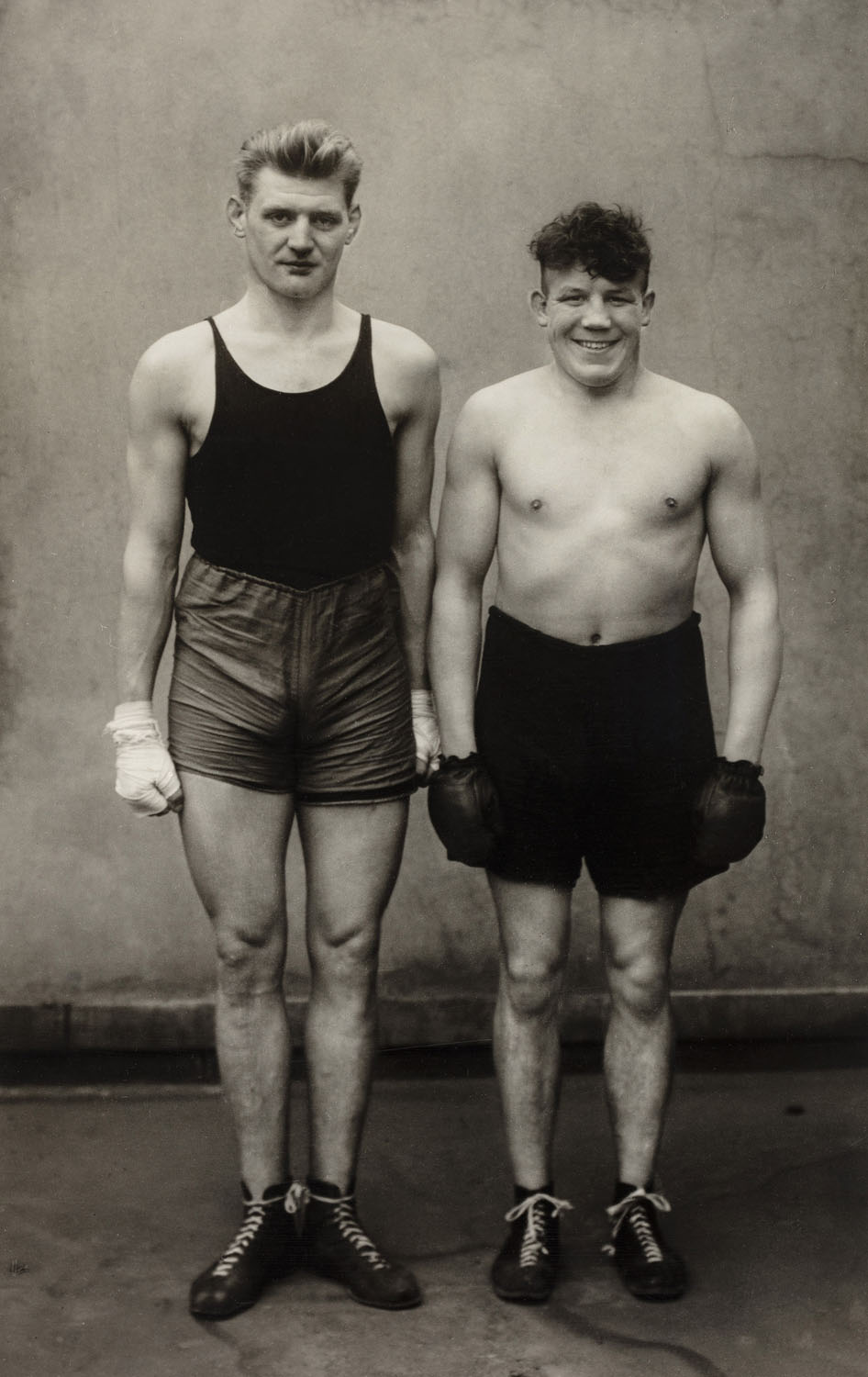
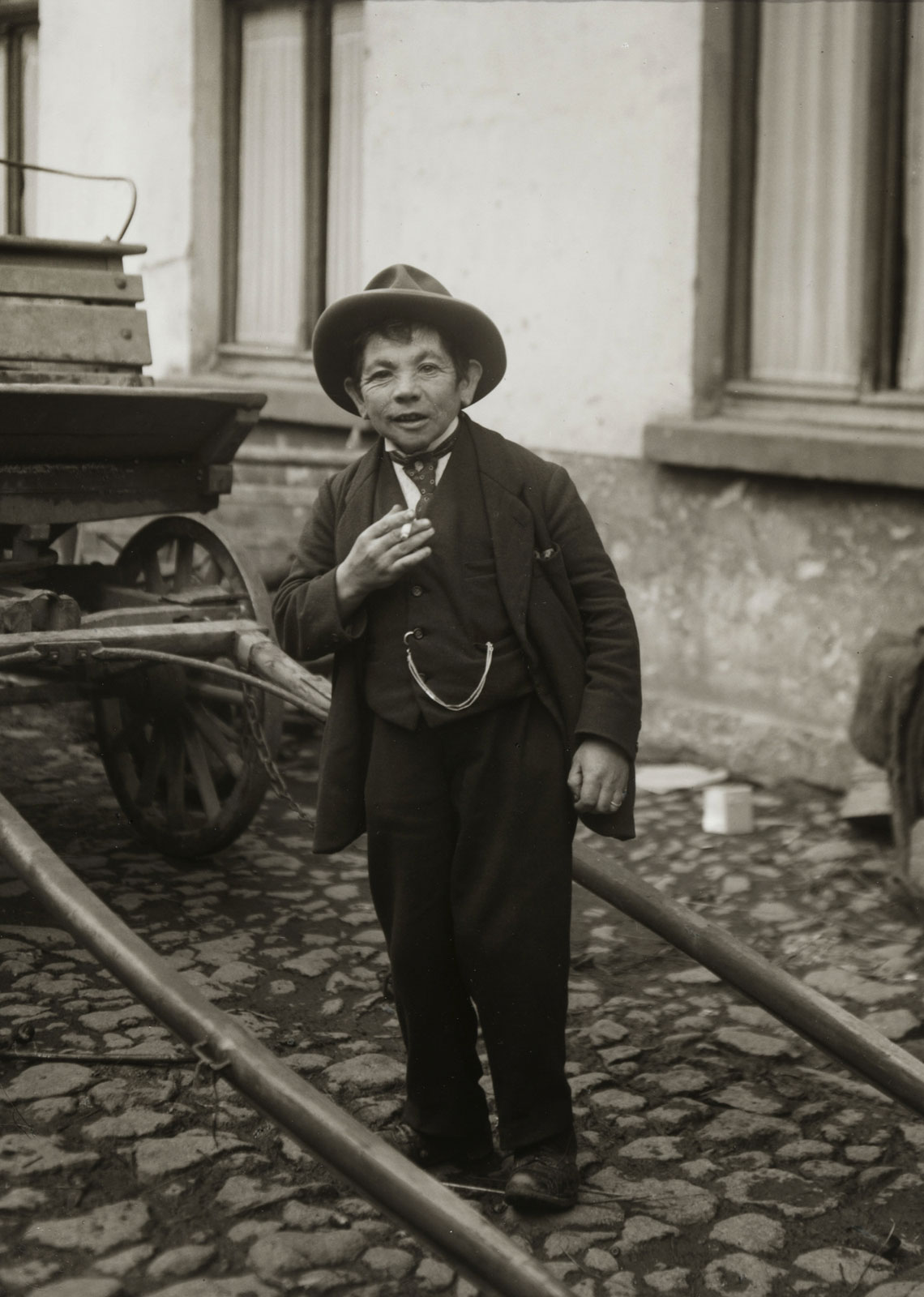
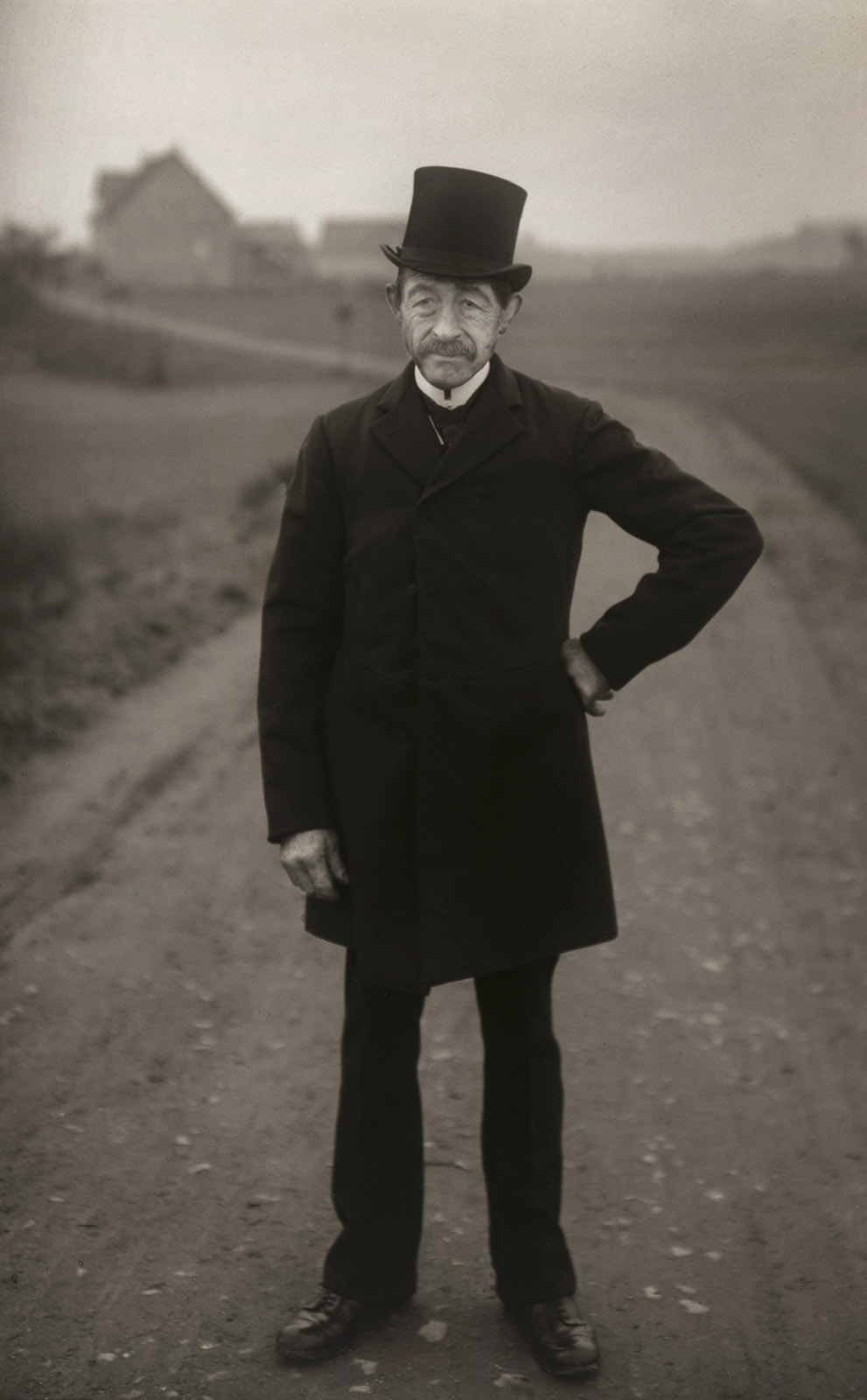
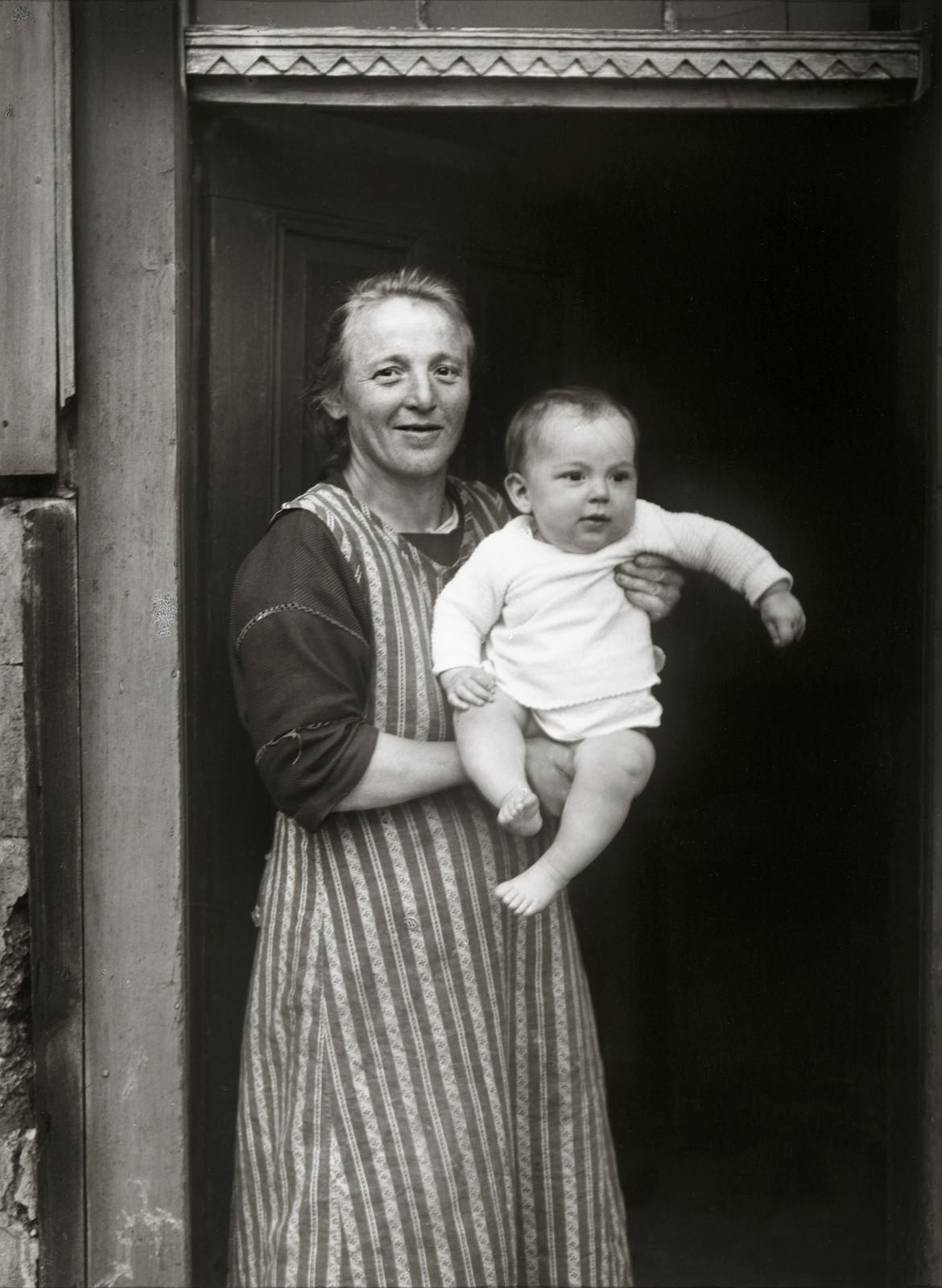
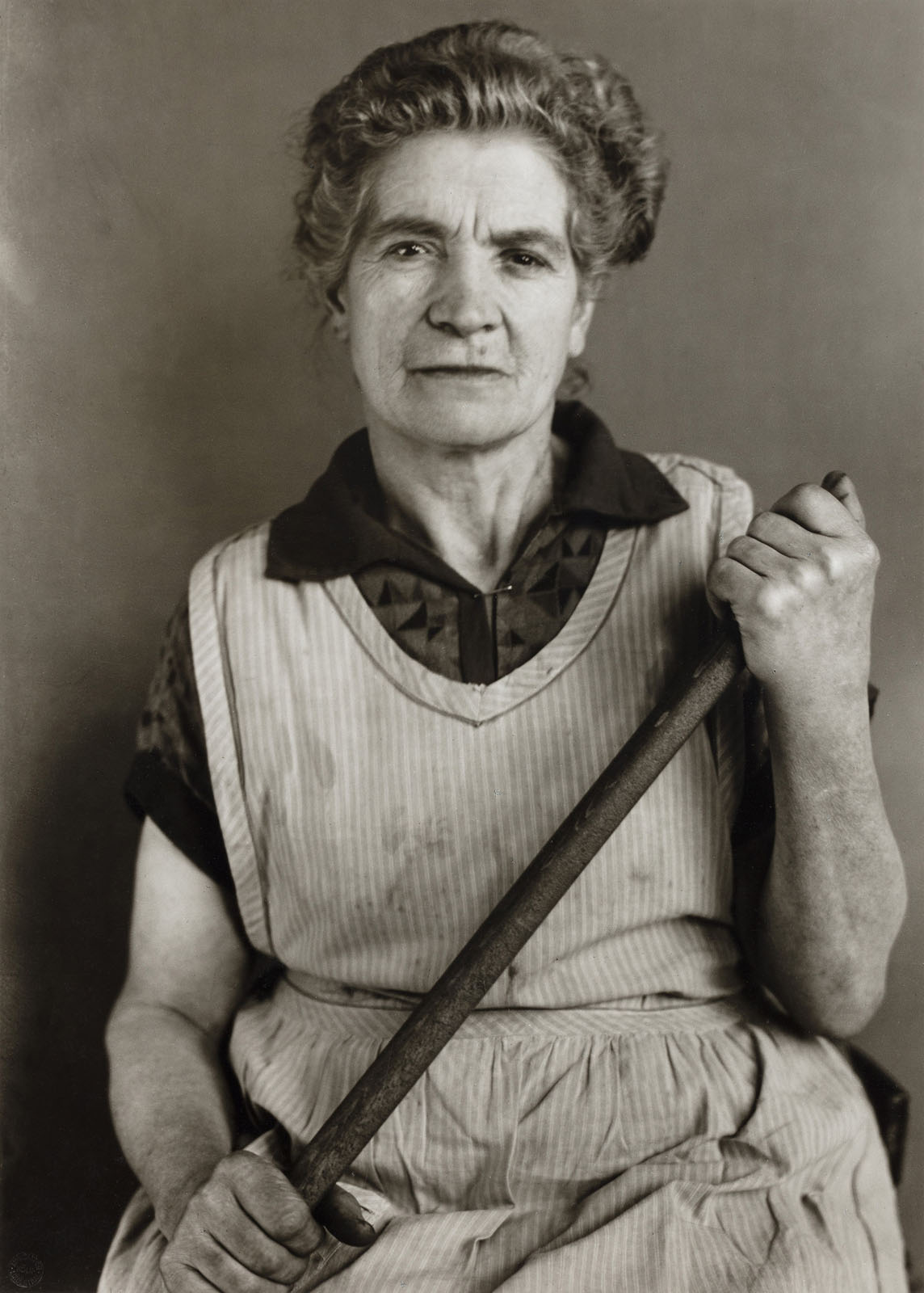

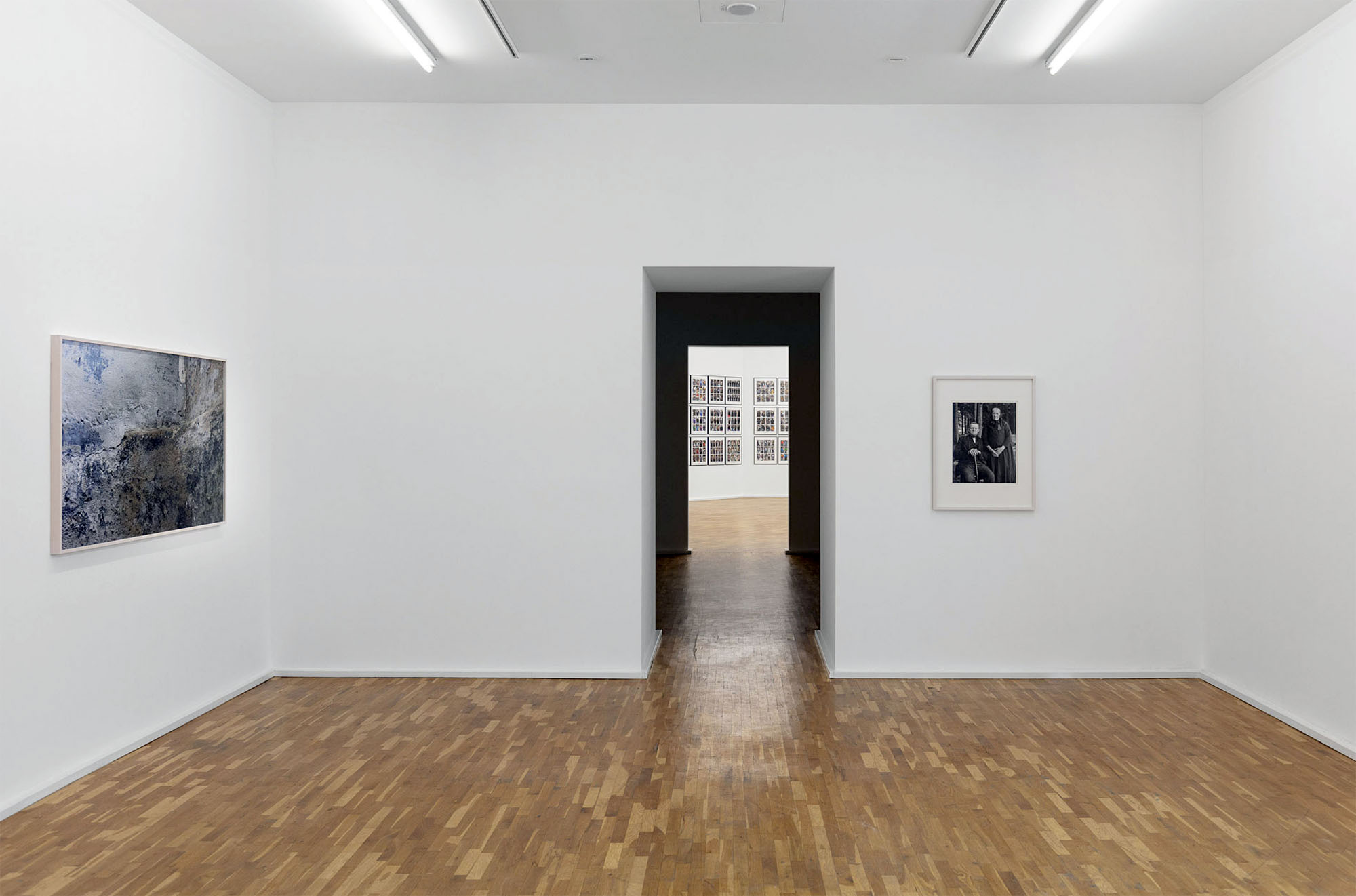
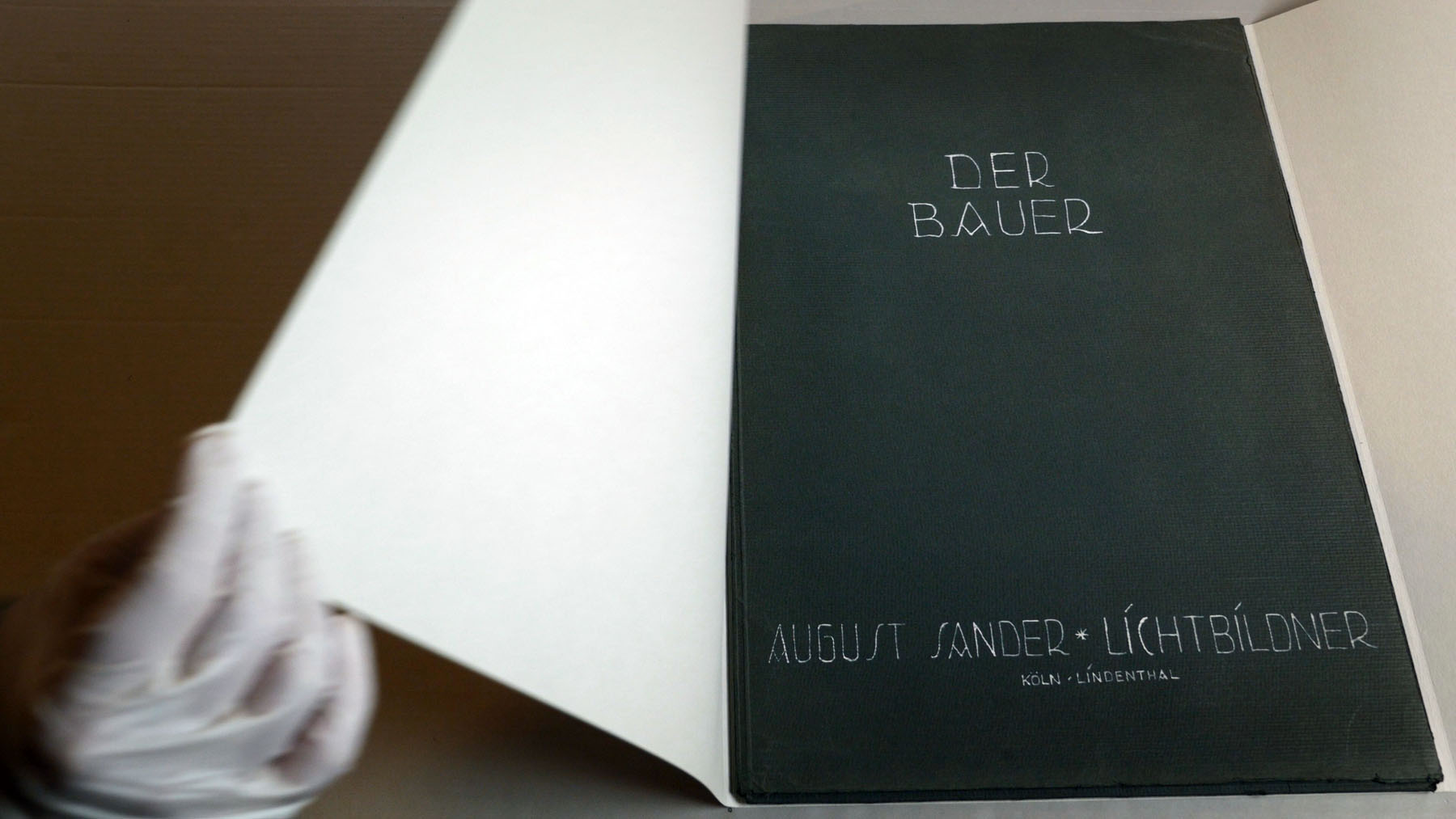
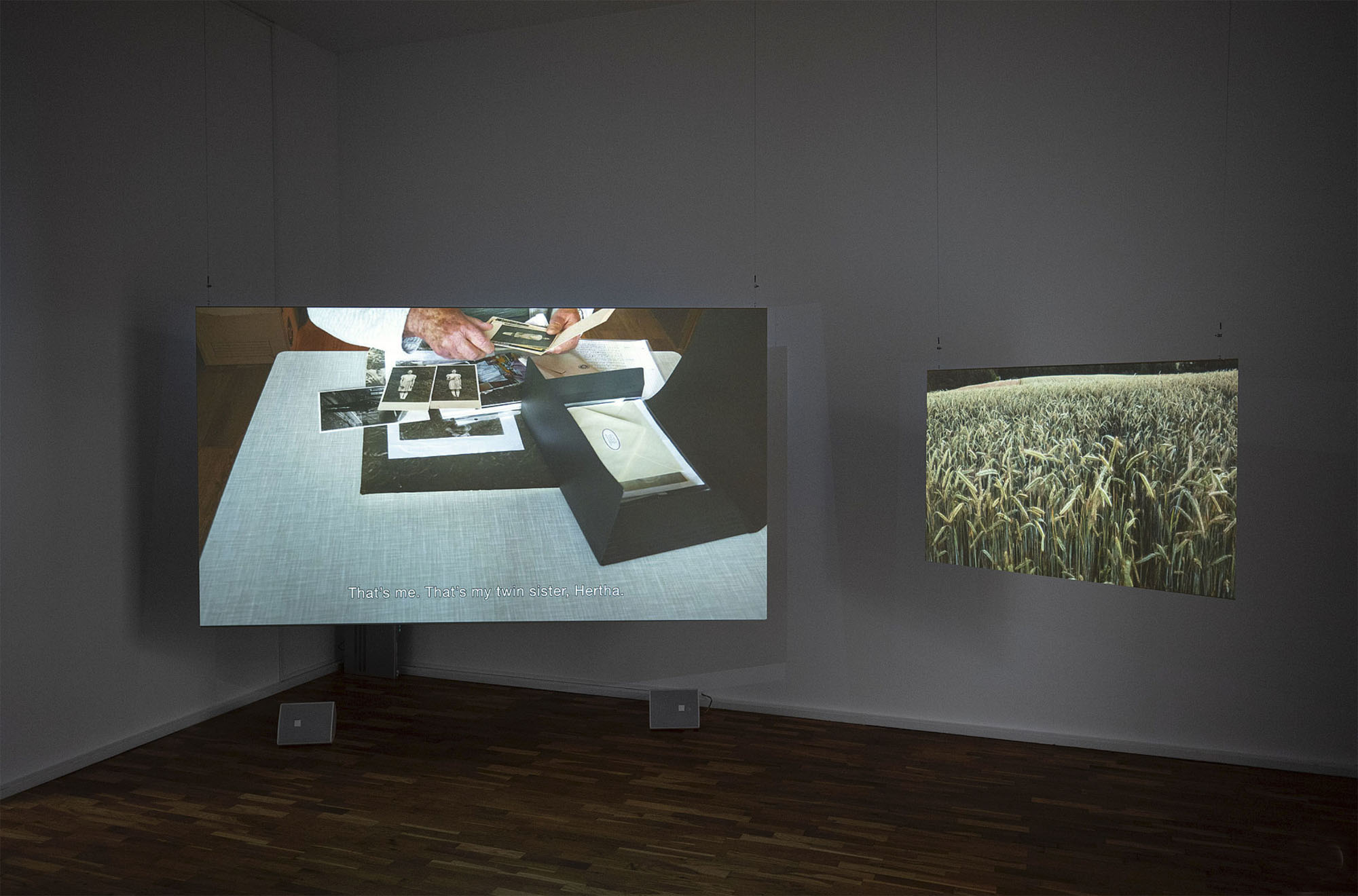
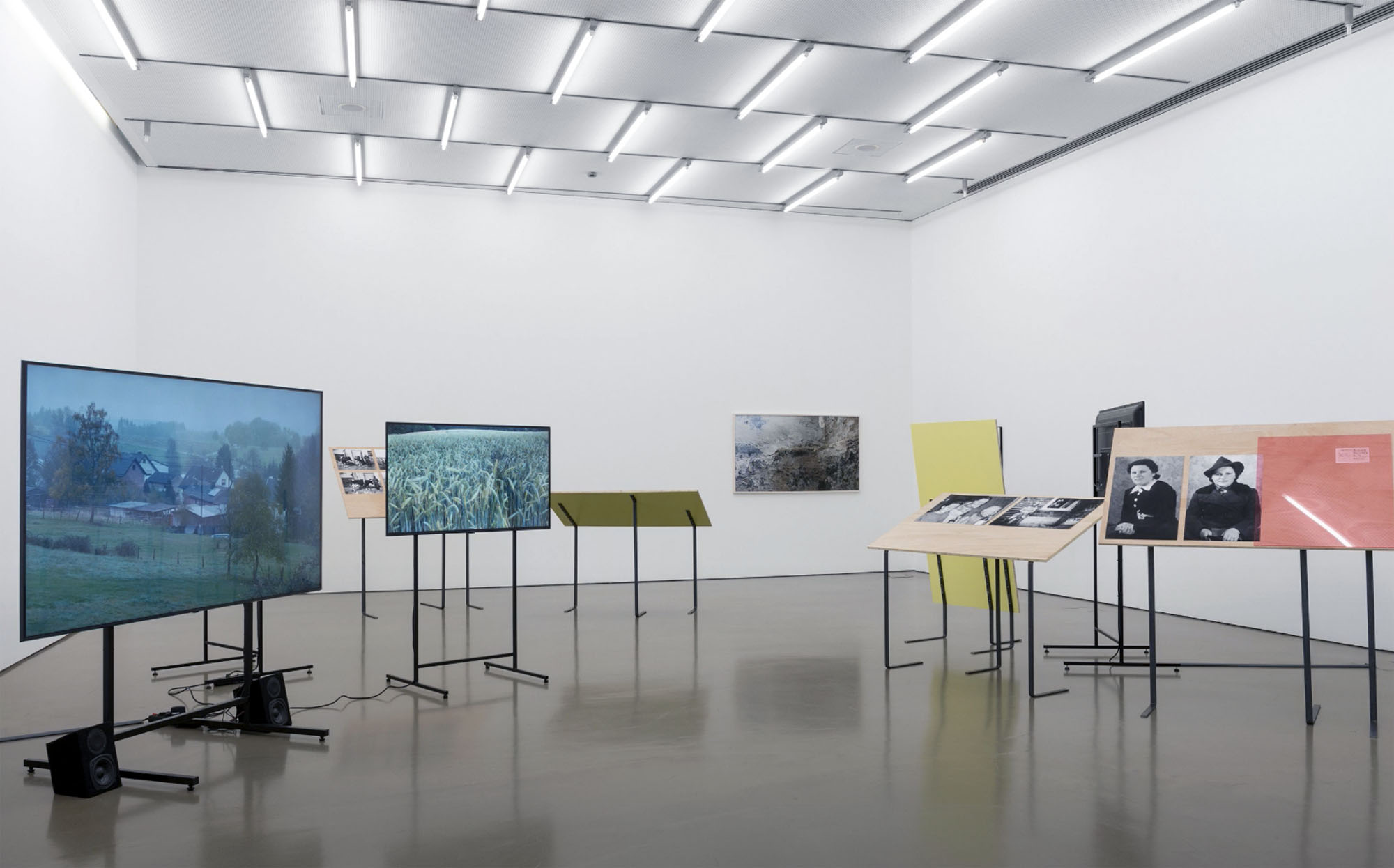
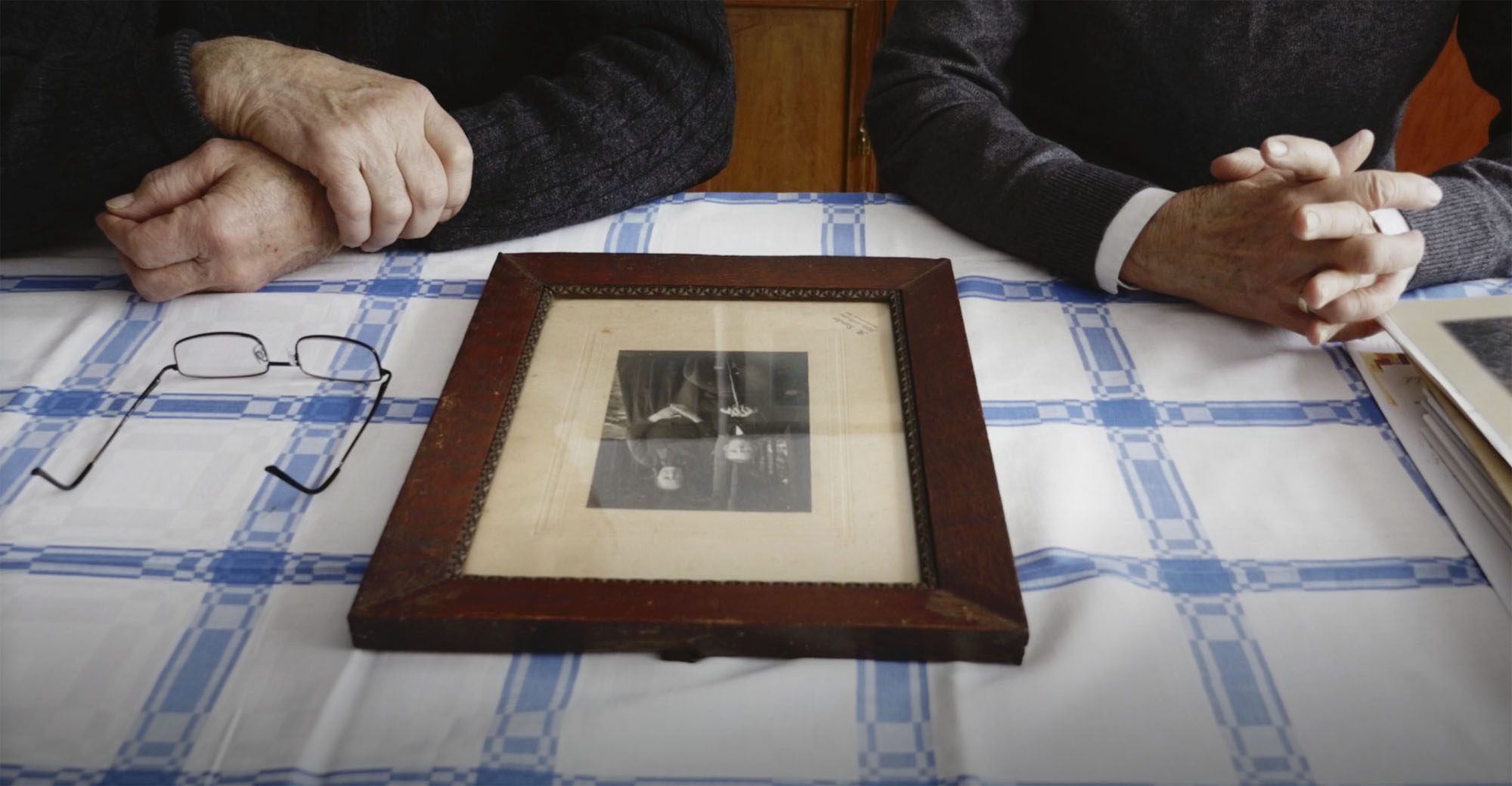
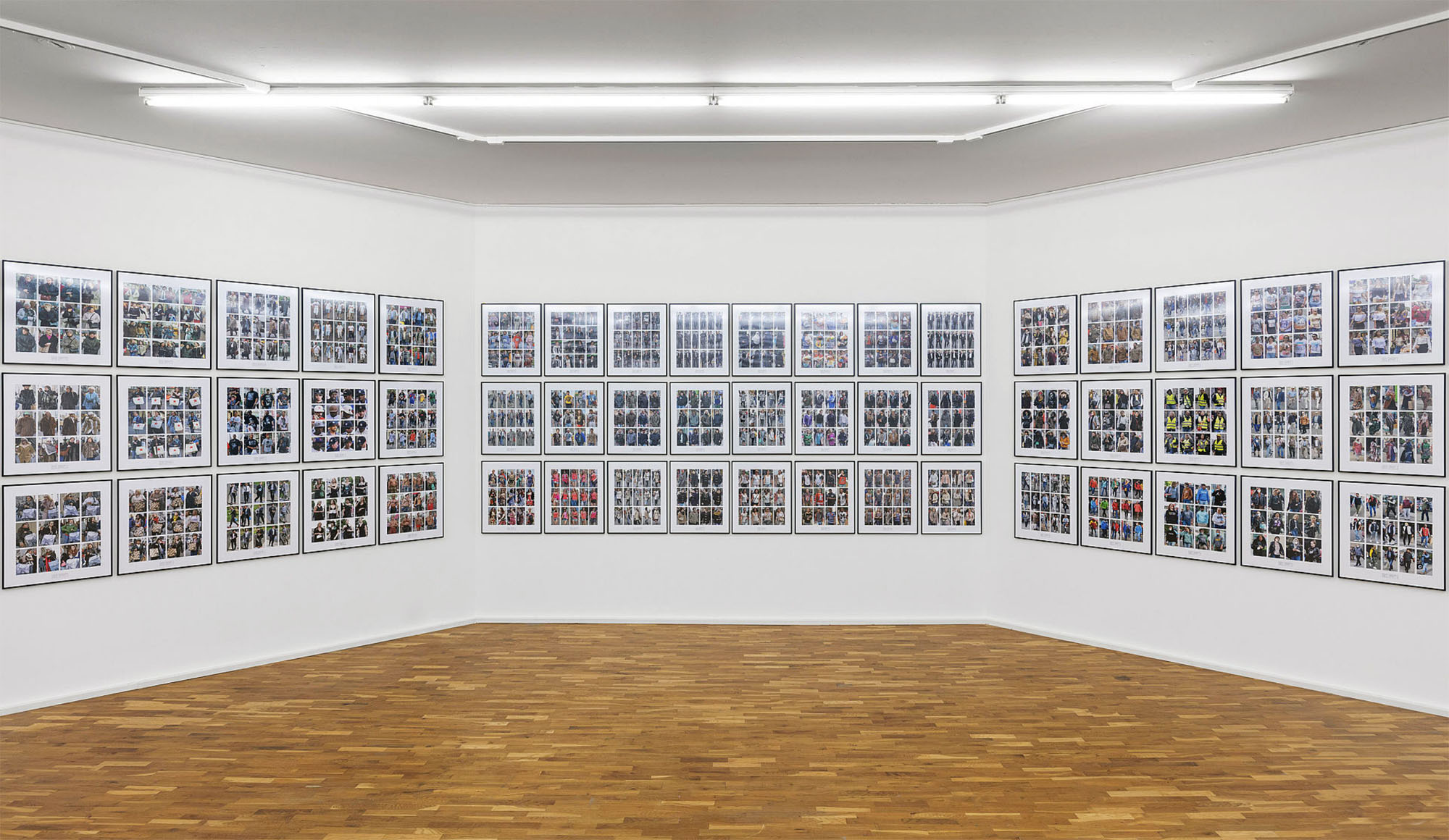
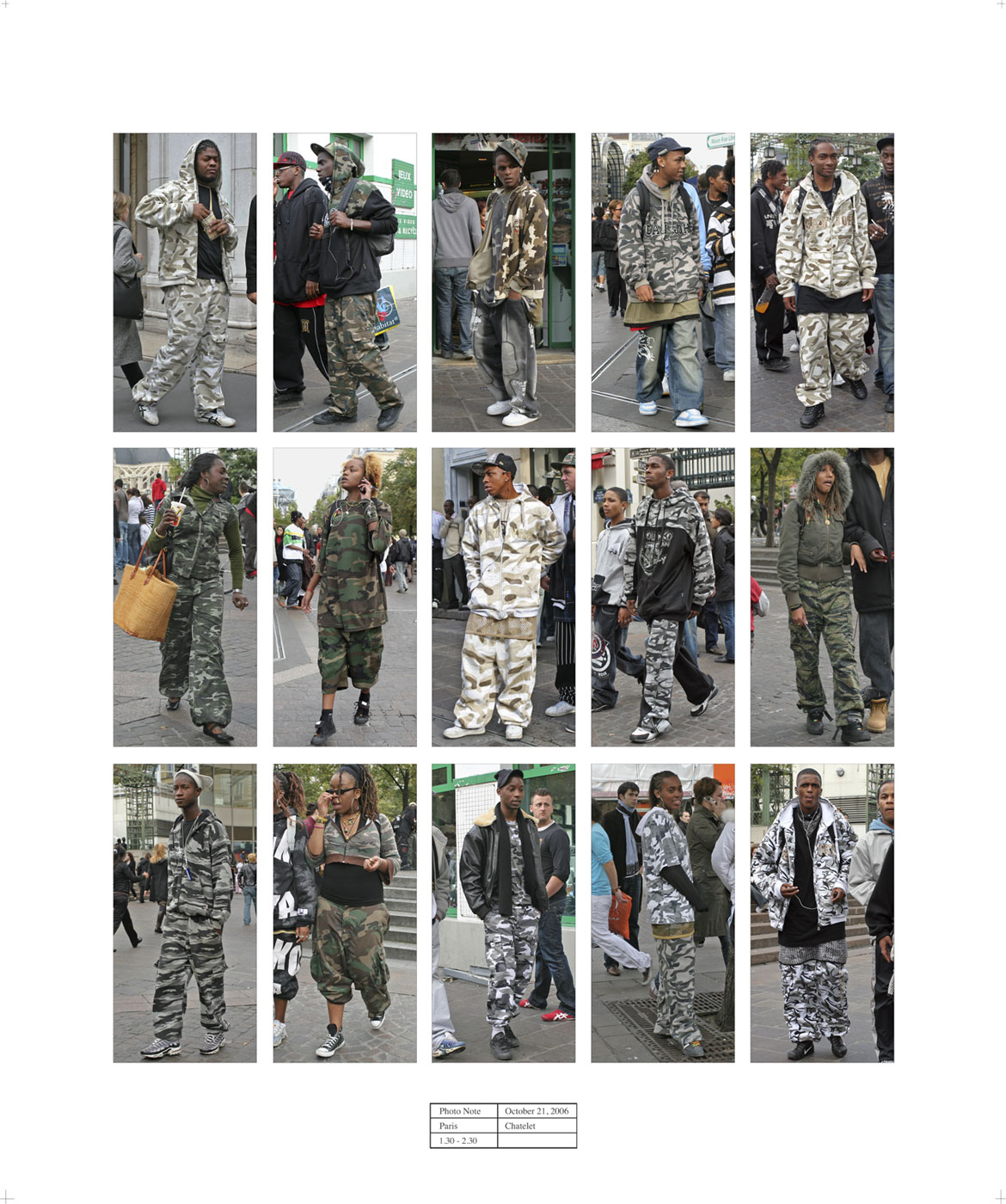
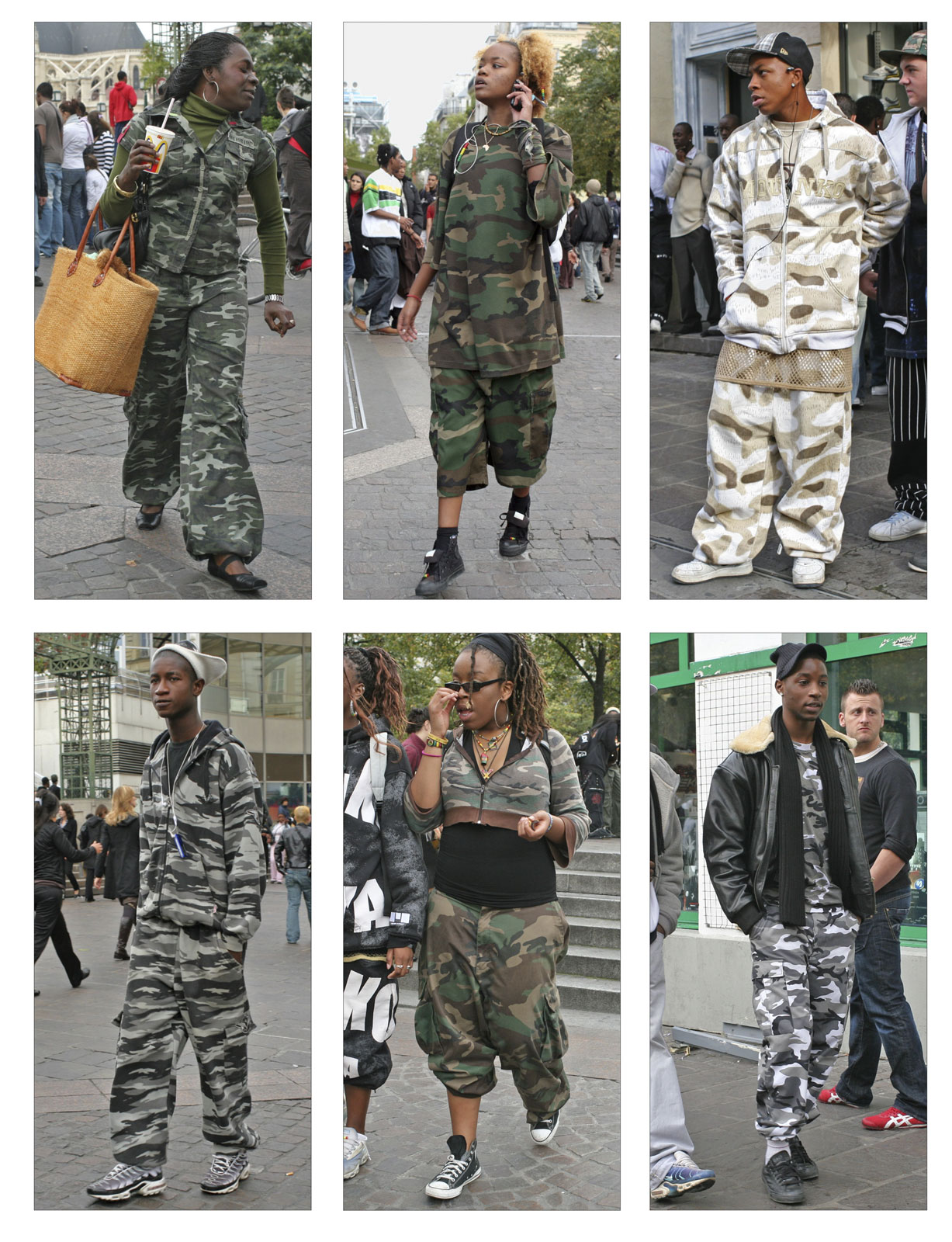
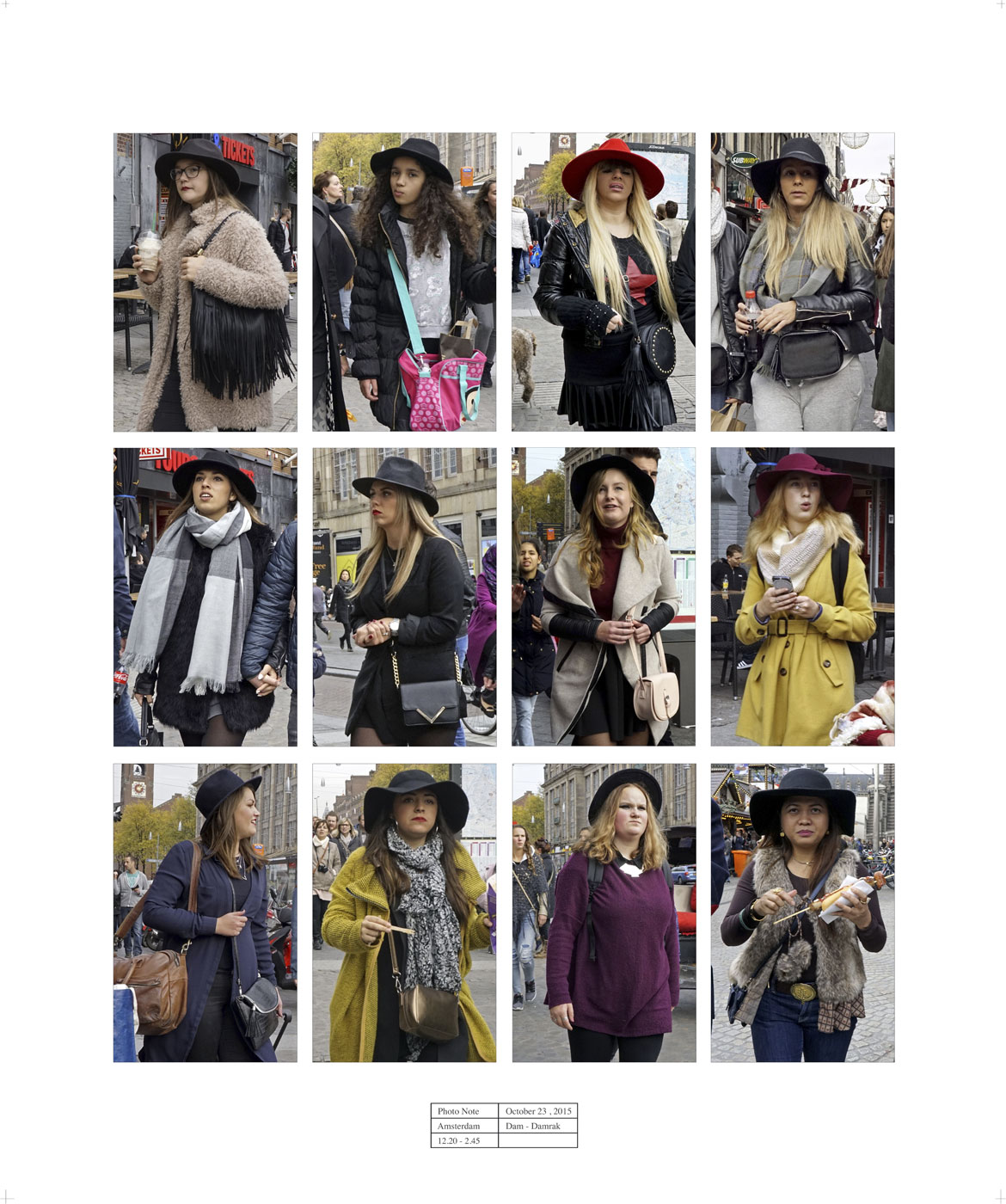
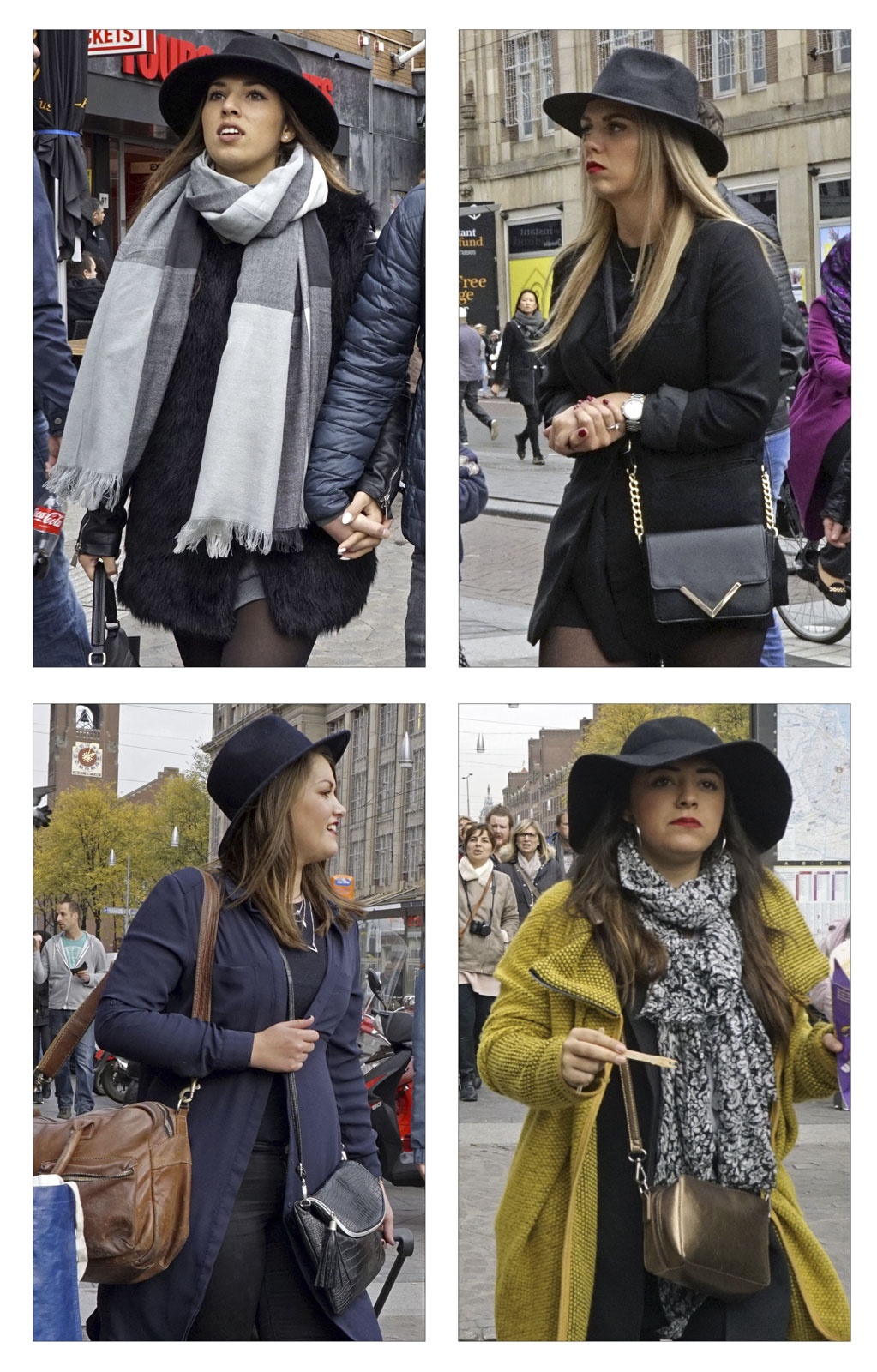


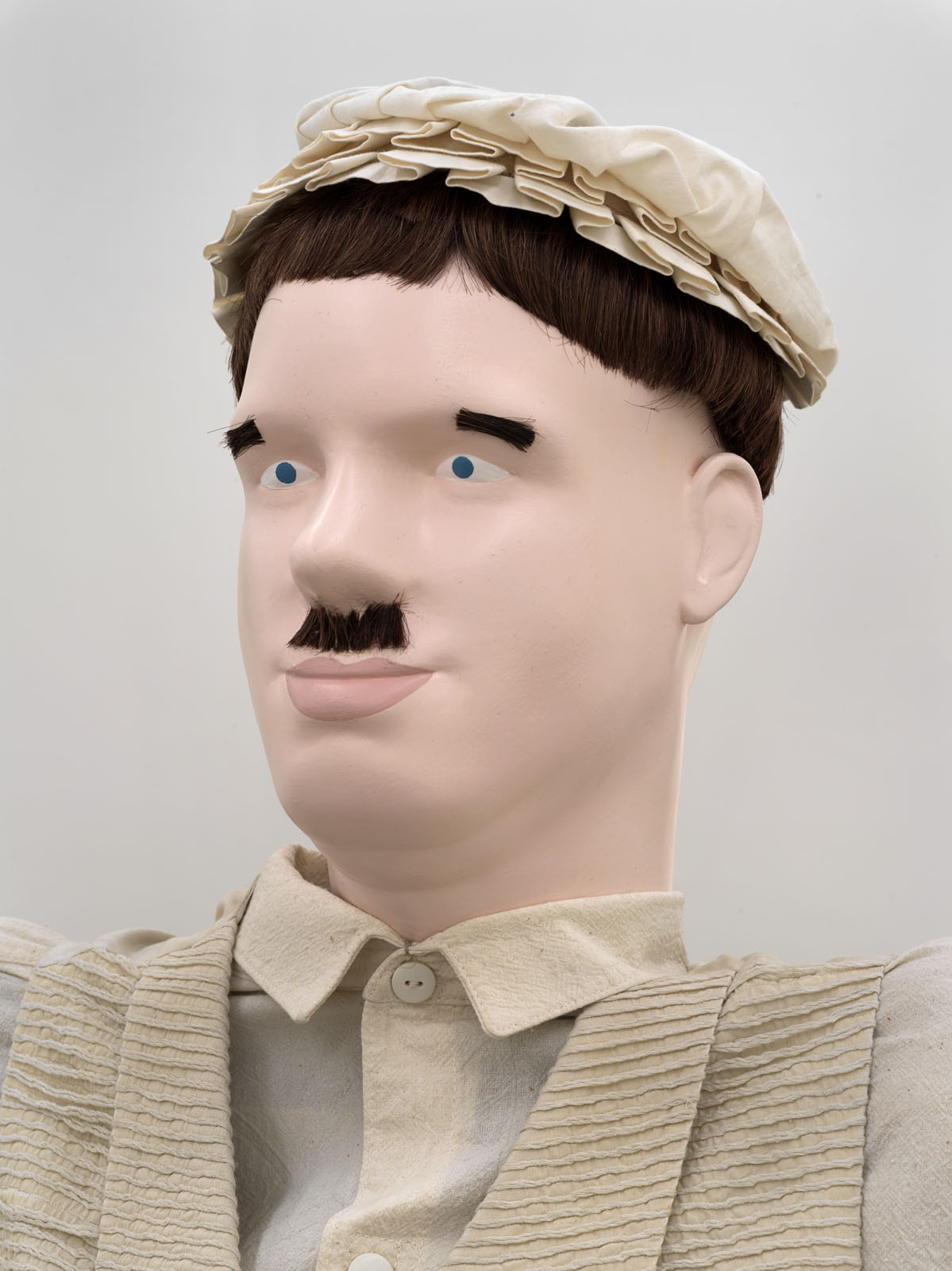

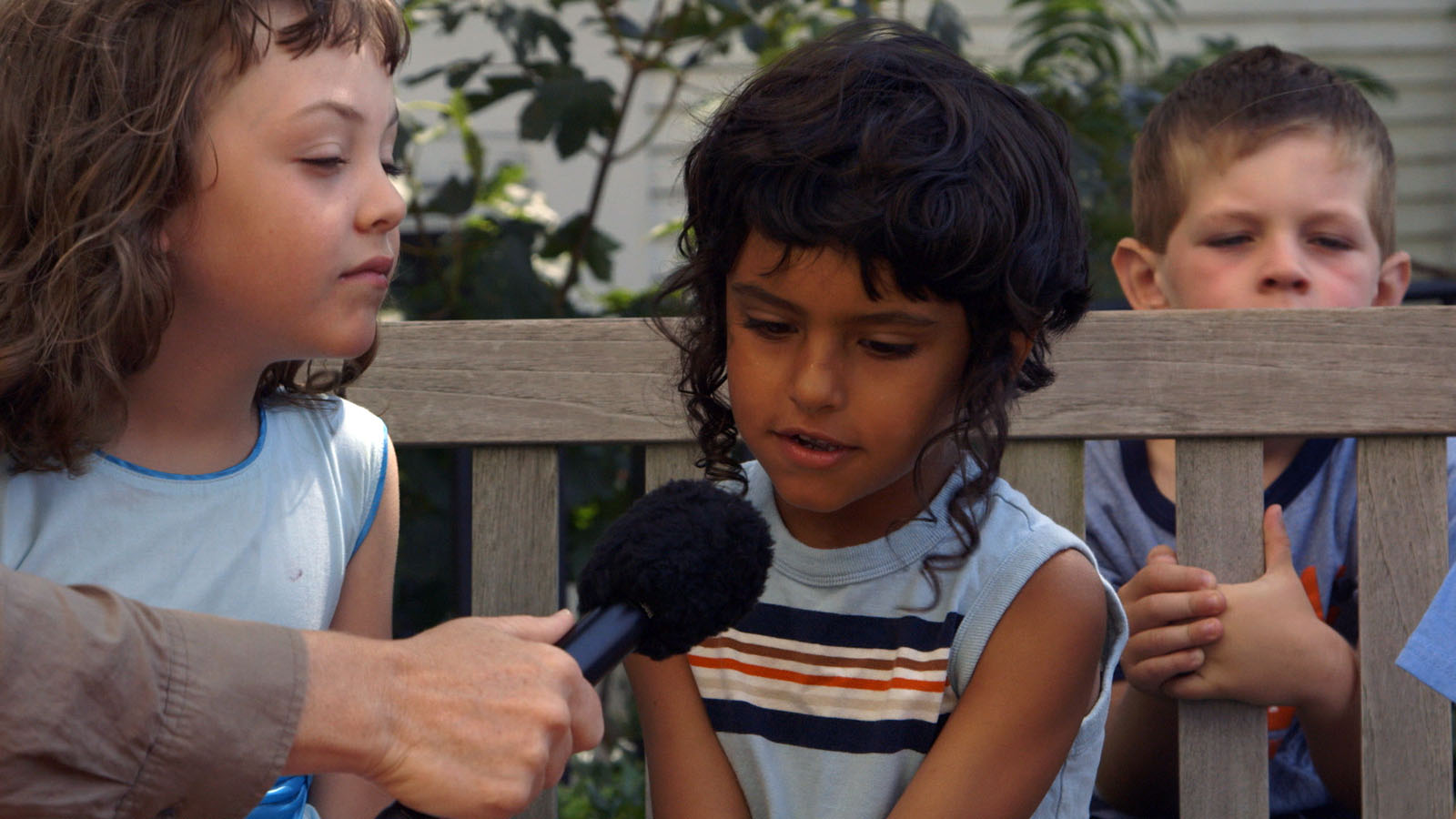
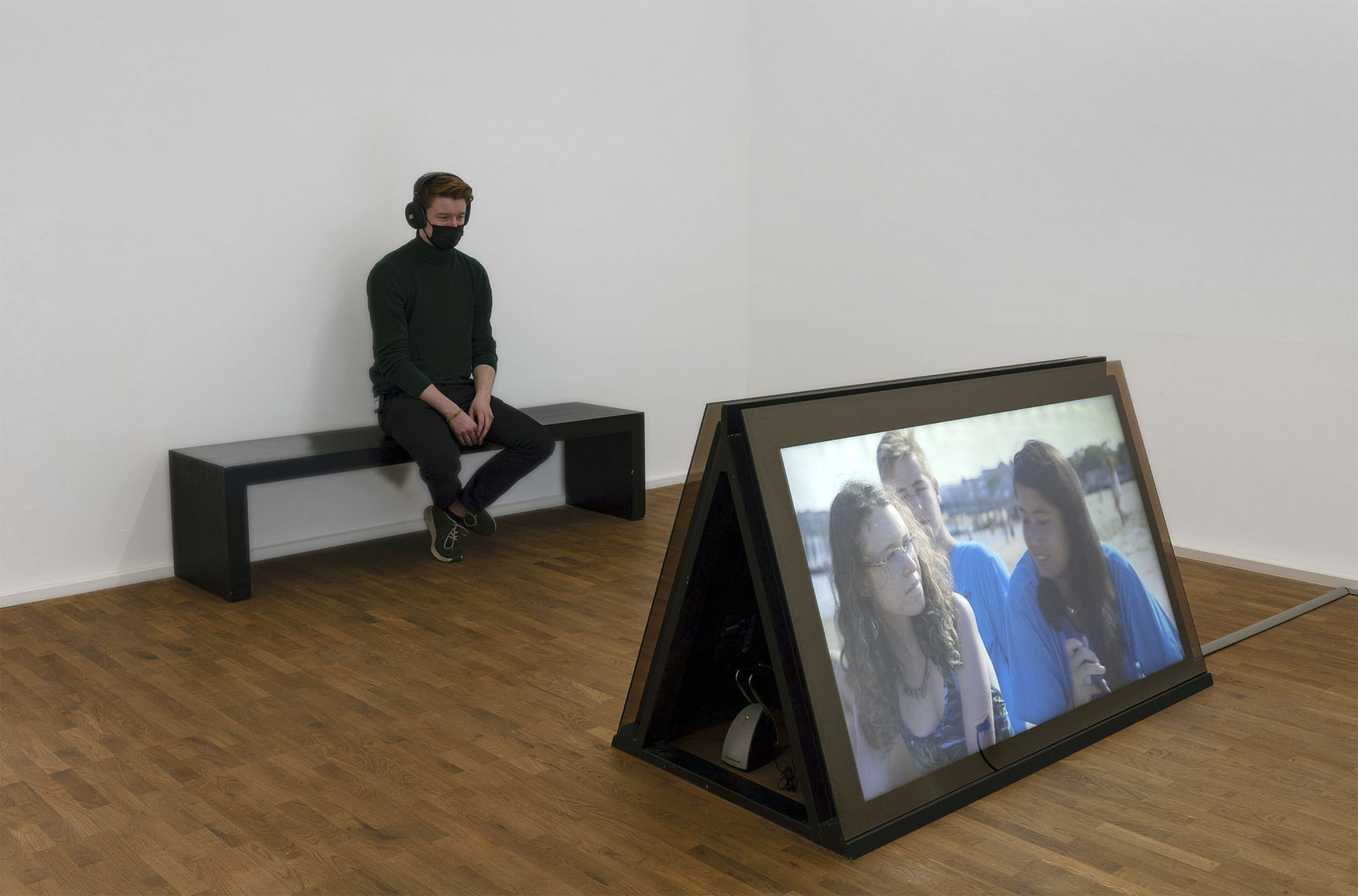
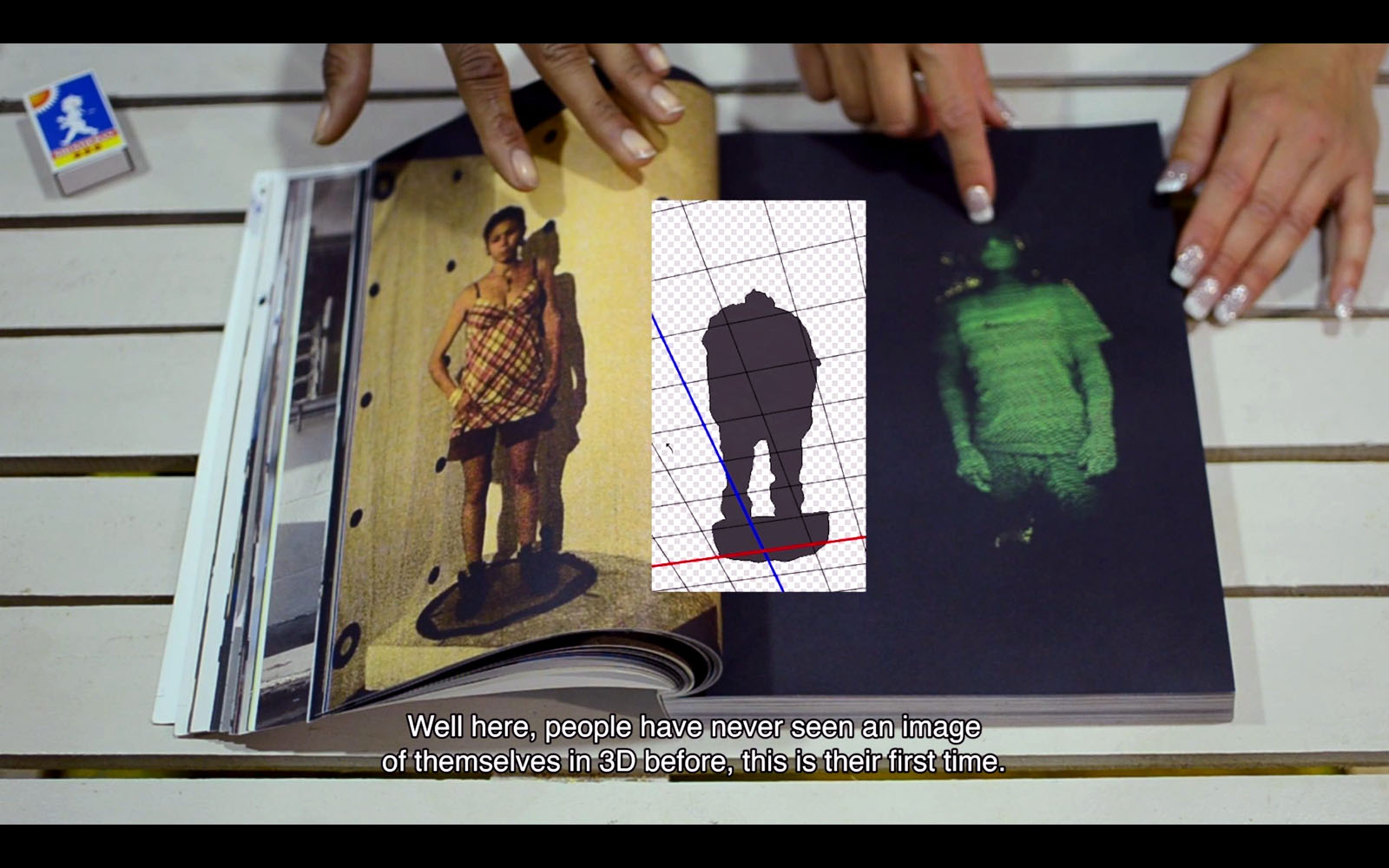
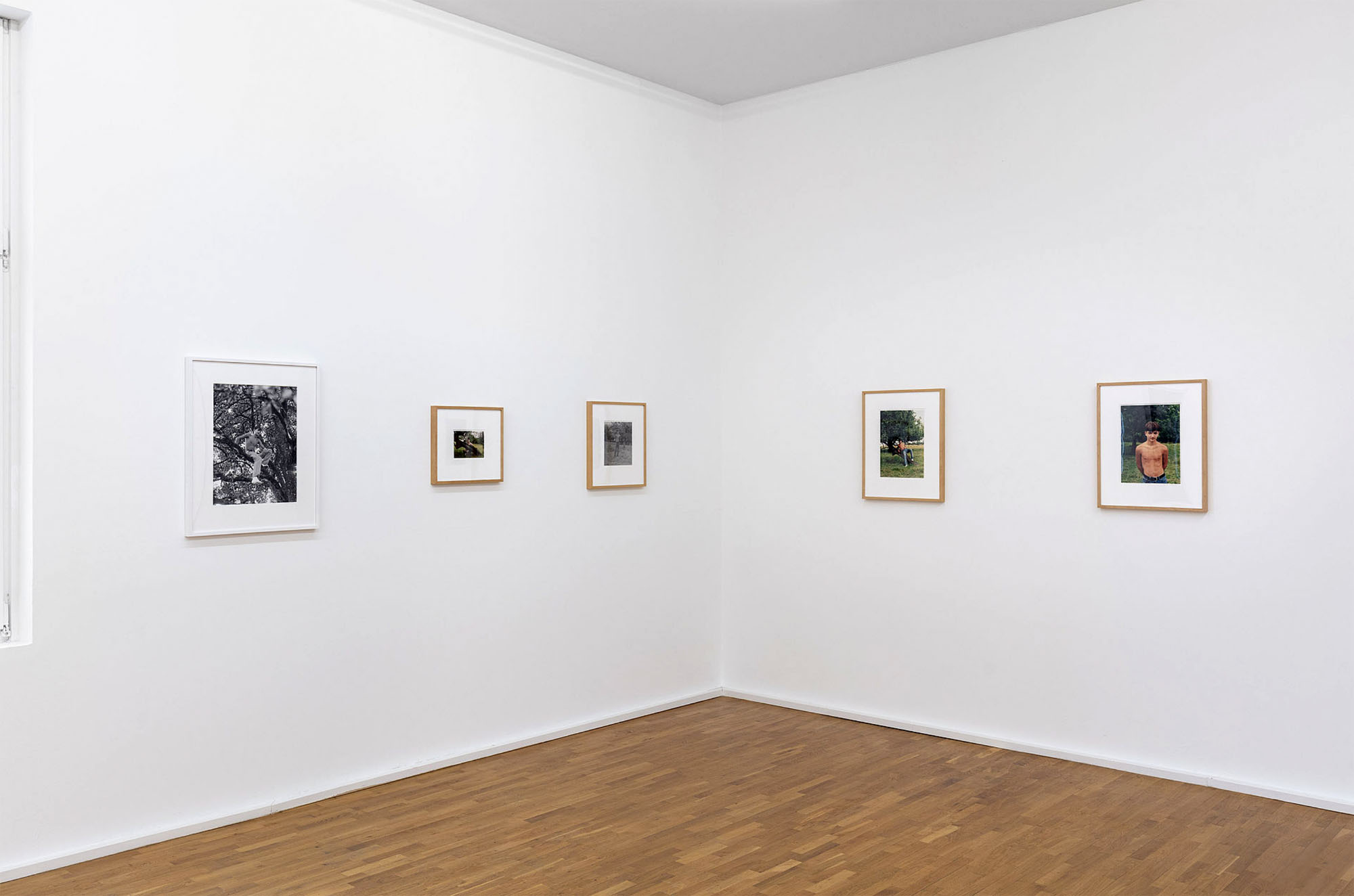
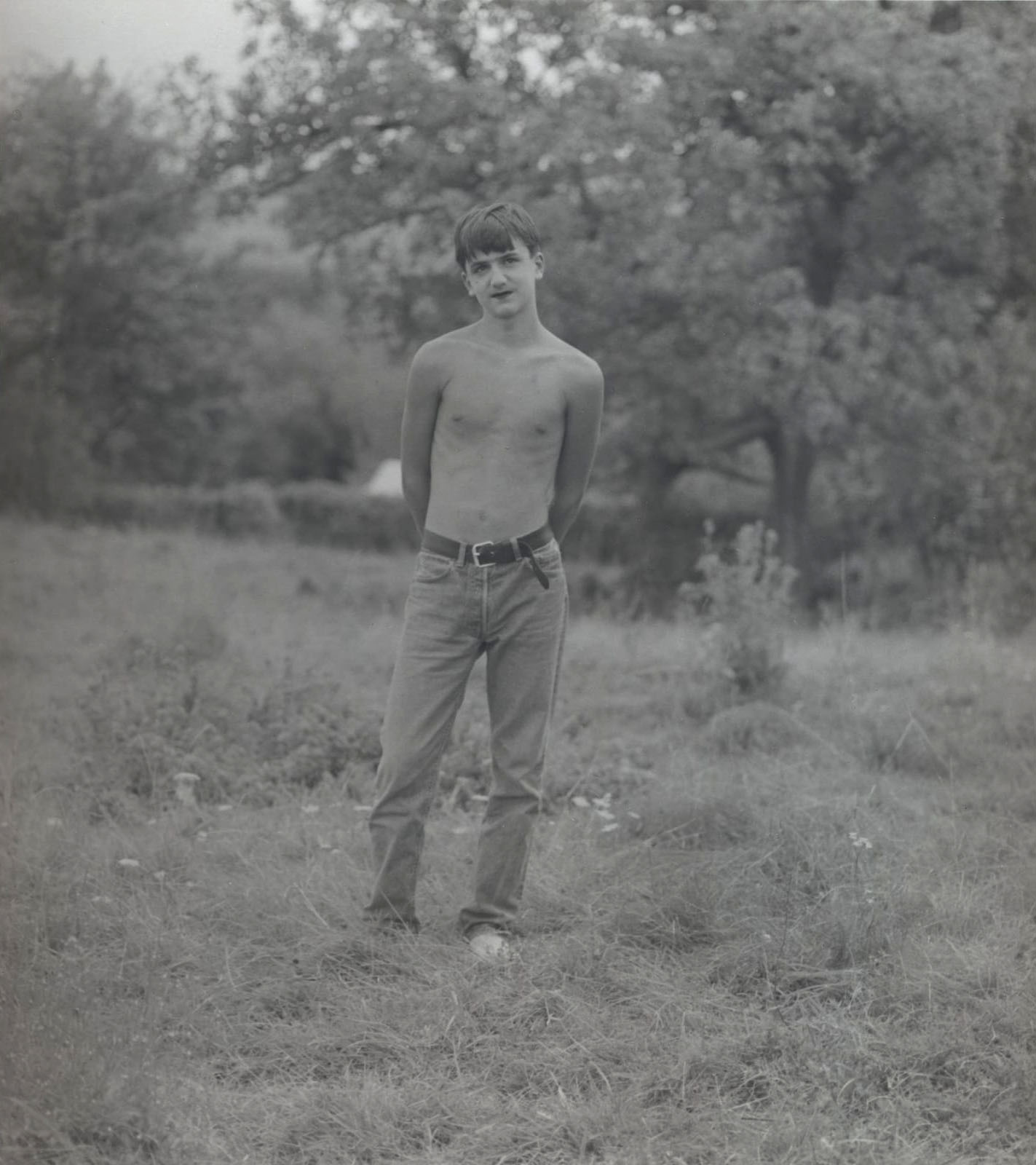
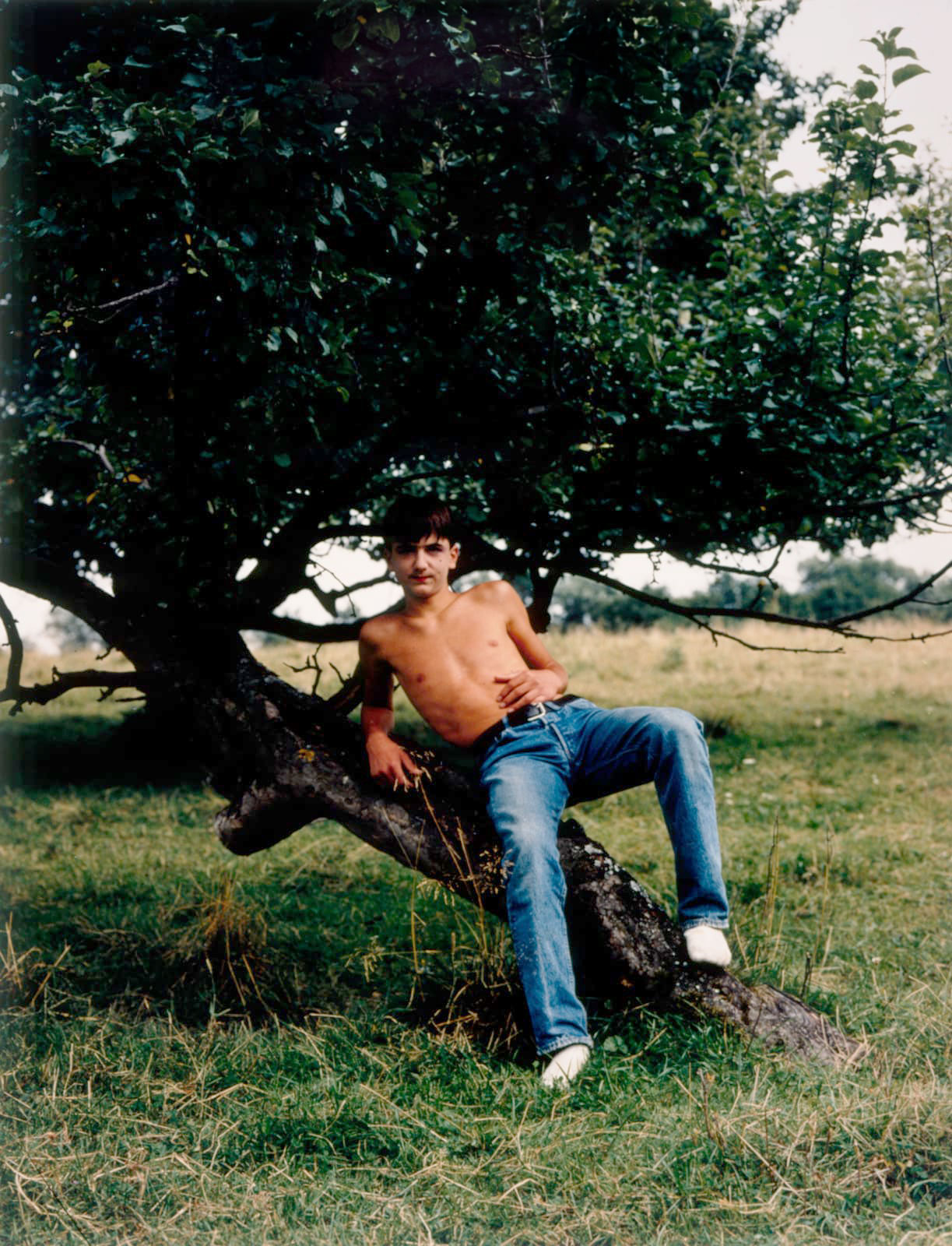
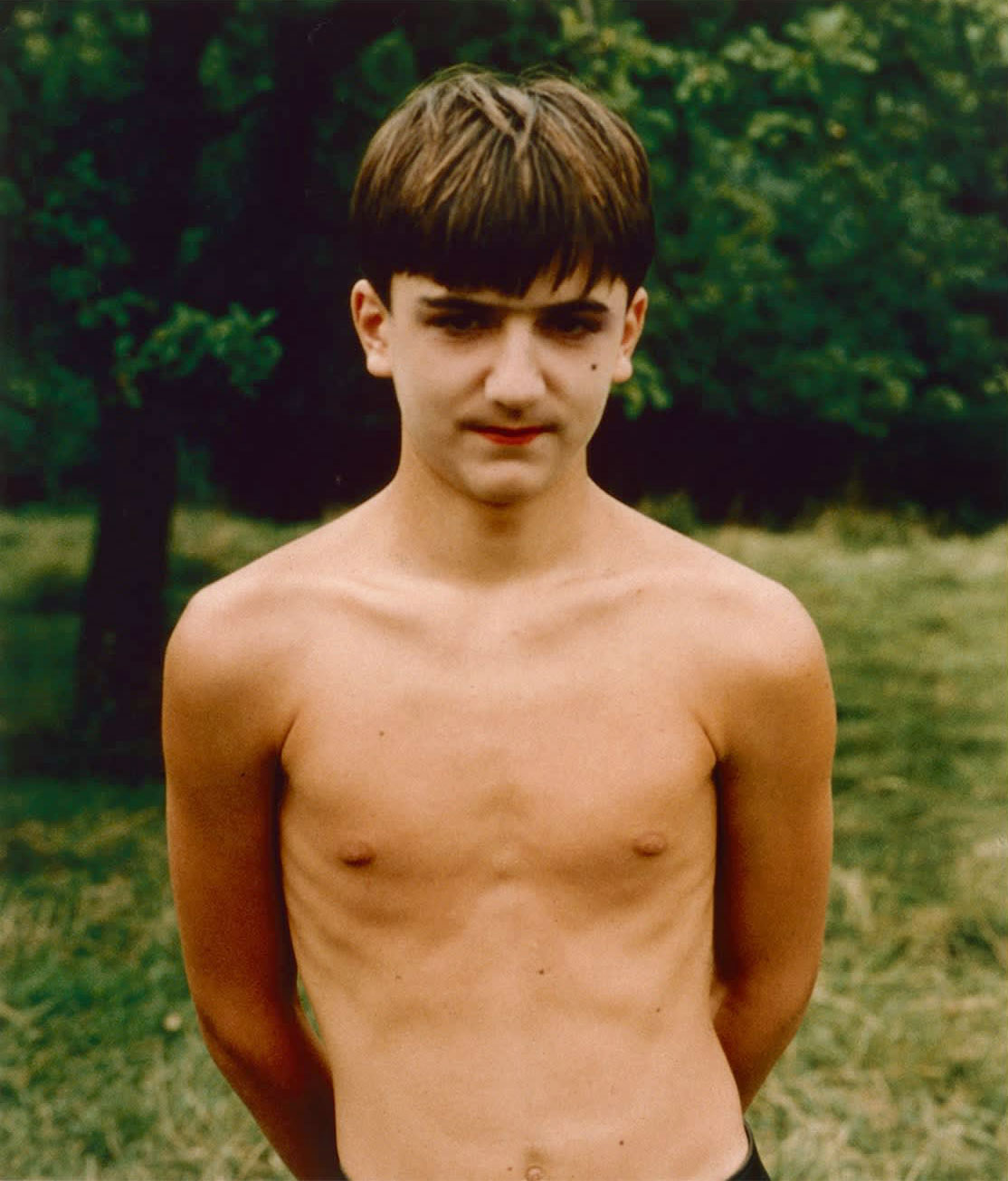
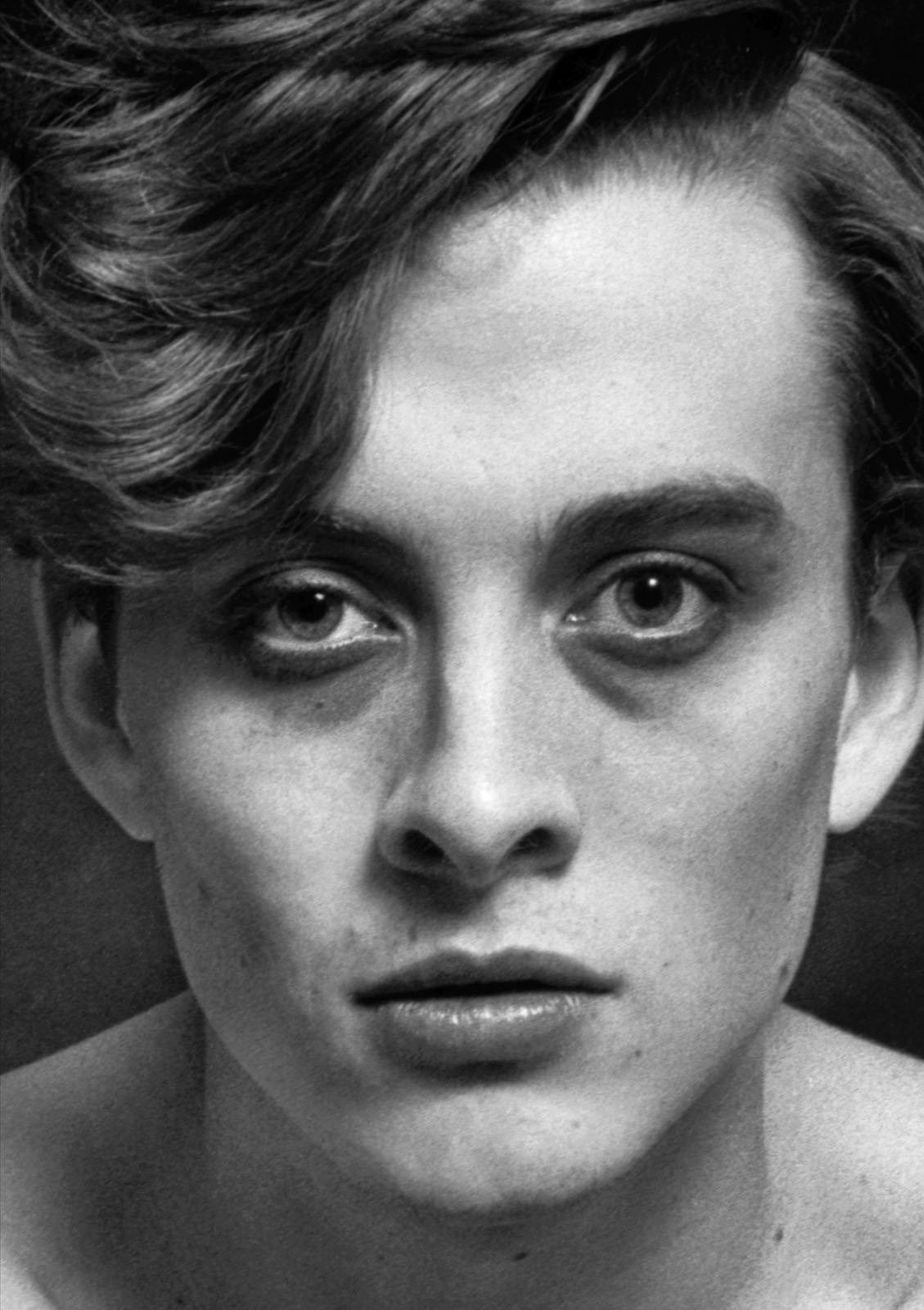
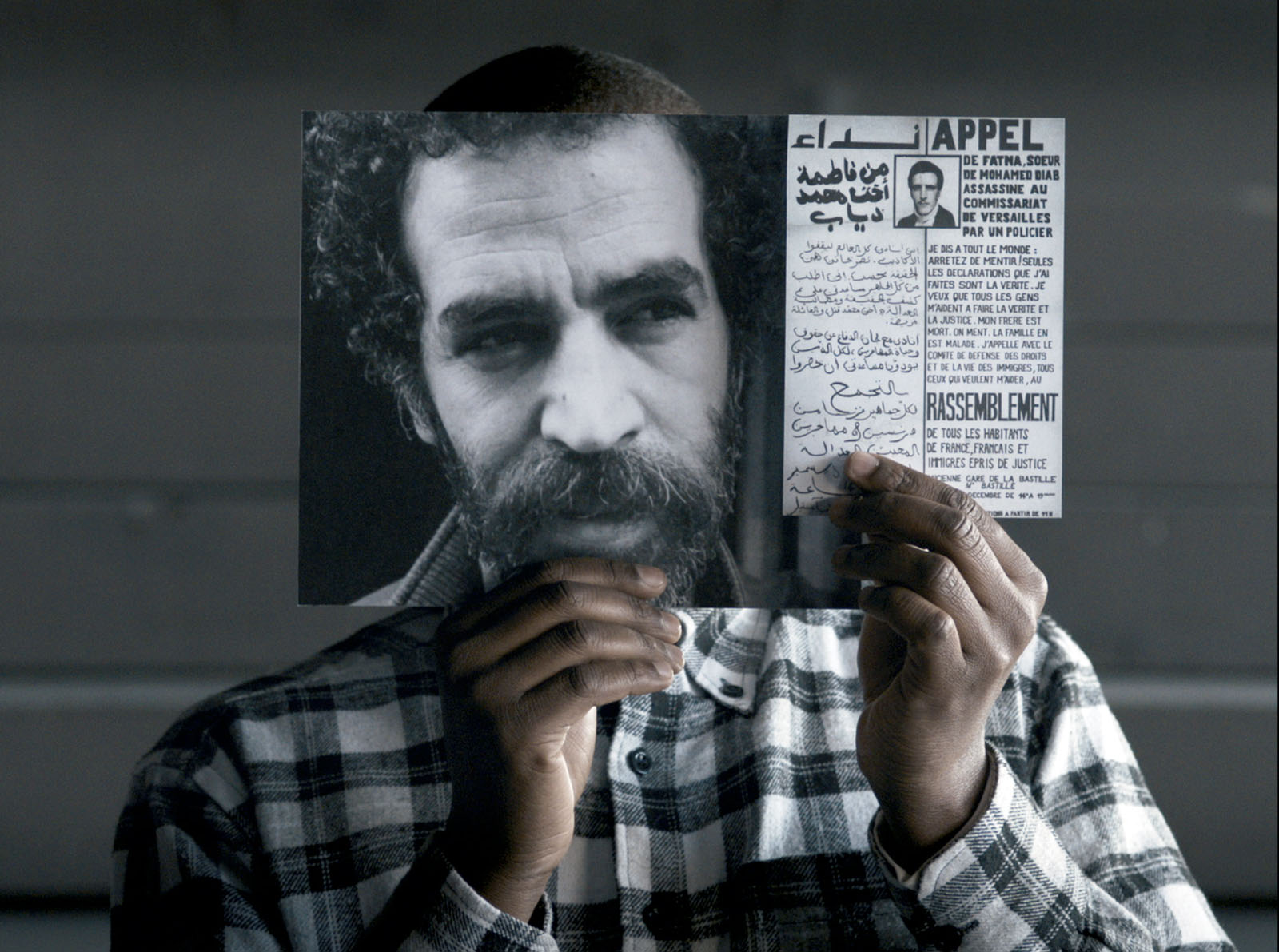

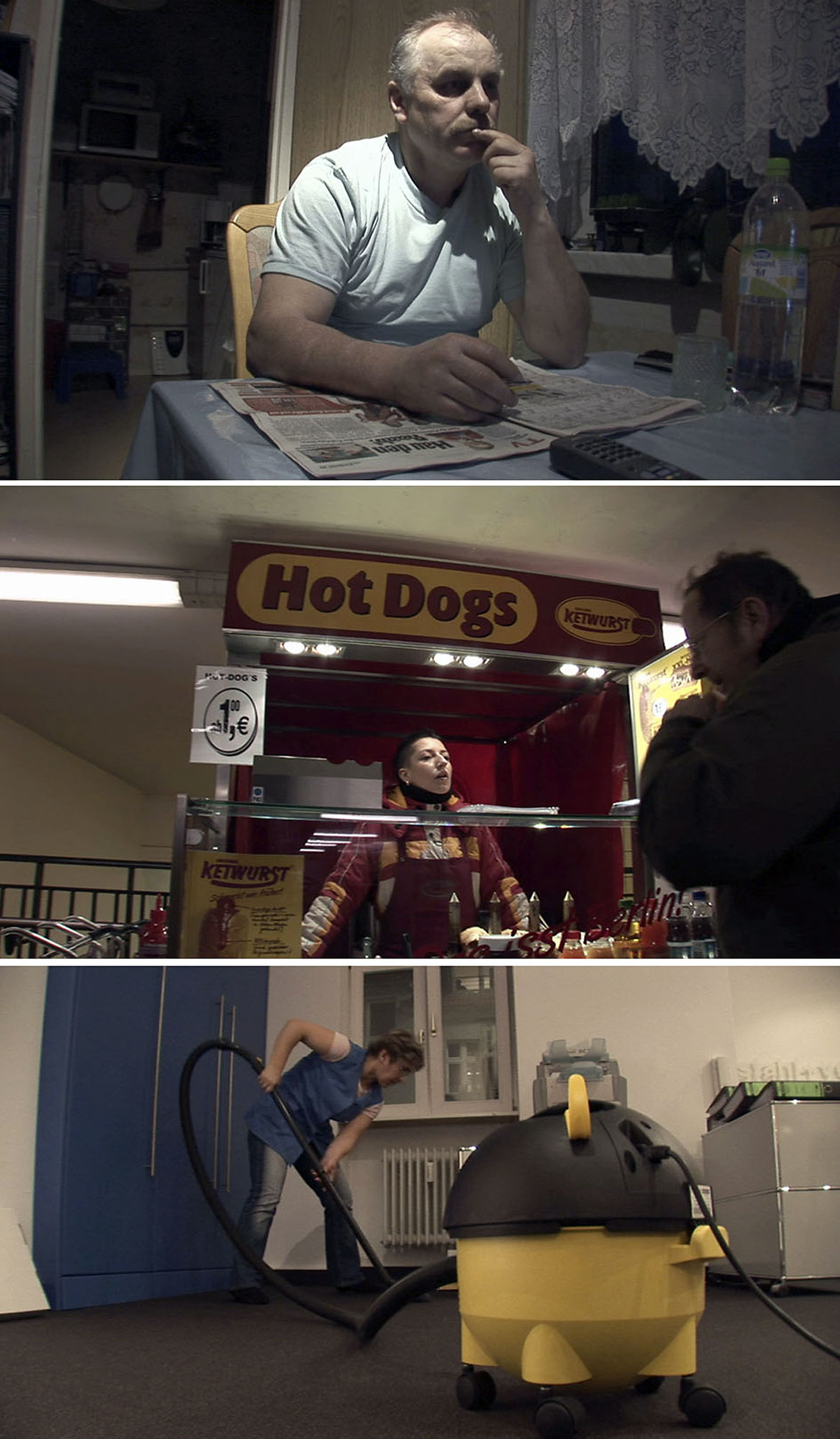


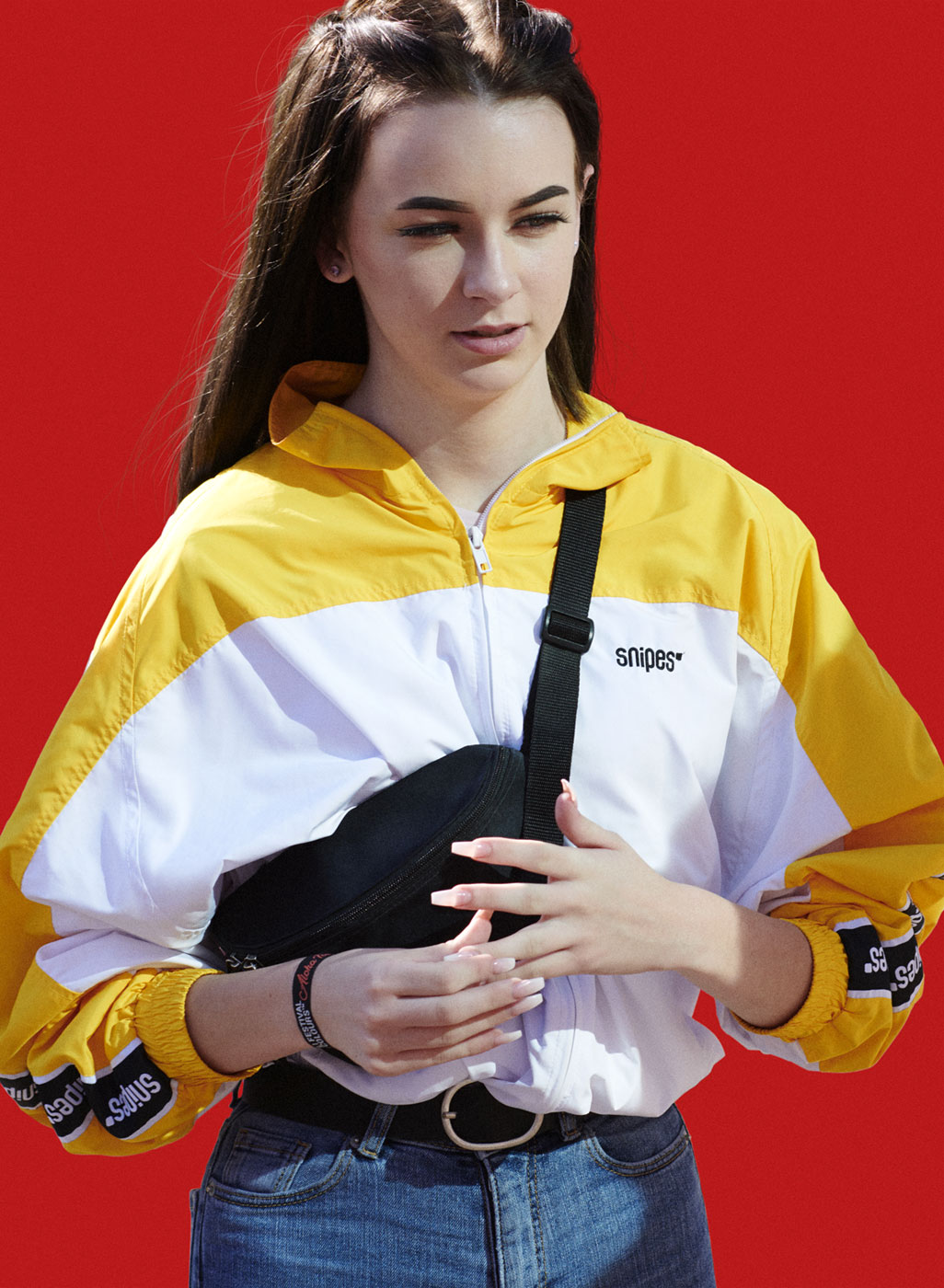

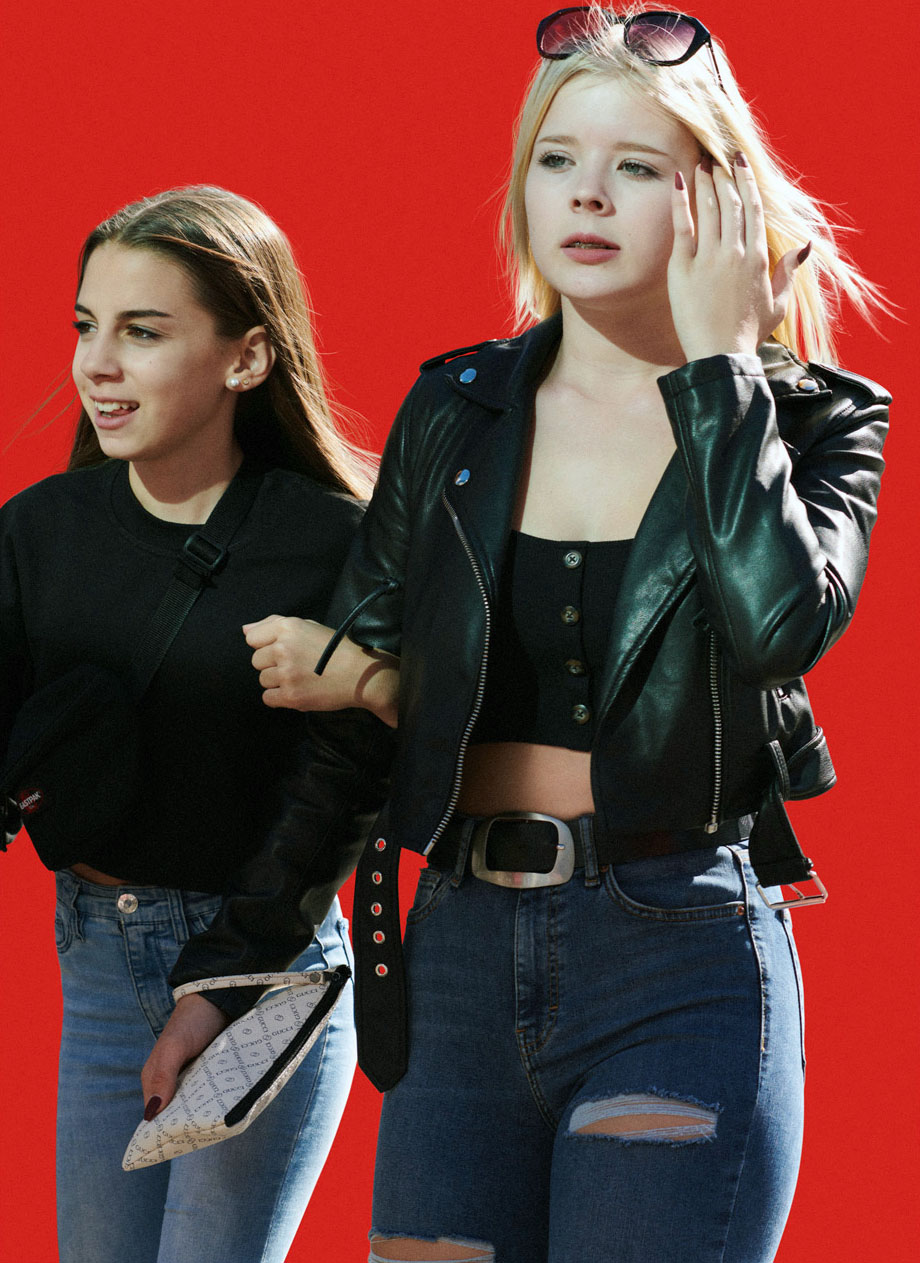
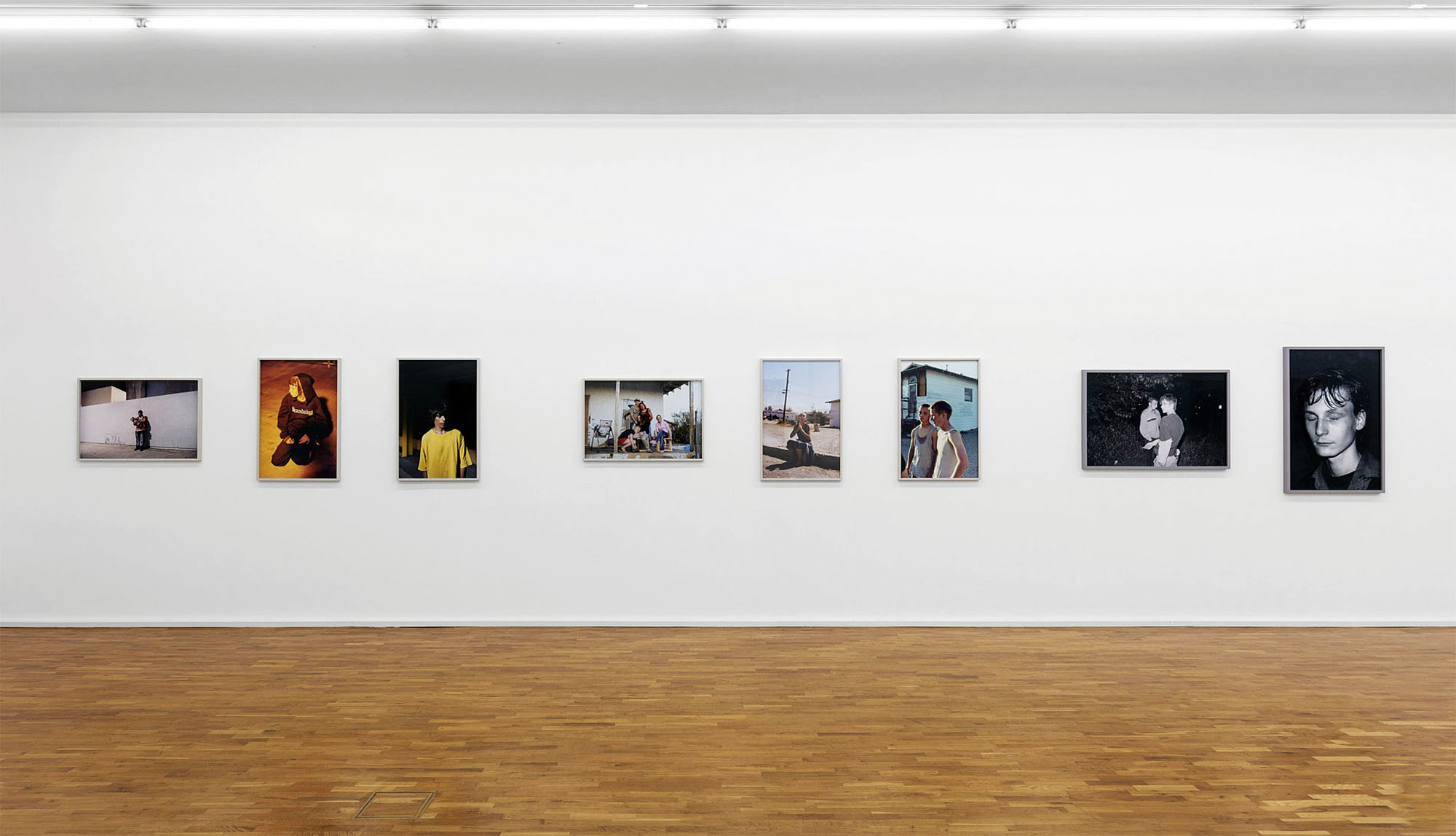
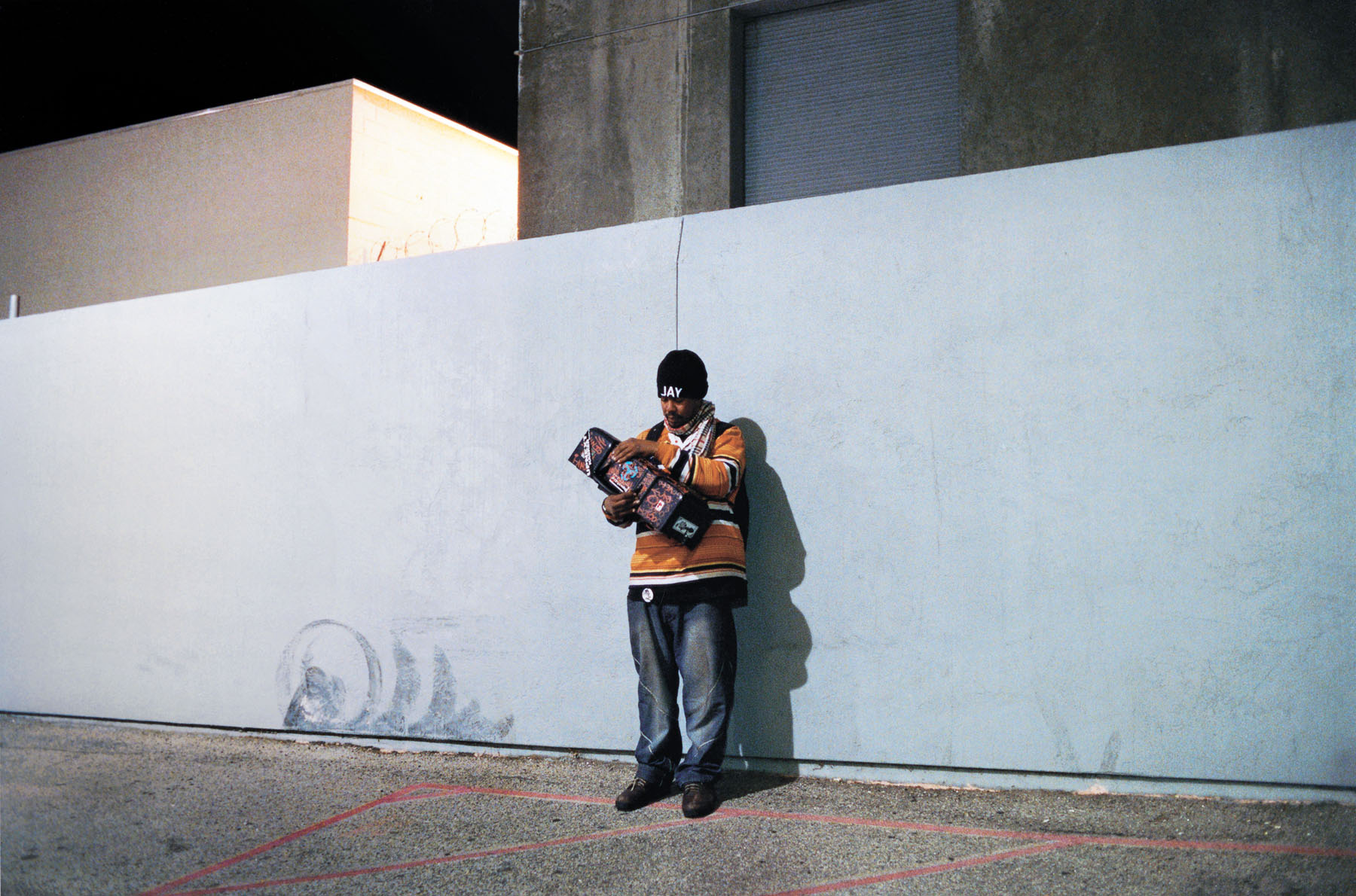
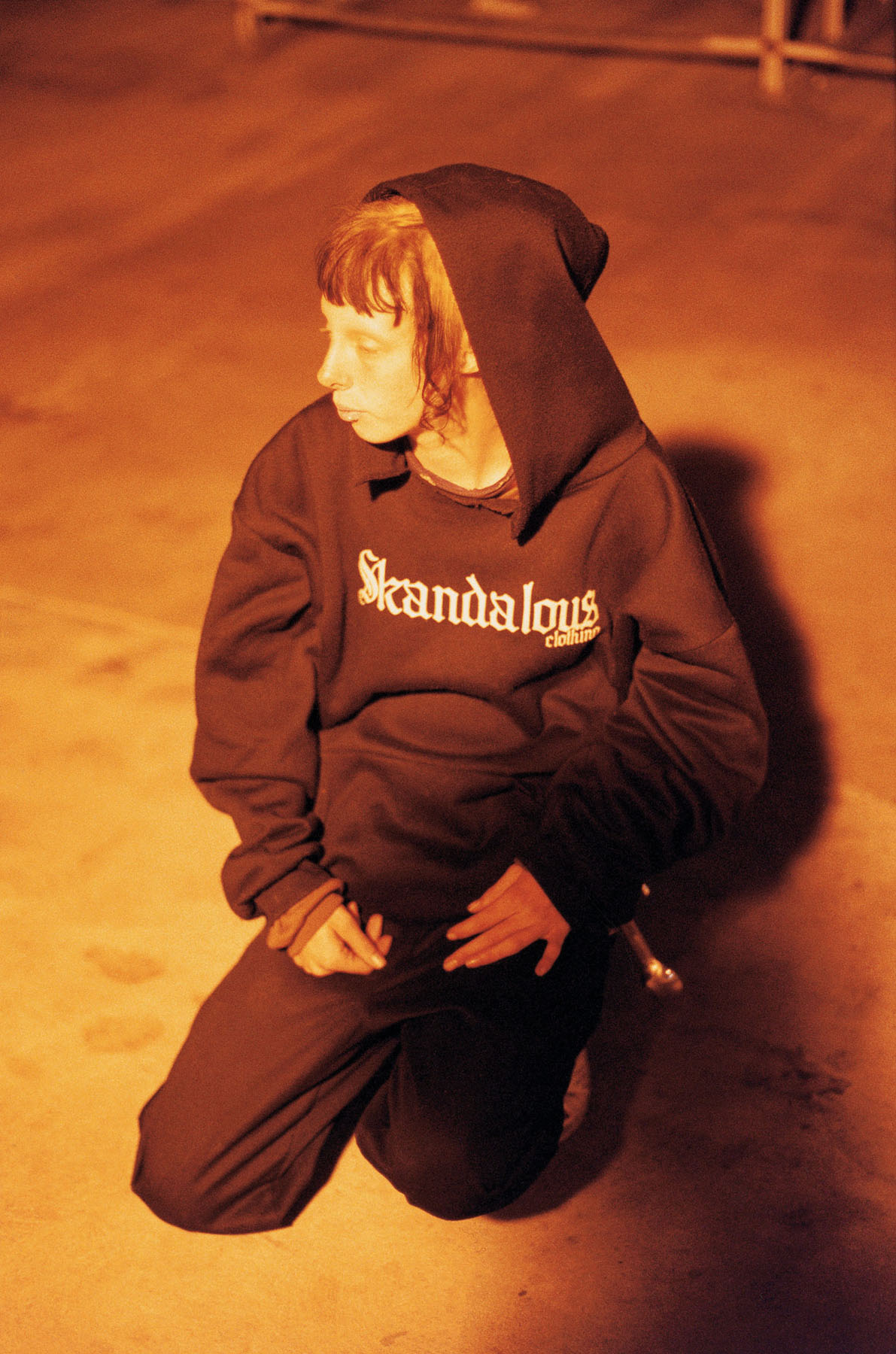

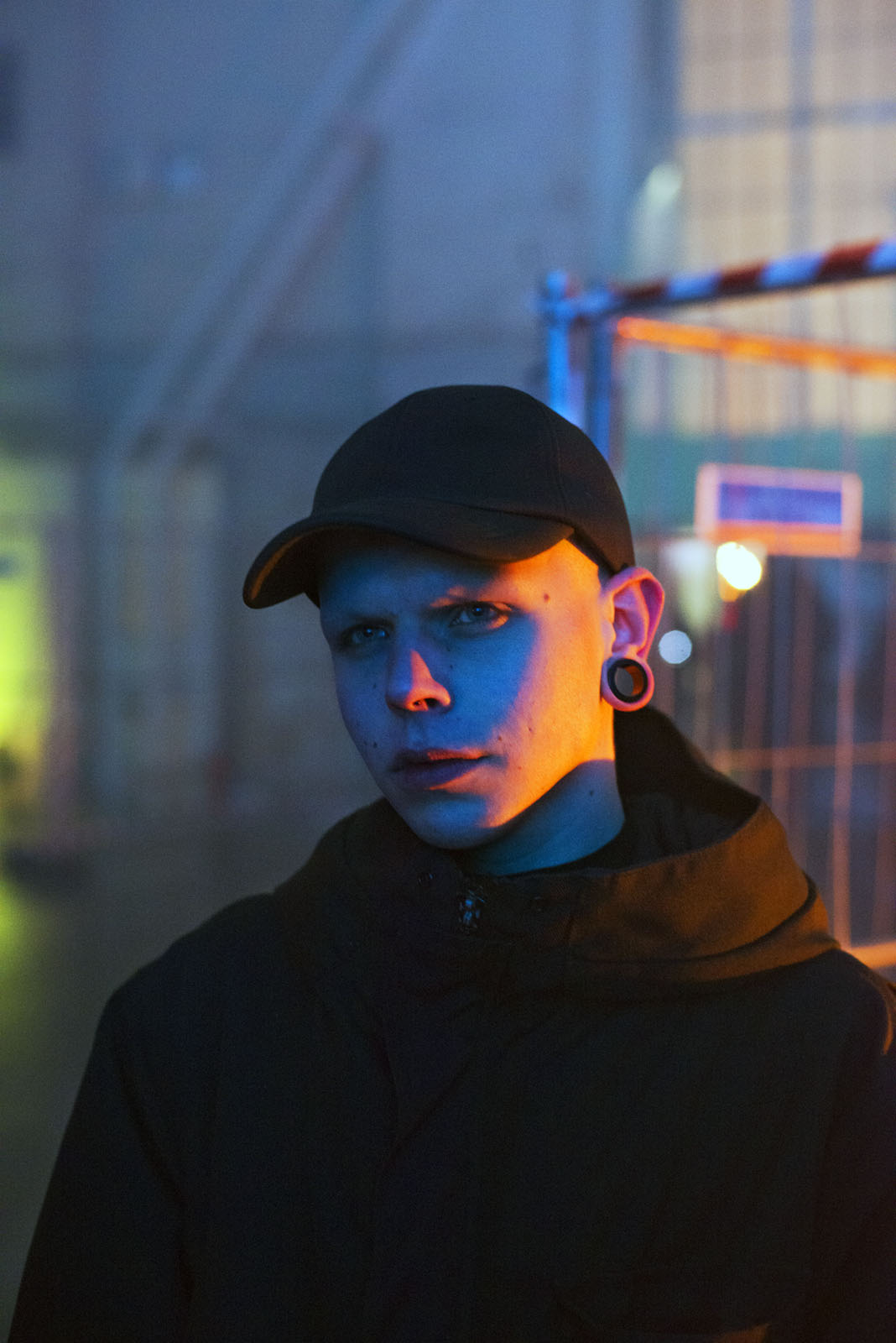
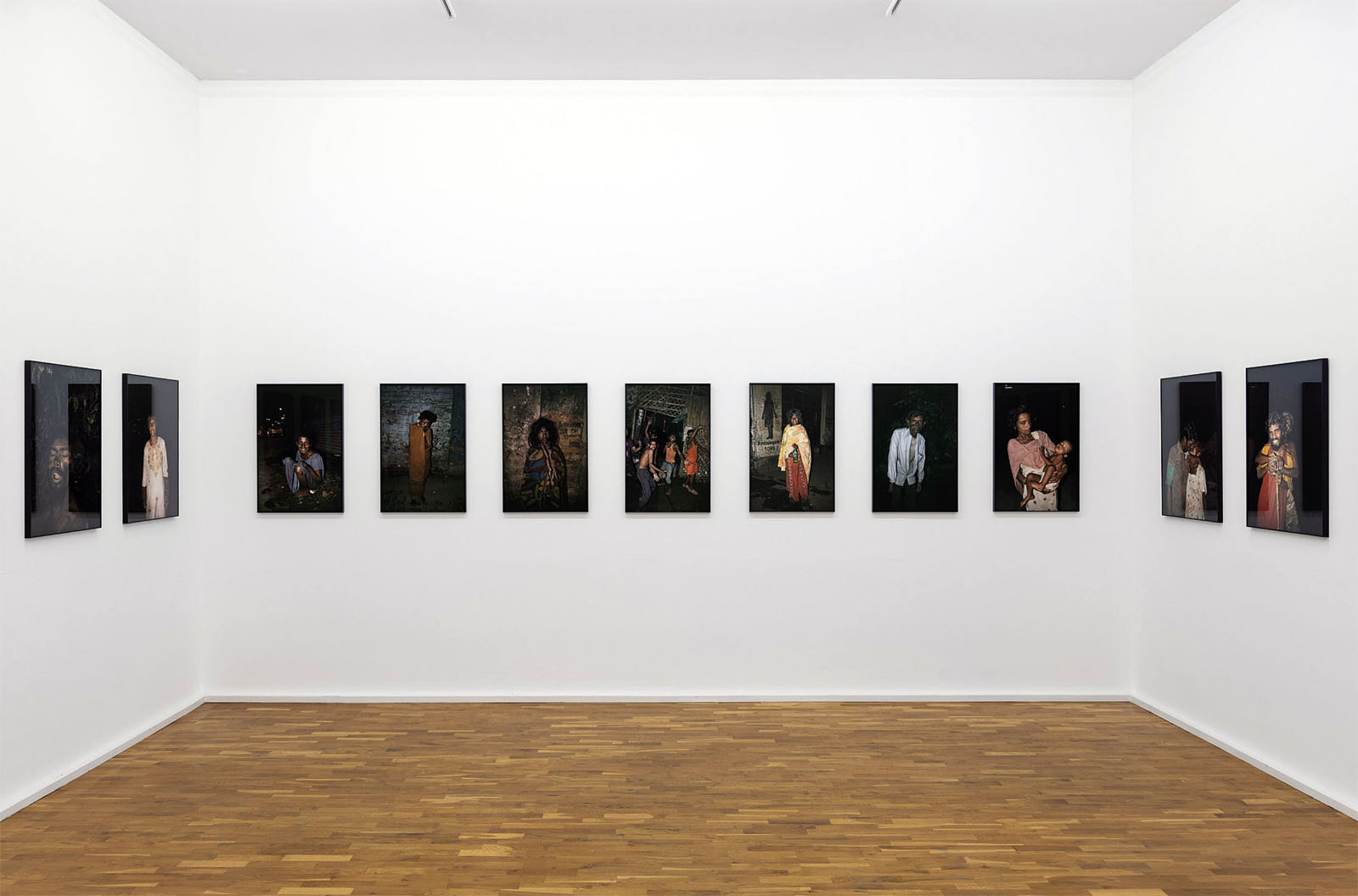


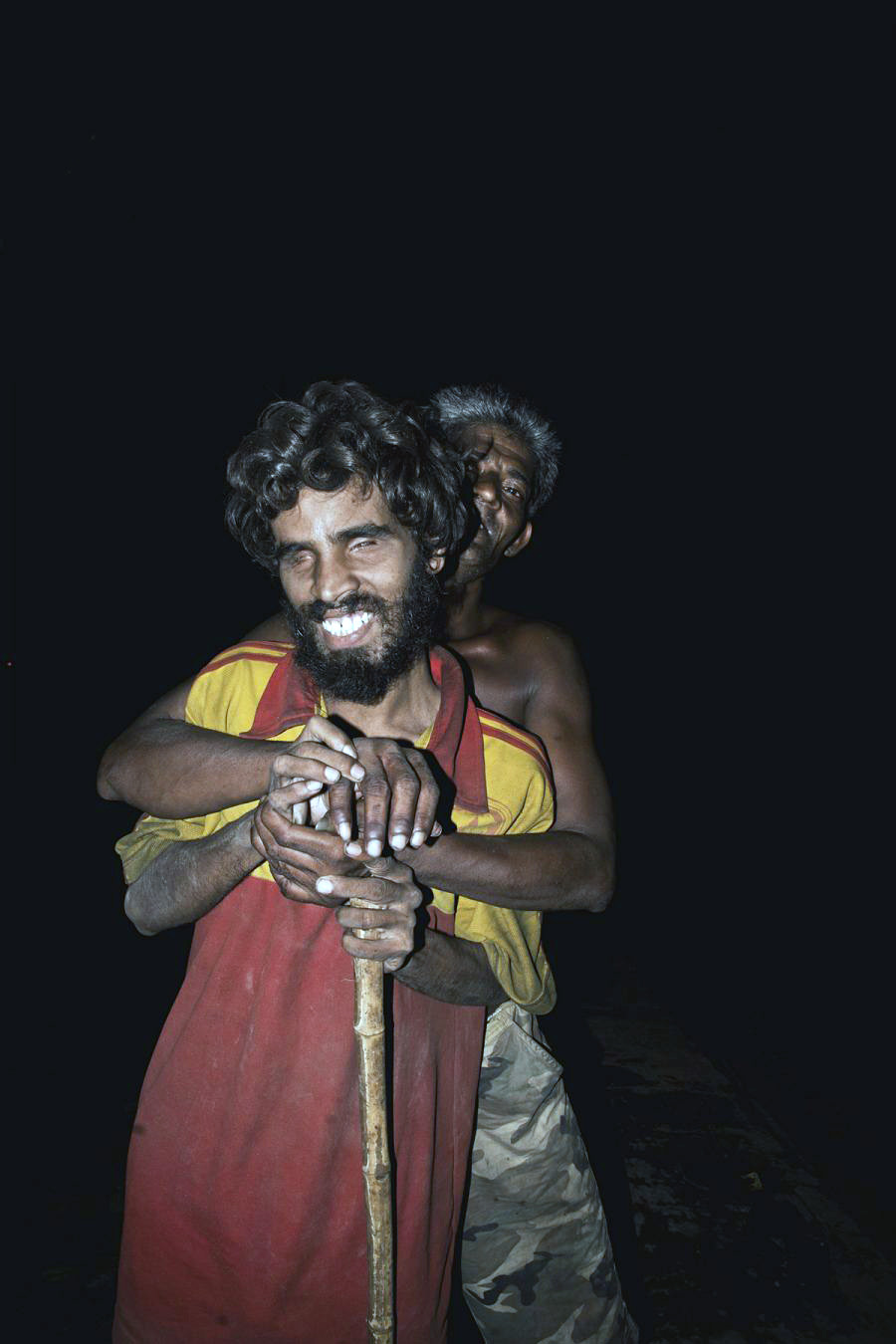


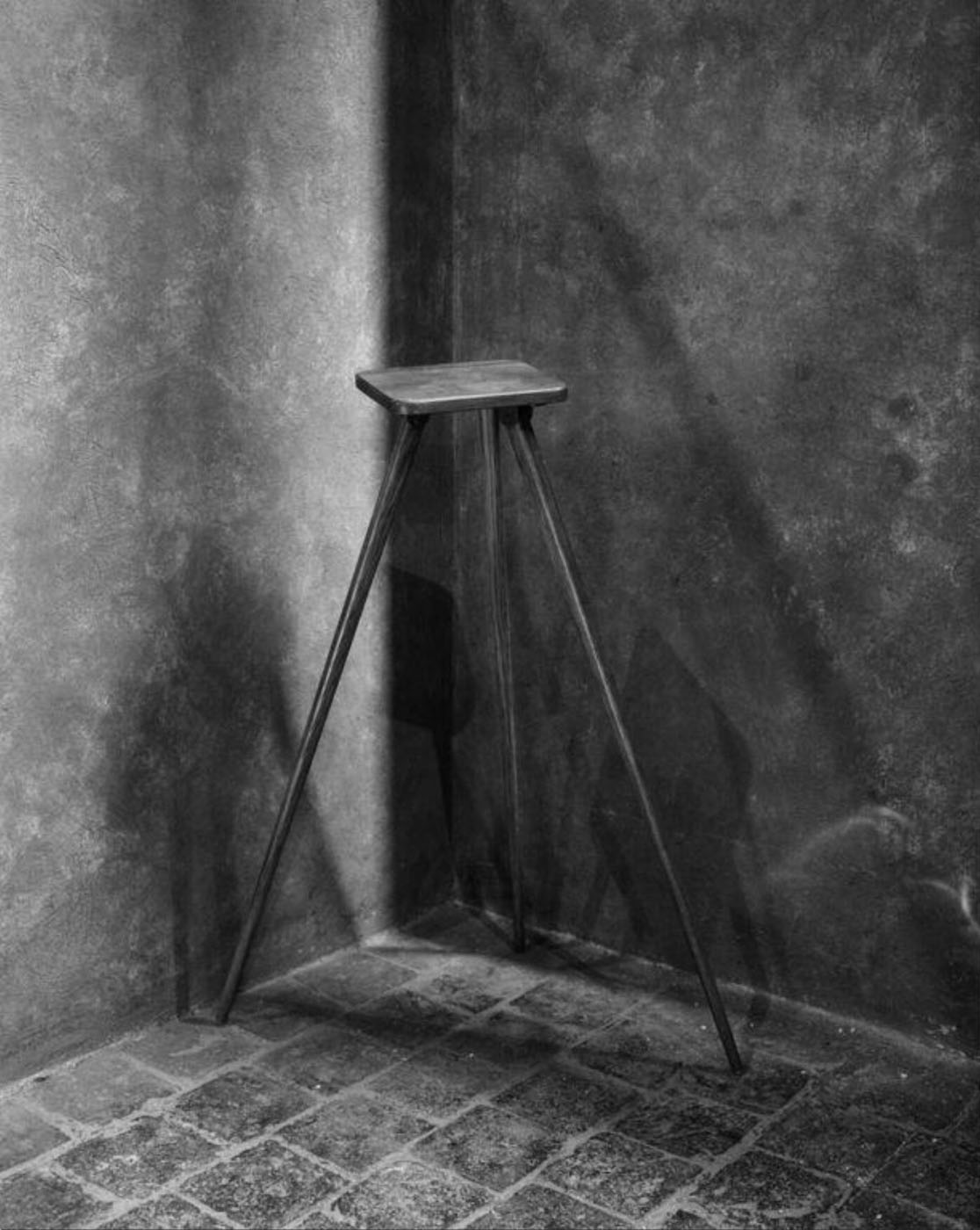

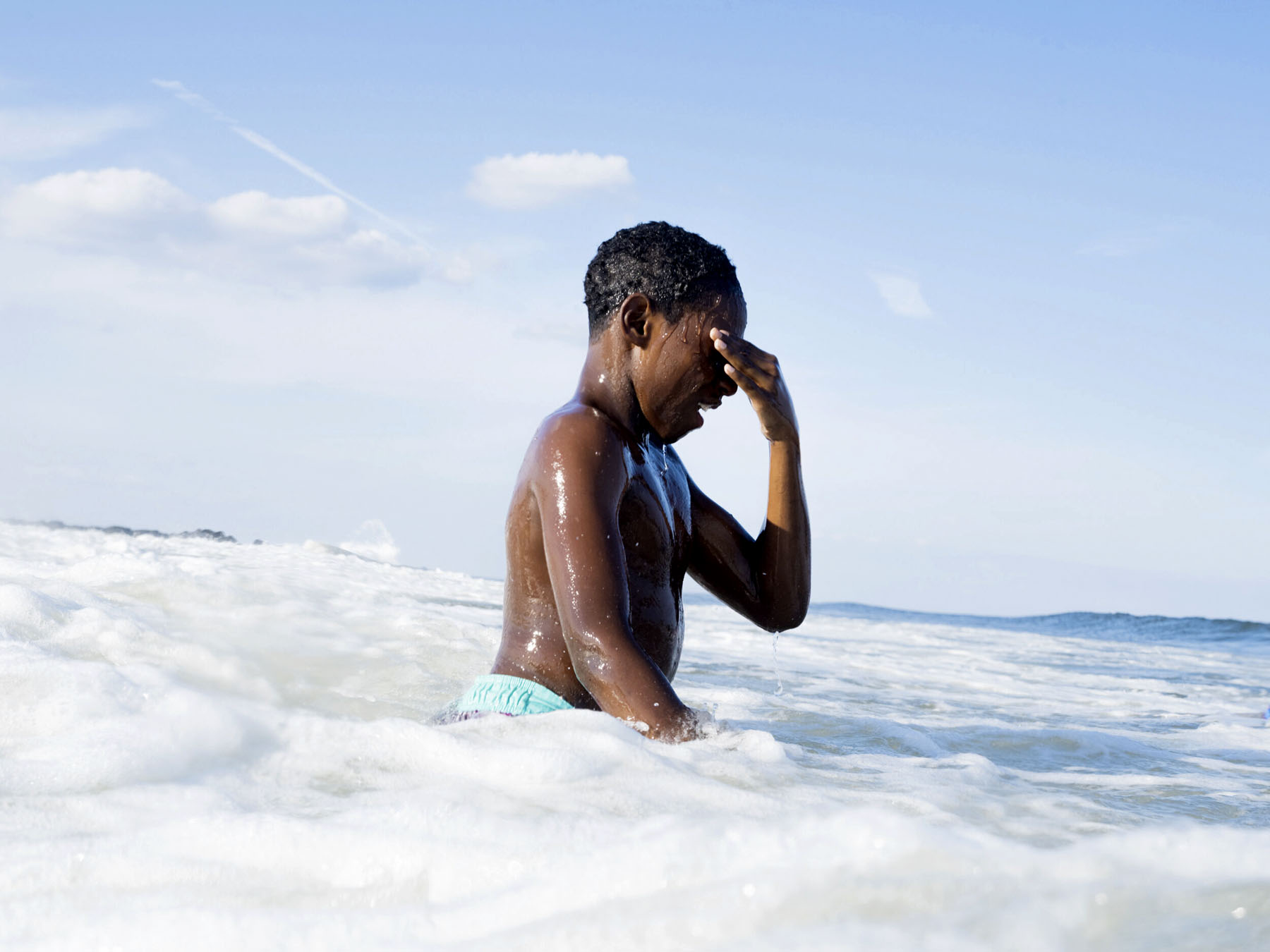
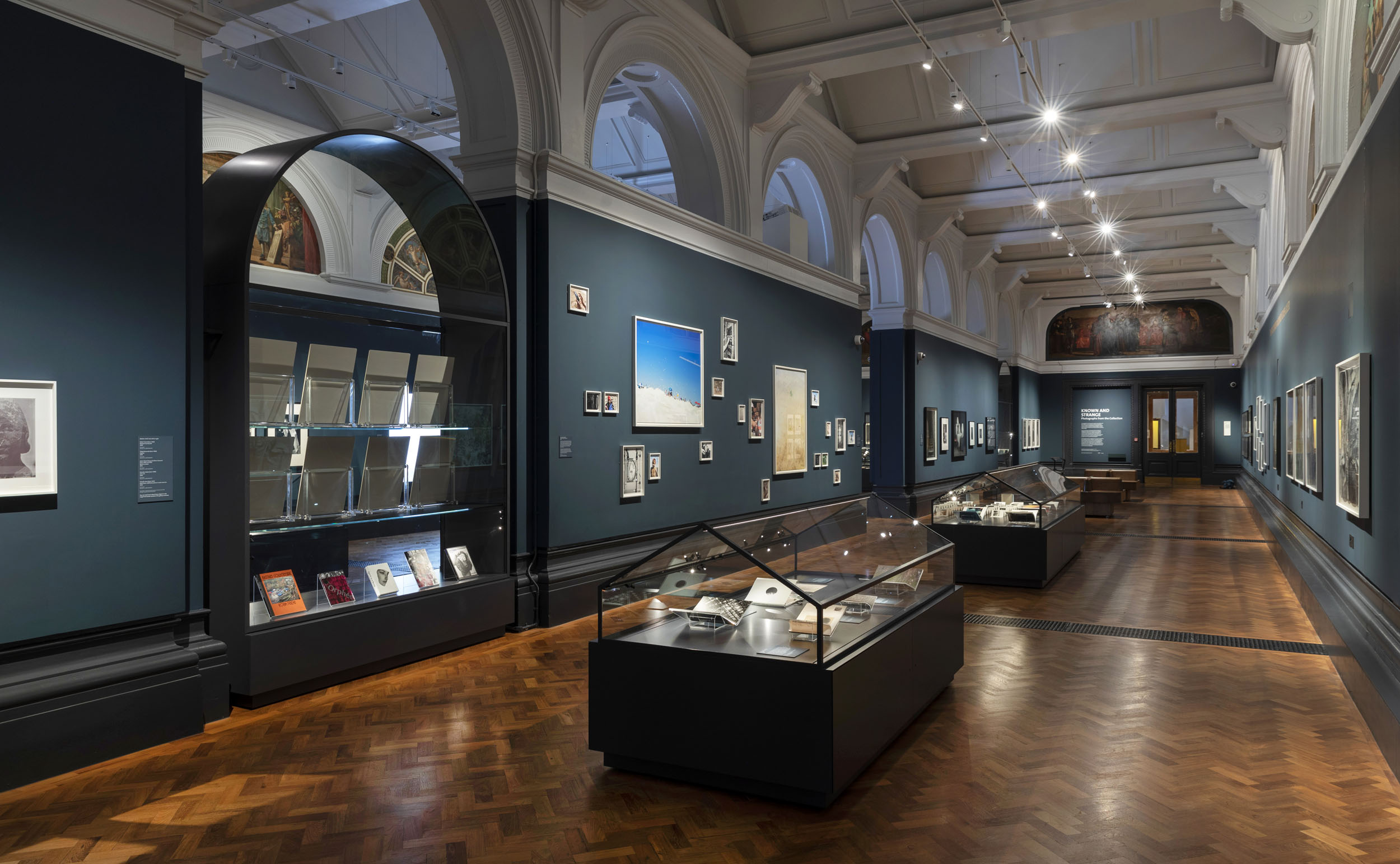

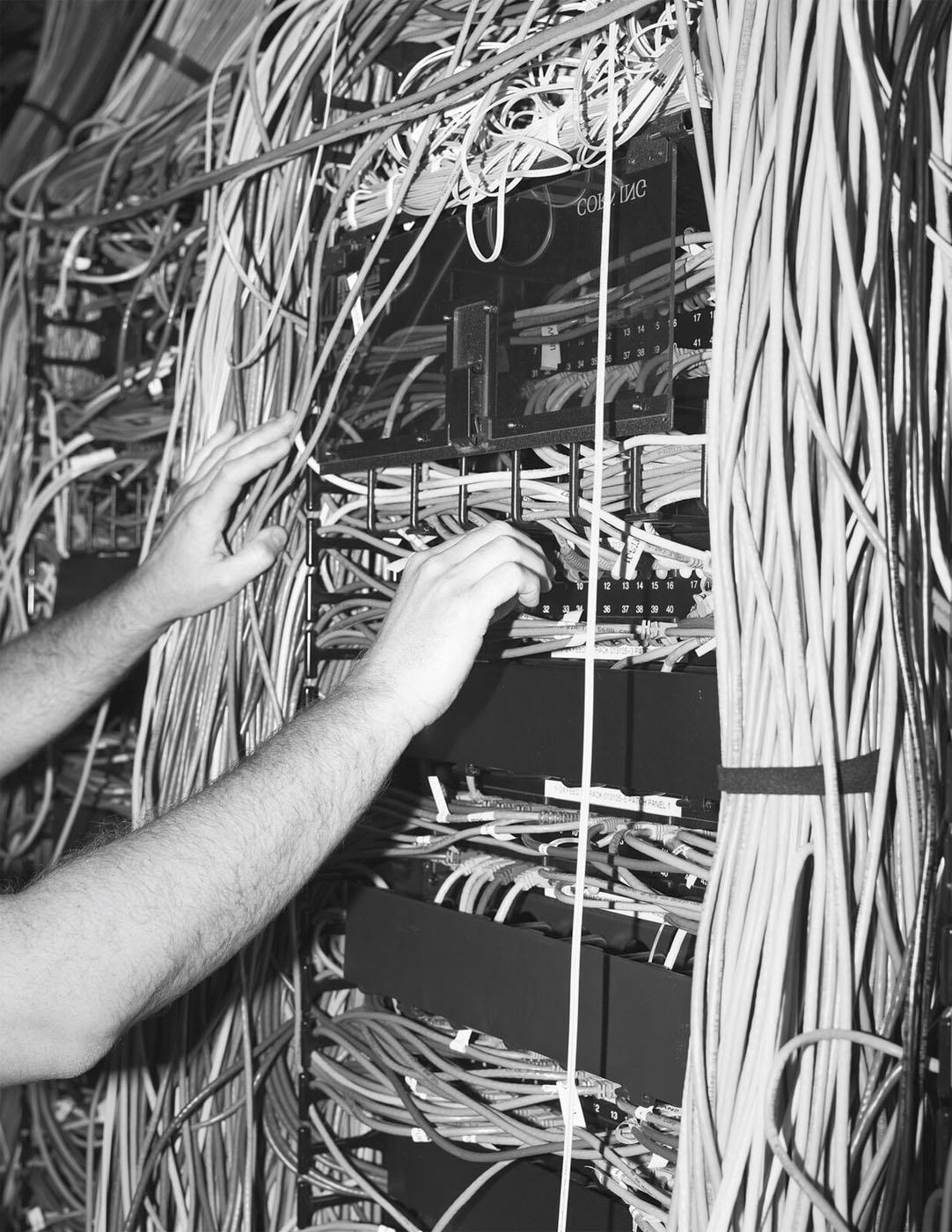

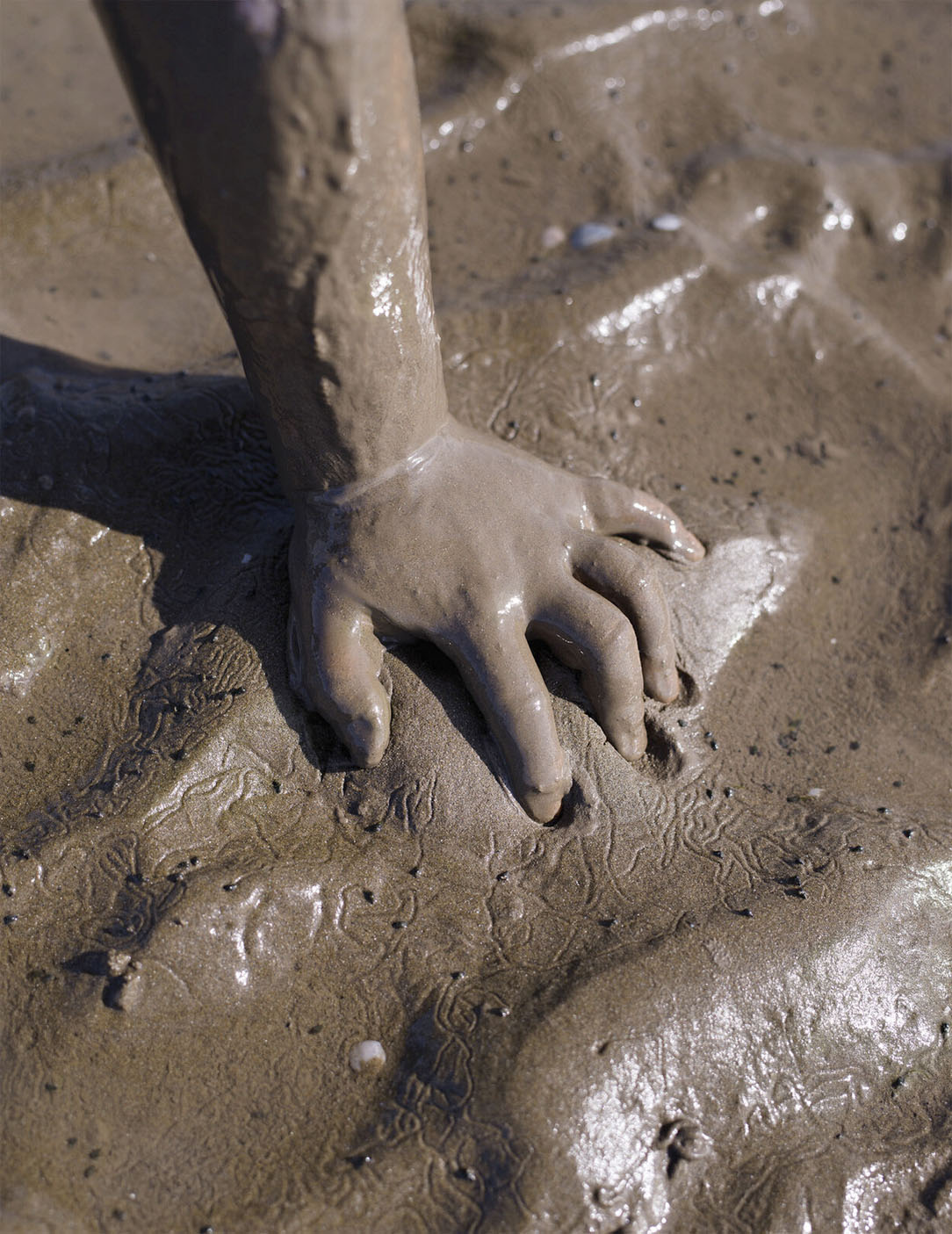



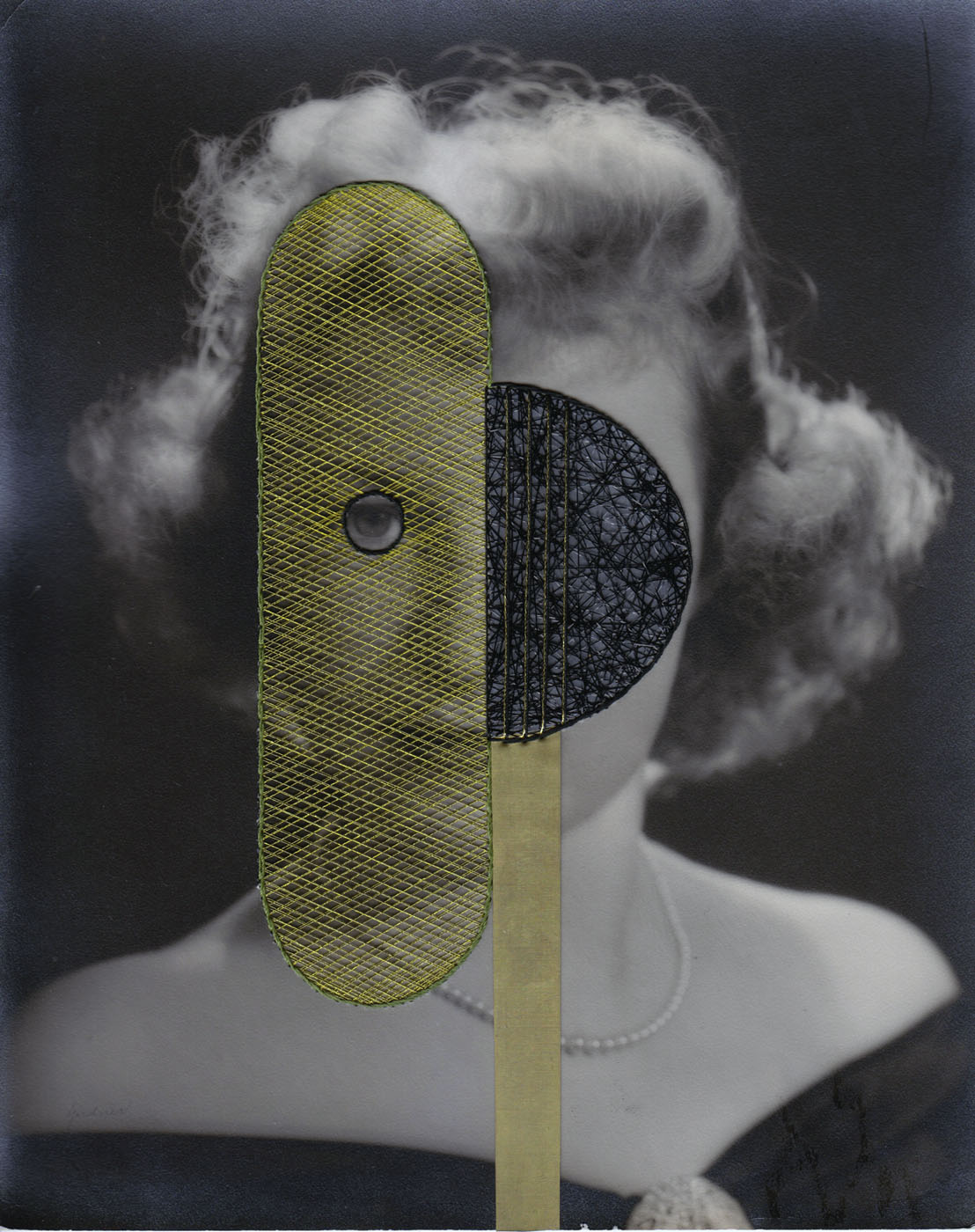
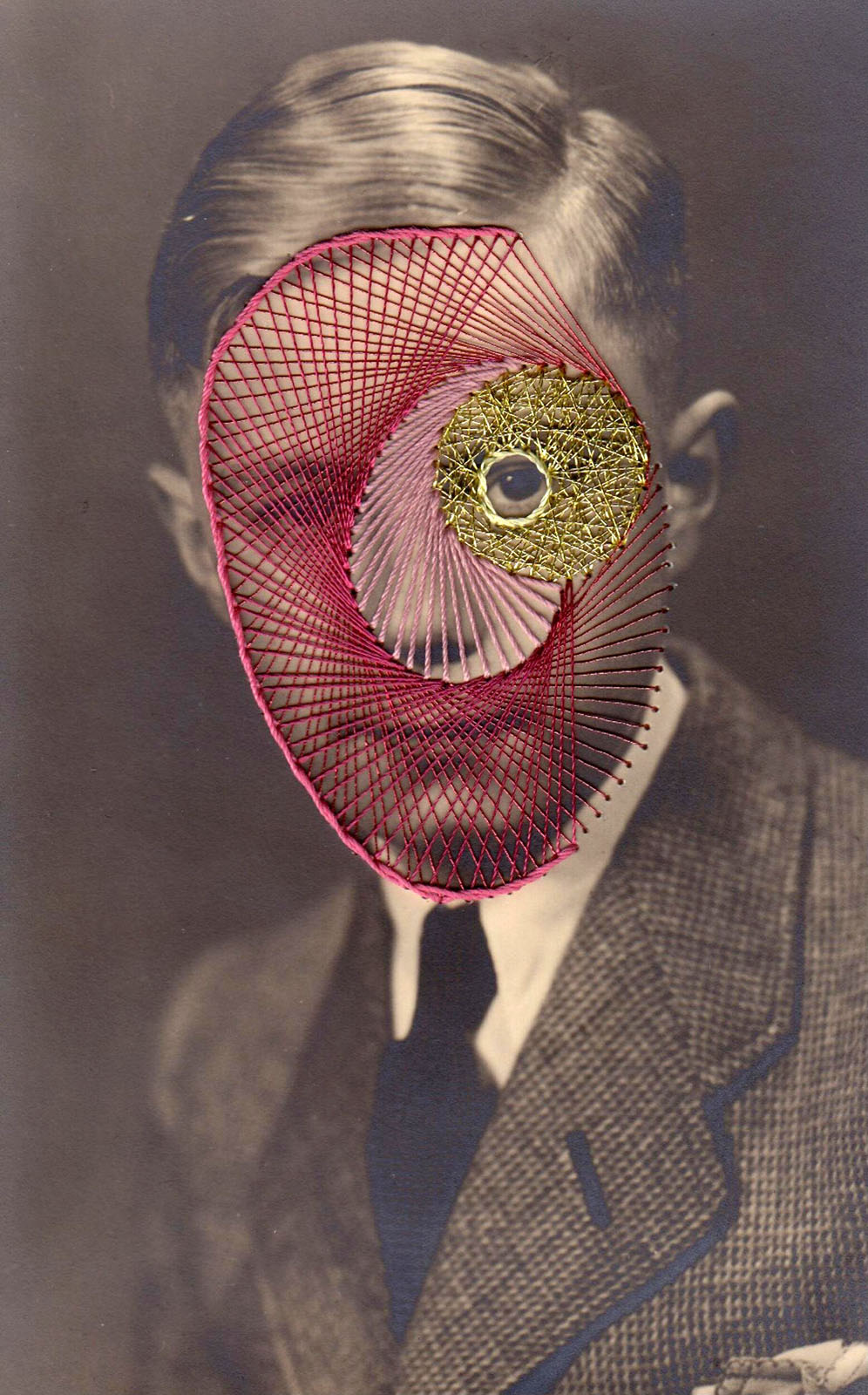


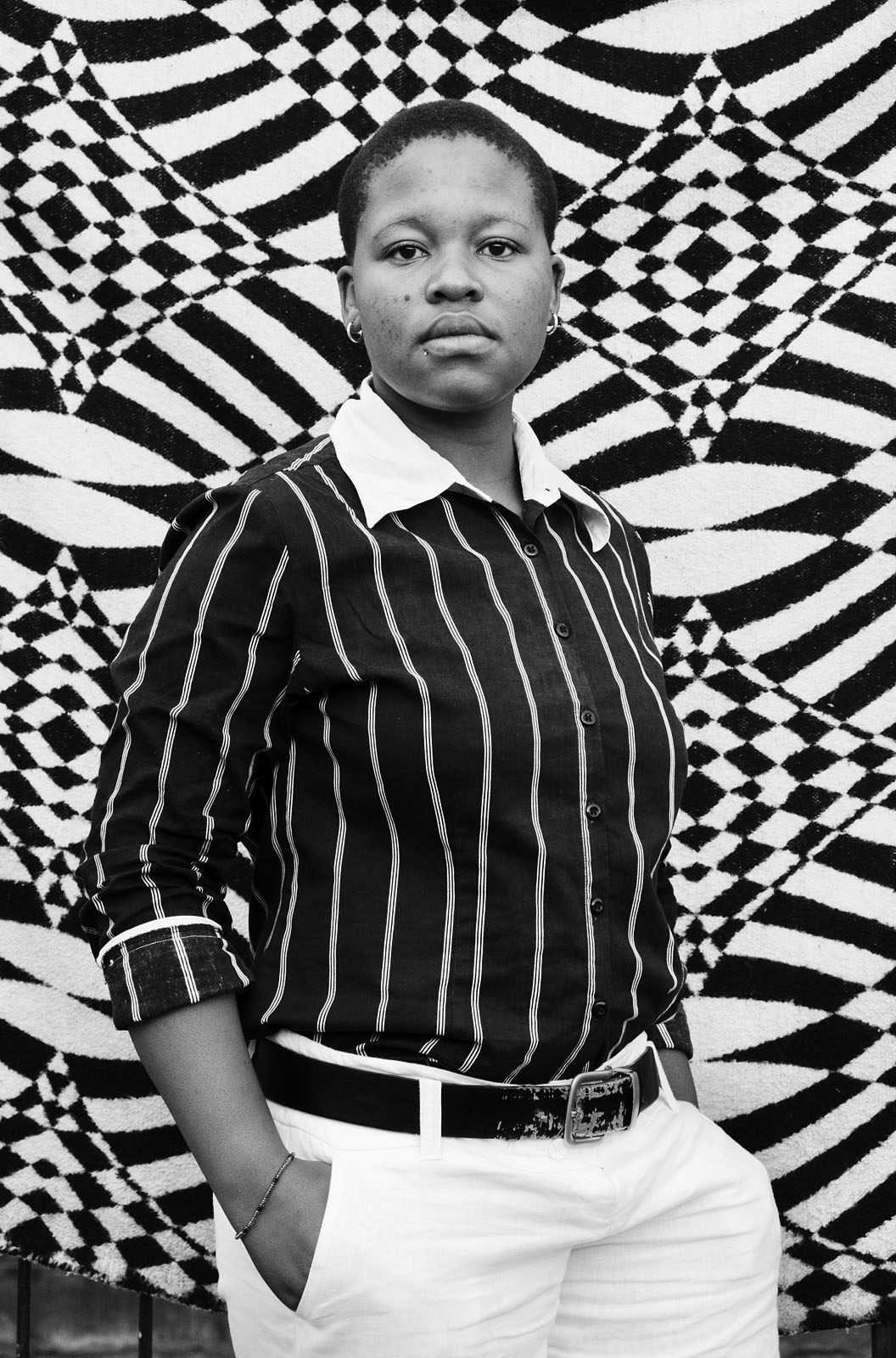

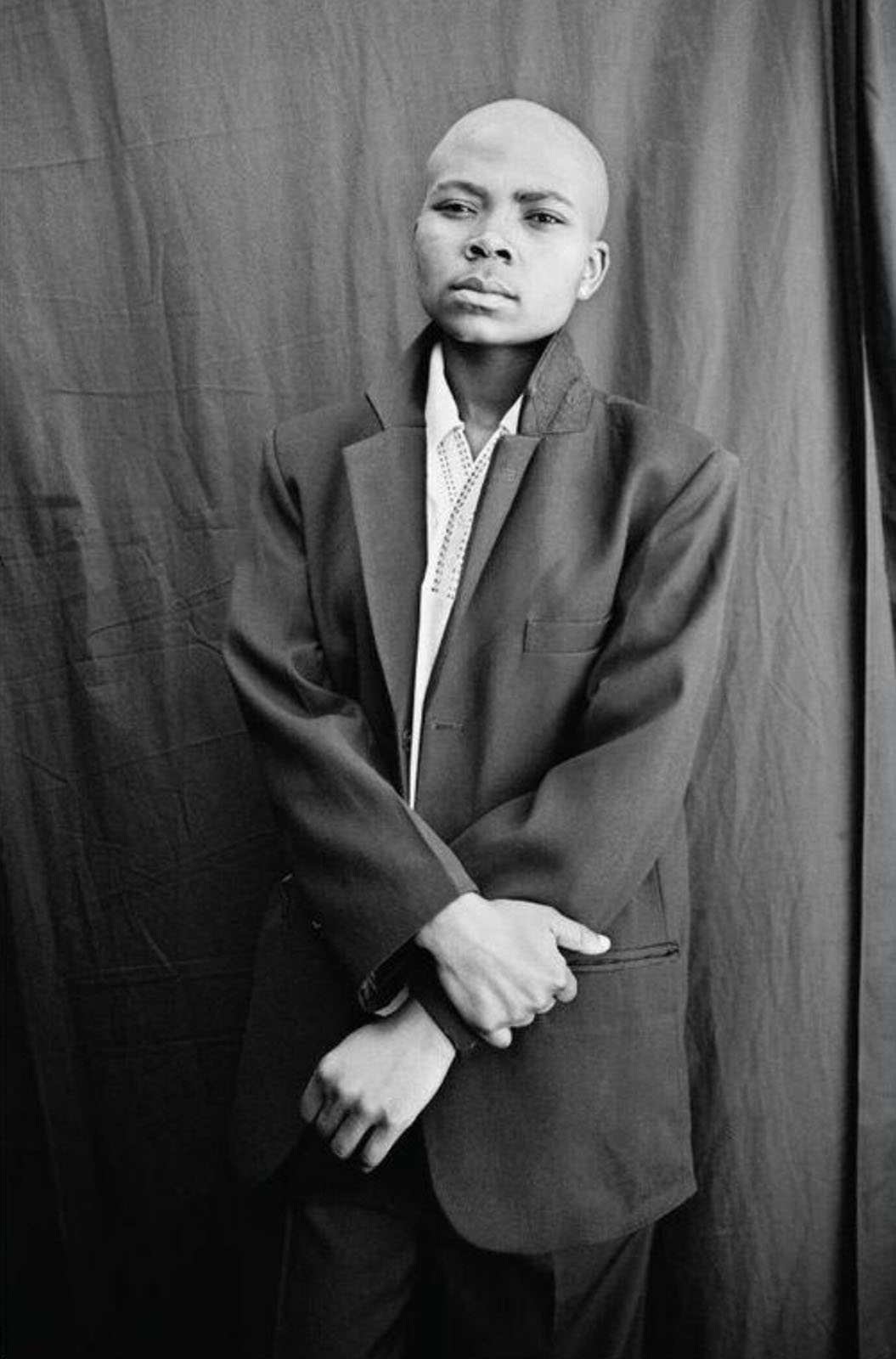
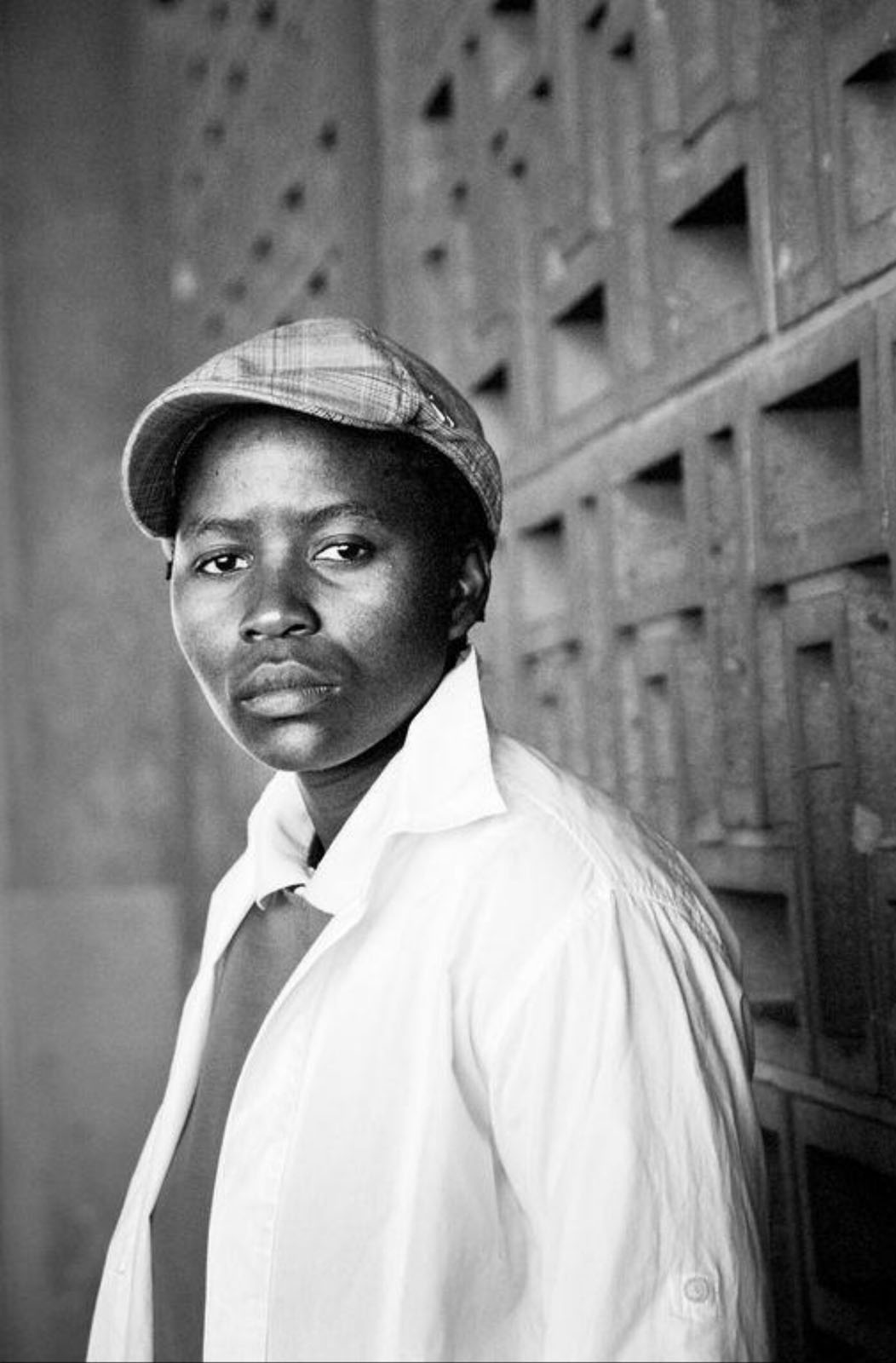

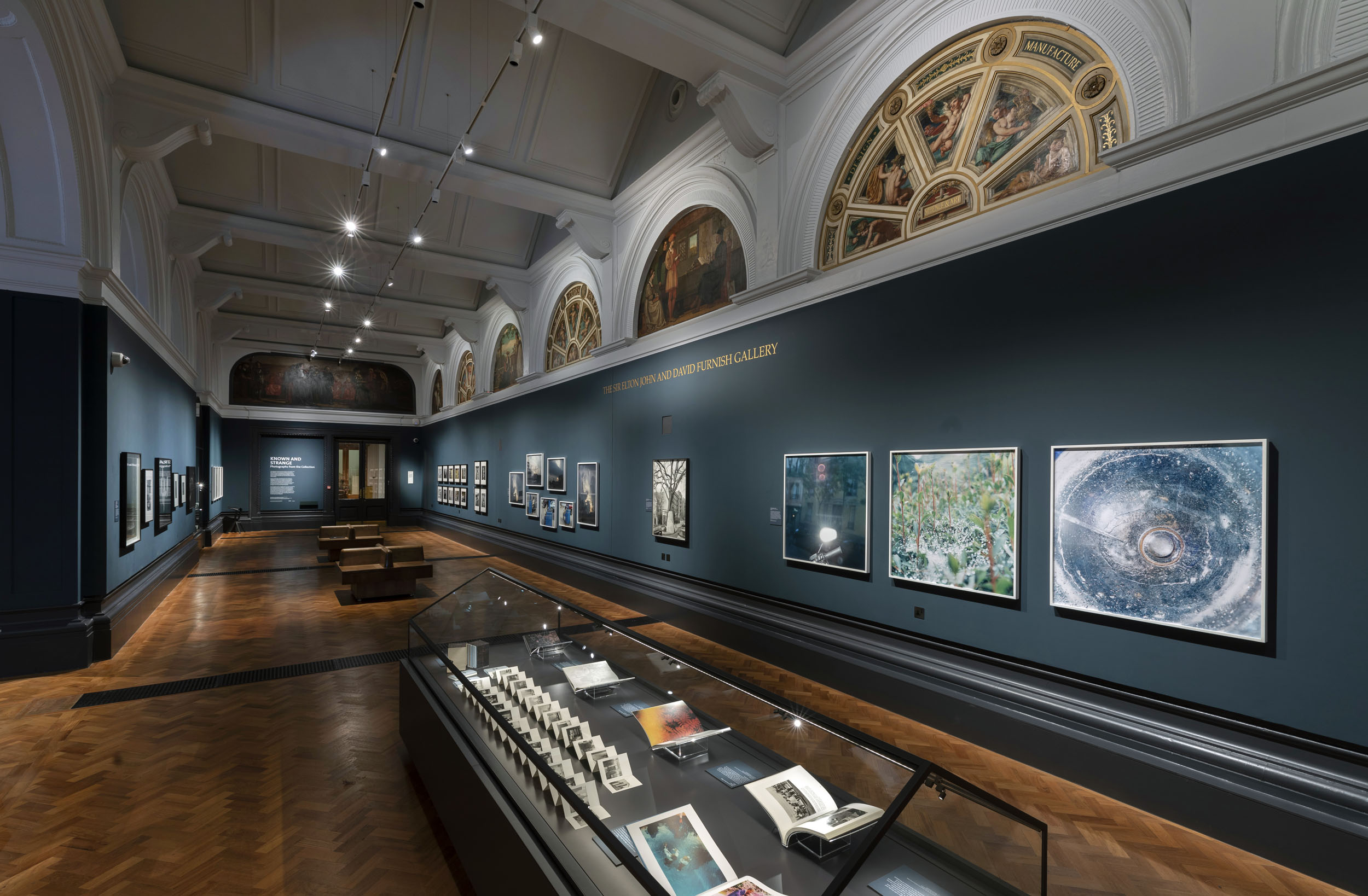
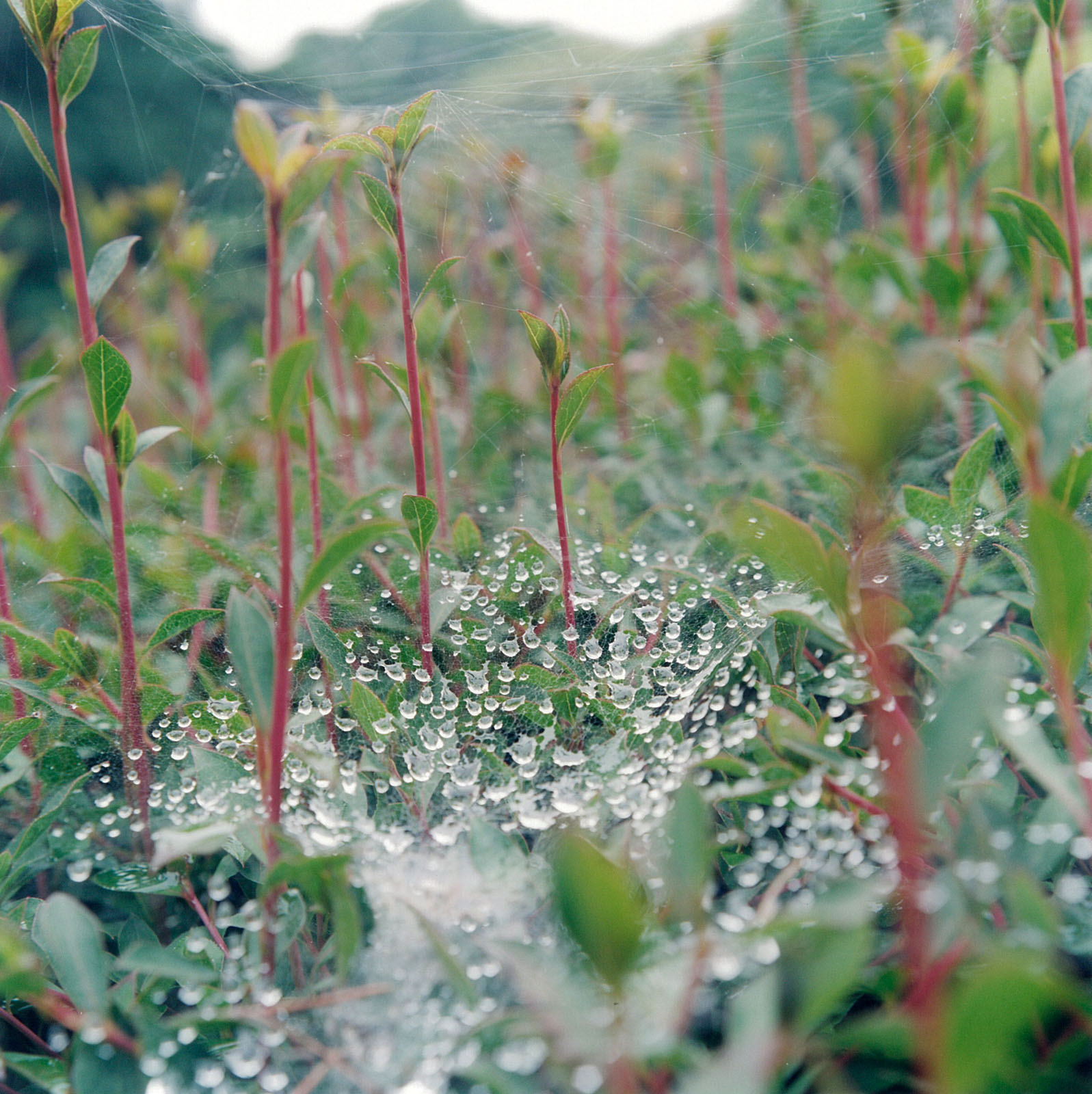


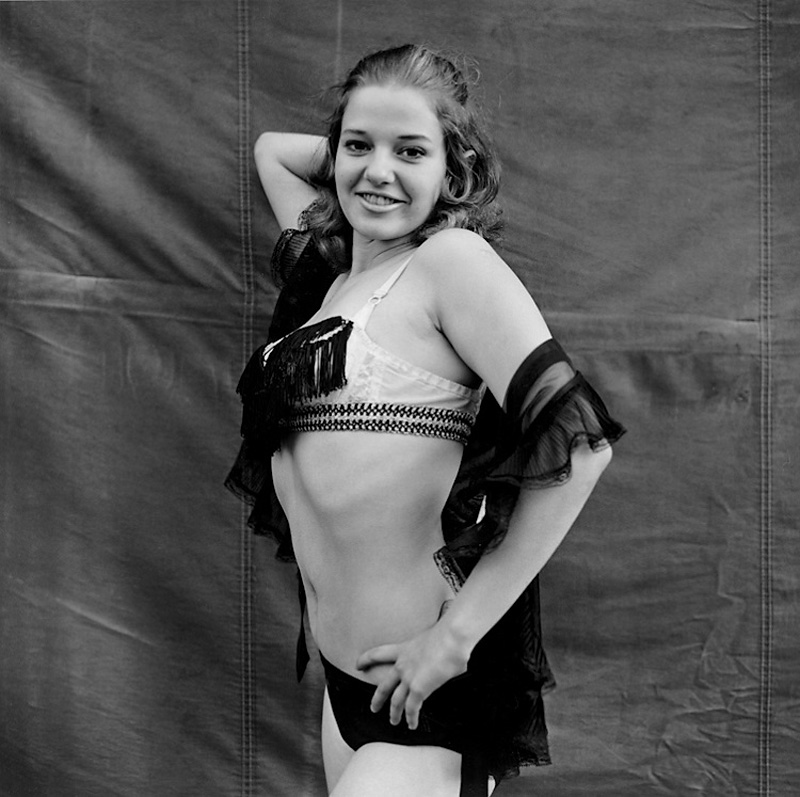
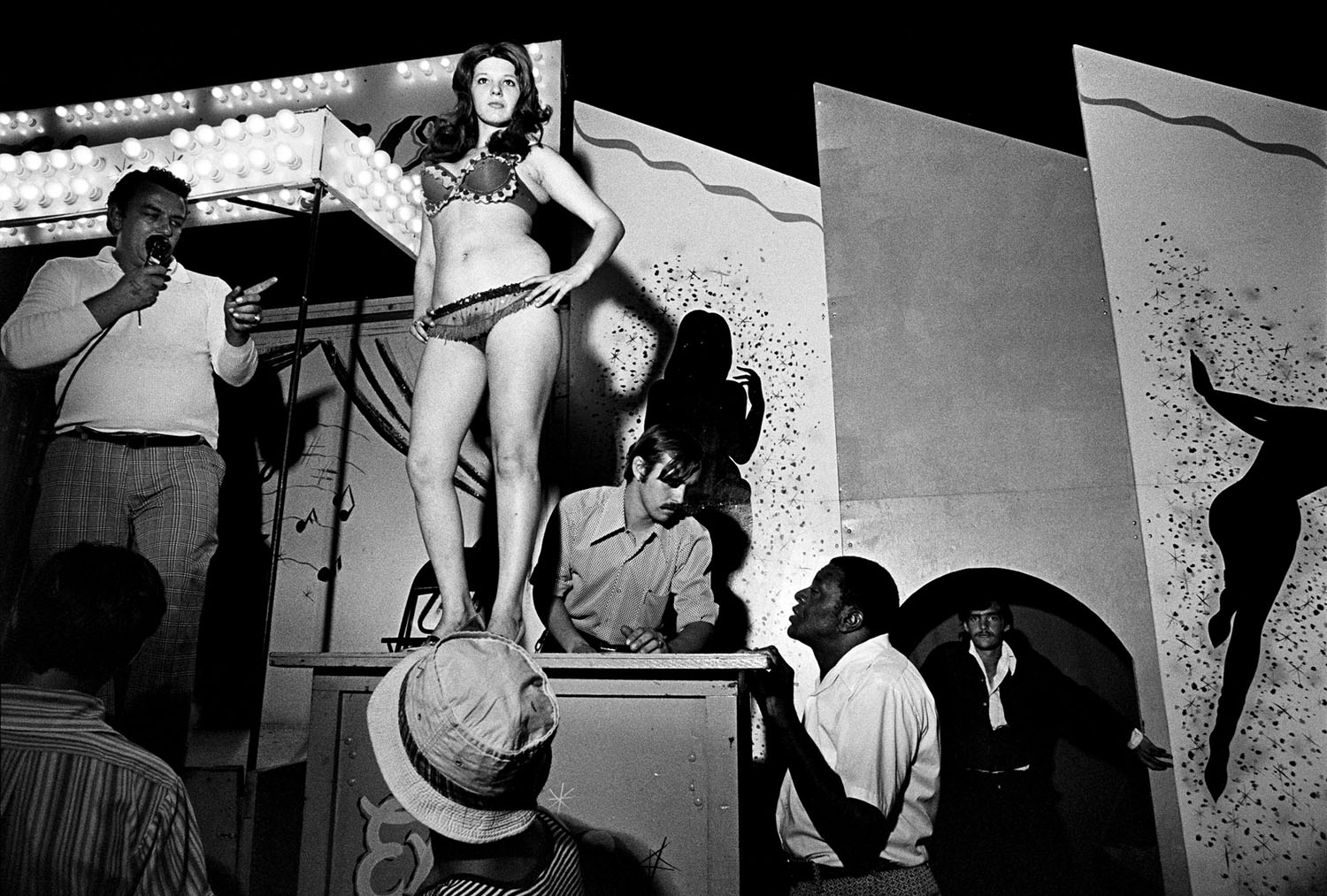


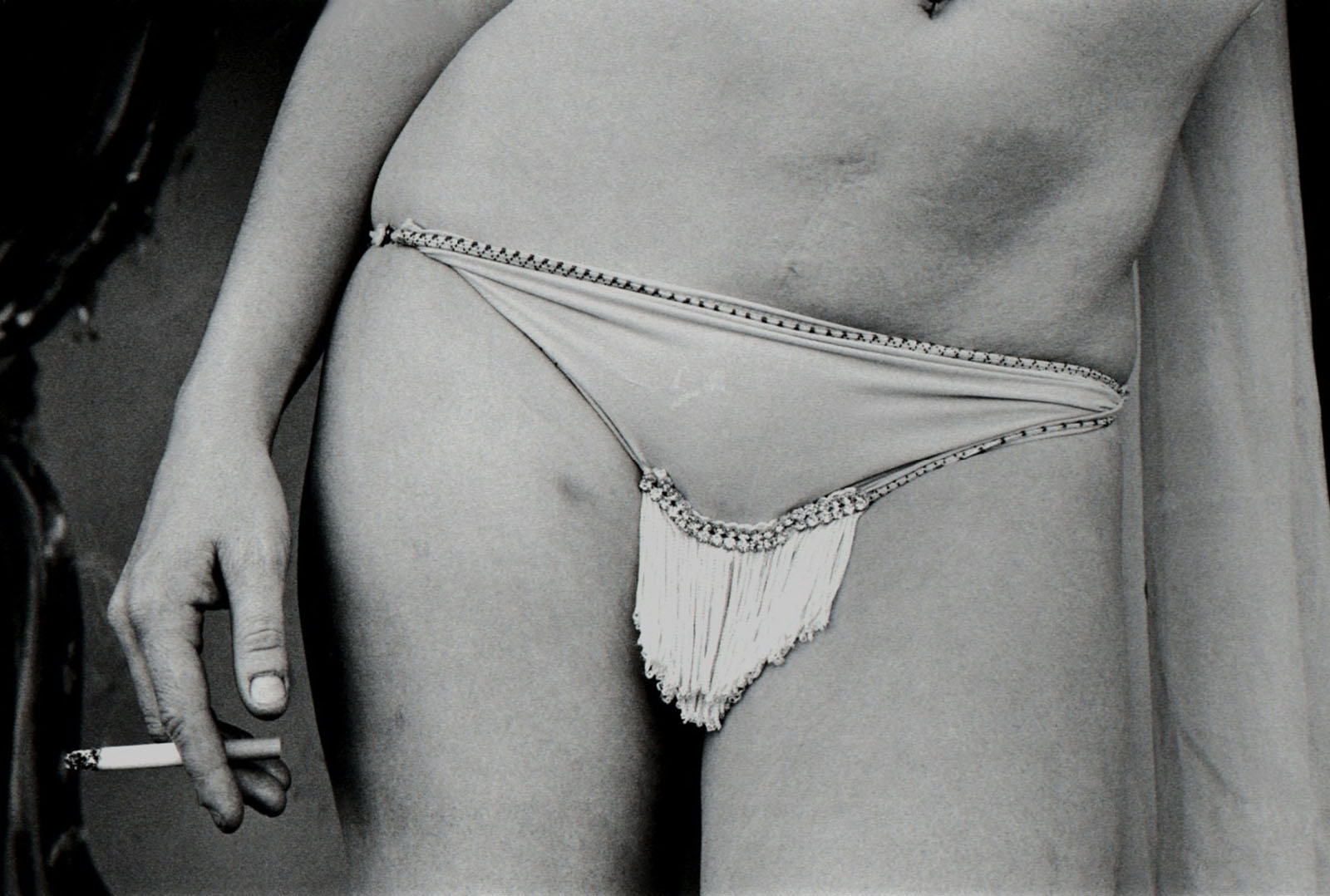


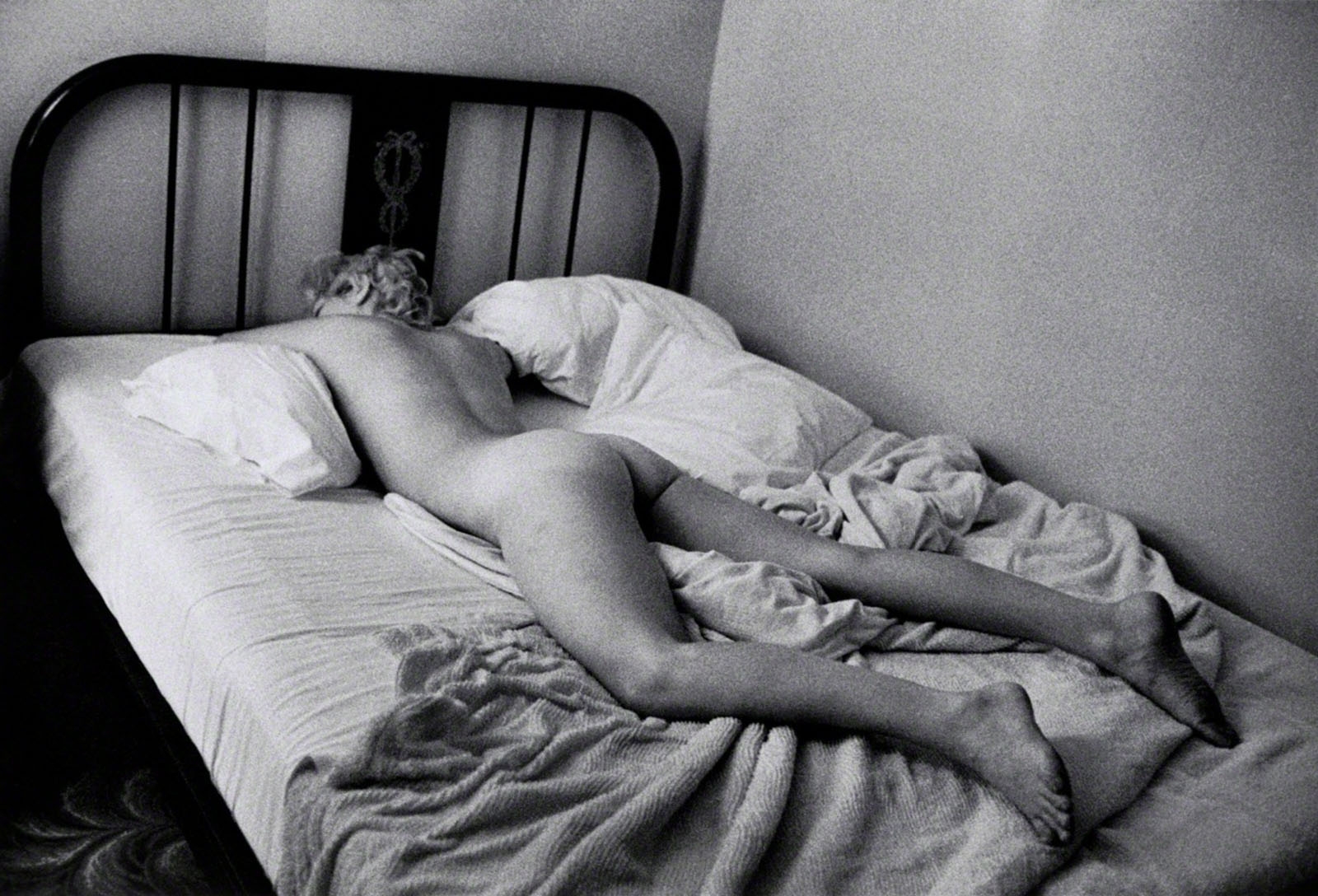
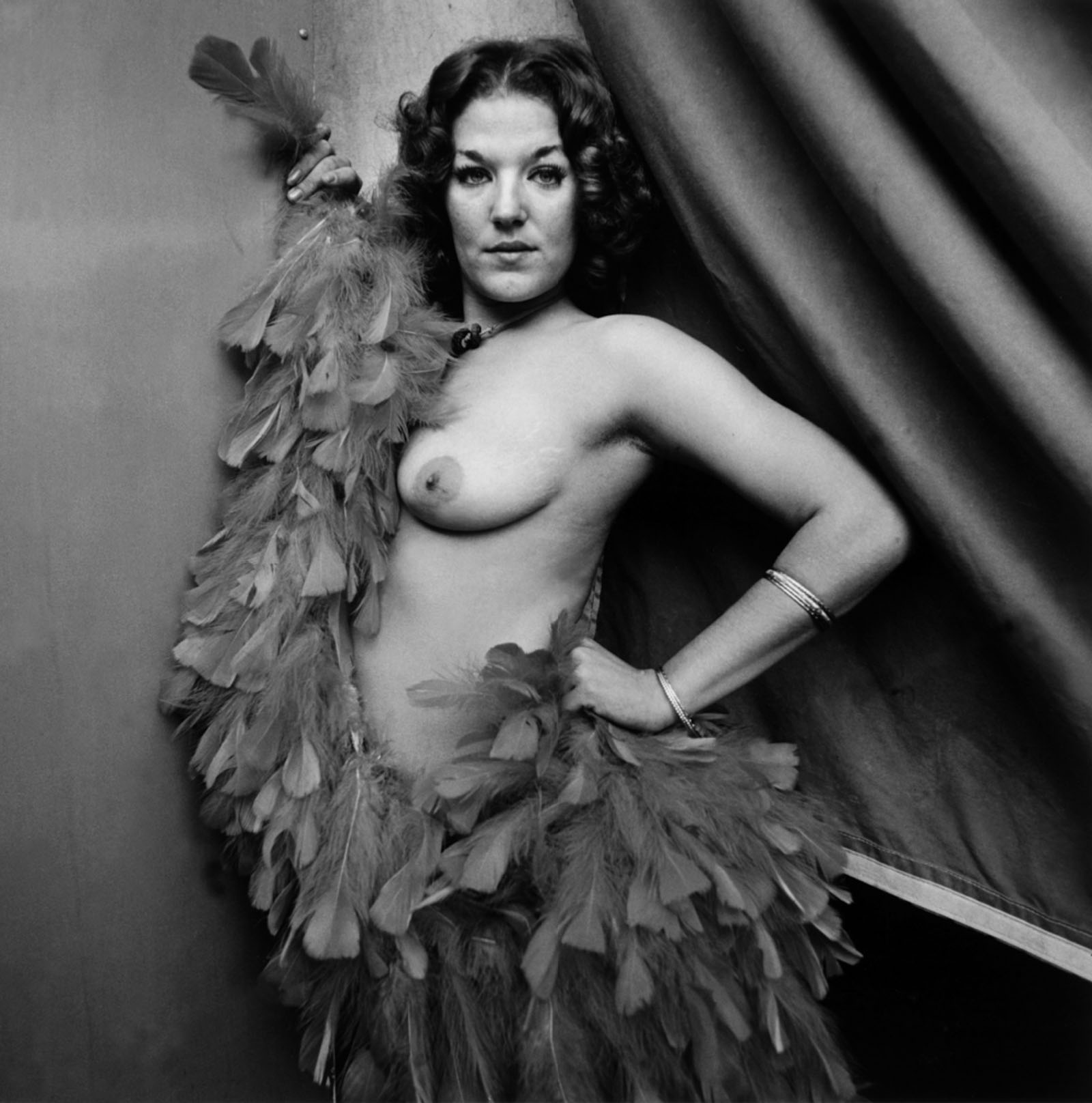


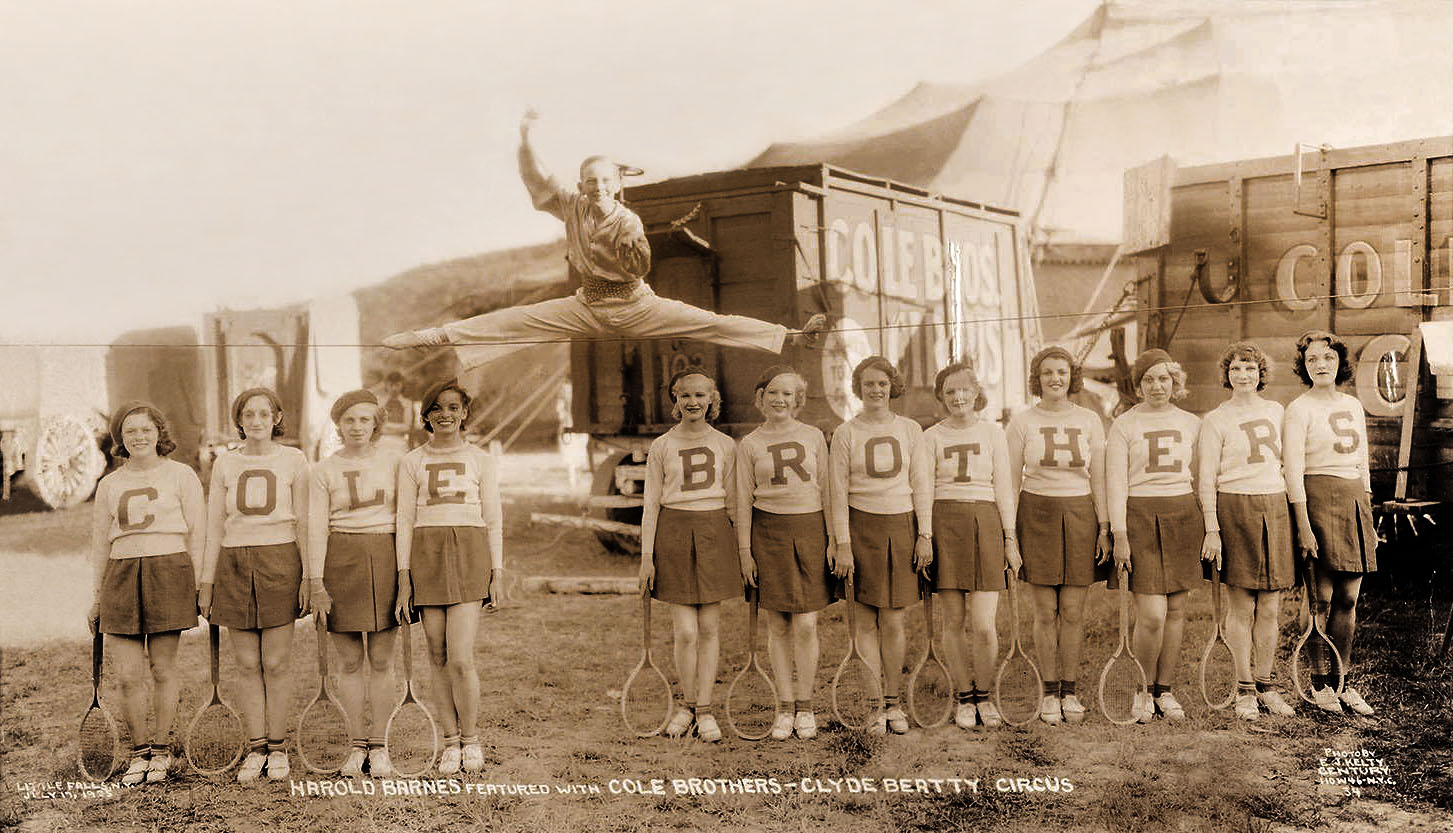
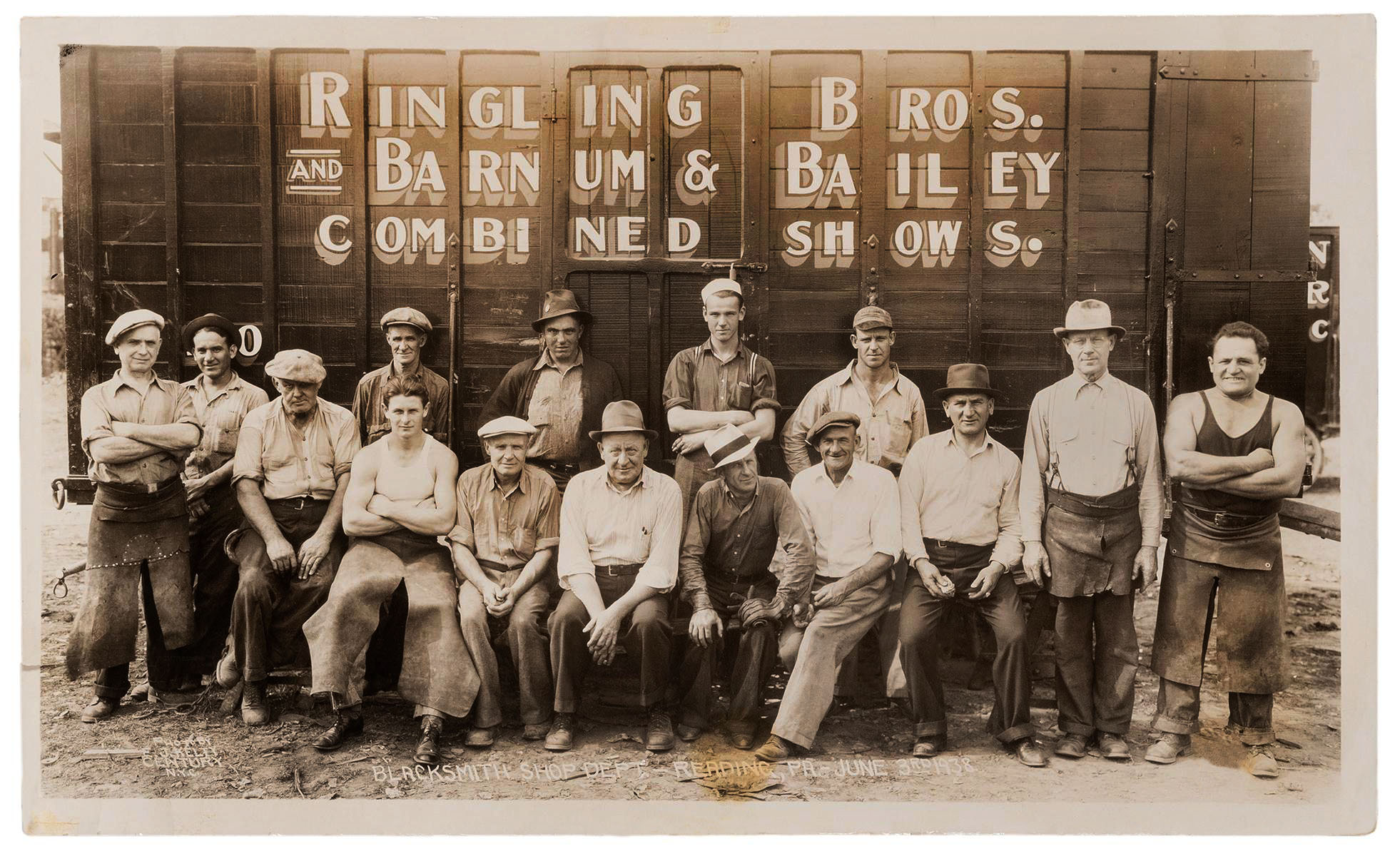

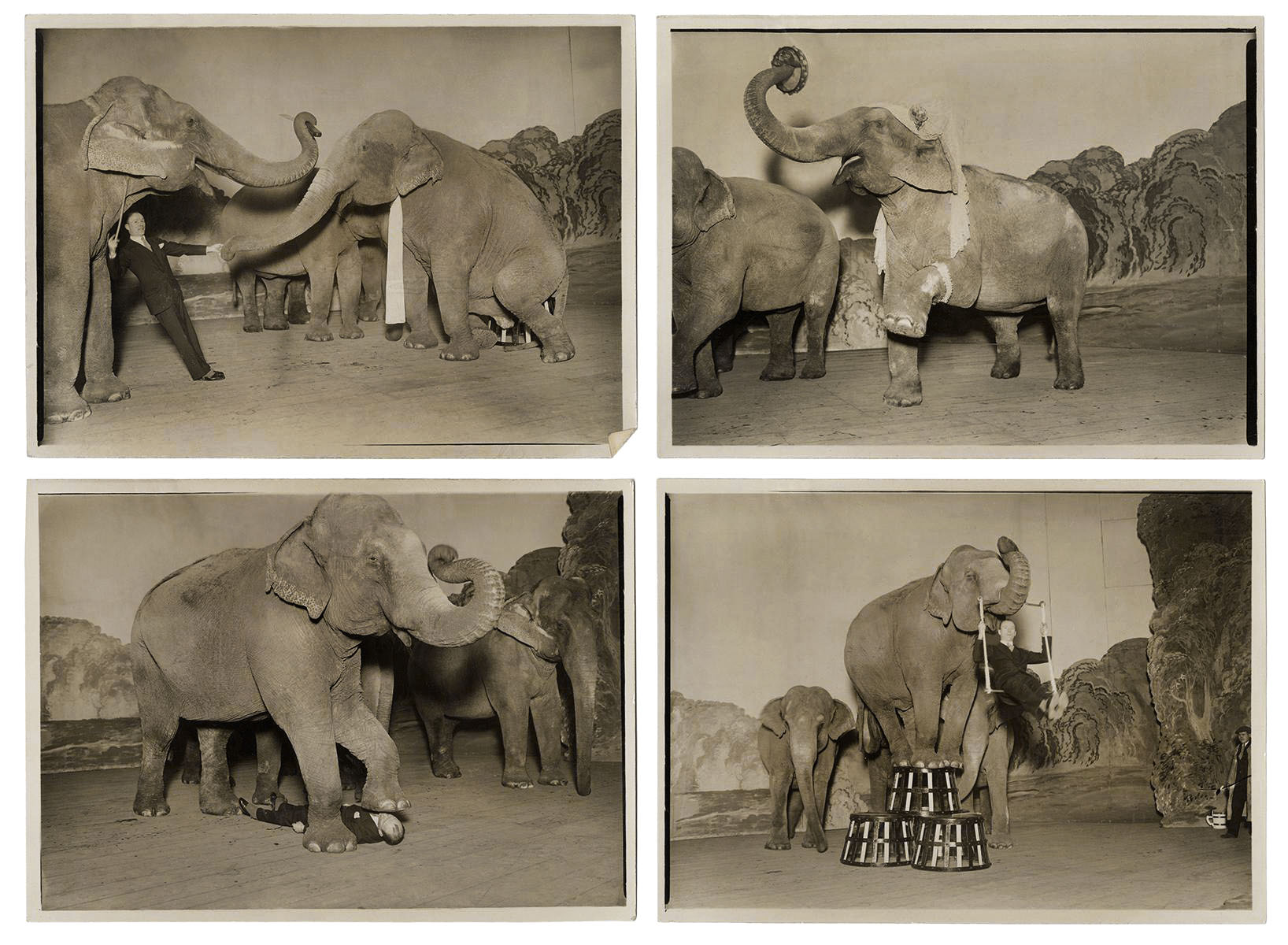
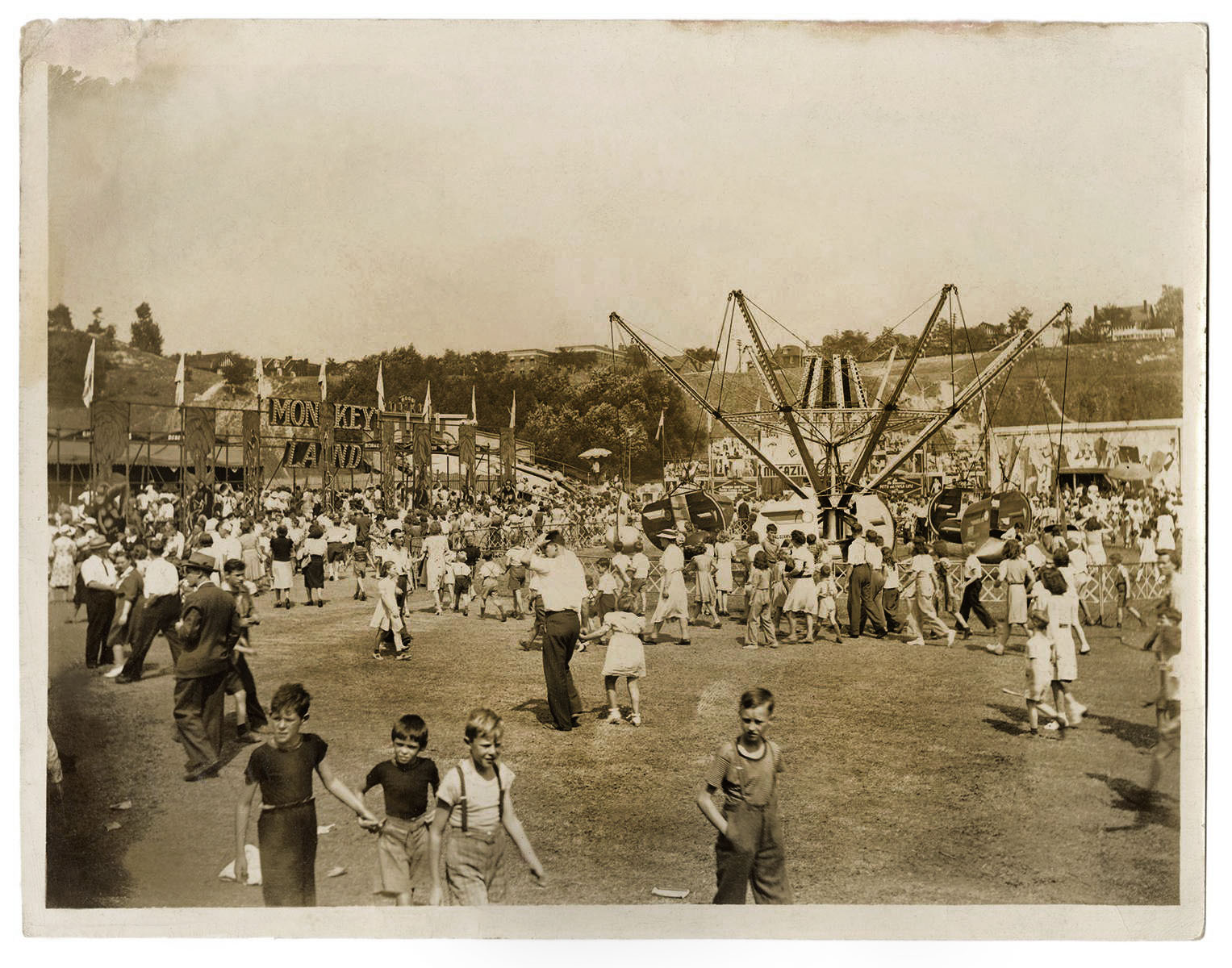
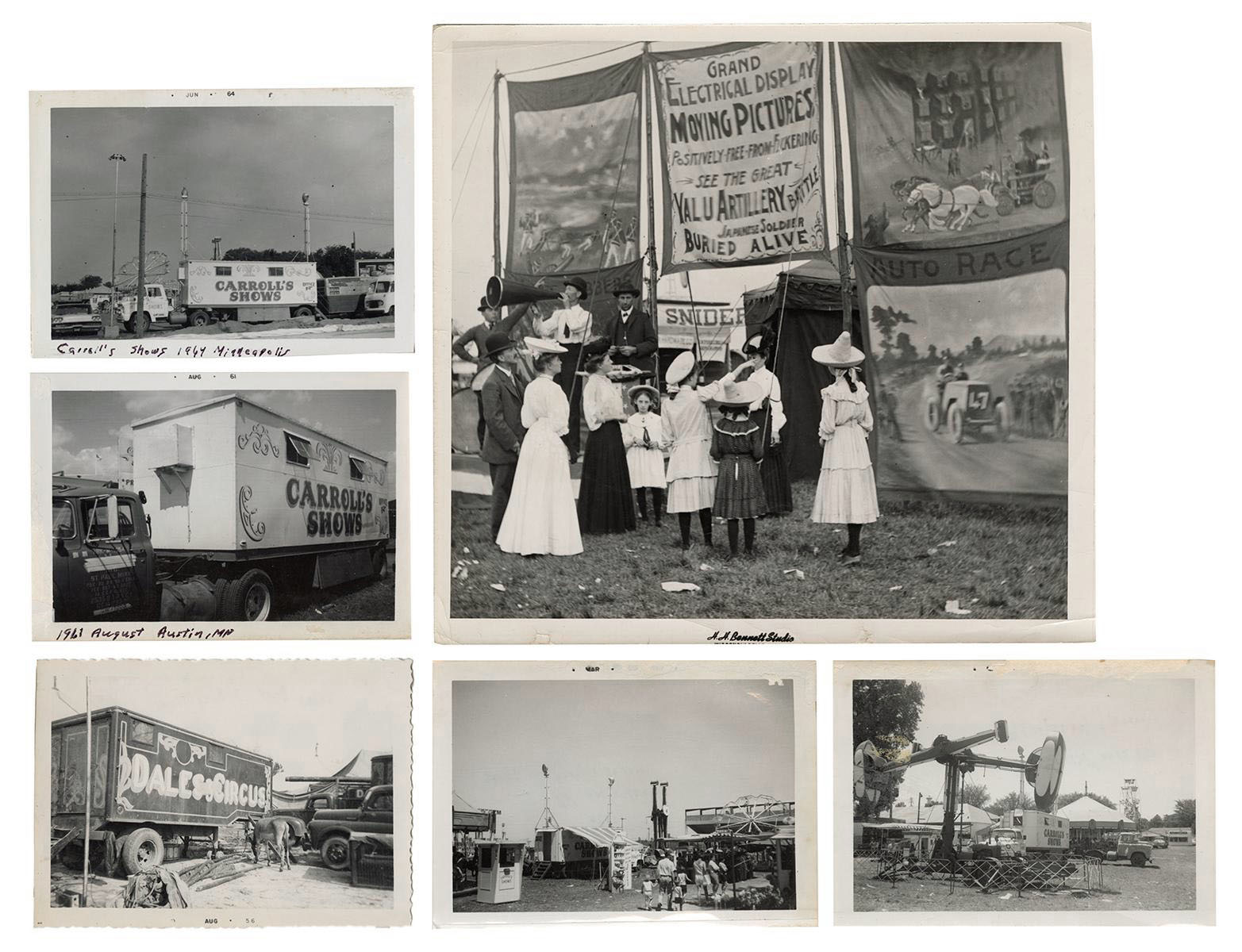






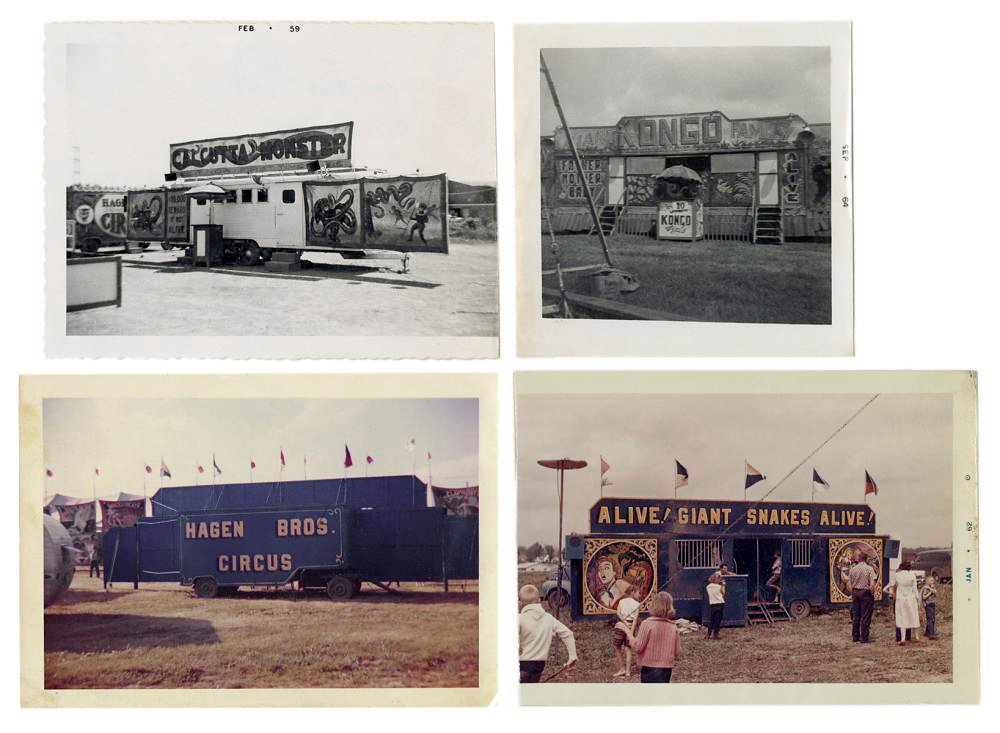
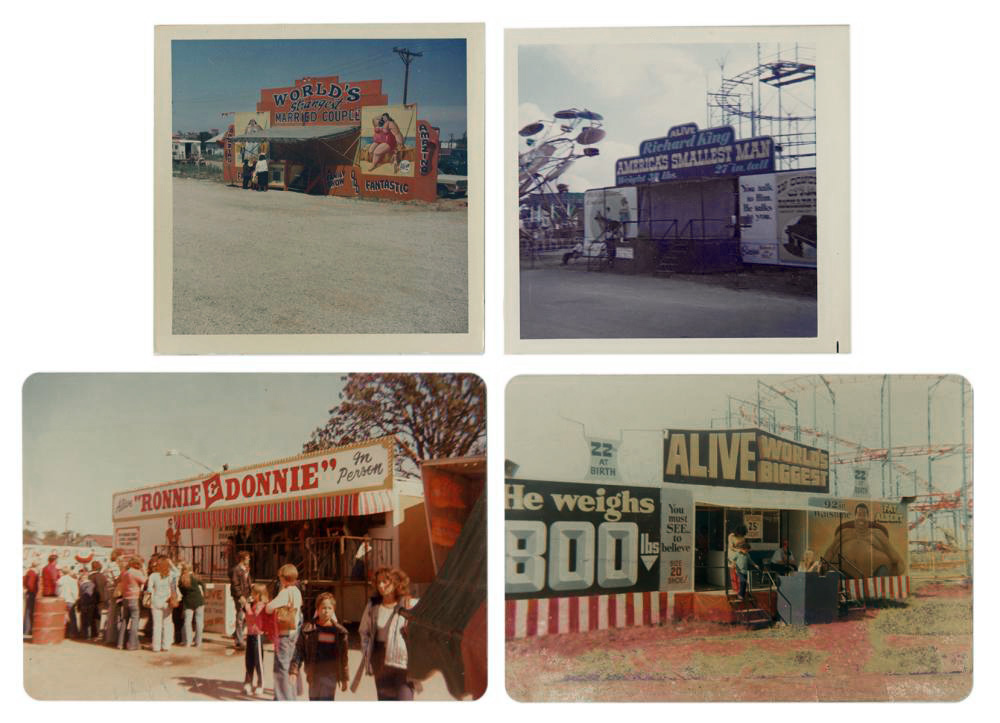



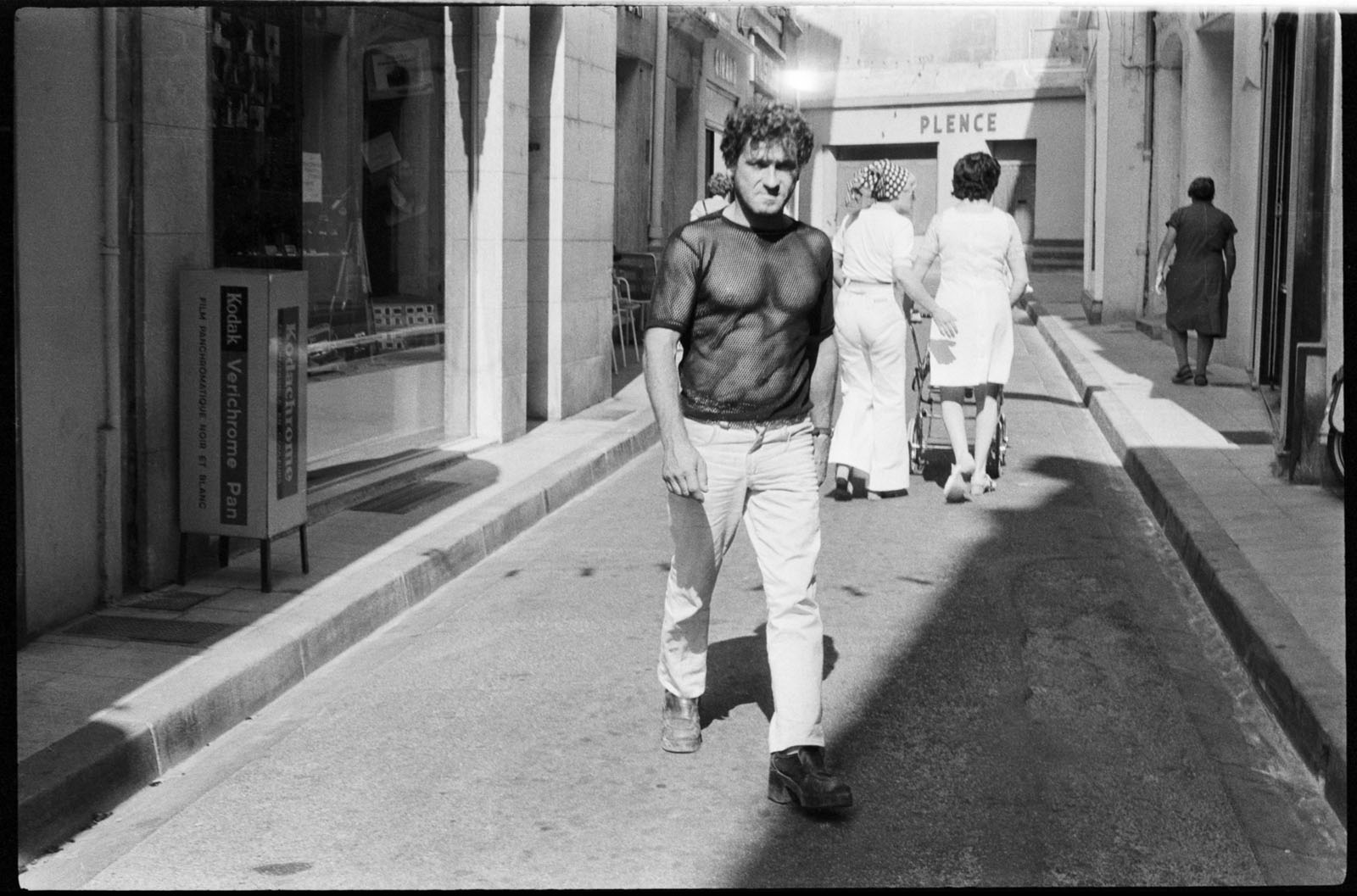
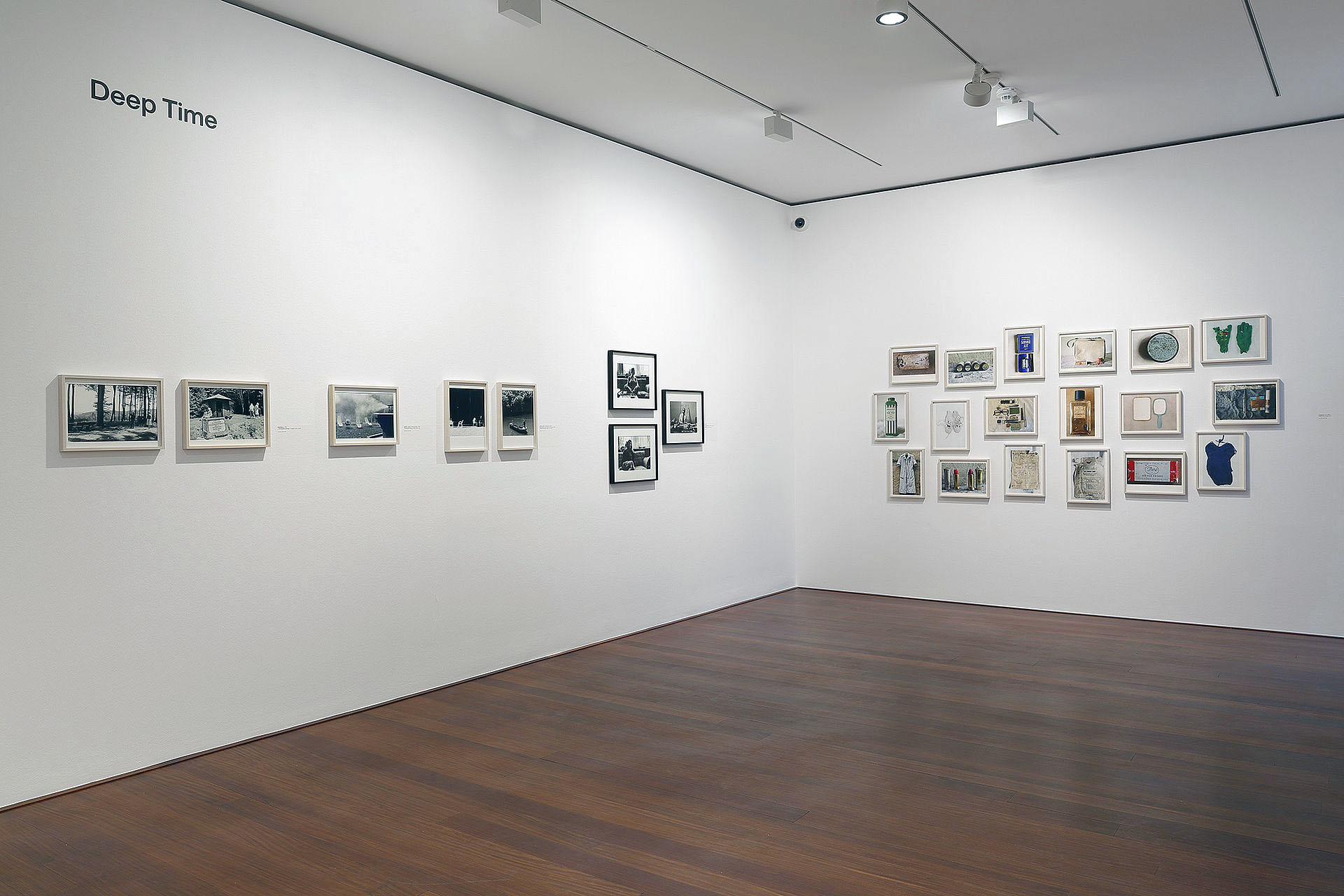
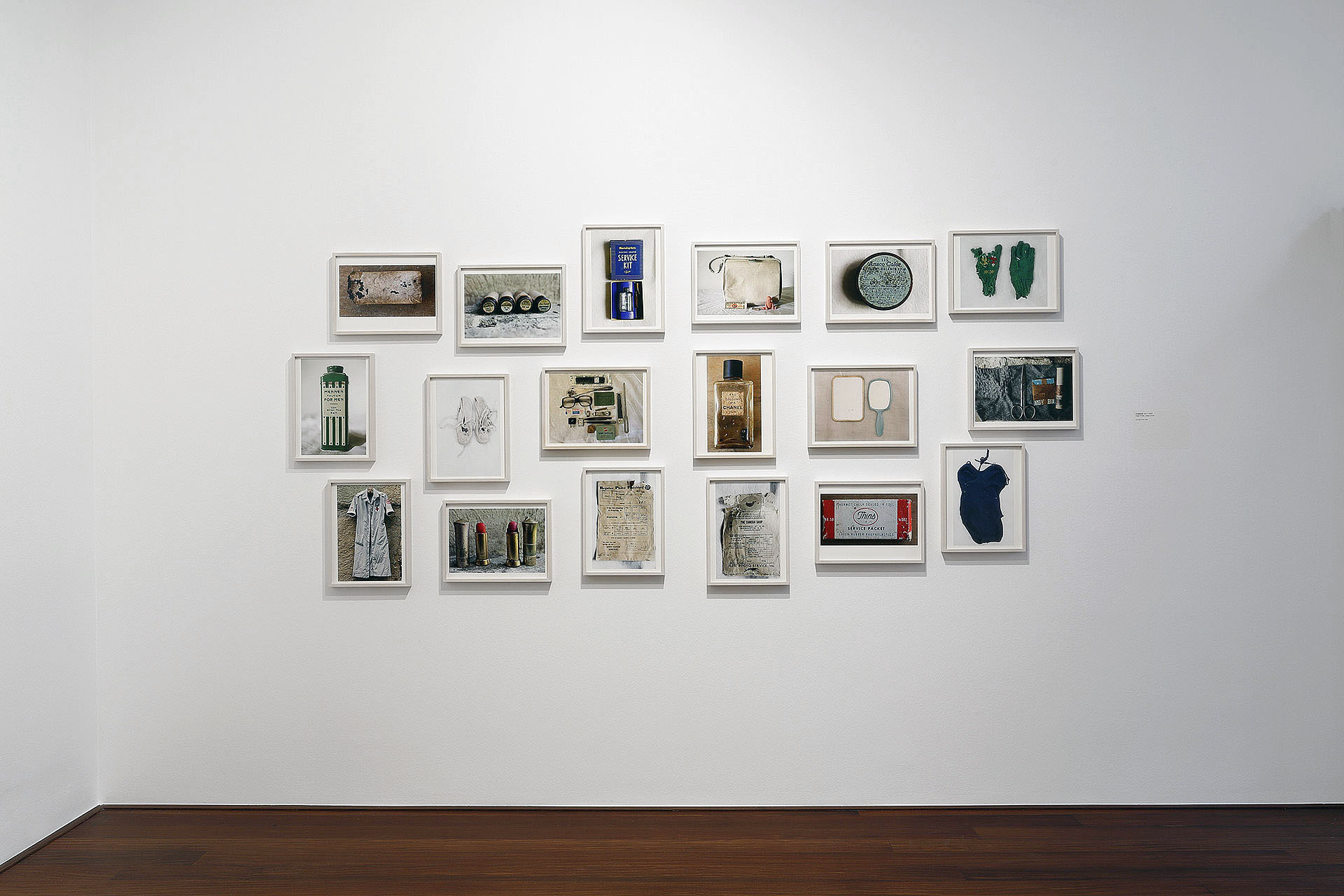
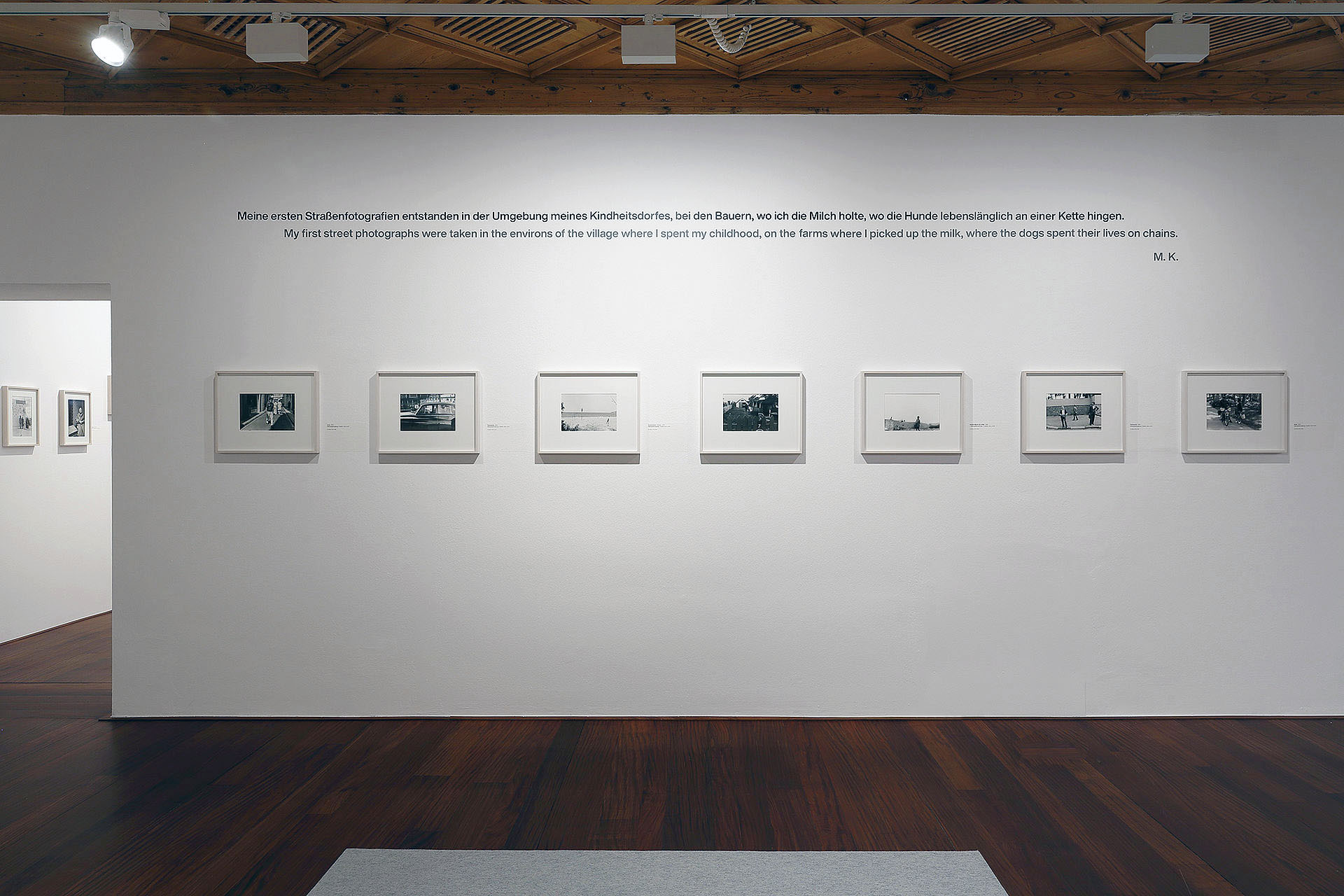
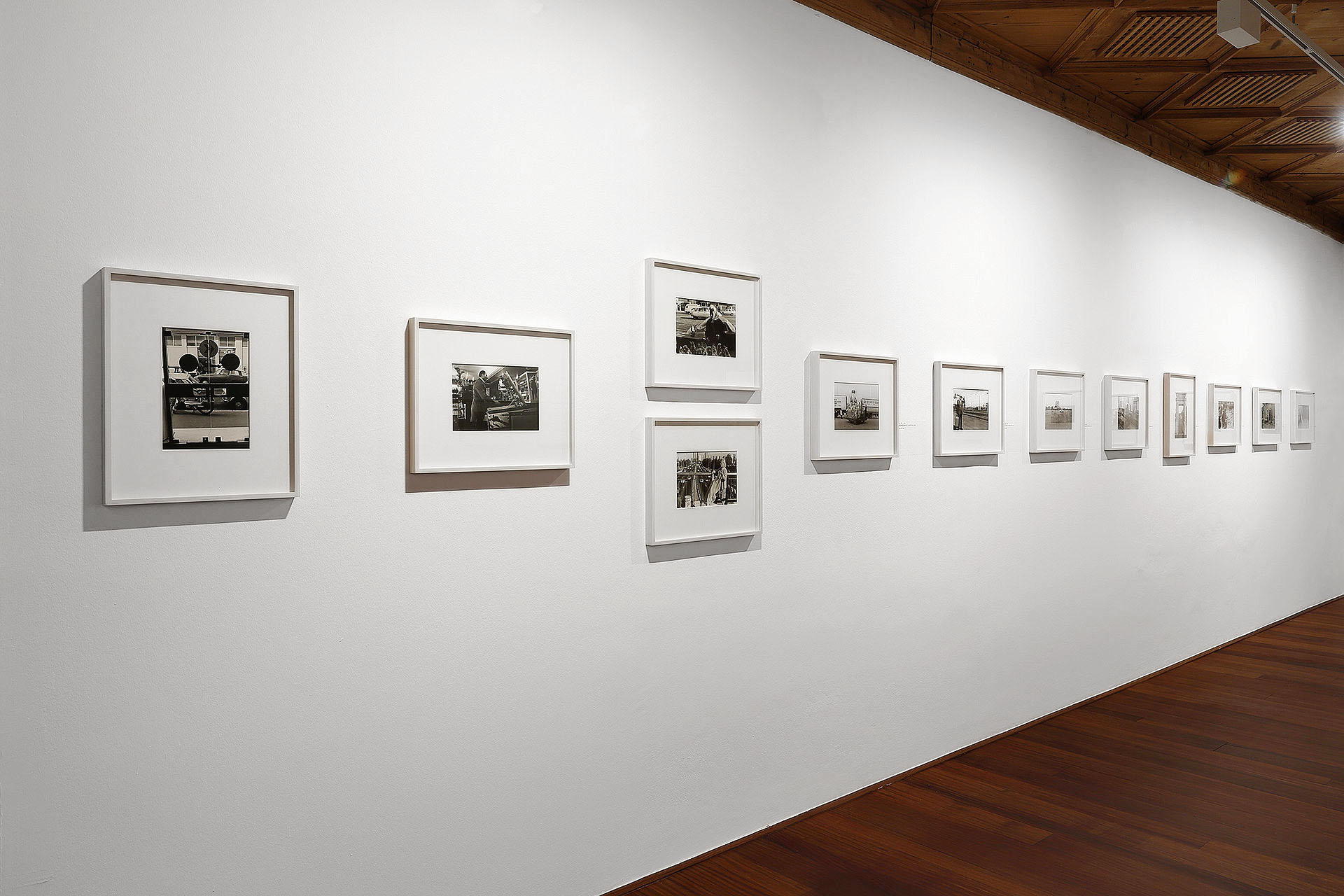
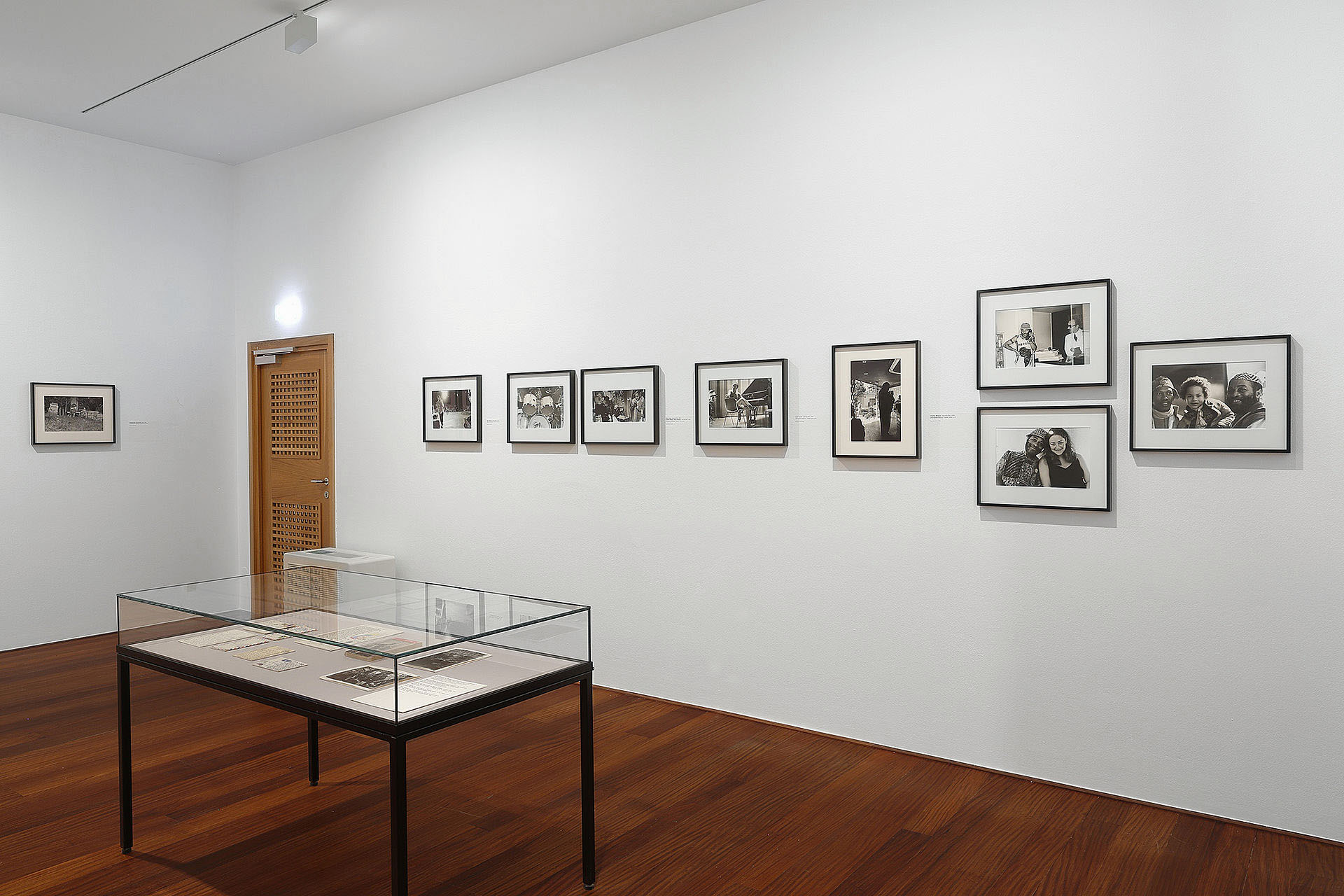
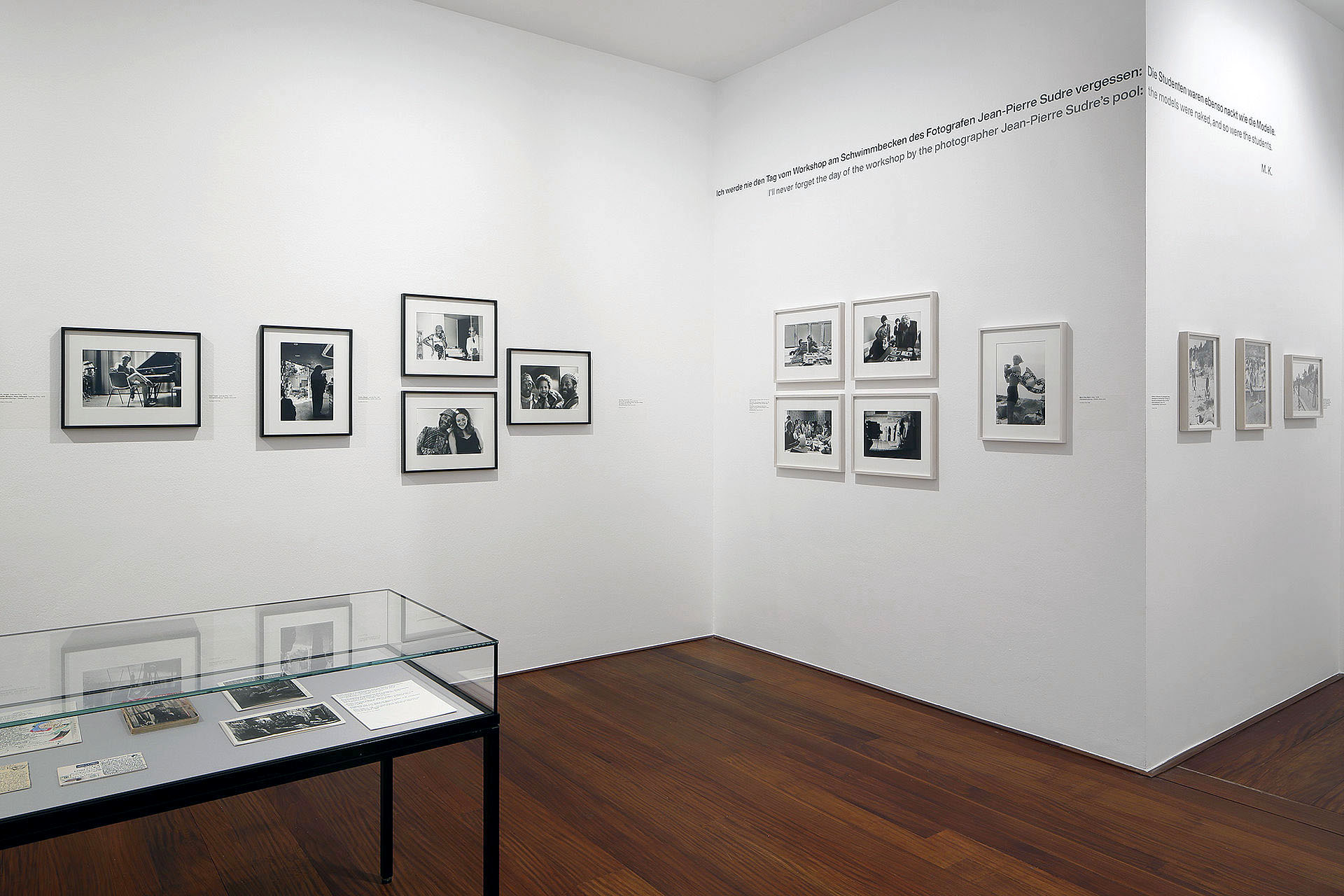
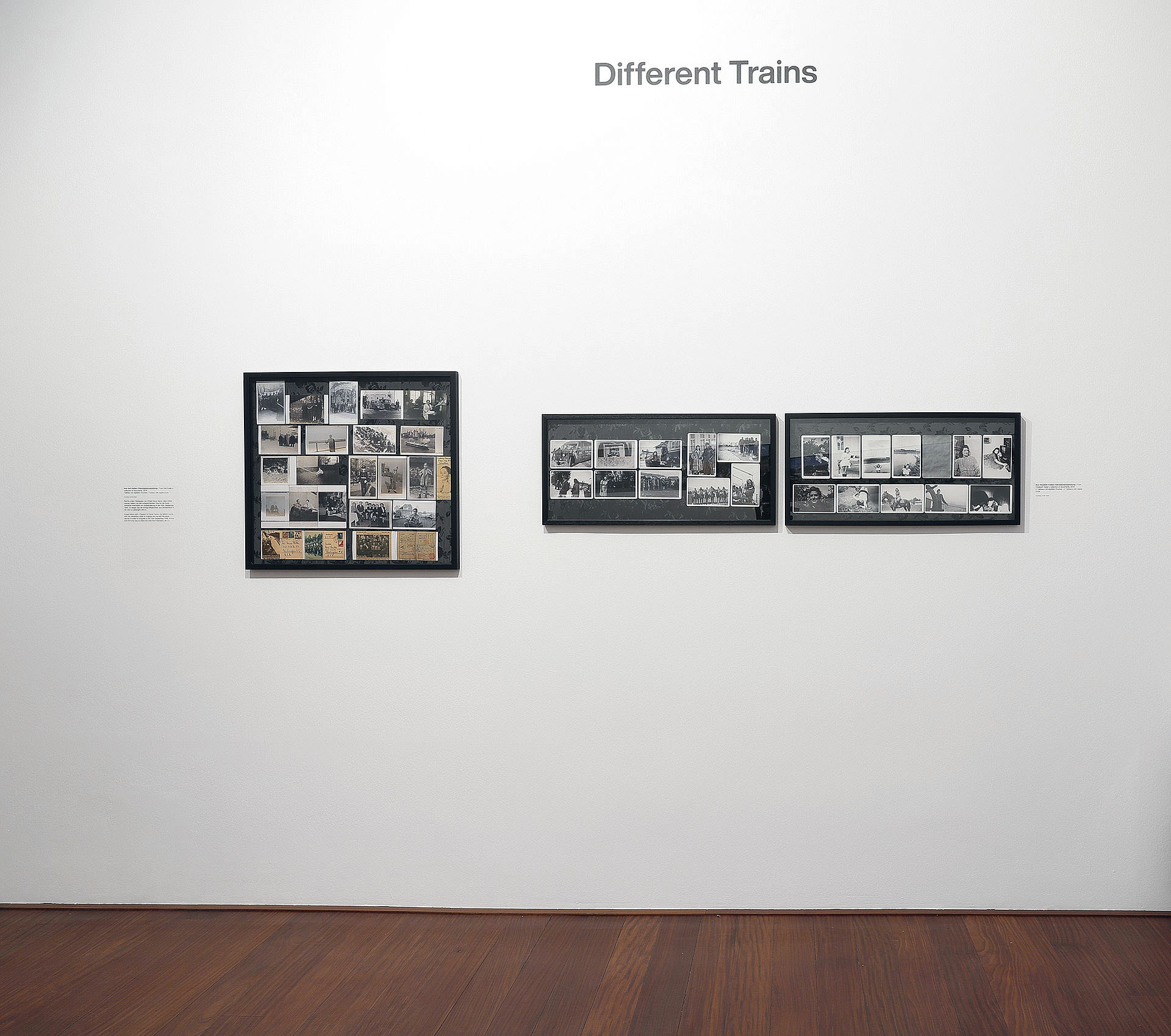
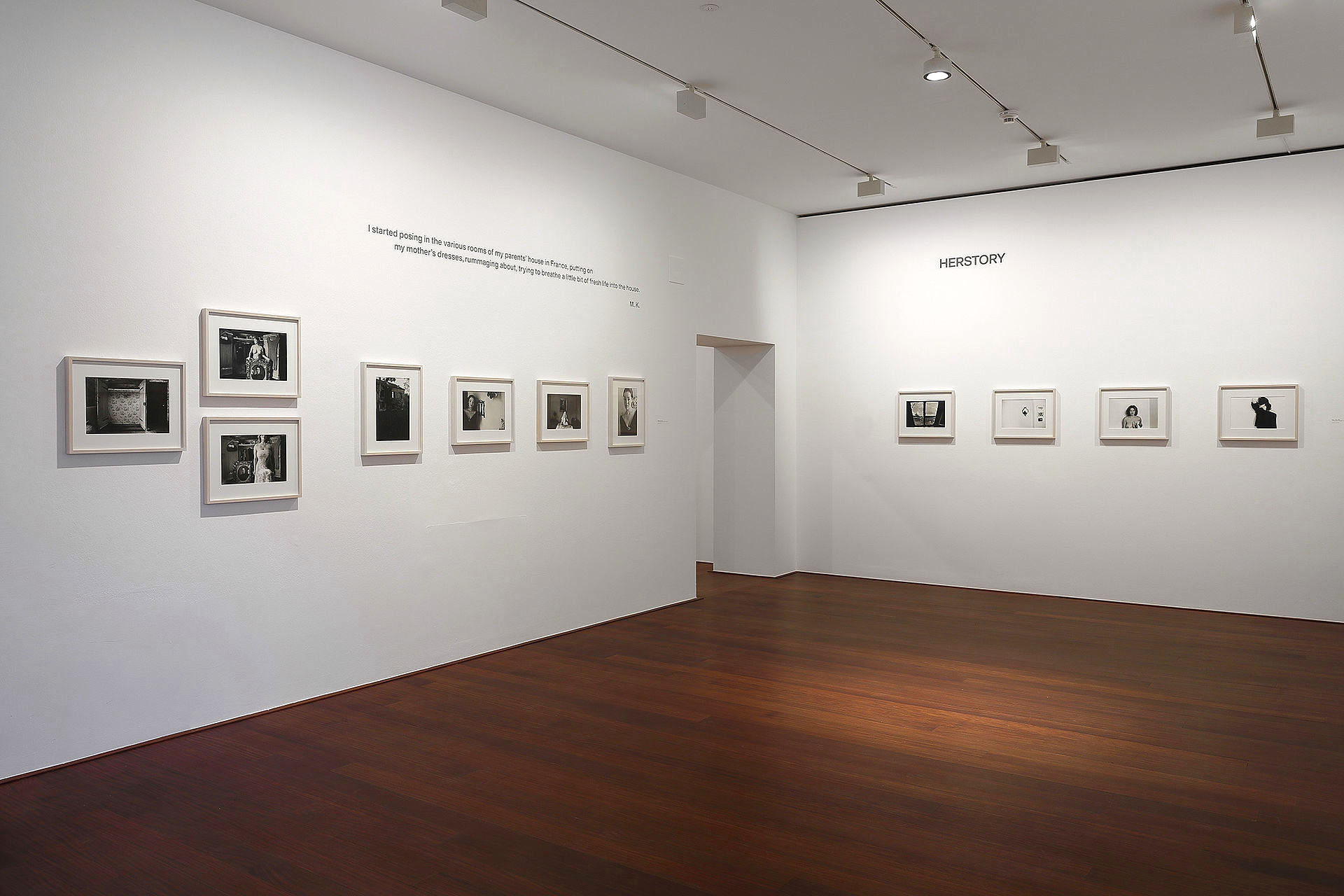
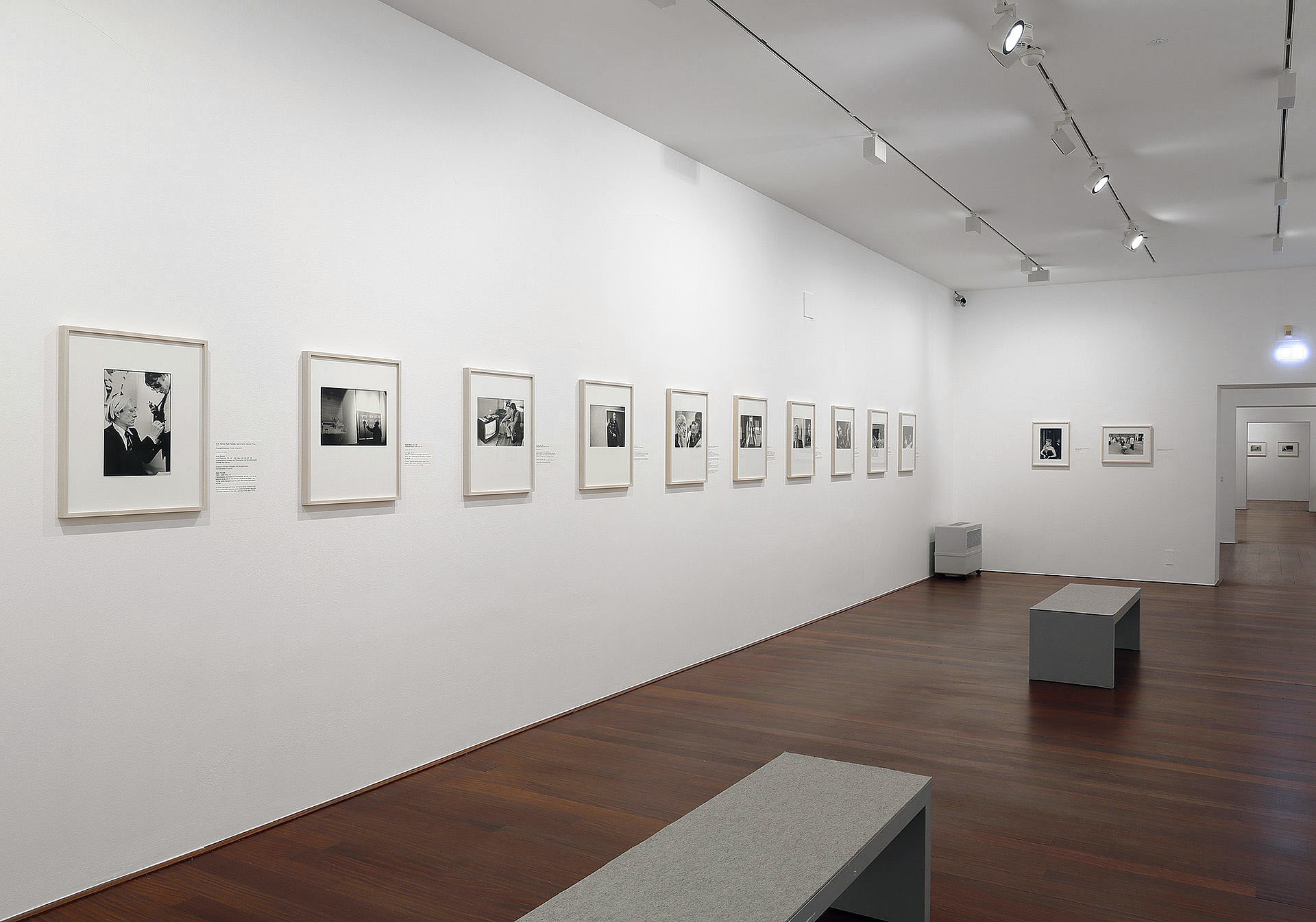
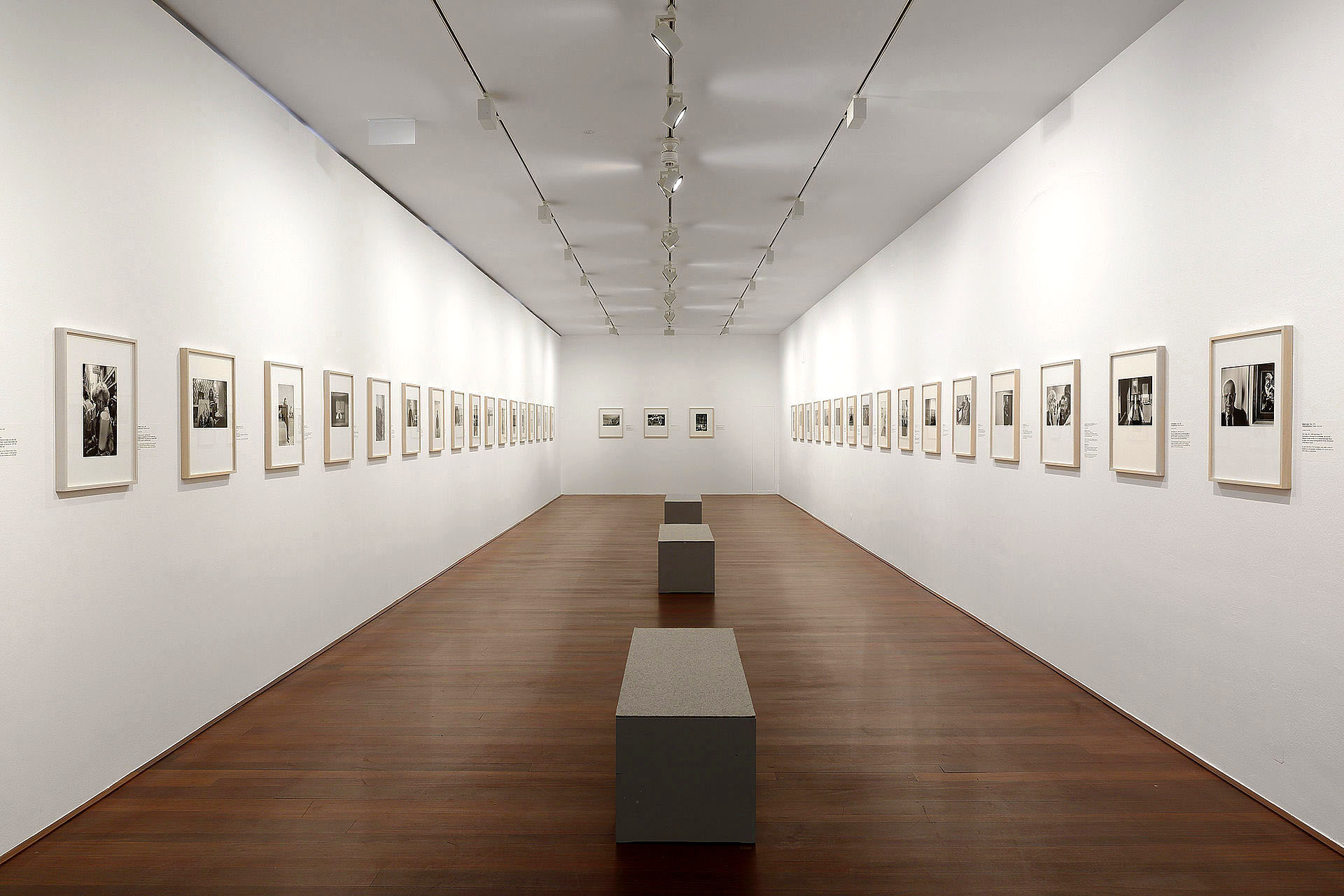


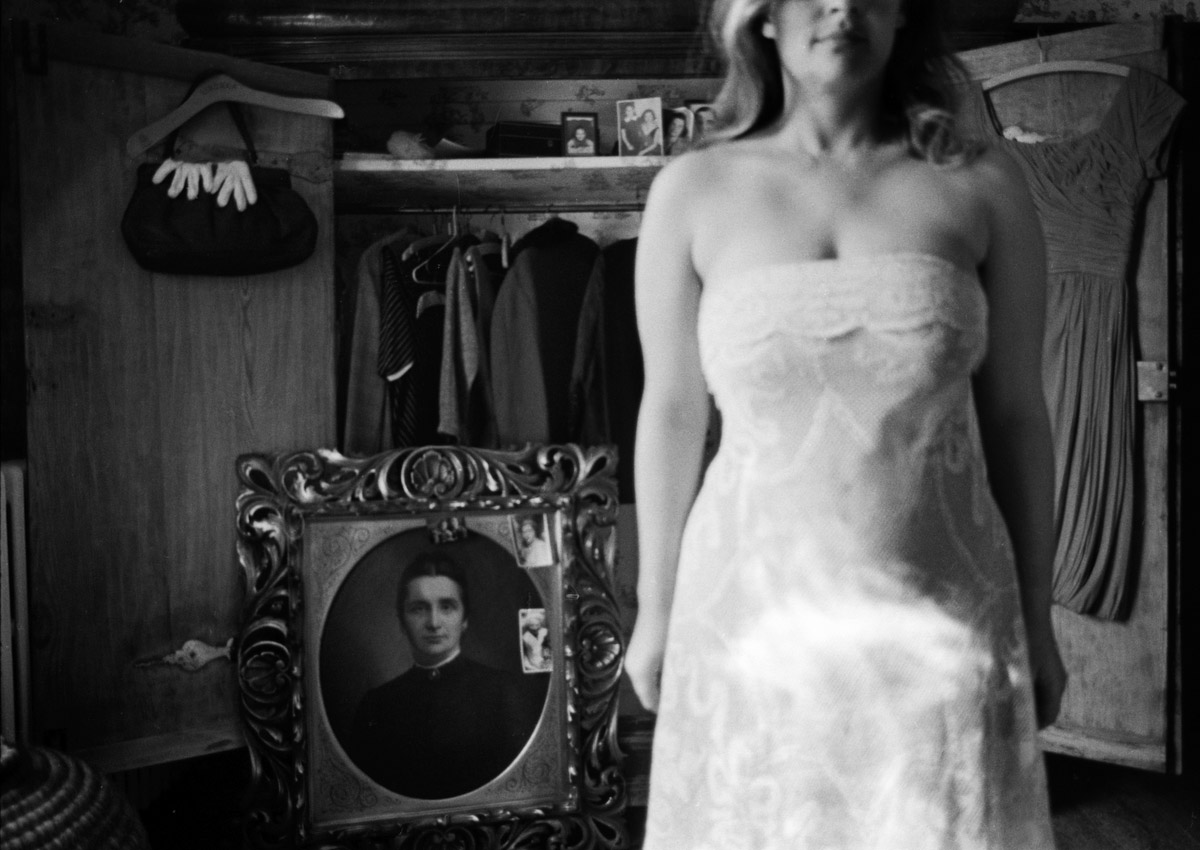
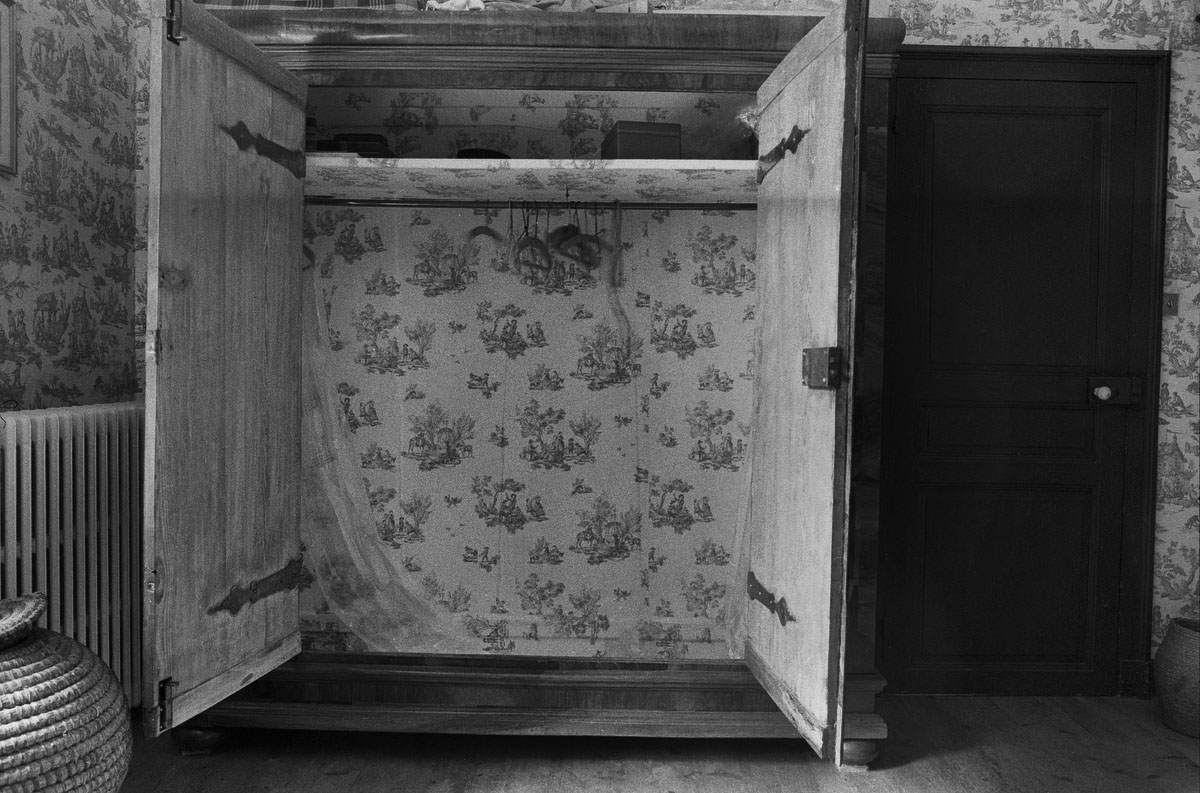
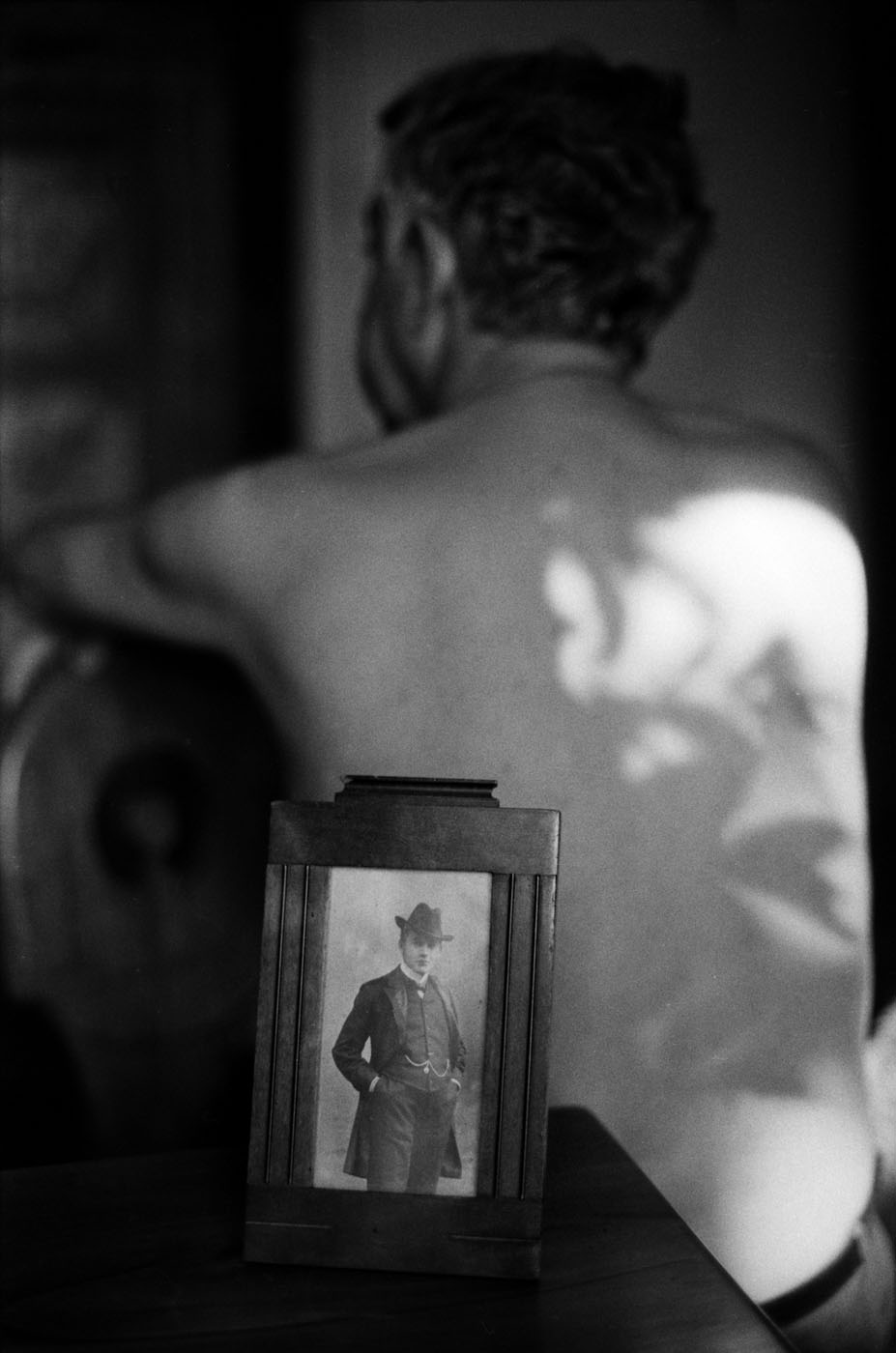
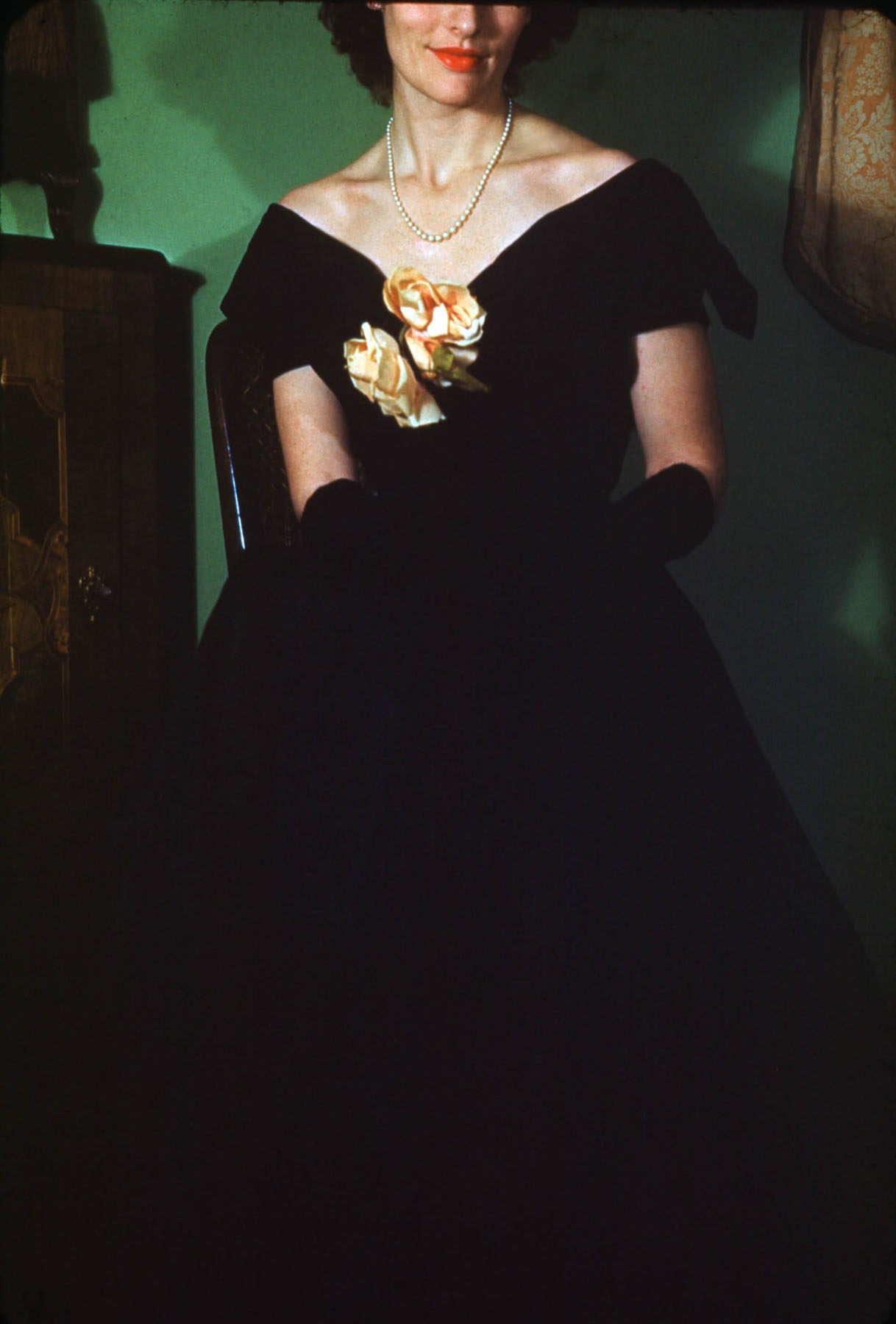

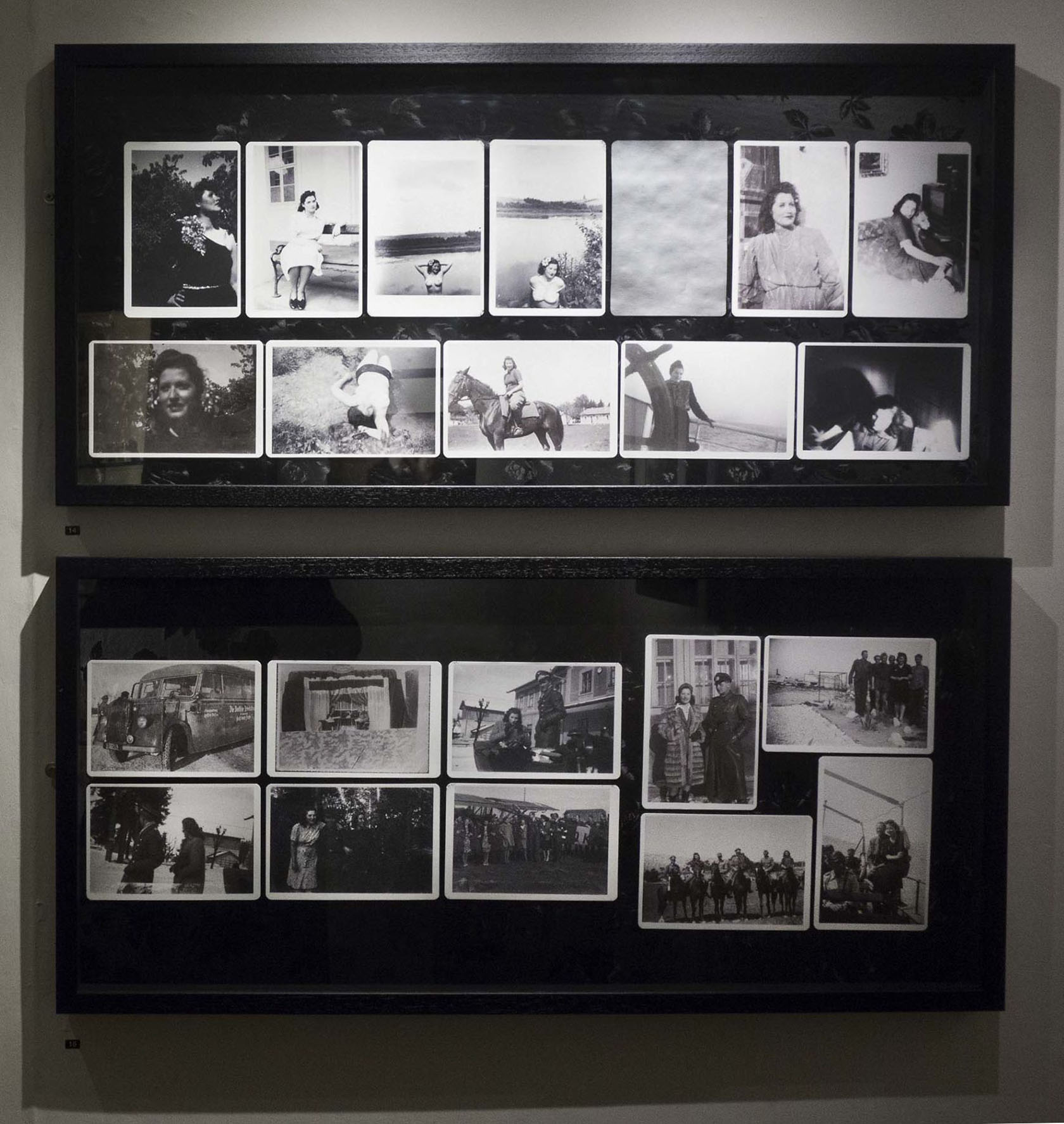

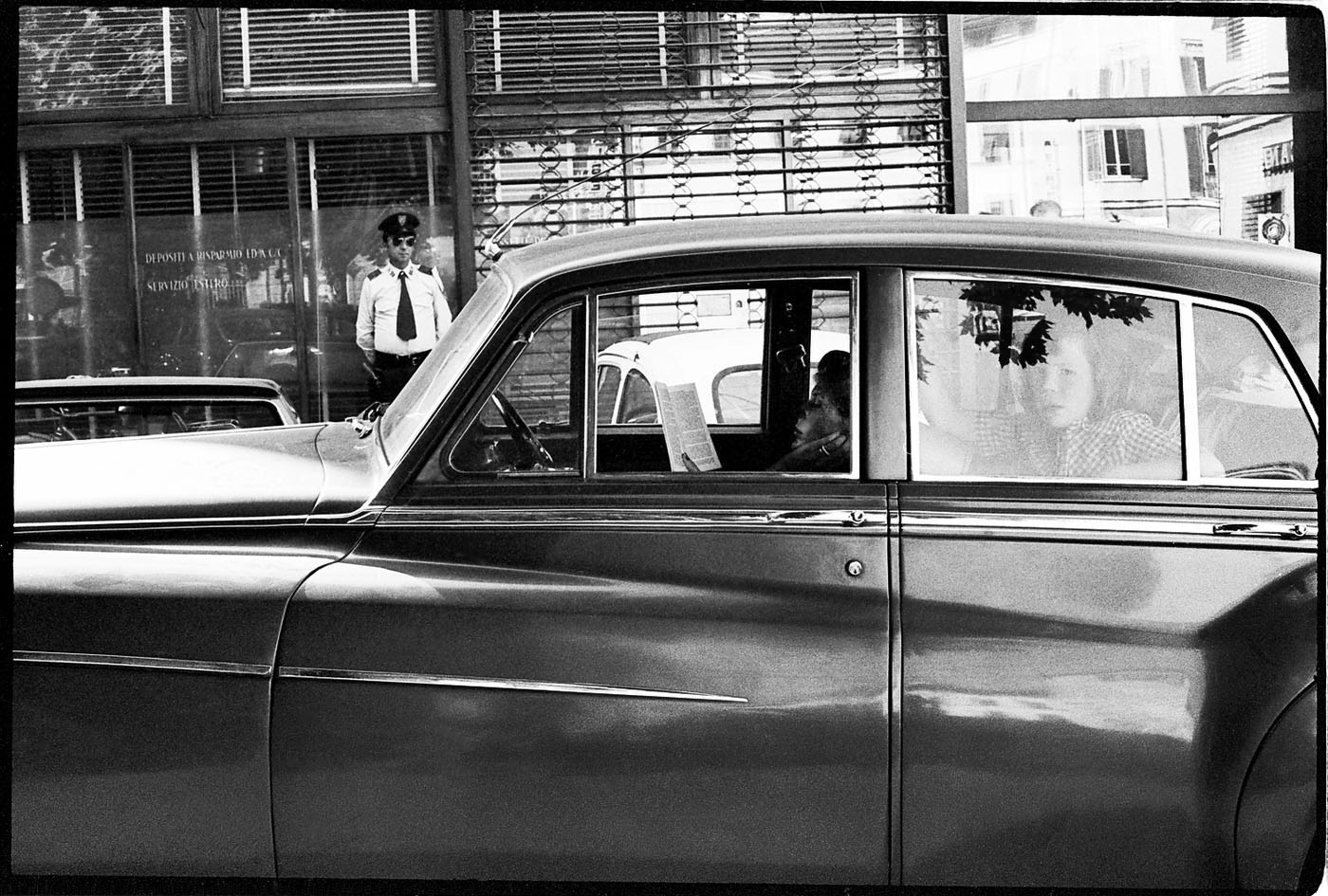

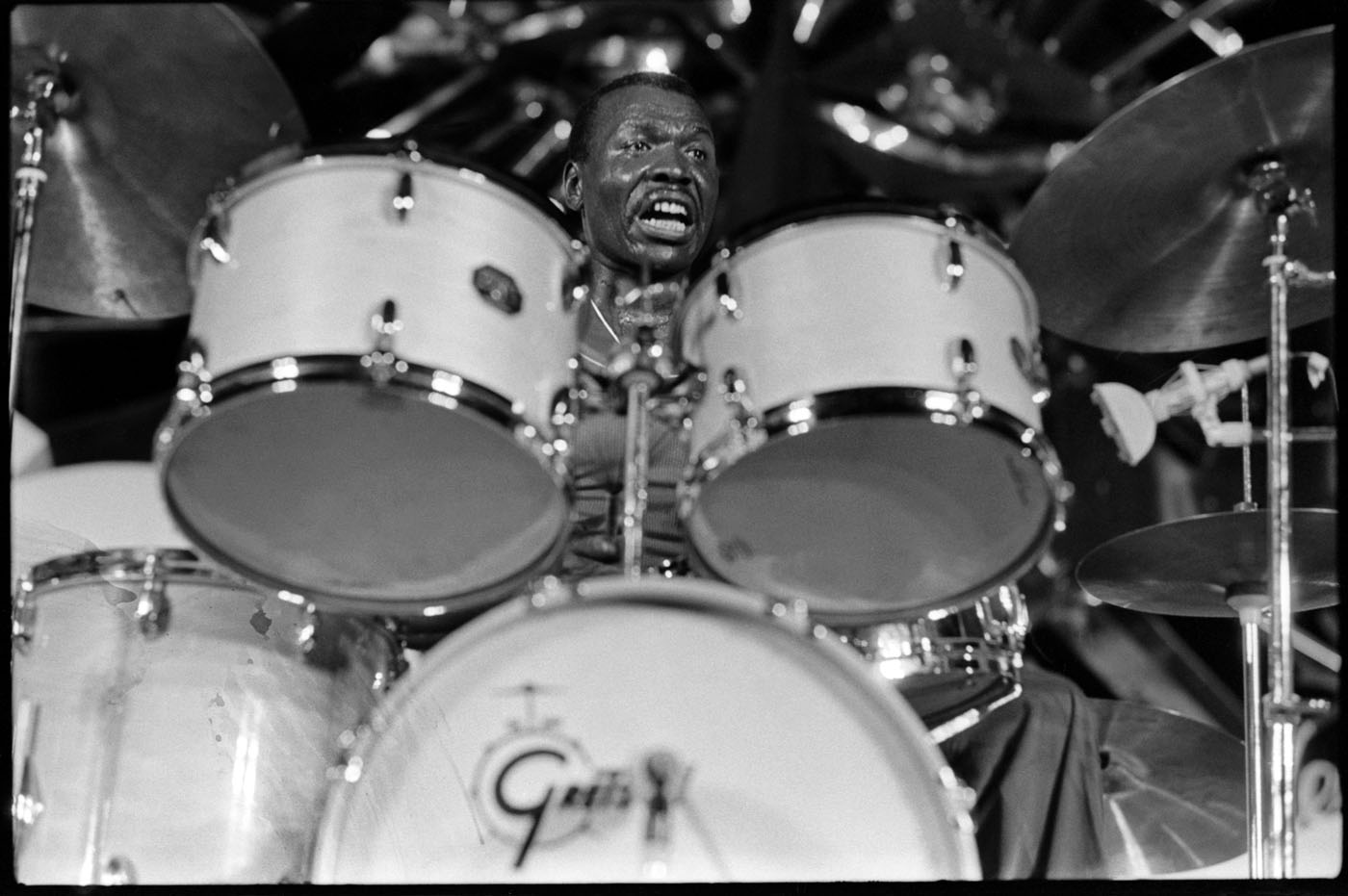
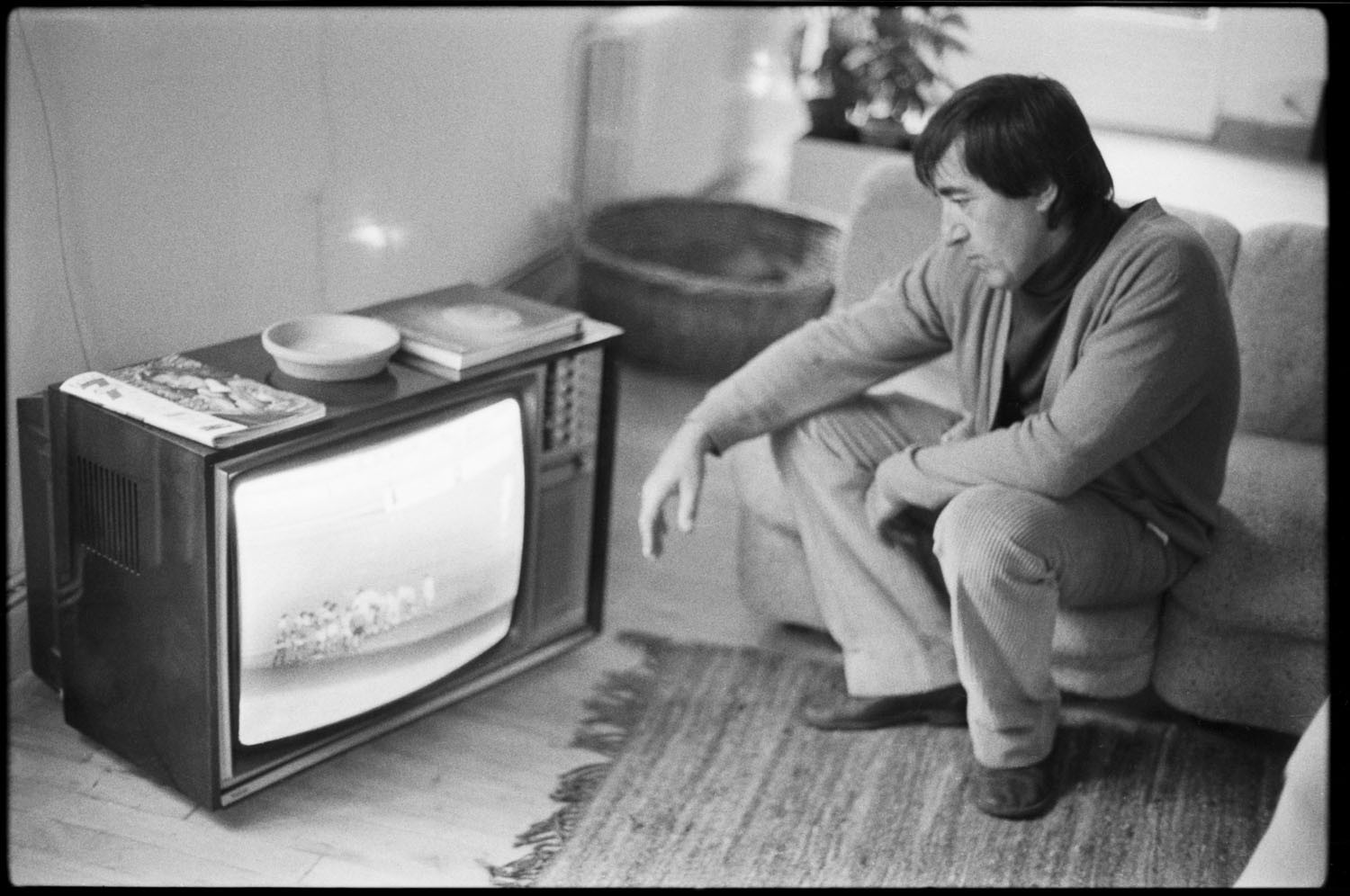


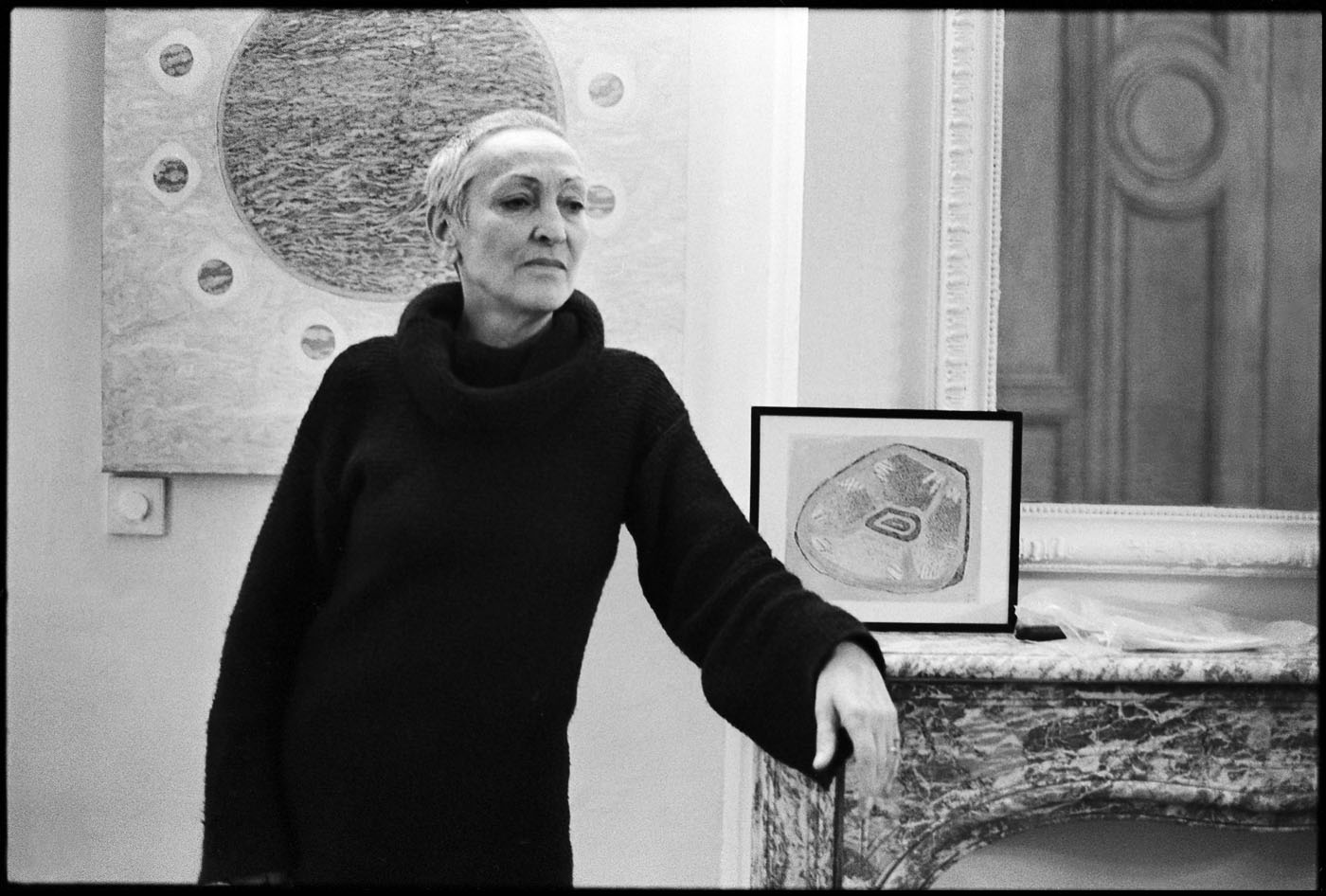
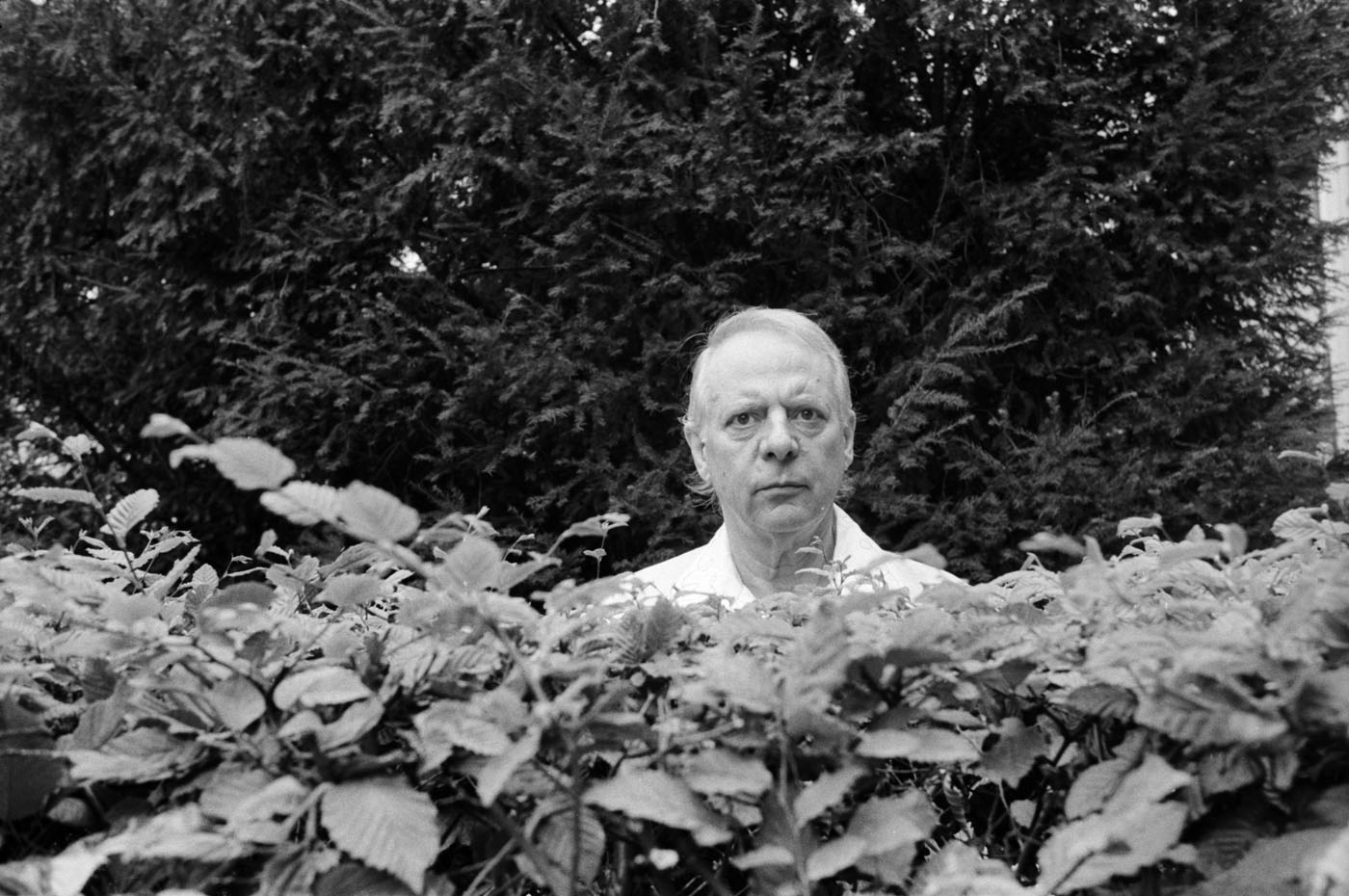
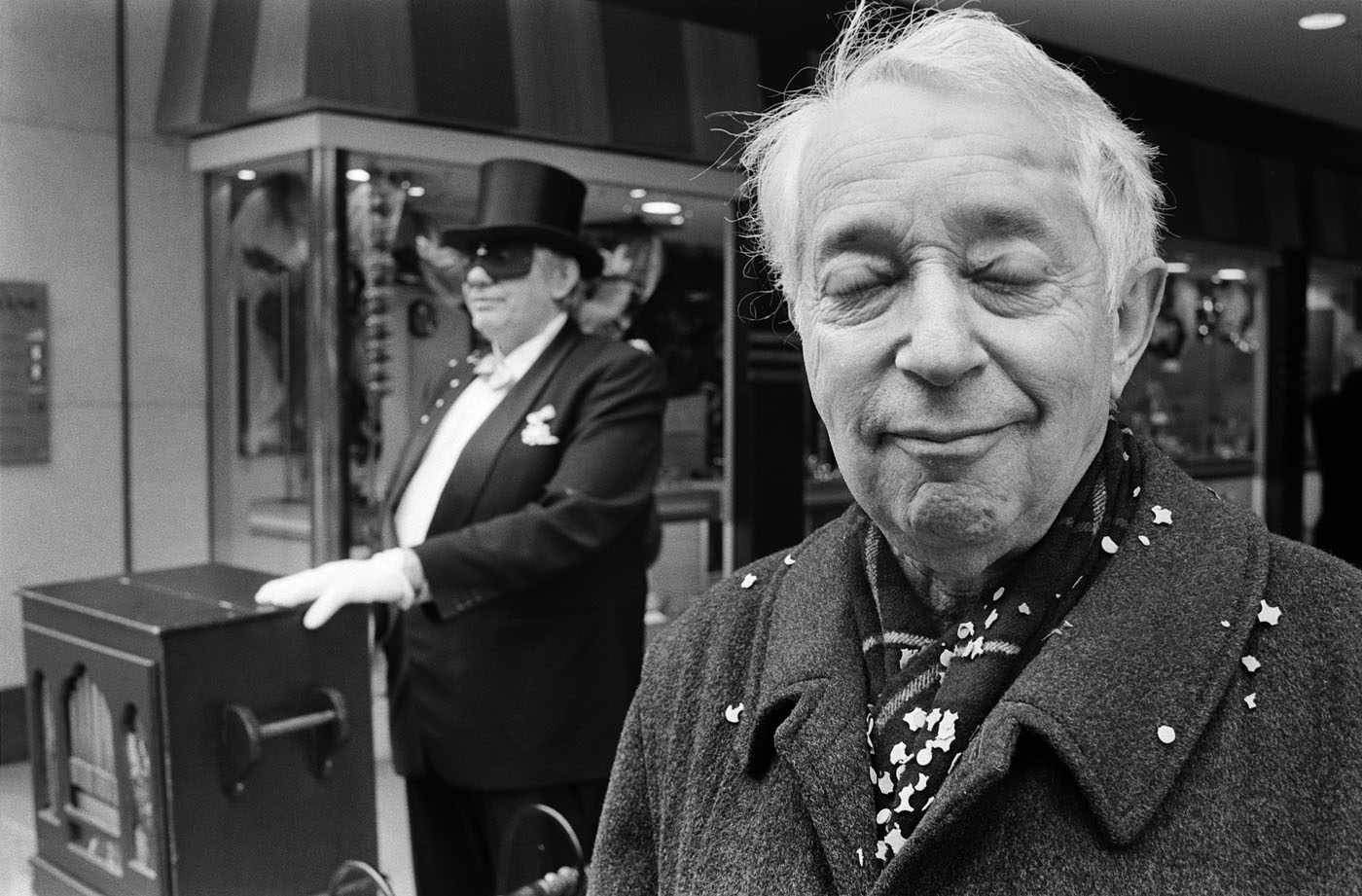
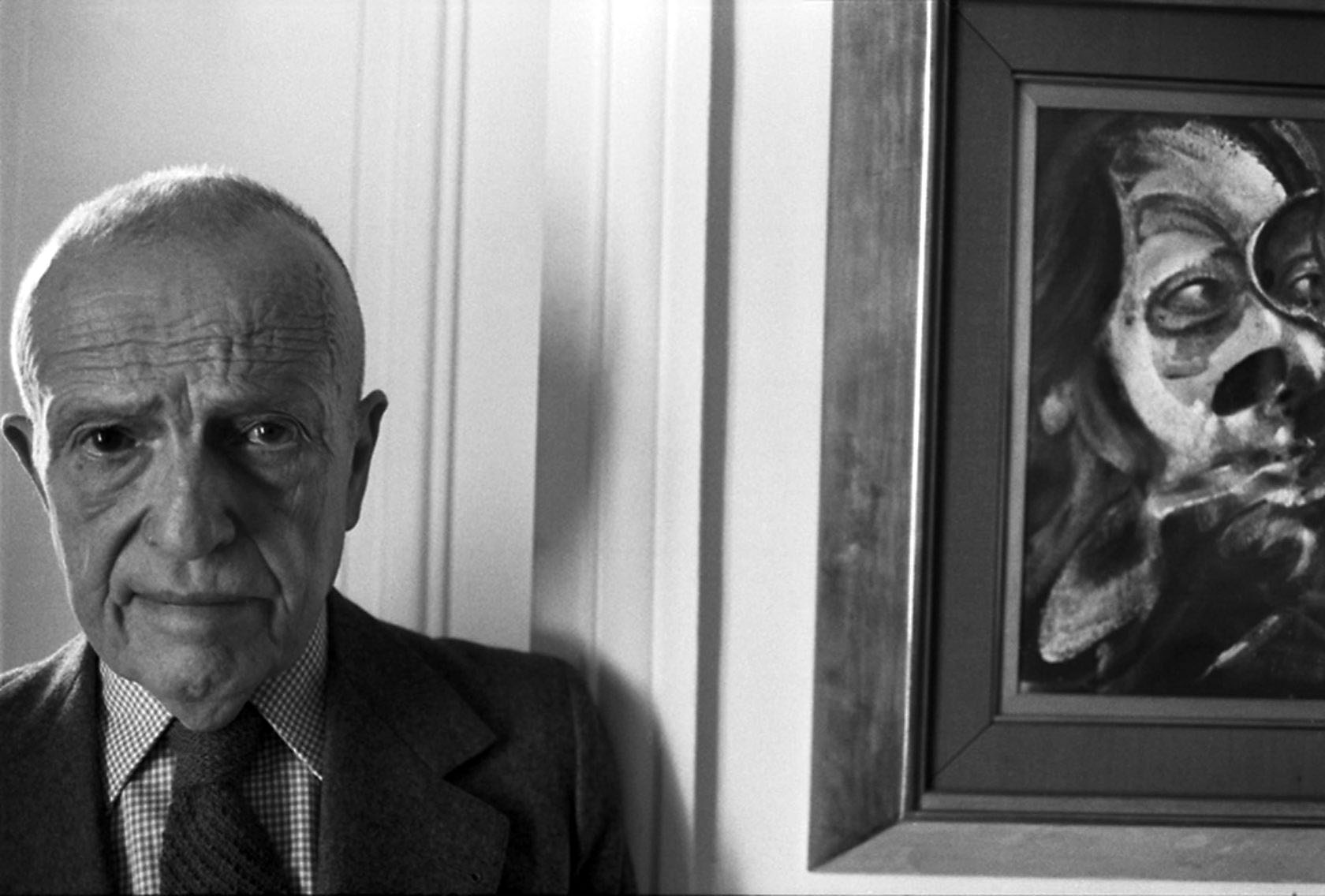

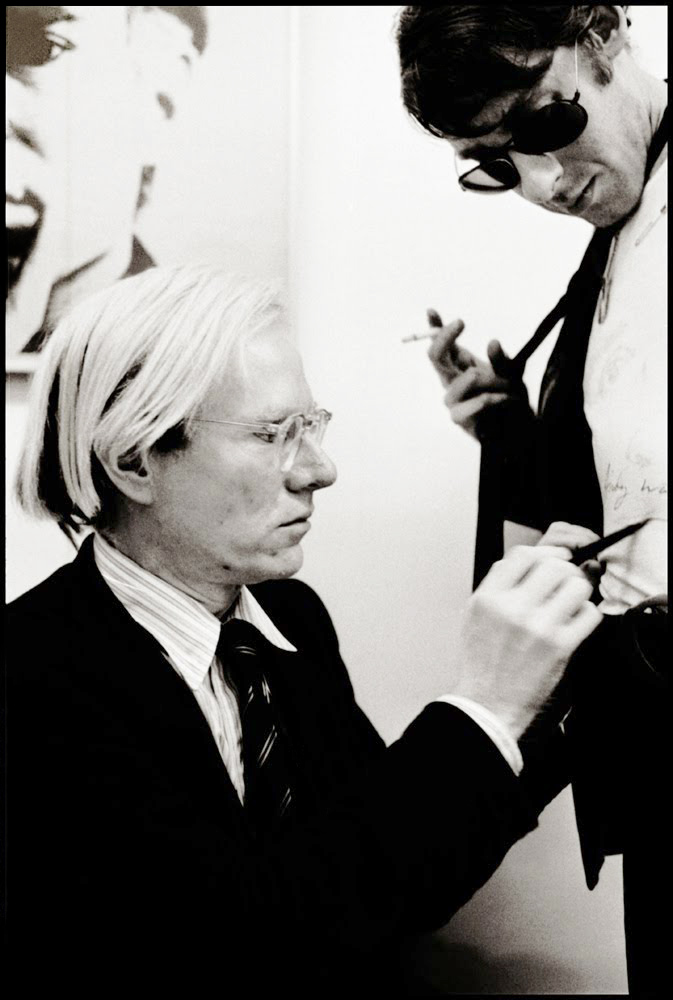


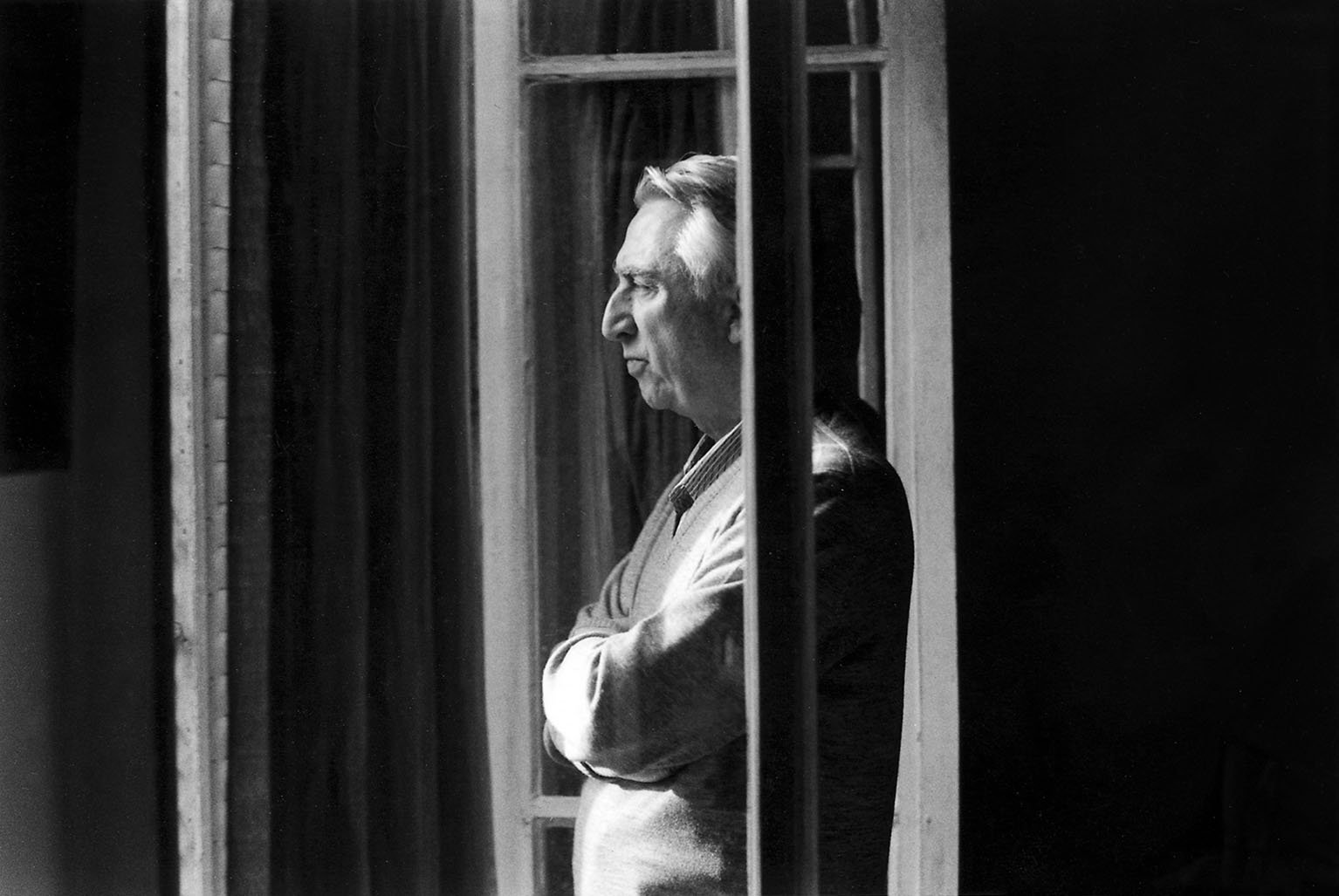
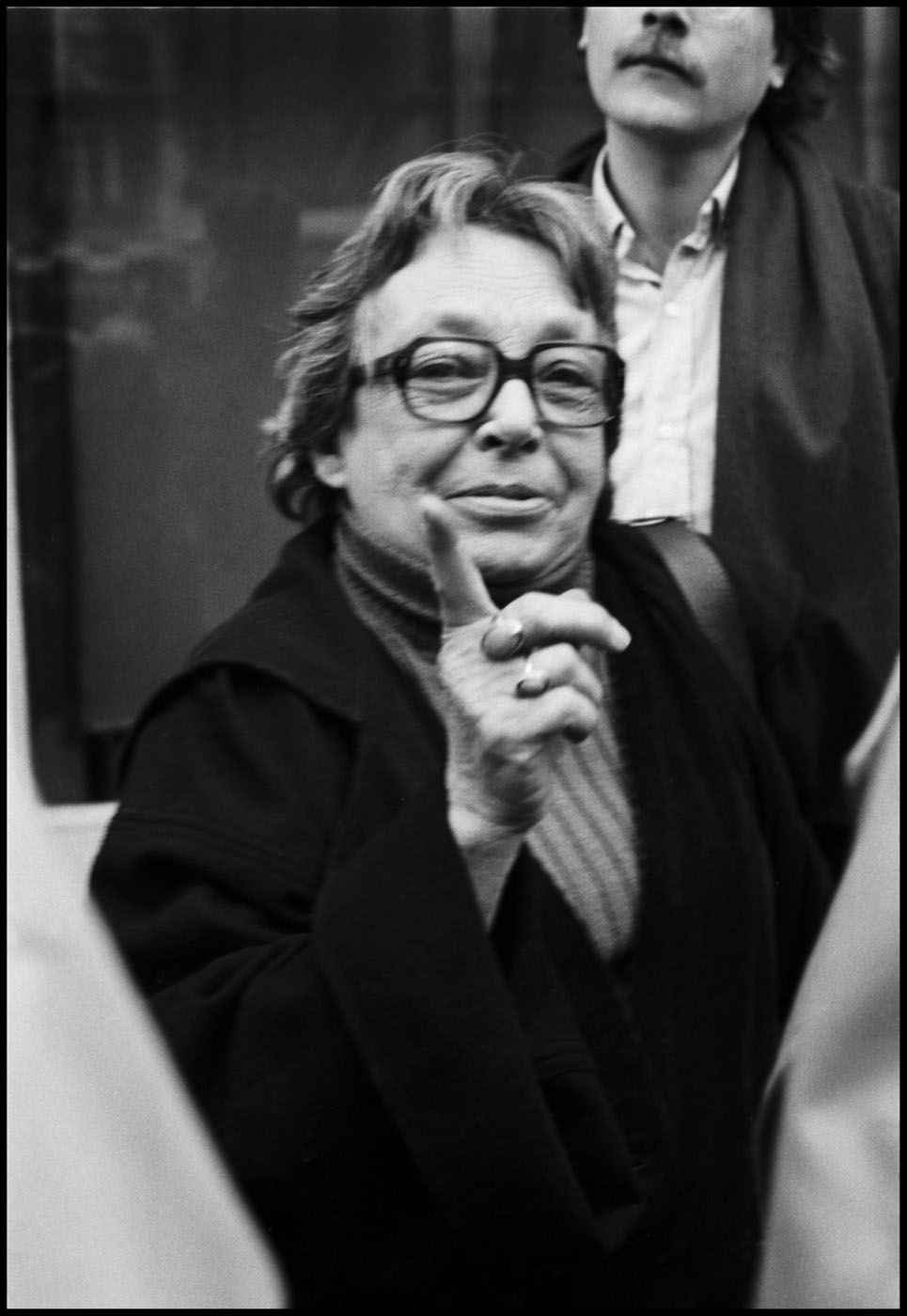
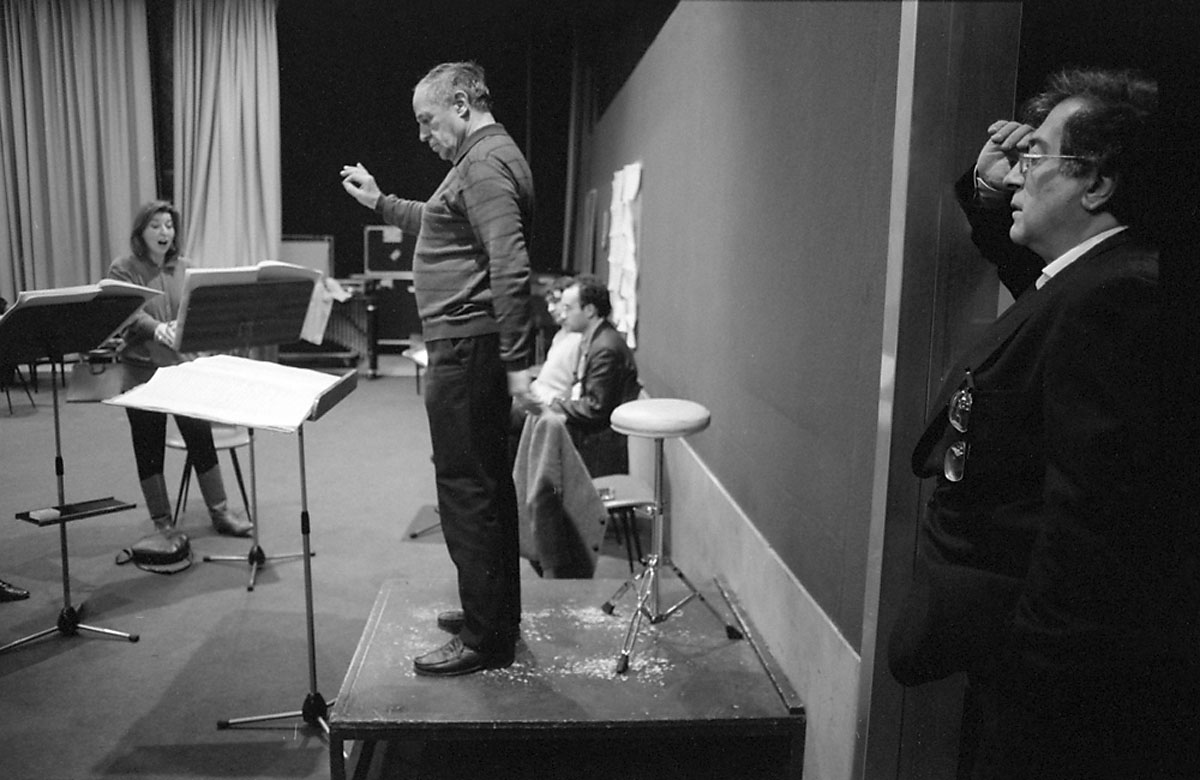

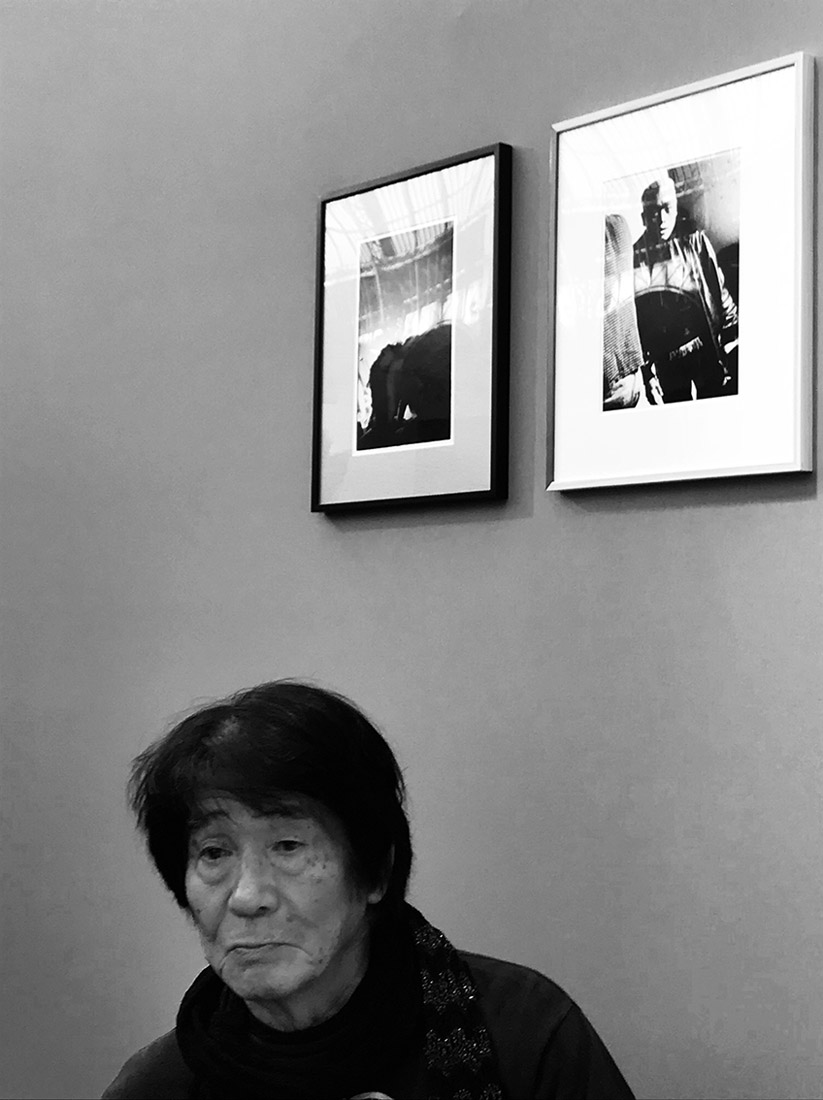
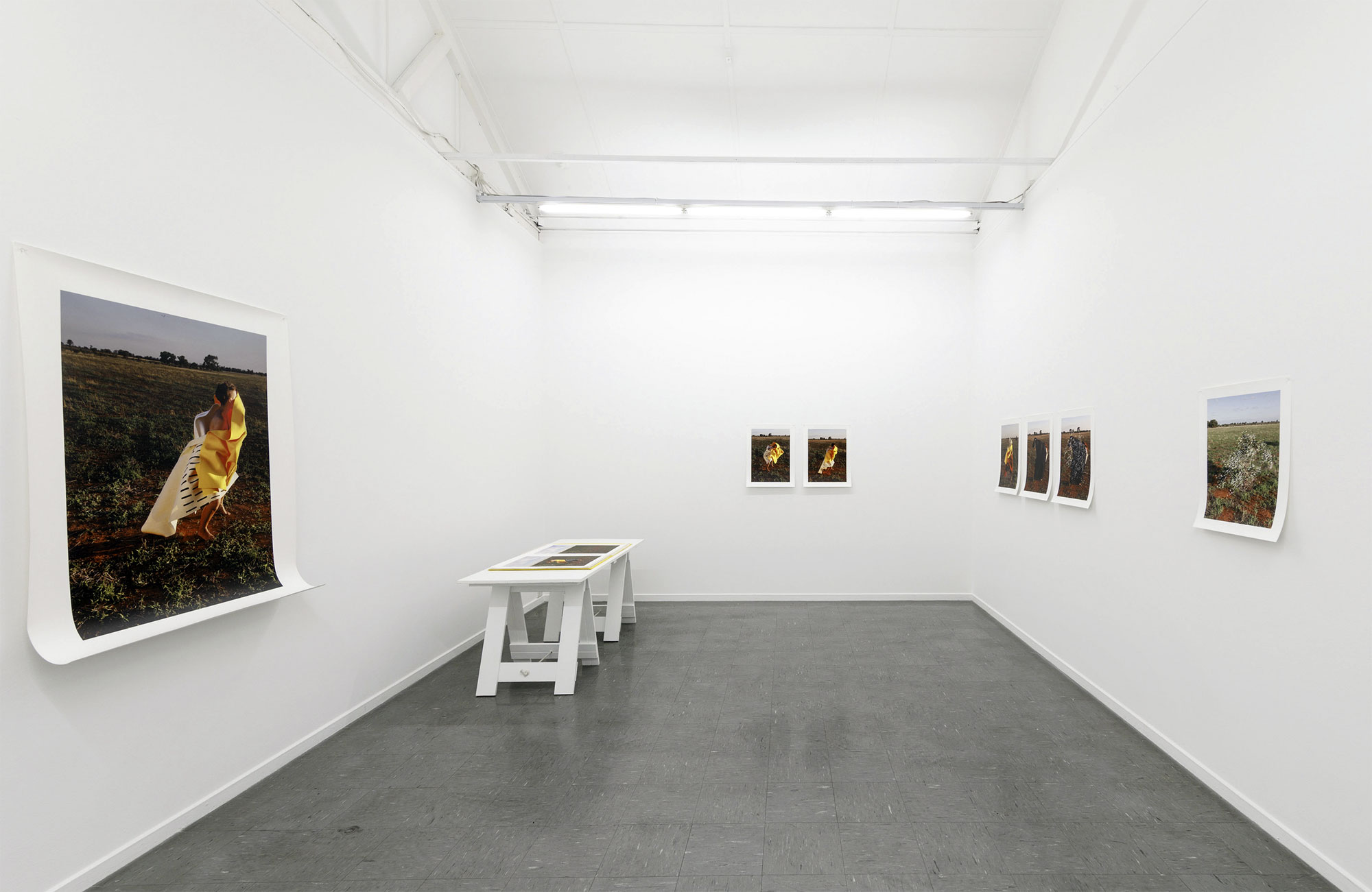
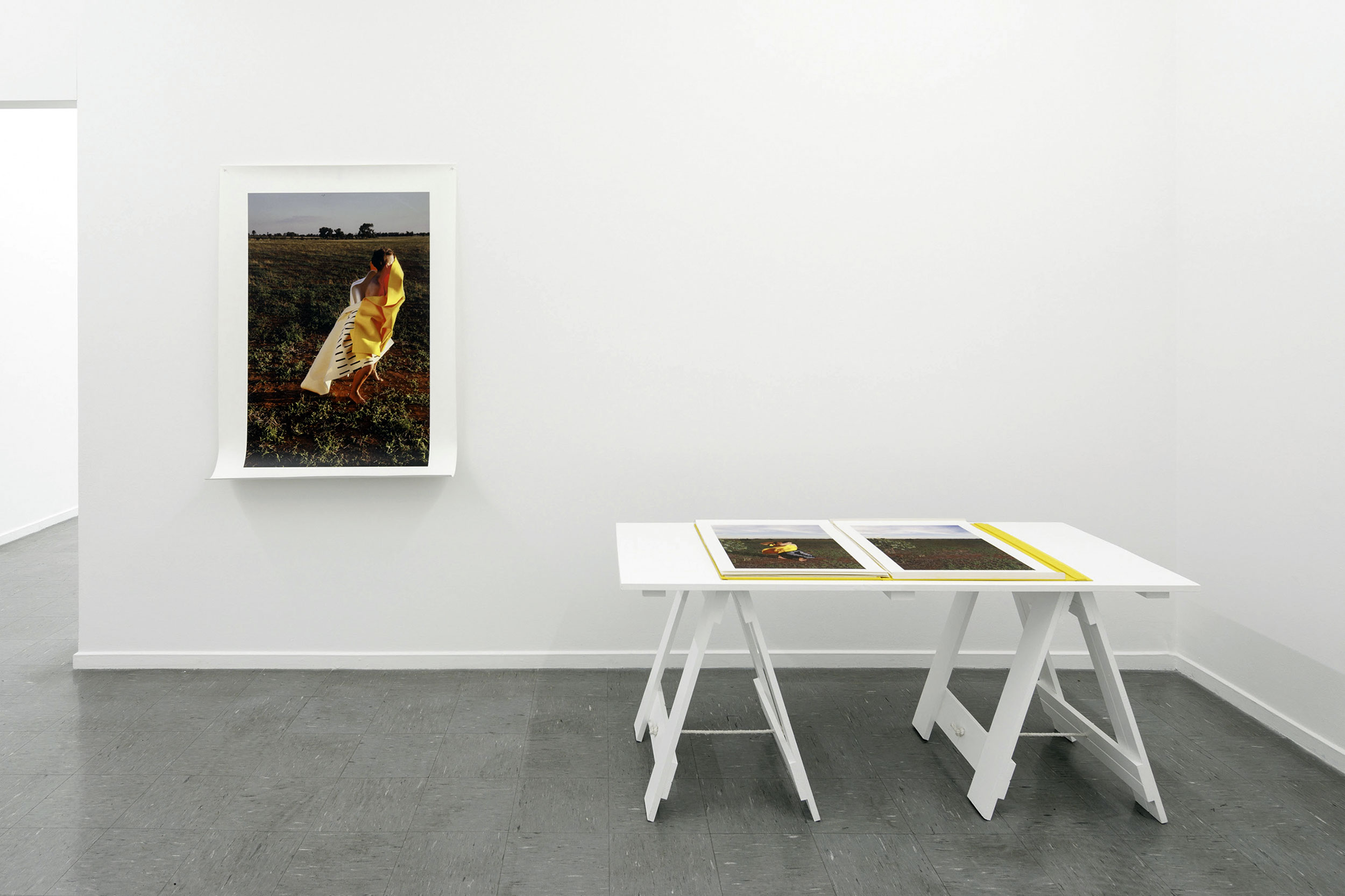


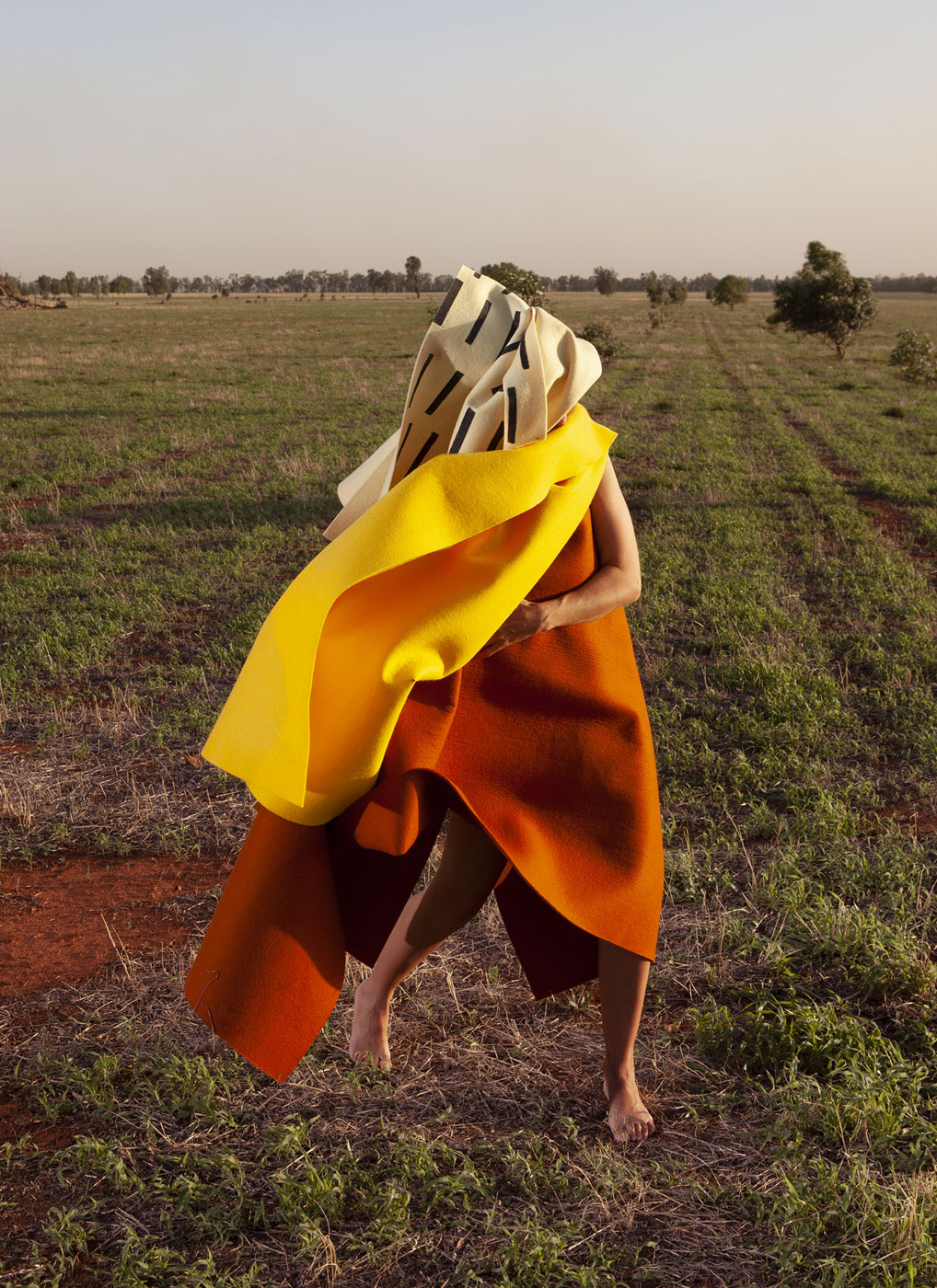
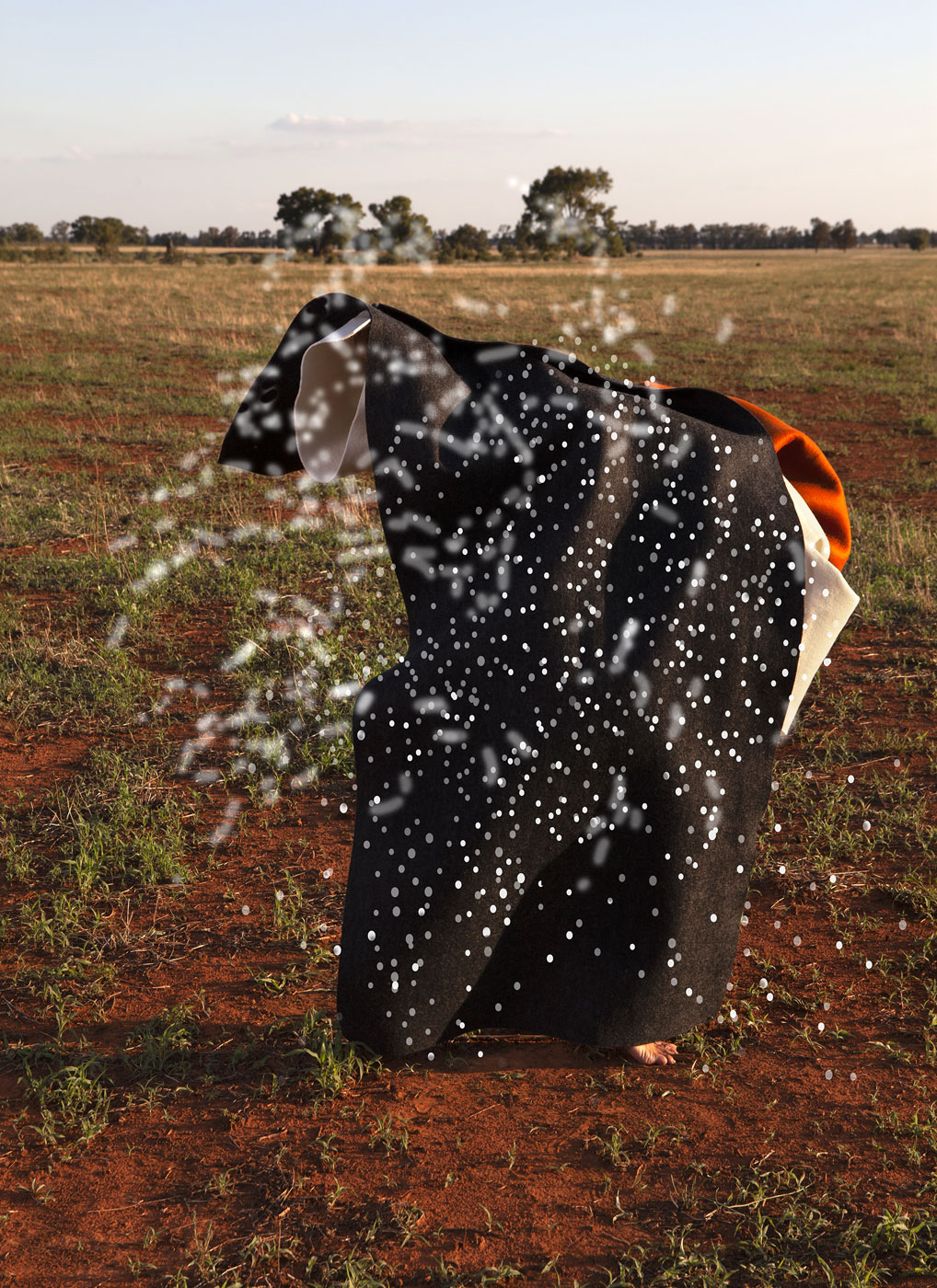

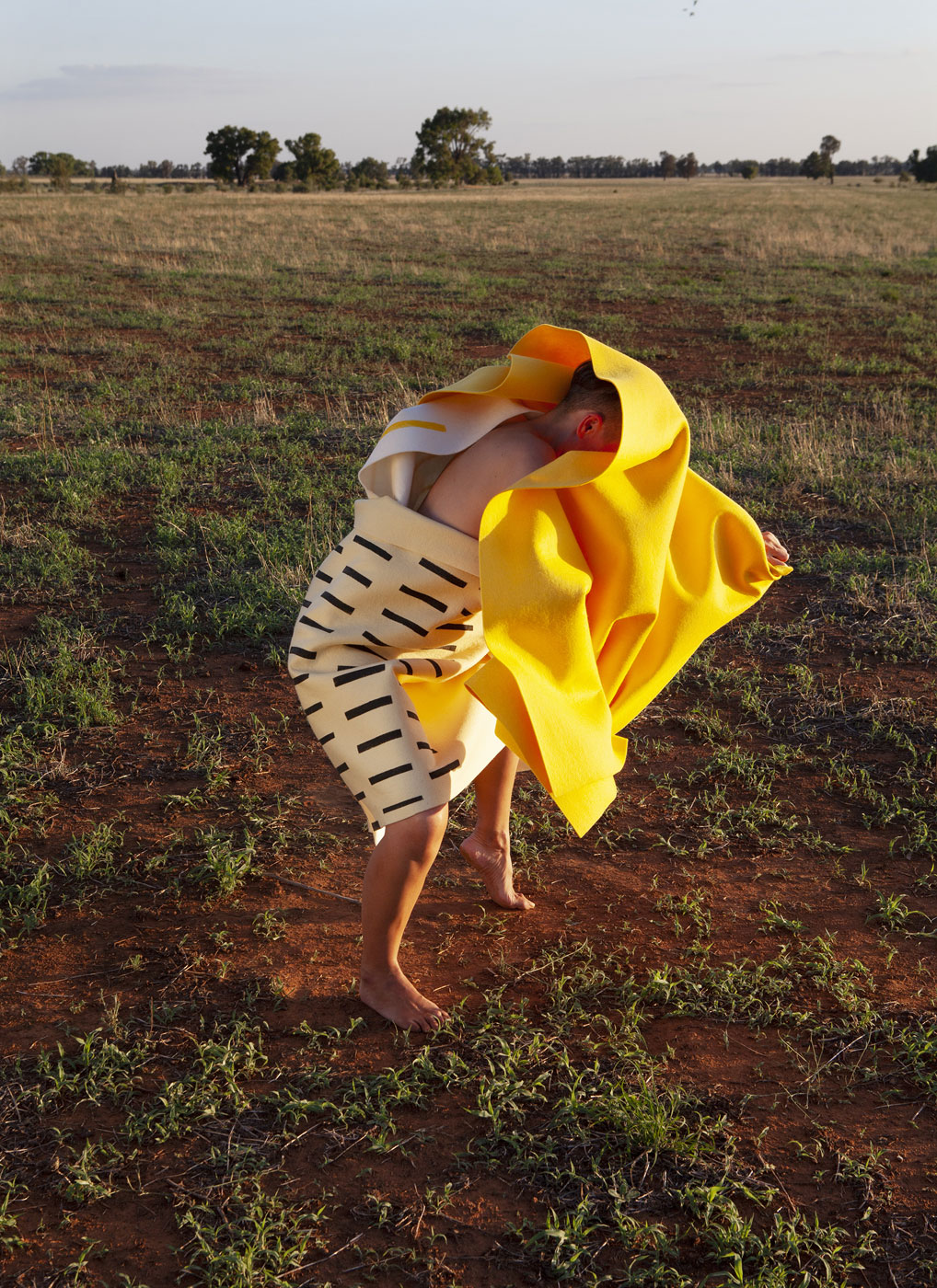
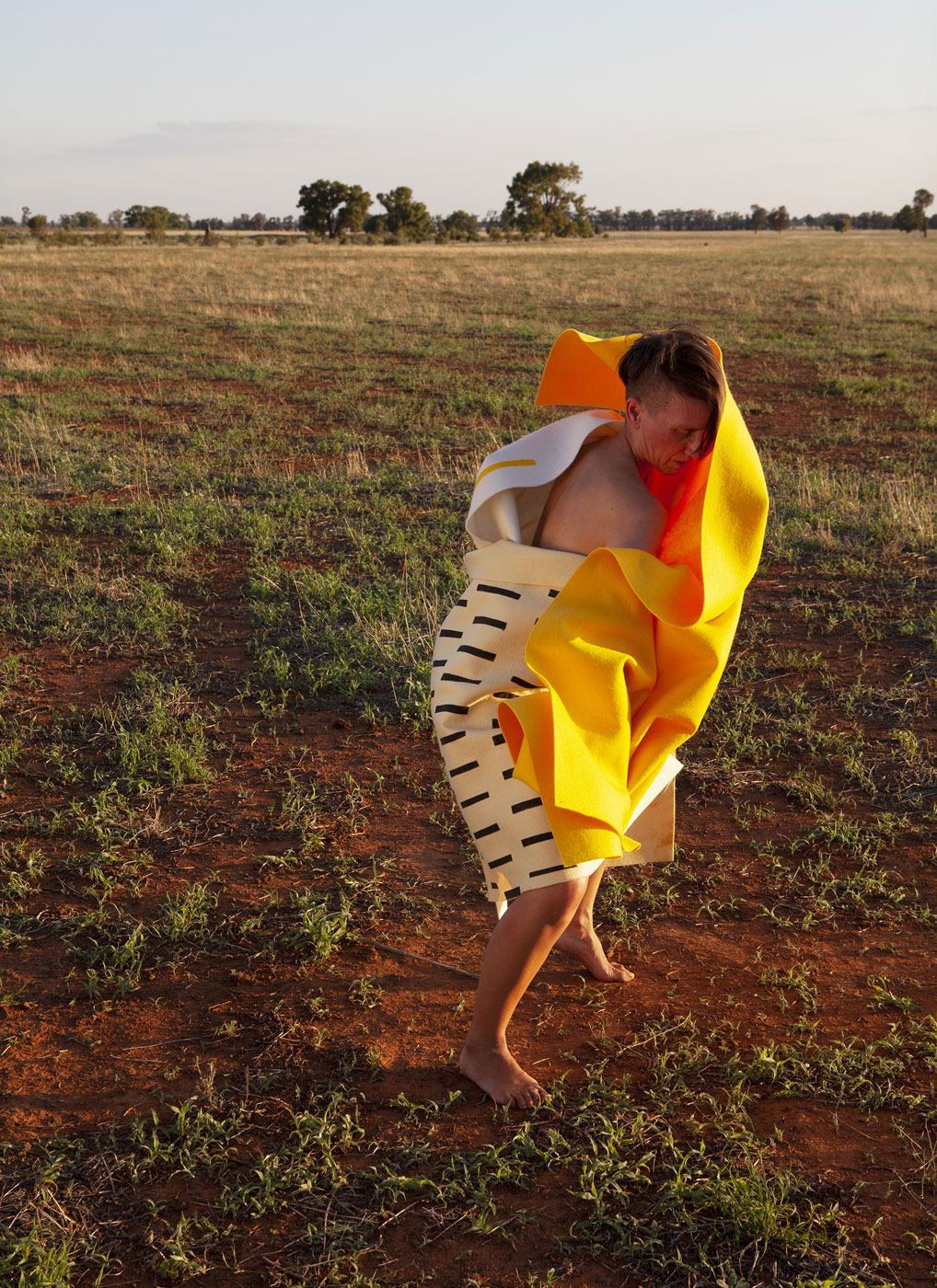
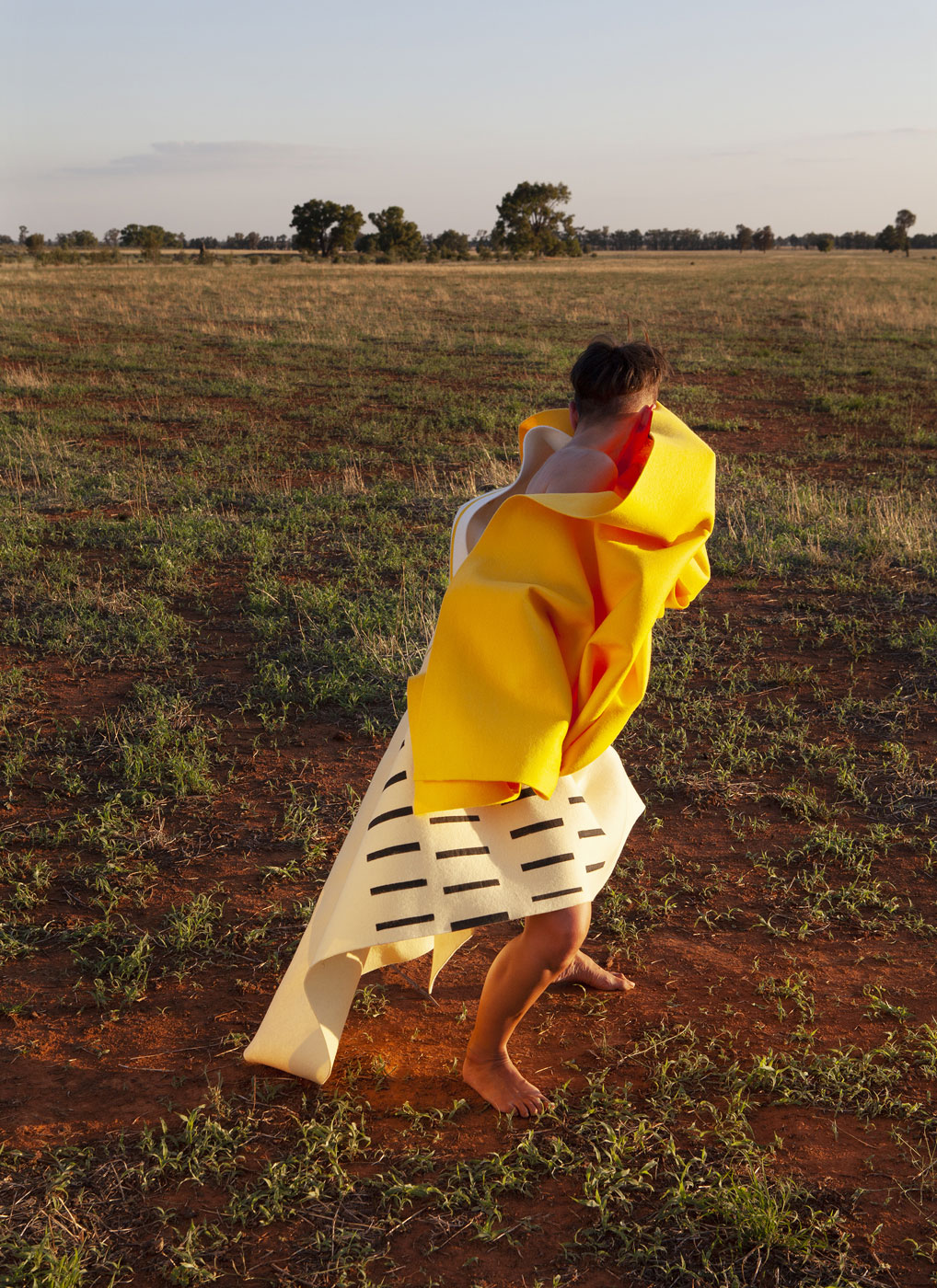
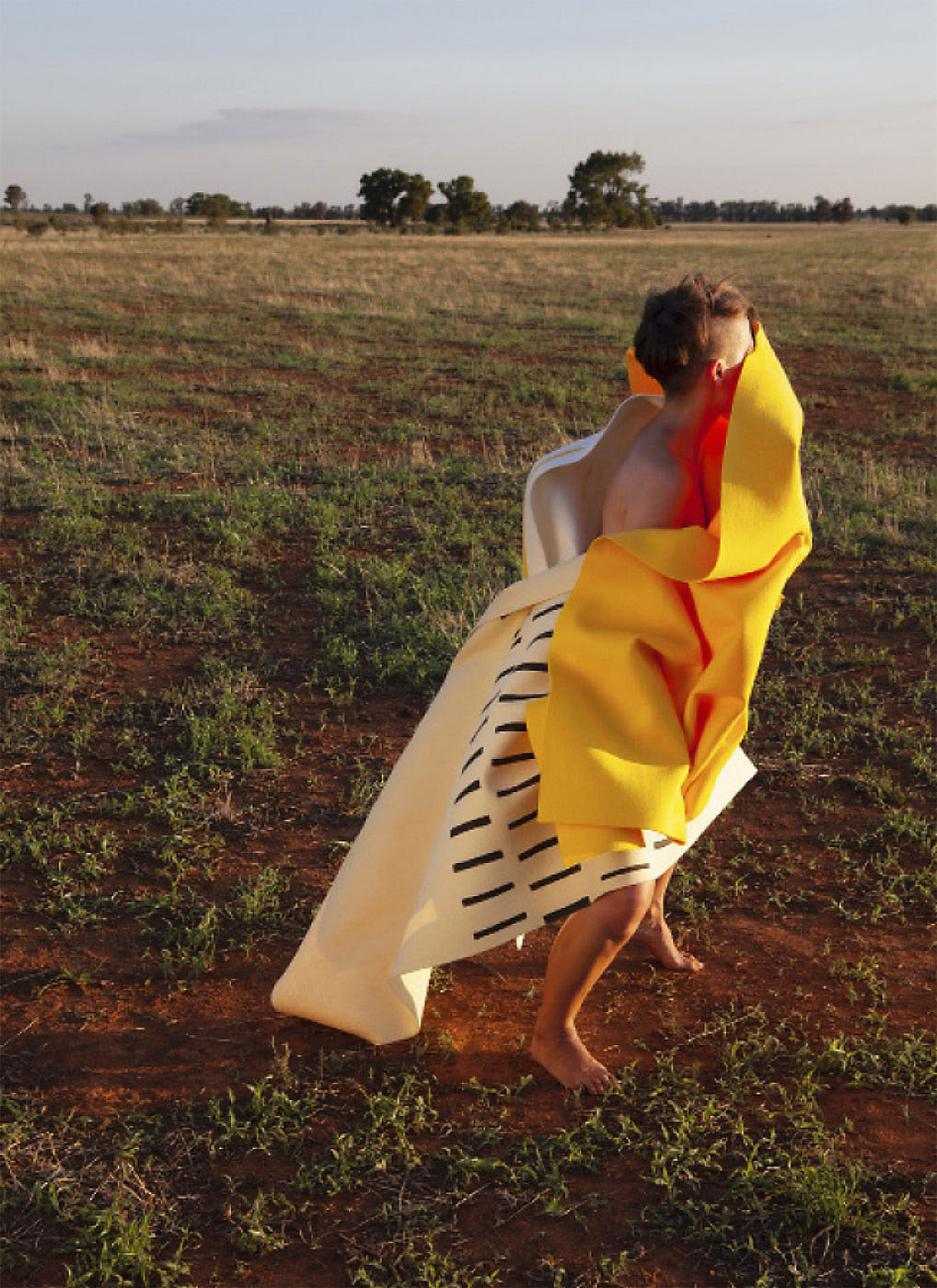
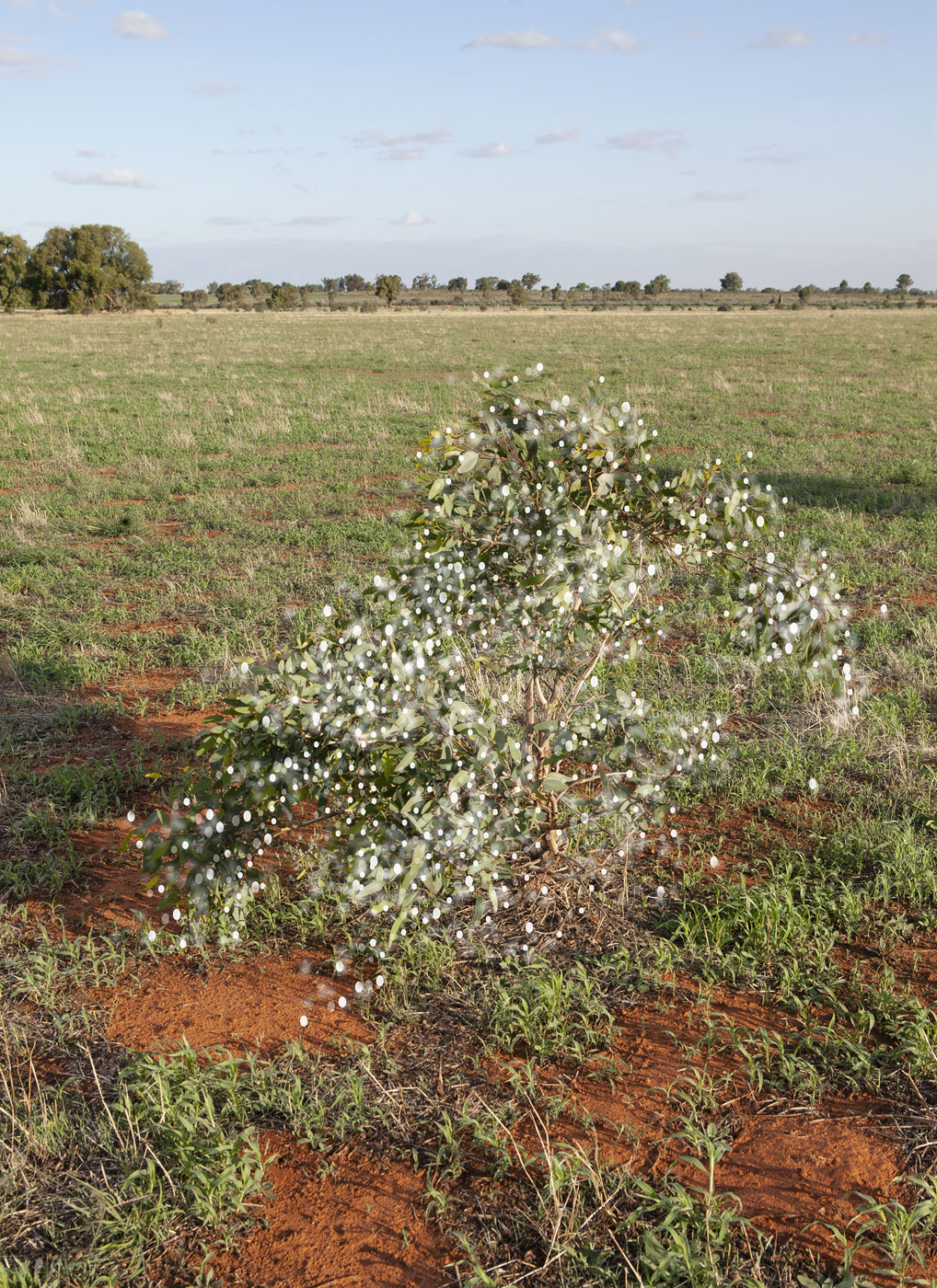
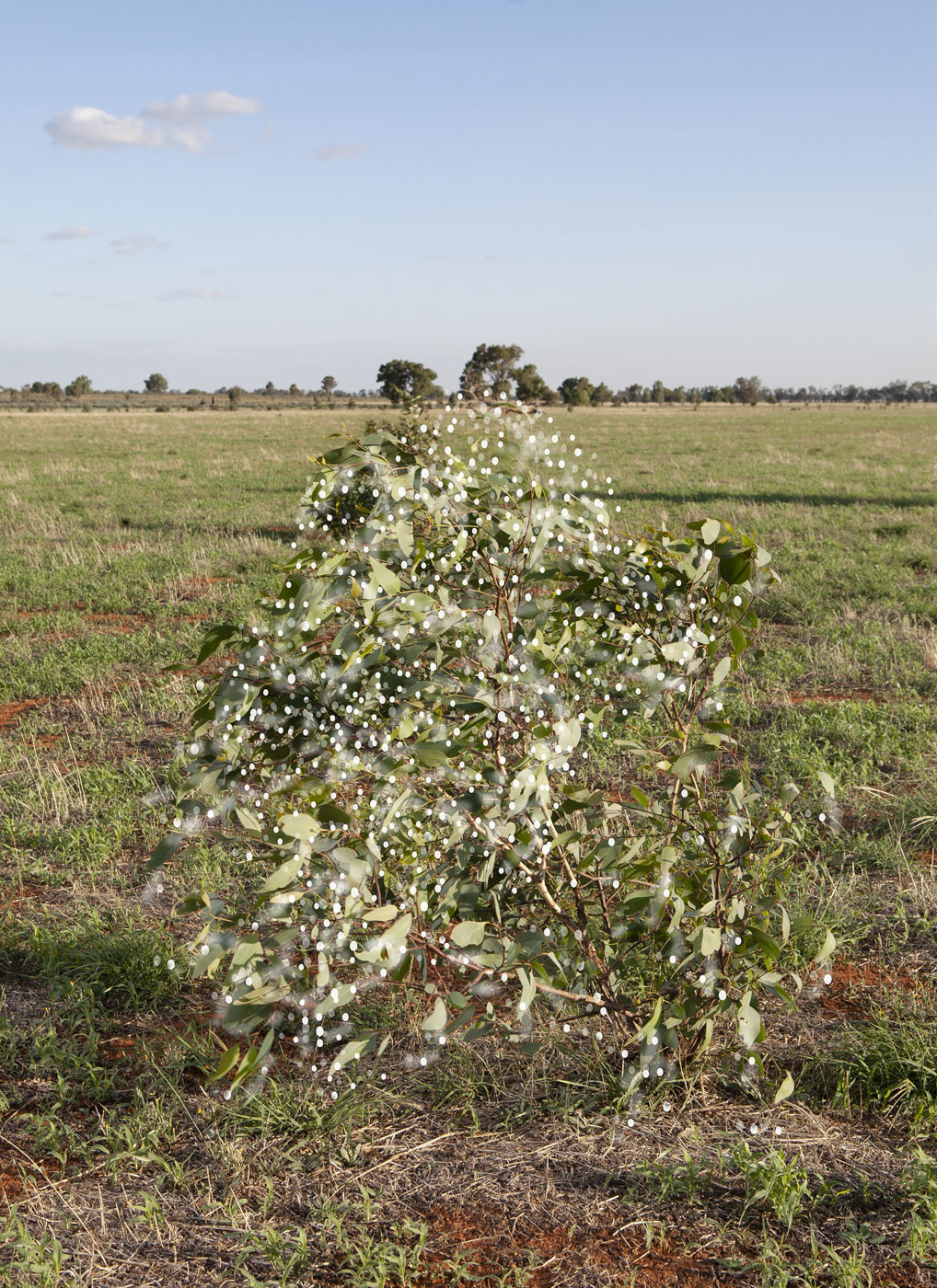
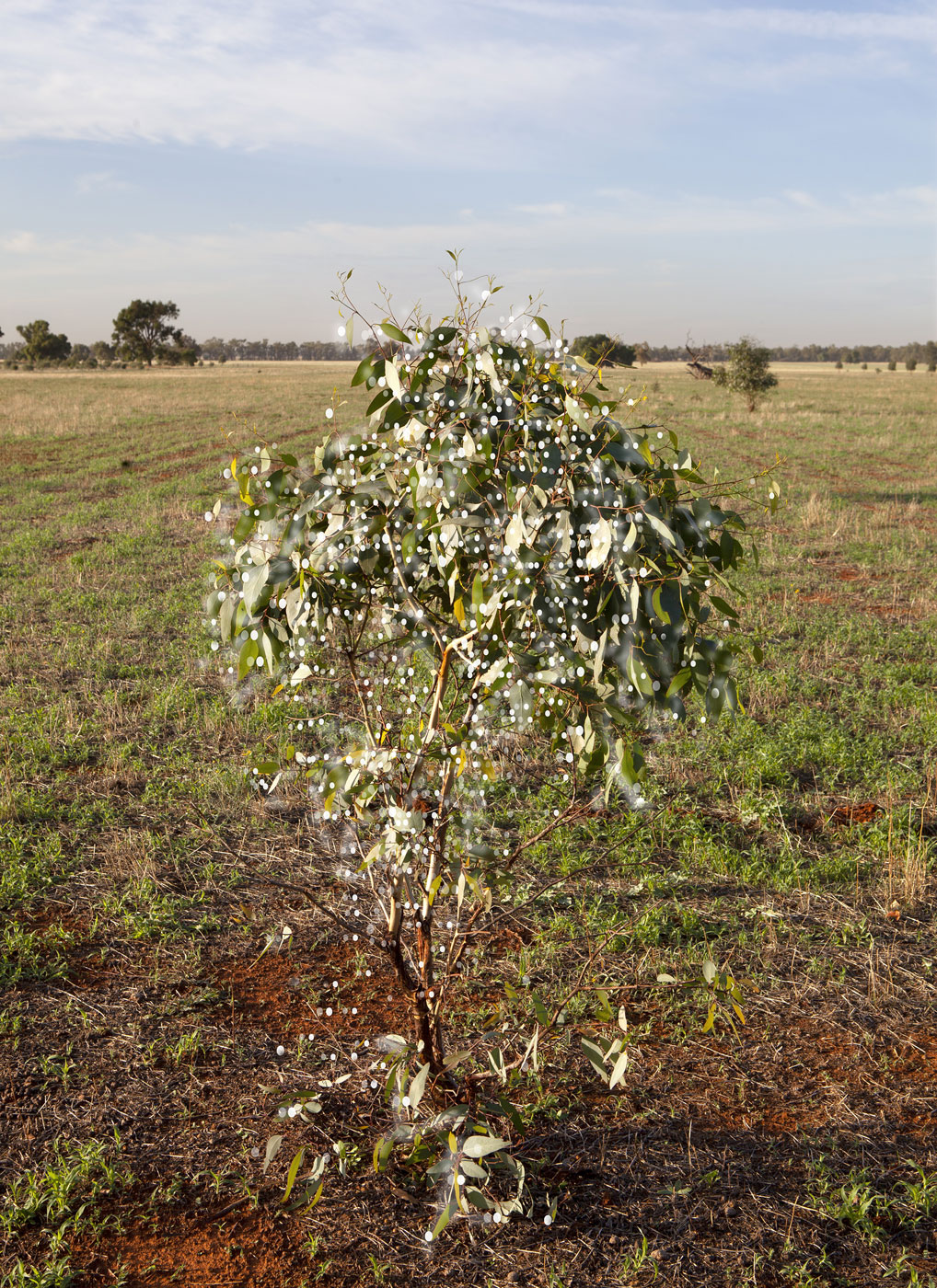


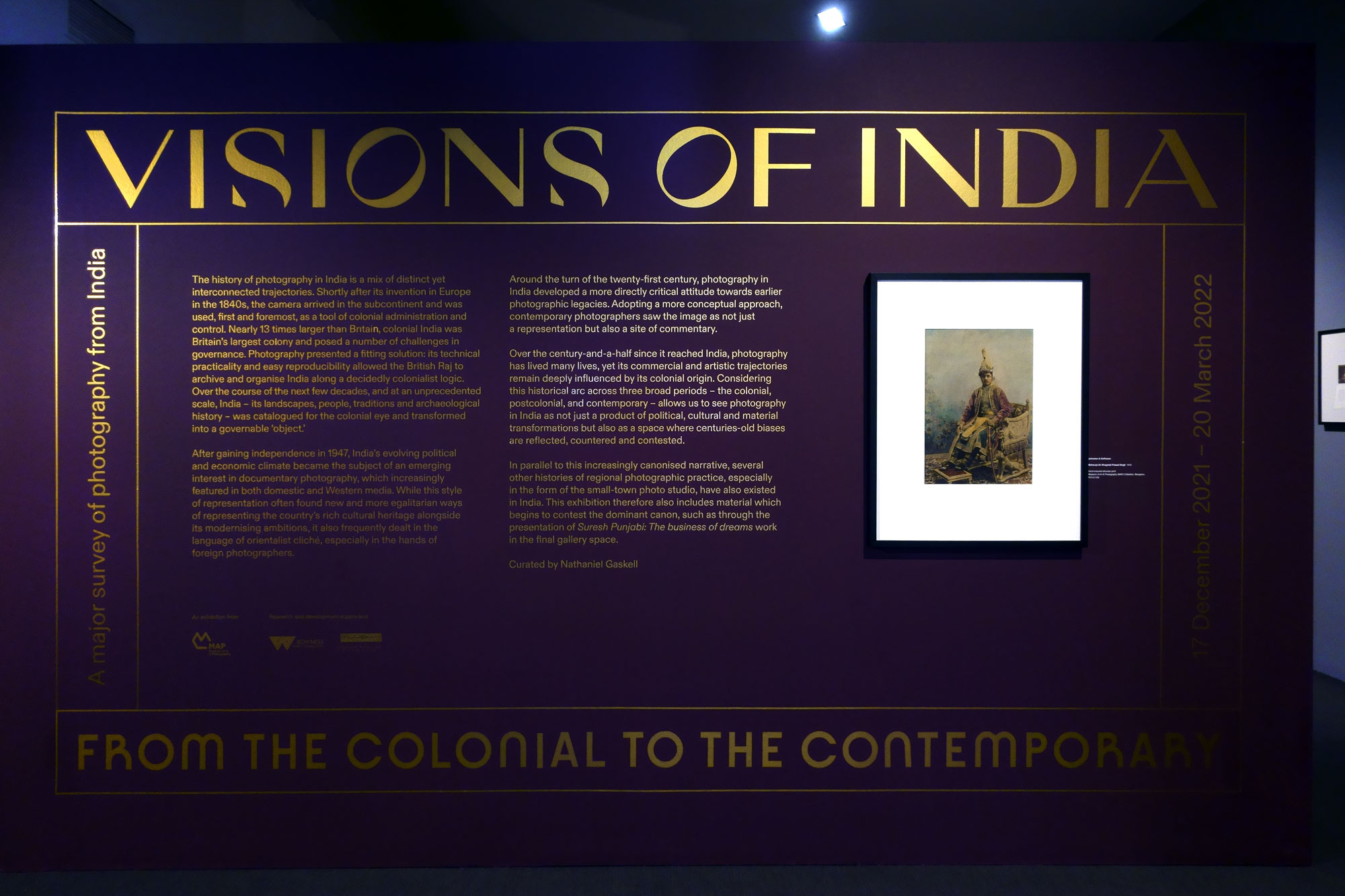
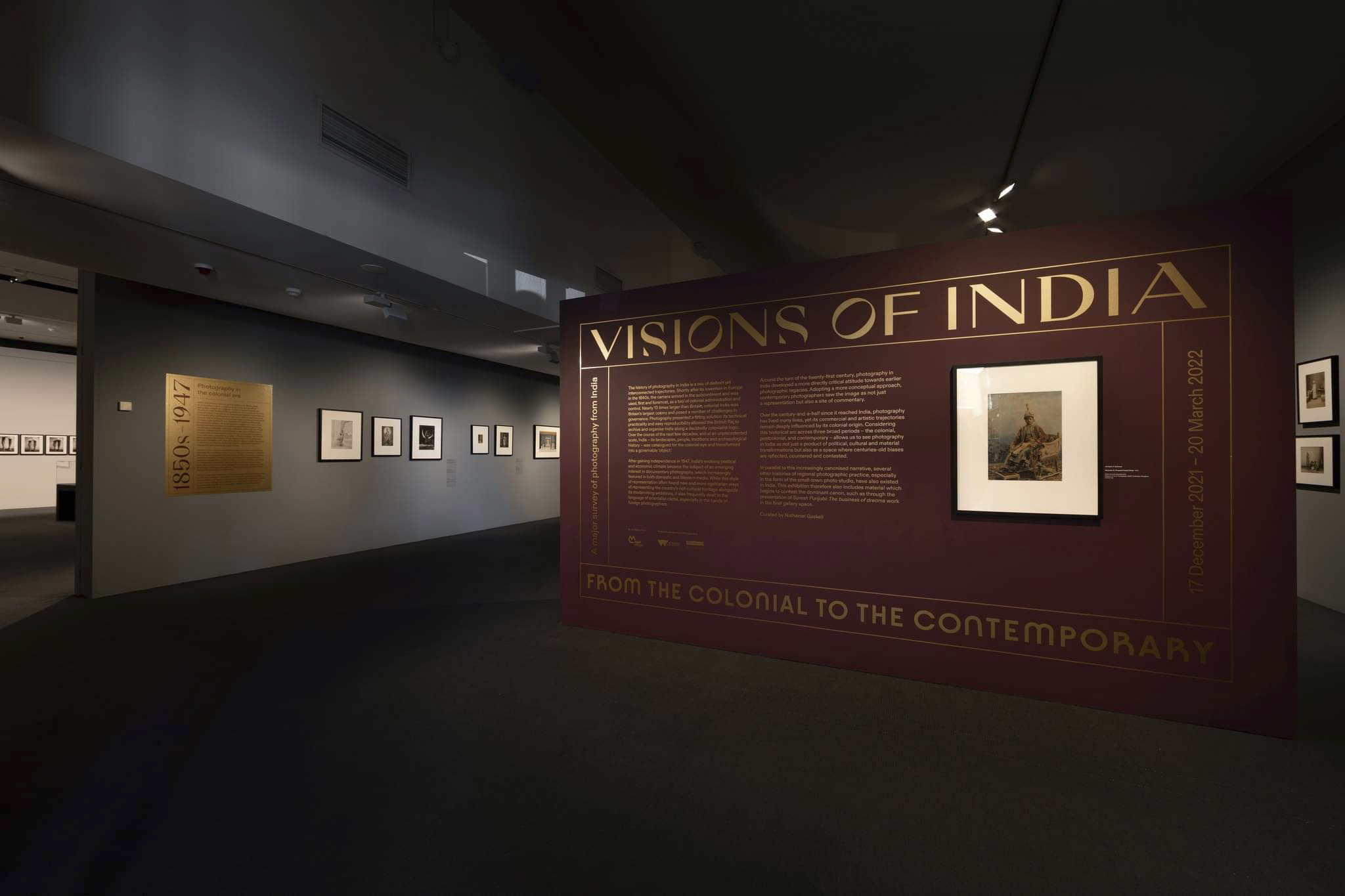
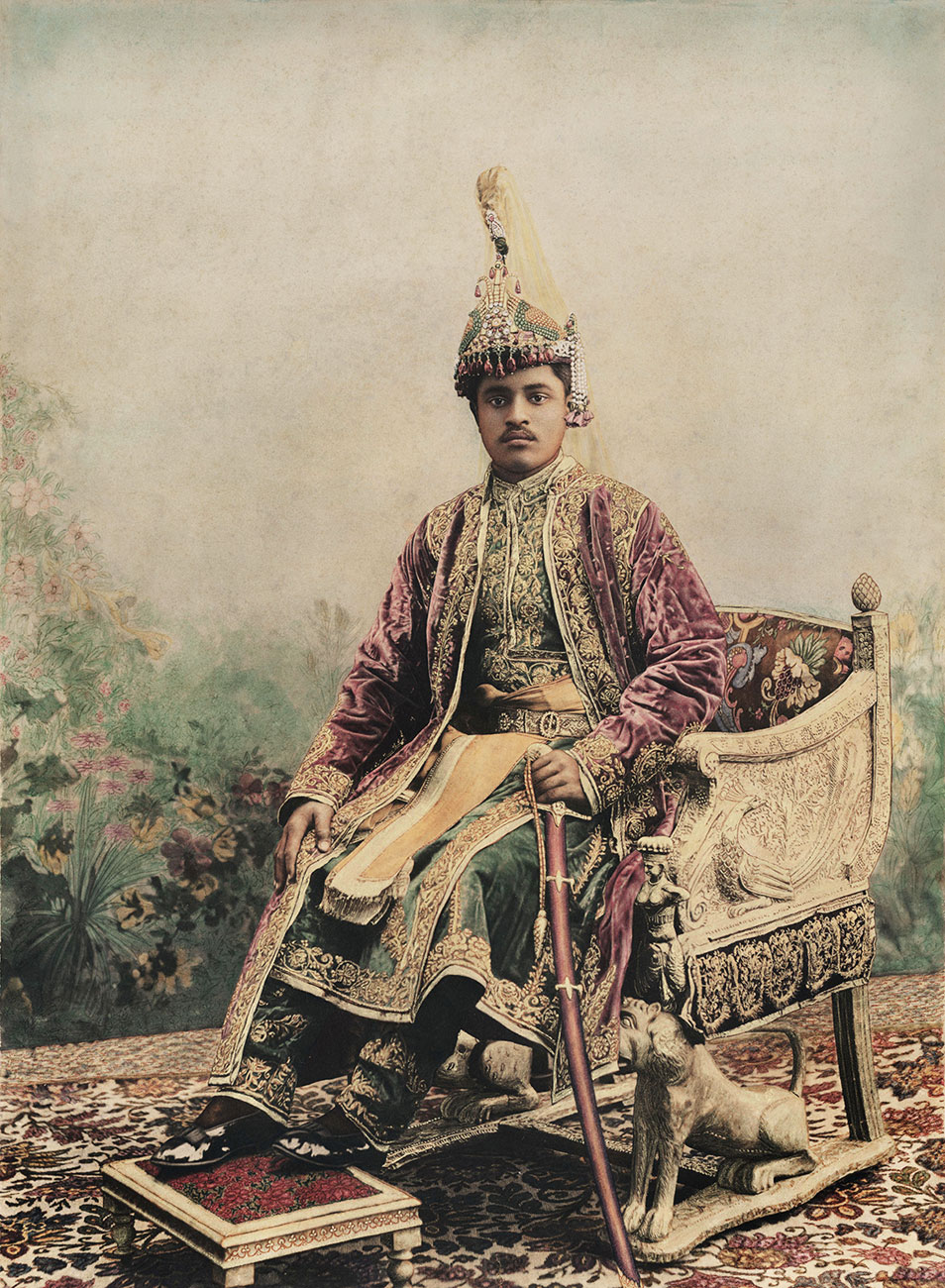


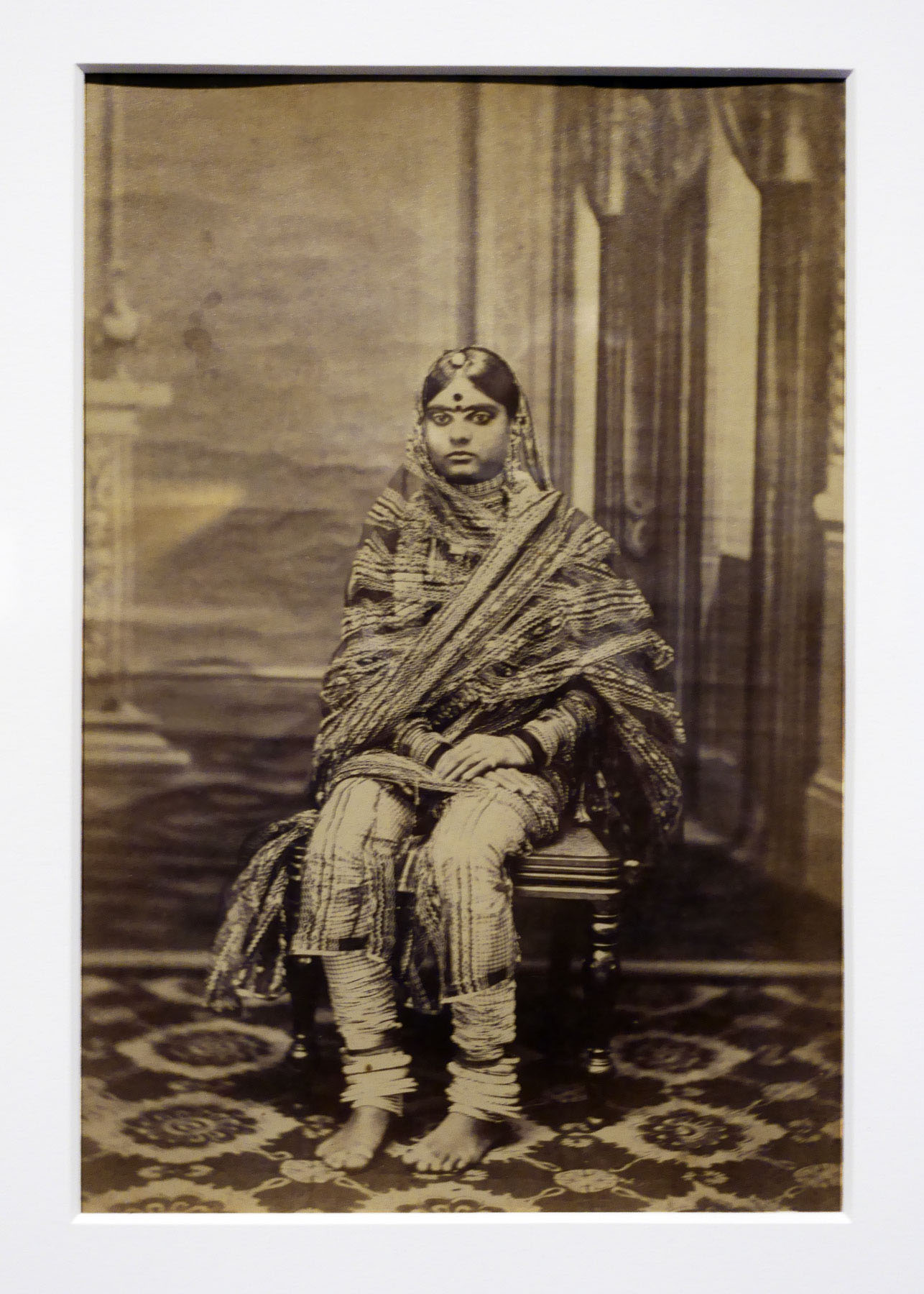

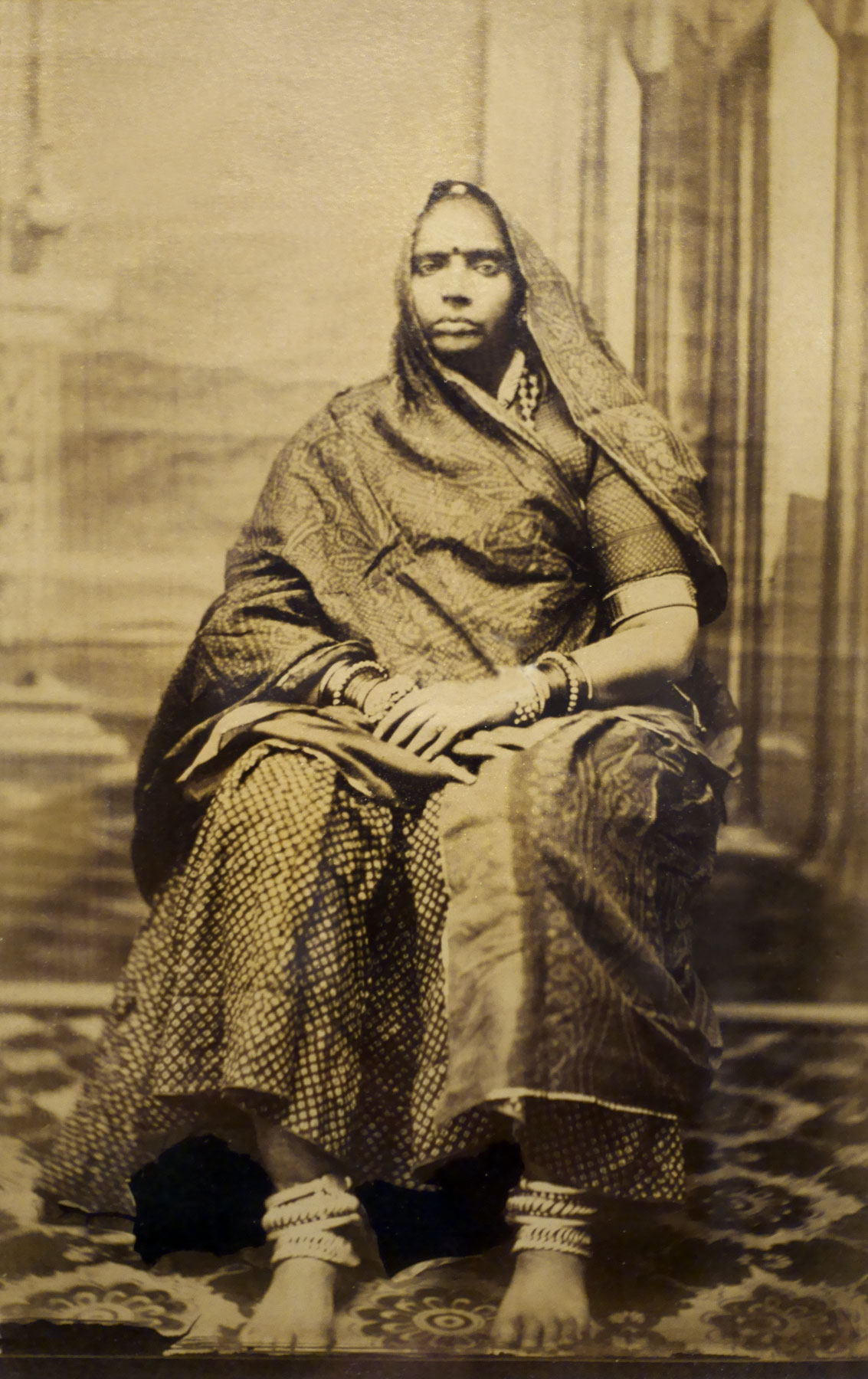
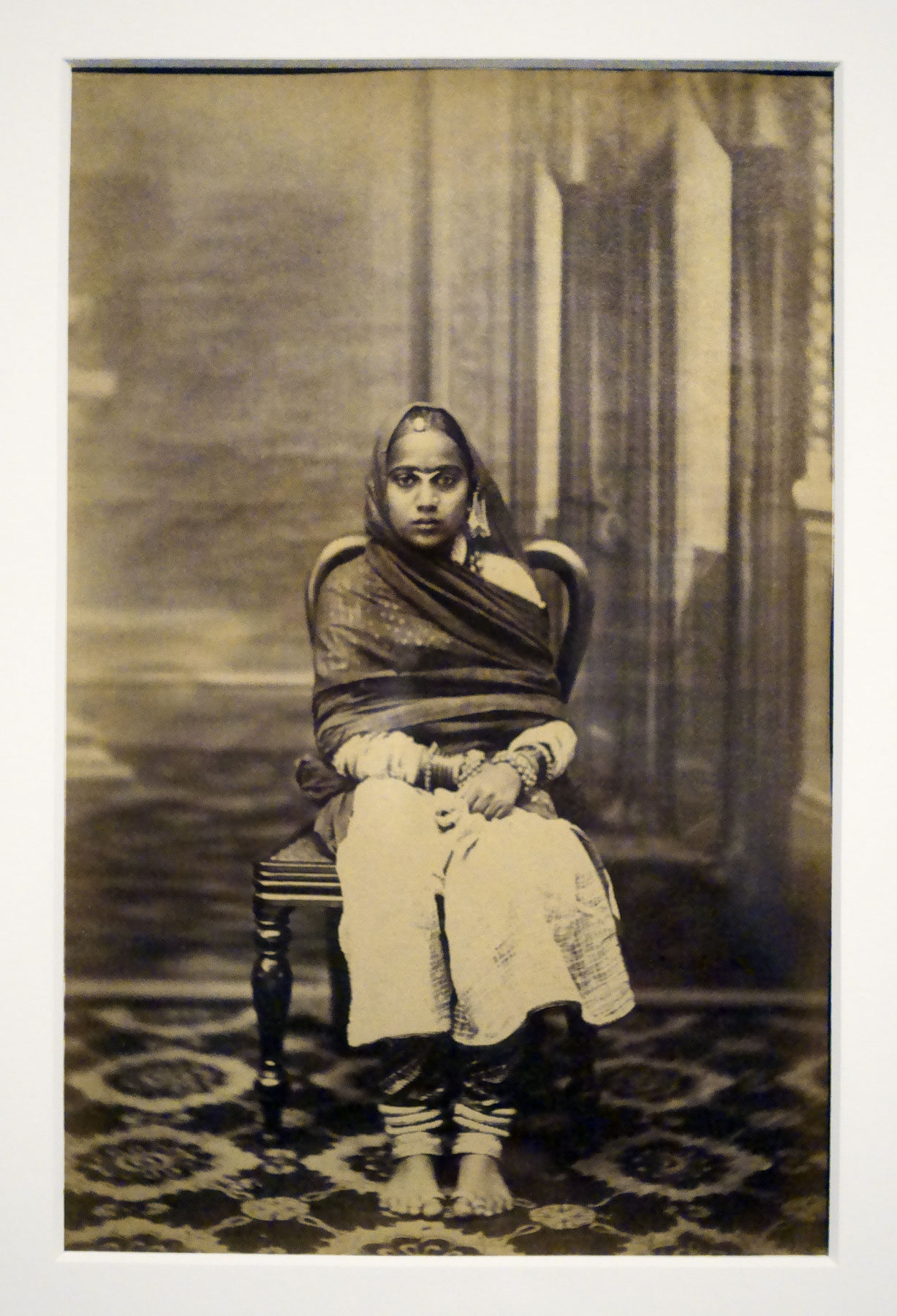
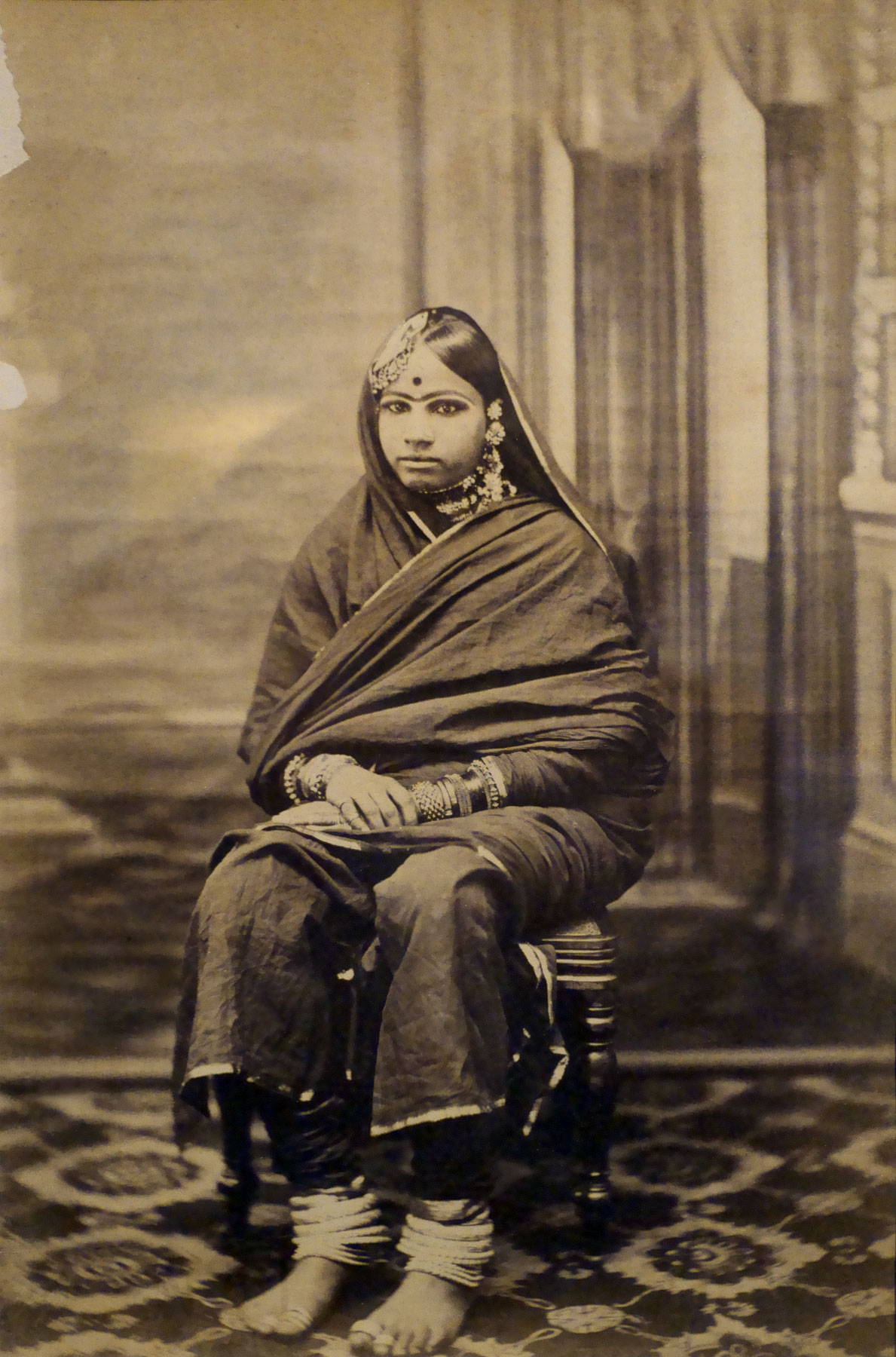


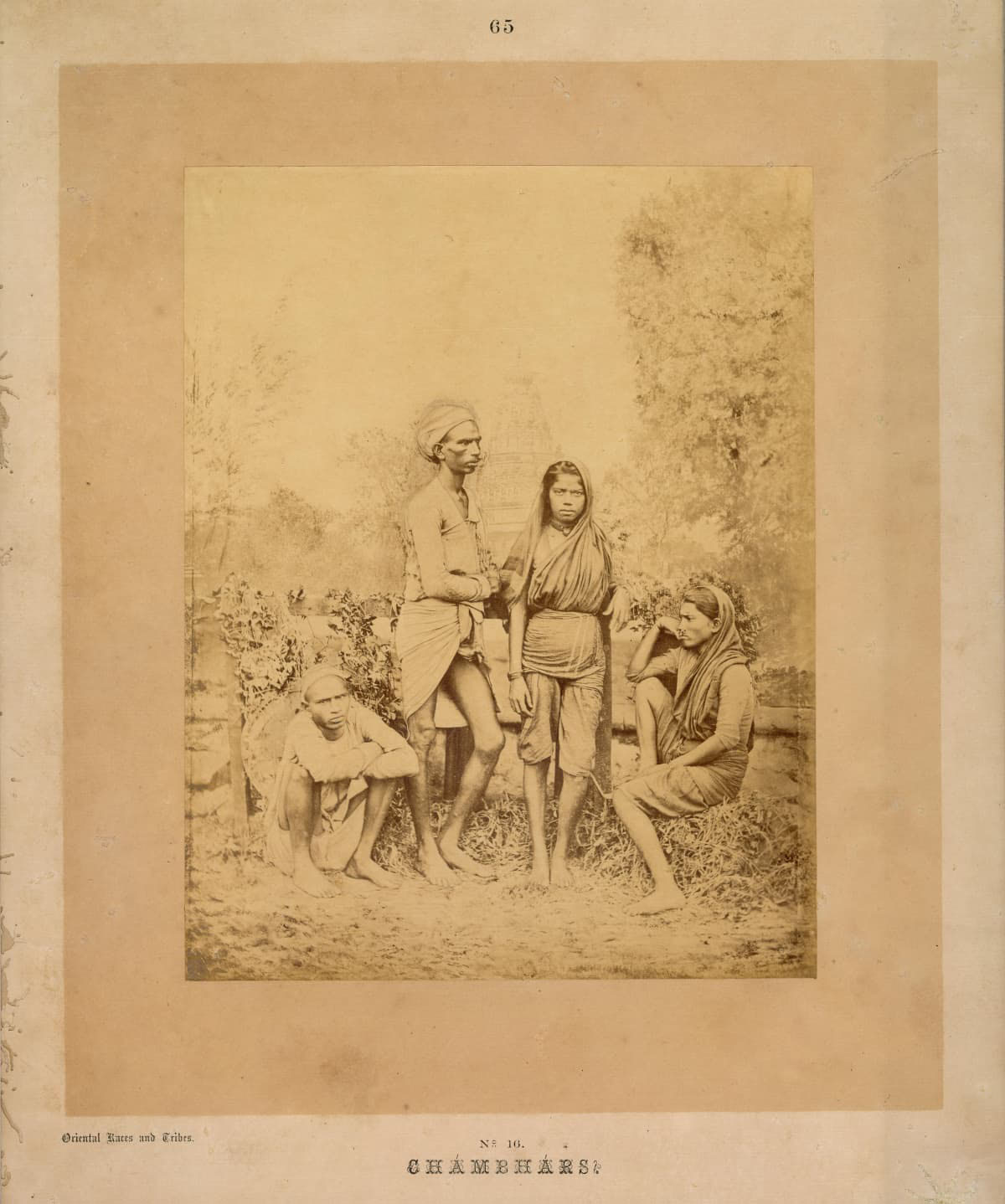
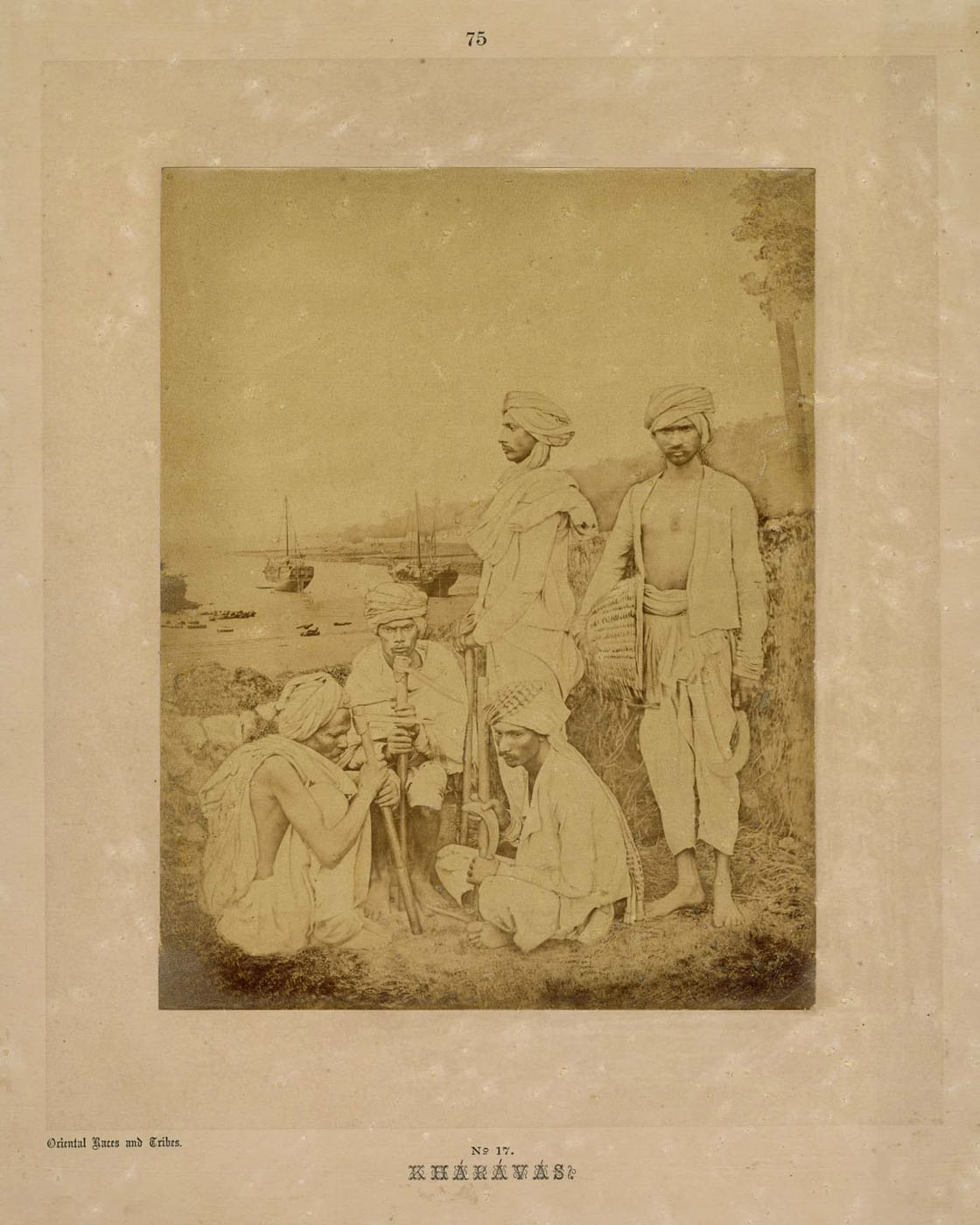
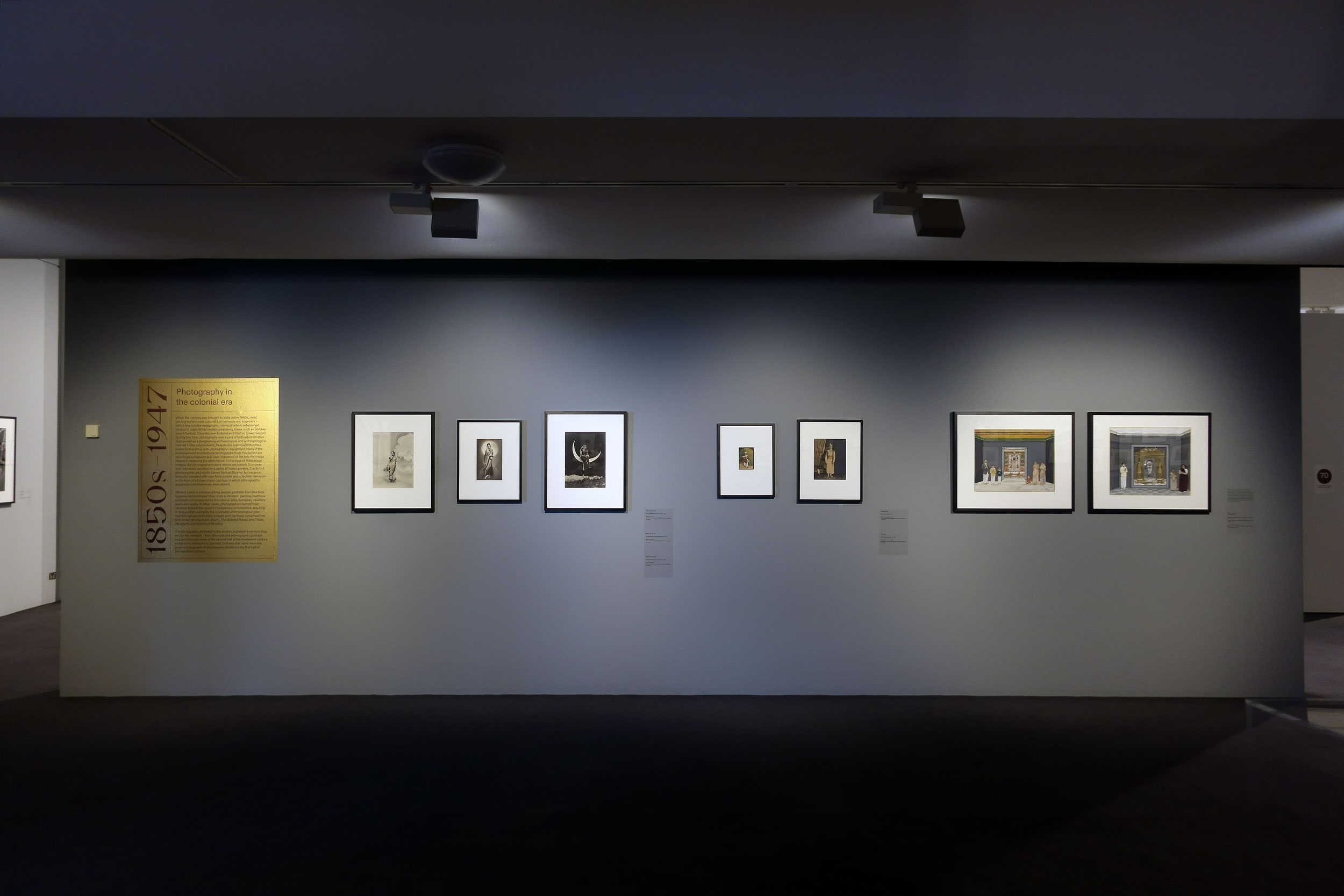
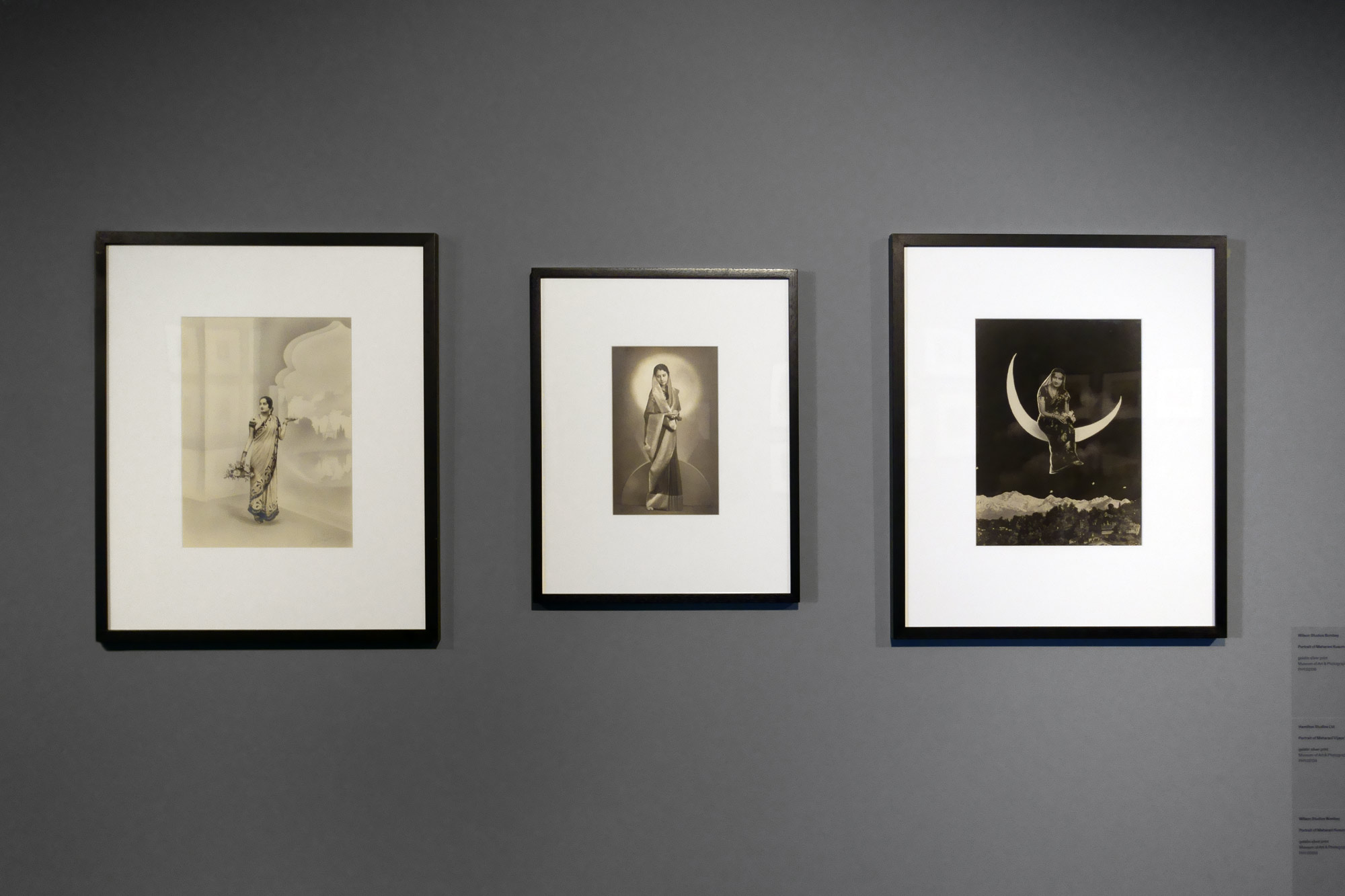
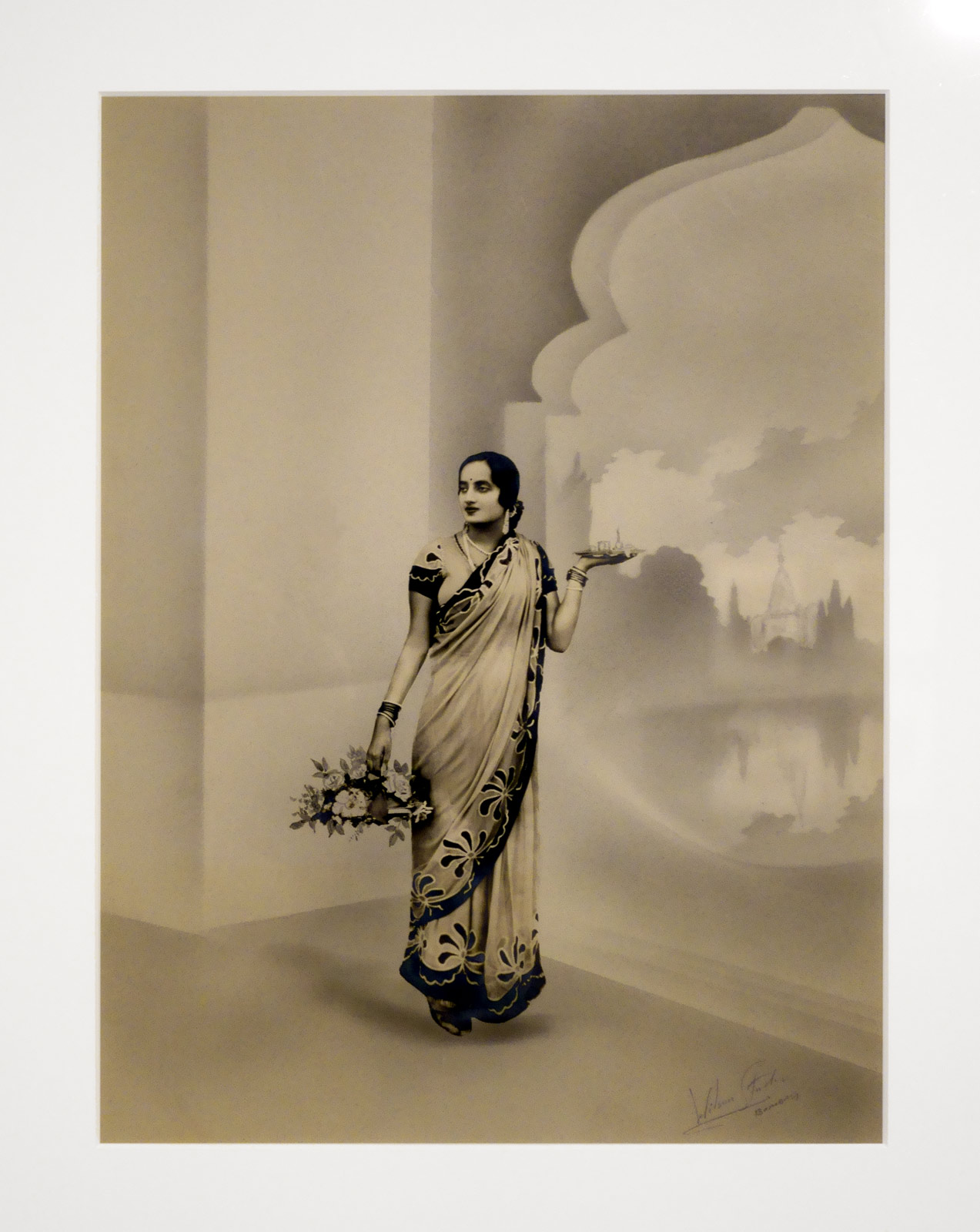
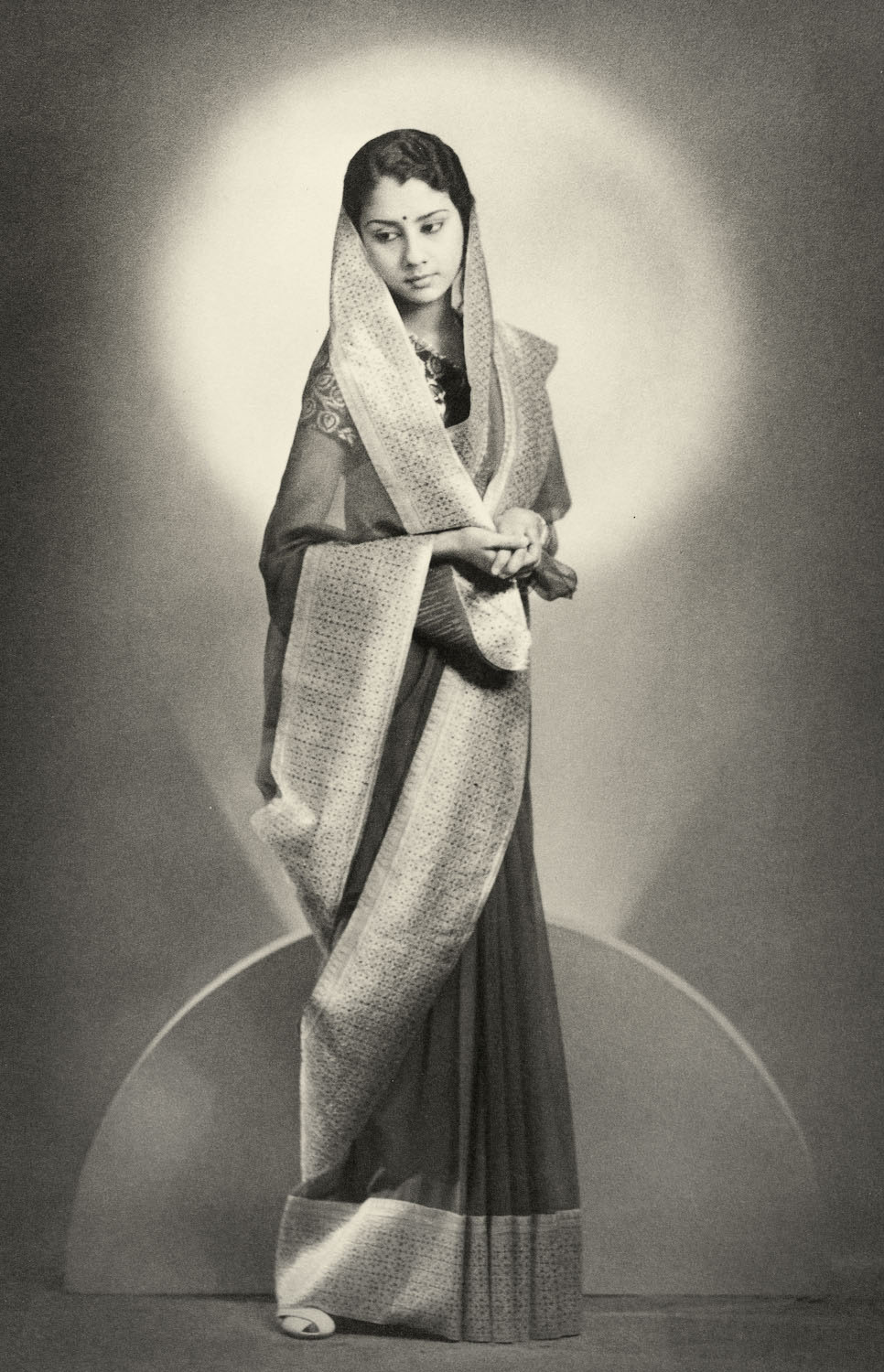


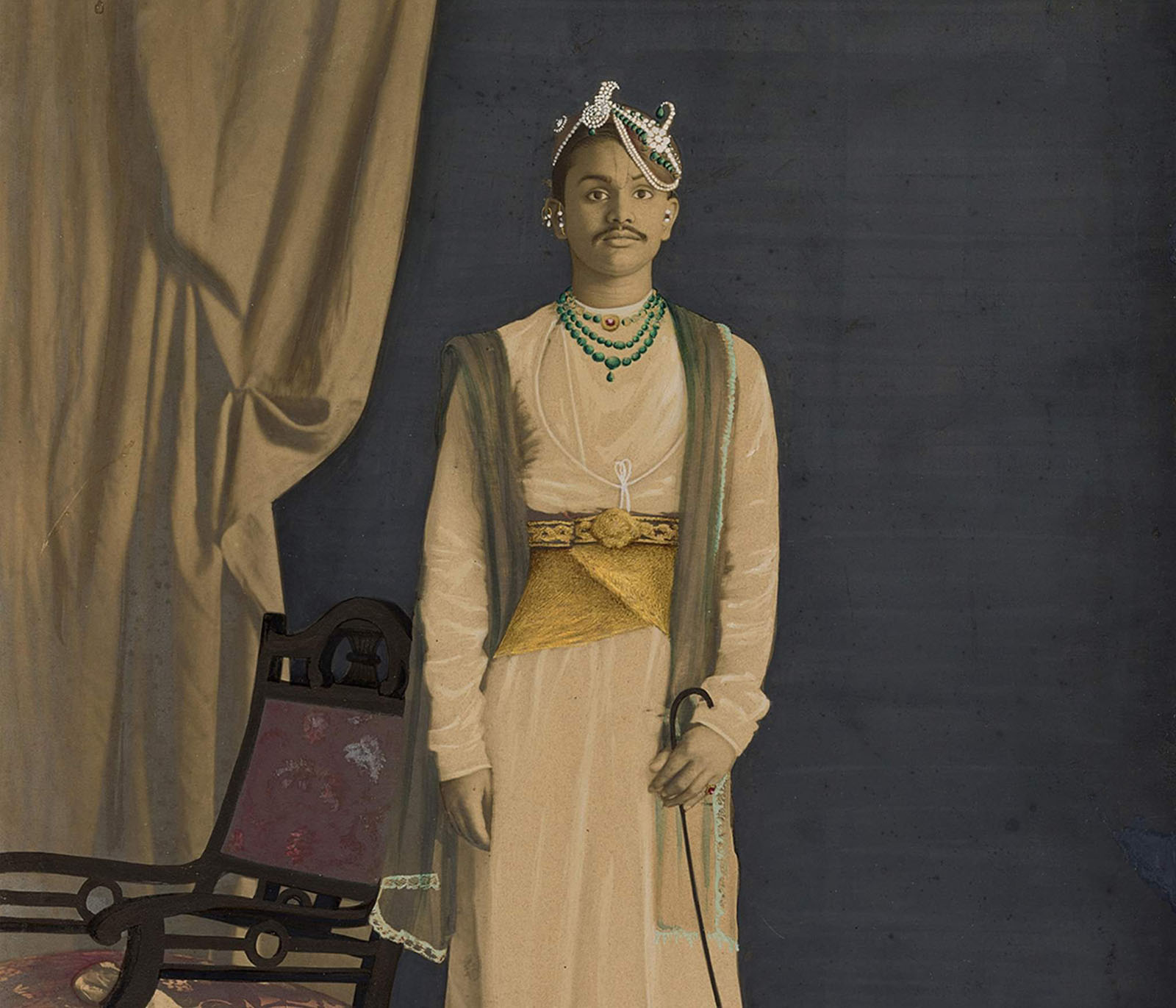

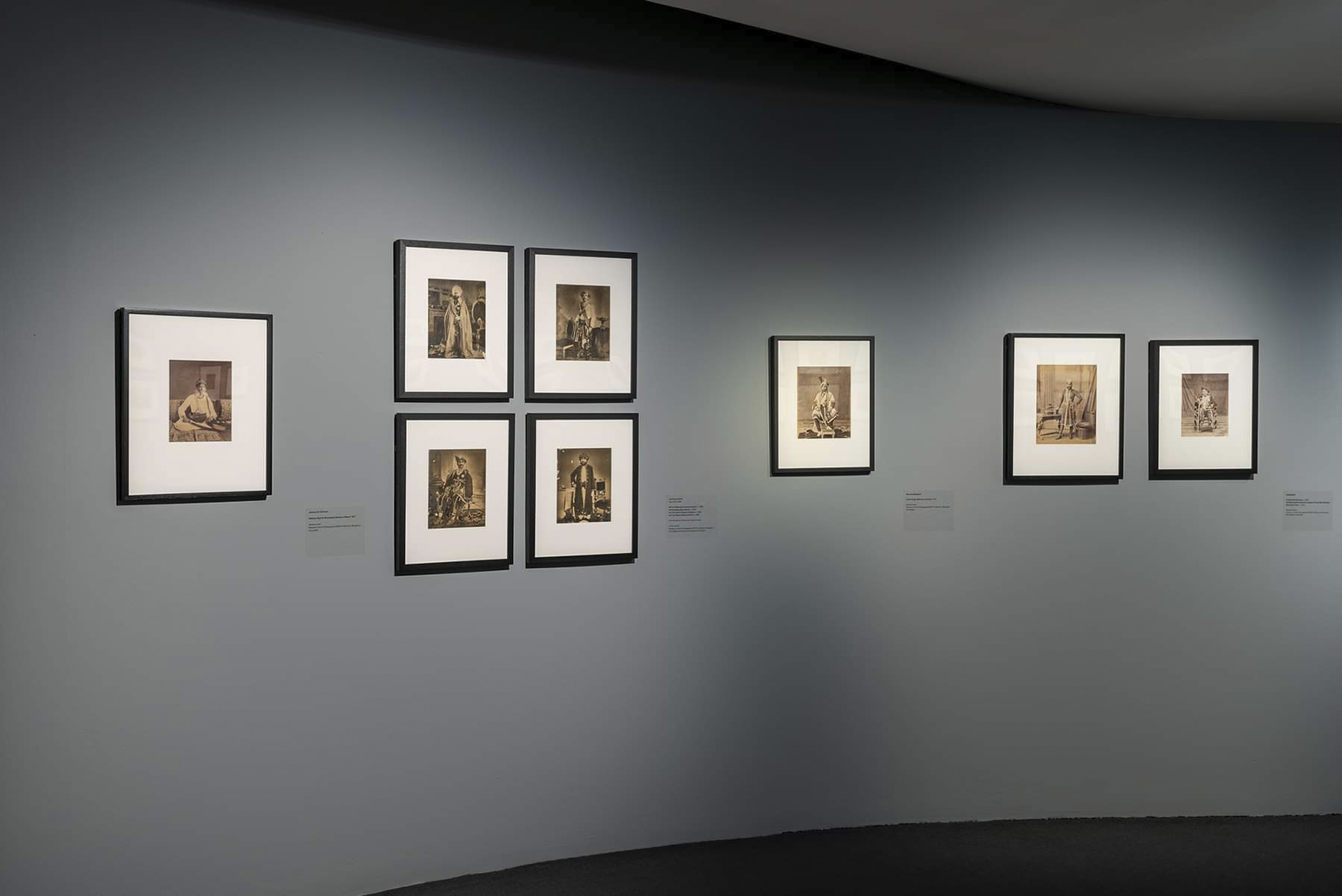



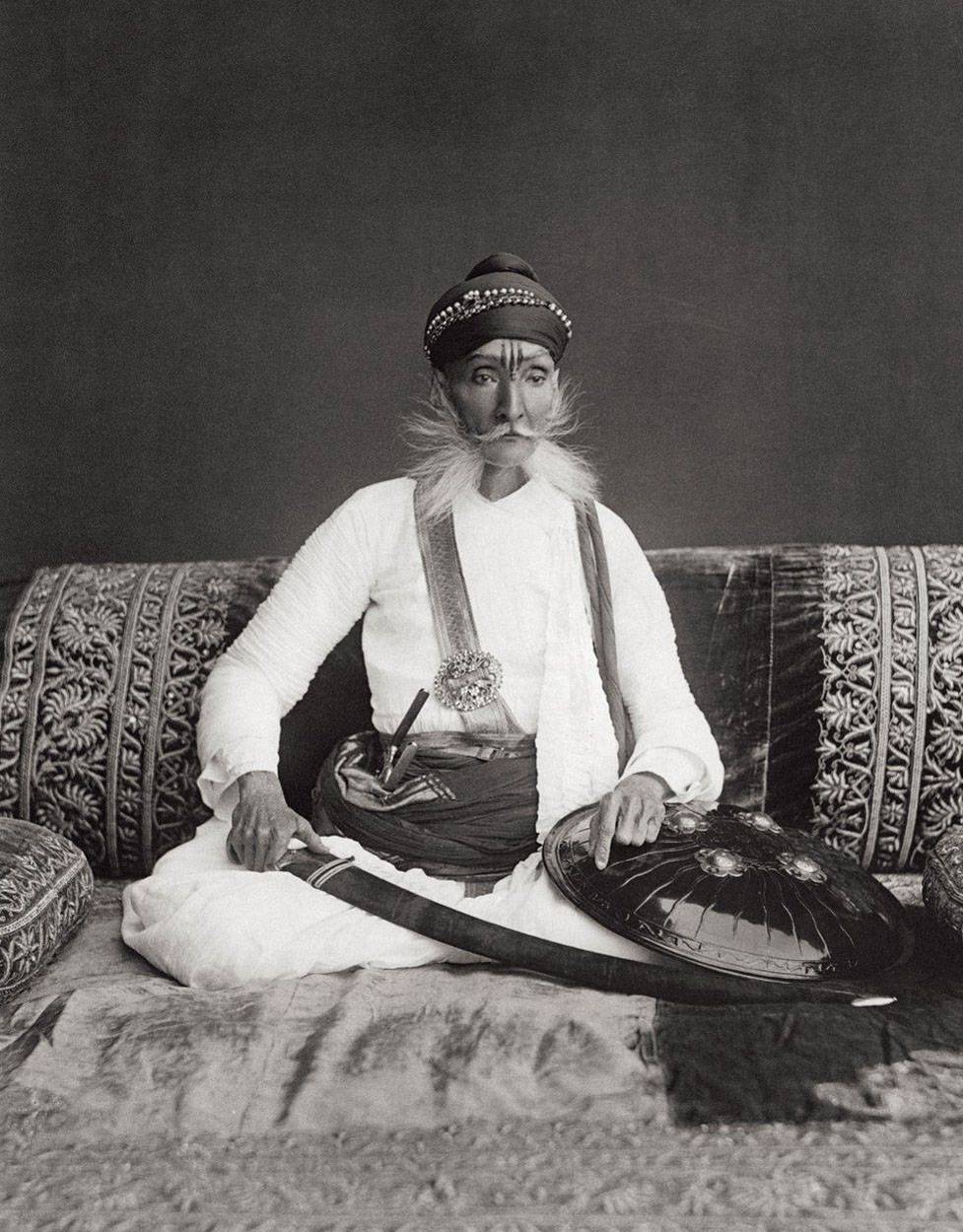

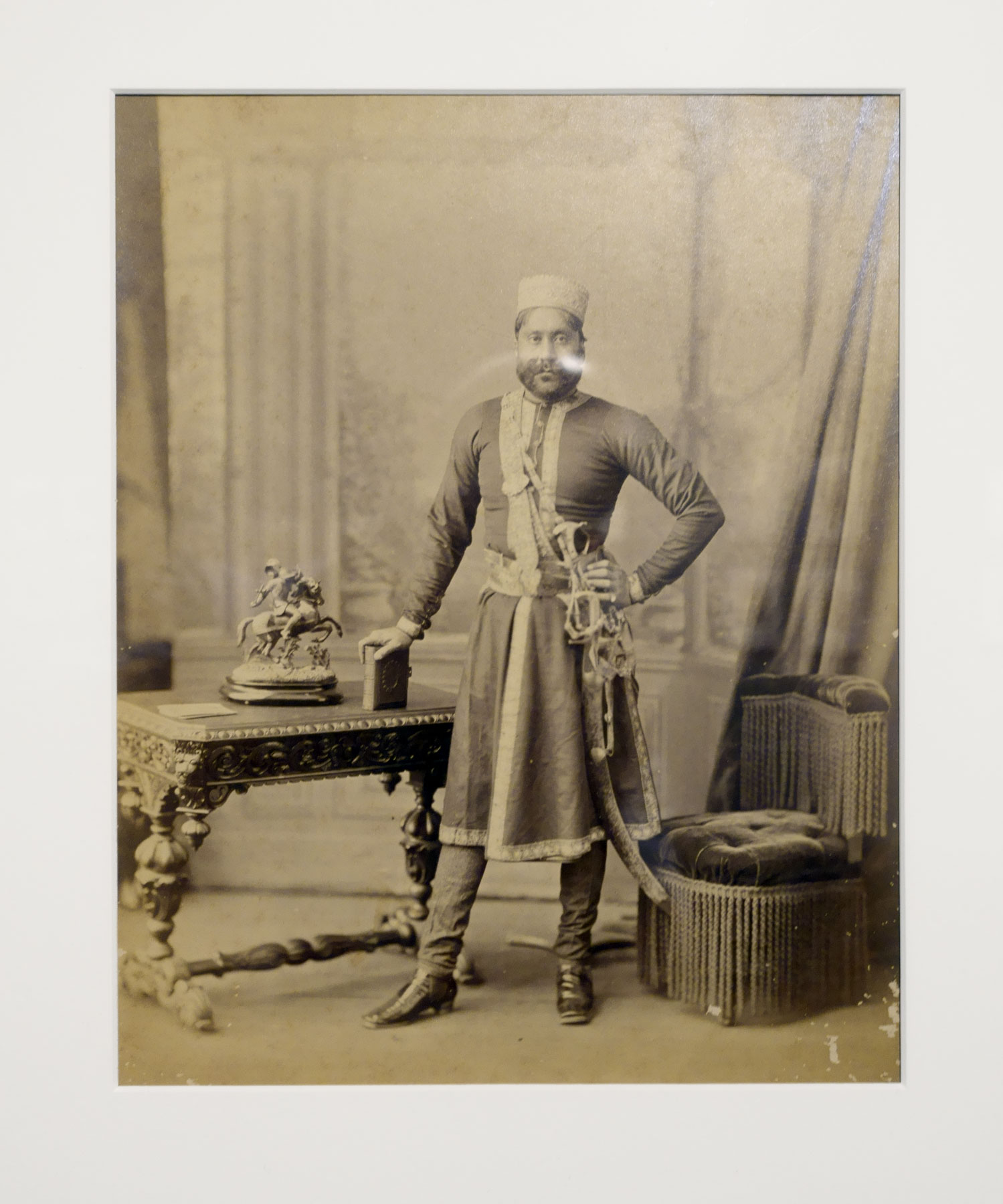

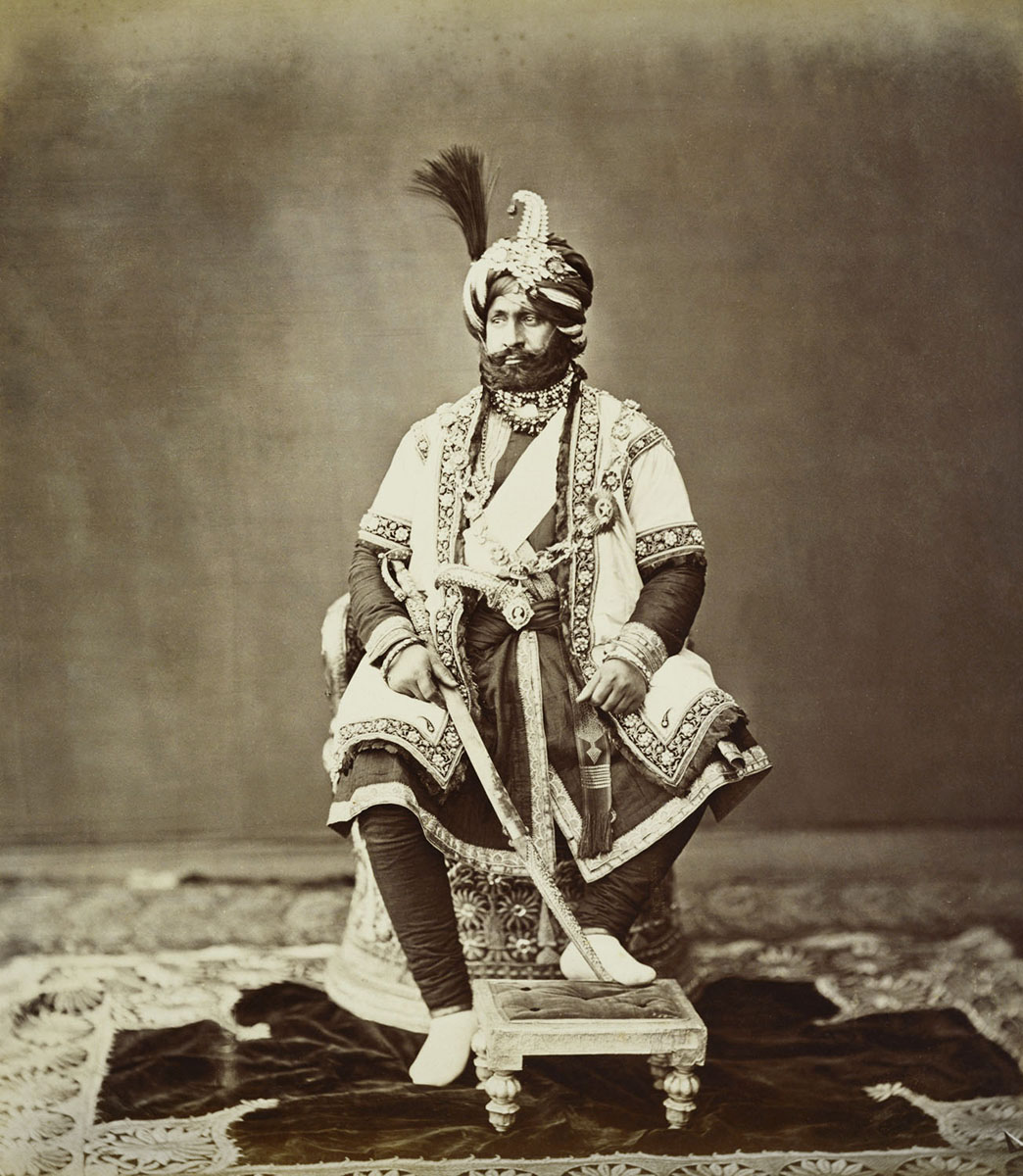
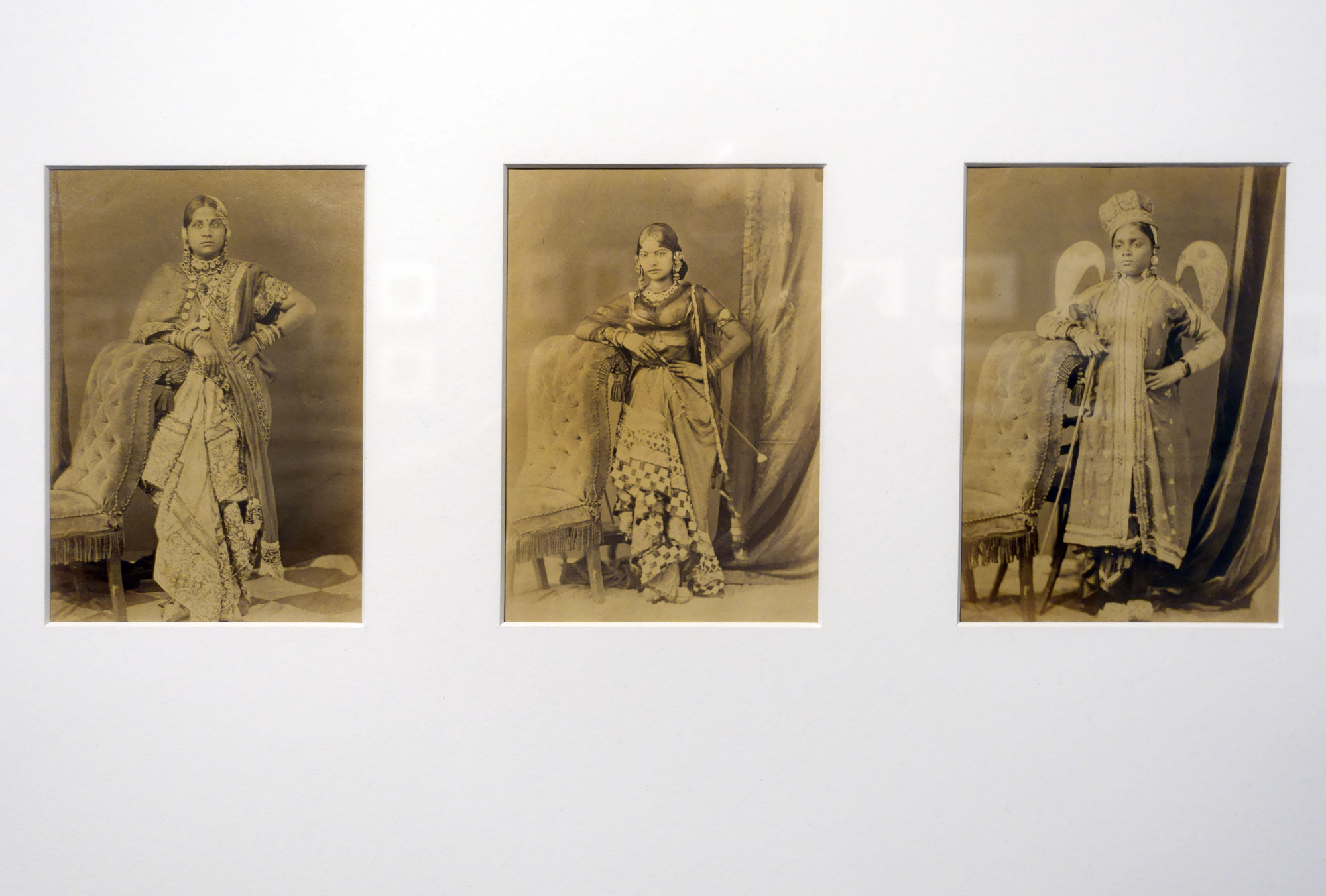




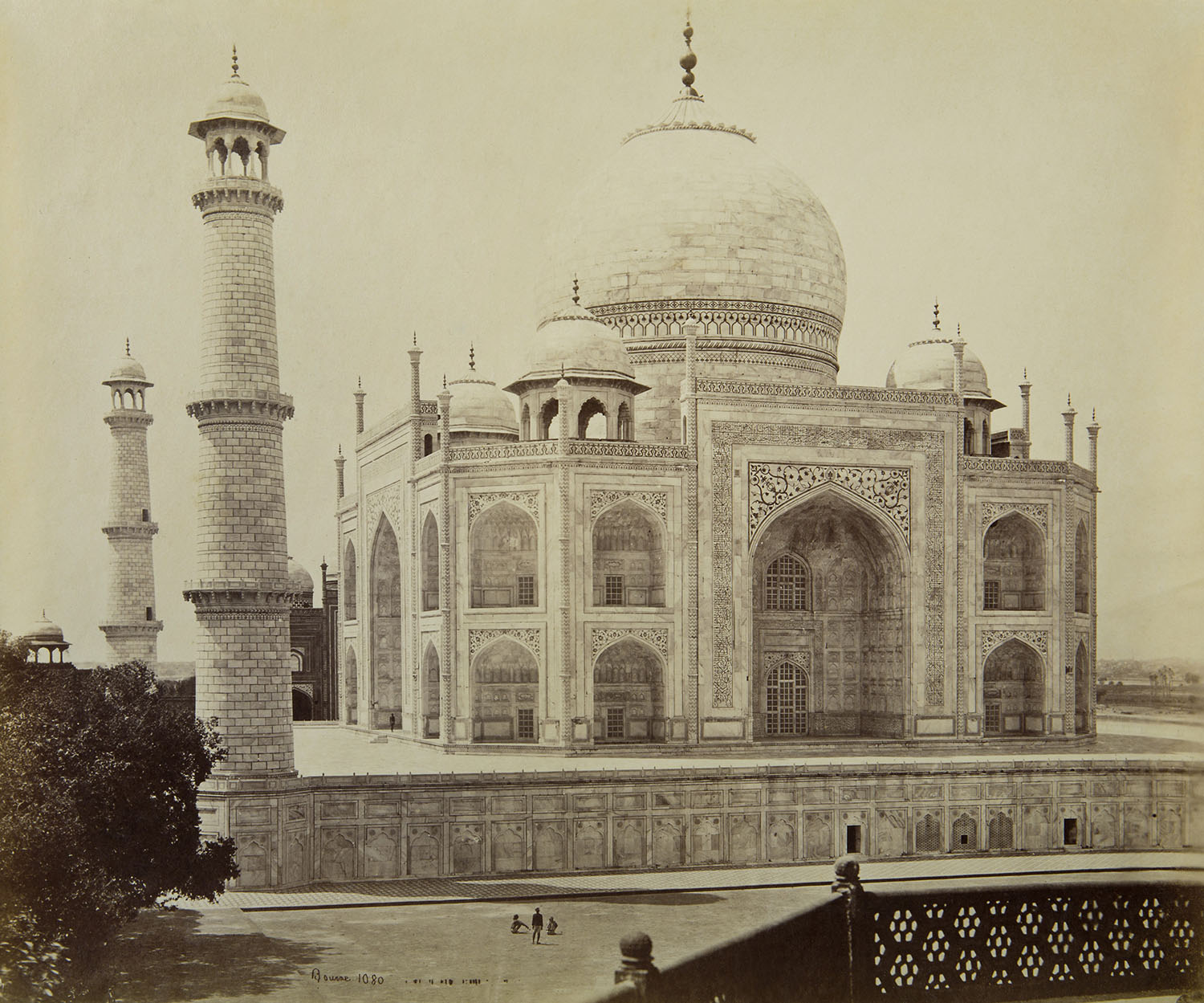

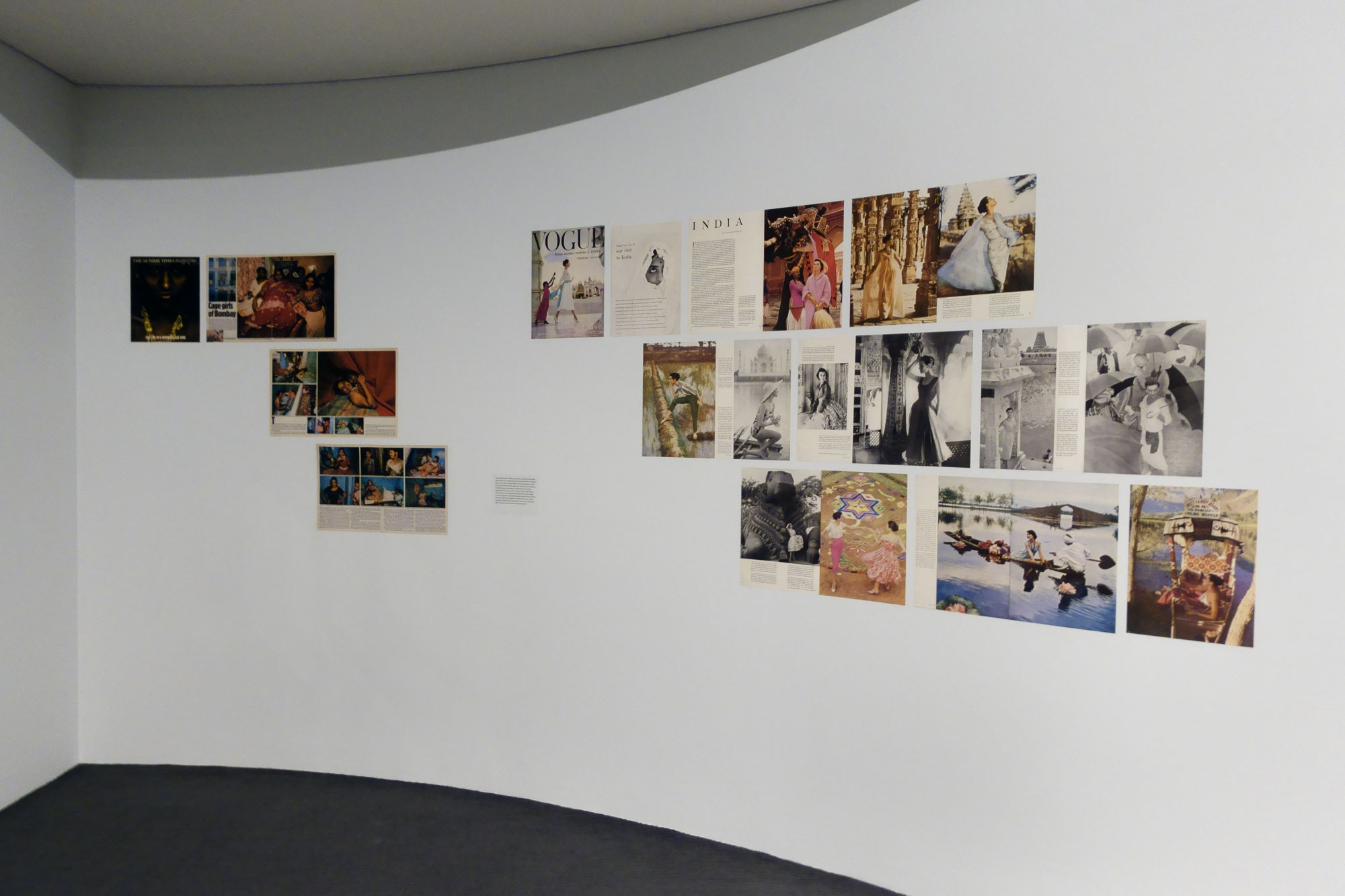
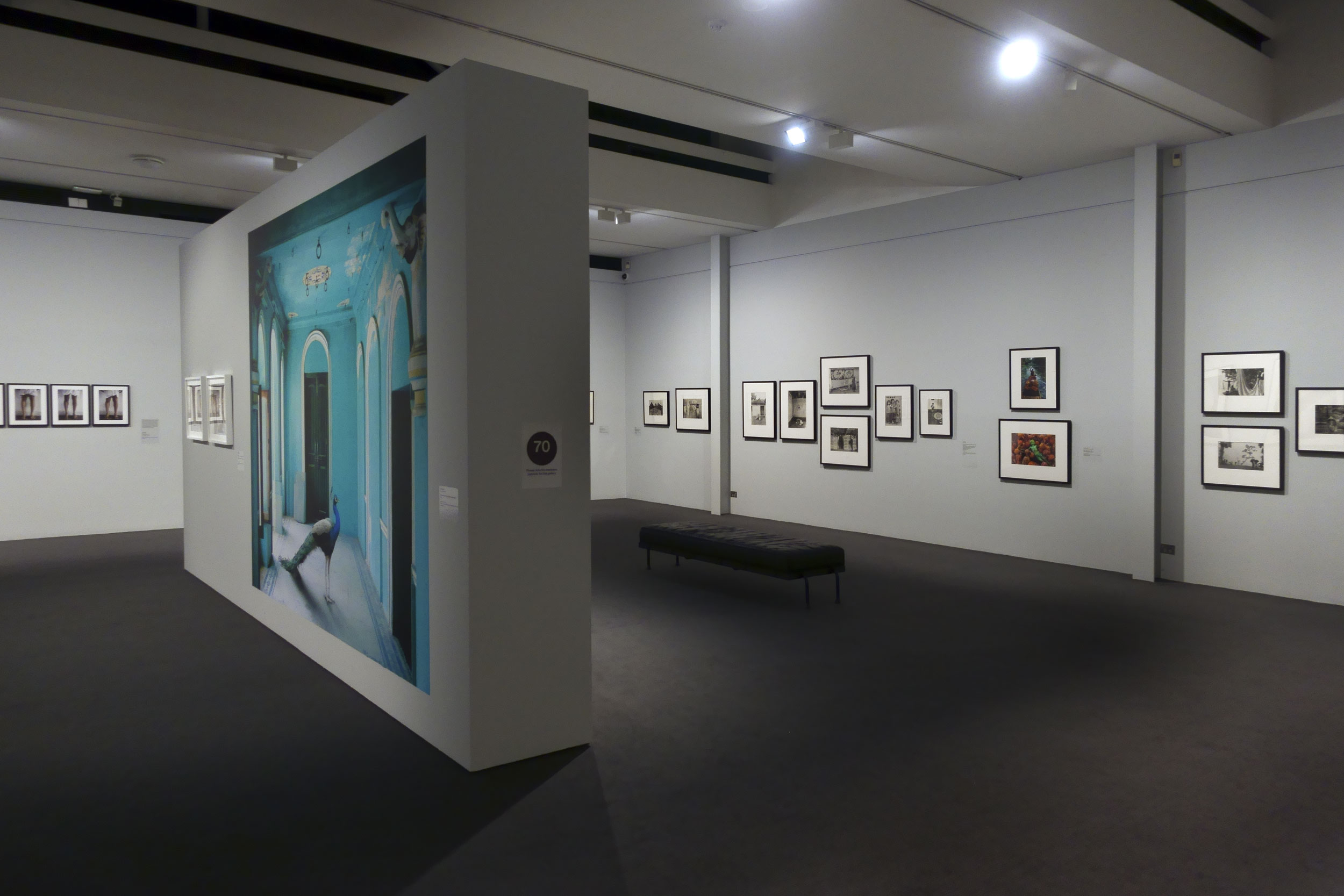


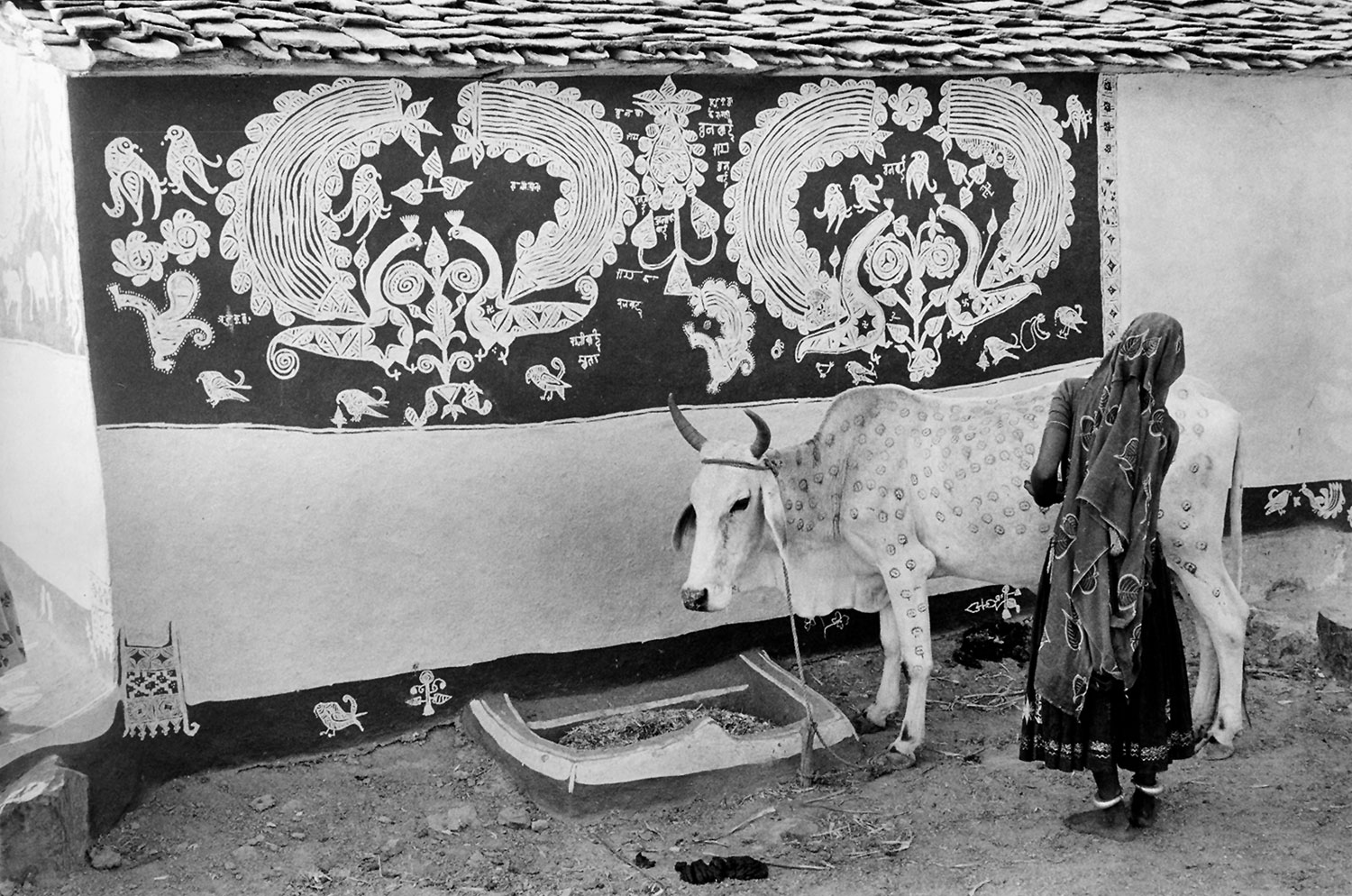
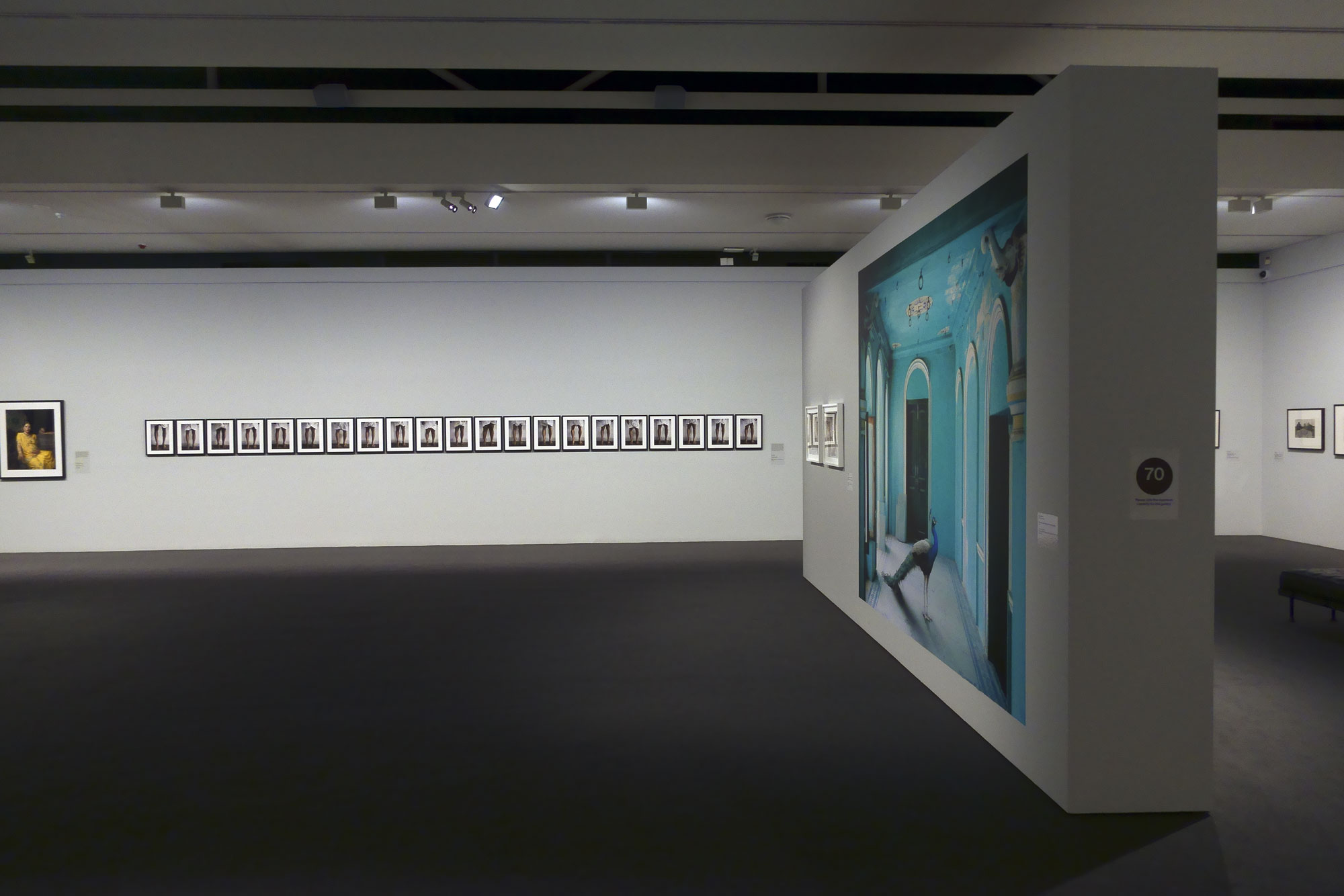
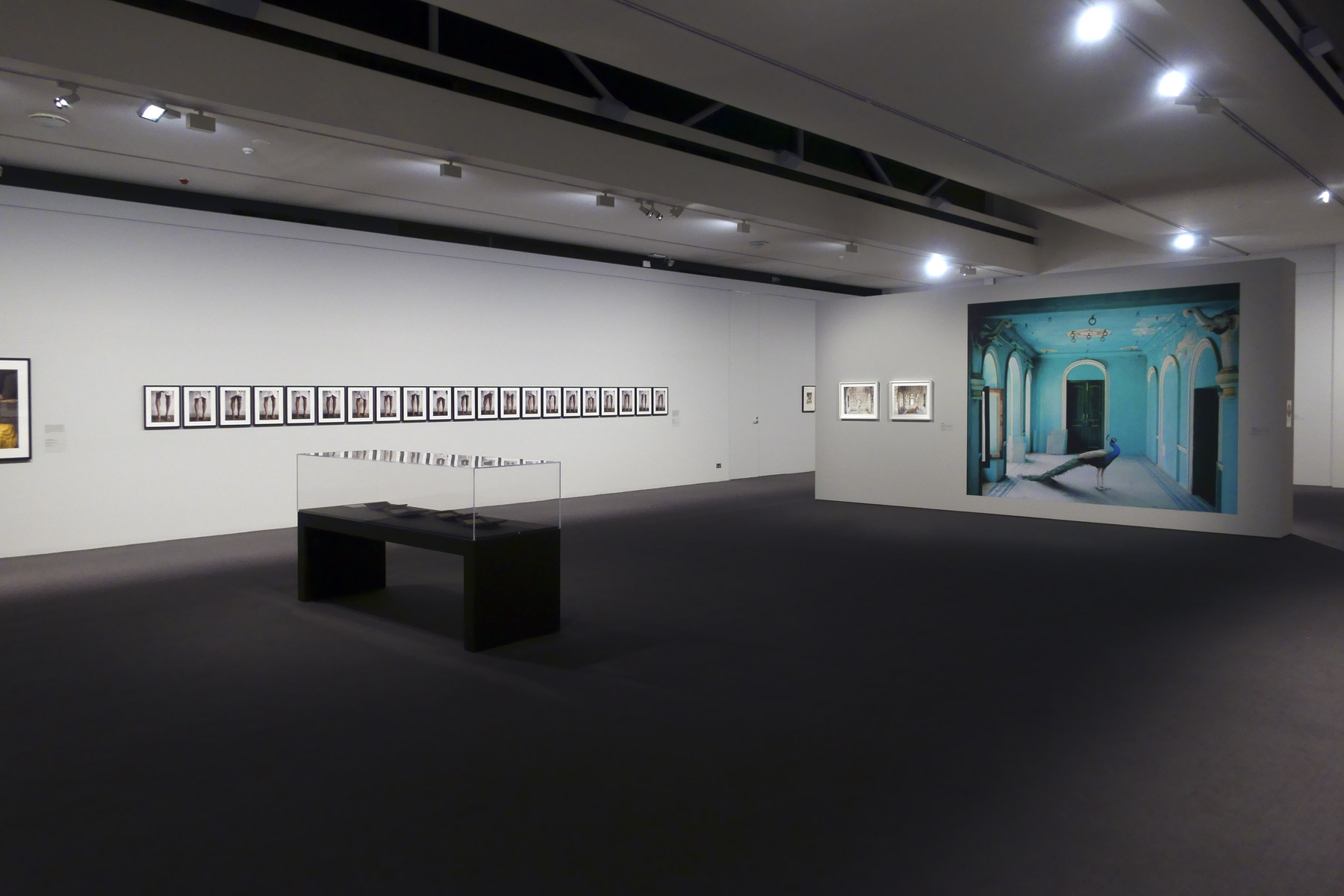
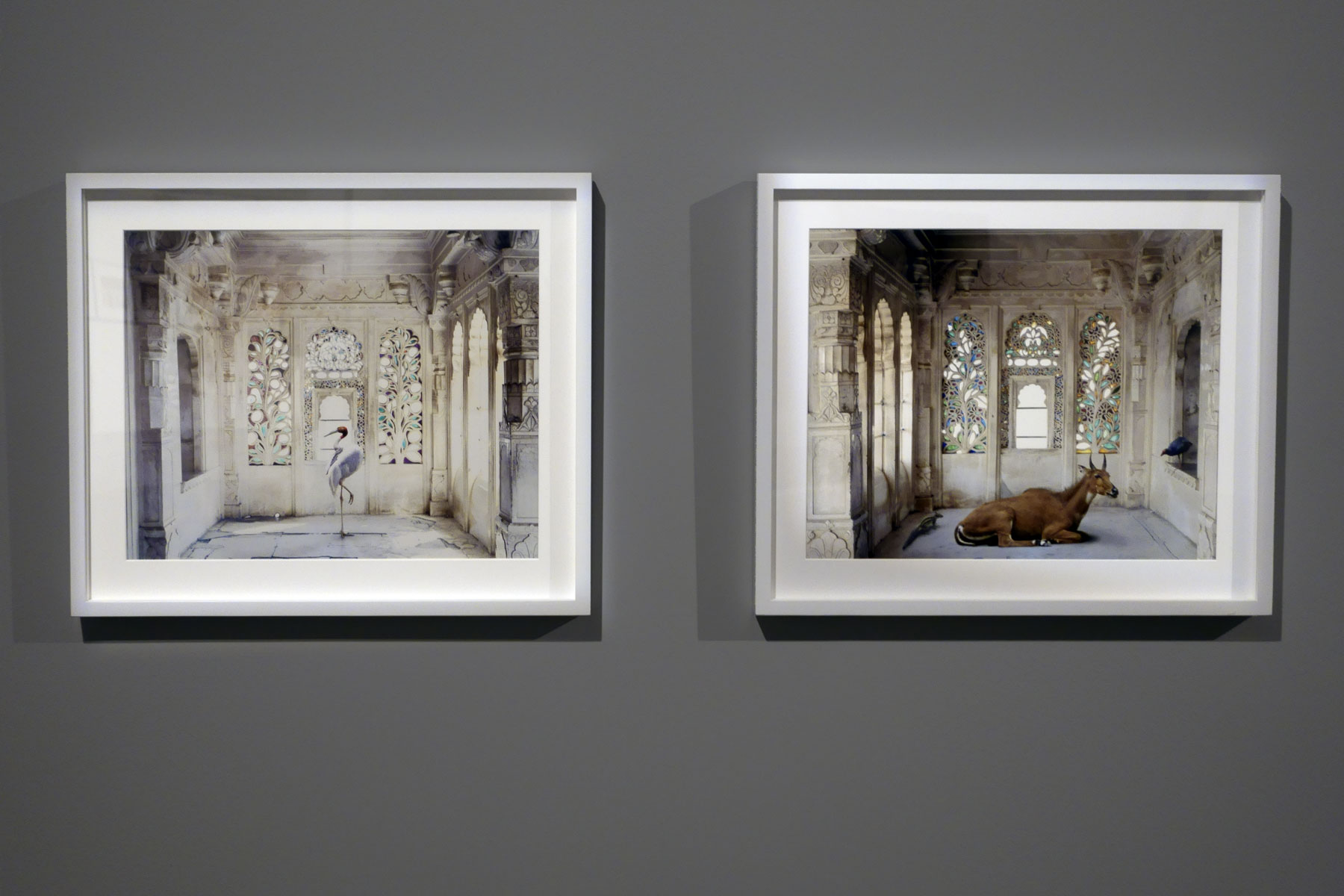

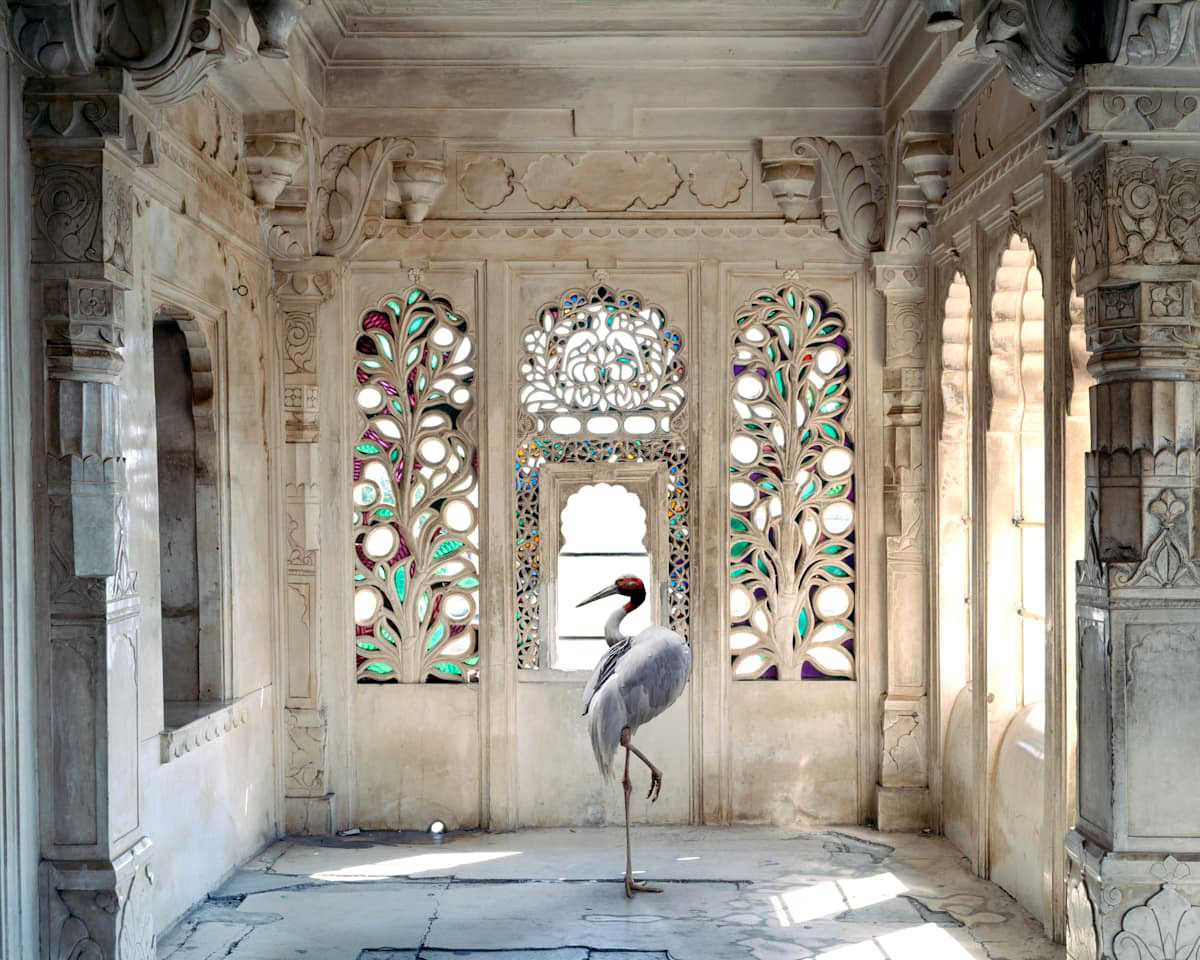


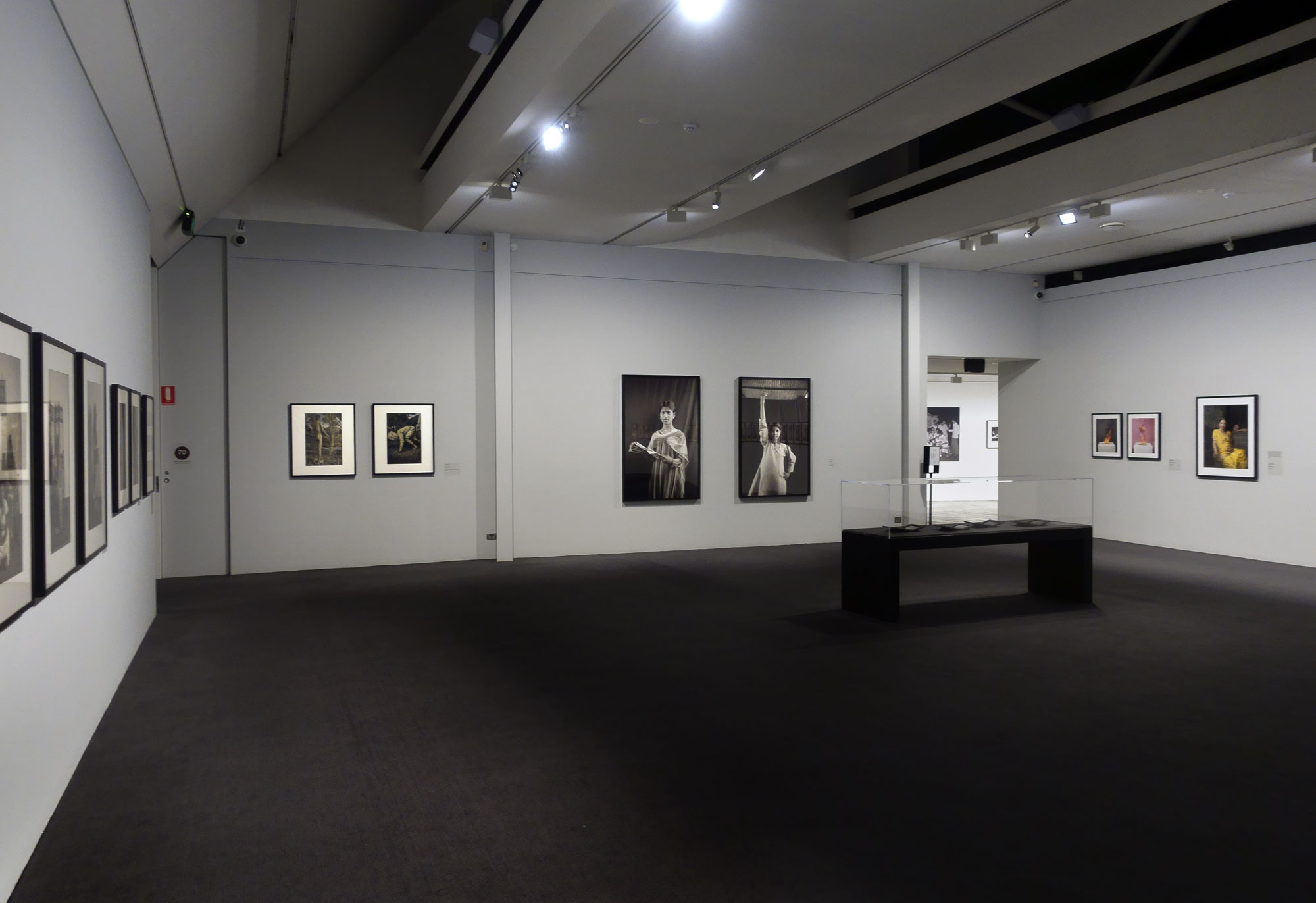
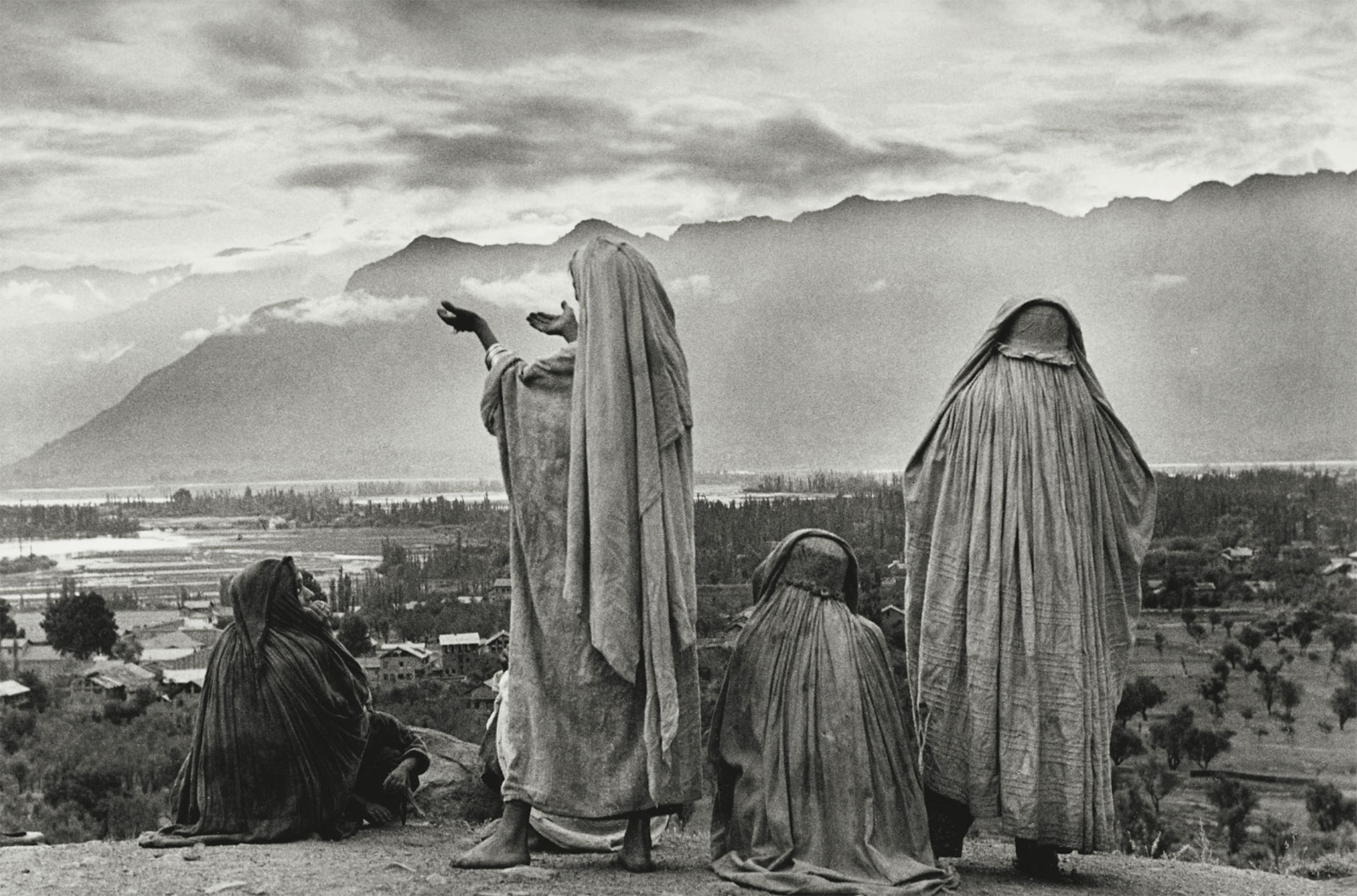
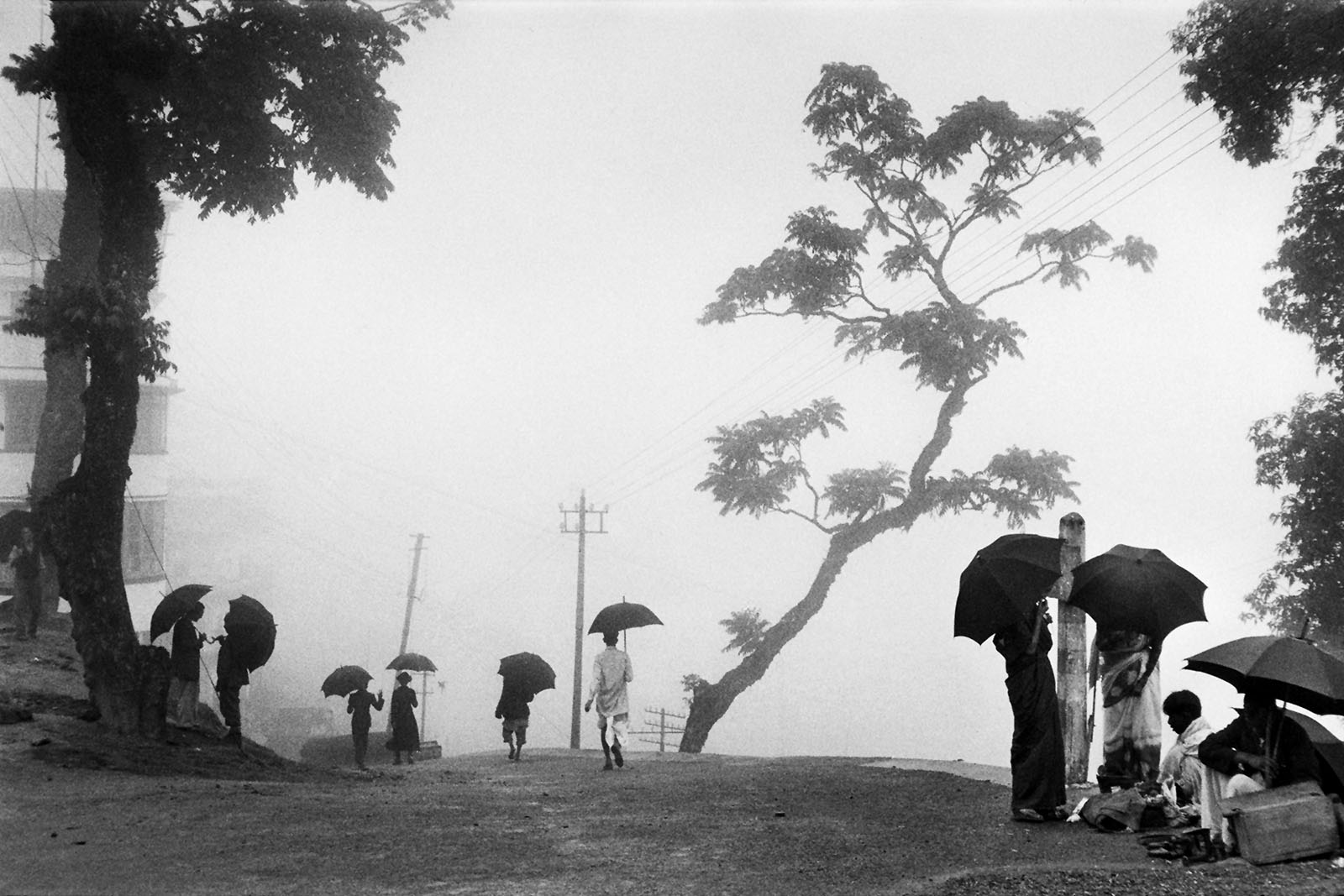


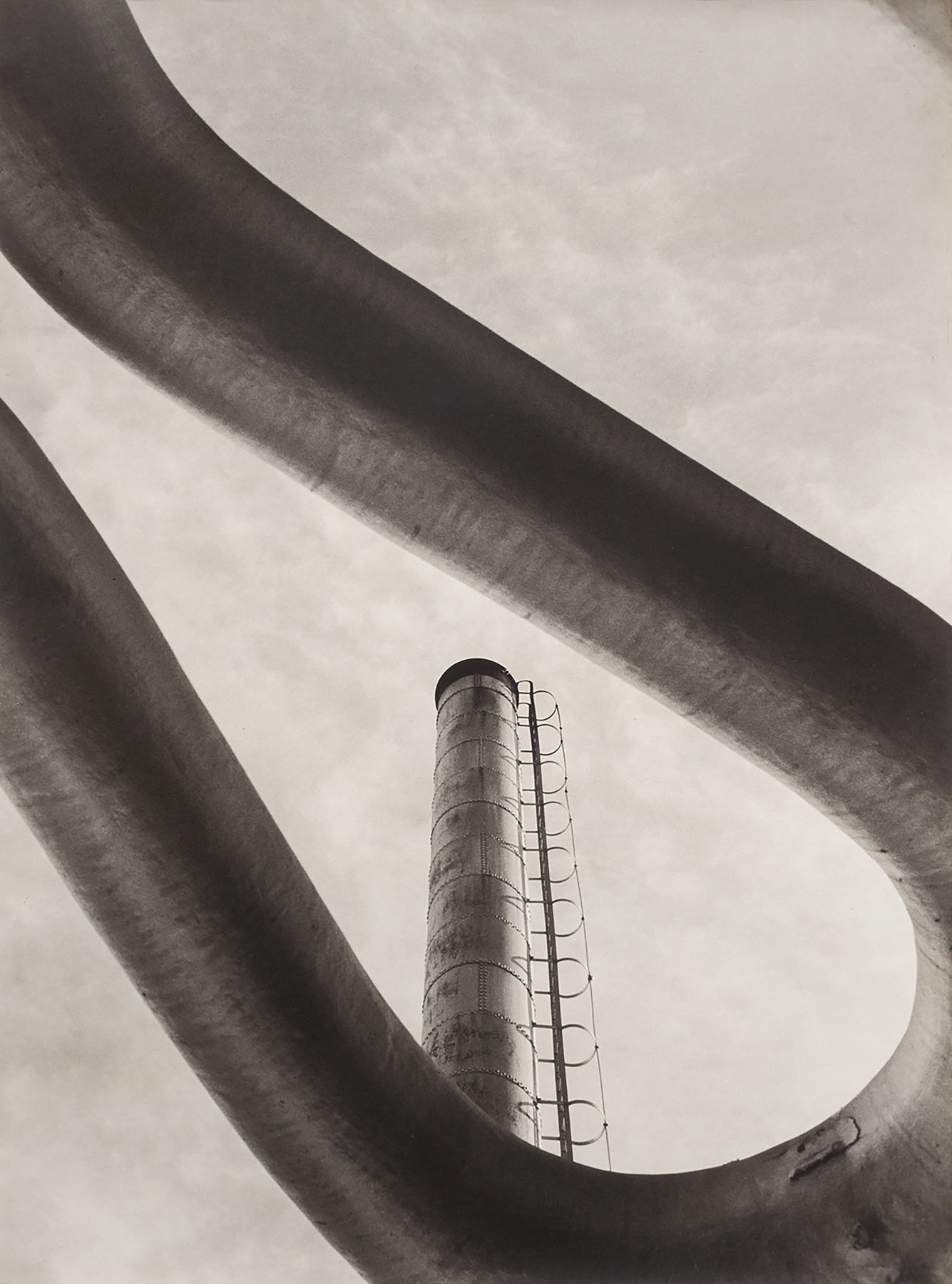

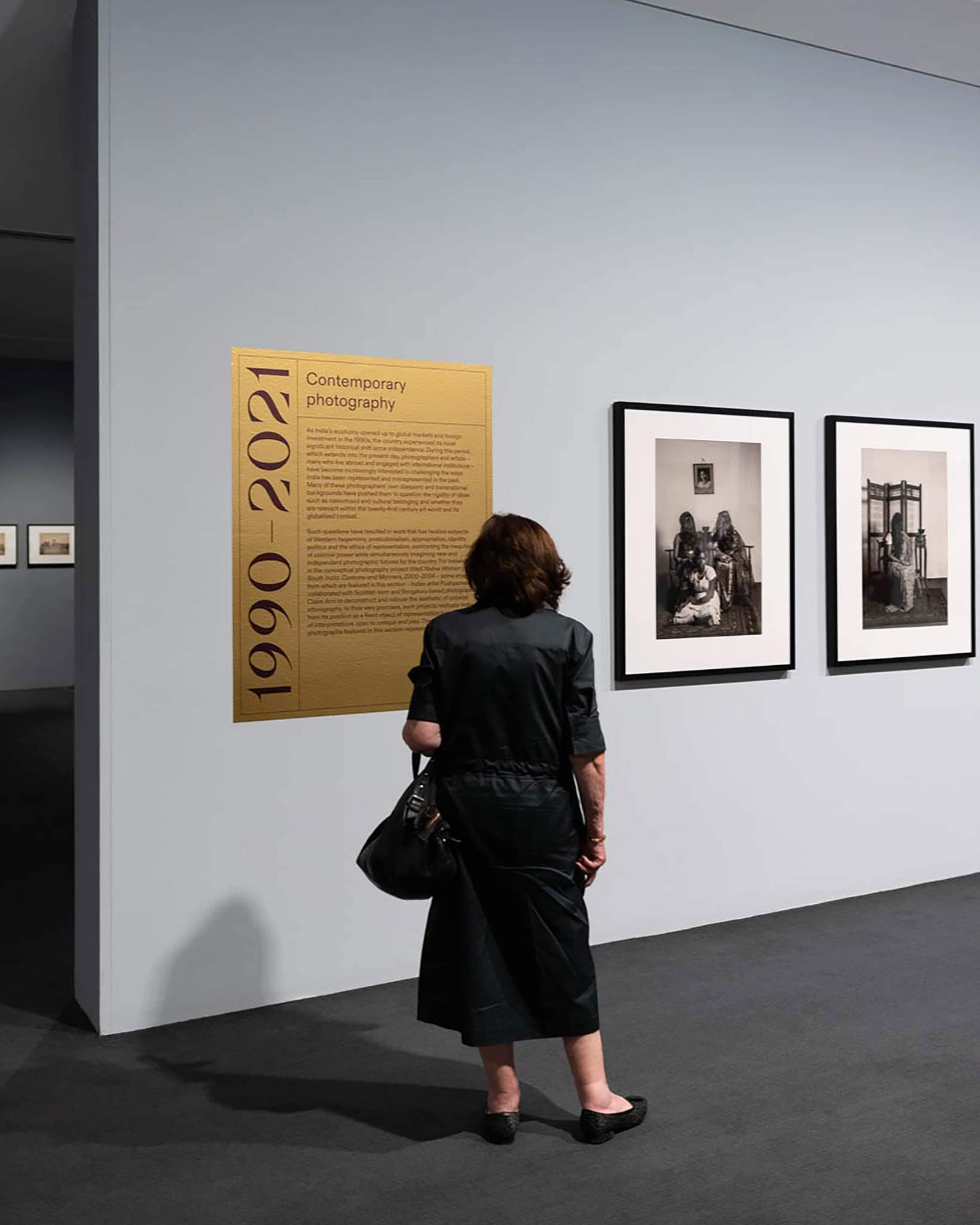
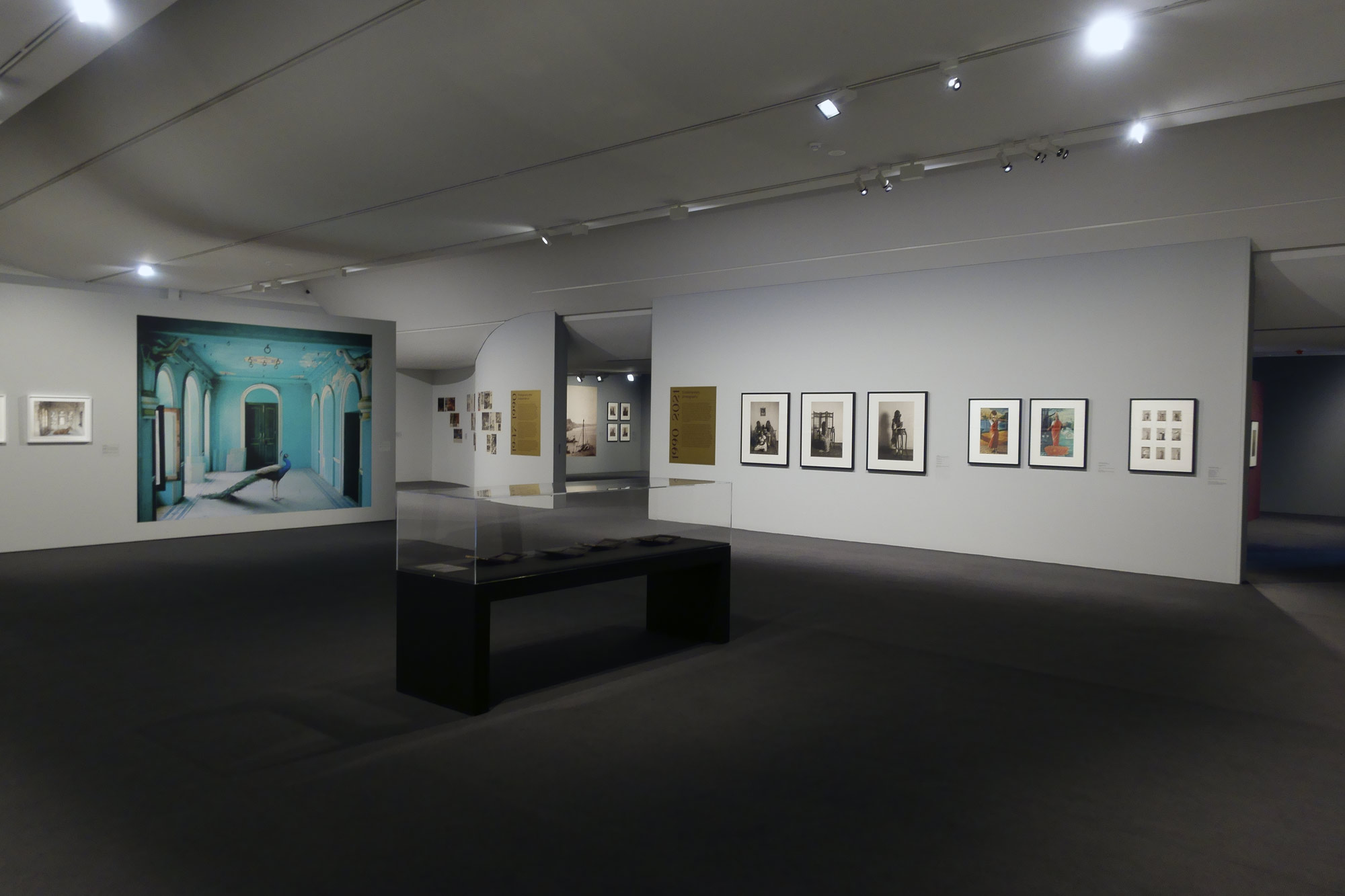
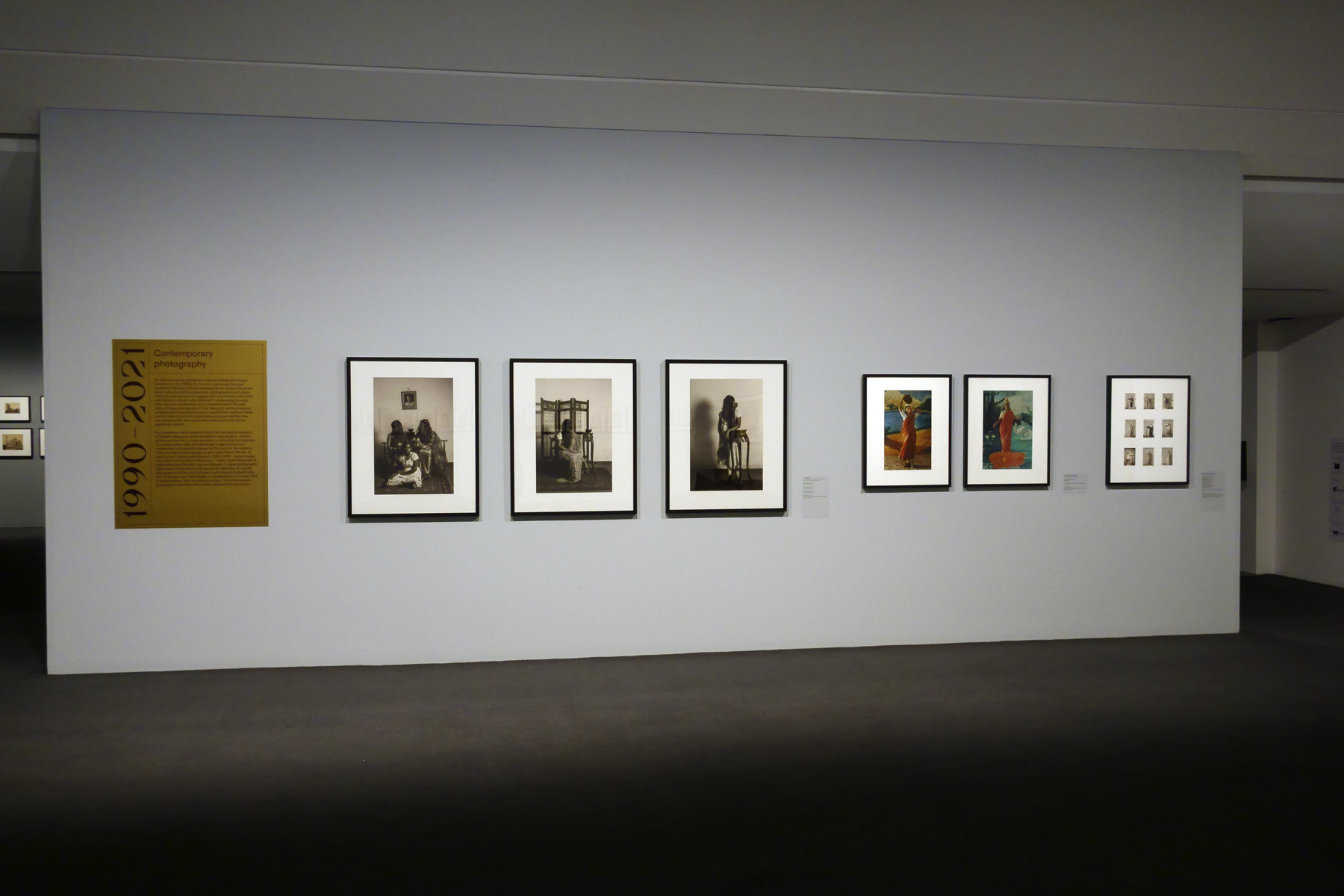
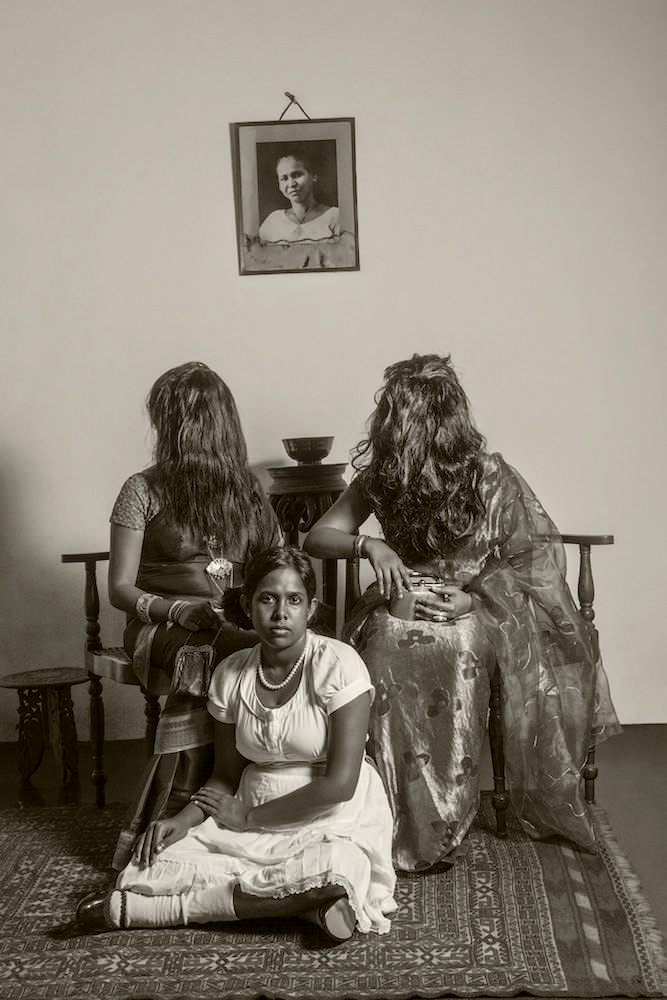
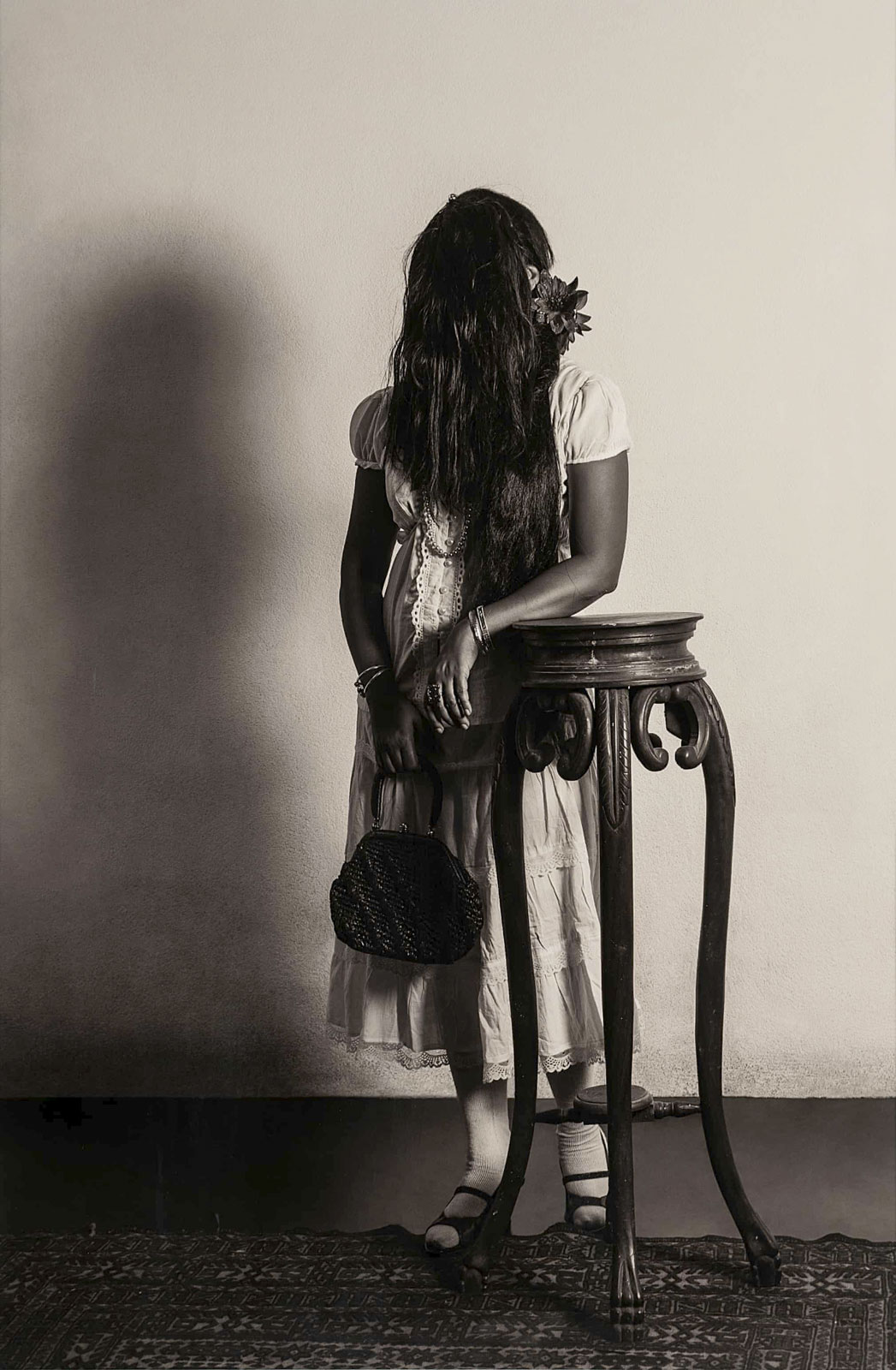
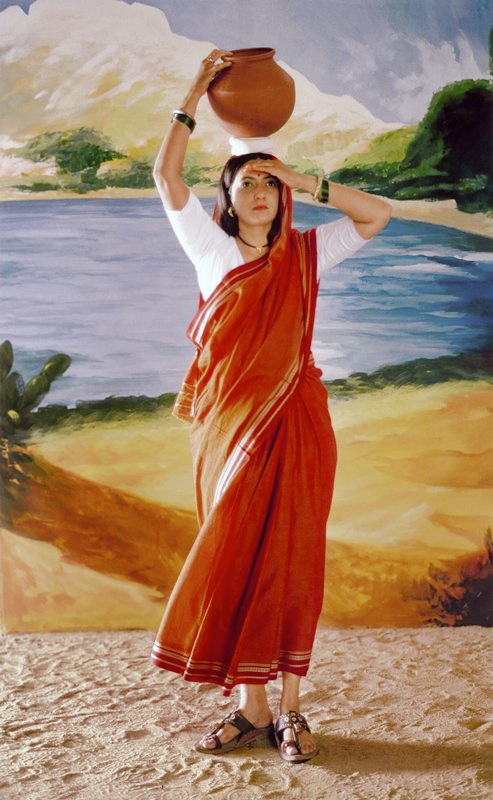
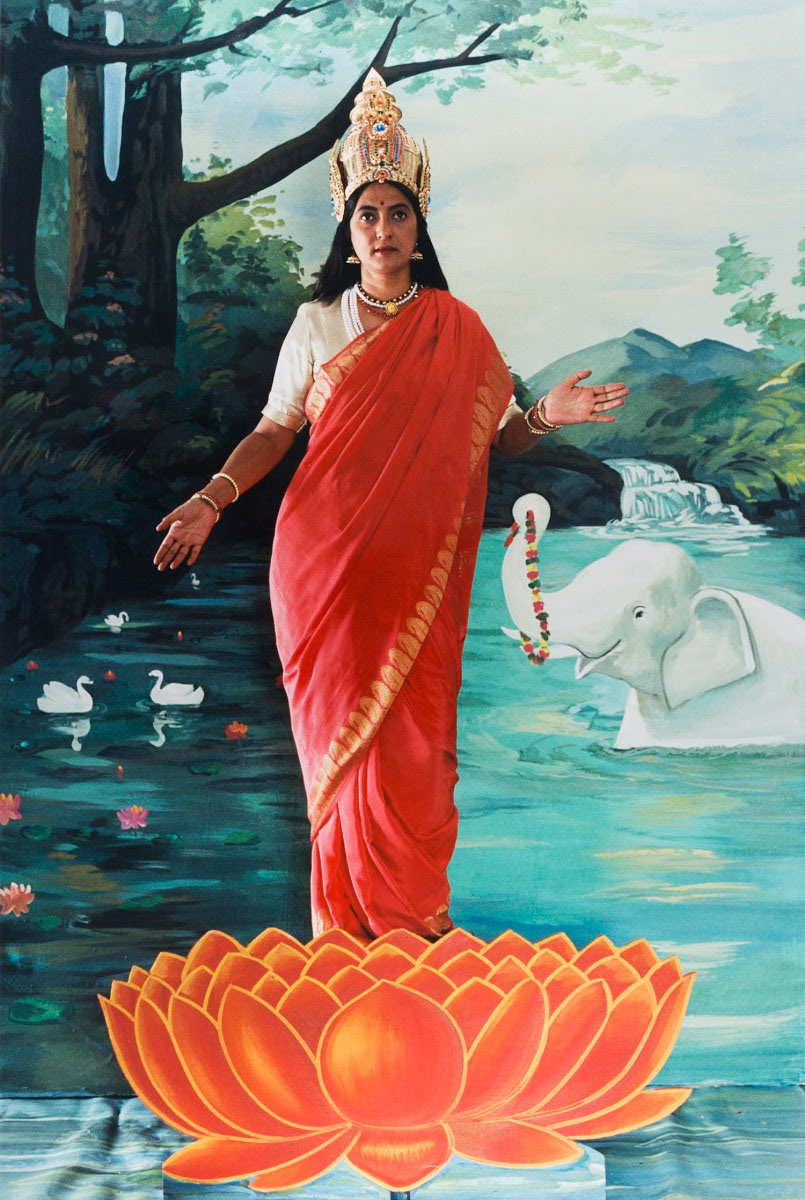
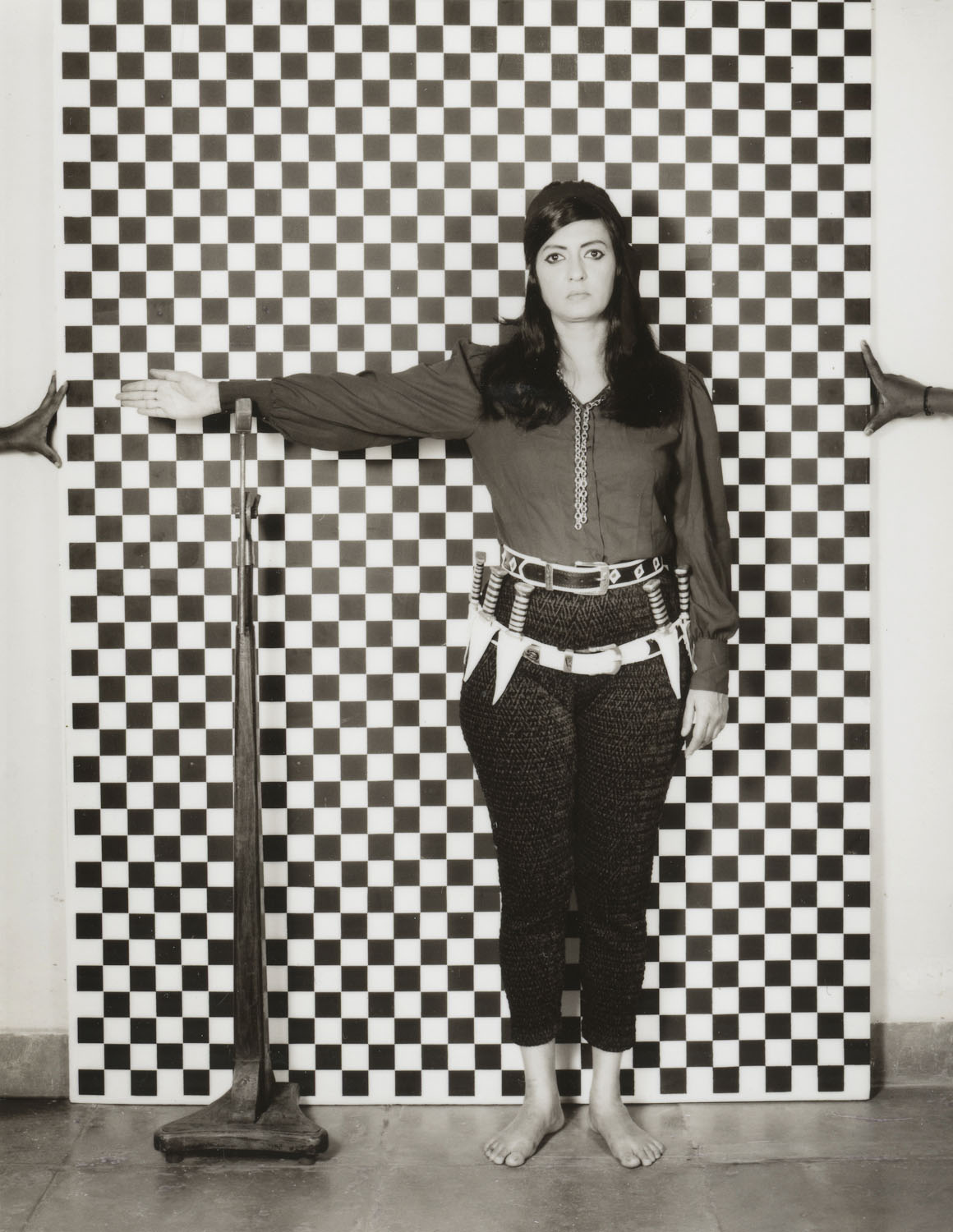
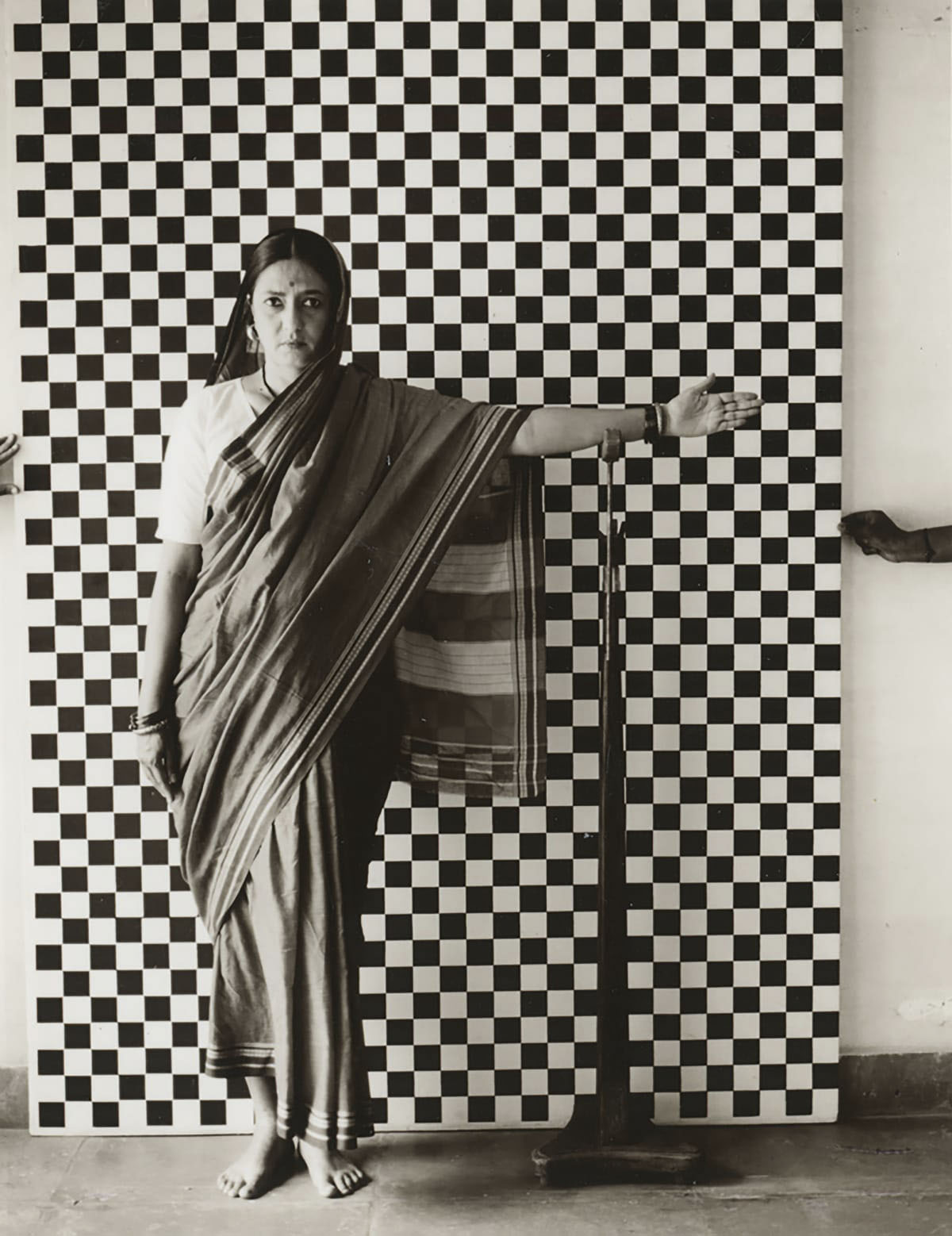

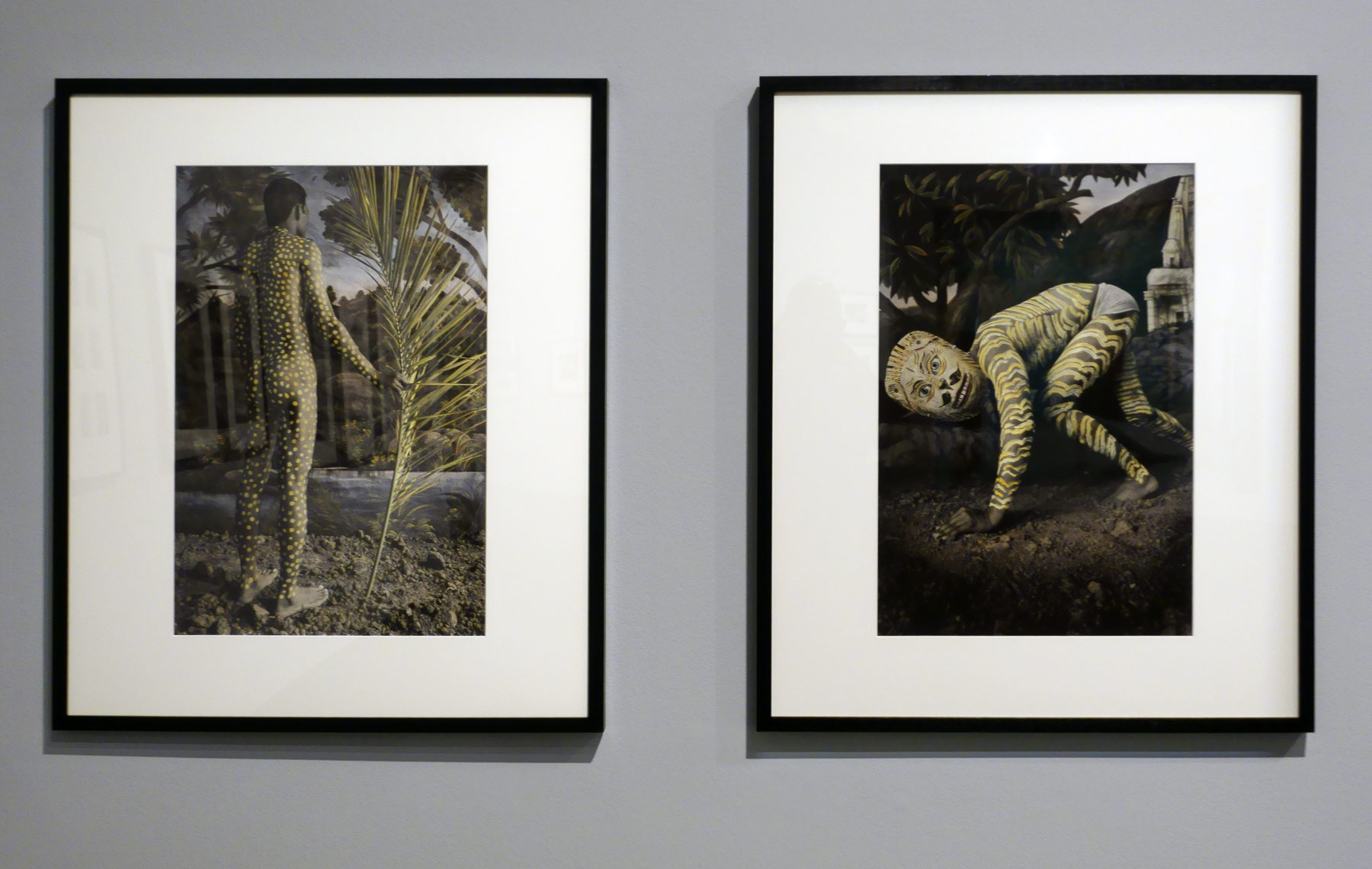
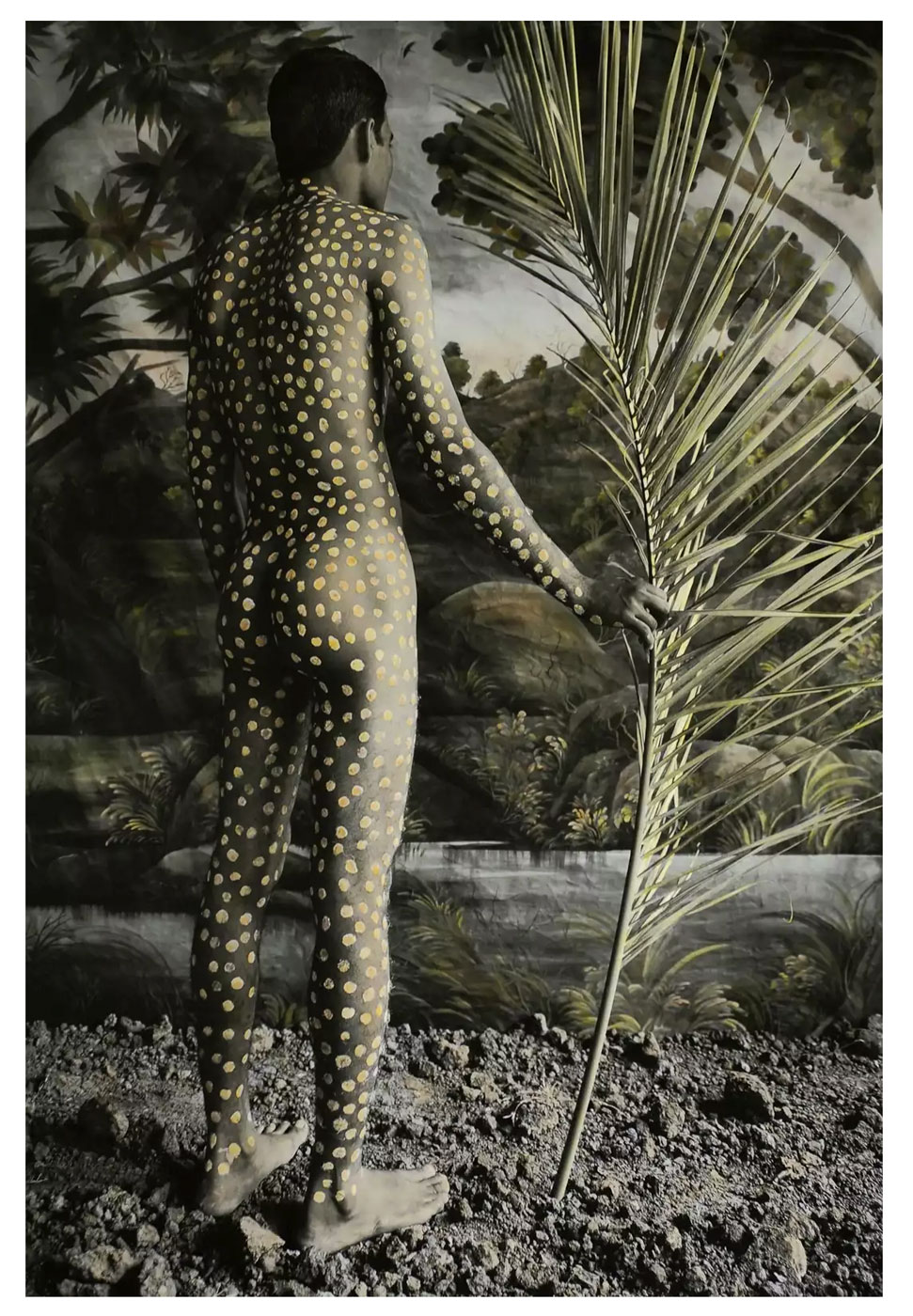
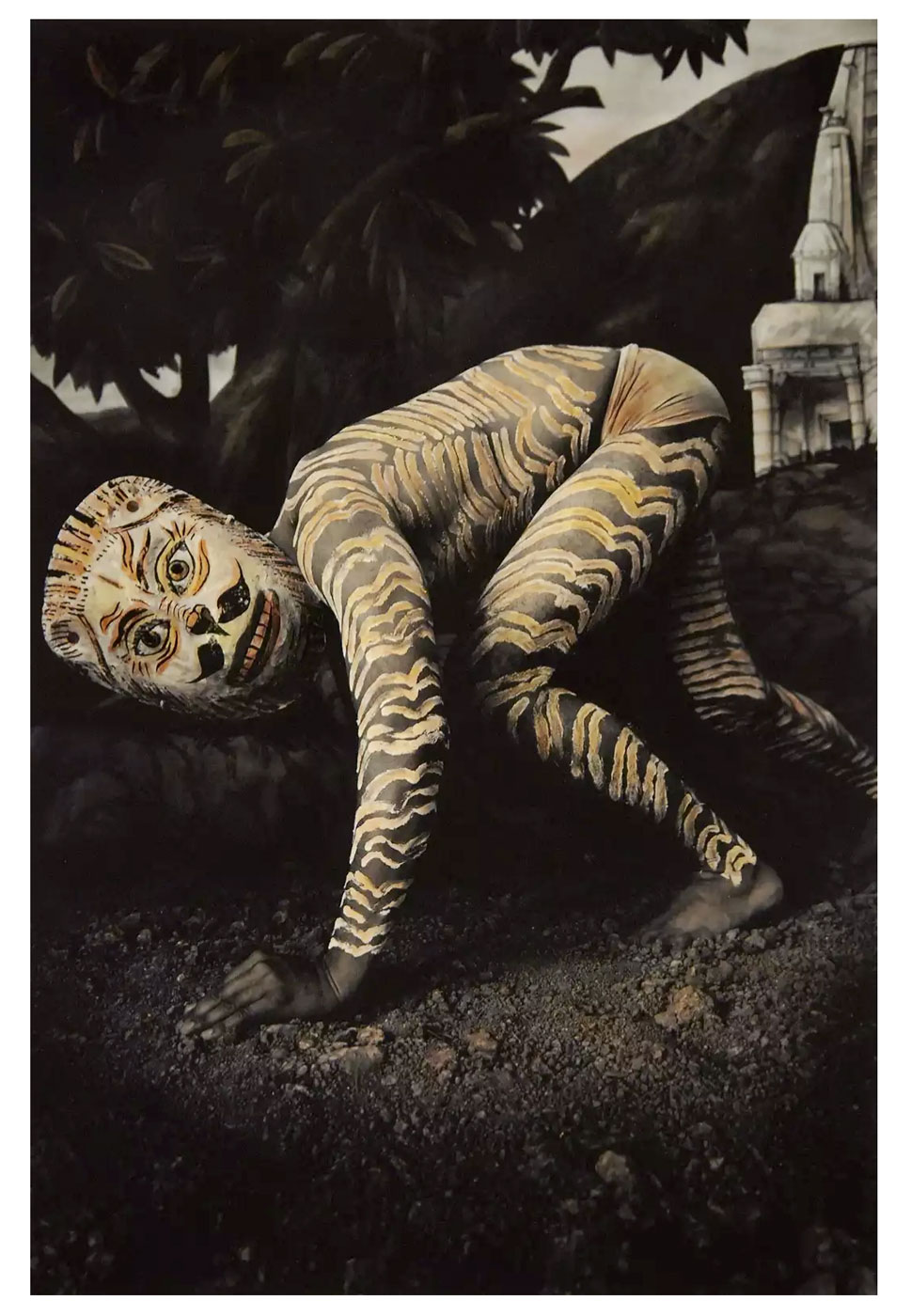
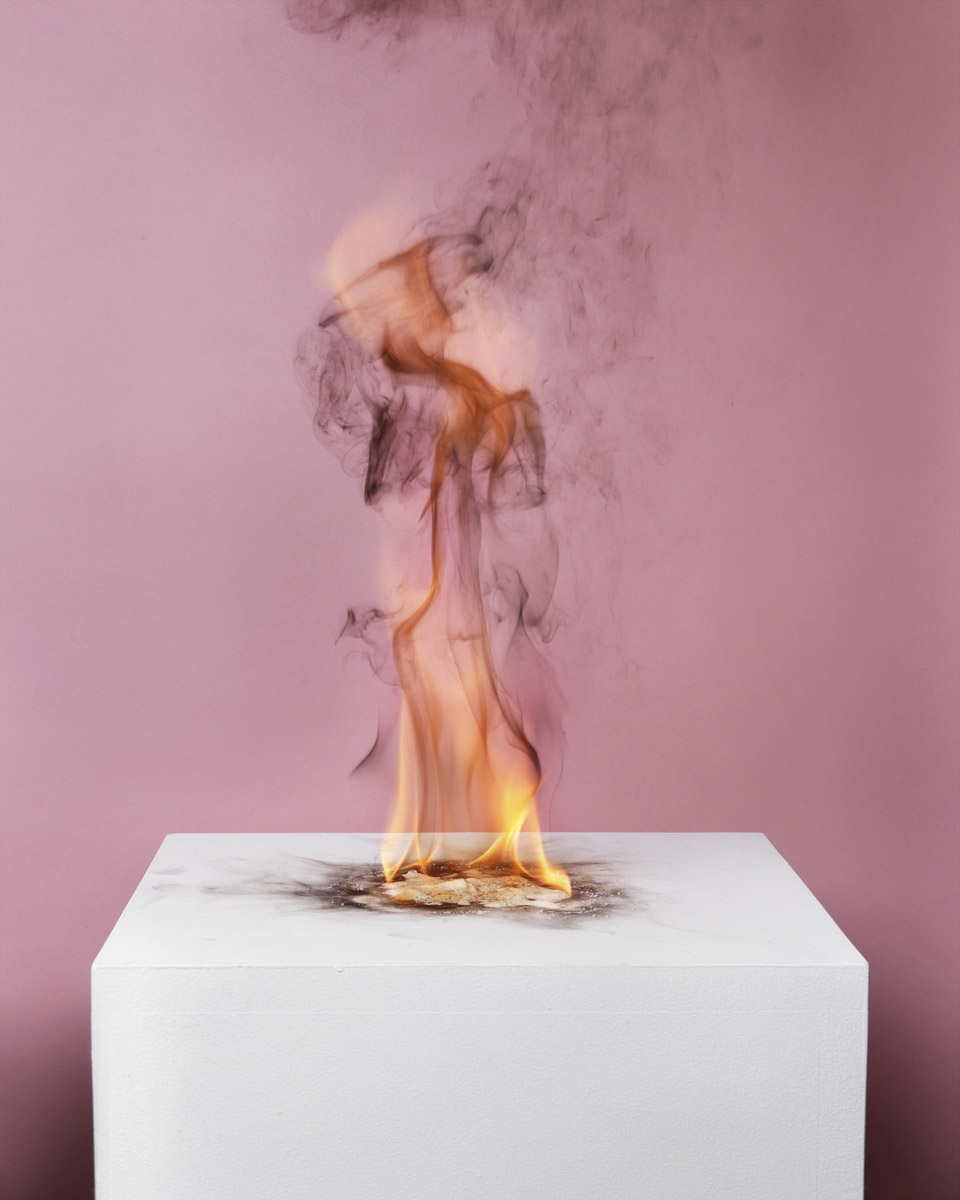
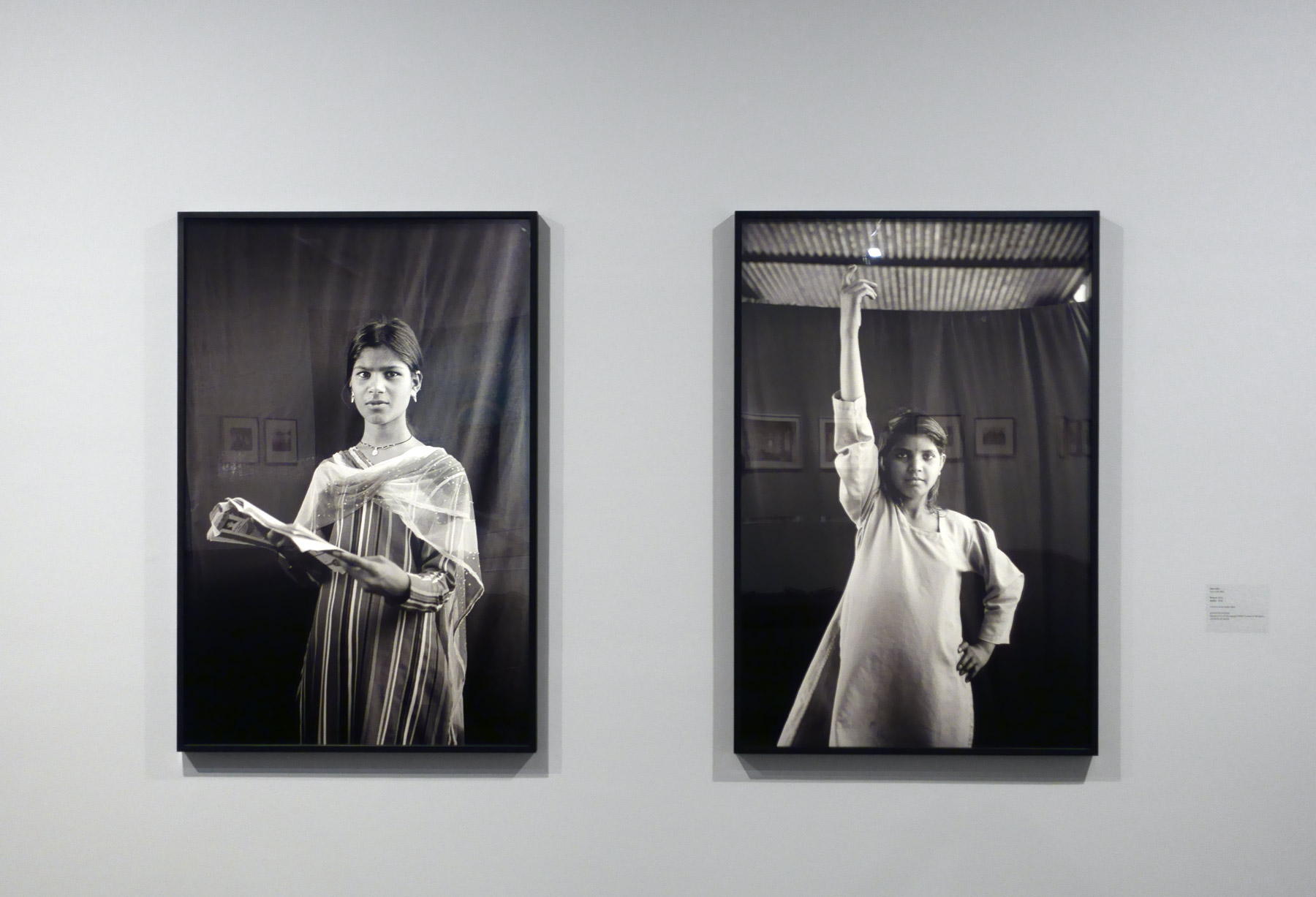
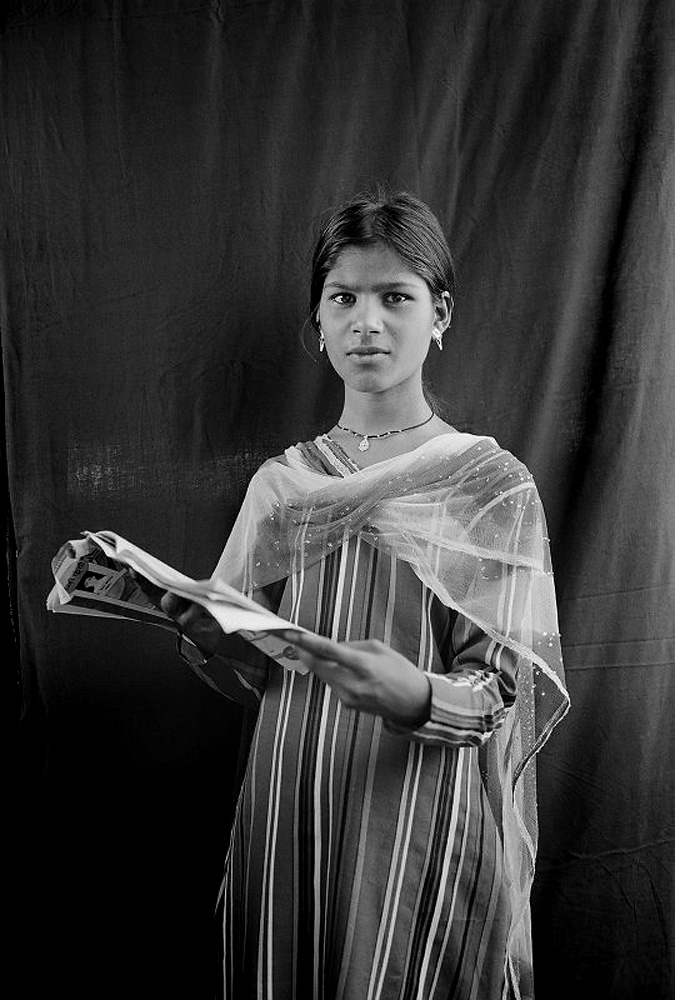
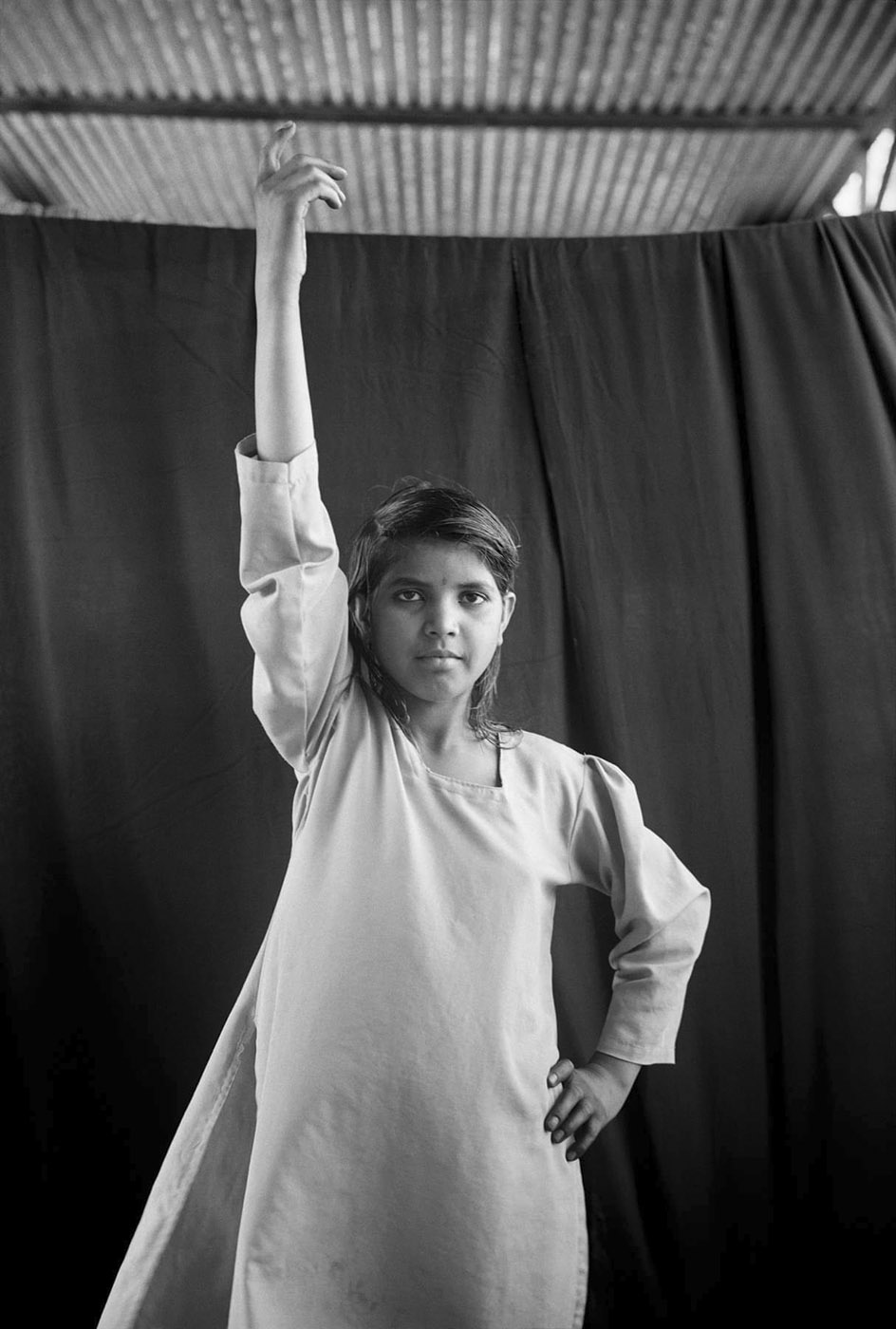


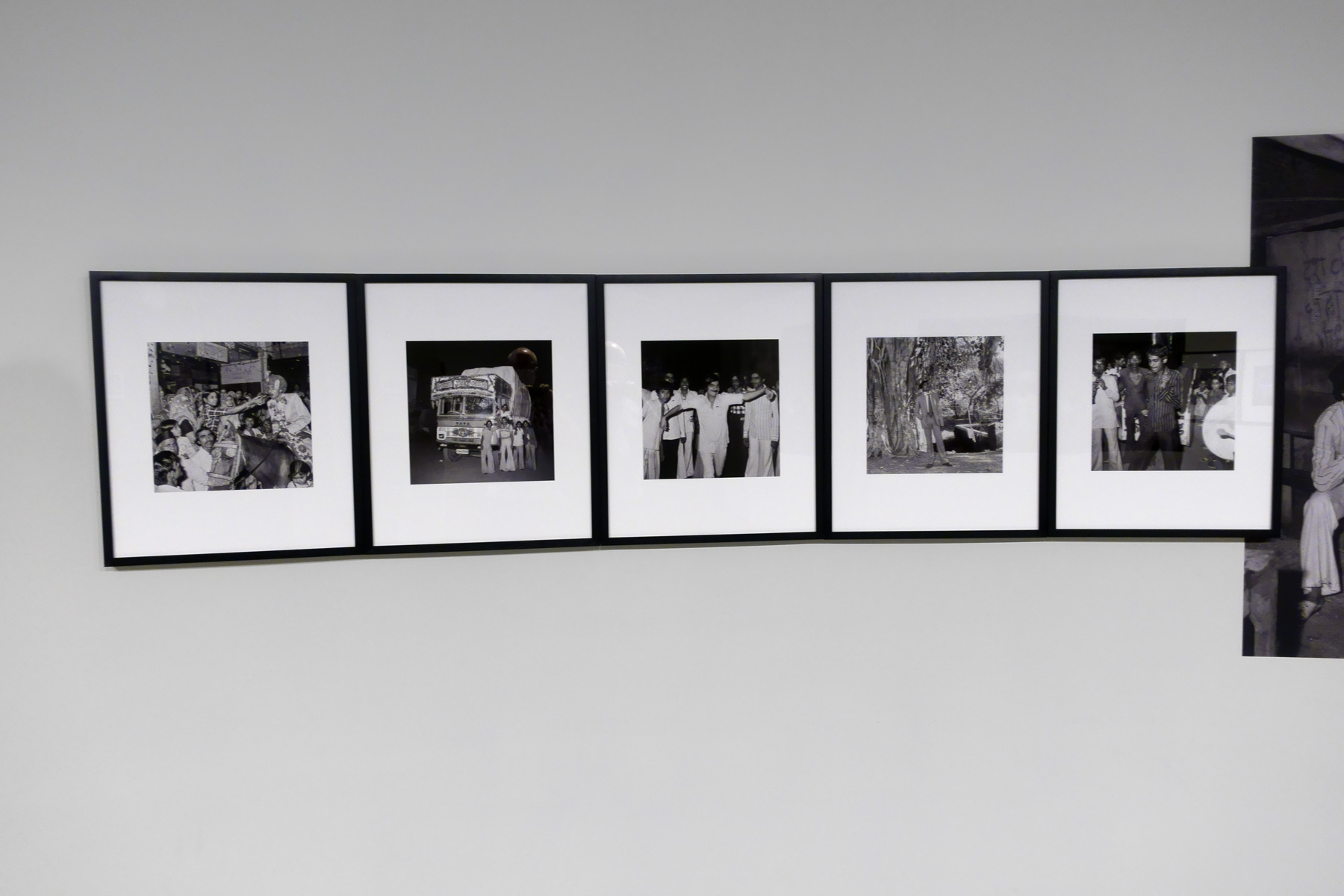
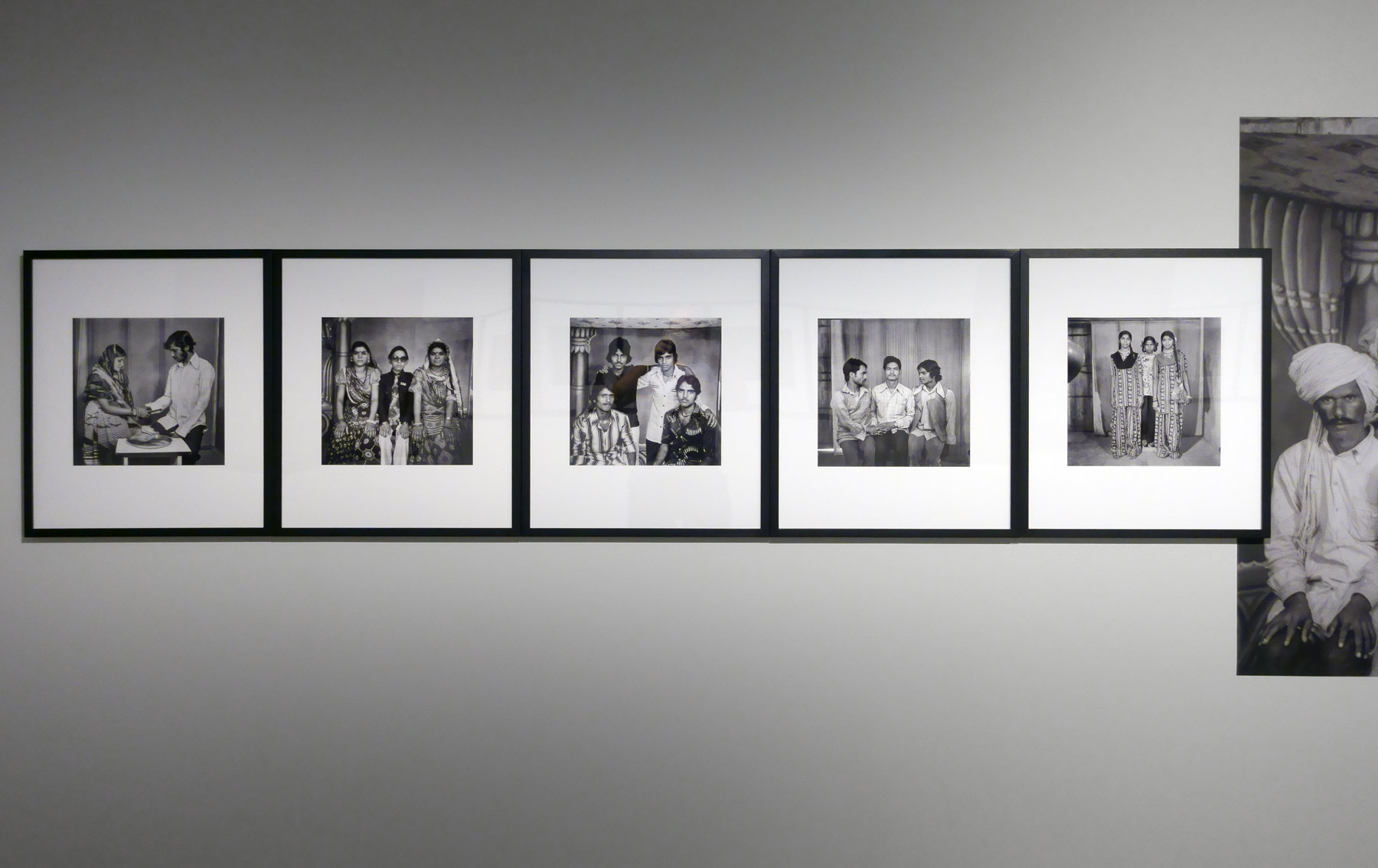
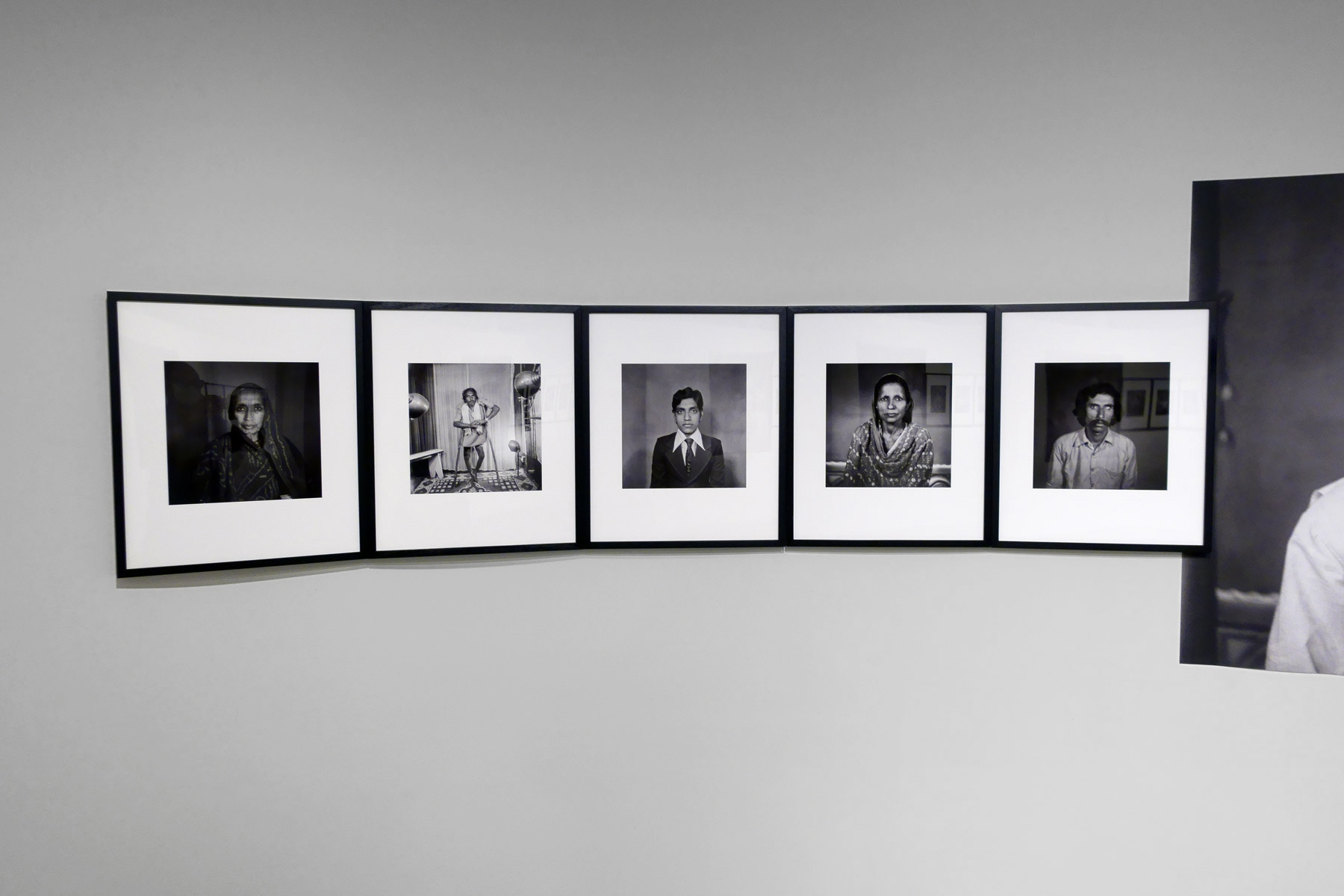

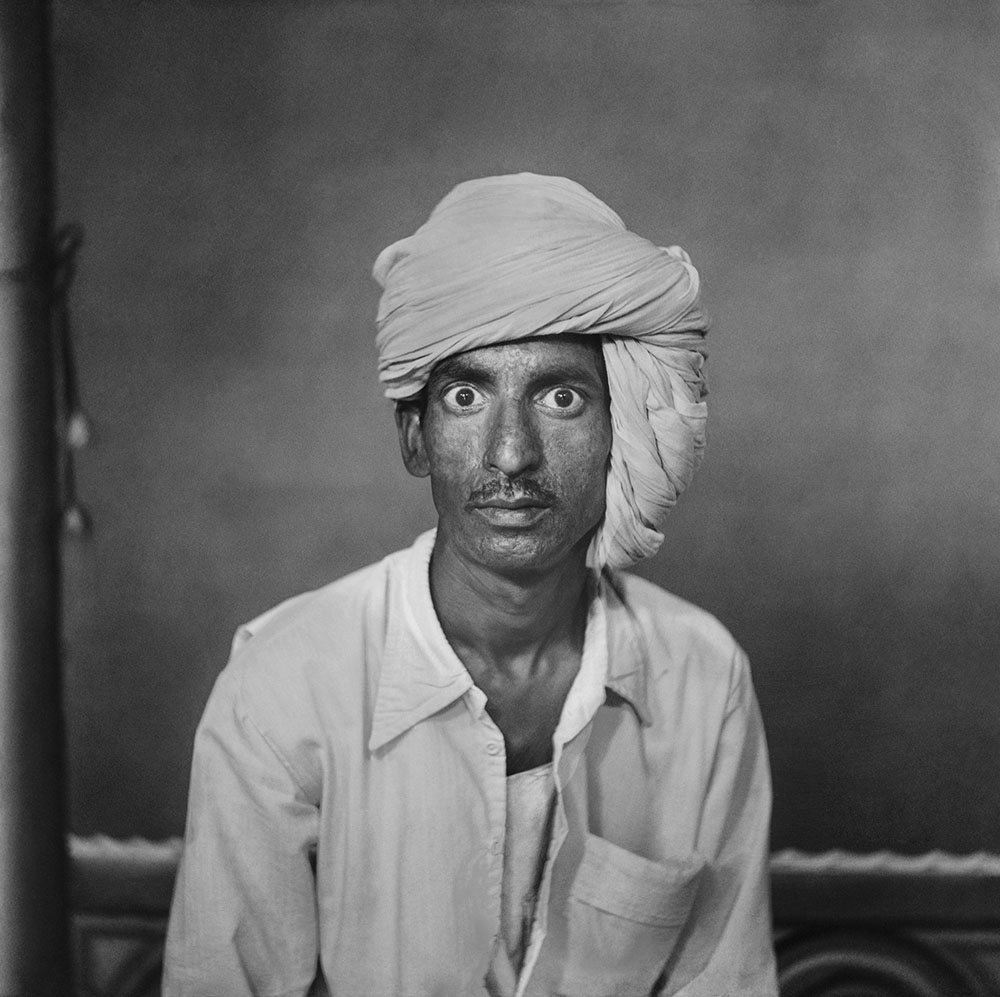
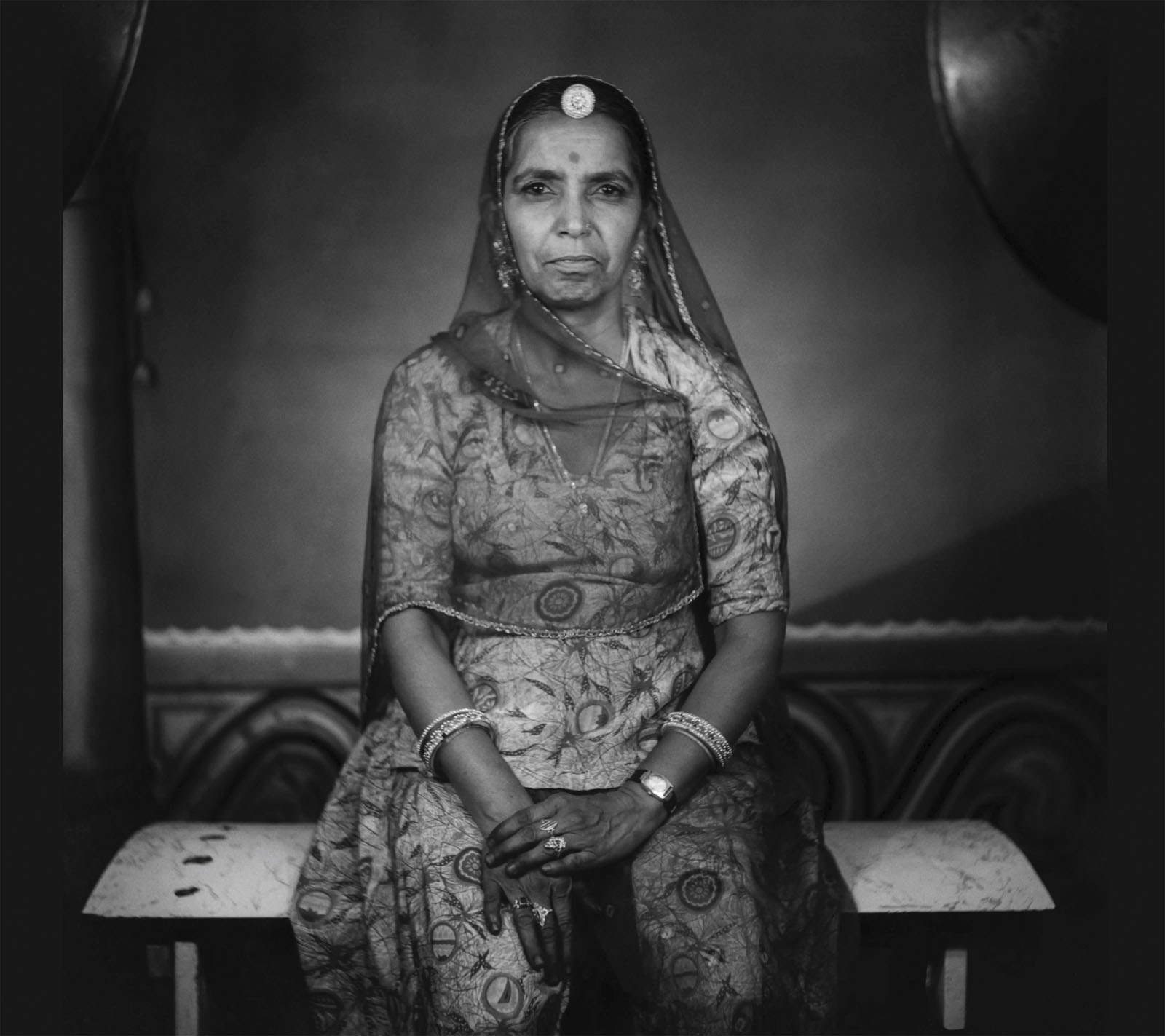
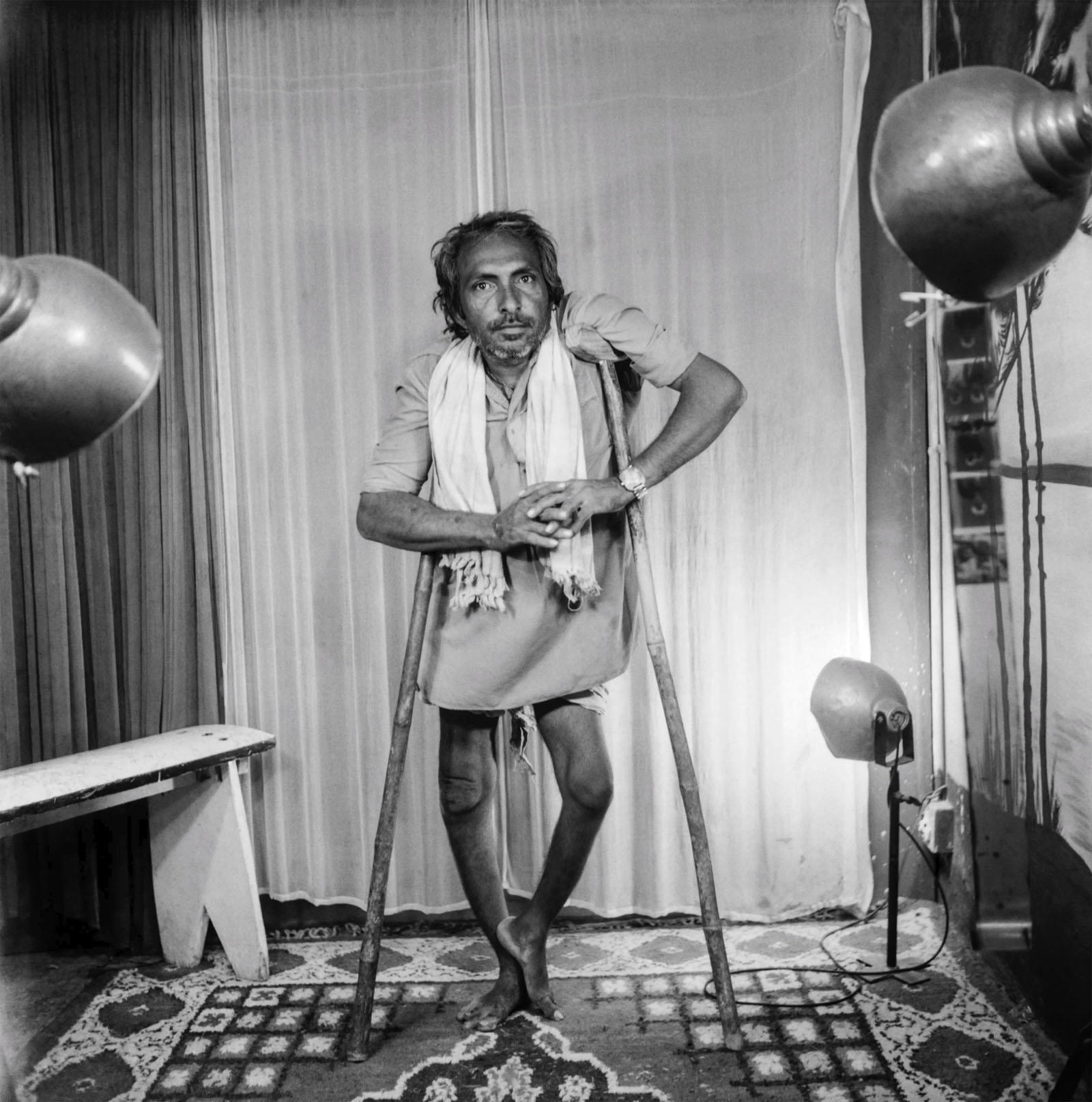

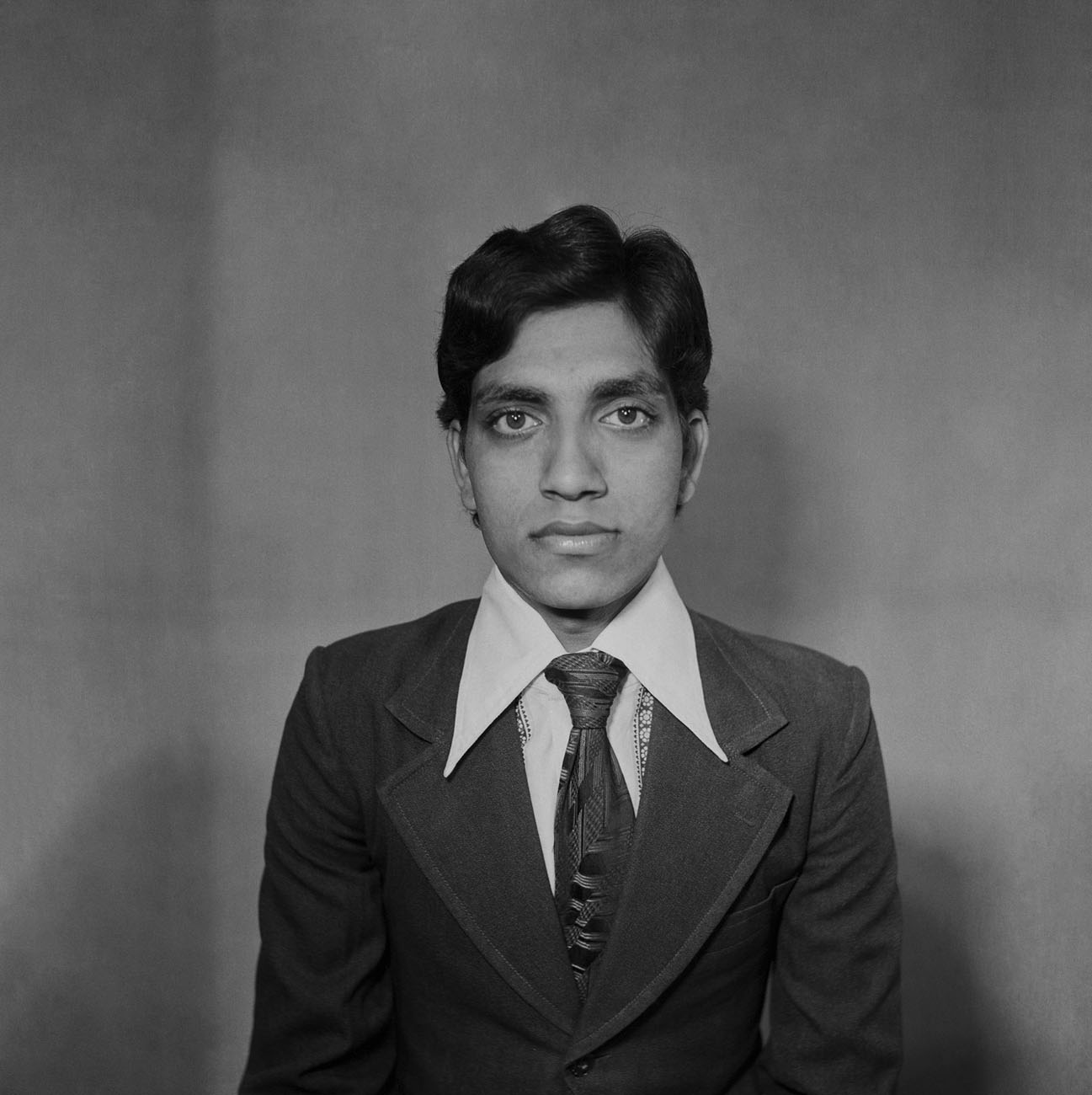
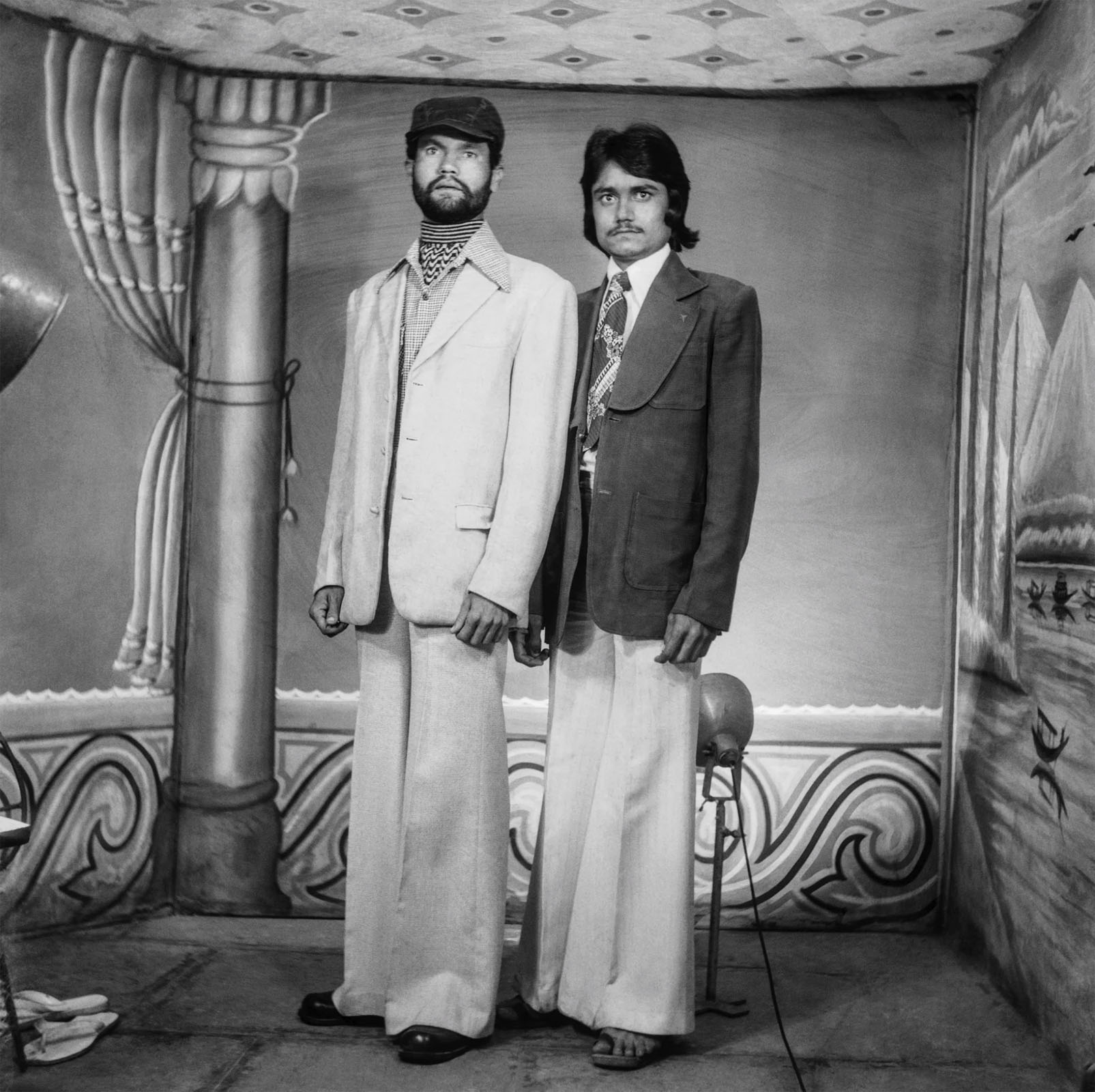
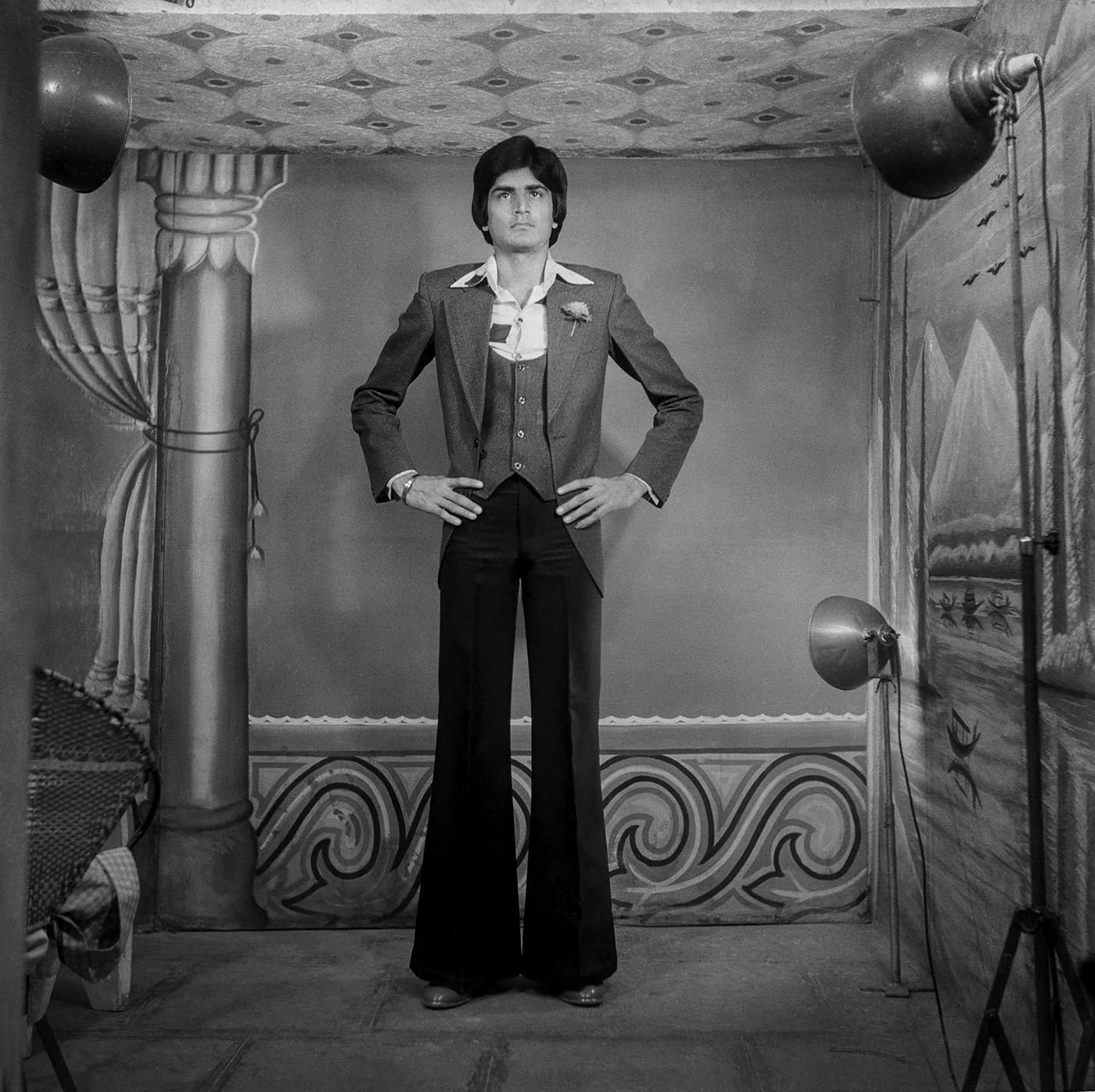

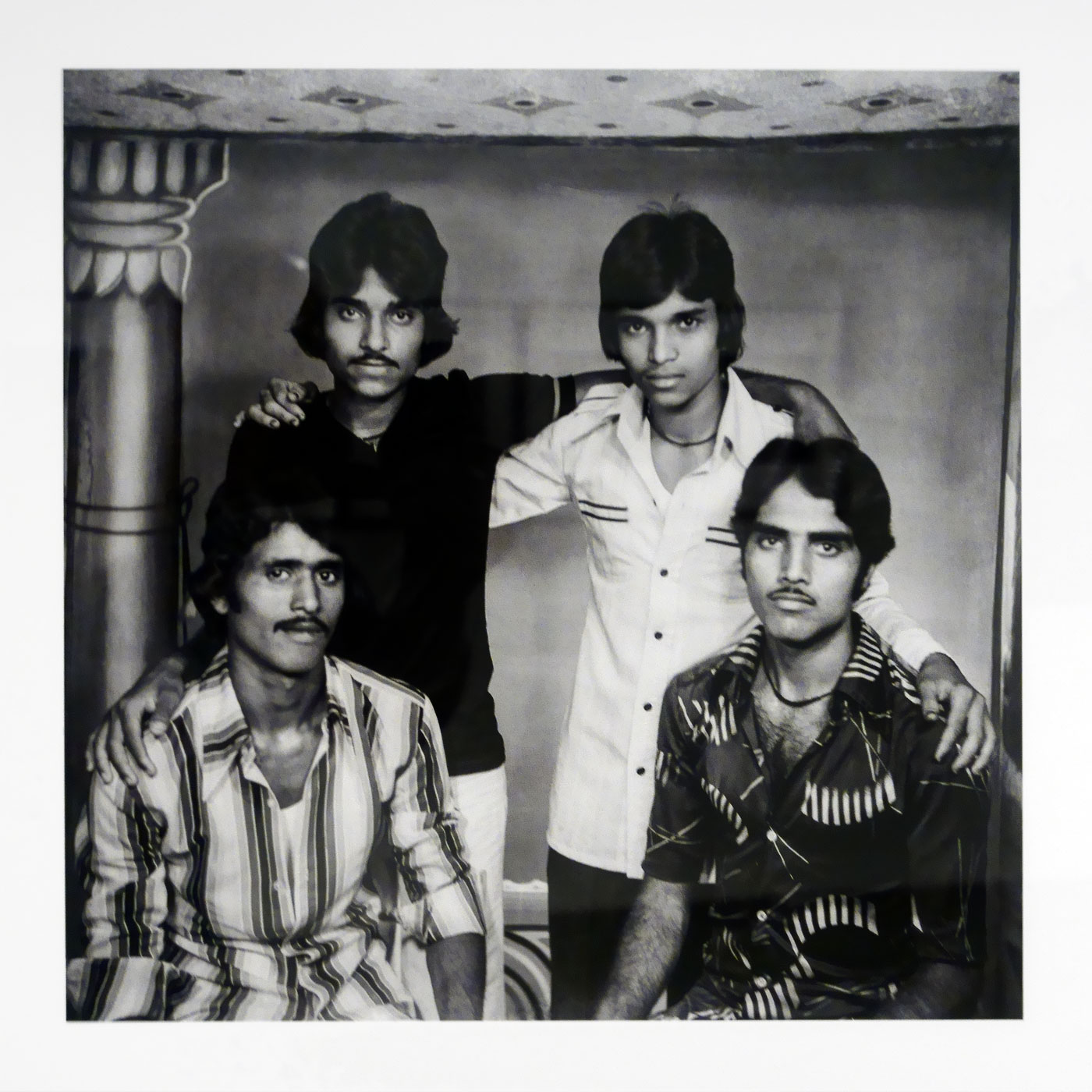

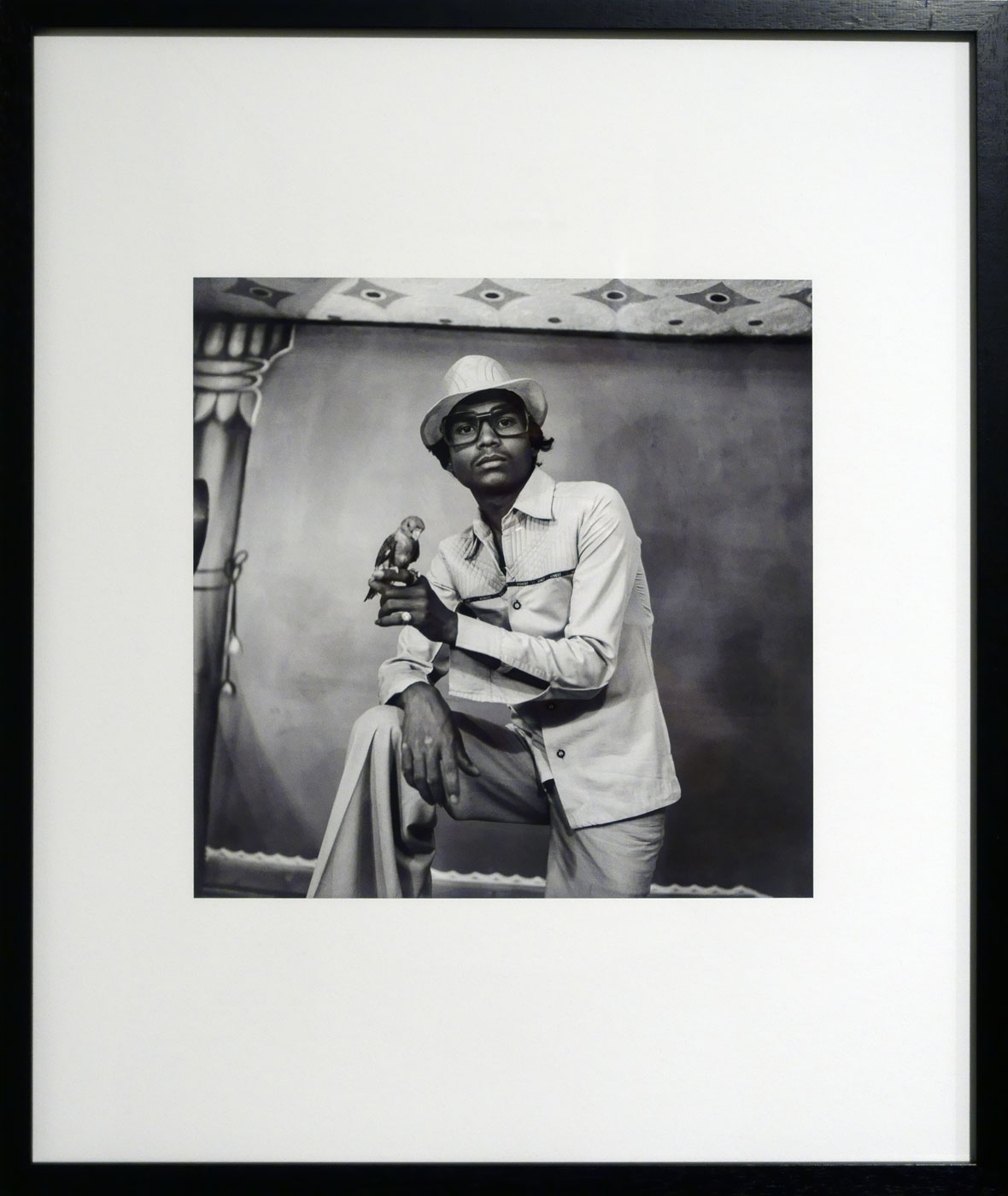
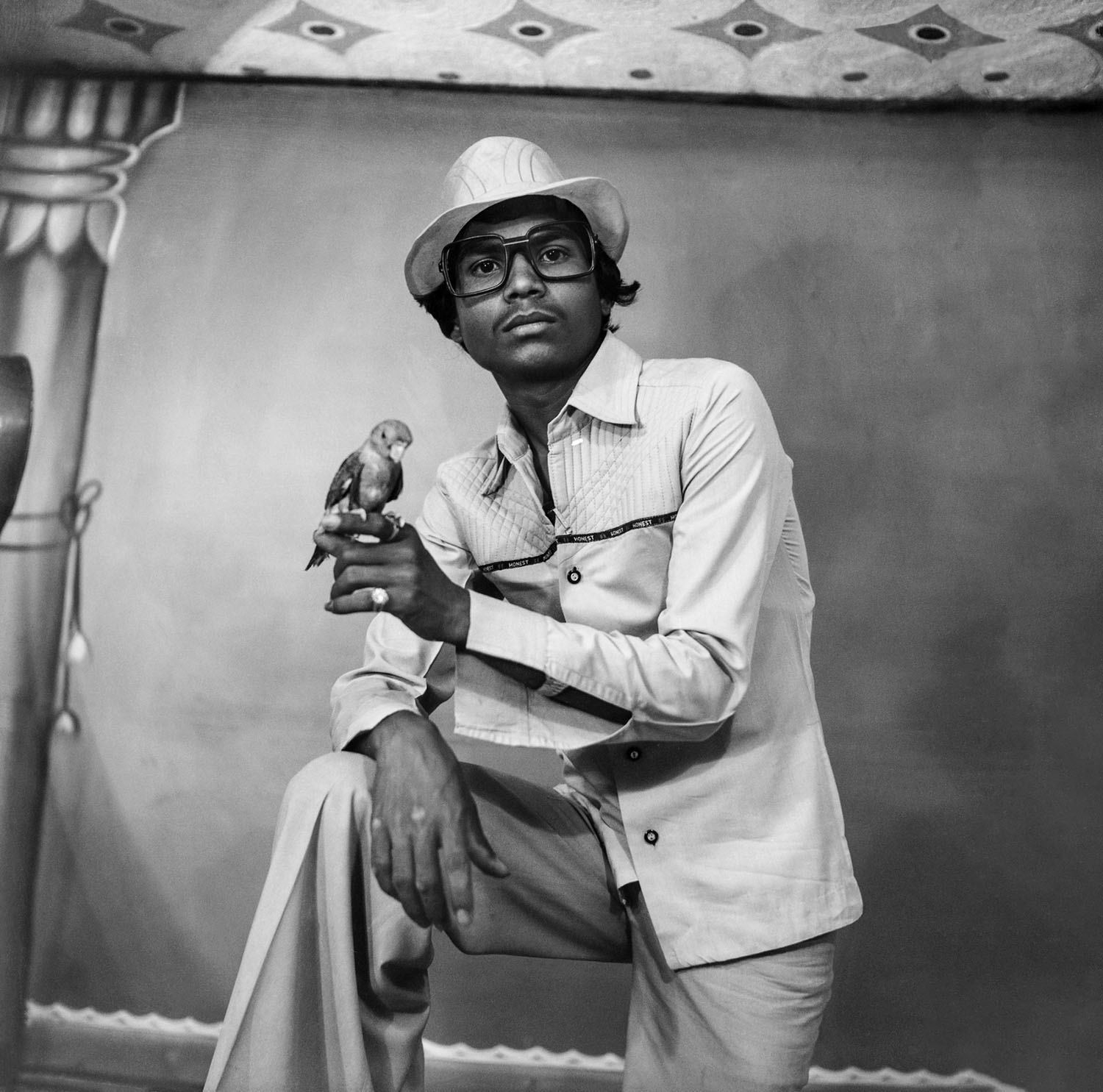
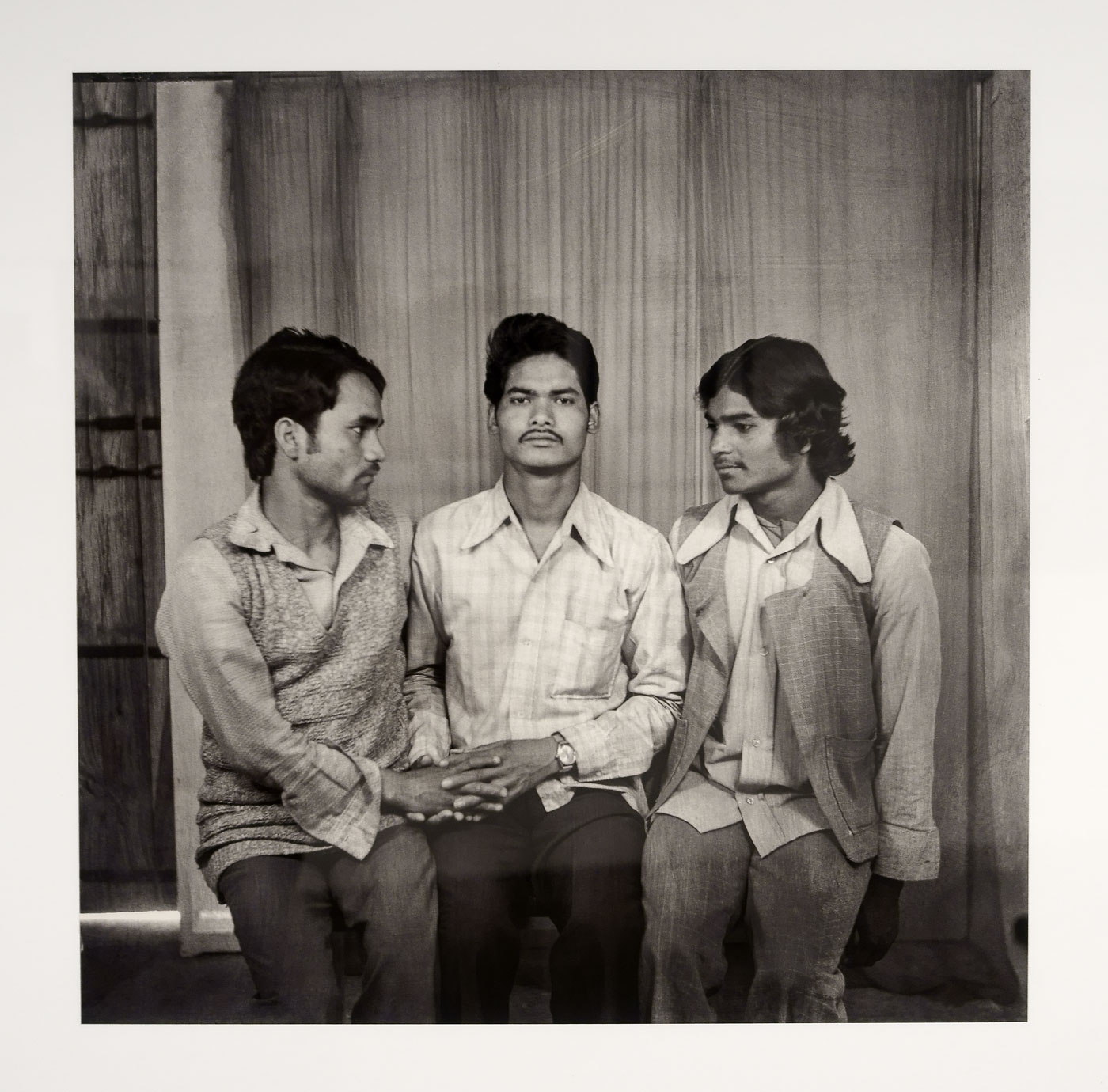
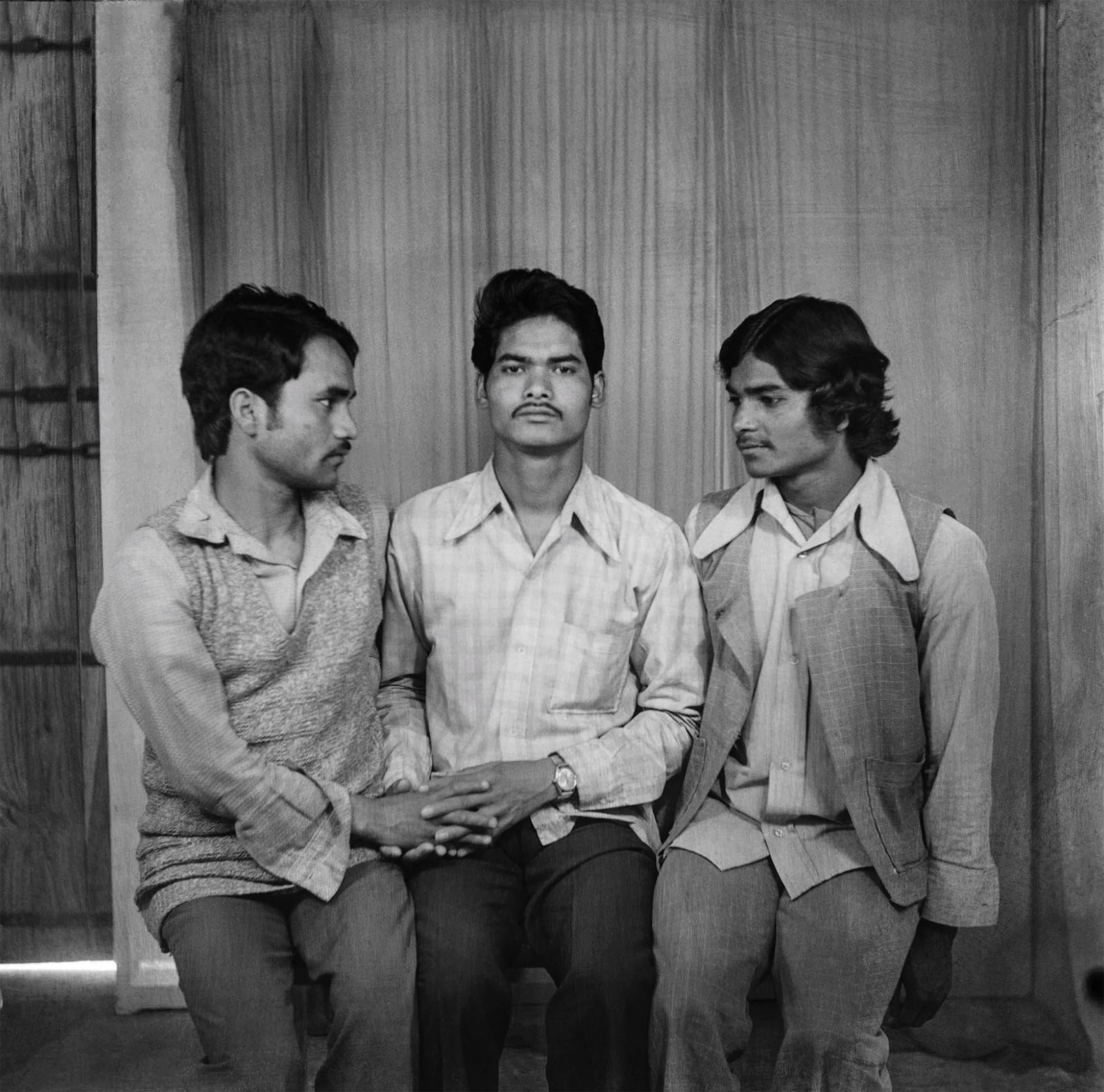
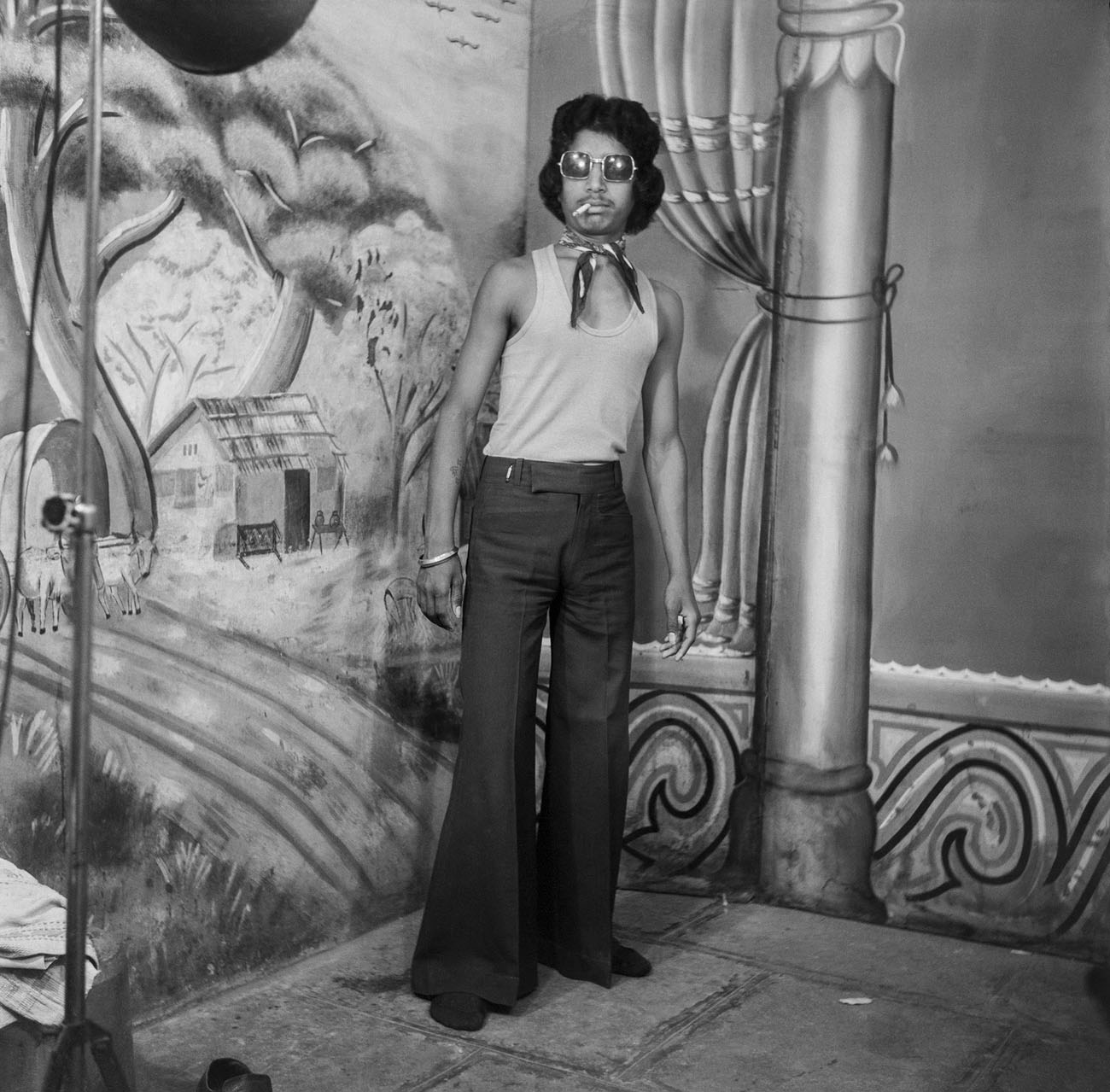
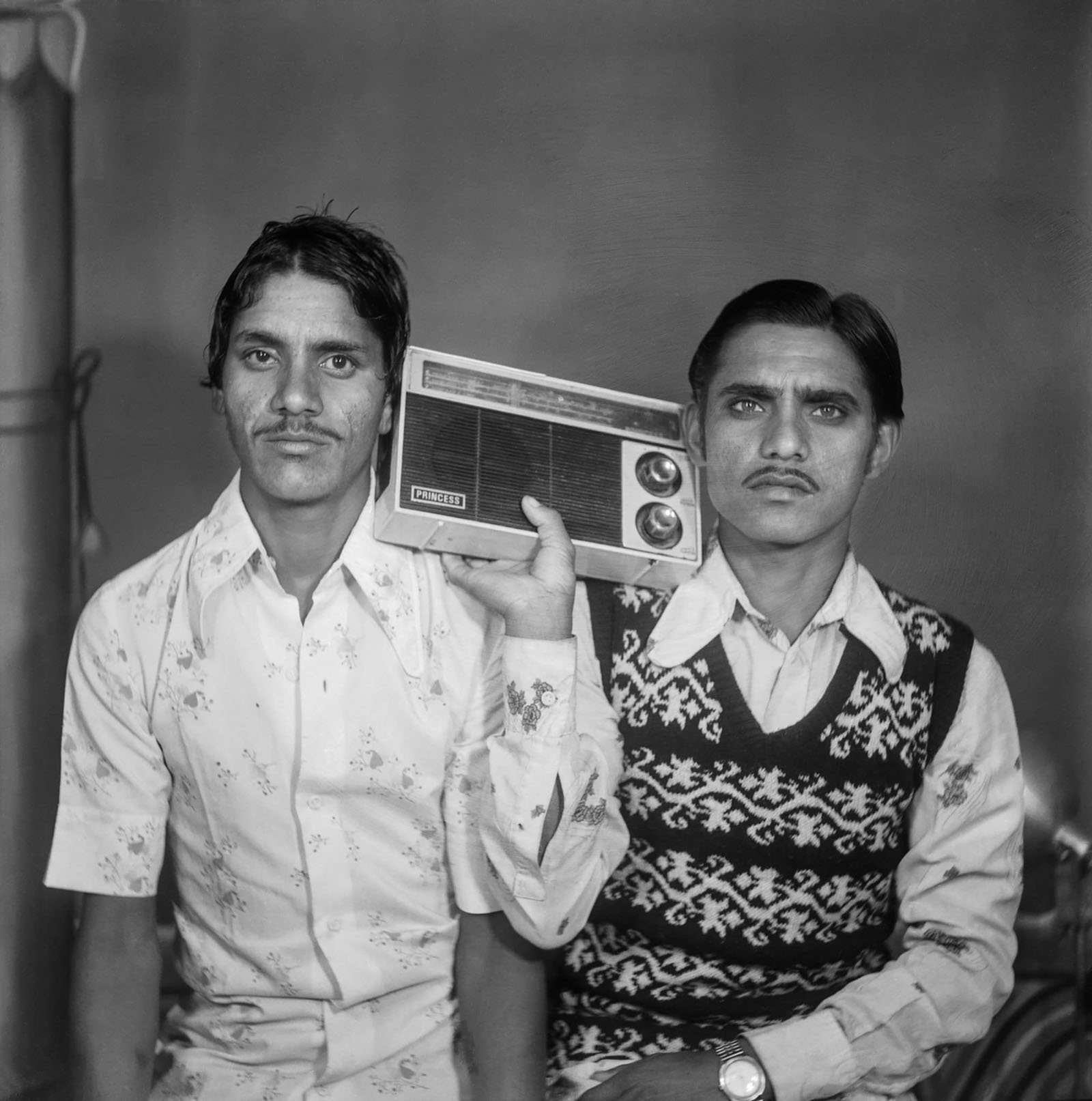
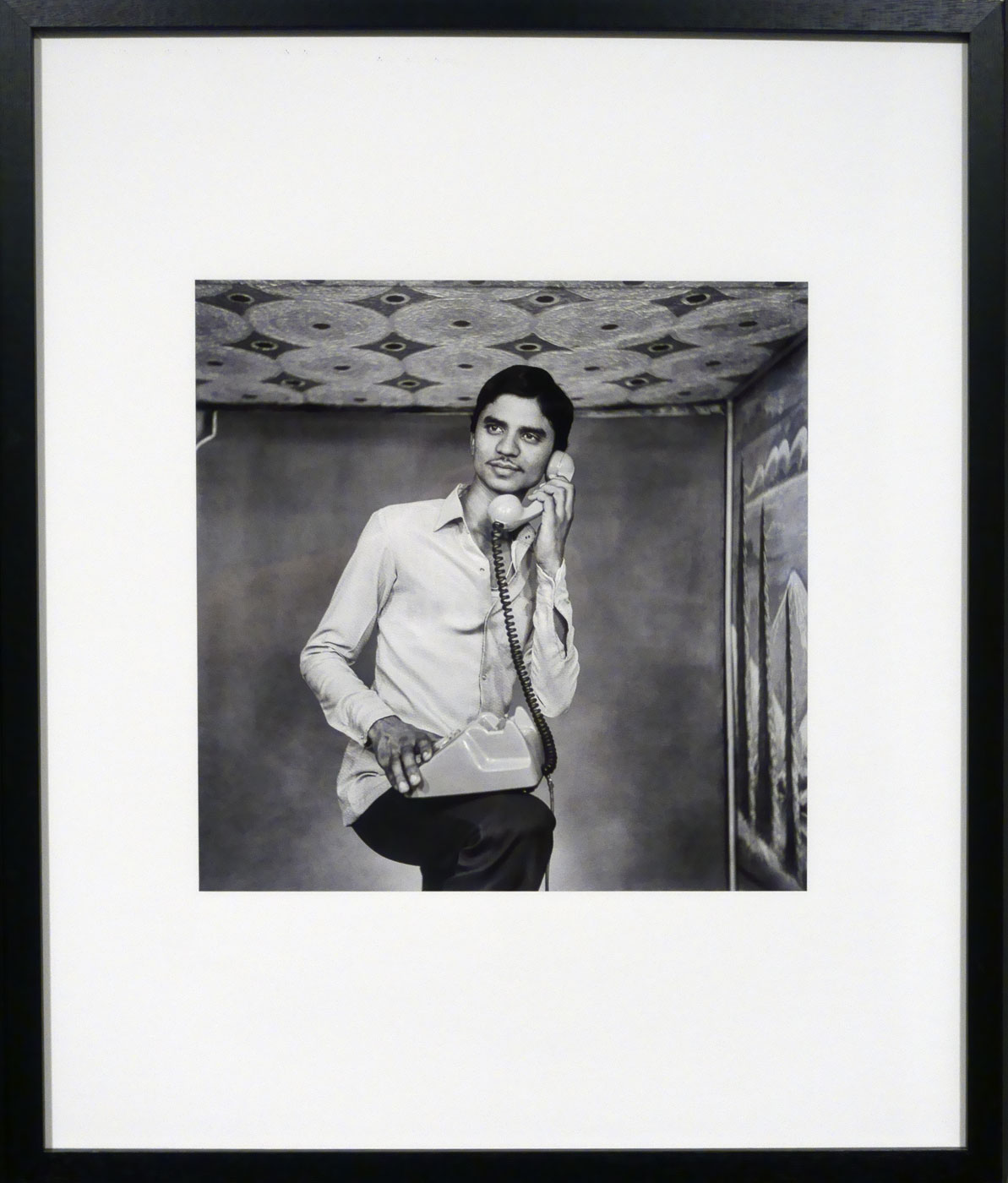
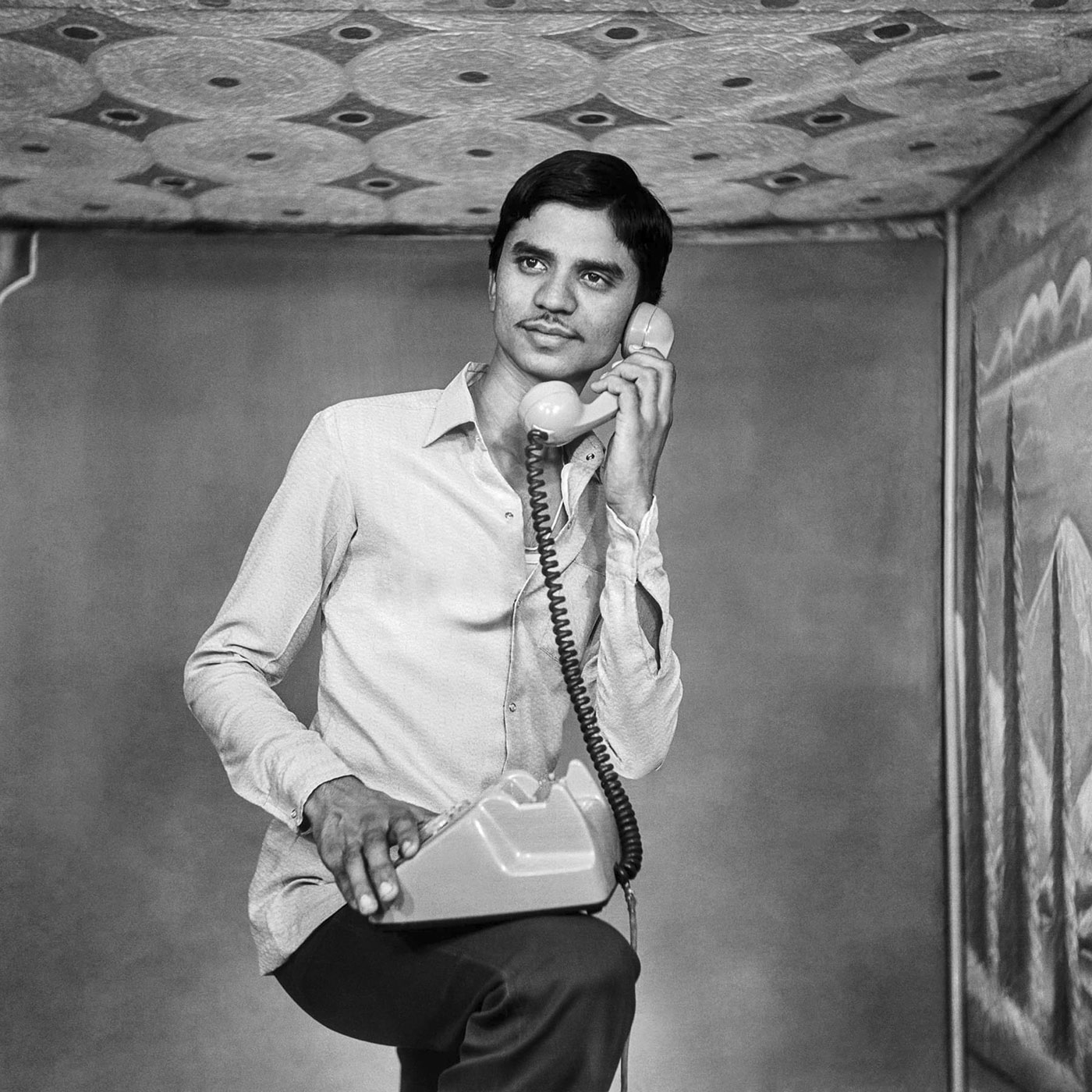
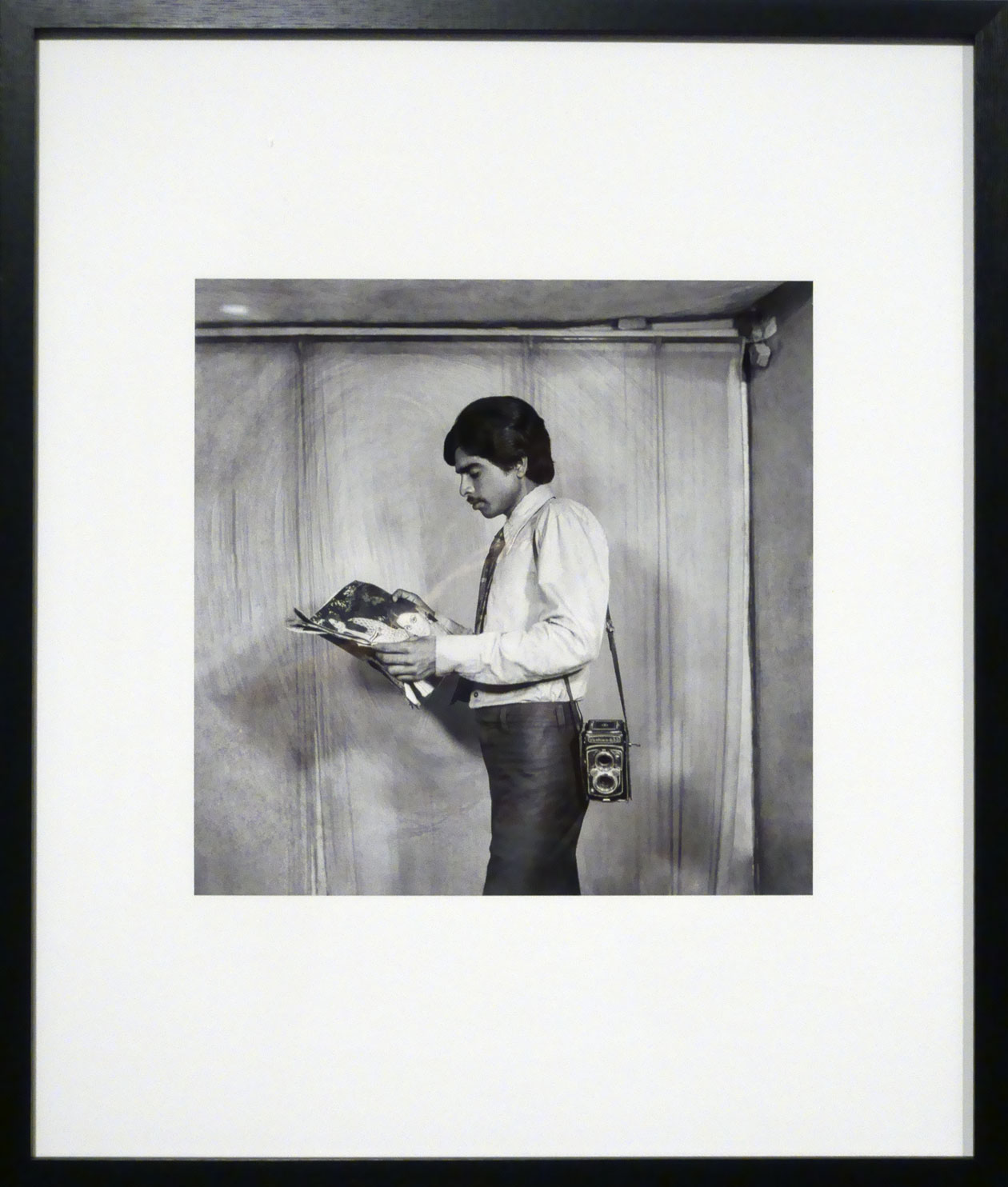
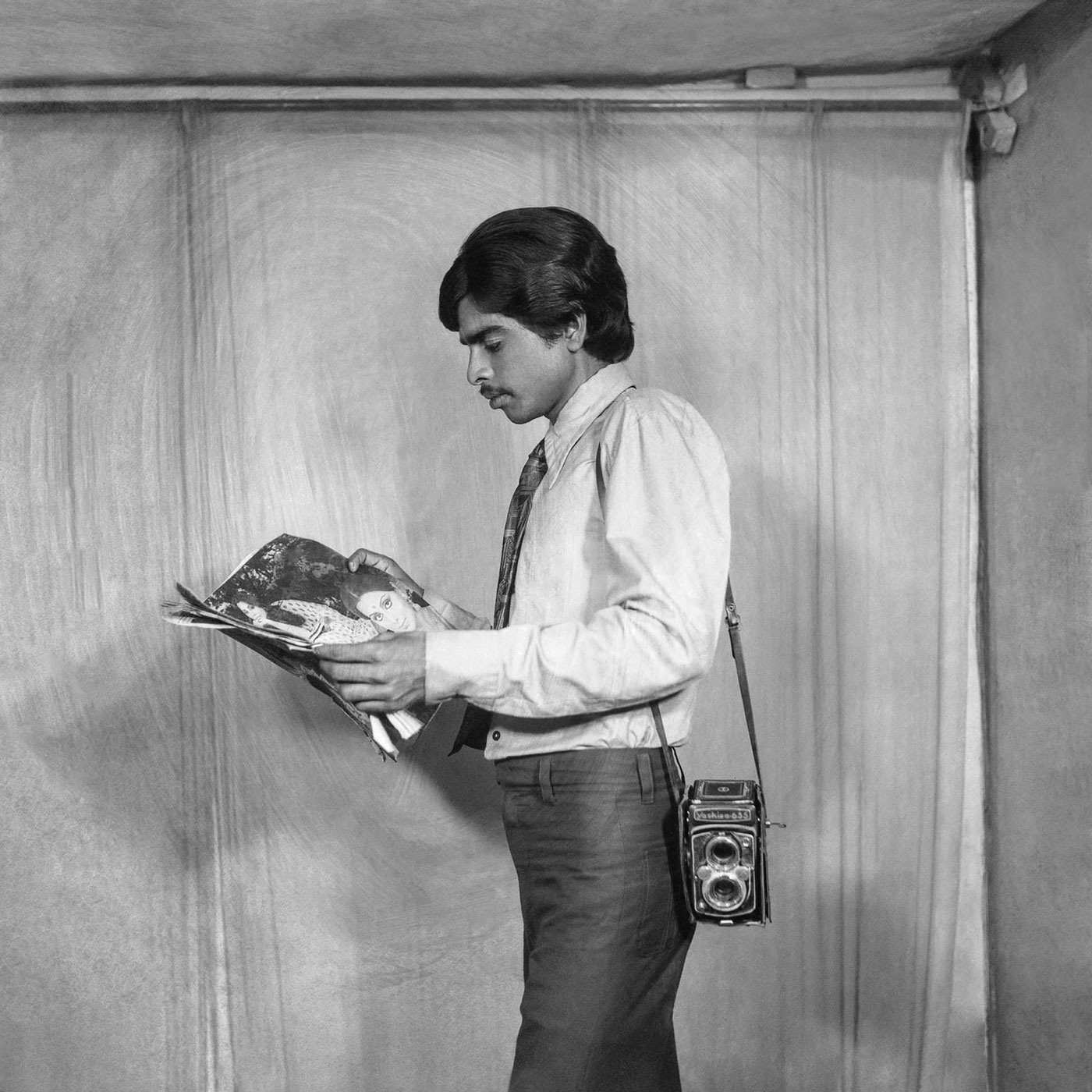

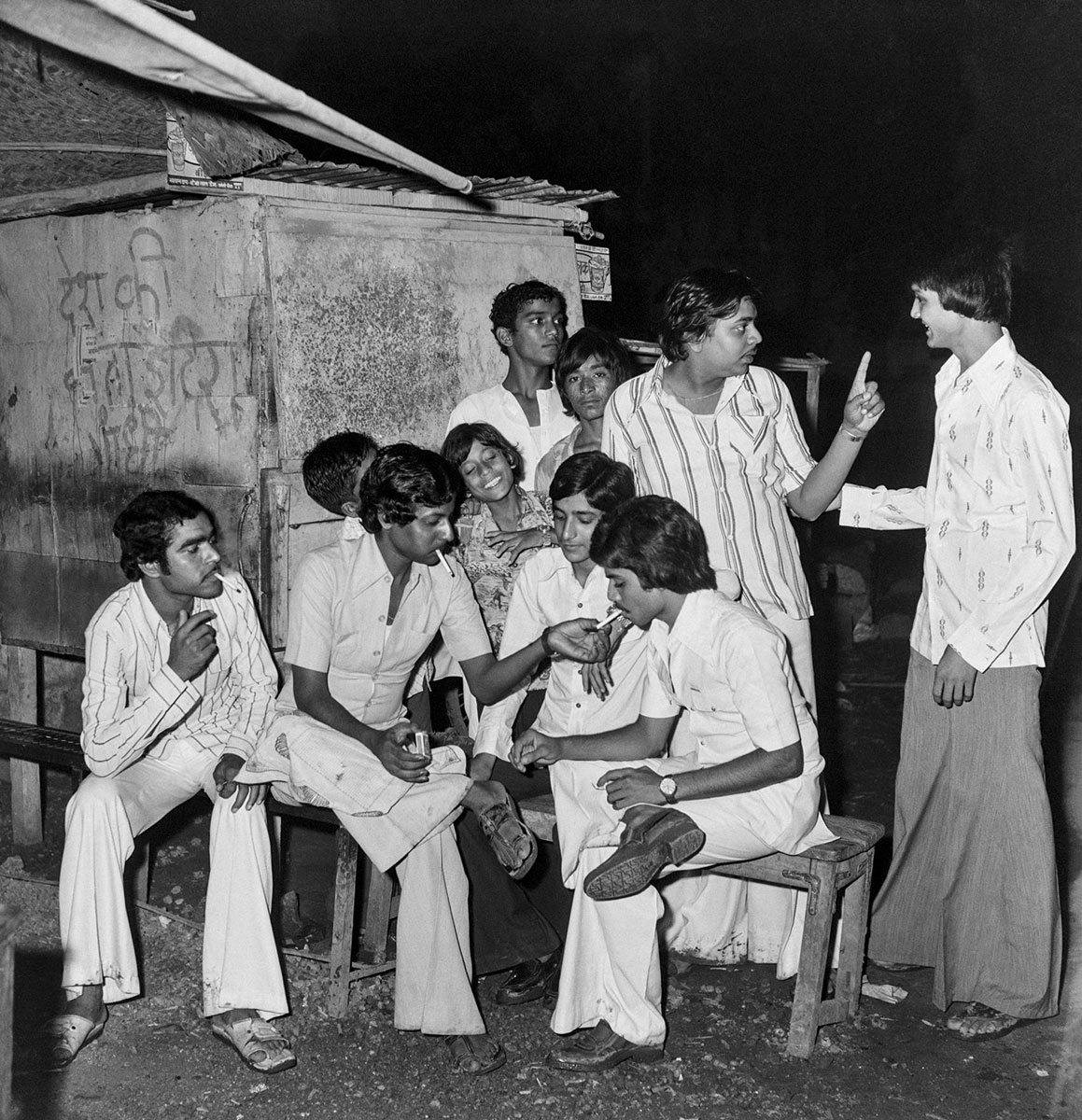
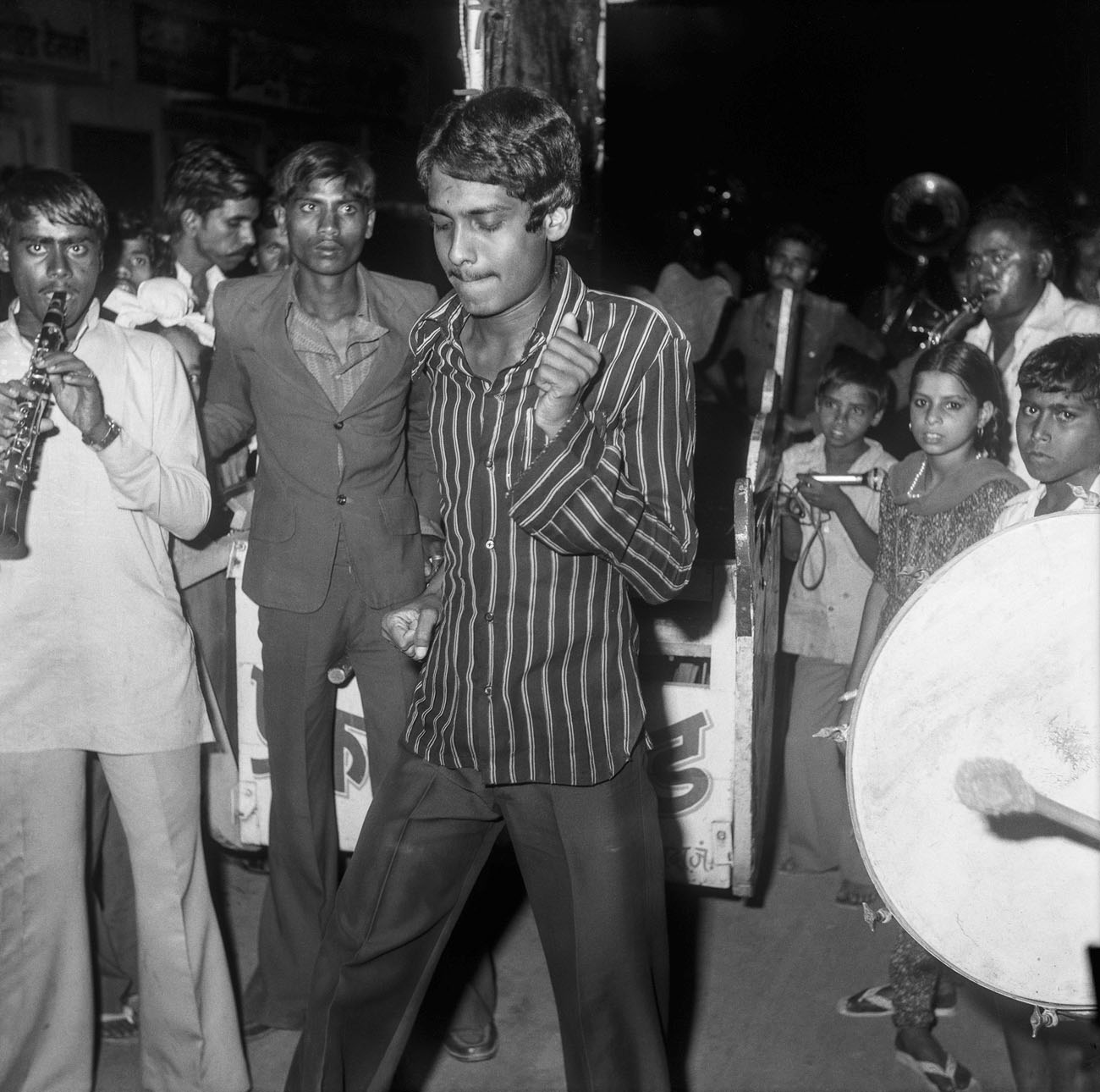


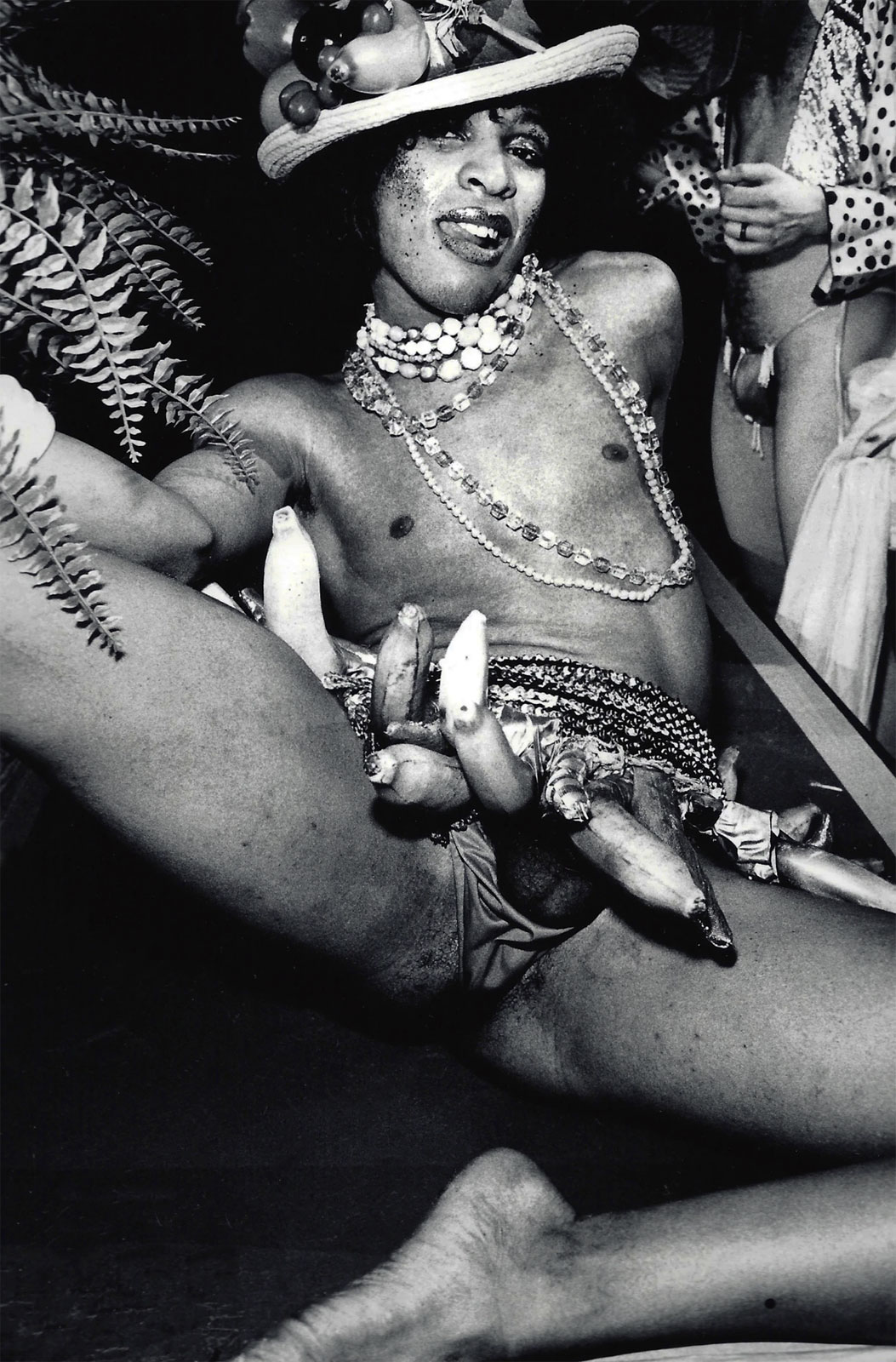


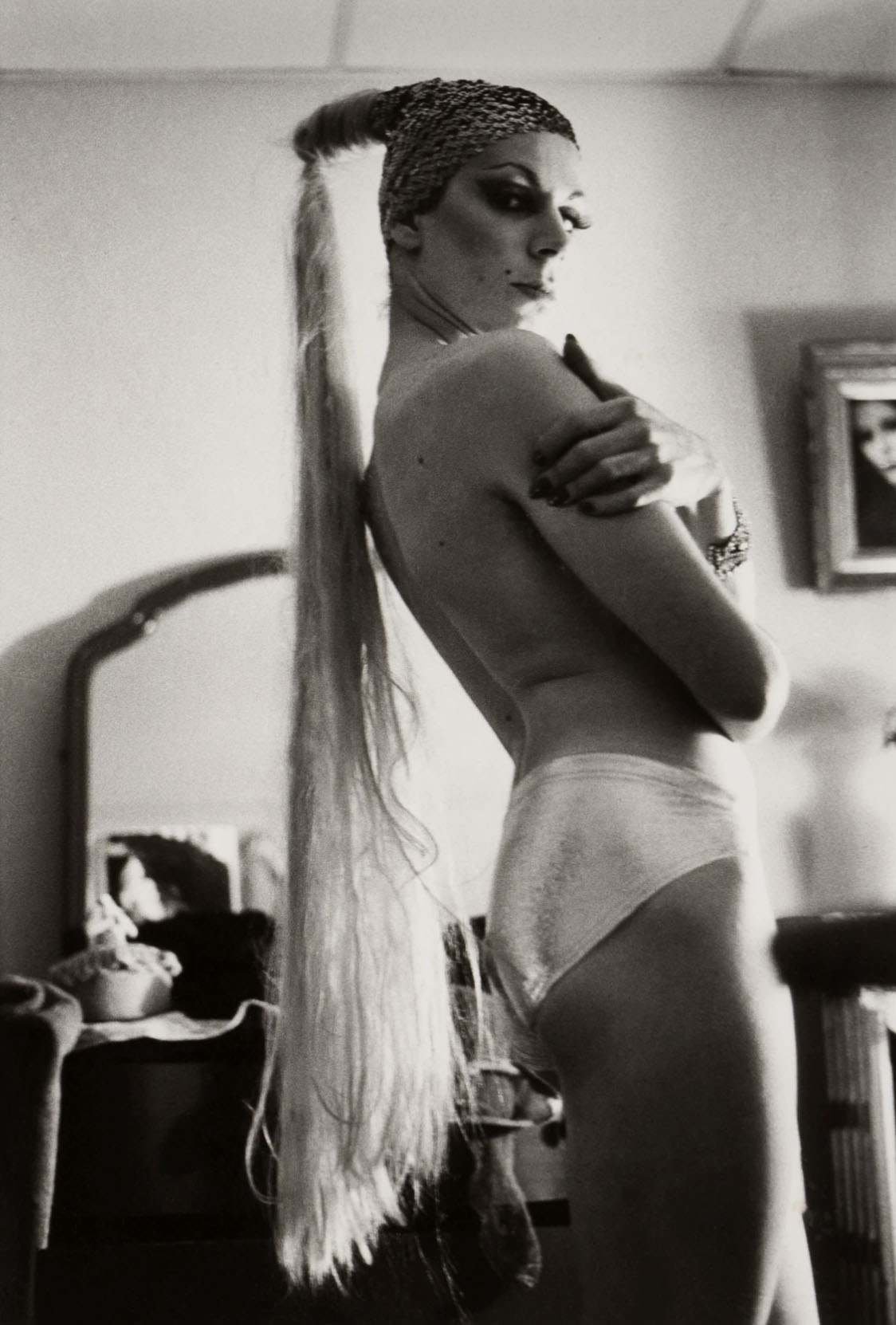


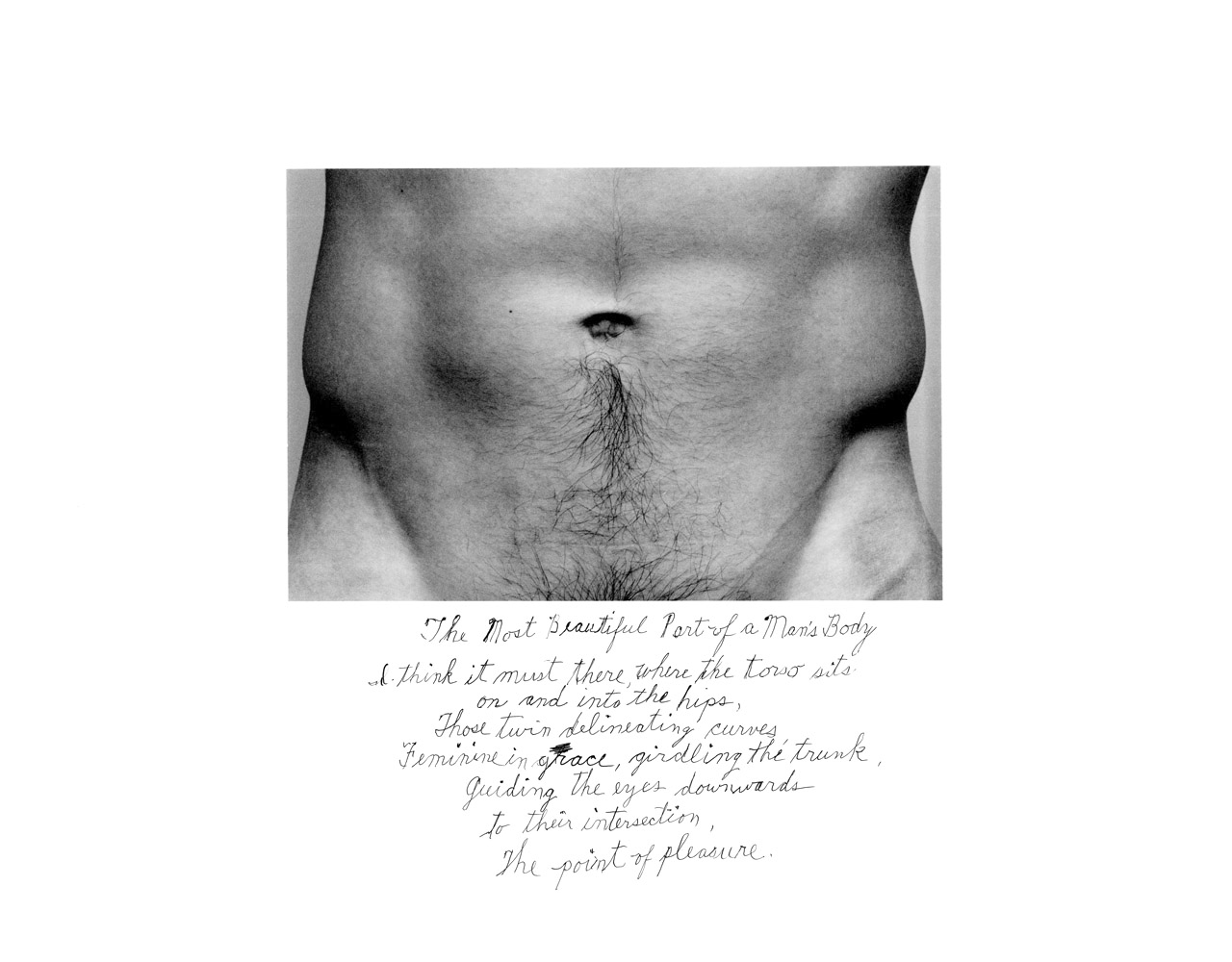


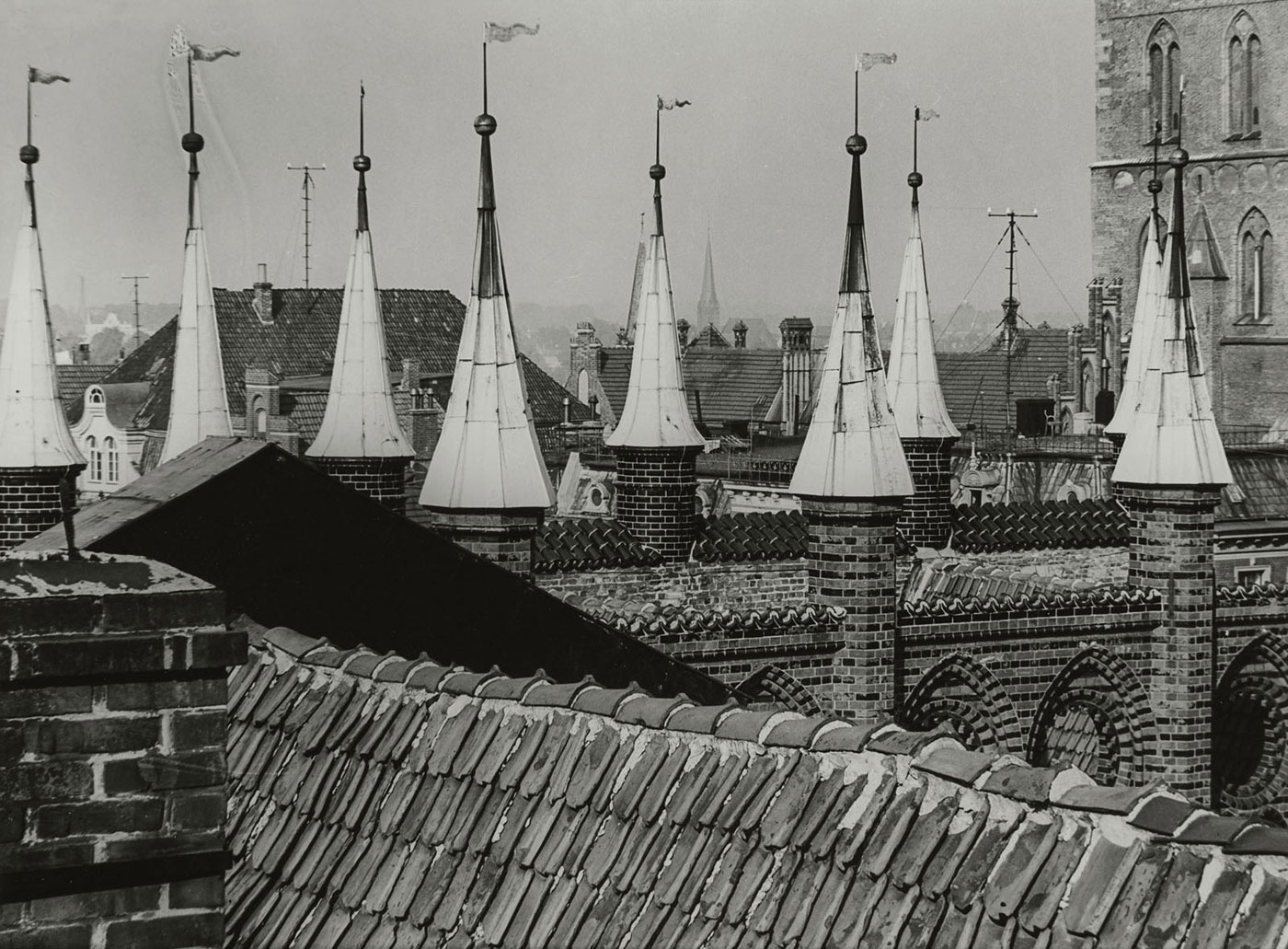


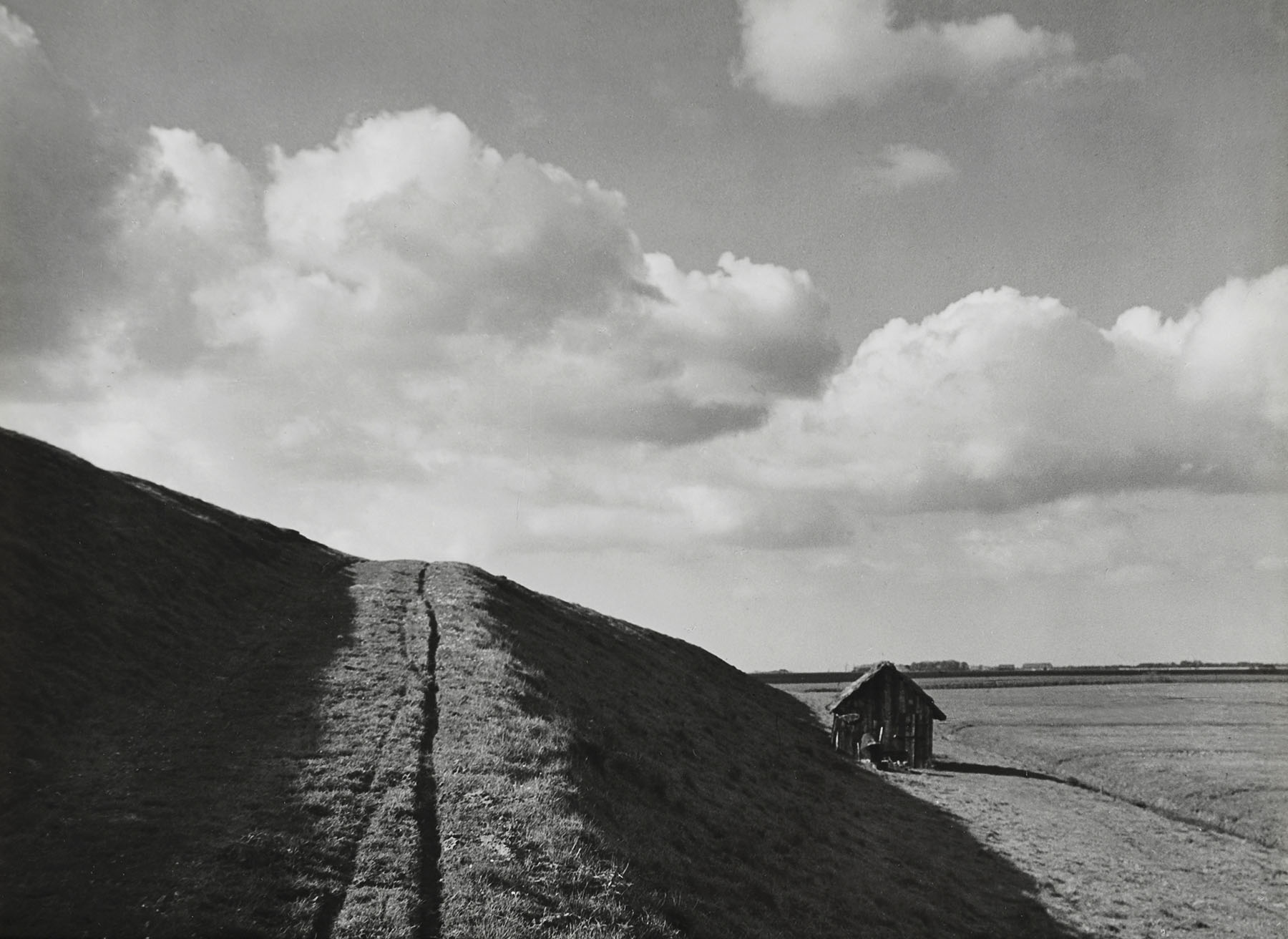

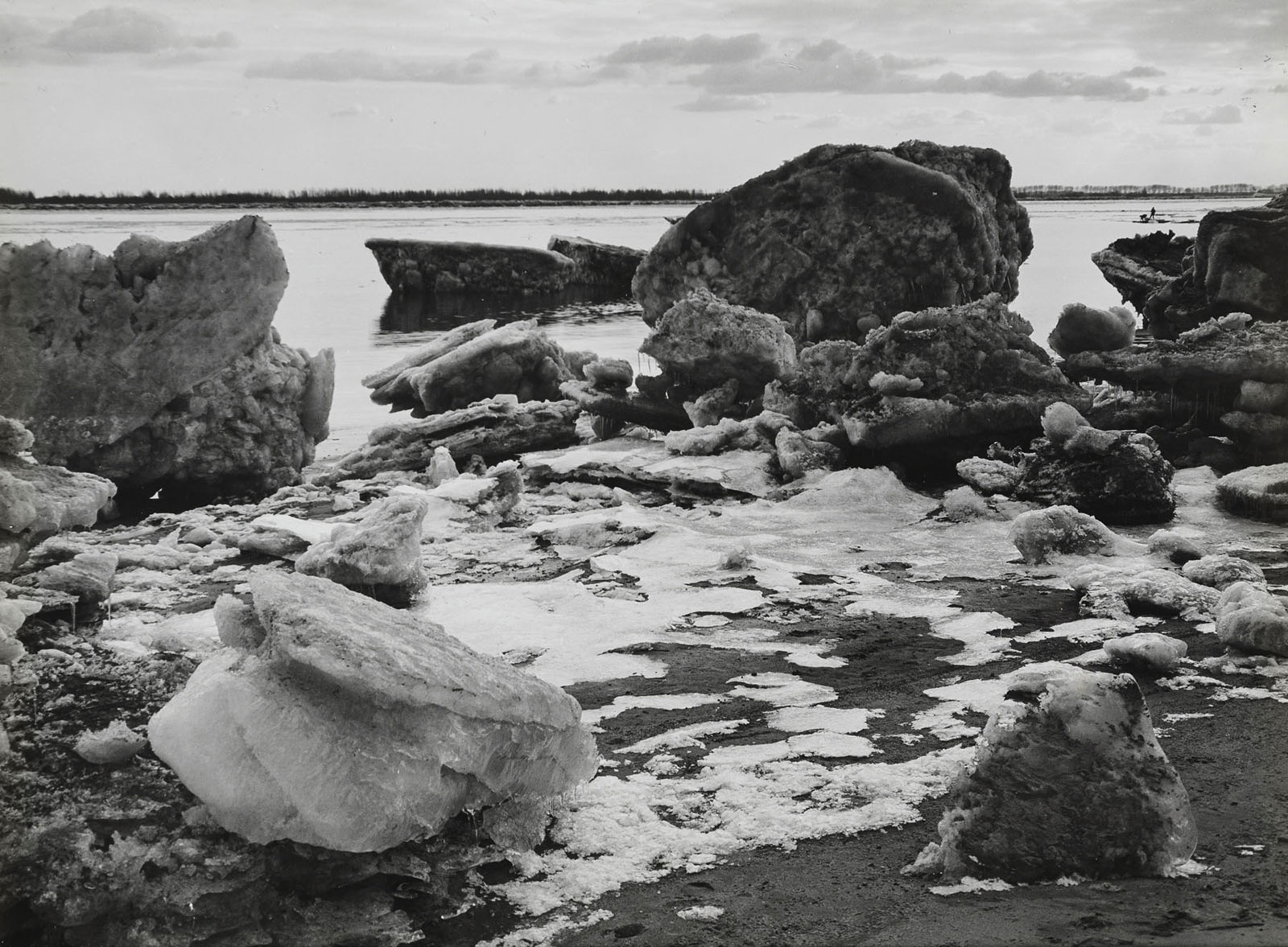






You must be logged in to post a comment.