Curators: William A. Ewing, Todd Brandow, and Nathalie Herschdorfer
Edward Steichen (American, 1879-1973) Gloria Swanson (Vanity Fair, February 1, 1924) 1924 Gelatin silver print The Sylvio Perlstein Collection Courtesy of Condé Nast Archive, Condé Nast Publications, Inc, New York/ Paul Hawryluk, Dawn Lucas and Rachael Smalley
As part of the International Center of Photography’s 2009 Year of Fashion, the museum will host a retrospective of Edward Steichen’s fashion and celebrity portraiture. Edward Steichen: In High Fashion, The Condé Nast Years, 1923-1937, will be on view at ICP (1133 Avenue of the Americas at 43rd Street) from January 16 through May 3, 2009. It will feature 175 vintage photographs, drawn mainly from the extensive archive of original prints at Condé Nast, along with a selection of important prints from the collection of the George Eastman House Museum. This will be the first exhibition in which the full range of his fashion photography and celebrity portraiture will be shown, including many images that have never been exhibited before. Having previously traveled throughout Europe, the exhibition will be presented on its North American tour in this version only at ICP.
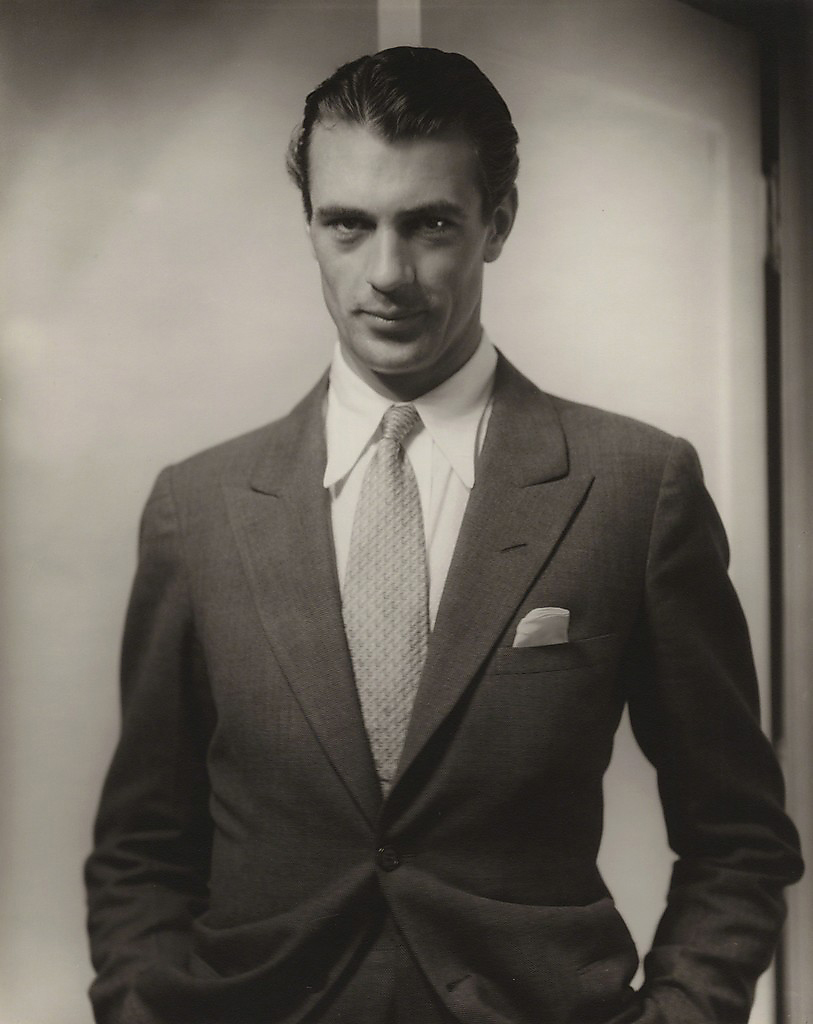
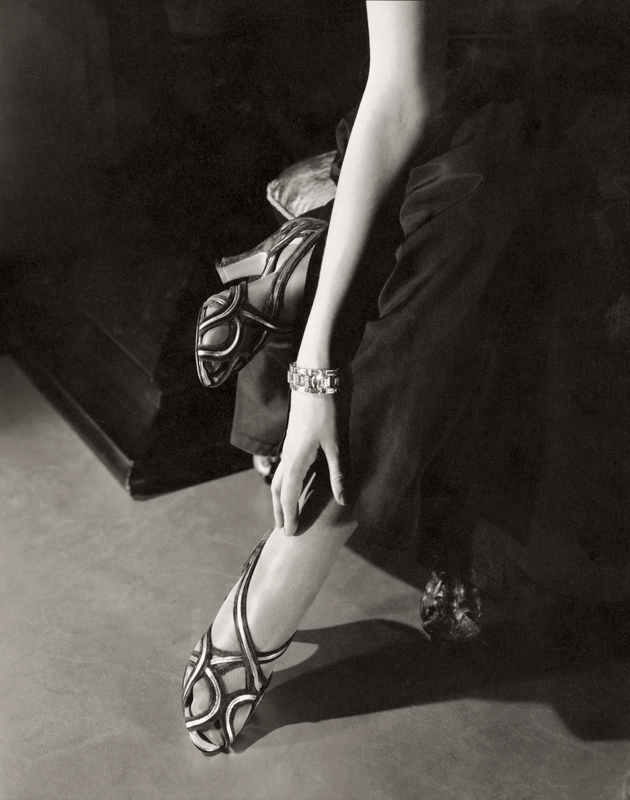
Edward Steichen (1879-1973) was already a famed Pictorialist photographer and painter in the United States and abroad when he was offered the position of chief photographer for Vogue and Vanity Fair by Condé Nast. Upon assuming the job, the forty-four year old artist began one of the most lucrative and controversial careers in photography. To Alfred Stieglitz and his followers, Steichen was seen as damaging the cause of photography as a fine art by agreeing to do commercial editorial work. Nevertheless, Steichen’s years at Condé Nast magazines were extraordinarily prolific and inspired. He began by applying the soft focus style he had helped create to the photography of fashion. But soon he revolutionised the field, banishing the gauzy light of the Pictorialist era and replacing it with the clean, crisp lines of Modernism. In the process he changed the presentation of the fashionable woman from that of a distant, romantic creature to that of a much more direct, appealing, independent figure. At the same time he created lasting portraits of hundreds of leading personalities in movies, theatre, literature, politics, music, and sports, including Gloria Swanson, Gary Cooper, Marlene Dietrich, Joan Crawford, Colette, Winston Churchill, Amelia Earhart, Jack Dempsey, Noel Coward, Greta Garbo, Dorothy Parker, and Cecil B. De Mille.
From the ArtDaily.org website
Many thankx to the International Center of Photography for allowing me to publish the photographs in the posting. Please click on the photographs for a larger version of the image.
Edward Steichen (American, 1879-1973) On George Baher’s yacht 1928 Gelatin silver print Courtesy Condé Nast Archive
Edward Steichen (American, 1879-1973) Gary Cooper 1930 Gelatin silver print Courtesy Condé Nast Archive
Princess Natalia Pavlovna Paley (Russian: Наталья Павловна Палей; 5 December 1905 – 27 December 1981) was a Russian aristocrat who was a non-dynastic member of the Romanov family. A daughter of Grand Duke Paul Alexandrovich of Russia, she was a first cousin of the last Russian emperor, Nicholas II. After the Russian Revolution, she emigrated first to France and later to the United States. She became a fashion model, socialite, vendeuse, and briefly pursued a career as a film actress.
Harry Sinclair Lewis (February 7, 1885 – January 10, 1951) was an American novelist, short-story writer, and playwright. In 1930, he became the first author from the United States (and the first from the Americas) to receive the Nobel Prize in Literature, which was awarded “for his vigorous and graphic art of description and his ability to create, with wit and humour, new types of characters.” Lewis wrote six popular novels: Main Street (1920), Babbitt (1922), Arrowsmith (1925), Elmer Gantry (1927), Dodsworth (1929), and It Can’t Happen Here (1935).
Several of his notable works were critical of American capitalism and materialism during the interwar period. Lewis is respected for his strong characterisations of modern working women.
Patricia Bowman (December 12, 1908 – March 18, 1999) was an American ballerina, ballroom dancer, musical theatre actress, television personality, and dance teacher.
Dance critic Jack Anderson described her as “the first American ballerina to win critical acclaim and wide popularity as a classical and a musical-theatre dancer … Her sparkling stage personality won her many fans.” She was the first prima ballerina of the Radio City Music Hall when it opened in 1932, and is chiefly remembered for her work as a founding member of the American Ballet Theatre with whom she was a principal dancer from 1939 to 1941.
An exhibition of 175 works by Edward Steichen drawn largely from the Condé Nast archives, this is the first presentation to give serious consideration to the full range of Steichen’s fashion images. Organised by the Musée de l’Elysée, Lausanne, and the Foundation for the Exhibition of Photography, Minneapolis, in conjunction with the International Center of Photography, the exhibition will open at ICP after an extensive tour in Europe. Steichen’s approach to fashion photography was formative and over the course of his career he changed public perceptions of the American woman. An architect of American Modernism and a Pictorialist, Steichen exhibited his fashion images alongside his art photographs. Steichen’s crisp, detailed, high-key style revolutionised fashion photography, and his influence is felt in the field to this day – Richard Avedon, Robert Mapplethorpe, and Bruce Weber are among his stylistic successors.
Text from the International Centre of Photography website
Wong Liu Tsong (January 3, 1905 – February 3, 1961), known professionally as Anna May Wong, was an American actress, considered the first Chinese American film star in Hollywood, as well as the first Chinese American actress to gain international recognition. Her varied career spanned silent film, sound film, television, stage, and radio.
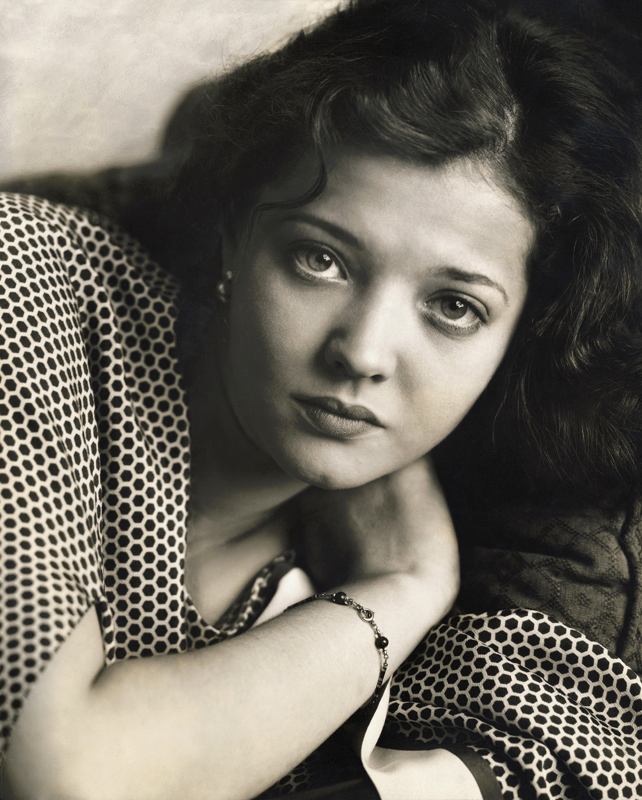
Sylvia Sidney (born Sophia Kosow; August 8, 1910 – July 1, 1999) was an American stage, screen, and film actress whose career spanned 70 years. She rose to prominence in dozens of leading roles in the 1930s. She was nominated for the Academy Award for Best Supporting Actress for her performance in Summer Wishes, Winter Dreams in 1973. She later gained attention for her role as Juno, a case worker in the afterlife, in Tim Burton’s 1988 film Beetlejuice, for which she won a Saturn Award for Best Supporting Actress.
Pola Negri (/ˈpoʊlə ˈnɛɡri/; born Barbara Apolonia Chałupiec [apɔˈlɔɲa xaˈwupʲɛt͡s]; 3 January 1897 – 1 August 1987) was a Polish stage and film actress and singer. She achieved worldwide fame during the silent and golden eras of Hollywood and European film for her tragedienne and femme fatale roles. She was also acknowledged as a sex symbol of her time.
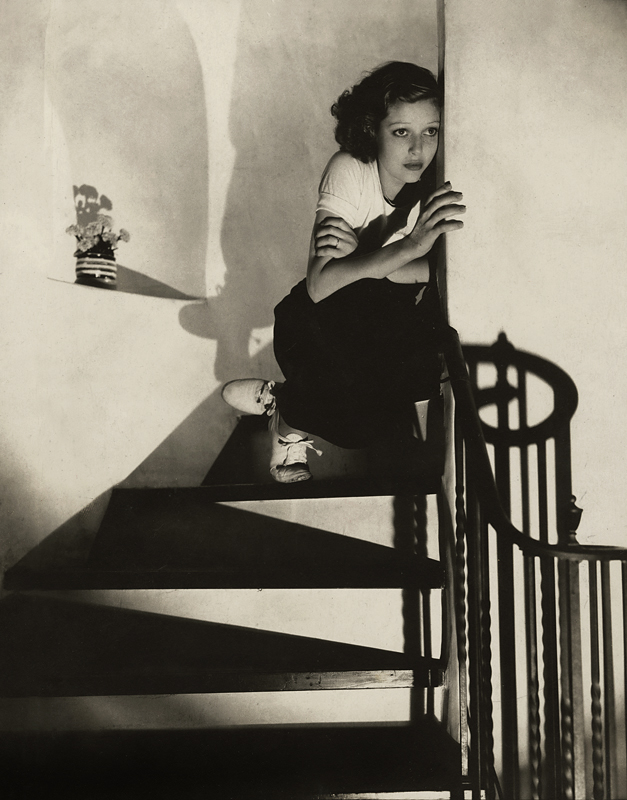
Loretta Young (born Gretchen Michaela Young; January 6, 1913 – August 12, 2000) was an American actress. Starting as a child, she had a long and varied career in film from 1917 to 1989. She received numerous honors including an Academy Award, two Golden Globe Awards, and three Primetime Emmy Awards as well as two stars on the Hollywood Walk of Fame for her work in film and television.
Click on the links at the top of the page or use the ‘General Resources: Browse all Scurlock images’ button at the left of page.
Many thankx to the Smithsonian for allowing me to publish the photographs in the posting. Please click on the photographs for a larger version of the image.
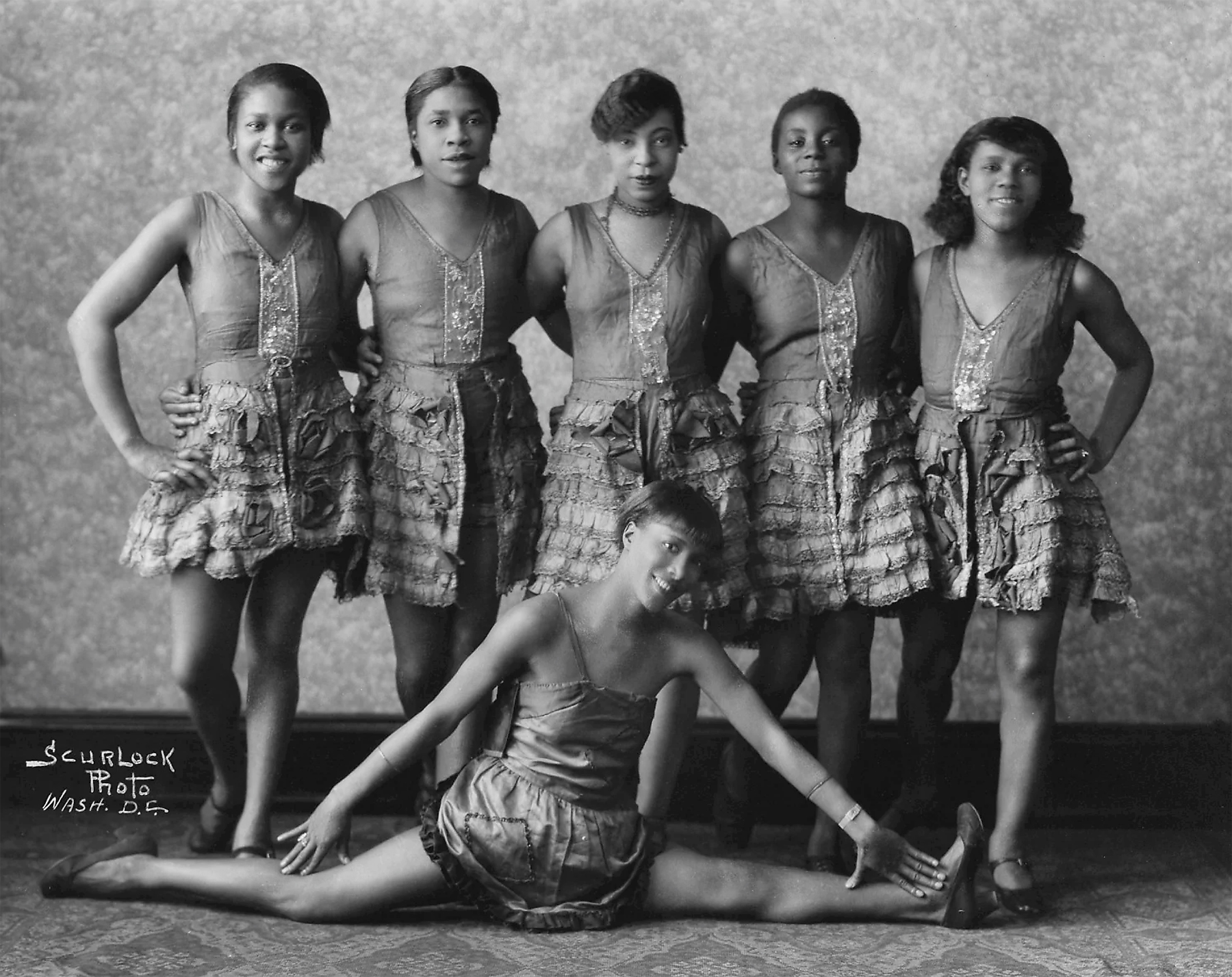
The Scurlocks and Black Washington
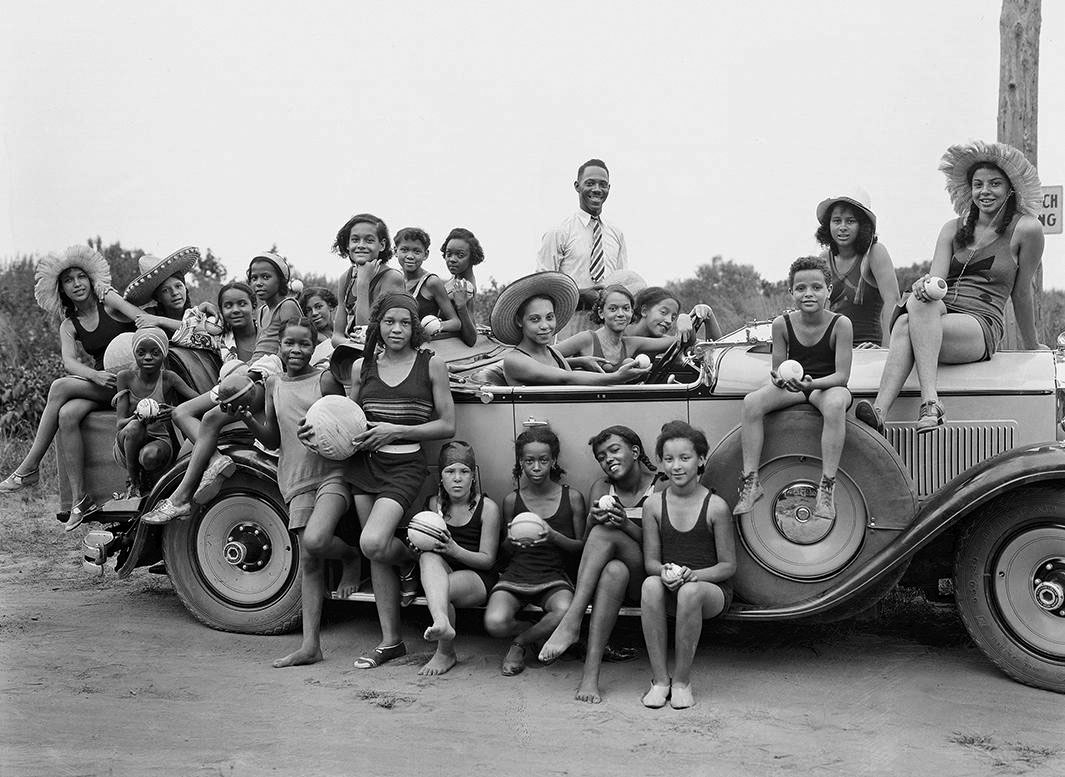
For over 80 years, the Scurlock photography studio catalogued the lives of the black middle class of Washington, D.C. (The exhibit, The Scurlock Studio and Black Washington: Picturing the Promise, is on view at the National Museum of American History through November 15, 2009. Thanks to Lonnie Bunch, Director of the National Museum of African American History and Culture, which co-organised the exhibit).
A Scurlock camera was “present at almost every significant event in the African-American community,” recalls former D.C. Councilwoman Charlene Drew Jarvis, whose father, Howard University physician Charles Drew, was a Scurlock subject many times. Dashing all over town – to baptisms and weddings, to balls and cotillions, to high-school graduations and to countless events at Howard, where he was the official photographer – Addison Scurlock became black Washington’s “photographic Boswell – the keeper of the visual memory of the community in all its quotidian ordinariness and occasional flashes of grandeur and moment,” says Jeffrey Fearing, a historian who is also a Scurlock relative.
The Scurlock Studio grew as the segregated city became a mecca for black artists and thinkers even before the Harlem Renaissance of the 1920s. U Street became known as “Black Broadway,” as its jazz clubs welcomed talents including Duke Ellington (who lived nearby), Ella Fitzgerald and Pearl Bailey. They and other entertainers received the Scurlock treatment, along with the likes of W.E.B. Du Bois and Booker T. Washington; soon no black dignitary’s visit to Washington was complete without a Scurlock sitting. George Scurlock would say it took him a while to realise that his buddy Mercer Ellington’s birthday parties – with Mercer’s dad (a.k.a. the Duke) playing “Happy Birthday” at the piano – were anything special.
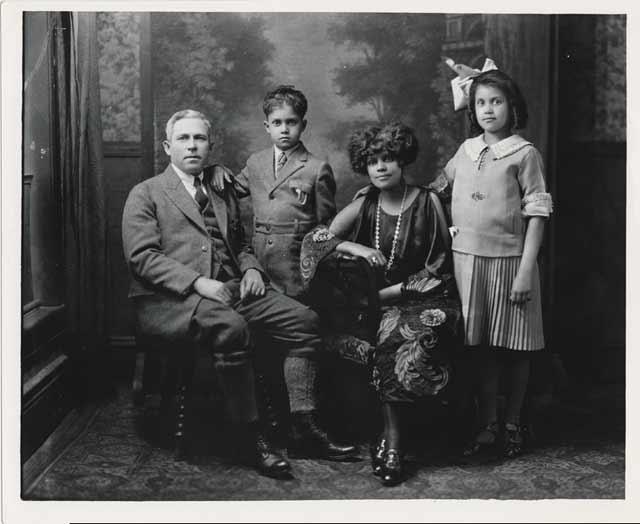
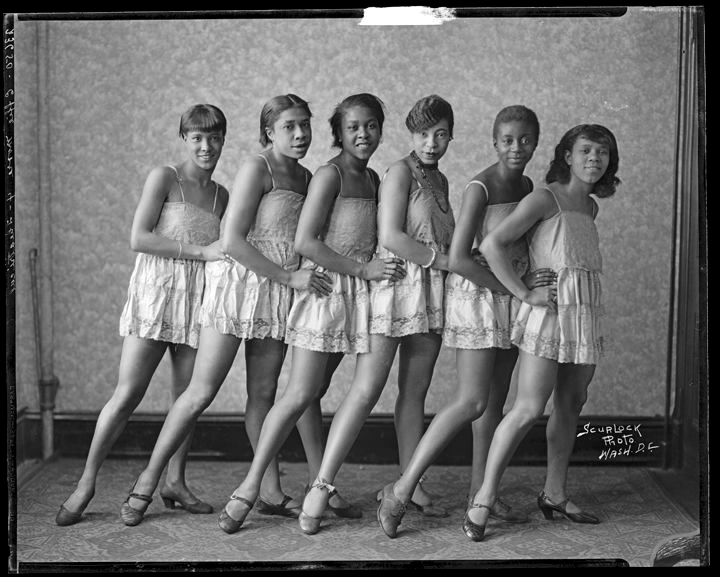
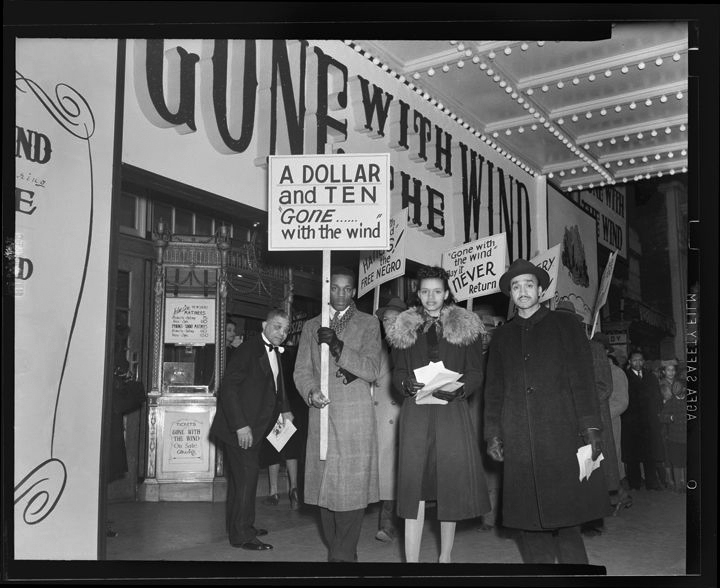
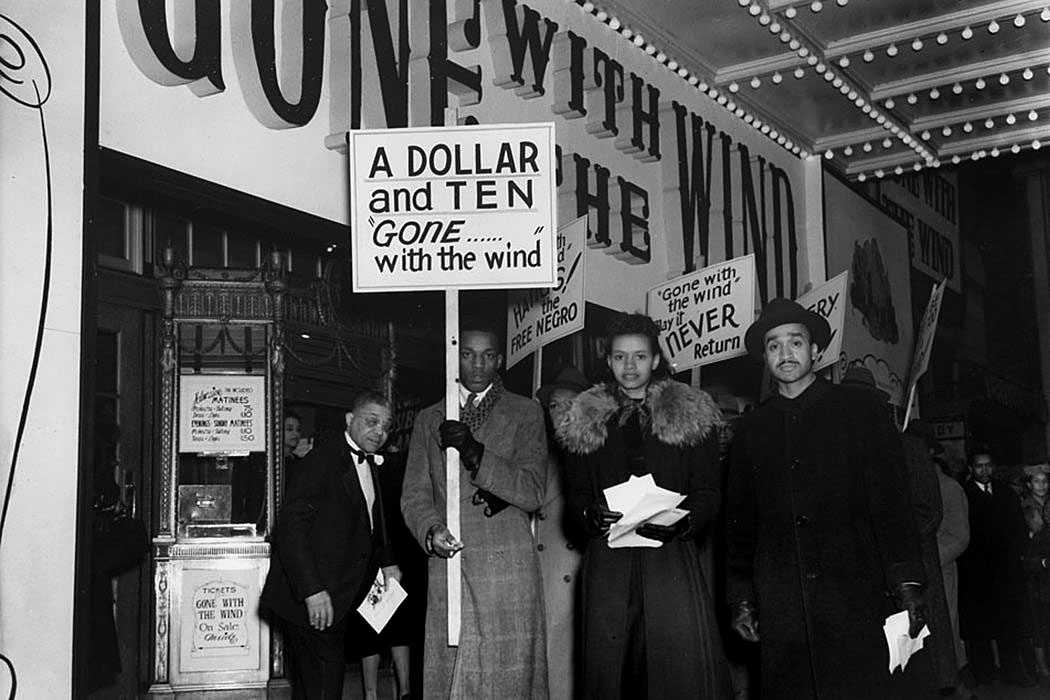
At a time when minstrel caricature was common, Scurlock’s pictures captured black culture in its complexity and showed black people as they saw themselves. “The Scurlock Studio and Black Washington: Picturing the Promise,” an exhibition presented through this month by the Smithsonian’s National Museum of African American History and Culture, features images of young ballerinas in tutus, of handsomely dressed families in front of fine houses and couples in gowns and white tie at the NAACP’s winter ball.
Extract from David Zax. “The Scurlock Studio: Picture of Prosperity,” in the Smithsonian Magazine published on Smithsonian.com website February 2010. Used under fair use conditions for the purposes of education and research
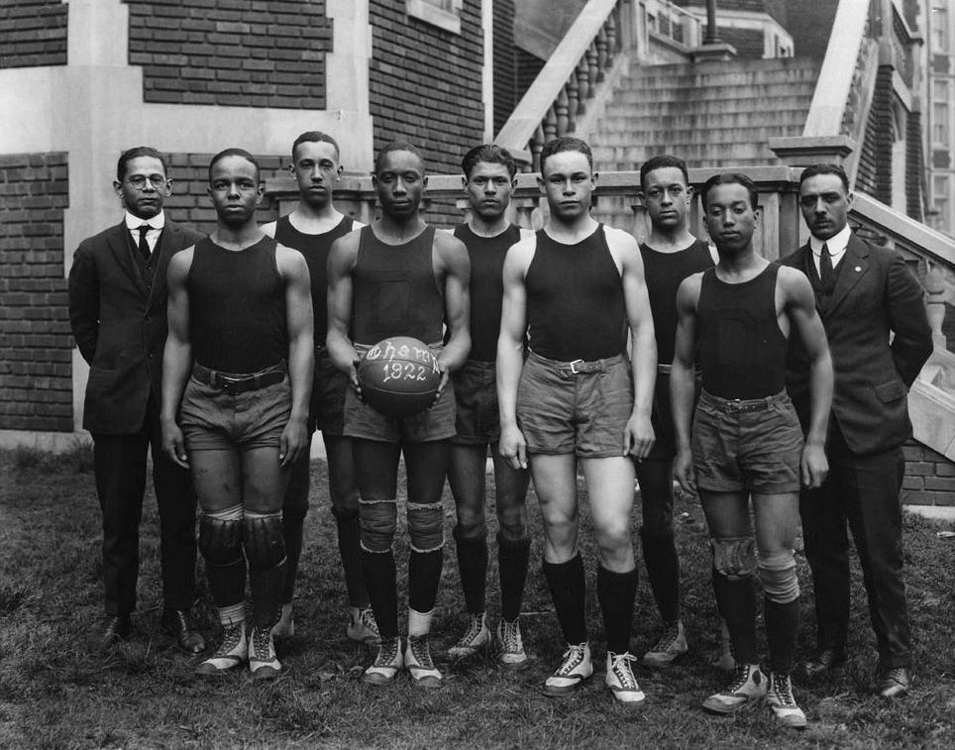
The photograph features a young Charles Drew, fourth from the right, before earning his place in history for his pioneering work in developing the blood bank concept
Photographed nearly twenty years after his championship basketball season, Dr. Drew had recently been granted his doctorate and was spearheading the “Blood for Britain” program instituted in World War II to save the lives of Allied forces.
Charles Drew (American, 1904-1950)
Charles Richard Drew (June 3, 1904 – April 1, 1950) was an American physician, surgeon, and medical researcher. He researched in the field of blood transfusions, developing improved techniques for blood storage, and applied his expert knowledge to developing large-scale blood banks early in World War II. This allowed medics to save thousands of lives of the Allied forces. The research and development aspect of his blood storage work is disputed. As the most prominent African American in the field, Drew protested against the practice of racial segregation in the donation of blood, as it lacked scientific foundation, and resigned his position with American Red Cross, which maintained the policy until 1950.
Early life and education
Drew was born in 1904 into an African-American middle-class family in Washington, D.C. His father, Richard, was a carpet layer and his mother, Nora Burrell, was a teacher. Drew and his siblings grew up in D.C.’s Foggy Bottom neighbourhood and he graduated from Dunbar High School in 1922. Drew won an athletics scholarship to Amherst College in Massachusetts, where he graduated in 1926. An outstanding athlete at Amherst, Drew also joined Omega Psi Phi fraternity. He attended medical school at McGill University in Montreal, Quebec, Canada, receiving his MDCM in 1933, and ranked 2nd in his class of 127 students. A few years later, Drew did graduate work at Columbia University, where he earned his Doctor of Medical Science degree, becoming the first African American to do so.
Academic career
In 1941, Drew’s distinction in his profession was recognised when he became the first African-American surgeon selected to serve as an examiner on the American Board of Surgery. Drew had a lengthy research and teaching career and became a chief surgeon.
Blood plasma for British project
In late 1940, before the U.S. entered World War II and just after earning his doctorate, Drew was recruited by John Scudder to help set up and administer an early prototype program for blood storage and preservation. He was to collect, test, and transport large quantities of blood plasma for distribution in the United Kingdom. Drew went to New York City as the medical director of the United States’ Blood for Britain project. The Blood for Britain project was a project to aid British soldiers and civilians by giving U.S. blood to the United Kingdom.
Drew started what would be later known as bloodmobiles, which were trucks containing refrigerators of stored blood; this allowed for greater mobility in terms of transportation as well as prospective donations.
Drew created a central location for the blood collection process where donors could go to give blood. He made sure all blood plasma was tested before it was shipped out. He ensured that only skilled personnel handled blood plasma to avoid the possibility of contamination. The Blood for Britain program operated successfully for five months, with total collections of almost 15,000 people donating blood, and with over 5,500 vials of blood plasma. As a result, the Blood Transfusion Betterment Association applauded Drew for his work. Out of his work came the American Red Cross Blood Bank.
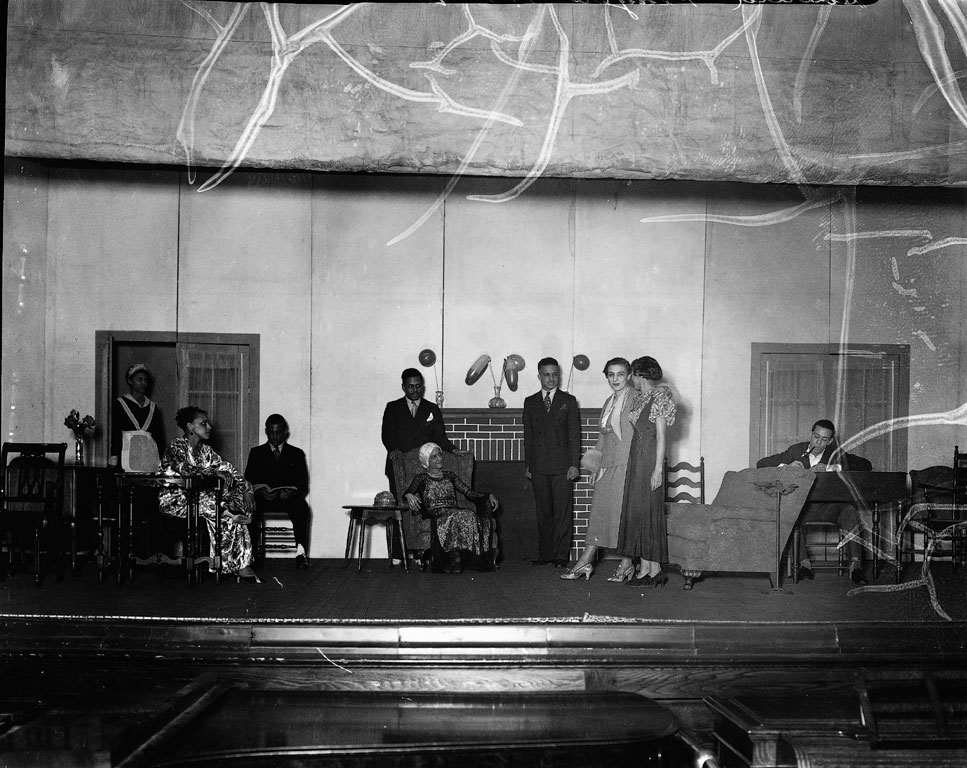
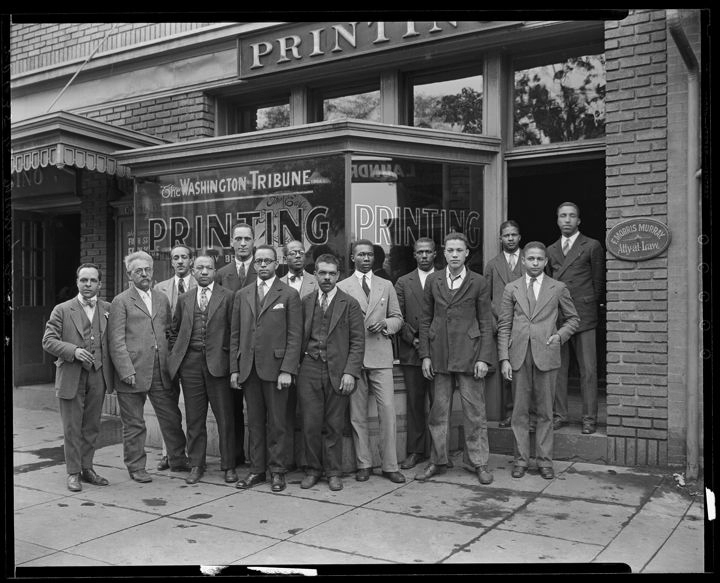
The Murray Brothers Printing Company, 1925, was home to The Washington Tribune newspaper and steps away from the entrepreneurial F.H.M. Murray’s other business, the Murray Palace Casino.
Rufus Byars, minstrel performer and manager of the theatre is the stooped figure to the left.
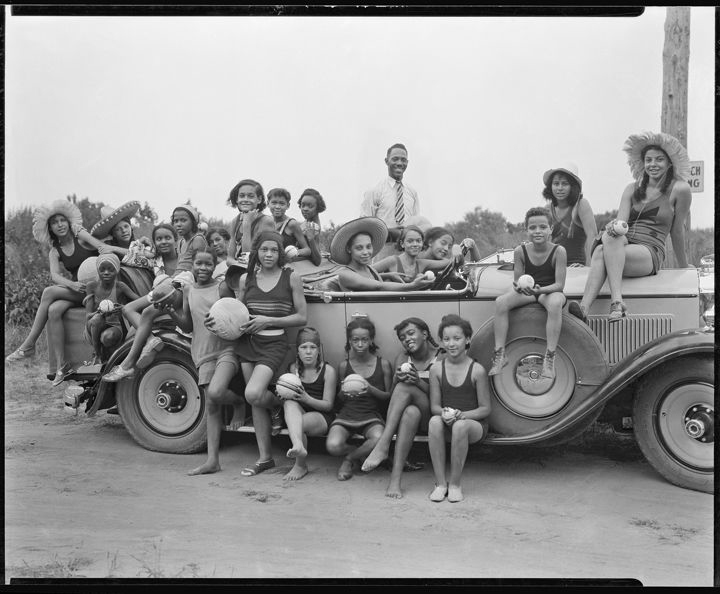
Nearly a century’s worth of photographs from the Scurlock studio form a vivid portrait of black Washington, D.C., in all its guises – its challenges and its victories, its dignity and its determination. The exhibition features more than 100 images created by one of the premiere African American studios in the country and one of the longest-running black businesses in Washington. Highlights include cameras and equipment from the studio and period artefacts from Washington.
Beginning in the early 20th century and continuing into the 1990s, Addison Scurlock, followed by his sons, Robert and George, used their cameras to document and celebrate a community unique in the world. They captured weddings, baptisms, graduations, sporting events, civil protests, high-society affairs, and visiting dignitaries. It was for portraiture, however, that the Scurlocks became renowned; they continue to be recognised today by scholars and artists as among the very best of 20th-century photographers who recorded the rapid changes in African American urban communities nationwide.
Link pasted the plane into the negative at a later stage
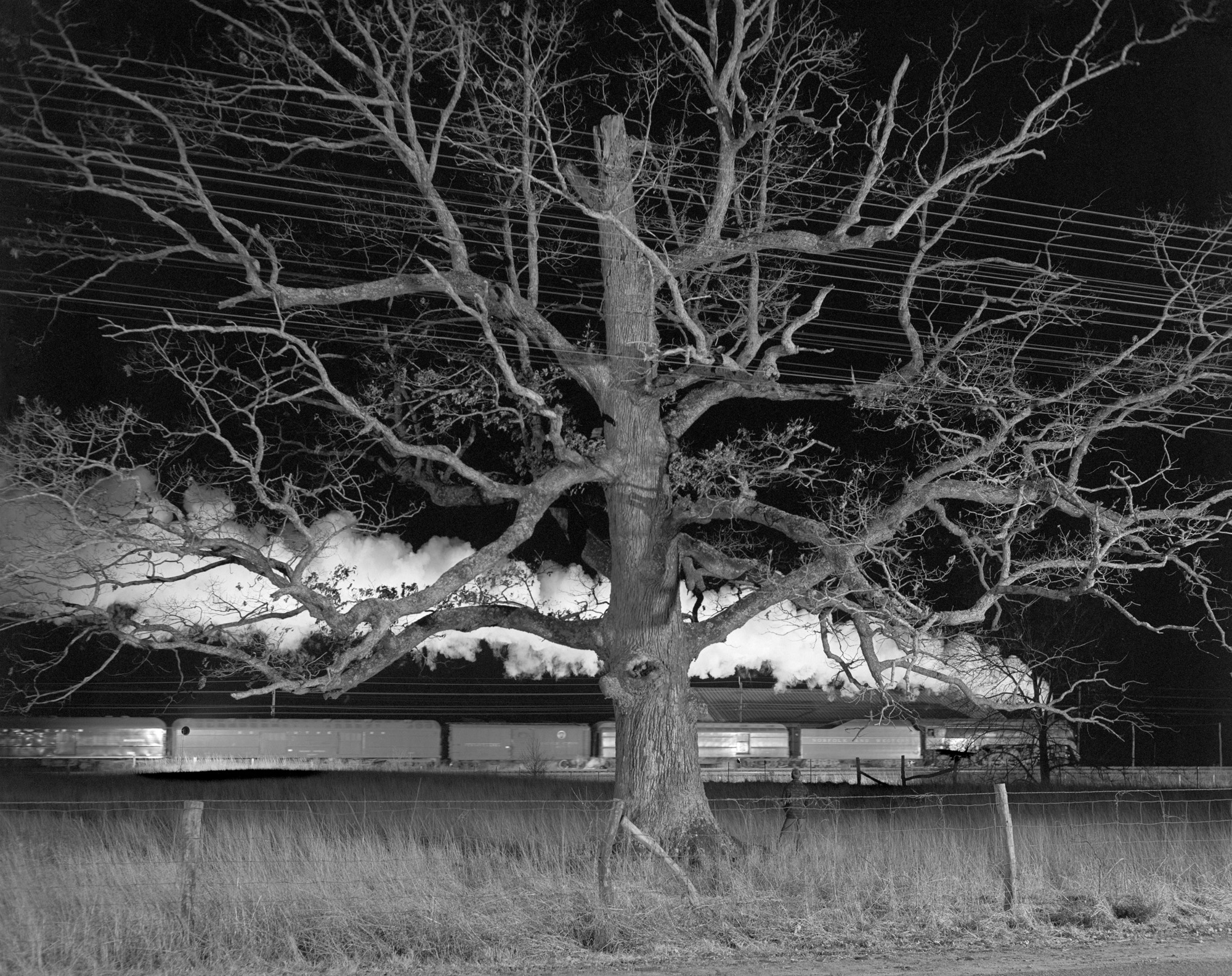
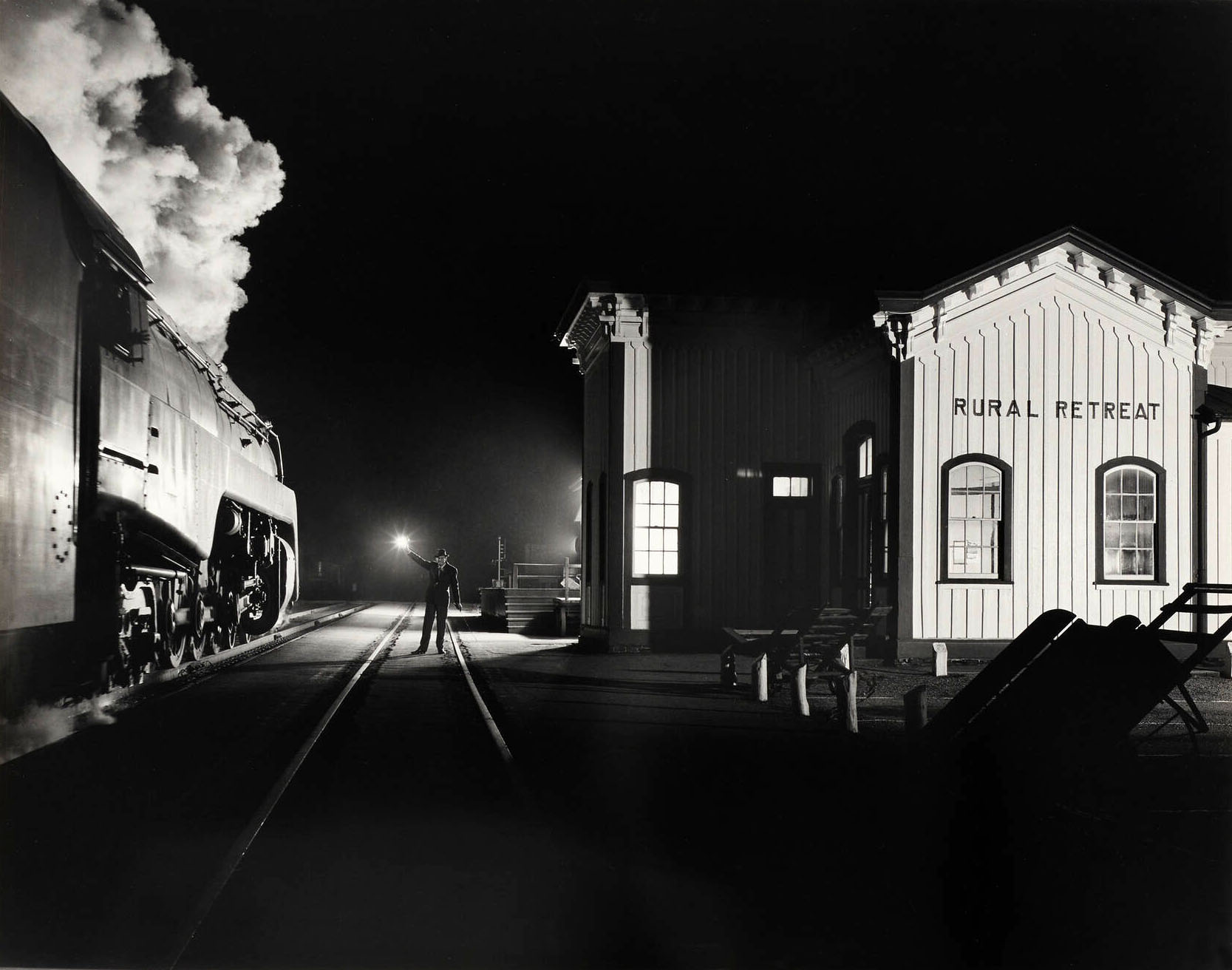
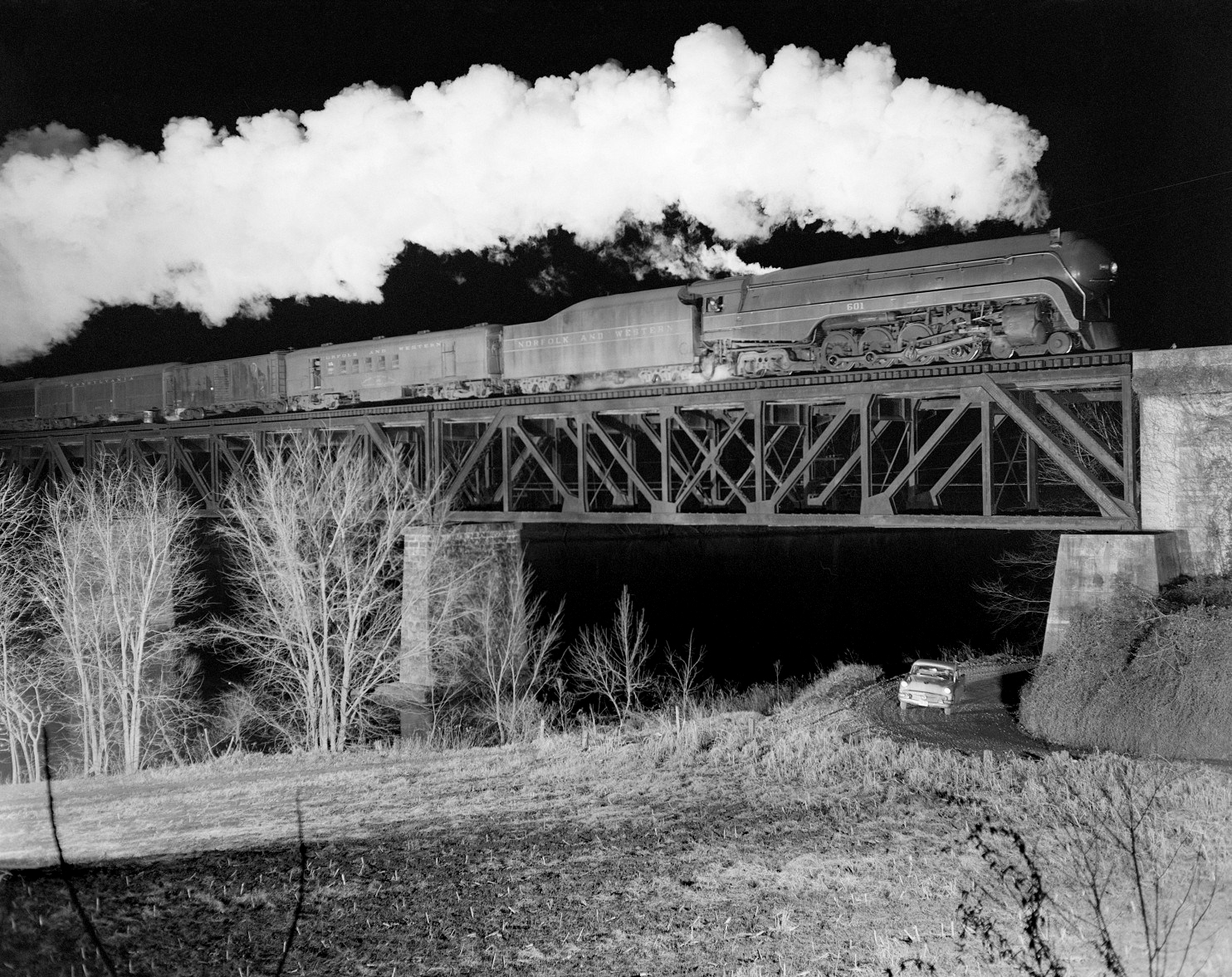
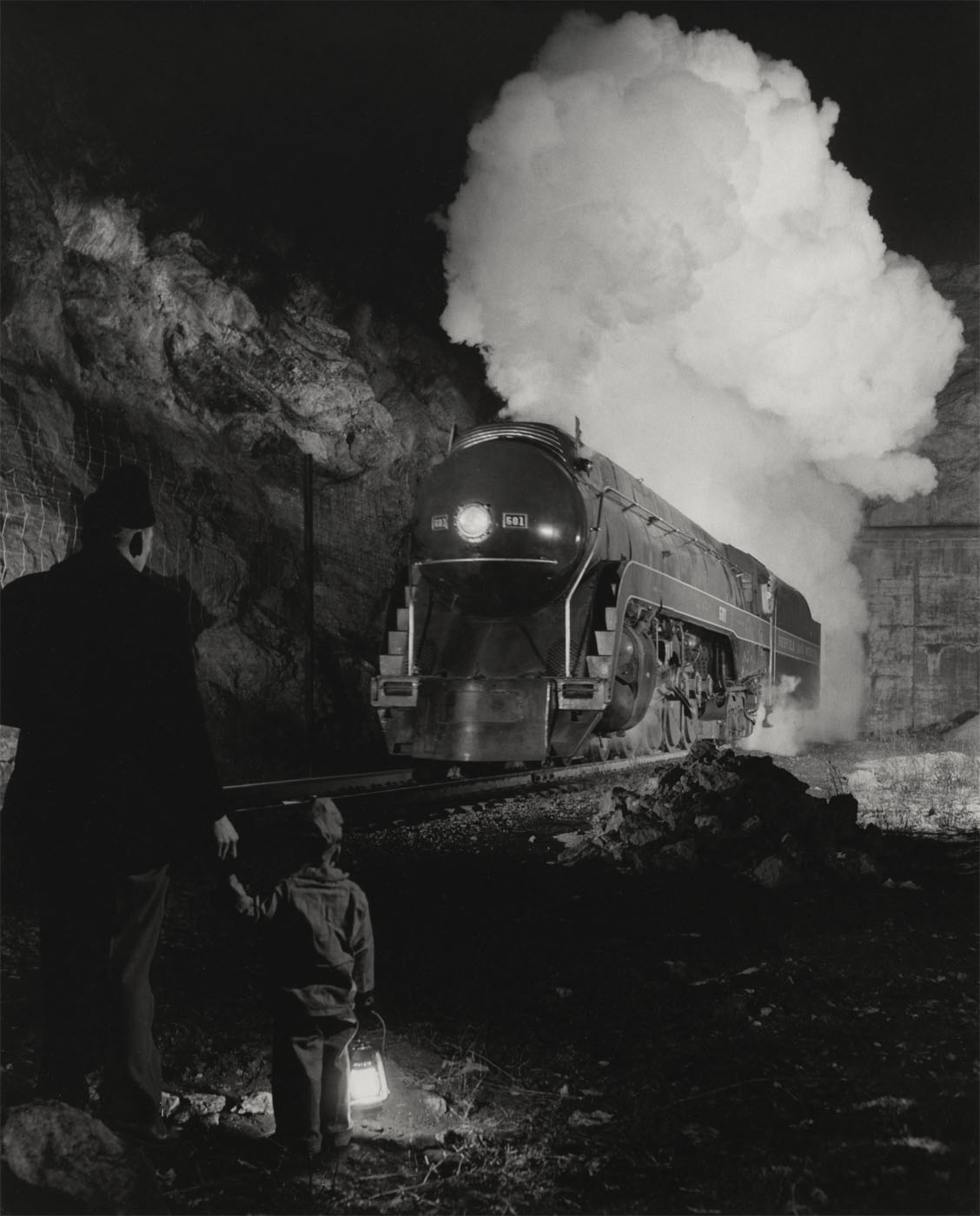
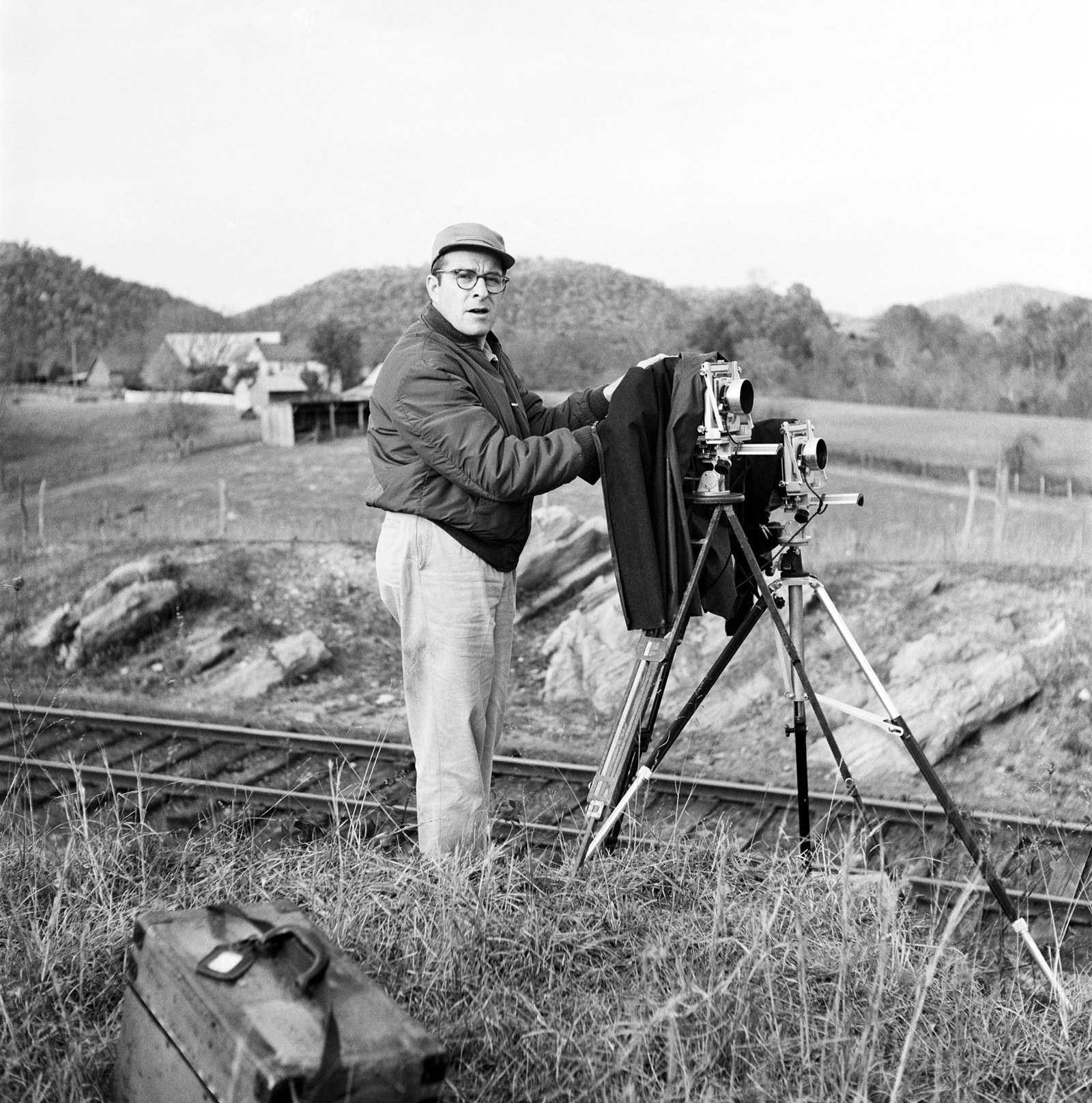
I have to admit to a very large amount of admiration for this photographer. He is brilliant, simply the best photographer of trains and their cultural surrounds that the world has ever seen. He persevered within his photographic projects through thick and thin. I feel a special affinity toward this man as I love trains, planes, ships and trucks (although I am yet to use trains in my work).
As with all great photographers he pursued his goals with passion, a unique eye and the ability to produce a ‘signature’ photograph that could only be his. His photographs are timeless remembrances of the history and culture of the era. The above image combines all the elements of 1950s America – the drive in, the couple, the speed, the convertible car, night and the ambiguous slightly sinister rocket like plane. Planes, trains and automobiles are the stuff of legend for me, a child of the 1950s. The lighting of the train is incredible, with rows of flash set off at just the right moment. The precision and skill to do this and the resulting tableaux have few equals. When I first saw this image I was amazed and still am today!
O. Winston Link had a deep respect for the people and machines he was photographing – capturing a vanishing world before it all but disappeared. Thank god there was someone with vision and foresight to accomplish this task so that these incredible and indelible images will forever transcend the time in which they were taken, to give joy to the people that look at them.
Dr Marcus Bunyan
Many thankx to the George Eastman Museum for allowing me to publish the photographs in the posting. Please click on the photographs for a larger version of the image.
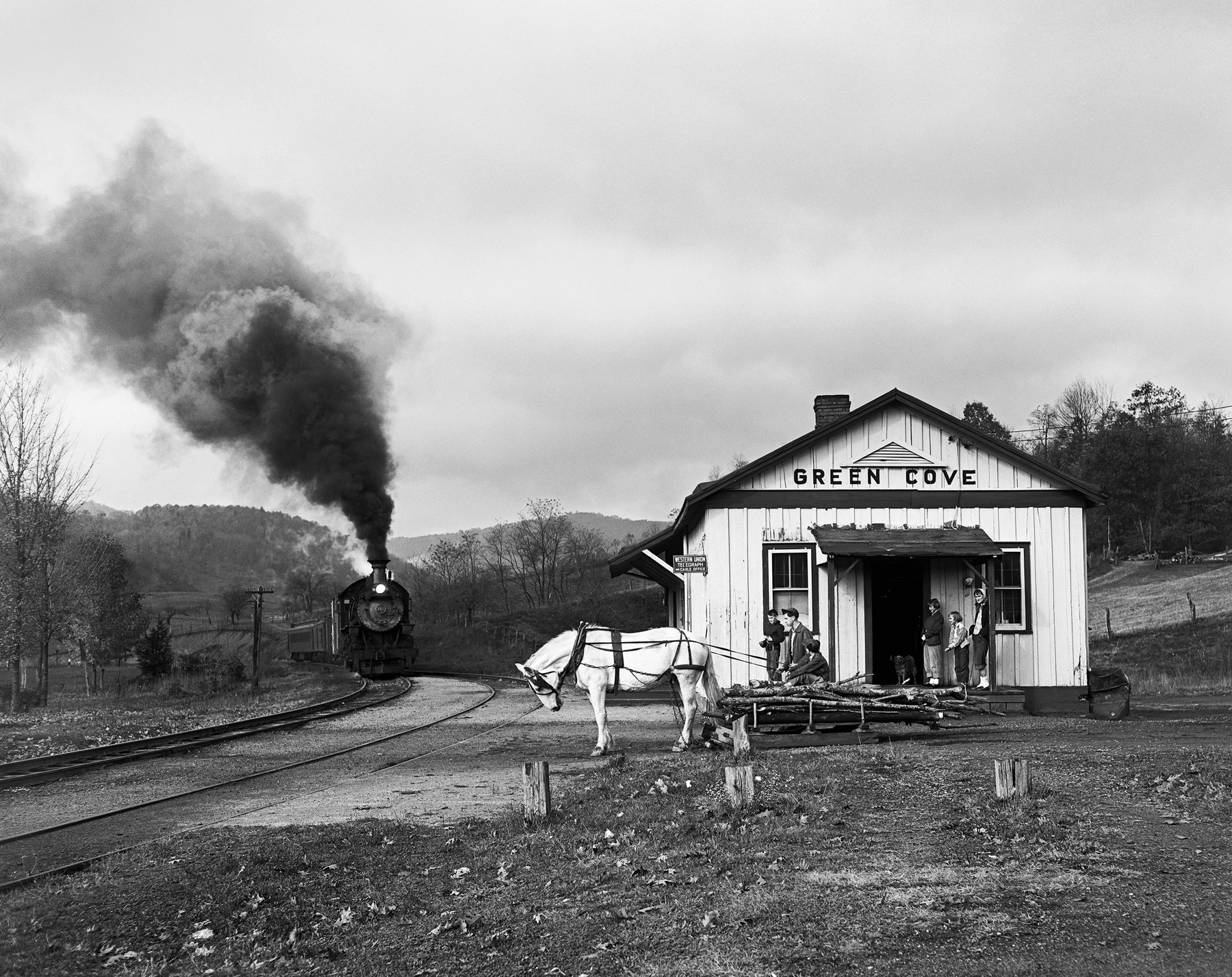
The Abingdon Branch of the N&W led Link to another approach in his documentation of the railroad. Since the trains did not run at night, all of the images had to be made in daylight, making this branch the source of many of his genre scenes and colour images. The branch was short but steep, including the highest point of any passenger train in the east. With top speeds of 25 mph, it earned the nickname “Virginia Creeper.”
Link found the slow pace and setting the most bucolic of the entire N&W system. He wrote, “There was beauty at every curve and every bridge.” The line crept by cascading waterways and across high wooden trestles. Although the entire branch was abandoned in 1978, the railbed has since become a hiking trail, with Green Cove the only station remaining and restored to the look of this photograph.
Ogle Winston Link, known commonly as O. Winston Link, has been revered by many as the most important railroad photographer of all time. He is best known for his black-and-white photography and sound recordings of the last days of steam locomotive railroading in the United States in the late 1950s. A true American master, Link produced night-time photographs of the railroad over a five-year period that ended when the last steam locomotive of the Norfolk & Western Railway was taken out of service in May 1960.
This exhibition features more than 100 framed photographs as well as Link’s actual photographic and lighting equipment, plus his personal notebooks detailing set-ups, formulas, and exposure details.
Unknown maker, American, Attributed to Carleton Watkins (American, 1829-1916) The Plaza, Lima, Peru About 1852 Daguerreotype Plate: 10.8 x 14cm (4 1/4 x 5 1/2 in.) J. Paul Getty Museum Collection
Watkins could have made this study of the Lima Cathedral on his return to California from New York via South America in 1852.
Carleton Watkins was a master photographer, craftsman, technician and, above all, a refined artist. The structural cadences of his compositions, like the best music, are superb. Within his photographs he creates a visual dialogue that sustains pertinent inquiry by the viewer – the look! see! – that has lasted centuries, as all great art does. Today his photographs are as clearly seen, as incisive of mind, as when they were first produced. They delight.
From the documentary photographs of mining settlements to the images of Yosemite; from the stereographs of cities to the gardens of the rich and famous; from the photographs of untouched interior America to the images of the Monterey Peninsula Watkins photographs are sharply observed renditions of a reality placed before the lens of his giant plate camera.
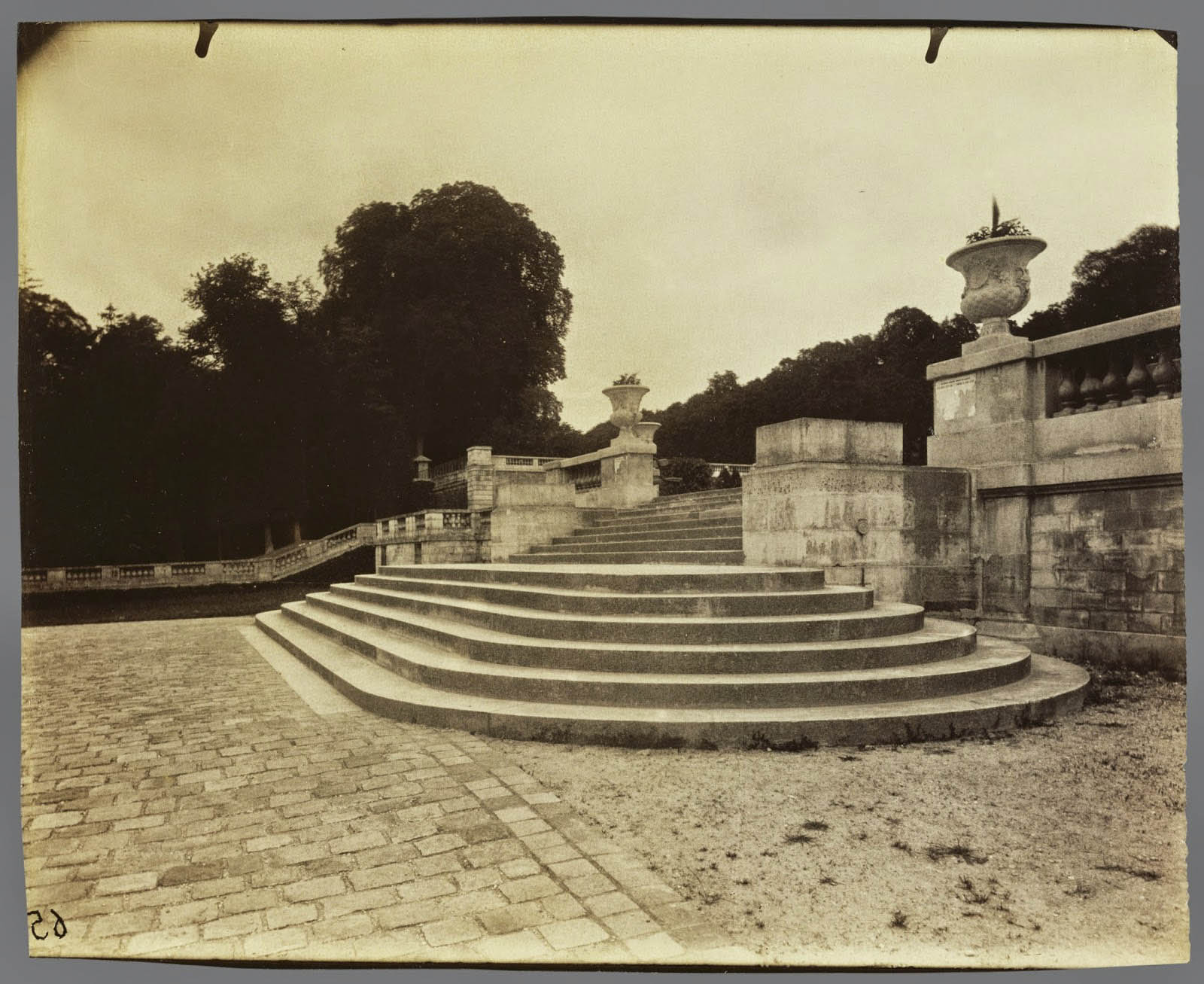
Like all great artists his eye is unique. His use angle, height and placement of the camera is reinforced by his understanding of the balance of light and shade, the construction of planes within the image and the spatial relationships that could be achieved within the frame (at the same time we note that the artist Cezanne was also investigating the deconstruction of traditional landscape perspectives within the image frame). His work reminds me of the photographs of the great French photographer Eugene Atget: both men understood how best to place the camera to achieve the outcome they wanted so that the photographs became imprinted with their signature, images that nobody else could have taken. Today we recognise both men as masters of photography for this very fact. The images they took raise them above the rank and file photographer because of the care and understanding they took in the decisions they made in the exposure of the negative.
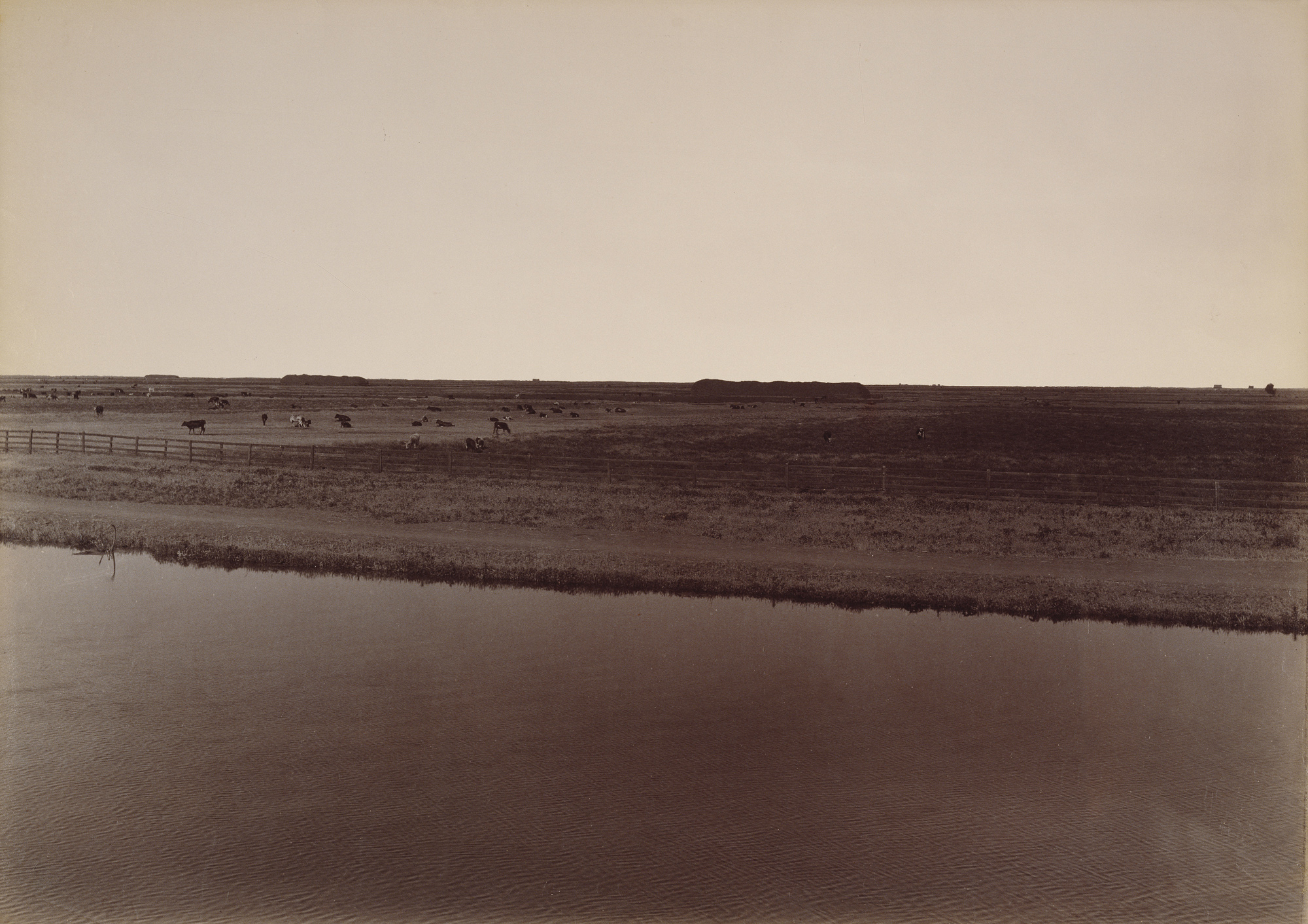
As a precursor to modernism in photography Watkins does not have peer at this time. His photographs preempt the 20th century modernist work of Paul Strand and Alfred Stieglitz, his Monterey and Yosemite photographs the work of Edward Weston and Ansel Adams, and in his Japanese influences the work of Minor White. Even today at the exhibition by Andreas Gursky at the National Gallery of Victoria, Melbourne there is a colour work of a body of water (see below: Rhein 1996) that closely reflects the structure of Watkins View on the Calloway Canal, near Poso Creek, Kern County 1887, even though the subject matter of Gursky’s image is a simulacra of an implied reality, whereas Watkins work “served as evidence in a water rights lawsuit that eventually resulted in a decisive court ruling that prevented newcomers from diverting water from existing landowners.”1
Watkins cadence as a sentient being will endure in the choices he made in the photographs he exposed. His tempo, his innate ability to place the camera, his understanding of the light and shade, texture, environment, depth of field and feeling make this artist one that all aspiring artists – no, all human beings – should study.
Dr Marcus Bunyan
1/ For more information about this image please see the J. Paul Getty Museum web page.
Many thankx to the J. Paul Getty Museum for allowing me to publish the photographs in the posting. Please click on the photographs for a larger version of the image.
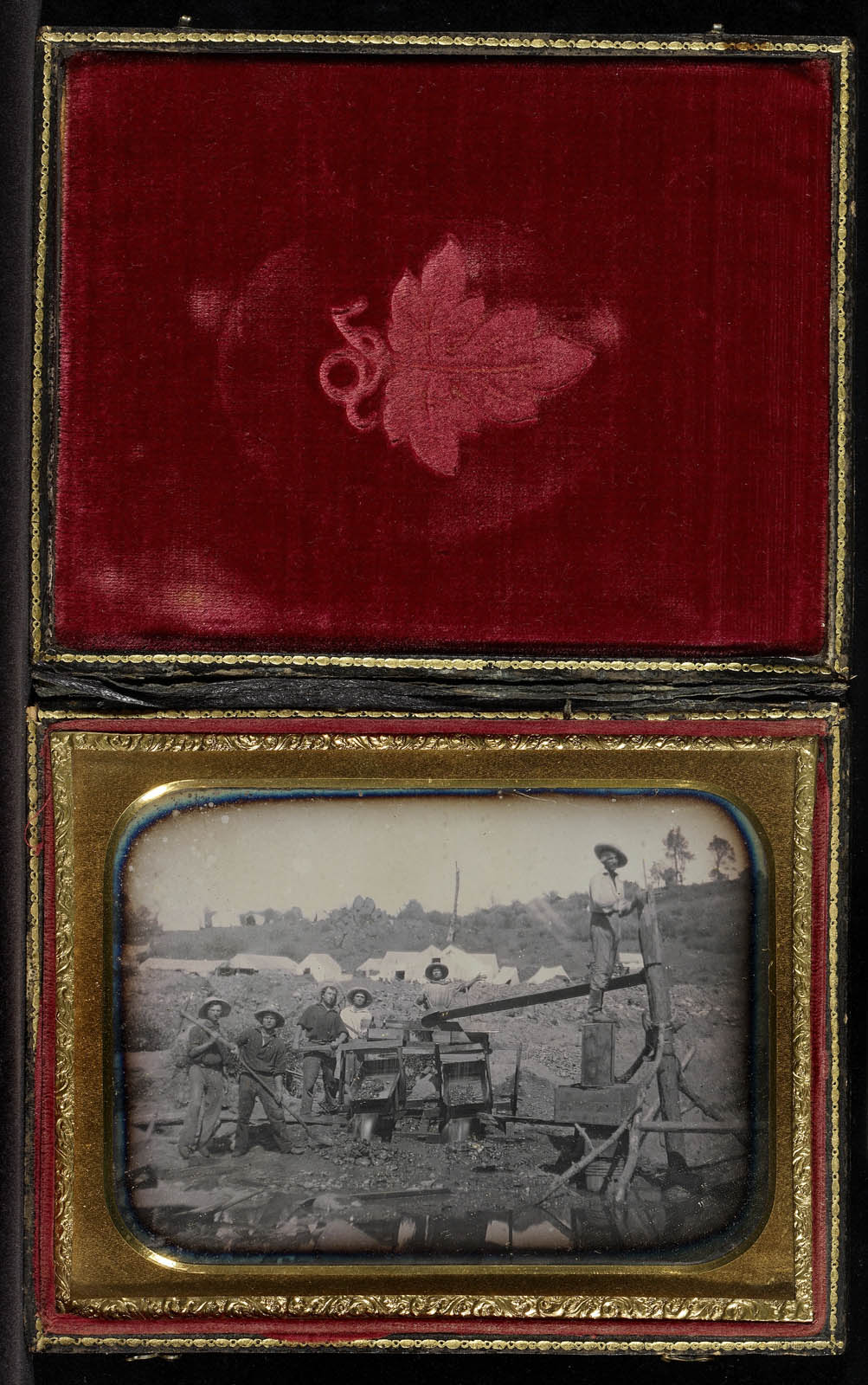
Carleton Watkins (American, 1829-1916) (attributed) Placer Mining Scene c. 1852-1855 Half-plate daguerreotype 4 x 5 in. (10.2 x 12.7cm) J. Paul Getty Museum Collection
Watkins was persistently interested in the technical details of mining operations. Here a primitive Spanish ore mill is used to pulverise gold-bearing rock. Throughout his career Watkins earned income-producing photographs that were used as sources for engraved illustrations, as this one was.
Unknown maker, American, Attributed to Carleton Watkins (American, 1829-1916) Engineering Camp, Copiapo, Chile About 1852-1855 Daguerreotype Plate: 10.8 x 14cm (4 1/4 x 5 1/2 in.) J. Paul Getty Museum Collection
In 1852 Watkins went to New York, then returned to California the following spring aboard the SS Michael Angelo, which was loaded with tons of supplies destined for mining camps on the Pacific Coast of the Americas. The vessel proceeded to the port of Caldera, Chile, where goods destined for the mines at Copiapó were unloaded. Miners and their various forms of shelter, such as the tent shown here in the landscape, were among Watkins’s favourite subjects.
Carleton Watkins (American, 1829-1916), Robert H. Vance (American, 1825-1876) Street Scene in La Rancheria, California 1853-1855 Daguerreotype, hand-coloured 8.3 x 11.4cm (3 1/4 x 4 1/2 in.) J. Paul Getty Museum Collection
The mining camp of La Rancherie was located near the fabled Sutter’s Mill in California, where gold was discovered in 1849. In the volatile gold-rush environment of prospectors, get-rich-quick dreams, and fly-by-night towns, an assembly of men in the foreground stood for the camera to immortalise their roles in the historical moment. La Rancherie stood out for its stability: it could boast a few buildings made of clapboard and some that were even painted. The illustrated hotel sign at upper left indicates a clientele that was not entirely literate and might rely on pictures to identify potential lodgings.
Carleton Watkins (American, 1829-1916) [Section Grizzly Giant, Mariposa Grove] 1861 Albumen silver print 43.2 x 52.1cm (17 x 20 1/2 in.) J. Paul Getty Museum Collection
Galen Clark, the figure in this photograph, was designated as the guardian of the Mariposa Grove of giant sequoia about the time Abraham Lincoln ceded it to California in 1864. When this picture was made, Clark lived in a cabin (not pictured) nearby and maintained a rustic way station for visitors traveling to Yosemite Valley via the Mariposa Trail, which was developed in 1859.
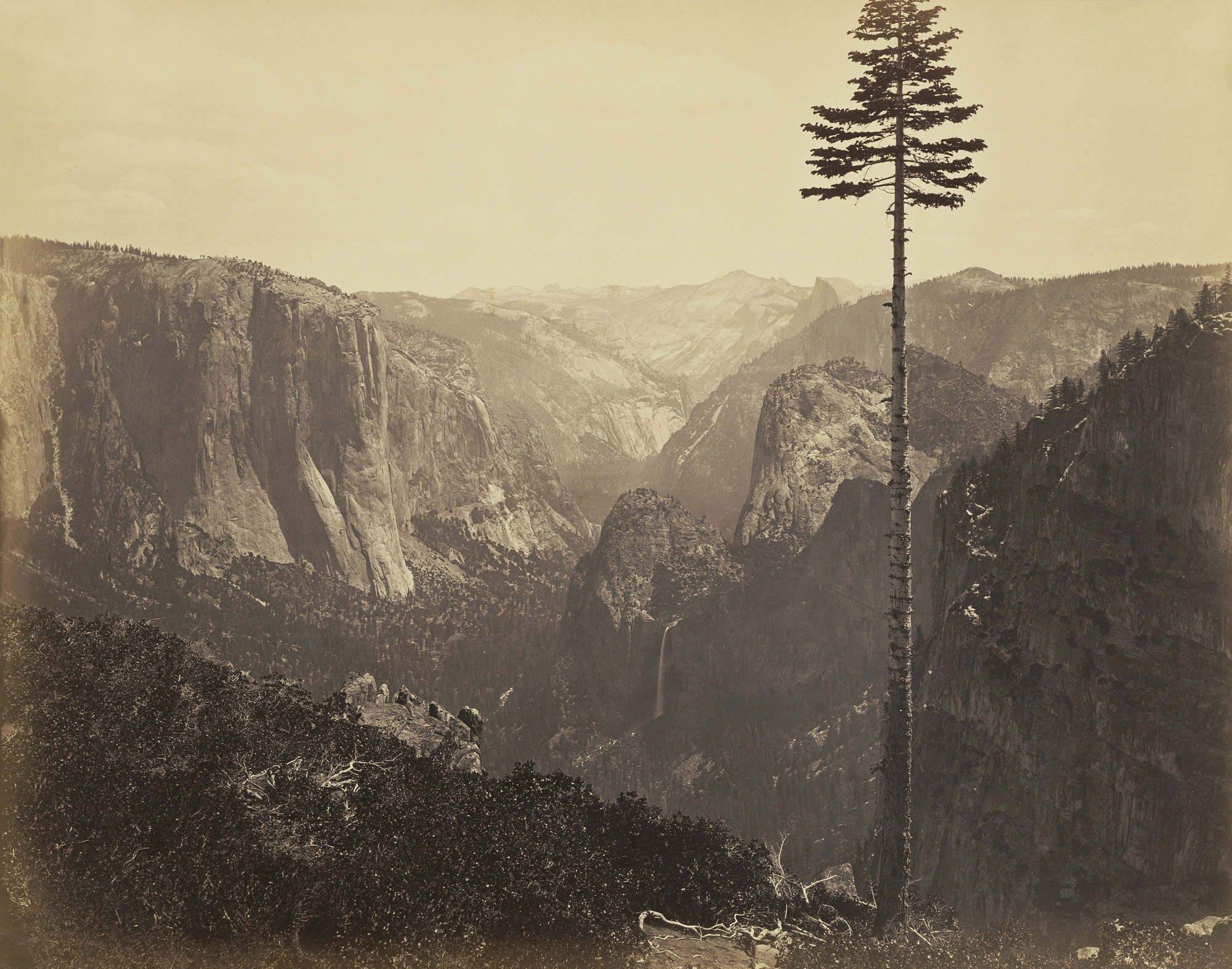
Carleton Watkins (American, 1829-1916) Yosemite Valley from the Best General View No.2 1866 Albumen silver print 41 x 52.2cm (16 1/8 x 20 9/16 in.) J. Paul Getty Museum Collection
Carleton Watkins had the ability to photograph a subject from the viewpoint that allowed the most information to be revealed about its contents. In this image, he captured what he considered the best features of Yosemite Valley: Bridalveil Falls, Cathedral Rock, Half Dome, and El Capitan. By positioning the camera so that the base of the slender tree appears to grow from the bottom edge of the picture, Watkins composed the photograph so that the canyon rim and the open space beyond it seem to intersect. Although he sacrificed the top of the tree, he was able to place the miniaturised Yosemite Falls at the visual centre of the picture. To alleviate the monotony of an empty sky, he added the clouds from a second negative. This image was taken while Watkins was working for the California Geological Survey. His two thousand pounds of equipment for the expedition, which included enough glass for over a hundred negatives, required a train of six mules.
Carleton Watkins (American, 1829-1916) Further Up the Valley. The Three Brothers, the highest, 3,830 ft. 1866 Albumen silver print 39.2 x 53.5cm (15 7/16 x 21 1/16 in.) J. Paul Getty Museum Collection
In 1850, at the age of 20, Carleton Watkins is believed to have arrived in California from New York via South America. He embarked on a life in photography that began auspiciously during the gold rush (which started in 1849) and ended abruptly with the 1906 San Francisco earthquake and fire that destroyed his negatives. In between those historic moments, Watkins witnessed an era in which a recurring theme was the enormity of all things in the West. He photographed the expansive western landscape with its miles of coastline, vast natural resources, colossal trees, and the monoliths of the Yosemite Valley using an oversize mammoth-plate camera.
In the 1860s Watkins’s Yosemite photographs brought him fame from as far away as Paris, but a decade later he experienced a painful financial reversal. In the end, he died a pauper in 1916 after a life that brought him into dialogue with the many “giants” of his era. The photographs he left behind provide a unique personal vision of the birth and growth of California.
Mining Scenes and Daguerreotypes
After arriving in Sacramento in 1850, Watkins worked delivering supplies to the mines during the gold rush. As he traveled throughout the region, he applied his new photography skills by making daguerreotypes (an early photographic technique using silver-coated, polished copper plates). In 1852, he is believed to have taken up photography full time, making daguerreotypes as a freelance “outdoor man” for established studios in Sacramento, Marysville, and San Francisco.
Among the most important photographs created in California before about 1855 are more than 100 daguerreotypes of buildings and landscapes, the majority of which have not been attributed. Many represent the San Francisco Bay Area and the mother lode regions northeast of Sacramento, where Watkins lived from 1850 to 1853 – a fact that geographically positions him in the right place at the right time to have been their maker. This exhibition compares select daguerreotypes by unknown makers with securely identified photographs by Watkins. On the basis of style and other circumstantial evidence, it is possible that Watkins may have made many of the daguerreotypes.
Yosemite
Watkins first visited Yosemite Valley in the late 1850s and then returned to Yosemite several times in the 1860s and 1870s with a new mammoth-plate camera designed to expose collodion-on-glass negatives that were 18-by-22 inches in size. With this equipment, he created the pictures that soon brought him international fame.
Watkins was not the only photographer who made images of Yosemite. Charles L. Weed and Eadweard Muybridge both followed Watkins into Yosemite, and the photographers often re-created one another’s views. This exhibition explores the visual dialogue in Yosemite between Watkins, Weed, Muybridge, and the unidentified camera operator for Thomas Houseworth and Company, who may have actually been Watkins.
Pacific Coast
Watkins was best known for his photographs of Yosemite, but he also took his camera to the silver mines of Nevada and Arizona, and up and down the Pacific coast. Throughout his career he applied his understanding of the elements of landscape as art. His early work with mining subjects proved to be excellent training for his eventual vision of landscape as a powerful counterbalance to the fragility of human existence. He harnessed the elements of visual form – line, shape, mass, outline, perspective, viewpoint, and light – to enliven often static motifs in nature.
Watkins photographed the Monterey Peninsula in the 1880s, recording the scenery in a continuously unfolding progression along Seventeen-Mile Drive, which began and ended at the Hotel Del Monte. Near the hotel, Watkins created this image of a native cypress – windblown and with its roots exposed – clinging to the side of a rocky cliff. Many distinguished photographers, among them Edward Weston and Ansel Adams, followed Watkins over the years along this same stretch of coast, photographing similar subjects.
Carleton Watkins (American, 1829-1916) Cape Horn, Columbia River, Oregon Negative 1867; print about 1881-1883 Albumen silver print 40.5 x 52.3cm (15 15/16 x 20 9/16 in.) J. Paul Getty Museum Collection
In 1867 Carleton Watkins made an expedition to Oregon to obtain photographs of its geology, including the chain of extinct volcanic mountains that cap the coastal range. This view was made from the Washington side of the Columbia River. Even the evidence of a solitary boatman and his cargo does not disturb the landscape’s profound serenity, nor does his presence reveal the fact that cultivated farmland and an apple orchard existed nearby. Watkins’s image nonetheless portrays a man facing nature at its most grand and overwhelming. The man’s boat appears ready to launch into the still, glassy river, an act that will make an indelible imprint on the water’s pristine, boundless surface.
Carleton Watkins (American, 1829-1916) [Sugarloaf Islands at Fisherman’s Bay, Farallon Islands] About 1869 Albumen silver print 41 x 54.3cm (16 1/8 x 21 3/8 in.) J. Paul Getty Museum Collection
Craggy rocks rise from a swirling, misty sea. Two seagulls punctuate the foreground, giving the scene a sense of scale. The uninhabited Sugarloaf Islands, part of the Farallon Island group, are located just north of San Francisco in the Pacific Ocean; in this photograph, they loom in the surf offshore like mysterious, petrified sea creatures. The length of the exposure softened the waves’ swirl into mist, adding to the impression of ancient, craggy mountaintops breaking through vaporous clouds.
Carleton Watkins frequently photographed the Farallon Islands. This particular area, the Gulf of the Farallones National Marine Sanctuary, includes 1,235 square miles of nearshore and offshore waters ranging from wetlands to deep-sea communities.
Carleton Watkins (American, 1829-1916) View on Lake Tahoe 1877 Albumen silver print 40.3 x 52.7cm (15 7/8 x 20 3/4 in.) J. Paul Getty Museum Collection
Standing between two sets of rails, Carleton Watkins photographed a busy pair of tracks above Carson Valley, Nevada. His shadow and that of his mammoth-plate camera indicate his precarious position on the steep grade in the foreground. A single engineer stands near the empty track curving around a mountain on the left, having already observed the train that heads away from the trestle on the right. Beneath these tracks, another steam engine pulling lumber on multiple flatbed cars makes its way around a sharp curve. The wood carried by these trains was an essential material for building the railroad and for operating steam engines. Lumber served as ties beneath the iron rails, telegraph poles lining the route, and fuel for wood-burning steam engines.
Carleton Watkins (American, 1829-1916) Agassiz Rock and the Yosemite Falls, from Union Point about 1878 Albumen silver print 54.4 x 39.2cm (21 7/16 x 15 7/16 in.) J. Paul Getty Museum Collection
Carleton Watkins (American, 1829-1916) [Thompson’s Seedless Grapes] 1880 Albumen silver print 37.6 x 55.7cm (14 13/16 x 21 15/16 in.) J. Paul Getty Museum Collection
In this image celebrating Kern County’s agricultural bounty, Carleton Watkins clearly defined each fresh grape, tooth-edged leaf, and woody twig. Real estate developers successfully used photographs of lush fields, ripe produce, and plentiful harvests as a means of advertising to boost Southern California’s economy. The grape bunches hanging from the tendrils of this vine represent the earliest cultivation of seedless grapes.
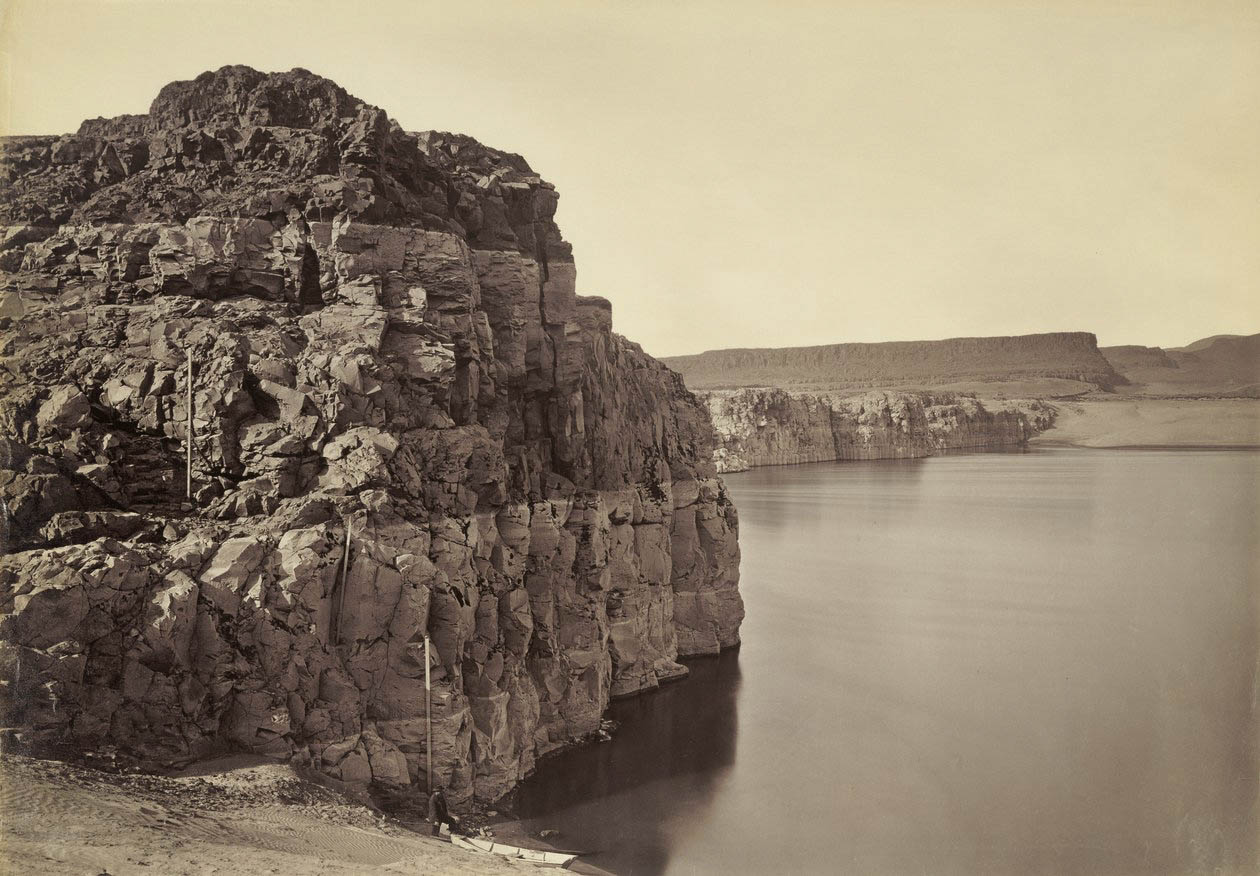
Carleton Watkins (American, 1829-1916) The Dalles, Extremes of High & Low Water, 92 ft 1883 Albumen silver print J. Paul Getty Museum Collection
At twenty, Carleton Watkins headed out to California to make his fortune. After working as a daguerreotype operator in San Jose, he established his own practice and soon made his first visit to the Yosemite Valley. There he made thirty mammoth plate and one hundred stereograph views that were among the first photographs of Yosemite seen in the East. Partly on the strength of Watkins’s photographs, President Abraham Lincoln signed the 1864 bill that declared the valley inviolable, thus paving the way for the National Parks system.
In 1865 Watkins became official photographer for the California State Geological Survey. He opened his own Yosemite Art Gallery in San Francisco two years later. The walls were lined with 18 x 22-inch prints in black walnut frames with gilt-edged mats. Such elegant presentation did not come cheap, and Watkins was accused of charging exorbitant prices. A poor businessman, he declared bankruptcy in 1874 and his negatives and gallery were sold to photographer Isaiah Taber, who began to publish Watkins’s images under his own name. Watkins, however, continued to photograph, and seven years later became manager of the Yosemite Art Gallery, then under different ownership. The San Francisco earthquake and fire of 1906 destroyed the contents of his studio, which he had intended to preserve at Stanford University.
Eugène Atget (French, 1857-1927) Saint Cloud 1904 Albumen silver print
Carleton Watkins (American, 1829-1916) Cypress Tree at Point Lobos, Monterey County 1883-1885 Albumen silver print J. Paul Getty Museum Collection
Carleton Watkins (American, 1829-1916) View on the Calloway Canal, near Poso Creek, Kern County 1887 Albumen silver print 37.5 x 53cm (14 3/4 x 20 7/8 in.) J. Paul Getty Museum Collection
The first photographs Watkins made along the Kern River served as evidence in a water rights lawsuit that eventually resulted in a decisive court ruling that prevented newcomers from diverting water from existing landowners. James Ben Ali Haggin, the defendant and Watkins’s client, had a series of irrigation canals that raised the price of land in Kern County. In this spare composition, made where present-day Poso Road crosses the Calloway Canal, Watkins devoted almost equal proportions to sky, land, and water.
Curator: Keith F. Davis, senior curator of photography at The Nelson-Atkins Museum of Art
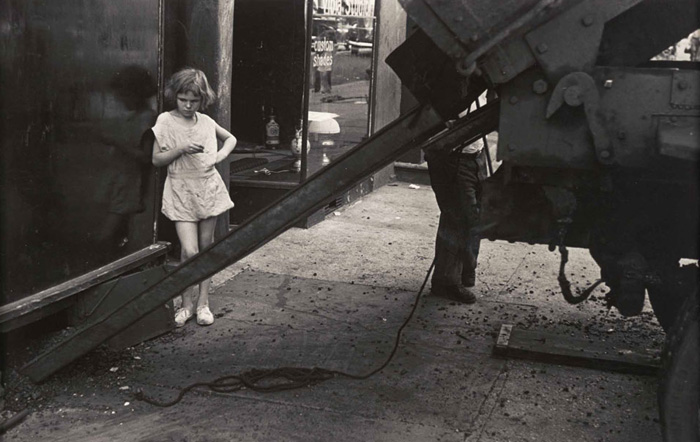
Homer Page (American, 1918-1985) New York, August 11, 1949 (girl and coal chute) 1949 Gelatin silver print
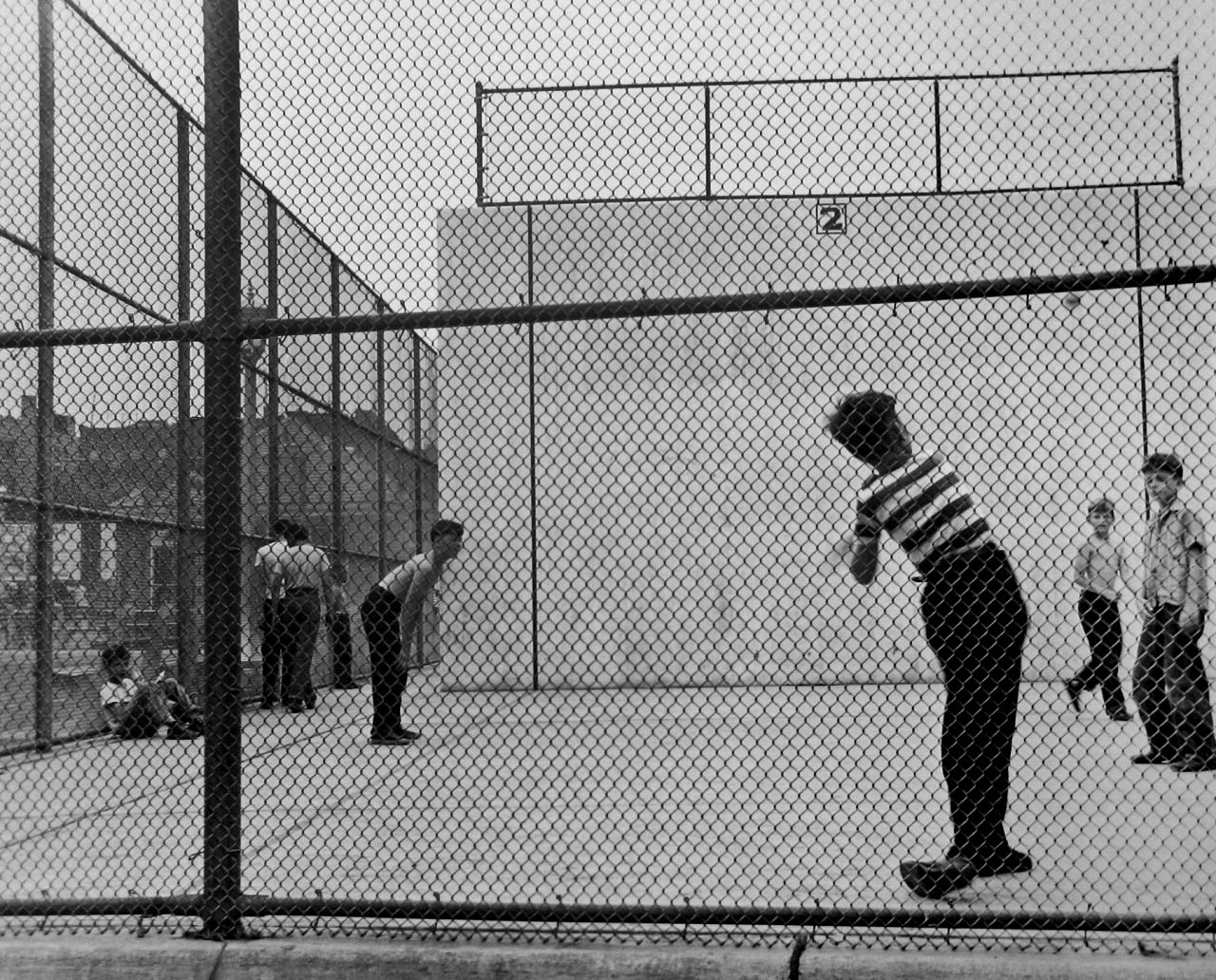
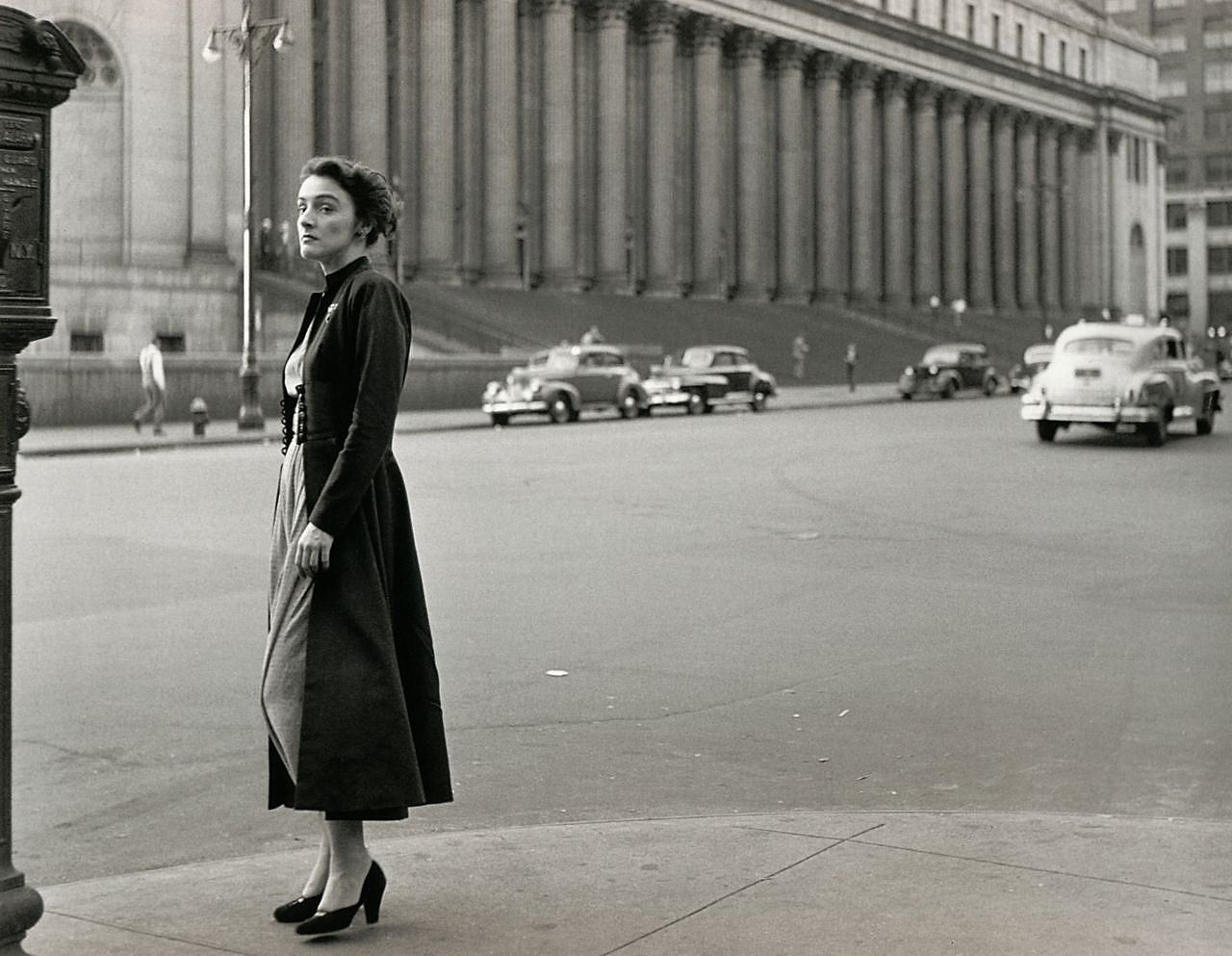
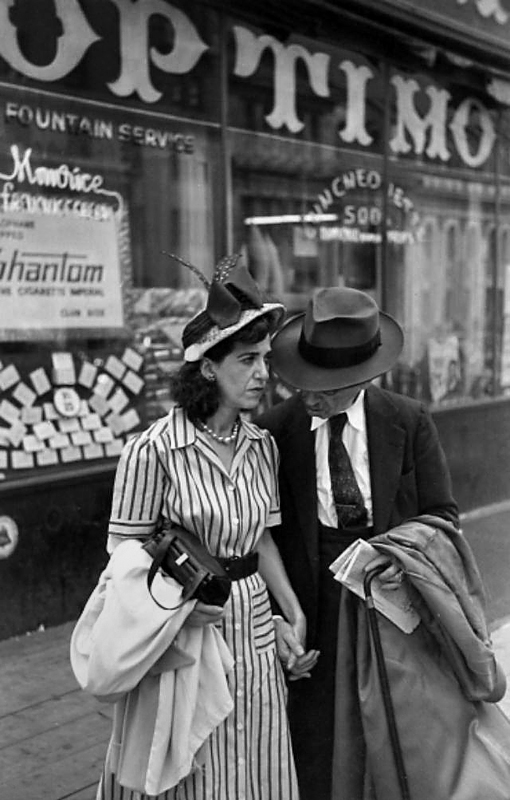
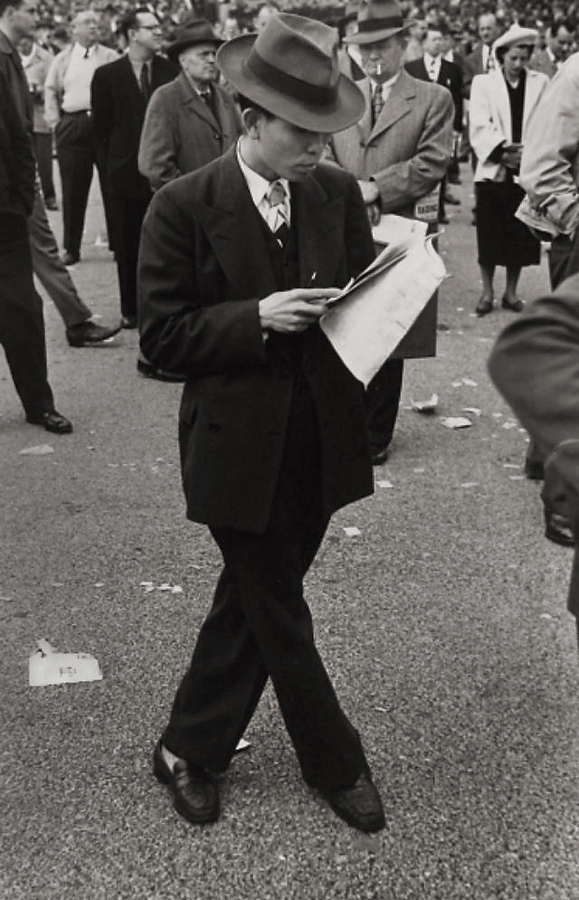
A brilliant but under appreciated American photographer, Homer Page used a Guggenheim fellowship in 1949-1950 to photograph New York City. Included in the 2006 Hallmark Photographic Collection gift to the Nelson-Atkins were some 100 of his vintage black-and-white prints. The Museum is thus in a unique position to celebrate his remarkable artistic achievement: his vision, at once gritty and lyrical, of the face of metropolitan America at mid-century. In recording the city so intently, Page had a larger goal in mind: to suggest nothing less than the emotional tenor of life at that time and place.
From an artistic standpoint, Page’s work represents a “missing link” between the warm, humanistic, and socially motivated documentary photographs of the 1930s and early 1940s in the works of Dorothea Lange, and the tougher, grittier and more existential work of the later 1950s as seen in the images of Robert Frank.
Text from The Nelson-Aitkens Museum of Art website
Many thankx to The Nelson-Atkins Museum of Art for allowing me to publish the photographs in the posting. Please click on the photographs for a larger version of the image.
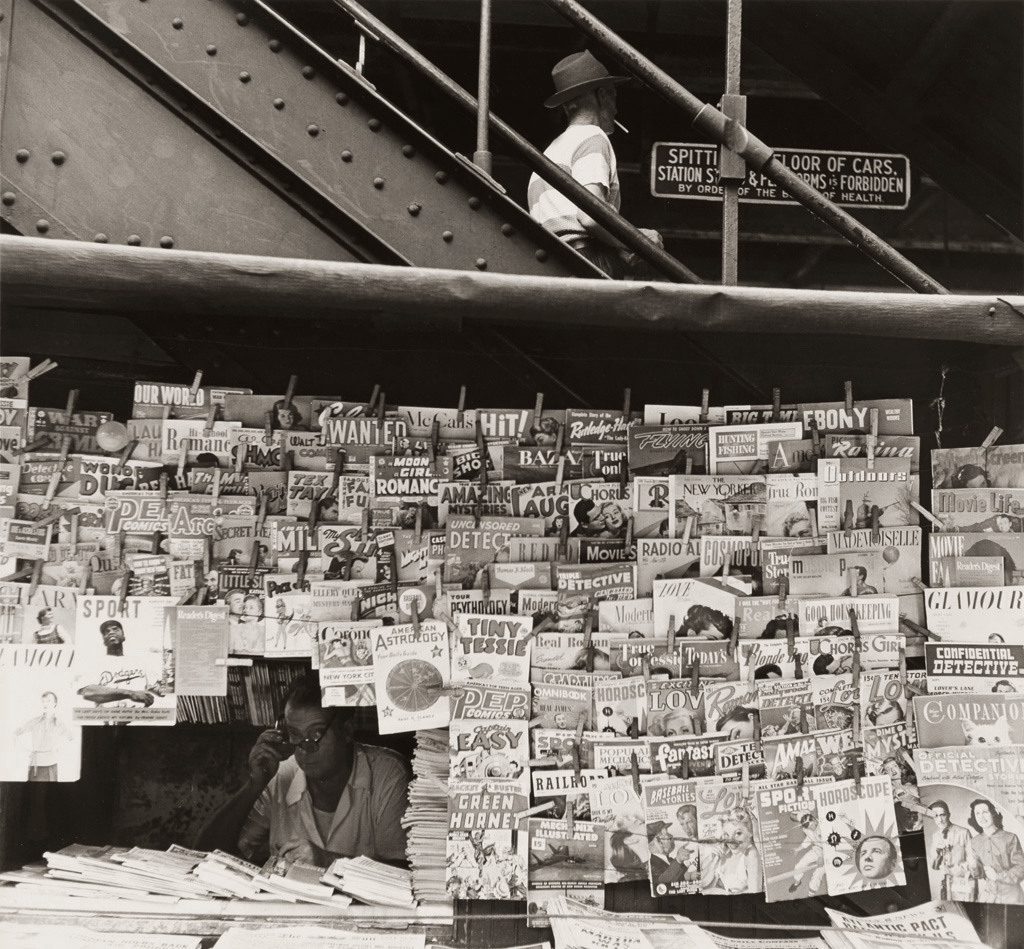
Homer Page (American, 1918-1985) The El at 86th, New York 1949-1950 Gelatin silver print
Homer Page (American, 1918-1985) New York (boys and manikin) 1949 Gelatin silver print Gift of Hallmark Cards, Inc.,
Homer Page (American, 1918-1985) New York City 1949 Gelatin silver print
Homer Page (American, 1918-1985) New York, June 19, 1949 1949 Gelatin silver print
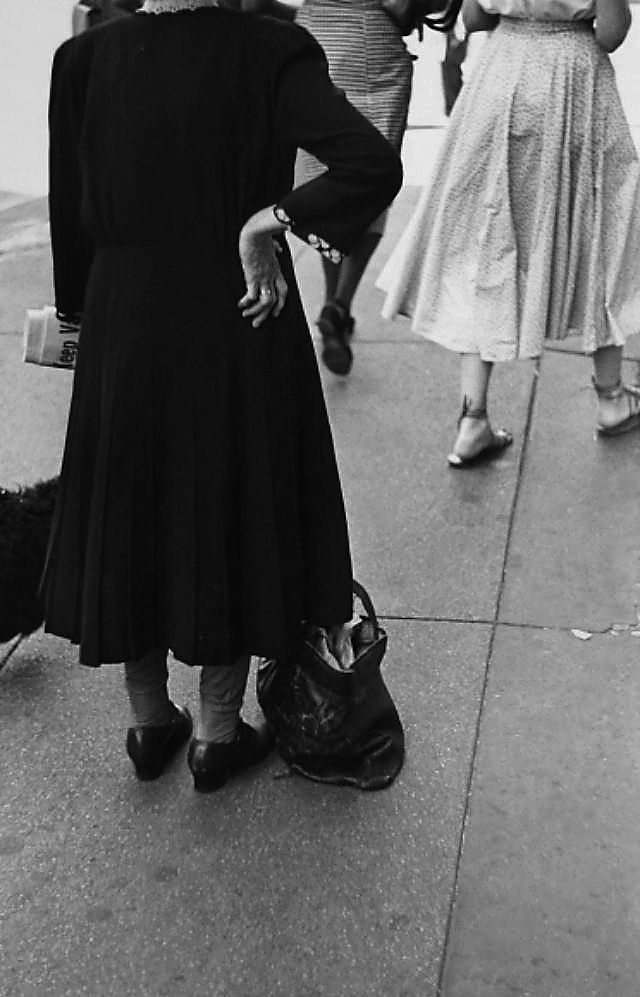
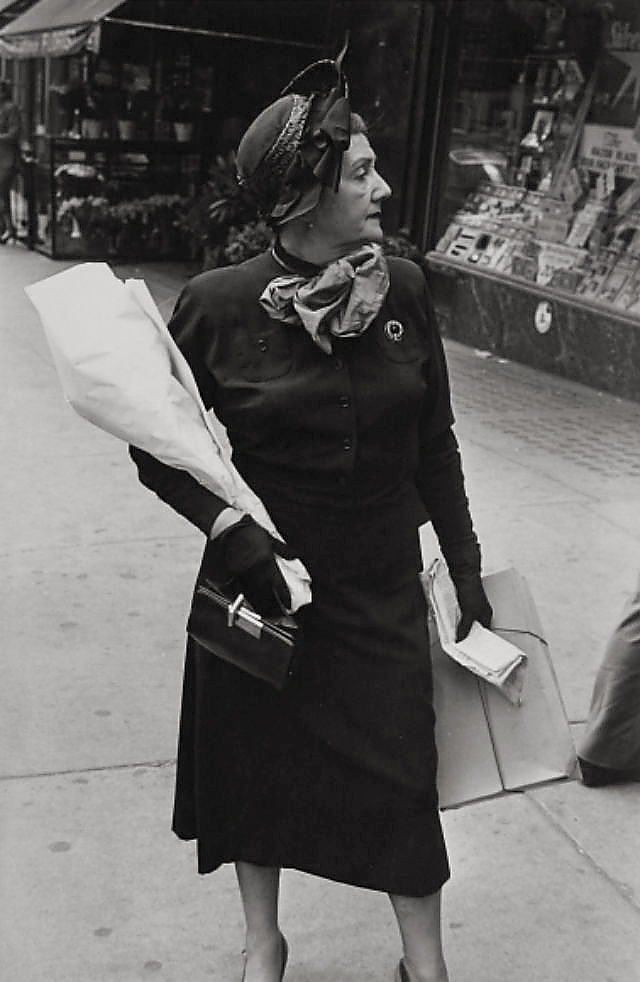
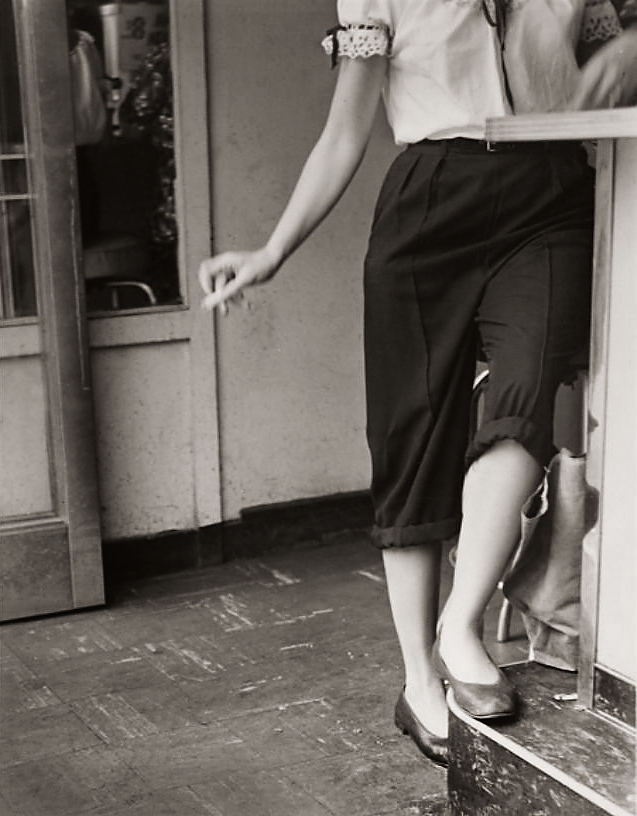
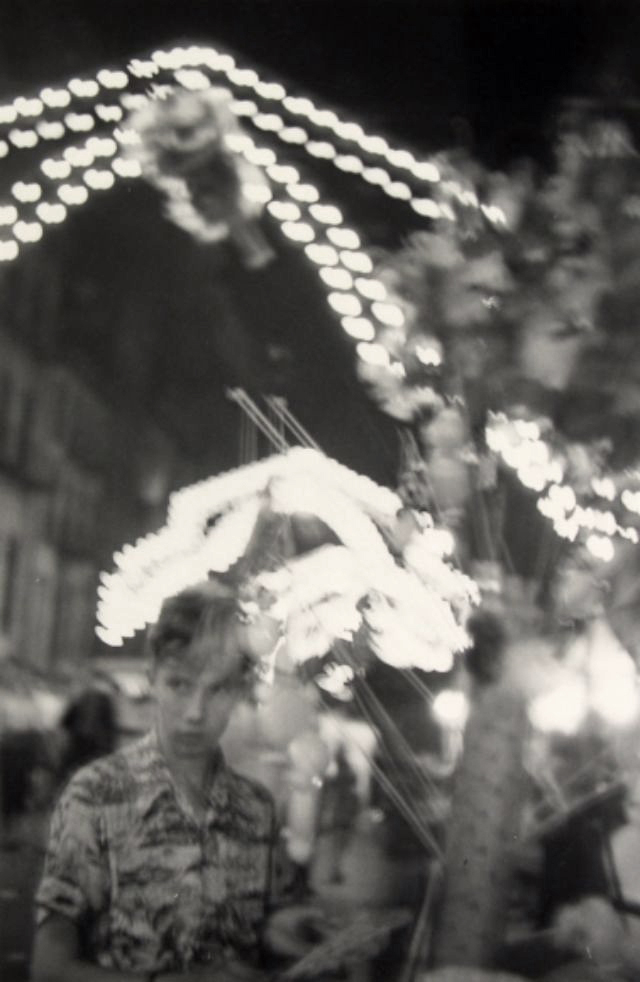
“Page captured both the facts and the feeling of life in post-war New York: commuters in transit to and from their offices, the signs of commercial and consumer culture, leisure pursuits and night life, psychological vignettes of the lonely and dispossessed. His work provides a rich and original vision of 1949 America.
Page was devoted to the visible facts of his world, but his real goal was something much deeper: the emotional tenor of life at that time and that place. This is a body of work of great passion, intelligence, and artistic integrity – one that is all the more important for having remained essentially unknown to the present day,” Davis (former Hallmark Fine Art Programs Director) said.
Text from the ArtDaily.org website
Homer Page (American, 1918-1985) New York City 1949 Gelatin silver print
Homer Page (American, 1918-1985) New York City 1949 Gelatin silver print
Homer Page (American, 1918-1985) New York City 1949 Gelatin silver print
Homer Page (American, 1918-1985) New York City 1949 Gelatin silver print
Homer Page (American, 1918-1985) New York City 1949 Gelatin silver print
Homer Page (American, 1918-1985) New York City 1949 Gelatin silver print
Homer Page (American, 1918-1985) New York City 1949 Gelatin silver print
Homer Page (American, 1918-1985) New York City 1949 Gelatin silver print
Homer Page (American, 1918-1985) New York City 1949 Gelatin silver print
Homer Page (American, 1918-1985) New York City 1949 Gelatin silver print
Homer Page (American, 1918-1985) New York City 1949 Gelatin silver print
Homer Page (American, 1918-1985) New York, June 16, 1949 1949 Gelatin silver print
The Nelson-Atkins Museum of Art 4525 Oak Street Kansas City, MO 64111 Phone: 816-751-1278
Curator: Rebecca Senf, Norton Family Assistant Curator of Photograph at the at Phoenix Art Museum
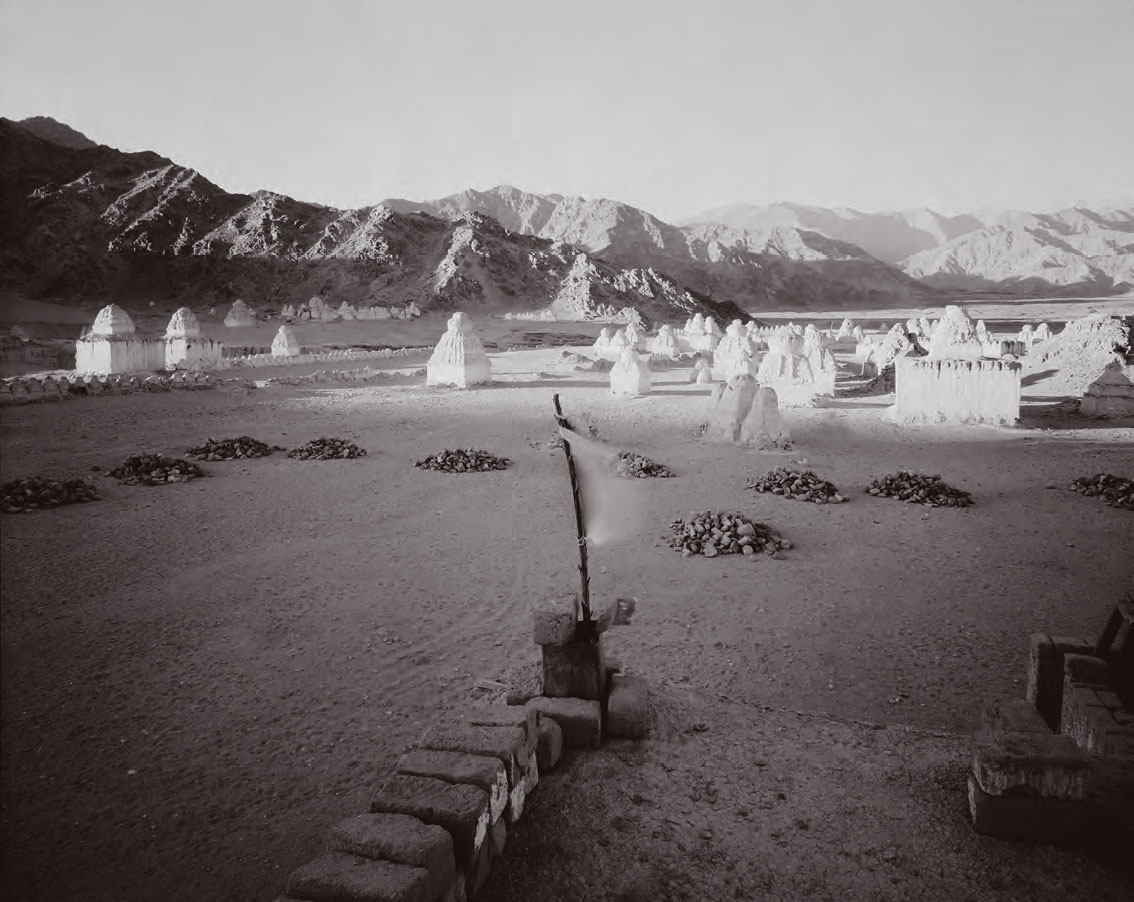
Linda Connor (American, b. 1944) Prayer Flag and Chortens, Ladakh, India 1988 1988 Silver gelatin print
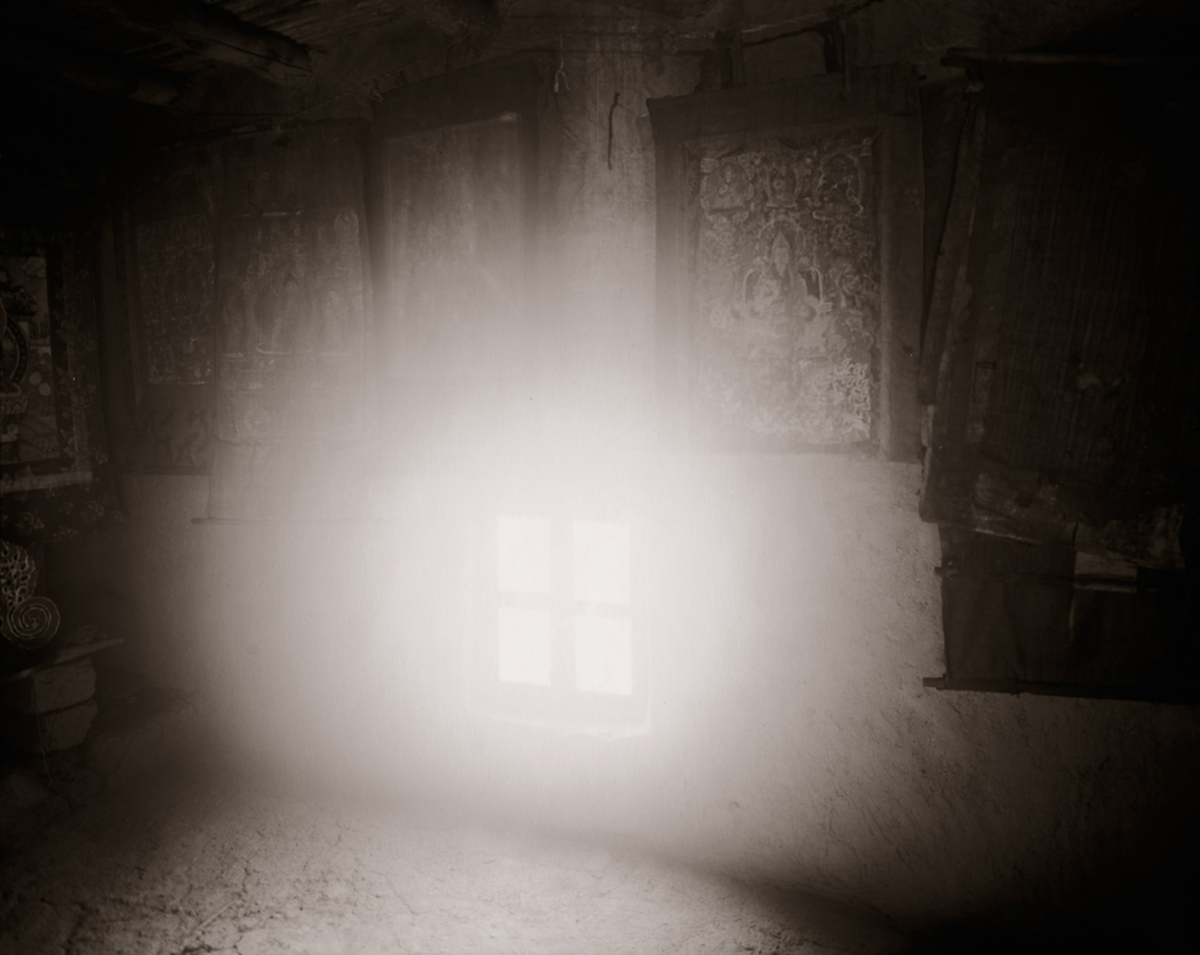
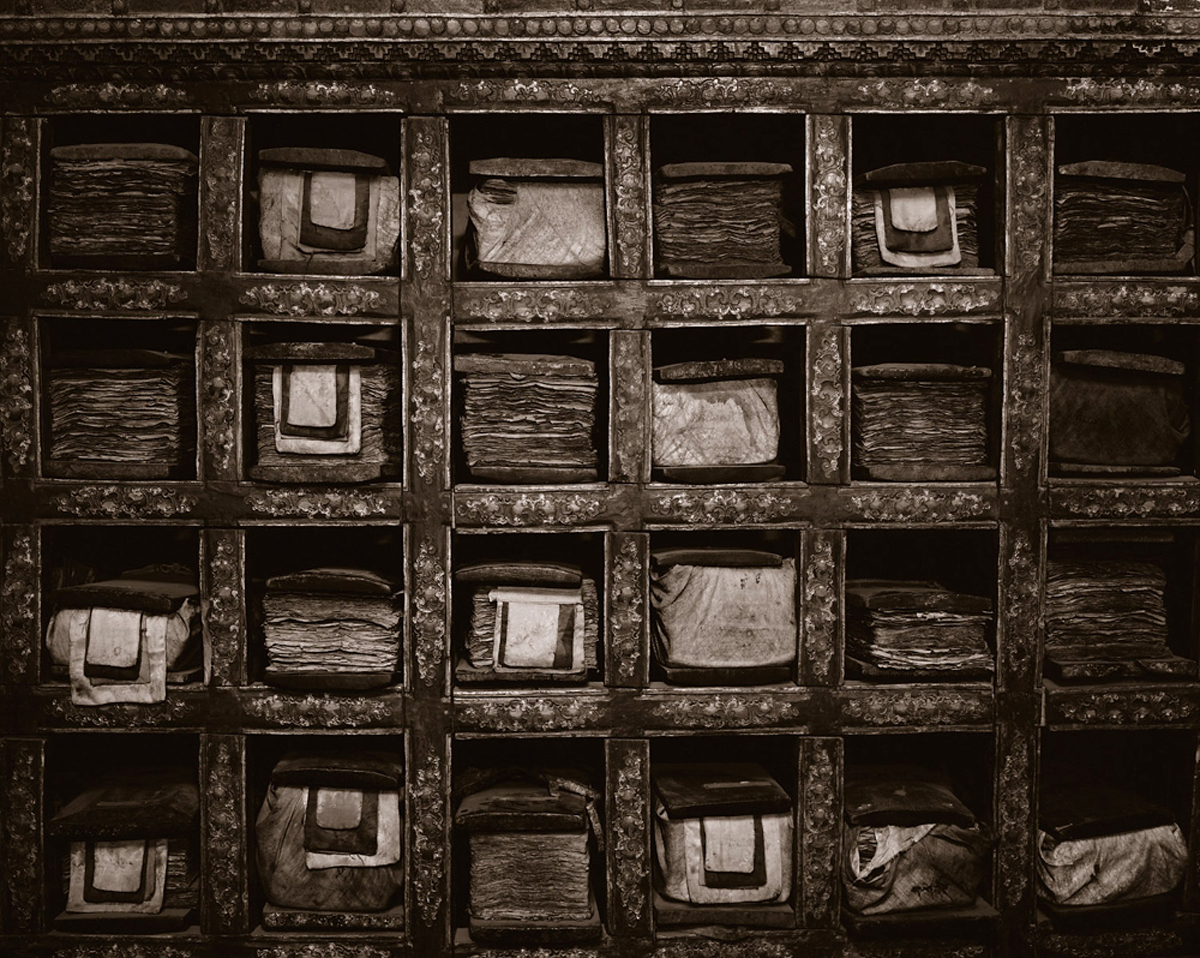
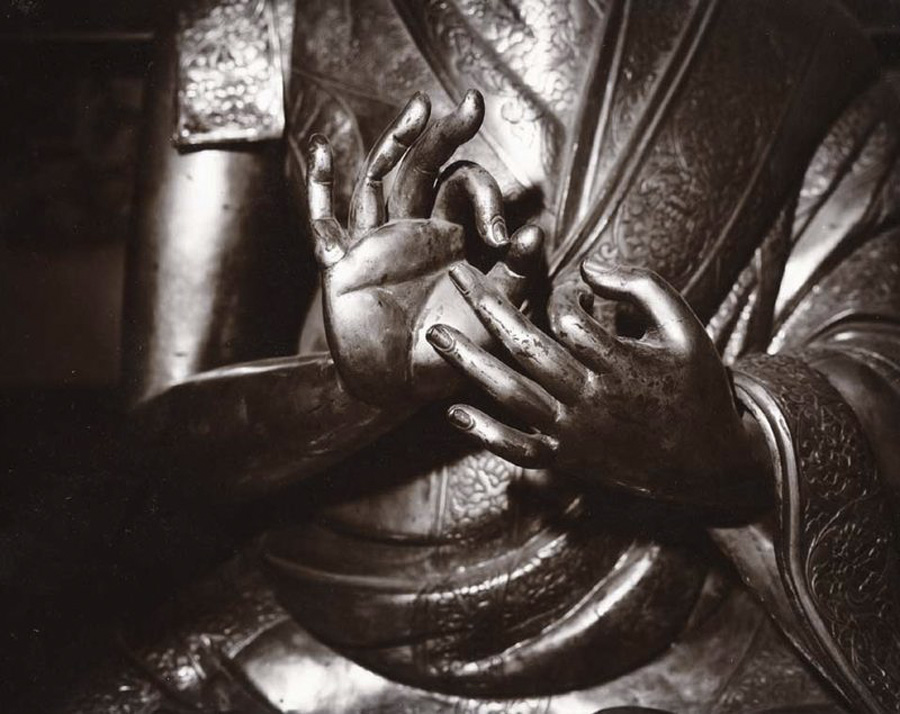
Connor’s photographs reveal the essence of her subjects, yielding a sense of timelessness while visually evoking the intangible. She uses a distinctive technique. A large-format view camera allows her to achieve remarkable clarity and rich detail. Her prints are created by direct contact of the 8 x 10-inch negative on printing out paper, exposed and developed using sunlight …
Connor embraces a wide range of subject matter, connecting the physical and the spiritual world. Just as sacred art evokes deep meaning even without an explicit understanding, Connor hopes her photographs serve a similar metaphorical function. Upon entering Chartres Cathedral, for example, one feels transported into another realm, regardless of religious beliefs. Connor’s images share this transformative nature as they transcend the boundaries of subject, culture, and time. She brings an equal amount of attention to a rock in the desert as she does when she photographs a temple.
Text from the Phoenix Art Museum website
Many thankx to the Phoenix Art Museum for allowing me to publish the photographs in the posting. Please click on the photographs for a larger version of the image.
Linda Connor (American, b. 1944) Windows and Thangkas, Ladakh 1988 Silver gelatin print
Linda Connor (American, b. 1944) Library of Prayer Books, Ladakh, India 1988 Silver gelatin print
Linda Connor is an American photographer who photographs spiritual and exotic locations including India, Mexico, Thailand, Ireland, Peru, and Nepal. Her photographs appear in a number of books, including Spiral Journey, a catalog of her exhibition at the Museum of Contemporary Photography in 1990 and Odyssey: Photographs by Linda Connor, published by Chronicle Books in 2008. Connor was awarded a National Endowment for the Arts grant in 1976 and 1988 and received a Guggenheim Fellowship in 1979. Connor’s work is included in the collections of the Art Institute of Chicago, Museum of Modern Art, San Francisco Museum of Modern Art, and the Victoria & Albert Museum in London.
Linda Connor (American, b. 1944) Portal Figures, Chartres Cathedral, France 1989 Silver gelatin print
Linda Connor (American, b. 1944) Mudra, Mindroling Monastery, Tibet 1993 Silver gelatin print
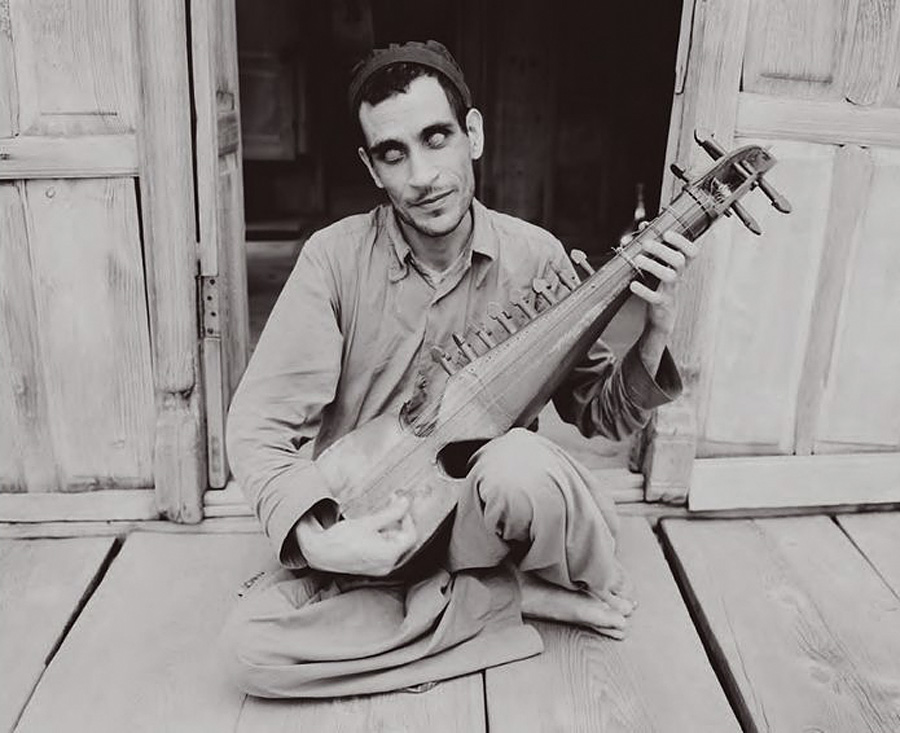
Linda Connor (American, b. 1944) Blind Musician, Kashmir, India 1985 Silver gelatin print
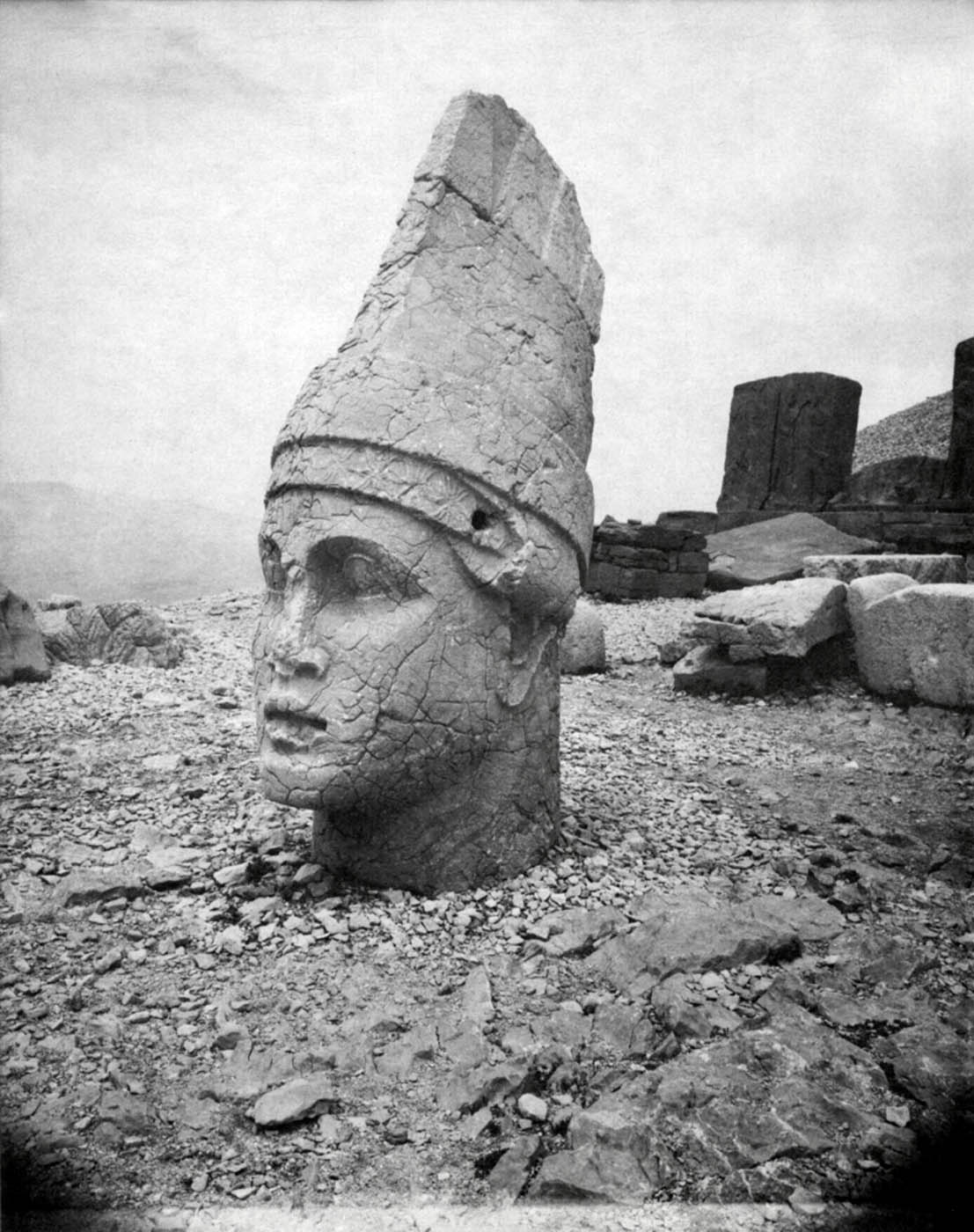
Linda Connor (American, b. 1944) Apollo, Mt. Nemrut, Turkey 1992 Silver gelatin print
Doris and John Norton Gallery for the Center for Creative Photography, Phoenix Art Museum 1625 N Central Ave, Phoenix, AZ 85004, USA
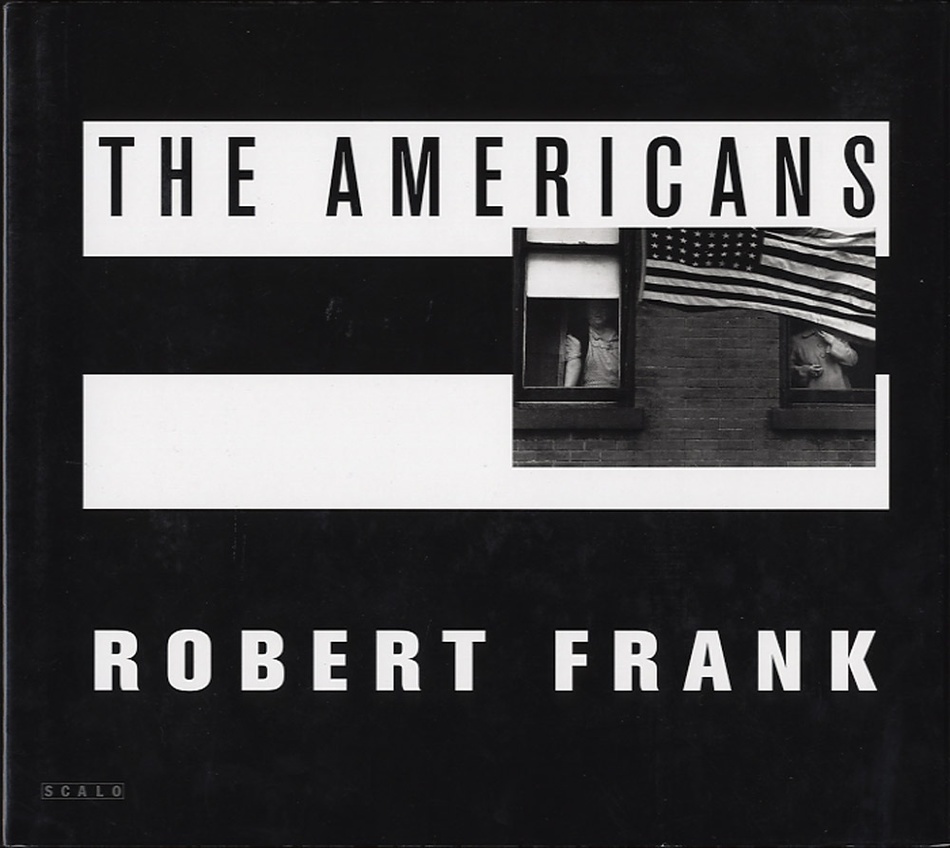
The Americans. Photographs by Robert Frank. Introduction by Jack Kerouac. Scalo, Zürich/D.A.P., New York, 1993. First Scalo edition. 179 pp. Oblong quarto. Hardbound in photo-illustrated dust jacket. Black-and-white reproductions.
WOW! One of the seminal books of photography and signed as well.
“It was Frank’s The Americans that made the photographic book into an art form in its own right. Frank was following a lead set by [Wright] Morris’ book (The Inhabitants) and, especially, by Evans’ American Photographs, both of which are designed to let pictures play off each other in a way that controls and reinforces their effect on the viewer. Even Klein’s New York book displays this tendency. But Frank’s goes much further, creating a denser, richer, deeper structure of images than any book before it.”
Colin Westerbeck in Michel Frizot, et. al., The New History of Photography.
Many thankx to the Musée national Eugène Delacroix for allowing me to publish the artwork in the posting. Please click on the photographs for a larger version of the image.
Jean Louis Marie Eugène Durieu (1800-1874) was an early French amateur nude photographer, primarily known for his early nude photographs of men and women. A number of his male and female models were also painted by Eugène Delacroix, with whom he was friends.
Durieu was born in Nîmes, and became known for making studies of nudes for Delacroix. During his career Durieu was a lawyer. His last job was inspector for education and culture. In 1849 he went into early retirement and devoted himself to the newly developing technology of photography. In 1853, Durieu worked with Delacroix on a series of photographs of different male and female nude models.
In the early 1850s, Durieu, like many of his photographic peers, gravitated from the daguerreotype to the calotype. None of the works from his daguerreotypical oeuvre can be attributed to him with any certainty. Apart from the Delacroix album held at the Bibliothèque Nationale de Paris, another work on paper does exist, however, a more personal album preserved at the George Eastman House in Rochester, which was once part of the Gabriel Cromer collection. Its repertoire is more varied and includes female nudes in fairly elaborate settings, as well as portraits and reproductions of paintings and engravings. …
In 1851, along with Delacroix, Durieu became one of the founder members of the Société Heliographique, the first French institution to be created specifically for photographers. Above all, its brief was to encourage the development of photography on paper and in particular the calotype as opposed to the daguerreotype.
It was at precisely this time in the early 1850s that Delacroix’s interest in photography was at its height, coinciding with that of Durieu. In February 1850, he wrote in his journal: “ask Boissard for some daguerreotypes on paper,” and later, in September 1850: “Laurens tells me that Ziegler is producing a sizeable number of daguerreotypes, including portrayals of nude men. I intend to go and see him to ask if he can lend me a few.” In May 1853, he showed Pierret and his cousin Léon Riesener the prints given to him by Durieu. In November 1853, he discussed the topic of photography with Riesener, who in the 1840s had not only been a painter but an ‘author’ of daguerreotypes. Delacroix maintained that the term author was a misnomer for what he regarded as a mechanical recording process, a machine-led art: “He referred to the solemn account the good Durieu and his friend, who assists him in these operations, give of their time and trouble, whilst taking much of the credit for the success of the aforementioned operations, or more precisely their results.” He made fun of Riesener, who had asked them with great trepidation if he could use their pictures as models for his paintings without being accused of plagiarism. Finally, on two successive Sundays, 18 and 25 June 1854, he visited Durieu on the seventh floor of his home at 40 rue de Bourgogne to ask him to make a series of photographs of models under his guidance…
Extract from Sylvie Aubenas. “Eugène Durieu, senior civil servant, photographer and forger,” in No 32 Printemps 2015 (translation Caroline Bouché) on the Etudes photographiques website [Online] Cited 04/10/2018. Used under fair use conditions for the purposes of education and research
“I look with passion and without fatigue at these photographs of naked men, this admirable poem, this human body on which I learn to read and whose sight tells me more than the inventions of scribblers.”
Delacroix, ‘Journal’, October 5, 1855
Delacroix was confronted, like his entire generation, with the emergence of photography. An intriguing tool fascinating for the painter, this medium occupies a place apart in all of his work. He is at the source of a deep reflection on artistic truth in the face of photographic realism.
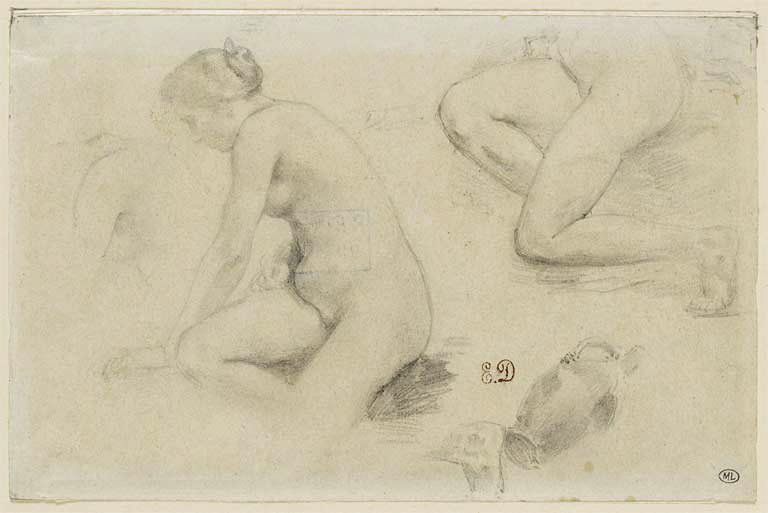
Far from seeing photography as a potential rival to painting, Delacroix took a keen interest in the development of this new medium, following its technical progress with sufficient curiosity to become a founding member of the Heliographic Society in 1851. He amassed a considerable photographic collection-of frescoes by Raphael, paintings by Rubens, and cathedral sculptures. Moreover, although he did not use a camera himself, a series of male and female nude models were photographed at his request by Eugène Durieu, in 1854. We know from his diary and letters that he sometimes used these photographs to practice drawing when no live models were available. These shots, which he sometimes carries with him, are a valuable tool for practicing drawing during his stays in the province. They meet very personal criteria; Delacroix wanted to use images voluntarily a little blurry and mostly stripped of all the quaint accessories conveyed by commercial photographs to the attention of artists.
However, despite a deep fascination for photography, Delacroix keeps a critical eye on this new medium. He adopts an attitude sometimes skeptical about his proper use and mastery of the technique, refusing to award benefits beyond its instrumental value. His reluctance is particularly keen with regard to one’s own photographed image: he even goes so far as to demand the destruction of some negatives, fortunately in vain.
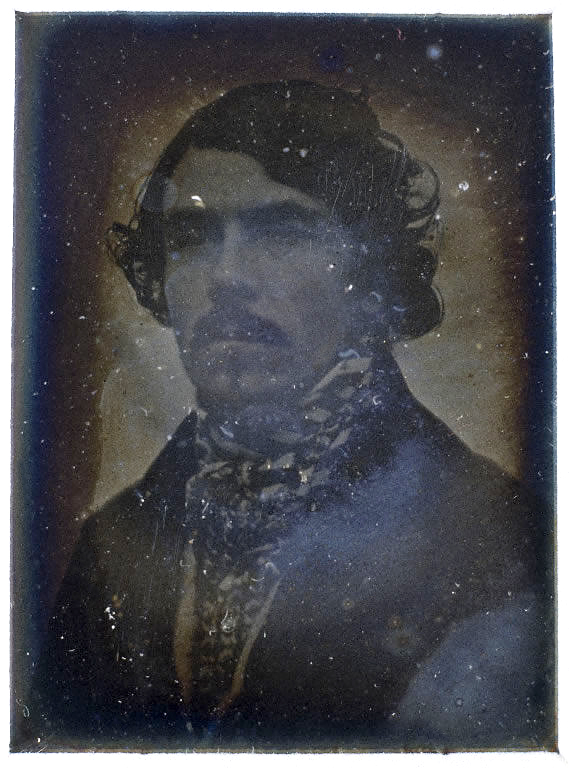
Almost all the photographs and the drawings done from them (together with a number of paintings) have been assembled for the first time at the Musée Delacroix, with the generous support of the Bibliothèque Nationale de France and other collections. The exhibition also features a surprising series of photographic portraits of Delacroix himself, ranging from the precious intimate daguerreotypes of the 1840s to the more posed and strikingly dignified pictures taken by Carjat or Nadar toward the end of his life-many of which images the great man himself would rather have had destroyed.
Press release from the Musée National Eugène Delacroix
The Durieu Album
The album of thirty-two photographs preserved in the department Prints and Photography of the National Library de France and commonly known as “Durieu Album”, by the name of the author of the photographs contains mainly photographs of two nude models, a man and a woman, taken by Eugene Durieu in the presence and on the indications of Delacroix during two sessions of successive poses, on Sunday 18 and 25 June 1854. The album was probably in lot 1532 of the sale after the painter’s death, bought by the critic Philippe Burty, who said on the front page: “All this sequence of photographs was bought by me at the posthumous sale of Eugène Delacroix’s workshop. He used it often and his cartons contained a considerable number of pencil studies from these photographs some of which were made expressly for him by one of his friends, and the models posed by him.” This album went on to the bibliographer and historian of the art Maurice Tourneux, who offered it in 1899 to the Cabinet des Prints.
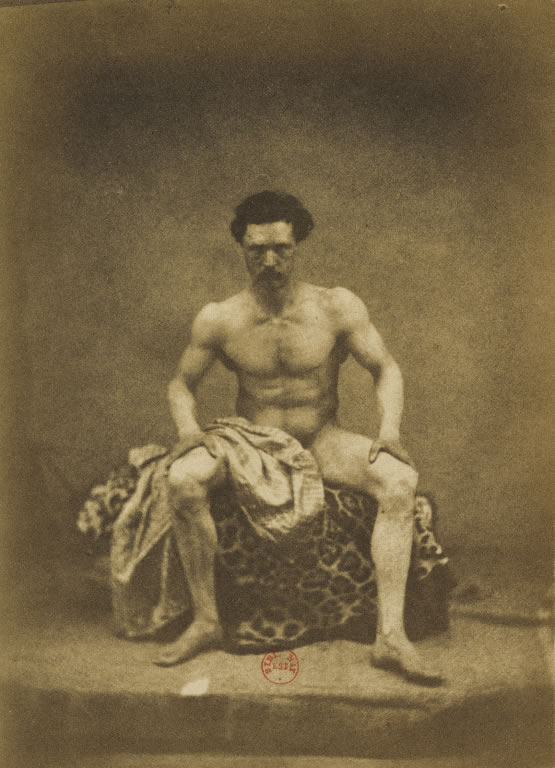
The examination of the album, whose pages are all presented here in the order of the pages, shows that divides into four distinct sequences. Plate I represents a seated male nude model. His black beard and its abundant hair absolutely distinguishes him from the model with the better drawn musculature having posed in the following photographs. This test is undoubtedly part of a different set provided by Durieu to Delacroix.
The twenty-six photographs that follow in the album are, like the first, calotypes, that is to say prints from negative on paper. The calotype is characterised by a slight blur that Delacroix’s eyes found useful and tolerable photography, the grain of the negative paper producing, in the prints, less precise contours than in the daguerreotype or prints based on collodion glass. These twenty-six photographs of June 1854 form a very homogeneous series, with two models. The man that Delacroix calls “the Bohemian” appears by the development of his musculature and his ease to pose, as a professional model. He is present alone on seventeen views, and on the other nine in the company of a female model, probably an Italian, also a professional model, who posed again in 1855 for two other photographers.
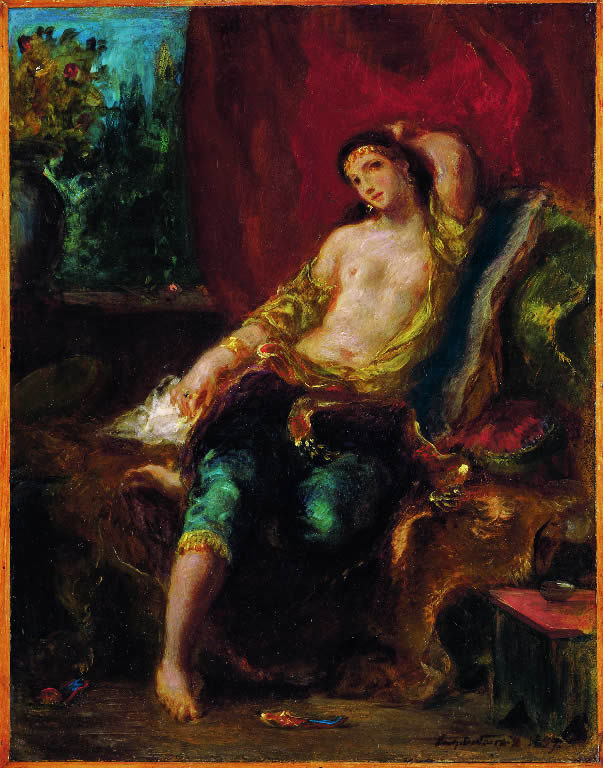
After this series, the album contains two studies (plates XXVIII and XXIX) of the same young woman, of which one served as the model for Odalisque of 1857 (private collection). The model is Miss Hamély, a small actress who appeared in tableaux vivants and pantomimes at the Porte-Saint-Martin theater (1853) but who also posed for photographers. The freedom that Delacroix takes in the painting in relation to the photography confirms that, he only uses it as a support for the imagination, unlike a painter like Gérôme for whom the cliche really replaces the model. So photography is amalgamated, among other ingredients, in a personal universe, not to mention the colours of the painting.
The album ends with three prints, based on a glass negative, of the same model draped to the waist, sitting in front of a plain canvas background. The sharpness, due to the negative on glass, the rigorous composition and images, their “professional” aspect make them totally different from the previous ones, to such that we can hesitate to attribute them to Durieu. While the calotypes posed by Delacroix are very rare, these last three images are seen in more than one collection; they have been broadcast to a wider audience.
Text from the Delacroix et la photographie exhibition pdf (translated from the French by Google translate)
Louis Antoine Léon Riesener (21 January 1808 in Paris – 25 May 1878 in Paris) was a French Romantic painter.
Enchanted by the play of light and reflections which transformed the appearance of matter, Riesener began a new aesthetic that made him one of the precursors of impressionism. A passionate colourist, he researched all the nuances of colour and studied the techniques of ancient Greece and the Renaissance, including Titian, Veronese and Corregio. Impressed by his research into colour, he turned towards Rubens, which for him was the Shakespeare of painting. Very early in his career Riesener studied tonal divisions, well before the physician Chevreul discovered their scientific basis. His tactile taste led him to look for the most perfect expression of matter and particularly of skin. He put poetry into his painting by the play of shadow and he passionately admired nature, life and all the beauties they produced.
He researched the subject of life in the countryside and, liking to paint reality, said he wanted to express “the heat of the day, the melancholy of the evening, meadows, flowers as they are in nature”. His study of the elements caused him to paint a series of skies which varied according to the light and time of day – the subjects were ahead of their time and Riesener had to fight hard against the Salon juries and the Institut. Using pure colours, he excluded the blacks and whites which had been used for shadows and light before him. His material science of colour was the opposition which gave birth to contrasts from juxtaposed pigments. He did not portray faces by contours, but by shadows and modelling.
Relations with Delacroix
After his father’s return from Russia in 1823 Léon got to know Eugène Delacroix better. Ten years older than Riesener, Delacroix was his first-cousin – they shared a grandmother, Marguerite-Françoise Vandercruse, whose daughter by her first marriage was Delacroix’s mother and whose second husband Jean-Henri Riesener was Riesener’s grandfather. Delacroix quickly recognised Riesener’s talent and originality and he supported his early career by recommending him to civil servants he knew. On trips to the countryside they met at Valmont, near Fécamp, the home of their cousin Bataille, owner of the abbaye from 1822 onwards. Riesener devotedly attended Pierret’s salon (Pierret was a school friend of Delacroix), where he met Mérimée, Viel-Castel, Sauvageot, Feuillet de Conches, Viollet-le-Duc, Lasus and Guillemardet. Later, Riesener became friends with Fantin-Latour, Ernest Chausson and the Morisots (the Morisot family was very friendly with the Riesener family, with Rosalie Riesener’s friend Berthe Morisot researching Léon’s opinions, listening to his advice and copying out about 135 pages of his writings) – his friends were artists and he preferred a quiet life rather than the high life favoured by Delacroix.
From childhood, Riesener and Delacroix were friends and confidants. So different in life and character and so independent, they were preoccupied by the same artistic problems and enjoyed exchanging ideas, both having been formed by the 18th century and its neo-classical culture. They discussed their study of the classical world and they were both colourist painters searching for new techniques in tonal division. The difference in their temperaments expressed itself in their ways of looking at nature – Delacroix thought of drama, Riesener thought of sensuality. Delacroix bought Riesener’s painting Angélique as an exemplar for all painters and put it in his studio. On his death in 1863, Delacroix left Riesener his country house at Champrosay.
William Clift (American, b. 1944) Somebody’s House, Baltimore, Maryland, 1964 1964
from the book
Certain Places Photographs and Introduction by William Clift. William Clift Editions, Santa Fe, 1987. 44 pp., twenty-two tritone illustrations.
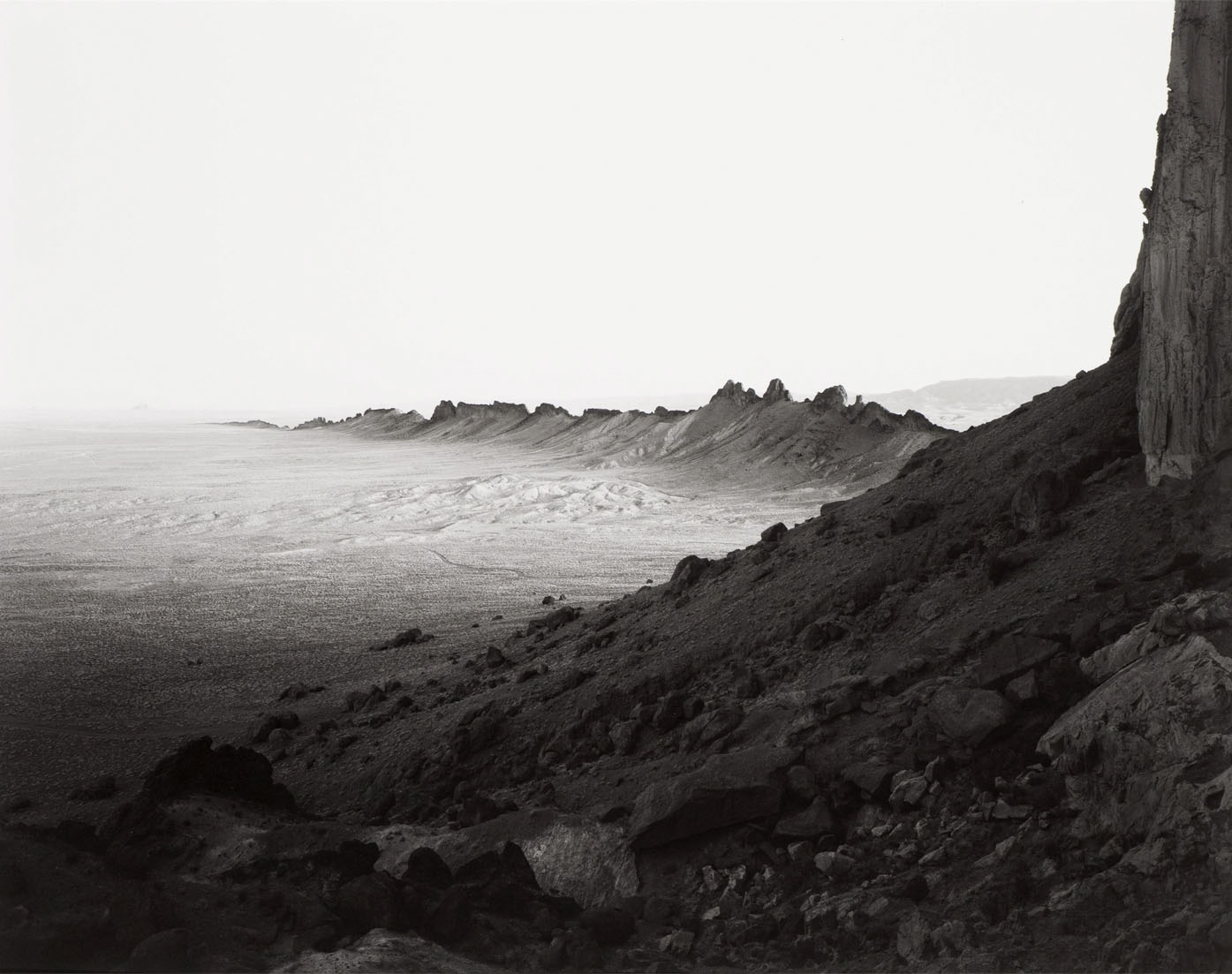
One of the most ravishing photographic books ever produced. Sensitive photography, luminous images, wonderful reproductions on quality stock. Nothing more need be said.
My favourite of so many great images is above.
Dr Marcus Bunyan
All photographs are used under fair use conditions for the purpose of education and research. Please click on the photographs for a larger version of the image.
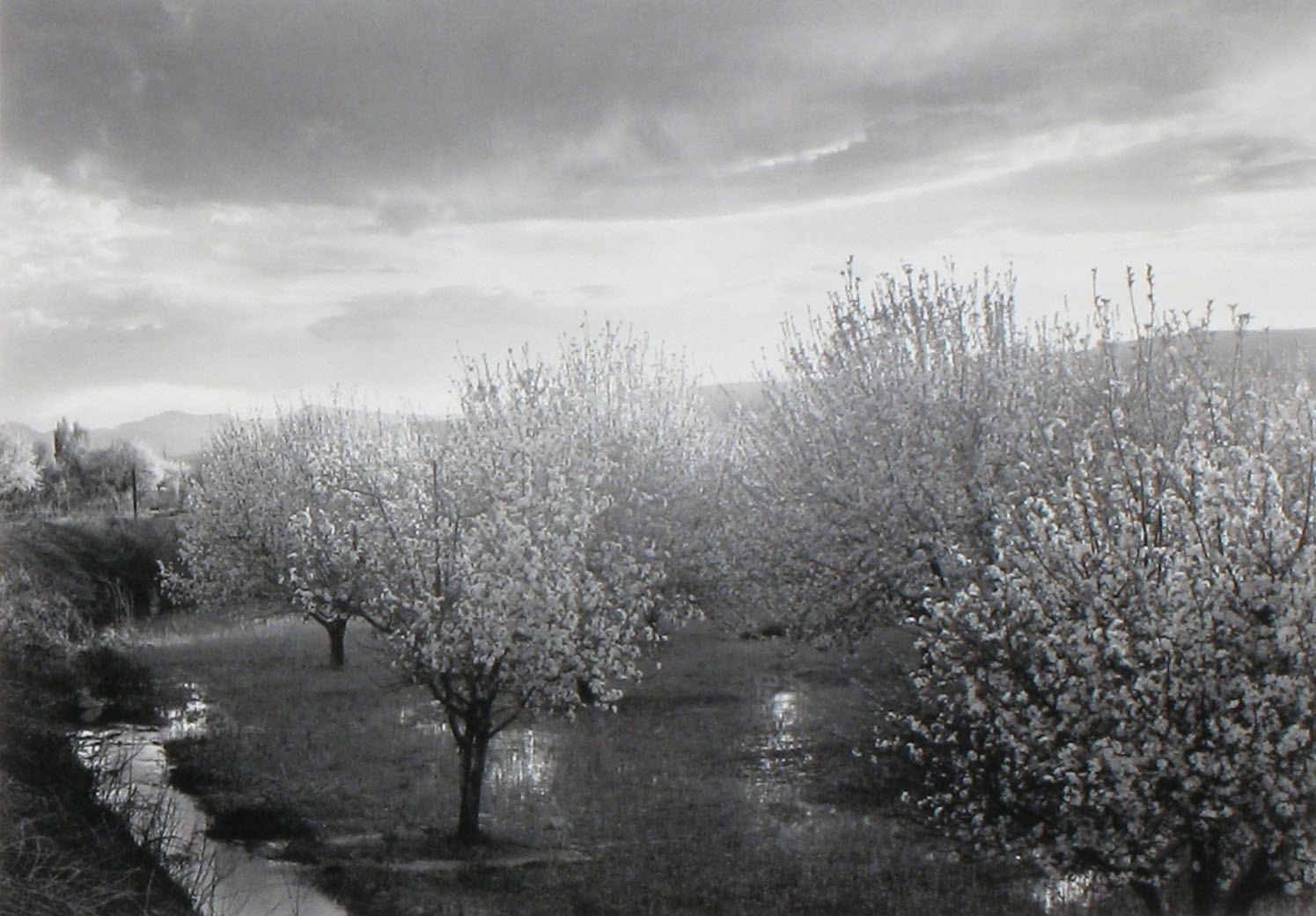
William Clift (American, b. 1944) Apple Blossoms, Velarde, New Mexico, 1973 1973
William Clift (American, b. 1944) Desert Form No. 1, New Mexico, 1984 1984
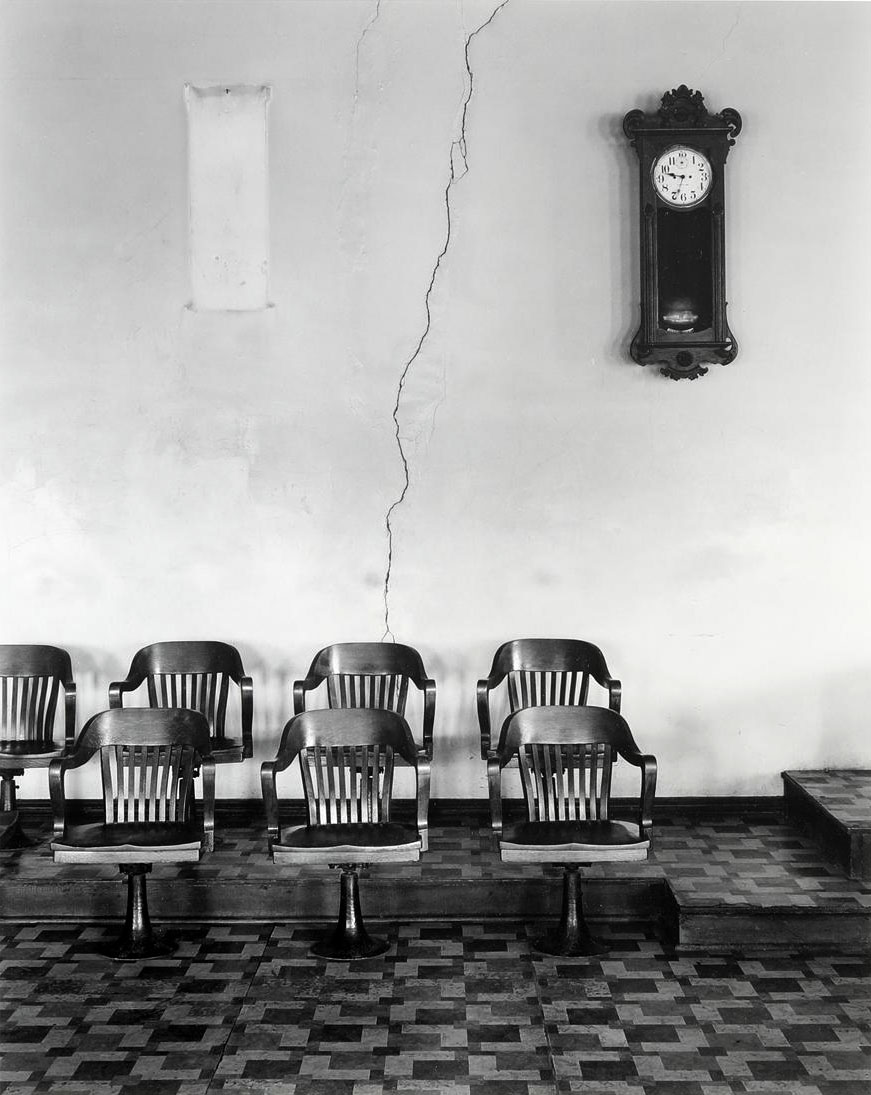
William Clift (American, b. 1944) Untitled 1976 From the County Courthouse series Gelatin silver print 16.5 h x 13 w inches
Exhibition dates: 14th November, 2008 – 12th April, 2009
Curator: Sean Corcoran, Curator of Prints and Photographs at the Museum of the City of New York
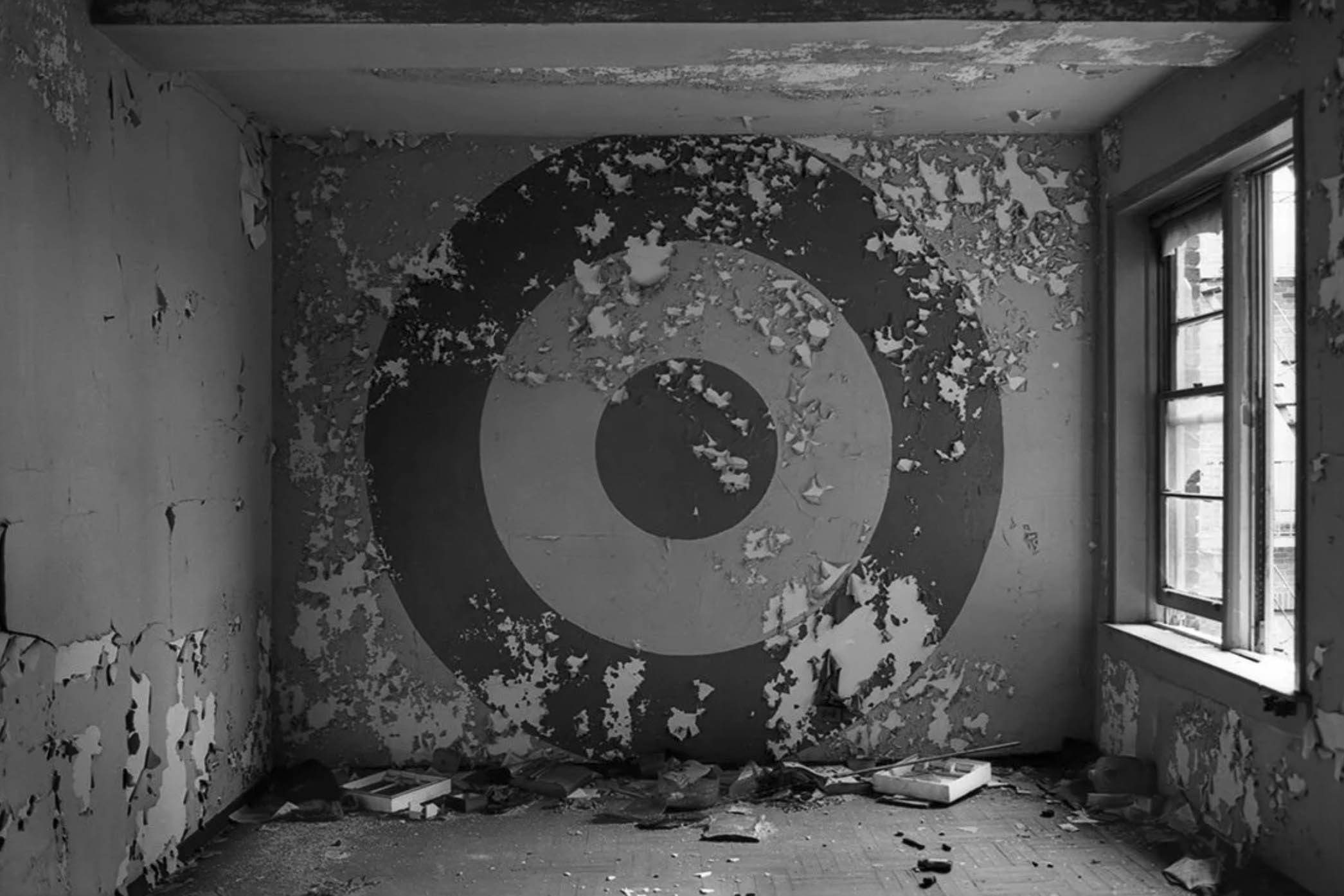
Ray Mortenson (American, b. 1944) Untitled (7-16-6) 1984 Gelatin silver print Courtesy of Janet Borden, Inc.
Many thankx to the Museum of the City of New York for allowing me to publish the photographs in the posting. Please click on the photographs for a larger version of the image.
Documenting the abandoned, burnt out, and razed structures of entire city blocks in the South Bronx in the aftermath of the 1970s, during which this neighbourhood experienced dramatic decline, Broken Glass: Photographs of the South Bronx by Ray Mortenson will be on view at the Museum of the City of New York from November 14, 2008 through March 9, 2009. The 50 black and white cityscapes and interiors on view – five of which are large-scale – were taken between 1982 and 1984, and they vividly illustrate the results of a downslide that began in the Great Depression of the 1930s and accelerated with the construction of the Cross Bronx Expressway in the 1950s and the fiscal crisis of the 1970s. Broken Glass is Mortenson’s first museum exhibition in New York City, and it is the first presentation of the South Bronx photographs.
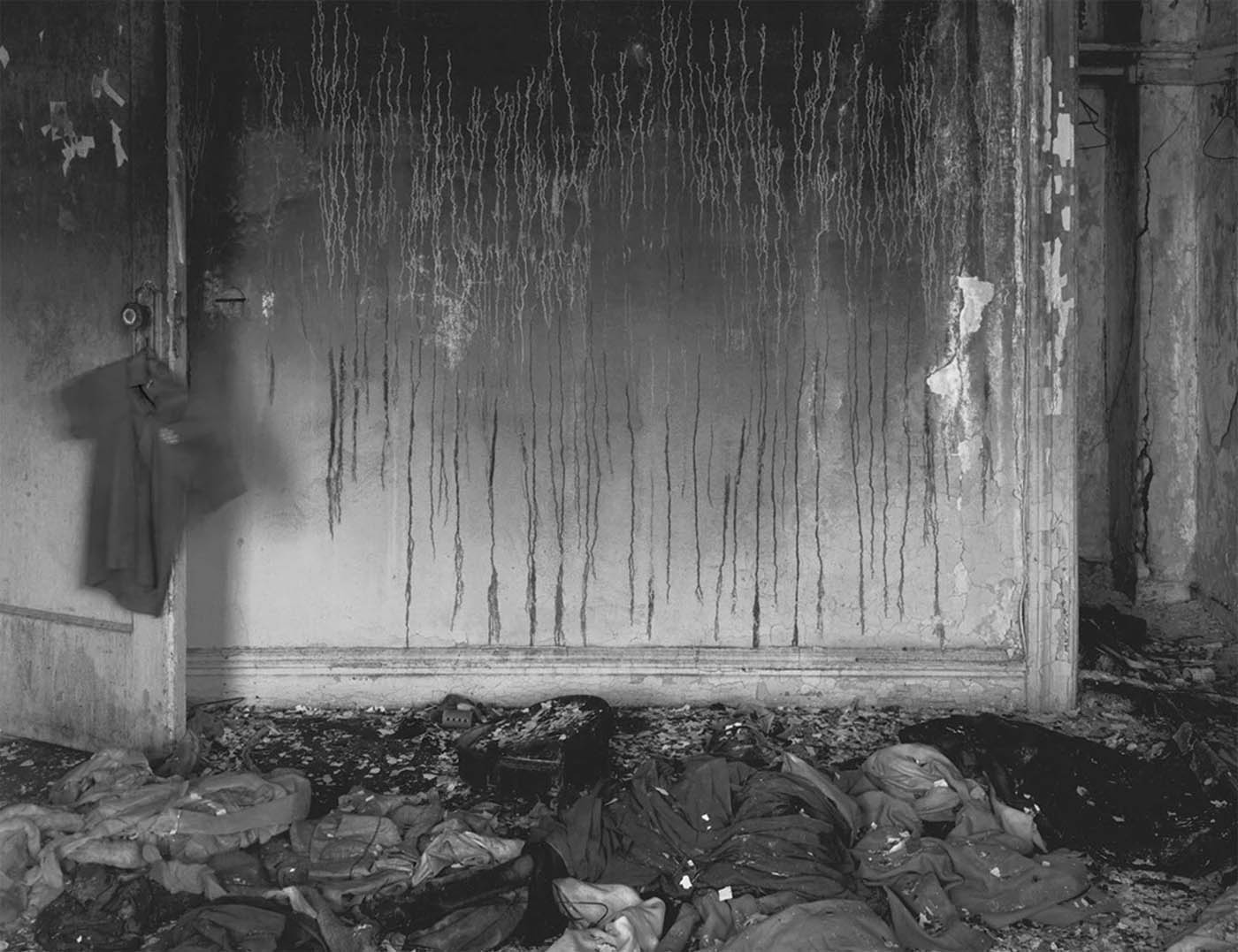
The 50 photographs on view, all black and white, range in size from the smallest at approximately 11″ by 14″, to the most monumental at 40″ by 60″. Each conveys a devastating silence, serving as a reminder that these city blocks were once the homes of individuals, families, and a large community. Mortenson has written, “The buildings were like tombs – sealed up, broken open and plundered. Inside, stairways with missing steps led up to abandoned apartments. Doors opened into rooms that were once bedrooms or kitchens. Small things left behind hint at who the occupants might have been – a hairbrush, photographs, or bits of clothing.” Ghostly remnants of the once prosperous and thriving neighbourhoods can be glimpsed in his images which document the extent and severity of the urban decline experienced in the South Bronx.
These photographs document an important chapter in the history of a New York City neighbourhood, augmenting their aesthetic power. The decline of the South Bronx began as early as the Great Depression when previously sustained development came to an abrupt halt. After World War II an exodus of New York’s middle class began and continued into the 1970s. This caused a population decline throughout the city, but the effects were particularly hard on the South Bronx as more than 200,000 residents left the community between 1970 and 1980. As entire communities left the city, Robert Moses’ road building and slum clearance, along with other urban renewal initiatives had dramatic effects on the lives of all who remained. In the 1970s New York City faced another economic crisis and virtual bankruptcy. City government was unable to maintain services in the South Bronx and “planned shrinkage” became an unofficial policy as services were slowly withdrawn. With little incentive for landlords to upgrade or even maintain their property, waves of arson and “insurance fires” decimated the by now largely minority community. Astonishingly, some 12,000 fires a year occurred through the 1970s, averaging more than 30 a day.
A successful resurrection of the South Bronx began in the mid-1980s, as grassroots organisations and community development corporations, along with financial reinvestment by the City, sparked its regeneration. The photographs on view stand in starkest contrast to today’s revitalised neighbourhood, which has been the result of the dedication of its citizens combined with government support. The photographs serve as a reminder of the ruins that once dominated the now-vibrant streets and that the balance between prosperity and urban decline can be fragile.
Brief Biography
Ray Mortenson was born in Wilmington, Delaware in 1944 and studied art at the Carnegie Institute of Technology and the San Francisco Art Institute. In the early 1970s, Mortenson moved to New York and began working with photography. His first significant photographic project was a comprehensive investigation of the industrial landscapes of New Jersey’s Meadowlands (1974-1982). Since then, Mortensen has continued to focus on landscape photography that is often interested in liminal places of transition, set apart from everyday life. His photographs have been accepted into the collections of The Metropolitan Museum of Art, New York; The Art Institute of Chicago, and the Bibliothèque Nationale, Paris.
Press release from the Museum of the City of New York website
Ray Mortenson (American, b. 1944) Untitled 1983 Gelatin silver print Courtesy of Janet Borden, Inc.
Ray Mortenson (American, b. 1944) Untitled 1984 Gelatin silver print Courtesy of Janet Borden, Inc.
Ray Mortenson (American, b. 1944) Untitled 1983 Gelatin silver print Courtesy of Janet Borden, Inc.
Ray Mortenson (American, b. 1944) Untitled 1984 Gelatin silver print Courtesy of Janet Borden, Inc.
Ray Mortenson (American, b. 1944) Untitled 1984 Gelatin silver print Courtesy of Janet Borden, Inc.
Museum of the City of New York 1220 Fifth Avenue at 103rd Street New York, NY 10029 Phone: 212-534-1672







































You must be logged in to post a comment.