“The body, her body, has an absent presence as it is pressed into walls and occluded by wallpaper. It passes from view, as did her physical form.” Dr Marcus Bunyan
Exhibition dates: 16th March – 13th June, 2012
Curator: Jennifer Blessing, Senior Curator of Photography at the Guggenheim
In 1981, at the age of twenty-two, she committed suicide. Simple words, profound effect.
The world lost one of its truly unique artists and at such a young age. What we have left is a remarkable body of work compiled in a brief six year period.
These are strong, sensuous photographs of the female body in space. The body, her body, has an absent presence as it is pressed into walls and occluded by wallpaper. It passes from view, as did her physical form.
In small ways the work reminds me of the blurred photographs of Ralph Eugene Meatyard in their gothic Surrealism. But there is nothing quite like a Woodman. As soon as you see one of the photographs you know it is her work instinctively; there is nobody else’s voice like hers.
The work will not soon be passing out of sight, memory, or existence. The light still burns bright for hers was a truly remarkable talent.
Dr Marcus Bunyan
Many thankx to The Guggenheim Museum for allowing me to publish the photographs in the posting. Please click on the photographs for a larger version of the image.
Francesca Woodman, the most comprehensive exhibition of the artist’s work since Woodman’s untimely death in 1981 at the age of 22, will be on view at the Guggenheim Museum from March 16 through June 13, 2012. Spanning the breadth of her production, the exhibition includes more than 120 vintage photographs, artist books, and a selection of recently discovered and rarely seen short videos, presenting a historical reconsideration of Woodman’s brief but extraordinary career.
Francesca Woodman is the first comprehensive survey of the artist’s brief but extraordinary career to be seen in North America. More than thirty years after her death, the moment is ripe for a historical reconsideration of her work and its reception. This retrospective offers an occasion to examine more closely the maturation and expression of a highly subjective and coherent artistic vision. It also presents an important and timely opportunity to reassess the critical developments that took place in the 1970s in American photography and video.
Woodman’s oeuvre represents a remarkably rich and singular exploration of the human body in space and of the genre of self-portraiture in particular. Her interest in female subjectivity, seriality, Conceptualist practice, and photography’s relationship to both literature and performance are also the hallmarks of the heady moment in American photography during which she came of age. This retrospective offers an occasion to examine more closely the maturation and expression of a highly subjective and coherent artistic vision. It also presents an important and timely opportunity to reassess the critical developments that took place in the 1970s in American photography.
Born in 1958 into a family of artists, Woodman began photographing at the age of thirteen. By the time she enrolled at the Rhode Island School of Design (RISD) in 1975, she was already an accomplished artist with a remarkably mature and focused approach to her work. During her time at RISD, she spent a year in Rome, a place she had visited as a child, and which proved to be a fertile source of inspiration. After completing her degree, she moved to New York, where she continued to photograph. While making several large-scale personal projects, she also experimented with fashion photography, engaging in the age-old artist’s struggle to reconcile making art and making a living. In 1981, at the age of twenty-two, she committed suicide. Woodman’s tragic death is underscored by the startlingly compelling, complex, and artistically resolved body of work she produced during her short lifetime.
Woodman’s favourite subject was herself. From the very first time she picked up a camera, she used it to thoroughly plumb the genre of self-portraiture. Using a square-format camera, Woodman photographed her body in a variety of spaces. She had an affinity for decaying and decrepit interiors, particularly the richly layered surfaces of walls covered with graffiti or peeling wallpaper. In these settings the body is evanescent, appearing and disappearing behind objects, pressed into cupboards and cabinets, camouflaged against walls, or dissolving into a blur of movement. She frequently included objects within the frame – gloves, eels, mirrors – thereby investing them with a symbolic charge, and often making deliberate allusions to tropes from the Surrealist and gothic fiction she admired.
The presentation at the Guggenheim will comprise approximately 120 vintage photographs, including Woodman’s earliest student experiments at RISD, work from her time spent studying in Rome, her forays into fashion photography upon moving to New York, and the late, large-scale blueprint studies of caryatid-like figures for the ambitious Temple project (1980). The exhibition will include two of her artist books – diaristic collages of her own photographs and writings – which were an important form of expression, particularly at the end of her career. Woodman also experimented with moving images; six recently discovered and rarely seen short videos will be presented in the exhibition.
Francesca Woodman is organised by the San Francisco Museum of Modern Art (SFMOMA). The exhibition has been curated by Corey Keller, Associate Curator of Photography, SFMOMA, where it opened in November 2011. The New York presentation of Francesca Woodman is organised by Jennifer Blessing, Senior Curator, Photography, Solomon R. Guggenheim Museum.
Andrew Follows (Australian, d. 2019) Untitled 2012 From the series Night’s Ocean Shore
As you may know I have been helping vision impaired Australian photographer Andrew Follows as he prepares for the greatest adventure of his life, a joint exhibition as part of the Edinburg… Art Festival titled Through the Looking Glass, Dimly. The works have all be printed and framed and are on their way to Scotland at this very moment.
“Will the real Cindy Sherman (if ever there is such a thing) please stand up and tell us: what do you really stand for, where as a human being, is your spirit really at?” Dr Marcus Bunyan
Exhibition dates: 26th February – 11th June, 2012
Curators: Eva Respini (Associate Curator) and Lucy Gallun (Curatorial Assistant) from the Department of Photography, MoMA
Installation view of the exhibition Cindy Sherman at MoMA, New York showing at left and centre, Cindy Sherman society portraits (2008)
Ceaselessly inventive, the bodies (literally) of work of Cindy Sherman are a wonder to behold. From film stills to head shots, from history portrait to society portraits, Sherman constantly reinvents herself, her variations of identity exploring “the complexity of representation in a world saturated with images,” her iterations into the construction of femininity and masculinity constantly “provocative, disparaging, empathetic, and mysterious.”
Where to next? Her recent series of digitally altered landscapes and portraits (Cindy Sherman at Metro Pictures, New York, April – June 2012) seem less resolved than her earlier work, becoming almost a pastiche of themselves. Despite their massive size they seem to lack resolution, the great female impersonator of our time relying for effect on Self as feminine earth (m)Other, tricked up in dubious, quasi-ethnic regalia.
Sherman is almost sacrosanct with regard to criticism but it’s about time someone said it: these images are pretty awful.
After so many simulacra, so many layerings and expositions of identity isn’t it about time Sherman got back to basics and ditched these grandiose notions of identity sublime. The sublimation (an unconscious defence mechanism by which consciously unacceptable instinctual drives are expressed in personally and socially acceptable channels) of her/Self, her actual body, the energy of her (non) presence is finally starting to wear thin.
Will the real Cindy Sherman (if ever there is such a thing) please stand up and tell us: what do you really stand for, where as a human being, is your spirit really at?
Dr Marcus Bunyan
Many thankx to MoMA for allowing me to publish the photographs in the posting. Please click on the photographs for a larger version of the image.
Installation view of the exhibition Cindy Sherman at MoMA, New York showing Cindy Sherman history portraits (1988-1990)
Installation view of the exhibition Cindy Sherman at MoMA, New York showing Cindy Shermanheadshots (2000-2002)
Cindy Sherman (American, b. 1954) Untitled Film Still #21 1978 Gelatin silver print 7 1/2 x 9 1/2″ (19.1 x 24.1cm) The Museum of Modern Art, New York. Horace W. Goldsmith Fund through Robert B. Menschel
Cindy Sherman (American, b. 1954) Untitled Film Still #6 1977 Gelatin silver print 9 7/16 x 6 1/2″ (24 x 16.5cm) The Museum of Modern Art, New York Acquired through the generosity of Jo Carole and Ronald S. Lauder in memory of Eugene M. Schwartz
Cindy Sherman (American, b. 1954) Untitled Film Still #56 1980 Gelatin silver print 6 3/8 x 9 7/16″ (16.2 x 24cm) The Museum of Modern Art, New York Acquired through the generosity of Jo Carole and Ronald S. Lauder in memory of Mrs. John D. Rockefeller 3rd
Gallery 2
In fall 1977, Sherman began making pictures that would eventually become her groundbreaking Untitled Film Stills. Over three years, the series (presented here in its entirety) grew to comprise a total of seventy black-and-white photographs. Taken as a whole, the Untitled Film Stills – resembling publicity pictures made on movie sets – read like an encyclopaedic roster of stereotypical female roles inspired by 1950s and 1960s Hollywood, film noir, B movies, and European art-house films. But while the characters and scenarios may seem familiar, Sherman’s Stills are entirely fictitious; they represent clichés (career girl, bombshell, girl on the run, vamp, housewife, and so on) that are deeply embedded in the cultural imagination. While the pictures can be appreciated individually, much of their significance comes in the endless variation of identities from one photograph to the next. As a group they explore the complexity of representation in a world saturated with images, and refer to the cultural filter of images (moving and still) through which we see the world.
Wall text from the exhibition
Cindy Sherman (American, b. 1954) Untitled #137
1984
Chromogenic colour print
70 1/2 x 47 3/4″ (179.1 x 121.3cm)
Philadelphia Museum of Art
Purchased with the Alice Newton Osborn Fund, 1985
Cindy Sherman (American, b. 1954) Untitled #458 2007-08 Chromogenic colour print 77 3/8″ x 58 1/4″ (196.5 x 148cm) Glenstone
Gallery 3
Fashion – a daily form of masquerade that communicates culture, gender, and class – has been a constant source of inspiration for Sherman and a leading ingredient in the creation of her work. Throughout her career the artist has completed a number of commissions for fashion designers and magazines, and this gallery gathers many of these works. Sherman’s fashion pictures challenge the industry’s conventions of beauty and grace. Her first such commission, made in 1983, parodies typical fashion photography. Rather than projecting glamour, sex, or wealth, the pictures feature characters that are far from desirable – whether goofy, hysterical, angry, or slightly mad. Later commissions resulted in more extreme images of characters with bloodshot eyes, bruises, and scars. These exaggerated figures reached ostentatious heights in a 2007-08 commission, in which fashion victims – including steely fashion editors, PR mavens, assistant buyers, and wannabe fashionistas – wear clothing designed by Balenciaga and ham it up for the camera. Sherman’s interest in the construction of femininity and the mass circulation of images informs much of her work; the projects that take fashion as their subject illustrate the artist’s fascination with fashion images but also her critique of what they represent.
Wall text from the exhibition
Cindy Sherman (American, b. 1954) Untitled #424 2004 Chromogenic colour print 53 3/4 x 54 3/4″ (136.5 x 139.1cm) Holzer Family Collection
Gallery 5
Sherman, who photographs alone in her studio, has used a variety of techniques to suggest different locations and imaginary (sometimes impossible) spaces, extending the narrative possibilities of her images. In her first foray into colour, in 1980, the artist photographed herself in front of rear-screen projections of various cityscapes and landscapes, evoking films from the 1950s and 1960s that used similar techniques to create the illusion of a change in location. In later series, such as the head shots (2000-2002), clowns (2003-04), and society portraits (2008), the artist used digital tools to create a variety of environments. The garish fluorescent colours in a clown picture contribute to the disturbing quality of the portrait, while a fairy tale forest provides a dreamy backdrop for a well-to-do lady.
Wall text from the exhibition
The Museum of Modern Art presents the exhibition Cindy Sherman, a retrospective tracing the groundbreaking artist’s career from the mid-1970s to the present, from February 26 to June 11, 2012. The exhibition brings together 171 key photographs from the artist’s significant series – including the complete Untitled Film Stills (1977-80), the critically acclaimed centerfolds (1981), and the celebrated history portraits (1988-90) – plus examples from all of her most important bodies of work, ranging from her fashion photography of the early 1980s to the breakthrough sex pictures of 1992 to her 2003-04 clowns and monumental society portraits from 2008. In addition, the exhibition features the American premiere of her 2010 photographic mural. An exhibition of films drawn from MoMA’s collection selected by Sherman will also be presented in the Museum’s theatres in April. Cindy Sherman is organised by Eva Respini, Associate Curator, with Lucy Gallun, Curatorial Assistant, Department of Photography, The Museum of Modern Art.
Cindy Sherman is widely considered to be one of the most important and influential artists of our time and her work is the unchallenged cornerstone of post-modern photography. Masquerading as a myriad of characters in front of her own camera, Sherman creates invented personas and tableaus that examine the construction of identity, the nature of representation, and the artifice of photography. Her works speak to an increasingly image-saturated world, drawing on the unlimited supply of visual material provided by movies, television, magazines, the Internet, and art history.
Ms. Respini says, “To create her photographs, Sherman works unassisted in her studio and assumes multiple roles as photographer, model, art director, make-up artist, hairdresser, and stylist. Whether portraying a career girl or a blond bombshell, a fashion victim or a clown, a French aristocrat or a society lady of a certain age, for over 35 years this relentlessly adventurous artist has created an eloquent and provocative body of work that resonates deeply with our visual culture.”
The American premiere of Sherman’s recent photographic mural (2010) will be installed outside the galleries on the sixth floor. The mural represents the artist’s first foray into transforming space through site-specific fictive environments. In the mural Sherman transforms her face via digital means, exaggerating her features through Photoshop by elongating her nose, narrowing her eyes, or creating smaller lips. The characters, who sport an odd mix of costumes and are taken from daily life, are elevated to larger-than-life status and tower over the viewer. Set against a decorative toile backdrop, her characters seem like protagonists from their own carnivalesque worlds, where fantasy and reality merge. The emphasis on new work presents an opportunity for reassessment in light of the latest developments in Sherman’s oeuvre.
Entering the galleries, the exhibition strays from a chronological narrative typical of retrospectives, and groups photographs thematically to create new and surprising juxtapositions and to suggest common threads across several series. A gallery devoted to her work made for the fashion industry brings together commissions from 1983 to 2011. Sherman’s interest in the construction of femininity and mass circulation of images informs much of the work that takes fashion as its subject, illustrating not only a fascination with fashion images but also a critical stance against what they represent. A gallery exploring themes of the grotesque focuses on bodies of work from the mid-1980s through the mid-1990s, including disasters (1986-89) and sex pictures (1992). Sherman’s investigation of macabre narratives followed a trajectory of the physical disintegration of the body, and features prosthetic parts as a stand-in for the human body. A gallery devoted to Sherman’s exploration of myth, carnival, and fairy tales pairs works from her 2003 clowns with her 1985 fairy tales series. These theatrical pictures revel in their own artificiality, with menacing characters and fantastical narratives.
Galleries devoted to single bodies of work are interspersed among the thematic rooms. Sherman’s seminal series the Untitled Film Stills, comprising 70 black-and-white photographs made between 1977 and 1980, are presented in their entirety (the complete series is in MoMA’s collection). Made to look like publicity pictures taken on movie sets, the Untitled Film Stills read like an encyclopaedic roster of female roles inspired by 1950s and 1960s Hollywood, film noir, B movies, and European art-house films. While the characters and scenarios may seem familiar, Sherman’s Stills are entirely fictitious. Her characters represent deeply embedded clichés (career girl, bombshell, girl on the run, housewife, and so on) and rely on the persistence of recognisable manufactured stereotypes that loom large in the cultural imagination.
Other series presented in depth include Sherman’s 1981 series of 12-colour photographs known as the centerfolds. Originally commissioned by Artforum magazine, these send-ups of men’s erotic magazine centerfolds depict characters in a variety of emotional states, ranging from terrified to heartbroken to melancholic. With this series, Sherman plays into the male conditioning of looking at photographs of exposed women, but she turns this on its head by taking on the roles of both (assumed) male photographer and female pinup. The history portraits investigate the relationships between painter and model, and are featured in depth in the exhibition. These theatrical portraits borrow from a number of art historical periods, from Renaissance, Baroque, Rococo, and Neoclassical. This free-association sampling creates an illusion of familiarity, but not with any one specific era or style (just as the Untitled Film Stills evoke generic types, not particular films). The subjects (for the first time, many are men) include aristocrats, Madonna and child, clergymen, women of leisure, and milkmaids, who pose with props, elaborate costumes, and obvious prostheses.
Sherman has explored the experience of ageing in a youth- and status-obsessed society with several bodies of work made since 2000. For her headshots from 2000-2002 (sometimes called Hollywood / Hamptons), the artist conceived a cast of characters of would-be or has-been actors (in reality secretaries, housewives, or gardeners) posing for head shots to get an acting job. With this series, Sherman underscores the transformative qualities of makeup, hair, expression, and pose, and the recognition of certain stereotypes as powerful transmitters of cultural clichés. Her monumental 2008 society portraits feature women “of a certain age” from the top echelons of society who struggle with today’s impossible standards of beauty. The psychological weight of these pictures comes through in the unrelenting honesty of the description of ageing and the small details that belie the attempt to project a certain appearance. In the infinite possibilities of the mutability of identity, these pictures stand out for their ability to be at once provocative, disparaging, empathetic, and mysterious.
Press release from the MoMA website
Cindy Sherman (American, b. 1954) Untitled #193 1989 Chromogenic colour print 48 7/8 x 41 15/16″ (124.1 x 106.5cm) The Doris and Donald Fisher Collection
Cindy Sherman (American, b. 1954) Untitled #213 1989 Chromogenic colour print 41 1/2 x 33″ (105.4 x 83.8cm) Courtesy the artist and Metro Pictures, New York
Cindy Sherman (American, b. 1954) Untitled #216 1989 Chromogenic colour print 87 1/8″ x 56 1/8″ (221.3 x 142.5cm) The Museum of Modern Art, New York. Gift of Werner and Elaine Dannheisser
Gallery 7
Sherman’s history portraits (1988-90) investigate modes of representation in art history and the relationship between painter and model. These classically composed portraits borrow from a number of art-historical periods – Renaissance, baroque, rococo, Neoclassical – and make allusions to paintings by Raphael, Caravaggio, Fragonard, and Ingres (who, like all the Old Masters, were men). This free-association sampling creates a sense of familiarity, but not of any one specific era or style. The subjects (for the first time for Sherman, many are men) include aristocrats, Madonnas with child, clergymen, women of leisure, and milk-maids, who pose with props, costumes, and obvious prostheses. Theatrical and artificial – full of large noses, bulging bellies, squirting breasts, warts, and unibrows – the history portraits are poised between humorous parody and grotesque caricature.
A handful of Sherman’s portraits were inspired by actual paintings. Untitled #224 was made after Caravaggio’s Sick Bacchus (c. 1593), which is commonly believed to be a self-portrait of the artist as the Roman god of wine. In Sherman’s reinterpretation, the numerous layers of representation – a female artist impersonating a male artist impersonating a pagan divinity – create a sense of remove, pastiche, and criticality. Even where Sherman’s pictures offer a gleam of art-historical recognition, she has inserted her own interpretation of the canonised paintings, creating contemporary artefacts of a bygone era.
Wall text from the exhibition
Cindy Sherman (American, b. 1954) Untitled #359 2000 Chromogenic color print 30 x 20″ (76.2 x 50.8cm) Collection Metro Pictures, New York
Gallery 8
After almost a decade of staging still lifes with dolls and props, in her 2000-2002 head-shots series Sherman returned to a more intimate scale and to using herself as a model. The format recalls ID pictures, head shots, or vanity portraits made in garden-variety portrait studios by professional photographers. First exhibited in Beverly Hills, the series explores the cycle of desire and failed ambition that permeates Hollywood. Sherman conceived a cast of would-be or has-been female actors posing for head shots in order to get acting jobs; later, for an exhibition in New York, she added East Coast types. Whichever part of the country they’re from, we’ve seen these women before – on reality television, in soap operas, or at a PTA meeting. With these pictures, Sherman underscores the transformative qualities of makeup, hair, expression, and pose, and the power of stereotypes as transmitters of cultural clichés. She projects well-drawn personas: the enormous pouting lips of the woman in Untitled #360 suggest a yearning for youth, while the glittery makeup and purple iridescent dress worn by the character in Untitled #400 indicate an aspiration to reach a certain social status. In her role as both sitter and photographer, Sherman has disrupted the usual power dynamic between model and photographer and created new avenues through which to explore the very apparatus of portrait photography itself.
Cindy Sherman (American, b. 1954) Untitled #465 2008 Chromogenic colour print 63 3/4 x 57 1/4″ (161.9 x 145.4cm) Whitney Museum of American Art, New York Purchase, with funds from the Painting and Sculpture Committee and the Photography Committee, 2009
Cindy Sherman (American, b. 1954) Untitled #474 2008 Chromogenic colour print 7′ 7″ x 60 1/4″ (231.1 x 153cm) The Museum of Modern Art, New York Acquired through the generosity of an anonymous donor, Michael Lynne, Charles Heilbronn, and the Carol and David Appel Family Fund
Gallery 10
Set against opulent backdrops and presented in ornate frames, the characters in Sherman’s 2008 society portraits seem at once tragic and vulgar. The figures are not based on specific women, but the artist has made them look entirely familiar in their struggle with the impossible standards of beauty that prevail in a youth – and status – obsessed culture. At this large scale, it is easy to decipher the characters’ vulnerability behind the makeup, clothes, and jewellery. The psychological weight of these pictures comes through the unrelenting honesty of their description of ageing, the tell-tale signs of cosmetic alteration, and the small details that belie the characters’ attempts to project a polished and elegant appearance. Upon careful viewing, they reveal a dark reality lurking beneath the glossy surface of perfection. As with much of her work, in her society portraits Sherman has demonstrated a remarkable capacity to channel the zeitgeist. These well-heeled divas presaged the financial collapse of 2008, the end of an era of opulence – the size of the photographs alone seems a commentary on an age of excess. Among the numerous iterations of contemporary identity, these pictures stand out as at once provocative, disparaging, empathetic, and mysterious.
Wall text from the exhibition
Cindy Sherman (American, b. 1954) Untitled #475 2008 Chromogenic colour print 86 3/8″ x 71 1/2″ (219.4 x 181.6cm) The Broad Art Foundation, Santa Monica
Gallery 11
Because the majority of Sherman’s pictures feature the artist as model, they showcase a single character. In the 1970s Sherman experimented with cutouts of multiple figures, in her whimsical 1975 stop-motion animated short film Doll Clothes and her rarely seen 1976 collages, which were achieved through a labor-intensive process of cutting and pasting multiple photographs. When Sherman began working digitally in the early 2000s, she was able to more easily incorporate multiple figures in one frame, allowing for a variety of new narrative possibilities. Where the early works chart the movements and gestures of a single character through space, the multiple figures in recent works interact with one another to create tableaus.
Wall text from the exhibition
The Museum of Modern Art 11 West 53 Street New York, NY 10019 Phone: (212) 708-9400
Opening hours: 10.30am – 5.30pm Open seven days a week
Curators: Andrew Perchuk (deputy director) and Rani Singh (senior research associate), with Glenn Phillips (principal project specialist and consulting curator) and Catherine Taft (curatorial associate)
List of artists represented: Peter Alexander, John Altoon, Chuck Arnoldi, John Baldessari, Larry Bell, Billy Al Bengston, Karl Benjamin, Ed Bereal, Tony Berlant, Wallace Berman, Marjorie Cameron, Cameron, Vija Celmins, Judy Chicago, Mary Corse, Ronald Davis, Richard Diebenkorn, Laddie John Dill, Melvin Edwards, Frederick Eversley, Lorser Feitelson, Llyn Foulkes, Sam Francis, Joe Goode, Robert Graham, Frederick Hammersley, George Herms, David Hockney, Stephan von Huene, Craig Kauffman, Edward Kienholz, Helen Lundeberg, John Mason, Allan McCollum, John McLaughlin, Ron Miyashiro, Ed Moses, Lee Mullican, Bruce Nauman, Helen Pashgian, Ken Price, Noah Purifoy, Ed Ruscha, Betye Saar, Henry Takemoto, DeWain Valentine, Gordon Wagner, Norman Zammitt.
Ed Ruscha (American, b. 1937) Standard Station, Amarillo, Texas 1963 Oil on Canvas Hood Museum of Art, Dartmouth College, Hanover, New Hampshire Gift of James Meeker, Class of 1958, in memory of Lee English, Class of 1958, scholar, poet, athlete and friend to all
What a bumper posting – so much to enjoy and something for everyone!
Dr Marcus Bunyan
Many thankx to Martin-Gropuis-Bau for allowing me to publish the artwork in the posting. Please click on the photographs for a larger version of the image.
Karl Benjamin (American, 1925-2012) Stage II 1959 Oil on canvas 50 x 70 inches; 127 x 177.8cm
Karl Stanley Benjamin (December 29, 1925 – July 26, 2012) was an American painter of vibrant geometric abstractions, who rose to fame in 1959 as one of four Los Angeles-based Abstract Classicists and subsequently produced a critically acclaimed body of work that explores a vast array of colour relationships. Working quietly at his home in Claremont, California, he developed a rich vocabulary of colours and hard-edge shapes in masterful compositions of tightly balanced repose or high-spirited energy. At once intuitive and systematic, the artist was, in the words of critic Christopher Knight, “a colorist of great wit and inventiveness.”
Judy Chicago (American, b. 1939) Car Hood 1964 Sprayed acrylic and lacquer on car hood 109 x 125 x 11cm
Betye Saar (African-American, b. 1926) The Phrenologer’s Window 1966 Assemblage of two panel wood frame with print and collage Private Collection; courtesy of Michael Rosenfeld Gallery, LLC, New York, NY
Lee Mullican (American, 1919-1998) Untitled (Venice) 1967 Oil on canvas
Ronald Davis (American, b. 1937) Vector 1968 Polyester Resin and Fiberglass 60 1/2 x 132 inches (shaped) Tate Gallery, London
Ronald “Ron” Davis (born 1937) is an American painter whose work is associated with geometric abstraction, abstract illusionism, lyrical abstraction, hard-edge painting, shaped canvas painting, color field painting, and 3D computer graphics. He is a veteran of nearly seventy solo exhibitions and hundreds of group exhibitions.
Wallace Berman (American, 1926-1976) Semina Cover with Wife (Photograph of Shirley Berman) 1959 Halftone reproduction on cardstock Getty Research Institute, Los Angeles, CA
The exhibition project Pacific Standard Time – Art in Los Angeles, 1950-1980 traces the development of the Los Angeles art scene during the post-war period, when the city on the Pacific hosted an impressively varied and versatile art scene, thus proving that it was more than Hollywood and a sprawling metropolis in the land of sunshine and palm trees. Pacific Standard Time features such internationally esteemed artists as John Baldessari, David Hockney, Edward Kienholz or Ed Ruscha as well as protagonists that are yet to be discovered like the abstract painters Helen Lundeberg and Karl Benjamin, the ceramicists Ken Price and John Mason, and sculptors such as De Wain Valentine.
The mega show – over 60 institutions and galleries in Los Angeles were involved – is taking the two main core exhibitions of the Getty Museum and the Getty Research Institute to Europe. The sole European venue is the Martin-Gropius-Bau in Berlin. The section of the exhibition that was to be seen in Los Angeles’ Getty Museum under the title of Crosscurrents in L.A. – Painting and Sculpture, 1950-1970, presents painting and sculpture. In the second part that was to be seen in Los Angeles under the title of Greetings from L.A. – Artists and Publics, 1950-1980, posters, artists’ catalogues, postcards, invitation cards and other memorabilia are shown which offer a deeper insight into the networks of the Los Angeles art scene at that time. For Berlin the show has been supplemented to include photographs by Julius Shulman, whose architectural shots defined the image of the Californian lifestyle in the 1950s. His incomparable sensibility and intuitive feel for composition and the ‘critical moment’ established him as a master of his craft.
Part One: Crosscurrents
The first part of the Berlin show brings together more than 70 works by over 50 artists and traces the rise of the Southern Californian art scene between 1945 and 1980. The list of names reads like a Who’s Who of today’s internationally esteemed artists, as people like John Baldessari, David Hockney, Edward Kienholz, Bruce Nauman or Ed Ruscha began their careers here.
The entrée into Pacific Standard Time begins with British artist David Hockney’s iconic painting A Bigger Splash from the year 1967. It is one of the key pictures of the exhibition and stands for the hedonistic life under palm trees with permanent sunshine and never-ending parties.
The exhibition is structured both chronologically and thematically, comprising six sections that reflect the entire spectrum of the art trends that sprang up simultaneously in Los Angeles. Abstract works – ceramic sculptures and paintings of bleak clarity – are to be seen in the first section. The second section shows assemblage sculptures and collages by artists like George Herms, Wallace Berman and Ed Bereal, who paved the way for this artistic approach in the 1950s, and their successors, including many African-American artists. The third section documents the rise of Los Angeles to become an important art centre, while the fourth shows paintings by internationally recognised Los Angeles artists as Richard Diebenkorn, David Hockney and Ed Ruscha. It becomes clear that Southern California was one of the leading centres for large-format pop art and abstract painting in the 1960s. The fifth section examines how, at a time when painting was growing in significance on the Atlantic Coast of the USA, artists on the West Coast were beginning to extend their notions of traditional painting and sculpture, with perceptual phenomena and the material processes of artistic production coming to the fore. Here we find works that have arisen out of a collision between art and technology, such as a sculpture by De Wain Valentine, who uses industrial materials like polyester casting resin, or a canvas by Mary Corse, into which the smallest, high-grade reflecting glass microspheres have been worked. We are also introduced to a group of artists whose works show traces of their creation, such as those of Joe Goode, Allan McCollum, Ed Moses and Peter Alexander.
Berlin is supplementing the Getty exhibition by devoting a special room to the early international perception of art in Los Angeles. It will feature the works Berlin Red by Sam Francis, a 8 x 12 metre painting that was commissioned by Berlin’s Neue Nationalgalerie in 1969, and Volksempfängers (People’s Wireless) by Edward Kienholz. As a DAAD scholar Kienholz often lived in Berlin from 1973 on.
Another distinctive feature of the exhibition are the various room installations, including Stuck Red and Stuck Blue by James Turrell and Four Corner Piece by Bruce Nauman. In 1966 Turrell began working on his Light Room installations. In the work displayed in the Martin-Gropius-Bau that he designed in 1970, he uses light to dissolve the borders of spatial structures and transform them. In his Four Corner Piece from 1971 Bruce Nauman creates a particular spatial experience through the interplay of physical information vs. visual information.
Part Two: Greetings from L. A.
In the second part of the exhibition, elaborated by the Getty Research Institute, the Martin-Gropius-Bau shows over 200 objects – photographs, artists’ catalogues, books, posters, postcards, invitations, letters and artworks, of which many are on public view for the first time. We are given a sense of how Californian artists, through the involvement of a wide audience, brought art into contact with the general public. We also see how intensely the international networks linking groups of artists functioned.
Greetings from L.A. begins with Making the Scene and describes the gallery scene in Los Angeles from the 1950s to the 1970s. We are introduced to art dealers and collectors of the kind who congregated at La Cienega Boulevard – Rolf Nelson, Riko Mizuno and Betty Asher. On this gallery-lined boulevard, which crosses the Sunset Boulevard immortalised by Ed Ruscha, the reputation of Los Angeles as a city of modern and contemporary art was made.
Public Disturbances, the second section of the show, is devoted to three important exhibitions which drew fierce criticism and even led to arrests. Wallace Berman’s 1957 exhibition in the Ferus Gallery was closed down by the police. Violent controversies were triggered by the War Babies exhibition (1961) in the Huysman Gallery. There were also strong differences of opinion between the Los Angeles County Museum of Art (LACMA) and the Los Angeles County Board of Supervisors over the inclusion of Kienholz’s installation Back Seat Dodge ’38 (1964) in his grand retrospective of 1966.
The Private Assembly section of the exhibition focuses on the works created by Wallace Berman, George Herms, Charles Brittin and their circle in the 1950s and 1960s. The intimacy of these objects is explained not only by the unmistakable traces of artistic authorship they bear, but also by the fact that they were only accessible to a select, non-public audience. Mainly active outside the commercial gallery scene, this group of assemblage artists concentrated their energies on private artworks, which they handed over personally or sent by mail as a token of friendship.
The fourth section, Mass Media, introduces artists who selected the mass media as a model for their own art. Ed Ruscha, Allen Ruppersberg and Chris Burden occupied themselves with popular culture and mass production as alternative means of production and distribution. They used impersonal forms, such as those of objects or advertising materials commercially produced and sold as consumer goods. By avoiding conventional exhibition rooms, these artists reached a new public. They often exhibited anonymously, thus making the identity of artist and work secondary.
Art School as Audience, the fifth section of the exhibition, sheds light on the important role of art schools in the development of contemporary art forms. They served as the static pole, because in them artists constituted the audience of other fellow artists. The California Institute of the Arts, commonly known as CalArts, and its predecessor, the Chouinard Art Institute, were key venues for important groups of artists, as can be seen from the works of such students as Ed Ruscha and Joe Goode, and such teachers as John Baldessari, Miriam Schapiro and Judy Chicago. Other important forums were the new art faculties that came into existence at the universities and other higher education facilities in Los Angeles County. At the campuses of Irvine or San Diego in particular there was a stimulating audience for the experiments of such artists as Martha Rosler, Barbara Smith and Eleanor Antin.
The last section, The Art of Protest, examines how social and political developments mobilised artists to display their works in the street. In the 1960s Los Angeles became the scene of the first protests led by artists against the Vietnam War. This gave rise in 1966 to the construction of a Peace Tower at the corner of La Cienega and Sunset Boulevards. In the following decade it was feminism that moved many artists to become social activists, as can be seen from the work of Suzanne Lacy and Leslie Labowitz-Starus In Mourning and in Rage 1977, a highly esteemed protest performed on the steps of City Hall.
Greetings from L.A. offers a new look at art in Southern California by showing how the artists of this region changed the conventional relations between art and public and developed alternatives for a public role of art and its place in society.
The exhibition affords glimpses into some recently acquired archives, like those of Betty Asher, Hal Glicksman, George Herms, Wolfgang Stoerchle, High Performance magazine, the galleries of Rolf Nelson, Mizuno and Jan Baum as well as of the papers of Charles Brittin and Edmund Teske. These are supplemented by material from archives not normally associated with Southern California, such as the papers of the critics Irving Sandler, Barbara Rose and Lawrence Alloway of New York; of Marcia Tucker, the founder and curator of New York’s New Museum of Contemporary Art; and of the Kasmin Gallery, London.
Part Three: Julius Shulman
The last part of the Berlin exhibition shows over 50 photographs by Julius Shulman – the most important American photographer of architecture in the post-war period. For more than thirty years he photographed Modernist houses – built by Richard Neutra, Frank Lloyd Wright, or Frank Gehry – thus making many of them into architectural icons. The exhibition shows some of his key works.
Curators: committee of traditional leaders and organized by the people of the Pueblo of Isleta
Photographer unknown Albuquerque Indian School Boys with Flags c. 1900 9 x 12cm Courtesy of the National Archives and Records Center
Another glorious, eclectic posting with a couple of knockout photographs, including Sumner Matteson’s Simon Zuni (1900, below) and George Wharton James’s Selling goods along tracks (late 1880s to early 1900s, below).
The latter is a masterpiece of early modernist photography. Observe the spatial construction of the picture: open and yet closed at the same time. What do I mean by this? The image allows the eye to wander, to meander if you like among the structures while always having an escape into the sky, into the distance of the partially blocked vanishing point. The objects flow across the image plane like music; at left the dark shape and its shadow falling on the railway tracks hold in that side of the image. If the shape wasn’t there your eye would fall out of that side of the photograph, it would not be enclosed. It is this enclosure which forces your gaze into the distance. An asymmetrical balance is achieved with the train car at right, this time with the added punctum of the limply hanging flag to hold the viewer’s attention.
Most stunning of all is the composition in the centre, with changes in scale, orientation and direction – frontal, angled, away – and the commensurate shadows thrown from a setting sun. Reinforcing this flow is the chiaroscuro of the people selling goods – the white of the dress and the dark of the shawl, with the wonderfully raised arm breaking up the vanishing point / vertical composition. The shape of the dog lopping away parallel to the train tracks would normally lead us to an empty vista, the vanishing point on the horizon line of the image. Partially it still does, but the photographers skill in orientating his camera, in previsualising this tableaux (which must have been seen in a split second) is that the box car denies the eye an easy exit point. A series of telegraph poles at left hint at further human encroachment into the landscape, while at right the eye can finally leave the ground an ascend into the sky and escape into the beyond.
This is quite the most exquisite photograph I have seen in a long time.
Dr Marcus Bunyan
Many thankx to the National Museum of the American Indian, New York for allowing me to publish the photographs in the posting. Please click on the photographs for a larger version of the image.
Charles Lummis (American, 1859-1928) Cacique Bautista Chivira, with his wife and daughter Lupe Chivira and Rafaelita Chivira Charles September 21, 1892 30.5 x 48cm Courtesy of the Autry National Center/Southwest Museum, Los Angeles
Charles Lummis (American, 1859-1928) Group portrait c. 1890’s 15.425 x 24cm Courtesy of the Autry National Center/Southwest Museum, Los Angeles
(Left)
Charles Lummis (American, 1859-1928) Photograph of an Isleta girl winnowing beans, Isleta Pueblo, New Mexico 1890 Cyanotype 8 in x 5 in. Courtesy of the Braun Research Library Collection, Autry Museum of the American West
(Right)
Charles Lummis (American, 1859-1928) Photograph of three Isleta boys with bows and arrows, Isleta Pueblo, New Mexico 1894 Cyanotype 8 in x 5 in. Courtesy of the Braun Research Library Collection, Autry Museum of the American West
Charles Lummis (American, 1859-1928) Photograph of a Pueblo couple (probably Isleta or Taos), New Mexico April 27, 1896 5 in x 7 in. Courtesy of the Braun Research Library Collection, Autry Museum of the American West
Charles Lummis (American, 1859-1928) Photograph of spectators watching races, Isleta Pueblo, New Mexico April 19, 1896 5 in x 7 in. Courtesy of the Braun Research Library Collection, Autry Museum of the American West
Charles Lummis (American, 1859-1928) Cyanotype photograph album: Bits of New Mexico and Arizona, Vol. 2 Nd 5.25″ x 9.25″ Courtesy of the Autry National Center/Southwest Museum, Los Angeles
The rapid changes forced on the Native American peoples of the American southwest are documented in Time Exposures: Picturing a History of Isleta Pueblo in the 19th Century. With more than 80 images and objects that detail life on the Isleta Pueblo Reservation after the arrival of the railroads in 1881, the exhibition opens Saturday, Sept. 17, at the Smithsonian’s National Museum of the American Indian in New York, the George Gustav Heye Center, and continues through Sunday, June 10, 2012.
In 1881, the railroad companies forcibly took land in the centre of Isleta Pueblo in the Rio Grande Valley and the rail lines built there brought scores of tourists. Prominent non-Native artists and photographers, such as Edward Curtis and Ben Wittick, traveled there to capture everyday Pueblo life. Organised by the people of Isleta Pueblo, Time Exposures portrays their lives before the arrival of tourists and other visitors, the changes imposed over the following decades and the ways in which the people of Isleta Pueblo worked to preserve their way of life.
Time Exposures is divided into three parts. In the first section, the cycle of the Isleta traditional year as it was observed in the mid-19th century is detailed. The second section describes the arrival of the Americans and the how this disrupted the Isleta way of living. In the third section, the exhibit examines the photos themselves as products of an outside culture. While exploring the underlying ideas and values of the photos, the exhibition questions their portrayal of Isleta people and ways. “In this exhibition, Native people respond to the stereotypical images of their lives that have been circulated by outsiders for centuries,” said Kevin Gover (Pawnee), director of the museum. “It is an opportunity for us all to learn the realities behind some of these popular and enduring photographs.”
“These photographs tell such an important story,” said John Haworth (Cherokee), director of the Heye Center. “The people of Isleta Pueblo fought to maintain their traditions despite radical and dramatic disruptions.”
Included in the exhibition are images by photographers Edward Curtis, A.C. Vroman, Karl Moon, John Hillers, Charles Lummis, Carlos Vierra, Sumner Matteson, Albert Sweeney, Josef Imhof and Ben Wittick. Time Exposures: Picturing a History of Isleta Pueblo in the 19th Century was organised by the people of the Pueblo of Isleta. A committee of Isleta Pueblo traditional leaders oversaw the development, writing and design of the exhibition. Time Exposures originally appeared at the Albuquerque Museum of Art and History in New Mexico.
Press release from the National Museum of the American Indian, New York website
George Wharton James (American, 1858-1923) Selling goods along tracks Late 1880s to early 1900s 40 x 27cm Courtesy of the Autry National Center/Southwest Museum, Los Angeles
Sumner Matteson (American, 1867-1920) Simon Zuni 1900 46 x 33 cm Photograph Courtesy of the Milwaukee Public Museum, Sumner W. Sumner Matteson Collection
In Time Exposures, we the people of Isleta Pueblo, a Native American community in New Mexico, tell our own story about this time and its lasting effects on our life today. Using a selection of over 300 historic photographs and an array of artefacts, the exhibit portrays our lives before the arrival of the Americans, the changes imposed over the following decades, and the ways in which our people worked to preserve our way of life. Through this process, the exhibit explains how we came to be who we are today.
The exhibit is divided into three parts. In the first section, we describe the cycle of our traditional year as it was observed in the mid-19th century. As a community, our lives were organised according to the seasons, farming, hunting and gathering practices and a regular sequence of ceremonies and rituals. Much has changed for us, but the cycles described here still define the contours of a parallel life we live today.
The second section of the exhibition describes the arrival of the Americans and the many ways in which this influx disrupted our way of living. The new authority took our lands and waters, prohibited hunts, and severely limited our access to plants and other resources. The exhibit shows how our people fought these changes and how we learned to become members of America on our own terms.
In the third section of the show, the exhibit examines the photographs themselves as products of white culture. The exhibit explores the underlying ideas and values of the photos, and asks what kind of record they truly represent of our people and our ways.
Text from the Time Exposures exhibition catalogue
Unknown photographer Jose S. Abeita, bronco buster, in Magdalena c. 1920 25 x 40cm Courtesy of the Autry National Center/Southwest Museum, Los Angeles
Charles Lummis (American, 1859-1928) Young Isleta Girl Nd Cabinet card Courtesy of the Library of Congress
Charles Lummis (American, 1859-1928) Isleta hunter, Juan Diego 1890 Courtesy of the Autry National Center/Southwest Museum, Los Angeles
Smithsonian National Museum of the American Indian The George Gustav Heye Center One Bowling Green, Battery Park, New York City Phone: (212) 514-3700
Opening hours: Every day from 10am – 5pm Thursdays until 8pm
These early figurative urbanscapes by Arthur Tress show the beginnings of his later Surrealist pictorial style (do a Google images search on Tress to see what I mean). From the Eggleston-esque tricycle in Untitled (Ocean Beach), the three spooky faces in Untitled (Coit Tower)* to the most prescient, the photograph Untitled (Legion of Honor Museum), there is a direct thematic link to the later, more famous 1970s work. What a beautiful and disturbing photograph Legion of Honor Museum is.
Dr Marcus Bunyan
*Notice the low vantage point of the camera at knee level (as the photographer crouched down) that imparts a monumental, robo-human feel to the sculptures.
Many thankx to the de Young Museum for allowing me to publish the photographs in the posting. Please click on the photographs for a larger version of the image.
In the summer of 1964, San Francisco was ground zero for a historic culture clash as the site of both the 28th Republican National Convention (the “Goldwater Convention”) and the launch of the Beatles’ first North American tour. The young photographer Arthur Tress arrived at this opportune moment in the city’s history and found himself in the midst of large-scale civil rights demonstrations and chaotic political pageantry. With a unique sensibility perfectly attuned to this quirky metropolis, he set about to capture the odd spectacle of San Francisco.
Over 70 photographs included in Arthur Tress: San Francisco 1964 range from public gatherings to impromptu street portraits, views of the peculiar contents of shop windows and commercial signs. This is the first museum exhibition of a virtually unknown body of Tress’s early work. Curator James Ganz explains, “This exhibition offers an evocative time capsule of the City by the Bay and makes a fascinating contribution to the region’s rich photographic legacy.” The exhibition runs March 3 to June 3, 2012 at the de Young Museum.
The subject matter of Arthur Tress: San Francisco 1964 breaks down into three broad categories: public gatherings, including civil rights and political rallies; portrait studies of San Franciscans; and views of shop windows, commercial signs and architectural fragments. Often these categories overlap. In photographing events such as the Auto Row demonstrations, Tress was interested in recording passive bystanders, as well as active participants. His candid images of spectators lining the streets of San Francisco, whether isolated or in groups, capture the distinctive fashions, expressions and body language of the era. The frequent incursions of commercial logos and signage add to the contemporary flavour of the photographs, effectively fixing time and place. The exhibition captures the flavour of San Francisco without featuring its most familiar monuments. Tress’s approach to the city was idiosyncratic, generally avoiding popular tourist sites such as the Golden Gate Bridge and Chinatown, while favouring mundane locales like laundromats and coffee shops. Ganz observes, “Tress is a photographer of people rather than landmarks. Given the option of pointing his lens at an attraction like Coit Tower or at a tourist observing the monument, he will always favour the human element over the architectural setting.”
Brief biography
Born in 1940, Arthur Tress was raised in Brooklyn and started experimenting with photography in his teens. After graduating from Bard College in 1962, Tress traveled internationally for four years as an ethnographic and documentary photographer. It was during this international tour that he spent the summer of 1964 in San Francisco focusing his lens on city life. Tress developed his San Francisco negatives in a communal darkroom in the Castro District and mounted two small exhibitions in North Bay galleries that summer. He went on to pursue a long and accomplished career in photography that continues to this day.
Shooting with a large Rolleiflex camera, Tress set out to make a mosaic of the city. He photographed civil rights demonstrations and surreal shop-window displays, Beatles fans and Barry Goldwater supporters, matrons in mink, bikers in black leather, Felliniesque crowd scenes (replete with clowns), signs for doughnuts and foot-long hot dogs.
“Even though I didn’t know it, these were prescient of my later dream images,” says Tress, 71, a small, soft-spoken gent with white hair and amused blue eyes. “You can arrange spaces and tones and textures so they become theatrical in a way, and it becomes a moment that leaps out of the quotidian flow of time.” …
One picture shows a pair of old ladies, wearing hats, glasses and white gloves, casting disdainful glances at a guy on a motorcycle in a Brando-like leather jacket, tight white jeans and black gloves. His hands are crossed just like theirs, repeating the rhythm.
“This is very much within the tradition of street photography, where you contrast different classes and types of people,” Tress says.
That’s what he did in July of ’64, when the Republican National Convention was held at the Cow Palace, a month before the Beatles began their first American tour there. A crowd supporting William Scranton – the Pennsylvania governor drafted as a moderate alternative to Goldwater – held a rally in Union Square. It was disrupted by an unexpected mob of teenage girls carrying “Ringo for President” signs. Tress captured the cultural dissonance, the press of Ringo fans and plume-hatted marching band musicians. …
Like most of these images, it had never been printed or shown. Tress had all but forgotten them until he found them in some boxes in his sister’s home after she died in 2009.
“I realized there was something good here. They were really strong images,” says Tress, who had shown about 25 of them at the old Tides bookstore in Sausalito. “I think these photographs have aged well, because of their formal, slightly dreamlike quality. They transcend their time.”
He took the prints and negatives to Ganz, the curator of the Fine Arts Museums’ Achenbach Foundation for Graphic Arts, which owns a couple of Tress’ better-known surrealist pictures. Ganz was jazzed by what he saw. Tress had new contact sheets made from the negatives, and he and Ganz picked the images that were printed for the show and the accompanying book.
Eugene Atget (French, 1857-1927) Au Tambour, 63 quai de la Tournelle 1908 Albumen print
The second photograph ever published on Art Blart on the very first day.
Ghosts in the machine (Asimov)…
Art Blart started on November 13th 2008 and has just posted its 600th post! The third posting on the first day was a quotation by Susan Sontag about photography, an auspicious way to start.
Curators: François Leperlier and Juan Vicente Aliaga from Jeu de Paume and managed and adapted locally by Michal Raz-Russo, who served as the departmental exhibition manager in the Department of Photography at the Art Institute of Chicago
“In many ways, Cahun’s life was marked by a sense of role reversal, and her public identity became a commentary upon not only her own, but the public’s notions of sexuality, gender, beauty, and logic. Her adoption of a sexually ambiguous name, and her androgynous self-portraits display a revolutionary way of thinking and creating, experimenting with her audience’s understanding of photography as a documentation of reality. Her poetry challenged gender roles and attacked the increasingly modern world’s social and economic boundaries. Also Cahun’s participation in the Parisian Surrealist movement diversified the group’s artwork and ushered in new representations. Where most Surrealist artists were men, and their primary images were of women as isolated symbols of eroticism, Cahun epitomised the chameleonic and multiple possibilities of the female identity. Her photographs, writings, and general life as an artistic and political revolutionary continue to influence countless artists, namely Cindy Sherman, Nan Goldin and Del LaGrace Volcano.”
Cahun was a resistance fighter during the Second World War, was arrested, sentenced to death and survived. She lived with her longtime female partner and collaborator on Jersey from 1937 until 1954, the year of her death. Entre Nous means “Between Us,” such an appropriate title for their collaboration, love and partnership. What a talent, what a woman and gay to boot!
Dr Marcus Bunyan
Many thankx to the Art Institute of Chicago for allowing me to publish the photographs in the posting. Please click on the photographs for a larger version of the image.
Claude Cahun (French, 1894-1954) Autoportrait 1927 Gelatin silver print 10.4 x 7.6cm Soizic Audouard Collection
Claude Cahun (1894-1954) has something approaching cult status in today’s art world. However, her work was almost unknown until the early 1980s, when it was championed by the research of François Leperlier, after which exhibitions at the Musée des Beaux-Arts in Nantes (1994) and the Musée d’Art Moderne de la Ville de Paris (1995) brought it to public attention. Her life and work (both literary and artistic) bespeak an extraordinary libertarian personality who defied sexual, social and ethical conventions in what was an age of avant-garde and moral upheaval. Among her many photographs, it is undoubtedly her self-portraits that have aroused the greatest interest in recent years. Throughout her life, Cahun used her own image to dismantle the clichés surrounding ideas of identity. She reinvented herself through photography, posing for the lens with a keen sense of performance and role-play, dressed as a woman or a man, as a maverick hero, with her hair long or very short, or even with a shaved head. This approach was extended in innovative ways in her photographs of objects and use of photomontages, which asserted the primacy of the imagination and of metamorphosis.
By exploring the many different analyses made of Cahun’s work since the 1990s, and ranging across its different themes: from the subversive self-portraits that question identity, to her surrealist compositions, erotic metaphors and political forays, this exhibition confirms the modernity of a figure who, as a pioneer of self-representation and the poetry of objects, has been an important influence for many contemporary artists.
Metamorphoses of identity and the subversion of gender (I)
This set of photographs, going from 1913 to the end of the 1920s, includes some of Cahun’s major works, in which she staged her own persona, emphasising disguise and masks, and working through variations on gender: feminine, masculine, androgyne, undifferentiated. Sexual ambiguity is consciously cultivated and calls into question established norms and conventions. In 1928, she even represented herself with her head shaved, wearing a singlet, in profile, or with her hands against her face, or wearing a loose man’s jacket. Some of the mise-en-scènes from this period seem to anticipate contemporary performance.
Poetics of the object
The “assemblages of objects,” which make their appearance in around 1925, inventively explore what at the time was still a rather new form. This work came to wider attention in the Surrealist exhibition at the Charles Ratton gallery, in May 1936, and then with the commissioning of 22 photographic plates to illustrate a book of poems by Lise Deharme, Le Coeur de Pic (1937), prefaced by Paul Eluard. These photographs capture ephemeral set-ups, often in a natural setting (garden, beach). Each “sketch” is a composition of heterogeneous elements, both found and made, such as knickknacks in spun glass, sewing items, twigs, bones, insects, feathers, gloves, pieces of fabric, shoes, tools, etc. This “theatre of objects” has both a visual and symbolic significance, which Cahun explained in her text Prenez garde aux objets domestiques (1936).
Metamorphoses of identity and the subversion of gender (continued)
The 1930s saw Cahun continuing to explore images of the self. However, questions of sexual difference and its social and cultural construction were now less to the fore as she went deeper into the potential of situations and disguises and experimented with duplication in a way that extended the work of the photomontages from the late 1920s.
Metaphors of desire
Eschewing the direct and sometimes reifying display of the female body found in many paintings and photographs, Cahun opted for a more subtle kind of “veiled eroticism” using distance and irony. Here we find some very evocative examples of her calculating games with desire. Whether through the contained display of the body, allegory (the bacchante or faun, surrounded by sensuous vegetation), or anthropomorphic objects (the hermaphroditic “père”), she aimed to capture the essence of desire, to bring out its essential grounding in fantasy.
The two of us. Claude Cahun and Suzanne Malherbe (Marcel Moore)
The photograph Entre nous (1926) clearly establishes the spirit of this section, which evokes various aspects of Claude Cahun’s intimate relationship and artistic collaboration with her partner, Suzanne Malherbe. In fact, a number of the photographs here were taken by Suzanne following Claude’s suggestions. A double portrait from 1921 shows a surprising parallel which could be read as a metaphor of their relationship, a deep closeness and understanding between two strong personalities. The linchpin of this section is constituted by the four photomontages used to illustrate Aveux non avenus (1930), Cahun’s most significant literary work, gathering together all the artist’s main themes and obsessive metaphors. The plates were executed by Moore in collaboration with Claude Cahun.
Elective encounters
This series of portraits, which reflect the importance of friendship in the development of Cahun’s work, gives an idea of the figures who were important to her and influenced her, or to whom she felt close, among them Henri Michaux, Robert Desnos, André Breton, Jacqueline Lamba and Suzanne Malherbe. There are also two photographs from performances at Pierre Albert-Birot’s theatre Le Plateau (1929). They attest Cahun’s keen interest in theatre and acting.
Poetry and politics
In the 1930s Cahun’s positions grew increasingly radical in response to the rise of totalitarianism. She joined the Surrealists and associated with a number of groups on the left and far left. This radicalisation is reflected in her aesthetic. In line with the ideas put forward in her pamphlet Les Paris sont ouverts (1934), she exploited the subversive qualities of “indirect action” in the sphere of symbolic expression, making a number of objects in which poetry and politics are intimately intertwined. This process culminated when she used these pieces for two big series of photographs dominated by a mood of irony, revolt and provocation: “La Poupée” (The Doll), a figure fashioned out of newspaper, and “Le Théâtre” (The Theatre), a wooden mannequin surrounded by various elements and placed under a glass dome.
Beyond the visible. The last self-portraits
Close study of Cahun’s photographs reveals the presence of allusions to non-visible phenomena, pointing the way to other realities – and perhaps, too, beyond death. Her attraction to symbolism, her interest in Eastern doctrines and her closeness to Surrealism only confirmed the primacy of fantasy and metamorphosis evidenced in the intellectual and aesthetic approaches she took throughout her life. The series Le Chemin des chats (The Way of Cats, around 1949 and 1953), suggests a mediation on and questioning of reality and appearance. Cahun was a true cat lover: for her, this animal was the great intercessor, the medium of an intuitive contact between the visible and the invisible, leading to sensorial worlds that are both unfamiliar and yet very near.
Juan Vicente Aliaga and François Leperlier, curators of the exhibition
Claude Cahun (French, 1894-1954) Autoportrait 1926 Gelatin silver print 11.1 x 8.6cm IVAM, Institut Valencià d’Art Modern, Generalitat
Born Lucy Schwob to a family of French intellectuals and writers, Claude Cahun (who adopted the pseudonym at age 22) is best known for the staged self-portraiture, photomontages, and prose texts she made principally between 1920 and 1940. Rediscovered in the late 1980s, her work has not only expanded our understanding of the Surrealist era but also serves as an important touchstone to later feminist explorations of gender and identity politics. In her self-portraits, which she began creating around 1913, Cahun dismantled and questioned preexisting notions of self and sexuality. Posing in costumes and elaborate make-up, Cahun appears masked as various personae: man or woman, hero or doll, both powerful and vulnerable. Almost a century after their making, these innovative photographs and assemblages remain remarkably relevant in their treatment of gender, performance, and identity.
From her university years until her death, Cahun was accompanied by her partner and artistic collaborator, Suzanne Malherbe, a childhood friend and stepsister. They surrounded themselves with members of the Surrealist movement and created work that embraced leftist politics. Cahun, with assistance from Malherbe (under the pseudonym Marcel Moore), produced photographs, assemblages, and publications from the 1920s on. The photograph Entre Nous (Between Us), featuring a pair of masks embedded in sand, gives the title to this show and is emblematic of their multifaceted relationship.
The first retrospective exhibition in the United States of Cahun’s work, Entre Nous: The Art of Claude Cahun brings together over 80 photographs and published material by Cahun and Moore, including several photomontages from their 1930 collaborative publication Aveux non avenus (Disavowals), and the only surviving object by Cahun, which is in the Art Institute’s permanent collection.
Organiser: This exhibition was organised by the Jeu de Paume, Paris, and coproduced with La Virreina Centre de la Imatge, Barcelona.
Press release from the Art Institute of Chicago website
Claude Cahun (French, 1894-1954) Le Père 1932 Gelatin silver print 23.6 x 17.7cm LAC
Claude Cahun (French, 1894-1954) Marcel Moore (French, 1892-1972) Entre nous (Between Us) 1926 Gelatin silver print 4 11/16 × 4 5/8 in (11.9 × 11.7cm)
While the motivation for these remarkable self-portraits seems rooted in a commitment to leftist politics and subversion of gender norms, I also feel a great sense of intimate domesticity beneath the surface. Cahun and Moore first met in 1909 when they were both teenagers. Eight years later, Cahun’s father married Moore’s mother, which must have given the couple a convenient excuse for their close relationship at a time when such lifestyle choices were less than accepted.
Our curators have surmised that Cahun’s camera did not have a timer on it, so many if not all of these self-portraits must have been created with Moore’s assistance. When the two moved to the Isle of Jersey in the 1930s to escape the political climate developing in France, they began to live in almost total seclusion. Though often taken outside around the grounds of their estate, the photographs from this period seem to the most private and familiar. Beyond the thoughtful self-presentation and artistic experimentation, there is a palpable sense of play, of close friends having fun.
An interesting aside: In July of 1940, the Nazis invaded Jersey where Cahun and Moore were still living. For the next four years, they engaged in active resistance against the Germans, producing and distributing counterpropaganda leaflets to Nazi soldiers on the island. Continuing the kind of dress-up they’d played together for years, the two would dress in disguises to infiltrate German outposts where they would disseminate anti-Nazi leaflets signed as “der Soldat ohne Namen” (the solider with no name). They were eventually arrested in 1944 and sentenced to death. Fortunately, the island was liberated before the executions could be carried out.
Extract from Robby Sexton, “Between You and Me,” on the Art Institute of Chicago website March 15, 2012 [Online] Cited 08/10/2024. Used under fair use conditions for the purposes of education and research
Claude Cahun (French, 1894-1954) Aveux non avenus, planche III 1929-1930 Gelatin silver print photomontage 15 x 10cm Private collection
The Art Institute of Chicago 111 South Michigan Avenue Chicago, Illinois 60603-6404 Phone: (312) 443-3600
More photographs from this fabulous retrospective, different images from the two previous postings. Further images from the retrospective can be found in these postings when the exhibition appeared at the Denver Art Museum (DAM), September 2011 – Jan 2012 and the Vancouver Art Gallery, September 2010 – January 2011.
Dr Marcus Bunyan
Many thankx to the Los Angeles County Museum of Art (LACMA) for allowing me to publish the photographs in the posting. Please click on the photographs for a larger version of the image.
“Over the years I have come to believe… that we live in several landscapes at once, among them the landscape of hope, and that though we must usually focus on what is characteristic of the immediate and troubled present, it is rash to say that other geographies are unimportant or even finally separate.”
Robert Adams
“Southern California was, by the reports of those who lived there at the turn of the century, beautiful; there were live oaks on the hills, orchards across the valleys, and ornamental cypress, palms, and eucalyptus lining the roads. Even now we can almost extrapolate an Eden from what has lasted – from the architecture of old eucalyptus trunks, for example, and from the astringent perfume of the trees’ flowers as it blends with the sweetness of orange blossoms.
What citrus remain today, however, are mostly abandoned, scheduled for removal, and large eucalyptus have often been vandalized, like the hundreds west of Fontana that have been struck head high with shotgun fire. Whether those trees that stand are reassuring is a question for a lifetime. All that is clear is the perfection of what we were given, the unworthiness of our response, and the certainty, in view of our current deprivation, that we are judged.”
Robert Adams 1986
The Los Angeles County Museum of Art (LACMA) presents Robert Adams: The Place We Live, A Retrospective Selection of Photographs, an exhibition that showcases the artistic legacy of American photographer Robert Adams (b. 1937) and his longstanding engagement with the contemporary Western landscape. Featuring nearly three hundred photographs and a key selection of the artist’s publications, the retrospective weaves together four decades of Adams’s work into an epic narrative of American experience in the late twentieth and early twenty first centuries. Adams’s work reflects his dedication to describing the changing Western landscape – the growth of its built environment and the lives of its inhabitants – contemplating the presence of trees, the open plains, the Pacific Ocean, and the deforestation of the Pacific Northwest. At LACMA, the exhibition highlights Adams’s extraordinary portrayal of the terrain of the Los Angeles region.
“It is hard to envision the American West without the extraordinary achievements of Robert Adams. Adams conveys the often sharp luminosity and inky shadows of western geography like no other. Yet it is in his reckoning with man’s fraught presence that Adams’s spare and terribly beautiful photographs continue to challenge us,” said Edward Robinson, associate curator of the Wallis Annenberg Photography Department, who organised LACMA’s presentation.
Exhibition overview
With nearly three hundred gelatin silver prints, the exhibition features the photographer’s major projects, from early pictures of quiet buildings and monuments erected by settlers of his native Colorado, to his most recent images of oceans and migratory birds in the Pacific Northwest. Accompanying the photographs in the exhibition are texts drawn from
Adams’s own published writings that total more than forty books to date. The reach of Adams’s work has been felt equally through his publications, which are an indispensable element of the artist’s creative practice. A selection of these books will be displayed; copies will also be available in a reading area and digitally on iPads in the exhibition, enabling visitors to experience Adams’s masterly use of the photographic book as a poetic medium in its own right.
“Through life force Calder transfers his energy into the twists and turns of the wire, his will embodied in the kinetic energy of the sculptures.” Dr Marcus Bunyan
Exhibition dates: 11th February – 28th May, 2012
Curator: developed and curated by museum staff including Doede Hardeman (Head osf Collections) and museum director Benno Tempel, alongside contributions from researchers and guest authors like Wietse Coppes
Alexander Calder (American, 1898-1976) Cow c. 1926 Wire and wood 8.9 x 20.5 x 9.9cm Museum of Modern Art, New York Gift of Edward M. M. Warburg
Always one of my favourites. He only needed some wire, a pair of pliers and his own bare hands to create magic. Through life force Calder transfers his energy into the twists and turns of the wire, his will embodied in the kinetic energy of the sculptures. Wonderful to see the early work which I think has more vigour than the later, more flaccid stabiles.
Dr Marcus Bunyan
Many thankx to Gemeentemuseum Den Haag for allowing me to post the art work in the posting. Please click on the photographs for a larger version of the image.
Alexander Calder (American, 1898-1976) Josephine Baker (III) c. 1927 Steel wire 99 x 56.6 x 24.5cm Museum of Modern Art, New York Gift of the artist
Alexander Calder (American, 1898-1976) Small Feathers 1931 Wire, hout, lead and paint 97.8 x 81.3 x 40.6cm Calder Foundation, New York
Alexander Calder (American, 1898-1976) Croisière 1931 Wire, wood, and paint 37″ x 23″ x 23″ Calder Foundation, New York
Alexander Calder (American, 1898-1976) Steel Fish 1934 Sheet metal, rod, wire, and paint 115″ x 137″ x 120″ Calder Foundation, New York
Last year the Gemeentemuseum Den Haag received the prestigious Turing Art Grant for its exhibition concept for Alexander Calder – The Great Discovery. The award has made it possible to go ahead with this huge project and this spring the Gemeentemuseum will present the first major Dutch Calder retrospective to be held since 1969. This relative neglect of Calder is surprising since he used to be regarded in the Netherlands as the most important American artist of the post-war period. Early on, Calder redefined sculpture by drawing three-dimensional figures and portraits with wire in space. Then, in 1930, he visited Mondrian’s studio in Paris, which was to be a turning point in his career. Calder admired Mondrian’s use of space and converted it into his own artistic expression grounded in gesture and immateriality. That realisation and the way it radically changed his work is the key focus of this exhibition.
Alexander Calder (1898-1976) grew up in a family full of creative energy: his father was a sculptor and his mother painted. As a child, he made small sculptures, model animals and jewellery from whatever materials came to hand. Even so, he trained initially as an engineer and did not attend art school until 1923. His technical education would enable him to translate his passion for movement into art; everything he made was kinetic. This was a major innovation: never again would sculpture be seen as necessarily a matter of chisels and blocks of wood or stone.
Between 1926 and 1933 Calder lived in Paris, then the heart of the modern art movement. At this stage, Calder redefined sculpture by drawing three-dimensional figures and portraits with wire in space and he was famous for the regular performances he gave with the complete and complex miniature circus Cirque Calder (1926-1931) he had concocted from everyday materials like wire, wood, leather, cork and scraps of cloth. All the circus figures could be made to move: acrobats swayed across the tightrope, dogs jumped through hoops and the elephant stood up on its back legs.
The central feature of the forthcoming exhibition is a complete reconstruction of Mondrian’s studio in the Rue du Départ. This exhibit marks Calder’s transition from figurative to abstract art: it was his visit to this studio in 1930 that triggered a radical change in his artistic practice. Abandoning his figurative sculptures, he became an abstract artist. He began to add red, black or white discs to his wire and to produce mobiles of increasing size, in which he constantly sought to combine equilibrium and movement.
The exhibition includes a film that was shown in the Netherlands in the early 1930s. Made by Hans Cürlis in 1929, it shows Alexander Calder creating two wire circus figures with no more than a pair of pliers and his own bare hands. Even then, Calder was regarded as the most innovative sculptor because of his novel choice of methods and materials.
Press release from Gemeentemuseum Den Haag
Alexander Calder (American, 1898-1976) Acrobats c. 1927 Wire and wood 87.6 x 22.9 x 30.5cm Calder Foundation, New York Gift of Katherine Merle-Smith Thomas in memory of Van Santvoord Merle Smith, Jr., 2010
Alexander Calder (American, 1898-1976) Circus Scene 1929 Wire, wood and paint 127 x 118.7 x 46cm Calder Foundation, New York
Alexander Calder (American, 1898-1976) 13 Spines 1940 Painted steel 195cm high Museum Ludwig, Keulen
Alexander Calder (American, 1898-1976) Untitled c. 1952 Painted metal 34.5cm high Private collection
Alexander Calder (American, 1898-1976) Untitled (maquette) Summer 1976 Aluminium and painted metal 65 x 72 x 39cm Kröller-Müller Museum, Otterlo Design by Calder, never ultimately executed, for a stabile/mobile to be sited in the sculpture garden at the Kröller-Müller Museum
Gemeentemuseum Den Haag Stadhouderslaan 41 2517 HV Den Haag Postbus 72 2501 CB Den haag Phone: 070-3381111

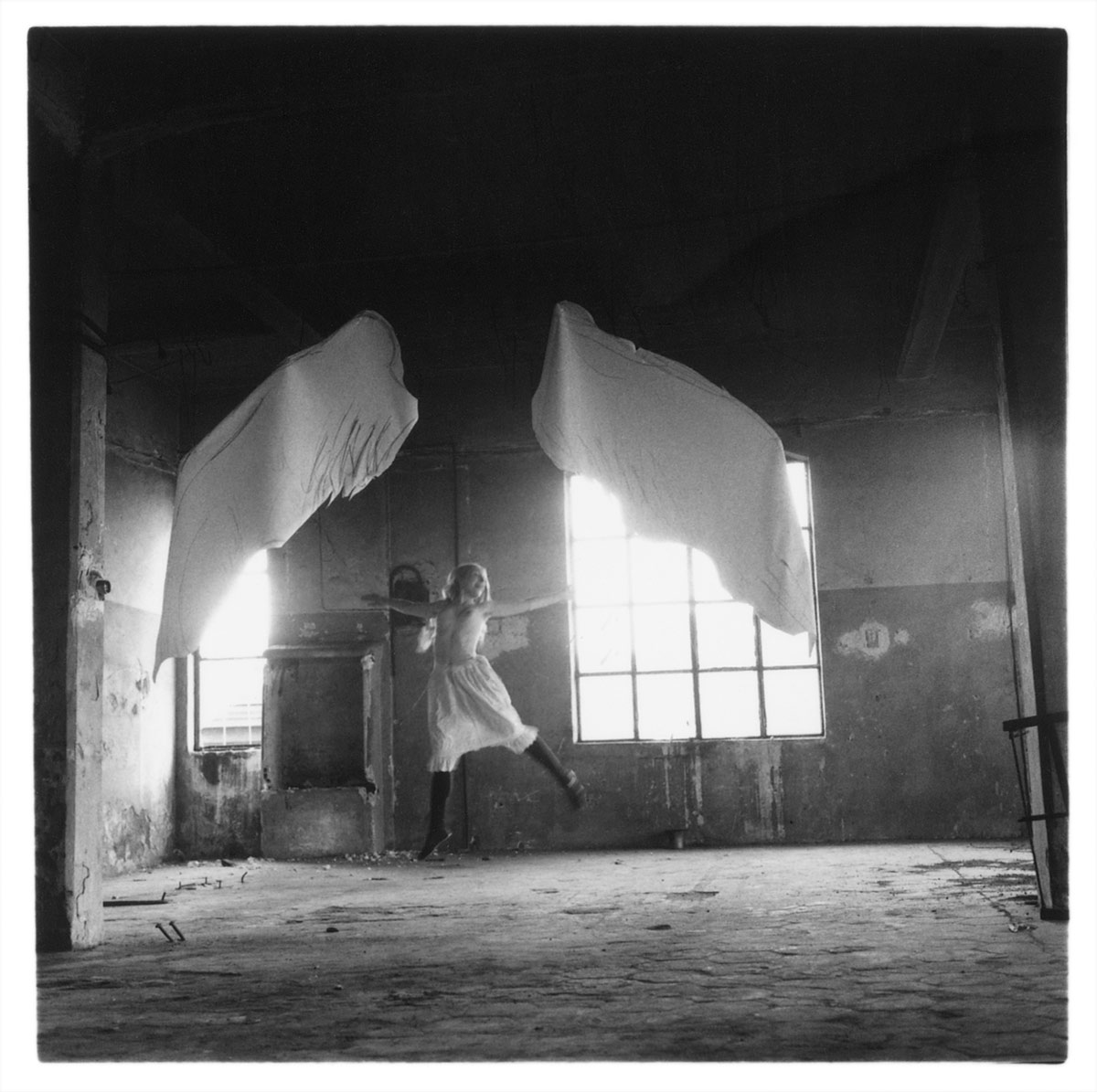
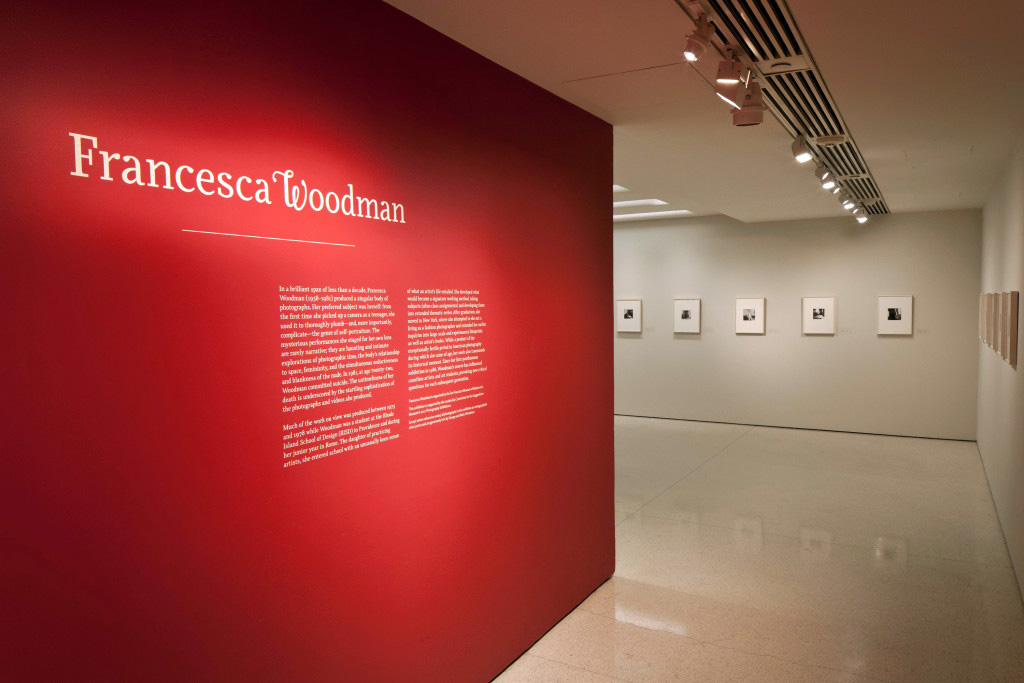
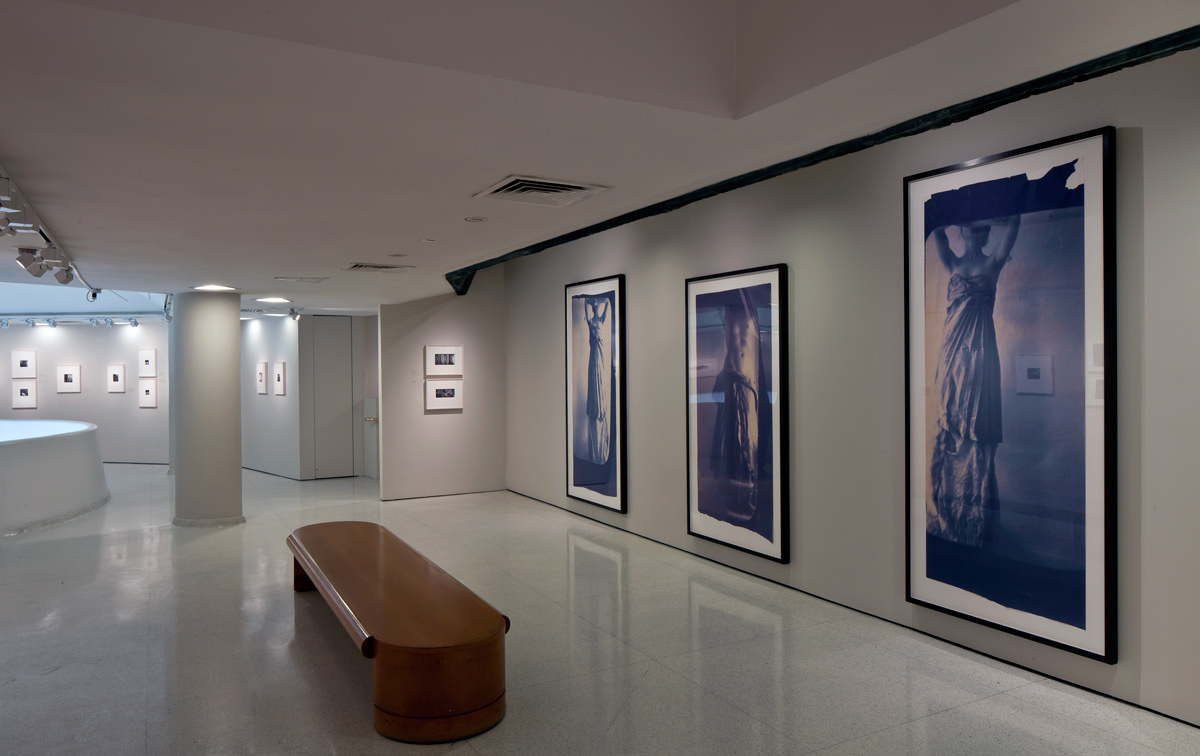
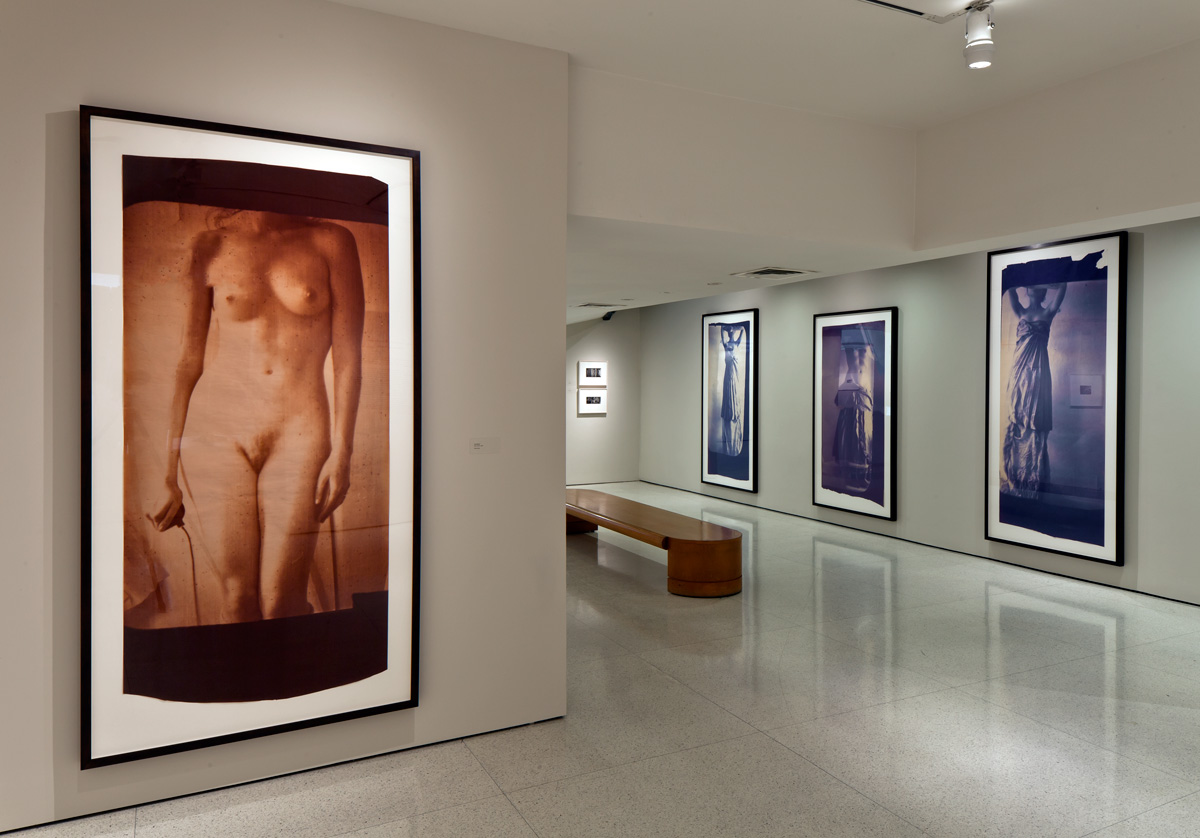
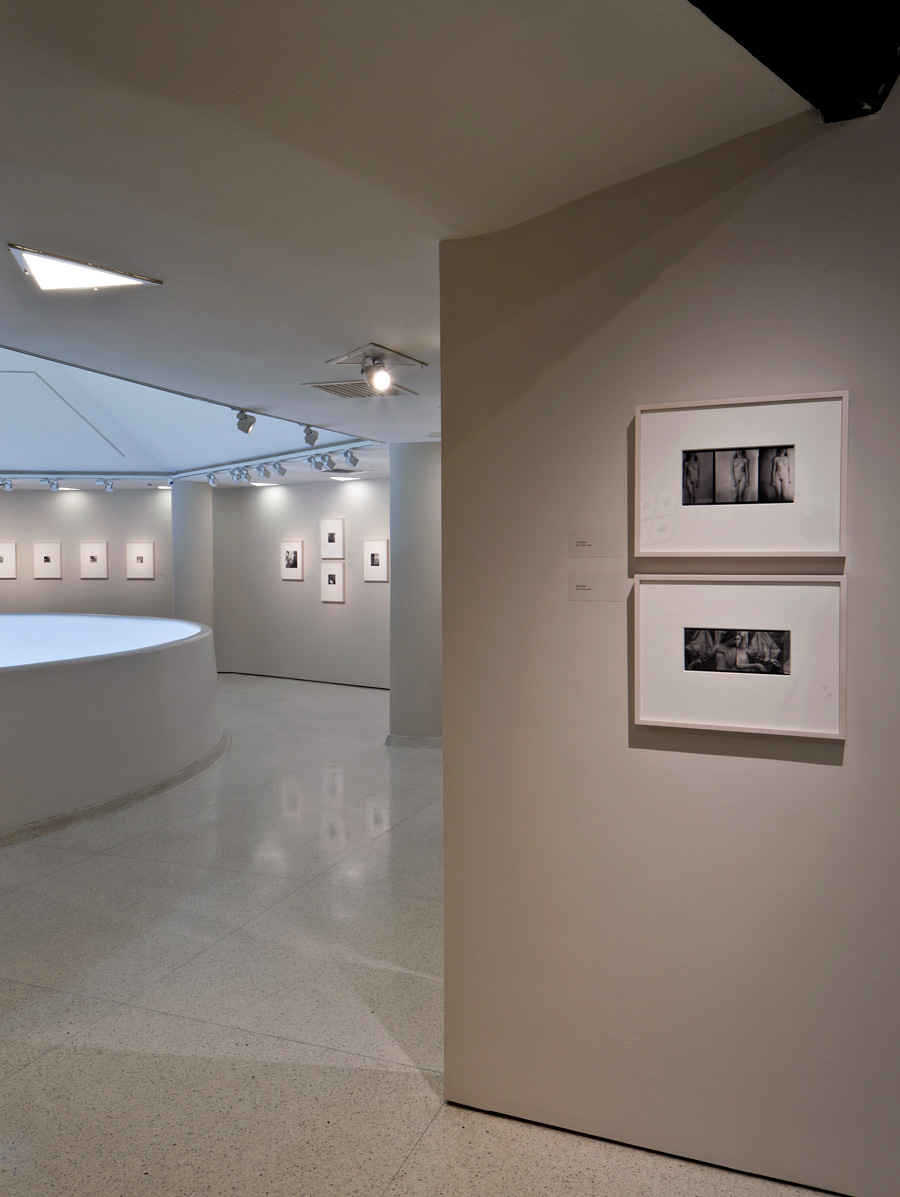


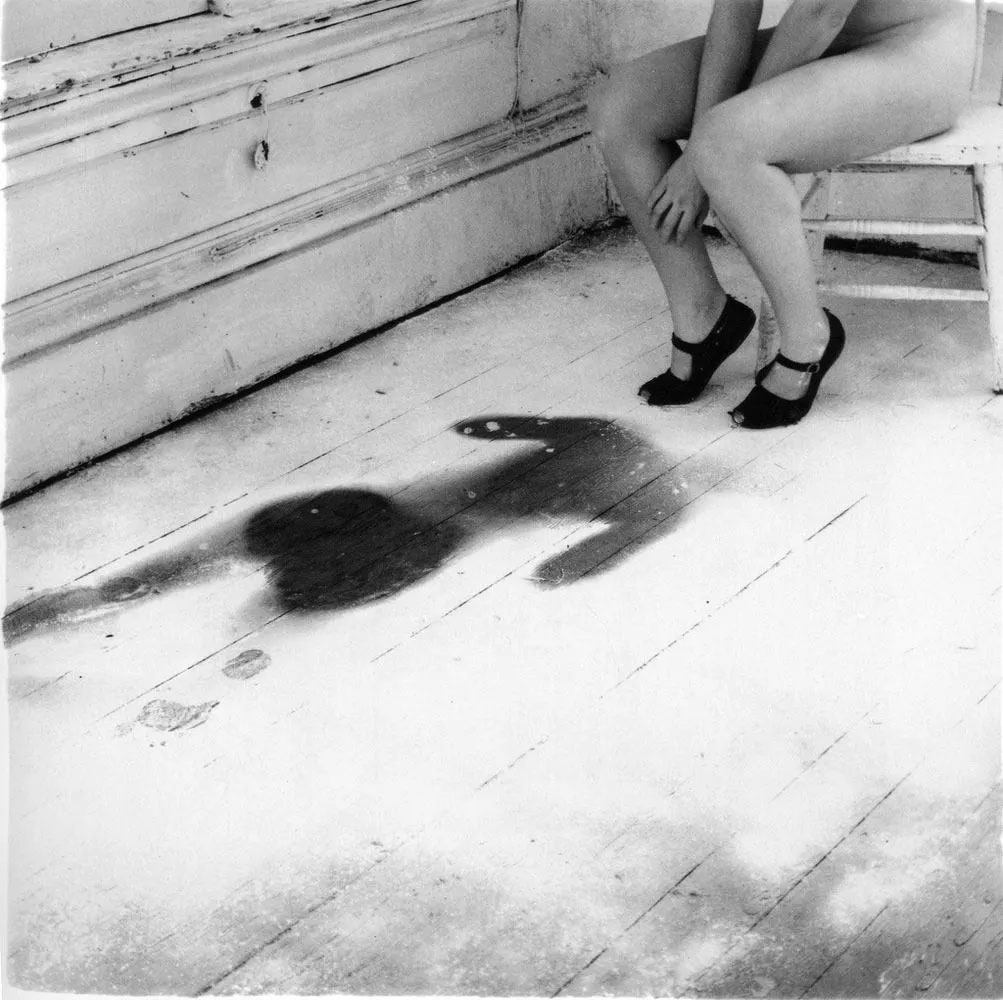
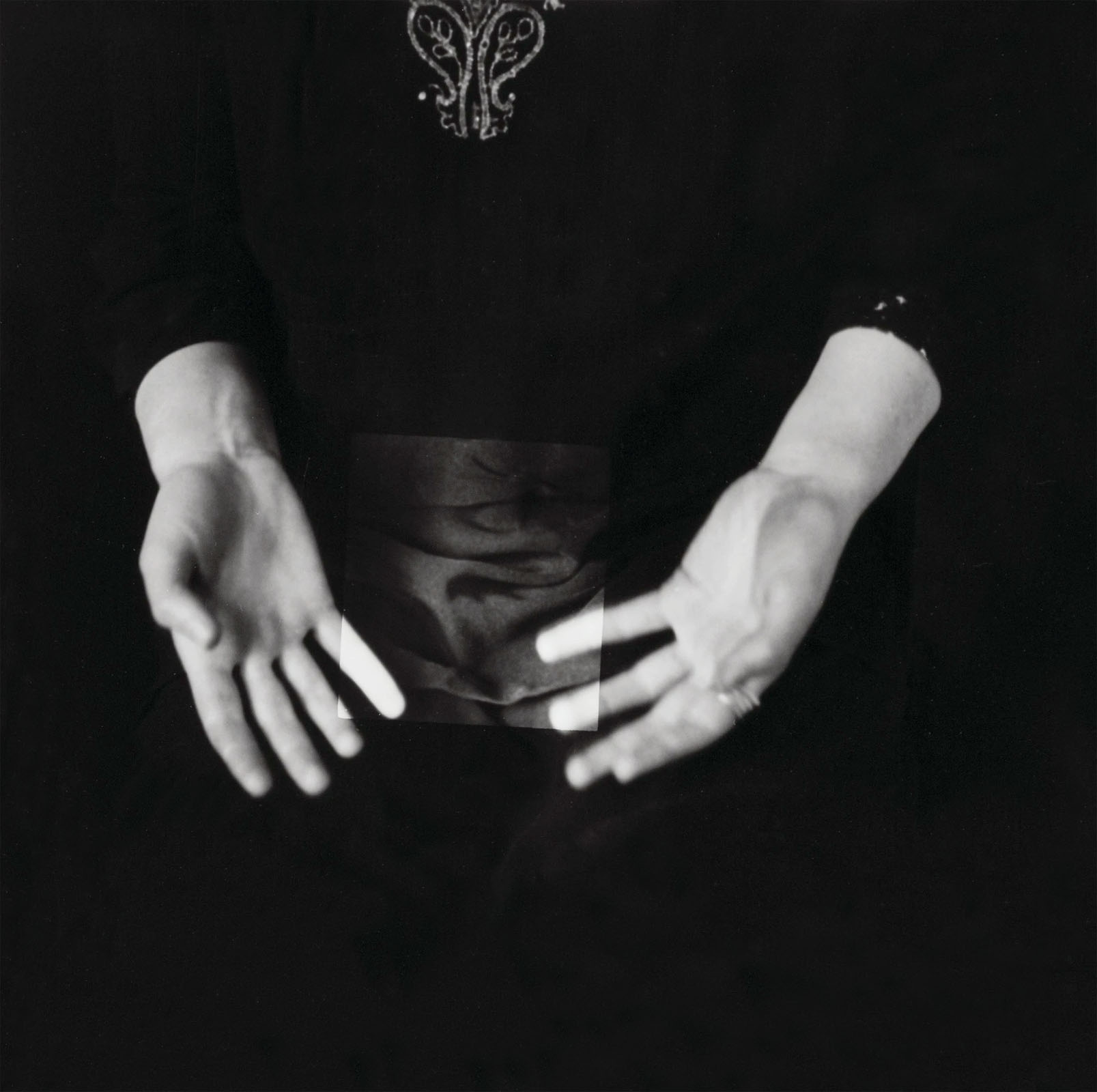


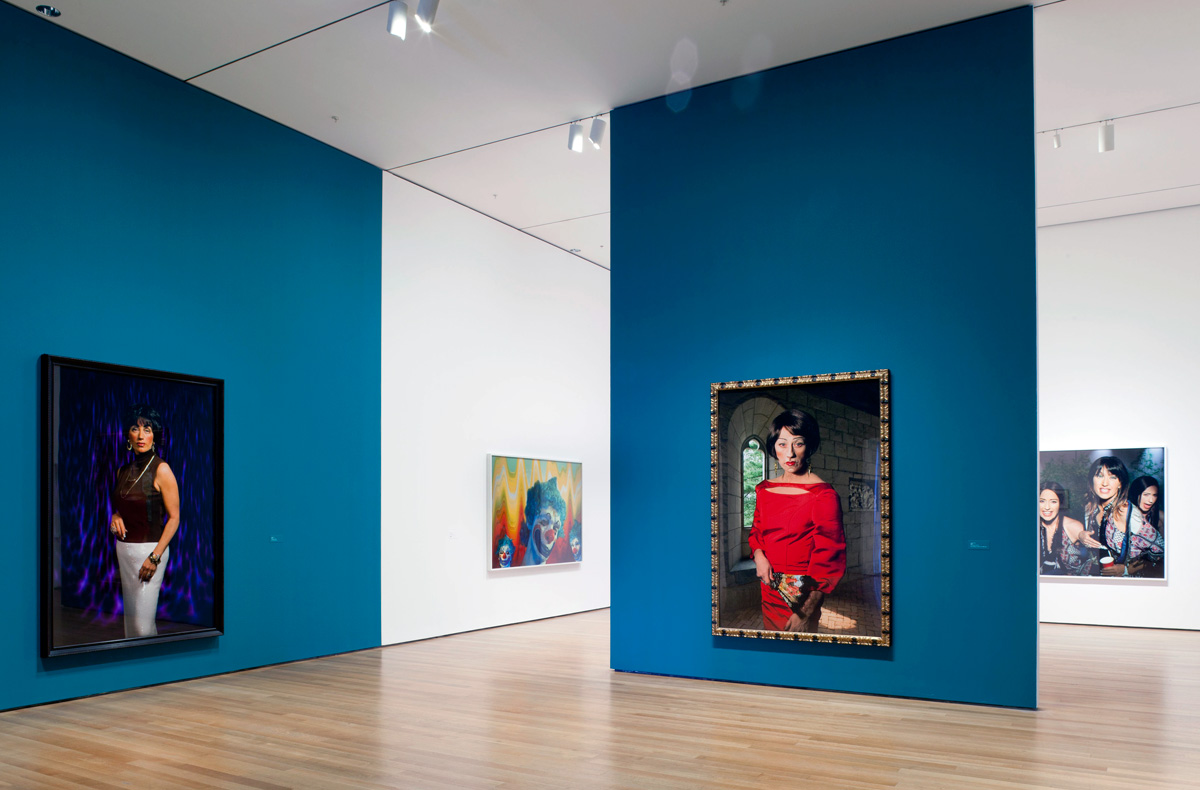
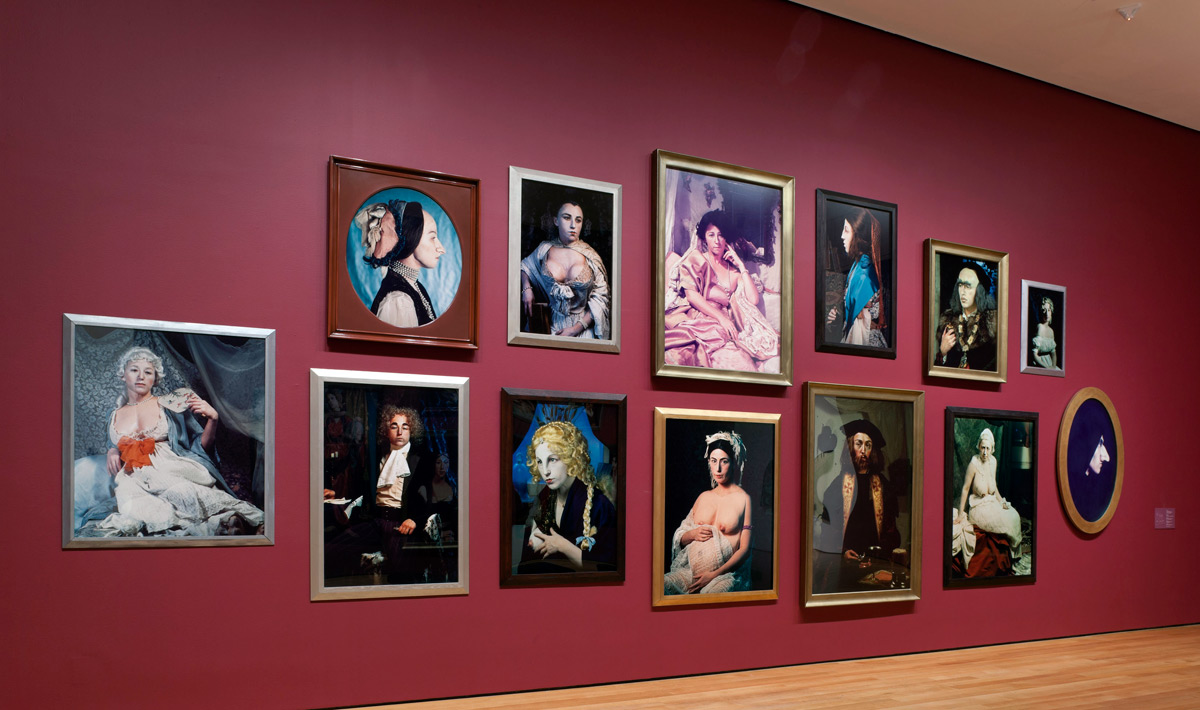
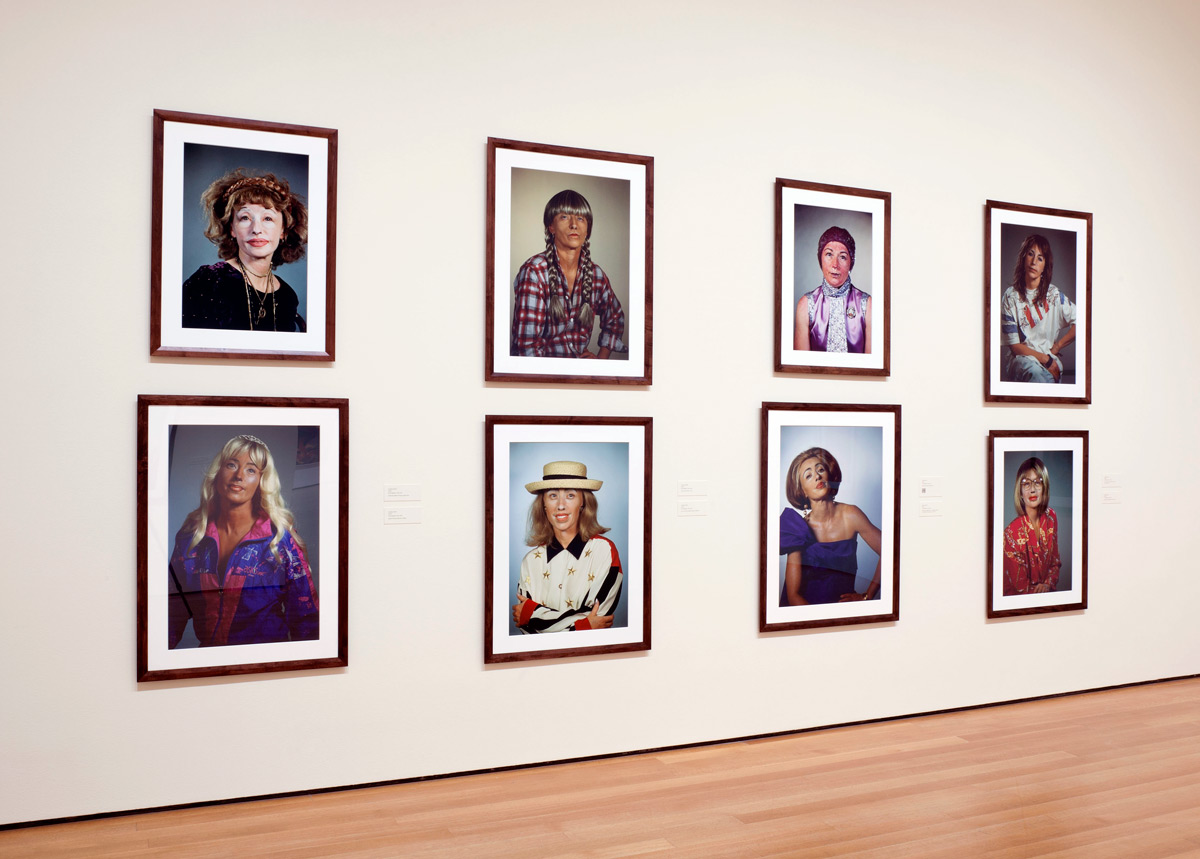

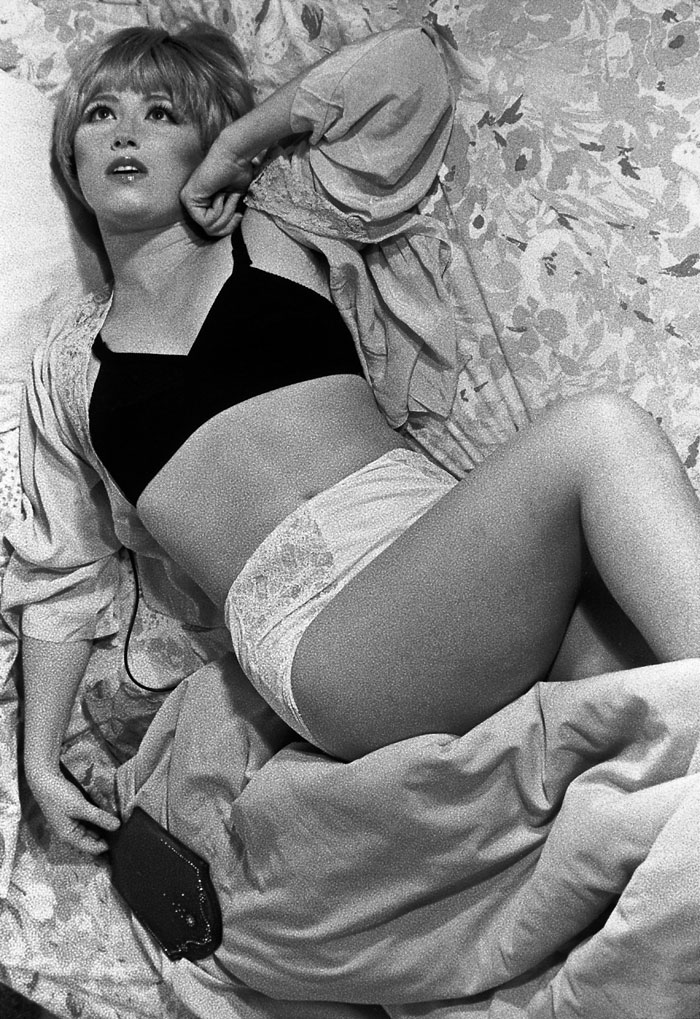
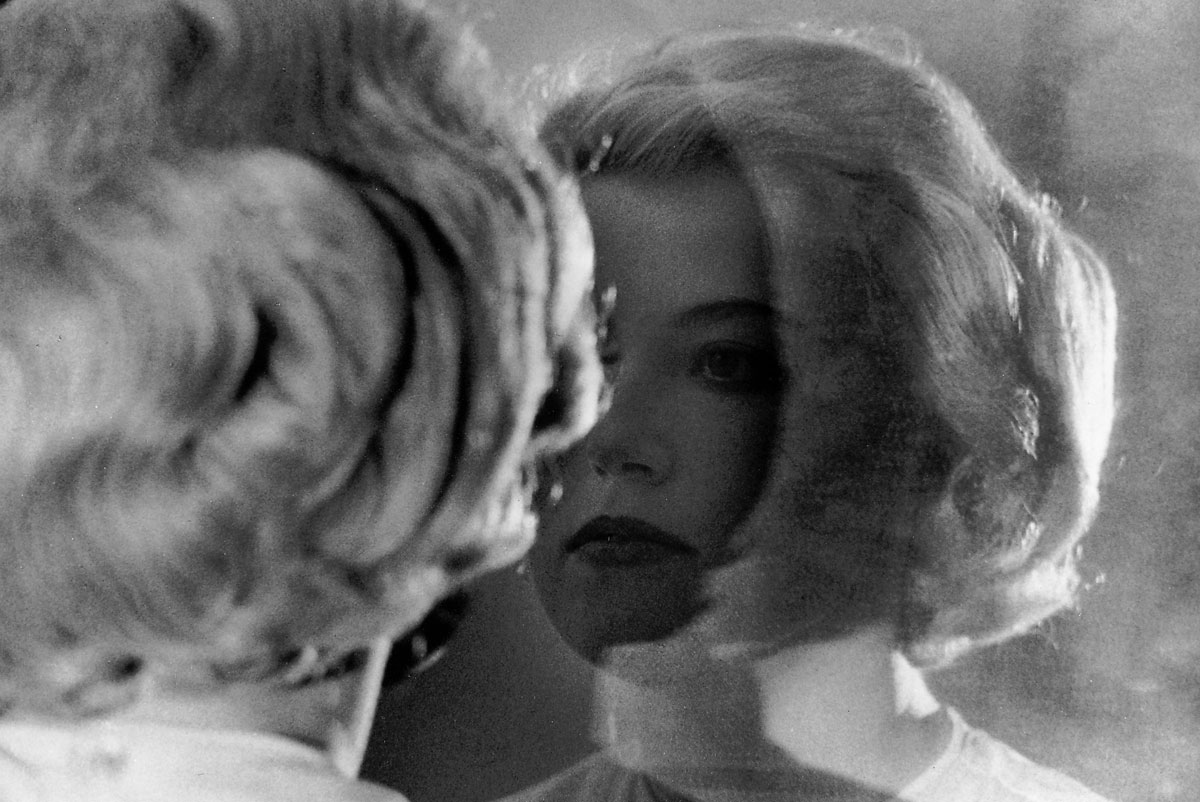
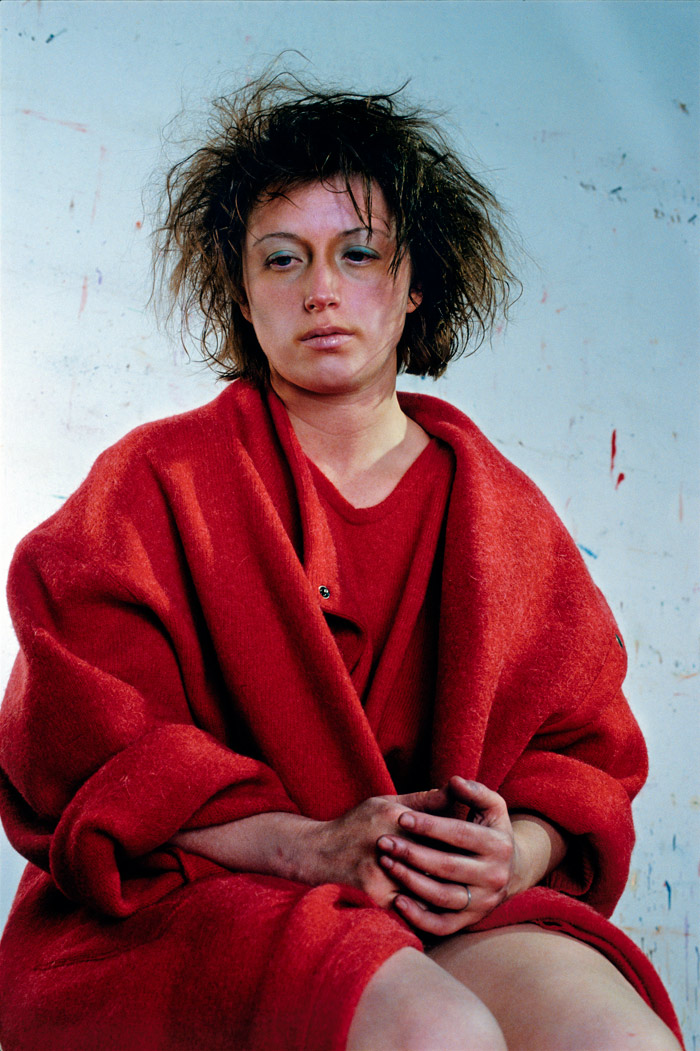
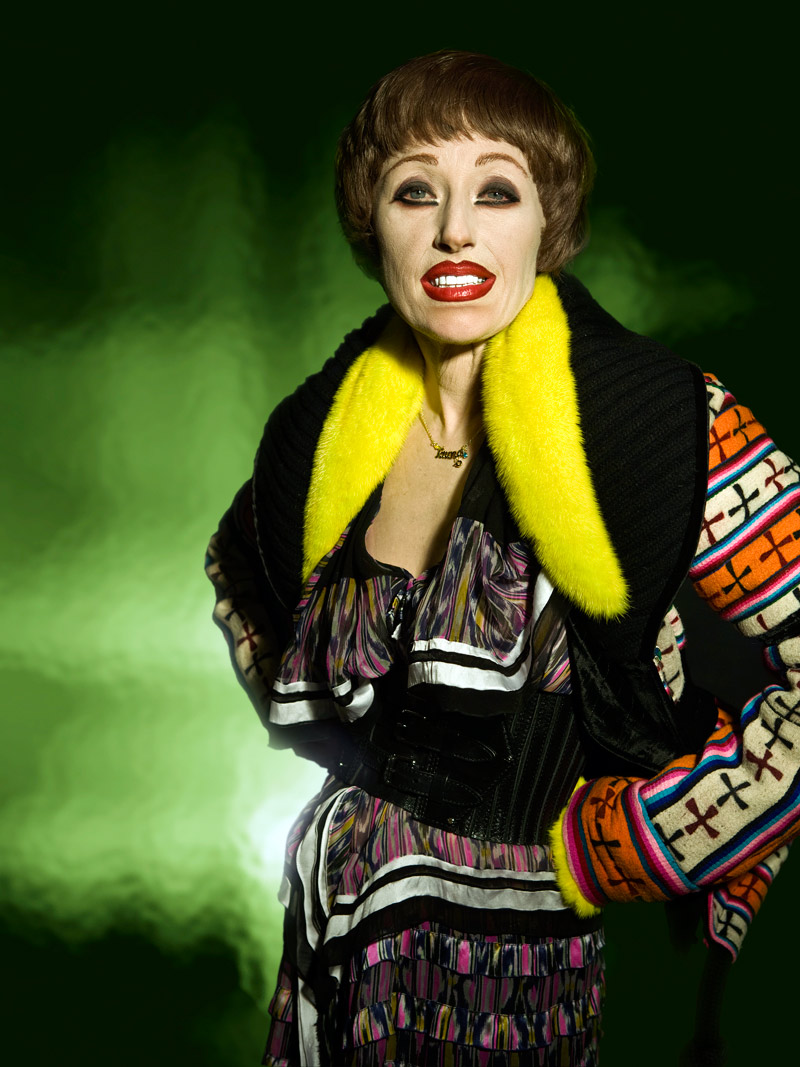
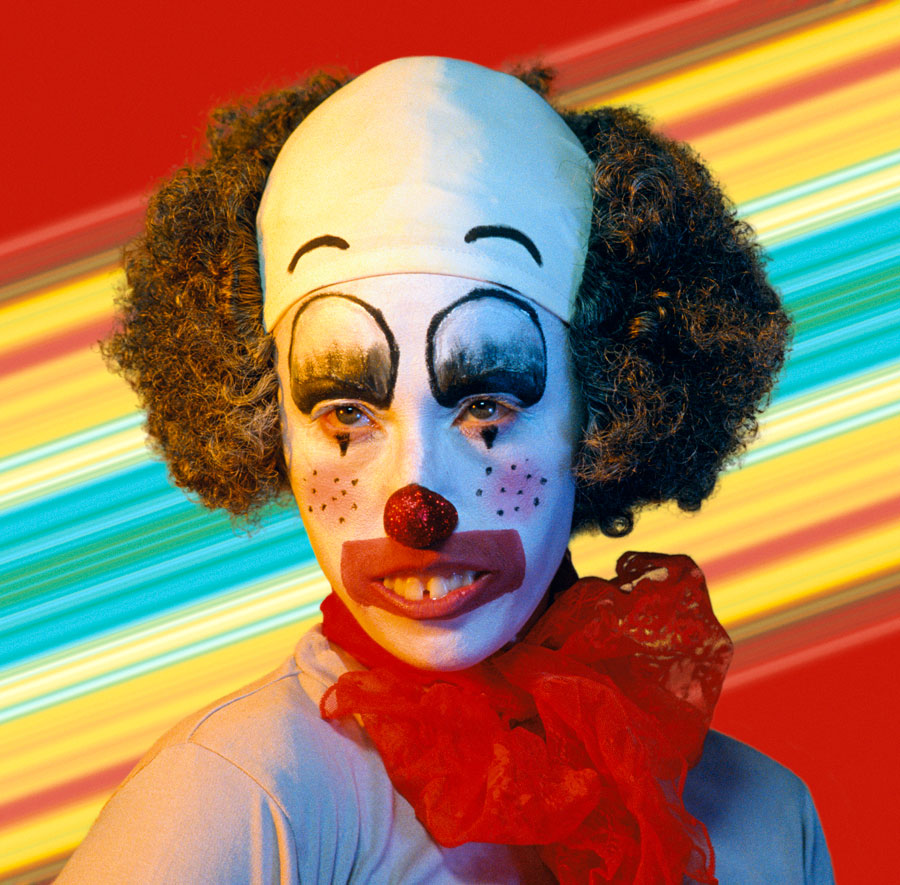

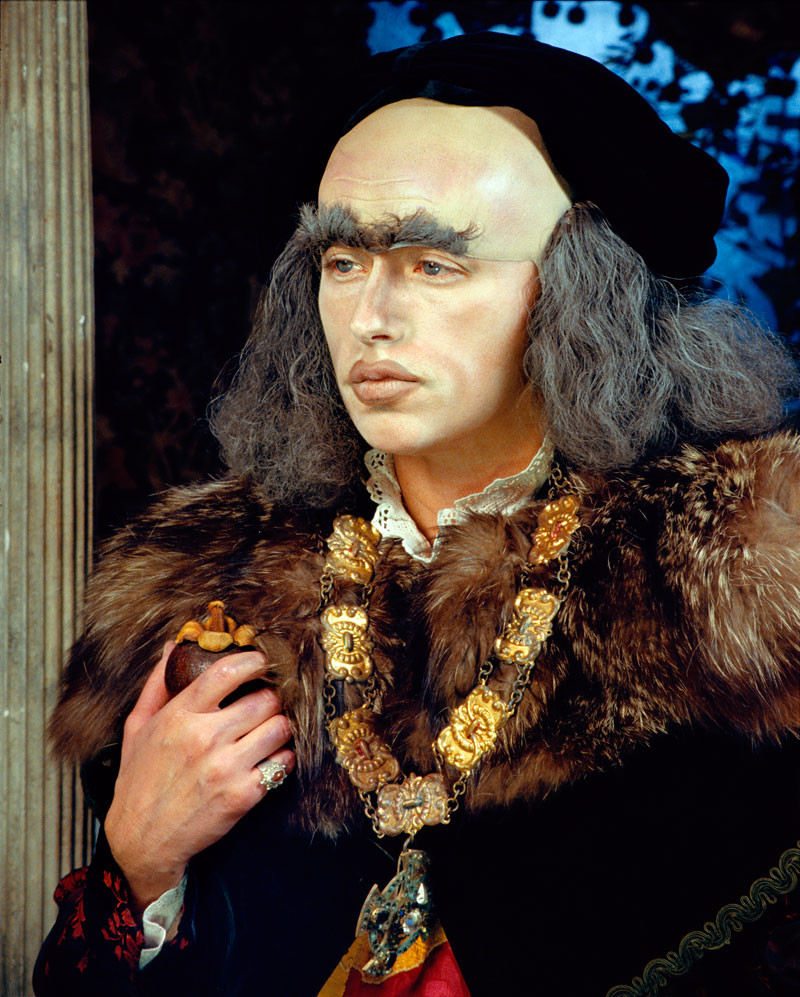
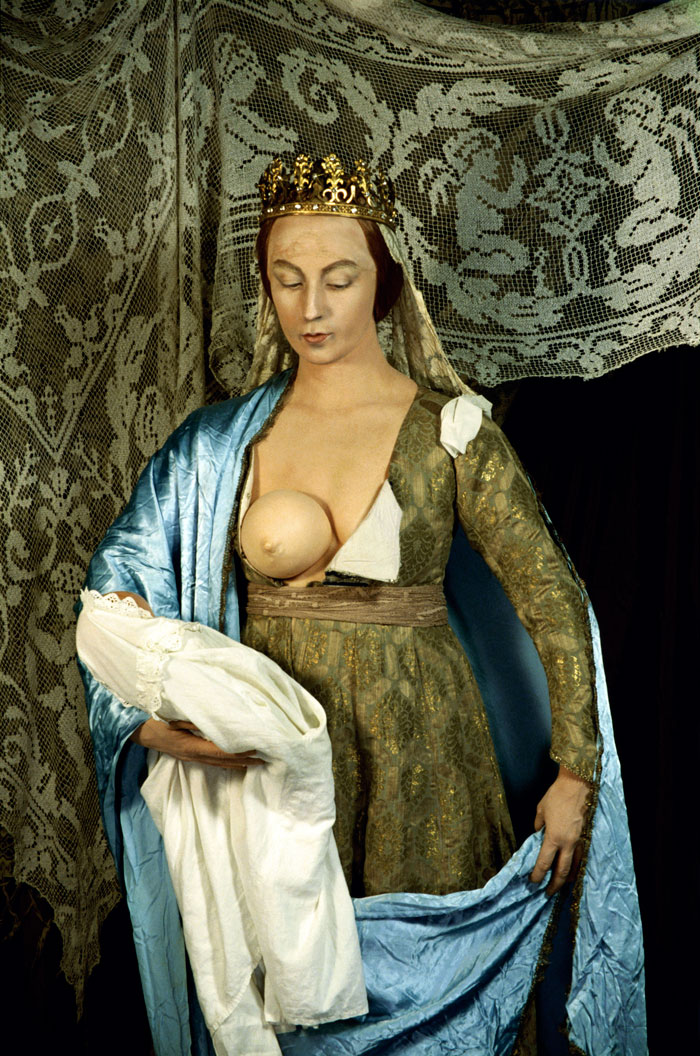

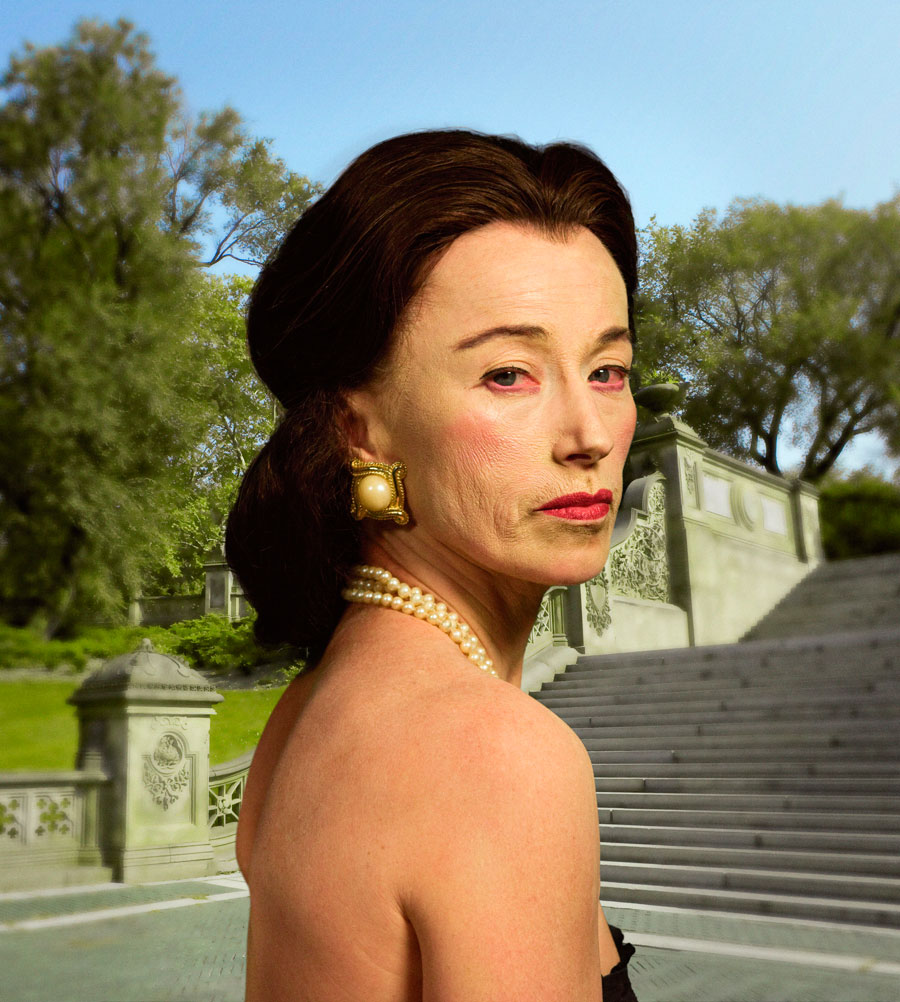
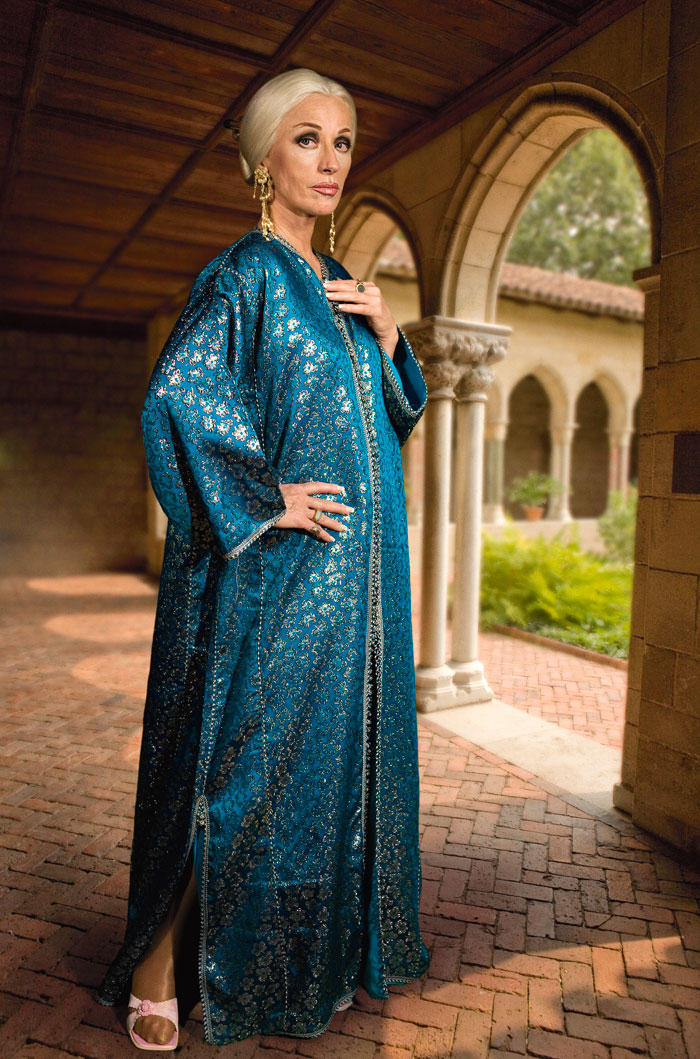
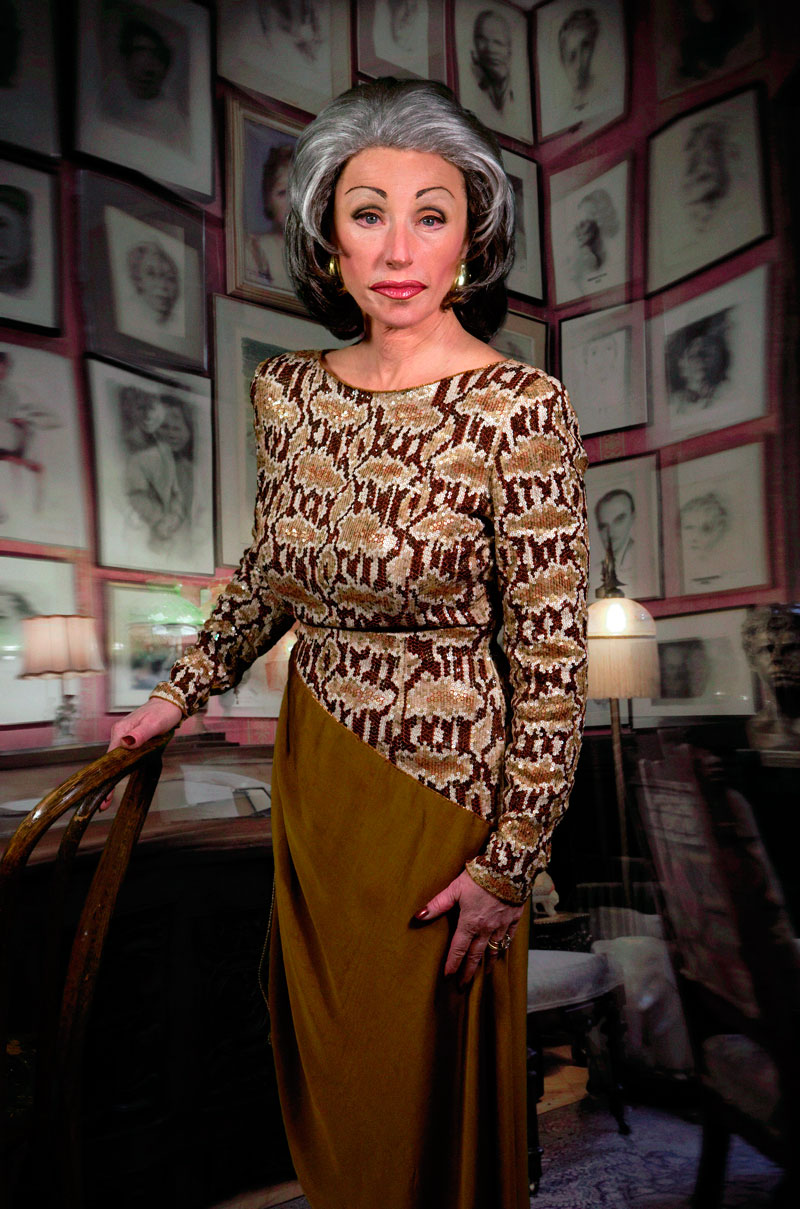

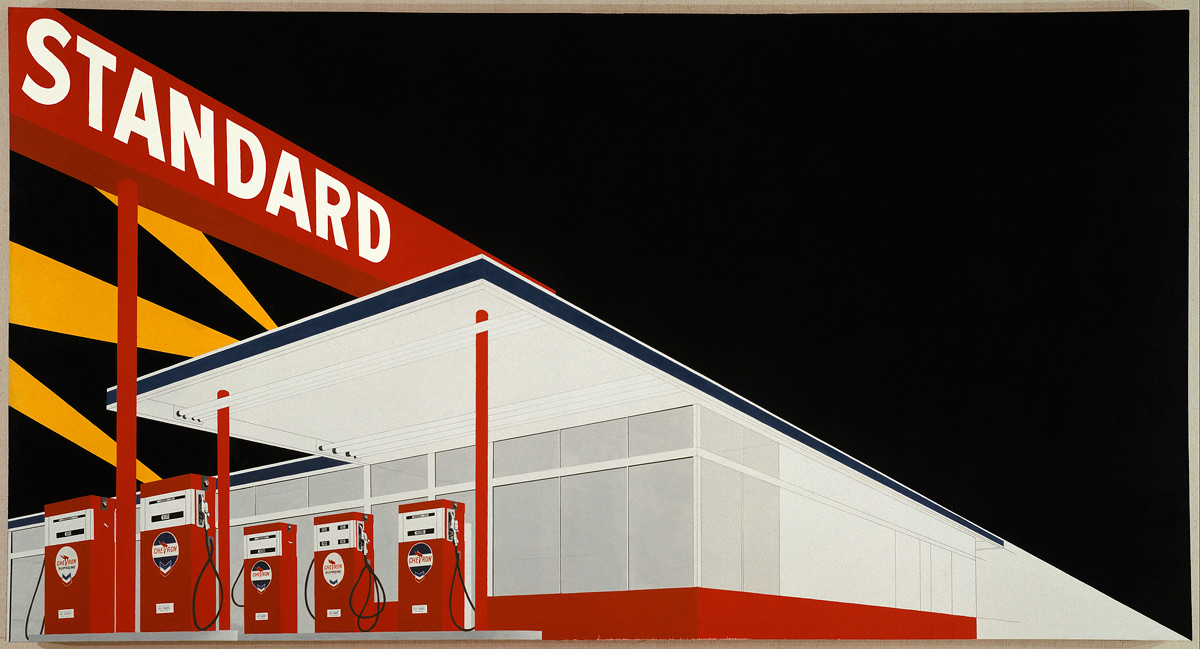
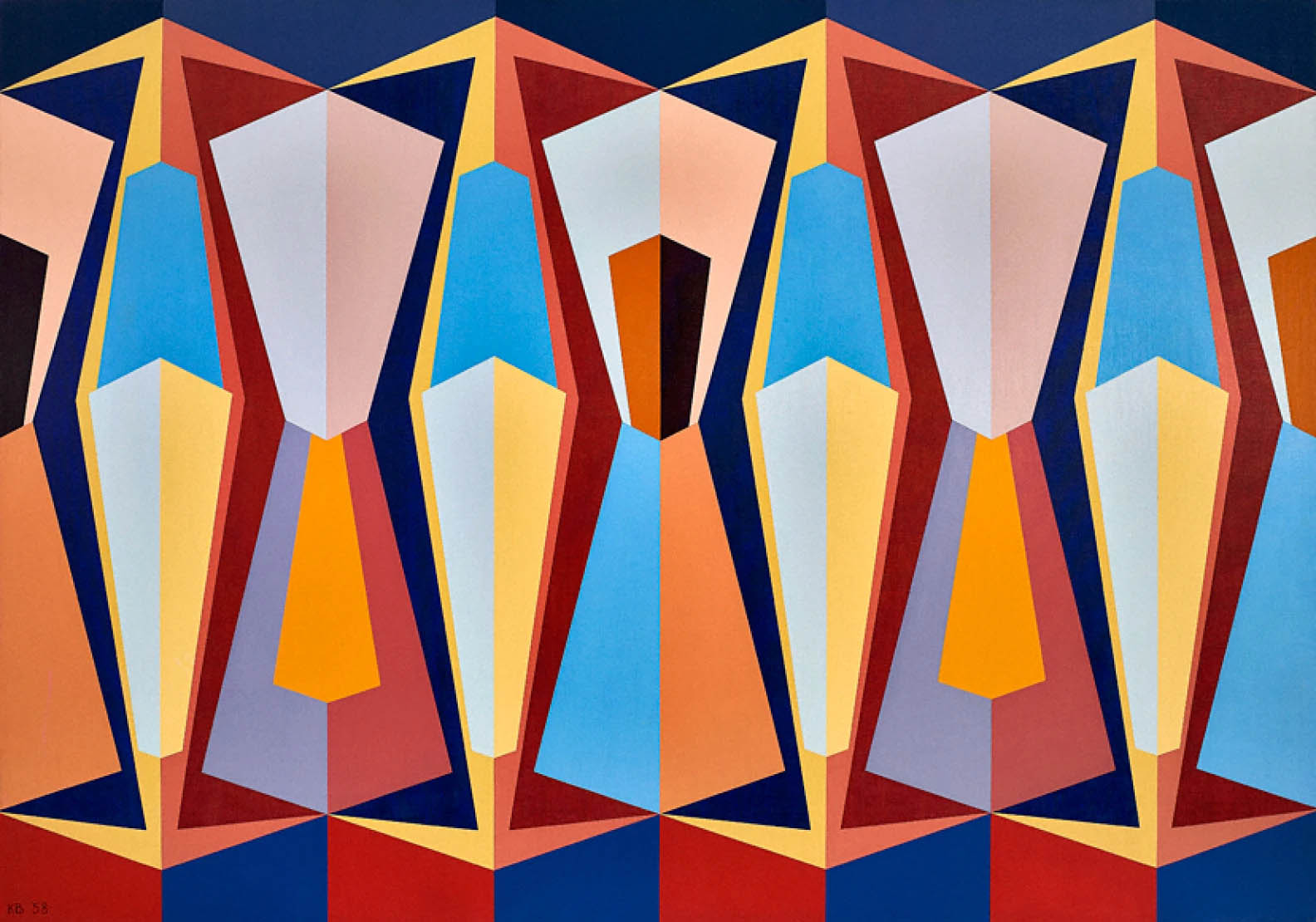
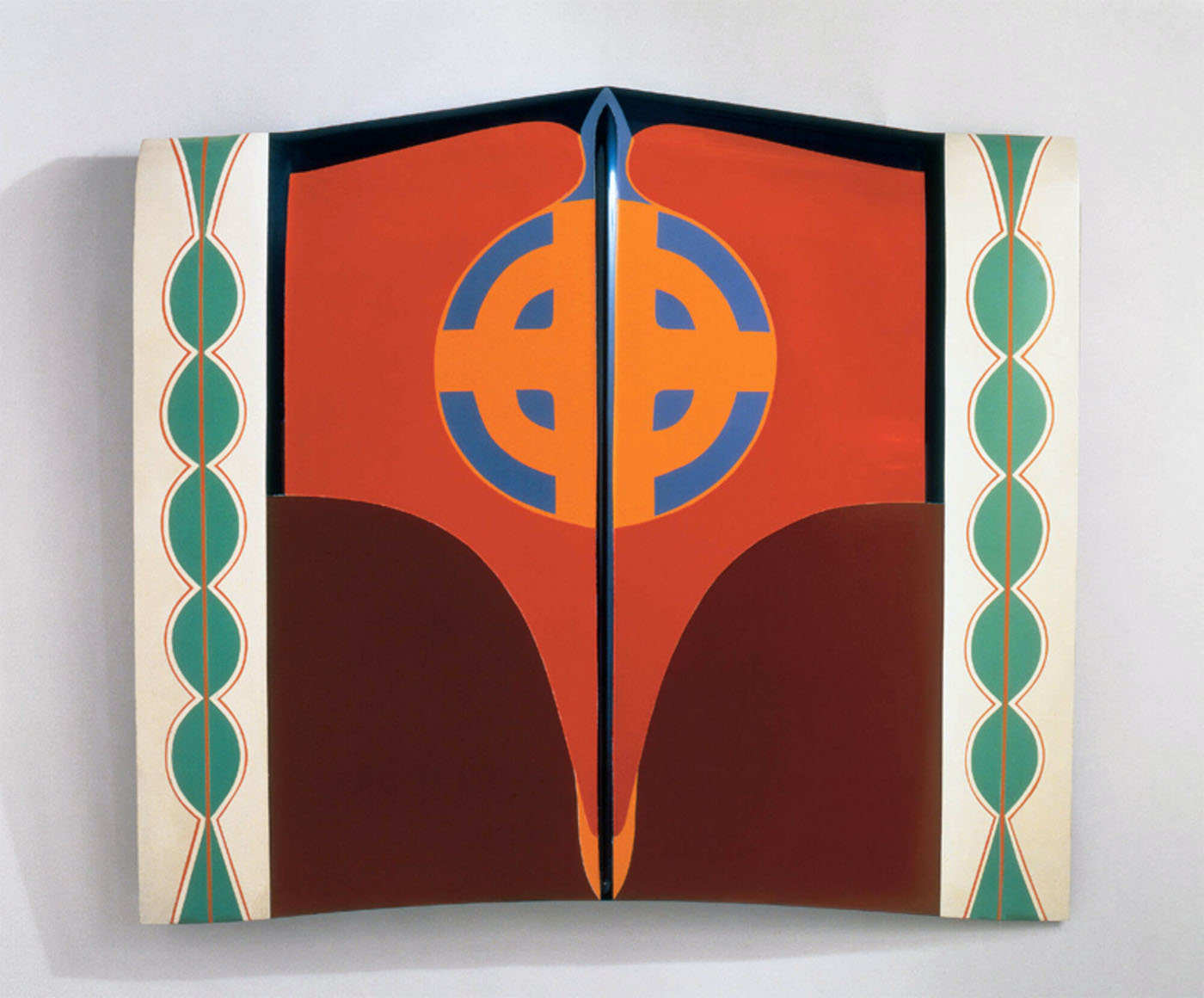
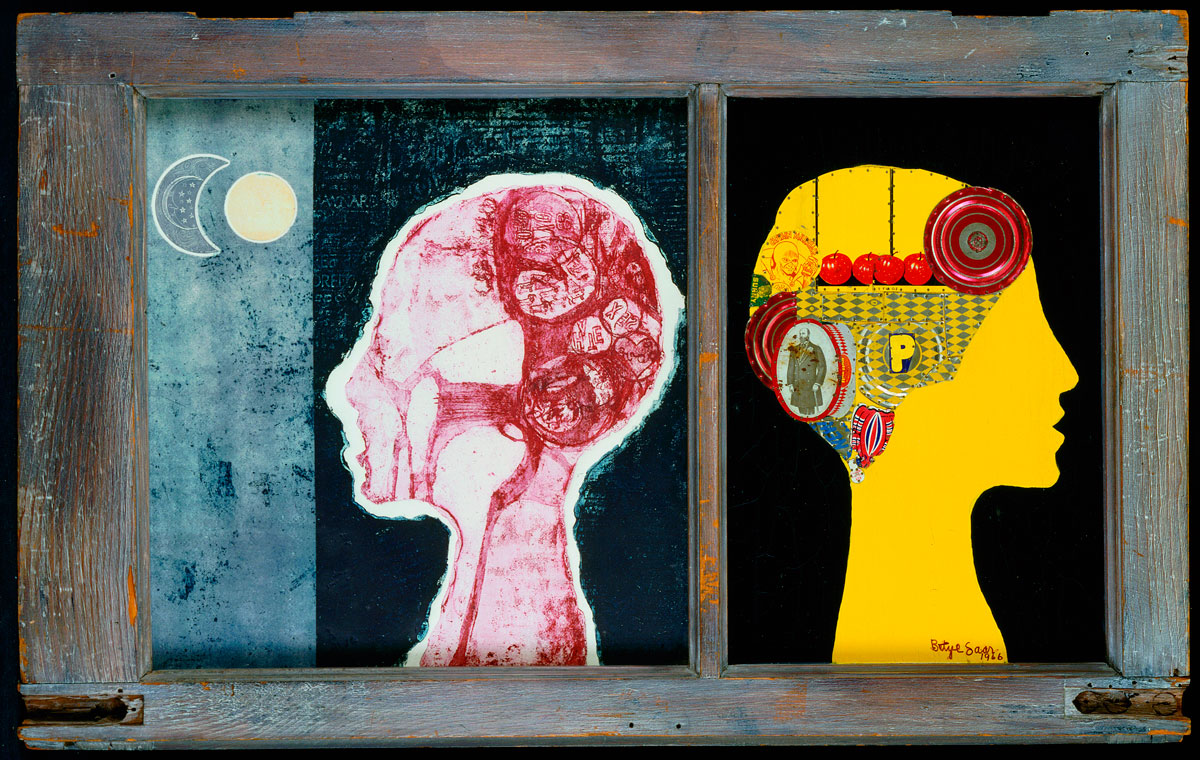
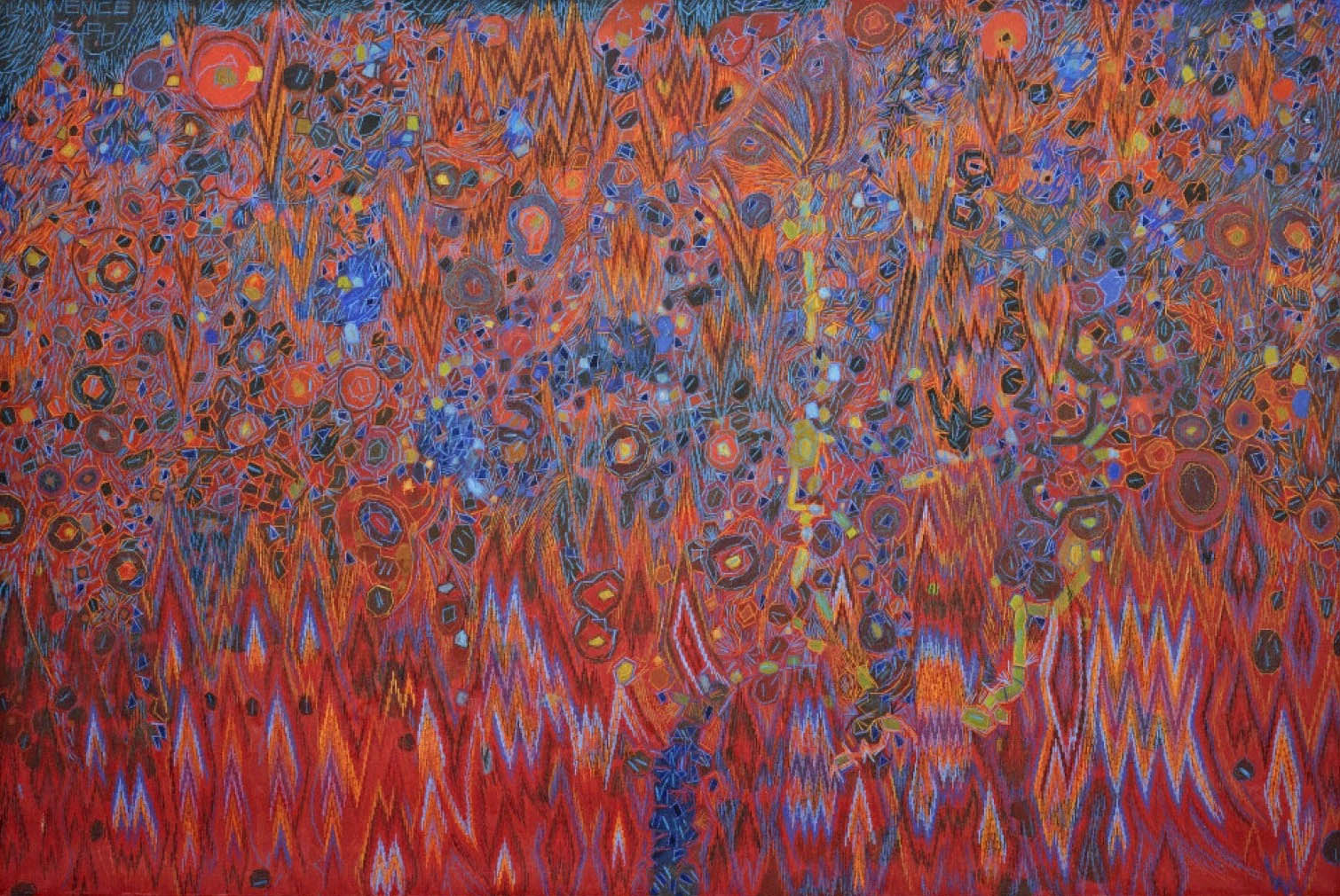
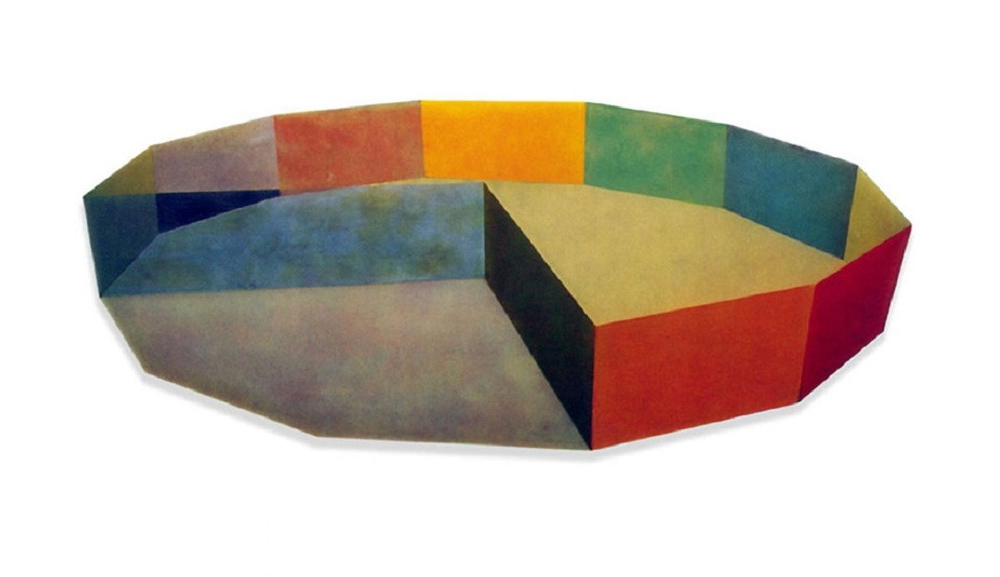
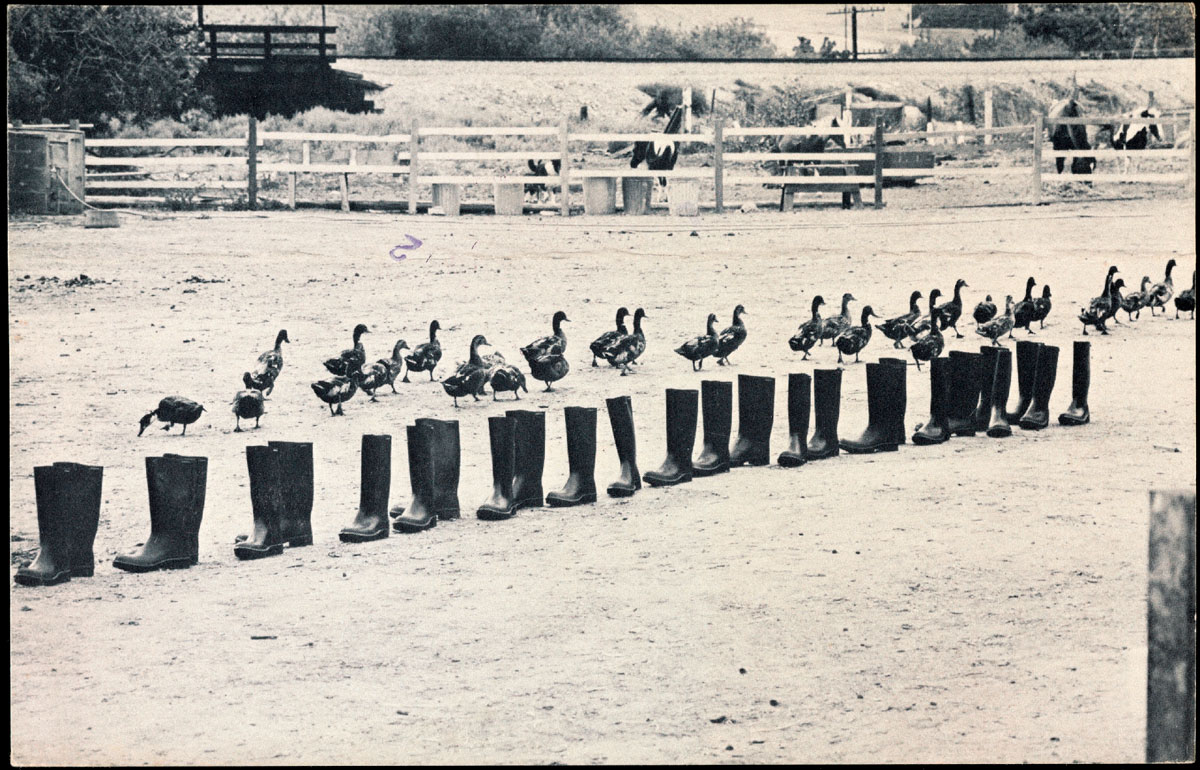
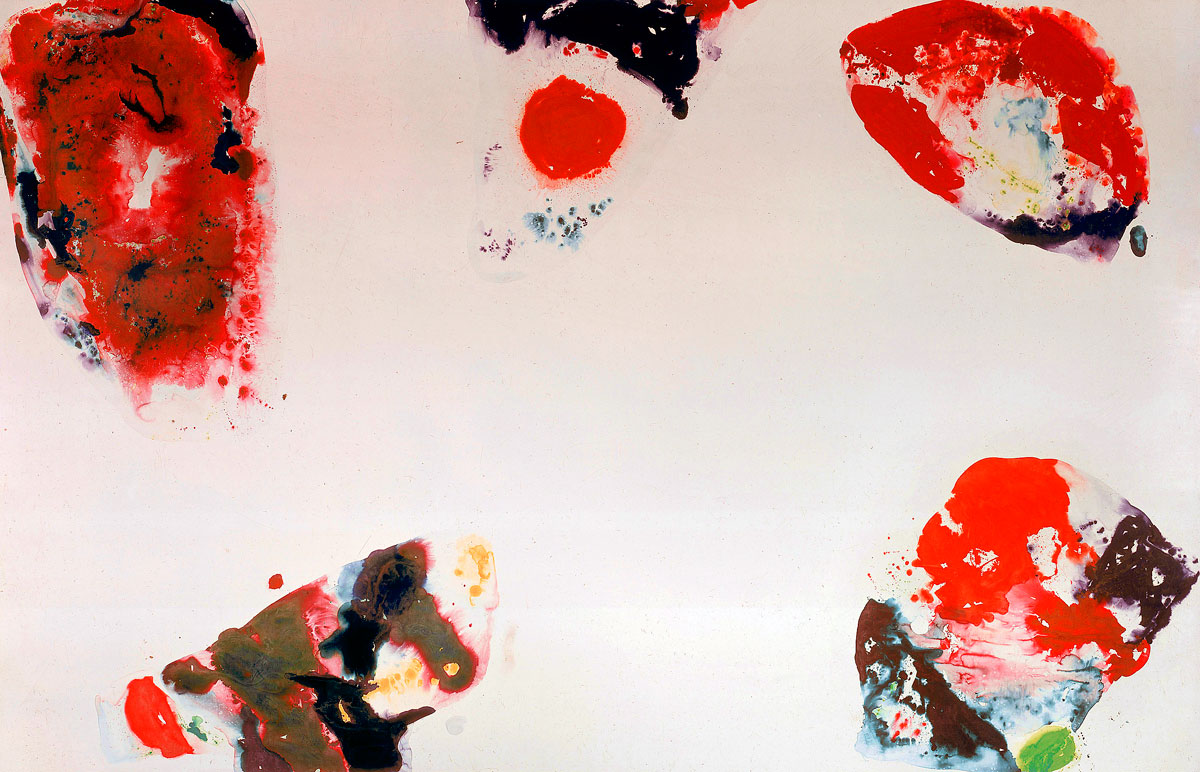
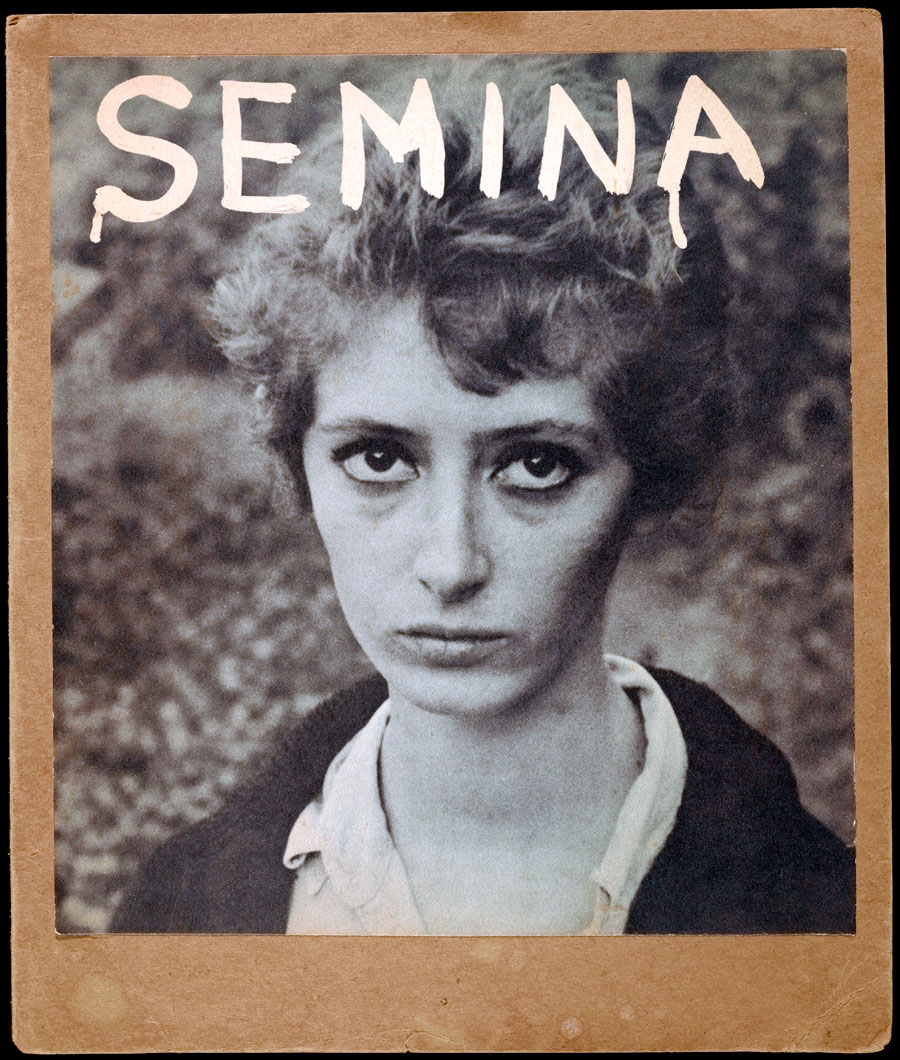
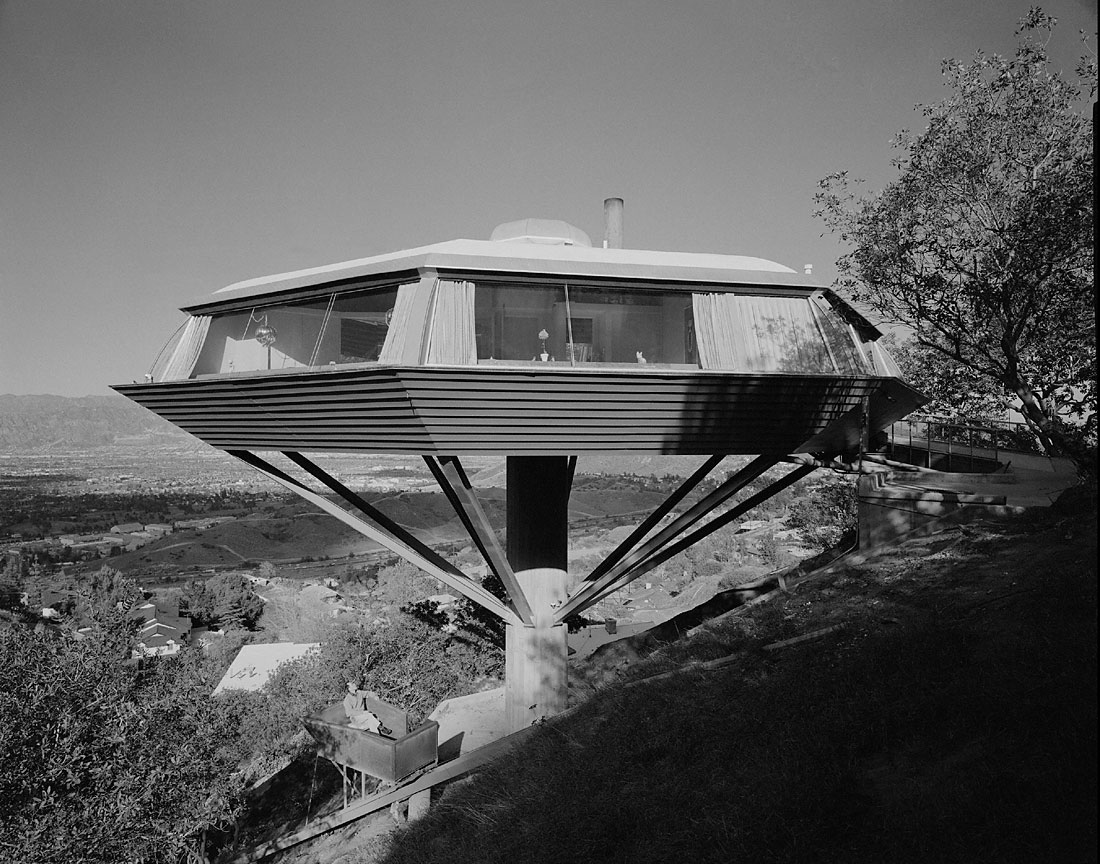
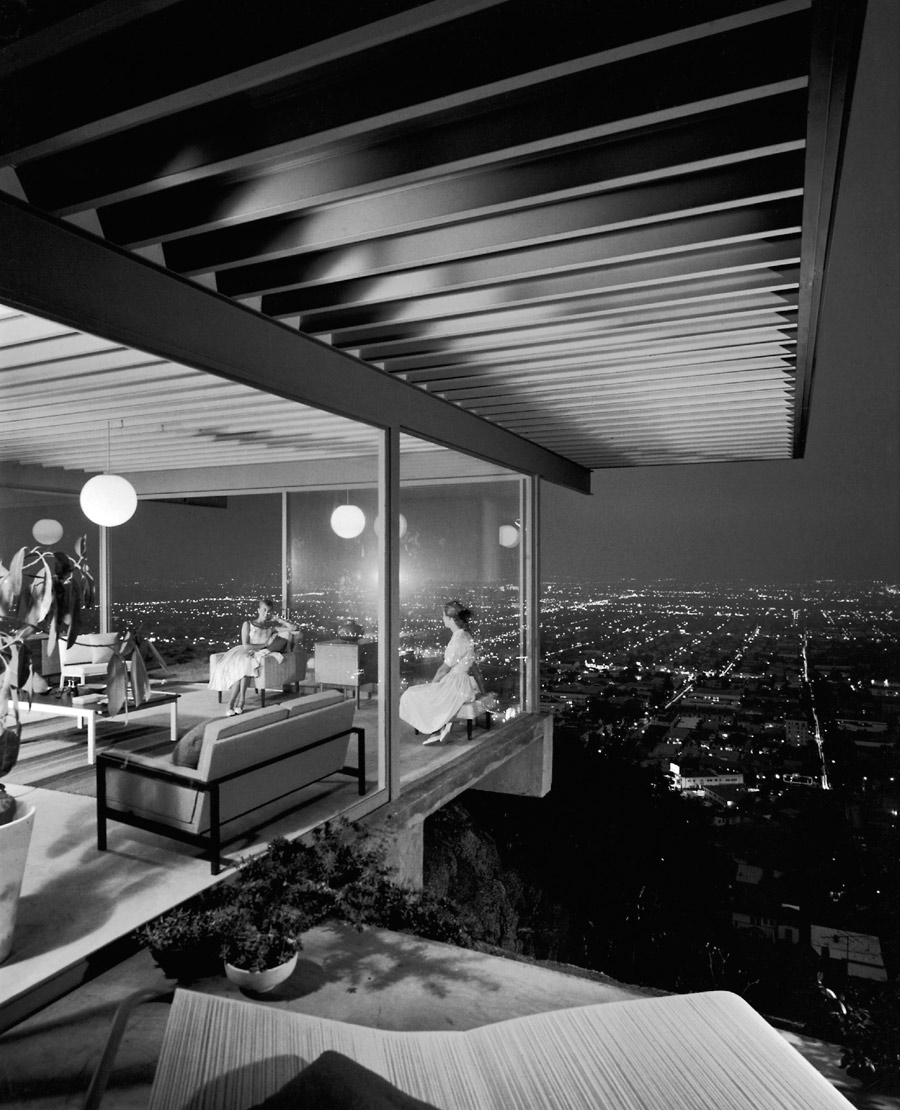


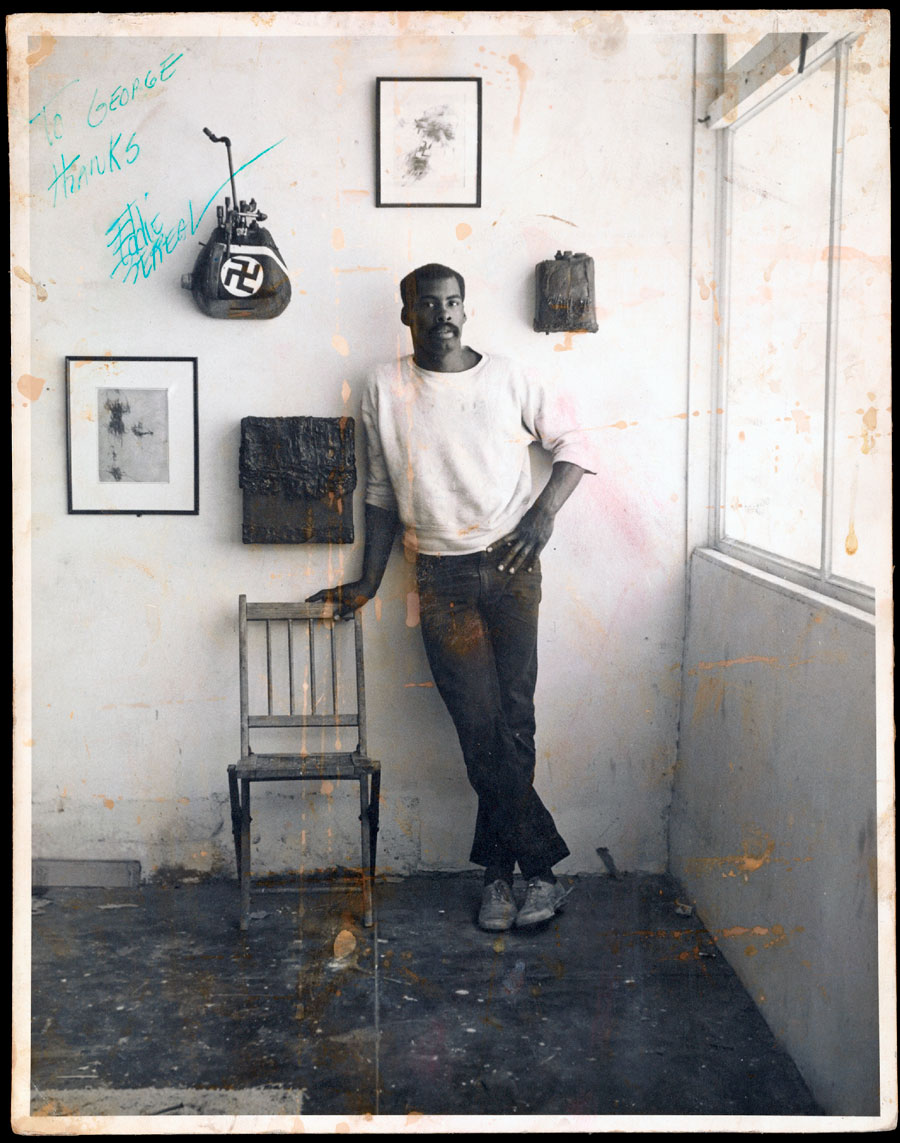
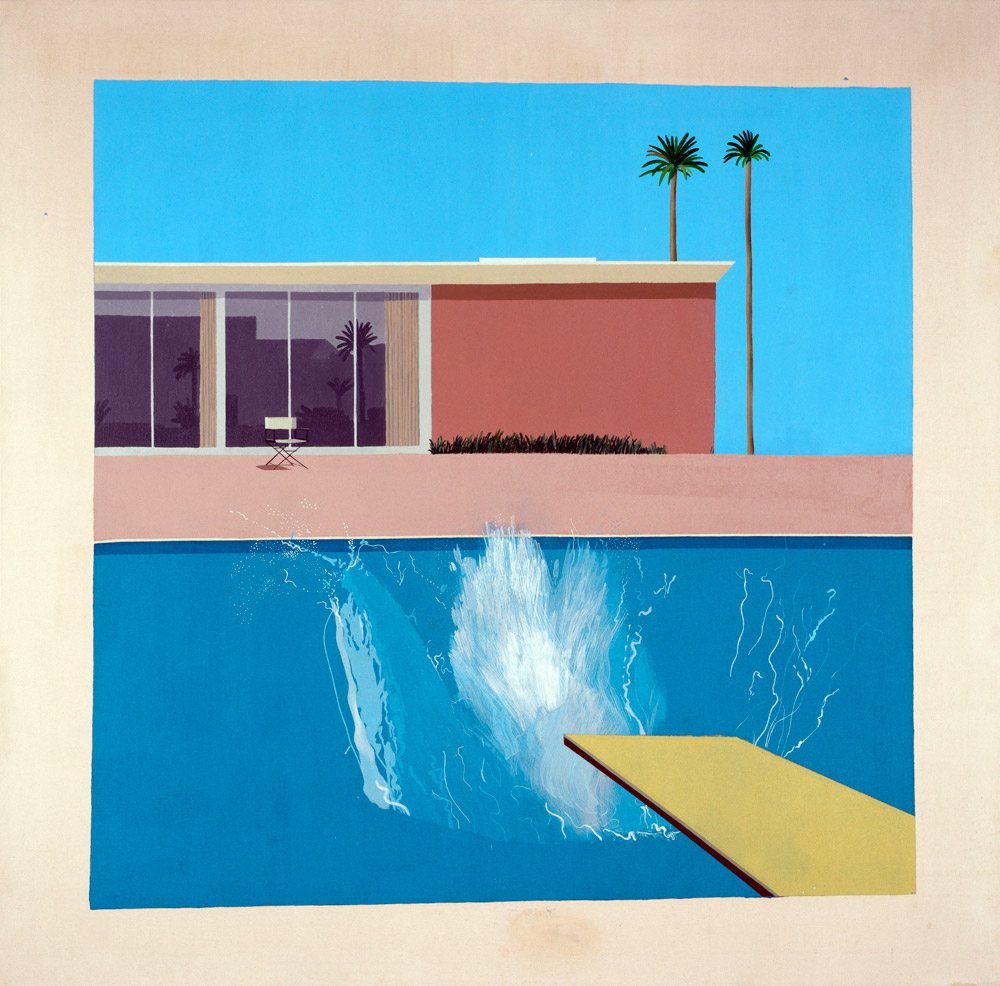
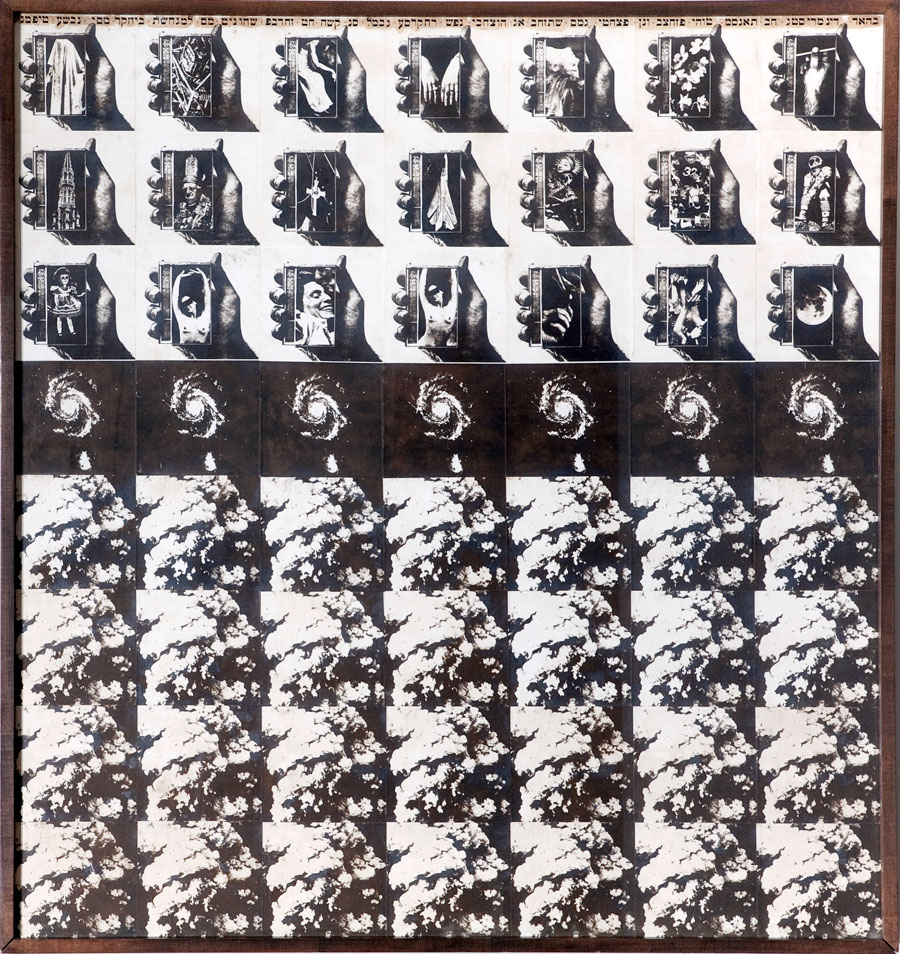


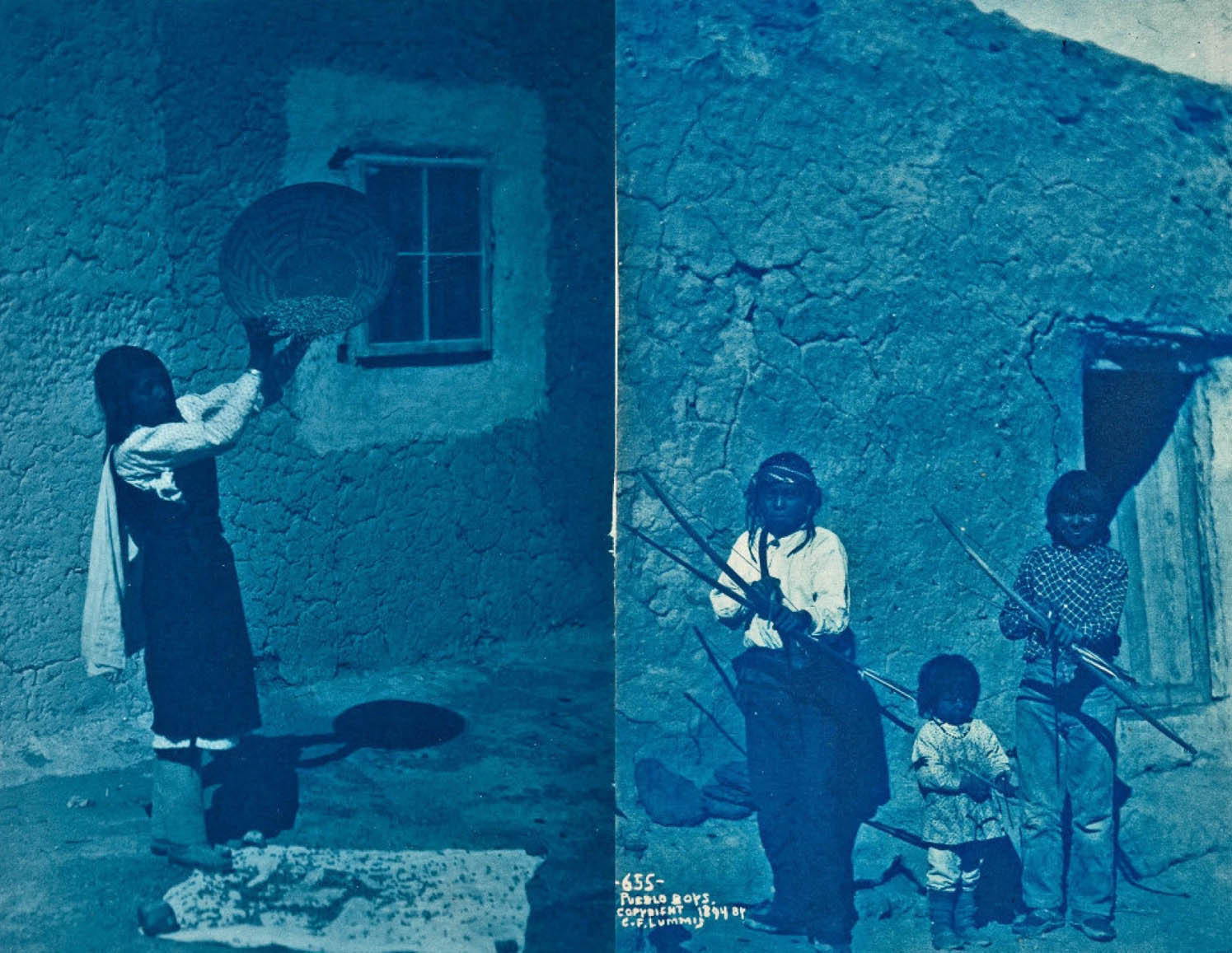
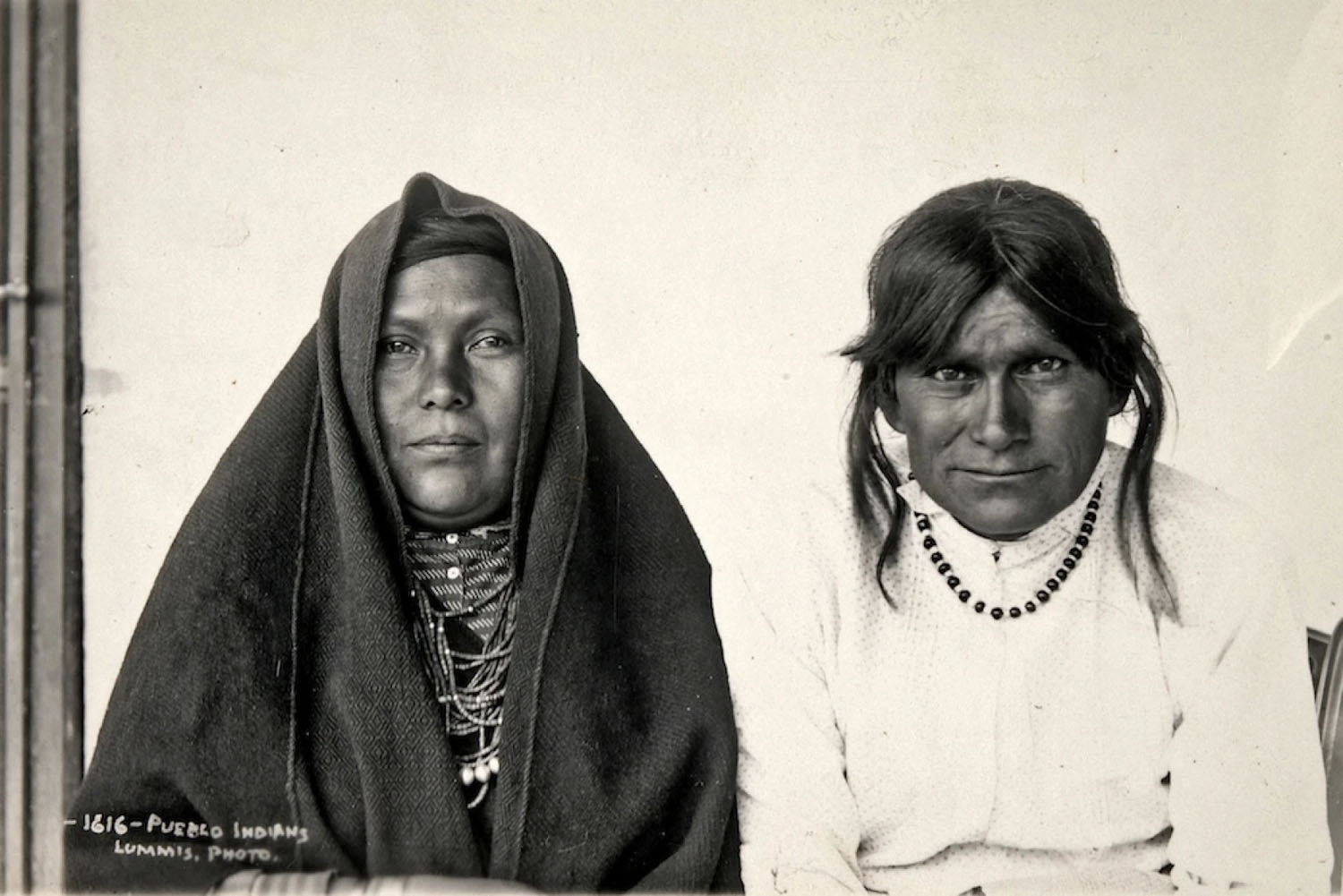


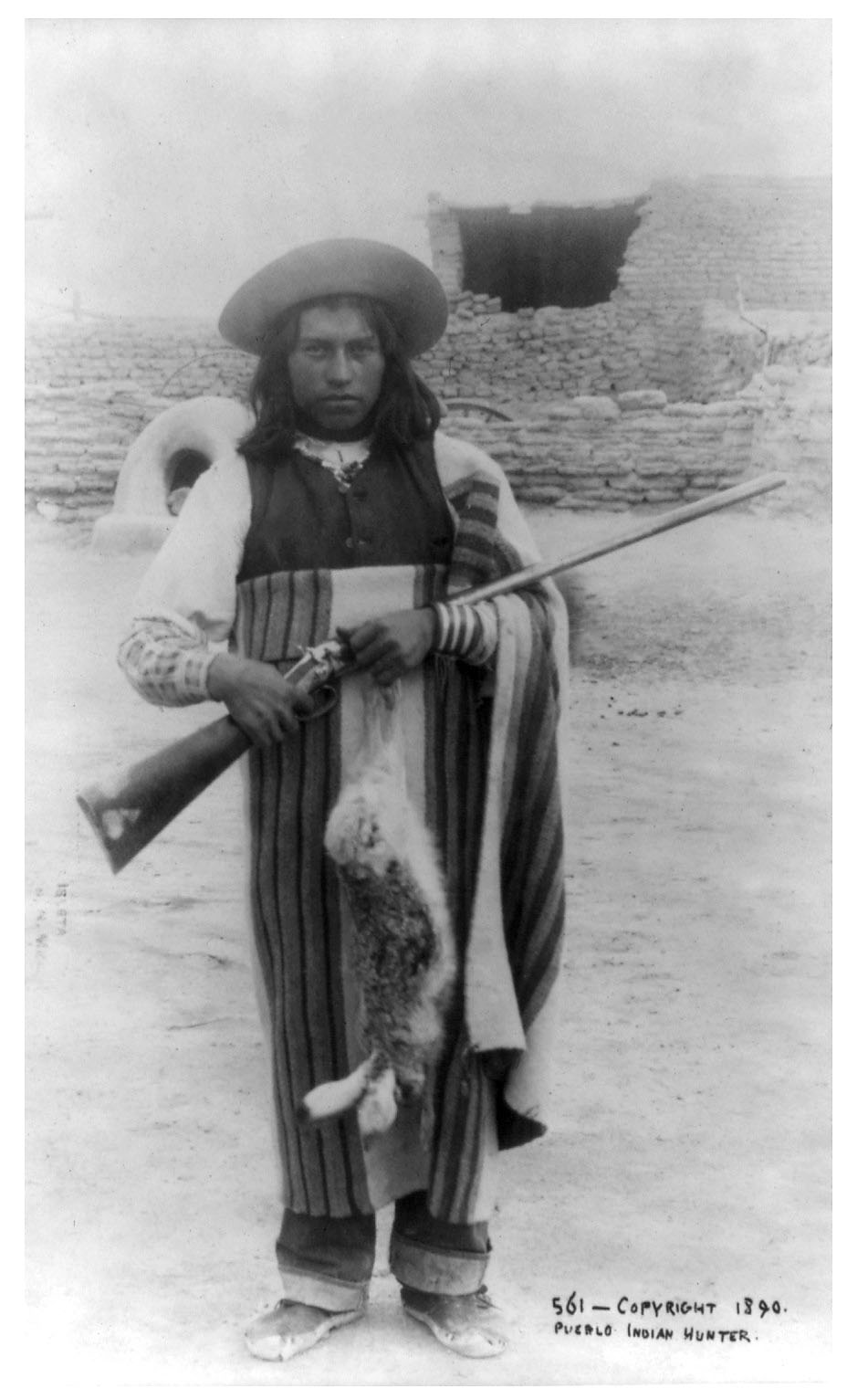
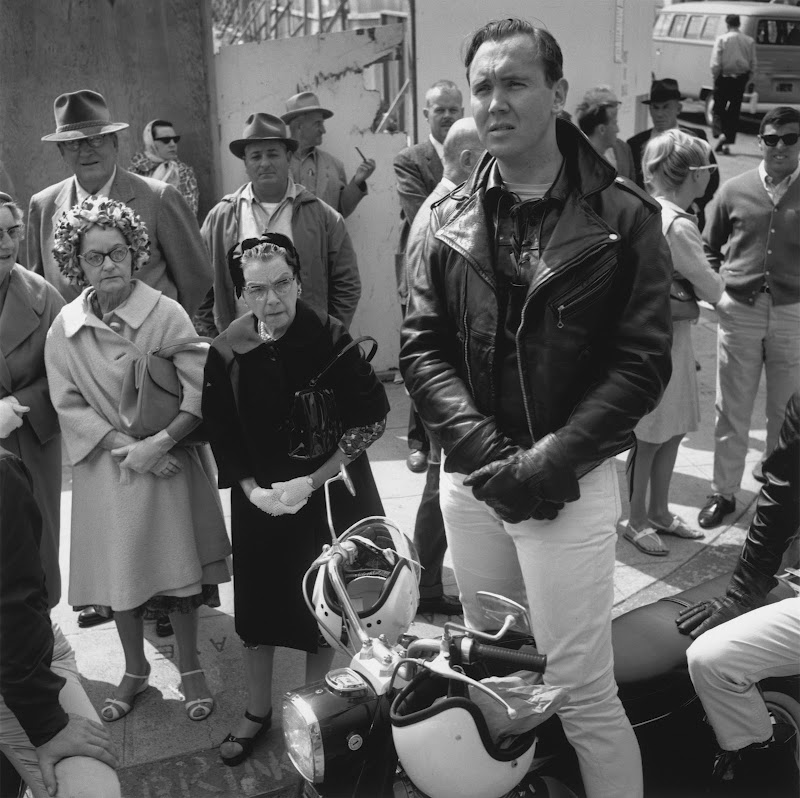
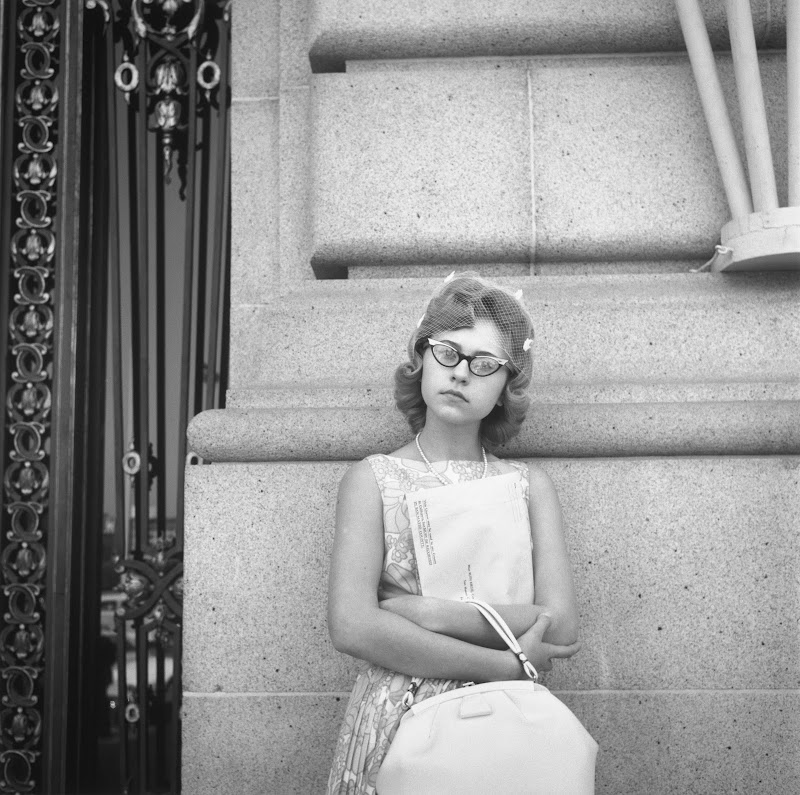

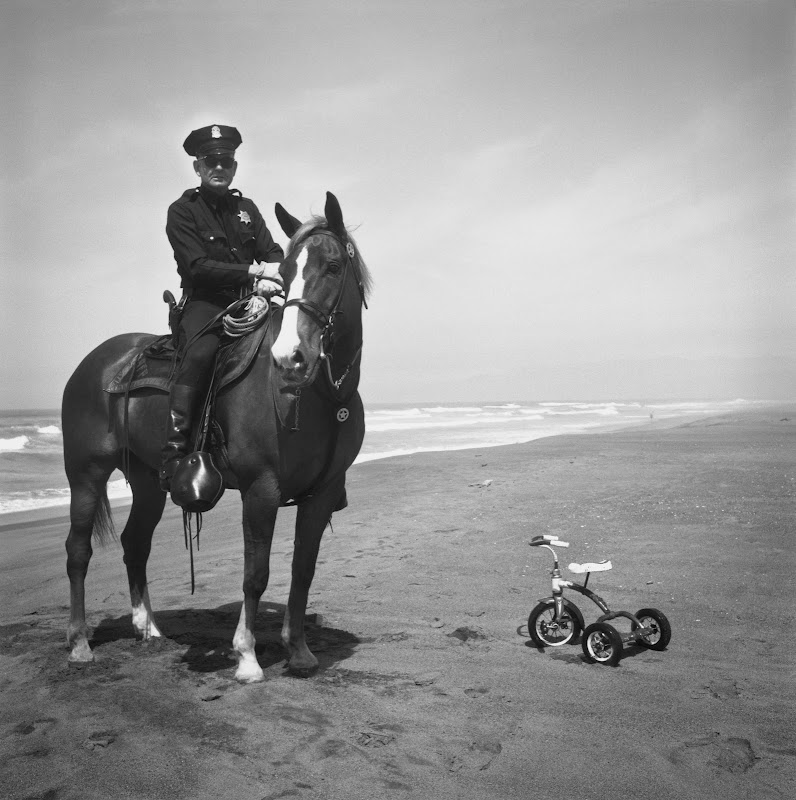
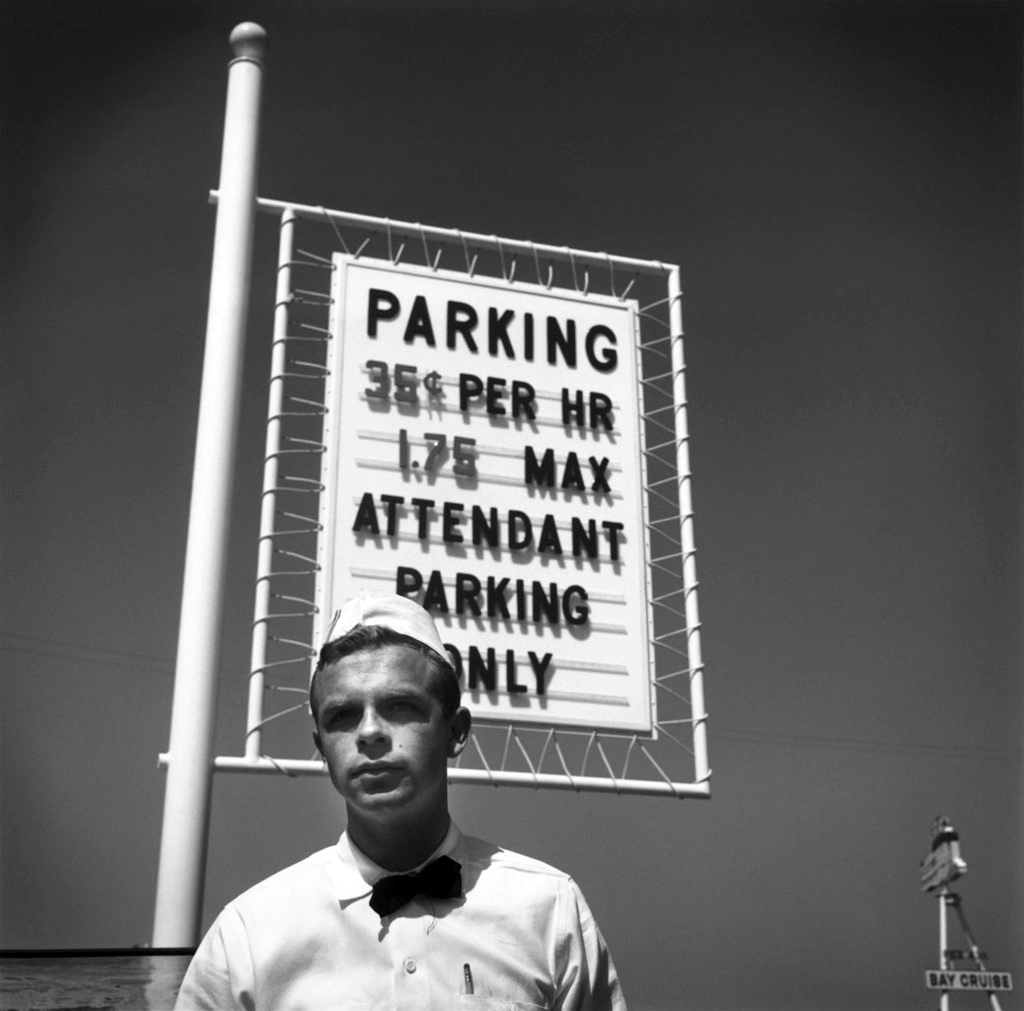
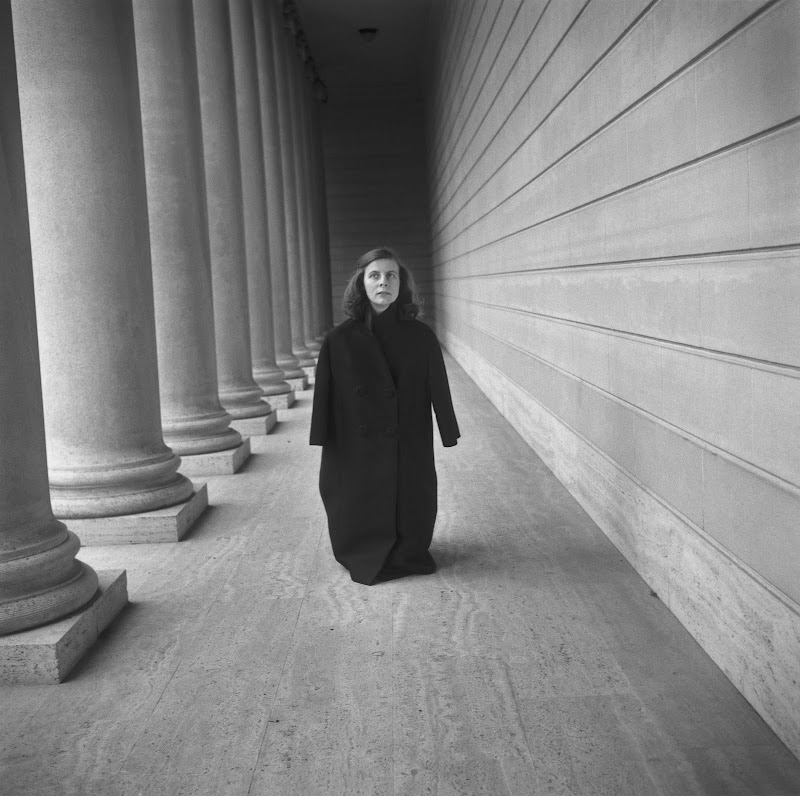
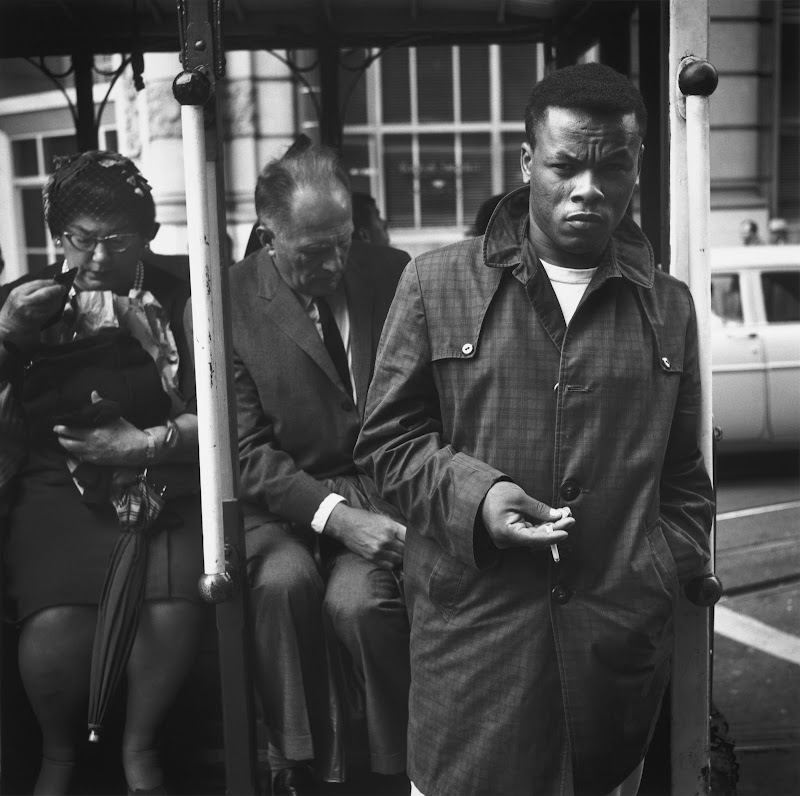
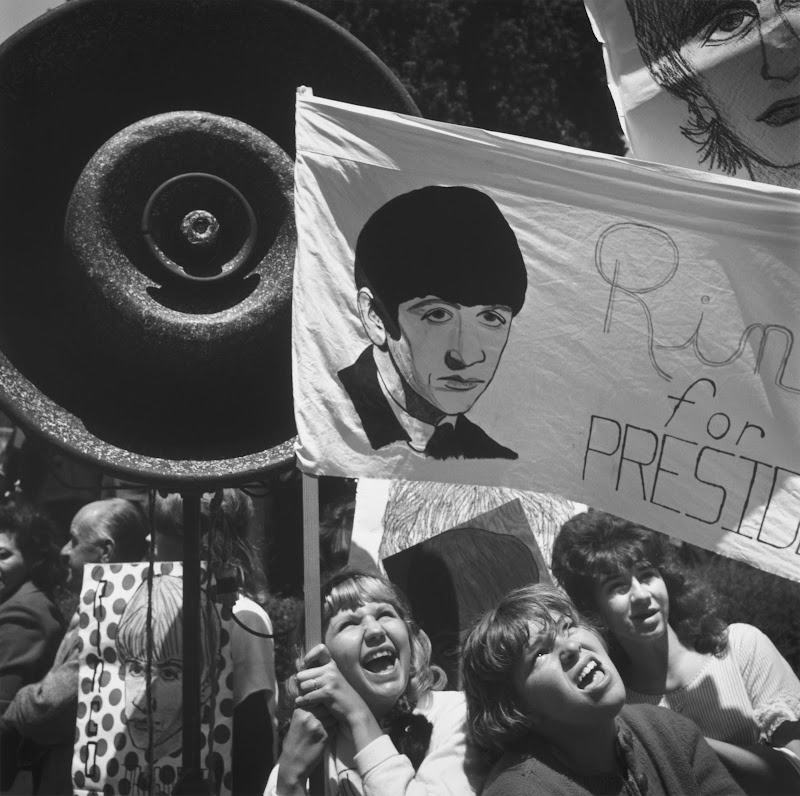
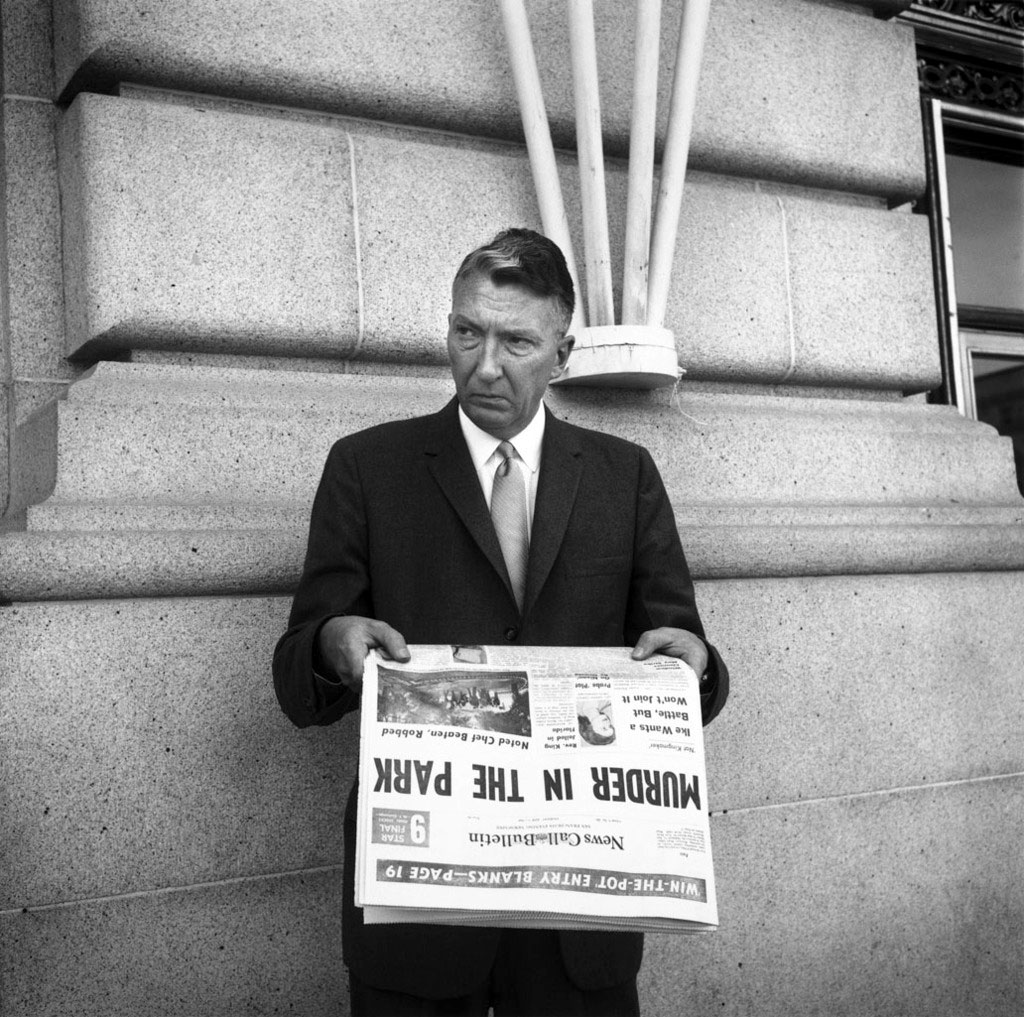
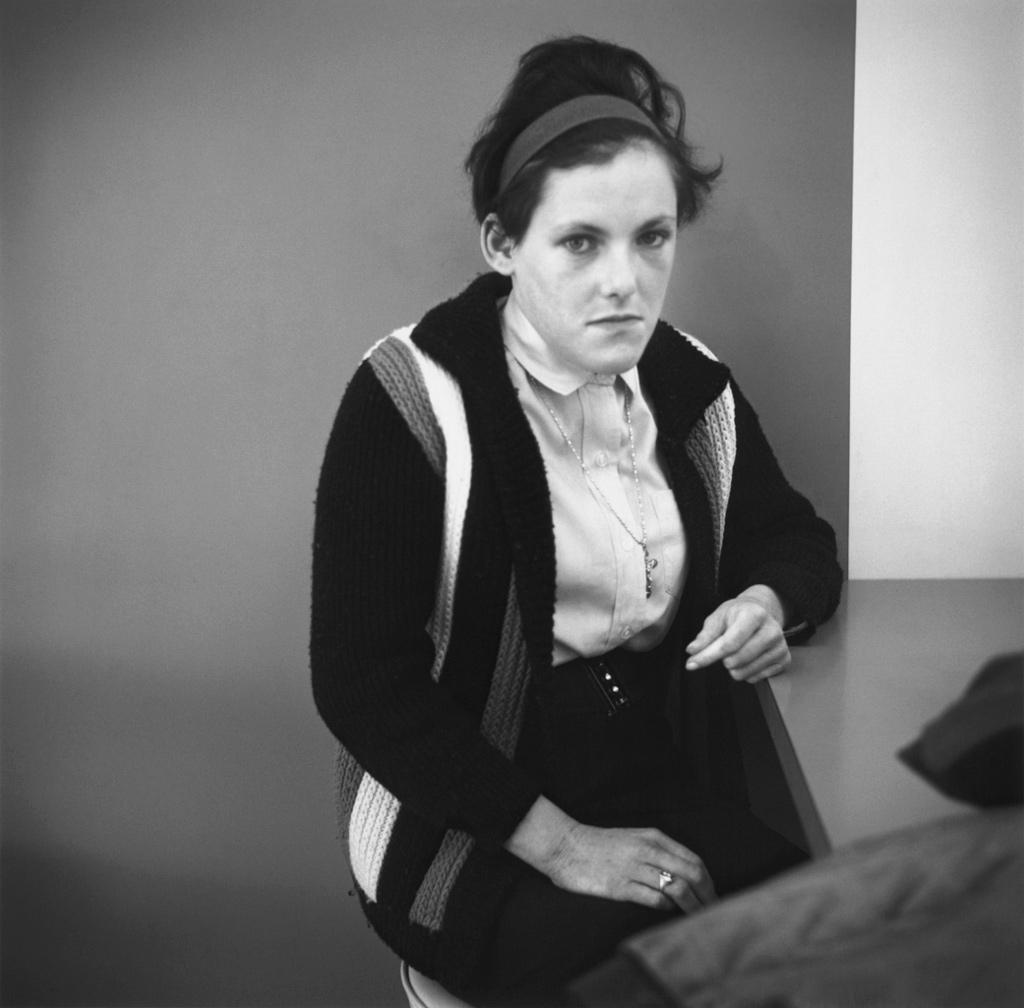
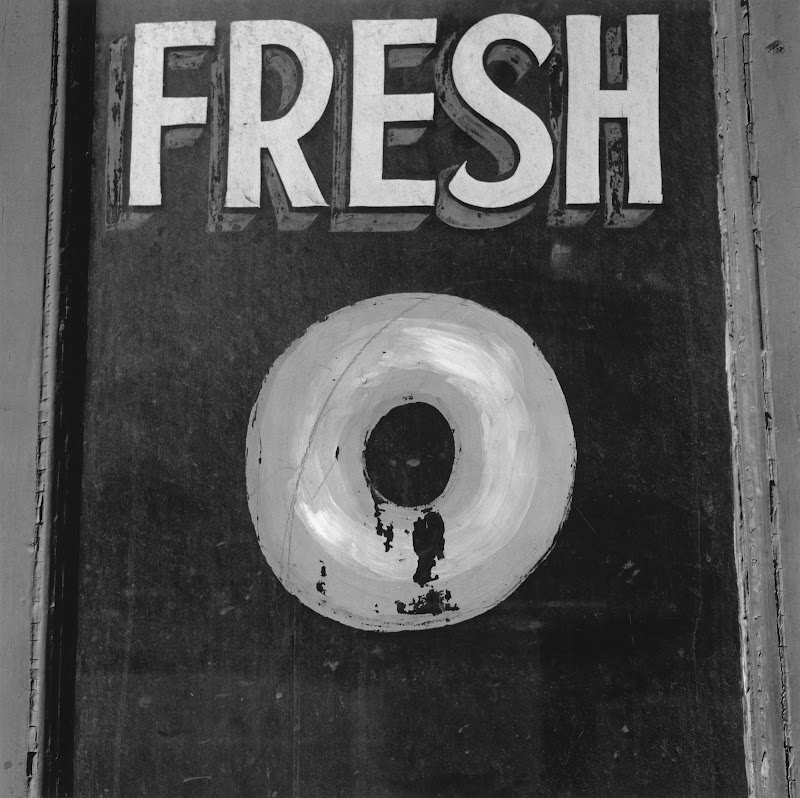
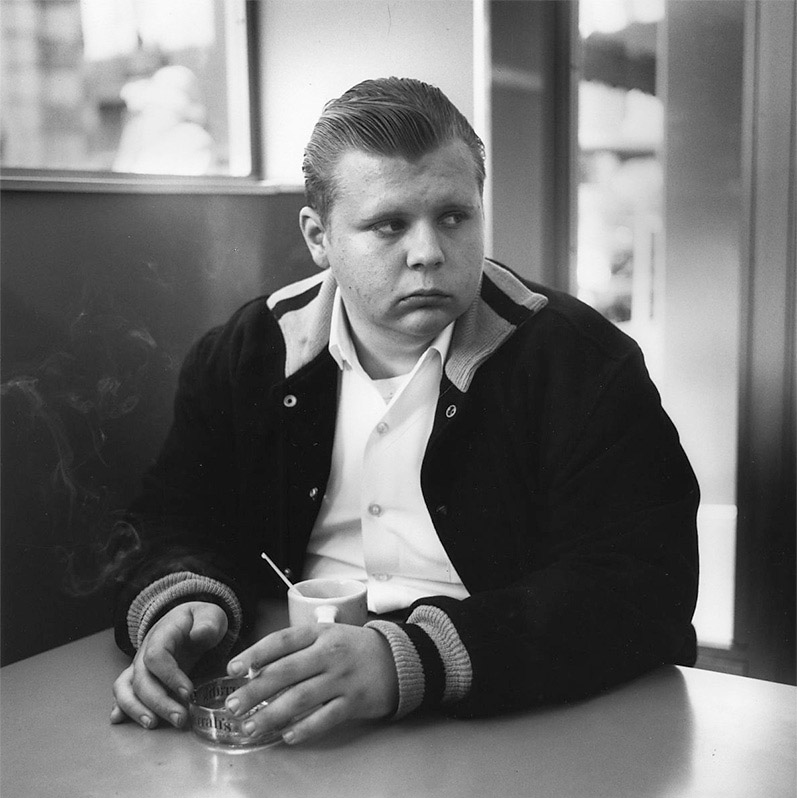

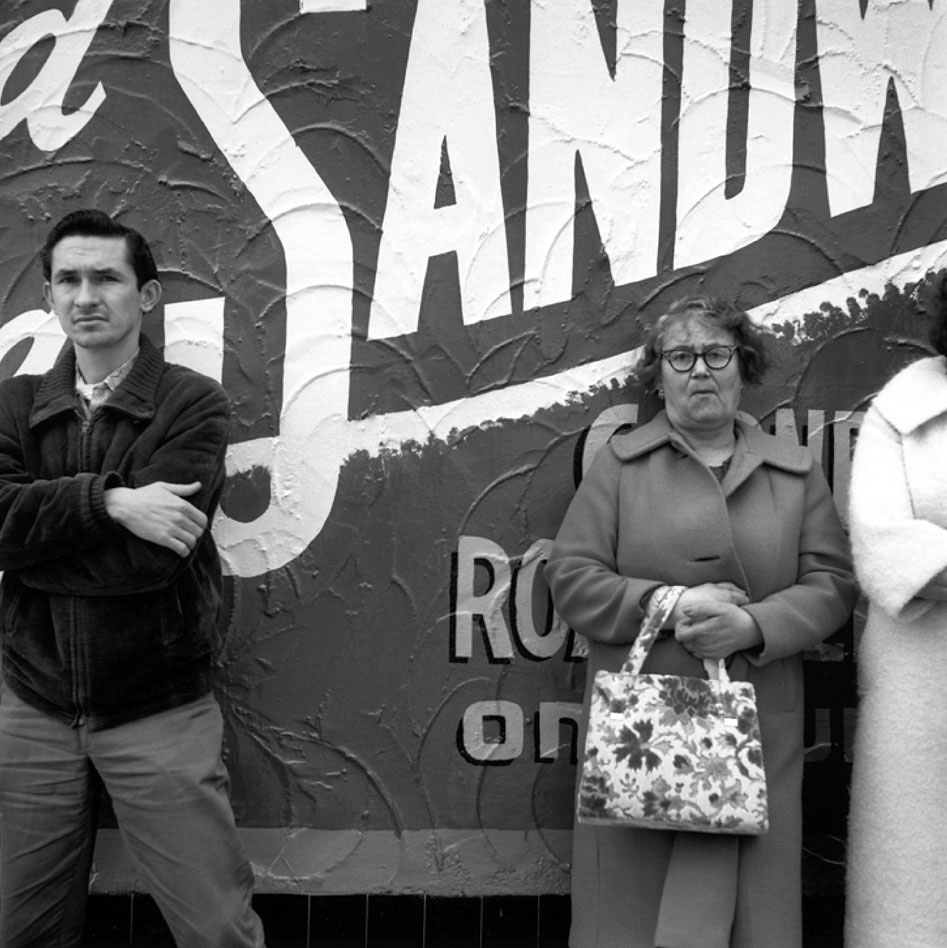


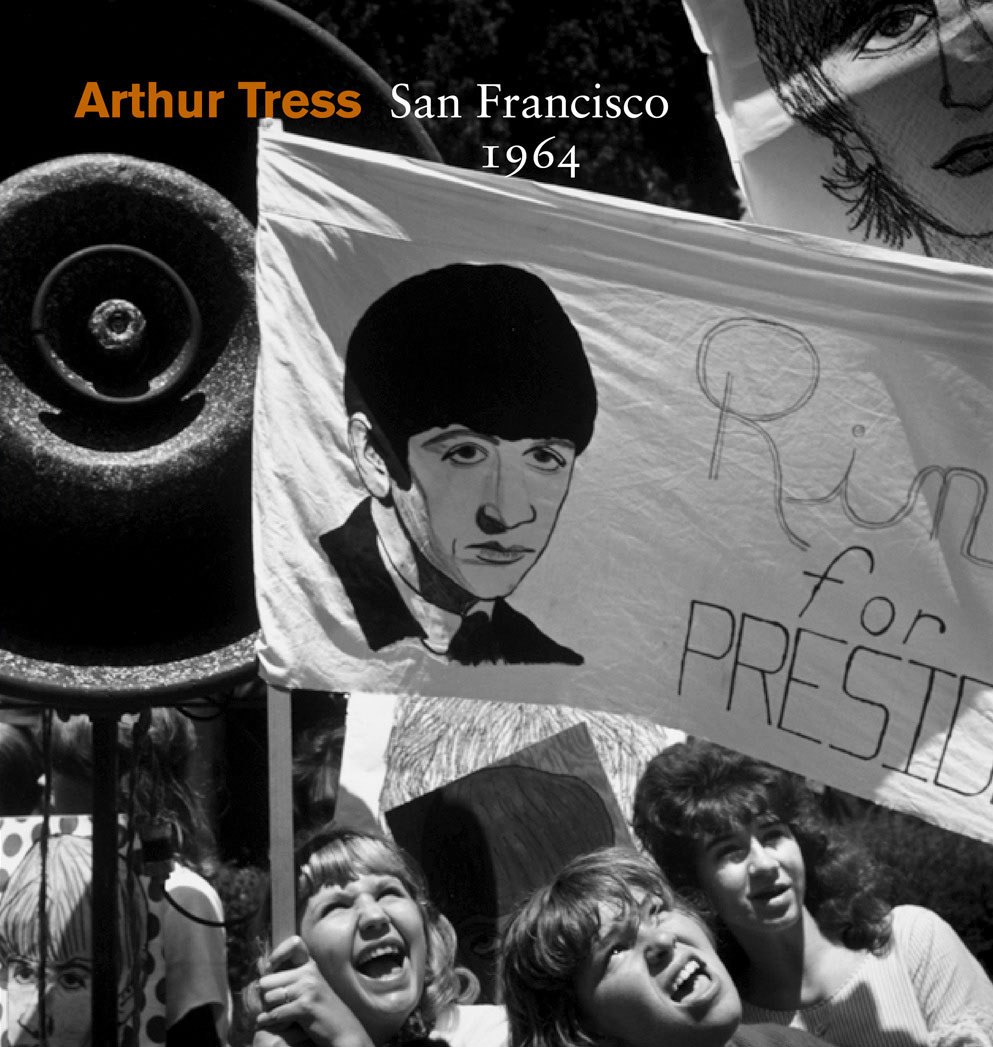

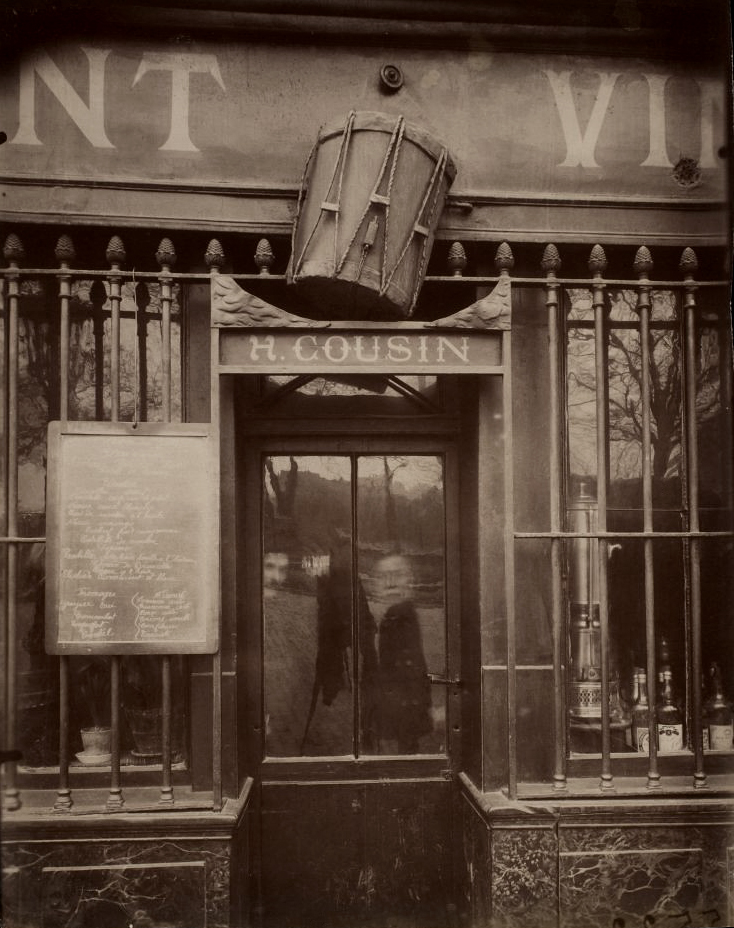


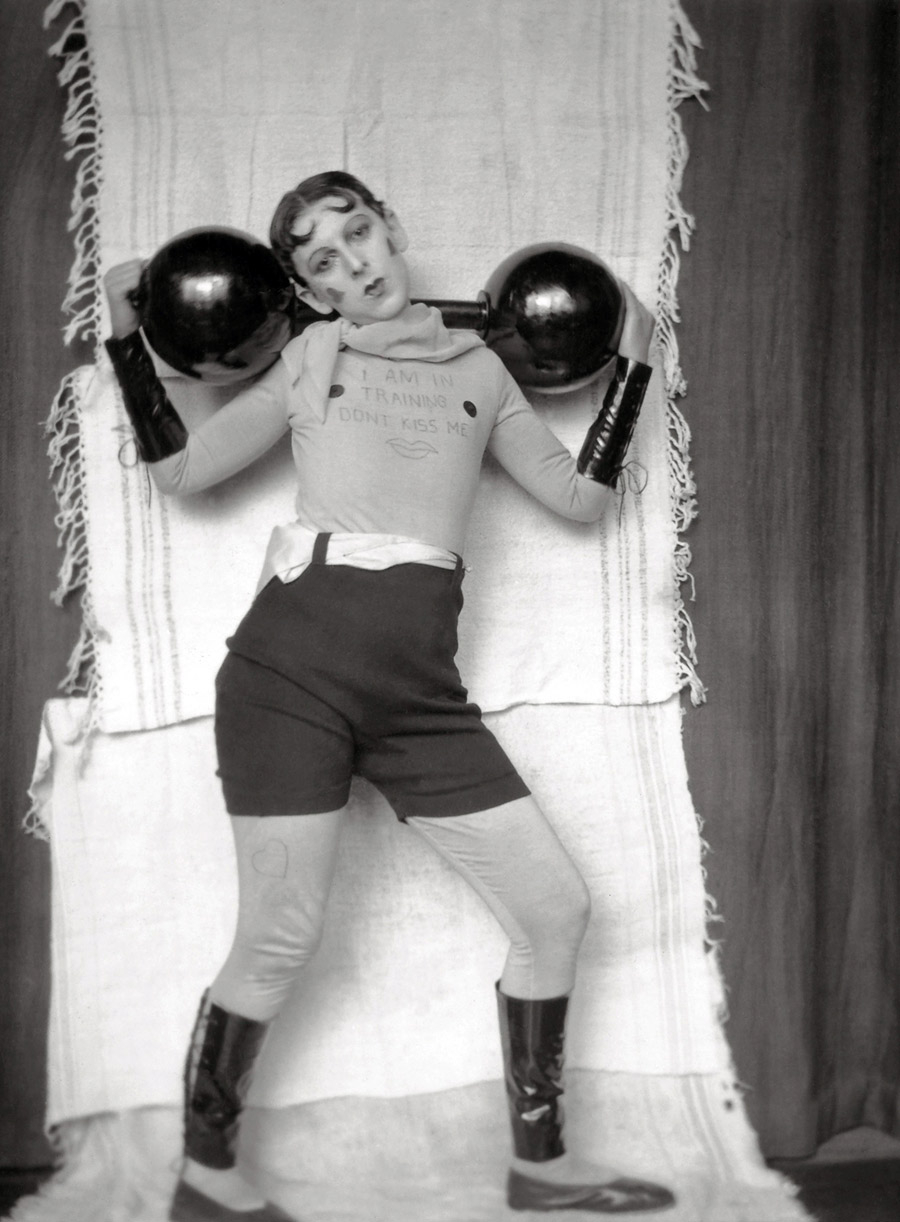

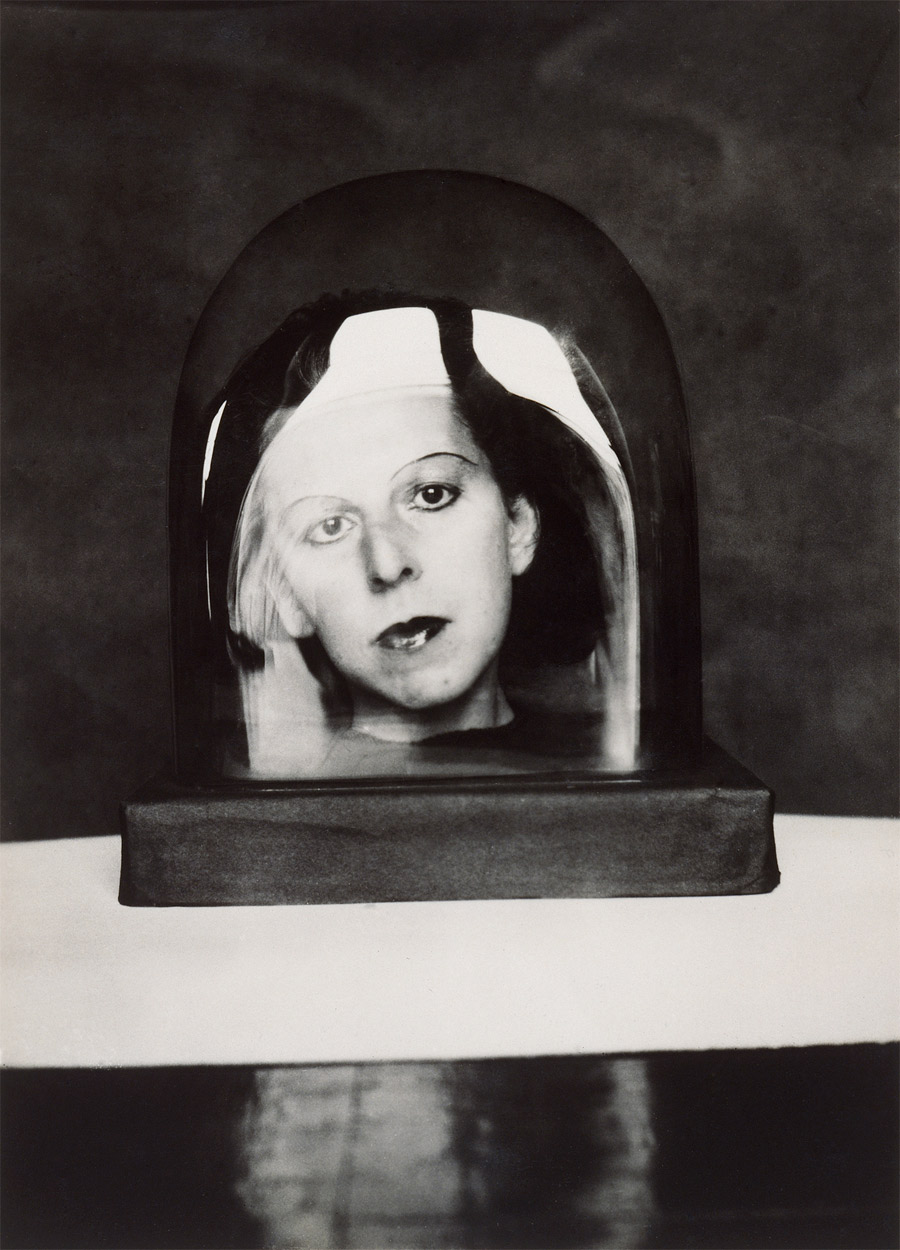

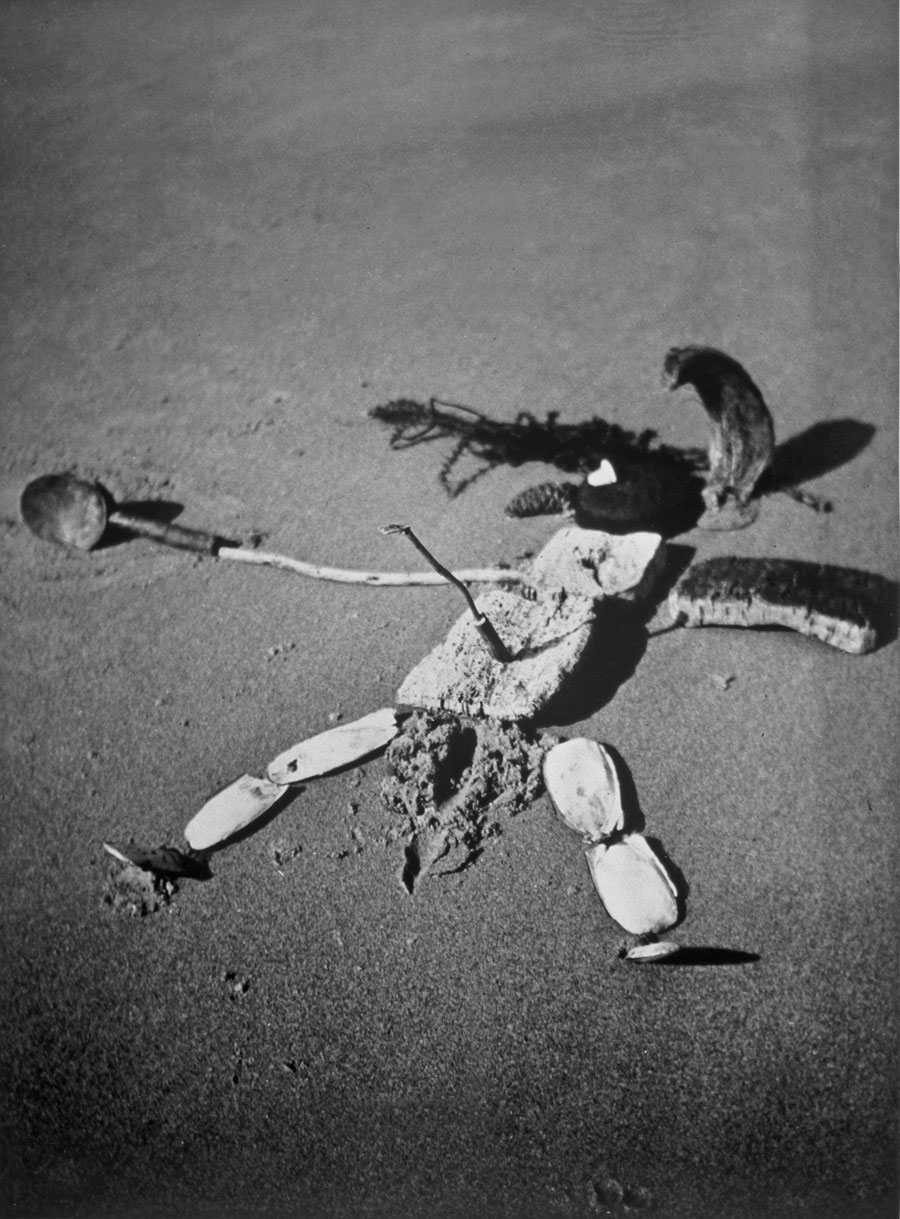
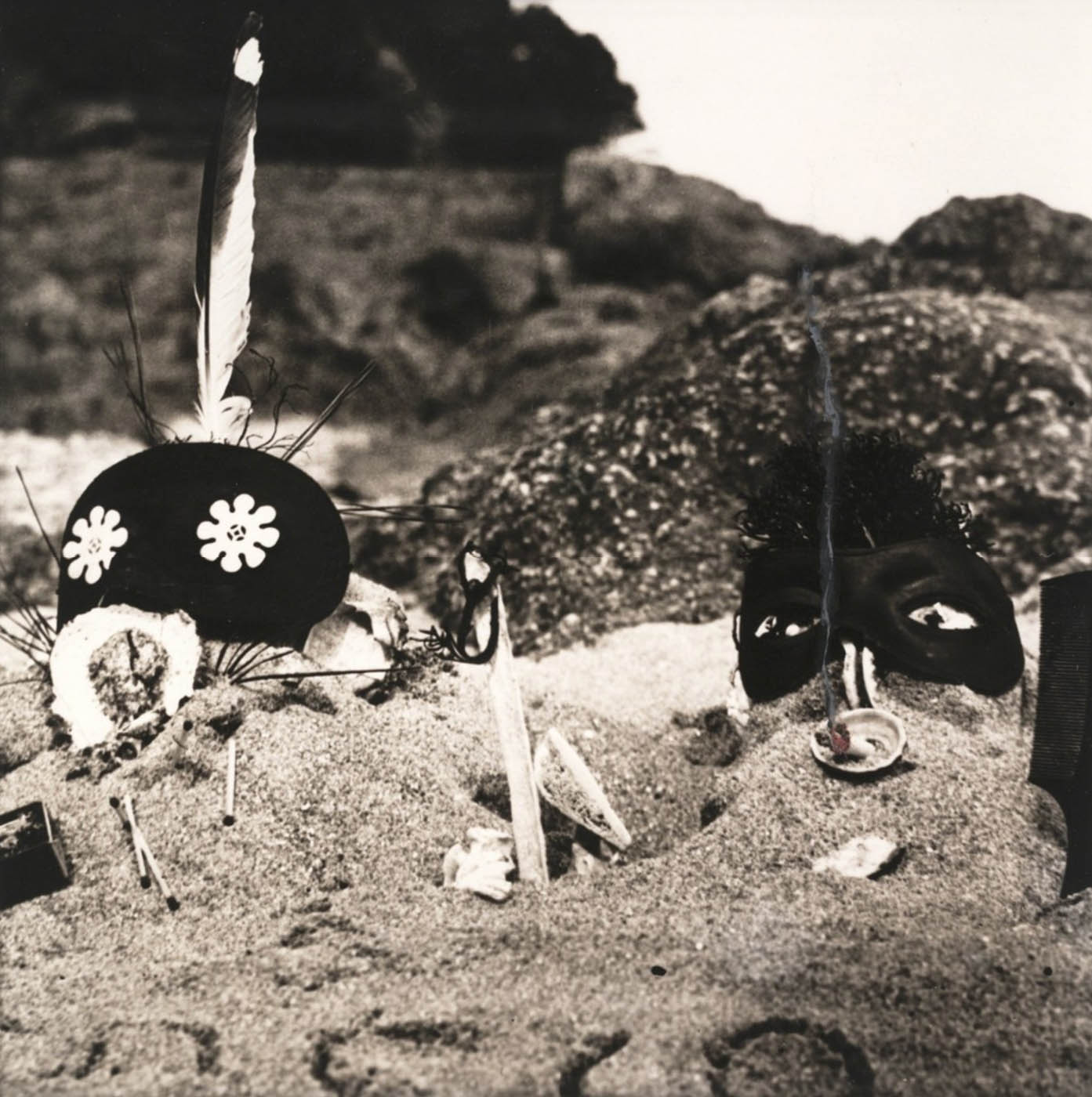


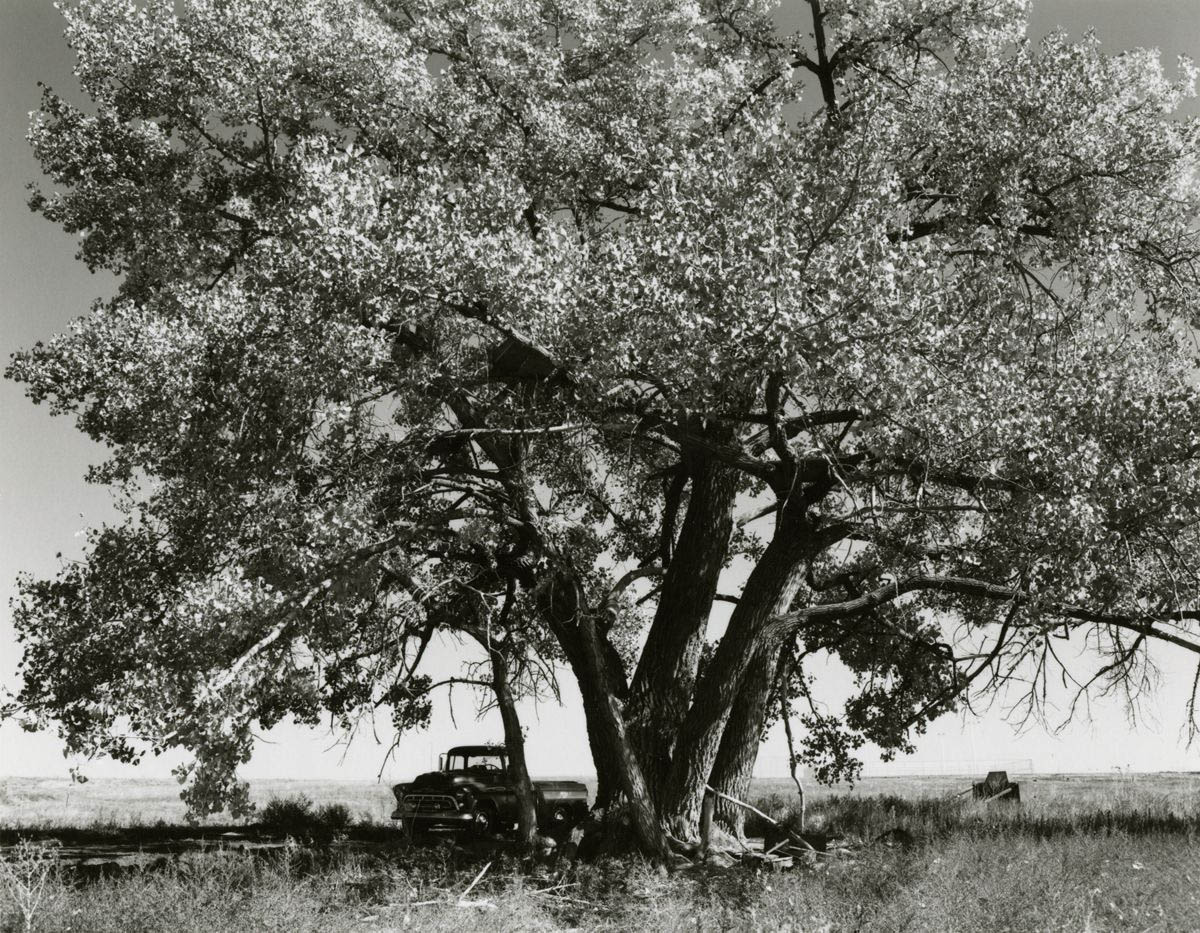

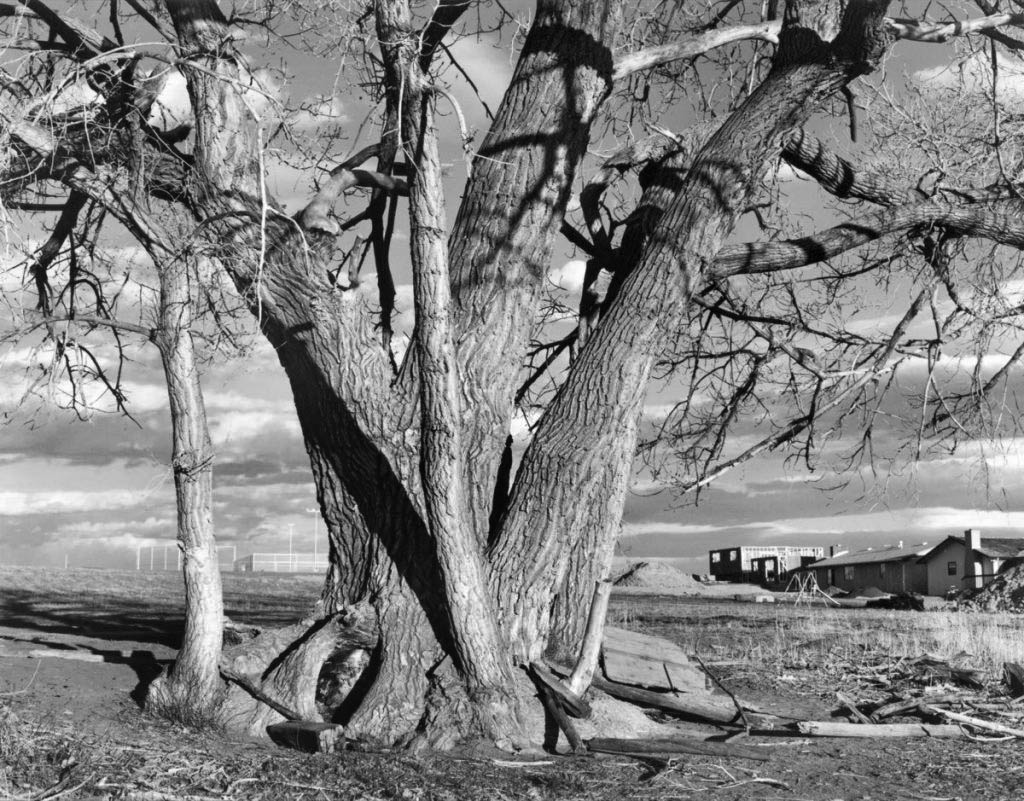
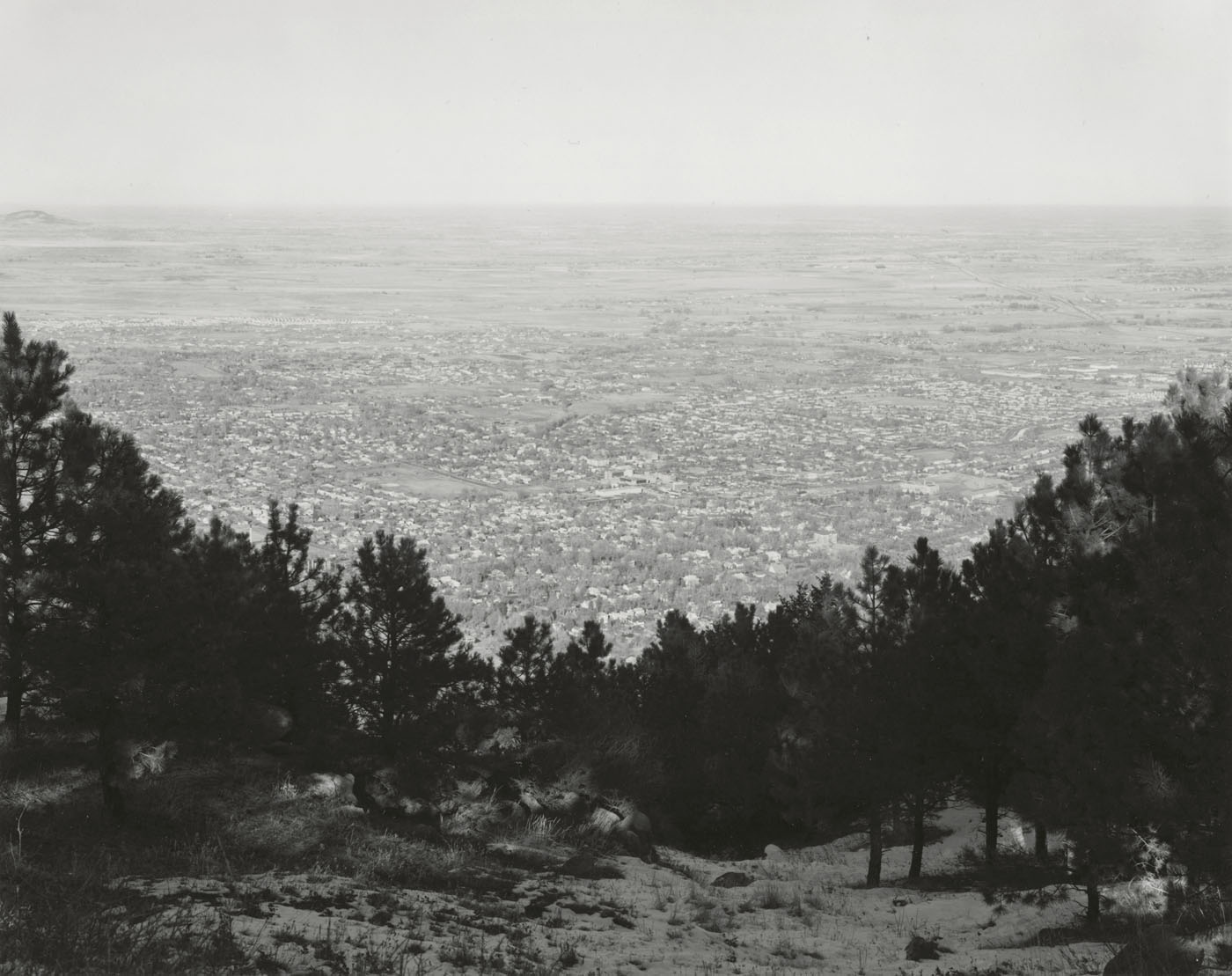
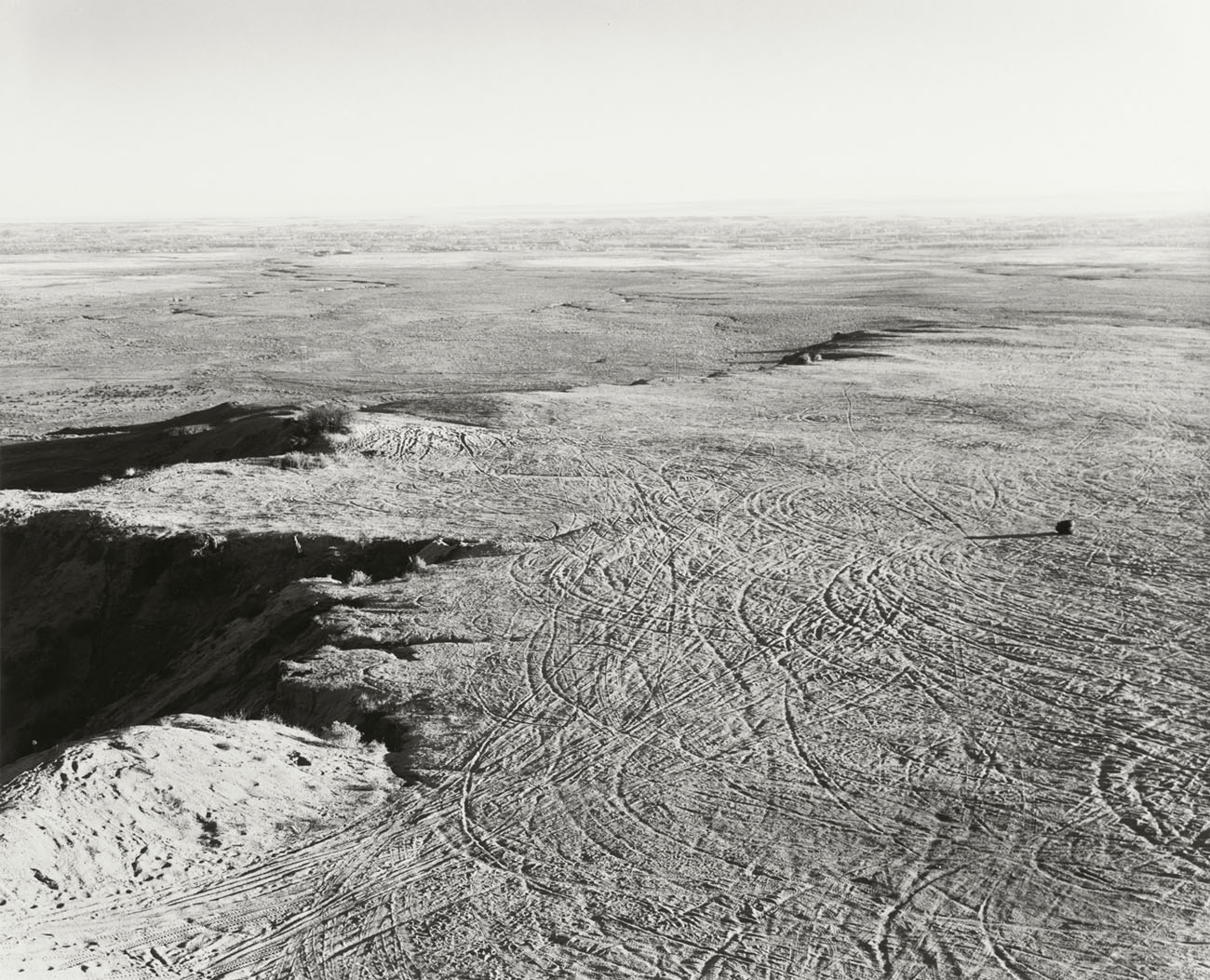
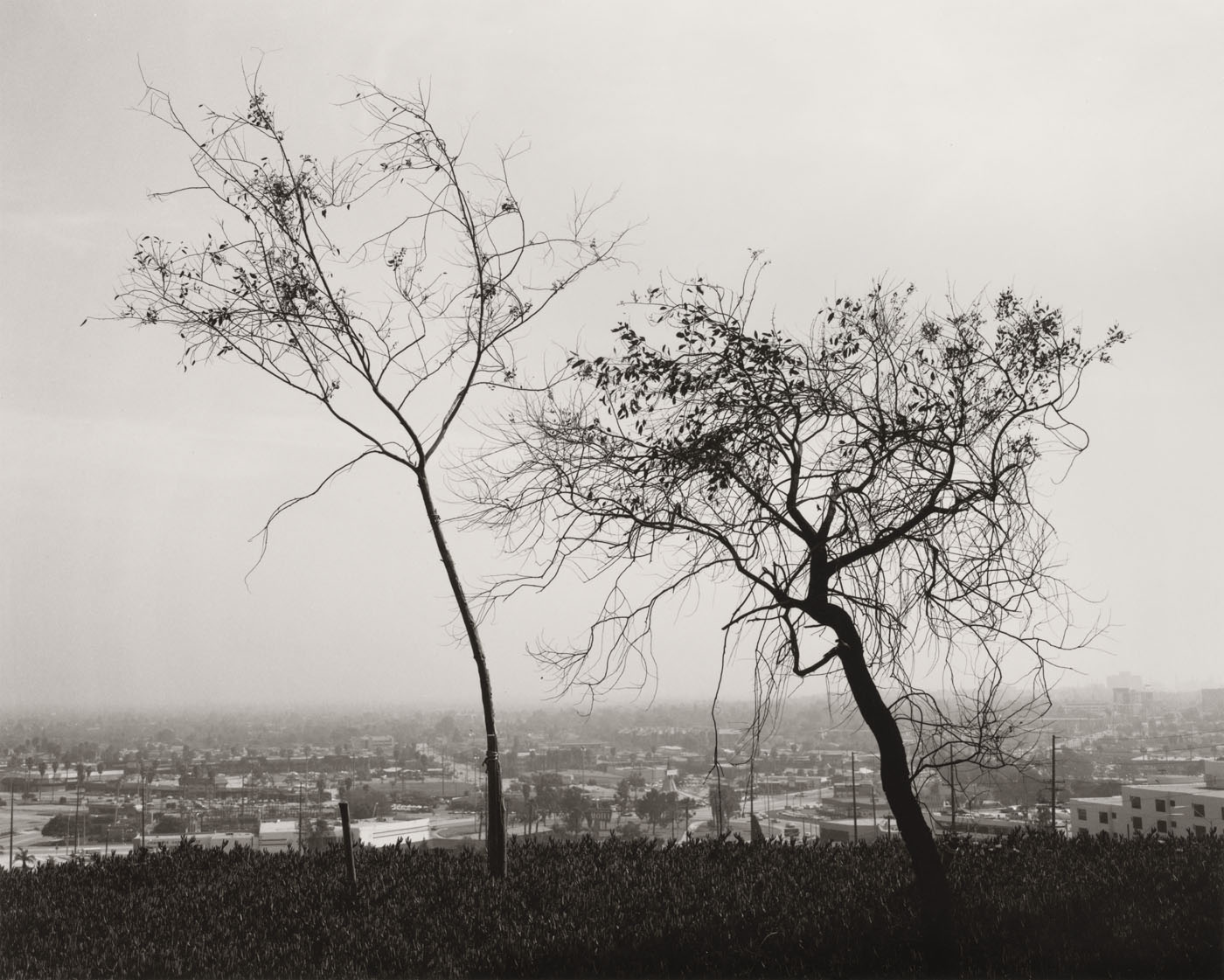
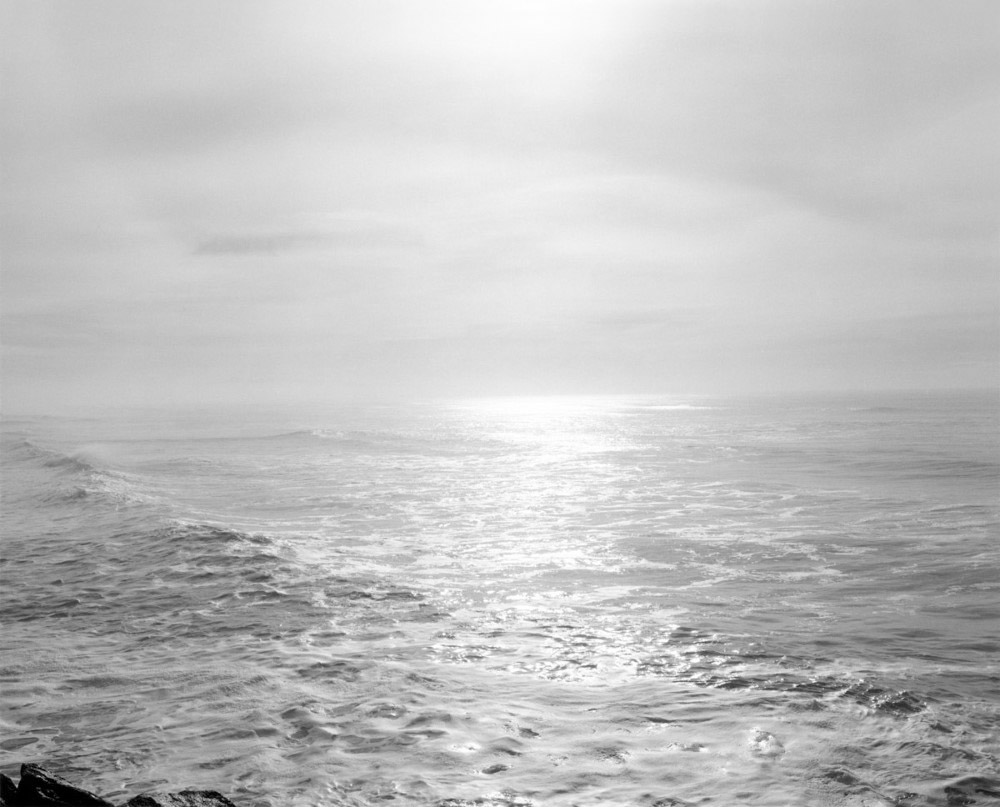
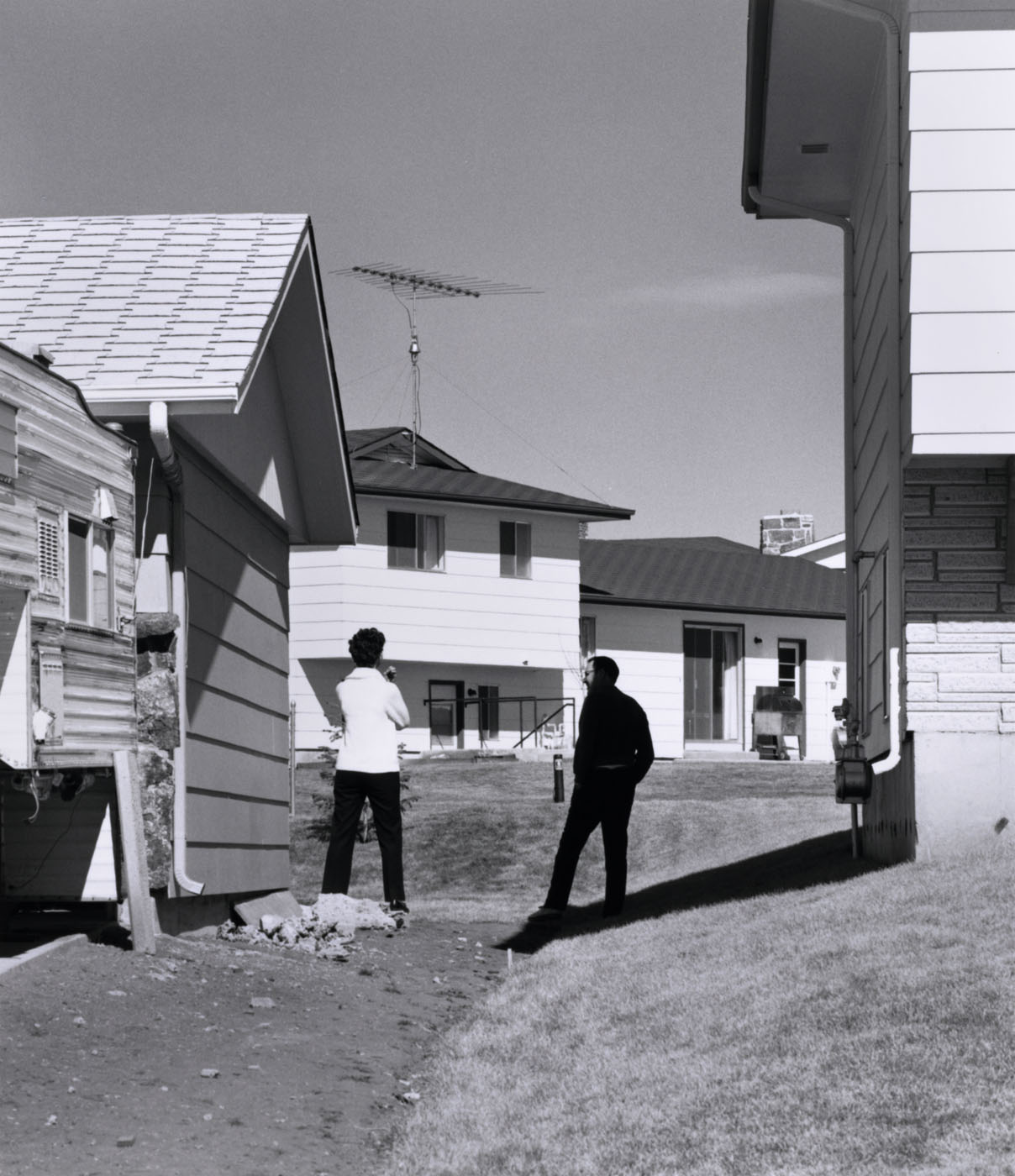

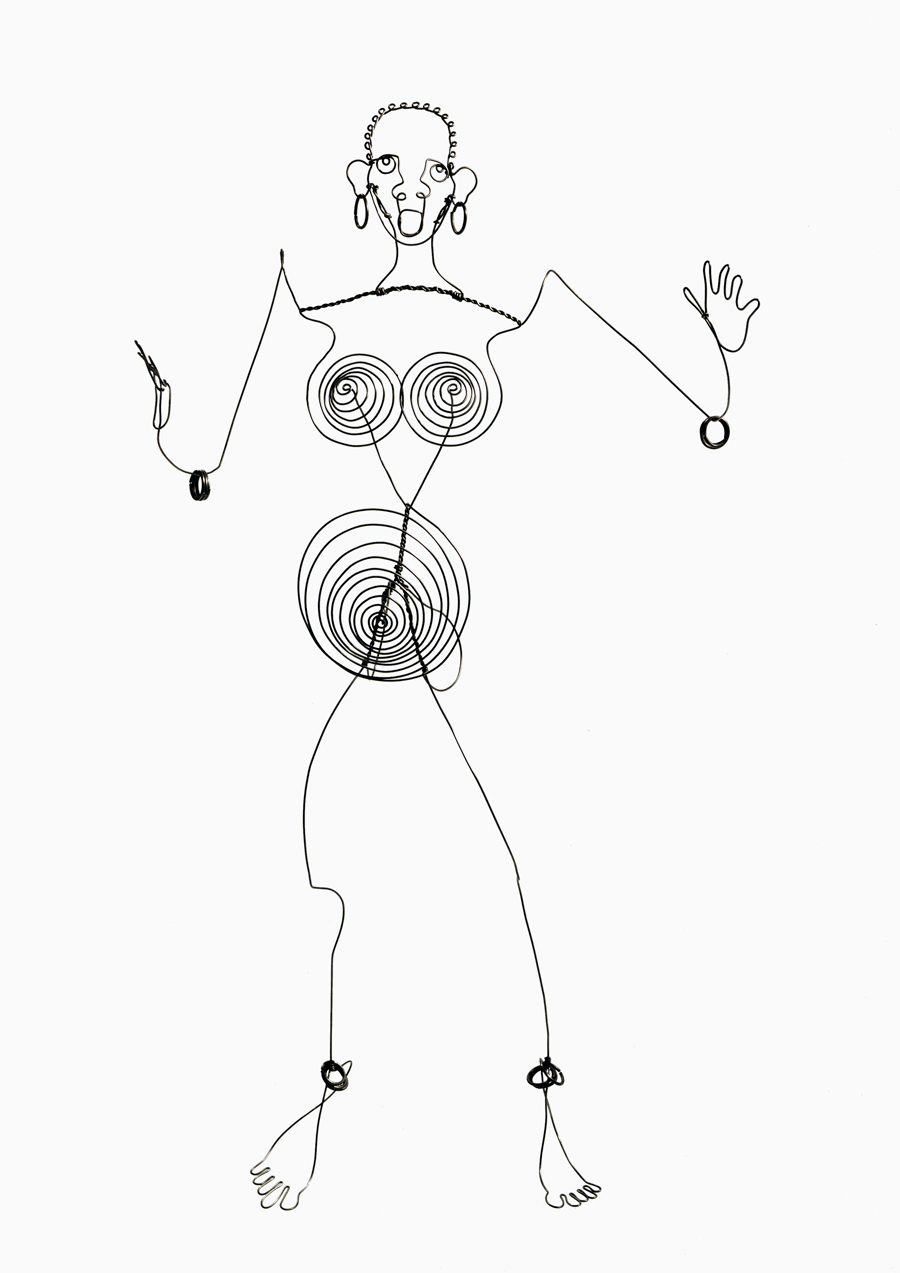

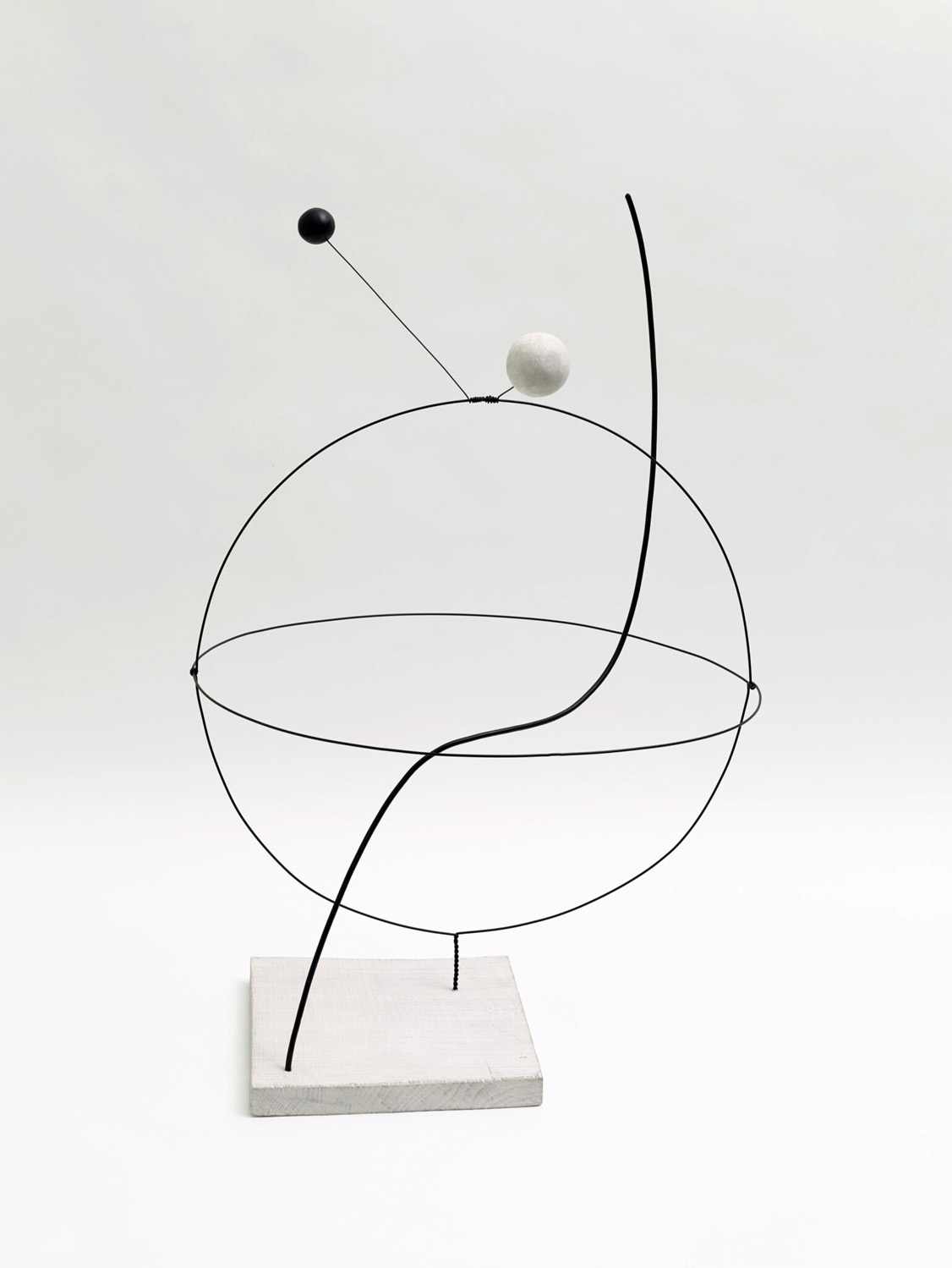
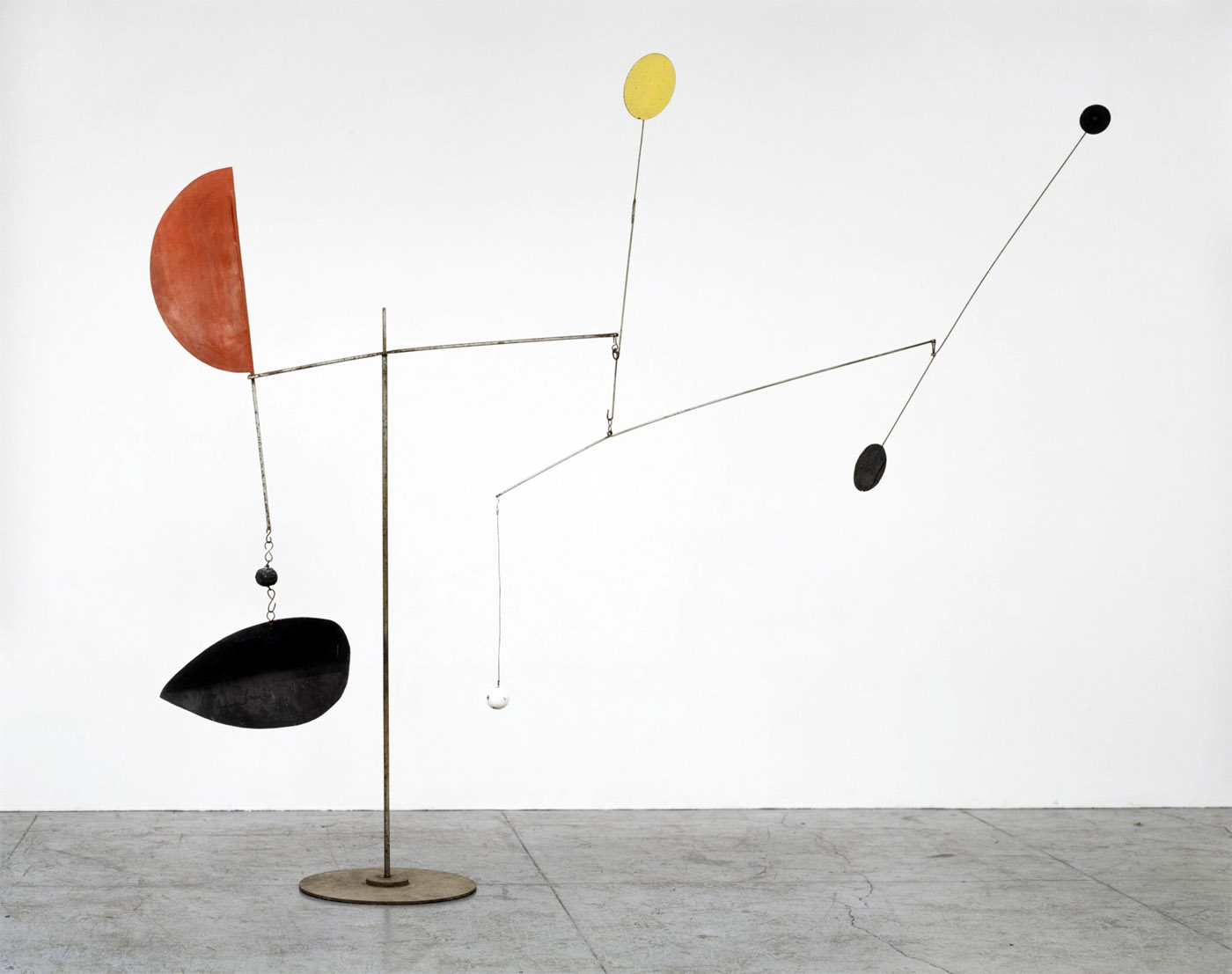

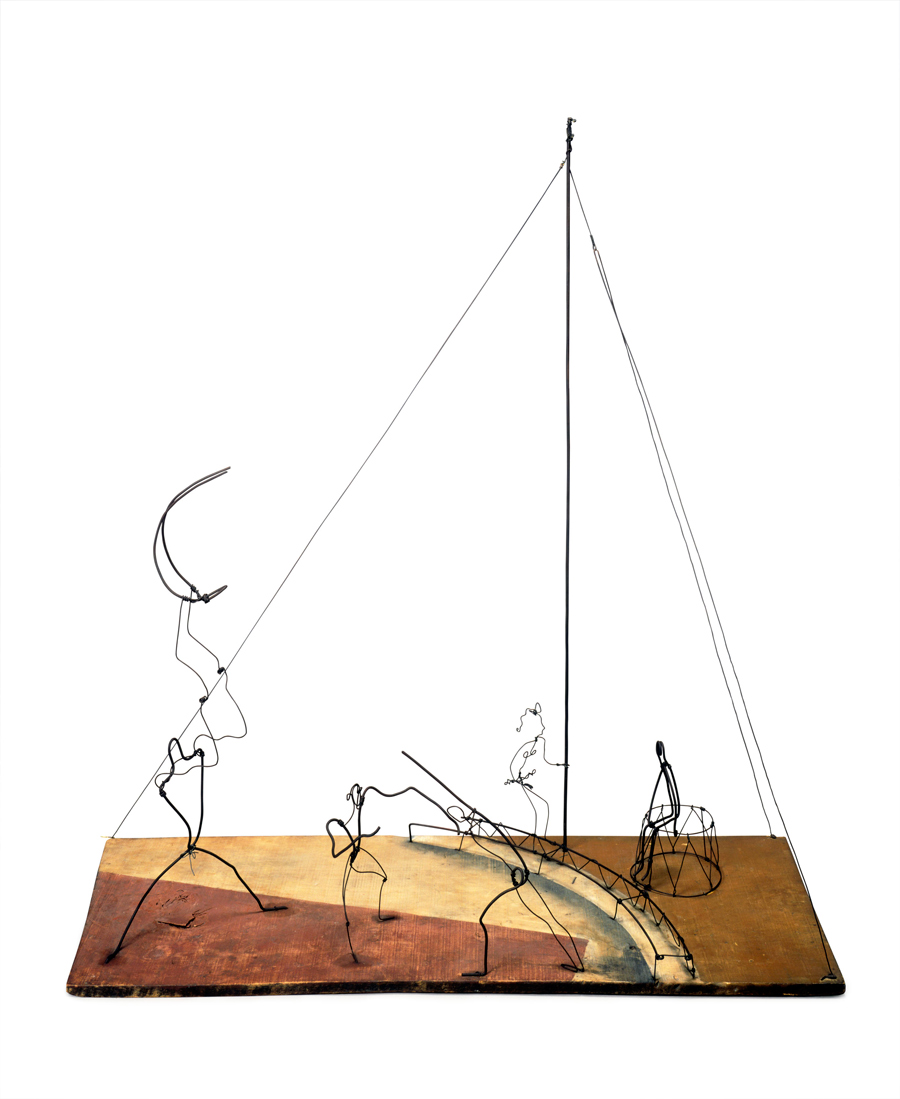


You must be logged in to post a comment.