Exhibition dates: 4th September – 25th October, 2014
Ray K. Metzker (American, 1931-2014) Untitled, family home outside Milwaukee, 1957 (#1) 1957 Multiple exposure gelatin silver print 7 3/4 x 9 5/8″ Stamp Signature on verso Copyright the Estate of Ray K. Metzker, Courtesy Laurence Miller Gallery
Vale Ray K. Metzker. An artist who made difference
The one and only Ray K. Metzker has made his last photograph, passing away recently at the age of 83.
RESPECT. That is the word that springs to mind when I think of this artist. I utterly respect this man’s work for its integrity, vision, experimentation and intensity. He was committed to discovering the potential of black and white photography. In images that challenge our perception of what photography is, what photography can do, and what realities it can depict, Metzker produced sublimely beautiful and evocative images that were distinctly his own. They are formidable photographs. You cannot mistake his work for that of any other artist.
His handling of line and light is that of a master. His understanding of angle, camera placement, composition, composites, multiple-exposure, superimposition of negatives, juxtapositions of two images, solarisation and other formal elements AS A MEANS TO AN END are all superlative. He does not use these elements because they are gimmicky or fashionable but because they are an inherent part of his vocabulary as an artist. They help him produce avant-garde images that talk about the things he wants to talk about. Nothing is superfluous. Everything is focused, intense and passionate. A passionate engagement with reality.
Metzker’s drawing with light surely comes from an enlightened mind. Magical. Wonderful. And so another spirit passes on…
Many thankx to the Laurence Miller Gallery for allowing me to publish the photographs in the posting. Please click on the photographs for a larger version of the image. All photographs copyright the Estate of Ray K. Metzker, Courtesy Laurence Miller Gallery.
Ray K. Metzker (American, 1931-2014) Untitled, Chicago, February 1959 (#1) 1959 Multiple exposure gelatin silver print, 7 3/4 x 9 5/8″ Stamp Signature on verso Copyright the Estate of Ray K. Metzker, Courtesy Laurence Miller Gallery
Ray K. Metzker (American, 1931-2014) Untitled multiple print, 69 KC-MX 1969 Gelatin silver print, 6 3/4 x 8 5/8″ Signed on verso Copyright the Estate of Ray K. Metzker, Courtesy Laurence Miller Gallery
Ray K. Metzker (American, 1931-2014) Chicago, Multiple exposure 1958 Gelatin silver print, 7 3/8 x 7 1/2″ Signed and inscribed “Unique” on verso Copyright the Estate of Ray K. Metzker, Courtesy Laurence Miller Gallery
It is with great sadness that Laurence Miller Gallery announces the death of Ray K. Metzker. Ray passed away early this morning at the age of 83, after a long illness.
Ray K. Metzker had quietly been making extraordinary photographs for the better part of six decades. Today, he is recognised as one of the great masters of American photography, a virtuoso who has pursued his chosen medium passionately for fifty years. Metzker was born in 1931 in Milwaukee and attended the Institute of Design, Chicago – a renowned school that had a few years earlier been dubbed the New Bauhaus – from 1956 to 1959. He was thus an heir to the avant-garde photography that had developed in Europe in the 1920’s. Early in his career, his work was marked by unusual intensity. Composites, multiple-exposure, superimposition of negatives, juxtapositions of two images, solarisation and other formal means were part and parcel of his vocabulary. He was committed to discovering the potential of black and white photography during the shooting and the printing, and has shown consummate skill in each stage of the photographic process. Ray Metzker’s unique and continually evolving mastery of light, shadow and line transform the ordinary in the realm of pure visual delight.
Text from the Laurence Miller Gallery
Ray K. Metzker (American, 1931-2014) Strip Tease #11 c. 1968 Gelatin silver print, 2 1/2 x 20 1/2″ Stamp signature on verso Copyright the Estate of Ray K. Metzker, Courtesy Laurence Miller Gallery
Ray K. Metzker (American, 1931-2014) Atlantic City, 1966 (66 FD-2) 1966 Gelatin silver print, 6 x 6″ Signed on verso Copyright the Estate of Ray K. Metzker, Courtesy Laurence Miller Gallery
Esteemed as a photographer, Ray Metzker’s creative practice was nevertheless unbounded by the conventional borders of the medium. Metzker sought out methods that allowed him access to the full potential of photography as an art form. He continually explored the medium’s untapped possibilities; at various times embracing the roll of film as a single picture, using the prints as building blocks for composite works, and even setting aside the camera to explore the expressive potential of the developing process itself.
Nowhere is his spirit of creative curiosity more evident than in the unique, non-editioned works that he crafted at every stage in his career. These one of a kind pieces are the focus of our new exhibition, many of them shown here for the first time.
A broad range of techniques and sensibilities are on display in this group of pictures. Even in some of the earliest pictures, dating from 1957, objects have been dissolved past the point of recognition leaving form and light as the subject. The world that comes back into focus later in the exhibition is often the natural one, as in his photograms from the 1990s where ghosts of leaves are traced onto the paper itself. Towards the end of the show’s chronology there are light-drawn “landscapes” where wind whipped clouds and darkened horizons rise up not out of a camera’s aperture but from light and the darkroom’s chemicals alone. There is an elemental quality to these later works: they seem to be striving to depict an essence more than an image.
Some of the most revealing works included are the pieces that employ only cut and folded paper. Metzker was always a very material photographer, as his darkroom manipulations attest, and in these works it is as if concerns of photographic exposure have fallen away and he is directly arranging light and shade in this most tactile of ways.
It is notable that the spirit of playful invention is unflagging across the six decades of work collected for this exhibition. There is an impassioned curiosity on display that seems continually refreshed by the act of making. It tells us a great deal about his conception of photography that, in a medium known for reproduction, Metzker never stopped making unique, non-reproducible works. An edition of one if you will, like the man himself.
On the occasion of Ray’s 83rd birthday, Laurence Miller Gallery invites you to experience more than three dozen of his one of a kind works, showing us that seeing is a unique act of creation.
Jacob Cartwright
Text from the Laurence Miller Gallery website
Ray K. Metzker (American, 1931-2014) Untitled light drawing 1996 Gelatin silver print, 4 x 5″ Signed on verso Copyright the Estate of Ray K. Metzker, Courtesy Laurence Miller Gallery
Ray K. Metzker (American, 1931-2014) Untitled light drawing 1996 Gelatin silver print, 10 3/4 x 13 1/4″ Signed on verso Copyright the Estate of Ray K. Metzker, Courtesy Laurence Miller Gallery
Ray K. Metzker (American, 1931-2014) Untitled light drawing 2007 Gelatin silver print, 11 x 13 1/2″, mounted Signed and dated on mount recto Copyright the Estate of Ray K. Metzker, Courtesy Laurence Miller Gallery
Ray K. Metzker (American, 1931-2014) Untitled light drawing 1996 Gelatin silver print, 15 x 19 1/2″ Signed on verso Copyright the Estate of Ray K. Metzker, Courtesy Laurence Miller Gallery
Ray K. Metzker (American, 1931-2014) Strip Tease #68 c. 1966 Gelatin silver contact print, 30 3/4 x 1 1/8″ Stamp signature on verso Copyright the Estate of Ray K. Metzker, Courtesy Laurence Miller Gallery
Laurence Miller Gallery
There is no longer a physical exhibition space for this gallery. Laurence Miller Gallery currently operates as a private fine art photography dealer.
Opening hours: We are open by appointment only, with locations in New Hope, Pa. and New York City.
Never the objective camera, always a mixture of spirit and emotion
Minor White and Eugène Atget. Eugène Atget and Minor White. These two photographers were my heroes when I first started studying photography in the early 1990s. They remain so today. Nothing anyone can say can take away from the sheer simple pleasure of really looking at photographs by these two icons of the art form.
I have waited six years to do a posting on the work of Minor White, and this exhibition is the first major retrospective of White’s work since 1989. This posting contains thirty seven images, one of the biggest collections of his photographs available on the web.
What drew me to his work all those years ago? I think it was his clarity of vision that so enthralled me, that showed me what is possible – with previsualisation, clear seeing, feeling and thinking – when exposing a photograph. And that exposing is really an exposing of the Self.
Developing the concept of Steiglitz’s ‘equivalents’ (where a photograph can stand for an/other state of being), White “sought to access, and have connection to, fundamental truths… Studying Zen Buddhism, Gurdjieff and astrology, White believed in the photographs’ connection to the subject he was photographing and the subject’s connection back via the camera to the photographer forming a holistic circle. When, in meditation, this connection was open he would then expose the negative in the camera hopeful of a “revelation” of spirit in the subsequent photograph.” (MB) The capturing of these liminal moments in the flux of time and space is such a rare occurrence that one must be patient for the sublime to reveal itself, if only for a fraction of a second.
Although I cannot view this exhibition, I have seen the checklist of all the works in the exhibition. The selection is solid enough covering all the major periods in White’s long career. The book is also solid enough BUT BOTH EXHIBITION AND BOOK ARE NOT WHAT WE REALLY WANT TO SEE!
At first, Minor White photographed for the individual image – and then when he had a body of work together he would form a sequence. He seemed to be able to switch off the sequence idea until he felt “a storm was brewing” and his finished prints could be placed in another context. It was only with the later sequences that he photographed with a sequence in mind (of course there is also the glorious fold-out in The Eye That Shapes that is the Totemic sequence that is more a short session that became a sequence). In his maturity Minor White composed in sequences of images, like music, with the rise and fall of tonality and range, the juxtaposition of one image next to another, the juxtaposition of twenty or more images together to form compound meanings within a body of work. This is what we really need to see and are waiting to see: an exhibition and book titled: THE SEQUENCES OF MINOR WHITE. I hope in my lifetime! **
How can you really judge his work without understanding the very form that he wanted the work to be seen in? We can access individual images and seek to understand and feel them, but in MW their meaning remains contingent upon their relationship to the images that surround them, the ice/fire frisson of that space between images that guides the tensions and relations to each other. Using my knowledge as an artist and musician, I have sequenced the first seven images in this posting just to give you an idea of what a sequence of associations may look like using the photographs of Minor White. I hope he would be happy with my selection. I hope I have made them sing.
Other than a superb range of tones (for example, in Pavilion, New York 1957 between the flowers in shadow and sun – like an elegy to Edward Weston and the nautilus shell / pepper in thetin) the size, contrast, lighter/darker – warmer/cooler elements of MW’s photographs are all superb. These are the first things we look at whenwe technically critique prints from these simple criteria, and there aren’t many that pass. But these are all well made images by MW. He was never Diogenes with a camera, never the objective camera, he was always involved… and his images were printed with a mixture of spirit and emotion. Now, try and FEEL your response to the first seven images that I have put together. Don’t be too analytical, just try, with clear, peaceful mind and still body, to enter into the space of those images, to let them take you away to a place that we rarely allow ourselves to visit, a place that is is out of our normal realm of existence. It is possible, everything is possible. If photography becomes something else -then it does -then it does.
Finally, I want to address the review of the book by Blake Andrews on the photo-eye blog website (Blake Andrews. “Book Review: Manifestations of the Spirit,” on the photo-eye blog website October 6, 2014 [Online] Cited 26/06/2021). The opening statement opines: “Is photography in crisis again? Well then, it must be time for another Minor White retrospective.” What a thrown away line. As can be seen from the extract of an interview with MW (published 1977, below), White didn’t care what direction photography took because he could do nothing about it. He just accepted it for what it is and moved with it. He was not distressed at the direction of contemporary photography because it was all grist to the mill. To say that when photography is in crisis (it’s always in crisis!) you wheel out the work of Minor White to bring it back into line is just ridiculous… photography is -what it is, -what it is.
Blake continues, “Minor White was a jack-of-all-styles in the photo world, trying his hand at just about everything at one time or another. The plates in the book give a flavour of his shifting – some might say dilettantish – photo styles.” Obviously he agrees with this assessment otherwise he would not have put it in. I do not. Almost every artist in the world goes on a journey of discovery to find their voice, their metier, and that early experimentation is part of the overall journey, the personal and universal narrative that an artist pictures. Look at the early paintings of Jackson Pollock or Mark Rothko in their representational ease, or the early photographs of Aaron Siskind and how they progress from social documentary to abstract expressionism. The same with MW. In this sense every artist is a dilettante. Every photograph is part of his journey as an artist and has value in an of itself.
And I don’t believe that his mature voice was “internalised, messy, and deliberately obtuse,” – it is only so to those that do not understand what he sought to achieve through his images, those who don’t really understand his work.
Blake comments, “Twenty-five years later White’s star is rising again. One could speculate the reasons for the timing, that photography is in crisis, or at least adrift, and in need of a guru. But the truth is photography has been on the therapist’s couch since day one, going through this or that level of doubt or identity crisis. Is it an art? Science? Documentation? Can it be trusted? When Minor White came along none of these questions had been resolved, and they never will. But every quarter century or so it sure feels good to hang your philosopher’s hat on something solid. Or at least someone self-assured.”
Every quarter of a century, hang your philosophers hat on something solid? Or at least someone self-assured? The last thing that you would say about MW was that the was self-assured (his battles with depression, homosexuality, God, and the aftermath of his experiences during the Second World War); and the last thing that you would say about the philosophy and photographs of MW is that they are something solid and immovable.
For me, the man and his images are always moving, always in a constant state of flux, as avant-garde (in the sense of their accessing of the eternal) and as challenging and essential as they ever were. Through his work and writings Minor White – facilitator, enabler – allowed the viewer to become an active participant in an aesthetic experience that alters reality, creating an über reality (if you like), one whose aesthetics promotes an interrogation of both ourselves and the world in which we live.
“There are plays written on the simplest themes which in themselves are not interesting. But they are permeated by the eternal and he who feels this quality in them perceives that they are written for all eternity.” ~ Constantin Stanislavsky, (1863-1938) / My Life in Art.
Dr Marcus Bunyan
**The Minor White Archive at Princeton University Museum of Art has a project called The Minor White Archive proof cards: “The ultimate goal of this project is a stand-alone website dedicated to the Minor White Archive, and the completely scanned proof cards represent significant progress to this end. The website will be an authoritative source for the titles and dates of White’s photographs. All of the scanned proof cards will be available on the website so that users can search the primary source information as well as major published titles. Additionally, the website will include White’s major published sequences, with additional sequences uploaded gradually until the complete set is online. Eventually, the hope is to have subject-term browsing available, adding another access point to the Archive.”
Many thankx to the J. Paul Getty Museum for allowing me to publish the photographs in the posting. Please click on the photographs for a larger version of the image.
“Self-discovery through a camera? I am scared to look for fear of discovering how shallow my Self is! I will persist however … because the camera has its eye on the exterior world. Camera will lead my constant introspection back into the world. So camerawork will save my life.”
“When you try to photograph something for what it is, you have to go out of yourself, out of your way, to understand the object, its facts and essence. When you photograph things for what ‘Else’ they are, the object goes out of its way to understand you.”
Minor White
When Paul Martineau, an associate curator at the J. Paul Getty Museum, in Los Angeles, was collecting photographs for a new retrospective of Minor White’s photography, he discovered an album called The Temptation of Saint Anthony Is Mirrors. Only two copies of the volume were produced, each containing thirty-two images of Tom Murphy, Minor’s student and model. “It’s a visual love letter: he only created two, one given to Tom and one for him,” Martineau told me.
Martineau’s show, Minor White: Manifestations of the Spirit, is the first major retrospective of White’s work since 1989. White was born in Minneapolis, in 1908, took photographs for the Works Progress Administration during the nineteen-thirties, and served in the Army during the Second World War. He kept company with Ansel Adams, Alfred Steiglitz, and Edward Steichen, and, in 1952, he helped found the influential photography magazine Aperture. Martineau said that, while the Getty retrospective “comes at a time when life is rife with visual imagery, most of it designed to capture our attention momentarily and communicate a simple message,” White aimed to more durably express “our relationships with one another, with the natural world, with the infinite.” White believed that all of his photographs were self-portraits; as Martineau put it, “he pushed himself to live what he called a life in photography.”
Controversial, misunderstood, and sometimes overlooked, Minor White (American 1908-1976) pursued a life in photography with great energy and ultimately extended the expressive possibilities of the medium. A tireless worker, White’s long career as a photographer, teacher, editor, curator, and critic was highly influential and remains central to understanding the history of photographic modernism. Minor White: Manifestations of the Spirit, on view July 8 – October 19, 2014 at the J. Paul Getty Museum, Getty Center is the first major retrospective of his work since 1989.
The exhibition includes never-before-seen photographs from the artist’s archive at Princeton University, recent Getty Museum acquisitions, a significant group of loans from the collection of Daniel Greenberg and Susan Steinhauser, alongside loans from the Museum of Modern Art, New York, the Portland Art Museum, and the Los Angeles County Museum of Art. Also featured is White’s masterly photographic sequence Sound of One Hand (1965).
“Minor White had a profound impact on his many students, colleagues, and the photographers who considered him a true innovator, making this retrospective of his work long overdue” says Timothy Potts, director of the J. Paul Getty Museum. “The exhibition brings together a number of loans from private and public collections, and offers a rare opportunity to see some of his greatest work alongside unseen photographs from his extensive archive.”
One of White’s goals was to photograph objects not only for what they are but also for what they may suggest, and his pictures teem with symbolic and metaphorical allusions. White was a closeted homosexual, and his sexual desire for men was a source of turmoil and frustration. He confided his feelings in the journal he kept throughout his life and sought comfort in a variety of Western and Eastern religious practices. This search for spiritual transcendence continually influenced his artistic philosophy.
Early Career, 1937-1945
In 1937, White relocated from Minneapolis, where he was born and educated, to Portland, Oregon. Determined to become a photographer, he read all the photography books he could get his hands on and joined the Oregon Camera Club to gain access to their darkroom. Within five years, he was offered his first solo exhibition at the Portland Art Museum (1942). White’s early work exhibits his nascent spiritual awakening while exploring the natural magnificence of Oregon. His Cabbage Hill, Oregon (Grande Ronde Valley) (1941) uses a split-rail fence and a coil of barbed wire to demonstrate the hard physical labor required to live off the land as well as the redemption of humankind through Christ’s sacrifice on the cross.
During World War II, White served in Army Intelligence in the South Pacific. Upon discharge, rather than return to Oregon, he spent the winter in New York City. There, he studied art history with Meyer Shapiro at Columbia University, museum work with Beaumont Newhall at the Museum of Modern Art, and creative thought in photography with photographer, gallerist, and critic Alfred Stieglitz (American, 1864-1946).
Midcareer, 1946-1964
In 1946, famed photographer Ansel Adams (American, 1902-1984) invited White to teach photography at the California School of Fine Arts (CSFA) in San Francisco. The following year, White established himself as head of the program and developed new methods for training students. His own work during this period began to shift toward the metaphorical with the creation of images charged with symbolism and a critical aspect known as “equivalence,” meaning an image may serve as an idea or emotional state beyond the subject pictured. In 1952, White co-founded the seminal photography journal Aperture and was its editor until 1975.
In 1953, White accepted a job as an assistant curator at the George Eastman House (GEH) in Rochester, New York, where he organised exhibitions and edited GEH’s magazine Image. Coinciding with his move east was an intensification of his study of Christian mysticism, Zen Buddhism, and the I Ching. In 1955, he began teaching a class in photojournalism at the Rochester Institute of Technology and shortly after began to accept one or two live-in students to work on a variety of projects that were alternately practical and spiritually enriching. During the late 1950s and continuing until the mid-1960s, White traveled the United States during the summers, making his own photographs and organising photographic workshops in various cities across the country.
By the late 1950s, at the height of his career, White pushed himself to do the impossible – to make the invisible world of the spirit visible through photography. White’s masterpiece – and the summation of his persistent search for a way to communicate ecstasy – is the sequence Sound of One Hand, so named after the Zen koan which asks “What is the sound of one hand clapping?”
“White’s sequences are meant to be viewed from left to right, preferably in a state of relaxation and heightened awareness,” says Paul Martineau, associate curator of photographs at the J. Paul Getty Museum and curator of the exhibition. “White called on the viewer to be an active participant in experiencing the varied moods and associations that come from moving from one photograph to the next.”
Late Career, 1965-1976
In 1965, White was appointed professor of creative photography at the Massachusetts Institute of Technology (MIT), where he developed an ambitious program in photographic education. As he aged, he became increasingly concerned with his legacy, and began working on his first monograph, Mirrors Messages Manifestations, which was published by Aperture in 1969. The following year, White was awarded a Guggenheim Foundation Fellowship, and he was the subject of a major traveling retrospective organised by the Philadelphia Museum of Art in 1971.
Beginning in the late 1960s and continuing until the early 1970s, White organised a series of groundbreaking thematic exhibitions at MIT – the first of which served as a springboard for forming the university’s photographs collection. In 1976, White died of heart failure and bequeathed his home to the Aperture Foundation and his photographic archive of more than fifteen thousand objects to Princeton University. The exhibition also includes work by two of White’s students, each celebrated photographers in their own right, Paul Caponigro (American, 1932-2024) and Carl Chiarenza (American, born 1935).
“An important aspect of Minor White’s legacy was his influence on the next generation of photographers,” says Martineau. “Over the course of a career that lasted nearly four decades, he managed to maintain personal and professional connections with hundreds of young photographers – an impressive feat for a man dedicated to the continued exploration of photography’s possibilities.
Press release from the J. Paul Getty Museum website
A. It makes absolutely no difference what I want it to do. It’s going to do what it’s going to do. All I can do is stand back and observe it.
Q. What don’t you want it to do?
A. That doesn’t make any difference either, It’ll do that whether I want it to or not!
Q. Surely, you’ve got to have some feelings?
A. In one sense I don’t care what photography does at all. I can just watch it do it. I can control my photography, I can do what I want with it – a little. If I can get into contact with something much wiser than myself , and it says get out of photography, maybe I would. I hesitate to say this because I know its going to be misunderstood. I’ll put I this way – I’m trying to be in contact with my Creator when I photograph. I know perfectly well its not possible to do this all the time, but there can be moments.
Q. Do you see anything in contemporary photography that distresses you?
A. What ever they do is fine.
Q. Is there any work that you are particularly interested in?
A. What ever my students are doing.
Q. There seems to be a passing on of certain sets of ideas and understandings. Do you feel yourself to be an inheritor of a set of ideas or ideals?
A. Naturally. After all I have two parents, so I inherited some thing. I’ve had many spiritual fathers for example. The photographers who I have been influenced by for example. There have been many other external influences. Students have had an influence. In a sense that’s an inheritance. After a while we work with material that comes to us and it becomes ours, we digest it. It becomes energy and food for us, its ours. And then I can pass it on to somebody else with a sense of responsibility and validity. I am quoting it in my words, it has become mine and that person will take it from me – just as I have taken it from people who have influenced me. Take what you can use, digest it, make it yours, and then transmit it to your children or your students.
Q. It’s a cycle?
A. No, it’s a continuous line. Not a cycle at all.
Interview by Paul Hill and Thomas Cooper of Minor White, published in 3 parts in the January, February and March editions of Camera 1977.
Controversial, eccentric, and sometimes overlooked, Minor White (1908-1976) is one of the great photographers of the twentieth century, whose ideas and philosophies about the medium of photography have exerted a powerful influence on a generation of practitioners and still resonate today. Born and raised in Minneapolis, his photographic career began in 1938 in Portland, Oregon with assignments as a “creative photographer” for the Oregon Art Project, an outgrowth of the Works Progress Administration (WPA).
After serving in World War II as a military intelligence officer, White studied art history at Columbia University in New York. It was during this period that White’s focus started to shift toward the metaphorical. He began to create images charged with symbolism and a critical aspect called “equivalency,” which referred to the invisible spiritual energy present in a photograph made visible to the viewer and was inspired by the work of Alfred Stieglitz. White’s belief in the spiritual and metaphysical qualities in photography, and in the camera as a tool for self-discovery, was crucial to his oeuvre.
Minor White: Manifestations of the Spirit (Getty Publications, 2014) gathers together for the first time a diverse selection of more than 160 images made by Minor White over five decades, including some never published before. Accompanying the photographs is an in-depth critical essay by Paul Martineau entitled “‘My Heart Laid Bare’: Photography, Transformation, and Transcendence,” which includes particularly insightful quotations from his journals, which he kept for more than forty years.
The result is an engaging narrative that weaves through the main threads of White’s work and life – his growth and tireless experimentation as an artist; his intense mentorship of his students; his relationships with Edward Weston, Alfred Stieglitz, and Ansel Adams, who had a profound influence on his work; and his labor of love as cofounder and editor of Aperture magazine from 1952 until 1976. The book also addresses White’s life-long spiritual search and ongoing struggle with his own sexuality and self-doubt, in response to which he sought comfort in a variety of religious practices that influenced his continually metamorphosing artistic philosophy.
Published here in its entirety for the first time is White’s stunning series The Temptation of Anthony Is Mirrors, consisting of 32 photographs of White’s student and model Tom Murphy made in 1947 and 1948 in San Francisco. White’s photographs of Murphy’s hands and feet are interspersed within a larger group of portraits and nude figure studies. White kept the series secret for years as at the time he made the photographs it was illegal to publish or show images with male frontal nudity. Anyone making such images would be assumed to be homosexual and outed at a time when this invariably meant losing gainful employment.
Other works shown in this rich collection are White’s early images of the city of Portland that depict his experimentations with different styles and nascent spiritual awakening; his photographs of the urban streets of San Francisco where he lived for a time; his elegant images of rocks, sandy beaches and tidal pools in Point Lobos State Park in Northern California that are an homage to Edward Weston; and the series The Sound of One Hand made in the vicinity of Rochester, New York where he also taught classes at the Rochester Institute of Technology (RIT) and curated shows at the George Eastman House (GEH). Paul Martineau describes this iconic series as “White’s chef d’oeuvre, the work that is the summation of his persistent search or a way to communicate ecstasy.” Among the eleven images in the Getty collection are Windowsill Daydreaming, Rochester, Night Icicle, 72 N. Union Street, Rochester, and Pavilion, New York.
Minor White (American, 1908-1976) Dodd Building, Portland, Oregon c. 1939 Gelatin silver print 34.3 x 26.7cm (13 1/2 x 10 1/2 in.) Fine Arts Program, Public Buildings Service, U.S. General Services Administration
Minor White (American, 1908-1976) Lily Pads and Pike, Portland, Oregon c. 1939 Gelatin silver print 34 x 26.8cm (13 3/8 x 10 9/16 in.) Fine Arts Program, Public Buildings Service, U.S. General Services
Minor White (American, 1908-1976) Design (Cable and Chain), Portland, Oregon c. 1940 Gelatin silver print 33.8 x 25.8cm (13 5/16 x 10 3/16 in.) Fine Arts Program, Public Buildings Service, U.S. General Services Administration
Brave man, hanging over the side of a rickety biplane at 15,000 feet taking aerial photographs during World War One but just look at the images he brought back, especially the hellish Untitled (Vaux) (1918-1919, below). I’m still not that convinced by his portraiture. The technical proficiency is magnificent (lighting, set, costume) but they are just too styled for me – the cat in the top left corner of Noel Coward (1932, below), the bowler hat of Charles Chaplin (1931, below) and the double shadow of Fred Astaire in Funny Face (1927, below) coupled with bands of light/dark and tons of “atmosphere” (certainly not sharp and clear!) which echo the mannerisms of Pictorialism. I see little modernist aesthetics and advertising tactics in these photographs. They are beautiful but they leave me unengaged. I much prefer the advertising photography in the next posting, much more angular and modern. You will have to wait and see what it is!
Dr Marcus Bunyan
Many thankx to The Art Institute of Chicago for allowing me to publish the photographs in the posting. Please click on the photographs for a larger version of the image.
At the start of World War I in 1914, Edward Steichen was a pioneering champion of art photography – catapulting to fame as a leading member of the Photo Secessionists and as cofounder of the trailblazing magazine Camera Work. Yet by the early 1920s, Steichen had rejected the soft focus, dreamy landscapes and portraits of his early years in favour of realist photographs made for informational purposes or popular consumption. This turning point was first marked by his role in World War I as chief of the Photographic Section of the American Expeditionary Forces from 1917 to 1919; and was fully realised in his subsequent work as lead photographer at Condé Nast publications from 1923 to 1937.
While on military duty, Steichen helped adapt aerial photography for intelligence purposes, implementing surveillance programs that had a lasting impact on modern warfare. He later reflected: “The wartime problem of making sharp, clear pictures from a vibrating, speeding airplane ten to twenty thousand feet in the air had brought me a new kind of technical interest in photography… Now I wanted to know all that could be expected from photography.” Steichen began to value photography’s capacity to transmit and encode information, and he soon proved his savvy as a collaborator and producer rather than a solitary auteur – new skills that enabled his subsequent groundbreaking career in magazines. Upon his return to New York in 1923, Steichen joined Condé Nast publications, creating iconic fashion photographs and celebrity portraits for Vogue and Vanity Fair. Over a period of nearly 15 years he created images that redefined the field through their clever use of modernist aesthetics and advertising tactics, becoming an influential impresario who promoted photography as a mass-media tool.
Focusing on rarely seen Steichen photographs drawn from the Art Institute’s collection, this exhibition includes a unique album of over 80 World War I aerial photographs assembled and annotated by Steichen himself as well as a group of iconic glamour portraits and fashion photographs done for Condé Nast, featuring notable figures such as Greta Garbo, Fred Astaire, and Gloria Swanson.
Throughout his extensive career, famed photographer Edward Steichen (1879-1973) championed photography’s multiple roles – from his earliest efforts to promote American photography as an equal among the modern fine arts, to his groundbreaking work for the magazine industry. A new exhibition at the Art Institute of Chicago, Sharp, Clear Pictures: Edward Steichen’s World War I and Condé Nast Years, on view from June 28 – September 28, 2014, in Galleries 1-4, examines a crucial period in Steichen’s career, when he rejected the painterly Pictorialist aesthetic of his early years in favour of a straight, information-based approach. This turning point was first signalled by Steichen’s role in World War I, as chief of the Photographic Section of the American Expeditionary Forces from 1917 to 1919, and was fully realised in his work as lead photographer at Condé Nast Publications from 1923 to 1937.
Focusing on rarely seen Steichen photographs drawn from the Art Institute’s collection, this exhibition includes a unique album of over 80 World War I aerial photographs assembled and annotated by Steichen himself as well as a group of iconic glamour portraits and fashion photographs done for Condé Nast, featuring such early Hollywood royalty as Mary Pickford, Greta Garbo, Fred Astaire, Charlie Chaplin and Gloria Swanson, as well as key historical figures like Winston Churchill.
Prior to WWI, Edward Steichen was a pioneering champion of art photography – he had a leading reputation in the Photo Secession movement in New York, and, along with his mentor Alfred Stieglitz, had cofounded its trail-blazing fine-art journal Camera Work. Together, they opened the Little Galleries of the Photo-Secession, later 291, which first presented Picasso, Bråncusi, and a range of progressive photographers to the American public. In 1906, seeking a change, Steichen moved to Voulangis, France, with his family, where he immersed himself in European modern art. They remained there until the outbreak of the war in 1914, when, under the threat of advancing German troops, they fled home to the United States.
In July 1917, Steichen entered active duty with the goal of becoming “a photographic reporter, as Mathew Brady had been in the Civil War,” but he quickly abandoned this romantic notion to help implement the newest weapon of war – aerial photography. While on military duty, Steichen helped adapt aerial photography for intelligence purposes, implementing surveillance programs that had a lasting impact on modern warfare. He later reflected: “The wartime problem of making sharp, clear pictures from a vibrating, speeding airplane ten to twenty thousand feet in the air had brought me a new kind of technical interest in photography… Now I wanted to know all that could be expected from photography.” Steichen began to value photography’s capacity to transmit and encode information, and he soon proved his savvy as a collaborator and producer rather than a solitary auteur – new skills that enabled his subsequent groundbreaking career in magazines.
Following his military discharge in 1919, Steichen returned to Voulangis, where for a period of three years he created work that embraced clear focus, close cropping, and other techniques of modernist photography. Upon his return to New York in 1923, Steichen joined Condé Nast Publications, creating iconic fashion photographs and celebrity portraits for Vogue and Vanity Fair. In undertaking this challenging endeavour, the organisational and technical skills Steichen gained during his time in the military and in Voulangis proved invaluable.
Steichen championed the cultural and economic potential of celebrity, fashion, and advertising photography, creating images that became the foundation for contemporary magazine photography. Over a period of nearly 15 years he created images that redefined the field through their clever use of modernist aesthetics and advertising tactics, becoming an influential impresario who promoted photography as a mass-media tool.
Press release from The Art Institute of Chicago website
Exhibition dates: 8th February – 2nd November, 2014
The Edward Steichen Photography Galleries, third floor
Curators: Organised by Quentin Bajac, The Joel and Anne Ehrenkranz Chief Curator, with Lucy Gallun, Assistant Curator, Department of Photography
Peter Hujar (American, 1934-1987) David Wojnarowicz 1981 Gelatin silver print 14 x 14″ (35.6 x 35.6cm) The Fellows of Photography Fund Museum of Modern Art Collection
Many thankx to MoMA for allowing me to publish four of the photographs in the posting. The rest of the images were sourced from the Internet in order to give the reader a more comprehensive understanding of what this exhibition is actually about – especially if you are thousands of miles away and have no hope of ever seeing it!
Please click on the photographs for a larger version of the image.
The exhibition is divided into 6 themes each with its own gallery space:
1/ Surveying the Studio 2/ The Studio as Stage 3/ The Studio as Set 4/ A Neutral Space 5/ Virtual Spaces 6/ The Studio, from Laboratory to Playground
A Neutral Space
Harry Callahan (American, 1912-1999) Eleanor 1948 Gelatin silver print 4 1/2 x 3 1/4″ (11.4 x 8.3cm) Gift of the artist Museum of Modern Art Collection
Charles Harry Jones (English, 1866-1959) Brussels Sprouts c. 1900 Gelatin silver printing-out-paper print 6 1/8 × 8 1/16″ (15.5 × 20.5cm) Acquired through the generosity of Robert B. Menschel Museum of Modern Art Collection
Charles Harry Jones (1866 – 15 November 1959) was an English gardener and photographer, noted for his still lifes of fruit and vegetables.
The photographs were probably made between 1895 and 1910, and likely while he was employed at Ote Hall. Jones’ work was never exhibited in his lifetime, and was largely unknown even to his family, until the photographic prints were discovered by accident in 1981. Sean Sexton found a suitcase containing hundreds of prints of vegetables, fruits and flowers at Bermondsey antiques market. Other than a very few exceptions, Jones’ photographs exist only in unique examples. None of the glass-plate negatives have been located.
Jones isolated his vegetables, fruits and flowers against neutral dark or light backgrounds, in the manner of formal studio portraits. He used long exposures and small apertures to give depth of field.
Imogen Cunningham (American, 1883-1976) Cala Leaves 1932 Gelatin silver print 9 9/16 x 7 9/16″ (24.3 x 19.2cm) Gift of Paul F. Walter Museum of Modern Art Collection
Richard Avedon (American, 1923-2004) Carl Hoefert, unemployed blackjack dealer, Reno, Nevada, from the series In the American West August 30, 1983 Gelatin silver print, printed 1985 47 1/2 x 37 1/2″ (120.6 x 95.2cm) Gift of the artist Museum of Modern Art Collection
Peter Hujar (American, 1934-1987) Pascal (Paris) 1980 Gelatin silver print 14 5/8 x 14 11/16″ (37.1 x 37.3cm) Gift of David Wojnarowicz Museum of Modern Art Collection
Valérie Belin (French, b. 1964) Untitled from the series Mannequins 2003 Gelatin silver print 61 x 49″ (154.9 x 124.5cm) Purchase Museum of Modern Art Collection
Laurie Simmons (American, b. 1949) Allan McCollum (American, b. 1944) Untitled from the series Actual Photos 1985 Silver dye bleach print 9 5/16 x 6 5/16″ (23.7 x 16.1cm) Joel and Anne Ehrenkranz Fund Museum of Modern Art Collection
Josephine Meckseper (German, b. 1964) Blow-Up (Michelli, Knee-Highs) 2006 Chromogenic colour print 78 5/8 x 62 5/8″ (199.7 x 159.1cm) Fund for the Twenty-First Century Museum of Modern Art Collection
Christian Marclay (American and Swiss, b. 1955) Allover (Genesis, Travis Tritt, and Others) 2008 Cyanotype Composition and sheet: 51 1/2 x 97 3/4″ (130.8 x 248.3cm) Publisher and printer: Graphic studio, University of South Florida, Tampa Acquired through the generosity of Steven A. and Alexandra M. Cohen Museum of Modern Art Collection
Luigi Veronesi (28 May 1908 – 25 February 1998) was an Italian photographer, painter, scenographer and film director born in Milan.
Thomas Ruff (German, b. 1958) phg.06 2012 Chromogenic colour print 100 3/8 x 72 13/16″ (255 x 185cm) Courtesy David Zwirner, New York/London Museum of Modern Art Collection
Man Ray (American, 1890-1976) Rayograph 1923 Gelatin silver print 9 7/16 x 7″ (23.9 x 17.8cm) Purchase Museum of Modern Art Collection
György Kepes (American born Hungary, 1906-2001) Abstraction – Surface Tension #2 c. 1940 Gelatin silver print 14 x 11 1/8″ (35.6 x 28.3cm) Gift of the artist Museum of Modern Art Collection
The Studio, from Laboratory to Playground
Barbara Morgan (American, 1900-1992) Pure Energy and Neurotic Man 1941 Gelatin silver print, printed 1971 19 1/8 x 15 1/2″ (48.6 x 39.3cm) Gift of the artist Museum of Modern Art Collection
Barbara Morgan (American, 1900-1992) Cadenza 1940 Gelatin silver print, printed 1971 17 7/8 x 15″ (45.4 x 38.2cm) Gift of the artist Museum of Modern Art Collection
Berenice Abbott (American, 1898-1991) Focusing Water Waves, Massachusetts Institute of Technology 1958-1961 Gelatin silver print 6 9/16 x 7 15/16″ (16.7 x 20.1cm) Gift of Ronald A. Kurtz Museum of Modern Art Collection
Berenice Abbott (American, 1898-1991) Wave Pattern with Glass Plate, Massachusetts Institute of Technology 1958-1961 Gelatin silver print 6 9/16 x 7 9/16″ (16.7 x 19.2cm) Gift of Ronald A. Kurtz Museum of Modern Art Collection
Heinz Hajek-Halke (German, 1898-1983) Embrace (Umarmung) 1947-1951 Gelatin silver print 15 5/8 x 11 3/8″ (39.7 x 29.0cm) Gift of the artist Museum of Modern Art Collection
Harold Edgerton (American, 1903-1990) Lead Falling in a Shot Tower 1936 Gelatin silver print 7 9/16 x 9 1/2″ (19.3 x 24.2cm) Gift of Gus and Arlette Kayafas Museum of Modern Art Collection
Harold Edgerton (American, 1903-1990) Bouncing Ball Bearing 1962 Gelatin silver print 9 9/16 x 7 11/16″ (24.3 x 19.5cm) Gift of Gus and Arlette Kayafas Museum of Modern Art Collection
Harold Edgerton (American, 1903-1990) This is Coffee 1933 Gelatin silver print 9 7/8 x 12 7/8″ (25.1 x 32.7cm) Gift of the artist Museum of Modern Art Collection
Roman Signer (Swiss, b. 1938) Sand Curtain (Sandvorhang) 1983 Super 8 film transferred to video (colour, silent) Approximately 2 min. Committee on Media Funds Museum of Modern Art Collection
Roman Signer (Swiss, b. 1938) Sand Stairs (Sandtreppe) 1975 Super 8 film transferred to video (colour, silent) Approximately 2 min. Committee on Media Funds Museum of Modern Art Collection
Roman Signer (Swiss, b. 1938) Rubber Motor (Gummimotor) 1983 Super 8 film transferred to video (colour, silent) Approximately 2 min. Committee on Media Funds Museum of Modern Art Collection
Roman Signer (Swiss, b. 1938) Sand Cone (Sandkegel) 1984 Super 8 film transferred to video (colour, silent) Approximately 2 min. Committee on Media Funds Museum of Modern Art Collection
Roman Signer (Swiss, b. 1938) Sand Pillar (Sandturm) 1987 Super 8 film transferred to video (colour, silent) Approximately 2 min. Committee on Media Funds Museum of Modern Art Collection
Roman Signer (Swiss, b. 1938) Sand (Sand) 1988 Super 8 film transferred to video (colour, silent) Approximately 2 min. Committee on Media Funds Museum of Modern Art Collection
Roman Signer (Swiss, b. 1938) Umbrella (Schirm) 1989 Super 8 film transferred to video (colour, silent) Approximately 2 min. Committee on Media Funds Museum of Modern Art Collection
Roman Signer (Swiss, b. 1938) Barrel (Fass) 1985 Super 8 film transferred to video (colour, silent) Approximately 2 min. Committee on Media Funds Museum of Modern Art Collection
Roman Signer (Swiss, b. 1938) Carriage (Wagen) 1982 Super 8 film transferred to video (colour, silent) Approximately 2 min. Committee on Media Funds Museum of Modern Art Collection
Roman Signer (Swiss, b. 1938) Tube (Schlauch) 1982 Super 8 film transferred to video (colour, silent) Approximately 2 min. Committee on Media Funds Museum of Modern Art Collection
Roman Signer (b. 1938 in Appenzell, Switzerland) is principally a visual artist who works in sculpture, installations photography, and video. Signer’s work has grown out of, and has affinities with both land art and performance art, but they are not typically representative of either category.It is often being described as following the tradition of the Swiss engineer-artist, such as Jean Tinguely and Peter Fischli & David Weiss.
Signer’s “action sculptures” involve setting up, carrying out, and recording “experiments” or events that bear aesthetic results. Day-to-day objects such as umbrellas, tables, boots, containers, hats and bicycles are part of Signer’s working vocabulary. Following carefully planned and strictly executed and documented procedures, the artist enacts and records such acts as explosions, collisions, and the projection of objects through space. Signer advocates ‘controlled destruction, not destruction for its own sake’.Action Kurhaus Weissbad (1992) saw chairs catapulted out of a hotel’s windows; Table (1994) launched a table into the sea on four buckets; Kayak (2000) featured the artist being towed down a road in a canoe. In documenta 8 (1987), he catapulted thousands of sheets of paper into the air to create an ephemeral wall in the room for a brief, but all the more intense moment. As the Swiss representative at the Venice Biennale in 1999, he made 117 steel balls fall from the ceiling on to lumps of clay lying on the ground.Many of his happenings are not for public viewing, and are only documented in photos and film.Video works like Stiefel mit Rakete (Boot with Rocket) are integral to Signer’s performances, capturing the original setup of materials that self-destruct in the process of creating an emotionally and visually compelling event.
Kiki Smith (American born Germany, b. 1954) My Secret Business 1993 Lithograph 23 9/16 x 18 1/8″ (59.8 x 46cm) Gift of Howard B. Johnson Museum of Modern Art Collection
Adrian Piper (American, b. 1948) Food for the Spirit #2 1971, printed 1997 Gelatin silver print 14 9/16 x 15″ (37 x 38.1cm) The Family of Man Fund Museum of Modern Art Collection
Adrian Piper (American, b. 1948) Food for the Spirit #8 1971, printed 1997 Gelatin silver print 14 9/16 x 14 15/16″ (37 x 38cm) The Family of Man Fund Museum of Modern Art Collection
Adrian Piper (American, b. 1948) Food for the Spirit #14 1971, printed 1997 Gelatin silver print 14 9/16 x 15″ (37 x 38.1cm) The Family of Man Fund Museum of Modern Art Collection
Harold Edgerton (American, 1903-1990) Indian Club Demonstration 1939 Gelatin silver print 13 x 10″ (33.0 x 26.0cm) Gift of the artist Museum of Modern Art Collection
Harold Edgerton (American, 1903-1990) Bobby Jones with an Iron 1938 Gelatin silver print 9 5/8 x 11 1/2″ (24.4 x 29.2cm) Gift of the artist Museum of Modern Art Collection
John Divola (American, b. 1949) Untitled from the series Vandalism 1974 Gelatin silver print 7 1/16 x 7 1/16″ (18.0 x 18.0cm) Purchase Museum of Modern Art Collection
John Divola (American, b. 1949) Untitled from the series Vandalism 1974 Gelatin silver print 7 x 7″ (17.9 x 17.9cm) Purchase Museum of Modern Art Collection
Robert Frank (American born Switzerland, 1924-2019) Boston (detail) March 20, 1985 Colour instant prints (Polaroids) with hand-applied paint and collage Each 27 3/4 x 22 1/4″ (70.3 x 56.4cm) Acquired through the generosity of Polaroid Corporation Museum of Modern Art Collection
Anna Blume (German, 1937-2020) Bernhard Blume (German, 1937-2011) Kitchen Frenzy (Küchenkoller) (detail) 1986 Gelatin silver prints Each 66 15/16 x 42 1/2″ (170 x 108cm) Acquired through the generosity of the Contemporary Arts Council of The Museum of Modern Art Museum of Modern Art Collection
Anna Blume (née Helming; 21 April 1936 – 18 June 2020) and Bernhard Johannes Blume (8 September 1937 – 1 September 2011) were German art photographers. They created sequences of large black-and-white photos of staged scenes in which they appeared themselves, with objects taking on a “life” of their own. Their works have been shown internationally in exhibitions and museums, including New York’s MoMA. They are regarded as “among the pioneers of staged photography”. …
Anna and Bernhard Blume together created installations, sequences of large photo scenes and, mostly in the 1990s, Polaroids. Both created drawings. They staged and photographed scenes in which they appeared themselves, with objects taking on a “life” of their own. According to the Deutsche Börse Photography Foundation, their process was to create their picture sequences together and complete all related tasks without outside help. That included designing the sets and costumes, developing the negatives, and producing enlargements; at each stage the artwork was refined, polished and painted. Anna said: “Wir malen mit der Kamera, und diese malerische Arbeit findet auch noch im Labor statt.” (We paint with our camera, and this painterly work continues in the lab, too.) The images were produced without the aid of digital manipulation or post-production montages. Taking pictures of a “flying, crashing, and swirling world”, the artists used safety features such as ropes, nets and mattresses.
Exhibition dates: 8th February – 2nd November, 2014
The Edward Steichen Photography Galleries, third floor
Curators: Organised by Quentin Bajac, The Joel and Anne Ehrenkranz Chief Curator, with Lucy Gallun, Assistant Curator, Department of Photography
Bruce Nauman (American, b. 1941) Composite Photo of Two Messes on the Studio Floor 1967 Gelatin silver print 40 1/2″ x 10′ 3″ (102.9 x 312.4cm) Gift of Philip Johnson Museum of Modern Art Collection
A bumper two part posting on this fascinating, multi-dimensional subject: photographic practices in the studio, which may be a stage, a laboratory, or a playground. The exhibition occupies all MoMA’s six photography galleries, each gallery with its own sub theme, namely, Surveying the Studio, The Studio as Stage, The Studio as Set, A Neutral Space, Virtual Spaces and The Studio, from Laboratory to Playground. See Part 2 of the posting.
The review of this exhibition “When a Form Is Given Its Room to Play” by Roberta Smith on the New York Times website (6th February 2014) damns with faint praise. The show is a “fabulous yet irritating survey” which “dazzles but often seems slow and repetitive.” Smith then goes on to list the usual suspects: “And so we get professional portraitists, commercial photographers, lovers of still life, darkroom experimenters, artists documenting performances and a few generations of postmodernists, dead and alive, known and not so, exploring the ways and means of the medium. This adds up to plenty to see: around 180 images from the 1850s to the present by some 90 photographers and artists. The usual suspects here range from Julia Margaret Cameron to Thomas Ruff, with Laszlo Moholy-Nagy, Lucas Samaras, John Divola and Barbara Kasten in between.” There are a few less familiar and postmodern artists thrown in for good measure, but all is “dominated by black-and-white images in an age when colour reigns.”
The reviewer then rightly notes the paucity of “postmodern photography of the 1980s, much of it made by women, that did a lot to reorient contemporary photo artists to the studio. It is a little startling for an exhibition that includes so many younger artists dealing with the artifice of the photograph (Ms. Belin, for example) to represent the Pictures Generation artists with only Cindy Sherman, James Casebere and (in collaboration with Allan McCollum) Laurie Simmons” before finishing on a positive note (I think!), noting that the curators “had aimed for a satisfying viewing experience, which, these days, is something to be grateful for.”
SOMETHING TO BE GRATEFUL FOR… OH, TO BE SO LUCKY IN AUSTRALIA!
Just to have the opportunity to view an exhibition of this quality, depth and breadth of concept would be an amazing thing. Even a third of the number of photographs (say 60 works) that address this subject at any one of the major institutions around Australia would be fantastic but, of that, there is not a hope in hell.
Think Marcus, think… when was the last major exhibition, I mean LARGE exhibition, at a public institution in Australia that actually addressed specific ISSUES and CONCEPTS in photography (such as this), not just putting on monocular exhibitions about an artists work or exhibitions about a regions photographs?
Ah, well… you know, I can’t really remember.
Perhaps the American Dreams exhibition at Bendigo Art Gallery, but that was a GENERAL exhibition about 20th century photography with no strong investigative conceptual theme and it was imported from George Eastman House.
Here in Australia, all we can do is look from afar, purchase the catalogue and wonder wistfully what the exhibition actually looks like and what we are missing out on. MoMA sent me just 10 images media images. I have spent hours scouring the Internet for other images to fill the void of knowledge and vision (and then cleaning those sometimes degraded images), so that those of us not privileged enough to be able to visit New York may gain a more comprehensive understanding of what this exhibition, and this multi-faceted dimension of photography, is all about.
It’s a pity that our venerable Australian institutions and the photography curators in them seem to have had a paucity of ideas when it comes to expounding interesting critiques of the medium over the last twenty years or so. What a missed opportunity.
Dr Marcus Bunyan
Many thankx to MoMA for allowing me to publish six of the photographs in the posting. The rest of the images were sourced from the Internet. Please click on the photographs for a larger version of the image.
Installation view of the exhibition A World of Its Own: Photographic Practices in the Studio at the Museum of Modern Art (MoMA), New York, February – November, 2014
Installation view of the exhibition A World of Its Own: Photographic Practices in the Studio at the Museum of Modern Art (MoMA), New York, February – November, 2014
Installation view of the exhibition A World of Its Own: Photographic Practices in the Studio at the Museum of Modern Art (MoMA), New York, February – November, 2014 showing at right, Seydou Keïta’s Untitled 1959
Installation view of the exhibition A World of Its Own: Photographic Practices in the Studio at the Museum of Modern Art (MoMA), New York, February – November, 2014 showing at left and centre the work of Richard Avedon including Carl Hoefert, unemployed blackjack dealer, Reno, Nevada, from the series In the American West August 30, 1983; and at right, the work of Peter Hujar including at second and third right, David Wojnarowicz both 1981, and at right, Pascal (Paris) 1980
Installation view of the exhibition A World of Its Own: Photographic Practices in the Studio at the Museum of Modern Art (MoMA), New York, February – November, 2014
Surveying the Studio
Uta Barth (American, b. 1958) Sundial (07.13) 2007
Chromogenic colour prints
each 30 x 28 1/4″ (76.2 x 71.8cm)
The Photography Council Fund
Museum of Modern Art Collection
Geta Brâtescu (Romanian, 1926-2018) The Studio. Invocation of the Drawing (L’Atelier. Invocarea desenului)
1979
Gelatin silver prints with tempera on paper
33 1/16 x 27 9/16″ (84 x 70cm)
Modern Women’s Fund
Museum of Modern Art Collection
Geta Brătescu was a Romanian visual artist with works in drawing, collage, photography, performance, illustration and film. In 2008, Brătescu received an honorary doctorate from the Bucharest National University of Arts for “her outstanding contributions to the development of contemporary Romanian art”. Brătescu was artistic director of literature and art magazine Secolul 21. A major retrospective of her work was held at the National Museum of Art of Romania in December 1999. In 2015 Brătescu’s first UK solo exhibition was held at the Tate Liverpool. In 2017, she was selected to represent Romania at the 57th Venice Biennale.
Man Ray (American, 1890-1976) Laboratory of the Future 1935
Gelatin silver print
9 1/16 x 7″ (23.1 x 17.8cm)
Gift of James Johnson Sweeney
Museum of Modern Art Collection
Charles Sheeler (American, 1883-1965) Cactus and Photographer’s Lamp, New York 1931
Gelatin silver print
9 1/2 x 6 5/8″ (23.5 x 16.6cm)
Gift of Samuel M. Kootz
Museum of Modern Art Collection
Bringing together photographs, films, videos, and works in other mediums, A World of Its Own: Photographic Practices in the Studio examines the ways in which photographers and artists using photography have worked and experimented within the four walls of the studio space, from photography’s inception to today. Featuring both new acquisitions and works from the Museum’s collection that have not been on view in recent years, A World of Its Own includes approximately 180 works, by approximately 90 artists, such as Berenice Abbott, Uta Barth, Zeke Berman, Karl Blossfeldt, Constantin Brancusi, Geta Brătescu, Harry Callahan, Robert Frank, Jan Groover, Barbara Kasten, Man Ray, Bruce Nauman, Paul Outerbridge, Irving Penn, Adrian Piper, Edward Steichen, William Wegman, and Edward Weston.
The exhibition considers the various roles played by the photographer’s studio as an autonomous space; depending on the time period, context, and the individual motivations (commercial, artistic, scientific) and sensibilities of the photographer, the studio may be a stage, a laboratory, or a playground. Organised thematically, the display unfolds in multiple chapters. Throughout the 20th century, artists have explored their studio spaces using photography, from the use of composed theatrical tableaux (in photographs by Julia Margaret Cameron or Cindy Sherman) to neutral, blank backdrops (Richard Avedon, Robert Mapplethorpe); from the construction of architectural sets within the studio space (Francis Bruguière, Thomas Demand) to chemical procedures conducted within the darkroom (Walead Beshty, Christian Marclay); and from precise recordings of time and motion (Eadweard Muybridge, Dr. Harold E. Edgerton) to amateurish or playful experimentation (Roman Signer, Peter Fischli / David Weiss). A World of Its Own offers another history of photography, a photography created within the walls of the studio, and yet as groundbreaking and inventive as its seemingly more extroverted counterpart, street photography.”
Text from the MoMA website
The exhibition is divided into 6 themes each with its own gallery space:
1/ Surveying the Studio 2/ The Studio as Stage 3/ The Studio as Set 4/ A Neutral Space 5/ Virtual Spaces 6/ The Studio, from Laboratory to Playground
The Studio as Stage
Unidentified photographer (French?) Untitled c. 1855 Albumen silver print from a wet-collodion glass negative 9 3/16 × 6 1/8″ (23.4 × 15.5cm) Gift of Paul F. Walter Museum of Modern Art Collection
George Platt Lynes (American, 1907-1955) Untitled 1941 Gelatin silver print 7 5/8 x 9 5/8″ (19.2 x 24.4cm) Anonymous gift Museum of Modern Art Collection
Lucas Samaras (American born Greece, 1936-2024) Auto Polaroid 1969-1971 Eighteen black-and-white instant prints (Polapan), with hand-applied ink Each 3 3/4 x 2 15/16″ (9.5 x 7.4cm) Overall 14 5/8 x 24″ (37.2 x 61cm) Gift of Robert and Gayle Greenhill Museum of Modern Art Collection
Working in the digital realm long before it was associated with fine art, Samaras pioneered radical new modes of image making throughout his storied career, pushing and redefining the boundaries of portraiture and self-portraiture over the course of seven decades. Centering on the body and the psyche, Samaras’s autobiographical work across photography, painting, installation, assemblage, drawing, textile, and sculpture often meditates on the malleable, shapeshifting nature of selfhood. “I like remaking myself in photography,” the artist once said. …
In the late 1960s, Samaras began working with a Polaroid 360 camera, creating his iconic Auto Polaroids by altering hundreds of images, mostly self-portraits, with applications of ink by his own hand. In 1973, using a Polaroid SX-70, he took this collagist approach further by manipulating the wet emulsion of the film with a stylus or his fingertip before the chemicals set. The resulting distortions in his Photo-Transformations series took on abstract, otherworldly effects, which he would continue exploring amid the rise of other image making technologies in the following decades.
Lucas Samaras (American, 1936-2024) Auto Polaroid (details) 1969-1971 Eighteen black-and-white instant prints (Polapan), with hand-applied ink Each 3 3/4 x 2 15/16″ (9.5 x 7.4cm) Overall 14 5/8 x 24″ (37.2 x 61cm) Gift of Robert and Gayle Greenhill Museum of Modern Art Collection
Julia Margaret Cameron (British, 1815-1879) Madonna with Children 1864 Albumen silver print 10 1/2 x 8 5/8″ (26.7 x 21.9cm) Gift of Shirley C. Burden Museum of Modern Art Collection
Julia Margaret Cameron (British, 1815-1879) Untitled (Mary Ryan?) c. 1867 Albumen silver print 13 3/16 x 11″ (33.5 x 27.9cm) Gift of Shirley C. Burden Museum of Modern Art Collection
Nadar (Gaspard-Félix Tournachon) (French, 1820-1910) Adrien Tournachon (French, 1825-1903) Pierrot Surprised 1854-1855 Albumen silver print 11 1/4 x 8 3/16″ (28.6 x 20.8cm) Suzanne Winsberg Collection. Gift of Suzanne Winsberg Museum of Modern Art Collection
Maurice Tabard (French, 1897-1984) Untitled 1929 Gelatin silver print 6 9/16 x 6 1/2″ (16.7 x 16.5cm) Gift of Robert Shapazian Museum of Modern Art Collection
Edward Steichen (American born Luxembourg, 1879-1973) Anna May Wong 1930 Gelatin silver print 16 9/16 x 13 7/16″ (42.1 x 34.1cm) Gift of the artist Museum of Modern Art Collection
“Taking people away from their natural circumstances and putting them into the studio in front of a camera did not simply isolate them, it transformed them. Sometimes the change was subtle; sometimes it was great enough to be almost shocking. But always there was transformation.”
~ Irving Penn 1974
Cindy Sherman (American, b. 1954) Untitled #131 1983 Chromogenic colour print 35 x 16 1/2″ (89 x 41.9cm) Joel and Anne Ehrenkranz Fund Museum of Modern Art Collection
The Studio as Set
Barbara Kasten (American, b. 1936) Construct I-F 1979 Colour instant print (Polaroid Polacolor) 9 1/2 x 7 1/2″ (24.0 x 19.0cm) Acquired through the generosity of Wendy Larsen Museum of Modern Art Collection
Barbara Kasten (American, b. 1936) Construct NYC 17 1984 Silver dye bleach print 29 3/8 x 37 1/16″ (74.7 x 94.1cm) Gift of Foster Goldstrom Museum of Modern Art Collection
James Casebere (American, b. 1953) Subdivision with Spotlight 1982 Gelatin silver print 14 13/16 x 18 15/16″ (37.6 x 48.1cm) Purchase Museum of Modern Art Collection
Francis Bruguière (American, 1879-1945) Light Abstraction c. 1925 Gelatin silver print 9 15/16 x 7 15/16″ (25.2 x 20.2cm) Gift of Arnold Newman Museum of Modern Art Collection
Francis Joseph Bruguière (15 October 1879 – 8 May 1945) was an American photographer.
Francis Bruguière was born in San Francisco, California, to Emile Antoine Bruguière (1849-1900) and Josephine Frederikke (Sather) Bruguière (1845-1915). He was the youngest of four sons born into a wealthy banking family and was privately educated. His brothers were painter and physician Peder Sather Bruguière (1874-1967), Emile Antoine Bruguiere Jr. (1877-1935), and Louis Sather Bruguière (1882-1954), who married wealthy heiress Margaret Post Van Alen. He was also a grandson of banker Peder Sather. His mother died in the 1915 sinking of the British ocean liner SS Arabic by a German submarine.
In 1905, having studied painting in Europe, Bruguière became acquainted with photographer and modern art promoter Alfred Stieglitz (who accepted him as a Fellow of the Photo-secession), and set up a studio in San Francisco, recording in a Pictorialist style images of the city after the earthquake and fire; some of them were reproduced in a book called San Francisco in 1918. He co-curated the photographic exhibition at the 1915 Panama-California Exposition in San Diego, and nine of his photographs were included in The Evanescent City (1916) by George Sterling.
In 1918, following the decline of the family fortune, he moved to New York City where he made his living by photographing for Vanity Fair, Vogue, and Harper’s Bazaar. Soon he was appointed the official photographer of the New York Theatre Guild. In this role he photographed the British stage actress Rosalinde Fuller, who was debuting in What’s in a Name? (1920), and she partnered him for the rest of his life.
Throughout his life, Bruguière experimented with multiple-exposure, solarization (years ahead of Man Ray), original processes, abstracts, photograms, and the response of commercially available film to light of various wavelengths. Until his one-man show at the Art Centre of New York in 1927, he showed this work only to friends. In the mid-1920s, he planned to make a film called The Way, depicting stages in a man’s life, to be played by Sebastian Droste with Rosalinde doing all the female parts. To obtain funding, Bruguière took photographs of projected scenes, but Droste died before filming started; so we are left with only the still pictures.
In 1927 they moved to London, where Bruguière co-created the first British abstract film, Light Rhythms, with Oswell Blakeston. Long thought to have been lost, it has now been recovered. During World War II, he returned to painting.
Jaromír Funke (1 August 1896 – 22 March 1945) was a leading Czech photographer during the 1920s and 1930s.
Funke was recognised for his “photographic games” using mirrors, lights, and insignificant objects, such as plates, bottles, or glasses, to create unique works. In his still life imagery he created abstracts of forms and shadows reminiscent of photograms. His work was regarded as logical, original and expressive in nature. A typical feature of Funke’s work would be the “dynamic diagonal.”
Paul Outerbridge (American, 1896-1958) Images de Deauville 1936 Tri-colour carbro print 15 3/4 x 12 1/4″ (40 x 31.1cm) Gift of Mrs. Ralph Seward Allen Museum of Modern Art Collection
Elad Lassry (Israeli, b. 1977) Nailpolish 2009 Chromogenic colour print 14 1/2 x 11 1/2″ (36.8 x 29.2cm) Fund for the Twenty-First Century Museum of Modern Art Collection
The Museum of Modern Art 11 West 53 Street New York, NY 10019 Phone: (212) 708-9400
Opening hours: 10.30am – 5.30pm Open seven days a week
David Goldblatt (South African, 1930-2018) 9:00 Going home: Marabastad-Waterval bus: For most of the people in this bus the cycle will start again tomorrow at between 2:00 and 3:00 a.m. 1983-1984 From the series The Transported of KwaNdebele. A South African Odyssey Silver gelatin print 55.5 x 37cm Courtesy of David Goldblatt and the Goodman Gallery, Johannesburg
This looks like a very interesting exhibition, one which “examines documentary photographs dating from around 1979 in terms of their aesthetic, ethical, performative, and political engagement with reality” by examining one series of work for each of the thirteen artists. The exhibition investigates the photographs in terms of the documentary approaches they embody not through individual images, but through a series of images.
As the press release rightly notes, “Documentary standpoints are revealed not only by the photographs themselves, but also by the way in which they are used. The exhibition thus addresses five sets of issues in relation to each series of photographs: who the photographers were or are; when and where the photographs were taken; who commissioned them; where, how, and with which target audience in mind they were first published; and the extent to which they open up possibilities for photography today.”
The selection of the series offers a broad range of styles, continents and subject matter – as well as illustrating the changing nature of documentary photography between the years 1974-1985, between Candida Hofer’s series Turks in Germany and Thomas Ruff’s Portraits.
I think I have to buy the catalogue.
Dr Marcus Bunyan
Many thankx to Museum Ludwig for allowing me to publish the photographs in the posting. Please click on the photographs for a larger version of the image.
David Goldblatt (South African, 1930-2018) AM/PM Travelers from KwaNdebele buying their weekly season tickets at the PUTCO depot in Pretoria 1983-1984 From the series The Transported of KwaNdebele. A South African Odyssey Silver gelatin print 55.5 x 37cm Courtesy of David Goldblatt and the Goodman Gallery, Johannesburg
Miyako Ishiuchi (Japanese, b. 1947) Apartment #45 1977-1978 Silver gelatin print 35.5 x 28cm Courtesy of Miyako Ishiuchi and The Third Gallery Aya, Edobori, Nishi-ku, Osaka
Miyako Ishiuchi (Japanese, b. 1947) Apartment #47 1977-1978 Silver gelatin print 35.5 x 28cm Courtesy of Miyako Ishiuchi and The Third Gallery Aya, Edobori, Nishi-ku, Osaka
In his short book Camera Lucida, written in 1979 and first published in 1980, Roland Barthes distinguished two responses to photography – its taming by means of aesthetic categories, including authorship, oeuvre, and genre, and its acceptance as an unflinching record of reality relying on untamed effects. Some twenty years later the exhibitions documenta 10 and 11, set up in 1997 and 2002 respectively, proved that viewing photography both as an art form and as a reproduction of reality need not be a contradiction in terms. On the contrary, Okwui Enwezor has shown that in its documentary capacity photography can redefine the relationship between aesthetics and ethics. Today, thirty-four years after the publication of Barthes’s volume, our exhibition examines documentary photographs dating from around 1979 in terms of their aesthetic, ethical, performative, and political engagement with reality.
The far-reaching social upheavals and crises associated with the period around 1979 highlighted the documentary approach as a major artistic concern. In his Age of Extremes: The Short Twentieth Century, 1914‒1991 historian Eric Hobsbawm described the decades after 1975 as a period of crisis. The U.S.A. and the Soviet Union fought proxy wars in Latin America and many African countries in an attempt to cement their spheres of influence; the Islamic revolution took place in Iran; destabilisation of the Soviet Union began around 1980; and China developed into one of world’s most dynamic economic regions. In addition, banking policy worldwide led to a debt crisis in the so-called Third World and the power of transnational economies, promoted by revolutions in transport, manufacturing, and communication technology, grew in proportion to the decreasing influence of territorial states.
Artists and photographers monitored and documented these global changes over longer periods of time, generally in the places where they lived. This activity often resulted in a multitude of photographs. The exhibition therefore focuses not on individual images, but on series. It features one series for each of the thirteen artists and photographers represented in the museum’s collection, including Robert Adams, Joachim Brohm, Ute Klophaus, and Candida Höfer. Loans of works by David Goldblatt, Miyako Ishiuchi, and Raghubir Singh complement the collection.
Barthes based his discussion on the immediate emotional effect of single photographic images, on their arousal of feelings of wonder, sorrow, and empathy. His analysis revolved around viewer responses to what he perceived as the essence of photography. By contrast, the exhibition investigates photographs in terms of the documentary approaches they embody. Do they represent an ethnographic view, for example, aimed solely at recording change, or are they linked to a policy of investigative disclosure? Documentary standpoints are revealed not only by the photographs themselves, but also by the way in which they are used. The exhibition thus addresses five sets of issues in relation to each series of photographs: who the photographers were or are; when and where the photographs were taken; who commissioned them; where, how, and with which target audience in mind they were first published; and the extent to which they open up possibilities for photography today.
The catalogue, which contains an introductory essay and a text on each of the thirteen series of photographs, outlines the basic attitudes to photography and documentary work apparent in the works. Addressing the current role of documentary photography from a historical perspective, the volume constitutes a major contribution to the ongoing discourse on documentary work. Its extensive bibliographies also make it an important a resource for further research. Moreover, since the majority of the photographs come from the Museum Ludwig’s holdings, the catalogue acts as a reevaluation of its collection.
Exhibition dates: 4th August – 21st September, 2014
Curators: Charles Silver, Curator, and Dave Kehr, Adjunct Curator, both from the Department of Film at MoMA
The Lost Patrol original theatrical poster
Art Blart is running hot at the moment, with lots of exhibitions finishing up around the 5th October 2014. I shall then scale things back for a while to start making a new body of my own art work. To get the ball rolling the next three postings on consecutive days feature photography and the First World War.
In this posting I have included text about each film, theatrical film posters and video to supplement the media images.
Dr Marcus Bunyan
Many thankx to the MoMA for allowing me to publish the photographs in the posting. Please click on the photographs for a larger version of the image.
The Lost Patrol. 1934. USA. Directed by John Ford
The Lost Patrol
The Lost Patrol is a 1934 war film made by RKO. It was directed and produced by John Ford. During World War I, the commanding officer of a small British patrol in the Mesopotamian desert is shot and killed by an unseen Arab sniper, leaving the Sergeant (Victor McLaglen) at a loss, since he had not been told what their mission is. He decides to try to rejoin the brigade, though he does not know where they are or where he is.
Eventually, the eleven men reach an oasis. During the night, one of the sentries is killed, the other seriously wounded, and all their horses are stolen, leaving them stranded. One by one, the remaining men are picked off by the unseen enemy. In desperation, the Sergeant sends two men chosen by lot on foot for help, but they are caught and tortured to death, before their bodies are sent back. The pilot of a British biplane spots the survivors, but nonchalantly lands nearby and is killed before he can be warned. The men take the machine gun from the airplane and set the plane on fire in a desperate bid to signal British troops. Sanders (Boris Karloff), a religious fanatic, goes mad.
In the end, only the Sergeant is left. When the Arabs finally show themselves, he manages to kill them all with the machine gun. Moments later, another British patrol arrives, attracted by the smoke from the burning plane.
Seventh Heaven. 1927. USA. Directed by Frank Borzage
7th Heaven (1927) is a silent film and one of the first films to be nominated for the Academy Award for Best Picture (then called “Outstanding Picture”). The film was written by H.H. Caldwell (titles), Benjamin Glazer, Katherine Hilliker (titles) and Austin Strong (play), and directed by Frank Borzage.
Hearts of the World. 1918. USA. Directed by D.W. Griffith
Hearts of the World. 1918. USA. Directed by D.W. Griffith
Hearts of the World
Hearts of the World (1918) is a silent film directed by D. W. Griffith, a wartime propaganda classic that was filmed on location in Britain and near the Western Front, made at the request of the British Government to change the neutral mindset of the American public.
Two families live next to one another in a French village on the eve of World War I. The Boy in one of the families falls for the only daughter in the other family. As they make preparations for marriage, World War I breaks out, and, although the Boy is American, he feels he should fight for the country in which he lives.
When the French retreat, the village is shelled. The Boy’s father and the Girl’s mother and grandfather are killed. The Girl, deranged, wanders aimlessly through the battlefield and comes upon the Boy badly wounded and unconscious. She finds her way back to the village where she is nursed back to health by The Little Disturber who had previously been a rival for the Boy’s affections. The Boy is carried off by the Red Cross. Von Strohm, a German officer, lusts after the Girl and attempts to rape her, but she narrowly escapes when he is called away by his commanding officer.
Upon his recovery, the Boy, disguised as a German officer, infiltrates the enemy-occupied village, finds the Girl. The two of them are forced to kill a German sergeant who discovers them. Von Strohm finds the dead sergeant and locates the Boy and Girl who are locked in an upper room at the inn. It’s a race against time with the Germans trying to break the door down as the French return to retake the village.
“I don’t believe that Mr. Griffith every forgave himself for making ‘Hearts of the World.’ ‘War is the villain,’ he repeated, ‘not any particular people'” said Lillian Gish, actress playing ‘The Girl’.
The Mysterious Lady. 1928. USA. Directed by Fred Niblo
The Mysterious Lady
The Mysterious Lady (1928) is an MGM silent film starring Greta Garbo, Conrad Nagel, and Gustav von Seyffertitz, directed by Fred Niblo, and based on the novel War in the Dark by Ludwig Wolff.
In Vienna, Captain Karl von Raden (Conrad Nagel) purchases a returned ticket to a sold-out opera and finds himself sharing a loge with a lovely woman (Greta Garbo). Though she repulses his first advance, she does spend an idyllic day with him in the countryside. Karl is called away to duty, however. Colonel Eric von Raden (Edward Connelly), his uncle and the chief of the secret police, gives him secret plans to deliver to Berlin. He also warns his nephew that the woman is Tania Fedorova, a Russian spy. Tania comes to him aboard the train, professing to love him, but he tells her he knows who she is. Dejected, she leaves. The next morning, when Karl wakes up, he finds the plans have been stolen. As a result, he is sentenced to military degradation and imprisonment for treason. However, Colonel von Raden visits him in prison and arranges for his release. He sends his nephew to Warsaw, posing as a Serbian pianist, to seek out the identity of the real traitor and thus exonerate himself.
In Warsaw, by chance, Karl is asked to play at a private party where he once again crosses paths with Tania. She is being escorted by General Boris Alexandroff (Gustav von Seyffertitz), the infatuated head of the Russian Military Intelligence Department. Foolhardily, Karl plays a tune from the opera they attended together. She recognises it, but does not betray him. As the party goers are leaving, she slips away for a few stolen moments with her love. The jealous Alexandroff suspects their feelings for each other. He hires Karl to play the next day at a ball he is giving at his mansion for Tania’s birthday.
While Alexandroff and Tania are alone in his home office, he receives a parcel containing the latest secrets stolen by the traitor, whom he casually identifies as Max Heinrich. Later, Tania steals the documents, gives them to Karl, and sends him out via a secret passage. However, it is all a trap. Alexandroff comes in and tells Tania that what she stole was mere blank paper; he shows her the real documents. He pulls out a gun and announces that he intends to use it on Karl, who has been captured outside. She struggles with Alexandroff and manages to fatally shoot him; the sound goes unheard amidst the merriment of the party. When the guards bring the prisoner, she pretends the general is still alive and wants to see him alone. She and Karl escape with the incriminating documents and get married.
What Price Glory. 1952. USA. Directed by John Ford
What Price Glory
What Price Glory is a 1952 American Technicolor war film based on a 1924 play by Maxwell Anderson and Laurence Stallings, though it used virtually none of Anderson’s dialogue. Originally intended as a musical, it was filmed as a straight comedy-drama, directed by John Ford and released by 20th Century Fox on 22 August 1952 in the U.S.
Broken Lullaby (The Man I Killed). 1932. USA. Directed by Ernst Lubitsch
Broken Lullaby
Broken Lullaby (1932) is an American drama film directed by Ernst Lubitsch and released by Paramount Pictures. The screenplay by Samson Raphaelson and Ernest Vajda is based on the 1930 play L’homme que j’ai tué by Maurice Rostand and its 1931 English-language adaptation, The Man I Killed, by Reginald Berkeley.
Haunted by the memory of Walter Holderlin, a soldier he killed during World War I, French musician Paul Renard (Holmes) confesses to a priest, who grants him absolution. Using the address on a letter he found on the dead man’s body, Paul then travels to Germany to find his family.
Because anti-French sentiment continues to permeate Germany, Dr. Holderlin (Barrymore) initially refuses to welcome Paul into his home, but changes his mind when his son’s fiancée Elsa identifies him as the man who has been leaving flowers on Walter’s grave. Rather than reveal the real connection between them, Paul tells the Holderlin family he was a friend of their son, who attended the same musical conservatory he did.
Although the hostile townspeople and local gossips disapprove, the Holderlins befriend Paul, who finds himself falling in love with Elsa (Carroll). When she shows Paul her former fiancé’s bedroom, he becomes distraught and tells her the truth. She convinces him not to confess to Walter’s parents, who have embraced him as their second son, and Paul agrees to forego easing his conscience and stays with his adopted family. Dr. Holderlin presents Walter’s violin to Paul, who plays it while Elsa accompanies him on the piano.
The Four Horsemen of the Apocalypse. 1921. USA. Directed by Rex Ingram
The Four Horsemen of the Apocalypse
The Four Horsemen of the Apocalypse (1921) is an American silent epic war film produced by Metro Pictures Corporation and directed by Rex Ingram. Based on the Spanish novel The Four Horsemen of the Apocalypse by Vicente Blasco Ibáñez, it was adapted for the screen by June Mathis. The film stars Pomeroy Cannon, Josef Swickard, Bridgetta Clark, Rudolph Valentino, Wallace Beery, and Alice Terry.
The film had a huge cultural impact, becoming the top-grossing film of 1921, beating out Charlie Chaplin’s The Kid, and going on to become the sixth-best-grossing silent film of all time. The film turned then-little-known actor Rudolph Valentino into a superstar and associated him with the image of the Latin Lover. The film also inspired a tango craze and such fashion fads as gauchopants. The film was masterminded by June Mathis, who, with its success, became one of the most powerful women in Hollywood at the time.
The film premiered in New York to great critical acclaim. Many critics hailed it as a new Birth of a Nation. However, the German press was less enthused with the portrayal of Germans in the film. With its extended scenes of the devastated French countryside and personalised story of loss, The Four Horsemen of the Apocalypse is often considered to be one of the first anti-war films made.
Four Horsemen of the Apocalypse Metro Pictures poster for the film (1921)
Opening on the 100th anniversary of the day World War I began, The Museum of Modern Art’s The Great War: A Cinematic Legacy runs from August 4 through September 21, 2014, highlighting 60 feature-length films and thematic programs that attempt to provide a comprehensive view of the war as portrayed in film. The various films focus on prewar activities; espionage; the battlefields in the trenches, in the air, and on and beneath the sea; actualités; and the various homefronts before, during, and after the war. Familiar films, such as A Farewell to Arms (1932) and Lawrence of Arabia (1962), along with several lesser-known works from as far away as New Zealand – including Chunuk Bair (1992) – reflect the universality of a war that reshaped the prevailing values of what passed for civilisation. In August, the program is predominately drawn from the early years, either during the war or in the succeeding decades, and includes several silent films. The program in September will concentrate mainly on later, more contemporary films up to, and including, Steven Spielberg’s War Horse (2011). The Great War is organised by Charles Silver, Curator, with Dave Kehr, Adjunct Curator, Department of Film, The Museum of Modern Art.
Many of the films in the series deal with the entrenched stalemate in France, including Verdun, Vision d’Histoire (Verdun, Vision of History) (1928) directed by Leon Poirier. The film, largely pacifist in nature, is based on the great 1916 battle and integrates actual footage with realistic restaged material using many actors who had been soldiers in the war. Similarly, Les Croix de bois (Wooden Crosses) (1932), directed by Raymond Bernard, forms something of a pacifist trench-based trio with Lewis Milestone’s All Quiet on the Western Front (1930) and G. W. Pabst’s Westfront 1918 (1930). The Oscar-winning All Quiet on the Western Front, adapted from the novel by Erich Maria Remarque, depicts the disillusionment of German youth after experiencing the realities of war.
Another series of films highlights the importance of aviation in the war. William Wellman’s Wings (1927) was the first film to win the Oscar for Best Picture. The romantic action-war film, which effectively launched Gary Cooper’s career, features the story of a pair of American pilots fighting over Europe. The film was praised for its spectacular aerial sequences, which have an added air of authenticity because Wellman was himself an ace pilot with the Lafayette Escadrille and winner of the Croix de Guerre. Hell’s Angels (1930), directed by Howard Hughes, includes lavishly produced scenes of aerial warfare and Zeppelin bombing. Howard Hawks’s Dawn Patrol (1930) emphasises the tension of a commander sending men on suicidal aerial missions in flying crates. Lilac Time(1928), from George Fitzmaurice, stars Cooper as a British aviator in a squadron based in France, who falls in love with a farmer’s daughter.
Several of the newer films in the exhibition exemplify how the horrors of the war have had a lasting effect on civilisation. Steven Spielberg’s War Horse (2011), an adaptation of Michael Morpurgo’s children’s novel about a thoroughbred in France, reminds us that war, and particularly World War I, is also a horror for non-human creatures. In My Boy Jack (2007), directed by Brian Kirk, Rudyard Kipling pulls strings to get his son John sent to France early in the war. Based on a play by David Haig, the film ends tragically at the Battle of Loos. Joyeux Noel (Merry Christmas) (2005), directed by Christian Carion, is a moving re-creation of a Christmas truce on the 1914 battlefield in France, as German, British, and French soldiers fraternise and exchange gifts.
Special thanks to Pacific Film Archive, Janus Films, Universal Pictures, Turner Classic Movies, Pathe.
Press release from the MoMA website
Friendly Enemies. 1942. USA. Directed by Allan Dwan
The Great Dictator. 1940. USA. Directed by Charles Chaplin
The Great Dictator
The Great Dictator is a 1940 American satirical political comedy-drama film starring, written, produced, scored, and directed by Charlie Chaplin, following the tradition of many of his other films. Having been the only Hollywood filmmaker to continue to make silent films well into the period of sound films, this was Chaplin’s first true talking picture as well as his most commercially successful film.
At the time of its first release, the United States was still formally at peace with Nazi Germany. Chaplin’s film advanced a stirring, controversial condemnation of Adolf Hitler, Benito Mussolini’s fascism, antisemitism, and the Nazis. Chaplin’s film followed only nine months after Hollywood’s first parody of Hitler, the short subject You Nazty Spy! by the Three Stooges which itself premiered in January 1940, although Chaplin had been planning it for years before. Hitler had been previously allegorically pilloried in the German film by Fritz Lang, The Testament of Dr. Mabuse. In his 1964 autobiography, Chaplin stated that he would not have made the film had he known about the actual horrors of the Nazi concentration camps at the time.
The Heart of Humanity. 1919. USA. Directed by Allen Holubar
The Heart of Humanity
The Heart of Humanity is a 1918 American silent war propaganda film produced by Universal Pictures and directed by Allen Holubar. The film stars Dorothy Phillips, William Stowell and Eric von Stroheim. A copy of the film is preserved at the EmGee Film Library and in private collections.
The film “follows the general theme and construction of [D. W. Griffiths’s film] Hearts of the World and, in places, parallels [its] plot”. The film was made toward the end of World War I and is known for showcasing von Stroheim as a lecherous ‘Hun’. The most notorious scene from this movie is the depiction of a near-rape prior to the defenestration of a crying baby.
Kameradschaft (Comradeship). 1931. Germany. Directed by G. W. Pabst
Kameradschaft – Georg Wilhelm Pabst, 1931
Coal – camaraderie, in the literal translation of the original title – is based on a reconstruction of a mine disaster that occurred in Courrières near the French-German border in 1906. Fire has broken out on the French side. The necessary equipment to combat it is lacking. All facilities are available on the adjacent German side which has been separated by an underground fence since 1919.
Comradeship
Comradeship (German: Kameradschaft, known in France as La Tragédie de la mine) is a 1931 dramatic directed by Austrian director G. W. Pabst. The French-German co-production drama is noted for combining expressionism and realism.
The picture concerns a mine disaster where German miners rescue French miners from an underground fire and explosion. The story takes place in the Lorraine / Saar region, along the border between France and Germany. It is based on an actual historical event, one of the worst industrial accidents in history, the Courrières mine disaster in 1906 in Courrières, France, where rescue efforts after a coal dust explosion were hampered by the lack of trained mine rescuers. Expert teams from Paris and Germany – miners from the Westphalia region – came to the assistance of the French miners. There were 1,099 fatalities, including children.
Kameradschaft in German means a bond between soldiers or those who have similar opinions and are in friendship. The word is similar to comradeship, camaraderie or fellowship.
In 1919, at the end of World War I the border between France and Germany changes, and an underground mine is split in two, with a gate dividing the two sections. An economic downturn and rising unemployment adds to tension between the two countries, as German workers seek employment in France but are turned away, since there are hardly enough jobs for French workers. In the French part of the mine fires break out, which they try to contain by building many brick walls, with the bricklayers wearing breathing apparatus. The Germans continue to work on their side, but start to feel the heat from the French fires.
Three German miners visit a French dance hall and one of them almost provokes a fight when Francoise (Andree Ducret), a young French woman, refuses to dance with him. The rejected miner thinks it’s because he’s German, but it’s actually because she’s tired. She and her boyfriend, Emile (Georges Charlia), a miner, leave, and she expresses her distress over the stories about fires and explosions in the mine. The next morning, he stops in to say goodbye to her before she leaves for Paris, then he and her brother, Jean (Daniel Mendaille), another miner, leave for work.
The fire gets out of control, causing an explosion that traps many French miners. In response, Wittkopp (Ernst Busch) appeals to his bosses to send a rescue team. As they ride out of town to help, the leader of the German rescue effort explains to his wife that the French are men with women and children and he would hope that they would come to his aid in similar circumstances. The trio of German miners breaks through the gate that marks the 1919 border. On the French side, an old retired miner (Alex Bernard) sneaks into the shaft hoping to rescue his young grandson (Pierre-Louis).
The Germans successfully rescue the French miners, not without difficulties. After all the survivors are rescued, there’s a big party with speeches about friendship between the French and Germans. French officials then rebuild the mining gate, and things return to the way they were before the disaster and rescue.
When the film was released in the United States in 1932, Mordaunt Hall, film critic for the New York Times, praised the realism and the screenplay, writing “[Kameradschaft is] one of the finest examples of realism that has come to the screen … [the] scenes in the mine are so real that one never thinks of them as being staged … [and] [t]hroughout the length of this tale of horror one feels as though one were permitted through some uncanny force to look into all parts of the mine … All the noises and sounds are wonderfully natural.”
The Road Back is a 1937 drama film made by Universal Pictures, directed by James Whale. The screenplay is by Charles Kenyon and R. C. Sherriff from the eponymous novel by Erich Maria Remarque. Combining a strong anti-war message with prescient warnings about the dangers of the rising Nazi regime, it was intended to be a powerful and controversial picture, and Universal entrusted it to their finest director, James Whale.
The novel on which the film is based was banned during Nazi rule. When the film was made, Universal Pictures was threatened with a boycott of all their films by the German government unless the anti-Nazi sentiments in the script were watered down. Carl Laemmle and his son, Carl Laemmle, Jr., the former heads of Universal, had recently been ousted by a corporate takeover. The new studio heads, fearing financial loss, caved in to German pressure and the film was partially reshot with another director, and the remainder extensively re-edited, leaving it a pale shadow of Whale’s original intentions. To the director’s further displeasure, writer Charles Kenyon was ordered to interject the script with comedy scenes between Andy Devine and Slim Summerville, which Whale found unsuitable. Disgusted with the studio’s cowardice under its new management, Whale left Universal after completing Wives Under Suspicion, an unsuccessful remake of his own The Kiss Before the Mirror. He returned two years later to direct Green Hell, but never made another film for Universal after that.
The Secret Agent. 1936. Great Britain. Directed by Alfred Hitchcock
Secret Agent
Secret Agent (1936) is a British film directed by Alfred Hitchcock, loosely based on two stories in Ashenden: Or the British Agent by W. Somerset Maugham. The film starred John Gielgud, Peter Lorre, Madeleine Carroll, and Robert Young. Future star Michael Redgrave made a brief, uncredited appearance; he would play the male lead in Hitchcock’s The Lady Vanishes two years later. This was also Michael Rennie’s film debut (uncredited).
Gielgud plays a British officer, a famous writer whose death is faked during World War I, and who is sent by the mysterious “R”, head of British intelligence, to Switzerland on a secret mission. Carroll plays a female agent who poses as his wife. Lorre appears as a British agent working with them, a killer known variously as “the Hairless Mexican” and “the General”. Typical Hitchcockian themes used here include mistaken identity and murder.
Tell England (The Battle of Gallipoli). 1931. Great Britain. Directed by Anthony Asquith, Geoffrey Barkas
Tell England
Tell England is a 1931 British drama film directed by Anthony Asquith and Geoffrey Barkas and starring Fay Compton, Tony Bruce and Carl Harbord. It is based on the novel Tell England by Ernest Raymond which featured two young men joining the army, and taking part in the fighting at Gallipoli. Both directors had close memories of Gallipoli, as did Fay Compton’s brother, Compton Mackenzie. Asquith’s father Herbert Asquith had been Prime Minister at the time of the Gallipoli Landings, a fact which drew press attention to the film, while Barkas had personally fought at Suvla Bay in the Gallipoli campaign. In the United States it was released under the alternative title The Battle of Gallipoli.
Exhibition dates: 29th April – 22nd September, 2014
Curatorship: Manuel J. Borja-Villel, Tamara Díaz y Teresa Velázquez
Artists: Vito Acconci, Efrén Álvarez , Erich Andrés, Karel Appel, Archigram, Archizoom, Ricardo Baroja, Bernardo Bertolucci, Lina Bo Bardi; André Vainer and Marcelo Ferraz. Photography: Paquito, André Breton, Hans Bruggeman, Caja Lúdica, Camping Producciones, Henri Cartier-Bresson, Tranquillo Casiraghi, Mariana Castillo Deball, Francesc Català-Roca, Mario Cattaneo, Agustí Centelles, Chto Delat?, Julieta Colomer, Joan Colom, Constant (Constant Nieuwenhuys), Waldemar Cordeiro, Corneille, Violette Cornelius, Margit Czenki, Guy Debord, Maya Deren, Disobedience Archive. Curator: Marco Scotini, Ed van der Elsken , James Ensor, El equipo de Mazzanti (Giancarlo Mazzanti, Carlos Medellín, Stanley Schultz, Juliana Zambrano, Eugenia Concha, Lucia Lanzoni and Mariana Bravo), Escuela de Valparaíso, Marcelo Expósito, Aldo van Eyck, Kattia García Fayat, Priscila Fernandes, Ángel Ferrant, José A. Figueroa, Robert Filliou, Peter Fischli, Peter Friedl, Alberto Giacometti, John Goldblatt, Francisco de Goya, GRAV (Groupe de Recherche d’Art Visuel), Grupo Contrafilé, Eric Hobsbawm, Lady Allen of Hurtwood, Internationale Situationniste, Cor Jaring, Kindel (Joaquín del Palacio), Henri Lefebvre, Fernand Léger, Helen Levitt, Liverani, L.S. Lowry, Maruja Mallo (Ana María Gómez González), Man Ray (Emmanuel Radnitzky), Melchor María Mercado, Boris Mikhailov, Masato Nakagawa, Beaumont Newhall, Palle Nielsen , Isamu Noguchi , Nils Norman, Nudo (Eduardo Marín and Vladimir Llaguno), Hélio Oiticica, OMA / Rem Koolhaas, Cas Oorthuys, Amédée Ozenfant, Martin Parr, Jan H Peeterse, Erik Petersen, Adrian Piper, Cedric Price, Ab Pruis, Edgar Reitz and Alexander Kluge, Oliver Ressler, Jorge Ribalta, Xavier Ribas, Marcos L. Rosa, Emilio Rosenstein (Emil Vedin), Roberto Rossellini, Otto Salemon, Louis Sciarli, Alison y Peter Smithson, Kenneth Snelson, José Solana (José Gutiérrez Solana), Carl Theodor Sørensen, Humphrey Spender, Christensen Tage, Túlio Tavares (comp.), Teatro Ojo, Robert Venturi, Denise Scott Brown and Steven Izenour, Jean Vigo, Nuria Vila, Dmitry Vilensky, Pedro Vizcaíno, Peter Watkins, Weegee (Arthur H. Fellig), David Weiss
Many thankx to the Museo Nacional Centro de Arte Reina Sofía for allowing me to publish the photographs in the posting. Please click on the photographs for a larger version of the image.
Installation views of the exhibition Playgrounds. Reinventing the square at the Museo Nacional Centro de Arte Reina Sofía, Madrid
Through a selection of works from different time periods and in different mediums (paintings, sculptures, installations, videos, photographs, archive devices…), this exhibition analyses the socialising, transgressive and political potential of play when it appears linked to public space. The premise of Playgrounds is twofold: on one side, the popular tradition of carnival shows how the possibility of using recreational logic to subvert, reinvent and transcend exists, if only temporarily. On the other side, there has been two fundamental constants in utopian imagery throughout history: the vindication of the need for free time (countering work time, productive time) and the acknowledged existence of a community of shared property, with a main sphere of materialisation in public space.
The historical-artistic approach to the political and collective dimension of spaces of play, on view in this exhibition, gets under way in the second half of the 19th century, a time that signals the start of the process of free time becoming consumption time; a process that threw the concept of public space into crisis as it started to be conceived not only as an element for exercising (political) control, but also one for financial gain. Thus, cities started to become the objects of rational and utilitarian planning, where the field of architecture was redefined, providing spaces for play with new values, built as one of the key points of the modern ideology of the public.
This ideology was reshaped in the early decades of the 20th century; for instance, during this time projects were implemented that allowed the recovery and increased value of land that had been completely torn apart by war, turning it into areas of play aimed at nurturing children’s independence. The significant turning point in this process of restructuring took place during the 1960s, when, as demonstrated by numerous artistic and activist experiences and practices in recent decades, the festive subversion and anti-authoritarian outbursts from carnivalesque logic started to be employed as political tools attempting to generate other ways of making and contemplating the city, as well as organising community life.
With some 300 works, the exhibition recounts a different history of art, from the end of the 19th century to the present day, whereby the artwork plays a part in redefining public space by exploring the city as a game board, questioning modern-day carnival, vindicating the right to laziness, reinventing the square as a place of revolt and discovering the possibilities of a new world through its waste. The exhibit takes the playground model as an ideological interrogation of an alienated and consumerist present.
Text from the Museo Nacional Centro de Arte Reina Sofía website
Frank Burke (Australian, 1920-1984) A kids scooter race at the Paddy’s Markets in Sydney, 19 August 1956 1956 Silver gelatin print
Helen Levitt (American, 1913-2009) Boy with Ribbon 1940 Silver gelatin print
Helen Levitt (American, 1913-2009) New York (Two girls with ribbon) c. 1940
Agustí Centelles (Catalan, 1909-1985) Barcelona, España. Guardería infantil en Vía Layetana [Babysitting in Layetana Road] 1936-1939 Silver gelatin print
Fernand Léger (French, 1881-1951) Les Loisirs – Hommage à Louis David [Leisure – Homage to Louis David] 1948-1949
Louis Sciarli (French, b. 1925) Le Corbusier. Marseille: Unité d’habitation, École Maternelle [Le Corbusier. Marseille: housing unit, Kindergarten] 1945/2014
Maruja Mallo (Ana María Gómez González) (Viveiro, Lugo, Spain, 1902 – Madrid, Spain, 1995) The Fair (La verbena) 1927 (September) Oil on canvas 119 x 165cm
In 1928, at a one-woman exhibition put on by Ortega y Gasset in the rooms of the Revista de Occidente, Maruja Mallo showed the four oil paintings in the Madrid Fair series from which La verbena (The Fair), currently in the Museo Reina Sofía collection, is taken. In this colourful painting, an example of her personal world-view, the artist creates Baroque-filled scenes that are apparently without logic, where the motifs self-multiply into a whirlwind of lines and sensations. Imbued with a sharp critical sense, which is translated by the painter into subtle satire, the painting contains all the elements of the traditional popular Madrid fairs (the shooting gallery, the test-your-strength machine), alongside the principal characters and other, stranger kinds of characters like the one-eyed giant, the priest enjoying one of the sideshows or the man with deformed feet, begging with a guitar on his back. All this contributes to an undeniably Surrealist atmosphere.
Marcos L. Rosa Revisitando los playgrounds de Aldo van Eyck 1974/2011
The exhibition addresses the socialising, transgressive and political potential of play in relation to public space. Ever since the popular tradition of the carnival, it has been recognised that it is possible, even if only temporarily, to subvert, reinvent and transcend an everyday life reduced to a mere exercise in survival. The recognition of the existence of communal goods and the need for free time, in direct contradistinction to working time, are two fundamental constants of the utopian imagination throughout history.The public space, as an ambience which synthesises the notion of communal goods, is materialised as part of the experience of citizen participation.
Adopting as its premise the notion of carnival pageantry as a practice that alters the established order, the exhibition Playgrounds. Reinventing the square will explore the collective dimension of play and the need for a “ground” of its own in order to engage in the construction of a new public arena. Playgrounds (curated by Manuel J. Borja-Villel, Tamara Díaz and Teresa Velázquez) takes a historical and artistic approach to the space reserved for play and its socialising, transgressive and political potential from the dawn of modernity to the present day. The show to be seen at the Museo Reina Sofía aims to explore the recreational, playful, festive side of life that puts the humdrum reality of the everyday on hold, subverting, reinventing and transcending it for one fleeting moment.
With approximately 300 works in several formats (painting, sculpture, facilities, video, photography, graphical arts, cinema and documents) of artists like James Ensor, Francisco of Goya, Henri Cartier-Bresson, Helen Levitt, Alberto Giacometti, Ángel Ferrant, Hélio Oiticica, Lina Bo Bardi, Fischli and Weiss, Vito Acconci, Priscila Fernandes, or Xabier Rivas, Playgrounds. Reinventing the square shows how the playful element, understood as creative strategy, coexists with questions related to the public sphere Departing from this idea, the exhibition explores the recognition of the time and the space of the game as areas of essay and learning.
The show adopts the model of the ‘playground’ as an ideological interrogation of an alienated and consumerist present. After the industrial revolution and the gradual implantation of labor systems based on the capitalist principle of minimum investment for maximum gain, there emerges an indissociable identification between producer and consumer, one of whose immediate consequences is the conversion of free time into consumption time. The alienation of labor dominates modes of life and gives rise to a crisis in public spaces, threatened in their turn by economic forces. Derived from a rational and utilitarian planning of the city, the public park is instituted as a surrogate collective paradise, leading from the mid-19th century to great urban facilities for mass consumption and entertainment. From architecture, within the Modern Movement and its derivates, comes the definition of the playground, endowed with new social, pedagogical and functional values while at the same time emerging as one of the key points of the modern ideology of the public.
The ideas of a “junk playground”, proposed by the Danish architect Carl Theodor Sørensen in 1935, and of an “adventure playground”, which was promoted in the United Kingdom by the landscape architect Lady Allen of Hurtwood and spread to several European cities after the Second World War, are means of retrieving and attaching significance to wastelands and bomb sites as play areas aimed at child autonomy. In the sixties, the child is vindicated as an autonomous political subject in a context dominated by the vindication of the right to the city, and coinciding with the high point of the revolt of the homo ludens (borrowing from the essay of the same name by Johan Huizinga) in the context of May ’68. As evidenced by the numerous processes of social activism in recent years, festive subversion and the anti-authoritarian overspilling of boundaries by the carnival become new ways of practising politics. The movements of 2011 in such scattered locations as Tahrir (Cairo), Sol (Madrid), Syntagma (Athens), and other squares, streets and neighbourhoods restored the public and democratic dimension of such spaces. This temporary occupation, articulated through virtual communications networks, implied a reappropriation of the political and experimentation with other forms of organisation and communal life.
The introduction to the exhibition will provide background on the carnivalesque concept of life, underscoring certain aspects related to the notion of free time in modern life. The show will also revisit the street as a place of play and self-realisation, through examples of adventure playgrounds as well as photographs and films that will give a historic panoramic since the 1930s from a documentary perspective. The nucleus of the exhibition is devoted to the model of the modern playground and its contradictions, with relevant materials accounting for the urban revolution of the 1960s, the consideration of the city as a relational and psychological construction and works that parallel aesthetic and political transformations.
The last section of the show will consist of a series of experiments based on anti-hegemonic exercises, such us the civil appropriation of the street for “playground” use and works that challenge passive recreation through the emancipative power of play, not to mention recent experiences that resume the collective reinvention of the square and have become essential in envisioning new ways of doing politics.
Press release from the Museo Nacional Centro de Arte Reina Sofía
Helen Levitt (American, 1913-2009) Untitled (Boy and gun) 1940 Silver gelatin print
Helen Levitt (American, 1913-2009) Children playing with a picture frame, New York (Niños jugando con un marco, Nueva York) c. 1940
Helen Levitt (American, 1913-2009) Fruit and candy Nd
Francesc Català-Roca Valls (Tarragona, Spain, 1922 – Barcelona, Spain, 1998) Games in an Empty Lot 1950 (circa) / Posthumous print, 2003 Selenium-toned gelatin silver print on paper
Joan Colom (Spanish, 1921-2017) No title 1958-1961 (circa) / Vintage print From the series El carrer (The Street) Gelatin silver print on paper
Joan Colom published his series on Barcelona’s Chinatown in the magazine AFAL (1962) with an autobiography: “Age: 40. Profession: Accountant. Hobbies: Apart from photography, obviously, none.” Of his method, Colom said: “I have decided to only work with subjects that I have predetermined.” Oriol Maspons adds the technical details: “Everything was taken using a Leica M2, shot from the hip without framing or focusing. A real photographer’s work. More than a year on the same subject.” The series had been exhibited with some success (and controversy) at the Sala Aixelá in Barcelona the previous year, under the title El carrer (The Street). In 1964 it was finally published by Lumen in one of the finest photo-books in their Palabra e Imagen collection, “Izas, rabizas y colipoterras”, designed by Oscar Tusquets and Cristian Cirici. Camilo José Cela contributed a text based around Colom’s (surreptitious but captionless) photos that was full of broad, cruel humour, pitilessly mocking the women, photographed by Colom and judged by Cela. Somewhat ahead of her time, one of the women actually sued the photographer, the only result of which was the photo-book’s withdrawal from bookshops, and Colom’s retirement from photography for years. From the 1980s onwards public obscurity became public recognition, which has continued to grow.
Museo Nacional Centro de Arte Reina Sofía Sabatini building. Room A1 Calle Santa Isabel, 52 Madrid 28012 Spain Phone: (+34) 91 7741000
Installation view of Cindy Sherman – Untitled Horrors at Kunsthaus Zürich Photo: Lena Huber
Horrors Untitled
I remember some time in the dim distant past when Cindy Sherman’s photographs actually had relevance and were important in and of themselves… but perhaps my memory is playing tricks with me. Memory is a strange thing for we remember only fragments of fragments, like an echo chamber, a distant echo of something (the construction of identity and gender) that was once cutting edge, now overtaken by reality itself – on the red carpet, in the cosmetic surgery offices, in the media mags. Once there may have been an original, an original Cindy Sherman, an original idea, but now there just seems to be pastiche after pastiche of a Sherman nobody is sure ever really existed.
There are certainly some horrors among this posting, images that I wish I had never seen, and never really wish to see again. As the amount of ‘Untitled’ works rises (untitled is such a cop out!) the numbers, and the body count, become irrelevant. The early work, through the 80s to the early 90s, had important things to say but now the artist formally known as Sherman is earth mother goddess to all, and ancestral trickster to many. Enough please!
Dr Marcus Bunyan
Many thankx to the Kunsthaus Zürich for allowing me to publish the photographs in the posting. Please click on the photographs for a larger version of the image.
From 6 June to 14 September 2014, the Kunsthaus Zürich plays host to a major retrospective featuring American artist Cindy Sherman (b. 1954). Sherman is one of the leading exponents of staged photography. In her work she deals with issues of identity, (gender) roles and physicality, almost always using herself as the model. Cindy Sherman’s earliest works were created in 1975. Preceding the celebrated Untitled Film Stills (1977-1980), these photographs were produced at home using an external shutter release, yet they were already concerned with the issues of identity and role play that are central to her oeuvre. The exhibition Cindy Sherman – Untitled Horrors includes a selection of these early and rarely shown works as well as her latest pieces, some of them monumental and covering entire walls. Sherman references the techniques and forms of advertising, cinema and classical painting.
THE THREATENING HEART OF UNTITLED HORRORS
The principal focus of the overview, which has been compiled by the Kunsthaus together with the artist, is the threatening and grotesque. The retrospective’s subtitle, Untitled Horrors, is partly a reference to the exhibition’s content, but also a play on the fact that Cindy Sherman invariably labels her photos Untitled. She leaves it to the viewer to read the pictures in their own way, inviting them to develop the stories behind them as they see fit, and come up with their own titles.
110 WORKS IN TOTAL
The presentation includes all the key works from the various phases of Cindy Sherman’s artistic career. Iconic pieces from the early period, such as the famous Untitled Film Stills series, reminiscent of Italian Neo-Realism and American film noir, appear alongside the later photographs of Hollywood / Hampton Types (2000-2002), while the Clowns (2003-2004) encounter the Sex Pictures series from 1992. These juxtapositions reveal the remarkable consistency with which, throughout her long career, the artist has engaged with fundamental issues of human existence and repeatedly explored new avenues of formal expression. Curated by Mirjam Varadinis and created in association with the Astrup Fearnley Museet, Oslo, and the Moderna Museet, Stockholm, the 110-work presentation dispenses with a linear or chronological approach, choosing instead to create unexpected combinations that shed new light on the oeuvre of this important artist and her exploration of the self through film and photography.
Exhibition dates: 7th February – 7th September, 2014
Curators: Joel Dinerstein and Frank H. Goodyear III
Bruce Davidson (American, b. 1933) Untitled from the Brooklyn Gang series 1959 Gelatin silver print
Danny Lyon (American, b. 1942) Crossing the Ohio River, Louisville, 1966 1966 Silver gelatin print
This exhibition does not reflect our opinion of who’s cool. Each cool figure was considered with the following historical rubric in mind and possesses at least three elements of this singular American self-concept:
1/ an original artistic vision carried off with a signature style 2/ cultural rebellion or transgression for a given generation 3/ iconic power, or instant visual recognition 4/ a recognised cultural legacy
Every individual here created an original persona without precedent in American culture. These photographs capture the complex relationship between the real-life person, the image embraced by fans and the media, and the person’s artistic work.
What does it mean when a generation claims a certain figure as cool? What qualities does this person embody at that historical moment? American Cool explores these questions through photography, history, and popular culture. In this exhibition, cool is rendered visible, as shot by some of the finest art photographers of the past century.
Anonymous text from the ‘American Cool’ National Portrait Gallery website [Online] Cited 13/06/2021. No longer available online
When less – less famous, less obvious – is more
I don’t know about you, but the photographs chosen to represent American “cool” in this exhibition – 39 of which are shown in the posting out of a total of 108, but the rest are mainly of the same ilk – seem to me to be a singularly strange bunch of images to choose for such a concept. Personally, I find very few of them are “cool”, that is a mixture of a social charge of rebellious self-expression, charisma, edge and mystery with a certain self-made sense of style.
The only images that I find definitely “cool” among this bunch are, firstly Bob Dylan, closely followed by Jackson Pollock (notice the skull lurking behind him) and Susan Sontag. There is no proposition of cool in these three photographs, the people in them just are. The rest of the photographs, and there really are some atrociously plain and boring portraits among this lot (including a poor portrait of James Dean), really don’t speak to me of cool, don’t speak to me of anything much at all. How you could ever think that the portrait of Willie Nelson, 1989 (printed 2009, below) is cool is beyond me… and what is it with the reprints of the photographs, not originals but modern prints made years later? Perhaps the National Portrait Gallery needed to look beyond their own collection for a more rounded representation of American cool.
The two photographs I have included above are my top picks of American cool, and neither are in the exhibition. These iconic American images don’t feature famous people, they are not “posed” for the camera, and yet there is that ineffable something that makes the people in them absolutely, totally cool. THIS IS AMERICAN COOL: their own style, their own rebelliousness and mystery without possibly realising it = a naturalness that comes from doing their own thing, making their own way. Perhaps that is the point that this exhibition misses: you don’t have to be famous to be “cool”. A portrait is not just a mug shot. And an original persona does not have to come with fame attached.
This exhibition just doesn’t cut the mustard. The whole shebang needed a bloody good rethink, from the concept (does a generation have to “claim” someone is cool? Is it necessary or desirable to portray American Cool through media images? Do they have to be famous or instantly recognisable people to be “cool”) to the choice of images which could better illustrate the theme.
Surely the qualities that person embodies changes from moment to moment, from photographer to photographer, from context to context (just look at the portraits of a haggard James Dean). To attempt to illustrate three elements in a single photograph – good luck with that one!
Dr Marcus Bunyan
PS I have added the videos to add a bit of spice to the proceedings… in them you can, occasionally, feel the charisma of the person.
Many thankx to the Smithsonian National Portrait Gallery for allowing me to publish the photographs in the posting. Please click on the photographs for a larger version of the image.
Bob Willoughby (American, 1927-2009) Billie Holiday 1951, printed 1991 Gelatin silver print 25.2 x 35.3cm (19 15/16 x 13 15/16″) National Portrait Gallery, Smithsonian Institution
Rare live footage of one of the first anti-racism songs.
Elvis Presley Jailhouse Rock 1957 colour Colourised version of the song from the film
Herman Leonard (American, 1923-2010) Frank Sinatra c. 1956 Gelatin silver print 16.5 x 24.1cm (6 1/2 x 9 1/2″) Institute of Jazz Studies at Rutgers University
Marcia Resnick (American, b. 1950) David Byrne 1981 Gelatin silver print 21.8 x 32.5cm (8 9/16 x 12 13/16″) National Portrait Gallery, Smithsonian Institution
Julian Wasser (American, b. 1938) Joan Didion 1970 Gelatin silver print 24.3 x 34cm (9 9/16 x 13 3/8″) National Portrait Gallery, Smithsonian Institution
Joan Didion (1934-2021) is an American author best known for her novels and her literary journalism. Her novels and essays explore the disintegration of American morals and cultural chaos, where the overriding theme is individual and social fragmentation.
Roy Schatt (American, 1909-2002) James Dean 1954 Gelatin silver print 34.7 x 42.2cm (13 11/16 x 16 5/8″) National Portrait Gallery, Smithsonian Institution
William Claxton (American, 1927-2008) Steve McQueen 1962 Gelatin silver print 40 x 58.7cm (15 3/4 x 23 1/8″) Fahey Klein Gallery
Martin Schoeller (American, b. 1968) Tony Hawk 1999 (printed 2010) Archival pigment print 58.5 x 58.6cm (23 1/16 x 23 1/16″) National Portrait Gallery, Smithsonian Institution
What do we mean when we say someone is cool? Cool carries a social charge of rebellious self-expression, charisma, edge and mystery.
Cool is an original American sensibility and remains a global obsession. In the early 1940s, legendary jazz saxophonist Lester Young brought this central African American concept into the modern vernacular. Cool became a password in bohemian life connoting a balanced state of mind, a dynamic mode of performance, and a certain stylish stoicism. A cool person has a situation under control, and with a signature style. Cool has been embodied in jazz musicians such as Miles Davis and Billie Holiday, in actors such as Robert Mitchum, Faye Dunaway, and Johnny Depp, and in singers such as Elvis Presley, Patti Smith, and Jay-Z. American Cool is a photography and cultural studies exhibition featuring portraits of such iconic figures, each of whom has contributed an original artistic vision to American culture symbolic of a particular historical moment. They emerged from a variety of fields: art, music, film, sports, comedy, literature, and political activism. American Cool is the zeitgeist taking embodied form.
American Cool is captured by a roll call of fine-art photographers from Henri Cartier-Bresson to Annie Leibovitz, from Richard Avedon to Herman Leonard to Diane Arbus. This exhibition is accompanied by an illustrated catalogue with essays by Joel Dinerstein, the James H. Clark Endowed Chair in American Civilization and Director of the New Orleans Center for the Gulf South at Tulane University, and Frank H. Goodyear III, co-director of the Bowdoin College Museum of Art and former curator of photographs at the National Portrait Gallery.
Unidentified Artist Jack Nicholson in “One Flew Over the Cuckoo’s Nest” 1975 Gelatin silver print 17.3 x 25.1cm (6 13/16 x 9 7/8″) The Kobal Collection
John Cohen (American, 1932-2019) Jack Kerouac 1959 Gelatin silver print Image: 15.9 x 24.1cm (6 1/4 x 9 1/2″) Sheet: 20.2 x 25.4cm (7 15/16 x 10″) National Portrait Gallery, Smithsonian Institution
William Paul Gottlieb (American, 1917-2006) Thelonious Monk at Minton’s Playhouse, New York City 1947 Gelatin silver print Sheet: 25.4 x 20.3cm (10 x 8″) Estate of William Gottlieb
Thelonious Monk Quartet – Round Midnight Thelonious Monk(p) Charlie Rouse(ts) Larry Gales(b) Ben Riley(ds) Recorded in Norway 1966 dvd “LIVE in ’66”
Peter Hujar (American, 1934-1987) Susan Sontag 1975 Gelatin silver print 37.1 x 37.6cm (14 5/8 x 14 13/16″) National Portrait Gallery, Smithsonian Institution
Michael O’Brien (American, b. 1950) Willie Nelson 1989 (printed 2009) Chromogenic print 38.1 x 38.1cm (15 x 15″) National Portrait Gallery, Smithsonian Institution
Introduction
What do we mean when we say someone is cool? To be cool means to exude the aura of something new and uncontainable. Cool is the opposite of innocence or virtue. Someone cool has a charismatic edge and a dark side. Cool is an earned form of individuality. Each generation has certain individuals who bring innovation and style to a field of endeavour while projecting a certain charismatic self-possession. They are the figures selected for this exhibition: the successful rebels of American culture.
The legendary jazz saxophonist Lester Young created the modern usage of “cool” in the 1940s. At first it meant being relaxed in one’s environment against oppressive social forces, but within a generation it became a password for stylish self-control. This exhibition does not reflect our opinion of who’s cool. Each cool figure was considered with the following historical rubric in mind and possesses at least three elements of this singular American self-concept:
1/ an original artistic vision carried off with a signature style 2/ cultural rebellion or transgression for a given generation 3/ iconic power, or instant visual recognition 4/ a recognised cultural legacy
Every individual here created an original persona without precedent in American culture. These photographs capture the complex relationship between the real-life person, the image embraced by fans and the media, and the person’s artistic work.
What does it mean when a generation claims a certain figure as cool? What qualities does this person embody at that historical moment? American Cool explores these questions through photography, history, and popular culture. In this exhibition, cool is rendered visible, as shot by some of the finest art photographers of the past century.
The Roots of Cool: Before 1940
The stage was set for the emergence of cool as a cultural phenomenon in the early 1940s by a series of sweeping transformations in the first decades of the twentieth century. The figures in this first section were not called cool in their day but were leading exemplars of new energies that were changing the social contours of American life. A fresh rebelliousness was revealed in the new film capital of Hollywood, in modernist literature and art, in emerging youth entertainments, and in a new music called jazz. The advent of technologies such as radio, film, and the automobile and the increasing diversity in America’s booming cities accelerated the pace of change. Though Prohibition in the 1920s sought to regulate American morality by ending the consumption of alcohol, this period saw the expression of a new independence among young people and others historically on the margins of public life. In particular, both African Americans and women sought and began to attain freedoms long denied. Cool has long denoted a person’s sense of calm and composure. Charismatic individuals such as those featured here contributed greatly to the changing mores in American society before World War II. Cool would ultimately serve as the term that would describe this new rebel.
The Birth of Cool: 1940-1959
Being cool was a response to the rapid changes of modernity: it was about maintaining a state of equipoise within swirling, dynamic social forces. The legendary jazz saxophonist Lester Young disseminated the word and concept of cool into jazz culture in the early 1940s, and it quickly crossed over as a rebel masculine sensibility. When Young said, “I’m cool,” he meant, first, that he was relaxed in the environment and, second, that he was keeping it together under social and economic pressure as well as the absurdity of life in a racist society. This mask of cool emerged as a form of American stoicism and was manifested in jazz, film noir, Beat literature, and abstract expressionism. In jazz, a generation of younger musicians rejected big-band swing entertainment to create bebop, a fast, angular, virtuosic style that moved jazz out of dance halls and into nightclubs. In Hollywood, film noir represented postwar anxiety through crime dramas shot through with working-class existentialism and the fear of women’s sexual and economic power. Among Beat writers and abstract painters, cool referred to a combination of wildness and intensity in men unconcerned with social conformity. Starting from jazz, cool was a rebel sensibility suggesting that an individual’s importance could be registered only through self-expression and the creation of a signature style. By 1960 cool was the protean password of a surging underground aesthetic.
Cool and the Counterculture: 1960-1979
In the 1960s and 1970s, to be cool was to be antiauthoritarian and open to new ideas from young cultural leaders in rock and roll, journalism, film, and African American culture. Cool was a badge of opposition to “the System,” by turns a reference to the police, the government, the military-industrial complex, or traditional morality. Using drugs such as marijuana or even LSD was an indicator of risk taking and expanding one’s consciousness; not experimenting with drugs suggested a fear of opening one’s mind or perspective, of being “uptight” or “square.” The same was true of sexual exploration, social protest, and ethnic politics. The aesthetic of stylised understatement still held power, yet cool itself morphed under the era’s social upheavals. The counterculture valued being authentic and emotionally naked: being cool meant a person was “out-front” with others and comfortable in his or her own skin. For African Americans, what had once been suppressed under the mask of cool transformed into defiant civic engagement in music, sports, and politics. “Cool” meant to communicate a set of emotions without losing control, and rock and roll was the art form (and forum) best suited for this shift, especially for women. Patti Smith, Bonnie Raitt, Deborah Harry, and Chrissie Hynde all carved out new iconic stances, styles, and voices for independent women who were sexy on their own terms. Cool became the supreme compliment for creative public figures who broke new cultural ground and maintained their personal integrity over time.
The Legacies of Cool: 1980-Present
In 1980s America, the selling of rebellion as style became ingrained in cool. From highbrow fashion to mass-culture video games, product designers, advertisers, and consumers embraced the cool aesthetic. For many during this era, selling out was no longer a curse, as youth culture increasingly embraced the pursuit of wealth. And though some might proclaim that cool was dead, the concept stayed alive and grew in many quarters. From hip-hop to Seattle grunge, from skateboarding to the Internet, from street graffiti to MTV, cool became central to many of these new cultural forms. While its popularisation tended to whiten this phenomenon, African American culture remained central to its growth. By the 1980s cool also had an easily recognisable history, and many figures from its past – like heroes from a bygone era – continued to resonate widely. Indeed, new icons of cool often built careers that owed much to these earlier exemplars. Throughout the twentieth century, cool was America’s chief cultural export. With the rapid growth of global communication and markets, it plays an even larger role both in the world’s understanding of America and in Americans’ own sense of national identity. The figures in this final section are representative of the legacies of cool as a distinct form of American expression.
Press release from the Smithsonian National Portrait Gallery website
Martin Munkacsi (Hungarian, 1896-1963) Fred Astaire 1936 Gelatin silver print 24.1 x 19cm (9 1/2 x 7 1/2″) National Portrait Gallery, Smithsonian Institution
Swing Time – Rogers and Astaire
In this Swing Time clip, Lucky, Astaire, saves Penny’s, Rogers, job by showing how much she has taught him.
Philippe Halsman (American, 1906-1979) Audrey Hepburn 1955 Gelatin silver print Image/Sheet: 34.9 x 27cm (13 3/4 x 10 5/8″) National Portrait Gallery, Smithsonian Institution
Dmitri Kasterine (British, b. 1932) Jean-Michel Basquait 1986 Gelatin silver print 38.3 x 37.7cm (15 1/16 x 14 13/16″) National Portrait Gallery, Smithsonian Institution
Cass Bird (American, b. 1974) Benicio Del Toro 2008 (printed 2012) Inkjet print 45.3 x 35.3cm (17 13/16 x 13 7/8″) National Portrait Gallery, Smithsonian Institution
Carl Van Vechten (American, 1880-1964) Bessie Smith 1936 Gelatin silver print Image/Sheet: 25.2 x 18.6cm (9 15/16 x 7 5/16″) National Portrait Gallery, Smithsonian Institution
Bessie Smith (April 15, 1894 – September 26, 1937) was an African-American blues singer widely renowned during the Jazz Age. Nicknamed the “Empress of the Blues”, she was the most popular female blues singer of the 1930s. Inducted into the Rock and Roll Hall of Fame in 1989, she is often regarded as one of the greatest singers of her era and was a major influence on fellow blues singers, as well as jazz vocalists.
Born in Chattanooga, Tennessee, Smith was young when her parents died, and she and her six siblings survived by performing on street corners. She began touring and performed in a group that included Ma Rainey, and then went out on her own. Her successful recording career with Columbia Records began in 1923, but her performing career was cut short by a car crash that killed her at the age of 43.
ST. LOUIS BLUES. Blues Legend Bessie Smith’s only film appearance. Uncut 1929
This is not only a landmark because it contains Bessie Smith’s only known film appearance but also for being one of the very first talkies ever made. This is the complete film co-starring Jimmy Mordecai as her gigolo boyfriend.
Robert Mapplethorpe (American, 1946-1989) Deborah Harry 1978 Gelatin silver print Image: 34.9 x 34.9cm (13 3/4 x 13 3/4″) Robert Mapplethorpe Foundation
Philippe Halsman (American born Latvia, 1906-1979) Humphrey Bogart 1944 Gelatin silver print Image: 11.3 x 8.6cm (4 7/16 x 3 3/8″) Mat: 45.7 x 35.6cm (18 x 14″) National Portrait Gallery, Smithsonian Institution
Samuel Hollyer (British, 1826-1919) Leaves of Grass, 1st Edition Copy after: Gabriel Harrison 1855 Book (closed): 28.9 x 20.6 x 1cm (11 3/8 x 8 1/8 x 3/8″) Private Collection
Unidentified Artist Frederick Douglas 1856 Quarter-plate ambrotype Image: 10.6 x 8.6cm (4 3/16 x 3 3/8″) Case (open): 11.9 x 19.1 x 1.3cm (4 11/16 x 7 1/2 x 1/2″) National Portrait Gallery, Smithsonian Institution
Linda McCartney (American, 1941-1998) Jimi Hendrix 1967 (printed later) Platinum print 51.3 x 35.3 cm (20 3/16 x 13 7/8″) National Portrait Gallery, Smithsonian Institution
The Jimi Hendrix Experience – Voodoo Child (Slight Return) (Live In Maui, 1970)
An incredible live performance of Voodoo Child (Slight Return) by Jimmy and his band in Maui, 1970.
William Paul Gottlieb (American, 1917-2006) Duke Ellington c. 1946 (printed 1991) Gelatin silver print 34.1 x 26.7 cm (13 7/16 x 10 1/2″) National Portrait Gallery, Smithsonian Institution
Duke Ellington & His Orchestra live in Tivoli Garden 1969
Fantastic performance footage of one of Jazz’s greatest stars – Duke Ellington.
Duke Ellington may have turned 70 in 1969, but he was never short of energy, creativity and innovations. At the time of this Nov. 2, 1969 concert in Copenhagen, Ellington had been leading his orchestra for 44 years, but he still never really looked back in time or sought to recreate the past. Even when he performed older favorites, they were rearranged and full of surprises, and Duke’s own piano playing was modern, percussive and unpredictable. Twelve soloists are heard from during this 83-minute set including such veterans as trumpeters Cootie Williams and Cat Anderson, trombonist Lawrence Brown, altoist Harry Carney and Paul Gonsalves on tenor. Along with exciting versions of “C Jam Blues,” “Rockin’ In Rhythm” and “Take The ‘A’ Train,” the highlights include a three-song Johnny Hodges medley, a haunting “La Plus Belle Africaine,” and a tenor battle among Gonsalves, Harold Ashby and Norris Turney on “Diminuendo And Crescendo In Blue.” Filmed in colour and with close-ups that give listeners the experience of being onstage with the Duke Ellington Orchestra.
Mark Seliger (American, b. 1959) Kurt Cobain 1993 (printed 2013) Platinum Palladium print 46.7 × 35.5cm (18 3/8 × 14″) National Portrait Gallery, Smithsonian Institution
Nirvana – Smells Like Teen Spirit (Official Music Video)
Philippe Halsman (American, 1906-1979) Marlon Brando 1950 (printed later) Gelatin silver print 34.4 x 26.8cm (13 9/16 x 10 9/16″) National Portrait Gallery, Smithsonian Institution
Charles H. “Chuck” Stewart (American, 1927-2017) Muddy Waters c. 1960 Gelatin silver print 25.4 x 18.4cm (10 x 7 1/4″) Institute of Jazz Studies at Rutgers University
Muddy Waters – Got My Mojo Workin’
Alfred Eisenstaedt (American, 1898-1995) Lauren Bacall 1949 (printed 2013) Pigmented ink jet print 40.3 x 27.9cm (15 7/8 x 11″)
Aram Avakian (American, 1926-1987) Miles Davis 1955 (printed 2012) Modern print made from original negative 34.6 × 24.1cm (13 5/8 × 9 1/2″)
Miles Davis – So What (Official Video)
Unidentified Artist Bix Beiderbecke c. 1920 Gelatin silver print 19.1 x 11.4cm (7 1/2 x 4 1/2″) Institute of Jazz Studies at Rutgers University
At the Jazz Band Ball – Bix Beiderbecke and His Gang, 1927
Royal Garden Blues – Bix Beiderbecke 1927
Leon Bismark “Bix” Beiderbecke (March 10, 1903 – August 6, 1931) was an American jazz cornetist, jazz pianist, and composer.
With Louis Armstrong and Muggsy Spanier, Beiderbecke was one of the most influential jazz soloists of the 1920s. His turns on “Singin’ the Blues” and “I’m Coming, Virginia” (both 1927), in particular, demonstrated an unusual purity of tone and a gift for improvisation. With these two recordings, especially, he helped to invent the jazz ballad style and hinted at what, in the 1950s, would become cool jazz. “In a Mist” (1927), one of a handful of his piano compositions and one of only two he recorded, mixed classical (Impressionist) influences with jazz syncopation.
Leon Bismark “Bix” Beiderbecke (March 10, 1903 – August 6, 1931) was an American jazz cornetist, jazz pianist, and composer. A native of Davenport, Iowa.
Bix Beiderbecke was one of the great jazz musicians of the 1920’s; he was also a child of the Jazz Age who drank himself to an early grave with illegal Prohibition liquor. His hard drinking and beautiful tone on the cornet made him a legend among musicians during his life. The legend of Bix grew even larger after he died. Bix never learned to read music very well, but he had an amazing ear even as a child. His parents disapproved of his playing music and sent him to a military school outside of Chicago in 1921. He was soon expelled for skipping class and became a full-time musician. In 1923 Beiderbecke joined the Wolverine Orchestra and recorded with them the following year. Bix was influenced a great deal by the Original Dixieland Jass Band, but soon surpassed their playing. In late 1924 Bix left the Wolverines to join Jean Goldkette’s Orchestra, but his inability to read music eventually resulted in him losing the job. In 1926 he spent some time with Frankie Trumbauer’s Orchestra where he recorded his solo piano masterpiece “In a Mist”. He also recorded some of his best work with Trumbauer and guitarist, Eddie Lang, under the name of Tram, Bix, and Eddie.
Bix was able to bone up on his sight-reading enough to re-join Jean Goldkette’s Orchestra briefly, before signing up as a soloist with Paul Whiteman’s Orchestra. Whiteman’s Orchestra was the most popular band of the 1920’s and Bix enjoyed the prestige and money of playing with such a successful outfit, but it didn’t stop his drinking. In 1929 Bix’s drinking began to catch up with him. He suffered from delirium tremens and he had a nervous breakdown while playing with the Paul Whiteman Orchestra, and was eventually sent back to his parents in Davenport, Iowa to recover. It should be noted that Paul Whiteman was very good to Bix during his struggles. He kept Bix on full pay long after his breakdown, and promised him that his chair was always open in the Whiteman Orchestra, but, Bix was never the same again, and never rejoined the band.
He returned to New York in 1930 and made a few more records with his friend Hoagy Carmichael and under the name of Bix Beiderbecke and his Orchestra. But mainly, he holed himself up in a rooming house in Queens, New York where he drank a lot and worked on his beautiful solo piano pieces “Candlelight”, “Flashes”, and “In The Dark” (played here by Ralph Sutton; Bix never recorded them). He died at age 28 in 1931 during an alcoholic seizure. The official cause of death was lobar pneumonia and edema of the brain.
Arnold A. Newman (American, 1918-2006) Jackson Pollock 1949 Gelatin silver print 46 x 36.7cm (18 1/8 x 14 7/16″) National Portrait Gallery, Smithsonian Institution
Lynn Goldsmith (American, b. 1948) Patti Smith 1976 (printed 2012) Digital inkjet print Image: 46.9 x 30cm (18 7/16 x 11 13/16″) National Portrait Gallery, Smithsonian Institution
Philippe Halsman (American, 1906-1979) Clint Eastwood 1971 Gelatin silver print 34.3 x 27.3cm (13 1/2 x 10 3/4″) National Portrait Gallery, Smithsonian Institution
From the Hard to Handle concert film. Bob Dylan, backed by Tom Petty and the Heartbreakers during their Australian tour in 1986.
Eli Reed (American, b. 1946) Tupac Shakur 1992 (printed 2013) Digitally exposed chromogenic print 34.6 x 27.3cm (13 5/8 x 10 3/4″) National Portrait Gallery, Smithsonian Institution
William Paul Gottlieb (American, 1917-2006) Gene Krupa at 400 Restaurant, New York City June 1946 Gelatin silver print Sheet: 35.6 x 27.9cm (14 x 11″) Estate of William Gottlieb
Eugene Bertram “Gene” Krupa (January 15, 1909 – October 16, 1973) was an American jazz and big band drummer, actor and composer, known for his highly energetic and flamboyant style. In the 1930s, Krupa became the first endorser of Slingerland drums. At Krupa’s urging, Slingerland developed tom-toms with tuneable top and bottom heads, which immediately became important elements of virtually every drummer’s setup. Krupa developed and popularized many of the cymbal techniques that became standards. His collaboration with Armand Zildjian of the Avedis Zildjian Company developed the modern hi-hat cymbals and standardised the names and uses of the ride cymbal, the crash cymbal, the splash cymbal, the pang cymbal and the swish cymbal. One of his bass drums, a Slingerland inscribed with Benny Goodman’s and Krupa’s initials, is preserved at the Smithsonian museum in Washington, D.C. In 1978, Krupa became the first drummer inducted into the Modern Drummer Hall of Fame.
Gene Krupa – Having A Good Time
Gene Krupa – Big Noise From Winnetka
Smithsonian National Portrait Gallery 8th and F Sts NW Washington, DC 20001

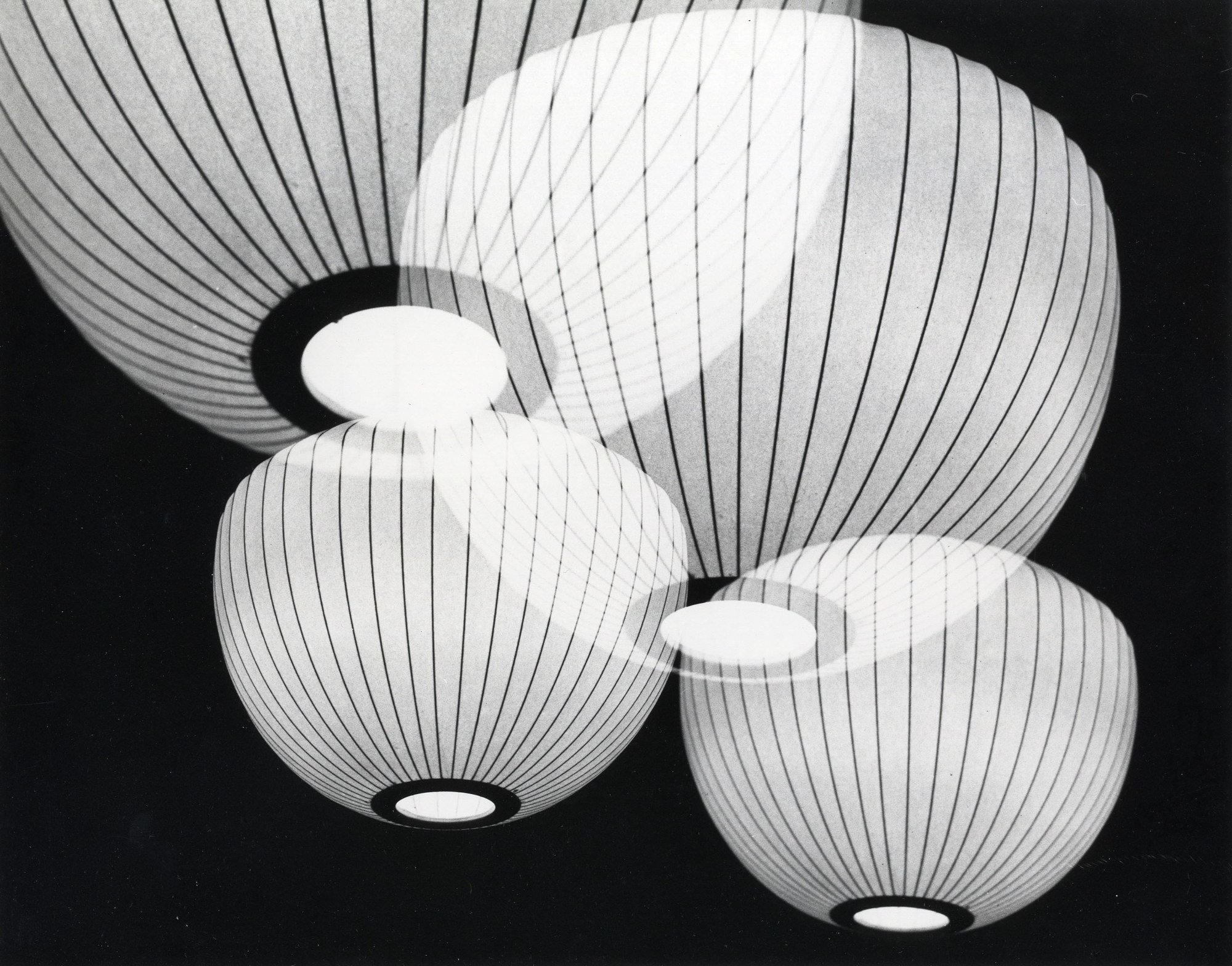
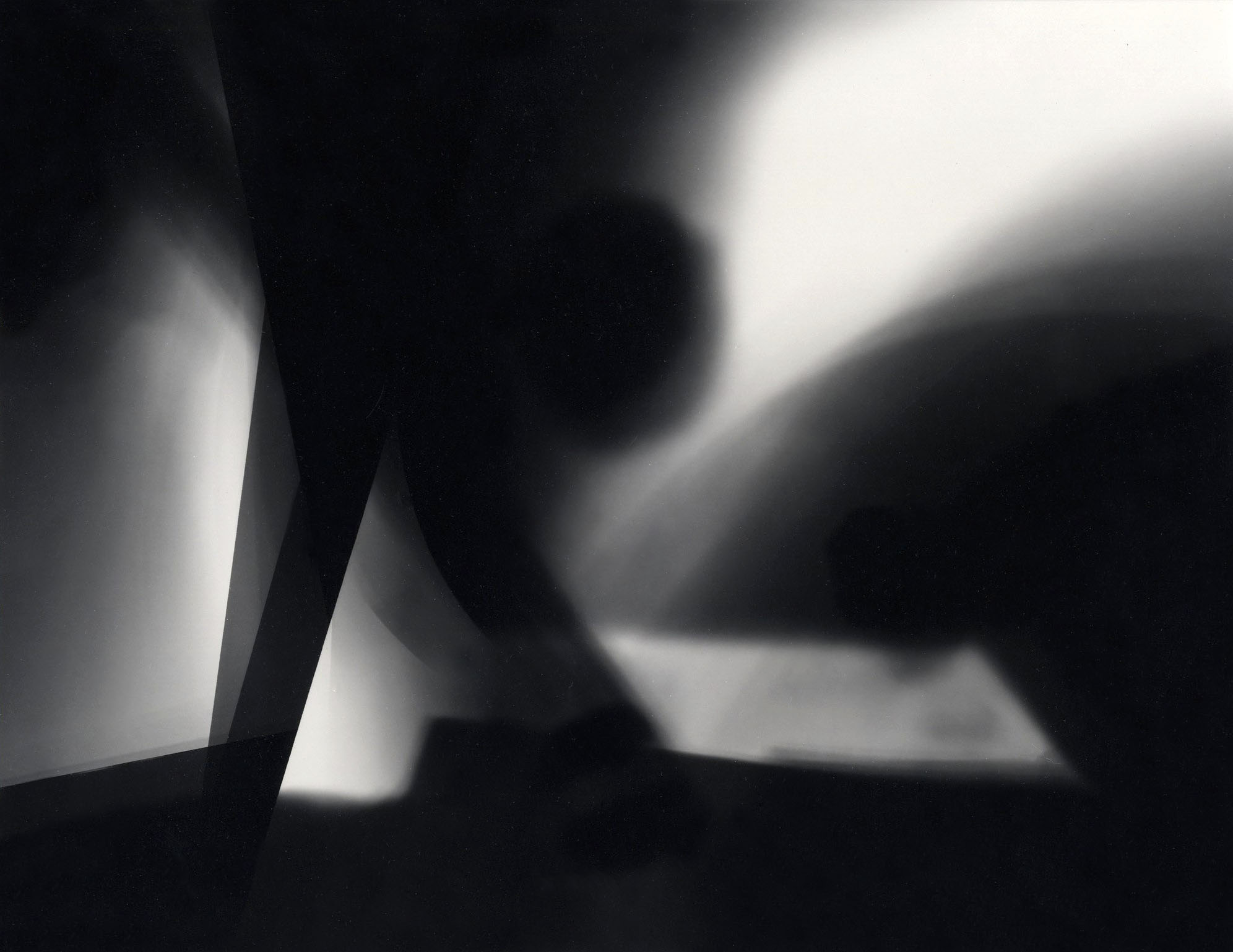
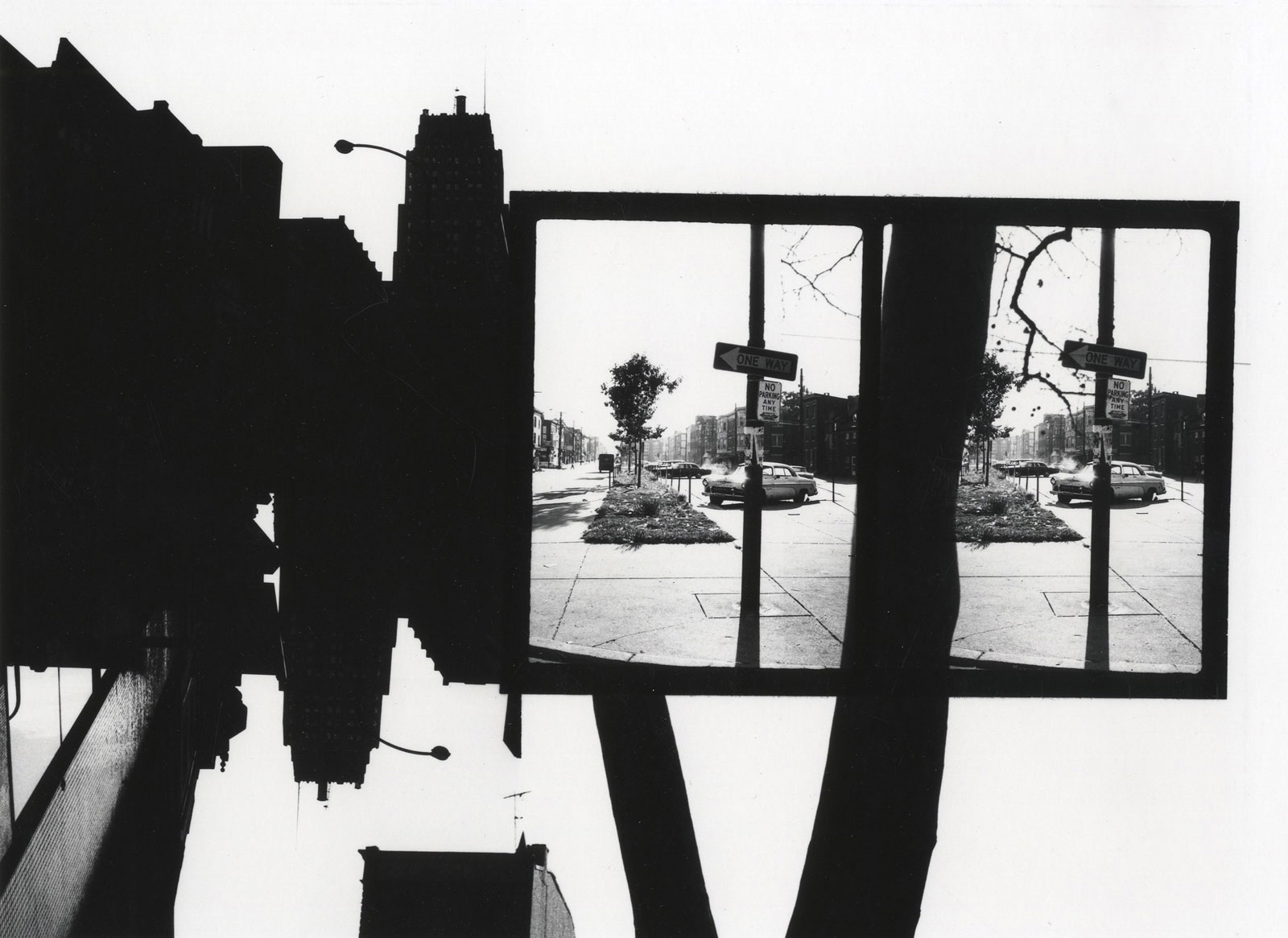
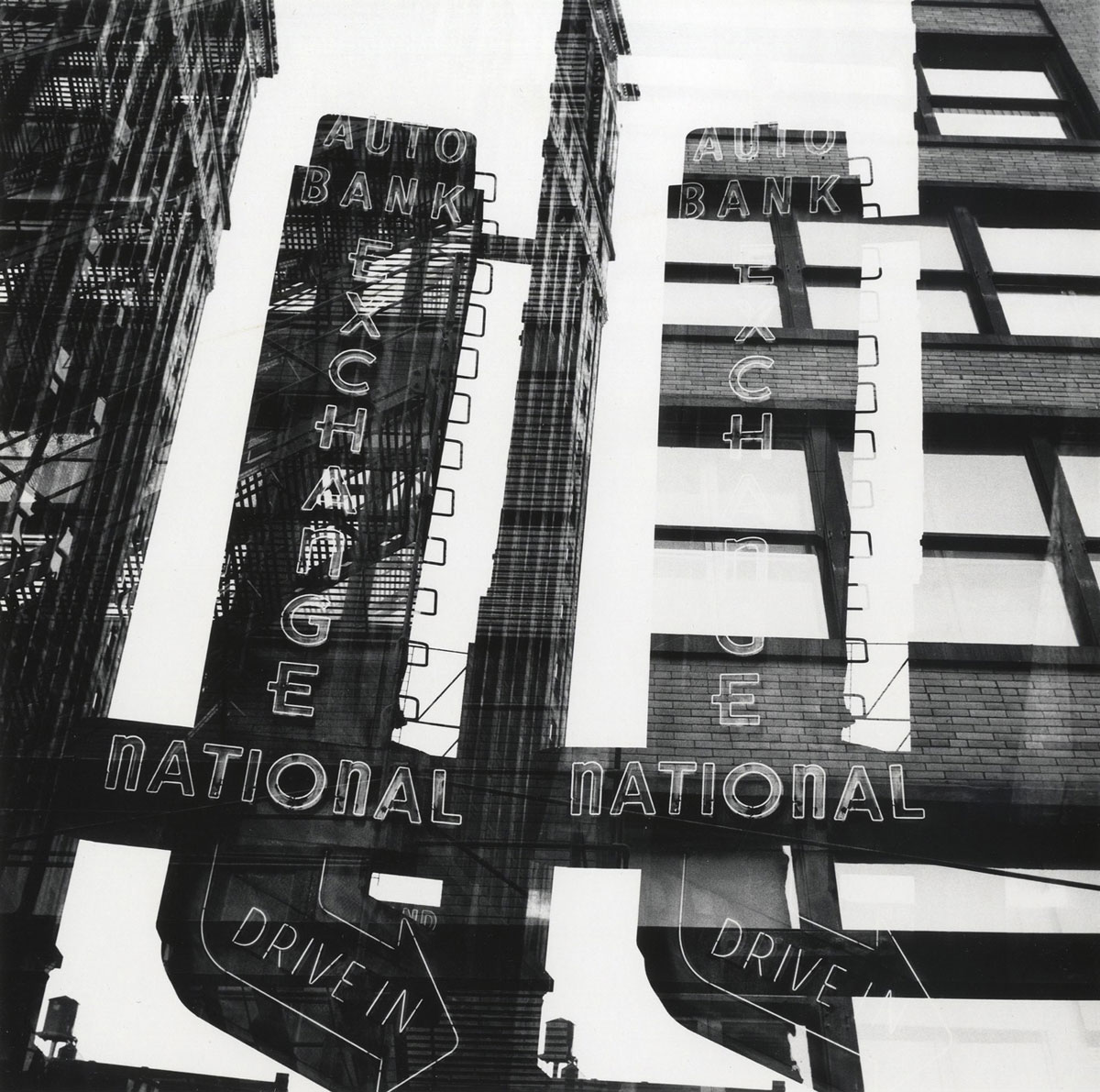
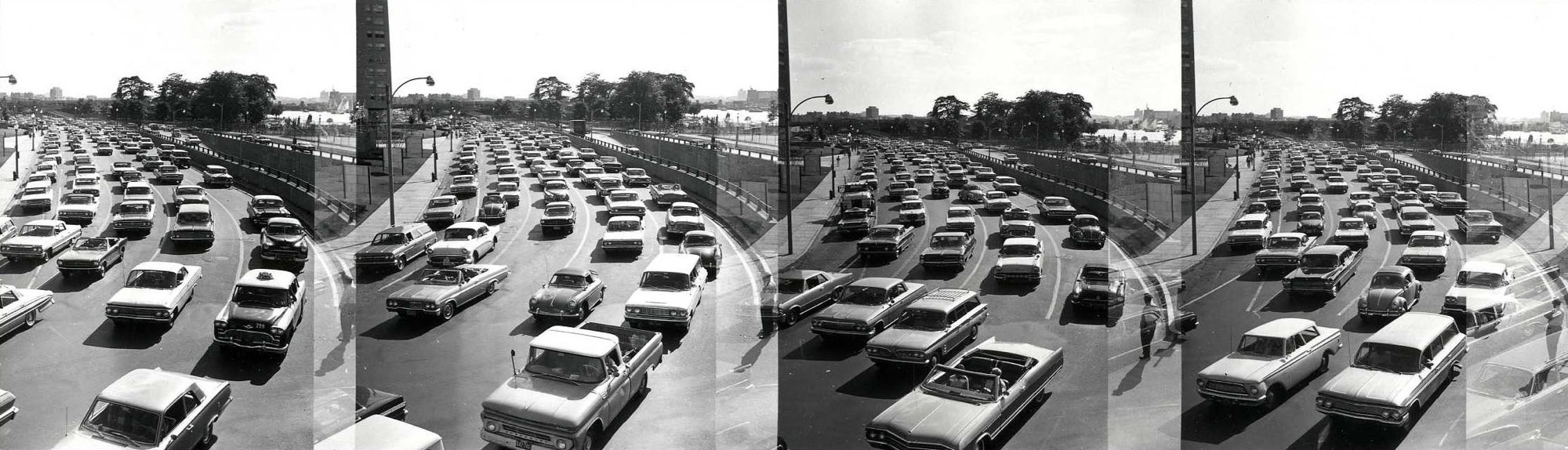
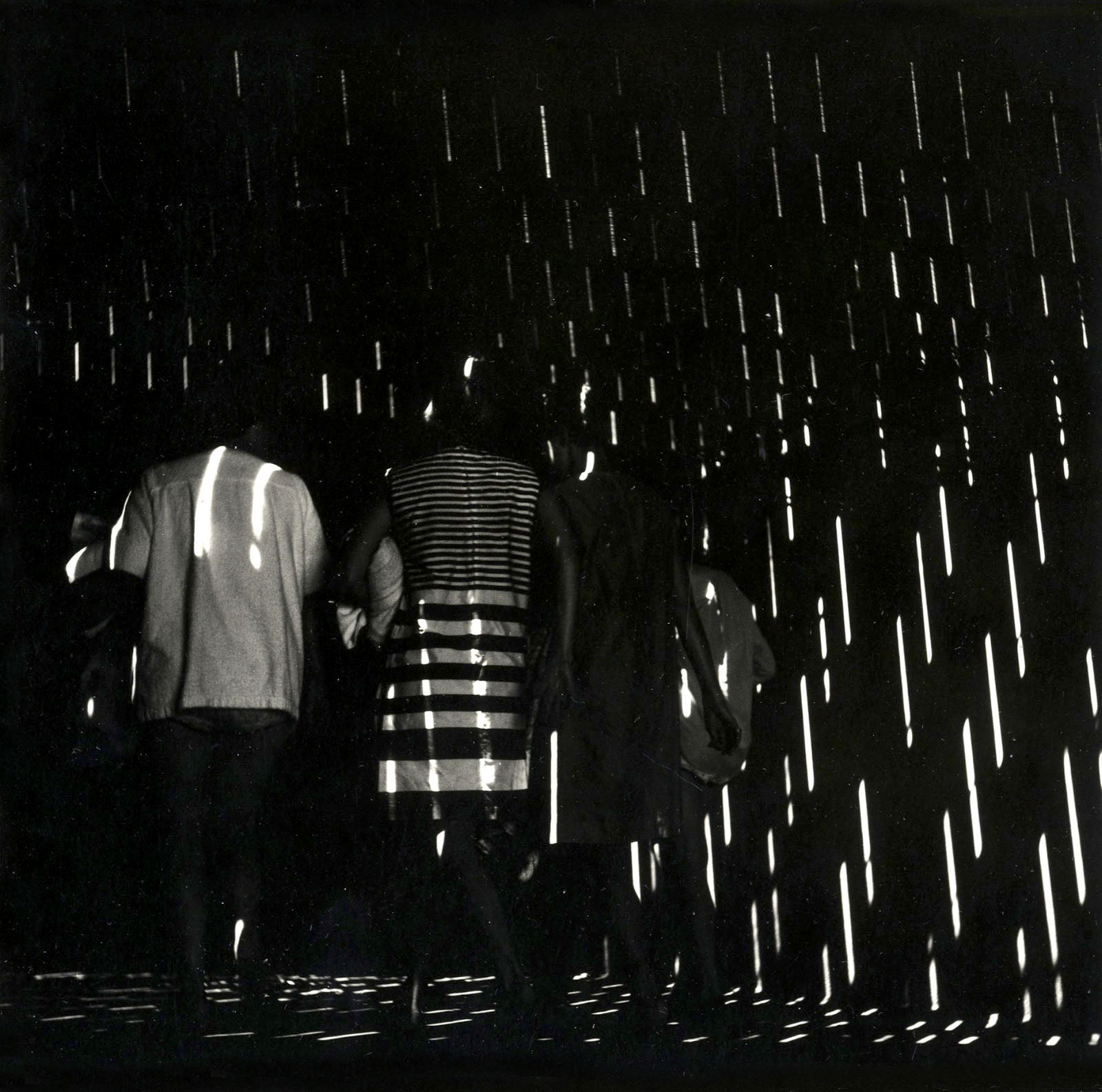
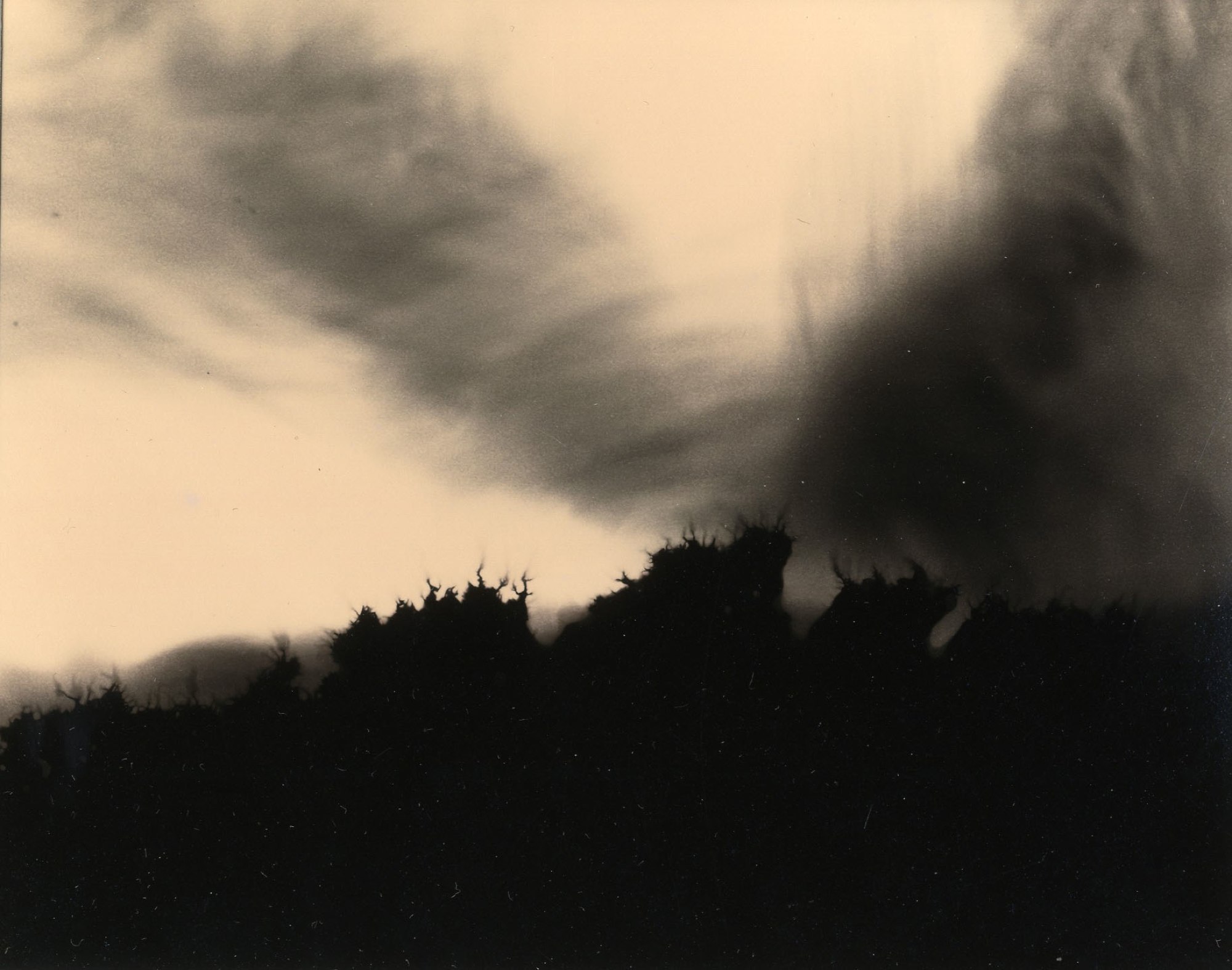
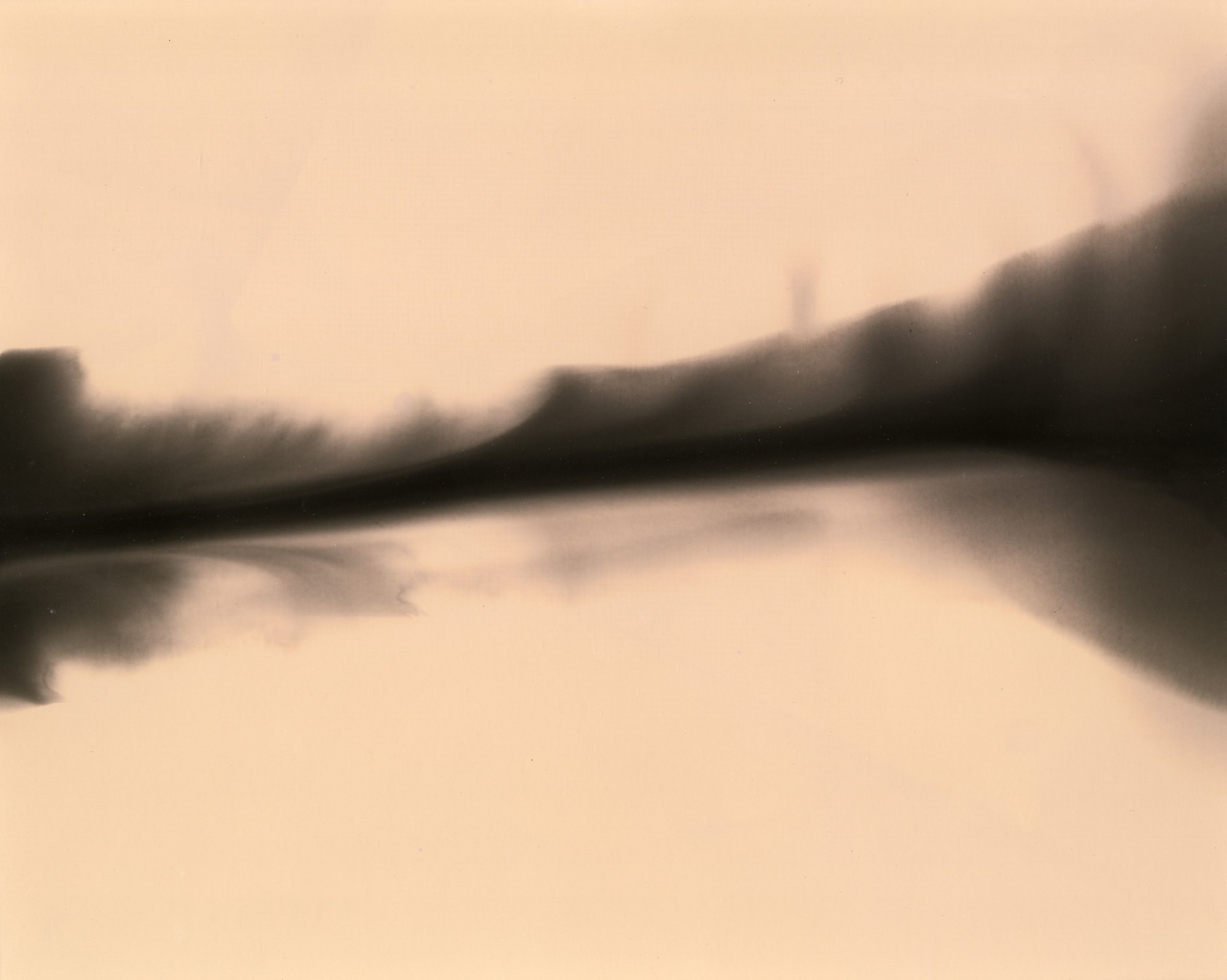
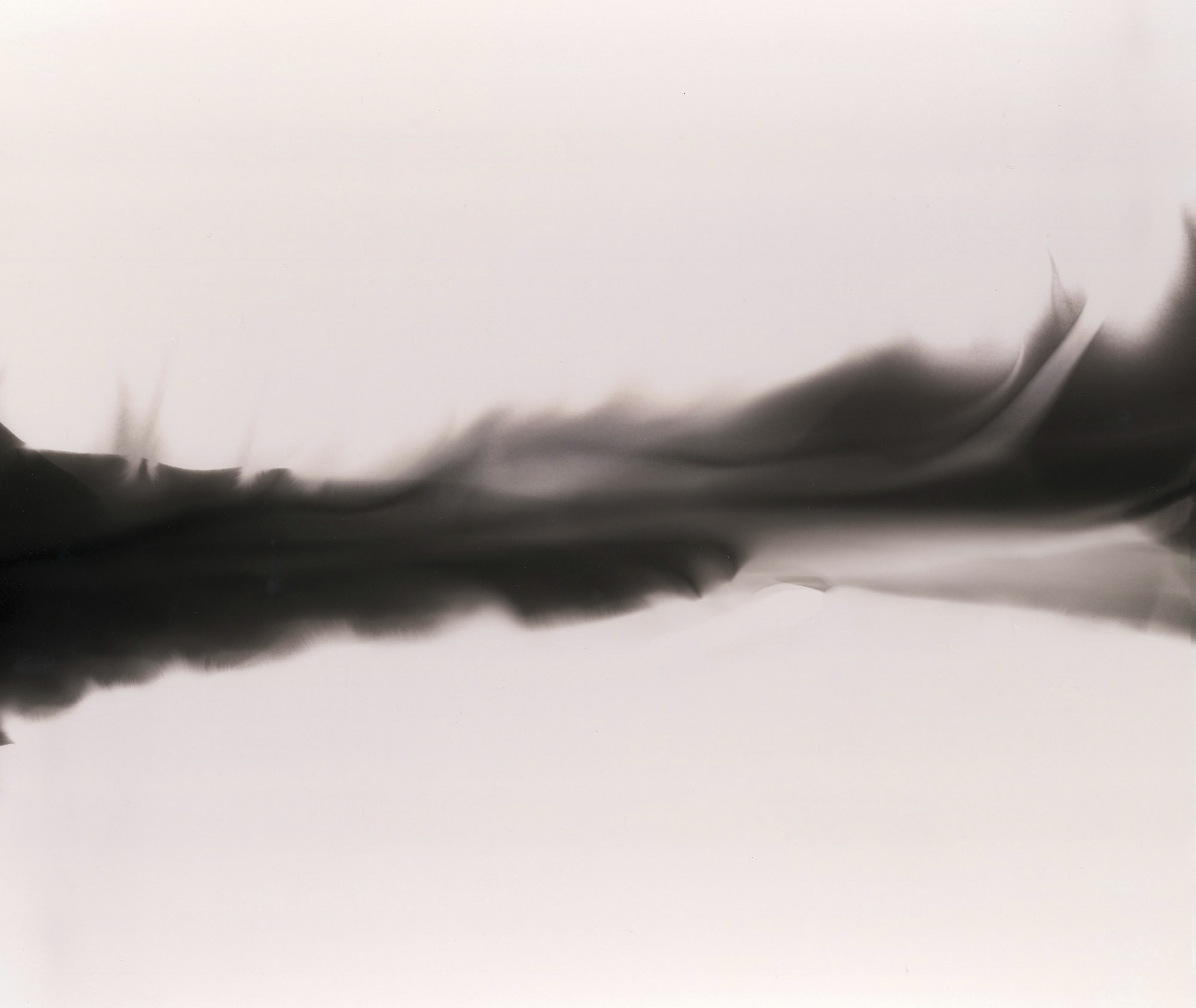
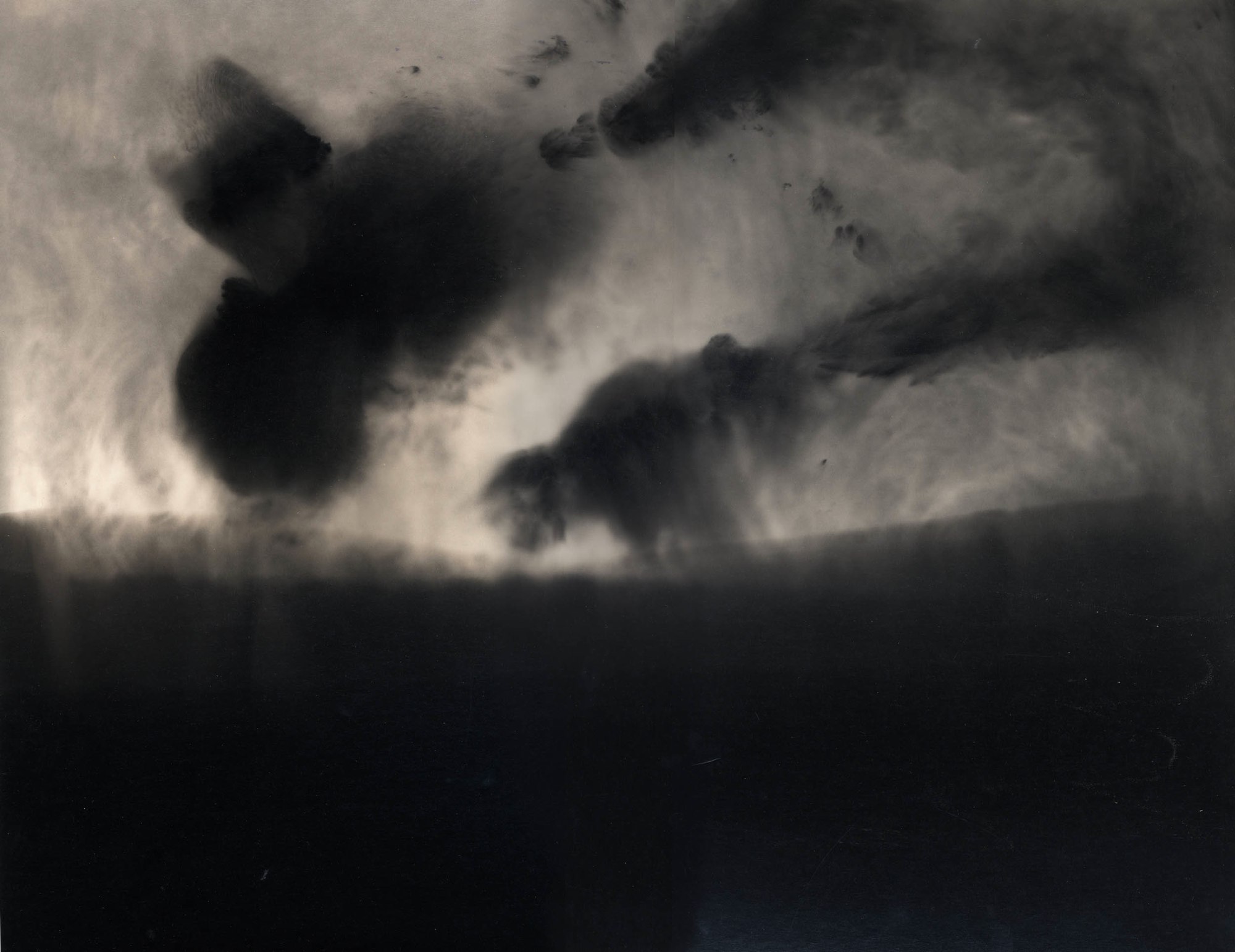
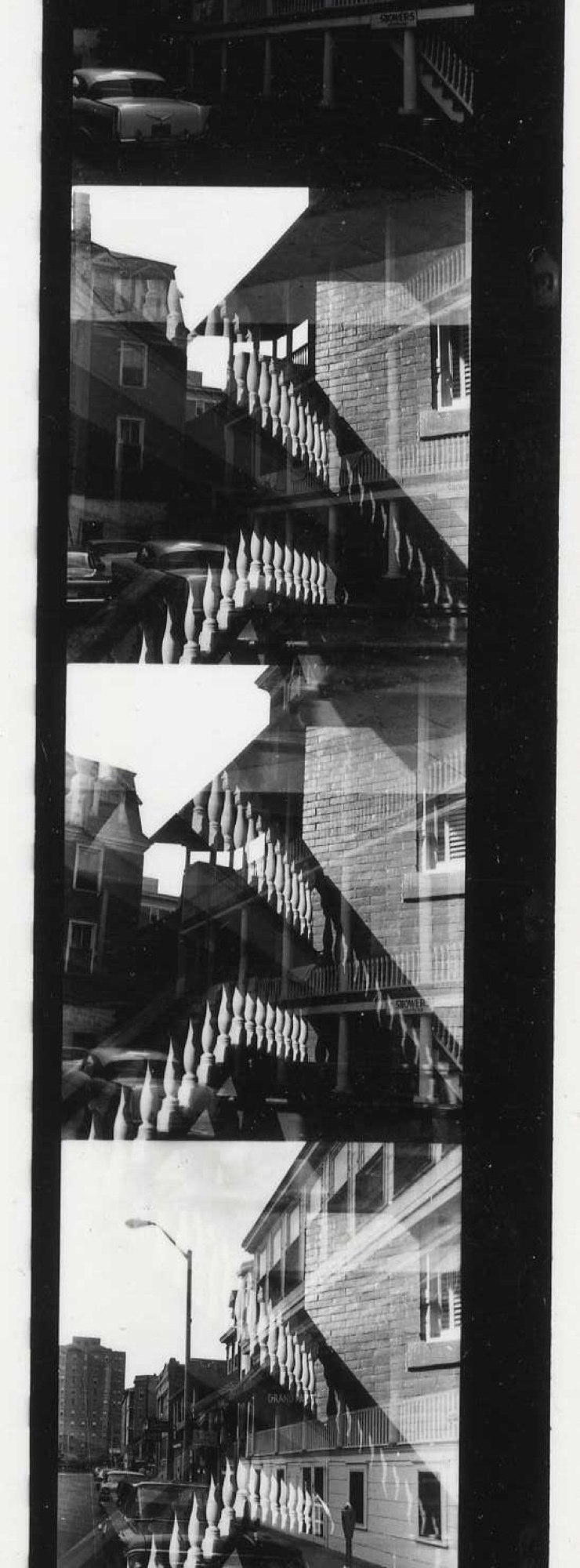
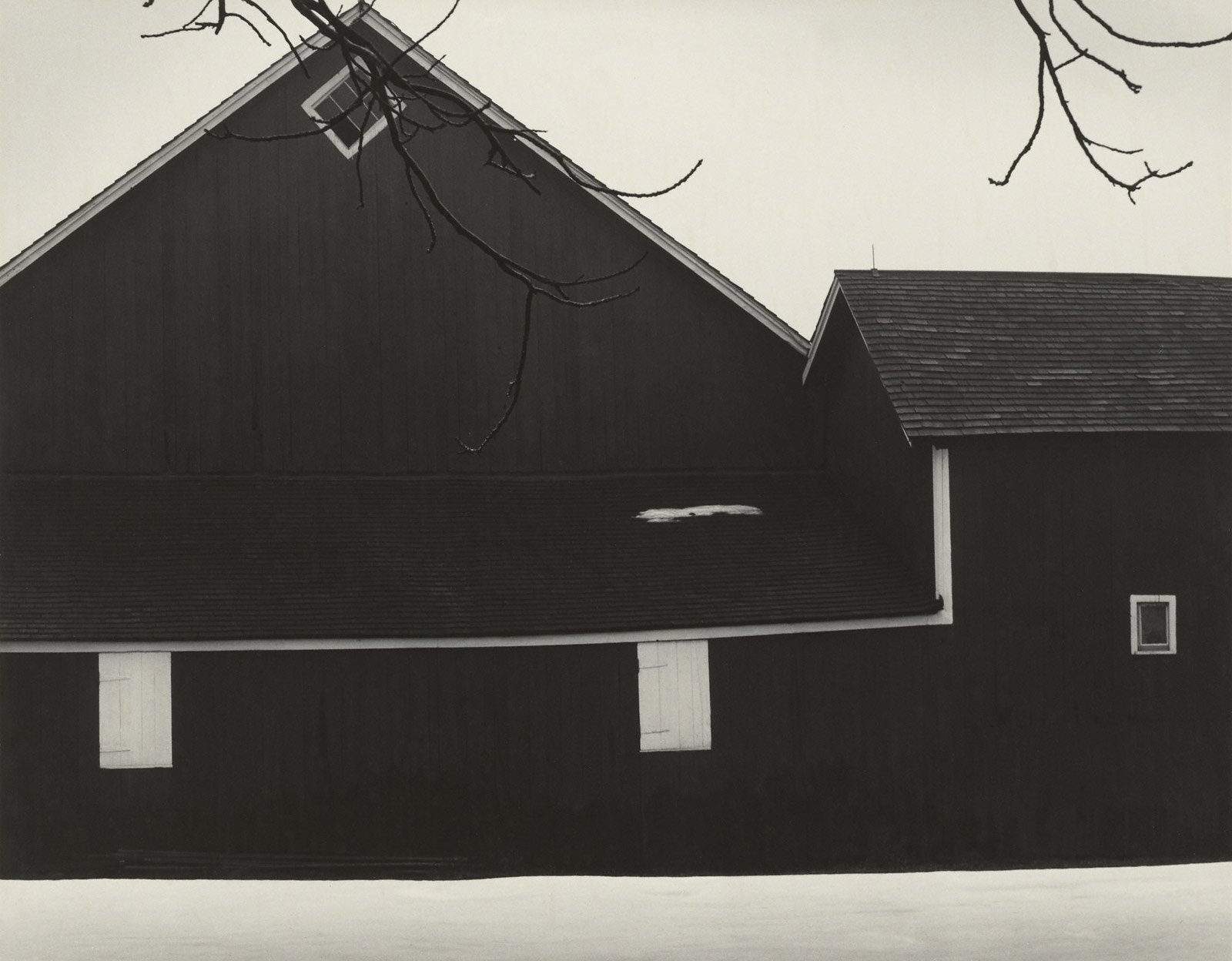
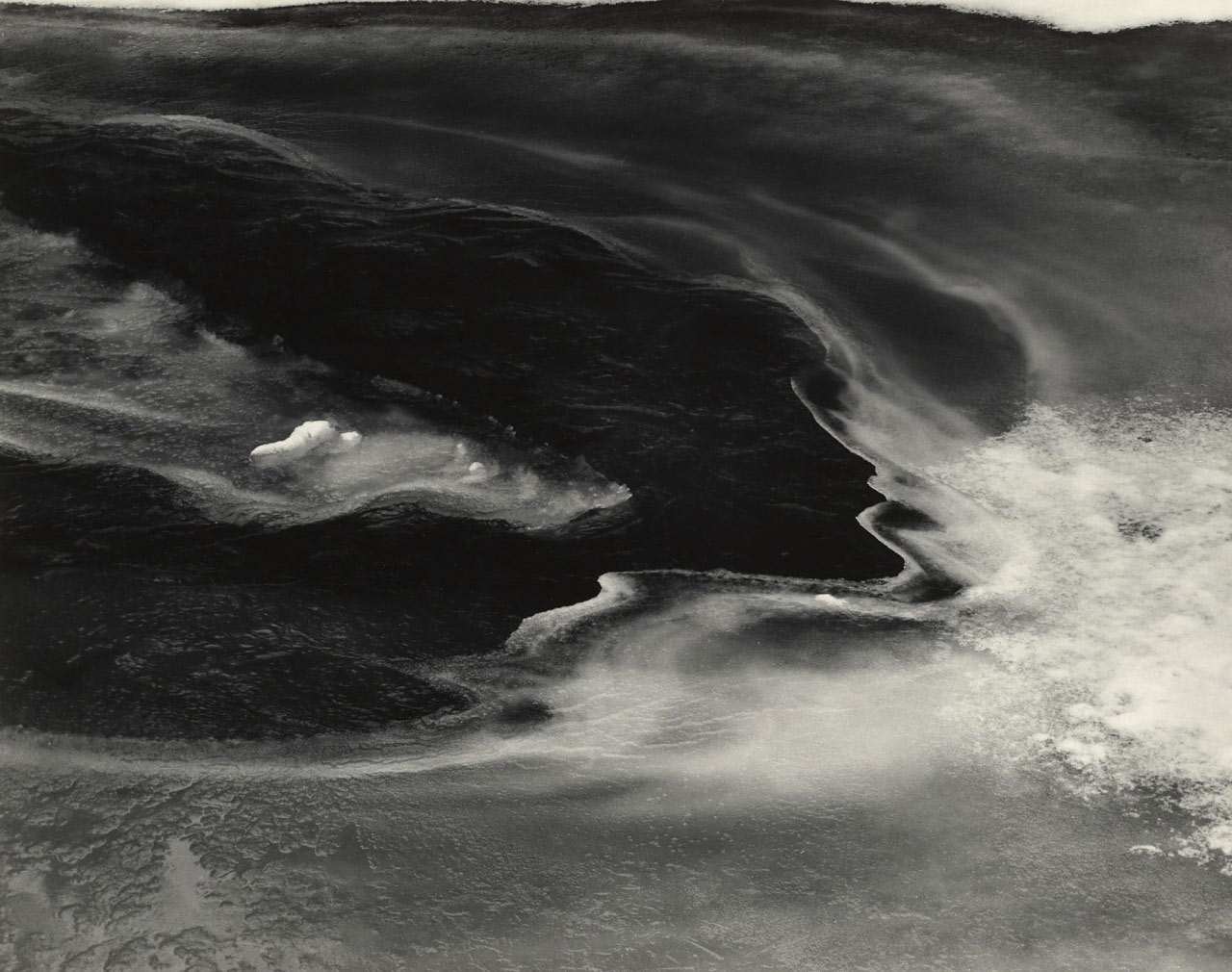
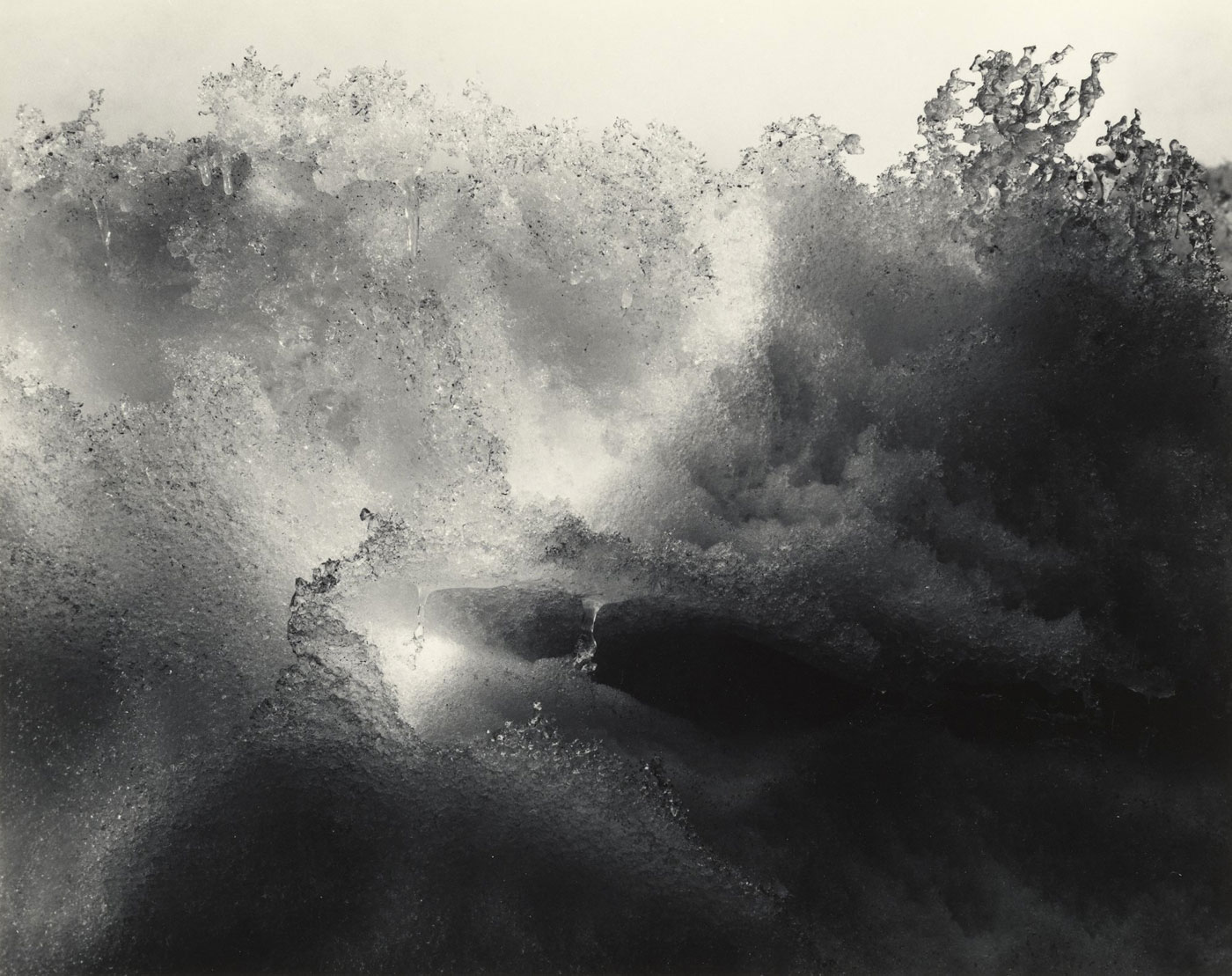

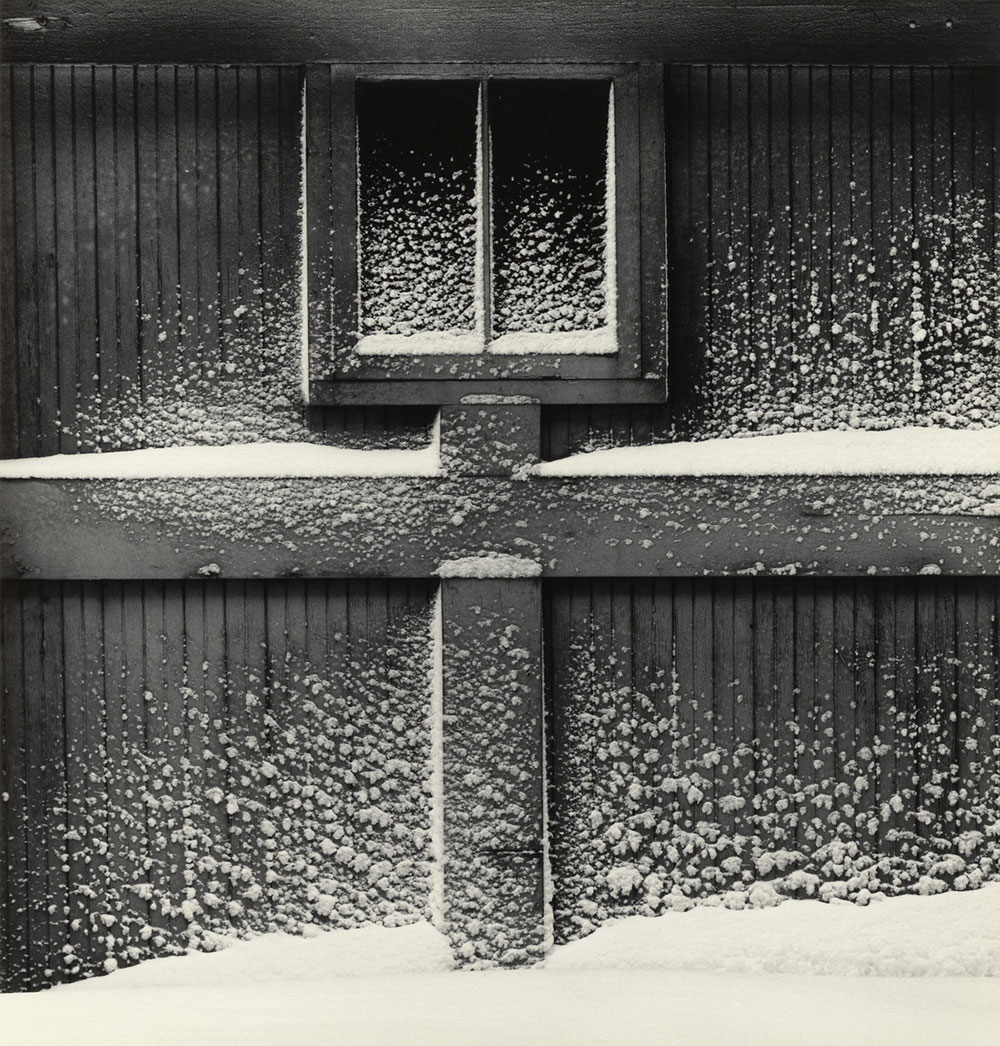
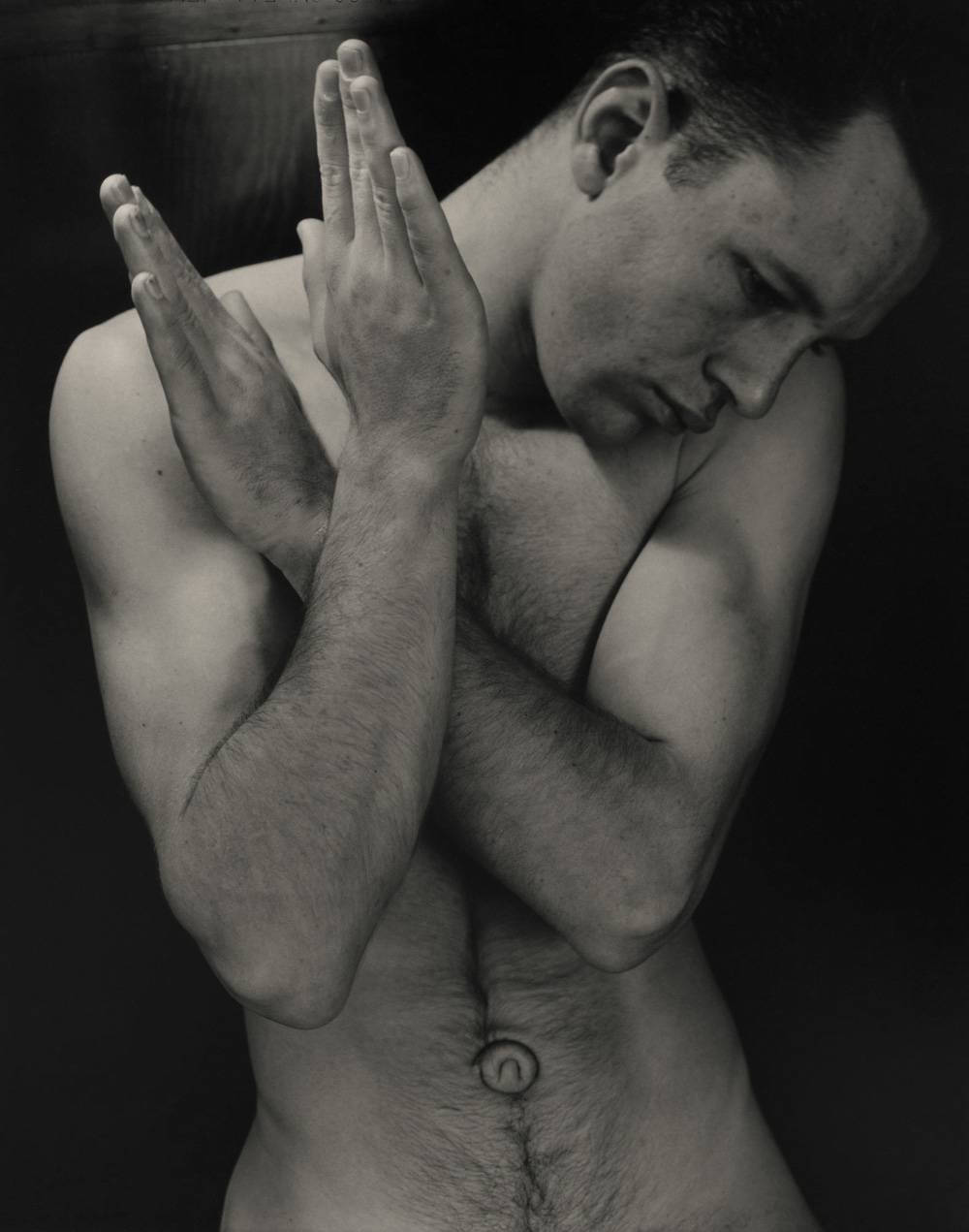
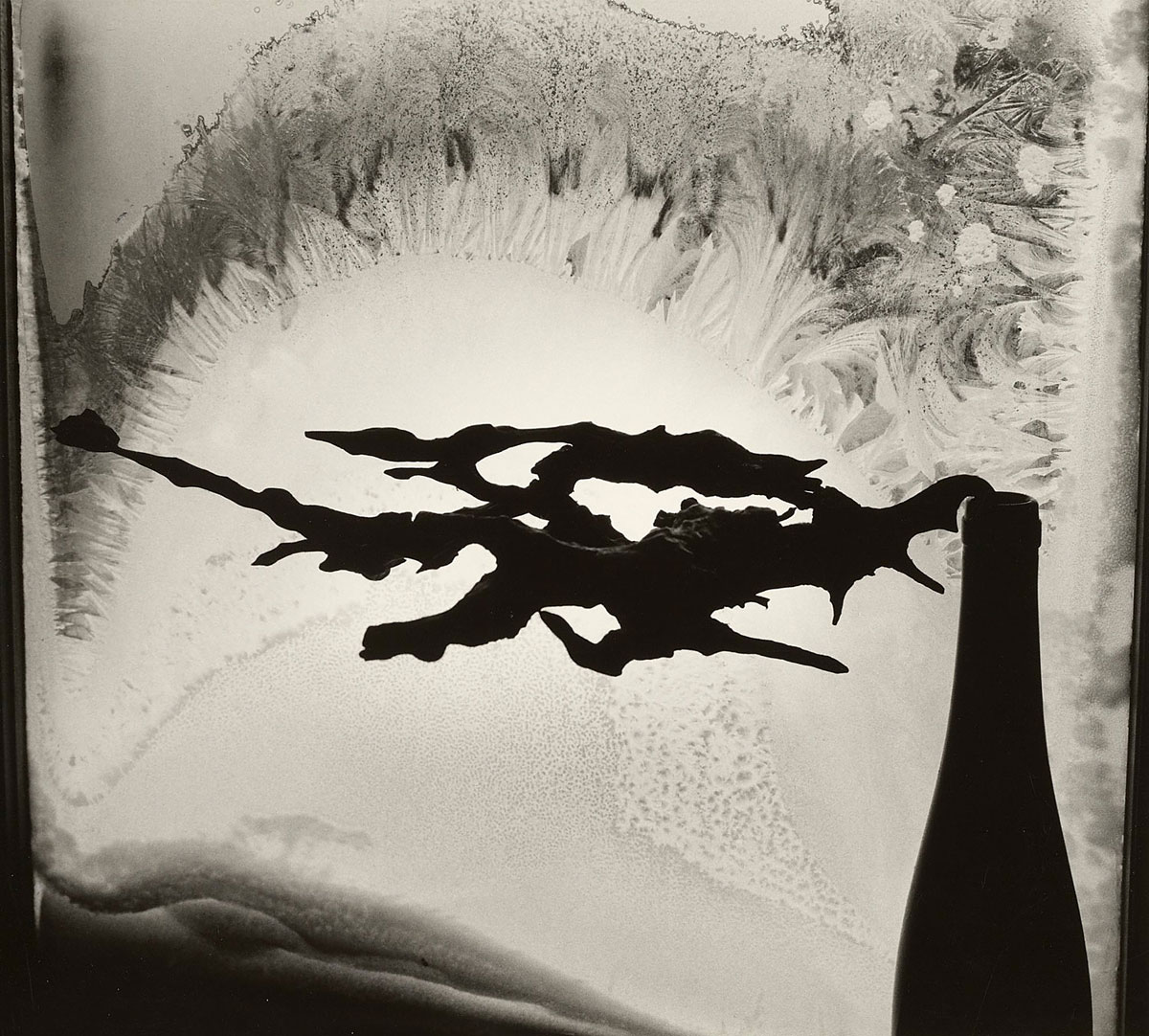
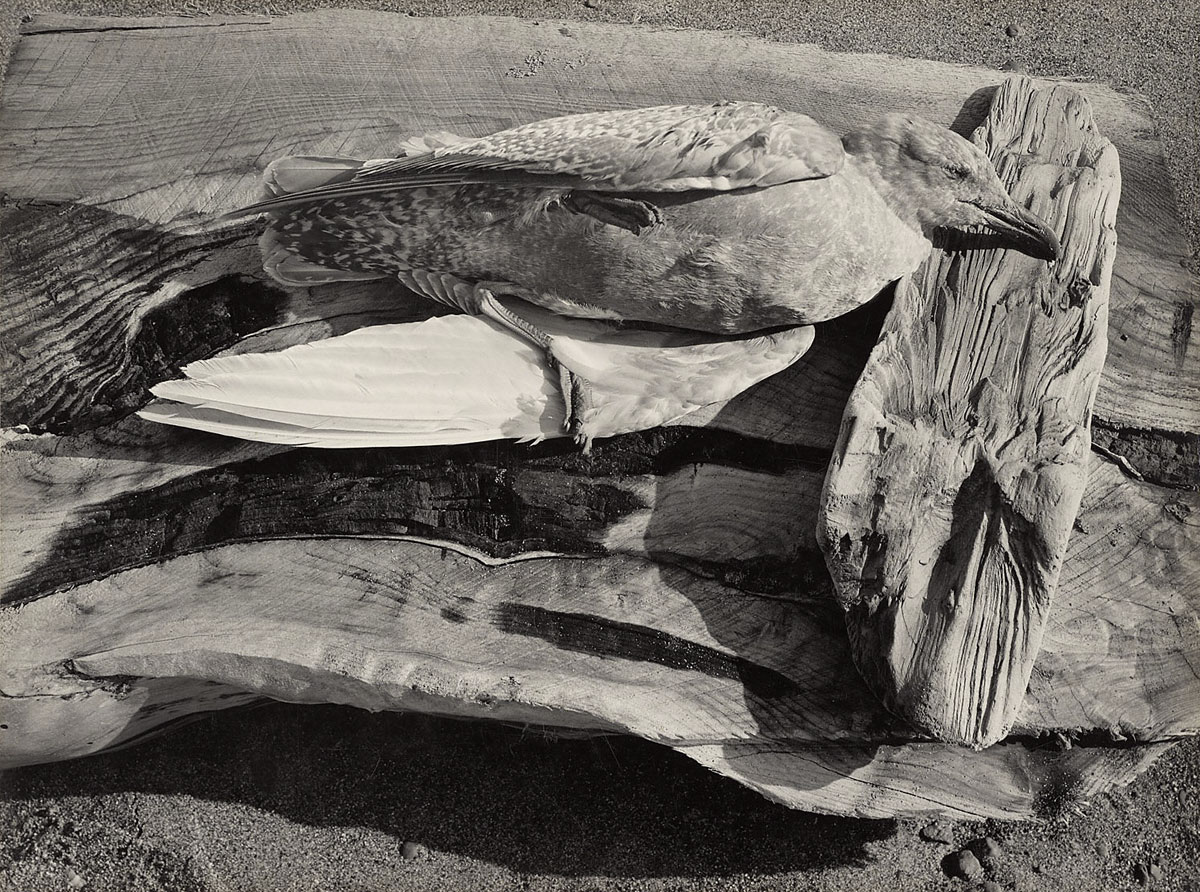

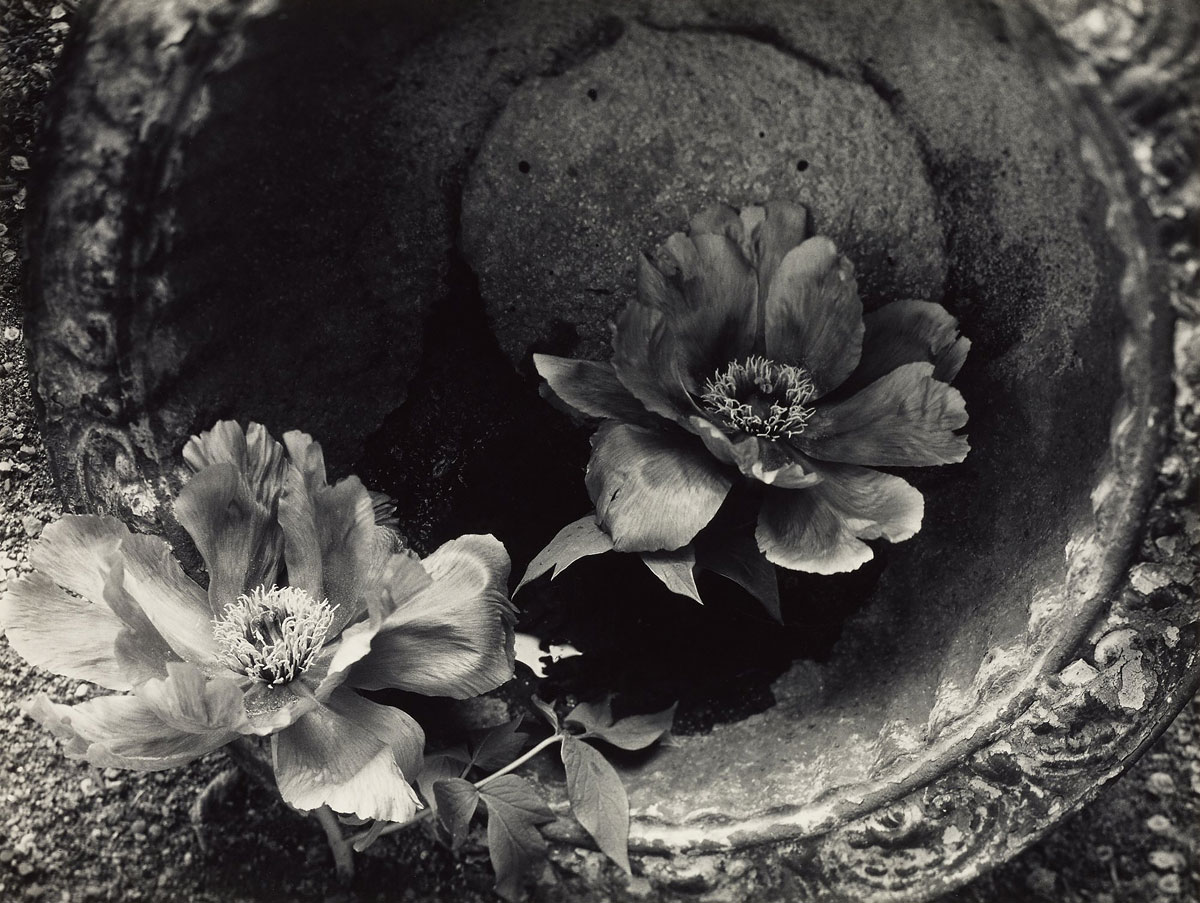
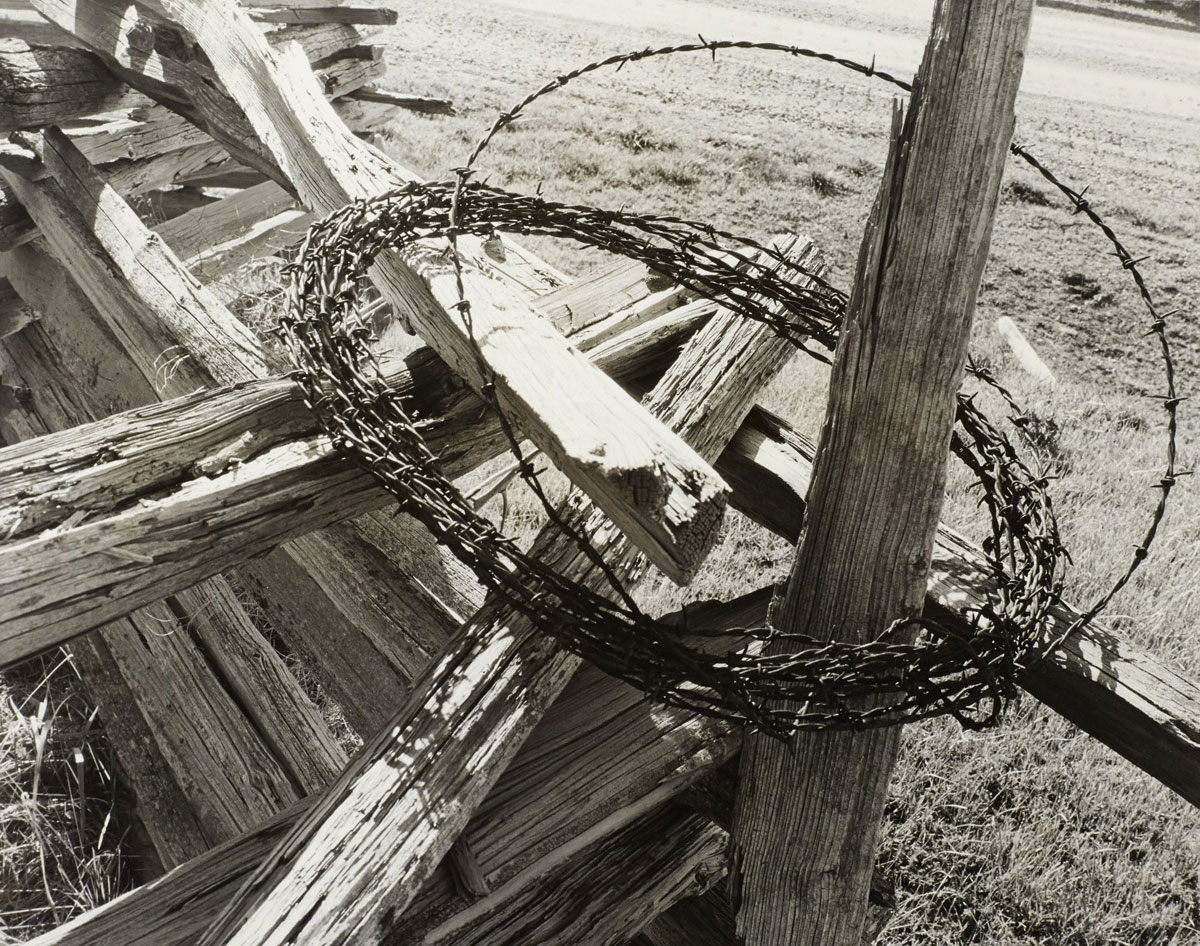
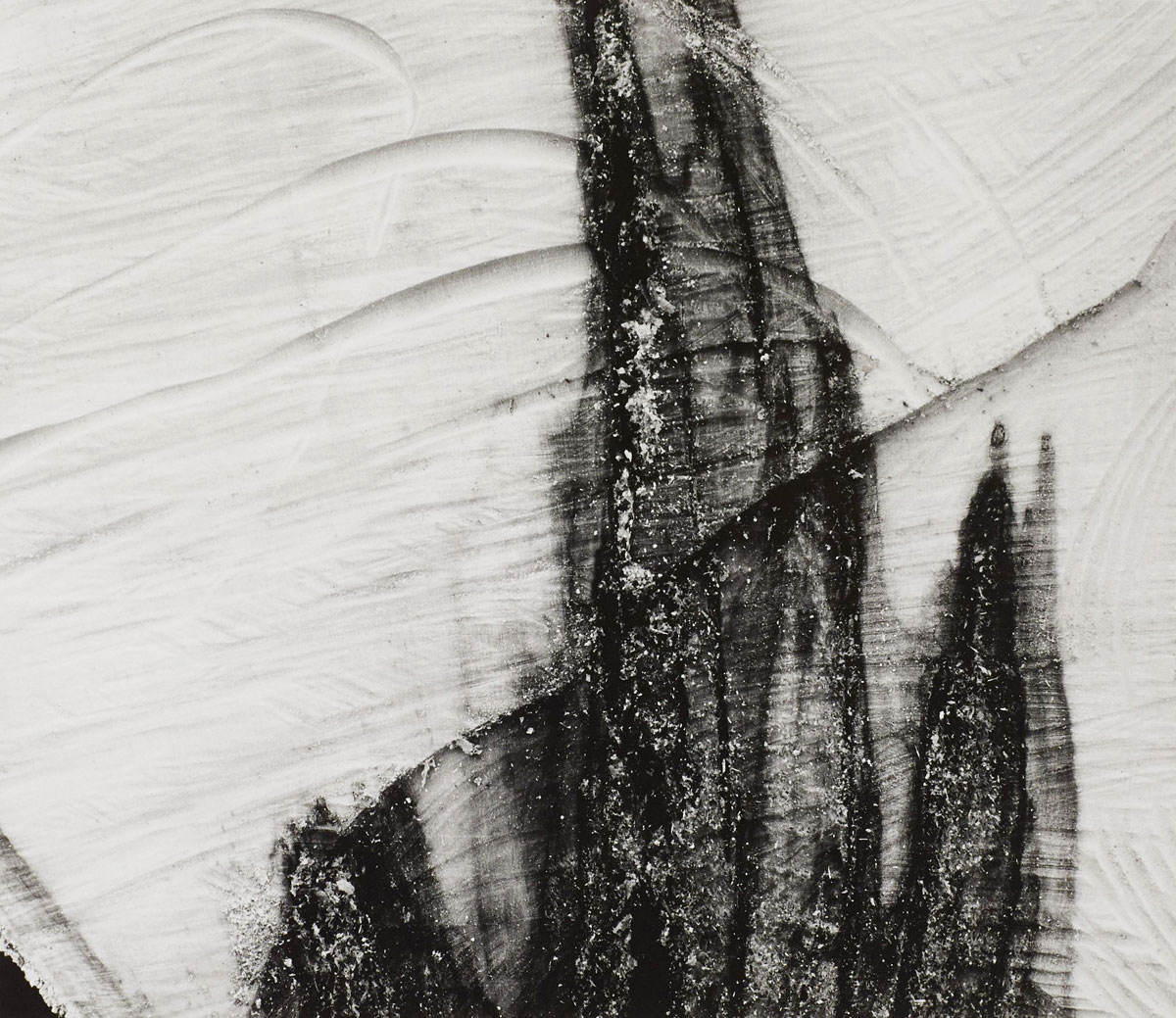
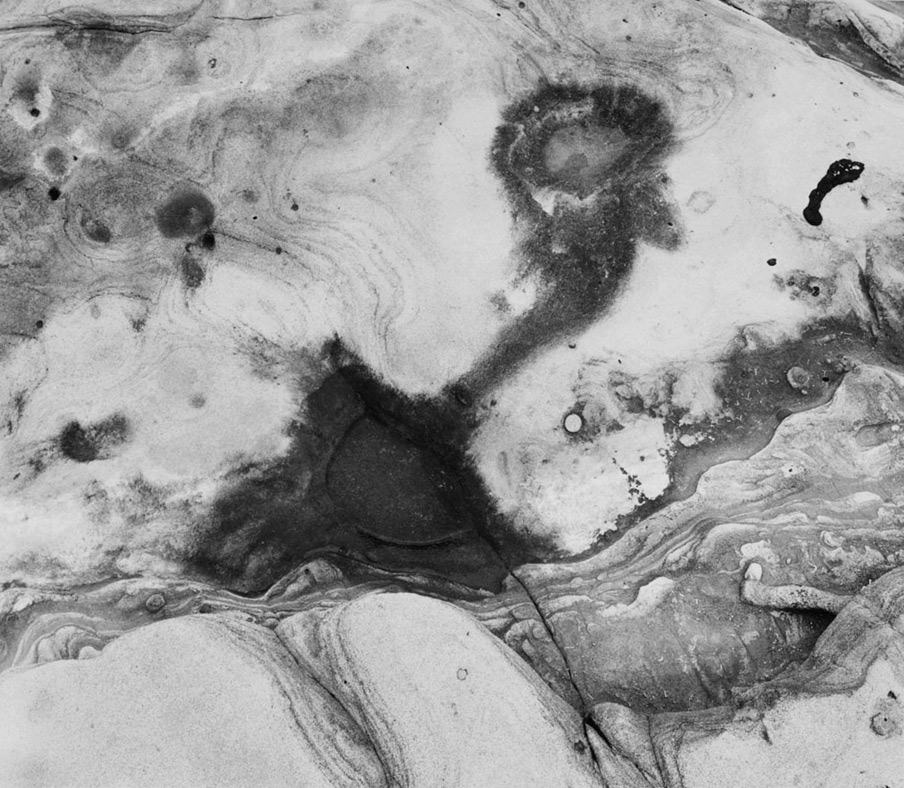
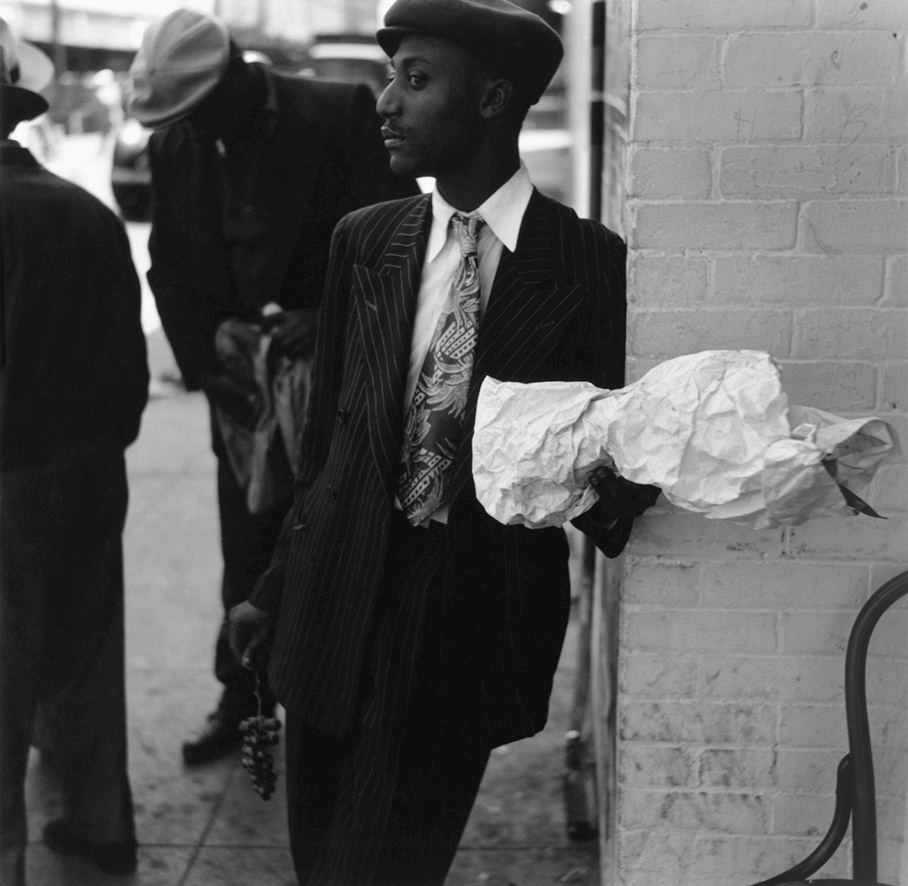
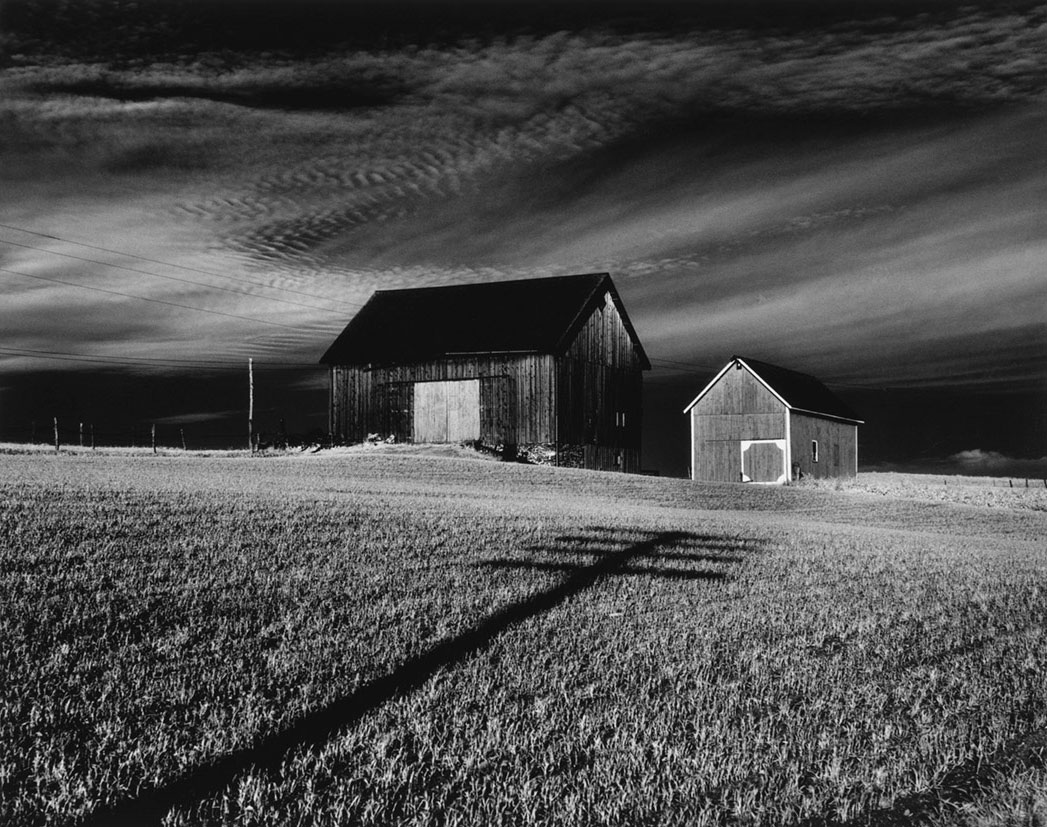
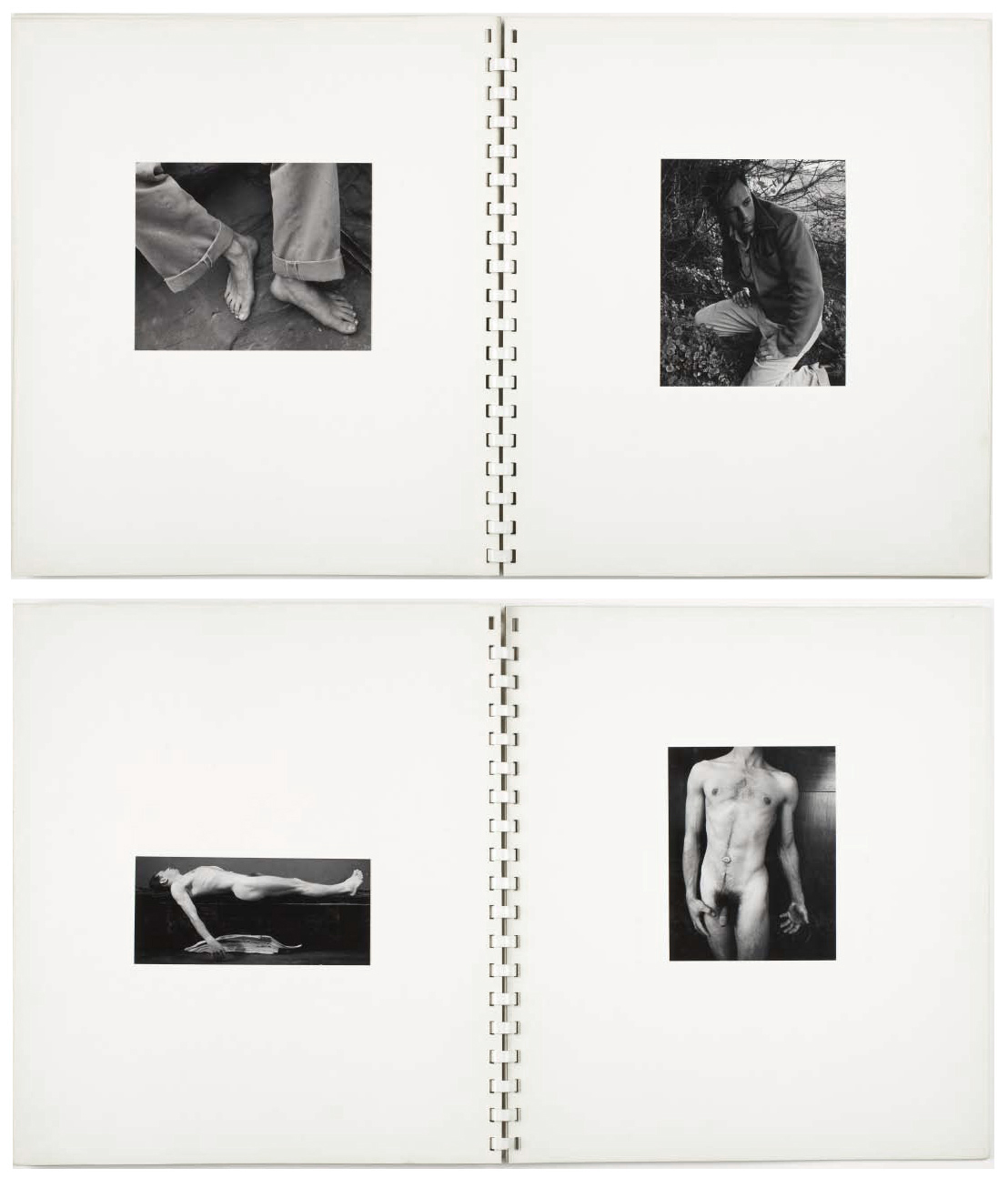
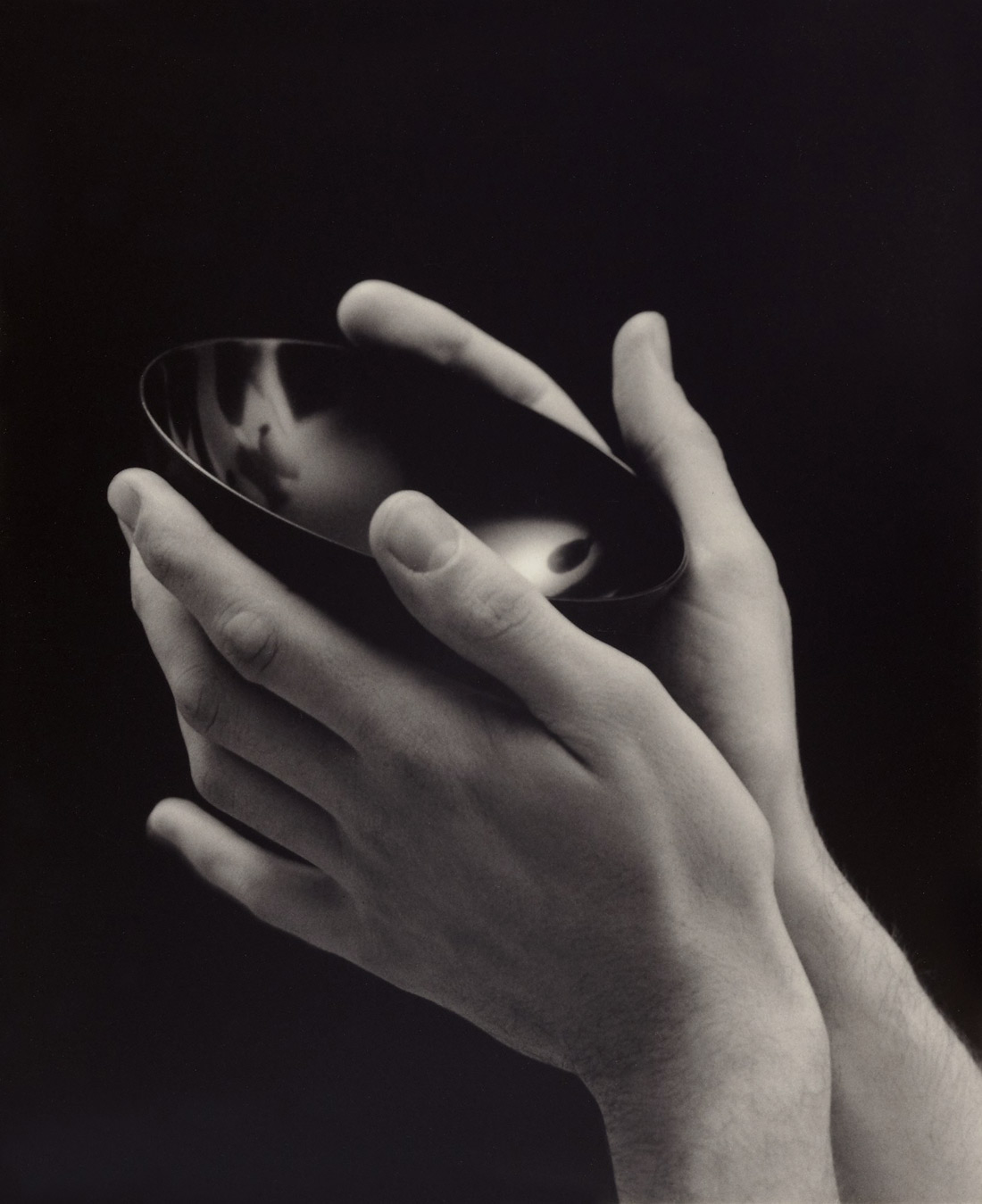
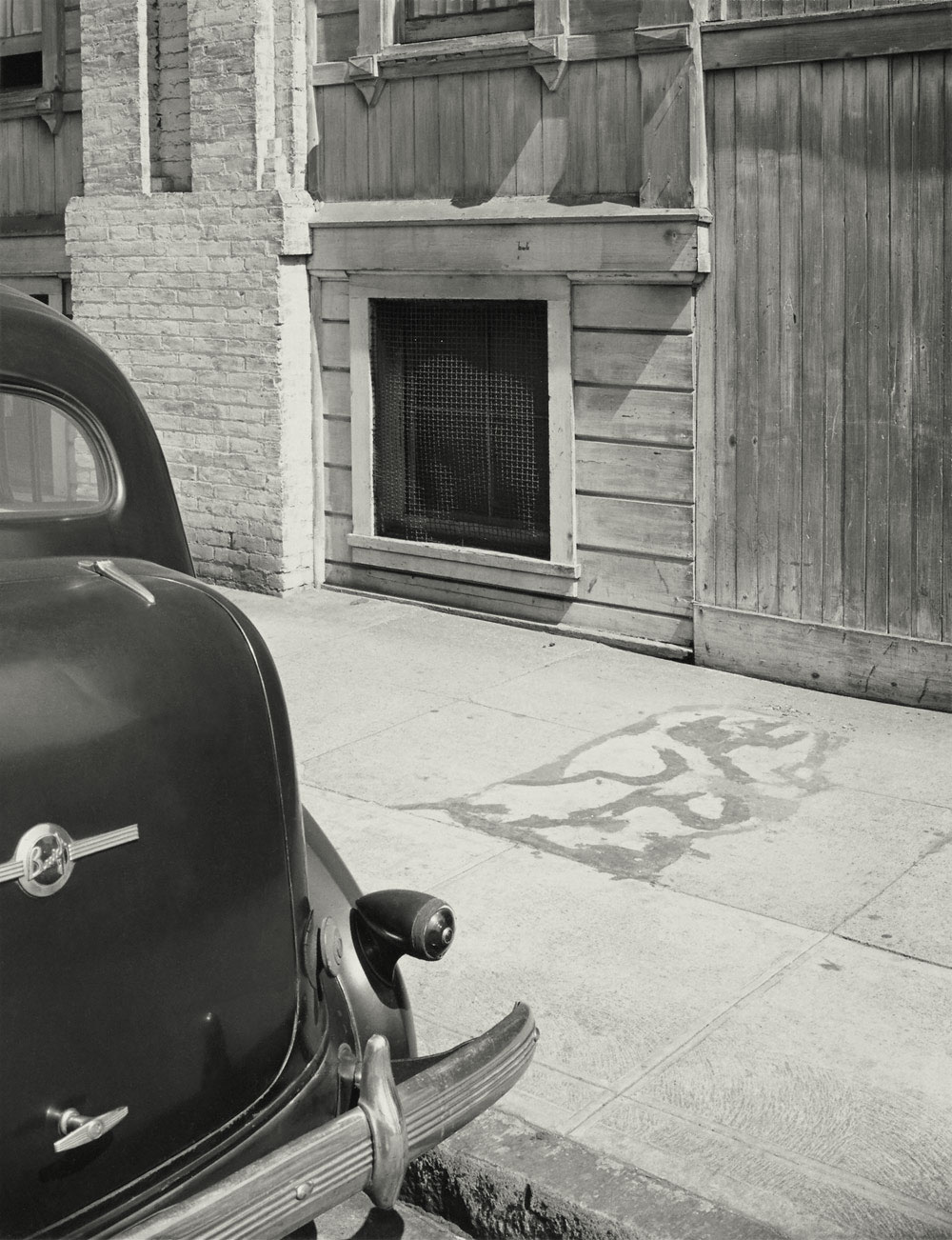
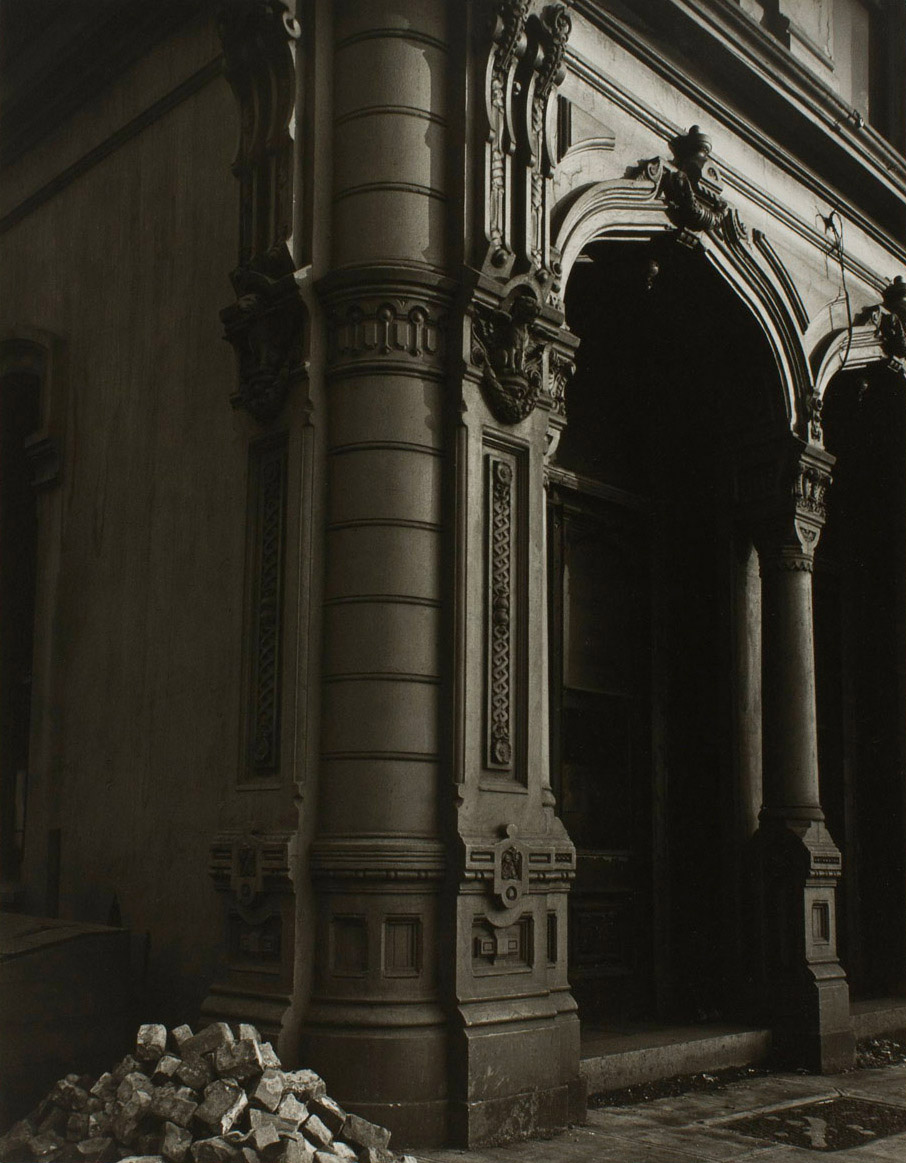
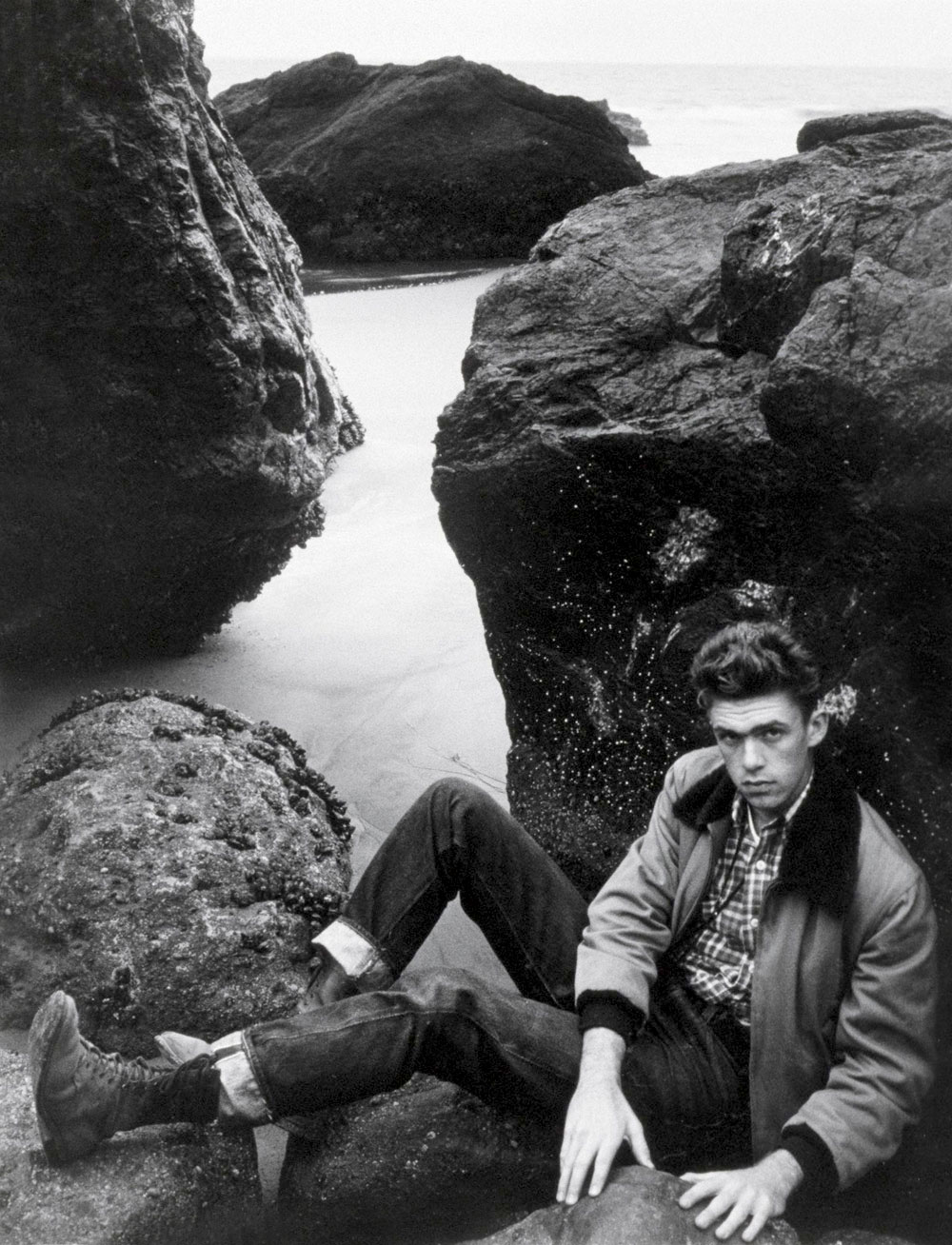
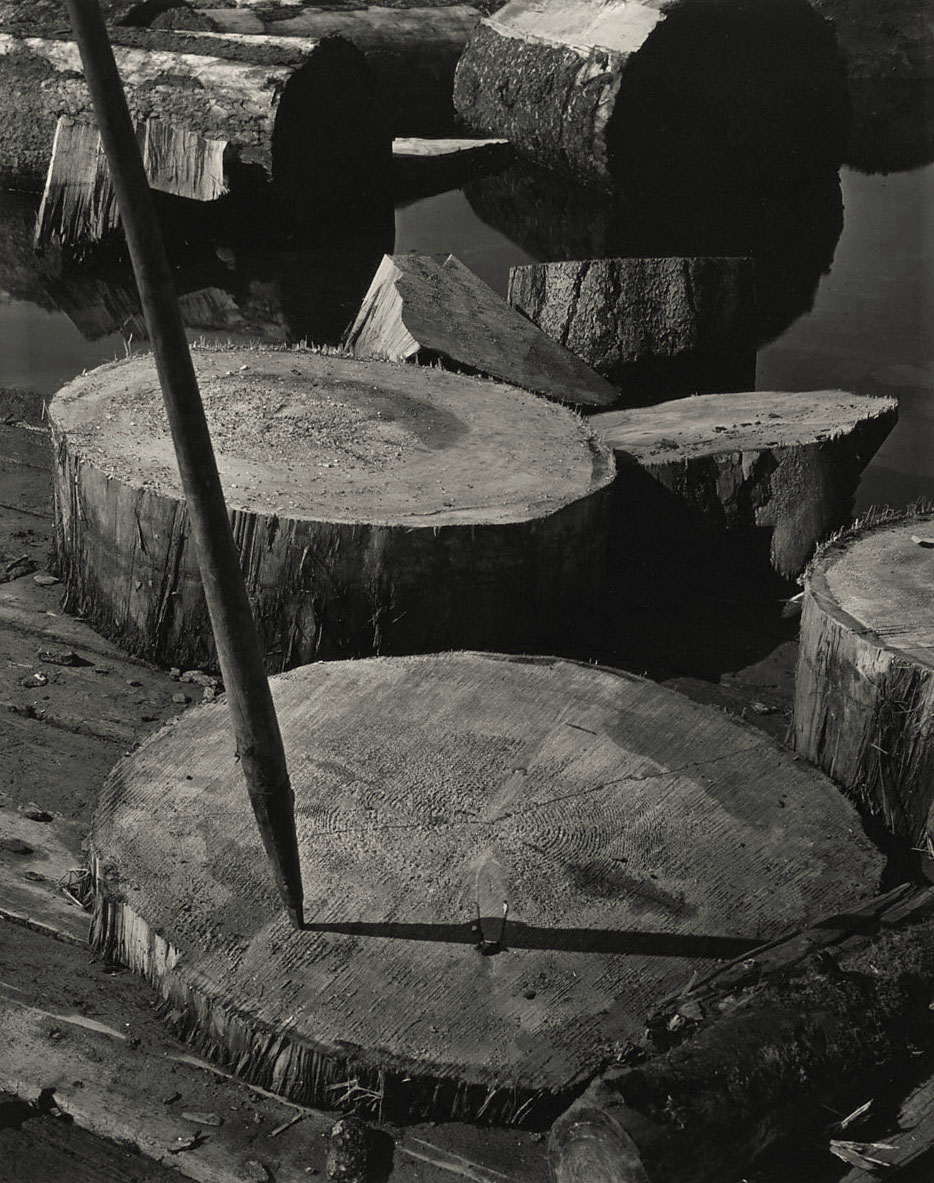
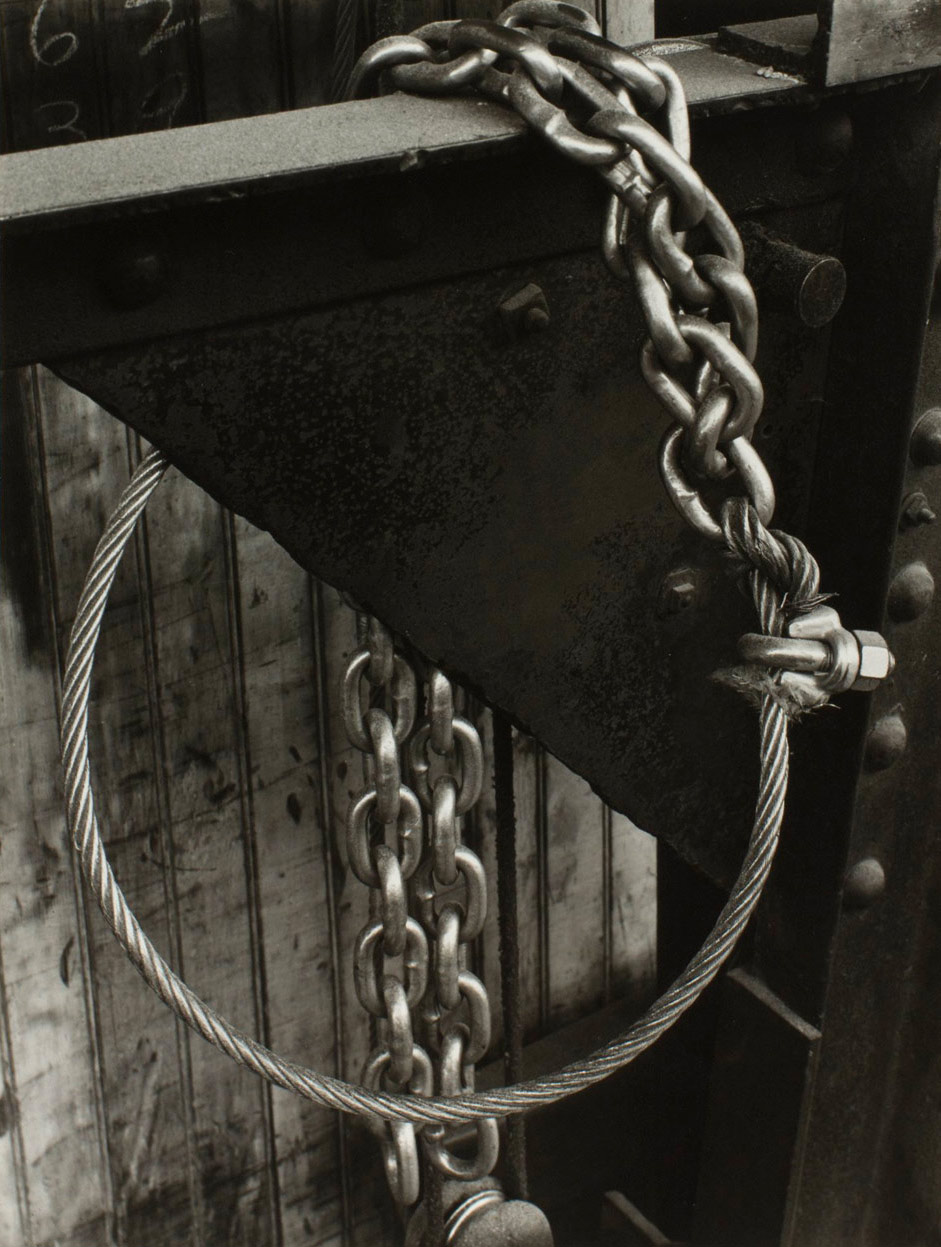
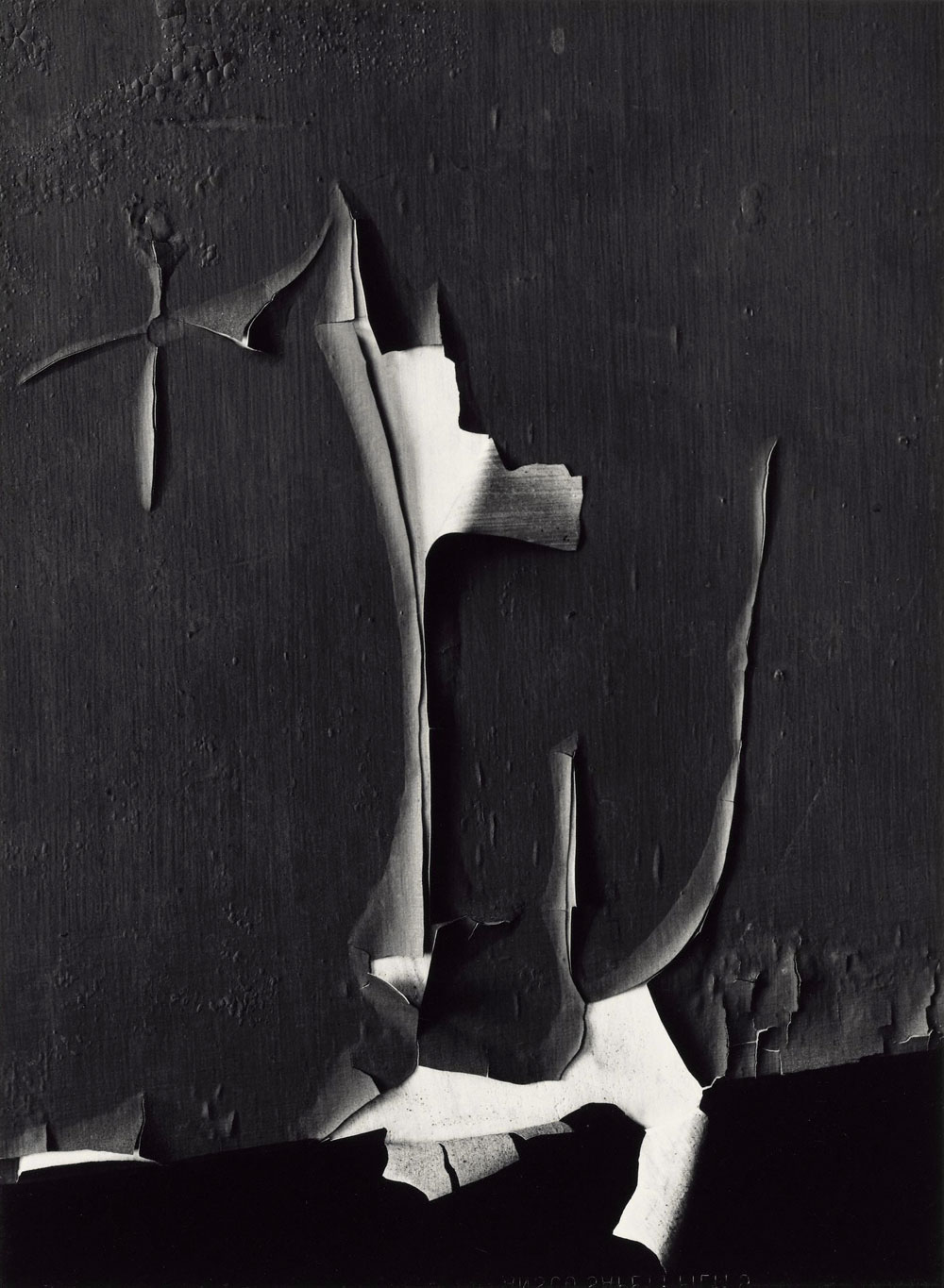
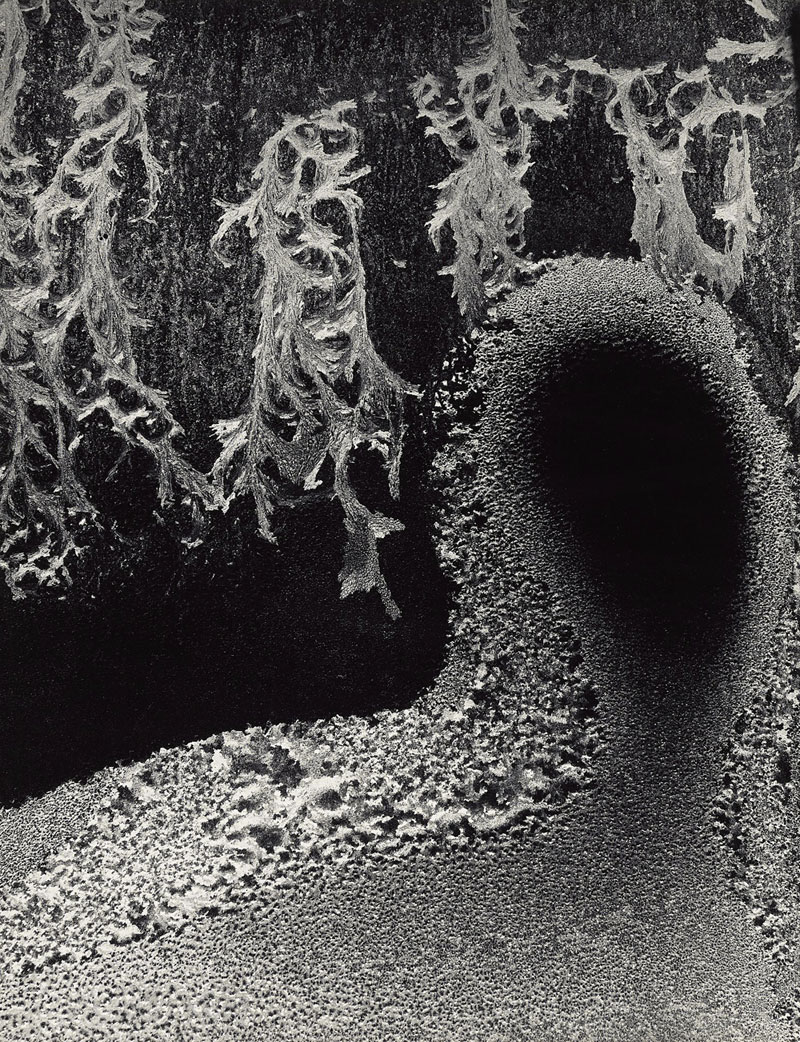
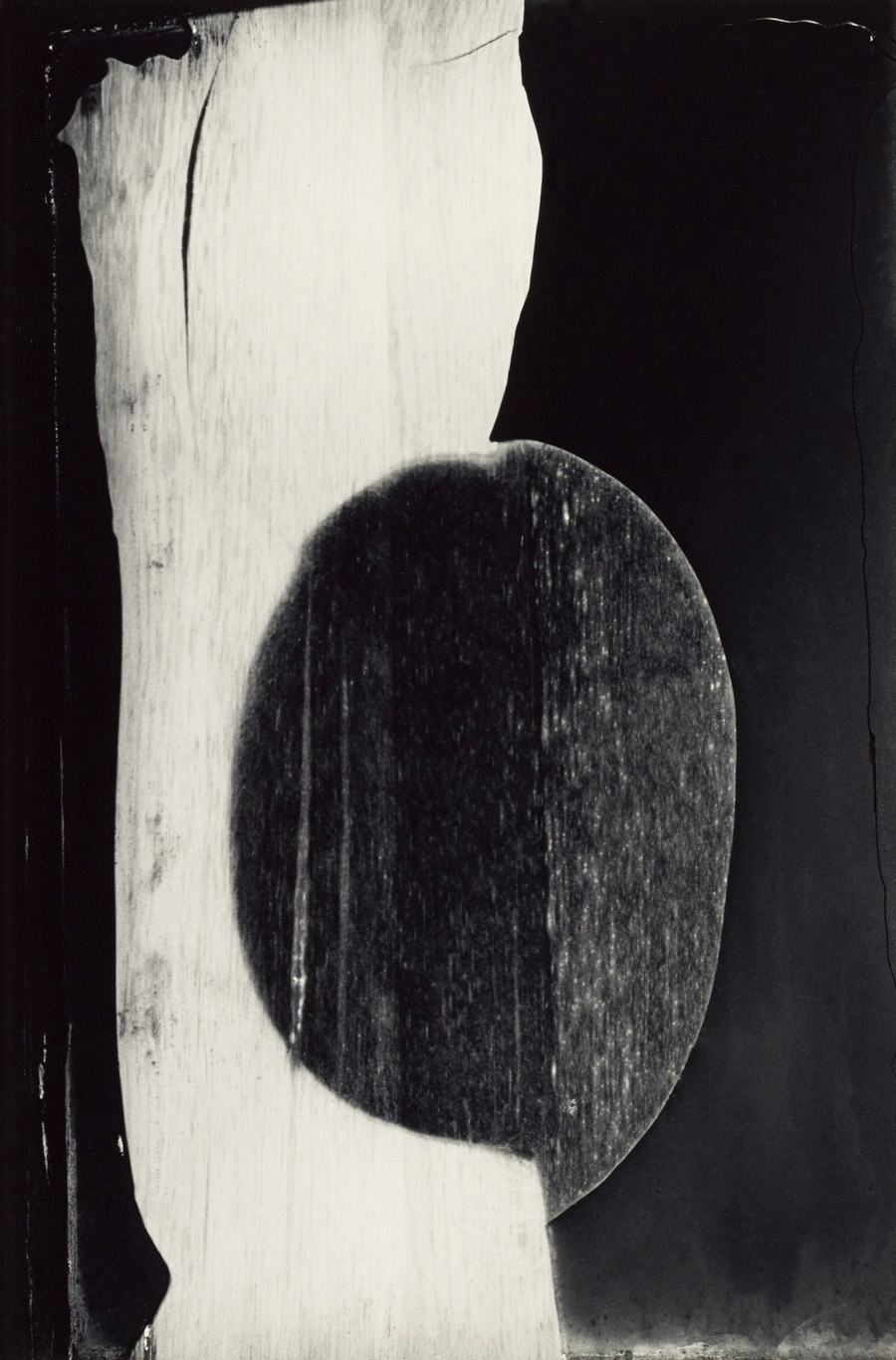
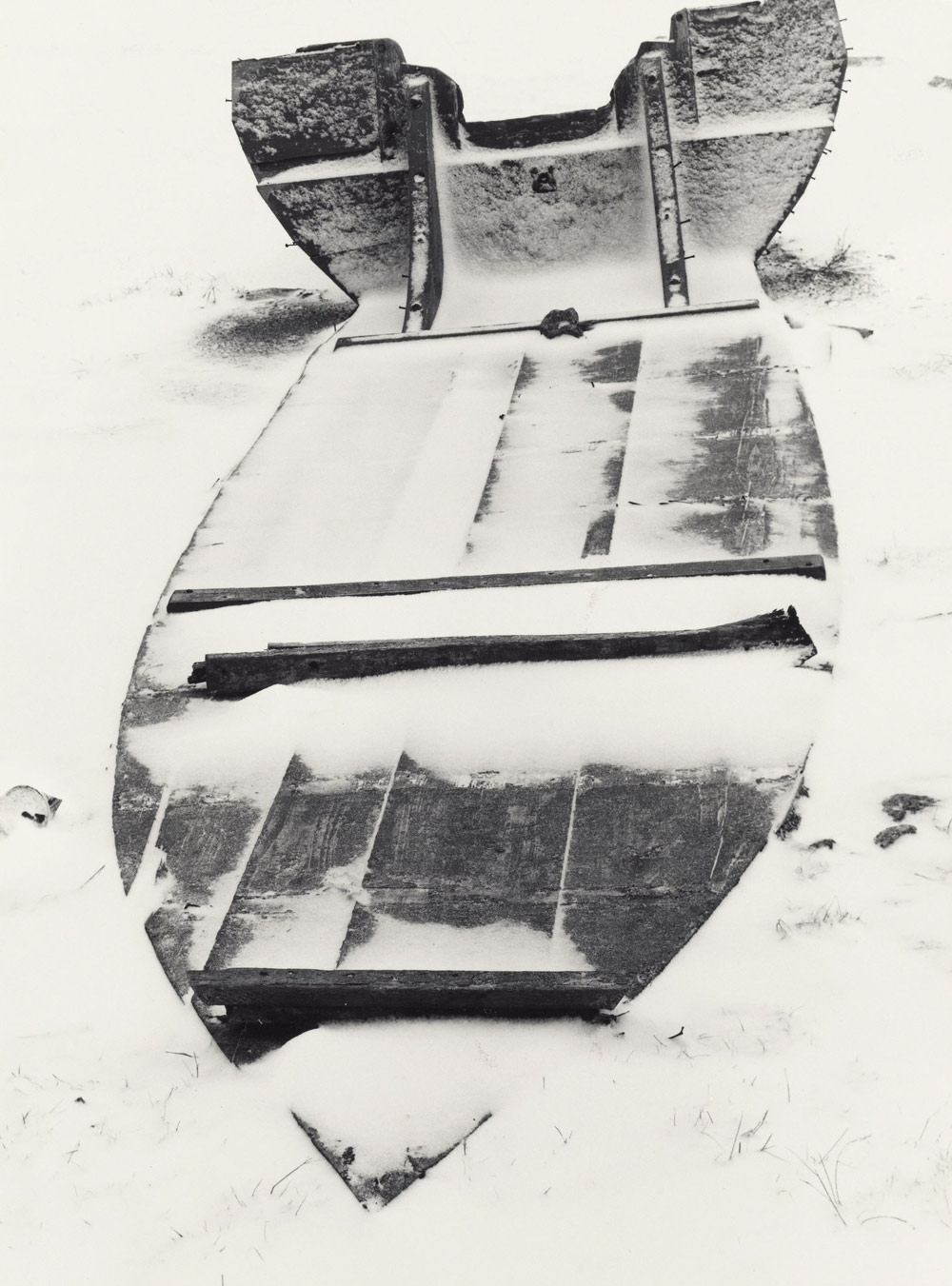
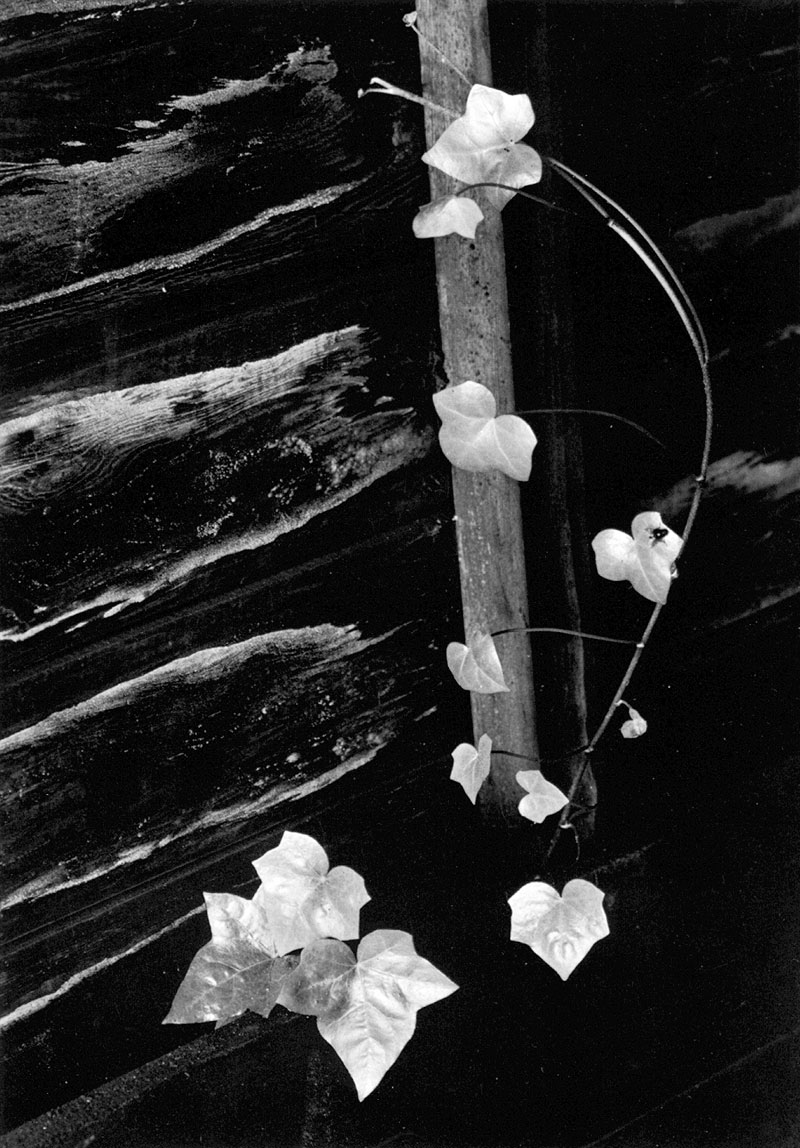
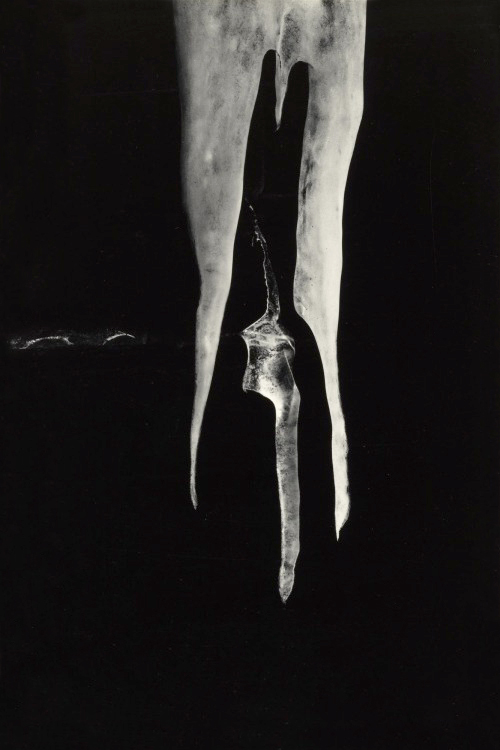
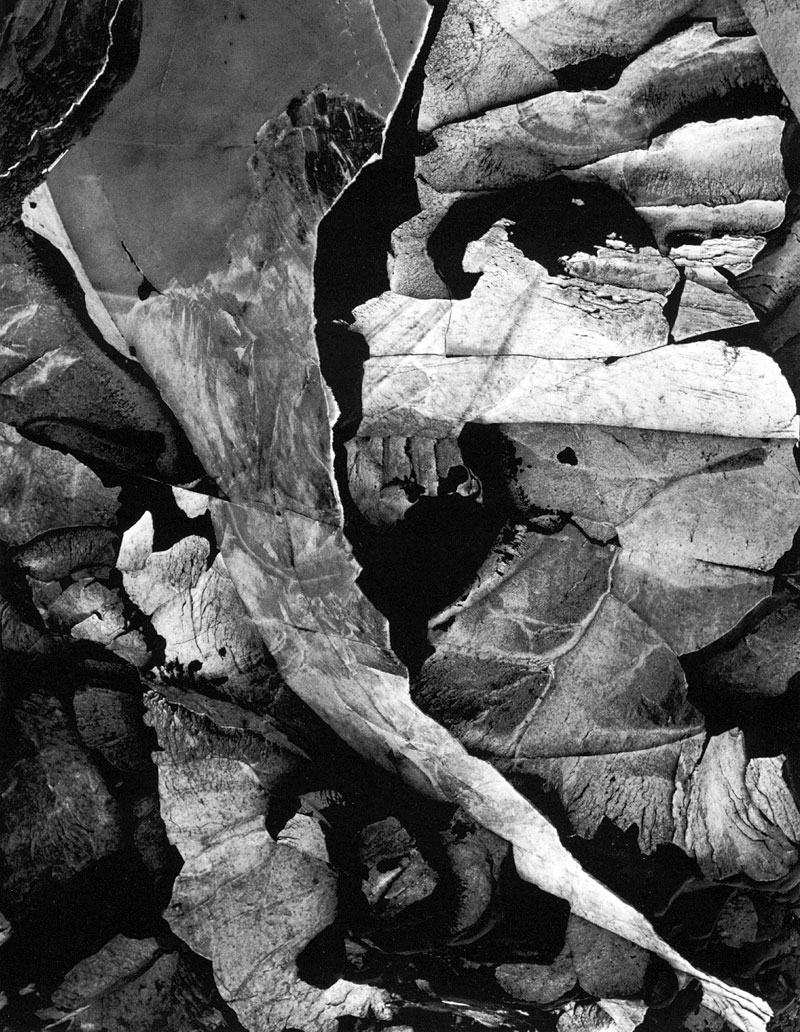
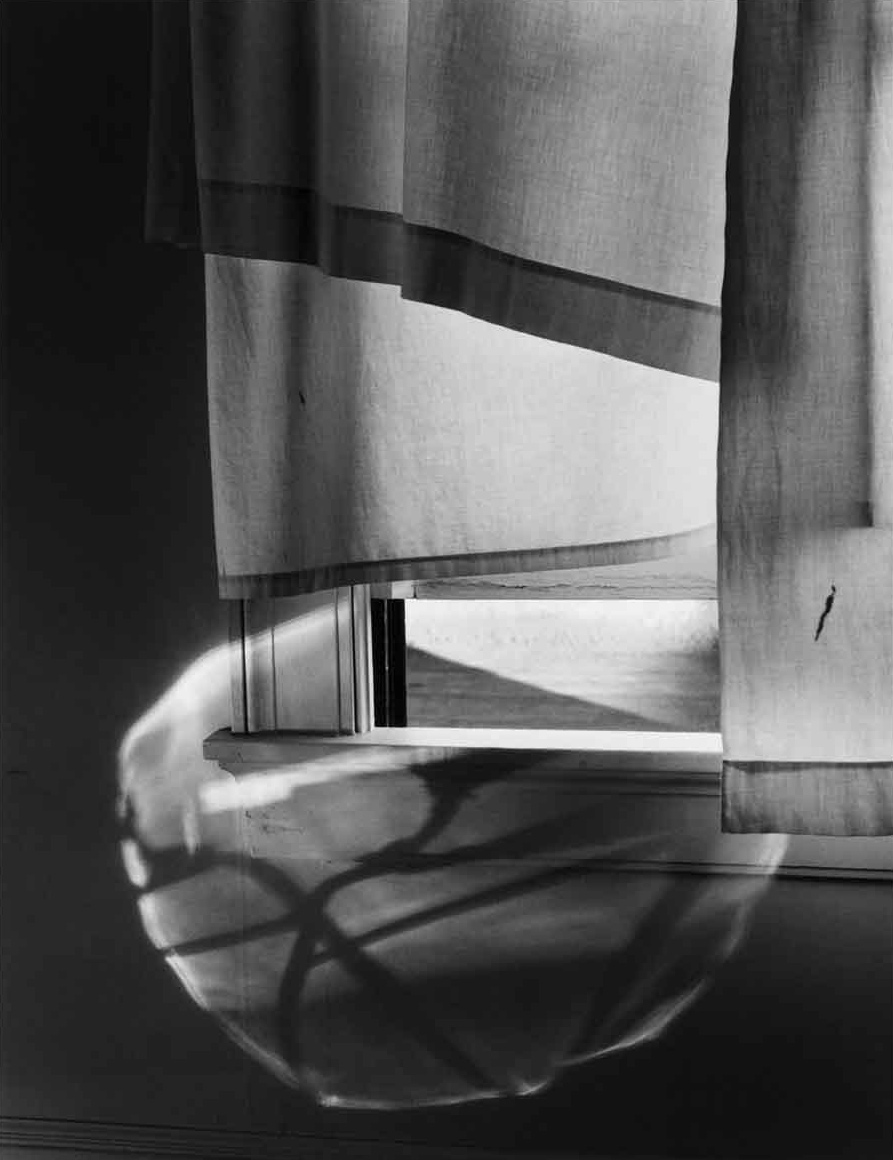
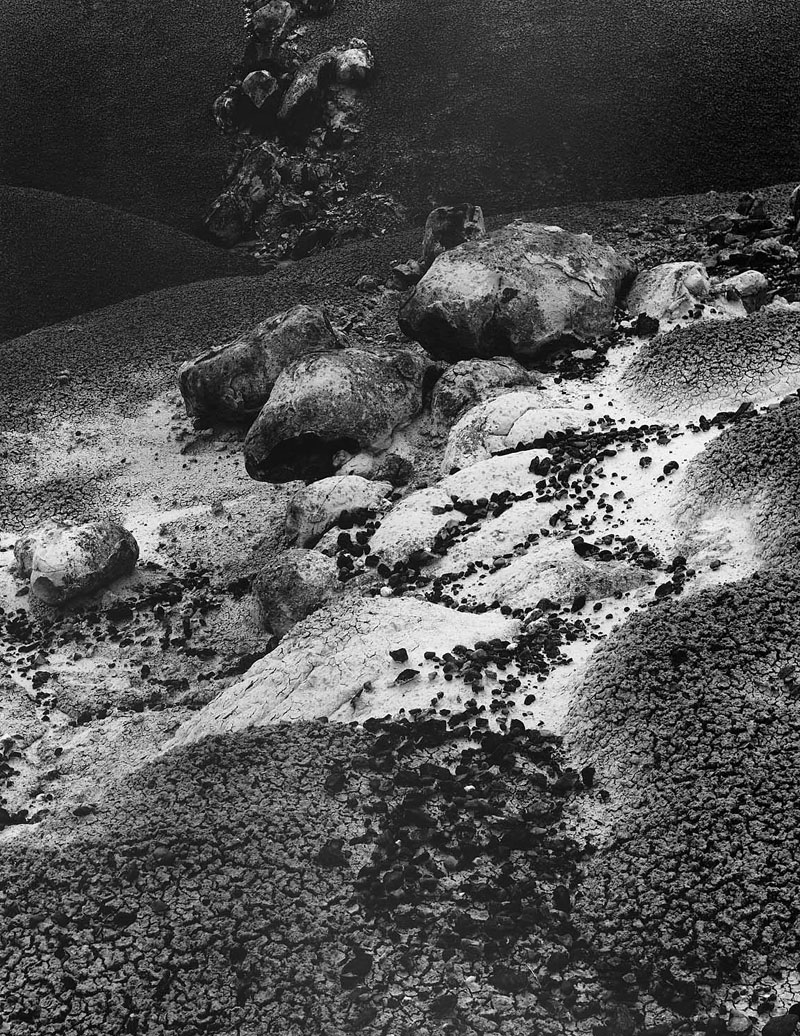
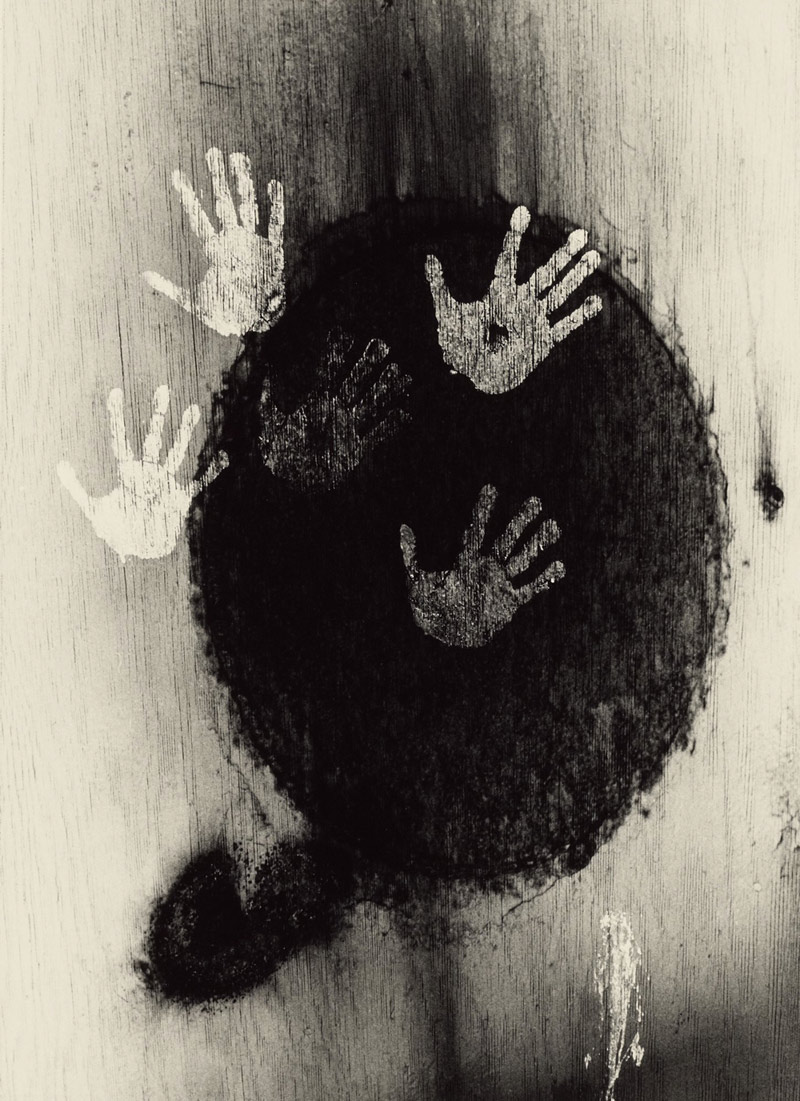
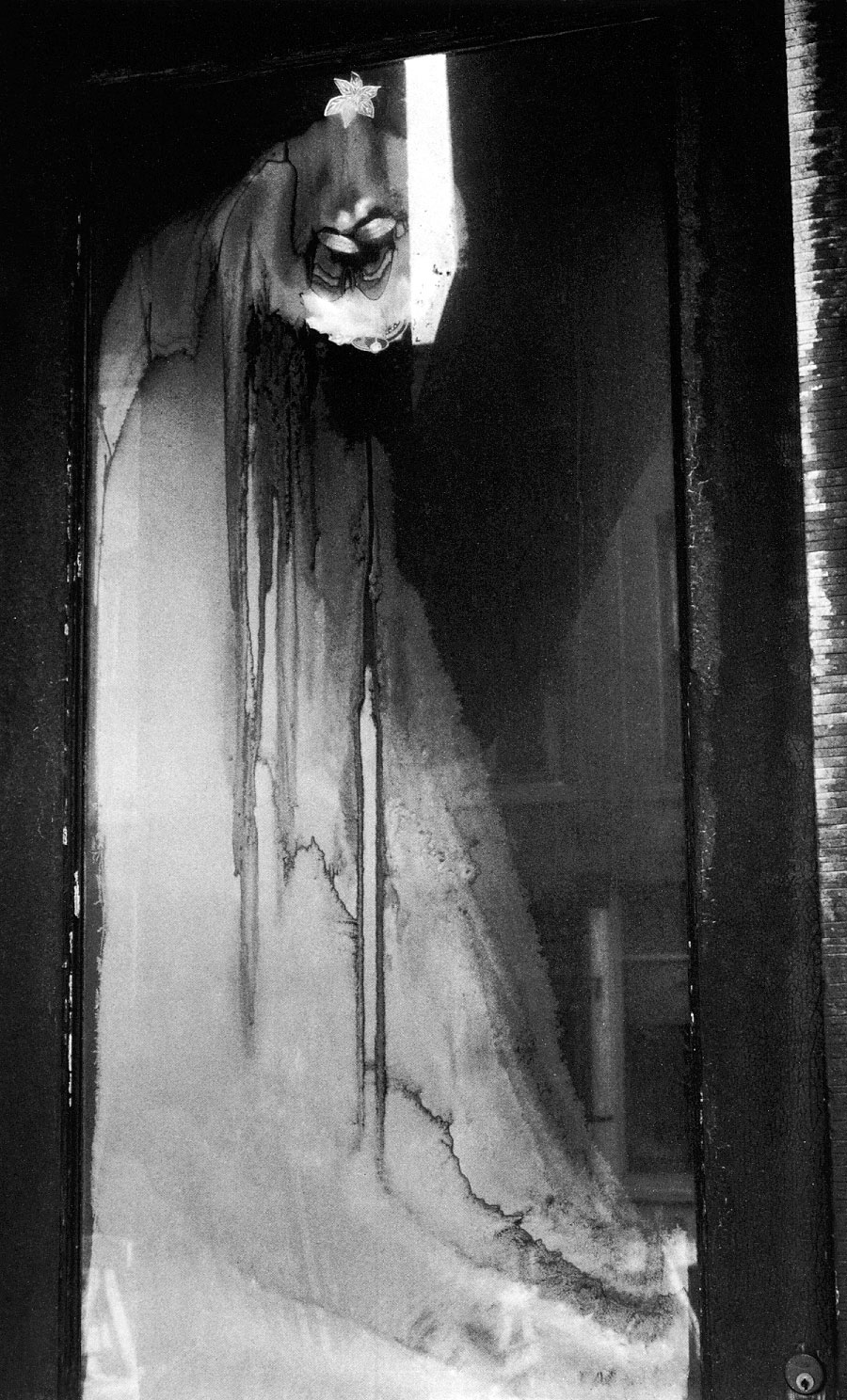
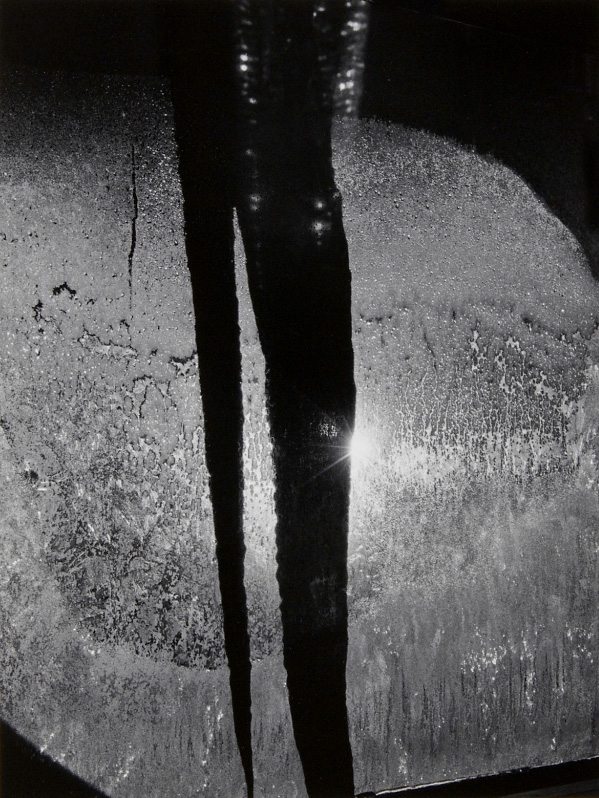
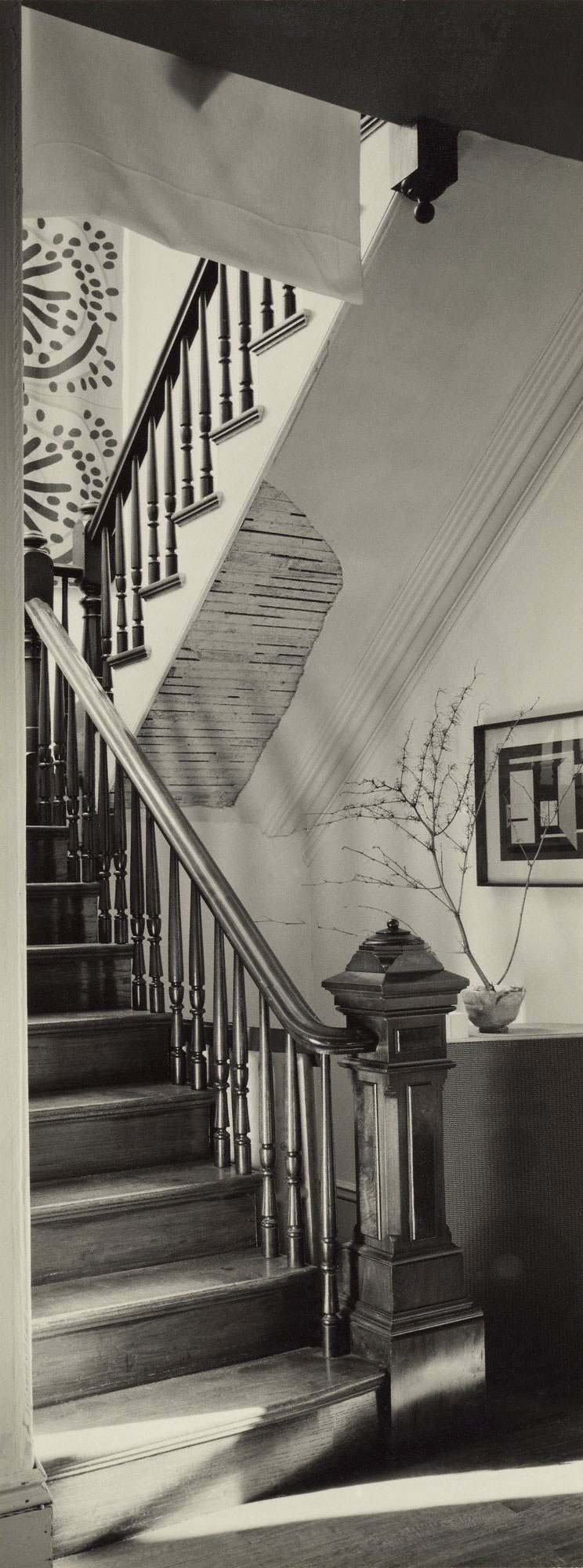
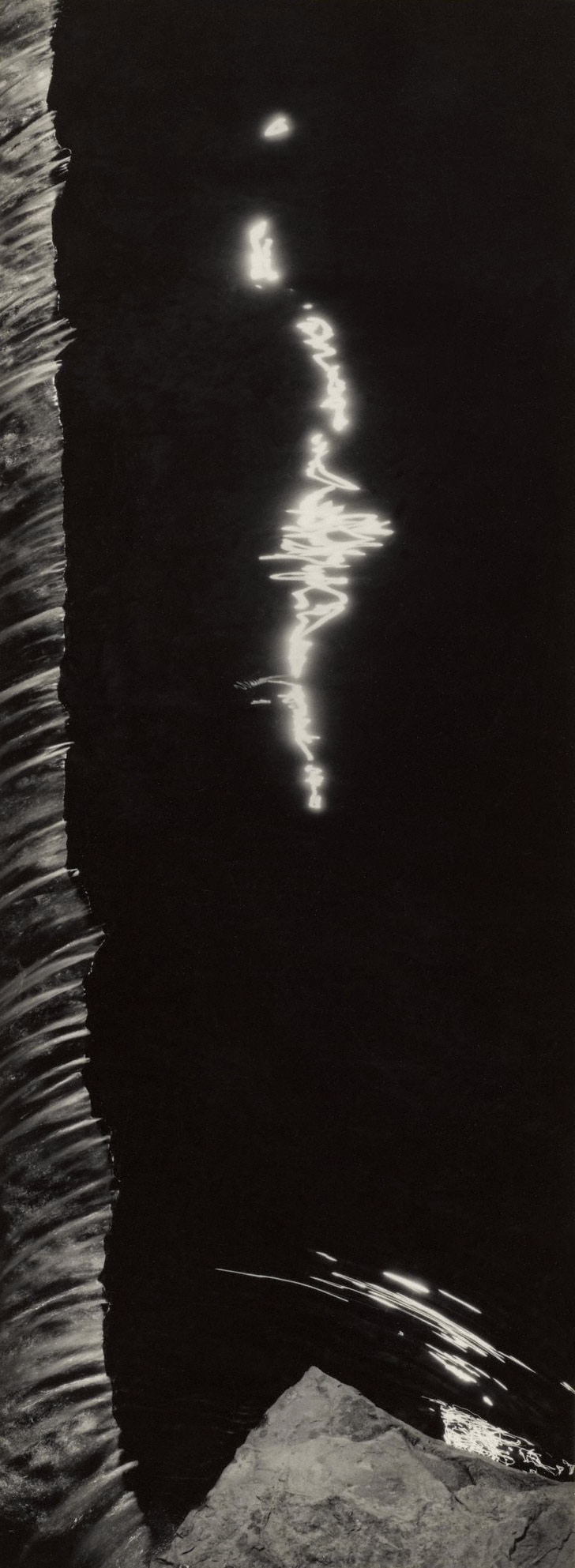
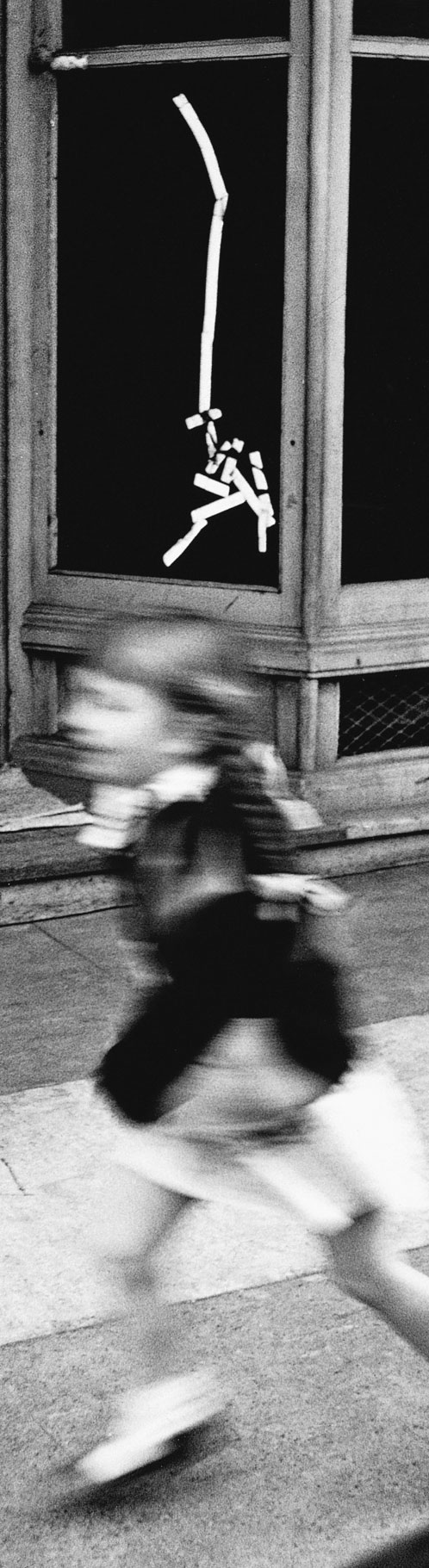
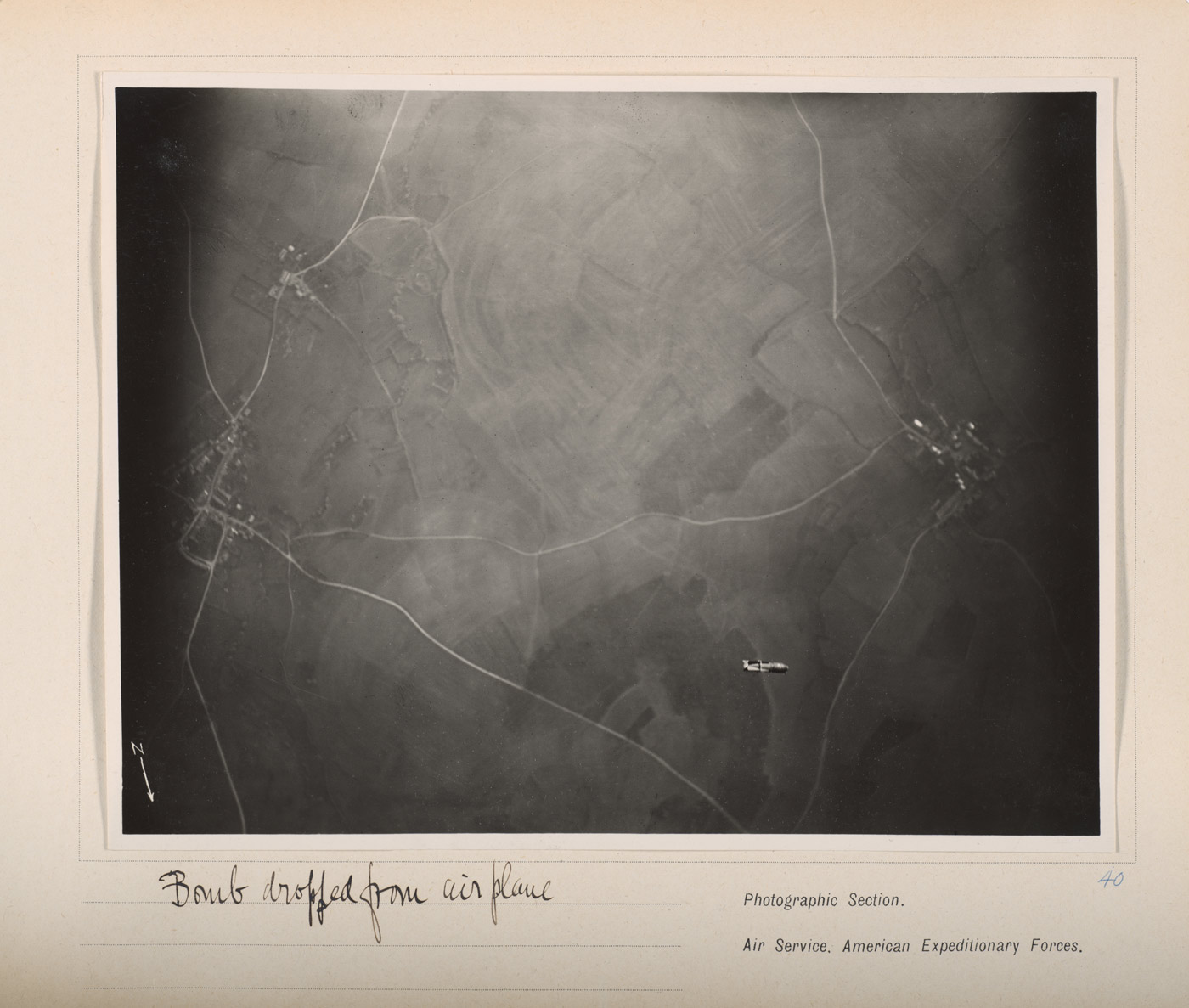
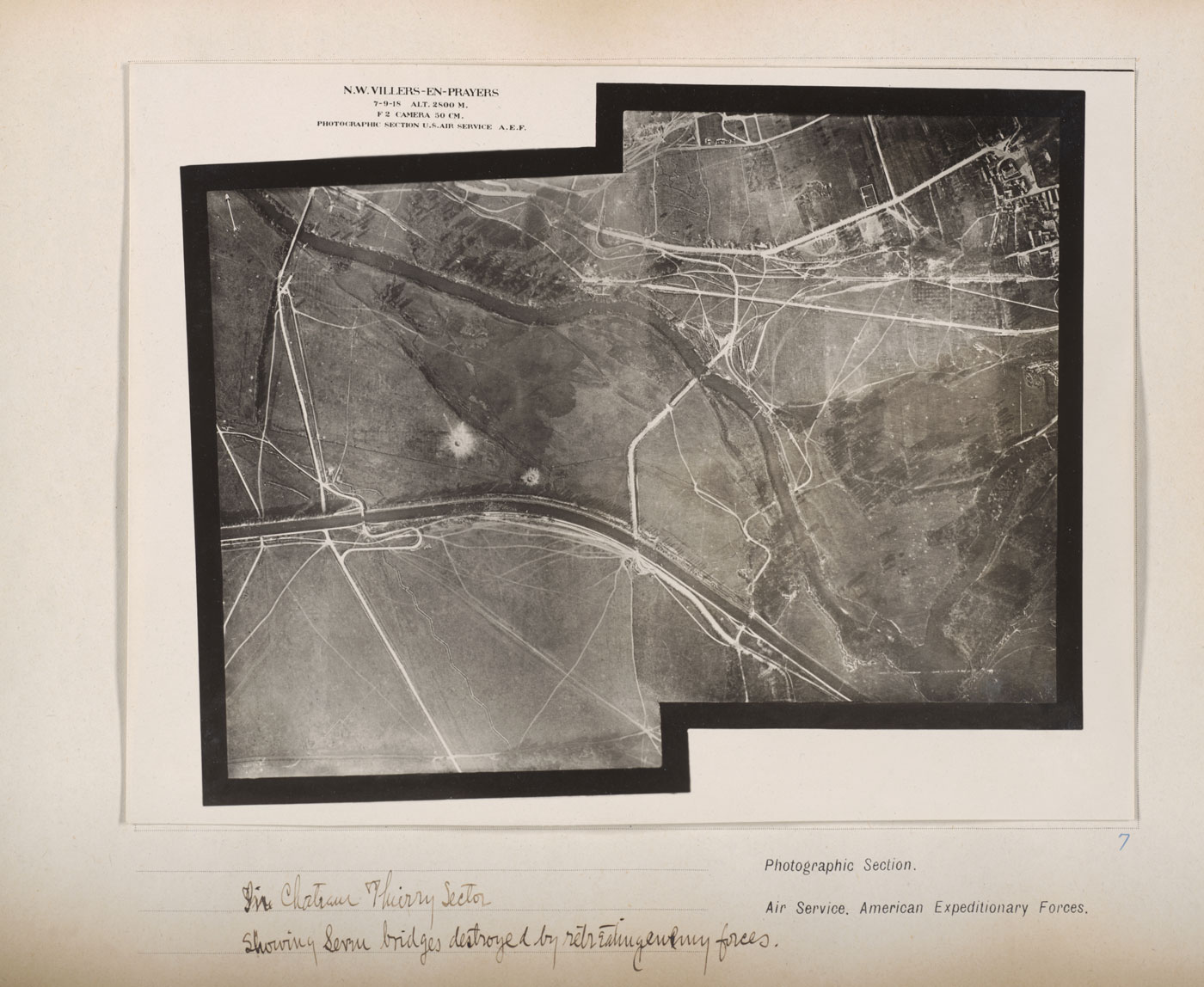
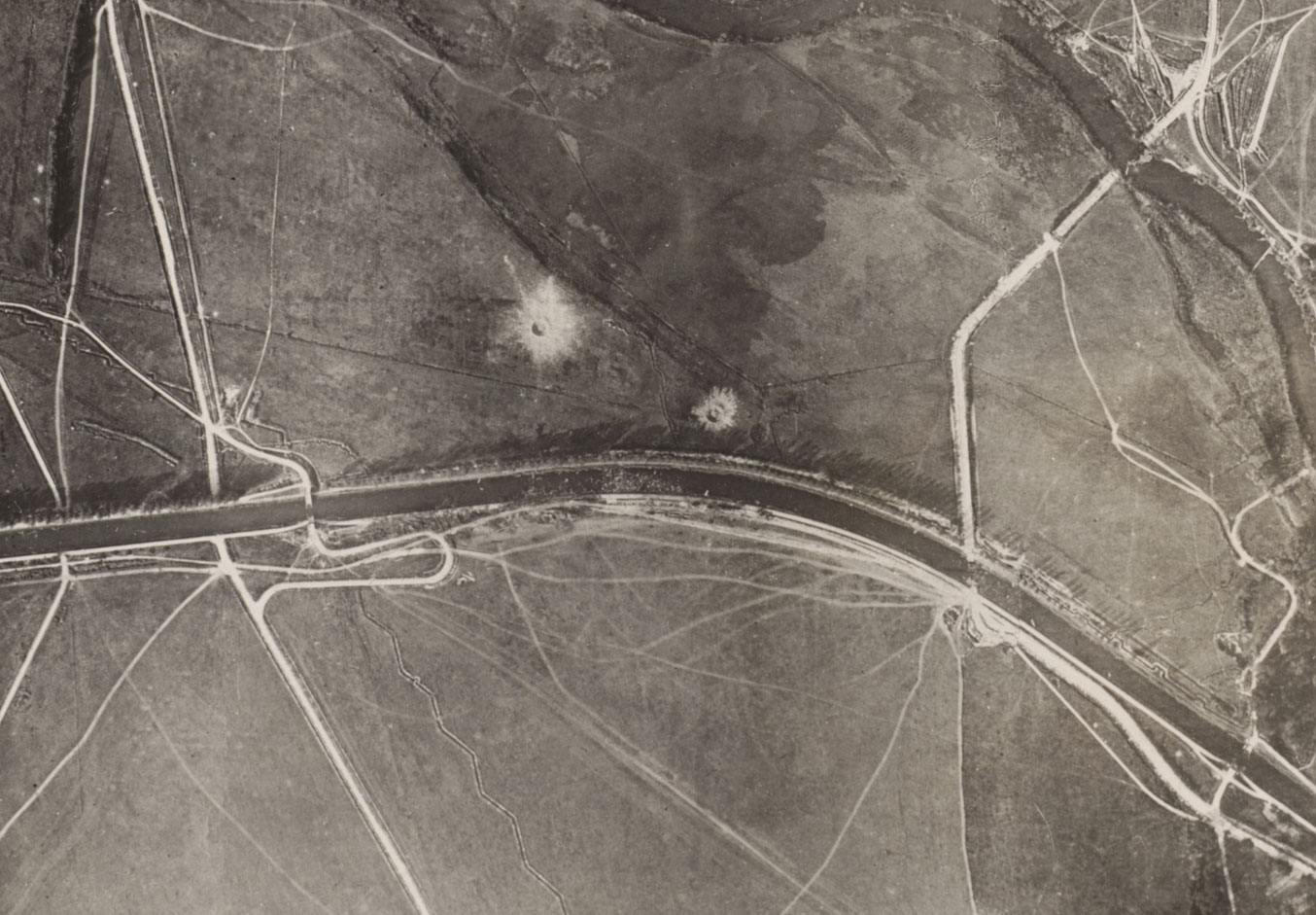
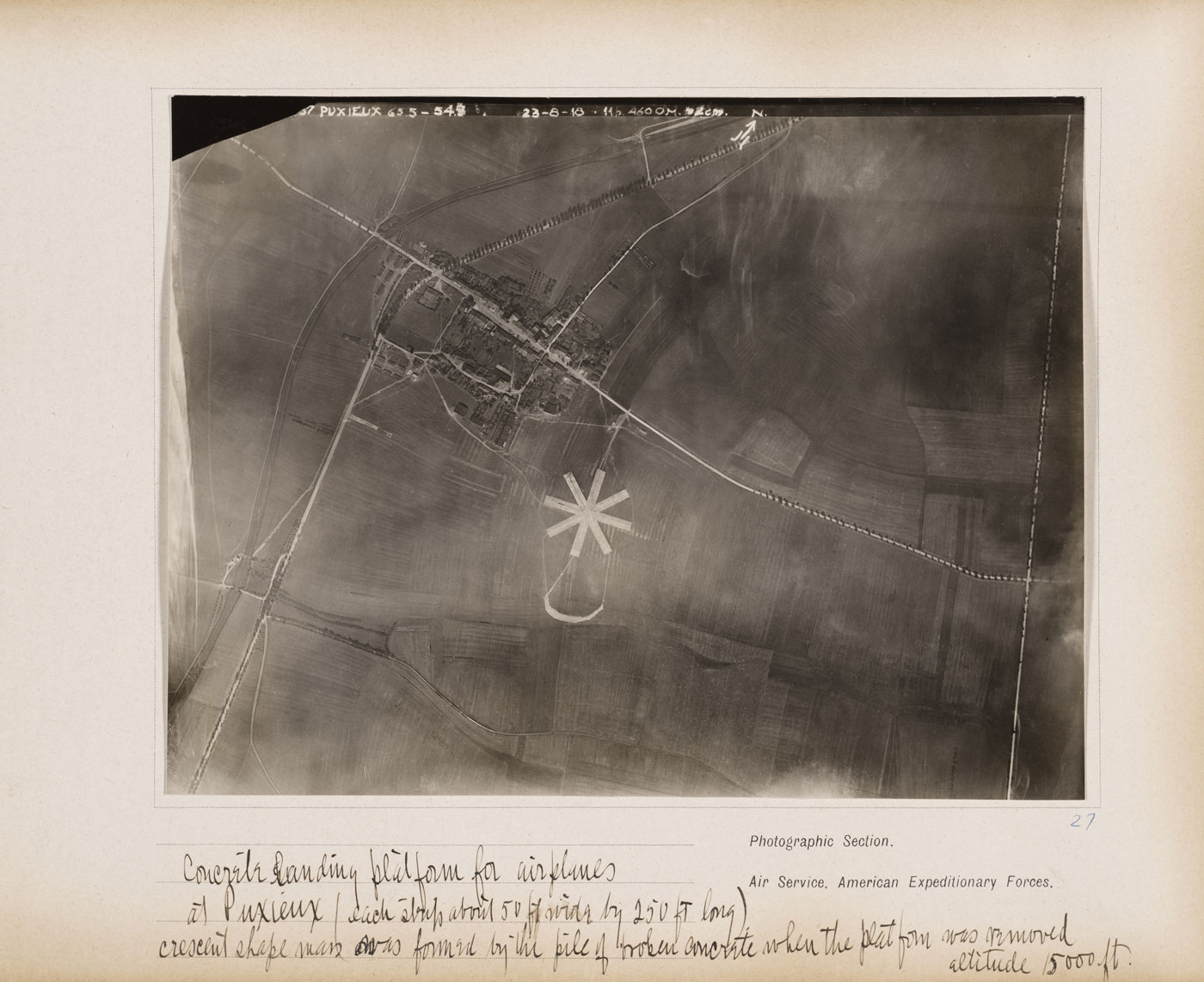
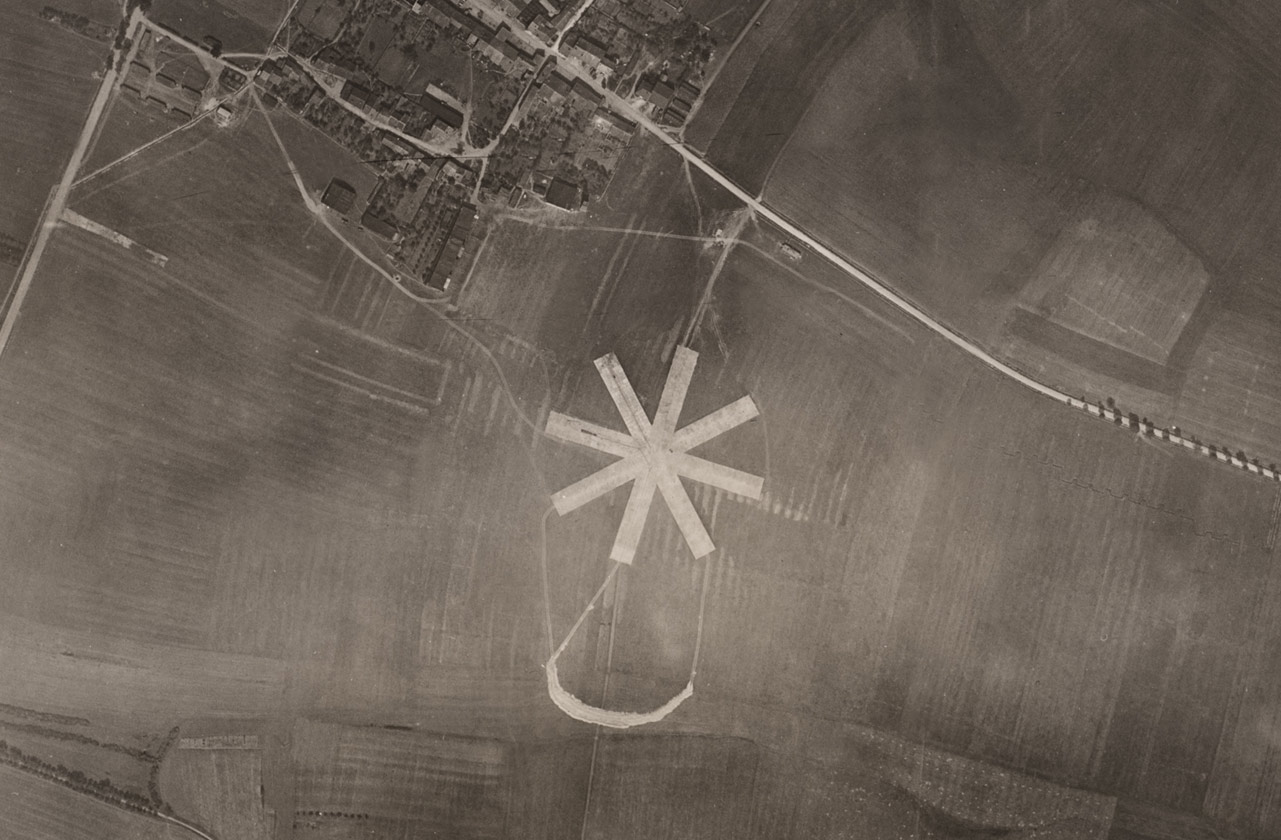
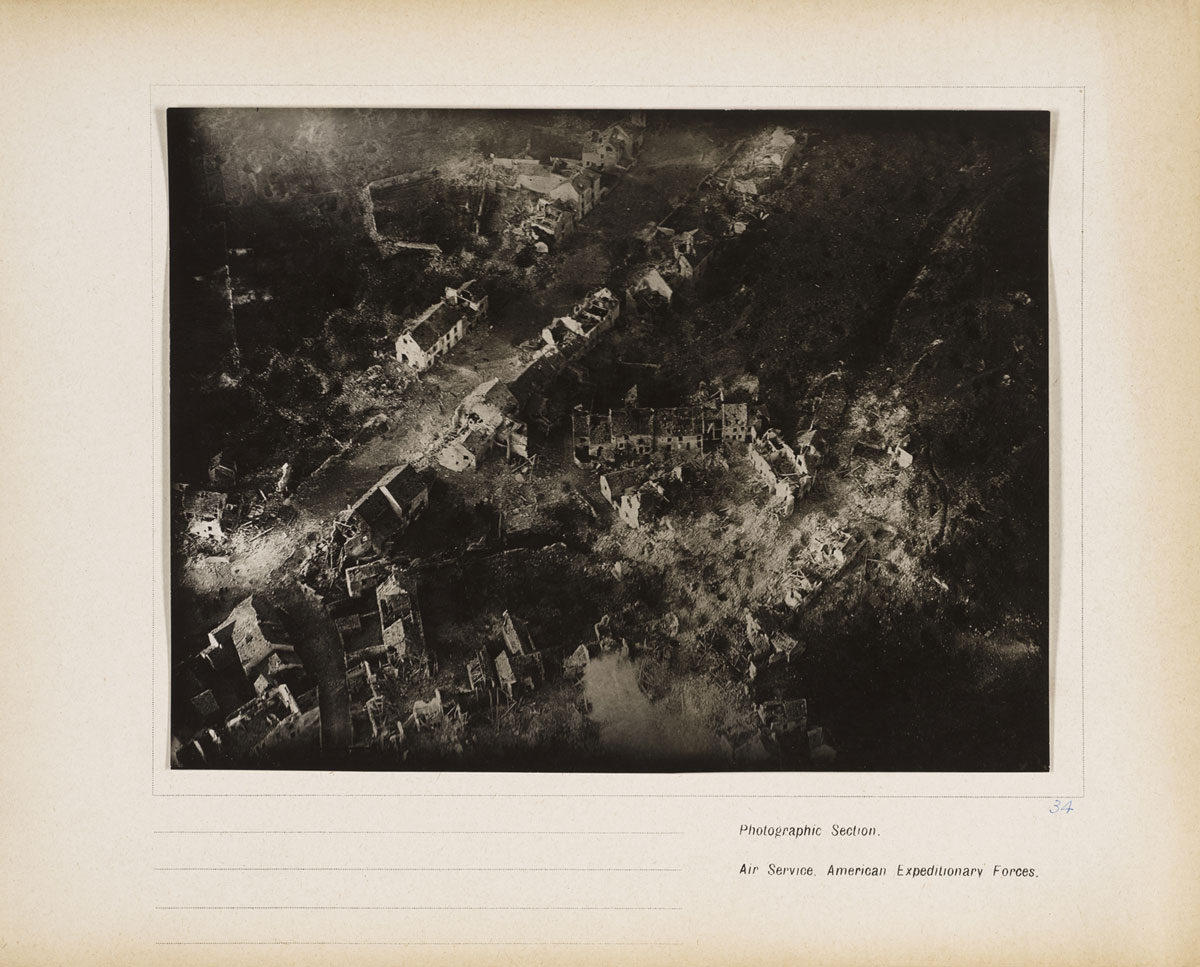
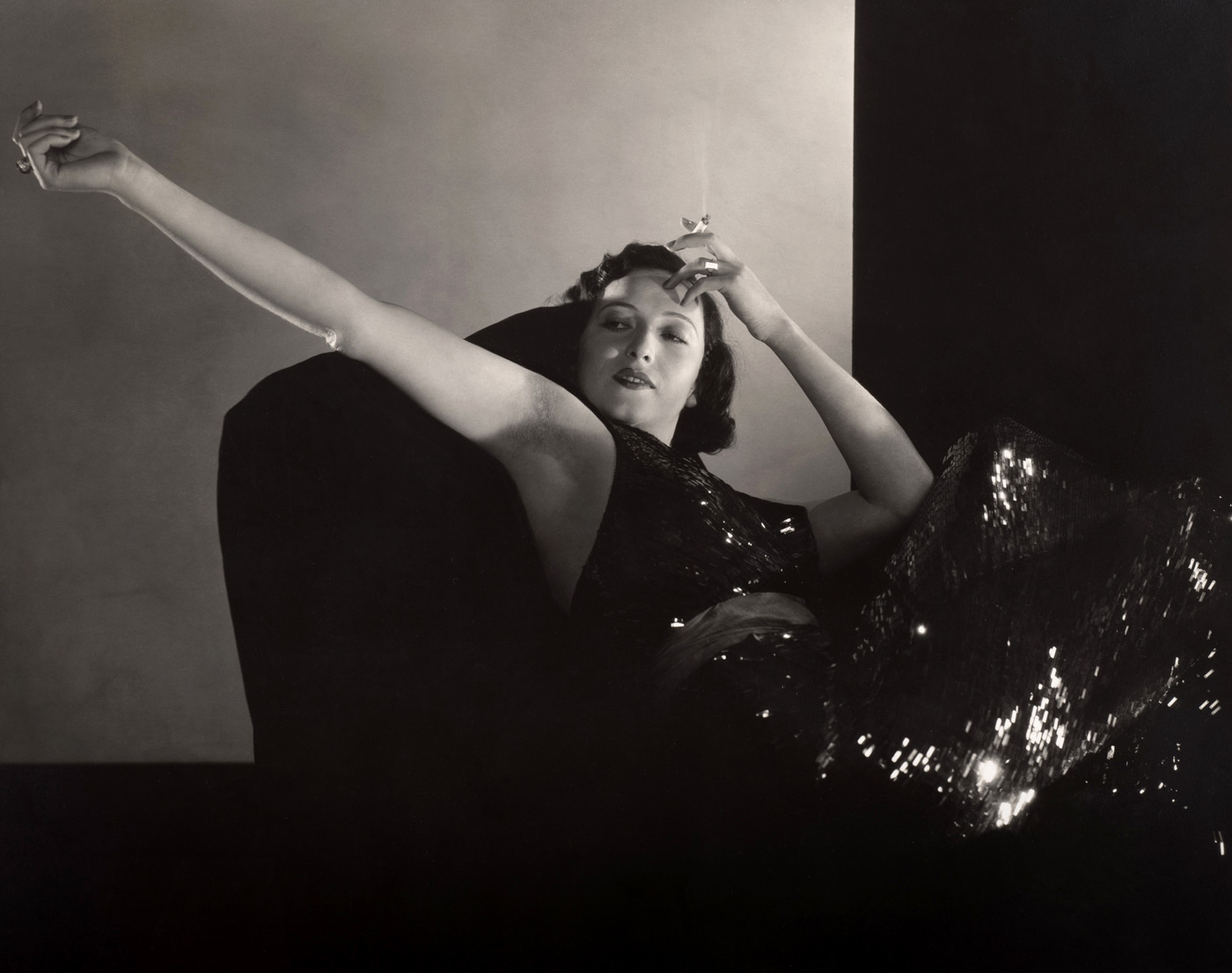
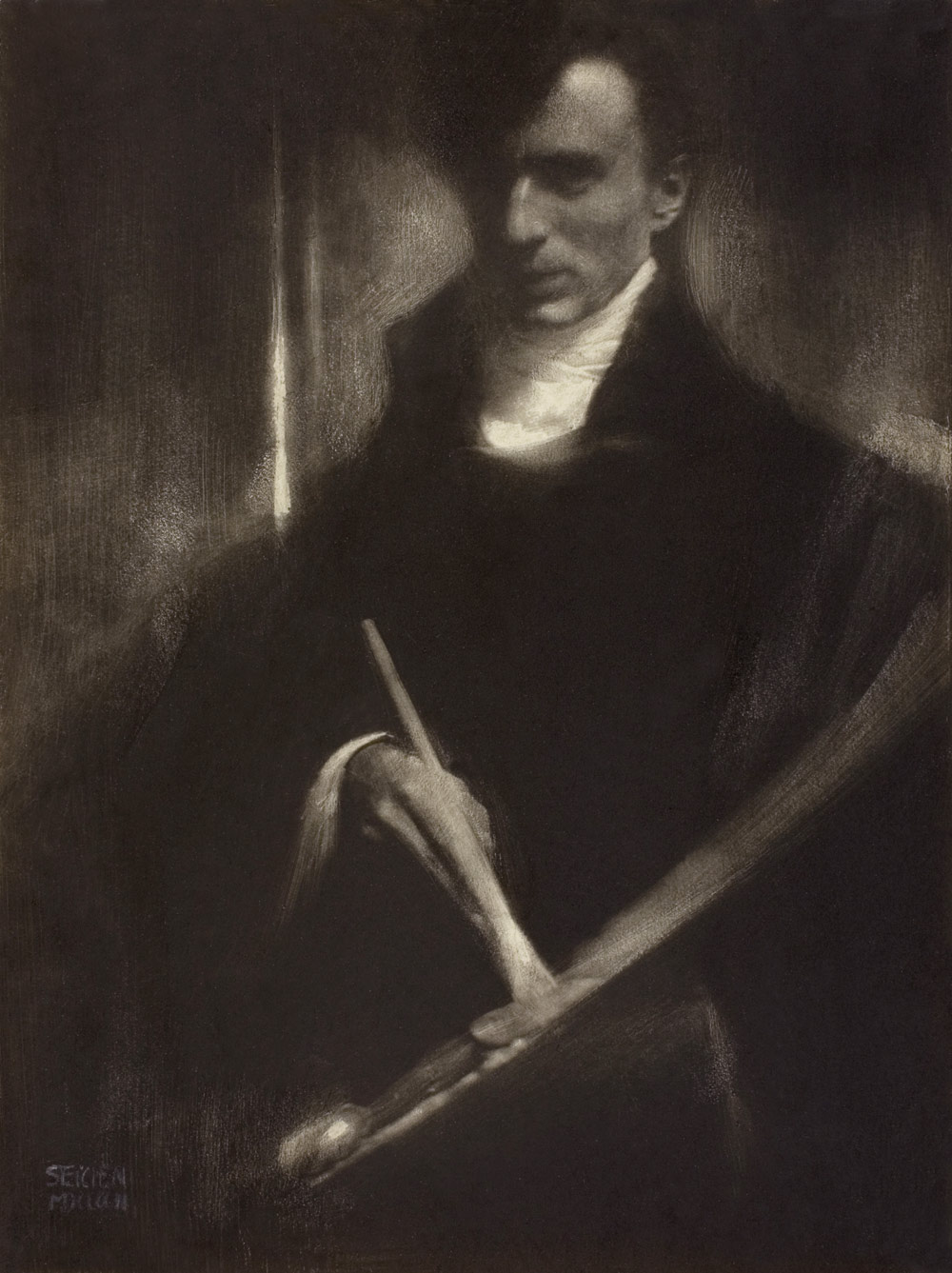
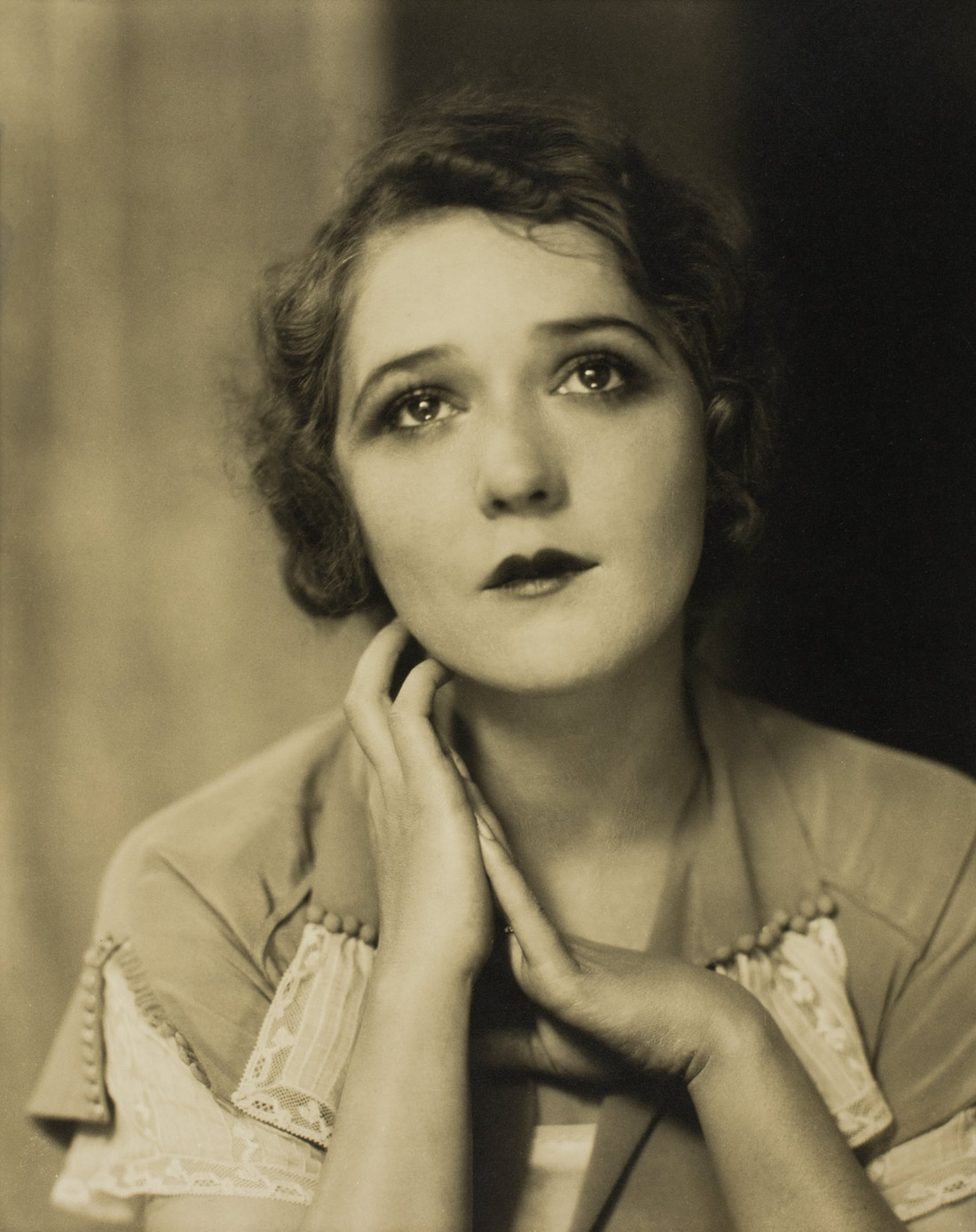
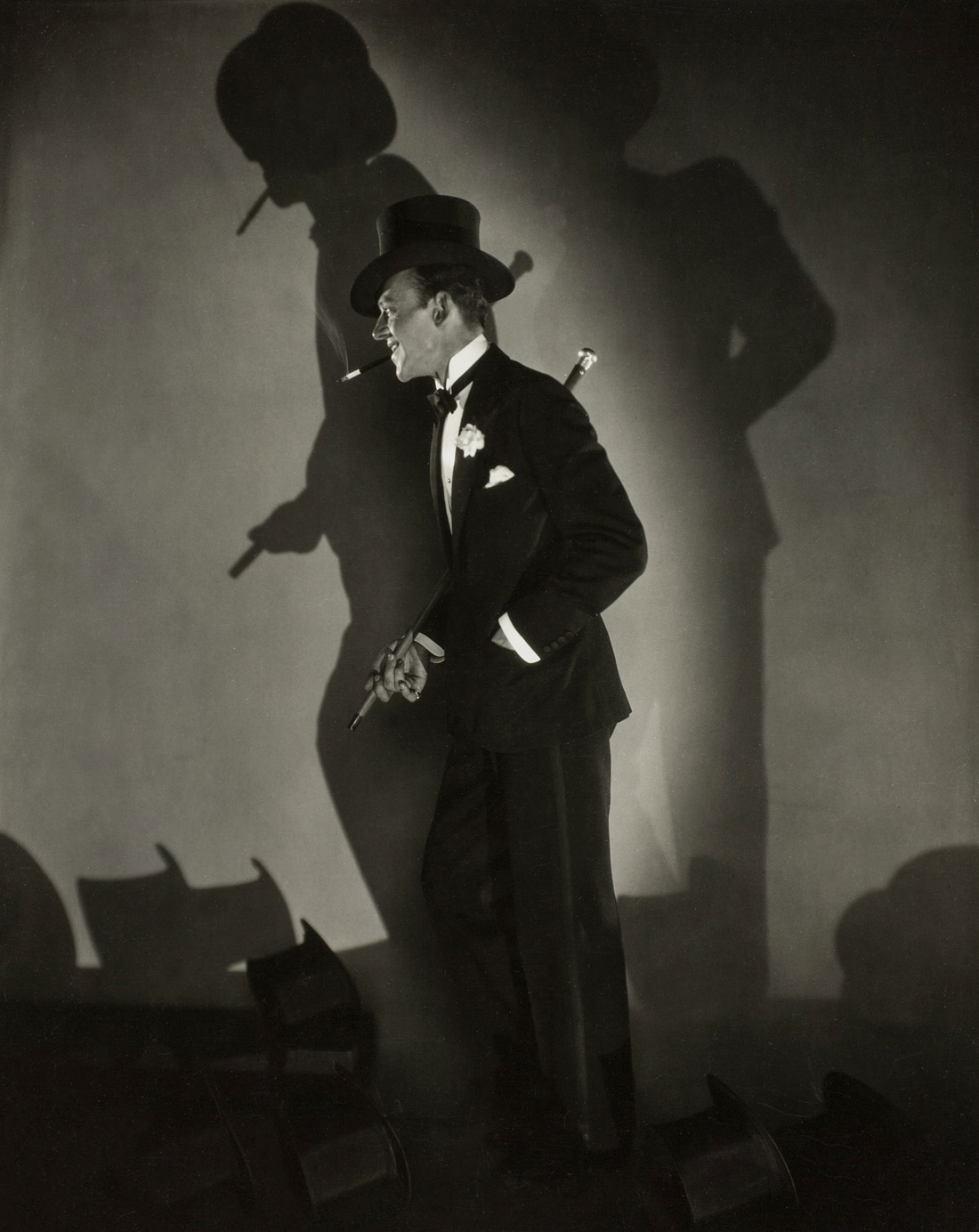
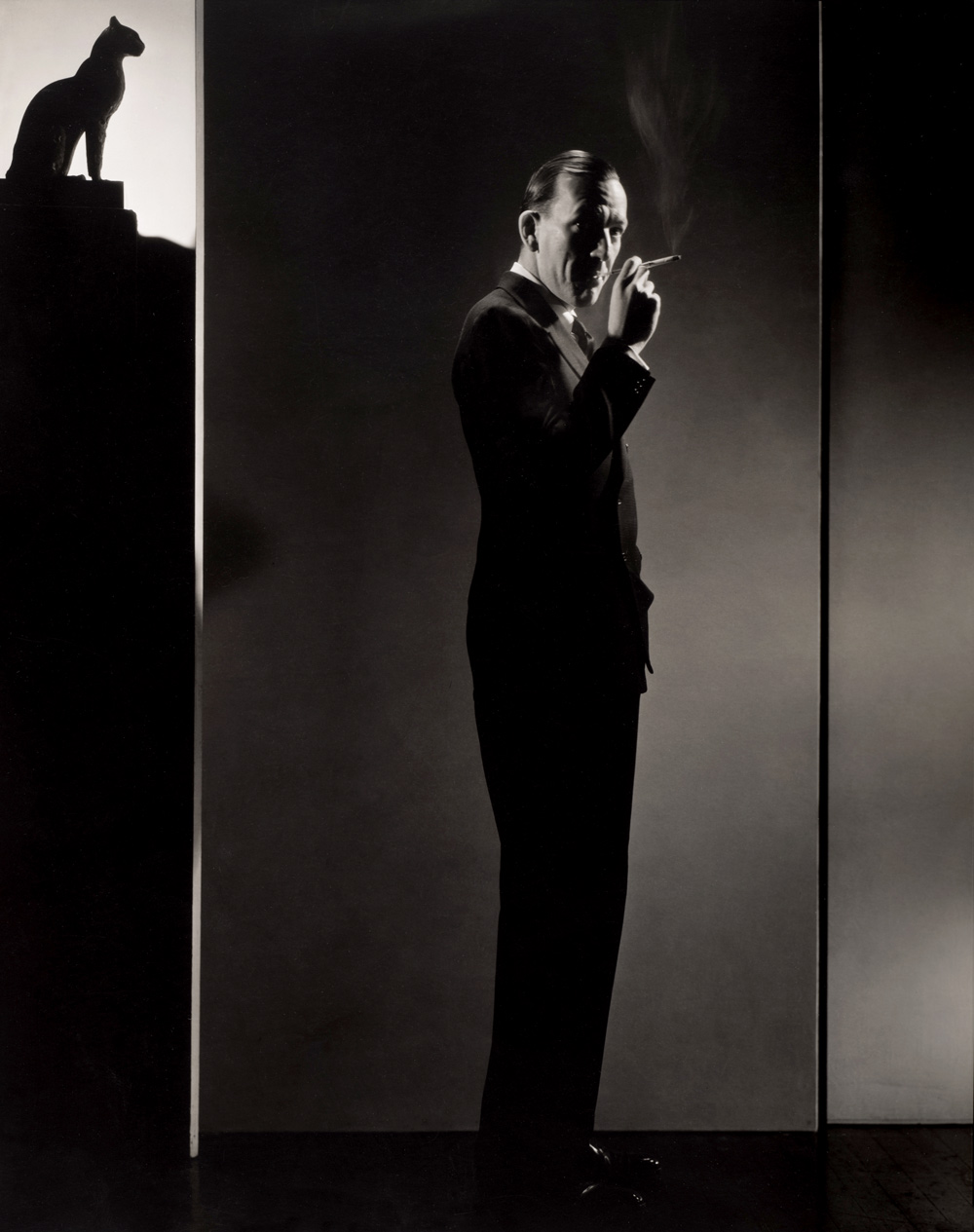
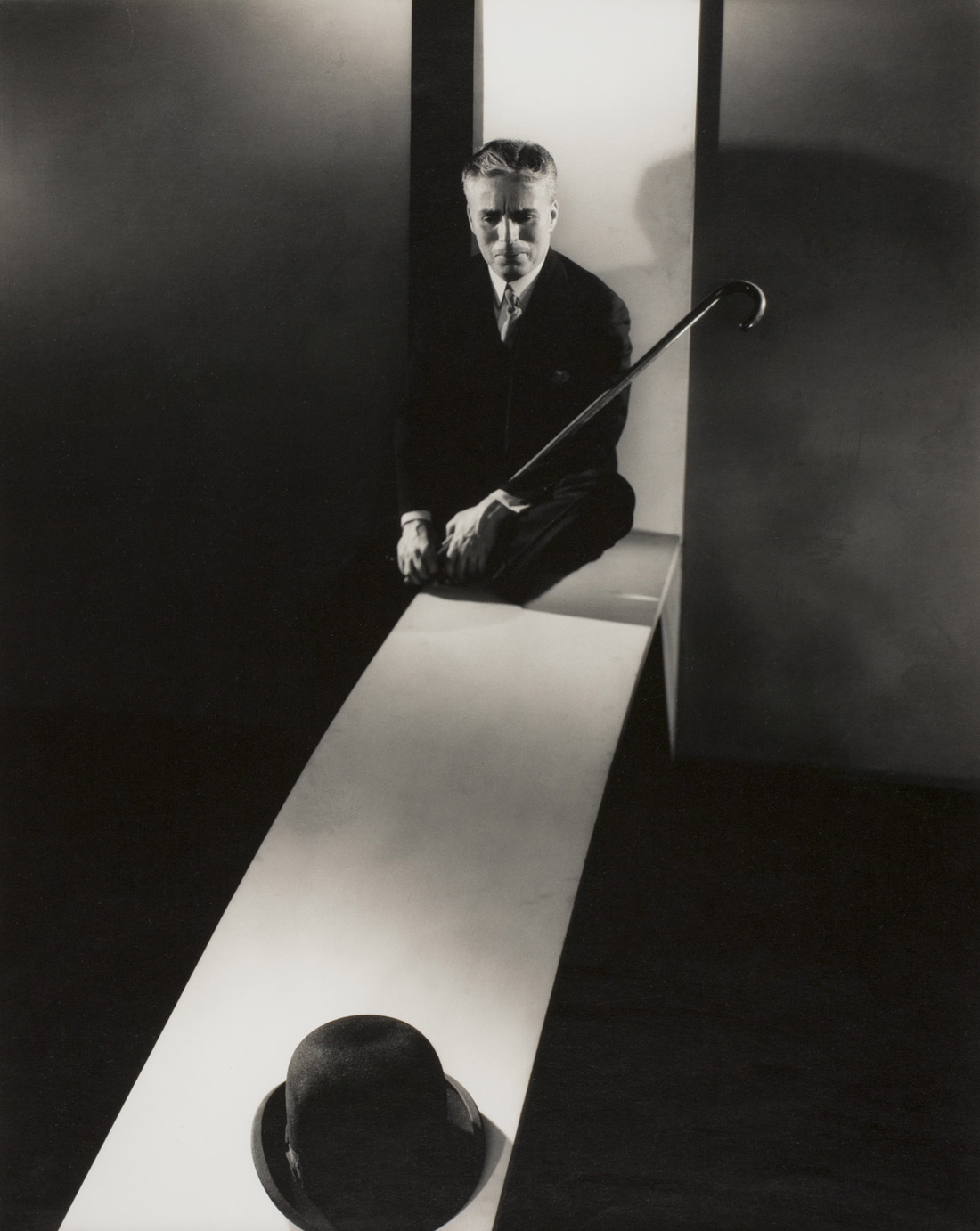
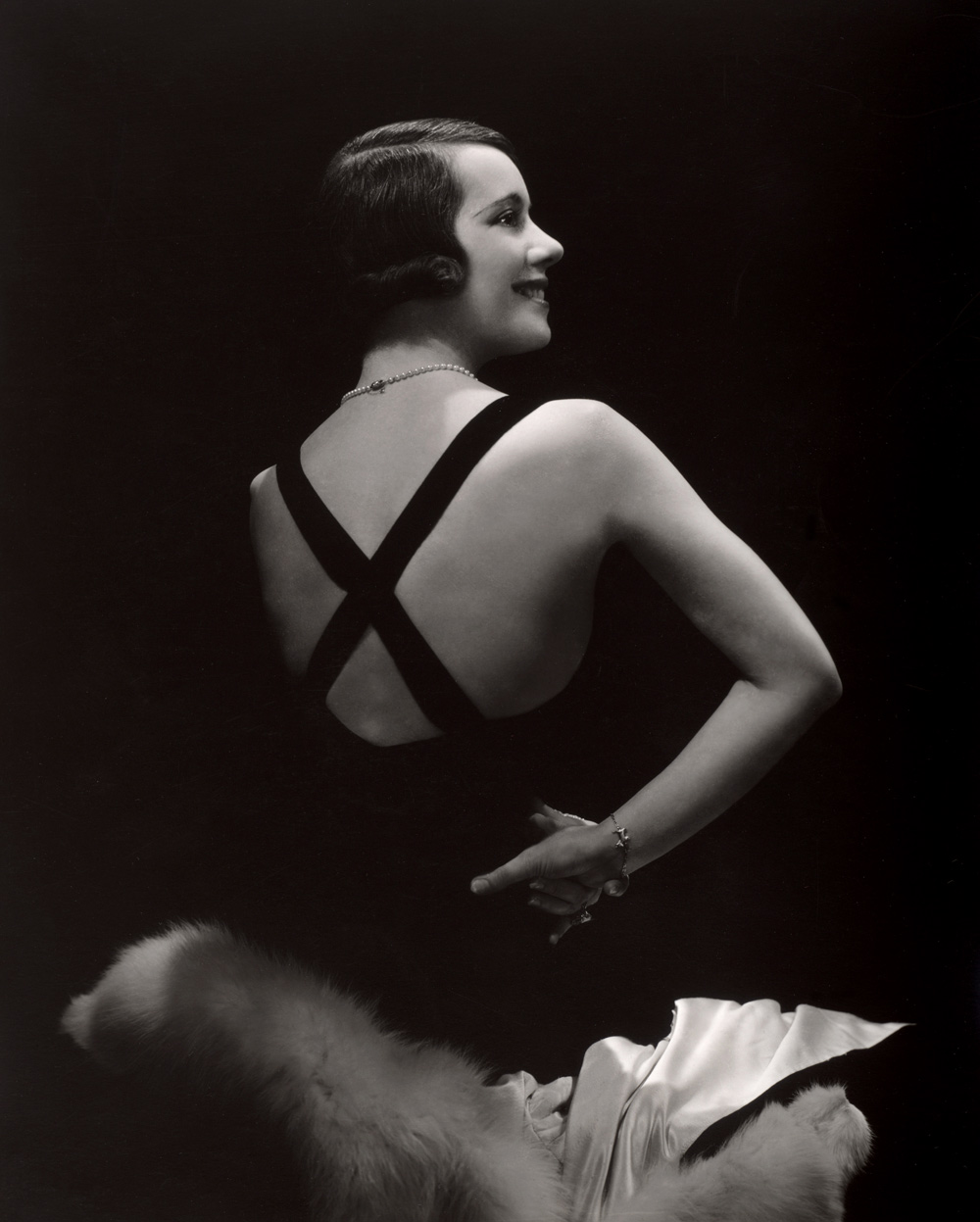
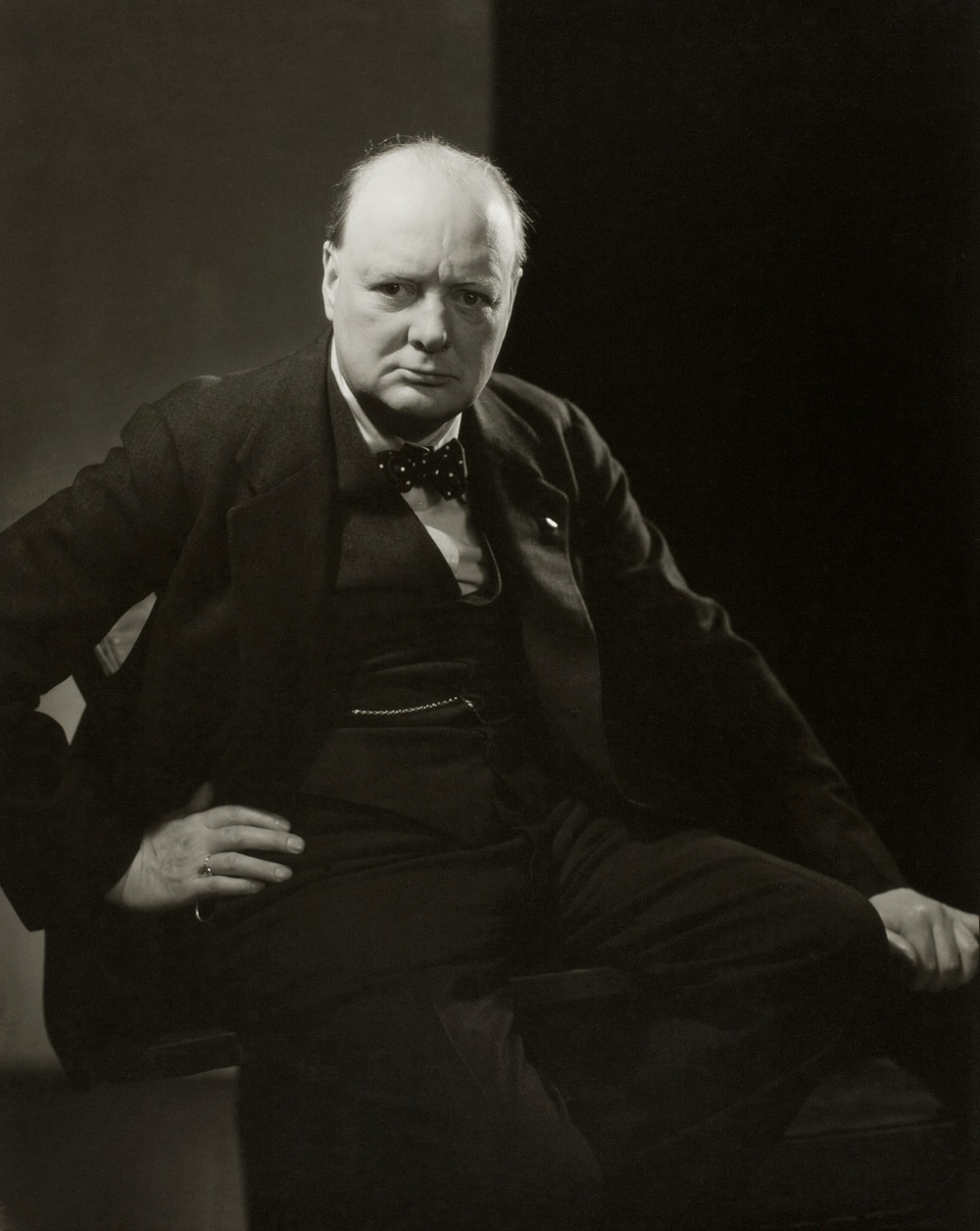
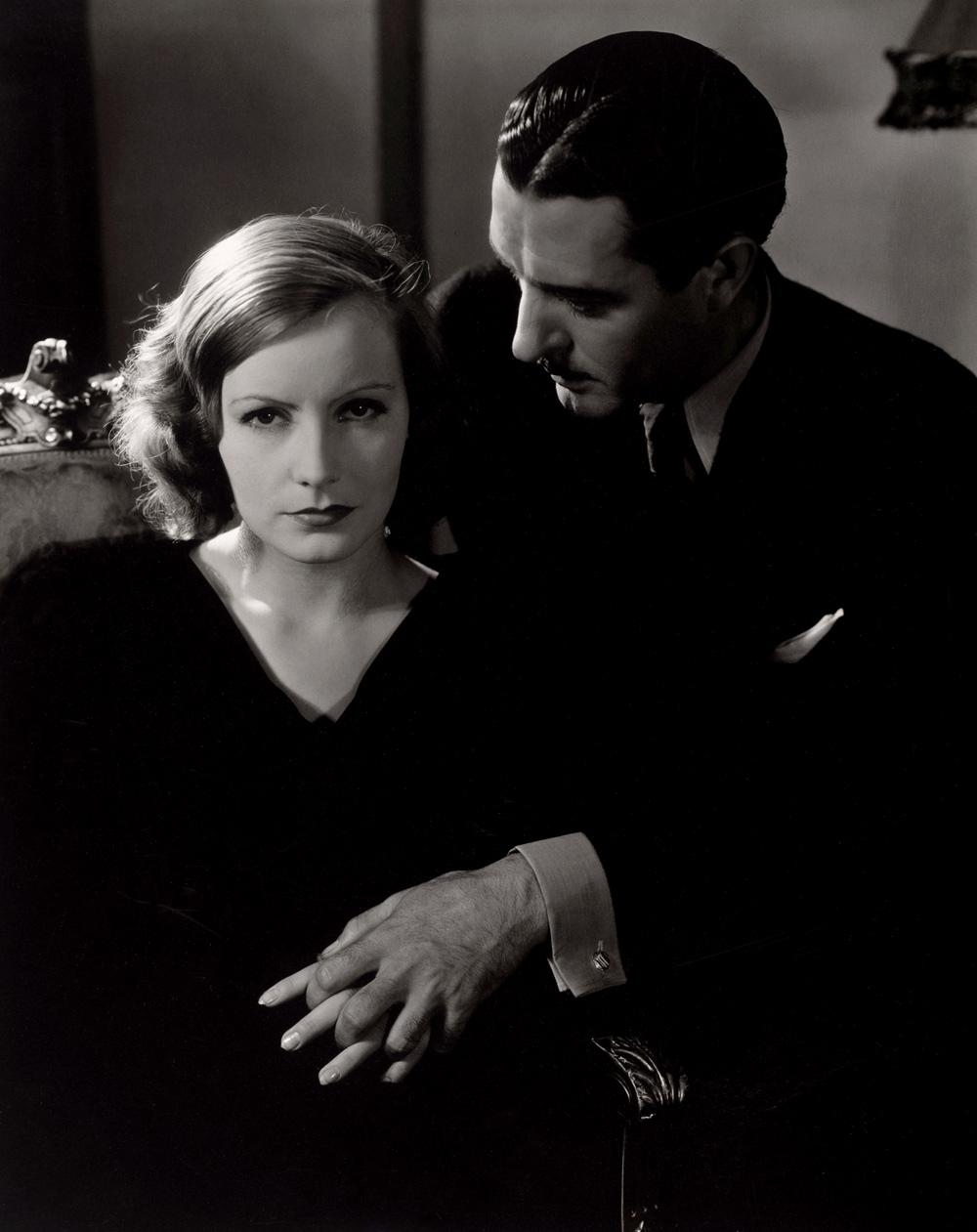
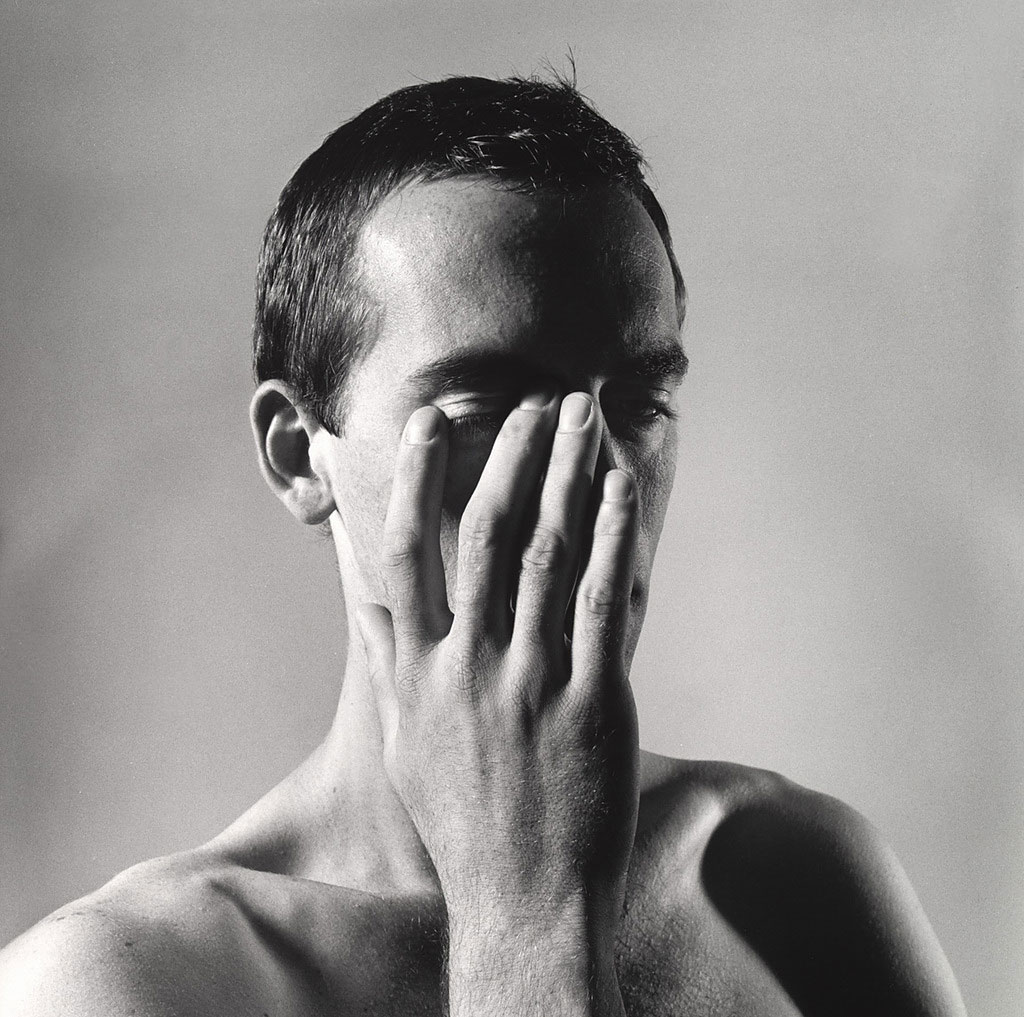
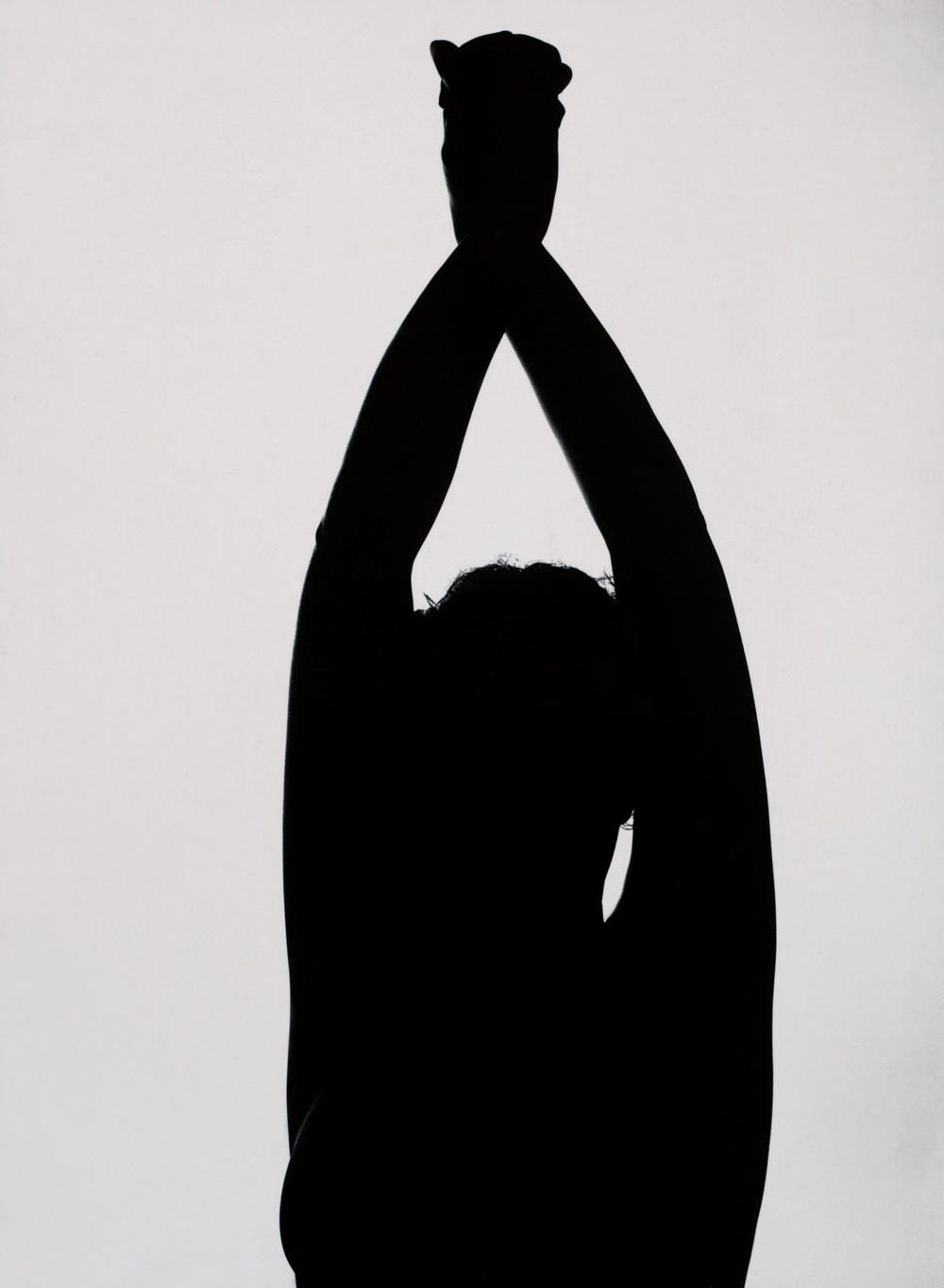

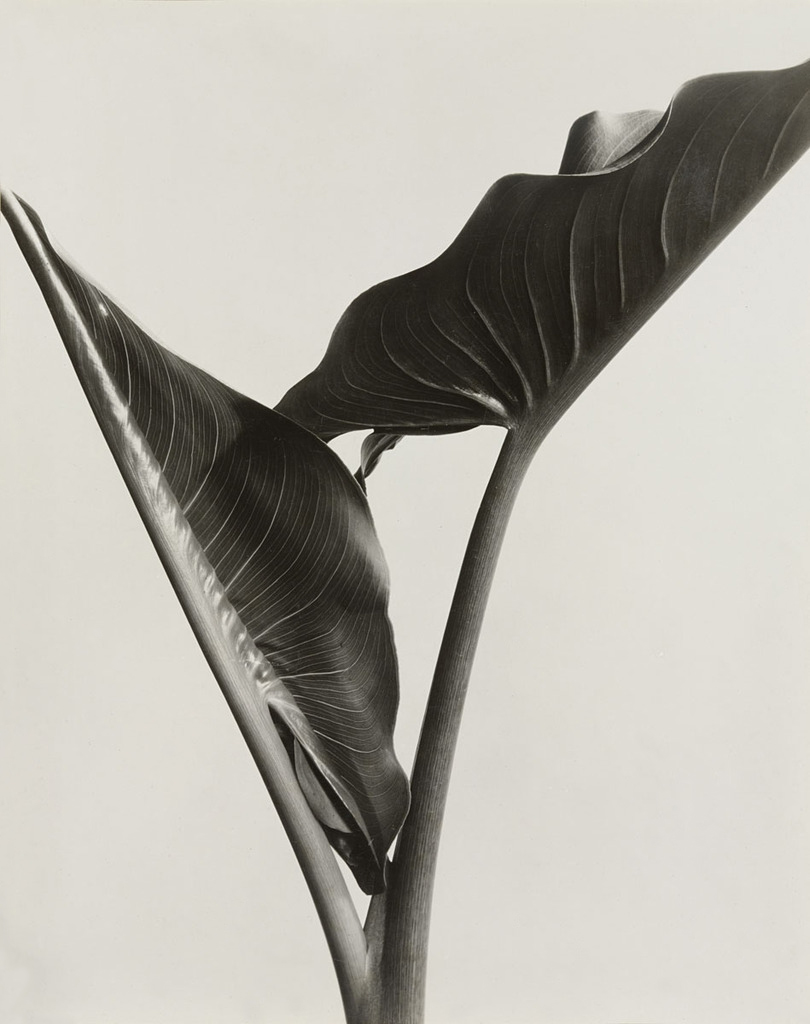
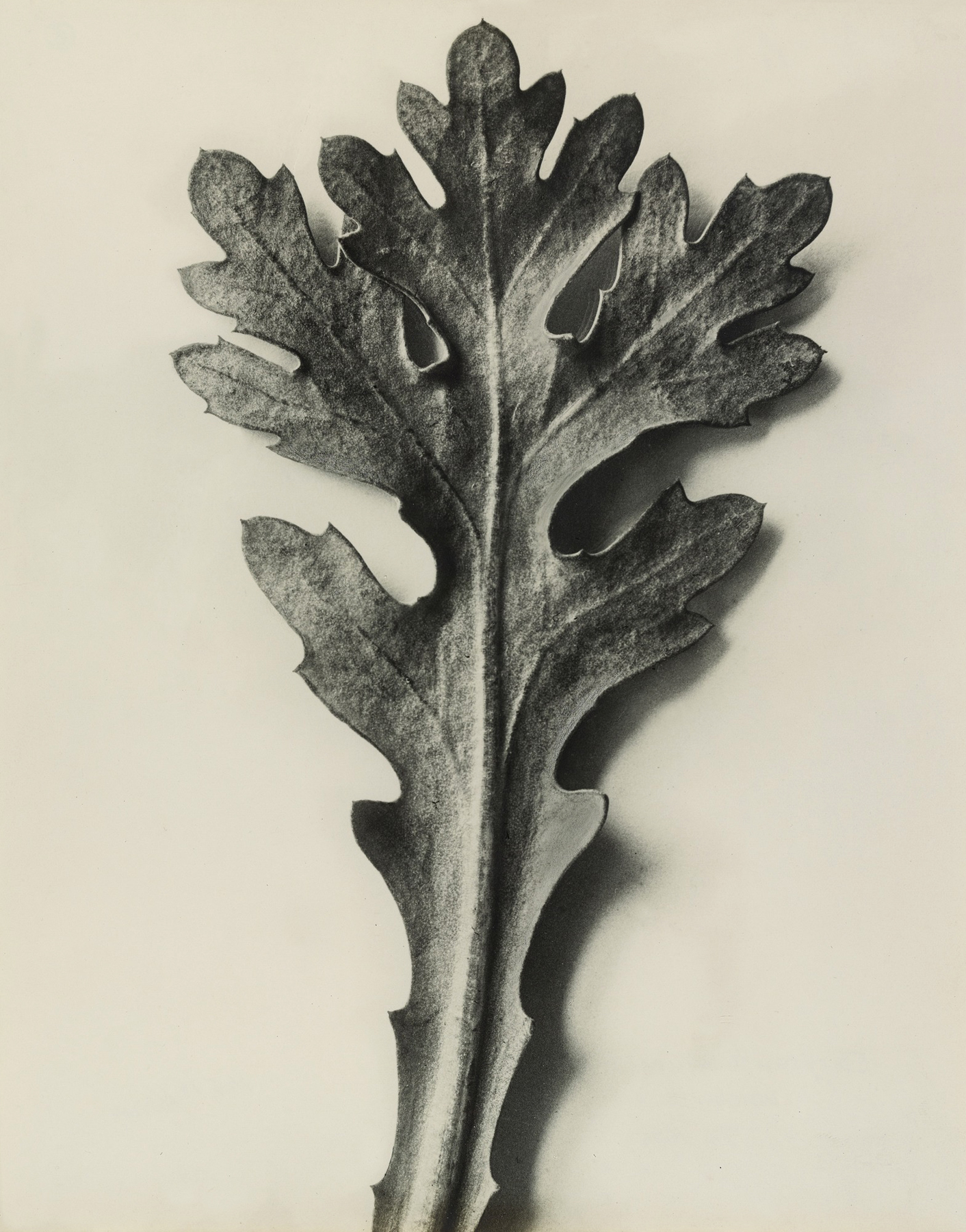
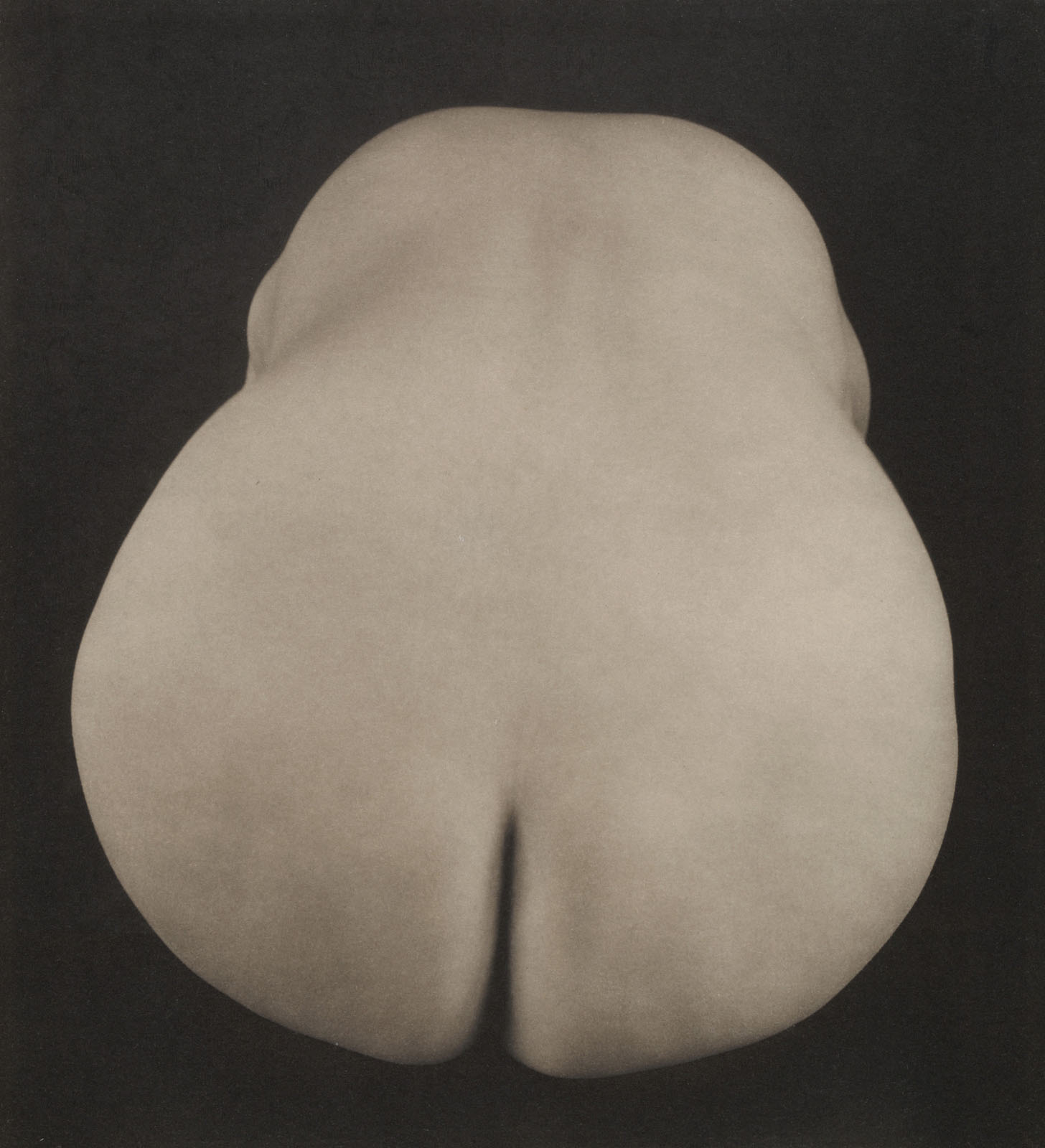

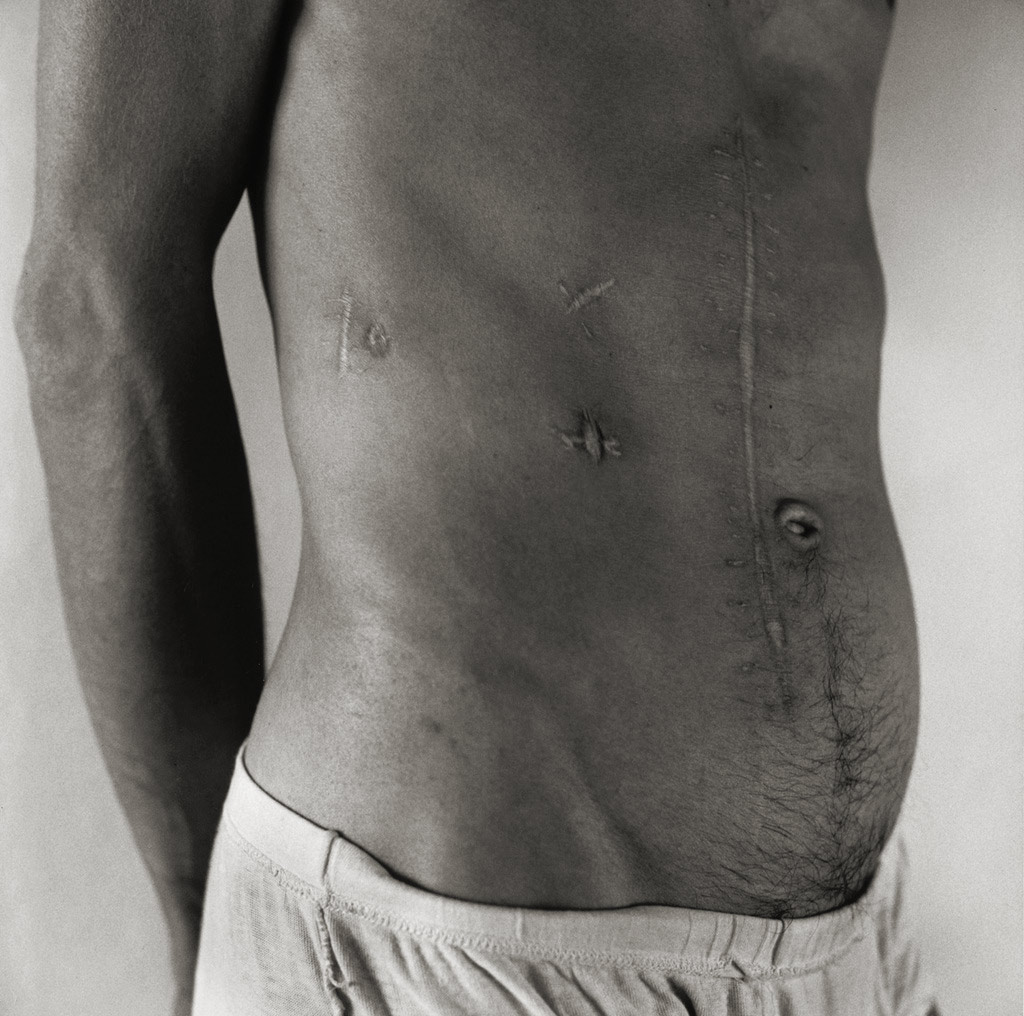
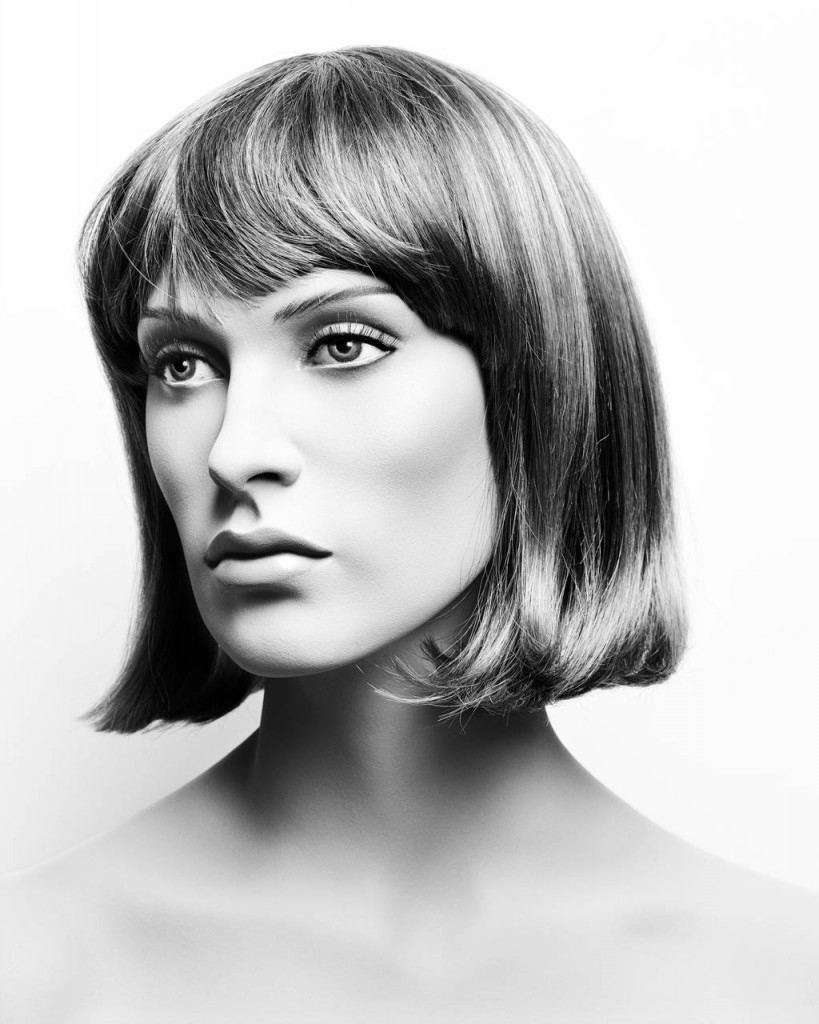
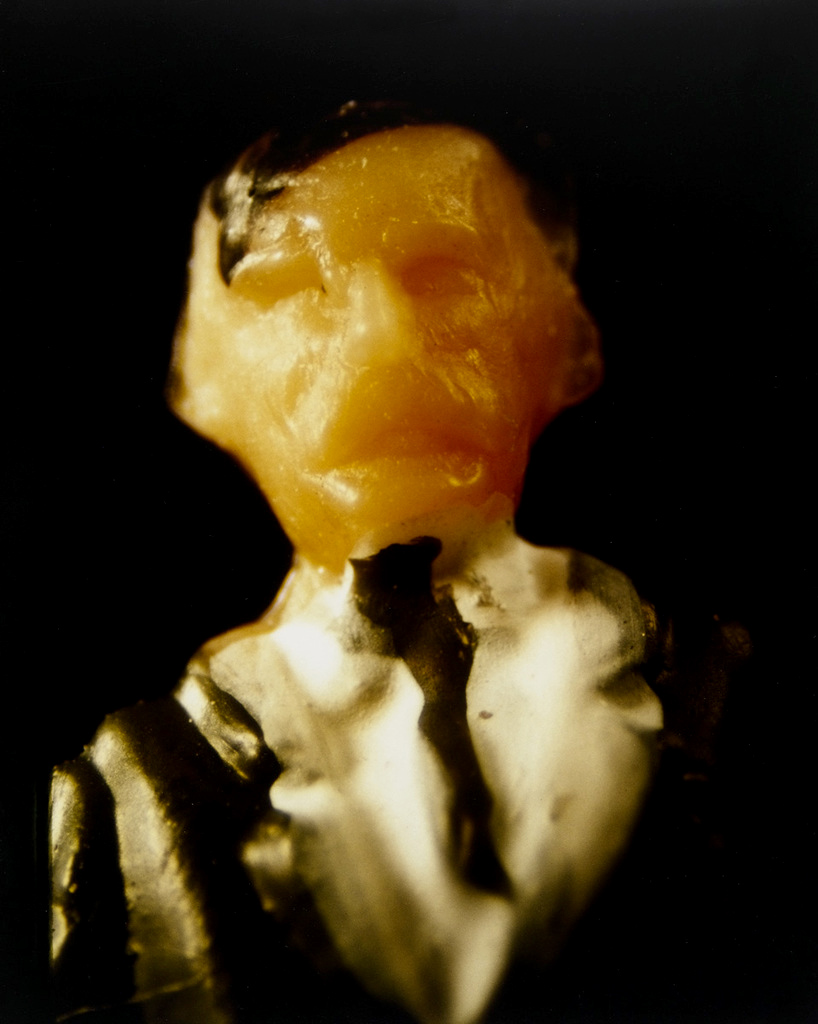
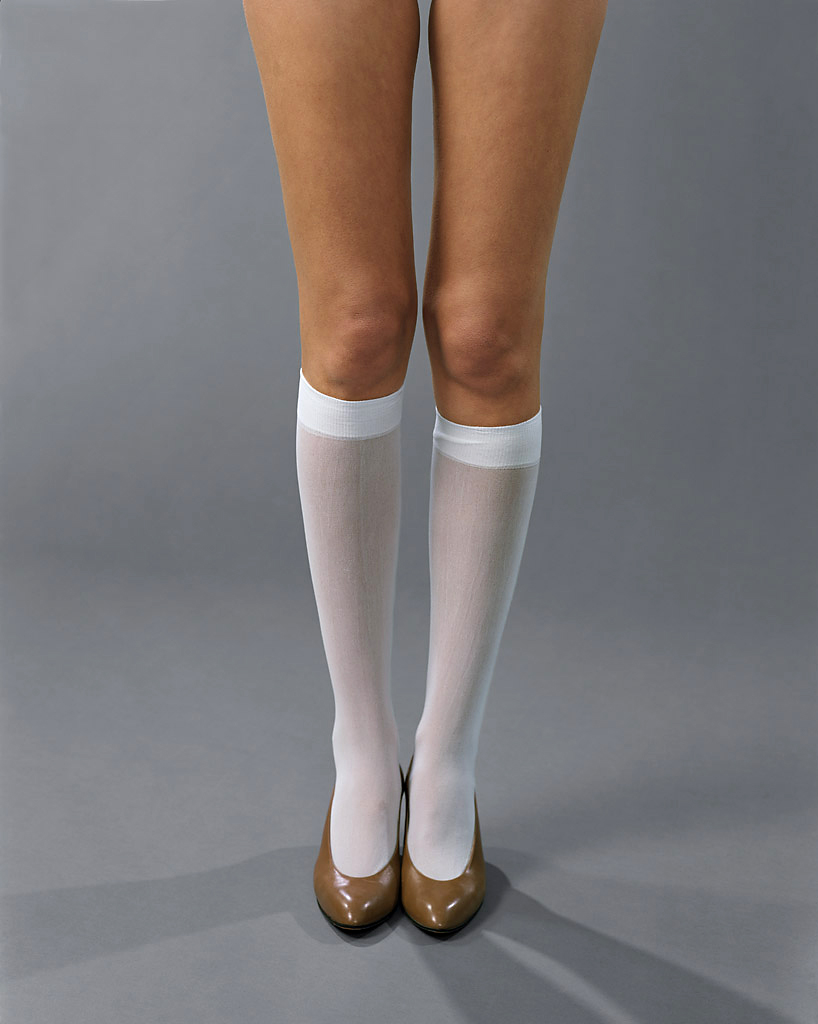
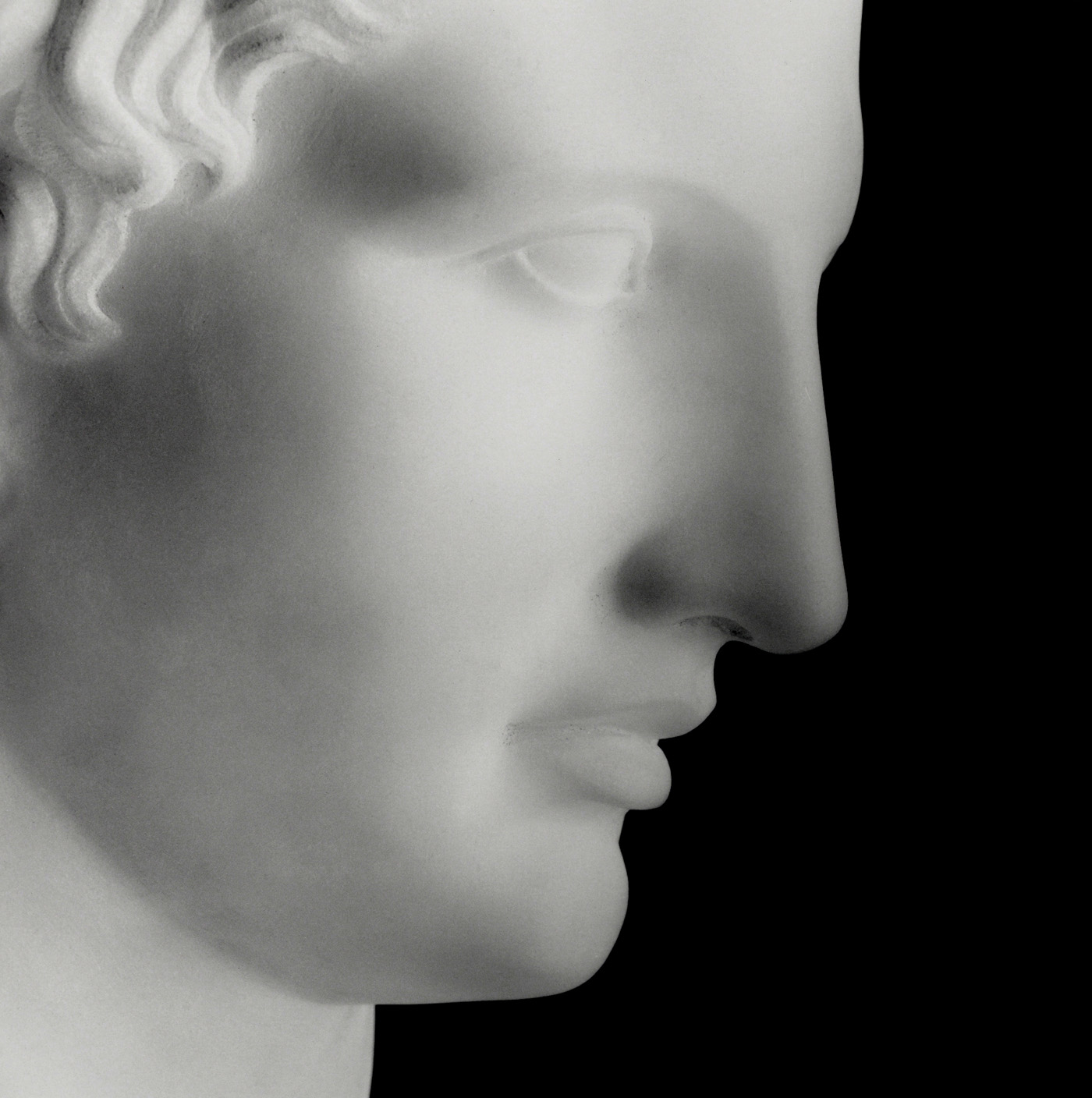


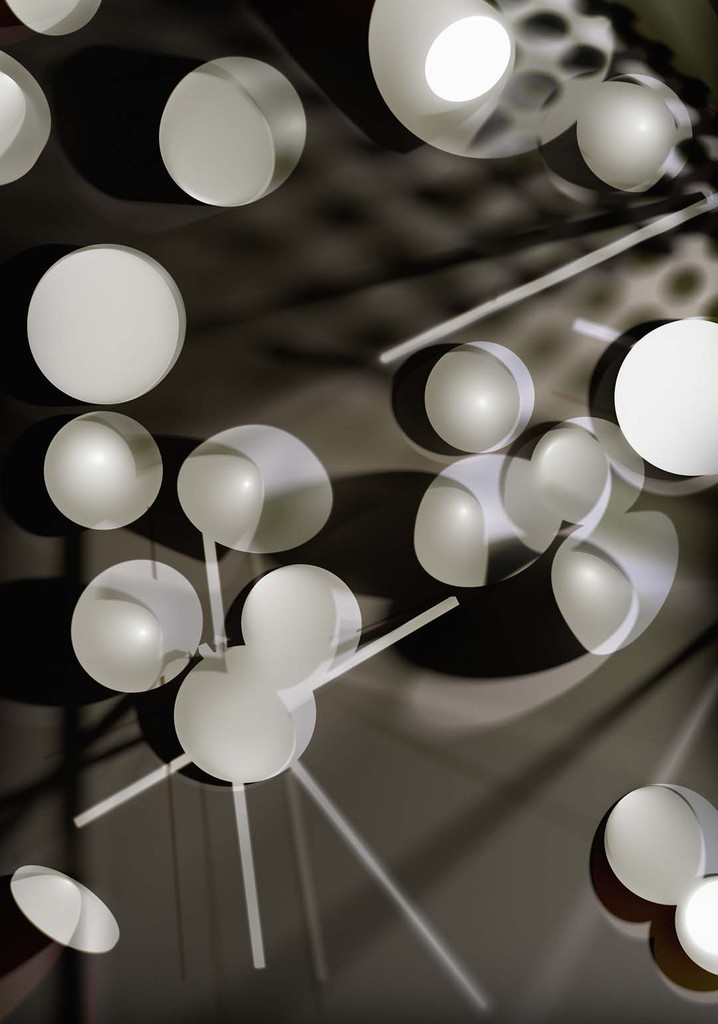
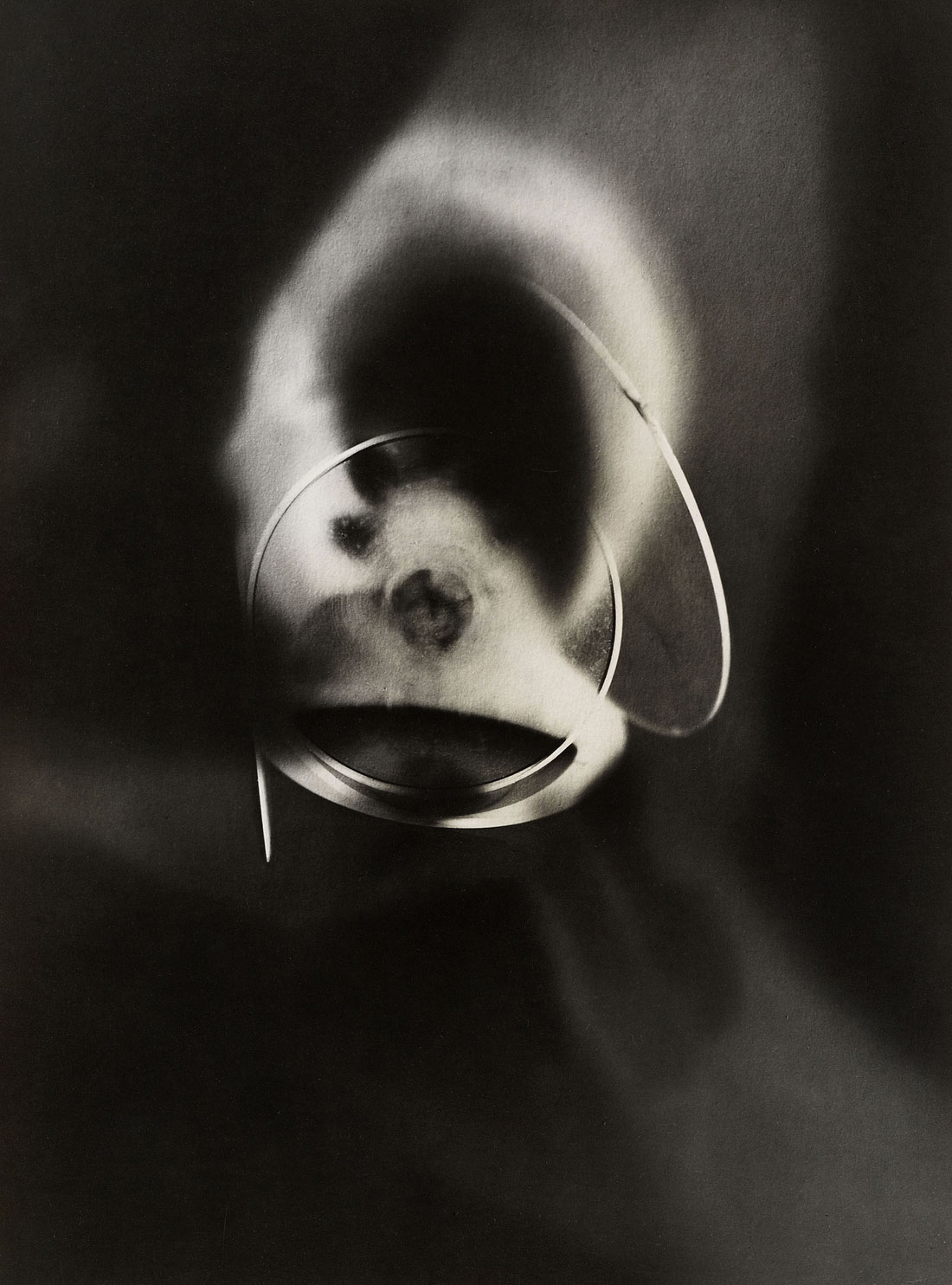
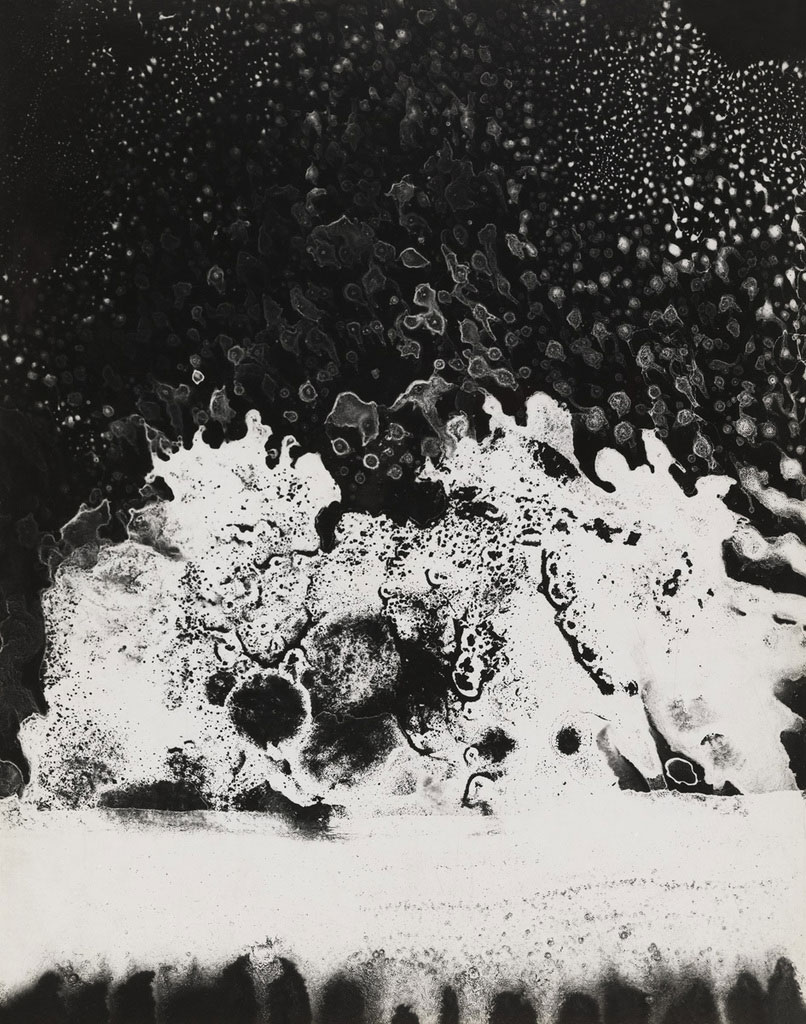


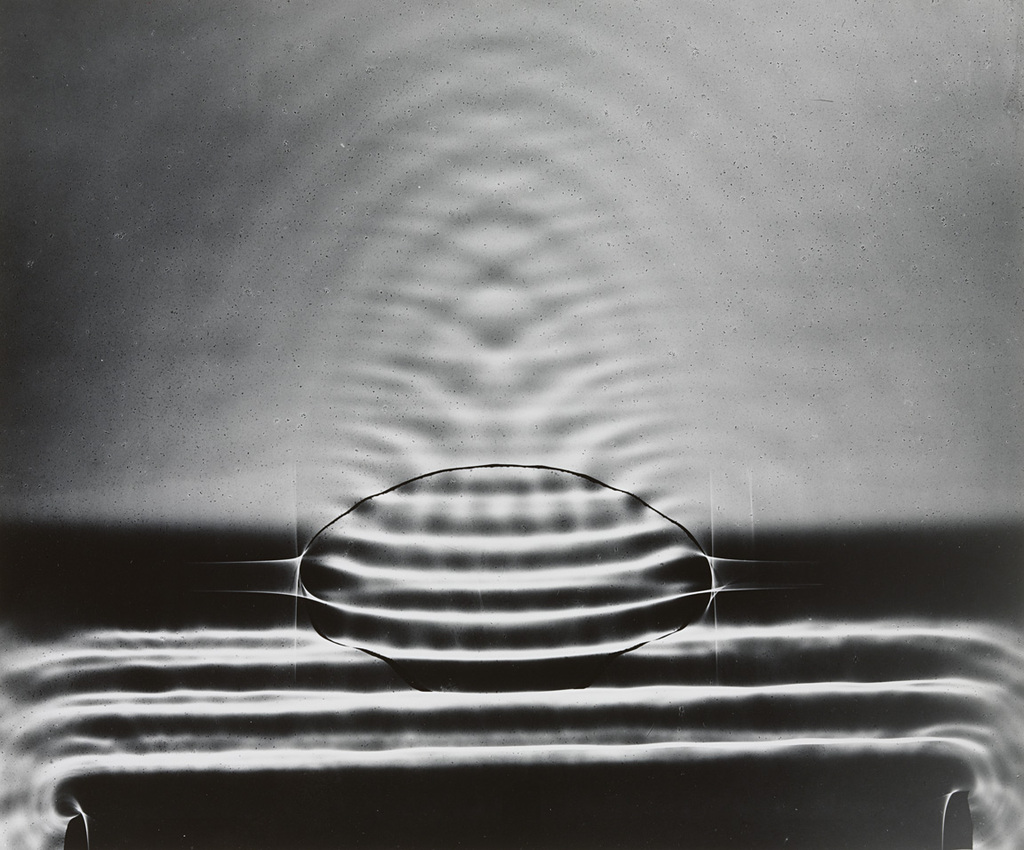

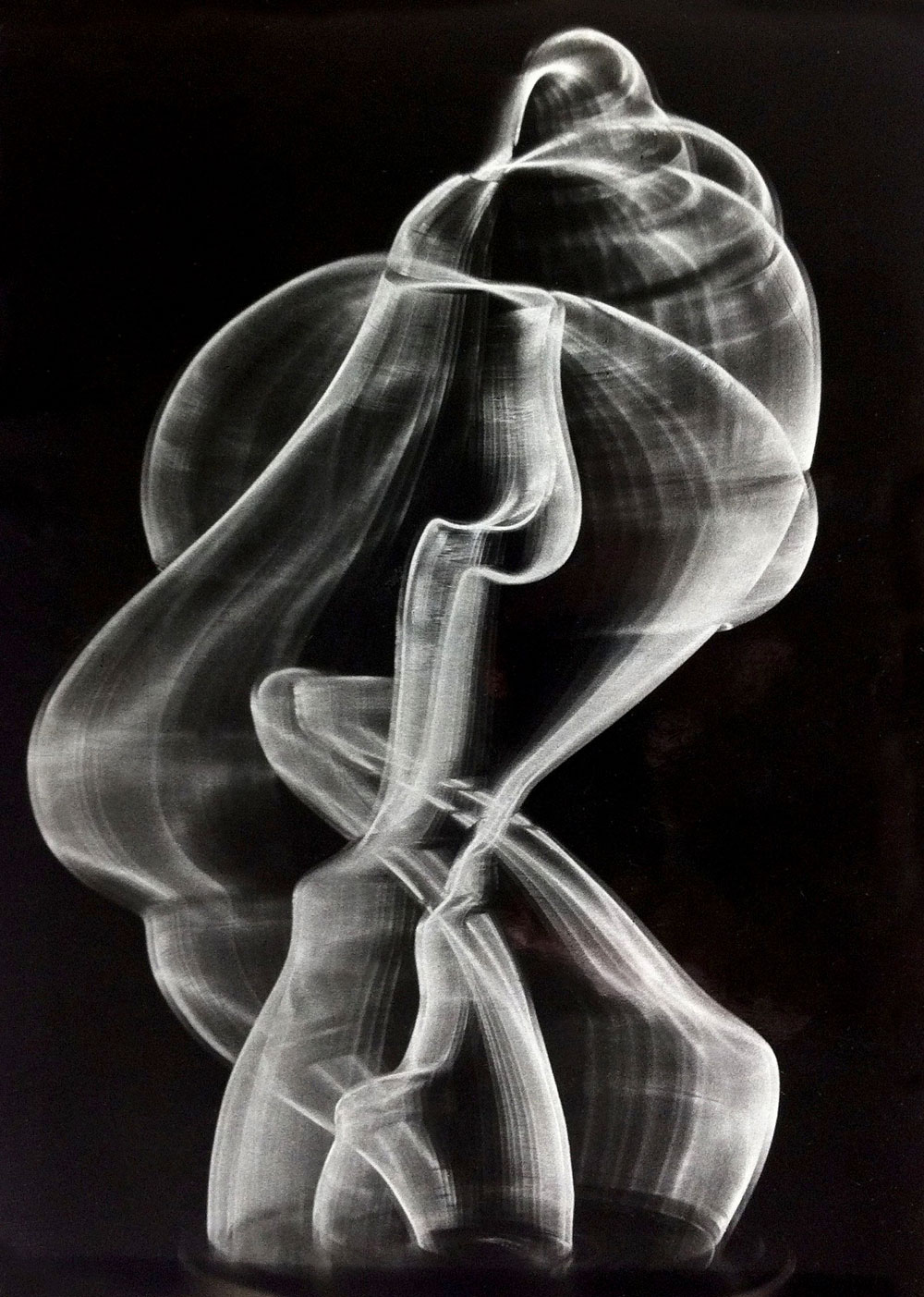
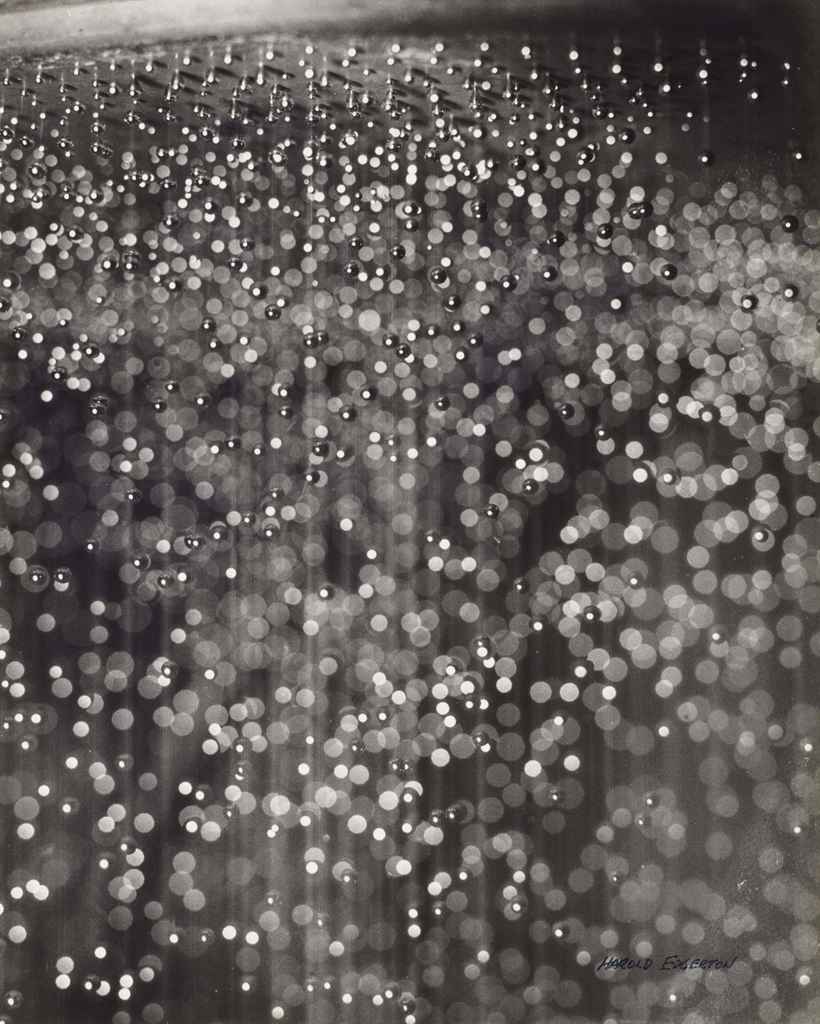

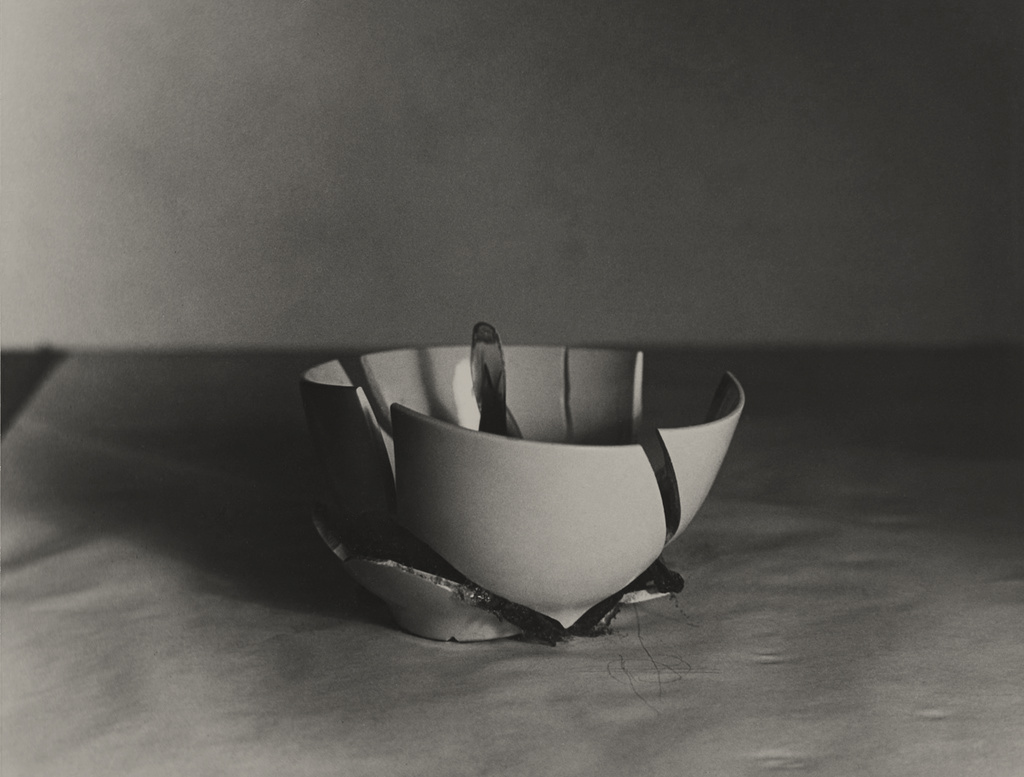


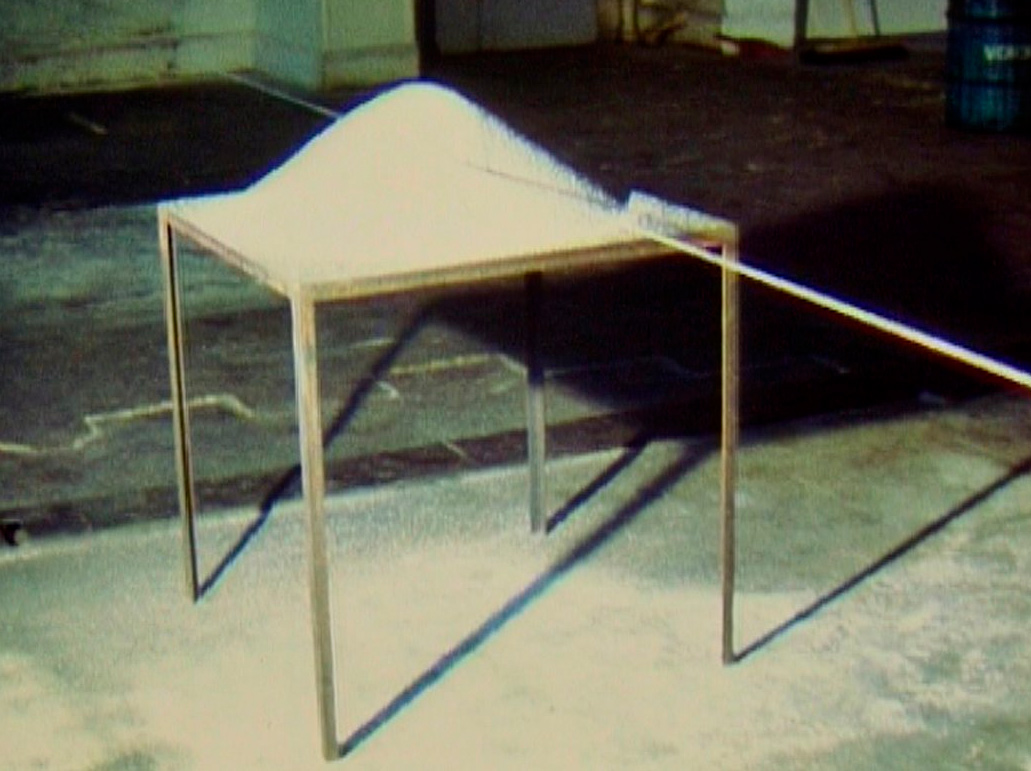
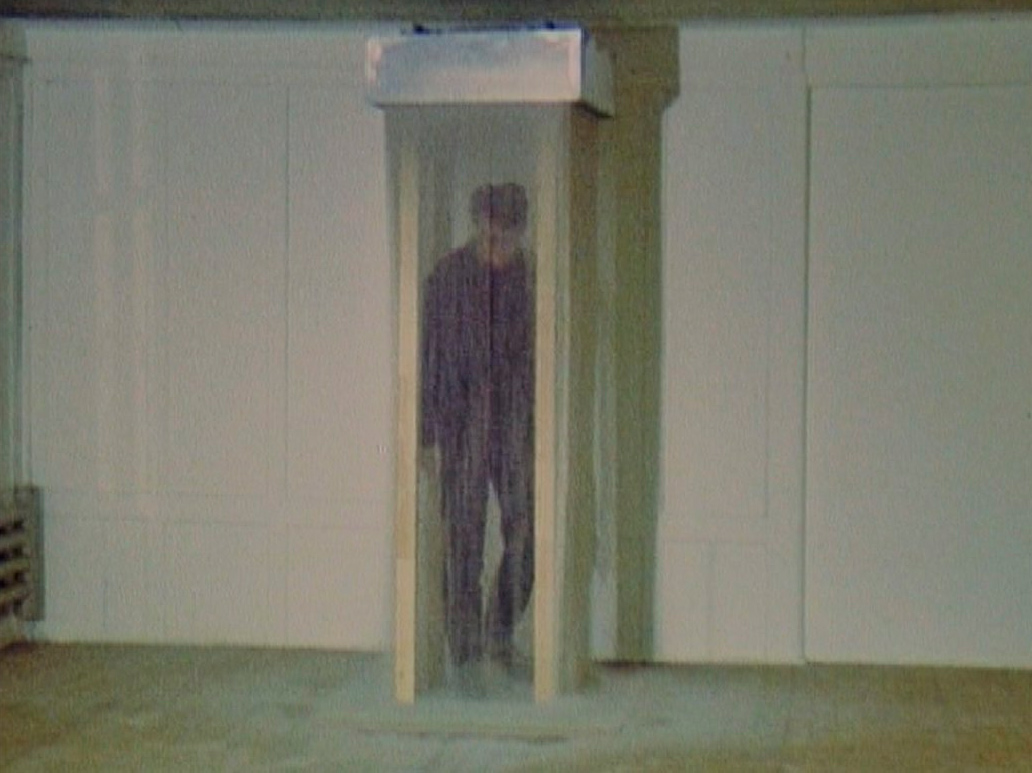
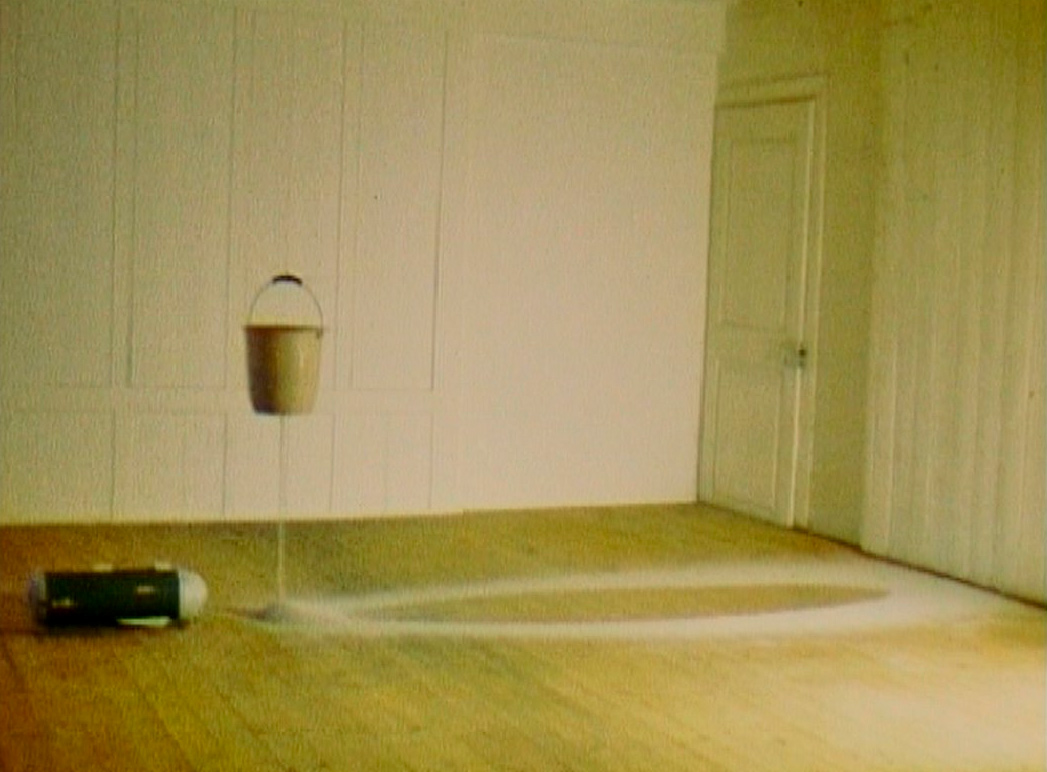
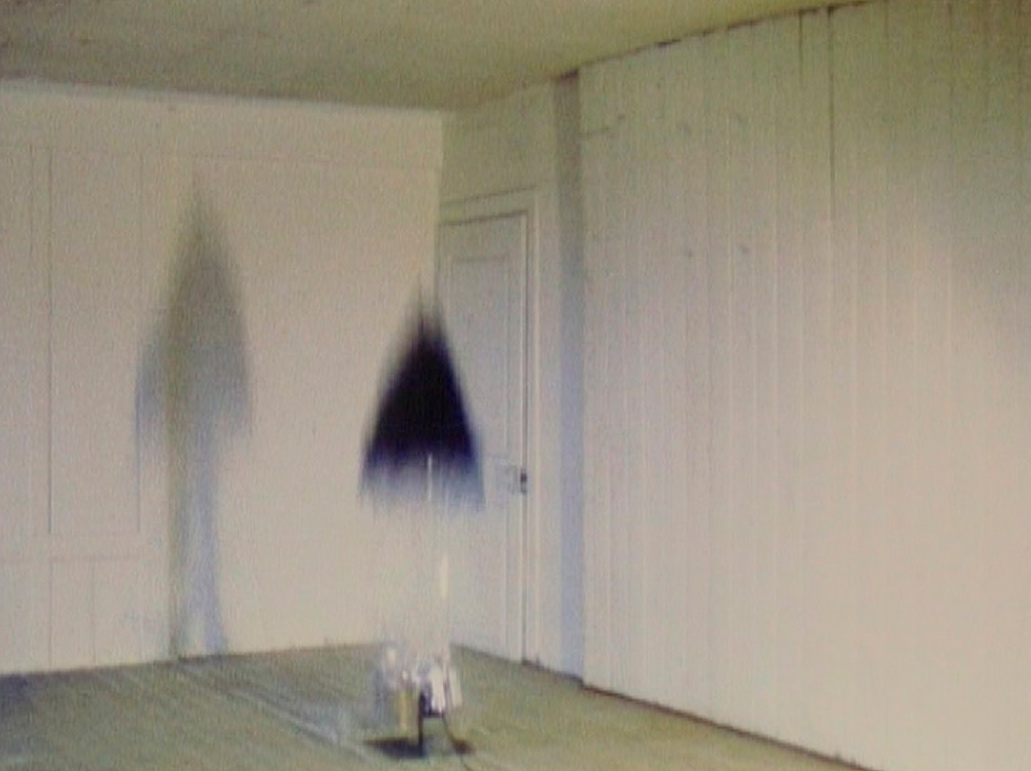
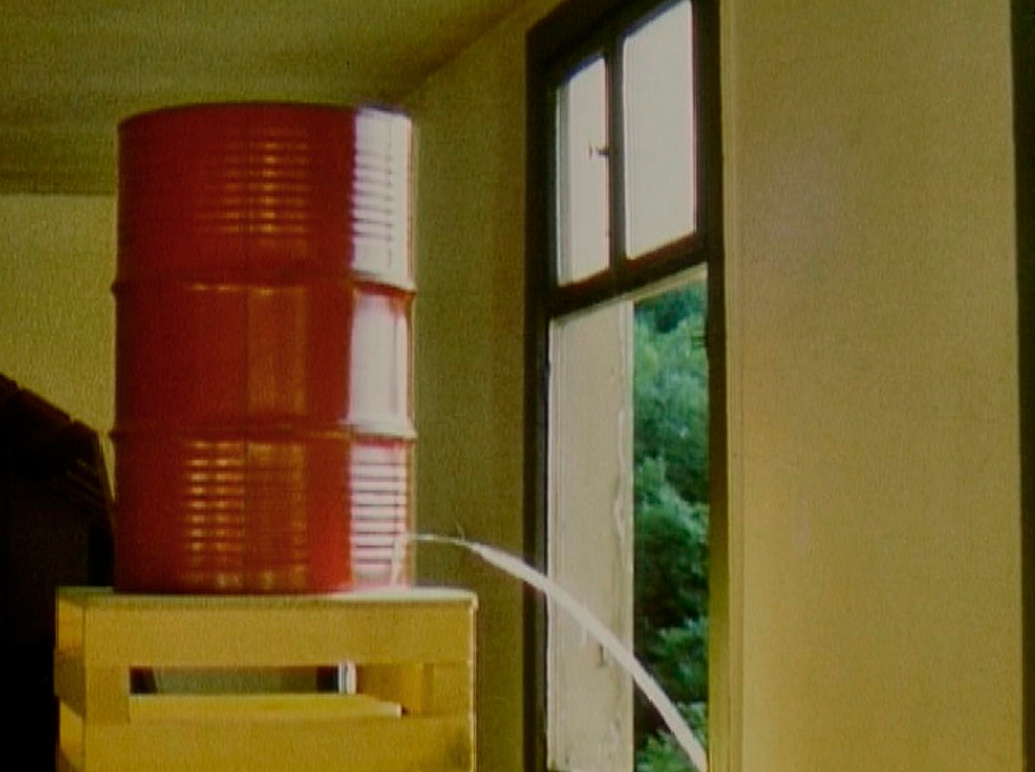
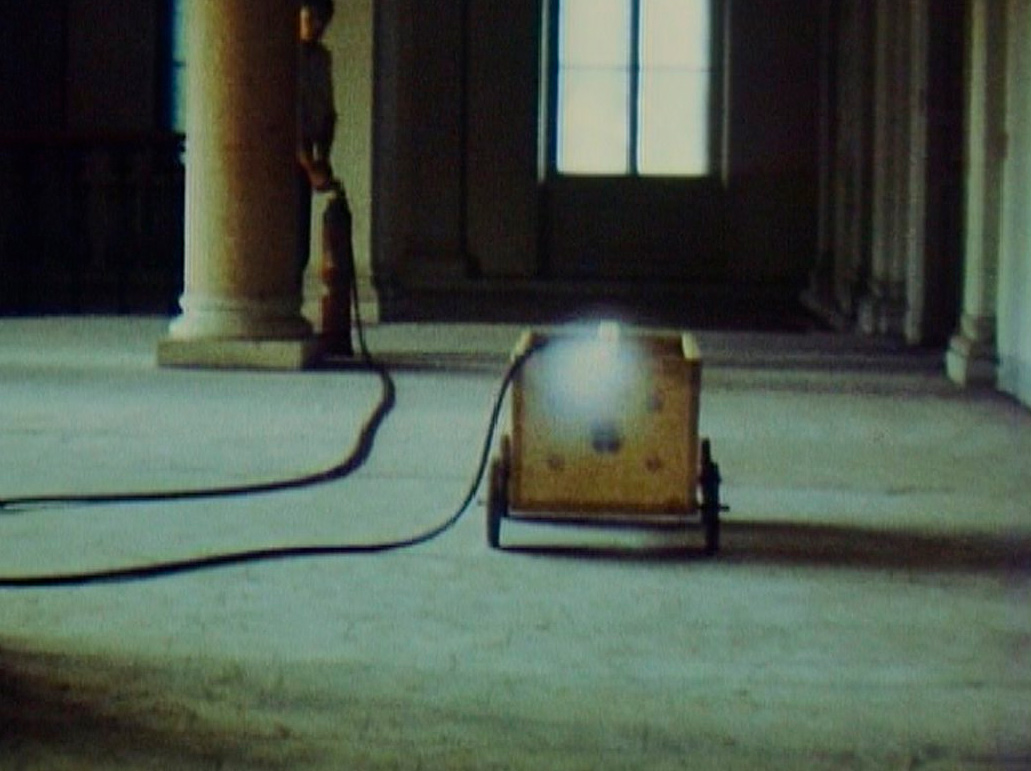
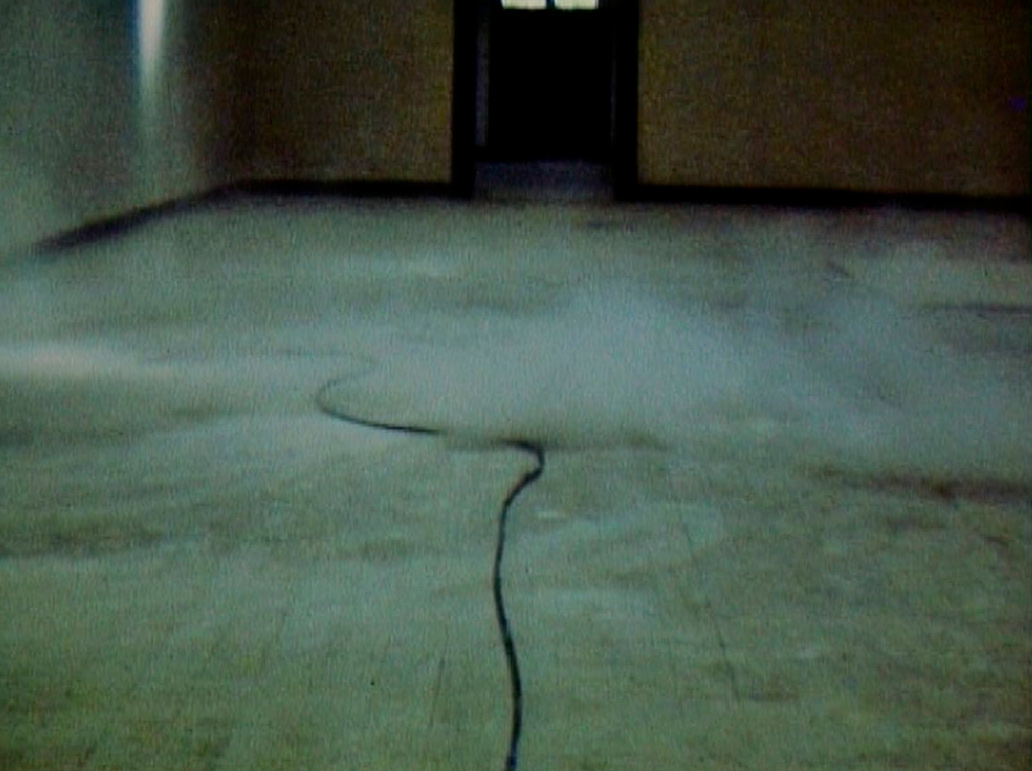

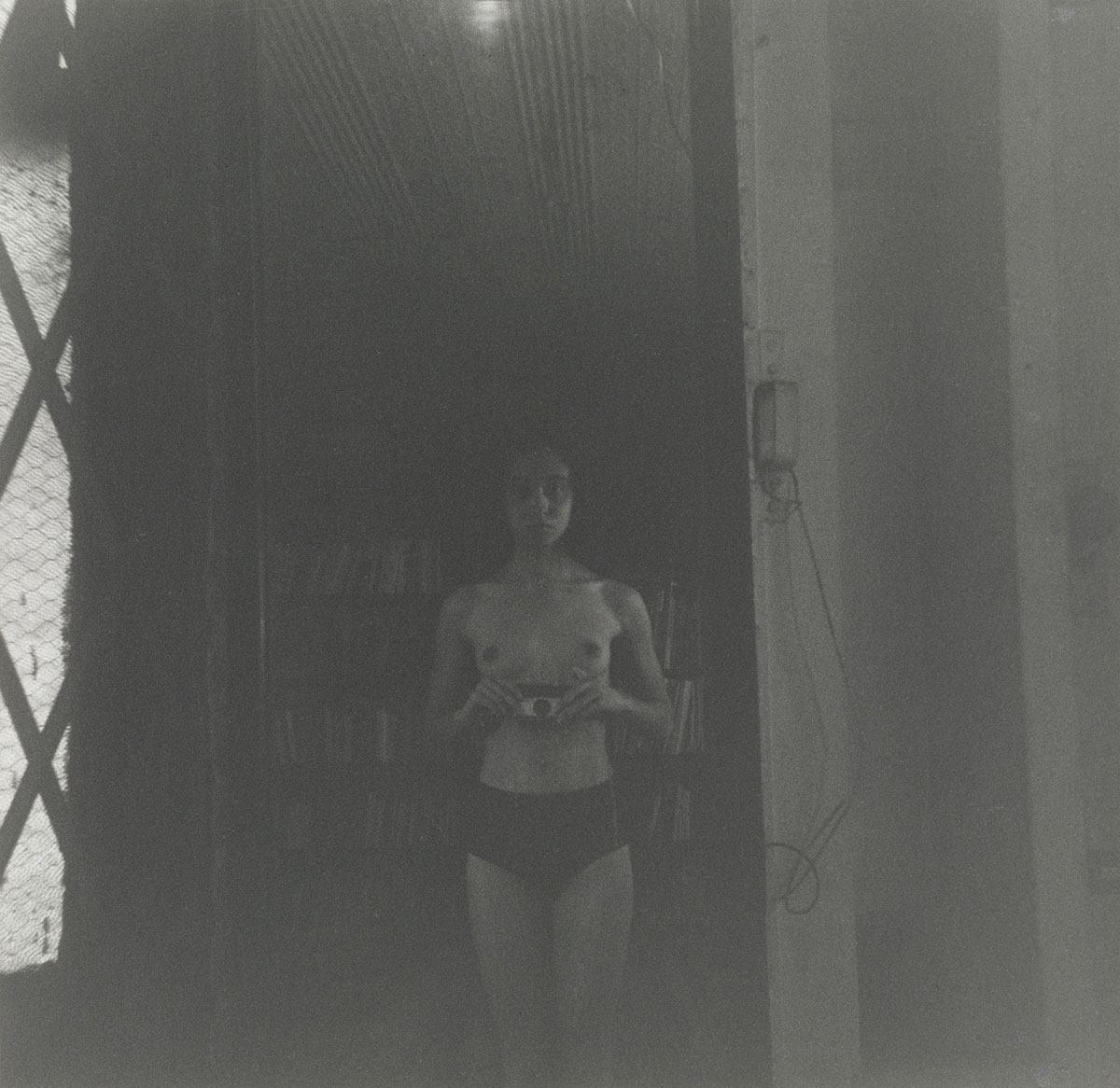


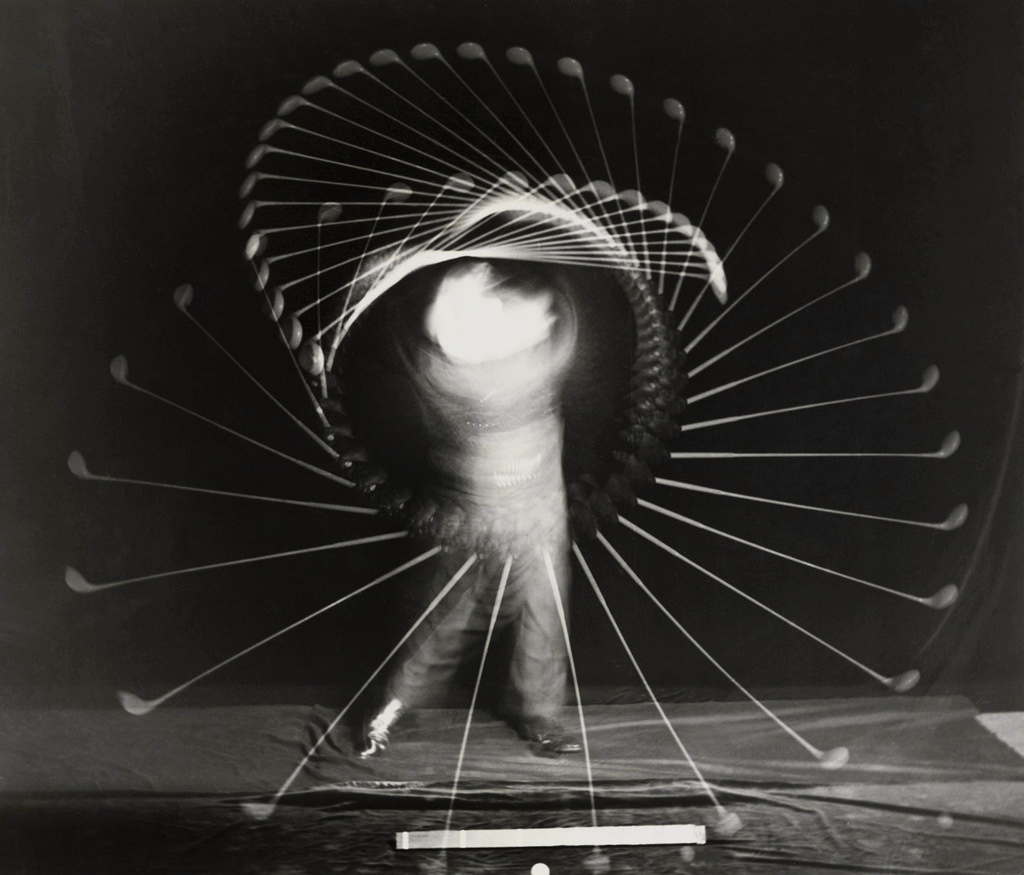
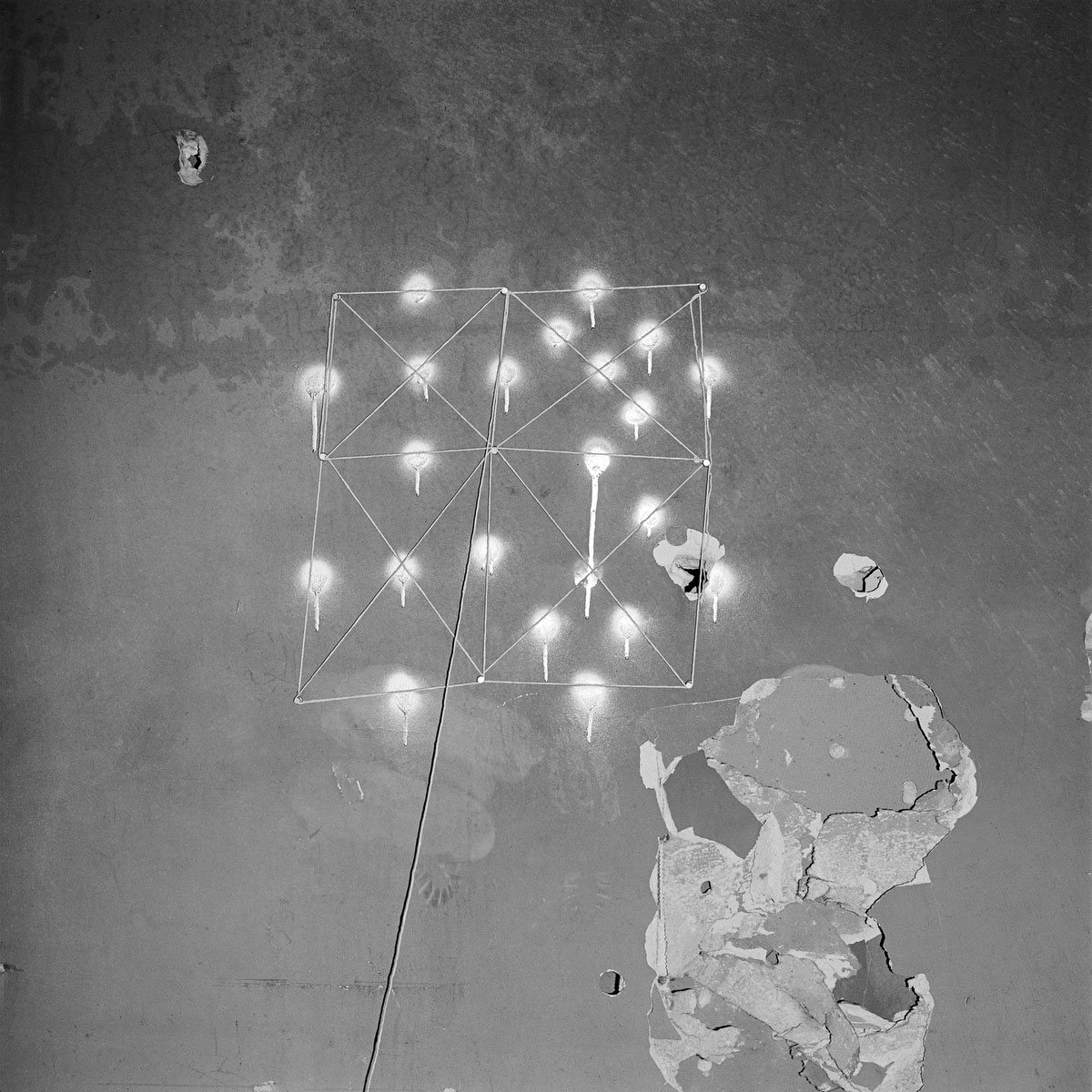
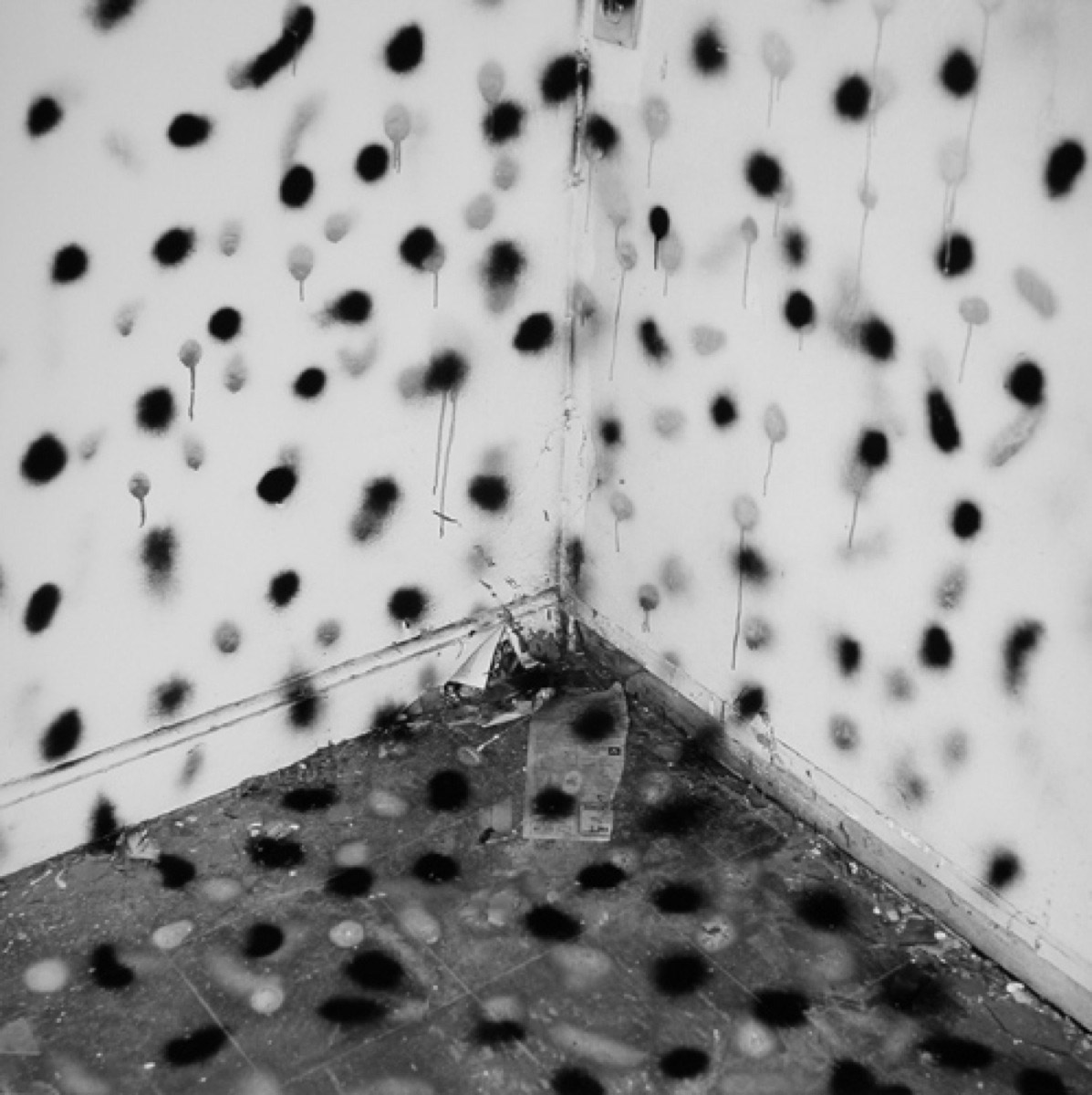
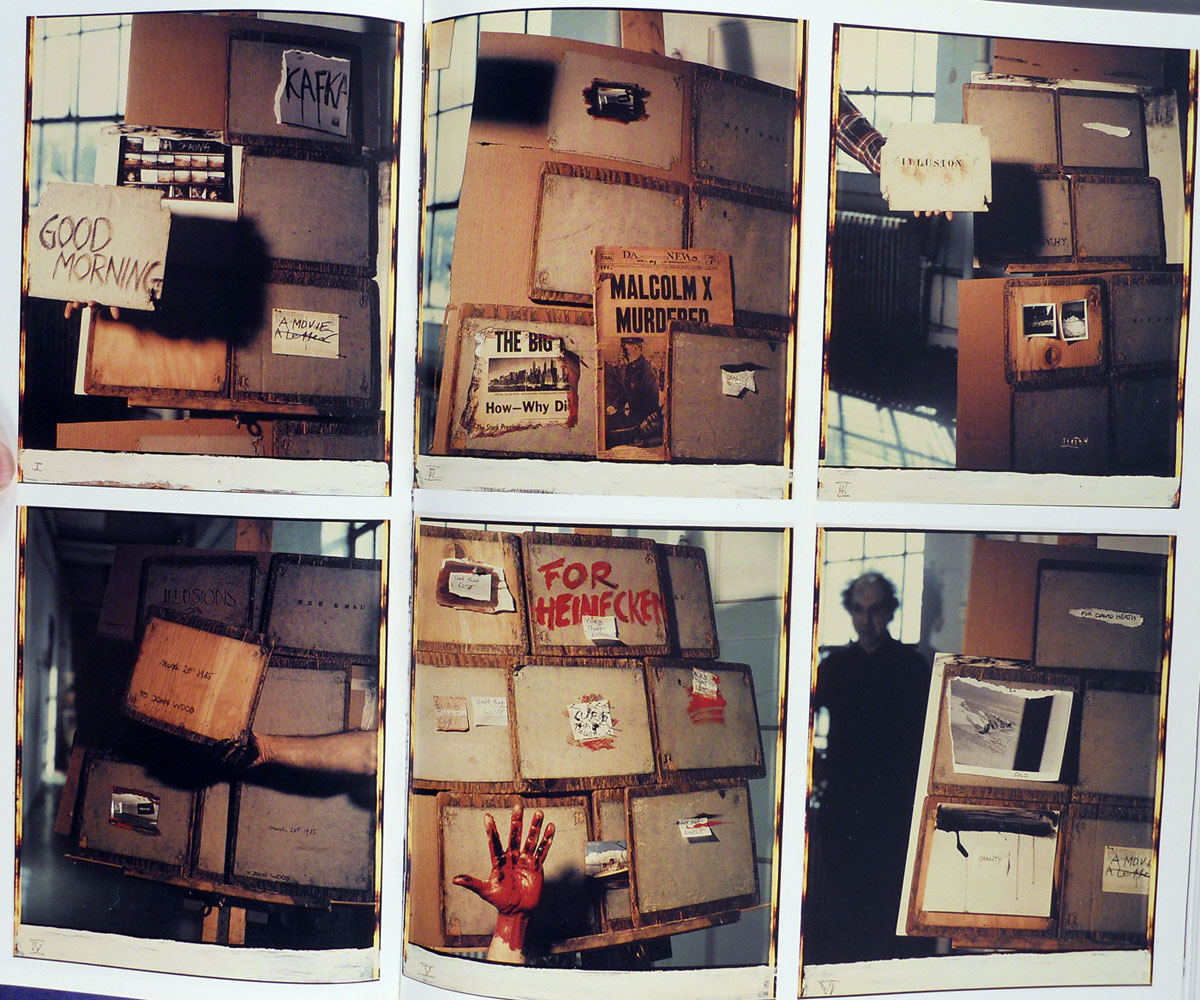

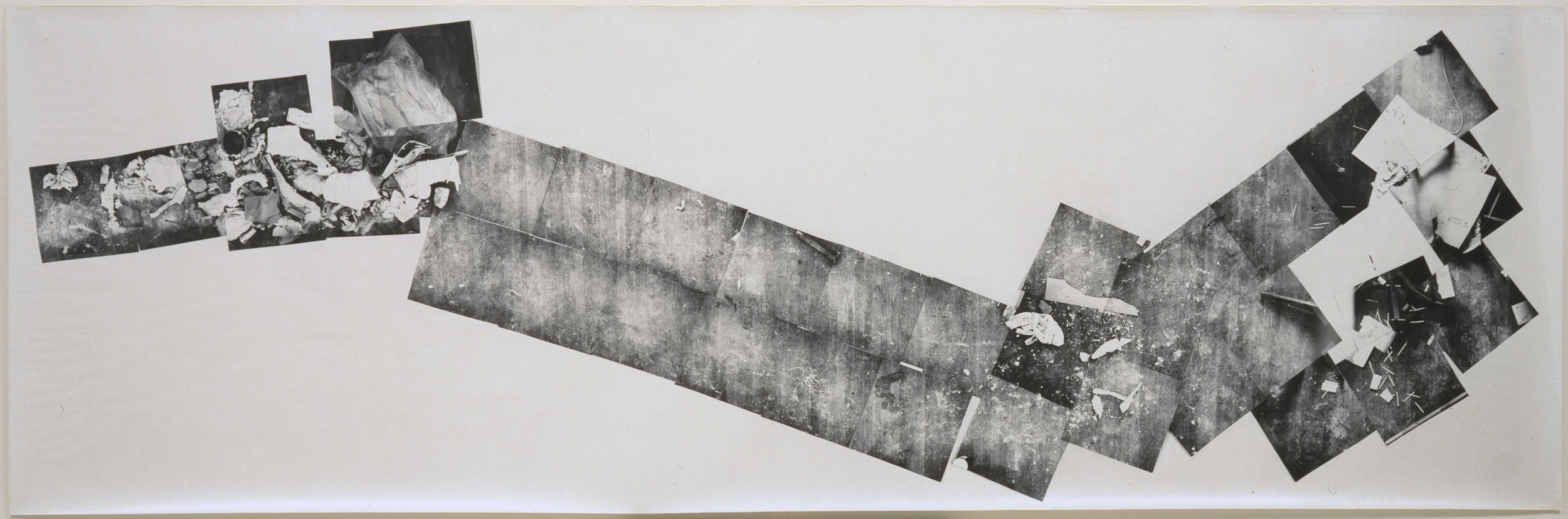
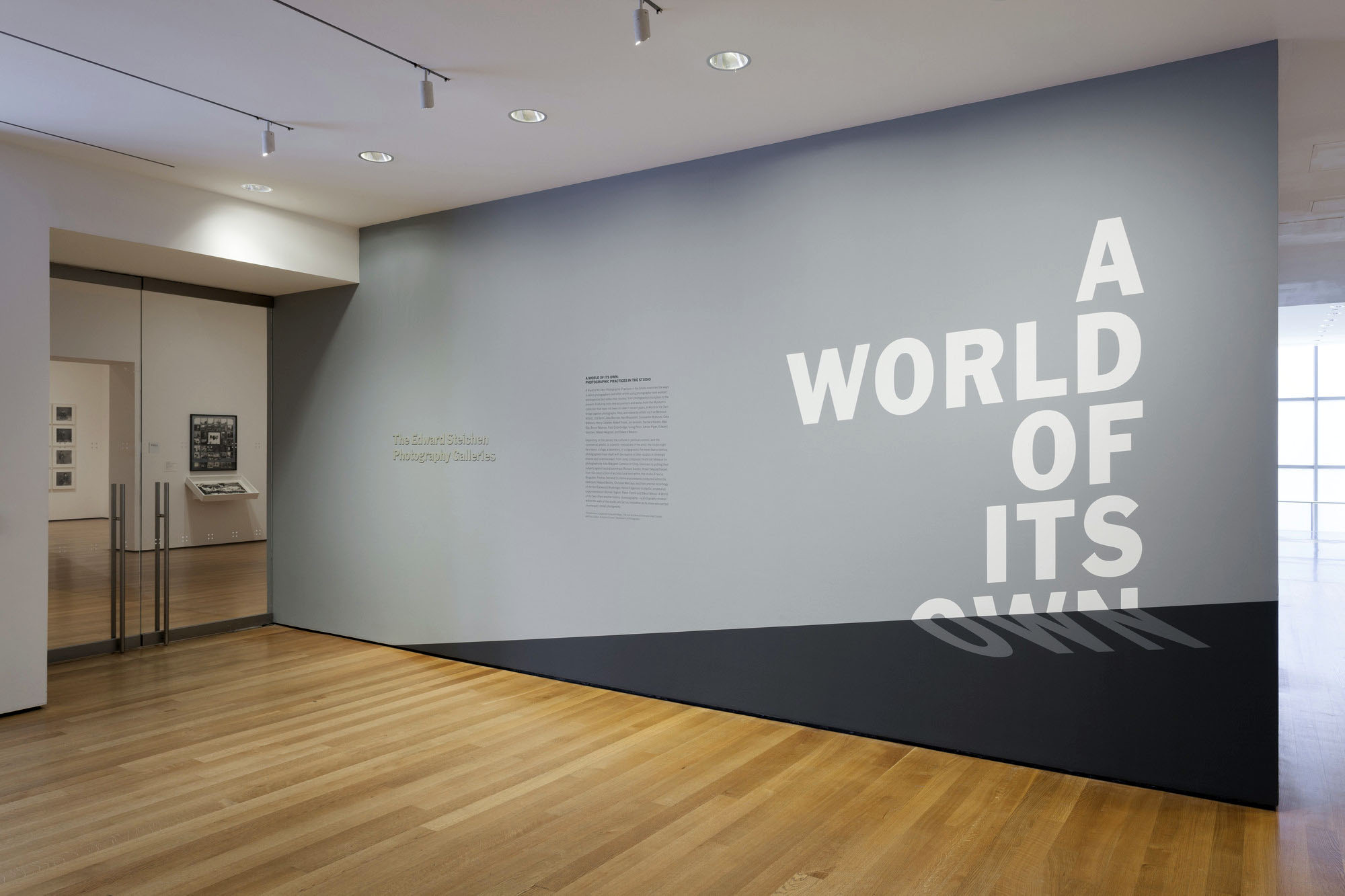
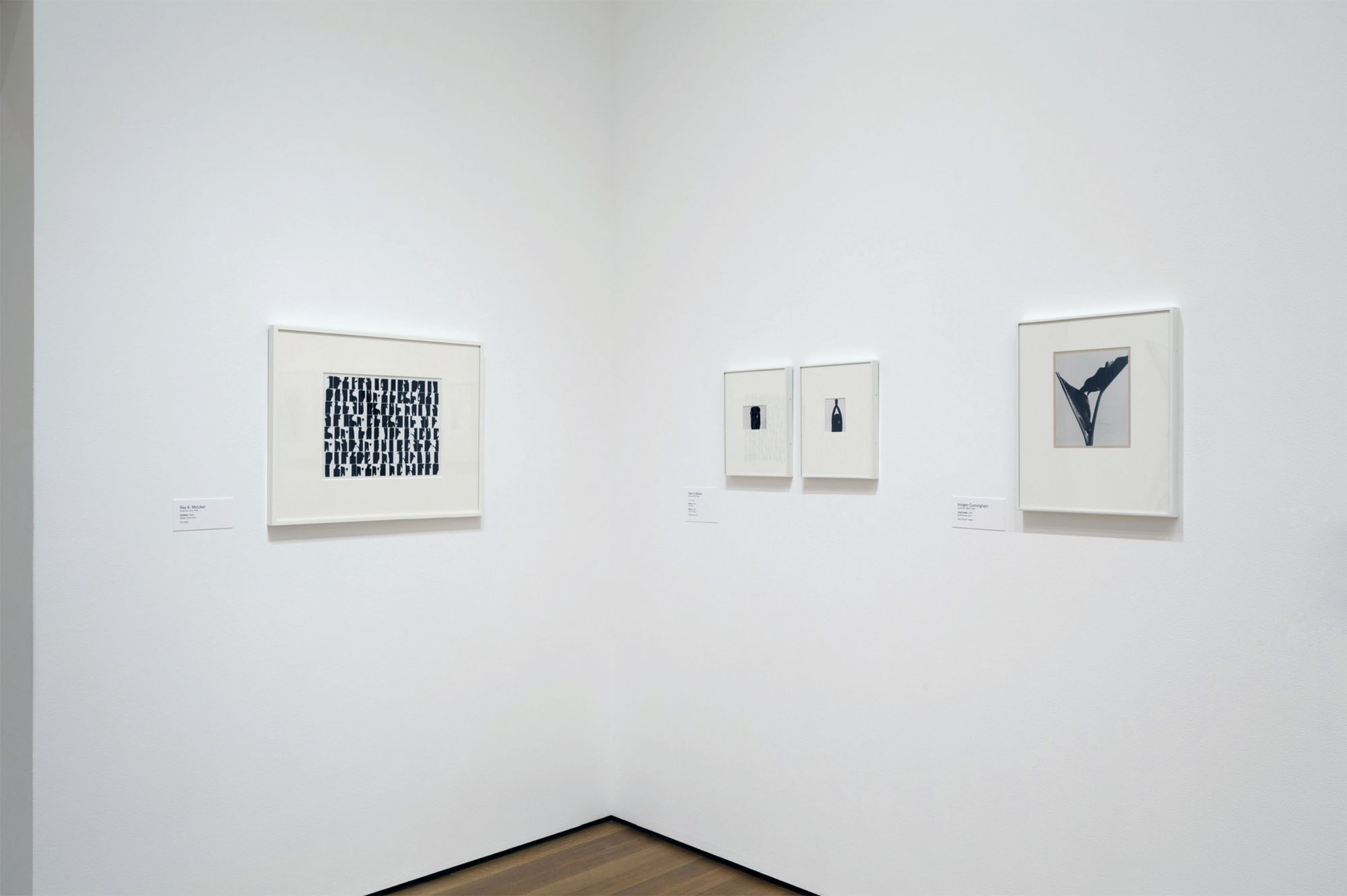
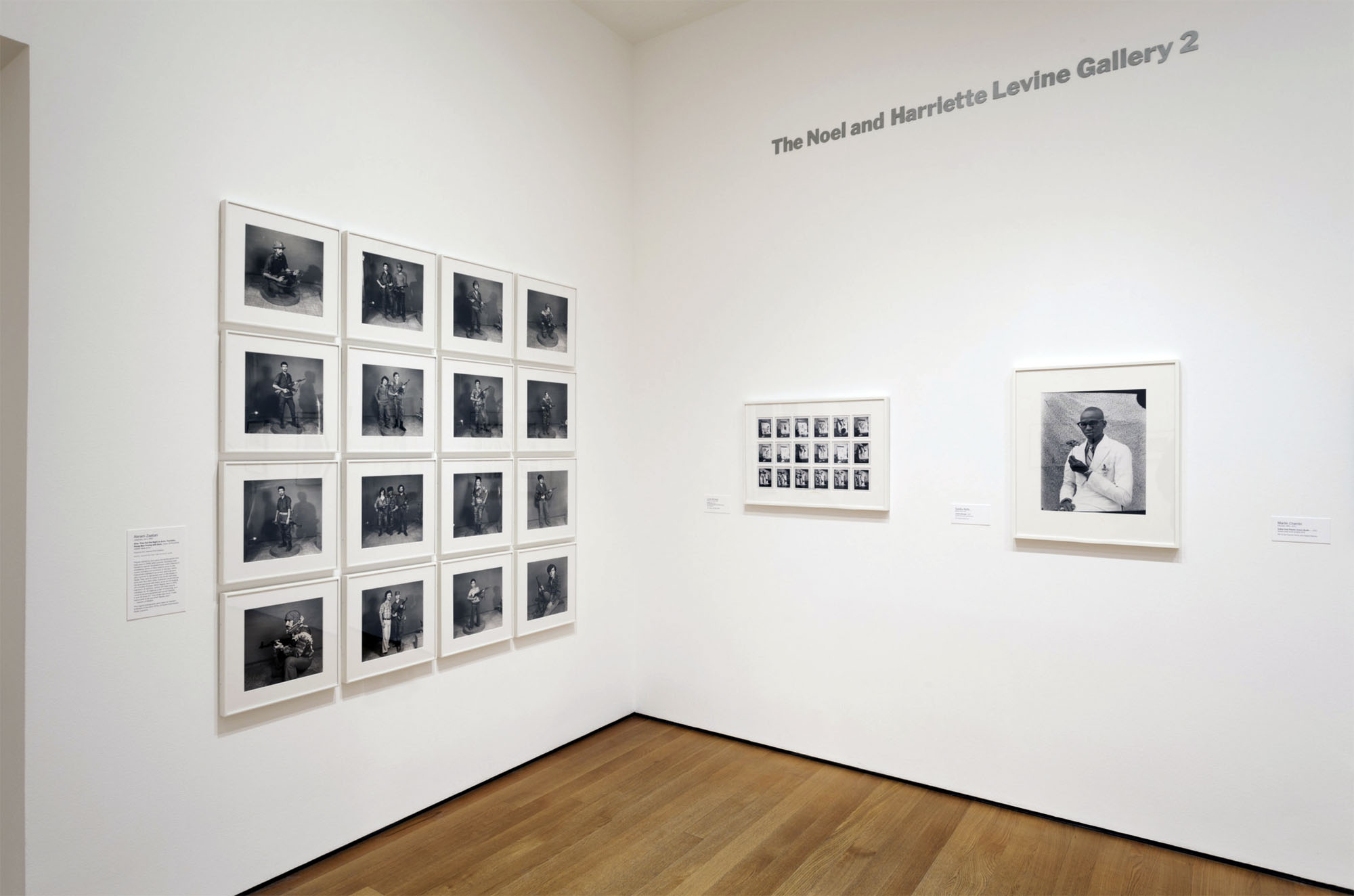
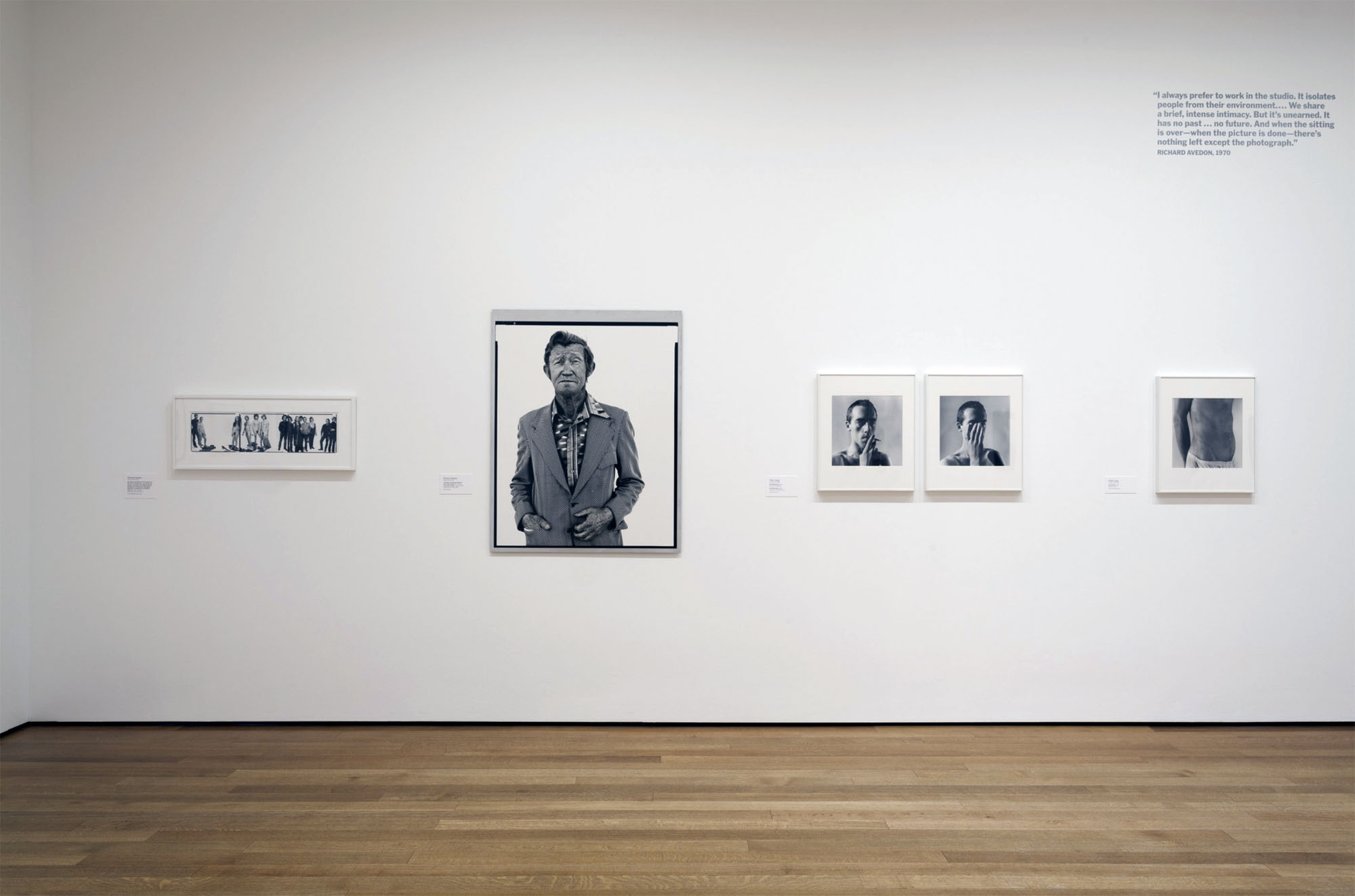
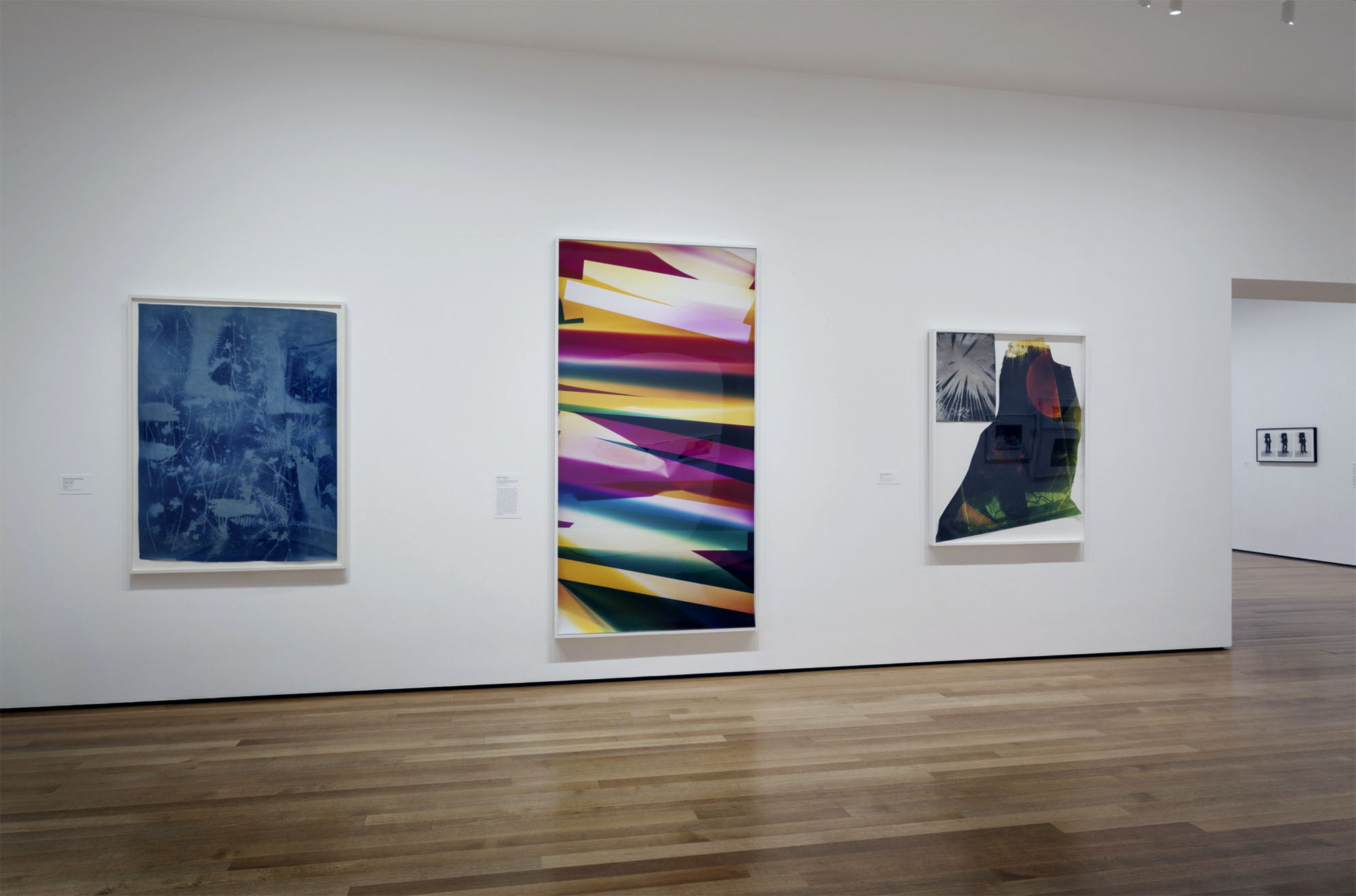
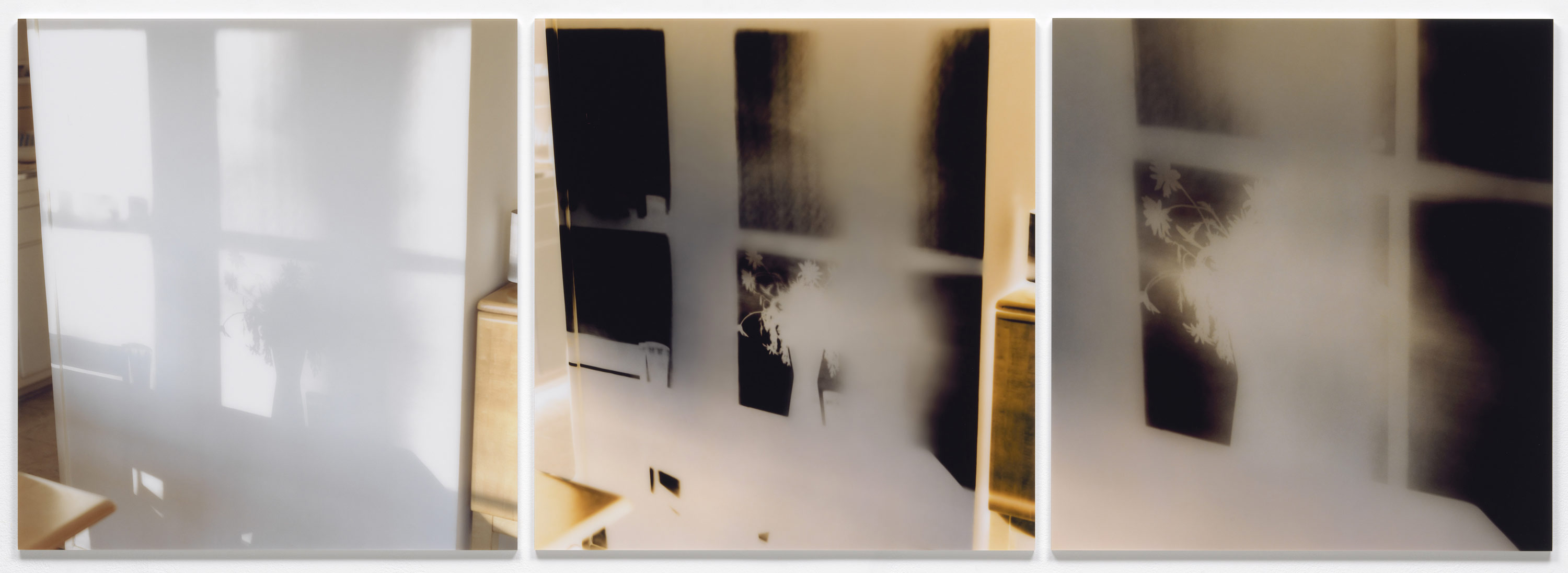
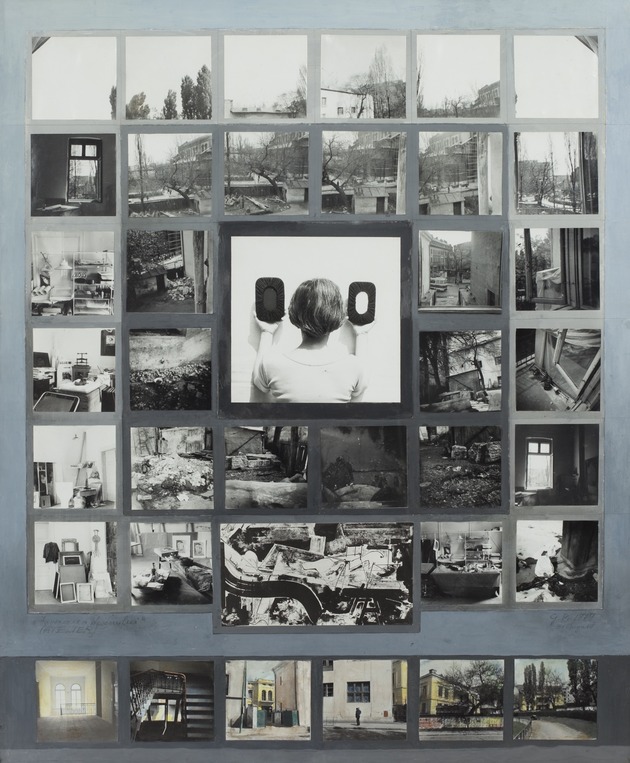

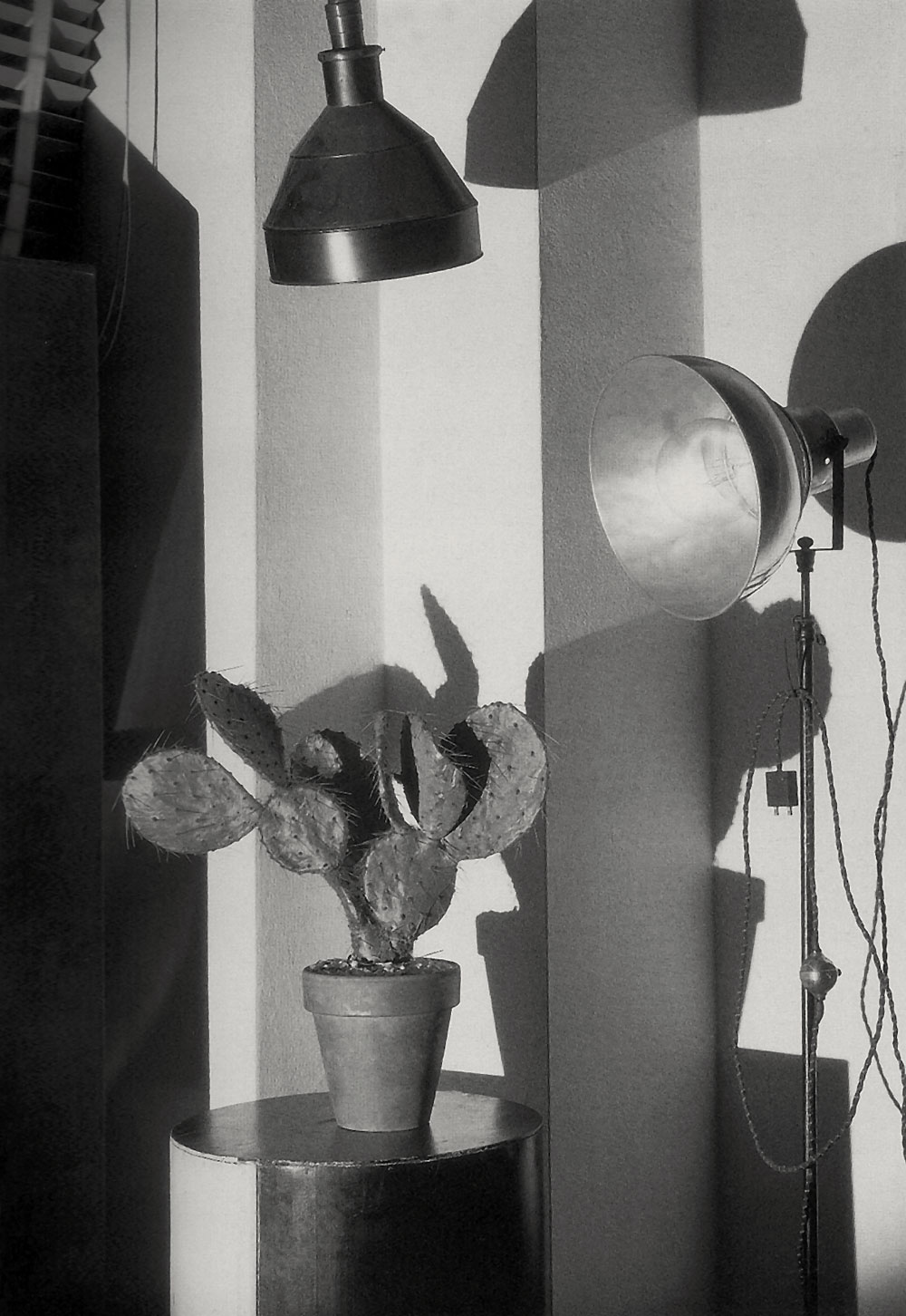
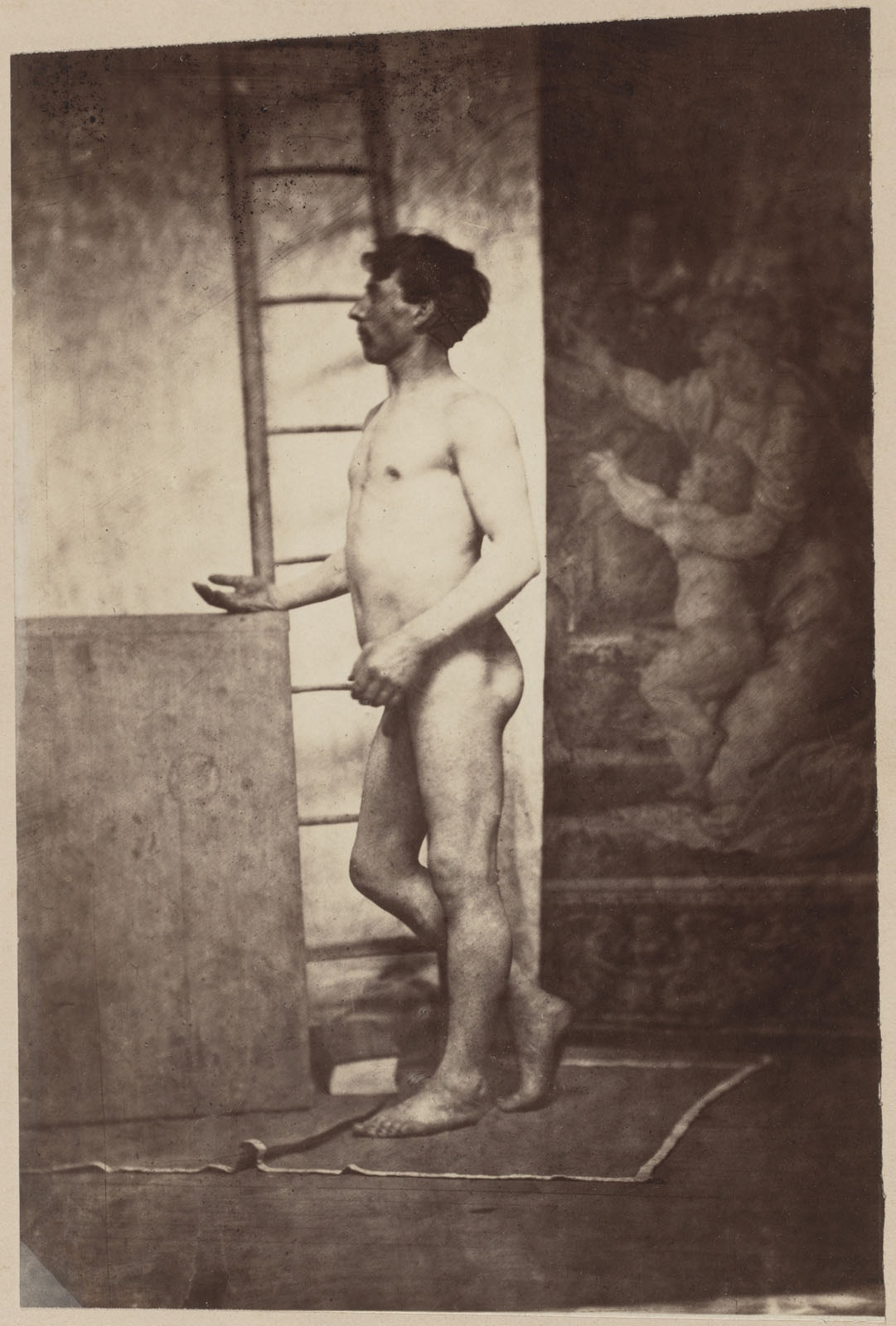

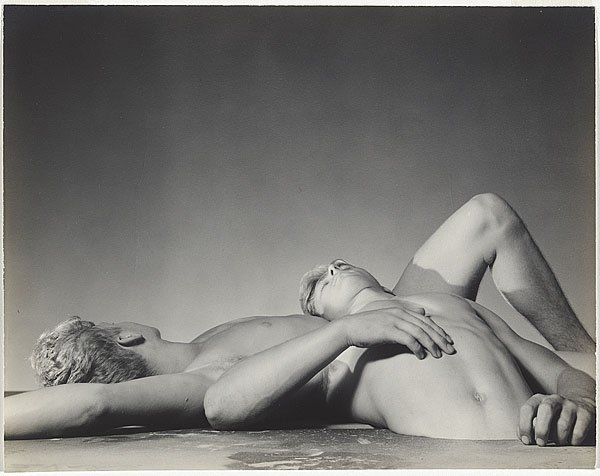

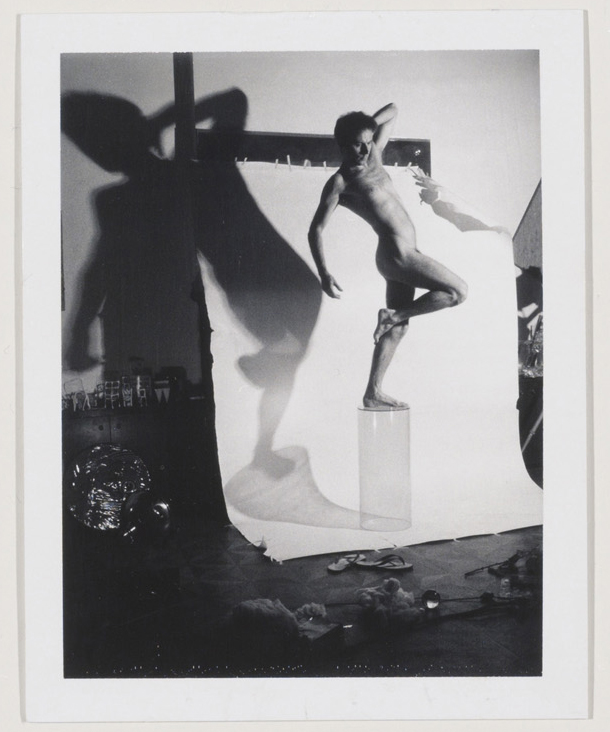
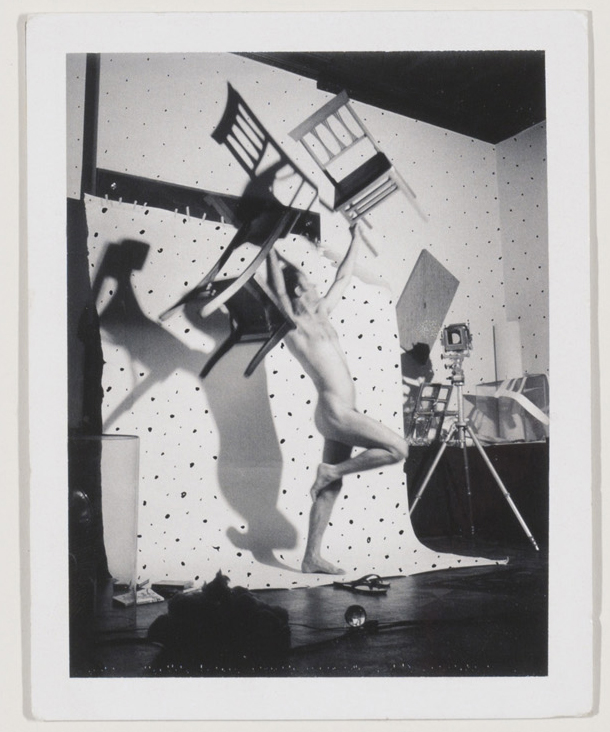
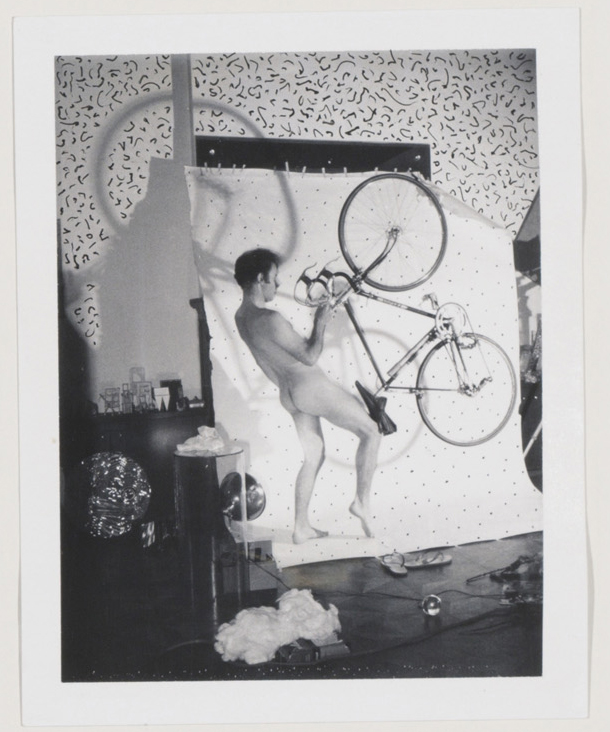


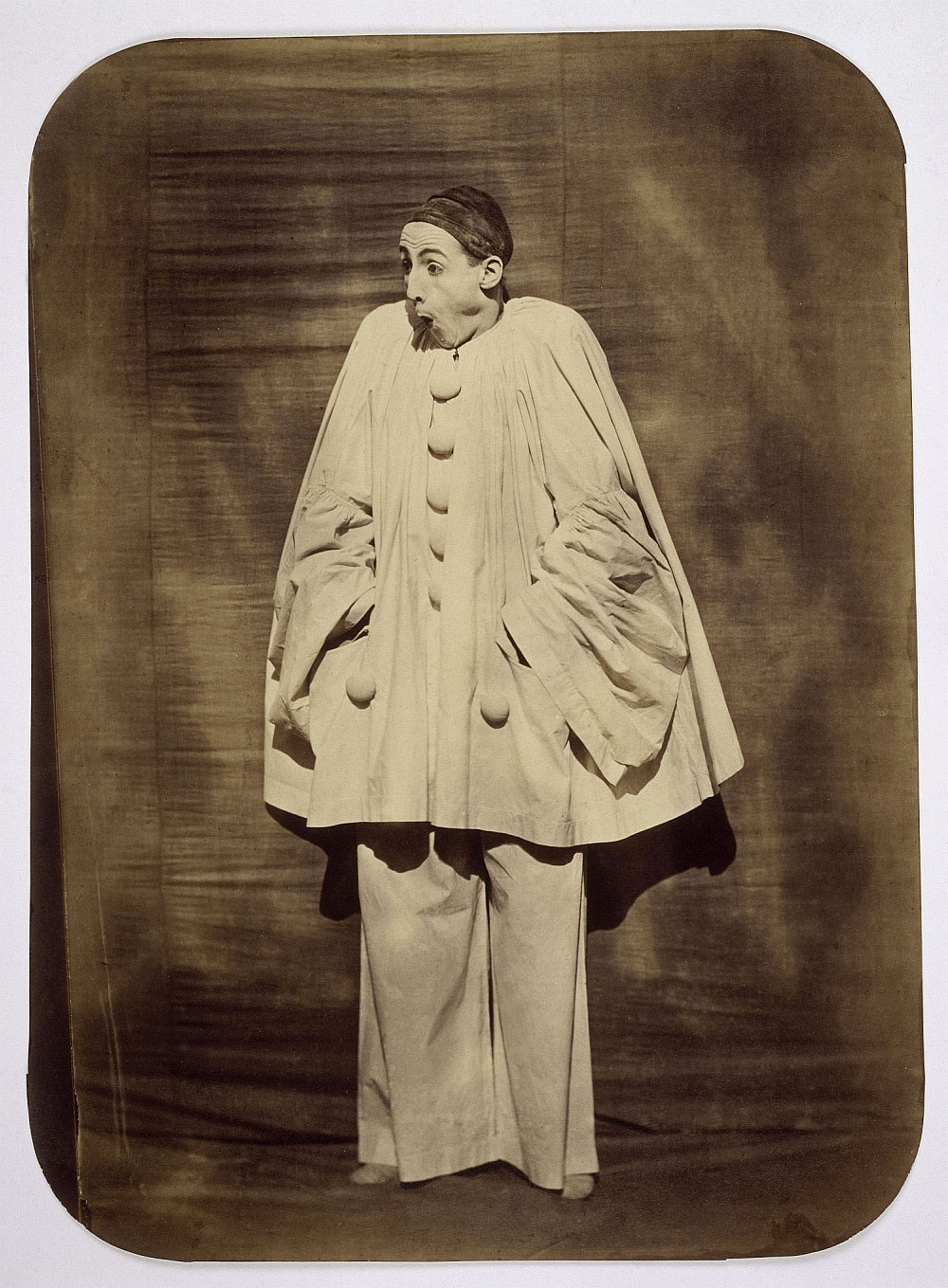
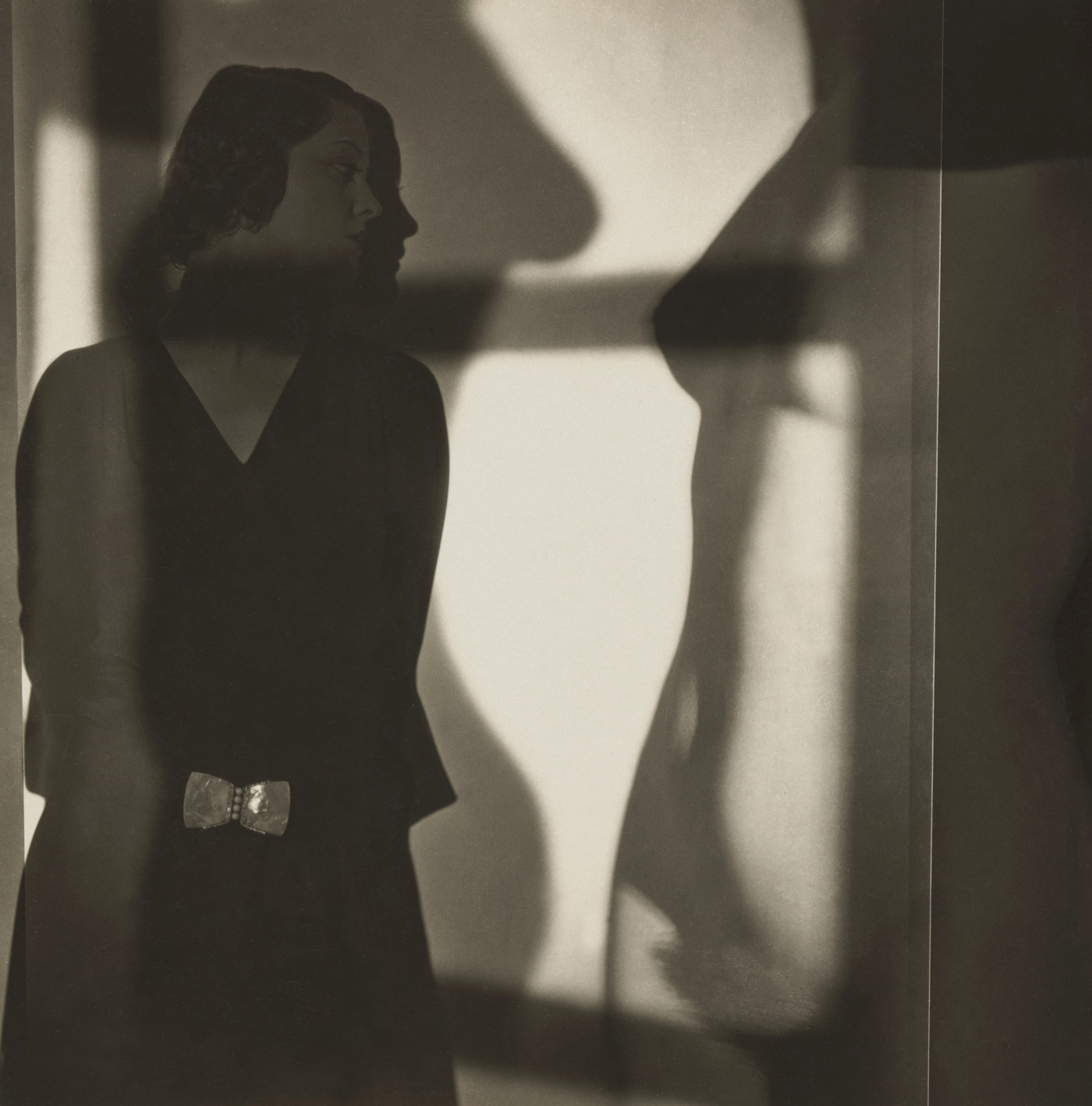
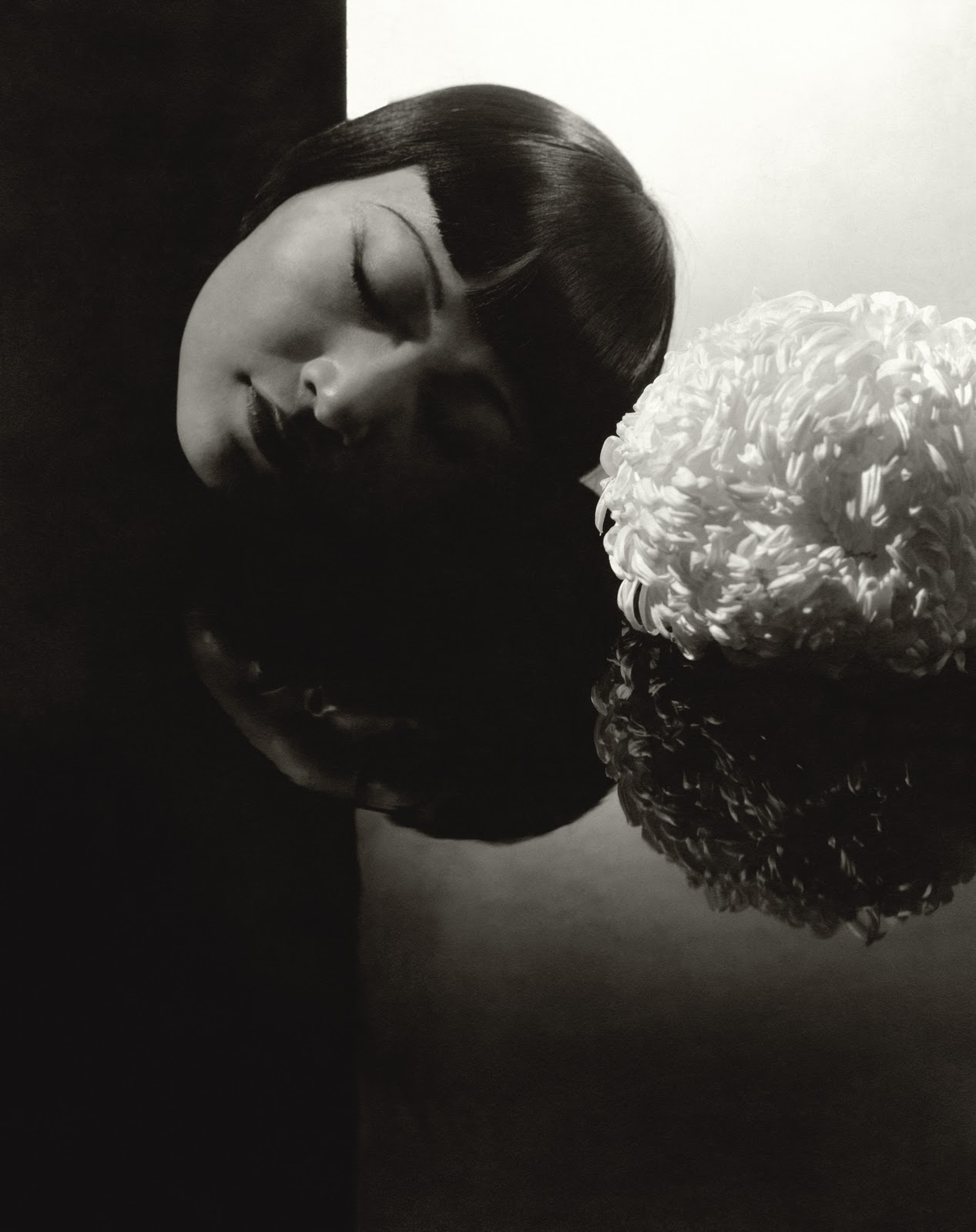
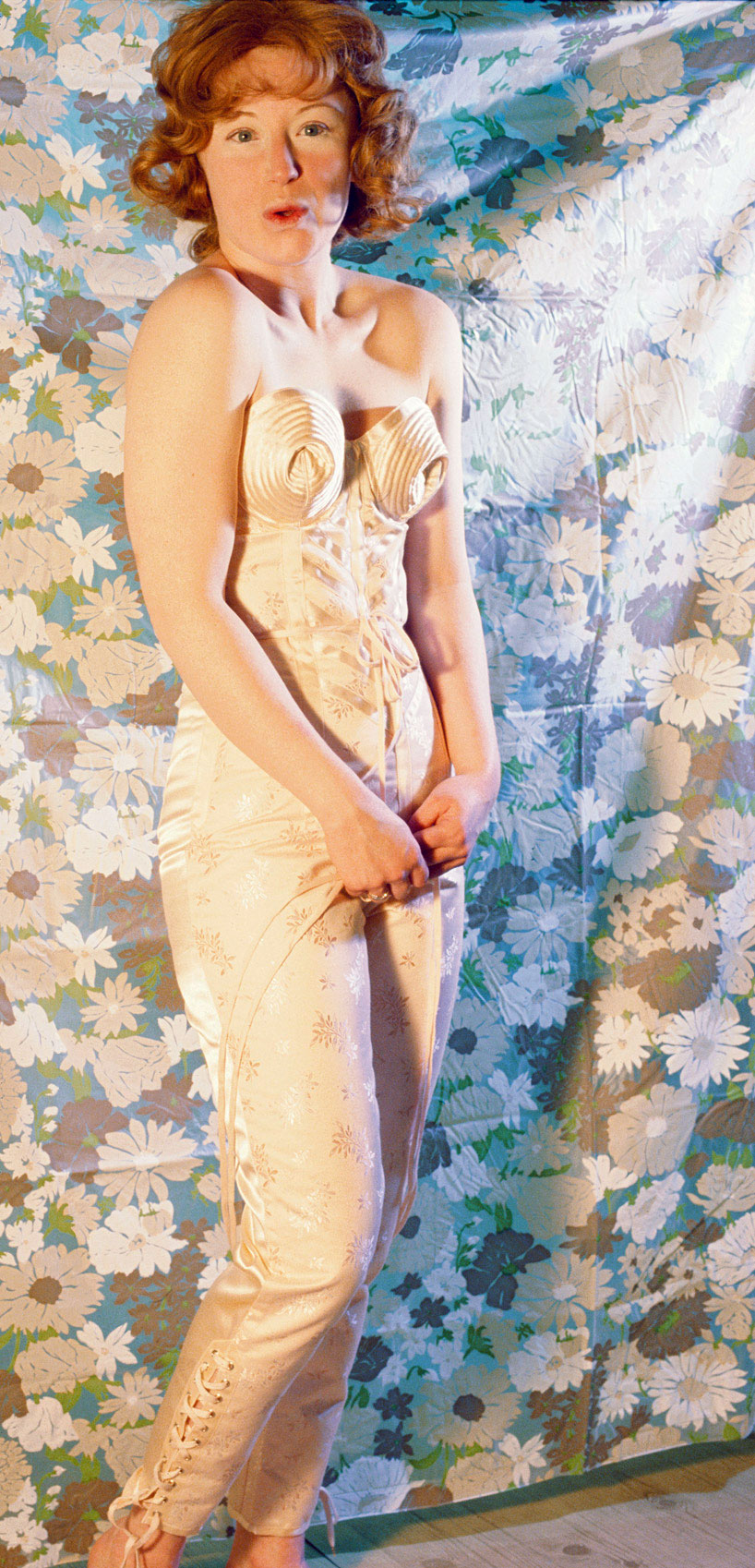

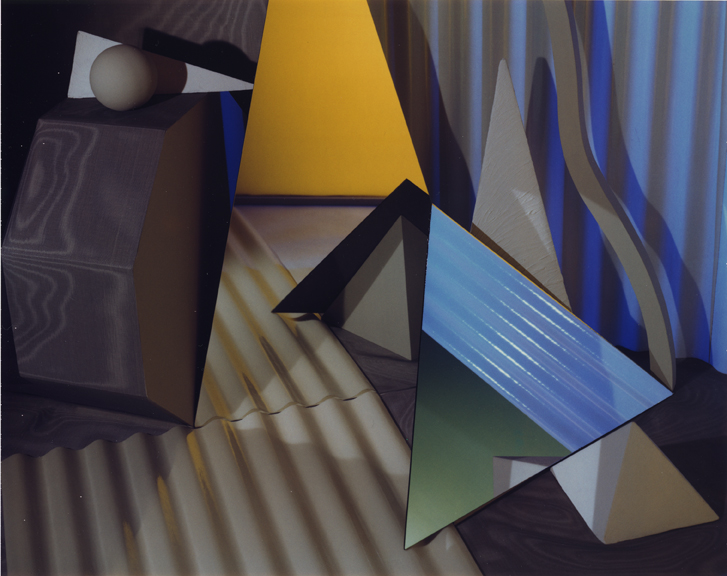

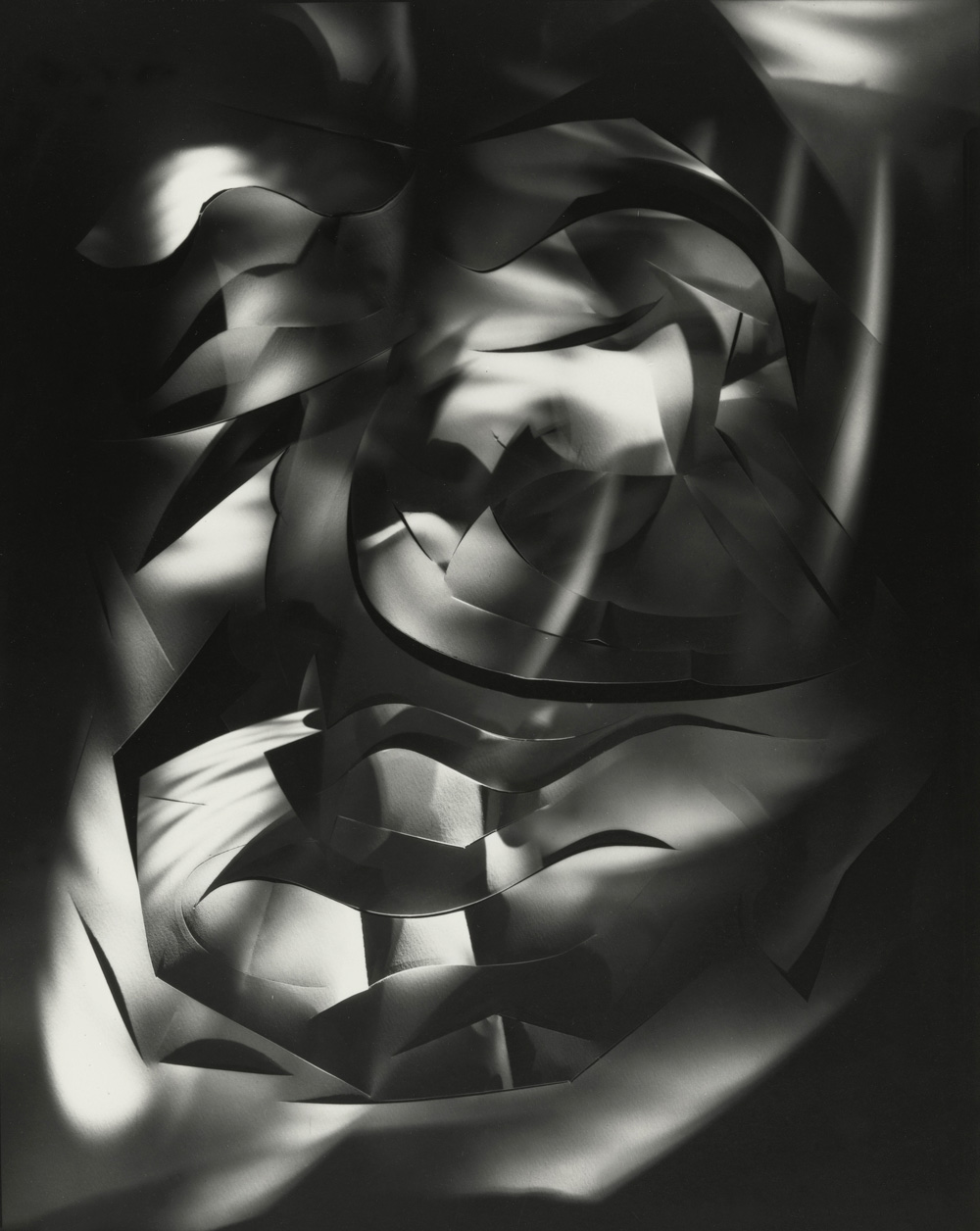

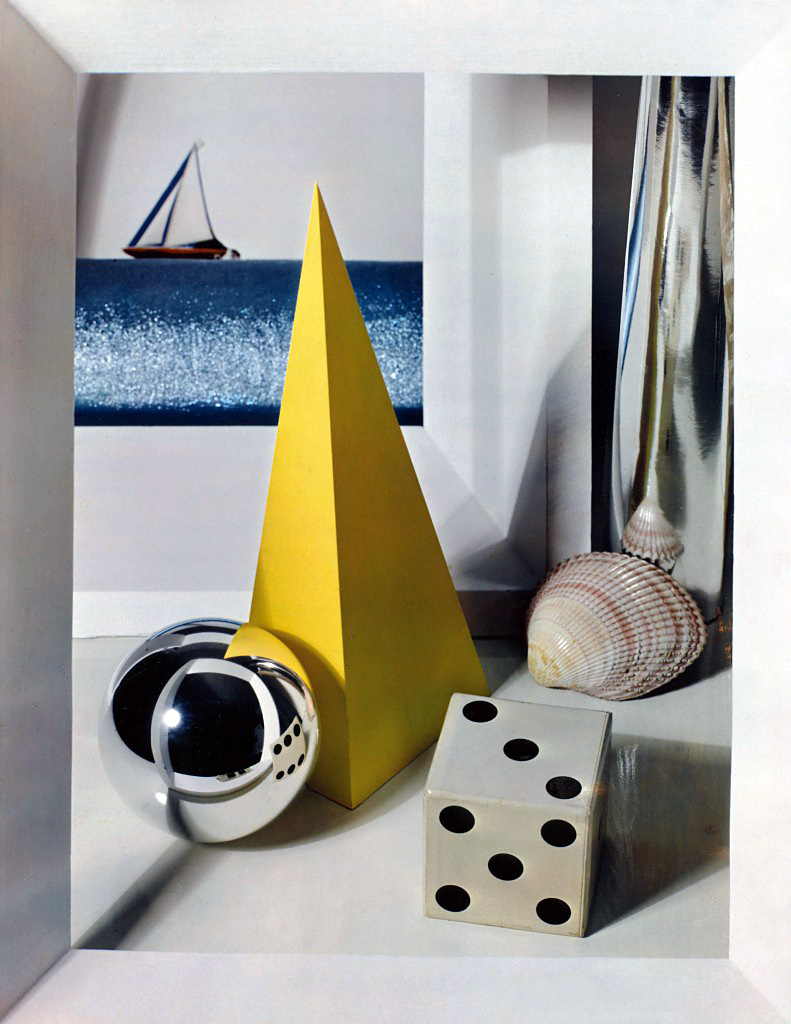
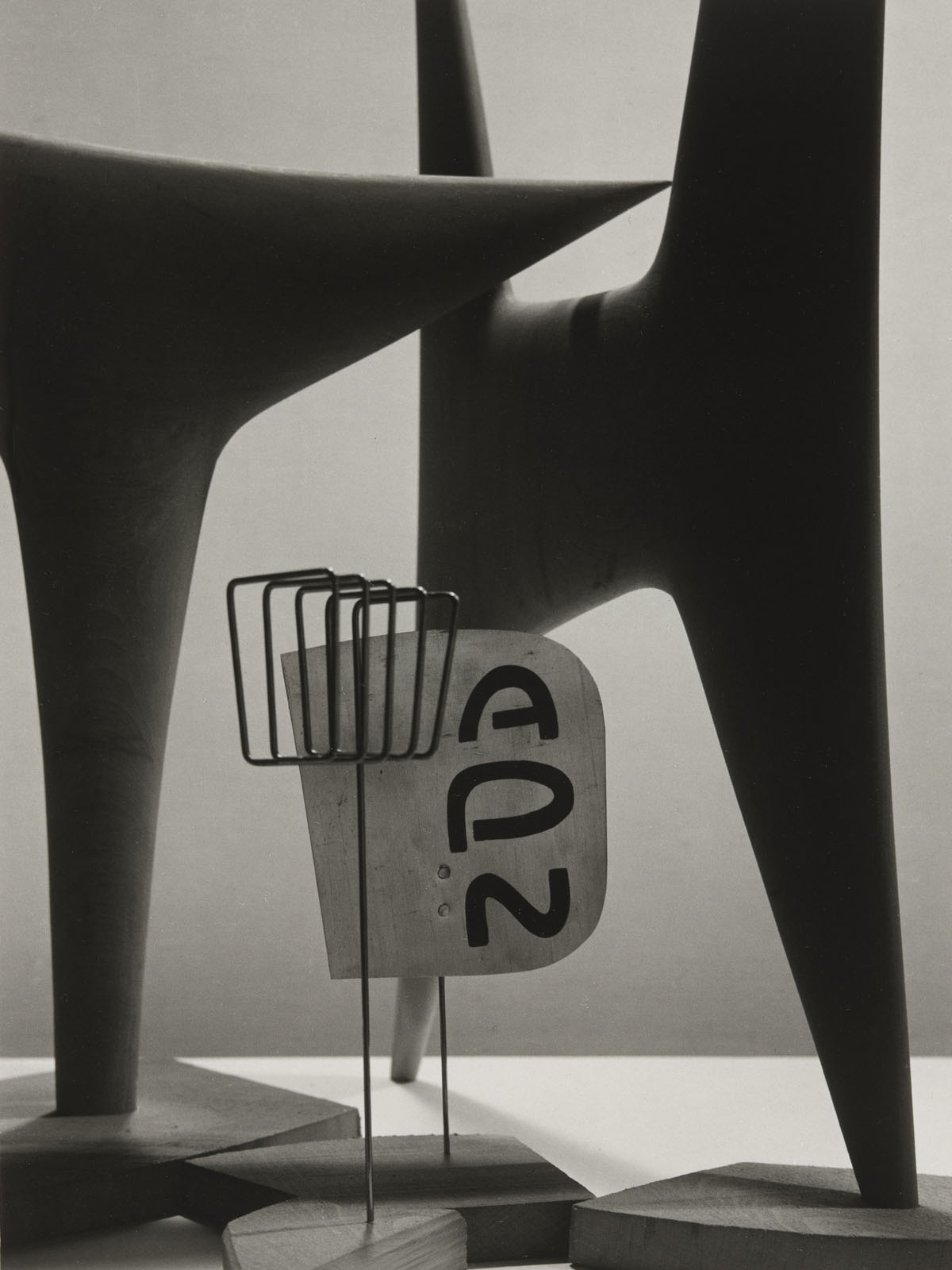
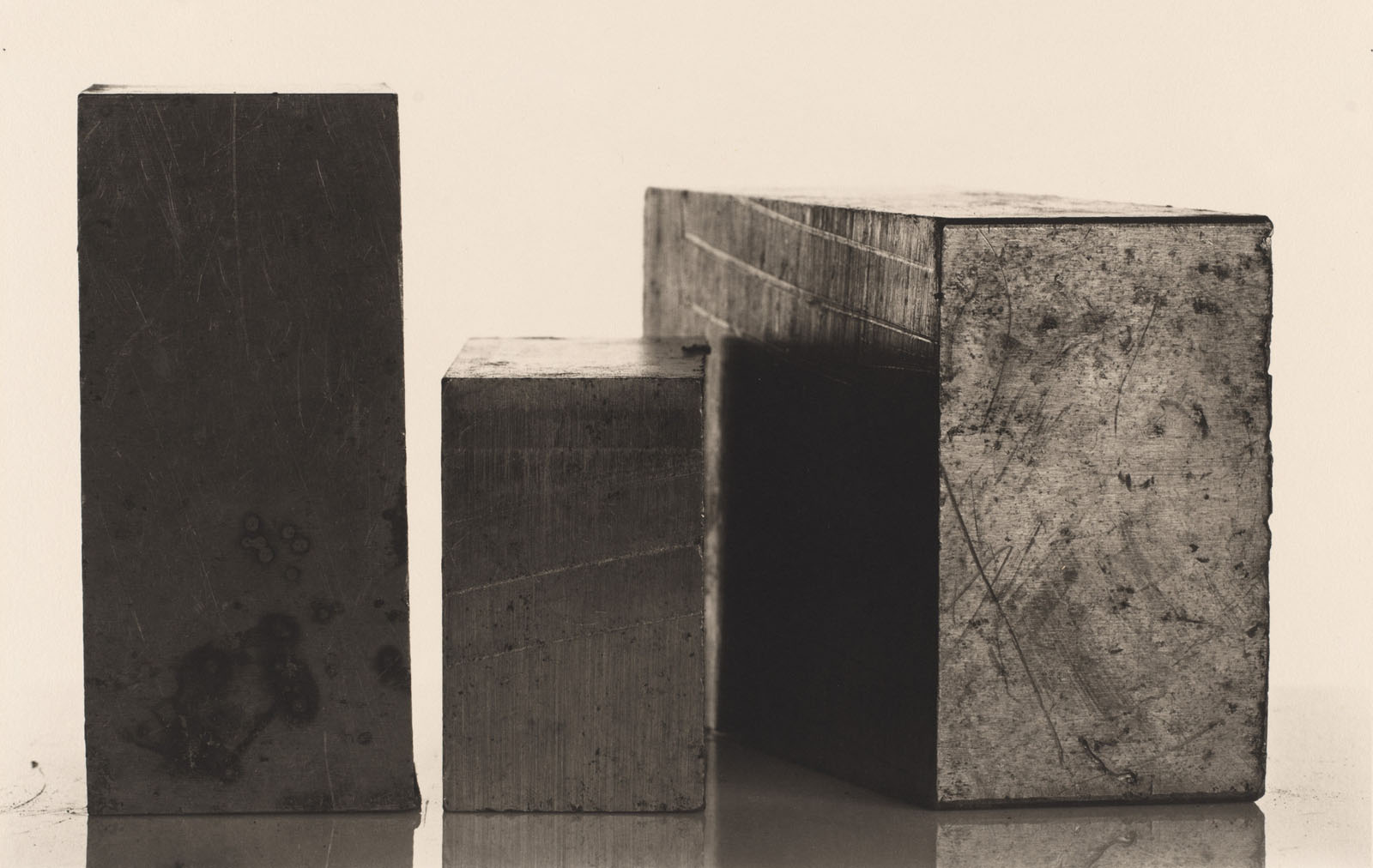
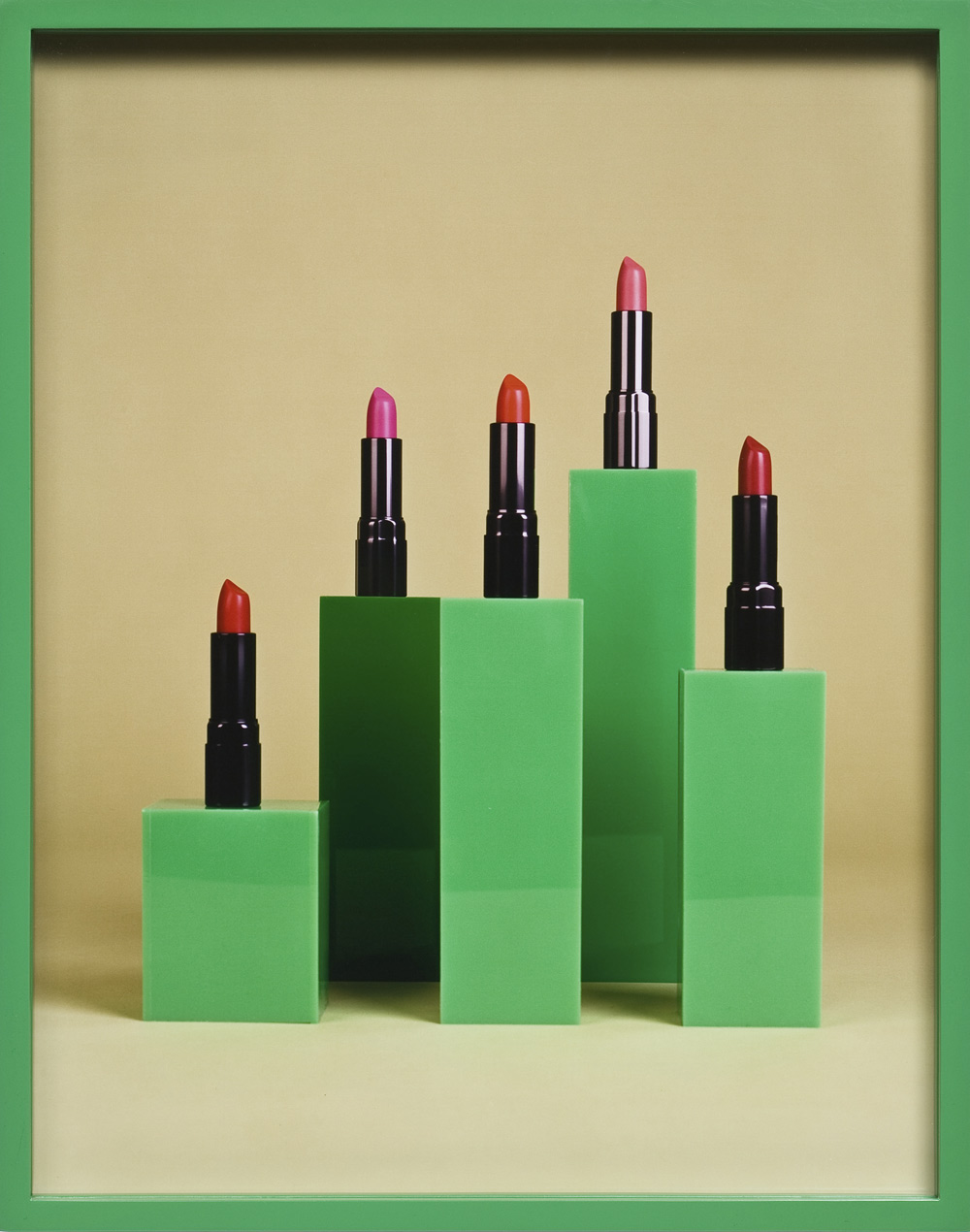


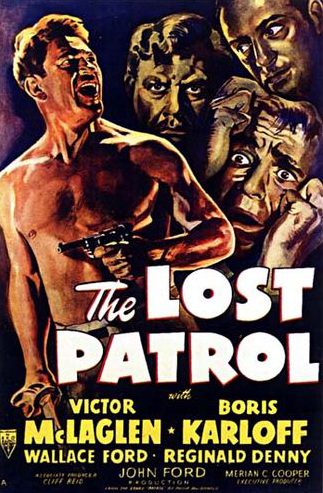

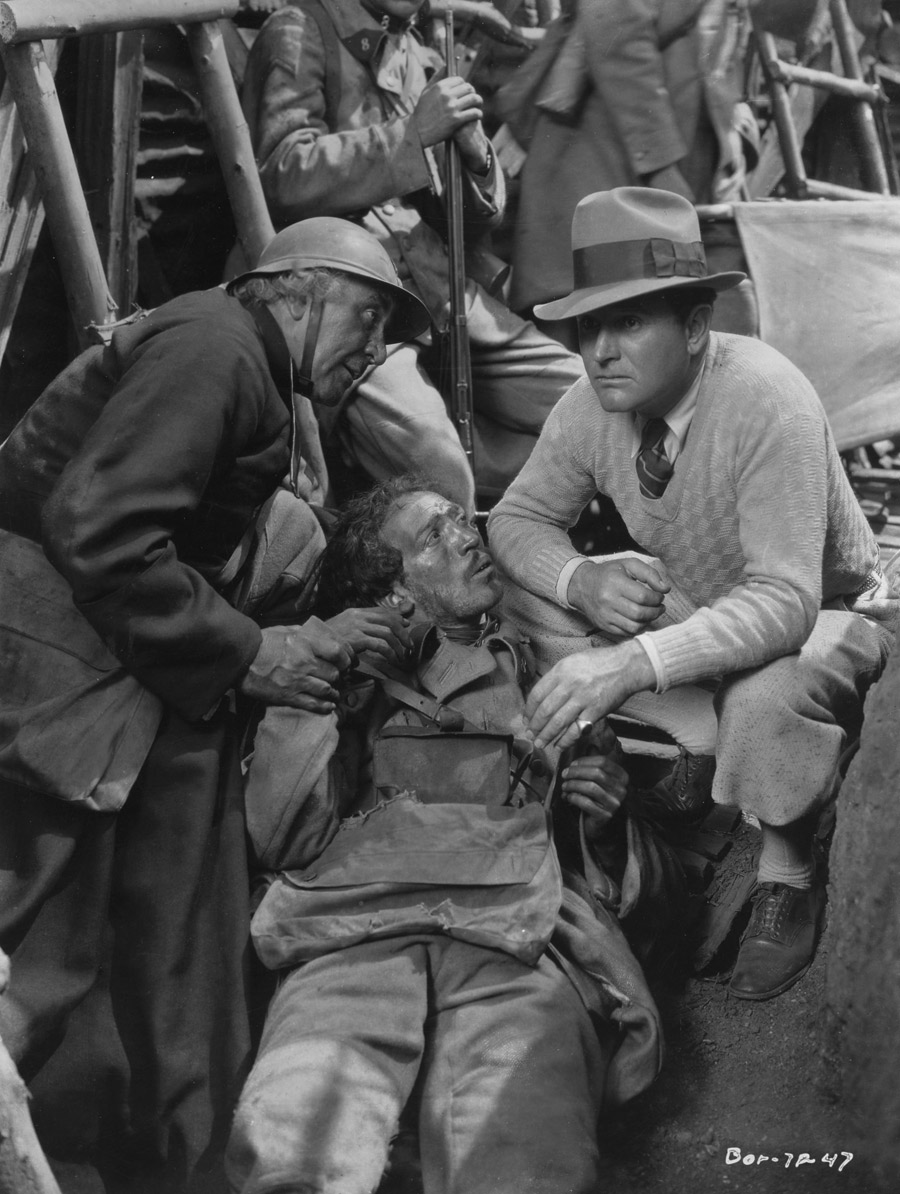


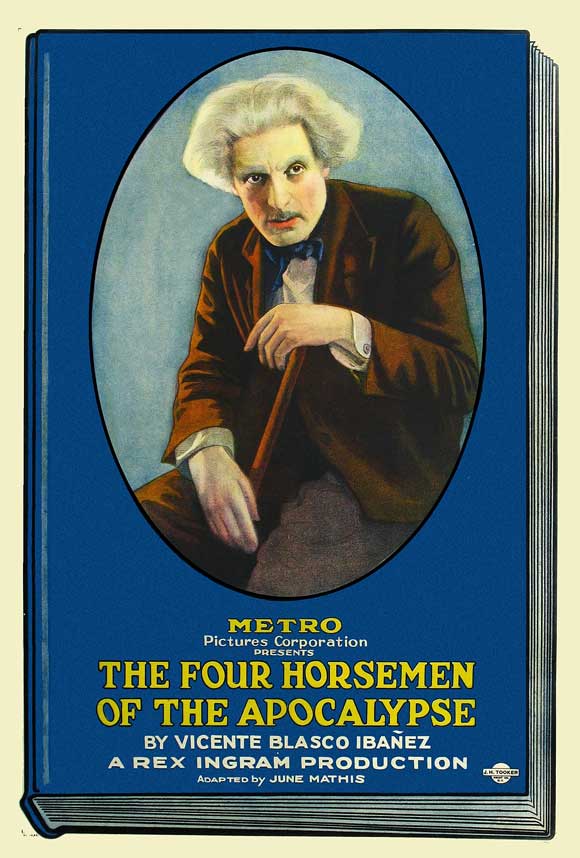


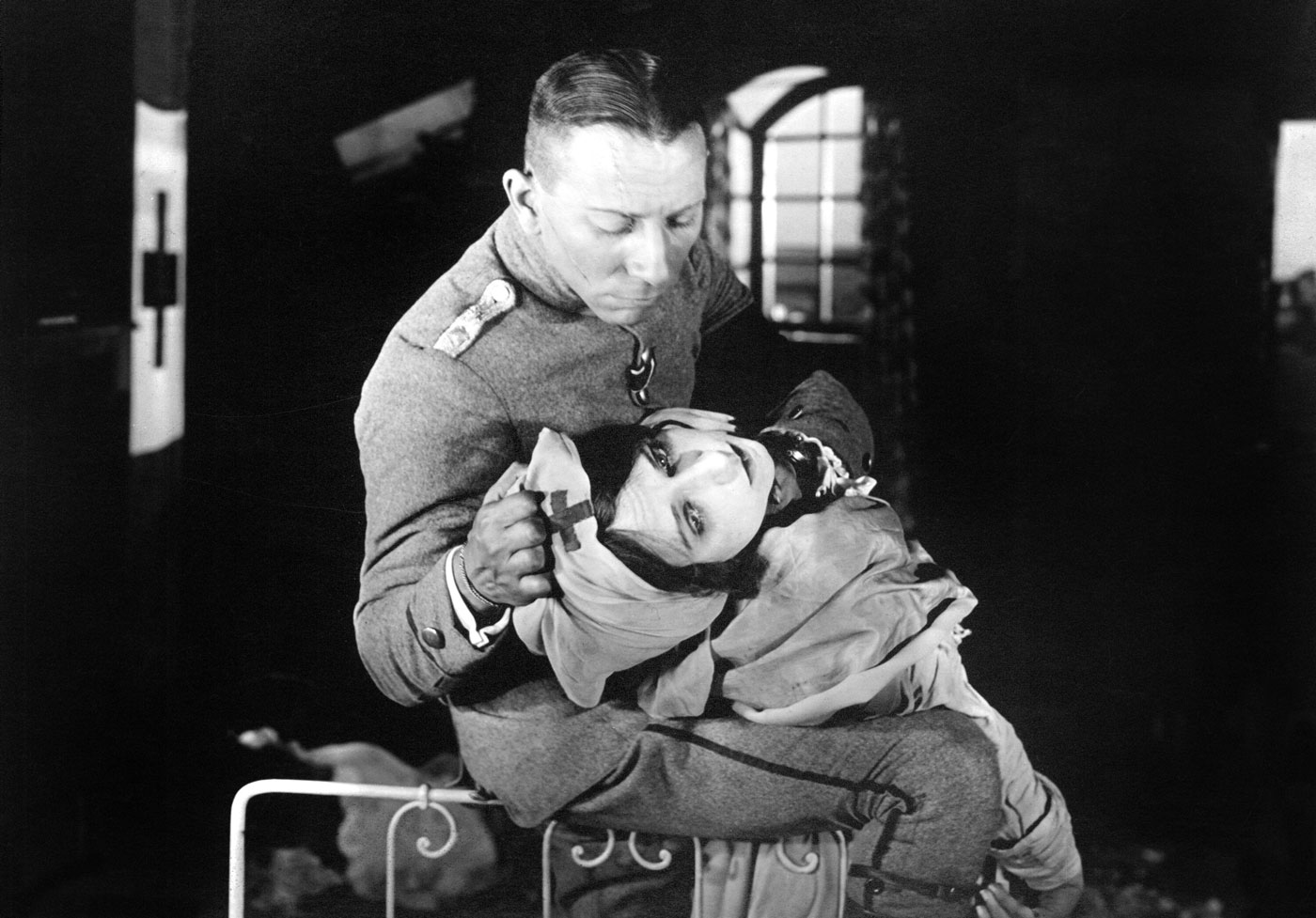


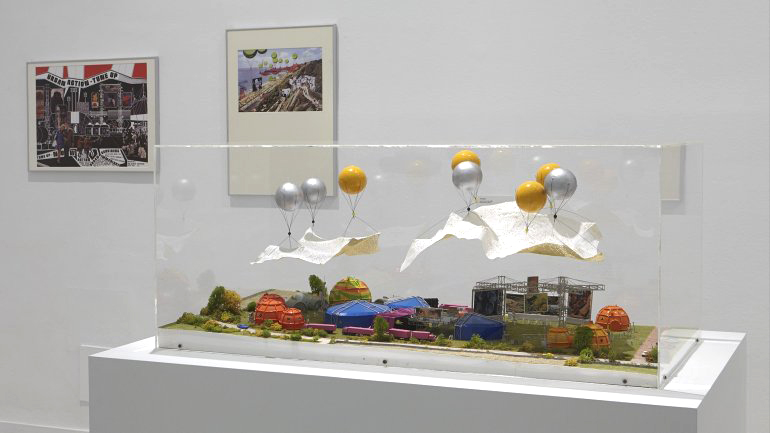
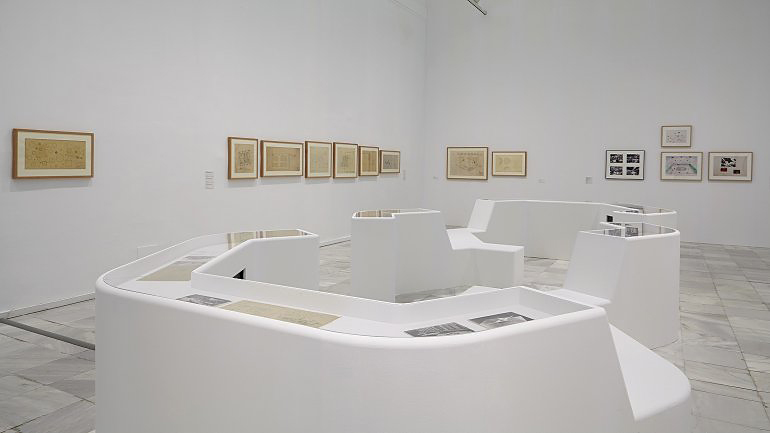
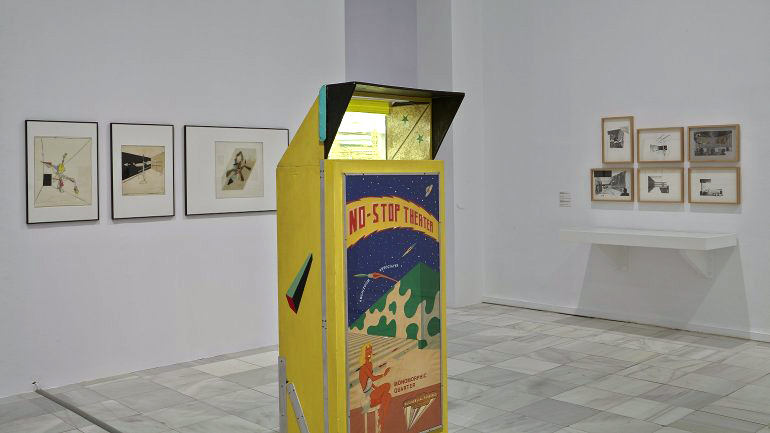

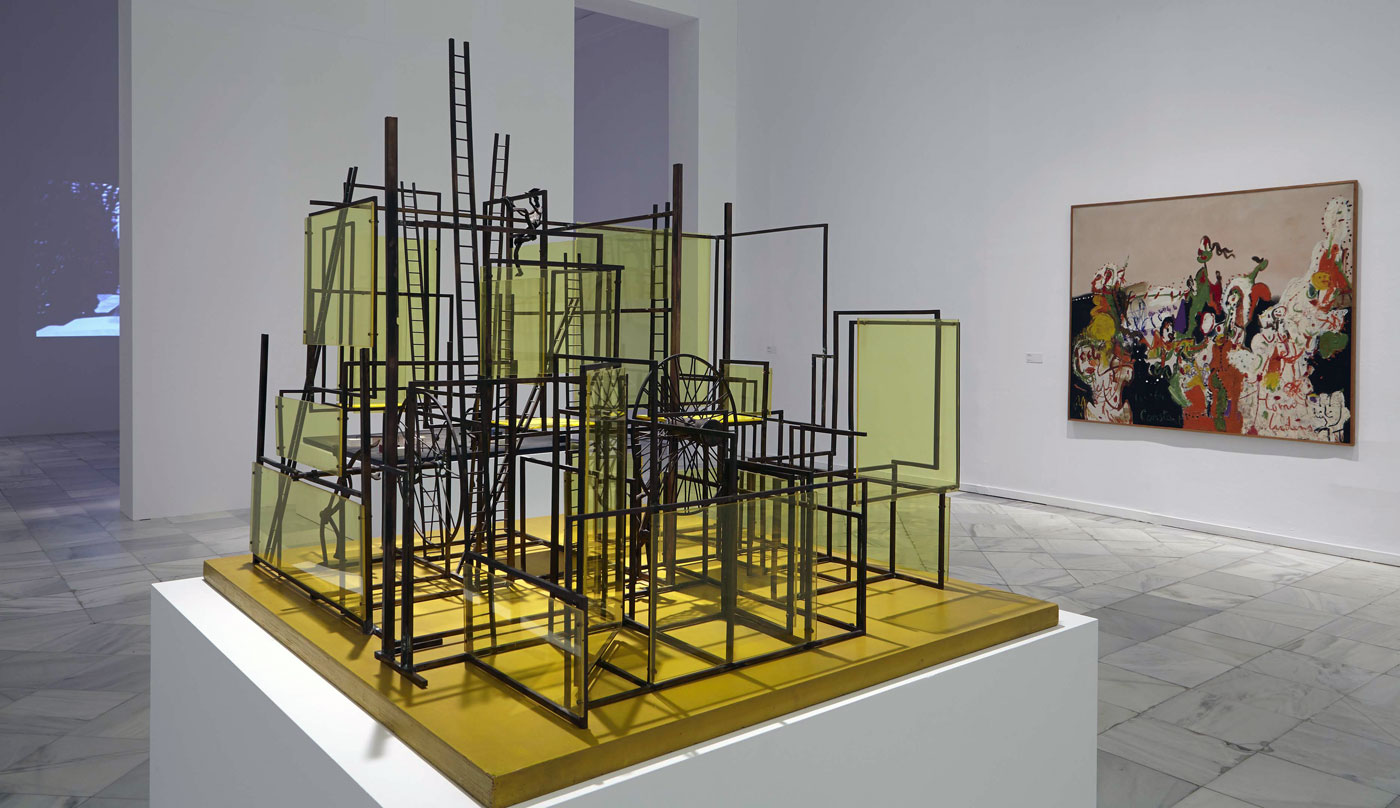


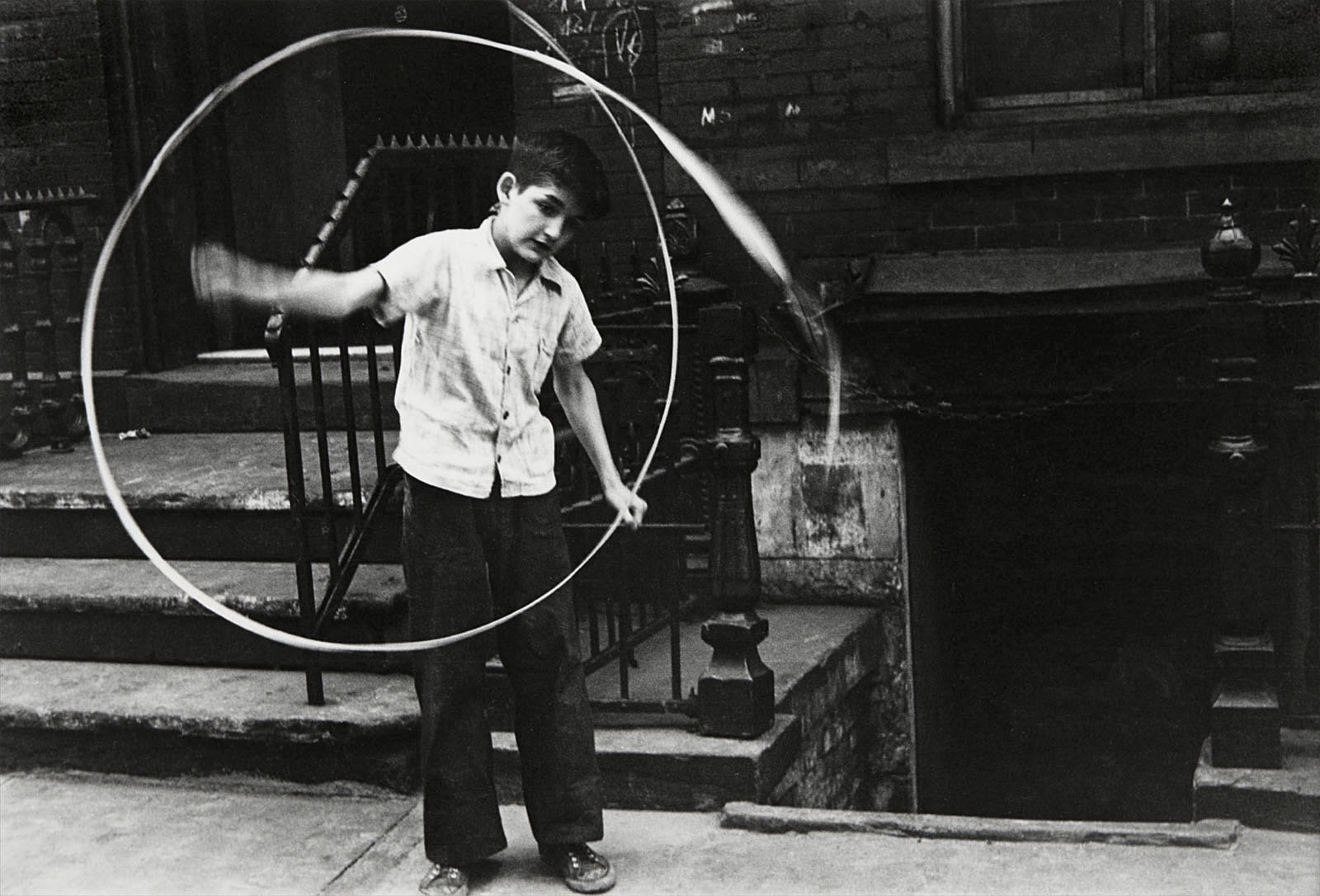

![Agustí Centelles (Catalan, 1909-1985) 'Barcelona, España. Guardería infantil en Vía Layetana' [Babysitting in Layetana Road] 1936-1939](https://artblart.com/wp-content/uploads/2014/09/agusti_centelles-guarderia_infantil-web.jpg "Agustí Centelles (Catalan, 1909-1985) 'Barcelona, España. Guardería infantil en Vía Layetana' [Babysitting in Layetana Road] 1936-1939")
![Fernand Léger (French, 1881-1951) 'Les Loisirs - Hommage à Louis David' [Leisure - Homage to Louis David] 1948-1949](https://artblart.com/wp-content/uploads/2014/09/leger-les_loisirs-web.jpg "Fernand Léger (French, 1881-1951) 'Les Loisirs - Hommage à Louis David' [Leisure - Homage to Louis David] 1948-1949")
![Louis Sciarli (French, b. 1925) 'Le Corbusier. Marseille: Unité d'habitation, École Maternelle' [Le Corbusier. Marseille: housing unit, Kindergarten] 1945/2014](https://artblart.com/wp-content/uploads/2014/09/sciarli-le_corbusier_marseille-web.jpg "Louis Sciarli (French, b. 1925) 'Le Corbusier. Marseille: Unité d'habitation, École Maternelle' [Le Corbusier. Marseille: housing unit, Kindergarten] 1945/2014")


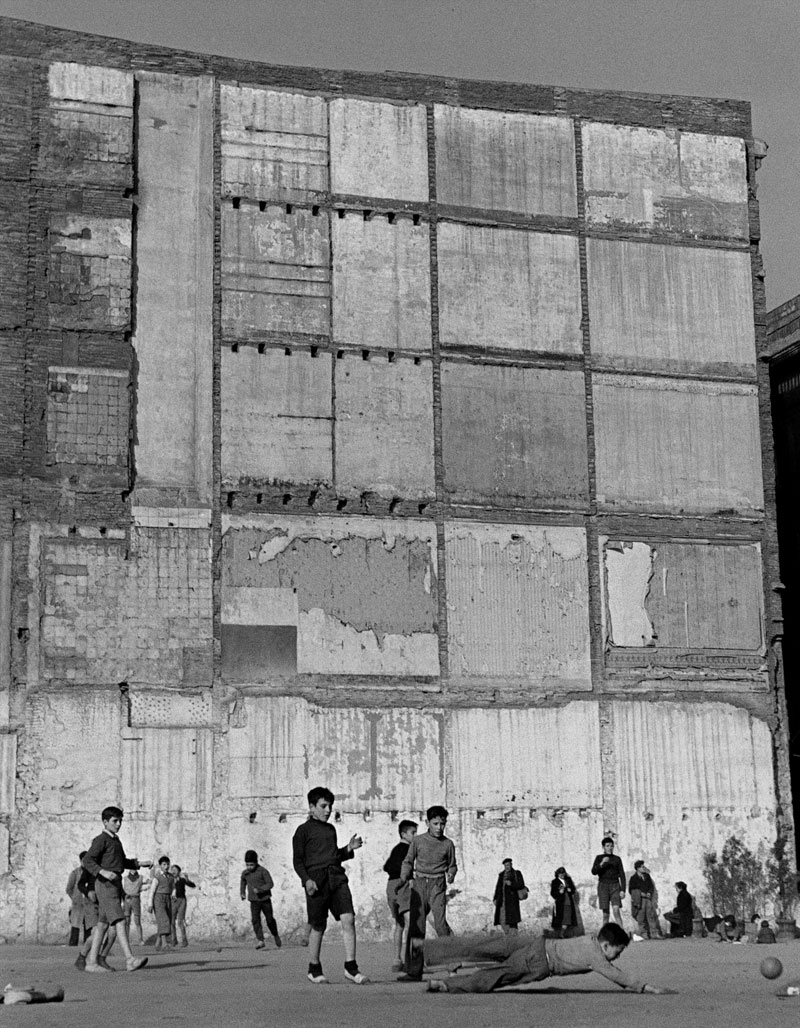


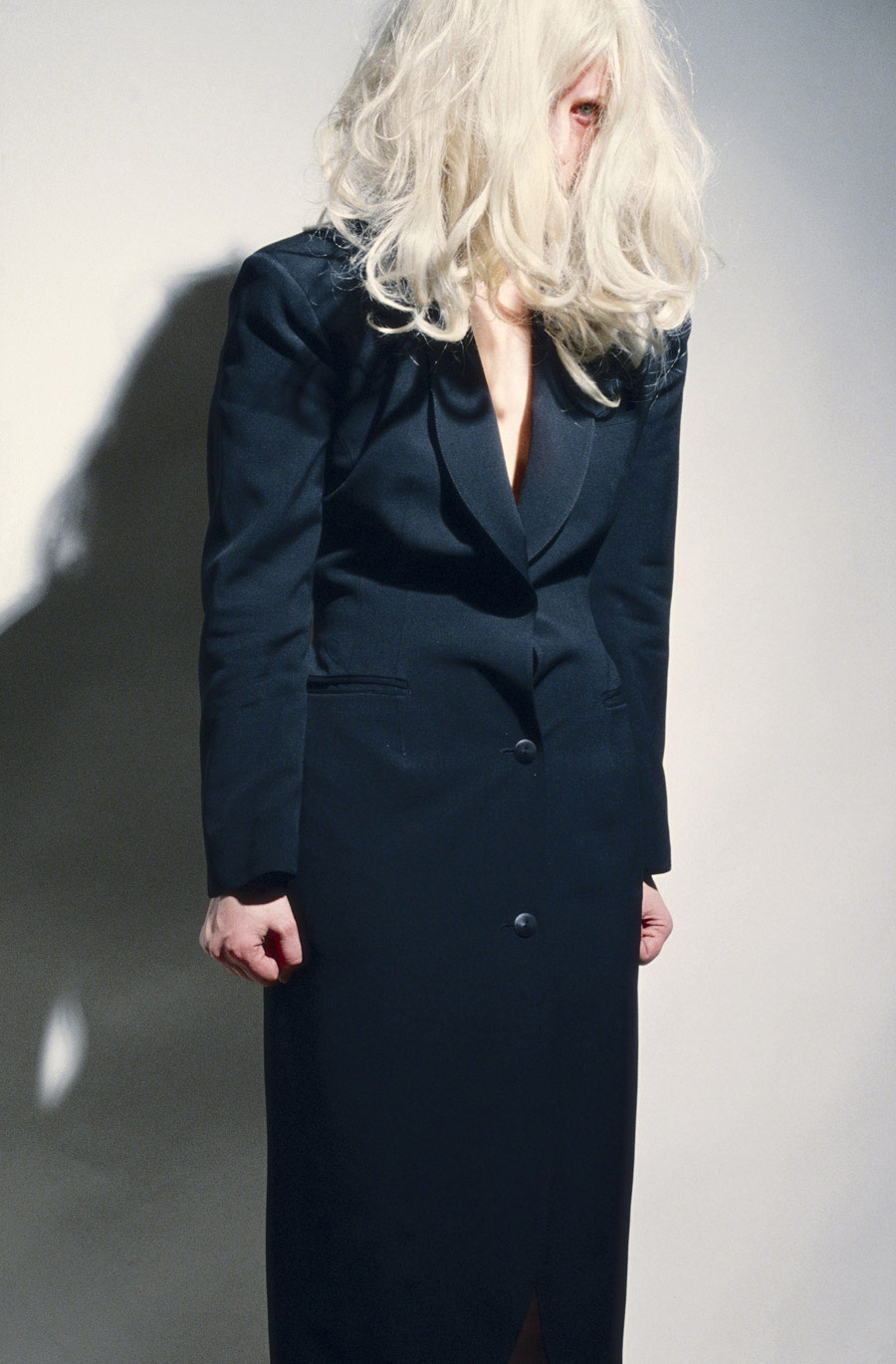


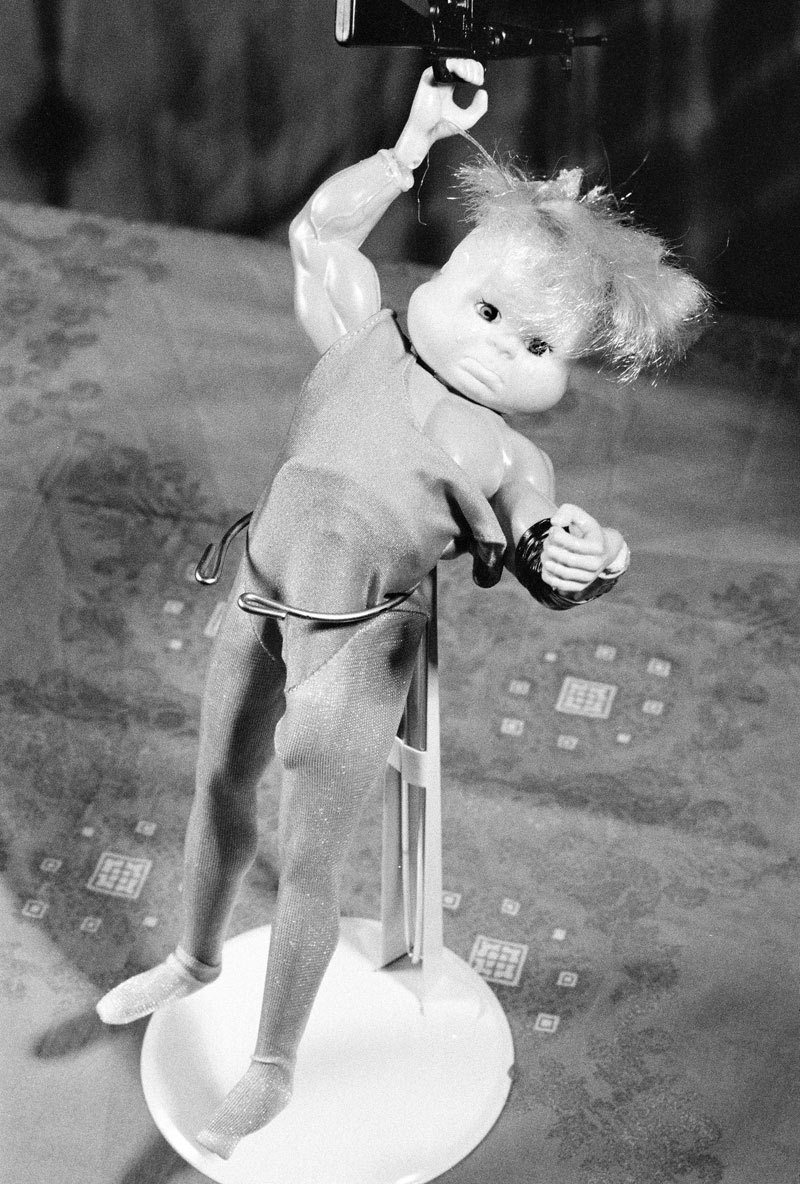


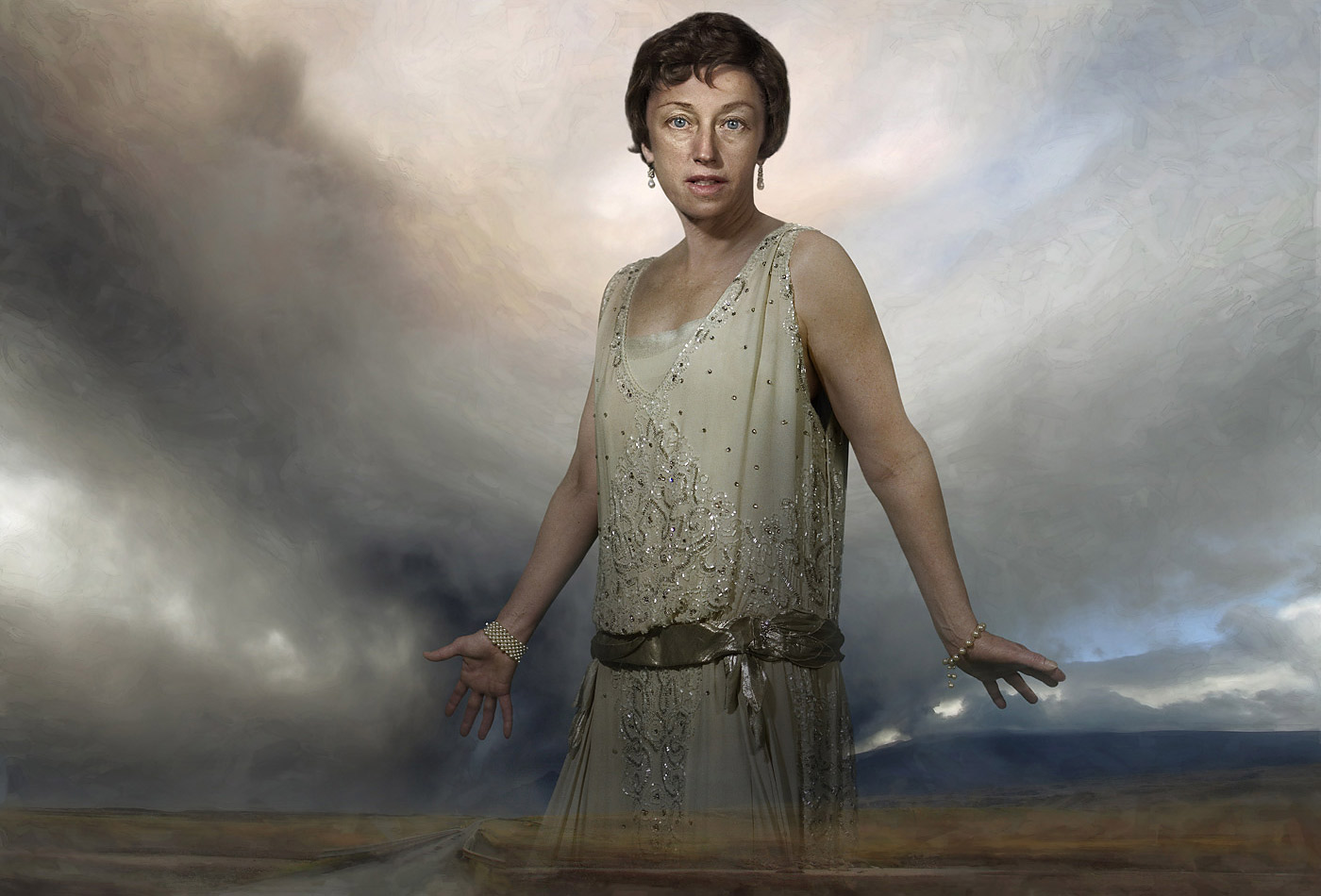











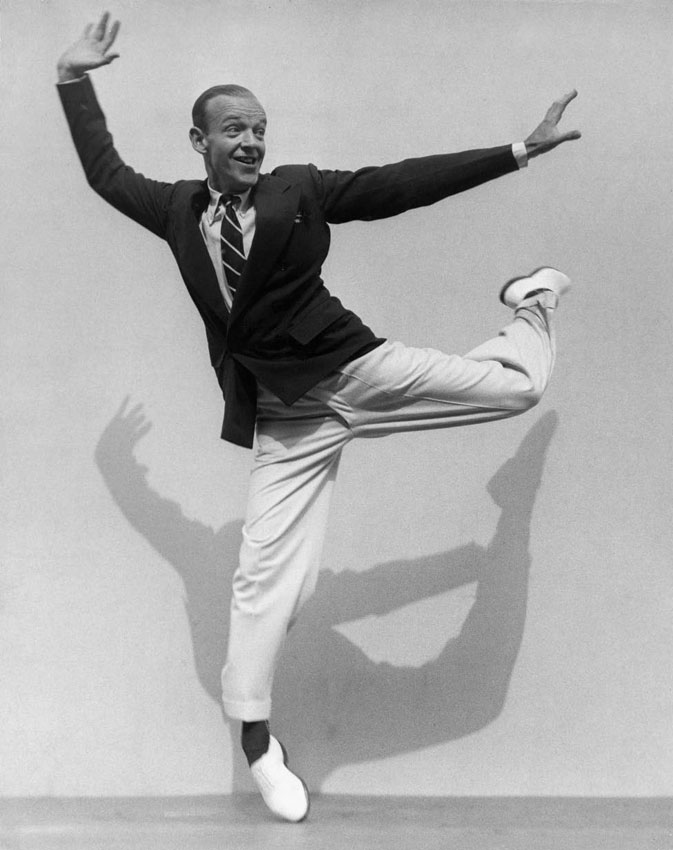
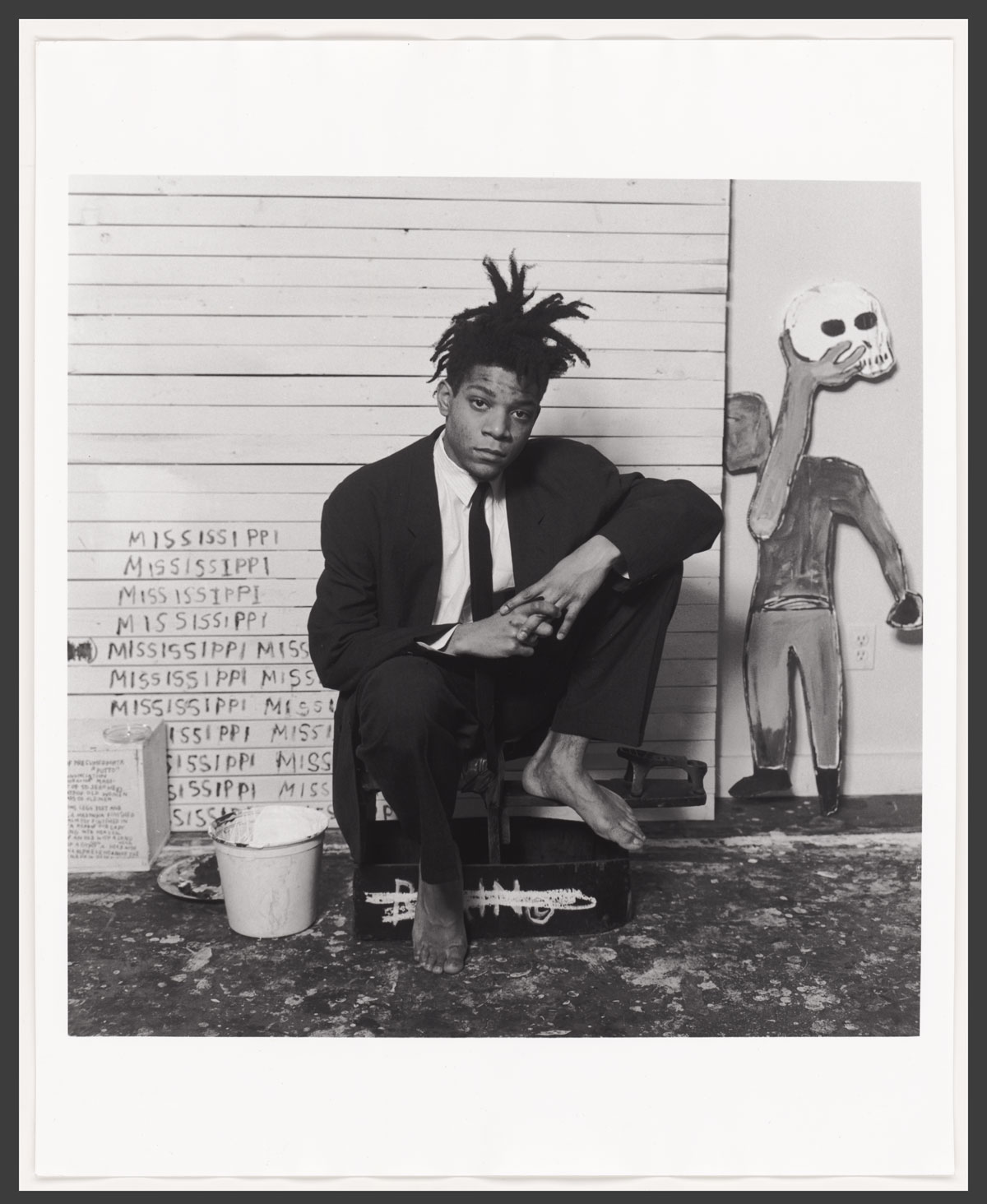


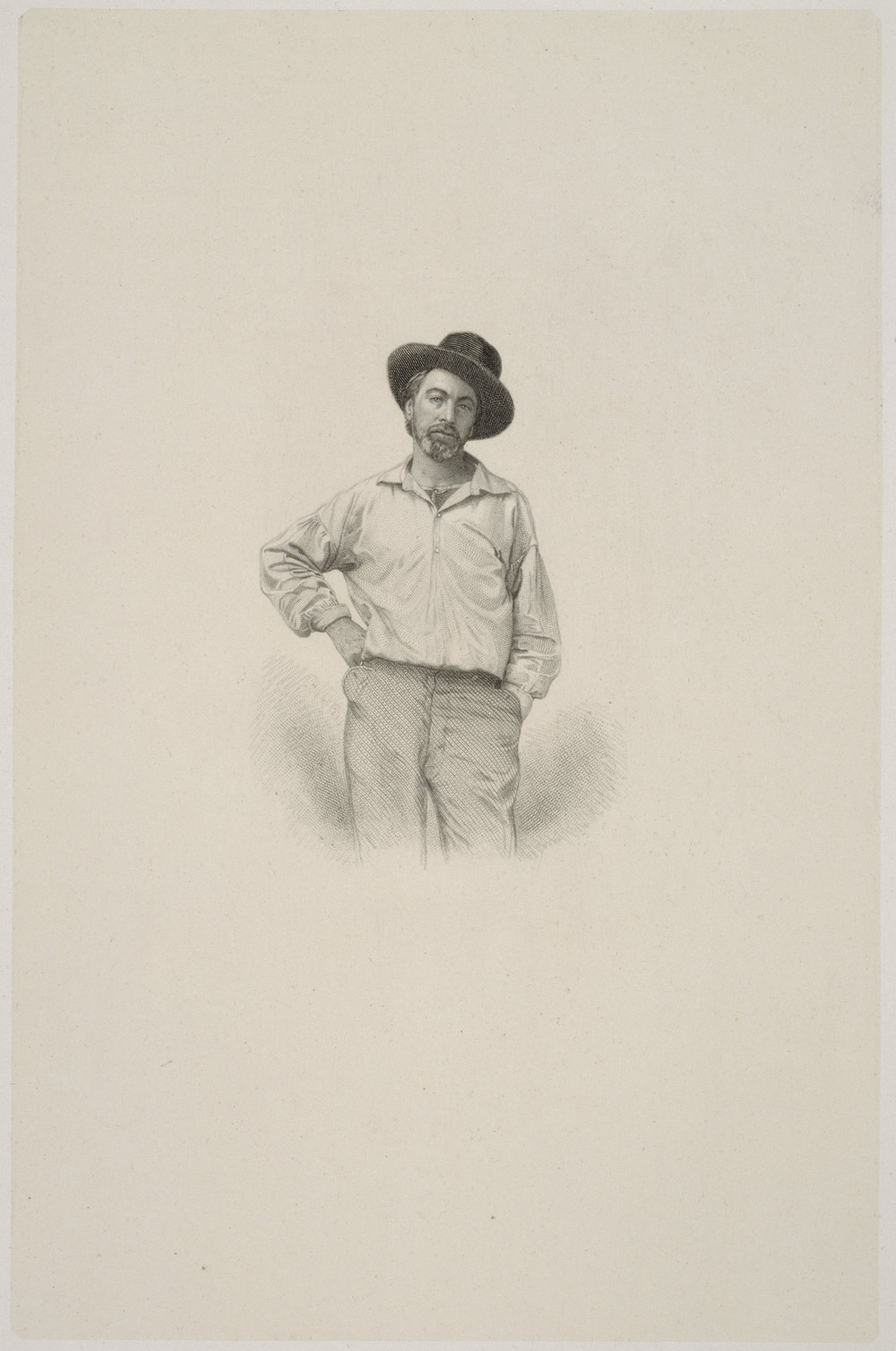
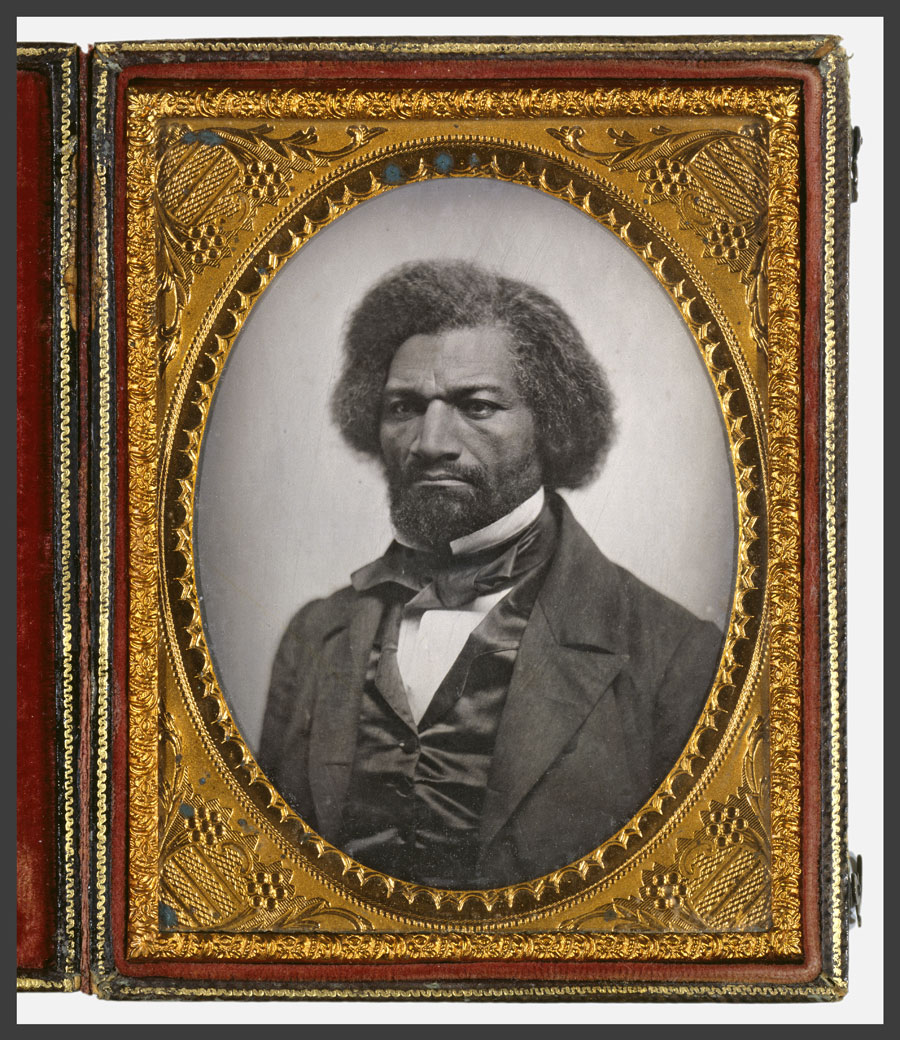
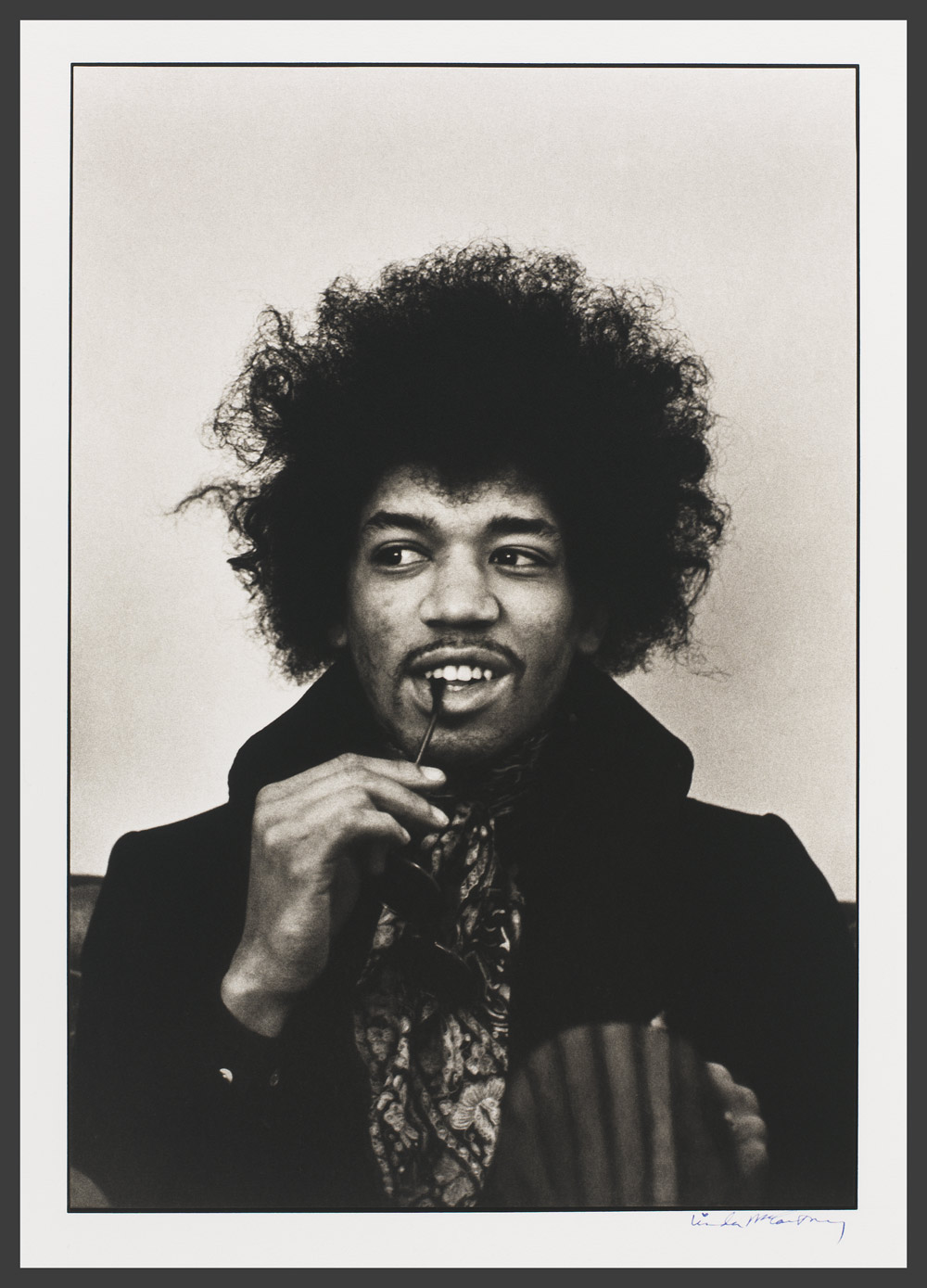



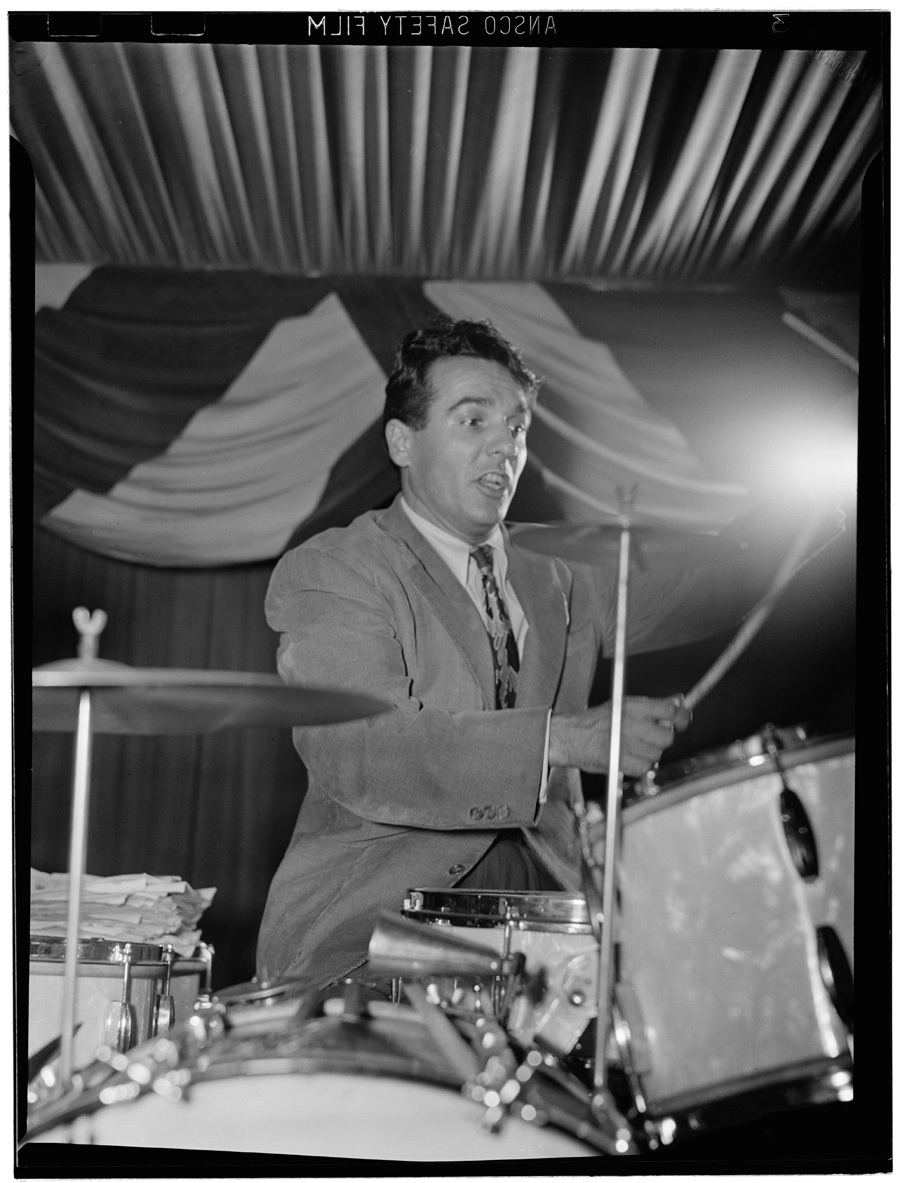
 Art Blart _ art and cultural memory archive
You must be logged in to post a comment.