Paul Outerbridge (American, 1896-1958) Women by Car, Laguna Beach, California c. 1950 Pigment dyed digital print 16″ x 20″
“Art is life seen through man’s inner craving for perfection and beauty – his escape from the sordid realities of life into a world of his imagining. Art accounts for at least a third of our civilization, and it is one of the artist’s principal duties to do more than merely record life or nature. To the artist is given the privilege of pointing the way and inspiring towards a better life.”
Paul Outerbridge
If Outerbridge only photographed intermittently after 1943, then what photographs they are.
Perhaps some of the most important colour photographs of their generation were made after he moved to California influencing the next generation of colour photographers (as noted below in the press release).
What else can one say – his aesthetic sensibility is so far ahead of his time, so prescient of future colour spaces in photography. I know how “no regular income” feels as an artist, but he still had the courage and vision to make the work.
I am in awe of the man: the visual complexity but eloquent simplicity of his photographs is simply amazing, simply… his own.
Dr Marcus Bunyan
Many thankx to the Downtown Central Library for allowing me to publish the photographs in the posting. Please click on the photographs for a larger version of the image.
Recently discovered colour images of California and Mexico taken during the 1940s and 1950s by the late visionary photographer Paul Outerbridge, who was considered “a master of colour photography,” will be exhibited at the Central Library’s First Floor Galleries, 630 W. Fifth St., downtown, from March 28 through June 28 2009.
Paul Outerbridge (American, 1896-1958) Balboa Beach, California c. 1950 Pigment dyed digital print 16″ x 20″
“[Outerbridge] was a designer and illustrator in New York before turning to photography in the 1920s. In 1925, having established himself as an innovative advertising photographer and graphic designer, he moved to Paris and worked for the French edition of Vogue magazine. There he met Edward Steichen, with whom he developed a friendly rivalry. Around 1930, having returned to New York, Outerbridge began to experiment with colour photography, in particular the carbro-colour process. He focused primarily on female nudes – striking, full-colour images that were ahead of their time. The growing popularity of the dye transfer process lead to cheaper color photographs and Outerbridge, who stuck fast to the carbro process as superior in its richness and permanence, saw his commercial work dry up, leaving him without a regular source of income. In 1943 Outerbridge moved to California, where he photographed only intermittently.”
Text from the Getty Museum website [Online] Cited 14/04/2009. No longer available online. Used under fair use conditions for the purposes of education and research
Paul Outerbridge (American, 1896-1958) Reclining Nude c. 1937 Pigment dyed digital print
Paul Outerbridge (American, 1896-1958) Motel Bar, Mazatlán, Mexico c. 1948 Dye transfer print 16″ x 20″
Paul Outerbridge (American, 1896-1958) Hotel Lobby, Mazatlán, Mexico c. 1950 Pigment dyed digital print 16″ x 20″
As one of America’s earliest masters of colour photography, Paul Outerbridge established his reputation by making virtuoso carbro-colour prints of nudes and still-lives in the 1930s. As pictures, they are as brilliant and innovative today as when they earned their place as classics in the history of photography.
Outerbridge left New York in the 1940s, choosing to settle in California, and eventually taking up residency in the Mediterranean-style ocean side town of Laguna Beach. Little is known of Outerbridge’s last body of work in the 8 years preceding his death in 1958. But Outerbridge’s recently printed transparencies from the 1950s affirms that he fully understood the possibilities inherent in colour photography despite it being the early days of its use in photographic art. Outerbridge went on to make a body of work that presaged the style and imagery of colour photographers working a full quarter of a century later.
Employing a 35mm camera rather than the large-format equipment of the studio, Outerbridge captured vivid pictures while on the fly. His images were composed using the same precision of form and colour that characterised his 1930s studio work, but, in this series, Outerbridge applied his earlier techniques to the energetic world of the street. This was a new landscape for Outerbridge, who, seeing in the new spectrum of colour, depicted the people and places from his adopted Southern California, and, with great relish and sensitivity, from the Mexican towns just south of the border. In the tradition of such photographers as Edward Weston, Paul Strand, Anton Bruehl, and Henri Cartier-Bresson, all of whom made significant photographic forays into Mexico, Outerbridge ventured south from Laguna. In his 1949 black Cadillac, Outerbridge frequented the seaport towns along the Baja peninsula. One of his favourite stops was Mazatlan, on Mexico’s western coast, where he took particular pleasure in surveying the urban architecture, absorbing – and documenting – the city streets teeming with people, the brightly coloured topography.
Among the scenes Outerbridge etched onto film: carnival carriages with passengers dressed and bound for a grand party; a group of fashionable men relaxing in an outdoor hotel lobby drinking Cokes and beer while a small orchestra plays on in the afternoon sun; and a lone girl in a lime-green dress and white sweater walking past a gas station whose painted-red details add vibrant flourishes to the scene. Outerbridge was keenly aware that the beauty of everyday objects was also tied to the larger meanings anchored in the social landscape, but he cared less for this fact than for the expression of pure colour and form as seen through and by the lens.
These extraordinary pictures recall the 1970s photographs of William Eggleston and Stephen Shore, who strove to codify these same formal and subjective aesthetics into a bold definition of the new colour vocabulary. Paul Outerbridge: New Color Photographs from California and Mexico will bring a heretofore undiscovered and unrecognised sequence of photographs that bridges the formal gap between the past and the present. Outerbridge’s visionary handling of colour confirmed that he had instinctively known the potential of the colour medium, and, luckily for us, he created an astounding body of photographs to prove it.
Text from the Curatorial Assistance website [Online] Cited 19/01/2019. Used under fair use conditions for the purposes of education and research
Paul Outerbridge (American, 1896-1958) Gas Station, Mazatlán, Mexico c. 1950 Dye transfer print 16″ x 20″
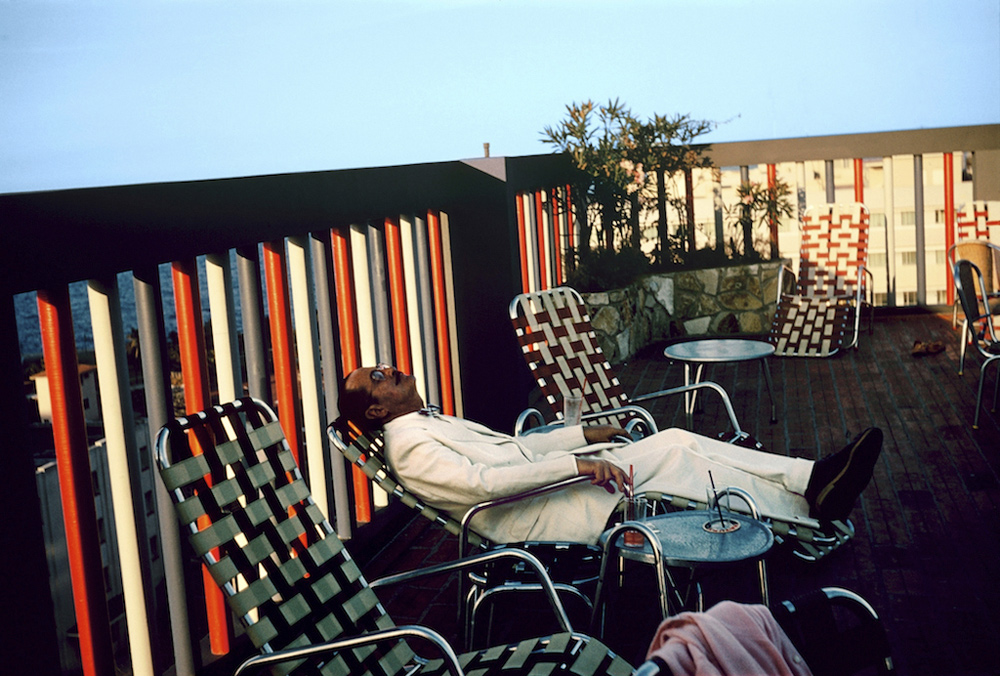
Paul Outerbridge (American, 1896-1958) Self-portrait on Lounge, Oceanside Resort, California c.1950 Pigment dyed digital print 16″ x 20″
“Outerbridge, who died in 1958, built his reputation in the early 1920s in New York and Paris making elegant black and white photo abstractions primarily of nudes and still lifes that rivalled those of his peers, Alfred Stieglitz, Edward Steichen, and Edward Weston. In the 1930s, Outerbridge mastered the exquisite tri-carbro-colour print process and went on to make some of the most important colour photographs in art and advertising of that time.
Moving to California in 1943 and taking up residence in Laguna Beach, Outerbridge made his last important body of work throughout California and Mexico. Between 1948 and until his death in 1958 he codified a new language in colour photographs that anticipated the work of William Eggleston, Stephen Shore, Joel Sternfeld and others known for their “New Color” work in the 1970s.
“The curious position of prosperous American tourists amid the daily poverty experienced by some Mexicans is one of the recurring themes in the work, but with Outerbridge there is no political polemic,” says co-curator Phillip Prodger. “Outerbridge was thinking of his photographs as jig-saw puzzles made up of many different highly coloured pieces, each placed with meticulous care.”
Among Outerbridge’s subjects are carnival carriages with passengers dressed and headed for a grand party; a group of fashionable men relaxing in an outdoor hotel lobby drinking Coke and beer while a small orchestra plays; a girl in a lime-green dress and white sweater walking past a gas station whose painted-red details add a vibrant flourish to the scene.”
Text from the Downtown Central Library press release [Online] Cited 14/04/2009. No longer available online. Used under fair use conditions for the purposes of education and research
Paul Outerbridge (American, 1896-1958) Model with Satin Dress, Laguna Beach, California c. 1950 Tricolor carbon print 20″ x 16″
Paul Outerbridge (American, 1896-1958) Party, Laguna Beach c. 1950 Tricolor carbon print 20″ x 16″
Los Angeles Central Library 630 W. 5th St., Los Angeles, CA 90071 Phone: (213) 228-7000
Curator: Eva Respini, Associate Curator, Department of Photography, The Museum of Modern Art
Carelton Watkins (American, 1829-1916) Views from the Sentinel Dome, Yosemite 1865-1866 Albumen silver prints from glass negatives Museum of Modern Art, New York
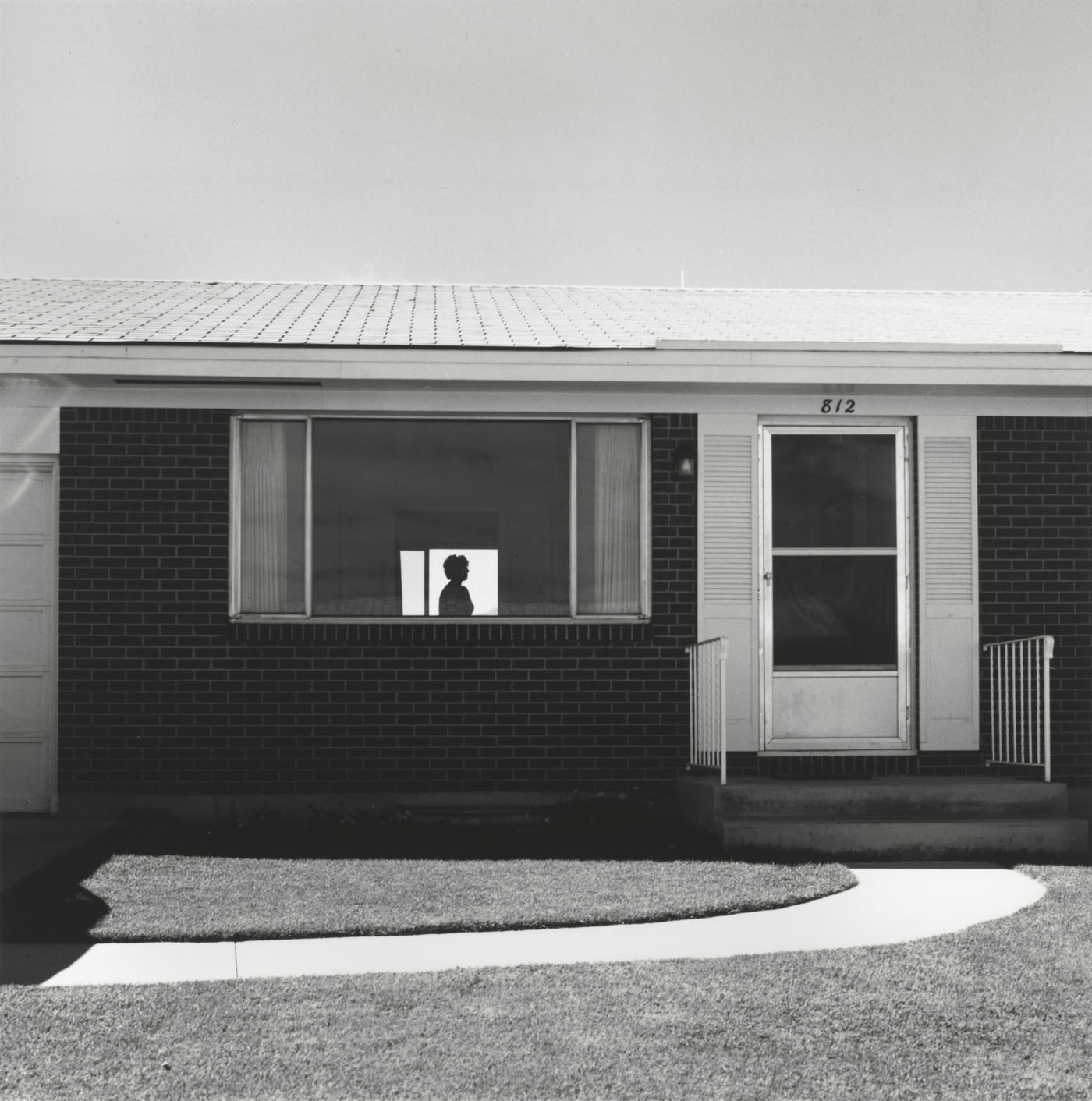
The Museum of Modern Art presents Into the Sunset: Photography’s Image of the American West, a survey of 138 photographic works dating from 1850 to 2008 that chart the West’s complex, rich, and often compelling mythology via photography. The exploration of a large part of the American West in the mid-nineteenth century by European Americans coincided with the advent of photography, and photography and the West came of age together. The region’s seemingly infinite bounty and endless potential symbolised America as a whole, and photography, with its ability to construct persuasive and seductive images, was the perfect medium with which to forge a national identity. This relationship has resulted in a complex association that shapes the perception of the West’s social and physical landscape to this day. With political, cultural, and social attitudes constantly shifting in the region over the last 150 years, Into the Sunset further examines the way photographers have responded to these changes. The exhibition is organised by Eva Respini, Associate Curator, Department of Photography, The Museum of Modern Art, and is on view in the Special Exhibitions Gallery on the third floor from March 29 to June 8, 2009.
Organised thematically rather than chronologically, Into the Sunset brings together the work of over 70 photographers, including Robert Adams, John Baldessari, Dorothea Lange, Timothy O’Sullivan, Cindy Sherman, Joel Sternfeld, Carleton E. Watkins, and Edward Weston, among others. The exhibition draws extensively from MoMA’s collection, along with private and public collections in the United States, and features new acquisitions from Adam Bartos, Katy Grannan, and Dennis Hopper, with each work also on view for the first time at the Museum.
Ms. Respini states: “Ranging from grand depictions of paradise to industrial development, from pictures taken on the road to prosaic suburban scenes, the photographs included in Into the Sunset do not all picture the West from the same point of view, or even perhaps, picture the same West. Rather, each is one part in a continually shifting and evolving composite image of a region that has itself been growing and changing since the opening of the frontier.”
Into the Sunset begins with the birth of photography and the American West. In the mid-nineteenth century, the region’s seemingly infinite bounty and endless potential symbolised America as a whole, and Carleton E. Watkins (American, 1829-1916) captured the grand depictions of an American paradise in his photographs of Yosemite Valley in California. Arguably the world’s first renowned landscape photographer, Watkins made his first photographs there in 1861 – large sized prints made with an 18-by-22-inch mammoth plate camera, well suited to the grandeur of the land. Included are the three contiguous photographs that make up his extraordinarily detailed View from the Sentinel Dome (1865-1866).
The exhibition balances the early work of landscape photographers with the twentieth century focus on the failure of the West’s promised bounty. In Joel Sternfeld’s (American, b. 1944) After a Flash Flood, Rancho Mirage, California (1979), the photographer documents the impact of a natural disaster, specifically a landslide, shot with neutral tones softly camouflaging the extent of flash flood on this suburban neighbourhood. And in Karin Apollonia Müller’s (German, b. 1963) Civitas (1997), the photographer shows a very different view of California than that of Watkins, with Müller revealing a contemporary Los Angeles as a littered wasteland of freeways and anonymous glass towers.
As highways and interstate travel became more prevalent, the automobile and the open road became synonymous with the region, with Edward Weston (American, 1886-1958) as the first great photographer of these open roads. Included is Weston’s iconic Hot Coffee, Mojave Desert (1937), a humorous black-and-white photograph of a road sign revealing a greater thematic shift to the highway and its signage as an inescapable element in picturing the West in the twentieth century.
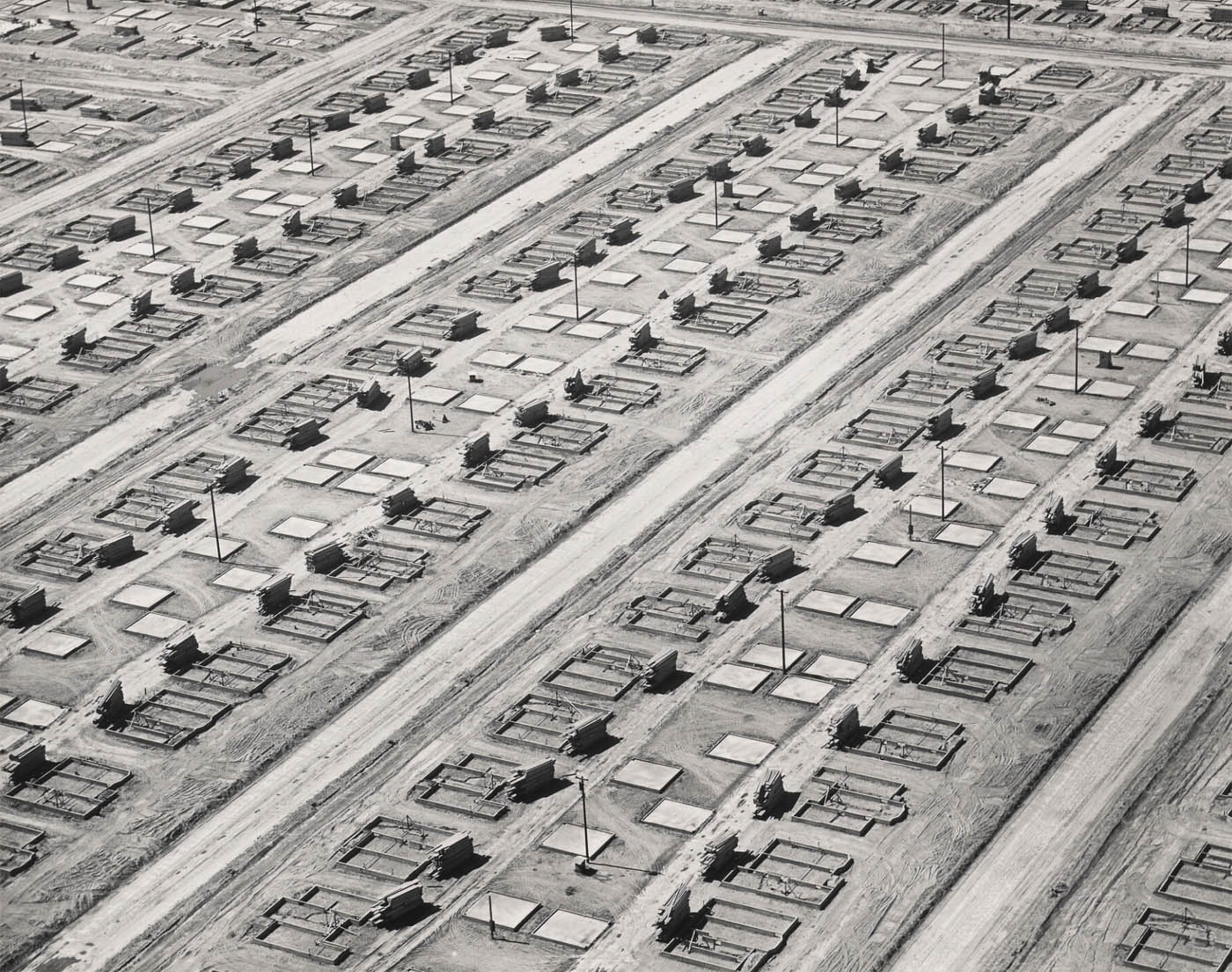
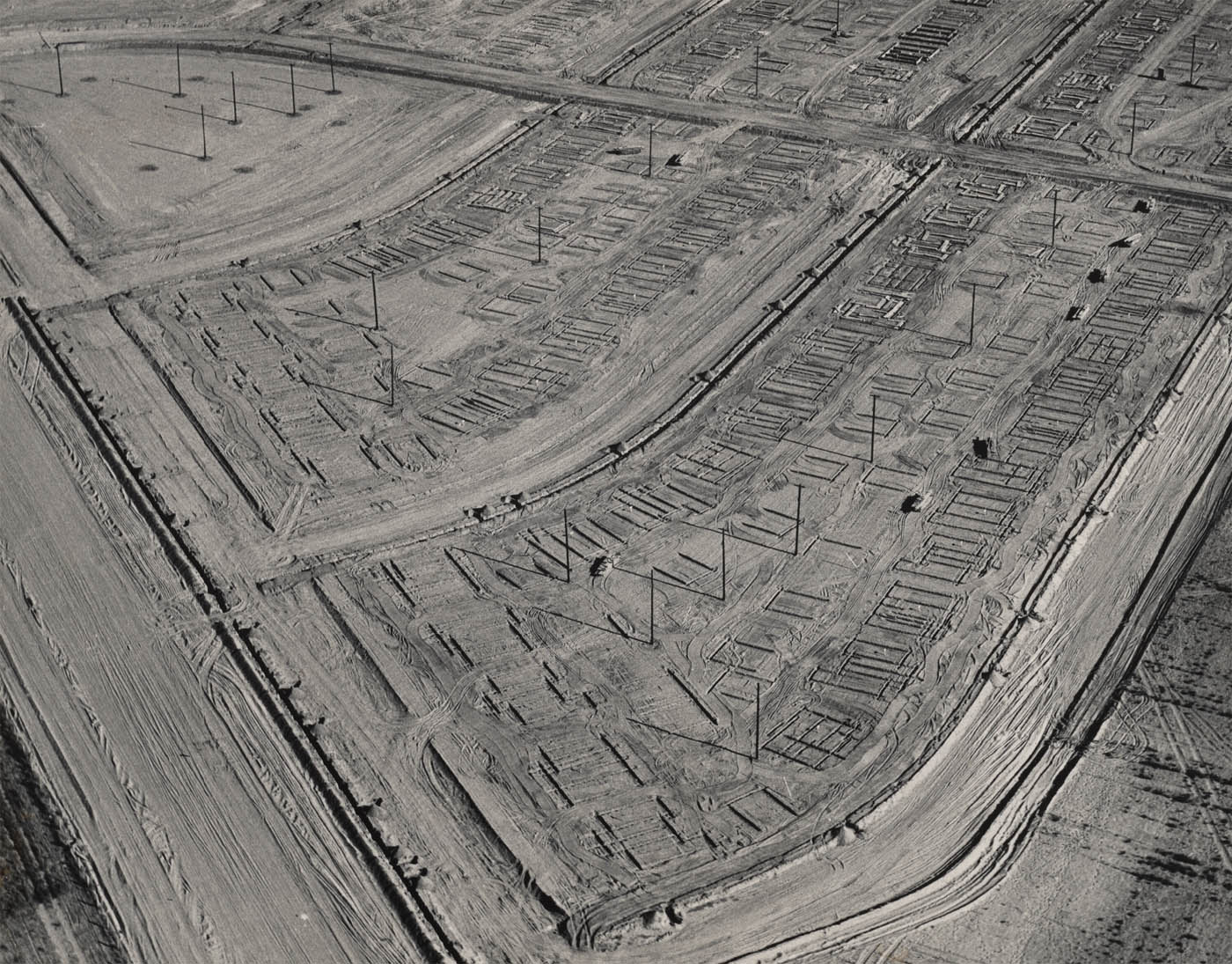
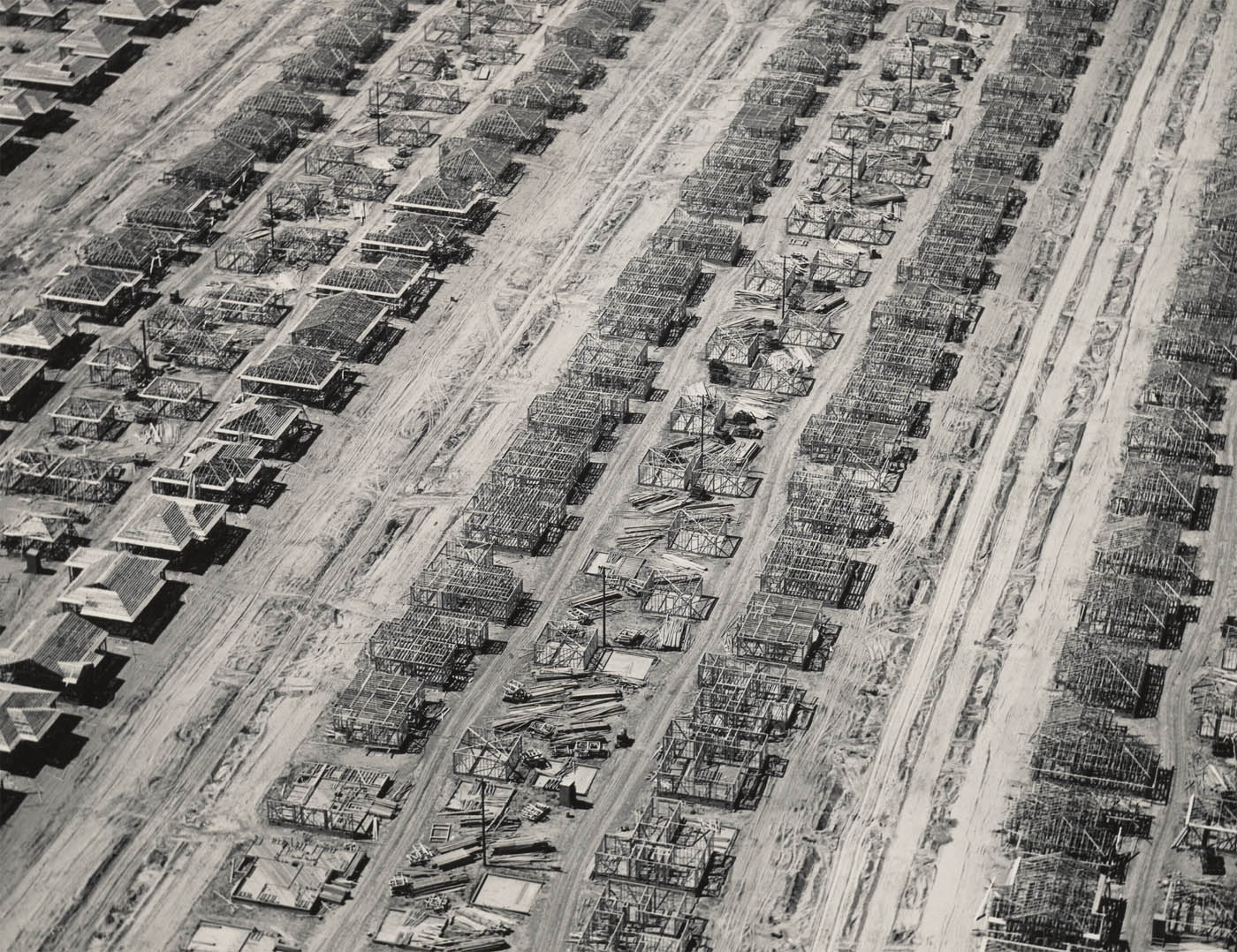
Once the West became more populated, photographers began to showcase humans’ effects on the land, including images of industrial development. In the 1950s William Garnett (American, 1916-2006) was hired by a real estate company to record the efficiency of mass-produced housing. For this series, Lakewood, California (1950), Garnett took photographs of the neighbourhood from an airplane, resulting in images that are completely devoid of people and focus on the progress of mass-produced construction. However, the series subsequently came to represent all that was wrong with such development and the massive sprawl of the West in the eyes of its critics.
Photographs of the people of the West represent a diversity of archetypes: gold miners and loggers, Native Americans, cowboys, suburbanites, city dwellers, starlets, dreamers, and drifters. Into the Sunset explores these archetypes, and their mutability into the twenty-first century. Included is Half Indian / Half Mexican (1991), from the photographer James Luna (Native American, Pooyukitchum / Luiseno, b. 1950), an artist of Native American ancestry. This tongue-in-cheek self-portrait captures in profile both an identity photograph and a mug shot, and works as a counterpoint to the tokenised portrayals of Native Americans from the past 150 years.
A similar reevaluation of past archetypes occurs in Richard Prince’s (American, b. 1949) Cowboy series from 1980, with one work from the series included in the exhibition. For that series Prince famously photographed Marlboro advertisements, cutting out the text, cropping the images, and enlarging them, highlighting the artifice of the virile image of the cowboy and its potency as a deeply ingrained figure in American mythology.
The suburbs and their inhabitants have been a rich subject for photographers of the West, and included are Larry Sultan’s (American, b. 1946) Film Stills from the Sultan Family Home Movies (1943-1972), in which Sultan chose individual frames from his family’s home movies and enlarged them. Although the images feature the activities that epitomise suburban life, a sense of unease lurks beneath the surface of these images; cropped and grainy, they resemble surveillance or evidence photographs.
Into the Sunset concludes with the theme of the failed promise of Western migration. Dorothea Lange’s well-known 1936 photograph Migrant Mother, Nipomo, California, photographed when Lange was employed by the Farm Security Administration, is included and documents the conditions of the West in rural areas during the Great Depression. Her photographs had a humanist purpose and resulted in putting a face on the hardships of that era.
This tradition of capturing the downtrodden of the West continues into this century with Katy Grannan (American, b. 1969), a photographer who recently completed a series of new pioneers, individuals struggling to define themselves in the West of today. In Nicole, Crissy Field Parking Lot (I) (2006), a woman, “Nicole,” poses seductively on a gravel parking lot, with her makeup-streaked face and harsh light alluding to her perilous existence on the fringe of society.”
Text from the MoMA website [Online] Cited 12/04/2009. No longer available online. Used under fair use conditions for the purposes of education and research
Many thankx to MoMA for allowing me to publish the photographs in the posting. Please click on the photographs for a larger version of the image.
Installation view of the exhibition Into the Sunset: Photography’s Image of the American West at The Museum of Modern Art (MoMA), New York showing Ed Ruscha’s Every Building on the Sunset Strip 1966
Joel Sternfeld (American, b. 1944) After a Flash Flood, Rancho Mirage, California 1979 Chromogenic colour print, printed 1987 15 15/16 x 20″ (40.5 x 50.8cm) Museum of Modern Art, New York Gift of Beth Goldberg Nash and Joshua Nash
During the 1970s, Joel Sternfeld’s work reflected a trend towards a newly dispassionate, less idealised approach to nature and culture. His photographs have a seductive beauty, even though they often focus on those places where the natural and man-made worlds come together in uncomfortable ways. Working with a large-format camera and luminous colour to create images that are frequently ironic or even humorous, his compositions appear simple but in fact are surprisingly complex and often unsettling. In this photograph of a suburban California neighbourhood in the aftermath of a flash flood, the lovely monochrome tones trick us into not immediately seeing the car that has toppled into the gaping sinkhole or realising that the buildings above could be on the verge of falling, too.
“I was hired commercially to illustrate the growth of that housing project. I didn’t approve of what they were doing. Seventeen thousand houses with five floor plans, and they all looked alike, and there was not a tree in sight when they got through.”
“I was discharged and heard you could hitchhike on the transport taking GIs home. The airplane was full, but the captain let me sit in the navigator’s seat so I had a command view. I was amazed at the variety and beauty of these United States. I had never seen anything like that – in a book, in school, or since then. So I changed my career.”
William A. Garnett
Lakewood, located on the outskirts of Los Angeles, was the location for the second major postwar housing development built in the United States. Some 17,500 tract houses were constructed assembly-line style on 3,500 acres of cleared farmland. Mass production made the houses affordable, so a greater number of people could take part in the American dream of home ownership. The developers hired William Garnett to document different phases of the subdivision’s construction from his Cessna airplane. He often photographed his subjects early in the day, so the angled light would emphasise their otherwise flat-looking forms. The photographs serve a utilitarian purpose but also demonstrate Garnett’s impeccable sense of design. In Trenching Lakewood, California, stacked lumber appears for the foundations, utility poles are installed, and the main roads are carved out. …
William Garnett took his first cross-country flight after serving as a United States Army Signal Corps cameraman during World War II. What he saw below inspired him to learn how to pilot a plane so he could photograph the American landscape. Garnett’s aerial photographs resemble abstract expressionist paintings or views through a microscope. As landscapes, they do not have the conventional grounding of a horizon line. All reveal astonishing patterns that are not seen from the ground. Garnett honed his elegant design sensibility well before earning a pilot’s license. Before the war, he attended Art Center College of Design in Los Angeles. Later, he headed the Pasadena Police Department’s photography lab. In the 1940s and 1950s, he began to rack up flying hours around Los Angeles, speaking out about the area’s increasing air pollution. He illustrated Nathaniel Owings’s American Aesthetic, a book about land-use practices. During ten thousand hours of flying, Garnett simultaneously piloted a plane while photographing out the window – traveling above every state and many parts of the world. His light 1956 Cessna plane allowed him to fly to just the right location to capture subjects with precision. At first, he experimented with a variety of camera formats and films but found that two 35mm cameras (one loaded with black-and-white film, the other with colour film) best suited his needs. Garnett’s work defies the stereotype of aerial photography as purely scientific and devoid of artistry. He became the first aerial photographer to earn a prestigious Guggenheim fellowship.
Anonymous. “Historical Witness, Social Messaging,” from the J. Paul Getty Museum Education Department [Online] Cited 13/01/2019. Used under fair use conditions for the purposes of education and research
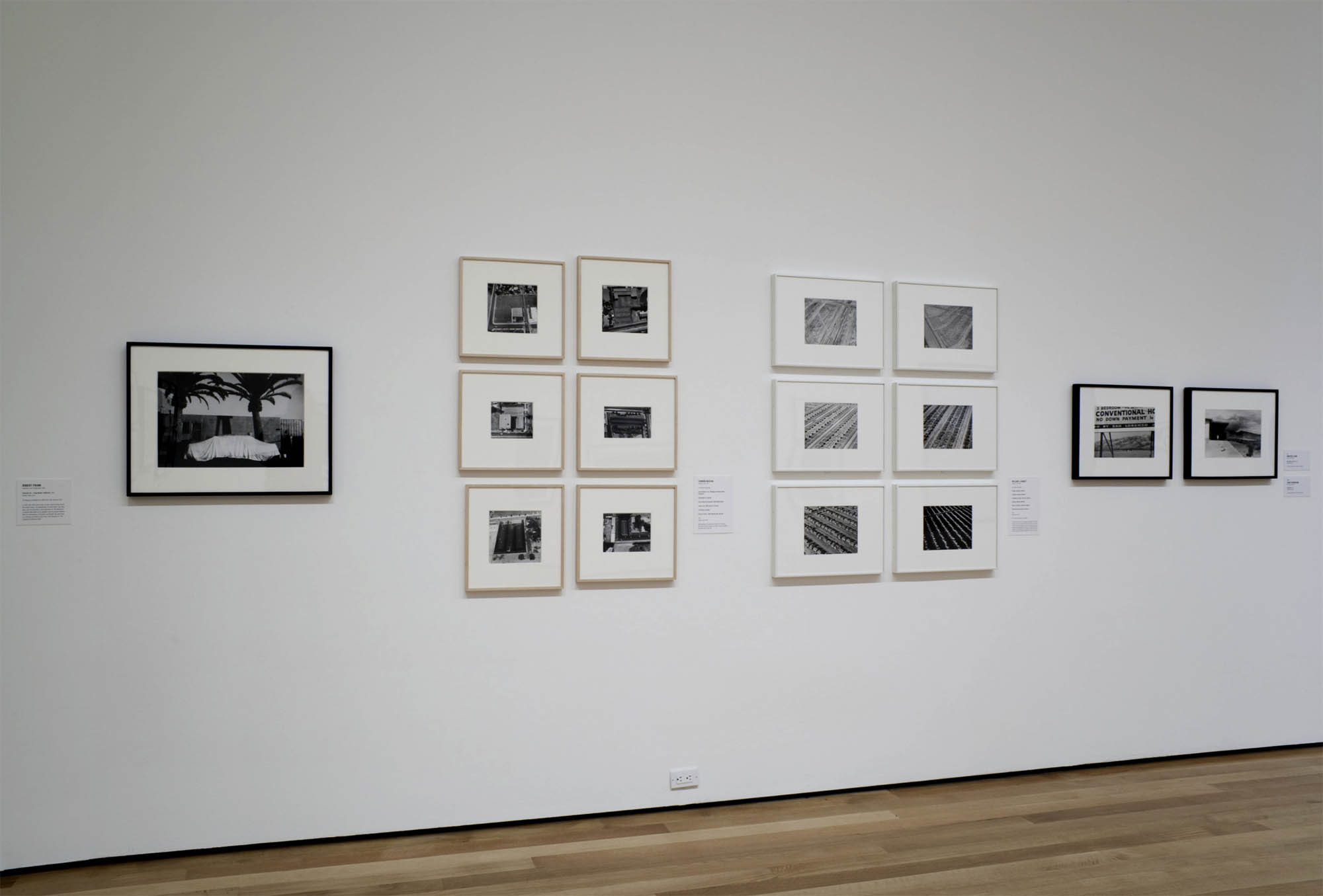
Installation view of the exhibition Into the Sunset: Photography’s Image of the American West at The Museum of Modern Art (MoMA), New York showing at left, Robert Frank’s Covered Car – Long Beach, California (1956, below); and at centre right, photographs by William A. Garnett (above)
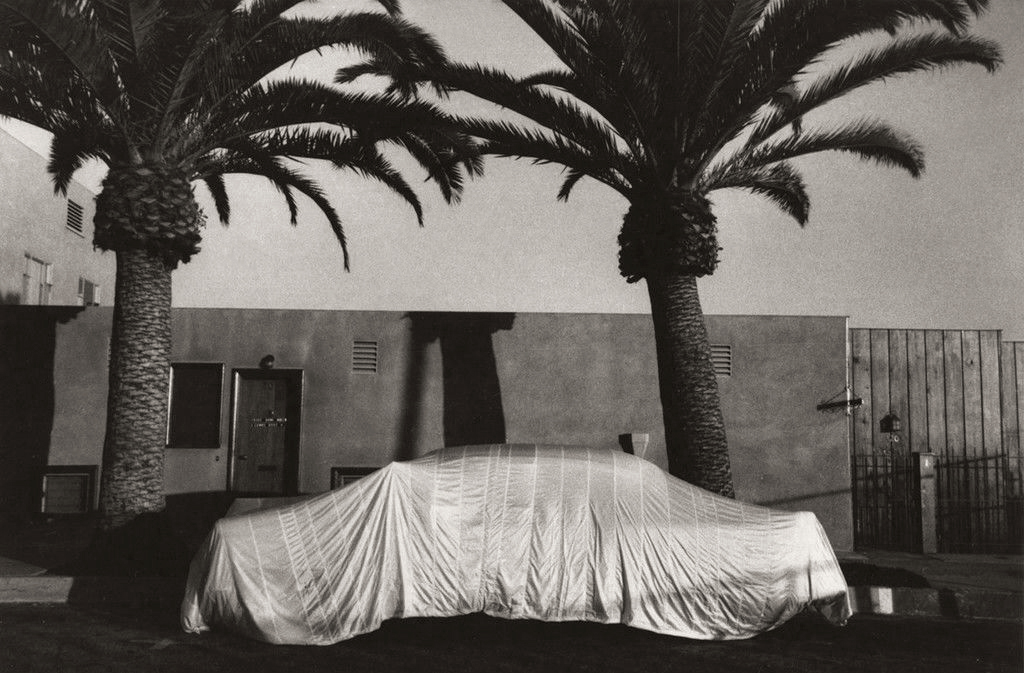
Robert Frank (American, 1924-2019) Covered Car – Long Beach, California 1956 From The Americans (1955-1956) Gelatin silver print Museum of Modern Art, New York
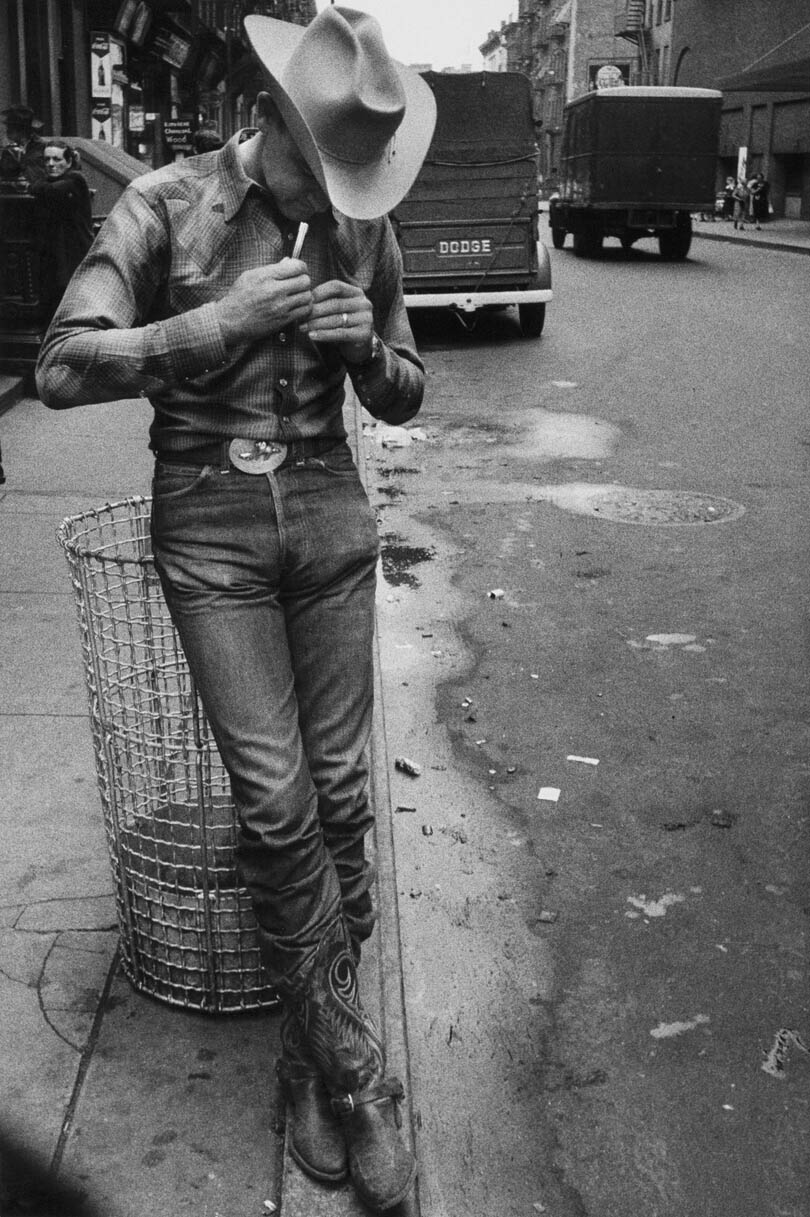
Robert Frank (American, 1924-2019) Rodeo – New York City 1954 From The Americans (1955-1956) Gelatin silver print Museum of Modern Art, New York
Dorothea Lange (American, 1895-1965) Migrant Mother, Nipomo, California 1936 Gelatin silver print 11 1/8 x 8 9/16″ (28.3 x 21.8cm) Museum of Modern Art, New York
Dorothea Lange took this photograph on assignment for the U.S. government’s Farm Security Administration (FSA) program, formed during the Great Depression to provide aid to impoverished farmers. FSA photographers documented the conditions that Americans faced throughout the course of the Great Depression, a period of economic crisis. Lange’s photograph suggests the impact of these harsh conditions on a 32-year-old mother of seven. She took a number of pictures of the mother with her children and chose this image as the most effective. Her keen sense of composition and attentiveness to the power of historical images of the Madonna and Child have helped this photograph transcend its original documentary function and become an iconic work of art.
Text from the MoMA website
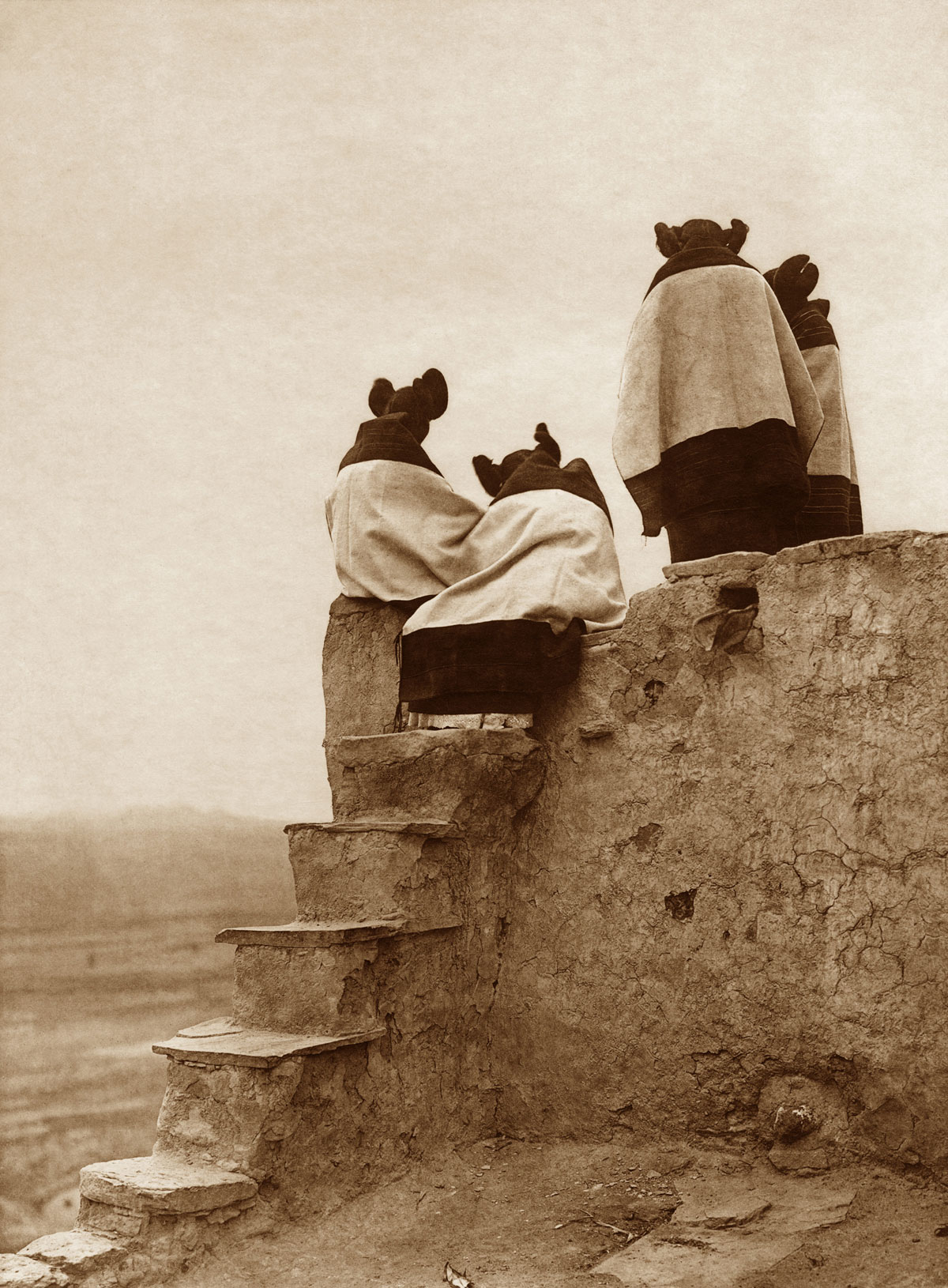
Edward S. Curtis (American, 1868-1952) Watching the Dancers 1906 Photogravure Museum of Modern Art, New York
James Luna (American, 1950-2018) Half Indian/Half Mexican (installation view) 1991 Gelatin silver print
James Luna (February 9, 1950 – March 4, 2018) was a Payómkawichum, Ipi, and Mexican-American performance artist, photographer and multimedia installation artist. His work is best known for challenging the ways in which conventional museum exhibitions depict Native Americans. With recurring themes of multiculturalism, alcoholism, and colonialism, his work was often comedic and theatrical in nature. In 2017 he was awarded a Guggenheim Fellowship.
In the mid-1970s Prince was an aspiring painter who earned a living by clipping articles from magazines for staff writers at Time-Life Inc. What remained at the end of the day were the advertisements, featuring gleaming luxury goods and impossibly perfect models; both fascinated and repulsed by these ubiquitous images, the artist began rephotographing them, using a repertoire of strategies (such as blurring, cropping, and enlarging) to intensify their original artifice. In so doing, Prince undermined the seeming naturalness and inevitability of the images, revealing them as hallucinatory fictions of society’s desires.
“Untitled (Cowboy)” is a high point of the artist’s ongoing deconstruction of an American archetype as old as the first trailblazers and as timely as then-outgoing president Ronald Reagan. Prince’s picture is a copy (the photograph) of a copy (the advertisement) of a myth (the cowboy). Perpetually disappearing into the sunset, this lone ranger is also a convincing stand-in for the artist himself, endlessly chasing the meaning behind surfaces. Created in the fade-out of a decade devoted to materialism and illusion, “Untitled (Cowboy)” is, in the largest sense, a meditation on an entire culture’s continuing attraction to spectacle over lived experience.
Text from the Metropolitan Museum of Art website
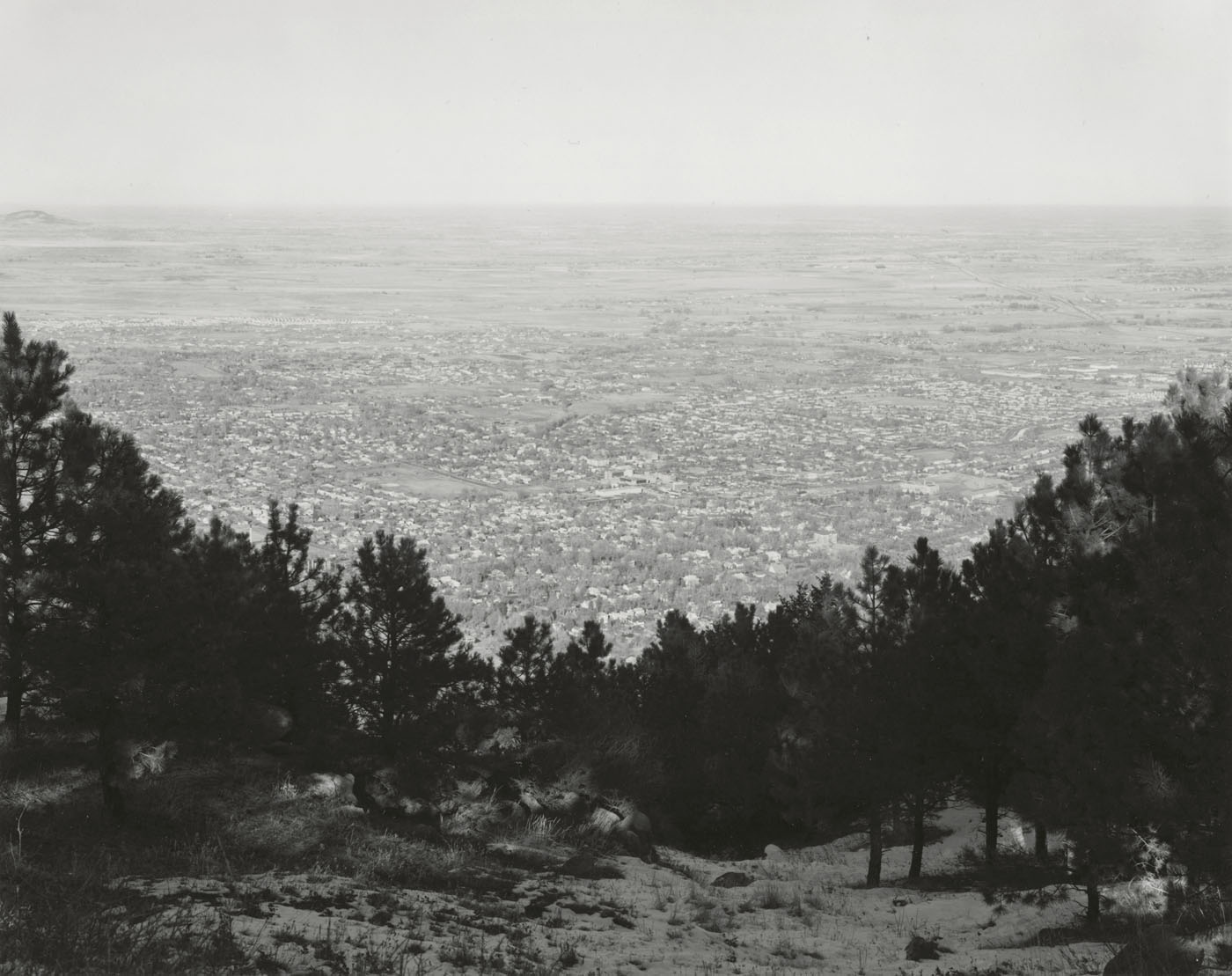
Robert Adams (American, b. 1937) East from Flagstaff Mountain, Boulder County, Colorado 1975 Gelatin silver print Museum of Modern Art, New York
Robert Adams (American, b. 1937) Colorado Springs 1968 Gelatin silver print Museum of Modern Art, New York
Robert Adams (American, b. 1937) Burning oil sludge, north of Denver, Colorado 1973-1974 Gelatin silver print Museum of Modern Art, New York
Stephen Shore (American, b. 1947) Beverly Boulevard and La Brea Avenue, Los Angeles, California, June 21, 1975 1975 From the series Uncommon Places, 1973-1986 Museum of Modern Art, New York
Cindy Sherman (American, b. 1954) Untitled Film Still #43 1979 Gelatin silver print 7 9/16 x 9 7/16″ (19.2 x 24cm) Acquired through the generosity of Sid R. Bass Museum of Modern Art, New York
Cindy Sherman’s Untitled Film Stills is a suite of seventy black-and-white photographs in which the artist posed in the guises of various generic female film characters, among them, ingénue, working girl, vamp, and lonely housewife. Staged to resemble scenes from 1950s and ’60s Hollywood, film noir, B movies, and European art-house films, the printed images mimic in format, scale, and quality the often-staged “stills” used to promote films. By photographing herself in such roles, Sherman inserts herself into a dialogue about stereotypical portrayals of women. Whether she was the one to release the camera’s shutter or not, she is considered the author of the photographs. However, the works in Untitled Film Stills are not considered self-portraits.
Richard Avedon (American, 1923-2004) Carl Hoefert, unemployed blackjack dealer, Reno, Nevada August 30, 1983 From the series In the American West Gelatin silver print Museum of Modern Art, New York
The Museum of Modern Art 11 West 53 Street New York, NY 10019 Phone: (212) 708-9400
Opening hours: Sun – Fri 10.30am – 5.30pm Sat 10.30am – 7.00pm
Monday mornings from 10.30am to 1.00pm are reserved exclusively for members and their guests.
Curator: Karen Sinsheimer, curator of photographs at the Santa Barbara Museum of Art
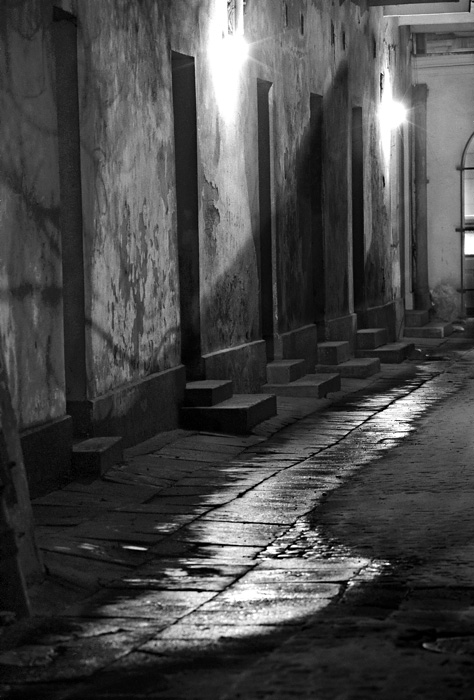
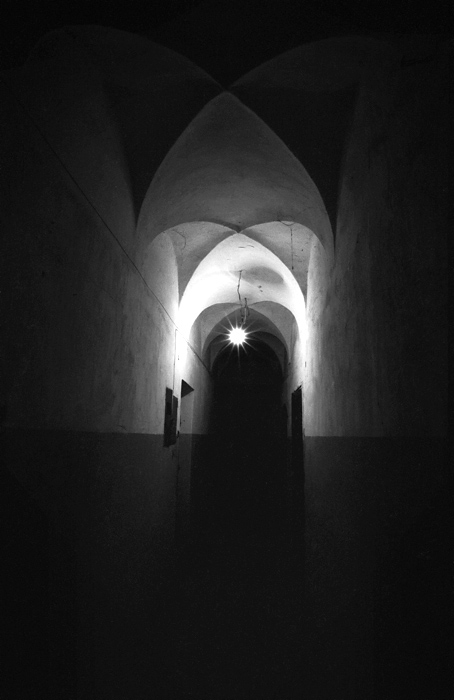
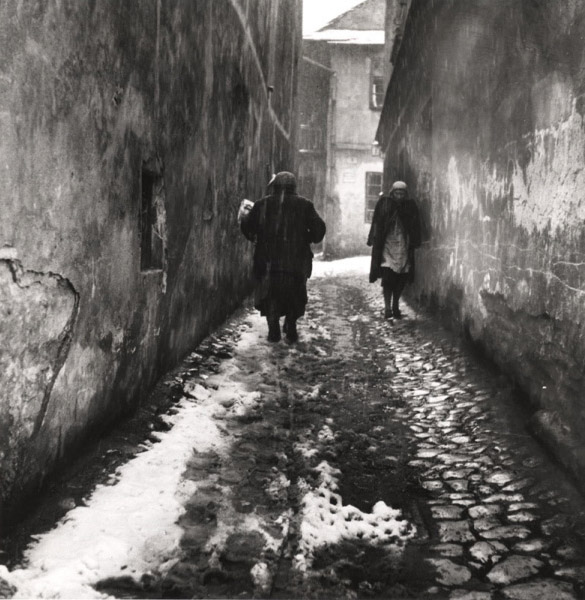
Jeff Gusky (American) Corridor in Kazimierz (Former Jewish District) Cracow, Poland 1996
As promised photographs by Jeff Gusky from the exhibition Of Life and Loss: The Polish Photographs of Roman Vishniac and Jeffrey Gusky.
Many thanks to Jeff for making them available to me.
I have tried to form a small narrative from some of the photographs that Jeff sent me, like a piece of music.
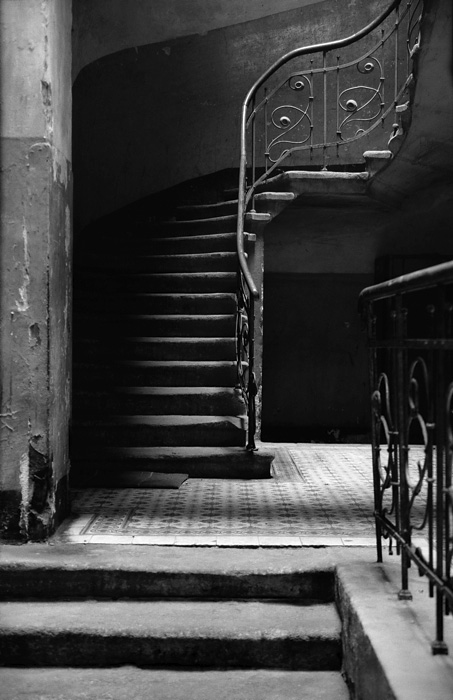
The flow through passageways and doorways forming rivers of light and dark ends in the ascending stairs that hold the possibility of deliverance and redemption. This holistic image is reminiscent of photographs by Eugène Atget.
The most beautiful video and music (see below) is entirely appropriate for this post: Gorecki Symphony No. 3 “Sorrowful Songs” – Lento e Largo.
Dr Marcus Bunyan
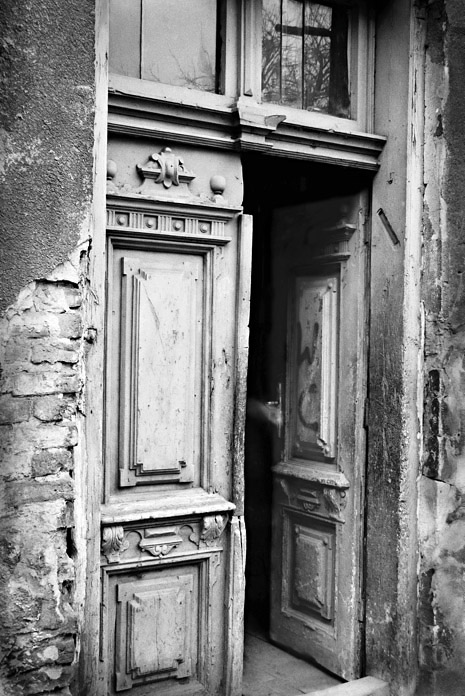
Jeff Gusky (American) Former Jewish Home in Use as a Public Toilet Dzialoszyce, Poland 1996
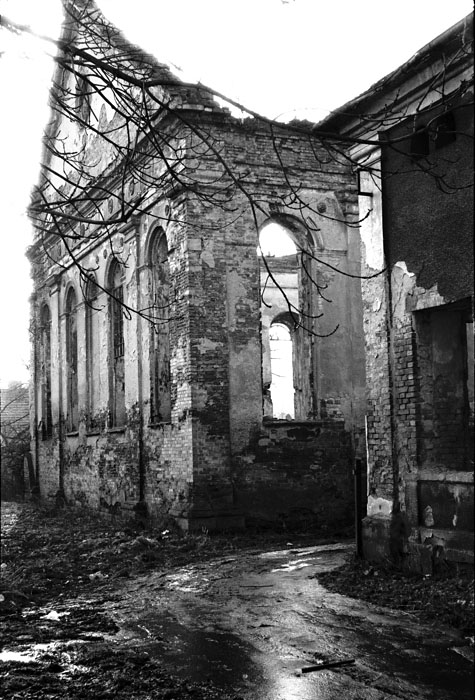
Jeff Gusky (American) Desecrated Synagogue and Jewish School Dzialoszyce, Poland 1999
Jeff Gusky (American) Lublin Corridor #1 Lublin, Poland 1999
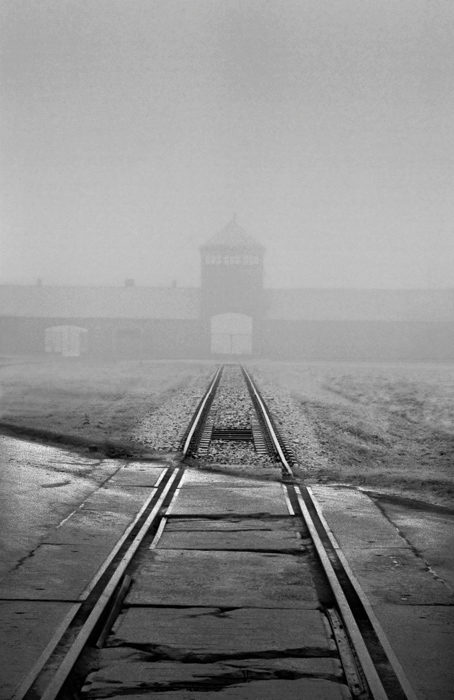
Jeff Gusky (American) Birkenau Silhouette Auschwitz, Poland 1996
Jeff Gusky (American) Where They Lived #4 Cracow, Poland 2001
Gorecki Symphony No. 3 “Sorrowful Songs” – Lento e Largo
Detroit Institute of Arts 5200 Woodward Avenue Detroit, Michigan 48202 Phone: 313.833.7900
“During my journeys, I took over sixteen thousand photographs. All but two thousand were confiscated and, presumably, destroyed – although perhaps they will reappear someday. I hope my photographs enable the reader to envision a time and place that worthy of remembrance.”
Roman Vishniac
Hardly any photographs by Jeffrey Gusky online but he has provided some via email. I will post them asap. Thank you very much Jeff for contacting me.
I knew little about the photographer Roman Vishniac but after further research I know a little more now. What a photographer!
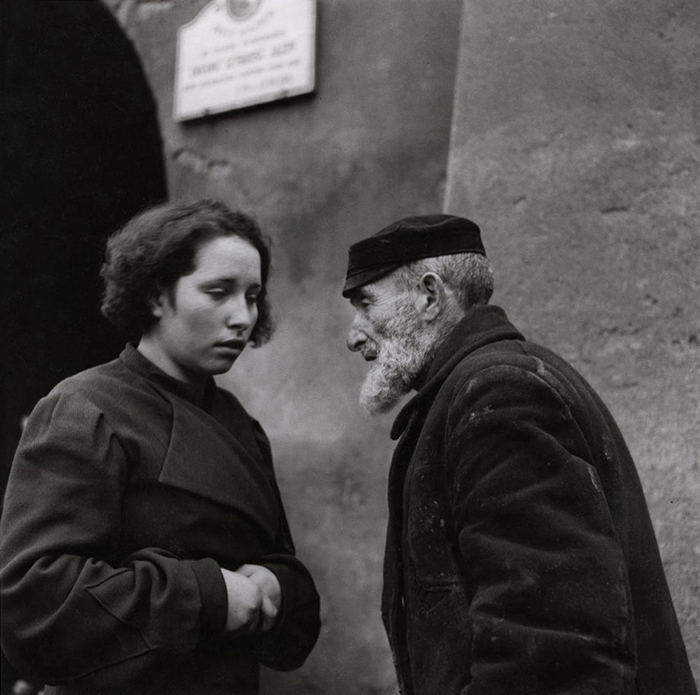
Gaze at the photograph Grandfather and granddaughter, Lublin (1937, above). Observe the space between the figures, the tension almost palpable, the look on the granddaughter’s face and the wringing of her hands a portent of the despair to come. A masterpiece of classical photography.
Many thankx to The Detroit Institute of Arts for allowing me to publish the photographs in the posting. Please click on the photographs for a larger version of the image.
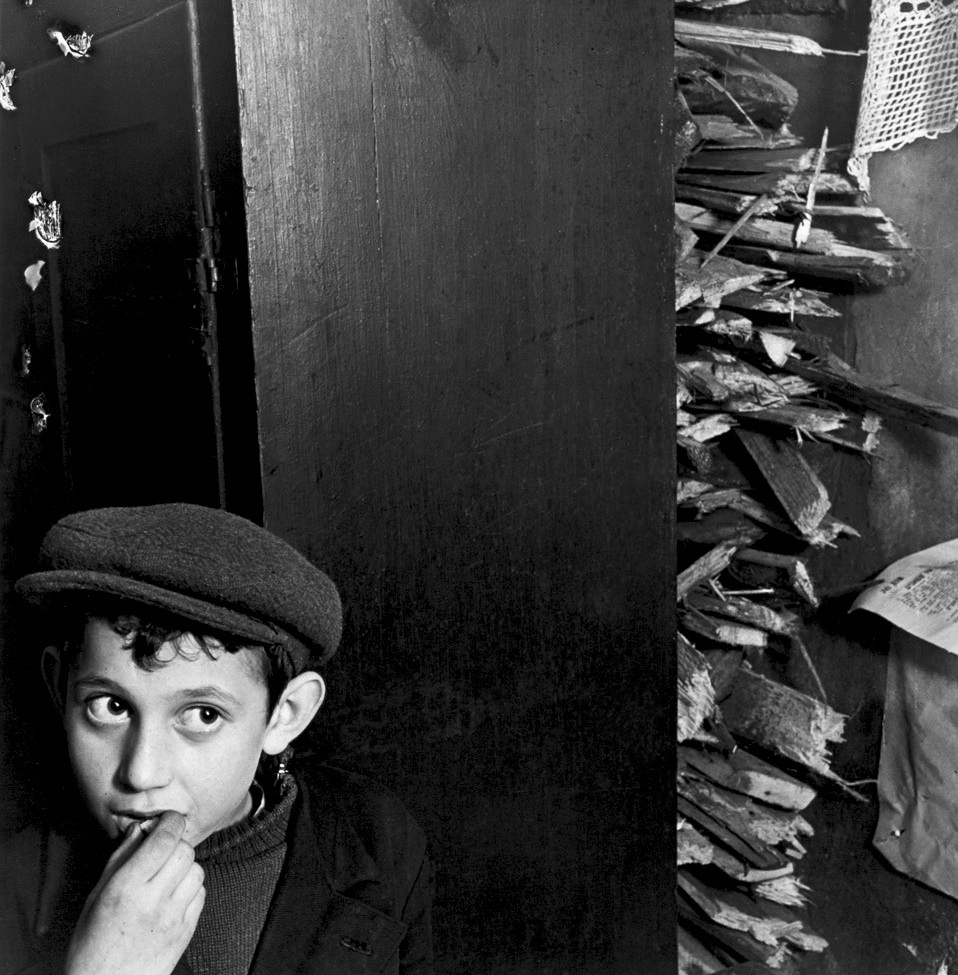
This previously unpublished photograph attests to Vishniac’s bold and innovative use of composition: the slim, vertical register of kindling wood, offset by a corner of Yiddish newspaper on a table and triangle of lace at the window, is balanced by the young boy’s sideways glance peering out from the corner of the frame, reflecting a modern sensibility not usually associated with Vishniac’s work in Eastern Europe.
Text from the International Center of Photography website
Examining each photographer separately, Vishniac and Gusky have very distinctive photographic styles. Due to the nature of his project and the ever-escalating semblance of anti-semitism, Vishniac’s photographs are less polished and more emotionally raw in an attempt to tell the stories of people’s individual lives. By contrast, Gusky finds inspiration in the physical places which made up the world of now entirely absent communities of Jews.
While each photographer had an individual style and statement to make, it is both the relationship with and stark difference between the two that provides the greatest emotional poignancy. The exhibition pairs many Vishniac and Gusky photographs, illuminating the individual lives lost, culture destroyed, and environments degraded by decades of neglect in Poland, as Gusky photographed the desecrated cemeteries, crumbling synagogues, and empty streets that served as the backdrop for Vishniac’s scenes of mid-century Jewish life.
There are also several points of convergence in the biographies of Vishniac and Gusky. Like Vishniac, Gusky is of Russian Jewish descent, and both men were compelled to their photographic projects in part by personal reasons springing from their Jewish heritage. The photographers also have professional ties to biological science which embody their work through illustration of the fragility of human life.
Text from the Santa Barbara Museum website [Online] Cited 01/04/2009. No longer available online. Used under fair use conditions for the purposes of education and research
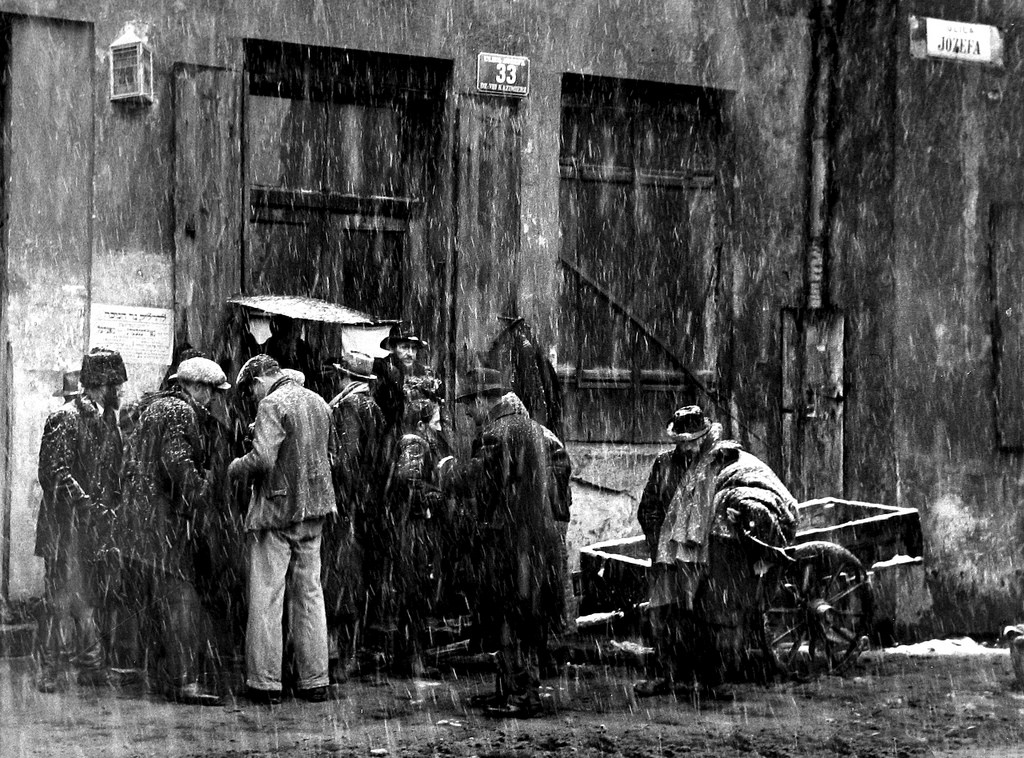
This exhibition, organised by the Santa Barbara Museum of Art, includes around 90 black-and-white photographs taken by two photographers: Roman Vishniac, who photographed throughout Poland’s Jewish communities in the mid-1930s, and Jeffrey Gusky who photographed many of the same Polish sites during the 1990s.
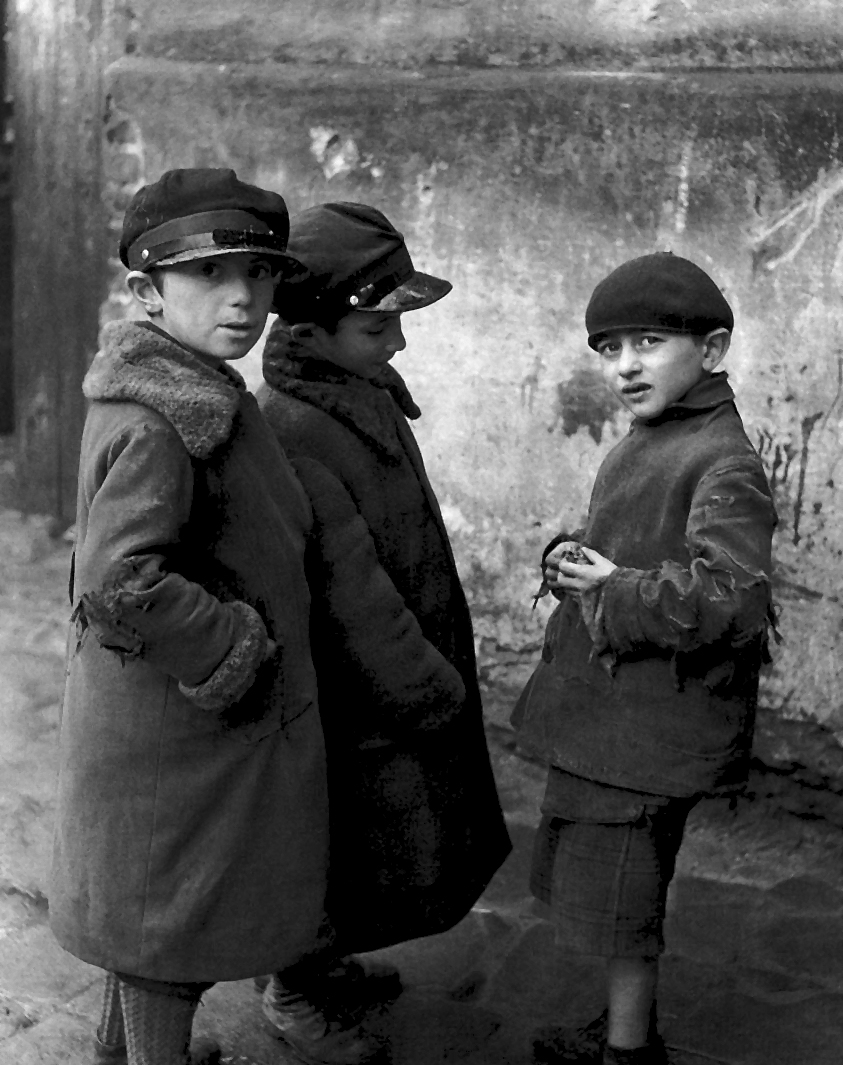
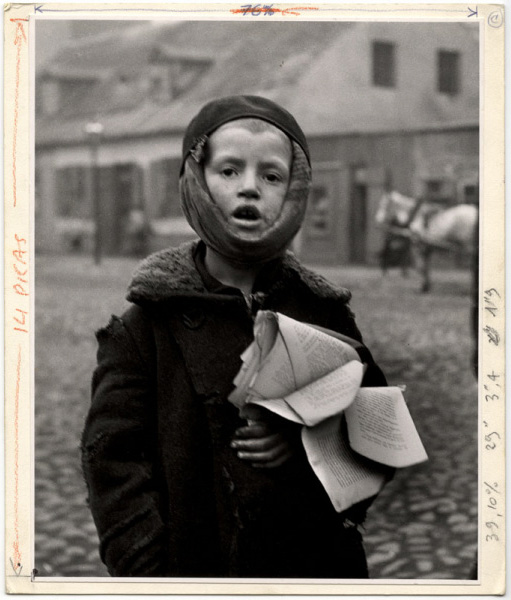
In 1935, Russian-born photographer Roman Vishniac was commissioned by the American Joint Distribution Committee (a Paris-based relief agency) to photograph Jewish communities in the cities and villages of Poland as well as other areas of Eastern Europe. He took over 16,000 photographs (around 2,000 have survived) depicting the people, life, homes, schools, and trades of these communities. The photographs, in turn, were to be used to help raise money for humanitarian aid for individuals in areas that were becoming increasingly destitute.
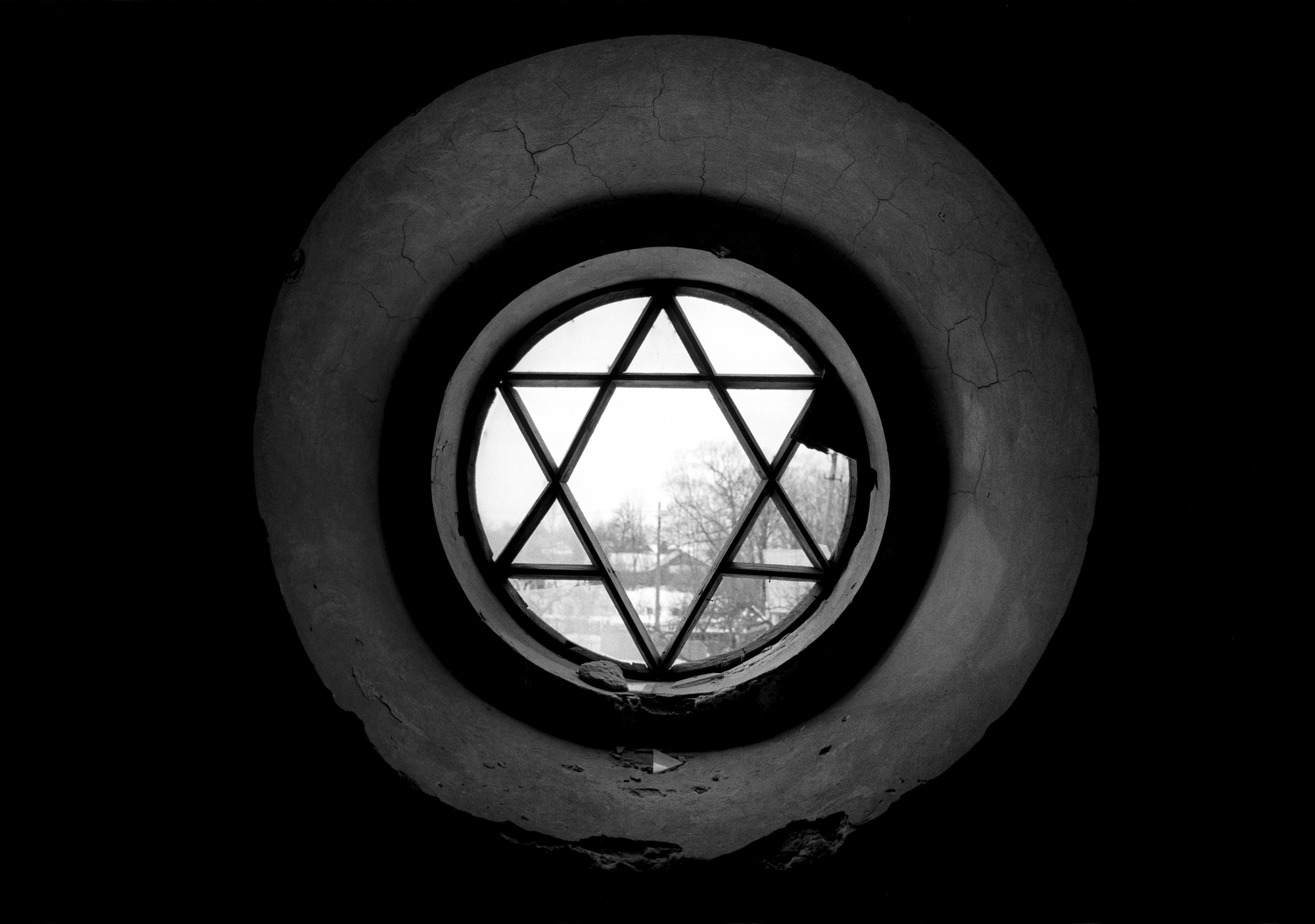
In 1996, Jeffrey Gusky, an amateur photographer and doctor of Russian-Jewish descent set out on a personal journey in search of Jewish identity and culture in Eastern Europe. He made the first of four trips to Poland where he traveled to cities and villages where Jews had lived and worked for centuries. Gusky photographed what remained of Jewish culture in Poland focusing on the ruins of synagogues, cemeteries – many of which were desecrated, and the empty and still streets.
Text from the Detroit Institute of Arts website [Online] Cited 01/04/2009. No longer available online. Used under fair use conditions for the purposes of education and research
Roman Vishniac (Russian-American, 1897-1990) A Boy with a toothache. Next year another child will inherit the tattered schoolbook. Slonim c. 1935-1938 Gelatin silver print
Poignant, haunting photographs of Poland’s Jewish communities taken in the 1930s by Roman Vishniac, and images of many of the same areas taken in the 1990s by Jeffrey Gusky are the subject of the moving exhibition Of Life and Loss: The Polish Photographs of Roman Vishniac and Jeffrey Gusky. The exhibition, at the Detroit Institute of Arts (DIA) from April 19 to July 12, includes 90 black-and-white photographs and is free with museum admission.
Through their photographs, Vishniac (1897-1990) and Gusky (born 1953), two very different photographers from very different eras, bore witness to the Jewish experience in Poland during the 20th century, preserving memories and documenting life experiences for future generations. Although taken 60 years apart, their images share themes of memory, life, and loss and are evidence of people and places that once were, and what remains in their absence.
Vishniac and Gusky have very distinctive styles. Due to the nature of his project and the escalation of anti-Semitism in 1930s Poland, Vishniac made photographs in the documentary tradition. With great empathy, he recorded the places and lives of individuals exactly as he found them, in their homes and in the streets. Almost 60 years later, Gusky, by contrast, interpreted former Jewish sites throughout Poland with a sensitive eye on the past. His misty and haunting images are devoid of human presence, and show former sites from many Jewish communities that once thrived throughout Poland.
While each photographer had an individual style and statement to make, it is both the relationship with and stark difference between the two that provides the greatest emotional impact. Brought together for the first time, Vishniac’s and Gusky’s photographs illuminate the individual lives lost, culture destroyed, and environments degraded by decades of neglect in Poland, as Gusky photographed the desecrated cemeteries, crumbling synagogues, and empty streets that served as the backdrop for Vishniac’s scenes of vibrant, mid-century Jewish life.
Vishniac was born in Russia, and fled to Berlin with his family in 1920. He worked as a biologist and supplemented his income as a photographer. Eventually he became compelled to use photography to document people and communities throughout Europe. In the 1930s Vishniac was commissioned by the Joint Distribution Committee, a Paris-based relief agency, to photograph Jewish life in Poland, where he took over 16,000 photographs (only 2,000 survived the war) over a three-year period. He photographed vibrant communities filled with people in their homes and schools, at their trades and in their streets, markets and temples. His poignant works are evidence of communities filled with life despite the lack of food, medical care and livelihood that prevailed.
Gusky is a physician in rural Texas who began photographing as a way to explore Jewish identity. Although a Jew of Russian decent, he became interested in the history of Jews in Poland after hearing a radio interview with Ruth Ellen Gruber, an American journalist who documented the ruins of Jewish communities in Eastern Europe. His photographs depict the vacant and somber sites of once-thriving Jewish communities throughout the country. With these images, Gusky reveals a powerful, dramatic message about a lost culture that was once part of Poland’s Jewish past. This initial photographic work has led him to further examine “the void of modern life,” and the threat of genocide that continues to haunt humankind of all ethnicities and cultures in the past and present. This exhibition is organised by the Santa Barbara Museum of Art.
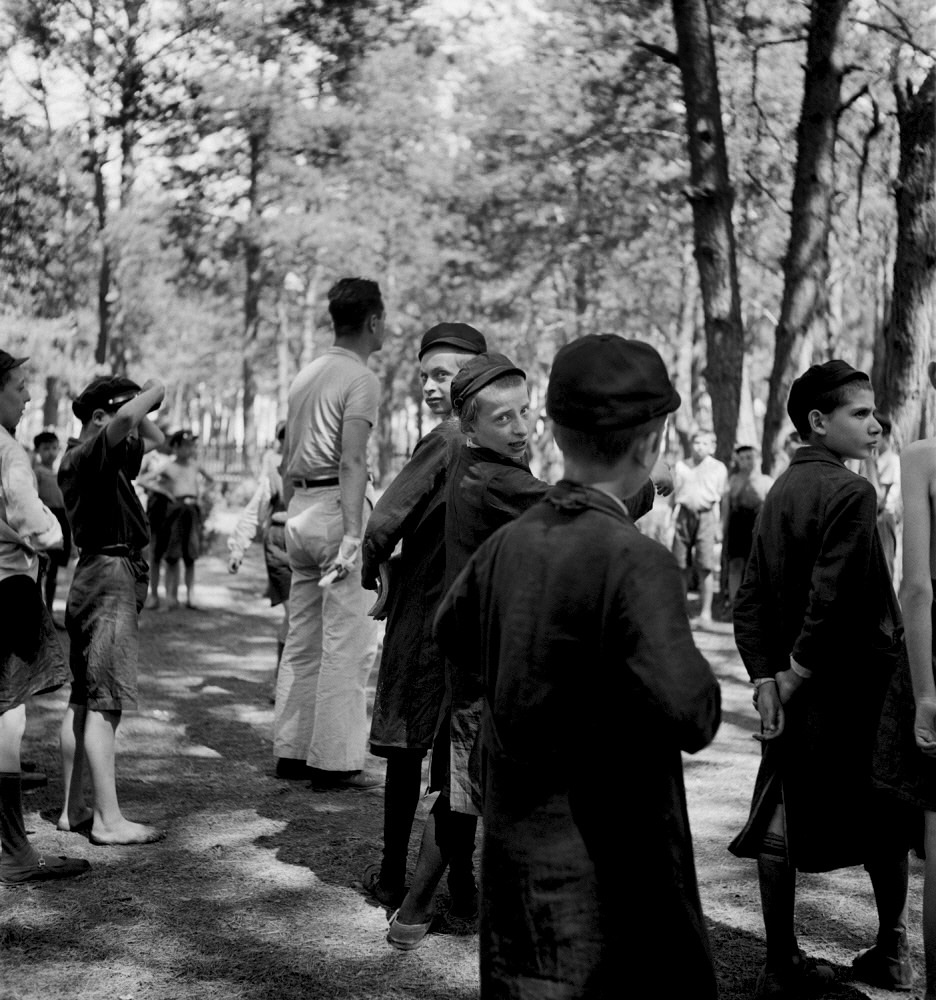
Many of the children wear Jewish star pins and necklaces as they wait in the Schlachtensee transit bureau offices and courtyards in the American sector of occupied Berlin. By 1952, more than 136,000 Jewish Displaced Persons (DPs) had immigrated to Israel, and over 80,000 to the United States, aided by the Jewish Joint Distribution Committee (JDC), the United Jewish Appeal (UJA), and other nongovernmental agencies that played an important role in lobbying for and providing economic, educational, and emigration assistance to DPs.
Text from the International Center of Photography website
Housed in a 1722 château outside Paris, the Hénonville Displaced Persons camp was administered by the Jewish Joint Distribution Committee (JDC), the Society for Trades and Agricultural Labor (ORT), and Agudath Israel (the umbrella organisation for Orthodox and ultra-Orthodox Jews), from 1946 to 1952. Hénonville was a homogeneous religious community of Orthodox Jews that included a relocated Lithuanian yeshiva, a home for Jewish orphans, and an Orthodox kibbutz, and was directed by a charismatic leader, Rabbi Solomon Horowitz. Vishniac photographed daily life in the camp, including a series documenting the preparation of matzoh for the Passover holiday.
Text from the International Center of Photography website
Detroit Institute of Arts 5200 Woodward Avenue Detroit, Michigan 48202 Phone: 313.833.7900
An interesting exhibition is presented in the [now closed] permanent third floor photography gallery at NGV International, Melbourne on a subject that deserved a much more rigorous investigation than could been undertaken in this small gallery space. Presenting single works by Ed Ruscha, Bernd and Hilla Becher, Patrick Pound, Robert Rooney, Simon Obarzanek, Penelope Davis, Candid Hofer, Linda Judge and Charles Green and Lyndell Brown the works seek to investigate the nature of the relationship between photography and the archive, between the semi-permanences of an archival memory and the spaces of a transgressive intertexuality marked by fragmentary, ironic counter-performances.
As noted in the catalogue essay by NGV curator Maggie Finch the archive is a place for holding knowledge that contains elements of truth and error, order and disorder; archives are able to shape history and memory, depending on how, when and by whom the records are accessed. Any disruption of order, governance and authority can lead to alternative readings and interpretations as the arcane ‘mysteries’ of the methods of classification are overturned. Since Victorian times when the body came under the self-surveillance of the camera and was found wanting, photographs have documented the faces of criminals, the physiognomy of degeneration and the fever of war.
As Yiannis Papatheodorou has observed when reviewing Jacques Derrida Mal d’Archive,
“Derrida declares that since the dominant power of the archive derives from the economy of knowledge, it also provides the institutional responsibility of the interpretation. The localisation of the information transforms the inscription, provided by the function of the archive, into the impression of a memory’s trace, conscious or unconscious …
The preservation of memory, the access to information, the “resources” of the sources and the working environment are not just the representation of a future memory. They are active practices and discourses that create hierarchies and exclusions. The archives are the languages of the past, activated however dialogically, according to scientific and social demands. The content of our choice is marked by the way we are seeking information. Far from being an abstract principle, our choice is an ideologically oriented negotiation closely related to the politics of interpretation.”1
And there’s the rub.
Not only is this exhibition a reordering of an unpublished memory (for that is what an archive is, a unique unpublished memory), it is also a reiteration of the authority of the gallery itself, the “institutional responsibility of the interpretation.”2
Deciding what was in this exhibition and what to leave out creates hierarchies of inclusion and exclusion – and in this case the inclusions are mainly ‘safe’ works, ones that challenge the ontology of existence, the cataloguing of reality in a slightly ironic way but oh – nothing too shocking! nothing too disordered! Nothing here then of the archive of images that substantiate the horrors of war, the trans/disfiguration of men in both World Wars for example. There are few images to haunt us, none to refresh our memories in a problematic way.
The more successful pieces, the works that challenge the order of the archive (“what is no longer archived in the same way is no longer lived in the same way”)3, are the ones by Ed Ruscha, Penelope Davis and Simon Obarzaneck (all below).
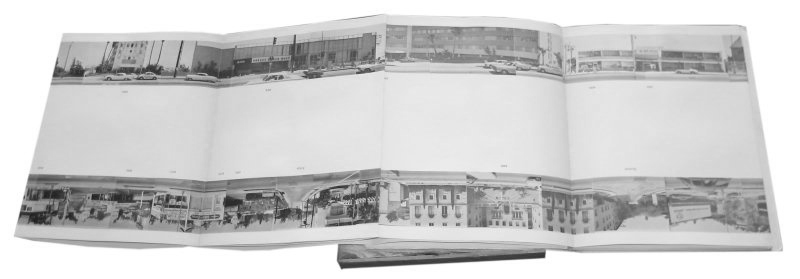
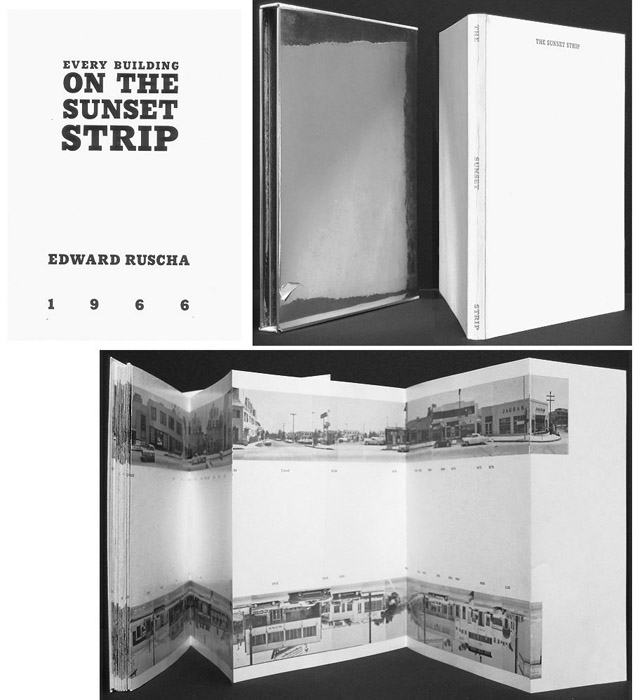
Ruscha’s vertical inverted cityscape is trapped in a display cabinet opened out on the horizontal plane in concertina format, like one of those optical illusion images in which you see an image looking from one direction and a different image from the other direction. Ruscha’s personal experience of driving down Sunset Strip in Los Angeles and his anthropological recording of the urban experience has been disseminated in a mass produced ‘artists’ book. No unique unpublished archive here. Beneath the facades of the shops other narratives emerge – images are stitched together, cars chopped off, people dismembered – all in a very linear, conceptual way; a journey from one point to another, one that is both subjective (the voice and hand of the author) and objective (the en masse production of the book).
As Chris Balaschak has noted, “The images, taken during the day, capture only the facades of the buildings. Ignorance is given to cars or people, both of which are often cut in half between separate exposures. The imperfections of matching the facades are cracks along Ruscha’s drive. Through these cracks we find Ruscha, not such an anonymous author after all. Splitting cars in two, and mismatching facades we become keenly aware of the passage of time. The facades of buildings may appear as stage sets but they are active points on other itineraries, anticipating future and past narratives.”4
This is Ruscha’s trace through the city but also our intersection with his journey, our chance to make our own itineraries as Balaschak (in his insightful writing) rightly points out. The fragmentary dismembering becomes the space between, the disorder of the linear into a heterotopic space of remembering. We the viewer create our own narrative, flitting through the cracks in the archive of memory, the photographer, the author of our own journey.
Penelope Davis photograms are luminous objects. She makes resin casts of the spine of discarded books and places the casts directly onto photographic paper and then exposes them to light. The books glow and hover in the blackness, the words on the spine reversed. Stripped of their context, of their memory, they become ethereal books, phantom texts, liminal images that hover between what is known and what is imagined. As Davis has said, “Most people assume that when they look at a photo that they are looking at the thing photographed – but they are not. They are looking at a photo. Books and photographic images and archives are enigmatic – you can’t be sure of a singular definition or meaning.”
Davis is ‘messing around’ with the idea of veracity, the truth of photography and the ordering of the archive of our mind through the images we collate. We seek to grasp the original memory of an event, of the reading and ordering of our life through images and none is available to us, for as Foucault has observed memories are only ever fragmentary and distorted representations, partial truths a best. Like Jorge Luis Borges’ journey into the infinite universe of The Library of Babel, for Foucault the psyche is not an archive but a mirror, like the shining silver foil surface of the cover of the Ed Ruscha book:
“The search for the self is a journey into a mental labyrinth that takes random courses and ultimately ends at impasses. The memory fragments recovered along the way cannot provide us with a basis for interpreting the overall meaning of the journey. The meanings that we derive from our memories are only partial truths, and their value is ephemeral. For Foucault, the psyche is not an archive but only a mirror. To search the psyche for the truth about ourselves is a futile task because the psyche can only reflect the images we have conjured up to describe ourselves. Looking into the psyche, therefore, is like looking into the mirror image of a mirror. One sees oneself reflected in an image of infinite regress. Our gaze is led not toward the substance of our beginnings but rather into the meaninglessness of previously discarded images of the self.”5
This leads us nicely onto the images of Simon Obarzanek.
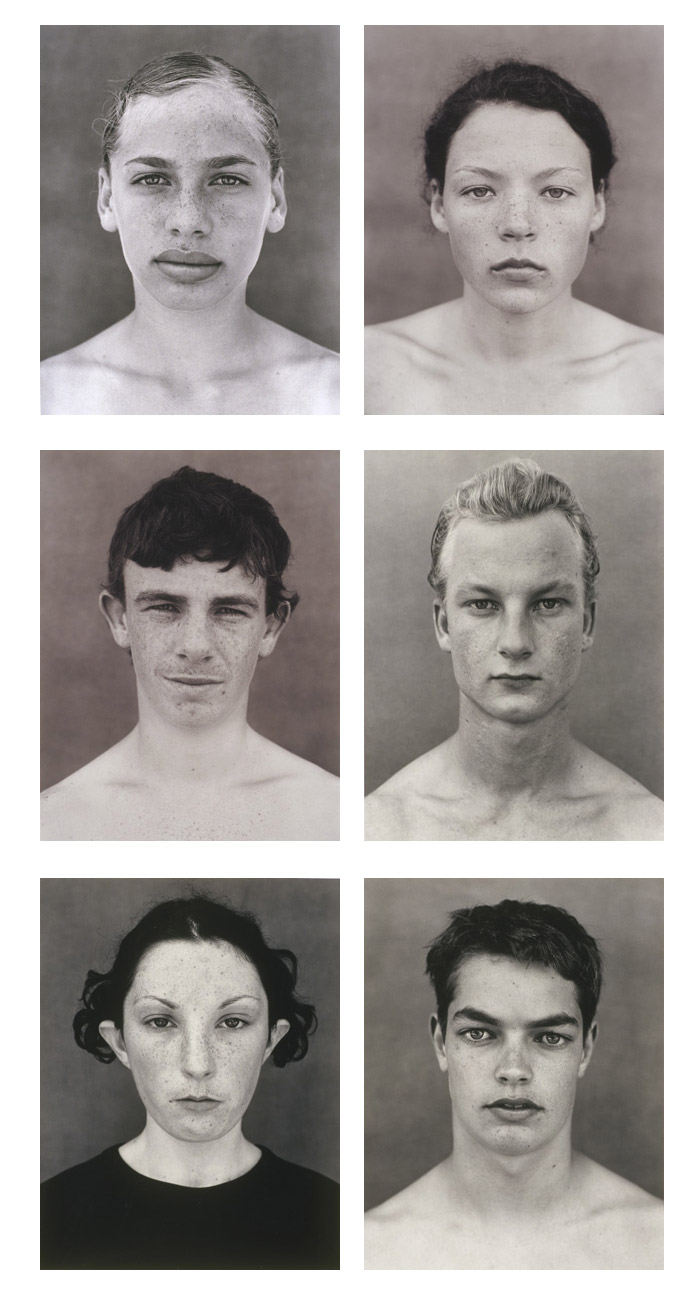
In a fantastic series of photographs, the only ones of this exhibition that seemed to haunt me (as Susan Sontag says images do), Obarzanek photographs people in an ordered, almost scientific, manner. Photographed face on against a non-contextual background using a low depth of field, these repetitive, collective, unnamed people remind me of the images of Galton. But here the uniformity is overwhelmed by quirky differences – the placement of eyes and lips seem large offering a strange, surreal physiognomy. These images resonate, the challenge, they remain with you, they question the order of things as no other photograph in this exhibition does. From simplicity comes eloquence.
To finish I must address the elephant in the room, in fact two elephants!
There is not one digital photograph contained in the exhibition, the work being collage, Type C colour or black and white silver gelatin prints. There is no mention in the catalogue of the crisis of cultural memory that is now permeating our world. Some believe the ever-expanding digital archive, the Internet, threatens our lived memories “amidst the process of the ‘digitisation of culture’ and the new possibilities of storing.”6
This vision entails the fear of losing cultural content, hitting the delete button so that memory passes into forgetting. This is a vision to which I do not subscribe, but the issue needed to be addressed in this exhibition: how are digital technologies altering our re-assemblance of memory, altering photography’s ability inherent ability to record, store and organise visual images? What about the aura of the original or was there never such a thing?
Furthermore, it would seem that with photographs becoming less and less a fixed essence; with the meaning of the photograph more and more divorced from its referent; with the spectators look the key to reading photographs; and the performance of the photograph a cut and paste reality… then perhaps we are left not with the two polar opposites of order and disorder but some orthogonal spaces in-between.
The second elephant in the room in the gallery space itself.
Whilst the curators of photography at the National Gallery of Victoria do an amazing job running large exhibitions such as the Andreas Gursky and Rennie Ellis shows that have starred this year, the NGV ‘International’ is shooting itself in the foot with the current permanent photography gallery space. Small, jaded and dour it seems an addendum to other larger spaces in the gallery and to be honest photography and Melbourne deserve better. Personally I feel more alive in the fashion gallery that is on the floor below and that, for a photographer, is a hard thing to say.
As the theme for this exhibition deserved a greater in-depth investigation so the gallery needs to expand its horizons and give the permanent photography gallery a redesign and overhaul. Where is the life and passion of contemporary photography displayed in a small space for all to see in a gallery that sees itself as ‘International’?
In an occularcentric world the key word is intertexuality: the gallery space should reflect the electri-city, the mixing of a gallery design ethos with images to surround us in a space that makes us passionate about contemporary photography. Now that would really be a new order of things!
Dr Marcus Bunyan
1/ Papatheodorou, Yiannis. History in the promised land of memory. Review of Jacques Derrida, Mal d’Archive, Paris, Éd. Galilée, 1995 [Online] Cited on 20th March 2009 (no longer available online)
2/ “The archive is understood as a collective reservoir of knowledge fulfilling diverse functions and conditioned by three main factors: conservation, selection and accessibility. How are contents stored and which media are used to conserve them? What is selected for storage and what is decided to be cleared out and thus forgotten? Who decides what is archived and who has access to the resources? All these questions paint the archive as a political space where relations of power cross aspects of culture and collective identity.”
Assmann, A. Erinnerungsräume, Formen und Wandlungen des kulturellen Gedächtnis. [Memory Spaces, Forms and Transformations of Cultural Memory] Special paperback editon, 1st edition publ. 1999, München: Beck, 2003, p. 343-346
3/ Derrida, Jacques. Archive Fever, A Freudian Impression. Transl. by E. Prenowitz, 1996, p. 18 orig. publ. as Mal d’Archive: une impression freudienne. Chicago, London: The University of Chicago Press, 1995
4/ Balaschak, Chris. Itineraries [part 3] [Online] Cited on 20th March 2009. No longer available online
5/ Hutton, Patrick. “Foucault, Freud, and the Technologies of the Self,” in Martin, Luther and Gutman, Huck and Hutton, Patrick (eds.,). Technologies of the Self: A Seminar with Michel Foucault. London: Tavistock Publications, 1988, p. 139
6/ Featherstone, M. (2000) “Archiving Cultures,” in British Journal of Sociology, 51(1), pp. 161-184
Many thankx to the National Gallery of Victoria for allowing me to publish the images in the posting. Please click on the photographs for a larger version of the image.
Penelope Davis (Australian, b. 1963) Shelf 2008 From the Fiction-Non-Fiction series 2007-2008 Type C photograph 90 x 70cm National Gallery of Victoria, Melbourne Purchased, Victorian Foundation for Living Australian Artists, 2008
Archives contain elements of truth and error, order and disorder and are infinitely fascinating. As both collections of records and repositories of data, archives are able to shape history and memory depending on how, when and by whom the materials are accessed. Their vastness allows for multiple readings to be unravelled over time.
Photography is naturally associated with archives because of its inherent ability to record, store and organise visual images. With this in mind, this exhibition brings together artists drawn largely from the permanent collection of the NGV who explore the idea of archives as complex, living and occasionally mysterious systems of knowledge. Several of the selected artists act as archivists, collecting and ordering their own unique bodies of photographs, while others create disorder by critiquing the ideas and systems of archives.
Bernd and Hilla Becher (German, 1931-2007 and 1934-2015) Coal tipple, Goodspring, Pennsylvania 1975 From the Artists and photographs folio 1975 Gelatin silver photographs 24.0 x 33.9cm (image and sheet) 40.7 x 49.6cm (support) National Gallery of Victoria, Melbourne Purchased, 1976
Curator: Jeff L. Rosenheim, Curator in the Department of Photographs at The Metropolitan Museum of Art
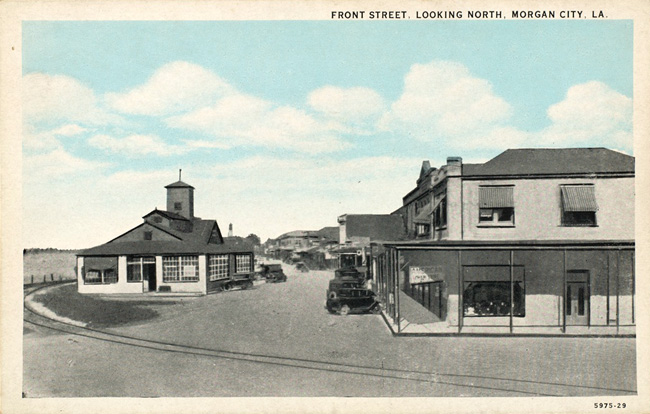
Unknown artist (American) Front Street, Looking North, Morgan City, LA 1929 Postcard, Photomechanical reproduction 3 1/2 x 5 1/2 in. (8.9 x 14 cm) The Metropolitan Museum of Art, New York, Walker Evans Archive, 1994
This looks a very interesting exhibition – I wish I could see the actual thing!
Many thankx to The Metropolitan Museum of Art for allowing me to publish the photographs and art work in the posting. Please click on the photographs for a larger version of the image.
This exhibition will focus on a collection of 9,000 picture postcards amassed and classified by the American photographer Walker Evans (1903-1975), now part of the Metropolitan’s Walker Evans Archive. The picture postcard represented a powerful strain of Indigenous American realism that directly influenced Evans’s artistic development. The dynamic installation of hundreds of American postcards drawn from Evans’s collection will reveal the symbiotic relationship between Evans’s own art and his interest in the style of the postcard. This will also be demonstrated with a selection of about a dozen of his own photographs printed in 1936 on postcard-format photographic paper.
Text from The Metropolitan Museum of Art website
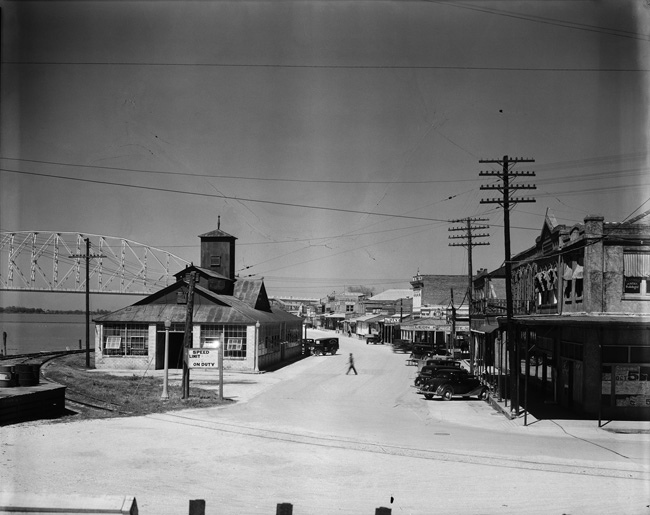
Walker Evans (American, 1903-1975) Street Scene, Morgan City, Louisiana 1935 Film negative 8 x 10 in. (20.3 x 25.4cm) The Metropolitan Museum of Art, New York, Walker Evans Archive, 1994
“Sold in five-and-dime stores in every small town in America, postcards satisfied the country’s need for human connection in the age of the railroad and Model T when, for the first time, many Americans regularly found themselves traveling far from home. At age twelve, Walker Evans began to collect and classify his cards. What appealed to the nascent photographer were the cards’ vernacular subjects, the simple, unvarnished, “artless” quality of the pictures, and the generic, uninflected, mostly frontal style that he later would borrow for his own work with the camera. Both the picture postcard and Evans’s photographs seem equally authorless – quiet documents that record the scene with an economy of means and with simple respect. Walker Evans and the Picture Postcard proposes that the picture postcard represented a powerful strain of indigenous American realism that directly influenced Evans’s artistic development.”
Text from the Steidl website
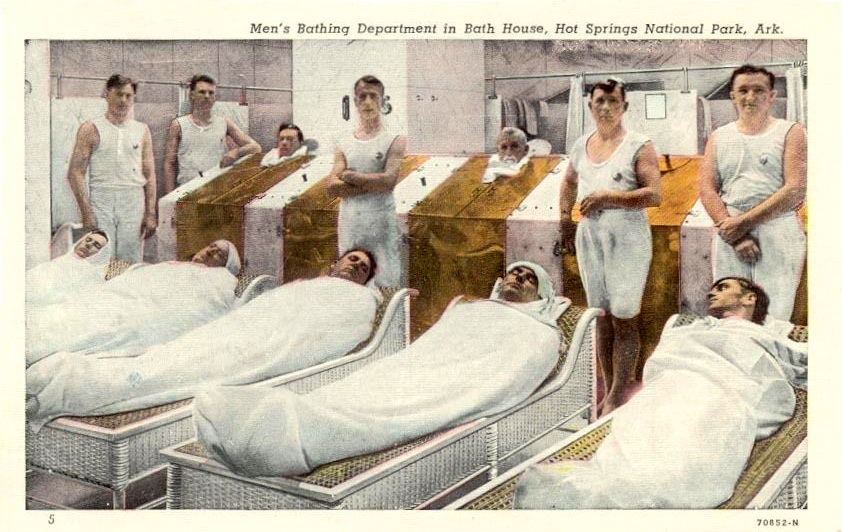
The American postcard came of age around 1907, when postal deregulations allowed correspondence to be written on the address side of the card. By 1914, the craze for picture postcards had proved an enormous boon for local photographers, as their black-and-white pictures of small-town main streets, local hotels and new public buildings were transformed into handsomely coloured photolithographic postcards that were reproduced in great bulk and sold in five-and-dime stores in every small town in America. Postcards met the nation’s need for communication in the age of the railroad and Model T, when, for the first time, many Americans often found themselves traveling far from home. In the Walker Evans Archive at New York’s Metropolitan Museum of Art, there is a collection of 9,000 such postcards amassed by the great American photographer, who began his remarkable collection at the age of 10. What appealed to Evans, even as a boy, were the vernacular subjects, the unvarnished, “artless” quality of the pictures and the generic, uninflected, mostly frontal style that he later would borrow for his own work. The picture postcard and Evans’ photographs seem equally authorless, appearing as quiet documents that record a scene with both economy of means and simple respect. This volume demonstrates that the picture postcard articulated a powerful strain of indigenous American realism that directly influenced Evans’ artistic development.
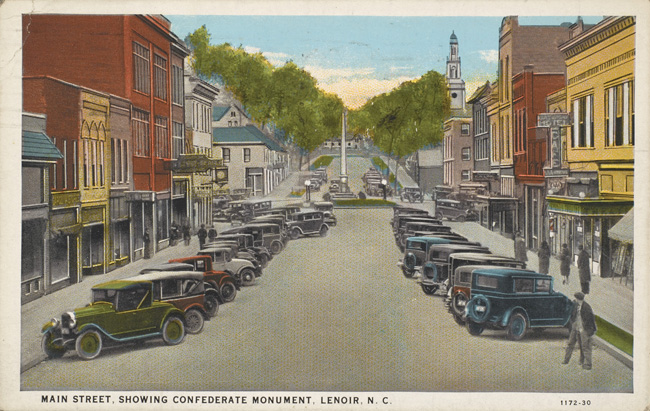
Unknown artist (American) Main Street, Showing Confederate Monument, Lenoir, N. C. 1930s Postcard, Photomechanical reproduction 3 1/2 x 5 1/2 in. (8.9 x 14cm) The Metropolitan Museum of Art, New York, Walker Evans Archive, 1994
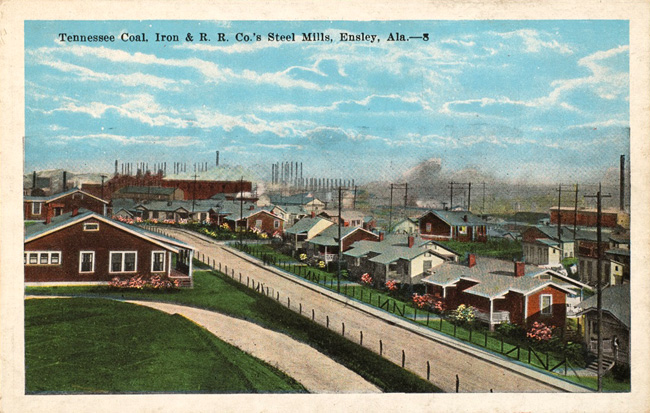
Walker Evans was the progenitor of the documentary style in American photography, and he argued that picture postcard captured a part of America that was not recorded in any other medium. In the early 20th century, picture postcards, sold in five-and-dime stores across America, depicted small towns and cities with realism and hometown pride – whether the subject was a local monument, a depot, or a coal mine.
Evans wrote of his collection: “The very essence of American daily city and town life got itself recorded quite inadvertently on the penny picture postcards of the early 20th century .… Those honest direct little pictures have a quality today that is more than mere social history .… The picture postcard is folk document.”
Walker Evans and the Picture Postcard is the first exhibition to focus primarily on works drawn from The Walker Evans Archive. The installation is designed to convey the incredible range of his collection and to reflect the eclectic and obsessional ways in which the artist organised his picture postcards. For example, Evans methodically classified his collection into dozens of subject categories, such as “American Architecture,” “Factories,” “Automobiles,” “Street Scenes,” “Summer Hotels,” “Lighthouses,” “Outdoor Pleasures,” “Madness,” and “Curiosities”.
Marty Weil. “Walker Evans’ Picture Postcard Collection on the ephemera: exploring the world of old paper website Feb 24, 2009 [Online] Cited 12/06/2022. No longer available online. Used under fair use conditions for the purposes of education and research
Unknown artist (American) Tennessee Coal, Iron, & R. R. Co.’s Steel Mills, Ensley, Ala. 1920s Postcard, Photomechanical reproduction 3 1/2 x 5 1/2 in. (8.9 x 14cm) The Metropolitan Museum of Art, New York, Walker Evans Archive, 1994
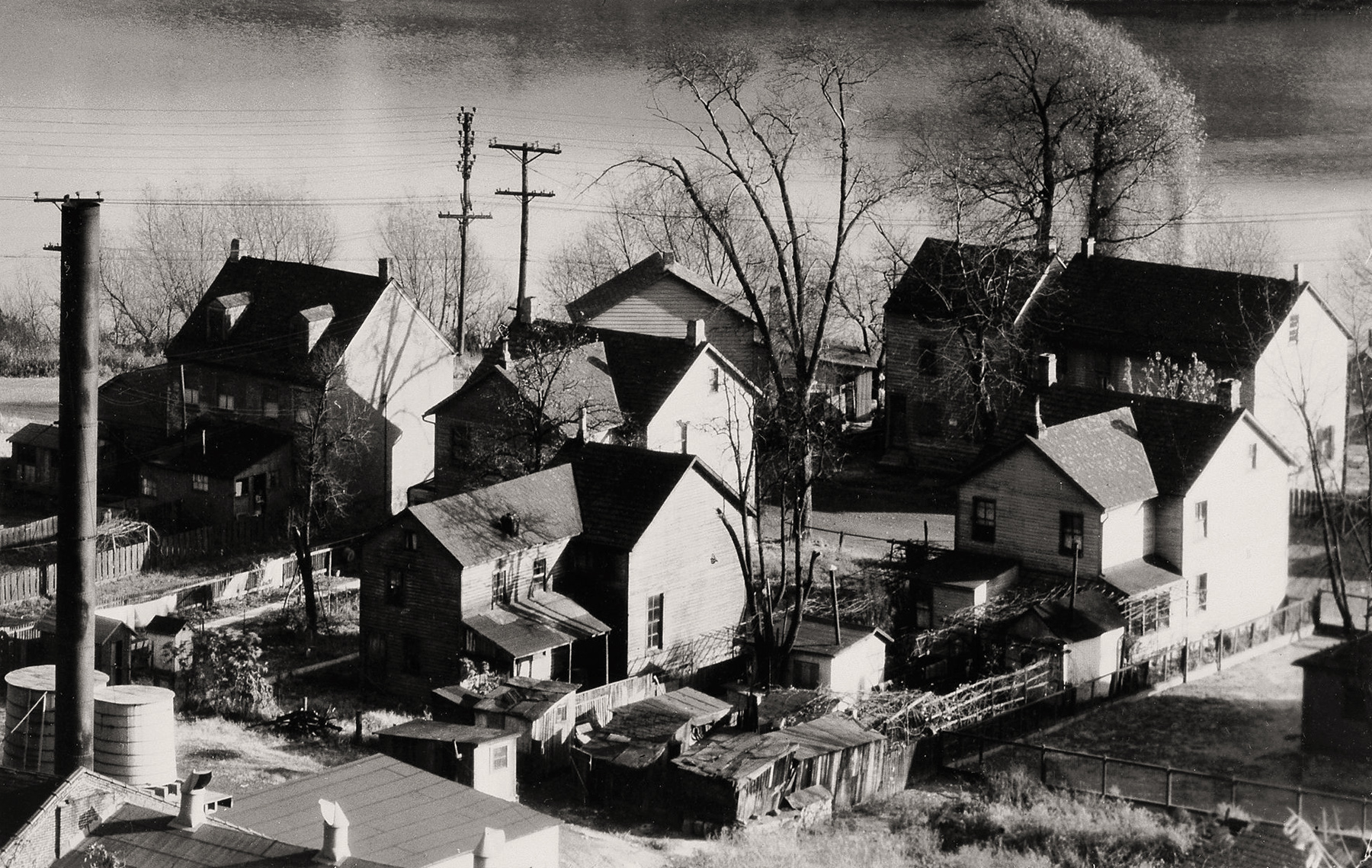
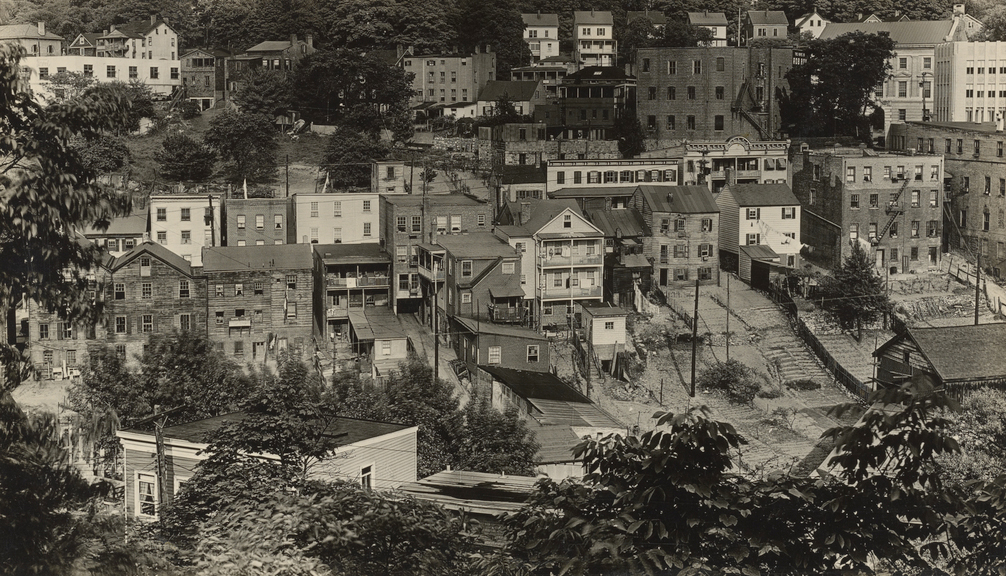
Walker Evans (American, 1903-1975) View of Easton, Pennsylvania 1935 Postcard format gelatin silver print
Walker Evans (American, 1903-1975) View of Ossining, New York 1930-1931 Gelatin silver print 4 1/8 x 7 13/16 in. (10.5 x 19.8cm) The Metropolitan Museum of Art, New York, Purchase, The Horace W. Goldsmith Foundation Gift through Joyce and Robert Menschel, 1999
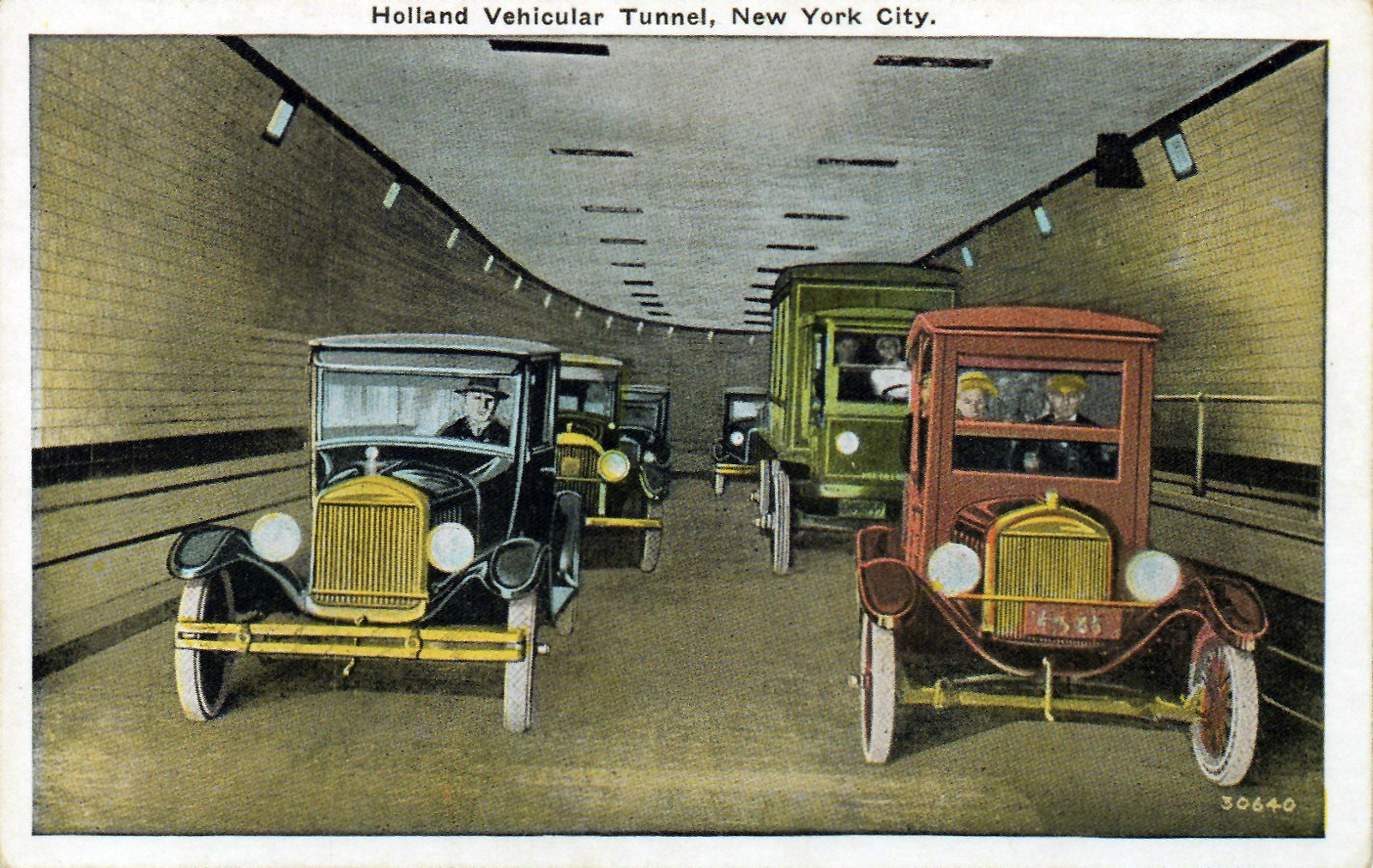
Unknown artist (American) Holland Vehicular Tunnel, New York City 1920s Postcard, Photomechanical reproduction 3 9/16 x 5 1/2 in. (9 x 14cm) The Metropolitan Museum of Art, New York, Walker Evans Archive, 1994
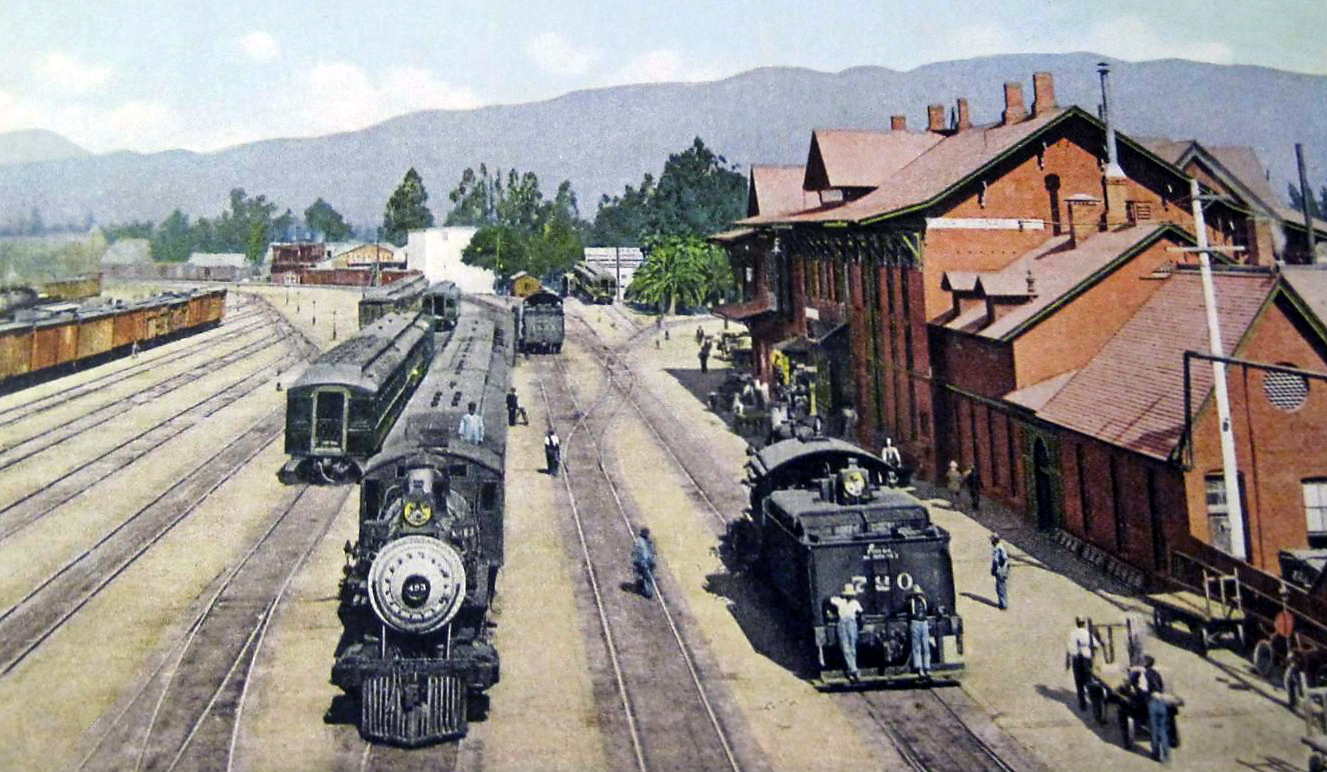
Unknown artist (American) Santa Fe station and yards, San Bernardino, California c. 1910 Postcard, Photomechanical reproduction 3 9/16 x 5 1/2 in. (9 x 14cm) The Metropolitan Museum of Art, New York, Walker Evans Archive, 1994
Unknown artist (American) Men’s Bathing Department, Bath House, Hot Springs National Park, Ark. 1920s Postcard, Photomechanical reproduction 3 9/16 x 5 1/2 in. (9 x 14cm) The Metropolitan Museum of Art, New York, Walker Evans Archive, 1994
Walker Evans and the Picture Postcard
In 1903, the year Walker Evans was born, the US Postal service handled 700 million picture postcards. Evans would later recall his fondness for those “honest, direct, little pictures that once flooded the mail.” By the age of twelve he was a collector and through his lifetime, an obsessive. “Yes, I was a postcard collector at an early age. Every time my family would take me around for what they thought was my education, to show me the country in a touring car, to go to Illinois, to Massachusetts, I would rush into Woolworth’s and buy all the postcards.” For Evans, the addition of hand-colouring added a great deal of aesthetic value. …
Walker Evans and the Picture Postcard reproduces hundreds of cards from his collection including the three magazine features mentioned above. Also the fine addition of an “illustrated transcript” of his now famous Lyric Documentary lecture at Yale in 1964 makes this a bit more interesting than the title may suggest. …
Later in life Evans had friends around the country while on photo trips keeping an eye for postcards that might interest. He had a particular love for ones produced by the Detroit Publishing Company which were considered the “Cadillac” of postcards. Lee Friedlander related the following from a recent interview: “The Detroit Publishing Company had a formula. If a town had 2,000 people or so, it got a main street postcard; if it had 3,500, it got the main street and also a courthouse square. Walker liked the formula. He had everyone looking for this or that. He told me once in Old Lyme, “If you run across any ‘Detroits,’ get them for me.” I found sixty or seventy cards for him. He loved them.”
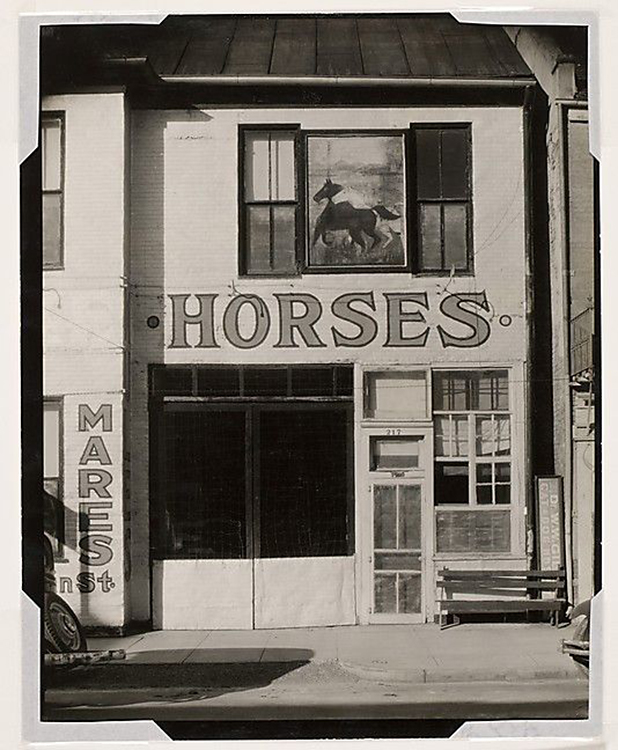
Walker Evans (American, 1903-1975) Stable, Natchez, Mississippi March 1935 Gelatin silver print 10 x 8 in. (25.4 x 20.3cm) The Metropolitan Museum of Art, New York, Gilman Collection, Purchase, The Horace W. Goldsmith Foundation Gift through Joyce and Robert Menschel, 2005
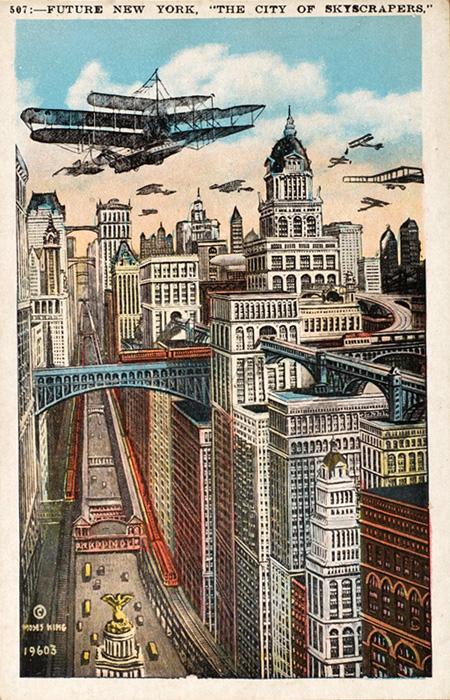
Unknown artist (American) Future New York, The City of Skyscrapers 1910s Postcard, Photomechanical reproduction 3 9/16 x 5 1/2 in. (9 x 14cm) The Metropolitan Museum of Art, New York, Walker Evans Archive, 1994
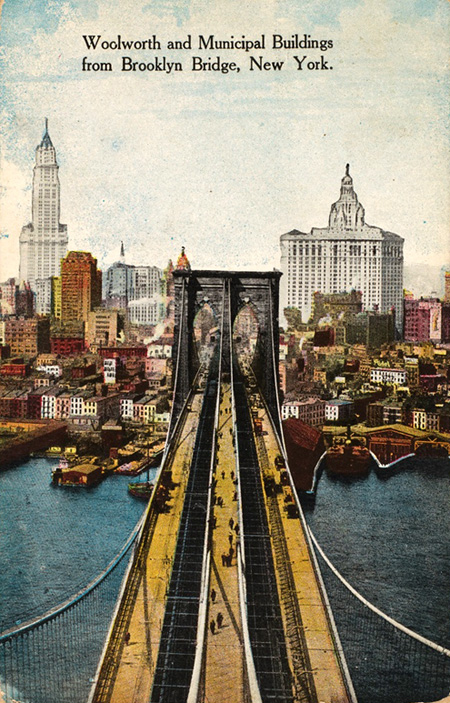
Unknown artist (American) Woolworth and Municipal Buildings from Brooklyn Bridge, New York 1910s Postcard, Photomechanical reproduction 3 9/16 x 5 1/2 in. (9 x 14cm) The Metropolitan Museum of Art, New York, Walker Evans Archive, 1994
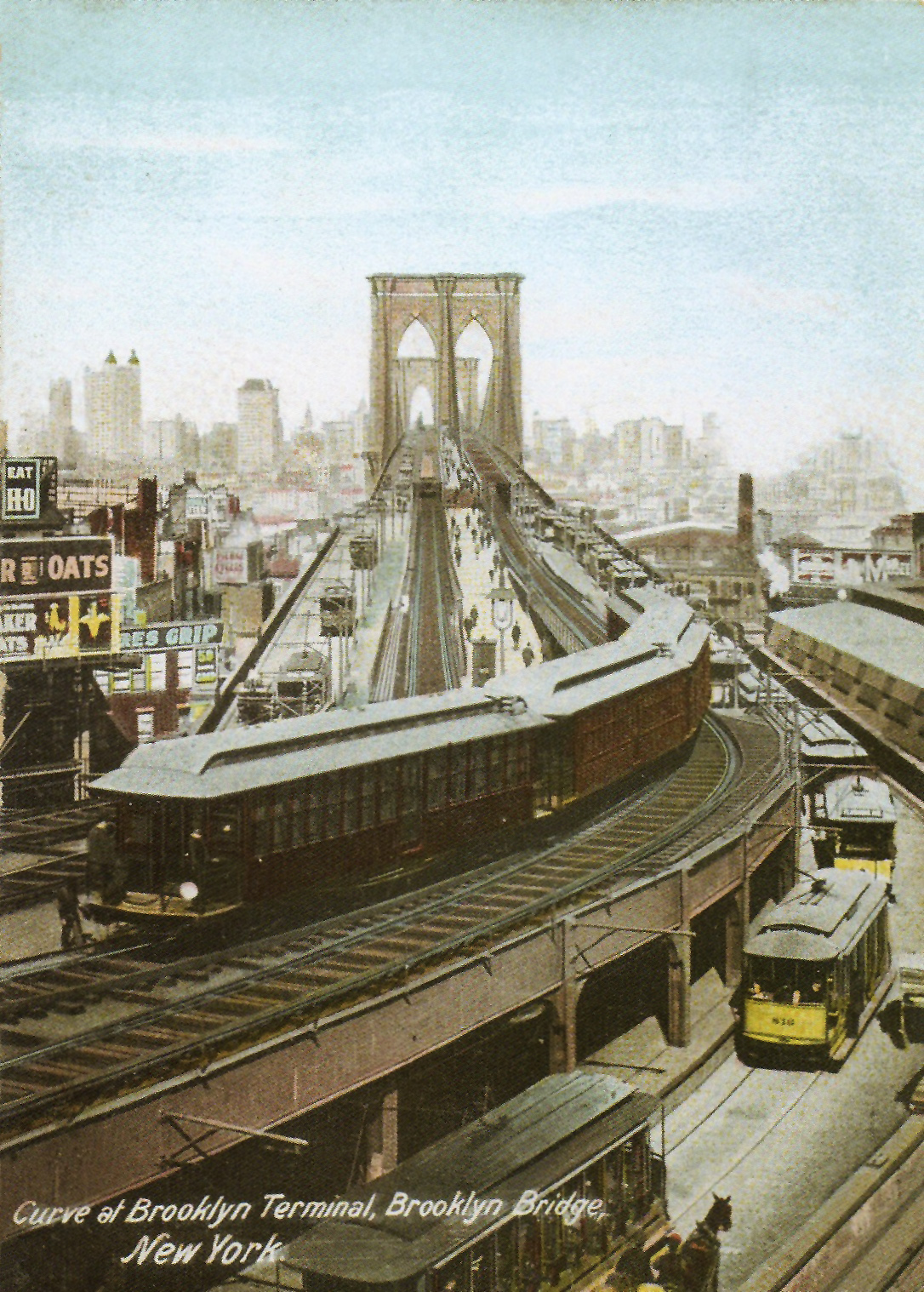
Unknown artist (American) Curve at Brooklyn Terminal, Brooklyn Bridge, New York 1907 Postcard, Photomechanical reproduction 3 9/16 x 5 1/2 in. (9 x 14cm) The Metropolitan Museum of Art, New York, Walker Evans Archive, 1994
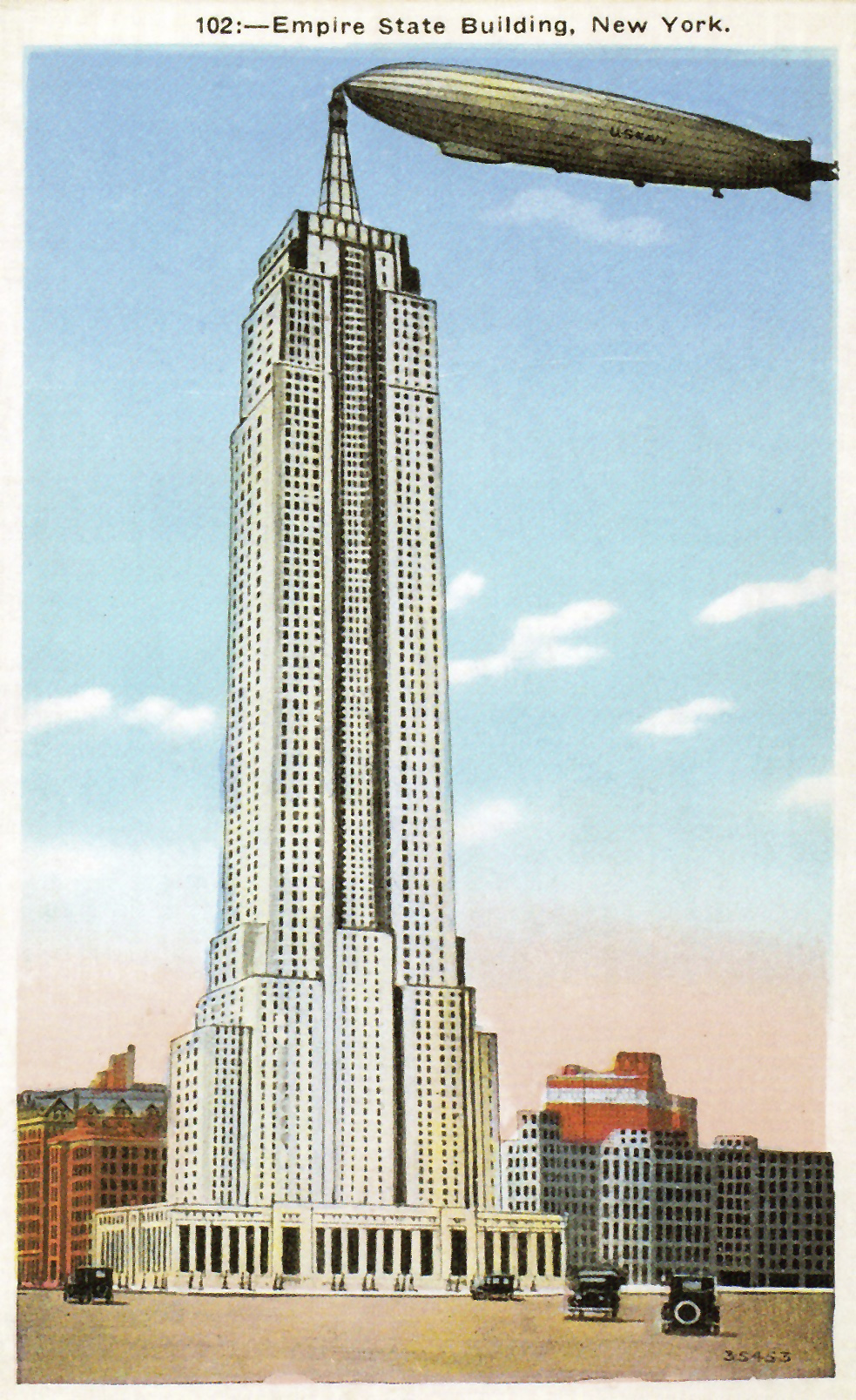
Unknown artist (American) Empire State Building, New York 1930s Postcard, Photomechanical reproduction 3 9/16 x 5 1/2 in. (9 x 14cm) The Metropolitan Museum of Art, New York, Walker Evans Archive, 1994
The Metropolitan Museum of Art 1000 Fifth Avenue at 82nd Street New York, New York 10028-0198 Phone: 212-535-7710
Opening hours: Sunday – Tuesday and Thursday: 10am – 5pm Friday and Saturday: 10am – 9pm Closed Wednesday
Exhibition dates: National Gallery of Art, January 18 – April 26, 2009; San Francisco Museum of Modern Art, May 16 – August 23, 2009; Metropolitan Museum of Art, September 22 – December 27, 2009
Curator: Sarah Greenough, senior curator and head of the Department of Photographs at the National Gallery of Art
Robert Frank (Swiss-American, 1924-2019) The Americans New York: Grove Press 1959
One of the seminal photography books of the twentieth century, Robert Frank’s The Americans changed photography forever, changed how America saw itself and became a cult classic.
Like Eugene Atget’s positioning of the camera in an earlier generation Frank’s use of camera position is unique; his grainy and contrasty images add to his outsider vision of a bleak America; his sequencing of the images, like the cadences of the greatest music, masterful.
One of the easiest things for an artist to do is to create one memorable image, perhaps even a group of 4 or 5 images that ‘hang’ together – but to create a narrative of 83 images that radically alter the landscape of both photography and country is, undoubtedly, a magnificent achievement.
The photographs in the posting appear by number order that they appear in the book.
Dr Marcus Bunyan
Many thankx to the National Gallery of Art for allowing me to publish the photographs in the posting. Please click on the photographs for a larger version of the image.
Released at the height of the Cold War, The Americans was initially reviled, even decried as anti-American. Yet during the 1960s, many of the issues that Frank had addressed – racism, dissatisfaction with political leaders, skepticism about a rising consumer culture – erupted into the collective consciousness. The book came to be regarded as both prescient and revolutionary and soon was embraced with a cult-like following.
First published in France in 1958 and in the United States in 1959, Robert Frank’s The Americans is widely celebrated as the most important photography book since World War II. Including 83 photographs made largely in 1955 and 1956 while Frank (1924-2019) travelled around the United States, the book looked beneath the surface of American life to reveal a profound sense of alienation, angst, and loneliness. With these prophetic photographs, Frank redefined the icons of America, noting that cars, jukeboxes, gas stations, diners, and even the road itself were telling symbols of contemporary life. Frank’s style – seemingly loose, casual compositions, with often rough, blurred, out-of-focus foregrounds and tilted horizons – was just as controversial and influential as his subject matter. The exhibition celebrates the 50th anniversary of the book’s publication by presenting all 83 photographs from The Americans in the order established by the book, and by providing a detailed examination of the book’s roots in Frank’s earlier work, its construction, and its impact on his later art.
Anonymous text from The National Gallery of Art website [Online] Cited 06/03/2009. No longer available online. Used under fair use conditions for the purposes of education and research
“The photos revealed a bleaker, more dislocated view of America than Americans were used to (at least in photography). Frank’s “in-between moments” demonstrated that disequilibrium can seem more revealing, seeming to catch reality off-guard. In doing so the collection also announced to the world that photos with a completely objective reference / referent could be subjective, lyrical, and reveal a state of mind. Looser framing, more forced or odd juxtapositions, “drive-by” photos and other elements offer a sense of the process that has produced the photos”
Lloyd Spencer on Discussing The Americans in Hardcore Street Photography
“Frank’s contact sheets take us back to the moment he made the photographs for The Americans. They show us what he saw as he travelled around The United States and how he responded to it. These sheets are not carefully crafted objects; in his eagerness to see what he had captured, Frank did not bother to order his film strips numerically or even to orientate them all in the same direction.”
The 50th anniversary of a groundbreaking publication will be celebrated in the nation’s capital with the exhibition Looking In: Robert Frank’s The Americans, premiering January 18 through April 26, 2009, in the National Gallery of Art’s West Building ground floor galleries. In 1955 and 1956, the Swiss-born American photographer Robert Frank (b. 1924) traveled across the United States to photograph, as he wrote, “the kind of civilisation born here and spreading elsewhere.” The result of his journey was The Americans, a book that looked beneath the surface of American life to reveal a culture on the brink of massive social upheaval and one that changed the course of 20th-century photography.
First published in France in 1958 and in the United States in 1959, The Americans remains the single most important book of photographs published since World War II. The exhibition will examine both Frank’s process in creating the photographs and the book by presenting 150 photographs, including all of the images from The Americans, as well as 17 books, 15 manuscripts, and 28 contact sheets. In honour of the exhibition, Frank has created a film and participated in selecting and assembling three large collages. The exhibition will travel to the San Francisco Museum of Modern Art from May 17 through August 23, 2009, and The Metropolitan Museum of Art from September 22 through December 27, 2009.
“The Americans is as powerful and provocative today as it was 50 years ago,” said Earl A. Powell III, director, National Gallery of Art. “We are immensely grateful to Robert Frank and his wife, June Leaf, for their enthusiastic participation and assistance in all aspects of this exhibition and its equally ambitious catalogue. We also wish to thank Robert Frank for his donation of archival material related to The Americans, in addition to gifts of his photographs and other exhibition prints to the National Gallery of Art in 1990, 1994, and 1996, all of which formed the foundation of the project.”
“It’s hard to stress how different The Americans was. Over the course of those 83 pictures – shot from Detroit to San Francisco to Chattanooga, Tennessee – Frank captured the country in images that were intentionally unglamorous. On a technical level, he brazenly tossed out an adherence to traditional ideas of composition, framing, focus, and exposure.”
Sarah Greenough, Senior Curator of Photography at the National Gallery of Art in Washington
Inge Morath (American born Austria, 1923-2002) From the series about Regensburg Museums 1999 Gelatin silver print
“To take pictures had become a necessity and I did not want to forgo it for anything.”
Inge Morath
The Magnum Foundation and the Inge Morath Foundation announce the sixth annual Inge Morath Award. The annual prize of $5,000 is awarded by the Magnum Foundation to a female documentary photographer under the age of 30, to support the completion of a long-term project. One award winner and up to two finalists are selected by a jury composed of Magnum photographers.
Inge Morath was an Austrian-born photographer who was associated with Magnum Photos for nearly fifty years. After her death in 2002, the Inge Morath Foundation was established to manage Morath’s estate and facilitate the study and appreciation of her contribution to photography.
Because Morath devoted much of her enthusiasm to encouraging women photographers, her colleagues at Magnum Photos established the Inge Morath Award in her honour. The Award is now given by the Magnum Foundation as part of its mission of supporting new generations of socially-conscious documentary photographers, and is administered by the Magnum Foundation in collaboration with the Inge Morath Foundation.
Past winners of the Inge Morath Award include: Kathryn Cook (US, ’08) for Memory Denied: Turkey and the Armenian Genocide; Olivia Arthur (UK, ’07) for The Middle Distance; Jessica Dimmock (US, ’06) for The Ninth Floor; Mimi Chakarova (US, ’06) for Sex Trafficking in Eastern Europe; Claudia Guadarrama (MX, ’05) for Before the Limit; and Ami Vitale (US, ’02), for Kashmir.
Text from The Inge Morath Foundation website [Online] Cited 01/03/2009. No longer available online
Inge Morath (American born Austria, 1923-2002) Visitor in the Metropolitan Museum 1958 Gelatin silver print
“I have photographed since 1952 and worked with Magnum Photos since 1953, first out of Paris, later out of New York. I am usually labeled as a photojournalist, as are all members of Magnum. I am quoting Henri Cartier-Bresson’s explanation for this: He wrote to John Szarkowski in answer to an essay in which Szarkowski stated that Cartier-Bresson labels himself as a photojournalist.
“May I tell you the reason for this label? As well as the name of its inventor? It was Robert Capa. When I had my first show in the Museum of Modern Art in New York in 1948 he warned me: ‘watch out what label they put on you. If you become known as a surrealist […] then you will be considered precious and confidential. Just go on doing what you want to do anyway but call yourself a photojournalist, which puts you into direct contact with everything that is going on in the world.'”
It is in this understanding that we have been working as a group and yet everyone following their own way of seeing. The power of photography resides no doubt partly in the tenacity with which it pushes whoever gets seriously involved with it to contribute in an immeasurable number of forms his own vision to enrich the sensibility and perception of the world around him.
[In the 1950s] the burden of the already photographed was considerably less than now. There was little of the feeling of being a latecomer who has to overwhelm the huge existing body of the photographic oeuvre – which, in photography as in painting and literature, necessarily leads first to the adoption and then rejection of an elected model, until one’s own work is felt to be equal or superior, consequently original.
Photography is a strange phenomenon. In spite of the use of that technical instrument, the camera, no two photographers, even if they were at the same place at the same time, come back with the same pictures. The personal vision is usually there from the beginning; result of a special chemistry of background and feelings, traditions and their rejection, of sensibility and voyeurism. You trust your eye and you cannot help but bare your soul. One’s vision finds of necessity the form suitable to express it.”
Inge Morath, Life as a Photographer, 1999
Text from The Inge Morath Foundation website [Online] Cited 01/03/2009. No longer available online. Used under fair use conditions for the purposes of education and research
Many thankx to the Nelson-Atkins Museum of Art for allowing me to publish the photographs in the posting. Please click on the photographs for a larger version of the image.
Gregory Crewdson (American, b. 1962) Untitled from the series Beneath the Roses 2006 Digital pigment print
Famed photographer Gregory Crewdson will present the inaugural discussion in a series sponsored by the Photography Society of The Nelson-Atkins Museum of Art, Kansas City…
Crewdson’s work has been widely exhibited and reviewed. He makes large-scale photographs of elaborate and meticulously staged tableaux, which have been described as “micro-epics” that probe the dark corners of the psyche. Working in the manner of a film director, he leads a production crew, which includes a director of photography, special effects and lighting teams, casting director and actors. He typically makes several exposures that he later digitally combines to produce the final image.
“Crewdson is one of the most daring and inventive contemporary artists using photography,” said Keith F. Davis, Curator of Photography at the Nelson-Atkins. “His meticulously crafted works are immensely rich in both narrative and psychological terms. They prod us to rethink our ‘usual’ relationship to photographs as physical objects and as records of worldly fact. Crewdson is a genuinely important figure in today’s art world. He has an international reputation and has influenced an entire generation of younger photographic artists.”
Attendance to the program is free.
Text from ArtDaily.org website
Gregory Crewdson (American, b. 1962) Untitled from the series Beneath the Roses 2005 Digital pigment print
Gregory Crewdson (American, b. 1962) Untitled from the series Beneath the Roses 2005 Digital pigment print
Gregory Crewdson (American, b. 1962) Untitled (Sunday Roast) from the series Beneath the Roses 2005 Digital pigment print
Nelson-Atkins Museum of Art 4525 Oak Street Kansas City, MO 64111
Another fantastic group of Americurbana from this wonderful photographer!
Dr Marcus Bunyan
Many thankx to Gagosian Gallery for allowing me to publish the photographs in the posting. Please click on the photographs for a larger version of the image.
“Henri Cartier-Bresson famously said, “The world is going to pieces and people like Adams and Weston are photographing rocks.” But I don’t think the world would have been a better place if these photographers had headed off to a war zone. The question is whether you can be a political photographer while you photograph rocks. My pictures don’t have a specific social commentary but I think they have social and political meaning.”
Alec Soth on the Gagosian Gallery website 2009
Alec Soth (American, b. 1969) Dynell, Bemidji, MN (Girl in store) 2007
Alec Soth (American, b. 1969) Josh, Joelton, Tennessee 2004
Gagosian Gallery is pleased to present The Last Days of W., colour photographs taken by Alec Soth between 2000 and 2008.
Although originally conceived without explicit political intent, in retrospect Soth considers this selected body of work, which spans both terms of George W. Bush’s presidency, to represent “a panoramic look at a country exhausted by its catastrophic leadership.” Soth’s earlier series such as Sleeping by the Mississippi, Niagara, and Dog Days, Bogotá – all subjective narratives containing disenfranchised figures and decaying landscapes – laid the conceptual groundwork for The Last Days of W. It provides a wry commentary on the adverse effects of the national administration, perhaps best exemplified by an unwittingly ironic remark that Bush made in 2000: “I think we can agree, the past is over.”
Following in the humanist tradition established by the great chroniclers of the American experience such as Walker Evans, Robert Frank, and Stephen Shore, Soth captures diverse images of a country disillusioned with, and deceived by, its own identity, from mothers of marines serving in Iraq to teenage mothers in the Louisiana Bayou; from religious propaganda in the American workplace to the mortgage crisis in Stockton, CA. His incisive depiction of contemporary American reality confronts the ideals romanticised in the American Dream with the hastening decline of the American Empire.
Text from the Gagosian Gallery website 2009
The Last Days of W installation view at Gagosian Gallery
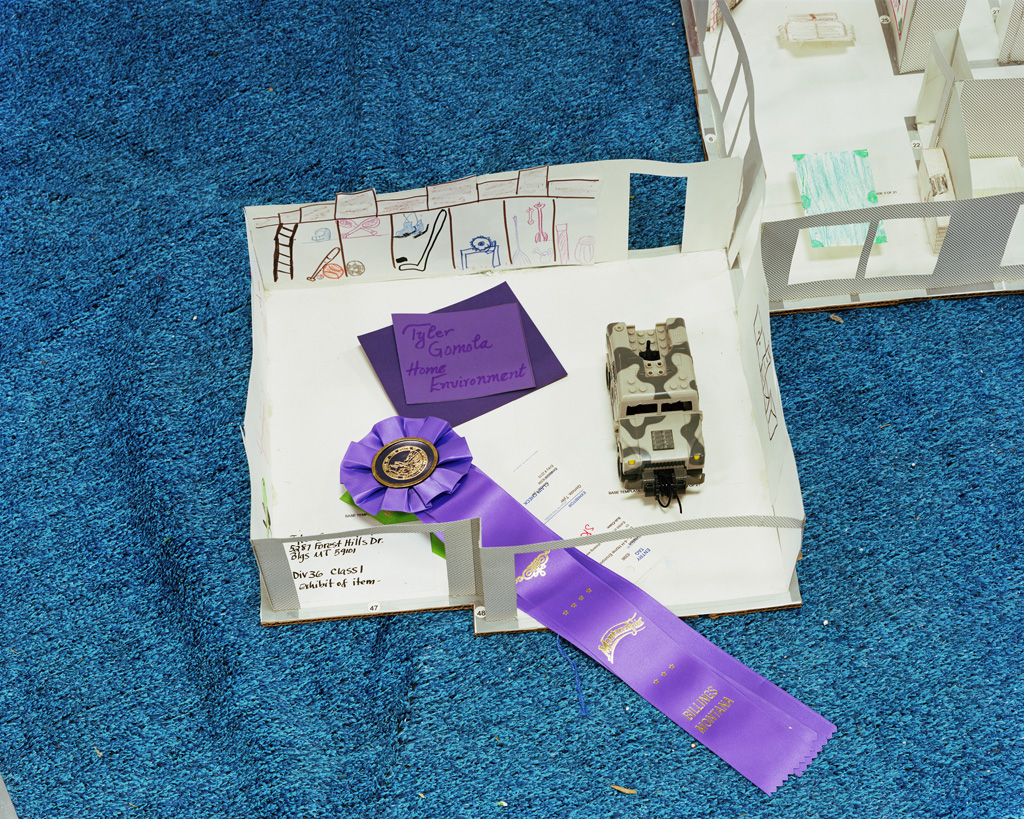
Alec Soth (American, b. 1969) Home Environment, Billings, MT 2008
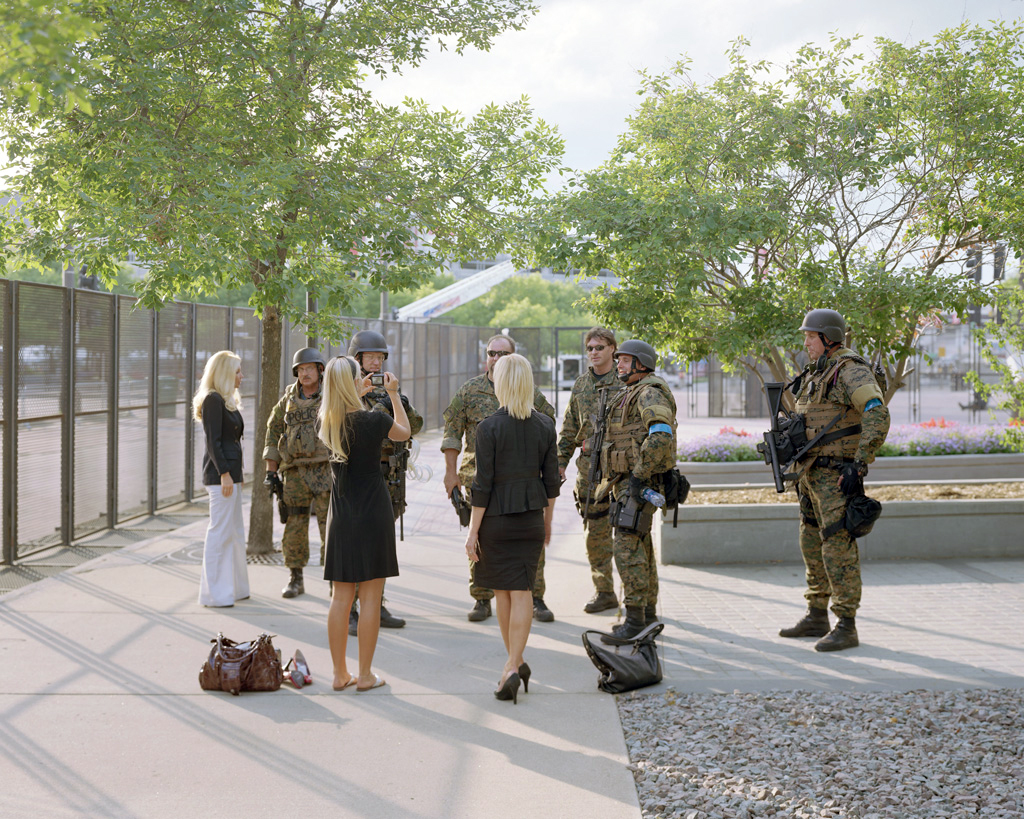
Alec Soth (American, b. 1969) Republican National Convention, Saint Paul, MN 2008
Gagosian Gallery 980 Madison Avenue New York, NY 10075 Phone: 212.744.2313










































You must be logged in to post a comment.