Installation view of the exhibition The Museum of Photography. A Revision at Ludwig Museum of Contemporary Art, Budapest
The ghost of the photography museum. The ghost of the machine.
Marcus
Many thankx to Museum Ludwig for allowing me to publish the photographs in the posting. Please click on the photographs for a larger version of the image.
Installation views of the exhibition The Museum of Photography. A Revision at Ludwig Museum of Contemporary Art, Budapest
Born in Granville, Ohio in 1808, Marcus Aurelius Root moved to Philadelphia, Pennsylvania in the early 1830s to study painting with Thomas Sully. Sully’s lack of enthusiasm for his pupil’s artistic skills led Root to open a penmanship school before he turned to the new medium of daguerreotyping as a way to earn his living. Root seems to have whole heartedly committed to this new endeavour since in 1844 he reportedly had daguerreotype studios in Mobile, AL; New Orleans, LA; St. Louis, MO; and Philadelphia. By 1845 he had resettled back in Philadelphia with a studio at 140 Chestnut Street. Root headed up one of the city’s most esteemed studios attracting well-known patrons including failed presidential candidates Henry Clay and Winfield Scott as well as local Philadelphians. In 1849 in partnership with his brother Samuel, he opened a New York City gallery located on Broadway and remained part of that business for several years.
In 1856 Marcus Root’s life took an unexpected turn when he was severely injured in a train accident. Root began writing a book, The Camera and the Pencil, during the long years spent recuperating from his accident. Published in 1864, The Camera and the Pencil provided a history of photography along with technical information about the medium, but primarily focused on promoting the aesthetics of the practice. Root wanted photographers to be considered equal to painters and argued for the importance of a pleasing studio environment for the sitters and an artistic eye for the operators. Good photography, Root argued, was not merely the successful mechanical operation of a piece of equipment. Root also wrote extensively for photographic journals including Philadelphia Photographer, Humphrey’s Journal of Photography and the Allied Arts and Sciences, and Photographic and Fine Arts Journal.
Anonymous. “Marcus Aurelius Root,” on the Luminous-Lint: History, Evolution and Analysis website [Online] Cited 20/06/2021.
In 1873 Vogel discovered dye sensitisation, a pivotal contribution to the progress of photography. The photographic emulsions in use at that time were sensitive to blue, violet and ultraviolet light, but only slightly sensitive to green and practically insensitive to the rest of the spectrum. While trying out some factory-made collodion bromide dry plates from England, Vogel was amazed to find that they were more sensitive to green than to blue. He sought the cause and his experiments indicated that this sensitivity was due to a yellow substance in the emulsion, apparently included as an anti-halation agent. Rinsing it out with alcohol removed the unusual sensitivity to green. He then tried adding small amounts of various aniline dyes to freshly prepared emulsions and found several dyes which added sensitivity to various parts of the spectrum, closely corresponding to wavelengths of light the dyes absorbed. Vogel was able to add sensitivity to green, yellow, orange and even red.
This made photography much more useful to science, allowed a more satisfactory rendering of coloured subjects into black-and-white, and brought actual colour photography into the realm of the practical.
In the early 1890s, Vogel’s son Ernst assisted German-American photographer William Kurtz in applying dye sensitisation and three-colour photography to halftone printing, so that full-colour prints could be economically mass-produced with a printing press.
“It is my deepest wish that photography, instead of falling within the domain of industry, of commerce, will be included among the arts. That is its sole, true place, and it is in that direction that I shall always endeavour to guide it. It is up to the men devoted to its advancement to set this idea firmly in their minds.”
~ Gustave Le Gray, 1852 edition of his treatise
A ghost has been haunting podiums, periodicals, and arts pages for decades: the ghost of the photography museum. “We need one,” say advocates; “really?” counter opponents. Chemist Erich Stenger (1878-1957), a passionate collector of photographs, viewed them not as art, but as technological evidence. Yet the way he envisaged presenting them was in a museum. At an early date he called for the establishment of a (technology-based) museum of photography, accumulating items for it and drawing up a display plan. Among the first collectors of photography, he amassed holdings of nineteenth-century landscapes, portraits, photographs taken by airmen in World War I, portraits framed as decorative items, prizewinning pictures of animals from the first half of the twentieth century, caricatures about photography, and much else besides. As a scientist, Stenger collected data and represented it in the form of tables and diagrams. That is also how he ordered everything relating to photography that he could lay his hands on. He distinguished some one hundred categories, from architecture photography to trick photography. His museum was to resemble an encyclopedia of photography, and in that sense he was very much a man of the nineteenth century. He showed his collection at most major photography exhibitions held during his lifetime, including Pressa in Cologne in 1928.
Stenger’s collection is now integrated into the Agfa collection, which in turn forms an important part of the photography holdings at the Museum Ludwig. The items amassed by Stenger now therefore constitute a museum within a museum – within an art museum, in fact. How is an art museum to deal with a collection of this kind? Individual items and sections from it have been exhibited since the early years of the twentieth century. At the Museum Ludwig it has been represented in Facts (2006), Silber und Salz (Silver and Salt; 1988), An den süssen Ufern Asiens (On the Sweet Shores of Asia; 1989), and many other shows. Stenger’s ideas about his collection are now being spotlighted and presented under one roof. This seems appropriate at a time when museums and archives are the subject of heated debates and intensive self-examination. As institutions, they shape and regulate cultural memory; and photography in museums, in particular, influences our view of the past and the present. This function of the Stenger collection acquired semi-official status in 2005, when it was named a national cultural treasure. That is reason enough to subject it to a reappraisal, re-examining its contents, the criteria governing its accumulation, and the ways in which an art museum might want to approach it today.
The exhibition comprises approximately 250 photographs and objects.
The Helgoländer Franz Schensky one of the pioneers of black and white photography and has a firm place in the German photo-story. In 2003, 1,400 of his glass negatives, believed to be lost, were found in a cellar on Helgoland and processed and digitised by the Museum Helgoland and the museum’s friends’ association in a special laboratory. The focus of these photographs from the period between 1900 and 1950 are the areas of old Heligoland, aquarium, sea and waves, sailing, destruction and reconstruction, people and time in Schleswig.
Grainer created numerous portraits of the children of the last crown prince of Bavaria, Rupprecht, especially the firstborn Luitpold and the son Albrecht, who was the only one to reach adulthood. In 1919, he was one of the founding members of the Gesellschaft Deutscher Lichtbildner (GDL), the predecessor of the German Academy of Photographs, whose chairmanship he later took over and still held in the power takeover of the National Socialists.
In addition to portrait photographs, more and more nude studies emerged in the 1920s. Works by Grainer are held at the Museum Folkwang in Essen and the Fotomuseum in the Munich Stadtmuseum.
Curators: Ángeles Alonso Espinosa, anthropologist and curator at the Museo Amparo in Mexico, and José Antonio Rodríguez, historian of the image and freelance curator
I really love the work of artists such as Kati Horna and Florence Henri “with the production of collages and photomontages inspired by the avant-garde movements of the 1930s (the Bauhaus, Surrealism, German Neue Sachlichkeit, Russian Constructivism).”
Horna’s photographs have more of a political edge than that of Florence Henri, with her unique photographic reportage of the Spanish Civil War between 1937-39 and her Hitler series both having a strong social critique. Here is another politically aware artist who stood up for the cause, who recorded the “everyday life for the civilian population through a vision that was in empathy with the environment and the people.” Again, here is another who was lucky to survive the maelstrom of the Second World War, who would have certainly ended up dead if she and her Andalusian artist husband José Horna had not fled Paris in 1939 for their adopted country Mexico.
Dr Marcus Bunyan
PS I spent hours cleaning up the press images, there were in a really poor state, but the work was so worthwhile… they really sing now!
Many thankx to the Jeu de Paume for allowing me to publish the photographs in the posting. Please click on the photographs for a larger version of the image.
This summer, the Jeu de Paume, which is celebrating 10 years devoted to the image, will be inviting the public to discover Kati Horna (1912-2000), an avant-garde, humanist photographer, who was born in Hungary and exiled in Mexico, where she documented the local art scene.
In collaboration with the Museo Amparo in Puebla (Mexico), the Jeu de Paume is presenting the first retrospective of the work of photographer Kati Horna (Szilasbalhási, Hungary, 1912-Mexico, 2000), showing more than six decades of work in Hungary, France, Spain and Mexico. Kati Horna, a photographer whose adopted homeland was Mexico, was one of a generation of Hungarian photographers (including André Kertész, Robert Capa, Eva Besnyö, László Moholy-Nagy, Nicolás Muller, Brassaï, Rogi André, Ergy Landau and Martin Munkácsi) forced to flee their country due to the conflicts and social upheaval of the 1930s.
Cosmopolitan and avant-garde, Kati Horna was known above all for her images of the Spanish Civil War, produced at the request of the Spanish Republican government between 1937 and 1939. Her work is characterised by both its adherence to the principles of Surrealist photography and her very personal approach to photographic reportage.
This major retrospective helps to bring international recognition to this versatile, socially committed, humanist photographer, highlighting her unusual artistic creativity and her contribution to photojournalism. It offers a comprehensive overview of the work of this artist, who started out as a photographer in Hungary at the age of 21, in the context of the European avant-garde movements of the 1930s: Russian Constructivism, the Bauhaus school, Surrealism and German Neue Sachlichkeit. Her vast output, produced both in Europe and Mexico, her adopted country, is reflected in a selection of over 150 works – most of them vintage prints, the vast majority of them unpublished or little known.
In Mexico, Kati Horna formed a new family with the émigré artists Remedios Varo, Benjamin Péret, Emerico ‘Chiki’ Weisz, Edward James and, later on, Leonora Carrington. In parallel with her reportages, she took different series of photographs of visual stories, extraordinary creations featuring masks and dolls, motifs that began to appear in her work in the 1930s.
Kati Horna also became the great portraitist of the Mexican literary and artistic avant-garde; her visionary photographs captured the leading artists in Mexico during the 1960s, such as Alfonso Reyes, Germán Cueto, Remedios Varo, Pedro Friedeberg, Alejandro Jodorowsky, Mathias Goeritz and Leonora Carrington.
The exhibition is divided into five periods: her beginnings in Budapest, Berlin and Paris between 1933 and 1937; Spain and the Civil War from 1937 to 1939; Paris again in 1939; then Mexico. The exhibition also presents a number of documents, in particular the periodicals that she contributed to during her travels between Hungary, France, Spain and Mexico. The works come from the Archivo Privado de Fotografía y Gráfica Kati y José Horna, the Centro Documental de la Memoria Histórica de España, Salamanca, the Museo Amparo, Puebla, as well as private collections.
Afterwards I returned to Paris, and do you know why I didn’t die of hunger in Paris? Before I left, everyone mocked me, “there’s the photographer”, I was the photographer of eggs. I had this idea of being the first one to do things, not with figurines, but little stories with eggs, and it was that wonderful draughtsman who subsequently committed suicide who did the faces for me… The first was the romantic story of a carrot and a potato. The carrot declared its love to the potato. He always did the faces and I staged the scenes. I took the photos with my big camera with 4 x 5 negatives.
Kati Horna
Born in Hungary to a family of bankers of Jewish origin during a period of political and social instability, Kati Horna would always be deeply marked by the violence, injustice and danger around her. This situation helped to forge her ideological commitment, her perpetual search for freedom, her particular way of denouncing injustice, as well as her compassionate and human vision, like that of Lee Miller and her pictures of the Second World War. As was the case for her great childhood friend Robert Capa, to whom she would remain close throughout her life, photography became a fundamental means of expression.
At the age of 19 she left Budapest to live in Germany for a year, where she joined the Bertolt Brecht collective. She frequented photographer friends and compatriots Robert Capa and ‘Chiki’ Weisz, as well as other major figures in Hungarian photography, such as László Moholy-Nagy – who at the time was a teacher at the Bauhaus school – and Simon Guttman, founder of the Dephot agency (Deutscher Photodienst). On her return from Budapest, she enrolled in the studio of József Pécsi – the famous Hungarian photographer (1889-1956) – before leaving her birth country again, in 1933, to settle in Paris.
It was during this period of apprenticeship that her own aesthetic took shape, which marked her entire career, with the production of collages and photomontages inspired by the avant-garde movements of the 1930s (the Bauhaus, Surrealism, German Neue Sachlichkeit, Russian Constructivism). Paris was a cosmopolitan capital and Surrealism was at its height at the time. This movement heavily influenced Kati Horna’s style, both through its themes and its techniques, be it the narrative collage, superimposition or photomontage. Her photography was closely linked to the arts of the image, used as an illustrative technique and as a support for a poetics of the object. Her taste for stories and staged images are clearly evident. From 1933 she worked for the Lutetia-Press agency, for whom she did her first photo stories: Mercado de pulgas [Flea Market] (1933), which would not be published until 1986 in the Mexican periodical Foto Zoom, and Cafés de París (1934).
Photography, with its various possibilities, enables one to show, liberate and develop one’s own sensibility which can be expressed in graphic images.
And at the moment of pressing the shutter you had to keep the image, let your emotion, discovery and visual surprise flow, the moment had to be kept in your head. That’s what I call developing one’s visual memory.
Kati Horna
Between 1937 and 1939, Kati Horna covered the Spanish Civil War with great sensitivity. The Spanish Republican government asked her to produce images on the Civil War. Thus, between 1937 and 1939 she photographed the places where the major events of the war took place, in the Aragon province, in the country’s cities (Valencia, Madrid, Barcelona and Lerida), as well as a number of strategic villages in Republican Spain.
A collection of more than 270 negatives has survived from this period, today conserved in the Centro Documental de la Memoria Histórica de España, Salamanca. They bear witness to the reality of the conflict at the front as well as, and above all, everyday life for the civilian population through a vision that was in empathy with the environment and the people. Committed to the anarchist cause, she became the editor of the periodical Umbral, where she would meet her future husband, the Andalusian anarchist José Horna – and worked on the cultural periodical of the National Confederation of Labour, Libre-Studio. She also collaborated on the periodicals Tierra y Libertad, Tiempos Nuevos and Mujeres Libres, publications that are being exhibited for the first time. At the time, her work was distinguished by its photomontages, which have both a symbolic and metaphorical character.
I am in an existential crisis. Today everyone is running, today everyone is driving. My pictures? They were the product of a creative love, linked to my experiences and the way they were taken. I was never in a hurry.
S.nob was a joy… I don’t know why I enjoyed myself so much, but the facility that Salvador [Elizondo] and the team, and Juan [García Ponce] gave me, a great creativity came out of me.
Kati Horna
Kati Horna returned to Paris in 1939. Her husband, the Andalusian artist José Horna, enlisted in the Ebra division that covered the retreat of the Spanish civilians to France. In October, as soon as he reached Prats-de-Mollo, in the French Pyrenees, he was incarcerated in a camp for Spanish refugees. Kati Horna succeeded in getting him freed. They left for Paris where they were again harassed, obliging them to flee France for Mexico. Mexico would become her final homeland.
During her everyday life she came into contact with some of the extraordinary figures of Surrealism (Leonora Carrington, Remedios Varo, Benjamin Péret and Edward James) and the Panic movement (Alejandro Jodorowsky), as well as avant-garde Mexican artists, writers and architects (Mathias Goeritz, Germán Cueto, Pedro Friedeberg, Salvador Elizondo, Alfonso Reyes and Ricardo Legorreta).
Kati Horna established herself as a chronicler of the period, leaving for posterity a unique corpus. In Mexico, she worked as a reporter for periodicals such as Todo (1939), Nosotros (1944-1946), Mujeres (1958-1968), Mexico this Month (1958-1965), S.nob (1962) and Diseño (1968-1970). During the last 20 years of her life, she also taught photography at the Universidad Iberoamericana and the San Carlos Academy (Univesidad Nacional Autónoma de México), where she trained an entire generation of contemporary photographers.
Horna’s quotes come from the catalogue, co-published by the Jeu de Paume and the Museo Amparo
Exhibition dates: 21st March – 14th September, 2014
Curator: Ann and Jürgen Wilde Foundation
Florence Henri (French born America, 1893-1982) Composition Nd Gelatin silver print
When I started experimenting with a camera in the early 80s, my first experiments were with mirrors, shoes, tripod legs, cotton buds and reflections of myself in mirrors (with bright orange hair). I still have the commercially printed colour photos from the chemist lab!
Henri’s sophisticated, avante-garde, sculptural compositions have an almost ‘being there’ presence: a structured awareness and way of looking at the world, a world in which the artist questions reality. She confronts the borders of an empirical reality (captured by a machine, the camera) through collage and mirrors, in order to take a leap of faith towards some form of transcendence of the real. Here she confronts the limitless freedom of creativity, of composition, to go beyond objectivity and science, to experience Existenz (Jaspers) – the realm of authentic being.*
These photographs are her experience of being in the world, of Henri observing the breath of being – the breath of herself, the breath of the objects and a meditation on those objects. There is a stillness here, an eloquence of construction and observation that goes beyond the mortal life of the thing itself. That is how these photographs seem to me to live in the world. I may be completely wrong, I probably am completely wrong – but that is how these images feel to me: a view, a perspective, the artist as prospector searching for a new way of authentically living in the world.
I really like them.
Dr Marcus Bunyan
*For his own existential philosophy, [Karl] Jaspers’ aim was to indirectly outline the metaphysical features of human Existenz – which means, what it’s like to experience being human in our full freedom – and to encourage every individual to realise his or her own authentic self-being by a subjective existential activity of thought which isn’t objectively describable.
“Existence in one sense refers to the sum total of reality, and in another sense, the elusive characteristic of being which differentiates real things from fictional ones.7 For Jasper, Existence as it pertains to Being is called Encompassing. It is the form of our awareness of being which underlies all our scientific and common-sense knowledge and which is given expression in the myths and rituals of religion. This awareness is not that of an object, but reflection on the subjective situation of being. Thus existence is about reflection upon the horizon of life, accepting the limitless possibilities in reality and also accepting that even though we can enlarge the extent of our knowledge, we can never escape the fact that it is fragmentary and has a limit.
He says:
“By reflecting upon that course (the limitless horizon of reality) we ask about being itself, which always seems to recede from us, in the very manifestation of all the appearances we encounter. This being we call the encompassing. But the encompassing is not the horizon of our knowledge at any particular moment. Rather, it is the source from which all new horizons emerge, without itself ever being visible even as a horizon.9″”
Jaspers Karl, Philosophy of Existence. (Philadelphia: University of Pennsylvanian Press, 1971), p. 18 quoted in Onyenuru Okechukwu. P. “The Theme of Existence in the Philosophy of Karl Jaspers,” No date, pp. 3-4 on the PhilPapers website [Online] Cited 16/06/2021. Used under fair use conditions for the purposes of education and research
Thankx to the Pinakothek der Moderne, Munich for allowing me to publish five of the photographs in the posting. The other images have all been sourced from the internet. Please click on the photographs for a larger version of the image.
Florence Henri (French born America, 1893-1982) Composition 1931 Gelatin silver print
Florence Henri (French born America, 1893-1982) Composition No 10 1928 Gelatin silver print
Florence Henri (French born America, 1893-1982) Abstract Composition 1928 Gelatin silver print Stiftung Ann und Jürgen Wilde, Pinakothek der Moderne, Munich
The photographs and photo-montages of Florence Henri (1893-1982) attest to her broad artistic education and an unusual openness for new currents in the art of the time.
The artist, who had studied the piano under Ferruccio Busoni in Rome and painting in Paris under Fernand Léger, in Berlin under Johann Walter-Kurau and in Munich under Hans Hofmann, spent a brief semester as a guest at the Bauhaus in Dessau in 1927. Although photography was not part of the curriculum at the Bauhaus at this time, lecturers such as László Moholy-Nagy and Georg Muche, as well as pupils including Walter Funkat and Edmund Collein experimented intensively with this medium. It was here that Florence Henri gained the inspiration to become a photographer herself.
That same year she returned to Paris, stopped painting and devoted herself thoroughly to photography. She created extensive series of still lifes and portrait and self-portrait compositions, in which the artist divided up the pictorial space using mirrors and reflective spheres, expanding it structurally. The fragmented images created this way point to the inspiration Florence Henri gained from Cubist and Constructivist pictorial concepts.
Through her experimental photography Florence Henri swiftly became a highly respected exponent of modern photography and participated in numerous international shows such as the trailblazing Werkbund exhibition ‘Film und Foto’ in 1929. After World War II, however, the artist no longer pursued her photographic interest with the same intensity as before, devoting herself instead almost exclusively to painting. This most certainly also contributed to her photographs largely falling into oblivion after 1945.
The emphasis in the exhibition Florence Henri. Compositions in the Pinakothek der Moderne has been placed on the artist’s compositions using mirrors and her photo-montages, It comprises some 65 photographs, including the portfolio published in 1974, as well as documents and historical publications from the holdings of the Ann and Jürgen Wilde Foundation. As such, Ann and Jürgen Wilde significantly contributed towards the rediscovery of this exceptional artist’s work. Her photographic oeuvre now has a permanent place within the art of the avant-garde.
Press release from the Pinakothek der Moderne website
Florence Henri (French born America, 1893-1982) Still-Life Composition 1929 Gelatin silver print
Florence Henri (French born America, 1893-1982) Abstract Composition 1932 Gelatin silver print
Florence Henri (French born America, 1893-1982) Still-life with Lemon and Pear c. 1929 Gelatin silver print
Florence Henri (French born America, 1893-1982) Little Boot 1931 Gelatin silver print
Florence Henri was born in New York on 28 June 1893; her father was French and her mother was German. Following her mother’s death in 1895, she and her father moved first to her mother’s family in Silesia; she later lived in Paris, Munich and Vienna and finally moved to the Isle of Wight in England in 1906. After her father’s death there three years later, Florence Henri lived in Rome with her aunt Anni and her husband, the Italian poet Gino Gori, who was in close touch with the Italian Futurists. She studied piano at the music conservatory in Rome.
During a visit to Berlin, Henri started to focus on painting, after meeting the art critic Carl Einstein and, through him, Herwarth Walden and other Berlin artists. In 1914, she enrolled at the Academy of Art in Berlin, and starting in 1922, trained in the studio of the painter Johannes Walter-Kurau. Before moving to Dessau, Henri studied painting with the Purists Fernand Léger and Amédée Ozenfant at the Académie Moderne in Paris. She arrived at the Bauhaus in Dessau in April 1927. She had already met the Bauhaus artists Georg Muche and László Moholy-Nagy and had developed a passion for Marcel Breuer’s tubular steel furniture. Up to July 1927, Henri attended the preliminary course directed by Moholy-Nagy, lived in the Hungarian artist’s house, and became a close friend of his first wife,Lucia Moholy, who encouraged her to take up photography. From the Moholy-Nagys, Henri learned the basic technical and visual principles of the medium, which she used in her initial photographic experiments after leaving Dessau. In early 1928, she abandoned painting altogether and from then on focused on photography, with which she established herself as a professional freelance photographer with her own studio in Paris – despite being self-taught.
Even during her first productive year as a photographer, László Moholy-Nagy published one of her unusual self-portraits, as well as a still life with balls, tyres, and a mirror, in i10. Internationale Revue. The first critical description of her photographic work, which Moholy-Nagy wrote to accompany the photos, recognises that her pictures represented an important expansion of the entire ‘problem of manual painting’, in which ‘reflections and spatial relationships, overlapping and penetrations are examined from a new perspectival angle’.
Mirrors become the most important feature in Henri’s first photographs. She used them both for most of her self-dramatisations and also for portraits of friends, as well as for commercial shots. She took part in the international exhibition entitled Das Lichtbild [The Photograph] in Munich in 1930, and the following year she presented her images of bobbins at a Foreign Advertising Photography exhibition in New York. The artistic quality of her photographs was compared with Man Ray, László Moholy-Nagy and Adolphe Baron de Mayer, as well as the with winner of the first prize at the exhibition, Herbert Bayer. Only three years after the new photographer had taken her first pictures, her self-portrait achieved the equal status with her male colleagues that she had been aiming for.
Up to the start of the Second World War, Henri established herself as a skilled photographer with her own photographic studio in Paris (starting in 1929). When the city was occupied by the Nazis, her photographic work declined noticeably. The photographic materials needed were difficult to obtain, and in any case Henri’s photographic style was forbidden under the Nazi occupation; she turned her attention again to painting. With only a few later exceptions, the peak of her unique photographic experiments and professional photographic work was in the period from 1927 to 1930.
Even in the 1950s, Henri’s photographs from the Thirties were being celebrated as icons of the avant-garde. Her photographic oeuvre was recognised during her lifetime in one-woman exhibitions and publications in various journals, including N-Z Wochenschau. She also produced photographs during this period, such as a series of pictures of the dancer Rosella Hightower. She died in Compiègne on 24 July 1982.
Text from the Florence Henri web page on the Bauhaus Online website [Online] Cited 06/07/2014. No longer available online. Used under fair use for the purposes of education and research
Florence Henri (French born America, 1893-1982) Parisian Window 1929 Gelatin silver print
Florence Henri (French born America, 1893-1982) The Forum 1934 Gelatin silver print
Florence Henri (French born USA, 1893-1982) Rome 1933-1934 Gelatin silver print
Florence Henri (French born America, 1893-1982) Abstract Composition 1929 Gelatin silver print
Florence Henri (French born America, 1893-1982) Self-portrait in a mirror 1928 Gelatin silver print
Florence Henri (French born America, 1893-1982) A Bunch of Grapes c. 1934 Gelatin silver print
Florence Henri (French born America, 1893-1982) Composition 1932 Gelatin silver print Stiftung Ann und Jürgen Wilde, Pinakothek der Moderne, Munich
Florence Henri (French born America, 1893-1982) Untitled, USA 1940 Gelatin silver print
Florence Henri (French born America, 1893-1982) Paris Window 1929 Gelatin silver print Stiftung Ann und Jürgen Wilde, Pinakothek der Moderne, Munich
Florence Henri (French born America, 1893-1982) Portrait 1928 Gelatin silver print Stiftung Ann und Jürgen Wilde, Pinakothek der Moderne, Munich
Florence Henri (French born America, 1893-1982) Self Portrait 1928 Gelatin silver print Stiftung Ann und Jürgen Wilde, Pinakothek der Moderne, Munich
Considering the nature of Blumenfeld’s political collages such as Grauenfresse / Hitler, Holland, 1933 and Minotaur / Dictator I would say that the artist was very, very lucky to escape to America in 1941.
Let us remember all those that were not so fortunate…
Dr Marcus Bunyan
Many thankx to Jeu de Paume for allowing me to publish the photographs in the posting. Please click on the photographs for a larger version of the image.
“In 1940 Blumenfeld was interned as a German Jew in France, first in Montbard, then in Loriol, Le Vernet, and Catus. He made a daring escape with his family in 1941, returning via Casablanca to New York, where he subsequently lived and worked until his death.” (press release)
“After Blumenfeld returned to France, during World War II, Blumenfeld and his family spent time in Vézelay with Le Corbusier and Romain Rolland. He was incarcerated at Camp Vernet and other concentration camps. His daughter Lisette (who had just turned 18) was incarcerated at the Gurs internment camp. Luckily Blumenfeld was bunked next to the husband of the woman Lisette was bunked next to. Through postcards and letters the Blumenfeld family of five managed to reunite. In 1941 they obtained a visa and escaped to North Africa and then New York.”
Text from the Wikipedia website
Erwin Blumenfeld (American-German, 1897-1969) Minotaur / Dictator [Minotaure / Dictateur] The Minotaur or The Dictator Paris, c. 1937 Vintage gelatin silver print Collection Yvette Blumenfeld Georges Deeton / Art+Commerce, New York, Gallery Kicken Berlin, Berlin
The Vichy Policy on Jewish Deportation
Paul Webster
Jewish Statute
Despite autonomy from German policies, Pétain brought in legislation setting up a Jewish Statute in October 1940. By then about 150,000 Jews had crossed what was known as the Demarcation Line to seek protection from Vichy in the south – only to find they were subjected to fierce discrimination along lines practised by the Germans in the north.
Jews were eventually banned from the professions, show business, teaching, the civil service and journalism. After an intense propaganda campaign, Jewish businesses were ‘aryanised’ by Vichy’s Commission for Jewish Affairs and their property was confiscated. More than 40,000 refugee Jews were held in concentration camps under French control, and 3,000 died of poor treatment during the winters of 1940 and 1941. The writer Arthur Koestler, who was held at Le Vernet near the Spanish frontier, said conditions were worse than in the notorious German camp, Dachau.
During 1941 anti-Semitic legislation, applicable in both zones, was tightened. French police carried out the first mass arrests in Paris in May 1941 when 3,747 men were interned. Two more sweeps took place before the first deportation train provided by French state railways left for Germany under French guard on 12 March 1942. On 16 July 1942, French police arrested 12,884 Jews, including 4,501 children and 5,802 women, in Paris during what became known as La Grande Rafle (‘the big round-up’). Most were temporarily interned in a sports stadium, in conditions witnessed by a Paris lawyer, Georges Wellers.
‘All those wretched people lived five horrifying days in the enormous interior filled with deafening noise … among the screams and cries of people who had gone mad, or the injured who tried to kill themselves’, he recalled. Within days, detainees were being sent to Germany in cattle-wagons, and some became the first Jews to die in the gas chambers at Auschwitz.
Vichy crimes
Many historians consider that an even worse crime was committed in Vichy-controlled southern France, where the Germans had no say. In August 1942, gendarmes were sent to hunt down foreign refugees. Families were seized in their houses or captured after manhunts across the countryside. About 11,000 Jews were transported to Drancy in the Paris suburbs, the main transit centre for Auschwitz. Children as young as three were separated from their mothers – gendarmes used batons and hoses – before being sent to Germany under French guard, after weeks of maltreatment.
During 1942, officials sent 41,951 Jews to Germany, although the deportations came to a temporary halt when some religious leaders warned Vichy against possible public reaction. Afterwards, arrests were carried out more discreetly. In 1943 and 1944, the regime deported 31,899 people – the last train left in August 1944, as Allied troops entered Paris. Out of the total of 75,721 deportees, contained in a register drawn up by a Jewish organisation, fewer than 2,000 survived.
Revolt and aftermath
The number of dead would have been far higher if the Italian fascist leader, Benito Mussolini, had not ordered troops in France to defy German-French plans for mass round ups in Italian-occupied south-eastern France. Thousands were smuggled into Italy after Italian generals said that ‘no country can ask Italy, cradle of Christianity and law, to be associated with these (Nazi) acts’. After the Italian surrender in September 1943, arrests in the area restarted, but by then French public opinion had changed. Escape lines to Switzerland and Spain had been set up, and thousands of families risked death to shelter Jews. Since the war, Israel has given medals to 2,000 French people, including several priests, in recognition of this, and of the fact that about 250,000 Jews survived in France.
Post-war indifference to anti-Semitic persecution pushed the issue into the background until Serge Klarsfield, a Jewish lawyer whose Romanian father died in Germany, reawakened the national conscience. He tracked down the German chief of the Secret Service in Lyon, Klaus Barbie, who was hiding in Bolivia but was subsequently jailed for life in 1987. His case threw light on Vichy’s complicity in the Holocaust. Klarsfeld’s efforts were frustrated by the Socialist president of France at this time, Francois Mitterrand, who had been an official at Vichy and was decorated by Pétain. It was not until 1992 that one of Barbie’s French aides, Paul Touvier, who had been a minor figure in wartime France, was jailed for life for his crimes.
Facing facts
French courts, responding to Mitterrand’s warnings that trials would cause civil unrest, blocked other prosecutions, including that of the Vichy police chief, René Bousquet, who organised the Paris and Vichy zone mass arrests. He was assassinated by a lone gunman in June 1993. It was not until Mitterrand retired in 1995 that France began to face up to its responsibility in the persecution of Jews. When the new right-wing president, Jacques Chirac, came to power, he immediately condemned Vichy as a criminal regime and two years later the Catholic Church publicly asked for forgiveness for its failure to protect the Jews.
But the most significant step forward was the trial in 1997 of Maurice Papon, 89, for crimes concerning the deportation of Jews from Bordeaux. He had served as a cabinet minister after the war, before losing a 16-year legal battle to avoid trial. He was released from jail because of poor health, but his ten-year prison sentence has been interpreted as official recognition of French complicity in the Holocaust, although there are still those who continue to defend his actions.
Since the trial, France has opened up hidden archives and offered compensation to survivors – and ensured that schools, where history manuals used not to mention France’s part in the deportations, now have compulsory lessons on Vichy persecution. While anti-Semitism is still a social problem in France, there is no official discrimination, and today’s 600,000-strong Jewish community is represented at every level of the establishment, including in the Catholic Church, where the Archbishop of Paris is Cardinal Jean-Marie Lustiger.
Extract from Paul Webster. “The Vichy Policy on Jewish Deportation,” on the BBC History website, 17/02/2011 [Online] Cited 23/01/2021. Used under fair use conditions for the purposes of education and research
Erwin Blumenfeld’s life and work impressively document the socio-political context of artistic development between the two World Wars, while highlighting the individual consequences of emigration. The exhibition devoted to Erwin Blumenfeld’s multi-layered œuvre brings together over 300 works and documents from the late 1910s to the 1960s, and encompasses the various media explored by the artist throughout his career: drawings, photographs, montages and collages.
This exhibition traces his visual creativity and encompasses the early drawings, the collages and montages, which mostly stem from the early 1920s, the beginnings of his portrait art in Holland, the first black and white fashion photographs of the Paris period, the masterful colour photography created in New York and the urban photos taken toward the end of his life.
The retrospective also showcases his drawings, many of which have never been shown before, as well as his early collages and photomontages, shedding fascinating light on the evolution of his photographic oeuvre and revealing the full extent of his creative genius. The now classic motifs of his experimental black-and-white photographs can be seen alongside his numerous self-portraits and portraits of famous and little-known people, as well as his fashion and advertising work.
In the first years of his career, he worked only in black and white, but as soon as it became technically possible he enthusiastically used colour. He transferred his experiences with black-and-white photography to colour; applying them to the field of fashion, he developed a particularly original repertoire of forms. The female body became Erwin Blumenfeld’s principal subject. In his initial portrait work, then the nudes he produced while living in Paris and, later on, his fashion photography, he sought to bring out the unknown, hidden nature of his subjects; the object of his quest was not realism, but the mystery of reality
Blumenfeld’s work was showcased most recently in France in a 1981 show at the Centre Pompidou, which focused on his fashion photography, in 1998 at the Maison Européenne de la Photographie, as well as more recently in the exhibition Blumenfeld Studio, Colour, New York, 1941-1960 (Chalon-sur-Saône, Essen, London).
Press release from the Jeu de Paume website
“Bringing together over three hundred works and documents dating from the late 1910s to the 1960s, this exhibition, the first in France to showcase the multilayered aspects of Erwin Blumenfeld’s oeuvre, encompasses the various media explored by the artist throughout his career: drawing, photography, montage, and collage.
The life and work of Erwin Blumenfeld (Berlin, 1897 – Rome, 1969) provides an impressive record of the socio-political context of artistic development between the two World Wars, while highlighting the individual consequences of emigration. Erwin Blumenfeld, a German Jew, only spent a few years in his country of birth. It was only in 1919, when he was in self-imposed exile in the Netherlands, that Blumenfeld began to take a deeper interest in photography, particularly the photographic process and above all the artistic possibilities offered by darkroom experiments. For a short while, he ran an Amsterdam-based portrait studio that doubled as an exhibition space, before moving to Paris in 1936, where the art dealer Walter Feilchenfeldt helped him rent a studio in the rue Delambre. That same year, his photographs were exhibited at the Galerie Billiet, while the following year saw his first beauty cover, for Votre Beauté magazine. In 1938 he received a visit from leading fashion photographer Cecil Beaton, who helped him to obtain a contract with the French Vogue. Blumenfeld travelled to New York, returning in 1939, shortly before the outbreak of war, to become Harper’s Bazaar‘s fashion correspondent in Paris.
In 1940 he was interned as a German Jew in France, first in Montbard, then in Loriol, Le Vernet, and Catus. He made a daring escape with his family in 1941, returning via Casablanca to New York, where he subsequently lived and worked until his death. It was in New York that Blumenfeld’s astonishing career as a much sought after, highly paid fashion photographer really took off, first of all in the studio he shared with Martin Munkácsi, then from 1943 in his own premises. The contract he signed with the publishers Condé Nast in 1944 marked the beginning of ten years of remarkable photography and cover shots for various magazines in the company’s stable. Following on from his experimental black-and-white shots of the 1930s, he began playing with colour. The present exhibition includes, besides photographs, both magazine work and early experimental films made for the Dayton department store in Minneapolis, his leading advertising customer.
Not until 1960 did Blumenfeld return to Berlin for a visit. He devoted the following years to finishing his autobiography, begun in the 1950s. The work was completed in 1969 with the help of his assistant Marina Schinz, but was only published in 1975, initially in French translation, then in the original German in 1976. His book My One Hundred Best Photos was also released posthumously, in 1979.
Drawings, Montages, and Collages
Between 1916 and 1933 Erwin Blumenfeld produced a fairly limited number of drawings and montages. As a young man he was very interested in literature, writing poems and short stories. And as early as 1915 he mentioned that he was interested in writing an autobiography. Almost all of his montages and collages include drawings and snippets of language. He plays with written and printed words and typography, juxtaposing names, concepts, and places to create ironic commentaries and provocative titles. His collages typically combine drawing, language, and cut-outs of original or printed photographs. He also often used letter stationery to form a background, leaving bare spaces. In 1918 Blumenfeld made the acquaintance of the Dadaist George Grosz; two years later he and Paul Citroen wrote to Francis Picabia in the name of the Hollandse Dadacentrale, but neither was present at the First International Dada Fair in Berlin in 1920. That same year, Blumenfeld began using the pseudonyms Erwin Bloomfeld and Jan Bloomfield, as documented in his Dadaist publications and in some of his collages. The drawings in the present exhibition, most of which have never been shown in public, were produced in Berlin and the Netherlands. Only a handful of them are dated. They are quick sketches from life or from imagination, rough cartoons and acid caricatures, in pencil, ink, watercolour, or coloured pencil – whatever was to hand. Blumenfeld was clearly fascinated by the quality and immediacy of drawing as a medium, and, as these works reveal, it certainly stimulated his playful side.
Self-Portraits
Blumenfeld took his first photographs as a schoolboy, using himself as one of his first subjects. The earliest date from the 1910s, but he continued taking self-portraits to the end of his life. The young man with the dreamy gaze turned into the louche bohemian with a cigarette, then the carefully staged photographer experimenting with his camera. His self-portraits are not the product of excessive vanity, but rather playful experiments, with and without masks, models, and other grotesque objects such as a calf’s head, all used to create witty images.
Portraits
Blumenfeld’s first steps in professional photography were in portraiture. He started “learning by doing” in the early 1920s in Amsterdam, where he had opened the ladies handbag store Fox Leather Company. This is where he took portraits of customers, using a darkroom in the back of the store. Comparison of the contact sheets from the time with the blow-ups taken from them clearly shows, right from the outset, the importance in Blumenfeld’s work of the finishing in the lab. The final images display extremely tight framing, high levels of contrast, and lighting that creates dramatic, even devilish, effects. When he arrived in Paris in 1936 his first photographs were portraits, featuring among others Henri Matisse and Georges Rouault. Although he quickly entered the Paris fashion scene, he retained a strong interest in portraiture throughout the remainder of his life.
Nudes
Blumenfeld’s earliest, highly narrative nudes date from his time in the Netherlands, but the subject only became a passion during his Paris years from 1936 on, when he discovered the work of French avant-garde photographers. His admiration for them is particularly evident in his nude photographs, as is the influence of Man Ray’s work. The bodies of the women in these images were surfaces onto which he projected his artistic imagination. He cut them up, solarised them, and transformed them into abstract imagery through the play of light and shadow. The faces of his nudes from the 1930s are only rarely visible, the women remaining somewhat mysterious entities. The nudes Blumenfeld produced in the 1950s after he had settled in New York tended to be more concrete, illustrative works.
Architecture
The black-and-white architectural photographs that Erwin Blumenfeld took in the 1930s feature buildings and urban spaces from various experimental and abstract perspectives. The Eiffel Tower, for instance, is captured in sharp reliefs of light and shade, while the photographs of Rouen Cathedral are intended to draw the viewer’s visual attention to the building’s specific forms. Blumenfeld expresses his artistic vision and his knowledge of Gothic architecture by focusing on the abstraction of details. During the 1950s and 1960s Blumenfeld used a 35mm camera for cityscapes. The exhibition showcases three of these colour slide projects for the first time. They feature New York, Paris, and Berlin – three places that made a mark on his art and also shaped his career.
The Dictator
In 1933, according to his autobiography, Blumenfeld reacted to Hitler’s rise to power in Germany with a photomontage. This outstanding piece of work, probably his most famous photograph, symbolises and anticipates the dictator’s dehumanisation. Following on from the political themes in some of his early collages, he here combined different negatives – a skull and a portrait of Hitler – to make a single print. In one of these montages he included a swastika, while in a different portrait “bleeding eyes” were added later on the surface. Later on, in Paris, he photographed a calf’s head, using this subject to compose different images. One in which he placed the animal’s head on a woman’s torso was titled The Minotaure or The Dictator. This image, which does not refer to a specific figure, is obviously intended to be allegorical. In 1941 Blumenfeld was able to escape from the Nazis with his family to New York.
Fashion
Blumenfeld’s move to Paris in 1936 marked the beginning of his career as a fashion photographer, although he had already had contacts with magazines in Paris while living in Amsterdam. The work that appeared in French publications in the late 1930s raised Blumenfeld’s profile as a modernist photographer and brought him to the attention of the famous British photographer Cecil Beaton, who visited him in his studio in 1938 and helped him sign his first contract with the French edition of Vogue. When Blumenfeld made his first trip to New York following his sensational set of fashion photographs on the Eiffel Tower, he came home with a new contract as Paris fashion correspondent for Harper’s Bazaar. He was only able to file his reports for a year before he was interned in various prison camps across France. In 1941 he was able to escape from German-occupied France to New York with his family. In the first half of the 1950s, he drew on his experiments in black-and-white photography to develop an exceptionally original artistic repertoire, reflected in his use of colour and his fashion work.
Ute Eskildsen Curator of the exhibition Translated from German by Susan Pickford
Erwin Blumenfeld (American-German, 1897-1969) Three Graces (1947), New York 1947
Leslie Petersen appears here in a triple variation inspired by Botticelli’s Primavera. The photograph, was intended to show off a gown by Cadwallader. The final image is made of two shots. The two on the right are similar but with different degrees of sharpness. The pose on the left is different.
Audrey Hepburn is wearing a hat designed by Blumenfeld and made by Mister Fred, one of New York’s most talented milliners. Blumenfeld here uses a system of mirrors showing the front and back of the hat and allowing infinite repetition of the motif.
A model, a red cross: fashion and current affairs superimposed. The background to this humanitarian appeal is the liberation of the concentration camps and the aid brought to prisoners of war. Blumenfeld reinterprets these humanitarian signs just as he blurs those of fashion.
“The modern city with its multi-storey buildings, plants, factories […], all this […] has changed the psychology of the traditional perception to a great extent. It seems as if only a camera is able to illustrate modern life.”
“Photography – the new, fast and real reflection of the world – should make it possible to map the world from all points of view […]. In order to educate man to a new vision, everyday familiar objects must be shown to him with totally unexpected perspectives and in unexpected situations. New objects should be depicted from different sides in order to provide a complete impression of the object.”
“We must revolutionise our optical perception. We must remove the veil from our eyes.”
“Contradictions of perspective. Contrasts of light. Contrasts of form. Points of view impossible to achieve in drawing and painting. Foreshortenings with a strong distortion of the objects, with a crude handling of matter. Moments altogether new, never seen before… compositions whose boldness outstrips the imagination of painters… Then the creation of those instants which do not exist, contrived by means of photomontage. The negative transmits altogether new stimuli to the sentient mind and eye.”
Alexander Rodchenko
What an impression (on the sentient mind) this artist makes!
Dr Marcus Bunyan
Many thankx to the WestLicht Gallery for allowing me to publish the photographs in the posting. Please click on the photographs for a larger version of the image.
Alexander Rodchenko (1891-1956) was a driving force in the Russian avant-garde and is considered one of the great innovators of photography in the first half of the 20th century. In 1924, already well-known as a painter, sculptor and graphic artist, he conquered traditional photography with the slogan “Our duty is to experiment!” Dynamic compositions, stark contrasts, unconventional angles and the use of photomontage are the defining characteristics of his photographic language.
Rodchenko’s visual compositions and constructivist manifestos have been highly influential in the development of modern photography. With more than 200 photographs on display, the exhibition explores Rodchenko’s dynamic vision and the extraordinary range of his work. Alongside renowned, iconic images like Portrait of the Artist’s Mother (1924), Steps (1929) or Girl with a Leica (1934) WestLicht presents many rare vintage prints, which are complemented by a selection of Rodchenko’s posters, publications and typographic works.
As a prominent figure of constructivism, Rodchenko significantly shaped the development of Russian art in the early years of the Revolution. He was also a catalyst of a photography movement, similar to the New Objectivity pioneered by Albert Renger-Patzsch in Germany and the Group f/64 in the USA. “New, unexpected foreshortenings, unusual perspectives, bold light and shadow combinations reproduce fragments of the social reality that are as sharp and clear as possible” (Catalogue for Film and Photo Exhibition, Stuttgart, 1929).
The development of this new reality involved a radical departure from traditional perspectives. As Rodchenko pointed out in an essay on Ways of Contemporary Photography, in 1928: “The modern city with its multi-storey buildings, plants, factories […], all this […] has changed the psychology of the traditional perception to a great extent. It seems as if only a camera is able to illustrate modern life.” Central to Rodenchko’s argumentation was the belief that the camera could act as an active eye of contemporaries, destroying the primacy of the normal view – the navel perspective – established by painting. For Rodchenko the camera lens was “the pupil of the educated person in socialist society.”
Just as the revolution created the new socialist man and swept away the old order, photography should overcome the outdated perception and allow a modern outlook. “Photography – the new, fast and real reflection of the world – should make it possible to map the world from all points of view […]. In order to educate man to a new vision, everyday familiar objects must be shown to him with totally unexpected perspectives and in unexpected situations. New objects should be depicted from different sides in order to provide a complete impression of the object.” According to Rodchenko’s significant and much-quoted claim: “We must revolutionise our optical perception. We must remove the veil from our eyes.”
Curated by Olga Sviblova, Director of the Moscow House of Photography Museum.”
Frederick Sommer (American, 1905-1999) Moon Culmination
1951
gelatin silver print
24.2 x 19.2cm (9 1/2 x 7 9/16 in.)
Gift of Frederick Sommer
Frederick Sommer is not as well known as others in the famous quintet (the others being Ansel Adams, Edward Weston, Minor White and Paul Strand). He is the (slightly) forgotten master. But for those that know his work, Frederick Sommer is the photographer’s photographer.
There is a visual and intellectual alchemy transmitted through his work. It is as if he was a magician, producing images out of thin air: paper cuts, smoke on glass, collage, found objects, rites, passages, cleavages, heroes, occultism (Paracelsus was a Renaissance physician, botanist, alchemist, astrologer, and general occultist). From the few photographs I have seen in the flesh his prints, like his thinking, have a volume to them that few other photographers can match. Here I must cede to the knowledge of my friend and photographer Ian Lobb who visited Sommer at his home in Prescott, Arizona.
“You will notice with FS prints that the only date given is the date of the negative. This is not unusual of course, but one of FS strengths is being interested in returning to a negative and print it with enthusiasm after looking at other versions for a very long time.
Another strength is a really simple strong way of working – according to Les Walkling, FS had a block of wood the same size as an 8 x 10 contact print. By placing the print on this base as he spotted, the print was always raised above his work environment and the chance of an accident was reduced. So simple – so elegant. I see this state of mind repeated – eg when he was out photographing with Siskind and he found a pile of X-rays and said that this was his work for the day.
Caponigro and Sommer are the ones that make their technical skill communicate in very unique ways. By chronology, Sommer is the first one who found that something beyond the f/64 Group vocabulary could be said. Whereas Edward Weston and Paul Strand are working at about 3/10 for their prints, Sommer is working at 9/10. He doesn’t always get there in every print but when he succeeds the results are beyond what any other classical photographer ever achieved in the physical presence of the photograph.
Venus, Jupiter and Mars was the first extended viewing of Sommer that arrived here (in Australia). It would have been at the Printed Image (bookshop) in 1981.”
Ian Lobb
Many thankx to the National Gallery of Art for allowing me to publish the photographs in the posting. Please click on the photographs for a larger version of the image.
Frederick Sommer (American, 1905-1999) Venus, Jupiter and Mars
1949
Gelatin silver print
23.8 x 19.1cm (9 3/8 x 7 1/2 in.)
National Gallery of Art, Washington, Gift of Frederick Sommer
Frederick Sommer (American, 1905-1999) Valise d’Adam
1949
Gelatin silver print
23.9 x 18.9cm (9 7/16 x 7 7/16 in.)
National Gallery of Art, Washington, Gift of Frederick Sommer
Against a backdrop of rusting metal, Frederick Sommer arranged a grouping of found objects. A clipboard clamp represents a head and shoulders while dirty, cracking doll’s arms and legs provide more literal context, defining the object as a human body. Within that fragmented body, Sommer places a complete doll with its head pointed downward, as if ready to be born. The photograph’s French title, Valise d’Adam, or as Sommer translated it, Adam’s Traveling Case, is a sly reference to the idea that man travels through woman into the world, and perhaps, woman even carries man through life.
Aaron Siskind (American, 1903-1991) Manzanillo, Mexico
1955
Gelatin silver print
35.6 x 27.8cm (14 x 10 15/16 in.)
National Gallery of Art, Washington, René Huyghe Collection
Image courtesy of the Aaron Siskind Foundation
Frederick Sommer (American, 1905-1999) Untitled
1947
Gelatin silver print
24.2 x 19.1cm (9 1/2 x 7 1/2 in.)
National Gallery of Art, Washington, Gift of Frederick Sommer
Frederick Sommer (American, 1905-1999) The Anatomy of a Chicken
1939
Gelatin silver print mounted on paperboard
24.1 x 19cm (9 1/2 x 7 1/2 in.)
National Gallery of Art, Washington, Gift of Frederick Sommer
Frederick Sommer (American, 1905-1999) Paracelsus
1957
Gelatin silver print
34.3 x 25.6cm (13 1/2 x 10 1/16 in.)
National Gallery of Art, Washington, Gift of Frederick Sommer
Paracelsus (1493/1494 – 24 September 1541), born Theophrastus von Hohenheim (full name Philippus Aureolus Theophrastus Bombastus von Hohenheim), was a Swiss physician, alchemist, lay theologian, and philosopher of the German Renaissance.
He was a pioneer in several aspects of the “medical revolution” of the Renaissance, emphasising the value of observation in combination with received wisdom. He is credited as the “father of toxicology”. Paracelsus also had a substantial impact as a prophet or diviner, his “Prognostications” being studied by Rosicrucians in the 1600s. Paracelsianism is the early modern medical movement inspired by the study of his works.
Frederick Sommer (American, 1905-1999) Cut Paper
1980
gelatin silver print
24.2 x 18.7cm (9 1/2 x 7 3/8 in.)
National Gallery of Art, Washington, Gift of Frederick Sommer
The National Gallery of Art explores the continuities in Frederick Sommer’s varied body of work and demonstrates the influence of his friendships with fellow artists in the exhibition A World of Bonds: Frederick Sommer’s Photography and Friendships, on view in the East Building from June 16 to August 4, 2013. Drawn from the Gallery’s significant holdings, which include a major 1995 gift from the artist himself, the exhibition showcases 27 works by Sommer, Edward Weston, Max Ernst, Man Ray, Aaron Siskind, and Charles Sheeler, including three pieces on loan from other museums and private collections.
“The Gallery is privileged to display this influential body of work, which illuminates Frederick Sommer’s interactions with his fellow artists,” said Earl A. Powell III, director, National Gallery of Art. “In addition to photographs drawn from our permanent collection, we are grateful to the lenders who have assisted us in revealing the continuities in Sommer’s broad range of work, as well as The Robert Mapplethorpe Foundation for its generous support.”
About the exhibition
The exhibition showcases the beauty and diversity of Sommer’s striking images and places them in the context of his formative friendships with such prominent contemporaries as Edward Weston, Max Ernst, Man Ray, Charles Sheeler, and Aaron Siskind.
As an artist, Frederick Sommer notoriously defies classification. Over the span of more than 60 years, he created paintings, drawings, and photographs, as well as collages, musical scores, poetry, and theoretical texts. Today, Sommer is best known for his photography, the medium in which he produced his most inventive visual experiments and which best suited the breadth of his visual interests. These ranged from disorienting desert landscapes to surrealistic arrangements of found objects, and to abstractions that brought together drawing and photography.
“All rare things should be lent away / and I have borrowed very freely,” Sommer wrote of his art. He also asserted that “the world is not a world of cleavages, it is a world of bonds.” This exhibition examines both claims, offering a glimpse into the ways in which Sommer shared ideas with his contemporaries while simultaneously creating a body of work uniquely his own.
About the artist
Just as he defied the bounds of medium and genre, Sommer, who lived in the small town of Prescott, Arizona, also never fully belonged to any artistic group or movement. His work reflects both wide-ranging personal interests and a broad scope of artistic affinities with artists as divergent as the surrealists and the members of the f/64 group of West Coast photographers.
Sommer’s circle of close artist-friends and mentors helps explain his idiosyncratic sensibilities. This circle included the photographer Edward Weston, whose precise attention to the details of the natural world inspired Sommer’s turn to photography. Equally important to Sommer, however, was his friendship with Max Ernst, the surrealist whose automatic painting techniques and uncanny imagery encouraged Sommer to reconfigure familiar objects into strange new creations. Aaron Siskind was yet another close friend and peer with whom Sommer shared a fascination with the abstract textures of everyday materials. Other artists represented in the exhibition who influenced Sommer’s approach to photographing assemblages and his exploration of photographic abstraction include Man Ray and Charles Sheeler.
Text from the National Gallery of Art website
Frederick Sommer (American, 1905-1999) Coyotes
1945
Gelatin silver print mounted on paperboard
19 x 24.2cm (7 1/2 x 9 1/2 in.)
National Gallery of Art, Washington, Gift of Frederick Sommer
John Cato (Australian, 1926-2011) Man tracks #9R
from the Mantracks series 1978-83
Gelatin silver photograph
42.9 x 35.2cm
Frederick Sommer (American, 1905-1999) Ondine
1950
Gelatin silver print mounted on paperboard
19.2 x 24.3cm (7 9/16 x 9 9/16 in.)
National Gallery of Art, Washington, Gift of Frederick Sommer
The nymph Ondine was an immortal water spirit who became human after falling in love for a man, marrying him, and having a baby. In one of the versions of the tale, when she caught her husband sleeping with another woman, she cursed him to remain awake in order to control his own breathing.
Frederick Sommer (American, 1905-1999) Taylor, Arizona
1945
Gelatin silver print
19.2 x 24.2cm (7 9/16 x 9 1/2 in.)
National Gallery of Art, Washington, Gift of Frederick Sommer
Frederick Sommer (American, 1905-1999) Max Ernst
1946
Gelatin silver print
19.05 x 24.13cm (7 1/2 x 9 1/2 in.)
Collection of Susan and Peter MacGill
Frederick & Frances Sommer Foundation
Frederick Sommer (American, 1905-1999) Untitled
1947
Gelatin silver print
19 x 24cm (7 1/2 x 9 7/16 in.)
National Gallery of Art, Washington, Gift of Frederick Sommer
Frederick Sommer (American, 1905-1999) Coyotes
1941
Gelatin silver print
19.1 x 24.1cm (7 1/2 x 9 1/2 in.)
National Gallery of Art, Washington, Gift of Frederick Sommer
Frederick Sommer (American, 1905-1999) Lacryma
1992
Collage of photomechanical reproductions of lithographic, relief and intaglio prints on
heavyweight wove paper
36 x 42.4cm (14 3/16 x 16 11/16 in.)
National Gallery of Art, Washington, Gift of Frederick Sommer
Lacryma, alternative form of lacrima – a tear (drop of liquid from crying)
Frederick Sommer (American, 1905-1999) Drawing
1948
Tempera on black wove paper
30.4 x 46.9cm (11 15/16 x 18 7/16 in.)
National Gallery of Art, Washington, Gift of Frederick Sommer
Frederick Sommer (American, 1905-1999) The Queen of Sheba
1992
Collage of photomechanical reproductions of relief and intaglio prints on heavyweight wove
paper
21.8 x 31.8cm (8 9/16 x 12 1/2 in.)
National Gallery of Art, Washington, Gift of Frederick Sommer
Another fascinating exhibition and a bumper posting to boot (pardon the pun!)
A panoply of famous photographers along with a few I had never heard of before (such as Georges Hugnet) are represented in this posting. As the press blurb states, through “key photographic projects, experimental films, and photobooks, The Shaping of New Visions offers a critical reassessment of photography’s role in the avant-garde and neo-avant-garde movements, and in the development of contemporary artistic practices.”
The large exhibition seems to have a finger in every pie, wandering from the birth of the 20th-century modern metropolis, through “New Vision” photography in the 1920s, experimental film, Surrealism, Constructivism and New Objectivity, Dada, Rayographs, photographic avant-gardism, photocollages, photomontages, street photography of the 1960s, colour slide projection performance, through New Topographics, self-published books, and conceptual photography, featuring works that reevaluate the material and contextual definitions of photography. “The final gallery showcases major installations by a younger generation of artists whose works address photography’s role in the construction of contemporary history.”
Without actually going to New York to see the exhibition (I wish!!) – from a distance it does seem a lot of ground to cover within 5 galleries even if there are 250 works. You could say this is a “meta” exhibition, drawing together themes and experiments from different areas of photography with rather a long bow. Have a look at the The Shaping of New Visions exhibition checklist to see the full listing of what’s on show and you be the judge. There are some rare and beautiful images that’s for sure. From the photographs in this posting I would have to say the distorted “eyes” have it…
Dr Marcus Bunyan
Many thankx to MoMA for allowing me to publish the photographs in the posting. Please click on the photographs for a larger version of the image.
In 1920 Paul Strand and artist Charles Sheeler collaborated on Manhatta, a short silent film that presents a day in the life of lower Manhattan. Inspired by Walt Whitman’s book Leaves of Grass, the film includes multiple segments that express the character of New York. The sequences display a similar approach to the still photography of both artists. Attracted by the cityscape and its visual design, Strand and Sheeler favoured extreme camera angles to capture New York’s dynamic qualities. Although influenced by Romanticism in its view of the urban environment, Manhatta is considered the first American avant-garde film.
Aleksandr Rodchenko (Russian, 1891-1956) Sovetskoe foto (Soviet Photo) No. 10
October 1927
Letterpress
10 3/8 x 7 1/4″ (26.3 x 18.4cm) Publisher: Ogonek, Moscow
The Museum of Modern Art, New York. Gift of the Judith Rothschild Foundation
Dziga Vertov (Russian, 1896-1954) Chelovek s kinoapparatom (Man with a Movie Camera) (still) 1929
35mm film
65 min ( black and white, silent)
The Museum of Modern Art, New York
Department of Film
Dziga Vertov (Russian, 1896-1954) Chelovek s kinoapparatom (Man with a Movie Camera)
1929
Film
1 hr 6 mins 49 secs
Excerpt from a camera operators diary
ATTENTION VIEWERS:
This film is an experiment in cinematic communication of real events
Without the help of Intertitles
Without the help of a story
Without the help of theatre
This experimental work aims at creating a truly international language of cinema based on its absolute separation from the language of theatre and literature
Man with a Movie Camera (Russian: Человек с киноаппаратом (Chelovek s kinoapparatom) is an experimental 1929 silent documentary film, with no story and no actors by Soviet-Russian director Dziga Vertov, edited by his wife Elizaveta Svilova.
Vertov’s feature film, produced by the film studio VUFKU, presents urban life in the Soviet cities of Kiev, Kharkov, Moscow and Odessa. From dawn to dusk Soviet citizens are shown at work and at play, and interacting with the machinery of modern life. To the extent that it can be said to have “characters,” they are the cameramen of the title, the film editor, and the modern Soviet Union they discover and present in the film.
This film is famous for the range of cinematic techniques Vertov invents, deploys or develops, such as double exposure, fast motion, slow motion, freeze frames, jump cuts, split screens, Dutch angles, extreme close-ups, tracking shots, footage played backwards, stop motion animations and self-reflexive visuals (at one point it features a split-screen tracking shot; the sides have opposite Dutch angles).
In the British Film Institute’s 2012 Sight & Sound poll, film critics voted Man with a Movie Camera the 8th best film ever made. In 2014 Sight & Sound also named it the best documentary of all time.
Text from the YouTube website
László Moholy-Nagy (Hungarian, 1895-1946) Ein Lichtspiel: schwarz weiss grau (A Lightplay: Black White Gray) (excerpt)
1930
This short film made by László Moholy-Nagy is based on the shadow patterns created by his Light-Space Modulator, an early kinetic sculpture consisting of a variety of curved objects in a carefully choreographed cycle of movements. Created in 1930, the film was originally planned as the sixth and final part of a much longer work depicting the new space-time.
Georges Hugnet (French, 1906-1974) Untitled [Surrealist beach collage]
c. 1935
Collage of photogravure, lithograph, chromolithograph and gelatin silver prints on gelatin silver print
11 7/8 x 9 7/16″ (30.2 x 24cm)
The Museum of Modern Art, New York
Gift of Timothy Baum in memory of Harry H. Lunn, Jr.
William Klein (American, 1928-2022) Gun, Gun, Gun, New York
1955
Gelatin silver print
10 1/4 x 13 5/8″ (26 x 34.6cm)
The Museum of Modern Art, New York
Gift of Arthur and Marilyn Penn
Martha Rosler (American, b. 1943) Red Stripe Kitchen
1967-1972
From the series Bringing the War Home: House Beautiful
Pigmented inkjet print, printed 2011
23 3/4 x 18 1/8″ (60.3 x 46cm)
The Museum of Modern Art, New York
Purchase and The Modern Women’s Fund
The Museum of Modern Art draws from its collection to present the exhibition The Shaping of New Visions: Photography, Film, Photobook on view from April 18, 2012, to April 29, 2013. Filling the third-floor Edward Steichen Photography Galleries, this installation presents more than 250 works by approximately 90 artists, with a focus on new acquisitions and groundbreaking projects by Man Ray, László Moholy-Nagy, Aleksandr Rodchenko, Germaine Krull, Dziga Vertov, Gerhard Rühm, Helen Levitt, Robert Frank, Daido Moriyama, Robert Heinecken, Edward Ruscha, Martha Rosler, Bernd and Hilla Becher, Philip-Lorca diCorcia, Paul Graham, and The Atlas Group / Walid Raad. The exhibition is organised by Roxana Marcoci, Curator, Department of Photography, The Museum of Modern Art.
Punctuated by key photographic projects, experimental films, and photobooks, The Shaping of New Visions offers a critical reassessment of photography’s role in the avant-garde and neo-avant-garde movements, and in the development of contemporary artistic practices. The shaping of what came to be known as “new vision” photography in the 1920s bore the obvious influence of “lens-based” and “time-based” works. The first gallery begins with photographs capturing the birth of the 20th-century modern metropolis by Berenice Abbott, Edward Steichen, and Alfred Stieglitz, presented next to the avant-garde film Manhatta (1921), a collaboration between Paul Strand and Charles Sheeler.
The 1920s were a period of landmark constructions and scientific discoveries all related to light – from Thomas Edison’s development of incandescent light to Albert Einstein’s theory of relativity and light speed. Man Ray began experimenting with photograms (pictures made by exposing objects placed on photosensitive paper to light) – which he renamed “rayographs” after himself – in which light was both the subject and medium of his work. This exhibition presents Man Ray’s most exquisite rayographs, alongside his first short experimental film, Le Retour à la raison (Return to Reason, 1923), in which he extended the technique to moving images.
In 1925, two years after he joined the faculty of the Bauhaus school in Weimar Germany, László Moholy-Nagy published his influential book Malerei, Fotografie, Film (Painting, Photography, Film) – part of a series that he coedited with Bauhaus director Walter Gropius – in which he asserted that photography and cinema are heralding a “culture of light” that has overtaken the most innovative aspects of painting. Moholy-Nagy extolled photography and, by extension, film as the quintessential medium of the future. Moholy-Nagy’s interest in the movement of objects and light through space led him to construct Light-Space Modulator, the subject of his only abstract film, Ein Lichtspiel: schwarz weiss grau (A Lightplay: Black White Gray, 1930), which is presented in the exhibition next to his own photographs and those of Florence Henri.
The rise of photographic avant-gardism from the 1920s to the 1940s is traced in the second gallery primarily through the work of European artists. A section on Constructivism and New Objectivity features works by Paul Citroën, Raoul Hausmann, Florence Henri, Germaine Krull, El Lissitzky, Albert Renger-Patzsch, and August Sander. A special focus on Aleksandr Rodchenko underscores his engagement with the illustrated press through collaborations with Vladimir Mayakovsky and Sergei Tretyakov on the covers and layouts of Novyi LEF, the Soviet avant-garde journal of the “Left Front of the Arts,” which popularised the idea of “factography,” or the manufacture of innovative aesthetic facts through photomechanical processes. Alongside Rodchenko, film director Dziga Vertov redefined the medium of still and motion-picture photography with the concept of kino-glaz (cine-eye), according to which the perfectible lens of the camera led to the creation of a novel perception of the world. The exhibition features the final clip of Vertov’s 1929 experimental film Chelovek s kinoapparatom (Man with a Movie Camera), in which the eye is superimposed on the camera lens to form an indivisible apparatus fit to view, process, and convey reality, all at once. This gallery also features a selection of Dada and Surrealist works, including rarely seen photographs, photocollages, and photomontages by Hans Bellmer, Claude Cahun, George Hugnet, André Kertész, Jan Lukas, and Grete Stern, alongside such avant-garde publications as Documents and Littérature.
The third gallery features artists exploring the social world of the postwar period. On view for the first time is a group of erotic and political typo-collages by Gerhard Rühm, a founder of the Wiener Gruppe (1959-1960), an informal group of Vienna-based writers and artists who engaged in radical visual dialogues between pictures and texts. The rebels of street photography – Robert Frank, William Klein, Daido Moriyama, and Garry Winogrand – are represented with a selection of works that refute the then prevailing rules of photography, offering instead elliptical, off-kilter styles that are as personal and controversial as are their unsparing views of postwar society. A highlight of this section is the pioneering slide show Projects: Helen Levitt in Color (1971-1974). Capturing the lively beat, humour, and drama of New York’s street theatre, Levitt’s slide projection is shown for the first time at MoMA since its original presentation at the Museum in 1974.
Photography’s tradition in the postwar period continues in the fourth gallery, which is divided into two sections. One section features “new topographic” works by Robert Adams, Bernd and Hilla Becher, Stephen Shore, and Joel Sternfeld, along with a selection of Edward Ruscha’s self-published books, in which the use of photography as mapmaking signals a conceptual thrust. This section introduces notable works from the 1970s by artists who embraced photography not just as a way of describing experience, but as a conceptual tool. Examples include Eleanor Antin’s 100 Boots (1971-1973), Mel Bochner’s Misunderstandings (A theory of photography) (1970), VALIE EXPORT’s Einkreisung (Encirclement) (1976), On Kawara’s I Got Up… (1977), and Gordon Matta-Clark’s Splitting (1974), all works that reevaluate the material and contextual definitions of photography. The other section features two major and highly experimental recent acquisitions: Martha Rosler’s political magnum opus Bringing the War Home (1967-1972), developed in the context of her anti-war and feminist activism, for which the artist spliced together images of domestic bliss clipped from the pages of House Beautiful with grim pictures of the war in Vietnam taken from Life magazine; and Sigmar Polke’s early 1970s experiments with multiple exposures, reversed tonal values, and under-and-over exposures, which underscore the artist’s idea that “a negative is never finished.” The unmistakably cinematic turn that photography takes in the 1980s and early 1990s is represented with a selection of innovative works ranging from Robert Heinecken’s Recto/Verso (1988) to Philip-Lorca diCorcia’s breakthrough Hustler series (1990-1992).
The final gallery showcases major installations by a younger generation of artists whose works address photography’s role in the construction of contemporary history. Tapping into forms of archival reconstitution, The Atlas Group / Walid Raad is represented with My Neck Is Thinner Than a Hair: Engines (1996-2004), an installation of 100 pictures of car-bomb blasts in Beirut during the Lebanese civil war (1975-1990) that provokes questions about the factual nature of existing records, the traces of war, and the symptoms of trauma. A selection from Harrell Fletcher’s The American War (2005) brings together bootlegged photojournalistic pictures of the U.S. military involvement in Southeast Asia, throwing into sharp focus photography’s role as a documentary and propagandistic medium in the shaping of historical memory. Jules Spinatsch’s Panorama: World Economic Forum, Davos (2003), made of thousands of still images and three surveillance video works, chronicles the preparations for the 2003 World Economic Forum, when the entire Davos valley was temporarily transformed into a high security zone. A selection of Paul Graham’s photographs from his major photobook project a shimmer of possibility (2007), consisting of filmic haikus about everyday life in today’s America, concludes the exhibition.
Helen Levitt (American, 1913-2009) Projects: Helen Levitt in Color (detail)
1971-1974
40 colour slides shown in continuous projection
Originally presented at The Museum of Modern Art, New York, September 26-October 20, 1974
On Kawara (Japanese, 1932-2014) I Got Up At…
1974-1975
(Ninety postcards with printed rubber stamps)
The semi autobiographical I Got Up At… by On Kawara is a series of postcards sent to John Baldessari. Each card was sent from his location that morning detailing the time he got up. The time marked on each card varies drastically from day to day, the time stamped on each card is the time he left his bed as opposed to actually waking up. Kawara’s work often acts to document his existence in time, giving a material form to which is formally immaterial. The series has been repeated frequently sending the cards to a variety of friends and colleagues.
Atlas Group, Walid Raad My Neck is Thinner Than a Hair: Engines (detail)
1996-2004
100 pigmented inkjet prints
9 7/16 x 13 3/8″ (24 x 34cm) each
The Museum of Modern Art, New York
Fund for the Twenty-First Century
The Museum of Modern Art 11 West 53 Street
New York, NY 10019 Phone: (212) 708-9400
Opening hours:
10.30am – 5.30pm
Open seven days a week
Varvara Stepanova (Russian, 1894-1958) Red Army Men
1930
Photomontage for Abroad magazine
A bumper posting on a fascinating subject. The portrait of Tolstoy is incredible; more poignant are the photographs pre-World War I (the last days of the Tsarist dynasty), and pre-World War 2 (Portrait of Yury Rypalov, below). People stare into the camera with no idea of the maelstrom about to descend…
Dr Marcus Bunyan
Many thankx to Foam for allowing me to publish the text and photographs in the posting. Please click on the photographs for a larger version of the image.
Boris Mikhailov (Ukranian, b. 1938) Untitled
1971-1985
From the series Luriki
The exhibition Primrose – Russian Colour Photography takes place as part of Netherlands-Russia 2013. The title refers to the primrose flower, used metaphorically here to represent the many colours in which it appears during early spring. Primrose – Russian Colour Photography presents a retrospective of the various attempts in Russia to produce coloured photographic images. This process began in the early 1850s, almost simultaneously with the discovery of the new medium itself. The colouring technique, based on the traditional methods of craftsmen who added colour into a certain contour design, has determined a whole independent trend in the history of photography in Russia, from ‘postcard’ landscapes and portraits to Soviet propaganda and reportage photography.
The use of colour in Russia stems from the early 1850s and practically coincides with the invention of the medium itself. The term colour photography is slightly disingenuous, since at first it referred to a toning technique in which black and white photographs were painted by hand. Traditionally this technique was used by specialised tradesmen who added colour to the photographs according to certain methods and within the contours of the image. This technique became so popular that it started a trend in and of itself and to a large extent determined the appearance and aesthetics of colour photography in Russia. Initially used especially for portraits, Pictorialist landscapes and nudes, it later also found favour with avant-garde artists. Interestingly enough these aesthetics also formed the starting point for Soviet propaganda and for portraits, political leaders and reportage.
Primrose – Russian Colour Photography can be viewed as a journey through various techniques and genres, meanings and messages, mass practices and individual experiments. The exhibition contains works by renowned photographers and artists such as Sergey Produkin-Gorsky, Ivan Shagin, Dmitry Baltermants and Robert Diament. But is also shows unique photos of Alexander Rodchenko and Varvara Stephanova, and recent works from the famous Luriki series by Boris Mikhailov, in which he mocked the visual culture of the Soviet propaganda.
Press release from the Foam website [Online] Cited 24/03/2020 no longer available online
Showing at second left, Dmitry Baltermants’s Men’s talk (1950, above); and at second right, Dmitry Baltermants’s Rain (1960s, above)
Installation photographs of the exhibition Primrose – Russian Colour Photography at Foam, Amsterdam showing in the bottom image at left, Elena Mrozovskaya’s Portrait of girl in Little Russia costume. Saint Petersburg (1900s, below)
Primrose
This exhibition with the metaphorical title Primrose demonstrates the appearance and development of colour in Russian photography from the 1860s to 1970s, and at the same time reveals the history of Russia in photography. With examples of works from classics of Russian photography such as P. Pavlov, K. Bergamasko, A. Eikhenvald, A. Rodchenko, V. Mikoshi, G. Petrusov, D. Baltermants and B. Mikhailov, as well as unknown photographers, we can see how life in Russia changed in the course of a century as it endured historical and socio-political catastrophes, also the diverse roles that photography played during this period.
Colour became widespread in Russian photography at approximately the same time as in Europe – in the 1860s. This was dependent on the manual tinting of photographic prints with watercolour and oil paints, either by the photographers themselves or by artists working with them. Above all this applies to solo or family portraits commissioned as a keepsake. The photographic studios of Nechayev, Ushakov & Eriks and Eikhenvald produced thousands of tinted portraits that became an important part of the domestic interior.
People were eager to see their own image in colour, and moreover in a picturesque form. The colouring of early photographic shots could also hide imperfections in the prints, including those introduced on albumenised paper. With time this paper turned yellow. To conceal this, the paper was tinted green, pink and other colours and coloured with watercolours, gouache, oils, or later aniline dyes. Sometimes the photograph was partially redrawn during the process of tinting, and foliate embellishments or different items of interior decoration appeared in the background.
By the end of the 19th century, by the 1880s and 1890s, colour photography was extended to architectural, landscape and industrial subject matter. For instance, the photographic studio of the Trinity and St. Sergius Monastery (photographic studios attached to Russian monasteries became a very common phenomenon) produced numerous coloured architectural images of Orthodox churches.
In the late 19th and early 20th centuries Russia was on the one hand undergoing active europeanisation, as reflected in the style of architectural structures, interiors, costume and way of life, but meanwhile there was also a search for national identity, and new interest in the national particularities of inhabitants in the Russian Empire. Entire series of tinted photographs appeared, depicting people in national costumes – Russian, Tatar, Caucasian, Ukrainian, and so on.
With the industrial boom of the late 19th and early 20th centuries people began to decorate their walls not only with tinted landscapes, but also photographs of industrial structures (eg Dmitri Yezuchevsky’s photograph Building the Bridge). In the early 20th century, in the 1910s, coloured photographs of Russian military officers, an important social class before the outbreak of the First World War, were particularly popular.
The photographic documentation of life in the Russian Empire in the early 20th century acquired the status of a State objective, largely because Tsar Nicholas II and his family were enthusiastic amateur photographers. In May 1909 Emperor Nicholas II gave an audience to the photographer Sergei Prokudin-Gorsky. In 1902 Prokudin-Gorsky had first announced a technique for creating colour photographs, and in 1903 he published a brochure entitled ‘Isochromatic Photography with Manual Cameras’. Prokudin-Gorsky used black-and-white plates sensitised according to his own formulae, and a camera of his own construction. Three rapid shots were taken successively through light filters coloured blue, green and red (the photographer managed to reduce the exposure time to an absolute minimum). From this triple negative a triple positive was prepared. A projector with three lenses in front of three frames on the photographic plate was used to view the shots. Each frame was projected through a colour filter of the same colour as that through which it had been photographed. A full-colour image appeared on the screen as the three images combined. Prokudin-Gorsky succeeded in making polygraphic reproductions of his shots, printed in the form of photo cards, and also as inserts for illustrated magazines.
Delighted with this invention, Emperor Nicholas II asked the photographer to take colour photographs of every aspect of life in the various regions that then constituted the Russian Empire. For this the photographer was issued with a specially equipped railway car. The government provided him with a small manned steamship able to traverse the shallows for his work on waterways, and a motorboat for the River Chusova. A Ford automobile was dispatched to Yekaterinburg for his shots of the Urals and the Ural mountain range. Prokudin-Gorsky was presented with official imperial documents that gave him access to all parts of the Empire, and government officials were ordered to assist Prokudin-Gorsky on his travels.
Meanwhile autochrome pictures by the Lumière brothers, with whom Prokudin-Gorsky worked after emigrating from Soviet Russia, became very popular in early 20th-century Russia. Autochromes, colour transparencies on a glass backing, were first produced on an industrial scale in 1907. Granules of potato starch tinted red, yellow and blue were applied to a glass plate. The granules worked as colour filters. Addition of a second layer of granules provided orange, violet and green hues. After that a light-sensitive emulsion was applied. The plate was exposed and developed. Autochromes could be viewed against the light, or projected with the aid of special apparatus, which at that time was manufactured by the Lumière brothers’ own company (diascopes, chromodiascopes, mirrored stereoscopes, etc.). The Lumière brothers’ autochromes were used, for example, by Pyotr Vedenisov, a prosperous nobleman and graduate of the Moscow Conservatoire, who settled in Yalta, in the Crimea, in the late 1880s. As was the case with the Lumière brothers’ autochromes, Vedenisov’s favoured subject matter was the photographer’s own family life. However, what was at first sight very private and personal photography later provided an excellent description of the typical lifestyle enjoyed by educated Russian noblemen in the early 20th century.
The onset of the First World War in 1914 and October Revolution in 1917 annihilated the Russia whose memory is preserved in the tinted photographs and autochromes of the second half of the 19th to early 20th centuries.
Vladimir Lenin and the new Soviet government actively supported photography in the early post-revolutionary years, seeing it as an important propaganda weapon for a country where 70% of the population were unable to read or write. At first there was emphasis on photo reportage, but very soon it became clear real change in a country where hunger and devastation ruled after the Revolution and Civil War was as insubstantial as the utopian dreams of ardent revolutionaries. From the mid-1920s photomontage was widespread in the Soviet Union, enthusiastically encouraged by the Bolsheviks. Photomontage allowed for a combination of documentary veracity and the new Soviet myths. In the 1920s it was practised by such highly talented modernists as A. Rodchenko, G. Klutsis, El Lissitzky, V. Stepanova and others. Photomontage embraced colour and became an ideological ‘visual weapon’.
From the mid-1920s A. Rodchenko regenerated the forgotten technique of hand colouring his own photographs. His use of tinting profited from his experience with photomontage (Mosselprom House Advertising Wall, Dynamo Running Stadium, etc.), and he also applied it to develop experiments with positive-negative printing (scenes from the film Albidum) and for very personal and even intimate portraits of his muse Regina Lemberg – Girl with Watering Can. In 1937, at the height of Stalin’s repression, A. Rodchenko began photographing classical ballet and opera, using the arsenal of his aesthetic opponents, the Russian Pictorialists, who by that time were subject to even harsher repression in the Soviet Union than modernist photographers. For Alexander Rodchenko soft focus, classical subject matter and toning typical of pictorial photography were a mediated way of expressing his internal escapism and tragic disillusionment with the Soviet utopia.
In 1932 general rules for socialist realism were published in the USSR, as the only creative method for all forms of art, including photographic. Soviet art had to reflect Soviet myths about the happiest people in the happiest country, not real life and real people. On this Procrustean bed it was hard not only for modernism with its constructivist aesthetics, but even Pictorialism, to fit into the aesthetics of Socialist realism.
Pictorialism was one of the most important tendencies of early 20th-century Russian photography, and Russian Pictorialist photographers were awarded gold and silver medals at international exhibitions. Pictorial photography differed not only by the method of shooting and complex printing techniques intended to bring photography closer to painting, but also by the selection of traditional themes. Romantic landscapes and architectural ruins or nude studies were from the point of view of socialist realism dangerous remnants from the past. Some of the Pictorialist photographers ended up in Stalin’s prison camps, and were forbidden from practising their profession or settling in the capital or other large cities. Those who remained at liberty – for example, Vasily Ulitin, a participant in major international photo exhibitions and recipient of medals and diplomas in Paris, London, Berlin, Los Angeles, Toronto, Tokyo and Rome – tried with difficulty to adapt to the new reality and attempted to depict revolutionary subjects (Flames of Paris, Red Army Soldier), thereby gaining indulgence and the right to work from the Bolsheviks.
Almost simultaneously, in 1936 the German company Agfa and American company Kodak introduced colour film. Broad distribution and introduction to the amateur photography market were delayed by the outbreak of the Second World War. In the USSR colour photography only appeared at the end of the war. Production of Soviet-made colour film in the USSR was facilitated by German trophy equipment in 1946. From that year onwards Ivan Shagin and several other photographers began to relay their colour news chronicle to the country.
Before 1946 colour photographs of Soviet Russia were made only in isolated cases, on German or American film. Until the mid-1970s, in the USSR negative film for printing colour photographs was a luxury only available to a few official photographers who worked for major Soviet publications. It was used by such classics of Soviet photography as V. Mikosha, G. Petrusov, D. Baltermants, V. Tarasevich, and others. All of them were in one way or another obliged to follow the canons of socialist realism and practise staged reportage. In those days even still life studies of fruit bore an ideological message, being photographed for cookery books in which the Soviet people could see produce that remained absent in a hungry postwar country, where the ration-card system of food distribution was still functioning (Ivan Shagin, Lemons and Fruit, 1949).
From the late 1950s, in the Khrushchev Thaw after the debunking of Stalin’s cult of personality, the canons of socialist realism softened and permitted a certain freedom in aesthetics, allowing photography to move closer to reality (Dmitri Baltermants’ series Arbat Square). In the postwar period, during the 1950s to 1960s life gradually improved and coloured souvenir photo portraits again appeared on the mass market. They were usually produced by unknown and ‘unofficial’ photographers, since private photo studios that had carried out such commissions since the mid-19th century were now forbidden, and the State exercised a total monopoly on photography by the 1930s. Boris Mikhailov copied and enlarged such kitsch colour photographs as souvenirs to supplement his income at his photo laboratory in Kharkov in the early 1970s. He began collecting them. They form the basis for a new aesthetics he developed in the Lyrics series from the early 1980s. By tinting these naïve photographs he revealed and deconstructed the nature of Soviet myths.
Colour transparency film appeared on the Soviet mass market in the 1960s and 1970s. As opposed to colour negative film that requires a complicated and expensive development process for subsequent printing, colour slide film could be developed even in domestic surroundings. Above all it was widely used by amateurs, who created transparencies that could be viewed at home with a slide projector. An unofficial art form emerging in the USSR at this time developed the aesthetics and means for a new artistic conceptualisation of reality, quite different from the socialist realism that still prevailed, although somewhat modified. Photography took a significant role in this unofficial art. It was in the late 1960s and early 1970s that Boris Mikhailov began photographing his series Suzi Et Cetera on colour slide film.
More than half a century of Soviet power after the 1917 Revolution radically altered Russia. The surrounding reality has fallen into decline, and people brought up on Soviet slogans never thought to pay attention. But this was the only reality offered by our perception, and Boris Mikhailov tries to develop its colour, humanise it with his attention and give it the right of existence. Photography textbooks of that period were made up of one-third technical formulae and two-thirds description of what to photograph, and how. The photographer was certainly not required or even allowed to take nude studies. Corporeality and sexuality are inherent signs of an independent individual, of selfhood. The Soviet system specifically tried to level out any sense of selfhood, smothering it and challenging such ideas with the collective community and the impersonal ‘we’ of the Soviet nation. In photographing Suzi Et CeteraBoris Mikhailov disrupts the norms and reveals characters, his own and that of his subjects. It was impossible to show these shots in public, but slides could be projected at home, in the workshops of his artist friends or the small, often semi-underground clubs of the scientific and technical intelligentsia, who began to revive during Khrushchev’s Thaw after the Stalinist repression. Boris Mikhailov’s slide projections are now analogous to the apartment exhibitions of unofficial art. By means of colour he displayed the dismal standardisation and squalor of surrounding life, and his slide performances helped to unite people whose consciousness and life in those years began to escape from the dogmatic network of Soviet ideology, which permitted only one colour – red.
Curator Olga Sviblova
Director, Multimedia Art Museum, Moscow
Boris Mikhailov (Ukranian, b. 1938) Untitled
1971-1985
From the series Luriki
Vladislav Mikosha (Russian, 1909-2004) Portrait of Yury Rypalov
1938-1939
The scenes in Vedenisov’s autochromes take place in Yalta or in the Simbirsk Government, where the Kozakov family, the photographer’s relations, resided. Piotr Vedenisov chooses his models among the members of this single large family. Vedenisov’s photos are mostly staged portraits. Other subjects include everyday life and travelling, feasts, pets, interiors and landscapes. Vedenisov’s autochromes are shot over a relatively short period of time, roughly from 1909 to 1914.
About the photographer
Piotr Ivanovich Vedenisov (1866-1937) was a Russian nobleman living in Yalta, who graduated at the Moscow Conservatorium in 1888. Beside his ultimate passion for music, he was enthusiastic about the history of Crimea and photography. In the early 20th century, Vedenisov masters a technical innovation: he could make colour autochromes on glass. It was a technique of creating works in colour, based on three stages of consecutive shooting through colour filters. It was further developed by the Lumière brothers who succeeded in placing all the filters on a single plate.
Text from the Foam website Nd [Online] Cited 19/09/2022
Exhibition dates at the MMA: 11th October 2012 – 27th January 2013
Unidentified American artist Two-Headed Man
c. 1855
Daguerreotype
The Nelson-Atkins Museum of Art, Kansas City, Missouri, Gift of Hallmark Cards, Inc.
What a fascinating subject. Having completed multiple exposure work under the black and white enlarger I can attest to how difficult it was to get a print correctly exposed. I was using multiple negatives, moving the piece of photographic paper and printing in grids. Trying to get the alignment right was quite a task but the outcomes were very satisfying. Of course today these skills have mainly been lost to be replaced by other technological skills within the blancmange that is Photoshop. Somehow it’s not the same. My admiration for an artist like Jerry Uelsmann will always remain undimmed for the undiluted joy, beauty and skill of their analogue imagery.
I will post different photographs in this exhibition from the National Gallery of Art hang when I receive them!
Many thankx to the The Metropolitan Museum of Art, New York for allowing me to publish the photographs in the posting. Please click on the photographs for a larger version of the image.
George Washington Wilson (Scottish, 1823-1893) Aberdeen Portraits No. 1
1857
Albumen silver print from glass negative
The Metropolitan Museum of Art, The Horace W. Goldsmith Foundation Fund, through Joyce and Robert Menschel, 2011
Henry Peach Robinson (English, 1830-1901) Fading Away
1858
Albumen silver print from glass negatives
The Royal Photographic Society Collection at the National Media Museum, Bradford, United Kingdom
Unidentified artist
De Torbechet, Allain & Cie (publisher) Man Juggling His Own Head
c. 1880
Albumen silver print from glass negative
Collection of Christophe Goeury
Maurice Guibert (French, 1856-1913) Henri de Toulouse-Lautrec as Artist and Model
c. 1900
Gelatin silver print
Philadelphia Museum of Art
F. Holland Day (American, 1864-1933) The Vision (Orpheus Scene)
1907
Platinum print
The Royal Photographic Society Collection at the National Media Museum, Bradford, United Kingdom
Unidentified American artist Man on Rooftop with Eleven Men in Formation on His Shoulders
c. 1930
Gelatin silver print
Collection of George Eastman House, International Museum of Photography and Film, Rochester
Unidentified American artist Dirigible Docked on Empire State Building, New York
1930
Gelatin silver print
The Metropolitan Museum of Art, Twentieth-Century Photography Fund, 2011
While digital photography and image-editing software have brought about an increased awareness of the degree to which camera images can be manipulated, the practice of doctoring photographs has existed since the medium was invented. Faking It: Manipulated Photography Before Photoshop at The Metropolitan Museum of Art is the first major exhibition devoted to the history of manipulated photography before the digital age. Featuring some 200 visually captivating photographs created between the 1840s and 1990s in the service of art, politics, news, entertainment, and commerce, the exhibition offers a provocative new perspective on the history of photography as it traces the medium’s complex and changing relationship to visual truth. The exhibition is made possible by Adobe Systems Incorporated. The photographs in the exhibition were altered using a variety of techniques, including multiple exposure (taking two or more pictures on a single negative), combination printing (producing a single print from elements of two or more negatives), photomontage, overpainting, and retouching on the negative or print. In every case, the meaning and content of the camera image was significantly transformed in the process of manipulation.
Faking It is divided into seven sections, each focusing on a different set of motivations for manipulating the camera image. “Picture Perfect” explores 19th-century photographers’ efforts to compensate for the new medium’s technical limitations – specifically, its inability to depict the world the way it looks to the naked eye. To augment photography’s monochrome palette, pigments were applied to portraits to make them more vivid and lifelike. Landscape photographers faced a different obstacle: the uneven sensitivity of early emulsions often resulted in blotchy, overexposed skies. To overcome this, many photographers, such as Gustave Le Gray and Carleton E. Watkins, created spectacular landscapes by printing two negatives on a single sheet of paper – one exposed for the land, the other for the sky. This section also explores the challenges involved in the creation of large group portraits, which were often cobbled together from dozens of photographs of individuals. For early art photographers, the ultimate creativity lay not in the act of taking a photograph but in the subsequent transformation of the camera image into a hand-crafted picture.
“Artifice in the Name of Art” begins in the 1850s with elaborate combination prints of narrative and allegorical subjects by Oscar Gustave Rejlander and Henry Peach Robinson. It continues with the revival of Pictorialism at the dawn of the twentieth century in the work of artist-photographers such as Edward Steichen, Anne W. Brigman, and F. Holland Day. “Politics and Persuasion” presents photographs that were manipulated for explicitly political or ideological ends. It begins with Ernest Eugene Appert’s faked photographs of the 1871 Paris Commune massacres, and continues with images used to foster patriotism, advance racial ideologies, and support or protest totalitarian regimes. Sequences of photographs published in Stalin-era Soviet Russia from which purged Party officials were erased demonstrate the chilling ease with which the historical record could be falsified. Also featured are composite portraits of criminals by Francis Galton and original paste-ups of John Heartfield’s anti-Nazi photomontages of the 1930s.
“Novelties and Amusements” brings together a broad variety of amateur and commercial photographs intended to astonish, amuse, and entertain. Here, we find popular images of figures holding their own severed heads or appearing doubled or tripled. Also included in this light-hearted section are ghostly images by the spirit photographer William Mumler, “tall-tale” postcards produced in Midwestern farming communities in the 1910s, trick photographs by amateurs, and Weegee’s experimental distortions of the 1940s. ”Pictures in Print” reveals the ways in which newspapers, magazines, and advertisers have altered, improved, and sometimes fabricated images in their entirety to depict events that never occurred – such as the docking of a zeppelin on the tip of the Empire State Building. Highlights include Erwin Blumenfeld’s famous “Doe Eye” Vogue cover from 1950 and Richard Avedon’s multiple portrait of Audrey Hepburn from 1967.
“Mind’s Eye” features works from the 1920s through 1940s by such artists as Herbert Bayer, Maurice Tabard, Dora Maar, Clarence John Laughlin, and Grete Stern, who have used photography to evoke subjective states of mind, conjuring dreamlike scenarios and surreal imaginary worlds. The final section, “Protoshop,” presents photographs from the second half of the 20th century by Yves Klein, John Baldessari, Duane Michals, Jerry Uelsmann, and other artists who have adapted earlier techniques of image manipulation – such as spirit photography or news photo retouching – to create works that self-consciously and often humorously question photography’s presumed objectivity.
Press release from The Metropolitan Museum of Art website
William Mortensen (American, 1897-1965) Obsession
c. 1930
Gelatin silver print
18.4 x 14.5cm
The Elisha Whittelsey Collection, The Elisha Whittelsey Fund, 1975
Maurice Tabard (French, 1897-1984) Room with Eye
1930
Gelatin silver print
The Metropolitan Museum of Art, The Elisha Whittelsey Collection, The Elisha Whittelsey Fund, 1962
Barbara Morgan (American, 1900-1992) Hearst over the People
1939
Collage of gelatin silver prints with applied media
The Nelson-Atkins Museum of Art, Kansas City, Missouri, Gift of Hallmark Cards, Inc.
Grete Stern (Argentinian born Germany, 1904-1999) Dream No. 1: Electrical Appliances for the Home
1948
Gelatin silver print
The Metropolitan Museum of Art, Twentieth-Century Photography Fund, 2012
Courtesy of Galería Jorge Mara – La Ruche, Buenos Aires
Weegee (Arthur Fellig) (American, 1899-1968) Judy Garland
1960
Silver gelatin photograph
Copyright Weegee/International Center of Photography/Getty Images
Weegee (Arthur Fellig) (American, 1899-1968) Draft Johnson for President
c. 1968
Gelatin silver print
International Center of Photography, Bequest of Wilma Wilcox, 1993
Copyright Weegee/International Center of Photography/Getty Images.
Richard Avedon (American, 1923-2004) Audrey Hepburn, New York, January 1967
1967
Collage of gelatin silver prints, with applied media, mylar overlay with applied media
Uelsmann is one of my favourite artists. His unique vision and the skill required to execute that vision using multiple exposure of negatives in the darkroom (remember, this is all done with no Photoshop!) is outstanding. Observe the sensitivity to subject matter and the placement of disparate elements in the surrealist landscape. His photographs have real allegorical power and lodge in the viewer’s psyche. My particular favourites are the library and the house on the tree stump. Uelsmann achieves wonderful resolution to inner visions and then makes the dream-like tableaux accessible to the viewer. As one who started as a black and white photographer and who experimented with multiple exposures on one piece of silver gelatin paper in the darkroom, I can attest to how enormously difficult this process is.
“Uelsmann is a master printer producing composite photographs with multiple negatives and extensive darkroom work. He uses up to a dozen enlargers at a time to produce his final images … Uelsmann is a champion of the idea that the final image need not be tied to a single negative, but may be composed of many … he does not seek to create narratives, but rather allegorical surrealist imagery of the unfathomable … Today, with the advent of digital cameras and Photoshop, photographers are able to create a work somewhat resembling Uelsmann’s in less than a day, however, at the time Uelsmann was considered to have almost “magical skill” with his completely analog tools.”
I thank him for having the creative energy to be a magician.
Many thankx to the Harn Museum of Art for allowing me to publish the photographs in the posting. Please click on the photographs for a larger version of the image.
The first critical retrospective of American photographer Jerry Uelsmann’s work will open at the Harn Museum of Art at the University of Florida on June 14, 2011. Uelsmann, known for his iconic, surreal style and his innovative composite printing techniques, has spent more than 50 years challenging and advocating for the acceptance of photography as an experimental art form. The Mind’s Eye, 50 Years of Photography by Jerry Uelsmann, organised by the Peabody Essex Museum in Salem, Massachusetts will feature 89 works from every phase of the artist’s wide-ranging career, including a selection of rare pieces that have never before been on public view. Additional works from the artist’s collection will be on view only during this leg of the exhibition, open through September 11, 2011.
“The Harn Museum of Art is delighted to welcome this important exhibition of photographic works by the University of Florida’s own Jerry Uelsmann, a graduate research professor in the art department from 1960 to 1998,” said Rebecca Nagy, director of the Samuel P. Harn Museum of Art. “Jerry has been, and continues to be a leader in the field and we are delighted to celebrate and look back on such a long, important, and innovative career.”
The exhibition will emphasise Uelsmann’s profound influence on the field of photography through his revolutionary mastery of composite photography. Through the presentation of images from different stages of his works, viewers will gain a new understanding of the artist’s creative process and the evolution of Uelsmann’s ideas throughout his career. The pieces on view will be drawn from the artist’s personal archive of vintage materials, and are the definitive prints of the images. A few examples of the artist’s photo sculptures, artist’s books and albums will give viewers first-hand insight into Uelsmann’s creative process.
“From the beginning of his career, Uelsmann has advocated for the acceptance of photography as an experimental art form,” said Phillip Prodger, curator of photography at the Peabody Essex Museum. “Uelsmann’s photography provides a valuable touchstone for understanding new trends in photographic art. His ideas and work have become even more relevant as photography embraces Photoshop and other computer technologies for altering and manipulating photographic pictures.”
Beginning in the late 1950s, Uelsmann succeeded in combining negatives in the darkroom to create synthetic compositions that conjure the illusion of photographic truth. Although these pictures are visually convincing, they depict scenes that often have no analogue in the real world. Evocative, unsettling, and often humorous, Uelsmann’s photographs are seldom easily resolved, inviting reflection without obvious resolution. His most famous technique, seamlessly fabricating photographs from unrelated negatives to create imaginary scenes, helped build his reputation as an experimental photographer, and cemented his standing as a leader of non-literal photography.
“My visual quest is driven by a desire to create a universe capable of supporting feelings and ideas,” said Jerry Uelsmann. “I am drawn to art that challenges one’s sense of reality.”



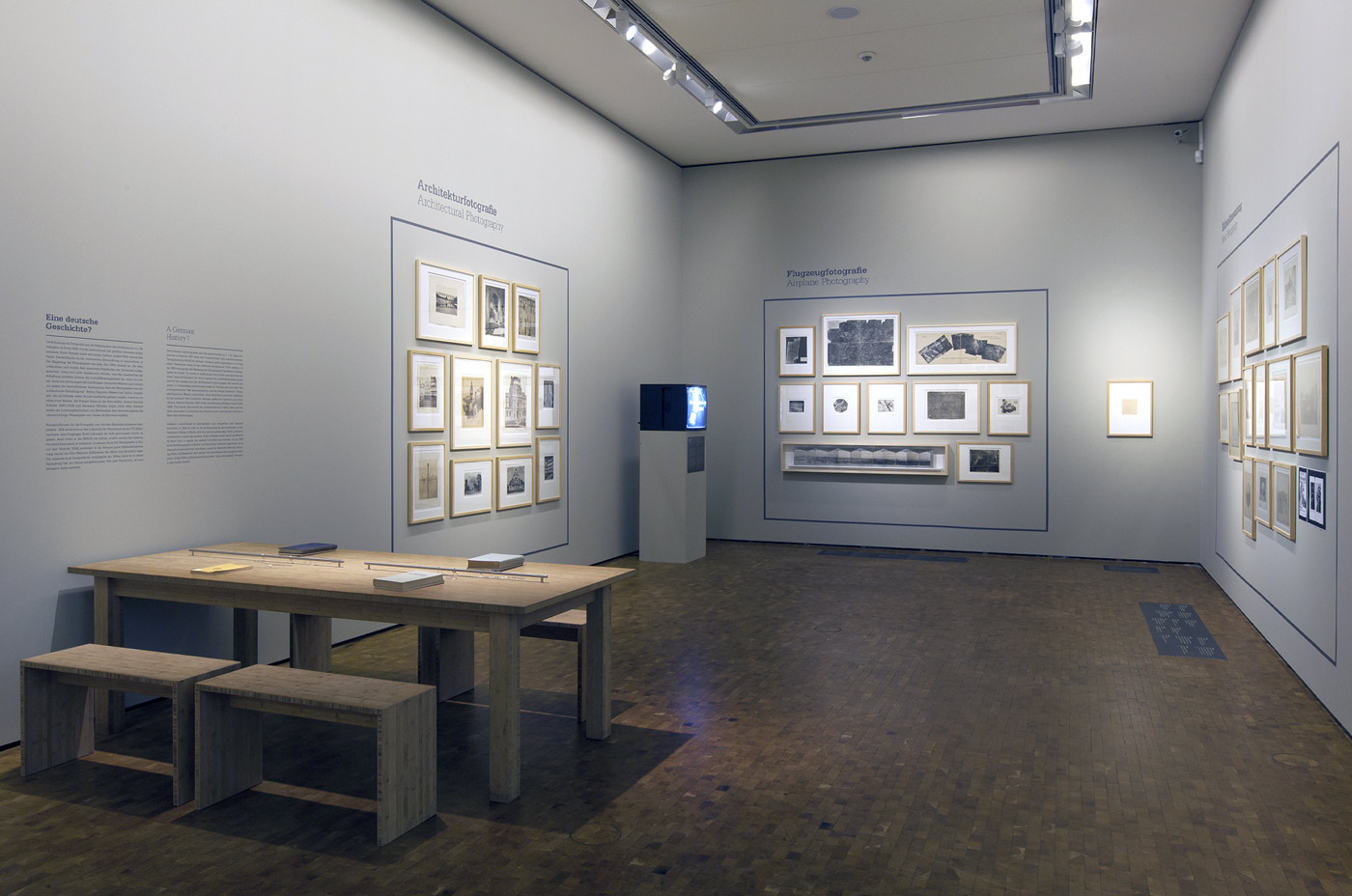
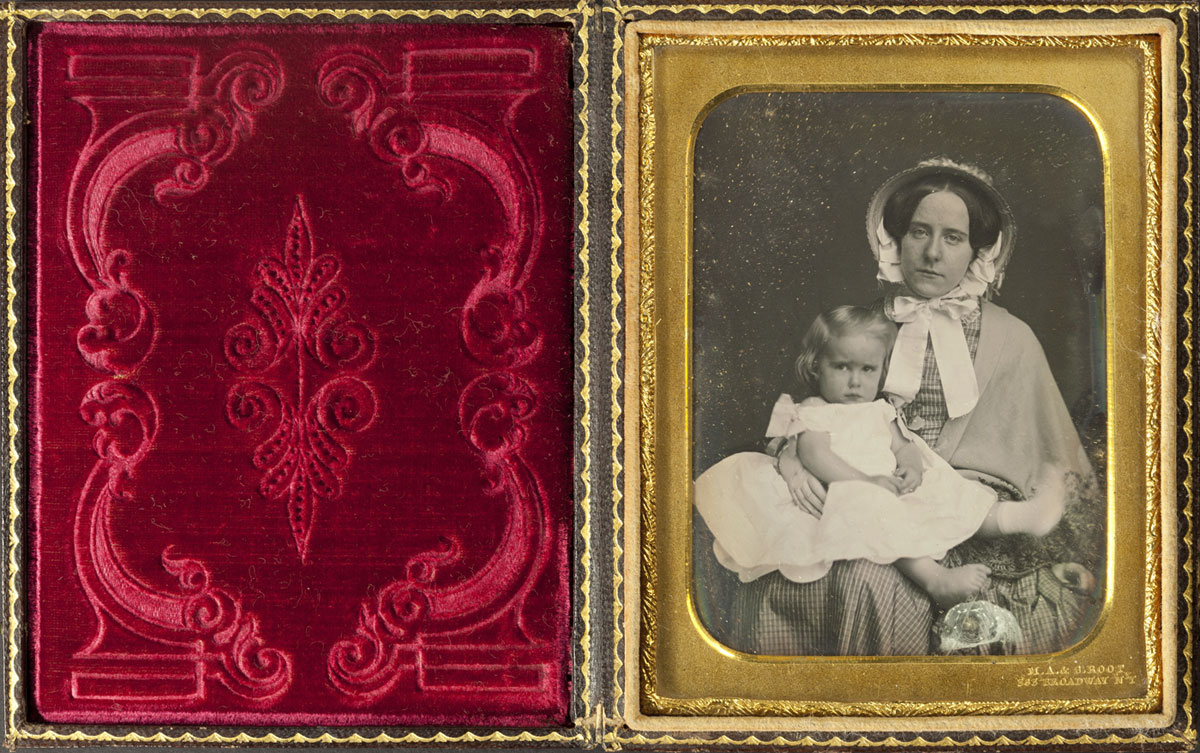
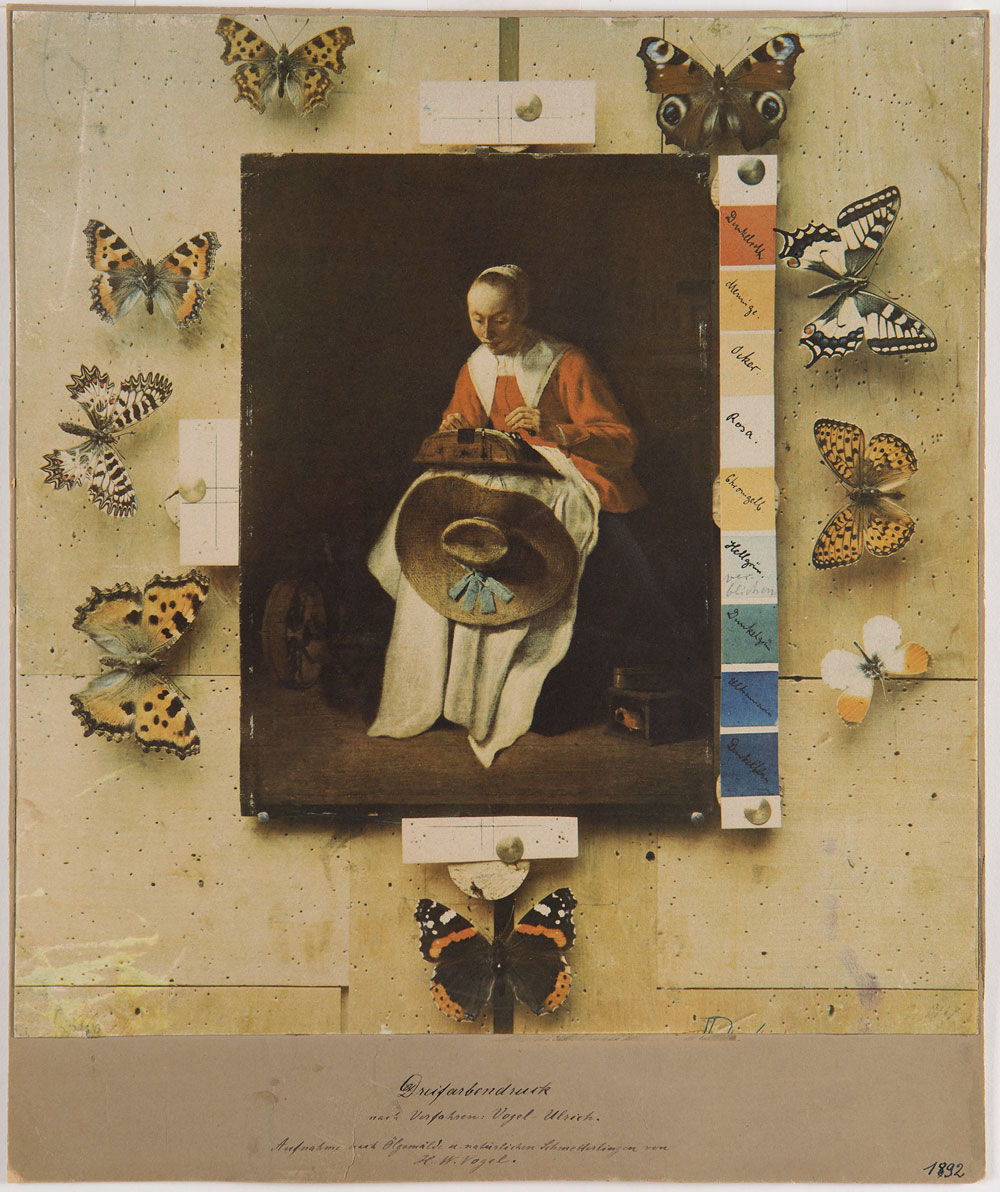
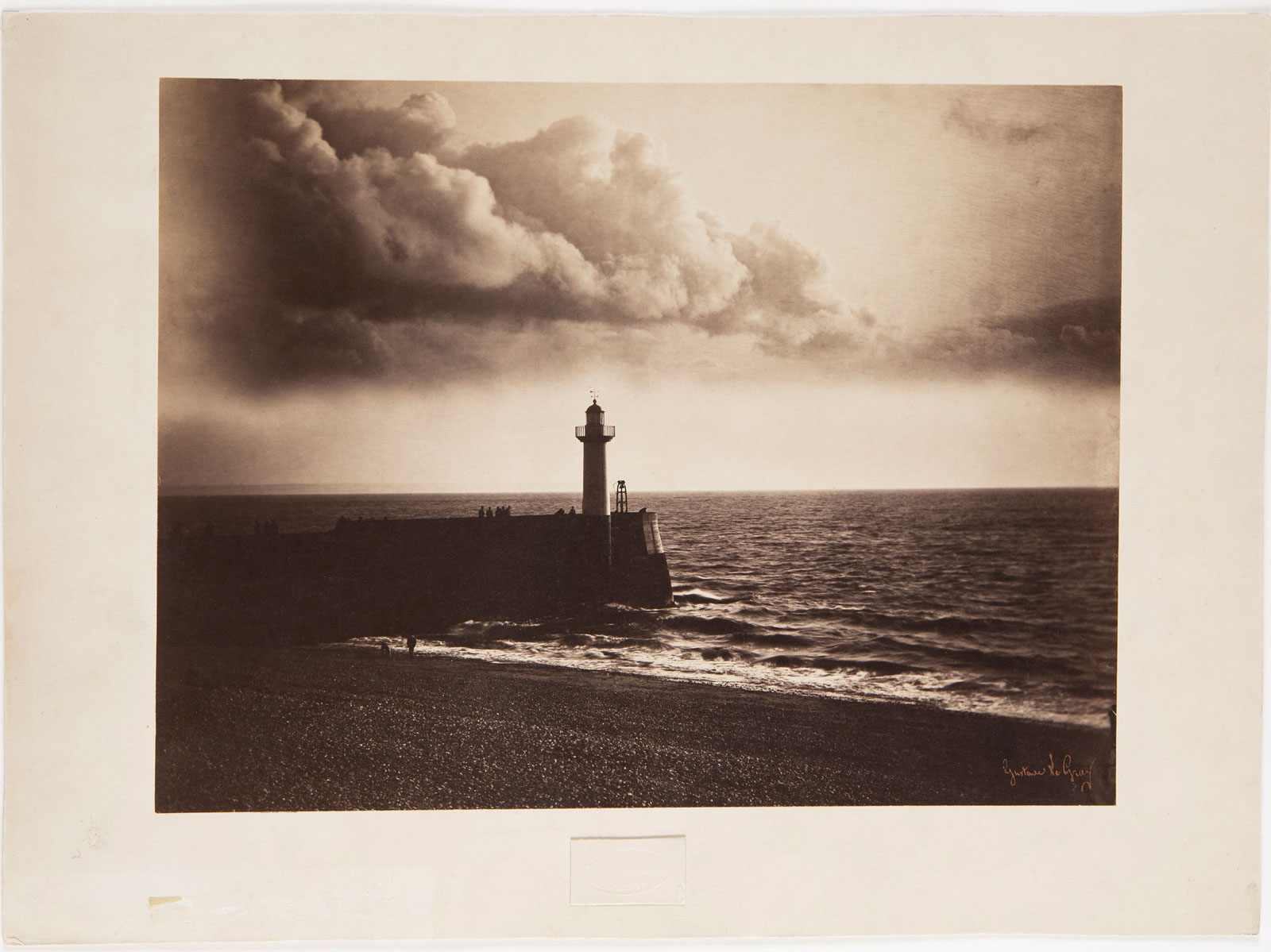
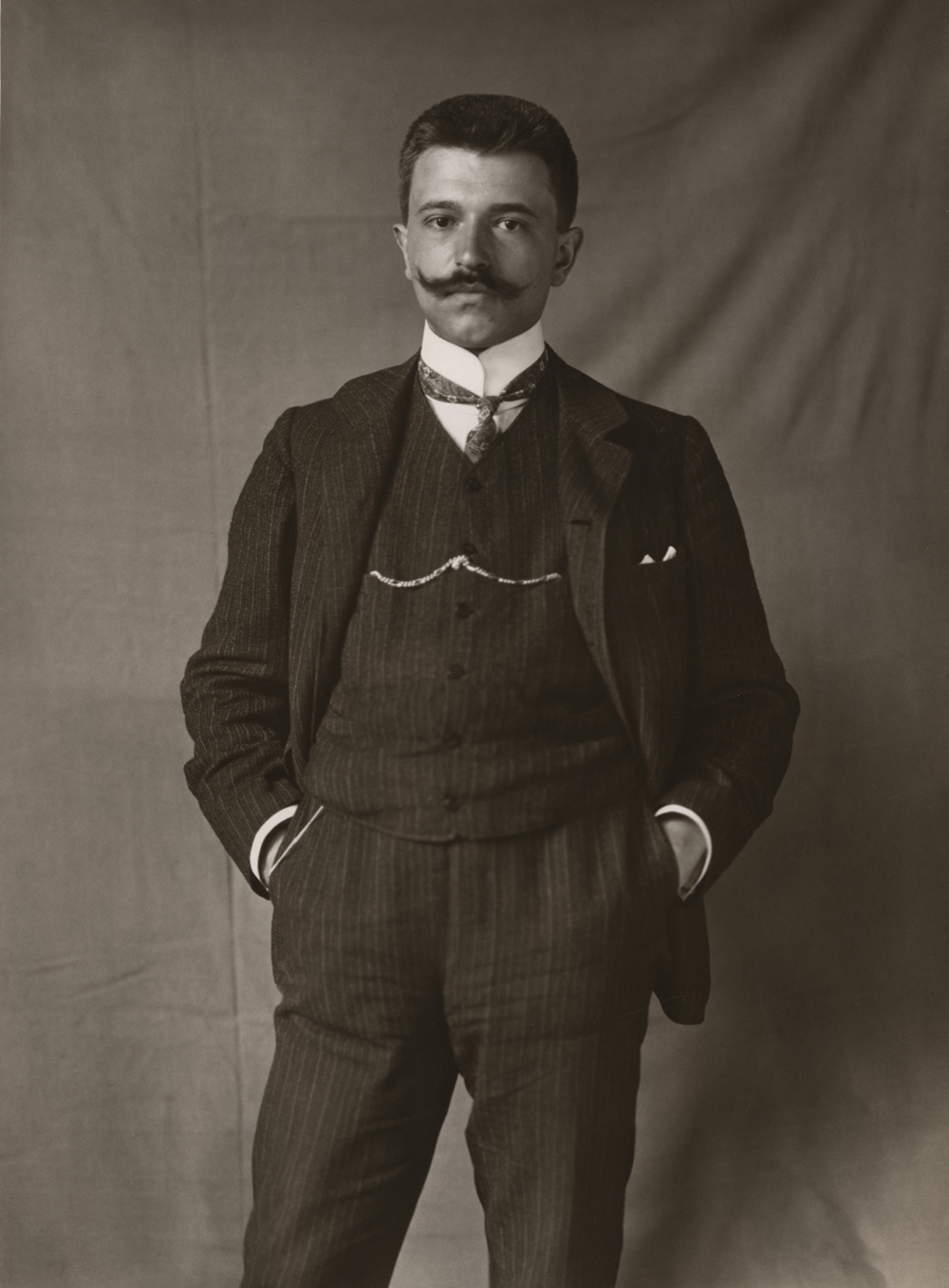
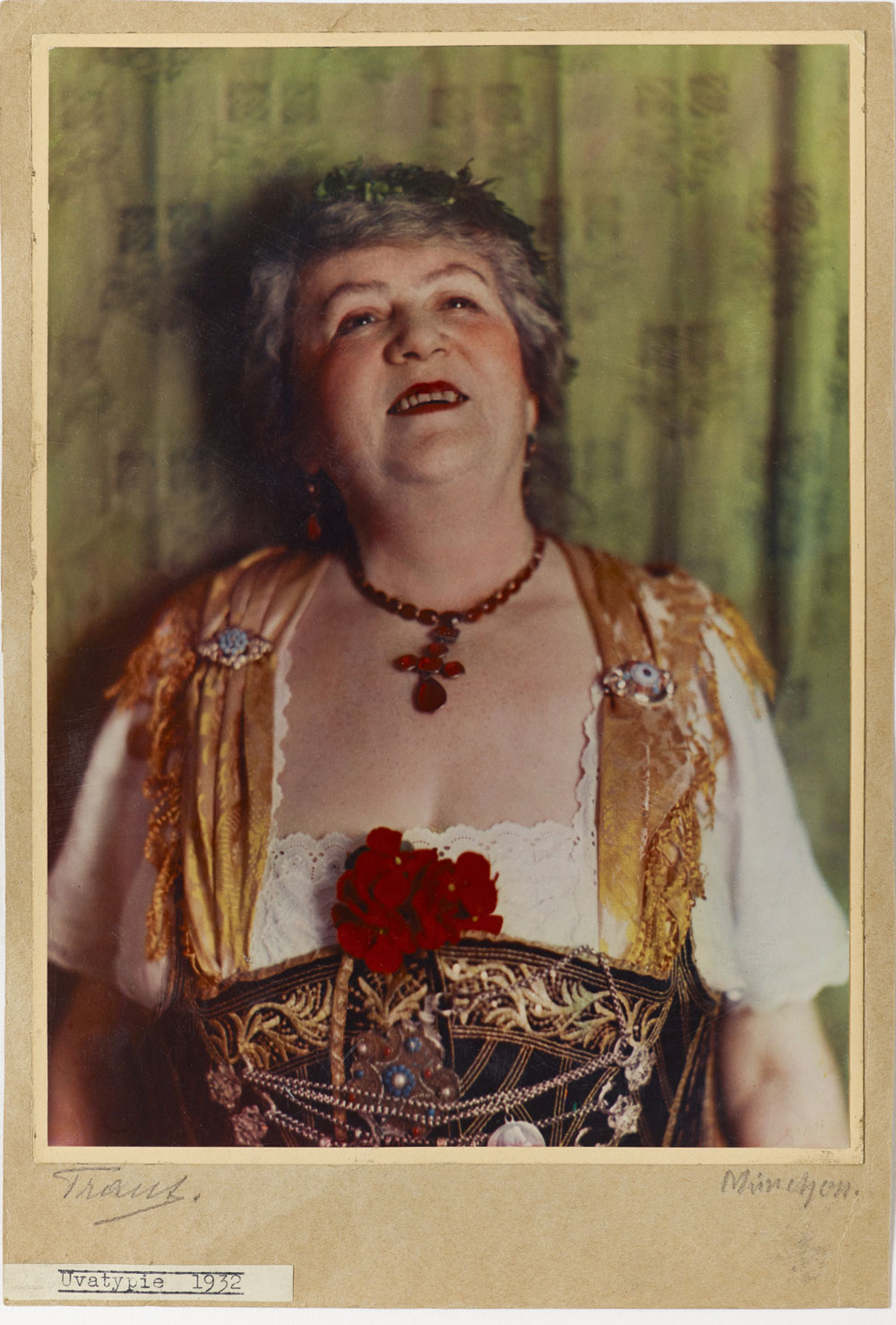
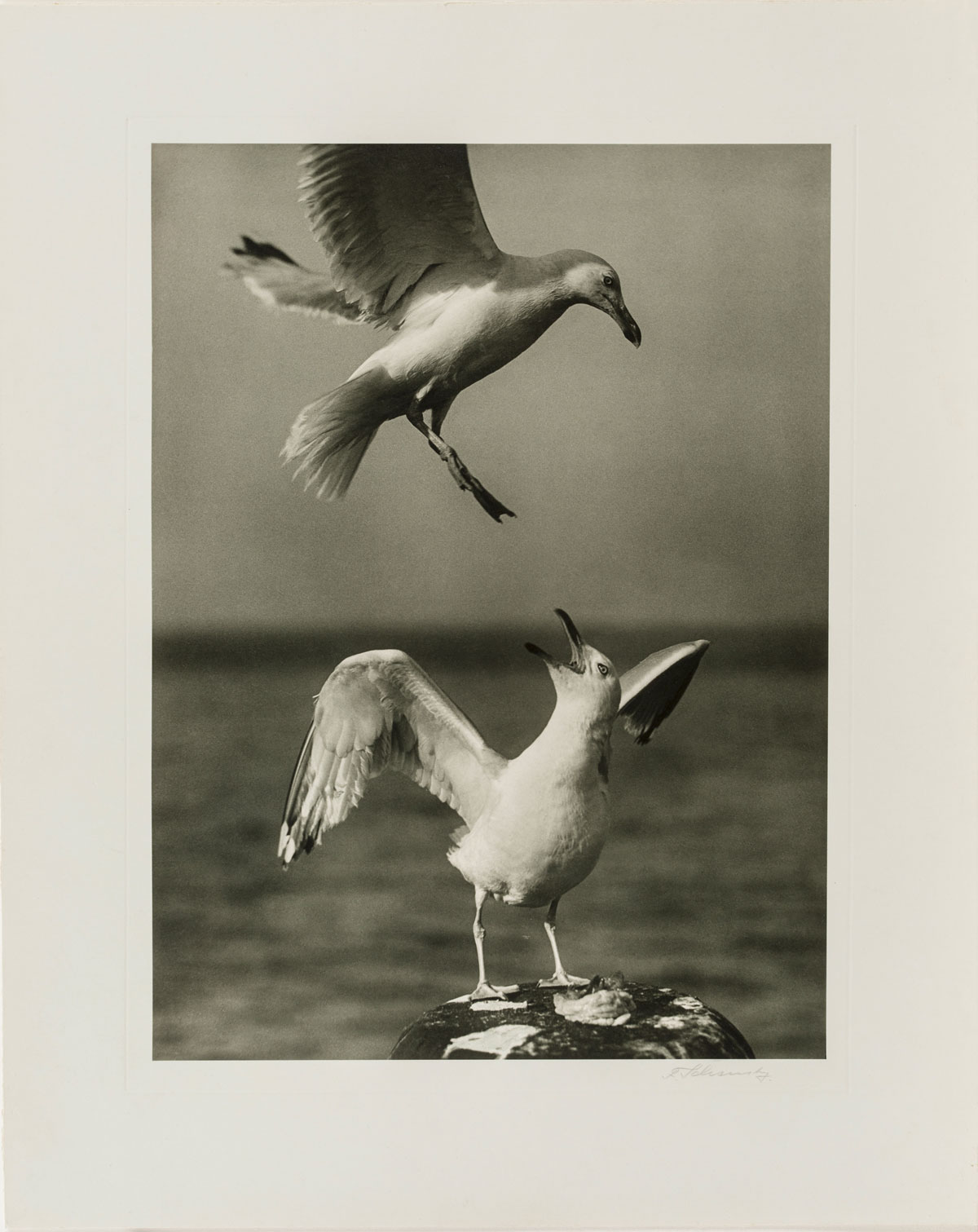

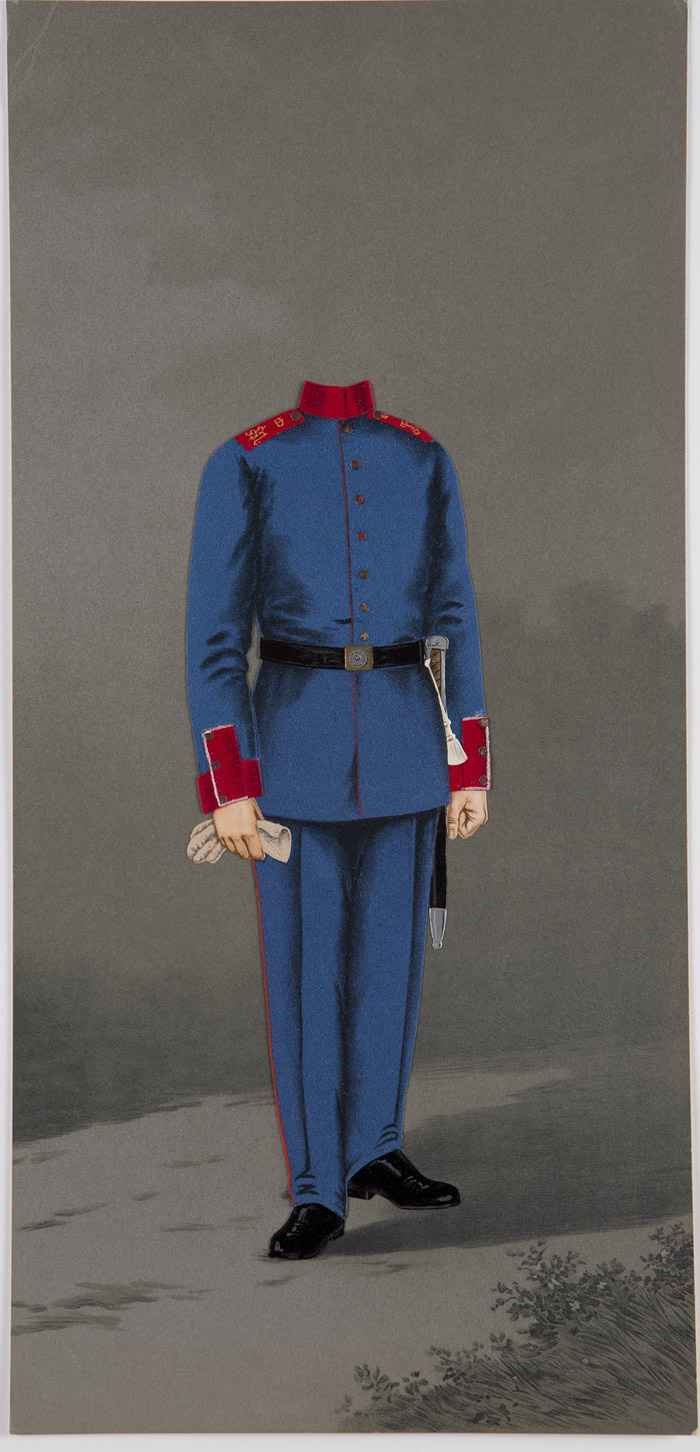


![Kati Horna (Mexican born Hungary, 1912-2000) 'Invierno en el patio' [Winter in the Courtyard] Paris, 1939](https://artblart.com/wp-content/uploads/2014/09/invierno-en-el-patio-web.jpg "Kati Horna (Mexican born Hungary, 1912-2000) 'Invierno en el patio' [Winter in the Courtyard] Paris, 1939")


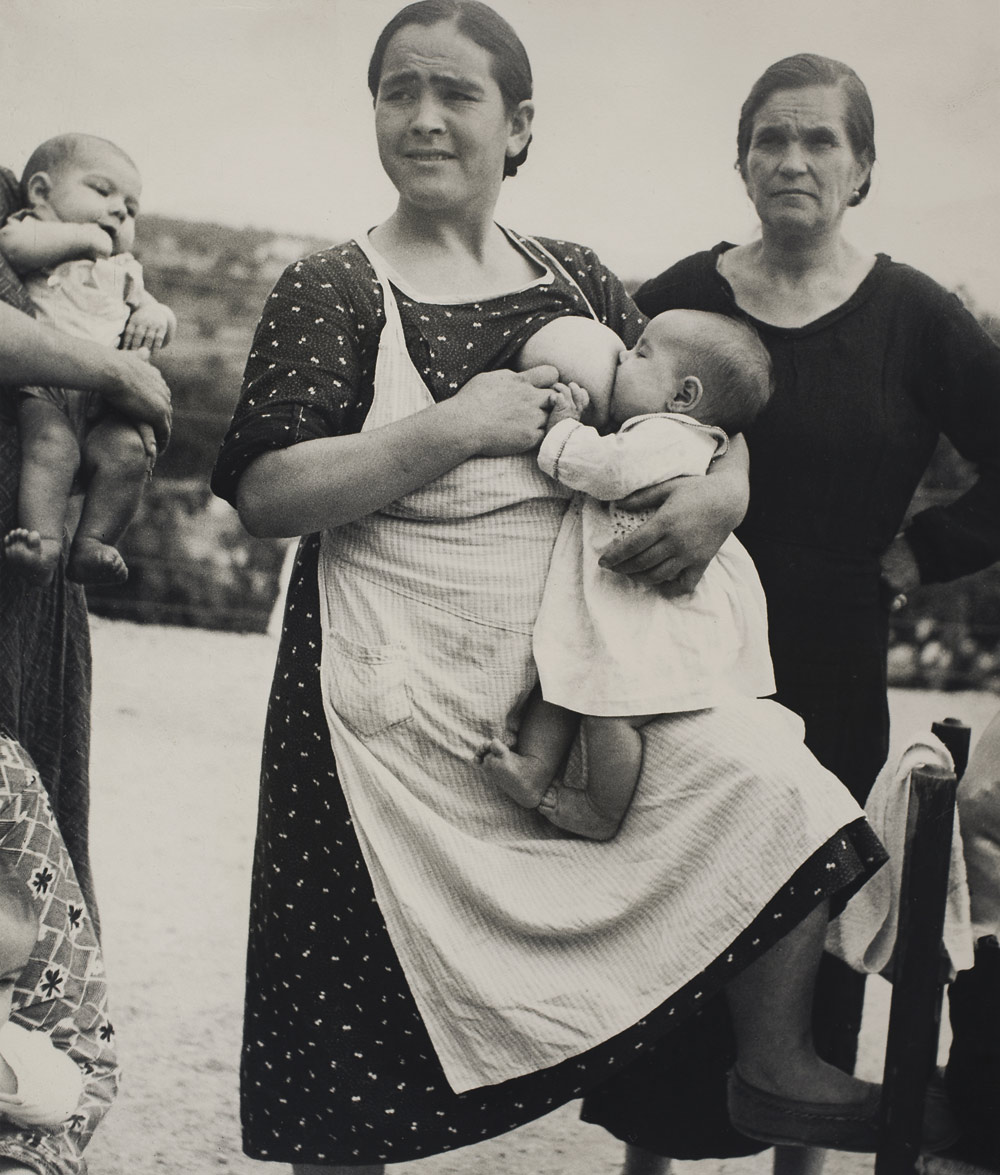
![Kati Horna (Mexican born Hungary, 1912-2000) 'Subida a la catedral [Ascending to the Cathedral], Spanish Civil War' Barcelona 1938](https://artblart.com/wp-content/uploads/2014/09/subida-a-la-catedral-web.jpg "Kati Horna (Mexican born Hungary, 1912-2000) 'Subida a la catedral [Ascending to the Cathedral], Spanish Civil War' Barcelona 1938")
![Kati Horna (Mexican born Hungary, 1912-2000) 'Los Paraguas, mitin de la CNT' [Umbrellas, Meeting of the CNT], Spanish Civil War Barcelona, 1937](https://artblart.com/wp-content/uploads/2014/09/los-paraguas-mitin-de-la-cnt-web.jpg "Kati Horna (Mexican born Hungary, 1912-2000) 'Los Paraguas, mitin de la CNT' [Umbrellas, Meeting of the CNT], Spanish Civil War Barcelona, 1937")
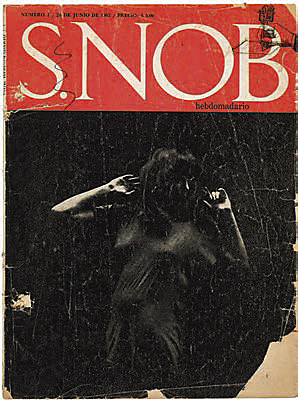
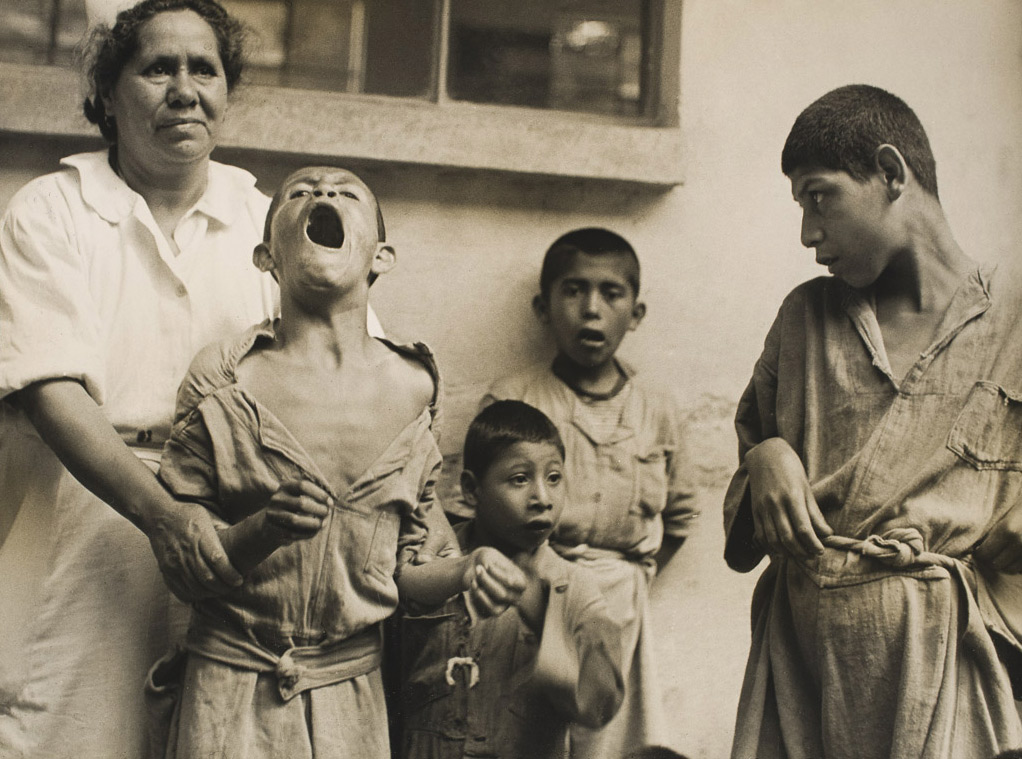
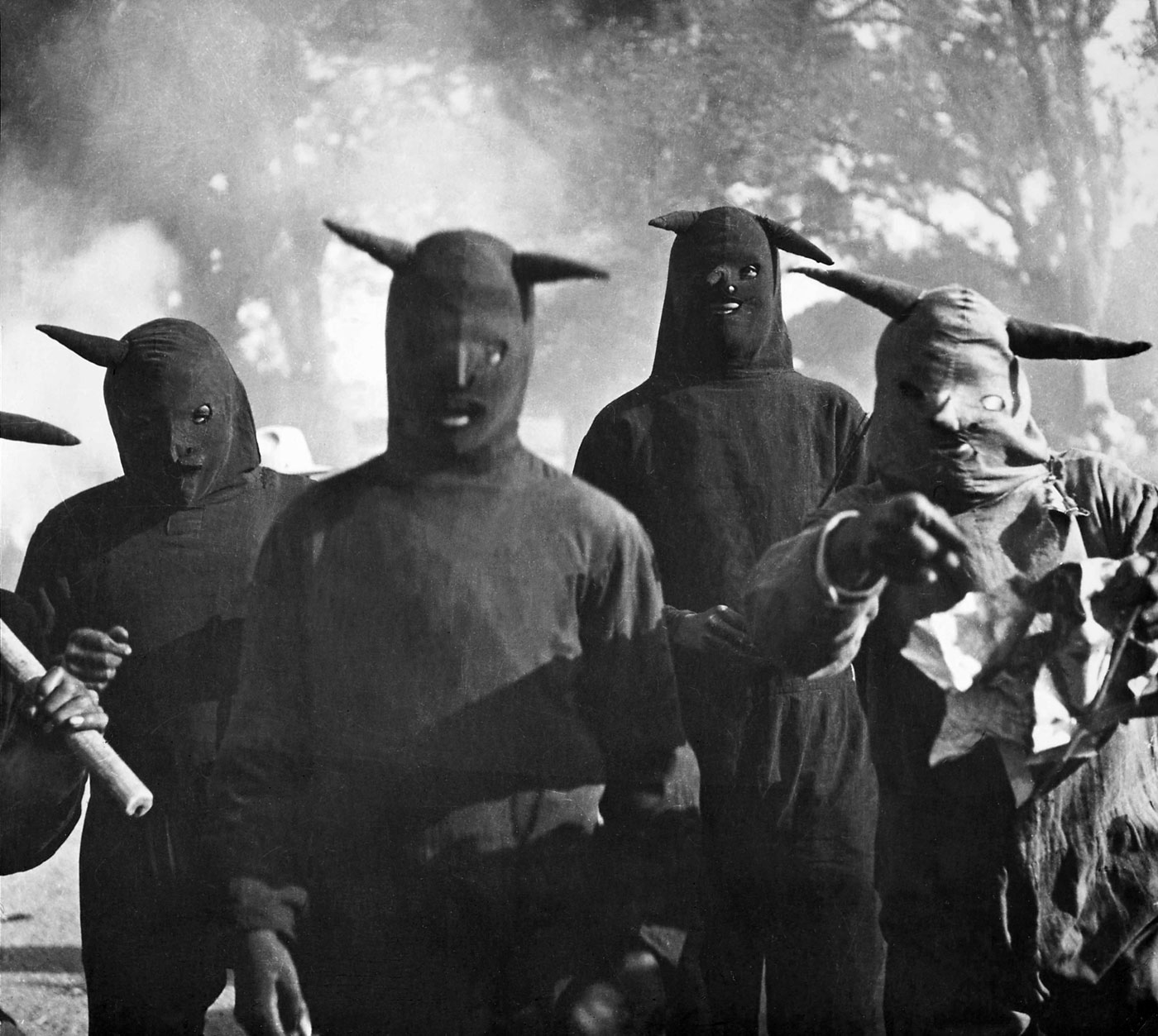
![Kati Horna (Mexican born Hungary, 1912-2000) 'Untitled, Oda a la necrofília series [Ode to Necrophilia]' Mexico 1962](https://artblart.com/wp-content/uploads/2014/09/necrophilia-web.jpg "Kati Horna (Mexican born Hungary, 1912-2000) 'Untitled, Oda a la necrofília series [Ode to Necrophilia]' Mexico 1962")
![Kati Horna (Mexican born Hungary, 1912-2000) 'El botellón' [The Bottle] Mexico, 1962](https://artblart.com/wp-content/uploads/2014/09/el-botellc3b3n-web.jpg "Kati Horna (Mexican born Hungary, 1912-2000) 'El botellón' [The Bottle] Mexico, 1962")

![Kati Horna (Mexican born Hungary, 1912-2000) 'Antonio Souza y su esposa Piti Saldivar' [Antonio Souza and his Wife Piti Saldivar] Mexico, 1959](https://artblart.com/wp-content/uploads/2014/09/souza-web.jpg "Kati Horna (Mexican born Hungary, 1912-2000) 'Antonio Souza y su esposa Piti Saldivar' [Antonio Souza and his Wife Piti Saldivar] Mexico, 1959")
![Kati Horna (Mexican born Hungary, 1912-2000) 'José Horna elaborando la maqueta de la casa de Edward James' [José Horna Working on the Maquette for Edward James's House] Mexico, 1960](https://artblart.com/wp-content/uploads/2014/09/josc3a9-horna-elaborando-web.jpg "Kati Horna (Mexican born Hungary, 1912-2000) 'José Horna elaborando la maqueta de la casa de Edward James' [José Horna Working on the Maquette for Edward James's House] Mexico, 1960")
![Kati Horna (Mexican born Hungary, 1912-2000) 'Mujer y máscara' [Woman with Mask] Mexico, 1963](https://artblart.com/wp-content/uploads/2014/09/woman-with-mask-web.jpg "Kati Horna (Mexican born Hungary, 1912-2000) 'Mujer y máscara' [Woman with Mask] Mexico, 1963")

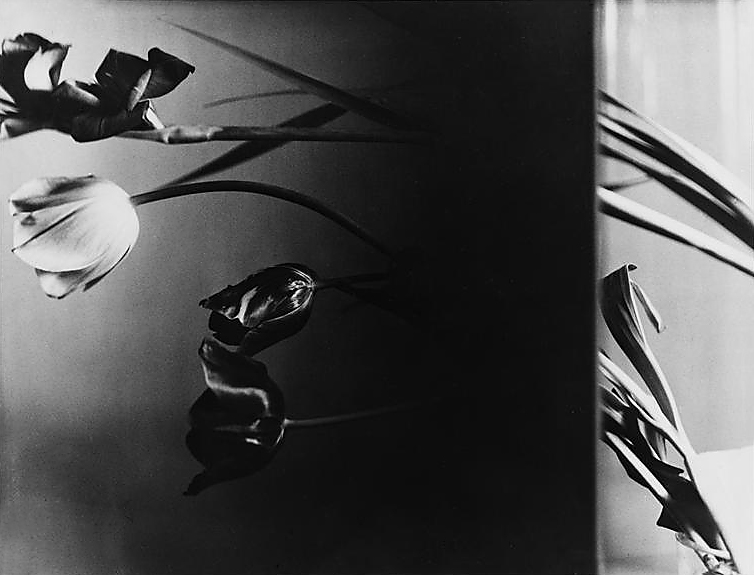


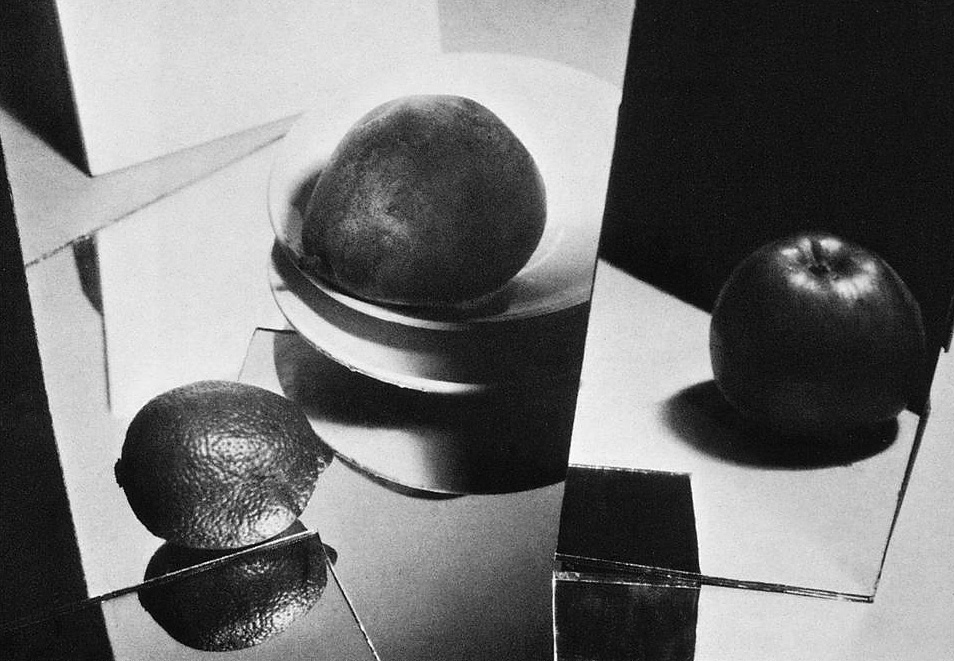


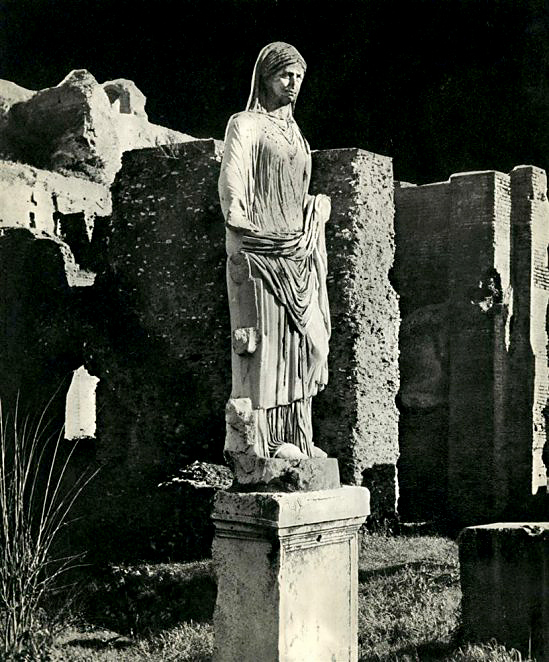


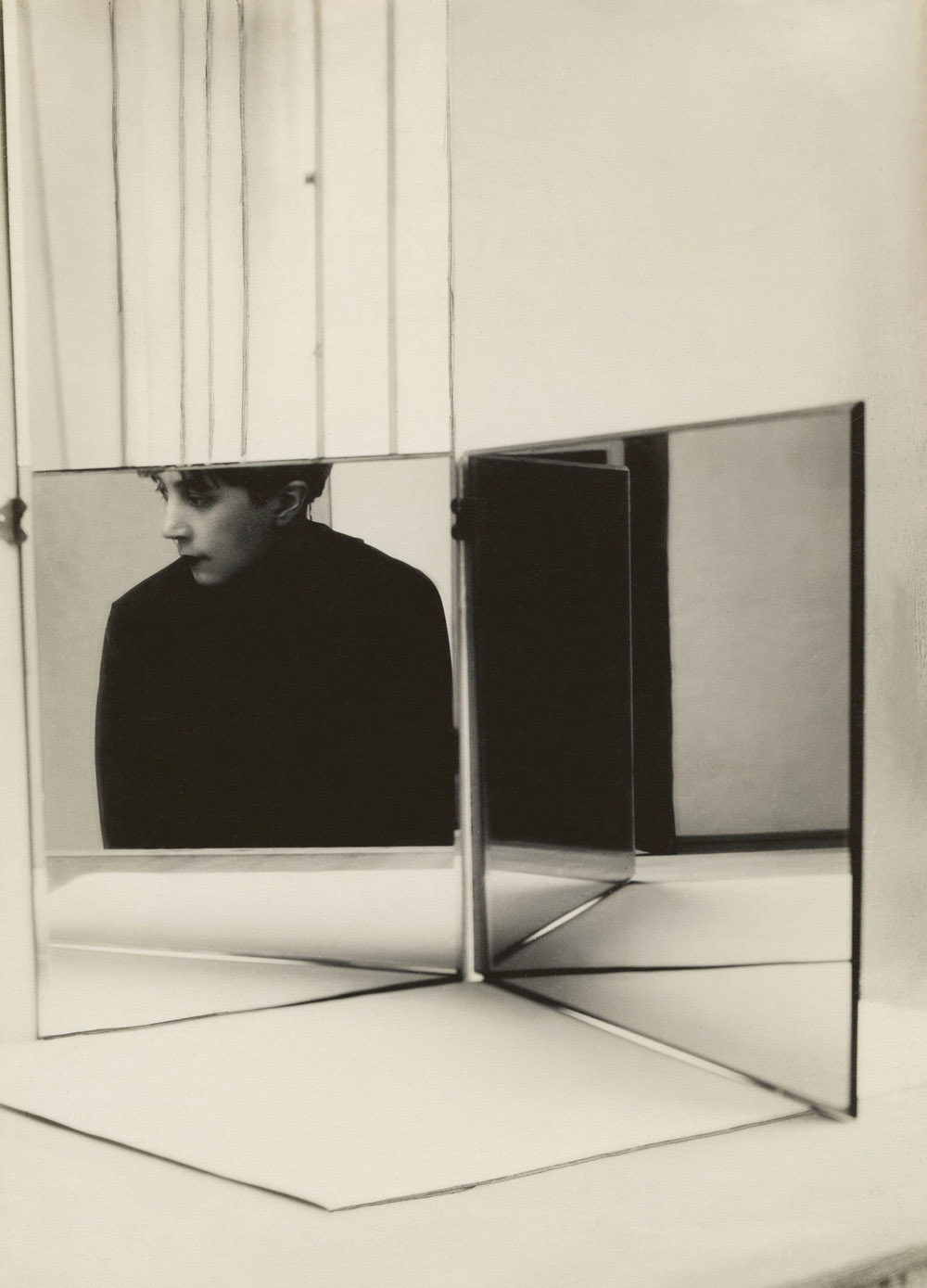


![Erwin Blumenfeld (American-German, 1897-1969) 'Minotaur / Dictator' [Minotaure / Dictateur] The Minotaur or The Dictator Paris, c. 1937 from the exhibition 'Erwin Blumenfeld (1897-1969) Photographs, drawings and photomontages' at Jeu de Paume, Paris, October 2013 - January 2014](https://artblart.com/wp-content/uploads/2014/01/eblumenfeld14-web.jpg "Erwin Blumenfeld (American-German, 1897-1969) 'Minotaur / Dictator' [Minotaure / Dictateur] The Minotaur or The Dictator Paris, c. 1937 from the exhibition 'Erwin Blumenfeld (1897-1969) Photographs, drawings and photomontages' at Jeu de Paume, Paris, October 2013 - January 2014")
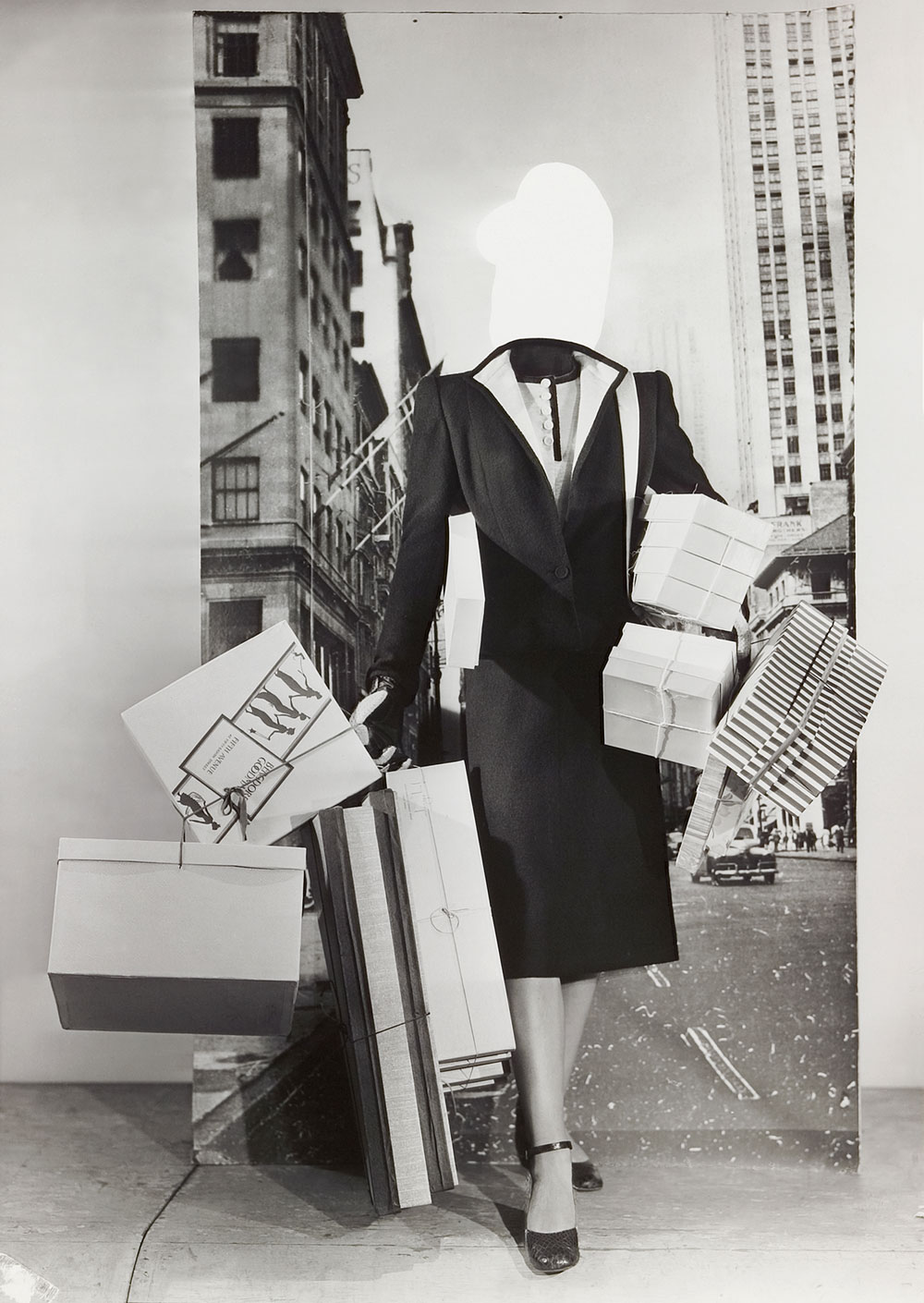
![Erwin Blumenfeld (American-German, 1897-1969) 'Marguerite von Sivers sur le toit du studio 9, rue Delambre' [Marguerite von Sivers on the roof of Blumenfeld’s studio at 9, rue Delambre] Paris, 1937](https://artblart.com/wp-content/uploads/2014/01/eblumenfeld10-web.jpg "Erwin Blumenfeld (American-German, 1897-1969) 'Marguerite von Sivers sur le toit du studio 9, rue Delambre' [Marguerite von Sivers on the roof of Blumenfeld’s studio at 9, rue Delambre] Paris, 1937")
![Erwin Blumenfeld (American-German, 1897-1969) 'Untitled [Natalia Pasco]' 1942](https://artblart.com/wp-content/uploads/2014/01/eblumenfeld12-web.jpg "Erwin Blumenfeld (American-German, 1897-1969) 'Untitled [Natalia Pasco]' 1942")
![Erwin Blumenfeld (American-German, 1897-1969) 'Voile mouillé' [Wet veil] Paris, 1937](https://artblart.com/wp-content/uploads/2014/01/eblumenfeld09-web.jpg "Erwin Blumenfeld (American-German, 1897-1969) 'Voile mouillé' [Wet veil] Paris, 1937")

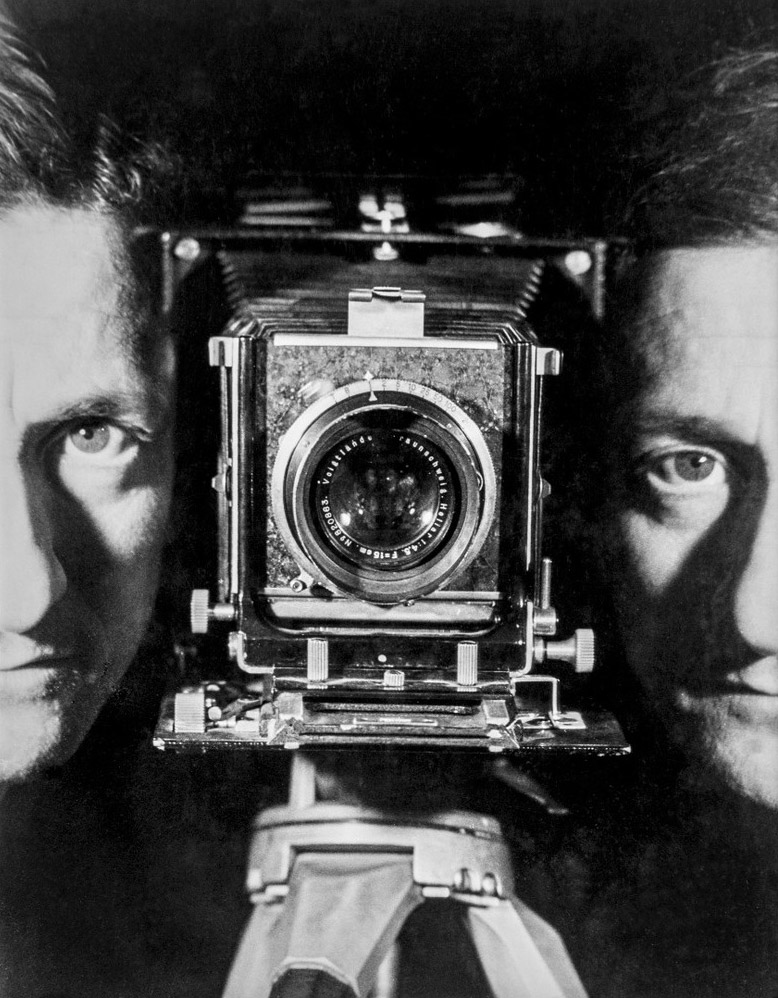


![Erwin Blumenfeld (American-German, 1897-1969) 'In hoc signo vinces [in this sign you will conquer]' 1967](https://artblart.com/wp-content/uploads/2014/01/in-hoc-signo-vinces-in-this-sign-you-will-conquer-1967-web.jpg "Erwin Blumenfeld (American-German, 1897-1969) 'In hoc signo vinces [in this sign you will conquer]' 1967")

![Erwin Blumenfeld (American-German, 1897-1969) 'Untitled [Homme agenouillé avec tour]' [Kneeling man with tower] 1920](https://artblart.com/wp-content/uploads/2014/01/eblumenfeld02-web.jpg "Erwin Blumenfeld (American-German, 1897-1969) 'Untitled [Homme agenouillé avec tour]' [Kneeling man with tower] 1920")
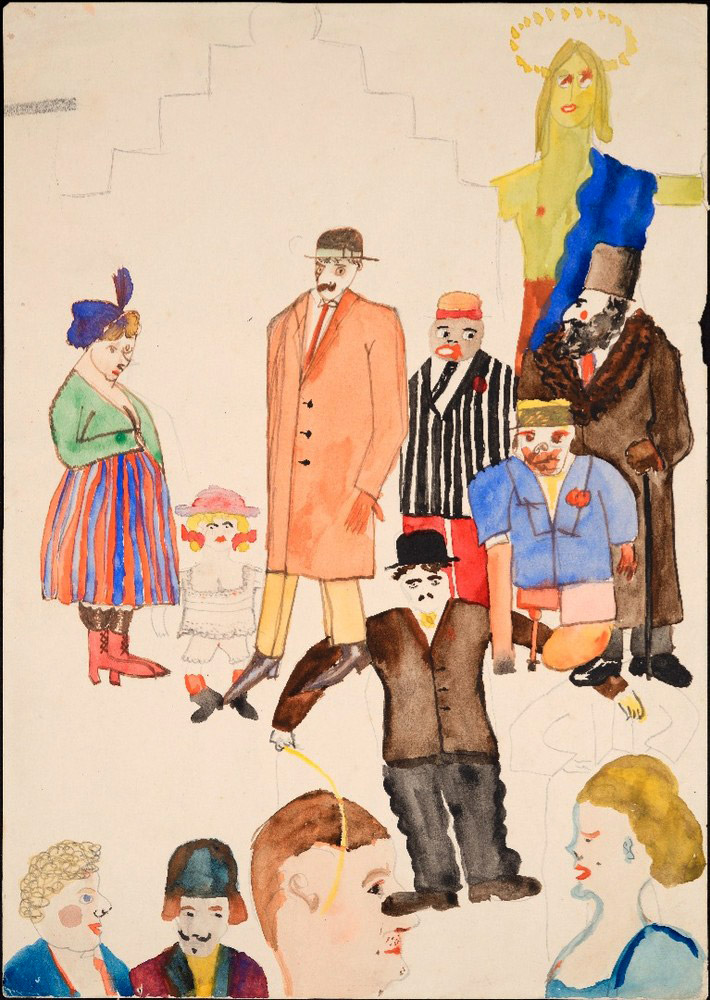
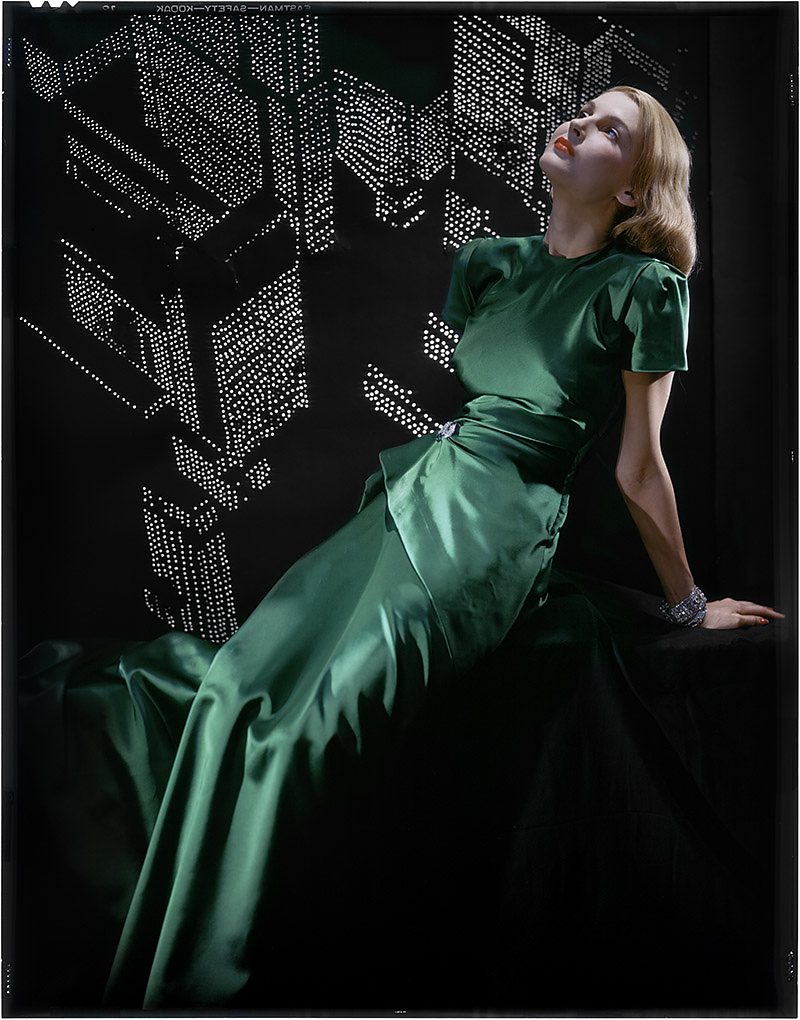
![Erwin Blumenfeld (American-German, 1897-1969) 'Do your part for the Red Cross' [Soutenez la Croix-Rouge] 1945](https://artblart.com/wp-content/uploads/2014/01/blumenfeld_1-web.jpg "Erwin Blumenfeld (American-German, 1897-1969) 'Do your part for the Red Cross' [Soutenez la Croix-Rouge] 1945")
![Erwin Blumenfeld (American-German, 1897-1969) Variant of the photograph published in Life Magazine entitled "The Picasso Girl" [The young woman of Picasso] (model: Lisette) c. 1941-1942](https://artblart.com/wp-content/uploads/2014/01/eblumenfeld15-web1.jpg "Erwin Blumenfeld (American-German, 1897-1969) Variant of the photograph published in Life Magazine entitled \"The Picasso Girl\" [The young woman of Picasso] (model: Lisette) c. 1941-1942")


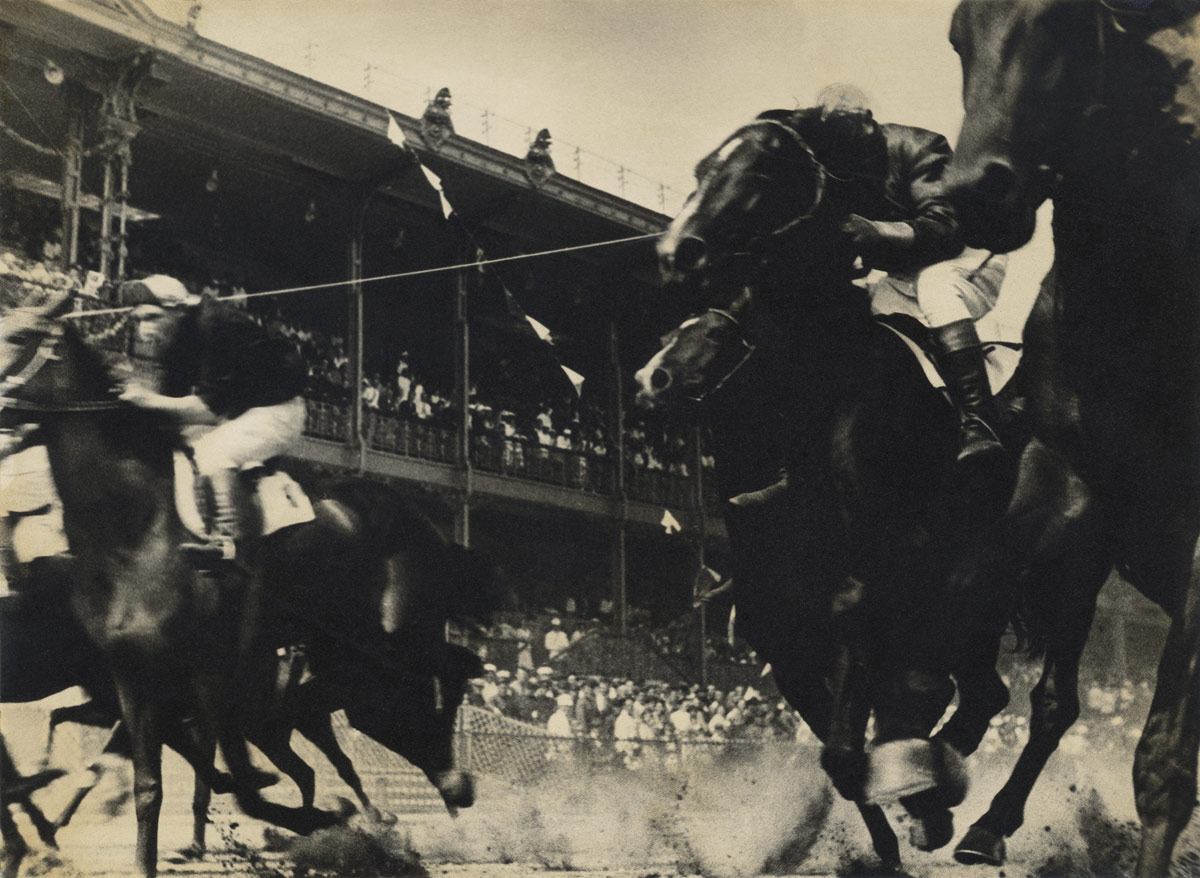


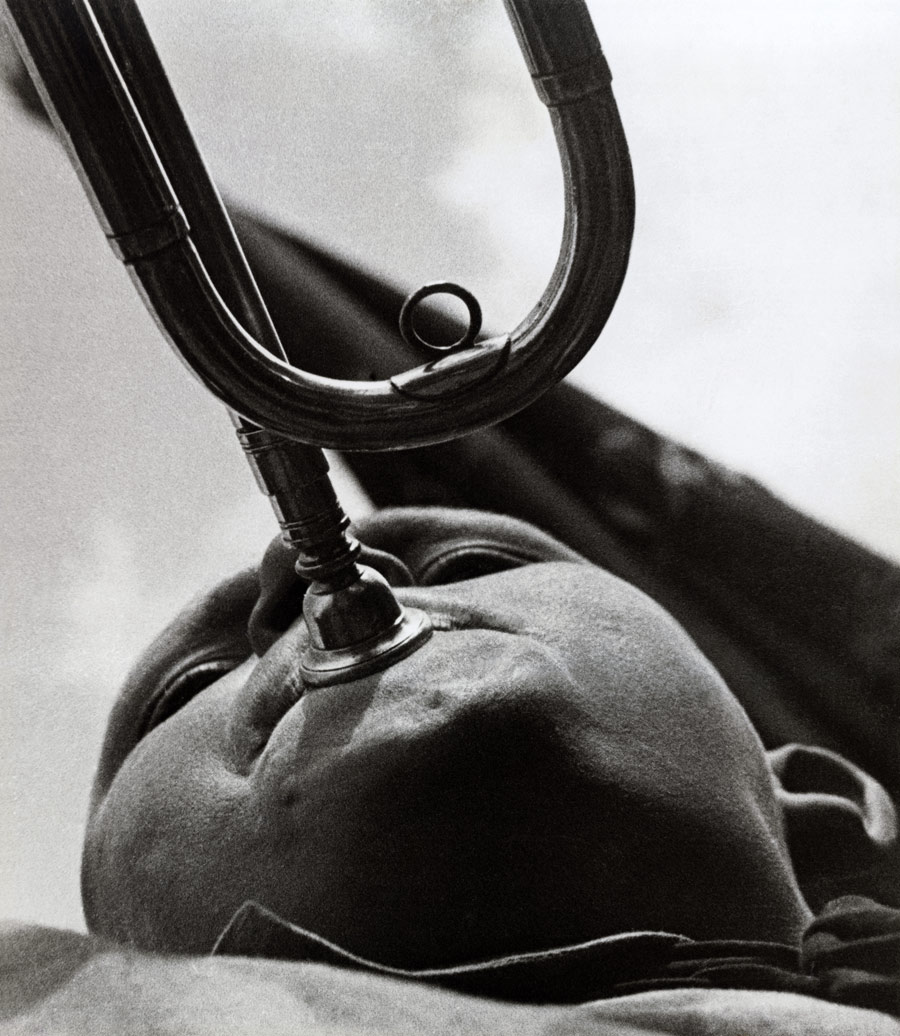


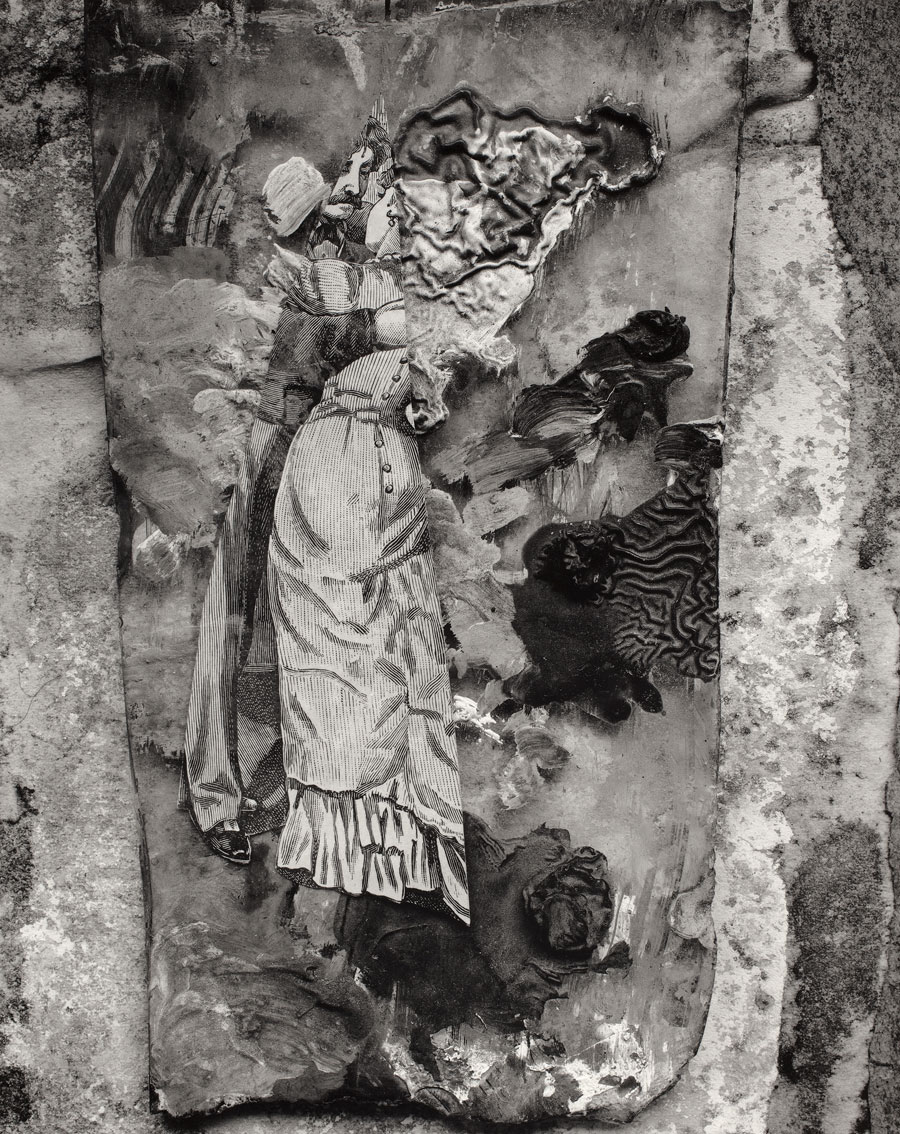
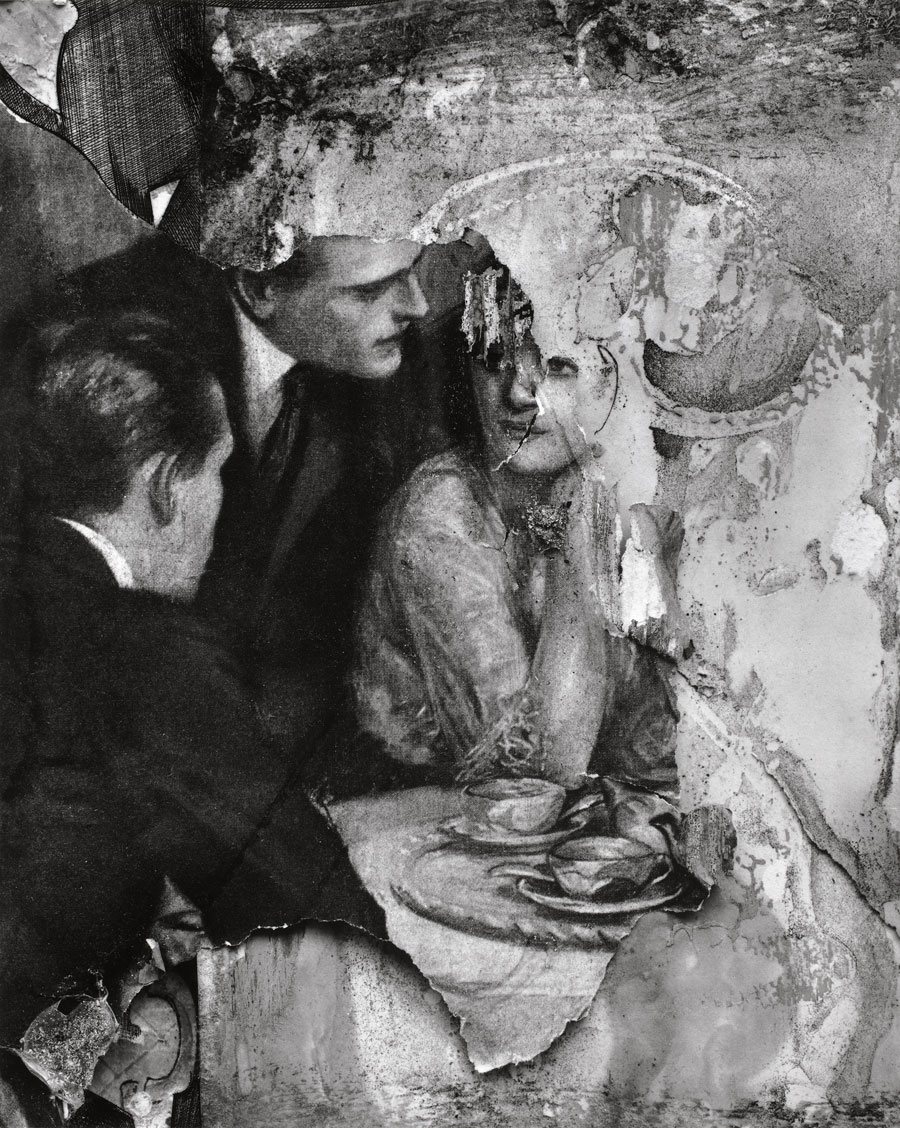
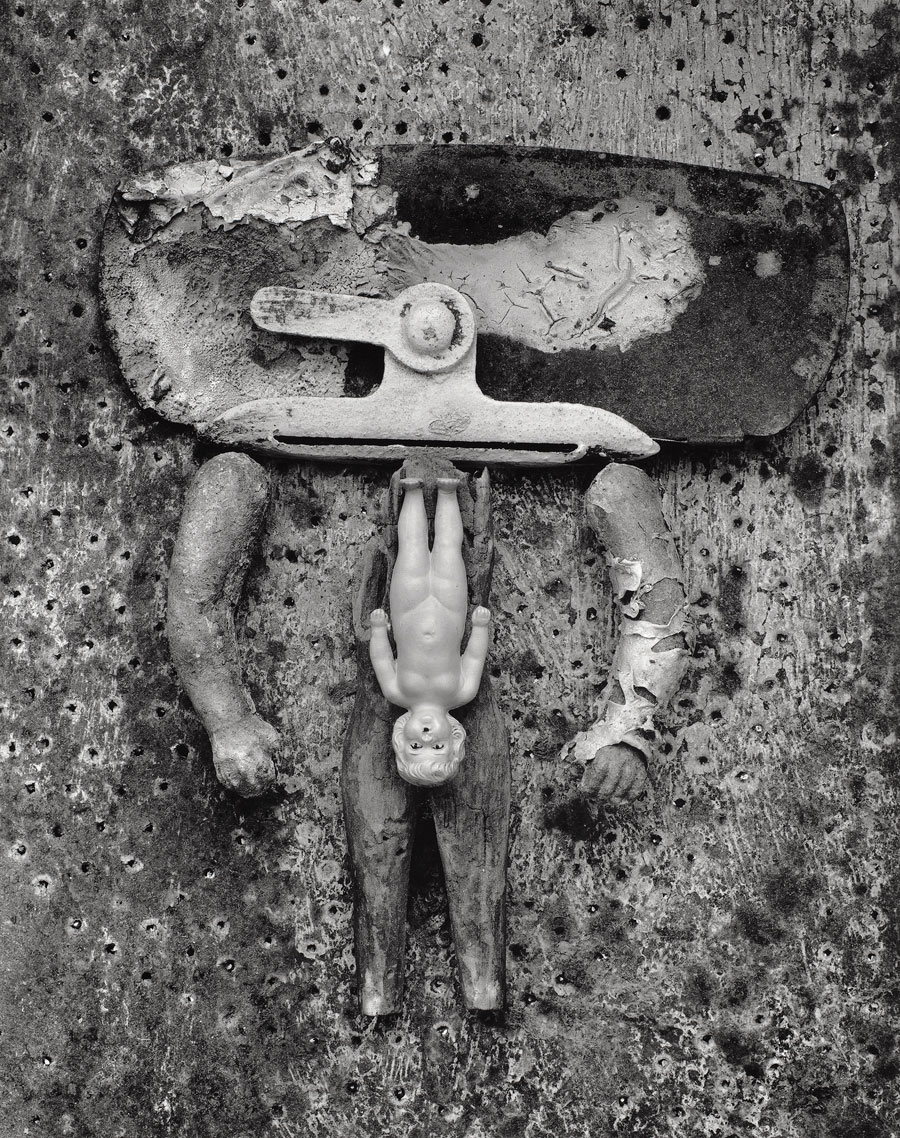
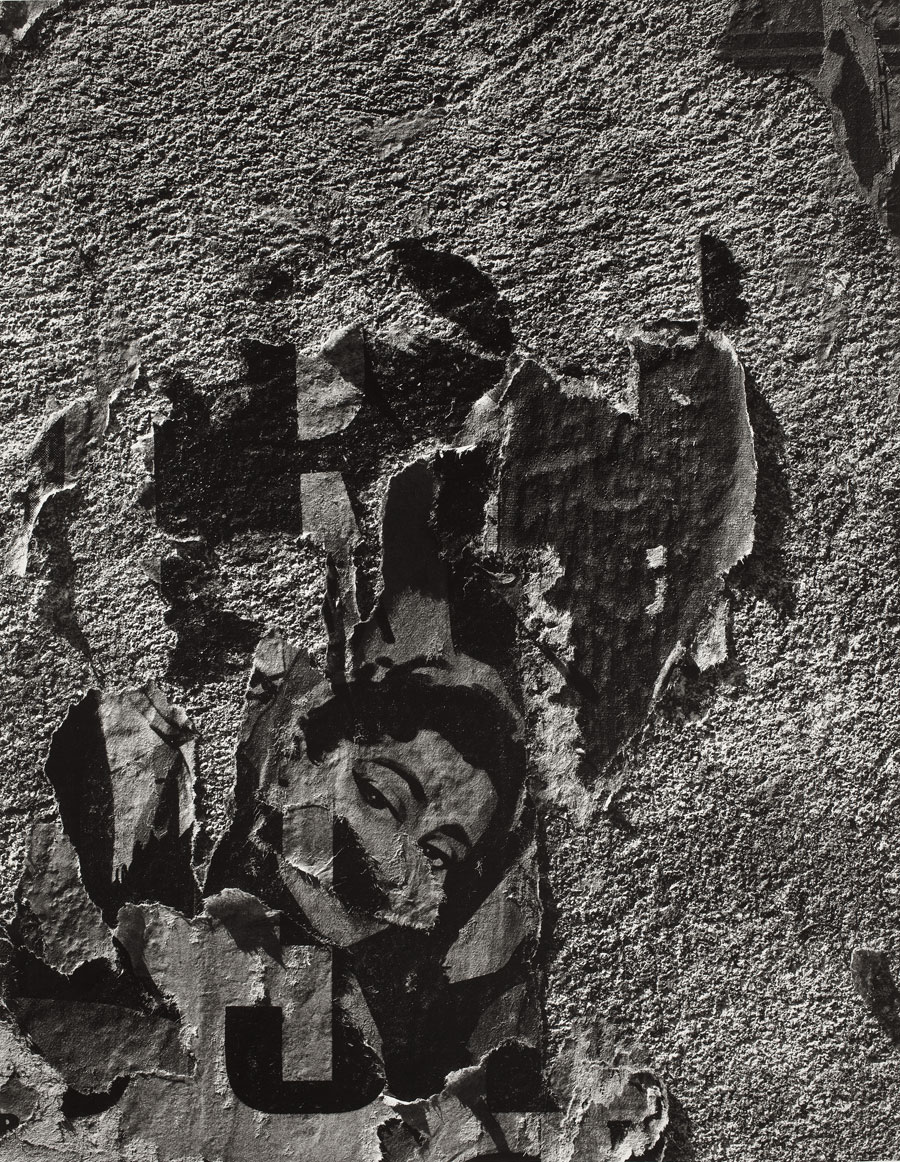
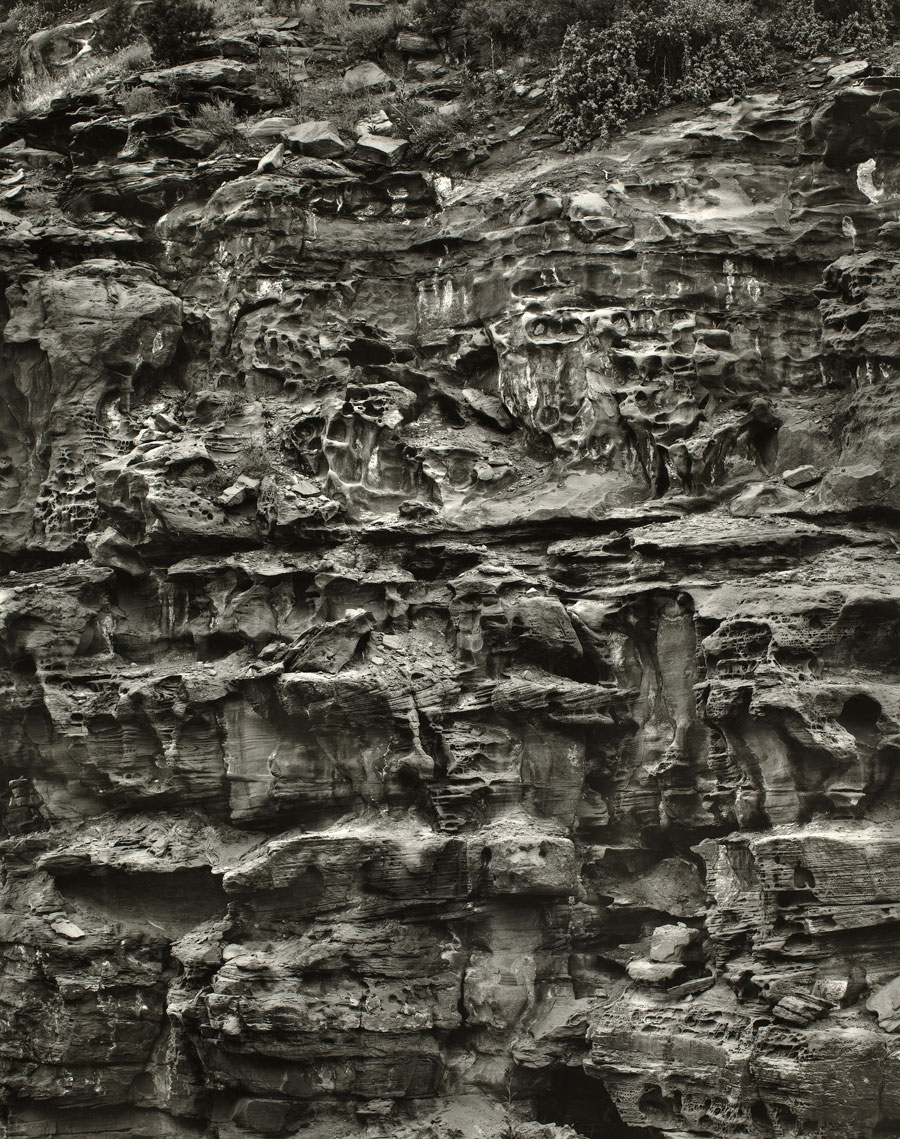
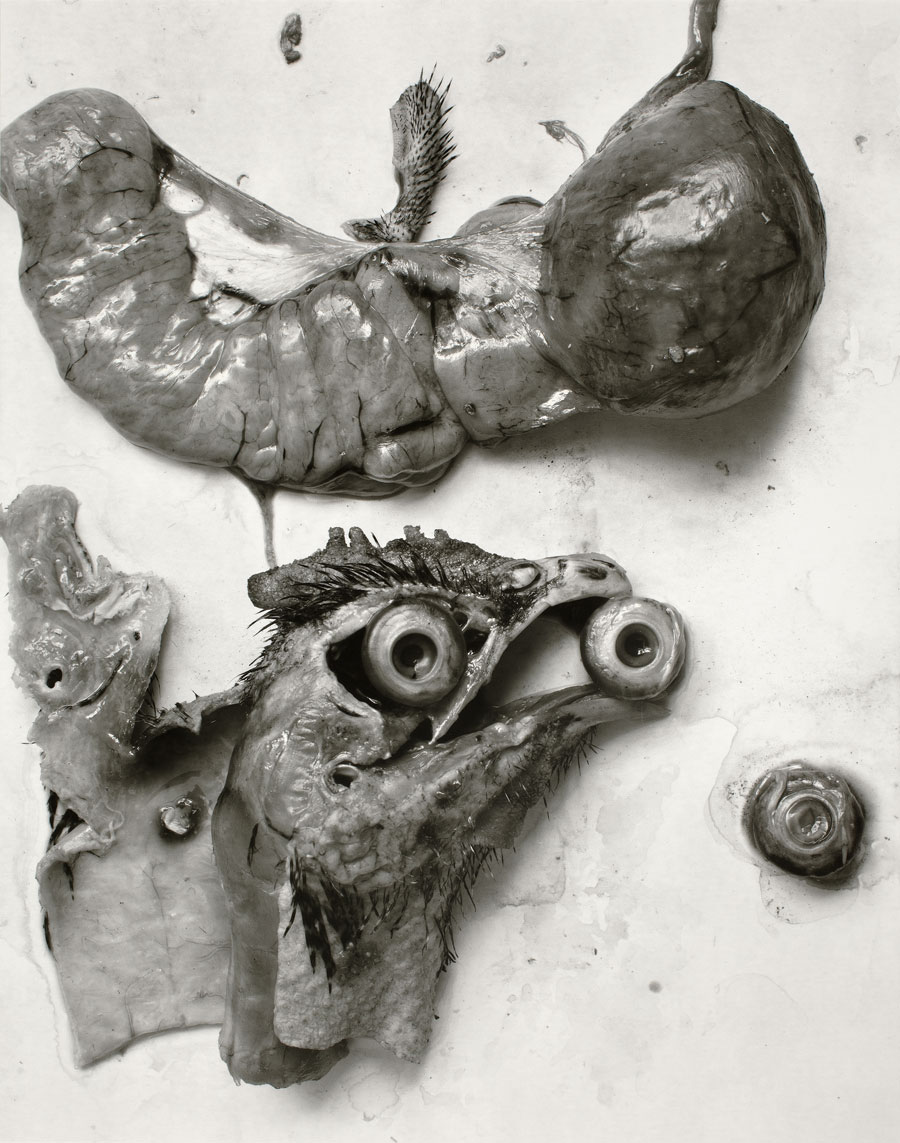
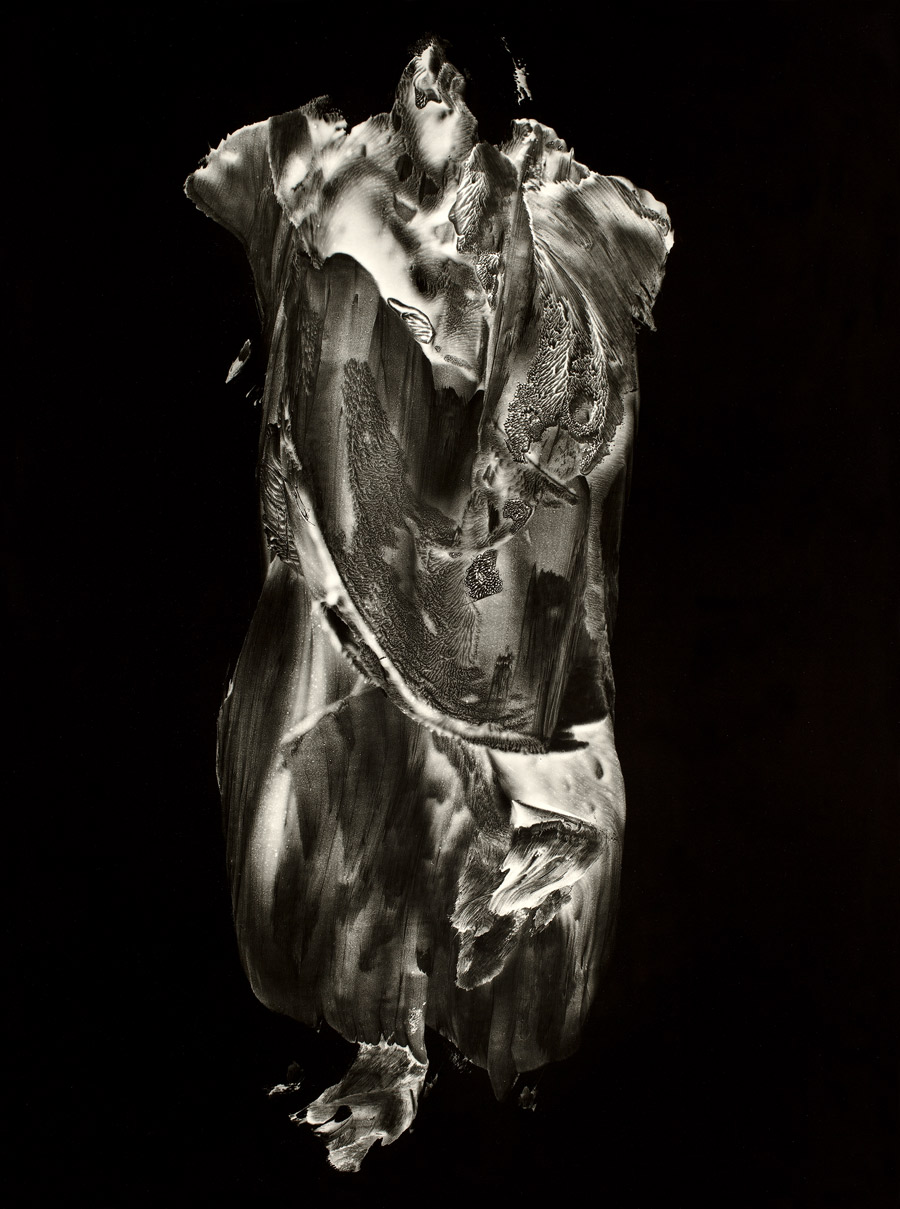
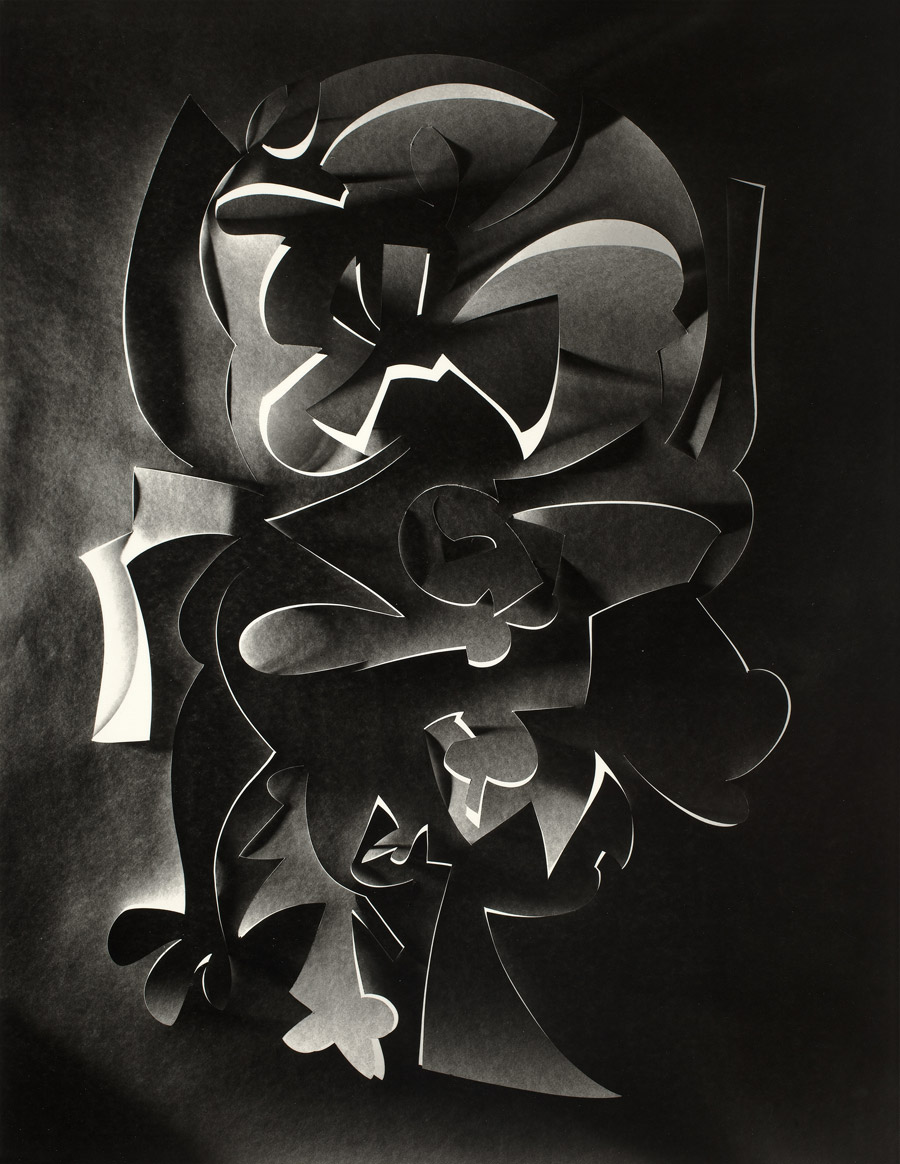
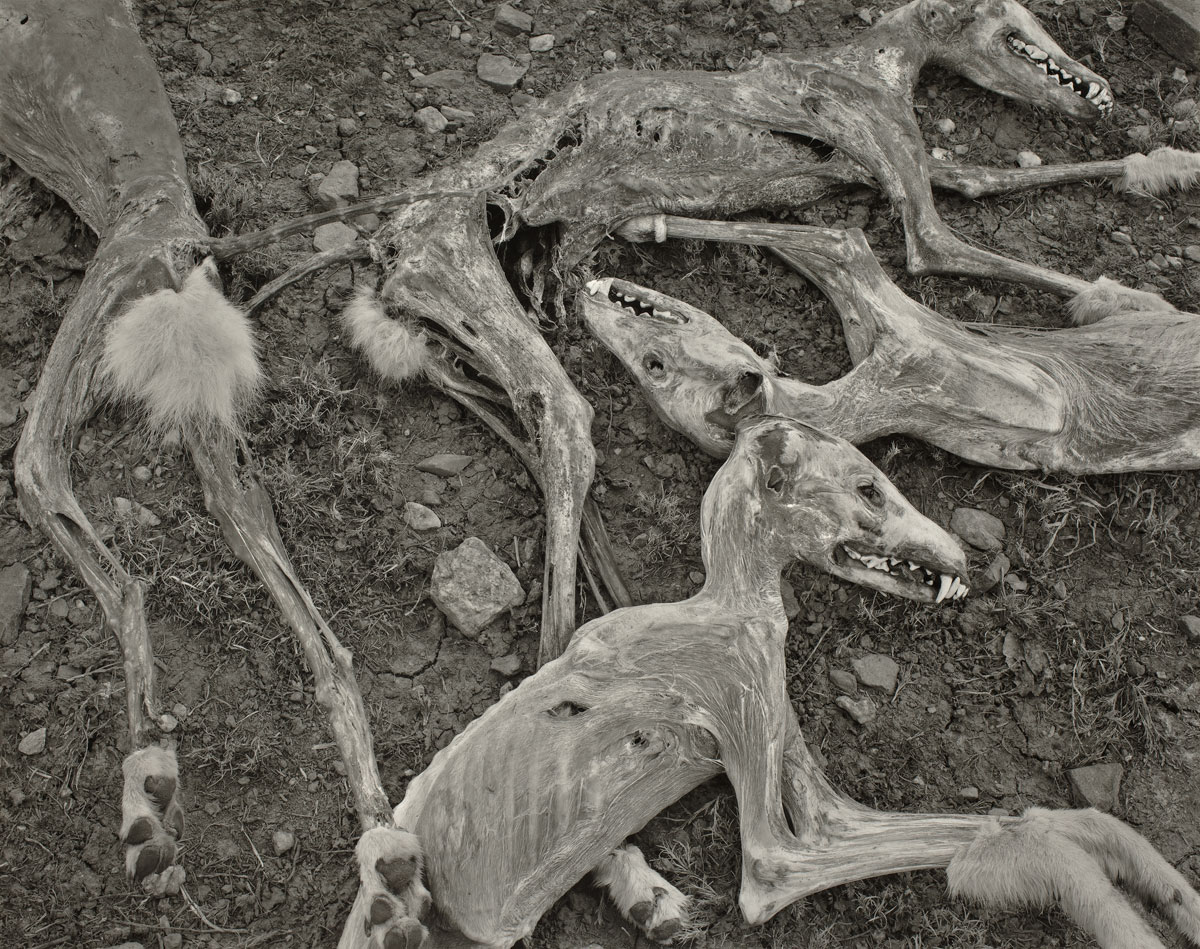
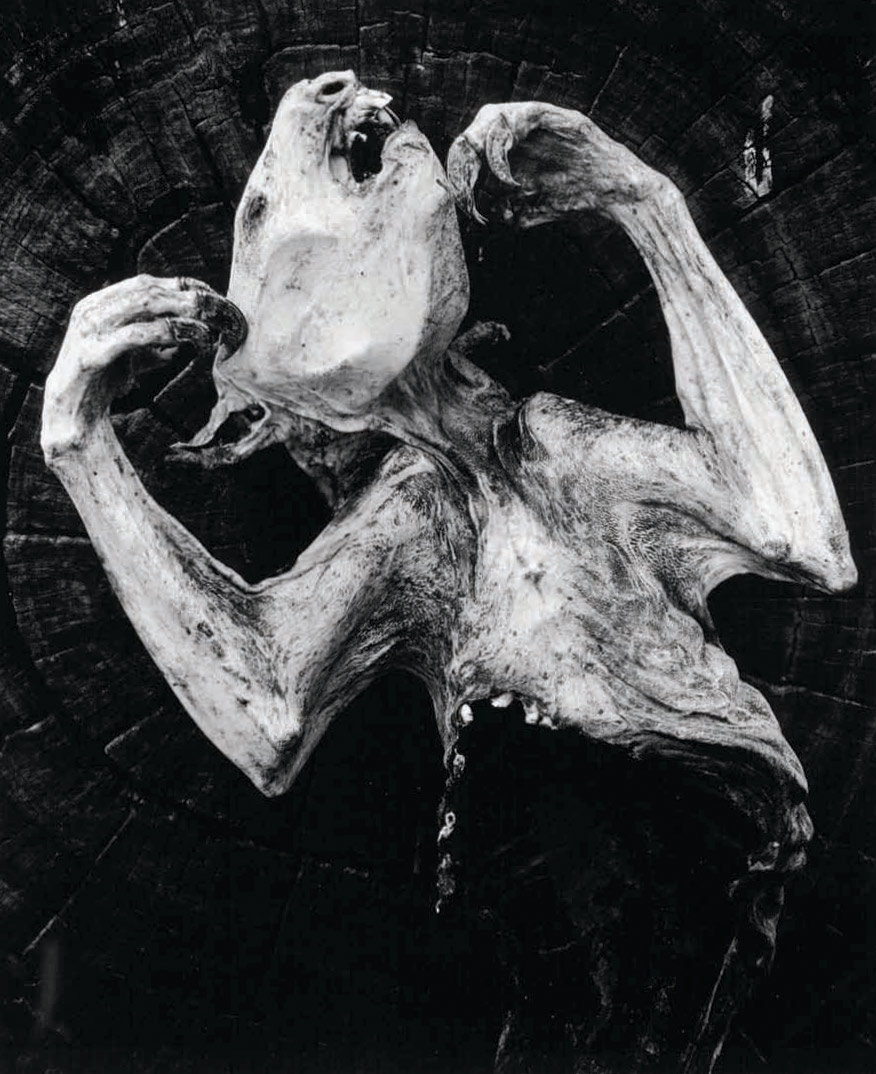
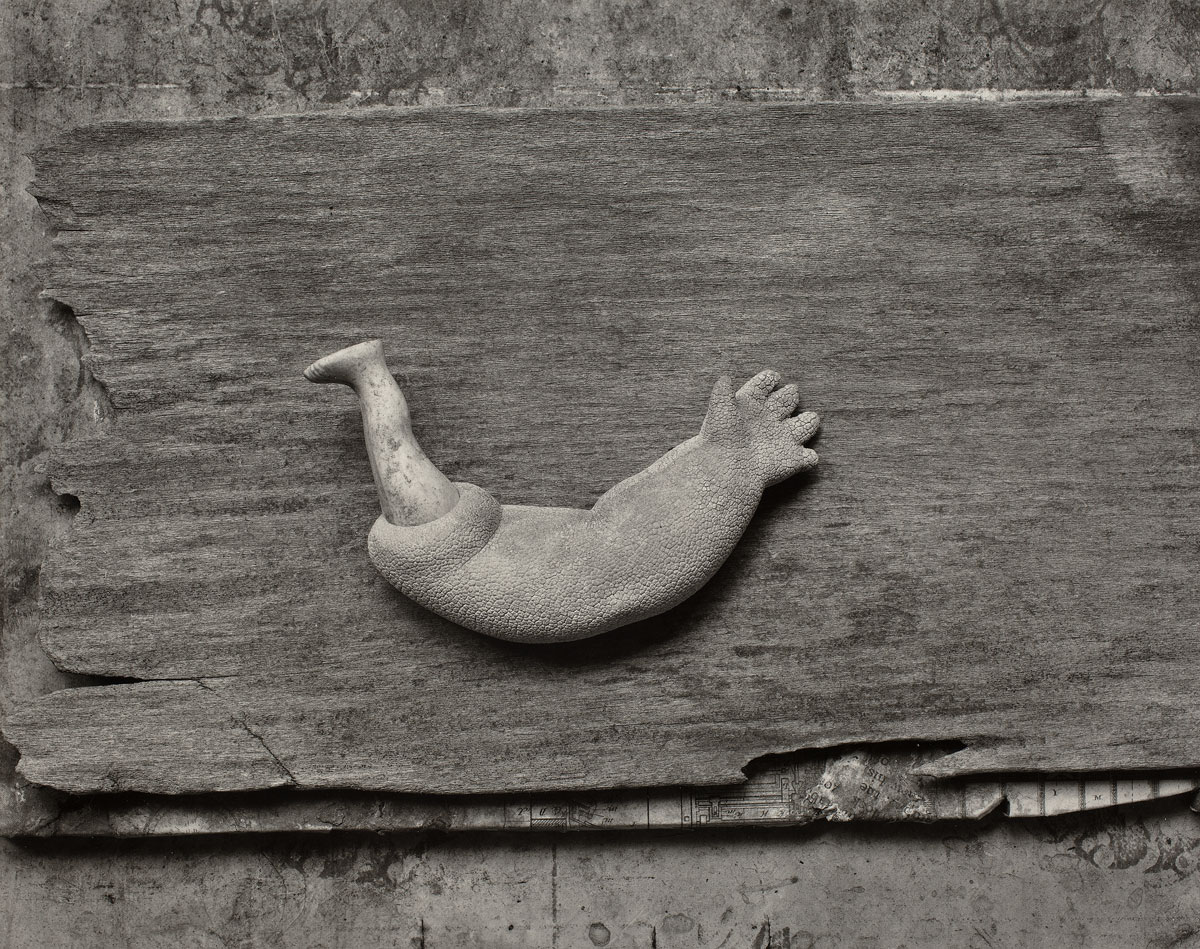
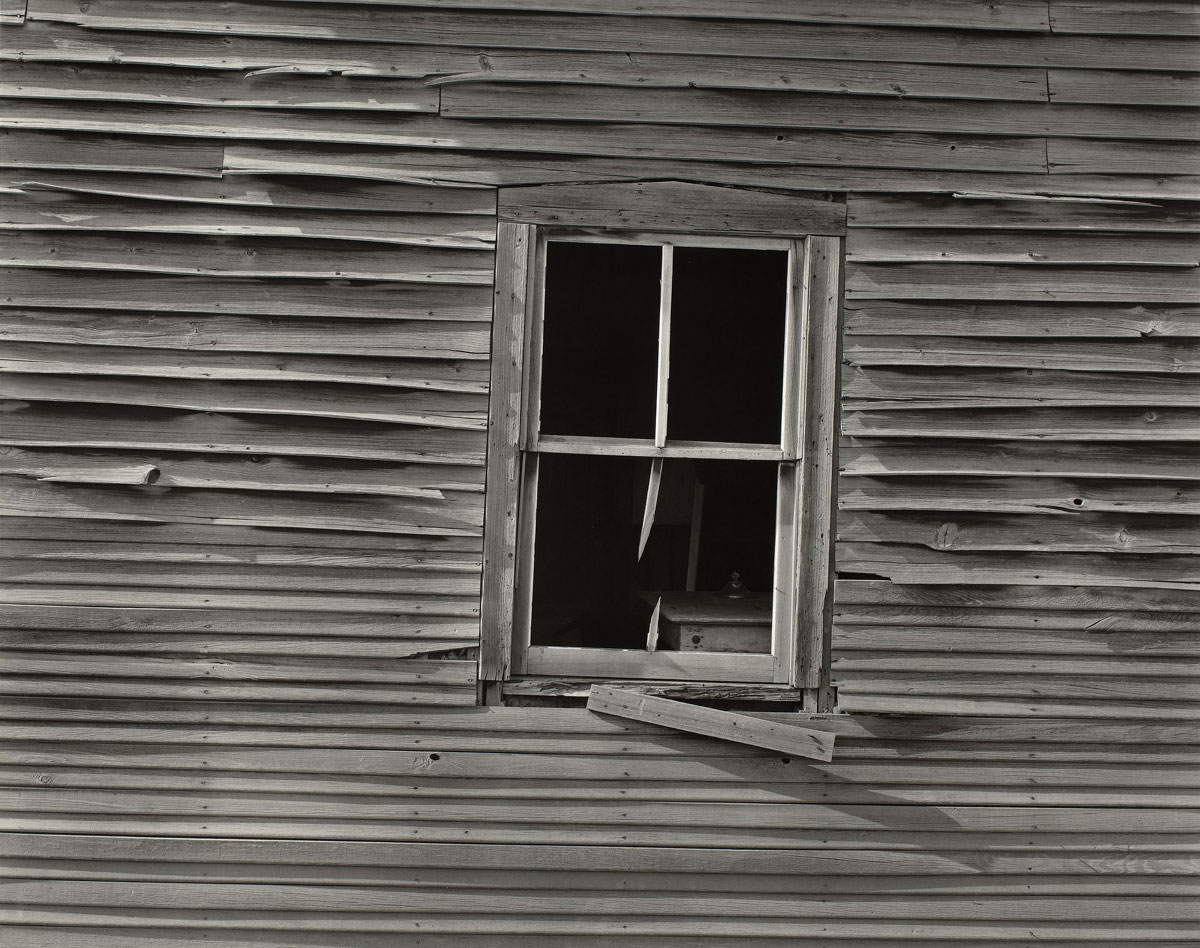
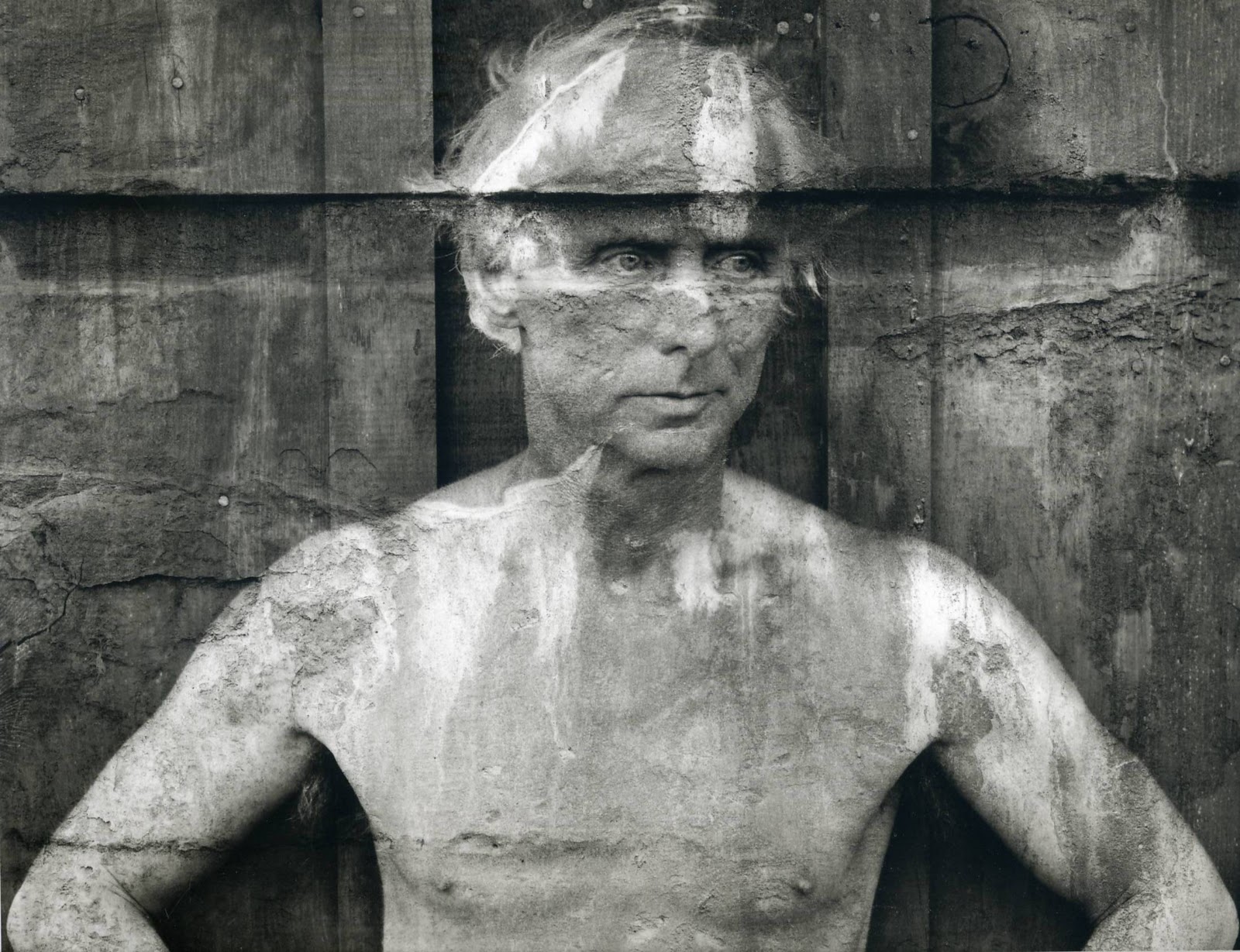
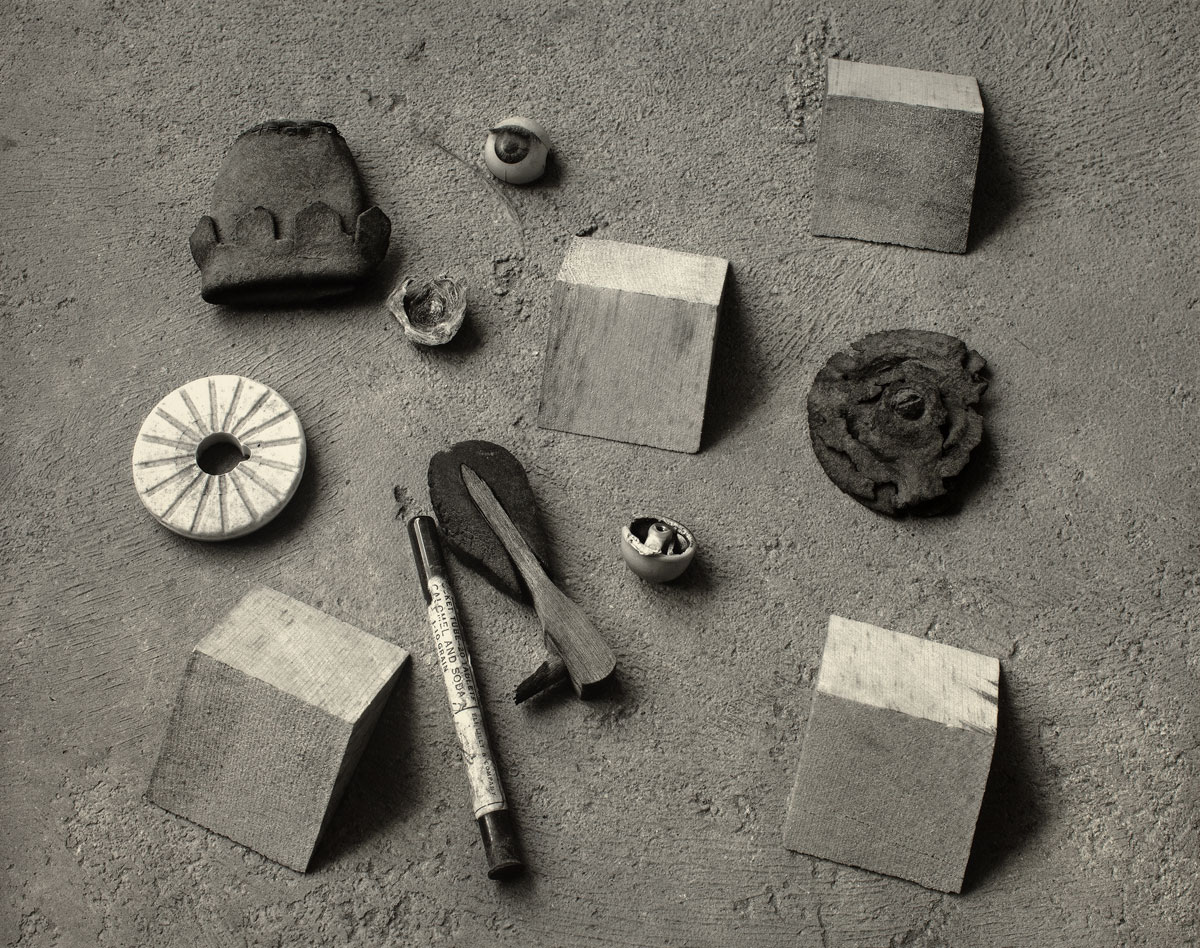
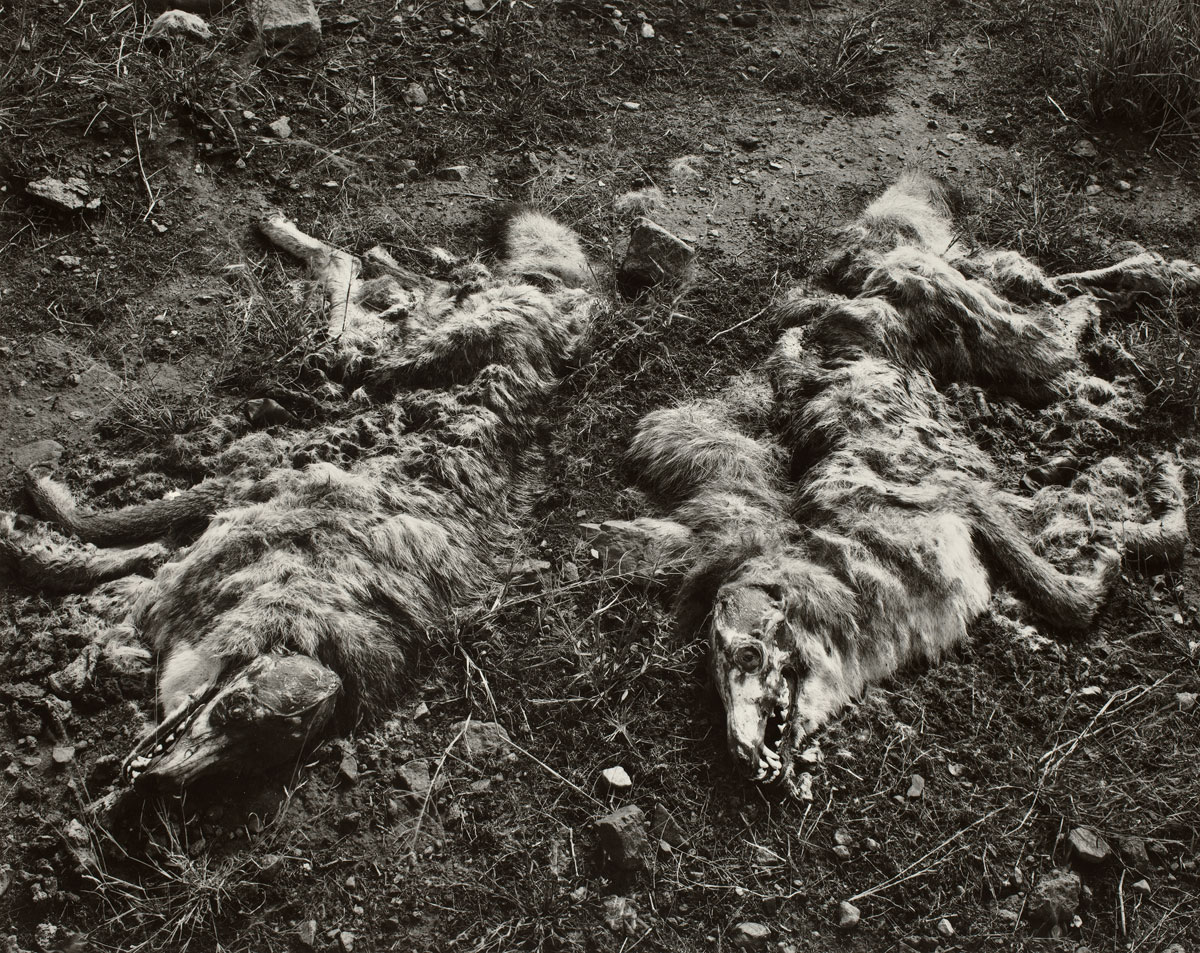
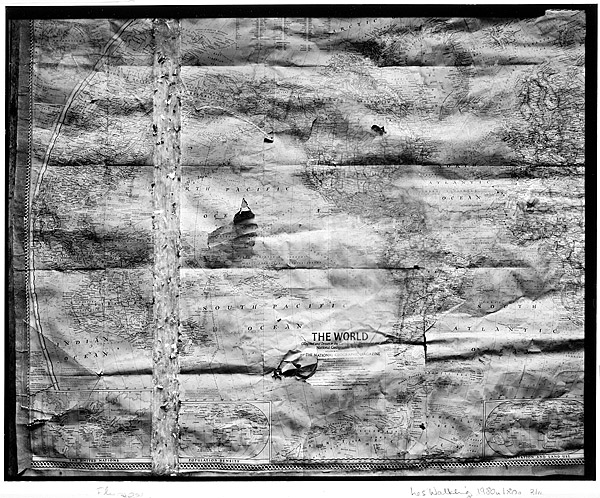
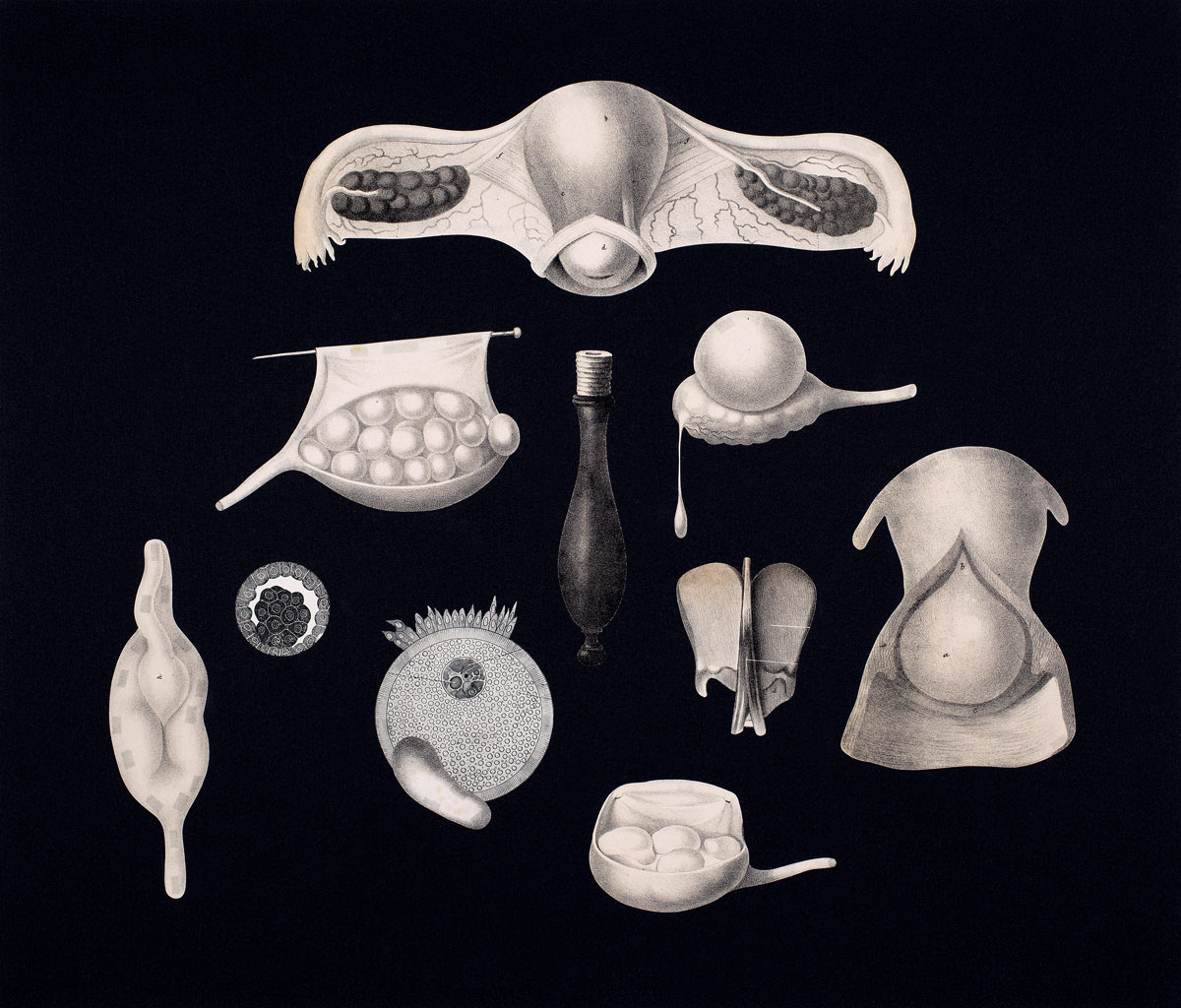
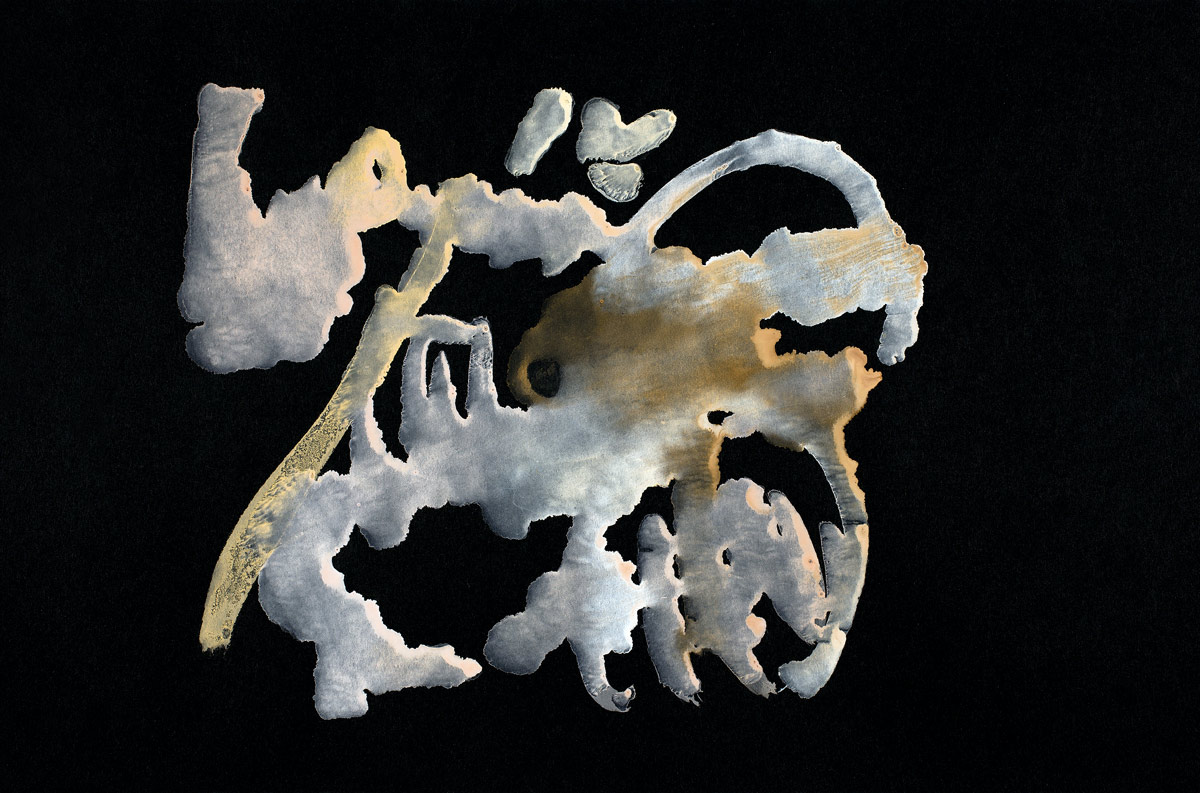
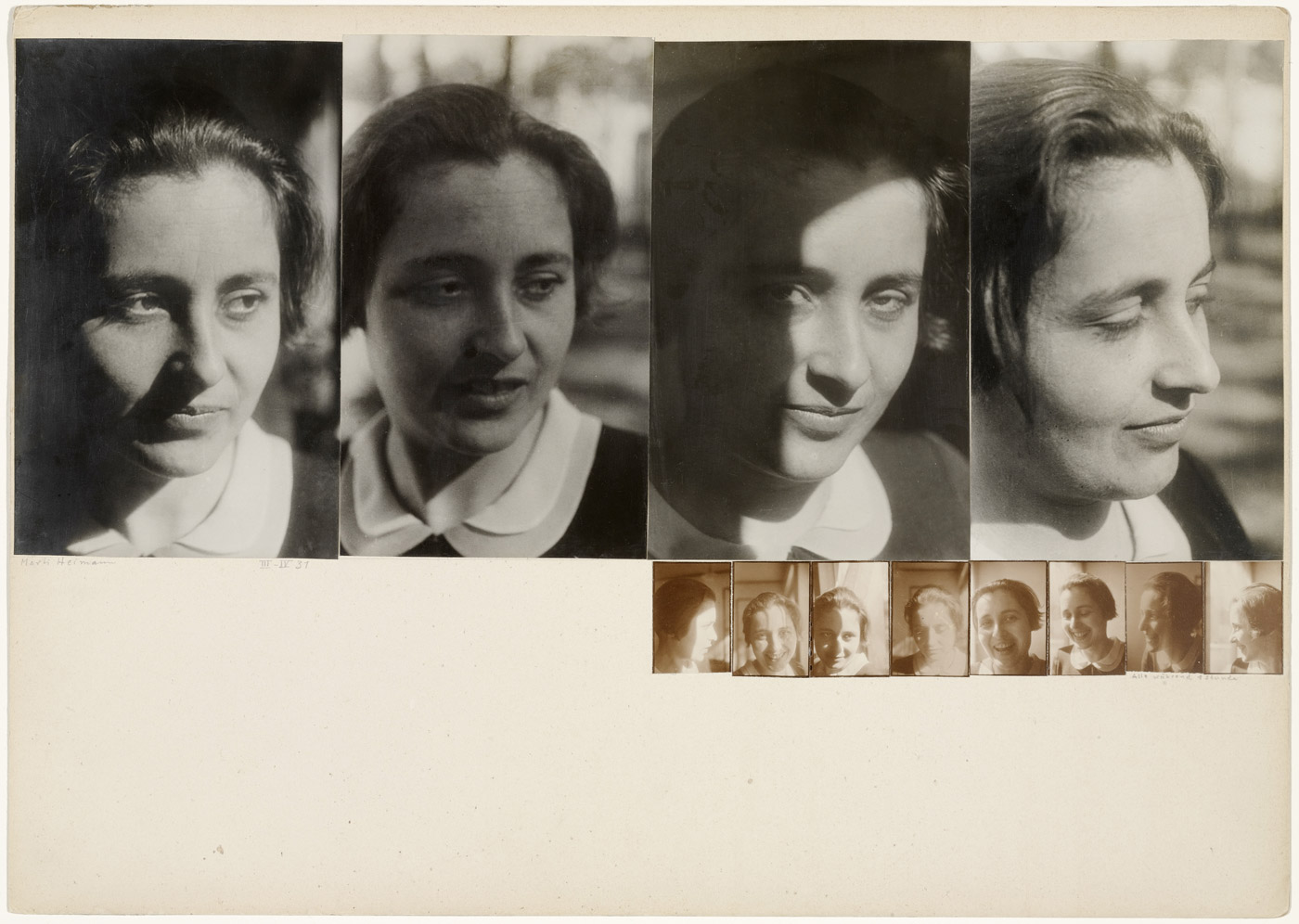

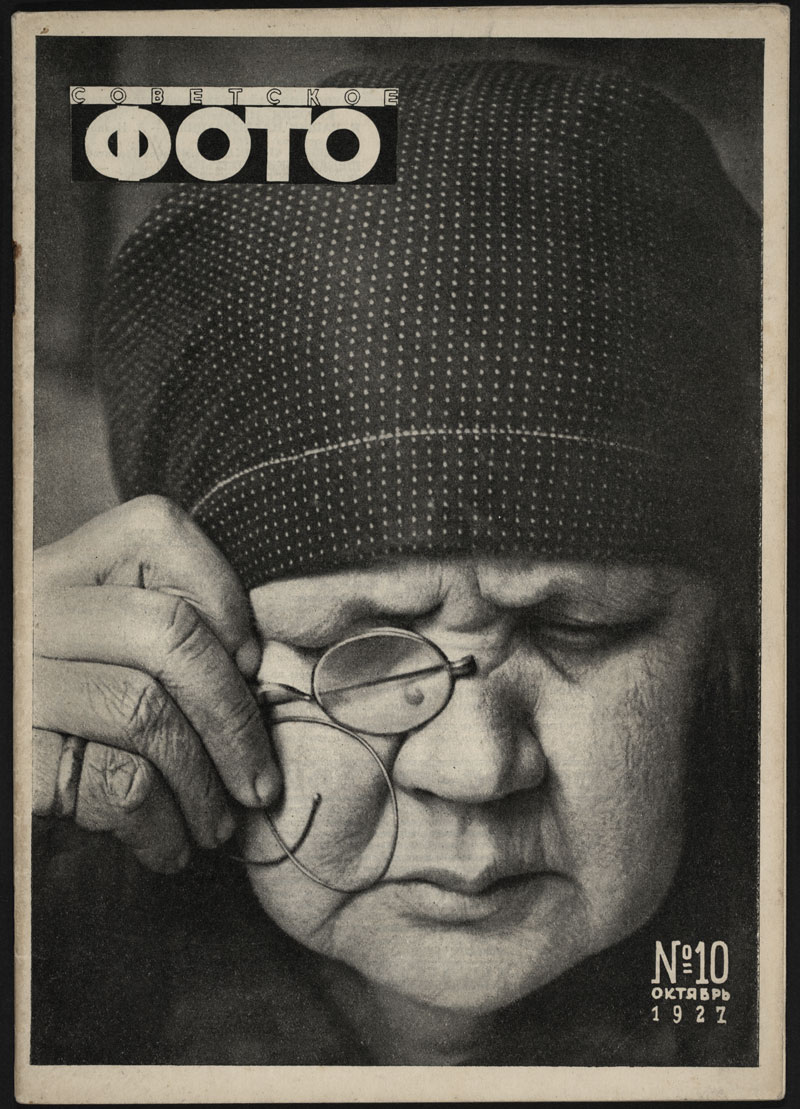


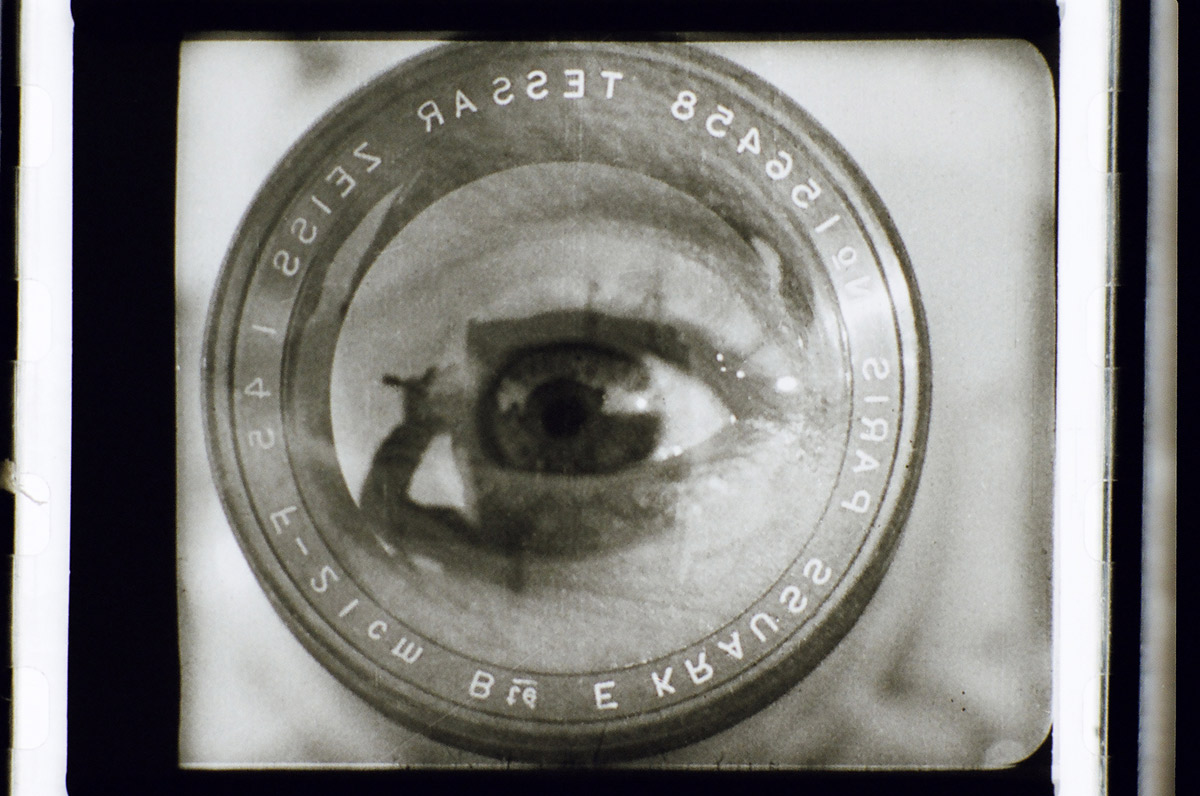

![Georges Hugnet (French, 1906-1974) 'Untitled [Surrealist beach collage]' c. 1935](https://artblart.com/wp-content/uploads/2013/04/georges-hugnet-untitled-surrealist-beach-collage.jpg "Georges Hugnet (French, 1906-1974) 'Untitled [Surrealist beach collage]' c. 1935")
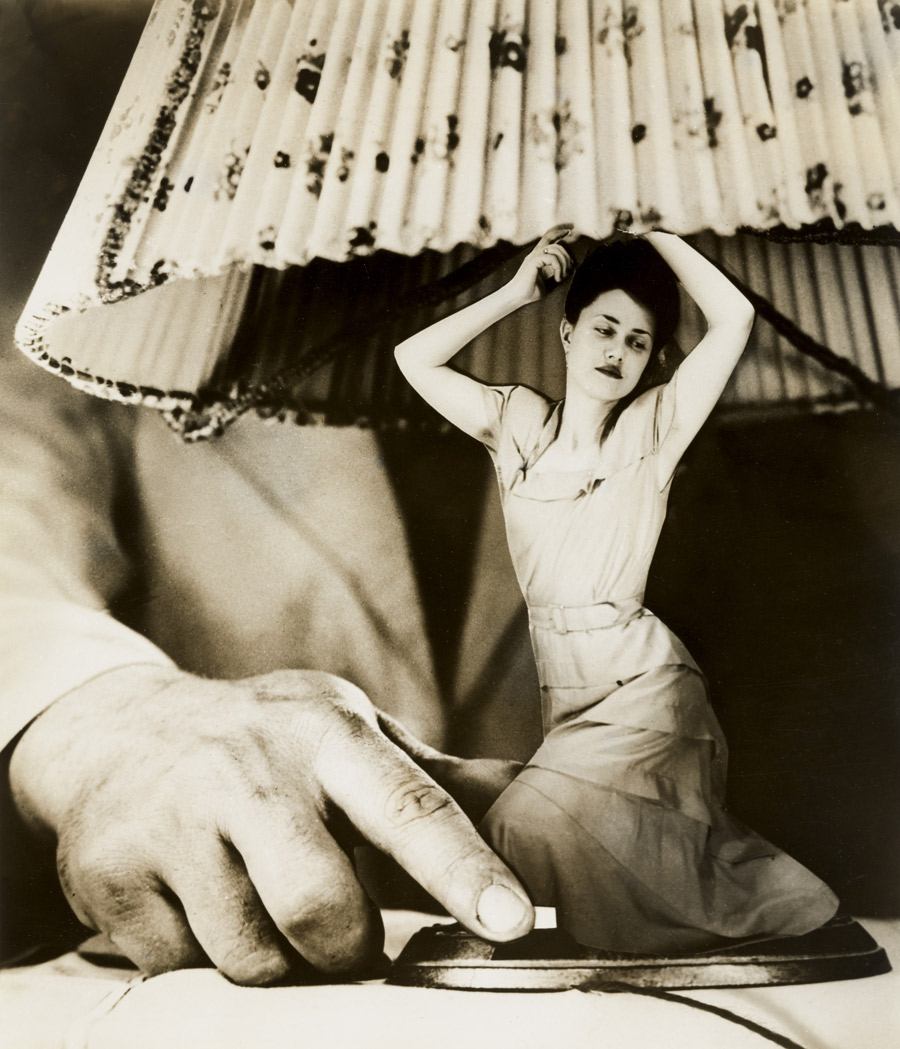
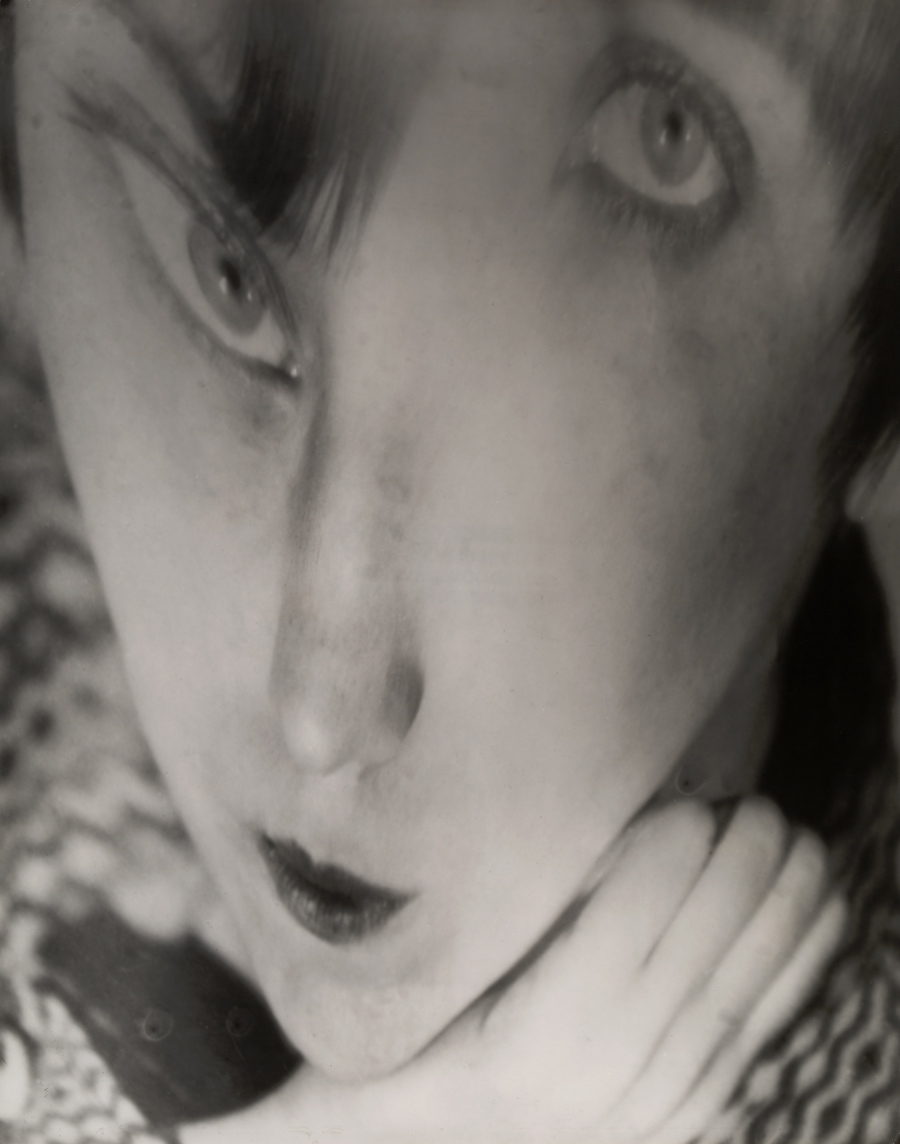
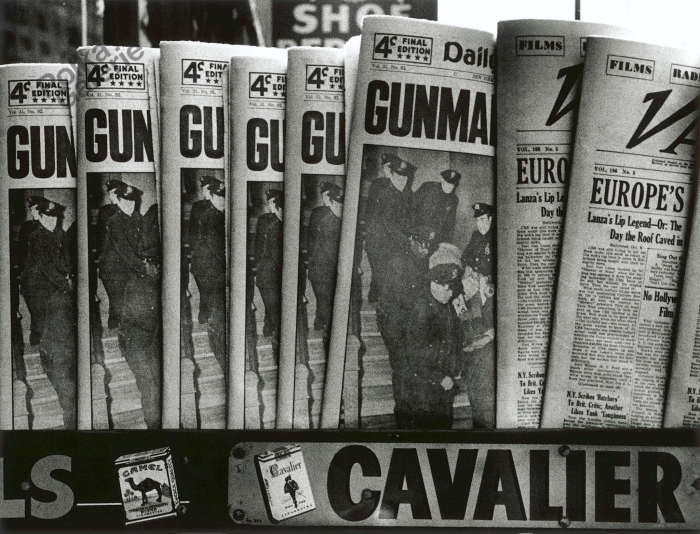
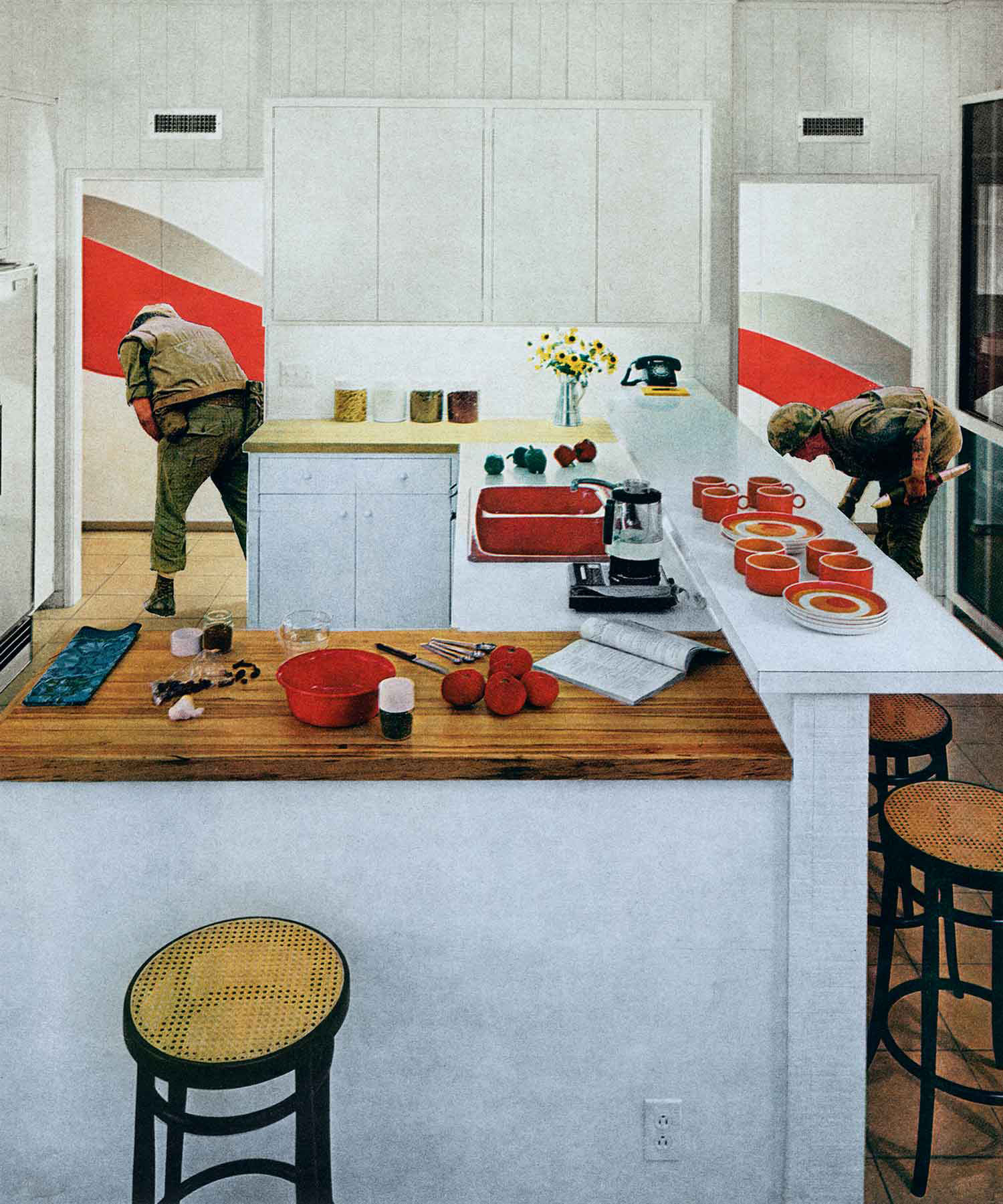
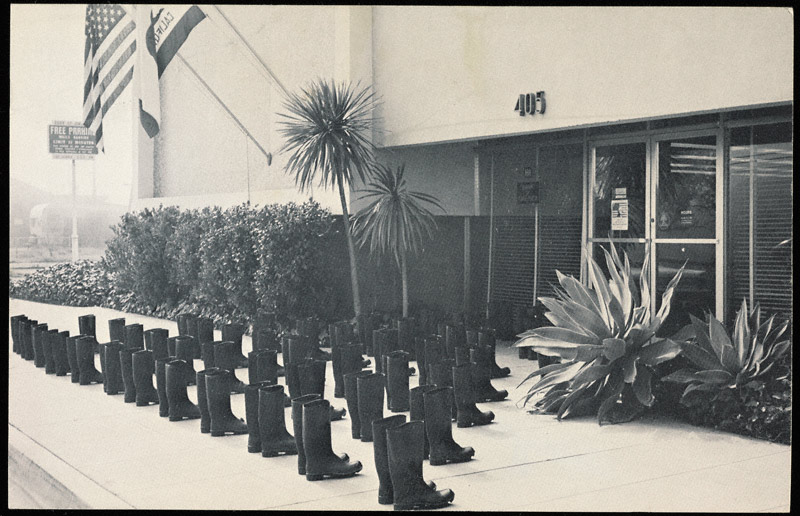


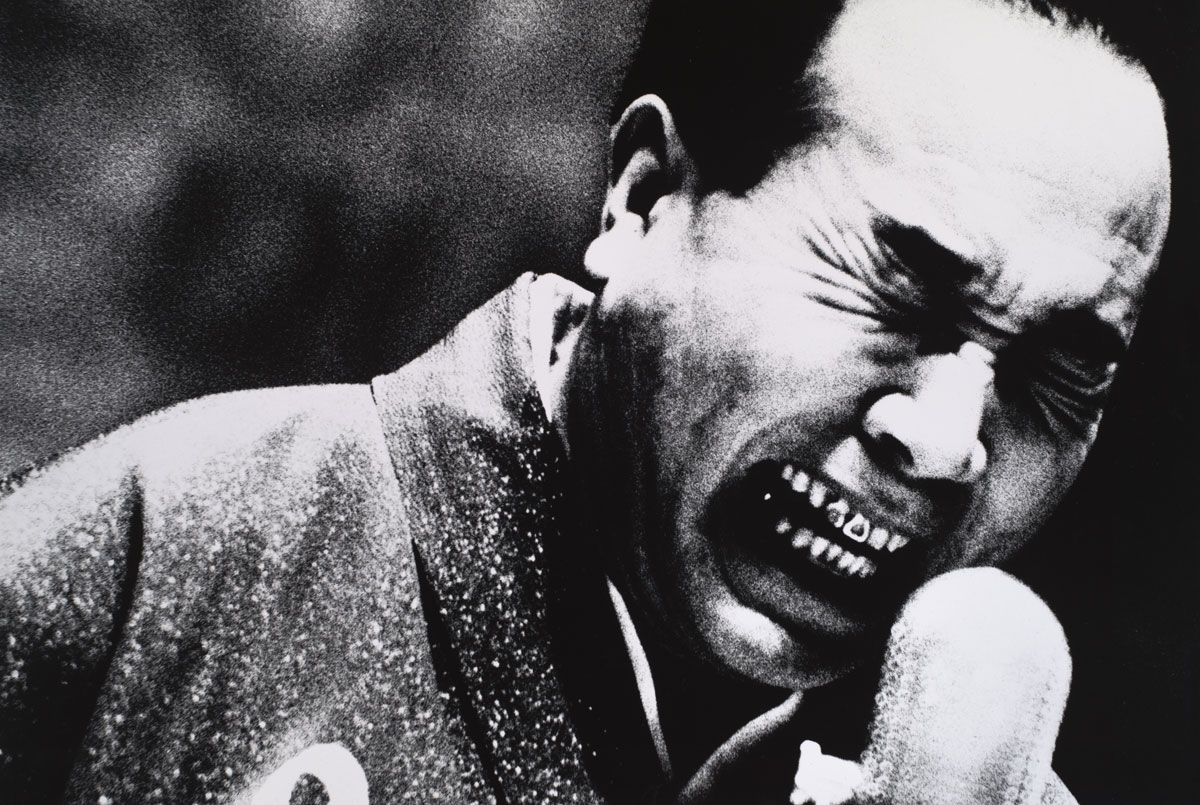

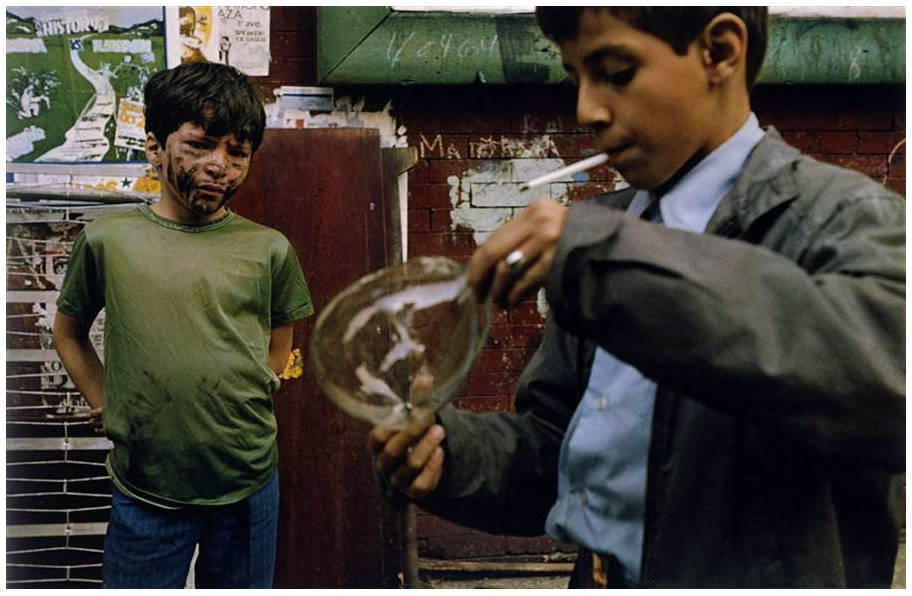

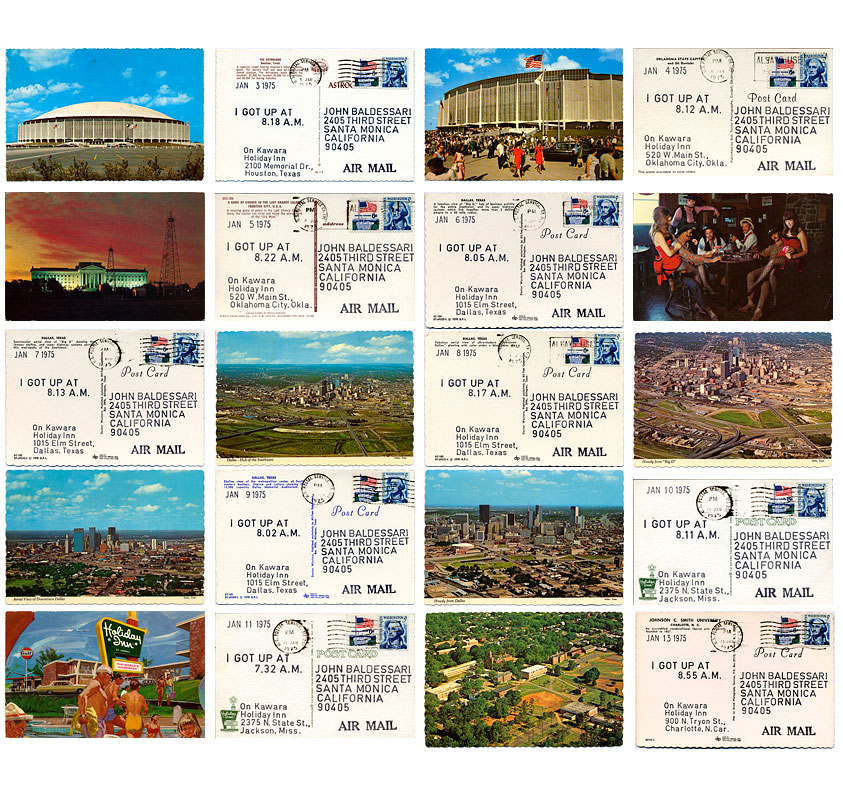
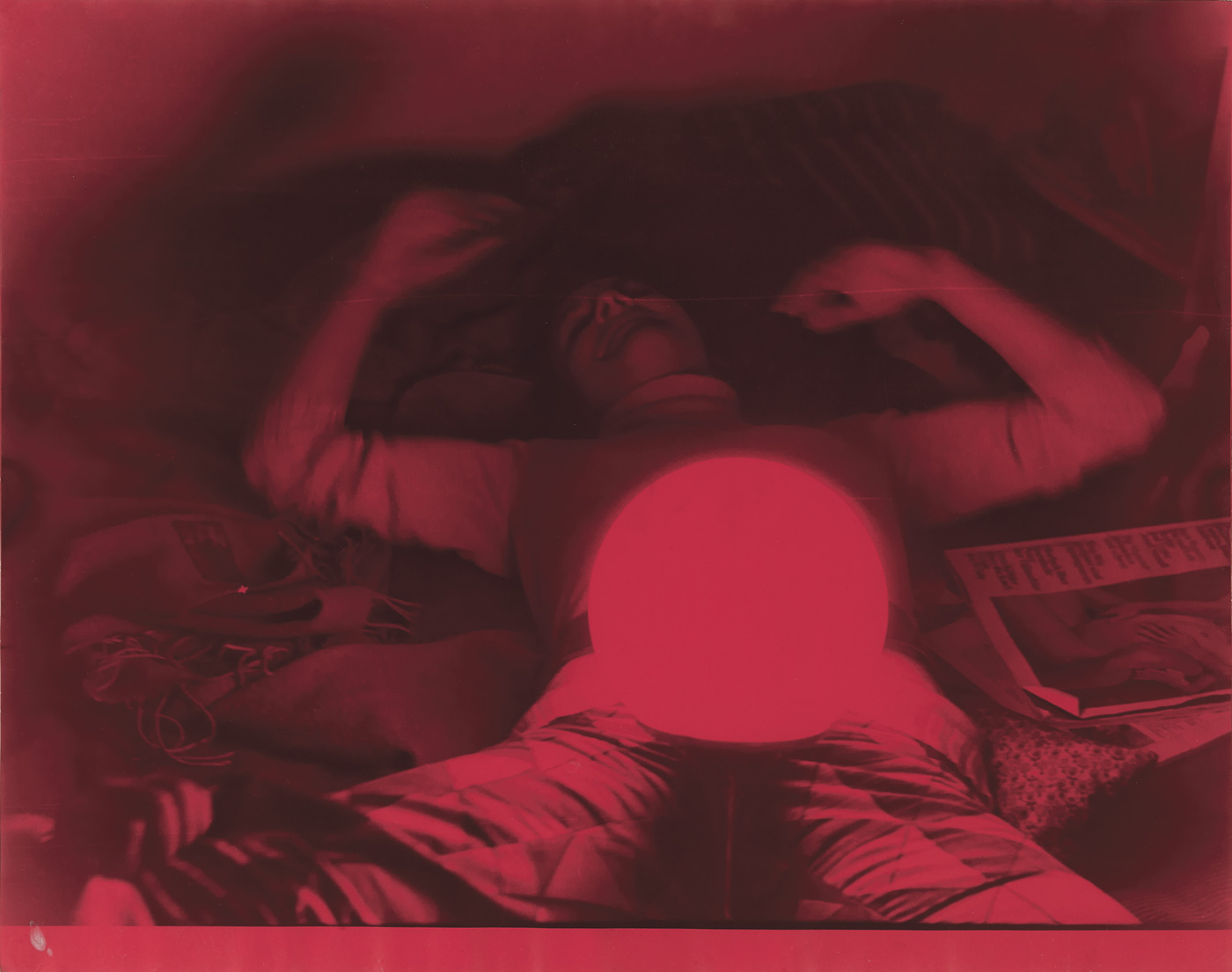
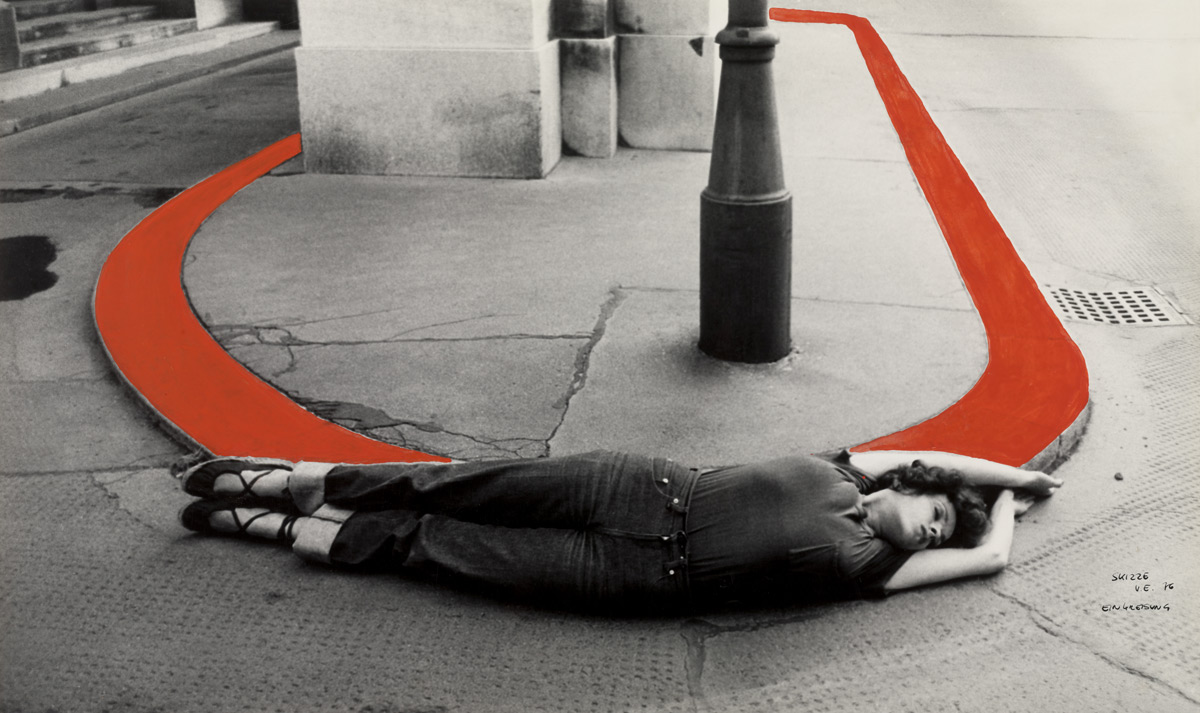
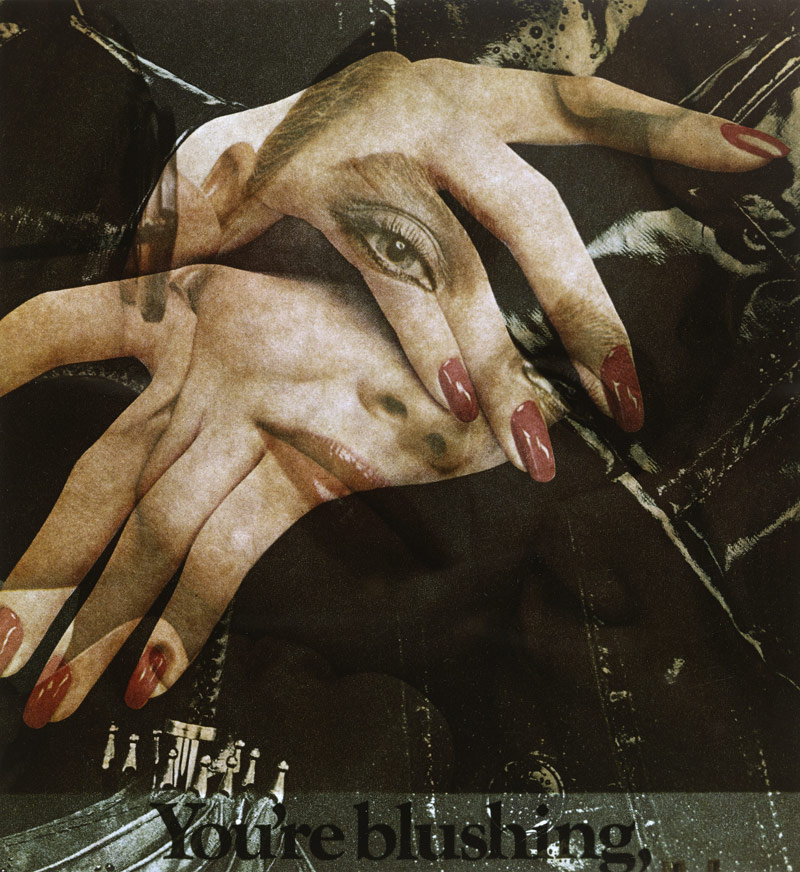
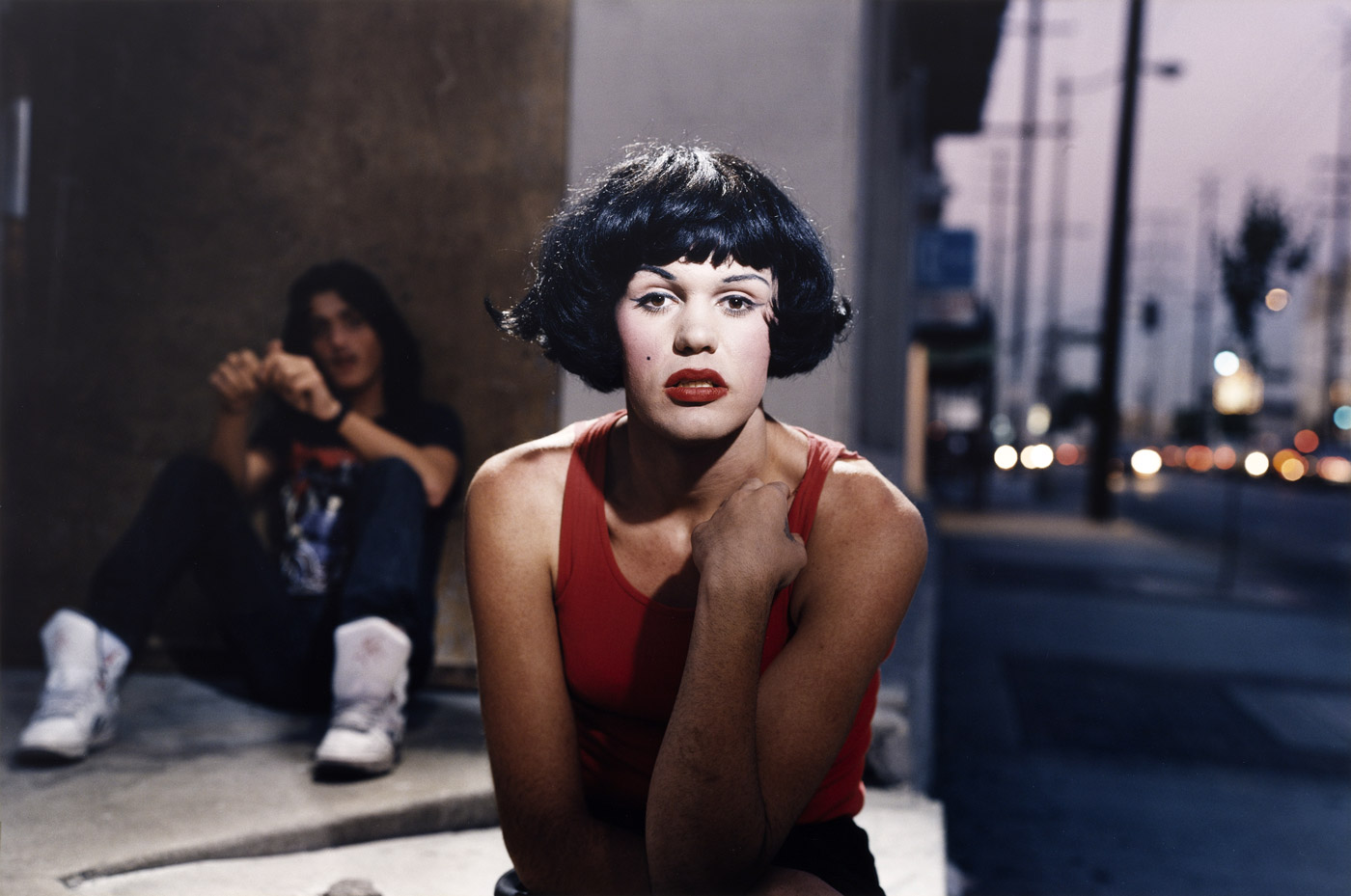
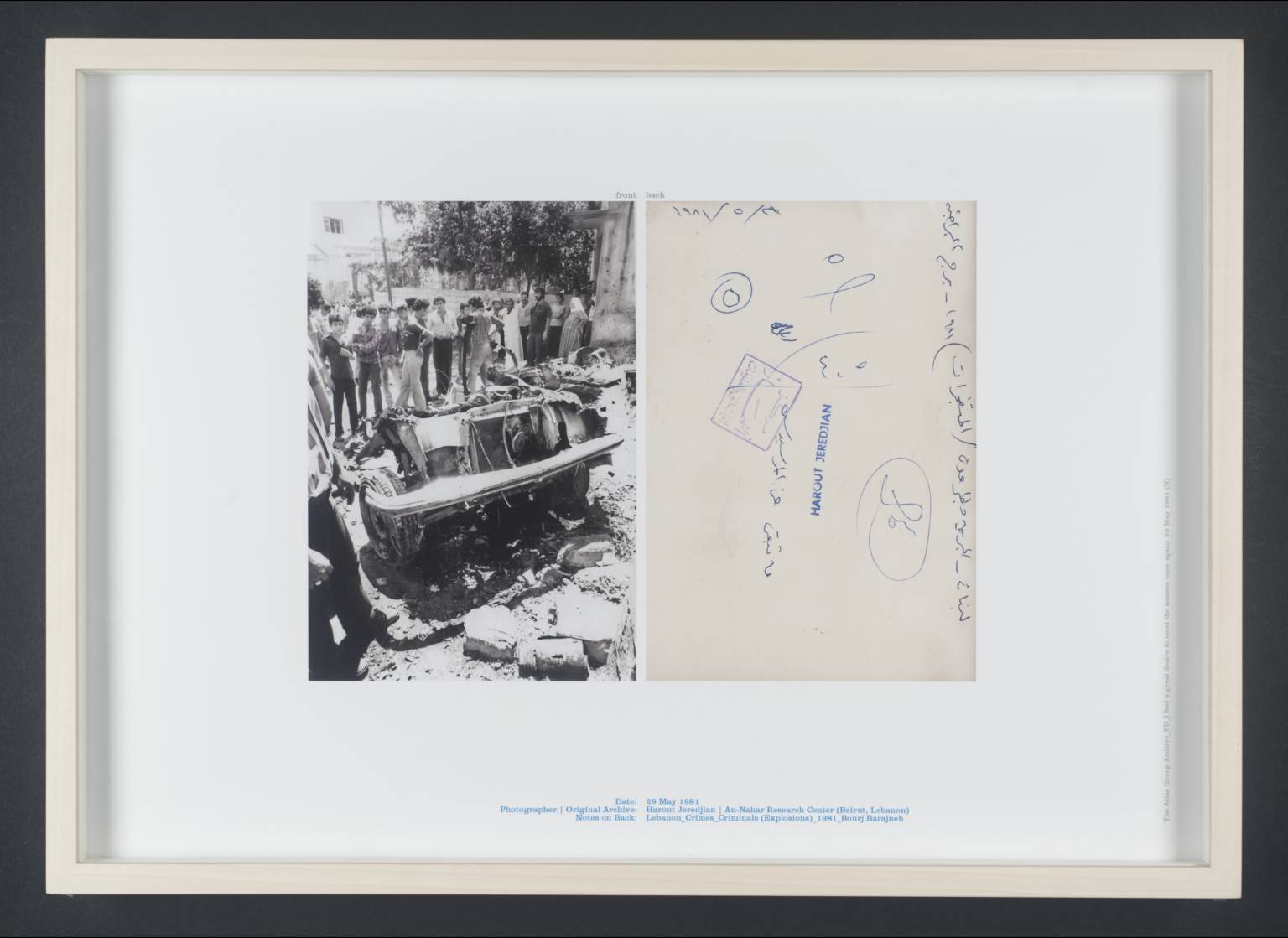


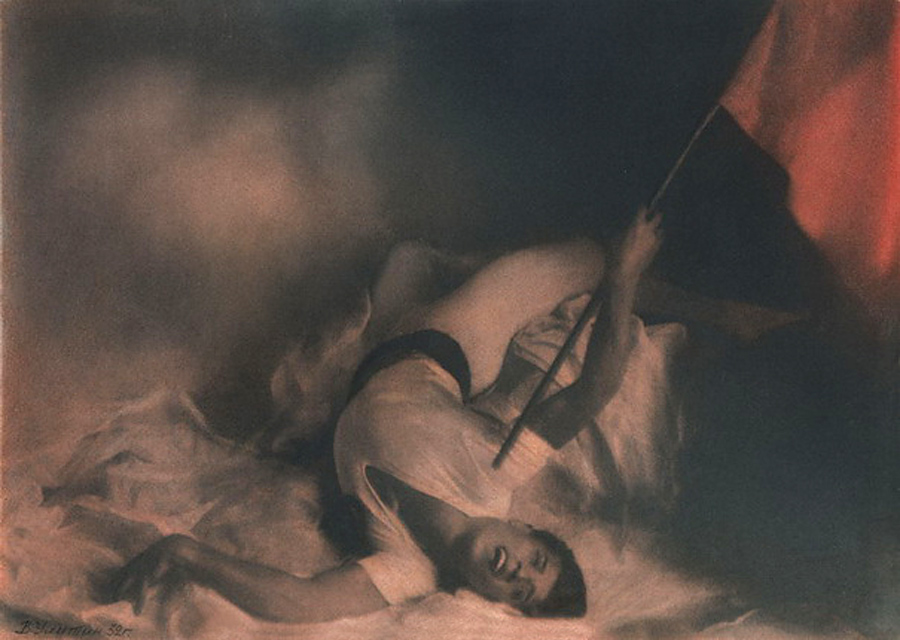


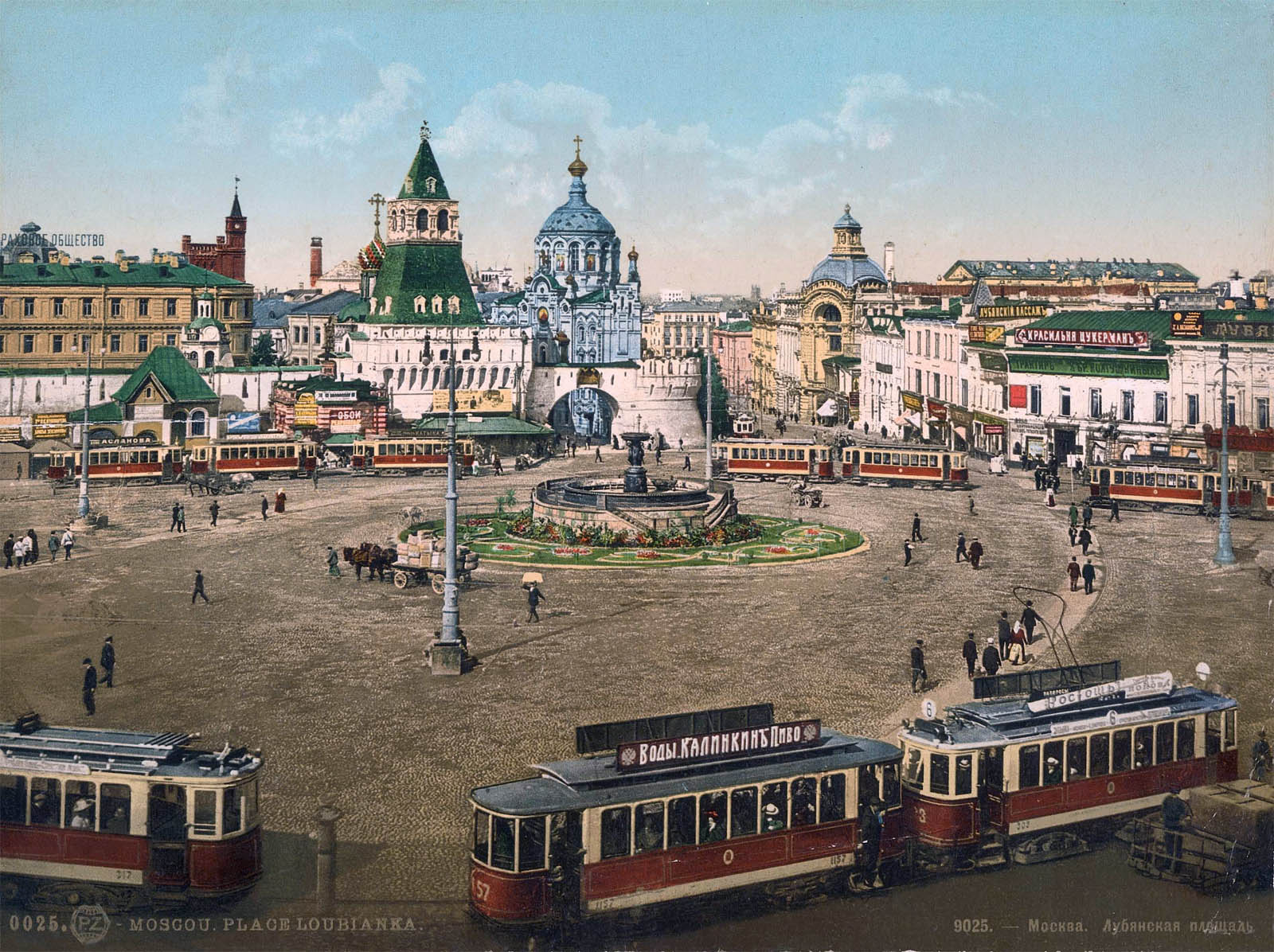





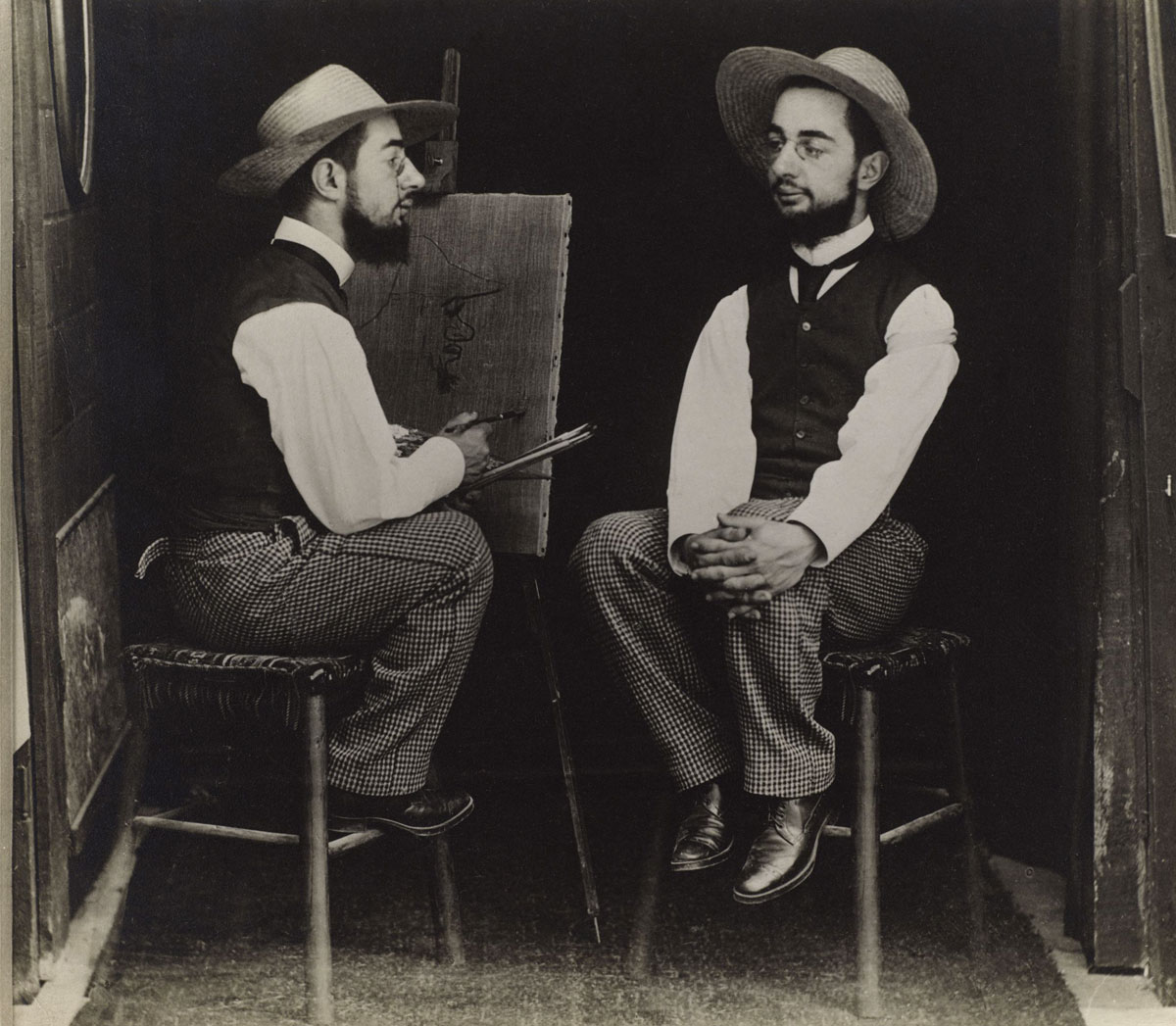


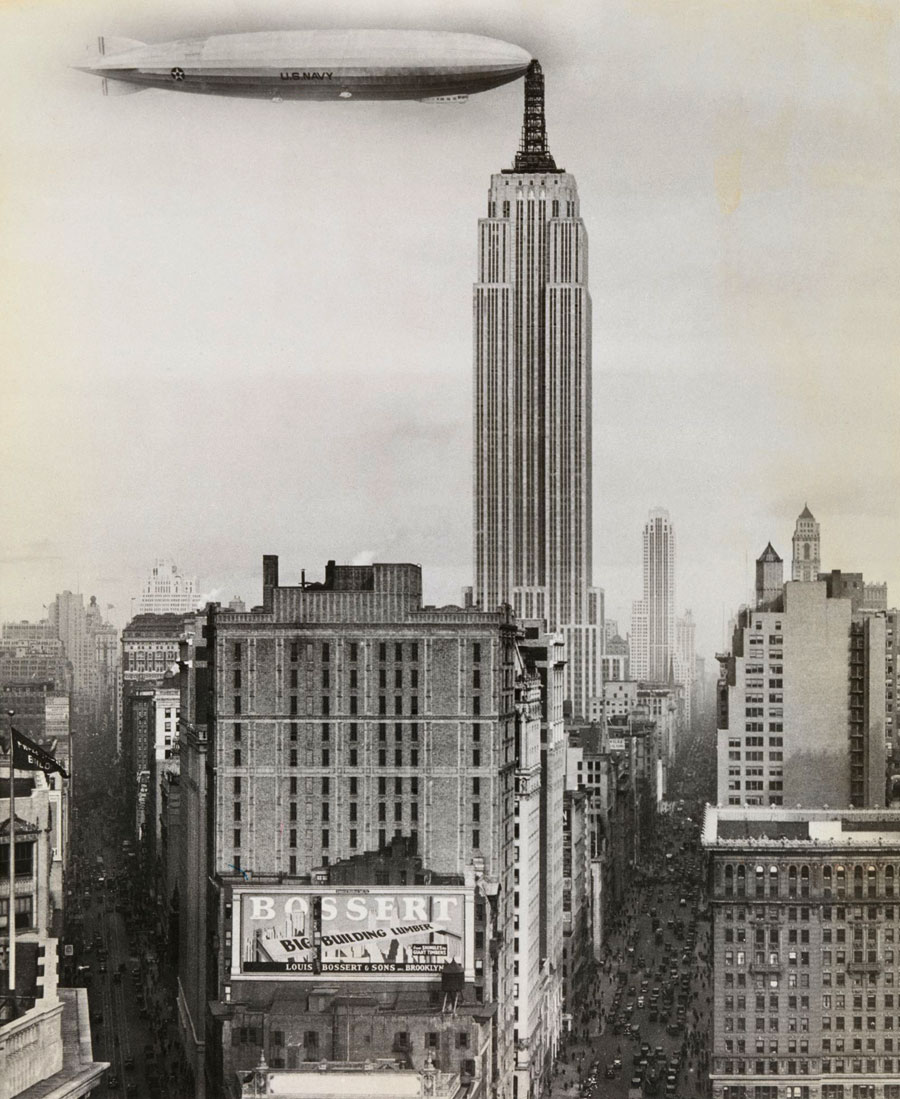
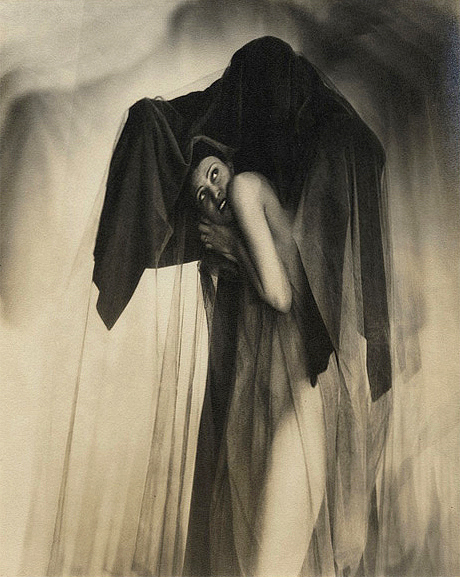

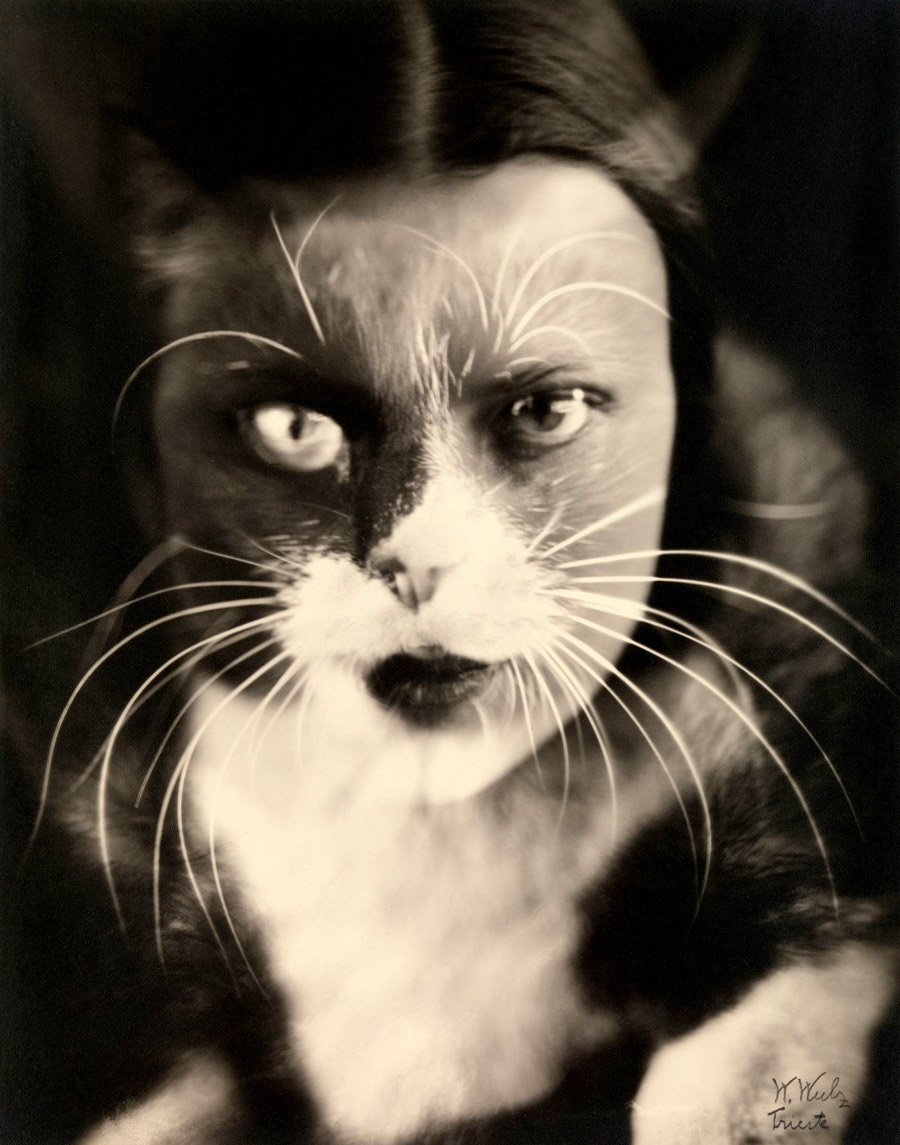
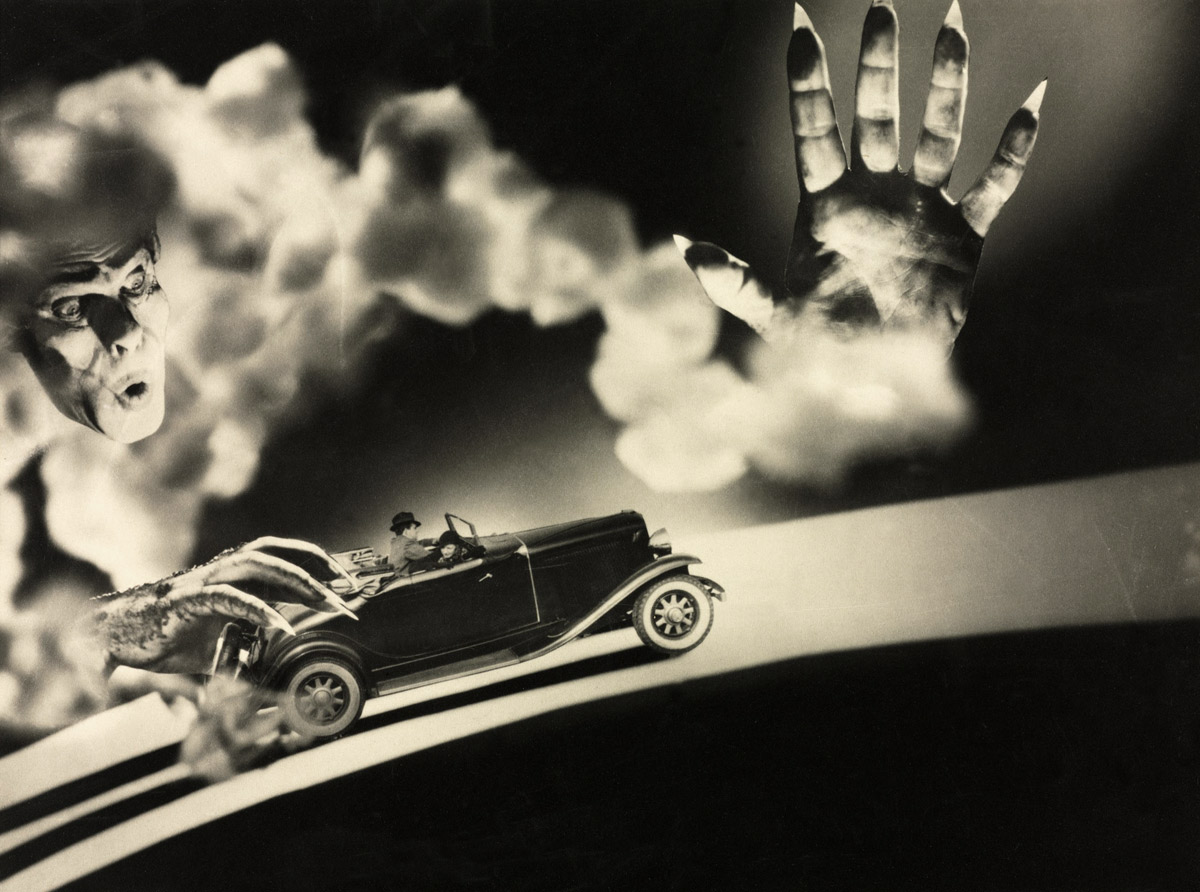
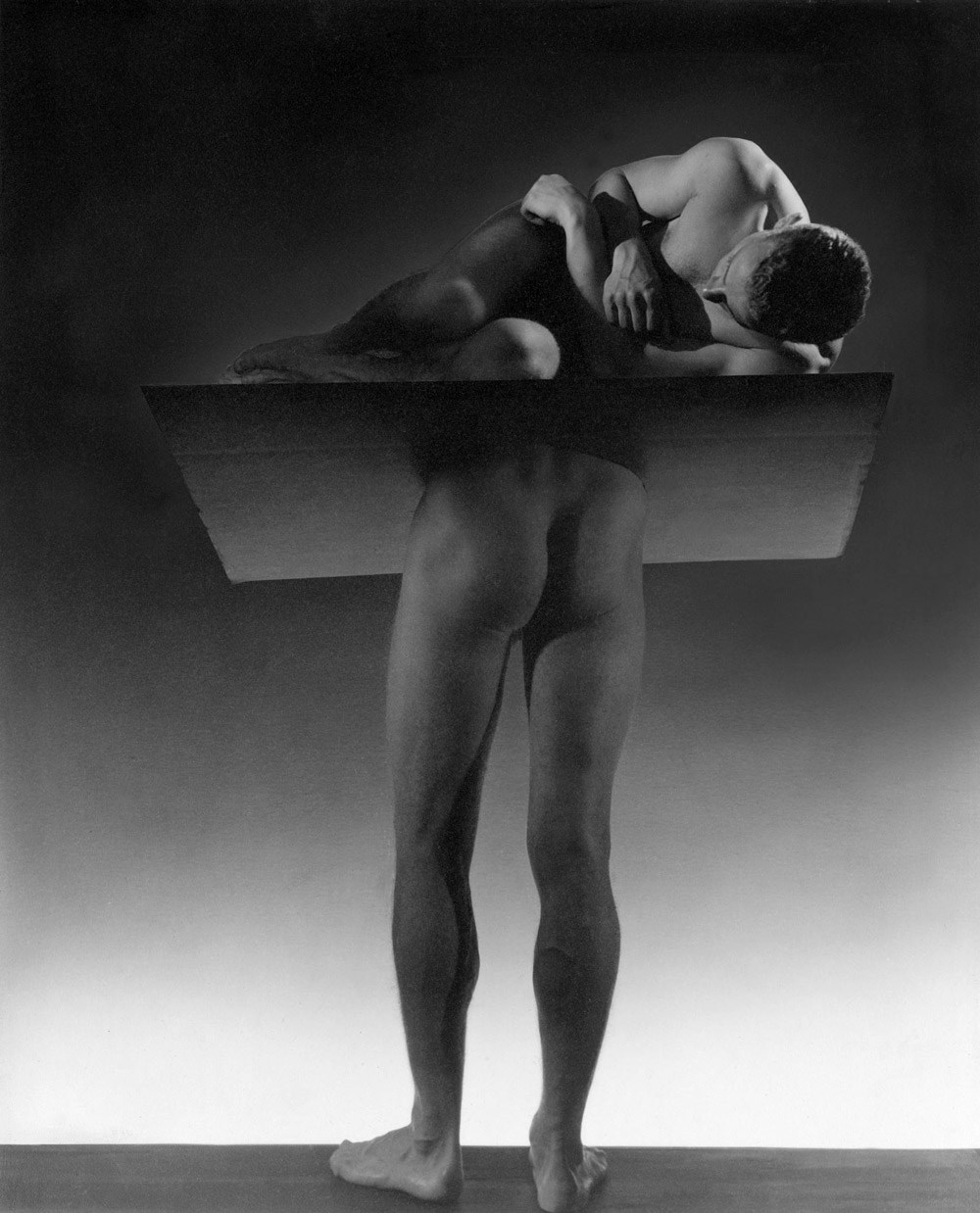
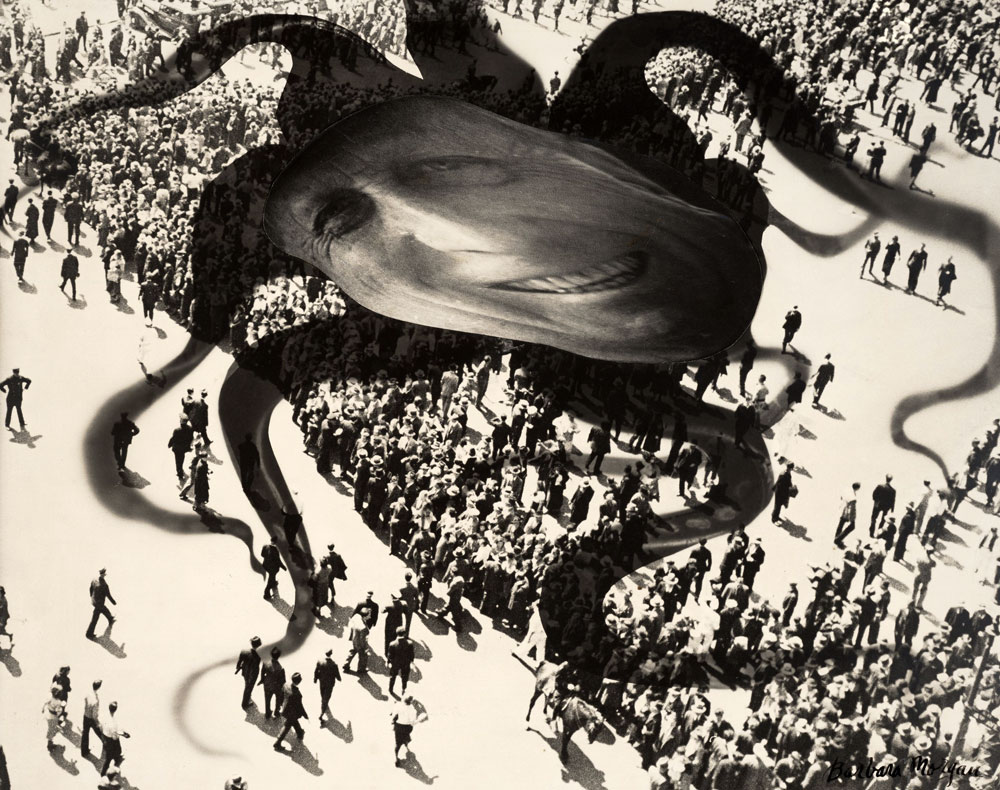


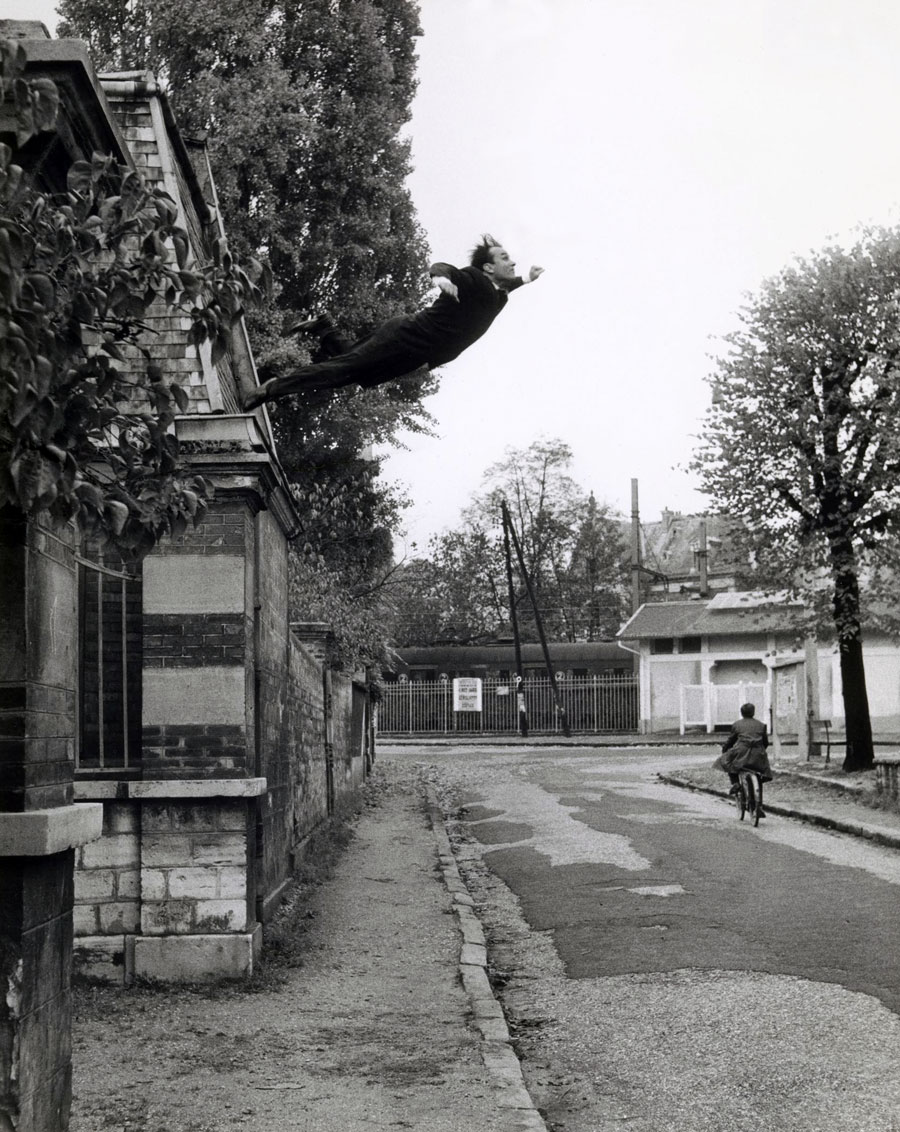


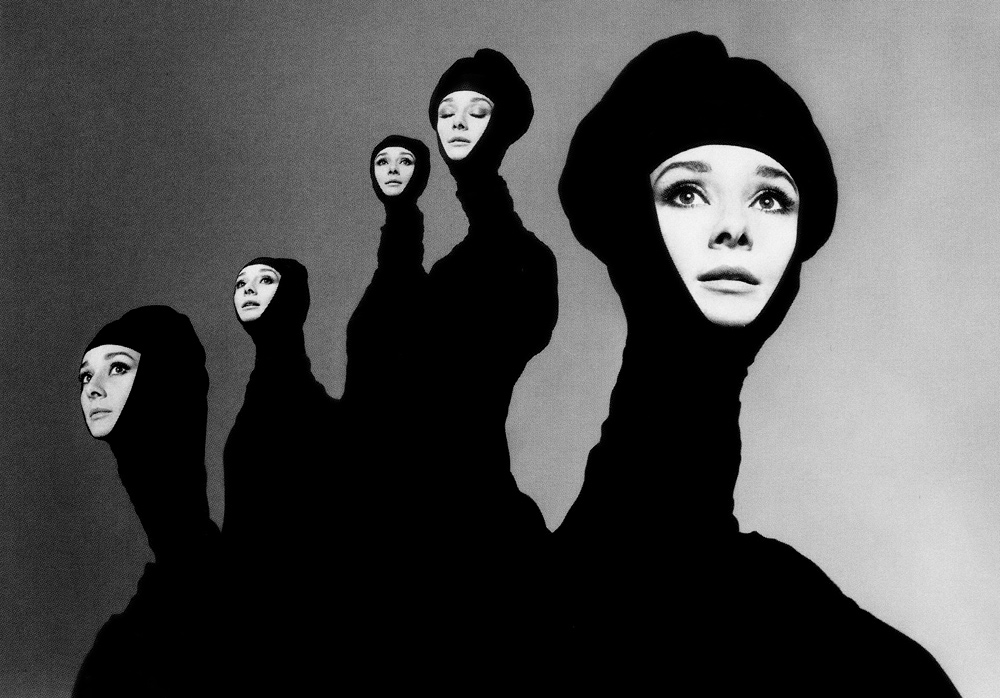

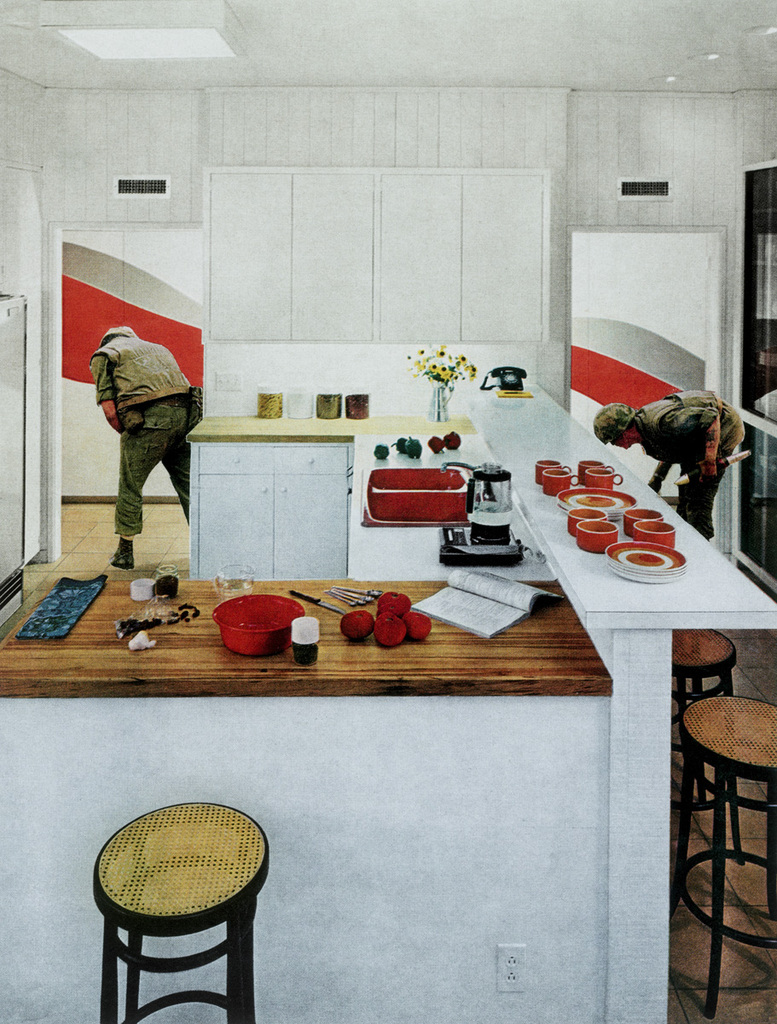
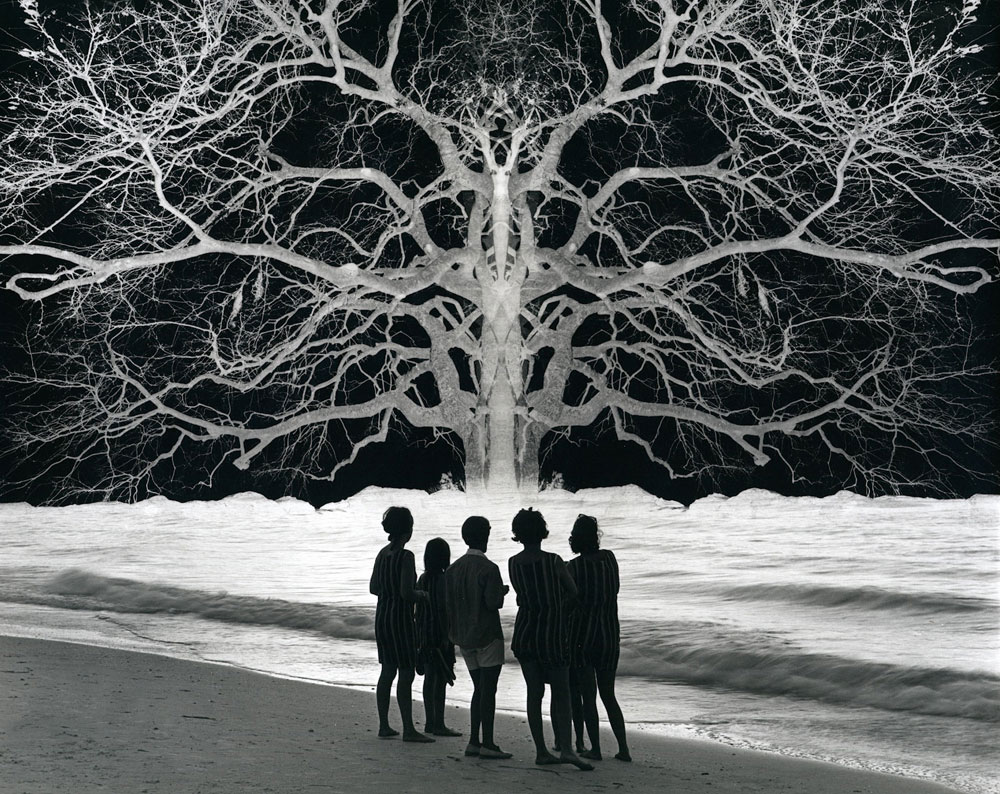
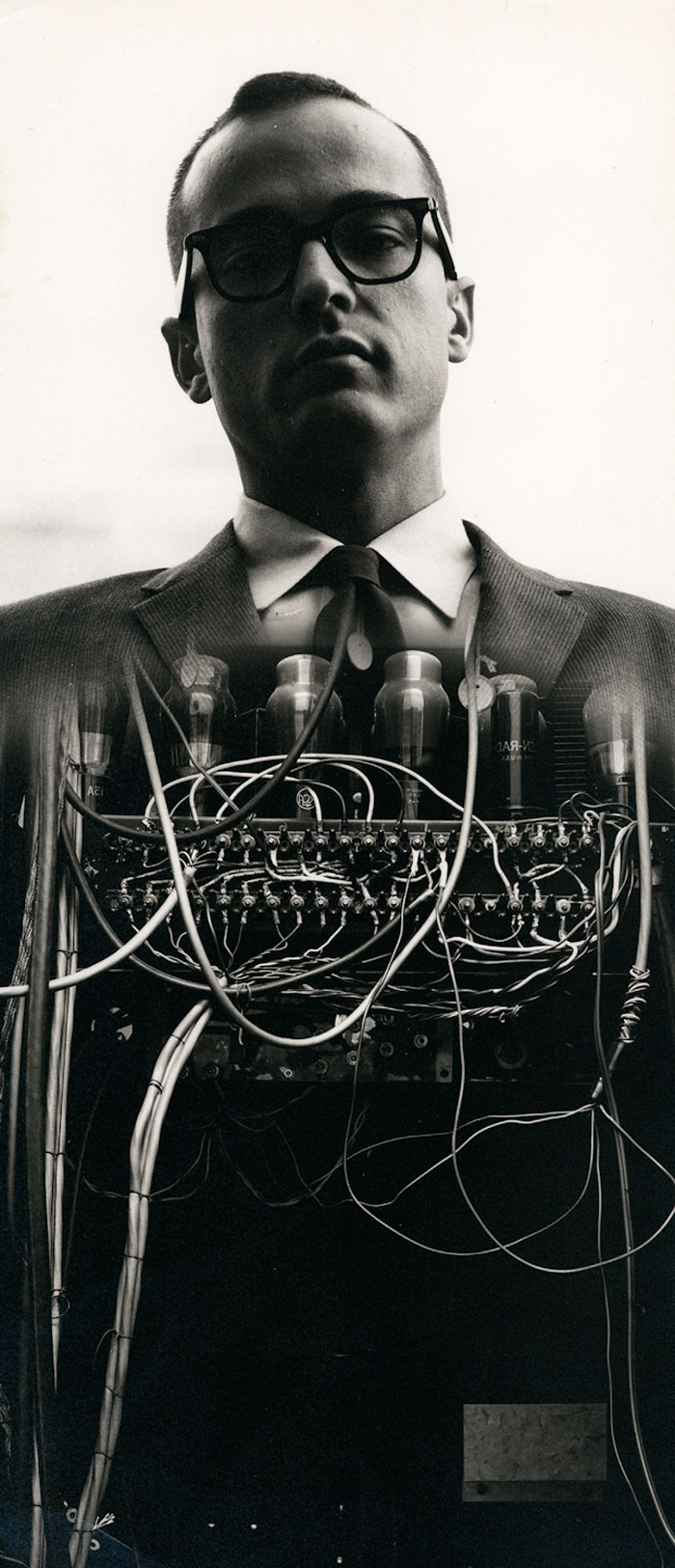



 Art Blart _ art and cultural memory archive
You must be logged in to post a comment.