Elizabeth Gertsakis (Australian, b. 1954) Children Playing (detail) 2017 Digital prints on metallic silver acrylic 39 x 163cm
Conquering Orientalism
A beautiful, sensitive, sensual even, exhibition by the wonderful Elizabeth Gertsakis at William Mora Galleries. The artist forms a living relationship with early images of women and children from the Prefecture of Florina – mostly taken from that most vernacular form of photograph, the postcard – something that was sold as souvenir to the tourist trade, or posted to loved ones overseas.
Gertsakis identifies with their ethnicities and beliefs and physical appearances, transmuting their identities and narratives by printing these ephemeral objects on steel, that most durable of substances, which makes them shine under the gallery lights. The photographs both transcend time and transcend the physicality of the actual photograph… making their hidden histories a precious, and contemporary, thing. Like their protagonists, the steel makes the images and the people in them hardy enough to survive the vicissitudes thrust upon these communal people.
Gertsakis observes, “My voice is in placing myself between the present and the past as it has been generated by the cameras of others.” Beautifully enunciated. With her deep familial roots in the area – one that endured nearly five hundred years of Islamic rule and culture, as well as multiple ethnic communities and religions; Christian Greeks, Slavs, Bulgarians, Jews, Turkic and Albanian Moslems, Vlachs and Gypsies – Gertsakis creates witness and testament to her own communal familial past.
The rare and unique costumes come from the artists personal collection and when I was in the gallery space there seemed to be this electricity flowing between the images and the cloth. It was almost as though the people in the photographs were dancing again, were speaking to us today of their trials and tribulations, of their energy to survive the turmoil of the first decades of the 20th century.
Elizabeth is first generation… her father and grandfather and grandmothers… were those people…. exactly as they appear. They survived the yoke of the oppressor and conquered Orientalism. These are their valuable, inspiring stories, beautifully told.
Installation view of the exhibition Girls In Our Town: Women in the Shadow of ‘The Magnificent Empire’ Florina Prefecture & Region, Macedonia Greece 1900-1917, 2017 by Elizabeth Gertsakis at William Mora Galleries, Richmond Photo: Marcus Bunyan
Elizabeth Gertsakis (Australian, b. 1954) Florina 2017 Digital prints on metallic silver acrylic 39 x 174cm
Elizabeth Gertsakis (Australian, b. 1954) Dancing Macedonian Girls 2017 Digital prints on metallic silver acrylic 39 x 136cm
Installation view of the exhibition Girls In Our Town: Women in the Shadow of ‘The Magnificent Empire’ Florina Prefecture & Region, Macedonia Greece 1900-1917, 2017 by Elizabeth Gertsakis at William Mora Galleries, Richmond Photo: Marcus Bunyan
Installation view of the exhibition Girls In Our Town: Women in the Shadow of ‘The Magnificent Empire’ Florina Prefecture & Region, Macedonia Greece 1900-1917, 2017 by Elizabeth Gertsakis at William Mora Galleries, Richmond Photo: Marcus Bunyan
I was born in the town of Florina, Macedonia, Greece. This town is in the top north western part of Greece adjacent to Albania, FYROM and Bulgaria. My family migrated to Australia in 1954 and I was educated in Australia
Florina was an oriental (ανατολικό) town belonging to the Ottoman Empire which controlled Greece from 1453 to 1922; the people of Florina were a mesh of multiple ethnic communities and religions; Christian Greeks, Slavs, Bulgarians, Jews, Turkic and Albanian Moslems, Vlachs and Gypsies. These religious groups lived and worked together in close proximity. Florina was a typical Balkan town in the later stages of the decline of Ottoman rule in the Balkans.
From 1903-1918, and including World War One (1914) and the Greco-Turkish War of 1919-1922 the entire northern territories of the Graeco-Balkan Peninsula (including Serbia) suffered great population losses through wars, cataclysmic population displacements (ethnic cleansing) and population exchanges. Refugee diaspora was moving in all directions, across from east to west in both directions. This vast political re-construction of Europe and the Balkans may have initially started from wars of revolutionary independence from the Ottomans, and subsequent internal Balkan expansionist claims to new territory, but it was the conflagration of the First World War that irreversibly rocked its cultural foundations for the future, beyond any political value in the creation of new national states in the Balkans and Asia Minor.
This history of diaspora and displacement laid down a new pattern for the twentieth century and into the twenty first century; a set of historical problems that had and continue to have irreversible impact on the function of community memory in relation to identity experienced by each succeeding wave of refugees and migrants who abandon everything in the simple need to escape and to survive.
I have chosen to highlight the consequences of cultural uprooting on memory and identity through the images of women from Florina, taken by various known and unknown photographers in the period from 1900-1918. These photographs were taken by people who may have had commercial or political intentions in the first instance but the resulting image does not always remain in the control of its original maker. Gender is important in this exhibition because it has been traditionally the female that carries the symbolic function of ritual and memory in relation to culture and identity, and ultimately, the idea and meaning of where belonging and home is. In other words the responsibility falls on the refugee and migrant woman if there is any question or ambivalence or sense of lack. This responsibility remains a constant memorial and cognitive challenge to the psyche of the female survivor, refugee and migrant.
I have used archival photographic images and reconfigured them to create a narrative representing difference. They have been extracted from their solitary sources from commercial photography, press photography and the archives of the Photographic Section of the French Army (Campaign d’Orient 1916-1918).
The installations invite entry into unknown individual histories and emphasis shared past communal lives even though there were multiple political differences and historical consequences. The original images were the result of various kinds of personal and spatial exploitation, both desired and undesired. Photography as a commercial technology played a profound role in the identification and changing of the global meaning of identity that resulted from death during war, disruption and the re-allocation of populations.
Today this usage of images of diaspora continues in the same way via 24/7 news and the internet. I feel it is important to examine female representation during times of crisis and trauma. My desire is that this exhibition encourages multiple narratives and a focus on recognition and justice for minorities internationally and in Australia, as well as the recognition and diversity of individual authenticity. Within the stereotype I look for authenticity, not for any kind of ethnic purity; and I know this is the case both within multicultural as well as the liberal concerns for justice and human rights issues in regard to minorities in contemporary art. As a woman it is the moment when, through my life in art, history and photography, that I accepted the bequest of my own historically difficult position as being the reality of my own identity.
Elizabeth Gertsakis, July 2017
Elizabeth Gertsakis (Australian, b. 1954) Lerinki 2017 Digital prints on metallic silver acrylic 39 x 72cm
Elizabeth Gertsakis (Australian, b. 1954) Beautiful Macedonians 2017 Digital prints on metallic silver acrylic 39 x 68cm
Elizabeth Gertsakis (Australian, b. 1954) Noli Me Tangere (Don’t Touch Me) 2017 Digital prints on metallic silver acrylic 60 x 91cm
William Mora Galleries 60 Tanner St, Richmond VIC 3121, Australia Phone: +61 3 9429 1199
Opening hours: Wednesday – Friday 10am – 4pm or by appointment
My hand is progressing slowly. A return to part-time work in the next couple of weeks, for which I will be grateful. It has been tough road dealing with this injury.
Dr Marcus Bunyan
Many thankx to the National Gallery of Victoria for allowing me to publish the photographs in the posting. Please click on the photographs for a larger version of the image.
Antoine-Louis Barye (French, 1796-1875) Walking tiger Tigre qui marche c. 1841, cast 1900 Bronze National Gallery of Victoria Felton Bequest, 1927
John Armstrong (English, 1893-1973) Invocation 1938 Tempera on plywood National Gallery of Victoria Purchased with funds donated by Ian Hicks AM and Dorothy Hicks, 2006
Invocation is one of a series of paintings, which John Armstrong begun in the 1930’s as a direct statement against the rise of Fascism in Europe. John Armstrong observed Fascism in Italy at first hand and became an active left wing campaigner against the proliferation of nuclear weapons. He was commissioned as an official war artist, designing a cover for a leaflet in the 1945 election campaign and contributed occasional articles and poetry to left wing journals. In his painting Victory, he imagined the result of a nuclear holocaust, which attracted the attention at the Royal Academy Summer Exhibition in 1958.
Text from the Leicester Galleries website [Online] Cited 17/07/2017. No longer available online
Eugène Atget (French, 1857-1927) Eclipse 1911, printed 1956- early 1970s Gelatin silver photograph National Gallery of Victoria Purchased, 1978
Surrogates and the Surreal
Atget’s photograph Pendant l’éclipse (During the eclipse) was featured on the cover of the seventh issue of the Parisian Surrealists’ publication La Révolution surréaliste, with the caption Les Dernières Conversions (The last converts), in June 1926. The picture was uncredited, as were the two additional photographs reproduced inside. Although Atget firmly resisted the association, his work – in particular his photographs of shop windows, mannequins, and the street fairs around Paris – had captured the attention of artists with decidedly avant-garde inclinations, such as Man Ray and Tristan Tzara. Man Ray lived on the same street as Atget, and the young American photographer Berenice Abbott (working as Man Ray’s studio assistant) learned of the French photographer and made his acquaintance in the mid-1920s – a relationship that ultimately brought the contents of Atget’s studio at the time of his death (in 1927) to The Museum of Modern Art almost forty years later.
Pierre Bonnard (France, 1867-1947) Siesta La Sieste 1900 Oil on canvas National Gallery of Victoria Felton Bequest, 1949
Eugène Boudin (French, 1824-1998) Low tide at Trouville Trouville, Mareé basse 1894 Oil on canvas National Gallery of Victoria Felton Bequest, 1939
John Brack (Australian, 1920-1999) Self-portrait 1955 Melbourne, Victoria Oil on canvas National Gallery of Victoria Purchased with the assistance of the National Gallery Women’s Association, 2000
Striking in its candour, with its subject stripped of vanity and dressed in early-morning attire, Self portrait is a piercing study of a man engaged in the intimacy of shaving. Although images of women at their toilette have been frequently depicted by both male and female Australian artists, it is unusual for men to be shown or to show themselves in this context. Modest in scale, Brack’s image is conceived in a complex yet subtle colour scheme, applied with clarity and precision.
Geoffrey Smith. “John Brack’s Self Portrait,” on the National Gallery of Victoria website 4th June 2014 [Online] Cited 21/12/2021
Britains Ltd, London manufacturer (English, 1860-1997) Milk float and horse no. 45F from the Model home farm series 1921-1961 c. 1950 Painted lead alloy National Gallery of Victoria Presented by Miss Lucy Kerley and her nephew John Kerley, 1982
Jacques Callot (French, 1592-1635) The firing squad L’Arquebusade Plate 12 from Les Misères et les malheurs de la guerre The miseries and misfortunes of war series 1633 Etching, 2nd of 3 states National Gallery of Victoria Purchased, 1950
Paul Caponigro (American, 1932-2024) Nahant, Massachusetts 1965 Gelatin silver photograph National Gallery of Victoria Purchased with the assistance of the National Gallery Society of Victoria, 1977
Jean Charles Cazin (French, 1841-1901, lived in England 1871-1875) The rainbow L’Arc-en-ciel late 1880s Oil on canvas National Gallery of Victoria Felton Bequest, 1913
Marshall Claxton (English, 1813-1881, lived in Australia 1850-1854) An emigrant’s thoughts of home 1859 Oil on cardboard National Gallery of Victoria Presented by the National Gallery Women’s Association, 1974
Marshall Claxton’s painting An emigrant’s thoughts of home (1859) belongs to a clutch of works, both fine and popular, both pictorial and literary, that for an Australasian audience are perhaps the most resonant of the many products of Victorian culture. Emigration, a social and political phenomenon for mid-nineteenth-century Britain, and the essential lubricant of British imperialism, inspired a profusion of paintings, prints, novels, plays, poems, essays and letters that speak eloquently about the realities and myths of Victorian Britain and its role in the world, engaging concepts of the family, womanhood, the artist’s role and function and, indeed, the meaning of life.
Olive Cotton (Australian, 1911-2003) Teacup ballet 1935, printed 1992 Gelatin silver photograph National Gallery of Victoria Purchased from Admission Funds, 1992
Among Cotton’s most famous photographs, Teacup ballet has very humble origins. It was taken after hours in the Dupain studio and used a set of cheap cups and saucers Cotton had earlier bought from a Woolworths store for use around the studio. As she later recounted: ‘Their angular handles suggested to me the position of “arms akimbo” and that led to the idea of a dance pattern’. The picture uses a range of formal devices that became common to Cotton’s work, especially the strong backlighting used to create dramatic tonal contrasts and shadows. The picture achieved instant success, and was selected for exhibition in the London Salon of Photography for 1935.
Olive Cotton (Australian, 1911-2003) The sleeper 1939, printed 1992 Gelatin silver photograph, ed. 4/25 National Gallery of Victoria Purchased from Admission Funds, 1992
The sleeper 1939, Olive Cotton’s graceful study of her friend Olga Sharp resting while on a bush picnic, made around the same time as Max Dupain’s Sunbaker, presents a different take upon the enjoyment of life in Australia. The woman is relaxed, nestled within the environment. The mood is one of secluded reverie.
Edward Curtis (American, 1868-1952) Kalóqutsuis – Qágyuhl 1914, printed 1915 Photogravure National Gallery of Victoria Gift of Ms Christine Godden, 1991
Not only was he one of the greatest ethnographic photographers of all time (as well as being an ethnographer recording more than 10,000 songs on a primitive wax cylinder, and writing down vocabularies and pronunciation guides for 75 languages) … he was also an aesthetic photographer. Looking at his photographs you can feel that he adhered to the principles of the nature and appreciation of beauty situated within the environment of the Native American cultures and peoples. He had a connection to the people and to the places he was photographing…
Curtis created a body of work unparrallleled in the annals of photography – an ethnographic study of an extant civilisation before it vanished (or so they thought at the time). Such a project stretched over thirty years, producing 45-50 thousand negatives “many of them on glass and some as large as fourteen by seventeen inches” of which 2,200 original photographs appeared in his magnum opus, The North American Indian…
While all great photographers have both technical skill and creative ability it is the dedication of this artist to his task over so many years that sets him apart. That dedication is critically coupled with his innate ability to capture the “spirit” of the Native American cultures and peoples, their humanity.
Frances Derham (Australian, 1894-1987) Building the bridge 1929 Colour linocut on Japanese paper National Gallery of Victoria Gift of Mr Richard Hodgson Derham, 1988
Kerry Dundas (Australian, b. 1931, lived in Europe 1958-1967) A girl is carried away under arrest From the Youth against the Bomb series 1961-1963 Gelatin silver photograph National Gallery of Victoria Purchased 1971
Max Dupain (Australian, 1911-1992) Bondi 1939 Gelatin silver photograph 30.3 × 29.5cm National Gallery of Victoria Purchased with the assistance of the Visual Arts Board, 1976
Walker Evans (American, 1903-1975) Hitchhikers, near Vicksburg, Mississippi 1936, printed c. 1975 Gelatin silver photograph National Gallery of Victoria Purchased 1975
Walker Evans (American, 1903-1975) Auto dump, near Easton, Pennsylvania 1935, printed c. 1975 Gelatin silver photograph National Gallery of Victoria Purchased 1975
William Frater (born Scotland 1890, arrived Australia 1913, died 1974) The blue nude c. 1934 Oil on canvas on cardboard National Gallery of Victoria Gift of Mrs Lina Bryans 1969
His contribution to art in Australia was, however, as a painter who introduced Post-Impressionist principles and challenged the notion that art was an imitation of nature.
Frater’s oeuvre developed between 1915 and 1920 towards a simplification of design, an interplay of massed lights and shadows, and sonorous low-keyed colour that reflected his interest in the classical seventeenth century painters in interaction with the analytical tonal theory of Max Meldrum. Notable examples of his predominantly figure and portrait paintings are ‘The artist’s wife reading’ (1915) and ‘Portrait of artist’s wife’ (1919). An experimental Colourist phase followed in the next decade. His first solo exhibition was held in May 1923 at the Athenaeum, Melbourne, and he exhibited with the Twenty Melbourne Painters from the late 1920s, and the Contemporary Group of Melbourne in the 1930s.
His approach in the 1930s was markedly indebted to Cézanne, especially in the portraits which predominated until his retirement… Frater gave aggressive leadership to the small group of modernists in the 1920s. His example, teaching, lecturing and crusty style of polemic did much to disrupt the academic style as the arbiter of pictorial values and to pioneer a change of taste in the community.
L. J. Course. “Frater, William (1890-1974),” on the Australian Dictionary of Biography website, published first in hardcopy 1981 [Online] Cited 23 December 2021
Emmanuel Frémiet (French, 1824-1910) Gorilla carrying off a woman Gorille enlevant une femme 1887 Bronze National Gallery of Victoria Gift of the artist 1907
Lee Friedlander (American, b. 1934) Hillcrest, New York 1970, printed c. 1977 Gelatin silver photograph National Gallery of Victoria Purchased 1977
Lee Friedlander (American, b. 1934) Mount Rushmore 1969, printed c. 1977 Gelatin silver photograph National Gallery of Victoria Purchased 1977
The ‘tourist gaze’
As Grundberg notes, Friedlander’s terse depiction shows both the sight and the tourists themselves, being brought into existence through the effects of looking, reflecting, framing and imaging. These, he adds, are all linked to the general project of culturally appropriating the natural world. ‘Natural site has become acculturated sight’ (Grundberg 1990: 15).
As the image makes clear, the ‘sight’ or the ‘site’ is a ‘seeing’ without a subject, for it pre-exists the arrival and activity of any individual tourist-photographer, who, once located there, is framed as much as framing. The sight is not so much an object to be viewers an already structured condition of seeing, a situation which places the sightseer even as he or she freely choose to look or shoot.
The effects of photography’s presence in the tourist system merely completed a process under way before photography’s birth. As tourists, even at the moment of photographing, even if touring cameraless, we are not so much looking as looking at images, or looking for images. Tourism provides us less with experience than with events to be seen, Or rather, events to look at. The privileging of the visual grants us separation from our own experience… We look on or look in through the distancing arrangements of the camera or through eyes educated to see with the same ontological remoteness. The world of the tourist is ‘over there’, in the past-present, in the exotic-ordinary. It is framed off, the object of imaging or description, in some spectacular distance, or set back as performance (Greenwood in Smith 1989).
Peter Osborne. Traveling Light: Photography, Travel and Visual Culture. Manchester University Press, 2000, pp. 81-82.
Barbara Hepworth (English, 1903-1975) Eidos 1947 Stone, synthetic polymer paint National Gallery of Victoria Purchased with the assistance of the Samuel E. Wills Bequest to commemorate the retirement of Dr E. Westbrook, Director of Arts for Victoria, 1981
Eidos a Greek term meaning “form” “essence”, “type” or “species”. The early Greek concept of form precedes attested philosophical usage and is represented by a number of words mainly having to do with vision, sight, and appearance. The words, εἶδος (eidos) and ἰδέα (idea) come from the Indo-European root *weid-, “see”.Eidos (though not idea) is already attested in texts of the Homeric era, the earliest Greek literature. This transliteration and the translation tradition of German and Latin lead to the expression “theory of Ideas.” The word is however not the English “idea,” which is a mental concept only.
The meaning of the term εἶδος (eidos), “visible form”, and related terms μορφή (morphē), “shape”, and φαινόμενα (phainomena), “appearances”, from φαίνω (phainō), “shine”, Indo-European *bhā-, remained stable over the centuries until the beginning of philosophy, when they became equivocal, acquiring additional specialised philosophic meanings.
Lewis Hine (American, 1874-1940) Sam Pine, 8 year old truant newsboy who lives at 717 West California Street 1917 Gelatin silver photograph National Gallery of Victoria Purchased 1980
David Hockney (born England 1937, worked in United States 1964-1968, 1975- ) Reclining figure 1975 Etching and liftground etching, ed. 38/75 National Gallery of Victoria Gift of Margaret Toll 2006
Edmond-François Aman-Jean (French, 1860-1936) Woman resting La Femme couchée c. 1904 Oil on canvas National Gallery of Victoria Felton Bequest 1905
Max Klinger (German, 1857-1920) Cast of artist’s hands 1920 plaster National Gallery of Victoria Gift of Mrs Marcelle Osins, 1994
Fred Kruger (Australian born Germany, 1831-1888) Coast scene, Mordialloc Creek, near Cheltenham c. 1871 Albumen silver photograph National Gallery of Victoria Gift of Mrs Beryl M. Curl, 1979
The best of the landscape photographs have nothing to do with Arcadian, pastoral life at all. For me, Kruger’s photographs only start to come alive when he is photographing gum trees against the sky. Anyone who has tried to photograph the Australian bush knows how difficult it is to evince a “feeling” for the bush and Kruger achieves this magnificently in a series of photographs of gum trees in semi-cleared land, such as Bush scene near Highton (c. 1879). These open ‘park-like’ landscapes are not sublime nor do they picture the spread of colonisation but isolate the gum trees against the sky. They rely on the thing itself to speak to the viewer, not a constructed posturing or placement of figures to achieve a sterile mise-en-scène.
Kusakabe Kimbei (Japanese, 1841-1934) No title (Couple with a cabinet photograph and ghost in background) 1880s Albumen silver photograph, colour dyes National Gallery of Victoria Purchased 2004
Kimbei Kusakabe arrived in Yokohama in 1856 and became Felice Beato’s pupil, hand-colouring his photographs until 1863. In 1881, he opened his own studio and promptly became one of the most prosperous and influential photographers of his generation, rivalling the Western artists that had until then dominated the market. With his coloured portraits, everyday scenes and landscapes, he is the purveyor of souvenir images for Westerners visiting Japan. Kimbei Kusakabe depicted men in serene social and economic contexts while women – his favourite subjects – were represented in romantic portraits as well as domestic and cultural scenes. The young mysterious and submissive geisha was particularly appealing to Western audiences and the Japanese photographer helped establish their visual identity as icons of feminine beauty and social etiquette. Kimbei Kusakabe’s rare images are a rich resource for the comprehension of a Japan that has now disappeared.
Text from The Red List website [Online] Cited 17/07/2017. No longer available online
Kusakabe Kimbei worked with Felice Beato and Baron Raimund von Stillfried as a photographic colourist and assistant before opening his own workshop in Yokohama in 1881, in the Benten-dōri quarter, and from 1889 operating in the Honmachi quarter. He also opened a branch in the Ginza quarter of Tokyo. Around 1885, he acquired the negatives of Felice Beato and of Stillfried, as well as those of Uchida Kuichi. Kusakabe also acquired some of Ueno Hikoma’s negatives of Nagasaki. He stopped working as a photographer in 1912-1913.
Dorothea Lange (American, 1895-1965) Towards Los Angeles, California 1936, printed c. 1975 Gelatin silver photograph National Gallery of Victoria Purchased 1975
Dorothea Lange (American, 1895-1965) Ditched, stalled and stranded, San Joaquin Valley, California 1935, printed c. 1975 Gelatin silver photograph National Gallery of Victoria Purchased 1975
Russell Lee (American, 1903-1986) Interlude, after watching the Fourth of July Parade, Vale, Oregon 1941, printed c. 1975 Gelatin silver photograph National Gallery of Victoria Purchased 1975
José López (born Cuba 1941, lived in United States c. 1961-1992, died United States 1992) Luis Medina (born Cuba 1942, lived in United States 1961-1985, died United States 1985) Boy asleep by the beach 1976 Gelatin silver photograph National Gallery of Victoria Purchased 1978
Ruth Maddison (Australian, b. 1945) No title (Woman collecting a Christmas present from the car) from the Christmas Holidays with Bob’s Family, Mermaid Beach, Queensland series 1977-1978, printed 1979 Gelatin silver photograph, coloured pencils and fibre tipped pen, ed. 1/5 National Gallery of Victoria Purchased 1980
This was a very hands on process, an observation confirmed by artist Ruth Maddison. “The process was like hand watering your garden, an intense exchange and engagement with the object. When I started I was completely untrained, but I loved the process. I just experimented in order to understand what medium does what on what paper surface. There was the beauty of its object and its physicality. I just loved the object.” Her series Christmas holiday with Bob’s family, Mermaid Beach, Queensland (1977-1978), photographed over Christmas Day and several days afterwards, evidences this magical transformation. Vernacular photographs of a typical Australia Christmas holiday become something else, transformed into beautiful, atypical representations of family, friendship, celebration and life.
Henri Matisse (France, 1869-1954) Reclining nude on a pink couch Nu couché sur canapé rose 1919 Oil on canvas National Gallery of Victoria Felton Bequest 1952
Amedeo Modigliani (born Italy 1884, lived in France 1906-1920, died France 1920) Nude resting c. 1916-1919 Pencil on buff paper; laid down National Gallery of Victoria Felton Bequest 1948
László Moholy-Nagy (born Hungary 1895, lived in Germany 1920-1934, lived in United States 1935-1937, United States 1937-1946, died United States 1946) Helsinki 1927, printed 1973 Gelatin silver photograph National Gallery of Victoria Purchased 1975
David Moore (Australian, 1927-2003) Migrants arriving in Sydney 1966 Gelatin silver photograph National Gallery of Victoria Purchased 1991
In this evocative image Moore condenses the anticipation and apprehension of immigrants into a tight frame as they arrive in Australia to begin a new life. The generational mix suggests family reconnections or individual courage as each face displays a different emotion.
Moore’s first colour image Faces mirroring their expectations of life in the land down under, passengers crowd the rail of the liner Galileo Galilei in Sydney Harbour was published in National Geographic in 1967.1 In that photograph the figures are positioned less formally and look cheerful. But it is this second image, probably taken seconds later, which Moore printed in black-and-white, that has become symbolic of national identity as it represents a time when Australia’s rapidly developing industrialised economy addressed its labour shortage through immigration. The strength of the horizontal composition of cropped figures underpinned by the ship’s rail is dramatised by the central figure raising her hand – an ambiguous gesture either reaching for a future or reconnecting with family. The complexity of the subject and the narrative the image implies ensured its public success, which resulted in a deconstruction of the original title, ‘European migrants’, by the passengers, four of whom it later emerged were Sydneysiders returning from holiday, alongside two migrants from Egypt and Lebanon.2 Unintentionally Moore’s iconic image has become an ‘historical fiction’, yet the passengers continue to represent an evolving Australian identity in relation to immigration.
1/ Max Dupain and associates: Accessed 17/06/2006. No longer available online 2/ Thomas D & Sayers A 2000, From face to face: portraits by David Moore, Chapter & Verse, Sydney
Henry Moore (English, 1898-1986) Reclining figure distorted – Sectional line 1979 Chalk, charcoal, wax crayon, ballpoint pen and watercolour over pencil National Gallery of Victoria Gift of Ginny Green, Sandra Bardas OAM family, Vicki Vidor OAM and Bindy Koadlow in memory of their parents Loti Smorgon AO and Victor Smorgon AC through the Australian Government’s Cultural Gifts Program, 2014
William De Morgan & Co., London (manufacturer, England 1872-1911) William De Morgan (designer, England 1839-1917) Startled tigers, dish c. 1880 Earthenware National Gallery of Victoria Felton Bequest 1980
Helen Ogilvie (Australian, 1902-1993) (Four figures seated at a table listening to a phonograph through earpieces) Illustration to Flinders Lane: recollections of Alfred Felton by Russell Grimwade. Melbourne University Press, Carlton, 1947 c. 1947 Wood-engraving on Japanese paper, proof National Gallery of Victoria
“What interested me I think were the English wood engravers. I would have seen them in reproductions in books … I think it appealed to me as an artistic expression because it was done so directly with the hand. I know that when a painter is painting the hand is connected with the brain. But with wood engraving it seemed to me it was almost more so. And I got very worked up about it, but I had no way of learning … I know how I got started. Eric Thake was the man who said to me, “I’ll show you how to use your tool.”‘
from Anne Ryan, ‘Australian etchings and engravings 1880s-1930s from the Gallery’s collection’, AGNSW, Sydney 2007
John Perceval (Australian, 1923-2000) Lover’s walk in the corn, summer, England 1964 Oil and toy mouse on canvas National Gallery of Victoria Presented through The Art Foundation of Victoria by Fingal Pastoral Property Limited, Fellow, 1997
Peter Peryer (New Zealand, 1941-2018) Seeing 1989 Gelatin silver photograph National Gallery of Victoria Purchased 1996
G. B. Poletto (Italian, 1915-1988) No title (Ava Gardner in wardrobe still for On the beach: Street) 1957 Gelatin silver photograph National Gallery of Victoria Purchased 2003
David Potts (Australian, 1926-2012, lived in England 1950-1955) Cat show, London 1953 Gelatin silver photograph National Gallery of Victoria Purchased through the KODAK (Australasia) Pty Ltd Fund 1975
August Sander (German, 1876-1964) Itinerant basket makers from the People of the Twentieth Century project 1929, printed 1973 Gelatin silver photograph National Gallery of Victoria Purchased 1974
Nomadism
In the literature on nomadism, there is considerable disagreement over the range of societies that should be designated as “nomadic,” but there is some consensus that at least three categories of mobile peoples should be recognised. The first category, to which many wish to restrict the term “nomadic,” is that of pastoral nomads… The second broad category of nomads is that of hunter-gatherers, whose mode of subsistence sets them apart from both pastoralists and sedentary farmers…
The third basic category is that of Gypsies, itinerant basket-makers, tinkers, weavers, mimes, magicians, musicians, horse dealers, nostrum traders, carnival people, circus performers, and so on. Characterised the variously as “service nomads,” “economic nomads,” “commercial nomads,” “craftsman nomads,” “non-food producing nomads,” “floating industrial populations,” “peripatetic tribes,” “peripatetic peoples” or plain “peripatetics,” these are spatially mobile peoples who primarily exploit resources in the social environment. They exploit what Berland and Salo call a distinct peripatetic niche: “the regular demand for specialised goods and/or services that more sedentary or pastoral communities cannot, or will not, support on a permanent basis.”
Ronald Bogue. Deleuze’s Way: Essays in Transverse Ethics and Aesthetics. London and New York: Routledge, 2007, pp. 114-115.
Ben Shahn (born Lithuania 1898, lived in United States c. 1925-1969, died United States 1969) A deputy with a gun on his hip during the September 1935 strike in Morgantown, West Virginia 1935, printed c. 1975 Gelatin silver photograph National Gallery of Victoria Purchased, 1975
Athol Shmith (Australian, 1914-1990) Misses Mary and Rae Plotkin, bridesmaids at the wedding of Mrs Edith Sheezel 1940 Hand-coloured gelatin silver photograph National Gallery of Victoria Gift of Mary Lipshut through the Australian Government’s Cultural Gift’s Program, 2012
Baron Raimund von Stillfried (Austrian, 1839-1911, lived throughout Europe and Asia 1871-1910) No title (Tattooed bettōs, porters) c. 1875, printed c. 1877-1880 Albumen silver photograph, colour dyes National Gallery of Victoria Purchased through the NGV Foundation with the assistance of The Herald & Weekly Times Limited, Fellow, 2001
“There are two employments which I have mentioned among those of domestic servants because they would be so classed by us, but which in Japan rank among the trades. The jinrikisha man and the groom belong, as a rule, to a certain class at the bottom of the social ladder, and no samurai would think of entering either of these occupations, except under stress of severest poverty. The bettōs, or grooms, are a hereditary class and a regular guild, and have a reputation, among both Japanese and foreigners, as a betting, gambling, cheating, good-for-nothing lot. An honest bettō is a rare phenomenon.”
Alice Mabel Bacon. Japanese Girls and Women. Boston and New York: Houghton Mifflin Company The Riverside Press, 1891, p. 319.
Hiroshi Sugimoto (born Japan 1948, lived in United States and Japan 1976- ) Winnetka Drive-In, Pb aramount 1993 Gelatin silver photograph, ed. 8/25 National Gallery of Victoria Bowness Family Fund for Contemporary Photography, 2009
Hiroshi Sugimoto’s famous series Theaters is represented in the exhibition by the work Winnetka Drive-In, Paramount (1993) where Sugimoto “photographs auditoriums of American movie theaters, and drive-in movies, during showings. The exposure time used for the photograph corresponds with the projection time of the film. This allows him to save the duration of the entire film in a single shot. What remains visible of the film’s time-compressed, individual images is the bright screen of the movie theater, which illuminates the architecture of the space. That its content retreats into the background makes the actual film a piece of information, manifesting itself in the (movie theater) space. As a result, instead of a content-related event, film presents itself here as the relationship between time and spatial perception.”3
If we think of the camera lens as being fully open, like an eye without blinking, for the duration of the length of the film then the shutter of the lens has to be set on “B” for Bulb which allows for long exposure times under the direct control of the photographer. “The term bulb is a reference to old-style pneumatically actuated shutters; squeezing an air bulb would open the shutter and releasing the bulb would close it… It appears that when instantaneous shutters were introduced, they included a B setting so that the familiar bulb behaviour could be duplicated with a cable release.”4 In other words light waves, reflecting from the surface of objects, are controlled by the photographer over an indefinite period (not the short “snap” of the freeze frame / the decisive moment), accumulating light from thousands of years in the past through the lens of the camera onto the focal plane, coalescing into a single image, controlled and constructed by the photographer.
Dr Marcus Bunyan from a review of the NGV exhibition Light Works 2012
3/ Kellein, Thomas and Sugimoto, Hiroshi. Time Exposed. Thames & Hudson, First edition, 1995, p. 91, quoted in Heike Helfert. “Hiroshi Sugimoto “Theaters”,” on the Media Art Net website Nd [Online] Cited 08/09/2012. 4/ Anonymous. “Bulb (photography),” on the Wikipedia website Nd [Online] Cited 08/09/2012.
James Thomas (English, 1854-1921, lived in Italy 1889-1906) Thyrsis 1914 Bronze, patina National Gallery of Victoria Felton Bequest, 1915
Joseph Turner (active in Australia 1856-1880s) No title (Laying the foundation stone of the Geelong clock tower) 1856 Daguerreotype leather, wood, silk, gilt metal and glass (case) National Gallery of Victoria Purchased, 1974
Market Square was a town square located in the centre of Geelong, Victoria, Australia. Consisting of eight acres (2.9 hectares) of land, the area was reserved by Governor Sir George Gipps as a town square during the initial surveying of Geelong. The area later became a produce market, before being progressively built upon. Today the Market Square Shopping Centre occupies the site, having been opened in 1985 by the City of Geelong…
A clock tower was built in the centre of the square in 1856. It was the idea of the second mayor of Geelong James Austin, who offered to pay for a clock tower in Geelong to mark his term as mayor. The clock was featured in The Illustrated London News in March 1855. Components for the clock arrived in Geelong on November 13, 1855 from England, but the location for the clock had yet to be decided. Suggestions of high ground at top of Moorabool, Yarra or Gheringhap Streets were put forward at the time, the indecision lasting into early 1856. In July 1857 a decision was made, and the foundation stone was finally laid in the Market Square…
The clock tower remained until October 1923 when it was demolished to make way for the CML Building. There was a public outcry, and no one was willing to demolish it. However, it was deemed too impractical to move intact, and was brought down by steel cables attached to traction engine. The site of the clock tower is marked by a plaque in the Market Square Shopping Centre.
I really, really don’t know what tales I can tell from this disparate group of media images illustrating (and that’s the key word) the exhibition.
Except to say that their stage managed, dead pan style, really, really doesn’t do it for me.
The sensation of loneliness, limited colour palette and total nihilism leaves me as cold as a corpse in a freezer.
The tale that nothing in the world has a real existence, or really matters.
If Norman Rockwell used photographs to compose his painted illustrations, then that is what these are … photographic illustrations.
A perfect example of this composite, stilted painterly overkill is Julie Blackmon’s New Chair (2014, below).
Everything is perfectly posed, poised and positioned in relation to each other: the boy behind the chair; the price on the chair; the pair of legs and two hands lifting the roller door; the children in the background; the blue dress of the child in the forground and her relationship to the horse, baseball, melting icy pole, football and young lad with head wrapped in bubble wrap while another piece lies on the ground. The ramp fills the space delightfully behind these artefacts with the hero splash of colour, the new chair, perched upon its upper reaches.
This, dear friends, is the state of contemporary narrative photography, where “telling tales” – to gossip about or reveal another person’s secrets or wrongdoings – is just this. Gossip about nothing.
Dr Marcus Bunyan
Many thankx to the McNay Art Museum for allowing me to publish the photographs in the posting. Please click on the photographs for a larger version of the image.
Telling Tales: Contemporary Narrative Photography, an introduction with Rene Barilleaux
René Paul Barilleaux, Chief Curator, gives an introduction to Telling Tales: Contemporary Narrative Photography exhibition. Featuring 17 artists, Telling Tales is the McNay’s first large scale photography exhibition. Works such as Nan Goldin’s landmark The Ballad of Sexual Dependency demonstrate some artists’ explorations of the politics of the day – in this case, the onset of the AIDS crisis – while other examples, including photographs by Tina Barney, Justine Kurland, and Paul Graham, investigate class differences, marginalised communities, and social justice. Primarily in colour and often large-scale, the photographs reference everything from classical painting and avant-garde cinema, to science fiction illustration and Alfred Hitchcock.
Telling Tales: Contemporary Narrative Photography is a survey of work by artists who record stories through pictures, whether real or imagined. Organised by the McNay’s Chief Curator and Curator of Contemporary Art, René Paul Barilleaux, the exhibition includes approximately fifty photographs from the late 1970s to the present by 17 ground-breaking photographers. Telling Tales is the McNay Art Museum’s first large-scale exhibition of photography and is accompanied by an 88-page illustrated book.
The exhibition presents work such as Nan Goldin’s landmark The Ballad of Sexual Dependency demonstrate some artists’ explorations of the politics of the day – in this case, the onset of the AIDS crisis – while other examples, including photographs by Tina Barney, Justine Kurland, and Paul Graham investigate class differences, marginalised communities, and social justice.
While some contemporary artists explore photographic imagery as it is filtered through and mediated by technology and the internet, others exploit photography’s ability to present a momentary, frozen narrative. Images are staged for the camera or highly manipulated through digital processes, yet they often resemble a casual snapshot or movie still. Primarily in colour and often large-scale, the photographs reference everything from classical painting and avant-garde cinema, to science fiction illustration and Alfred Hitchcock. The exhibition includes examples of these various approaches to image-making.
Telling Tales: Contemporary Narrative Photography features work by Tina Barney, Julie Blackmon, Gregory Crewdson, Philip-Lorca diCorcia, Mitch Epstein, Nan Goldin, Paul Graham, Jessica Todd Harper, Teresa Hubbard and Alexander Birchler, Anna Gaskell, Justine Kurland, Lori Nix, Erwin Olaf, Alex Prager, Alec Soth, and Jeff Wall.
“It all began with the drawings of Norman Rockwell. I like that sort of nostalgic feeling. Originally, I wanted to do something really happy, up-beat, after all the depression of my last series, Separation (2003). So the starting point was that everybody was going to be beautiful, and that I would ask the models to act funny. But then it somehow became terrible. I realised this was a world which has vanished. So instead, I radically simplified the images. Now, everybody is just waiting for nothing, it’s the moment after happiness. I suppose after Separation, comes the well of loneliness. It’s also been a difficult process because for the first time, I have worked without purposely using eroticism or any sexual jokes…
Dancing School is a dreary party which no one attends. The evening has been carefully mapped out, right down to the dance-steps printed on paper and placed neatly on the floor. Sheet music is open on the piano. It is just after six in the evening, but despite the party hats, this is an event reserved for eternal wall-flowers. The mood in this room is in sharp contrast to the antique print of dancing damsels at play, hanging on the wall behind the two isolated guests.”
Erwin Olaf quoted in Jonathan Turner. “Erwin Olaf: Rain,” on the M+B website Nd [Online] Cited 23/02/2023
Teresa Hubbard / Alexander Birchler (Swiss/Irish/American, b. 1965; Swiss, b. 1962) From the series Falling Down 1996 Chromogenic print Courtesy of the artists; Tanya Bonakdar Gallery, New York City; and Lora Reynolds Gallery, Austin, Texas
Teresa Hubbard / Alexander Birchler (Swiss/Irish/American, b. 1965; Swiss, b. 1962) From the series Falling Down 1996 Chromogenic print Courtesy of the artists; Tanya Bonakdar Gallery, New York City; and Lora Reynolds Gallery, Austin, Texas
“Telling Tales: Contemporary Narrative Photography features the work of seventeen artists who interpret stories through pictures, whether real or imagined. Spanning nearly four decades, this survey begins with the art of ground-breaking photographers who emerged during the 1970s and 1980s and continues through today. The images present a wide range of styles and themes – familiar, mysterious, humorous, perplexing – yet they are always compelling to view. Organised by the McNay, the exhibition presents over fifty photographs. Works such as Nan Goldin’s landmark The Ballad of Sexual Dependency demonstrate some artists’ explorations of the politics of the day – in this case, the onset of the AIDS crisis – while other examples, including photographs by Tina Barney, Justine Kurland, and Paul Graham investigate class differences, marginalised communities, and social justice.
“Since 2015 the McNay has focused its contemporary exhibitions on three areas our visitors had not had the opportunity to explore in depth: installation and performance art with Lesley Dill: Performance as Art and now narrative photography with Telling Tales” says René Paul Barilleaux, McNay Art Museum’s Chief Curator / Curator of Contemporary Art and the exhibition’s organiser. “This presentation is the first major contemporary photography exhibition at the McNay as well as the first to examine and expose recent developments in narrative photography.”
Many contemporary artists explore photographic imagery as it is filtered through and mediated by technology and the Internet; others exploit photography’s ability to present a momentary, frozen narrative. And even when the images are staged for the camera or are highly manipulated through digital processes, they often resemble a casual snapshot or movie still. Primarily in colour and frequently large-scale, references found in this work range from classical painting to avant-garde cinema, from science fiction illustration to the films of Alfred Hitchcock.
Quintessential American storyteller Norman Rockwell employed photographs, created in series, to compose his painted illustrations. He staged elaborate vignettes for the camera using detailed props, live models, and at times even himself. Rockwell used photography in his creative process; he did not present photographs as finished works. Many of the photographs in Telling Tales evoke Rockwell’s spirit, and, not surprisingly, several of the artists identify him as an inspiration.”
Jeff Wall (Canadian, b. 1946) In Front of a Nightclub 2006 Color transparency and light box, Edition 2 of 3 Collection of the Museum of Contemporary Art Chicago Gift of Katherine S. Schamberg by exchange
I have found a hidden gem in Roberto Donetta. He has become one of my favourite photographers, this seed salesman from Bleniotal, who died in obscurity and poverty in 1932.
His photographs are like no other that I have seen. There is a directness to his photographs that is deceptively disarming, and humour as well. His theatre is the the theatre of life: the archaic life of his compatriots in the Blenio Valley. If you look at his work on the Roberto Donetta Archive website the landscapes and ambiguous object photographs are interesting, but it is in the genre of portrait photography that he really excels. This was his passion, photographing people.
Somehow, it seems as if the person being photographed has forgotten that the camera was there, as though it has disappeared from view. As the press release observes, “the people did not dissimulate [to disguise or conceal under a false appearance], indeed it’s almost as if they forgot that someone with a camera was watching, so self-engrossed do they look, serious, at one with themselves.” At one with themselves but also at one with being photographed, which is very unusual. There is little affectation here.
The details of the photographs are fascinating. The placement of the figures in Female Workers in Front of the Chocolate Factory Cima Norma for example, where the left two sitting figures have their legs crossed in the opposite direction while both rest their face in their hands, a central figure, and then two figures interlocked as in an infinity symbol looking at each other. The ‘line’ of the photograph changes from one height to another. We observe that Donetta stages his photographs with infinite care, even when there is a blank wall behind the sitter. In Family Portrait, Bleniotal there is a gorgeous touch, as the mother holds the arm of the boy on the left hand side and gently rests two fingers on his other hand. Donetta’s photographs are full of these familial and human observations.
In Group of musicians in front of a building all the men have cigarettes hanging from their mouths, even as they stare directly, unflinchingly into the camera lens. In Humoristic scene, Bleniotal the man holding the tongs can hardly suppress laughing as the theatrical photograph is being taken. Kittens or toys are held in hands while protective arms wrap around shoulders. Here are the precursors to the work of Diane Arbus, in their honesty and straight forwardness: in its modernity Children with Toys, Bleniotal even reminds me a little of Arbus’ Identical Twins, Roselle, New Jersey, 1967. And then there is the use of temporary backdrops, to imitate the upmarket studios of larger towns: “Donetta did imitate the decorative aesthetic of the late 19th century professional studios: he transformed interior or outdoor spaces into improvised studios by, for example, hanging up fabrics or carpets as backdrops and placing objects like chairs or tables with vases of flowers in the foreground. His portraits are carefully composed and arranged, look uncontrived, calm and archaic.”
Despite their deceptively simple nature, there is a mysterious quality to Donetta’s photographs which is enhanced through the use of these portable backdrops. The fabric backdrop and sheet to the left in A wedding couple staged in front of a cloth obscures a rock wall; the idyllic scene behind the boy in Portrait of a Boy, Bleniotal hides an earthy, rudimentary stone wall (and note the figure at the top of the image, holding the backdrop up); in Family Portrait, Bleniotal the hastily hung sheet has been decorated with leaves and branches; and in Untitled [Portrait of a women] a plain concrete wall acts as the backdrop even as a) the women looks out of the image not towards the camera; b) the eye can escape down the left hand side of the image and c) there is a ghost-like figure at the very right hand side of the image standing in what I presume is a doorway. The frontality of his photographs is also very powerful: in Untitled [Portrait of a man] the man looks like he is wearing his Sunday best jacket replete with bow tie. His legs are spread on the chair, the jacket looks to big for him, is stiff and unforgiving, his workers hands rest in his lap and he stares quizzically out of the image: calm, accepting, himself. In Portrait of Cesarina Andreazzi Lazzari, Bleniotal we (again) notice the textures in the image – the stipple, the concrete, the rocks – and then Cesarina’s stubby, dark hands clutching a bunch of flowers and a book, reminiscent of the dirt under the finger nails and dark features of the peasant boys that appear in the work of Baron Wilhelm von Gloeden.
Above all these are honest, direct and engaging photographs. You can think of Lewis Hine, Jacob Riis, Eugène Atget, Walker Evans, Dorothea Lange and all the FSA photographers, Diane Arbus and others, and yet they don’t come close to the modern/archaic aesthetic of this man. These photographs are a pilgrimage into a past that has long disappeared. But these faces, these people and their lives, still resonate long after they have passed. I was so moved by these photographs I was in tears the other night when I was constructing this posting, studying the intimate details of these images. That means a lot to me.
Dr Marcus Bunyan
PS. I usually don’t publish photographs without title and date but in this instance, to gather together as many Donetta images as possible, I have published them when I have found good quality images on the internet. I believe that in this instance it is very worth while.
Many thankx to Fotostiftung Schweiz for allowing me to publish some of the photographs in the posting. Please click on the photographs for a larger version of the image.
Roberto Donetta (1865-1932) from Ticino is one of Swiss photography’s great outsiders. He managed to survive as a travelling photographer and seed salesman, and upon his death left almost 5,000 glass plates which were preserved merely by chance. These capture the archaic life of his compatriots in the Blenio Valley, which at the time was totally isolated, and the gradual advent of modern times in a precise and sensitive way. Over a period of 30 years and in an era of great change, Donetta became a unique chronicler. At the same time, he saw himself as an artist who – self-taught – experimented freely and knew how to master his medium. His pictures are penetrating and humorous, cheerful and deadly serious – be they of children, families, wedding couples, professional people, the harsh everyday-life of women and men, or of the photographer himself. The Blenio Valley as a microcosm: with Donetta the mountain valley becomes the stage for a great Theater of the World. The exhibition will display about 120 works from the Donetta Archive, many of them on show to the public for the first time ever.
Roberto Donetta was born in Biasca on 6 June 1865. It is not known where he spent his youth. Towards the late 1870s his family most probably moved to Castro in the Blenio Valley, as his father had got a job there as a military functionary. An official register entry on the occasion of his marriage to Teodolinda Tinetti indicates that Roberto Donetta certainly lived in the valley as of 1886. He is registered there as “contadino”, a farmer, which he most likely never was. In 1892 he opened a small grocery shop in Corzoneso, but he had it for only six months. In 1894 he went to London to work as a waiter, returning just 15 months later, sick and exhausted. He then became a hawker and travelled into the most remote corners of the whole valley selling vegetable and flower seeds. As of 1900 he lived in the “Casa Rotonda” in Casserio, part of the Corzoneso municipality. He and Teodolinda meantime had seven children, one of whom died at the age of one. It was around that time that Donetta began to be involved with photography. Apparently Dionigi Sorgesa, a sculptor from Corzoneso, introduced him to the profession and also rented him a camera. Now Donetta was not only a seed merchant but also the valley’s photographer.
A Constant traveller
After turbulent quarrels about the use of their sparse income, he and his family separated in 1912: his wife and children left him in the direction of Bellinzona in search of more lucrative work. Only the youngest son, Saul, remained with his father. On 6 June 1913, his 48th birthday, some of Donetta’s belongings were seized and, for a couple of months, he had no camera, which was a great worry to him: “Not to be able to work for a period of nine months – that severed my connection with my art and made me totally destitute.” Donetta spent the years after the First World War in great solitude, constantly on the road throughout the valley. From 1927 onwards, some of his photographs were published in one of Switzerland’s first illustrated journals, L’Illustré, issued by Ringier.
On the morning of 6 September 1932, Roberto Donetta was found dead in his home. All his photographic equipment was confiscated and auctioned so as to pay off his debts to the municipality. The glass plates, however, were all left untouched. In the mid-1980s Mariarosa Bozzini rediscovered them in Corzoneso.
Between tradition and modernity
Donetta’s personality was full of contradictions. On the one hand, he expressed considerable interest in all the phenomena associated with the advent of modern achievements, such as photography. On the other hand, he was decidedly conservative when it came to the cohesion of the family or his close links with nature. The latter prevented him from leaving the valley to look for more secure work in town. He lamented the constant changes associated with road building and new railway lines, which he did not see as a blessing for the valley. In his capacity as a photographer he succumbed to the fascination of the modern, yet at the same time he expressed a deep respect for long-standing traditions and rituals.
Roberto Donetta’s passion was undoubtedly for portrait photography. The self-taught photographer not only exhibited an astonishing technical mastery in portraying people, but was also able to give free rein to his creativity – despite the fact that this particular field of photography was strongly influenced by the conventions and expectations of his clients. His numerous portraits of children are remarkable. With children he was well able to live out his delight in composing, his talent in staging small scenes. He took the young people seriously, and they in turn were his accomplices, becoming involved in his idiosyncratic ideas.
The chronicler and his style
Throughout his life Donetta accompanied life in the valley, taking commissioned photographs of the inhabitants and the representatives of the different professions, as well as of various events: a visit by a bishop, the arrival of a carousel, a flood, a fire, the construction of a railway line or a bell tower. He was also present at life’s rituals, the transitions from one age group to another, from one social group to the next, or else the prominent fixed points in the year’s cycle, be they secular or ecclesiastical: festivals, weddings, funerals, processions, outdoor church services, these were inconceivable without “il fotografo”. Donetta made photography an important part of those rituals, and over the course of time the photographer was as much a part of the valley as the parson was of the church. This is surely the source of the quality of his photographs: the people did not dissimulate, indeed it’s almost as if they forgot that someone with a camera was watching, so self-engrossed do they look, serious, at one with themselves.
The improvised studio
As Donetta did not have a studio of his own, he travelled the whole valley to take his portraits and produced only small modest prints in postcard format (ie. 7 x 11 cm), which he occasionally stamped with his initials. Often the only ornamentation was an oval vignetting or rounded edges. He regularly delivered the commissioned photographs late because, in order to save chemicals, he only developed his films infrequently. After his rounds as a seed merchant, he then struggled with his business correspondence late into the evening. His works differ greatly from the elegant, classic, gold-edged cards that people could have done those days in the city studios without long waiting periods.
Yet in his own way Donetta did imitate the decorative aesthetic of the late 19th century professional studios: he transformed interior or outdoor spaces into improvised studios by, for example, hanging up fabrics or carpets as backdrops and placing objects like chairs or tables with vases of flowers in the foreground. His portraits are carefully composed and arranged, look uncontrived, calm and archaic. Because of the long exposure times, he was concerned to eliminate chance and spontaneity as far as possible.
In addition to this, he also experimented, or simply took photographs for himself: still life, stormy scenes, cloud formations, strangely shaped cliff or tree outlines. These photographs impress us by their modernity and originality and testify to an inquisitive man with an interest in aesthetic issues.
To be honest, Robert Capa was not the most natural colour photographer, especially when you compare him to the likes of Paul Outerbridge and Saul Leiter who were working at around the same time. Even the official text from Jeu de Paume that accompanies the exhibition is littered with descriptions like “uninspired”, “the color photographs lack focus”, or worse, “Fleur Cowles at Look and Len Spooner at Illustrated were disappointed with the color images.”
His work in this medium is what I would call “observational” colour photography. The images are best when the subject is intimate, human and ‘on set’, preferably using a limited palette with splashes of subdued colour – such as in the gorgeous Model wearing Dior on the banks of the Seine, Paris, France (1948), the delicate Woman on the beach, Biarritz, France (1951), and the simpatico duo of Humphrey Bogart and Peter Lorre on the set of ‘Beat the Devil’, Ravello, Italy (April 1953) and Truman Capote and Jennifer Jones on the set of ‘Beat the Devil’, Ravello, Italy (April 1953). The photographs of Ava Gardner on set are also cracking images for their vitality and overall balance, as is the almost monochromatic Gen X girl, Colette Laurent, at the Chantilly racetrack, France (1952). Other ensemble tableaux might as well have been shot in black and white, such as Spectators at the Longchamp Racecourse, Paris, France (c. 1952).
Capa too often resorts to one or two strong primary colours for effect, as in Capucine, French model and actress, on a balcony, Rome, Italy (August 1951), Rambaugh Family Circus, Indiana, USA (1949) or American Judith Stanton, Zermatt, Switzerland (1950). In the the former two images the composition doesn’t work with the colour; only in the latter does it become a vigorous and joyous structural element.
Sometimes I think that Capa didn’t exactly know what to do with colour – Woman at an ice bar, Zürs, Austria (1949-1950) and Party, Rome, Italy (August 1951) are not very good at all – but here we must acknowledge an artist experimenting with a relatively new commercial medium, even as he seeks to sell these images to his clients.
Capa in Color is at his best when he employs subtlety, constructing strong human compositions with nuanced placement of shades and hues.
One of the most complex images in the posting is Anna Magnani on the set of Luchino Visconti’s ‘Bellissima’ (Rome, 1951-1952). Just look at this image: your eye plays over the surface, investigating every nook and cranny, every modular plane. The blue of the skirt, the brown of the top, the patterns of the two bikinis and the earthiness of tree and earth. I am reminded of the paintings of Paul Cézanne.
Dr Marcus Bunyan
Many thankx to Jeu de Paume for allowing me to publish the photographs in the posting. Please click on the photographs for a larger version of the image.
The first exhibition dedicated to Capa’s fourteen years of color photographs, Capa in Color has an ambition to evaluate and place these photographs in the timeline of his career and of their period. Capa in Color shows how color photography renewed his vision and how his work gained from a new sensibility after the war, by readapting his compositions in colour, but also to a public attracted to entertainment and to the discovery of new types of images.
Recently presented at the International Center of Photography and now available for travel, Capa in Color presents Robert Capa’s colour photographs to the European public for the first time. Although he is recognised almost exclusively as a master of black-and-white photography, Capa began working regularly with colour film in 1941 and used it until his death in 1954. While some of this work was published in the magazines of the day, the majority of these images have never been printed or seen in any form.
Capa in Color includes over 150 contemporary colour prints by Capa, as well as personal papers and tear sheets from the magazines in which the images originally appeared. Organised by Cynthia Young, curator of Capa Collections at ICP, the exhibition presents an unexpected aspect of Capa’s career that has been previously edited out of posthumous books and exhibitions, and show how he embraced colour photography and integrated it into his work as a photojournalist in the 1940s and 1950s.
Robert Capa’s (1913-1954) reputation as one of history’s most notable photojournalists is well established. Born Endre Ernö Friedmann in Budapest and naturalised as a U.S. citizen in 1946, he was deemed “The Greatest War Photographer in the World” by Picture Post in a late 1938 publication of his Spanish Civil War photographs. During World War II, he worked for such magazines as Collier’s and Life, extensively portraying preparation for war as well as its devastating aftermath. His best-known images symbolised for many the brutality and valour of war and changed the public perception of, and set new standards for, war photography.
July 27, 1938, while in China for eight months covering the Sino-Japanese war, Robert Capa wrote to a friend at his New York agency, “… send 12 rolls of Kodachrome with all instructions; … Send it “Via Clipper” because I have an idea for Life“. Although no colour film from China survives except for four prints published in the October 17, 1938, issue of Life, Capa was clearly interested in working with colour photography even before it was widely used by many other photojournalists.
In 1941, he photographed Ernest Hemingway at his home in Sun Valley, Idaho, in colour, and used colour for a story about crossing the Atlantic on a freighter with an Allied convoy, published in the Saturday Evening Post. While Capa is best known for the black-and-white images of D-Day, he also used colour film sporadically during World War II, most notably to photograph American troops and the French Camel Corps in Tunisia in 1943.
Capa’s use of colour film exploded in his postwar stories for magazines such as Holiday (USA ), Ladies’ Home Journal (USA ), Illustrated (UK), and Epoca (Italy). These photographs, which until now have been seen only in magazine spreads, brought the lives of ordinary and exotic people from around the world to American and European readers alike, and were markedly different from the war reportage that had dominated Capa’s early career. Capa’s technical ability coupled with his engagement with human emotion in his prewar black-and-white stories enabled him to move back and forth between black and white and colour film and integrate colour to complement the subjects he photographed. These early stories include photographs of Moscow’s Red Square from a 1947 trip to the USS R with writer John Steinbeck and refugees and the lives of new settlers in Israel in 1949-50. For the Generation X project, Capa traveled to Oslo and northern Norway, Essen, and Paris to capture the lives and dreams of youth born before the war.
Capa’s photographs also provided readers a glimpse into more glamorous lifestyles that depended on the allure and seduction of colour photography. In 1950, he covered fashionable ski resorts in the Swiss, Austrian, and French Alps, and the stylish French resorts of Biarritz and Deauville for the burgeoning travel market capitalised on by Holiday magazine. He even tried fashion photography by the banks of the Seine and on the Place Vendôme. Capa also photographed actors and directors on European film sets, including Ingrid Bergman in Roberto Rossellini’s Viaggio in Italia, Orson Welles in Black Rose, and John Huston’s Moulin Rouge. Additional portraiture in this period included striking images of Picasso, on the beach near Vallauris, France with his young son Claude.
Capa carried at least two cameras for all of his postwar stories: one with black-and-white film and one with colour, using a combination of 35mm and 4 x 5 Kodachrome and medium-format Ektachrome film, emphasising the importance of this new medium in his development as a photographer. He continued to work with colour until the end of his life, including in Indochina, where he was killed in May 1954. His colour photographs of Indochina presage the colour images that dominated the coverage from Vietnam in the 1960s.
Capa in Color is the first museum exhibition to explore Capa’s fourteen-year engagement with colour photography and to assess this work in relation to his career and period in which he worked. His talent with black-and-white composition was prodigious, and using colour film halfway through his career required a new discipline. Capa in Color explores how he started to see anew with colour film and how his work adapted to a new postwar sensibility. The new medium required him to readjust to colour compositions, but also to a postwar audience, interested in being entertained and transported to new places.
It is surprising, even shocking to some, that famous photojournalist Robert Capa (born Budapest 1913, died Indochina 1954) photographed in colour, and not just occasionally, but regularly after 1941. His coloured work is essentially unknown. Capa is considered a master of black-and-white war photography, a man who documented some of the most important political events of Western Europe in the mid-twentieth century. His photographs of 1930s Paris, the Spanish Civil War, World War II, postwar Europe, and his last images in Indochina are known to us in black-and-white. None of the posthumous retrospective projects of his work have included colour, with a few rare exceptions..
Capa first experimented with colour in 1938, two years after Kodak developed Kodachrome, the first colour roll film. While in China covering the Sino-Japanese War, he wrote to a friend at his New York agency, Pix, “Please immediately send 12 rolls of Kodachrome with all instructions; whether special filters are needed, etc. – in short, all I should know. Send it ‘Via Clipper’, because I have an idea for Life“. Only four colour images from China were published, but Capa’s enthusiasm for colour was born. He photographed with colour film again in 1941 and for the next two years he fought hard to persuade editors to buy his colour images in addition to the black-and-white. After the war, the magazines were eager to include colour and his colour assignments increased. For the rest of his life, he almost always carried at least two cameras: one for black-and-white and one for colour film.
Jay F. Shelley, Sr., 88, of Yuma,formerly of Scottsdale, Arizona, entered Eternity on June 6, 2004. Jay was born May 16, 1916, in Long Beach, California. He was a decorated B-17 Bomber Pilot during WWII and flew 54 combat missions. He received a degree in business administration with a major in accounting from University of Montana. Jay worked as an accountant until 1979 when he retired with his wife to Scottsdale, Arizona. Capt. Jay F Shelleywas assigned to the 301st BG 32nd Squadron.
In 1941, Capa produced his first colour film story for the Saturday Evening Post, about crossing the Atlantic from New York on a convoy. Once in England, he was also able to sell these images to the English magazine Illustrated, because the two magazines did not have the same readerships.
He made the crossing again the next year, carrying a larger format camera that made bigger, more spectacular portraits of the ship’s crew. The turnaround time for Kodachrome film was several weeks. As Kodak maintained secrecy surrounding the formula, the undeveloped film had to go to a special Kodak processing plant and then returned to the photographer. It was not ideal for timely news. The magazines published few of Capa’s colour images from the UK, but he persisted in using it. In 1943, he entered the battlefields of World War II in North Africa, first traveling on a troop ship from England to Casablanca. His last colour images from the war were taken on a boat from Tunisia to Sicily in July 1943, where he debarked and moved up to Naples with America soldiers over the following months. It appears that for the rest of the war he did not use colour film, apparently discouraged by a combination of the slow shutter speed of the film, long processing times, and the uneven commitment to his colour images by the magazines.
Soon after his return from England, in the fall of 1941, Capa traveled to Sun Valley, Idaho, to do a story for life on his friends, the writers Ernest Hemingway and Martha Gellhorn, whom he had met during the Spanish Civil War. After World War II, Capa sought out new relationships with magazines and holiday became one of his most important supporters.
A glamorous travel magazine that featured New Yorker – caliber writers, Holiday was launched in 1946 by the Philadelphia-based Curtis Publishing Company, which also carried The Saturday Evening Post and Ladies’ Home Journal. Born in full colour, it was a peacetime publication catering to an ideal of American postwar prosperity. Holiday covered American cities, but immediately assigned stories on stylish international hot spots, places readers could dream of visiting with the advent in 1947 of nonstop transatlantic flights. In 1950, Holiday sent Capa to Indianapolis, and while his pictures of a nuclear family of five exploring the city are uninspired, he also photographed a family-run traveling circus. Despite Capa’s lukewarm attitude toward American culture, the colour images present a strong vision of American small-town life.
The year 1947 was a turning point in Capa’s life. He founded Magnum, the photographers cooperative agency he had dreamed of since 1938. The same year, he traveled to the Soviet Union, a trip that he had wanted to make in 1937 and then in 1941, both times unable to obtain a visa or magazine support for the trip.
He teamed up with writer John Steinbeck to report on the lives and opinions of ordinary Russians in opposition to Cold War rhetoric. Their adventures were published in the book A Russian Journal the following year and syndicated in newspapers and international picture magazines. Although the colour images were well represented in the magazines and on the cover of Illustrated for a special issue, Capa did not shoot much colour film in the Soviet Union, and no colour was included in A Russian Journal, except for the cover. Either he deemed only a few places worthy of the new medium format Ektachrome colour film that did not require special processing – chiefly Moscow and collective farms in the Ukraine and Georgia – or he had only a limited amount of film and used it sparingly. The images of Red Square take full advantage of colour film.
Some of Capa’s colour works were considerably less successful than his black-and-white photographs. This was the case with his 1948 feature on Picasso, originally sold to look as a story about the artist’s pottery, but as Capa failed to take pictures of the pottery, it became a story about Picasso and his family.
He instructed his Magnum colleague Maria Eisner: “Look gave me a definite assignment but no price so you have to insist on $200 pro black and white and $300 pro coloured page, and $250 for expenses. If they are not willing to pay a reasonable sum, you can withdraw, but Madame Fleurs Cowles was so positive on this matter and the pictures are so exclusive that I could be very surprise[d] if this doesn’t work”. Both Fleur Cowles at Look and Len Spooner at Illustrated were disappointed with the colour images, although delighted with the story, which included Capa’s now famous picture of Picasso holding a sun umbrella over his ravishing young artist girlfriend, Françoise Gilot, parading on the beach.
Hungary
In 1948, Holiday sent Capa to his native Budapest and commissioned him to write the accompanying article. Capa had been widely praised for the hilarious and self-deprecating 1947 book about his wartime exploits, slightly out of focus, so the editors were hardly taking risk by asking him to write a long article.
Holiday used four colour images in the November 1949 issue. Unlike the glamorous destinations the magazine usually covered or that Capa would later cover for them, the images and accompanying article, one of the strongest texts he wrote about a place, functioned more as a letter from Budapest. He observes with fascination and humour the clashing end of one empire with the start of another, bittersweet against the reality of what his childhood city had become. While he seemed to have had more colour film on this assignment than in Russia, it was expensive to buy and process, so he still conserved, and there are many more black-and-white negatives of similar scenes than in colour.
Morocco
Capa’s 1949 trip to Morocco was one of the few postwar stories he made concerning a political subject, but it was a complicated sell and failed as an international news story.
The assignment was muddled from the start, as it combined Moroccan politics, lead mines, and the filming of The Black Rose with Orson Welles. Paris Match first published some of the pictures in a piece about the annual tour of the country by the Moroccan leader Sultan Sidi Mohammed. Illustrated published a story with only black-and-white images about the strange effects of the Marshall Plan, in which as a French colony Morocco received American aid through France, although the French General was not recognised as the leader in charge by the U.S. State Department. Some of the best images are portraits of the Moroccan people.
Capa’s big geopolitical assignment of the late 1940s took him to Israel. He first traveled there in 1948 to cover the Arab-Israeli war, then returned in 1949, for Holiday and Illustrated, with writer Irwin Shaw.
He came back in 1950 to continue photographing the new nation in transition, focusing on the influx of refugees arriving from Europe and neighbouring Arab countries, the ongoing repair of the physical destruction, portraits of immigrants, agricultural work, kibbutzim, and various Jewish festivities. While there is only one colour image from the 1948 trip, of the Altalena ship burning in the water off the beach in Tel Aviv – a result of the conflict between extreme right-wing Irgunists and the Israeli government – by the time Capa arrived in 1949, he seemed to have all the colour film he needed. His Israel stories were picked up by all the major international picture news magazines, spurred by the 1950 publication Report on Israel, with text by Shaw and photos by Capa.
Following the success of his skiing story, Capa proposed a piece on French seaside resorts. In the summer of 1950, he traveled to Deauville in Normandy, with its racetrack and casino, photographing only in black-and-white (all that appeared in Illustrated).
He knew he could do more with the story and pitched it to Holiday as a double feature with Biarritz, in Basque Country. A year later, he returned to Deauville with colour film to photograph the scene, capturing the mix of social classes at the horse races. He then traveled to Biarritz, covering the beach, nightlife, and traditional folklore. For this story, the black-and-white and colour images complement each other – the colour adding details to the black-and-white, which set the stage. The layout, not published until September 1953, balances the colour and black-and-white with Capa’s humorous, self-deprecating text about his time in each resort.
Capucine (6 January 1928 – 17 March 1990) was a French fashion model and actress known for her comedic roles in The Pink Panther (1963) and What’s New Pussycat? (1965). She appeared in 36 films and 17 television productions between 1948 and 1990. At age 17, while riding in a carriage in Paris, she was noticed by a commercial photographer. She became a fashion model, working for fashion houses Givenchy and Christian Dior.She adopted the name, “Capucine” (French for nasturtium). She met Audrey Hepburn while modelling for Givenchy in Paris. The two would remain close friends for the rest of Capucine’s life.
In 1957, film producer Charles K. Feldman spotted Capucine while she was modelling in New York City. Feldman brought her to Hollywood to learn English and study acting under Gregory Ratoff. She was signed to a contract with Columbia Pictures in 1958 and landed her first English-speaking role in the film Song Without End (1960) for which she was nominated for a Golden Globe Award. Over the next few years, Capucine made six more major motion pictures. They included North to Alaska (1960), a comedy, as a prostitute who becomes the love interest of John Wayne, and Walk on the Wild Side (1962), in which she portrayed a redeemed hooker, before moving to Switzerland in 1962.
Much of 1963’s hit film The Pink Panther was shot in Europe. A crime comedy that led to a number of sequels, the film starred David Niven and Peter Sellers along with Capucine. The risqué comedy What’s New Pussycat? (1965), which co-starred Sellers and Peter O’Toole, was filmed entirely in France. She continued making films in Europe until her death.
In his article on Norway for Holiday, Capa wrote: “I have revisited Budapest because i happen to have been born there, and because the place offered only a short season for revisiting. I even got to Moscow, which usually offers no revisiting at all. I kept on revisiting Paris because I used to live there before the war; London, because I lived there during the war; and Rome, because I was sorry that I had never lived there at all.”
Capa traveled to Rome for Holiday in 1951 and his pictures were published in April 1952, with a text authored by Alan Moorehead. A writer for The New Yorker at the time of the Rome assignment, Moorehead had been a correspondent for the Daily Express of London during World War II, and he and Capa had been together in North Africa, Sicily, and Normandy. Capa’s accompanying colour photographs pursued a glamorous city filled with beautiful people engaged in endless partying, reflecting a Rome removed from postwar destruction and entering the period of La Dolce Vita.
Skiing was one of Capa’s favourite pastimes and he vacationed annually in Klosters, Switzerland, to relax and recuperate. In 1948, he and a Magnum colleague were trying to drum up a story on Megève, France, a popular ski resort for Parisians, on its “dual personality … simple peasant life and gay, café society set.”
Capa photographed in Zürs, Austria, in early 1949, for a Life story, although the magazine ultimately killed it. Holiday pulled in after Life dropped out and, in late 1949, signed on to a feature about the great skiing resorts of Austria, Switzerland, and France, which would become one of Capa’s most joyous and successful colour stories. In fact, it was arguably better in colour, which provided the additional elements of glitter and humour that black-and-white often missed. For two months, he traveled from the Austrian resorts of Kitzbühel, St. Anton, Zürs, and Lech, to the Swiss towns of Davos, Klosters, and Zermatt, then over the French border to Val d’Isère. In each place, he found a glamorous circle to depict: director Billy Wilder and writer Peter Viertel from Hollywood, young international ski champions, and current and ex-European royalty, including the Queen and Prince of Holland. Everyone was healthy and the mood festive. Capa found a relaxed, casual confidence in his subjects.
Paris was Capa’s de facto home from 1933 to 1939 and then as his postwar base, usually in a back room of the elegant Hotel Lancaster off the Champs-Élysées, where he was friend with the owner.
Holiday‘s editor Ted Patrick commissioned Capa to provide photographs for a special issue on Paris in 1952, and Capa brought in other Magnum colleagues – Henri Cartier-Bresson, Chim, and the young Dennis Stock. The magazine included texts by Irwin Shaw, Paul Bowles, Ludwig Bemelmans, Art Buchwald, and Colette, among others, and is a romantic paean to the city, almost a stage set for romance, gastronomy, and history. Some of Capa’s best images from this story are the quirkiest ones and play with the contrasts that he seemed to revel in, between the young and old, human and animal, high-life and low-life, particularly at the horse races, about which he noted: “The sport of kings is also the sport of concierges”. For his photographs of plein air painters, Capa wrote: “Place du Tertre is a painter’s paradise. A few stops from Sacré Coeur we find an old gentleman in beard and beret looking like an American movie producer’s idea of the kind of French painter found in Montmartre”.
Capa developed Generation X, also known as Gen X, for Magnum on the mark of the half century in late 1949. McCall’s was originally behind the project, but had pulled out by 1951, when Capa insisted on injecting more political content.
Holiday filled the void and supported the project all the way to a three-part series published in early 1953. Capa observed, “it was one of those projects, of which many are born in the minds of people who have big ideas and little money. The funny thing about this project is that it was accomplished.” He assigned the photographers, including Chim, Cartier-Bresson, and Eve Arnold, to each create a portrait of a boy and/or girl in countries where they were already working or had worked. Each subject answered a detailed questionnaire about his or her life, family, personal beliefs, and goals. The project eventually included twenty-four individuals in fourteen countries on five continents. Capa photographed all his subjects – a French girl, a German boy, and Norwegian boy and girl – in colour and black-and-white, but only the Norwegian photos were published in colour. Capa’s biographer Richard Whelan suggested that Capa’s depiction of the French girl, Colette Laurent, was an oblique portrait of himself at the time: “Her life is superficial, artificial on the surface and holds none of the good things except the material ones.”
Capa was friends with a number of movie stars and directors and incorporated them into his professional work. He met John Huston in Naples in 1944, while Huston was making films for the Army Signal Corps, and Ingrid Bergman in 1945 when she was filming in Paris, before beginning a one-year love affair.
As part of his 1948 trip to Morocco, he included a story on The Black Rose and its star Orson Welles. He photographed the set of Huston’s Beat the Devil, written by Truman Capote and filmed in the hillside town of Ravello, Italy. The cast visited the set of Viaggio in Italia in nearby Almalfi with Bergman, Roberto Rossellini, and George Sanders and Capa also dipped down to Paestum with his friend Martha Gellhorn, casting her as a caryatid in the ancient ruins. Capa covered another Huston film, Moulin Rouge, about the life of painter Toulouse Lautrec, shot in Paris and at Shepparton Studios near London. Capa’s colour portraits of the actors eschew traditional head shots and capture the varied pace and playful moments on the set.
In 1953, Capa traveled to London to cover the coronation of the young Elizabeth II with friends Humphrey Bogart and John Huston. His colour images of crowds waiting for the parade of guests before the coronation, for which he used 35mm Kodachrome, suggest a new interest in colour for colour’s sake.
In 1954, he received an invitation from Mainichi Press to travel to Japan for six weeks with Japanese cameras and an unrestricted amount of film to shoot what he liked in return for images they could publish. The trip was an easy one, but the colour photographs lack focus. He wandered around markets, documented foreign signs, watched people visiting temples and shrines, and photographed Children’s Day in Osaka, but they are little better than tourist snaps. Only a few images of a May Day workers’ celebration in Tokyo, in bright colours, show some engagement, reminiscent of his 1930s images of workers in France and Spain.
In 1953, Capa expressed his readiness “to get back to real work, and soon. What and where I do not know, but the Deauville and Biarritz and motley movie period is over.”
In the same letter, he writes of his desire to go to “Indochina, or any other proposition which would get me back to reporting on my own type of territory”. While in Japan the next year, Capa received a cable from Life asking him to cover for their photographer in Indochina. The assignment was only for a few weeks and would bring in some needed money. He reached Hanoi on May 9 and on May 25, with Time reporter John Mecklin and Scripps-Howard correspondent John Lucas, left Mandihn with two cameras, a Contax with black-and-white film, and a Nikon with colour film. Their convoy traveled along a dirt road lined by rice paddies. Moving toward Thaibinh, Capa left the convoy and walked on by himself. He photographed the soldiers advancing through the fields, and as he climbed the dike along the road, he stepped on a land mine and was killed. While the colour images are some of the strongest war pictures he made, none were used in the press at the time, probably in part because of the extra time required to process the colour film.
Jeu de Paume – Château de Tours 25 avenue André Malraux 37000 Tours
Opening hours: Tuesday to Sunday: 2pm – 6pm Closed Mondays
Léon & Lévy (French) Paris – Le Palais de Justice – La Façade c. 1901-1920 LL 802 of the theme France Levy Fils & Cie, Paris to verso Carte Postale
A selection of black and white postcards that I recently purchased in a secondhand shop. It was fun investigating the publishers and places, especially as three of them contain my surname (and probably ancestor), John Bunyan.
I particularly like the series by Raphael Tuck & Sons of the Guards Chapel at the bottom of the posting… and the fact that some of them state and guarantee: ‘This is a real photograph’.
Dr Marcus Bunyan
Please click on the photograph for a larger version of the image.
Léon & Lévy (French) Dunkerque – L’Eglise Saint-Eloi c. 1901-1920 LL 10 of the theme France Carte Postale
Léon & Lévy was a French printer and a photograph editing company located in Paris. It was founded in 1864 and specialized in stereoscopic views and picture postcards of locations in Europe, Asia, Africa and the Americas. The trade mark of the enterprise was “L.L.” (“LL”). The firm was one of the most important postcard editors in France… Léon & Lévy was founded in 1864 by Isaac and his son-in-law Moyse Léon. Isaac was also known as “Georges Lévy” at that time (to increase profits, he is known as J. Lévy, 1833-1913) .
With Levy sons, Abraham Lucien and Gaspard Ernest, the company will resolutely move towards the market of the postcard: the brand “LL” is filed in 1901 – we often confuse it with the signature “L & L” studio Lehnert & Landrock which was created three years later in Tunis: Lévy publishes numerous clichés and uses the same recipes and the same patterns as Lehnert. But Levy became the second largest publisher of postcards in France, producing 40 to 50,000 snapshots.
Léon & Lévy (French) Amiens – Le Cathédrale – Vie de Saint-Jean-Baptiste c. 1901-1920 LL 194 of the theme France Levy Fils & Cie, Paris to verso Carte Postale
J. Valentine & Co. Ltd (British, 1825-1963) Inveraray Castle and Duniquaich Nd Valentine Series Lithograph post card
J. Salmon Ltd, Sevenoaks (British, 1880 -) The Moot Hall, Elstow, Nr. Bedford After 1912 Salmon Series Real Photo. Printed in England Post card
Caroline Amalie park is in everyday speech called “The Grove”. The park beautifully connects Horsens Museum and Horsens Art Museum. In the park, you can find the old water tower, designed by the known architect Viggo Norn. In the spring, a colour symphony of crocus sprouts through the grass, and later you can enjoy yourself in the shades of the beeches.
James Valentine, photographer (Scottish, 12 June 1815 – 19 June 1879) Rosslyn Castle and Chapel Nd Lithograph post card
H. Coates, Wisbech (British) The Derwent and Heights of Abraham, Matlock Bath Nd Lithograph post card
The Heights of Abraham, based in Matlock Bath, Peak District, offers stunning views of the surrounding landscape as well as providing a wonderful location for a family day out. The park first opened its gates in 1780 and boasts having the country’s first ‘Alpine Style’ cable car system, which was installed in 1984… The Heights of Abraham was named after the area of Quebec where Major General James P. Wolfe met his end during the Seven Years War, the British victory of which paved the way for the further expansion of the British Empire in Canada.
Originally designed as a Regency style ‘Savage Garden’ the park reflects the thoughts of the day from such as Shelley and Wordsworth, who extolled the virtues of promoting the wonderment of nature and the beauty of the environment. Even 200 years after opening the gates for the first time, many of the routes around the gardens remain as originally intended.
Unknown maker (British) Bedford. The Bunyan Meeting Nd This is a real photograph Post card
Dallaporte (Portugal) Batalha – Mosteiro, Fachada das Capelas Imperfeitas [Monastery of Batalha, façade of the Imperfect Chapels] Nd Colecçâo passaporte “LOTY” Photograph, post card
The Monastery of Batalha (Portuguese: Mosteiro da Batalha), literally the Monastery of the Battle, is a Dominican convent in the civil parish of Batalha, in the district of Leiria, in the Centro Region region of Portugal. Originally, and officially known, as the Monastery of Saint Mary of the Victory (Portuguese: Mosteiro de Santa Maria da Vitória), it was erected in commemoration of the 1385 Battle of Aljubarrota, and would serve as the burial church of the 15th-Century Aviz dynasty of Portuguese royals. It is one of the best and original examples of Late Gothic architecture in Portugal, intermingled with the Manueline style.
F. Frith & Co. Ltd., Reigate (British, 1959 – 1970) Old Sarum, Chapel Of St Nicholas at angle of Wall, Castle well in foreground 1913 Frith’s series, Negative 65298 Lithograph postcard
Francis Frith (British, 1822-1898)
Francis Frith (also spelled Frances Frith, 7 October 1822 – 25 February 1898) was an English photographer of the Middle East and many towns in the United Kingdom. Frith was born in Chesterfield, Derbyshire, attending Quaker schools at Ackworth and Quaker Camp Hill in Birmingham (c. 1828-1838), before he started in the cutlery business. Leaving in 1850 to start a photographic studio in Liverpool, known as Frith & Hayward. A successful grocer, and later, printer, Frith fostered an interest in photography, becoming a founding member of the Liverpool Photographic Society in 1853. Frith sold his companies in 1855 in order to dedicate himself entirely to photography. He journeyed to the Middle East on three occasions, the first of which was a trip to Egypt in 1856 with very large cameras (16″ x 20″). He used the collodion process, a major technical achievement in hot and dusty conditions…
When he had finished his travels in the Middle East in 1859, he opened the firm of Francis Frith & Co. in Reigate, Surrey, as the world’s first specialist photographic publisher. In 1860, he married Mary Ann Rosling (sister of Alfred Rosling, the first treasurer of the Photographic Society) and embarked upon a colossal project – to photograph every town and village in the United Kingdom; in particular, notable historical or interesting sights. Initially he took the photographs himself, but as success came, he hired people to help him and set about establishing his postcard company, a firm that became one of the largest photographic studios in the world. Within a few years, over two thousand shops throughout the United Kingdom were selling his postcards.
His family continued the firm, which was finally sold in 1968 and closed in 1970. Following closure of the business, Bill Jay, one of Britain’s first photography historians, identified the archive as being nationally important, and “at risk”. Jay managed to persuade Rothmans, the tobacco company, to purchase the archive to ensure its safety. Frith was re-launched in 1976 as The Francis Frith Collection by John Buck, a Rothmans executive, with the intention of making the Frith photographs available to as wide an audience as possible. In 1977, John Buck bought the archive from Rothmans and has continued to run it as an independent business since that time – trading as The Francis Frith Collection. The company website enables visitors to browse free of charge over 125,000 Frith photographs depicting some 7,000 cities, towns and villages.
Photochrom Co. Ltd., Tunbridge Wells, Kent (British) Ely Cathedral, Choir, East (front and verso) Nd Photograph, postcard 3826
Léon & Lévy (French) Carisbrooke Castle – King Charles I Window c. 1901-1920 LL 18 of the theme Britain Printed in France Lithograph post card
Léon & Lévy (French) Armentières – L’Eglise Saint Roch c. 1883-1916 LL 13 of the theme France Levy Fils & Cie, Paris to verso Carte Postale
According to a brochure published for the centenary of the Saint-Roch church, it was built in the heart of a working-class neighbourhood in 1883 and 1884, at the initiative of the Dean Berteloot, who also built the churches of the Sacred Heart (1879) and St. Joseph (1884), in other districts of Armentières workers; the land is given free by the contractor César Debosque-Donte; the construction of the church is financed by a family of textile industrialists, the Cardon; the building is due to the architect Paul Destombes Roubaix, who is also the author of the churches of St. Joseph and the Sacred Heart; Simple originally emergency church, it was erected in parish church from 1886. Devastated in 1916 by the bombings of World War II, it was rebuilt in 1930 on the same plane as that of the original church and within a similar style.
Luigi Grassi, Milano (Italian) Milano, Facciata della Cattedrale [Facade of Milan Cathedral] Nd Cartolina Postale, 07 19042 Lithograph post card
Unknown maker (F.W.H.) (British) Roof of Chancel, Rosslyn Chapel Nd Lithograph post card
L. Roisin, Barcelona (Lucien Édouard Roisin Besnard, Paris, 1876 – Paris or Barcelona, 1943) Gibraltar – Southport Gate Nd Lithograph post card, 53. 425
Edward Lucien Roisin Besnard (L. Roisin) (French, 1876-1943)
Edward Lucien Roisin Besnard (L. Roisin) (Paris, 1876 – Paris or Barcelona, 1943) French photographer and editor, based in Barcelona at the end of the First World War. Known in Spain for his trade postcards: La casa de la postal. Thanks to the high production work Roisin, it is possible to see the evolution of Spanish landscapes over thirty years. Most of his work is preserved with historical photographic archives of the Institute of Photographic Study of Catalonia.
His first Spanish postcards date from 1918. Roisin was not only in Barcelona, as in World War II, much of his family perished and our photographer was accompanied by two of his nephews, who held an important role in the family business and in the fate of the archives. His contract with Toldra finished he chose to remain on Spanish soil, and he acquires a local business in the Rambla de Santa Monica where he founded his magazine “the postal casa.” He specialises in postcards of a geographical nature. Accompanied by his nephew, they will make many trips by sharing tasks. Throughout the Spanish peninsula, Edward Lucien Roisin Besnard, with his urban experience, is responsible for photographing cities, shooting of the smallest villages and countryside and delegates to his nephew the task to photograph the inhabitants. The niece meanwhile will sell the cards in the family trade.
The beginning of the second war contributes to damage the health of Lucien Roisin Besnard who returns to France where he dies in 1943. At his death, his family continues to hold his stock until the year 1962. Roisin’s work then almost disappears even going for a short stay on the shelves of a secondhand store, to finally find refuge in the Institute’s archives Photographic Studies of Catalonia (it is not let less than 30,000 negatives, 77,000 photos or 40,000 postcards). The remaining shots are preserved in the National Archives of the Generalitat of Catalonia.
La casa de la postal
“The house of the postcard” was an eminently famous place whose reputation was well established and which featured prominently in all tourist guides. Roisin sold hundreds of thousands of postcards drawn from the photographs taken during his long wanderings through all Spain (Catalonia, Pontemeude, Andalusia, Malaga) over a period of more than twenty years. Roisin boasted to offer the public a comprehensive view, a complete inventory of sites and places of interest in all the Spanish provinces. The business was a success and at certain times over 10 vendors were recruited to deal with the request of a customer as well as local tourism. In the 1930s, “The postal casa”, always at the cutting edge, inaugurated the sale of completely innovative products such as postcard accordions which associated a choice of a dozen postcards and gathering views of the same subject taken from different angles. The counterfeiting phenomenon is not new, and to preserve [his copyright], Roisin was soon appear on its productions, a stamp that guaranteed its customers the authenticity of the products they were acquiring. The fame of Roisin was such that when a publication was published concerning Spain in the world, it was almost certain that the photographic credit the photo was derived from “the postal casa”.
Lilywhite Ltd., (British) Bunyan’s Door. Elstow Church. Bedford Nd Guaranteed Real Photo and British Manufacture Post card 28A
Unknown maker (British) Bunyan’s Chair and Prison Door Nd Photograph, post card
Unknown maker (Italian) Milano – Arco della Pace Nd Lithograph post card
Porta Sempione (“Simplon Gate”) is a city gate of Milan, Italy. The name “Porta Sempione” is used both to refer to the gate proper and to the surrounding district (“quartiere”), a part of the Zone 1 division (the historic city centre), including the major avenue of Corso Sempione.The gate is marked by a landmark triumphal arch called Arco della Pace (“Arch of Peace”), dating back to the 19th century, but its origins can be traced back to a gate of the Roman walls of Milan.
The Arch of Peace is a monument neoclassical Milan, located in the centre of the large area of Piazza Sempione. It was started in 1807 by Luigi Cagnola under the pressure of the town of Milan and of Napoleon. It was completed in 1838. The bronze chariot of Peace is by Abbondio Sangiorgio (1798-1879), the four wins equestrian bronze were made on the model of John Putti (1771-1847) while the marble sculptures are works of most representative neoclassical sculptors present in Milan in the first quarter of the nineteenth century, many of whom trained at the school of Camillo Pacetti (1758-1826); among these, we note the statues of History and Poetry of Louis Purchasing.
F. Frith & Co. Ltd., Reigate (British, 1959-1970) Windsor Castle, Long Walk, Copper Horse Nd Frith’s series Lithograph postcard
The R. A. (Postcards) Ltd., (British) The Guildhall, Worcester Nd The Seal of Excellence Series This is a Real Photograph Photograph, post card
Nels (Belgium, 1898 – ) S. A. des Grottes de Han-sur-Lesse et de Rochefort – Le Trophée [Caves of Han-sur-Lesse and Rochefort – The Trophy] Nd Lithograph post card
This publishing house was founded by Edward Nels in 1898. Their goal was to spread geographic knowledge while producing maps, guide books, and photographic and printed souvenirs. They soon became the largest producer of postcards in Belgium, and they also published many cards of the Congo and of Luxembourg. Though they produced a variety of card types, most were as collotypes, many of which were hand coloured in a dull pallet. Ernest Thill, who had ben the manager of the firm took over from Nels in 1913 and added his name to the company. In the 1960’s to 1975 they were purchased by a French firm, but they are now publishing postcards under their own name again, though for the most part they are now printed in Italy.
L. Caron (French, editor) B & G, Lyon (Publisher) Amiens – Cathedral Amiens et les environs – Cathédrale dans sous ses détails – Eglises et Châteaux de Picardie [Amiens and surrounding area – Cathedral detail – Churches and castles of Picardie] Nd 3000 Vues éditées par L. Caron, photo, a Amiens 3000 views edited by L. Caron, photo, in Amiens Lithograph post card
The Cairo Postcard Trust (Joseph Max Lichtenstern, Egypt) Heliopolis – Monument of the first Aviateur (Oseri) c. 1910 Serie 634 Lithograph post card
Joseph Max Lichtenstern moved to Egypt from Vienna in 1893 and took up permanent residence there in 1897. In 1899 he began publishing postcards under the name, Cairo Postcard Trust, but also issued black & white postcards under his own name. Two years later he teamed up with David Harari to form an importing business. They would also take up the publishing of postcards. Between 1904 and 1908 they seem to have taken on another partner, changing their name to Lichtenstern, Harari & Co., but they continued to use their original name, Lichtenstern & Harari on postcards. After Harari left in 1912 the firm was sold to Max H. Rudman, who had been a publisher from at least 1905. Lichtenstern continued to have some business dealings with Rudman, but after he returned to Vienna in 1914 for a visit, he ended up serving in the Austrian Army for the duration of World War One. There was a continuing relationship between this firm and the Cairo Postcard Trust but the specifics are uncertain.
Raphael Tuck & Sons (British) The Guard’s Chapel, West End (front and verso) Nd The Guard’s Chapel Series A Tuck’s Post Card Art publishers to their majesties the King and Queen and to H.R.H. The Prince of Wales Carte Postale Photogravure Postcard
Raphael Tuck & Sons
Raphael Tuck & Sons was a business started by Raphael Tuck and his wife in Bishopsgate in the City of London on October 1866, selling pictures and greeting cards, and eventually selling postcards, the latter being the most successful. Their business was one of the most well known in the ‘postcard boom’ of the late 1800s and early 1900s. Their contributions left a lasting effect on most of the artistic world. During The Blitz, the company headquarters, Raphael House, was destroyed including the originals for most of their series. The company never fully recovered.
Raphael was married to the former Ernestine Lissner in March 1848.She gave birth to seven children, four boys and three girls, all born in Prussia prior to their migration to England. As the family of seven children grew, the children provided more help to the business.Raphael sent out his sons, Herman, Adolph and Gustave to bring in more business. Herman and Adolph also went on selling trips, and at the end of the day they would check the results of the day’s work. The one with the higher sales would have the bigger egg next morning for breakfast. Three of the four sons participated in the firm established by their father. Their second son, Adolph, was chairman and managing director of Raphael Tuck and Sons, Ltd. until his death on 3 July 1926…
Raphael had received training in graphic arts in his home country; and, although he was not an artist himself, he had a flair for commercial art that prompted his interest in this new field. Upon coming to England, he caught the imagination of the public in such a way that he was able to create a new graphic arts business. He was so successful at it that, according to the The Times, he “opened up a new field of labor for artists, lithographers, engravers, printers, ink and paste board makers, and several other trade classes.”
Tuck’s continued to run very successful postcard competitions through the early 1900s with the focus changing to collectors of Tuck postcards rather than the artists whose work was depicted. The top part of the 1903 Tuck Exchange Register pictured above announces the second of Tuck’s prize competitions which began in 1900. The prize competitions aroused much interest. The first contest winner turned in a collection of 20, 364 cards over the 18-month duration of the contest. The second prize competition winner submitted 25, 239 cards. In 1914 the fourth prize competition was announced. The competitions were a novel and effective marketing technique.
Raphael Tuck & Sons (British) The Guard’s Chapel, The Font (front and verso) Nd The Guard’s Chapel Series B Tuck’s Post Card Art publishers to their majesties the King and Queen and to H.R.H. The Prince of Wales Carte Postale Photogravure Postcard
Raphael Tuck & Sons (British) The Guard’s Chapel, South East corner of Nave (front and verso) Nd The Guard’s Chapel Series B Tuck’s Post Card Art publishers to their majesties the King and Queen and to H.R.H. The Prince of Wales Carte Postale Photogravure Postcard
Raphael Tuck & Sons (British) The Guard’s Chapel, The Pulpit (front and verso) Nd The Guard’s Chapel Series A Tuck’s Post Card Art publishers to their majesties the King and Queen and to H.R.H. The Prince of Wales Carte Postale Photogravure Postcard
Raphael Tuck & Sons (British) The Guard’s Chapel, Roberts & Kitchener Memorials (front and verso) Nd The Guard’s Chapel Series B, South West Corner Tuck’s Post Card Art publishers to their majesties the King and Queen and to H.R.H. The Prince of Wales Carte Postale Photogravure Postcard
Raphael Tuck & Sons (British) The Guard’s Chapel, Nave Mosaics (front and verso) Nd The Guard’s Chapel Series A Tuck’s Post Card Art publishers to their majesties the King and Queen and to H.R.H. The Prince of Wales Carte Postale Photogravure Postcard
Raphael Tuck & Sons (British) The Guard’s Chapel, Credence Table and Pissina (front and verso) Nd The Guard’s Chapel Series A Tuck’s Post Card Art publishers to their majesties the King and Queen and to H.R.H. The Prince of Wales Carte Postale Photogravure Postcard
Raphael Tuck & Sons (British) The Guard’s Chapel, S. E. Wall of Sanctuary (front and verso) Nd The Guard’s Chapel Series A Tuck’s Post Card Art publishers to their majesties the King and Queen and to H.R.H. The Prince of Wales Carte Postale Photogravure Postcard
Raphael Tuck & Sons (British) The Guard’s Chapel, The East End (front and verso) Nd The Guard’s Chapel Series A Tuck’s Post Card Art publishers to their majesties the King and Queen and to H.R.H. The Prince of Wales Carte Postale Photogravure Postcard
Marcus Bunyan (Australian, b. 1958) Untitled 2015 Digital photograph From the series Too Much of the Air
Too Much of the Air
After 16 months hard work, I have completed a new 52 image sequence.
These images will be printed large to reinforce the disintegration of the image, technology and human being. Tullio Crali‘s painting Before the Parachute Opens (Prima che si apra il paracadute) (1939) was one of a few starting points, inspirations, for the new sequence.
Below is a selection of images from the sequence. Please click on the photographs for a larger version of the image.
Photographs are available from this series for purchase. As a guide, a digital colour 16″ x 20″ costs $1000 plus tracked and insured shipping. For more information please see my Store web page.
“Imagine being in these planes knowing that you only had moments to live, and knowing that you could do nothing about it. What brought you to that point, what decisions did you take as a human being (or were taken for you) that enacted this scenario.
The “greatness” as the event passes is what is being worked with here. It is the inverse aspect of the sublime. Usually the sublime is regarded as beyond time … but not here. Essentially I am sustaining the last moments of a doomed life, outside of time.
We are unusually privileged to experience the sublime in this way. It is usually a lost aspect through the death of the witness.”
Steichen, Penn, Avedon, Newman – and then there is Horst, master of them all. Style, elegance, lighting, framing, colour but above all panache – the guts and talent to push it just that little bit further.
Dr Marcus Bunyan
Many thankx to the Victoria & Albert Museum for allowing me to publish the photographs in the posting. Please click on the photographs for a larger version of the image.
“Fashion is an expression of the times. Elegance is something else again.”
This autumn, the V&A will present the definitive retrospective exhibition of the work of master photographer Horst P. Horst (1906-1999) – one of the leading photographers of the 20th century. In his illustrious 60-year career, German-born Horst worked predominantly in Paris and New York and creatively traversed the worlds of photography, art, fashion, design, theatre and high society.
Horst: Photographer of Style will display 250 photographs, alongside haute couture garments, magazines, film footage and ephemera. The exhibition explores Horst’s collaborations and friendships with leading couturiers such as Coco Chanel and Elsa Schiaparelli in Paris; stars including Marlene Dietrich and Noël Coward; and artists and designers such as Salvador Dalí and Jean-Michel Frank. Highlights of the exhibition include photographs recently donated to the V&A by Gert Elfering, art collector and owner of the Horst Estate, previously unpublished vintage prints, and more than 90 Vogue covers by Horst.
The exhibition will also reveal lesser-known aspects of Horst’s work: nude studies, travel photographs from the Middle East and patterns created from natural forms. The creative process behind some of his most famous photographs, such as the Mainbocher Corset, will be revealed through the inclusion of original contact sheets, sketches and cameras. The many sources that influenced Horst – from ancient Classical art to Bauhaus ideals of modern design and Surrealism in 1930s Paris – will be explored.
Martin Roth, Director of the V&A said: “Horst was one of the greatest photographers of fashion and society and produced some of the most famous and evocative images of the 20th century. This exhibition will shine a light on all aspects of his long and distinguished career. Horst’s legacy and influence, which has been seen in work by artists, designers and performers including Herb Ritts, Robert Mapplethorpe, Bruce Weber and Madonna, continues today.”
Horst’s career straddled the opulence of pre-war Parisian haute couture and the rise of ready-to-wear in post-war New York and his style developed from lavish studio set-ups to a more austere approach in the latter half of the 20th century. The exhibition will begin in the 1930s with Horst’s move to Paris and his early experiments in the Vogue studio. Among his first models and muses were Lisa Fonssagrives, Helen Bennett and Lyla Zelensky. Vintage black and white photographs from the archive of Paris Vogue will be displayed alongside garments in shades of black, white, silver and gold by Parisian couturiers such as Chanel, Lanvin, Molyneux and Vionnet.
The exhibition will then focus on Horst’s Surreal-inspired studies and collaborations with Salvador Dalí and Elsa Schiaparelli. Fashion photographs will be shown with trompe l’oeil portraits and haunting still life. Horst excelled at portraiture and in the 1930s he captured some of Hollywood’s brightest stars: Rita Hayworth, Bette Davis, Vivien Leigh, Noël Coward, Ginger Rogers, Marlene Dietrich and Joan Crawford, to name a few.
Horst travelled widely throughout the 1940s and 1950s to Israel, Iran, Syria, Italy and Morocco. An escape from the world of fashion and city environs, his little-known travel photographs reveal a fascination for ancient cultures, landscapes and architecture. On display will be works taken in Iran such as the Persepolis Bull, Horst’s powerful image of a vast sculpture head amidst the ruins of a once magnificent palace, and images documenting the annual migration of the nomadic Qashqai clan.
Detailed studies of natural forms such as flowers, minerals, shells and butterfly wings from the project Patterns From Nature, will be shown alongside a series of kaleidoscopic collages made by arranging photographs in simple repeat; his intention was that these dynamic patterns could be used as designs for textiles, wallpaper, carpets, plastics and glass.
Horst was admired for his dramatic lighting and became one of the first photographers to perfect the new colour techniques of the 1930s. A short film of him at work in the Vogue studios during the 1940s will be shown with an introduction to his peers including Lee Miller, Cecil Beaton and Irving Penn. The advent of colour enabled a fresh approach and Horst went on to create more than 90 Vogue covers and countless pages in vivid colour. A selection of 25 large colour photographs, newly printed from the original transparencies from the Condé Nast Archive, will demonstrate Horst’s exceptional skill as a colourist. These prints feature Horst’s favourite models from the 1940s and 50s, such as Carmen Dell’Orefice, Muriel Maxwell and Dorian Leigh, and will be shown together with preparatory sketches, which have never previously been exhibited.
In the early 1950s, Horst created a series of male nudes for an exhibition in Paris for which the models were carefully posed and dramatically lit to accentuate their musculature. The series evokes the classical sculpture that Horst so admired throughout his career. During the 1960s and 1970s, Horst photographed some of the world’s most beautiful and luxurious homes for House and Garden and Vogue under the editorship of his friend Diana Vreeland. A three-sided projection and interactive screens will present these colourful studies. Among the most memorable are the Art Deco apartment of Karl Lagerfeld, the three lavish dwellings of Yves Saint Laurent and the Roman palazzo of artist Cy Twombly.
In the latter years of Horst’s life, his early aesthetic experienced a renaissance. The period also witnessed a flurry of new books, exhibitions, and television documentaries celebrating his work. Horst produced new, lavish prints in platinum-palladium for museums and the collector’s market, selecting emblematic works from every decade of his career, which will be showcased as the finale to the exhibition.
A fore-runner of the timeless look of Chanel, here in brown and white check rayon with collar, cuffs and lapels in white piquè that matches the buttoned top.
Model (unidentified) and Dorian Leigh (r) in bathing suit and sleeveless shirt cover-up by Carolyn Schnurer 1951 Vogue
Haute Couture
When Horst joined Vogue in 1931, Paris was still the world’s undisputed centre of high fashion. Photography had begun to eclipse graphic illustration in fashion magazines and the publisher Condé Montrose Nast devoted large sums to improving the quality of image reproduction. He insisted that Vogue photographers work with a large format camera, which produced richly detailed negatives measuring ten by eight inches.
The creation of a Horst photograph was a collaborative process, involving the talents of the photographer and model, the art director, fashion editor, studio assistants and set technicians. The modelling profession was still in its infancy in the 1930s and many of those who posed under the hot studio lights were stylish friends of the magazine’s staff, often actresses or aristocrats.
By the mid 1930s, Horst had superseded his mentor George Hoyningen-Huene as Paris Vogue‘s primary photographer. His images frequently appeared in the French, British and American editions of the magazine. Many of the photographs on display in the exhibition are vintage prints from the company’s archive.
This film reveals the process of creating new colour prints for the exhibition Horst: Photographer of Style. Horst was quick to master new colour processes, introduced in the late 1930s, and he created hundreds of vibrant fashion photographs for Vogue.
The V&A team worked closely with specialists at the Condé Nast Archive and expert printer Ken Allen to select and print from Horst’s early transparencies, which date from the 1930s to the 1950s. The film includes insights into Horst’s dynamic approach from model Carmen Dell’Orefice and Vogue‘s International Editor at Large, Hamish Bowles.
Fashion in Colour
The 1930s ushered in huge technical advancements in colour photography. Horst adapted quickly to a new visual vocabulary, creating some of Vogue‘s most dazzling colour images. In 1935 he photographed the Russian Princess Nadejda Sherbatow in a red velveteen jacket for the first of his many Vogue cover pictures.
The occupation of Paris transformed the world of fashion. The majority of French ateliers closed and many couturiers and buyers left the country. Remaining businesses struggled with extreme shortages of cloth and other supplies. The scarcity of French fashions in America, however, enabled American designers to come into their own.
Horst’s colour photographs are rarely exhibited because few vintage prints exist. Colour capture took place on a transparency which could be reproduced on the magazine page without the need to create a photographic print. The size of the new prints displayed in this room of the exhibition echoes the large scale of a group of Horst images printed in 1938 at the Condé Nast press.
At 17, in Beverly Hills wearing a tabletop dress by Howard Greer. Tabletop dresses looked good from the waist up when stars were photographed sitting in restaurants and nightclub.
Stage and Screen
Horst’s portraits spanned a wide cross-section of subjects, from artists and writers to presidents and royalty. In the 1930s, he became aware of a new focus for his work. As he later noted in his book Salute to the Thirties (1971), glamorous Hollywood movie stars were imperceptibly assuming the place left vacant by Europe’s vanishing royal families. With the approach of the Second World War, the escapism offered by theatre and cinema gained in popularity. Horst began to photograph these new, classless celebrities, both in costume and as themselves.
The first well-known star Horst photographed was the English performer Gertrude Lawrence, then appearing in Ronald Jeans’ play Can the Leopard…? at the Theatre Royal, Haymarket. Horst’s first portrait of a Hollywood actress, Bette Davis, appeared in Vogue‘s sister magazine Vanity Fair in 1932.
The 1980s witnessed a flurry of new books, exhibitions and television documentaries about Horst. He produced new prints for museums and the collector’s market, selecting emblematic works from every decade of his career to be reprinted in platinum-palladium, sometimes with new titles. This was a complex and expensive technique, employing metals more expensive than gold. Failing eyesight finally forced him to stop working in 1992.
Horst’s platinum-palladium prints are treasured for their nuanced tones, surface quality and permanence. His style had experienced a renaissance in 1978 when Francine Crescent, French Vogue‘s editor in chief, had invited him to photograph the Paris collections. Horst’s work for her echoed his atmospheric, spot-lit studies of the 1930s. His use of the platinum process for creating new and reproducing early works ensured his mastery of light, mood and composition would be enjoyed by a new audience.
In the early 1950s Horst produced a set of distinctive photographs unlike much of his previous output. These male figure studies were exhibited for the first time in Paris in 1953 and reprinted using the platinum-palladium process in the 1980s. The studies exemplify Horst’s sense of form. All emphasis is on the idealised human body, expressive light and shadow. Monumental and anonymous nudes resemble classical sculptures. As Mehemed Agha (1929-78), art director of American Vogue, commented:
“Horst takes the inert clay of human flesh and models it into the decorative shapes of his own devising. Every gesture of his models is planned, every line controlled and coordinated to the whole of the picture. Some gestures look natural and careless, because carefully rehearsed; the others, like Voltaire’s god, were invented by the artist because they did not exist.”
The Surrealist art movement explored unique ways of interpreting the world, turning to dreams and the unconscious for inspiration. During the 1930s Surrealism escaped its radical avant-garde roots and transformed design, fashion, advertising, theatre and film. Horst’s photographs of this period feature mysterious, whimsical and surreal elements combined with his classical aesthetic. He created trompe l’oeil still life, photographed the surreal-infused dress designs of his friend Elsa Schiaparelli and collaborated with the artist Salvador Dalí. He shared with the Surrealists a fascination with the representation of the female body, often fragmenting and eroticising the human form in his images.
His most celebrated photograph of the era is Mainbocher Corset (1939). Decades after the photograph was made, Main Bocher himself expressed his admiration for Horst’s virtuosity, writing,
“Your photographs are sheer genius and delight my soul … each one is perfect by itself.”
Horst’s second book, Patterns from Nature (1946), and the photographs from which it originated, are a surprising diversion from the high glamour of his fashion and celebrity photographs. These close-up, black and white images of plants, shells and minerals were taken in New York’s Botanical Gardens, in the forests of New England, in Mexico, and along the Atlantic and Pacific coasts.
This personal project was partly inspired by photographs of plants by Karl Blossfeldt (1865-1932). Horst was struck by “their revelation of the similarity of vegetable forms to art forms like wrought iron and Gothic architecture.” Horst’s interest was also linked to the technical purity of ‘photographic seeing’, a philosophy associated with the New Objectivity movement of the 1920s and ’30s. Practitioners took natural forms out of their contexts and examined them with such close attention that they became unfamiliar and revelatory.
In the summer of 1949, Horst journeyed to the Middle East with his partner Valentine Lawford, then political counsellor at the British Embassy in Tehran. They travelled by road from Beirut to Persepolis, where Horst was able to photograph parts of the ancient Persian city that had only recently been uncovered. Afterwards, Horst visited the newly established State of Israel on a photographic assignment for Vogue.
The trip left a strong impression on Horst and he returned in the spring of 1950. He spent a week with Lawford at the relatively remote south-eastern shore of the Caspian Sea, before documenting the annual migration of the Qashqa’i clan. Horst and Lawford were invited by Malik Mansur Khan Qashqa’i to spend ten days with his tribe as they travelled by camel and horse, in search of vegetation for their flocks.
In 1947 Horst acquired five acres of land in Oyster Bay Cove, Long Island, part of the estate once owned by the designer Louis Comfort Tiffany. On the land he described as ‘everything I had ever dreamed of’, Horst built a unique house and landscaped garden. British diplomat Valentine Lawford visited for the first time in 1947, with Noël Coward, Christopher Isherwood, and Greta Garbo. It was the beginning of a relationship with Horst that would last until Lawford’s death in 1991.
They welcomed many friends and visitors to Long Island, including the dynamic editor Diana Vreeland. She left Harper’s Bazaar for Vogue in 1962 and soon put the couple to work on Vogue‘s ‘Fashions in Living’ pages. The homes and tastes of everyone from Jackie Onassis to the Duke and Duchess of Windsor, Andy Warhol and Karl Lagerfeld featured in their articles. Horst’s creative chemistry with Vreeland brought him a new lease of life.
During the 1940s Horst worked primarily in the Condé Nast studio on the 19th floor of the Graybar Building, an Art Deco skyscraper on Manhattan’s Lexington Avenue. The busy studio was well equipped with a variety of lights and props and Horst worked closely with talented art director Alexander Liberman. Like Horst, he had found refuge in the artistic circles of Paris and New York, and enjoyed a long career with Condé Nast.
By 1946 dressing the American woman had become one of the country’s largest industries, grossing over six billion dollars a year. The staff of Vogue expanded accordingly. In 1951 Horst found a studio of his own, the former penthouse apartment of artist Pavel Tchelitchew, with high ceilings and a spectacular view over the river. Horst developed a new approach to photography in response to the abundance of daylight and for a time his famous atmospheric shadows disappeared.
Victoria and Albert Museum Cromwell Road, London SW7 2RL
Opening hours: The V&A is open daily from 10.00 to 17.45 and until 22.00 on Fridays
I started the archive 6 years ago with 11 people a day reading it. Today the archive averages between 3-4,000 people a day and has over 3,000 Likes on Facebook.
Reproduced below are a couple of postings from the archive on its very first day 13/11/2008 – just text please note, no images – and a mandala image of the Sahasrãra or Crown Chakra (for creativity) to celebrate the milestone.
Namaste
Marcus
The artist does not turn money into time
“The artist does not turn time into money, the artist turns time into energy, time into intensity, time into vision. The exchange that art offers is an exchange in kind; energy for energy, intensity for intensity, vision for vision… Can we afford to live imaginatively, contemplatively?”
Winterson, Jeanette. Art Objects. London: Vintage, 1996, p. 139.
After Light
“And on the other end of the spectrum, there is the AFTER LIGHT, a light of the past, which are echoes from past experiences so intense that they sometimes appear in front of us in the form of unexpected shadows. They hide on clear days under the roofs of houses. It is believed to be the same light seen by people we knew many years ago that survives like a message in a bottle, but always in a precarious way and often vanishes into thin air.”
Helguera, Pablo. “How to Understand the Light on a Landscape,” in Patt, Lise (ed.,). Searching for Sebald: Photography After W. G. Sebald. Los Angeles: The Institute of Cultural Inquiry, 2007, p. 119.
Sahasrãra or Crown Chakra / Thousand Petal Lotus
“That for which they seek is that which searches.”
Saint Francis of Assissi
Symbol
The Crown Chakra is known as the Thousand Petal Lotus. The number 1000, adds up and reduces to the number 1 in numerology. The number one represents strong leadership and will power, a courageous person who is goal oriented and driven. A number one person is a pioneer who is independent and individualistic and approaches issues from a unique perspective. A number one is original and sometimes unconventional. They possess tremendous potential for success in life.
Throughout history it has been depicted in paintings of Jesus the Christ, Buddha, Saints, Angels and other highly evolved beings as a golden white halo around their heads.
Colour
The Crown Chakra is associated with the colour violet. Some references link it to the colour white as well. Violet is the highest colour in the light spectrum. It represents the spiritual or higher self, wisdom, vitality, intuitive awareness, passion and dignity. White is purity and the colour of the Divine light. Red, which is the lowest colour on our physical perceptual light spectrum, and just above infrared light, rules the Root Chakra. Conversely, violet, the highest colour on our physical perceptual light spectrum, and just below ultra-violet light, rules the Crown Chakra.
Sense
Our multidimensional and extrasensory senses are ruled by the seventh chakra. Once this chakra is opened, our sense of empathy and unity expands. When we raise our consciousness, we experience another person, place or object as if we are inside of them or as if we are “being” them. It is important, then, that we remember that with this power comes responsibility. We should activate these senses only to provide help or healing – NEVER for mere curiosity or with any malicious intent.
Compassion is the main sense that develops as our Crown Chakra opens. We have two kinds of compassion: Crown Compassion, which is more about perception and communication, and Heart Compassion, which is more about emotions and empathy.
Element
The element of this Chakra is the Cosmic Energy, which is often experienced as an inner light emanating from the deepest part of our being. This Cosmic Energy, which rules the higher kingdoms and stems from the Source, feels like an ultimate intelligence and a sense of all-knowing. When our Crown Chakra opens we can also experience the complete isolation and blackness of the Great Void. This Void, which resonates just below the fifth dimension, represents the raw potential for all that can, or will be. The total darkness is representative of the centre of a seed before it opens into the light of manifestation. when we can perceive from our Crown Chakra, we can identify both extremes of all polarities.
The opening of the Crown Chakra expands our perception into the fifth dimension where there are NO polarities. Therefore, there are many paradoxes associated with this Chakra as it represents the “end of all paradox.” As we travel through the higher dimensions, it is important that we release all judgments associated with the polarities of light and dark. We must instead consult our own inner knowing and higher consciousness to navigate us through our inner worlds. Eventually, we will all be aware of our fifth dimensional selves; they know no judgment and hold no fear. For what is judgment, if not a form of fear?
Consciousness
Since our Crown Chakra represents our multidimensional consciousness, as we open this Chakra our reality will no longer be limited to the third and fourth dimension. When our Brow Chakra, the sixth Chakra, opens we begin to travel into the higher sub planes of the fourth dimension. With the opening of our seventh Chakra, and the subsequent activation of our Third Eye, our consciousness can now enter the fifth dimension. It is then that the many realities around and within us gradually become consciously apparent to us.
The process of our awakening begins with expanding the consciousness of our physical selves and working to clear our etheric bodies. Then the astral, the mental, the causal and the spiritual I AM consciousness can align themselves in preparation to ascend into the fifth dimension. Until we reach the fifth dimension we can “work” towards enlightenment, but from the fifth dimension on, we must simply “BE”. “Doing” is not important then; consciousness alone is important. And finally, in the sixth and seventh dimensions even consciousness is not important as there is only the “Isness”, the “Nowness” and the “Hereness.”
Exhibition dates: 15th March – 7th September, 2014
Curators: Eva Respini, Curator, with Drew Sawyer, Beaumont and Nancy Newhall Curatorial Fellow, Department of Photography, The Museum of Modern Art
*PLEASE NOTE THIS POSTING CONTAINS ART PHOTOGRAPHS OF FEMALE NUDITY – IF YOU DO NOT LIKE PLEASE DO NOT LOOK, FAIR WARNING HAS BEEN GIVEN*
Robert Heinecken (American, 1931-2006) Figure Horizon #1 1971 Ten canvas panels with photographic emulsion Each 11 13/16 x 11 13/16″ (30 x 30cm) The Museum of Modern Art, New York Gift of Shirley C. Burden, by exchange
A bumper posting on probably the most important photo-media artist who has ever lived. This is how to successfully make conceptual photo-art.
A revolutionary artist, this para-photographer’s photo puzzles are just amazing!
Dr Marcus Bunyan
Many thank to MoMA for allowing me to publish the photographs in the posting. Please click on the photographs for a larger version of the image.
Robert Heinecken (American, 1931-2006) Le Voyeur / Robbe-Grillet #2 1972 Three canvas panels with bleached photographic emulsion and pastel chalk 14 x 40″ (35.6 x 101.6cm) George Eastman House, Rochester, New York Museum purchase with National Endowment for the Arts support
Robert Heinecken (American, 1931-2006) Child Guidance Toys 1965 Black-and-white film transparency 5 x 18 1/16″ (12.7 x 45.8cm) The Art Institute of Chicago Gift of Boardroom, Inc.
Robert Heinecken (American, 1931-2006) Lessons in Posing Subjects / Matching Facial Expressions 1981 Fifteen internal dye diffusion transfer prints (SX-70 Polaroid) and lithographic text on Rives BFK paper 15 x 20″ (38.1 x 50.8cm) Collection UCLA Grunwald Center for Graphic Art, Hammer Museum, Los Angeles Gift of Dean Valentine and Amy Adelson
Robert Heinecken (American, 1931-2006) Kodak Safety Film / Taos Church 1972 Black-and-white film transparency 40 x 56″ (101.6 x 142.2cm) The Museum of Modern Art, New York Committee on Photography Fund
Robert Heinecken (American, 1931-2006) As Long As Your Up 1965 Black-and-white film transparency 15 1/2 x 19 5/8″ (39.4 x 49.8cm) The Robert Heinecken Trust, Chicago Courtesy Petzel Gallery, New York
Robert Heinecken (American, 1931-2006) Periodical #5 1971 Offset lithography on found magazine 12 1/4 x 9″ (31.1 x 22.9cm) Collection Philip Aarons and Shelley Fox Aarons, New York
Robert Heinecken (American, 1931-2006) Six Figures/Mixed 1968 Layered Plexiglas and black-and-white film transparencies 5.75 x 9.75 x 1.5″ (14.61 x 24.77 x 3.81cm) Collection Darryl Curran, Los Angeles
Robert Heinecken (American, 1931-2006) Figure / Foliage #2 1969 Layered Plexiglas and black-and-white film transparencies 5 x 5 x 1 1/4″ (12.7 x 12.7 x 3.2cm) Collection Anton D. Segerstrom, Corona del Mar, California
Robert Heinecken (American, 1931-2006) Kaleidoscopic Hexagon #2 1965 Six gelatin silver prints on wood Diameter: 14″ (35.6cm) Black Dog Collection Promised gift to San Francisco Museum of Modern Art
Robert Heinecken (American, 1931-2006) 24 Figure Blocks 1966 Twelve gelatin silver prints on wood blocks, and twelve additional wood blocks 14 1/16 x 14 1/16 x 13/16″ (35.7 x 35.7 x 2.1cm) Whitney Museum of American Art, New York Gift of Jeanne and Richard S. Press
Robert Heinecken (American, 1931-2006) Multiple Solution Puzzle 1965 Sixteen gelatin silver prints on wood 11 1/4 x 11 1/4 x 1″ (28.6 x 28.6 x 2.5cm) Collection Maja Hoffmann/LUMA Foundation
The Museum of Modern Art presents Robert Heinecken: Object Matter, the first retrospective of the work of Robert Heinecken since his death in 2006 and the first exhibition on the East Coast to cover four decades of the artist’s unique practice, from the early 1960s through the late 1990s, on view from March 15 to September 7, 2014. Describing himself as a “para-photographer,” because his work stood “beside” or “beyond” traditional ideas associated with photography, Heinecken worked across multiple mediums, including photography, sculpture, printmaking, and collage. Culling images from newspapers, magazines, pornography, and television, he recontextualized them through collage and assemblage, photograms, darkroom experimentation, and rephotography. His works explore themes of commercialism, Americana, kitsch, sex, the body, and gender. In doing so, the works in this exhibition expose his obsession with popular culture and its effects on society, and with the relationship between the original and the copy. Robert Heinecken: Object Matter is organised by Eva Respini, Curator, with Drew Sawyer, Beaumont and Nancy Newhall Curatorial Fellow, Department of Photography, The Museum of Modern Art. The exhibition will travel to the Hammer Museum, and will be on view there from October 5, 2014 through January 17, 2015.
Heinecken dedicated his life to making art and teaching, establishing the photography program at UCLA in 1964, where he taught until 1991. He began making photographs in the early 1960s. The antithesis of the fine-print tradition exemplified by West Coast photographers Ansel Adams and Edward Weston, who photographed landscapes and objects in sharp focus and with objective clarity, Heinecken’s early work is marked by high contrast, blur, and under- or overexposure, as seen in Shadow Figure (1962) and Strip of Light (1964). In the mid-1960s he began combining and sequencing disparate pictures, as in Visual Poem/About the Sexual Education of a Young Girl (1965), which comprises seven black-and-white photographs of dolls with a portrait of his then-five-year-old daughter Karol at the centre.
The female nude is a recurring motif, featured in Refractive Hexagon (1965), one of several “photopuzzles” composed of photographs of female body parts mounted onto 24 individual “puzzle” pieces. Other three-dimensional sculptures – geometric volumes ranging in height from five to 22 inches – consist of photographs mounted onto individual blocks, which rotate independently around a central axis. In Fractured Figure Sections (1967), as in Refractive Hexagon, the female figure is never resolved as a single image – the body is always truncated, never contiguous. In contrast, a complete female figure can be reconstituted in his largest photo-object, Transitional Figure Sculpture (1965), a towering 26-layer octagon composed from photographs of a nude that have been altered using various printing techniques. At the time, viewer engagement was key to creating random configurations and relationships in the work; any number of possibilities may exist, only to be altered with the next manipulation. Today, due to the fragility of the works, these objects are displayed in Plexiglas-covered vitrines. However, the number of sculptures and puzzles gathered here offer the viewer a sense of this diversity.
Heinecken’s groundbreaking suite Are You Rea (1964-1968) is a series of 25 photograms made directly from magazine pages. Representative of a culture that was increasingly commercialised, technologically mediated, and suspicious of established truths, Are You Rea cemented Heinecken’s interest in the multiplicity of meanings inherent in existing images and situations. Culled from more than 2000 magazine pages, the work includes pictures from publications such as Life, Time, and Woman’s Day, contact-printed so that both sides are superimposed in a single image. Heinecken’s choice of pages and imagery are calculated to reveal specific relationships and meanings – ads for Coppertone juxtaposed with ads for spaghetti dinners and an article about John F. Kennedy superimposed on an ad for Wessex carpets – the portfolio’s narrative moves from relatively commonplace and alluring images of women to representations of violence and the male body.
Heinecken began altering magazines in 1969 with a series of 120 periodicals titled MANSMAG: Homage to Werkman and Cavalcade. He used the erotic men’s magazine Cavalcade as source material, making plates of every page, and randomly printing them on pages that were then reassembled into a magazine, now scrambled. In the same year, he disassembled numerous Time magazines, imprinting pornographic images taken from Cavalcade on every page, and reassembled them with the original Time covers. He circulated these reconstituted magazines by leaving them in waiting rooms or slipping them onto newsstands, allowing the work to come full circle – the source material returning to its point of origin after modification. He reprised this technique in 1989 with an altered issue of Time titled 150 Years of Photojournalism, a greatest hits of historical events seen through the lens of photography.
Robert Heinecken (American, 1931-2006) Breast / Bomb #5 1967 Gelatin silver prints, cut and reassembled 38 1/2 x 38 1/4″ (97.8 x 97.2cm) Denver Art Museum Funds From 1992 Alliance For Contemporary Art Auction
Robert Heinecken (American, 1931-2006) Then People Forget You 1965 Gelatin silver print 10 3/8 x 12 15/16″ (26.3 x 32.8cm) The Art Institute of Chicago Gift of Boardroom, Inc.
Robert Heinecken (American, 1931-2006) Cliche Vary / Autoeroticism 1974 Eleven canvas panels with photographic emulsion and pastel chalk 39 1/2 x 39 1/2 in. (100.3 x 100.3cm) Collection Susan and Peter MacGill, New York
Transparent film is also used in many of Heinecken’s works to explore different kinds of juxtapositions. In Kodak Safety Film / Christmas Mistake (1971), pornographic images are superimposed on a Christmas snapshot of Heinecken’s children with the suggestion in the title that somehow two rolls of film were mixed up at the photo lab. Kodak Safety Film / Taos Church (1972) takes photography itself as a subject, picturing an adobe church in New Mexico that was famously photographed by Ansel Adams and Paul Strand, and painted by Georgia O’Keeffe and John Marin. Presented as a negative, Heinecken’s version transforms an icon of modernism into a murky structure flanked by a pickup truck, telephone wires, and other modern-day debris.
Heinecken’s hybrid photographic paintings, created by applying photographic emulsion on canvas, are well represented in the exhibition. In Figure Horizon #1 (1971), Heinecken reprised the cut-and-reassemble techniques from his puzzles and photo-sculptures, sequencing images of sections of the nude female body, to create impossible undulating landscapes. Cliché Vary, a pun on the 19th-century cliché verre process, is comprised of three large-scale modular works, all from 1974: Autoeroticism, Fetishism, and Lesbianism. The works are comprised of separately stretched canvas panels with considerable hand-applied colour on the photographic image, invoking clichés associated with autoeroticism, fetishism, and lesbianism. Reminiscent of his cut-and-reassembled pieces, each panel features disjointed views of bodies and fetish objects that never make a whole, and increase in complexity, culminating with Lesbianism, which is made with seven or eight different negatives.
In the mid-1970s, Heinecken experimented with new materials introduced by Polaroid – specifically the SX-70 camera (which required no darkroom or technical know-how) – to produce the series He/She (1975-1980) and, later, Lessons in Posing Subjects (1981-82). Heinecken experimented with different types of instant prints, including the impressive two-panel S.S. Copyright Project: “On Photography” (1978), made the year after the publication of Susan Sontag’s collection of essays On Photography (1977). The S.S. Copyright Project consists of a magnified and doubled picture of Sontag, derived from the book’s dustcover portrait (taken by Jill Krementz). The work equates legibility with physical proximity – from afar, the portraits appear to be grainy enlargements from a negative (or, to contemporary eyes, pixilated low-resolution images), but at close range, it is apparent that the panels are composed of hundreds of small photographic scraps stapled together. The portrait on the left is composed of photographs of Sontag’s text; the right features random images taken around Heinecken’s studio by his assistant.
Heinecken’s first large-scale sculptural installation, TV/Time Environment (1970), is the earliest in a series of works that address the increasingly dominant presence of television in American culture. In the installation, a positive film transparency of a female nude is placed in front of a functioning television set in an environment that evokes a living room, complete with recliner chair, plastic plant, and rug. Continuing his work with television, Heinecken created videograms – direct captures from the television that were produced by pressing Cibachrome paper onto the screen to expose the sensitized paper. Inaugural Excerpt Videograms (1981) features a composite from the live television broadcast of Ronald Reagan’s inauguration speech and the surrounding celebrations. The work, originally in 27 parts, now in 24, includes randomly chosen excerpts of the oration and news reports of it. Surrealism on TV (1986) explores the idea of transparency and layering using found media images to produce new readings. It features a slide show comprised of more than 200 images loaded into three slide projectors and projected in random order. The images generally fit into broad categories, which include newscasters, animals, TV evangelists, aerobics, and explosions.
Text from the MoMA press release
Robert Heinecken (American, 1931-2006) Figure Cube 1965 Gelatin silver prints on Masonite 5 7/8 x 5 7/8″ (15 x 15cm) The Robert Heinecken Trust Courtesy Center for Creative Photography, University of Arizona, Tucson
Robert Heinecken (American, 1931-2006) Figure in Six Sections 1965 Gelatin silver prints on wood blocks 8 1/2 x 3 x 3″ (21.6 x 7.6 x 7.6cm) Collection Kathe Heinecken Courtesy The Robert Heinecken Trust, Chicago
Robert Heinecken (American, 1931-2006) Fractured Figure Sections 1967 Gelatin silver prints on wood blocks 8 1/4 x 3 x 3″ (21 x 7.6 x 7.6cm) The Museum of Modern Art, New York The Photography Council Fund and Committee on Photography Fund
Robert Heinecken (American, 1931-2006) The S.S. Copyright Project: “On Photography” (Part 1 of 2) 1978 Collage of black and white instant prints attached to composite board with staples 47 13/16 x 47 13/16″ (121.5 x 121.5cm) The Museum of Modern Art, New York Purchased as the partial gift of Celeste Bartos
Robert Heinecken (American, 1931-2006) Recto/Verso #2 1988 Silver dye bleach print 8 5/8 x 7 7/8″ (21.9 x 20cm) The Museum of Modern Art, New York Mr. and Mrs. Clark Winter Fund
Robert Heinecken (American, 1931-2006) Figure Parts / Hair 1967 Black-and-whtie film transparencies over magazine-page collage 16 x 12″ (40.6 x 30.5cm) Collection Karol Heinecken Mora, Los Angeles
Robert Heinecken (American, 1931-2006) V.N. Pin Up 1968 Black-and-white film transparency over magazine-page collage 12 1/2 x 10″ (31.8 x 25.4cm) Museum of Contemporary Art, Chicago Gift of Daryl Gerber Stokols
Robert Heinecken (American, 1931-2006) Typographic Nude 1965 Gelatin silver print 14 1/2 x 7″ (36.8 x 17.8cm) Collection Geofrey and and Laura Wyatt, Santa Barbara, California
Robert Heinecken (American, 1931-2006) Are You Rea #1 1968 Twenty-five gelatin silver prints Various dimensions Collection Jeffrey Leifer, San Francisco
Robert Heinecken (American, 1931-2006) Are You Rea #25 1968 Twenty-five gelatin silver prints Various dimensions Collection Jeffrey Leifer, San Francisco
Robert Heinecken (American, 1931–2006) Cybill Shepherd / Phone Sex 1992 Silver dye bleach print on foamcore 63 x 17″ (160 x 43.2cm) The Robert Heinecken Trust Courtesy of Petzel Gallery, New York
Robert Heinecken (American, 1931-2006) MANSMAG: Homage to Werkman and Cavalcade 1969 Offset lithography on bound paper 8 3/4 x 6 5/8″ (22.2 x 16.8cm) The Robert Heinecken Trust, Chicago
The Museum of Modern Art 11 West 53 Street New York, NY 10019 Phone: (212) 708-9400

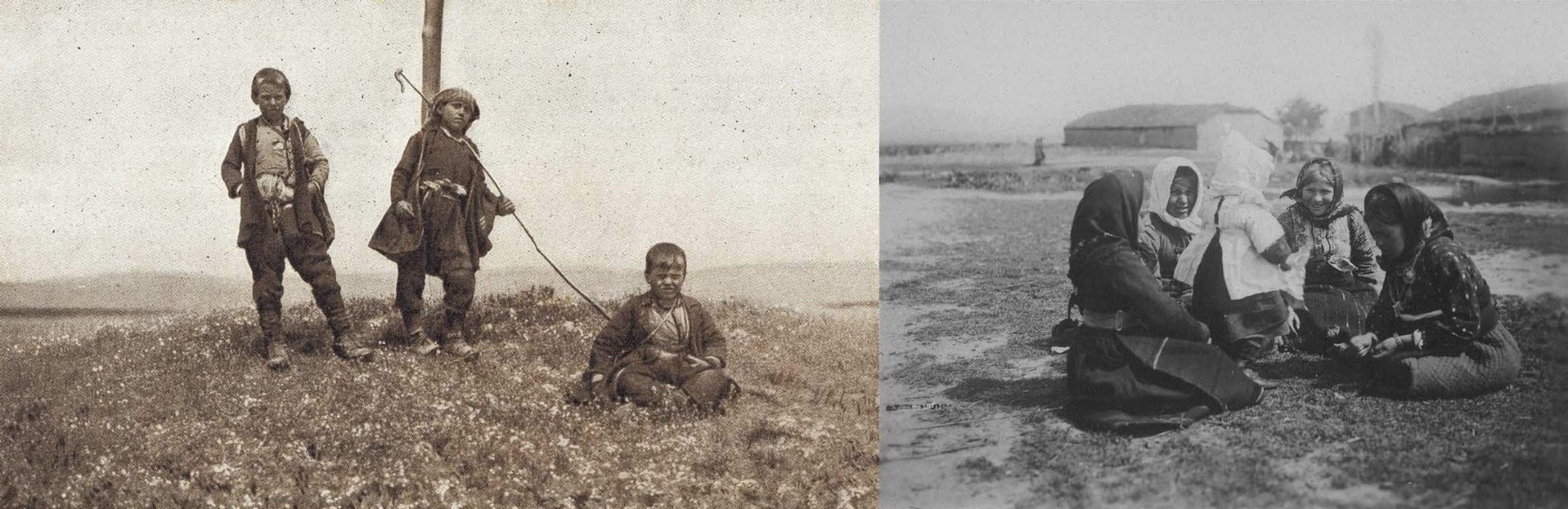

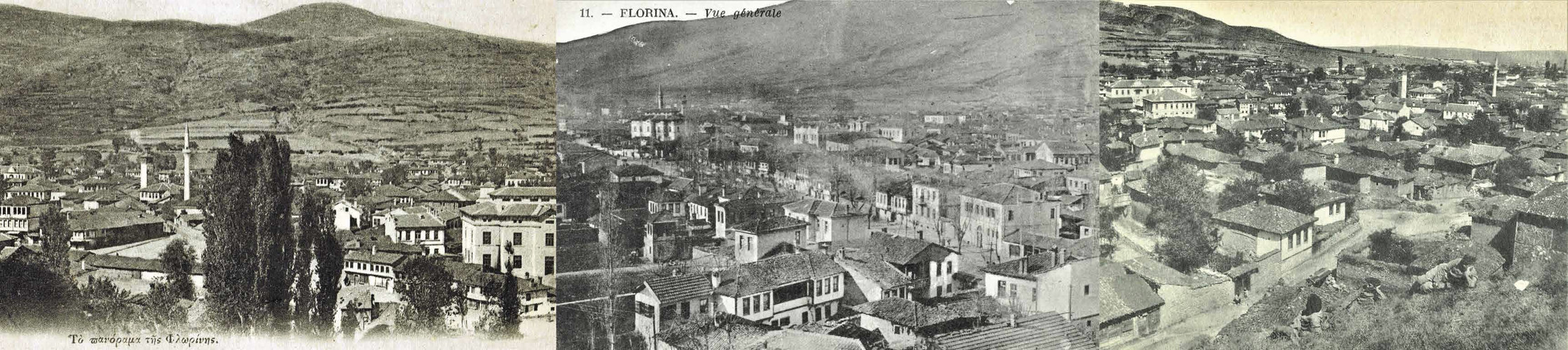


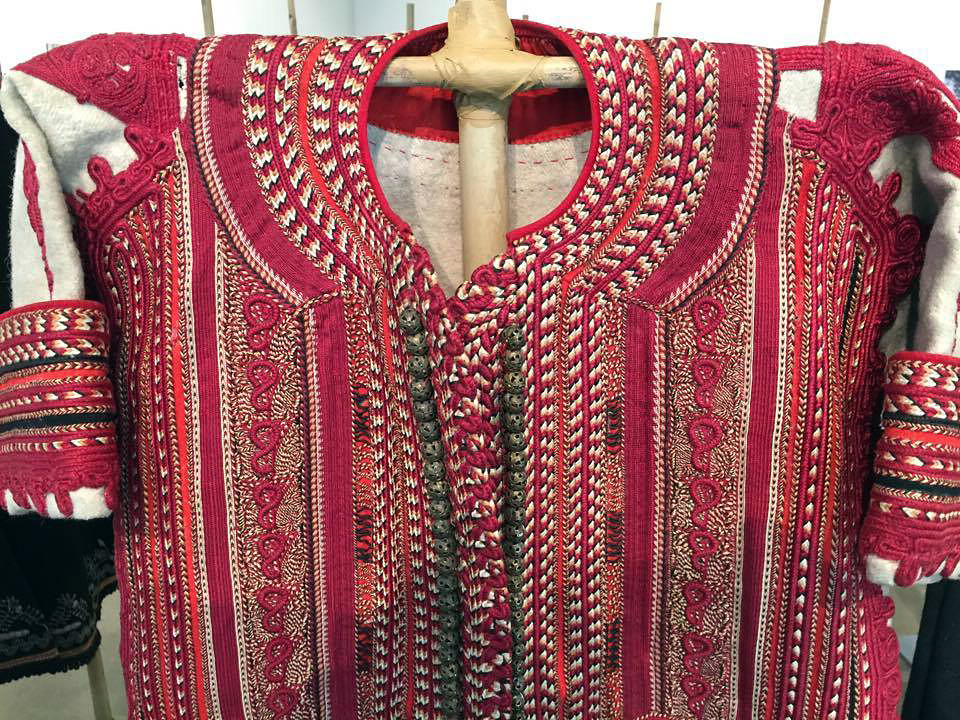
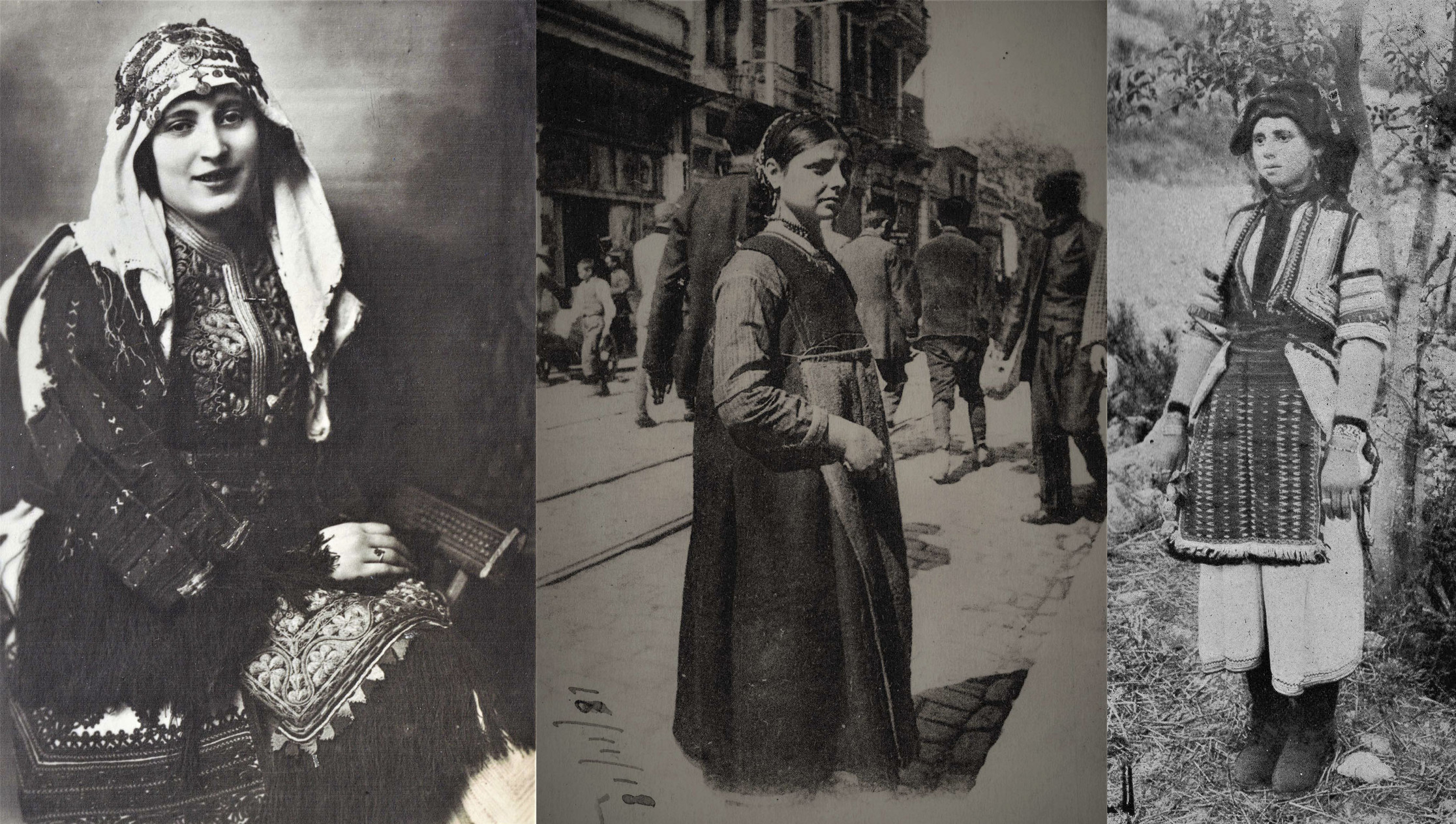
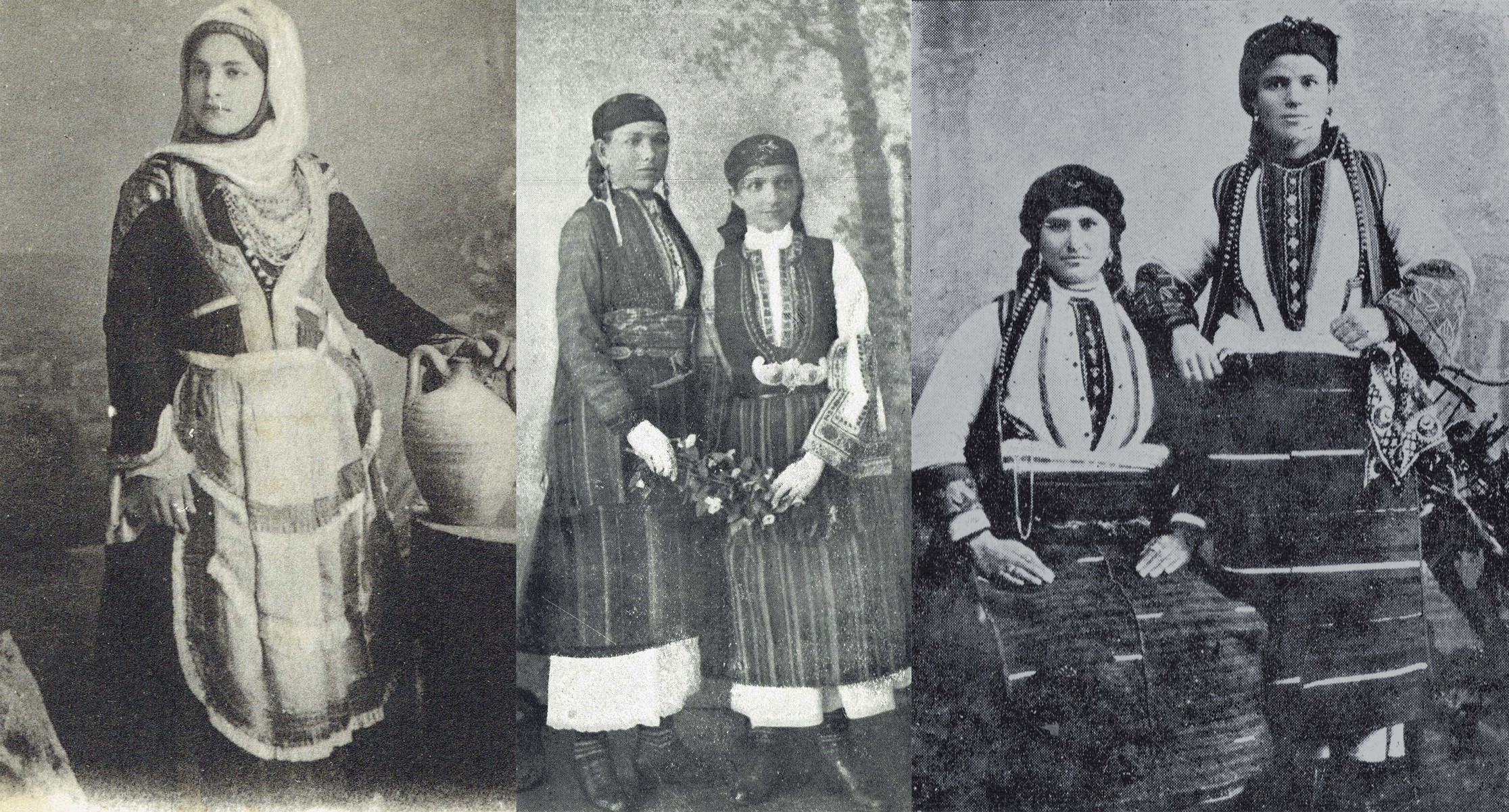

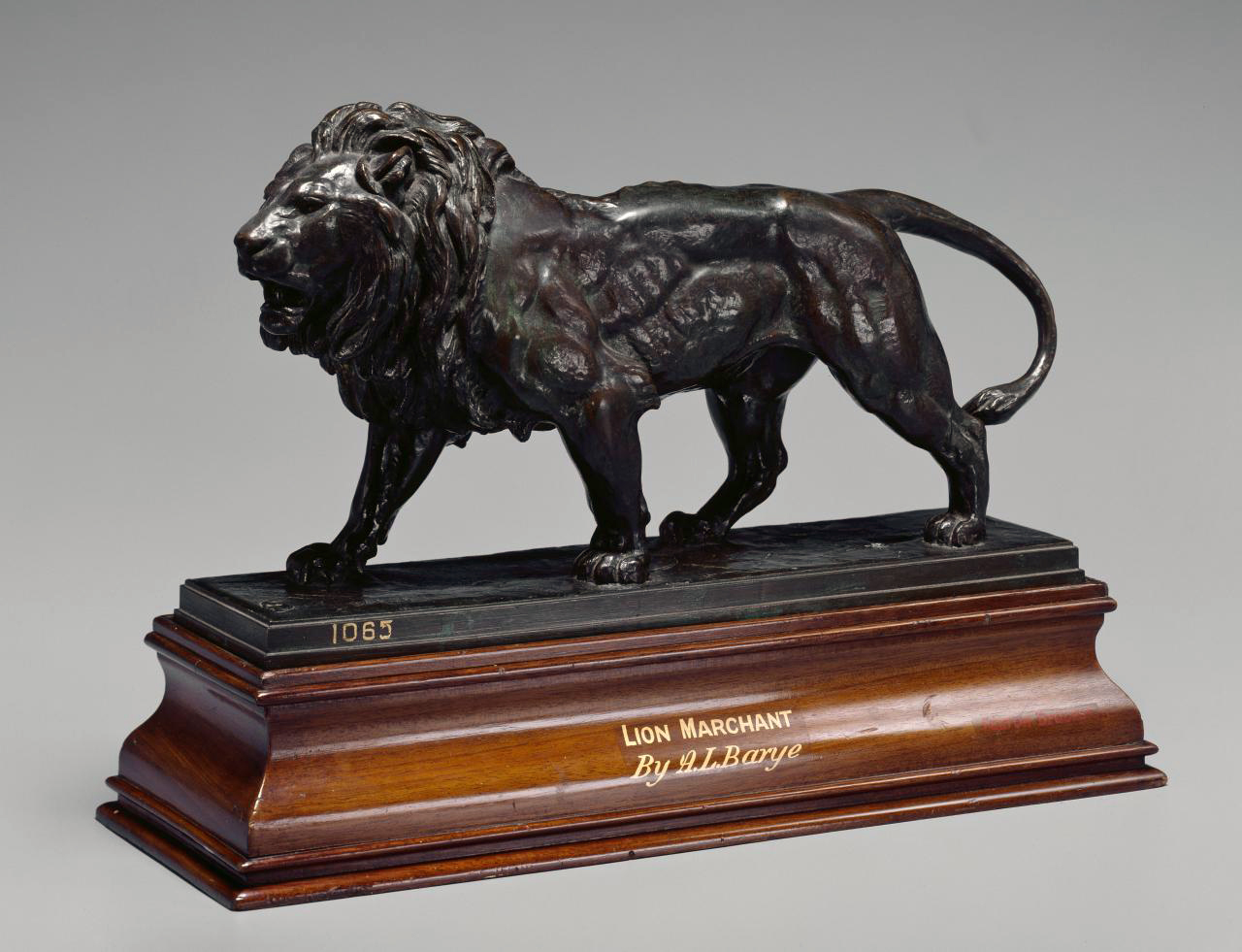
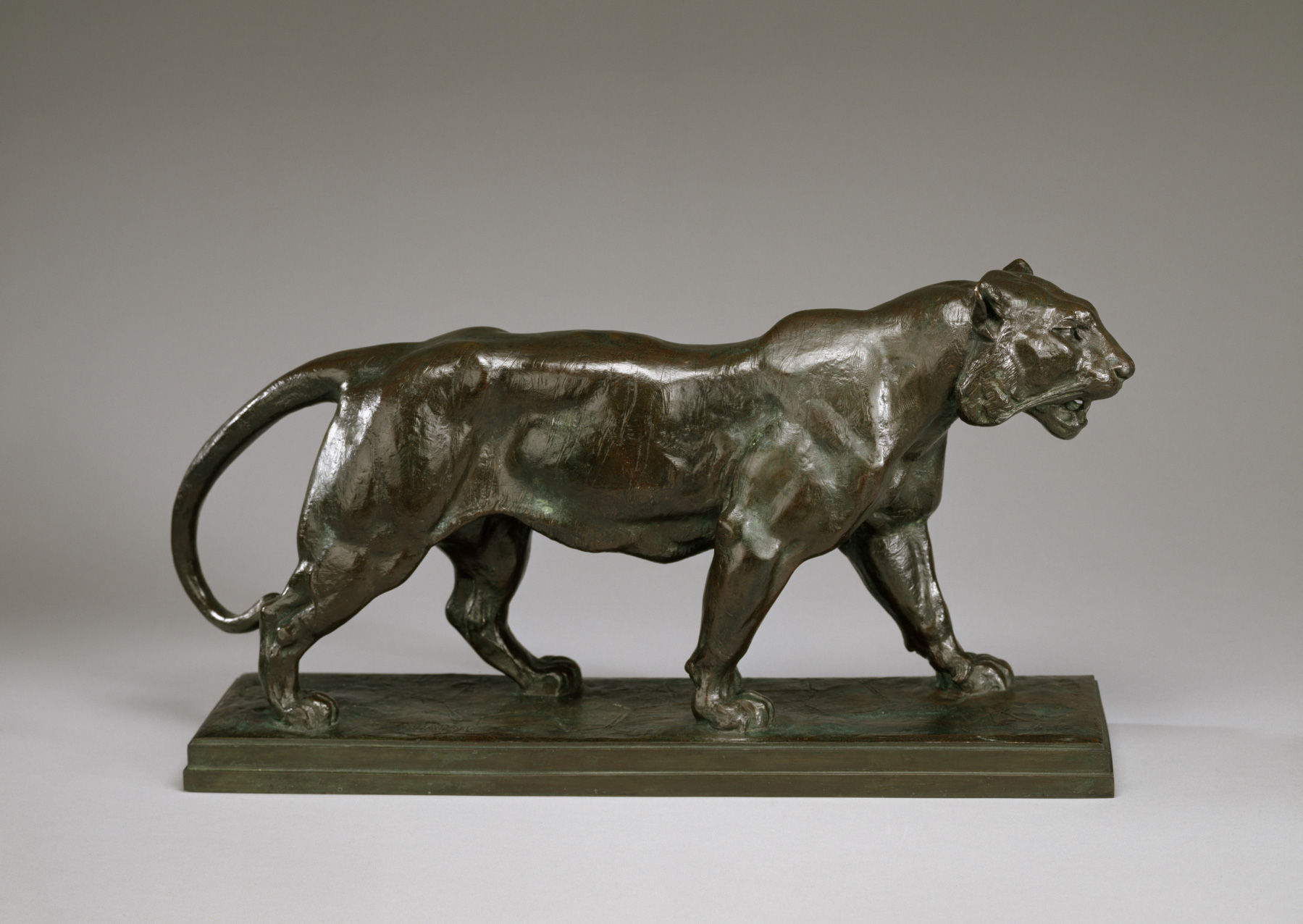


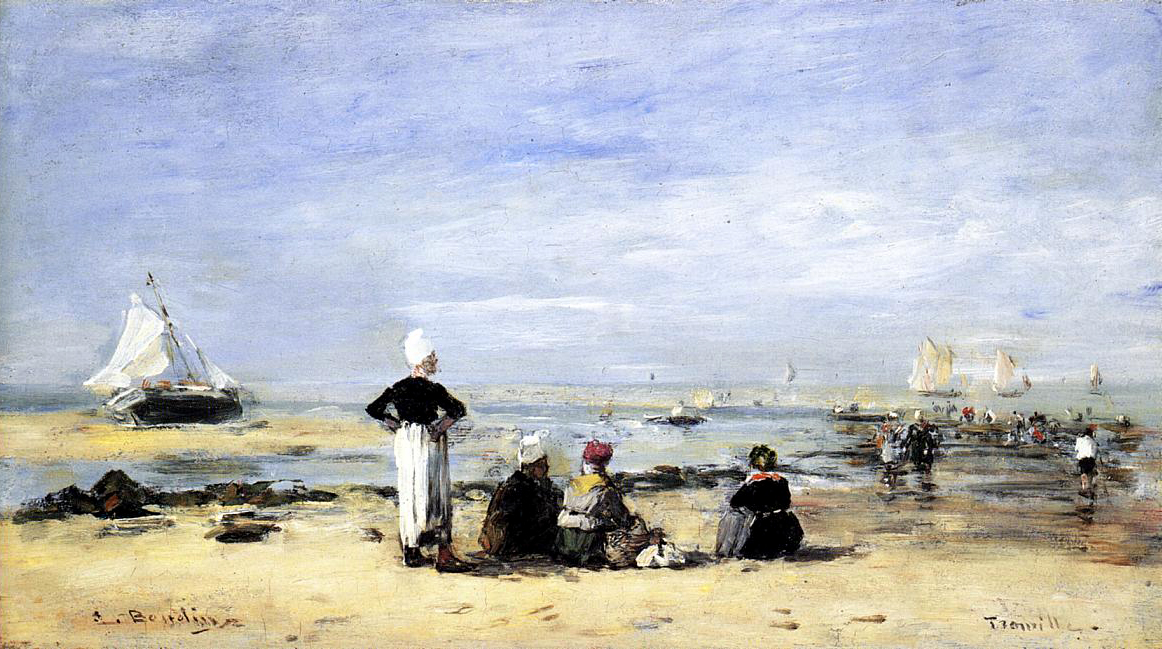

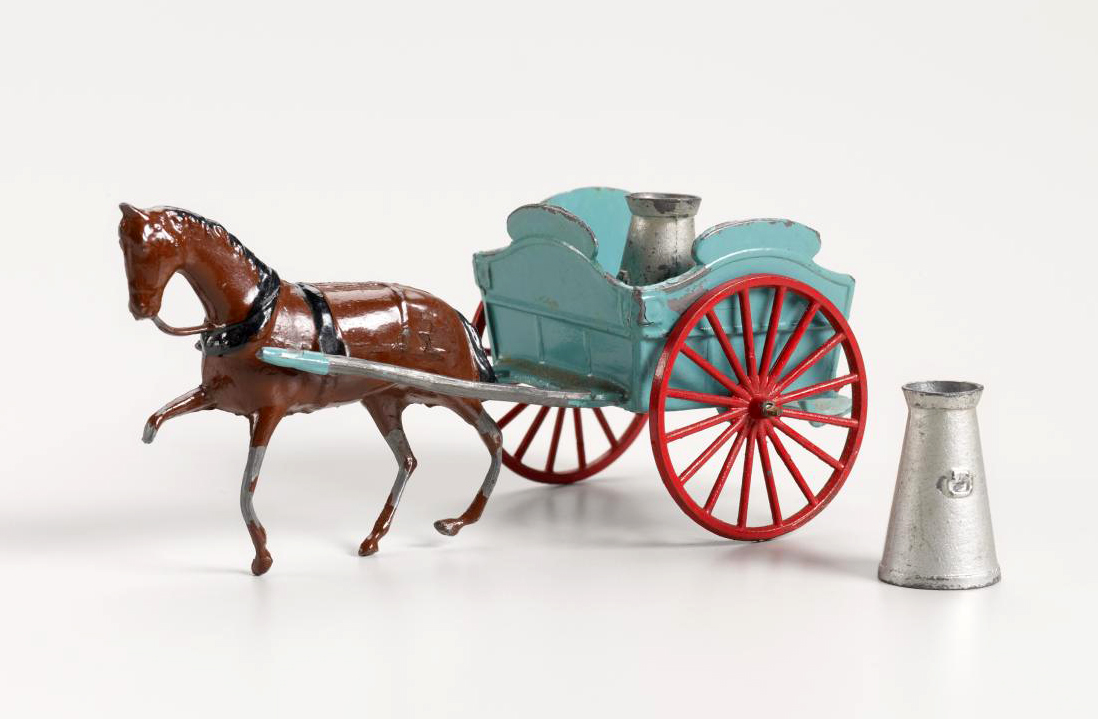


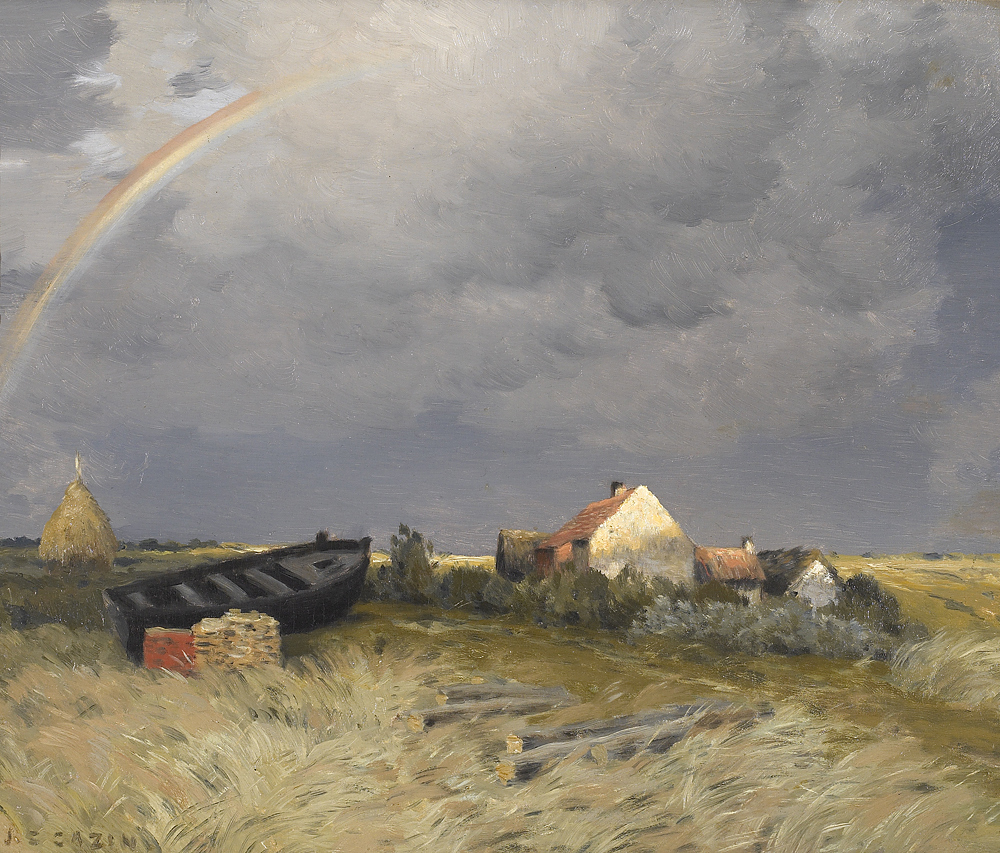
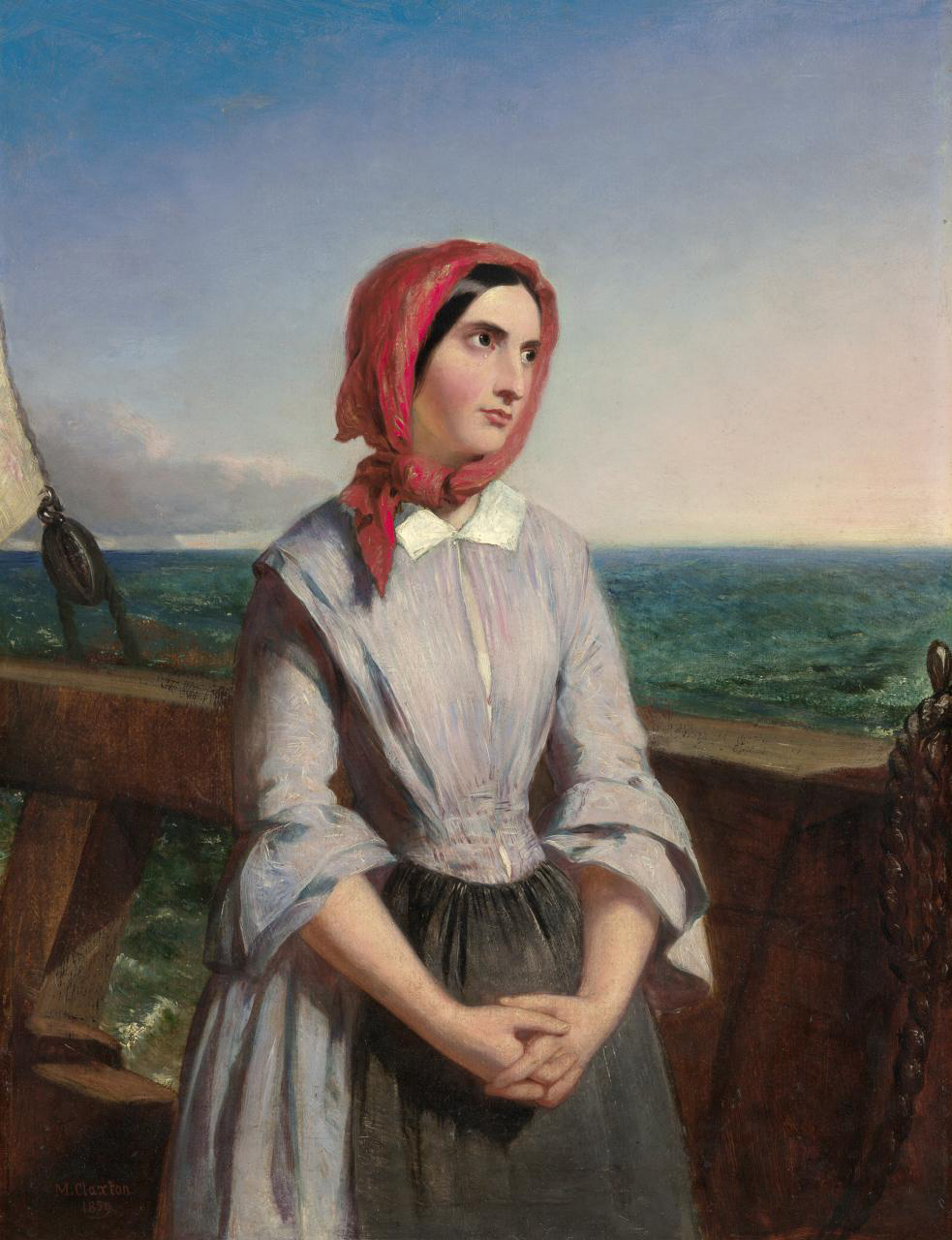

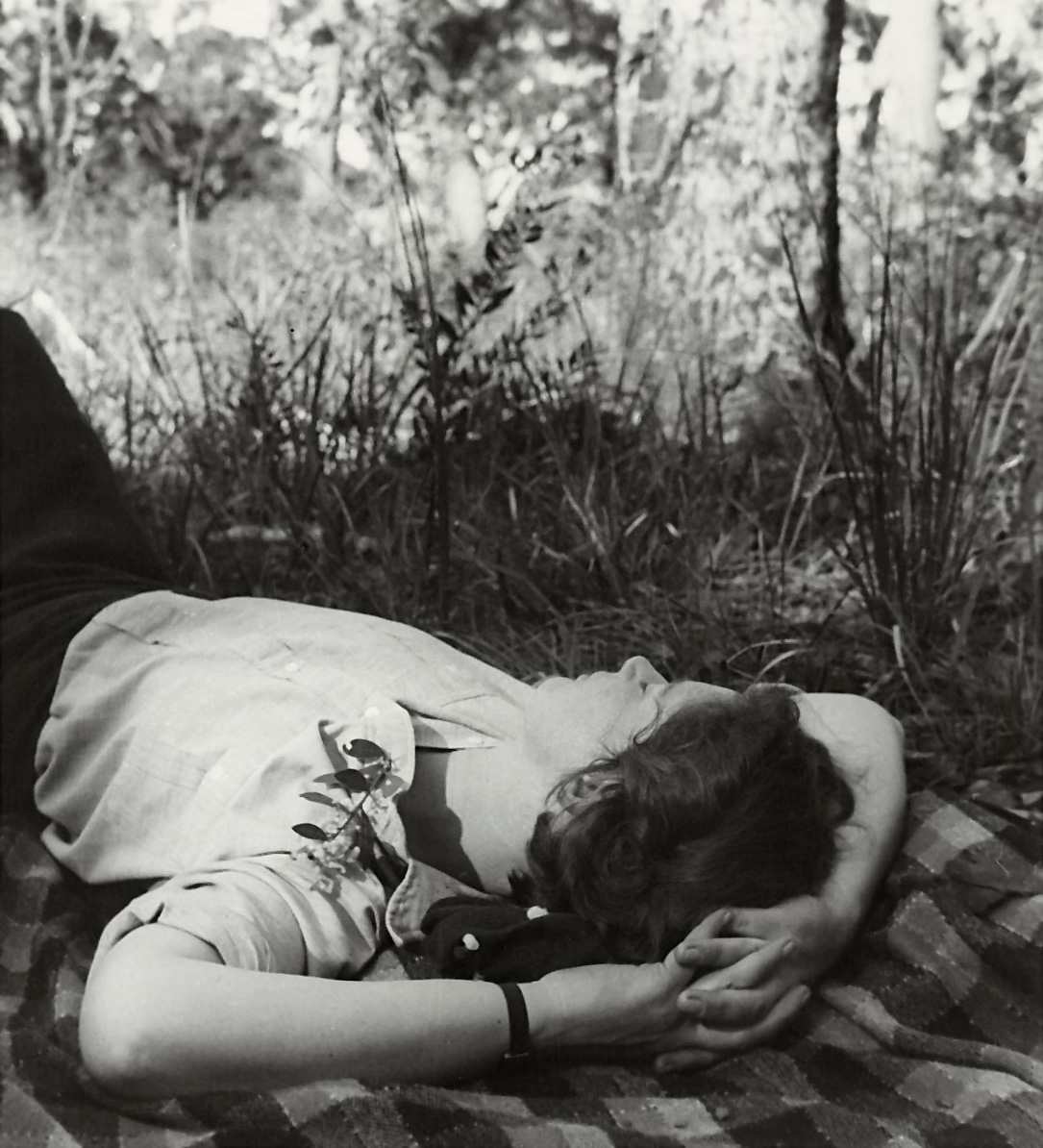
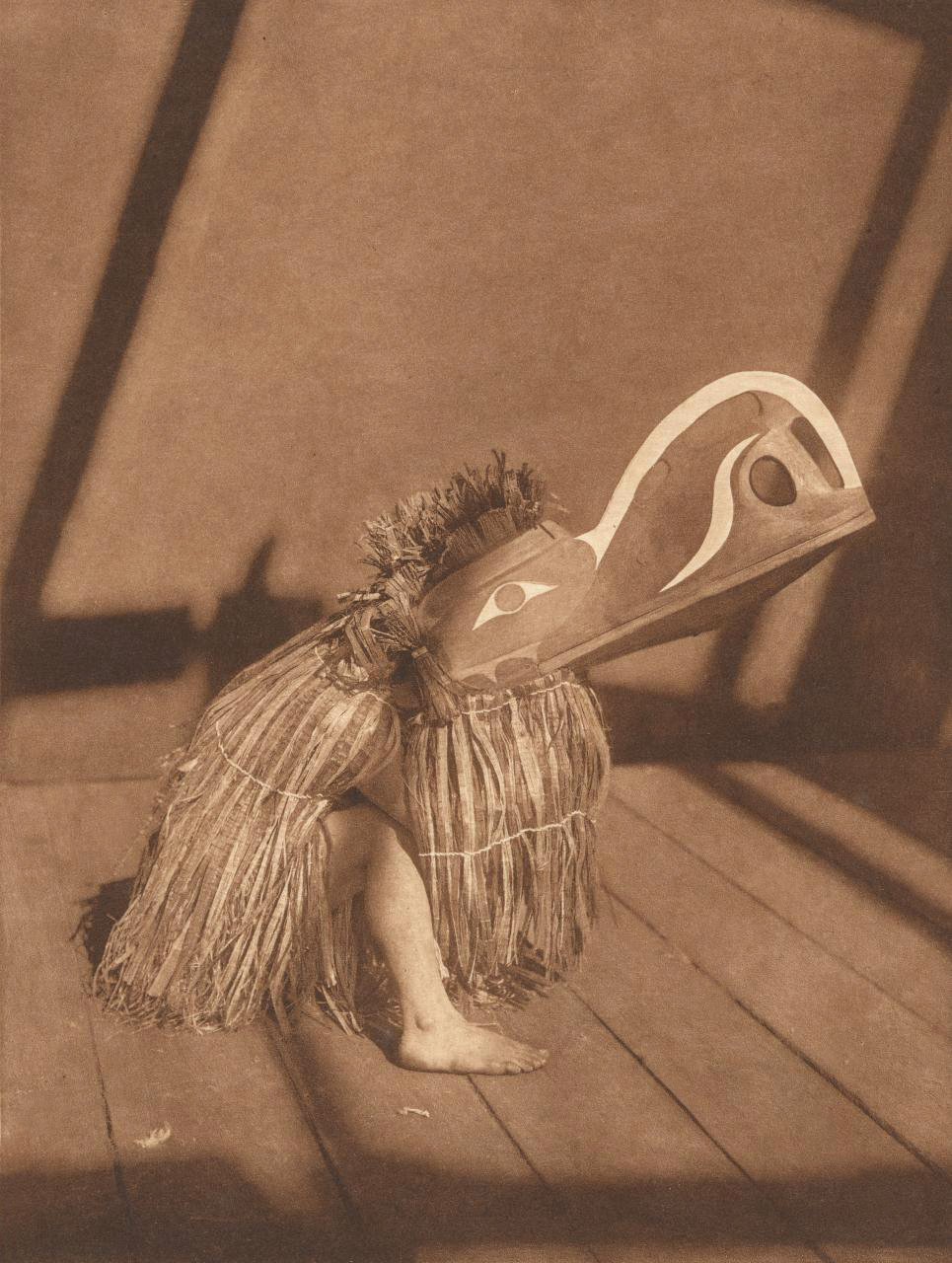

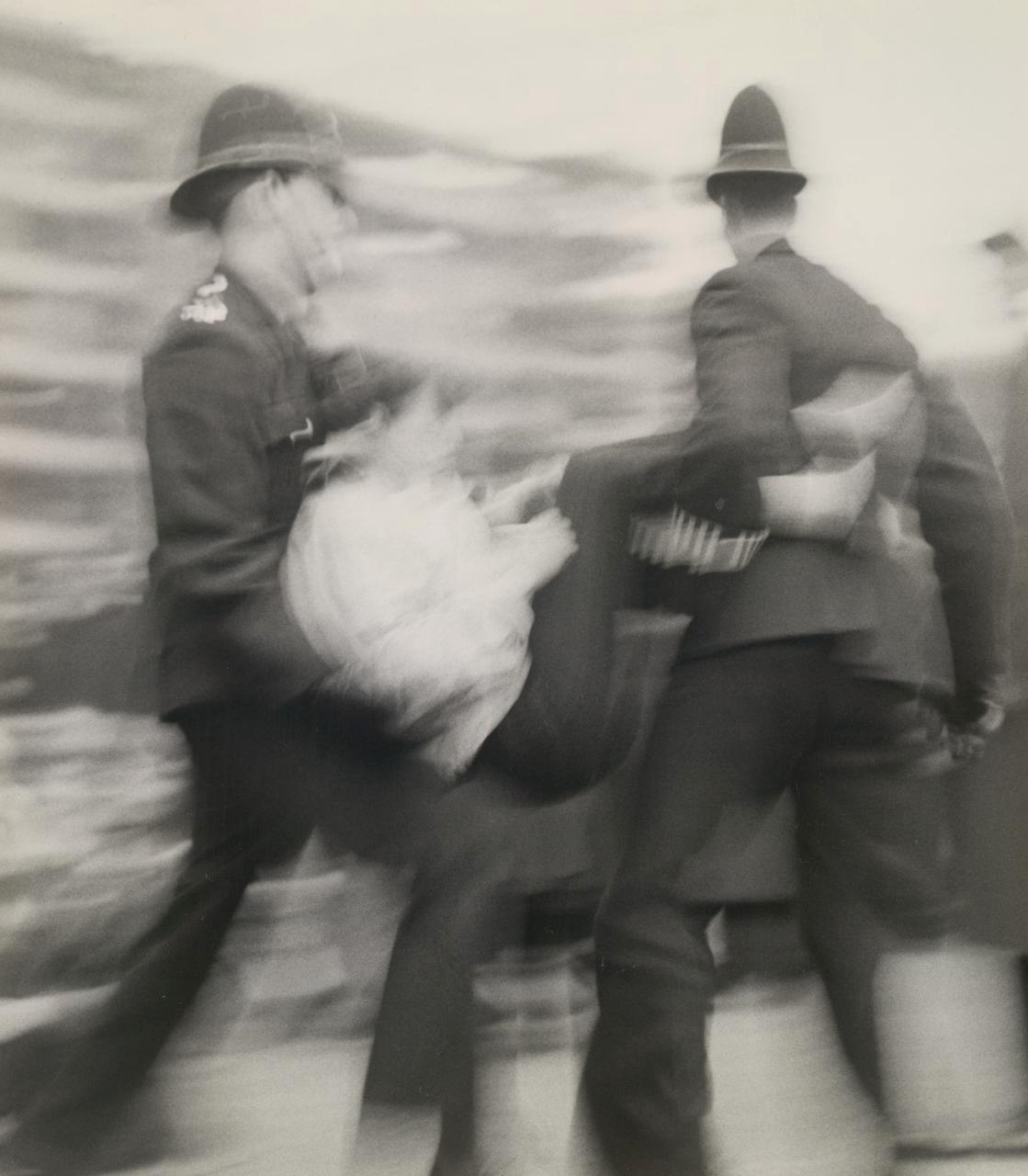


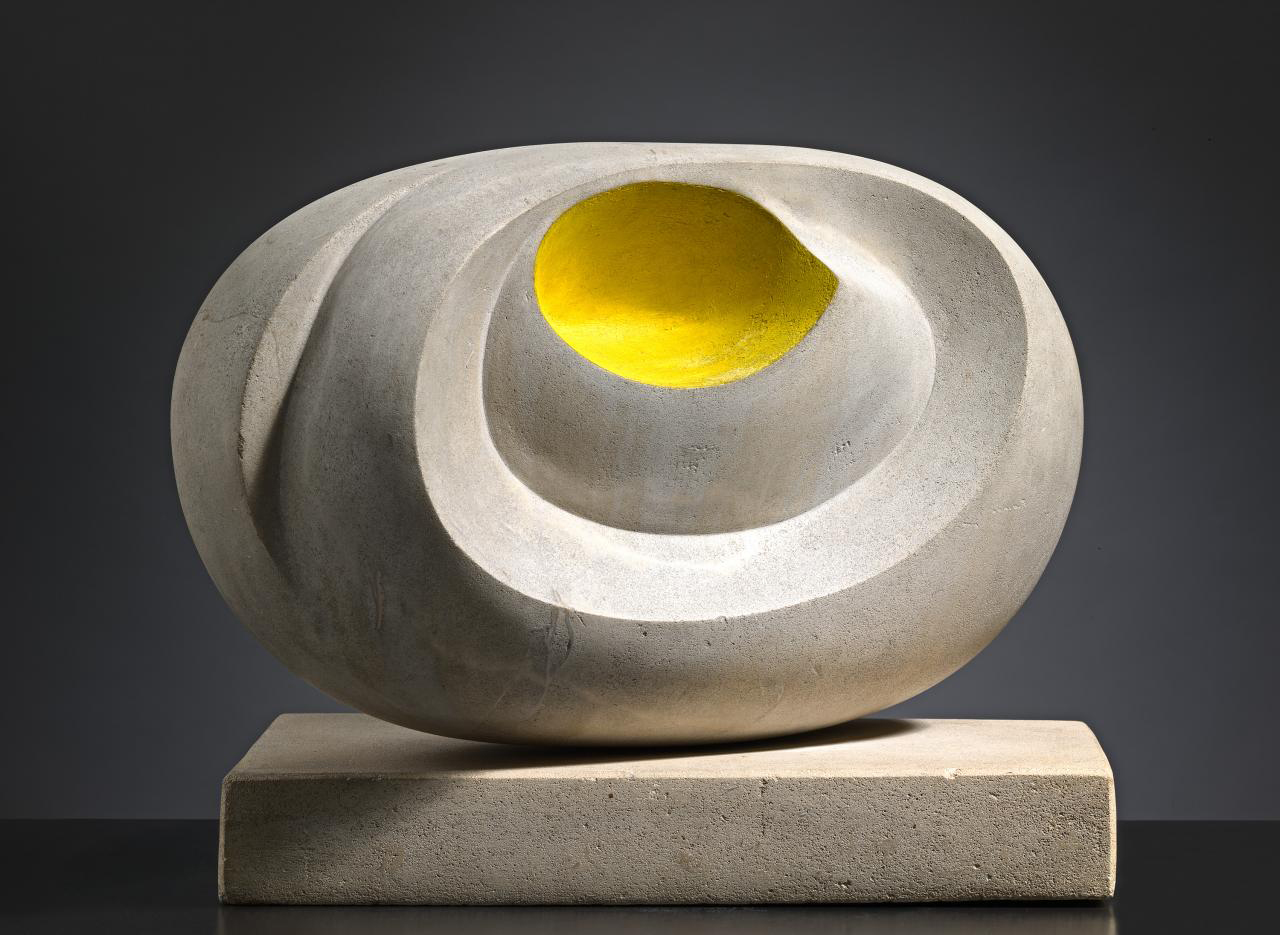
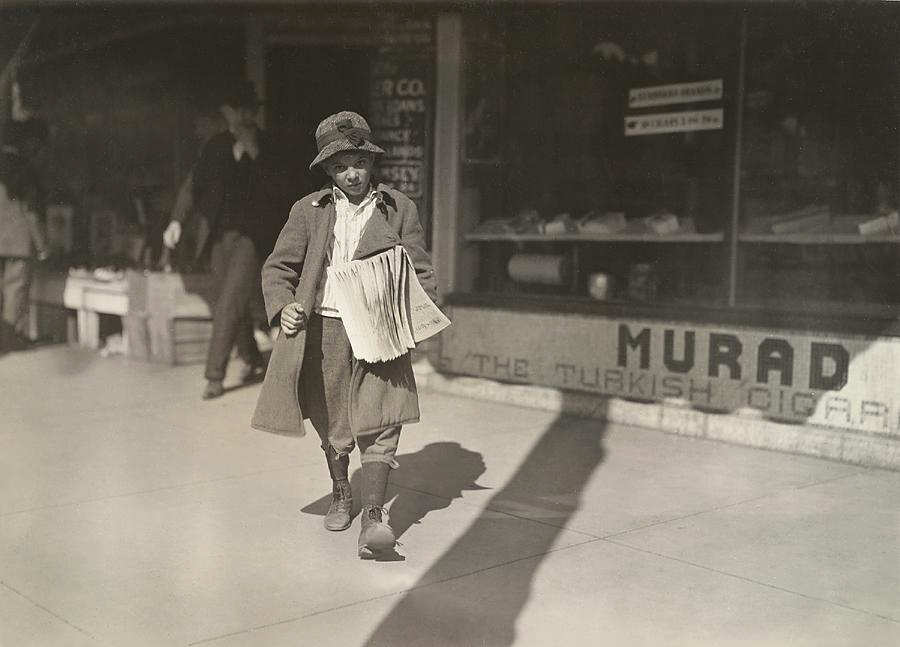
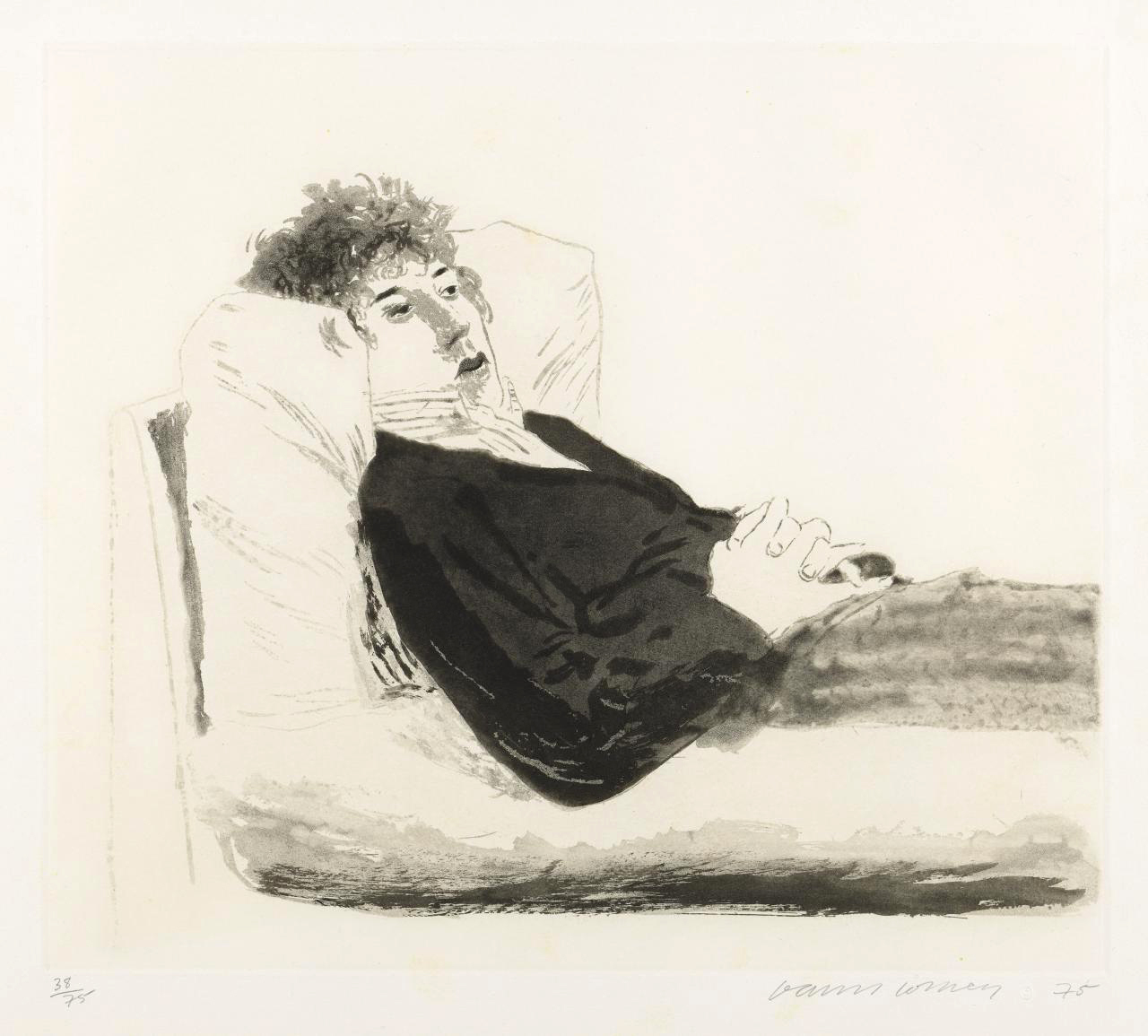

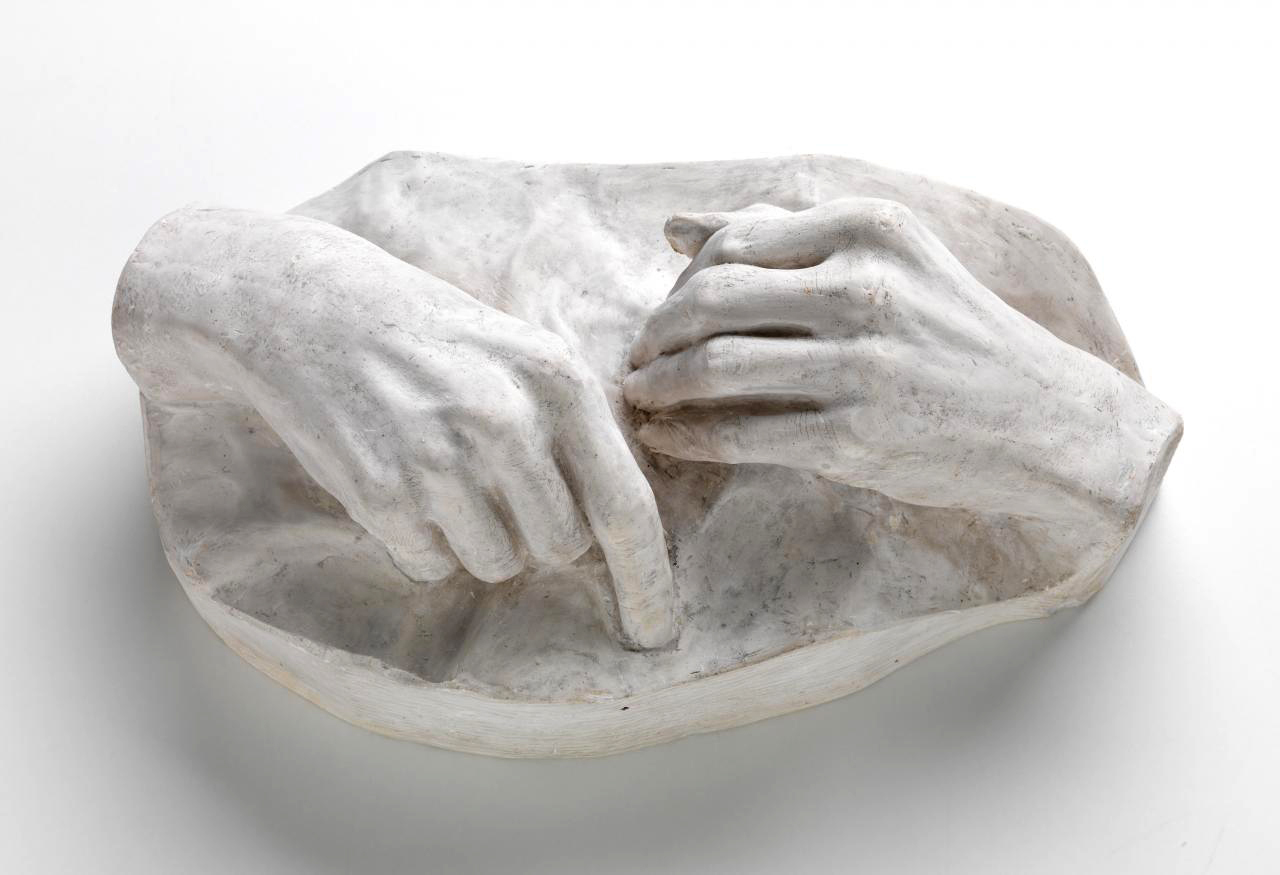


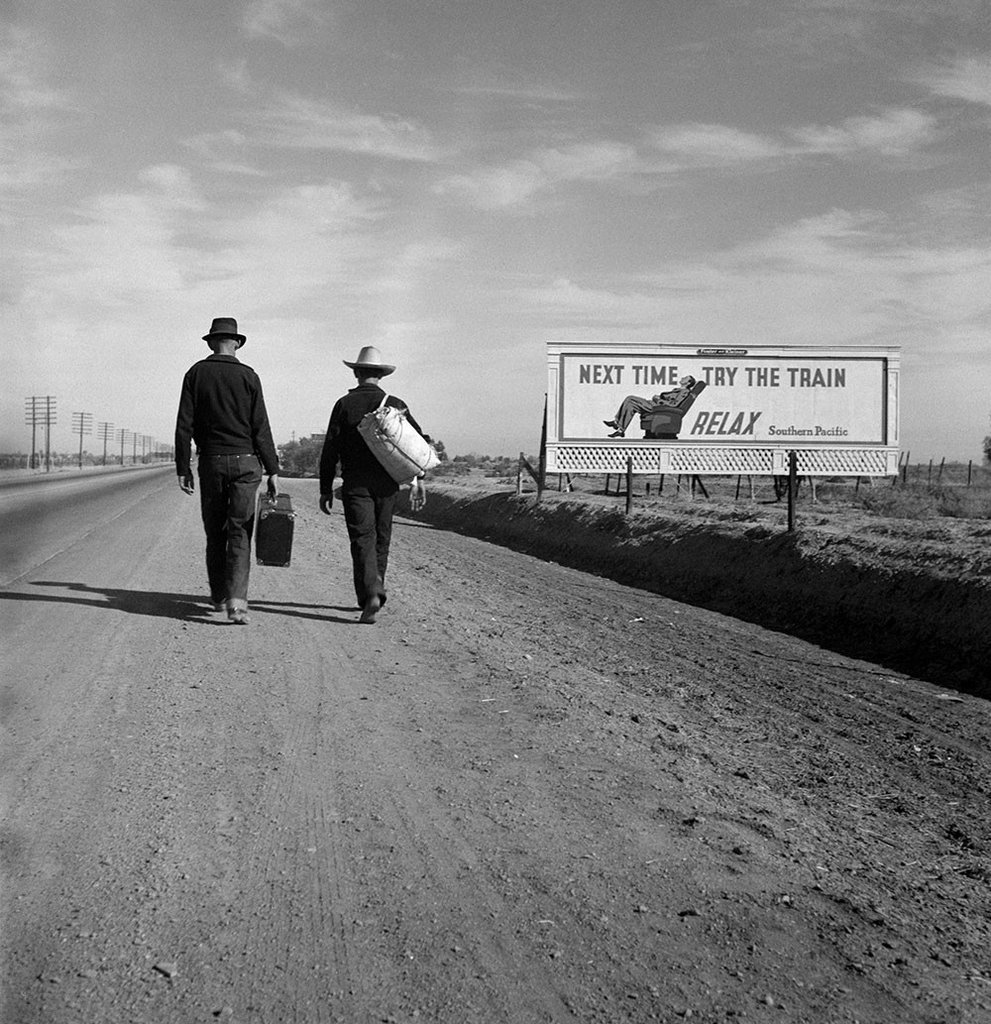

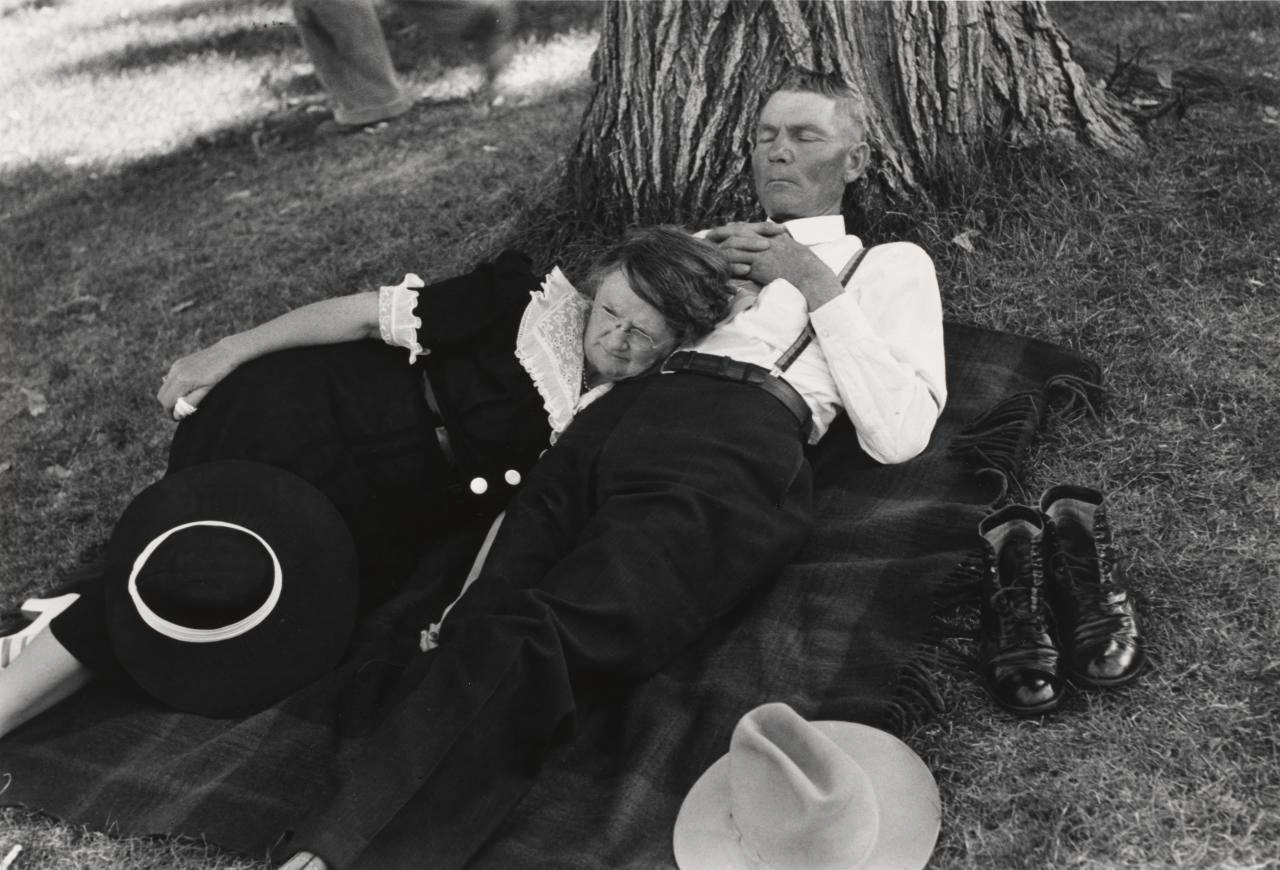


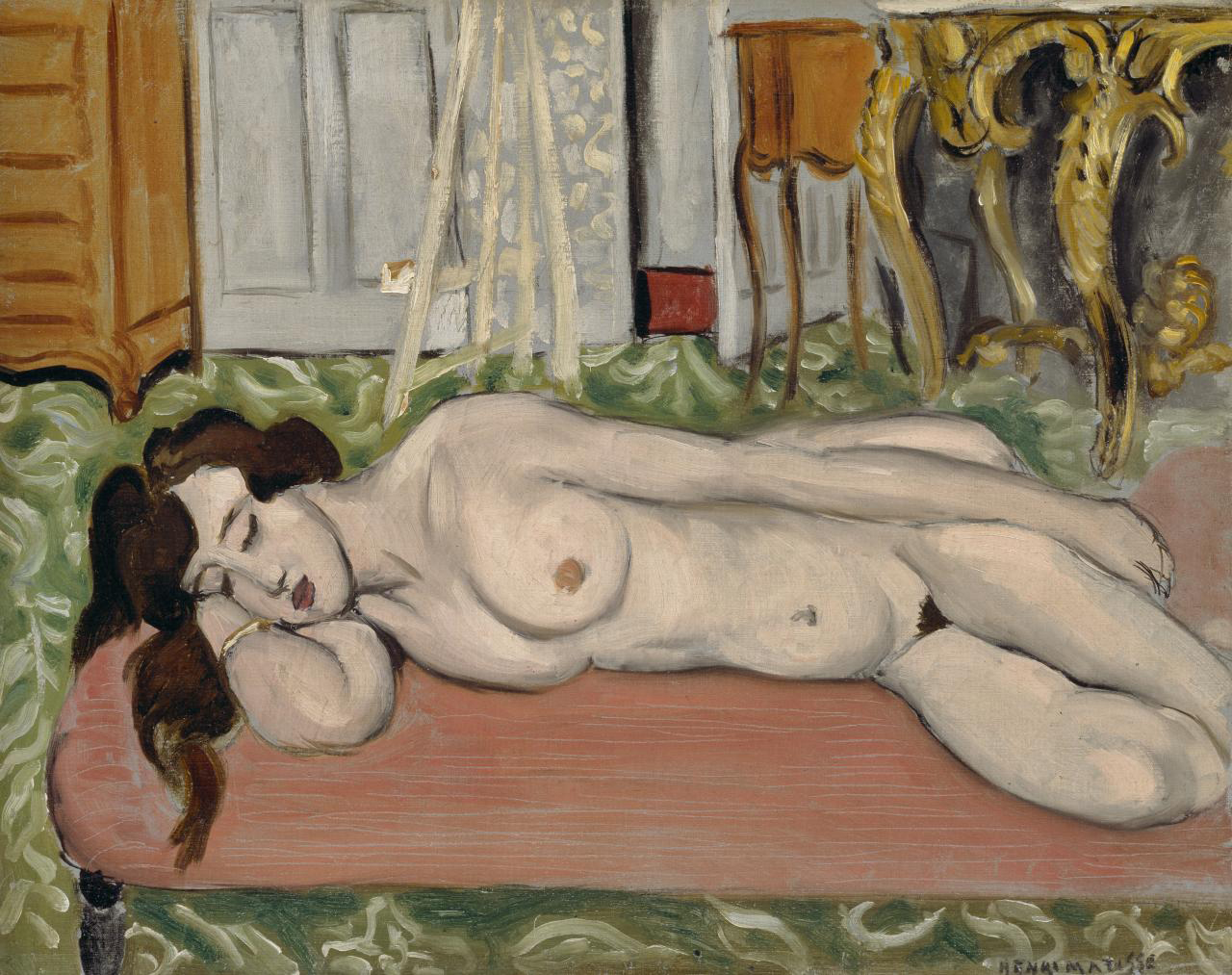


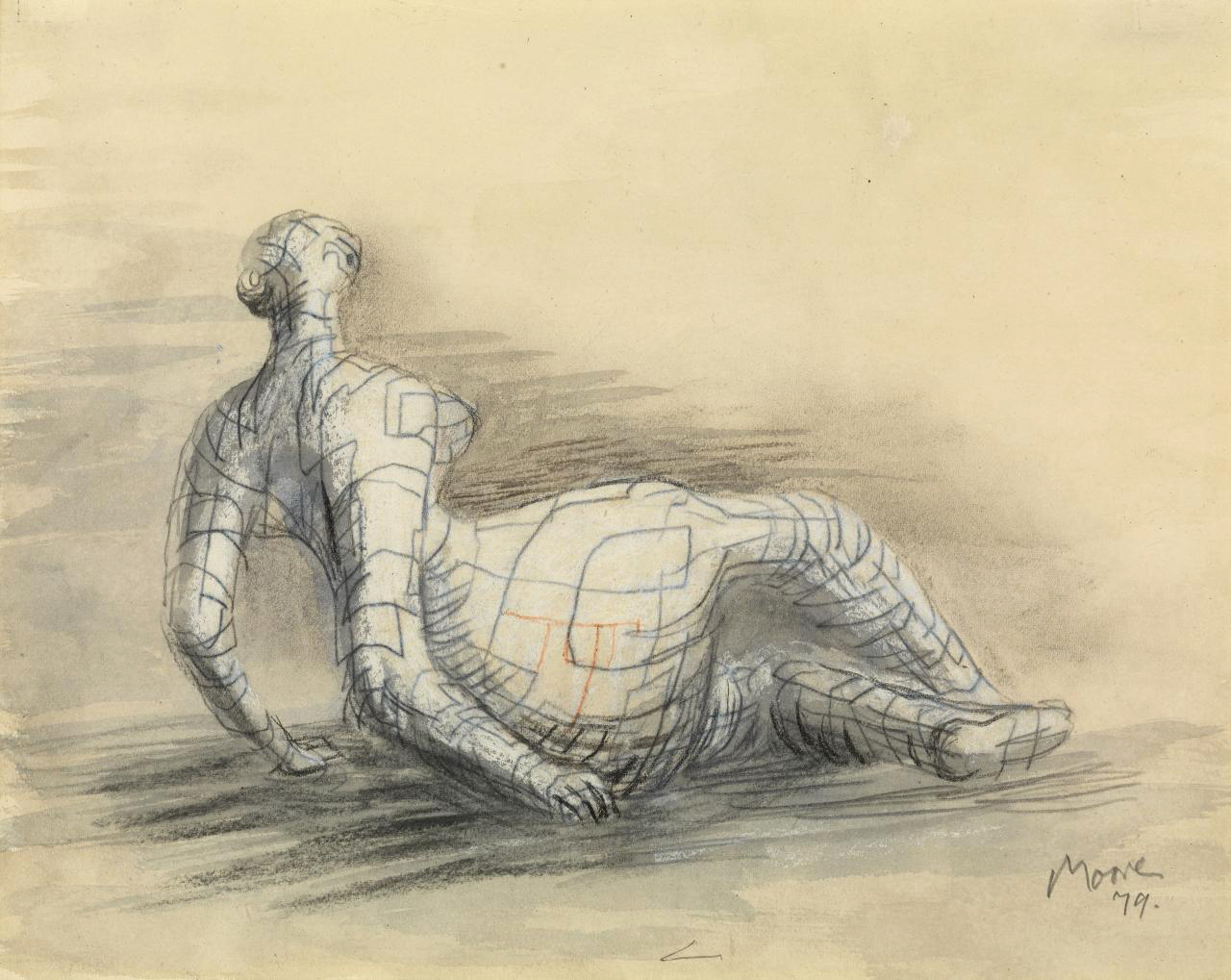

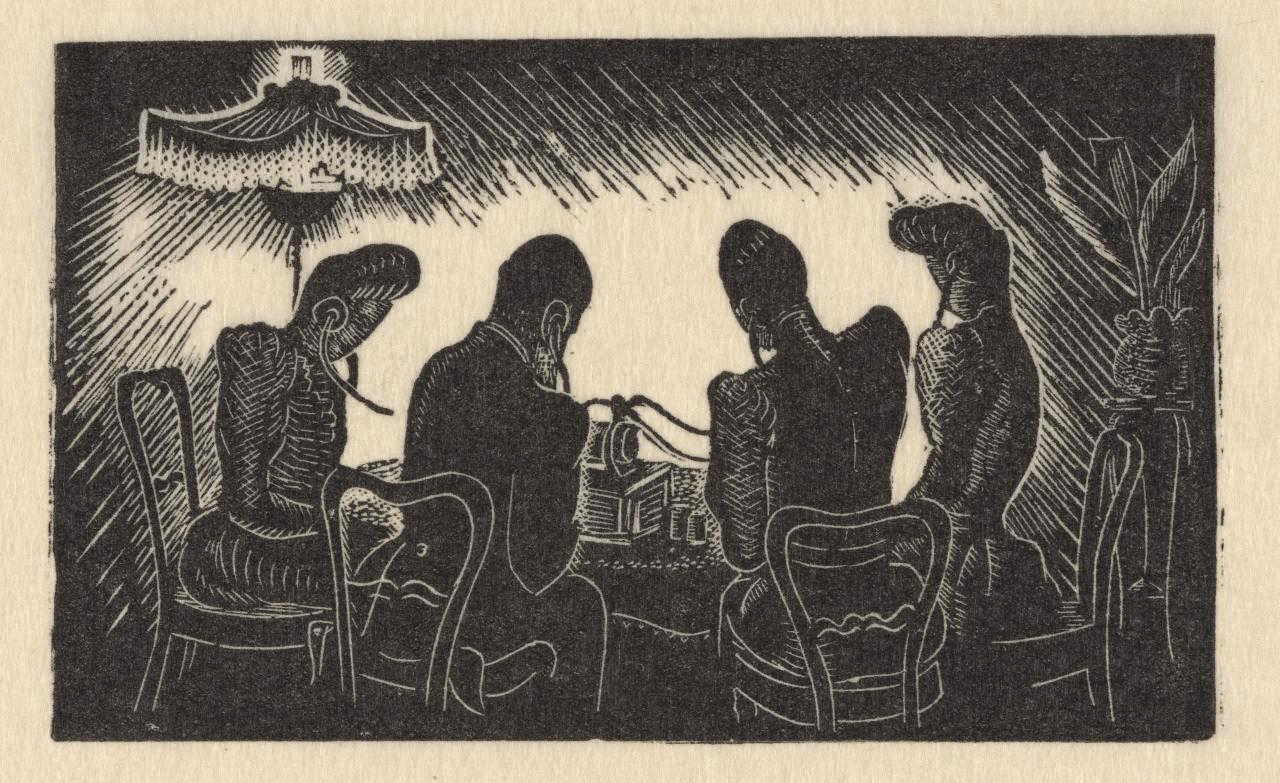
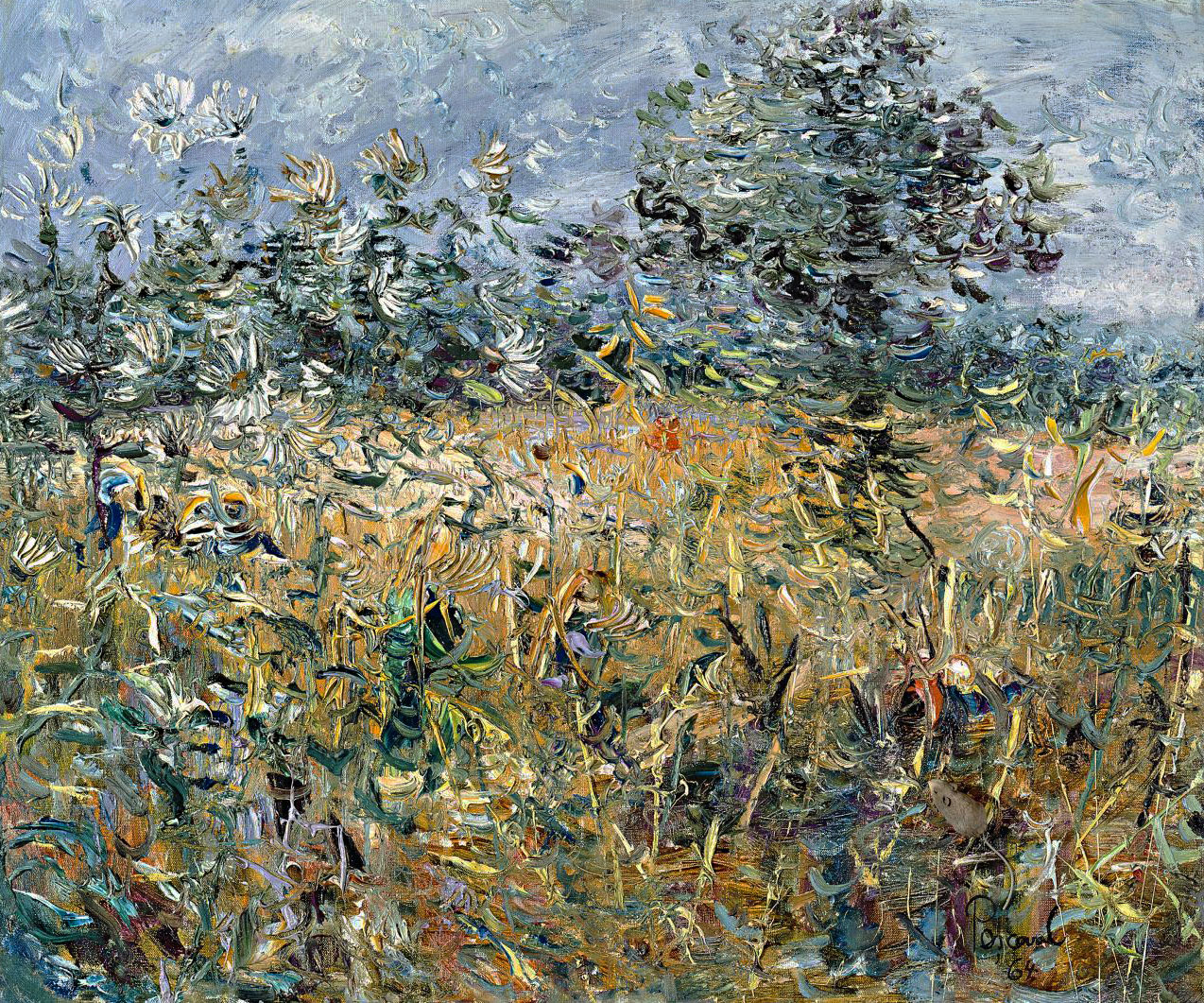

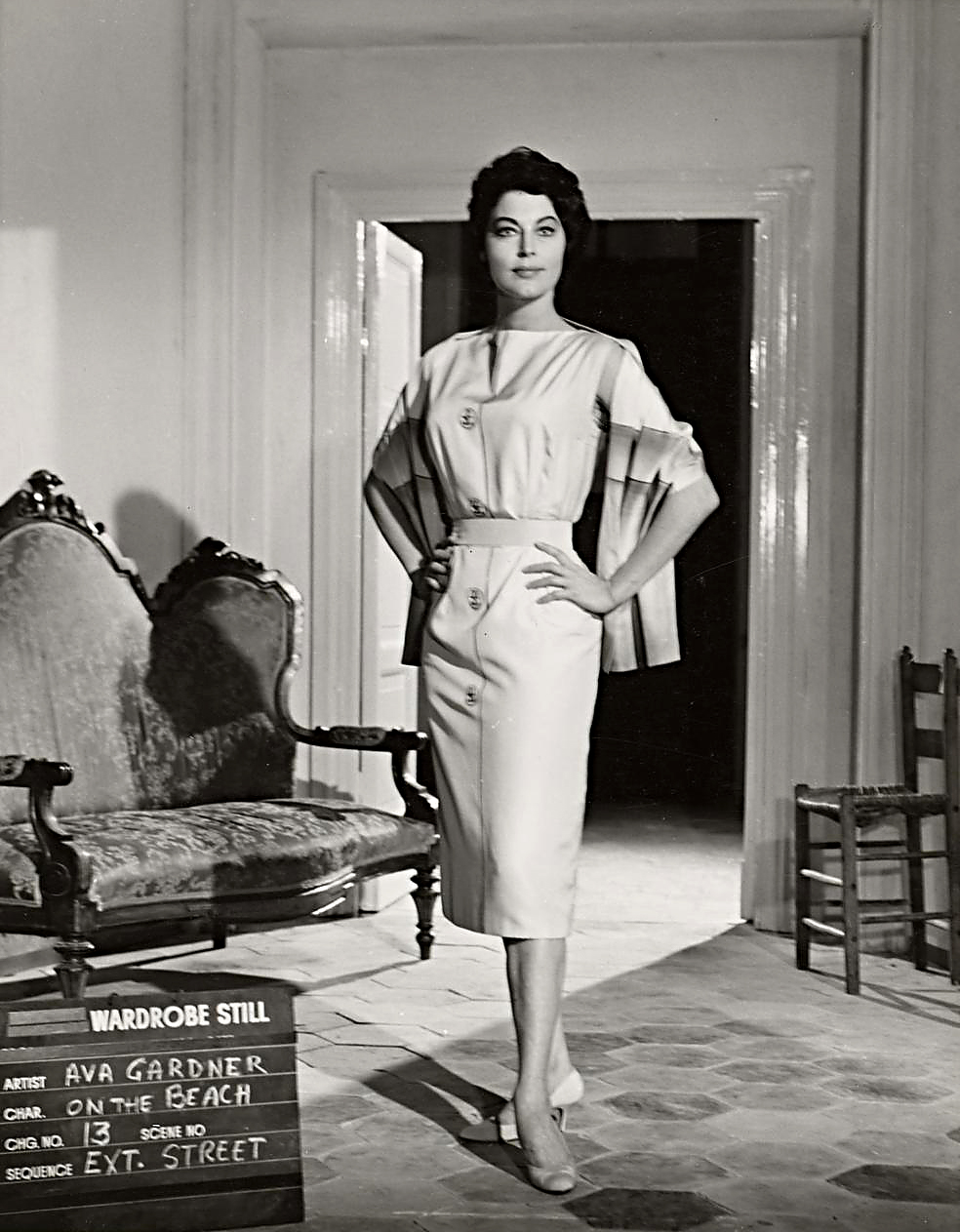

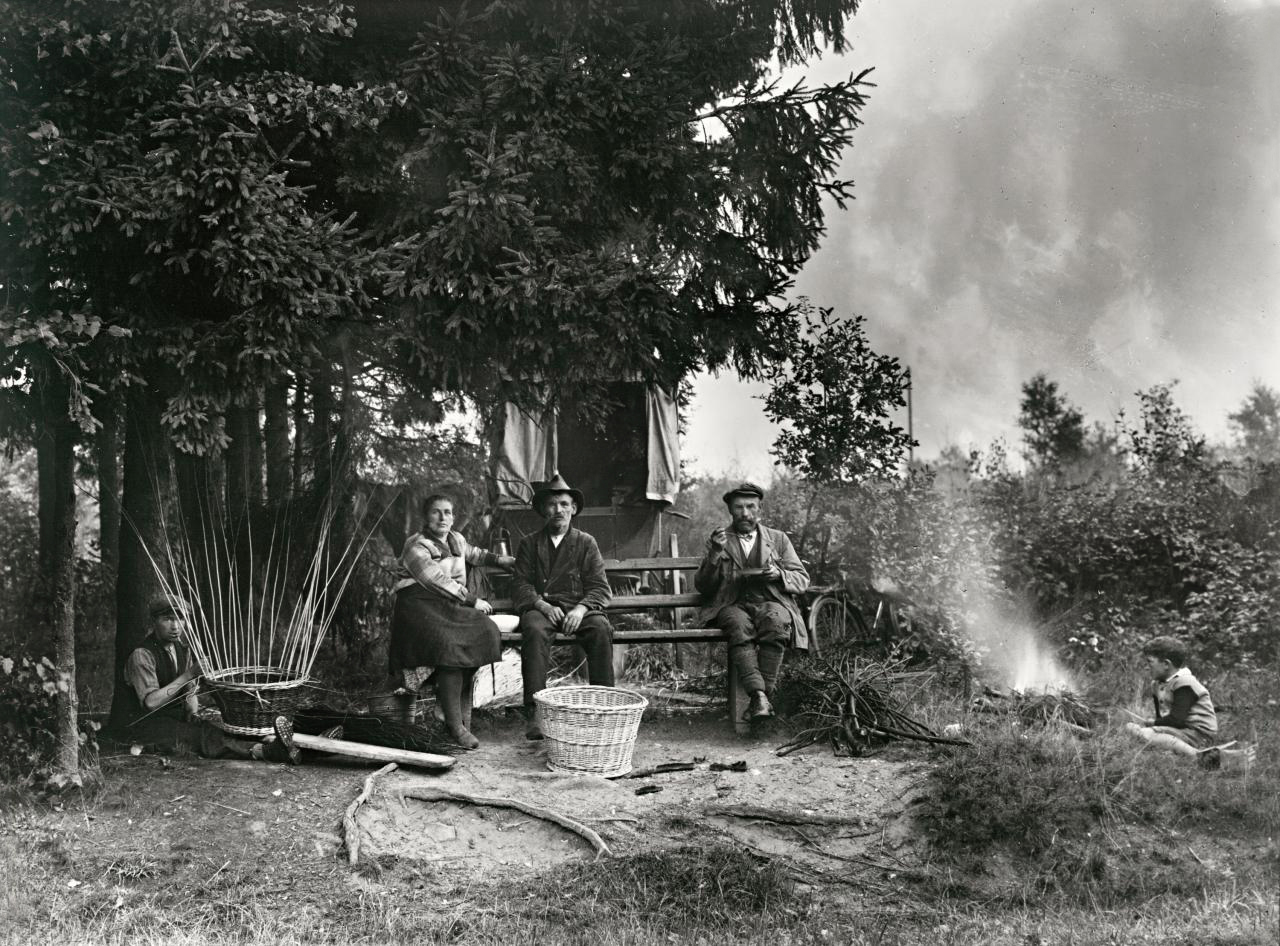


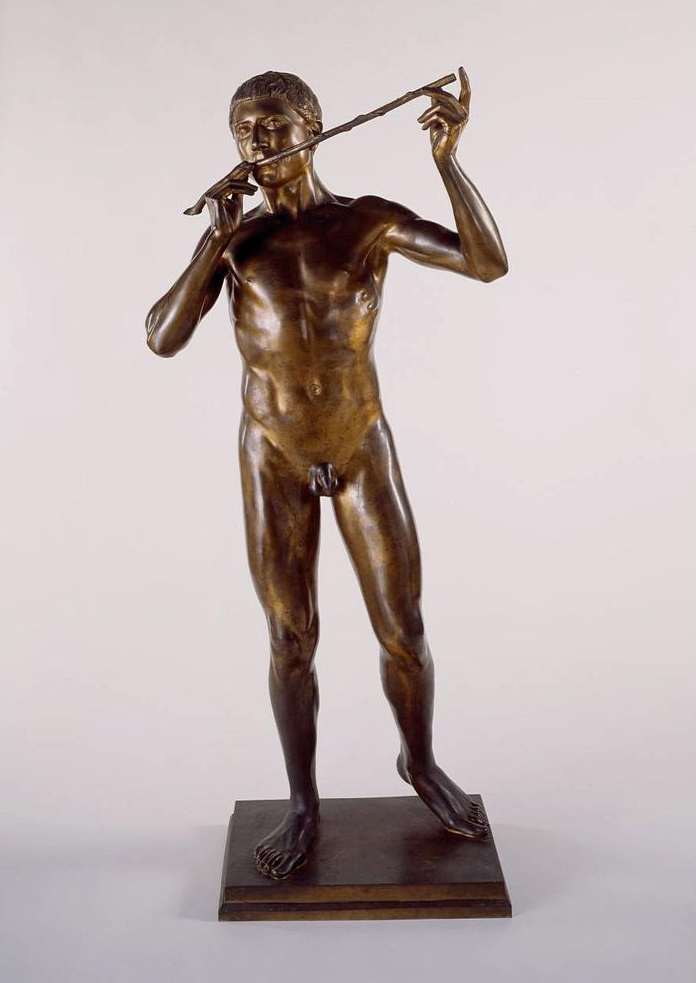
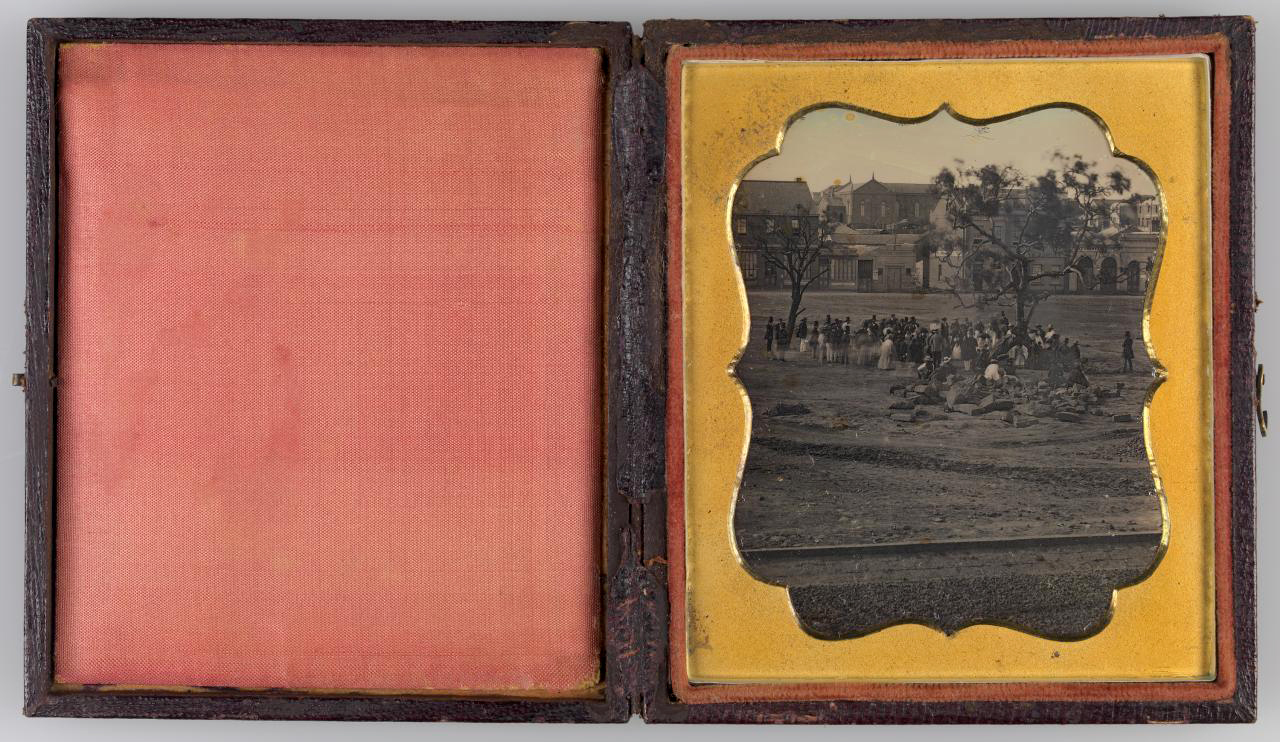

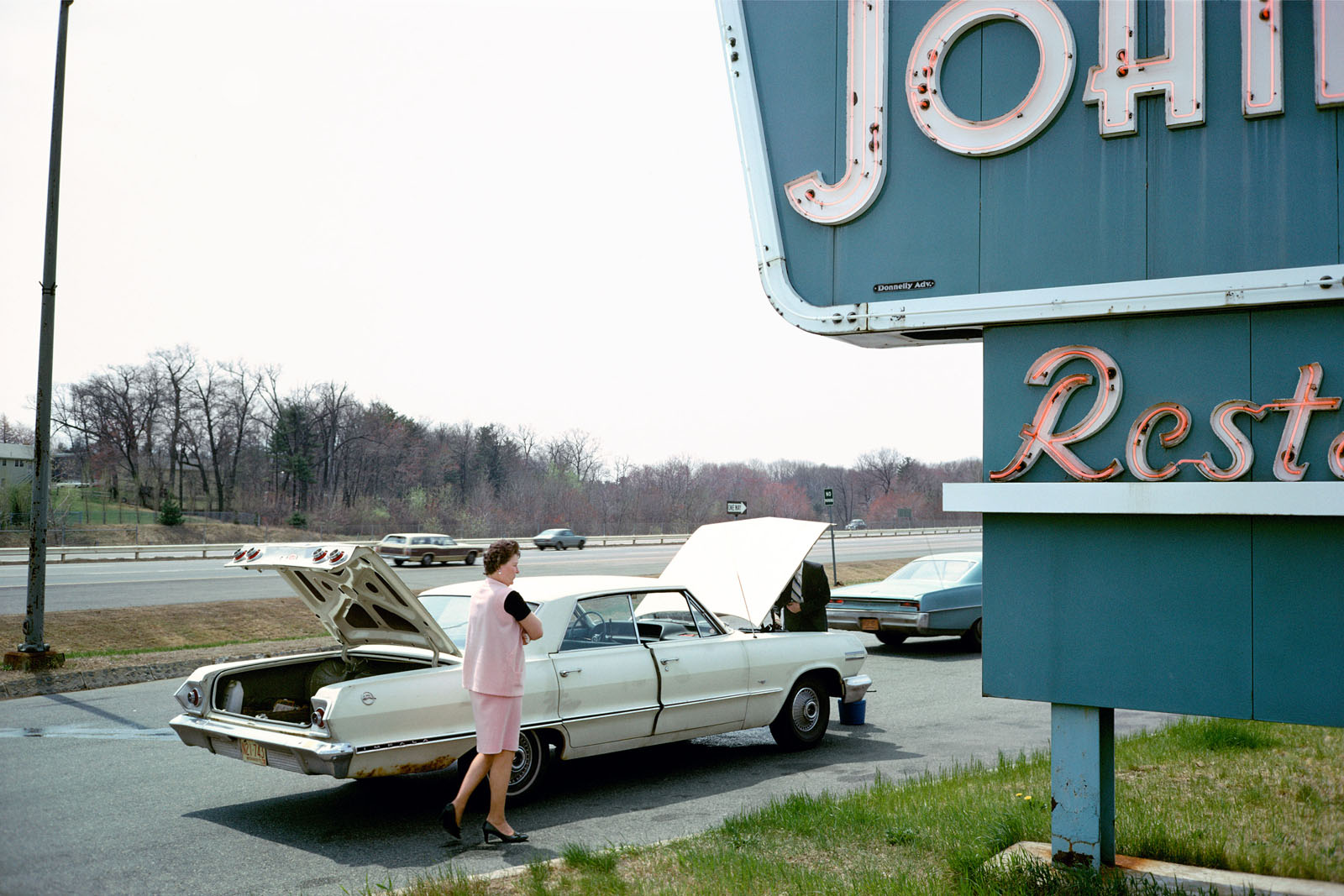

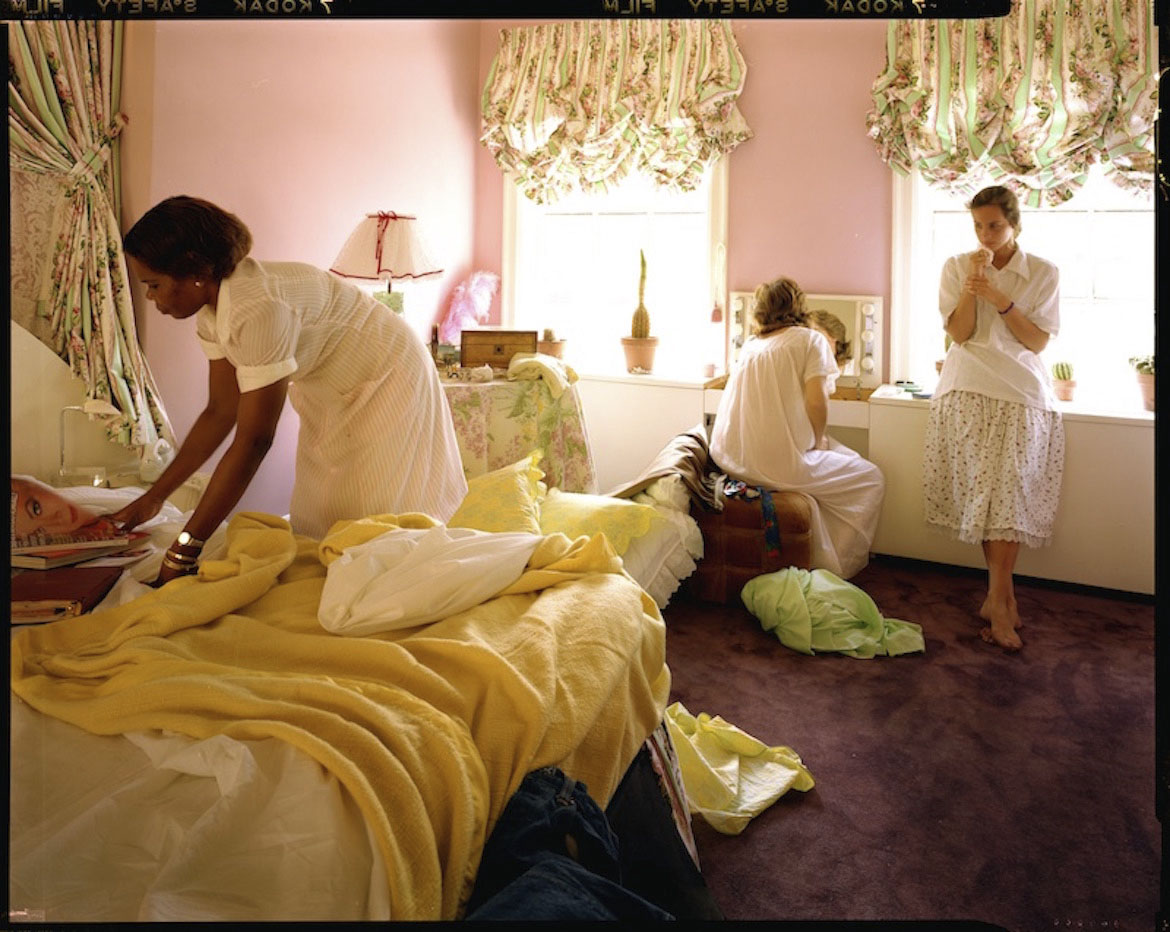

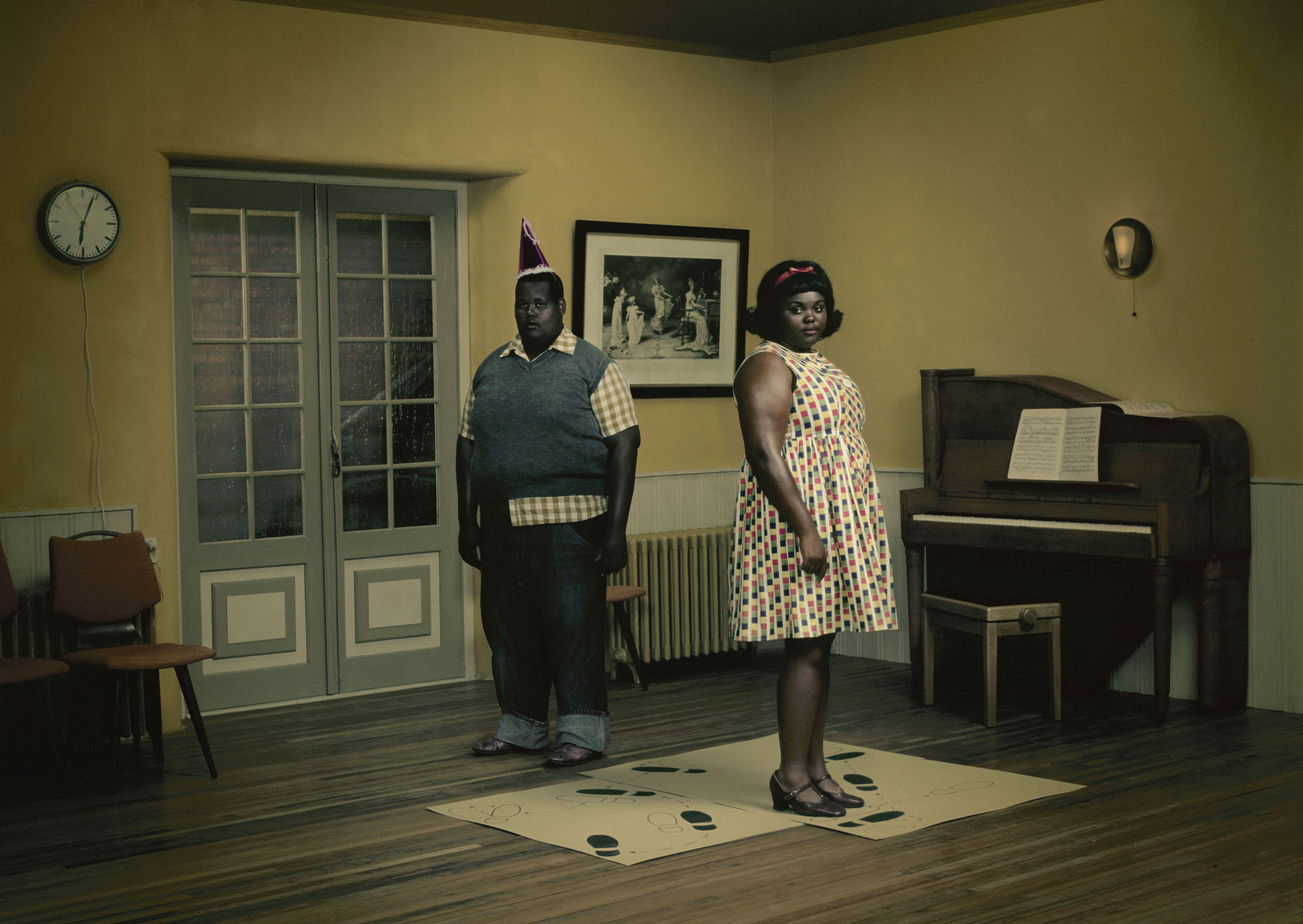
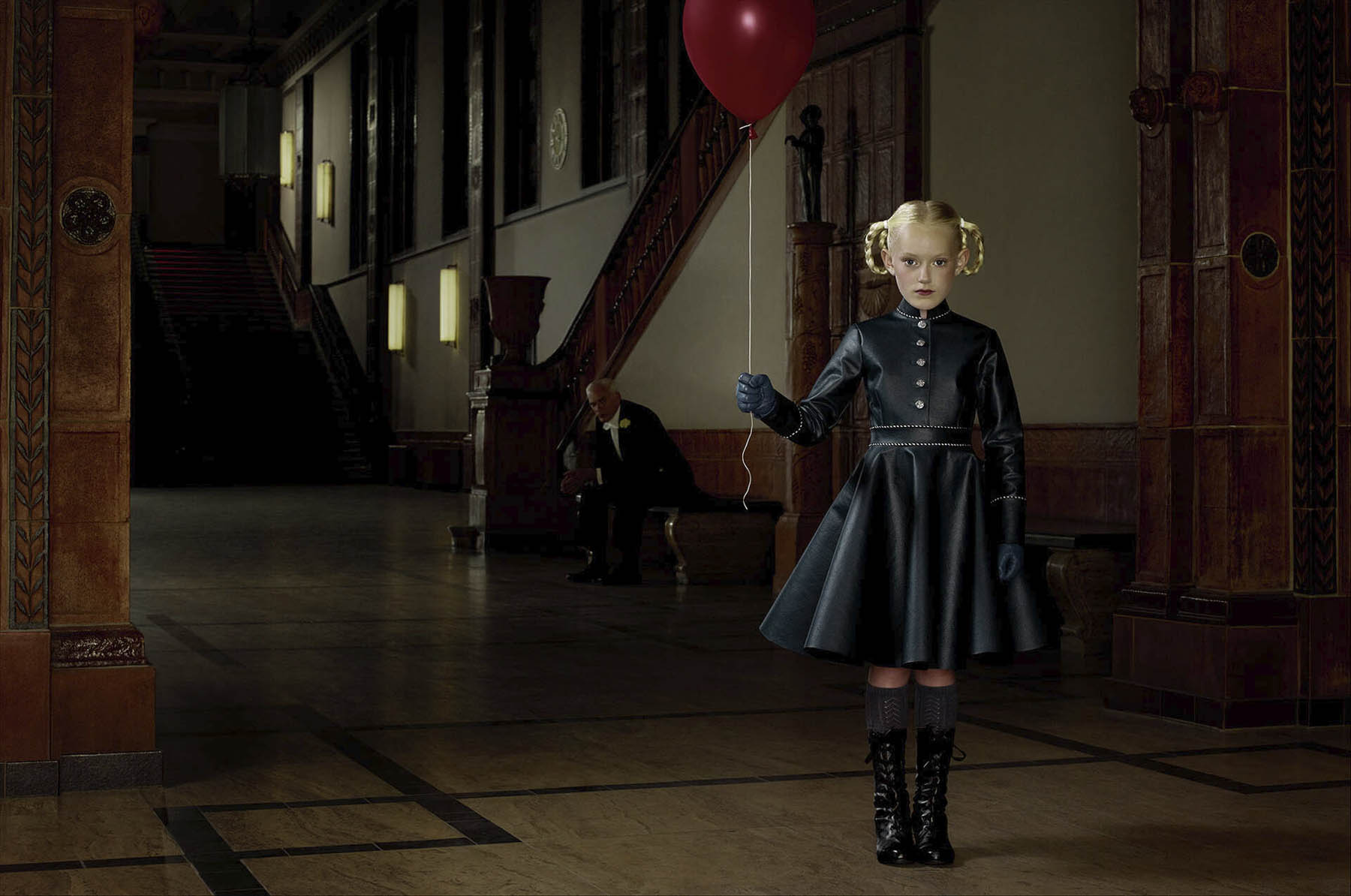

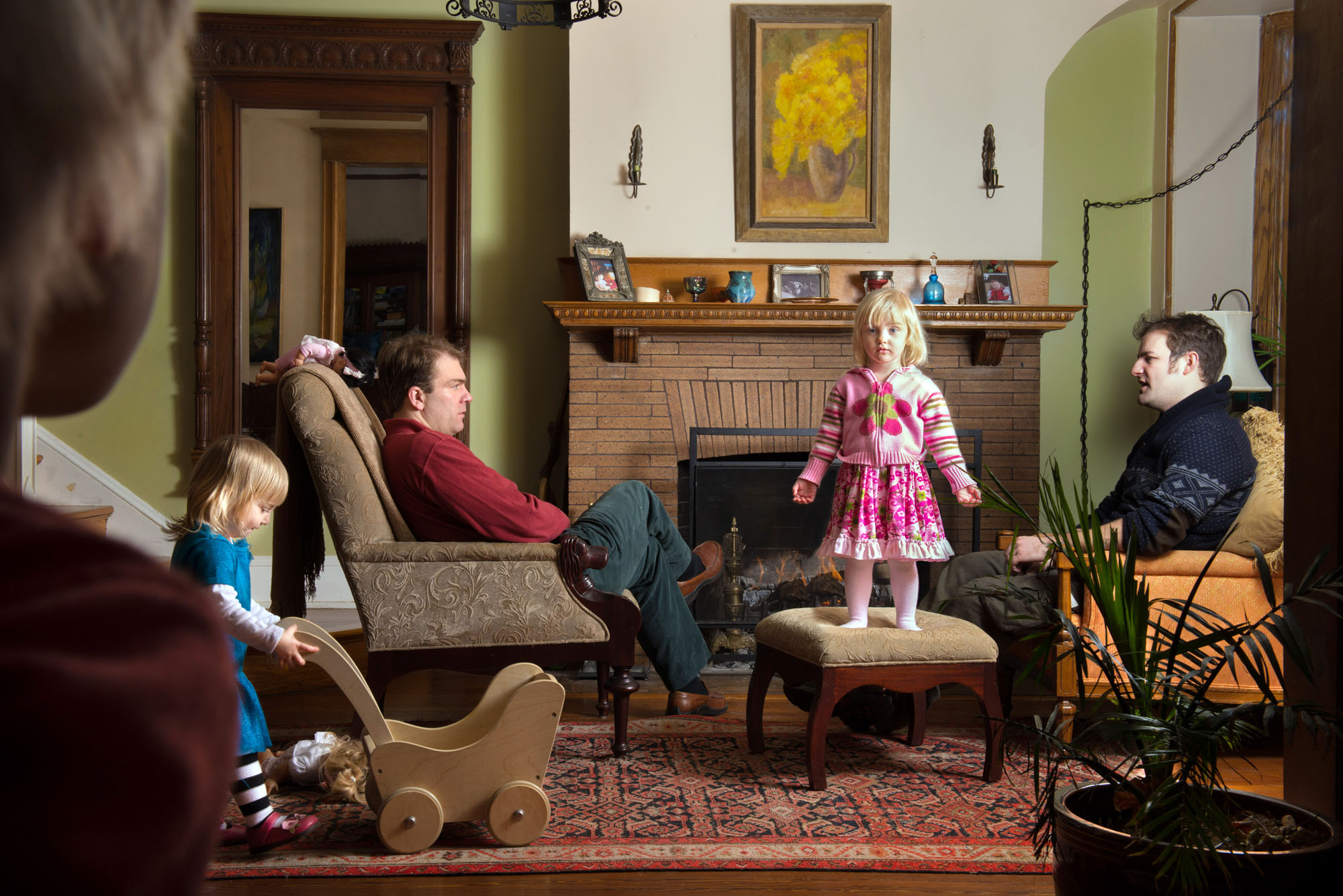

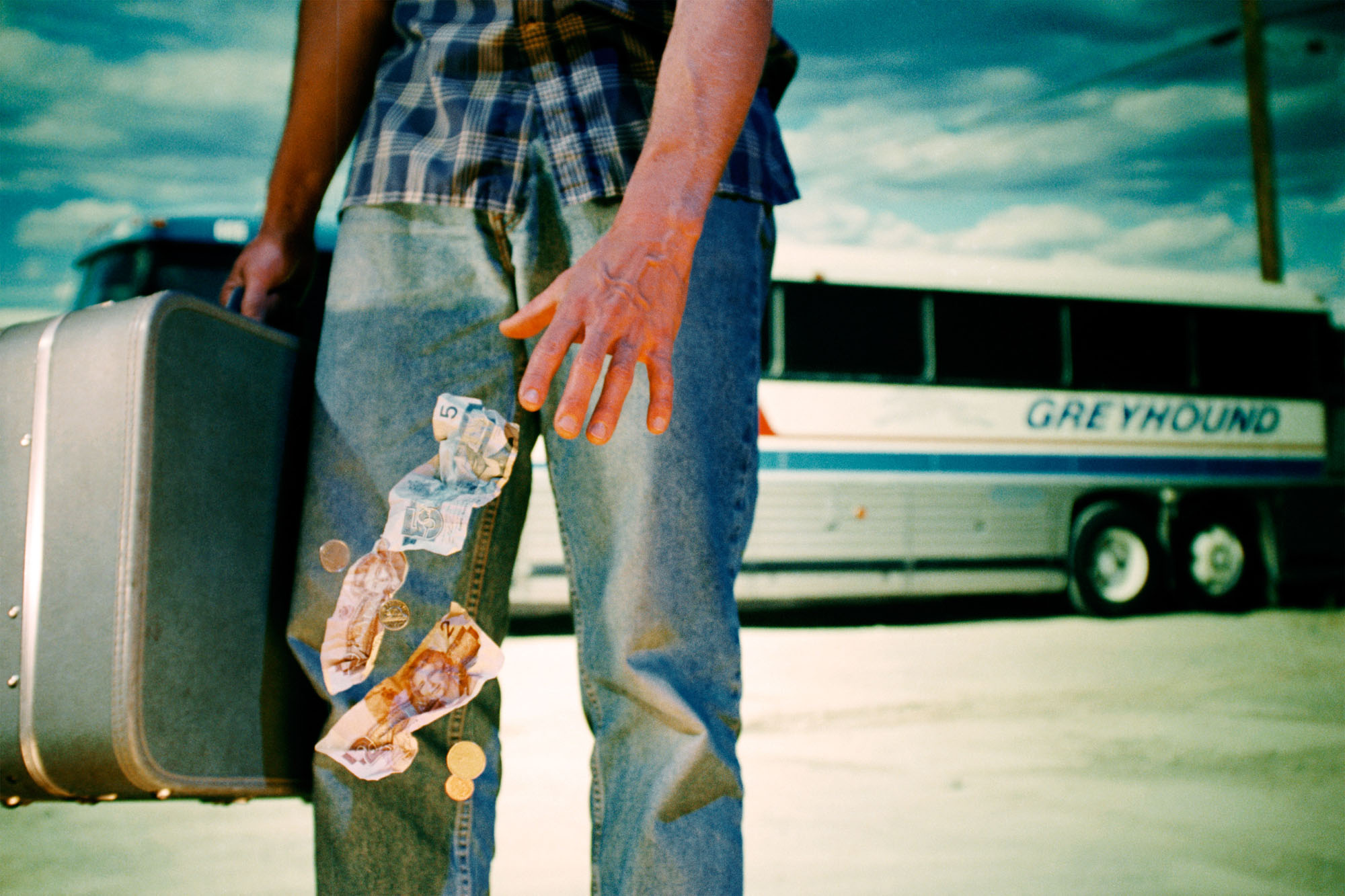


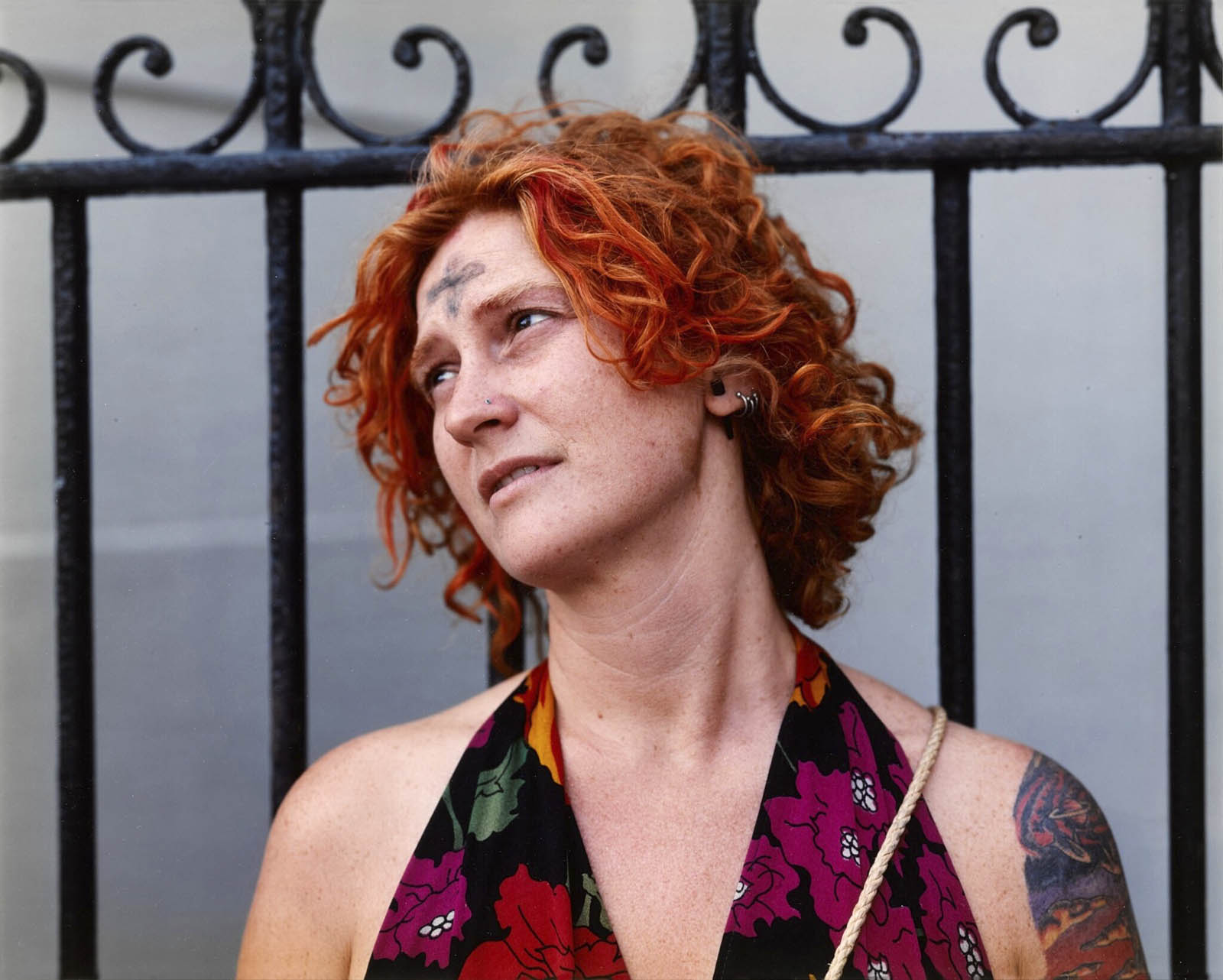
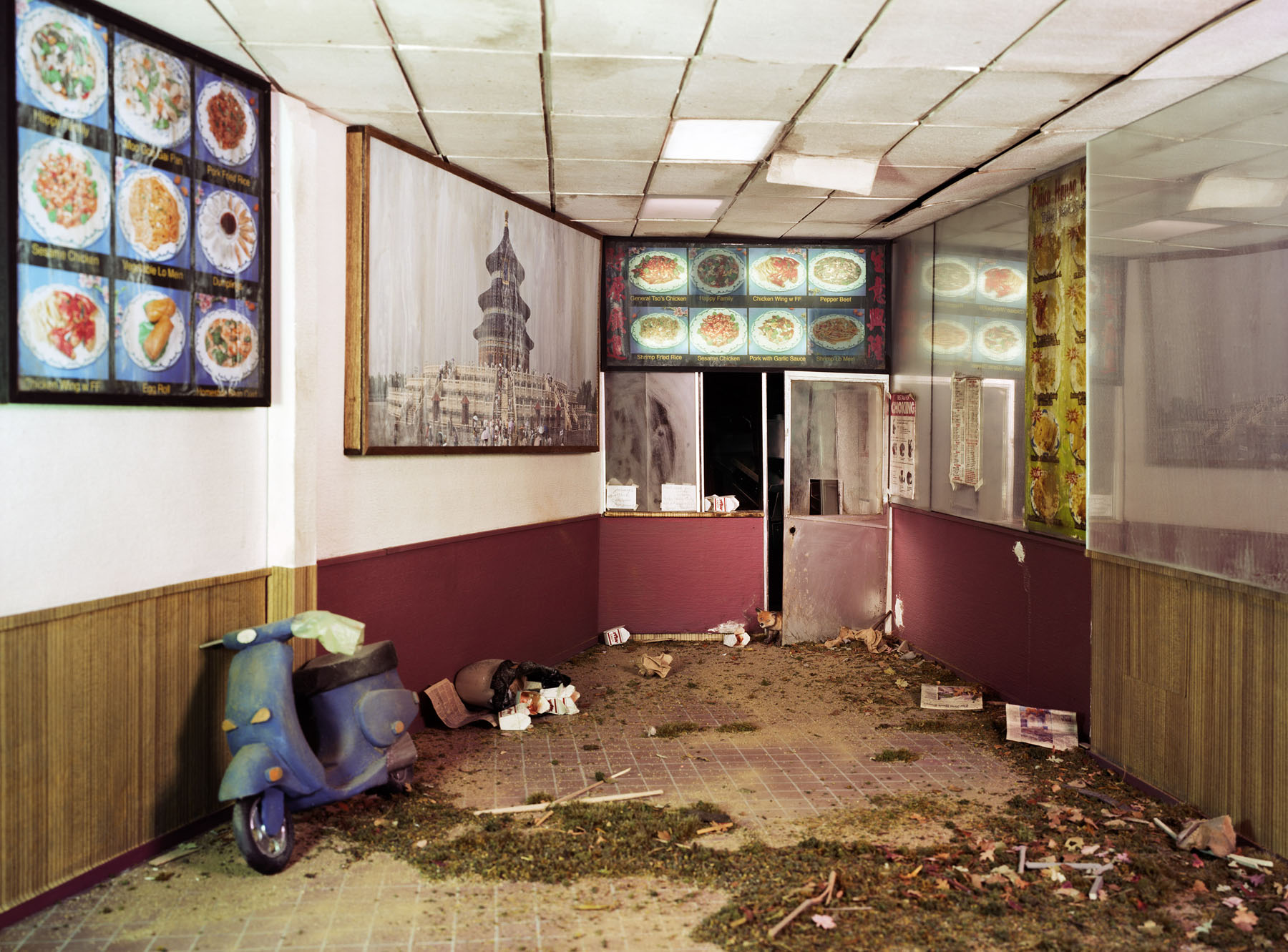
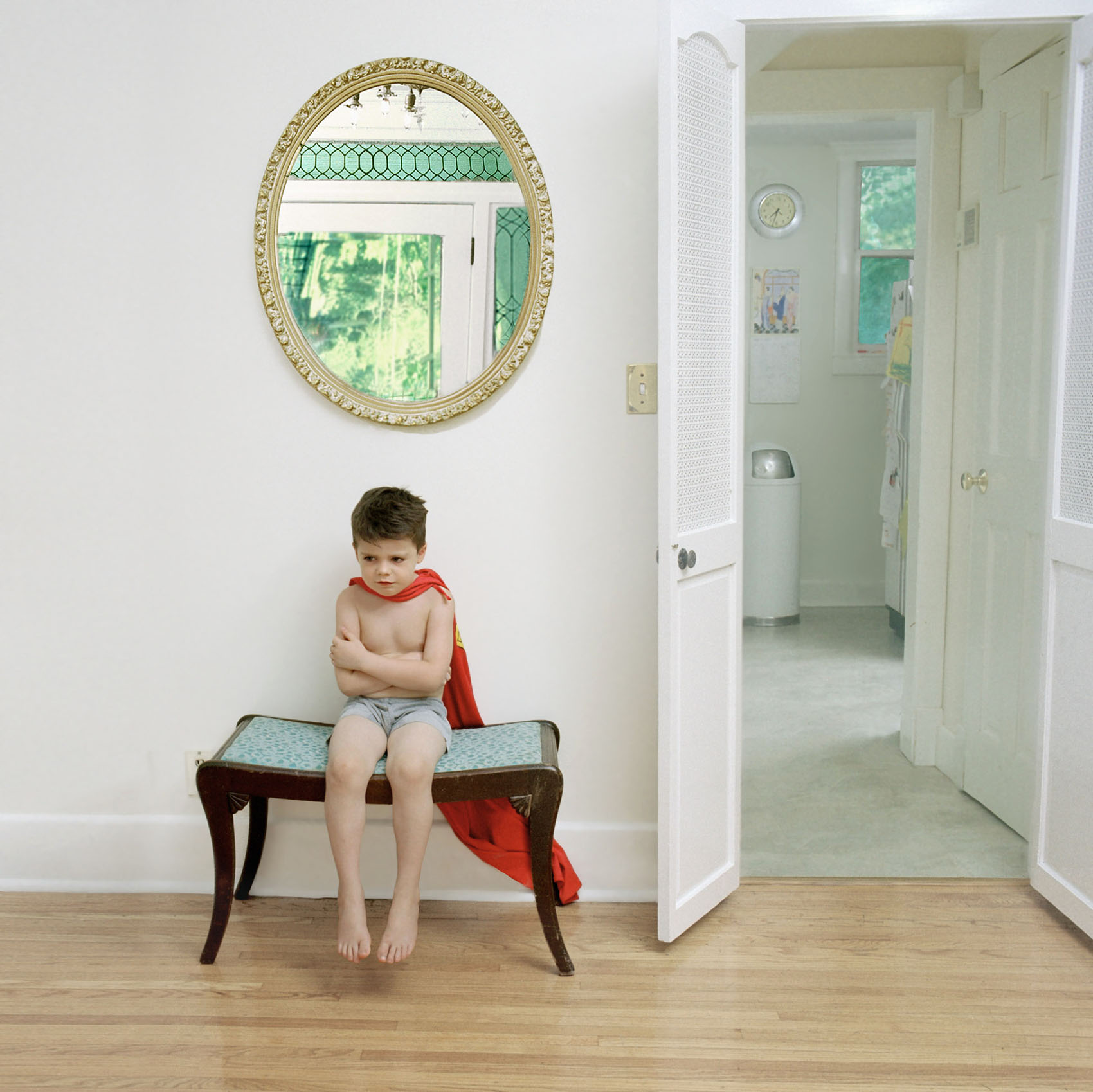
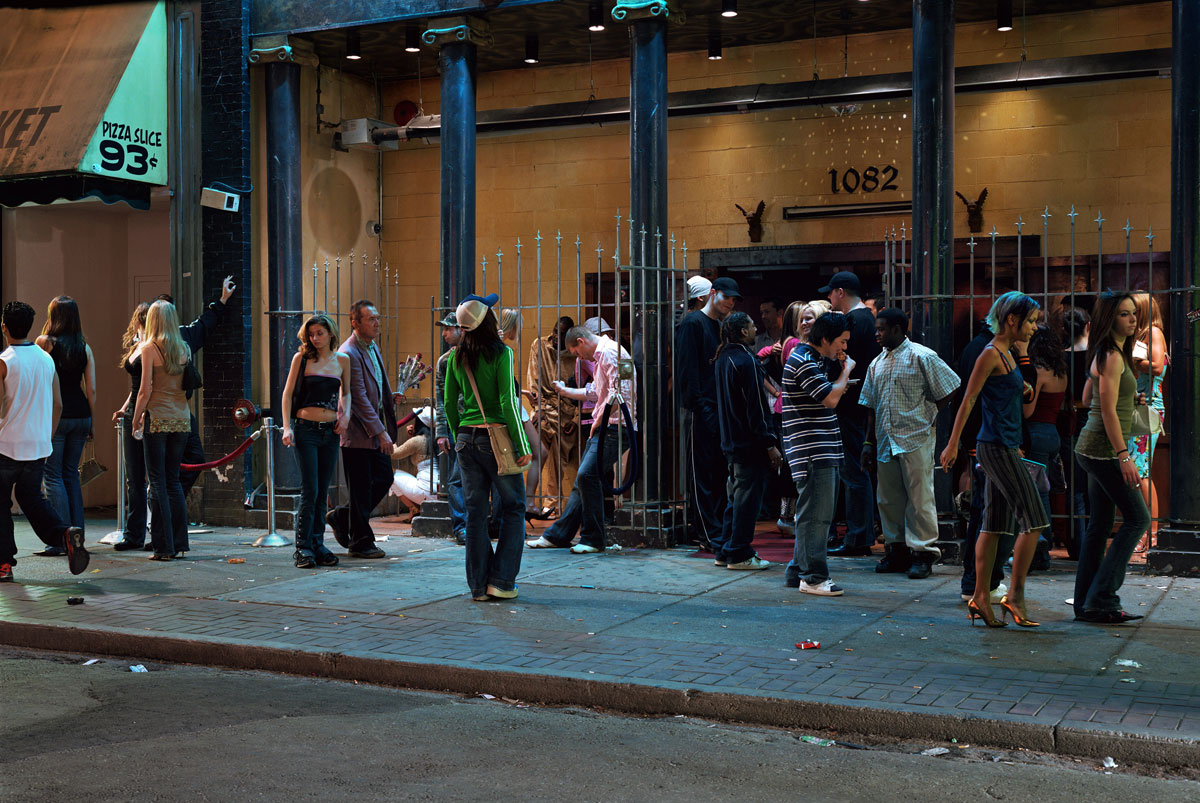

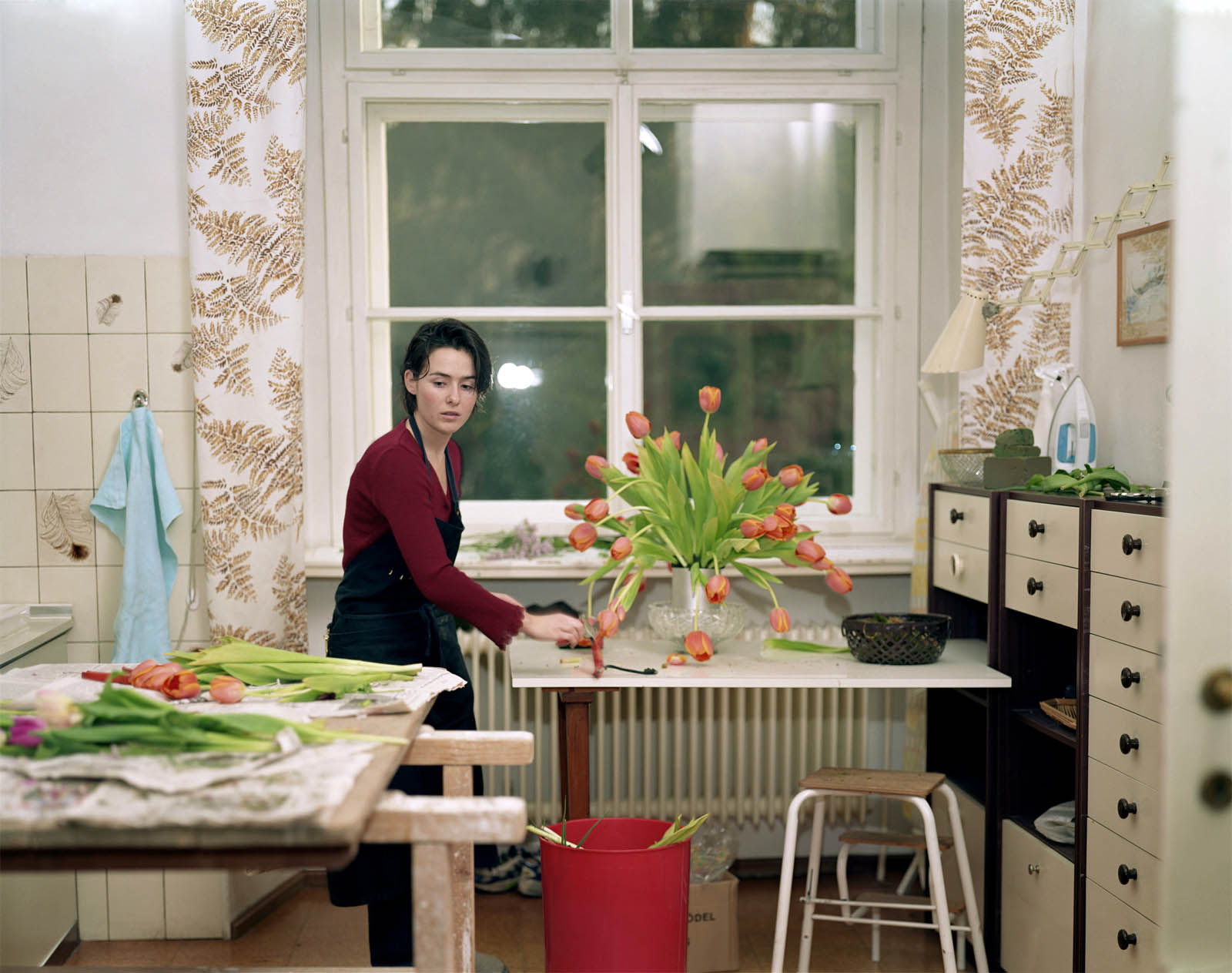


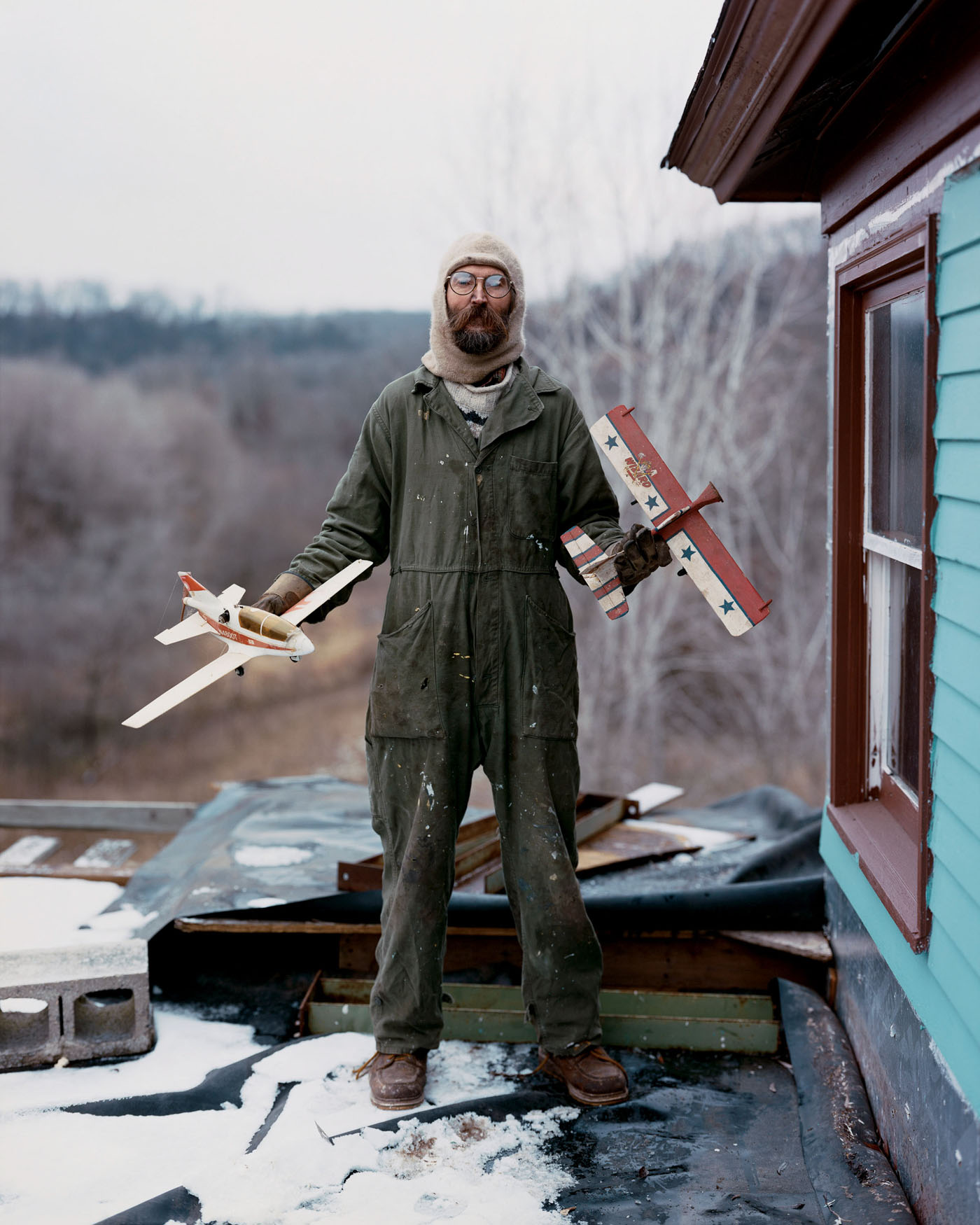
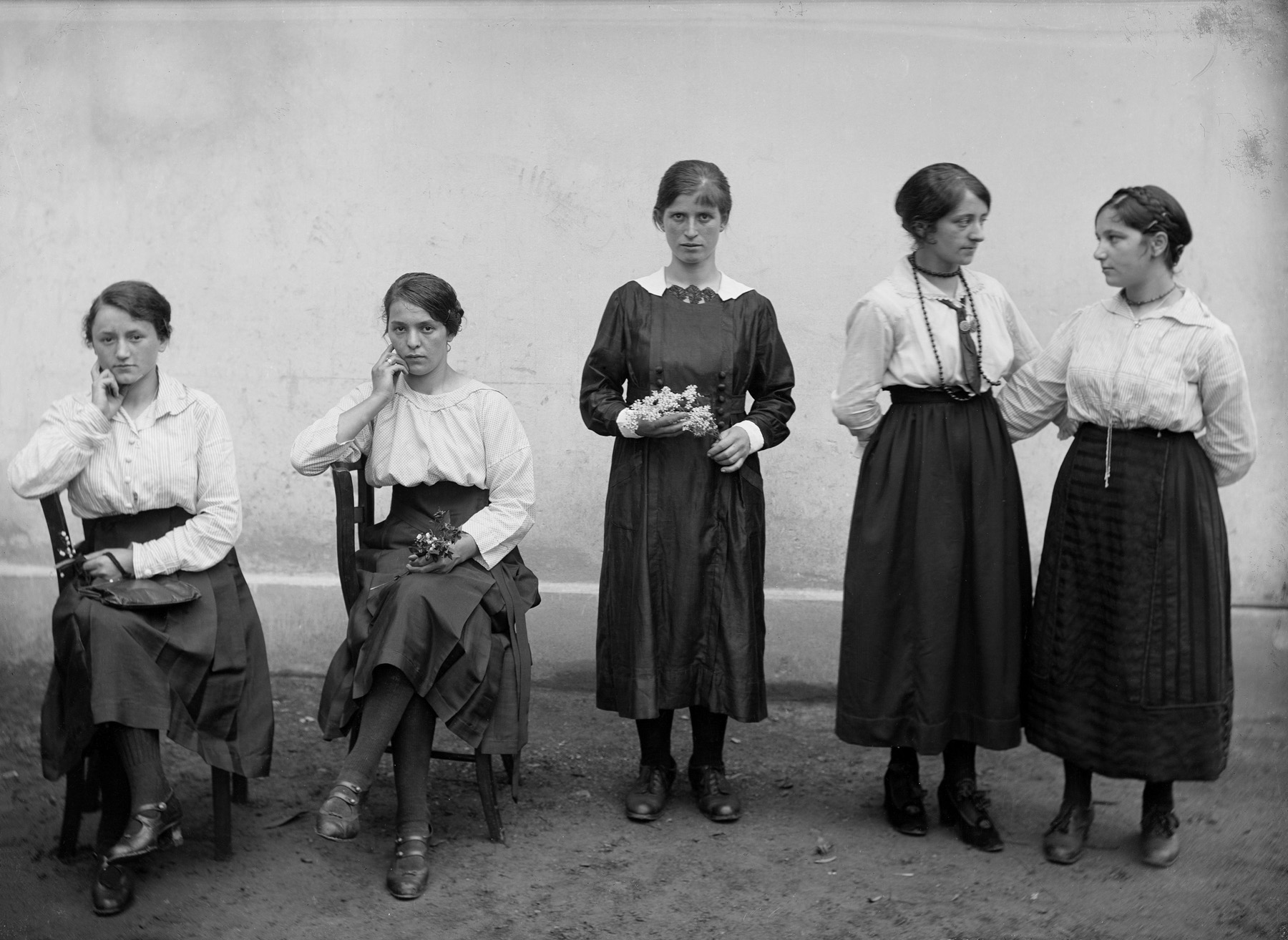


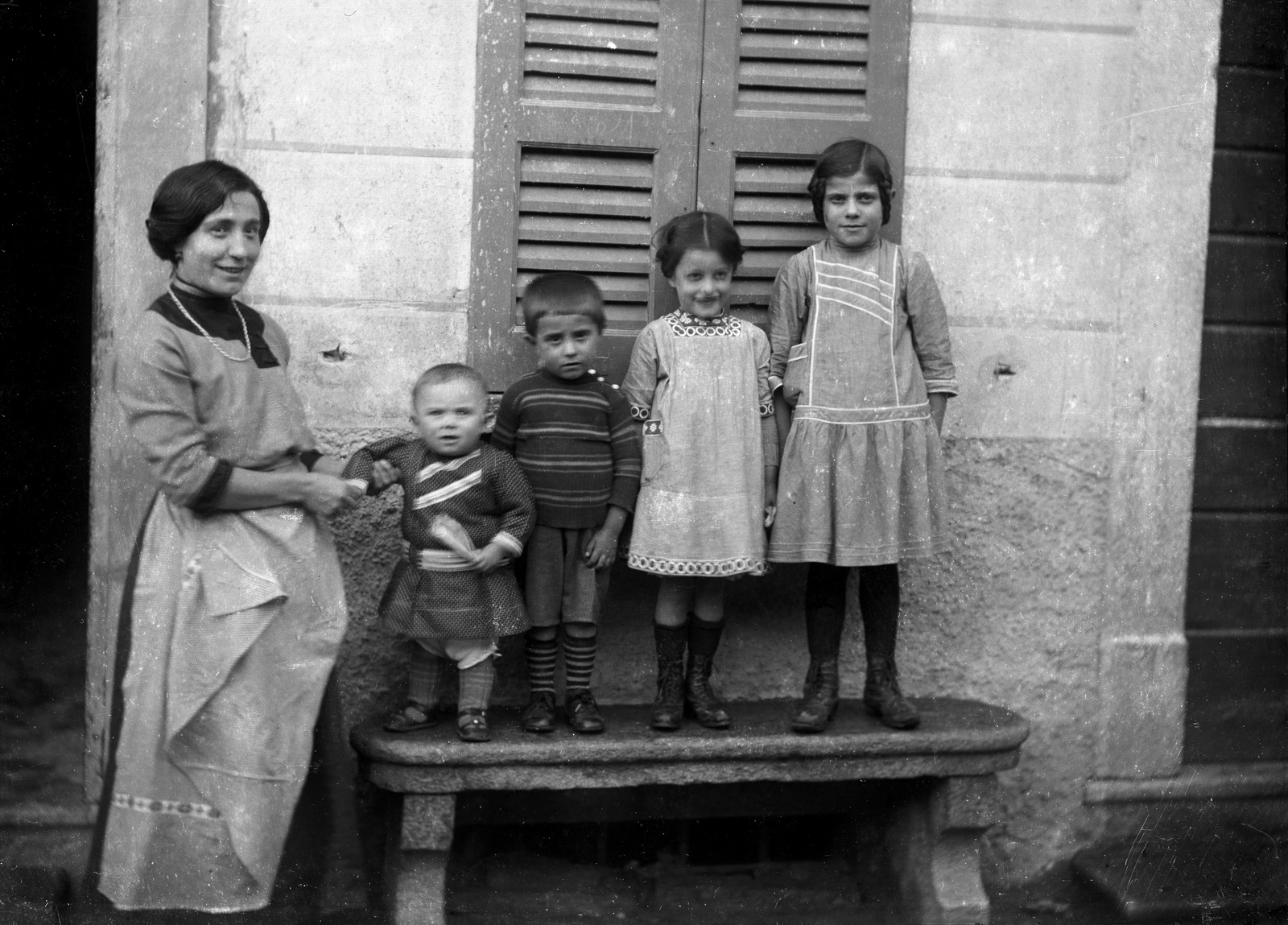
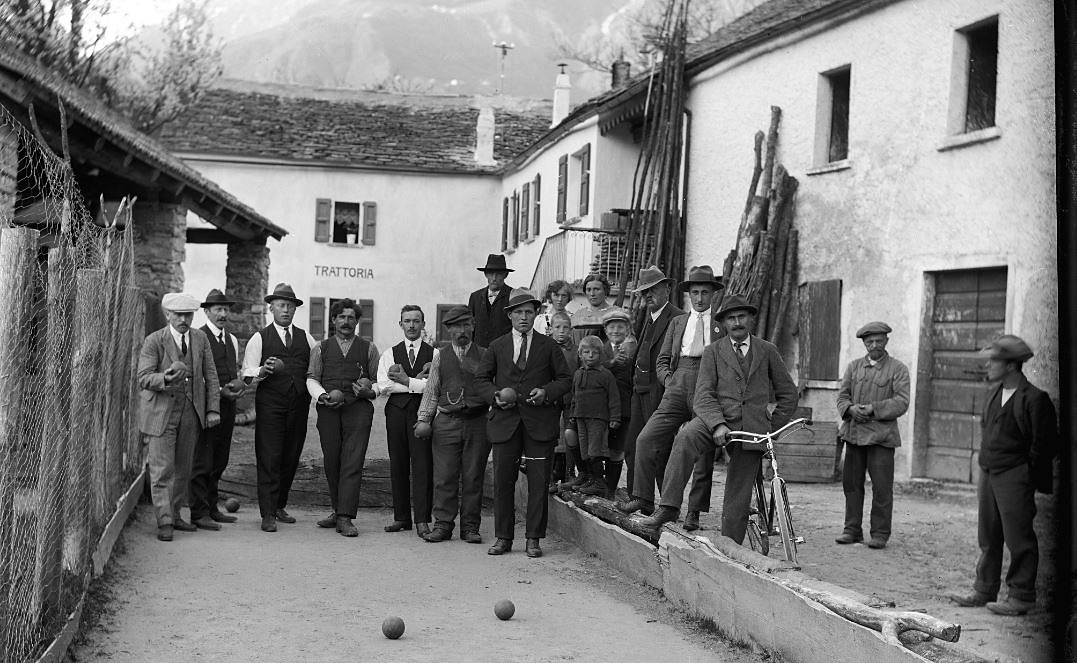
![Roberto Donetta (Swiss, 1865-1932) 'Untitled [Basket maker], Bleniotal' Nd](https://artblart.com/wp-content/uploads/2016/08/donetta-l-web.jpg "Roberto Donetta (Swiss, 1865-1932) 'Untitled [Basket maker], Bleniotal' Nd")
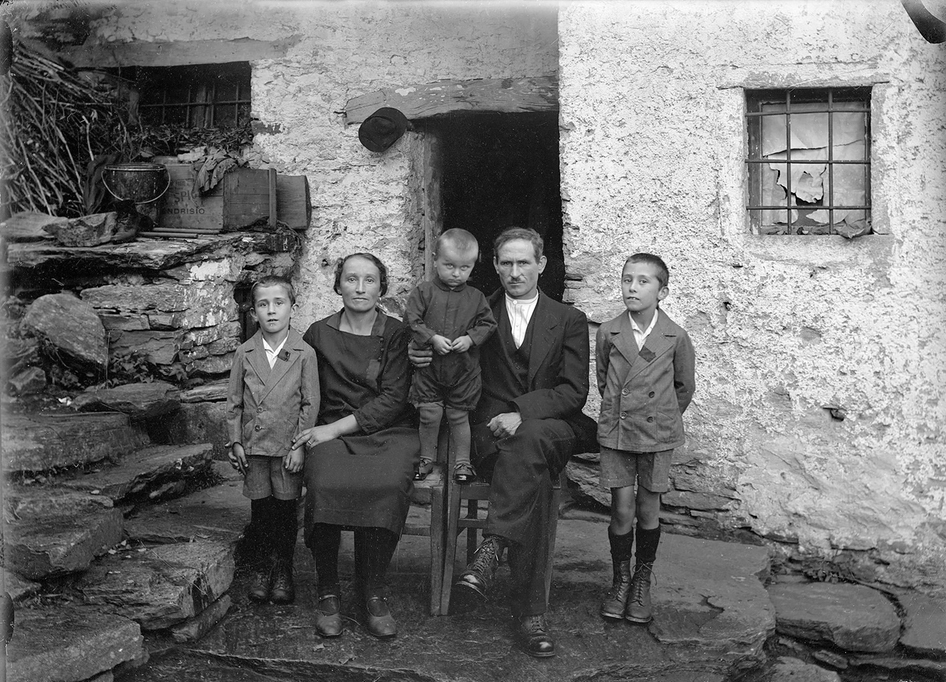
![Roberto Donetta (Swiss, 1865-1932) 'Untitled [Group Portrait], Bleniotal' Nd](https://artblart.com/wp-content/uploads/2016/08/donetta-j-web.jpg "Roberto Donetta (Swiss, 1865-1932) 'Untitled [Group Portrait], Bleniotal' Nd")

![Roberto Donetta (Swiss, 1865-1932) 'Untitled [Group of men], Bleniotal' Nd](https://artblart.com/wp-content/uploads/2016/08/donetta-i-web.jpg "Roberto Donetta (Swiss, 1865-1932) 'Untitled [Group of men], Bleniotal' Nd")


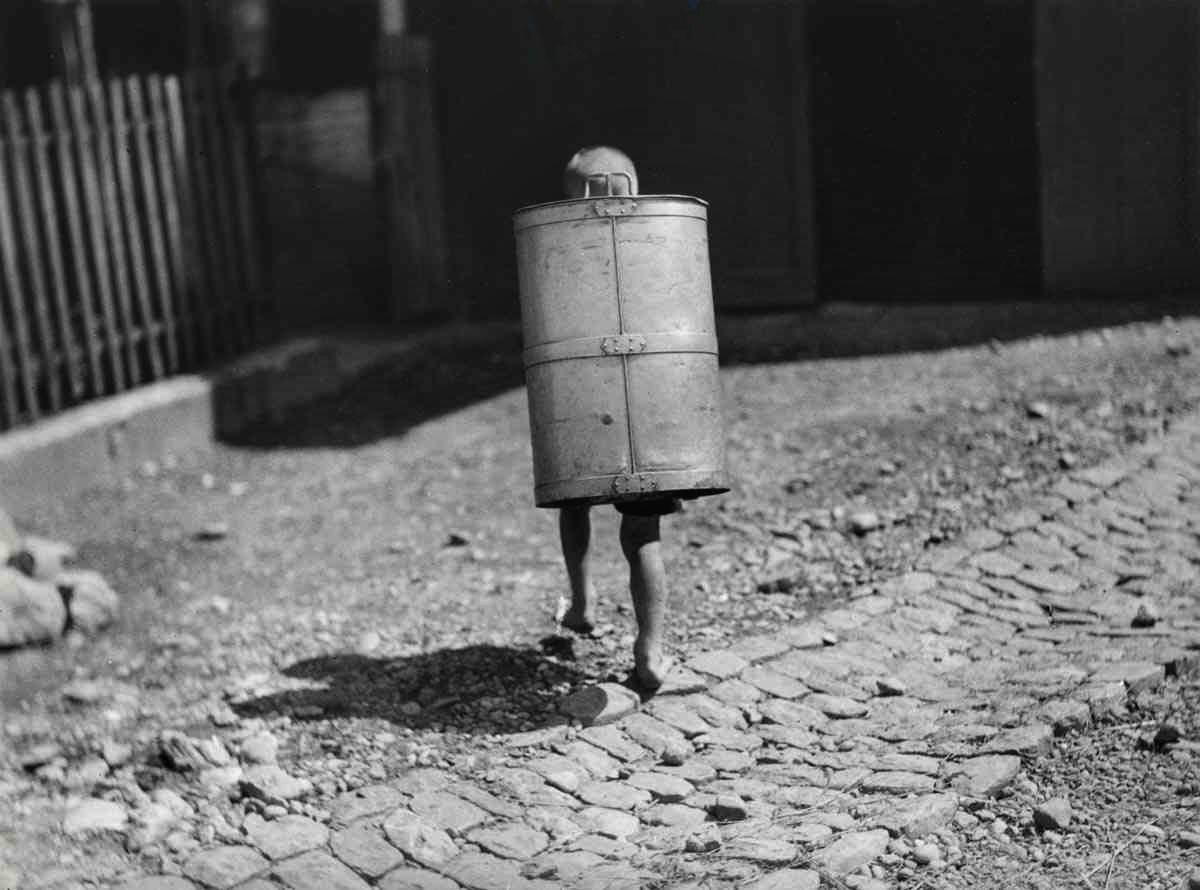
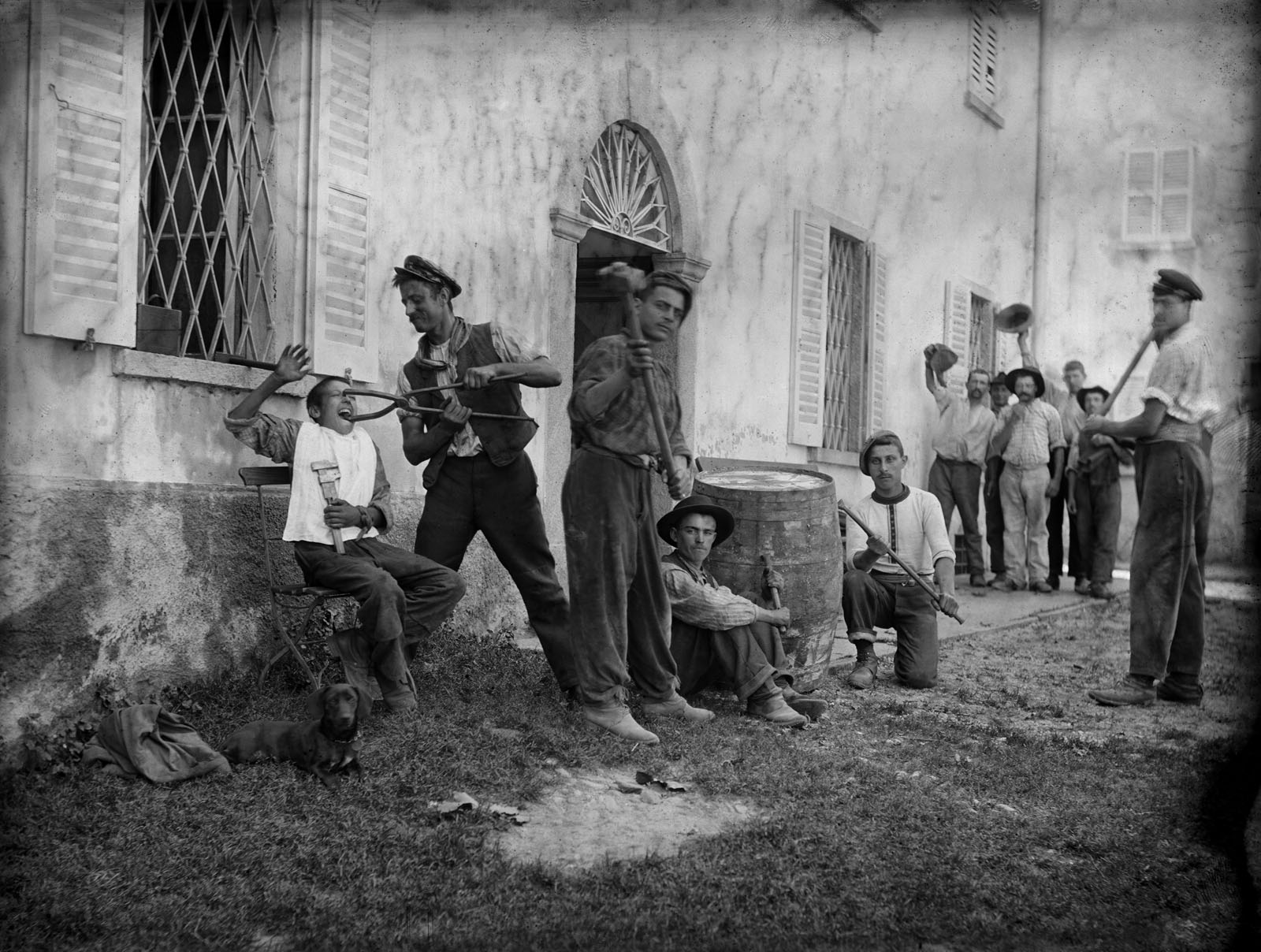
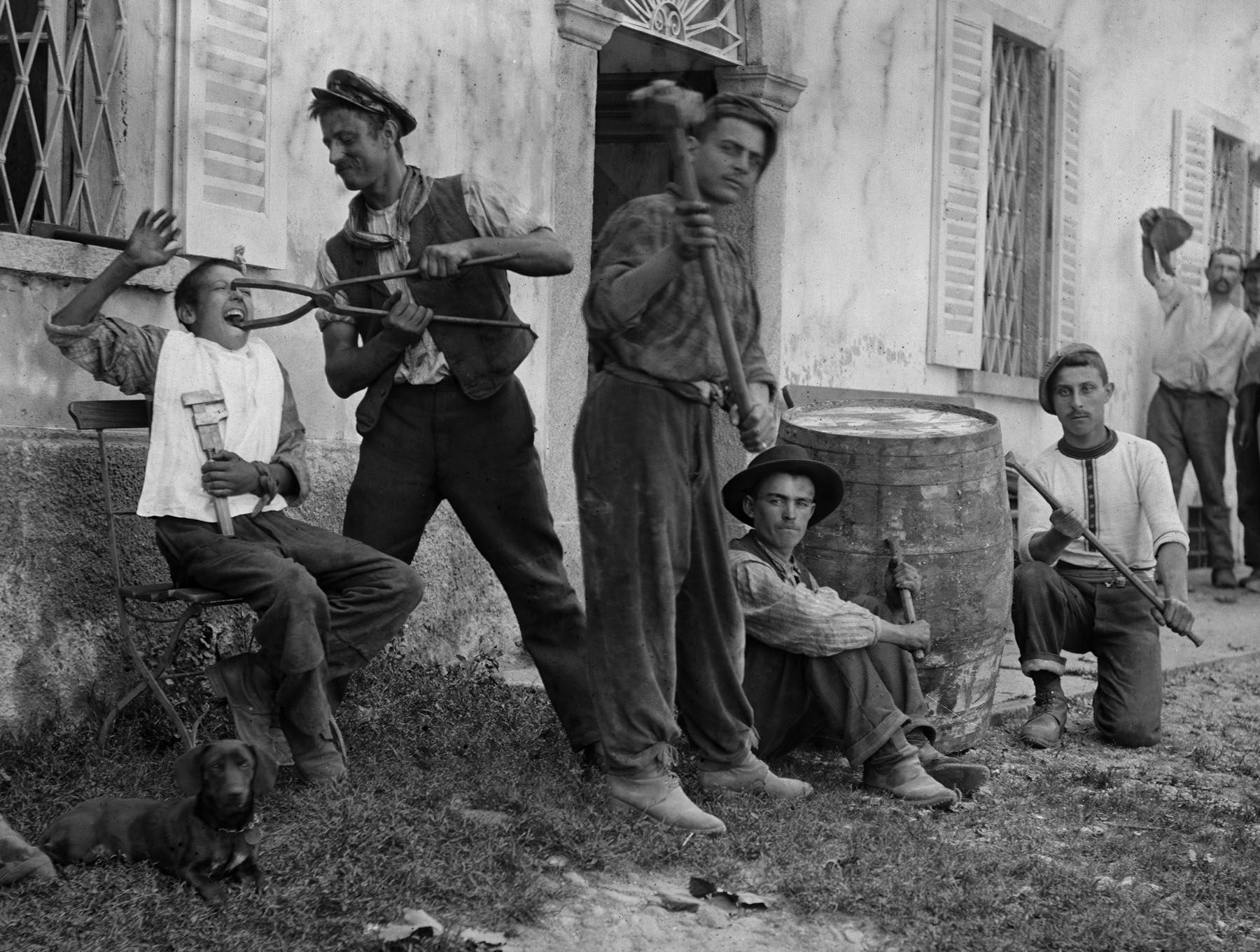


![Roberto Donetta (Swiss, 1865-1932) 'Untitled [Boy and girl]' Nd](https://artblart.com/wp-content/uploads/2016/08/donetta-r-web.jpg "Roberto Donetta (Swiss, 1865-1932) 'Untitled [Boy and girl]' Nd")
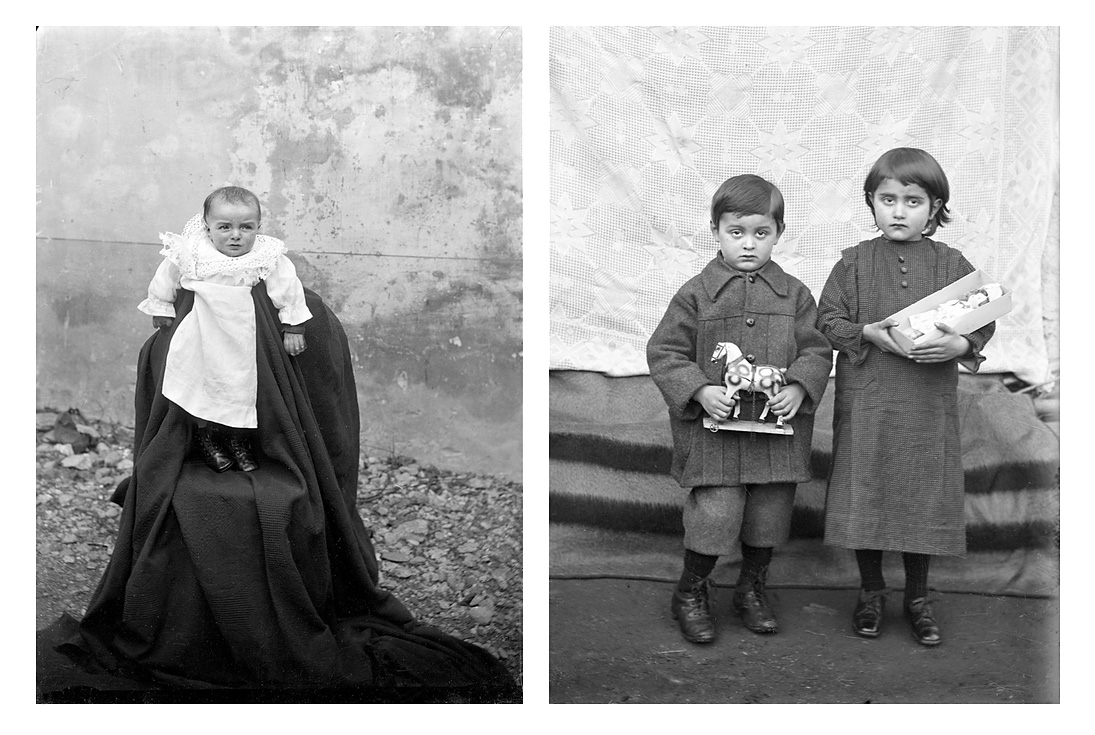

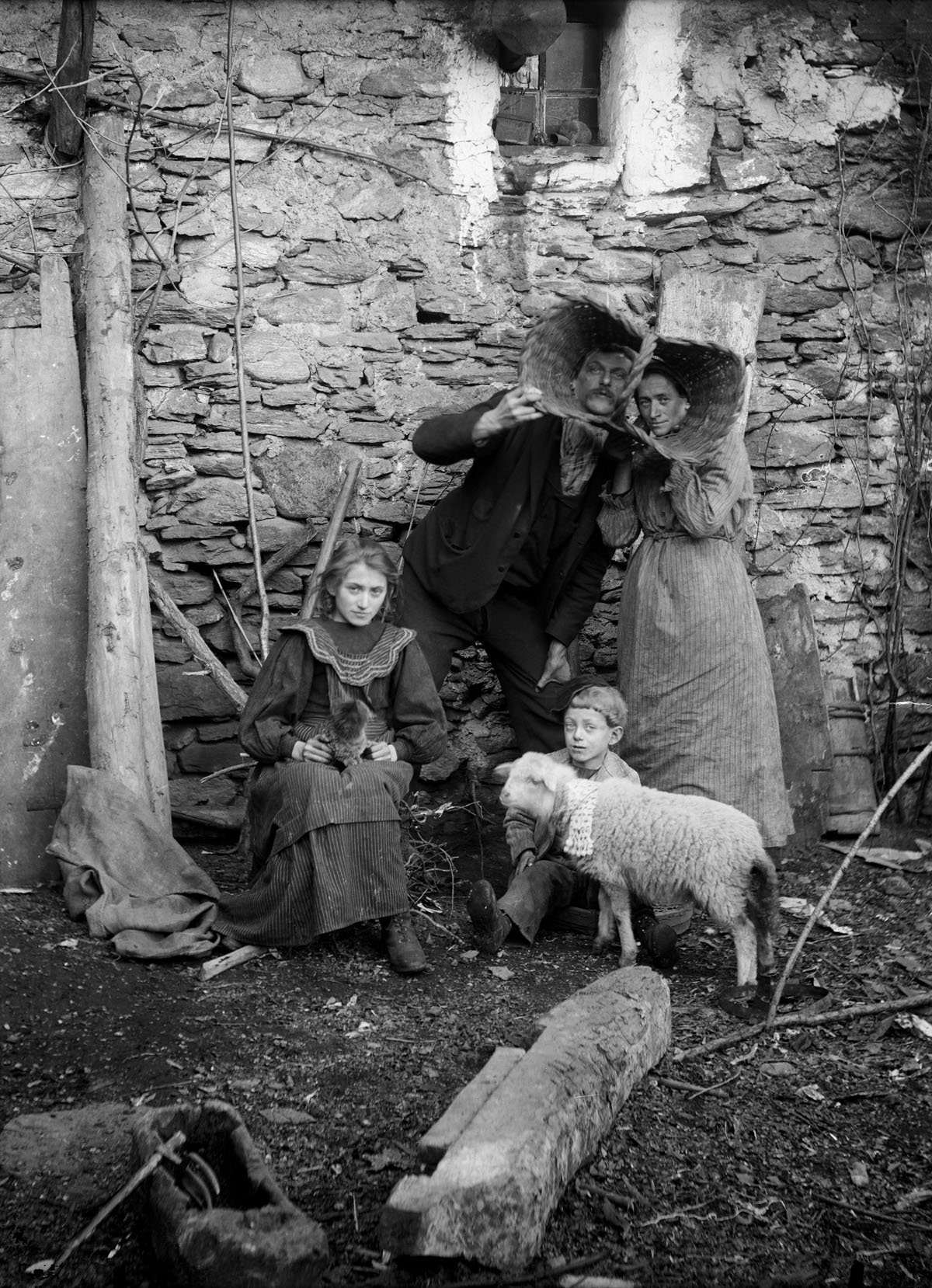


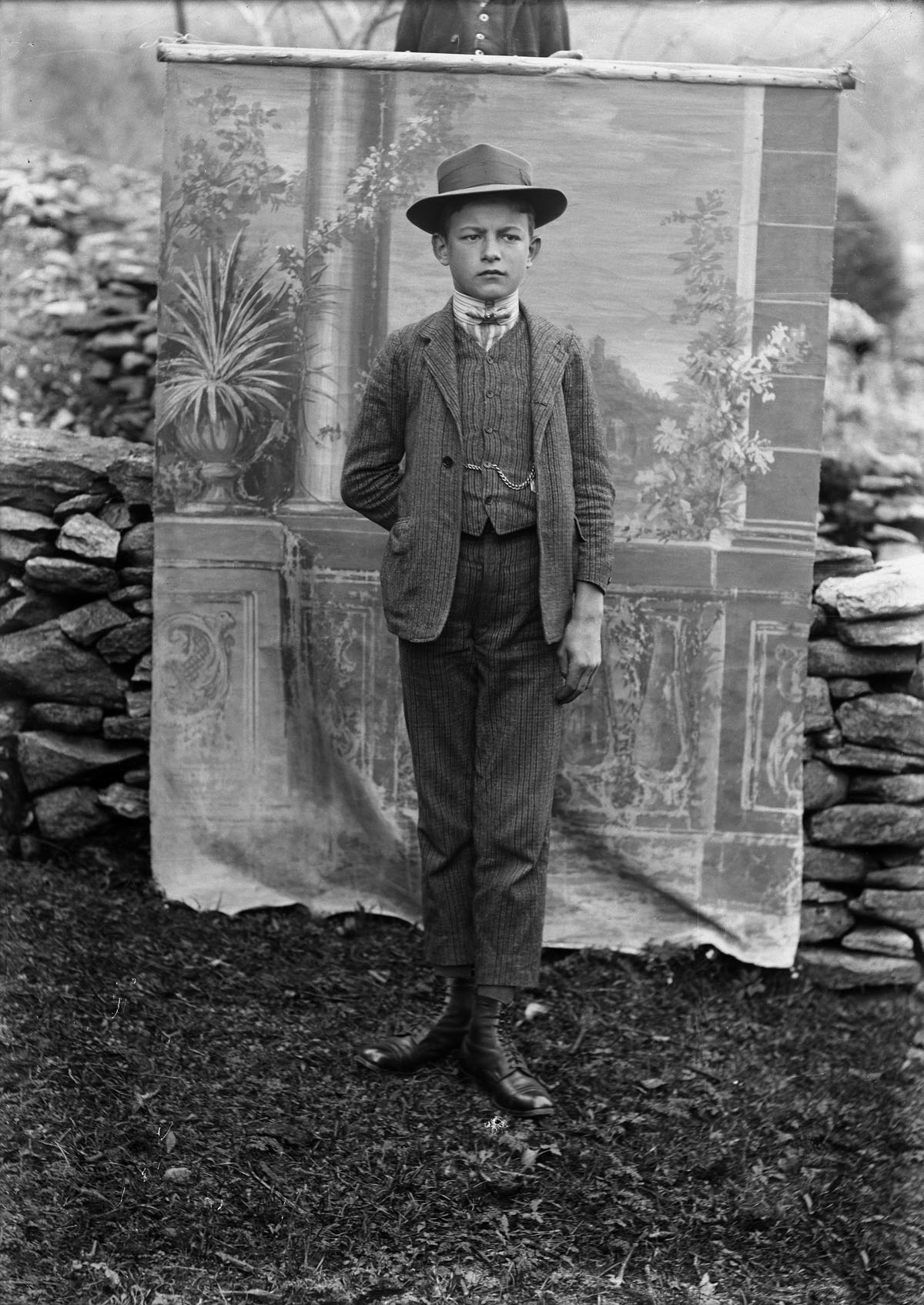


![Roberto Donetta (Swiss, 1865-1932) 'Untitled [Portrait of a women]' Nd](https://artblart.com/wp-content/uploads/2016/08/donetta-p-web.jpg "Roberto Donetta (Swiss, 1865-1932) 'Untitled [Portrait of a women]' Nd")
![Roberto Donetta (Swiss, 1865-1932) 'Untitled [Portrait of a man]' Nd](https://artblart.com/wp-content/uploads/2016/08/donetta-o-web.jpg "Roberto Donetta (Swiss, 1865-1932) 'Untitled [Portrait of a man]' Nd")
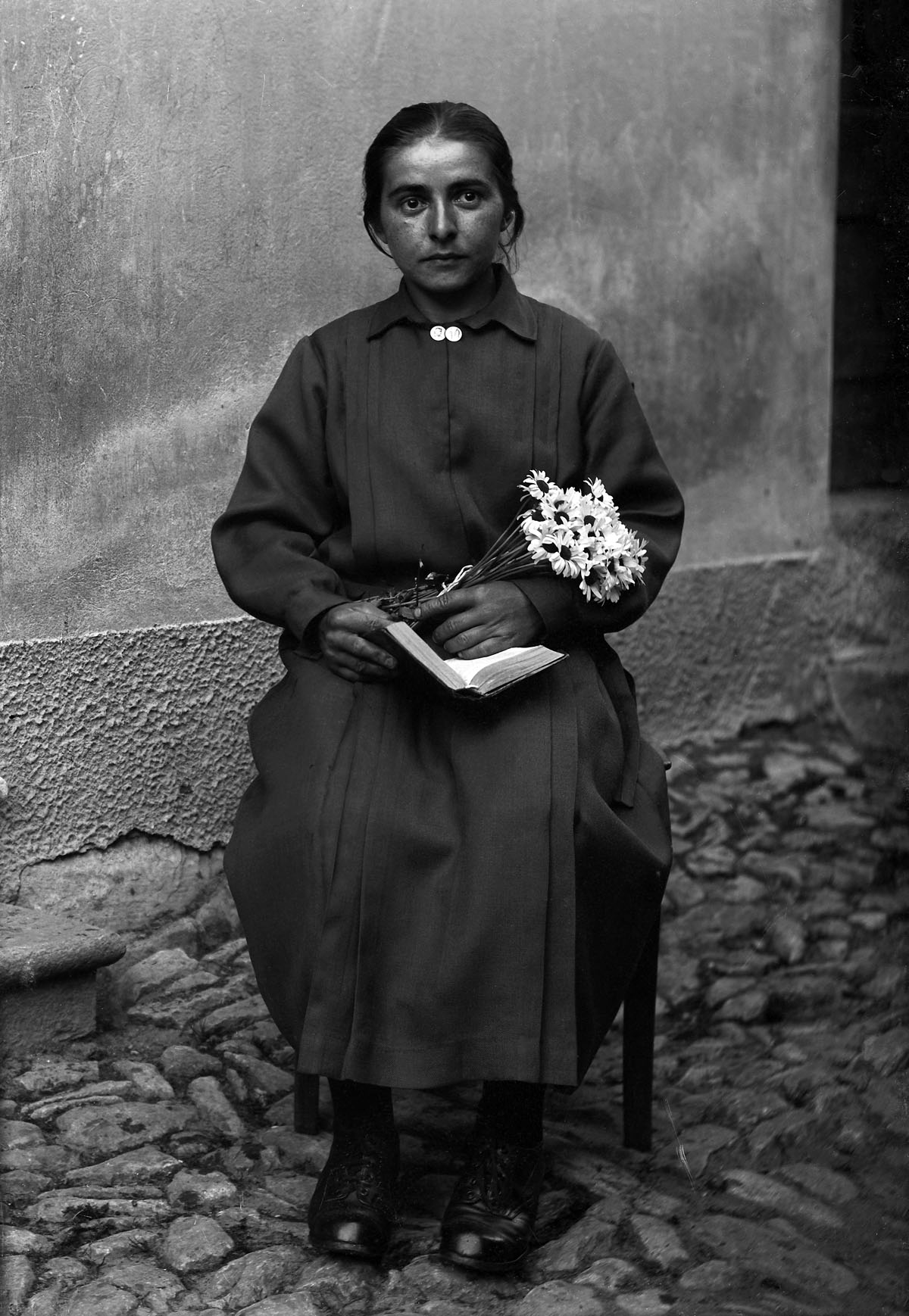
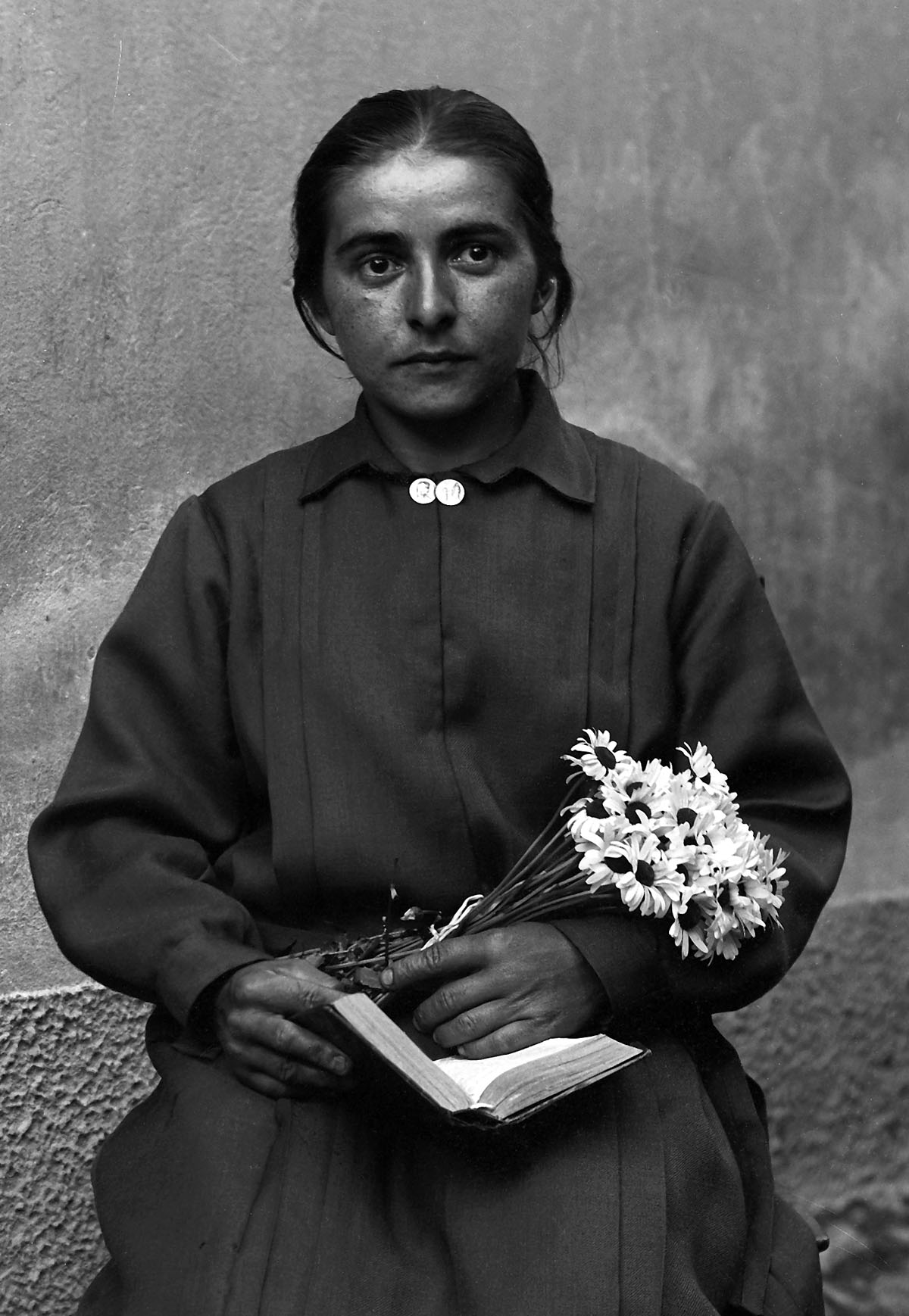
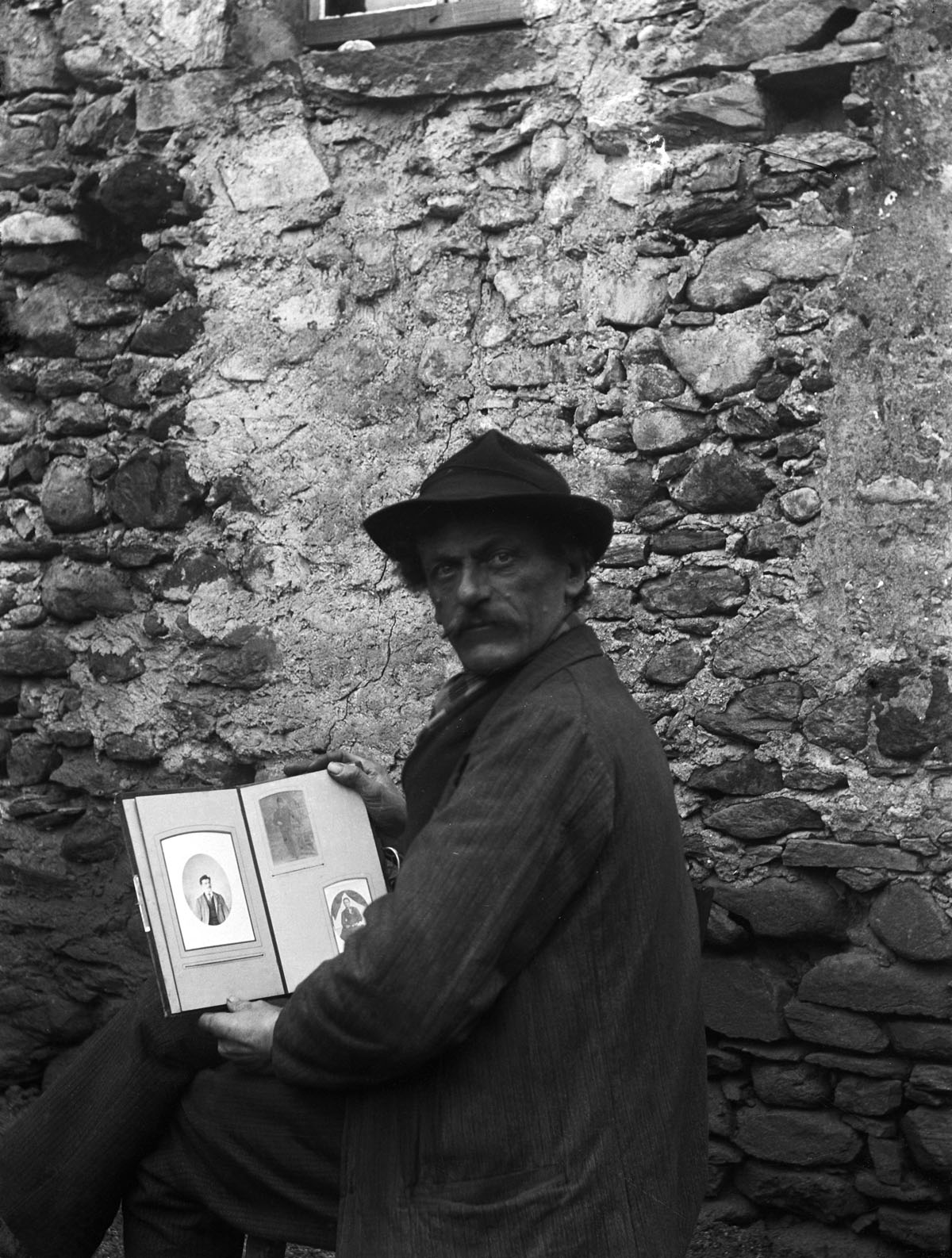


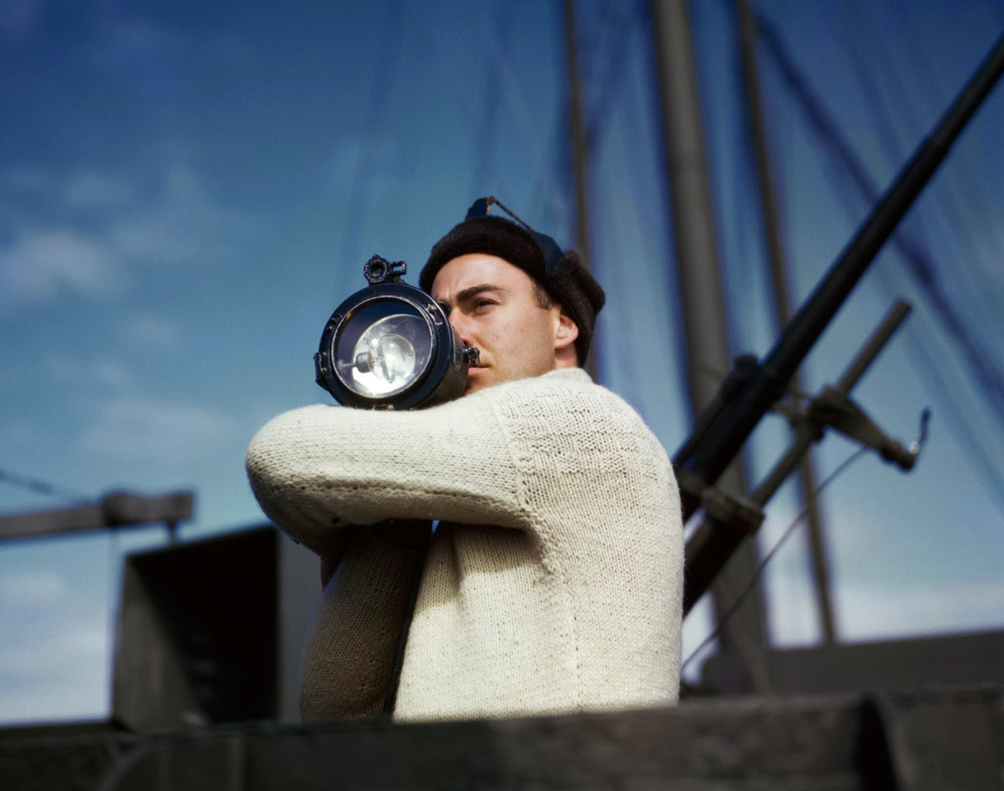


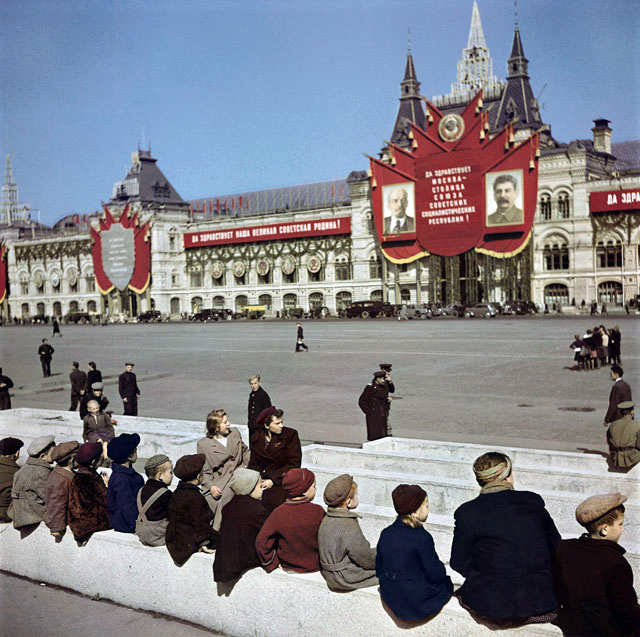


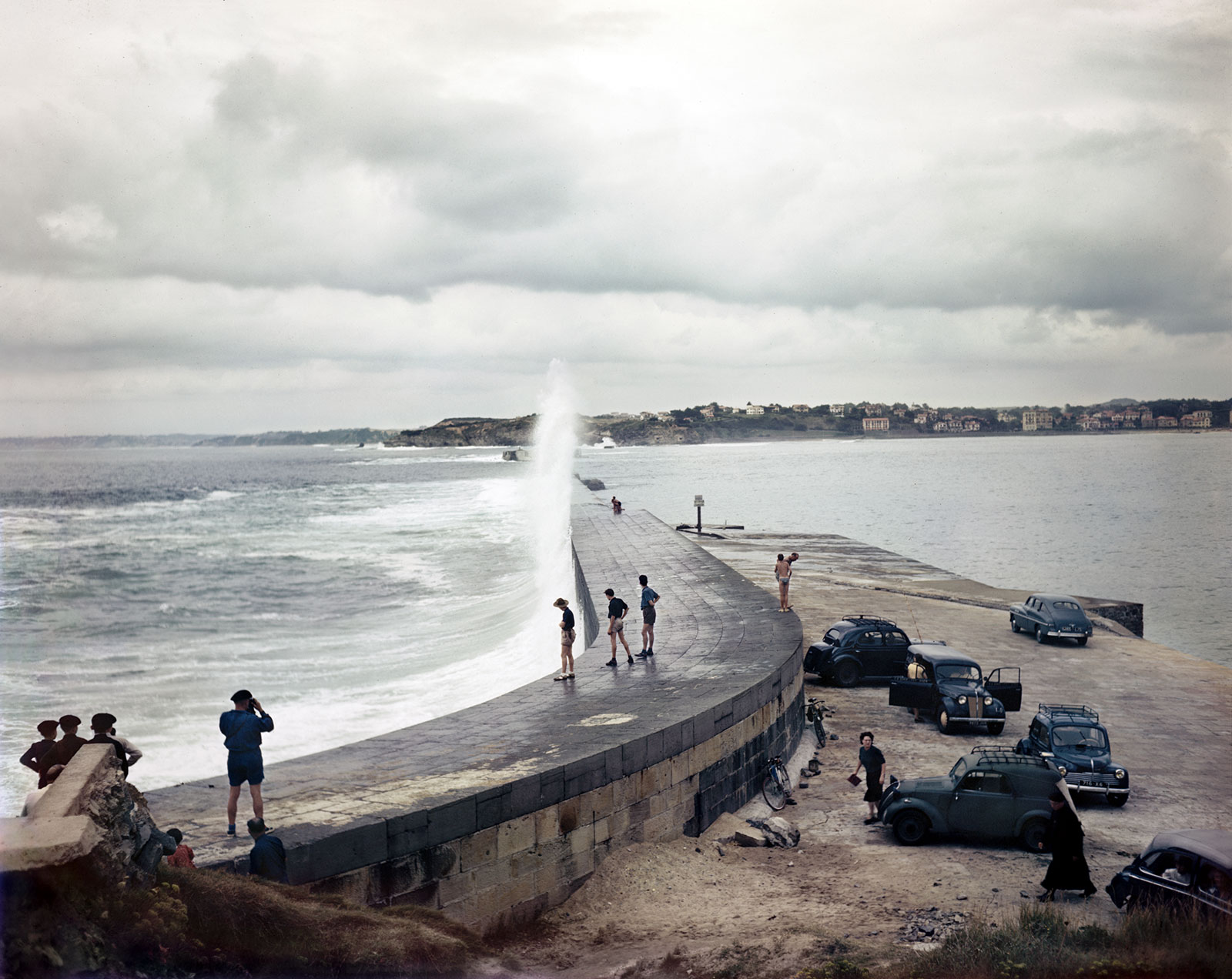
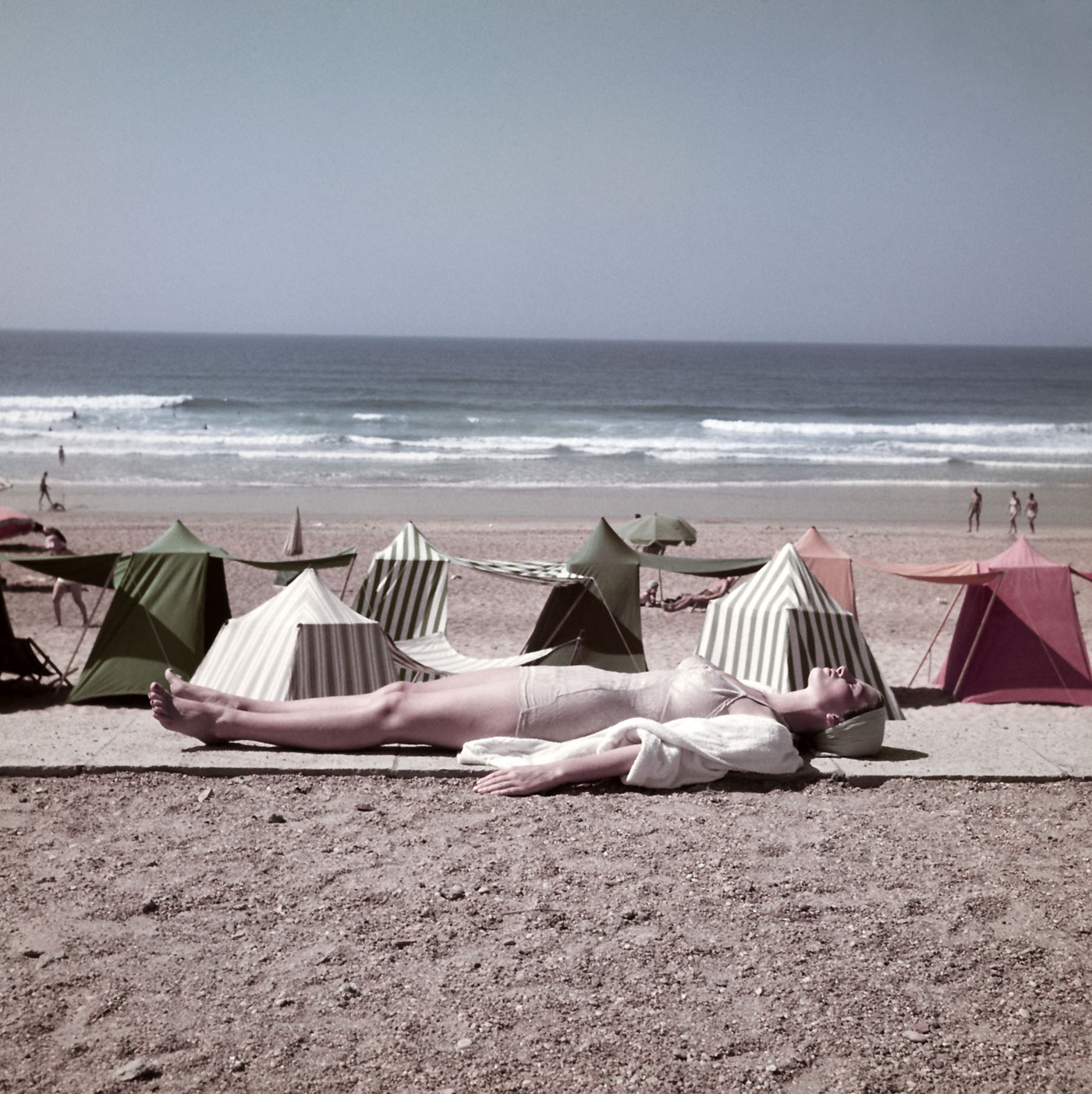

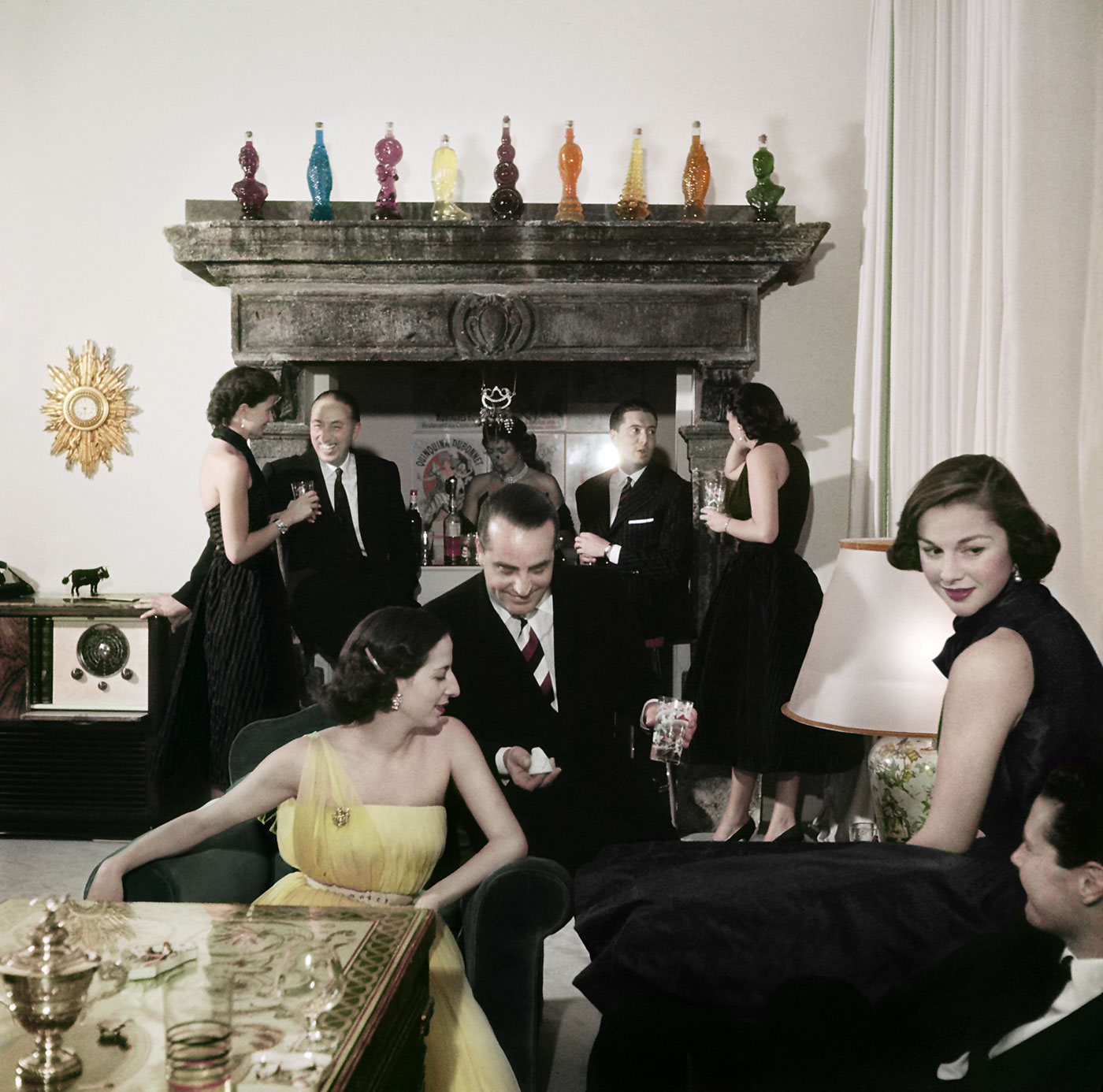
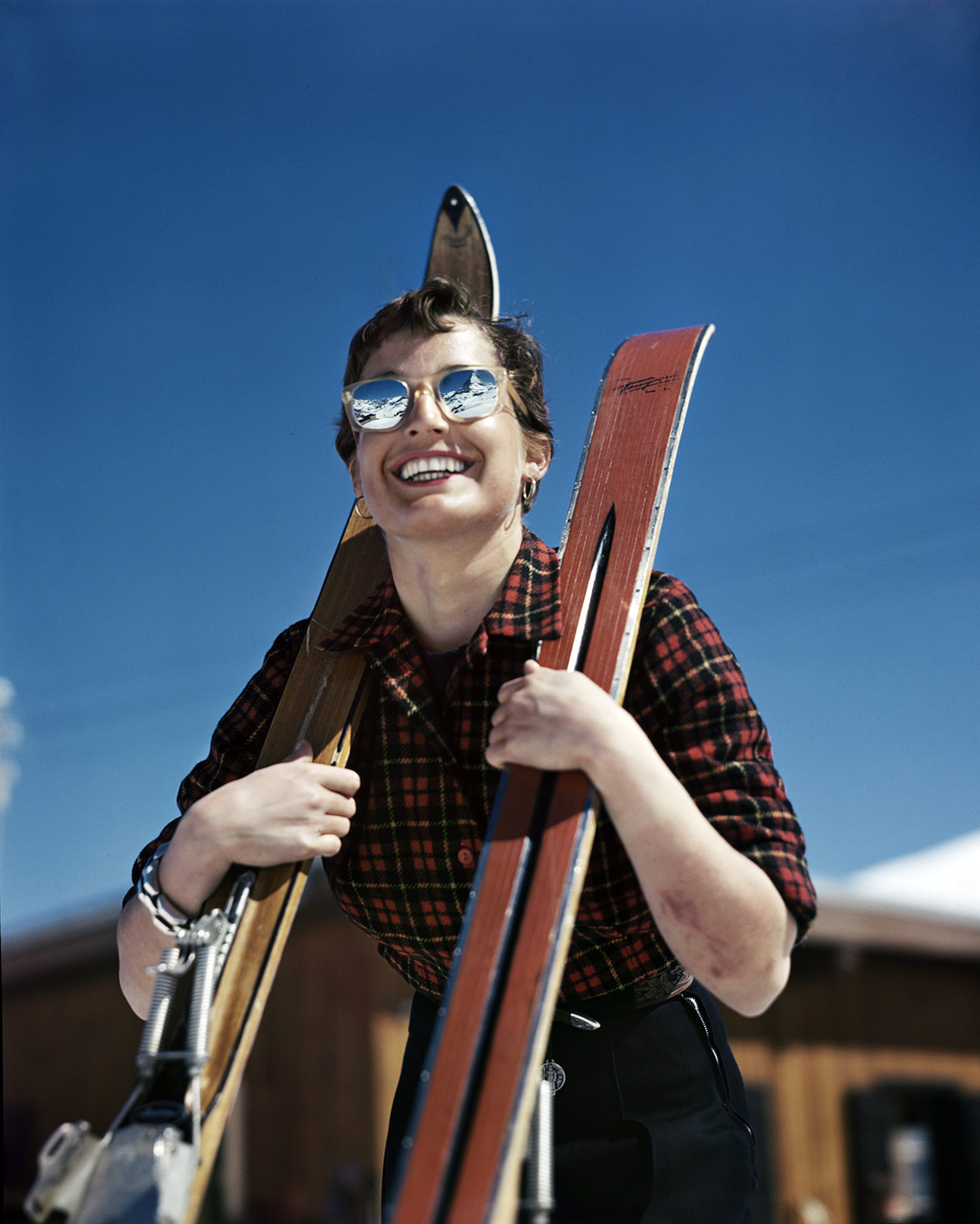


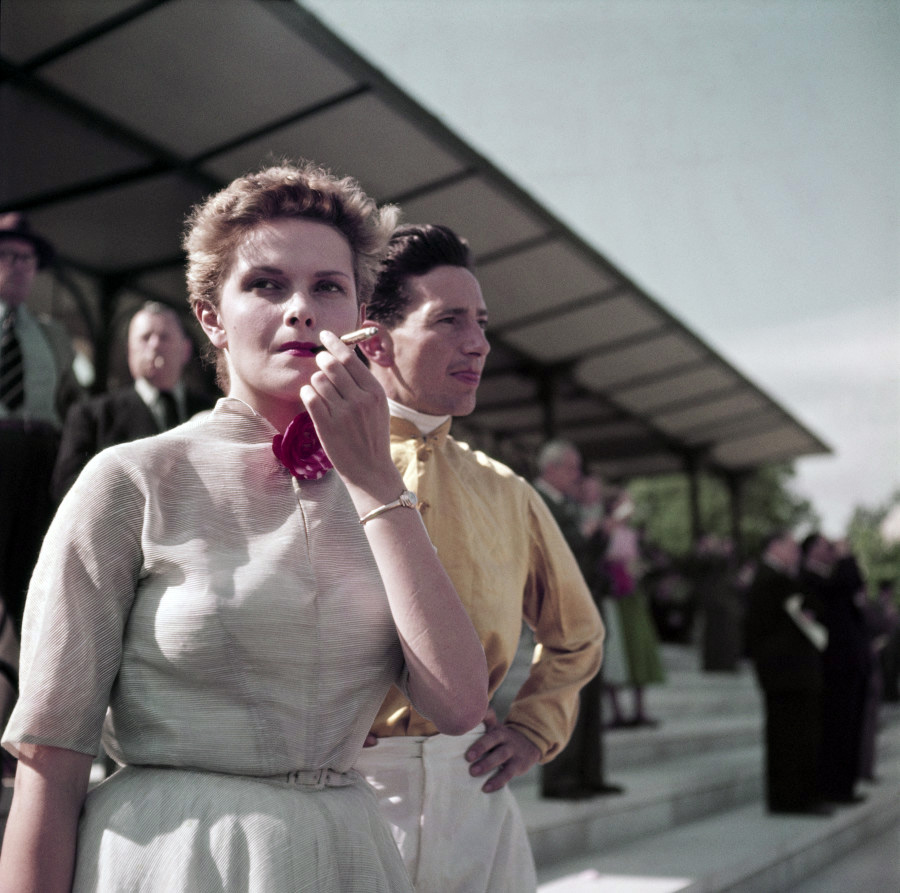
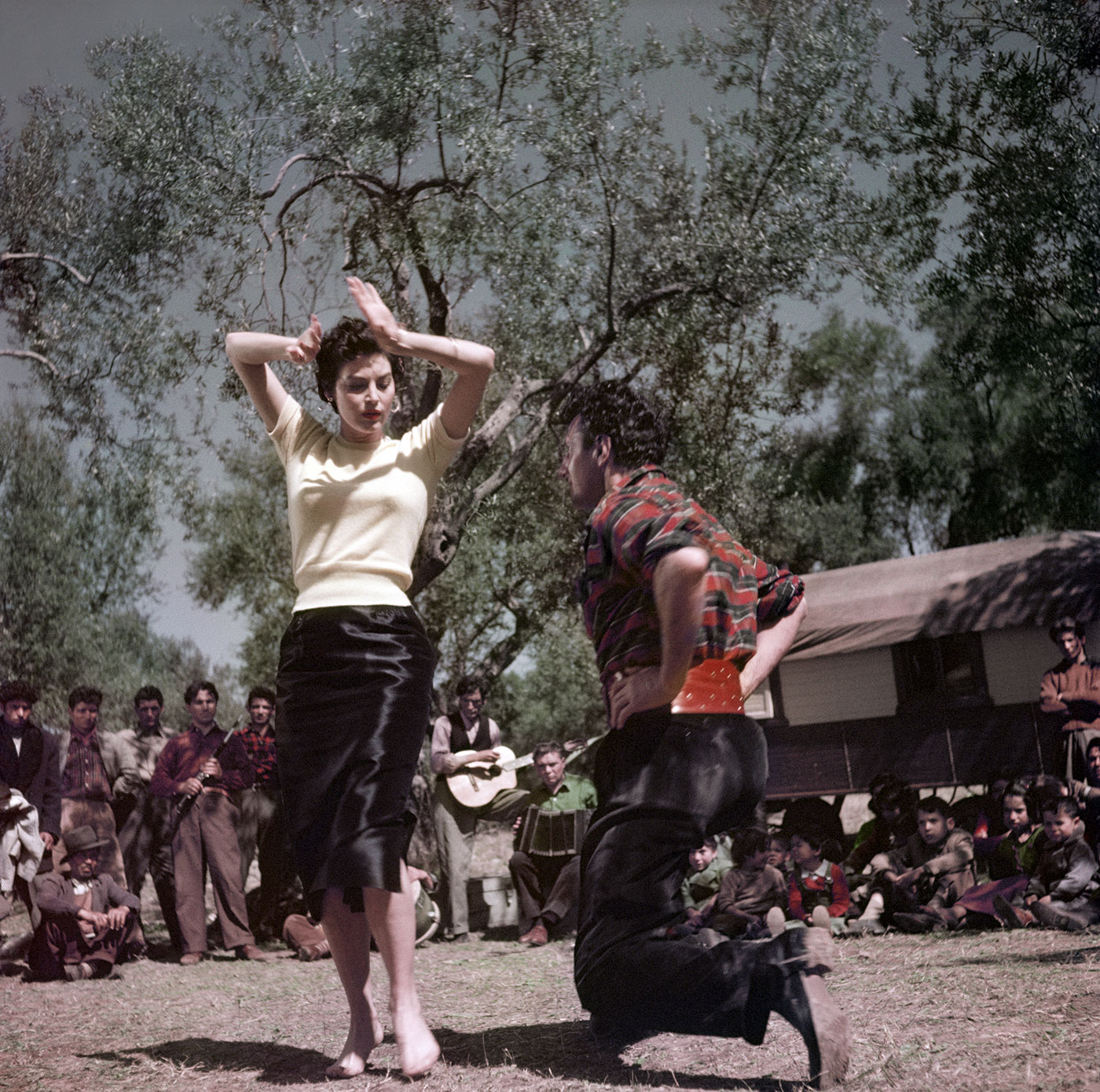


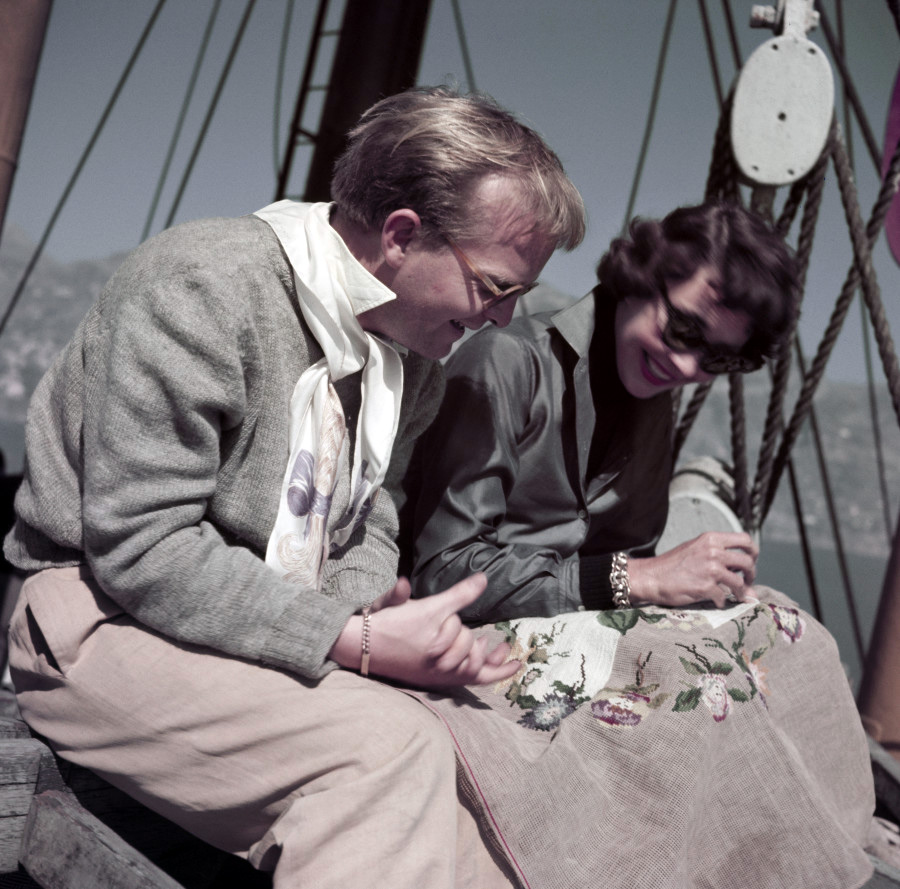


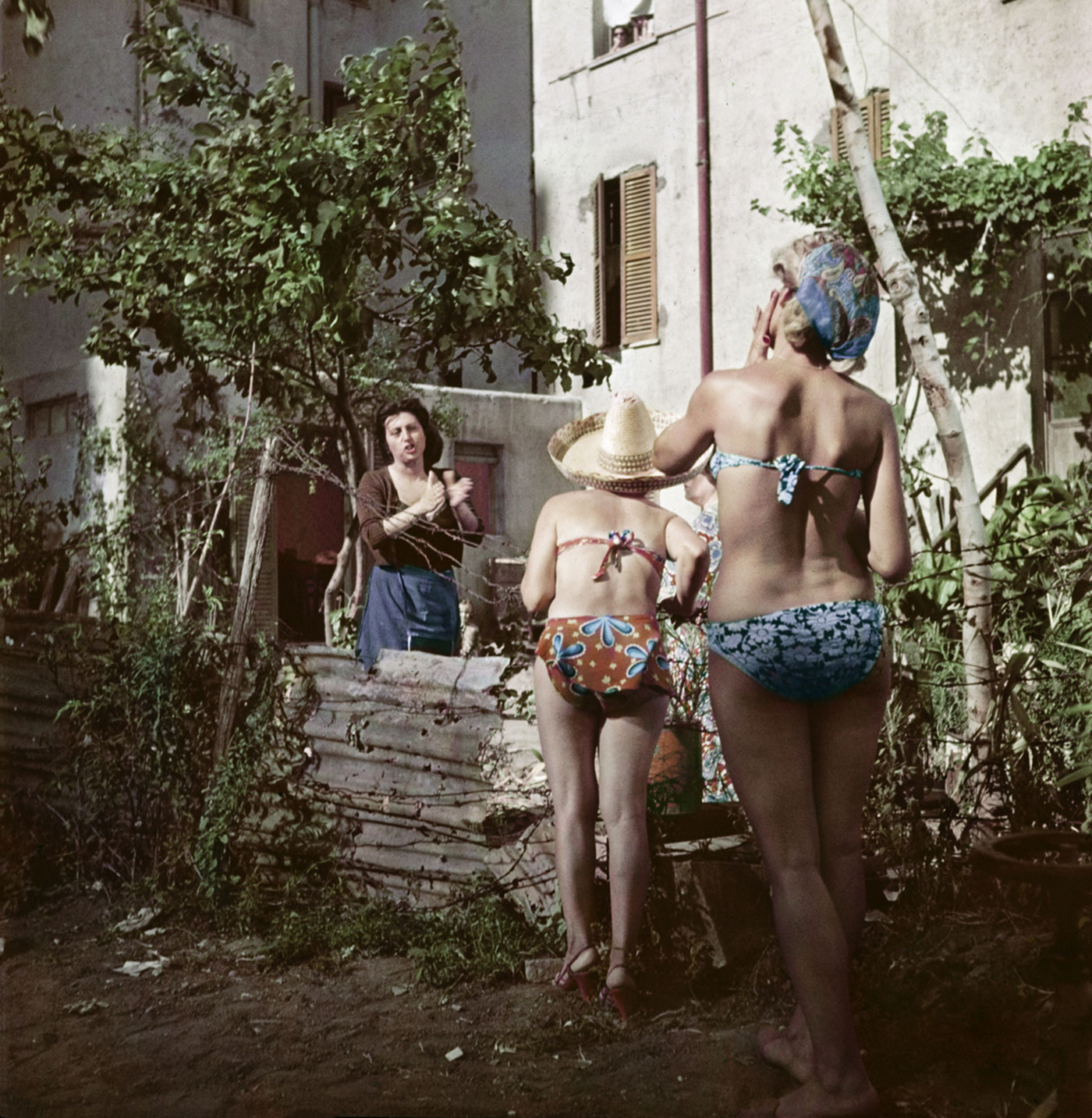






![Dallaporte (Portugal) 'Batalha – Mosteiro, Fachada das Capelas Imperfeitas [Monastery of Batalha, façade of the Imperfect Chapels]' Nd](https://artblart.com/wp-content/uploads/2015/05/batalha-web.jpg "Dallaporte (Portugal) 'Batalha – Mosteiro, Fachada das Capelas Imperfeitas [Monastery of Batalha, façade of the Imperfect Chapels]' Nd")


![Luigi Grassi, Milano (Italian) 'Milano, Facciata della Cattedrale [Facade of Milan Cathedral]' Nd](https://artblart.com/wp-content/uploads/2015/05/milan-catherdral-web.jpg "Luigi Grassi, Milano (Italian) 'Milano, Facciata della Cattedrale [Facade of Milan Cathedral]' Nd")


![Nels (Belgium, 1898 - ) 'S. A. des Grottes de Han-sur-Lesse et de Rochefort - Le Trophée [Caves of Han-sur-Lesse and Rochefort - The Trophy]' Nd](https://artblart.com/wp-content/uploads/2015/05/grottes-de-han-web.jpg "Nels (Belgium, 1898 - ) 'S. A. des Grottes de Han-sur-Lesse et de Rochefort - Le Trophée [Caves of Han-sur-Lesse and Rochefort - The Trophy]' Nd")








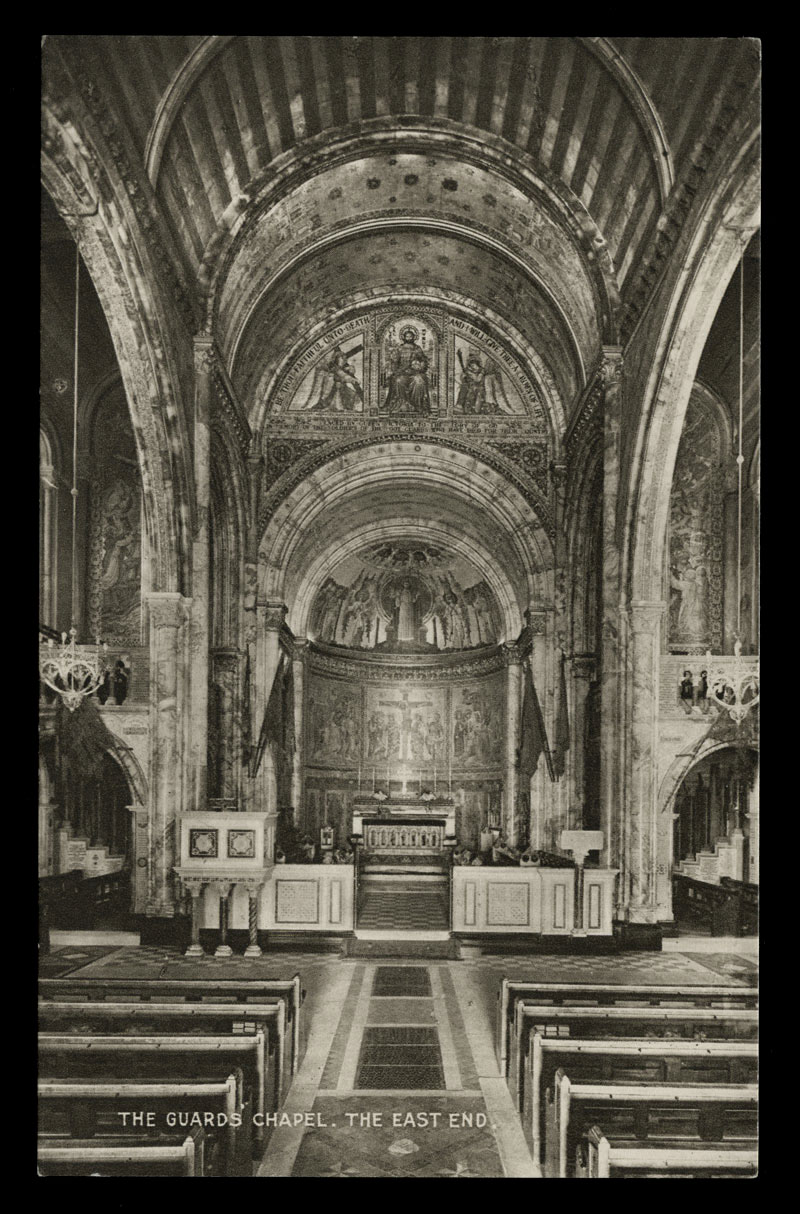


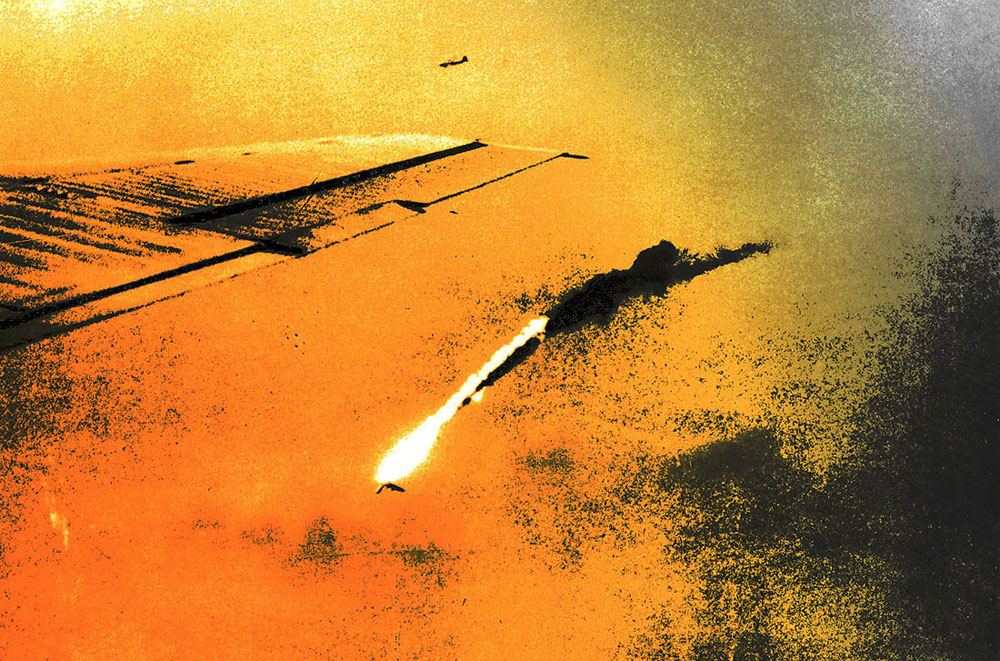


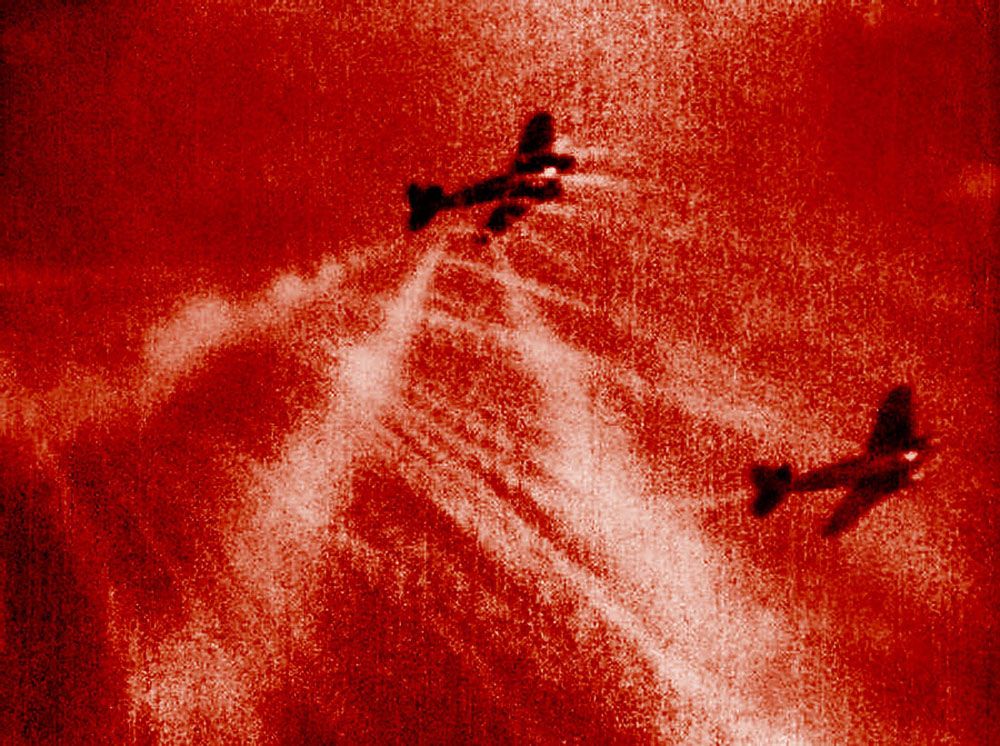




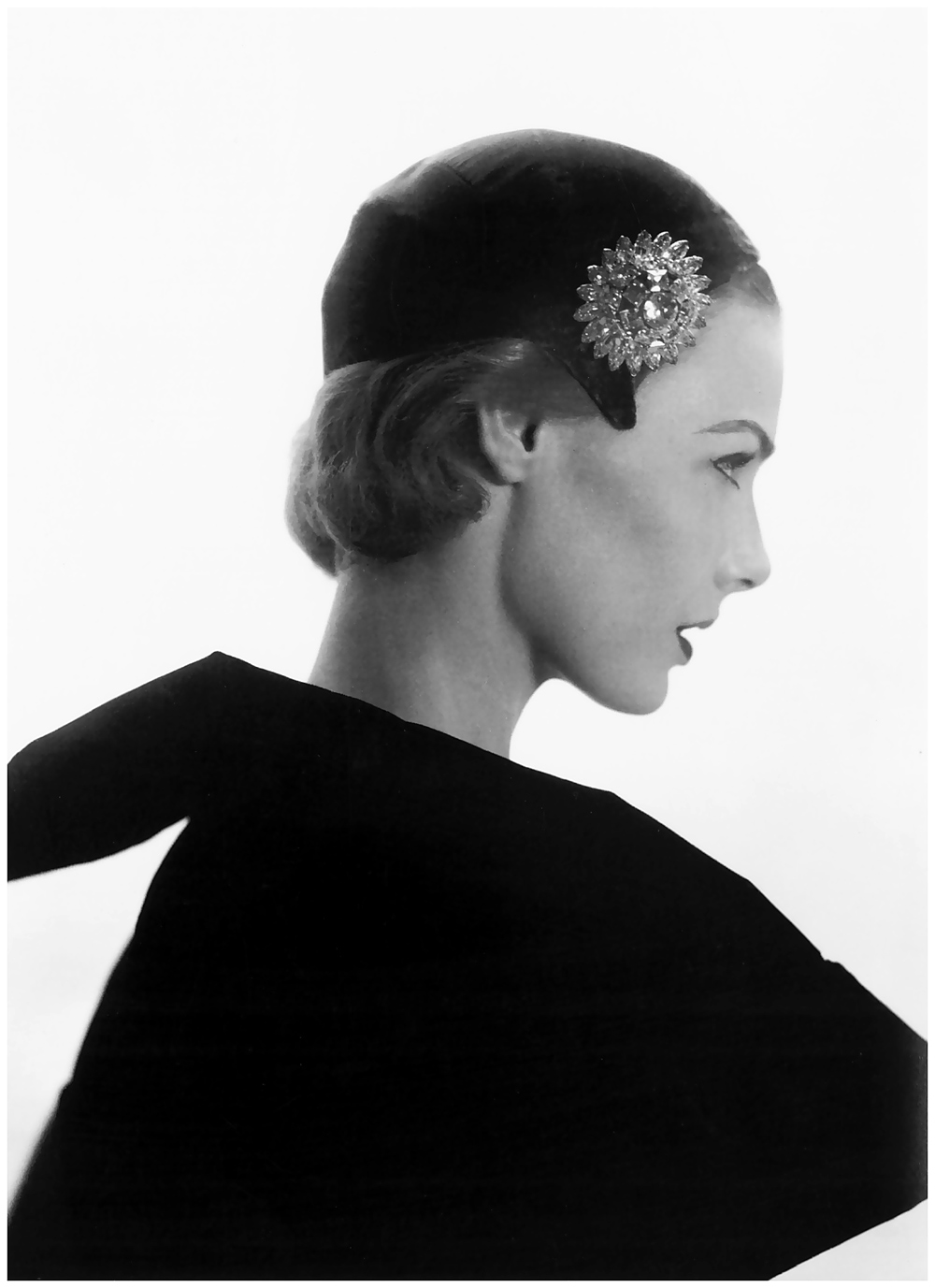
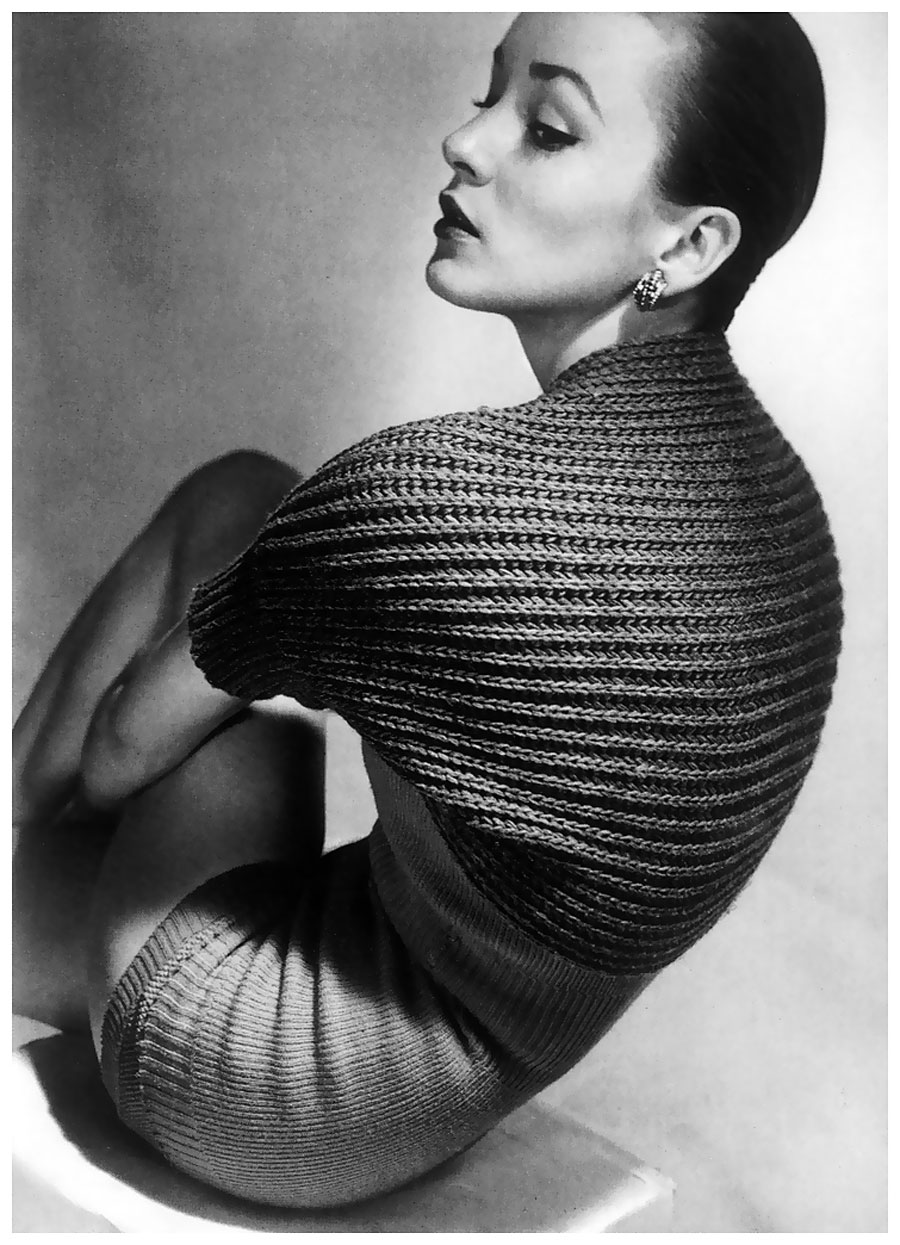

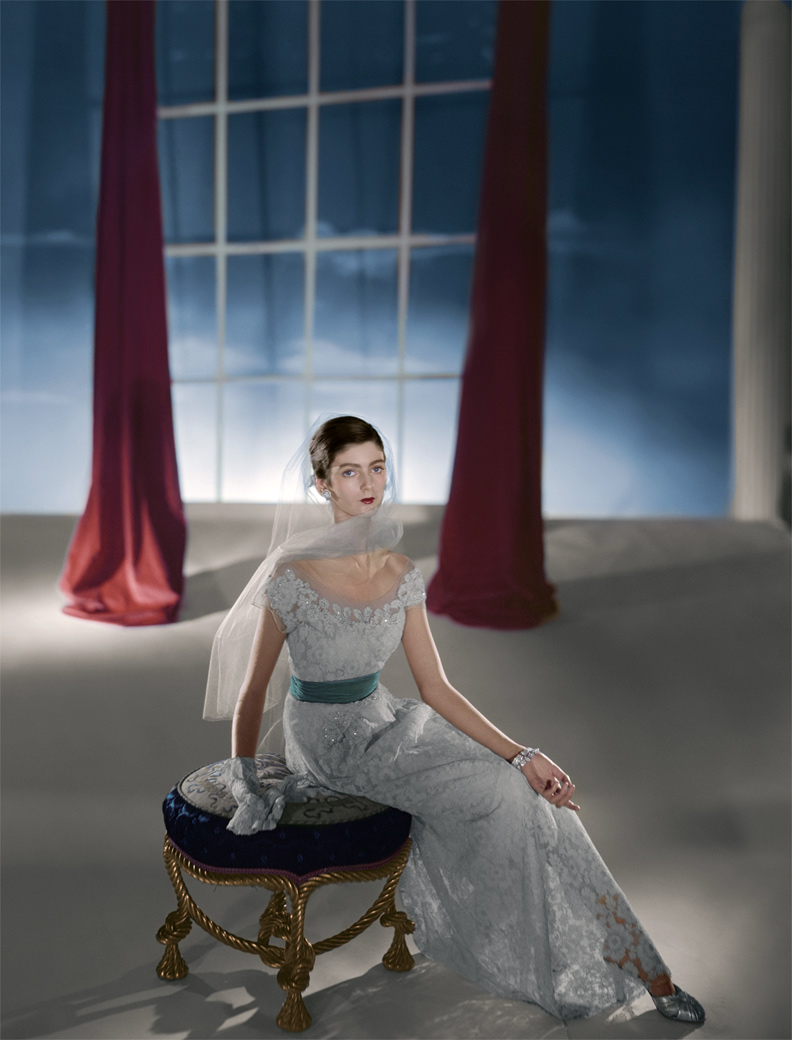


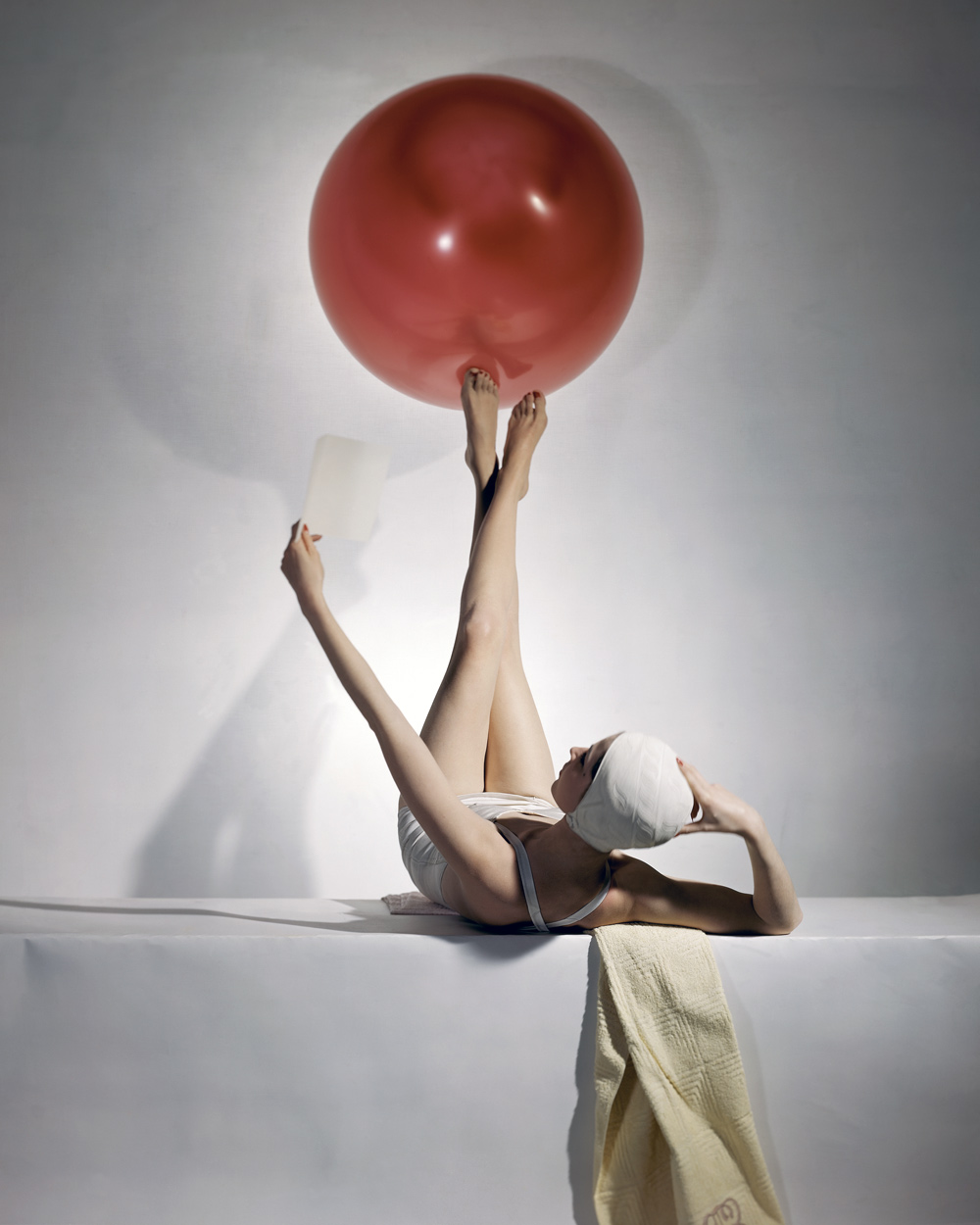
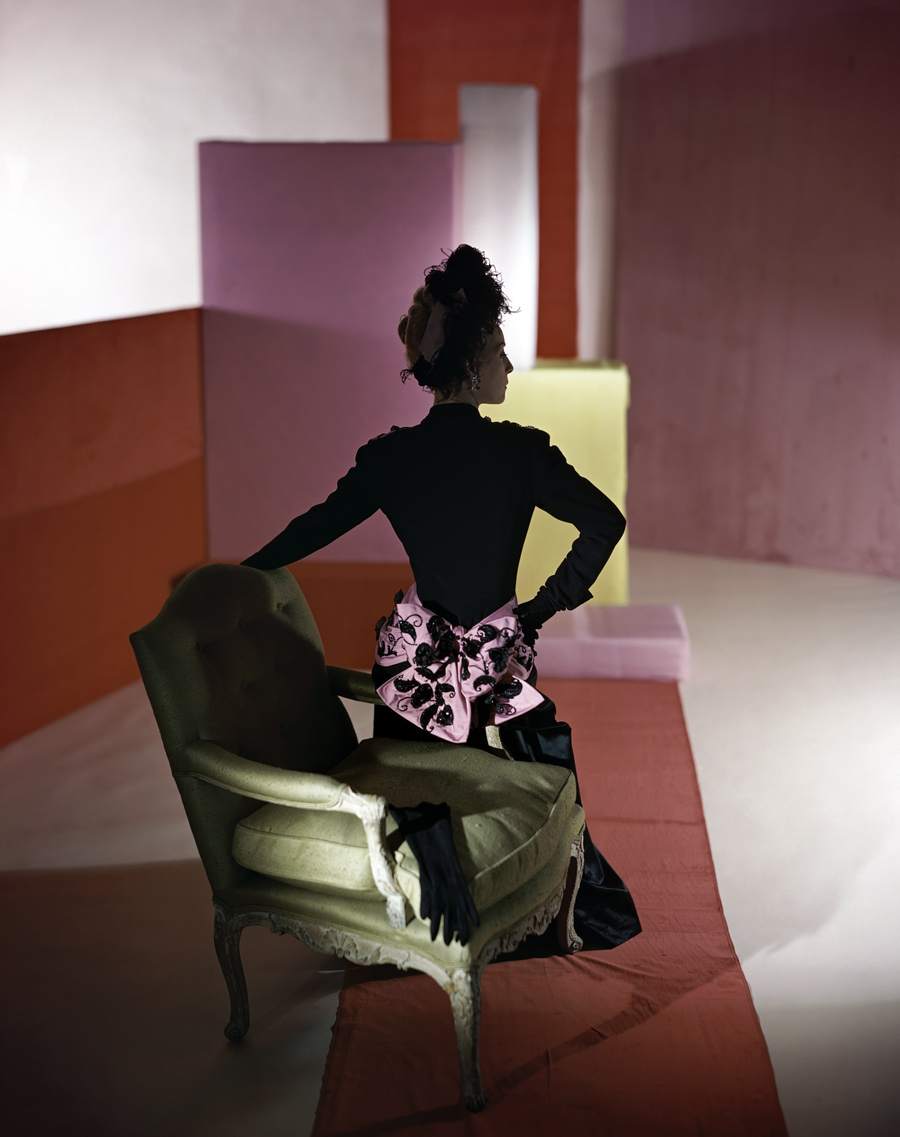


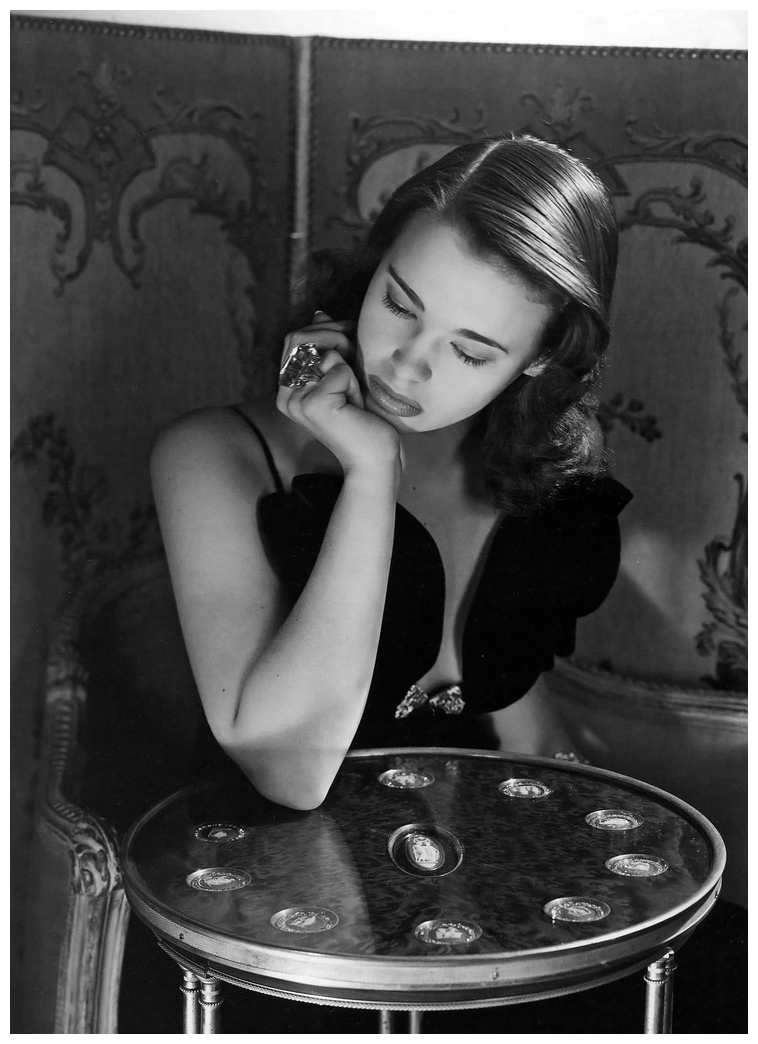


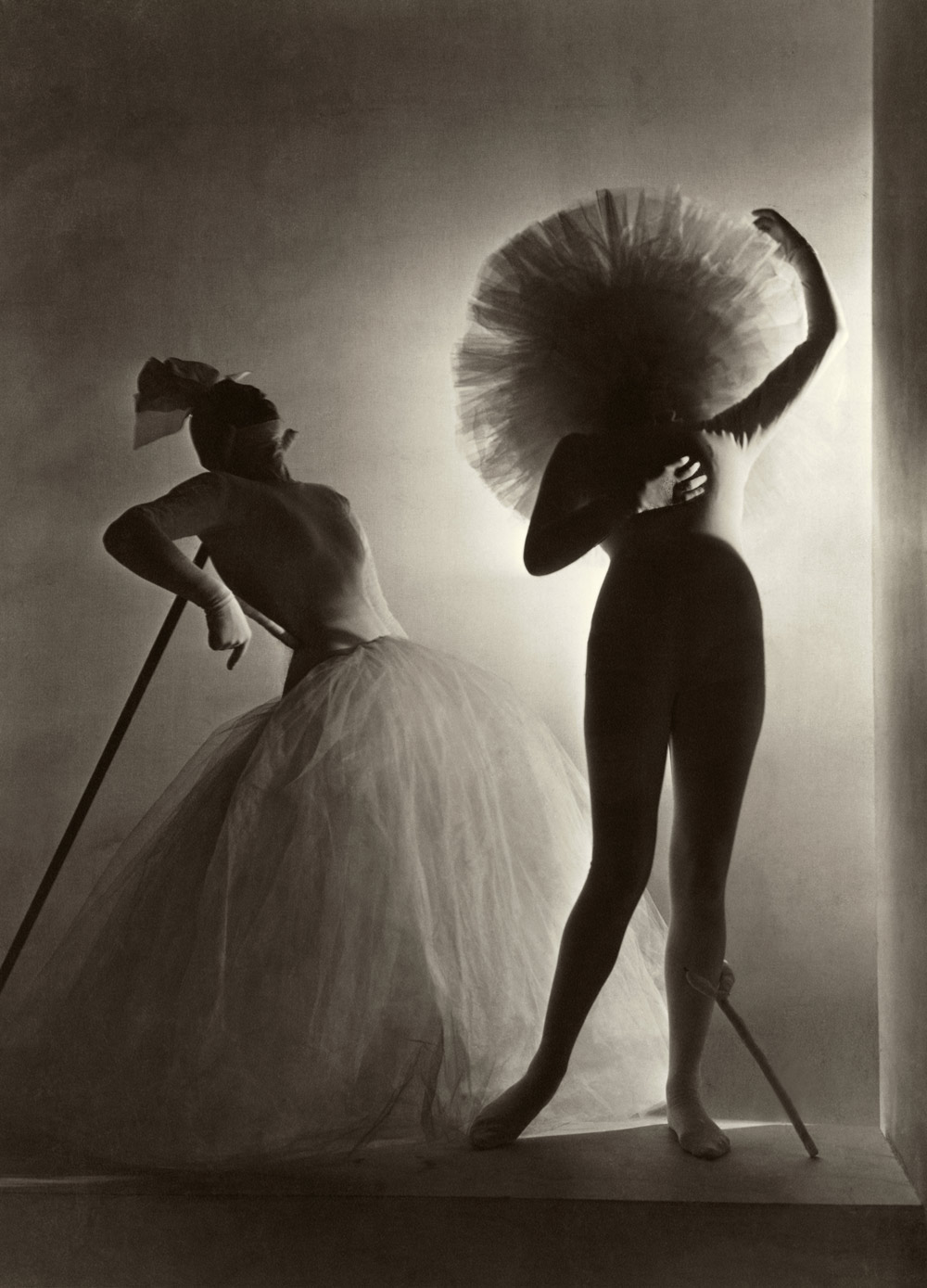


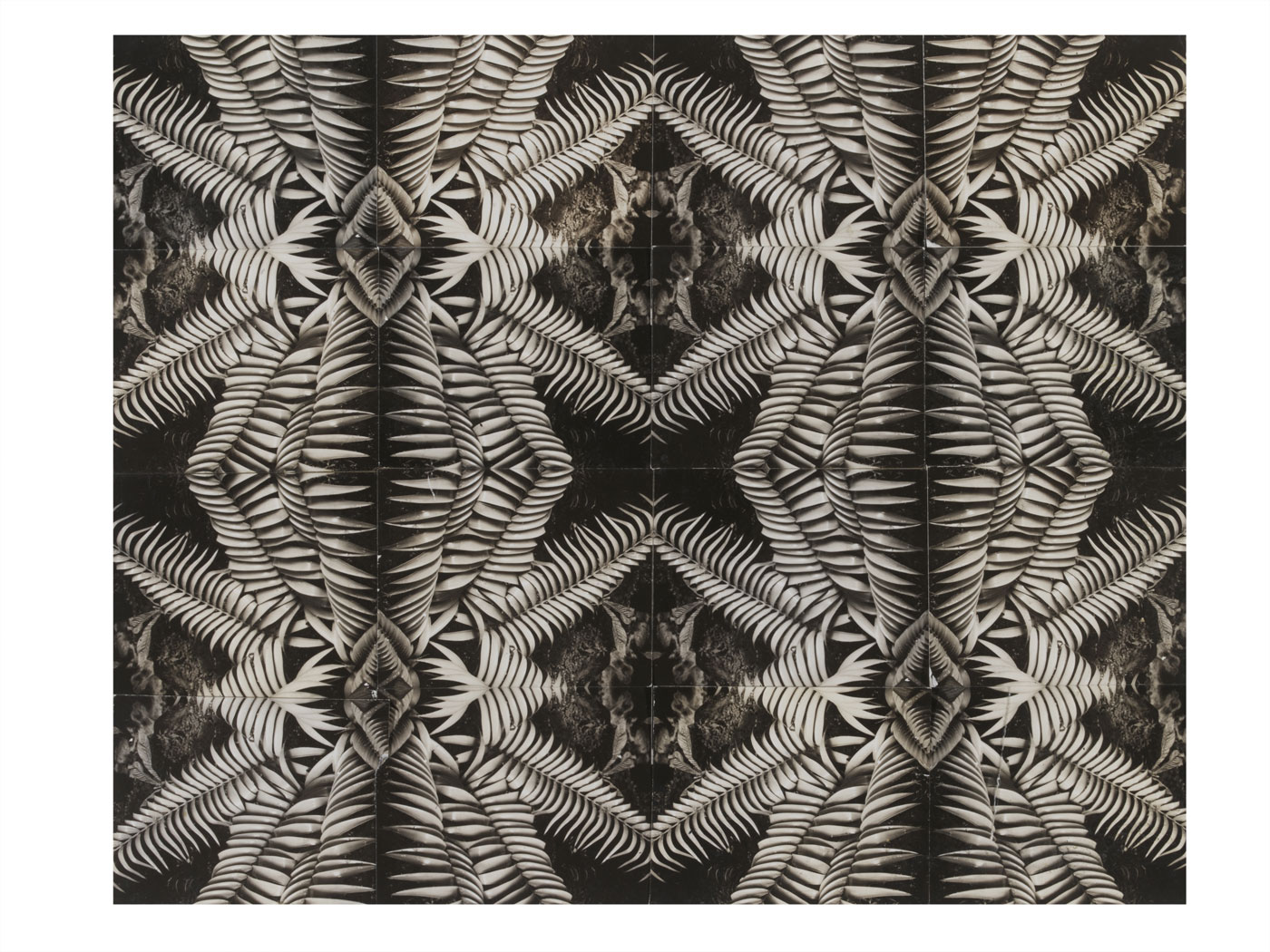




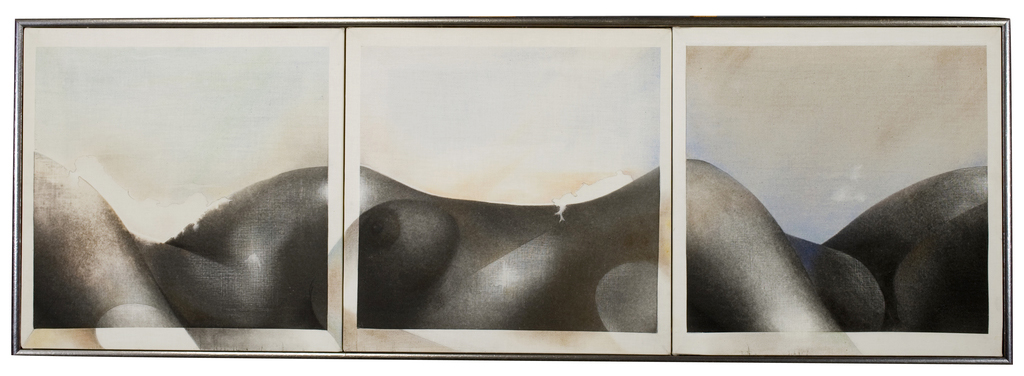
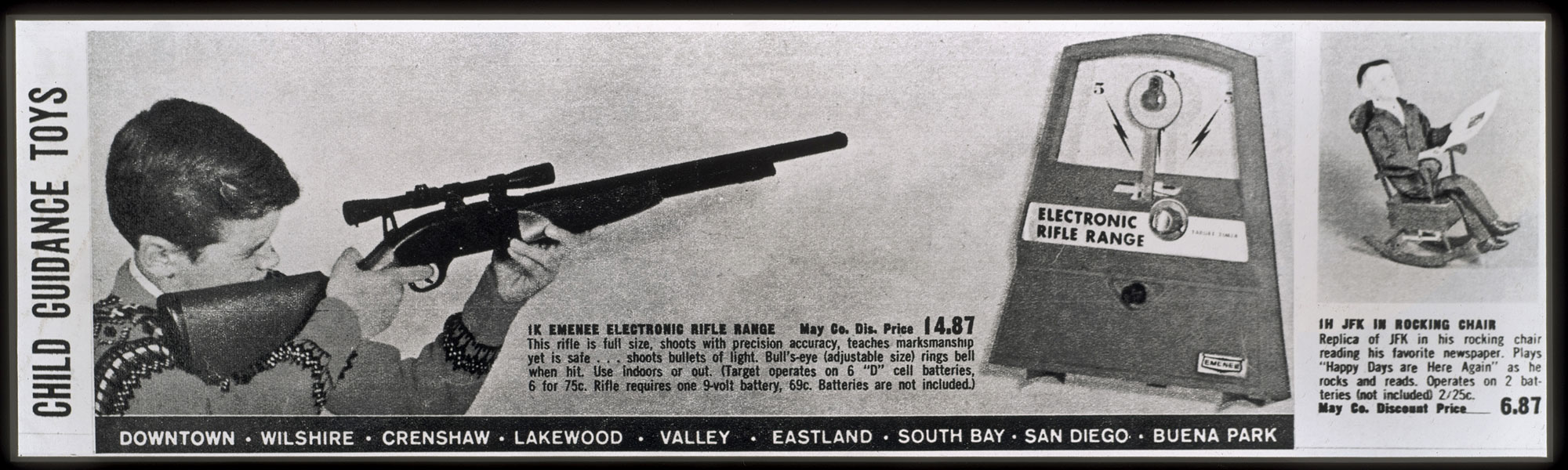
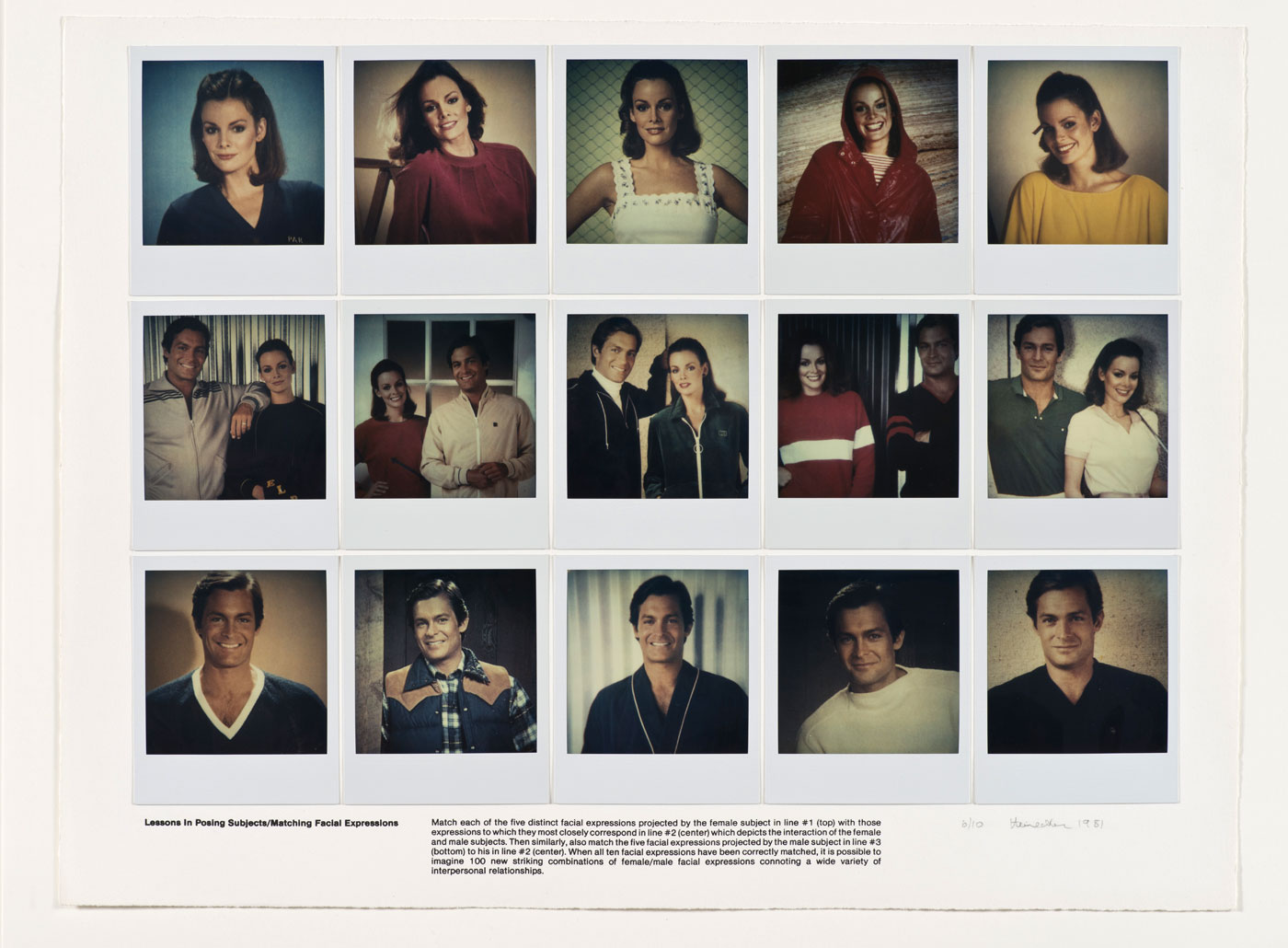
 Art Blart _ art and cultural memory archive
You must be logged in to post a comment.