“Varble’s total irreverence is no more evident than in his willingness to “cross party lines,” as he did when he wore his Suit of Armor, constructed with gold VO labels from Seagram’s boxes, to both the 1975 Easter Parade and to West Village leather bars! He was an equal opportunity offender, rubbing up against conformity in all forms.”
Bob Nickas. “Stephen Varble: Now More Than Ever,” on the Affidavit website [Online] Cited 10/04/2019
Confusing queen reigns, on parade
I love doing these posts on artists that certainly I, and I suspect a lot of the readers of this website, would have never have heard of. Artists full of spunk, full of daring-do, artists who rise to challenge the patrons of patriarchy, and the colluders of capitalism (Varble became ever-more critical of commodification and capitalism). Artists who declaim the value of the individual, who shine a light on the plight of the downtrodden and those discriminated against. Can you not once bring yourself to utter the word “AIDS” you bigoted president?
In an era of reactionary religious and right wing hypocrisy – Christian sleaze and paedophilia anyone, anti-Muslim and anti-gay Facebook posts in the Australian election, murderous right wing rampage in New Zealand – now more than ever, we need artists like Stephen Varble (American, 1946-1984). Human beings that speak up and speak out against bigotry, discrimination, and awful men in high places.
“Varble made the recombination of signs for gender a central theme in his increasingly outrageous costumes and performances… [He] sought to make a place for himself outside of art’s institutions and mainstream cultures all the while critiquing them both.” Australian artists such as Leigh Bowery and Brenton Heath-Kerr have a lot to thank Varble for.
He might have risen from the gutter, but his intentions were full of stars.
Dr Marcus Bunyan
Many thankx to the ONE Gallery for allowing me to publish the photographs in the posting. Please click on the photographs for a larger version of the image.
Varble’s work wasn’t drag in the conventional cross-dressing sense, or “gay art,” which was often defined from a predominantly masculine perspective in the immediate post-Stonewall years. His intention was to stretch and break down the very idea of binary identities, confuse the concept of gender, leave it optional. And this goal puts him well in the framework of queer and transgender thinking now. …
For a series of mid-1970s performances he called “Gutter Art,” he would arrive, elaborately dressed, by limousine (paid for by a Japanese patron, Miyazaki Morihiro) in front of luxury stores on the Upper East Side. Once parked, he unloaded old kitchen utensils from the trunk and started washing them with black ink, as if referring to the domestic life of sweatshop labor. He soon gained notoriety as a kind of cultural terrorist. (Tiffany’s hired guards to keep him out.) He turned up, uninvited, at red carpet events – film premieres, the Met’s Costume Institute gala – to dazzle and deride the guests.
“A chauffeured Rolls Royce glides glacially to the curb in front of the Chemical Bank at New York’s Sheridan Square. The uniformed driver, out in an instant, holds open the passenger door. Rather than a well-heeled person to which such a car would belong, a more hallucinatory sight will emerge, equally glamorous and ridiculous. Two legs appear, only one of which has a shoe. The full length of the body gradually appears, improbably covered in netting and not much else, the entwined nets adorned with crumpled bills. What seem to be bare breasts droop from the chest of a figure of otherwise unidentifiable gender, further confused by a toy fighter jet, poised for takeoff, at crotch level. While no words are spoken, a cartoon speech bubble overhead proclaims, cheerily but with a disgruntled undertow: Even Though You May Be Forged, Chemical Still Banks Best!”
Bob Nickas. “Stephen Varble: Now More Than Ever,” on the Affidavit website [Online] Cited 10/04/2019
The Chemical Bank Protest was Varble’s most notorious and widely reported disruption, and it encapsulated his disdain for commerce, capitalism, and propriety. To contest a forgery against him, Varble went to the Sheridan Square bank to demand his money returned. He created his Demonstration Costume with Only One Shoe from Christmas tree packaging, gold leaf wrappers, and fake money. His costumes often combined different signs of gender, and here he wore tow condoms filled with cow’s blood for breasts and a toy jet fighter as a codpiece. The toy referenced the plane ticket the forger purchase with the money, and one shoe was missing to “symbolise his economic loss.” Hovering over his head, a speech bubble touted, “Even Though You May Be Forged, Chemical Still Banks Best!”
Varble’s performances often affected an ironic enthusiasms for his targets (be it a bank, a boutique, a gallery, or a presidential candidate), and his insincere flattery was meant to provide cover for his disruption of business as usual.
Arriving in a borrowed limousine, Varble boldly entered to make his demands as the line of customers at the teller window gawked. On being told by the manager that he could not be helped, Varble punctured the blood-filled condoms and dipped a pen in the spilled blood to write checks (for “none-million dollars”) in his dramatic, mime-like movements before sweeping out to the sound of applause from the customers.
Wall text from the exhibition
“Varble began to truly set himself apart from other gender-focused 1970s performance artists with his outré 1976 performance at Chemical Bank in Sheridan Square. After hearing that someone had forged his signature and emptied out his bank account, Varble walked into the bank dressed in fake money, with breasts made out of condoms and filled with cow’s blood. He demanded his money back. When the bank teller could not comply, Varble punctured his condom-breasts, spilling blood all over the floor, and wrote checks in blood for “none-million dollars,” which he addressed to his companion at the bank, Peter Hujar. The exhibition includes a photograph Hujar took that day, evoking a time when the lax security in banks allowed artists to perform and express themselves, however outrageously (although Varble was then escorted out of the cow’s blood-filled bank by security).”
Installation views of the exhibition The Gutter Art of Stephen Varble: Genderqueer Performance Art in the 1970s, photographs by Greg Day at ONE Gallery
Installation view of the exhibition The Gutter Art of Stephen Varble: Genderqueer Performance Art in the 1970s, photographs by Greg Day at ONE Gallery showing, at left top, Greg Day’s Stephen Varble with the Enormous Pink Satin and baby Doll (1975); left below Stephen Varble Performing in a Garbage Can at his Loft on Franklin Street (1975); and at centre, Closing Party with Varble’s Enormous Pink Satin Skirt (1975)
Franklin Street Exhibition and Party Performance
in 1976, Varble organised an exhibition of his own work in the loft her share with Jim McWilliams on Franklin Street. He painted the interiors pink, built large decorations, and displayed all his costumes on cut-out mannequins mounted on the walls. The largest piece in the exhibition was a new work the Enormous Pink Satin Skirt, some fifteen feet in length. The object played a central role in the “Gala Ending” party that closed the exhibition, as can be seen in the photograph (main above). For this major event Varble enlisted the help of established gender non-conforming performers such as Mario Montez, Jackie Curtis, and Taylor Mead to act as living mannequins for his most iconic costumes. Modelling Varble’s art they paraded with his satin silhouette dolls through the crowd and did impromptu performances – such as when Agusta Machado enacted a campy drama of claustrophobia in Varble’s refrigerator. Day was there to capture the wild party, managing to take individual portraits of some of the major performers in attendance…
In the midst of the playful chaos, Varble gathered these Warhol stars and others (such as Paul Ambrose and New York drag personality Ruth Truth) inside the Enormous Pink Satin Skirt, and at a designated time they al burst forth dancing. As the exhibition gave attendees a retrospective view of his output the performance provided a testament to Varble’s place in the queer performance culture of New York. As the art critic Gregory Battock remarked, “It was the kind of event only Stephen Varble could have planned: chaotic, meandering, spurious and very New York […] Even though invitations were hard to come by, everybody was there.”
Wall text from the exhibition
Installation view of the exhibition The Gutter Art of Stephen Varble: Genderqueer Performance Art in the 1970s, photographs by Greg Day at ONE Gallery with, at left, Greg Day’s Stephen Varble Destroying his Blue and Green Corrugated Paper Dress from the Camera (October 1975); at second left, Stephen Varble in the Elizabethan Farthingale; and at third left, Stephen Varble in the Suit of Armor (October 1975)
Installation view of the exhibition The Gutter Art of Stephen Varble: Genderqueer Performance Art in the 1970s, photographs by Greg Day at ONE Gallery
Stephen Varble, Gutter Art flyer [recto] 1975 Xerographic print on paper Courtesy Greg Day and the Leslie-Lohman Museum Photo: Courtesy Greg Day and the Leslie-Lohman Museum
Installation view of the exhibition The Gutter Art of Stephen Varble: Genderqueer Performance Art in the 1970s, photographs by Greg Day at ONE Gallery
In costumes made from street trash, food waste, and stolen objects, Stephen Varble (1946-1984) took to the streets of 1970s New York City to perform his “Gutter Art.” With disruption as his aim, he led uninvited costumed tours through the galleries of SoHo, occupied Fifth Avenue gutters, and burst into banks and boutiques in his gender-confounding ensembles. Varble made the recombination of signs for gender a central theme in his increasingly outrageous costumes and performances. While maintaining he/him as his pronouns, Varble performed gender as an open question in both his life and his work, sometimes identifying as a female persona, Marie Debris, and sometimes playing up his appearance as a gay man. Only later would the term “genderqueer” emerge to describe the kind of self-made, non-binary gender options that Varble adopted throughout his life and in his disruptions of the 1970s art world.
At the pinnacle moment of Varble’s public performances, the photographer Greg Day (b. 1944) captured the inventiveness and energy of his genderqueer costume confrontations. Trained as an artist and anthropologist and with a keen eye for documenting ephemeral culture as it flourished, Day took hundreds of photographs of Varble’s trash couture, public performances, and events in 1975 and 1976. Varble understood the importance of photographers, and Day was his most important photographic collaborator. This exhibition brings together a selection of Day’s photographs of Varble performing his costume works and also includes Day’s photographs of Varble’s friends and collaborators such as Peter Hujar, Jimmy DeSana, Shibata Atsuko, Agosto Machado, and Warhol stars Jackie Curtis, Taylor Mead, and Mario Montez.
Varble sought to make a place for himself outside of art’s institutions and mainstream cultures all the while critiquing them both. The story of Varble told through Day’s photographs is both about their synergistic artistic friendship and about the queer networks and communities that made such an anti-institutional and genderqueer practice imaginable. Together, Varble and Day worked to preserve the radical potential of Gutter Art for the future.
The Gutter Art of Stephen Varble builds upon the 2018 retrospective exhibition of Stephen Varble’s work at the Leslie-Lohman Museum of Gay and Lesbian Art, New York, titled Rubbish and Dreams: The Genderqueer Performance Art of Stephen Varble, as featured in the New York Times on January 11, 2019. The new ONE Gallery exhibition, with its focus on the collaboration of Varble with the photographer Greg Day, will explore the ways in which Varble’s disruptive guerrilla performance art has lived on primarily through vibrant photographs that captured his inventive costumes, transformed trash, and public confrontations.
The Gutter Art of Stephen Varble: Genderqueer Performance Art in the 1970s photographs by Greg Day is curated by David J. Getsy, Goldabelle McComb Finn Distinguished Professor of Art History at the School of the Art Institute of Chicago. The Gutter Art of Stephen Varble is organised by the ONE Archives Foundation, Inc. Generous support is provided by the City of West Hollywood.
About the ONE Archives Foundation, Inc.
The ONE Archives Foundation, Inc. is an independent 501(c)(3) dedicated to telling the accurate and authentic stories of LGBTQ people, history and culture through public exhibitions, educational projects and trainings, and community outreach programs. Our exhibitions, school programs, and community outreach programs are free. We depend entirely on members of the public and private foundations for support.
Press release from the ONE Gallery [Online] Cited 10/04/2019
Installation view of the exhibition The Gutter Art of Stephen Varble: Genderqueer Performance Art in the 1970s, photographs by Greg Day at ONE Gallery showing, at left, a still from Stephen Varble’s video Journey to the Sun (1978-1983); and at right Greg Day’s Stephen Varble in the Piggy Bank Dress (1975)
Stephen Varble (American, 1946-1984) Journey to the Sun 1978-1983 U-matic video transferred to digital, 2018 Courtesy David J. Getsy
Varble receded from the art world and from street performance around 1977, becoming ever-more critical of commodification and capitalism. As he told an interviewer that year, “This is the age of pornography and contempt. The dollar is good. […] The end of capitalism is coming.” Varble instead began to develop private performances and videos about his private mythologies and messianic dreams. His last five years were consumed with working on an epic, operatic work of video art: Journey to the Sun. It started in 1978 as a performance about the mythology of Greta Garbo, and Varble invited friends to his Riverside Drive apartment to view his monologues accompanied by project slides. His ambitions soon outgrew this format, and he turned to video for its ability to combine text, image and performance. He considered these videos to be revivals of illuminated Medieval manuscripts with their rich visual play between words and pictures, and he called his group of collaborators in the video the “Happy Arts School of Manuscript Illumination.” The aim of the “school” was to promote Varble’s vision of societal transformation through the making of modern fables in the form of videos, books, and prints. His “video books,” as he called the tapes, offered an “antidote to nature’s ruin on this heavenly globe.”
Journey to the Sun tells the story of a musician, the Grey Crowned Warbler, who undergoes tribulation and metamorphosis on a journey to transcendence. The tale is a loosely autobiographical fable of an artist who encounters a stern mystical teacher, Sage Purple Pythagoras (played by his partner, Daniel Cahill) who tests the Warbler. Many of Varble’s iconic costumes feature in the video, and he combined elements of his own history with references to literature, religion, and popular culture (notably, Garbo). Combining heavily scripted monologues with improvised performances. Journey to the Sun does not offer a tidy or easily understood narrative. Rather, it sketches a fantastic and surreal visual world in which dreams are realised through the transformations of everyday objects, popular imagery, and rubbish.
To make this “rodeo-paced” video, Varble filled his apartment with drawings and writings on the walls, blacked out the windows, and began filming scenes both scripted and improvised with collaborators. Journey to the Sun is remarkable for its time due to the complexity and density of the video editing – all of which was done by Varble in his apartment. He only completed about thirty percent of his planned work before his death from AIDS-related complications in January 1984. This screening copy presents a continuous segment of around 80 minutes that has been selected from the three surviving U-matic master tapes, but no changes have been made other than the choice of where to begin and end this combined excerpt. This is but a fragment of the much longer video epic Varble hoped would be his major contribution.
Wall text from the exhibition
Installation view of the exhibition The Gutter Art of Stephen Varble: Genderqueer Performance Art in the 1970s, photographs by Greg Day at ONE Gallery showing Stephen Varble’s Blue Boy
“One afternoon, Stephen invited me to accompany him to a performance in midtown Manhattan. He bought Blue Boy with him. We took the F train uptown from Washington Square. Sitting on the subway car bench and wearing his Chemical Bank Protest attire. Stephen hugged, kissed, fondled and poked Blue Boy. He spoke to him in an affectionate and sometimes argumentative language of moans, “ohs” and clicks. I sat across from him and watched as people entered the car. They stared, laughed, gasped, and made disparaging remarks about his sanity before moving to another part of the subway car. Even riding the train was an opportunity for Stephen to shock.”
Edward J. Kelty (American, 1888-1967) Century Photographers Ringling Brothers and Barnum & Bailey (Combined) Circus [clowns behind Madison Square Garden] c. 1925 Cyanotype 7 3/8 × 9 1/4 inches (23.8 × 23.5cm)
There’s a quality of legend about freaks… I mean, if you’ve ever spoken to someone with two heads, you know they know something you don’t. Most people go through life dreading they’ll have a traumatic experience – freaks were born with their trauma. They’ve already passed their test in life. They’re aristocrats.
Diane Arbus
The aristocrats
During my research for this posting, someone, somewhere, said that Kelty was “not a very adventurous photographer.” What a load of rubbish.
If they meant “adventurous” by being avant-garde to that you can only answer: imagine the passion and dedication, and the skill of the photographer to compose these panoramic images for 15 years, from the mid-1920s to 1940, using a specially made “banquet” camera that produced 12-by-20-inch images.
Just imagine loading up your car with such a monster camera and travelling the roads to the site of these circus encampments, sometimes two or three different circuses a day, to record a veritable feast of difference and diversity. To give equal weight to each and every person. And to then develop the negatives in the back of your car. If this is not adventurous I don’t know what is.
And Kelty had to pay for the privilege. “Kelty was under contract to that circus, meaning he had to pay Ringling Brothers a commission for every circus picture he took. But he was not a circus employee, which had several of its own photographers who specialized in behind-the-scenes candids.”1 The photographs, these grand assemblages of multiculturalism, were not staged for free.
Kelty’s stylised images of sideshow freaks, clowns and other circus exotics are highly idiosyncratic in the world of art photography because, of course, he would not have thought of himself as an artist. Much as Eugène Atget never thought of himself as an artist, hanging a sign on his studio door saying, “Documents pour artistes” (Documents for artists), the sign declaring, “… his modest ambition of providing other artists with images to use as source material in their own work” (MoMA), so Kelty would have only thought he was recording these mise-en-scène for his own benefit, his passion, and to possibly sell a few photographs on the side.
Kelty’s day job was that of professional banquet photographer photographing weddings and the corporate world. The freedom he must have felt going to the circus and engaging with all these wonderful people would have been incredible. And he didn’t discriminate: his egalitarian photographs document the archetypes of the travelling circus, from “group portraits of clowns, sideshow attractions, bands, elephants, menageries, aerialists, equestrians, tractor and train crews, candy butchers (seen with their backs turned to show the “Baby Ruth Candy” logo on their smocks), and even everybody in the Ringling-Barnum cookhouse tent on July 4, 1935.” (Amazon)
Ellen Warren in her article “The mysterious Mr. Kelty”2 observes that Kelty’s photographs are “hopelessly politically incorrect by today’s standards”. In one sense this is true, with the camera documenting and objectifying the “Other”, with the literal naming of difference – “congress of freaks”, “colored review” – but is this objectification little different to the later, more intimate photographs of Diane Arbus documenting a dwarf in his bedroom, a Jewish giant at home with his parents, or an Albino sword swallower at a carnival? Only the archetypal scale is different. In another and perhaps a more generous sense of spirit, Kelty’s images of circus life document a “family” that lived, breathed, ate and travelled together, who looked after each other during fires and vicissitudes, who had a job and food on the table during The Great Depression … people who Kelty imaged as equal and important as each other by placing them in row after row.
Two photographs are instructive in this regard, the earlier Congress of Freaks with Ringling Brothers and Barnum & Bailey Combined Circus(1931, below) and the later “Doll Family of Midgets”, Celebrating “Ringling Golden Jubilee”, Ringling Brothers and Barnum & Bailey Combined Circus Side Show(1933, below) in which Kelty returns two years later to document more or less the same group of people in the same setting. In the first image, one of the most famous of Kelty’s photographs, two lines of people rise from the outside and then fall (using the height of the subjects) towards the woman seated centrally in the bottom row who grounds the giant, Christ-like figure in the row above, his outstretched arms offering the display to the viewer. In the elegance and placement of figures this is a masterful construction of the image plane. In the later photograph Kelty doubles down, bookending both rows with symmetrical characters (giant women with headdresses, men in black tie) instead of just the one row in the first photograph – the rows again rising and falling towards the central characters, the giants framing the composition with outstretched arms. It might seem simple but it is not.
This is not some hack at work, not some unadventurous photographer with limited imagination, but a man composing a fugue like J.S.Bach, a veritable banquet for the eyes. To suggest otherwise is to not understand the history of photography, the history of representation, and the passion needed to represent life in all its forms.
Dr Marcus Bunyan
1/ Ellen Warren. “The mysterious Mr. Kelty,” on the Chicago Tribune website February 7, 2003 [Online] Cited 23/11/2018
2/ Ibid.,
All of the photographs in this posting are published under “fair use” conditions for the purpose of educational research and academic comment. Please click on the photographs for a larger version of the image.
Going by the evidence of the photographs, Kelty seems to have had three studio addresses close to each other in Midtown New York during his 15 years photographing the circus: first 144 West 46th (1925-1930), 74 W 47th (1931-1934) and finally 110 W 46th (1935-1940). As can be seen from the map above (with one exception of a photograph in St. Louis MO), Kelty usually travelled close to home to document the circus wherever they set up camp.
Edward J. Kelty (American, 1888-1967) Century Photographers 144 W 46 N.Y.C. Ringling Brothers and Barnum & Bailey Concert Band, Merle Evans – Bandmaster 1927 Gelatin silver print
Merle Slease Evans (American, 1891-1987)
Merle Slease Evans (December 26, 1891 – December 31, 1987) was a cornet player and circus band conductor who conducted the Ringling Bros. and Barnum & Bailey Circus for fifty years. He was known as the “Toscanini of the Big Top.” Evans was inducted into the American Bandmasters Association in 1947 and the International Circus Hall of Fame in 1975. …
Evans was hired as the band director for the newly merged Ringling Bros. and Barnum & Bailey Circus in 1919. Evans held this job for fifty years, until his retirement in 1969. He only missed performances due to a musicians union strike in 1942 and the death of his first wife. He wrote eight circus marches, including Symphonia and Fredella.
Edward J. Kelty (American, 1888-1967) Century Photographers 144 W 46 N.Y.C. Ringling Brothers and Barnum & Bailey Combined Circus Jersey City, N.J. – May 27th 1929 Gelatin silver print
Edward J. Kelty (American, 1888-1967) Century Photographers 74 W 47 N.Y.C. George Denman and His Staff, Ringling Brothers and Barnum & Bailey Combined Shows Irvington, N.J. – June 9th, 1931 Gelatin silver print 11 1/4 × 19 5/8 inches (28.6 × 49.9cm)
Edward J. Kelty (American, 1888-1967) Century Photographers 74 W 47 N.Y.C. Ringling Brothers and Barnum & Bailey Circus – Greatest Show on Earth – 1931 Gelatin silver print
Ringling Bros. and Barnum & Bailey Circus, also known as the Ringling Bros. Circus, Ringling Bros. or simply Ringling was an American traveling circus company billed as The Greatest Show on Earth. It and its predecessor shows ran from 1871 to 2017. Known as Ringling Bros. and Barnum & Bailey Combined Shows, the circus started in 1919 when the Barnum & Bailey’s Greatest Show on Earth, a circus created by P. T. Barnum and James Anthony Bailey, was merged with the Ringling Bros. World’s Greatest Shows. The Ringling brothers had purchased Barnum & Bailey Ltd. following Bailey’s death in 1906, but ran the circuses separately until they were merged in 1919. …
In 1871, Dan Castello and William Cameron Coup persuaded Barnum to come out of retirement as to lend his name, know-how and financial backing to the circus they had already created in Delavan, Wisconsin. The combined show was named “P.T. Barnum’s Great Traveling Museum, Menagerie, Caravan, and Hippodrome”. As described by Barnum, Castello and Coup “had a show that was truly immense, and combined all the elements of museum, menagerie, variety performance, concert hall, and circus”, and considered it to potentially be “the Greatest Show on Earth”, which subsequently became part of the circus’s name.
Independently of Castello and Coup, James Anthony Bailey had teamed up with James E. Cooper to create the Cooper and Bailey Circus in the 1860s. The Cooper and Bailey Circus became the chief competitor to Barnum’s circus. As Bailey’s circus was outperforming his, Barnum sought to merge the circuses. The two groups agreed to combine their shows on March 28, 1881. Initially named “P.T. Barnum’s Greatest Show On Earth, And The Great London Circus, Sanger’s Royal British Menagerie and The Grand International Allied Shows United”, it was eventually shortened to “Barnum and Bailey’s Circus”. Bailey was instrumental in acquiring Jumbo, advertised as the world’s largest elephant, for the show. Barnum died in 1891 and Bailey then purchased the circus from his widow. Bailey continued touring the eastern United States until he took his circus to Europe. That tour started on December 27, 1897, and lasted until 1902.
Separately, in 1884, five of the seven Ringling brothers had started a small circus in Baraboo, Wisconsin. This was about the same time that Barnum & Bailey were at the peak of their popularity. Similar to dozens of small circuses that toured the Midwest and the Northeast at the time, the brothers moved their circus from town to town in small animal-drawn caravans. Their circus rapidly grew and they were soon able to move their circus by train, which allowed them to have the largest traveling amusement enterprise of that time. Bailey’s European tour gave the Ringling brothers an opportunity to move their show from the Midwest to the eastern seaboard. Faced with the new competition, Bailey took his show west of the Rocky Mountains for the first time in 1905. He died the next year, and the circus was sold to the Ringling Brothers.
Ringling Bros. and Barnum & Bailey Circus
The Ringlings purchased the Barnum & Bailey Greatest Show on Earth in 1907 and ran the circuses separately until 1919. By that time, Charles Edward Ringling and John Nicholas Ringling were the only remaining brothers of the five who founded the circus. They decided that it was too difficult to run the two circuses independently, and on March 29, 1919, “Ringling Bros. and Barnum & Bailey Combined Shows” debuted in New York City. The posters declared, “The Ringling Bros. World’s Greatest Shows and the Barnum & Bailey Greatest Show on Earth are now combined into one record-breaking giant of all exhibitions.” Charles E. Ringling died in 1926, but the circus flourished through the Roaring Twenties.
John Ringling had the circus move its headquarters to Sarasota, Florida in 1927. In 1929, the American Circus Corporation signed a contract to perform in New York City. John Ringling purchased American Circus, owner of five circuses, for $1.7 million…
The circus suffered during the 1930s due to the Great Depression, but managed to stay in business. After John Nicholas Ringling’s death, his nephew, John Ringling North, managed the indebted circus twice, the first from 1937 to 1943. Special dispensation was given to the circus by President Roosevelt to use the rails to operate in 1942, in spite of travel restrictions imposed as a result of World War II. Many of the most famous images from the circus that were published in magazine and posters were captured by American photographer Maxwell Frederic Coplan, who traveled the world with the circus, capturing its beauty as well as its harsh realities.
Edward J. Kelty (American, 1888-1967) Century Photographers 74 W 47 N.Y.C. Congress of the World’s Rough Riders – Celebrating Ringling Golden Jubilee, Ringling Brothers and Barnum & Bailey Combined Circus Brooklyn, N.Y. May 19th 1933 Gelatin silver print
“In the late nineteenth century, America displayed a new imperialistic mood and a heightened desire to impress her independence upon Europe when she embarked upon a number of military adventures in the Caribbean and Pacific. During the same period, there appeared a new popular hero – the “Rough Rider” – who derived from the Western frontier but expanded the field of heroic action well beyond the shores of America. The creation of this hero and the scene in which he was set demonstrates how popular culture of the period not only embodied but facilitated crucial developments in the nation’s growth.”
Christine Bold. “The Rough Riders at Home and Abroad: Cody, Roosevelt, Remington and the Imperialist hero,” in Canadian Review of American Studies Volume 18 Issue 3, September 1987, pp. 321-350
Edward J. Kelty (American, 1888-1967) Century Photographers 74 W 47 N.Y.C. Celebrating “Ringling Golden Jubilee”, Ringling Brothers and Barnum & Bailey Combined Circus Brooklyn, N.Y. May 19th 1933 Gelatin silver print 11 1/4 × 19 5/8 inches (28.6 × 49.9cm)
Edward J. Kelty (American, 1888-1967) Century Photographers 74 W 47 N.Y.C. Ringling Brothers and Barnum & Bailey Combined Menagerie Brooklyn, N.Y. May 19th 1933 Gelatin silver print
In mid-20th century America, a typical circus traveled from town to town by train, performing under a huge canvas tent commonly called a “big top”. The Ringling Brothers and Barnum & Bailey Circus was no exception: what made it stand out was that it was the largest circus in the country. Its big top could seat 9,000 spectators around its three rings; the tent’s canvas had been coated with 1,800 pounds (820 kg) of paraffin wax dissolved in 6,000 US gallons (23,000 l) of gasoline, a common waterproofing method of the time.
A menagerie is a collection of captive animals, frequently exotic, kept for display; or the place where such a collection is kept, a precursor to the modern zoological garden. The term was first used in seventeenth century France in reference to the management of household or domestic stock. Later, it came to be used primarily in reference to aristocratic or royal animal collections. The French-language Methodical Encyclopaedia of 1782 defines a menagerie as an “establishment of luxury and curiosity.” Later on, the term referred also to travelling animal collections that exhibited wild animals at fairs across Europe and the Americas.
Texts from the Wikipedia website
Edward J. Kelty (American, 1888-1967) Century Photographers 74 W 47 N.Y.C. Ringling Golden Jubilee – Ringling Brothers and Barnum & Bailey Combined Circus Newark, N.Y. June ? 1933 Gelatin silver print
Edward J. Kelty (American, 1888-1967) Century Photographers 74 W 47 N.Y.C. Congress of Freaks with Ringling Brothers and Barnum & Bailey Combined Circus 1931 Gelatin silver print
Edward J. Kelty (American, 1888-1967) Century Photographers 74 W 47 N.Y.C. “Doll Family of Midgets”, Celebrating “Ringling Golden Jubilee”, Ringling Brothers and Barnum & Bailey Combined Circus Side Show 1933 Gelatin silver print 11 1/8 × 19 1/2 inches (28.3 × 49.5cm)
Edward J. Kelty (American, 1888-1967) Century Photographers 110 W 46 NYC Col. Tim McCoy and his Congress of Rough Riders of the World Featured on the Ringling Brothers and Barnum & Bailey Circus Newark. N.J. June 11th 1935 Gelatin silver print
Timothy John Fitzgerald McCoy (American, 1891-1978)
Timothy John Fitzgerald McCoy (April 10, 1891 – January 29, 1978) was an American actor, military officer, and expert on American Indian life and customs. He was also known Colonel T.J. McCoy.
McCoy worked steadily in movies until 1936, when he left Hollywood, first to tour with the Ringling Brothers Circus and then with his own “wild west” show. The show was not a success and is reported to have lost $300,000, of which $100,000 was McCoy’s own money. It folded in Washington, D.C. and the cowboy performers were each given $5 and McCoy’s thanks. The Indians on the show were returned to their respective reservations by the Bureau of Indian Affairs. …
For his contribution to the film industry, Col. Tim McCoy was honoured with a star on the Hollywood Walk of Fame. In 1973, McCoy was inducted into the Hall of Great Western Performers of the National Cowboy and Western Heritage Museum. McCoy was inducted into the Cowboy Hall of Fame in 1974.
Edward J. Kelty (American, 1888-1967) Century Photographers 110 W 46 NYC Ringling Brothers and Barnum & Bailey Circus Jersey City, N.J. June 12, 1935 Gelatin silver print
Edward J. Kelty (American, 1888-1967) Century Photographers 110 W 46 NYC Congress of Clowns, Ringling Brothers and Barnum & Bailey Combined Circus Patterson, N. J. June 13, 1935 Gelatin silver print 11 1/8 × 19 5/8inches (28.3 × 49.9cm)
Edward J. Kelty (American, 1888-1967) Century Photographers 110 W 46 NYC World Renowned Acrobats, Ringling Brothers and Barnum & Bailey Combined Circus Patterson, N. J. June 13, 1935 Gelatin silver print
Edward J. Kelty (American, 1888-1967) Century Photographers 110 W 46 NYC “Queens of the Air”, Ringling Brothers and Barnum & Bailey Combined Circus Patterson, N. J. June 13, 1935 Gelatin silver print 11 1/4 × 19 5/8 inches (28.6 × 49.9cm)
Edward J. Kelty (American, 1888-1967) Century Photographers 110 W 46 NYC Tommy Atkins Military Riding Maids featured with Ringling Brothers and Barnum & Bailey Circus Poughkeepsie, N.Y. – June 15th 1935 Gelatin silver print
Dorothy Herbert (American, 1910-1994)
Dorothy Herbert (1910-1994) joined Ringling Bros and Barnum & Bailey in 1930 when she was only 20 years old. Over the next decade she truly became a headliner – appearing on a variety of posters, including several seen here. Like Lillian Leitzel, May Wirth and Tim McCoy, and later Lou Jacobs and Gunther Gebel-Williams – her star status led to the creation of a number of posters featuring her image.
Herbert was only 24 years old when a portrait lithograph was added to the Ringling-Barnum billposter hod during the 1934 season. Starting that spring, and for several seasons following, an image of Miss Herbert and her horse Satan appeared in hundreds of store windows as both a one-sheet and a window card, and in a much larger format on the sides of walls and barns. The same portrait was also featured on the cover of the 1934 program book, the first time an individual circus star was featured on the Ringling-Barnum “Program and Daily Review”. …
[Herbert] features in a display that she starred in titled “Miss Tommy Atkins and Her Military Maids” The depiction is of a group of girls on horses, dressed in British red-coat dress uniforms. The act consisted of military equestrian manoeuvres and the reason it carried the name “Miss Tommy Atkins” is that a British soldier of the era was often referred to as a “Tommy Atkins” much in the way that American soldiers have been known as “G.I. Joe”.
Edward J. Kelty (American, 1888-1967) Century Photographers 74 W 47 N.Y.C. Hagenbeck-Wallace Circus Executive Staff New Brunswick, N.J. – June 17th 1931 Gelatin silver print
The Hagenbeck-Wallace Circus was a circus that traveled across America in the early part of the 20th century. At its peak, it was the second-largest circus in America next to Ringling Brothers and Barnum and Bailey Circus. It was based in Peru, Indiana.
The circus began as the “Carl Hagenbeck Circus” by Carl Hagenbeck (1844-1913). Hagenbeck was an animal trainer who pioneered the use of rewards-based animal training as opposed to fear-based training.
Meanwhile, Benjamin Wallace, a livery stable owner from Peru, Indiana, and his business partner, James Anderson, bought a circus in 1884 and created “The Great Wallace Show”. The show gained some prominence when their copyright for advertising posters was upheld by the Supreme Court in Bleistein v. Donaldson Lithographing Company. Wallace bought out his partner in 1890 and formed the “B. E. Wallace Circus”.
In 1907, Wallace purchased the Carl Hagenbeck Circus and merged it with his circus. The circus became known as the Hagenbeck-Wallace circus at that time, even though Carl Hagenbeck protested. He sued to prohibit the use of his name but lost in court. …
The circus spent its winters just outside Baldwin Park, California. There, on 35 acres of land, the circus stayed with its huge parade wagons parked alongside a railroad spur. The elephants spent time hauling refuse wagons, shunting railroad cars and piling baled hay. A tent at the eastern edge of the grounds was used by aerialists to practice trapeze and high-wire acts. The circus usually remained there from late November to early spring.
The Great Depression and Ringling’s ill health caused the Ringling empire to falter. In 1935, the circus split from Ringling Brothers and Barnum & Bailey and became the Hagenbeck-Wallace and Forepaugh-Sells Bros. Circus. It finally ceased operations in 1938.
The complex near Peru that formerly housed the winter home of Hagenbeck-Wallace now serves as the home of the Circus Hall of Fame.
Edward J. Kelty (American, 1888-1967) Century Photographers 74 W 47 N.Y.C. Hagenbeck-Wallace Circus 1931 Gelatin silver print 11 1/4 × 19 5/8 inches (28.6 × 49.9 cm.)
Edward J. Kelty (American, 1888-1967)
Edward J. Kelty (1888-1967) moved to New York City following his service in the Navy during World War I, and opened up his first studio, Flashlight Photographers. Kelty was drawn to the circus and visited Coney Island often. In the summer of 1922, he transformed his truck into a mini studio, darkroom and living quarters, and traveled across America. His panoramic views captured the performers – human and animal – associated with Ringling Bros. and Barnum & Bailey, Hagenbeck-Wallace, Sells-Floto, Clyde Beatty, Cole Bros. and other train, wagon and truck shows.
A typical day for Kelty would have him waking at dawn to set up cameras and tripods, gathering bearded ladies and sword swallowers, snake charmers and giants and shooting all morning. At times he had as many as 1,000 people in a picture. Afternoons were spent processing film and making proofs, taking orders and printing well into the night. The following day, he distributed prints, most often to circus staff and performers, before returning to his New York studio to work on his wedding and banquet photography business.
Kelty was hit hard by the Depression, and by 1942 had cashed in his glass plate negatives to settle a hefty bar tab. He moved to Chicago and, as legend has it, never took another photograph. His extant negatives eventually made their way into a Tennessee collection of circus memorabilia. Since Kelty used Nitrate-based film, which is unstable when improperly housed, the negatives self-destructed and were disposed of.
After Kelty died in 1967, his estranged family found no photographs, cameras or negatives among his belongings – just one old lens and a union concession employee ID card identifying him as a vendor at Chicago’s Wrigley Field. There was no evidence of the man who, along with his custom mammoth-size banquet camera and portable studio, documented America’s greatest traveling circuses.
Anonymous. “Edward J. Kelty,” on the Swann Galleries website Nd [Online] Cited 21/11/2018. No longer available online
Edward J. Kelty (American, 1888-1967) Century Photographers 74 W 47 N.Y.C. Hagenbeck-Wallace Circus, Jess Adkins, Manager – Rex De Rosselli, Producer of Spectacle – Harry McFarlan, Equestrienne Director Brooklyn, N.J. June 11th 1932 Gelatin silver print
Edward J. Kelty (American, 1888-1967) Century Photographers 74 W 47 N.Y.C. Hagenbeck-Wallace Circus, Jess Adkins, Manager – Rex De Rosselli, Producer of Spectacle – Harry McFarlan, Equestrienne Director St. Louis, MO. – May 11th 1934 Gelatin silver print
Banquet photography
Banquet photography is the photography of large groups of people, typically in a banquet setting such as a hotel or club banquet room, with the objective of commemorating an event. Clubs, associations, unions, circuses and debutante balls have all been captured by banquet photographers.
A banquet photograph is usually taken in black and white with a large format camera, with a wide angle lens, from a high angle to ensure that each person is in focus while seated at their table. Large cameras such as a 12 × 20 view camera or a panoramic camera were used. The defining characteristic of a banquet photograph is the depth of focus and detail and clarity of the image.
Banquet photography was most popular in the 1890s, and had mostly waned by the 1970s. In part its decline is owed to the difficult technical aspects of producing quality banquet photos, the difficulty of printing such large negatives, and the expense and size of the equipment needed. Today, though hard to find, there are a handful of photographers still shooting banquet photos with flashbulbs and large format film cameras. View cameras use large format sheet film – one sheet per photograph.
Edward J. Kelty (American, 1888-1967) Century Photographers 144 W 46 N.Y.C. Christy Brothers Circus Side Show, H. Emgard – Manager 1927 Gelatin silver print
George Washington Christy was born February 22 1889 in Pottstown, Pennsylvania to parents John and Ida Christy.
The circus opened in 1919 under the title of “Christy Hippodrome Shows” (later changed to Christy Bros. Circus). The show opened as a two car show, Christy purchased many of his parade wagons from the Ringling Bros. after they discontinued their downtown parades. The circus wintered first in Galveston, Texas and then in South Houston, where Christy had built a home.
On May 25, the show’s trained wrecked just outside of Cardston Alberta, Canada.. G.W. Christy, being the showman that he was set up in a cornfield near the wreck and gave a performance while the rails were being cleared. In 1925 and 1926, Christy operated a second unit named “Lee Bros.”, but closed it after the the 1926 season.
The “Great Depression” beginning in 1929, was a difficult time for all shows on the road. The Christy Bros. Circus was no exception, not only was the economy in bad shape but weather was also a major factor. Christy and his loyal employees struggled to keep the circus on the road. On July 7, 1930 the Christy Brothers Circus gave it’s last performance in Greeley, Colorado.
After the close of the show, most of the equipment was sold in 1935 to Jess Adkins and Zack Terrell, who were framing their Cole Bros. Circus, some of the parade wagons went to the “Ken Mayner Circus”. Christy kept his elephants and horses, the elephants were used to help build Spencer Highway in South Houston, Texas.
After leaving the circus world George Christy became mayor of the City of South Houston serving from 1949 to 1951 and again from 1960 to 1964. George Washington Christy died August 07, 1975 in Houston Texas.
Anonymous text. “Christy Bros Circus,” on the Circuses and Sideshows website Nd [Online] Cited 13/03/2022
Edward J. Kelty (American, 1888-1967) Century Photographers 144 W 46 N.Y.C. Walter L. Main Circus 1927 Gelatin silver print
The Walter L. Main Circus was founded by Walter L. Main in 1886. Walter’s father “William” was a horse farmer, trainer and trader in Trumbull, Ohio. William began supplying horses to circuses, which led to him joining the “Hilliard & Skinner’s Variety and Indian show”. William toured with several shows and in the 1870s began his own, very small circus. …
1904 was the last year that the “Walter L. Main Circus” operated under Walters ownership, the circus was sold that year to William P. Hall. In 1918 Walter leased the Main title to Andrew Downie who made a small fortune operating his circus under the Main name until he sold the show to the Miller Bros. of the 101 Ranch Wild West Show in 1924. In 1925 until 1928 the Main title was used by Floyd King and his brother Howard. The Main title was used by various operators 1930-1937.
Anonymous text. “Walter L. Main Circus,” on the Circuses and Sideshows website Nd [Online] Cited 13/03/2022
Edward J. Kelty (American, 1888-1967) Century Photographers 74 W 47 N.Y.C. Sells-Floto Big Double Side Show, Jersey City, N.J. – June 19th 1931, Lew. C. Edelmore – Manager 1931 Gelatin silver print
Edward J. Kelty (American, 1888-1967) Century Photographers 74 W 47 N.Y.C. Sam B. Dill’s Circus Mineola, L.I., N.Y. – June 19th 1933 Gelatin silver print
Early Wednesday morning, July 19, 1933, a long train arrived in York and stopped near the fairgrounds. The Sam B. Dill Circus had arrived.
“Young America, having caught the infectious circus spirit is likely to be in ahead of both morning orb and circus and be on the lot along with enthusiastic adults to greet the show train on its arrival there,” The York Dispatch reported the day before the train’s arrival.
The unloading and setting up of the circus tents and shows worked smoothly. All of the performers knew their jobs. They had been doing it multiple times each week since the circus had opened its season in Dallas on April 9.
Wagons containing the menagerie were rolled down ramps. Trunks were carried off to other areas. Elephants and roustabouts worked to raise the big top as the sun rose. Within a relatively short time, the big top tent was erected, and the performers went to work preparing their equipment inside while the roustabouts set up the bleacher seating.
By the time everything was finished around 9 a.m., the cooks in the circus kitchen had breakfast ready.
The Sam B. Dill Circus was scheduled to play two performances, at 2 p.m. and 8 p.m., for York residents.
“Sam B. Dill’s Circus isn’t the biggest circus in the world, but what it lacks in size it makes up in quality,” the Amarillo Sunday News and Globe wrote about the circus.
Dill had managed the famous John Robinson Circus, but when it was sold to the American Circus Corp., Dill had struck out on his own. Though not a large circus, Dill’s circus was popular and tended to sell out its performances.
After breakfast, everyone had a short rest, and then they began to scurry around getting the menagerie wagons harnessed to horses and in a line. Performers dressed in their bright and flamboyant costumes. At noon, “a long column of red, gold and glitter, with bands playing and banners flying will move sinuously out of the Richland Avenue gate,” The York Dispatch reported.
From Richland Avenue, the parade moved east on Princess Street, then north on George Street to Continental Square. From the square, the circus moved west on Market Street and then back to Richland Avenue. Thousands of spectators lined the route to watch the performers, hear the music and marvel at the wild animals.
The first wagon was the band wagon where Shirley Pitts, the country’s only female calliope player, conducted the band. Then came the wagons pulling tigers, monkeys, seals and more. Other flat wagons featured clowns goofing off and Wild West displays.
When the parade arrived back at the fairgrounds, many of the spectators followed. Although the big top wouldn’t open until 1 p.m., spectators wandered the midway, playing games, getting an up-close look at the menagerie or viewed some of the shows in the smaller tents.
The three-ring show under the big top had dozens of animals such as Oscar the Lion, Buddy the performing sea lion, camels, zebras, horses, elephants, dogs, monkeys and ponies.
Christian Belmont swung on the trapeze, along with aerialist Rene Larue. Mary Miller performed a head-balancing act. The four Bell Brothers showed off their acrobatic skills, and Betha Owen owned the high wire. Among the clowns, young Jimmy Thomas was noted as the “youngest clown in the circus world.” He traveled with his mother, Lorette Jordan, who was also an aerialist with the show.
The circus also liked to feature a western movie star with its Wild West acts. In 1933, that performer was Buck Steel. The following year, Tom Mix joined the circus. He had been a major western movie star who had seen his popularity decline in the 1920s. In 1935, he bought the circus from Dill and renamed it the Tom Mix Circus.
Following the 8 p.m. show, the performers broke down the circus and loaded it back on the train to head out by midnight for the next city.
Edward J. Kelty (American, 1888-1967) Century Photographers 74 W 47 N.Y.C. Hunt’s Three Ring Circus Northport, L.I., N.Y. – June 26th 1931 Gelatin silver print
Edward J. Kelty (American, 1888-1967) Century Photographers 74 W 47 N.Y.C. James Whalen and His Big Top Department – Ringling Brothers and Barnum & Bailey Combined Circus Reading, P.A. – June 1st 1934 Gelatin silver print
Edward J. Kelty (American, 1888-1967) Century Photographers 110 W 46 NYC Cole Brothers – Clyde Beatty Circus Cumberland, MD July 27th 1935 Gelatin silver print 11 1/4 × 19 5/8 inches (28.6 × 49.9 cm)
Clyde Beatty Circus
Clyde Beatty (June 10, 1903 – July 19, 1965) began his circus career working as a cage boy for Louis Roth, he learned his trade quickly and soon had his own animal act. Beatty’s “fighting act” style and his showmanship propelled him to stardom.
Not only was Clyde a star of the center ring but he also starred in numerous movies, radio shows and his adventures were fictionalised in novels. The name “Clyde Beatty” became a very value asset to circus. The name was used on posters and painted on show equipment alongside the circus’ name on whatever show he was working.
In 1935 Clyde Beatty was on Jess Adkins and Zack Terrell’s “Cole Bros. Circus”, Then in 1943 he worked for Art Concello on the “Clyde Beatty-Russell Bros. Circus”. Beatty continued to be active with the show until his death in 1965.
Anonymous text. “Clyde Beatty Circus,” on the Circuses and Sideshows website Nd [Online] Cited 13/03/2022
Cole Bros. Circus
The Cole Title dates back to 1870 when William Washington Cole (1847-1915), started the W. W. Cole Circus. Cole was very successful in in the circus business and when he died in 1915, left an estate of five million dollars. He is considered to be the first circus millionaire.
in 1906 the title was purchased by Canadian showman Martin Downs and his son James and the title was changed to Cole Bros.. The circus was moved from St. Louis, Mo. to it’s new winter quarters in Birmingham, Al..
In the late 1920s the Cole Bros. titled was used by Floyd King and his brother Howard. This version of the Cole Bros. Circus operated mostly in the west, playing mining camps and boomtowns, truly a frontier circus. The new Cole Bros. Circus, 35 railroad car show first took to the road in 1935 with Jess Adkins and Zack Terrell as the circus organisers and owners.
Terrell who had managed the Sells-Floto Circus for the American Circus Corp. from 1921-1932 and in 1934 he managed a circus at the Chicago World’s Fair operated by the Standard Oil Company.
Adkins had managed the Gentry Bros. Circus for Floyd King, the 25 car John Robinson Circus and in 1931 the Hagenbeck-Wallace Circus. Jess Adkins and Zack Terrell were very capable managers however neither had ever owned a circus, however in 1934 each were quietly making plans to take out their own circuses.
Adkins and Terrell went to Lancaster, Mo. and purchased equipment left from the now defunct Robbins Bros. Circus. The purchased included 15 wagons, 6 elephants, 5 camels, school horses, and zebras. The equipment was moved to Rochester, IN where they had bought property to serve as a winter quarters.
Adkins and Terrell hired Floyd King as general agent and Arnold Maley as office manager who both assisted in the organisation of the show.
This was the beginning of the Cole Bros. Circus
Anonymous text. “Cole Bros. Circus,” on the Circuses and Sideshows website Nd [Online] Cited 13/03/2022
Edward J. Kelty (American, 1888-1967) Century Photographers 110 W 46 NYC Col. W.T. Johnson’s World Champion Cowgirls – Madison Square Garden – New York City – 1935 1935 Gelatin silver print 11 1/4 × 19 5/8 inches (28.6 × 49.9cm)
The Great Depression of the 1930s was one of the most traumatic periods in American history. The human suffering caused by the Stock Market crash, and the business failures that followed took a toll which has never been fully calculated. Yet through all of the hardships, some business did thrive… One sport which prospered during the Depression was rodeo, Its big-time circuit grew enormously during the 1930s, and incomes of contestants and producers increased as well.
Much of the credit for this must go to Col. William Taylor Johnson of San Antonio, Texas. Johnson became a rodeo producer in 1928, and by the mid-thirties had taken over the prestigious Madison Square Garden Rodeo and created a viable eastern circuit which ushered in a new era of rodeo history. The eastern contests paid excellent prizes and extended the season, so that many cowboys and cowgirls did exceptionally well for those troubled times. During the Depression, average incomes for rodeo professionals on the big-time circuit averaged from one to three thousand dollars annually, while top champions earned from ten to twelve thousand dollars a year… By 1934, every rodeo which Johnson produced had set attendance records, and the eastern circuit was an integral part of rodeo. (“The Story of The Billboard, and Col. W. T. Johnson’s Rodeos,” The Billboard, 29 October 1934, p. 75). In spite of his many contributions, Johnson is honoured by no rodeo Hall of Fame, and has never been nominated. How could such a major figure be ignored?
Extract from the abstract from Mary Lou LeCompte. “Colonel William Thomas Johnson, Premier Rodeo Producer of the 1930s.” The University of Texas at Austin
Edward J. Kelty (American, 1888-1967) Century Photographers 110 W 46 U.S.W.P.A. Federal Theatre Circus Unit New York City, Sept. 26th 1936 Gelatin silver print
United States Works Progress Administration (U.S.W.P.A.)
The Works Progress Administration (WPA; renamed in 1939 as the Work Projects Administration) was the largest and most ambitious American New Deal agency, employing millions of people (mostly unskilled men) to carry out public works projects, including the construction of public buildings and roads. In a much smaller project, Federal Project Number One, the WPA employed musicians, artists, writers, actors and directors in large arts, drama, media, and literacy projects.
The Federal Theatre Project (FTP; 1935-1939) was a New Deal program to fund theatre and other live artistic performances and entertainment programs in the United States during the Great Depression. It was one of five Federal Project Number One projects sponsored by the Works Progress Administration. It was created not as a cultural activity but as a relief measure to employ artists, writers, directors and theatre workers. It was shaped by national director Hallie Flanagan into a federation of regional theatres that created relevant art, encouraged experimentation in new forms and techniques, and made it possible for millions of Americans to see live theatre for the first time. The Federal Theatre Project ended when its funding was canceled after strong Congressional objections to the left-wing political tone of a small percentage of its productions.
Texts from the Wikipedia website
Edward J. Kelty (American, 1888-1967) Century Photographers 74 W 47 N.Y.C. Marcellus Golden Models 1933 Gelatin silver print 11 1/4 × 8 7/8 inches (28.6 × 22.5cm)
“Fortunately, we aren’t entirely bereft of a visual record of these arcane marvels. A Manhattan banquet photographer name Edward Kelty, whose usual venue was hotel ballrooms and Christmas parties, went out intermittently in the summer from the early 1920s to the mid-1940s, taking panoramic tripod pictures of circus personnel, in what could only have constituted a labor of love. He was expert, anyway, from his bread-and-butter job, at joshing smiles and camaraderie out of disparate collection of people, coaxing them to drape their arms around each other and trust the box’s eye. He had begun close to home, at Coney Island freak shows, when the subway was extended out there, and Times Square flea-circus “museums” and variety halls, and the Harlem Amusement Palace. Later, building upon contact and friendships from those places, he outfitted a truck for darkroom purposes (presumably to sleep in too) and sallied farther to photograph the tented circuses that played on vacant lots in New Jersey, Connecticut, or on Long Island, and gradually beyond. He would pose an ensemble of horse wranglers, canvasmen, ticket takers, candy butchers, teeterboard tumblers, “web-sitters” (the guys who hold the ropes for the ballet girls who climb up them and twirl), and limelight daredevils, or the bosses and moneymen. He took everybody, roustabouts as conscientiously as impresarios, and although he was not artistically very ambitious – and did hawk his prints both to the public and to the troupers, at “six for $5” – in his consuming hobby he surely aspired to document this vivid, disreputable demimonde [a group of people on the fringes of respectable society] obsessively, thoroughly: which is his gift to us.
More of these guys may have been camera-shy than publicity hounds, but Kelty’s rubber-chicken award ceremonies and industrial photo shoots must have taught him how to relax jumpy people for the few minutes required. With his Broadway pinstripes and a news-man’s bent fedora, as proprietor of Century Flashlight Photographers in the West Forties, he must have become a trusted presence in the “Backyard” and “Clown Alley.” He knew show-business and street touts, bookies and scalpers – but also how to flirt with a marquee star. Because his personal life seems to have been a bit of a train wreck, I think of him more as a hatcheck girl’s swain, yet he knew hot to let the sangfroid sing from some of these faces… These zany tribes of showboaters must have amused him, after the wintertime’s chore of recording for posterity some forty-year drudge receiving a gold watch… The ushers, the prop men and riggers, the cookhouse crew, the elephant men and cat men, the show-girls arrayed in white bathing suits in a tightly chaperoned, winsome line, the hoboes who had put the tent up and, in the wee hours, would tear it down, and the bosses whose body language, with arms akimbo and swaggering legs, tells us something of who hey were: these collective images telegraph the complexity of the circus hierarchy, with the starts at the top, winos at the bottom. …
While arranging corporate personnel in the phoney bonhomie of an office get-together, Kelty must have longed for summer, when he would be snapping “Congresses” of mugging clowns, fugue-ing freaks, rodeo sharpshooters, plus the train crews known as “razor-backs” (Raise your backs!), who loaded and unloaded the wagons from railroad flatcars at midnight and dawn… Circuses flouted convention as part of their pitch – flaunted and cashed in on the romance of outlawry, like Old World gypsies. If there hadn’t been a crime wave when the show was in town, everybody sure expected one. And the exotic physiognomies, strangely cut clothes, and oddly focused, disciplined bodies were almost as disturbing – “Near Eastern,” whatever Near Eastern meant (it somehow sounded weirder than “Middle Eastern” or “Far Eastern”), bedouin Arabs, Turks and Persians, or Pygmies, Zulus, people cicatrized, “platter-lipped,” or nose-split. That was the point. They came from all over the known world to parade on gaudy ten-hitch wagons or caparisoned [decked out in rich decorative coverings] elephants down Main Street, and then, like the animals in the cages, you wanted them to leave town.
Edward Hoagland. Sex and the River Styx. Chelsea Green Publishing, 2011, pp. 81-84
I have posted on this exhibition before, when it was at the Centre Pompidou in Paris, but this iteration at SFMOMA is the exclusive United States venue for the Walker Evans retrospective exhibition – and the new posting contains fresh media images not available previously.
I can never get enough of Walker Evans. This perspicacious artist had a ready understanding of the contexts and conditions of the subject matter he was photographing. His photographs seem easy, unpretentious, and allow his sometimes “generally unaware” subjects (subway riders, labor workers) to speak for themselves. Does it matter that he was an outsider, rearranging furniture in workers homes while they were out in the fields: not at all. Photography has always falsified truth since the beginning of the medium and, in any case, there is never a singular truth but many truths told from many perspectives, many different points of view. For example, who is to say that the story of America proposed by Robert Frank in The Americans, from the point of view of an outsider, is any less valuable than that of Helen Levitt’s view of the streets of New York? For different reasons, both are as valuable as each other.
Evans’ photographs for the Farm Security Administration (FSA) documenting the effects of the Great Depression on American life are iconic because they are cracking good photographs, not because he was an insider or outsider. He was paid to document, to enquire, and that is what he did, by getting the best shot he could. It is fascinating to compare Floyd and Lucille Burroughs, Hale County, Alabama (1936, below) with Alabama Tenant Farmer Floyd Bourroughs (1936, below). In the first photograph the strong diagonal element of the composition is reinforced by the parallel placement of the three feet, the ‘Z’ shape of Lucille Burroughs leg then leading into her upright body, which is complemented by the two vertical door jams, Floyd’s head silhouetted by the darkness beyond. There is something pensive about the clasping of his hands, and something wistful and sad, an energy emanating from the eyes. If you look at the close up of his face, you can see that it is “soft” and out of focus, either because he moved and/or the low depth of field. Notice that the left door jam is also out of focus, that it is just the hands of both Floyd and Lucille and her face that are in focus. Does this low depth of field and lack of focus bother Evans? Not one bit, for he knows when he has captured something magical.
A few second later, he moves closer to Floyd Burroughs. You can almost hear him saying to Floyd, “Stop, don’t move a thing, I’m just going to move the camera closer.” And in the second photograph you notice the same wood grain to the right of Floyd as in the first photograph, but this time the head is tilted slightly more, the pensive look replaced by a steely gaze directed straight into the camera, the reflection of the photographer and the world beyond captured on the surface of the eye. Walker Evans is the master of recognising the extra/ordinary. “The street was an inexhaustible source of poetic finds,” describes Chéroux. In his creation of visual portfolios of everyday life, his “notions of realism, of the spectator’s role, and of the poetic resonance of ordinary subjects,” help Evans created a mythology of American life: a clear vision of the present as the past, walking into the future.
With the contemporary decline of small towns and blue collar communities across the globe Evans’ concerns, for the place of ordinary people and objects in the world, are all the more relevant today. As the text from the Metropolitan Museum observes, it is the individuals and social institutions that are the sites and relics that constitute the tangible expressions of American desires, despairs, and traditions. And not just of American people, of all people… for it is community that binds us together.
Dr Marcus Bunyan
Many thankx to the San Francisco Museum of Modern Art for allowing me to publish the text and photographs in the posting. Please click on the photographs for a larger version of the image.
Walker Evans is one of the most influential artists of the twentieth century. His elegant, crystal-clear photographs and articulate publications have inspired several generations of artists, from Helen Levitt and Robert Frank to Diane Arbus, Lee Friedlander, and Bernd and Hilla Becher. The progenitor of the documentary tradition in American photography, Evans had the extraordinary ability to see the present as if it were already the past, and to translate that knowledge and historically inflected vision into an enduring art. His principal subject was the vernacular – the indigenous expressions of a people found in roadside stands, cheap cafés, advertisements, simple bedrooms, and small-town main streets. For fifty years, from the late 1920s to the early 1970s, Evans recorded the American scene with the nuance of a poet and the precision of a surgeon, creating an encyclopaedic visual catalogue of modern America in the making. …
Most of Evans’ early photographs reveal the influence of European modernism, specifically its formalism and emphasis on dynamic graphic structures. But he gradually moved away from this highly aestheticised style to develop his own evocative but more reticent notions of realism, of the spectator’s role, and of the poetic resonance of ordinary subjects. …
In September 1938, the Museum of Modern Art opened American Photographs, a retrospective of Evans’ first decade of photography. The museum simultaneously published American Photographs – still for many artists the benchmark against which all photographic monographs are judged. The book begins with a portrait of American society through its individuals – cotton farmers, Appalachian miners, war veterans – and social institutions – fast food, barber shops, car culture. It closes with a survey of factory towns, hand-painted signs, country churches, and simple houses – the sites and relics that constitute the tangible expressions of American desires, despairs, and traditions.
Between 1938 and 1941, Evans produced a remarkable series of portraits in the New York City subway. They remained unpublished for twenty-five years, until 1966, when Houghton Mifflin released Many Are Called, a book of eighty-nine photographs, with an introduction by James Agee written in 1940. With a 35mm Contax camera strapped to his chest, its lens peeking out between two buttons of his winter coat, Evans was able to photograph his fellow passengers surreptitiously, and at close range. Although the setting was public, he found that his subjects, unposed and lost in their own thoughts, displayed a constantly shifting medley of moods and expressions – by turns curious, bored, amused, despondent, dreamy, and dyspeptic. “The guard is down and the mask is off,” he remarked. “Even more than in lone bedrooms (where there are mirrors), people’s faces are in naked repose down in the subway.”
Extract from Department of Photographs. “Walker Evans (1903-1975),” in Heilbrunn Timeline of Art History. New York: The Metropolitan Museum of Art, 2000 on the Metropolitan Museum of Art website October 2004 [Online] Cited 08/02/2022
“These are not photographs like those of Walker Evans who in James Agee’s account in Let Us Now Praise Famous Men tookhis pictures of the bare floors and iron bedsteads of the American mid-western sharecroppers while they were out tending their failing crops, and who even, as the evidence of his negatives proves, rearranged the furniture for a ‘better shot’. The best shot that Heilig could take was one that showed things as they were and as they should not be. …
To call these ‘socially-conscious documentary’ photographs is to acknowledge the class from which the photographer [Heilig] comes, not to see them as the result of a benign visit by a more privileged individual [Evans], however well-intentioned.”
Extract from James McCardle. “Weapon,” on the On This Day In Photography website [Online] Cited 29/01/2018
Exhibition Displays Over 400 Photographs, Paintings, Graphic Ephemera and Objects from the Artist’s Personal Collection
The San Francisco Museum of Modern Art (SFMOMA) will be the exclusive United States venue for the retrospective exhibition Walker Evans, on view September 30, 2017, through February 4, 2018. As one of the preeminent photographers of the 20th century, Walker Evans’ 50-year body of work documents and distills the essence of life in America, leaving a legacy that continues to influence generations of contemporary photographers and artists. The exhibition will encompass all galleries in the museum’s Pritzker Center for Photography, the largest space dedicated to the exhibition, study and interpretation of photography at any art museum in the United States.
“Conceived as a complete retrospective of Evans’ work, this exhibition highlights the photographer’s fascination with American popular culture, or vernacular,” explains Clément Chéroux, senior curator of photography at SFMOMA. “Evans was intrigued by the vernacular as both a subject and a method. By elevating it to the rank of art, he created a unique body of work celebrating the beauty of everyday life.”
Using examples from Evans’ most notable photographs – including iconic images from his work for the Farm Security Administration (FSA) documenting the effects of the Great Depression on American life; early visits to Cuba; street photography and portraits made on the New York City subway; layouts and portfolios from his more than 20-year collaboration with Fortune magazine and 1970s Polaroids – Walker Evans explores Evans’ passionate search for the fundamental characteristics of American vernacular culture: the familiar, quotidian street language and symbols through which a society tells its own story. Decidedly popular and more linked to the masses than the cultural elite, vernacular culture is perceived as the antithesis of fine art.
While many previous exhibitions of Evans’ work have drawn from single collections, Walker Evans will feature over 300 vintage prints from the 1920s to the 1970s on loan from the important collections at major museums including the Metropolitan Museum of Art, the Getty Museum, the Museum of Modern Art, the Art Institute of Chicago, the National Gallery of Art, Washington, D.C., the National Gallery of Canada, the Musée du Quai Branly and SFMOMA’s own collection, as well as prints from private collections from around the world. More than 100 additional objects and documents, including examples of the artist’s paintings; items providing visual inspiration sourced from Evans’ personal collections of postcards, graphic arts, enamelled plates, cut images and signage; as well as his personal scrapbooks and ephemera will be on display. The exhibition is curated by the museum’s new senior curator of photography, Clément Chéroux, who joined SFMOMA in 2017 from the Musée National d’Art Moderne of the Centre Pompidou, Paris, organiser of the exhibition.
While most exhibitions devoted to Walker Evans are presented chronologically, Walker Evans‘ presentation is thematic. The show begins with an introductory gallery displaying Evans’ early modernist work whose style he quickly rejected in favour of focusing on the visual portfolio of everyday life. The exhibition then examines Evans’ captivation with the vernacular in two thematic contexts. The first half of the exhibition will focus on many of the subjects that preoccupied Evans throughout his career, including text-based images such as signage, shop windows, roadside stands, billboards and other examples of typography. Iconic images of the Great Depression, workers and stevedores, street photography made surreptitiously on New York City’s subways and avenues and classic documentary images of life in America complete this section. By presenting this work thematically, the exhibition links work separated by time and place and highlights Evans’ preoccupation with certain subjects and recurrent themes. The objects that moved him were ordinary, mass-produced and intended for everyday use. The same applied to the people he photographed – the ordinary human faces of office workers, labourers and people on the street.
“The street was an inexhaustible source of poetic finds,” describes Chéroux.
The second half of the exhibition explores Evans’ fascination with the methodology of vernacular photography, or styles of applied photography that are considered useful, domestic and popular. Examples include architecture, catalog and postcard photography as well as studio portraiture, and the exhibition juxtaposes this work with key source materials from the artist’s personal collections of 10,000 postcards, hand-painted signage and graphic ephemera (tickets, flyers, logos and brochures). Here Evans elevates vernacular photography to art, despite his disinclination to create fine art photographs. Rounding out this section are three of Evans’ paintings using vernacular architecture as inspiration. The exhibition concludes with Evans’ look at photography itself, with a gallery of photographs that unite Evans’ use of the vernacular as both a subject and a method.
About Walker Evans
Born in St. Louis, Walker Evans (1903-1975) was educated at East Coast boarding schools, Williams College, the Sorbonne and College de France before landing in New York in the late 1920s. Surrounded by an influential circle of artists, poets and writers, it was there that he gradually redirected his passion for writing into a career as a photographer, publishing his first photograph in the short-lived avant-garde magazine Alhambra. The first significant exhibition of his work was in 1938, when the Museum of Modern Art, New York presented Walker Evans: American Photographs, the first major solo exhibition at the museum devoted to a photographer.
In the 50 years that followed, Evans produced some of the most iconic images of his time, contributing immensely to the visibility of American culture in the 20th century and the documentary tradition in American photography. Evans’ best known photographs arose from his work for the Farm Security Administration (FSA), in which he documented the hardships and poverty of Depression-era America using a large-format, 8 x 10-inch camera. These photographs, along with his photojournalism projects from the 1940s and 1950s, his iconic visual cataloguing of the common American and his definition of the “documentary style,” have served as a monumental influence to generations of photographers and artists.
Exhibition dates: 21st October – 30th November, 2017
Wayne Sorce (American, b. 1946) Vinegar Hill, New York 1985 Digital chromogenic print 20 x 24 inches
These remind me very strongly of the 1970s urban Americana colour work of Stephen Shore. Most of them are successful, well seen, well photographed colour images that evince a certain period in the American cultural landscape.
When they work – as in the formal Vinegar Hill, New York (1985, above) or the more abstract Vinegar Hill, New York (1985, below); the colourful, planar Varick Street, New York (1984); the duo-chromatic L.B. Oil, New York (1984); the magnificently shadowed, geometric Halsted Street, Chicago (1978); and my particular favourite (because of the light), Under the EL, Chicago (1978) – they work superbly. When they don’t work – as in Blankets, New York (1986) or Barbers, New York (1985) – they feel a bit flat.
It’s so hard to put a body of photographs together where each image is as strong (but not necessarily the same) as the next and they form a holistic group. Most photographers can put together four images well enough, but the skill is to be able to narrativise a larger body of work, and then do that over a longer period of time.
I believe that over the lifetime of a photographic artist, you can count on the fingers of two hands the truly memorable images they will make, if they are lucky. Other images are valuable in their own right… while others should be quietly singed.
Dr Marcus Bunyan
Many thankx to the Mike and Joseph Bellows Gallery for allowing me to publish the photographs in the posting. Please click on the photographs for a larger version of the image.
Wayne Sorce (American, b. 1946) Vinegar Hill, New York 1985 Digital chromogenic print 20 x 24 inches
Wayne Sorce (American, b. 1946) Varick Street, New York 1984 Digital chromogenic print 20 x 24 inches
Wayne Sorce (American, b. 1946) Halsted Street, Chicago 1978 Digital chromogenic print 20 x 24 inches
Wayne Sorce (American, b. 1946) L.B. Oil, New York 1984 Digital chromogenic print 20 x 24 inches
Wayne Sorce (American, b. 1946) Spiral Fire Escape, Chicago 1975 Digital chromogenic print 20 x 24 inches
Wayne Sorce (American, b. 1946) No Left, Vinegar Hill 1988 Digital chromogenic print 20 x 24 inches
Wayne Sorce (American, b. 1946) Dave’s Restaurant, New York 1984 Digital chromogenic print 20 x 24 inches
Wayne Sorce (American, b. 1946) EL Platform, Chicago 1978 Digital chromogenic print 20 x 24 inches
Wayne Sorce (American, b. 1946) Bee Gee’s, New York 1984 Digital chromogenic print 20 x 24 inches
Wayne Sorce (American, b. 1946) Fort Dearborn Coffee, Chicago 1977 Digital chromogenic print 20 x 24 inches
Wayne Sorce (American, b. 1946) East Chicago 1977 Digital chromogenic print 20 x 24 inches
Wayne Sorce (American, b. 1946) Chock Full of Nuts, New York 1984 Digital chromogenic print 20 x 24 inches
Joseph Bellows Gallery is pleased to announce its upcoming solo exhibition,Wayne Sorce: Urban Color. The exhibition will open on October 21st and continue through November 30th, 2017. In conjunction with Sorce’s exhibition will be a group show relating to the city as subject.
Urban Color will present a remarkable selection Sorce’s large-scale colour photographs of urban environments taken in the late 1970’s and early 1980’s in both Chicago and New York City. His urban landscapes describe with a formal exactitude, the light, structures, and palette of these cities within a certain era. For Sorce, the urban landscape is both still and transitory; people appear in the photographs as both inhabitants of the city, as well as sculptural forms relating to a larger composed scene.
Sorce’s photographs are held within the collections of the Art Institute of Chicago, the George Eastman Museum, the Armand Hammer Museum of Art, National Museum of American Art, at the Smithsonian Institution, and the Museum of Modern Art. Complementing Sorce’s exhibition will be a collection of photographs by his contemporaries that describe the city as subject. Work by Bob Thall, George Tice, Bevan Davies, Grant Mudford, and others will be included.
Press release from the Joseph Bellows Gallery
Wayne Sorce (American, b. 1946) Under the EL, Chicago 1978 Digital chromogenic print 24 x 20 inches
Wayne Sorce (American, b. 1946) Blankets, New York 1986 Digital chromogenic print 24 x 20 inches
Wayne Sorce (American, b. 1946) Barbers, New York 1985 Digital chromogenic print 24 x 20 inches
Wayne Sorce (American, b. 1946) Greyhound Station c. 1970’s Digital chromogenic print 24 x 20 inches
Joseph Bellows Gallery 7661 Girrard Avenue La Jolla, California Phone: 858 456 5620
Opening hours: Tuesday – Saturday 11am – 5pm and by appointment
Charles Sheeler is a cracking good photographer who’s work has not got the recognition that it deserves – in comparison to, say, Stieglitz, Strand, Steichen or Weston. When you think of those top echelon artists from the early twentieth century, his name is never mentioned. And it should be.
Sheeler’s Side of White Barn, Bucks County, Pennsylvania (1915, above) predates one of the most famous early modernist photographs, Strand’s White Fence, Port Kent, New York (1916, above) by a year, yet is hardly known. While Strand’s image possesses low depth of field, strong lighting and a focus on the fence as physical, geometric, sculptural object within the picture frame, Sheeler’s photograph is much more subtle but no less effective in its modernist vocation. The pictorial space is flattened into geometric shapes, the bottom of the photograph grounded by a cracked wall, hay, chickens and a fence, the top of the image foreclosed by the tiled roof of the barn and its attendant shadow (showing that the sun was high in the sky when this image was taken). Within the boundaries of the rectangle are subtle graduations of tone, colour and form, almost like an modernist etching with light, so beautifully does the artist both understand what he is seeing and how to render it through the physicality of the print. Unlike Strand’s “knock you over the head with the white picket fence”, Sheeler’s subtle paean to the modern world requires contemplation on the nature of light, photography and the fine art print. This is a masterpiece in the history of photographic art.
I am similarly convinced by Sheeler’s Ford Plant – Criss–Crossed Conveyors (1927, below), in my opinion one of the top ten photographs of all time.
I cannot fault this image. The light falling on the subject is incredible (notice the shadow from the beam mid-upper left, telling us the time of day the photograph was taken), the tonality superb, the framing of the subject admirable – all elements tensioned perfectly within the pictorial plane. The bottom of the photograph is grounded by stacked tyres and the structure ascends to the heavens from there… not just in one element, but in five! The main criss-cross of the conveyors is placed off centre supported by an iron tower, which allows the eye to roam freely across the image. The placement also allows for another elevator to ascend behind the main two, while a set of steps climbs higher and higher eventually exiting the picture stage left. Behind the criss-crossed conveyors the depth of space that must exist in reality is proposed by two tanks, further reinforced by 8 chimney stacks, and yet this photograph evidences no such depth of field. While everything is reduced to flattened shapes in this machine age, modernist, objectified world – and while no human being is presented for scale – the human hand is all over this image: in the construction of such technology, in the presence of the human scale stairs, in the ascension to the sky of the organ pipes of the industrial cathedral, in the comprehending eye of the photographer, and in the presence, the aura, of this magnificent print. While this image may seem the antithesis of humanist photography in one sense, conversely it reaffirms the very act of humanity in another. Or perhaps I’m just an old romantic.
Dr Marcus Bunyan
Many thankx to the Museum of Fine Arts Boston for allowing me to publish the photographs in the posting. Please click on the photographs for a larger version of the image.
This exhibition celebrates the MFA’s unparalleled holdings of works by Charles Sheeler (1883-1965), presenting 40 photographs from three significant series created during the heyday of his career as a founder of American modernism.
After enjoying success as a painter, Sheeler initially took up photography as a way to make a living. His experiments with the medium included the 1916-1917 series of photographs capturing various elements of an 18th-century house he rented in Doylestown, Pennsylvania. The sequence of stark, geometric compositions was among the most abstract and avant-garde work being made in the US at the time – created in response to the Cubist art of Picasso and Braque that Sheeler had previously encountered in Europe.
In 1920, Sheeler collaborated with fellow photographer Paul Strand on the short film Manhatta, presenting dramatic views of lower Manhattan. Abstract stills from the 35mm film, which was shot from steep angles, are presented alongside larger prints of Sheeler’s cinematic images of New York City, produced shortly after Manhatta – which he used as source material for his paintings. The film Manhatta is on view in the gallery.
Charles Sheeler from Doylestown to Detroit culminates with the 1927 photographs of the Ford Motor Company plant in River Rouge, Michigan, commissioned to celebrate the introduction of Ford’s Model A. The cathedral-like scenes convey an optimism for American industry, and are now considered icons of Machine Age photography. All of the photographs in the exhibition are drawn from the Museum’s Lane Collection – one of the finest private holdings of 20th-century American art in the world, including Sheeler’s entire photographic estate – given to the MFA in 2012.
In 1920 Paul Strand and artist Charles Sheeler collaborated on Manhatta, a short silent film that presents a day in the life of lower Manhattan. Inspired by Walt Whitman’s book “Leaves of Grass,” the film includes multiple segments that express the character of New York. The sequences display a similar approach to the still photography of both artists. Attracted by the cityscape and its visual design, Strand and Sheeler favoured extreme camera angles to capture New York’s dynamic qualities. Although influenced by Romanticism in its view of the urban environment, Manhatta is considered the first American avant-garde film.
Curator: Cristian Petru Panaite, Assistant Curator of Exhibitions at the New-York Historical Society
Thomas Edison (American, 1847-1931) Electric pen 1876 Nickel-plated flywheel, cast iron, steel stylus, and electric motor Collection of Brad Fink, Daredevil Tattoo NYC
“The exhibition focuses special attention on women and tattoos, from the sideshow era through today. Photographs capture famous sideshow tattooed stars, including Nora Hildebrandt, “the first professional tattooed lady;” La Belle Irene, “the original tattooed lady;” and Lady Viola, “the most beautiful tattooed lady in the world.” A painting by tattoo artist Ace Harlyn depicting famed Bowery tattooer Charlie Wagner tattooing Mildred Hull – the “first and only tattooist woman on the Bowery” – shows some of the 300+ tattoos she created on herself. The exhibition also addresses tattooing as an art form that enabled women to challenge gender roles and turn tattoos into signs of empowerment.”
This posting includes extra information on the people featured and a wonderful song about Charlie Wagner’s tattoos – the Bowery neighbourhood, where his studio was located, being “a hotbed of tattoo culture in the 1920s-30s.”
Enjoy!
Dr Marcus Bunyan
Many thankx to the New-York Historical Society for allowing me to publish the art work in the posting. Please click on the photographs for a larger version of the image.
John Simon (English, c. 1675-1751) after John Verelst (Dutch, 1648-1734) Sa Ga Yeath Qua Pieth Tow, King of the Maquas 1710 Mezzotint New-York Historical Society Library
A new exhibition at the New-York Historical Society will examine three centuries of tattooing in New York, including the city’s central role in the development of modern tattooing and the successive waves of trend and taboo surrounding the practice. Tattooed New York, on view February 3 – April 30, 2017, will feature more than 250 works dating from the early 1700s to today – exploring Native American body art, tattoo craft practiced by visiting sailors, sideshow culture, the 1961 ban that drove tattooing underground for three decades, and the post-ban artistic renaissance.
“We are proud to present Tattooed New York and offer our visitors an immersive look into the little-known history of modern tattooing,” said Dr. Louise Mirrer, president and CEO of the New-York Historical Society. “At the convergence of history and pop culture, the exhibition will track the evolution of this fascinating form of self-expression and the city’s influence on the phenomenon.”
Tattooed New York will explore early communities of body art aficionados – such as Native Americans, sailors and soldiers, society women, and “tattooed ladies” – as well as examine how identity is expressed through tattoos today. It will follow the evolution of tattoo technology, from pricking and poking techniques to machines; track the rise of New York City’s Bowery neighbourhood as a hotbed of tattoo culture in the 1920s-30s; share the creative and secretive ways that tattooing continued during the ban; and feature artwork by some of the finest New York tattoo artists working today. Tattooed New York is curated by Cristian Petru Panaite, Assistant Curator of Exhibitions at the New-York Historical Society.
Text from the New-York Historical Society
Installation views of the exhibition Tattooed New York at the New-York Historical Society, New York Photos: Glenn Castellano, New-York Historical Society
Exhibition highlights
Among the earliest items in the exhibition are the New-York Historical Society’s Four Indian Kings mezzotints from 1710, featuring portraits of Mohawk and Mohican tribal kings who traveled to London seeking military aid against the French and their Ojibwe allies. The King of the Maquas (or Mohawk tribe) is depicted with black linear patterns covering his chest and lower face. Also on view is a 1706 pictograph by a Seneca trader that represents his distinctive serpent and bird tattoos as his personal signature, one of the earliest recorded in Western accounts. Tattooed New York also features a Native American tattooing kit used for medicinal purposes and a mid-18th century Ojibwe ball club with carvings suggestive of tattoo patterns that likely adorned the warrior’s body.
As soldiers and sailors traveled the world in the early 19th century, tattoos served as mementos of faraway lands, good luck charms, and protection against induction into the British Royal Navy. Passing through New York, seamen also earned extra money by showing off their tattoos in pop-up sideshows. An early Protection Certificate and a manual tattooing kit belonging to a sailor are featured in the exhibit, along with examples of patriotic and religious art that inspired tattoo designs.
The exhibition charts the evolution of advances in the art of tattooing, many of them pioneered in New York. Martin Hildebrandt, often credited as the first professional tattoo artist in New York City, set up a permanent tattoo business in Lower Manhattan as early as 1859. The trade was revolutionised by Samuel O’Reilly’s invention of the electric tattoo machine on the Bowery in 1891. O’Reilly’s machine was based on Thomas Edison’s Electric Autographic Pen, an example of which is on view. The invention instantly made tattooing cheaper, faster, and more widely available. New York tattooers also changed the way designs were drawn, marketed, and sold. Flash – the sample tattoo drawings that still adorn many studios today – was developed and popularised by Lew Alberts, whose drawings are displayed along with work by Bob Wicks, Ed Smith, and the legendary Moskowitz Brothers.
The exhibition focuses special attention on women and tattoos, from the sideshow era through today. Photographs capture famous sideshow tattooed stars, including Nora Hildebrandt, “the first professional tattooed lady;” La Belle Irene, “the original tattooed lady;” and Lady Viola, “the most beautiful tattooed lady in the world.” A painting by tattoo artist Ace Harlyn depicting famed Bowery tattooer Charlie Wagner tattooing Mildred Hull – the “first and only tattooist woman on the Bowery” – shows some of the 300+ tattoos she created on herself. The exhibition also addresses tattooing as an art form that enabled women to challenge gender roles and turn tattoos into signs of empowerment.
In 1961, New York City’s Health Department declared it was “unlawful for any person to tattoo a human being,” citing Hepatitis B as a concern. The ban sent tattoo artists underground and many continued working quietly from their homes, often taking clients at odd hours of the night. The exhibition features photographs from the apartment studios of Thom deVita and Mike Bakaty and tattoo designs from the era, including some made to be quickly concealed in case of random police raids. The work of fine artists who began to explore tattooing during the ban years will also be on display, including Ruth Marten, Mike Bakaty, and Spider Webb.
The tattoo ban was lifted in February 1997. Today, more than 270 tattoo studios are flourishing across the five boroughs. Footage of tattooing, filmed for the exhibition in several New York studios, demystifies the process. An audio tour invites visitors to listen to the voices of legendary tattoo artists who worked in New York City during the late 20th century. The international reach of New York’s influence on the art world today is demonstrated in works by tattoo artists from Denmark, Japan, Mexico, China, Brazil, the UK, and Italy.
The exhibition closes by depicting some of the ways in which New Yorkers today use tattoos for self-expression and empowerment. Tattoos covering mastectomy scars, for instance, represent a new beginning for breast cancer survivors. Commemorative tattoos worn by survivors of 9/11 are a permanent reminder to “never forget.”
Press release from the New-York Historical Society
Charles Eisenmann (American born Germany, 1855-1927) Nora Hildebrandt c. 1880 Albumen photograph Collection of Adam Woodward
“Then I begin talking about Nora Hildebrandt, the first “official” tattooed woman. She had a short-lived career at Barnum & Bailey’s circus, where she’d show off her tattoos on stage. But a woman named Irene Woodward quickly replaced Nora because she was considered more attractive. This ties into the present – how many of the most famous tattoo artists are heavily sexualised – and it relates to how men fetishise the female body. In the 19th century, people who visited the freak shows could buy cabinet cards – photographs – of these women and bring them home as souvenirs. People would collect them. It was like their version of Instagram followers. Both practices relate to the female body being “circulated” and “owned”.”
This photograph is not in the exhibition but is used under fair use conditions for the purposes of education and research.
La Belle Irene French postcard 1890
This postcard is not in the exhibition but is used under fair use conditions for the purposes of education and research.
Unknown photographer La Belle Irene c. 1880s
This photograph is not in the exhibition but is used under fair use conditions for the purposes of education and research.
Samuel O’Reilly (American, 1854-1909) Eagle and shield c. 1875-1905 Watercolour, ink, and pencil on paper Collection of Lift Trucks Project
O’Reilly was a New York tattoo artist, who patented the first electric tattoo machine on December 8, 1891. He began tattooing in New York around the mid-1880s. O’Reilly’s machine was based on the rotary technology of Thomas Edison’s autographic printing pen. Although O’Reilly held the first patent for an electric tattoo machine, tattoo artists had been experimenting with and modifying a variety of different machines prior to the issuance of the patent. O’Reilly’s first pre-patent tattoo machine was a modified dental plugger, which he used to tattoo several dime museum attractions for exhibition between the years 1889 and 1891. From the late 1880s on, tattoo machines continually evolved into what we now consider a modern tattoo machine. O’Reilly first owned a shop at #5 Chatham Square on the New York Bowery. In 1904, he moved to #11 Chatham Square when the previous tenant, tattoo artist Elmer Getchell, left the city. Charles Wagner was allegedly apprenticed to O’Reilly and later assumed ownership of his #11 Chatham Square shop. On April 29, 1909, Samuel O’Reilly fell while painting his house and died. He is buried in the Cemetery of the Holy Cross, Section: St. Michaels, Range: 22, Grave: 209 Brooklyn, Kings, NY.
The tattoo industry was “revolutionized overnight,” according to Steve Gilbert’s Tattoo History: A Source Book, which adds that, “O’Reilly was swamped with orders and made a small fortune within a few years.” His electric machine was capable of making many more punctures per minute, and its puncturing was more precise – resulting in more accurate tattoos and less bleeding for the recipient.
Not only was he an innovative craftsman, but Prof. O’Reilly also would become the leading tattoo artist of his era. Perhaps the ultimate confirmation of his talents was that even circus tattoo-freaks sought out his services so they could revivify their illustrated bodies. But as tattoos became more popular, these circus tattoo-freaks were losing business, as their ink-laden bodies were no longer that rare.
O’Reilly’s steadiest source of clientele was the U.S. Navy. In his view, an American sailor without a tattoo was “not seaworthy,” according to Albert Parry’s Tattoo: Secrets of a Strange Art. The inventor’s studio often was packed with young men looking to be “seaworthy.” A shrewd marketer, O’Reilly circulated a pamphlet about tattooed U.S. military members fighting in the Spanish-American War. Part of this pamphlet reads: “Brave fellows! Little fear had they of shot and shell amid the smoke of battle, and after the scrub down they gloried in their tattoos.”
Lady Viola the most beautiful TATTOOED WOMAN in the world c. 1920s
This photograph is not in the exhibition but is used under fair use conditions for the purposes of education and research.
Lady Viola was born March 27, 1898 in Covington, Kentucky, and her real name Ethel Martin Vangi. She was tattooed in 1920 by Frank Graf and soon became known as “the most beautiful tattooed woman in the world.” Lady Viola worked in museums and participated in the Thomas Joyland Show until 73 years old.
Unknown photographer Lady Viola (Ethel Vangi) c. 1920s
This photograph is not in the exhibition but is used under fair use conditions for the purposes of education and research.
Ed Smith (American, 1868-1930, active c. 1900-1930) Self-portrait showing Rock of Ages back piece c. 1920 Ink on paper Collection of Adam Woodward
Charles Edward Smith aka Ed Smith was an early Boston tattooer, active from the early 1900s until his death in 1930. Not to be confused with New York Bowery tattoo artist, Denver Ed Smith.
Unidentified Maker and Charlie Wagner (American, 1873-1953) Statue from Charlie Wagner’s tattoo shop at 11 Chatham Square c. 1930 Polychromed papier-mâché and linen on wood turned base Collection of Adam Woodward
Bob Wicks (American, 1902-1990) Flash sheet #36 c. 1930 Pen and watercolour on art board Collection of Ohio Tattoo Museum
Eli Jacobi (American born Russia, 1898-1984) Tattoo Artist c. 1935 Lithograph New-York Historical Society Library
Ace Harlyn (American, active c. 1930-1940) Charlie Wagner tattooing Millie Hull 1939 Oil on canvas Collection of Brad Fink, Daredevil Tattoo NYC
Mildred Hull, the mother of modern tattooing during the height of the city’s tattoo boom in the early 20th century, was a woman of many talents. Born in 1897, Hull dropped out of school when she was just 13 years old according to The Tattoo Archive, later on joining the circus [before becoming an exotic dancer] …
According to Untapped Cities, by 1939 Hull had left the circus and had begun to put ink to skin with a little help from her long time tattoo artist, Charlie Wagner. In the following years, Hull elevated her tiny studio, aptly named The Tattoo Emporium, to one of the most renowned tattoo shops anywhere along that infamous stretch of seedy land…
In 1936 Hull graced the cover of Family Circle – tattoos and all – in what became an unprecedented, monumental moment in history, one that until now has gone widely overlooked. It’s important to note that at the time, the magazine’s main mission was to provide women with home economic tips.
Alex Wikoff. “Flash from the Past: Millie Hull,” on the Tattoodoo website Nd [Online] Cited 09/12/2021. No longer available online
Unknown photographer Untitled [Millie Hull tattooing in her studio] Nd
This photograph is not in the exhibition but is used under fair use conditions for the purposes of education and research.
The intersection of Bowery, Chatham Square, and Division Street in what is now New York’s Chinatown has seen a lot of changes in the past century or so, but none were as influential to the history of the city than what happened on those streets at the turn of the century – the birth of modern tattooing. The Bowery was home to a whole host of influential artists whom would later come to be known as the founding fathers of the tattoo community, but among them was a diamond in the rough, “New York’s only lady tattooer,” Millie Hull. “Millie Hull learned how to tattoo from Charlie Wagner on the Bowery,” explains Michelle Myles, artist and co-owner of Daredevil Tattoo and Museum. “I mean, can you imagine what a tough broad she must have been?”
Alex Wikoff. “Flash from the Past: Millie Hull,” on the Tattoodoo website Nd [Online] Cited 09/12/2021. No longer available online
Capt. Don Leslie – Wagner’s Tattooed Lady
I first met her on the Bow’ry at a place called Chatham Square. It was not her eyes that drew me near, her lips or pretty hair. It was not her dress of velvet or her patent leather shoes, But on her hide she wore with pride Charlie Wagner’s tattoos.
Chorus:
Well, red roses she wore on her breast; what a sight! Oh the colour so vivid, so vivid and bright! And the blues notes danced ’round about her pretty blouse. Some say it was a waltz, like Johann Strauss.
I swear on my child and the gold in my teeth That the memory of that tattooed queen still lingers sweet. Oh, she came down to Charlie there at Chatham Square To get tattooed by the master there.
Well, I left the Bowery in ’42, Stopped my gamblin’ and runnin’ hooch, But I always dreamed of that tattooed queen And Charlie Wagner’s fascinating tattoo machines.
Chorus:
Well, red roses she wore on her breast; what a sight! Oh the colour so vivid, so vivid and bright! And the blues notes danced ’round about her pretty blouse. Some say it was a waltz, like Johann Strauss.
I’ve seen beautiful designs like “Duel in the Sun,” “Rock of Ages,” battleships and military guns. Well, they all have their place, like a heart with “Mom,” But Charlie Wagner’s tattooed lady’s still Number One.
They preachers all say, “There’s a land so fair.” Some folks call it “heaven” or the “golden stair.” Well, some call it “paradise,” and I really do not care, For I’d rather be down in Chatham Square. And, to the right of the throne, are a chosen few: Picasso, Rembrandt and Michelangelo too. Hey, let me name them all for you, And don’t you forget Professor Wagner too. Some painted on canvas and some on chapel walls. Their art’s worth millions for fame and all. But Charlie Wagner’s the king of this man’s dreams, For he painted the beautiful tattooed queen.
Chorus:
Well, red roses she wore on her breast; what a sight! Oh the colour so vivid, so vivid and bright! And the blues notes danced ’round about her pretty blouse. Some say it was a waltz, like Johann Strauss.
Charlie Wagner, you’re the greatest and there ain’t no doubt.
Unknown photographer Untitled [Charlie Wagner tattooing in his studio] Nd
This photograph is not in the exhibition but is used under fair use conditions for the purposes of education and research.
Unknown photographer “Painless” Jack Tyron tattooed by Charlie Wagner and Lewis (Lew) Alberts Nd
This photograph is not in the exhibition but is used under fair use conditions for the purposes of education and research.
Painless Jack Tryon, also sometimes known as “Three Star Jack”, was often billed as the “World’s Most Handsomely Tattooed Man.” Charlie Wagner and Lew Alberts tattooed him around the turn of the 20th century.
Tryon worked as an attraction. Little is known where Tryon learned the art of tattooing, but by early 1910 he was making a name for himself as a tattooist. He was a man of many talents. Bob Shaw remembered Tryon as a magician, wirewalker, a hand balancer and fire-eater. Jack’s wife was a snake handler and often worked with him. Tyron also worked as a boss canvas man on railroad shows like Sells-Floto in 1923.
While in the United States Air Force in the late 1940s Col. William Todd was stationed at San Antonio, Texas. He recalls that there were “lots of tattoo shops in San Antonio. On the weekends I would visit the tattoo shops and get a little piece of work from a gentleman by the name of Painless Jack Tyron. I got to talking with Jack and wanted to buy a machine. He fixed me up with a little machine, a bottle of colour and 4 or 5 stencils of Air Force wings and such. I took it back to the base, we only got off Sunday, so Saturday I was tattooing a bunch of my buddies. I did this for about three weeks. One day the Officer of the Watch came in and made me wrap my stuff up, and he took it to the Orderly Room and confiscated it from me. I wanted my machine and stuff back but I was afraid to say anything. I left there and never heard any more about it”.
Just a few years later, Tryon played a part in Bob Shaw’s tattoo career. At that time, Bob was working for Bert Grimm in St. Louis. “By the Fall of ’48 business was just so slow. Bert contacted an old circus friend who was in San Antonio, Painless Jack Tryon, and he gave me a job. I went to San Antonio in May of 1949.”
It is interesting that Jack Tryon had an affect on both Bob Shaw and Col. Todd early in their tattoo careers. Shaw and Todd went on to work together in Clarksville, Tennessee in the 1950s, at Long Beach, California in the 1960s, and owned a shop together in Portland, Oregon in the 1970s. Tex Rowe drifted through San Antonio in the 1940s and remembered Tryon as “a tattooed man covered by Wagner and Albert, and an old-time circus tattooer who worked out of an antique circus wagon. Staked me to my first square meal in days and let me sit-in for a while to make a little ‘walking around’ money.”
Anonymous text. “”Painless” Jack Tryon,” on the Tattoo Archive website [Online] Cited 09/12/2021
Irving Herzberg (American, 1915-1992) Tattoo shop of “Coney Island Freddie” just prior to New York City’s ban on tattooing 1961 Digital print Brooklyn Public Library
“A Jewish tattoo artist, Fred Grossman (aka Coney Island Freddie) sued the city for illegitimately crushing his business. (Mike Bakaty, the founder of Fineline Tattoo and an East Village tattoo legend, who died last year, told a journalist that Grossman felt that the Health Department’s motive was to “clean up the city” before showing it off at the 1964 World’s Fair.) Grossman lost, then lost again on appeal. State appellate judge Aron Steuer (the son of Max Steuer, my husband’s cousin who defended the Triangle Factory owners – the New York Steuers were clearly charming people) ruled that the city had the right to decide what was healthy behaviour and what wasn’t. And furthermore, he noted, “the decoration, so-called, of the human body by tattoo designs is, in our culture, a barbaric survival, often associated with a morbid or abnormal personality.” (Another Jewish judge, Samuel Rabin, dissented, saying that “the testimony of the defendants’ medical experts indicates that the practice of tattooing can be safe, if properly conducted in accordance with appropriate principles of asepsis. That being so, I am of the opinion that the outright prohibition of the practice of tattooing is an unwarranted extension of the police power and therefore is invalid.” Medically correct, but societally unpopular.)”
Marjorie Ingall. “Jews and Tattoos: A New York Story,” on the Tablet website [Online] Cited 15/04/2017. No longer available online
Tony D’Annessa (b. 1935) Window shade with flash designs from Tony D’Annessa’s tattoo shop on W. 48th Street c. 1962 Ink outline with markers coloring on vinyl Collection of Tony D’Annessa and Dave Cummings, PSC Tattoo, Montreal
Tattoo Tony: 83-year-old artist keeps old-school style alive
Tony D’Annessa just might be Canada’s oldest tattoo artist. Although he is now located in Montreal’s Pointe-Sainte-Charles neighbourhood, Tony started tattooing in New York City way back in the 1950s.
John Wyatt (American, b. 1942) Thom de Vita and client in his studio at 326 E 4th Street 1976 Gelatin silver print Courtesy of the artist
Ruth Marten (American, b. 1949) Marquesan Heads 1977 Enamel paint on masonite Collection of the artist
Ruth Marten’s drawings occupy and enact upon the historical spaces of vintage prints by detourning them with the precision of the tattoo artist. Delicate, controlled and highly illusionistic, they utilise the trope of the visual malaprop to create an imaginary third space in which surreal and subversive narratives are entwined. Central to Marten’s work is the idea that the visual classificatory systems and conventions of natural history and encyclopaedic illustrations are inherently partial and unstable, and she exploits this knowledge to create a surreal and subversive world in which hip-hop Phoenicians can co-exist with hirsute Counts.
In Marten’s indelible vision, tables are tapped by snakes, picnic baskets and bizarre forms of horticulture, whilst a priapic primate supports a giant wig on the back of a marmoset. Her drawings map these fantastical spaces with a technical subtlety that makes them appear quasi-scientific: like rogue illustrations from a Raymond Roussel novel, or key evidence in a pataphysical court of enquiry. In fusing the historical aspects of her chosen prints with contemporary concerns, Marten’s work speak to us across time and, in doing so, it take the weights, measures and protocols of the taxonomic process to forge a magical world that is distinctly her own.
“Born and living in N.Y., Ruth Marten has worn several hats, in spite of the hair. From 1972 to 1980 she was an important figure in the tattoo underground and, as one of the few women practicing the craft, influenced people’s ideas about body decoration. Working during the disco and punk era, she also tattooed in the Musée D’Art Moderne de La Ville de Paris during the 10th Biennale de Paris in 1977.
Hired by Jean-Paul Goude for her first illustration (and for 30 years after) she illustrated books, albums and magazines and is most associated with the “Year in Provence” books of Peter Mayle, art-directed for A.A.Knopf by Carol Devine Carson. That love of the printed image informs her newest interest: changing, through over-drawing and collage, the configuration and content of 18th century engravings.”
Curator: Keith F. Davis, Senior Curator, Photograph
Dave Heath (Canadian born United States, 1931-2016) Carl Dean Kipper, Korea 1953-1954 Gelatin silver print 6 3/4 x 9 3/4 inches The Nelson-Atkins Museum of Art, Kansas City, Missouri Gift of Hallmark Cards, Inc.
Triumph of the spirit
Abandoned by both parents at age 4, he grew up in foster homes and an orphanage in Philadelphia.
High contrast images – burnt in backgrounds and then bleached back faces.
Raw, loneliness, love, sadness, homesick, Christ figure (Carl Dean Kipper) bringing out emotion.
Establishment of relationships contrasted with isolation and loneliness.
Sense of inner self – faces and forms. Sensitivity. Unpretentious.
A deeply humane approach to being witness to the human condition.
The condition of becoming.
Dr Marcus Bunyan
Many thankx to the The Nelson-Atkins Museum of Art for allowing me to publish the photographs in the posting. Please click on the photographs for a larger version of the image.
Heath has always, and instinctively, understood the power of sympathetic vision. His photographs of people are infused with a special emotional directness and power. They reflect a fundamental, and almost tactile, need to connect.
Keith F. Davis, Senior Curator, Photography at The Nelson-Atkins Museum of Art
Dave Heath (Canadian born United States, 1931-2016) Central Park, New York City 1957 Gelatin silver print 6 3/8 x 9 1/2 inches The Nelson-Atkins Museum of Art, Kansas City, Missouri Gift of the Hall Family Foundation
Dave Heath (Canadian born United States, 1931-2016) Rochester, New York 1958 Gelatin silver print 6 1/2 x 9 3/4 inches The Nelson-Atkins Museum of Art, Kansas City, Missouri Gift of Hallmark Cards, Inc.
Dave Heath (Canadian born United States, 1931-2016) Washington Square, New York City 1958 Gelatin silver print 12 1/2 x 8 3/8 inches The Nelson-Atkins Museum of Art, Kansas City, Missouri Gift of Hallmark Cards, Inc.
Dave Heath (Canadian born United States, 1931-2016) Seven Arts Coffee Gallery, New York City 1958 Gelatin silver print 9 3/4 x 6 5/8 inches The Nelson-Atkins Museum of Art, Kansas City, Missouri Gift of Hallmark Cards, Inc.
Dave Heath (Canadian born United States, 1931-2016) New York City c. 1960 Gelatin silver print 9 1/4 x 7 3/8 inches The Nelson-Atkins Museum of Art, Kansas City, Missouri Gift of the Hall Family Foundation
Dave Heath (Canadian born United States, 1931-2016) New York City 1962 Gelatin silver print 11 1/16 x 8 1/2 inches The Nelson-Atkins Museum of Art, Kansas City, Missouri Gift of the Hall Family Foundation
Dave Heath (Canadian born United States, 1931-2016) Erin Freed, New York City 1963 Gelatin silver print 7 1/4 x 8 3/4 inches The Nelson-Atkins Museum of Art, Kansas City, Missouri Gift of the Hall Family Foundation
A major exhibition showcasing the work of Dave Heath, one of the most original photographers of the last half of the 20th century, opened at The Nelson-Atkins Museum of Art in Kansas City on Nov. 19. Multitude, Solitude: The Photographs of Dave Heath is curated by Keith F. Davis, Senior Curator, Photography, who wrote a widely acclaimed catalogue of the same title to accompany the exhibition. The Nelson-Atkins has the largest holding of Heath’s work in the United States, and the exhibition was entirely assembled from the museum’s collection. A smaller version of the show opened at the Philadelphia Museum of Art in September 2015 to critical praise.
“Dave Heath has had one of the most important careers in modern photography,” said Julián Zugazagoitia, Menefee D. and Mary Louise Blackwell CEO and Director of the Nelson-Atkins. “With little formal training, he applied his determination and curiosity to learning about photography and the history of art. And we see the result in this exhibition: the flowering of one of the greatest talents of his generation.”
The exhibition spans the full breadth of Heath’s creative career, from the late 1940s into the 21st-century. It begins with his earliest pictures, his first book prototypes, his first audio-visual artistic work (“Beyond the Gates of Eden,” 1969), and concludes with his colour street pictures of 2001-2007. The exhibition centres on Heath’s 1965 photo-book A Dialogue with Solitude, a sequence of 82 photographs widely considered his defining achievement.
Heath’s photographs are a powerful expression of his emotional life, his concern for interpersonal contact and communion. Abandoned by both parents at age 4, he grew up in foster homes and an orphanage in Philadelphia. This experience shaped his creative vision, an expression of a profound sense of pain, loneliness, alienation, longing, joy, and hope. Guided by an entirely personal expressive need, Heath used the camera to understand himself and the society around him.
“Heath has always, and instinctively, understood the power of sympathetic vision,” said Davis. “His photographs of people are infused with a special emotional directness and power. They reflect a fundamental, and almost tactile, need to connect.”
Heath’s interest in photography was sparked in 1947, when he saw Ralph Crane’s photo-essay “Bad Boy’s Story”, about an alienated boy in an orphanage, in Life magazine. He identified with Crane’s subject and grasped the power of the photograph to transcend simple reportage. Largely self-taught, Heath studied for a year at the Philadelphia College of Art before working for a commercial photo studio in Chicago. He came to national attention after his move to New York City in 1957. He was awarded a Guggenheim Fellowship in 1963 and his work was included in major exhibits at the Museum of Modern Art, the Art Institute of Chicago, and elsewhere. He taught from 1965 to 1996, with 36 of those years spent at Ryerson University, Toronto, Ontario.
Heath died on his 85th birthday, June 27, 2016, knowing that his work had reached wider audiences and recognised for his individual and powerful voice.
Press release from The Nelson-Atkins Museum of Art
Dave Heath (Canadian born United States, 1931-2016) Vengeful Sister, Chicago 1956 Gelatin silver print 7 3/16 x 8 7/8 inches The Nelson-Atkins Museum of Art, Kansas City, Missouri Gift of the Hall Family Foundation
Dave Heath (Canadian born United States, 1931-2016) Chicago 1956 Gelatin silver print 12 1/2 x 8 1/2 inches The Nelson-Atkins Museum of Art, Kansas City, Missouri Gift of the Hall Family Foundation
Dave Heath, (Canadian born United States, 1931-2016) Greenwich Village, New York City 1957 Gelatin silver print 12 1/2 x 9 1/2 inches The Nelson-Atkins Museum of Art, Kansas City, Missouri Gift of the Hall Family Foundation
Dave Heath, (Canadian, born United States, 1931-2016) Santa Barbara, California 1964 Gelatin silver print 5 x 7 9/16 inches The Nelson-Atkins Museum of Art, Kansas City, Missouri Gift of the Hall Family Foundation
Dave Heath, (Canadian born United States, 1931-2016) Berkeley, California 1964 Gelatin silver print 4 5/8 x 6 13/16 inches The Nelson-Atkins Museum of Art, Kansas City, Missouri Gift of Elizabeth and Jeffrey Klotz and family
Dave Heath, (Canadian born United States, 1931-2016) Kansas City, Kansas 1967 Gelatin silver print 7 3/8 x 10 3/4 inches The Nelson-Atkins Museum of Art, Kansas City, Missouri Gift of the Hall Family Foundation
Dave Heath, (Canadian born United States, 1931-2016) New York City September 19, 2004 (printed January 25, 2008) Inkjet print 11 7/8 × 18 1/16 inches Gift of the Hall Family Foundation
Dave Heath, (Canadian born United States, 1931-2016) New York City October 5, 2005 (printed January 25, 2008) Inkjet print 11 7/8 × 18 1/16 inches Gift of the Hall Family Foundation
Dave Heath, (Canadian born United States, 1931-2016) Toronto October 20, 2007 Inkjet print (printed December 18, 2007) 11 7/8 × 18 1/16 inches Gift of the Hall Family Foundation
The Nelson-Atkins Museum of Art 4525 Oak Street Kansas City, MO 64111
An exhibition showcasing Lesbian, Gay, Bisexual, Transgender, and Queer artistic life in New York City through the social networks of Leonard Bernstein, Mercedes de Acosta, Harmony Hammond, Bill T. Jones, Lincoln Kirstein, Greer Lankton, George Platt Lynes, Robert Mapplethorpe, Richard Bruce Nugent, and Andy Warhol.
Curators: Donald Albrecht, MCNY curator of architecture and design, and Stephen Vider, MCNY Mellon Postdoctoral Fellow.
The Young Physique October/November 1964 Collection of Kelly McKaig
Part two of this monster posting on the exhibition Gay Gotham: Art and Underground Culture in New York at the Museum of the City of New York.
Highlights include photographs by Carl Van Vechten; art work by and of Andy Warhol; a video of the “Panzy Craze” of the the 1920s and 1930s; a photograph of a very young and skinny Robert Mapplethorpe and some of his early art work; some wonderful subversiveness from Greer Lankton; two glorious photographs from one of my favourite artists, Peter Hujar; and a great selection of book covers and posters, including the ever so sensual, German Expressionist inspired Nocturnes for the King of Naples cover art by Mel Odom.
Many thank to the Museum of the City of New York for allowing me to publish the art work in the posting. Please click on the photographs for a larger version of the image.
Themes ~
Printing
Foujita (Japanese-French, 1886-1968) “Helen Morgan Jr. And Jean Malin at the Smart Club Abbey” Vanity Fair February 1931 Private collection
Léonard Tsuguharu Foujita (藤田 嗣治 Fujita Tsuguharu, November 27, 1886 – January 29, 1968) was a Japanese-French painter and printmaker born in Tokyo, Japan, who applied Japanese ink techniques to Western style paintings. He has been called “the most important Japanese artist working in the West during the 20th century”. His Book of Cats, published in New York by Covici Friede, 1930, with 20 etched plate drawings by Foujita, is one of the top 500 (in price) rare books ever sold, and is ranked by rare book dealers as “the most popular and desirable book on cats ever published”.
André Tellier (French, b. 1902) Twilight Men (Greenberg, New York) 1931 Fales Library and Special Collections, New York University
First published in 1931, this is an extremely uncommon early novel set in New York City of homosexuality and a young man whose gay tendencies infuriates his father, who attempts to set him upon the “path of normality” by hiring a mistress to seduce him.
“Like many early gay novels, the book does not have a happy ending: the main character becomes addicted to drugs, murders his father, and kills himself. This theme (the gay monster or the gay degenerate) occurs very frequently before the 1960’s. Originally, this was the only way that a book with any kind of gay themes could even be published; that is, it was only palatable – or even legal – to feature a gay protagonist if that person “gets what’s coming to him” in the end.
The February 1934 issue of Chanticleer, a gay literary “magazine,” includes reviews by Henry Gerber of several novels, including Twilight Men. He wrote: “TWILIGHT MEN, by Andre Tellier, deals with a young Frenchman, who comes to America, is introduced into homosexual society in New York, becomes a drug addict for no obvious reason, finally kills his father and commits suicide. It is again excellent anti-homosexual propaganda, although the plot is too silly to convince anyone who has known homosexual people at all.”
Little has been written about the author, Andre Tellier, himself. He wrote other books, including A Woman of Paris, The Magnificent Sin, Vagabond April, and Witchfire; but nothing else is really known about him.”
Blair Niles (American, 1880-1959) Strange Brother (Horace Liveright, New York) 1931 Fales Library and Special Collections, New York University
Strange Brother is a gay novel written by Blair Niles published in 1931. The story is about a platonic relationship between a heterosexual woman and a gay man and takes place in New York City in the late 1920s and early 1930s. Strange Brother provides an early and objective documentation of homosexual issues during the Harlem Renaissance.
Mark Thornton, the story’s protagonist, moves to New York City in hopes of feeling like less of an outsider. At a nightclub in Harlem he meets and befriends June Westbrook. One night they witness a man named Nelly being arrested. June encourages Mark to investigate. This leads Mark to attend Nelly’s trial, where he is found guilty and sentenced to six months’ imprisonment on Welfare Island for his feminine affections and gestures. Next Mark researches the crimes against nature sections of the penal code. Shaken up by his findings and the events, Mark confesses his own homosexuality to June.
Mark and June’s friendship continues to grow, and June introduces Mark to a number of friends in her social circle. Various social interactions ensue including a dinner party for a departing professor, a trip to a nightspot featuring a singer called Glory who sings Creole Love Call and attending a drag ball. Despite reading Walt Whitman’s poetry collection Leaves of Grass, Edward Carpenter’s series of papers Love’s Coming of Age, and Countee Cullen’s poetry, Mark is afraid to come out. Subsequently, Mark is threatened with being outed at work. In response to this threat, Mark commits suicide by shooting himself.
Ann Bannon (American, b. 1932) I Am a Woman (Gold Medal Books, New York) 1959 Private collection
The classic 1950s novel from the Queen of Lesbian Pulp. “For contemporary readers the books offer a valuable record of gay and lesbian life in the 1950s. Most are set in Greenwich Village, and Ms. Bannon’s descriptions of bars, clubs and apartment parties vividly evoke a vanished community. Her characters also have historical value. Whereas most lesbians in pulp are stereotypes who get punished for their desires, Beebo and her friends are accessibly human. Their struggles with love and relationships are engrossing today, and half a century ago they were revolutionary.” ~ New York Times “Sex. Sleaze. Depravity. Oh, the twisted passions of the twilight world of lesbian pulp fiction.” ~ Chicago Free Press “Little did Bannon know that her stories would become legends, inspiring countless fledgling dykes to flock to the Village, dog-eared copies of her books in hand, to find their own Beebos and Lauras and others who shared the love they dared not name.” ~ San Francisco Bay Guardian “Ann Bannon is a pioneer of dyke drama.” ~ On Our Backs “When I was young, Bannon’s books let me imagine myself into her New York City neighbourhoods of short-haired, dark-eyed butch women and stubborn, tight-lipped secretaries with hearts ready to be broken. I would have dated Beebo, no question.” ~ Dorothy Allison “Bannon’s books grab you and don’t let go.” ~ Village Voice
Muscleboy March/April 1965 Collection of Kelly McKaig
Design by Gran Fury for Art Against AIDS/On The Road and Creative Time, Inc. Kissing Doesn’t Kill: Greed and Indifference Do 1989 Bus poster Gran Fury, Courtesy The New York Public Library Manuscripts and Archives Division
Placemaking: Cruising
Anonymous photographer New York City street photograph 1960s Collection of Philip Aarons and Shelley Fox Aarons, New York
Leonard Fink (American, 1930-1993) Charley Inside Ramrod c. 1976 Courtesy LGBT Community Center National History Archive
THE RAMROD, 394 West Street, (between Charles and West 10th Streets). Constructed in the 1850’s this building (actually two, that were attached) housed S. J. Seely & Co., a lime dealer, and C. August, (on the corner) a porter house, and private residence. In the late 70’s it was one of the most popular leather bars in New York. Attracting a large motorcycle clientele, West Street always had a plethora of bikes parked out front. The doorman, Rico, had a long black bushy beard, and an ever present black cowboy hat, also he wore on his hand a glove with sharp stainless steel blades attached to it, (sort of a precursor to Freddie Kruger). The bar, and Rico could be very intimidating, if you were new, or “Brown” as the uninitiated were called… referring to the brown leather they wore.
Anonymous text. “Greenwich Village: A Gay History,” on the Huzzbears website [Online] Cited 15/02/2021. No longer available online
In June 1993, the Estate of Leonard Fink donated a photographic collection to The Center in New York City through its executor, Steven E. Bing. The materials in the Fink Estate was willed to four AIDS related organisations who gave all of the rights to the photos to the Center Archive. Some of these were signed “Len Elliot,” which might have ben a pseudonym of Fink’s. The collection consists of over 25,000 negatives and images capturing Greenwich Village and much of the spirit of the late 60s and 70s. Some of the most well known images in the collection are Fink’s work at “The Piers” along the Hudson River. Fink documented over 25 years of gay life in New York City but his photography was never exhibited or published in his lifetime. He was self taught and used an old 35mm camera while working out of a homemade darkroom in his West 92nd Street apartment.
Leonard Fink was an amateur photographer who documented over 25 years of gay life in New York including parades, bars, and especially the west side piers. He worked in complete obscurity and was apparently very reclusive. His photographs were seen by only a few close friends and were never exhibited or published in his lifetime. He seems to have taught himself photography using an old 35mm camera and a homemade darkroom in his small apartment on West 92nd street. He lived frugally, spending much of his income on photographic supplies which he bought in bulk and stored in his darkroom and his bedroom. He stored the prints and negatives in a file cabinet. By the time of his death, the photos in the file cabinet covered a period from 1954 to 1992. His photographs of gay life begin with groups of gay men photographed in Greenwich Village in 1967. His photographs of Gay Pride parades begin with the first parade in 1970. His earlier photographs are of friends, trips to Europe, and scenes in New York. Leonard Fink was a colourful and ubiquitous character in the Village and at Pride parades, usually appearing on roller skates in short cut-offs, and a tight t-shirt with cameras always around his neck. He sometimes arrived on a bicycle or a motorcycle. He was born in 1930. His father and older brother were both physicians. He worked for many years as an attorney for the New York Transit Authority. He died of AIDS in 1993.
James VanDerZee (American, 1886-1983) Beau of the Ball 1926 Gelatin silver print Donna Mussenden VanDerZee
James VanDerZee(American, 1886-1983)
James Van Der Zee (June 29, 1886 – May 15, 1983) was an African-American photographer best known for his portraits of black New Yorkers. He was a leading figure in the Harlem Renaissance. Aside from the artistic merits of his work, Van Der Zee produced the most comprehensive documentation of the period. Among his most famous subjects during this time were Marcus Garvey, Bill “Bojangles” Robinson and Countee Cullen…
Van Der Zee worked predominantly in the studio and used a variety of props, including architectural elements, backdrops, and costumes, to achieve stylised tableaux vivant in keeping with late Victorian and Edwardian visual traditions. Sitters often copied celebrities of the 1920s and 1930s in their poses and expressions, and he retouched negatives and prints heavily to achieve an aura of glamour…
Works by Van Der Zee are artistic as well as technically proficient. His work was in high demand, in part due to his experimentation and skill in double exposures and in retouching negatives of children. One theme that recurs in his photographs was the emergent black middle class, which he captured using traditional techniques in often idealistic images. Negatives were retouched to show glamor and an aura of perfection. This affected the likeness of the person photographed, but he felt each photo should transcend the subject. His carefully posed family portraits reveal that the family unit was an important aspect of Van Der Zee’s life. “I tried to see that every picture was better-looking than the person.” “I had one woman come to me and say ‘Mr.Van Der Zee my friends tell thats a nice picture, But it doesn’t look like you.’ That was my style.” Said Van Der Zee.
Carl Van Vechten (American, 1880-1964) Anna May Wong 1932 Gelatin silver print Museum of the City of New York, Gift of Carl Van Vechten
Carl Van Vechten(American, 1880-1964)
Little known today, Carl Van Vechten was a prolific novelist, critic, photographer, and promoter of all things modern, most actively engaged in the city’s cultural life during the 1920s and ’30s. The City Museum is rich in Van Vechten materials; its collections include about 2,200 photographs taken by him and 3,000 Christmas cards sent to him and his wife, film and theatre actress Fania Marinoff. Taken together, they chronicle Van Vechten’s influential circles of friends and colleagues – a hybrid mash-up that defines the modern America at the heart of White’s new book. Images and correspondence in the City Museum’s collection range from Harlem Renaissance poet Langston Hughes to writer Zelda Fitzgerald (wife of F. Scott), and playwright Eugene O’Neill.
Around 1920 Van Vechten gave up journalism for fiction and over the next decade wrote hotly debated novels about Jazz Age Manhattan. His 1923 book The Blind Bow-Boy, for example, is a classic of gay camp and a public expression of Van Vechten’s sexual orientation; while he and Marinoff were married from 1914 until Van Vechten’s death in 1964, he had numerous homosexual relationships… Van Vechten’s role in the Harlem Renaissance remains a controversial topic. To some he’s a valuable bridge between white and black New Yorkers, to others he’s an outsider who patronised and exploited his African-American subjects…
Carl Van Vechten abandoned writing altogether in the early 1930s and embraced photography, a field he would pursue until his death. All told, it is estimated that Van Vechten took some 15,000 photographs. Because his inherited wealth offered him financial independence, Van Vechten took pictures for his own pleasure, usually inviting local and visiting celebrities to a studio he set up in his own apartment. While Van Vechten was aware of the stylistic artifice of such contemporary commercial photographers as Edward Steichen and Cecil Beaton, he stood apart from them. He used a small-format camera, and his aesthetic, which included deep and dramatic shadows that sometimes obscured his subjects’ faces, resulted in picture-making that was far more immediate and spontaneous than that of his contemporaries. Using this technique, Van Vechten photographed musicians Billie Holiday and George Gershwin, Hollywood actors Laurence Olivier and Anna May Wong, and writers Sinclair Lewis and Clifford Odets, to name only a few. The sum of Van Vechten’s work, according to photography historian Keith F. Davis, “constitutes the single most integrated vision of American arts and letters produced in his era.”
Anna May Wong (January 3, 1905 – February 3, 1961) was an American actress. She is considered to be the first Chinese American movie star, and also the first Asian American actress to gain international recognition. Her long and varied career spanned silent film, sound film, television, stage and radio…
Wong’s image and career have left a legacy. Through her films, public appearances and prominent magazine features, she helped to humanise Asian Americans to white audiences during a period of overt racism and discrimination. Asian Americans, especially the Chinese, had been viewed as perpetually foreign in U.S. society but Wong’s films and public image established her as an Asian-American citizen at a time when laws discriminated against Asian immigration and citizenship. Wong’s hybrid image dispelled contemporary notions that the East and West were inherently different.
Carl Van Vechten (American, 1880-1964) Hugh Laing 1941 Gelatin silver print Museum of the City of New York, Gift of Carl Van Vechten
Hugh Laing (American, 1911-1988)
Hugh Laing (6 June 1911 – 10 May 1988) was one of the most significant dramatic ballet dancers of the 20th-century. He was the partner of choreographer Antony Tudor. Known for his good looks and the intensity of his stage presence, Laing was never considered a great technician, yet his powers of characterisation and his sense of theatrical timing were considered remarkable. His profile as a significant dancer of his era was almost certainly enhanced by Tudor’s choreographing to his undoubted strengths and Laing is generally regarded as one of the finest dramatic dancers of 20th-century ballet. He remained Tudor’s artistic collaborator and companion until the choreographer’s death in 1987.
Carl Van Vechten (American, 1880-1964) Alvin Ailey 1955 Gelatin silver print Museum of the City of New York, Gift of Carl Van Vechten
Alvin Ailey (American, 1931-1989)
Alvin Ailey (January 5, 1931 – December 1, 1989) was an African-American choreographer and activist who founded the Alvin Ailey American Dance Theater in New York City. He is credited with popularising modern dance and revolutionising African-American participation in 20th-century concert dance. His company gained the nickname “Cultural Ambassador to the World” because of its extensive international touring. Ailey’s choreographic masterpiece Revelations is believed to be the best known and most often seen modern dance performance…
Ailey made use of any combination of dance techniques that best suited the theatrical moment. Valuing eclecticism, he created more a dance style than a technique. He said that what he wanted from a dancer was a long, unbroken leg line and deftly articulated legs and feet (“a ballet bottom”) combined with a dramatically expressive upper torso (“a modern top”). “What I like is the line and technical range that classical ballet gives to the body. But I still want to project to the audience the expressiveness that only modern dance offers, especially for the inner kinds of things.”
Ailey’s dancers came to his company with training from a variety of other schools, from ballet to modern and jazz and later hip-hop. He was unique in that he did not train his dancers in a specific technique before they performed his choreography. He approached his dancers more in the manner of a jazz conductor, requiring them to infuse his choreography with a personal style that best suited their individual talents. This openness to input from dancers heralded a paradigm shift that brought concert dance into harmony with other forms of African-American expression, including big band jazz.
Larry Rivers (American, 1923-2002) O’Hara Nude With Boots 1954 Oil on canvas Collection of the Larry Rivers Foundation
“Among Rivers’ portraits of the mid-1950s, the most notable and controversial work for a discussion of the relationship among autobiography, sexuality, and art is O’Hara, which he painted during January 1954 as he re-entered an emotional relationship with the sitter. According to [poet Frank] O’Hara’s biographer, Brad Gooch, Rivers and O’Hara had a relatively short, turbulent romance that began in 1952m but during 1953 the two men became involved in other romantic relationships… Beginning in 1954, however, Rivers and O’Hara resumed their intimate relationship, which then lasted less than a year…
A nude of a contemporary figure on such a huge scale as O’Hara appeared unusual and even controversial in the 1950s New York art world. Rivers recalled that when the painting was first shown at the Whitney Annual in 1955, a guard often stood in front of it to ensure that the painting would not be defaced or damaged: “There was something about the male nude that seemed to be more of a problem than the female nude.” Some contemporary viewers where shocked by O’Hara, given its depiction of a naked male body with meticulous attention to the genitals.”
Beauford Delaney (American, 1901-1979) James Baldwin c. 1957 Oil on canvas board Halley K. Harrisburg and Michael Rosenfeld, New York
Beauford Delaney(American, 1901-1979)
Beauford Delaney (December 30, 1901 – March 26, 1979) was an American modernist painter. He is remembered for his work with the Harlem Renaissance in the 1930s and 1940s, as well as his later works in abstract expressionism following his move to Paris in the 1950s.
In his Introduction to the Exhibition of Beauford Delaney opening December 4, 1964 at the Gallery Lambert, James Baldwin wrote, “the darkness of Beauford’s beginnings, in Tennessee, many years ago, was a black-blue midnight indeed, opaque and full of sorrow. And I do not know, nor will any of us ever really know, what kind of strength it was that enabled him to make so dogged and splendid a journey.”
James Arthur Baldwin (American, 1924-1987)
James Arthur Baldwin (August 2, 1924 – December 1, 1987) was an American novelist, essayist, playwright, poet, and social critic. His essays, as collected in Notes of a Native Son (1955), explore palpable yet unspoken intricacies of racial, sexual, and class distinctions in Western societies, most notably in mid-20th-century America, and their inevitable if unnameable tensions. Some Baldwin essays are book-length, for instance The Fire Next Time (1963), No Name in the Street (1972), and The Devil Finds Work (1976).
Baldwin’s novels and plays fictionalise fundamental personal questions and dilemmas amid complex social and psychological pressures thwarting the equitable integration not only of black people, but also of gay and bisexual men, while depicting some internalised obstacles to such individuals’ quests for acceptance. Such dynamics are prominent in Baldwin’s second novel, Giovanni’s Room, written in 1956, well before the gay liberation movement.
New York’s queer cultures gained remarkable visibility on the city’s stages in the 1920 and 1930s. Broadway producers and nightclub owners put on plays and acts exploring gay and lesbian themes. They launched a popular “Panzy Craze,” where minorities where accepted. This period lasted until the mid-1930s when morals and ethics changed because of right-wing pressure. The film code was then in full force to protect society’s “morals” and there was, once more, open hostility towards minorities that latest into the 1970s.
With permission of the Museum of the City of New York for Art Blart
The Museum of the City of New York Film compiliation Produced by Cramersound
Max Ewing (American, 1903-1934) Gallery of Extraordinary Portraits 1928 Courtesy Yale University, Beinecke Rare Books and Manuscripts Library
Max Ewing’s Gallery of Extraordinary Portraits encapsulates the exhibition’s wider exploration of queer communities in 20th-century New York. Ewing was a novelist, composer, pianist, and sculptor who created this gallery in the walk-in closet of his Manhattan studio apartment on West 31st Street. His semi-public closet exhibition paid homage to interracial, gay, and artistic communities with images of friends and celebrities plastered floor to ceiling, corner to corner.
Sterling Paige Gladys Bentley at the Ubangi Club in Harlem early 1930s Gelatin silver print Courtesy of the Visual Studies Workshop, Rochester, NY
1960-1995
Portraits Andy Warhol
Andy Warhol (American, 1928-1987) Studies for a Boy Book exhibition announcement for Bodley Gallery c. 1956 Offset lithograph Susan Sheehan Gallery, New York
Andy Warhol (American, 1928-1987) Gee, Merrie Shoes 1956 Hand coloured offset lithograph Susan Sheehan Gallery, New York
Andy Warhol (American, 1928-1987) Cecil Beaton’s Feet 1961 Black ink on buff wove paper Philadephia Museum of Art The Henry P. Mcllhenny Collection in memory of Frances P. Mcllhenny, 1986
Candy Darling (November 24, 1944 – March 21, 1974) was an American transgender actress, best known as a Warhol Superstar. She starred in Andy Warhol’s films Flesh (1968) and Women in Revolt (1971), and was a muse of the protopunk band The Velvet Underground.
Edie Sedgwick Screen Test
Andy Warhol’s silent screen test for his future “super star.”
Harmony Hammond
Liberation News Service #624, featuring Harmony Hammond, right, with daughter, Tanya, at the Christopher Street Liberation Day Gay Pride March, photograph by Cidne Hart for Liberation News Service, July 3, 1974 Private collection
Harmony Hammond (American, b. 1944) An Oval Braid 1972 Charcoal on paper Courtesy the artist and Alexander Gray Associates, New York
Harmony Hammond (American, b. 1944) Fan Lady meets Cactus Lady 1981 Lithograph Courtesy the artist and Alexander Gray Associates, New York
Robert Mapplethorpe
Judy Linn (American, b. 1947) Robert Gets Dressed at the Chelsea, #3 1970 Modern digital print Courtesy the Artist and Susanne Hilberry Gallery
Gay Power, Volume 1, No 16, April 15, 1970 Alternative Press Collection, Archives & Special Collections at the Thomas J. Dodd Research Center, University of Connecticut Libraries
Robert Mapplethorpe (American, 1946-1989) Light Gallery invitation 1973 Getty Research Institute, Los Angeles California
Ultra Violet modeling Mapplethorpe-designed jewelry c. 1975 Gift of the Robert Mapplethorpe Foundation to The J. Paul Getty Trust and the Los Angeles County Museum of Art
Isabelle Collin Dufresne (stage name Ultra Violet; 6 September 1935 – 14 June 2014) was a French-American artist, author, and both a colleague of Andy Warhol and one of the pop artist’s so-called superstars. Earlier in her career, she worked for and studied with surrealist artist Salvador Dalí. Dufresne lived and worked in New York City, and also had a studio in Nice, France…
In 1954, after a meeting with Salvador Dalí, she became his “muse”, pupil, studio assistant, and lover in both Port Lligat, Spain, and in New York City. Later, she would recall, “I realised that I was ‘surreal’, which I never knew until I met Dalí”. In the 1960s, Dufresne began to follow the progressive American Pop Art scene including Jasper Johns, Robert Rauschenberg and James Rosenquist.
In 1963, Dalí introduced Dufresne to Andy Warhol, and soon she moved into the orbit of his unorthodox studio, “The Factory”. In 1964 she selected the stage name “Ultra Violet” at Warhol’s suggestion, because it was her preferred fashion – her hair colour at the time was often violet or lilac. She became one of many “superstars” in Warhol’s Factory, and played multiple roles in over a dozen films between 1965 and 1974…
In the 1980s, she gradually drifted away from the Factory scene, taking a lower profile and working independently on her own art. In her autobiography, published the year after Warhol’s unexpected demise in 1987, she chronicled the activities of many Warhol superstars, including several untimely deaths during and after the Factory years…
In 1990 she opened a studio in Nice and wrote another book detailing her own ideas about art, L’Ultratique. She lived and worked as an artist in New York City, and also maintained a studio in Nice for the rest of her life.
Valerie Santagto (American, b. 1947) Robert Mapplethorpe, front, and Jay Johnson in Mapplethorpe designed jewellery c. 1970-75 Gift of the Robert Mapplethorpe Foundation to The J. Paul Getty Trust and the Los Angeles County Museum of Art
Robert Mapplethorpe (American, 1946-1989) X Portfolio with Jim, Sausalito 1978 Black silk clamshell case with gelatin silver print photographs mounted on pure rag board Designed by John Cheim Courtesy Yoshi Gallery, New York and Cheim & Read, New York
Greer Lankton
Einsteins installation designed by Paul Monroe for Gay Gotham, 2016 Courtesy of Greer Lankton Archives Museum
Greer Lankton (American, 1958-1996) (dolls and photo) Einsteins “Circus” window display by Greer Lankton and Paul Monroe 1986 Courtesy Paul Monroe for Greer Lankton Archives Museum
Greer Lankton (American, 1958-1996)
Greer Lankton (1958 – November 18, 1996) was an American artist known for creating lifelike, sewn dolls that were often modelled on friends and celebrities and posed in elaborate theatrical settings. She was a key figure in the East Village art scene of the 1980s in New York.
Gender and sexuality are recurring themes in Lankton’s art. Her dolls are created in the likeness of those society calls “freaks”, and have often been compared to the surrealist works of Hans Bellmer, who made surreal dolls with interchangeable limbs. She created figures that were simultaneously distressing and glamorous, as if they were both victim and perpetrator of their existence.
In 1981 Lankton was featured in the seminal “New York/New Wave” exhibition at P.S.1 in Long Island City, and began to show her work in the East Village at Civilian Warfare. She gained an almost cult following among East Village residents from her highly theatrical window displays she designed for Einstein’s, the boutique that was run by her husband, Paul Monroe, at 96 East Seventh Street. Besides her more emotionally charged dolls, Lankton also created commissioned portrait dolls. These include a 1989 doll of Diana Vreeland that was commissioned for a window display at Barney’s as well as shrines to her icons, such as Candy Darling.
Critic Roberta Smith described her works in the New York Times as: “Beautifully sewn, with extravagant clothes, make-up and hairstyles, they were at once glamorous and grotesque and exuded intense, Expressionistic personalities that reminded some observers of Egon Schiele. They presaged many of the concerns of 90’s art, including the emphasis on the body, sexuality, fashion and, in their resemblance to puppets, performance.”
Photographer Nan Goldin said of her work, “Greer was one of the pioneers who blurred the line between folk art and fine art.” She had spots in the prestigious Whitney Biennial and the Venice Biennale, both in 1995, where her busts of Candy Darling, circus fat ladies, and dismembered heads gained her notoriety…
Greer was friends with photographer Nan Goldin, and lived in her apartment in the early 80’s, often posing for her. She also played muse to photographers like David Wojnarowicz and Peter Hujar.
“Writing about the wax dolls of German artist Lotte Pritzel (to whom Lankton’s own work bears a strong family resemblance), Rainer Maria Rilke noted: “With the doll we had to assert ourselves, because if we surrendered to it there was nobody there. It made no response, so we got into the habit of doing things for it, splitting our own slowly expanding nature into opposing parts and to some extent using the doll to establish distance between ourselves and the amorphous world pouring into us” [“Dolls: On the Wax Dolls of Lotte Pritzel,” tr. Idris Parry]. This relationship imbues the doll with its “soul,” Rilke writes, arguing that it is the extremity of this attachment that leads us to both desire and reject the doll. Unalterable strangeness: Lankton’s own work is plotted along the rejection-desire axis, granting the work a peculiar levity that hovers between fearsome and friendly…
Lankton’s art is both realistic and unrealistic, a difficult balance that is not unlike Candy Darling’s work as an actor, which often operated at the juncture between self-conscious play and unanticipated reality to evoke, again, unalterable strangeness. Following Douglas Crimp’s description of the superstar as someone whose “self … recognises otherness already there in itself [and] performs its own self-alienation” [Our Kind of Movie: The Films of Andy Warhol, Cambridge: MIT Press, 2012], Lankton likewise performs the double work of representing bodies (hers and others) while asserting their alienation. Darling rehearsed and played herself in order to be someone else. It might be said that Lankton rehearsed and played others in order to be herself.”
Extract from “Unalterable Strangeness: Andrew Durbin and Paul Monroe on Greer Lankton,” on the Flash Art website, March – April 2015. No longer available online
Paul Monroe Chanel No. 5 earrings 1985 Glass (actual miniature Chanel products filled with No. 5), 14k gold wire and glass pearls
Candelabra ring 1986 Metal, chain, glass jewels and wax
Paul Monroe and Greer Lankton (American, 1958-1996) Teri Toye necklace 1985 Clay, acrylic paint, gold metal chain and rhinestones
Einsteins promotional cards 1986-1992 Einsteins business card, 1985
Nan Goldin (American, b. 1953) Greer Lankton and Paul Monroe wedding 1987 Greer Lankton Archives Museum
Bill T. Jones
Lois Greenfield (American, b. 1949) Bill T. Jones and Arnie Zane 1982 Modern print Courtesy Lois Greenfield Studio
Robert Mapplethorpe (American, 1946-1989) Studio Portrait (Bill T. Jones and Arnie Zane) 1986 Private Collection of Bill T. Jones
Huck Snyder (American, b. 1993) Small mask from Last Supper at Uncle Tom’s Cabin 1990 Painted cardboard and fabric New York Live Arts
Huck Snyder(American, b. 1993)
Huck Snyder was a visual artist and a designer of vivid stage settings for dancers and performance artists. He created sets and stage furniture that were surrealistic yet extremely simple and almost childlike at times. Imaginative and free in their execution and unmistakably his work, his sets often seemed inseparable from the vision of the performers with whom he worked. Huck had designed stage sets for the performance artist John Kelly beginning with sets for Diary of a Somnambulist in 1985…
Mr. Snyder also created sets for dances by Bill T. Jones and Bart Cook, and for theater pieces by Ishmael Houston-Jones. He conceived, directed and designed his own work “Circus,” a performance-art piece presented in 1987 at La Mama E.T.C. Mr. Snyder’s work has been displayed at the Lincoln Center for the Performing Arts, the Brooklyn Academy of Music and the Dance Theater Workshop in New York. His paintings and installations have been exhibited at galleries throughout the United States and in solo and group shows in Europe and Japan.
Anonymous text. “Huck Snyder,” on the Visual AIDS website Nd [Online] Cited 22/11/2021
Themes ~
Downtown
Downtown invitations Shazork! invitation, Danceteria Late 1980s Museum of the City of New York, Gift of Carrie Goteiner and Miriam Montaug Ashkenazy in memory of Haoui Montaug
Quentin Crisp was born Denis Charles Pratt in Surrey, England, on December 25, 1908. A self-described flamboyant homosexual, Crisp changed his name in his early 20s as part of his process of reinvention. Teased mercilessly at school as a boy, Crisp left school in 1926. He studied journalism at King’s College London, but failed to graduate. He then moved on to take art classes at Regent Street Polytechnic. Crisp began visiting the cafés of Soho, London, and even worked as a prostitute for six months. Crisp was always true to himself and expressed himself by dying his long hair lavender, polishing his fingernails and toenails, and dressing in an often androgynous style. Despite the ridicule and violence often directed toward him, Crisp carried on. He tried to join the army with the outbreak of World War II, but was rejected by the medical board, who determined that he was suffering from sexual perversion. Instead, Crisp remained in London during the Blitz, entertaining American GIs, whose friendliness inculcated a love for Americans.
Crisp held a number of jobs, including engineer’s tracer, life model, and author. His most famous work, The Naked Civil Servant, detailed his life in a homophobic British society. When the book was adapted for television, Crisp began a new career as a performer and lecturer. He moved to Manhattan in 1981, when he was 72 years old; settling in a studio apartment in the Bowery. Upon meeting and spending time with Crisp, Sting was inspired to pen his hit song, “An Englishman in New York.”
Crisp continued to tour, write, and lecture; including instructions on how to live life with style and the importance of manners. Crisp landed a few roles on American television and the 1990s became his busiest decade as an actor. In 1992, Crisp took on the role of Elizabeth I in the film Orlando.
Quentin Crisp died in November 1999, just shy of his 91st birthday, while touring his one-man show.
Anonymous text. “Quentin Crisp,” on the Biography website Nd [Online] Cited 15/02/2017. No longer available online
Peter Hujar (born 1934) died of AIDS in 1987, leaving behind a complex and profound body of photographs. Hujar was a leading figure in the group of artists, musicians, writers, and performers at the forefront of the cultural scene in downtown New York in the 1970s and early 80s, and he was enormously admired for his completely uncompromising attitude towards work and life. He was a consummate technician, and his portraits of people, animals, and landscapes, with their exquisite black-and-white tonalities, were extremely influential. Highly emotional yet stripped of excess, Hujar’s photographs are always beautiful, although rarely in a conventional way. His extraordinary first book, Portraits in Life and Death, with an introduction by Susan Sontag, was published in 1976, but his “difficult” personality and refusal to pander to the marketplace insured that it was his last publication during his lifetime.
Anonymous text. “About Peter Hujar” on the Peter Hujar Archive website [Online] Cited 22/11/2021
Susan Sontag (American, 1933-2004)
Susan Sontag (January 16, 1933 – December 28, 2004) was an American writer, filmmaker, teacher, and political activist. She published her first major work, the essay “Notes on ‘Camp'”, in 1964. Her best-known works include On Photography, Against Interpretation, Styles of Radical Will, The Way We Live Now, Illness as Metaphor, Regarding the Pain of Others, The Volcano Lover, and In America.
Sontag was active in writing and speaking about, or travelling to, areas of conflict, including during the Vietnam War and the Siege of Sarajevo. She wrote extensively about photography, culture and media, AIDS and illness, human rights, and communism and leftist ideology. Although her essays and speeches sometimes drew controversy, she has been described as “one of the most influential critics of her generation.” …
It was through her essays that Sontag gained early fame and notoriety. Sontag wrote frequently about the intersection of high and low art and expanded the dichotomy concept of form and art in every medium. She elevated camp to the status of recognition with her widely read 1964 essay “Notes on ‘Camp’,” which accepted art as including common, absurd and burlesque themes.
In 1977, Sontag published the series of essays On Photography. These essays are an exploration of photographs as a collection of the world, mainly by travellers or tourists, and the way we experience it… She became a role-model for many feminists and aspiring female writers during the 1960s and 1970s.
Liza Cowan (American) (designer) DYKE, A Quarterly c. 1974 Flyer Courtesy Liza Cowan and Penny House
DYKE, A Quarterly Call for poster design flyer 1976 Illustration by Liza Cowan Penny House
Christopher Street September 1977 Private collection
Christopher Street June 1978 Private collection
Edmund White (American, 1940-2025) Nocturnes for the King of Naples Paperback edition with cover art by Mel Odom, 1980 (originally published 1978) Private collection
Edmund White(American, 1940-2025)
Edmund Valentine White III (1940-2025) is an American novelist, memoirist, playwright, biographer and an essayist on literary and social topics. Since 1999 he has been a professor at Princeton University. France made him Chevalier (and later Officier) de l’Ordre des Arts et des Lettres in 1993.
White’s books include The Joy of Gay Sex, written with Charles Silverstein (1977); his trilogy of semi-autobiographic novels, A Boy’s Own Story (1982), The Beautiful Room Is Empty (1988) and The Farewell Symphony (1997); and his biography of Jean Genet. Much of his writing is on the theme of same-sex love.
White has also written biographies of three French writers: Jean Genet, Marcel Proust and Arthur Rimbaud. He is the namesake of the Edmund White Award for Debut Fiction, awarded annually by Publishing Triangle.
New York Magazine June 20, 1994 1994 Courtesy New York Magazine
Posing
Eva Weiss (American born Hong Kong, b. 1950) From left, Lois Weaver, Peggy Shaw, and Deb Margolin performing as Split Britches in ‘Upwardly Mobile Home’ 1984 Contemporary archival print Courtesy Eva Weiss Photography
Alice O’Malley (American, b. 1962) Melanie Hope, Clit Club c. 1992 Vintage gelatin silver print Alice O’Malley Photography
Tseng Kwong Chi (American born Hong Kong, 1950-1990) New York, NY (Statue of Liberty) 1979 Gelatin silver print Muna Tseng Dance Projects Inc.
Tseng Kwong Chi(American born Hong Kong, 1950-1990)
Tseng Kwong Chi, known as Joseph Tseng prior to his professional career (Chinese: 曾廣智; c. 1950 – March 10, 1990), was a Hong Kong-born American photographer who was active in the East Village art scene in the 1980s.
Tseng was part of an circle of artists in the 1980s New York art scene including Keith Haring, Kenny Scharf, and Cindy Sherman. Tseng’s most famous body of work is his self-portrait series, East Meets West, also called the “Expeditionary Series”. In the series, Tseng dressed in what he called his “Mao suit” and sunglasses (dubbed a “wickedly surrealistic persona” by the New York Times), and photographed himself situated, often emotionlessly, in front of iconic tourist sites. These included the Statue of Liberty, Cape Canaveral, Disney Land, Notre Dame de Paris, and the World Trade Center. Tseng also took tens of thousands of photographs of New York graffiti artist Keith Haring throughout the 1980s working on murals, installations and the subway. In 1984, his photographs were shown with Haring’s work at the opening of the Semaphore Gallery’s East Village location in a show titled “Art in Transit”. Tseng photographed the first Concorde landing at Kennedy International Airport, from the tarmac. According to his sister, Tseng drew artistic influence from Brassai and Cartier-Bresson.
This looks to be a fascinating exhibition, presenting as it does images from the first seven years of Arbus’ career as an independent artist. I wish I could see it.
What strikes one when viewing the 35mm photographs is how loose they are in terms of the framing and composition. Most of them could do with a good crop to tighten the image frame. Stripper with Bare Breasts Sitting in Her Dressing Room, Atlantic City, N.J. 1961 would have worked better if the focus had been tightened on the central figure. Similarly, Lady on a Bus, N.Y.C. 1957 works much better as a square image as seen in the feature image for the exhibition (below). Gone is the extraneous frontal detritus which adds nothing to the image. But just feel the intensity of the withering look of the women being projected out of the photograph – it’s as if she could bit your head off at any moment. She’s not a happy camper at being photographed.
This is Arbus experimenting, feeling out the medium and trying to find her signature voice as an artist. All the later, well known elements are there: keen observation; wonderful timing; a love of intimacy and a formal, visual relationship with the subject; strong central characters; a respect for outsiders; an understanding of the pain of others; and “the poignancy of a direct personal encounter … [and] a passionate interest in the individual.”
My favourite photographs in this posting are the two images Boy stepping off the curb, N.Y.C. 1957-58 and Girl with schoolbooks stepping onto the curb, N.Y.C., 1957. There is a marvellous insouciance about these photographs, “the divineness in ordinary things” embedded in the innocence of youth. We could be these people caught half-stride in their young lives, lightly stepping onto the pavement of the future. The reciprocal gaze makes us stare, and stare again… for even as those photographs are glimpses, glances of a life they become so much more, long lasting archetypes to which we can all relate. As Arthur Lubow observes citing John Szarkowski, a longtime director of photography at the Museum of Modern Art, “The reciprocal gaze that marks her early photographs would be furthered and intensified in the collaborative form of portraiture in her mature work, done with a medium-format camera. Szarkowski, for one, believed that the sharpness that larger film offered was in keeping with her aim to be both particular and mythic.”
Particular and mythic. How magical.
Not only did her work need the sharpness that medium format film offered, what a lot of people forget is that using a medium format camera like a Rollei is a totally different way of seeing the world. This is something that hardly anybody mentions. With a 35mm camera you bring the camera to your face and look through the viewfinder; with a medium format camera such as Arbus’ Rolleiflex or her Mamiya C330 (seen around her neck in a portrait of her in Central Park, below), the camera is held at waist level and you look down into the viewing prism of the camera… and everything is seen in reverse. I remember travelling around the world in 2000 and using a Mamiya C220 and thinking to myself, this is the most amazing experience staring down at the world, moving the camera left and right and the image moving the opposite way to what you think it will move, and then having to account for for parallax in the framing (where the image seen in the viewfinder is not framed the same as the image seen through the lens, because the viewfinder is in a slightly different position to the lens). Even with the one medium format image featured in this posting, I can just feel the different relationship of the camera and photographer to the world – in the format, in the cropping and in the previsualisation of the image. Looking down, back up to the subject, back down into the camera – instead of a horizontal perspective, both a horizontal, vertical and square perspective on the world. It’s all about feeling (in) her work. And you couldn’t really miss her if she wanted to take your photograph… look at all the equipment slung around her neck in her portrait in Central Park: twin lens hoods to stop glare, boom and large flash. She wanted you to know that she was there, to acknowledge her presence.
Arbus intuitively knew what she wanted – the presence of the person and the presence of the photographer acknowledged through a circular, two-way relationship. And we, the viewer, understand that process and acknowledge it. Hence, these photographs are not “apparently artless”, they are the very antithesis of that. They are both a thinking and feeling person’s photography. All of her photographs are intelligent investigations of the human condition which produce an empathic response in the viewer. They are a form of empathic vision in which the viewer is drawn into that magical and transcendent relationship. In my opinion, there has never been anyone like her, before or since: no devotees, followers or disciples (except, perhaps, Mary Ellen Mark). Arbus is one of a kind. She will always be my #1.
Dr Marcus Bunyan
Many thankx to the Metropolitan Museum of Art for allowing me to publish the photographs in the posting. Please click on the photographs for a larger version of the image.
The photographs from her early career reveal that the salient characteristics of her work – its centrality, boldness, intimacy and apparent artlessness – were present in her pictures since the very beginning. Arbus’s creative life in photography after 1962 is well documented and already the stuff of legend; now, for the first time, we can properly examine its origins.
“The camera is cruel, so I try to be as good as I can to make things even.”
“I do feel I have some slight corner on something about the quality of things. I mean it’s very subtle and a little embarrassing to me but I really believe there are things which nobody would see unless I photographed them.”
“One thing that struck me early is that you don’t put into a photograph what’s going to come out. Or, vice versa, what comes out is not what you put in.”
“…I would never choose a subject for what it means to me. I choose a subject and then what I feel about it, what it means, begins to unfold.”
Diane Arbus
“I think Arbus was suggesting that just as people are looking at us and we’re looking at them every day, the pictures made us introspective as viewers. They forced us to confront our own identity. And that’s a really beautiful switch, that switcheroo. We’re looking at somebody else but we’re mindful of our voyeurism, and we’re mindful of how we ourselves are presenting. ‘How am I different? How did I become the person I am?’ That’s one of the qualifying elements of an Arbus photograph: that you feel something about you, often something that might not be comfortable.”
“Arbus’s early photographs are wonderfully rich in achievement and perhaps as quietly riveting and ultimately controversial as the iconic images for which she is so widely known. She brings us face-to-face with what she had first glimpsed at the age of 16 – “the divineness in ordinary things” – and through her photographs we begin to see it too.”
Exhibition curator Jeff L. Rosenheim
Installation views of the exhibition diane arbus: in the beginning at the Metropolitan Museum of Art, New York
This landmark exhibition features more than 100 photographs that together redefine Diane Arbus (American, 1923-1971), one of the most influential and provocative artists of the 20th century. It focuses on the first seven years of her career, from 1956 to 1962, the period in which she developed the idiosyncratic style and approach for which she has been recognised praised, criticised, and copied the world over.
Arbus made most of her photographs in New York City, where she lived and died, and where she worked in locations such as Times Square, the Lower East Side, and Coney Island. Her photographs of children and eccentrics, couples and circus performers, female impersonators and Fifth Avenue pedestrians are among the most intimate and surprising images of the era.
The majority of the photographs in the exhibition have never before been seen and are part of the Museum’s Diane Arbus Archive, acquired in 2007 by gift and promised gift from the artist’s daughters, Doon Arbus and Amy Arbus. It was only when the archive came to The Met that this remarkable early work came to be fully explored. Arbus’s creative life in photography after 1962 is well documented and already the stuff of legend; now, for the first time, we can properly examine its origins.
“This is a shot inside a theater, of a movie called ‘Horrors of the Black Museum.’ The woman is using binoculars and when she focuses, daggers come out and blind her.”
As part of the inaugural season at The Met Breuer, diane arbus: in the beginning will open on July 12, featuring more than 100 photographs that together will redefine one of the most influential and provocative artists of the 20th century. This landmark exhibition will highlight never-before-seen early work of Diane Arbus (1923-1971), focusing on the first seven years of her career, from 1956 to 1962 – the period in which she developed the idiosyncratic style and approach for which she has been recognised, praised, criticised, and copied the world over. The exhibition is made possible by the Alfred Stieglitz Society. Additional support is provided by The Horace W. Goldsmith Foundation and the Art Mentor Foundation Lucerne.
“It is a rare privilege to present an exhibition this revelatory, on an artist of Arbus’s stature. More than two-thirds of these works have never before been exhibited or published,” said Thomas P. Campbell, Director and CEO of The Met. “We sincerely thank the Estate of Diane Arbus for entrusting us to show an unknown aspect of this remarkable artist’s legacy with the camera.”
Jeff Rosenheim, Curator in Charge of the Department of Photographs, added, “Arbus’s early photographs are wonderfully rich in achievement and perhaps as quietly riveting and ultimately controversial as the iconic images for which she is so widely known. She brings us face-to-face with what she had first glimpsed at the age of 16 – ‘the divineness in ordinary things’ – and through her photographs we begin to see it too.”
diane arbus: in the beginning focuses on seven key years that represent a crucial period of the artist’s genesis, showing Arbus as she developed her style and honed her practice. Arbus was fascinated by photography even before she received a camera in 1941 at the age of 18 as a present from her husband, Allan, and made photographs intermittently for the next 15 years while working with him as a stylist in their fashion photography business. But in 1956 she numbered a roll of 35mm film #1, as if to claim to herself that this moment would be her definitive beginning. Through the course of the next seven years (the period in which she primarily used a 35mm camera), an evolution took place – from pictures of individuals that sprang out of fortuitous chance encounters to portraits in which the chosen subjects became engaged participants, with as much stake in the outcome as the photographer. This greatly distinguishes Arbus’s practice from that of her peers, from Walker Evans and Helen Levitt to Garry Winogrand and Lee Friedlander, who believed that the only legitimate record was one in which they, themselves, appear to play little or no role. In almost complete opposition, Arbus sought the poignancy of a direct personal encounter.
Arbus made most of her photographs in New York City, where she was born and died, and where she worked in locations such as Times Square, the Lower East Side, Coney Island, and other areas. Her photographs of children and eccentrics, couples and circus performers, female impersonators and Fifth Avenue pedestrians are among the most intimate and surprising images of the era. From the beginning, Arbus believed fully that she had something special to offer the world, a glimpse of its many secrets: “I do feel I have some slight corner on something about the quality of things. I mean it’s very subtle and a little embarrassing to me but I really believe there are things which nobody would see unless I photographed them.”
Nearly half of the photographs that Arbus printed during her lifetime were made between 1956 and 1962, the period covered by this exhibition. At the time of her death in 1971, much of this work was stored in boxes in an inaccessible corner of her basement darkroom at 29 Charles Street in Greenwich Village. These prints remained undiscovered for several years thereafter and were not even inventoried until a decade after her death. The majority of the photographs included in the exhibition are part of the Museum’s vast Diane Arbus Archive, acquired in 2007 by gift and promised gift from the artist’s daughters, Doon Arbus and Amy Arbus. It was only when the archive – a treasury of photographs, negatives, notebooks, appointment books, correspondence, and collections – came to The Metropolitan Museum of Art in 2007 that this seminal early work began to be fully explored.
Among the highlights in the exhibition are lesser-known published works such as Lady on a bus, N.Y.C. 1957, Boy stepping off the curb, N.Y.C. 1957-58, The Backwards Man in his hotel room, N.Y.C. 1961, and Jack Dracula at a bar, New London, Conn. 1961, as well as completely unknown additions to her oeuvre, such as Taxicab driver at the wheel with two passengers, N.Y.C. 1956,Woman with white gloves and a pocket book, N.Y.C. 1956,Female impersonator holding long gloves, Hempstead, L.I. 1959, and Man in hat, trunks, socks and shoes, Coney Island, N.Y. 1960. Included among the selection of six square-format photographs from 1962 is the iconic Child with a toy hand grenade in Central Park, N.Y.C. 1962, a photograph that signals the moment when Arbus turned away from the 35mm camera and started working with the 2 1/4 inch square format Rolleiflex camera, a format that remained a distinctive attribute of her work for the rest of her life. The photographs from her early career reveal that the salient characteristics of her work – its centrality, boldness, intimacy, and apparent artlessness – were present in her pictures since the very beginning. Arbus’s creative life in photography after 1962 is well documented and already the stuff of legend; now, for the first time, we can properly examine its origins.
diane arbus: in the beginning is curated by Jeff L. Rosenheim, Curator in Charge of the Department of Photographs at The Met.
“We’re in the isolationist ’50s, and here’s a glamorous woman on Fifth Avenue, wearing gloves, with her pocketbook, but with this anxiety on her face.”
Jeff L. Rosenheim curator: There are many pictures from her first 50 rolls of film in the show. And you can see for yourself that she is already isolating individuals, pedestrians on Fifth Avenue. She is approaching people, and in almost every instance, it’s one image and the subject is addressing the camera. Arbus did not want to do what almost every one of her peers was doing, which she was highly aware of – she was well versed in the history of the medium; she was taking classes from Lisette Model and she had studied with Berenice Abbott and Alexey Brodovitch. What she took away from that training was this feeling that she could find her subject and they could find her in equal measure. She allowed herself to be vulnerable enough. Helen Levitt used a right-angle viewfinder so her subjects couldn’t see what she was doing. Walker Evans used the folds of his coat to hide his camera on the subway. The style of documentary photography was that you wanted to see but you didn’t want to be seen, and Arbus had a completely different method. It was to use the camera as an expressive device that allows the viewer of the photograph to be implicated by the subject looking directly at the artist.
“Arbus is not without her critics and, where some people praise her ability to celebrate the marginalized and glorify the unusual, others see her work as cruel and exploitative. Lubow, however, claims that both stances oversimplify the real complexity of her work, which is perhaps where both he and Jeff Rosenheim, the curator in charge of photography at the Met, take a stab at redefining Arbus, because if we define her solely by the people she photographed, we’re missing the point.
“I think both Jeff and I realized that from the beginning she wanted to capture a moment where she was seeing and being seen, she wanted a reciprocal look,” Lubow says. “Jeff is doing that formally, and showing you that she needed it as an artist, and I’ve tried to show that she needed it as a person. She was motivated to feel and to record the response of her subject to her. That was how she felt real, this was how she felt alive.””
“From the very beginning of her career, she was taking photographs to obtain a vital proof – a corroboration of her own existence. The pattern was set early. When she was 15, she described to a friend how she would undress at night in her lit bathroom and watch an old man across the courtyard watch her (until his wife complained). She not only wanted to see, she needed to be seen. As a street photographer, she dressed at times in something attention-grabbing, like a fake leopard-skin coat. She didn’t blend into the background, she jumped out of it. And she fascinated her subjects. “People were interested in Diane, just as interested in her as she was in them,” John Szarkowski, a longtime director of photography at the Museum of Modern Art, once told me…
Diane had a talent for friendship, and she maintained long-term connections with all sorts of people – eccentrics in rooming houses, freaks in sideshows, socialites on Park Avenue. She needed those relationships. But she also relied on filmed verification of her impact on others. The reciprocal gaze that marks her early photographs would be furthered and intensified in the collaborative form of portraiture in her mature work, done with a medium-format camera. Szarkowski, for one, believed that the sharpness that larger film offered was in keeping with her aim to be both particular and mythic.”
I think Arbus was suggesting that just as people are looking at us and we’re looking at them every day, the pictures made us introspective as viewers. They forced us to confront our own identity. And that’s a really beautiful switch, that switcheroo. We’re looking at somebody else but we’re mindful of our voyeurism, and we’re mindful of how we ourselves are presenting. ‘How am I different? How did I become the person I am?’ That’s one of the qualifying elements of an Arbus photograph: that you feel something about you, often something that might not be comfortable.
“This is the transition year, when she changed to square format. The receptionist is in a kind of diorama, not one made by the woman but by the culture.”
Diane Arbus in Central Park with her Mamiya Camera (330?) in 1967
Diane Arbus (American, 1923-1971) Child with a toy hand grenade in Central Park, N.Y.C. 1962 1962 Silver gelatin print
The Metropolitan Museum of Art 1000 Fifth Avenue at 82nd Street New York, New York 10028-0198 Phone: 212-535-7710
Opening hours: Sunday – Tuesday and Thursday: 10am – 5pm Friday and Saturday: 10am – 9pm Closed Wednesday
Curators: Jeff L. Rosenheim (Curator in Charge of the Department of Photographs), with Doug Eklund (Curator and a key organiser) and Mia Fineman (Associate Curator), with Beth Saunders (Curatorial Assistant)
Unknown photographer (American) [Jeff Briggs, Robert Sims, Otis Hall, and Peter Pamphlet; Full-Length Mugshot from the Chicago Police Department] 1936 Gelatin silver prints Image: 5 15/16 × 9 1/8 in. (15.1 × 23.1cm) Sheet: 6 1/8 × 9 5/16 in. (15.6 × 23.6cm) Twentieth-Century Photography Fund, 2014
One wrong does not a life make
A very large posting on a fascinating subject, for an exhibition that examines “the numerous ways that photography has influenced that favourite human activity, speculating about crimes and the people who commit them.” As the press release notes, “Since the earliest days of the medium, photographs have been used for criminal investigation and evidence gathering, to record crime scenes, to identify suspects and abet their capture, and to report events to the public. This exhibition explores the multifaceted intersections between photography and crime…”
And all this history displayed in just two gallery spaces!
What the press release fails to note is that it is often the people in power (the police, judiciary, and even the photographer) who name and shame those whose likenesses are captured by the camera. In other words, the people in these photographs are already labelled – deviant, lifter, wife poisoner, forger, sneak thief; cracksman, pickpocket, burglar, highwayman; murderer, counterfeiter, abortionist – before their photograph is ever taken. They have already been dressed for the part.
This verdict is further reinforced when images, such as those by Weggee, appear in newspapers and, using Walker Evans phrase, the “Ladies and gentlemen of the jury” confirm what has been fed to them. As noted in the text in the posting about the photographs of Samuel G. Szabó, “Would the serious young man in the overcoat and silk top hat appear roguish without the caption “John McNauth alias Keely alias little hucks / Pick Pocket” below his portrait?” I think not (which is what the viewer does when confronted with the veracity of the photograph and the text supplied by those in a position of power)…
What strikes me about the “mugshot” photographs of Samuel G. Szabó and Alphonse Bertillon is the ordinariness of the people he captured – tailor, printer, accountant, photographer, seamstress – and how they have forever been labelled “anarchists”. Nothing is known of the rest of their lives and a search on the internet reveals nothing about them, except those people indelibly printed onto the fabric of history: Ravachol, murderer and anarchist who was bent on improving the conditions of the poor (no name or age under his photograph); and Félix Fénéon – head and eyes directed away from the camera whereas most others stare straight into the camera (upon direction) – all haughty superiority, as though the process of being photographed as an “anarchist” was beneath the witty critique (no name or age under his photograph as well). Only by this is it recorded that they are morally suspicious and this is done at the behest of the authorities. Whatever else they did in their life counts as if for nothing.
What also strikes me about the “en situ” photographs of the habitats of the murdered victims and the places where they were found, is again the mundanity of the interiors and places of execution. In the photographs that document the Assassination of Monsieur V. Lecomte, 74 Rue des Martyrs, 1902 we note the ephemera of human existence – the photographs standing on three-tiered wooden shelves, the open box on the table, the body on the floor – photographed from both directions, once with the camera pointing towards the windows, the other from 180 degrees, with the camera pointing into the room. And then we notice the mantlepiece photographed from another direction, with the open box on the table. And the bound and gagged man on the floor is still on the floor out of frame. And then another place of murder, that of the ending of a life, marked out in Bertillon’s photograph “Place where the corpse was found” by two pieces of wood laying on the ground and two pieces of wood propped at 45 degrees against the wall. As though this is all that is left of the existence of Mademoiselle Mercier along a street (Rue de l’Yvette) that still exists in Paris to this day … a photograph of pieces of wood and an empty space. Pace HEAD by Weggee.
It’s all about the stories, or the lack of them, that these photographs tell/sell. Weggee’s photographs of a sixteen-year old child killer, Frank Pape, are brutal in their exposure of this adolescent man. The way the horizontal negative has been cropped over and over again, to gain best effect, best value for the tabloid dollar, gives an idea of the pejorative pronunciation of guilt upon this individual before trial. What happened to Frank Pape? I’ve been digging, trying to find out… but nothing. Did he live, was he executed? What led him to that point and what happened to the rest of his life? This is the great unknown after the click of the shutter, the key in the lock, the silence of history. Here I am not advocating for the celebrity of the criminal, as in Richard Avedon’s photographs of the murderer Dick Hickock, but an acknowledgement that one wrong does not a life make.
But then again, for the victim, in shootings like that of Sen. Robert F. Kennedy – the pain of the photograph and the look in his eyes says it all. Here he is a victim, twice over (the victim of the assassin and the camera), and is to remain a victim for eternity, as long as people look at this photograph. This is such a sad and painful photograph. I remember the day it happened. I was ten years old at the time, and it’s one of those events that you will always remember the rest of you life, where you were, who you were with – like the moon landings or 9/11. I was in a car outside a small shop and the news came on the radio. Robert F. Kennedy had been shot – first aural, then visual on the black and white tv that night, then textual in the newspapers and then visual again with this photograph. The pain of the loss of those heady days of hope lessen not.
Today we live in a police state where surveillance and recognition are everything, where those in power seek to control and regulate ever more the freedom of the people, and the people are lost to anonymity and time.
Dr Marcus Bunyan
Word count: 1,046
Many thankx to the Metropolitan Museum of Art for allowing me to publish the photographs in the posting. Please click on the photographs for a larger version of the image.
“Crime Stories: Photography and Foul Play,” an exhibit currently on display at the Metropolitan Museum of Art, proposes to examine the numerous ways that photography has influenced that favorite human activity, speculating about crimes and the people who commit them. This would be an ambitious undertaking for a ten-room show; this one is limited to only two. The result is something of a hodgepodge, hemmed in by a vague set of constraints. The bulk of the photos were taken in the United States between the mid-nineteenth and mid-twentieth centuries, none after the seventies, and all are in black and white, as if to emphasize their historical remove from our own filtered times. But the aesthetic and ethical questions the exhibit raises – about the American attraction to criminal glamour, and our queasy, not always critical fascination with looking at violence – are the right ones to ask during the current vogue for “true crime,” that funny phrase we use for stories told in public about terrible things others suffer privately.
Since the earliest days of the medium, photographs have been used for criminal investigation and evidence gathering, to record crime scenes, to identify suspects and abet their capture, and to report events to the public. This exhibition explores the multifaceted intersections between photography and crime, from 19th-century “rogues’ galleries” to work by contemporary artists inspired by criminal transgression. The installation will feature some 70 works, drawn entirely from The Met collection, ranging from the 1850s to the present.
Among the highlights of the installation is Alexander Gardner’s documentation of the events following the assassination of President Lincoln, as well as rare forensic photographs by Alphonse Bertillon, the French criminologist who created the system of criminal identification that gave rise to the modern mug shot. Also on display is a vivid selection of vintage news photographs related to cases both obscure and notorious, such as a study of John Dillinger’s feet in a Chicago morgue in 1934; Jack Ruby shooting Lee Harvey Oswald in 1963; and Patty Hearst captured by bank surveillance cameras in 1974. In addition to exploring photography’s evidentiary uses, the exhibition will feature work by artists who have drawn inspiration from the criminal underworld, including Richard Avedon, Larry Clark, Walker Evans, John Gutmann, Andy Warhol, and Weegee.
This press photo of John Dillinger, the celebrity gangster from Chicago shot down at age 31, morbidly embodies the twentieth-century’s obsession with fame and hunger for physical contact with media personae. As the Depression era’s most successful bank robber, Dillinger had become a folk hero for his brash, cocky manner and disregard for authority. This unflinching view of Dillinger laid out on a slab in the Chicago morgue not only bares the facts but ironically recalls Mantegna’s The Lamentation Over the Dead Christ (c. 1490).
John Dillinger & “Baby Face” Nelson Hunted by FBI
Unknown photographer (American) [Jeff Briggs, Robert Sims, Otis Hall, and Peter Pamphlet; Full-Length Mugshot from the Chicago Police Department] 1936 Gelatin silver prints Image: 5 15/16 × 9 1/8 in. (15.1 × 23.1cm) Sheet: 6 1/8 × 9 5/16 in. (15.6 × 23.6cm) Twentieth-Century Photography Fund, 2014
The Chicago Police Department likely made these discarded file photographs when arrested suspects entered the precinct for booking. Each is accompanied by a typewritten caption recording the subjects’ names, vital statistics, and, in some cases, the crimes for which they were arrested (carrying concealed weapons, assault and robbery at gunpoint). With their subjects lined up theatrically against a dark velvet curtain, the images vividly evoke an era and milieu familiar to fans of film noir and hard-boiled detective fiction of the 1930s and 1940s.
A similar defiant dignity is evident in two booking photographs taken by the Chicago Police Department, part of a series made between 1936 and 1946. In the first, four black men in suits line up in front of what seems to be a theatre curtain. In the second, they strike the same pose, now in longer coats and with hats, as if auditioning for different parts in the same play. One of the men smiles affably, a flash of personality in a process meant to cloak it. The others look out evenly, returning the camera’s gaze and reminding whoever is behind the shutter that they, too, have the power to see.
“Ladies and gentlemen of the jury,” Evans called his unwitting subjects. In this example, a smirking, vaguely menacing young man is engrossed in his copy of the Daily News. PAL TELLS HOW GUNGIRL KILLS, reads the headline. An obese woman, obviously not an acquaintance, sits miserably beside him.
During the winter months between 1938 and 1941, Evans strapped a camera to his midsection, cloaked it with his overcoat, and snaked a cable release down his suit sleeve to photograph New York City subway passengers unawares. In his book of these unposed portraits, Many Are Called (1966), the artist referred to his quarry as “the ladies and gentlemen of the jury.” What he was after stylistically, though, was more in keeping with the criminal mug shot: frontal and without emotional inflection. In this photograph, the tabloid headline “PAL TELLS HOW GUNGIRL KILLED” across the newspaper nods to Evans’s interest in vernacular source material.
Inspired by the incisive realism of Honoré Daumier’s Third-Class Carriage, Walker Evans sought to avoid the vanity, sentimentality, and artifice of conventional studio portraiture. The subway series, he later said, was “my idea of what a portrait ought to be: anonymous and documentary and a straightforward picture of mankind.”
Walker Evans’ candid photos of 1930s subway passengers are early conceptual art | Art, Explained
“I think it is one of the first conceptual art projects that I’m aware of.”
Art, Explained invites 100 curators from across the Museum to talk about 100 works of art that changed the way they see the world.
In April 1960 Avedon traveled to Garden City, Kansas, to photograph the individuals connected with the savage murder of the four-member Clutter family in their remote farmhouse. He came at the request of his friend Truman Capote, who was there gathering material for his groundbreaking true-crime novel In Cold Blood (1966). Working with a handheld Rolleiflex camera, Avedon made this striking photograph of one of the killers, Richard “Dick” Hickcock, while he was in jail awaiting trial. The mug shot-like portrait captures Hickock’s sullen, lopsided face with mesmerising clarity, as if searching for physiognomic clues to his criminal pathology.
“One of the show’s most striking pictures is a Richard Avedon portrait of Dick Hickock, one of the two murderers immortalized in Truman Capote’s true-crime touchstone “In Cold Blood.” Hickock and Perry Smith, both ex-convicts out on parole, had set out to rob the home of Herbert Clutter, a farmer in Holcomb, Kansas; when they didn’t find the safe they’d been looking for, they killed Clutter, his wife, and his two children. Looking at Hickock’s mug shot, Capote writes, the wife of the case’s investigator is reminded “of a bobcat she’d once seen caught in a trap, and of how, though she’d wanted to release it, the cat’s eyes, radiant with pain and hatred, had drained her of pity and filled her with terror.” Here, Hickock gets the soft-focus celebrity treatment, the line between notoriety and fame as blurred as ever. Hickock, according to Capote, had always been self-conscious about his long, lopsided face. His nose juts out at a Picasso angle, and while his right eye meets Avedon’s lens straight on, his smaller left one seems to look inward. The result is a double portrait, part persona, part awkward, vulnerable self, both haunted by Capote’s own verbal portrait of Hickock’s victims, the Clutter family, at their funeral: “The head of each was completely encased in cotton, a swollen cocoon twice the size of an ordinary blown-up balloon, and the cotton, because it had been sprayed with a glossy substance, twinkled like Christmas-tree snow.”
“Richard Avedon is represented by his 1960 portrait of Dick Hickock, the Kansas murderer who was one of the subjects of Truman Capote’s In Cold Blood. In his typical style, Avedon presents a large-scale investigation of Hickock’s face: the black greased pompadour combed just so, the slightly fleshy nose, the disturbingly engaging eyes, all of it ever so slightly skewed by the impression of Hickock’s inscrutable lopsided grievance. (Hickock had suffered a brain injury in an automobile accident when he was nineteen.) As with Gardner’s 1865 portrait of Lewis Powell (who was also executed by hanging for his crime), you sense how seriously Hickock takes being photographed, his wish to give something of himself, to influence, if not control, the emanations of his image and how he is being portrayed.”
Michael Greenberg. “Caught in the Act,” on The New York Review of Books website, April 7, 2016 [Online] Cited 22/06/2016
Robert H. Jackson (American, born 1934) FATAL BULLET HITS OSWALD. Jack Ruby fires bullet point blank into the body of Lee Harvey Oswald at Dallas Police Station. Oswald grimaces in agony November 24, 1963 Gelatin silver print Image: 16.8 x 19.5 cm (6 5/8 x 7 11/16 in.) Sheet: 20.5 x 20.1 cm (8 1/16 x 7 15/16 in.) Twentieth-Century Photography Fund, 2011
Before today’s fast-paced twenty-four hour news cycle, an eager American public followed the development of criminal investigations through the grey tones of press photographs. News outlets used a wire service to send images via in-house or portable transmitters, converting black-and-white tones into electrical pulses that were instantaneously received and printed using the same technology. Mundane courtroom proceedings, such as arraignments and evidence display, became newsworthy through the immediacy of reportage. Every small detail was devoured by a public impatient for news about notorious bank robbers and murderers – some of whom, like John Dillinger, were elevated to the status of folk heroes. In other instances, such as the assassinations of Robert F. Kennedy and Lee Harvey Oswald, newspapers and television brought the drama and intensity of firsthand observation into people’s homes.
Boris Yaro (American, 1938-2020) LOS ANGELES. KENNEDY MOMENTS AFTER SHOOTING. Sen. Robert F. Kennedy Lies Gravely Wounded on the floor at the Ambassador Hotel in Los Angeles shortly after midnight today, moments after he was shot during a celebration of his victory in yesterday’s California primary election June 5, 1968 Gelatin silver print 17.2 x 21.1cm (6 3/4 x 8 5/16 in.) Twentieth-Century Photography Fund, 2010
June 5, 1968: “Presidential candidate Robert F. Kennedy lies on the floor at the Ambassador Hotel in Los Angeles moments after he was shot in the head. He had just finished his victory speech upon winning the California primary. Times photographer Boris Yaro was standing 3 feet from Kennedy when the shooting began. “The gunman started firing at point-blank range. Sen. Kennedy didn’t have a chance,” Yaro recounted in a June 6, 1968, story for The Times. The Democratic senator, 42, was alive for more than 24 hours and was declared dead on the morning of June 6. The shooter was later identified as Sirhan B. Sirhan, who was found guilty of Kennedy’s assassination on April 17, 1969. His motives remain a mystery and controversy to this day.”
1964 Pulitzer Prize, Photography, Robert Jackson, Dallas Times Herald November 22, 1963
Andy Warhol (American, Pittsburgh, Pennsylvania 1928 – 1987 New York) Electric Chair 1971 Printer: Silkprint Kettner, Zurich Publisher: Bruno Bischofberger Portfolio of ten screenprints 35 1/2 x 48 inches (90.2 x 121.9cm) Gift of Robert Meltzer, 1972
Assassination of Monsieur V. Lecomte, 74 Rue des Martyrs, 1902 (and detail)
Assassination of Monsieur V. Lecomte, 74 Rue des Martyrs, 1902 (and detail)
Assassination of Monsieur V. Lecomte, 74 Rue des Martyrs, 1902 (and detail)
Assassination of Monsieur V. Lecomte, 74 Rue des Martyrs, 1902 (and detail)
Murder of Madame Veuve Bol, Projection on a Vertical Plane (and detail)
1st November 1902. Assassination of Mademoiselle Mercier, Rue de l’Yvette á Bouvry la Reine. Photograph of the corpse.
Place where the corpse was found (and detail)
House of the victim (and detail)
Attributed to Alphonse Bertillon (French, 1853-1914) [Album of Paris Crime Scenes] 1901-1908 Gelatin silver prints Overall: 24.3 x 31cm (9 9/16 x 12 3/16in.) Page: 23 x 29cm (9 1/16 x 11 7/16 in.) Gilman Collection, Purchase, The Howard Gilman Foundation Gift, 2001
Alphonse Bertillon, the chief of criminal identification for the Paris police department, developed the mug shot format and other photographic procedures used by police to register criminals. Although the images in this extraordinary album of forensic photographs were made by or under the direction of Bertillon, it was probably assembled by a private investigator or secretary who worked at the Paris prefecture. Photographs of the pale bodies of murder victims are assembled with views of the rooms where the murders took place, close-ups of objects that served as clues, and mug shots of criminals and suspects. Made as part of an archive rather than as art, these postmortem portraits, recorded in the deadpan style of a police report, nonetheless retain an unsettling potency.
Samuel G. Szabó (Hungarian, active America c. 1854-1861) Rogues, a Study of Characters c. 1860 Salted paper prints from glass negatives From 8.8 x 6.6cm (3 7/16 x 2 5/8 in.) to 11.5 x 8.8cm (4 1/2 x 3 7/16 in.) Gilman Collection, Purchase, Ann Tenenbaum and Thomas H. Lee Gift, 2005 The Metropolitan Museum of Art
Lifter, wife poisoner, forger, sneak thief; cracksman, pickpocket, burglar, highwayman; murderer, counterfeiter, abortionist – each found a place in this gallery of rogues. Photography was first put to service for the identification and apprehension of criminals in the late 1850s. In New York, for example, 450 photographs of known criminals could be viewed by the public in a real rogues’ gallery at police headquarters, the portraits arranged by category, such as “Leading pickpockets, who work one, two, or three together, and are mostly English.”
Little is known of Samuel G. Szabó, his methods or his intentions. He appears to have left his native Hungary in the early or mid-1850s by necessity, but the reason for his exile remains a mystery.
In the United States Szabó moved frequently. Between May 1857 and his return to Europe in July 1861 he traveled to New Orleans, Cincinnati, Chicago, Saint Louis, Philadelphia, and New York, settling for a brief period in Baltimore, where he was listed in the city directory as a daguerreotypist. His whereabouts when he made this album are unknown. One may speculate that Szabó made these portraits while working for, or with the cooperation of, the police, and some of the 218 prints in the album appear to be copy prints made from other photographic portraits.
But this is more than a collection of mug shots; it is a study of characters by a “photogr[aphic] artist,” as Szabó signed the title page of this album. Just as Mathew Brady believed that portraits of America’s great men and women held clues to the nobility of their character and could serve as moral and political exemplars to those who contemplated them, others attempted to discern in photographs such as Szabó’s physical characteristics of the criminal psyche. Yet, as in Hugh Diamond’s portraits of the insane (no. 30), the reading of individual portraits is not always self-evident. Would the serious young man in the overcoat and silk top hat appear roguish without the caption “John McNauth alias Keely alias little hucks / Pick Pocket” below his portrait?
Eyebrows, eyelids, globes, orbits, wrinkles
Alphonse Bertillon (French, 1853-1914) Tableau synoptic des traits physionomiques: pour servir a l’étude du “portrait parlé” (and details) c. 1909 Gelatin silver print 39.4 x 29.5cm (15 1/2 x 11 5/8 in.) The Metropolitan Museum of Art, New York Twentieth-Century Photography Fund, 2009
Nineteenth-century police headquarters were host to disorganised “rogues’ galleries” swollen with photographic portraits of criminals, which turned even the simplest of searches into a Sisyphean labor. As a response, police clerk Alphonse Bertillon introduced a rigorous system of classification, or signalment, to help organise archives, a process that included not only quantitative anthropometric measurements of the head, body, and extremities but also qualitative descriptions of the face. Photography’s potential for exactitude made it a crucial tool for Bertillon’s system, and his portrait parlé – the basis for today’s mugshot – posited a powerful analogy between a photographic likeness and the ink fingerprint.
Akin to a cheat-sheet for police clerks, this composite photograph illustrates how the mugshot could yield a series of classifications, dividing the male criminal’s face into discrete units of information. Such points of identification include the precise differentiation between left ear and right, the angle of inclination of the chin, and the pattern of the folds on the brow. Although intended merely as a filing aide, this image of the human face in all its striations of repetition and difference renders surveillance as a terrifying manifestation of the modern sublime.
“Bertillon’s other major legacy in the field of forensics was his invention of the mug shot. In the mid-nineteenth century, criminal photography focussed on identifying types of offenders; the exhibit’s earliest images are from an album of “rogues,” taken around 1860 in the United States by the photographer Samuel G. Szabó, who sought to distinguish the physiognomy of a counterfeiter from that of a “sneak thief,” a burglar, and a pickpocket. (Whatever revealing differences Szabó may have discerned, his subjects all look mad as hell to be stuck in his perp pictures.) Bertillon countered this hypothetical typology with empirical method, taking “anthropometric” measurements – determining the length of a convict’s middle finger, for example – as well as making elaborate verbal descriptions of a subject’s physical aspect, covering everything from his wrinkles to his eyelids, and two standardised photographs of his face, one from the front, one in profile.”
Alphonse Bertillon (French, 1853-1914) Véret. 0ctave-Jean. 19 ans, né à Paris XXe. Photographe. Anarchiste. 2/3/94 1894 Albumen silver print from glass negative 10.5 x 7 x 0.5cm (4 1/8 x 2 3/4 x 3/16 in.) Gilman Collection, Museum Purchase, 2005
Alphonse Bertillon (French, 1853-1914) Beaulieu. Henri, Félix, Camille. 23 ans, né le 30/11/70 à Paris Ve. Comptable. Anarchiste. 23/5/94 1894 Albumen silver print from glass negative 10.5 x 7 x 0.5cm (4 1/8 x 2 3/4 x 3/16 in.) Gilman Collection, Museum Purchase, 2005
Alphonse Bertillon (French, 1853-1914) Soubrier. Annette (femme Chericotti). 28 ans, né Paris Ille. Coutiére. Anarchiste. 25/3/94 1894 Albumen silver print from glass negative 10.5 x 7 x 0.5cm (4 1/8 x 2 3/4 x 3/16 in.) Gilman Collection, Museum Purchase, 2005
Alphonse Bertillon (French, 1853-1914) Schulé. Armand. 21 ans, né le 28/2/73 Choisy-le-Roi. Comptable. Anarchiste. 2/7/94 1894 Albumen silver print from glass negative 10.5 x 7 x 0.5cm (4 1/8 x 2 3/4 x 3/16 in.) Gilman Collection, Museum Purchase, 2005
Alphonse Bertillon (French, 1853-1914) Roobin. Joseph. 40 ans, né Bourgneuf (Loire-Inférieure). Terrassier. Anarchiste. 2/3/94 1894 Albumen silver print from glass negative 10.5 x 7 x 0.5cm (4 1/8 x 2 3/4 x 3/16 in.) Gilman Collection, Museum Purchase, 2005
Alphonse Bertillon (French, 1853-1914) Robillard. Guillaume, Joseph. 24 ans, né le 17/11/68 Vaucresson. Fondeur en cuivre. Anarchiste. 2/7/94 1894 Albumen silver print from glass negative 10.5 x 7 x 0.5cm (4 1/8 x 2 3/4 x 3/16 in.) Gilman Collection, Museum Purchase, 2005
Alphonse Bertillon (French, 1853-1914) Ravachol. François Claudius Kœnigstein. 33 ans, né St-Chamond (Loire). Condamné le 27/4/92 1892 Albumen silver print from glass negative 10.5 x 7 x 0.5 cm (4 1/8 x 2 3/4 x 3/16 in.) Gilman Collection, Museum Purchase, 2005
Condemned 27/04/1892
François Claudius Koenigstein, known as Ravachol (1859-1892), was a French anarchist. He was born on 14 October 1859, at Saint-Chamond, Loire and died guillotined on 11 July 1892, at Montbrison.
François Koenigstein was born in Saint-Chamond, Loire as the eldest child of a Dutch father (Jean Adam Koenigstein) and a French mother (Marie Ravachol). As an adult, he adopted his mother’s maiden name as his surname, following years of struggle after his father abandoned the family when François was only 8 years old. From that time on he had to support his mother, sister, and brother; he also looked after his nephew. He eventually found work as a dyer’s assistant, a job which he later lost. He was very poor throughout his life. For additional income he played accordion at society balls on Sundays at Saint-Étienne.
Ravachol became politically active. He joined the anarchists as well as groups organising to improve working conditions. Labor unrest resulted in fierce reprisals by police. On 1 May 1891, at Fourmies, a workers demonstration took place for the eight-hour day; confrontations with the police followed. The Police opened fire on the crowd, resulting in nine deaths amongst the demonstrators. The same day, at Clichy, serious incidents erupted in a procession in which anarchists were taking part. Three men were arrested and taken to the commissariat of police. There they were interrogated (and brutalised with beatings, resulting in injuries). A trial (the Clichy Affair (fr)) ensued, in which two of the three anarchists were sentenced to prison terms (despite their abuse in jail.
In addition to these events, authorities kept up repression of the communards, which had continued from the time of the insurrection of the Paris Commune of 1871. Ravachol was aroused to take action in 1892 against members of the judiciary. He placed bombs in the living quarters of the Advocate General, Léon Bulot (executive of the Public Ministry), and Edmond Benoît, the councillor who had presided over the Assises Court during the Clichy Affair.
An informant told of his actions, and Ravachol was arrested on 30 March 1892 for his bombings at the Restaurant Véry. The day before the trial, anarchists bombed the restaurant where the informant worked. Ravachol was tried at the Assises Court of Seine on 26 April. He was convicted and condemned to prison for life. On 23 June, Ravachol was condemned to death in a second trial at the Assises Court of Loire for three murders. His participation in two of them is disputed (he confessed only to the murder of the hermit of Montbrison, claiming it was due to his own poverty). On 11 July 1892, Ravachol was publicly guillotined.
Cover page of “Le Petit Journal” illustrating the arrest of French anarchist and assassin Ravachol (1859-1892) Bibliothèque nationale de France
Alphonse Bertillon (French, 1853-1914) Rampin. Pierre. 3/7/94 1894 Albumen silver print from glass negative 10.5 x 7 x 0.5cm (4 1/8 x 2 3/4 x 3/16 in.) Gilman Collection, Museum Purchase, 2005
Alphonse Bertillon (French, 1853-1914) Peticolin. Henri. 23 ans, né le 8/6/71 Goersdorf (Bas-Rhin). Vernisseur. Anarchiste. 2/7/94 1894 Albumen silver print from glass negative 10.5 x 7 x 0.5cm (4 1/8 x 2 3/4 x 3/16 in.) Gilman Collection, Museum Purchase, 2005
Varnisher. Anarchist.
Alphonse Bertillon (French, 1853-1914) Olguéni Gustave. 24 ans, né à Sala (Suède) le 24-5-69. Artiste-peintre. Anarchiste. 14-3-94 1894 Albumen silver print from glass negative 10.5 x 7 x 0.5cm (4 1/8 x 2 3/4 x 3/16 in.) Gilman Collection, Museum Purchase, 2005
Olguéni Gustave. 24 years old, born in Sala (Sweden) on 24-5-69. Painter. Anarchist. 14-3-94
Alphonse Bertillon (French, 1853-1914) Adnet. Clotilde. 19 ans, née en décembre 74 à Argentant (Orne). Brodeuse. Anarchiste. Fichée le 7/1/94 1894 Albumen silver print from glass negative 10.5 x 7 x 0.5cm (4 1/8 x 2 3/4 x 3/16 in.) Gilman Collection, Museum Purchase, 2005
Embroiderer. Anarchist.
Alphonse Bertillon (French, 1853-1914) Nic. Celestin. 20 ans, né Conflans-St-Honorine (Seine & Oise). Emballeur. 26/2/94 1894 Albumen silver print from glass negative 10.5 x 7 x 0.5cm (4 1/8 x 2 3/4 x 3/16 in.) Gilman Collection, Museum Purchase, 2005
Alphonse Bertillon (French, 1853-1914) Mocquet. Georges, Gustave. 17 ans, né le 17/5/76 Paris IXe. Tapissier. Anarchiste. 6/1/94 1894 Albumen silver print from glass negative 10.5 x 7 x 0.5cm (4 1/8 x 2 3/4 x 3/16 in.) Gilman Collection, Museum Purchase, 2005
Alphonse Bertillon (French, 1853-1914) Feneon. Felix. Clerk of the Galerie Berheim Jeune 1894-1895 Albumen silver print from glass negative 10.5 x 7 x 0.5cm (4 1/8 x 2 3/4 x 3/16 in.) Gilman Collection, Museum Purchase, 2005
Félix Fénéon (22 June 1861, Turin, Italy – 29 February 1944, Châtenay-Malabry) was a Parisian anarchist and art critic during the late 19th century. He coined the term “Neo-Impressionism” in 1886 to identify a group of artists led by Georges Seurat, and ardently promoted them.
Felix Fénéon was a prominent literary stylist, art critic, and anarchist born in Turin, Italy in 1861.He was later raised in Burgundy, presumably because his father was a travelling salesman. After placing first in the competitive exams for jobs, Fénéon moved to Paris to work for the War Office where he achieved the rank of chief clerk.During his time in the war office he edited many works, including those of Rimbaud and Lautréamont, as well as helped to advance the fledgling pointillist movement under Georges Seurat.He was also a regular at Mallarmé’s salons on Tuesday evenings as well as active in anarchist circles.
Fénéon, ironically, worked 13 years at the War Office while remaining heavily active in supporting anarchist circles and movements.In March 1892 French police talked about Fénéon as an ‘active Anarchist’, and they had him shadowed.In 1894 Fénéon was arrested on suspicion of conspiracy because of an anarchist bombing of the Foyot restaurant, a popular haunt of politicians.He was also suspected of connection with the assassination of the French President, Sadi Carnot, by an Italian anarchist.He and twenty-nine others were arrested under charges of conspiracy in what became known as the “Trial of Thirty”. Fénéon was acquitted with many of the original thirty.However, the trial was a high point in publicity for Fénéon, normally behind the scenes, as he championed his wit to the amusement of the jury. Of the courtroom scene, Julian Barnes writes, “When the presiding judge put it to him that he had been spotted talking to a known anarchist behind a gas lamp, he replied coolly: Can you tell me, Monsieur le Président, which side of a gas lamp is its behind?”
After the trial, Fénéon became even more elusive. In 1890, the Neo-Impressionist Paul Signac asked to produce a portrait of the lauded critic. Fénéon refused several times before agreeing, on the condition that Signac produced a full face effigy. Signac naturally refused, painting instead a famous profile of Fénéon with his characteristic goatee, a picture that largely became a symbol of the movement, spawning many variations. Fénéon, though displeased, hung the picture on his wall until Signac’s death 45 years later. Aside from Novels in Three Lines that first appeared as clippings in the Parisian Le Matins in 1906 and later as a collection, only because his mistress Camille Pateel had collected them in an album, Fénéon published only a 43-page monograph in Les Impressionists (1886). When asked to produce Les Nouvelles en Trois Lignes as a collection, Fénéon famously replied with an angry “I aspire only to silence”.As Luc Sante points out, Fénéon, one might say, is invisibly famous, having affected so much without being recognisable to many.
Alphonse Bertillon (French, 1853-1914) Dupuis. Augustin. 53 ans, né le 24/6/41 Dourdan (Seine & Oise). Charron, forgeron. Anarchiste. 3/7/94 1894 Albumen silver print from glass negative 10.5 x 7 x 0.5cm (4 1/8 x 2 3/4 x 3/16 in.) Gilman Collection, Museum Purchase, 2005
Wheelwright, blacksmith. Anarchist.
Alphonse Bertillon (French, 1853-1914) Charrié. Cyprien. 26 ans, né le 7/10/67 Paris XVIlle. Imprimeur. Anarchiste 2/7/94 1894 Albumen silver print from glass negative 10.5 x 7 x 0.5cm (4 1/8 x 2 3/4 x 3/16 in.) Gilman Collection, Museum Purchase, 2005
Alphonse Bertillon (French, 1853-1914) Bellemans. Eugène (ou Michel). 23 ans, né à Gand (Belgique). Tailleur d’habits. Anarchiste. 9/3/94 1894 Albumen silver print from glass negative 10.5 x 7 x 0.5cm (4 1/8 x 2 3/4 x 3/16 in.) Gilman Collection, Museum Purchase, 2005
Born into a distinguished family of scientists and statisticians, Bertillon began his career as a clerk in the Identification Bureau of the Paris Prefecture of Police in 1879. Tasked with maintaining reliable police records of offenders, he developed the first modern system of criminal identification. The system, which became known as Bertillonage, had three components: anthropometric measurement, precise verbal description of the prisoner’s physical characteristics, and standardised photographs of the face.
In the early 1890s Paris was subject to a wave of bombings and assassination attempts carried out by anarchist proponents of “propaganda of the deed.” One of Bertillon’s greatest successes came in March 1892, when his system of criminal identification led to the arrest of an anarchist bomber and career criminal who went by the name Ravachol. The publicity surrounding the case earned Bertillon the Legion of Honor and encouraged police departments around the world to adopt his anthropometric system.
Unknown photographer (American) [Broadside for the Capture of John Wilkes Booth, John Surratt, and David Herold] Artist: Alexander Gardner (American, Glasgow, Scotland 1821 – 1882 Washington, D.C.) Photography Studio: Silsbee, Case & Company (American, active Boston) Photography Studio: Unknown April 20, 1865 Ink on paper with three albumen silver prints from glass negatives Sheet: 60.5 x 31.3cm (23 13/16 x 12 5/16 in.) Each photograph: 8.6 x 5.4cm (3 3/8 x 2 1/8 in.) Gilman Collection, Purchase, The Horace W. Goldsmith Foundation Gift, through Joyce and Robert Menschel, 2005
On the night of April 14, 1865, just five days after Lee’s surrender to Grant at Appomattox, John Wilkes Booth shot Lincoln at the Ford Theatre in Washington, D.C. Within twenty-four hours, Secret Service director Colonel Lafayette Baker had already acquired photographs of Booth and two of his accomplices. Booth’s photograph was secured by a standard police search of the actor’s room at the National Hotel; a photograph of John Surratt, a suspect in the plot to kill Secretary of State William Seward, was obtained from his mother, Mary (soon to be indicted as a fellow conspirator), and David Herold’s photograph was found in a search of his mother’s carte-de-visite album. The three photographs were taken to Alexander Gardner’s studio for immediate reproduction. This bill was issued on April 20, the first such broadside in America illustrated with photographs tipped onto the sheet.
The descriptions of the alleged conspirators combined with their photographic portraits proved invaluable to the militia. Six days after the poster was released Booth and Herold were recognised by a division of the 16th New York Cavalry. The commanding officer, Lieutenant Edward Doherty, demanded their unconditional surrender when he cornered the two men in a barn near Port Royal, Virginia. Herold complied; Booth refused. Two Secret Service detectives accompanying the cavalry, then set fire to the barn. Booth was shot as he attempted to escape; he died three hours later. After a military trial Herold was hanged on July 7 at the Old Arsenal Prison in Washington, D.C.
Surratt escaped to England via Canada, eventually settling in Rome. Two years later a former schoolmate from Maryland recognised Surratt, then a member of the Papal Guard, and he was returned to Washington to stand trial. In September 1868 the charges against him were nol-prossed after the trial ended in a hung jury. Surratt retired to Maryland, worked as a clerk, and lived until 1916.
Alexander Gardner (American, Glasgow, Scotland 1821 – 1882 Washington, D.C.) Lewis Powell [alias Lewis Payne] April 27, 1865 Albumen silver print from glass negative 22.4 × 17.4cm (8 13/16 × 6 7/8 in.) Gilman Collection, Purchase, The Horace W. Goldsmith Foundation Gift, through Joyce and Robert Menschel, 2005
Alexander Gardner’s 1865 portrait of Lewis Powell, a conspirator with John Wilkes Booth. At roughly the same time that John Wilkes Booth shot President Lincoln, Lewis Paine attempted unsuccessfully to murder Secretary of State William Seward. The son of a Baptist minister from Alabama, Paine (alias Wood, alias Hall, alias Powell) was one of at least five conspirators who planned with Booth the simultaneous assassinations of Lincoln, Vice President Andrew Johnson, and Seward. A tall, powerful man, Paine broke into the secretary’s house, struck his son Frederick with the butt of his jammed pistol, brutally stabbed the bedridden politician, and then escaped after stabbing Seward’s other son, Augustus.
Four days later, Paine was caught in a sophisticated police dragnet and arrested at the H Street boarding house of fellow conspirator Mary Surratt. Detained aboard two iron-clad monitors docked together on the Potomac, Paine and seven other presumed conspirators were photographed by Alexander Gardner on April 27. Gardner made full-length, profile, and full-face portraits of each of the men, presaging the pictorial formula later adopted by law-enforcement photographers. Of the ten known photographs of Paine, six show him against a canvas awning on the monitor’s deck, the others against the dented gun turret. In this portrait, Paine, towering more than a head above the deck officer, appears menacingly free of handcuffs. He was twenty years old.
Alexander Gardner (American, Glasgow, Scotland 1821 – 1882 Washington, D.C.) Execution of the Conspirators July 7, 1865 Albumen silver print from glass negative 16.8 x 24.2cm (6 5/8 x 9 1/2 in.) Gilman Collection, Purchase, The Horace W. Goldsmith Foundation Gift, through Joyce and Robert Menschel, 2005
Alexander Gardner’s intimate involvement in the events following President Lincoln’s assassination would have challenged even the most experienced twentieth-century photojournalist. In just short of four months, Gardner documented in hundreds of portraits and views one of the most complex national news stories in American history. The U.S. Secret Service provided Gardner unlimited access to individuals and places unavailable to any other photographer. Free to retain all but one of his negatives-a portrait of Booth’s corpse-Gardner attempted to sell carte-de-visite and large-format prints of the whole picture story. America, still wounded from the four-year war, was less than interested.
The photographs of the execution of Mary Surratt, Lewis Paine, David Herold, and George Atzerodt on July 7, 1865, were, however, highly sought after by early collectors of Civil War ephemera beginning in the 1880s. This photograph shows the final preparations on the scaffolding in the yard of the Old Arsenal Prison. The day was extremely hot and a parasol shades Mary Surratt, seated at the far left of the stage. (She would become the first woman in America to be hanged.) Two soldiers stationed beneath the stage grasp the narrow beams that hold up the gallows trapdoors. The soldier on the left would later admit he had just vomited, from heat and tension. Only one noose is visible, slightly to the left of Surratt; the other three nooses moved during the exposure and are registered by the camera only as faint blurs. Members of the clergy crowd the stage and provide final counsel to the conspirators. A private audience of invited guests stands at the lower left. Minutes after Gardner’s exposure, the conspirators were tied and blindfolded and the order was given to knock out the support beams.
Unknown photographer (American) Policeman Posing with Four “Collared” Thugs c. 1875 Tintype Image: 4 5/8 × 3 9/16 in. (11.7 × 9cm), visible Plate: 5 7/16 × 4 1/16 in. (13.8 × 10.3cm), approx. Gift of Stanley B. Burns, MD and The Burns Archive, in honour of Elizabeth A. Burns, 2016
This rare narrative tintype of a policeman posing with four criminals handcuffed to one another may be viewed as an occupational portrait of sorts. The officer’s police cap and gleaming badge indicate his profession, while his pose and central placement emphasise his authority.
Unknown photographer (American) [Five Members of the Wild Bunch] c. 1892 Tintype Image: 8.4 x 6.2cm (3 5/16 x 2 7/16 in.) Gilman Collection, Gift of The Howard Gilman Foundation, 2005
The Wild Bunch was the largest and most notorious band of outlaws in the American West. Led by two gunmen better known by their aliases, Butch Cassidy (Robert LeRoy Parker) and Kid Curry (Harvey Logan), the Wild Bunch was an informal trust of thieves and rustlers that preyed upon stagecoaches, small banks, and especially railroads from the late 1880s to the first decade of the twentieth century.
This crudely constructed tintype portrait of five members of the gang dressed in bowler hats and city clothes shows, clockwise, from the top left, Kid Curry, Bill McCarty, Bill (Tod) Carver, Ben Kilpatrick, and Tom O’Day. Without their six shooters and cowboy hats the outlaws appear quite civilised and could easily be mistaken for the sheriffs and Pinkerton agents who pursued them in a “Wild West” already much tamed by the probable date of this photograph. Gone was the open range – instead, homesteads and farms dotted the landscape and barbed-wire fences frustrated the cattleman’s drive to market. Gone too was the anonymity associated with distance, as the camera and the telegraph conspired to identify criminals. Bank and train robbery were still lucrative, but the outlaw’s chances for escape gradually shifted in favour of the sheriff’s chances for arrest and conviction.
By 1903 the Wild Bunch had disbanded. A few members of the gang followed Butch Cassidy to South America, while the majority remained in the West, trying to avoid capture. McCarty was shot dead in 1893, in a street in Delta, Colorado, after a bank robbery; Carver died in prison; Kilpatrick was killed during a train robbery in 1912; Tom O’Day was captured by a Casper, Wyoming, sheriff in 1903; and Kid Curry died either by his own hand in Parachute, Colorado, in 1904, or, as legend has it, lived until he was killed by a wild mule in South America in 1909. The photograph comes from the collection of Camillus S. Fly, a pioneer photographer in Tombstone, Arizona, in the 1880s and sheriff of Cochise County in the 1890s.
In spite of the universal ban on cameras in American death chambers, news editors have long recognised the public’s hunger for eyewitness images of high-profile executions. In January 1928 Tom Howard made tabloid history when he photographed, using a miniature camera strapped to his ankle, the electrocution of the convicted murderer Ruth Snyder at Sing Sing prison in Ossining, New York. The sensational picture ran under banner headlines on the front page of the New York Daily News two days in a row.
“In 1925, Snyder, a housewife from Queens Village, Queens, New York City, began an affair with Henry Judd Gray, a married corset salesman. She then began to plan the murder of her husband, enlisting the help of her new lover, though he appeared to be very reluctant. Her distaste for her husband apparently began when he insisted on hanging a picture of his late fiancée, Jessie Guishard, on the wall of their first home, and named his boat after her. Guishard, whom Albert described to Ruth as “the finest woman I have ever met”, had been dead for 10 years.
Ruth Snyder first persuaded her husband to purchase insurance, with the assistance of an insurance agent (who was subsequently fired and sent to prison for forgery) “signed” a $48,000 life insurance policy that paid extra (“double indemnity”) if an unexpected act of violence killed the victim. According to Henry Judd Gray, Ruth had made at least seven attempts to kill her husband, all of which he survived. On March 20, 1927, the couple garrotted Albert Snyder and stuffed his nose full of chloroform-soaked rags, then staged his death as part of a burglary.Detectives at the scene noted that the burglar left little evidence of breaking into the house; moreover, that the behaviour of Mrs. Snyder was inconsistent with her story of a terrorised wife witnessing her husband being killed.
Then the police found the property Ruth claimed had been stolen. It was still in the house, but hidden. A breakthrough came when a detective found a paper with the letters “J.G.” on it (it was a memento Albert Snyder had kept from former love Jessie Guishard), and asked Ruth about it. A flustered Ruth’s mind immediately turned to her lover, whose initials were also “J.G.,” and she asked the detective what Gray had to do with this. It was the first time Gray had been mentioned, and the police were instantly suspicious. Gray was found upstate, in Syracuse. He claimed he had been there all night, but eventually it turned out a friend of his had created an alibi, setting up Gray’s room at a hotel. Gray proved far more forthcoming than Ruth about his actions. He was caught and returned to Jamaica, Queens and charged along with Ruth Snyder.Dorothy Parker told Oscar Levant that Gray tried to escape the police by taking a taxi from Long Island to Manhattan, New York, which Levant noted was “quite a long trip.” According to Parker, in order “not to attract attention, he gave the driver a ten-cent tip.” …
Snyder became the first woman executed in Sing Sing since 1899. She went to the electric chair only moments before her former lover. Her execution (by “State Electrician” Robert G. Elliott) was caught on film, by a photograph of her as the electricity was running through her body, with the aid of a miniature plate camera custom-strapped to the ankle of Tom Howard, a Chicago Tribune photographer working in cooperation with the Tribune-owned New York Daily News. Howard’s camera was owned for a while by inventor Miller Reese Hutchison,then later became part of the collections of the Smithsonian’s National Museum of American History.”
Unknown photographer (French) Publisher: Le Petit Parisien (French, active 1876–1944) Marius Bourotte 1929 Gelatin silver print with applied colour 11.6 x 16.2cm (4 9/16 x 6 3/8 in.) Purchase, The Horace W. Goldsmith Foundation Gift, through Joyce and Robert Menschel, 1996
These photographs of thieves and assassins were heavily retouched with ink and gouache to facilitate their reproduction in illustrated newspapers and magazines. Although they were not conceived as typological studies, the cropping and retouching deliberately intensified their sinister aspect, producing caricatures of criminality that satisfied the sensationalism of the picture press.
Unknown photographer (American) [Automobile Murder Scene] c. 1935 Gelatin silver print 24.3 x 20.1cm (9 9/16 x 7 15/16 in.) Twentieth-Century Photography Fund, 2008
This picture is a master class in the aesthetics of the crime photograph. As the writer Luc Sante has noted, photography stops time, while crime photography shows the stopped time of an individual life cut short. The anonymous cameraman (whose shadow can be seen in the image) may have worked for the police but was more likely a newspaper photographer. His editors must have considered this an absolute bull’s-eye combination of titillation, voyeurism, and fig-leaf moralising that lets readers have their cake and eat it too. Most importantly, the stopped time of the crime photograph imparts a heightened significance to all the details within the frame, which could either be clues or random accident.
It is hard to decide which of the several mysteries contained in this macabre photograph is the most bizarre: the murder to which the title alludes, the headless bodies standing flat-footedly around a bodyless head, the “scriptboy” who enters at upper left, how the police photographer can be both rooted to the spot and levitating above it, why he wears his hat as he works, or where Weegee is standing.
Trained as a painter, Gutmann fled Germany for America in 1933. In need of money, the artist began photographing across the country as a foreign correspondent for the tremendously popular picture magazines of his homeland, which had an insatiable appetite for all things American. What began as an assignment in exile – travelling from New York, Chicago, and Detroit to New Orleans and San Francisco – became a remarkable lifelong career in a new medium and country.
One of the earliest and most inventive practitioners of street photography, Gutmann was one of the great poets and chroniclers of a particularly American kind of city life – the endless supply of characters and spontaneous dramas set against a backdrop of skyscrapers, signs, and graffiti.
Weegee Tells How
Arthur Fellig, better known as Weegee, was a New York city freelance news photographer from the 1930s to the 1950s. Here he talks about his career and gives advice to those wanting to become news photographers.
Working as a freelance press photographer in New York City during the mid-1930s and 1940s, Weegee achieved notoriety through sensational photographs of a crime-ridden metropolis. Although his nickname derived from an earlier job as a “squeegee boy” drying photographic prints in a professional darkroom, through brazen self-styling he designated himself a human Ouija board, who always seemed to know where the next big scoop would be. In fact, he lived across the street from police headquarters and used a department-issued radio. Here, Weegee distills the genre of the crime scene photograph into a minimalist trace: the camera’s flashbulb illuminates a hastily drawn chalk outline bearing the stark label “HEAD.”
PHOTOGRAPH NOT IN EXHIBITION. Taken prior to the famous image by Weggee below.
The first of these 8 by 10s (above), although not without its pleasures (the sad ambivalence registered on Pape’s face; the awkward delicacy with which he toys with his cap; the encroaching elbow at right announcing the crowdedness of the photographic field here), is utterly banal. It is “photojournalism” as generally understood, an ostensibly uncomplicated document relating the newsworthy event, its composition dictated only by the informational concern of Pape’s bittersweet apprehension in the wake of the false accusation of the victim’s older brother.
Weegee (Arthur Fellig) (American born Ukraine (Austria), Złoczów (Zolochiv) 1899 – 1968 New York) Frank Pape, Arrested for Homicide 1944 Gelatin silver print 33.6 x 26.4cm (13 1/4 x 10 3/8 in.) Anonymous Gift, 2005
“For Weegee… a photographic print was usually nothing more than a by-product. Weegee’s prints served as the matrices from which halftone and gravure printing plates were made (by others) for reproduction in magazines, books, and newspapers. Weegee intended these mass-produced multiples, and not the photographic prints themselves, to be the final forms of his imagery… He did not expect or intend his work to be experienced in the form of photographic prints.”
A. D. Coleman, “Weegee as Printmaker: An Anomaly in the Marketplace,” in Tarnished Silver: After the Photo Boom. New York: Midmarch, 1996, p. 28. (Emphasis added.) quoted in Jason E. Hill.
The subject of this photograph, a sixteen-year-old boy, confessed to tying up and strangling four-year-old William Drach in the Bronx on October 29, 1944, allegedly mimicking what he had seen in a movie. Here, Weegee adapts the traditional tropes of portraiture, in which the sitter’s hands and facial features are of the utmost importance, to present a caged criminal still armed with his weapons. Exploiting the cramped quarters of the police van, Weegee frames the boy’s placid face within the crisscross of the chain-linked fence. The boy’s hands – the presumed tools of his crime – are eerily dismembered from his body.
“On November 9, 1944, the American photographer Weegee made three exposures of Frank Pape, moments after the sixteen year old was arraigned on homicide charges for the accidental strangling death of a four-year-old neighbor and as he was escorted into a police wagon outside the Manhattan Police Headquarters, on Centre Market Place, en route to the 161st Street courthouse in the Bronx.1 Of these, the third expo- sure, which pictures the young Pape through the luminously articulated mesh of that police wagon’s grated rear window and is the basis for Frank Pape, Arrested for Homicide, November 10, 1944 in the Thomas Walther Collection, now stands among the photographer’s best-known and most widely collected and reproduced works.”
1/ On October 29, 1944, four-year-old Billy Drach was found by his father and eight-year-old brother, Bobby, bound and gagged in the basement of the apartment building where the family lived. Initially Bobby confessed that he had tied Billy up while playing “commando,” and the police ruled the death accidental. The Drach family, however, pressed for further investigation, which ultimately led to the confession of Pape, who lived nearby. Pape said that he had wanted to mimic a scene from a movie he had just seen, had found Billy drawing with chalk on the street, and had asked him, “Want to play tie-up?” As the tabloid story that accompanied the publication of Weegee’s photograph recounts (see fig. 9), Pape claimed he panicked when Billy began to struggle, and he left the younger boy bound with rope in the basement, with a handkerchief in his mouth and a burlap sack over his head. See “Neighbor Boy Admits Tying Bobby Drach,” PM, November 10, 1944, p. 15.
This print, made by Sid Kaplan in 1983, shows the entire view of Weegee’s original negative for the third exposure he took of Frank Pape in November 1944. Coloured frames indicate the cropping of prints, now in various collections, derived from the negative: Sid Kaplan’s portfolio of Weegee’s prints, International Center of Photography, New York (red); Frank Pape, Arrested for Homicide, J. Paul Getty Museum, Los Angeles (blue); Sixteen-Year-Old Boy Who Strangled a Four-Year-Old Child to Death, Museum of Fine Arts, Boston (dark green); Frank Pape, Arrested for Homicide, November 10, 1944, National Gallery of Art, Washington, D.C. (brown); Frank Pape, Arrested for Homicide, November 10, 1944, The Museum of Modern Art, New York (orange); Frank Pape, Arrested for Strangling Boy to Death, New York, International Center of Photography (yellow); the image as it was first published in PM (white); the image as it appeared in Weegee’s 1945 book, Naked City (light green).
William Klein (American, 1928-2022) Gun 1, New York 1954, printed 1986 Gelatin silver print 45.4 x 33.3cm (17 7/8 x 13 1/8 in.) Gift of the artist, in honor of his mother, Mrs. Helen Klein, 1987
Upon his return home in the late 1940s after eight years abroad in the army, Klein found his native New York City familiar but strange. Commissioned by Vogue to create a photographic book about the city, Klein recorded its vibrancy and grittiness, producing an uncompromising portrait that the magazine ultimately rejected. He subsequently took his photographs to Paris and published them under the title Life is Good & Good for You in New York. For this photograph, Klein asked two boys on Upper Broadway to pose. One pointed a gun at the camera, his face erupting with rage, mimicking the stereotypical poses of criminals in our image-saturated society.
United Press International (American) Person in Photograph: Patricia Hearst (American, b. 1954) SAN FRANCISCO. Fugitive newspaper heiress Patricia Hearst and three other members of the Symbionese Liberation Army (SLA) were reported captured in the Mission District here 9/18, bringing to an end one of the most bizarre criminal cases in U.S. History. In this photo released by the FBI 4/15/74, a girl resembling Miss Hearst is shown with a weapon in hand during a robbery of the Hibernia Bank 1974 Gelatin silver print 22.4 x 17.5cm (8 13/16 x 6 7/8 in.) Gift of Alan L. Paris, 2011
The newspaper heiress Patricia Hearst in a 1974 shot from a bank surveillance camera.
The kidnapping of newspaper heiress Patty Hearst by the Symbionese Liberation Army (SLA) was one of the most sensational news stories of the twentieth century. As part of its mission to dismantle the U.S. government and its capitalist values, the SLA abducted Hearst, an act that catapulted the terrorist group onto an international stage. A few months later, the SLA released tapes of Hearst declaring that she had joined their crusade, and within weeks she was photographed participating in a San Francisco bank robbery. The bank’s surveillance camera captured the photographs, vividly demonstrating the power of the medium to render a dramatic image of an event, even without a person behind the lens.
A child of Eisenhower’s strait laced and conformist 1950s America, Clark saw the camera as a way to “turn back the years” and photograph a younger crowd doing the kinds of things he either did or wanted to have done when he himself was a teenager – shooting drugs, shacking up with prostitutes, and committing all manner of crimes. Because of the nature of who and what he was photographing, almost all of Clark’s work from this period would become memorial in nature. This double portrait makes manifest the dangerous allure that is often attached to portrayals of criminality.
United Press International (American) [Bank Robber Aiming at Security Camera, Cleveland, Ohio] March 8, 1975 Gelatin silver print Image: 6 7/8 × 4 13/16 in. (17.4 × 12.2cm) Sheet: 7 1/2 × 5 7/8 in. (19.1 × 15cm) Twentieth-Century Photography Fund, 2015
This startling photograph captures a robber firing his pistol at a bank camera to prevent it from recording his identity. Although he and his accomplices absconded with $11,600 in the heist, the gunman was too slow for the ever-watchful eye of the security camera, which caught his face right before the shot rang out, enabling authorities to identify their suspect.
The Metropolitan Museum of Art 1000 Fifth Avenue at 82nd Street New York, New York 10028-0198 Phone: 212-535-7710
Opening hours: Sunday – Tuesday and Thursday: 10am – 5pm Friday and Saturday: 10am – 9pm Closed Wednesday

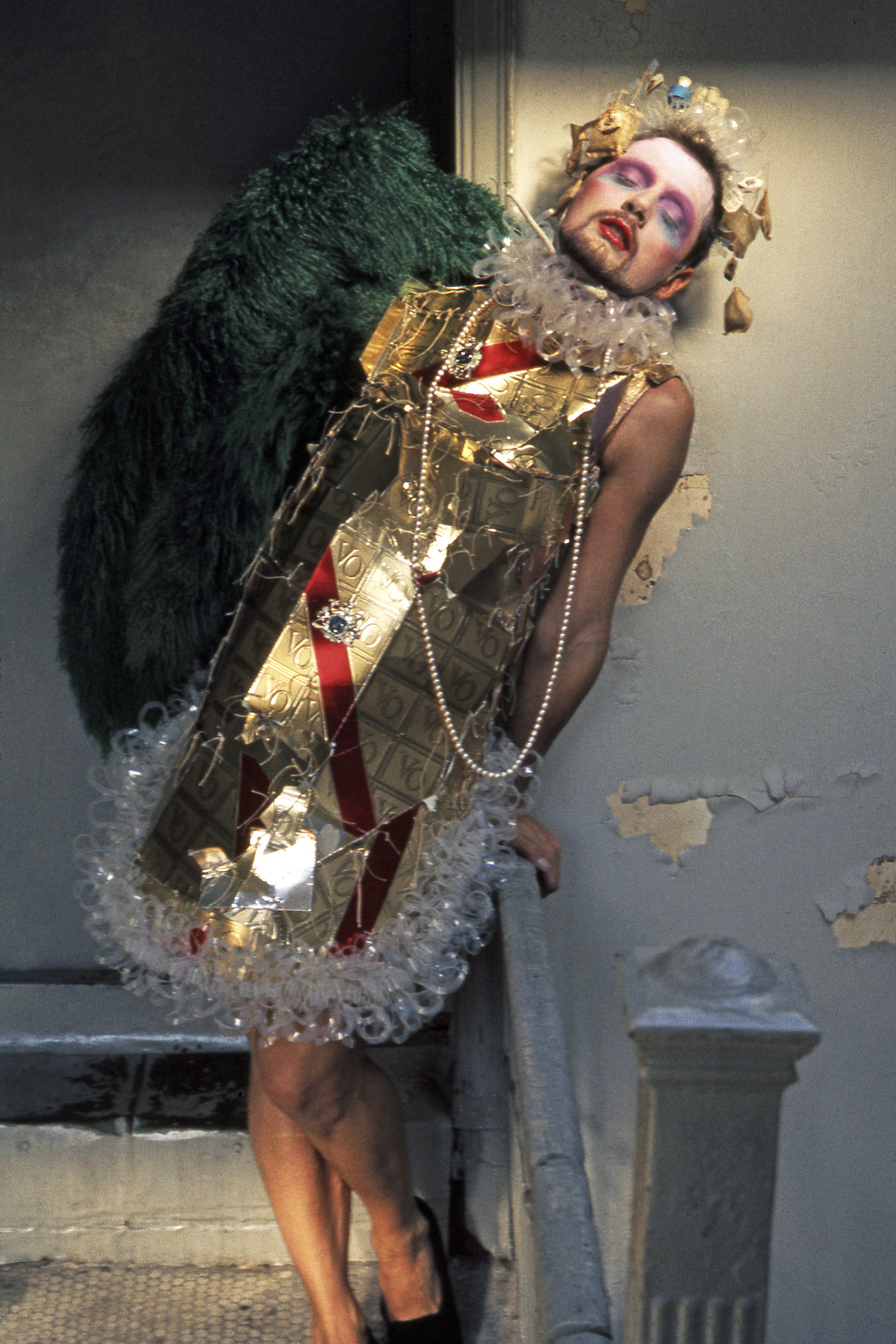
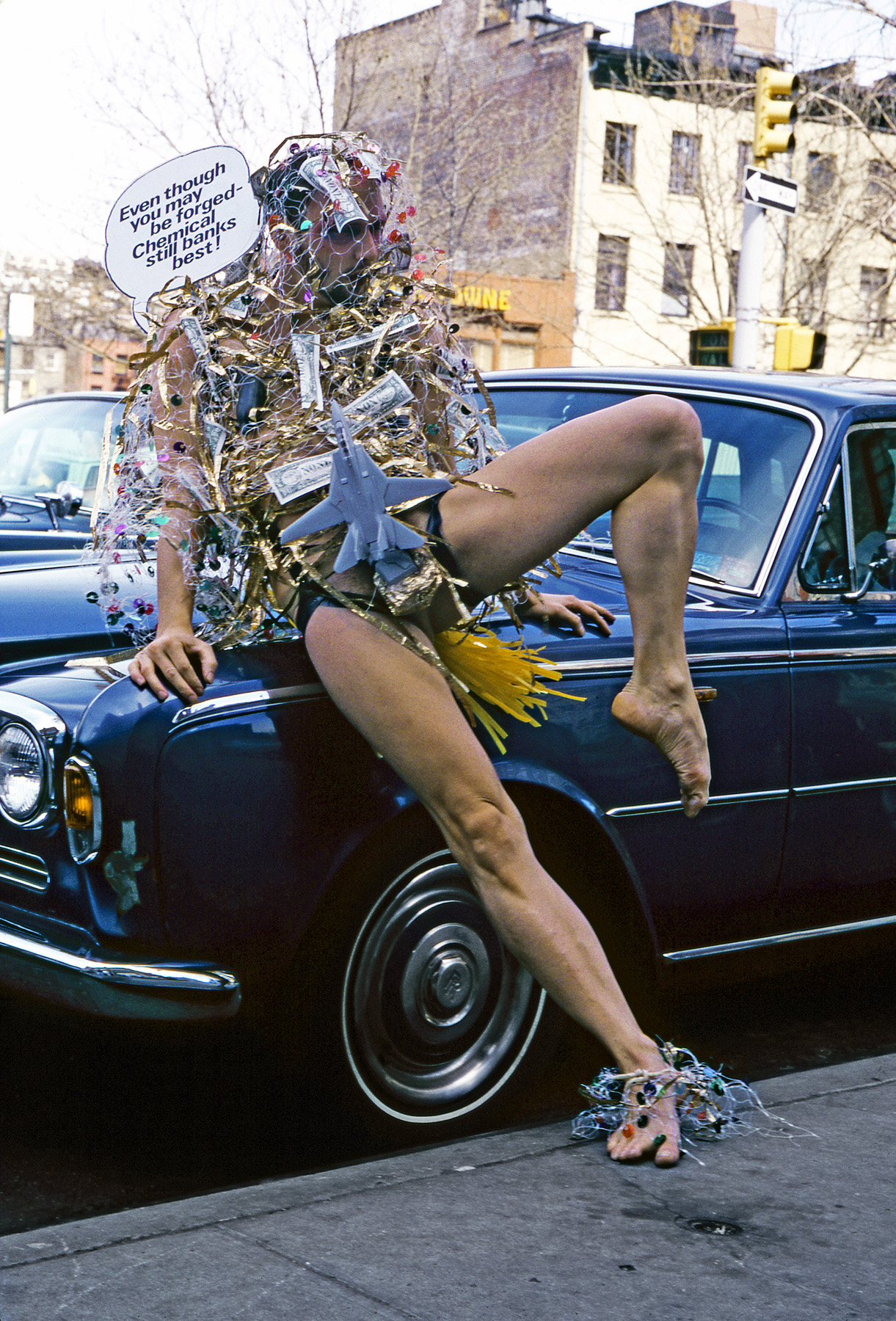
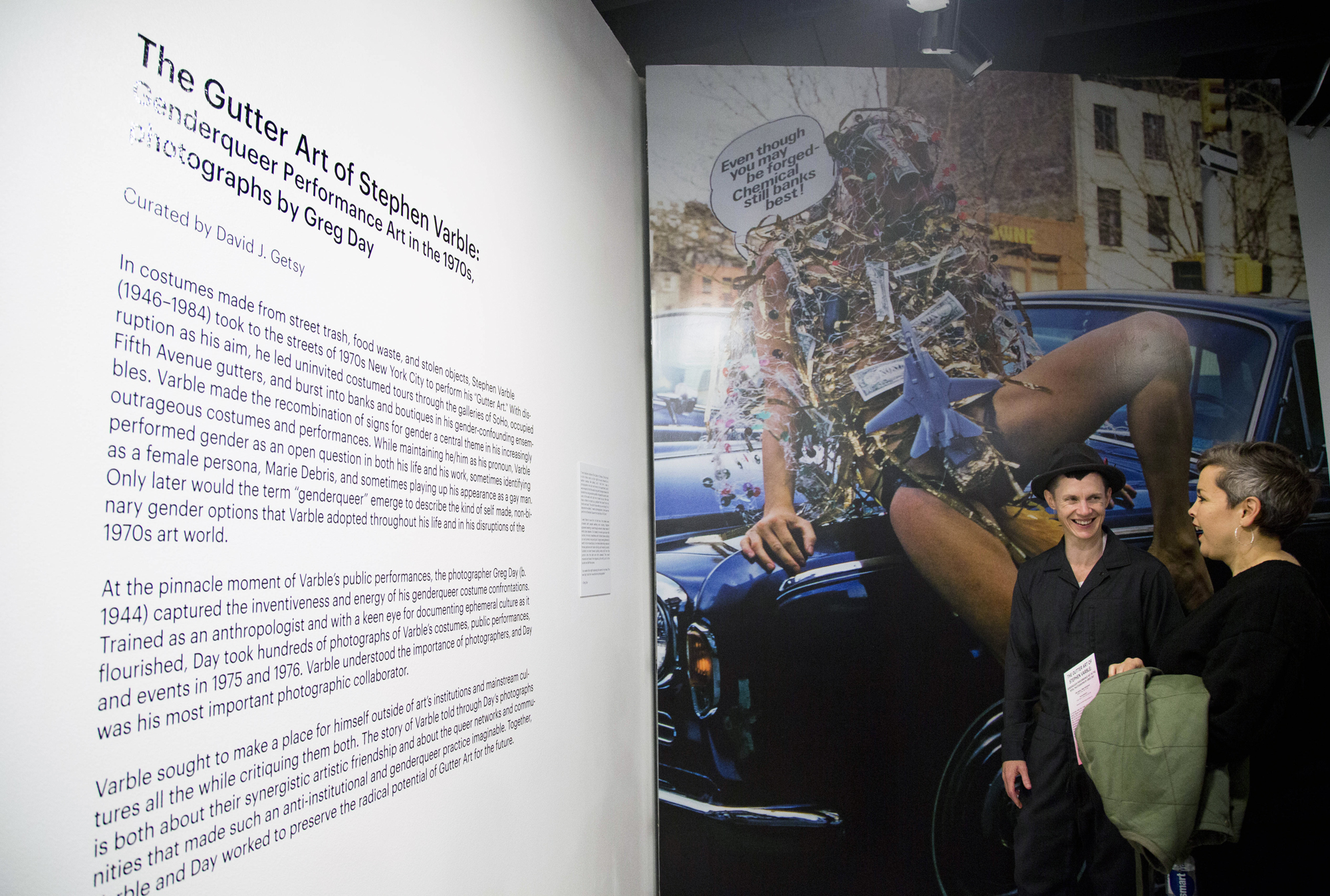
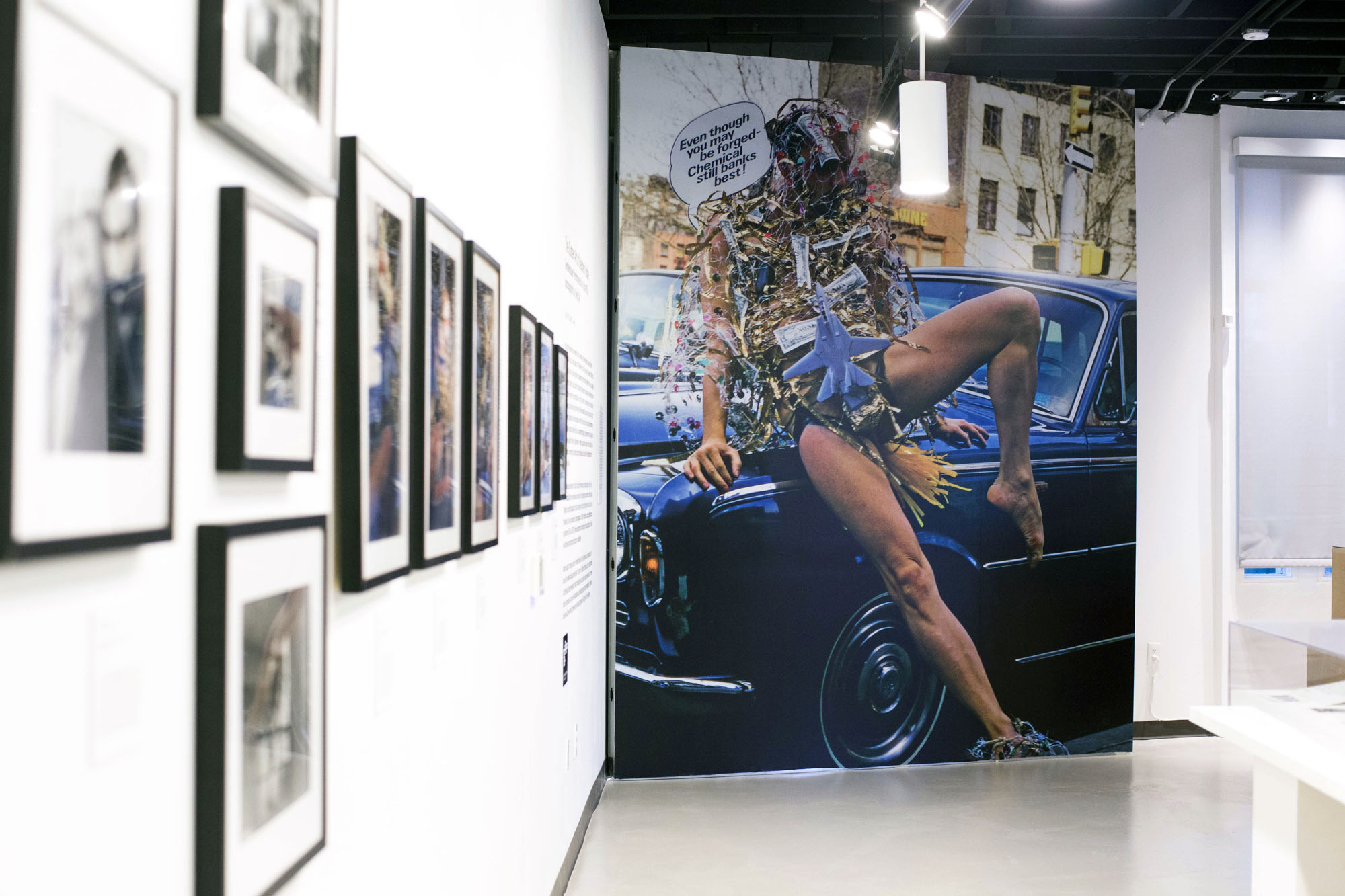
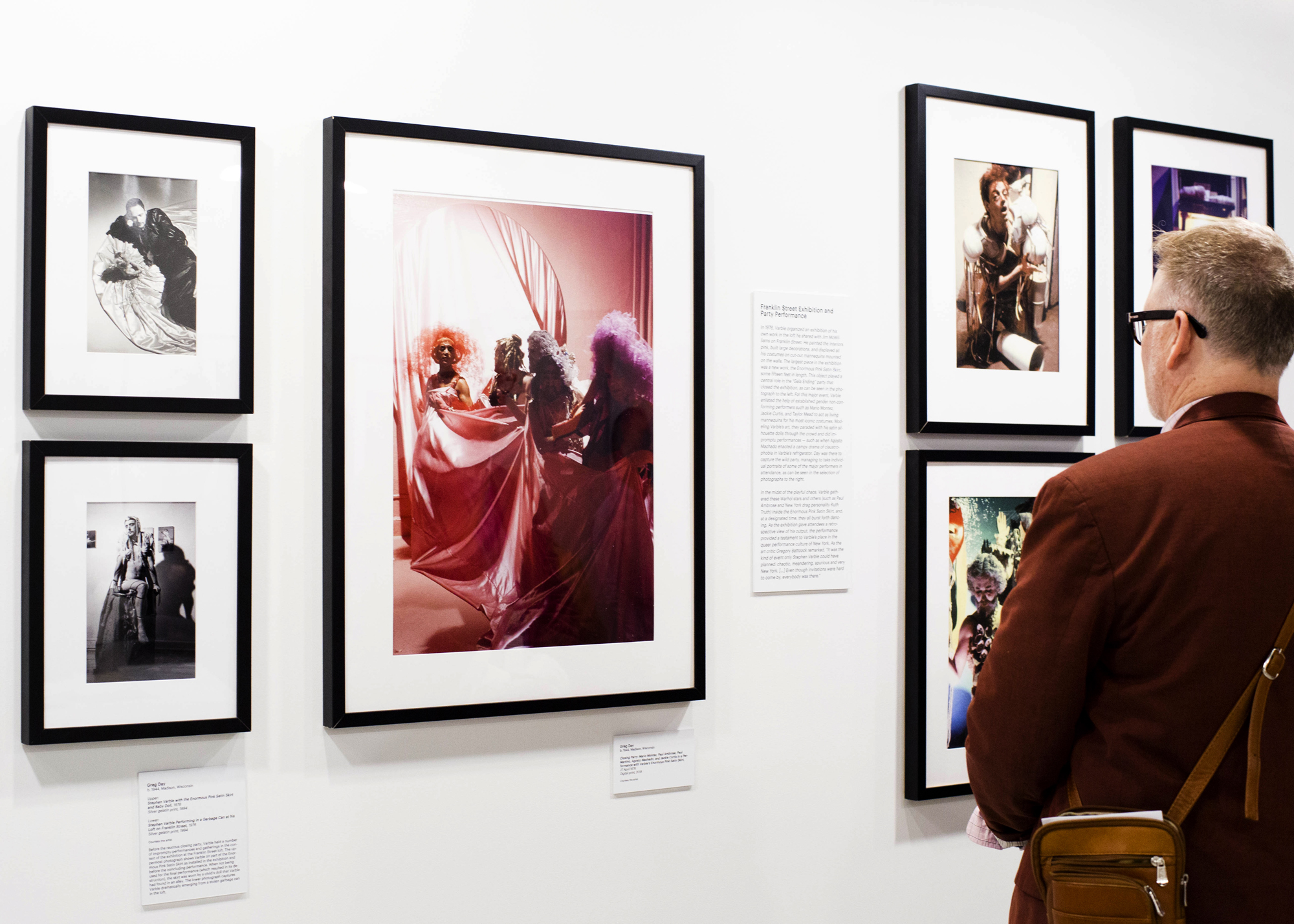
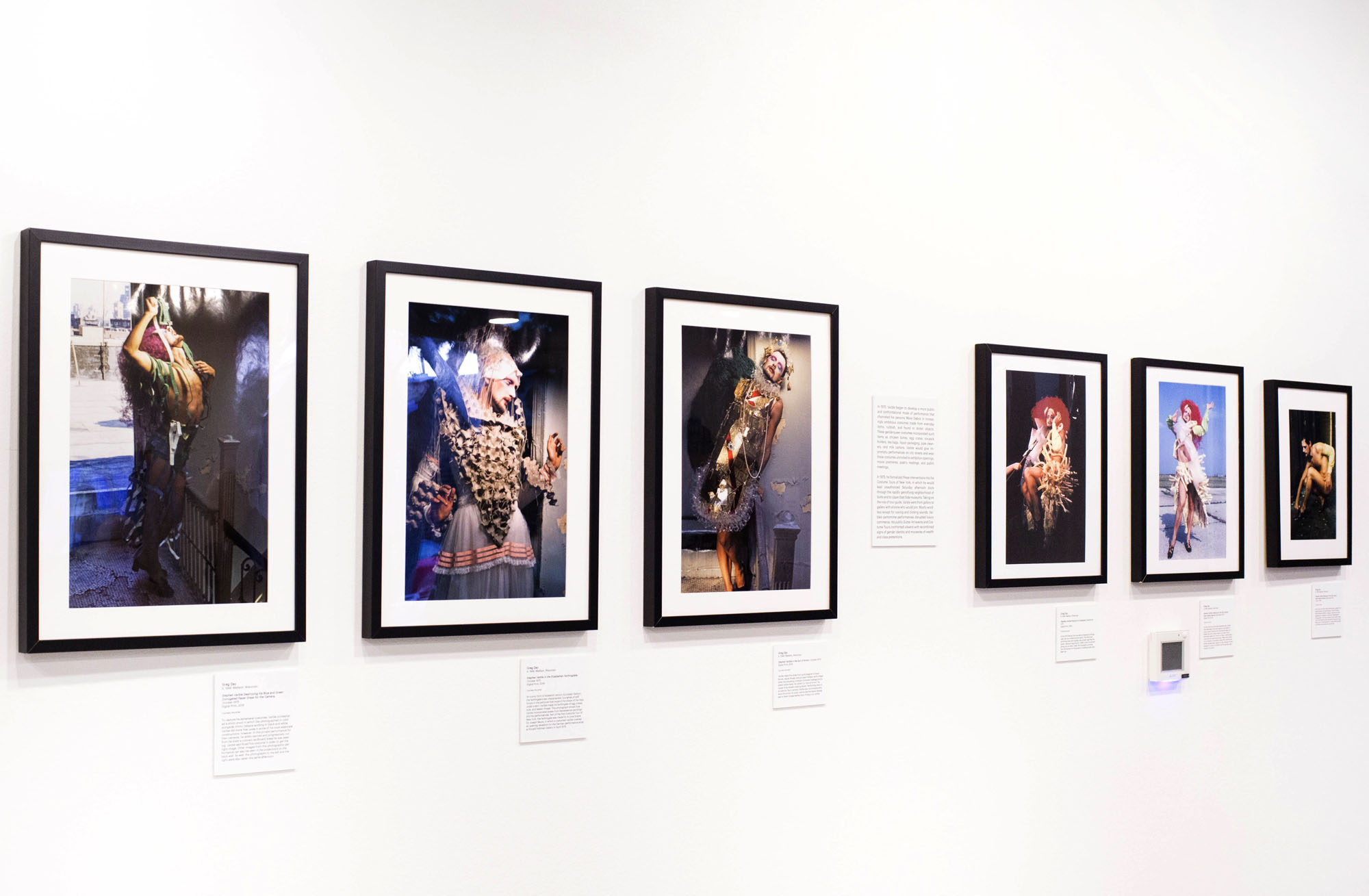
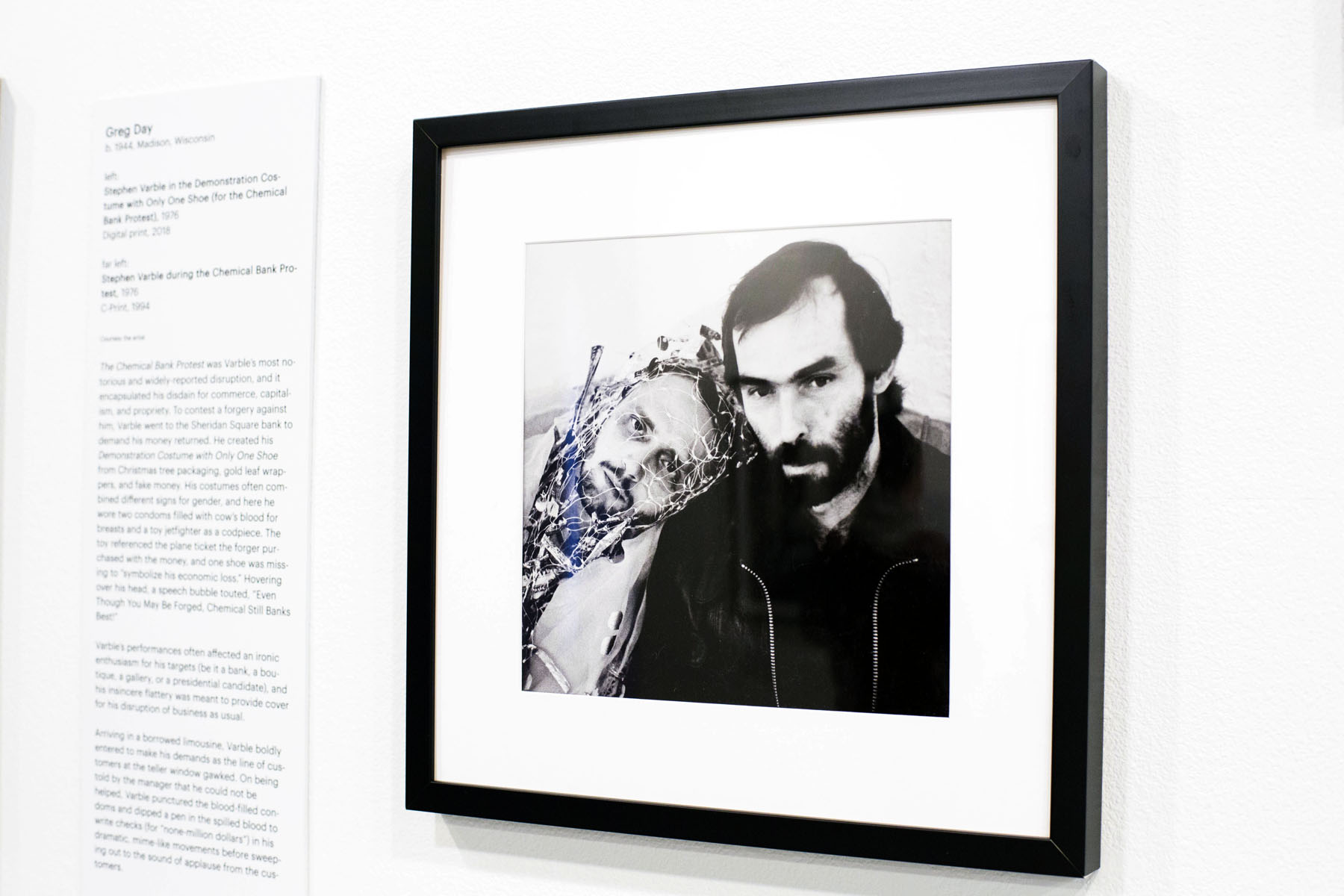
!['Stephen Varble, Gutter Art flyer' [recto] 1975](https://artblart.com/wp-content/uploads/2019/05/stephen-varble-in-the-gutter-web.jpg "'Stephen Varble, Gutter Art flyer' [recto] 1975")
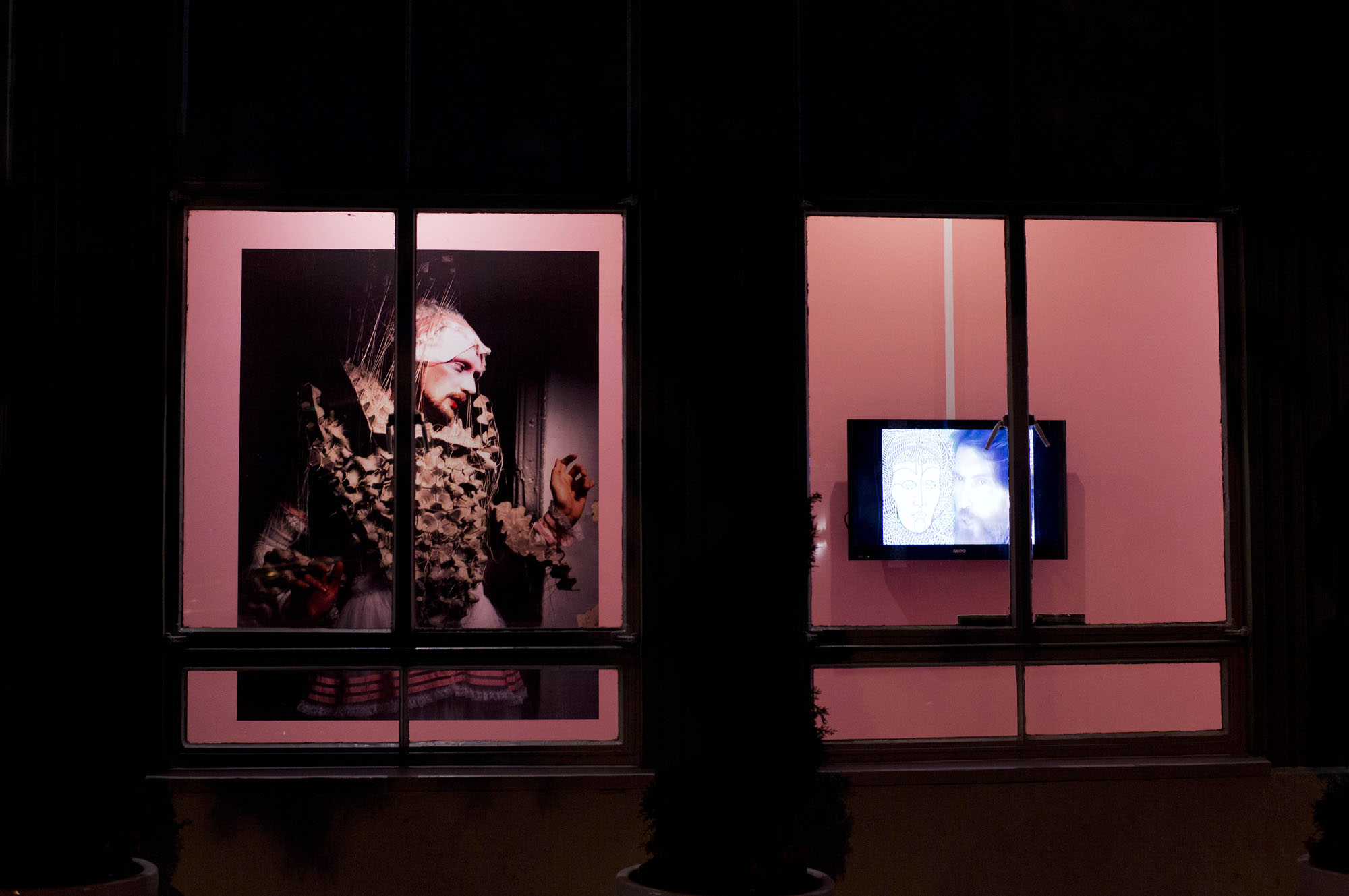
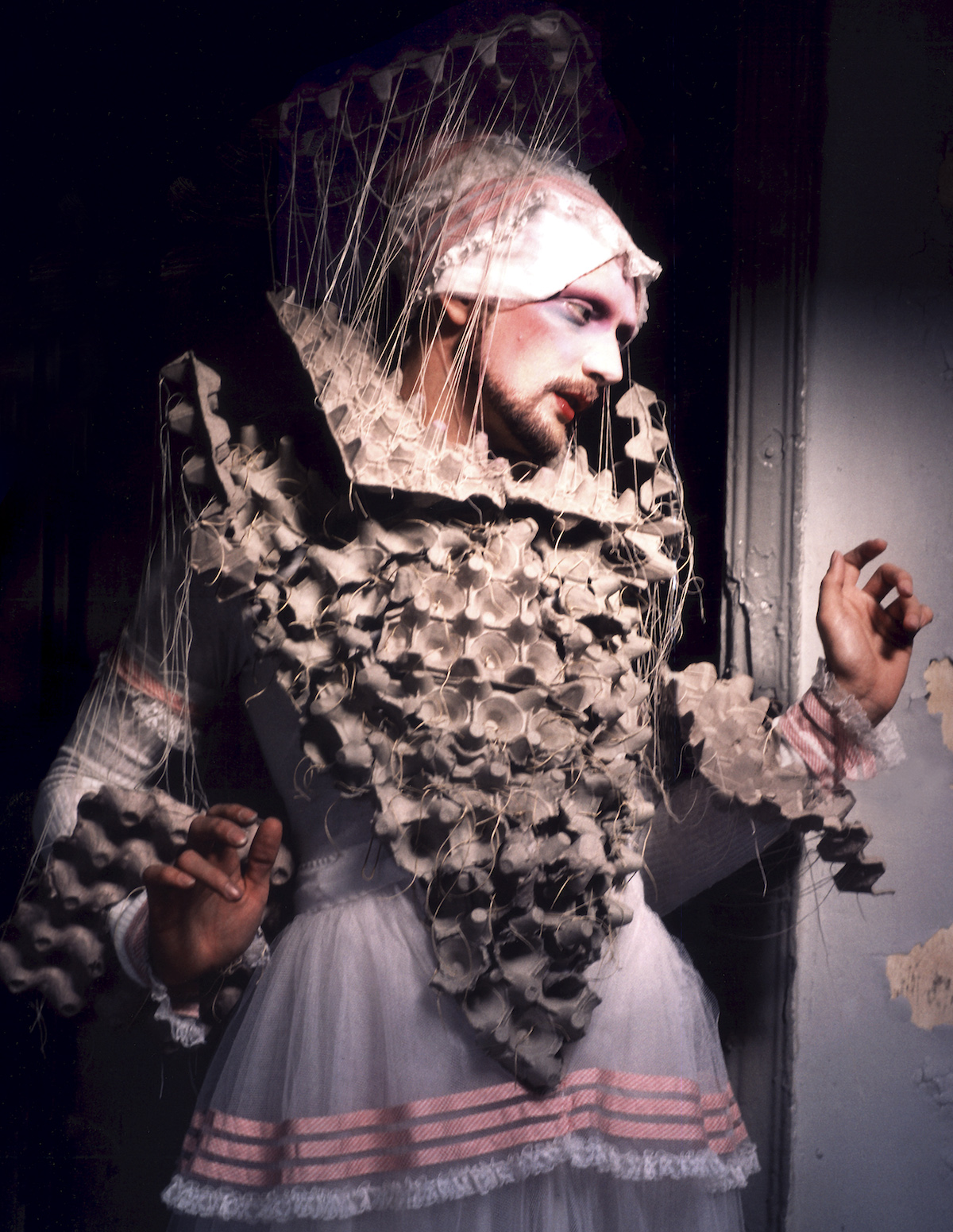
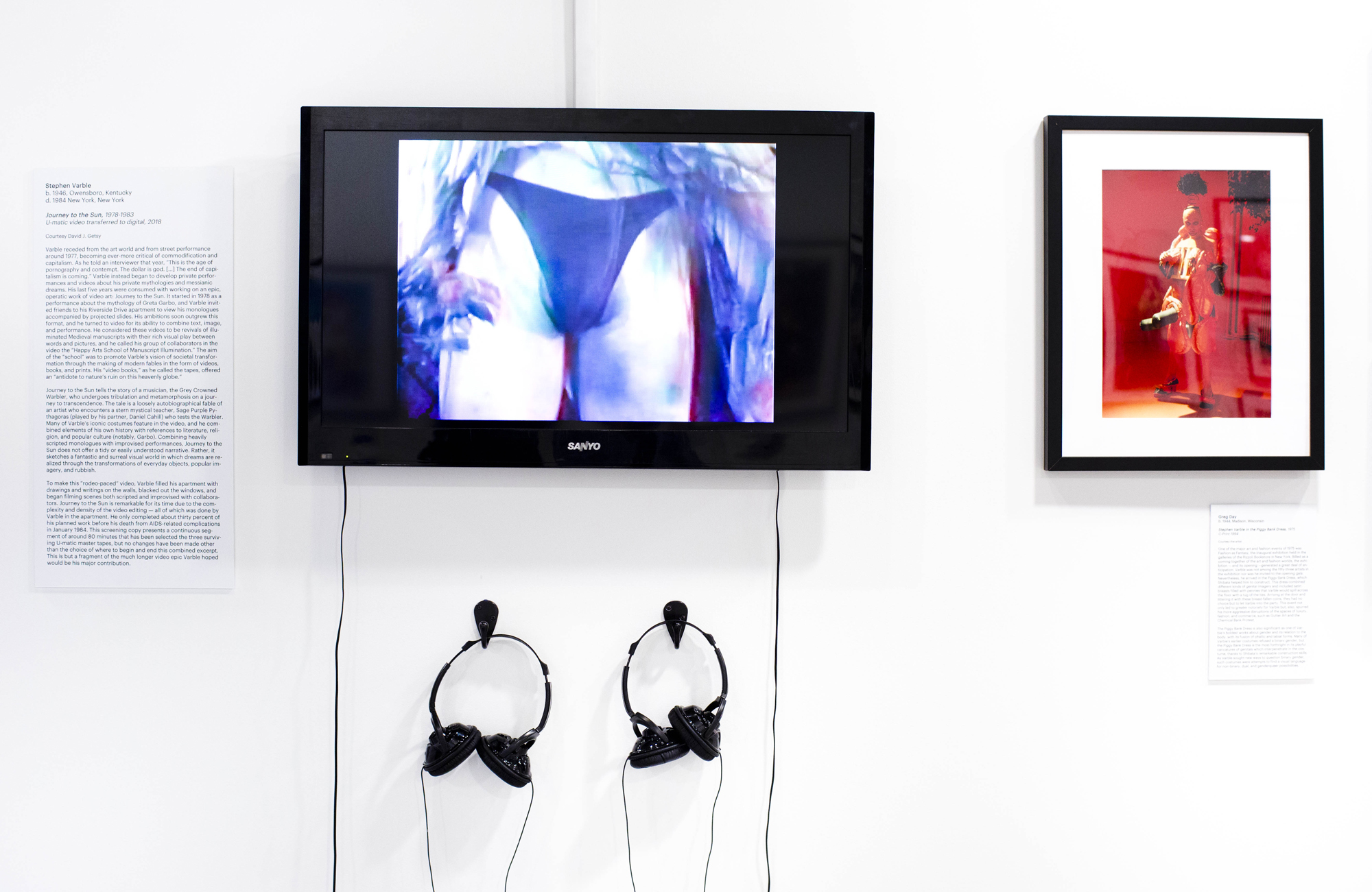
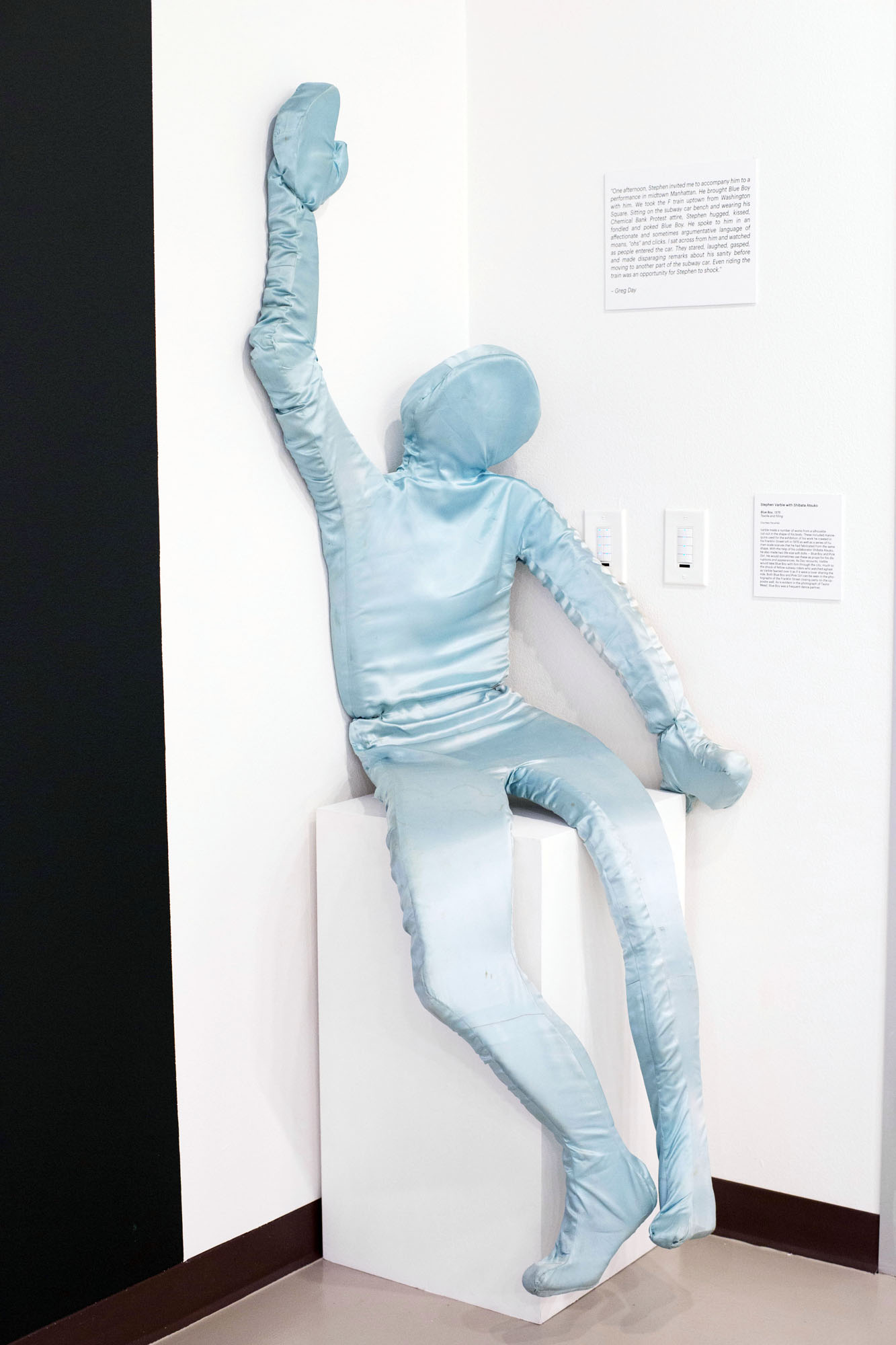
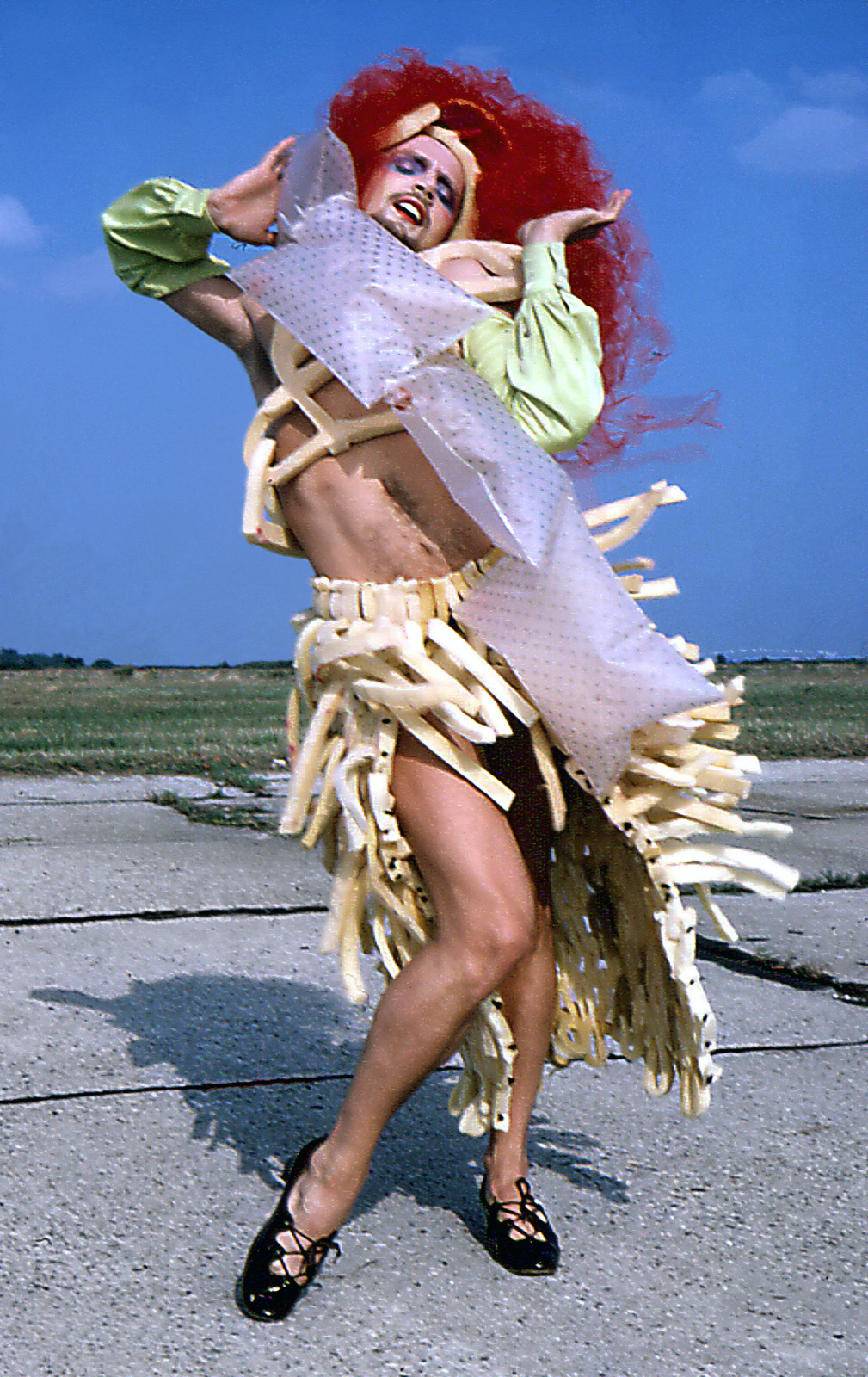


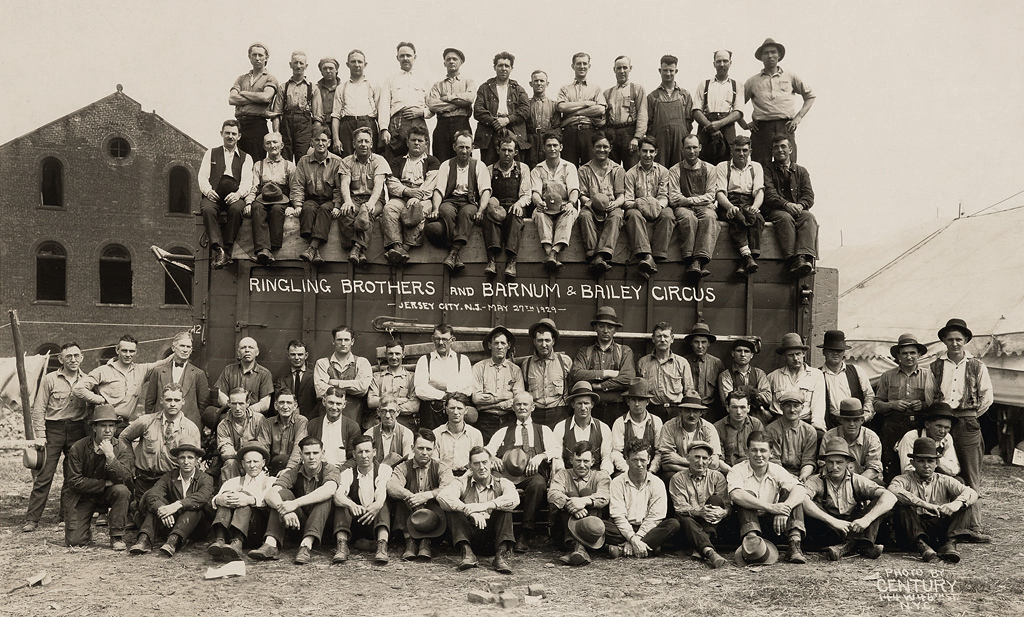


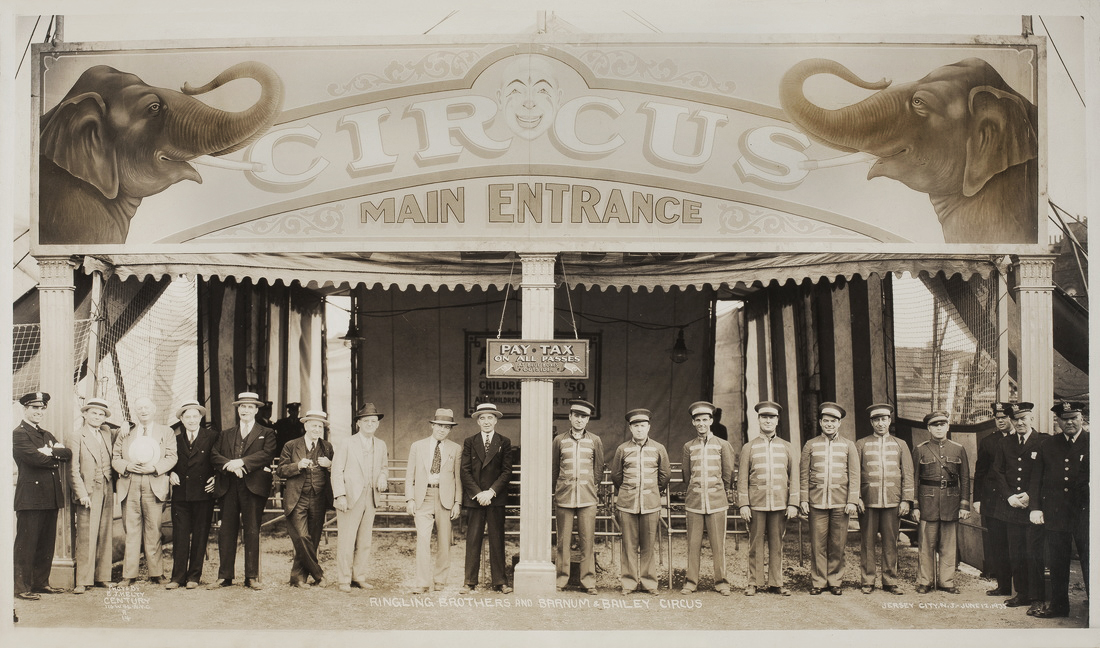

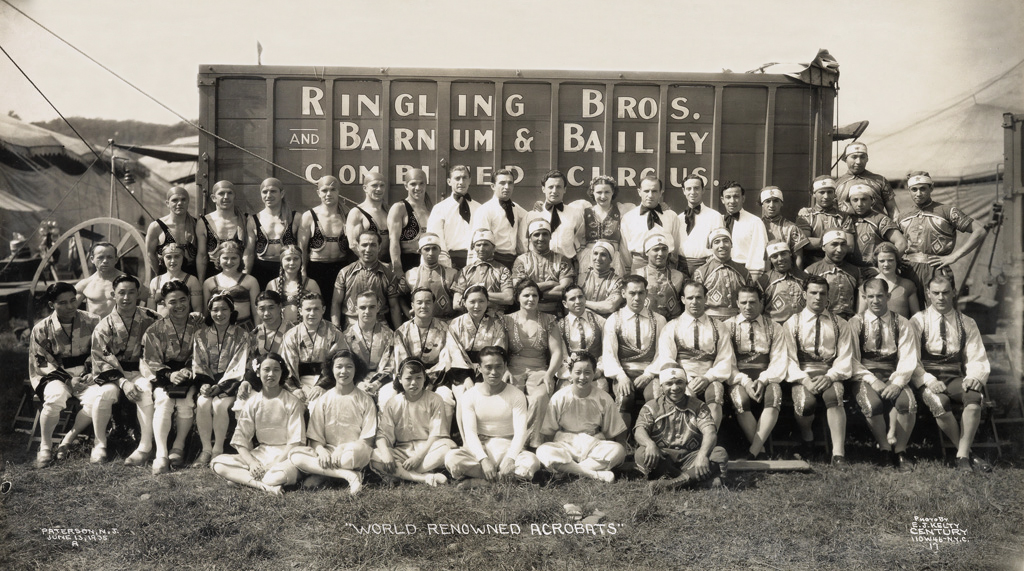


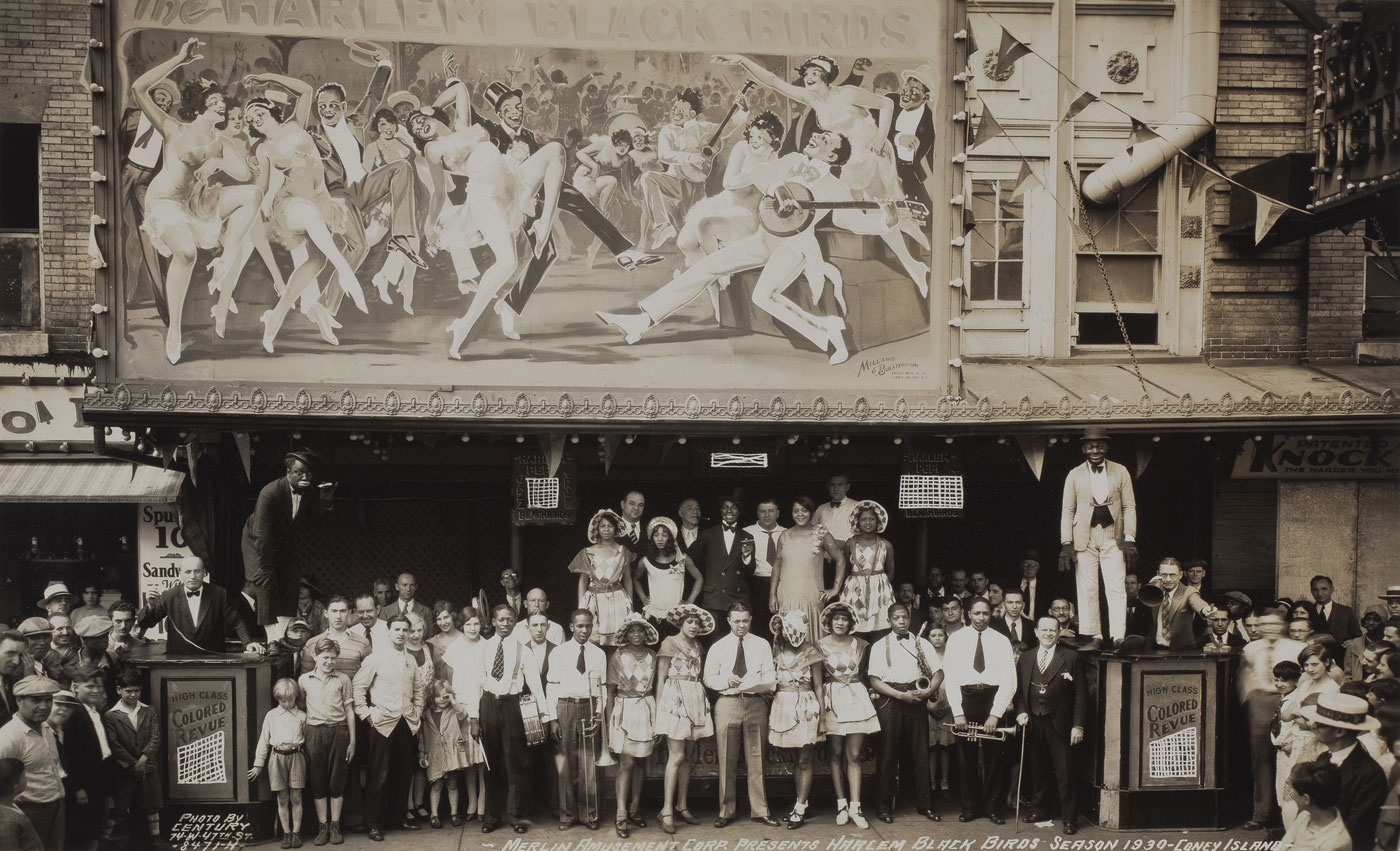


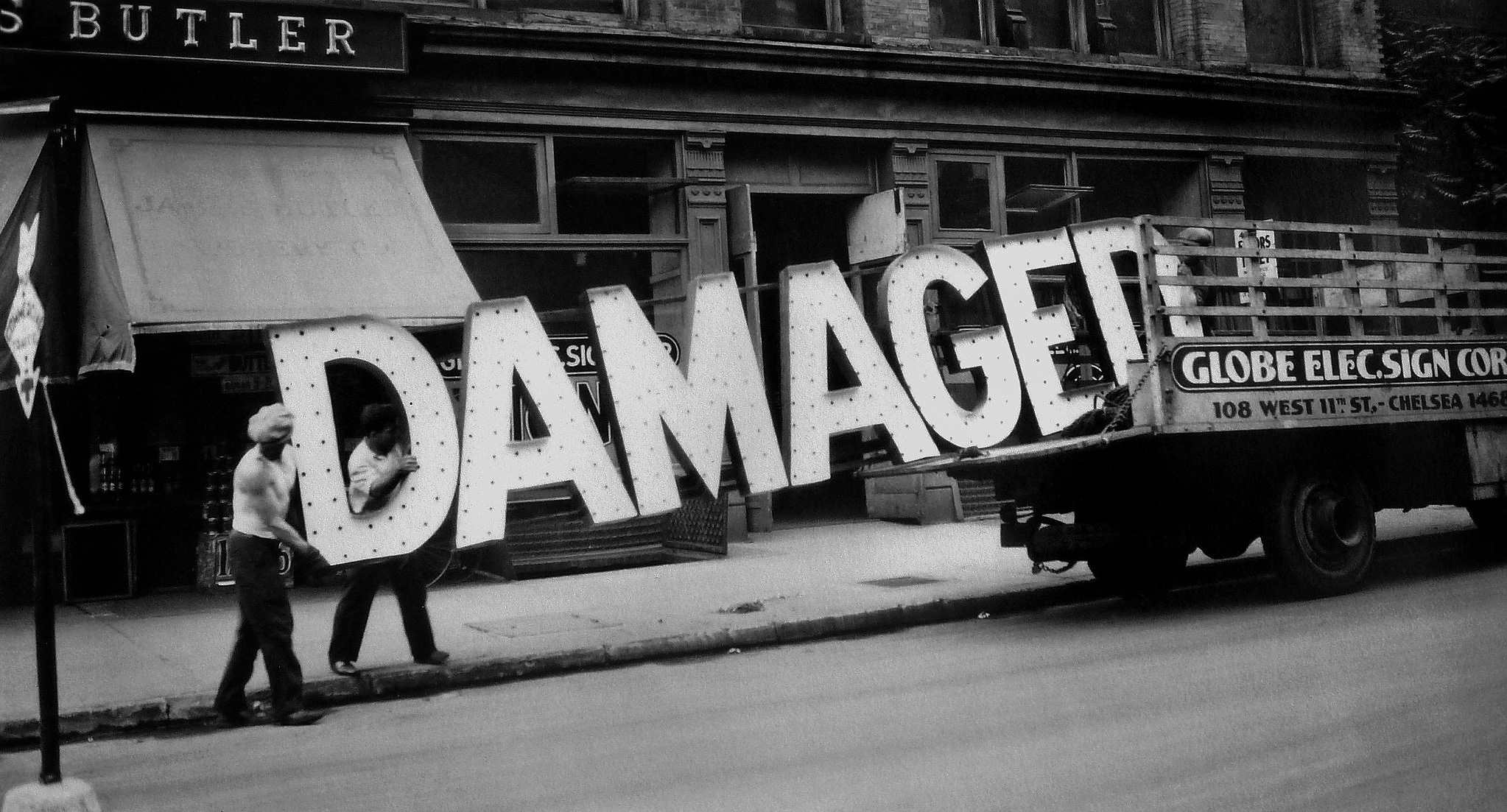


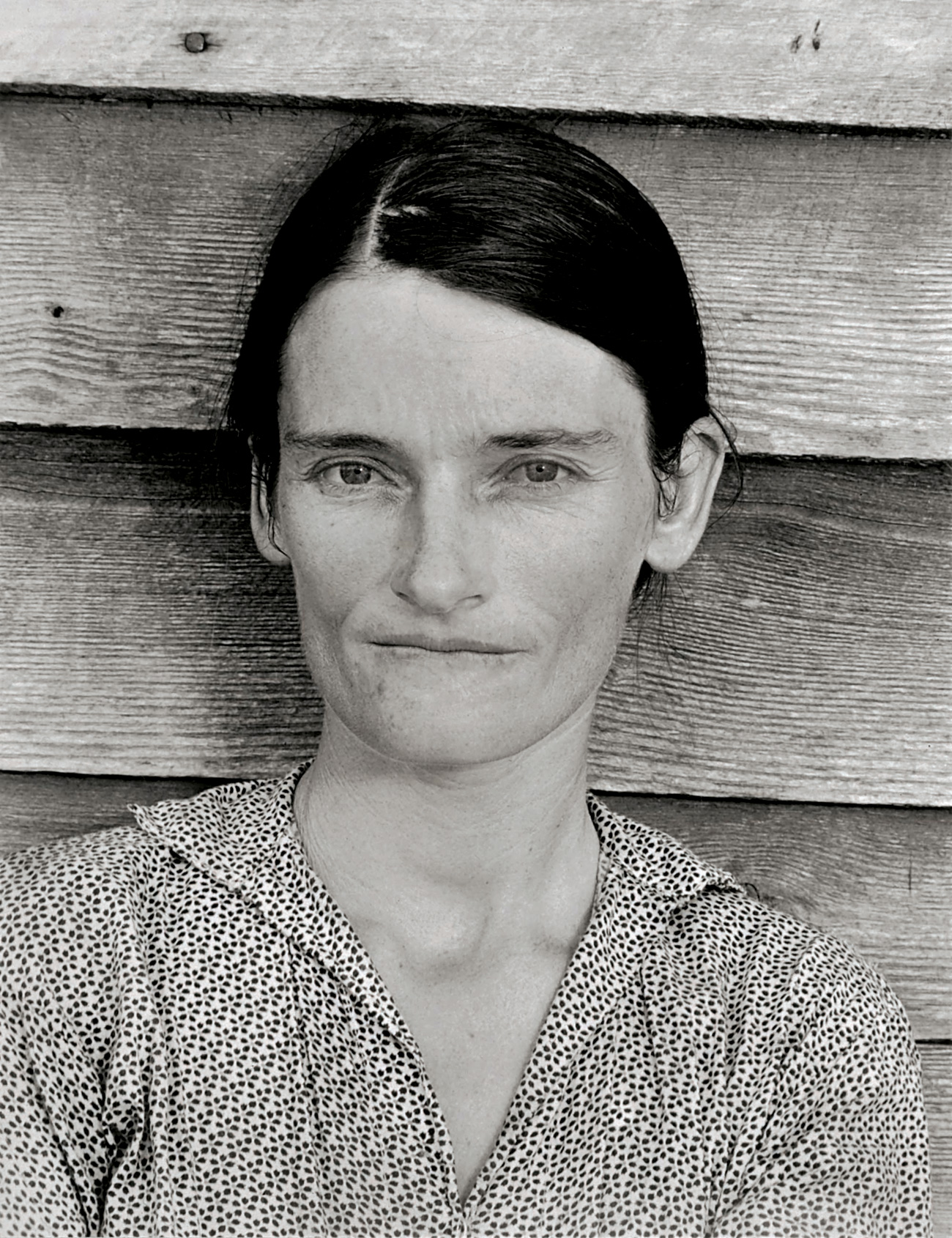


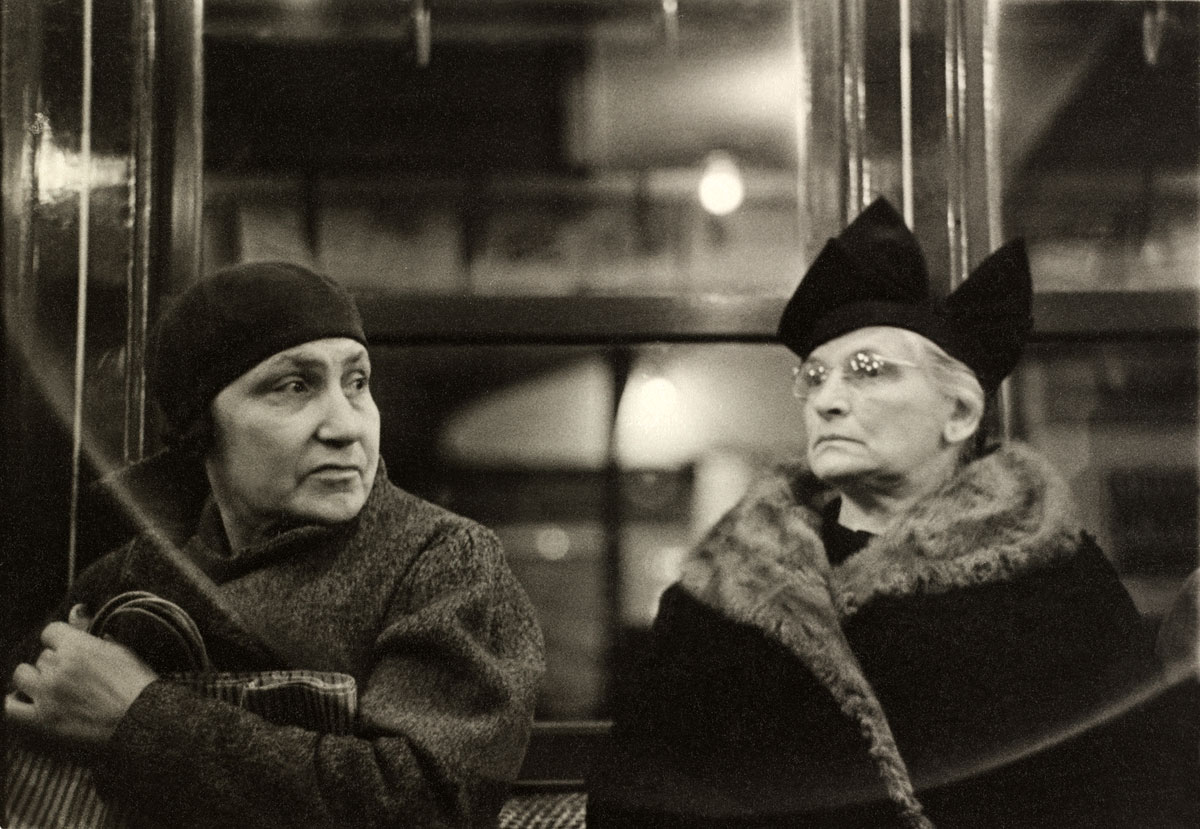

![Walker Evans (American, 1903-1975) '[Subway Passengers, New York City]' 1938](https://artblart.com/wp-content/uploads/2016/07/walker-evans-subway-passengers-new-york-city-web.jpg "Walker Evans (American, 1903-1975) '[Subway Passengers, New York City]' 1938")

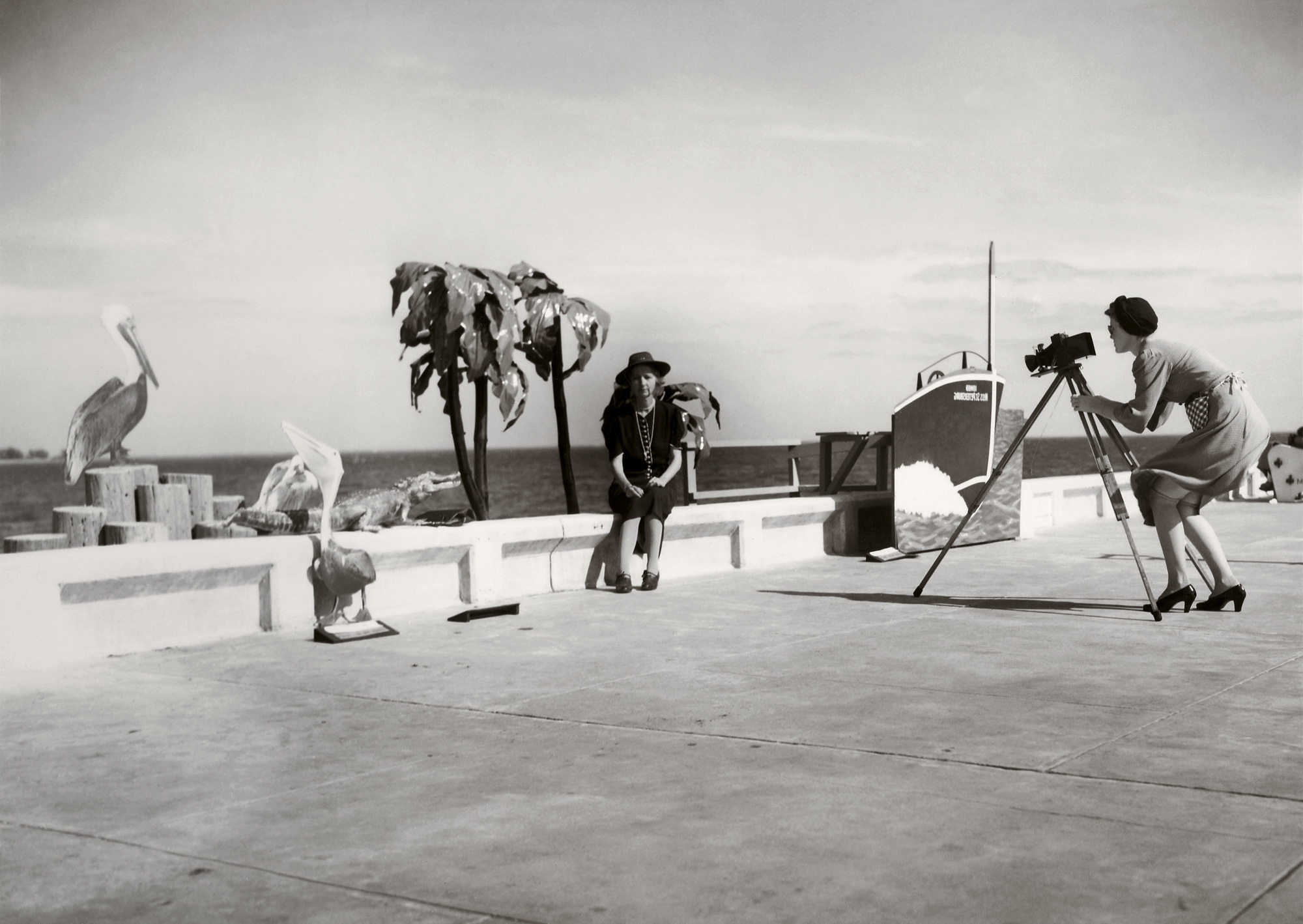
![Walker Evans (American, 1903-1975) 'Untitled [Street scene]' 1950s](https://artblart.com/wp-content/uploads/2018/01/walker-evans-untitled-web.jpg "Walker Evans (American, 1903-1975) 'Untitled [Street scene]' 1950s")

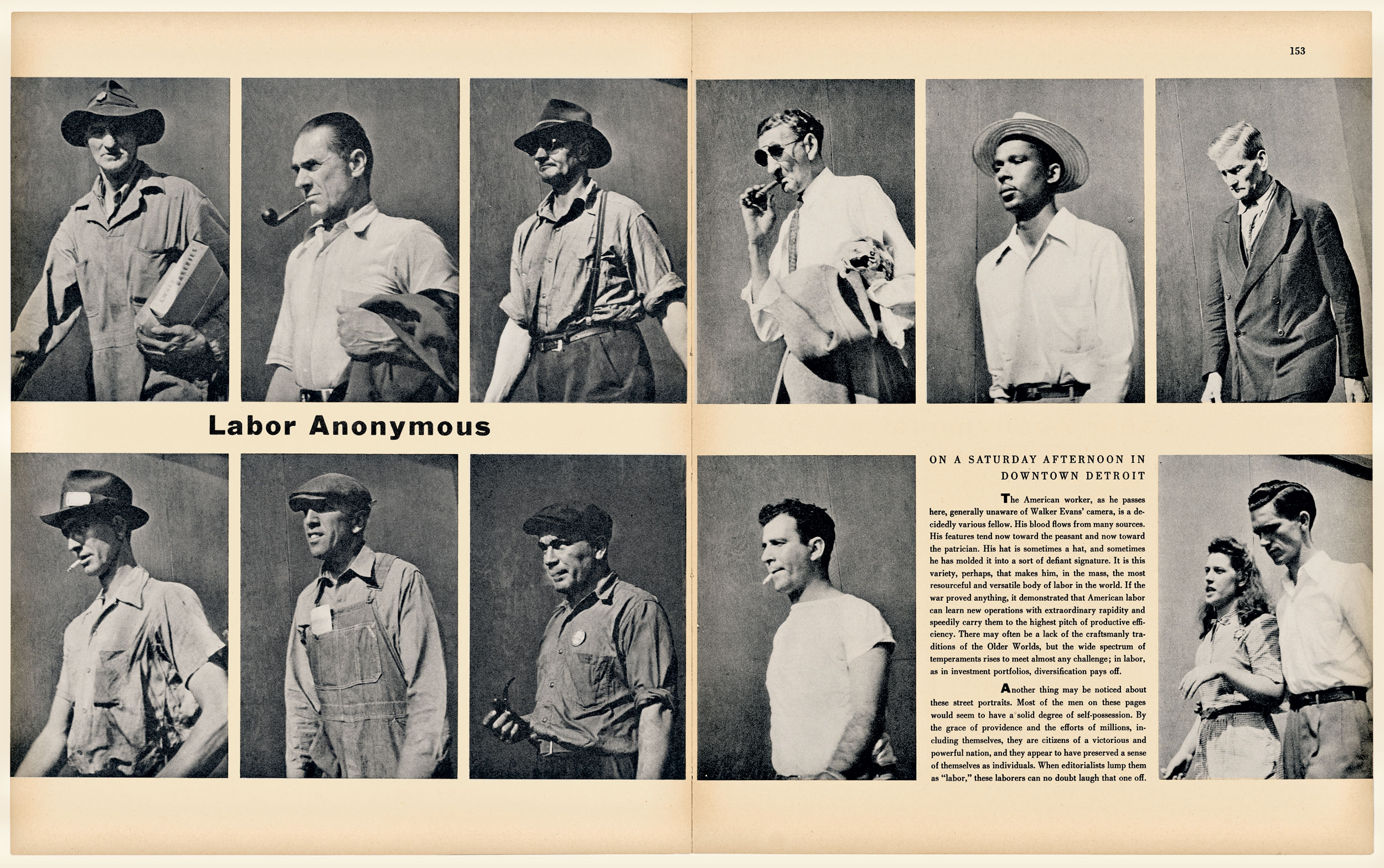


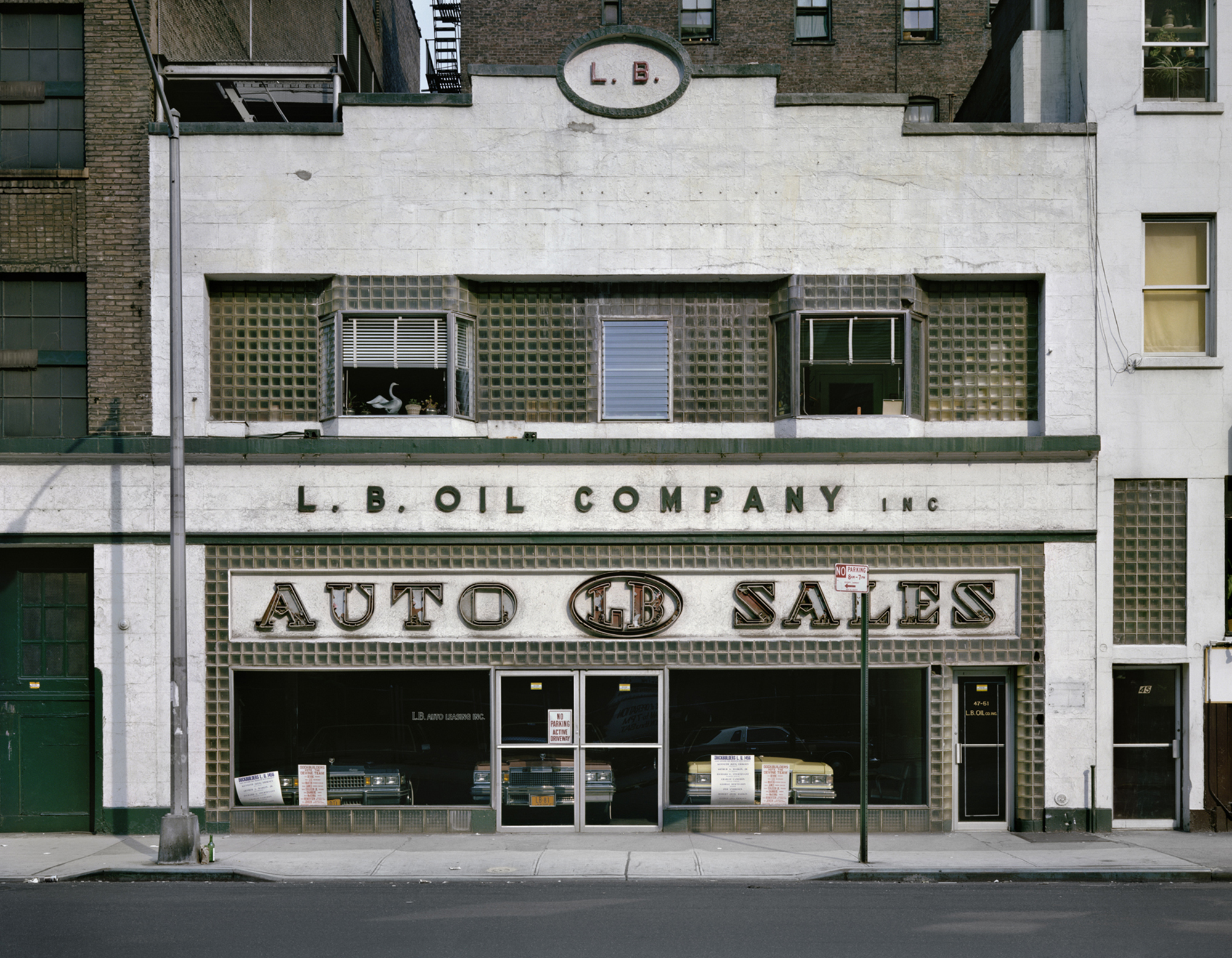


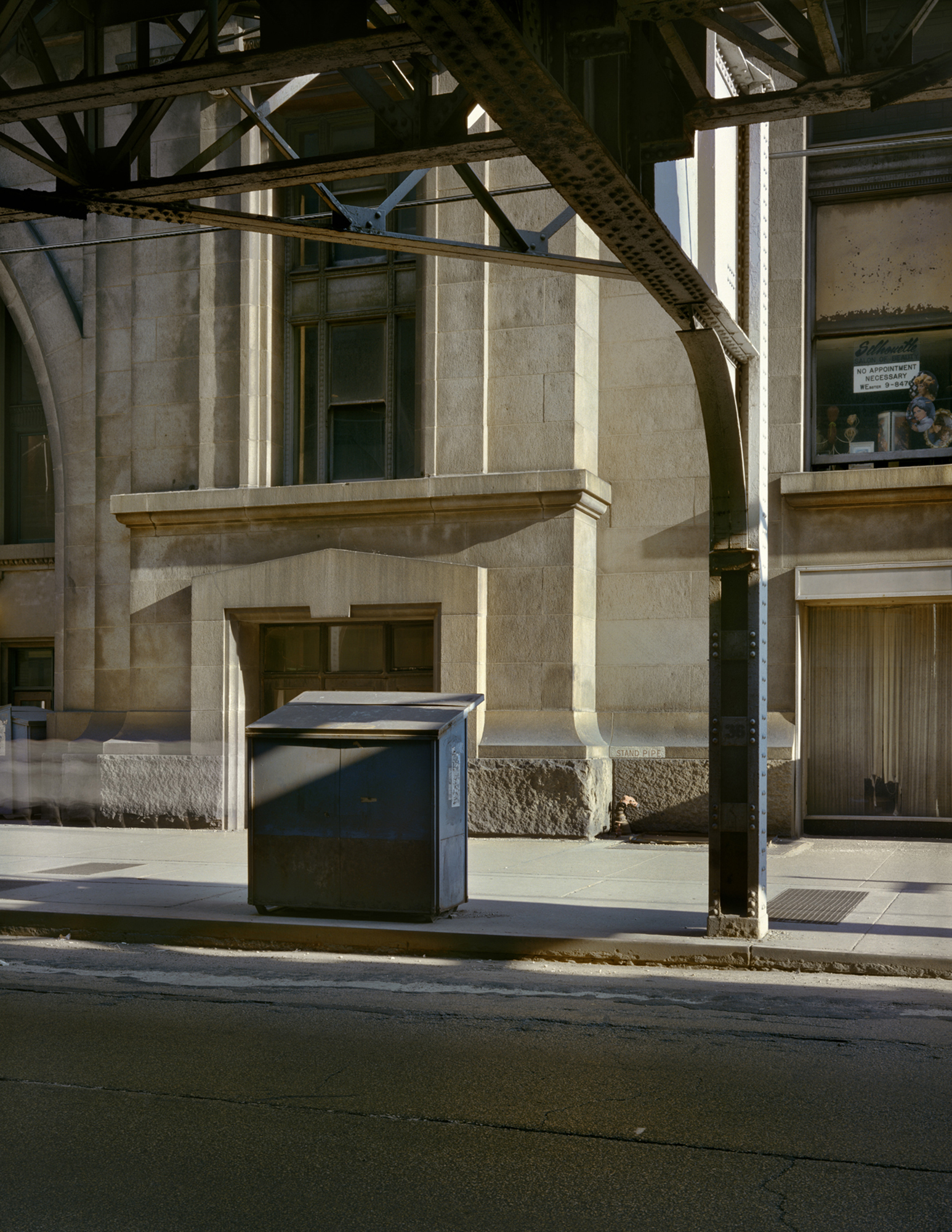


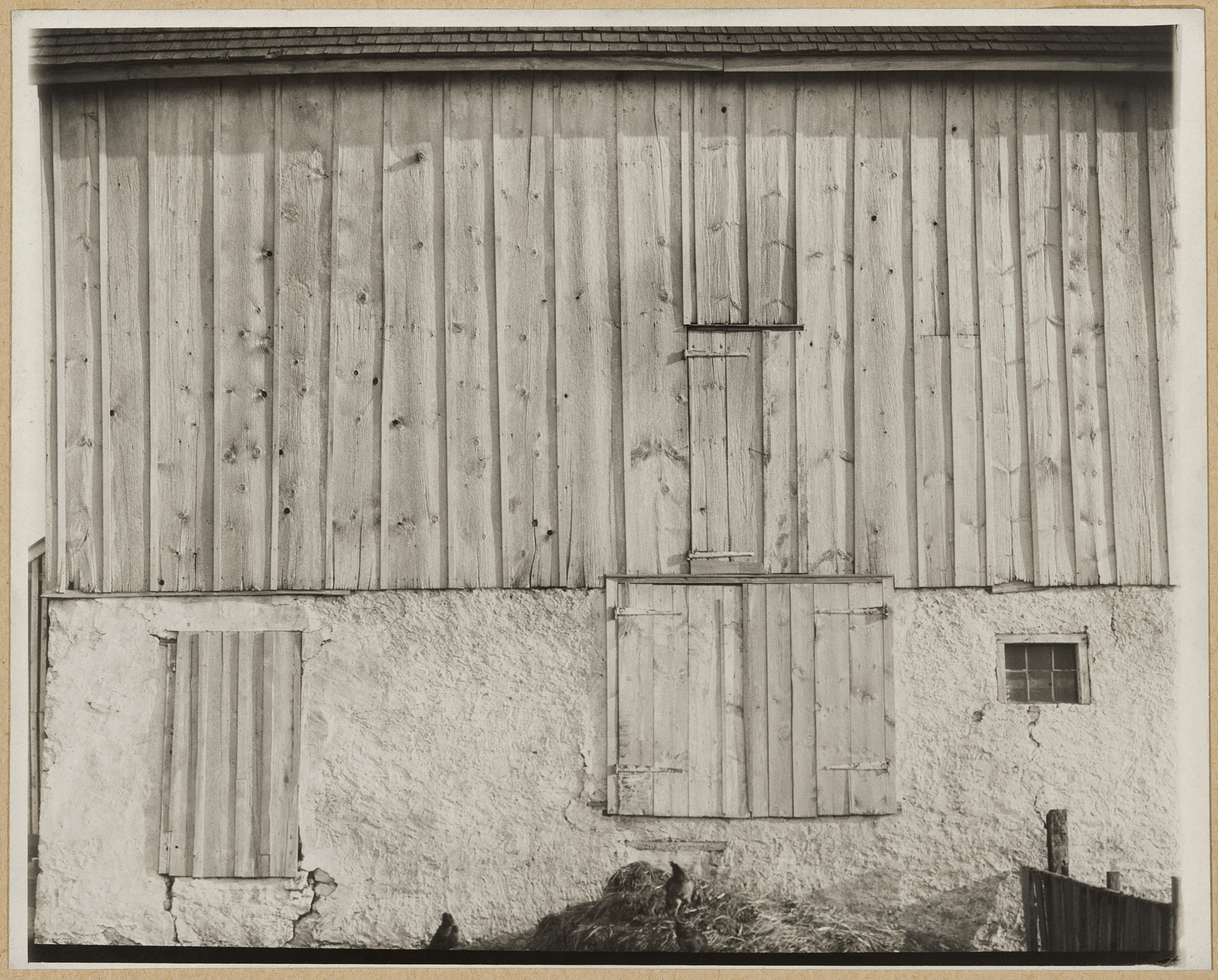

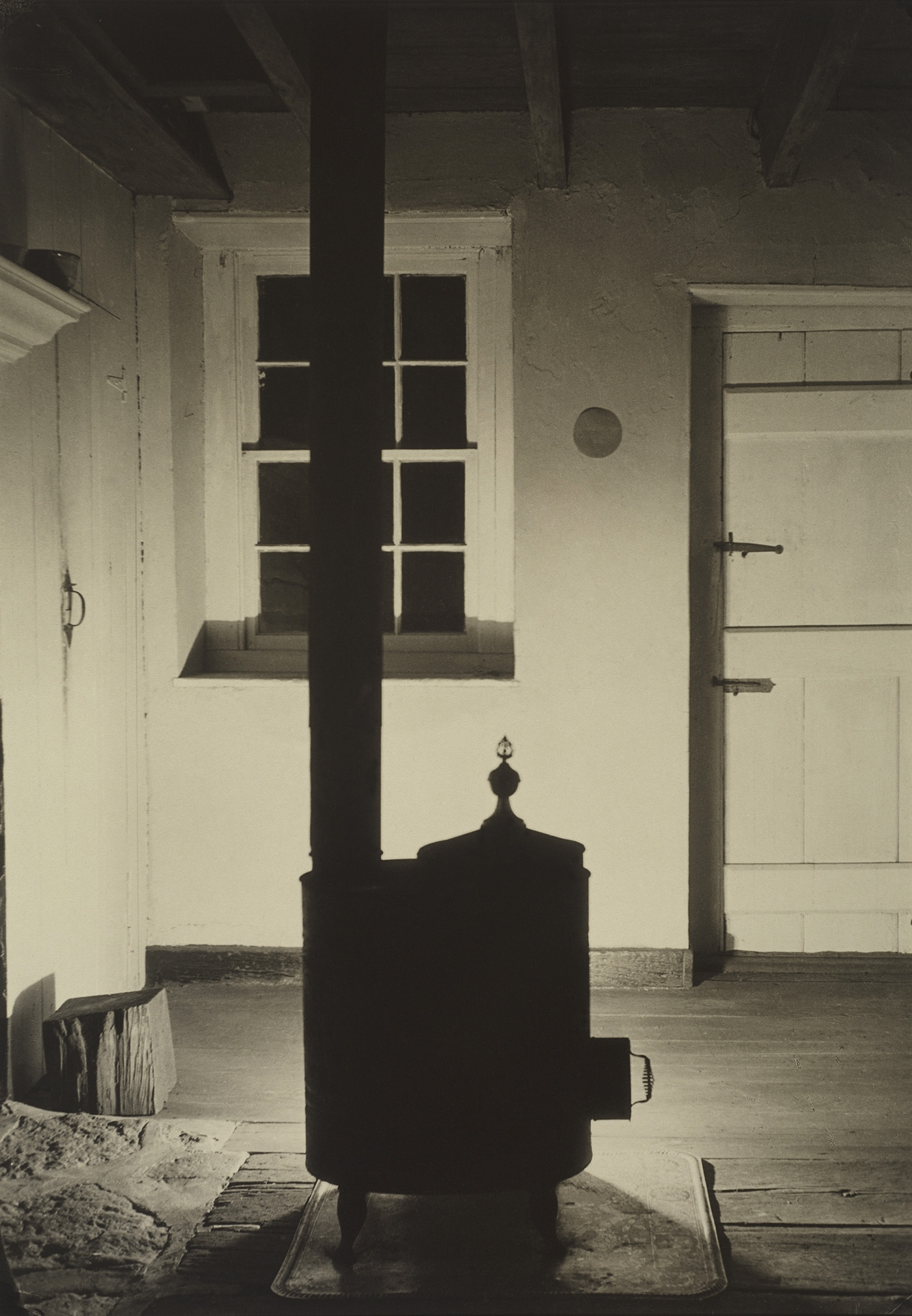
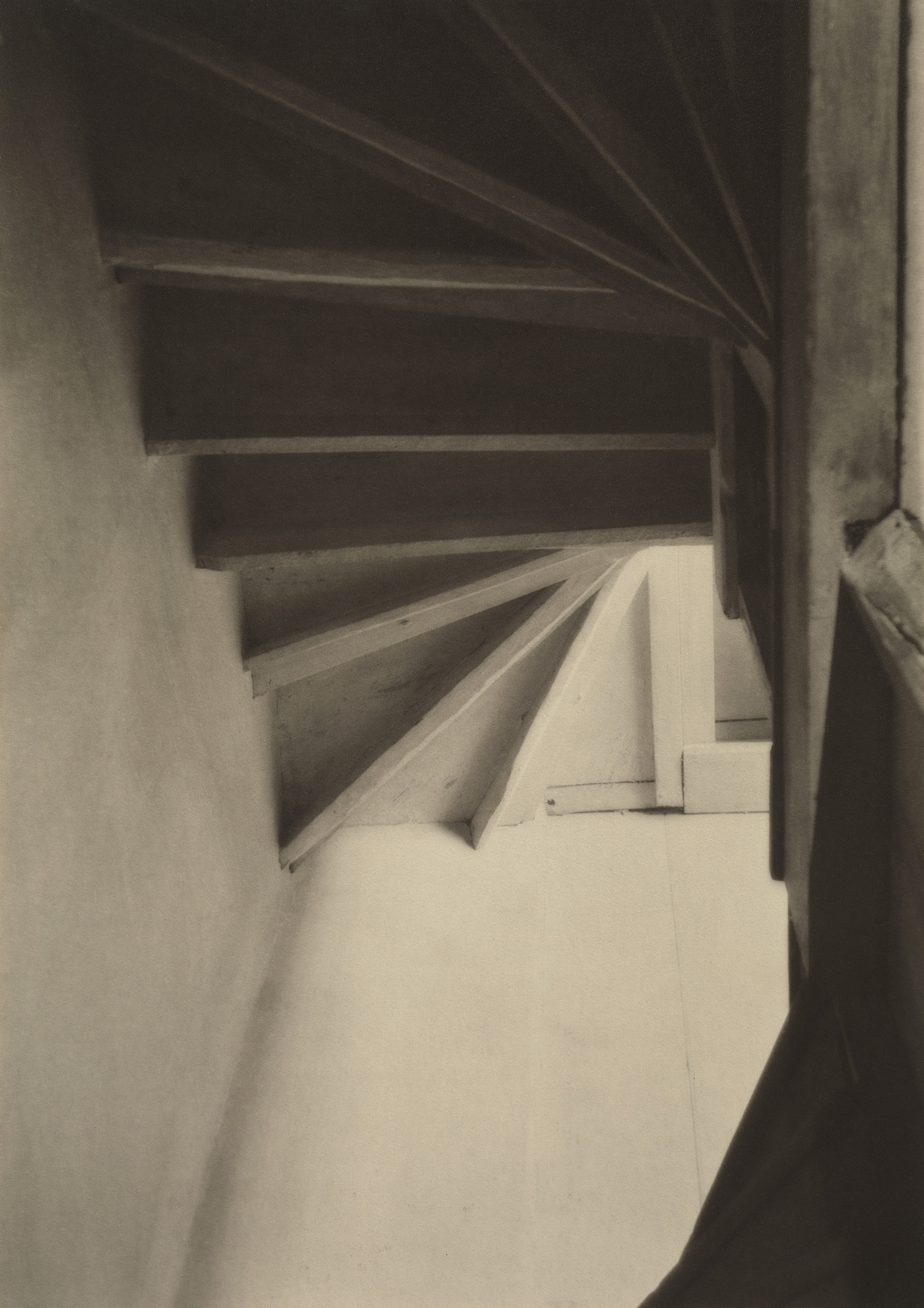
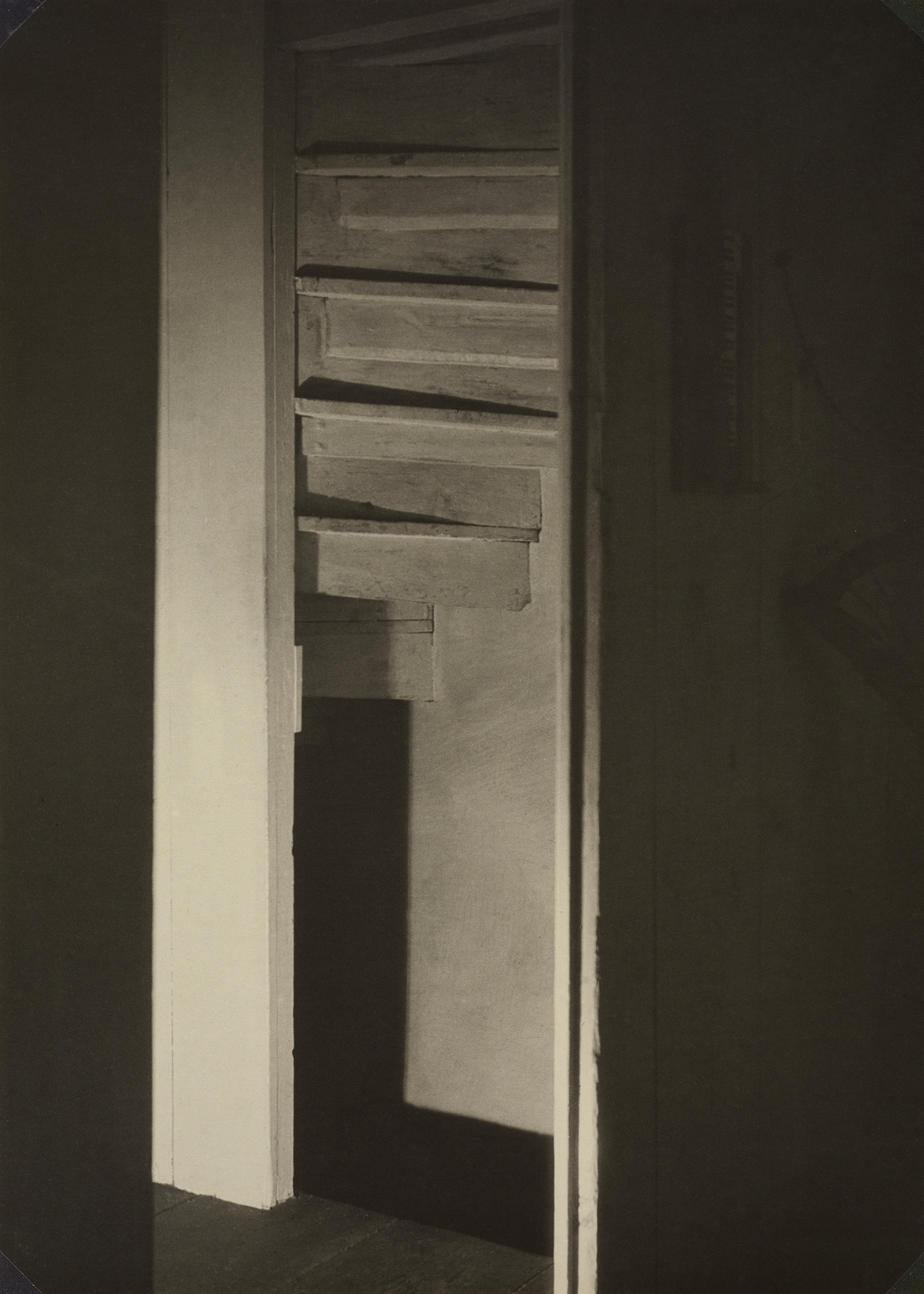
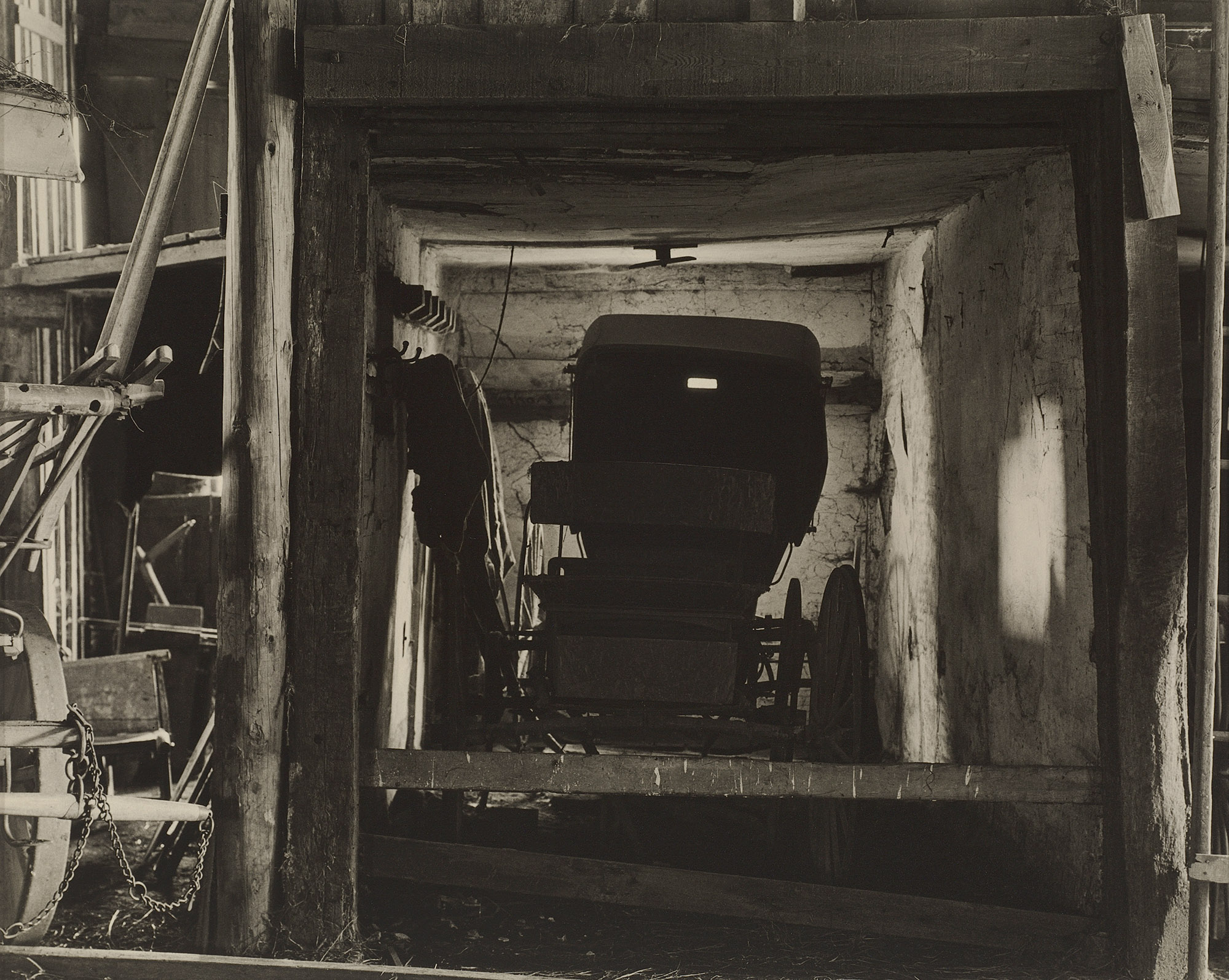
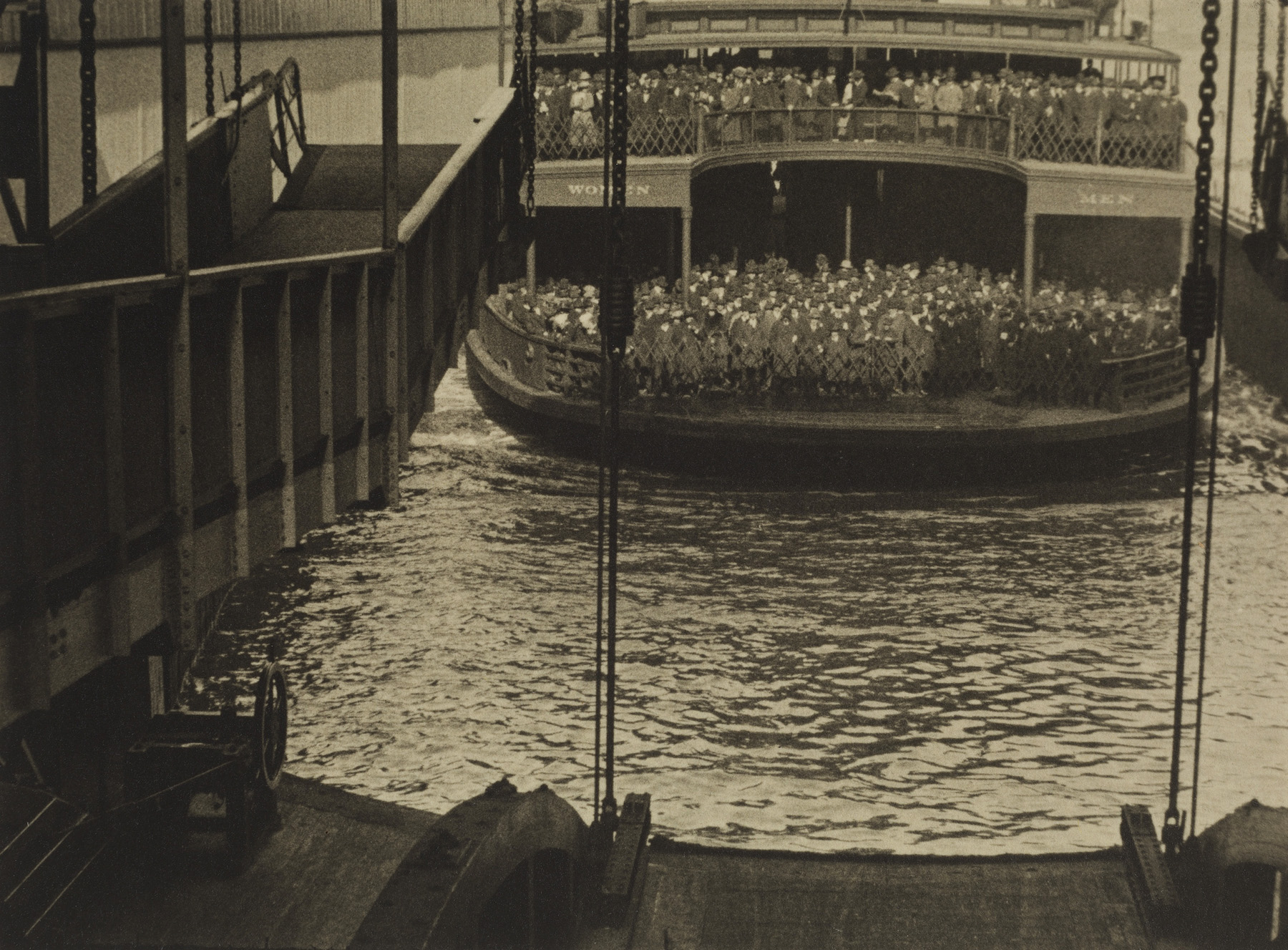
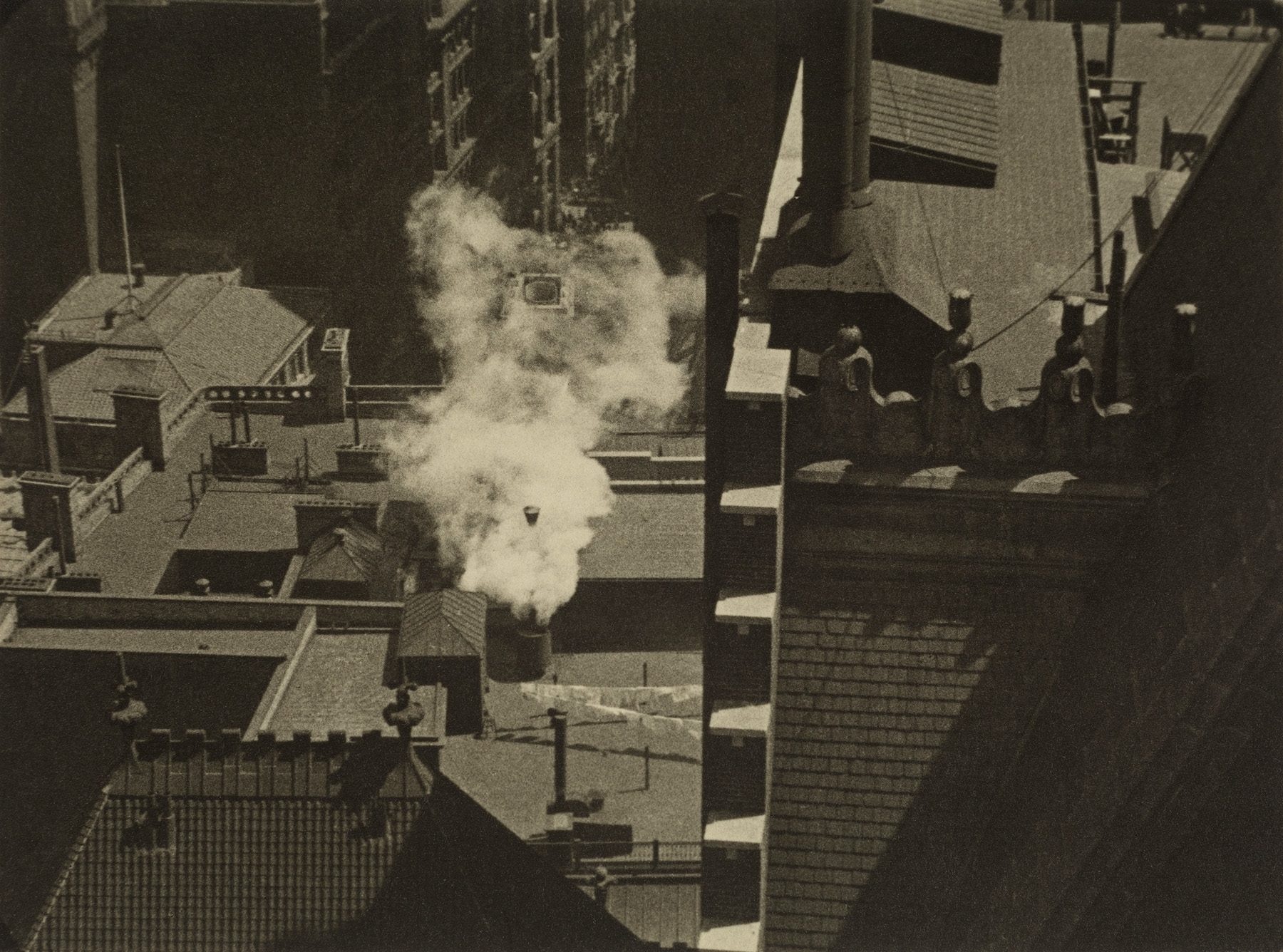
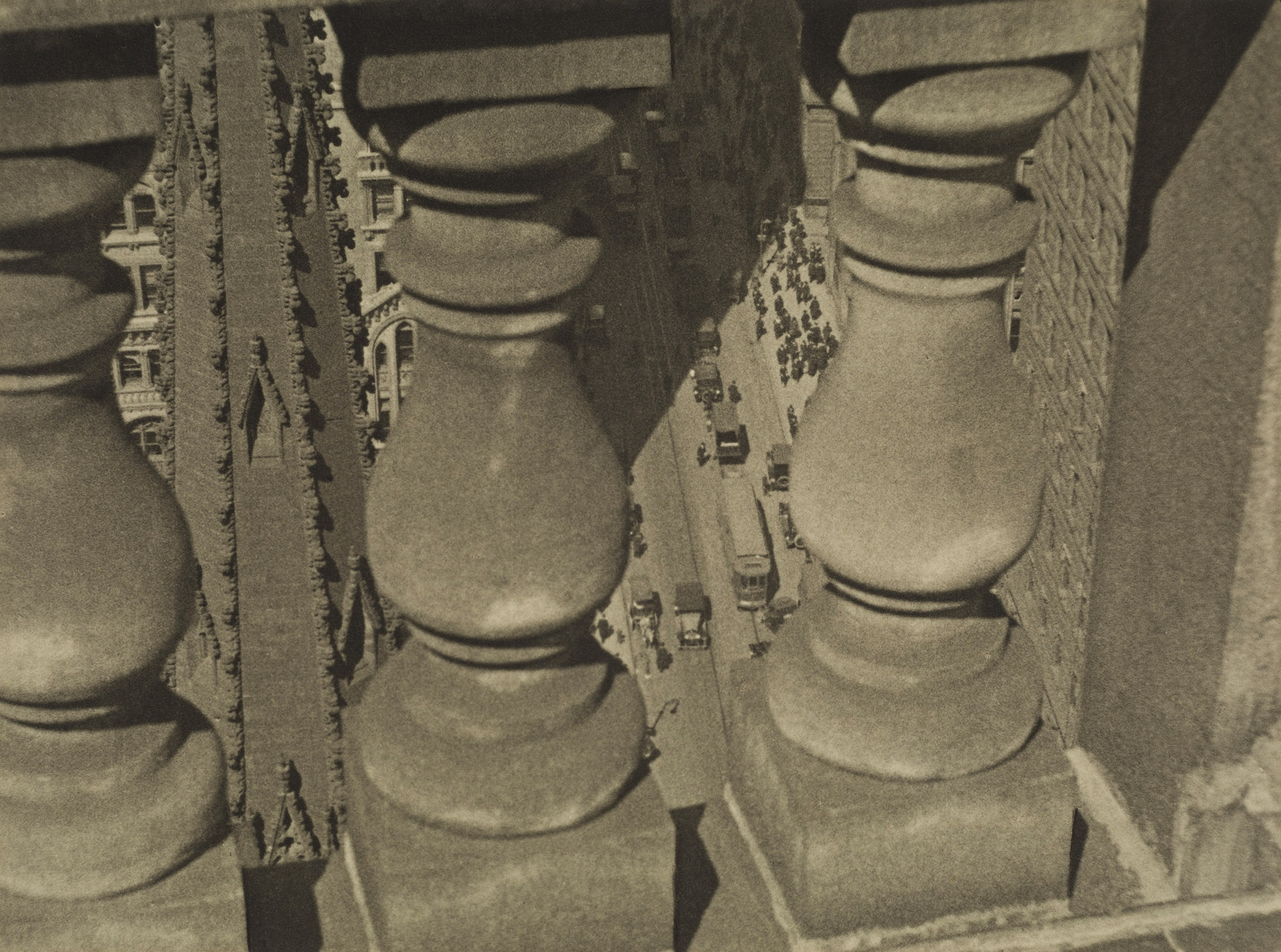
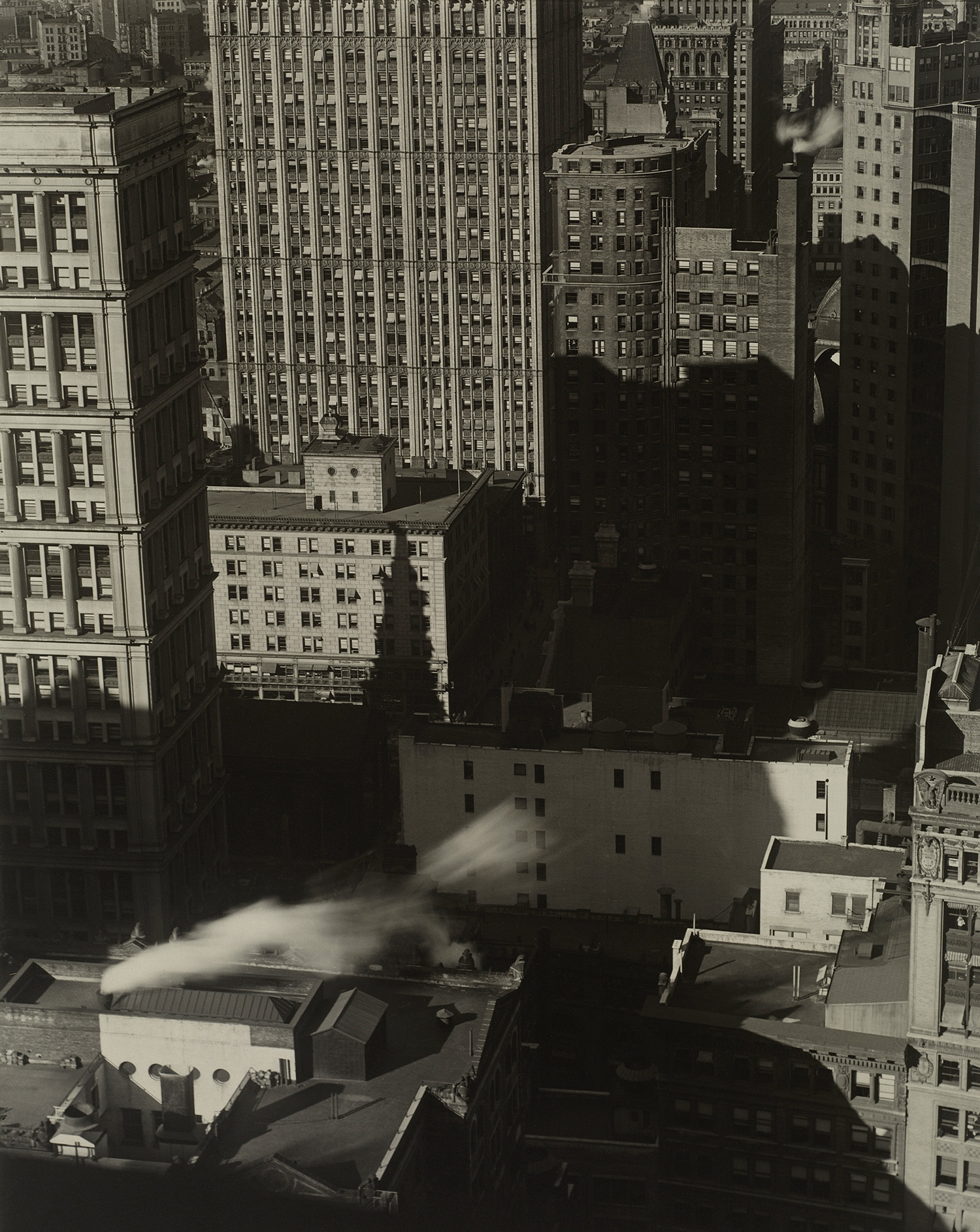

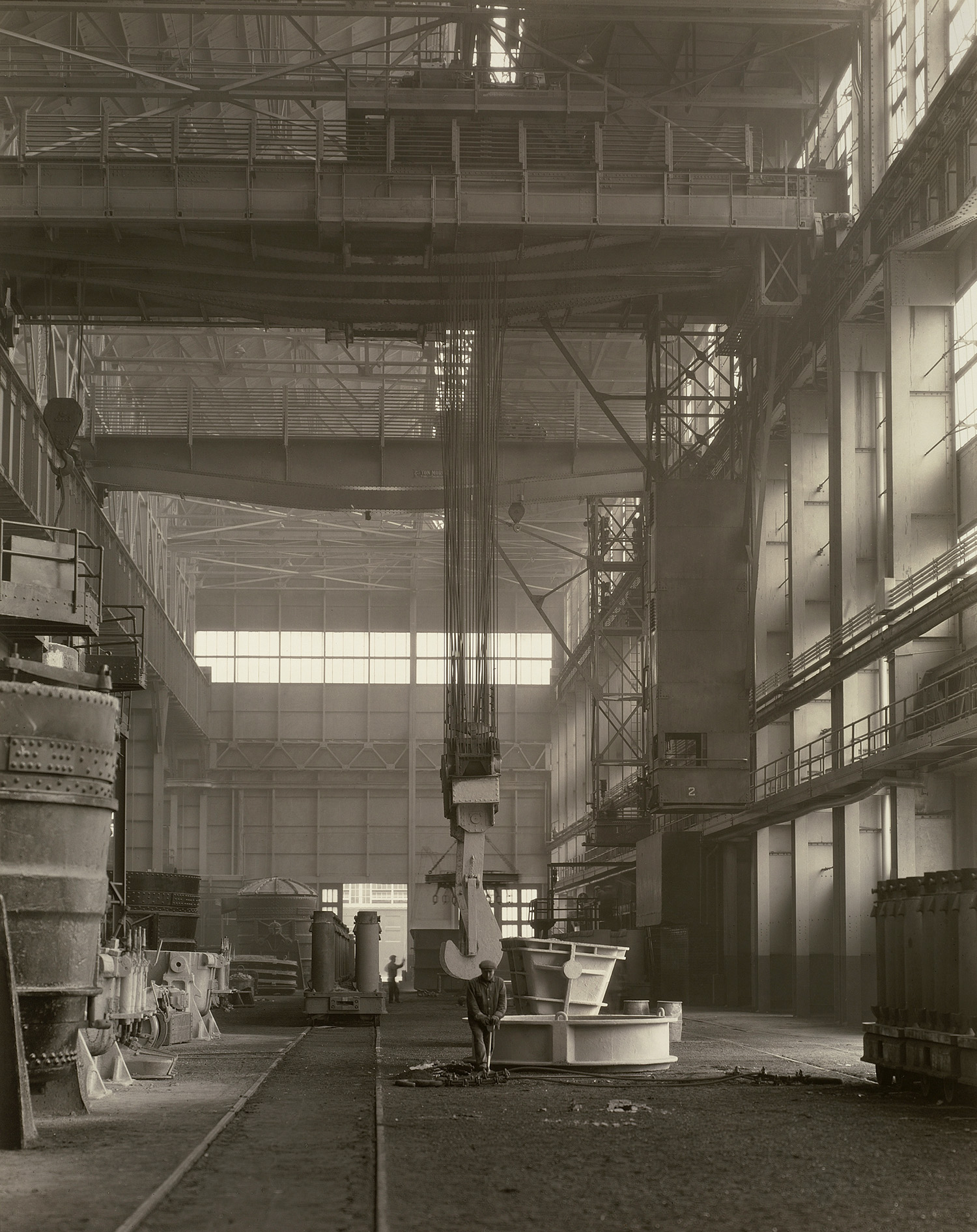
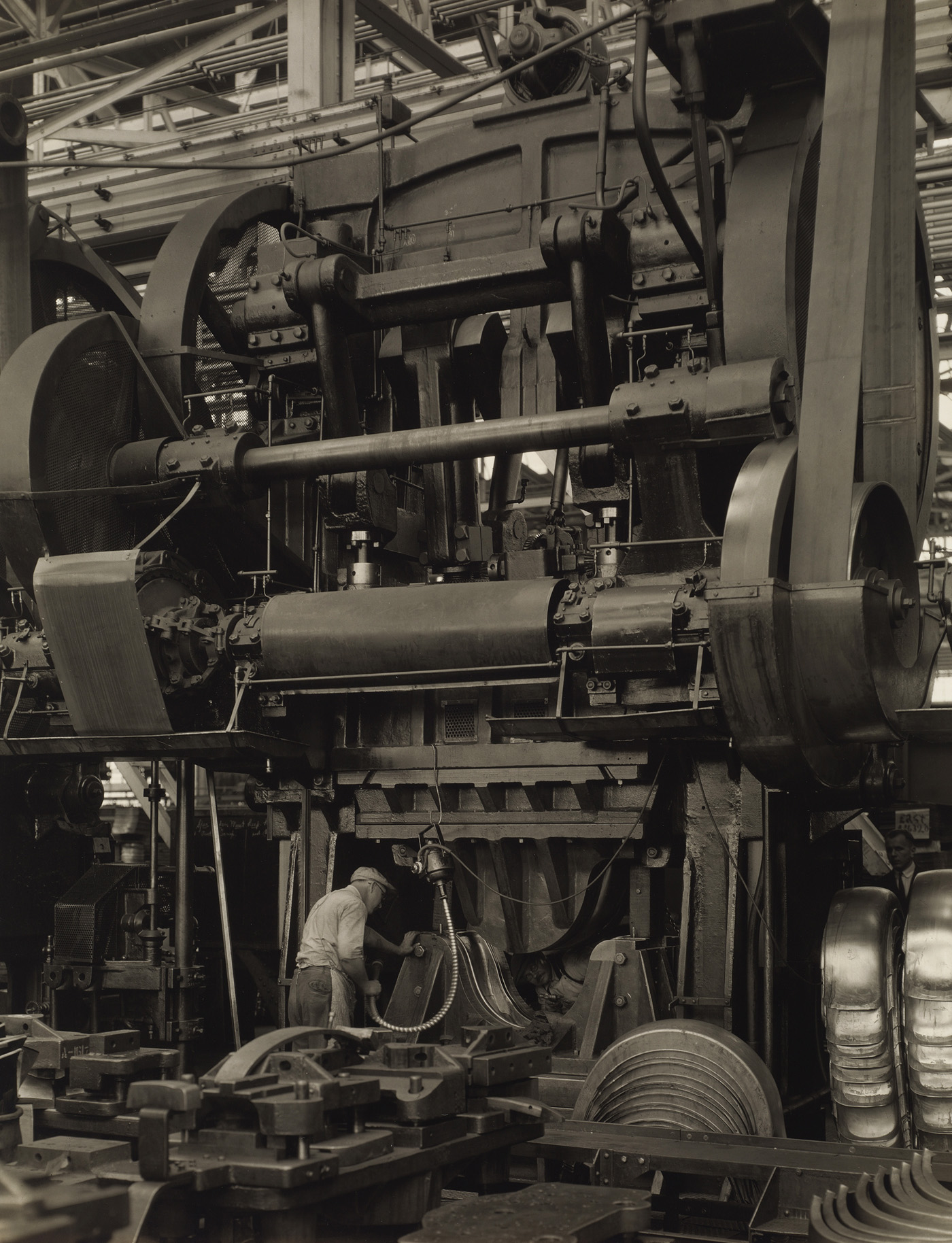
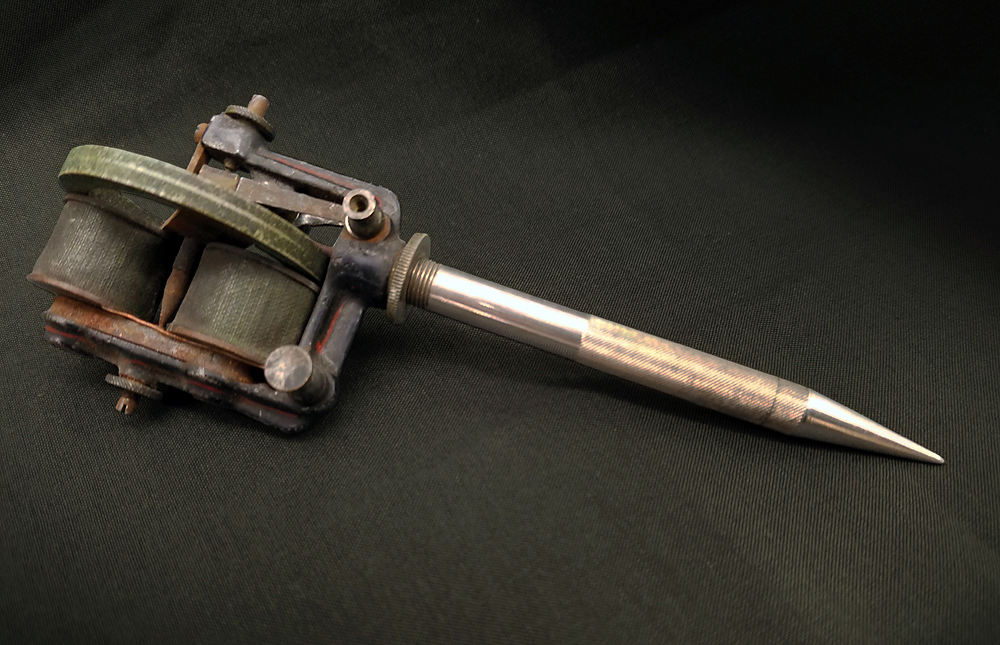
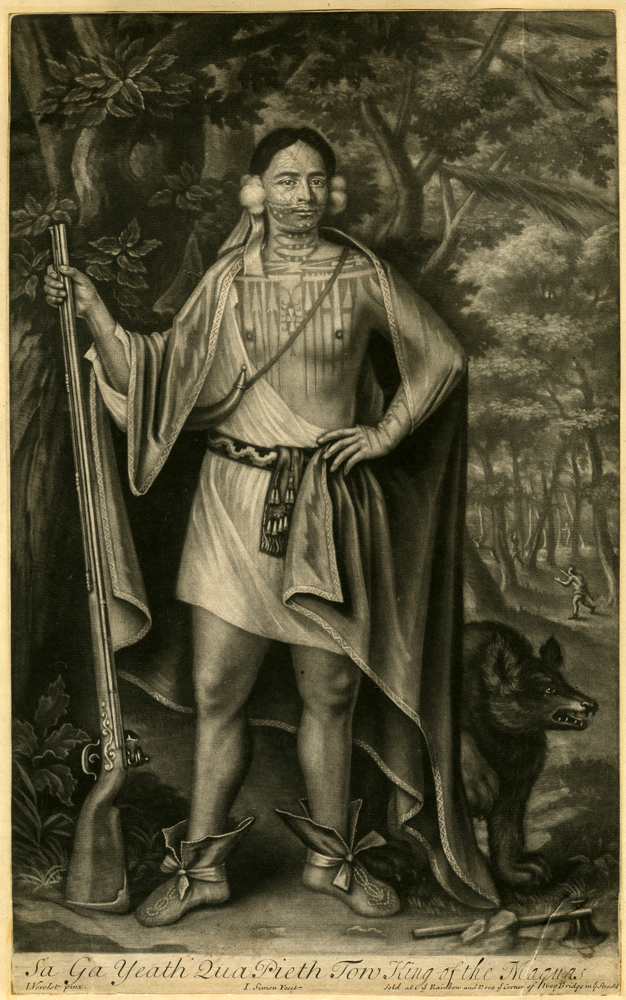





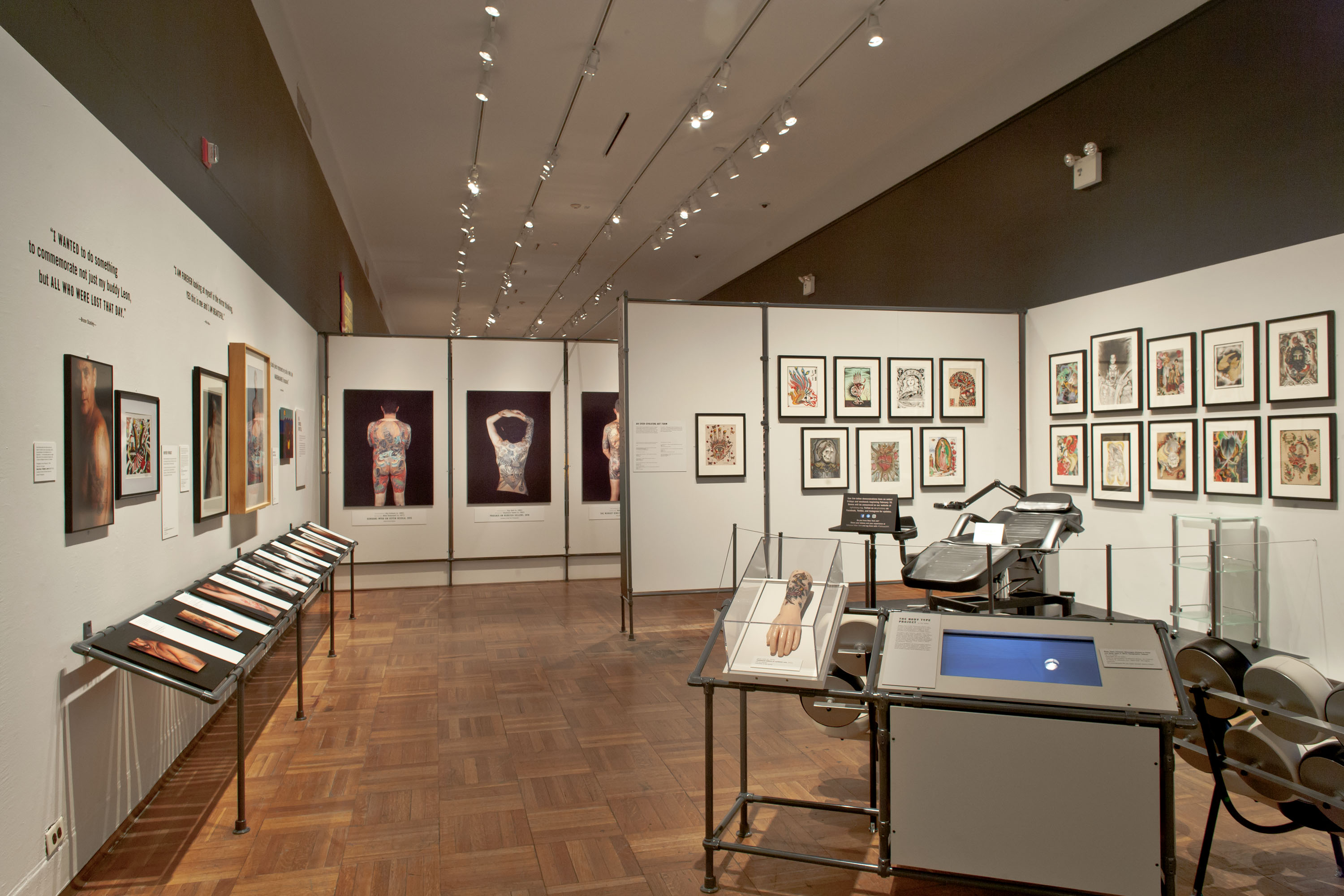
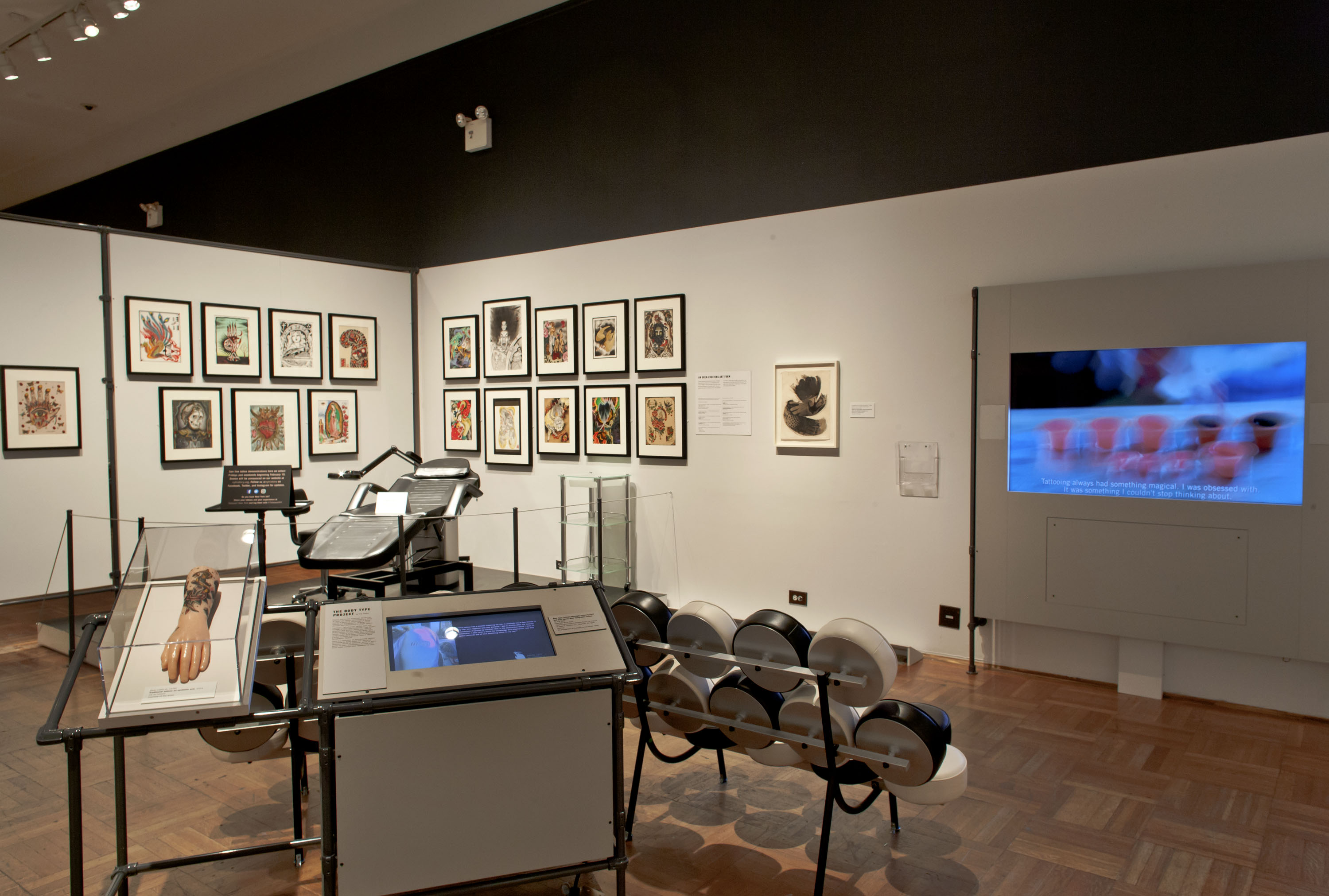


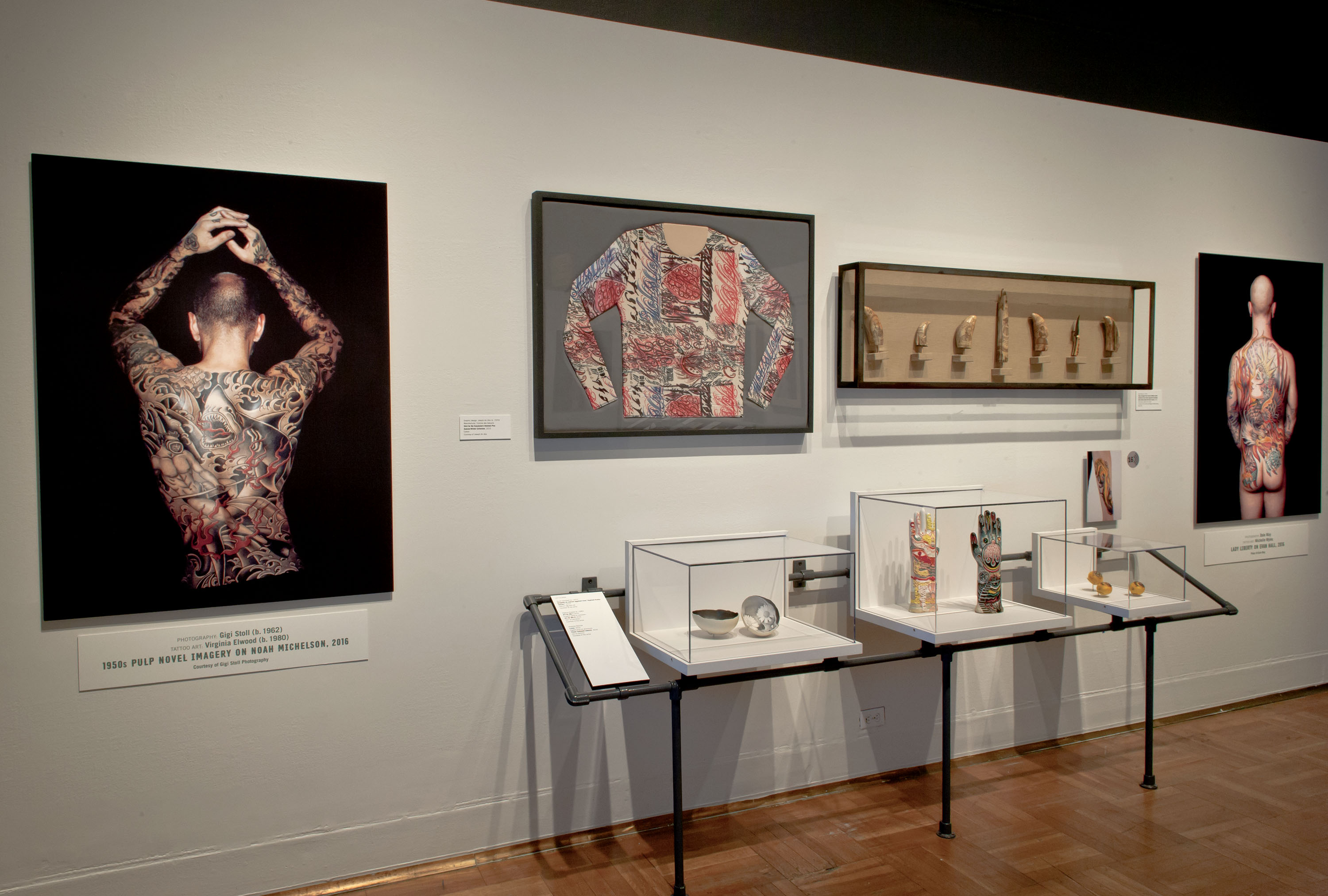
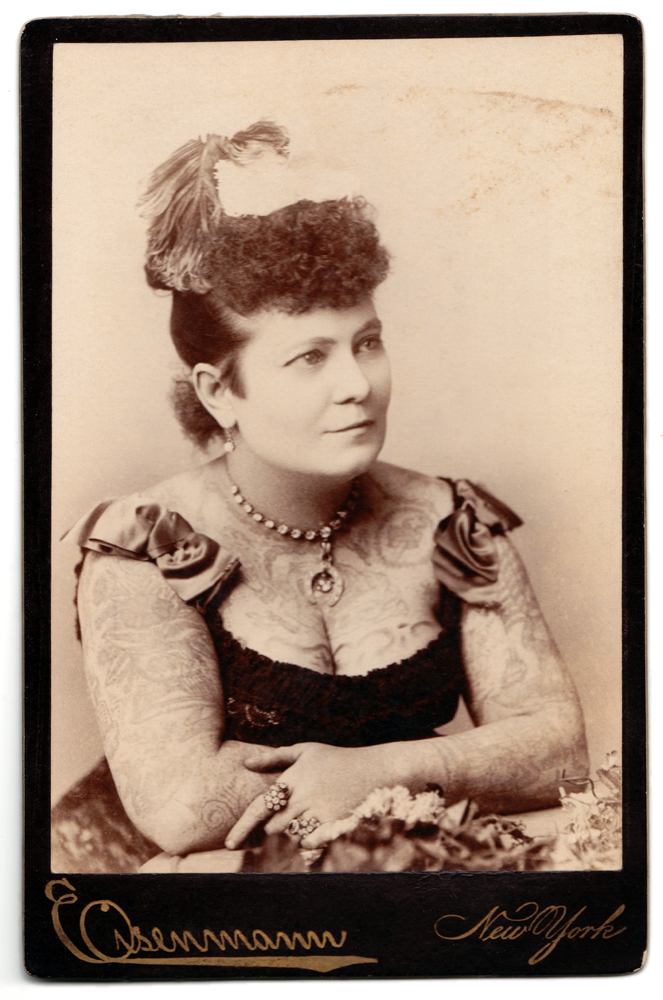

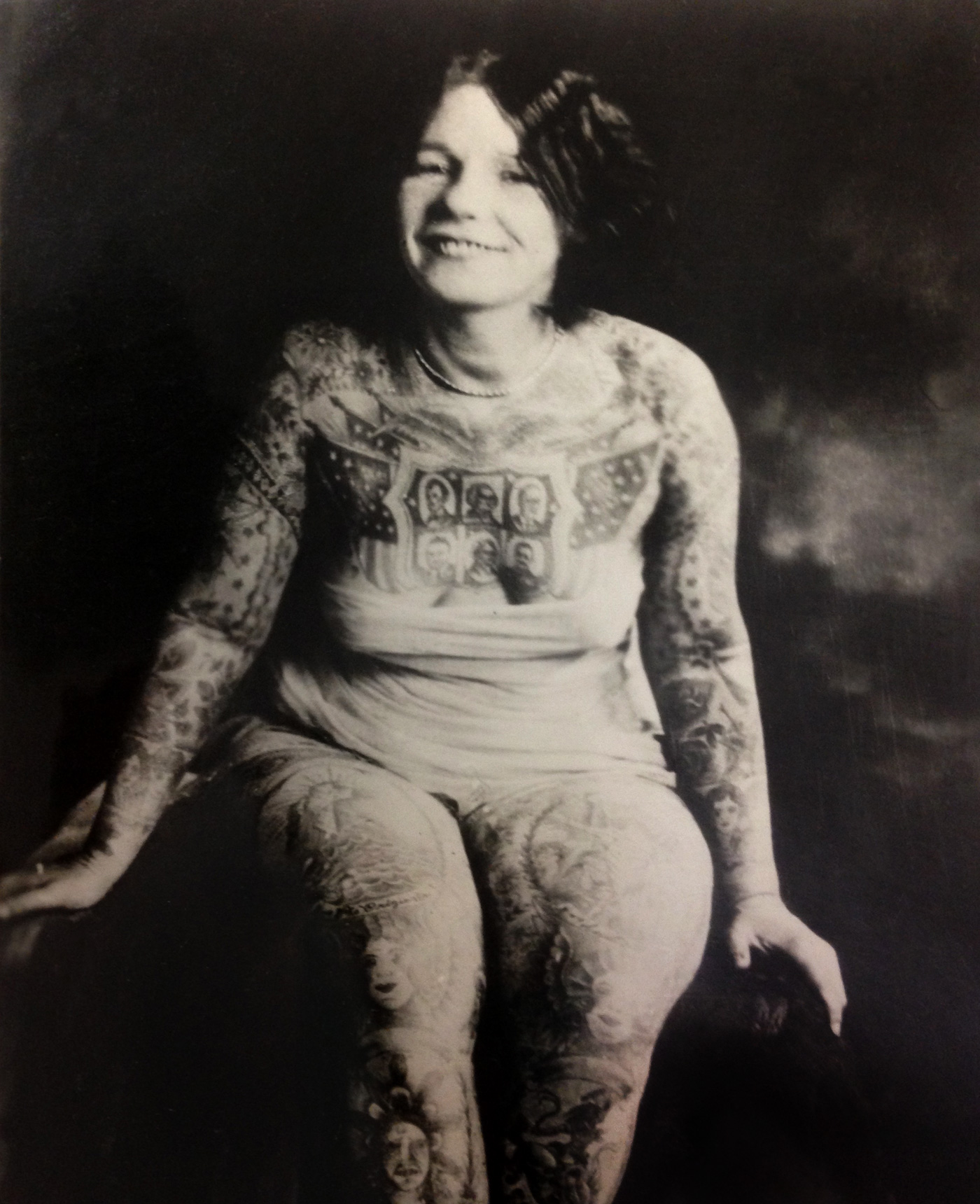
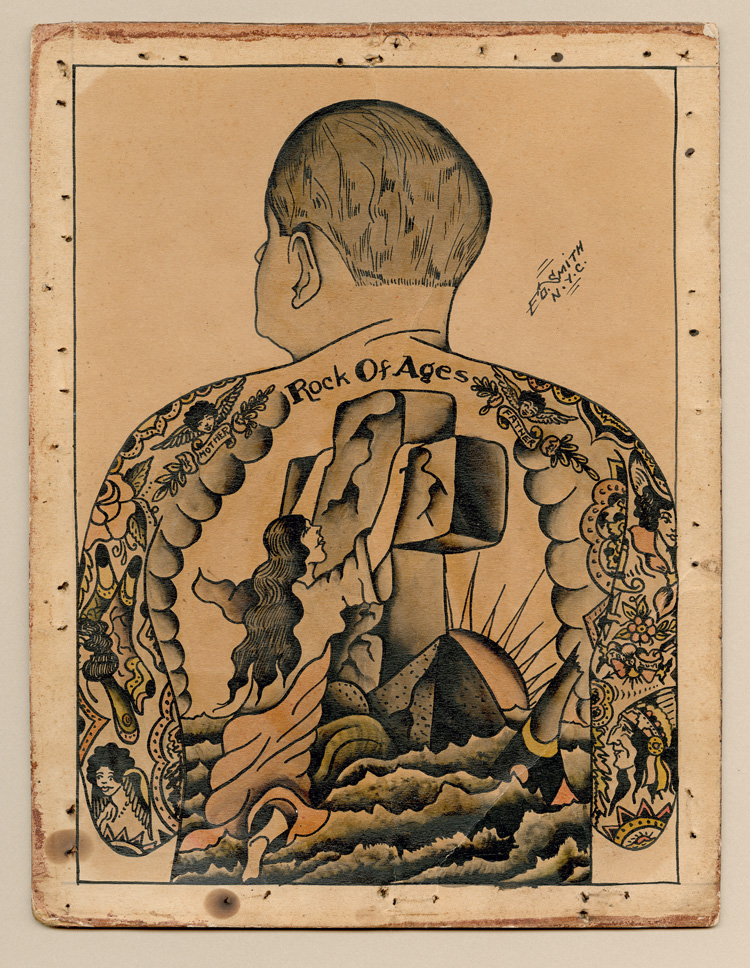
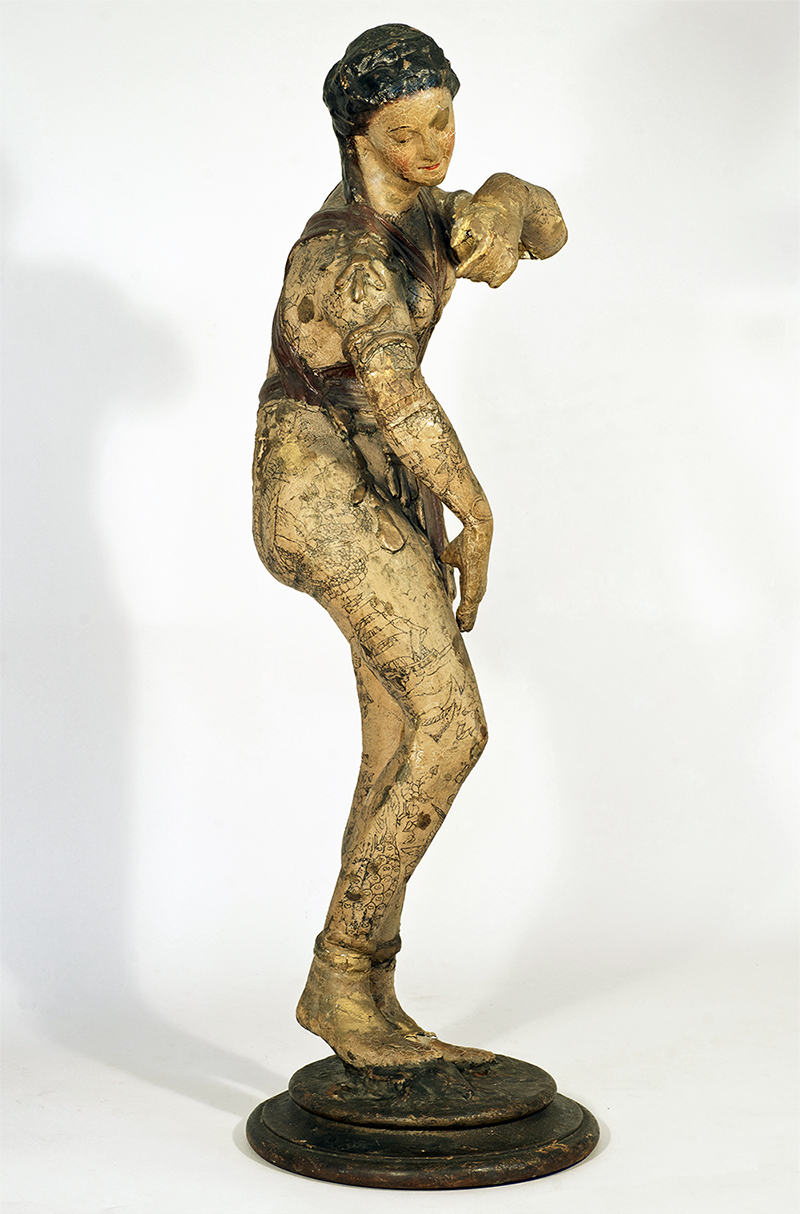

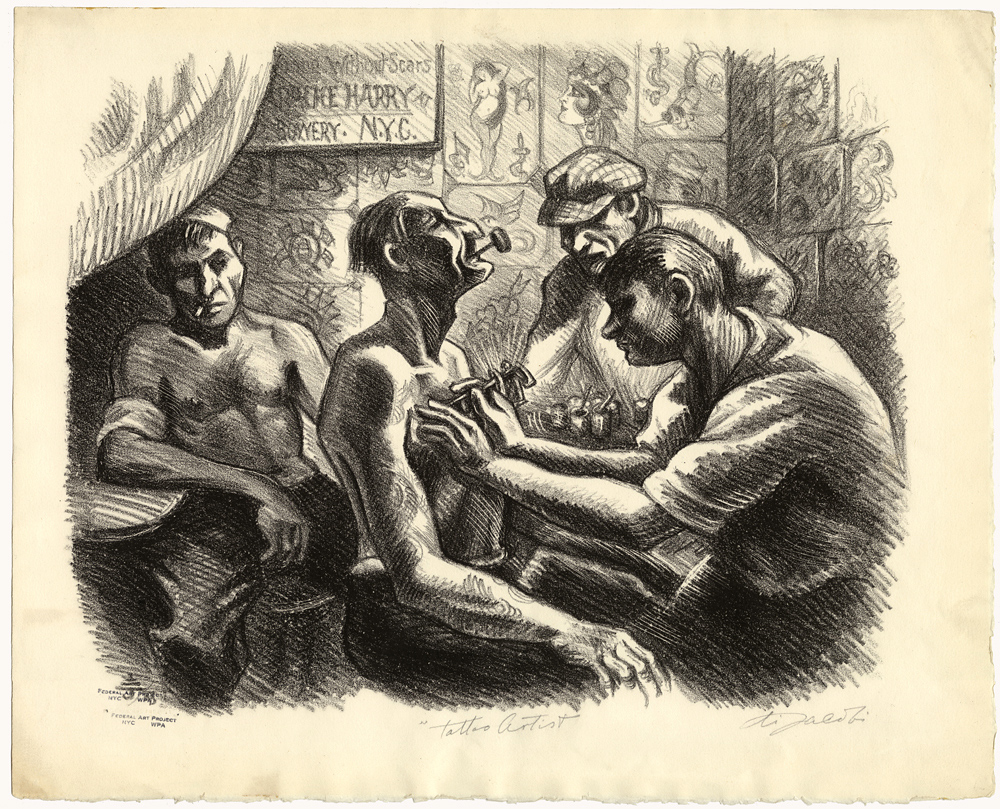

![Unknown photographer. 'Untitled [Millie Hull tattooing in her studio]' Nd](https://artblart.com/wp-content/uploads/2017/03/millie-hull-web.jpg "Unknown photographer. 'Untitled [Millie Hull tattooing in her studio]' Nd")
![Unknown photographer. 'Untitled [Charlie Wagner tattooing in his studio]' Nd](https://artblart.com/wp-content/uploads/2017/03/charlie-wagner-web.jpg "Unknown photographer. 'Untitled [Charlie Wagner tattooing in his studio]' Nd")
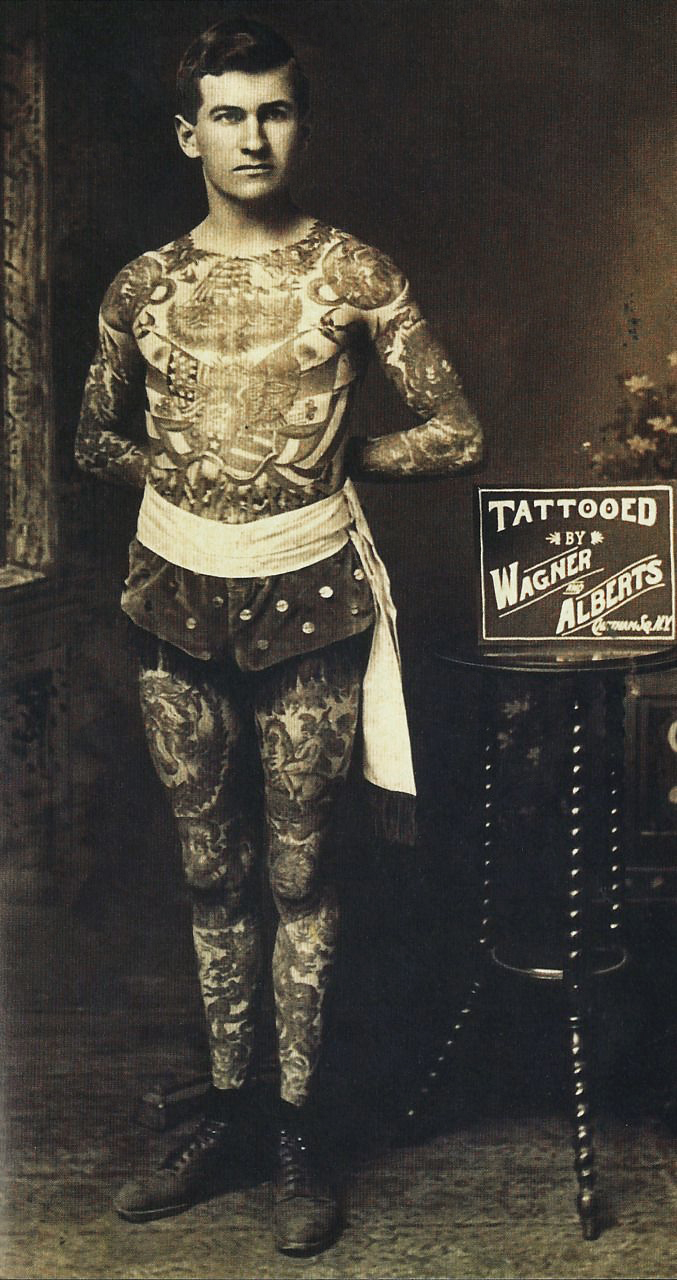

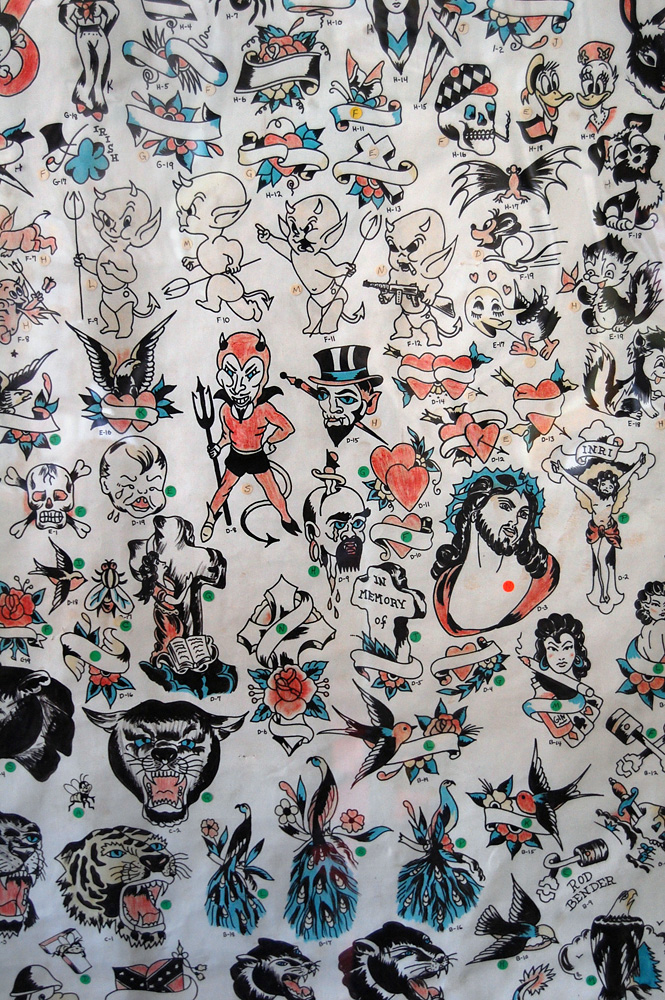
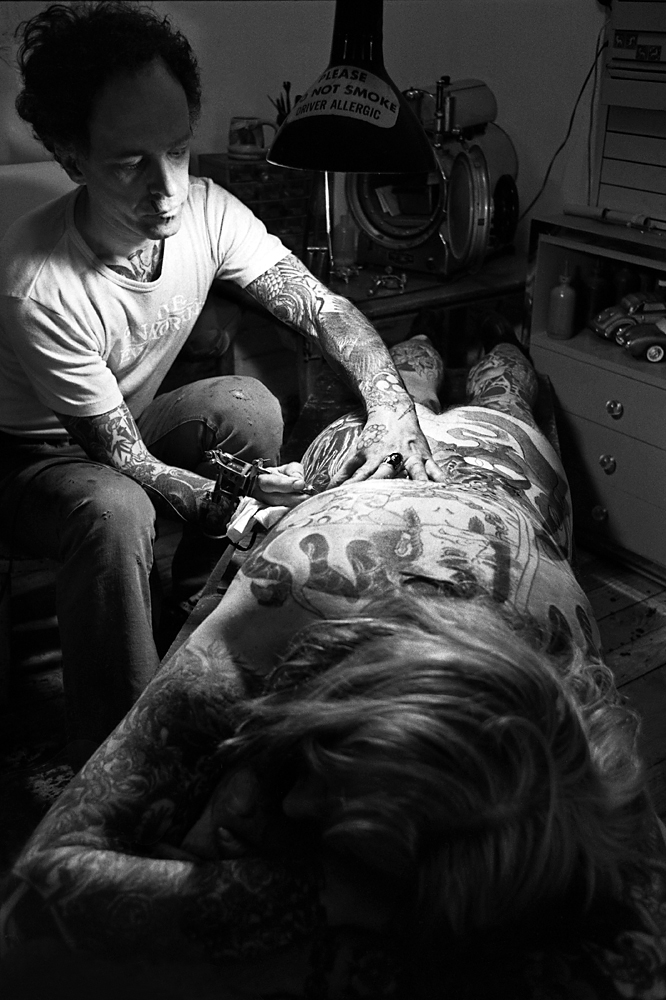
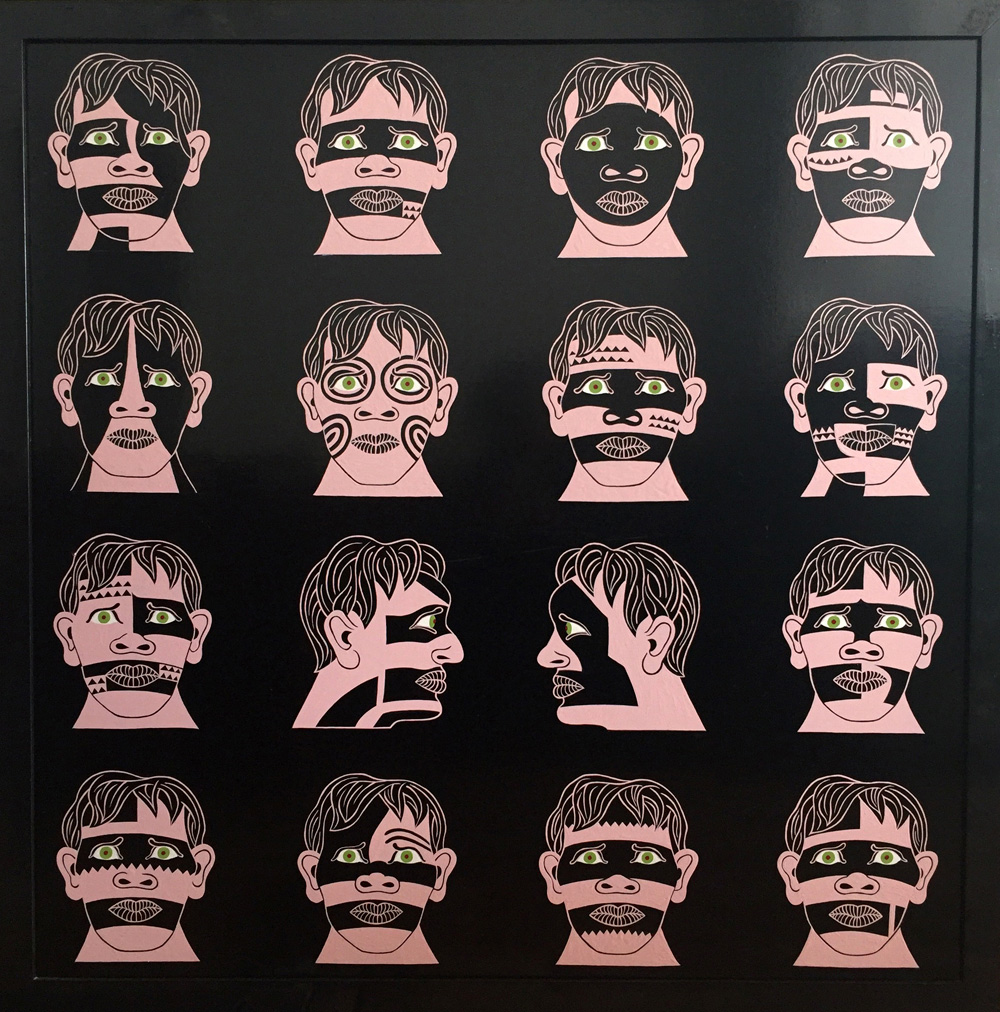
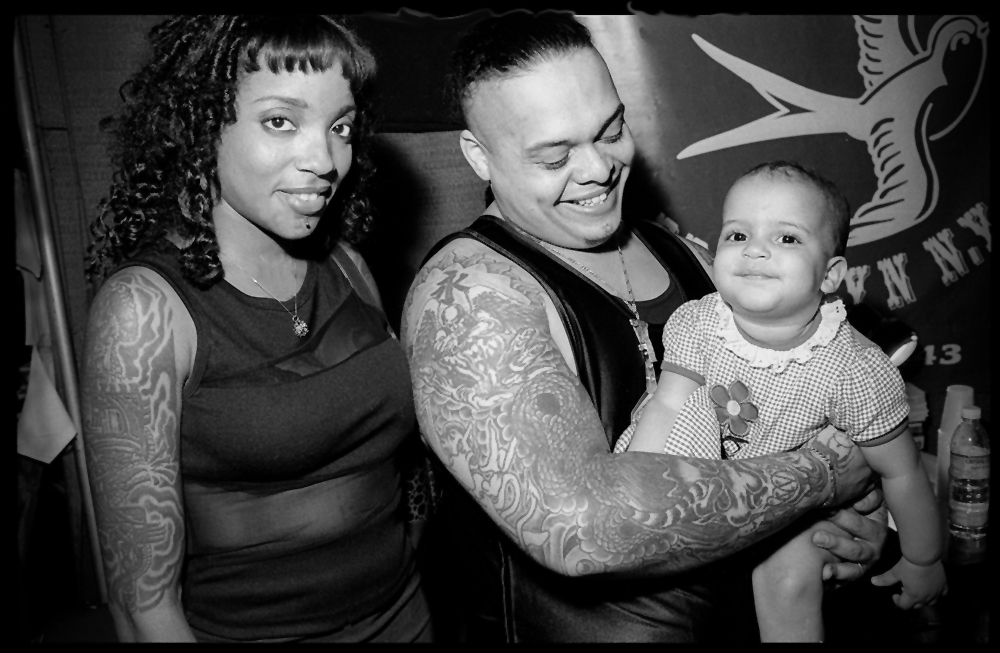
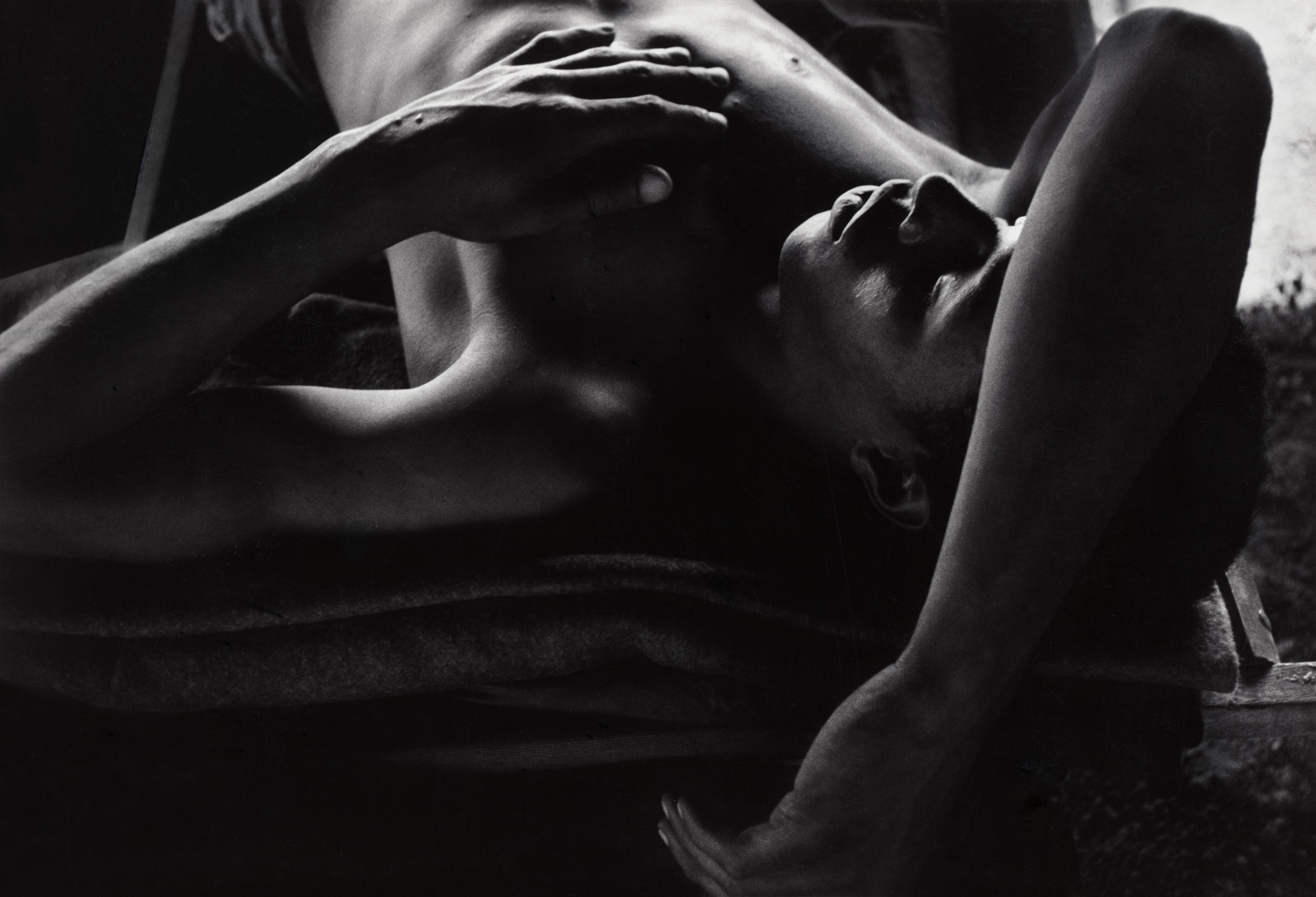
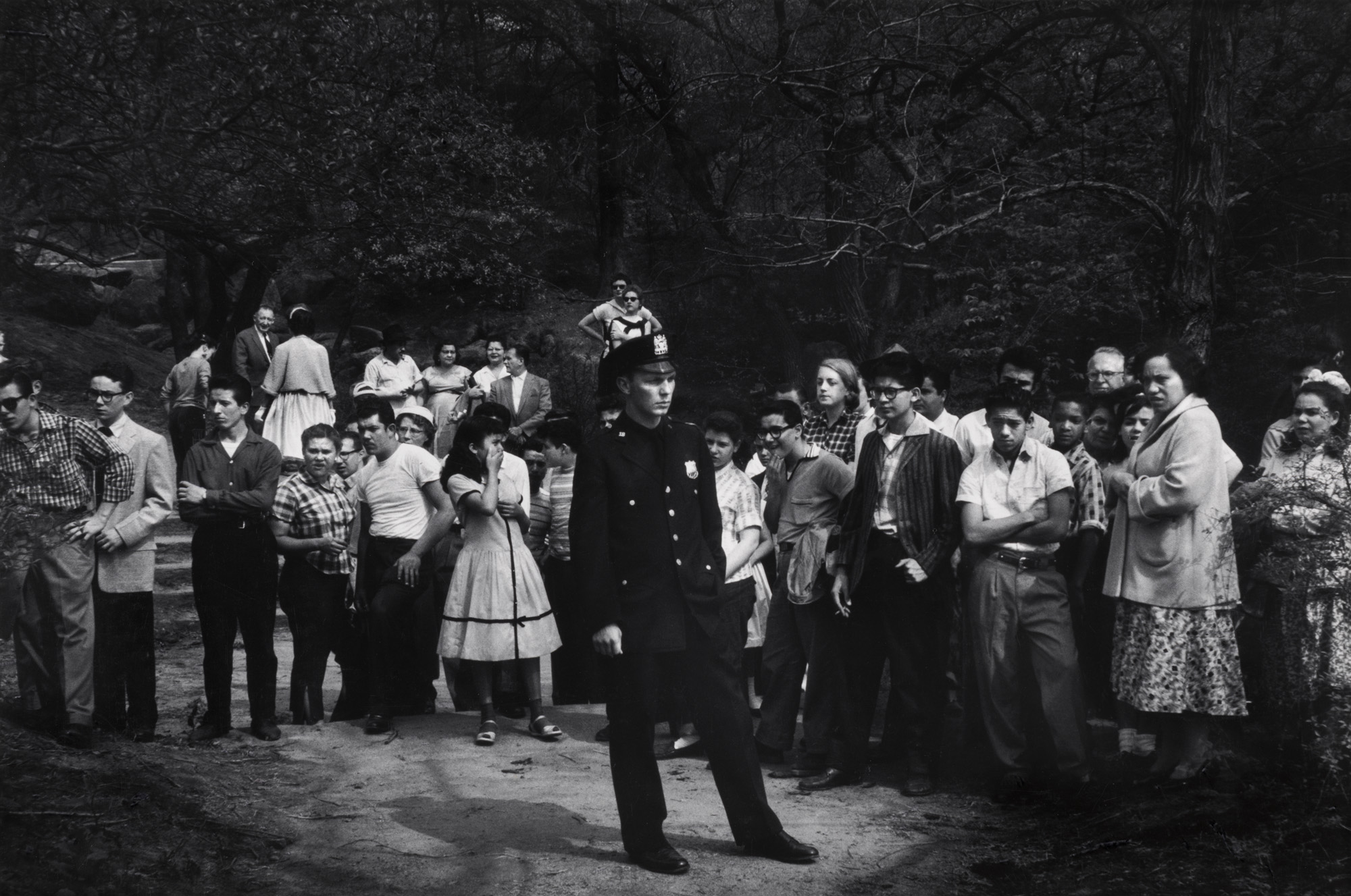
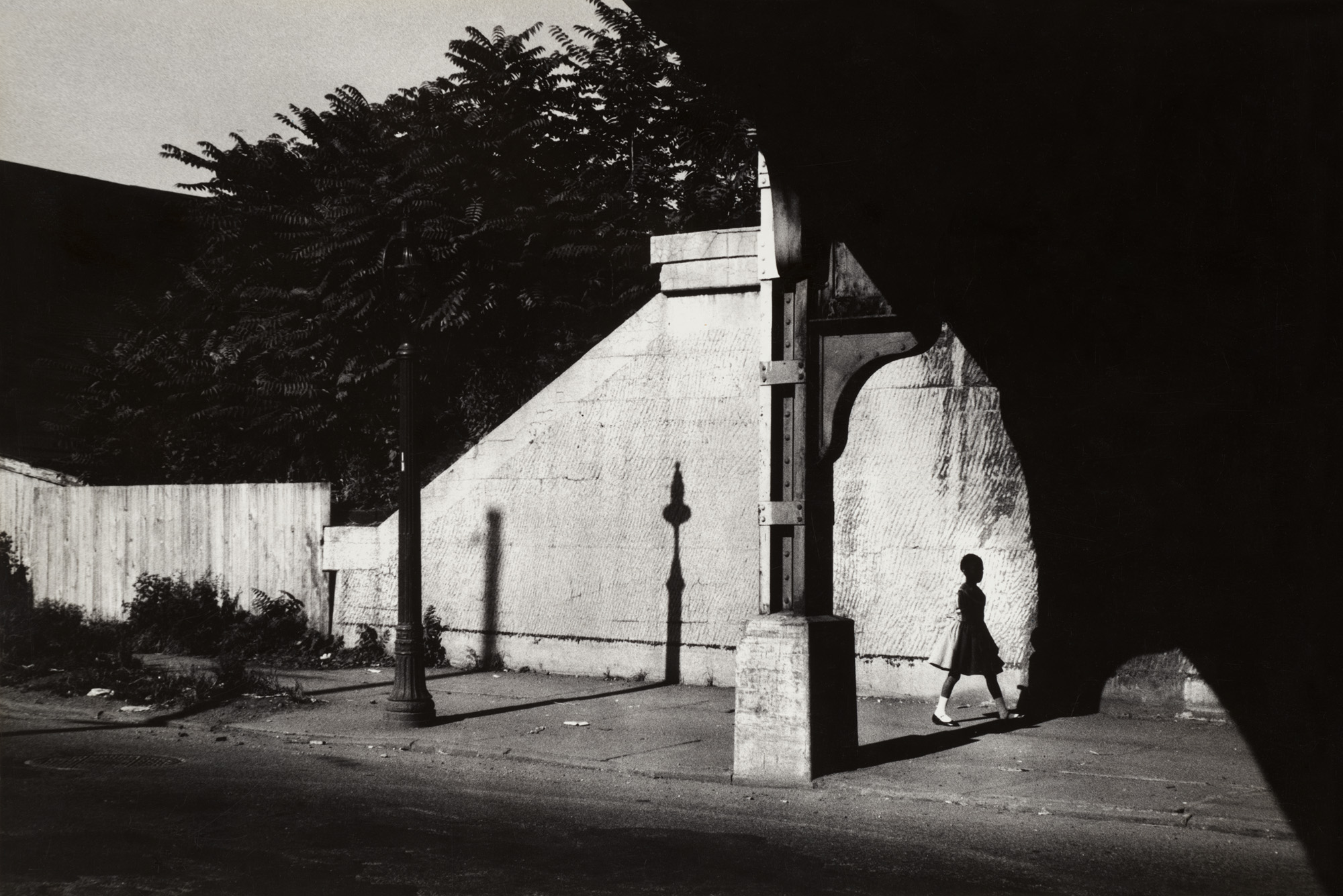
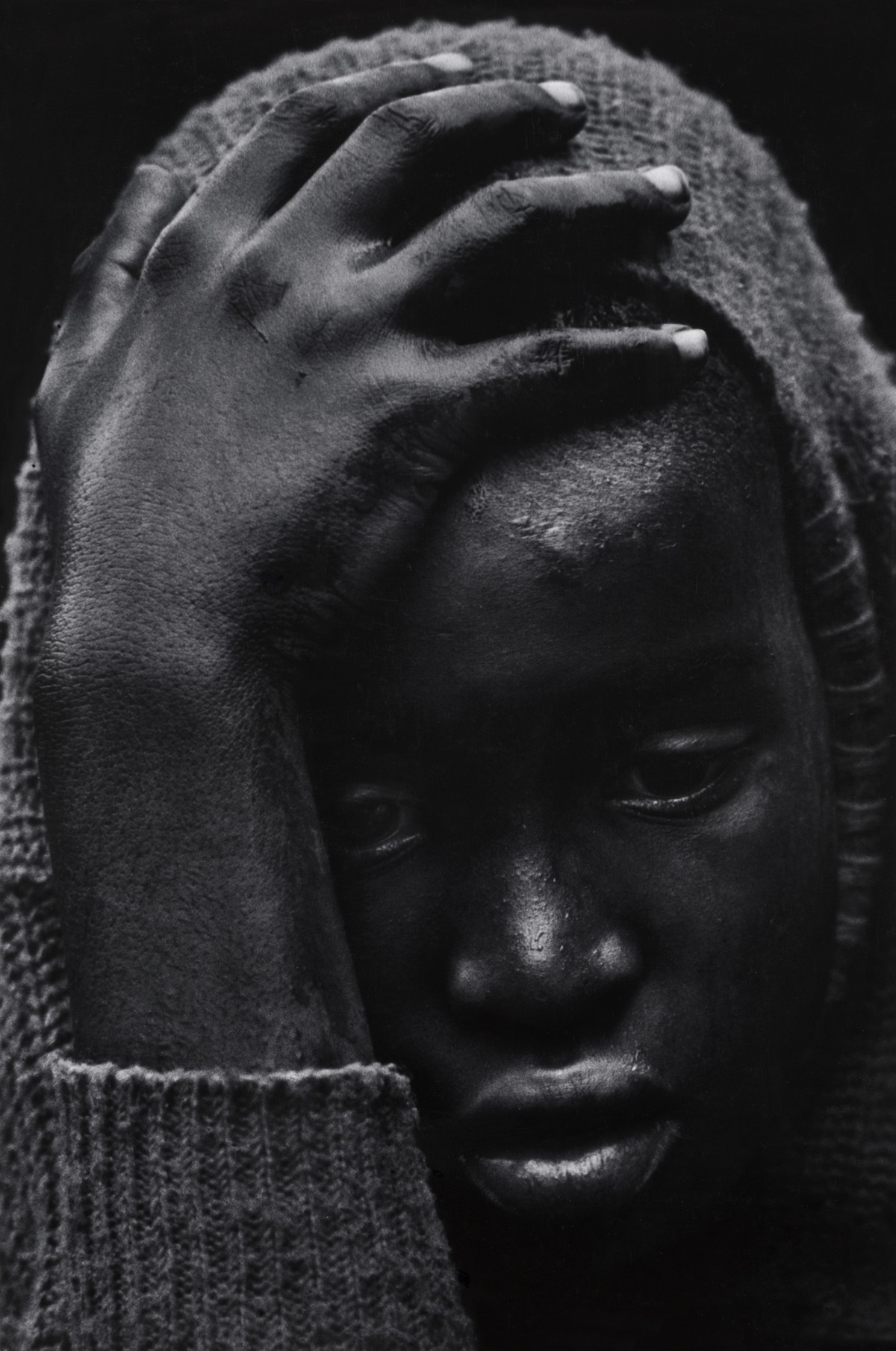
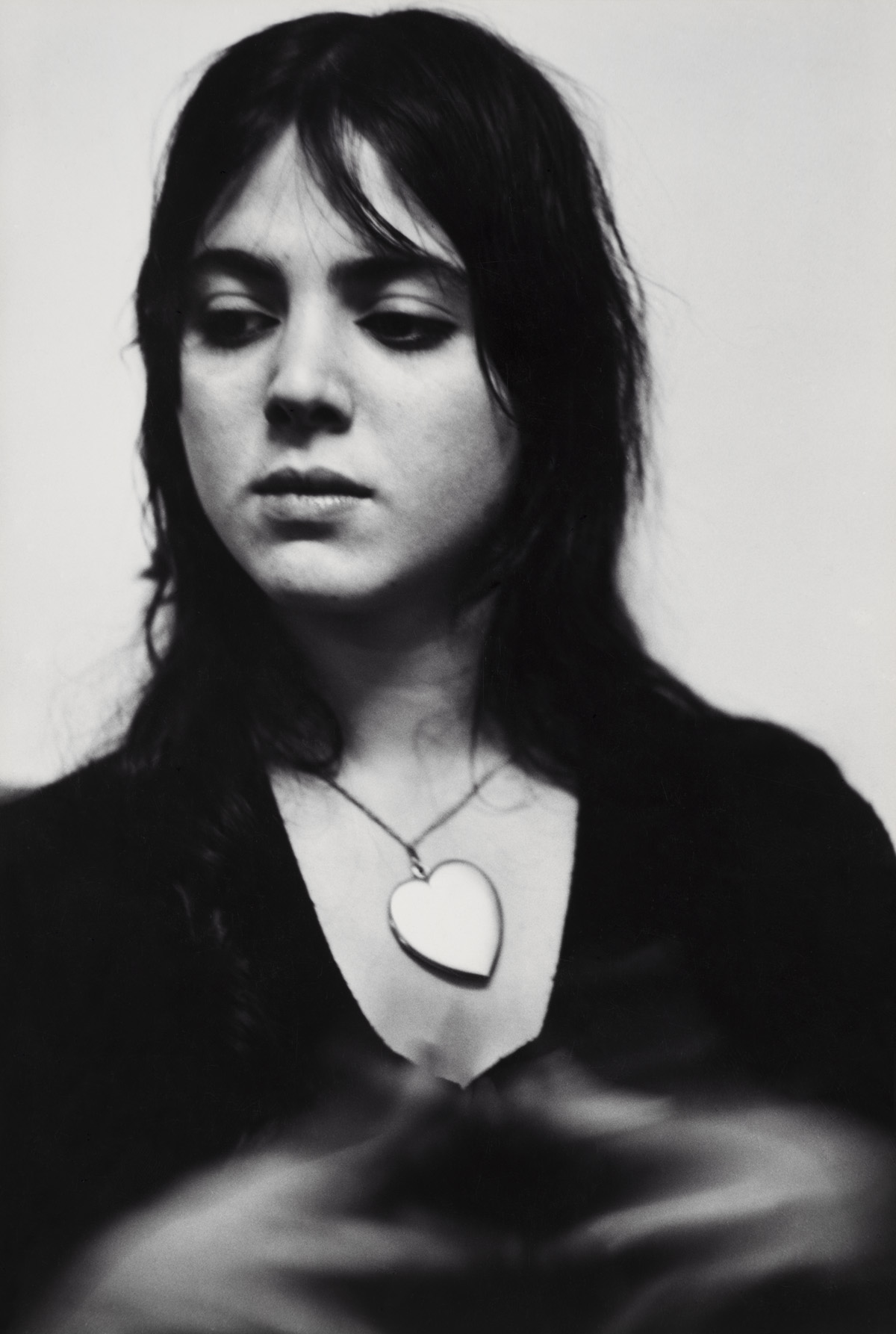
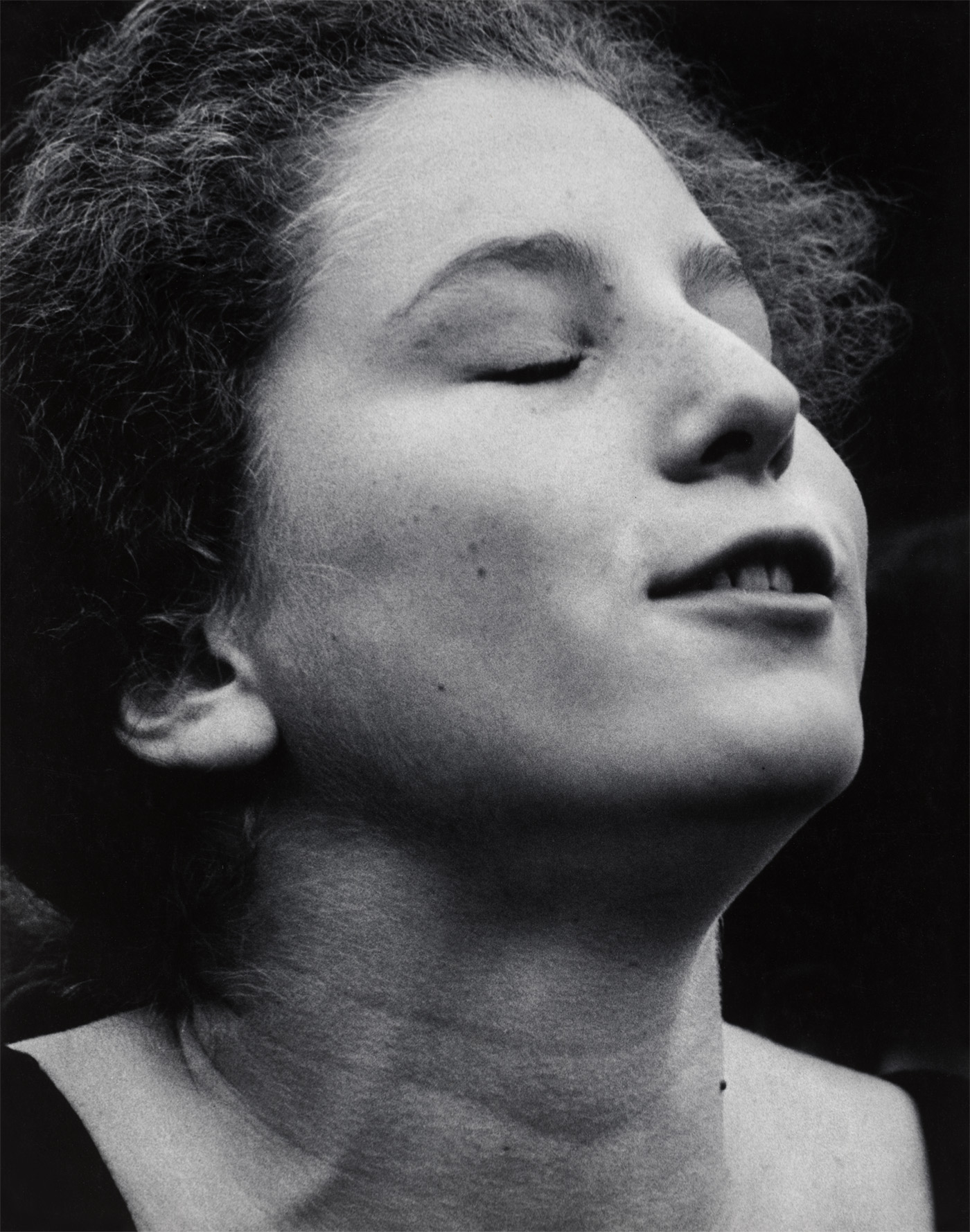
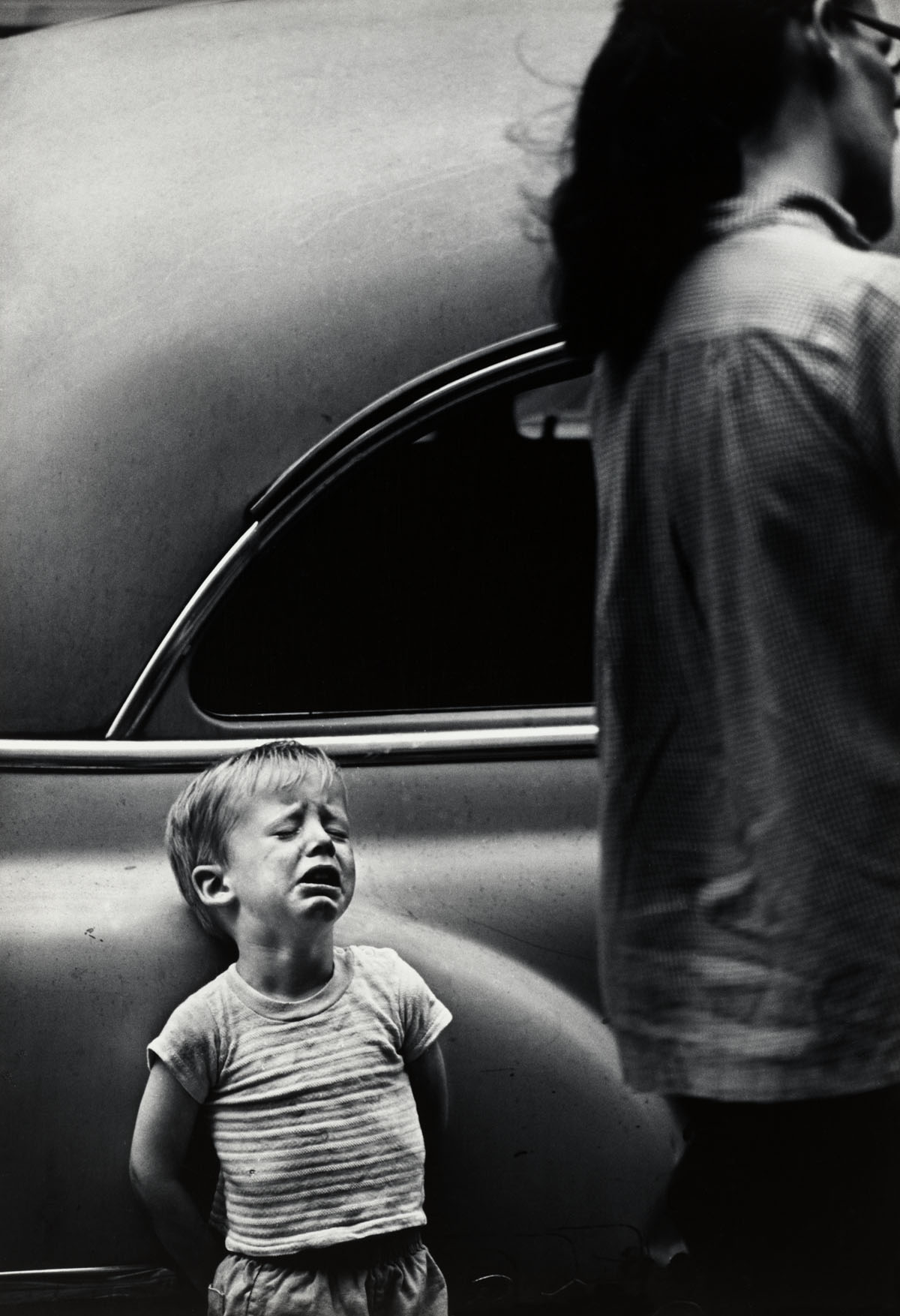
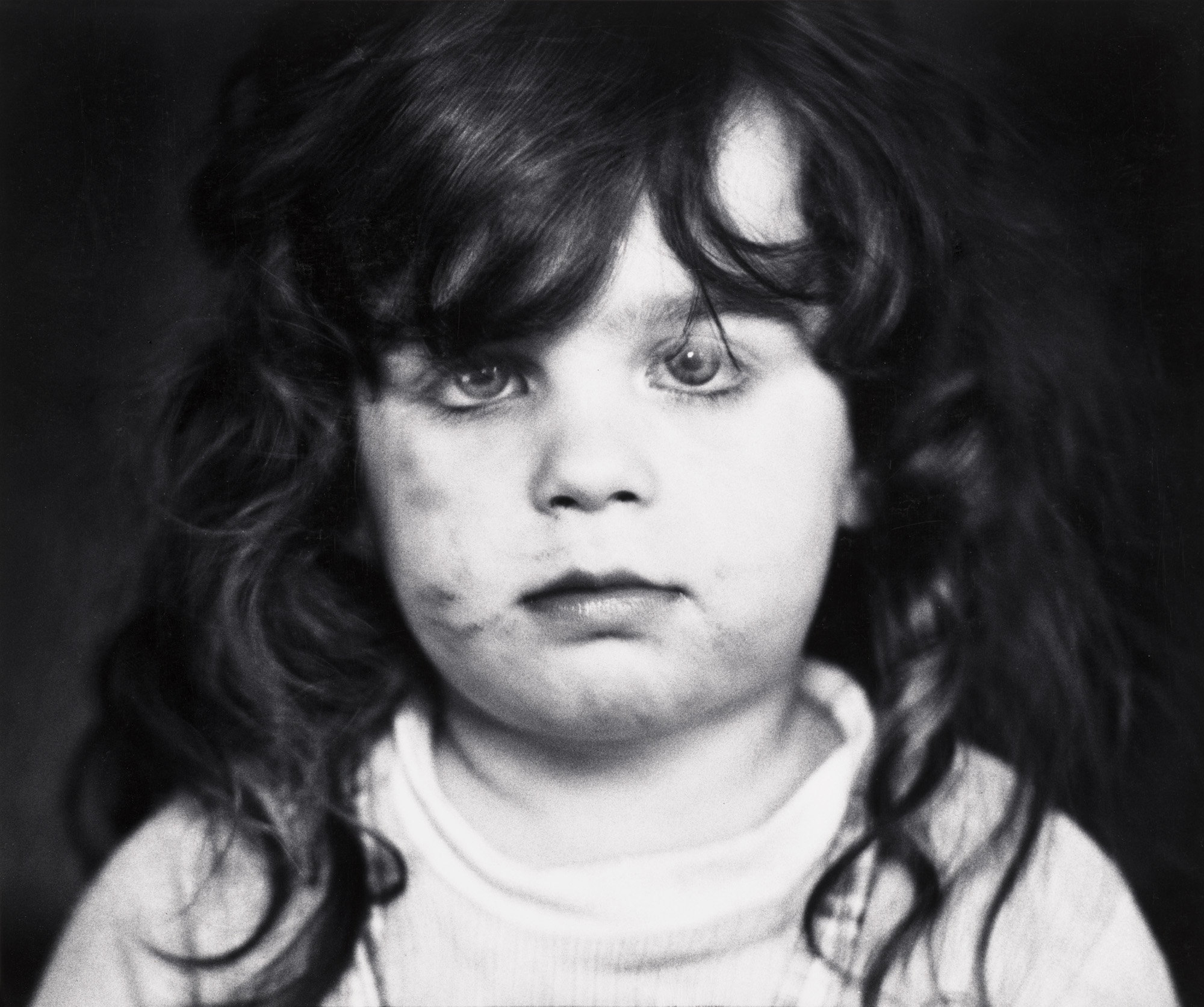
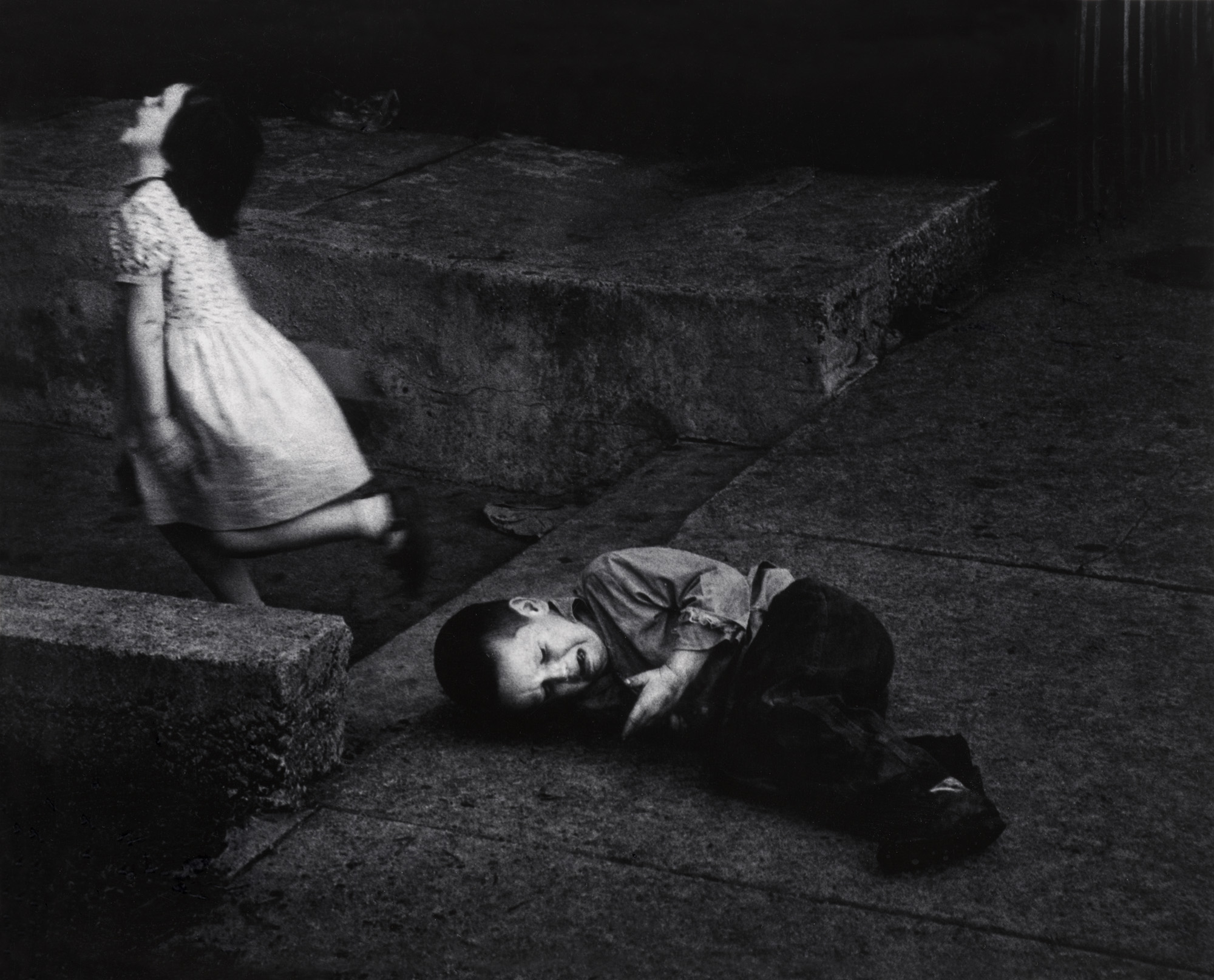
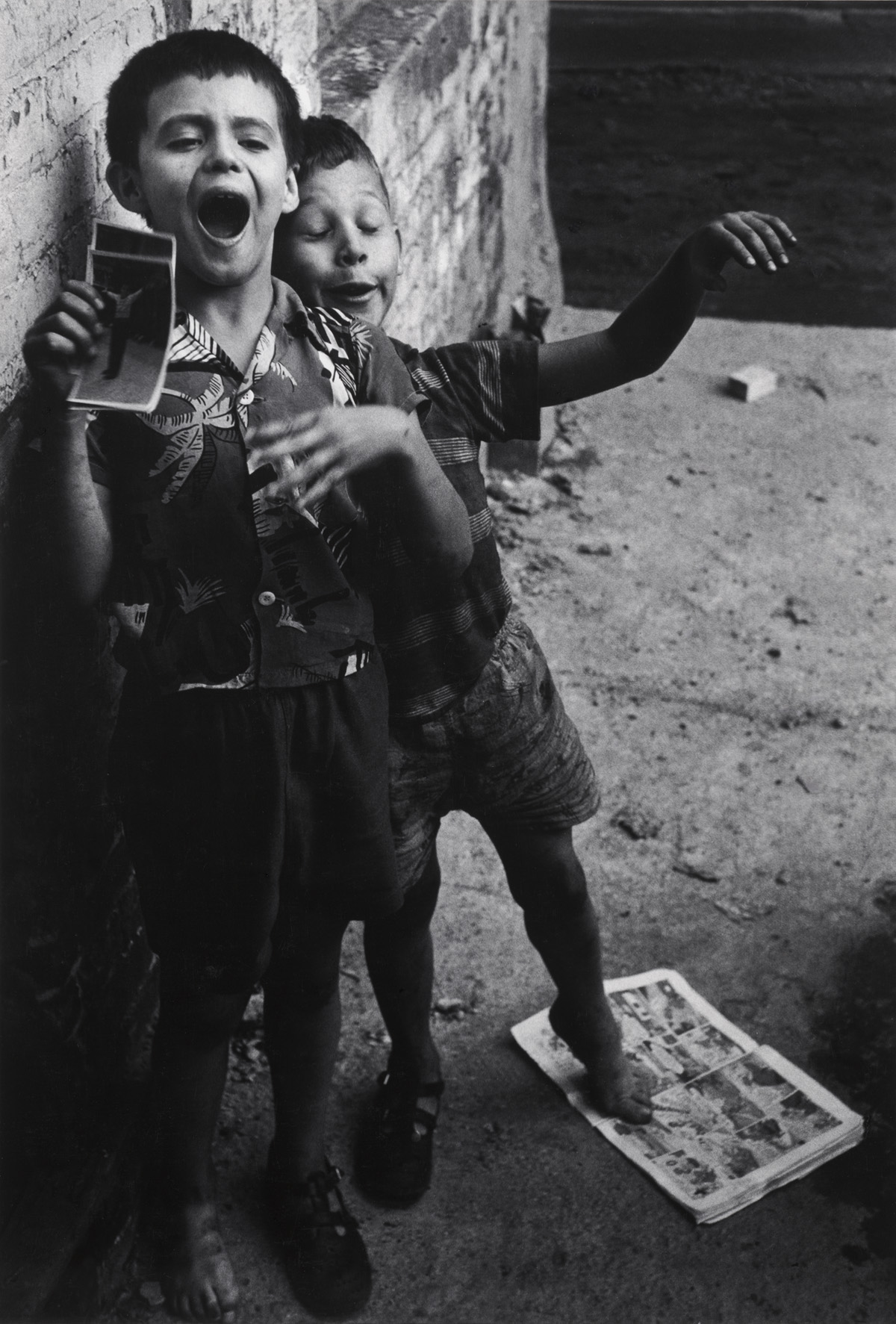
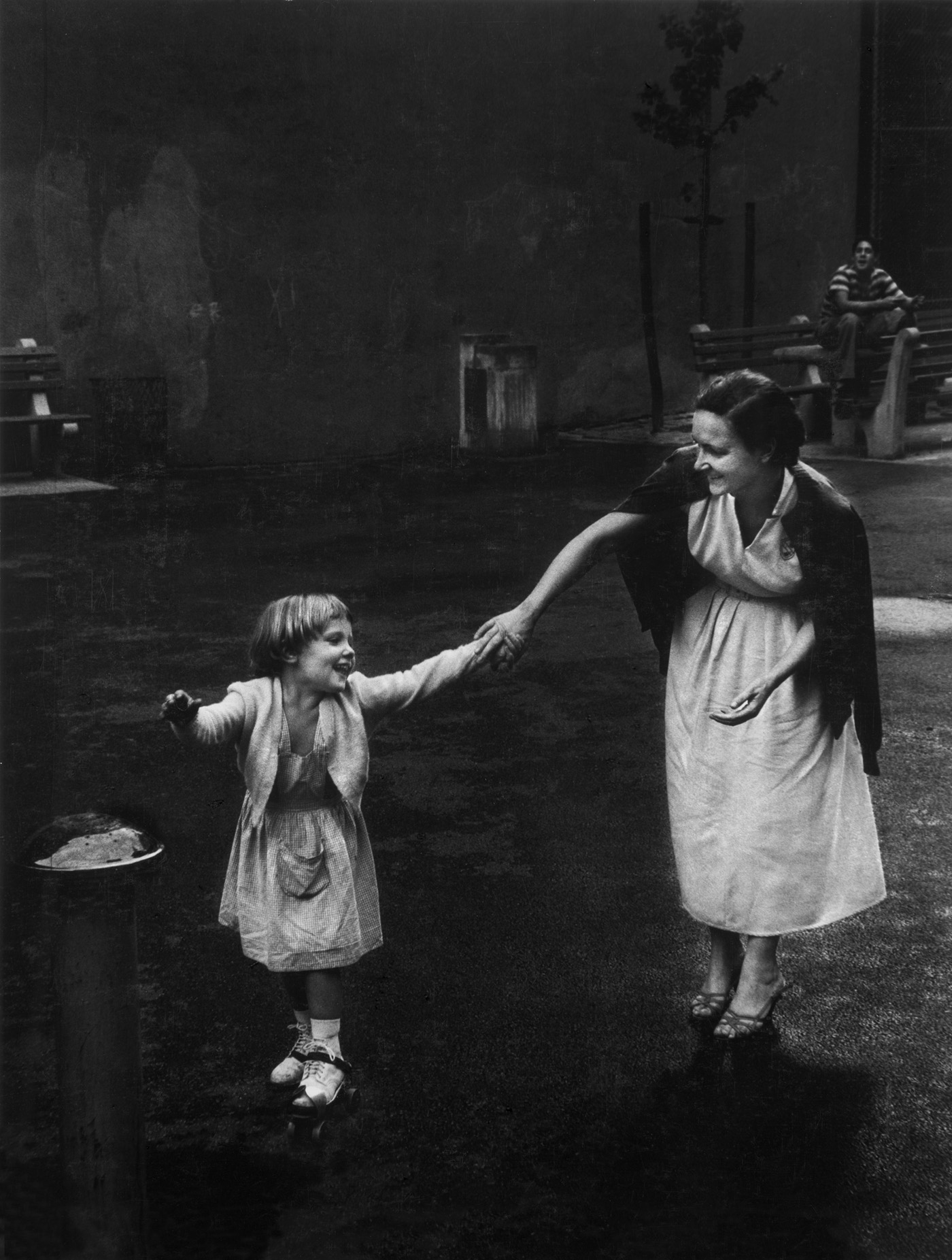
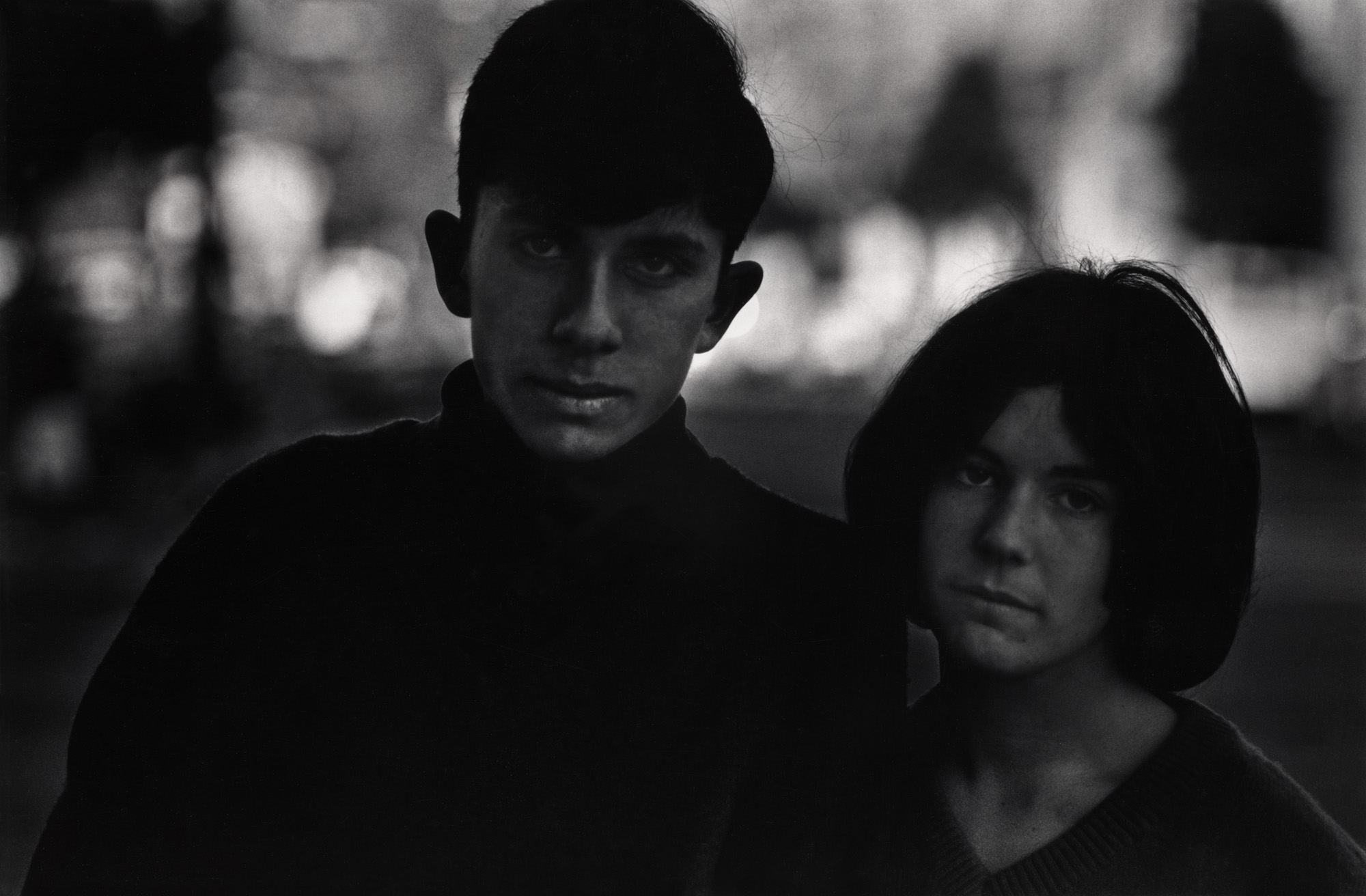
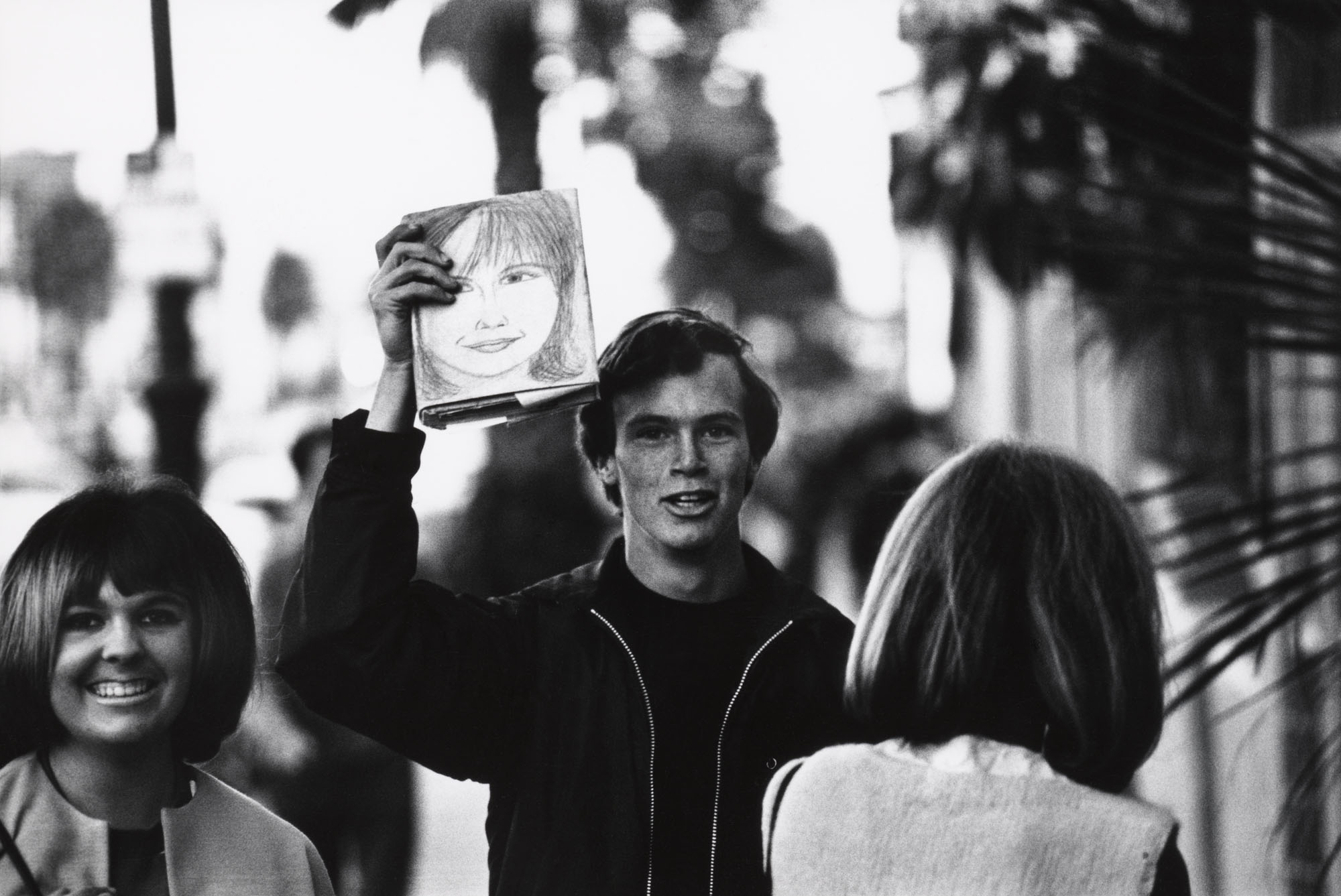
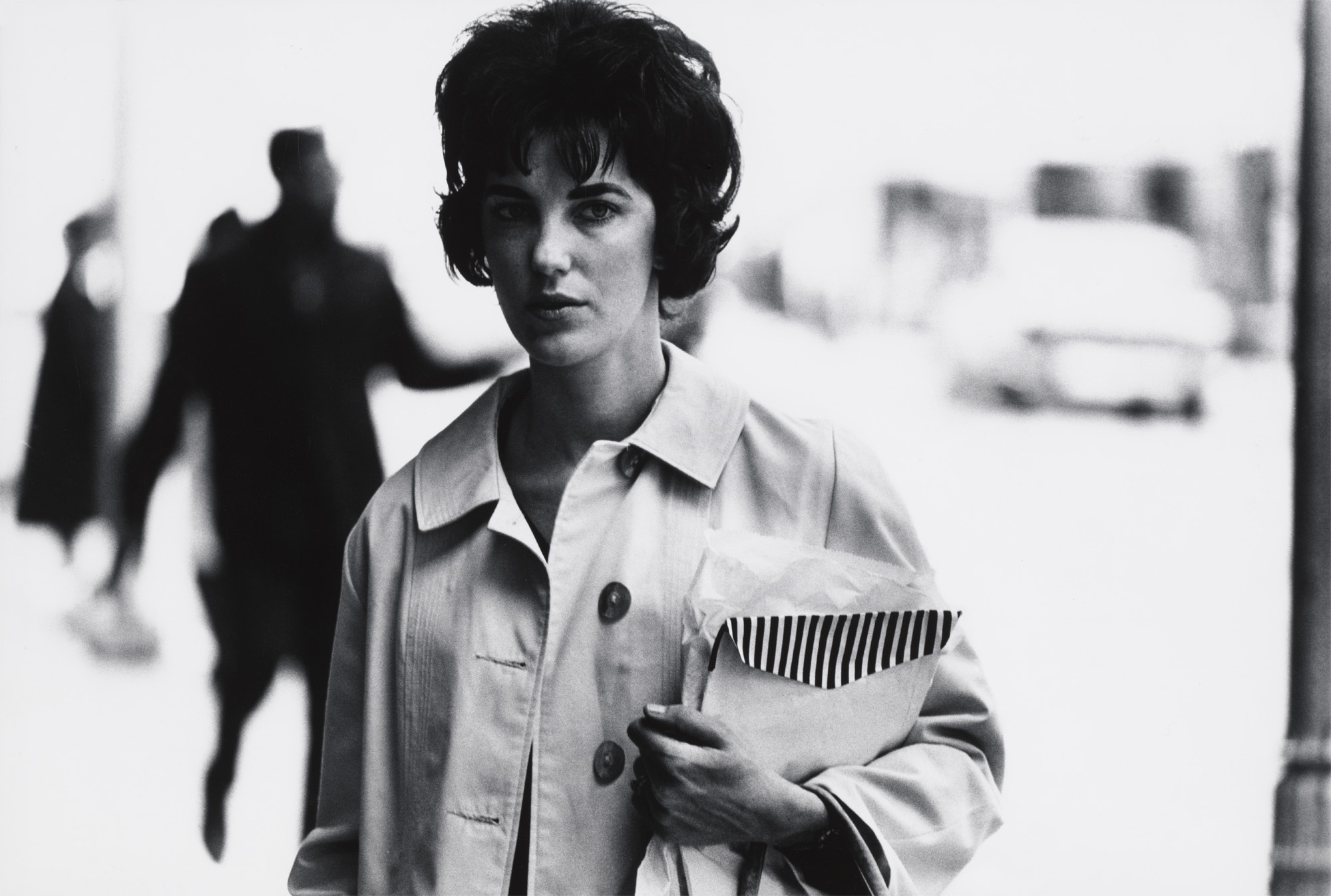
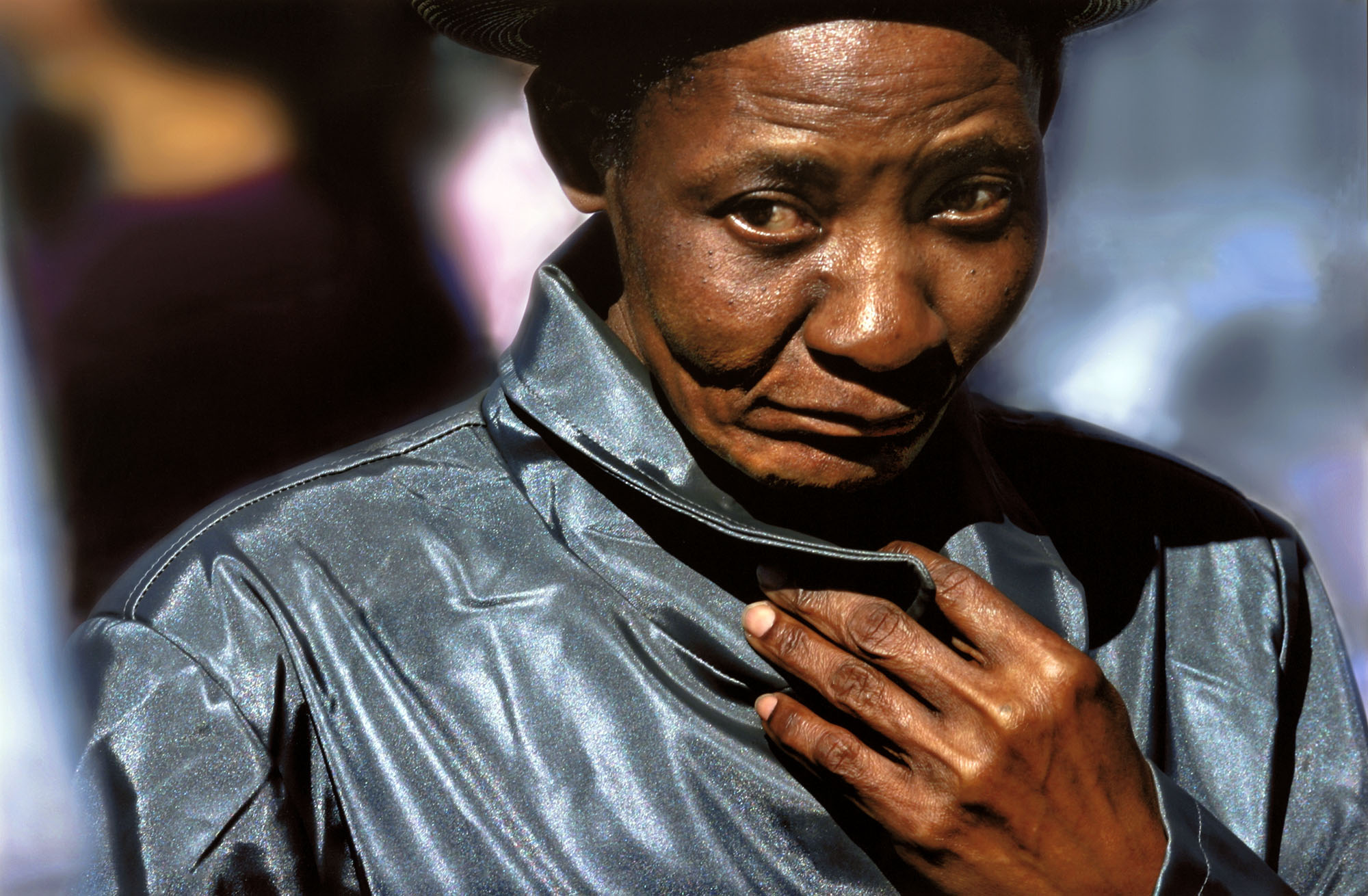
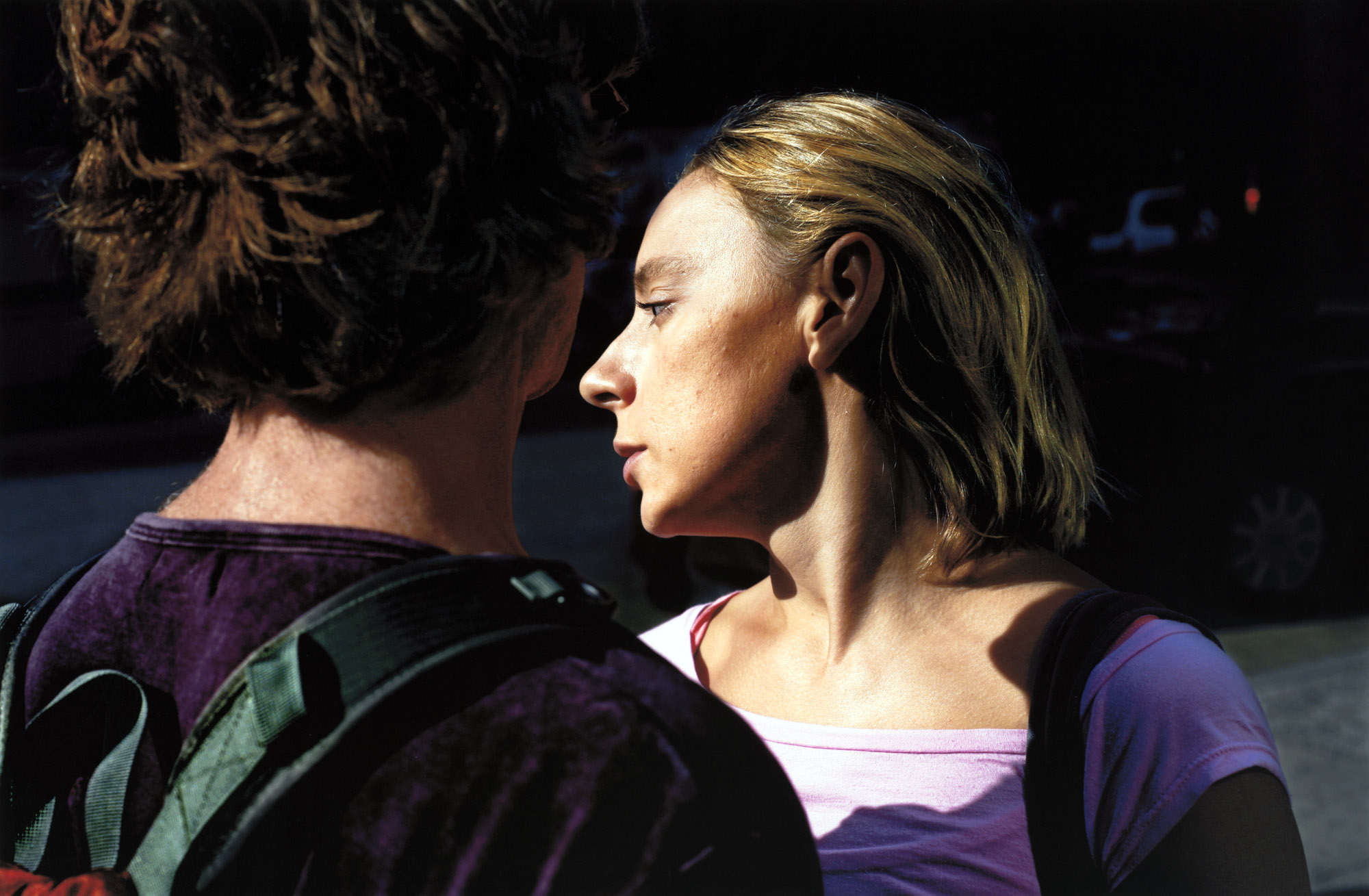
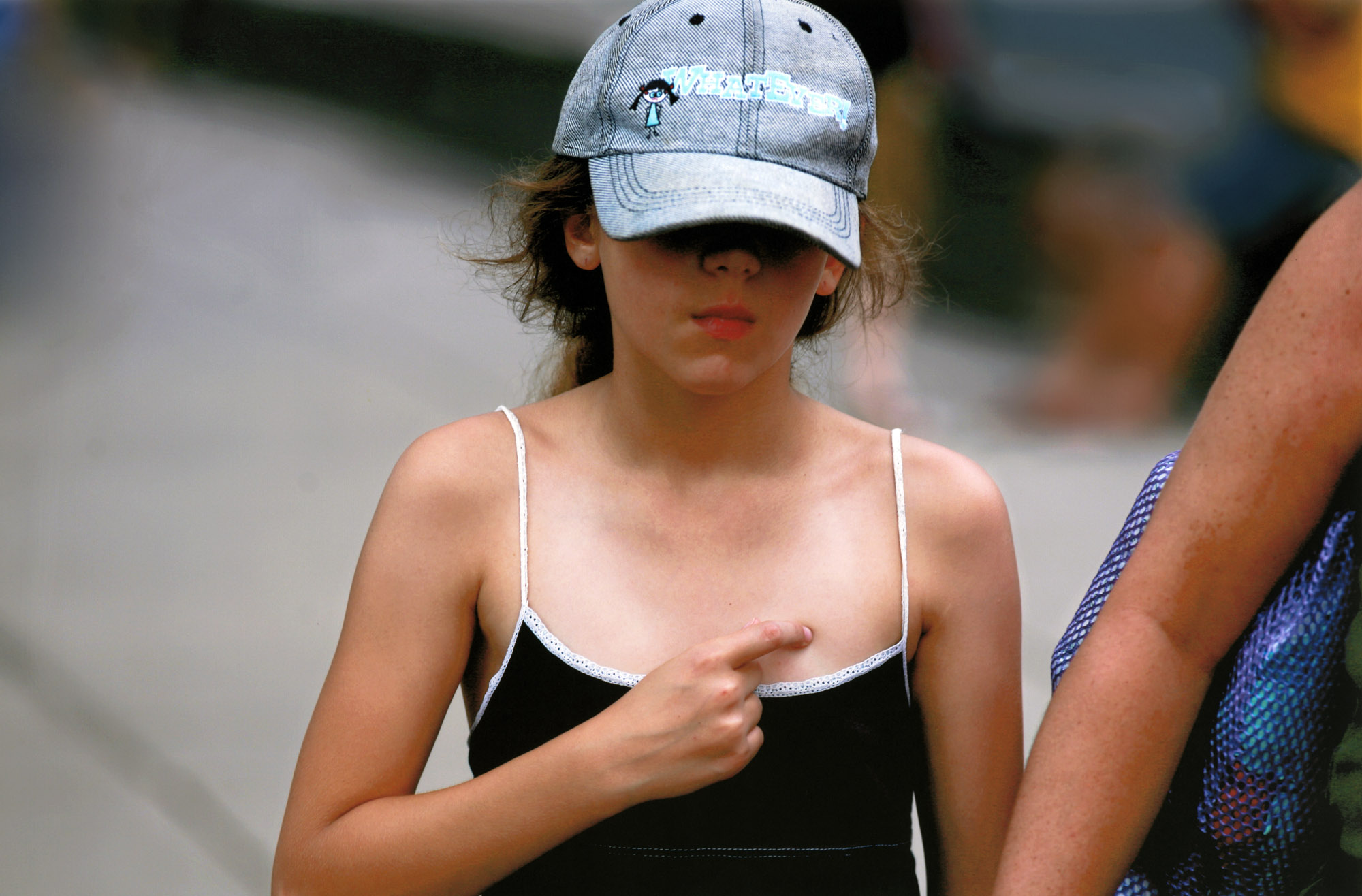


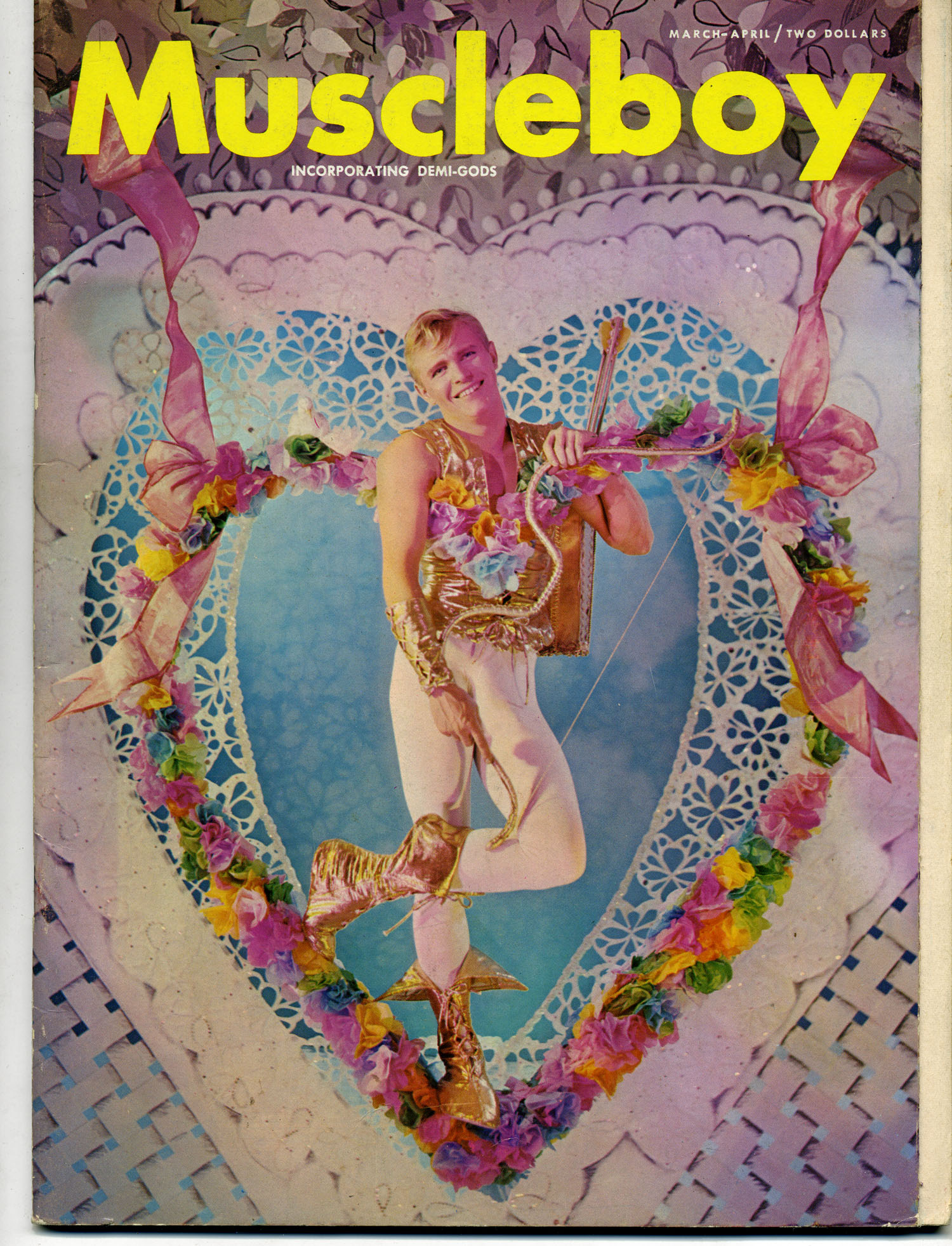

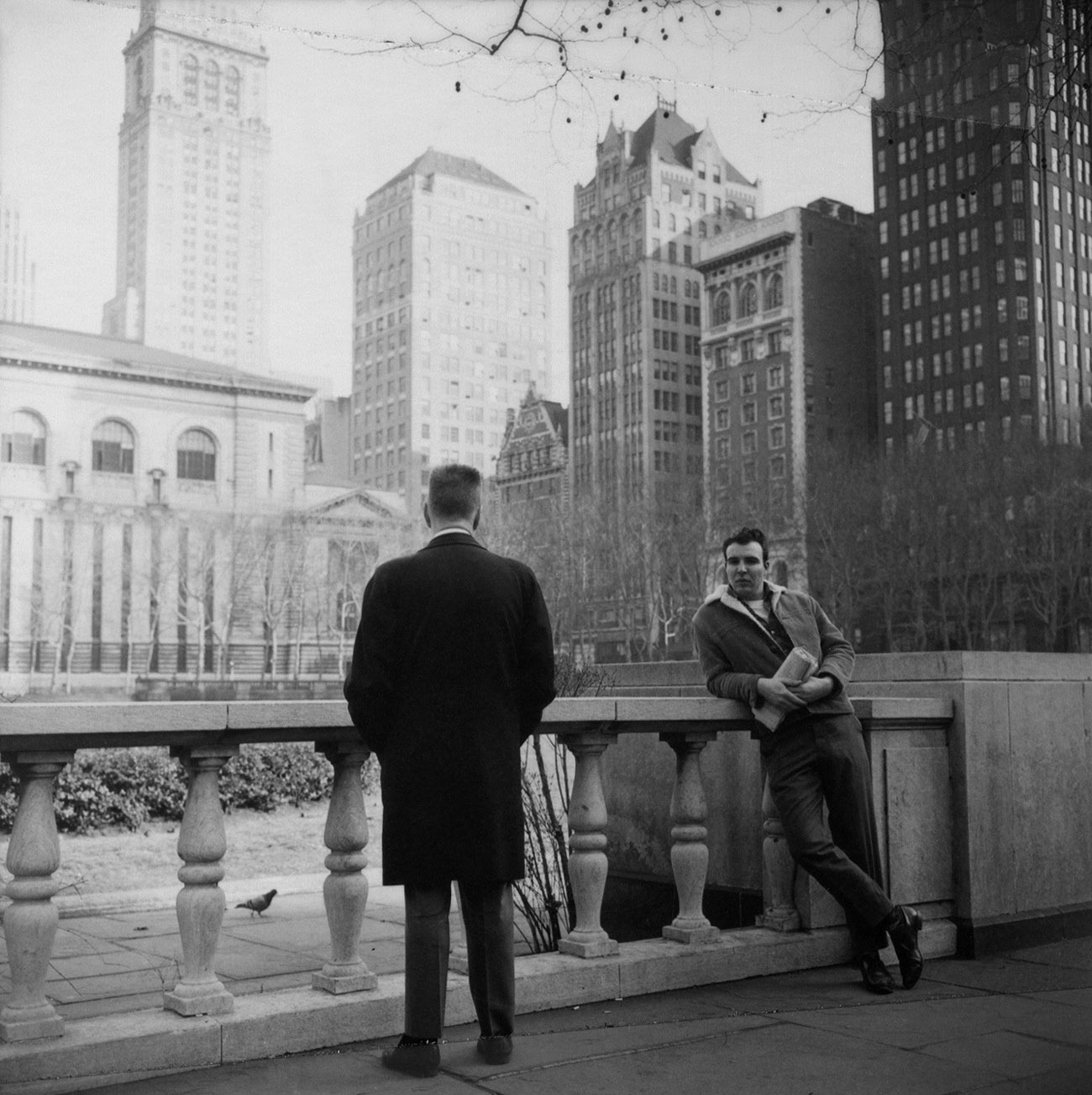
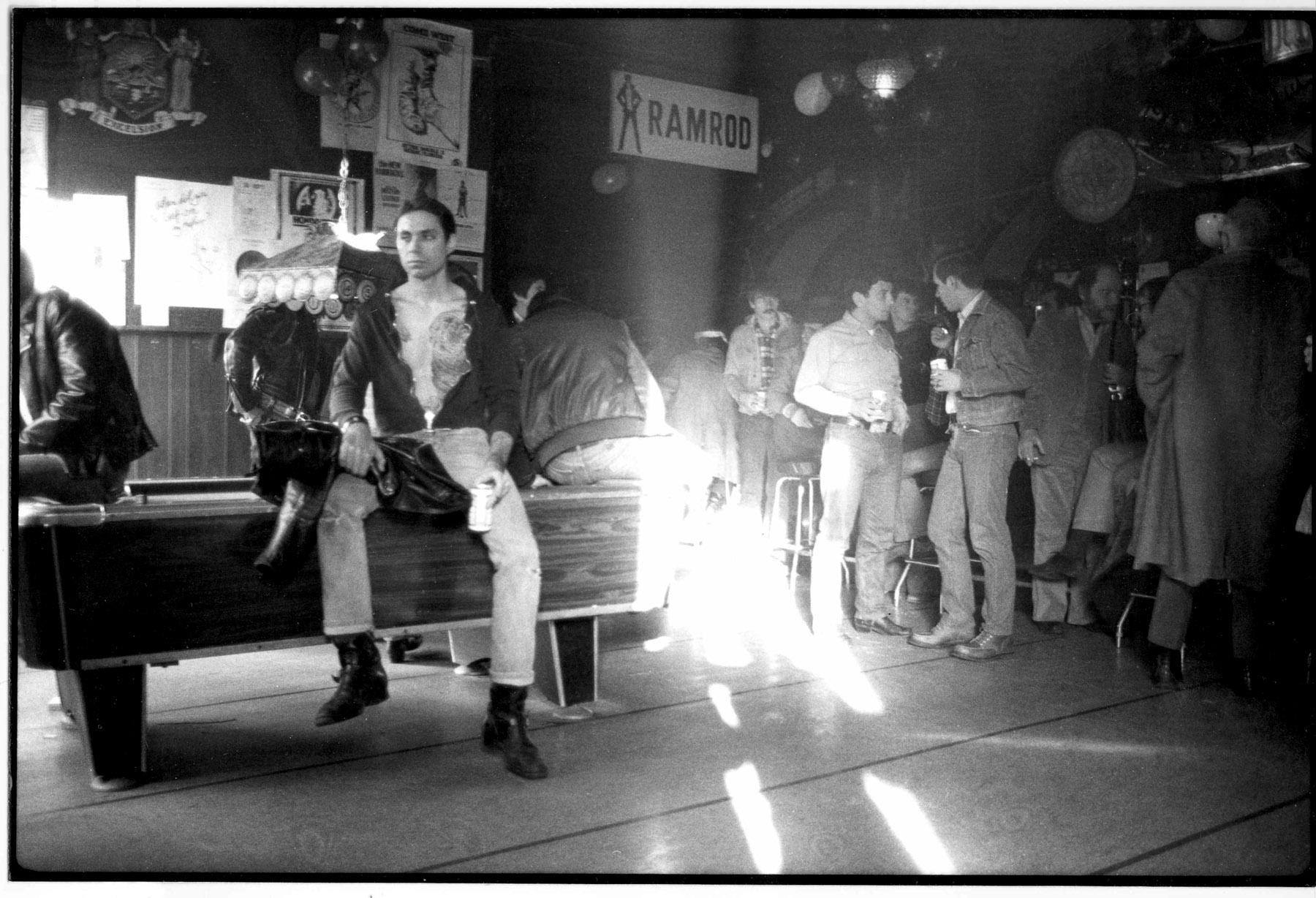
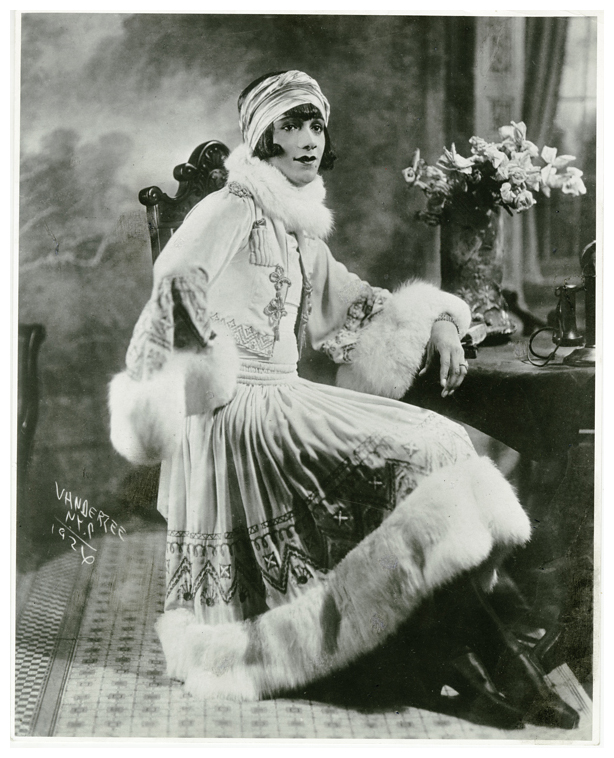


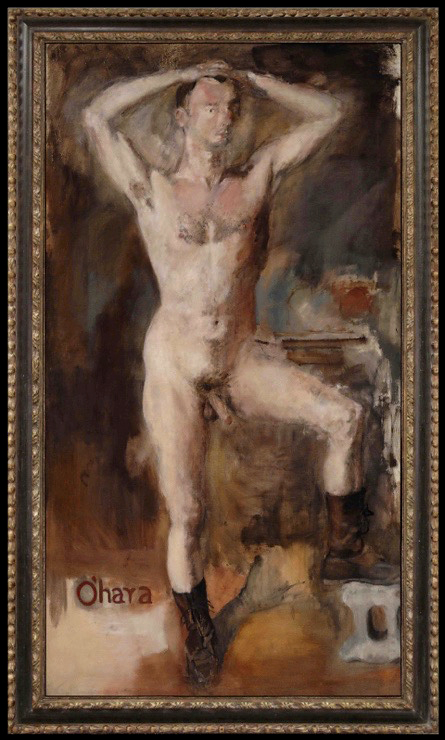


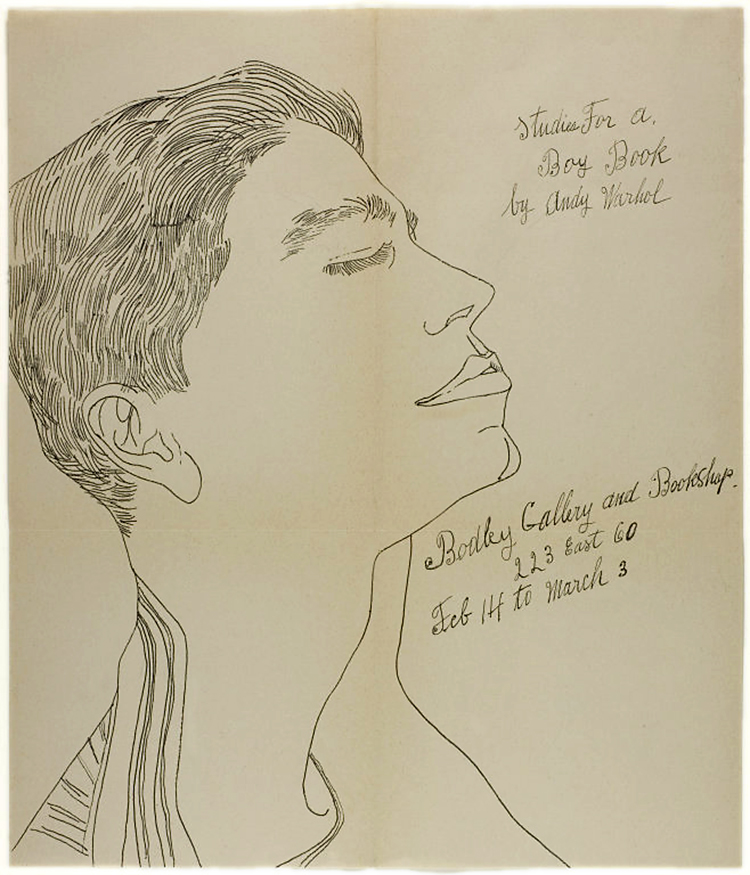




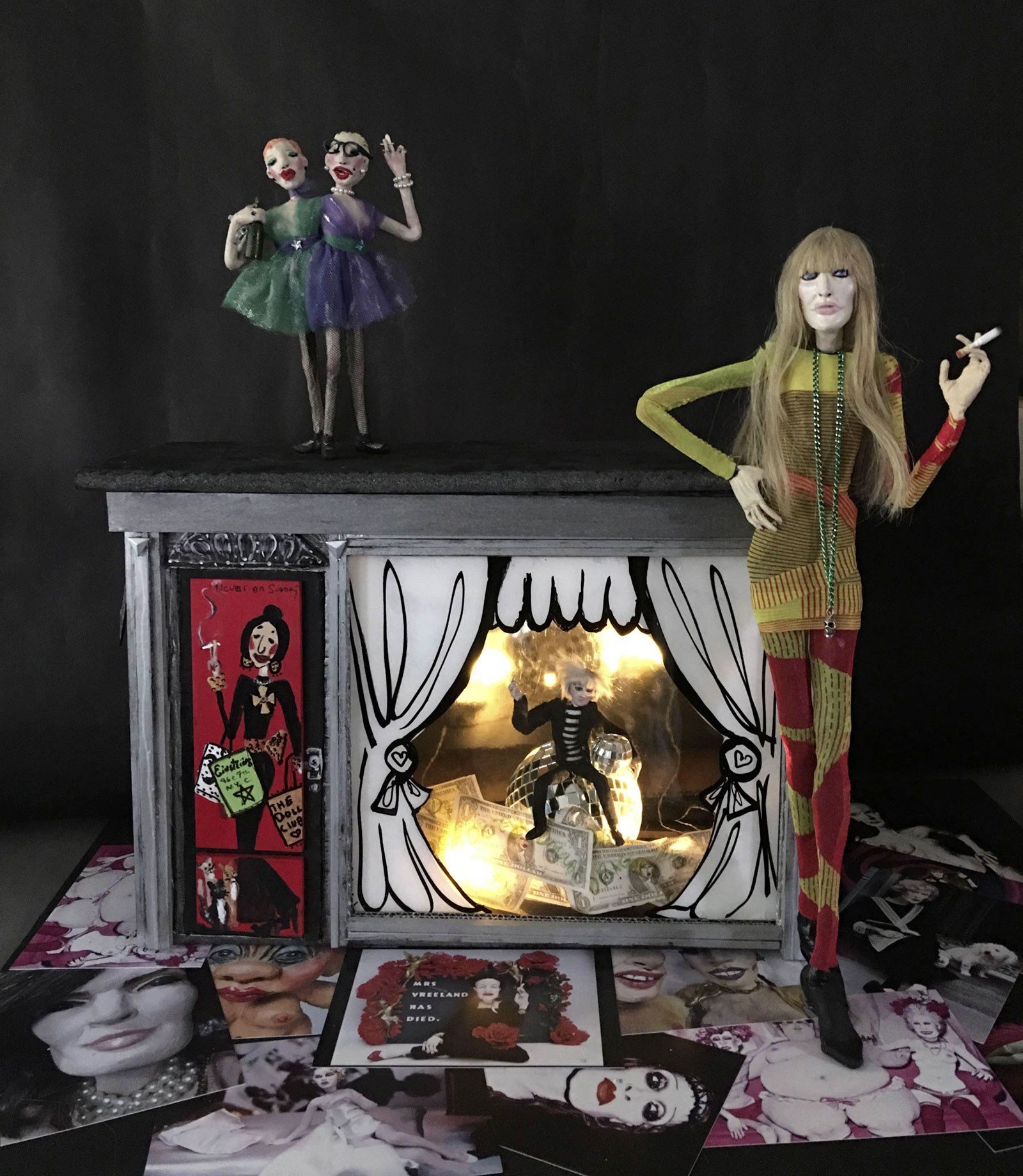


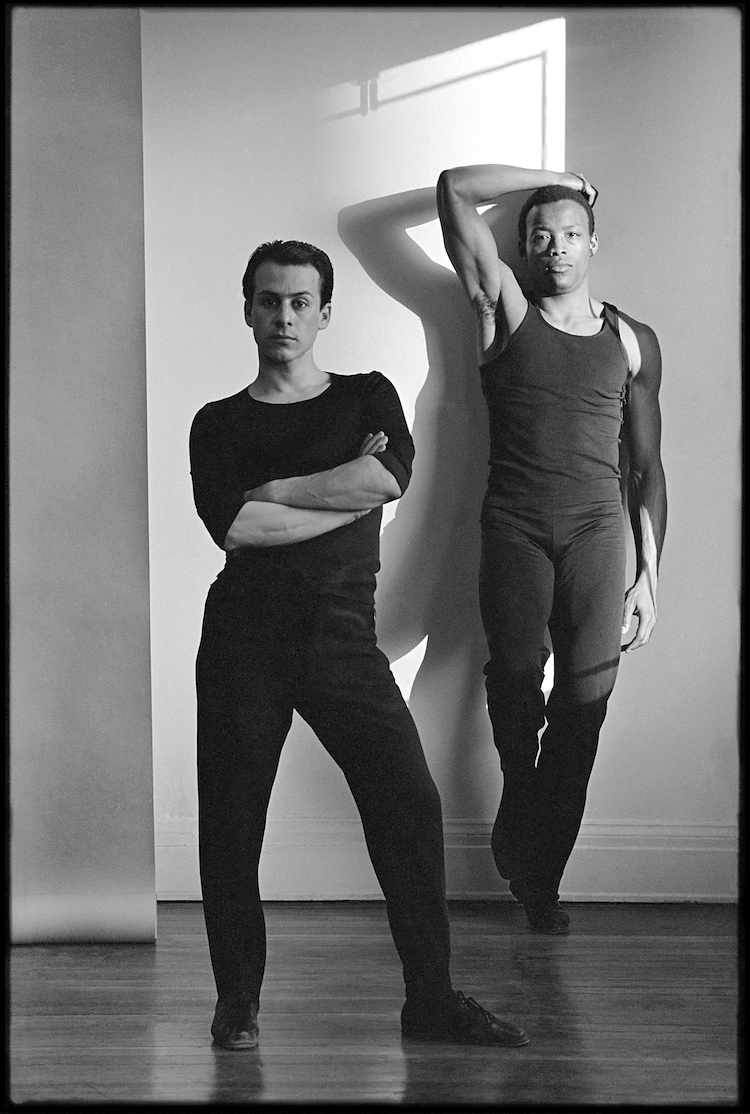

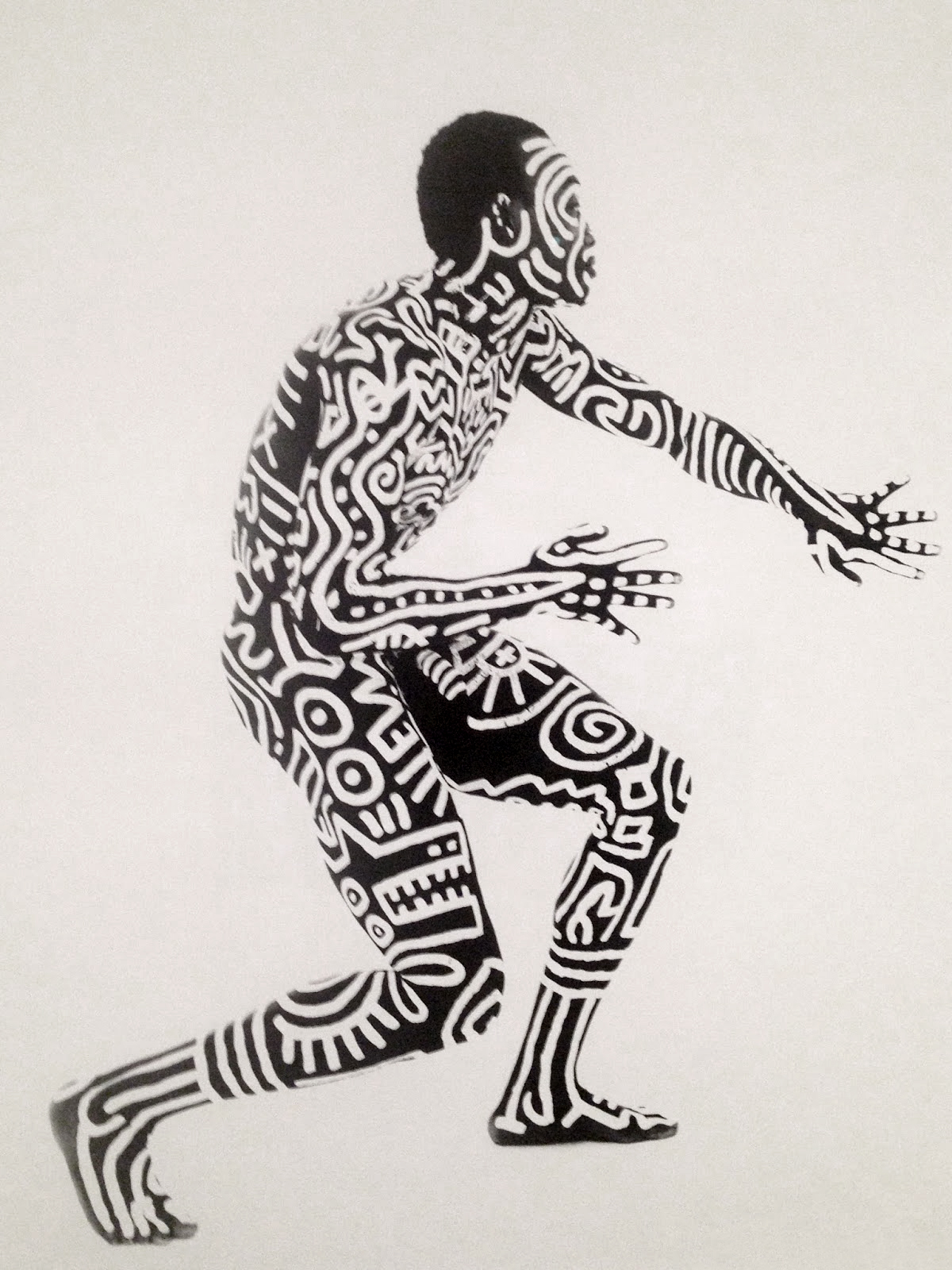
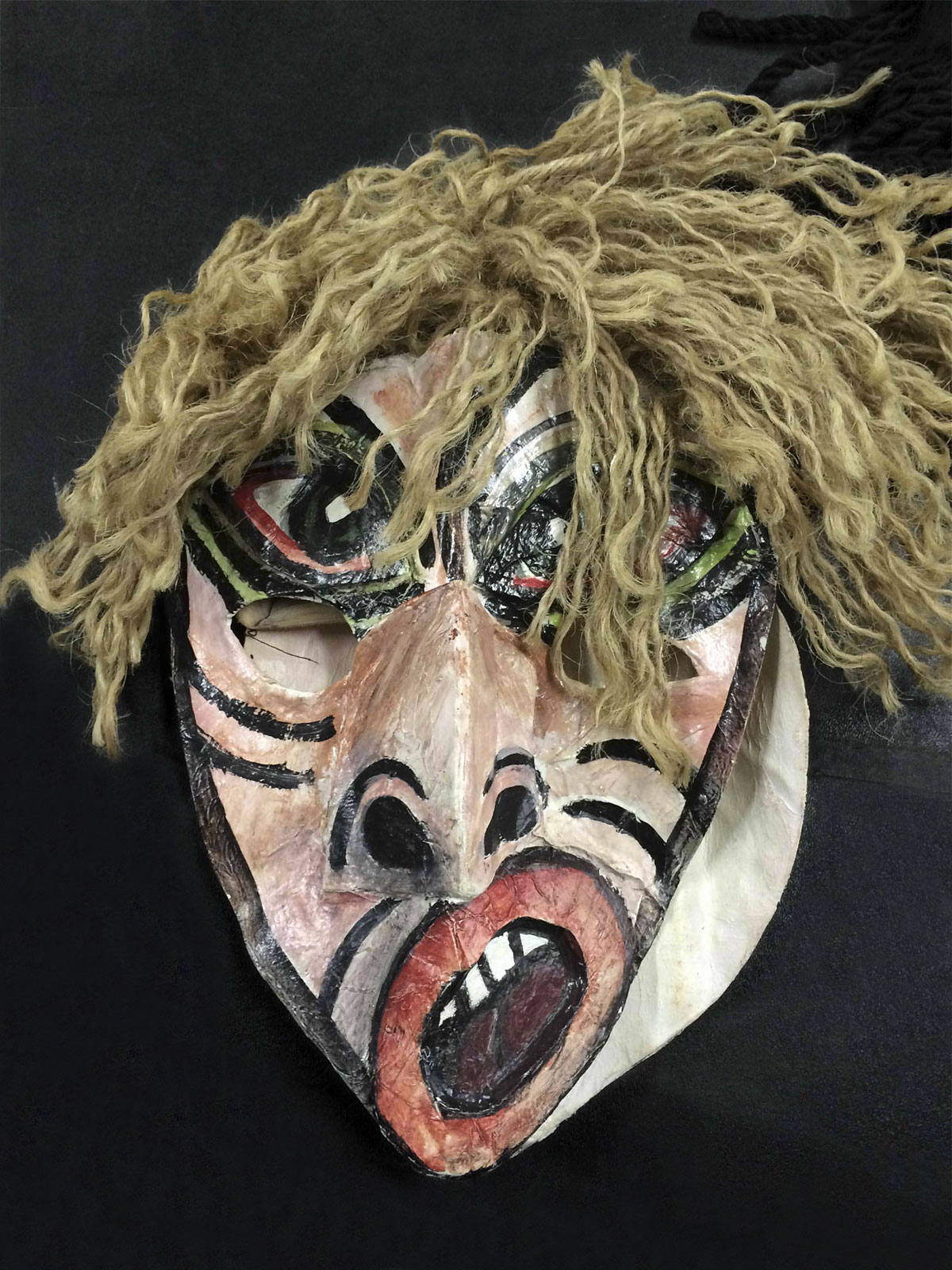


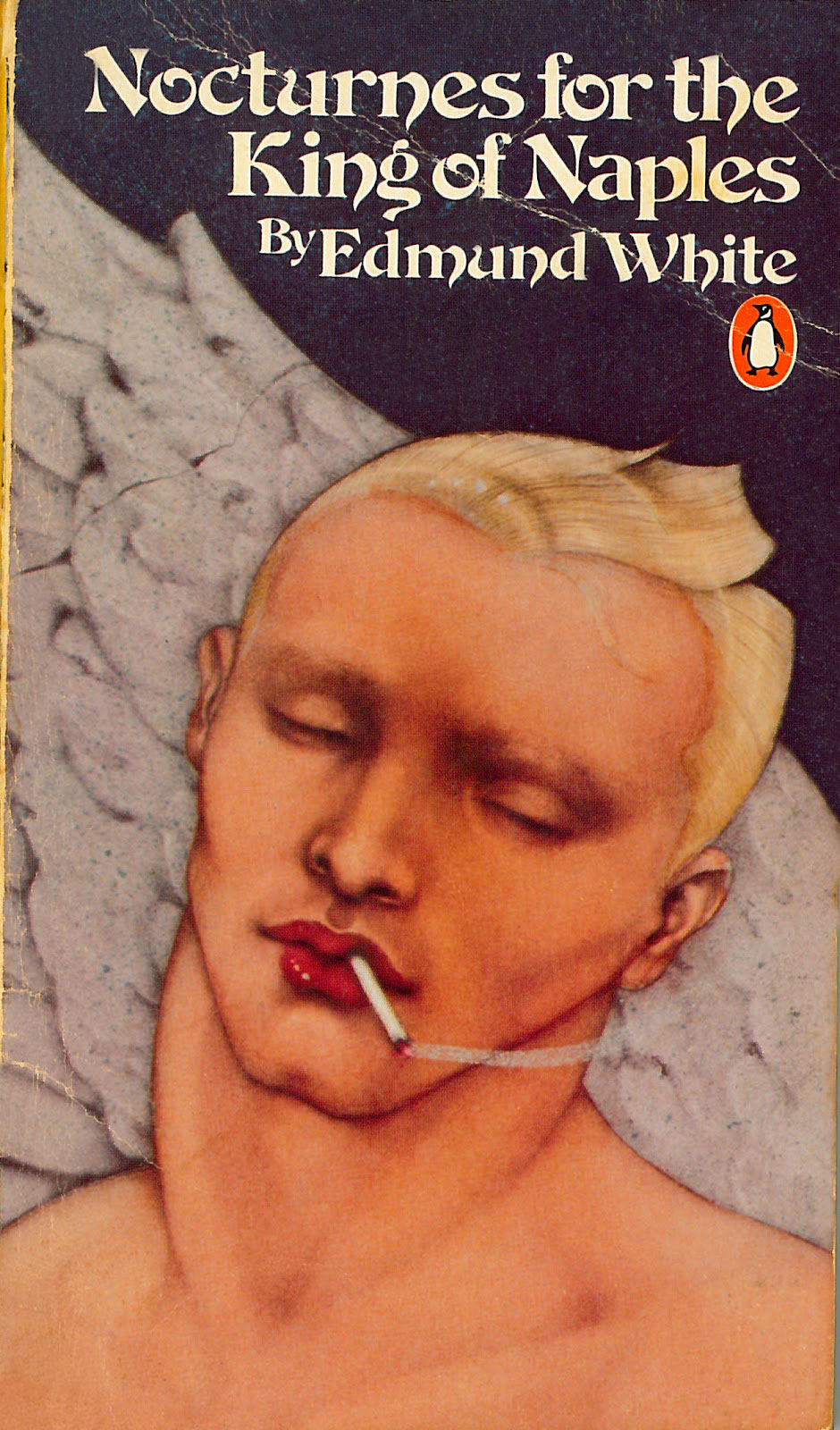
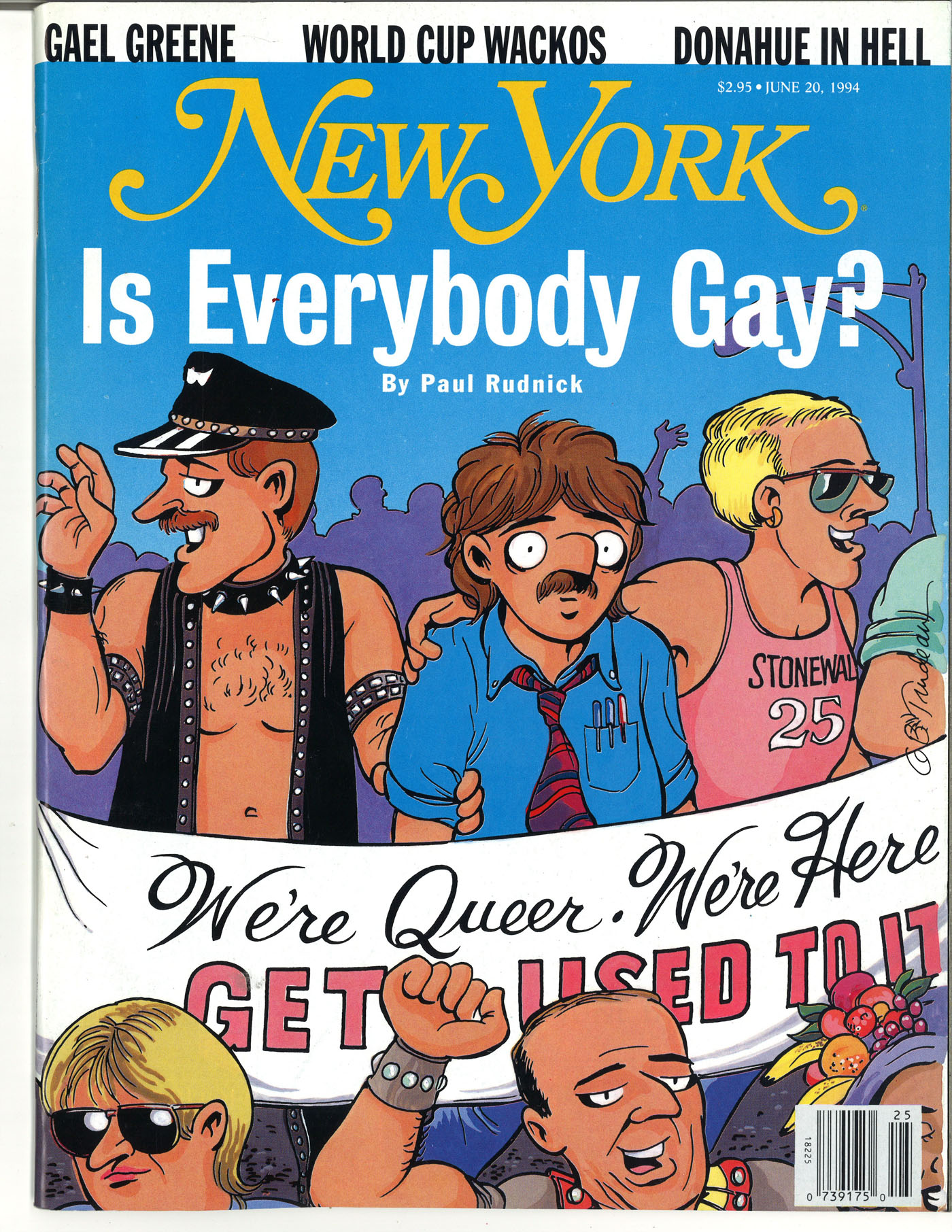
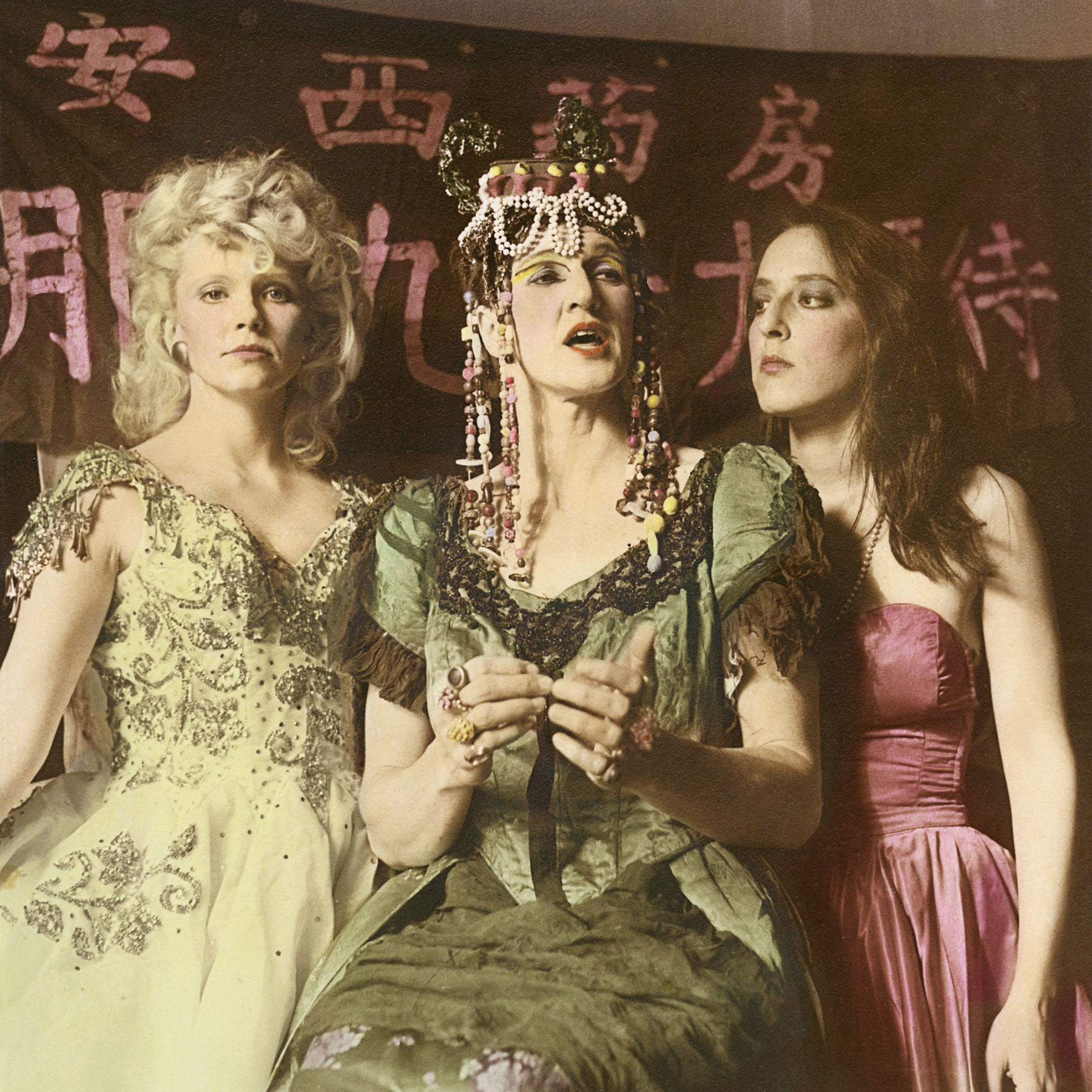


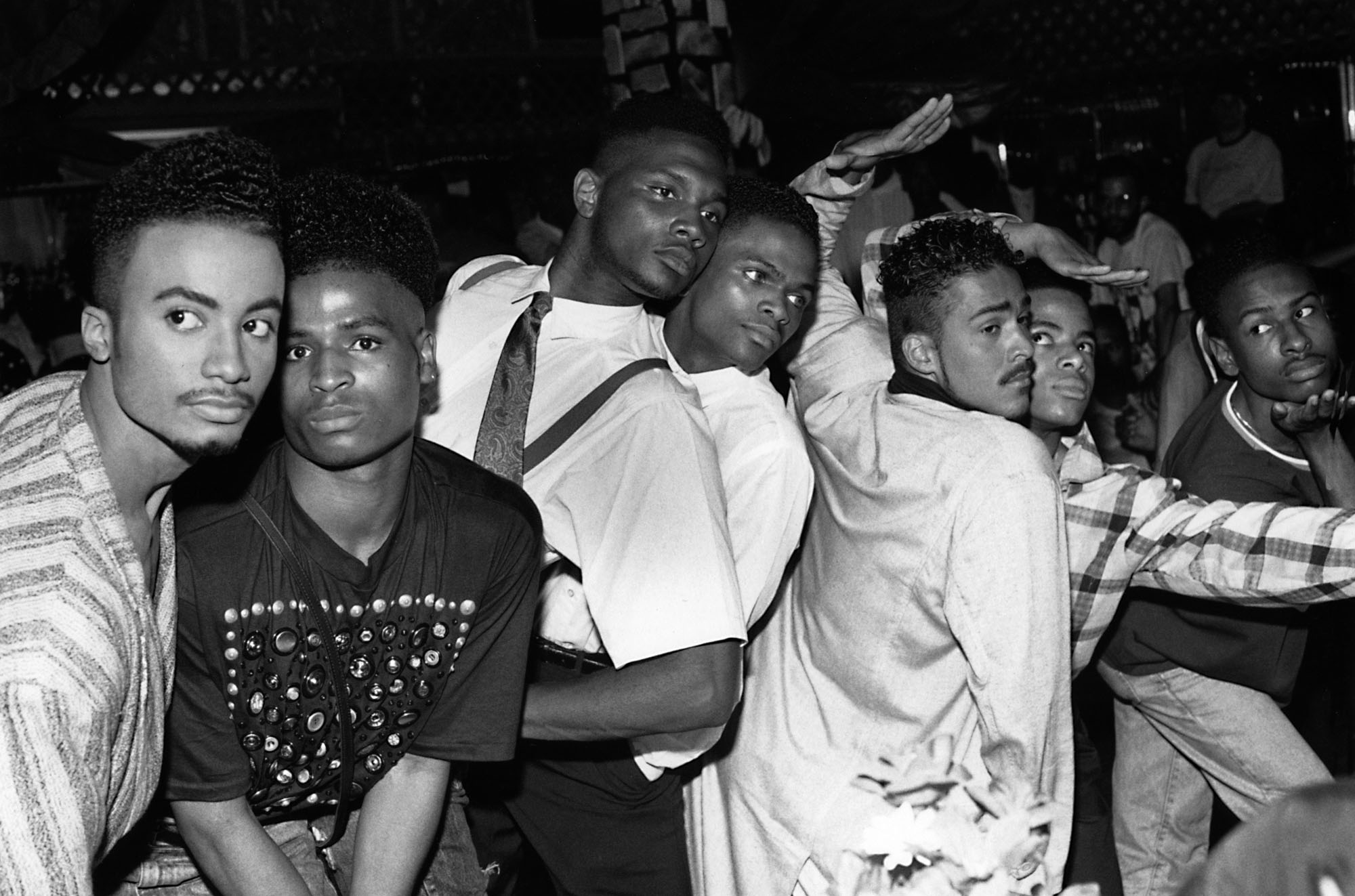
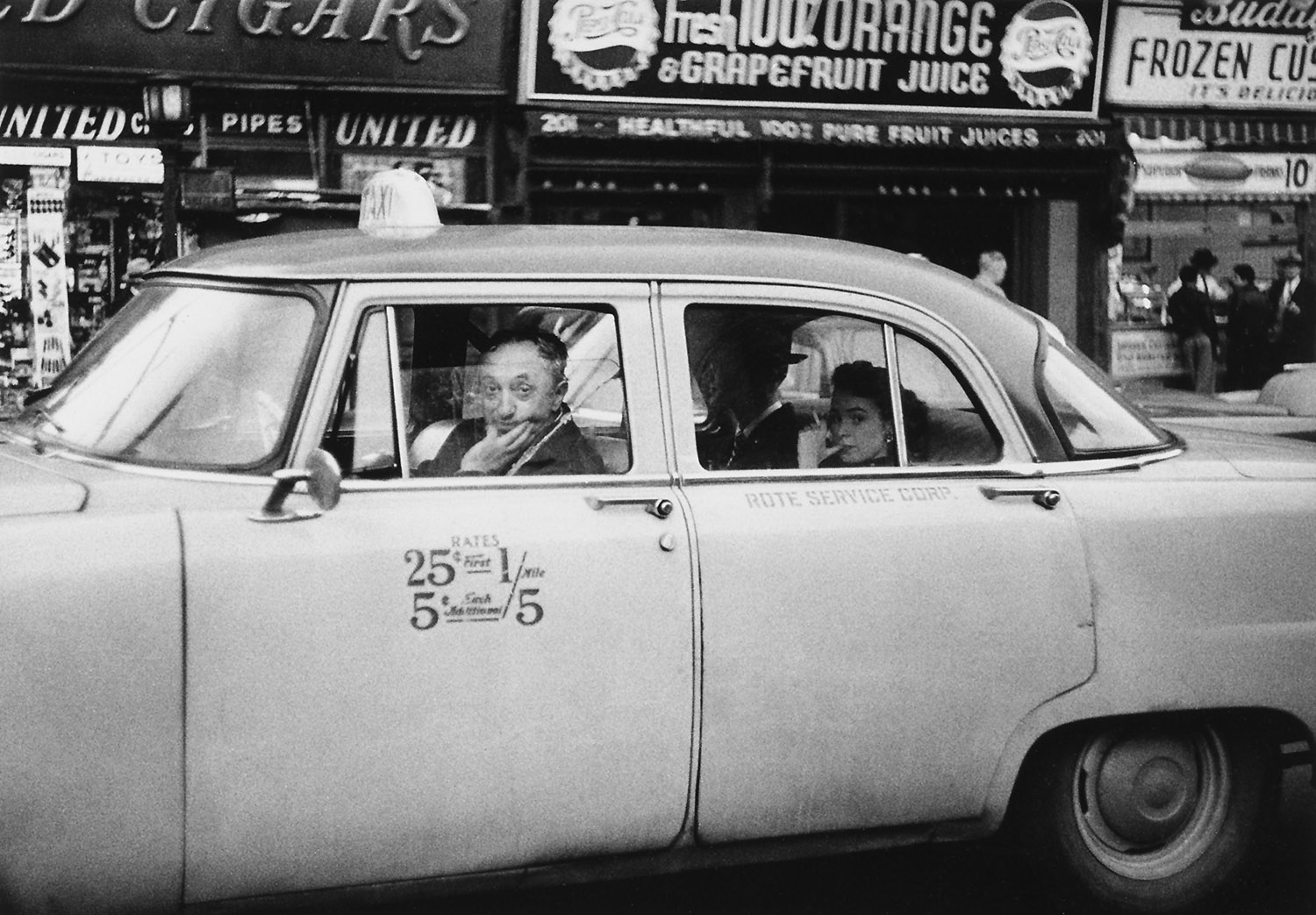
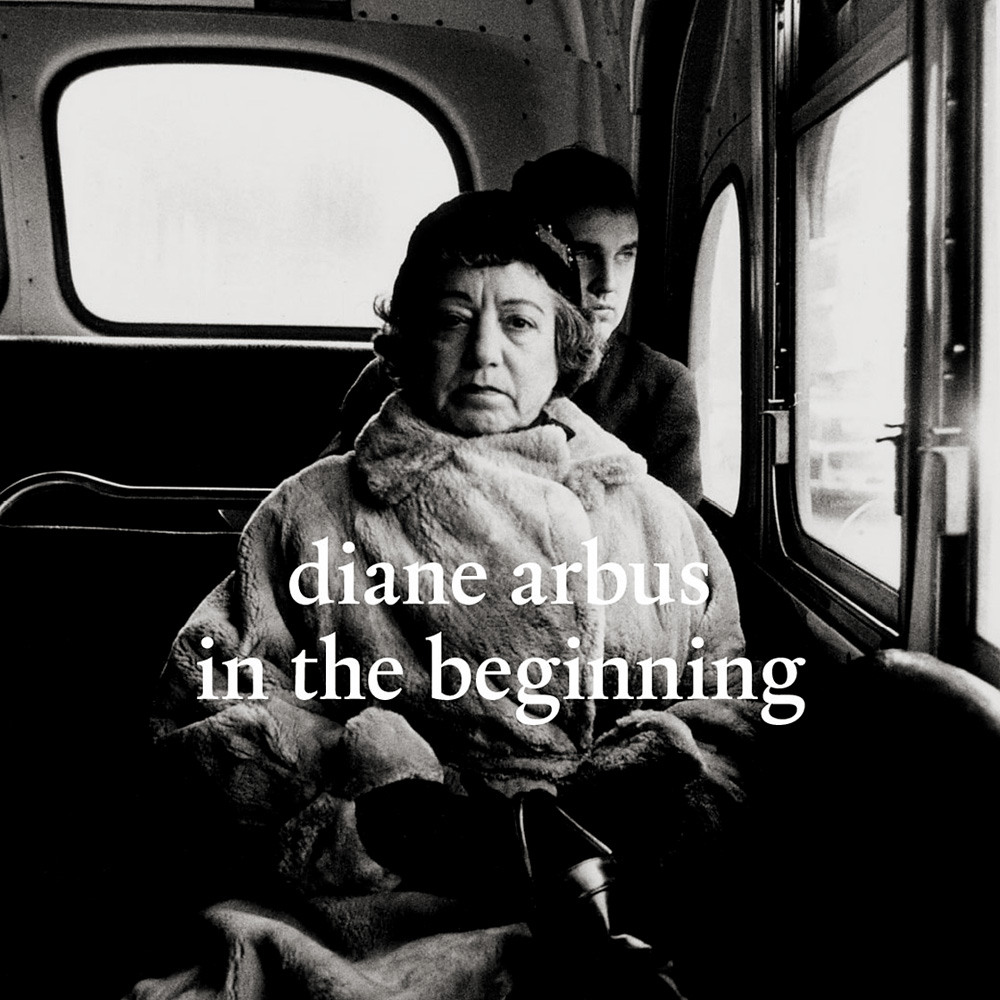
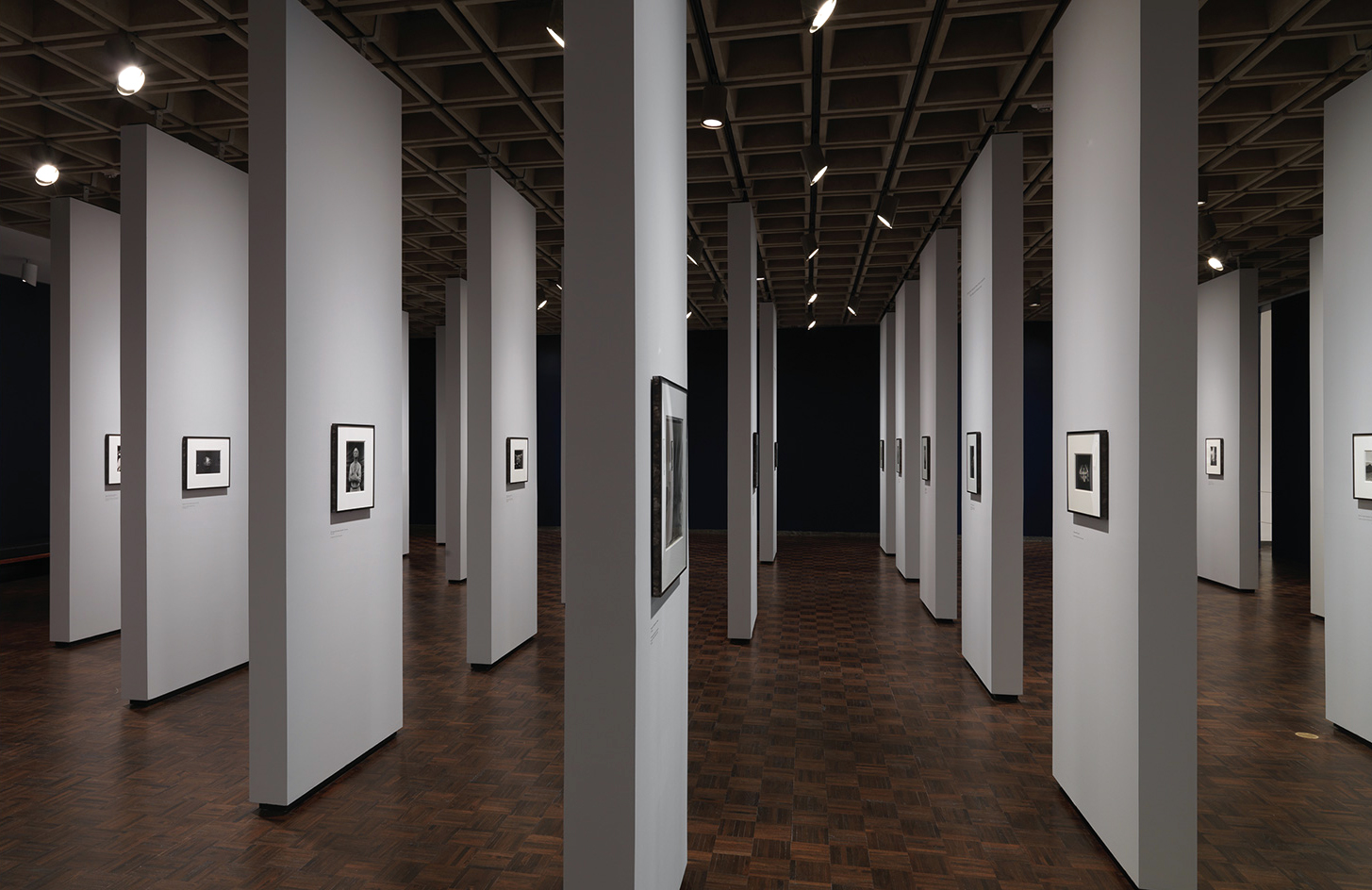
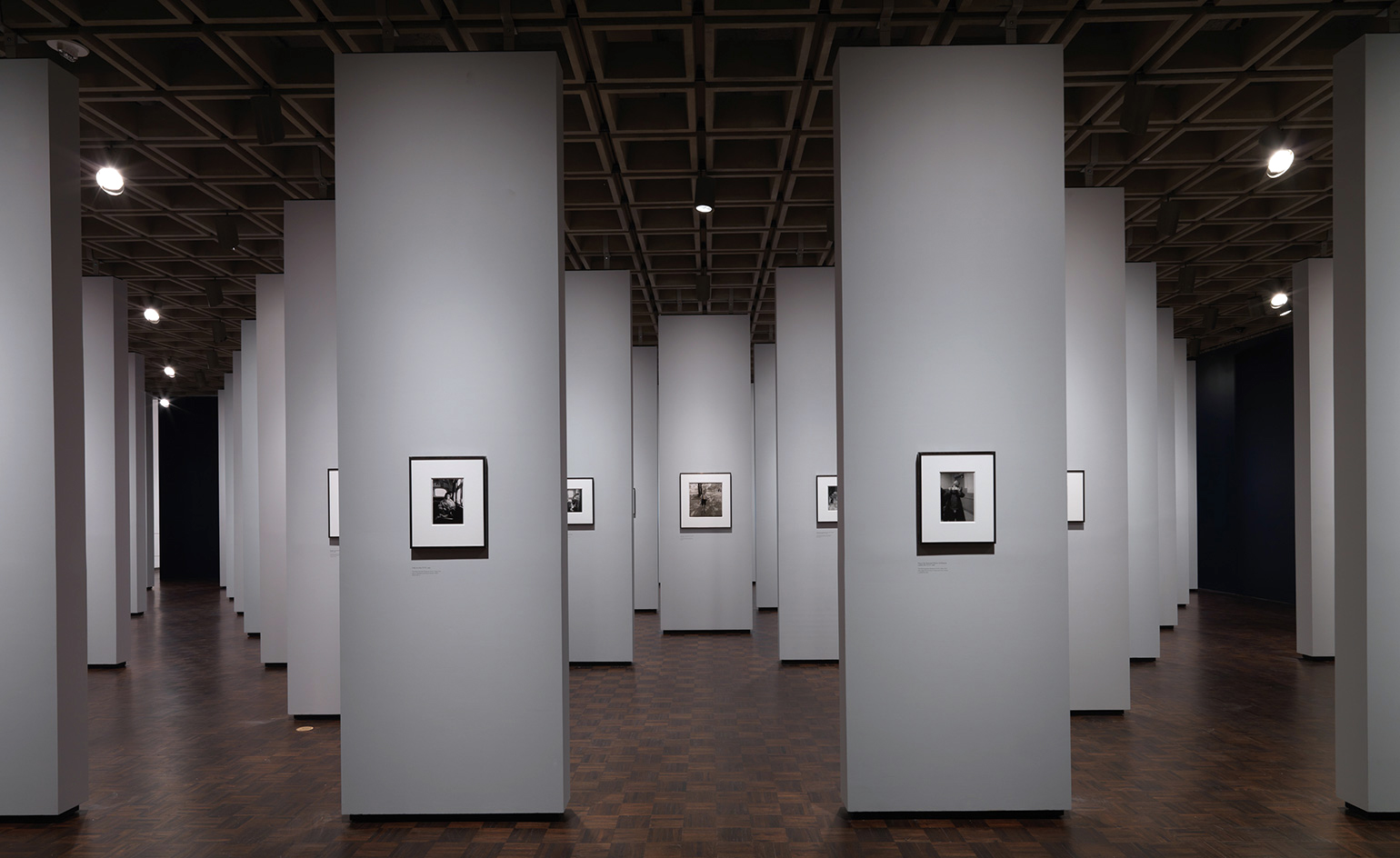

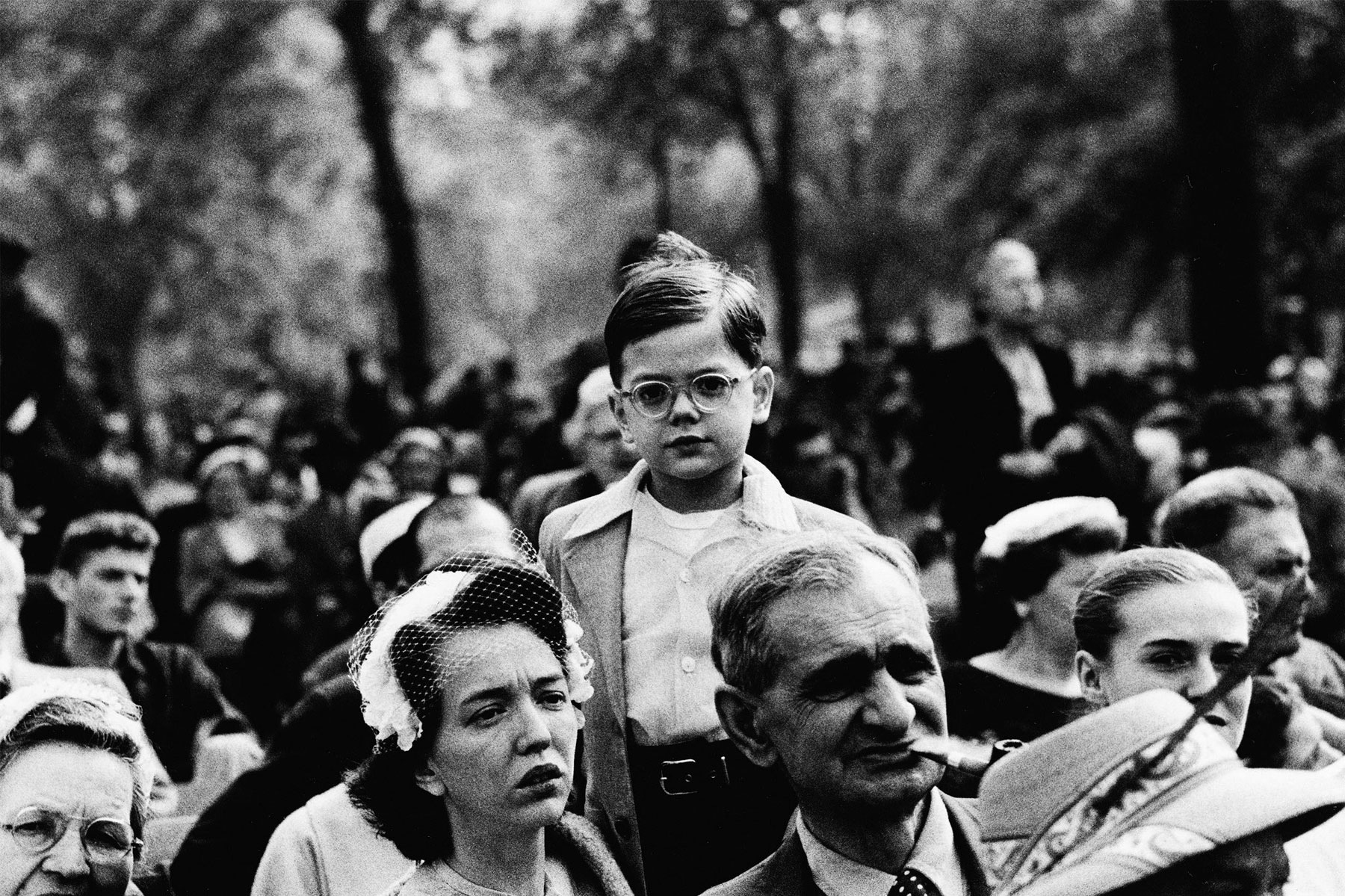
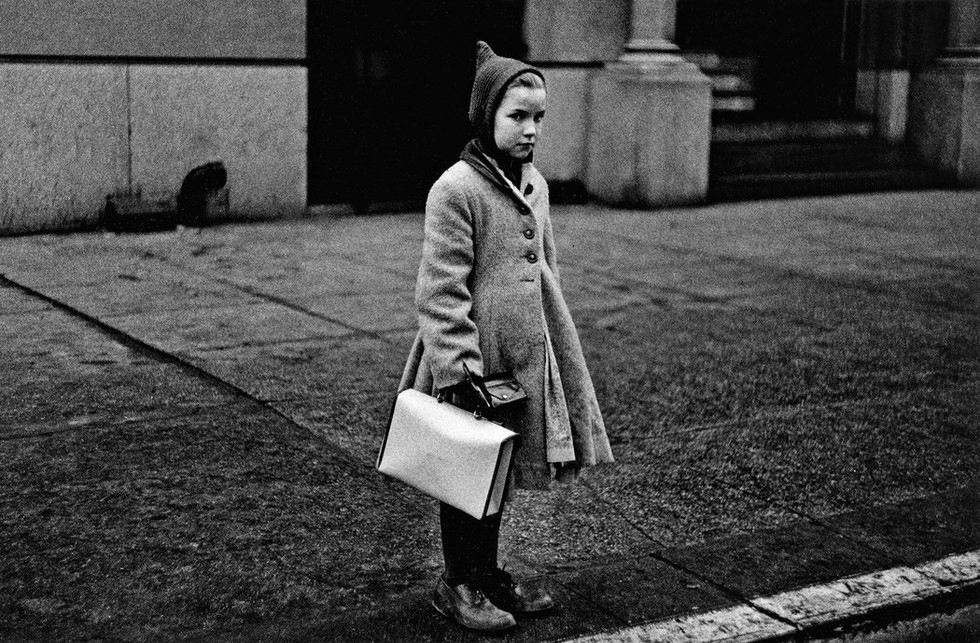

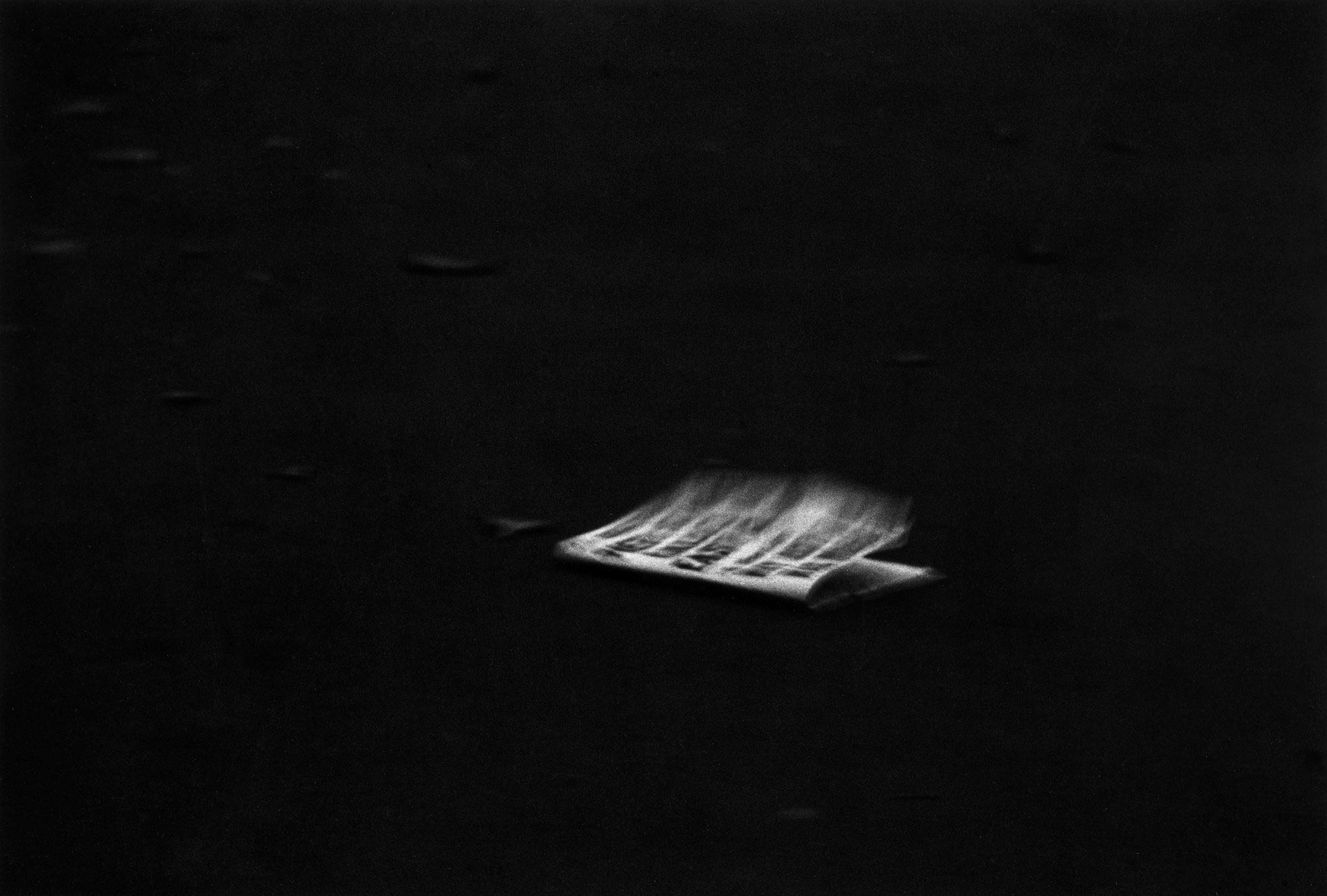
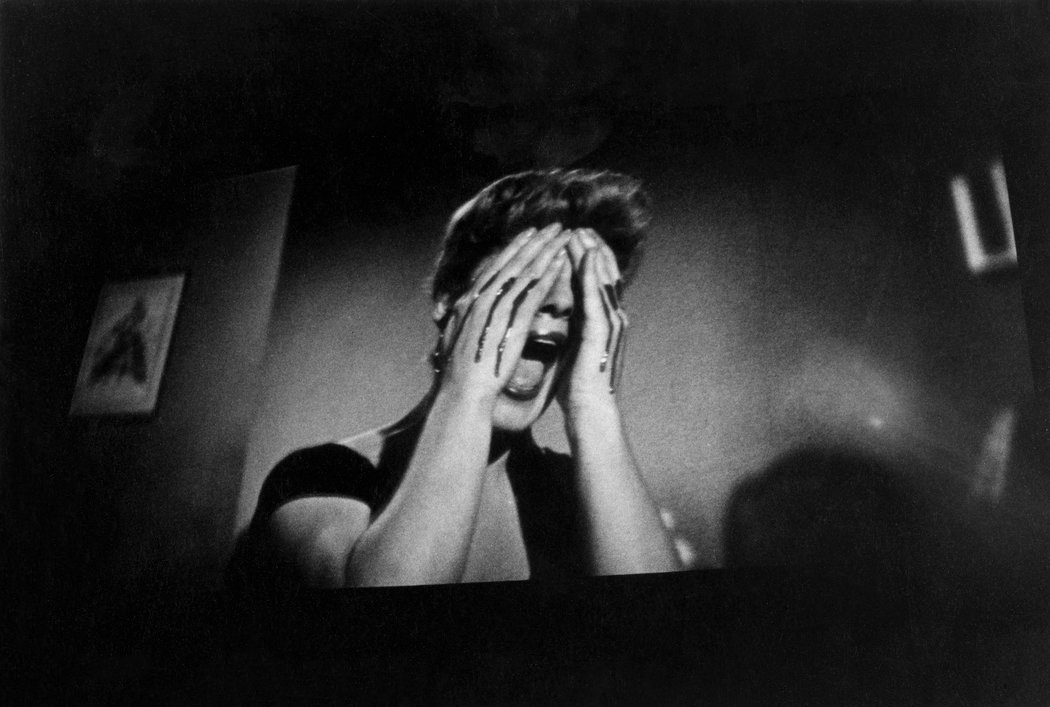
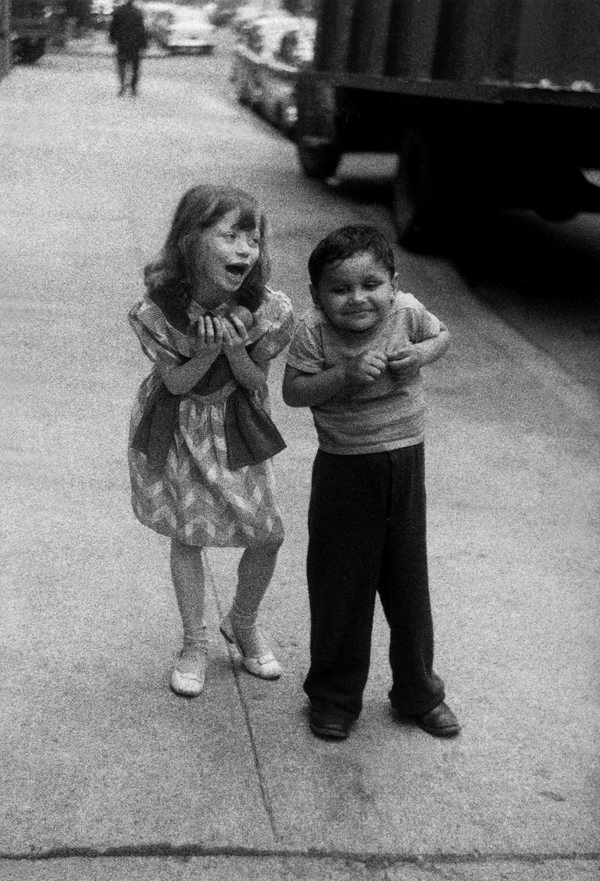
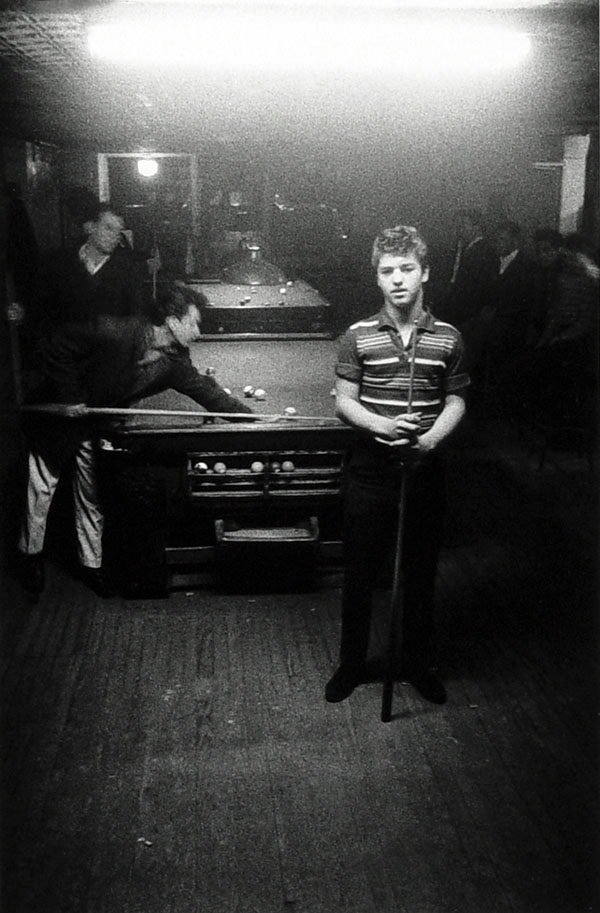
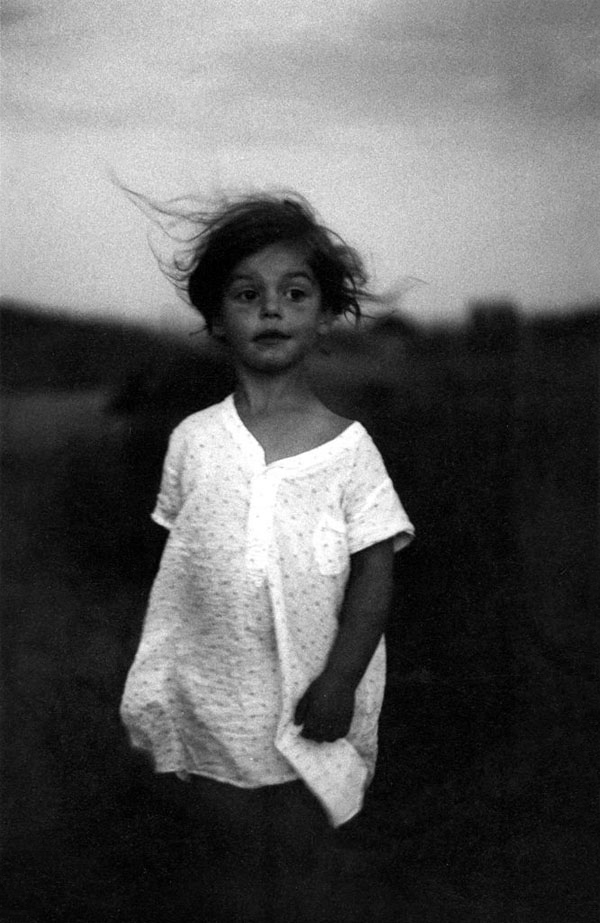
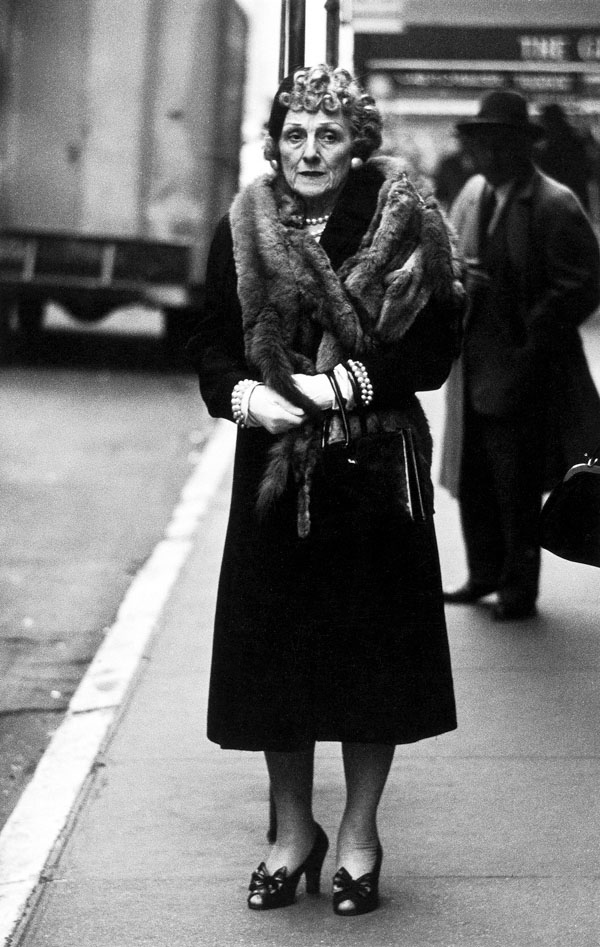
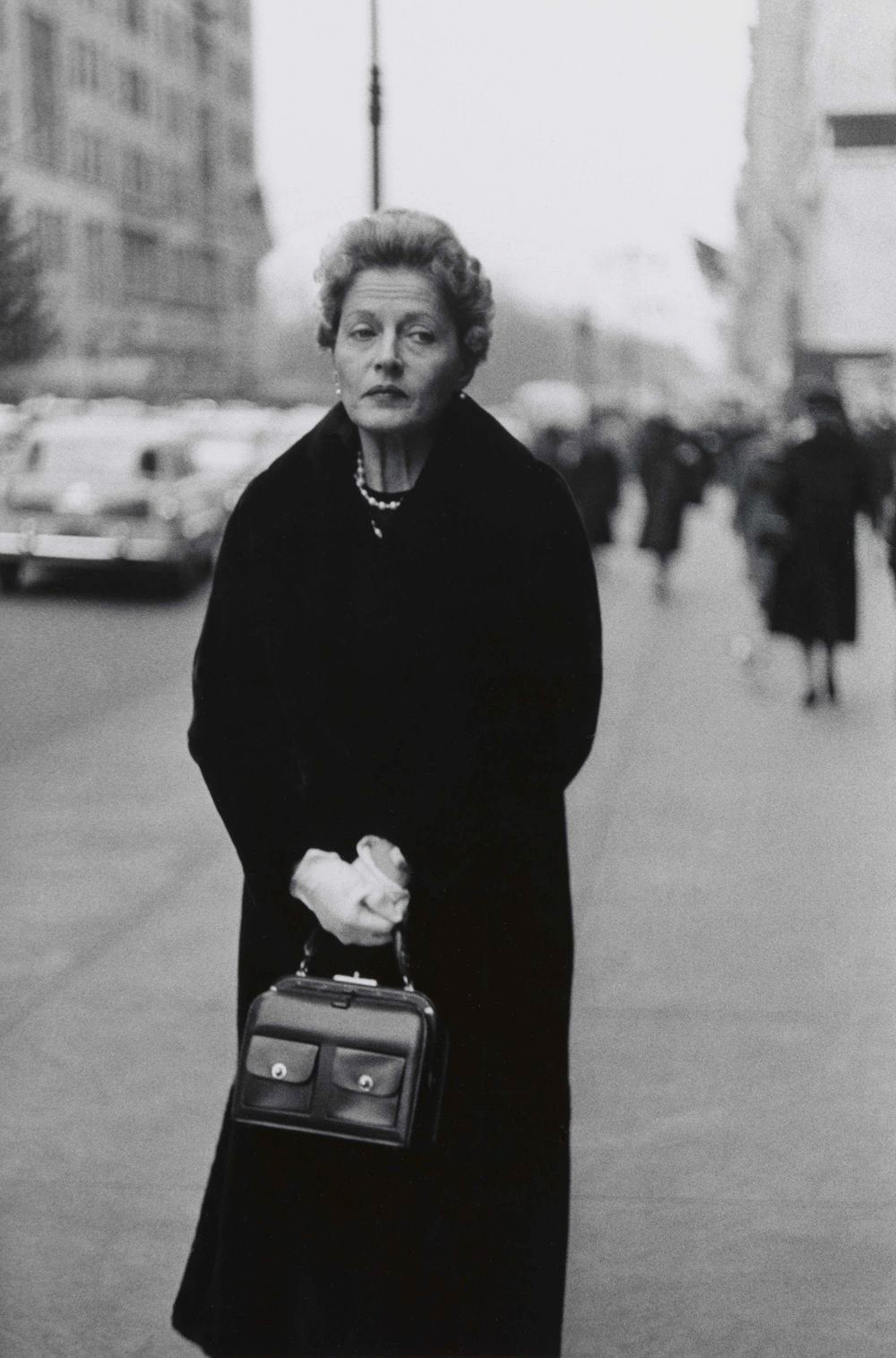
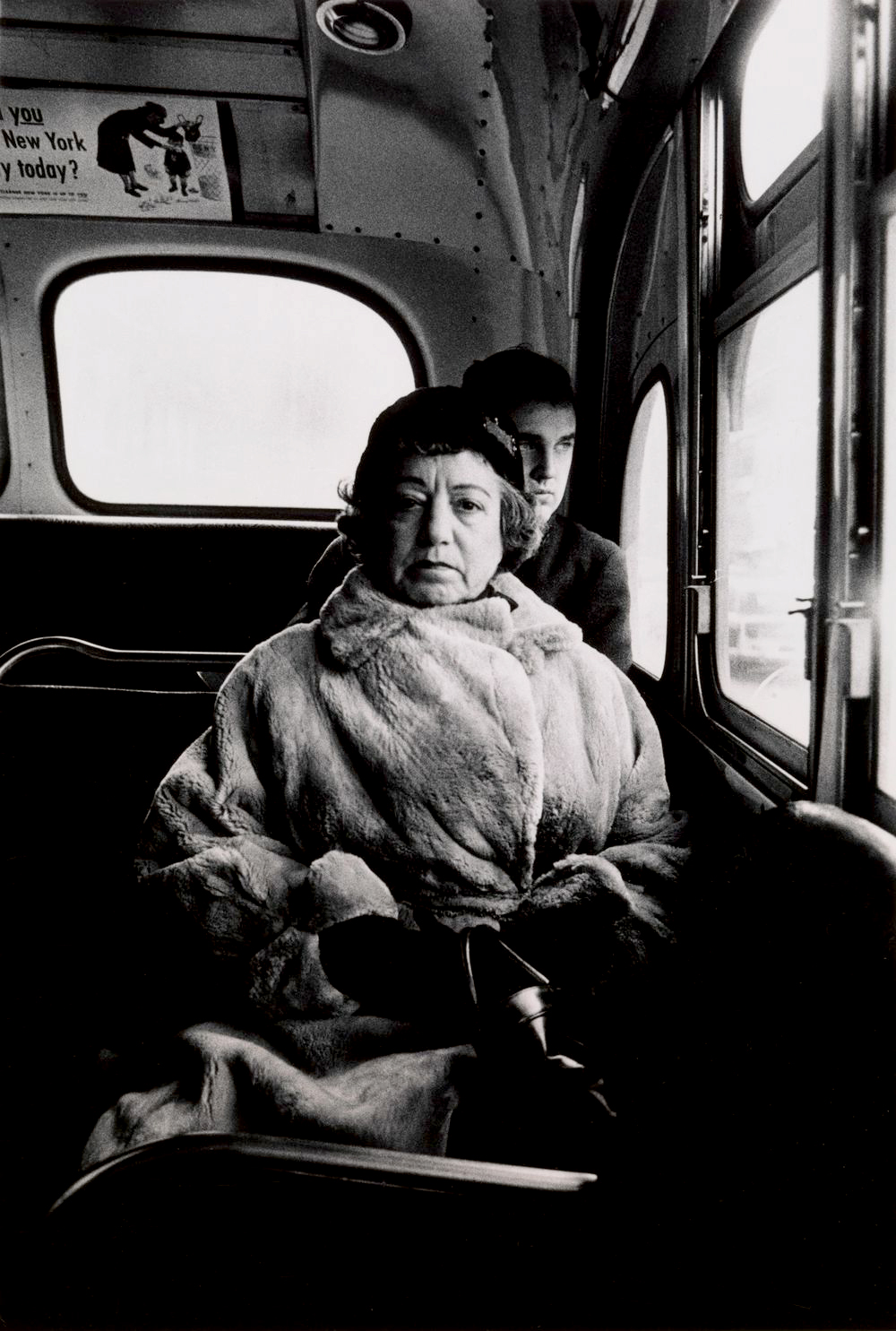
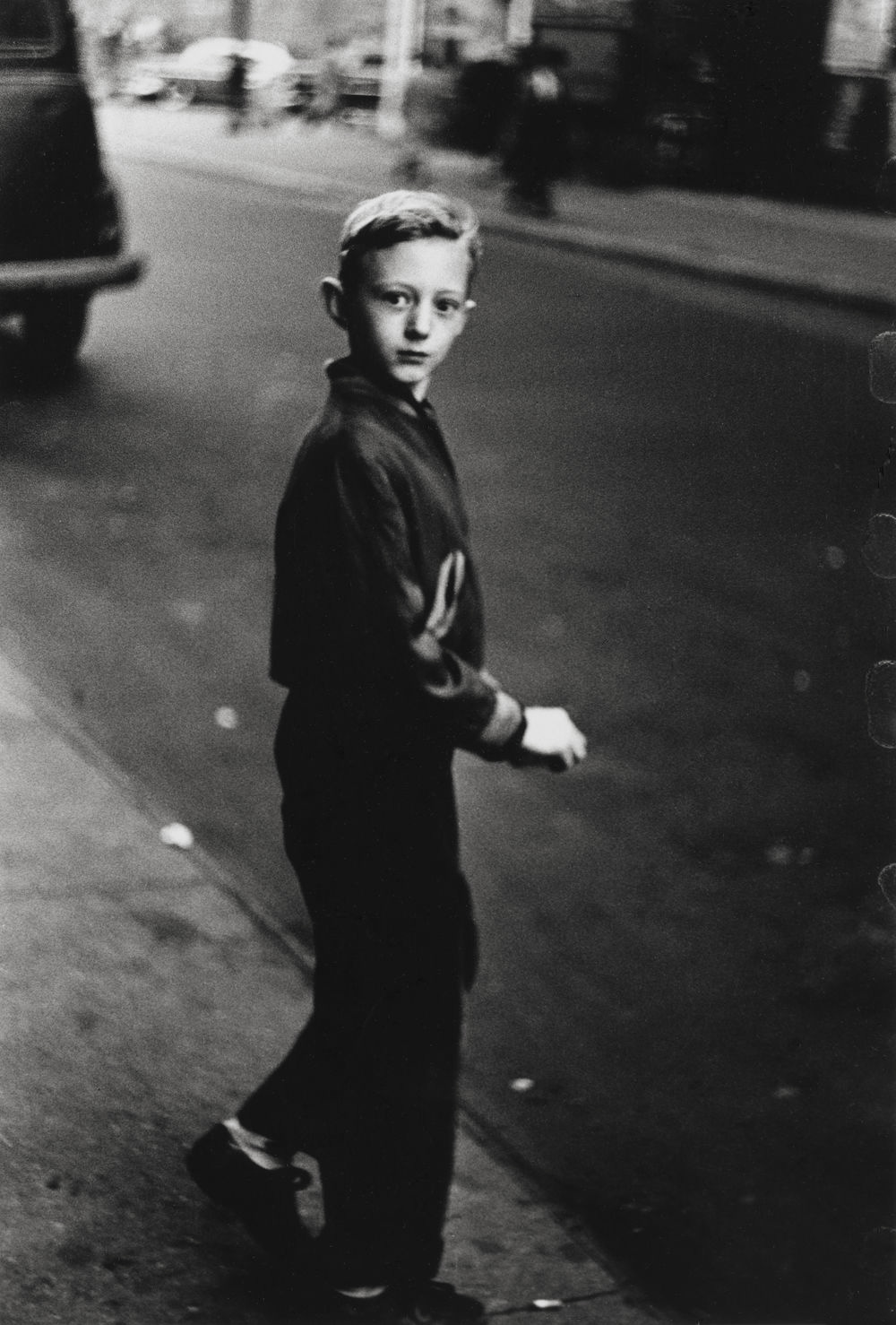
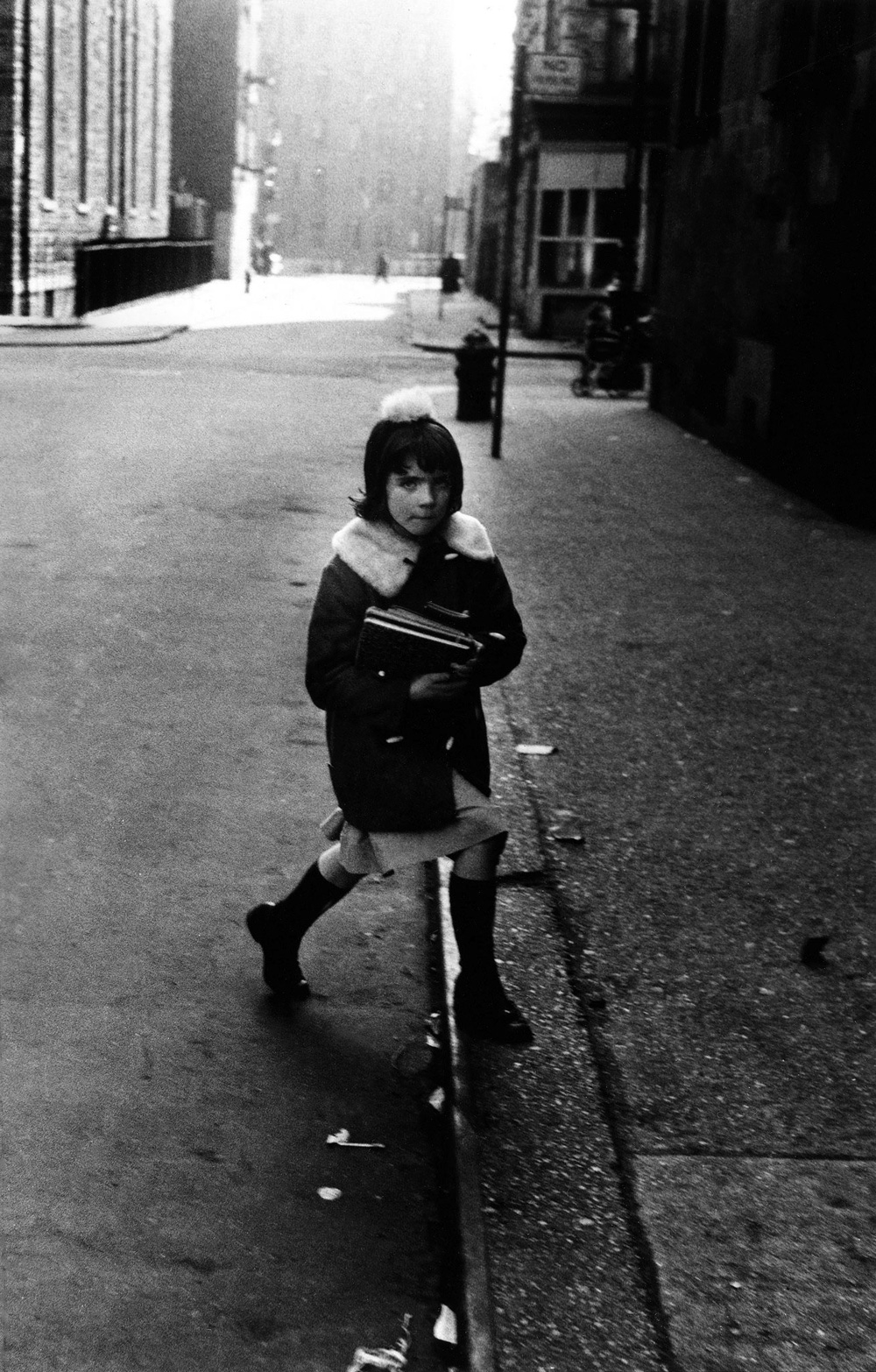
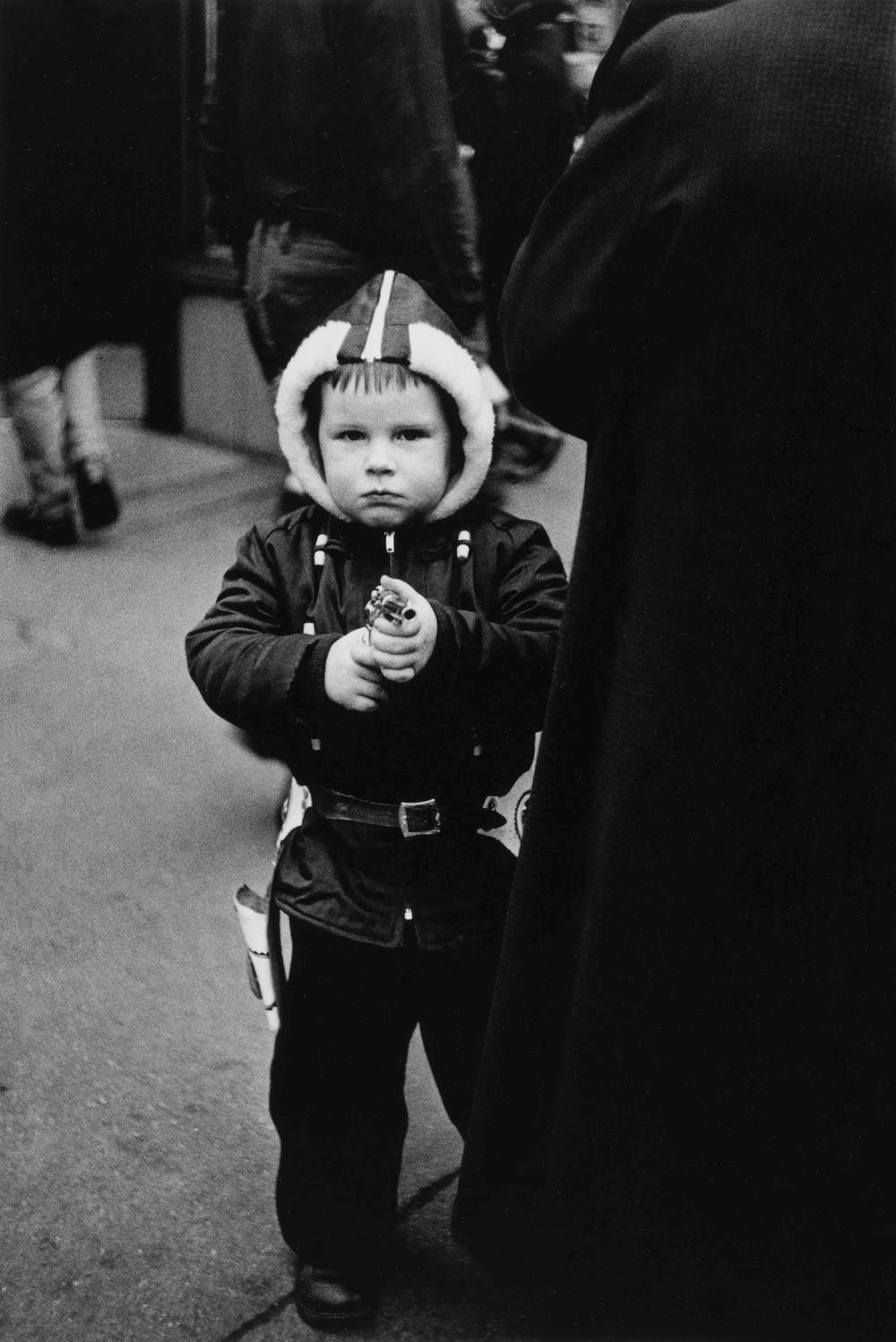
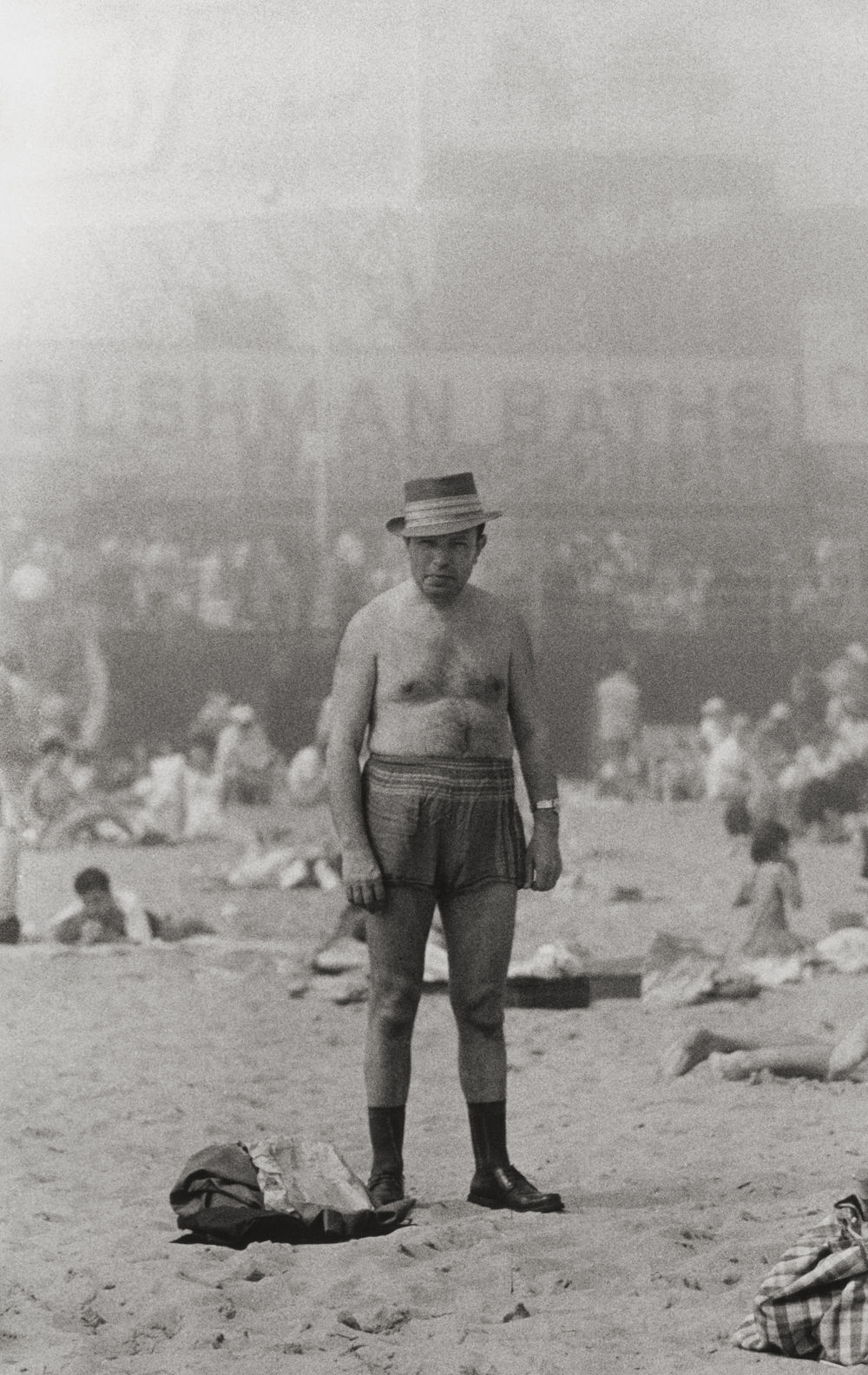
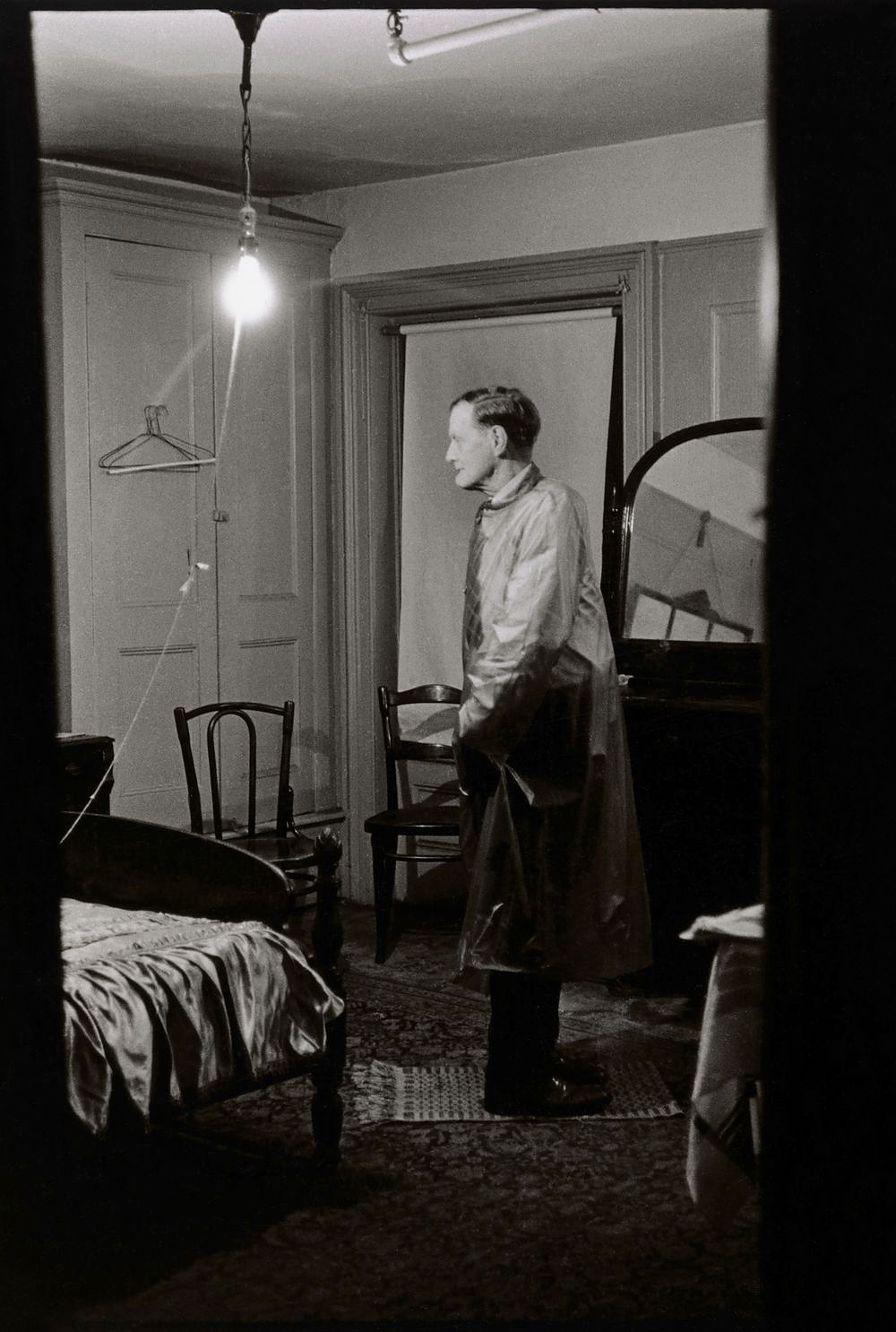
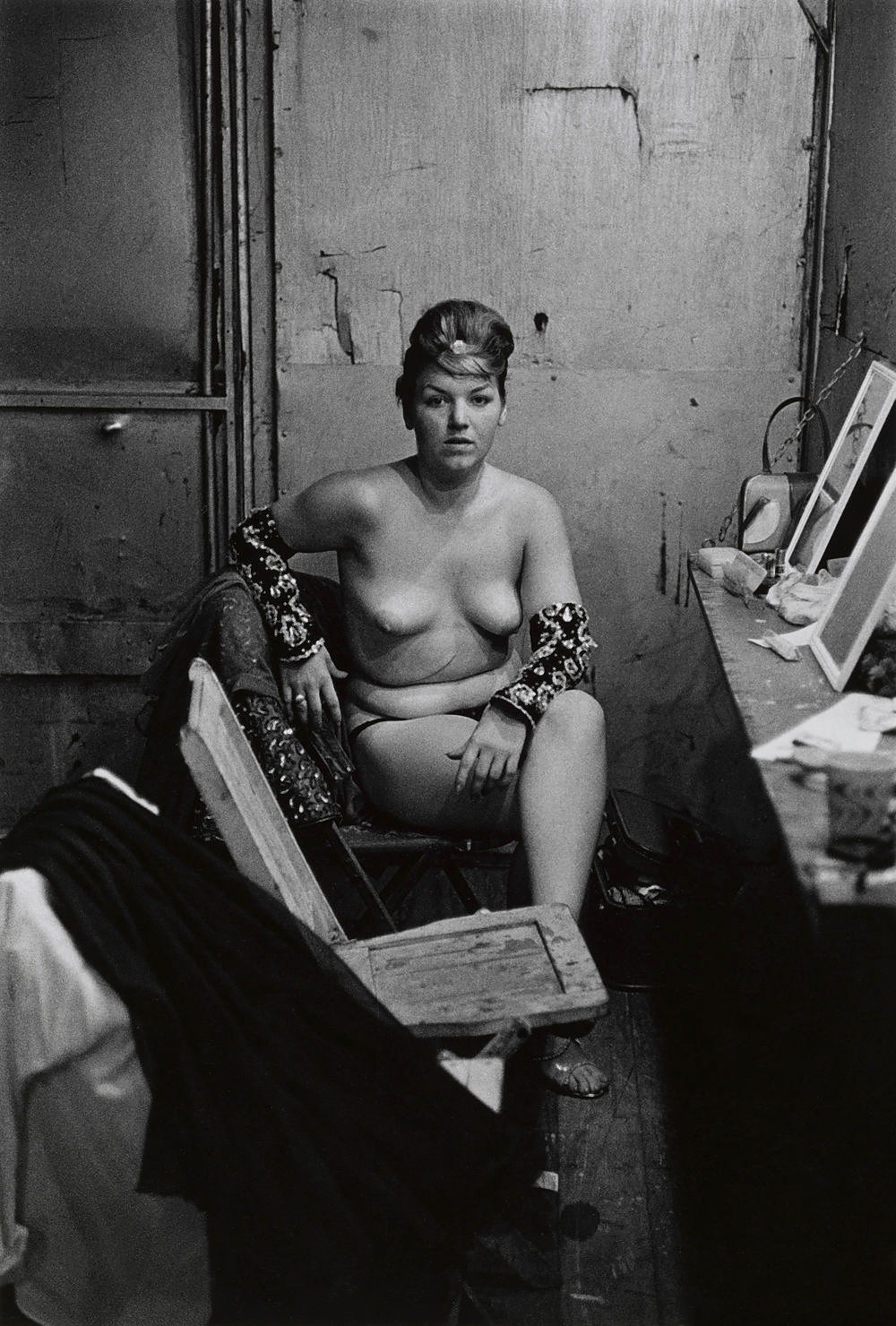
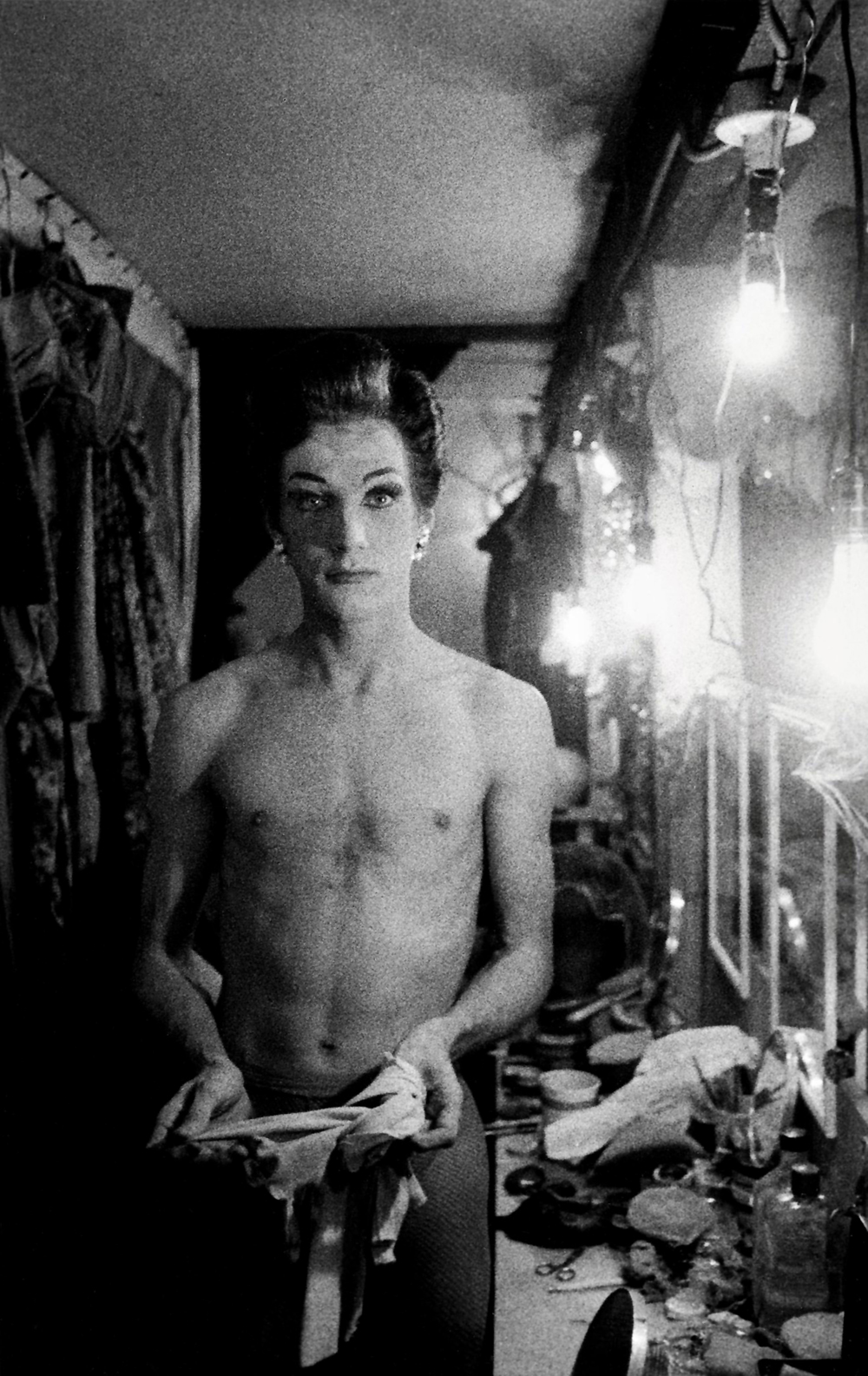
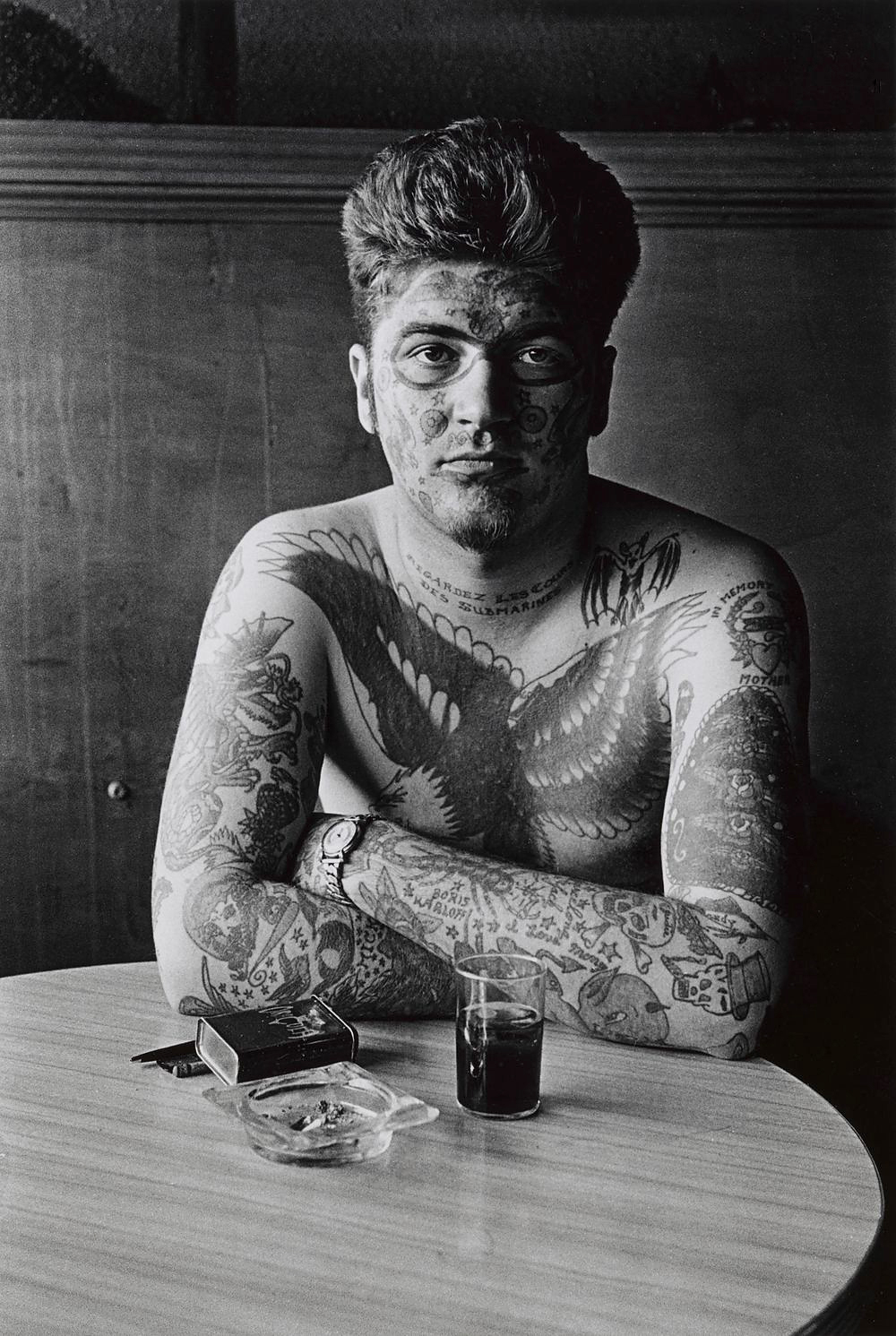
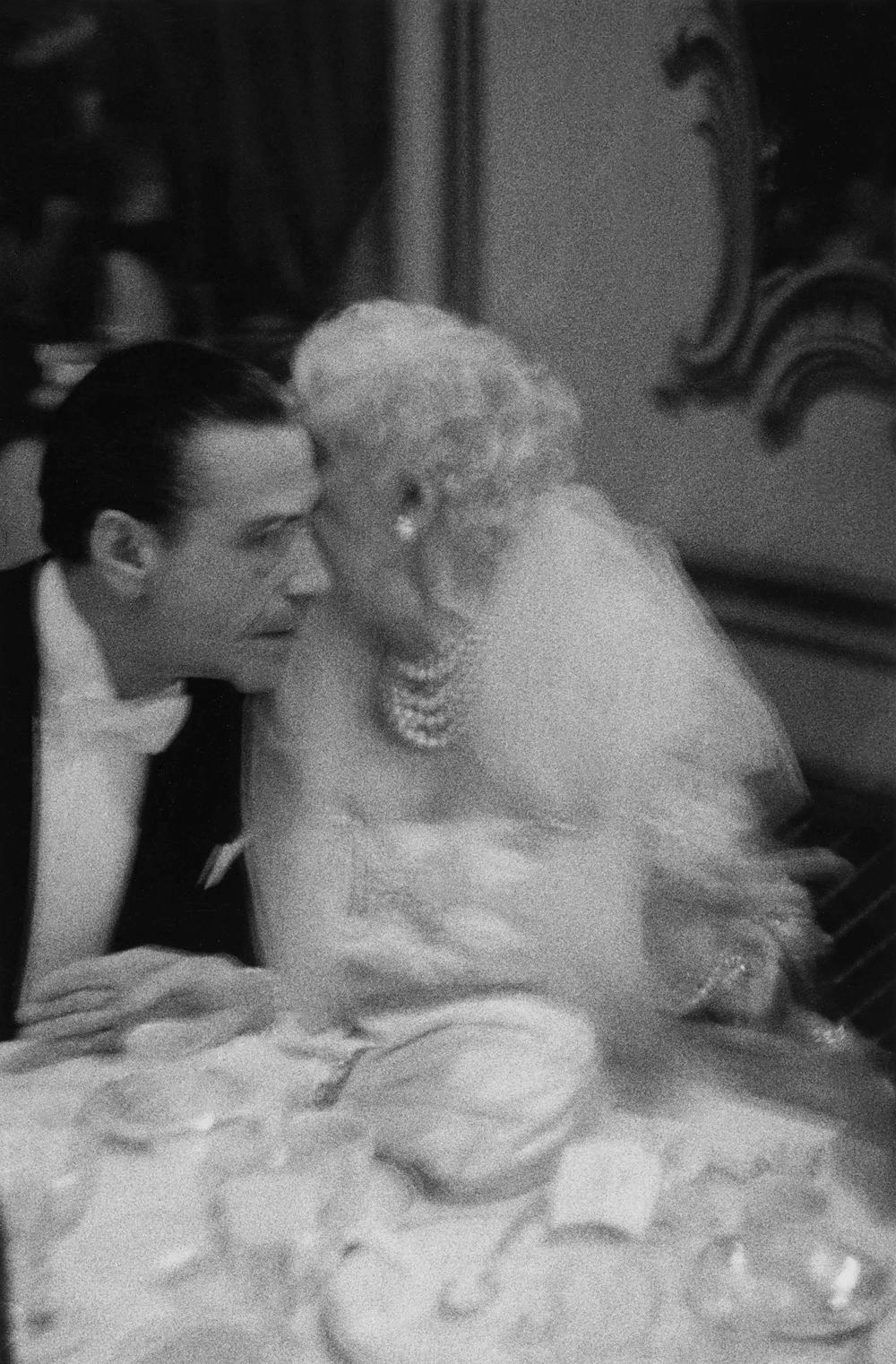
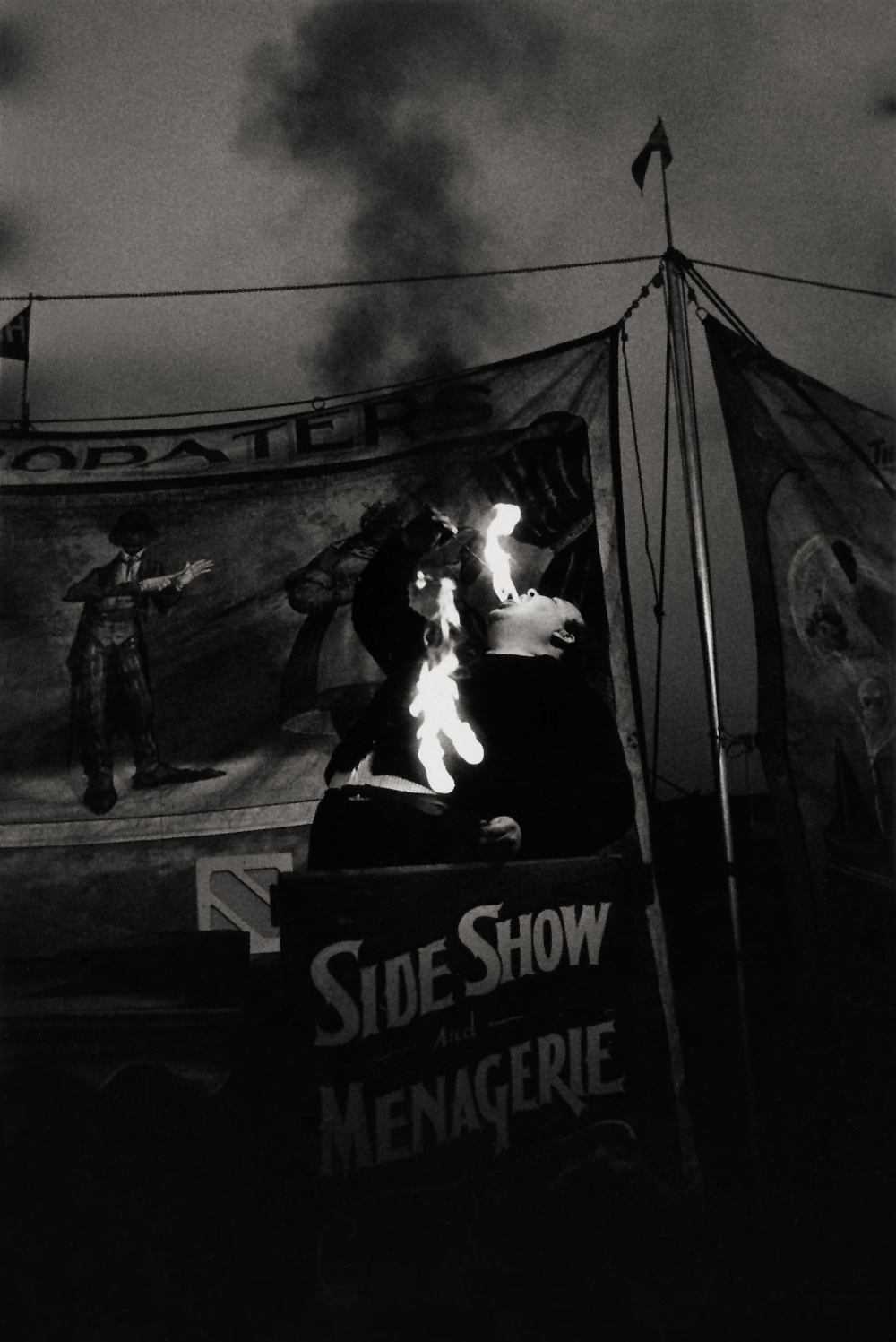

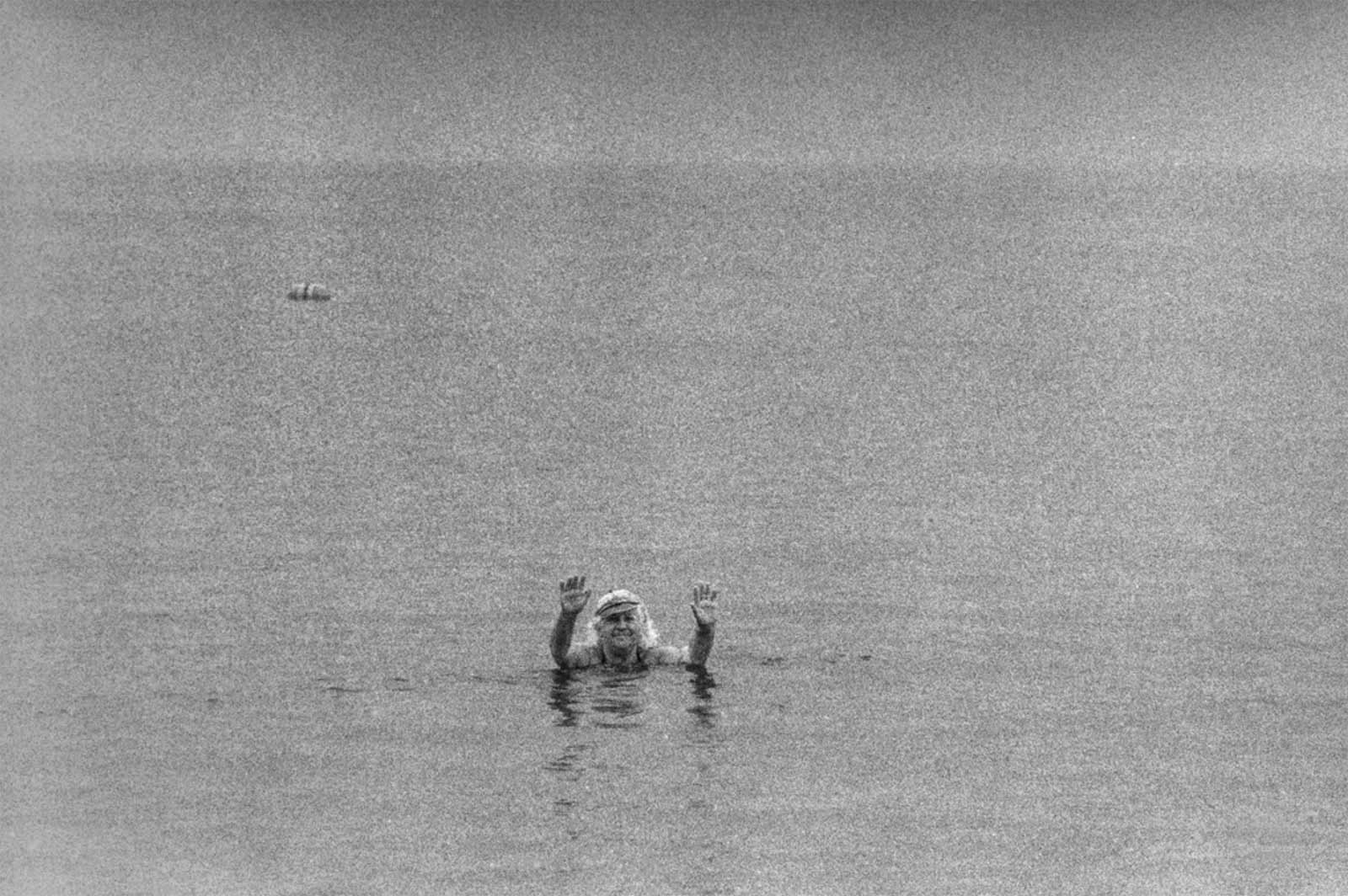

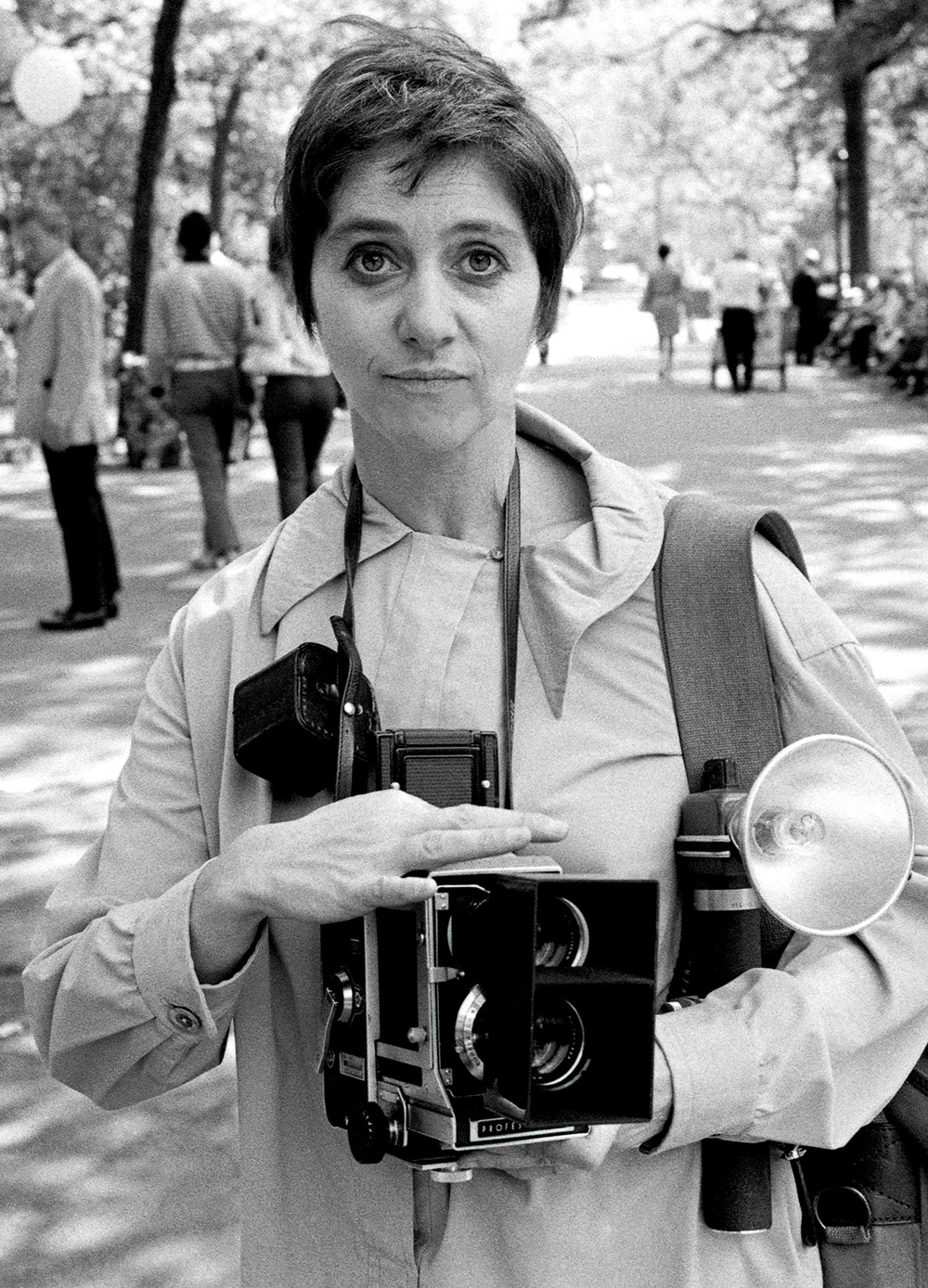

![Unknown photographer (American) '[Jeff Briggs, Robert Sims, Otis Hall, and Peter Pamphlet; Full-Length Mugshot from the Chicago Police Department]' 1936 from the exhibition 'Crime Stories: Photography and Foul Play' at the Metropolitan Museum of Art, New York, March - July, 2016](https://artblart.com/wp-content/uploads/2016/07/mug-shot1-web.jpg "Unknown photographer (American) '[Jeff Briggs, Robert Sims, Otis Hall, and Peter Pamphlet; Full-Length Mugshot from the Chicago Police Department]' 1936 from the exhibition 'Crime Stories: Photography and Foul Play' at the Metropolitan Museum of Art, New York, March - July, 2016")
![Unknown photographer (American) '[John Dillinger's Feet, Chicago Morgue]' 1934 from the exhibition 'Crime Stories: Photography and Foul Play' at the Metropolitan Museum of Art, New York, March - July, 2016](https://artblart.com/wp-content/uploads/2016/07/john-dillingers-body-web.jpg "Unknown photographer (American) '[John Dillinger's Feet, Chicago Morgue]' 1934 from the exhibition 'Crime Stories: Photography and Foul Play' at the Metropolitan Museum of Art, New York, March - July, 2016")
![Unknown photographer (American) '[Jeff Briggs, Robert Sims, Otis Hall, and Peter Pamphlet; Full-Length Mugshot from the Chicago Police Department]' 1936](https://artblart.com/wp-content/uploads/2016/07/mug-shot2-web.jpg "Unknown photographer (American) '[Jeff Briggs, Robert Sims, Otis Hall, and Peter Pamphlet; Full-Length Mugshot from the Chicago Police Department]' 1936")


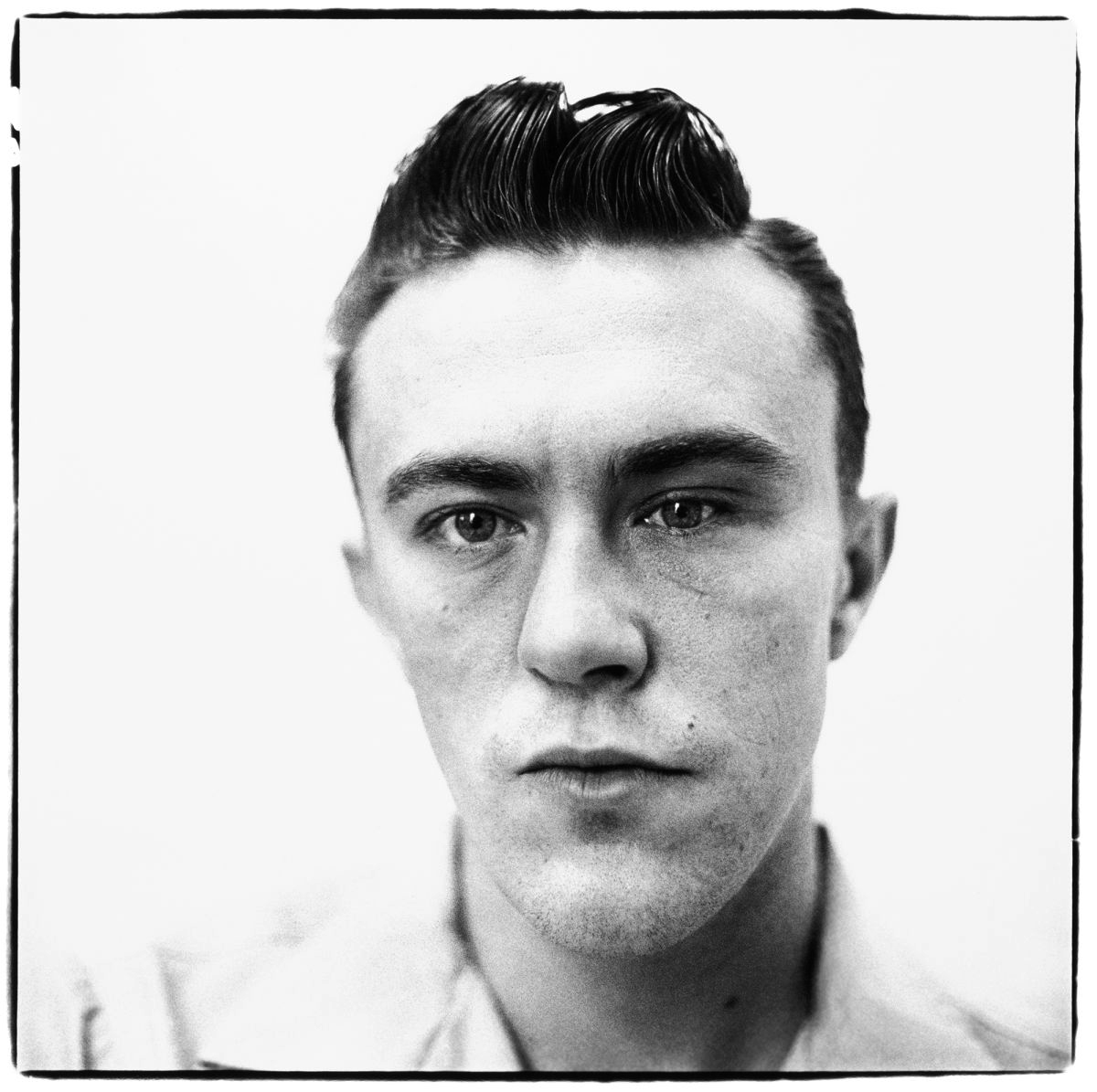
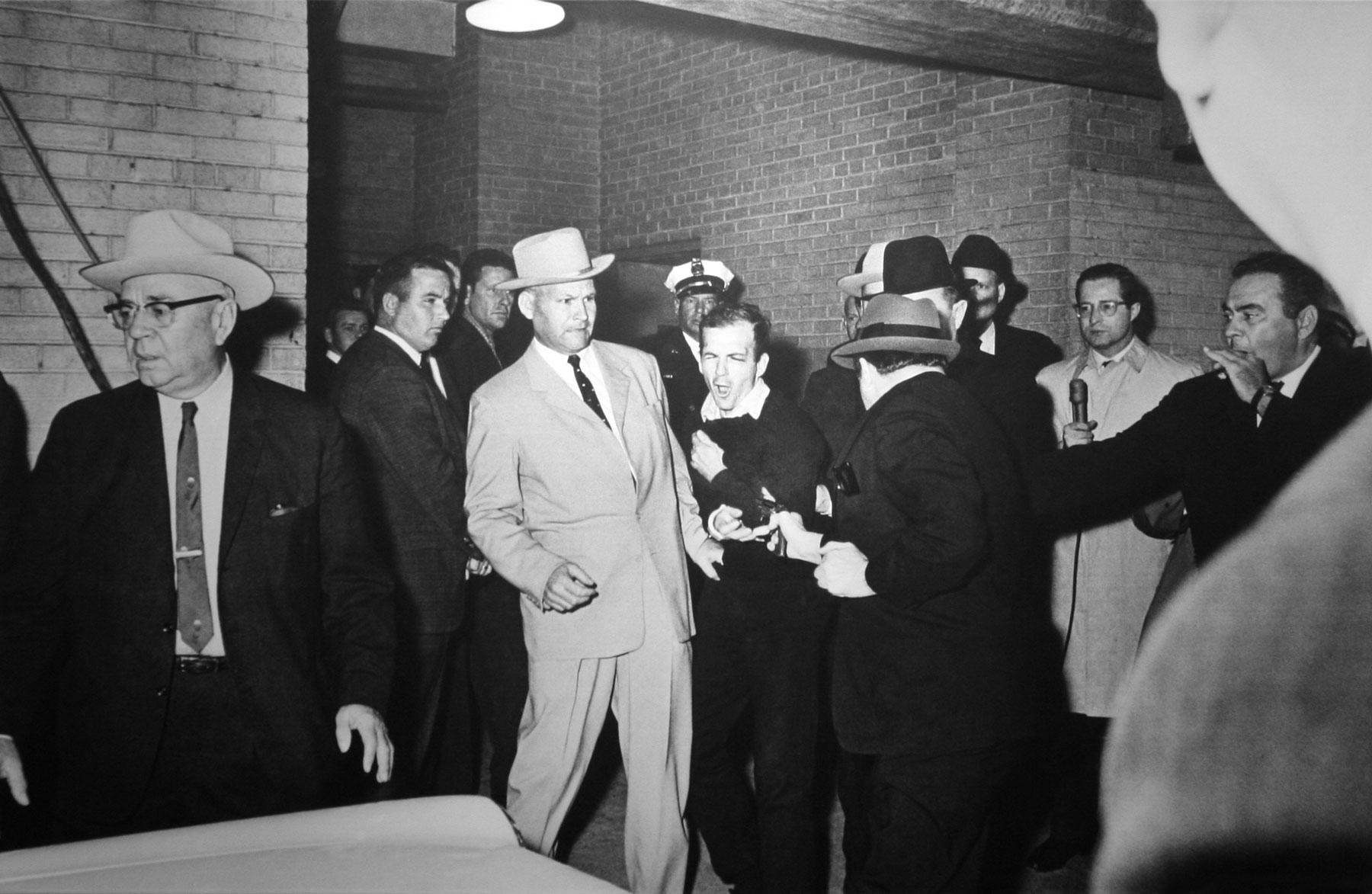
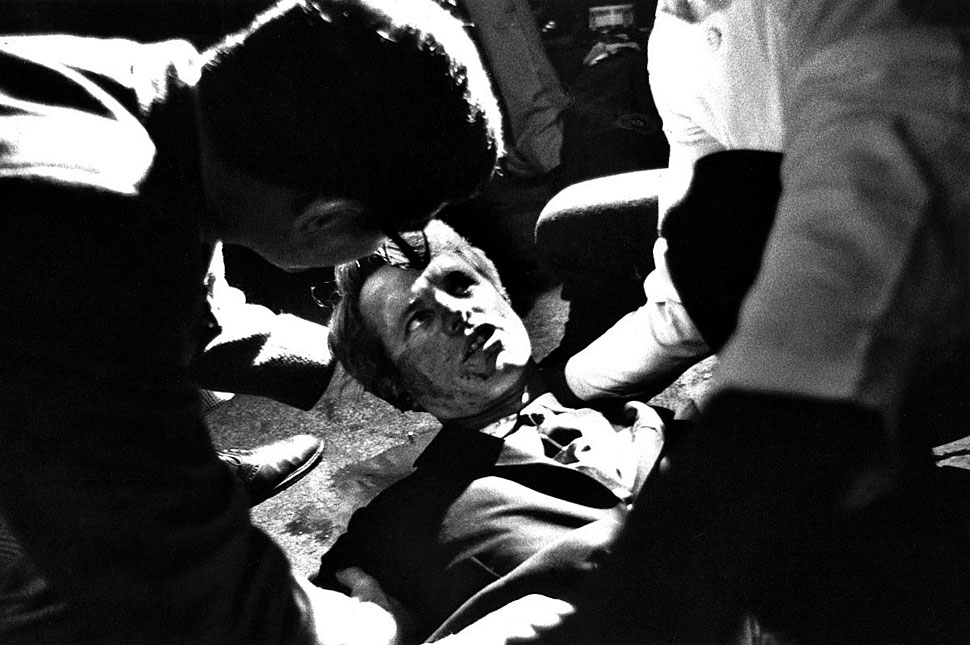

![Alphonse Bertillon (French, 1853-1914) '[Album of Paris Crime Scenes]' 1901-1908](https://artblart.com/wp-content/uploads/2016/07/bertillon-a-web.jpg "Alphonse Bertillon (French, 1853-1914) '[Album of Paris Crime Scenes]' 1901-1908")
![Alphonse Bertillon (French, 1853-1914) '[Album of Paris Crime Scenes]' 1901-1908 (detail)](https://artblart.com/wp-content/uploads/2016/07/bertillon-a-detail.jpg "Alphonse Bertillon (French, 1853-1914) '[Album of Paris Crime Scenes]' 1901-1908 (detail)")
![Alphonse Bertillon (French, 1853-1914) '[Album of Paris Crime Scenes]' 1901-1908](https://artblart.com/wp-content/uploads/2016/07/bertillon-b-web.jpg "Alphonse Bertillon (French, 1853-1914) '[Album of Paris Crime Scenes]' 1901-1908")
![Alphonse Bertillon (French, 1853-1914) '[Album of Paris Crime Scenes]' 1901-1908 (detail)](https://artblart.com/wp-content/uploads/2016/07/bertillon-b-detail.jpg "Alphonse Bertillon (French, 1853-1914) '[Album of Paris Crime Scenes]' 1901-1908 (detail)")
![Alphonse Bertillon (French, 1853-1914) '[Album of Paris Crime Scenes]' 1901-1908](https://artblart.com/wp-content/uploads/2016/07/bertillon-c-web.jpg "Alphonse Bertillon (French, 1853-1914) '[Album of Paris Crime Scenes]' 1901-1908")
![Alphonse Bertillon (French, 1853-1914) '[Album of Paris Crime Scenes]' 1901-1908 (detail)](https://artblart.com/wp-content/uploads/2016/07/bertillon-c-detail.jpg "Alphonse Bertillon (French, 1853-1914) '[Album of Paris Crime Scenes]' 1901-1908 (detail)")
![Alphonse Bertillon (French, 1853-1914) '[Album of Paris Crime Scenes]' 1901-1908](https://artblart.com/wp-content/uploads/2016/07/bertillon-d-web.jpg "Alphonse Bertillon (French, 1853-1914) '[Album of Paris Crime Scenes]' 1901-1908")
![Alphonse Bertillon (French, 1853-1914) '[Album of Paris Crime Scenes]' 1901-1908 (detail)](https://artblart.com/wp-content/uploads/2016/07/bertillon-d-detail.jpg "Alphonse Bertillon (French, 1853-1914) '[Album of Paris Crime Scenes]' 1901-1908 (detail)")
![Alphonse Bertillon (French, 1853-1914) '[Album of Paris Crime Scenes]' 1901-1908](https://artblart.com/wp-content/uploads/2016/07/bertillon-h-web.jpg "Alphonse Bertillon (French, 1853-1914) '[Album of Paris Crime Scenes]' 1901-1908")
![Alphonse Bertillon (French, 1853-1914) '[Album of Paris Crime Scenes]' 1901-1908 (detail)](https://artblart.com/wp-content/uploads/2016/07/bertillon-h-detail.jpg "Alphonse Bertillon (French, 1853-1914) '[Album of Paris Crime Scenes]' 1901-1908 (detail)")
![Alphonse Bertillon (French, 1853-1914) '[Album of Paris Crime Scenes]' 1901-1908](https://artblart.com/wp-content/uploads/2016/07/bertillon-e-web.jpg "Alphonse Bertillon (French, 1853-1914) '[Album of Paris Crime Scenes]' 1901-1908")
![Alphonse Bertillon (French, 1853-1914) '[Album of Paris Crime Scenes]' 1901-1908 (detail)](https://artblart.com/wp-content/uploads/2016/07/bertillon-e-detail.jpg "Alphonse Bertillon (French, 1853-1914) '[Album of Paris Crime Scenes]' 1901-1908 (detail)")
![Alphonse Bertillon (French, 1853-1914) '[Album of Paris Crime Scenes]' 1901-1908](https://artblart.com/wp-content/uploads/2016/07/bertillon-f-web.jpg "Alphonse Bertillon (French, 1853-1914) '[Album of Paris Crime Scenes]' 1901-1908")
![Alphonse Bertillon (French, 1853-1914) '[Album of Paris Crime Scenes]' 1901-1908 (detail)](https://artblart.com/wp-content/uploads/2016/07/bertillon-f-detail.jpg "Alphonse Bertillon (French, 1853-1914) '[Album of Paris Crime Scenes]' 1901-1908 (detail)")
![Alphonse Bertillon (French, 1853-1914) '[Album of Paris Crime Scenes]' 1901-1908](https://artblart.com/wp-content/uploads/2016/07/bertillon-g-web.jpg "Alphonse Bertillon (French, 1853-1914) '[Album of Paris Crime Scenes]' 1901-1908")
![Alphonse Bertillon (French, 1853-1914) '[Album of Paris Crime Scenes]' 1901-1908 (detail)](https://artblart.com/wp-content/uploads/2016/07/bertillon-g-detail.jpg "Alphonse Bertillon (French, 1853-1914) '[Album of Paris Crime Scenes]' 1901-1908 (detail)")


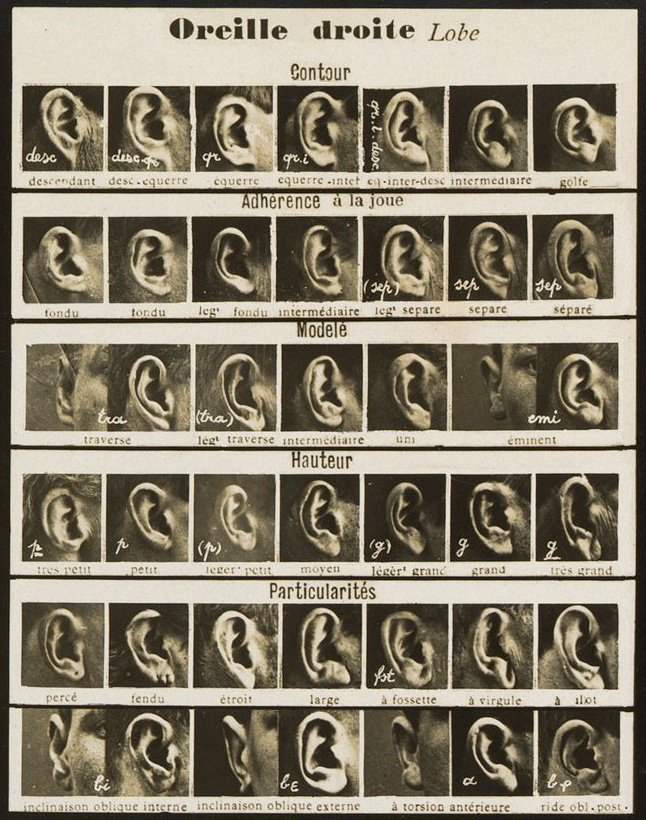


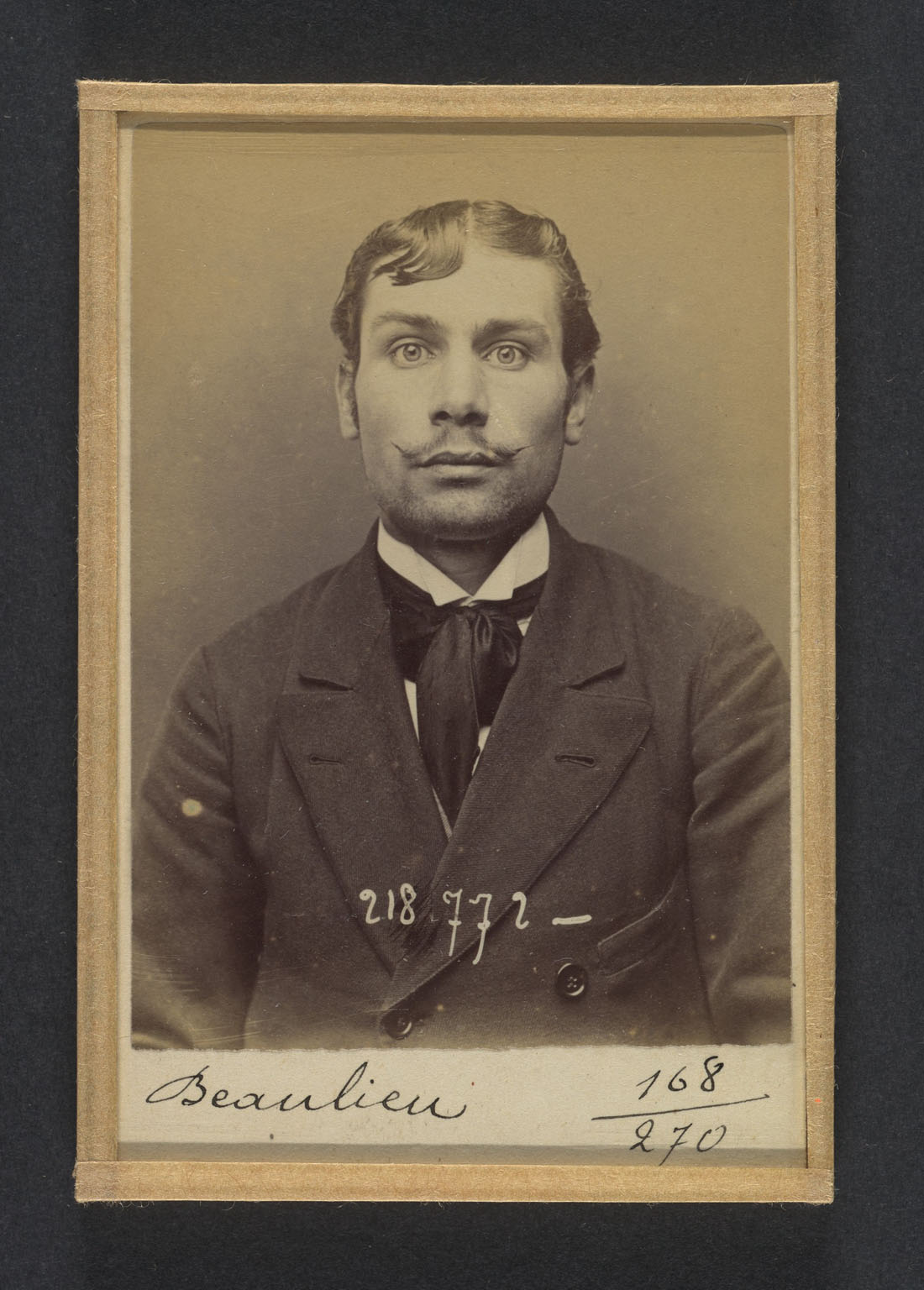





![Unknown photographer (American) '[Broadside for the Capture of John Wilkes Booth, John Surratt, and David Herold]' 1865](https://artblart.com/wp-content/uploads/2014/04/dp274835-murder-web.jpg "Unknown photographer (American) '[Broadside for the Capture of John Wilkes Booth, John Surratt, and David Herold]' 1865")
![Alexander Gardner (American, Glasgow, Scotland 1821 - 1882 Washington, D.C.) 'Lewis Powell [alias Lewis Payne]' April 27, 1865](https://artblart.com/wp-content/uploads/2016/07/lewis-powell-web.jpg "Alexander Gardner (American, Glasgow, Scotland 1821 - 1882 Washington, D.C.) 'Lewis Powell [alias Lewis Payne]' April 27, 186")


![Unknown photographer (American). '[Five Members of the Wild Bunch]' c. 1892](https://artblart.com/wp-content/uploads/2016/07/the-wild-bunch-web.jpg "Unknown photographer (American). '[Five Members of the Wild Bunch]' c. 1892")
![Tom Howard (American, 1894-1961) '[Electrocution of Ruth Snyder, Sing Sing Prison, Ossining, New York]' 1928](https://artblart.com/wp-content/uploads/2016/07/electrocution-of-ruth-snyder-web.jpg "Tom Howard (American, 1894-1961) '[Electrocution of Ruth Snyder, Sing Sing Prison, Ossining, New York]' 1928")

![Unknown photographer (American) '[Automobile Murder Scene]' c. 1935](https://artblart.com/wp-content/uploads/2016/07/automobile-murder-scene-circa-1935-web.jpg "Unknown photographer (American) '[Automobile Murder Scene]' c. 1935")

![Weegee (American, born Ukraine (Austria), Złoczów (Zolochiv) 1899 - 1968 New York) '[Outline of a Murder Victim]' 1942](https://artblart.com/wp-content/uploads/2016/07/weegee-outline-web.jpg "Weegee (American, born Ukraine (Austria), Złoczów (Zolochiv) 1899 - 1968 New York) '[Outline of a Murder Victim]' 1942")


![United Press International (American) '[Bank Robber Aiming at Security Camera, Cleveland, Ohio]' March 8, 1975](https://artblart.com/wp-content/uploads/2016/07/cleveland-1975-web1.jpg "United Press International (American) '[Bank Robber Aiming at Security Camera, Cleveland, Ohio]' March 8, 1975")
 Art Blart _ art and cultural memory archive
You must be logged in to post a comment.