This “seminal” body of work by Nan Goldin allegedly changed the course of photography. In my opinion, not for the better.
There is little love and tenderness here, little magic or generosity of spirit. Goldin’s attitude to the world at the time seems to be one of hostility and resentment. It’s all very well portraying the underbelly of society – the depravity, violence and degradation – but if your point of departure is one of anger and animosity, this is always going to be reflected in your art. I remember going out with my friends partying in the 1980s, the drugs, the sex, the pushing it to the edge, but you know what – we cared about each other. Nothing could be further from the truth in Goldin’s hedonistic (not heuristic) approach to her aura.
Shooting indiscriminately, hoping to find the rough diamond of an image, cuts both ways. In the arbitrary voyeurism of this work – do I snap now or a second later, what is happening outside of the frame – you never know what you are missing. Often you get nothing, or you get a reflection of yourself that is not very appealing. (Today is a very different world from the 1980s, we just snap and upload everything. These images are very of their time). There is so much more that could have been said other than through this controlling, diaristic approach to the subject matter.
I repeat, there seems to be a less than generous spirit captured in this work, of how Goldin looked at the world at that time, and it is reflected back to us in her images. Nothing to do with HIV / AIDS, nothing to do with bohemianism – everything to do with the spirit of the artist.
Dr Marcus Bunyan
PS. The minimal hang of the exhibition adds nothing to the energy of the photographs, isolated as they are in the white walled gallery spaces.
Many thankx to the Museum of Modern Art for allowing me to publish the photographs in the posting. Please click on the photographs for a larger version of the image.
“Since David Armstrong and I were young he always referred to photography as “diving for pearls.” If you took a million pictures you were lucky to come out with one or two gems. … I never learned control over my machines. I made every mistake in the book. But the technical mistakes allowed for magic. … Random psychological subtexts that I never would have thought to intentionally create. The subconscious made visible – though whether mine or the camera’s I don’t know …”
Nan Goldin. “Diving for Pearls,” quoted in Hilton Als. “Nan Goldin’s Life in Progress,” on The New Yorker website, July 4, 2016 [Online] Cited 18/11/2021
Installation views of the exhibition Nan Goldin: The Ballad of Sexual Dependency at the Museum of Modern Art (MoMA), New York, June 2016 – February 2017
Comprising almost 700 snapshot-like portraits sequenced against an evocative music soundtrack, Nan Goldin’s The Ballad of Sexual Dependency is a deeply personal narrative, formed out of the artist’s own experiences around Boston, New York, Berlin, and elsewhere in the late 1970s, 1980s, and beyond. Titled after a song in Bertolt Brecht and Kurt Weill’s The Threepenny Opera, Goldin’s Ballad is itself a kind of downtown opera; its protagonists – including the artist herself – are captured in intimate moments of love and loss. They experience ecstasy and pain through sex and drug use; they revel at dance clubs and bond with their children at home; and they suffer from domestic violence and the ravages of AIDS.
“The Ballad of Sexual Dependency is the diary I let people read,” Goldin wrote. “The diary is my form of control over my life. It allows me to obsessively record every detail. It enables me to remember.”
The Ballad developed through multiple improvised live performances, for which Goldin ran through the slides by hand and friends helped prepare the soundtrack – from Maria Callas to The Velvet Underground – for an audience not unlike the subjects of the pictures. The Ballad is presented in its original 35mm format, along with photographs from the Museum’s collection that also appear as images in the slide show. Introducing the installation is a selection of materials from the artist’s archive, including posters and flyers announcing early iterations of The Ballad. Live performances will periodically accompany The Ballad during the course of the Museum’s presentation; performance details will be announced during the course of the exhibition presentation.
Janet Stein (designer) Poster for ‘The Ballad of Sexual Dependency’, slide show by Nan Goldin, with ‘Desperate Living’, a film by John Waters O.P. Screening Room, New York, March 29, 1982 Photocopy 11 × 8 1/2″ (27.9 × 21.6cm) Collection Nan Goldin
The Museum of Modern Art 11 West 53 Street New York, NY 10019 Phone: (212) 708-9400
Opening hours: 10.30am – 5.30pm Open seven days a week
Photograph used under conditions of “fair use” for the purpose of academic research
This is a story that has never been told. It is the story of how the National Gallery of Victoria, Melbourne, Australia set up one of the very first photography departments in a museum in the world in 1967, and employed one of the first dedicated curators of photography, only then to fail to purchase classical black and white masterpieces by international artists that were being exhibited in Melbourne and sold at incredibly low prices during the 1970s and early 1980s, before prices started going through the roof.
The NGV had a golden chance to have one of the greatest collections of classical photography in the world if only they had grasped the significance and opportunity presented to them but as we shall see – due to personal, political and financial reasons – they dropped the ball. By the time they realised, prices were already beyond their reach.
Justifications for the failure include lack of financial support, the purchasing of non-vintage prints and especially the dilemma of distance, which is often quoted as the main hindrance to purchasing. But as I show in this research essay these masterpieces were already in Australia being shown and sold in commercial photography galleries in Melbourne at around $150, for example, for a Paul Strand photograph. As a partial public institution the NGV needs to take a hard look at this history to understand what went wrong and how they missed amassing one of the best collections of classical photography in the world.
This research paper investigates the formation of the international photographic collection at the National Gallery of Victoria, Melbourne, Australia.
Keywords
Photographs, photography, 19th century photography, early Australian photography, Australian photography, international photography collection, National Gallery of Victoria, National Gallery of Victoria photography department, Art Gallery of New South Wales, National Gallery of Australia, Melbourne, photographic collections, curator.
Beginnings: The International Photographic Collection at the National Gallery of Victoria
Dr Marcus Bunyan
Introduction
Invented by Louis Daguerre in 1839, the daguerreotype – a plate of copper coated in silver, sensitised to light by being exposed to halogen fumes – was the first publicly announced photographic process and the first to come into widespread use. The first photograph taken in Australia was a daguerreotype, a view of Bridge Street (now lost) taken by a visiting naval captain, Captain Augustin Lucas in 1841.1 The oldest surviving extant photograph in Australia is a daguerreotype portrait of Dr William Bland by George Barron Goodman taken in 1845 (see image below). This daguerreotype is now in the State Library of New South Wales collection.2
After these small beginnings, explored in Gael Newton’s excellent book Shades of Light,3 the Melbourne Public Library (later to become the State Library of Victoria) launched the Museum of Art in 1861 and the Picture Gallery in 1864, later to be unified into the National Gallery in 1870, a repository for all public art collections, the gallery being housed in the same building as the Library.4 The Pictures Collection (including paintings, drawings, prints, cartoons, photographs and sculpture) was started in 1859.5 The collection of photographs by the Library had both moral and educative functions. Photographs of European high culture reminded the colonists of links to the motherland, of aspirations to high ideals, especially in conservative Melbourne.6 Photographs of distant lands, such as Linnaeus Tripe’s Views of Burma, document other ‘Oriental’ cultures.7 Photographs of settlement and the development of Melbourne recorded what was familiar in an unknown landscape. “Documentation of both the familiar and the unknown intersected with the scientific desire for categorisation and classification.”8
It is not the purview of this essay to dwell on the development of photography in Australia during intervening years between the 1860s-1960s, but suffice it to say that the collecting of photographs at the State Library of Victoria continued the archiving of Australian identity and place through the ability “to define the self, claim the nation and occupy the world.”9Australian photographic practice followed the development of international movements in photography in these years: art and commerce from the 1860s-1890s, Pictorialism from the 1900s-1930s, Modernism in the 1930s-1940s and documentary photography from the 1940s-1960s. The development of Australian photography was heavily reliant on the forms of international photography. Analysis of these years can be found in Gael Newton’s book Shades of Light: Photography and Australia 1839-198810 and Isobel Crombie’s book Second sight: Australian photography in the National Gallery of Victoria.11
In 1959 the epic The Family of Man exhibition, curated by the renowned photographer Edward Steichen from the Museum of Modern Art, New York, toured Sydney, Melbourne and Adelaide to massive crowds. Featuring 503 photographs by 273 famous and unknown photographers from 68 countries this exhibition offered a portrait of the human condition: birth, love, war, famine and the universality of human experience all documented by the camera’s lens.12 In Melbourne the exhibition was shown in a car dealer’s showroom (yes, really!) and was visited by photographers such as Jack Cato, Robert McFarlane, Graham McCarter.13 The photographs in the exhibition, accompanied by text, were printed “onto large panels up to mural size[and] gave The Family of Man works an unprecedented impact, even given the role illustrated magazines had played through most of the century.”14This loss of the aura of the original, the authenticity of the vintage print, a print produced by the artist around the time of the exposure of the negative, would have important implications for the collection of international photographs in the fledgling National Gallery of Victoria photographic collection (even though Walter Benjamin saw all photography as destroying the authenticity of the original through its ability to reproduce an image ad nauseum).15 As Benjamin observes in his Illuminations,“The enlargement of a snapshot does not simply render more precise what in any case was visible though unclear: it reveals entirely new structural formations of the subject.”16 Other ways of looking at the world also arrived in Australia around the same time, namely Robert Frank’s seminal book The Americans,17a road movie photographic view of American culture full of disparate angles, juke boxes, American flags, car, bikes and diners.18
Beginnings
While legislatively the National Gallery had split from the State Library of Victoria in 1944,19 it wasn’t until August, 1968 that the National Gallery of Victoria moved into it’s own building designed by Roy Grounds at 180 St Kilda Road (now known as NGV International).20 In the years leading up to the move the Trustees and Staff went on a massive spending spree:
“But although the sources of income from bequests were limited during the year [1967], a somewhat increased Government purchasing grant continued, which, with the allowance made by the Felton Committee, seemed to stimulate Trustees and Staff almost to a prodigality of spending. Perhaps, too, an urge for as full a display as possible at the opening of the new Gallery contributed; for by the end of the year the entire grant for purchase until the end of June 1968 had been consumed, and as well some commitments made for the future. Only donations made from private sources, and through the generosity of the National Gallery society, enabled the rate of acquisition to be maintained.”21
Unfortunately, this profligacy did not include spending on photography. This was because the Department of Photography was only formed in April 1967 after the Director at the time, Dr Eric Westbrook, convinced the Trustees of the Gallery “that the time had come to allow photographs into the collection.”22 The impetus for establishing a photography collection “was the growing recognition and promotion of the aesthetics of photography.”23The Department of Photography at the NGV thus became the first officially recognised curatorial photography department devoted to the collection of photography as an art form in its own right in Australia and one of only a few dedicated specifically to collecting photography in the world.24 While the collecting criteria of the NGV has always emphasised “the primacy of the object as an example of creative expression,”25the fluid nature of photography was acknowledged in a 1967 report on the establishment of the Department of Photography.26
The new department, however, did not gain momentum until the establishment of a Photographic Subcommittee in October 1969 that consisted of the Director of the Gallery and three notable Melbourne photographers: Athol Shmith, Les Gray and Chairman, Dacre Stubbs, along with the Director of the National Gallery Art School, Lenton Parr. Advising the Committee were honorary representatives Albert Brown (in Adelaide) and Max Dupain (in Sydney).27 The Photographic Subcommittee defined the philosophies of the Department and began acquiring photographs for the collection.28 While the Department was located in the Gallery’s library and had no designated exhibition space at this time,29 Committee members stressed the need to make contacts with the international art world and fact-finding missions were essential in order to establish a curatorial department in Australia as no photography department had ever been established in Australia before. “Members were also concerned to position the new Department in an international context (achieved initially through linking the Gallery to an international exhibitions network and later by purchasing international photography.”30
Financial support and gallery space was slow in materialising and then (as now) “it was enlightened corporate and individual support that would significantly help the NGV to create its photography collection.”31 The first attributable international photograph to enter the collection was the 21.8 x 27.5 cm bromoil photograph Nude (1939) by the Czechoslovakian photographer Frantisek Drtikol in 1971 (Gift of C. Stuart Tompkins) (see above),32 an artist of which there remains only one work in the collection, and other early international acquisitions included twenty-seven documentary photographs taken during NASA missions to the moon in the years 1966-1969 (presented by Photimport in 1971)33 and work by French photographer M. Lucien Clergue in 1972, founder of the Arles Festival of Photography.34 Early international exhibitions included The Photographers Eye from the Museum of Modern Art in New York (facilitated through Albert Brown’s connections with photography curator John Szarkowski of MoMA).35
The purchasing of the Dritkol nude is understandable as he is an important photographer of people and nudes. “Drtikol made many portraits of very important people and nudes which show development from pictorialism and symbolism to modern composite pictures of the nude body with geometric decorations and thrown shadows, where it is possible to find a number of parallels with the avant-garde works of the period.”36 The acceptance of the set of twenty-seven NASA photographs is understandable but still problematic. Although some of the photographs are breathtakingly beautiful and they would have had some social significance at that time (the first lunar landing was in 1969), their relative ‘value’ as pinnacles of international documentary photography, both aesthetically and compositionally, must be questioned.37 One wonders on what grounds the Photographic Subcommittee recommended their acceptance at the very start of the collection of international photography for the Department of Photography when so many definitive photographs by outstanding masters of photography could have been requested as a donation instead. Similarly, the purchase by the National Gallery of Victoria in 1980 of over 108 space photographs by NASA, Washington, D.C. (manufacturer) for the international collection is equally mystifying when there was a wealth of European and American master photographers work being shown in exhibitions around Melbourne (and sold at very low prices, eg. $150 for a Paul Strand vintage print) that did not enter the collection.
In 1972 Jenny Boddington (with a twenty year background in documentary film)38 was appointed Assistant Curator of Photography. She was selected from fifty-three applicants,39 and was later to become the first full-time curator of photography at the NGV, the first in Australia and perhaps only the third ever full-time photography curator in the world. In 1973, the Melbourne photographer Athol Shmith, who sat on the Photographic Subcommittee, visited major galleries and dealers in London and Paris for five weeks and reserved small selections of non-vintage prints for purchase by Henri Lartigue, Bill Brandt, Paul Strand, Andre Kertesz, Edward Steichen and Margaret Bourke-White40 (non-contemporary ie. vintage work not being generally available at this time). Also in 1973 the corridor beside the Prints and Drawings Department opened as the first photography exhibition space, to be followed in 1975 by the opening of a larger photography gallery on the third floor.41
In 1975 Boddington made a six-week tour of Europe, London and America that included meeting photographers Andre Kertesz and Bill Brandt and the Director of the Museum of Modern Art, John Szarkowski.42 Boddington also spent four weeks viewing photography at the MoMA, time that radically changed her ideas about running the department, including the decision that priority be given to the acquisition of important overseas material. She states:
“My ideas about the running of my department are radically changed … I believe that for some time in the future immediate priority and all possible energy should be given to the acquisition of important overseas material, remembering that ours is the only museum in Australia with a consistent policy of international collecting, and that effort in the initiation and mounting of exhibitions can be saved by showing some of the best work we have already purchased.”43
As Suzanne Tate notes in her Postgraduate Diploma Thesis, Boddington “was also determined to achieve autonomy from the Photographic Subcommittee, and to act on her own judgement, as other curators did.”44 Perhaps this understandable desire for autonomy and the resultant split and aversion (towards the Photographic Subcommittee) can be seen as the beginning of the problems that were to dog the nascent Photography department. In 1976 the Photographic Subcommittee was discontinued although Les Gray (who expressed a very ‘camera club’ aesthetic) continued to act as honorary advisor.45 The Photography department continued to collect both Australian and international photography in equal measure (but of equal value?) and held exhibitions of international photography from overseas institutions (including the early exhibition The Photographer’s Eye in 1968)46 and from the permanent collection (such as an exhibition of work by Andre Kertész, Bill Brandt and Paul Strand)47 in order to educate the public, not only in the history of the medium but how to ‘see’ photography and read ‘good’ photographic images from the mass of consumer images in the public domain.48
Paradigms and problems of international photography collecting at the National Gallery of Victoria
“It does not do to be impatient in the business of collecting for an art museum. A public collection is a very permanent thing. It is really necessary to think in terms of the future and how our photographs and our century will appear in that future. We would like those in the future to inherit material that is intelligible both for itself and in relation to the other arts; at the same time there is the need to satisfy the present. A collection cannot be richer than the responses of its artists but it is hoped that it will represent a rich trawl of each historical period.”
Jenny Boddington 49
The current photography collection at The National Gallery of Victoria consists of over 15,000 photographs of which around 3,000 are by international artists (a ratio of 20% whereas the ratio between Australian / international photographers at the National Gallery of Australia in Canberra is 60/40%).50 Dr Isobel Crombie, now Assistant Director, Curatorial and Collection Management and former Senior Curator of Photography at the National Gallery of Victoria, notes in her catalogue introduction “Creating a Collection: International Photography at the National Gallery of Victoria,” from the exhibition Re_View: 170 years of Photography that several factors have affected the collection of international photographs at The National Gallery of Victoria. I have identified what I believe to be the three key factors:
1/ Lack of financial support 2/ The purchasing of non-vintage prints 3/ The dilemma of distance
Financial support
When the Department of Photography was set up at The National Gallery of Victoria the lack of adequate funds tempered the Photography Subcommittees purchasing aspirations. This situation continued after the appointment of Jenny Boddington and continues to this day. Athol Shmith noted that there were two options for building a collection: one was to spend substantial funds to acquire the work of a few key photographers, the other option (the one that was adopted) was a policy of acquiring a small number of works by a wide range of practitioners, a paradigm that still continues.51 “A broadly based collecting policy was established to purchase work by Australian and International practitioners from all periods of photographic history.”52
The majority of early acquisitions of the Department were overwhelmingly Australian but this collection policy broadened dramatically after the overseas travel of Athol Shmith and Jenny Boddington.53 Cultural cringe was prevalent with regard to Australian photography and it was rarely, if ever, talked about as art. Australian photography was still in the hands of the camera clubs and magazines and influenced by those aesthetics… but the ability to purchase the desired international work was severely curtailed due, in part, to the low exchange rate of the Australian dollar. In 1976 one Australian dollar was worth approximately US 40 cents. Another reason was the lack of money to purchase international work. In the early 1970s the Department had approximately $3,000 a year to purchase any work (international or Australian) that gradually built up to about $30,000 per annum in the mid 1970s. In 1981-82, this was reduced to almost zero because of the financial crisis and credit squeeze that enveloped Australia. This lack of funds to purchase work was compounded by sky rocketing prices for international photographs by renowned photographers in the early 1980s.
While generous help over eight years from Kodak (Australasia) Pty. Ltd had helped buy Australian works for the collection (a stipulation of the funds),54 money for international acquisitions had been less forthcoming. In a catalogue text from 1983 Boddington notes,
“… classic, well-known photographs are now very expensive indeed. One can only look back with sincere appreciation to the days when the department’s purchasing budget was $1000 a year and the trustees agreed to buy 27 Bill Brandts, whilst the National Gallery Society donated a further 13 from ‘Perspective of Nudes’, thus concluding out first major international purchase, happily before Brandt’s prices quintupled in a single blow early in 1975. Photography was then beginning to be a factor in the market place of art and a budget of $1000 a year was no longer adequate – even for the purchase of Australian work! Where funds are limited (as they are) a fairly basic decision has to be made as to the direction a collection will follow. Here in Melbourne we have on the whole focused on the purest uses of straight photography as it reflects broad cultural concerns …”55
By 1976 the Felton Bequest purchased works by Julie Margaret-Cameron (one image! below) and the NGV purchased thirty-four André Kertész, evidence that the status of the Photography department was rising. Throughout the remainder of the 1970s and early 1980s, eighty works were acquired by artists such as Imogen Cunningham (five images), Eadweard Muybridge (two images – the only two in the collection), Lois Conner (three images) and Man Ray (eleven images).56 In 1995 Isobel Crombie revised the collecting policy of the Department and she notes in “Collecting Policy for the Department of Photography, National Gallery of Victoria (Revised October 1995),” Appendix 1 in Suzanne Tate’s Postgraduate Diploma Thesis under the heading ‘International Photography’57 that, “Given our financial resources extremely selective purchases are to be made in this area to fill those gaps in the collection of most concern to students and practicing photographers.”58 Crombie further notes that the contemporary collection is an area that needs much improvement whilst acknowledging the dramatic increases in prices asked and realised for prime photographs and the restricted gallery funds for purchases.59
While today the importance of philanthropy, fund raising and sponsorship is big business within the field of museum art collecting one cannot underestimate the difficulties faced by Boddington in collecting photographs by international artists during the formative years of the collection. As photography was liberated to become an art form in the early 1970s through the establishment of museum departments, through the emergence of photographic schools and commercial photographic galleries (such as the three commercial photography galleries showing Australian and international work in Melbourne: Brummels (Rennie Ellis), Church Street Photographic Centre (Joyce Evans) and The Photographers’ Gallery and Workshop (Paul Cox, John Williams, William Heimerman and Ian Lobb), photography was given a place to exist, a place to breathe and become part of the establishment. But my feeling is that the status of photography as an art form, which was constantly having to be fought for, hindered the availability of funding both from within the National Gallery of Victoria itself and externally from corporate and philanthropic institutions and people.
To an extent I believe that this bunker mentally hindered the development of the photographic collection at the National Gallery of Victoria until much more recent times. Instead of photography being seen as just art and then going out and buying that art, the battle to define itself AS art and defend that position has had to be replayed again and again within the NGV, especially during the late 1970s-1980s and into the early 1990s.60 This is very strange position to be in, considering that the NGV had the prescience to set up one of the first ever photography departments in a museum in the world. Then to not support it fully or fund it, or to really understand what was needed to support an emergent art form within a museum setting so that the masterpieces vital for the collection could to be purchased, is perplexing to say the least. I also wonder whether more could not have been done to attract philanthropy and funds from personal and big business enterprises to support international acquisitions. I also wonder about the nature of some of the international purchases for the Department of Photography (the choice of photographer or photographs purchased) and the politics of how those works were acquired.
The purchasing of non-vintage prints
The paradigm for collecting international photographs early in the history of the Department of Photography was set by Athol Shmith in 1973 on his visit to Paris and London.
“Typically for the times, Shmith did not choose to acquire vintage prints, that is, photographs made shortly after the negative was taken. While vintage prints are most favoured by collectors today, in the 1970s vintage prints supervised by the artists were considered perfectly acceptable and are still regarded as a viable, if less impressive option now.”61
This assertion is debatable. While many museums including the NGV preferred to acquire portfolios of modern reprints as a speedy way of establishing a group of key images, Crombie notes in the catalogue essay to 2nd Sight: Australian Photography at the National Gallery of Victoria that the reason for preferring the vintage over the modern print “is evident when confronted with modern and original prints: differences in paper, scale and printing styles make the original preferable.”62 Crombie’s text postulates that this sensibility, the consciousness of these differences slowly evolved in the photographic world and, for most, the distinctions were not a matter of concern even though the quality of the original photograph was not always maintained.63 I believe that this statement is only a partial truth. While modern prints may have been acceptable there has always been a premium placed on the vintage print, a known value above and beyond that of modern prints, even at the very dawn of photography collecting in museums. I believe that price (which is never mentioned in this discussion) is the major reason for the purchase of non-vintage prints. In Crombie’s “Collecting Policy for the Department of Photography, National Gallery of Victoria (Revised October 1995),” she notes under the heading ‘Past Collecting Policy’ Point 1 that “Many non-vintage photographs have been collected … Purchase of non-vintage prints should not continue though we may we accept such photographs as gifts on occasion.”64
I vividly remember seeing a retrospective of the work of Henri Cartier-Bresson at the Dean Gallery in Edinburgh in 2005. One room consisted of small, jewel-like vintage prints that were amazing in their clarity of vision and intensity of the resolution of the print. In the other three rooms there were large blown-up photographs of the originals, authorised by the artist. Seen at mural size the images fell apart, the tension within the picture plane vanished and the meaning of the image was irrevocably changed. Even as the artist’s intentions change over time, even as the artist reprints the work at a later stage, the photograph is not an autonomous object – it becomes a post-structuralist textual site where the artist and curator (and writers, conservators, historians and viewers) become the editors of the document and where little appeal can be made to the original intentions of the author (if they are known).65 While change, alteration, editing, revision and restoration represent the true life of objects66 (and noting that the same re-inscription also happens with vintage photographs), the purchase of non-vintage prints eliminates the original intention of the artist. This is not to say that the modern printing, such as Bill Brandt’s high contrast version of People sheltering in the Tube; Elephant and Castle, underground station (1940 printed 1976, below) cannot become the famous version of the image, but that some acknowledgement of the history of the image must be made. Ignoring the negative/print split is problematic to say the least, especially if the original was printed with one intention and the modern print with an entirely different feeling. This is not a matter of refinement of the image but a total reinterpretation (as in the case of the Brandt). While all artists do this, a failure to acknowledge the original vision for a work of art and the context in which it was taken and printed – in Brandt’s case he was asked by the War Office to record the Blitz, in which Londoners sheltered from German air raids in Underground stations – can undermine the reconceptualisation of the modern print.
Photograph used under conditions of “fair use” for the purpose of academic research
Civilians sheltering in Elephant and Castle London Underground Station during an air raid in November 1940. Elephant and Castle London Underground Station Shelter: People sleeping on the crowded platform of Elephant and Castle tube station while taking shelter from German air raids during the London Blitz.
Photograph used under conditions of “fair use” for the purpose of academic research NB. Note the removal of the man sitting up at right in mid-foreground
The dilemma of distance
While the dilemma of distance is cited as an obstacle to the collection of international photographs by the Department of Photography in the early 1970s by Isobel Crombie,67 this observation becomes less applicable by the middle of the decade. Master prints from major international photographers were available for purchase in Australia by the National Gallery of Australia in Canberra (which had been collecting photography since the early 1970s),68 the Art Gallery of New South Wales (which established a Department of Photography in 1974),69 and the National Gallery of Victoria, through exhibitions at newly opened commercial galleries in both Melbourne and Sydney. Public touring exhibitions were held of the work of international photographers, most notably British Council exhibition of Bill Brandt in 1971, and the French Foreign Ministry’s major exhibition of Cartier-Bresson in 1974.70
In Melbourne commercial galleries specialising in photography and photographer run galleries had emerged, namely Brummels directed by Rennie Ellis in 1972, The Photographers’ Gallery and Workshop founded by Paul Cox, Ingeborg Tyssen, John F. Williams and Rod McNicoll in 1973 (the Gallery was taken over in late 1974 by Ian Lobb, his first exhibition as director being at the beginning of 1975; Bill Heimerman joined as joint director at the beginning of 1976), and Church Street Photographic Centre established by Joyce Evans in 1977.71 At the commercial galleries the main influence was overwhelmingly American:
“The impact of exhibitions held by the NGV was reinforced by exhibitions of the work of Ralph Gibson, William Clift, Paul Caponigro, Duane Michals and Harry Callahan at The Photographers’ Gallery and by the series of lectures and workshops that the artists conducted during those exhibitions. Joyce Evans also organised important exhibitions during this period but again the focus was American with work by Minor White, Jerry Uelsmann, Les Krims and others.”72
Shows of American photography, many of which toured extensively, became relatively commonplace and it was the first time Australian photographers and the general public had access to such a concentration of international photography in a variety of styles.73 Ian Lobb, who took over the running of The Photographers’ Gallery and Workshop in late 1974 (with Bill Heimerman), notes that the first exhibition of international photography at the gallery was that of Paul Caponigro in 1975.74
“We sold 22 prints which he told us was the second highest sale he had made to that point. With the success of the Caponigro show, we closed the gallery for a few months while the gallery was rebuilt. I took Bill as a business partner, and he made a trip to the USA to set-up some shows. From 1975, every second show was an international show.”75
Lobb observes that,
“The initial philosophy was simply to let people see the physical difference between the production of prints overseas and locally. After a while this moved from the Fine Print to other concerns both aesthetic and conceptual. The gallery at best, just paid for itself. During international shows the attendance at the gallery was high. During Australian shows the attendance was low.”76
From 1975-1981 The Photographers’ Gallery and Workshop held exhibitions of August Sander (German – arranged by Bill Heimerman), Edouard Boubat (France), Emmet Gowin (USA – twice), Paul Caponigro (USA – twice), Ralph Gibson (UK – twice, once of his colour work), William Eggelston (USA), Eliot Porter (USA), Wynn Bullock (USA), William Clift (USA), Harry Callahan (USA), Aaron Siskind (USA – twice, once with a show hung at Ohnetitel) Jerry Uelsmann (USA), Brett Weston (USA). There was also an exhibition of Japanese artist Eikoh Hosoe (Japan) and his Ordeal by Roses series in 1986. These exhibitions comprise approximately 60% of all international exhibitions at The Photographers’ Gallery and Workshop during this time, others being lost to the vagaries of memory and the mists of time. Prices ranged from $100 per print (yes, only $100 for these masterpieces!!) in the early years rising to $1500 for a print by Wyn Bullock towards the end of the decade.77 At Church Street Photographic Centre the focus was predominantly on Australian and American artists, with some British influence. Artists exhibited other than those noted above included Athol Shmith, Rennie Ellis, Wes Placek, Fiona Hall, Herbert Ponting, Julia Margaret Cameron, Eugène Atget, Henri Cartier-Bresson, Jack Cato, Norman Deck, Jan Saudek, Robert Frank, Edouard Boubat, Jerry Uelsmann and Albert Renger-Patzsch to name just a few.78
The purchasing of vintage prints by major international artists from these galleries by the National Gallery of Victoria was not helped by the allegedly strained relationships that Boddington had with the directors of these galleries. The feeling I get from undertaking the research is that one of the problems with Boddington’s desire to achieve autonomy and make her own decisions about what to purchase for the Photography Department (being strong willed) was that she ignored opportunities that we right here in Melbourne – because of the aforesaid relationships and lack of money (a lack of support from the hierarchy of the National Gallery of Victoria).
Conclusion
It would be a great pity if the oral history of the early exhibition of international photographers in Melbourne was lost, for it is a subject worthy of additional research. It would also be interesting to undertake further research in order to cross-reference the purchases of the Department of Photography at the National Gallery of Victoria in the years 1975-1981 with the independent international exhibitions that were taking place at commercial galleries in Melbourne during this time. What international photographs were purchased from local galleries, what choices were made to purchase or not purchase works, what works were actually purchased for the collection and what were the politics of these decisions?
For example, during 1976 nine photographs by the Italian photographer Mario Giacomelli (1925-2000) entered the collection as well as nineteen photographs by German photographer Hedda Morrison; in 1977 twelve photographs entered the collection by a photographer name Helmut Schmidt (a photographer whose name doesn’t even appear when doing a Google search). Under what circumstances did these photographs come into the collection? While these people might be good artists they are not in the same league as the stellar names listed above that exhibited at The Photographers’ Gallery and Church Street Photographic Centre. Questions need to be asked about the Department of Photography acquisitions policy and the independent choices of the curator Jennie Boddington, especially as the international prints were here in Melbourne, on our doorstep and not liable to the tyranny of distance.
Dr Isobel Crombie notes that the acquisitions policies were altered so that there was no major duplication between collections within Australia79 but it seems strange that, with so many holes in so many collections around the nation at this early stage, major opportunities that existed to purchase world class masterpieces during the period 1975-1981 were missed by the Department of Photography at the NGV.
While Crombie acknowledges the preponderance of American works in the collection over European and Asian works she also notes that major 20th century photographers that you would expect to be in the collection are not, and blames this lack “on the massive increases in prices for international photography that began in the 1980s and which largely excluded the NGV from the market at this critical time.”80 Crombie further observes that major contemporary photographers work can cost over a million dollars a print and the cost of vintage historical prints are also prohibitively high,81 so the ability to fill gaps in the collection is negligible, especially since the photography acquisitions budget is approximately 0.5-1 million dollars a year.82
Crombie’s time scale seems a little late for as we have seen in this essay, opportunities existed locally to purchase world class prints from master international photographers before prices rose to an exorbitant level. Put simply, the NGV passed up the opportunity to purchase these masterworks at reasonable prices for a variety of reasons (personal, political and financial) before the huge price rises of the early 1980s. They simply missed the boat.
I believe that this subject is worthy of further in-depth research undertaken without fear nor favour. While it is understandable that the NGV would want to protect it’s established reputation, the NGV is a partial public institution that should not be afraid to open up to public scrutiny the formative period in the history of the international collection of photography, in order to better understand the decisions, processes and photographic prints now held in it’s care.
Dr Marcus Bunyan May 2015
Word count: 5,594
Bibliography
Benjamin, Walter. The Work of Art in the Age of Mechanical Reproduction. 1936
Benjamin, Walter. Illuminations: Essays and Reflections. Shocken, 1969
Boddington, Jennie. International Photography: 100 images from the Collection of the National Gallery of Victoria. Adelaide: The Art Gallery of South Australia, 1983
Boddington, Jennie. Overseas Travel by Assistant Curator of Photography. Melbourne: National Gallery of Victoria, 1976
Boddington, Jennie. Modern Australian Photographs. Melbourne: National Gallery of Victoria, 1976
Cox, Leonard B. The National Gallery of Victoria, 1861-1968: The Search for a Collection. Melbourne: The National Gallery of Victoria; Brown Prior Anderson Pty Ltd, 1971
Crombie, Isobel. Re_View: 170 years of Photography. Melbourne: National Gallery of Victoria, 2009
Crombie, Isobel. Second sight: Australian photography in the National Gallery of Victoria. Melbourne: National Gallery of Victoria, 2002
Downer, Christine. “Photographs,” in Galbally, Ann [et al]. The first collections: the Public Library and the National Gallery of Victoria in the 1850s and the 1860s. Parkville, Vic.,: The University of Melbourne Museum of Art, 1992, pp. 73-79
Frank, Robert. The Americans. Washington: Steidl/National Gallery of Art, Revised edition, May 30, 2008
Newton, Gael. Shades of Light: Photography and Australia 1839-1988. Canberra: Australian National Gallery, Collins, 1988
Tate, Suzanne. Photographic Collections in Victoria: Waverley City Gallery, Horsham Art Gallery and the National Gallery of Victoria: An Analysis of Past History and Future Directions. The University of Melbourne: Postgraduate Diploma Thesis, 1998
Photograph used under conditions of “fair use” for the purpose of academic research
This daguerreotype is the earliest known surviving photograph taken in Australia. It is probably that mentioned in the Sydney Morning Herald 14/1/1845, page 2, top column 5… It would appear to be a product of Goodman’s new studio at 49 Hunter Street, Sydney (see SMH 5/8/1844), before the introduction of hand colouring (see SMH 9/1/1845) and before the introduction of decorative backgrounds (see SMH 25/4/1846). It was probably produced between November 1844 and early January 1845 – Alan Davies, Curator of Photographs, State Library of NSW, 1993. (Image used for research under fair use conditions).
Front cover of John Szarkowski’s book The Photographers Eye, originally published by The Museum of Modern Art in 1966
André Kertész (Hungarian, 1894-1985) A Bistro at Les Halles, Paris 1927 Gelatin silver photograph 17.7 x 24.7cm National Gallery of Victoria, Melbourne Purchased, 1976
Photograph used under conditions of “fair use” for the purpose of academic research
Julia Margaret Cameron (British, 1815-1879) Mrs Herbert Duckworth, her son George, Florence Fisher and H. A. L. Fisher c. 1871 Albumen silver photograph 31.0 x 22.7cm National Gallery of Victoria, Melbourne Purchased through The Art Foundation of Victoria with the assistance of the Herald & Weekly Times Limited, Fellow, 1979
Photograph used under conditions of “fair use” for the purpose of academic research
Imogen Cunningham (American, 1883-1976) Leaf pattern c. 1929; printed 1979 Gelatin silver photograph 33.0 x 26.1cm National Gallery of Victoria, Melbourne Purchased 1979
Photograph used under conditions of “fair use” for the purpose of academic research
NASA, Washington, D.C. (manufacturer) Instrument called Gnomon to determine size and distance of objects on moon 1969 Gelatin silver photograph on aluminium 49.0 x 39.0cm National Gallery of Victoria, Melbourne Presented by Photimport, 1971
Photograph used under conditions of “fair use” for the purpose of academic research
Neil Armstrong / NASA, Washington, D.C. (manufacturer) Astronaut Buzz Aldrin, lunar module pilot, walks on the surface of the Moon near the leg of the Lunar Module (LM) 1969 Colour transparency 50.8 x 40.6cm National Gallery of Victoria, Melbourne Purchased 1980
Photograph used under conditions of “fair use” for the purpose of academic research
8/ Crombie, Isobel. “Likenesses as if by magic: The early years 1840s-1850s,” in Second sight: Australian photography in the National Gallery of Victoria. Melbourne: National Gallery of Victoria, 2002, p. 15.
9/ Fox, Paul Op. cit., p. 124.
10/ Newton, Gael. Shades of Light: Photography and Australia 1839-1988. Canberra: Australian National Gallery, Collins, 1988 [Online] Cited 02/07/2014. Chapter 11 “Live in the Year 1929” and Chapter 12 “Commerce and Commitment.”
11/ Crombie, Isobel. Second sight: Australian photography in the National Gallery of Victoria. Melbourne: National Gallery of Victoria, 2002. See chapters “In a new light: Pictorialist photography 1900s-1930s” (p.38), “New Photography: Modernism in Australia 1930s – 1940s” (p.50) and “Clear statements of actuality: Documentary photography 1940s-1960s” (p.64).
15/ “Benjamin’s work balances, often with paradoxical results, tensions between aspects of experience: the experiences simultaneously of being too late and too early (too soon) in the temporal dimension (c.f. Hamlet’s “the time is out of joint”) and being both distant and close (in the spatial dimension), and anyway of being both temporal and spatial. The concept of “aura,” which is one of Benjamin’s most influential contributions, is best understood in terms of these tensions or oscillations. He says that “aura” is a “strange web of space and time” or “a distance as close as it can be.” The main idea is of something inaccessible and elusive, something highly valued but which is deceptive and out of reach. Aura, in this sense, is associated with the nineteenth century notions of the artwork and is thus lost, Benjamin argues, with the onset of photography. At first photographs attempted to imitate painting but very quickly and because of the nature of the technology photography took its own direction contributing to the destruction of all traditional notions of the fine arts.” Phillips, John. On Walter Benjamin. [Online] Cited 02/06/2014. No longer available online
“One might generalize by saying: the technique of reproduction detaches the reproduced object from the domain of tradition. By making many reproductions it substitutes a plurality of copies for a unique existence.” Benjamin, Walter. The Work of Art in the Age of Mechanical Reproduction. 1936, Section 2. [Online] Cited 02/06/2014.
16/ Benjamin, Walter. Illuminations: Essays and Reflections. Shocken, 1969, p. 236.
17/ Frank, Robert. The Americans. Washington: Steidl/National Gallery of Art, Revised edition, May 30, 2008.
18/ Newton, op.cit., Chapter 13.
19/ Anon. “A chronology of events in the history of the State Library of Victoria,” on the State Library of Victoria website. [Online] Cited 03/06/2010. No longer available.
20/ See Cox, Leonard B. The National Gallery of Victoria, 1861-1968: The Search for a Collection. Melbourne: The National Gallery of Victoria; Brown Prior Anderson Pty Ltd, 1971.
21/ Ibid., p. 378.
22/ Crombie, Isobel. op cit., Introduction p. 7.
23/ Crombie, Isobel. op cit., Introduction p. 7.
24/ Westbrook, Eric. “Minutes of the Photographic Subcommittee” 22/07/1970 quoted in Tate, Suzanne. Photographic Collections in Victoria: Waverley City Gallery, Horsham Art Gallery and the National Gallery of Victoria: An Analysis of Past History and Future Directions. The University of Melbourne: Postgraduate Diploma Thesis, Chapter One, 1998, pp. 12-13. Other institutions included the Museum of Modern Art (MoMA), New York, Berlin Kunstgewerbemuseum, Berlin, The Victoria and Albert Museum, London and the Art Institute of Chicago.
25/ Crombie, Isobel. op. cit., Introduction p. 6.
26/ Westbrook, Eric and Brown, Albert. “Establishment of Photography at the Victorian Arts Centre,” in Minutes of Trustees Reports, NGV, 4th April, 1967, p. 886 quoted in Crombie, Isobel. op cit., Introduction p. 6. Footnote 2.
27/ See Crombie, Isobel. op cit., Introduction p. 8 and Tate, Suzanne. op cit., Chapter 2: The Photography Department of the National Gallery of Victoria. pp. 14-15.
28/ NGV Trustees. National Gallery of Victoria Annual Report 1969-70. Melbourne, 1970, np quoted in Tate, Suzanne. op cit., Chapter 2: The Photography Department of the National Gallery of Victoria. pp. 14-15.
29/ NGV Photographic Subcommittee. Report. Melbourne, 1970, p. 2 quoted in Tate, Suzanne. op cit., Chapter 2: The Photography Department of the National Gallery of Victoria. p. 16.
30/ Crombie, Isobel. op cit., Introduction p. 8.
31/ Crombie, Isobel. “Creating a Collection: International Photography at the National Gallery of Victoria,” in Re_View: 170 years of Photography. Melbourne: National Gallery of Victoria, 2009, p. 7.
32/ Ibid.,
33/ NGV Trustees.National Gallery of Victoria Annual Report 1971-72. Melbourne, 1970, np quoted in Tate, Suzanne. op cit., Chapter 2: The Photography Department of the National Gallery of Victoria. p. 16.
34/ NGV Trustees. National Gallery of Victoria Annual Report 1972-73. Melbourne, 1970, np quoted in Tate, Suzanne. op cit., Chapter 2: The Photography Department of the National Gallery of Victoria. p. 16.
35/ NGV Trustees. National Gallery of Victoria Annual Report 1969-70. Melbourne, 1970, np quoted in Tate, Suzanne. op cit., Chapter 2: The Photography Department of the National Gallery of Victoria. p. 16.
37/ Some of these images have been shown for the first time in over twenty years in the 2009 exhibition Light Years: Photography and Space in the third floor photography gallery at NGV International.
38/ “After Eureka Stockade Boddington went to work at Film Australia and in 1950 worked for the GPO Film Unit. With the introduction of television she went to work at the ABC as an editor. She and her second husband cameraman Adrian Boddington would then set up their own company Zanthus Films. After his death she became the curator of photography at the National Gallery of Victoria in 1971.” Allen, J. “Australian Visions. The films of Dahl and Geoffrey Collings,” in Eras Journal Edition 4, December 2002, Footnote 33 [Online] Cited 14/10/2014. No longer available online.
39/ Minutes of the NGV Photographic Subcommittee. Melbourne, 16/05/1972 quoted in Tate, Suzanne. op cit., Chapter 2: The Photography Department of the National Gallery of Victoria. pp. 17-18.
40/ Crombie, Isobel. “Creating a Collection: International Photography at the National Gallery of Victoria,” in Re_View: 170 years of Photography. Melbourne: National Gallery of Victoria, 2009, p. 9.
41/ NGV Trustees. National Gallery of Victoria Annual Report 1974-75. Melbourne, 1975, p. 24 quoted in Tate, Suzanne. op cit., Chapter 2: The Photography Department of the National Gallery of Victoria. pp. 17-18.
42/ Boddington, J. Overseas Travel by Assistant Curator of Photography. Melbourne: National Gallery of Victoria, 1976, pp. 1-3 quoted in Tate, Suzanne. op cit., Chapter 2: The Photography Department of the National Gallery of Victoria. pp. 18-19.
43/ Boddington, J. quoted in Crombie, Isobel. “Creating a Collection: International Photography at the National Gallery of Victoria,” in Re_View: 170 years of Photography. Melbourne: National Gallery of Victoria, 2009, p. 9. See also Boddington, J. quoted in quoted in Tate, Suzanne. op cit., Chapter 2: The Photography Department of the National Gallery of Victoria. pp. 18-19.
44/ Boddington, J. Overseas Travel by Assistant Curator of Photography. Melbourne: National Gallery of Victoria, 1976, pp. 1-3 quoted in Tate, Suzanne. op cit., Chapter 2: The Photography Department of the National Gallery of Victoria. pp. 18-19.
45/ NGV Trustees. National Gallery of Victoria Annual Report 1975-76. Melbourne, 1976, p. 26 quoted in Tate, Suzanne. op cit., Chapter 2: The Photography Department of the National Gallery of Victoria. pp. 18-19.
46/ See Crombie, Isobel. “Creating a Collection: International Photography at the National Gallery of Victoria,” in Re_View: 170 years of Photography. Melbourne: National Gallery of Victoria, 2009, p. 9.
47/ NGV Trustees. National Gallery of Victoria Annual Report 1975-76. Melbourne, 1976, p. 27 quoted in Tate, Suzanne. op cit., Chapter 2: The Photography Department of the National Gallery of Victoria. pp. 18-19.
48/ See Crombie, Op. cit., p. 9.
49/ Boddington, Jenny. Modern Australian Photographs. Melbourne: National Gallery of Victoria, 1976. Catalogue essay.
50/ See Crombie, Op. cit., p. 7. “The first formulation of policy in the Gallery’s annual report of 1976/77 stated the aim was to ‘develop a department of photography which will include both Australian and overseas works. The Australian collection will be historically comprehensive, while the collection of overseas photographers will aim to represent the work of the major artists in the history of photography’. Since that statement of intent thirty years ago, the collection has grown to include over 16,000 works. There are approximately sixty per cent Australian to forty per cent international photographs, a ratio that has remained constant over the years.” O’Hehir, Anne. “VIP: very important photographs from the European, American and Australian photography collection 1840s – 1940s” exhibition 26 May – 19 August 2007 on the National Gallery of Australia website [Online] Cited 12/10/2014. No longer available online
51/ See Crombie, Op. cit., p. 9.
52/ Crombie, Isobel. “Collecting Policy for the Department of Photography, National Gallery of Victoria (Revised October 1995),” in Tate, Suzanne. Photographic Collections in Victoria: Waverley City Gallery, Horsham Art Gallery and the National Gallery of Victoria: An Analysis of Past History and Future Directions. The University of Melbourne: Postgraduate Diploma Thesis, 1998, p. 73. Appendix 1
53/ Crombie, Isobel. Second sight: Australian photography in the National Gallery of Victoria. Melbourne: National Gallery of Victoria, 2002, p. 9
54/ Boddington, Jennie. Modern Australian Photographs. Melbourne: National Gallery of Victoria, 1976. Catalogue essay.
55/ Boddington, Jennie. International Photography: 100 images from the Collection of the National Gallery of Victoria. Adelaide: The Art Gallery of South Australia, 1983. Catalogue essay. Here we must acknowledge the contradiction between the quotations at footnotes 52 and 55, where the former proposes a broad based collecting policy from all eras both internationally and locally and, a few years later, the other proposes a focus on the purest uses of straight photography (in other words pure documentary photography) as it reflects broad cultural concerns.
56/ Tate, Suzanne. Photographic Collections in Victoria: Waverley City Gallery, Horsham Art Gallery and the National Gallery of Victoria: An Analysis of Past History and Future Directions. The University of Melbourne: Postgraduate Diploma Thesis, 1998, pp. 19-20
57/ Crombie, Isobel. “Collecting Policy for the Department of Photography, National Gallery of Victoria (Revised October 1995),” cited in Tate, Suzanne. Ibid., Appendix 1 ‘International Photography’ Point 2, 1900-1980, p. 73
61/ Crombie, Isobel. “Creating a Collection: International Photography at the National Gallery of Victoria,” in Re_View: 170 years of Photography. Melbourne: National Gallery of Victoria, 2009, p. 9
62/ Crombie, Isobel. Second sight: Australian photography in the National Gallery of Victoria. Melbourne: National Gallery of Victoria, 2002, p. 10
63/ Ibid., p. 10
64/ Crombie, Isobel. “Collecting Policy for the Department of Photography, National Gallery of Victoria (Revised October 1995),” in Tate, Suzanne. Photographic Collections in Victoria: Waverley City Gallery, Horsham Art Gallery and the National Gallery of Victoria: An Analysis of Past History and Future Directions. The University of Melbourne: Postgraduate Diploma Thesis, 1998, p. 73. Appendix 1
65/ McCaughy, Patrick. Review of ‘Securing the Past: Conservation in Art, Architecture and Literature’ by Paul Eggert on The Australian newspaper website [Online] December 2nd, 2009. Cited 01/01/2015. No longer available online.
66/ Ibid.,
67/ Crombie, Isobel. “Creating a Collection: International Photography at the National Gallery of Victoria,” in Re_View: 170 years of Photography. Melbourne: National Gallery of Victoria, 2009, p. 9
Exhibition dates: 13th December, 2014 – 19th April, 2015
Exhibition coincides with the culmination of the Thomas Walther Collection Project, a four-year research collaboration between MoMA’s curatorial and conservation staff
Co-curators: Quentin Bajac, Chief Curator of Photography, MoMA, and Sarah Hermanson Meister, Curator in the Department of Photography, MoMA
Unknown photographer British ‘Chute Jumpers 1937 Gelatin silver print 5 15/16 x 6 15/16″ (15.1 x 17.6cm) The Museum of Modern Art, New York Thomas Walther Collection. Gift of Thomas Walther
OMG, OMG, OMG if we had tele-transportation to travel around the world, I would be at this exhibition in an instant. Please MoMA, fly me to New York so that I can do a proper review of the exhibition!
Not only are there photographs from well known artists that I have never seen before – for example, the brooding mass of Boat, San Francisco (1925) by Edward Weston with the name of the boat… wait for it… ‘DAYLIGHT’ – there are also outstanding photographs from artists that I have never heard of before.
There is so much to like in this monster posting, from the glorious choreography of British ‘Chute Jumpers (1937) to the muscular symmetry and abstraction of Rodchenko’s Dive (1934); from the absolutely stunning light and movement of Riefenstahl’s Nocturnal Start of Decathlon 1,500m Race (August 1936) to the ecstatic, ghost-like swimming in mud apparitions of Kate Steinitz’s Backstroke (1930) – an artist who I knew nothing about (Kate Steinitz was a German-American artist and art historian affiliated with the European Bauhaus and Dadaist movements in the early 20th century. She is best known for her collaborative work with the artist Kurt Schwitters, and, in later life, her scholarship on Leonardo da Vinci). Another artist to flee Germany in the mid-1930s to evade the persecution of the Nazis.
In fact, when I looked through the checklist for this exhibition I observed the country of origin of the artist, and the date of their death. There are a lot of artists from Germany and France. Either they lived through the maelstrom of the Second World War and survived, escaped to America or England, or died during the war and their archive was lost (such as the artist Robert Petschow (German, 1888-1945). For some artists surviving the war was not enough either… trapped behind the Iron Curtain after repatriation, artists such as Edmund Kesting went unacknowledged in their lifetime. What a tough time it must have been. To have created this wonderful avant-garde art and then to have seen it dashed against the rocks of violence, prejudice and bigotry – firstly degenerate, then non-conforming to Communist ideals.
Out of the six sections of the exhibition (The Modern World, Purisms, Reinventing Photography, The Artist’s Life, Between Surrealism and Magic Realism, and Dynamics of the City) it would seem that the section ‘Reinventing Photography’ is the weakest – going from the checklist – with a lack of really memorable images for this section, hence only illustrated in this posting by one image. But this is a minor quibble. When you have images such as Anne W. Brigman’s A Study in Radiation (1924) or Edmund Kesting’s magnificent Glance to the Sun (Blick zur Sonne) (1928) who cares!
I just want to see them all and soak up their atmosphere.
Dr Marcus Bunyan
PS. There is an excellent website titled Object: Photo to accompany the exhibition. It contains sections that map and compare photographs, connect and map artists’ lives along with many more images from the collection, conservation analysis and essays about the works. Well worth a look.
Note: Images below correspond to their sections in the exhibition.
Gustav Klutsis (Latvian, 1895-1938) Postcard for the All Union Spartakiada Sporting Event 1928 Offset lithograph 5 3/4 x 4 1/8″ (14.1 x 10.5cm) The Museum of Modern Art, New York
Gustav Klutsis (Latvian, 1895-1938) Postcard for the All Union Spartakiada Sporting Event 1928 Offset lithograph 5 3/4 x 4 1/8″ (14.1 x 10.5cm) The Museum of Modern Art, New York
Gustav Klutsis (Latvian, 1895-1938) Postcard for the All Union Spartakiada Sporting Event 1928 Offset lithograph 5 3/4 x 4 1/8″ (14.1 x 10.5cm) The Museum of Modern Art, New York
Gustav Klutsis (Latvian, 1895-1938)
Latvian painter, sculptor, graphic artist, designer and teacher, active in Russia. He was an important exponent of Russian Constructivism. He studied in Riga and Petrograd (now St Petersburg), but in the 1917 October Revolution joined the Latvian Rifle Regiment to defend the Bolshevik government; his sketches of Lenin and his fellow soldiers show Cubist influence. In 1918 he designed posters and decorations for the May Day celebrations and he entered the Free Art Studios (Svomas) in Moscow, where he studied with Malevich and Antoine Pevsner. Dynamic City (1919; Athens, George Costakis priv. col., see Rudenstine, no. 339) illustrates his adoption of the Suprematist style. In 1920 Klucis exhibited with Pevsner and Naum Gabo on Tver’skoy Boulevard in Moscow; in the same year Klucis joined the Communist Party. In 1920-21 he started experimenting with materials, making constructions from wood and paper that combined the geometry of Suprematism with a more Constructivist concern with actual volumes in space. In 1922 Klucis applied these experiments to utilitarian ends when he designed a series of agitprop stands based on various combinations of loudspeakers, speakers’ platforms, display units, film projectors and screens. He taught a course on colour in the Woodwork and Metalwork Faculty of the Vkhutemas (Higher Artistic and Technical Workshops) from 1924 to 1930, and in 1925 helped to organise the Soviet section at the Exposition Internationale des Arts Décoratifs et Industriels Modernes in Paris. During the 1920s he became increasingly interested in photomontage, using it in such agitprop posters as ‘We will repay the coal debt to the country’ (1928; e.g. New York, MoMA). During the 1930s he worked on graphic and typographical design for periodicals and official publications. He was arrested and died during the purges in World War II.
Gustav Klutsis (Latvian, 1895-1938) Postcard for the All Union Spartakiada Sporting Event 1928 Offset lithograph 5 3/4 x 4 1/8″ (14.1 x 10.5cm) The Museum of Modern Art, New York
Modern Photographs from the Thomas Walther Collection, 1909-1949, on view from December 13, 2014, to April 19, 2015, explores photography between the First and Second World Wars, when creative possibilities were never richer or more varied, and when photographers approached figuration, abstraction, and architecture with unmatched imaginative fervour. This vital moment is dramatically captured in the photographs that constitute the Thomas Walther Collection, a remarkable group of works presented together for the first time through nearly 300 photographs. Made on the street and in the studio, intended for avant-garde exhibitions or the printed page, these objects provide unique insight into the radical intentions of their creators. Iconic works by such towering figures as Berenice Abbott, Karl Blossfeldt, Alvin Langdon Coburn, El Lissitzky, Lucia Moholy, László Moholy-Nagy, Aleksandr Rodchenko, and Paul Strand are featured alongside lesser-known treasures by more than 100 other practitioners. The exhibition is organised by Quentin Bajac, the Joel and Anne Ehrenkranz Chief Curator of Photography, and Sarah Hermanson Meister, Curator, Department of Photography, MoMA.
The exhibition coincides with Object: Photo. Modern Photographs: The Thomas Walther Collection 1909-1949, the result of a four-year collaborative project between the Museum’s departments of Photography and Conservation, with the participation of over two dozen leading international photography scholars and conservators, making it the most extensive effort to integrate conservation, curatorial, and scholarly research efforts on photography to date. That project is composed of multiple parts including a website that features a suite of digital-visualisation research tools that allow visitors to explore the collection, a hard-bound paper catalogue of the entire Thomas Walther collection, and an interdisciplinary symposium focusing on ways in which the digital age is changing our engagement with historic photographs.
Modern Photographs from the Thomas Walther Collection, 1909-1949, is organised thematically into six sections, suggesting networks between artists, regions, and objects, and highlighting the figures whose work Walther collected in depth, including André Kertész, Germaine Krull, Franz Roh, Willi Ruge, Maurice Tabard, Umbo, and Edward Weston. Enriched by key works in other mediums from MoMA’s collection, this exhibition presents the exhilarating story of a landmark chapter in photography’s history.”
Press release from the MoMA website
The Collection
In the 1920s and ’30s photography underwent a period of exploration, experimentation, technical innovation, and graphic discovery so dramatic that it generated repeated claims that the true age of discovery was not when photography was invented but when it came of age, in this era, as a dynamic, infinitely flexible, and easily transmissible medium. The Thomas Walther Collection concentrates on that second moment of growth. The Walther Collection’s 341 photographs by almost 150 artists, most of them European, together convey a period of collective innovation that is now celebrated as one of the major episodes of modern art.
The Project
Our research is based on the premise that photographs of this period were not born as disembodied images; they are physical things – discrete objects made by certain individuals at particular moments using specific techniques and materials. Shaped by its origin and creation, the photographic print harbours clues to its maker and making, to the causes it may have served, and to the treatment it has received, and these bits of information, gathered through close examination of the print, offer fresh perspectives on the history of the era. “Object: Photo” – the title of this study – reflects this approach.
In 2010, the Andrew W. Mellon Foundation gave the Museum a grant to encourage deep scholarly study of the Walther Collection and to support publication of the results. Led by the Museum’s Departments of Photography and Conservation, the project elicited productive collaborations among scholars, curators, conservators, and scientists, who investigated all of the factors involved in the making, appearance, condition, and history of each of the 341 photographs in the collection. The broadening of narrow specialisations and the cross-fertilisation between fields heightened appreciation of the singularity of each object and of its position within the history of its moment. Creating new standards for the consideration of photographs as original objects and of photography as an art form of unusually rich historical dimensions, the project affords both experts and those less familiar with its history new avenues for the appreciation of the medium. The results of the project are presented in multiple parts: on the website, in a hard-bound paper catalogue of the entire Thomas Walther Collection (also titled Object: Photo), and through an interdisciplinary symposium focusing on the ways in which the digital age is changing our engagement with historic photographs.
Historical Context
The Walther Collection is particularly suited to such a study because its photographs are so various in technique, geography, genre, and materials as to make it a mine of diverse data. The revolutions in technology that made the photography of this period so flexible and responsive to the impulse of the operator threw open the field to all comers. The introduction of the handheld Leica in 1925 (a small camera using strips of 35mm motion-picture film), of enlargers to make positive prints from the Leica’s little negatives, and of easy-to-use photographic papers – each of these was respectively a watershed event. Immediately sensing the potential of these tools, artists began to explore the medium; without any specialised training, painters such as László Moholy-Nagy and Aleksandr Rodchenko could become photographers and teachers almost overnight. Excitedly and with an open sense of possibility, they freely experimented in the darkroom and in the studio, producing negative prints, collages and photomontages, photograms, solarisations, and combinations of these. Legions of serious amateurs also began to photograph, and manufacturers produced more types of cameras with different dimensions and capacities: besides the Leica, there was the Ermanox, which could function in low light, motion-picture cameras that could follow and stop action, and many varieties of medium- and larger-format cameras that could be adapted for easy transport. The industry responded to the expanding range of users and equipment with a bonanza of photographic papers in an assortment of textures, colours, and sizes. Multiple purposes also generated many kinds of prints: best for reproduction in books or newspapers were slick, ferrotyped glossies, unmounted and small enough to mail, while photographs for exhibition were generally larger and mounted to stiff boards. Made by practitioners ranging from amateurs to professional portraitists, journalists, illustrators, designers, critics, and artists of all stripes, the pictures in the Walther Collection are a true representation of the kaleidoscopic multiplicity of photography in this period of diversification.
Text from the MoMA website
Willi Ruge (German, 1882-1961) Photo of Myself at the Moment of My Jump (Selbstfoto im Moment des Abspringens) 1931 Gelatin silver print 5 9/16 × 8 1/16″ (14.2 × 20.4cm) The Museum of Modern Art, New York Thomas Walther Collection. Gift of Thomas Walther
Willi Ruge (German, 1882-1961) With My Head Hanging Down before the Parachute Opened . . . (Mit dem Kopf nach unten hängend, bei ungeöffnetem Fallschirm . . .) 1931 Gelatin silver print 5 1/2 × 8″ (14 × 20.3cm) The Museum of Modern Art, New York Thomas Walther Collection. Gift of Thomas Walther
Willi Ruge (German, 1882-1961) Seconds before Landing (Sekunden vor der Landung) From the series I Photograph Myself during a Parachute Jump (Ich fotografiere mich beim Absturz mit dem Fallschirm) 1931 Gelatin silver print 8 1/16 × 5 9/16″ (20.4 × 14.1cm) (irreg.) The Museum of Modern Art, New York Thomas Walther Collection. Gift of Thomas Walther
Willi Ruge (German, 1882-1961) Seconds before Landing (Sekunden vor der Landung) (detail) From the series I Photograph Myself during a Parachute Jump (Ich fotografiere mich beim Absturz mit dem Fallschirm) 1931 Gelatin silver print 8 1/16 × 5 9/16″ (20.4 × 14.1cm) (irreg.) The Museum of Modern Art, New York Thomas Walther Collection. Gift of Thomas Walther
Robert Petschow (German, 1888-1945) Lines of Modern Industry: Cooling Tower (Linien der modernen Industrie: Kühlturmanlage) 1920-29 Gelatin silver print 3 3/8 × 4 1/2″ (8.5 × 11.5cm) The Museum of Modern Art, New York Thomas Walther Collection. Gift of Albert Renger-Patzsch, by exchange
Robert Petschow (German, 1888-1945) The Course of the Mulde with Sand Deposits in the Curves (Der Lauf der Mulde mit Versandungen in den Windungen) 1920-33 Gelatin silver print 3 3/8 × 4 1/2″ (8.5 × 11.5cm) The Museum of Modern Art, New York Thomas Walther Collection. Gift of Albert Renger-Patzsch, by exchange
Robert Petschow (German, 1888-1945)
Robert Petschow was studying in Danzig as a free balloon pilot in the West Prussian air force. During the First World War Petschow was a balloon observer with the rank of lieutenant in Poland, France and Belgium. Maybe it was the work of a balloon observer which led him to photography, in which he was worked freelance from 1920. His images appeared in the prestigious photographic yearbook The German photograph in which he was presented with photographers such as Karl Blossfeldt, Albert Renger-Patzsch Chargesheimer and Erich Salomon. The book Land of the Germans, which was published in 1931 by Robert Diesel and includes many photographs of Petschow went on to be published in four editions. In 1931 he journeyed with the airship LZ 127, the “Graf Zeppelin” to Egypt. He participated as an unofficial member of the crew to document the trip photographically. In 1936, at the age of 48 years, Petschow joined the rank of captain in the Air Force and ended his work as a senior editor at the daily newspaper The West, a position he held from 1930. For the following years, there is no information to Petschow.
Robert Petschow died at the age of 57 years on 17 October 1945 in Haldensleben after he had to leave his apartment in Berlin-Steglitz due to the war. He left there a picture archive with about 30,000 aerial photographs, which fell victim of the war. His contemporaries describe Petschow as a humorous person and a great raconteur.
Translated from the German Wikipedia website by Google Translate
Aleksandr Rodchenko (Russian, 1891-1956) Dive (Pryzhok v vodu) 1934 Gelatin silver print 11 11/16 x 9 3/8″ (29.7 x 23.8cm) The Museum of Modern Art, New York Thomas Walther Collection. Gift of Shirley C. Burden, by exchange
Aleksandr Rodchenko (Russian, 1891-1956) Dive (Pryzhok v vodu) 1934 Gelatin silver print 11 3/4 × 9 5/16″ (29.9 × 23.6cm) The Museum of Modern Art, New York Thomas Walther Collection. Gift of Shirley C. Burden, by exchange
Leni Riefenstahl (German, 1902-2003) Nocturnal Start of Decathlon 1,500m Race (Nächtlicher Start zum 1500-m-Lauf des Zehnkampfes) August 1936 Gelatin silver print 9 5/16 x 11 3/4″ (23.7 x 29.8cm) The Museum of Modern Art, New York Thomas Walther Collection. Abbott-Levy Collection funds, by exchange
Leni Riefenstahl (German, 1902-2003) Untitled 1936 Gelatin silver print 9 3/16 x 11 5/8″ (23.4 x 29.5cm) The Museum of Modern Art, New York Thomas Walther Collection. Abbott-Levy Collection funds, by exchange
Kate Steinitz (American born Germany, 1889-1975) Backstroke (Rückenschwimmerinnen) 1930 Gelatin silver print 10 1/2 × 13 7/16″ (26.6 × 34.1cm) The Museum of Modern Art, New York Thomas Walther Collection. Gift of Thomas Walther
The Modern World
Even before the introduction of the handheld Leica camera in 1925, photographers were avidly exploring fresh perspectives, shaped by the unique experience of capturing the world through a lens and ideally suited to express the tenor of modern life in the wake of World War I. Looking up and down, these photographers found unfamiliar points of view that suggested a new, dynamic visual language freed from convention. Improvements in the light sensitivity of photographic films and papers meant that photographers could capture motion as never before. At the same time, technological advances in printing resulted in an explosion of opportunities for photographers to present their work to ever-widening audiences. From inexpensive weekly magazines to extravagantly produced journals, periodicals exploited the potential of photographs and imaginative layouts, not text, to tell stories. Among the photographers on view in this section are Martin Munkácsi (American, born Hungary, 1896-1963), Leni Riefenstahl (German, 1902-2003), Aleksandr Rodchenko (Russian, 1891-1956), and Willi Ruge (German, 1882-1961).
Anne W. Brigman (American born Hawaii, 1869-1950) A Study in Radiation 1924 Gelatin silver print 7 11/16 × 9 3/4″ (19.6 × 24.8cm) The Museum of Modern Art, New York Thomas Walther Collection. Gift of Mrs. B. S. Sexton and Mina Turner, by exchange
Bernard Shea Horne (American, 1867-1933) Untitled 1916-17 Platinum print 8 1/16 × 6 1/8″ (20.5 × 15.5cm) The Museum of Modern Art, New York Thomas Walther Collection. Gift of Thomas Walther
Bernard Shea Horne (American, 1867-1933) Design 1916-1917 Platinum print 7 15/16 x 6 1/8″ (20.2 x 15.5cm) The Museum of Modern Art, New York Thomas Walther Collection. Gift of Thomas Walther
Bernard Shea Horne (American, 1867-1933)
Bernard Shea Horne was the son of Joseph Horne, who built a legendary department store in Pittsburgh. The younger Horne retired from the family business when he was in his thirties and moved to northern Virginia to pursue his interests in golf and photography. In 1916 he enrolled at the Clarence H. White School of Photography, in New York, and became friends with one of its teachers, the avant-garde painter Max Weber. Horne produced numerous Weber-inspired design exercises, which he compiled into albums of twenty Platinum prints each. The four prints in the Thomas Walther Collection belonged to an album that he gave to Weber.
In 1917 Horne was elected president of the White School’s alumni association, a post he retained until 1925. In 1918 instructor Paul L. Anderson left the school, and Horne took his place as teacher of the technique class, a job he held until 1926. That a middle-aged man of independent means commuted to the school several days a week from Princeton, New Jersey, where he then lived with his two sons, suggests Horne’s devotion to White and his Pictorialist aims. During these years, Horne played a major role in the White School’s activities. In 1920 he was given a one-person show in the exhibition room of the school’s new building, a show that the alumni bulletin described as “interesting and varied in subject and technique, rich in bromoils, strong in design.” Supportive of the practical applications of artistic photography, in 1920 White joined his school to other institutions, including the American Institute of Graphic Arts and the Art Directors Club, to form The Art Center in New York. In 1926 Horne was given a one-person show at The Art Center, which marked the end of his active association with the school.
Abbaspour, Mitra, Lee Ann Daffner, and Maria Morris Hambourg
Jarislav Rössler (Czech, 1902-1990) Untitled 1924 Pigment print 9 1/16 × 9 1/16″ (23 × 23 cm) The Museum of Modern Art, New York Thomas Walther Collection. Horace W. Goldsmith Fund through Robert B. Menschel
Jarislav Rössler (Czech, 1902-1990)
Jaroslav Rössler (1902-1990) was one of the Czech avant-garde photographers of the first half of the twentieth century whose work has only recently become known outside Eastern Europe. Czech photography in the twenties and thirties produced radical modernist works that incorporated principles of abstract art and constructivism; Jaroslav Rossler was one of the most important and distinctive artists of the period. He became known for his fusing of different styles, bringing together elements of Symbolism, Pictorialism, Expressionism, Cubism, Futurism, Constructivism, New Objectivity, and abstract art. His photographs often reduced images to elementary lines and shapes that seemed to form a new reality; he would photograph simple objects against a stark background of black and white, or use long exposures to picture hazy cones and spheres of light. From 1927 to 1935 he lived and worked in Paris, producing work influenced by constructivism and new objectivity. He used the photographic techniques and compositional approaches of the avant-garde, including photograms, large details, diagonal composition, photomontage, and double exposures, and experimented with colour advertising photographs and still lifes produced with the carbro print process. After his return to Prague, he was relatively inactive until the late 1950s, when he reconnected with Czech artistic and photographic trends of that period, including informalism. This book documents each stage of Rossler’s career with a generous selection of duotone images, some of which have never been published before. The photographs are accompanied by texts by Vladimir Birgus, Jan Mlcoch, Robert Silverio, Karel Srp, and Matthew Witkovsky.
Manuel Álvarez Bravo (Mexican, 1902-2002) A Fish Called Sierra (Un pez que llaman sierra) 1944 Gelatin silver print 9 1/2 x 7 1/4″ (24.1 x 18.4cm) The Museum of Modern Art, New York Thomas Walther Collection Edward Steichen Estate and gift of Mrs. Flora S. Straus, by exchange
Manuel Alvarez Bravo (Mexican, 1902-2002) Somewhat Gay and Graceful (Un poco alegre y graciosa) 1942 Gelatin silver print 6 5/8 × 9 1/2″ (16.9 × 24.2cm) The Museum of Modern Art, New York Thomas Walther Collection. Grace M. Mayer Fund
Manuel Alvarez Bravo (Mexican, 1902-2002) Day of Glory (Día de gloria) 1940s Gelatin silver print 6 3/4 × 9 1/2″ (17.2 × 24.2cm) The Museum of Modern Art, New York Thomas Walther Collection. Grace M. Mayer Fund
Edward Weston (American, 1886-1958) Steel: Armco, Middletown, Ohio October 1922 Palladium print 9 1/16 × 6 7/8″ (23 × 17.4cm) The Museum of Modern Art, New York Thomas Walther Collection. Gift of Thomas Walther
In Edward Weston’s journals, which he began on his trip to Ohio and New York in fall 1922, the artist wrote of the exhilaration he felt while photographing the “great plant and giant stacks of the American Rolling Mill Company” in Middletown, Ohio. He then went to see the great photographer and tastemaker Alfred Stieglitz. Were he still publishing the magazine Camera Work, Stieglitz told him, he would have reproduced some of Weston’s recent images in it, including, in particular, one of his smokestacks. The photograph’s clarity and the photographer’s frank awe at the beauty of the brute industrial subject seemed clear signs of advanced modernist tendencies.
In moving away from the soft focus and geometric stylisation of his recent images, such as Attic of 1921 (MoMA 1902.2001), Weston was discovering a more straightforward approach, one of considered confrontation with the facts of the larger world much like that of his close friend Johan Hagemeyer, who was photographing such modern subjects as smokestacks, telephone wires, and advertisements. Shortly before his trip east, Weston had met R. M. Schindler, the Austrian architect, and had been excited by his unapologetically spare, modern house and its implications for art and design. Weston was also reading avant-garde European art magazines full of images and essays extolling machines and construction. Stimulated by these currents, Weston saw that by the time he got to Ohio he was “ripe to change, was changing, yes changed.”
The visit to Armco was the critical pivot, the hinge between Weston’s Pictorialist past and his modernist future. It marked a clear leave-taking from his bohemian circle in Los Angeles and the first step toward the cosmopolitan connections he made in New York and in Mexico City, where he moved a few months later to live with the Italian actress and artist Tina Modotti. The Armco photographs went with him and became talismans of the sea change, emblematic works that decorated his studio in Mexico, along with a Japanese print and a print by Picasso. When he sent a representation of his best work to the Film und Foto exhibition in Stuttgart in 1929, one of the smokestacks was included.
In the midst of such transformation, Weston maintained tried-and-true darkroom procedures. He had used an enlarger in earlier years but had abandoned the technique because he felt that too much information was lost in the projection. Instead he increasingly favoured contact printing. To make the smokestack print, Weston enlarged his 3 ¼ by 4 ¼ inch (8.3 by 10.8 centimetre) original negative onto an 8 by 10 inch (20.3 by 25.4 centimetre) interpositive transparency, which he contact printed to a second sheet of film in the usual way, creating the final 8 by 10 inch negative. Weston was frugal; he was known to economise by purchasing platinum and palladium paper by the roll from Willis and Clements in England and trimming it to size. He exposed a sheet of palladium paper to the sun through the negative and, after processing the print, finished it by applying aqueous retouching media to any flaws. The fragile balance of the photograph’s chemistry, however, is evinced in a bubble-shaped area of cooler tonality hovering over the central stacks. The print was in Modotti’s possession at the time of her death in Mexico City, in 1942.
Lee Ann Daffner, Maria Morris Hambourg
Edward Weston (American, 1886-1958) Boat, San Francisco 1925 Gelatin silver print 9 5/16 x 7 9/16″ (23.7 x 19.2cm) The Museum of Modern Art, New York Thomas Walther Collection. Grace M. Mayer Fund
Edward Weston (American, 1886-1958) Tina January 30, 1924 Gelatin silver print 9 1/16 x 6 7/8″ (23 x 17.5cm) The Museum of Modern Art, New York Thomas Walther Collection. Grace M. Mayer Fund and The Fellows of Photography Fund, by exchange
Karl Blossfeldt (German, 1865-1932) Acanthus mollis (Acanthus mollis [Akanthus, Bärenklau. Deckblätter, die Blüten sind entfernt, in 4facher Vergrößerung]) 1898-1928 Gelatin silver print 11 3/4 × 9 3/8″ (29.8 × 23.8cm) The Museum of Modern Art, New York Thomas Walther Collection. Gift of Thomas Walther
Purisms
The question of whether photography ought to be considered a fine art was hotly contested from its invention in 1839 into the 20th century. Beginning in the 1890s, in an attempt to distinguish their efforts from hoards of Kodak-wielding amateurs and masses of professionals, “artistic” photographers referred to themselves as Pictorialists. They embraced soft focus and painstakingly wrought prints so as to emulate contemporary prints and drawings, and chose subjects that underscored the ethereal effects of their methods. Before long, however, most avant-garde photographers had come to celebrate precise and distinctly photographic qualities as virtues. On both sides of the Atlantic, photographers were making this transition from Pictorialism to modernism, while occasionally blurring the distinction. Exhibition prints could be made with precious platinum or palladium, or matte surfaces that mimicked those materials. Perhaps nowhere is this variety more clearly evidenced than in the work of Edward Weston, whose suite of prints in this section suggests the range of appearances achievable with unadulterated contact prints from his large-format negatives. Other photographers on view include Karl Blossfeldt (German, 1865-1932), Manuel Álvarez Bravo (Mexican, 1902-2002), Jaromír Funke (Czech, 1896-1945), Bernard Shea Horne (American, 1867-1933), and Alfred Stieglitz (American, 1864-1946).
Alvin Langdon Coburn (American, 1882-1966) Vortograph 1916-17 Gelatin silver print 11 1/8 x 8 3/8″ (28.2 x 21.2cm) The Museum of Modern Art, New York Thomas Walther Collection. Grace M. Mayer Fund
Vortograph
The intricate patterns of light and line in this photograph, and the cascading tiers of crystalline shapes, were generated through the use of a kaleidoscopic contraption invented by the American / British photographer Alvin Langdon Coburn, a member of London’s Vorticist group. To refute the idea that photography, in its helplessly accurate capture of scenes in the real world, was antithetical to abstraction, Coburn devised for his camera lens an attachment made up of three mirrors, clamped together in a triangle, through which he photographed a variety of surfaces to produce the results in these images. The poet and Vorticist Ezra Pound coined the term “vortographs” to describe Coburn’s experiments. Although Pound went on to criticise these images as lesser expressions than Vorticist paintings, Coburn’s work would remain influential.
Reinventing Photography – Here Comes New Photographer
In 1925, László Moholy-Nagy articulated an idea that became central to the New Vision movement: although photography had been invented 100 years earlier, it was only now being discovered by the avant-garde circles for all its aesthetic possibilities. As products of technological culture, with short histories and no connection to the old fine-art disciplines – which many contemporary artists considered discredited – photography and cinema were seen as truly modern instruments that offered the greatest potential for transforming visual habits. From the photogram to solarisation, from negative prints to double exposures, the New Vision photographers explored the medium in countless ways, rediscovering known techniques and inventing new ones. Echoing the cinematic experiments of the same period, this emerging photographic vocabulary was rapidly adopted by the advertising industry, which appreciated the visual efficiency of its bold simplicity. Florence Henri (Swiss, born America, 1893-1982), Edward Quigley (American, 1898-1977), Franz Roh (German, 1890-1965), Franciszka Themerson and Stefan Themerson (British, born Poland, 1907-1988 and 1910-1988), and František Vobecký (Czech, 1902-1991) are among the numerous photographers represented here.
André Kertész (American born Hungary, 1894-1985) Magda, Mme Beöthy, M. Beöthy, and Unknown Guest, Paris 1926-1929 Gelatin silver print 3 1/8 × 3 7/8″ (7.9 × 9.8cm) The Museum of Modern Art, New York Thomas Walther Collection. Gift of Thomas Walther
André Kertész (American born Hungary, 1894-1985) Mondrian’s Glasses and Pipe 1926 Gelatin silver print 3 1/8 × 3 11/16″ (7.9 × 9.3cm) The Museum of Modern Art, New York Thomas Walther Collection. Grace M. Mayer Fund
Unknown Photographer White Party, Dessau (Weißes Fest, Dessau) March 20, 1926 Gelatin silver print 3 x 1 15/16″ (7.6 x 5cm) The Museum of Modern Art, New York Thomas Walther Collection. Acquired through the generosity of Howard Stein
Iwao Yamawaki (Japanese, 1898-1987) Lunch (12-2 p.m.) (Mittagessen [12-2 Uhr]) 1931 Gelatin silver print 6 7/16 × 4 5/8″ (16.3 × 11.7cm) The Museum of Modern Art, New York Thomas Walther Collection. Abbott-Levy Collection funds, by exchange
Gertrud Arndt (German, 1903-2000) At the Masters’ Houses (An den Meisterhäusern) 1929-1930 Gelatin silver print 8 7/8 x 6 1/4″ (22.6 x 15.8cm) The Museum of Modern Art, New York Thomas Walther Collection. Gift of Thomas Walther
Gertrud Arndt (German, 1903-2000)
Gertrud Arndt (née Hantschk; 20 September 1903 – 10 July 2000) was a photographer associated with the Bauhaus movement.She is remembered for her pioneering series of self-portraits from around 1930.
Arndt’s photography, forgotten until the 1980s, has been compared to that of her contemporaries Marta Astfalck-Vietz and Claude Cahun.Over the five years when she took an active interest in photography, she captured herself and her friends in various styles, costumes and settings in the series known as Masked Portraits. Writing for Berlin Art Link, Angela Connor describes the images as “ranging from severe to absurd to playful.”Today Arndt is considered to be a pioneer of female self-portraiture, long predating Cindy Sherman and Sophie Calle.
Text from the Wikipedia website
Iwao Yamawaki (Japanese, 1898-1987) Untitled 1931 Gelatin silver print 8 11/16 x 6 1/2″ (22 x 16.5cm) The Museum of Modern Art, New York Thomas Walther Collection. Abbott-Levy Collection funds, by exchange
Hajo Rose (German, 1910-1989) Untitled (Self-Portrait) 1931 Gelatin silver print 9 7/16 × 7 1/16″ (23.9 × 17.9cm) The Museum of Modern Art, New York Thomas Walther Collection. Gift of Thomas Walther
Hajo Rose (German, 1910-1989)
‘Finally – a house made of steel and glass!’ This was the enthusiastic reaction of Hajo Rose (1910-1989) to the Bauhaus building in Dessau when he began his studies there in 1930. Rose promoted the methods of the Bauhaus throughout his lifetime: as a lecturer at universities in Amsterdam, Dresden and Leipzig, and also as an artist and photographer.
Hajo Rose experimented with a wide variety of materials and techniques. The photomontage of his self-portrait combined with the Dessau Bauhaus building (c. 1930), the surrealism of his photograph Seemannsbraut (Sailor’s Bride, 1934), and the textile print designs that he created with a typewriter (1932) are examples of the extraordinary creativity of this artist. He also contributed to an advertising campaign for the Jena Glass Company: the first heat-resistant household glassware stood for modern product design and is still regarded as a kitchen classic today.
Shortly before the Bauhaus was closed, Hajo Rose was one of the last students to receive his diploma. Subsequent periods in various cities shaped his biography, which is a special example of the migratory experience shared by many Bauhaus members after 1933. After one year as an assistant in the Berlin office of László Moholy-Nagy, Hajo Rose immigrated to The Netherlands together with Paul Guermonprez, a Bauhaus colleague, in 1934. He worked there as a commercial artist and taught at the Nieuwe Kunstschool in Amsterdam. At the 1937 World Exposition in Paris, he won an award for his poster ‘Amsterdam’. After the Second World War, Rose worked as a graphic designer, photographer and teacher in Dresden and Leipzig. He continued to advocate Bauhaus ideas in the GDR, even though the Bauhaus was regarded in East Germany as bourgeois and formalistic well into the 1960s. Rose resigned from the Socialist Unity Party (SED) – in spite of the loss of his teaching position as a consequence. From that time, he worked as one of the few freelance graphic designers in the GDR. Hajo Rose died at the age of 79 – shortly before the fall of the Berlin Wall.
Edward Steichen (American born Luxembourg, 1879-1973) Gertrude Lawrence 1928 Gelatin silver print 9 7/16 × 7 9/16″ (24 × 19.2cm) The Museum of Modern Art, New York Thomas Walther Collection. Edward Steichen Estate and gift of Mrs. Flora S. Straus, by exchange
The Artist’s Life
Photography is particularly well suited to capturing the distinctive nuances of the human face, and photographers delighted in and pushed the boundaries of portraiture throughout the 20th century. The Thomas Walther Collection features a great number of portraits of artists and self-portraits as varied as the individuals portrayed. Additionally, the collection conveys a free-spirited sense of community and daily life, highlighted here with photographs made by André Kertész and by students and faculty at the Bauhaus. When the Hungarian-born Kertész moved to Paris in 1925, he couldn’t afford to purchase photographic paper, so he would print on less expensive postcard stock. These prints, whose small scale requires that the viewer engage with them intimately, function as miniature windows into the lives of Kertész’s bohemian circle of friends. The group of photographs made at the Bauhaus in the mid-1920s, before the medium was formally integrated into the school’s curriculum, similarly expresses friendships and everyday life captured and printed in an informal manner. Portraits by Claude Cahun (French, 1894-1954), Lotte Jacobi (American, born Germany, 1896-1990), Lucia Moholy (British, born Czechoslovakia, 1894-1989), Man Ray (American, 1890-1976), August Sander (German, 1876-1964) and Edward Steichen (American, born Luxembourg, 1879-1973) are among the highlights of this gallery.
Aenne Biermann (German, 1898-1933) Summer Swimming (Sommerbad) 1925-1930 Gelatin silver print 7 x 7 7/8″ (17.8 x 20cm) The Museum of Modern Art, New York Thomas Walther Collection. Bequest of Ilse Bing, by exchange
Aenne Biermann (German, 1898-1933)
Aenne Biermann (March 8, 1898 – January 14, 1933), born Anna Sibilla Sternfeld, was a German photographer of Ashkenazi origin. She was one of the major proponents of New Objectivity, a significant art movement that developed in Germany in the 1920s.
Biermann was a self-taught photographer. Her first subjects were her two children, Helga and Gershon.The majority of Biermann’s photographs were shot between 1925 and 1933. Gradually she became one of the major proponents of New Objectivity, an important art movement in the Weimar Republic. Her work became internationally known in the late 1920s, when it was part of every major exhibition of German photography.
Major exhibitions of her work include the Munich Kunstkabinett, the Deutscher Werkbund and the exhibition of Folkwang Museum in 1929. Other important exhibitions include the exhibition entitled Das Lichtbild held in Munich in 1930 and the 1931 exhibition at the Palace of Fine Arts (French: Palais des Beaux Arts) in Brussels.Since 1992 the Museum of Gera has held an annual contest for the Aenne Biermann Prize for Contemporary German Photography, which is one of the most important events of its kind in Germany.
Text from the Wikipedia website
Helmar Lerski (Swiss born Germany, 1871-1956) Metamorphosis 601 (Metamorphose 601) 1936 Gelatin silver print 11 7/16 × 9 1/16″ (29 × 23cm) The Museum of Modern Art, New York Thomas Walther Collection. The Family of Man Fund
Helmar Lerski (Swiss, born Germany 1871-1956)
There can hardly be another name in the international history of photography whose work has been so frequently misunderstood and so controversially evaluated as that of Helmar Lerski (1871-1956). “In every human being there is everything; the question is only what the light falls on”. Guided by this conviction, Lerski took portraits that did not primarily strive for likeness but which left scope for the viewer’s imagination, thus laying himself open to the criticism of betraying the veracity of the photographic image.
… Lerski’s pictures were only partly in line with the maxims of the New Photography, and they questioned the validity of pure objectivity. The distinguishing characteristics of his portraits included a theatrical-expressionistic, sometimes dramatic use of lighting inspired by the silent film. Although his close-up photographs captured the essential features of a face – eyes, nose and mouth –, his primary concern was not individual appearance or superficial likeness but the deeper inner potential: he emphasised the changeability, the different faces of an individual. Lerski, who sympathised with the political left wing, thereby infiltrated the photography of types that was practised (and not infrequently misused for racist purposes) by many of Lerski’s contemporaries.
… Helmar Lerski’s attitude was at its most radical in his work entitled Metamorphosis. This was completed within a few months at the beginning of 1936 in Palestine, to where Lerski and his second wife Anneliese had immigrated in 1932. In Verwandlungen durch Licht (this is the second title for this work), Lerski carried his theatrical talent to extremes. With the help of up to 16 mirrors and filters, he directed the natural light of the sun in constant new variations and refractions onto his model, the Bernese-born, at the time out-of-work structural draughtsman and light athlete Leo Uschatz. Thus he achieved, in a series of over 140 close-ups “hundreds of different faces, including that of a hero, a prophet, a peasant, a dying soldier, an old woman and a monk from one single original face” (Siegfried Kracauer). According to Lerski, these pictures were intended to provide proof “that the lens does not have to be objective, that the photographer can, with the help of light, work freely, characterise freely, according to his inner face.” Contrary to the conventional idea of the portrait as an expression of human identity, Lerski used the human face as a projection surface for the figures of his imagination. We are only just becoming aware of the modernity of this provocative series of photographs.
Peter Pfrunder Fotostiftung Schweiz
Max Burchartz (German, 1887-1961) Lotte (Eye) (Lotte [Auge]) 1928 Gelatin silver print 11 7/8 x 15 3/4″ (30.2 x 40cm) The Museum of Modern Art, New York Thomas Walther Collection. Acquired through the generosity of Peter Norton
Stanisław Ignacy Witkiewicz (Polish, 1885-1939) Anna Oderfeld, Zakopane 1911-1912 Gelatin silver print 6 11/16 × 4 3/4″ (17 × 12.1cm) The Museum of Modern Art, New York Thomas Walther Collection. Gift of Mrs. Willard Helburn, by exchange
Edmund Kesting (German, 1892-1970) Glance to the Sun (Blick zur Sonne) 1928 Gelatin silver print 13 1/16 x 14 1/2″ (33.2 x 36.8cm) The Museum of Modern Art, New York Thomas Walther Collection. Gift of Thomas Walther
Edmund Kesting (German, 1892-1970)
Edmund Kesting (27 July 1892, Dresden – 21 October 1970, Birkenwerder) was a German photographer, painter and art professor. He studied until 1916 at the Dresden Academy of Fine Arts before participating as a soldier in the First World War, upon returning his painting teachers were Richard Müller and Otto Gussmann and in 1919 he began to teach as a professor at the private school Der Weg. In 1923 he had his first exposition in the gallery Der Sturm in which he showed photograms. When Der Weg opened a new academy in Berlin in 1927, he moved to the capital.
He formed relations with other vanguardists in Berlin and practiced various experimental techniques such as solarisation, multiple images and photograms, for which reason twelve of his works were considered degenerate art by the Nazi regime and were prohibited. Among the artists with whom he interacted are Kurt Schwitters, László Moholy-Nagy, El Lissitzky and Alexander Archipenko. At the end of World War II he formed part of a Dresden artistic group known as Künstlergruppe der ruf – befreite Kunst (Call to an art in freedom) along with Karl von Appen, Helmut Schmidt-Kirstein and Christoph Hans, among others. In this city he made an experimental report named Dresdner Totentanz (Dance of death in Dresden) as a condemnation of the bombing of the city. In 1946 he was named a member of the Academy of Art in the city.
He participated in the controversy between socialist realism and formalism that took place in the German Democratic Republic, therefore his work was not realist and could not be shown in the country between 1949 and 1959. In 1955 he began to experiment with chemical painting, making photographs without the use of a camera and only with the use of chemical products such as the developer and the fixer and photographic paper, for which he made exposures to light using masks and templates. Between 1956 and 1967 he was a professor at the Academy of Cinema and Television of Potsdam.
His artistic work was not recognised by the authorities of the German Democratic Republic until 1980, ten years after his death.
Maurice Tabard (French, 1897-1984) Am I Beautiful? (Suis-je belle?) 1929 Gelatin silver print 9 5/16 × 6 15/16″ (23.6 × 17.7cm) The Museum of Modern Art, New York Thomas Walther Collection. Gift of Shirley C. Burden, by exchange
Between Surrealism and Magic Realism
In the mid-1920s, European artistic movements ranging from Surrealism to New Objectivity moved away from a realist approach by highlighting the strange in the familiar or trying to reconcile dreams and reality. Echoes of these concerns, centred on the human figure, can be found in this gallery. Some photographers used anti-naturalistic methods – capturing hyperreal, close-up details; playing with scale; and rendering the body as landscape – to challenge the viewer’s perception. Others, in line with Sigmund Freud’s definition of “the uncanny” as an effect that results from the blurring of distinctions between the real and the fantastic, offered visual plays on life and the lifeless, the animate and the inanimate, confronting the human body with surrogates in the form of dolls, mannequins, and masks. Photographers influenced by Surrealism, such as Maurice Tabard, subjected the human figure to distortions and transformations by experimenting with photographic techniques either while capturing the image or while developing it in the darkroom. Additional photographers on view include Aenne Biermann (German, 1898-1933), Jacques-André Boiffard (French, 1902-1961), Max Burchartz (German, 1887-1961), Helmar Lerski (Swiss, 1871-1956), and Stanisław Ignacy Witkiewicz (Polish, 1885-1939)
Berenice Abbott (American, 1898-1991) Daily News Building, 220 East 42nd Street, Manhattan November 21, 1935 Gelatin silver print 9 5/8 × 7 1/2″ (24.4 × 19.1cm) The Museum of Modern Art, New York Thomas Walther Collection. Abbott-Levy Collection funds, by exchange
Marjorie Content (American, 1895-1984) Steamship Pipes, Paris Winter 1931 Gelatin silver print 3 13/16 × 2 11/16″ (9.7 × 6.8cm) The Museum of Modern Art, New York Thomas Walther Collection. Gift of Andreas Feininger, by exchange
Marjorie Content (American, 1895-1984)
Marjorie Content (1895-1984) was an American photographer active in modernist social and artistic circles. Her photographs were rarely published and never exhibited in her lifetime, but have become of interest to collectors and art historians. Her work has been collected by the Metropolitan Museum of Art and the Chrysler Museum of Art; it has been the subject of several solo exhibitions. (Wikipedia)
Marjorie Content (1895-1984) was a modest and unpretentious photographer who kept her work largely to herself, never published or exhibited. Overshadowed by such close friends as Georgia O’Keefe and Alfred Stieglitz, she was more comfortable as a muse and source of encouragement for others, including her fourth husband, poet Jean Toomer. This text presents her beautiful, varied photographs and provides a glimpse into her life. Her pictures portray a variety of images including: New York’s frenetic cityscape distilled to essential patterns and rhythms; the Southwestern light and heat along with the strength and dignity of the Taos pueblo culture; and cigarettes and other everyday items arranged in jewel-like compositions. The discovery of the quality and extent of her work is proof that an artist’s determination can surmount a lack of recognition in her lifetime.
Walker Evans (American, 1903-1975) Votive Candles, New York City 1929-1930 Gelatin silver print 8 1/2 x 6 15/16″ (21.6 x 17.7cm) The Museum of Modern Art, New York Thomas Walther Collection. Gift of Willard Van Dyke and Mr. and Mrs. Alfred H. Barr, Jr., by exchange
Georgii Zimin (Russian, 1900-1985) Untitled 1926 Gelatin silver print 3 11/16 x 3 1/4″ (9.4 x 8.3cm) The Museum of Modern Art, New York Thomas Walther Collection. Gift of Thomas Walther
Georgii Zimin (Russian, 1900-1985)
Georgii Zimin was born in Moscow in 1900, where he lived and worked for his entire life. Before the Russian Revolution he enrolled as a student at the Artistic-Industrial Stroganov Institute, known after 1918 as SVOMAS (Free state art studios). Zimin continued his studies at VKhUTEMAS (Higher state artistic and technical studios), which replaced SVOMAS in 1920. It was during his time at the school that he published the portfolio Skrjabin in Lukins Tanz (Scriabin in Lukin’s dance), in an edition of one hundred. This set of Cubo-Futurist lithographs from 1922 features costumed dancers in erotic poses, complementing a ballet choreographed by Lev Lukin. This work garnered Zimin acknowledgment by the Academy of Arts and Sciences and marked his affiliation with the Russian Art of Movement group. Throughout the 1920s he showed regularly at Art of Movement exhibitions at GAKhN (State academy for artistic sciences), in Moscow. Zimin also experimented with photography in the late 1920s and early 1930s, producing photograms akin to those made by László Moholy-Nagy and others at the time. Later in life, he served as Art Director of Exhibitions at the Department of Trade and held a post at the All-Union Agricultural Exhibition.
~ Ksenia Nouril
Umbo (Otto Umbehr) (German, 1902-1980) Mystery of the Street (Mysterium der Strasse) 1928 Gelatin silver print 11 7/16 x 9 1/4″ (29 x 23.5cm) The Museum of Modern Art, New York Thomas Walther Collection. Gift of Shirley C. Burden, by exchange
Umbo (Otto Umbehr) (German, 1902-1980)
Trained at the Bauhaus under Johannes Itten, a master of expressivity, Berlin-based photographer Umbo (born Otto Umbehr) believed that intuition was the source of creativity. To this belief, he added Constructivist structural strategies absorbed from Theo Van Doesburg, El Lissitzky, and others in Berlin in the early twenties. Their influence is evident in this picture’s diagonal, abstract construction and its spatial disorientation. It is also classic Umbo, encapsulating his intuitive vision of the world as a resource of poetic, often funny, ironic, or dark bulletins from the social unconscious.
After he left the Bauhaus, Umbo worked as assistant to Walther Ruttmann on his film Berlin, Symphony of a Great City 1926. In 1928, photographing from his window either very early or very late in the day and either waiting for his “actors” to achieve a balanced composition or, perhaps, positioning them as a movie director would, Umbo exposed three negatives. He had an old 5 by 7 inch (12.7 by 17.8 centimetre) stand camera and a 9 by 12 centimetre (3 9/16 by 4 3/4 inch) Deckrullo Contessa-Nettle camera, but which he used for these overhead views is not known, as he lost all his prints and most negatives in the 1943 bombing of Berlin. The resulting images present a world in which the shadows take the active role. Umbo made the insubstantial rule the corporeal and the dark dominate the light through a simple but inspired inversion: he mounted the pictures upside down (note the signature in ink in the lower right) .
In 1928-29, Umbo was a founding photographer at Dephot (Deutscher Photodienst), a seminal photography agency in Berlin dedicated to creating socially relevant and visually fascinating photoessays, an idea originated by Erich Solomon. Simon Guttmann, who directed the business, hired creative nonconformists, foremost among them the bohemian Umbo, who slept in the darkroom; Umbo in turn drew the brothers Lore Feininger and Lyonel Feininger to the agency, which soon also boasted Robert Capa and Felix H. Man. Dephot hired Dott, the best printer in Berlin, and it was he who made the large exhibition prints, such as this one, ordered by New York gallerist Julien Levy when he visited the agency in 1931. Umbo showed thirty-nine works, perhaps also printed by Dott, in the 1929 exhibition Film und Foto, and he put Guttmann in touch with the Berlin organizer of the show; accordingly, Dephot was the source for some images in the accompanying book, Es kommt der neue Fotograf! (Here comes the new photographer!). Levy introduced Umbo’s photographs to New York in Surréalisme (January 1932) and showcased them again at the Julien Levy Gallery, together with images by Herbert Bayer, Jacques-André Boiffard, Roger Parry, and Maurice Tabard, in his 1932 exhibition Modern European Photography.
Maria Morris Hambourg, Hanako Murata
Umbo (Otto Umbehr) (German, 1902-1980) Six at the Beach (Sechs am Strand) 1930 Gelatin silver print 9 3/8 × 7 1/8″ (23.8 × 18.1cm) The Museum of Modern Art, New York Thomas Walther Collection. Gift of Shirley C. Burden, by exchange
Alvin Langdon Coburn (American, 1882-1966) The Octopus 1909 Gelatin silver print 22 1/8 × 16 3/4″ (56.2 × 42.6cm) The Museum of Modern Art, New York Thomas Walther Collection. Gift of Thomas Walther
Dynamics of the City – Symphony of a Great City
In his 1928 manifesto “The Paths of Contemporary Photography,” Aleksandr Rodchenko advocated for a new photographic vocabulary that would be more in step with the pace of modern urban life and the changes in perception it implied. Rodchenko was not alone in this quest: most of the avant-garde photographers of the 1920s and 1930s were city dwellers, striving to translate the novel and shocking experience of everyday life into photographic images. Equipped with newly invented handheld cameras, they used unusual vantage points and took photos as they moved, struggling to re-create the constant flux of images that confronted the pedestrian. Reflections in windows and vitrines, blurry images of quick motions, double exposures, and fragmentary views portray the visual cacophony of the metropolis. The work of Berenice Abbott (American, 1898- 1991), Alvin Langdon Coburn (American, 1882-1966), Germanie Krull (Dutch, born Germany, 1897-1985), Alexander Hackenschmied (Czech, 1907-2004), Umbo (German, 1902-1980), and Imre Kinszki (Hungarian, 1901-1945) is featured in this final gallery.
The Museum of Modern Art 11 West 53 Street New York, NY 10019 Phone: (212) 708-9400
Opening hours: 10.30 am – 5.30 pm Open seven days a week
This is the most successful, long running group portrait series in the history of photography. I have always liked the images because of their stunning clarity, delicate tonality and wonderful arrangement of the figures. Much as they shield their privacy, as a viewer I feel like I have grown up with these women, the sisters I never had. Some images are more successful than others, but as a body of work that focuses on the “face” we present to the world, they are without peer.
Just imagine being these women (and being the photographer), taking on this project and not knowing where it would lead, still not knowing where it will lead. There is a fascinating period in the photographs between 1986 and 1990, as we see the flush of youth waning, transitioning towards the beginning of middle age. As they grow older and closer I feel that I know their characters. I look for that inflection and nuance of presentation that make them more than just faces, more than just photographic representation. The lines on their faces are the handwriting of their travails and I love them all for that.
In each photograph they are as beautiful as the next, not in a Western sense, but in the sense of archetypal beauty, the Platonic form of all beauty – the beauty of women separated from the individuality of the object and considered by itself. In each of these images you can contemplate that form through the faces of these women – they are transcendent and pure. It is as if they live beyond space and time, that the photographs capture this sense of the sublime. Usually the sublime is regarded as beyond time… but not here.
A simply magnificent series.
Dr Marcus Bunyan
PS. Let’s hope that there are more images from the series that we can eventually see and that there are some platinum prints being produced. The images deserve such a printing.
Many thankx to MoMA for allowing me to publish the photographs in the posting. Please click on the photographs for a larger version of the image.
“Throughout this series, we watch these women age, undergoing life’s most humbling experience. While many of us can, when pressed, name things we are grateful to Time for bestowing upon us, the lines bracketing our mouths and the loosening of our skin are not among them. So while a part of the spirit sinks at the slow appearance of these women’s jowls, another part is lifted: They are not undone by it. We detect more sorrow, perhaps, in the eyes, more weight in the once-fresh brows. But the more we study the images, the more we see that ageing does not define these women. Even as the images tell us, in no uncertain terms, that this is what it looks like to grow old, this is the irrefutable truth, we also learn: This is what endurance looks like. …
These subjects are not after attention, a rare quality in this age when everyone is not only a photographer but often his own favourite subject. In this, Nixon has pulled off a paradox: The creation of photographs in which privacy is also the subject. The sisters’ privacy has remained of utmost concern to the artist, and it shows in the work. Year after year, up to the last stunning shot with its triumphant shadowy mood, their faces and stances say, Yes, we will give you our image, but nothing else.”
Susan Minot. “Forty Portraits in Forty Years: Photographs by Nicholas Nixon,” on the ‘New York Times’ website, October 2014 [Online] Cited 01/01/2015. No longer available online. Used under fair use conditions for the purposes of education and research
In August 1974, Nicholas Nixon made a photograph of his wife, Bebe, and her three sisters. He wasn’t pleased with the result and discarded the negative. In July 1975 he made one that seemed promising enough to keep. At the time, the Brown sisters were 15 (Mimi), 21 (Laurie), 23 (Heather), and 25 (Bebe). The following June, Laurie Brown graduated from college, and Nick made another picture of the four sisters. It was after this second successful picture that the group agreed to gather annually for a portrait, and settled on the series’ two constants: the sisters would always appear in the same order – from left to right, Heather, Mimi, Bebe, and Laurie – and they would jointly agree on a single image to represent a given year. Also significant, and unchanging, is the fact that each portrait is made with an 8 x 10″ view camera on a tripod and is captured on a black-and-white film negative.
The Museum has exhibited and collected the Brown Sisters from the beginning; since 2006, acquiring the series both as lusciously tactile contact prints and as striking 20 x 24″ enlargements (a new scale for Nixon). This installation – featuring all 40 images – marks the first time the Museum has displayed these larger prints.
In his first published statement about photography, written the year he made the first of the Brown Sisters portraits, Nixon remarked, “The world is infinitely more interesting than any of my opinions about it.” If he was modest about his opinions, though, his photographs clearly show how the camera can capture that infinitely interesting world. And to the attentive viewer, these silent records, with their countless shades of visual and emotional grey, can promote a new appreciation of an intangible part of it: the world of time and age, of commitment and love.
Exhibition dates: 8th February – 2nd November 2014
The Edward Steichen Photography Galleries, third floor
Curators: Organised by Quentin Bajac, The Joel and Anne Ehrenkranz Chief Curator, with Lucy Gallun, Assistant Curator, Department of Photography
Bruce Nauman (American, b. 1941) Composite Photo of Two Messes on the Studio Floor
1967
Gelatin silver print
40 1/2″ x 10′ 3″ (102.9 x 312.4cm)
Gift of Philip Johnson
Museum of Modern Art Collection
A bumper two part posting on this fascinating, multi-dimensional subject: photographic practices in the studio, which may be a stage, a laboratory, or a playground. The exhibition occupies all MoMA’s six photography galleries, each gallery with its own sub theme, namely, Surveying the Studio, The Studio as Stage, The Studio as Set, A Neutral Space, Virtual Spaces and The Studio, from Laboratory to Playground.
The review of this exhibition “When a Form Is Given Its Room to Play” by Roberta Smith on the New York Times website (6th February 2014) damns with faint praise. The show is a “fabulous yet irritating survey” which “dazzles but often seems slow and repetitive.” Smith then goes on to list the usual suspects: “And so we get professional portraitists, commercial photographers, lovers of still life, darkroom experimenters, artists documenting performances and a few generations of postmodernists, dead and alive, known and not so, exploring the ways and means of the medium. This adds up to plenty to see: around 180 images from the 1850s to the present by some 90 photographers and artists. The usual suspects here range from Julia Margaret Cameron to Thomas Ruff, with Laszlo Moholy-Nagy, Lucas Samaras, John Divola and Barbara Kasten in between.” There are a few less familiar and postmodern artists thrown in for good measure, but all is “dominated by black-and-white images in an age when colour reigns.” The reviewer then rightly notes the paucity of “postmodern photography of the 1980s, much of it made by women, that did a lot to reorient contemporary photo artists to the studio. It is a little startling for an exhibition that includes so many younger artists dealing with the artifice of the photograph (Ms. Belin, for example) to represent the Pictures Generation artists with only Cindy Sherman, James Casebere and (in collaboration with Allan McCollum) Laurie Simmons” before finishing on a positive note (I think!), noting that the curators “had aimed for a satisfying viewing experience, which, these days, is something to be grateful for.”
SOMETHING TO BE GRATEFUL FOR… OH, TO BE SO LUCKY IN AUSTRALIA!
Just to have the opportunity to view an exhibition of this quality, depth and breadth of concept would be an amazing thing. Even a third of the number of photographs (say 60 works) that address this subject at any one of the major institutions around Australia would be fantastic but, of that, there is not a hope in hell.
Think Marcus, think… when was the last major exhibition, I mean LARGE exhibition, at a public institution in Australia that actually addressed specific ISSUES and CONCEPTS in photography (such as this), not just putting on monocular exhibitions about an artists work or exhibitions about a regions photographs? Ah, well… you know, I can’t really remember. Perhaps the American Dreams exhibition at Bendigo Art Gallery, but that was a GENERAL exhibition about 20th century photography with no strong investigative conceptual theme and it was imported from George Eastman House.
Here in Australia, all we can do is look from afar, purchase the catalogue and wonder wistfully what the exhibition actually looks like and what we are missing out on. MoMA sent me just 10 images media images. I have spent hours scouring the Internet for other images to fill the void of knowledge and vision (and then cleaning those sometimes degraded images), so that those of us not privileged enough to be able to visit New York may gain a more comprehensive understanding of what this exhibition, and this multi-faceted dimension of photography, is all about. It’s a pity that our venerable institutions and the photography curators in them seem to have had a paucity of ideas when it comes to expounding interesting critiques of the medium over the last twenty years or so. What a missed opportunity.
Dr Marcus Bunyan
Many thankx to MoMA for allowing me to publish six of the photographs in the posting. The rest of the images were sourced from the Internet. Please click on the photographs for a larger version of the image.
Installation view of the exhibition A World of Its Own: Photographic Practices in the Studio at the Museum of Modern Art (MoMA), New York
Surveying the Studio
Uta Barth (American, b. 1958) Sundial (07.13) 2007
Chromogenic colour prints
each 30 x 28 1/4″ (76.2 x 71.8cm)
The Photography Council Fund
Museum of Modern Art Collection
Geta Brâtescu (Romanian, 1926-2018) The Studio. Invocation of the Drawing (L’Atelier. Invocarea desenului)
1979
Gelatin silver prints with tempera on paper
33 1/16 x 27 9/16″ (84 x 70cm)
Modern Women’s Fund
Museum of Modern Art Collection
Geta Brătescu was a Romanian visual artist with works in drawing, collage, photography, performance, illustration and film. In 2008, Brătescu received an honorary doctorate from the Bucharest National University of Arts for “her outstanding contributions to the development of contemporary Romanian art”. Brătescu was artistic director of literature and art magazine Secolul 21. A major retrospective of her work was held at the National Museum of Art of Romania in December 1999. In 2015 Brătescu’s first UK solo exhibition was held at the Tate Liverpool. In 2017, she was selected to represent Romania at the 57th Venice Biennale.
Man Ray (American, 1890-1976) Laboratory of the Future 1935
Gelatin silver print
9 1/16 x 7″ (23.1 x 17.8cm)
Gift of James Johnson Sweeney
Museum of Modern Art Collection
Charles Sheeler (American, 1883-1965) Cactus and Photographer’s Lamp, New York 1931
Gelatin silver print
9 1/2 x 6 5/8″ (23.5 x 16.6cm)
Gift of Samuel M. Kootz
Museum of Modern Art Collection
Bringing together photographs, films, videos, and works in other mediums, A World of Its Own: Photographic Practices in the Studio examines the ways in which photographers and artists using photography have worked and experimented within the four walls of the studio space, from photography’s inception to today. Featuring both new acquisitions and works from the Museum’s collection that have not been on view in recent years, A World of Its Own includes approximately 180 works, by approximately 90 artists, such as Berenice Abbott, Uta Barth, Zeke Berman, Karl Blossfeldt, Constantin Brancusi, Geta Brătescu, Harry Callahan, Robert Frank, Jan Groover, Barbara Kasten, Man Ray, Bruce Nauman, Paul Outerbridge, Irving Penn, Adrian Piper, Edward Steichen, William Wegman, and Edward Weston.
The exhibition considers the various roles played by the photographer’s studio as an autonomous space; depending on the time period, context, and the individual motivations (commercial, artistic, scientific) and sensibilities of the photographer, the studio may be a stage, a laboratory, or a playground. Organised thematically, the display unfolds in multiple chapters. Throughout the 20th century, artists have explored their studio spaces using photography, from the use of composed theatrical tableaux (in photographs by Julia Margaret Cameron or Cindy Sherman) to neutral, blank backdrops (Richard Avedon, Robert Mapplethorpe); from the construction of architectural sets within the studio space (Francis Bruguière, Thomas Demand) to chemical procedures conducted within the darkroom (Walead Beshty, Christian Marclay); and from precise recordings of time and motion (Eadweard Muybridge, Dr. Harold E. Edgerton) to amateurish or playful experimentation (Roman Signer, Peter Fischli / David Weiss). A World of Its Own offers another history of photography, a photography created within the walls of the studio, and yet as groundbreaking and inventive as its seemingly more extroverted counterpart, street photography.”
Text from the MoMA website
The exhibition is divided into 6 themes each with its own gallery space:
1/ Surveying the Studio
2/ The Studio as Stage
3/ The Studio as Set
4/ A Neutral Space
5/ Virtual Spaces
6/ The Studio, from Laboratory to Playground
The Studio as Stage
Unidentified photographer (French?) Untitled
c. 1855
Albumen silver print from a wet-collodion glass negative
9 3/16 × 6 1/8″ (23.4 × 15.5cm)
Gift of Paul F. Walter
Museum of Modern Art Collection
George Platt Lynes (American, 1907-1955) Untitled 1941
Gelatin silver print
7 5/8 x 9 5/8″ (19.2 x 24.4cm)
Anonymous gift
Museum of Modern Art Collection
Lucas Samaras (American born Greece, 1936-2024) Auto Polaroid 1969-1971
Eighteen black-and-white instant prints (Polapan), with hand-applied ink
Each 3 3/4 x 2 15/16″ (9.5 x 7.4cm)
Overall 14 5/8 x 24″ (37.2 x 61cm)
Gift of Robert and Gayle Greenhill
Museum of Modern Art Collection
Working in the digital realm long before it was associated with fine art, Samaras pioneered radical new modes of image making throughout his storied career, pushing and redefining the boundaries of portraiture and self-portraiture over the course of seven decades. Centering on the body and the psyche, Samaras’s autobiographical work across photography, painting, installation, assemblage, drawing, textile, and sculpture often meditates on the malleable, shapeshifting nature of selfhood. “I like remaking myself in photography,” the artist once said. …
In the late 1960s, Samaras began working with a Polaroid 360 camera, creating his iconic Auto Polaroids by altering hundreds of images, mostly self-portraits, with applications of ink by his own hand. In 1973, using a Polaroid SX-70, he took this collagist approach further by manipulating the wet emulsion of the film with a stylus or his fingertip before the chemicals set. The resulting distortions in his Photo-Transformations series took on abstract, otherworldly effects, which he would continue exploring amid the rise of other image making technologies in the following decades.
Lucas Samaras (American, 1936-2024) Auto Polaroid (details) 1969-1971
Eighteen black-and-white instant prints (Polapan), with hand-applied ink
Each 3 3/4 x 2 15/16″ (9.5 x 7.4cm)
Overall 14 5/8 x 24″ (37.2 x 61cm)
Gift of Robert and Gayle Greenhill
Museum of Modern Art Collection
Julia Margaret Cameron (British, 1815-1879) Madonna with Children 1864
Albumen silver print
10 1/2 x 8 5/8″ (26.7 x 21.9cm)
Gift of Shirley C. Burden
Museum of Modern Art Collection
Julia Margaret Cameron (British, 1815-1879) Untitled (Mary Ryan?) c. 1867
Albumen silver print
13 3/16 x 11″ (33.5 x 27.9cm)
Gift of Shirley C. Burden
Museum of Modern Art Collection
Nadar (Gaspard-Félix Tournachon) (French, 1820-1910) Adrien Tournachon (French, 1825-1903) Pierrot Surprised 1854-1855
Albumen silver print
11 1/4 x 8 3/16″ (28.6 x 20.8cm)
Suzanne Winsberg Collection. Gift of Suzanne Winsberg
Museum of Modern Art Collection
Maurice Tabard (French, 1897-1984) Untitled 1929
Gelatin silver print
6 9/16 x 6 1/2″ (16.7 x 16.5cm)
Gift of Robert Shapazian
Museum of Modern Art Collection
Edward Steichen (American born Luxembourg, 1879-1973) Anna May Wong 1930
Gelatin silver print
16 9/16 x 13 7/16″ (42.1 x 34.1cm)
Gift of the artist
Museum of Modern Art Collection
“Taking people away from their natural circumstances and putting them into the studio in front of a camera did not simply isolate them, it transformed them. Sometimes the change was subtle; sometimes it was great enough to be almost shocking. But always there was transformation.”
~ Irving Penn 1974
Cindy Sherman (American, b. 1954) Untitled #131 1983
Chromogenic colour print
35 x 16 1/2″ (89 x 41.9cm)
Joel and Anne Ehrenkranz Fund
Museum of Modern Art Collection
The Studio as Set
Barbara Kasten (American, b. 1936) Construct I-F 1979
Colour instant print (Polaroid Polacolor)
9 1/2 x 7 1/2″ (24.0 x 19.0cm)
Acquired through the generosity of Wendy Larsen
Museum of Modern Art Collection
Barbara Kasten (American, b. 1936) Construct NYC 17 1984
Silver dye bleach print
29 3/8 x 37 1/16″ (74.7 x 94.1cm)
Gift of Foster Goldstrom
Museum of Modern Art Collection
James Casebere (American, b. 1953) Subdivision with Spotlight 1982
Gelatin silver print
14 13/16 x 18 15/16″ (37.6 x 48.1cm)
Purchase
Museum of Modern Art Collection
Francis Bruguière (American, 1879-1945) Light Abstraction c. 1925
Gelatin silver print
9 15/16 x 7 15/16″ (25.2 x 20.2cm)
Gift of Arnold Newman
Museum of Modern Art Collection
Francis Joseph Bruguière (15 October 1879 – 8 May 1945) was an American photographer.
Francis Bruguière was born in San Francisco, California, to Emile Antoine Bruguière (1849-1900) and Josephine Frederikke (Sather) Bruguière (1845-1915). He was the youngest of four sons born into a wealthy banking family and was privately educated. His brothers were painter and physician Peder Sather Bruguière (1874-1967), Emile Antoine Bruguiere Jr. (1877-1935), and Louis Sather Bruguière (1882-1954), who married wealthy heiress Margaret Post Van Alen. He was also a grandson of banker Peder Sather. His mother died in the 1915 sinking of the British ocean liner SS Arabic by a German submarine.
In 1905, having studied painting in Europe, Bruguière became acquainted with photographer and modern art promoter Alfred Stieglitz (who accepted him as a Fellow of the Photo-secession), and set up a studio in San Francisco, recording in a Pictorialist style images of the city after the earthquake and fire; some of them were reproduced in a book called San Francisco in 1918. He co-curated the photographic exhibition at the 1915 Panama-California Exposition in San Diego, and nine of his photographs were included in The Evanescent City (1916) by George Sterling.
In 1918, following the decline of the family fortune, he moved to New York City where he made his living by photographing for Vanity Fair, Vogue, and Harper’s Bazaar. Soon he was appointed the official photographer of the New York Theatre Guild. In this role he photographed the British stage actress Rosalinde Fuller, who was debuting in What’s in a Name? (1920), and she partnered him for the rest of his life.
Throughout his life, Bruguière experimented with multiple-exposure, solarization (years ahead of Man Ray), original processes, abstracts, photograms, and the response of commercially available film to light of various wavelengths. Until his one-man show at the Art Centre of New York in 1927, he showed this work only to friends. In the mid-1920s, he planned to make a film called The Way, depicting stages in a man’s life, to be played by Sebastian Droste with Rosalinde doing all the female parts. To obtain funding, Bruguière took photographs of projected scenes, but Droste died before filming started; so we are left with only the still pictures.
In 1927 they moved to London, where Bruguière co-created the first British abstract film, Light Rhythms, with Oswell Blakeston. Long thought to have been lost, it has now been recovered. During World War II, he returned to painting.
Jaromír Funke (1 August 1896 – 22 March 1945) was a leading Czech photographer during the 1920s and 1930s.
Funke was recognised for his “photographic games” using mirrors, lights, and insignificant objects, such as plates, bottles, or glasses, to create unique works. In his still life imagery he created abstracts of forms and shadows reminiscent of photograms. His work was regarded as logical, original and expressive in nature. A typical feature of Funke’s work would be the “dynamic diagonal.”
Paul Outerbridge (American, 1896-1958) Images de Deauville 1936
Tri-colour carbro print
15 3/4 x 12 1/4″ (40 x 31.1cm)
Gift of Mrs. Ralph Seward Allen
Museum of Modern Art Collection
Elad Lassry (Israeli, b. 1977) Nailpolish 2009
Chromogenic colour print
14 1/2 x 11 1/2″ (36.8 x 29.2cm)
Fund for the Twenty-First Century
Museum of Modern Art Collection
The Museum of Modern Art 11 West 53 Street
New York, NY 10019 Phone: (212) 708-9400
Opening hours:
10.30am – 5.30pm
Open seven days a week
Curators: Eva Respini, Curator, with Drew Sawyer, Beaumont and Nancy Newhall Curatorial Fellow, Department of Photography, The Museum of Modern Art
*PLEASE NOTE THIS POSTING CONTAINS ART PHOTOGRAPHS OF FEMALE NUDITY – IF YOU DO NOT LIKE PLEASE DO NOT LOOK, FAIR WARNING HAS BEEN GIVEN*
Robert Heinecken (American, 1931-2006) Figure Horizon #1 1971
Ten canvas panels with photographic emulsion
Each 11 13/16 x 11 13/16″ (30 x 30cm)
The Museum of Modern Art, New York. Gift of Shirley C. Burden, by exchange
A bumper posting on probably the most important photo-media artist who has ever lived. This is how to successfully make conceptual photo-art.
A revolutionary artist, this para-photographer’s photo puzzles are just amazing!
Dr Marcus Bunyan
Many thank to MoMA for allowing me to publish the photographs in the posting. Please click on the photographs for a larger version of the image.
Robert Heinecken (American, 1931-2006) Le Voyeur / Robbe-Grillet #2 1972
Three canvas panels with bleached photographic emulsion and pastel chalk
14 x 40″ (35.6 x 101.6cm)
George Eastman House, Rochester, New York. Museum Purchase with National Endowment for the Arts support
Robert Heinecken (American, 1931-2006) Child Guidance Toys 1965
Black-and-white film transparency
5 x 18 1/16″ (12.7 x 45.8cm)
The Art Institute of Chicago. Gift of Boardroom, Inc.
Robert Heinecken (American, 1931-2006) Lessons in Posing Subjects / Matching Facial Expressions 1981
Fifteen internal dye diffusion transfer prints (SX-70 Polaroid) and lithographic text on Rives BFK paper
15 x 20″ (38.1 x 50.8cm)
Collection UCLA Grunwald Center for Graphic Art, Hammer Museum, Los Angeles. Gift of Dean Valentine and Amy Adelson
Robert Heinecken (American, 1931-2006) Kodak Safety Film / Taos Church 1972
Black-and-white film transparency
40 x 56″ (101.6 x 142.2cm)
The Museum of Modern Art, New York. Committee on Photography Fund
Robert Heinecken (American, 1931-2006) As Long As Your Up 1965
Black-and-white film transparency
15 1/2 x 19 5/8″ (39.4 x 49.8cm)
The Robert Heinecken Trust, Chicago. Courtesy Petzel Gallery, New York
Robert Heinecken (American, 1931-2006) Periodical #5 1971
Offset lithography on found magazine
12 1/4 x 9″ (31.1 x 22.9cm)
Collection Philip Aarons and Shelley Fox Aarons, New York
Robert Heinecken (American, 1931-2006) Six Figures/Mixed 1968
Layered Plexiglas and black-and-white film transparencies
5.75 x 9.75 x 1.5″ (14.61 x 24.77 x 3.81cm)
Collection Darryl Curran, Los Angeles
Robert Heinecken (American, 1931-2006) Figure / Foliage #2 1969
Layered Plexiglas and black-and-white film transparencies
5 x 5 x 1 1/4″ (12.7 x 12.7 x 3.2cm)
Collection Anton D. Segerstrom, Corona del Mar, California
Robert Heinecken (American, 1931-2006) Kaleidoscopic Hexagon #2 1965
Six gelatin silver prints on wood Diameter: 14″ (35.6cm)
Black Dog Collection. Promised gift to San Francisco Museum of Modern Art
Robert Heinecken (American, 1931-2006) 24 Figure Blocks 1966
Twelve gelatin silver prints on wood blocks, and twelve additional wood blocks
14 1/16 x 14 1/16 x 13/16″ (35.7 x 35.7 x 2.1cm)
Whitney Museum of American Art, New York. Gift of Jeanne and Richard S. Press
Robert Heinecken (American, 1931-2006) Multiple Solution Puzzle 1965
Sixteen gelatin silver prints on wood
11 1/4 x 11 1/4 x 1″ (28.6 x 28.6 x 2.5cm)
Collection Maja Hoffmann/LUMA Foundation
The Museum of Modern Art presents Robert Heinecken: Object Matter, the first retrospective of the work of Robert Heinecken since his death in 2006 and the first exhibition on the East Coast to cover four decades of the artist’s unique practice, from the early 1960s through the late 1990s, on view from March 15 to September 7, 2014. Describing himself as a “para-photographer,” because his work stood “beside” or “beyond” traditional ideas associated with photography, Heinecken worked across multiple mediums, including photography, sculpture, printmaking, and collage. Culling images from newspapers, magazines, pornography, and television, he recontextualized them through collage and assemblage, photograms, darkroom experimentation, and rephotography. His works explore themes of commercialism, Americana, kitsch, sex, the body, and gender. In doing so, the works in this exhibition expose his obsession with popular culture and its effects on society, and with the relationship between the original and the copy. Robert Heinecken: Object Matter is organised by Eva Respini, Curator, with Drew Sawyer, Beaumont and Nancy Newhall Curatorial Fellow, Department of Photography, The Museum of Modern Art. The exhibition will travel to the Hammer Museum, and will be on view there from October 5, 2014 through January 17, 2015.
Heinecken dedicated his life to making art and teaching, establishing the photography program at UCLA in 1964, where he taught until 1991. He began making photographs in the early 1960s. The antithesis of the fine-print tradition exemplified by West Coast photographers Ansel Adams and Edward Weston, who photographed landscapes and objects in sharp focus and with objective clarity, Heinecken’s early work is marked by high contrast, blur, and under- or overexposure, as seen in Shadow Figure (1962) and Strip of Light (1964). In the mid-1960s he began combining and sequencing disparate pictures, as in Visual Poem/About the Sexual Education of a Young Girl (1965), which comprises seven black-and-white photographs of dolls with a portrait of his then-five-year-old daughter Karol at the centre.
The female nude is a recurring motif, featured in Refractive Hexagon (1965), one of several “photopuzzles” composed of photographs of female body parts mounted onto 24 individual “puzzle” pieces. Other three-dimensional sculptures – geometric volumes ranging in height from five to 22 inches – consist of photographs mounted onto individual blocks, which rotate independently around a central axis. In Fractured Figure Sections (1967), as in Refractive Hexagon, the female figure is never resolved as a single image – the body is always truncated, never contiguous. In contrast, a complete female figure can be reconstituted in his largest photo-object, Transitional Figure Sculpture (1965), a towering 26-layer octagon composed from photographs of a nude that have been altered using various printing techniques. At the time, viewer engagement was key to creating random configurations and relationships in the work; any number of possibilities may exist, only to be altered with the next manipulation. Today, due to the fragility of the works, these objects are displayed in Plexiglas-covered vitrines. However, the number of sculptures and puzzles gathered here offer the viewer a sense of this diversity.
Heinecken’s groundbreaking suite Are You Rea (1964-68) is a series of 25 photograms made directly from magazine pages. Representative of a culture that was increasingly commercialised, technologically mediated, and suspicious of established truths, Are You Rea cemented Heinecken’s interest in the multiplicity of meanings inherent in existing images and situations. Culled from more than 2000 magazine pages, the work includes pictures from publications such as Life, Time, and Woman’s Day, contact-printed so that both sides are superimposed in a single image. Heinecken’s choice of pages and imagery are calculated to reveal specific relationships and meanings – ads for Coppertone juxtaposed with ads for spaghetti dinners and an article about John F. Kennedy superimposed on an ad for Wessex carpets – the portfolio’s narrative moves from relatively commonplace and alluring images of women to representations of violence and the male body.
Heinecken began altering magazines in 1969 with a series of 120 periodicals titled MANSMAG: Homage to Werkman and Cavalcade. He used the erotic men’s magazine Cavalcade as source material, making plates of every page, and randomly printing them on pages that were then reassembled into a magazine, now scrambled. In the same year, he disassembled numerous Time magazines, imprinting pornographic images taken from Cavalcade on every page, and reassembled them with the original Time covers. He circulated these reconstituted magazines by leaving them in waiting rooms or slipping them onto newsstands, allowing the work to come full circle – the source material returning to its point of origin after modification. He reprised this technique in 1989 with an altered issue of Time titled 150 Years of Photojournalism, a greatest hits of historical events seen through the lens of photography.
Robert Heinecken (American, 1931-2006) Breast / Bomb #5 1967
Gelatin silver prints, cut and reassembled
38 1/2 x 38 1/4″ (97.8 x 97.2cm)
Denver Art Museum. Funds From 1992 Alliance For Contemporary Art Auction
Robert Heinecken (American, 1931-2006) Then People Forget You 1965
Gelatin silver print
10 3/8 x 12 15/16″ (26.3 x 32.8cm)
The Art Institute of Chicago. Gift of Boardroom, Inc.
Robert Heinecken (American, 1931-2006) Cliche Vary / Autoeroticism 1974
Eleven canvas panels with photographic emulsion and pastel chalk
39 1/2 x 39 1/2 in. (100.3 x 100.3cm)
Collection Susan and Peter MacGill, New York
Transparent film is also used in many of Heinecken’s works to explore different kinds of juxtapositions. In Kodak Safety Film / Christmas Mistake (1971), pornographic images are superimposed on a Christmas snapshot of Heinecken’s children with the suggestion in the title that somehow two rolls of film were mixed up at the photo lab. Kodak Safety Film / Taos Church (1972) takes photography itself as a subject, picturing an adobe church in New Mexico that was famously photographed by Ansel Adams and Paul Strand, and painted by Georgia O’Keeffe and John Marin. Presented as a negative, Heinecken’s version transforms an icon of modernism into a murky structure flanked by a pickup truck, telephone wires, and other modern-day debris.
Heinecken’s hybrid photographic paintings, created by applying photographic emulsion on canvas, are well represented in the exhibition. In Figure Horizon #1(1971), Heinecken reprised the cut-and-reassemble techniques from his puzzles and photo-sculptures, sequencing images of sections of the nude female body, to create impossible undulating landscapes. Cliché Vary, a pun on the 19th-century cliché verre process, is comprised of three large-scale modular works, all from 1974: Autoeroticism, Fetishism, and Lesbianism. The works are comprised of separately stretched canvas panels with considerable hand-applied colour on the photographic image, invoking clichés associated with autoeroticism, fetishism, and lesbianism. Reminiscent of his cut-and-reassembled pieces, each panel features disjointed views of bodies and fetish objects that never make a whole, and increase in complexity, culminating with Lesbianism, which is made with seven or eight different negatives.
In the mid-1970s, Heinecken experimented with new materials introduced by Polaroid – specifically the SX-70 camera (which required no darkroom or technical know-how) – to produce the series He/She (1975-1980) and, later, Lessons in Posing Subjects (1981-82). Heinecken experimented with different types of instant prints, including the impressive two-panel S.S. Copyright Project: “On Photography” (1978), made the year after the publication of Susan Sontag’s collection of essays On Photography (1977). The S.S. Copyright Project consists of a magnified and doubled picture of Sontag, derived from the book’s dustcover portrait (taken by Jill Krementz). The work equates legibility with physical proximity – from afar, the portraits appear to be grainy enlargements from a negative (or, to contemporary eyes, pixilated low-resolution images), but at close range, it is apparent that the panels are composed of hundreds of small photographic scraps stapled together. The portrait on the left is composed of photographs of Sontag’’ text; the right features random images taken around Heinecken’s studio by his assistant.
Heinecken’s first large-scale sculptural installation, TV/Time Environment (1970), is the earliest in a series of works that address the increasingly dominant presence of television in American culture. In the installation, a positive film transparency of a female nude is placed in front of a functioning television set in an environment that evokes a living room, complete with recliner chair, plastic plant, and rug. Continuing his work with television, Heinecken created videograms – direct captures from the television that were produced by pressing Cibachrome paper onto the screen to expose the sensitized paper. Inaugural Excerpt Videograms (1981) features a composite from the live television broadcast of Ronald Reagan’s inauguration speech and the surrounding celebrations. The work, originally in 27 parts, now in 24, includes randomly chosen excerpts of the oration and news reports of it. Surrealism on TV (1986) explores the idea of transparency and layering using found media images to produce new readings. It features a slide show comprised of more than 200 images loaded into three slide projectors and projected in random order. The images generally fit into broad categories, which include newscasters, animals, TV evangelists, aerobics, and explosions.
Text from the MoMA press release
Robert Heinecken (American, 1931-2006) Figure Cube 1965
Gelatin silver prints on Masonite
5 7/8 x 5 7/8″ (15 x 15cm)
The Robert Heinecken Trust. Courtesy Center for Creative Photography, University of Arizona, Tucson
Robert Heinecken (American, 1931-2006) Figure in Six Sections 1965
Gelatin silver prints on wood blocks
8 1/2 x 3 x 3″ (21.6 x 7.6 x 7.6cm)
Collection Kathe Heinecken. Courtesy The Robert Heinecken Trust, Chicago
Robert Heinecken (American, 1931-2006) Fractured Figure Sections 1967
Gelatin silver prints on wood blocks
8 1/4 x 3 x 3″ (21 x 7.6 x 7.6cm)
The Museum of Modern Art, New York. The Photography Council Fund and Committee on Photography Fund
Robert Heinecken (American, 1931-2006) The S.S. Copyright Project: “On Photography” (Part 1 of 2) 1978
Collage of black and white instant prints attached to composite board with staples
b 47 13/16 x 47 13/16″ (121.5 x 121.5cm)
The Museum of Modern Art, New York. Purchased as the partial gift of Celeste Bartos
Robert Heinecken (American, 1931-2006) Recto/Verso #2 1988
Silver dye bleach print
8 5/8 x 7 7/8″ (21.9 x 20cm)
The Museum of Modern Art, New York. Mr. and Mrs. Clark Winter Fund
Robert Heinecken (American, 1931-2006) Figure Parts / Hair 1967
Black-and-whtie film transparencies over magazine-page collage
16 x 12″ (40.6 x 30.5cm)
Collection Karol Heinecken Mora, Los Angeles
Robert Heinecken (American, 1931-2006) V.N. Pin Up 1968
Black-and-white film transparency over magazine-page collage
12 1/2 x 10″ (31.8 x 25.4cm)
Museum of Contemporary Art, Chicago. Gift of Daryl Gerber Stokols
Robert Heinecken (American, 1931-2006) Typographic Nude 1965
Gelatin silver print
14 1/2 x 7″ (36.8 x 17.8cm)
Collection Geofrey and and Laura Wyatt, Santa Barbara, California
Robert Heinecken (American, 1931-2006) Are You Rea #1 1968
Twenty-five gelatin silver prints
Various dimensions
Collection Jeffrey Leifer, San Francisco
Robert Heinecken (American, 1931-2006) Are You Rea #25 1968
Twenty-five gelatin silver prints
Various dimensions
Collection Jeffrey Leifer, San Francisco
Robert Heinecken (American, 1931–2006) Cybill Shepherd / Phone Sex 1992
Silver dye bleach print on foamcore
63 x 17″ (160 x 43.2cm)
The Robert Heinecken Trust, Courtesy of Petzel Gallery, New York
Robert Heinecken (American, 1931-2006) MANSMAG: Homage to Werkman and Cavalcade 1969
Offset lithography on bound paper
8 3/4 x 6 5/8″ (22.2 x 16.8cm)
The Robert Heinecken Trust, Chicago
The Museum of Modern Art 11 West 53 Street
New York, NY 10019 Phone: (212) 708-9400
That is what Walker Evans does in his unique, forthright way. He shows you what he is seeing in a very straight forward way – directly, purposefully, in images where the artist seems to have no presence, no ego to impart. As artist Chris Killip observes, “Walker Evans is serious and smart and purposeful. He is trying to show you very clearly what he is seeing. It is very unadorned, as if nobody had taken the photograph. He conveys what is in front of him as clearly as possible.”1
But further than this, Evans presents us with a photographic version of Tomas Tranströmer’s poems which were seen by his English admirers in terms of “deep image”, a vaguely Jungian concept which suggests that “poetry could state absolute truths if only the images poets evoked welled up from deep enough sources uncontaminated by history and the follies of reason.”2
Evans direct, plainspoken images picture reality whilst hovering above the void – flirting with the duality of absolute truth and metaphysical inquiry. Whether Evans was consciously aware of this elemental antinomy is unlikely. Nevertheless we can read it in his images, even if we cannot read it in his prosaic words. You only have to look at the jet-black trees on a rainy day in Main Street, Saratoga Springs, New York (1931, below), or the justly famous Sharecropper’s Family, Hale County, Alabama (March 1936, below).
The people in the photograph have been posed but there is an intimate relationship here between the artist and his subjects. It is a loving photograph, for Evans cares for the dignity of these people in their naked condition. The grandmother wary of the camera with clasped hands, the weary husband, stick thin with glazed eyes, the young girl child with sallow stare, and the pensive mother with sleeping baby staring directly into camera, all of them dirty and in rags. In this absolute reality there is a nobility to these people and there, buried in the image, a relationship to the metaphysical essence of what it is to be human – the pictures of children on the back wall with text I can’t quite make out; the glorious arrangement of feet that run along the bottom of the image in all different angles and positions, the mothers folded under her almost collapsing with the weight of her burden; and what is that black shape prostrate on the floor? A rag? death? No! A cat.
The blackest most thinnest small cat that you ever seen, lingering on the edge of starvation, hovering in the void of existence.
As Thomas Sleigh writes of his first meeting with Tomas Tranströmer as he stepped from a small plane onto the ground, “I don’t mind large planes or middle-sized planes (his English was slightly guttural, his intonations lilting in a mild brogue), but small planes – you feel too much of the air under you.”3
And so with Evans if you know where to look.
Dr Marcus Bunyan
PS. For a fascinating insight into how these photographs were hung in the 1938 exhibition at MoMA see installation views of “Walker Evans American Photographs” at the Museum of Modern Art, New York City, 1938 on the ASX website. Notice the smallness of the photographs, their different sizes, the juxtaposition of disparate images, some double or triple hung one above the other, some printed in the centre of white sheets of photographic paper, others displayed on dark walls. The image that I describe above, Sharecropper’s Family, Hale County, Alabama (March 1936) is shown in an installation photograph below. Notice how small the image is and what affect this size of image has on the viewer, its shear concentration and intensity.
A friend Christopher Young tells me, “The install was done by Evans himself the night before and very chaotically. I love the poetry of the 1938 opening in that he got to the front door and couldn’t enter the show. He instead circled the block a number of times before going home…” Sounds like my early exhibitions. I could be found next door in a cafe playing pinball, I couldn’t face the crowd!
Footnotes
1/ Interview with Chris Killip about his exhibition Work at Museo Nacional Centro de Arte Renia Sofia, October 2013 [Online] Cited 11/02/2021
2/ Sleigh, Tom. “Too Much of the Air: Tomas Tranströmer,” 2005, on the Poets.org website [Online] Cited 15/02/2014. No longer available online
3/ Ibid.,
Many thankx to The Museum of Modern Art for allowing me to publish the photographs in the posting. Please click on the photographs for a larger version of the image.
Walker Evans (American, 1903-1975) Church Organ and Pews, Alabama 1936
Gelatin silver print, printed 1970
7 9/16 x 9 1/8″ (19.2 x 23.2cm) Printer: James Dow
Mr. and Mrs. John Spencer Fund
Walker Evans (American, 1903-1975) Sharecropper’s Family, Hale County, Alabama March 1936
Gelatin silver print
7 5/8 x 9 5/8″ (19.4 x 24.4cm)
Gift of the Farm Security Administration
Walker Evans (American, 1903-1975) Sharecropper’s Family, Hale County, Alabama (detail) March 1936
Gelatin silver print
7 5/8 x 9 5/8″ (19.4 x 24.4cm)
Gift of the Farm Security Administration
Walker Evans (American, 1903-1975) Sharecropper’s Family, Hale County, Alabama (detail) March 1936
Gelatin silver print
7 5/8 x 9 5/8″ (19.4 x 24.4cm)
Gift of the Farm Security Administration
This installation celebrates the 75th anniversary of the first one-person photography exhibition in MoMA’s history, and the accompanying landmark publication, which established the potential of the photographer’s book as an indivisible work of art. Through these projects Walker Evans created a collective portrait of the eastern United States during a decade of profound transformation – one that coincided with the flood of everyday images, both still and moving, from an expanding mass culture, and the construction of a Modernist history of photography. As Lincoln Kirstein wrote in his essay for the book, “After looking at these pictures with all their clear, hideous and beautiful detail, their open insanity and pitiful grandeur, compare this vision of a continent as it is, not as it might be or as it was, with any other coherent vision that we have had since the war. What poet has said as much? What painter has shown as much? Only newspapers, the writers of popular music, the technicians of advertising and radio have in their blind energy accidentally, fortuitously, evoked for future historians such a powerful monument to our moment. And Evans’s work has, in addition, logic, continuity, climax, sense and perfection.”
Comprising approximately 60 prints from the Museum’s collection that were included in the 1938 exhibition or the accompanying publication, the current installation maintains the bipartite presentation of the originals; the first section portrays American society through images of its individuals and social environments, while the second consists of photographs of the relics that constitute expressions of an American cultural identity – the architecture of Main streets, factory towns, rural churches, and wooden houses. The pictures provide neither a coherent narrative nor a singular meaning, but rather create connections through the repetition and interplay of pictorial structures and subject matter. Its placement on the fourth floor of the Museum – between galleries featuring the paintings of Robert Rauschenberg, Jasper Johns, Jackson Pollock, and Andy Warhol – underscores the continuation of prewar avant-garde practices in America and the unique legacy of Evans’s explorations of signs and symbols, commercial culture, and the vernacular. Their profound impact on not only photography, but also film, literature, and the visual arts, reverberates today.
Text from The Museum of Modern Art website
Walker Evans (American, 1903-1975) American Legionnaire 1936
Gelatin silver print
5 3/4 x 5 1/8″ (14.6 x 13cm)
Gift of the Farm Security Administration
“I like it when one is not certain of what one sees. We don’t know why the photographer has taken such a picture. If we look and look, we begin to see and are still left with the pleasure of uncertainty.”
“It is not where it is or what it is that matters, but how you see it.”
“After the age of 75 you should not be photographed. You should be painted by Rembrandt or Hals, but not by Caravaggio.”
Saul Leiter
How brave was the photographer, occluding most of the colour image in darkness, something that had never been done before and has rarely been seen since. Look at the last three photographs in this posting to understand what I mean.
Considering that Saul Leiter’s colour photography predates William Eggleston and Stephen Shore by a couple of decades, it can truly be said that he is one of the early masters of colour photography. As the curator Ingo Taubhorn comments, “The older aesthetic views on the hegemony of black-and-white photography and the historical dating of the first artistic use of colour photography to the early 1970s need to be critically reviewed. Saul Leiter’s oeuvre essentially rewrites the history of photography.”
Well said.
Dr Marcus Bunyan
Many thankx to the Kunst Haus Wein for allowing me to publish the photographs in the posting. Please click on the photographs for a larger version of the image.
KUNST HAUS WIEN is devoting a major retrospective to the oeuvre of the 89-year-old photographer and painter Saul Leiter. The exhibition, which was developed in cooperation with House of Photography / Deichtorhallen Hamburg, presents the wide range of this versatile artist’s works, including early black-and-white and colour photographs, fashion images, painted photographs of nudes, paintings and a number of his sketchbooks. One section of the exhibition is devoted to Saul Leiter’s most recent photographs, which he continues to take on the streets of New York’s East Village.
It is only in the last few years that Saul Leiter has received due recognition for his role as one of the pioneers of colour photography. As early as 1946, and thus well before the representatives of the so-called “new colour” photography in the 1970s, such as William Eggleston and Stephen Shore, he was one of the first to use colour photography for artistic shots, despite its being frowned upon by other artists of the day. “The older aesthetic views on the hegemony of black-and-white photography and the historical dating of the first artistic use of colour photography to the early 1970s need to be critically reviewed. Saul Leiter’s oeuvre essentially rewrites the history of photography,” comments curator Ingo Taubhorn.
Saul Leiter has always considered himself both a painter and a photographer. In his painting and in his photographs he clearly tends towards abstraction and two-dimensionality. One often finds large deep-black areas, produced by shadows, taking up as much as three quarters of his photographs. Passers-by are not presented as individuals, but as blurred clouds of colour, filtered through misty panes of glass or wedged in between walls of buildings and traffic signs. The boundaries between the abstract and the representational in his paintings and photographs are virtually fluid. Saul Leiter’s street photography – a genre in which his work is matchless – is, in essence, painting metamorphosed into photography.
In Leiter’s works, the genres of street photography, portraiture, still life, fashion photography and architectural photography coalesce. He finds his motifs, such as shop windows, passers-by, cars, signs and – time and again – umbrellas, in the direct vicinity of his apartment in New York, where he has now lived for almost 60 years. The indeterminateness of detail, the blurring of movement and reduced depth of field, the use of shadows or deliberate avoidance of the necessary light, as well as the alienation caused by photographing through windows or as reflections, all combine to create the muted colour vocabulary of a semi-real, semiabstract urban space. These are the works of an as yet almost undiscovered modern master of colour photography.
About Saul Leiter
Saul Leiter discovered his passion for art at an early age and started painting as a teenager at the end of the 1940s. His family did not support him in his artistic endeavours; his father, a renowned Talmudic rabbi and scholar, had always hoped his son Saul would one day follow him in the family tradition and become a rabbi. Leiter was self-taught, but by no means uneducated. He read and learned a great deal about art, so that his knowledge and understanding constantly grew. In this way, he made sure that his own ideas and artistic works were duly related to the historical context.
In 1946, shortly after he had moved to New York, Leiter became acquainted with Richard Poussette-Dart, who introduced him to photography, a medium that appealed to Leiter very much and that he quickly made his own. Leiter soon resolved to use photography not only as a means of making art but as a way of earning a living. He started taking fashion photographs, and thanks to his good eye, his playful sense of humour, and his pronounced sense of elegance, swiftly emerged as an extraordinary fashion photographer. In the 1950s, Life magazine published photo spreads of Saul Leiter’s first black-and-white series. He took part in exhibitions, for example “Always the Young Strangers” (1953) curated by Edward Steichen at the Museum of Modern Art. From 1958 to 1967, Leiter worked for Harper’s Bazaar. Altogether he spent some 20 years photographing for various classic magazines as well as more recent ones: after Esquire and Harper’s he also worked for Show, Elle, British Vogue, Queen and Nova.
Although his photographic oeuvre has dominated his image as an artist, Saul Leiter sees himself first and foremost as a painter. He began his artistic career as a painter, and while working as a photographer he never stopped painting and drawing. Leiter’s passion for art began when he was just a child, even though his ambitions received no support from his family. As a teenager he spent many hours in libraries studying art books. He found inspiration in the paintings of such artists as Vermeer, Bonnard, Vuillard and Picasso, as well as in Japanese graphic art. Leiter, who was self-taught, painted his first pictures in 1940. Most of them were lyrical, abstract compositions that reflected his admiration for the new American avant-garde. His ardent feeling for colour is recognisable even in these early paintings, as is his lifelong predilection for painting small format pastels and watercolours on paper.
After moving to New York in 1946, he sometimes presented his works together with abstract expressionist painters such as Willem de Kooning and Philip Guston. His studio was located on 10th Street in the East Village, which at that time was a neighbourhood very popular with avant-garde artists. Leiter shared these artists’ interest in abstraction and the use of colour, gesture and the element of chance, but he chose a radically different format for his works. Whereas many of his contemporaries, such as Jasper Johns or Franz Kline, painted wall-sized paintings that physically filled the beholder’s entire field of vision, Leiter worked in an intimate, small format. His works were also exhibited at the Tanager Gallery, one of the most important artist-run cooperatives in the East Village at that time. After switching the main focus of his work to photography in the late 1940s, however, Leiter stopped exhibiting his paintings.
Figurative Painting
Saul Leiter’s abstract painting frequently unites qualities of intimacy and familiarity with a sense of space reminiscent of an open landscape. Occasionally he also makes figurative sketches. Often these give mere intimations of a face or a body, perhaps a pointed nose, eyes and a mouth. Some of his male figures wear hats, similar to those worn by the religious Jews that peopled Leiter’s world in his youth. Most of these works focus on a single figure; only occasionally do we see a couple, or several figures grouped together. The quality of the line and the subtle suggestion of figures or heads in these paintings are reminiscent of paintings by Édouard Vuillard and Pierre Bonnard, in which facial features are hinted at through lines and fine shadings of colour rather than being defined by careful modelling.
Street Photography
When, in 1947, Saul Leiter attended an exhibition of works by the French photographer Henri Cartier-Bresson, he became convinced of the creative potential of this medium. He bought himself a 35mm Leica camera at a bargain and began, without any previous training, to take photographs on the streets of New York. At first he used only black-and-white film, but in 1948 he also started using colour film. His black-and-white photographs exhibit some elements of documentary photography but are nevertheless far removed from a photojournalistic style. Rather, they are subjective observations, often concentrating on a single individual in the big city. Leiter’s complex, multilayered works evoke feelings of alienation, melancholy and tension. Leiter underscores this impression by experimenting with strong contrasts, light and shadow, and asymmetrical compositions containing large areas in which the images are blurred.
Thematically and stylistically, there are great similarities between Leiter’s works and the works of other representatives of New York street photography of the same era, for example Ted Croner, Leon Levinstein, Louis Faurer and later Robert Frank and William Klein, today generally known as the New York School. Their radical new, subjective photography had a psychological component that revealed an unusual sensitivity to social turbulences and the uncertainty felt by many Americans during the years following the Second World War.
Colour Photography
Until well into the 1970s, colour photography was used almost exclusively for advertising and fashion magazines. Many photographers considered the vivid colours unsuitable for artistic expression. Moreover, they were unable to develop their colour film themselves, which made it a very expensive undertaking. It was not until 1976 that the Museum of Modern Art in New York gave its first exhibition devoted to colour photography, when it presented “Photographs by William Eggleston”.
Saul Leiter was one of the few photographers who did not reject colour photography. As a painter, he took a particular interest in street photography as a genre in which to experiment with colour film. As early as 1948, at the beginning of his career, he bought his first roles of 35mm Kodachrome colour slide film, which had been on the market since 1936. In order to save money, he often used film that had passed its sell-by date. Leiter particularly liked the resulting pictures with their delicate, muted colours.
The innumerable early colour photographs that Leiter took between 1948 and 1960 are of a unique painterly and narrative quality. They stand in contrast to the works of other photographers, in which colour is often the defining element of the composition. This circumstance, coupled with Leiter’s tendency towards abstraction, links Leiter’s photography with his painting. But in contrast to his painting (and his black-and-white photographs), his colour photographs are highly structured. It is the incomparable beauty of these works that has brought Leiter recognition as one of the masters of 20th-century photography.
Fashion Photography
In the late 1950s, Saul Leiter worked successfully in the fields of fashion photography and advertising. From the very first, his style was unmistakeable. His images were multilayered and complex, characterised by soft, impressionistic qualities and cubist changes of perspective. He was given his first commercial assignment in 1958 by Henry Wolf, at that time the new Art Director of Harper’s Bazaar, with whom Leiter became friends. Harper’s Bazaar was one of the leading American fashion magazines, presenting trail-blazing fashion series by photographers such as Richard Avedon or Lillian Bassman.
Subsequently, Leiter was given more and more prestigious assignments, and over the years began to spend almost all his time doing commercial work. Apart from Harper’s Bazaar, his fashion and advertising photos appeared in Elle and Show, in British Vogue and Queen and also in Nova. The amazing thing is that during this period, Leiter managed to retain his own narrative, stylised aesthetic, whereas other fashion photographers favoured a rather brittle, graphic style. In the 1970s, partly due to his own dwindling interest in commercial photography, Leiter received fewer and fewer assignments. In 1981 he gave up his studio on Fifth Avenue and in the following years led a quiet life far from the public eye.
“I spent a great deal of my life being ignored. I was always very happy that way. Being ignored is a great privilege. That is how I think I learnt to see what others do not see and to react to situations differently. I simply looked at the world, not really prepared for anything.”
Saul Leiter
Art critic Roberta Smith wrote in 2005: “Mr. Leiter was a photographer less of people than of perception itself. His painter’s instincts served him well in his emphasis on surface, spatial ambiguity and a lush, carefully calibrated palette. But the abstract allure of his work doesn’t rely on soft focus, a persistent, often irritating photographic ploy, or the stark isolation of details, in the manner of Aaron Siskind or early Harry Callahan. Instead, Mr. Leiter captured the passing illusions of everyday life with a precision that might almost seem scientific, if it weren’t so poetically resonant and visually layered.”
Text from the Lens Culture website [Online] Cited 15/05/2013 no longer available online
Another fascinating exhibition and a bumper posting to boot (pardon the pun!)
A panoply of famous photographers along with a few I had never heard of before (such as Georges Hugnet) are represented in this posting. As the press blurb states, through “key photographic projects, experimental films, and photobooks, The Shaping of New Visions offers a critical reassessment of photography’s role in the avant-garde and neo-avant-garde movements, and in the development of contemporary artistic practices.”
The large exhibition seems to have a finger in every pie, wandering from the birth of the 20th-century modern metropolis, through “New Vision” photography in the 1920s, experimental film, Surrealism, Constructivism and New Objectivity, Dada, Rayographs, photographic avant-gardism, photocollages, photomontages, street photography of the 1960s, colour slide projection performance, through New Topographics, self-published books, and conceptual photography, featuring works that reevaluate the material and contextual definitions of photography. “The final gallery showcases major installations by a younger generation of artists whose works address photography’s role in the construction of contemporary history.”
Without actually going to New York to see the exhibition (I wish!!) – from a distance it does seem a lot of ground to cover within 5 galleries even if there are 250 works. You could say this is a “meta” exhibition, drawing together themes and experiments from different areas of photography with rather a long bow. Have a look at the The Shaping of New Visions exhibition checklist to see the full listing of what’s on show and you be the judge. There are some rare and beautiful images that’s for sure. From the photographs in this posting I would have to say the distorted “eyes” have it…
Dr Marcus Bunyan
Many thankx to MoMA for allowing me to publish the photographs in the posting. Please click on the photographs for a larger version of the image.
In 1920 Paul Strand and artist Charles Sheeler collaborated on Manhatta, a short silent film that presents a day in the life of lower Manhattan. Inspired by Walt Whitman’s book Leaves of Grass, the film includes multiple segments that express the character of New York. The sequences display a similar approach to the still photography of both artists. Attracted by the cityscape and its visual design, Strand and Sheeler favoured extreme camera angles to capture New York’s dynamic qualities. Although influenced by Romanticism in its view of the urban environment, Manhatta is considered the first American avant-garde film.
Aleksandr Rodchenko (Russian, 1891-1956) Sovetskoe foto (Soviet Photo) No. 10
October 1927
Letterpress
10 3/8 x 7 1/4″ (26.3 x 18.4cm) Publisher: Ogonek, Moscow
The Museum of Modern Art, New York. Gift of the Judith Rothschild Foundation
Dziga Vertov (Russian, 1896-1954) Chelovek s kinoapparatom (Man with a Movie Camera) (still) 1929
35mm film
65 min ( black and white, silent)
The Museum of Modern Art, New York
Department of Film
Dziga Vertov (Russian, 1896-1954) Chelovek s kinoapparatom (Man with a Movie Camera)
1929
Film
1 hr 6 mins 49 secs
Excerpt from a camera operators diary
ATTENTION VIEWERS:
This film is an experiment in cinematic communication of real events
Without the help of Intertitles
Without the help of a story
Without the help of theatre
This experimental work aims at creating a truly international language of cinema based on its absolute separation from the language of theatre and literature
Man with a Movie Camera (Russian: Человек с киноаппаратом (Chelovek s kinoapparatom) is an experimental 1929 silent documentary film, with no story and no actors by Soviet-Russian director Dziga Vertov, edited by his wife Elizaveta Svilova.
Vertov’s feature film, produced by the film studio VUFKU, presents urban life in the Soviet cities of Kiev, Kharkov, Moscow and Odessa. From dawn to dusk Soviet citizens are shown at work and at play, and interacting with the machinery of modern life. To the extent that it can be said to have “characters,” they are the cameramen of the title, the film editor, and the modern Soviet Union they discover and present in the film.
This film is famous for the range of cinematic techniques Vertov invents, deploys or develops, such as double exposure, fast motion, slow motion, freeze frames, jump cuts, split screens, Dutch angles, extreme close-ups, tracking shots, footage played backwards, stop motion animations and self-reflexive visuals (at one point it features a split-screen tracking shot; the sides have opposite Dutch angles).
In the British Film Institute’s 2012 Sight & Sound poll, film critics voted Man with a Movie Camera the 8th best film ever made. In 2014 Sight & Sound also named it the best documentary of all time.
Text from the YouTube website
László Moholy-Nagy (Hungarian, 1895-1946) Ein Lichtspiel: schwarz weiss grau (A Lightplay: Black White Gray) (excerpt)
1930
This short film made by László Moholy-Nagy is based on the shadow patterns created by his Light-Space Modulator, an early kinetic sculpture consisting of a variety of curved objects in a carefully choreographed cycle of movements. Created in 1930, the film was originally planned as the sixth and final part of a much longer work depicting the new space-time.
Georges Hugnet (French, 1906-1974) Untitled [Surrealist beach collage]
c. 1935
Collage of photogravure, lithograph, chromolithograph and gelatin silver prints on gelatin silver print
11 7/8 x 9 7/16″ (30.2 x 24cm)
The Museum of Modern Art, New York
Gift of Timothy Baum in memory of Harry H. Lunn, Jr.
William Klein (American, 1928-2022) Gun, Gun, Gun, New York
1955
Gelatin silver print
10 1/4 x 13 5/8″ (26 x 34.6cm)
The Museum of Modern Art, New York
Gift of Arthur and Marilyn Penn
Martha Rosler (American, b. 1943) Red Stripe Kitchen
1967-1972
From the series Bringing the War Home: House Beautiful
Pigmented inkjet print, printed 2011
23 3/4 x 18 1/8″ (60.3 x 46cm)
The Museum of Modern Art, New York
Purchase and The Modern Women’s Fund
The Museum of Modern Art draws from its collection to present the exhibition The Shaping of New Visions: Photography, Film, Photobook on view from April 18, 2012, to April 29, 2013. Filling the third-floor Edward Steichen Photography Galleries, this installation presents more than 250 works by approximately 90 artists, with a focus on new acquisitions and groundbreaking projects by Man Ray, László Moholy-Nagy, Aleksandr Rodchenko, Germaine Krull, Dziga Vertov, Gerhard Rühm, Helen Levitt, Robert Frank, Daido Moriyama, Robert Heinecken, Edward Ruscha, Martha Rosler, Bernd and Hilla Becher, Philip-Lorca diCorcia, Paul Graham, and The Atlas Group / Walid Raad. The exhibition is organised by Roxana Marcoci, Curator, Department of Photography, The Museum of Modern Art.
Punctuated by key photographic projects, experimental films, and photobooks, The Shaping of New Visions offers a critical reassessment of photography’s role in the avant-garde and neo-avant-garde movements, and in the development of contemporary artistic practices. The shaping of what came to be known as “new vision” photography in the 1920s bore the obvious influence of “lens-based” and “time-based” works. The first gallery begins with photographs capturing the birth of the 20th-century modern metropolis by Berenice Abbott, Edward Steichen, and Alfred Stieglitz, presented next to the avant-garde film Manhatta (1921), a collaboration between Paul Strand and Charles Sheeler.
The 1920s were a period of landmark constructions and scientific discoveries all related to light – from Thomas Edison’s development of incandescent light to Albert Einstein’s theory of relativity and light speed. Man Ray began experimenting with photograms (pictures made by exposing objects placed on photosensitive paper to light) – which he renamed “rayographs” after himself – in which light was both the subject and medium of his work. This exhibition presents Man Ray’s most exquisite rayographs, alongside his first short experimental film, Le Retour à la raison (Return to Reason, 1923), in which he extended the technique to moving images.
In 1925, two years after he joined the faculty of the Bauhaus school in Weimar Germany, László Moholy-Nagy published his influential book Malerei, Fotografie, Film (Painting, Photography, Film) – part of a series that he coedited with Bauhaus director Walter Gropius – in which he asserted that photography and cinema are heralding a “culture of light” that has overtaken the most innovative aspects of painting. Moholy-Nagy extolled photography and, by extension, film as the quintessential medium of the future. Moholy-Nagy’s interest in the movement of objects and light through space led him to construct Light-Space Modulator, the subject of his only abstract film, Ein Lichtspiel: schwarz weiss grau (A Lightplay: Black White Gray, 1930), which is presented in the exhibition next to his own photographs and those of Florence Henri.
The rise of photographic avant-gardism from the 1920s to the 1940s is traced in the second gallery primarily through the work of European artists. A section on Constructivism and New Objectivity features works by Paul Citroën, Raoul Hausmann, Florence Henri, Germaine Krull, El Lissitzky, Albert Renger-Patzsch, and August Sander. A special focus on Aleksandr Rodchenko underscores his engagement with the illustrated press through collaborations with Vladimir Mayakovsky and Sergei Tretyakov on the covers and layouts of Novyi LEF, the Soviet avant-garde journal of the “Left Front of the Arts,” which popularised the idea of “factography,” or the manufacture of innovative aesthetic facts through photomechanical processes. Alongside Rodchenko, film director Dziga Vertov redefined the medium of still and motion-picture photography with the concept of kino-glaz (cine-eye), according to which the perfectible lens of the camera led to the creation of a novel perception of the world. The exhibition features the final clip of Vertov’s 1929 experimental film Chelovek s kinoapparatom (Man with a Movie Camera), in which the eye is superimposed on the camera lens to form an indivisible apparatus fit to view, process, and convey reality, all at once. This gallery also features a selection of Dada and Surrealist works, including rarely seen photographs, photocollages, and photomontages by Hans Bellmer, Claude Cahun, George Hugnet, André Kertész, Jan Lukas, and Grete Stern, alongside such avant-garde publications as Documents and Littérature.
The third gallery features artists exploring the social world of the postwar period. On view for the first time is a group of erotic and political typo-collages by Gerhard Rühm, a founder of the Wiener Gruppe (1959-1960), an informal group of Vienna-based writers and artists who engaged in radical visual dialogues between pictures and texts. The rebels of street photography – Robert Frank, William Klein, Daido Moriyama, and Garry Winogrand – are represented with a selection of works that refute the then prevailing rules of photography, offering instead elliptical, off-kilter styles that are as personal and controversial as are their unsparing views of postwar society. A highlight of this section is the pioneering slide show Projects: Helen Levitt in Color (1971-1974). Capturing the lively beat, humour, and drama of New York’s street theatre, Levitt’s slide projection is shown for the first time at MoMA since its original presentation at the Museum in 1974.
Photography’s tradition in the postwar period continues in the fourth gallery, which is divided into two sections. One section features “new topographic” works by Robert Adams, Bernd and Hilla Becher, Stephen Shore, and Joel Sternfeld, along with a selection of Edward Ruscha’s self-published books, in which the use of photography as mapmaking signals a conceptual thrust. This section introduces notable works from the 1970s by artists who embraced photography not just as a way of describing experience, but as a conceptual tool. Examples include Eleanor Antin’s 100 Boots (1971-1973), Mel Bochner’s Misunderstandings (A theory of photography) (1970), VALIE EXPORT’s Einkreisung (Encirclement) (1976), On Kawara’s I Got Up… (1977), and Gordon Matta-Clark’s Splitting (1974), all works that reevaluate the material and contextual definitions of photography. The other section features two major and highly experimental recent acquisitions: Martha Rosler’s political magnum opus Bringing the War Home (1967-1972), developed in the context of her anti-war and feminist activism, for which the artist spliced together images of domestic bliss clipped from the pages of House Beautiful with grim pictures of the war in Vietnam taken from Life magazine; and Sigmar Polke’s early 1970s experiments with multiple exposures, reversed tonal values, and under-and-over exposures, which underscore the artist’s idea that “a negative is never finished.” The unmistakably cinematic turn that photography takes in the 1980s and early 1990s is represented with a selection of innovative works ranging from Robert Heinecken’s Recto/Verso (1988) to Philip-Lorca diCorcia’s breakthrough Hustler series (1990-1992).
The final gallery showcases major installations by a younger generation of artists whose works address photography’s role in the construction of contemporary history. Tapping into forms of archival reconstitution, The Atlas Group / Walid Raad is represented with My Neck Is Thinner Than a Hair: Engines (1996-2004), an installation of 100 pictures of car-bomb blasts in Beirut during the Lebanese civil war (1975-1990) that provokes questions about the factual nature of existing records, the traces of war, and the symptoms of trauma. A selection from Harrell Fletcher’s The American War (2005) brings together bootlegged photojournalistic pictures of the U.S. military involvement in Southeast Asia, throwing into sharp focus photography’s role as a documentary and propagandistic medium in the shaping of historical memory. Jules Spinatsch’s Panorama: World Economic Forum, Davos (2003), made of thousands of still images and three surveillance video works, chronicles the preparations for the 2003 World Economic Forum, when the entire Davos valley was temporarily transformed into a high security zone. A selection of Paul Graham’s photographs from his major photobook project a shimmer of possibility (2007), consisting of filmic haikus about everyday life in today’s America, concludes the exhibition.
Helen Levitt (American, 1913-2009) Projects: Helen Levitt in Color (detail)
1971-1974
40 colour slides shown in continuous projection
Originally presented at The Museum of Modern Art, New York, September 26-October 20, 1974
On Kawara (Japanese, 1932-2014) I Got Up At…
1974-1975
(Ninety postcards with printed rubber stamps)
The semi autobiographical I Got Up At… by On Kawara is a series of postcards sent to John Baldessari. Each card was sent from his location that morning detailing the time he got up. The time marked on each card varies drastically from day to day, the time stamped on each card is the time he left his bed as opposed to actually waking up. Kawara’s work often acts to document his existence in time, giving a material form to which is formally immaterial. The series has been repeated frequently sending the cards to a variety of friends and colleagues.
Atlas Group, Walid Raad My Neck is Thinner Than a Hair: Engines (detail)
1996-2004
100 pigmented inkjet prints
9 7/16 x 13 3/8″ (24 x 34cm) each
The Museum of Modern Art, New York
Fund for the Twenty-First Century
The Museum of Modern Art 11 West 53 Street
New York, NY 10019 Phone: (212) 708-9400
Opening hours:
10.30am – 5.30pm
Open seven days a week
Eugène Atget (French, 1857-1927) Coin, Boulevard de la Chapelle et rue Fleury 76,18e
June 1921
Matte albumen silver print
6 13/16 x 9 inches (17.3 x 22.9cm)
The Museum of Modern Art, New York
Abbott-Levy Collection. Partial gift of Shirley C. Burden
“These are simply documents I make.”
Eugène Atget
“One might think of Atget’s work at Sceaux as… a summation and as the consummate achievement of his work as a photographer – a coherent, uncompromising statement of what he had learned of his craft, and of how he had amplified and elaborated the sensibility with which he had begun. Or perhaps one might see the work at Sceaux as a portrait of Atget himself, not excluding petty flaws, but showing most clearly the boldness and certainty – what his old friend Calmettes called the intransigence – of his taste, his method, his vision.
John Szarkowski
The first of two postings about the work of Eugène Atget, this exhibition at MoMA the first in twenty-five years to focus on his “Documents for artists.” Atget was my first hero in photography and the greatest influence on my early black and white photography before I departed and found my own voice as an artist. Through his photographs, his vision he remains a life-long friend. He taught me so much about where to place the camera and how to see the world. He made me aware. For that I am eternally grateful.
Dr Marcus Bunyan
Many thankx to MOMA for allowing me to publish the photographs in the posting. Please click on the photographs for a larger version of the image.
Eugène Atget (French, 1857-1927) Cour, 7 rue de Valence
June 1922
Matte albumen silver print
7 x 8 15/16 inches (17.8 x 22.7cm)
The Museum of Modern Art, New York
Abbott-Levy Collection. Partial gift of Shirley C. Burden
Eugène Atget (French, 1857-1927) Cour, 41 rue Broca
1912
Albumen silver print
6 5/8 x 8 1/4 inches (16.9 x 21cm)
The Museum of Modern Art, New York
Abbott-Levy Collection. Partial gift of Shirley C. Burden
The sign above the entrance to Eugène Atget’s studio in Paris read Documents pour artistes (Documents for artists), declaring his modest ambition to create photographs for others to use as source material in their work. Atget (French, 1857-1927) made more than 8,500 pictures of Paris and its environs in a career that spanned over thirty years, from the late nineteenth century until his death. To facilitate access to this vast body of work for himself and his clients, he organised his photographs into discrete series, a model that guides the organisation of this exhibition. The works are presented here in six groups, demonstrating Atget’s sustained attention to certain motifs or locations and his consistently inventive and elegant methods of rendering the complexity of the three-dimensional world on a flat, rectangular plate.
In 1925 the American artist Man Ray purchased forty-two photographs from Atget, who lived down the street from him in Montparnasse. Man Ray believed he detected a kindred Surrealist sensibility in the work, to which suggestion Atget replied, “These are simply documents I make.” This humility belies the extraordinary pictorial sophistication and beauty that is characteristic of much of Atget’s oeuvre and his role as touchstone and inspiration for subsequent generations of photographers, from Walker Evans to Lee Friedlander. This exhibition bears witness to his success, no matter the unassuming description he gave of his life’s work.
A Note on the Prints
Atget made photographs with a view camera resting on a tripod. An example of his 24-by-18-centimeter glass plate negatives is on display here. Each print was made by exposing light-sensitive paper to the sun in direct contact with one of these negatives, which Atget numbered sequentially within each series. He frequently scratched the number into the emulsion on the negative, and thus it appears in reverse at the bottom of most prints. He also inscribed the number, along with the work’s title, in pencil on the verso of each print. These titles appear (with English translations where necessary) on the individual wall labels, preserving Atget’s occasionally idiosyncratic titling practices. The Abbott-Levy Collection at The Museum of Modern Art, to which the prints in this exhibition belong (except where noted), is composed of close to 5,000 distinct photographs and 1,200 glass plate negatives that were in Atget’s studio at the time of his death. The Museum purchased this collection in 1968 from photographer Berenice Abbott and art dealer Julien Levy, thanks to the unflagging efforts of John Szarkowski, then director of the Department of Photography, and in part to the generosity of Shirley C. Burden.
Fifth arrondissement
For more than thirty years, Atget photographed in and around Paris. Curiously, given the depth of this investigation, he never photographed the Eiffel Tower, generally avoided the grand boulevards, and eschewed picture postcard views. Instead Atget focused on the fabric of the city: facades of individual buildings (both notable and anonymous), meandering streetscapes, details of stonework and ironwork, churches, shops, and the occasional monument. Even a selective cross section of the photographs he made in the fifth arrondissement over the course of his career suggests that his approach, while far from systematic, might yet be termed comprehensive.
Courtyards
Atget clearly relished the metaphorical and physical aspects of the courtyard – a space that hovers between public and private, interior and exterior – and he photographed scores of them, both rural and urban. The motif was chosen as the backdrop for what was likely Atget’s first photograph of an automobile (Cour, 7 rue de Valence), and it was versatile enough to transform itself depending on where Atget placed his camera (see the two views of the courtyard at 27 quai d’Anjou). The dark areas that appear in the upper corners of some prints are the result of vignetting: a technique in which the light coming through the camera’s lens does not fully cover the glass plate negative, allowing Atget to create an arched pictorial space that echoed the physical one before his camera.
Wall text from the exhibition
Eugène Atget (French, 1857-1927) Rue de la Montagne-Sainte-Geneviève
June 1925
Gelatin silver printing-out-paper print
6 11/16 x 8 3/4 inches (17 x 22.2cm)
The Museum of Modern Art, New York
Abbott-Levy Collection. Partial gift of Shirley C. Burden
Eugène Atget (French, 1857-1927) Maison où Mourut Voltaire en 1778, 1 rue de Beaune 1909
Albumen silver print
8 9/16 x 7 inches (21.8 x 17.8cm)
The Museum of Modern Art, New York
Abbott-Levy Collection. Partial gift of Shirley C. Burden
Eugène Atget (French, 1857-1927) Balcon, 17 rue du Petit-Pont
1913
Albumen silver print
8 5/8 x 6 15/16 inches (21.9 x 17.7cm)
The Museum of Modern Art, New York
Abbott-Levy Collection. Partial gift of Shirley C. Burden
Eugène Atget: “Documents pour artistes“presents six fresh and highly focused cross sections of the career of master photographer Eugène Atget (French, 1857-1927), drawn exclusively from The Museum of Modern Art’s unparalleled holdings of his work. The exhibition, on view at MoMA from February 6 through April 9, 2012, gets its name from the sign outside Atget’s studio door, which declared his modest ambition to create documents for other artists to use as source material in their own work. Whether exploring Paris’s fifth arrondissement across several decades, or the decayed grandeur of parks at Sceaux in a remarkable creative outburst at the twilight of his career, Atget’s lens captured the essence of his chosen subject with increasing complexity and sensitivity. Also featured are Atget’s photographs made in the Luxembourg gardens; his urban and rural courtyards; his pictures of select Parisian types; and his photographs of mannequins, store windows, and street fairs, which deeply appealed to Surrealist artists living in Paris after the First World War. The exhibition is organised by Sarah Hermanson Meister, Curator, Department of Photography, The Museum of Modern Art.
Atget made more than 8,500 pictures of Paris and its environs in a career that spanned over 30 years, from the late-19th century until his death. To facilitate access to this vast body of work for himself and his clients, he organised his photographs into discrete series, a model that guides the organisation of this exhibition. More than 100 photographs are presented in six groups, demonstrating Atget’s sustained attention to certain motifs or locations and his consistently inventive and elegant methods of rendering the complexity of the three-dimensional world on a flat, rectangular plate.
With seemingly inexhaustible curiosity, Atget photographed the streets of Paris. Eschewing picture-postcard views, and, remarkably, never once photographing the Eiffel Tower, he instead focused on the fabric of the city, taking pictures along the Seine, in every arrondissement, and in the “zone” outside the fortified wall that encompassed Paris at the time. His photographs of the fifth arrondissement are typical of this approach, and include facades of individual buildings (both notable and anonymous), meandering streetscapes, details of stonework and ironwork, churches, and the occasional monument.
Between March and June 1925, Atget made 66 photographs in the abandoned Parc de Sceaux, on the outskirts of Paris, almost half of which are on view in this exhibition. His approach was confident and personal, even quixotic, and his notations of the time of day for certain exposures read almost like diary entries. These photographs have long been recognised as among Atget’s finest, and this is the first opportunity for audiences outside of France to appreciate the full diversity and richness of this accomplishment.
Atget photographed the Jardin de Luxembourg more than any other Parisian park, likely reflecting his preference for its character and its proximity to his home and studio on rue Campagne-Première in Montparnasse. His early photographs there tend to capture human activity – children with their governesses or men conversing in the shade – but this gave way to a more focused exploration of the garden’s botanical and sculptural components following the First World War, and culminated in studies that delicately balance masses of light and shadow, as is typical of Atget’s late work.
Atget firmly resisted public association with the Surrealists, yet his work – in particular his photographs of shop windows, mannequins, and the street fairs around Paris – captured the eye of artists with decidedly avant-garde inclinations, such as Man Ray and Tristan Tzara. Man Ray lived down the street from Atget, and the young American photographer Berenice Abbott, while working as Man Ray’s studio assistant, made Atget’s acquaintance in the mid-1920s – a relationship that ultimately brought the contents of Atget’s studio at the time of his death to MoMA, almost 40 years later.
Atget clearly relished the metaphorical and physical aspects of the courtyard – a space that hovers between public and private, interior and exterior – and he photographed scores of them, both rural and urban. This exhibition marks the first time these pictures have been grouped together, allowing the public to appreciate previously unexplored aspects of the Abbott-Levy Collection, which includes prints of nearly 5,000 different images.
Only a tiny fraction of the negatives Atget exposed during his lifetime are photographs of people, yet they have attracted attention disproportionate to their number. With few exceptions, this segment of his creative output can be divided into three types: street merchants (petits métiers); ragpickers (chiffonniers) or Romanies (romanichels, or Gypsies), who lived in impermanent structures just outside the fortified wall surrounding Paris; and prostitutes. As with each section of this exhibition, Atget’s career is represented by the finest prints drawn from critically distinct and essential aspects of his practice, allowing a fresh appreciation of photography’s first modern master.
Press release from the MoMA website
Eugène Atget (French, 1857-1927) Luxembourg 1923-1925
Matte albumen silver print
6 7/8 x 9 inches (17.5 x 22.8cm)
The Museum of Modern Art, New York
Abbott-Levy Collection. Partial gift of Shirley C. Burden
Eugène Atget (French, 1857-1927) Luxembourg 1923-1925
Matte albumen silver print
7 x 8 13/16 inches (17.8 x 22.4cm)
The Museum of Modern Art, New York
Abbott-Levy Collection. Partial gift of Shirley C. Burden
Eugène Atget (French, 1857-1927) Luxembourg 1902-1903
Albumen silver print
6 5/8 x 8 3/8 inches (16.8 x 21.3cm)
The Museum of Modern Art, New York
Abbott-Levy Collection. Partial gift of Shirley C. Burden
Jardin de Luxembourg
Atget photographed the Jardin de Luxembourg more than any other Parisian park, likely reflecting his preference for its character as well as its proximity to his home and studio on rue Campagne-Première in Montparnasse (about a ten-minute walk away). His photographs of the gardens made around 1900 tend to capture human activity (children with their governesses, men conversing in the shade), but this gave way to a more focused exploration of the garden’s botanical and sculptural components following the First World War and culminated in studies that delicately balance masses of light and shadow, typical of Atget’s late work.
Parc de Sceaux
Between March and June 1925, Atget made sixty-six photographs in the abandoned Parc de Sceaux, on the outskirts of Paris. His approach was confident and personal, even quixotic, and his notations of the time of day for certain exposures read almost like diary entries. John Szarkowski wrote of this body of work: “One might think of Atget’s work at Sceaux as… a summation and as the consummate achievement of his work as a photographer – a coherent, uncompromising statement of what he had learned of his craft, and of how he had amplified and elaborated the sensibility with which he had begun. Or perhaps one might see the work at Sceaux as a portrait of Atget himself, not excluding petty flaws, but showing most clearly the boldness and certainty – what his old friend Calmettes called the intransigence – of his taste, his method, his vision. Atget made his last photograph at Sceaux after its restoration had begun. He perceived that the effort to tidy the grounds in anticipation of their conversion to a public park would fundamentally alter the untended, decayed grandeur that had been his muse.”
Wall text from the exhibition
Eugène Atget (French, 1857-1927) Parc de Sceaux
June 1925
Gelatin silver printing-out-paper print
7 x 8 7/8 inches (17.8 x 22.5cm)
The Museum of Modern Art, New York
Abbott-Levy Collection. Partial gift of Shirley C. Burden
Eugène Atget (French, 1857-1927) Parc de Sceaux, mars, 8 h. matin
1925
Gelatin silver printing-out-paper print
7 1/16 x 8 13/16 inches (17.9 x 22.4cm)
The Museum of Modern Art, New York
Abbott-Levy Collection. Partial gift of Shirley C. Burden
Eugène Atget (French, 1857-1927) Parc de Sceaux, 7 h. matin
March 1925
Matte albumen silver print
6 15/16 x 9 1/16 inches (17.6 x 23cm)
The Museum of Modern Art, New York
Abbott-Levy Collection. Partial gift of Shirley C. Burden
People of Paris
Only a tiny fraction of the negatives Atget exposed during his lifetime feature the human figure as a central element. With few exceptions, this segment of his creative output can be divided into three types: street merchants (petits métiers); zoniers – ragpickers (chiffonniers) and Romanies (romanichels, or Gypsies) – who lived in impermanent structures in the zone just outside the fortified wall surrounding Paris; and prostitutes. The painter André Dignimont commissioned Atget to pursue this third subject in the spring of 1921, but the decidedly untawdry resulting images of brothels and prostitutes are only obliquely suggestive of the nature of their trade, so it is not difficult to imagine why the commission was concluded after only about a dozen negatives.
Surrogates and the Surreal
Atget’s photograph Pendant l’éclipse(During the eclipse) was featured on the cover of the seventh issue of the Parisian Surrealists’ publication La Révolution surréaliste, with the caption Les Dernières Conversions(The last converts), in June 1926. The picture was uncredited, as were the two additional photographs reproduced inside. Although Atget firmly resisted the association, his work – in particular his photographs of shop windows, mannequins, and the street fairs around Paris – had captured the attention of artists with decidedly avant-garde inclinations, such as Man Ray and Tristan Tzara. Man Ray lived on the same street as Atget, and the young American photographer Berenice Abbott (working as Man Ray’s studio assistant) learned of the French photographer and made his acquaintance in the mid-1920s – a relationship that ultimately brought the contents of Atget’s studio at the time of his death (in 1927) to The Museum of Modern Art almost forty years later.
Wall text from the exhibition
Eugène Atget (French, 1857-1927) Fête du Trône
1925
Gelatin silver printing-out-paper print
6 7/16 x 8 7/16 inches (16.4 x 21.5cm)
The Museum of Modern Art, New York
Abbott-Levy Collection. Partial gift of Shirley C. Burden
Eugène Atget (French, 1857-1927) Fête de Vaugirard
1926
Gelatin silver printing-out-paper print
6 13/16 x 8 3/4 inches (17.3 x 22.2cm)
The Museum of Modern Art, New York
Abbott-Levy Collection. Partial gift of Shirley C. Burden
Eugène Atget (French, 1857-1927) Avenue des Gobelins
1925
Gelatin silver printing-out-paper print
8 1/4 x 6 1/2inches (21 x 16.7cm)
The Museum of Modern Art, New York
Abbott-Levy Collection. Partial gift of Shirley C. Burden
Eugène Atget (French, 1857-1927) Romanichels, groupe 1912
Gelatin silver printing-out-paper print
8 3/8 x 6 11/16 inches (21.2 x 17cm)
The Museum of Modern Art, New York
Abbott-Levy Collection. Partial gift of Shirley C. Burden
The Museum of Modern Art 11 West 53 Street
New York, NY 10019 Phone: (212) 708-9400
Opening hours:
10.30am – 5.30pm
Open seven days a week

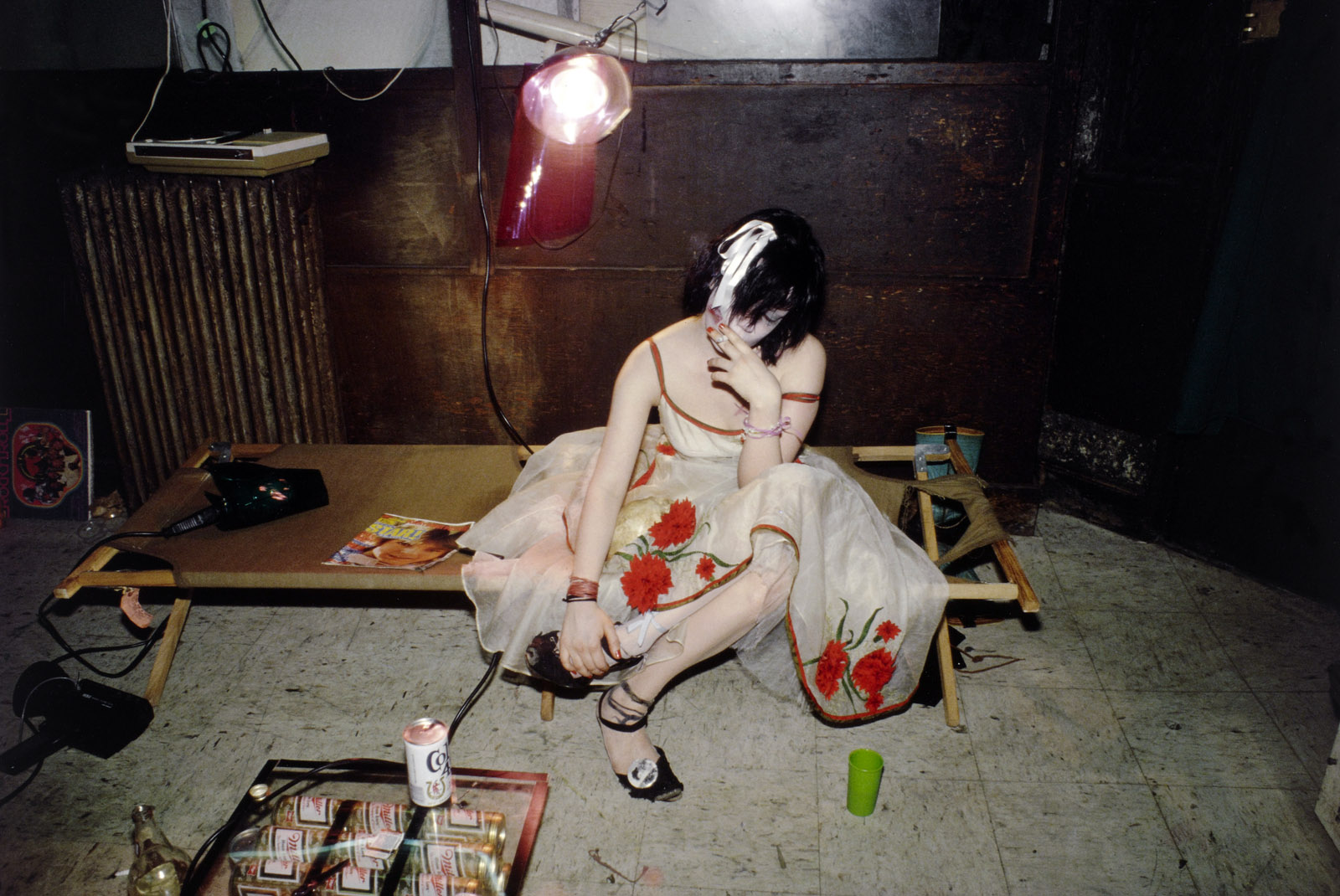
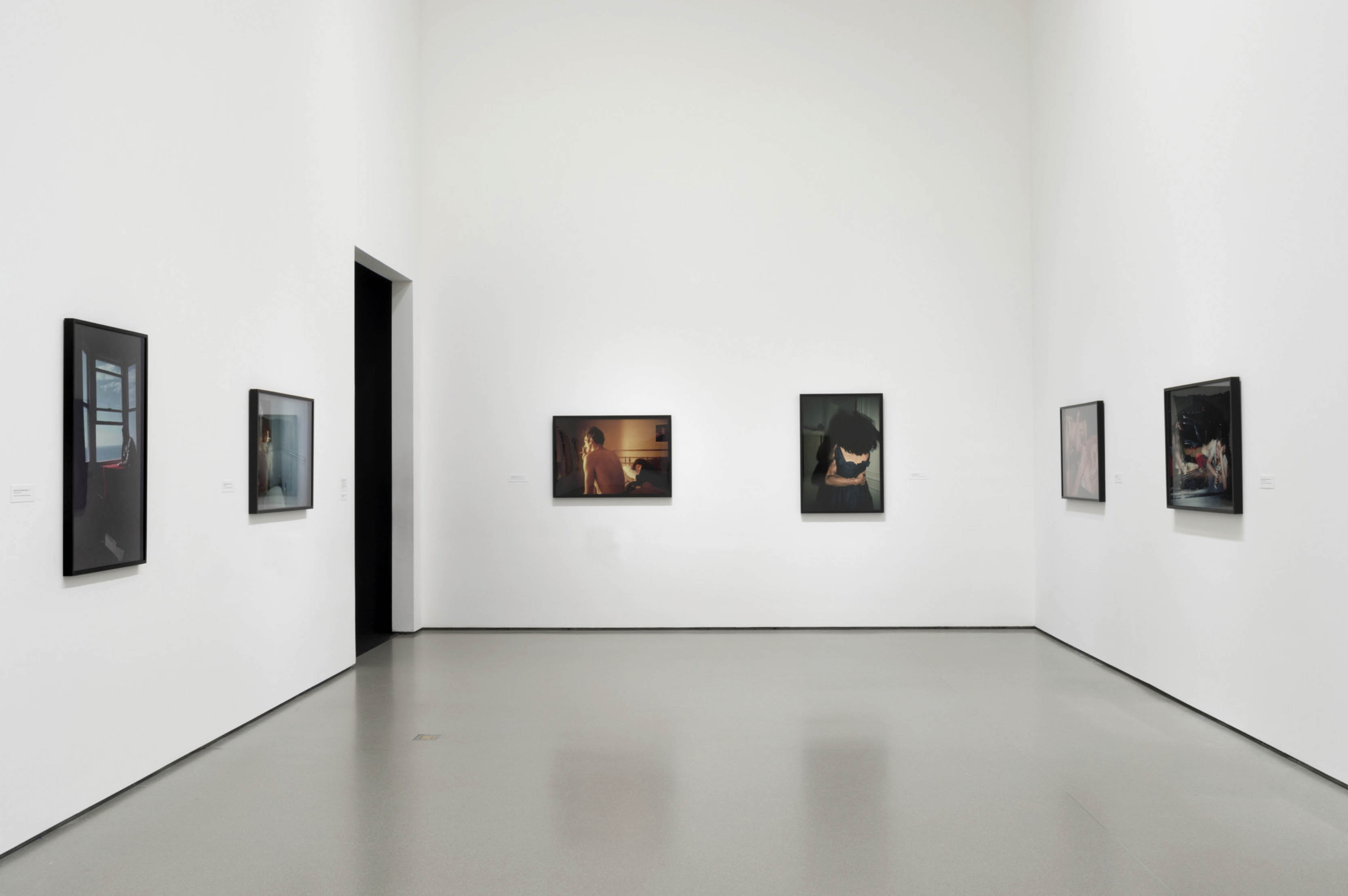
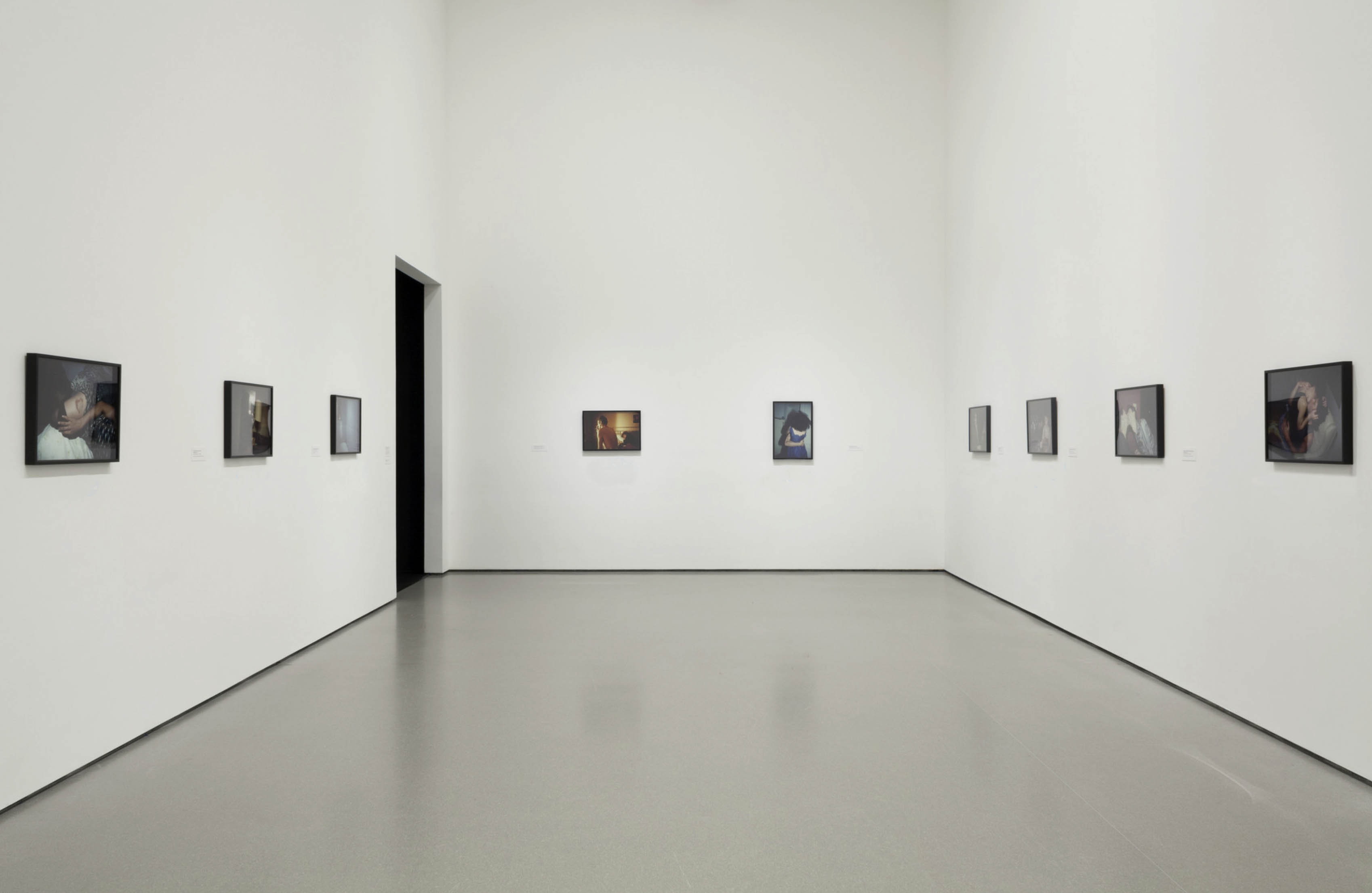
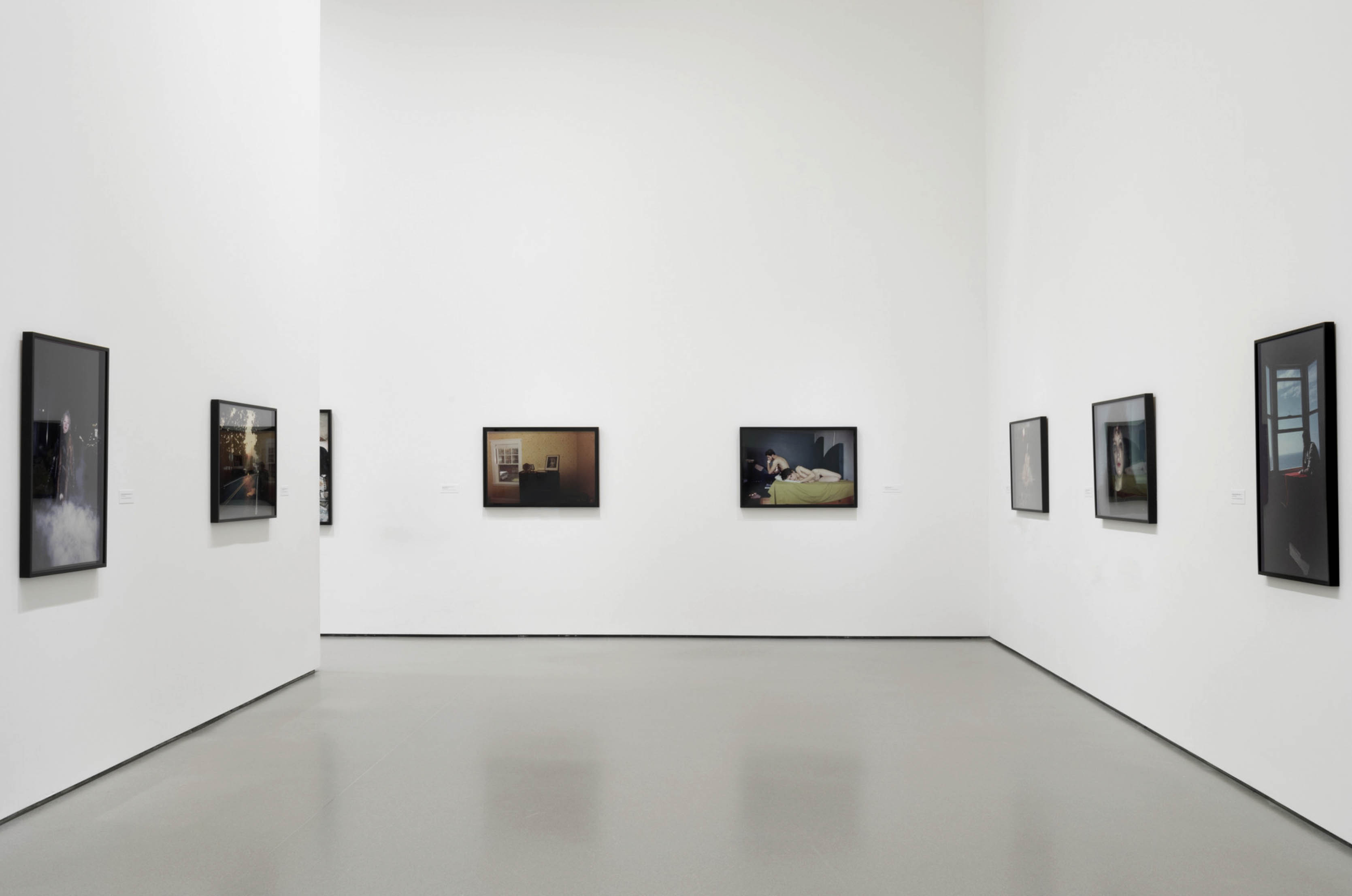

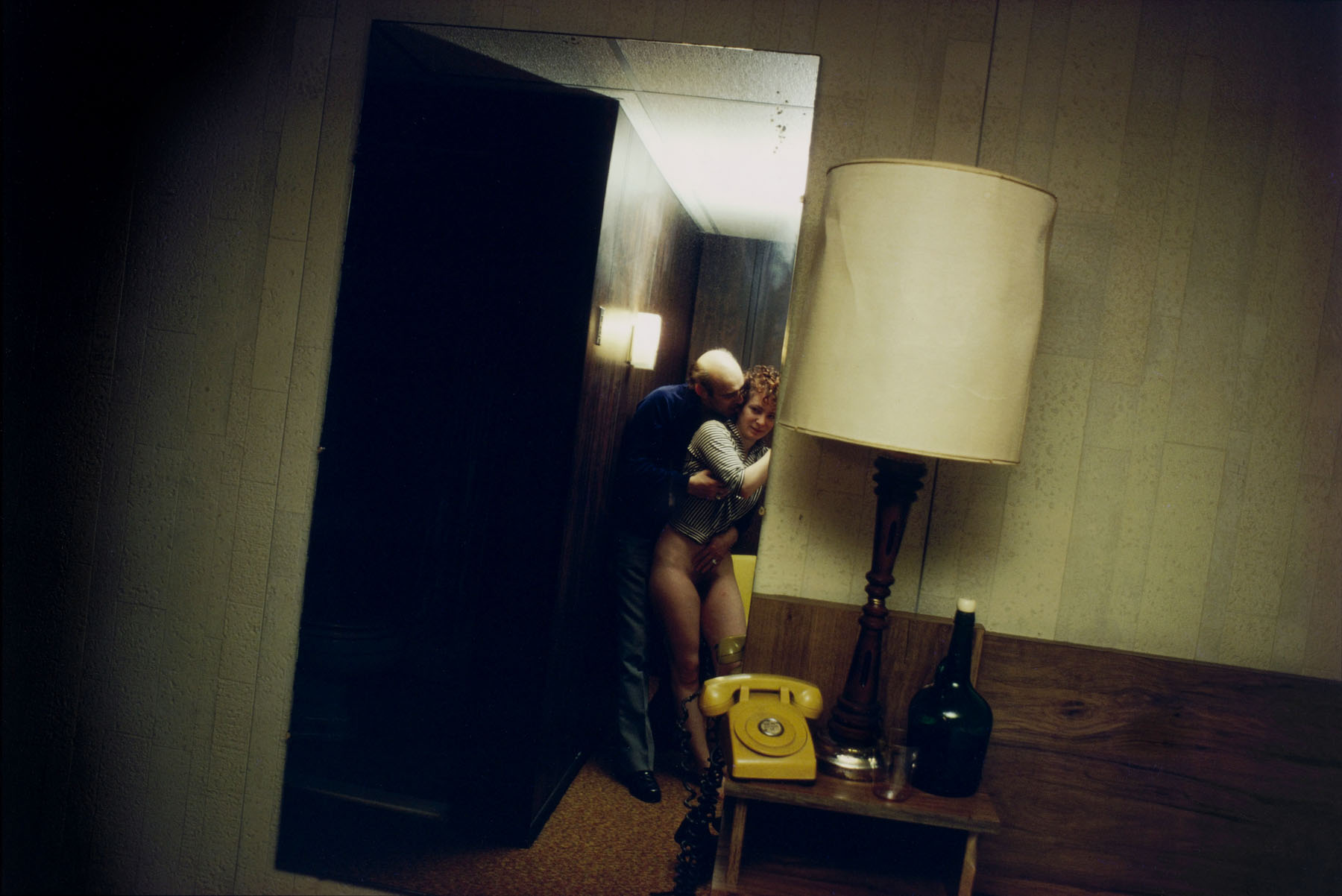
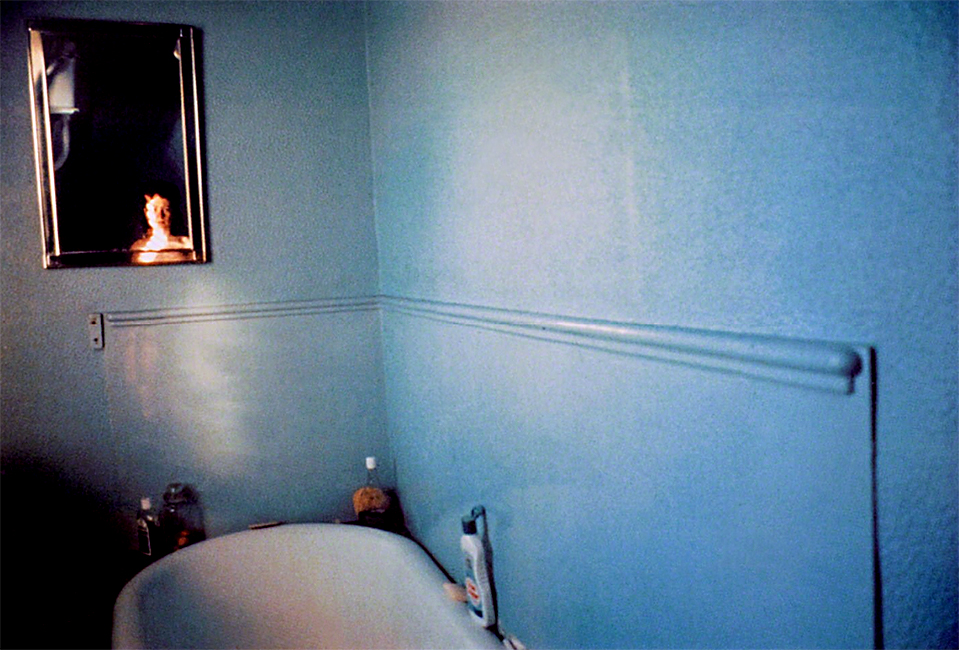
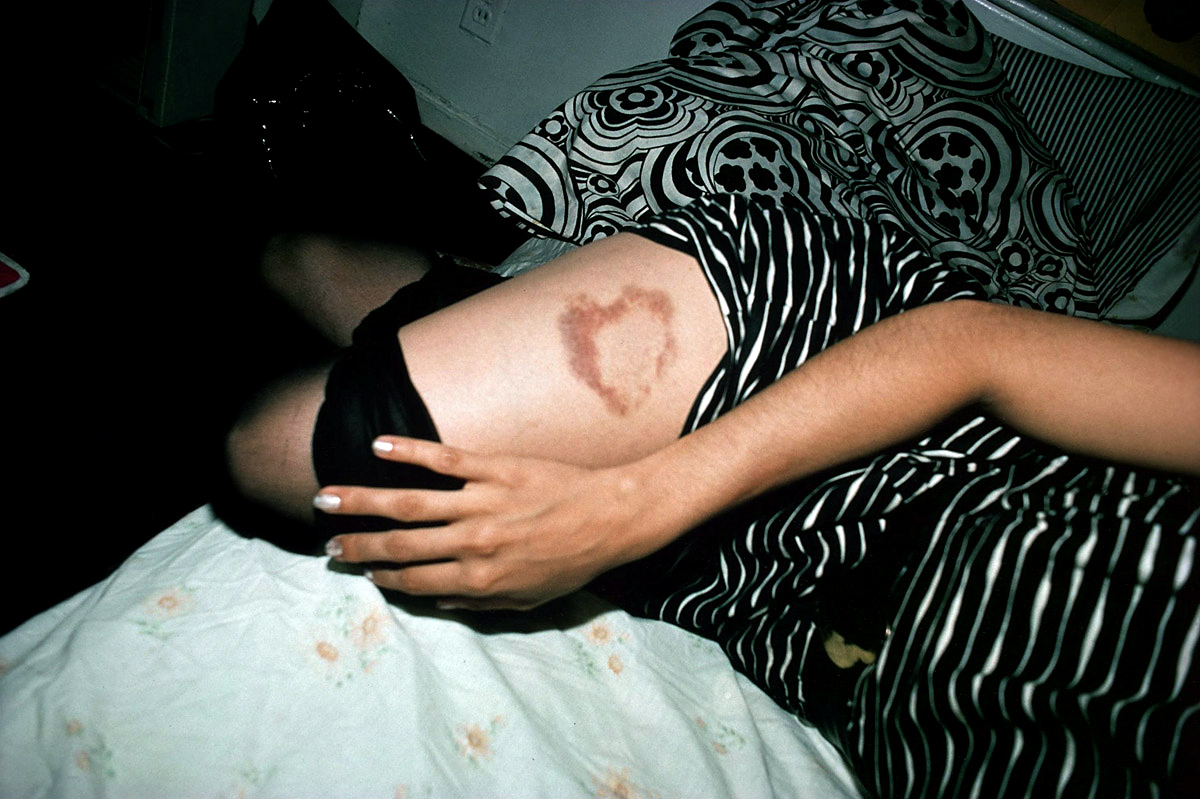
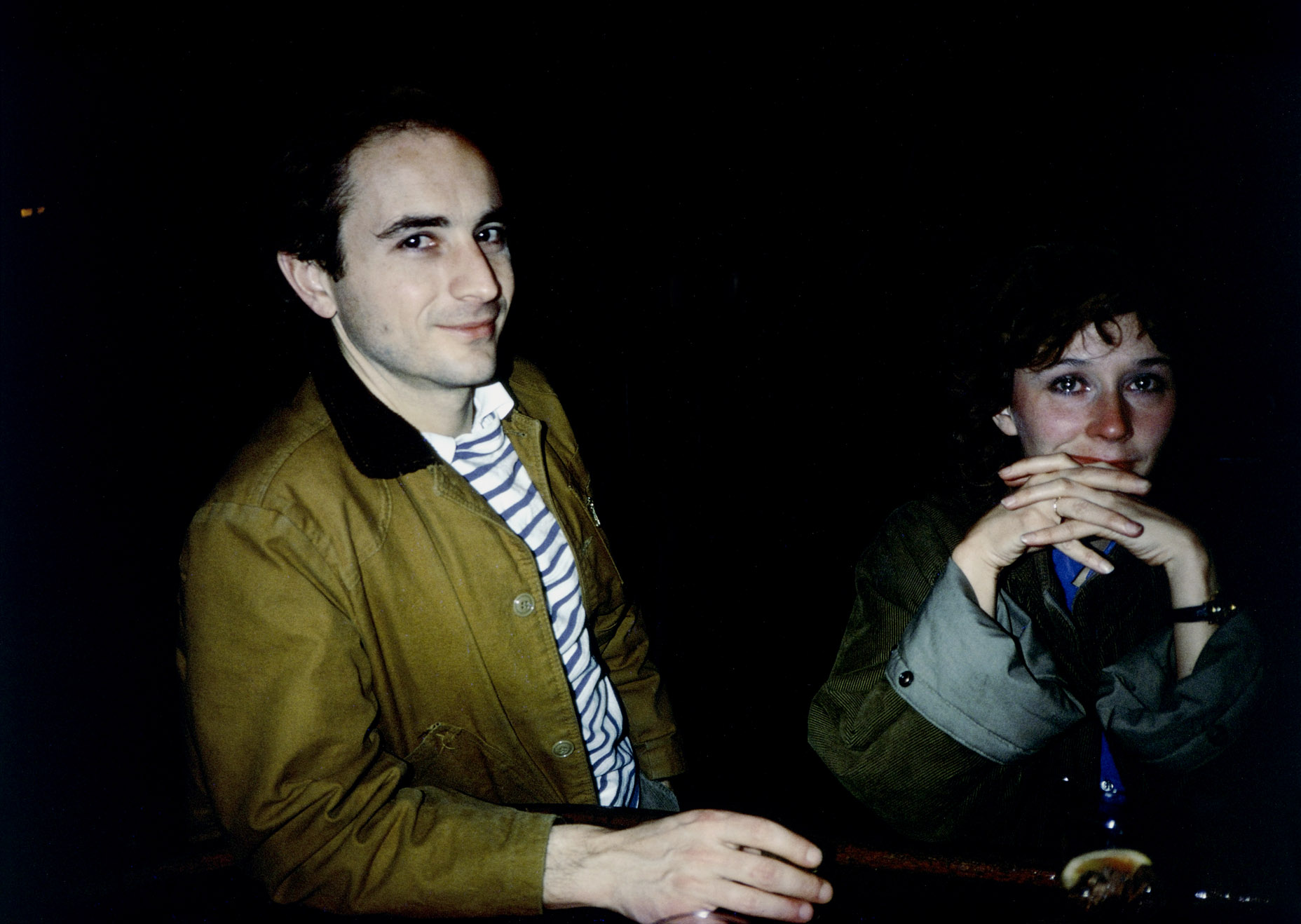
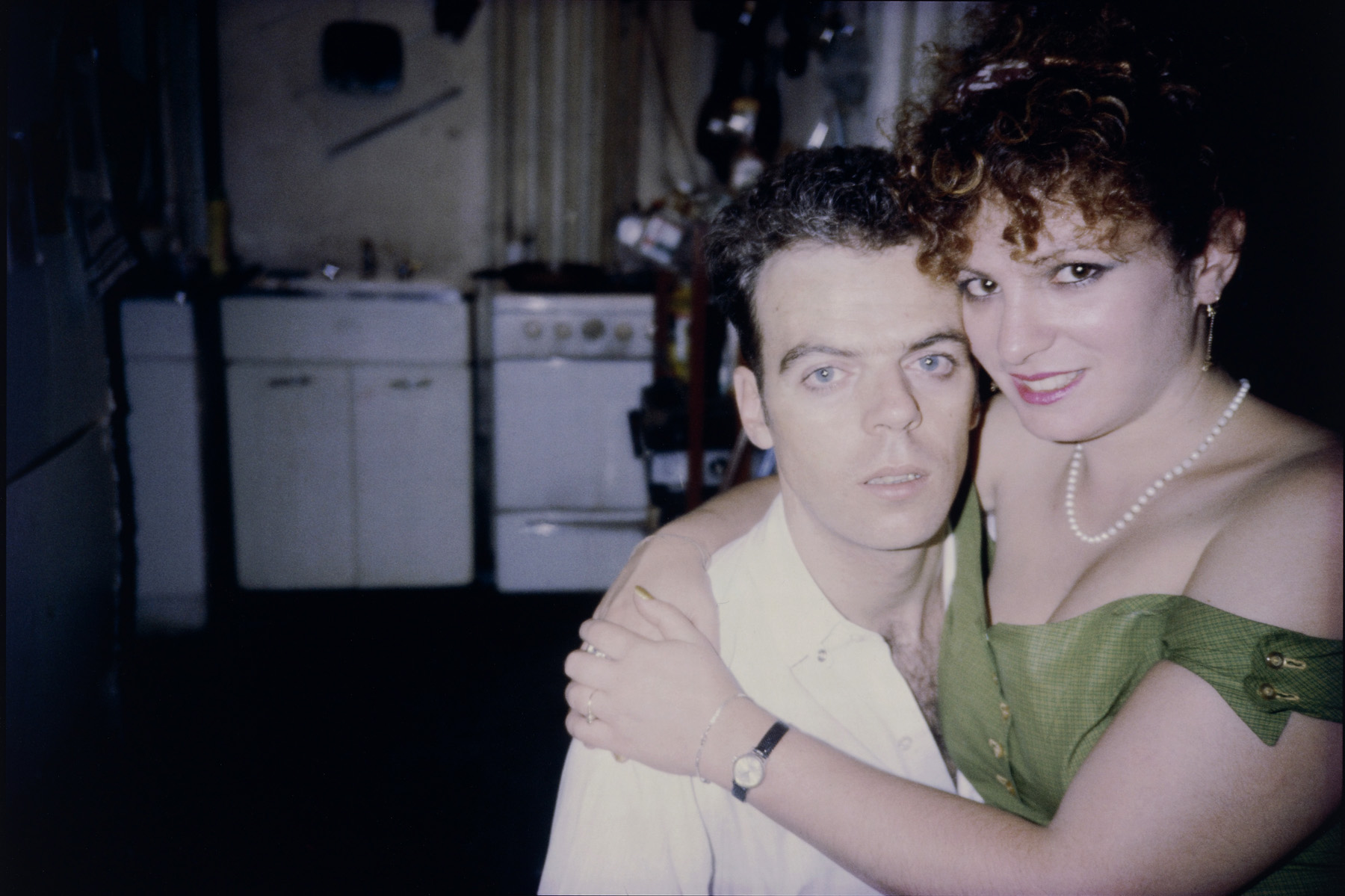

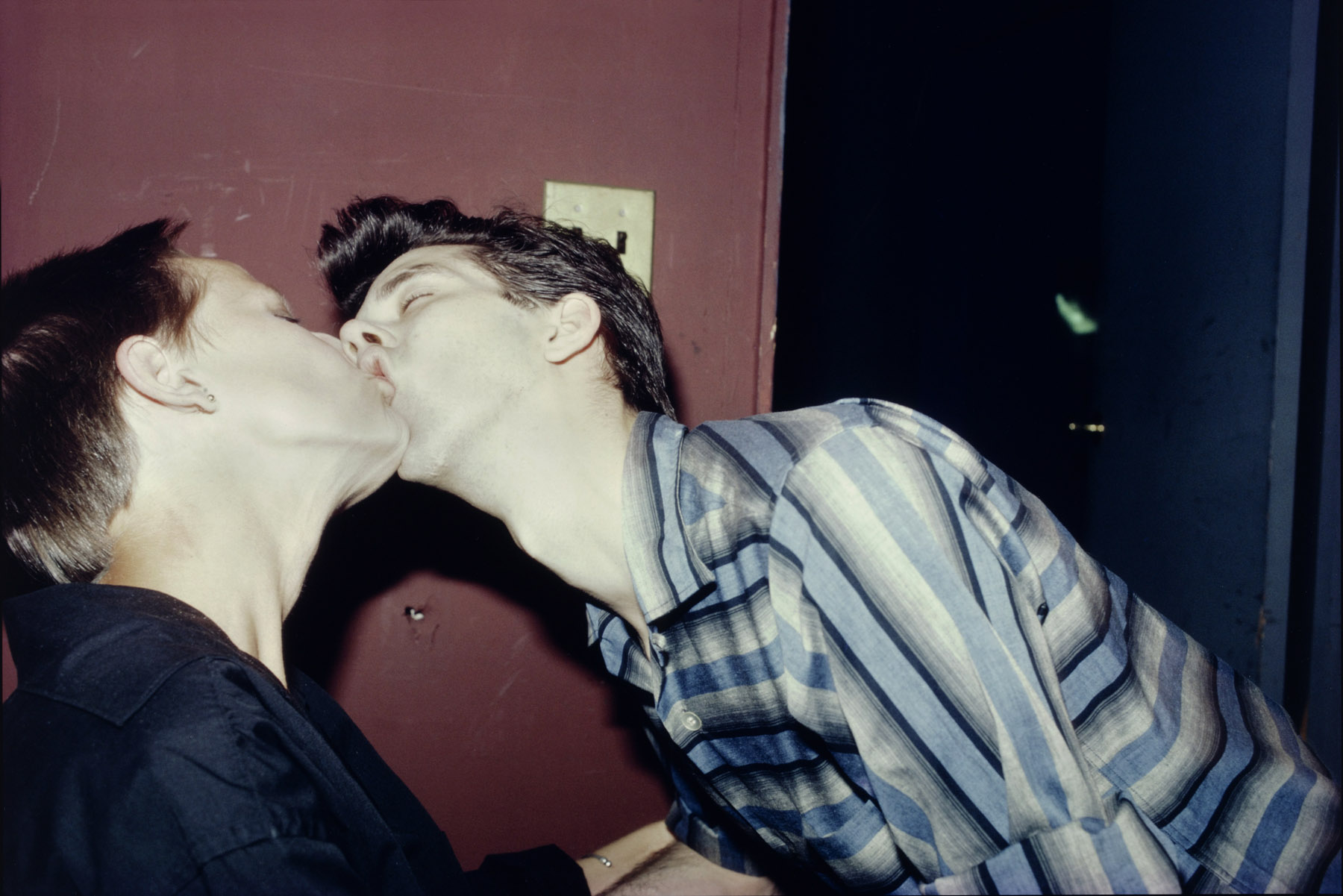
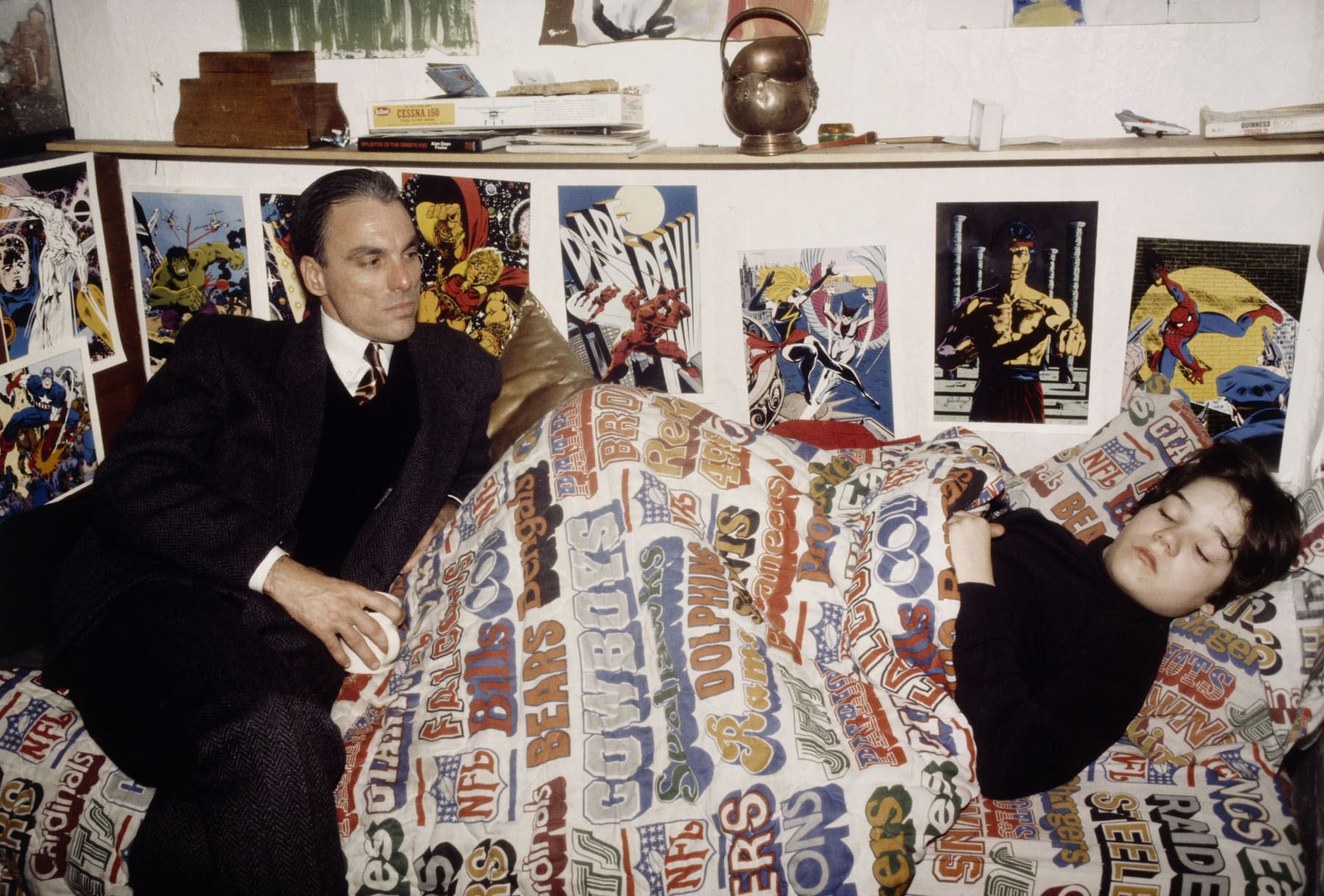

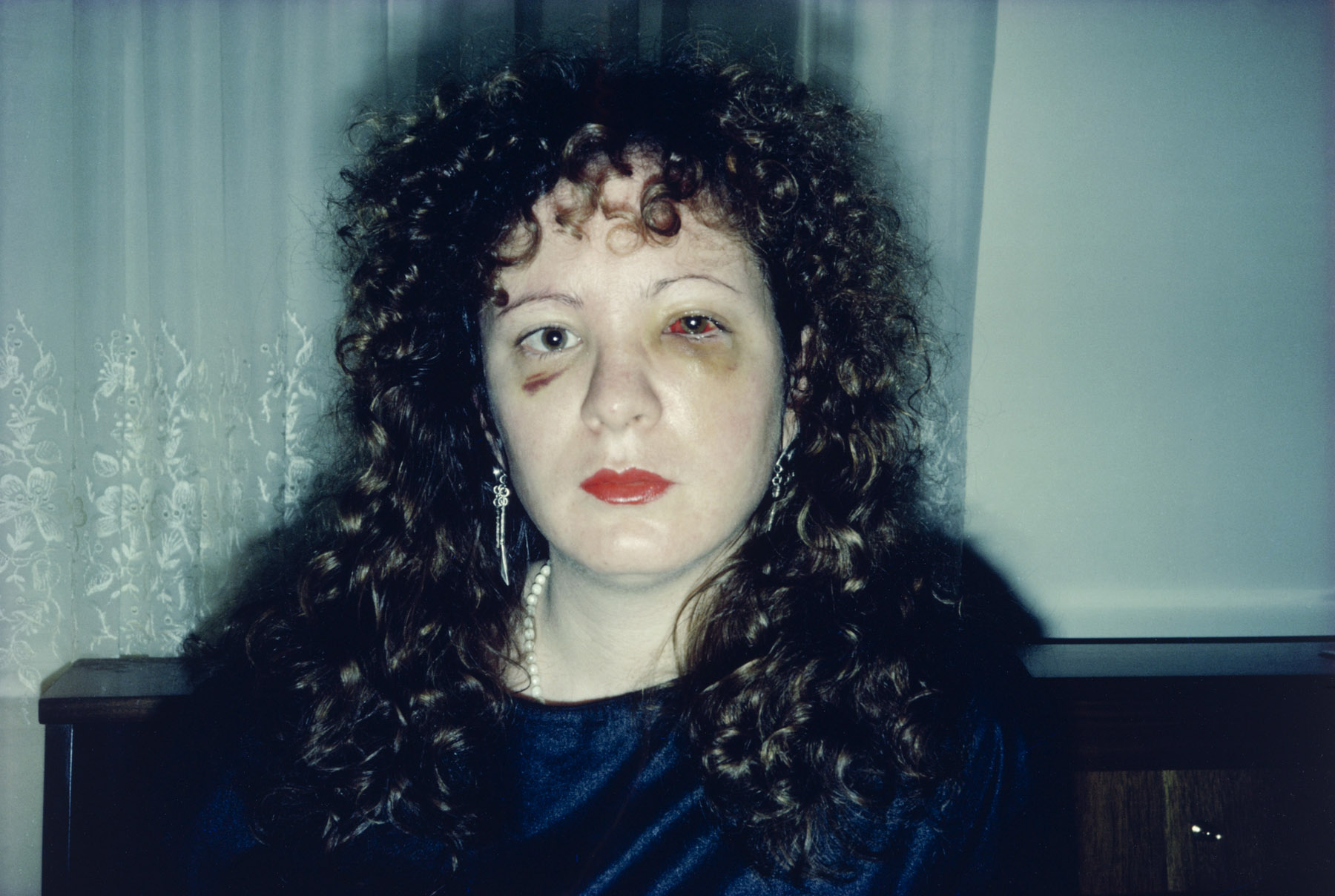
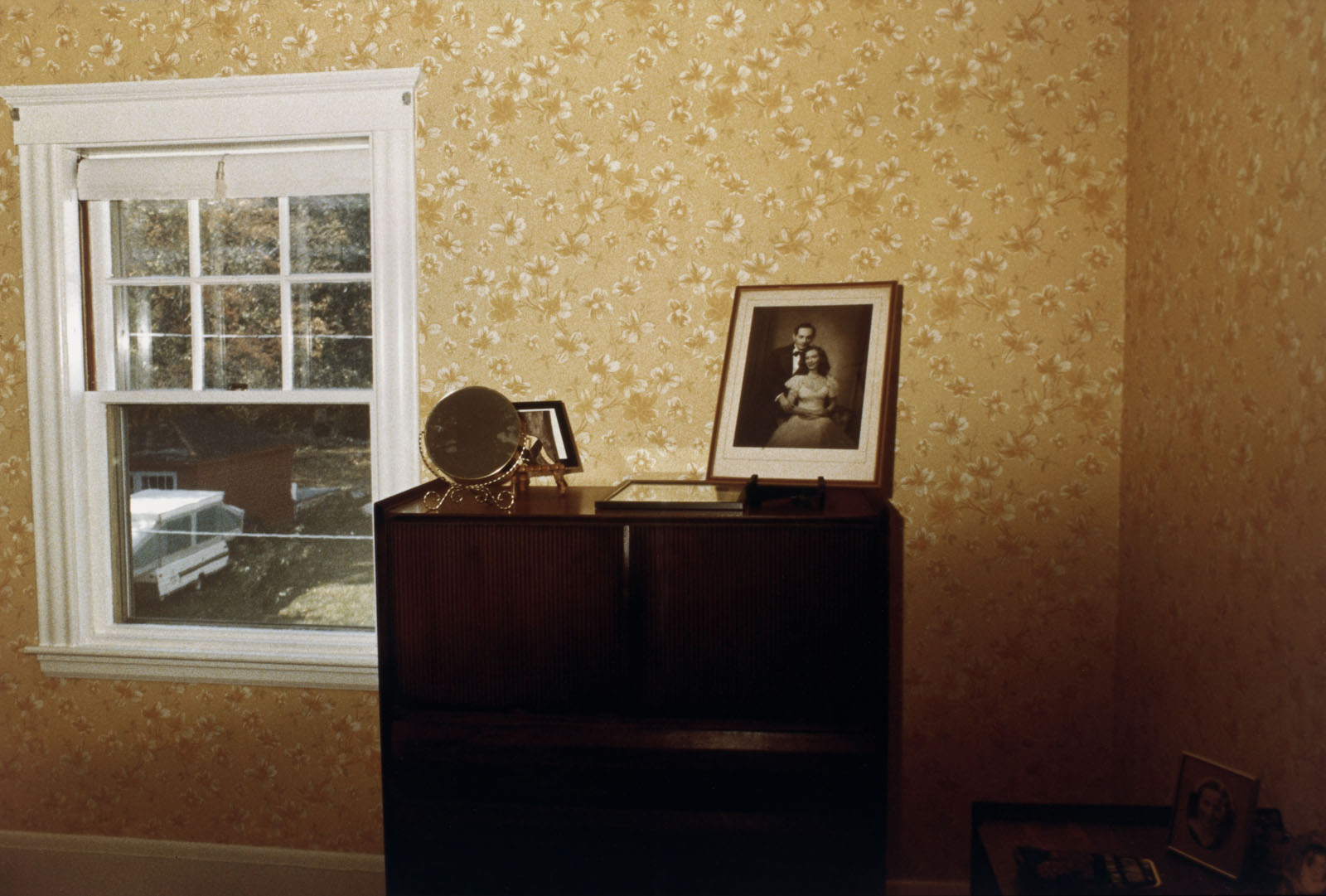
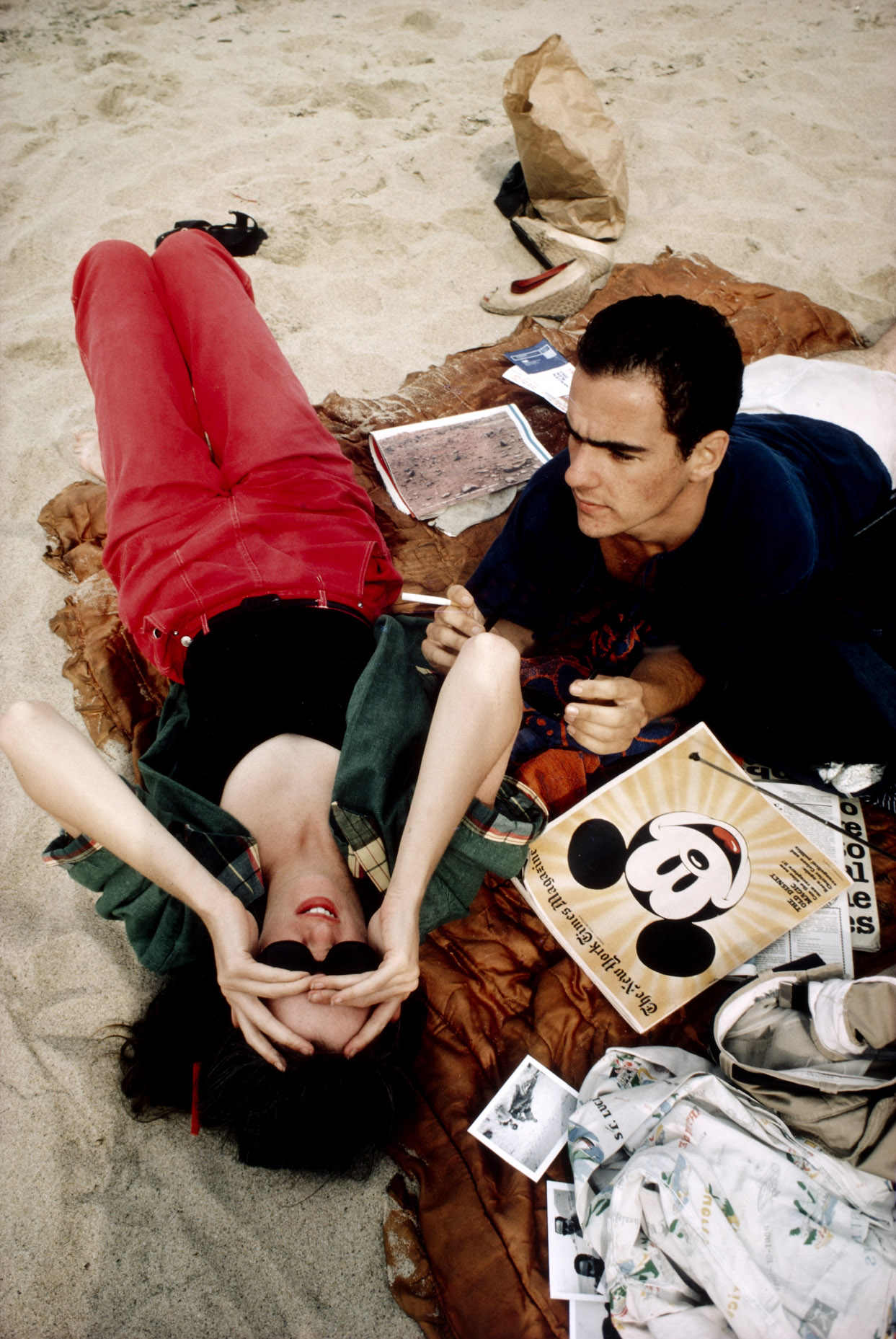
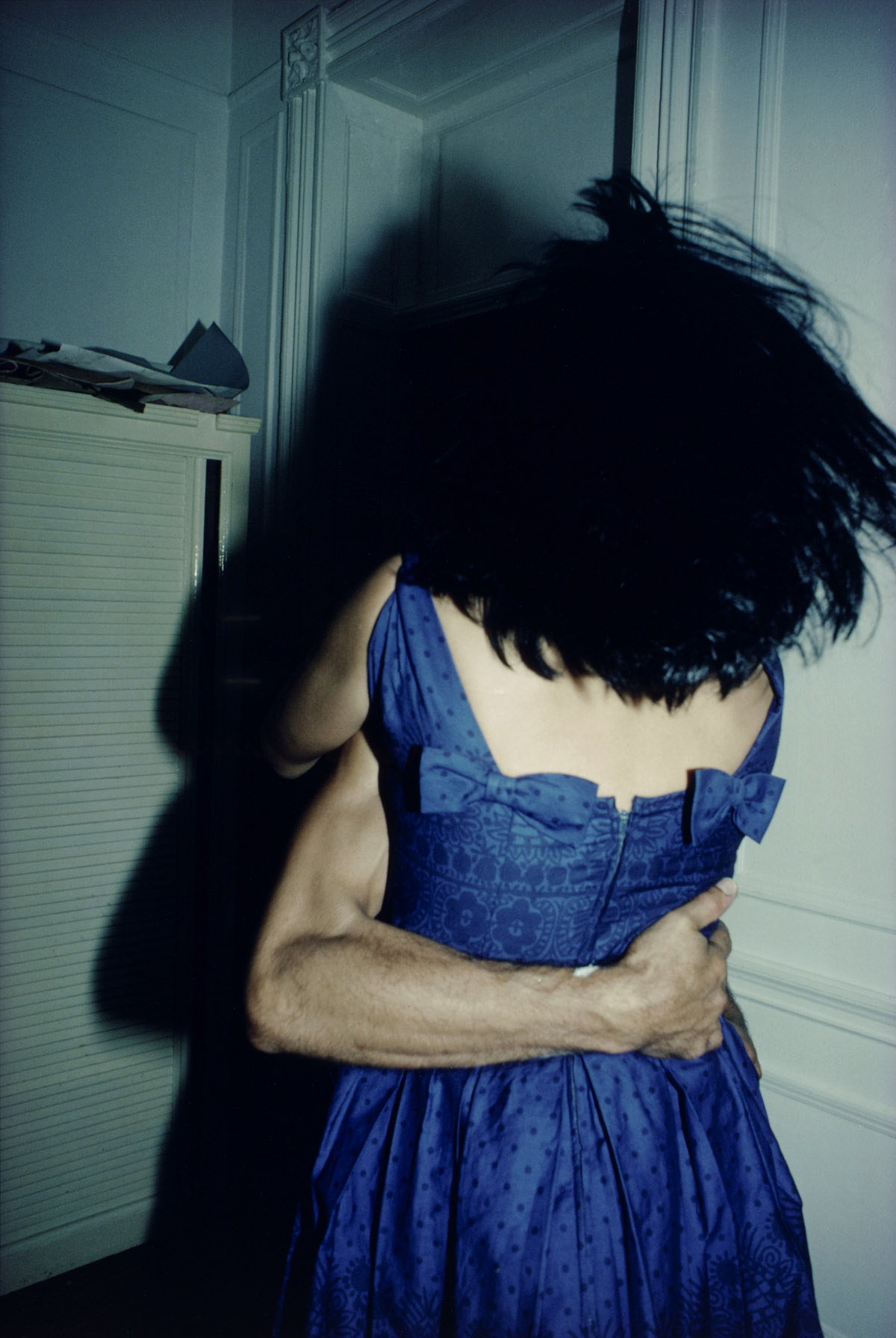
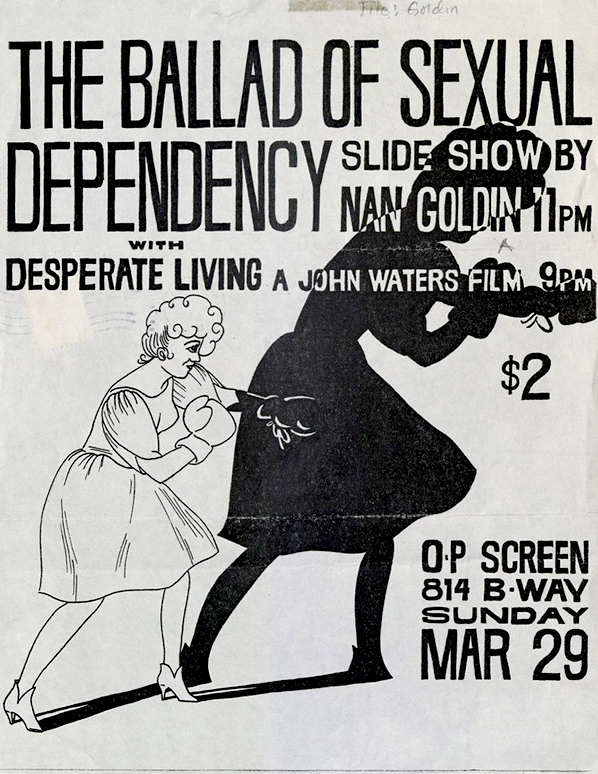
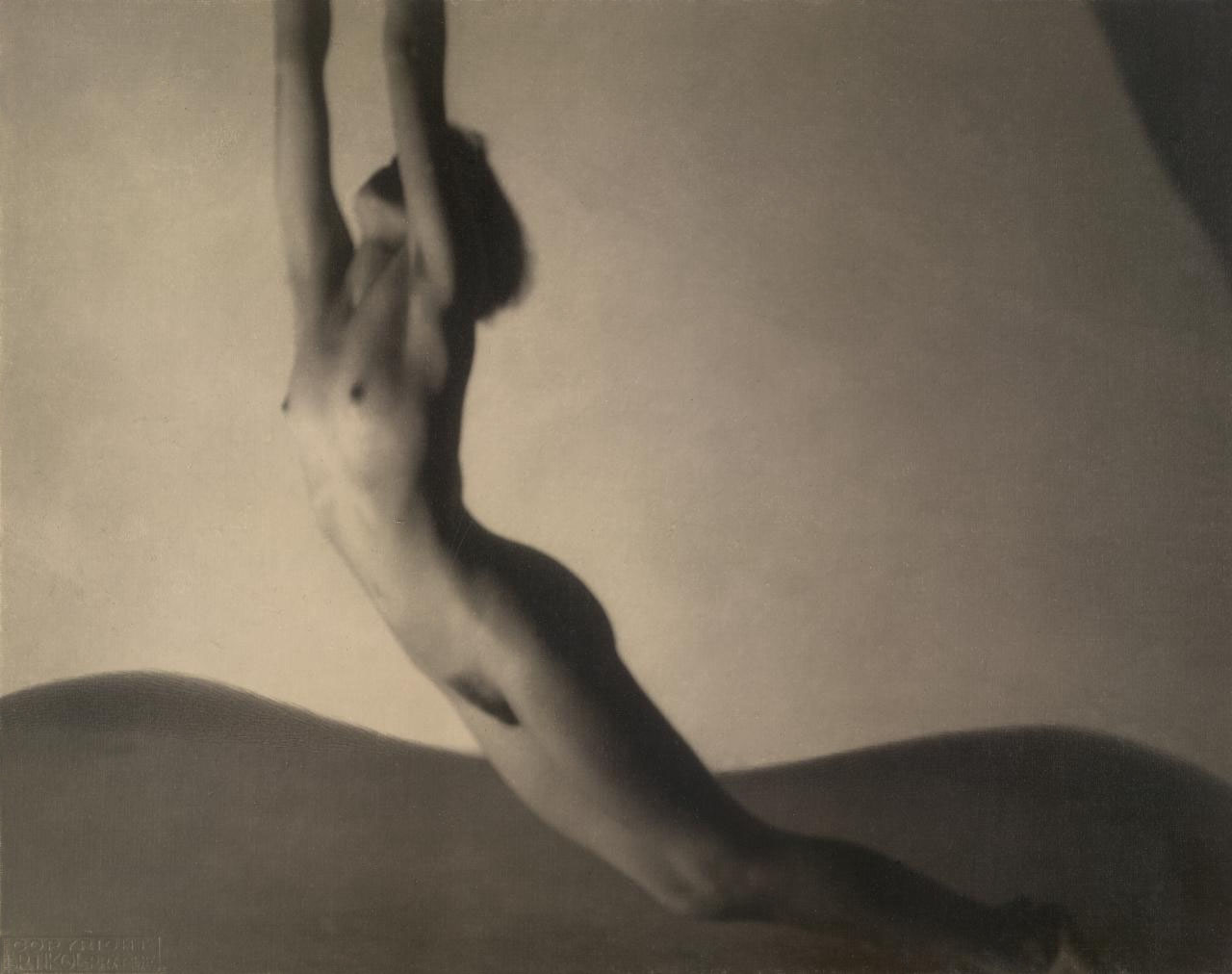
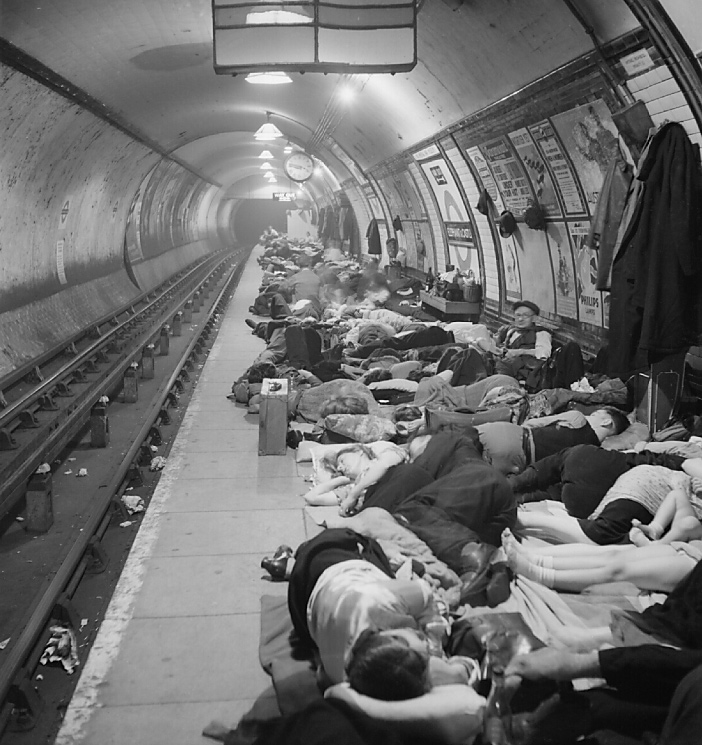
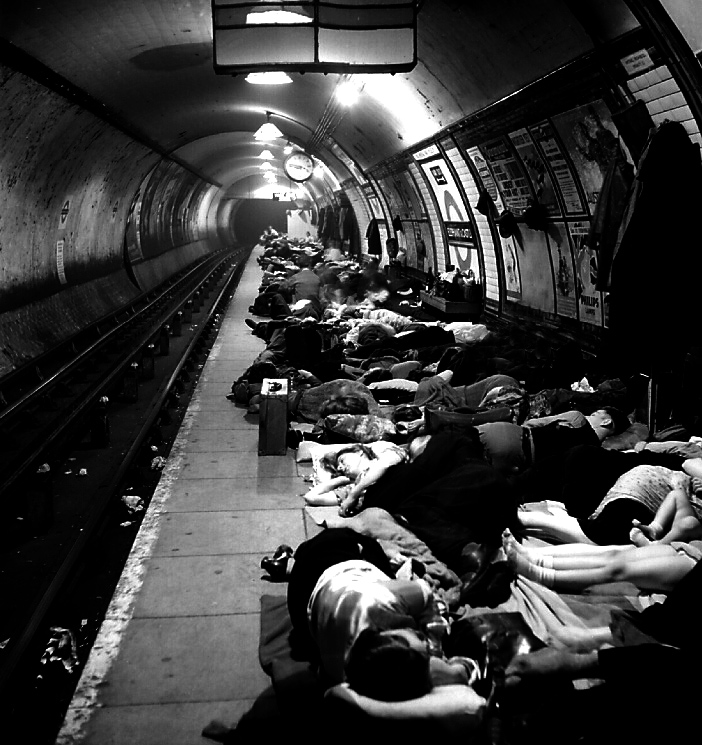
![George Baron Goodman, d. 1851. [Dr William Bland, ca. 1845 - portrait] c. 1845](https://artblart.com/wp-content/uploads/2014/07/goodman-dr-george-bland-1845-web.jpg "George Baron Goodman, d. 1851. [Dr William Bland, ca. 1845 - portrait] c. 1845")
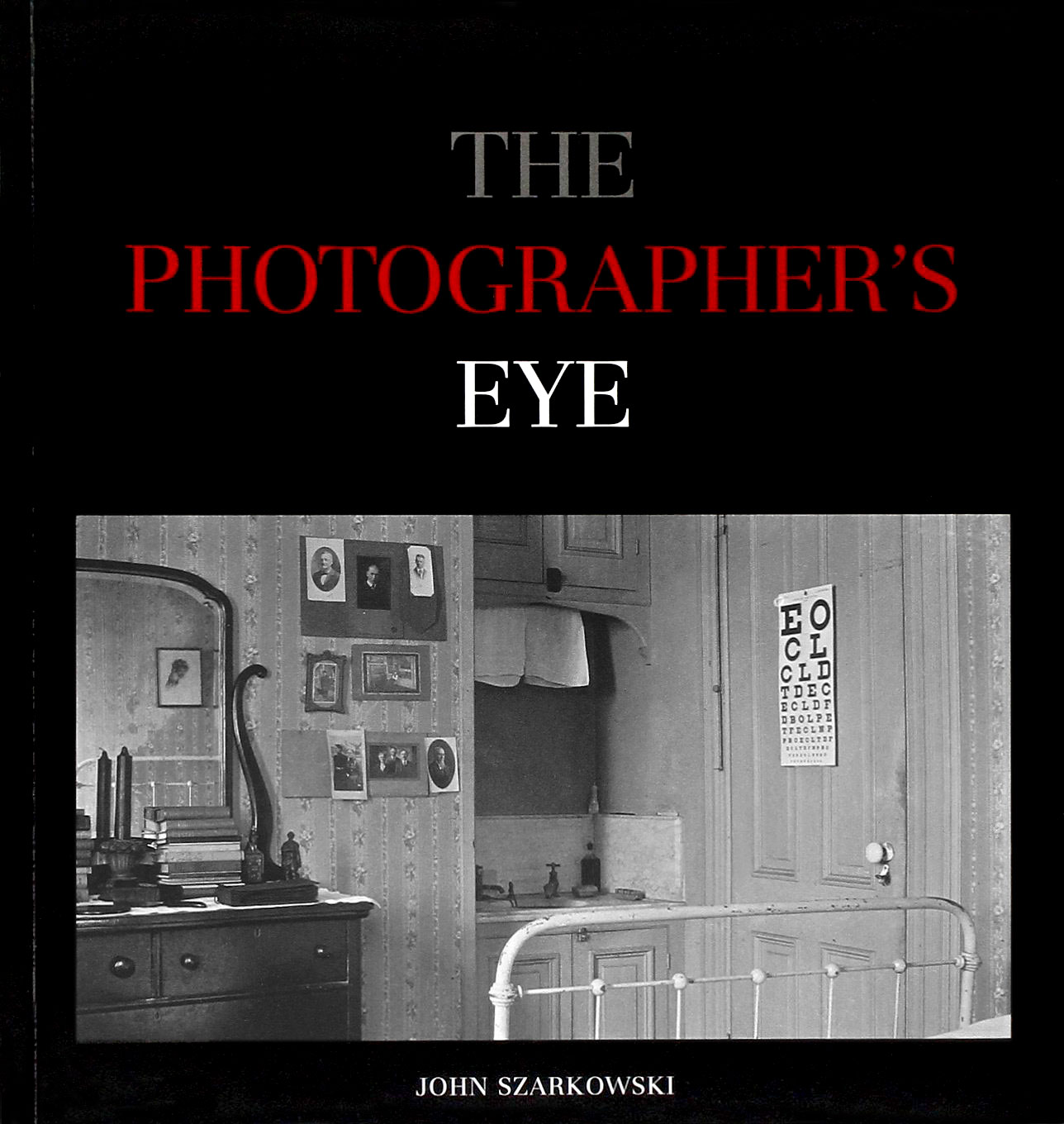
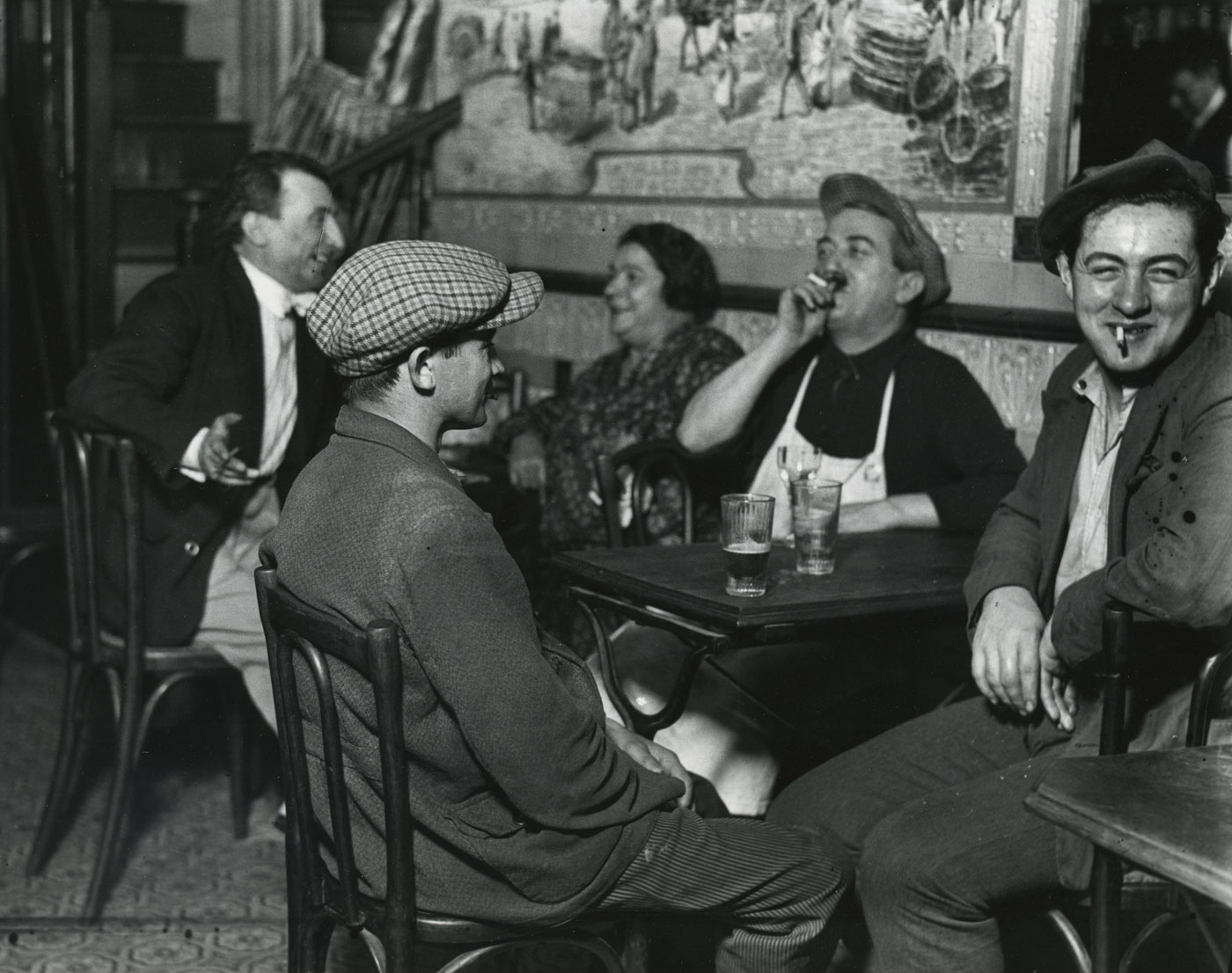
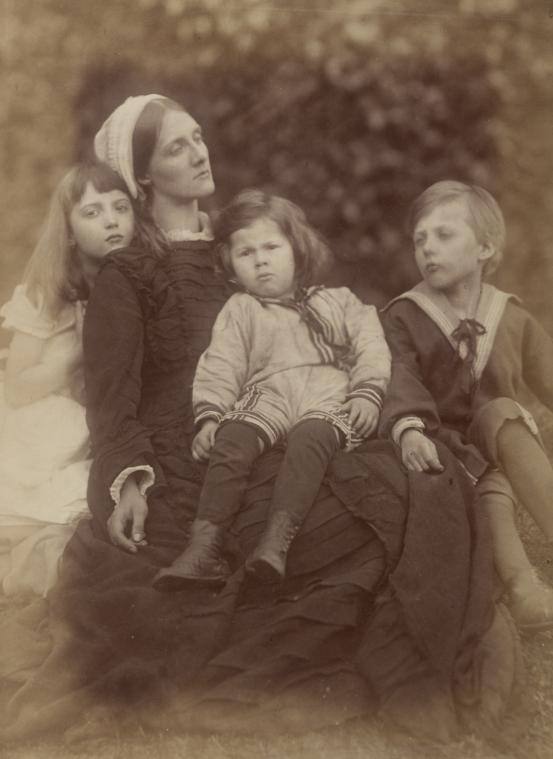
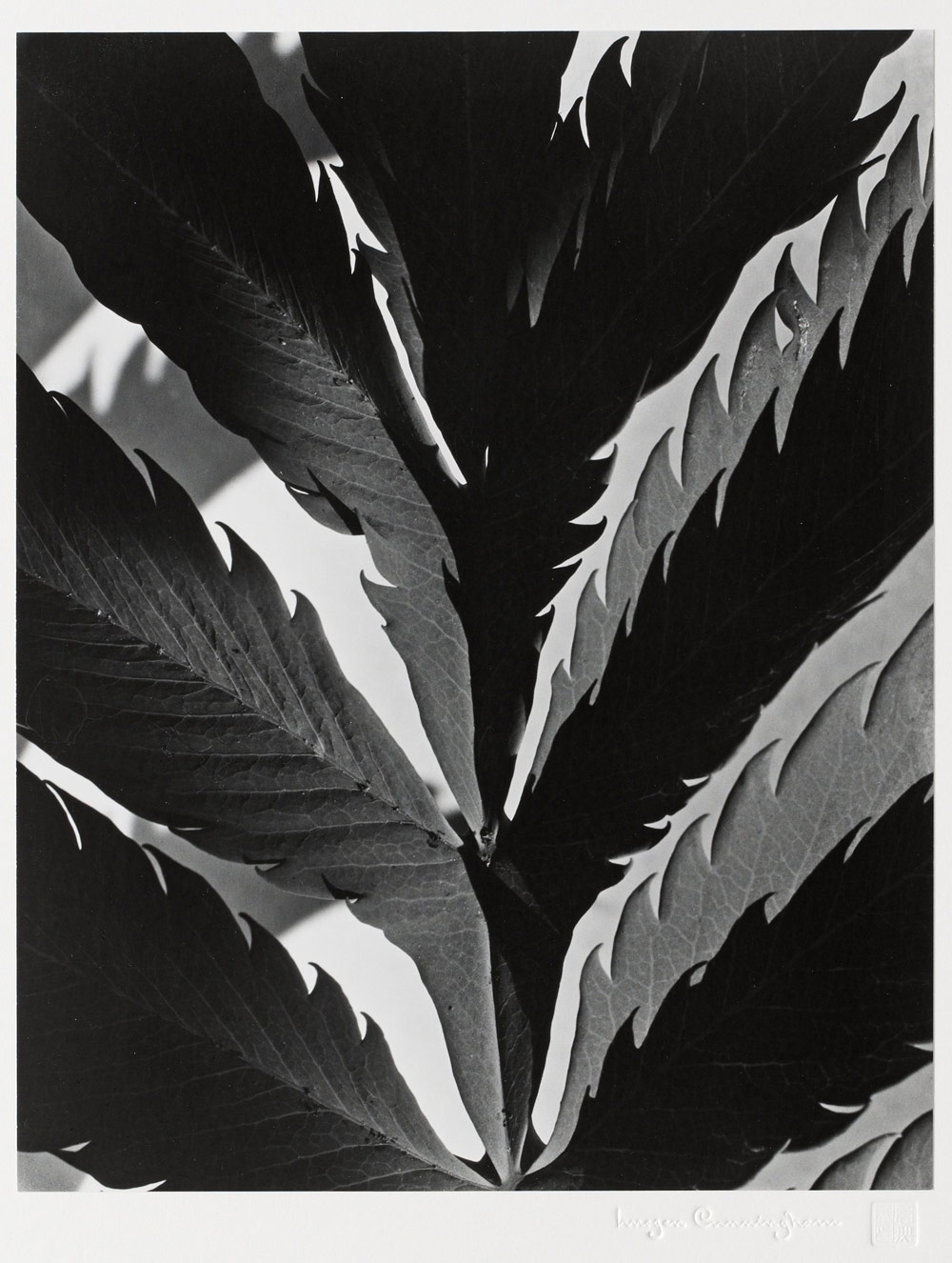
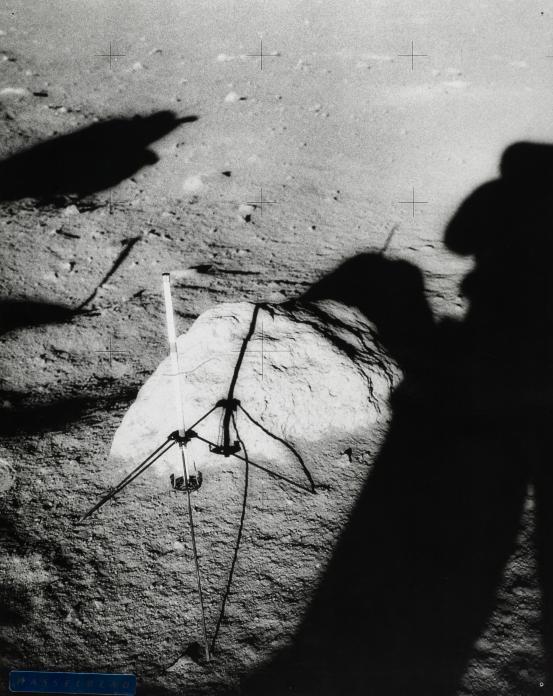
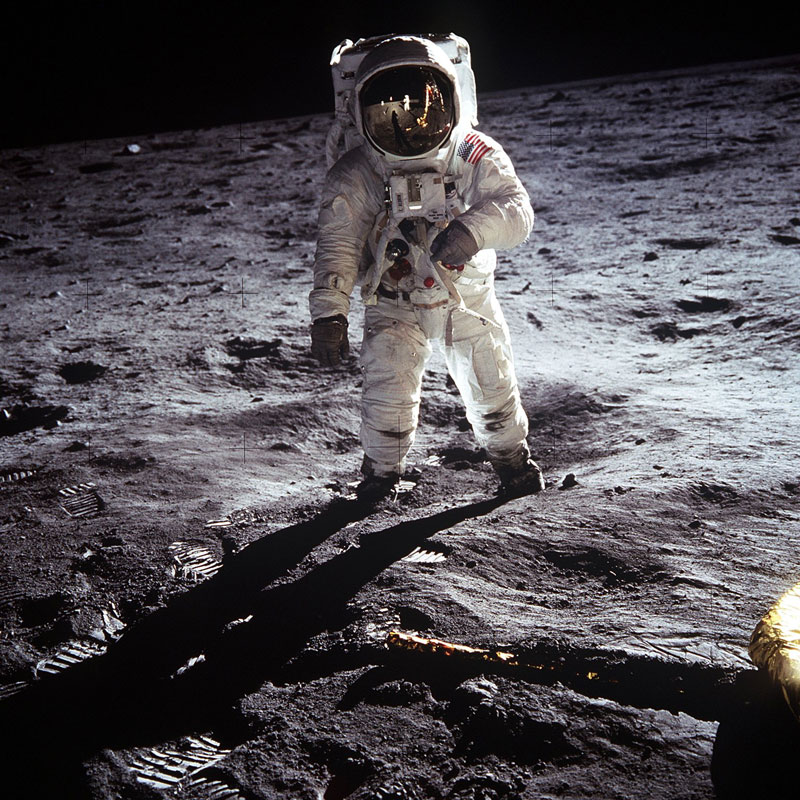

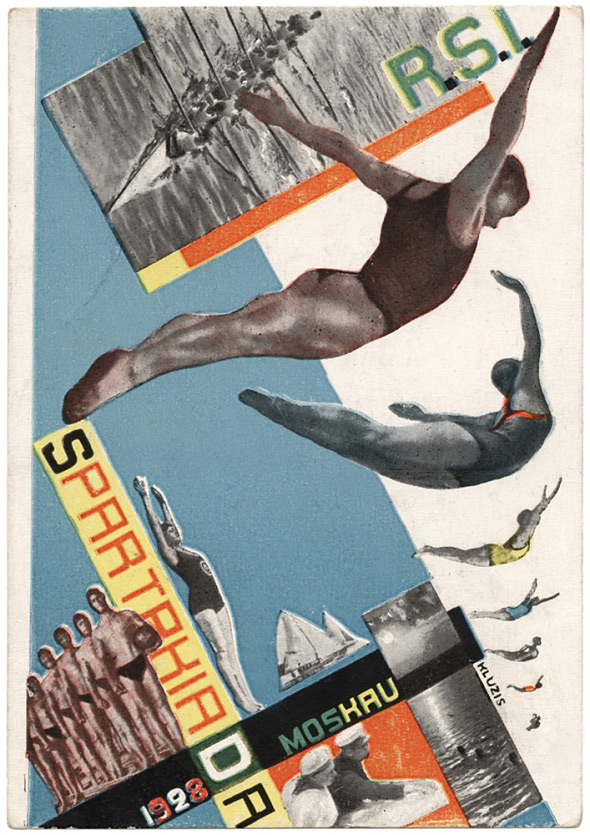

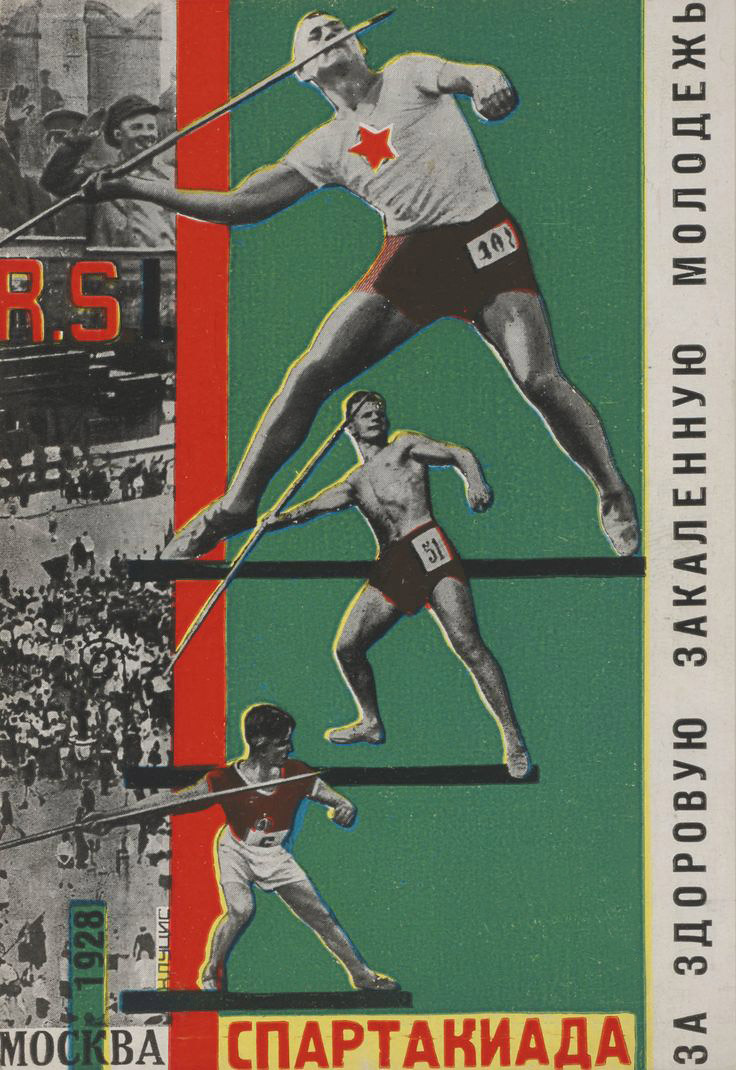

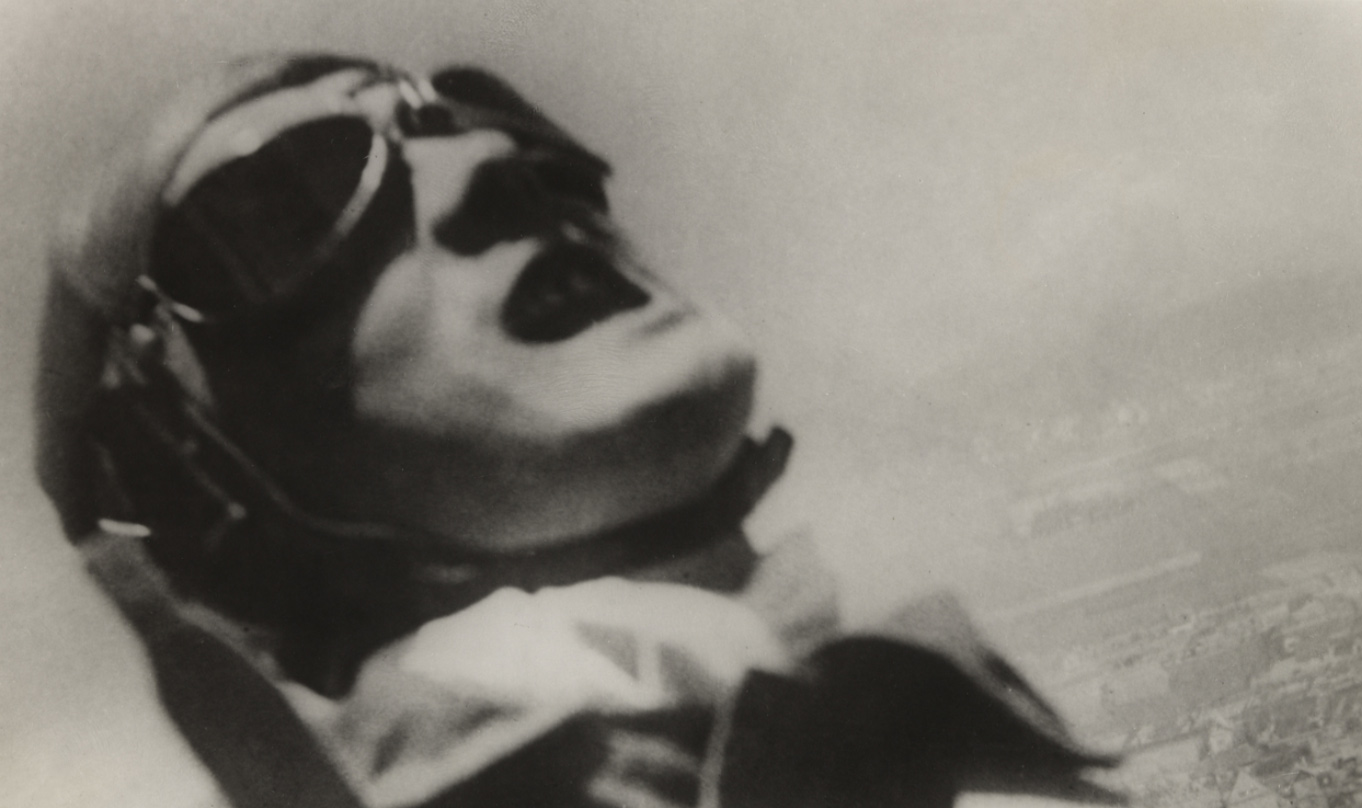
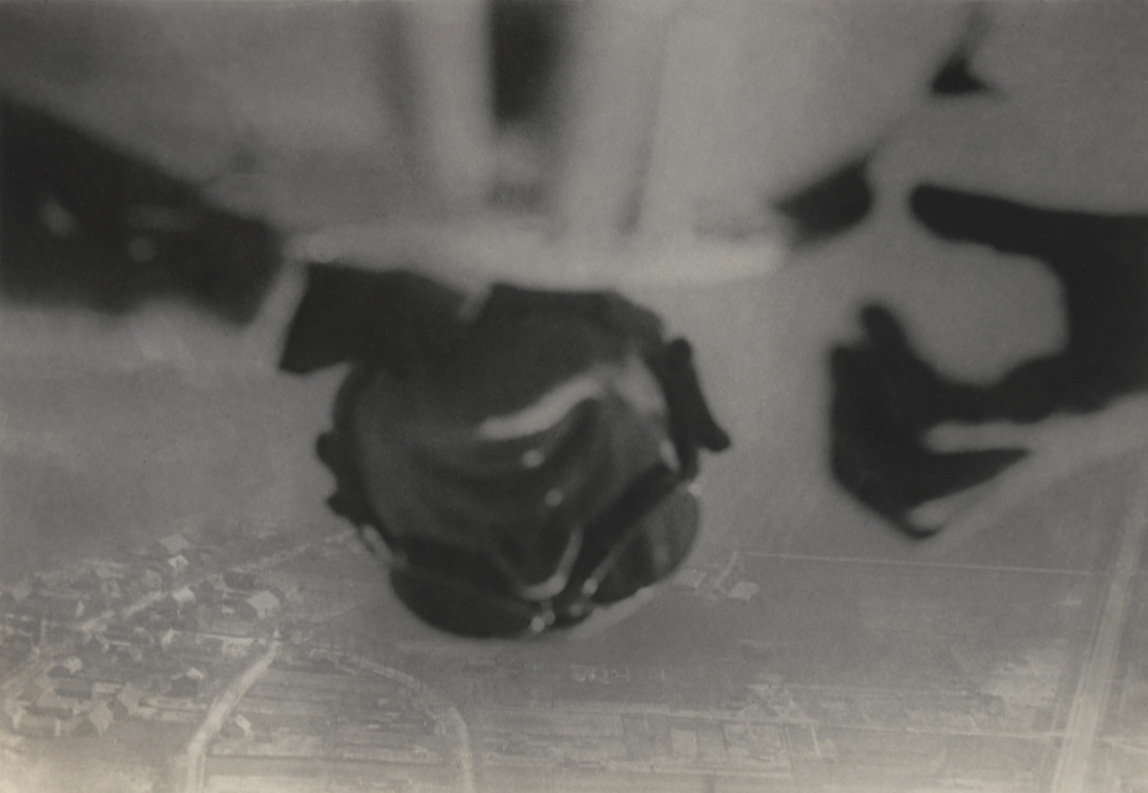

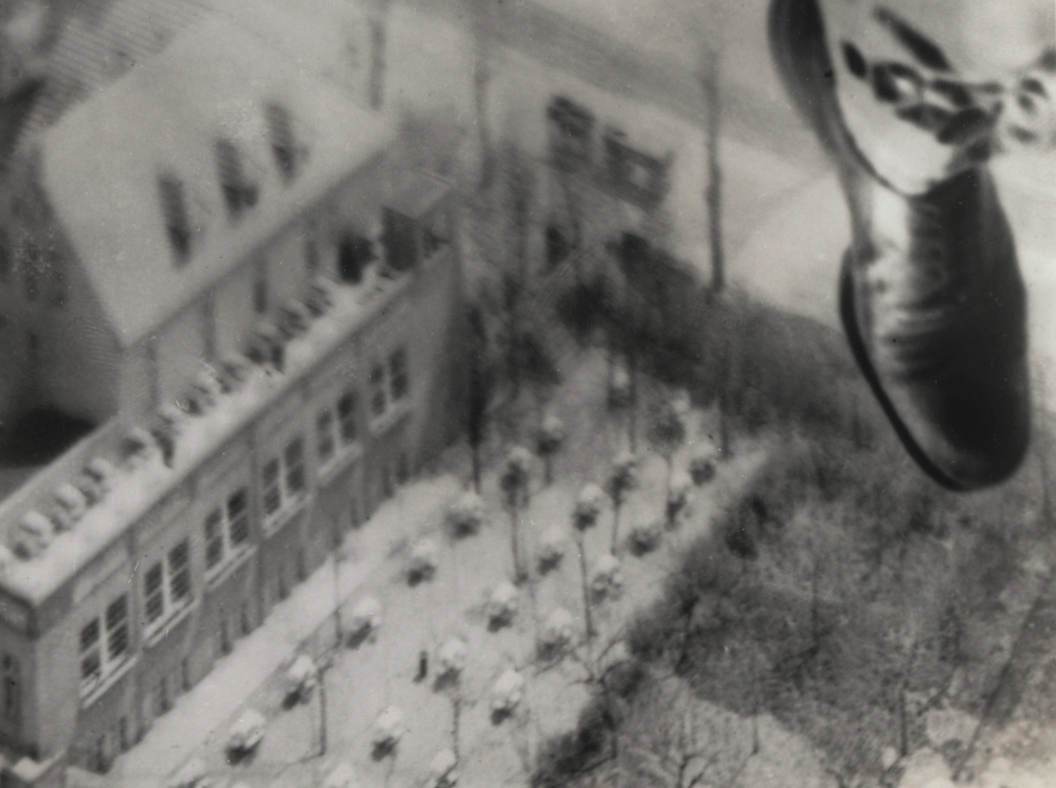
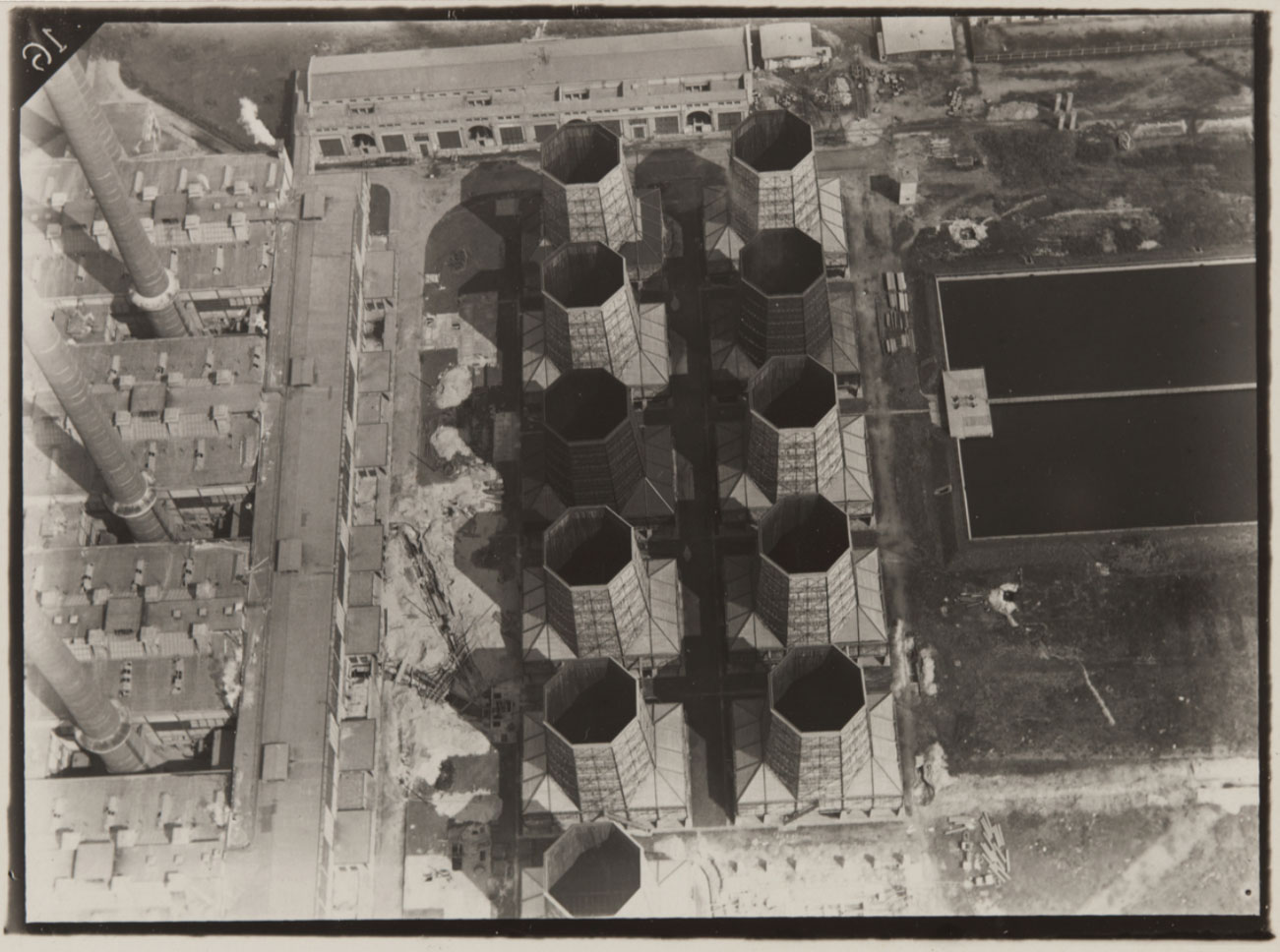
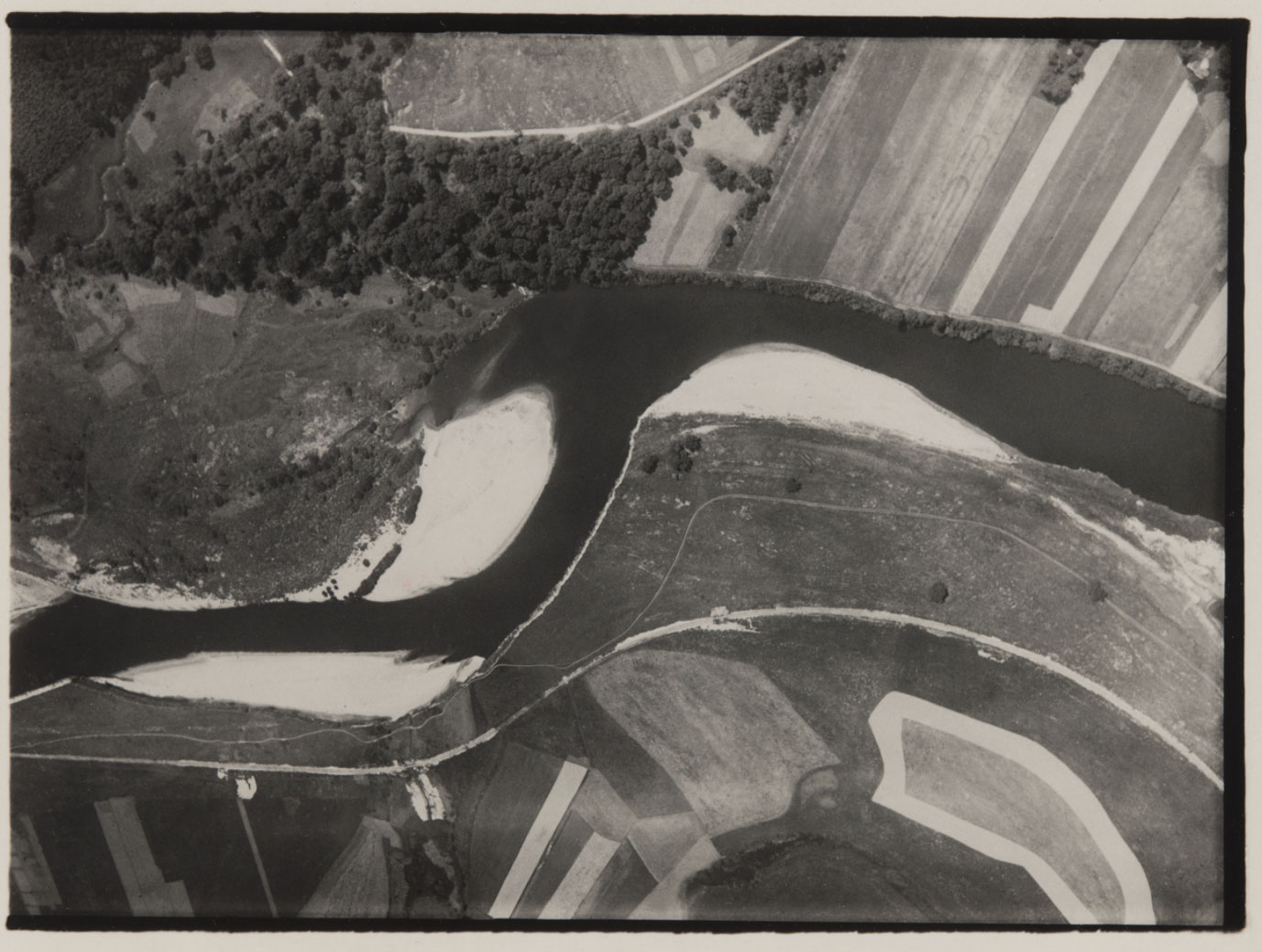
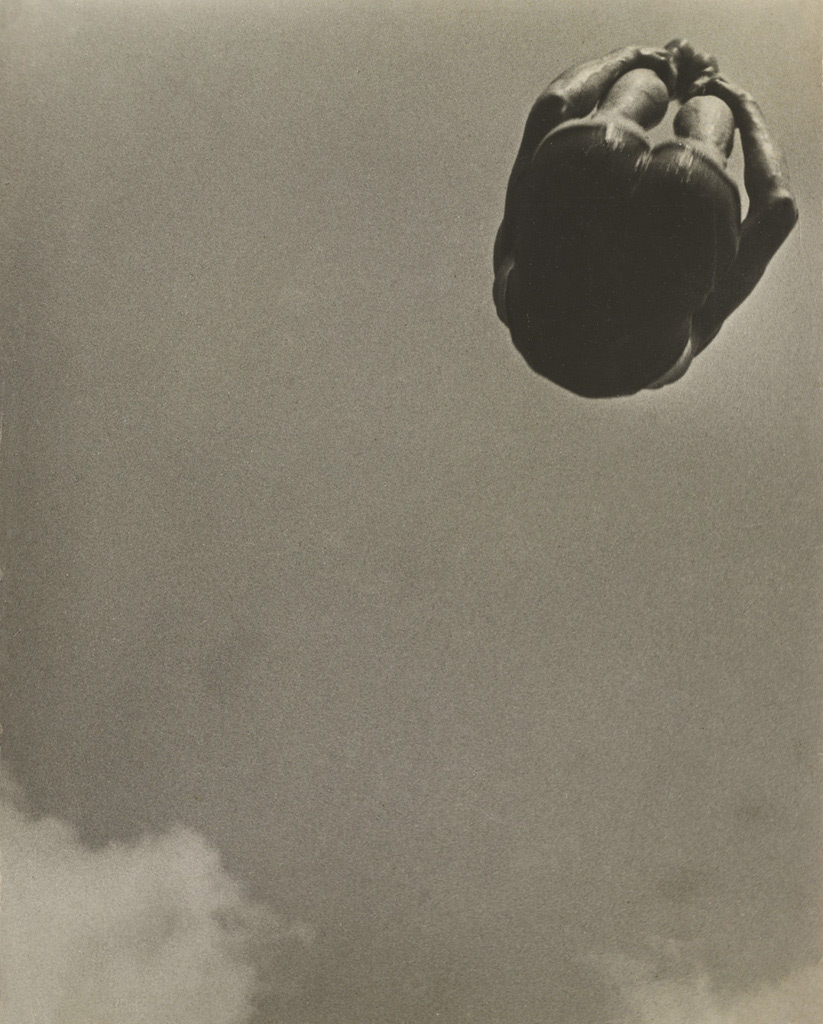
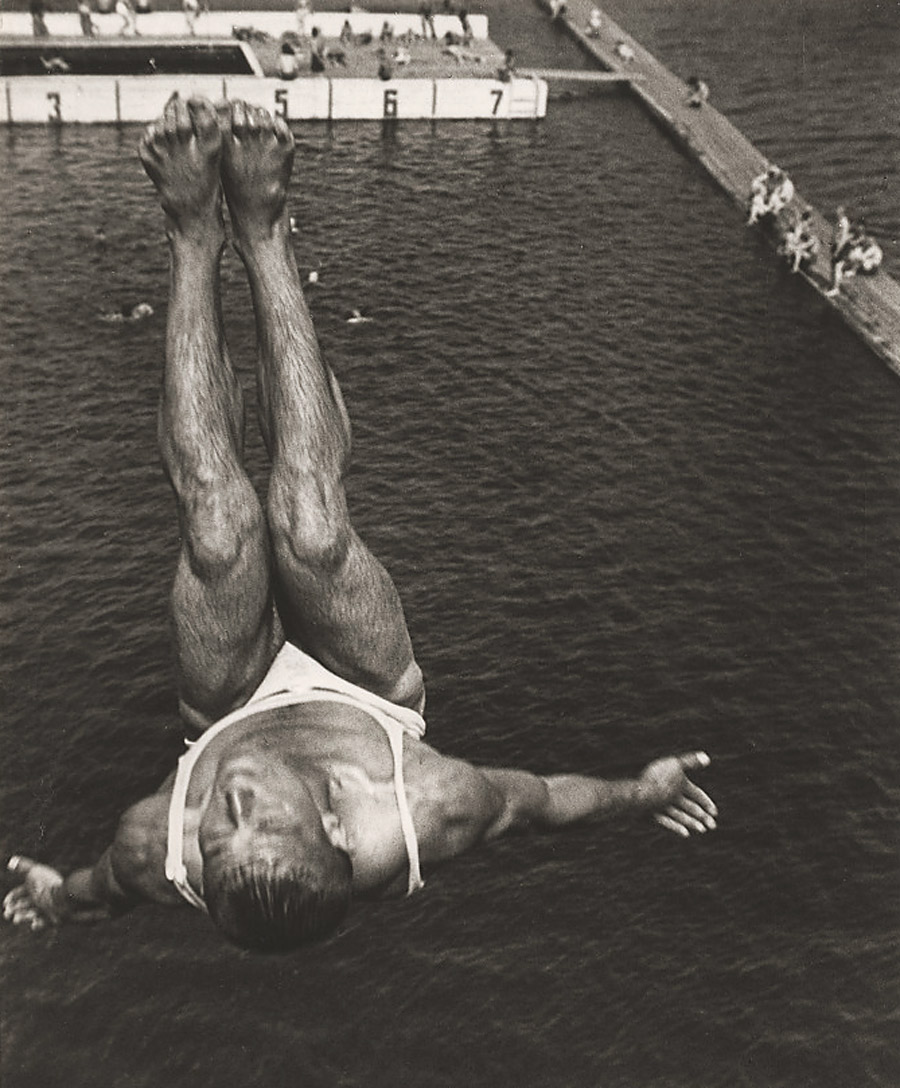

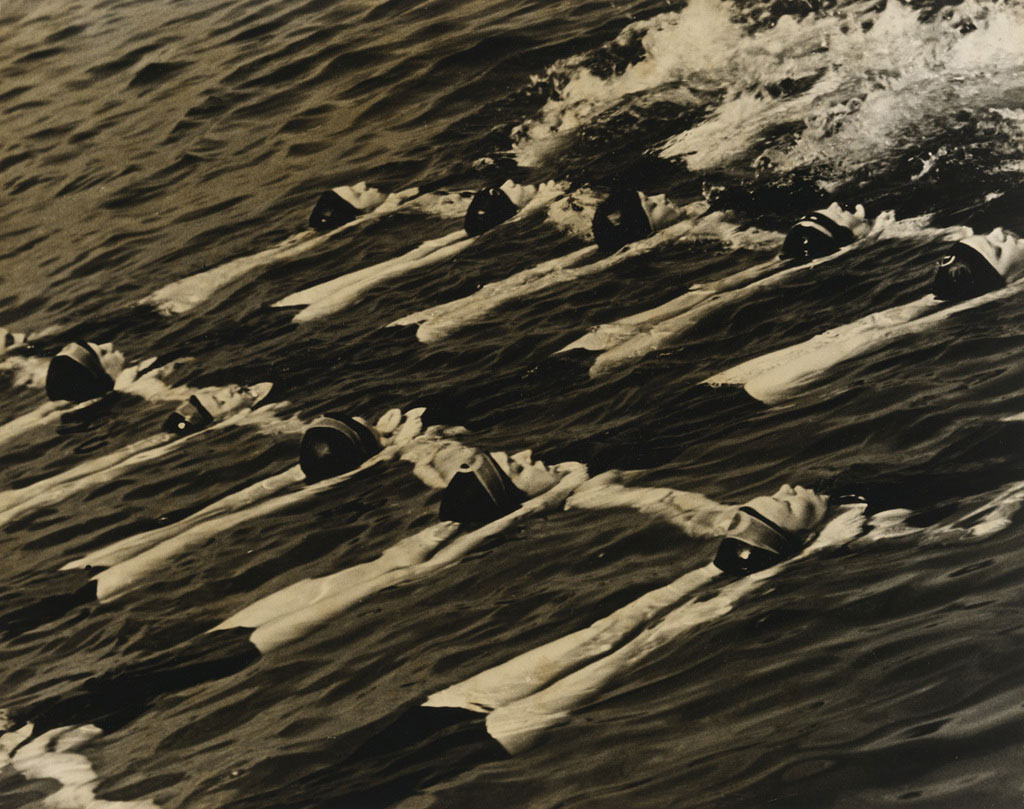

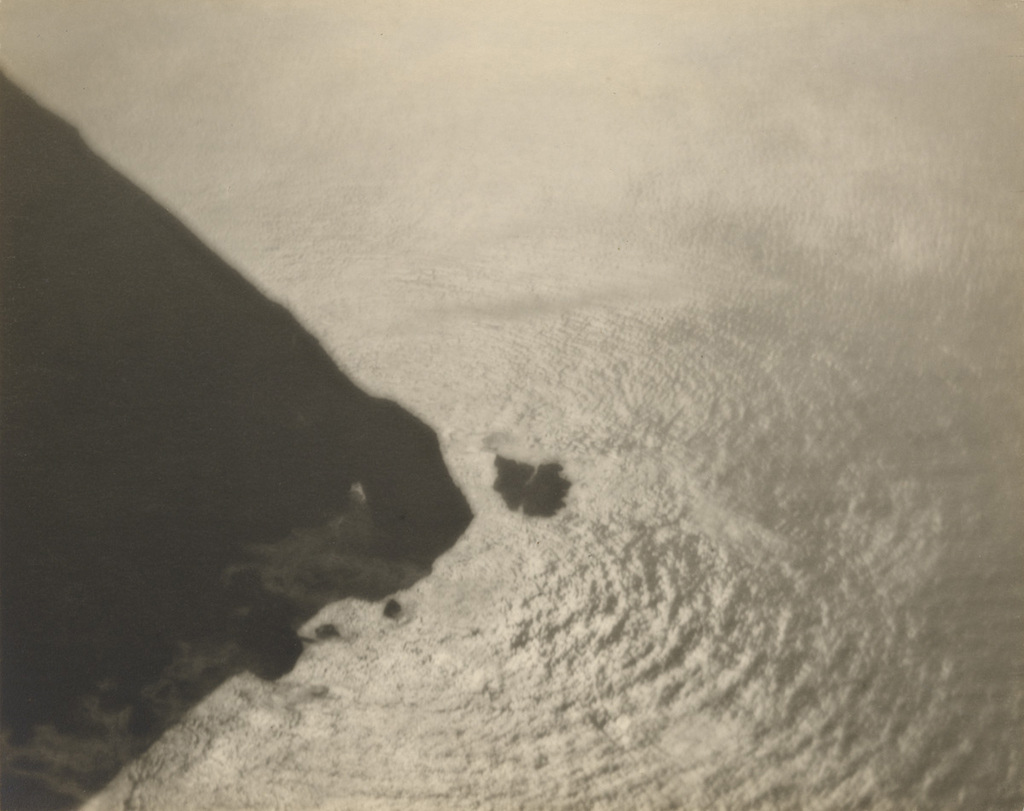
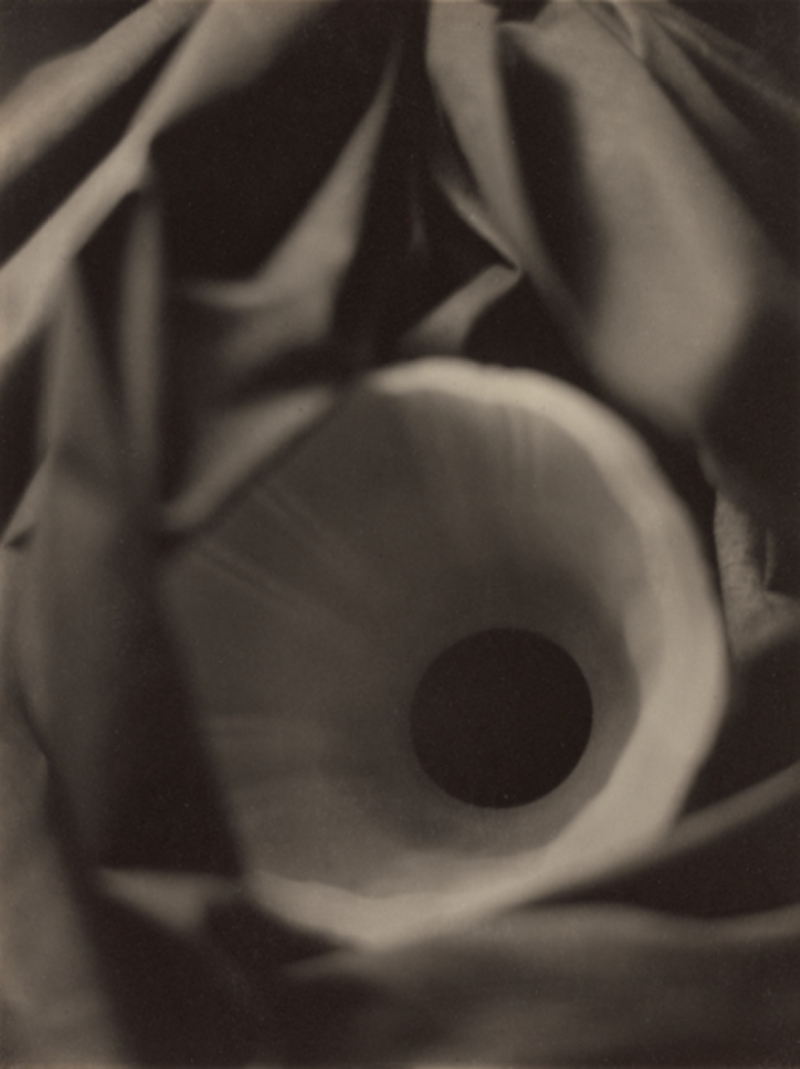
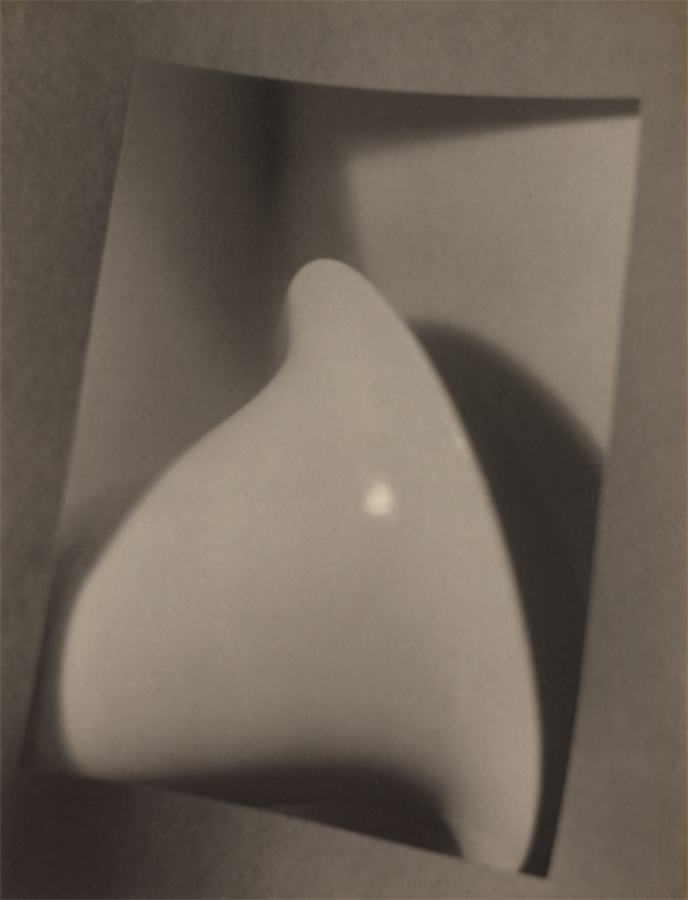
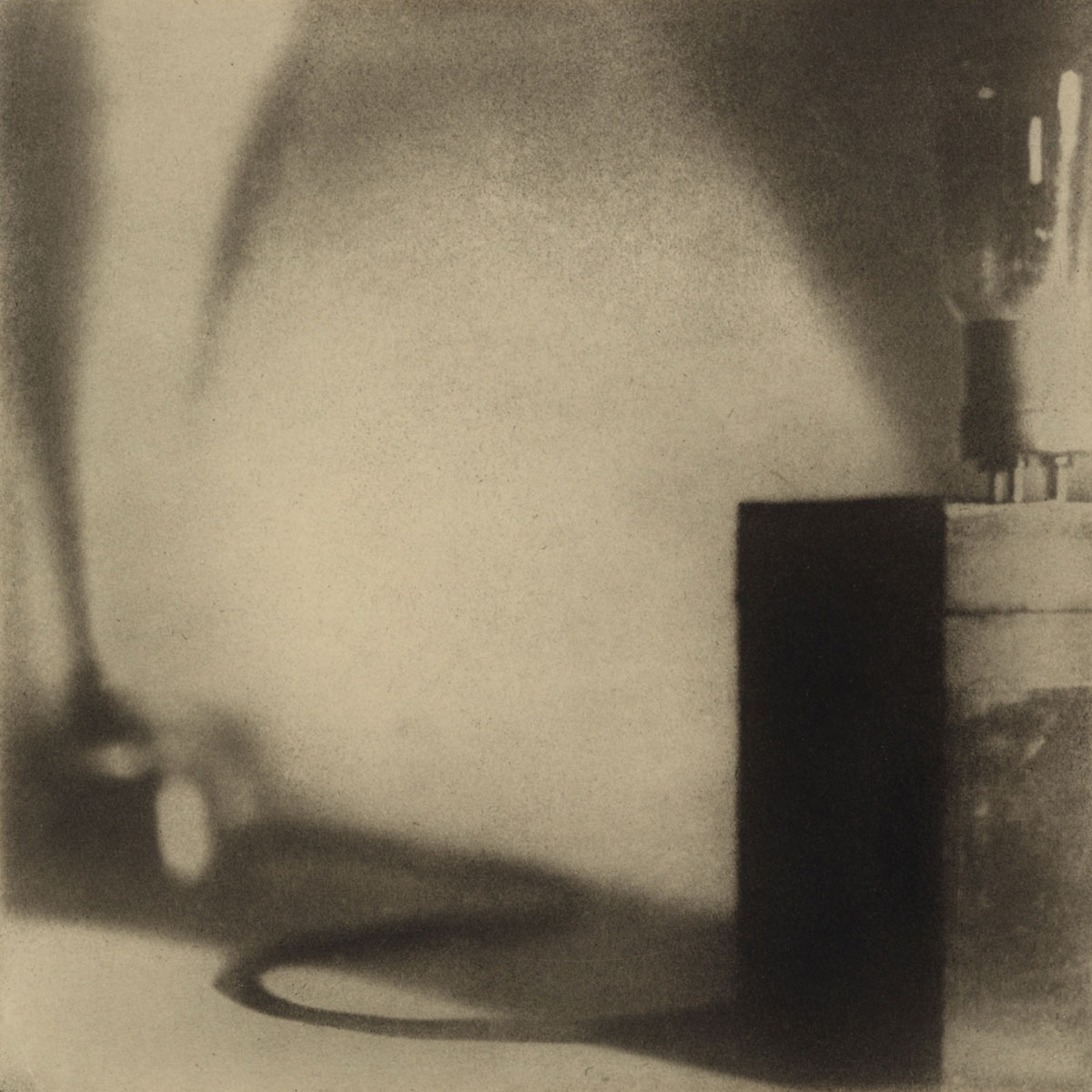
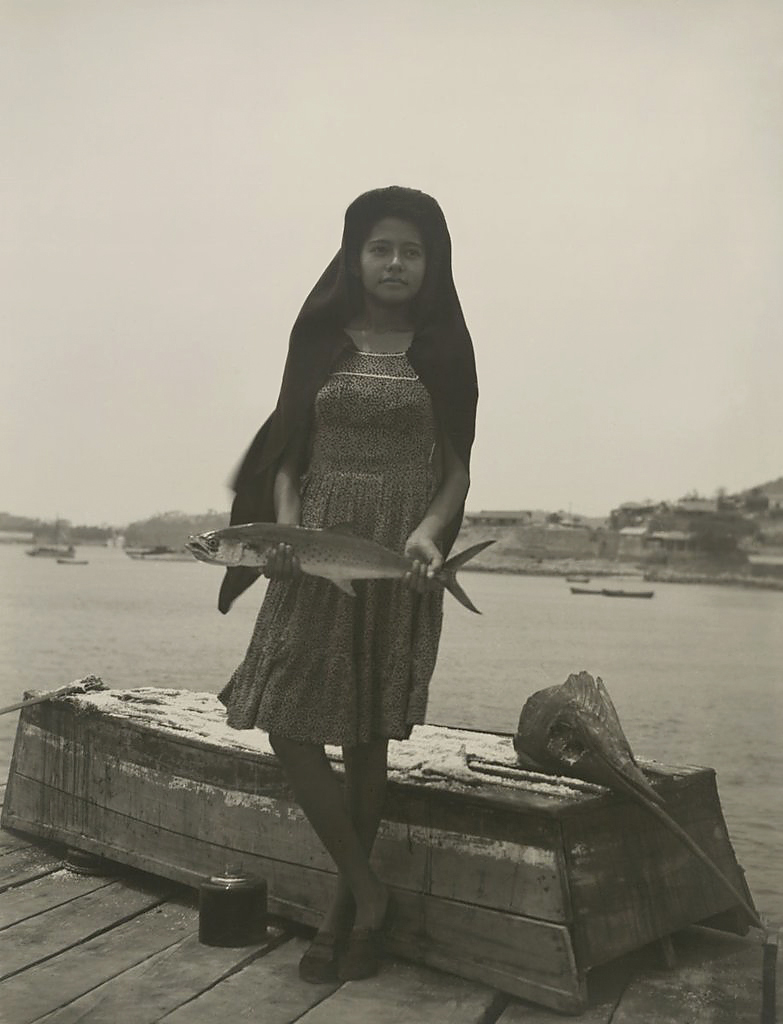
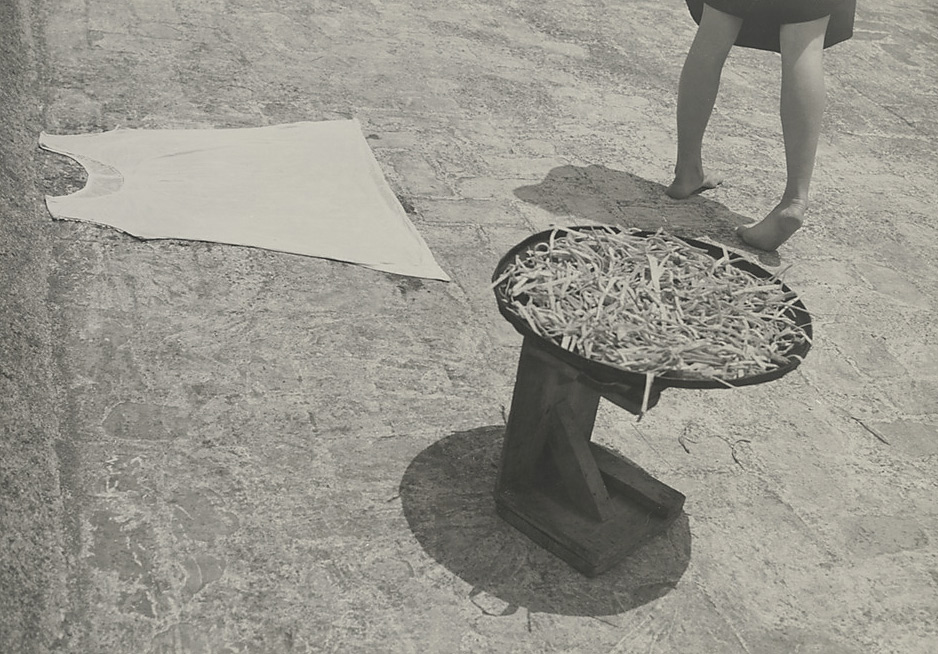


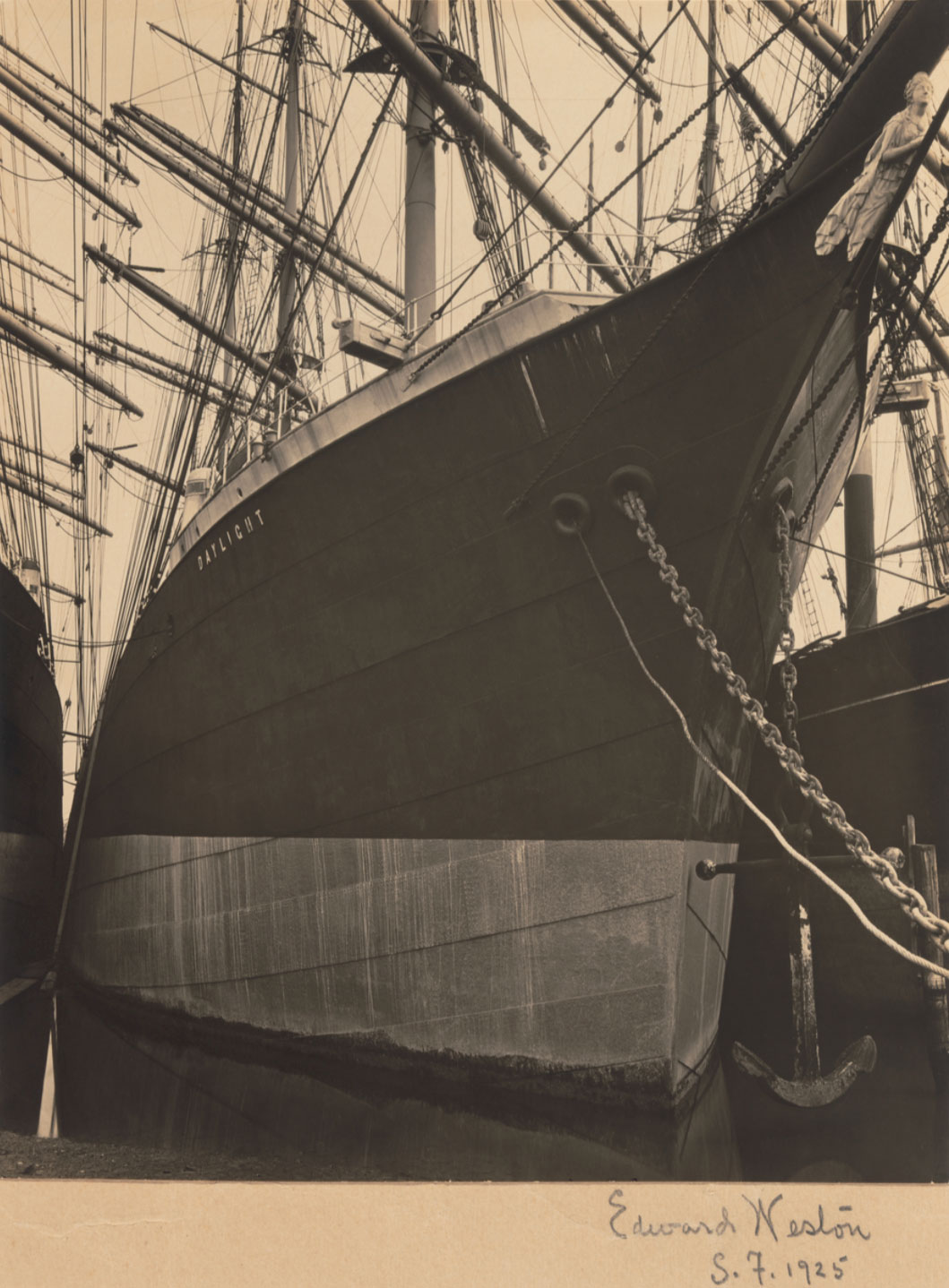
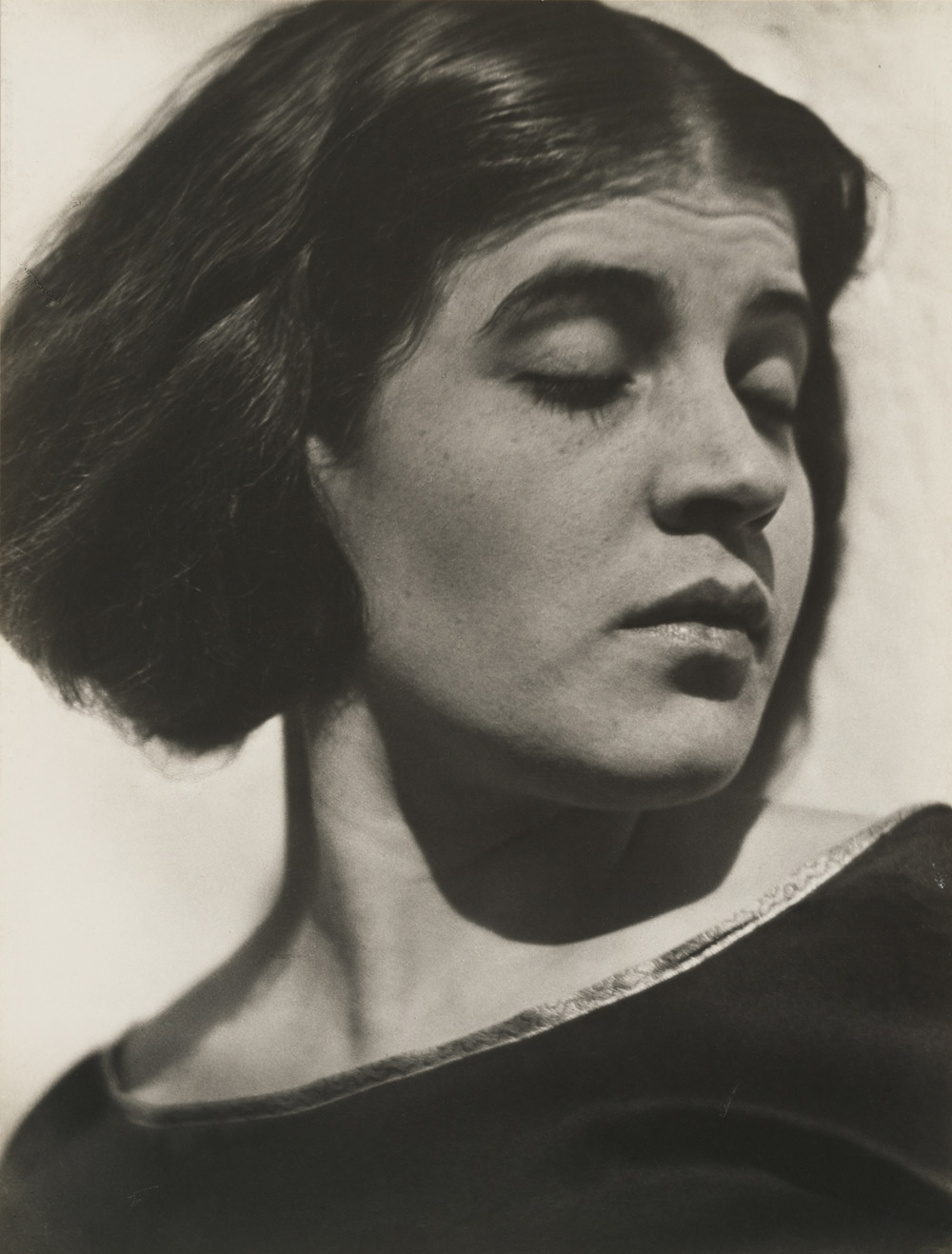
![Karl Blossfeldt (German, 1865-1932) 'Acanthus mollis' (Acanthus mollis [Akanthus, Bärenklau. Deckblätter, die Blüten sind entfernt, in 4facher Vergrößerung]) 1898-1928](https://artblart.com/wp-content/uploads/2015/04/karl-blossfeldt-german-1865e280931932-acanthus-mollis-web.jpg "Karl Blossfeldt (German, 1865-1932) 'Acanthus mollis' (Acanthus mollis [Akanthus, Bärenklau. Deckblätter, die Blüten sind entfernt, in 4facher Vergrößerung]) 1898-1928")
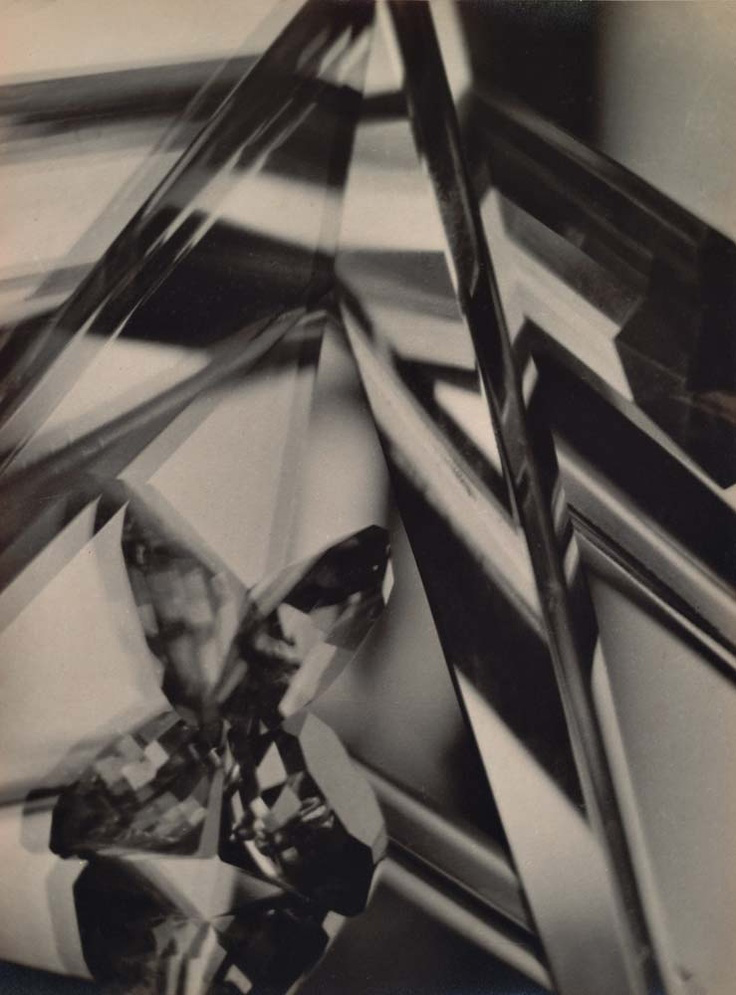
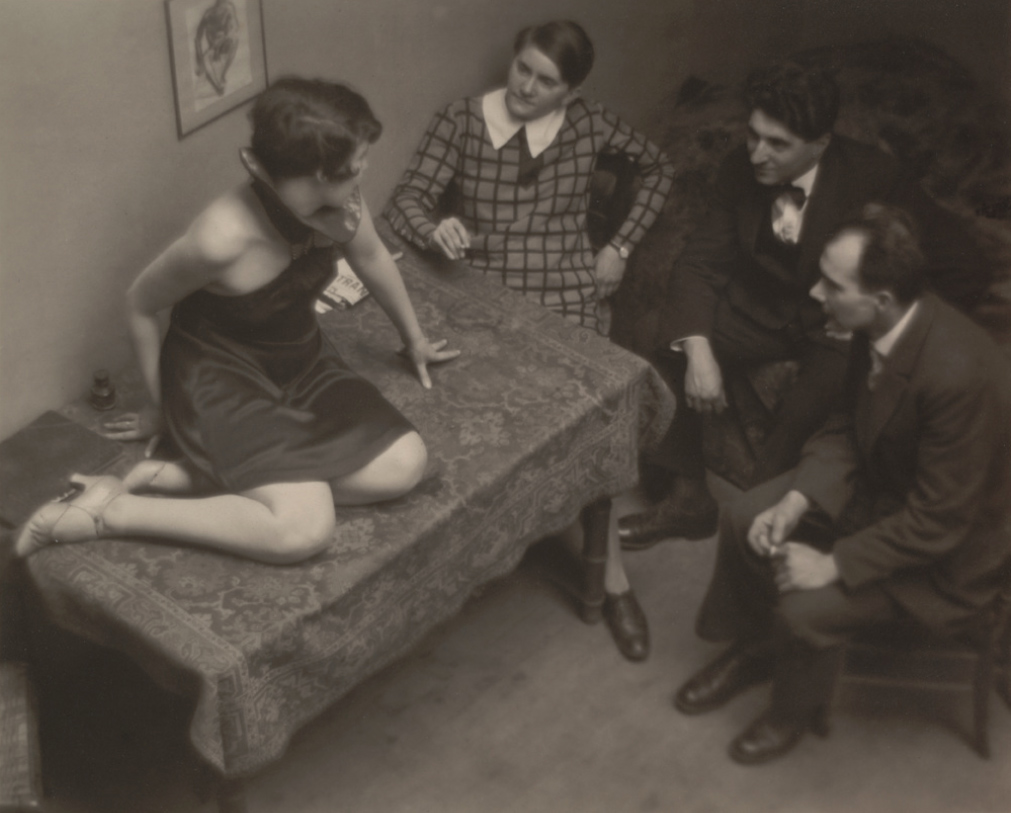
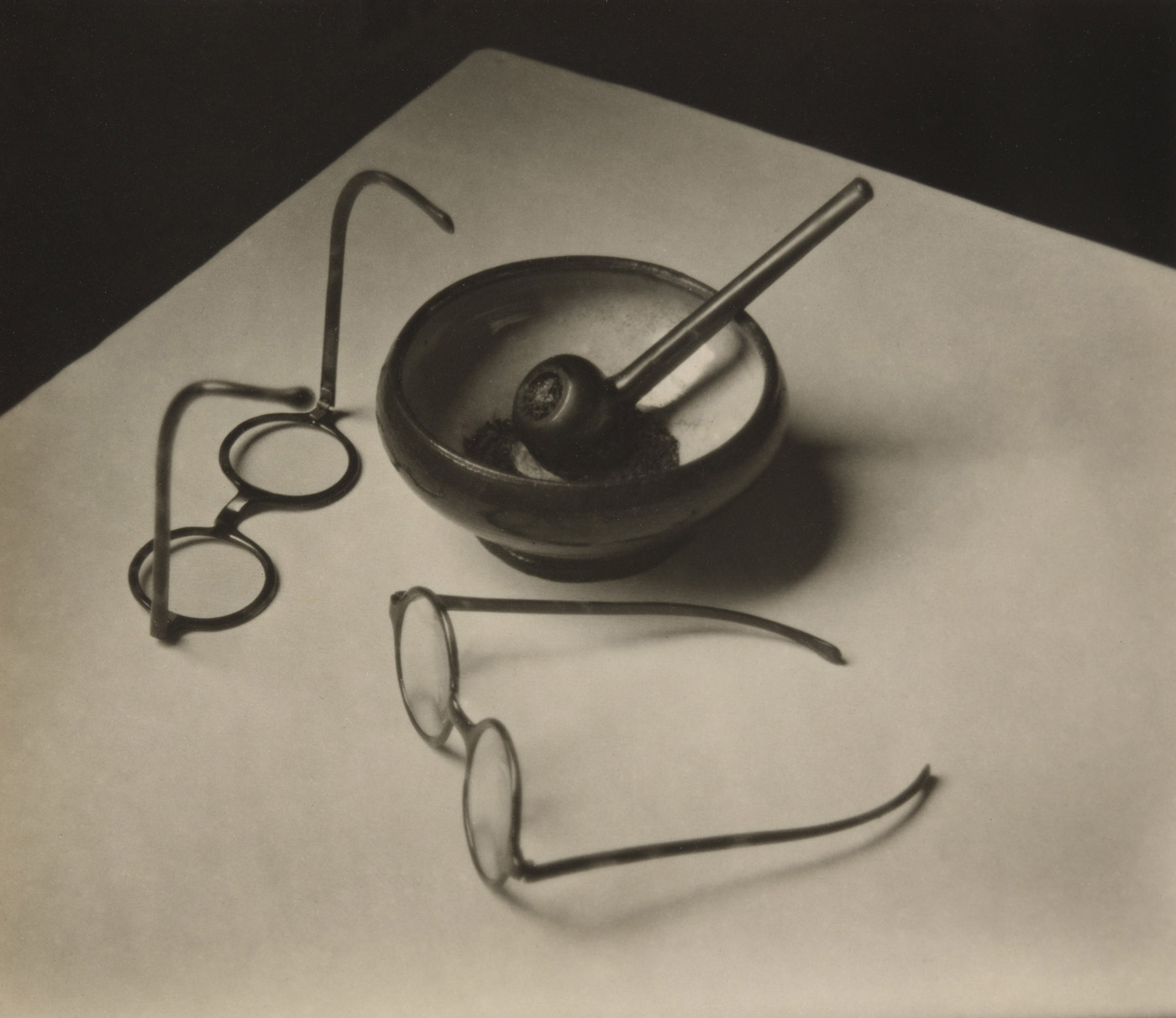
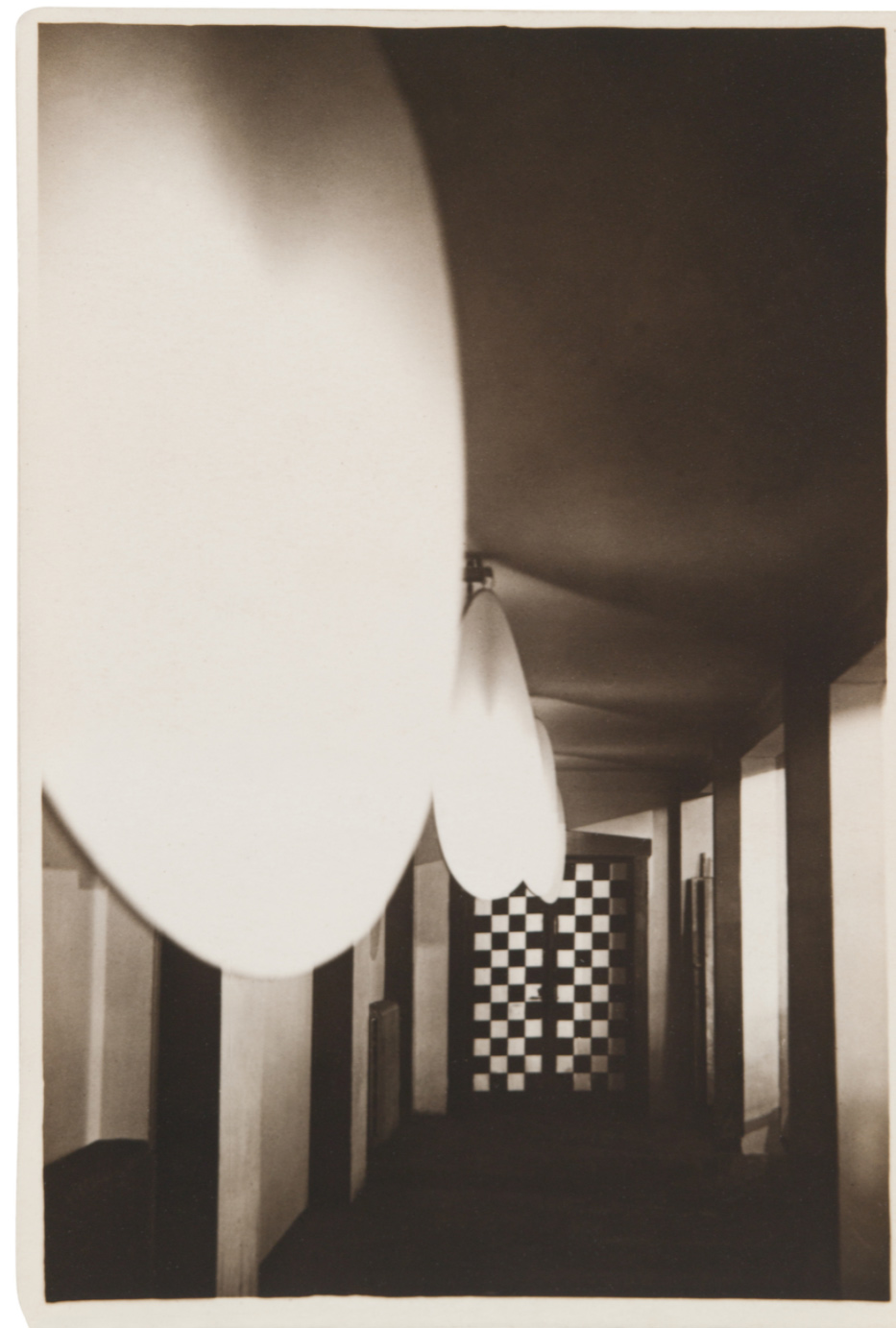
![Iwao Yamawaki (Japanese, 1898-1987) 'Lunch (12-2 p.m.)' (Mittagessen [12-2 Uhr]) 1931](https://artblart.com/wp-content/uploads/2015/04/iwao-yamawaki-japanese-1898e280931987-lunch-12e280932-p-m-web.jpg "Iwao Yamawaki (Japanese, 1898-1987) 'Lunch (12-2 p.m.)' (Mittagessen [12-2 Uhr]) 1931")


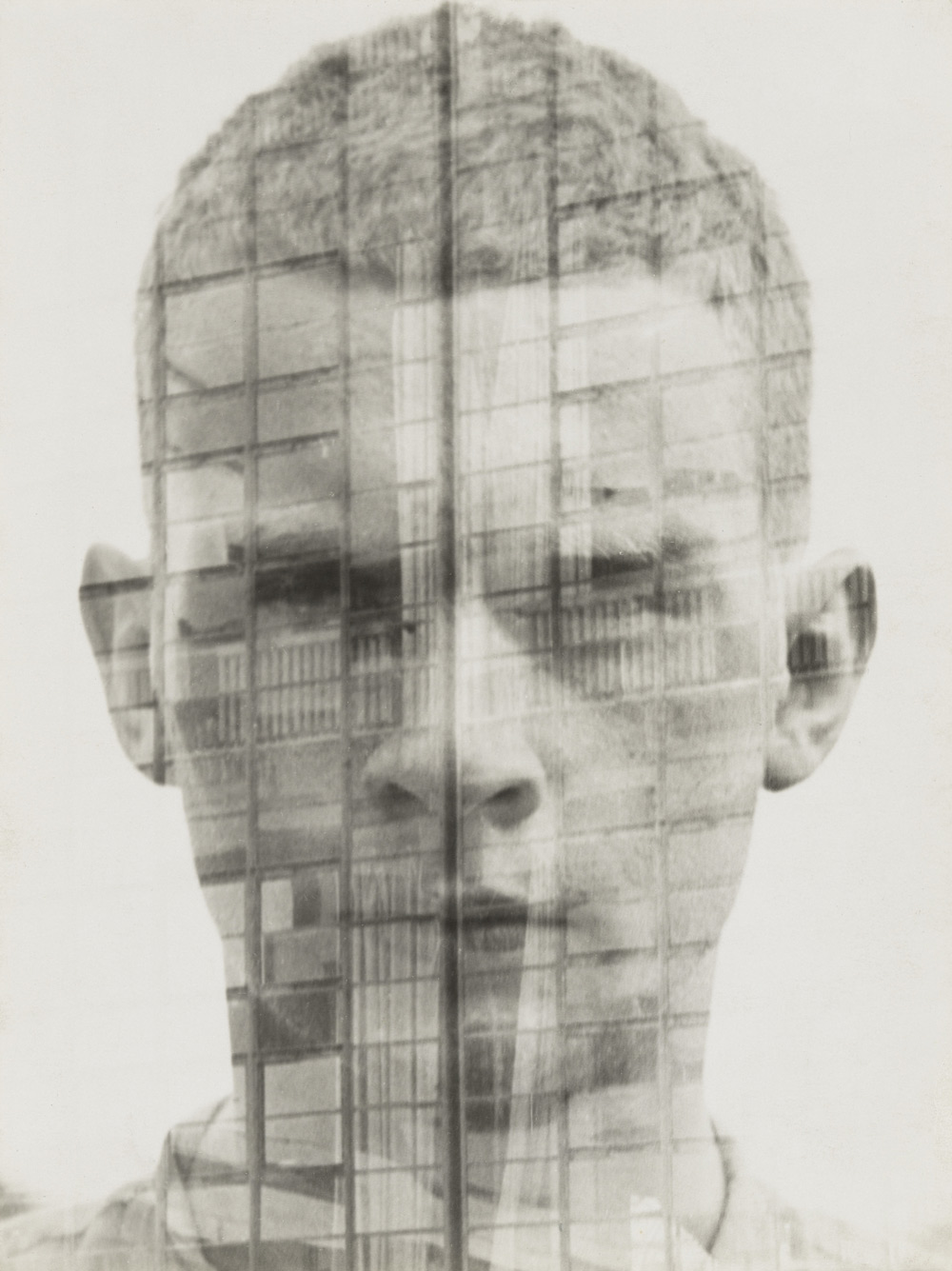


![Max Burchartz (German, 1887-1961) 'Lotte (Eye)' (Lotte [Auge]) 1928](https://artblart.com/wp-content/uploads/2015/04/max-burchartz-lotte-eye-1928-web.jpg "Max Burchartz (German, 1887-1961) 'Lotte (Eye)' (Lotte [Auge]) 1928")
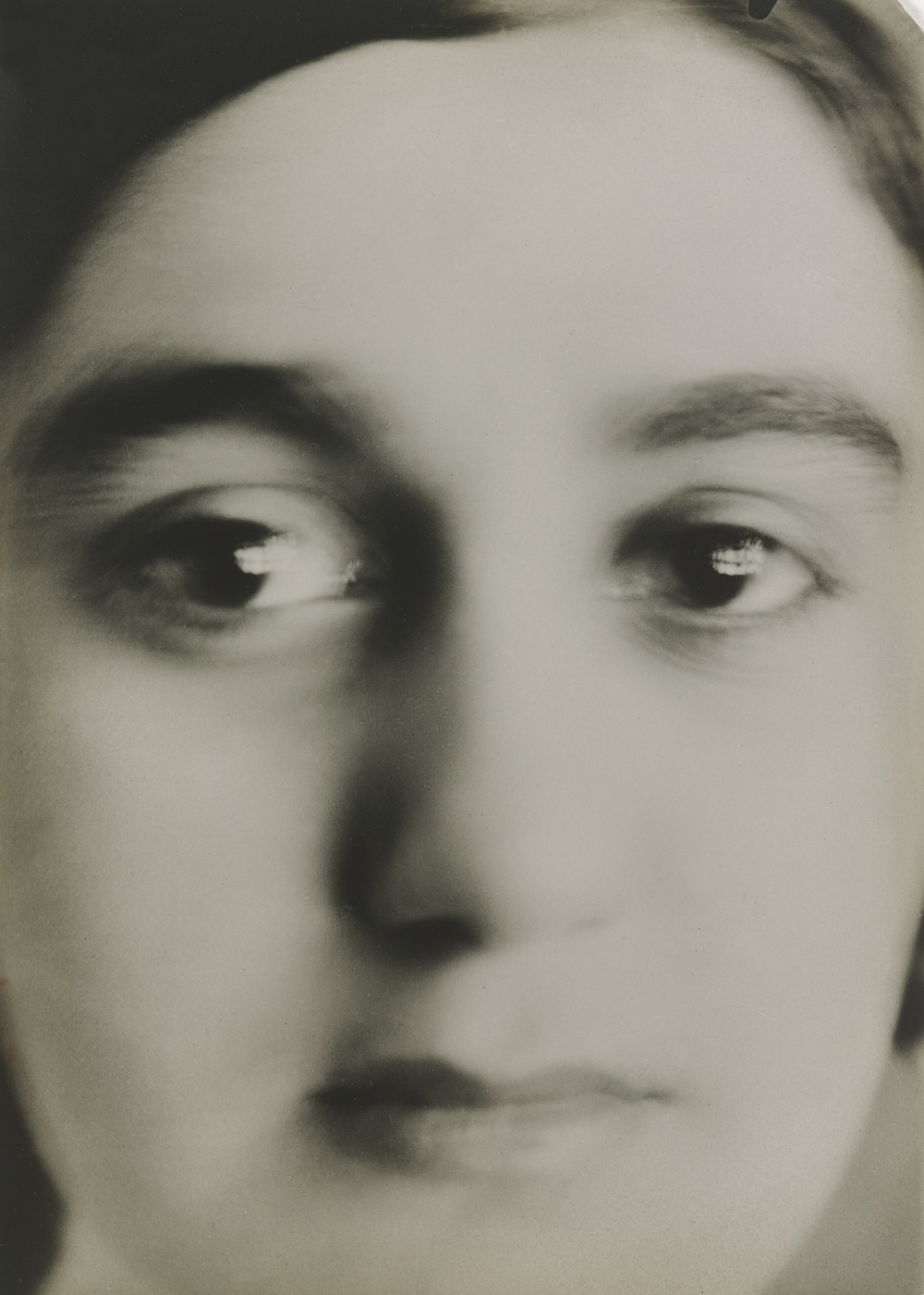
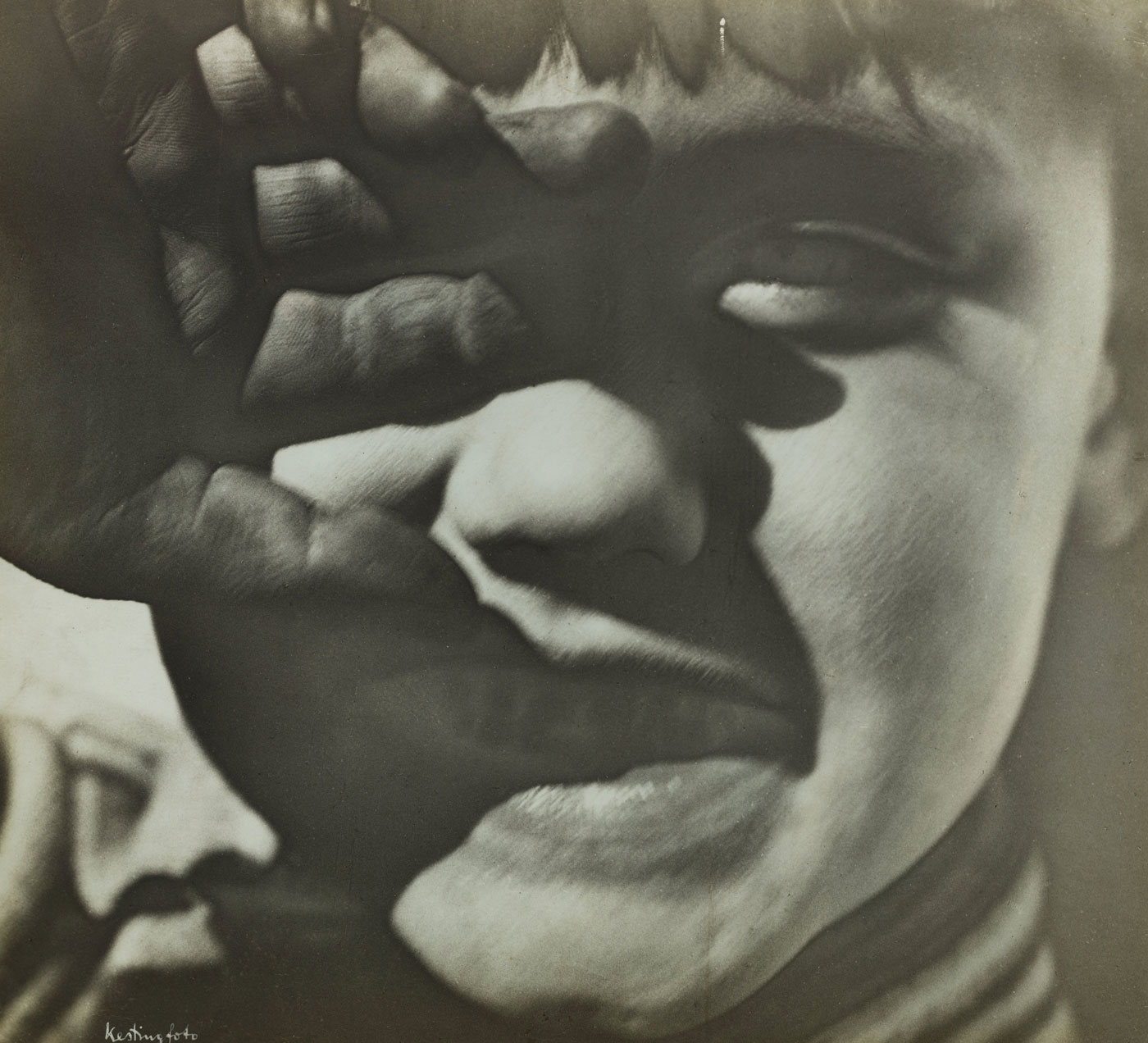

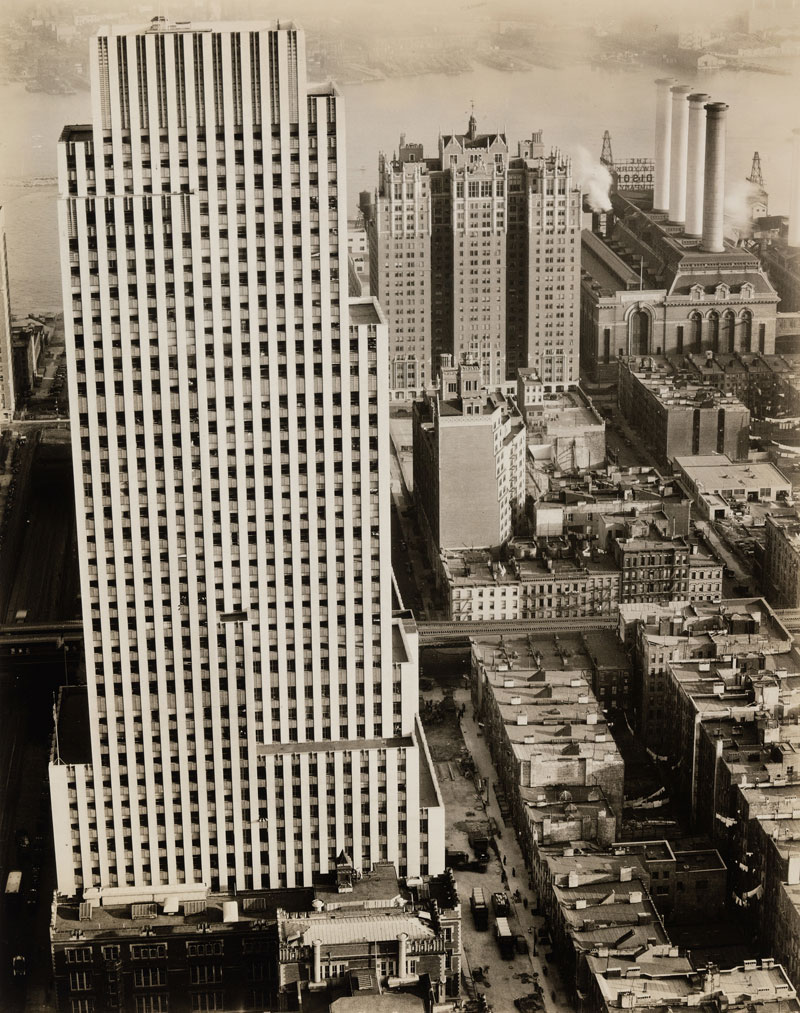

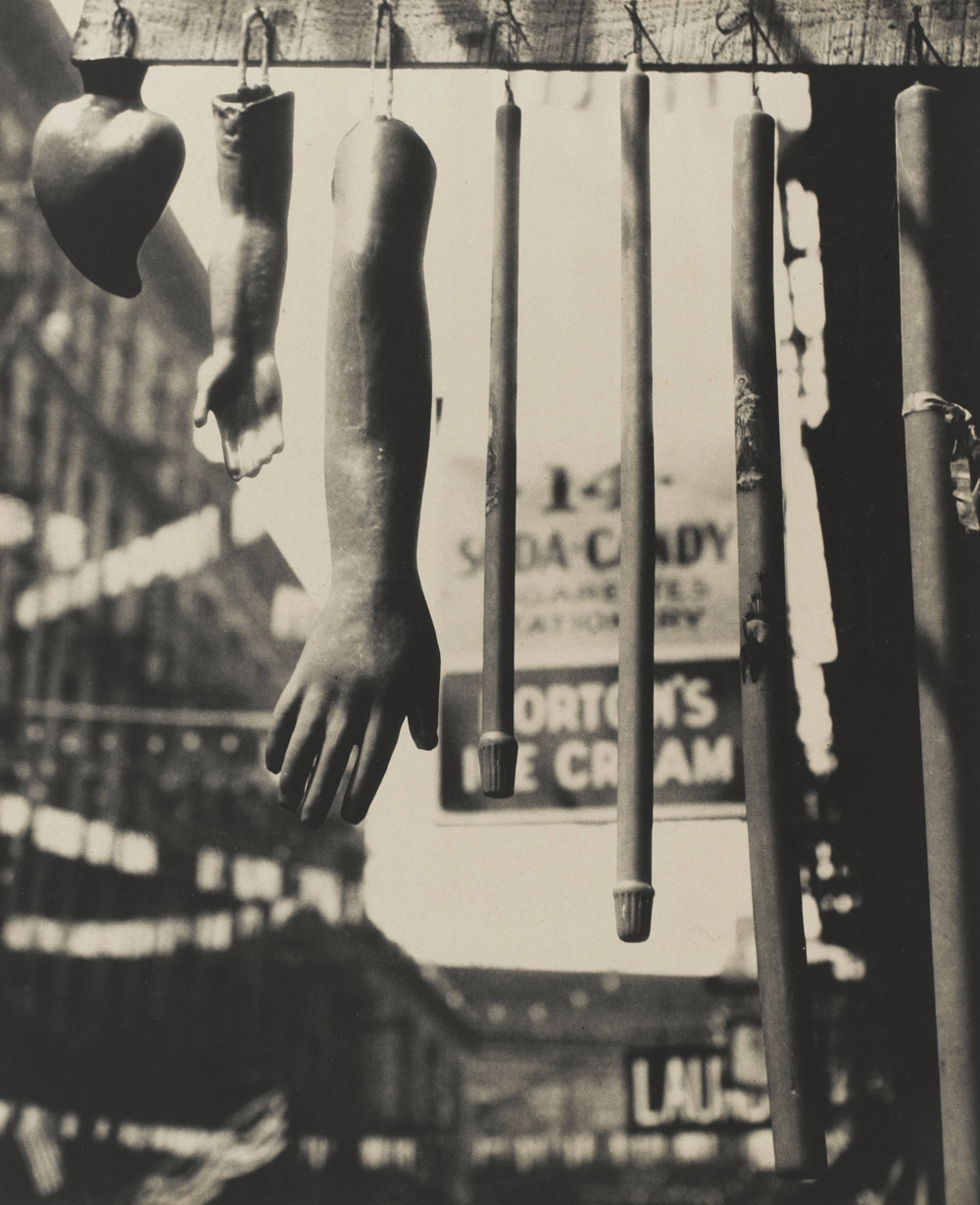
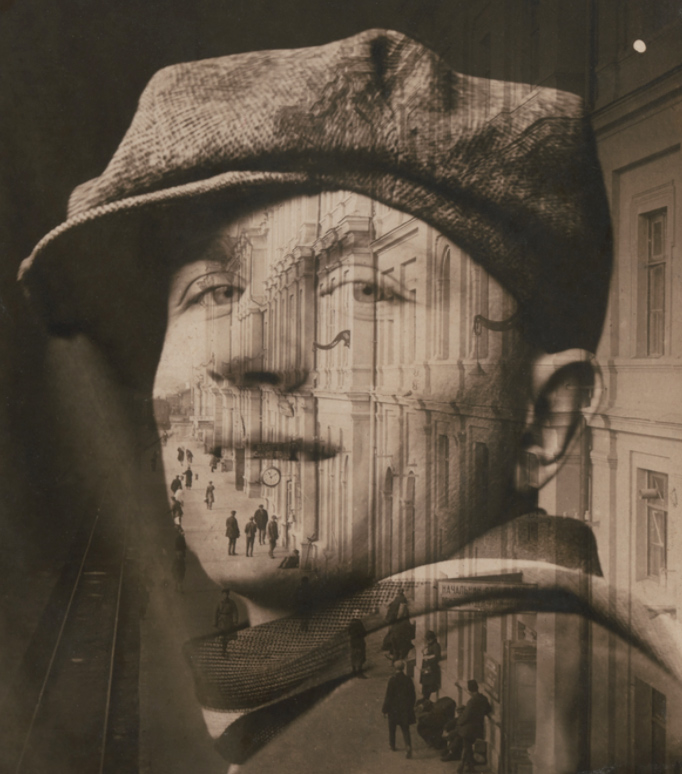
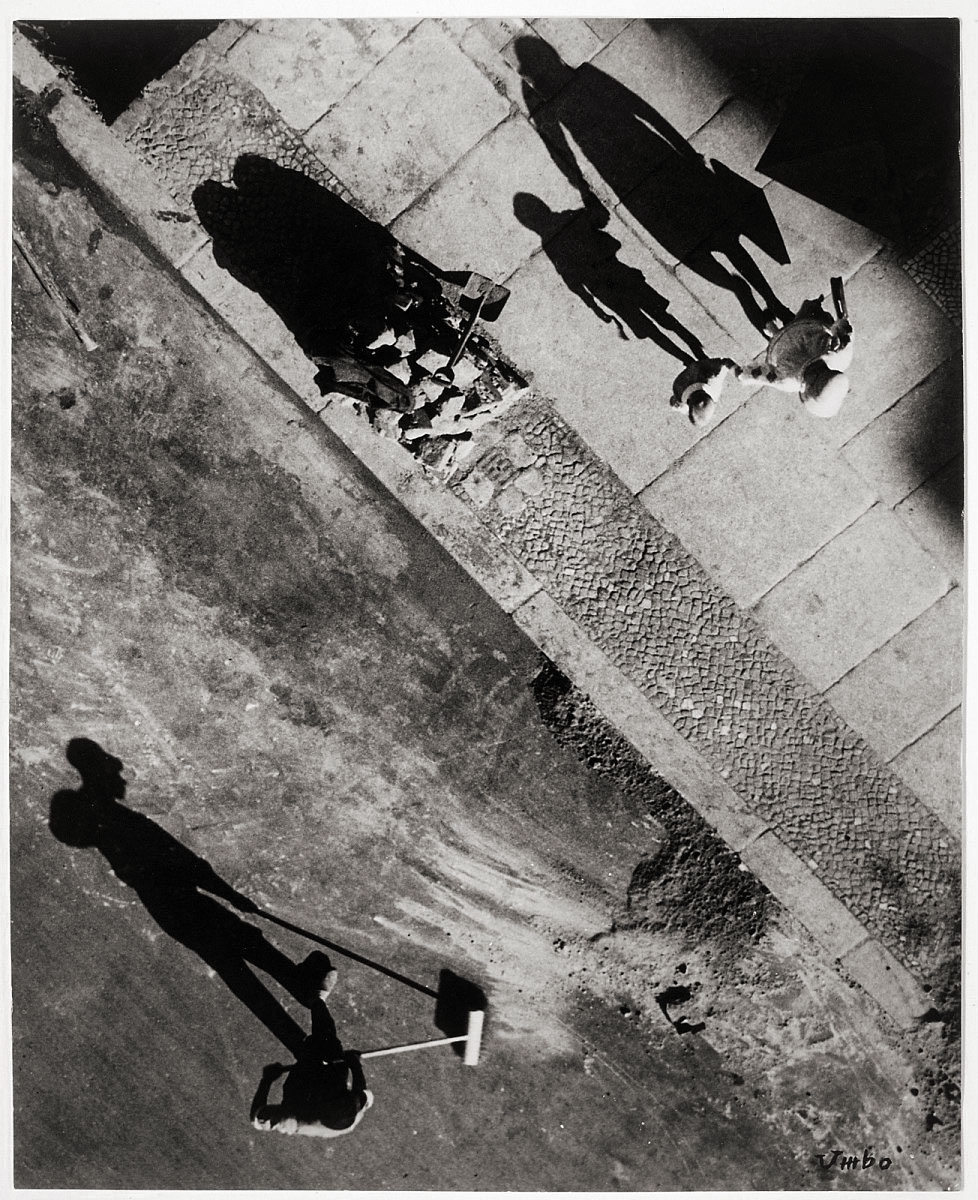


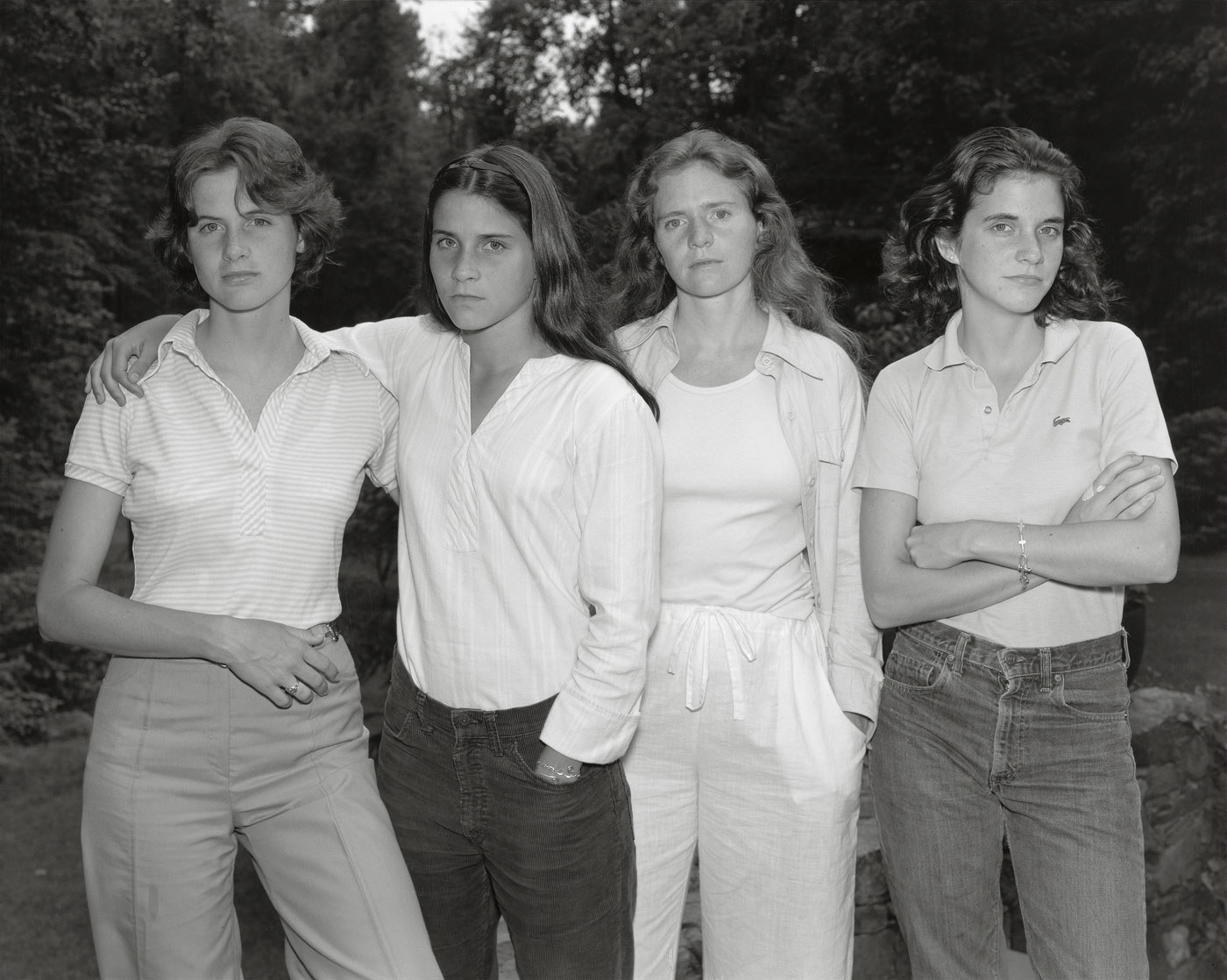


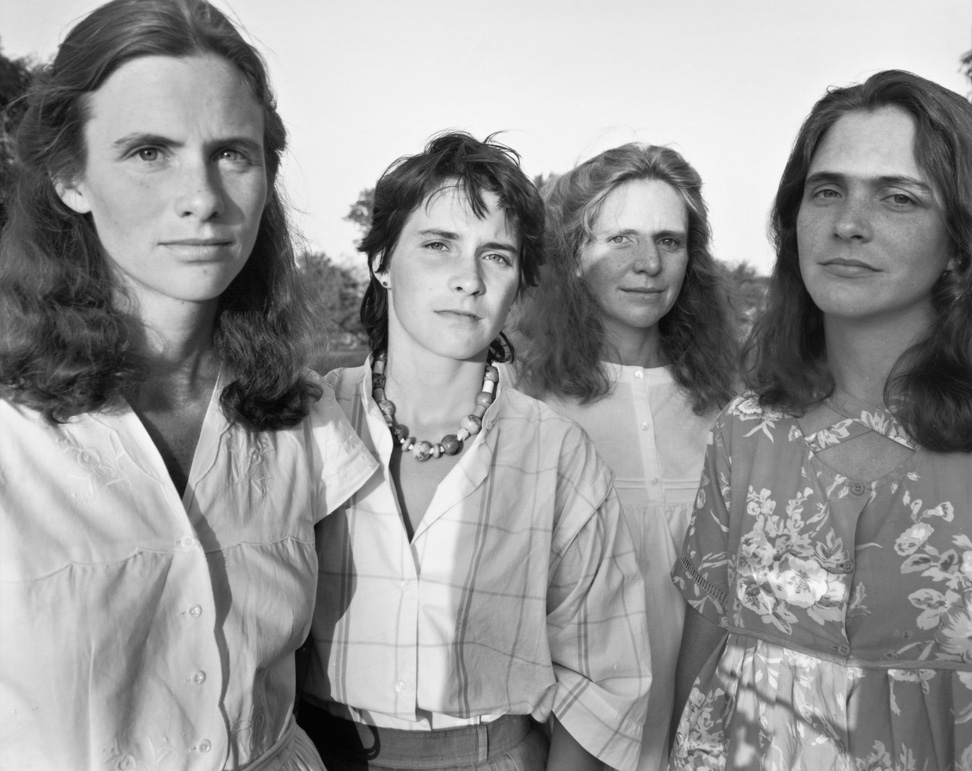





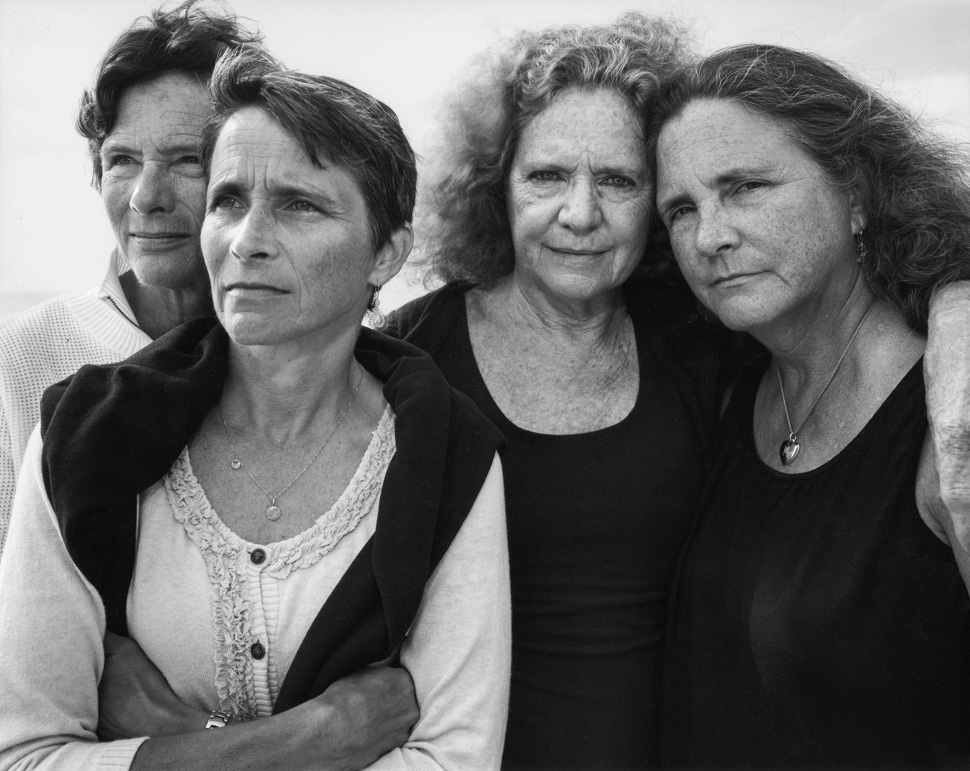


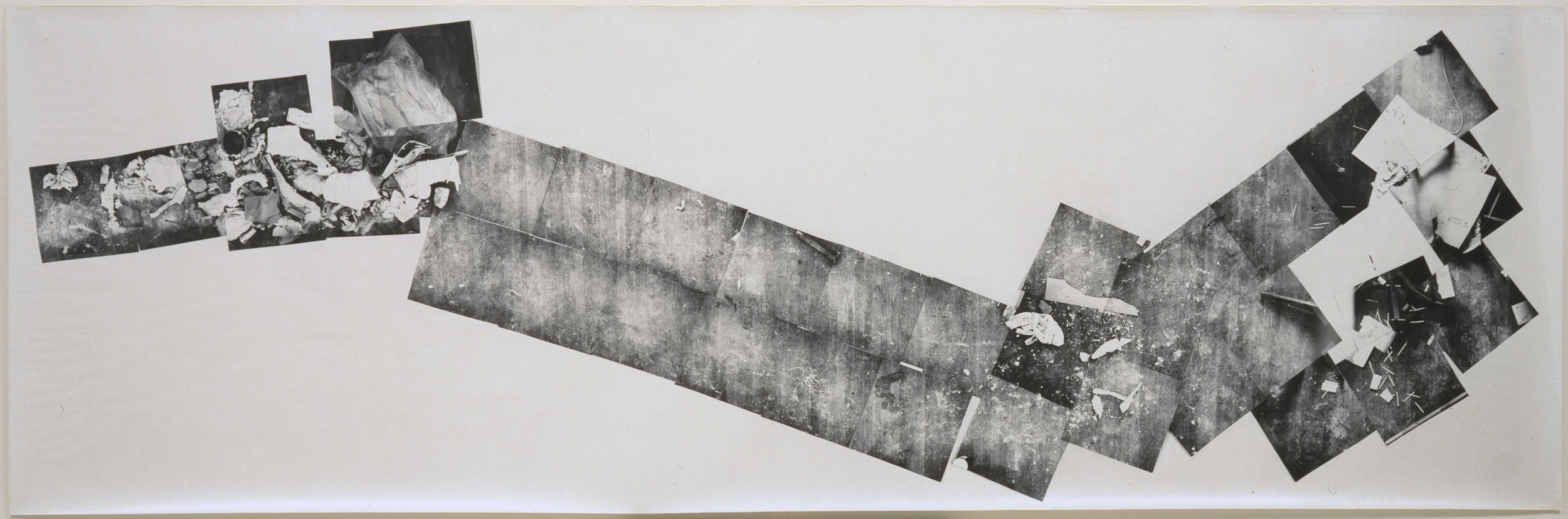
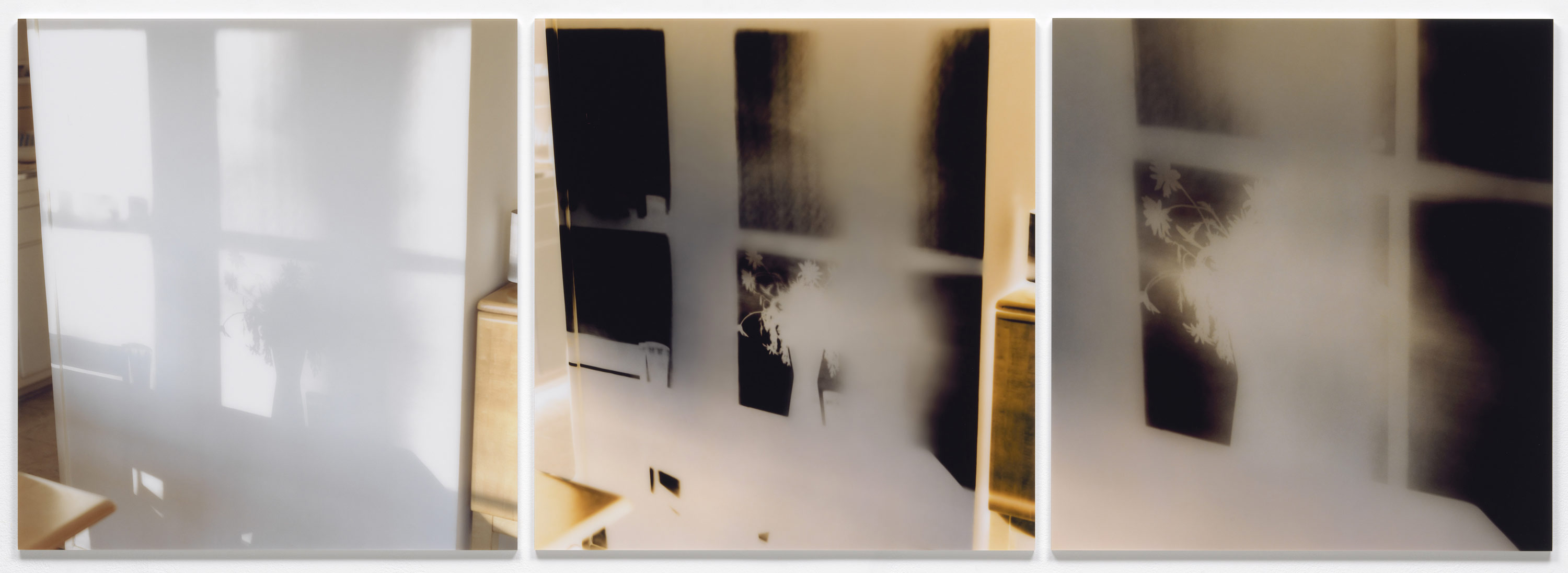

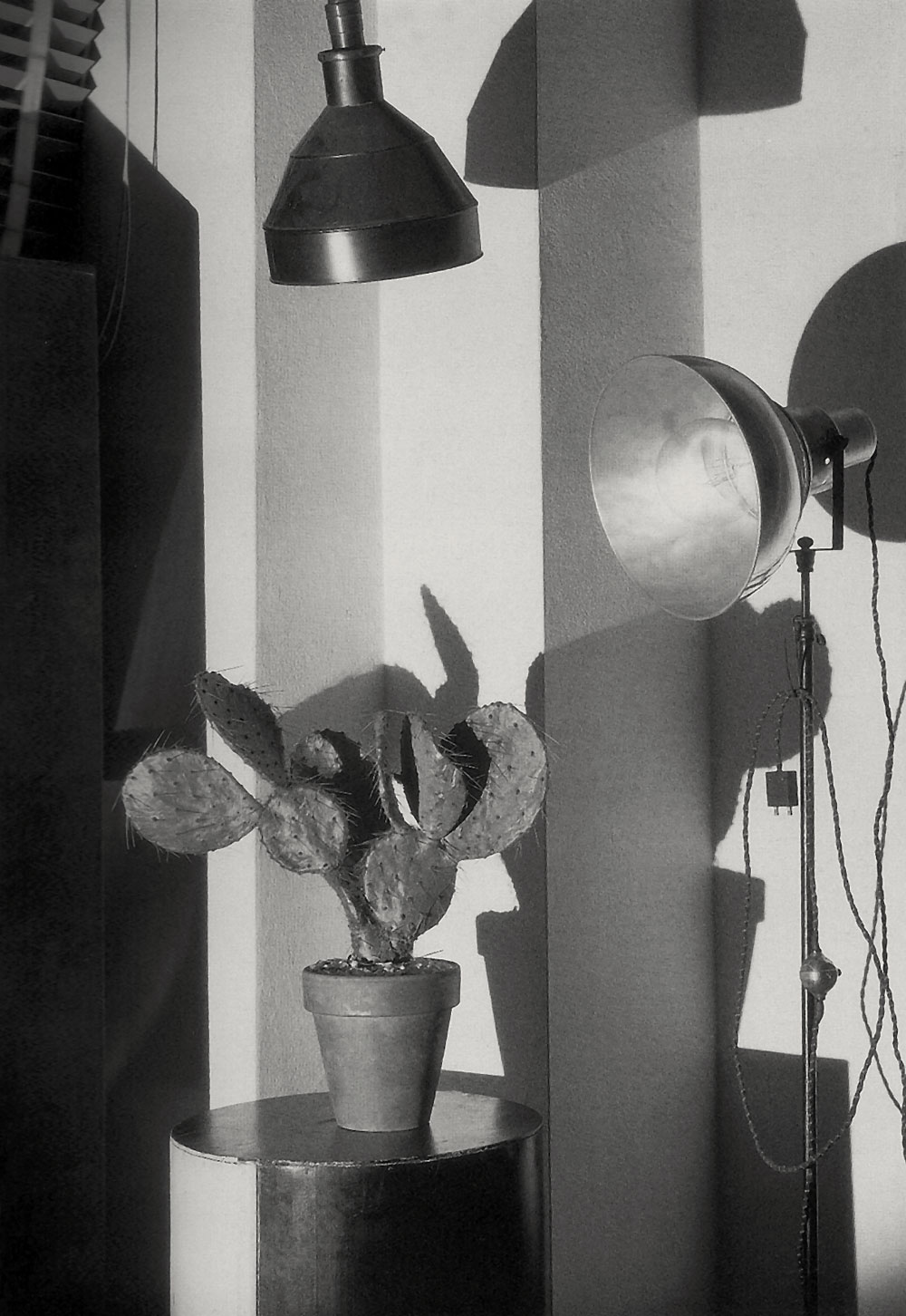


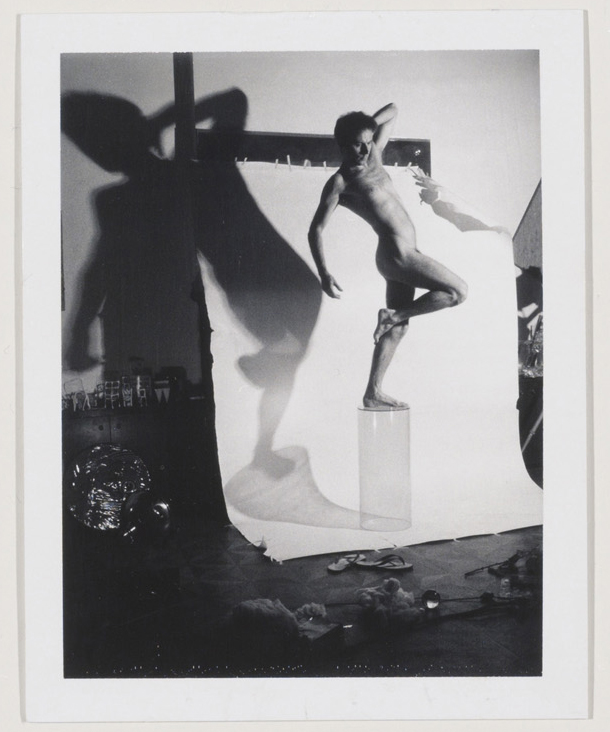
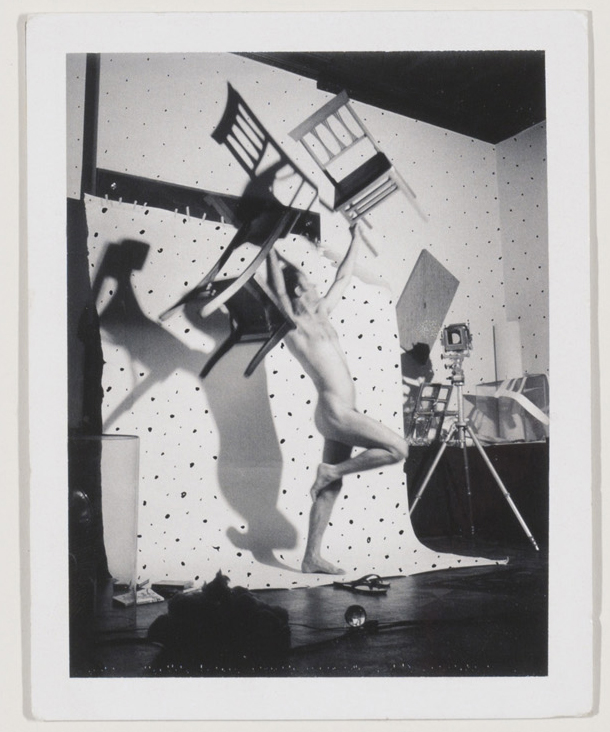
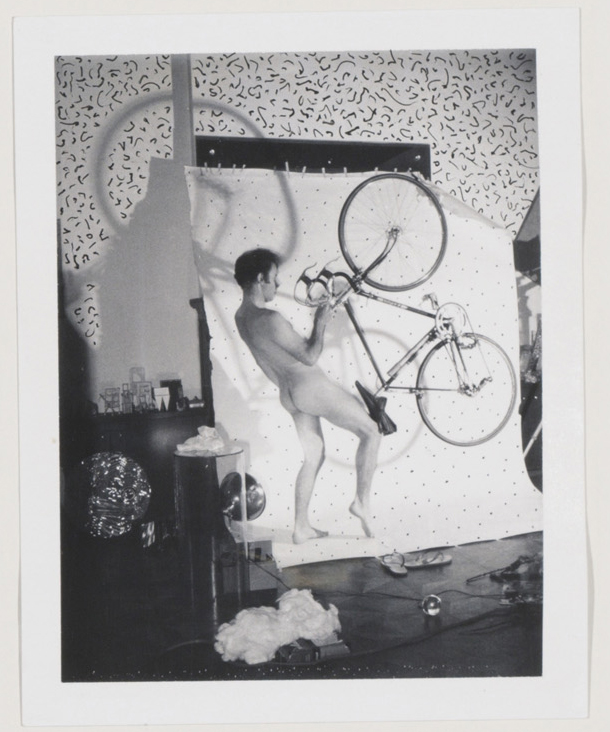


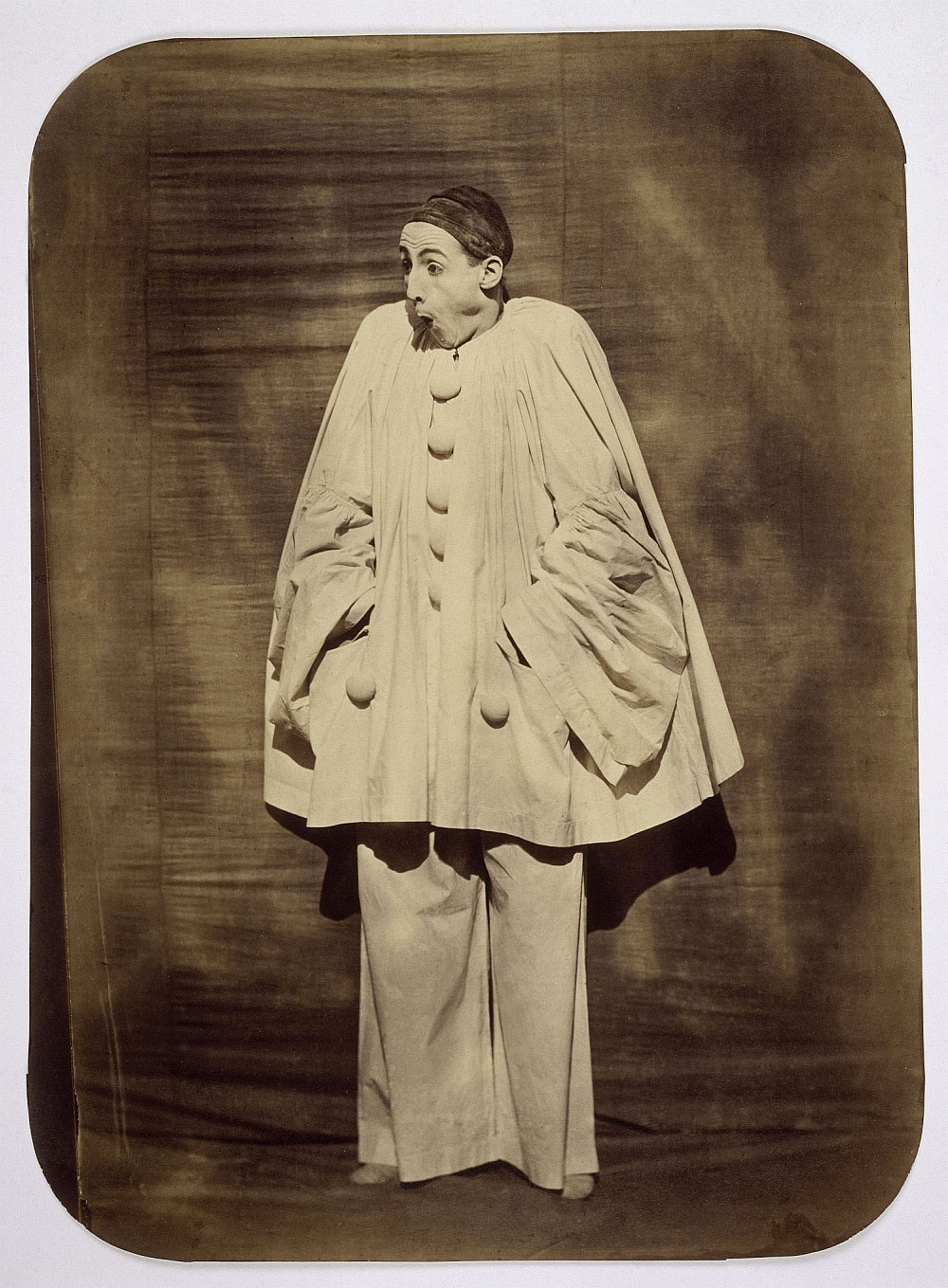


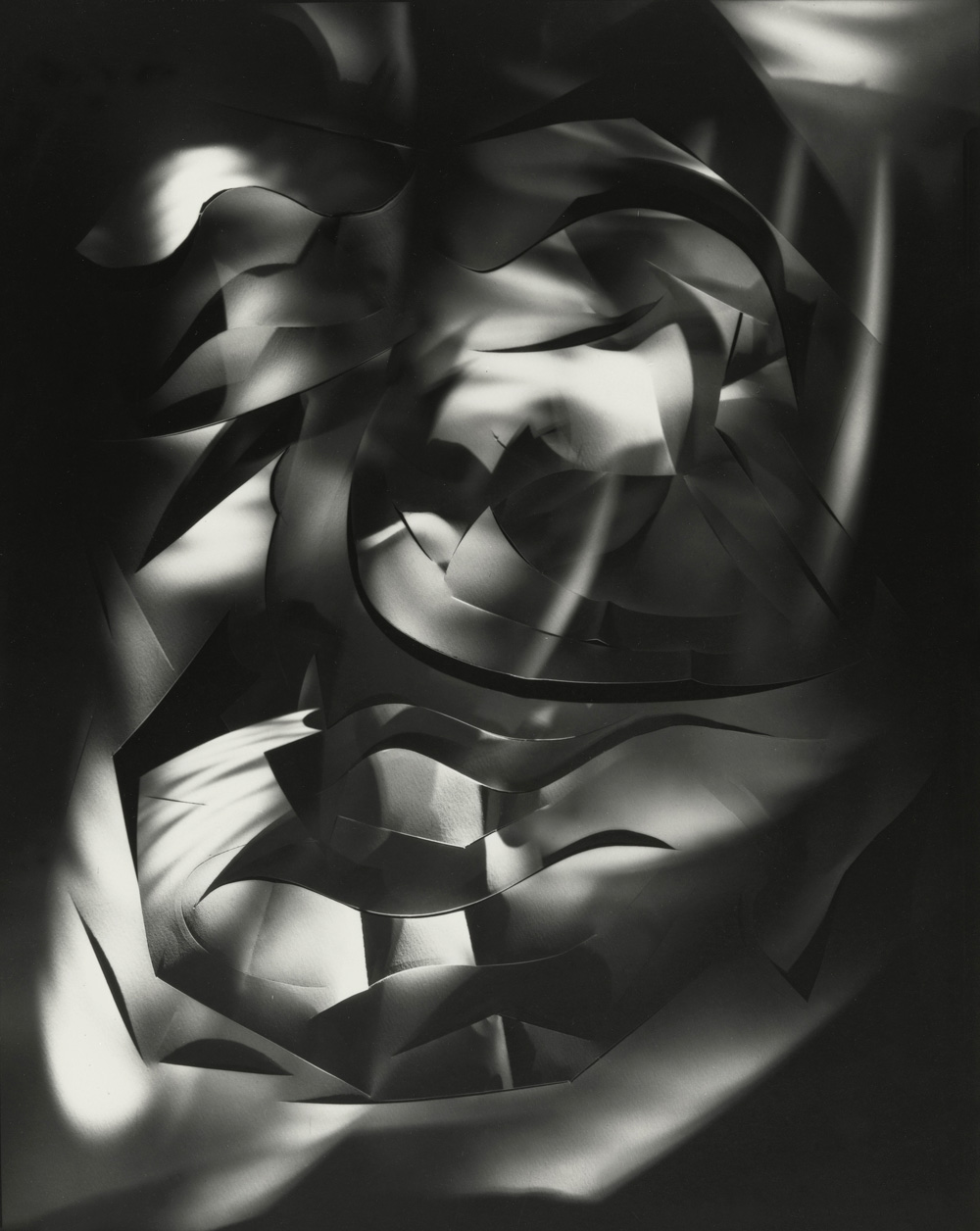

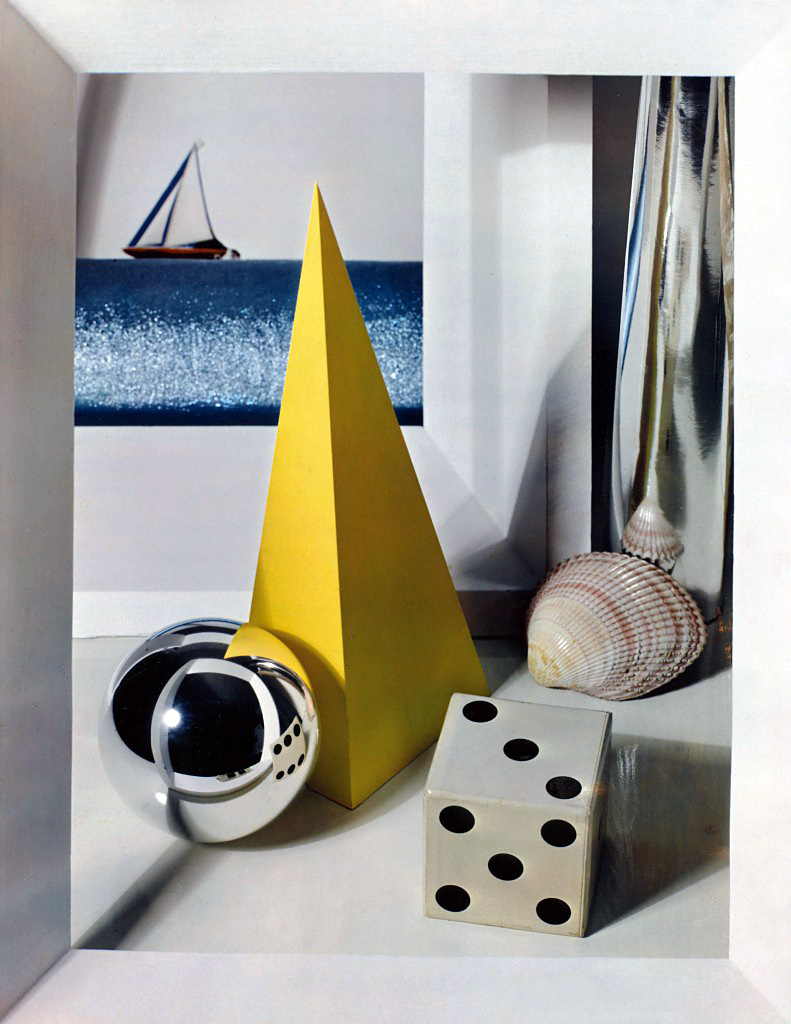
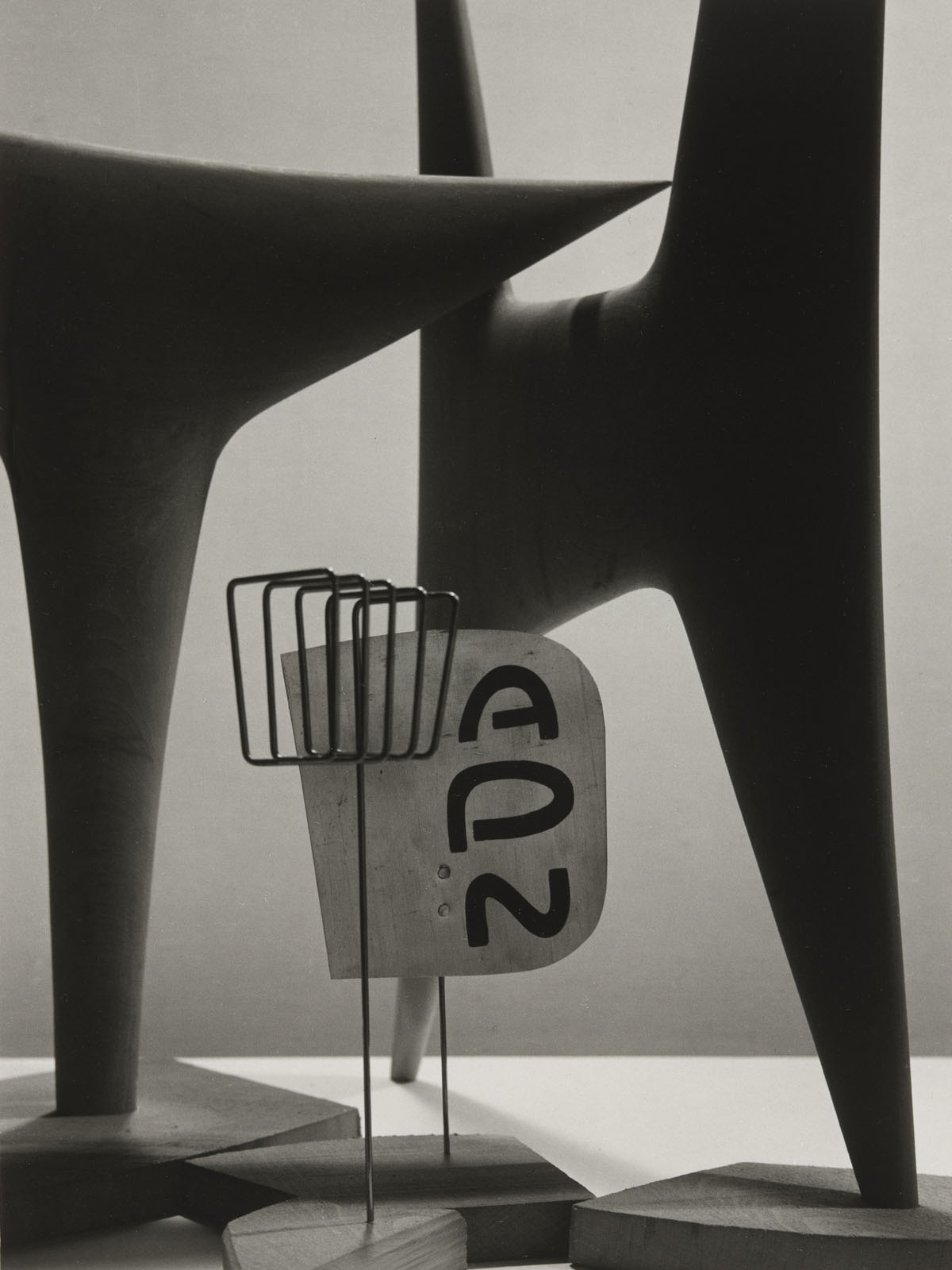
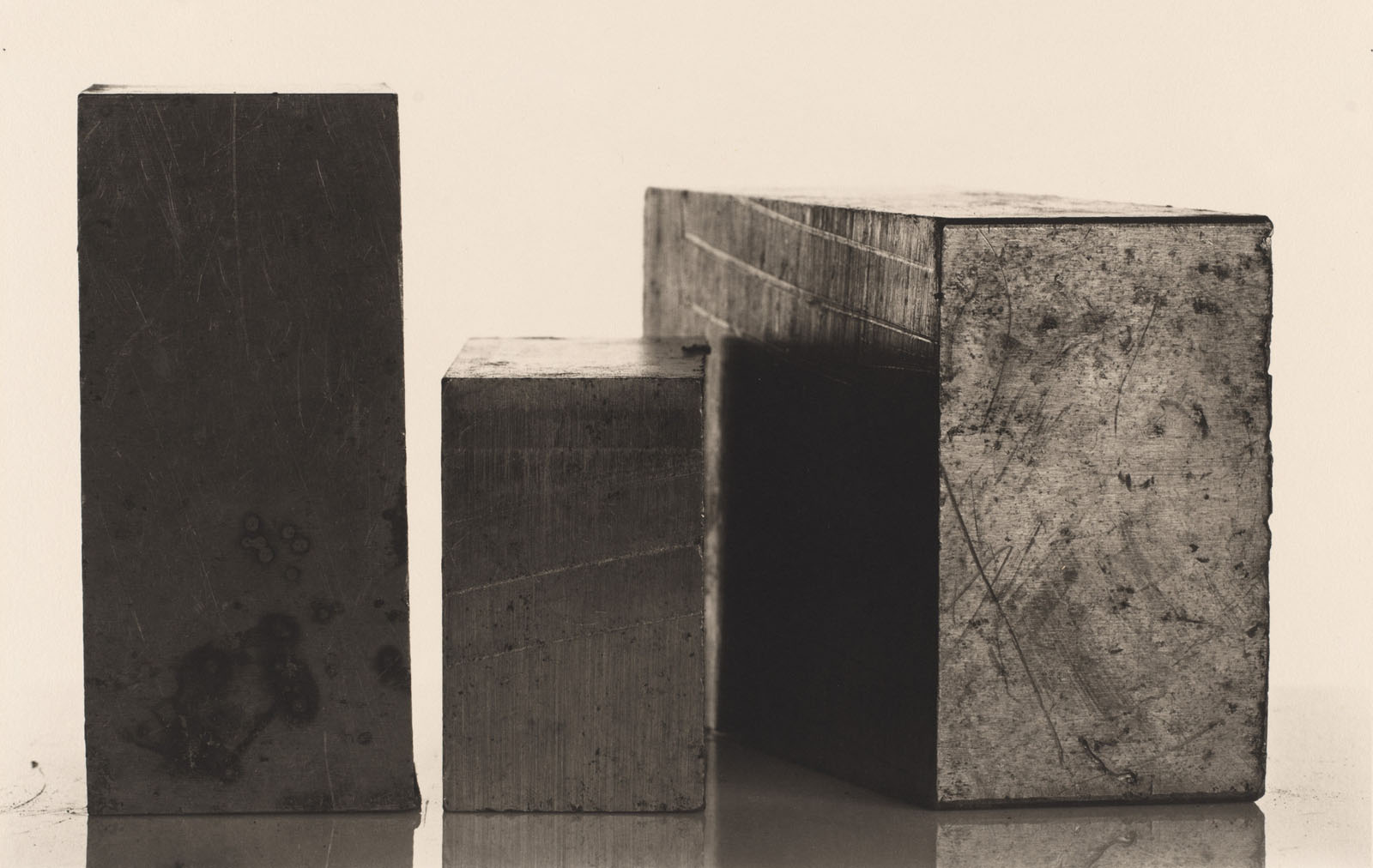

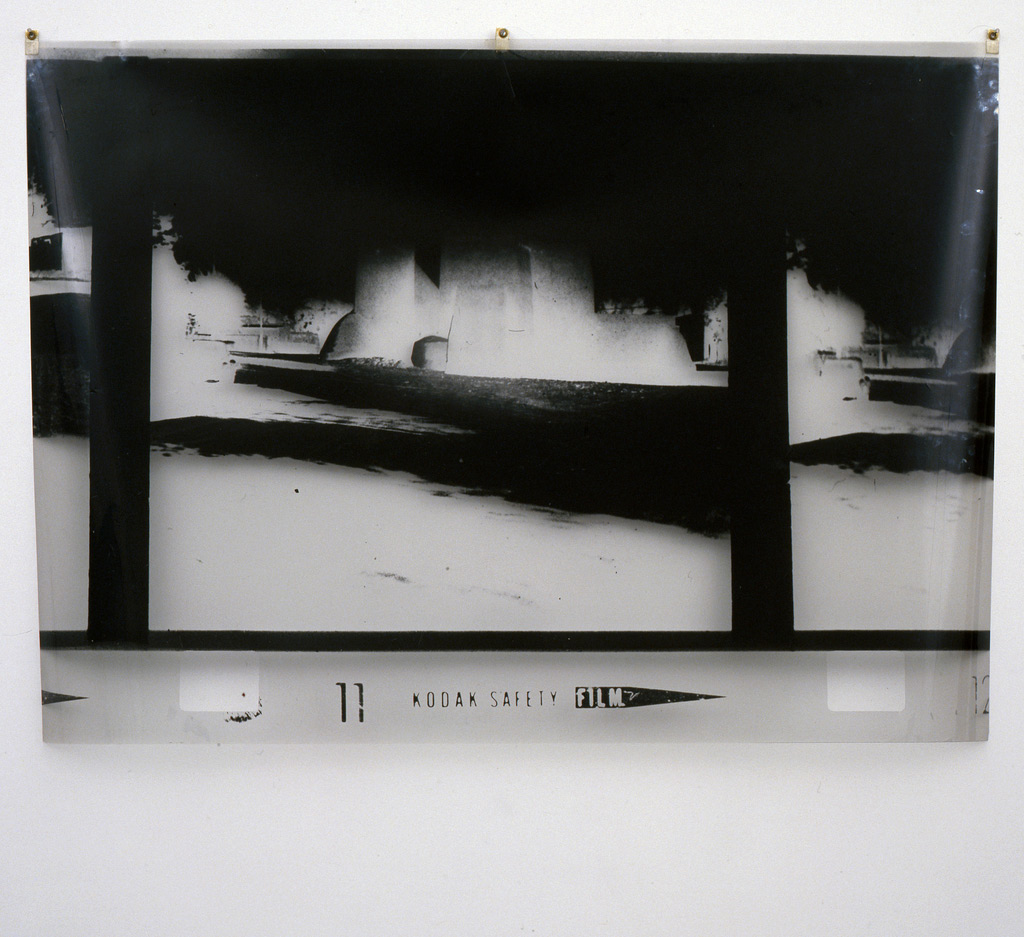
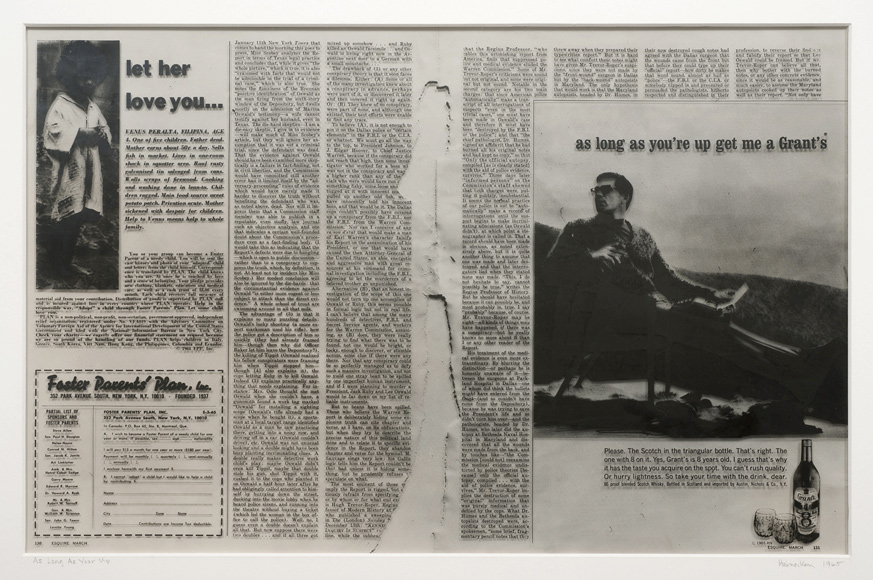
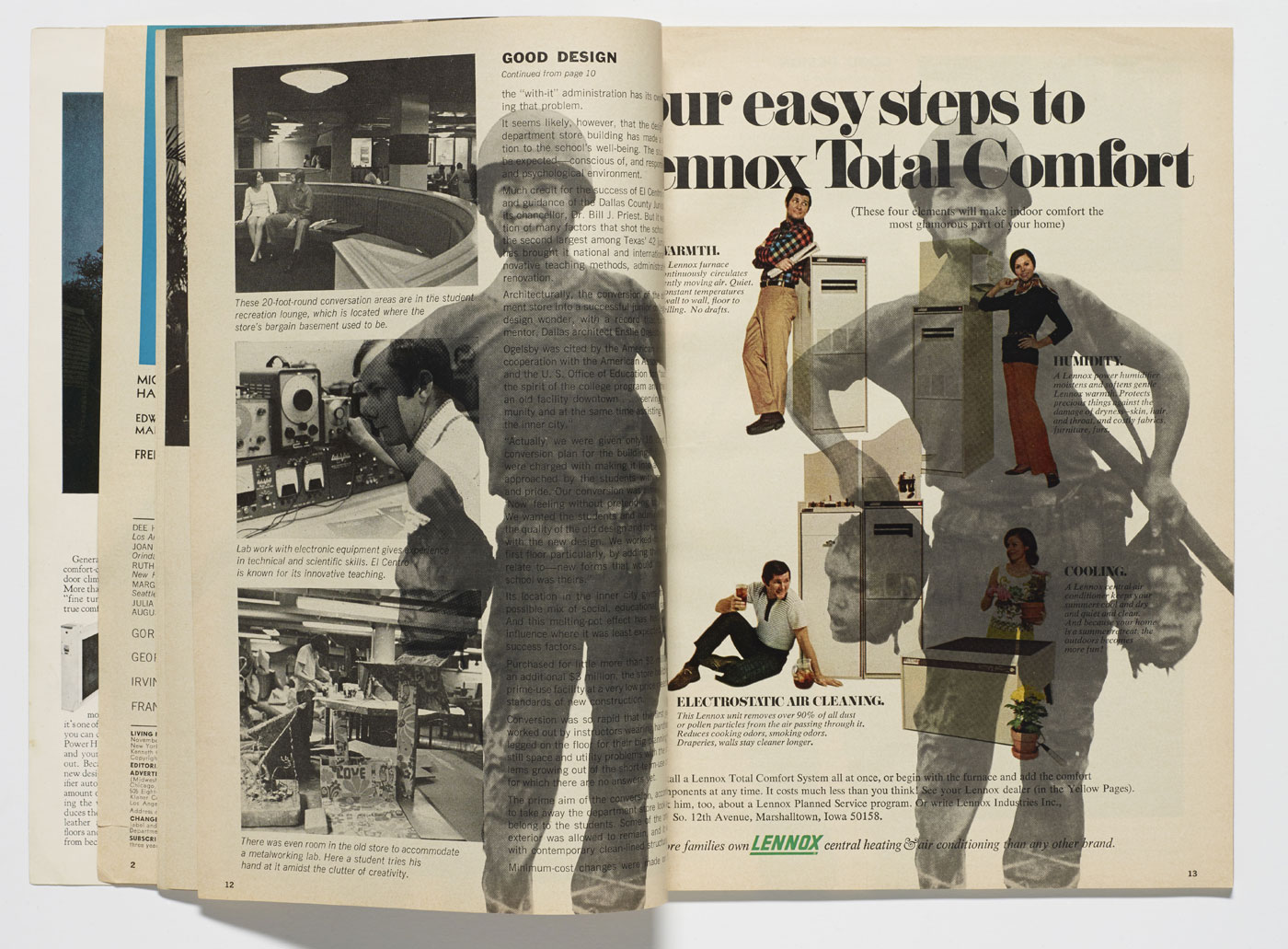
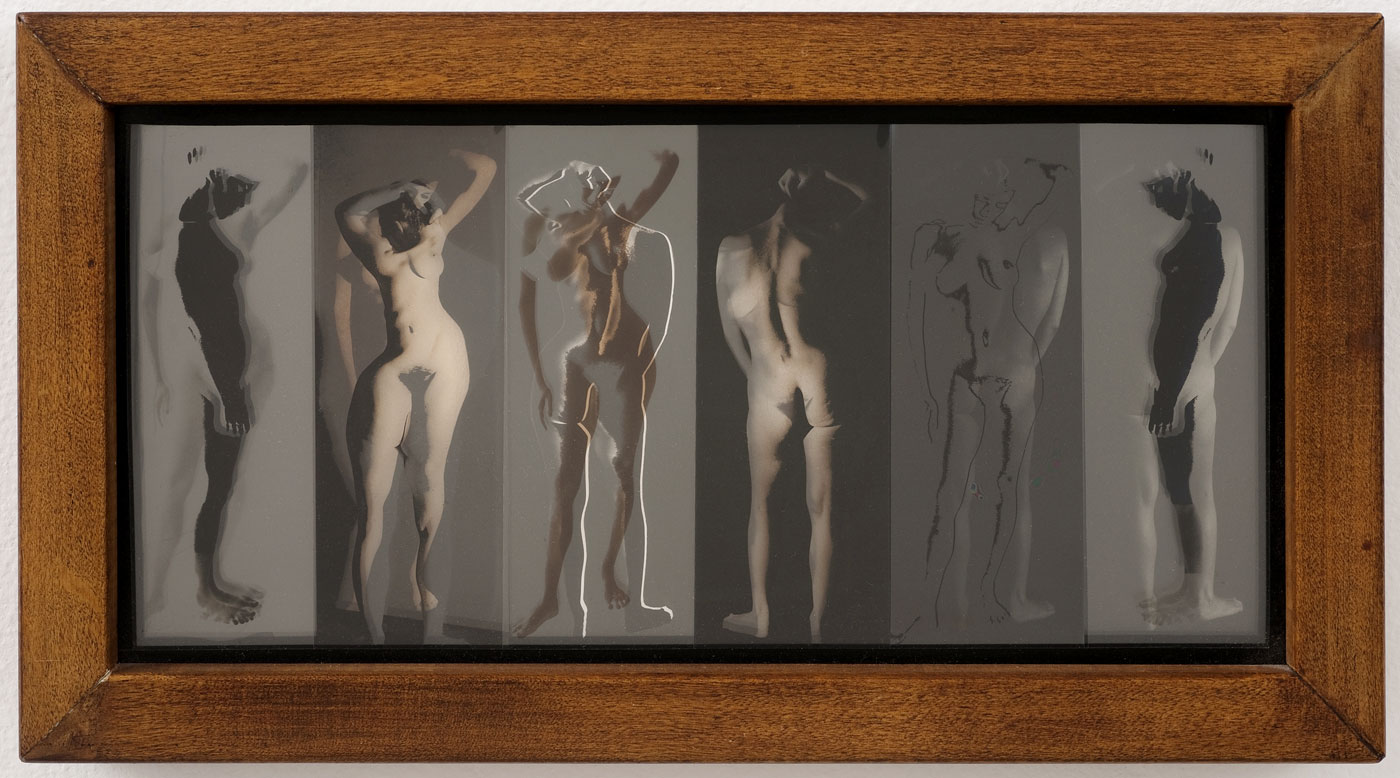
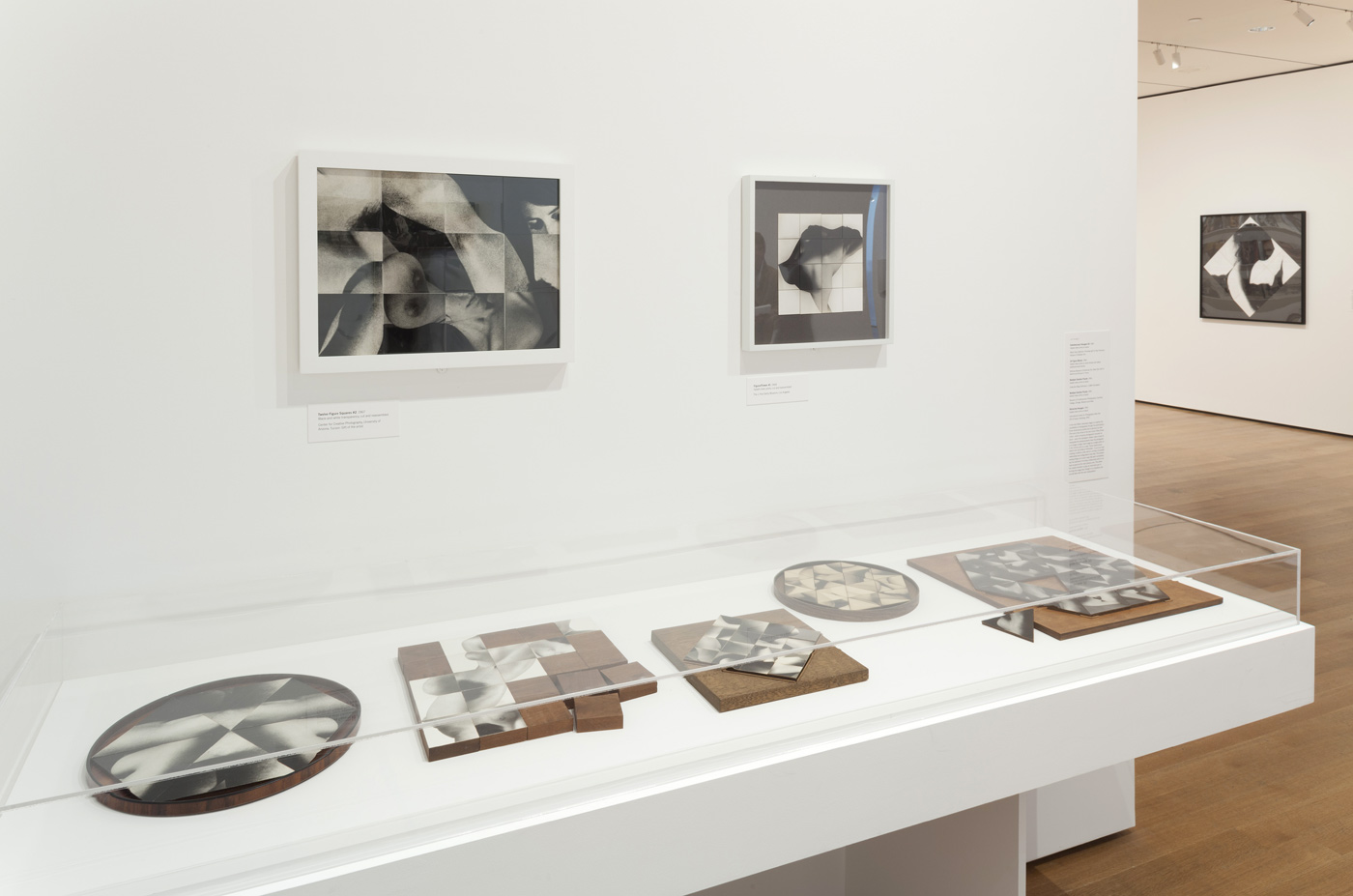
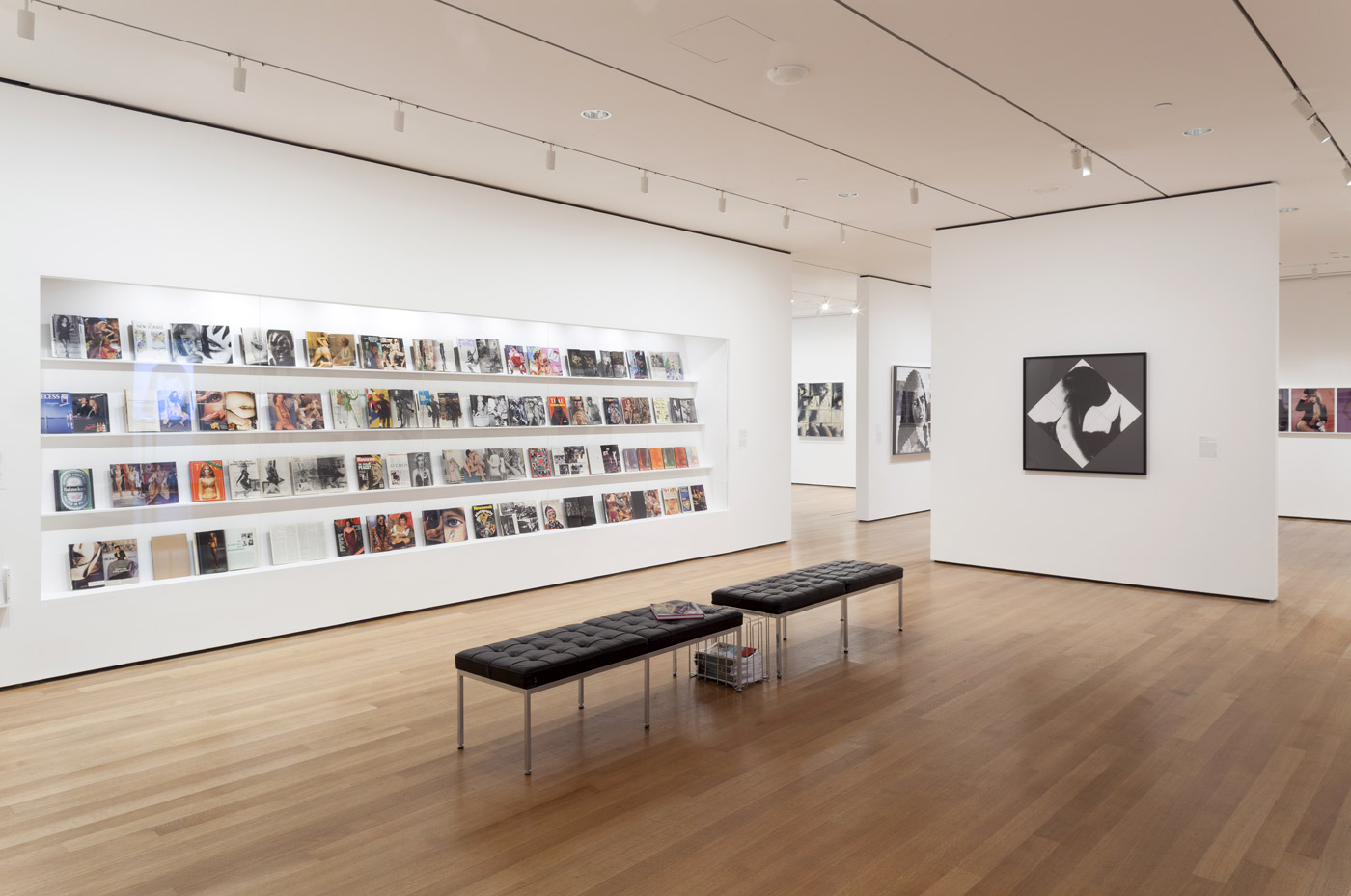
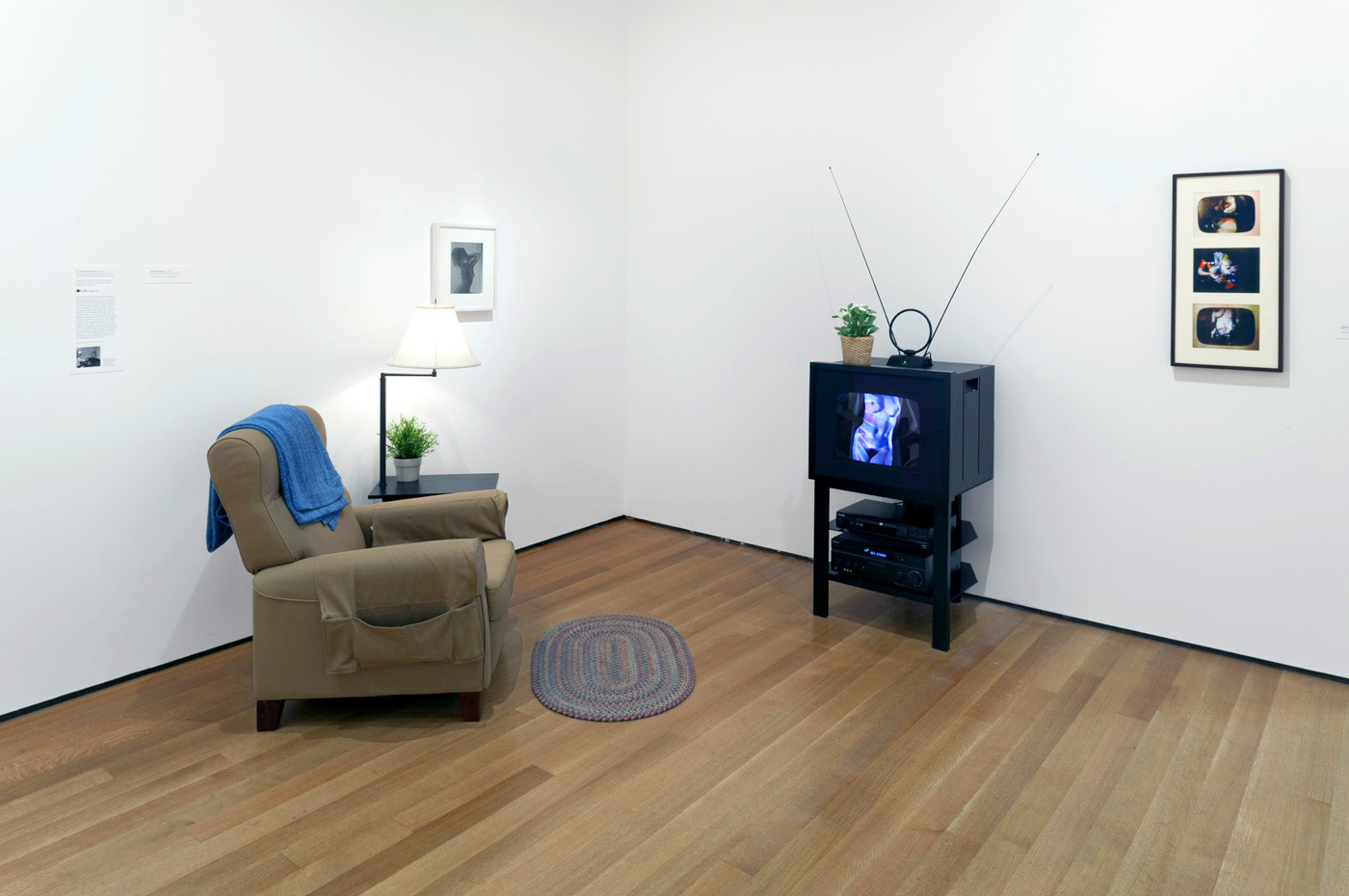
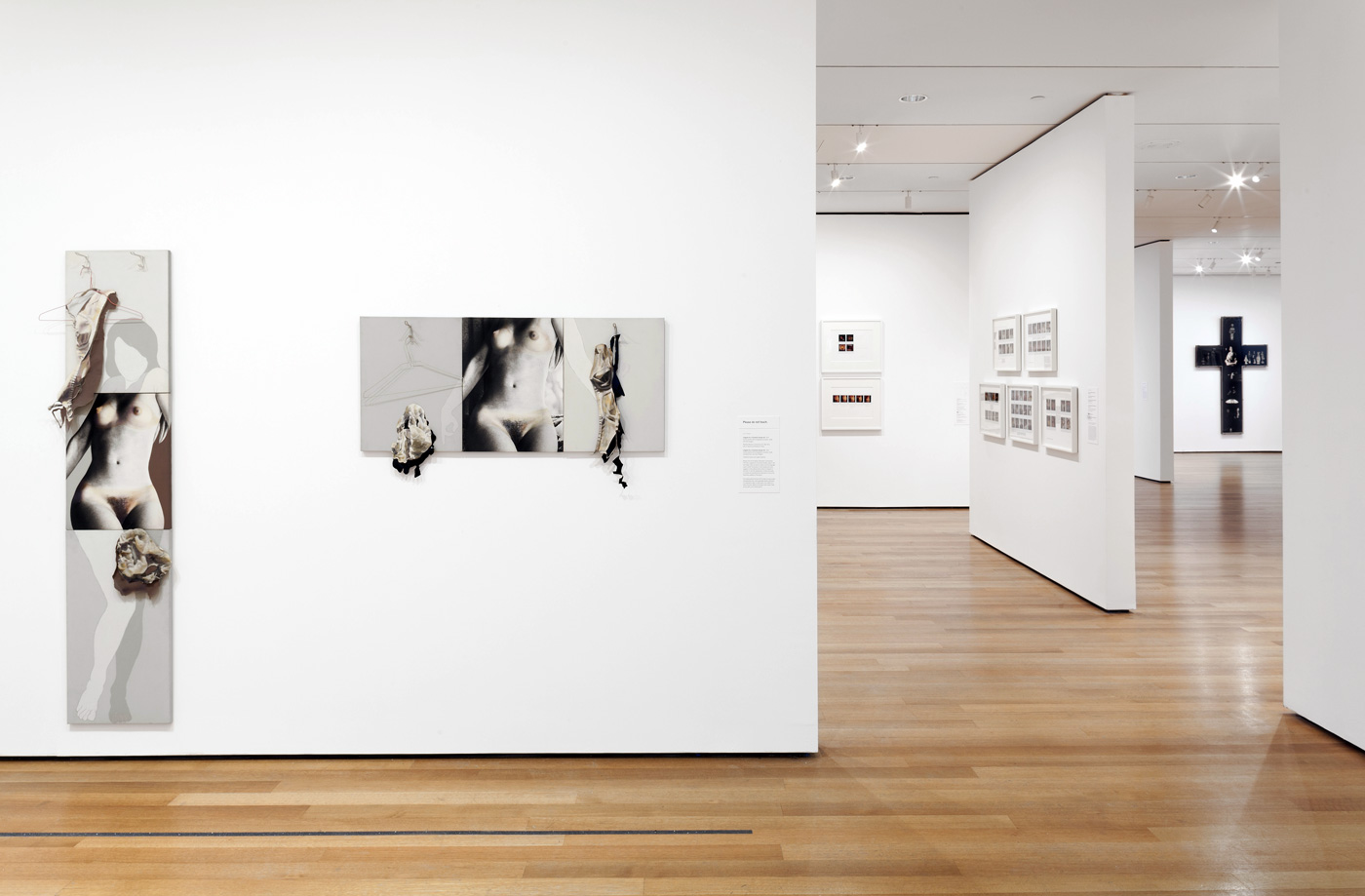


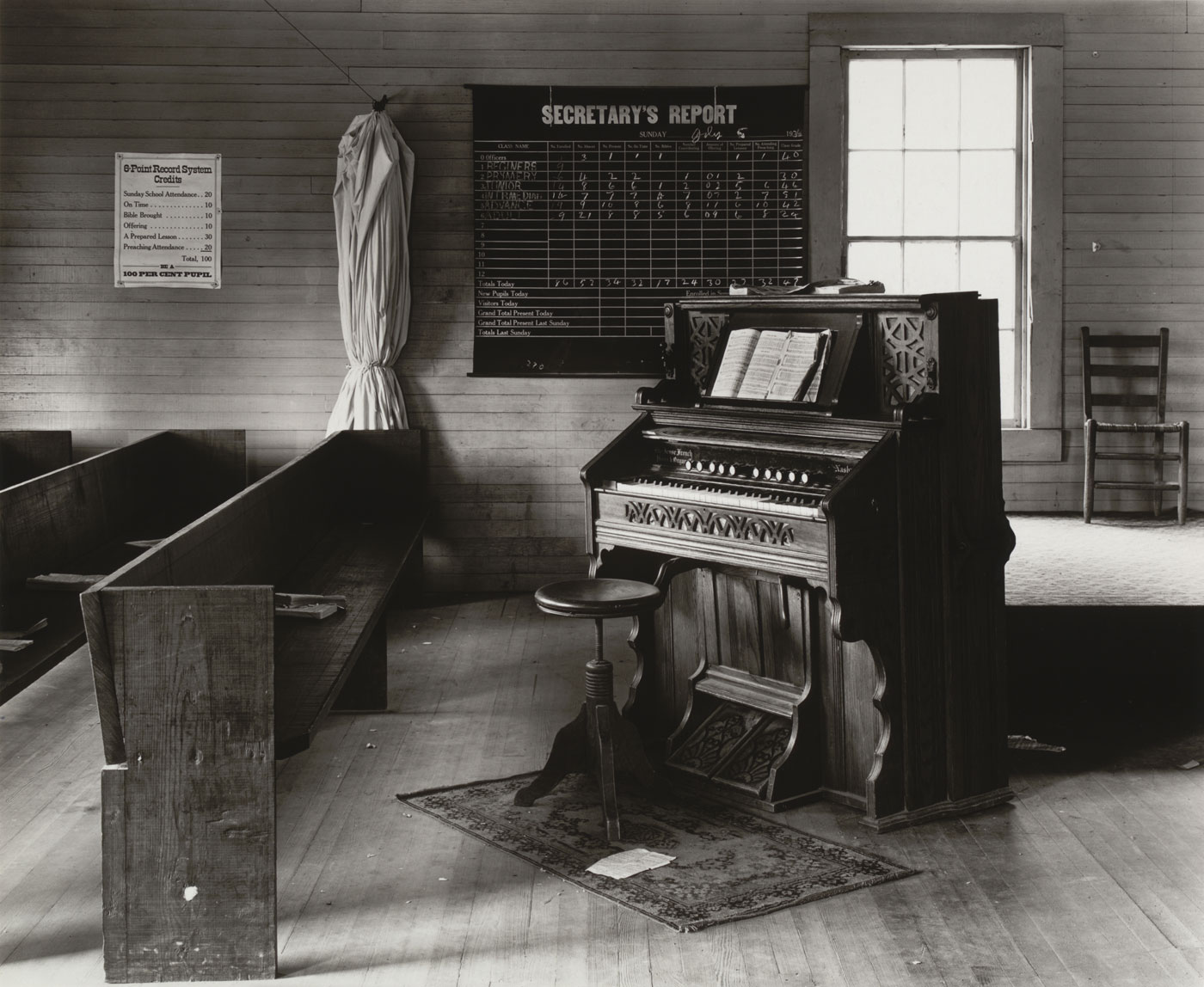
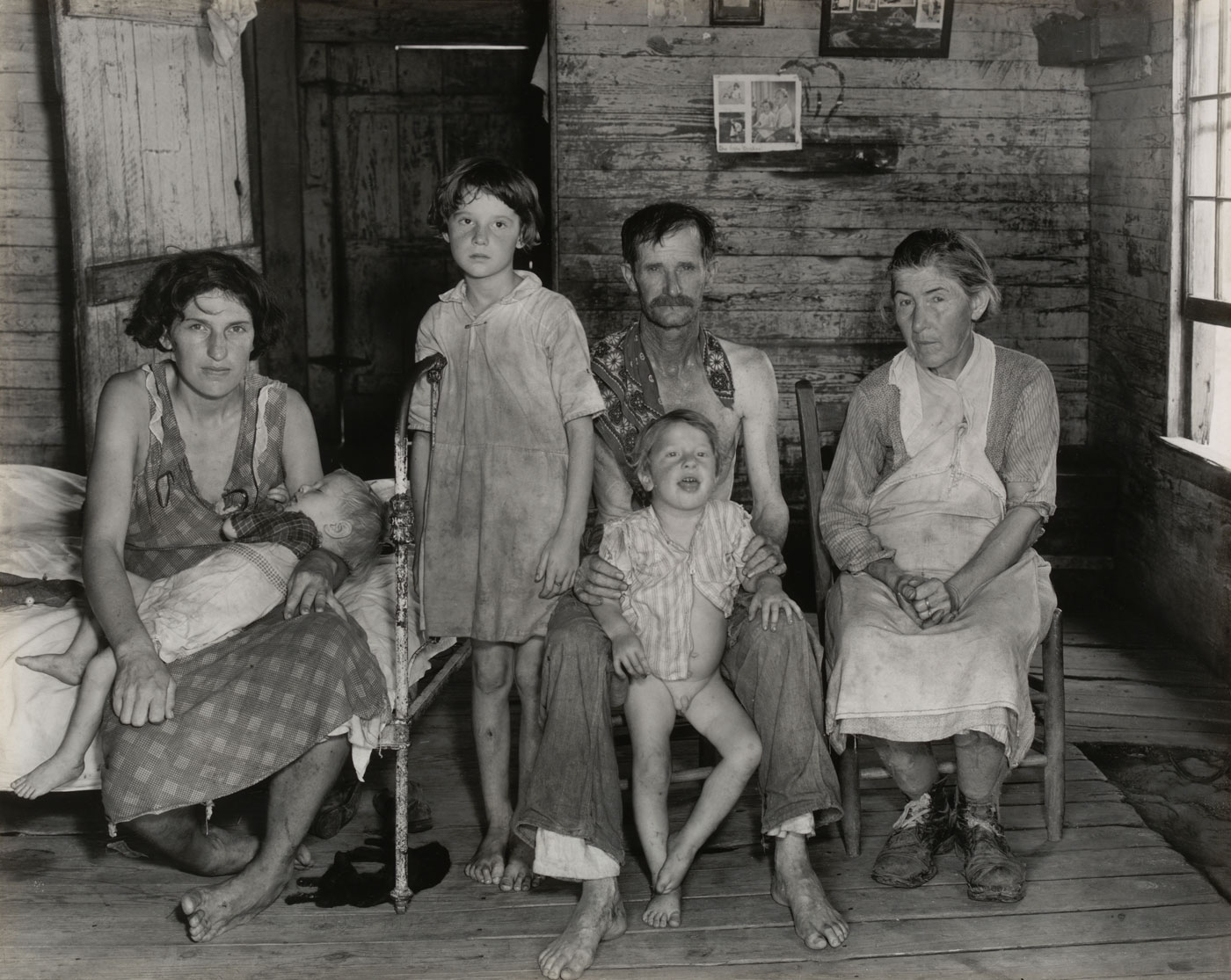
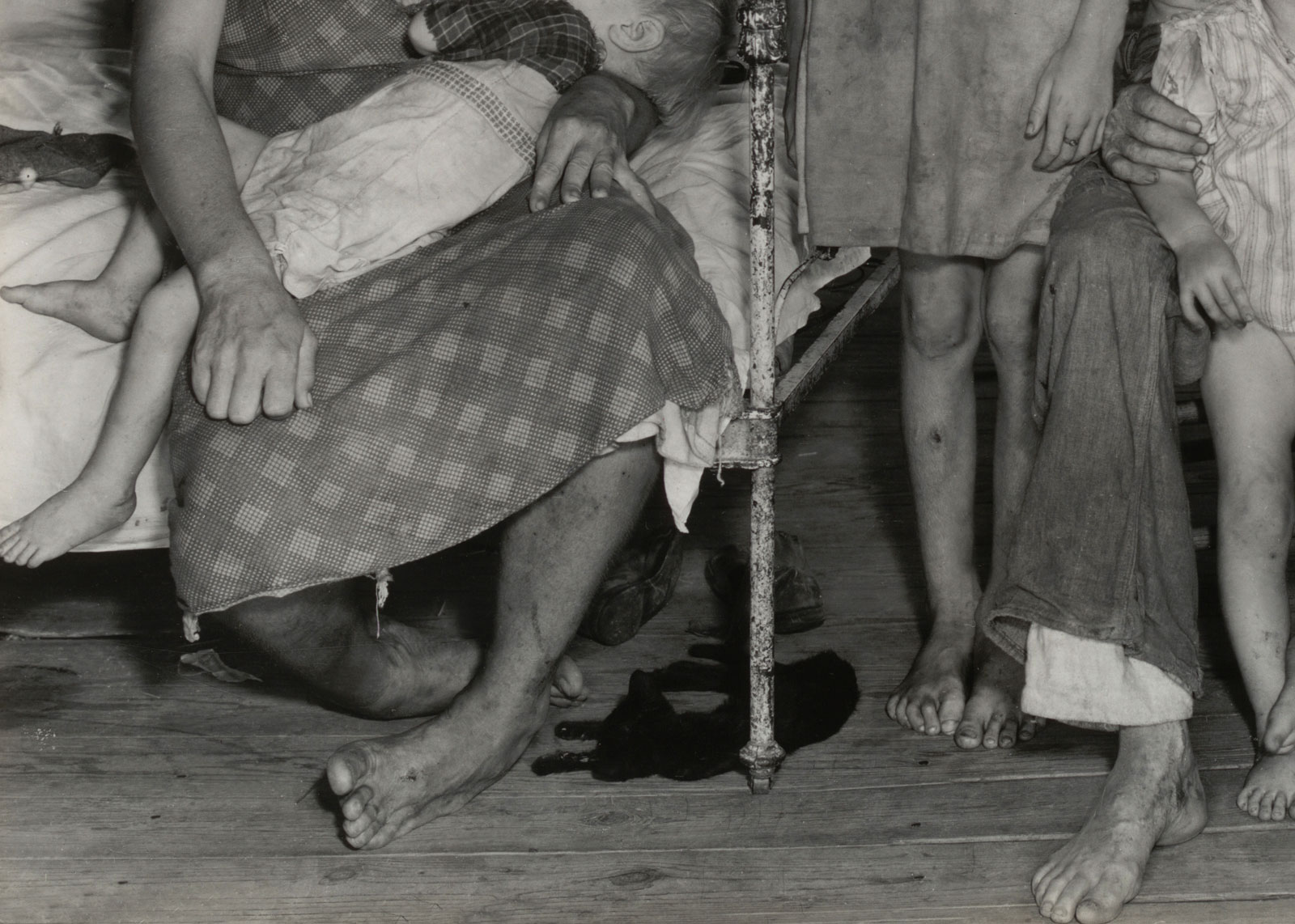

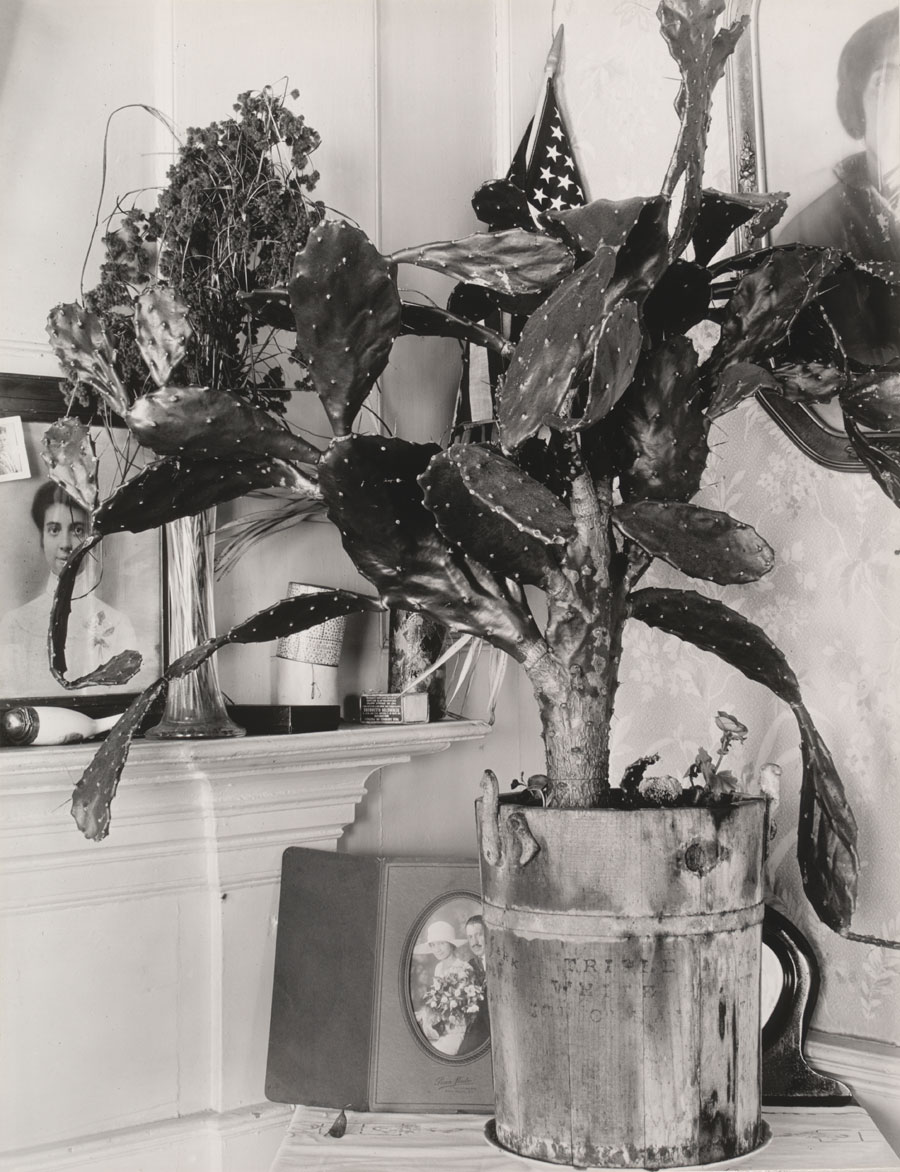


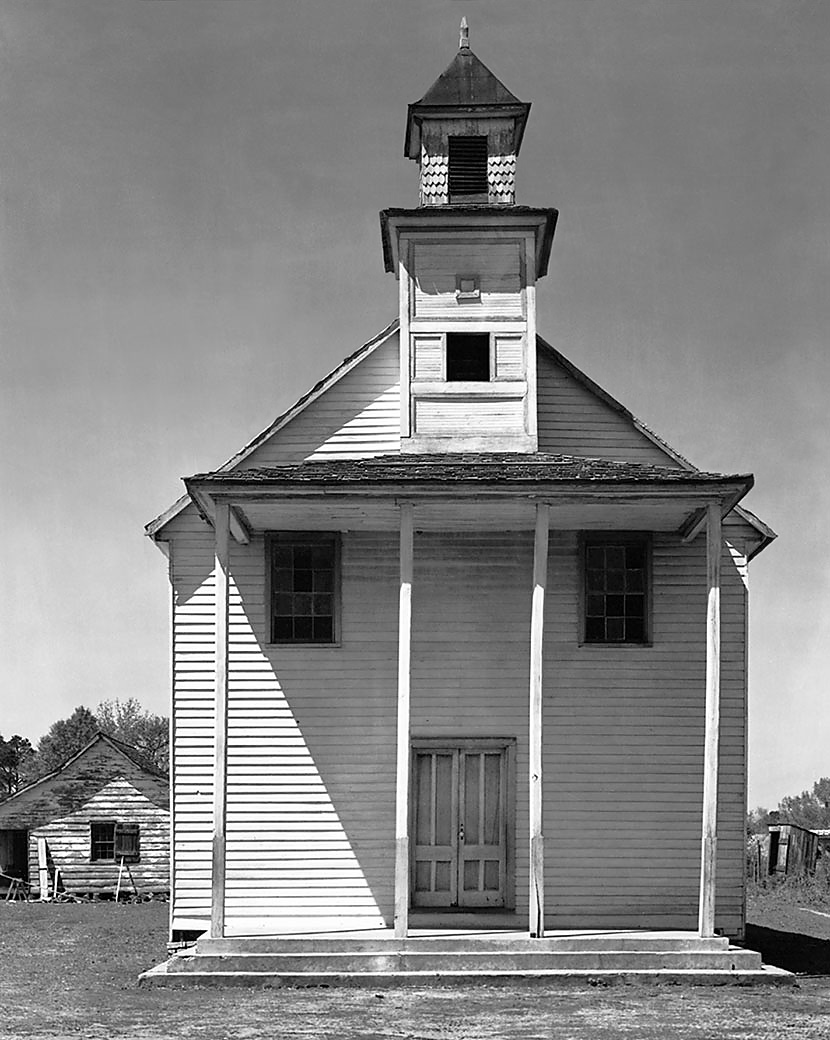

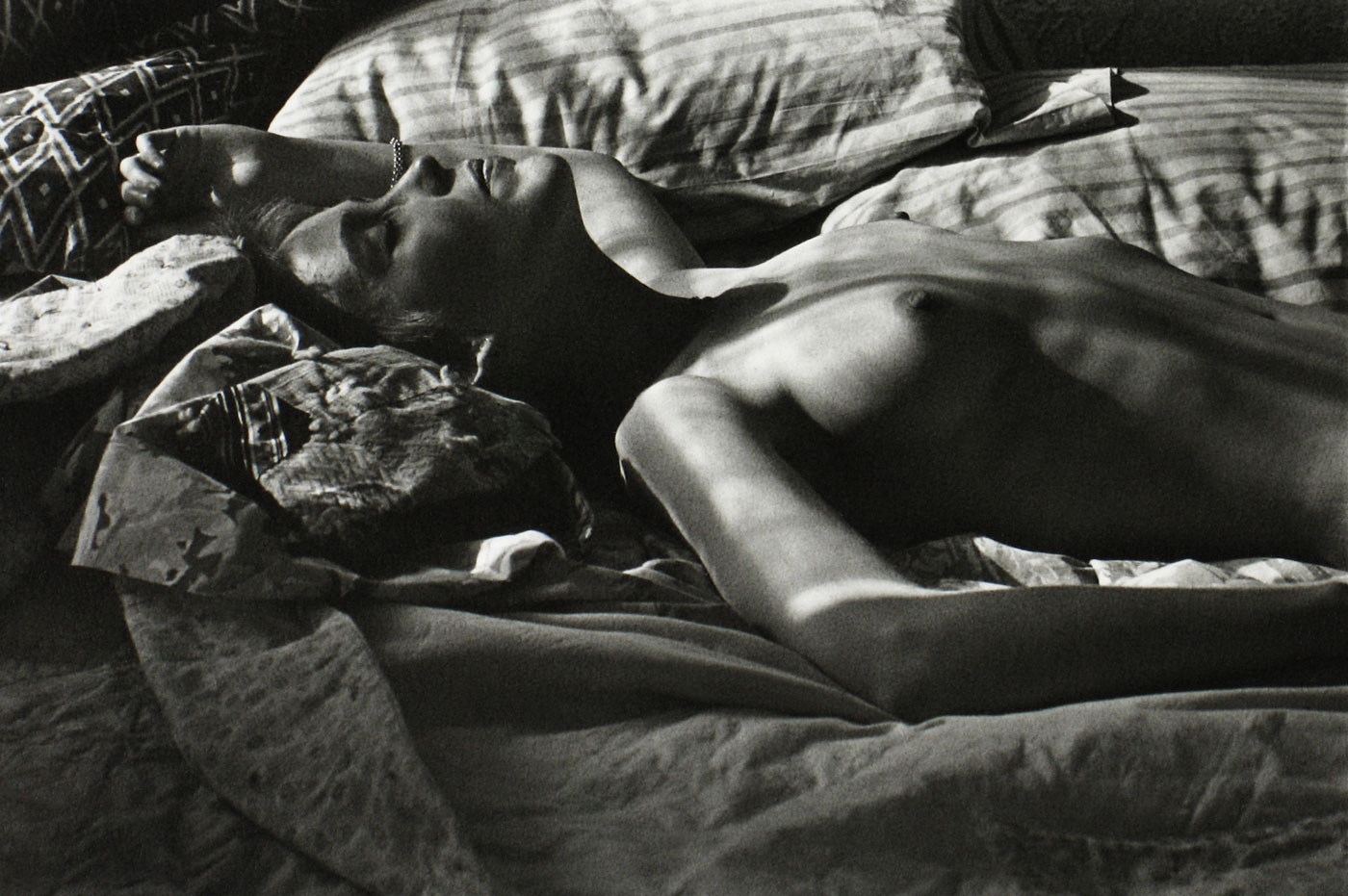





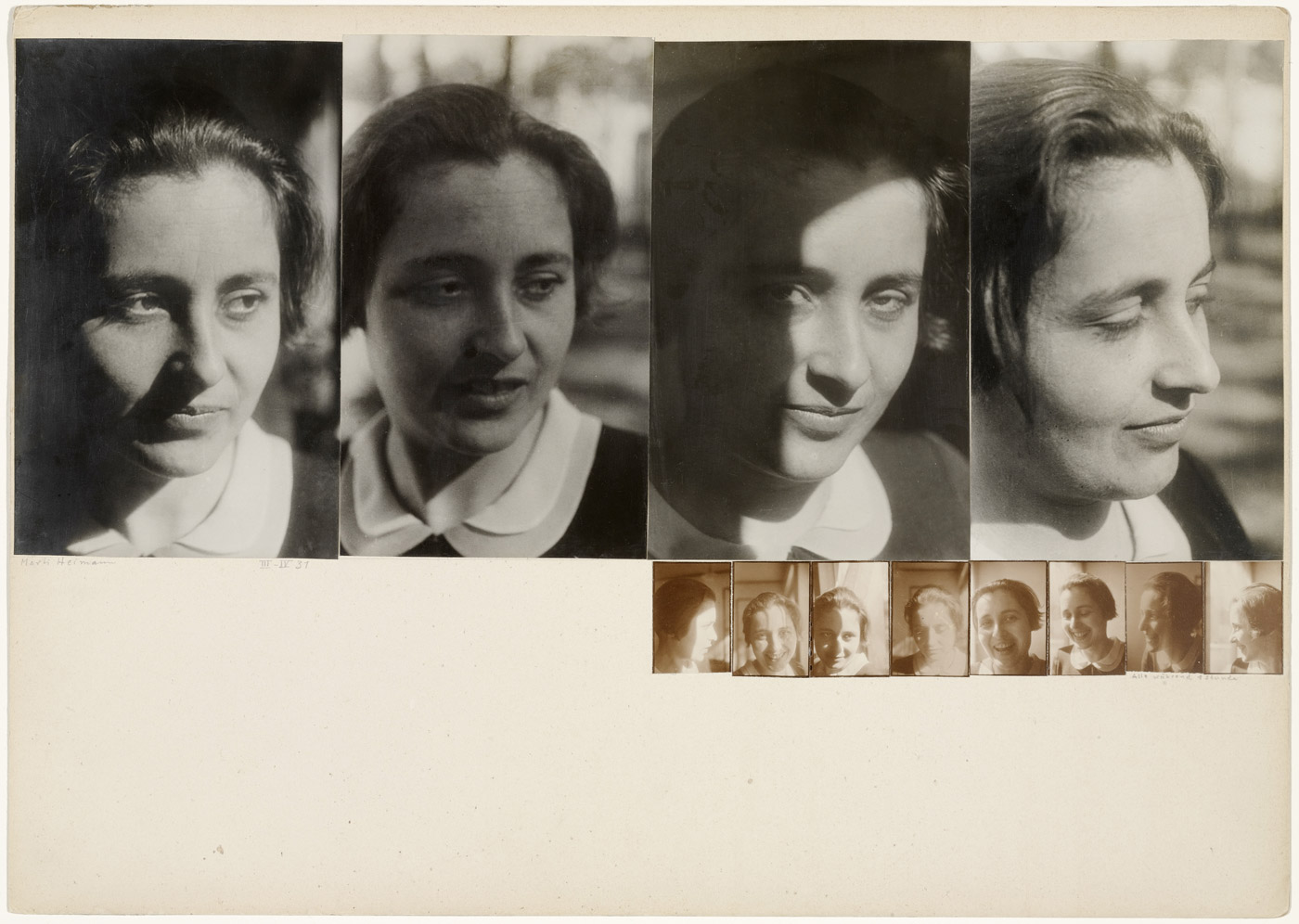

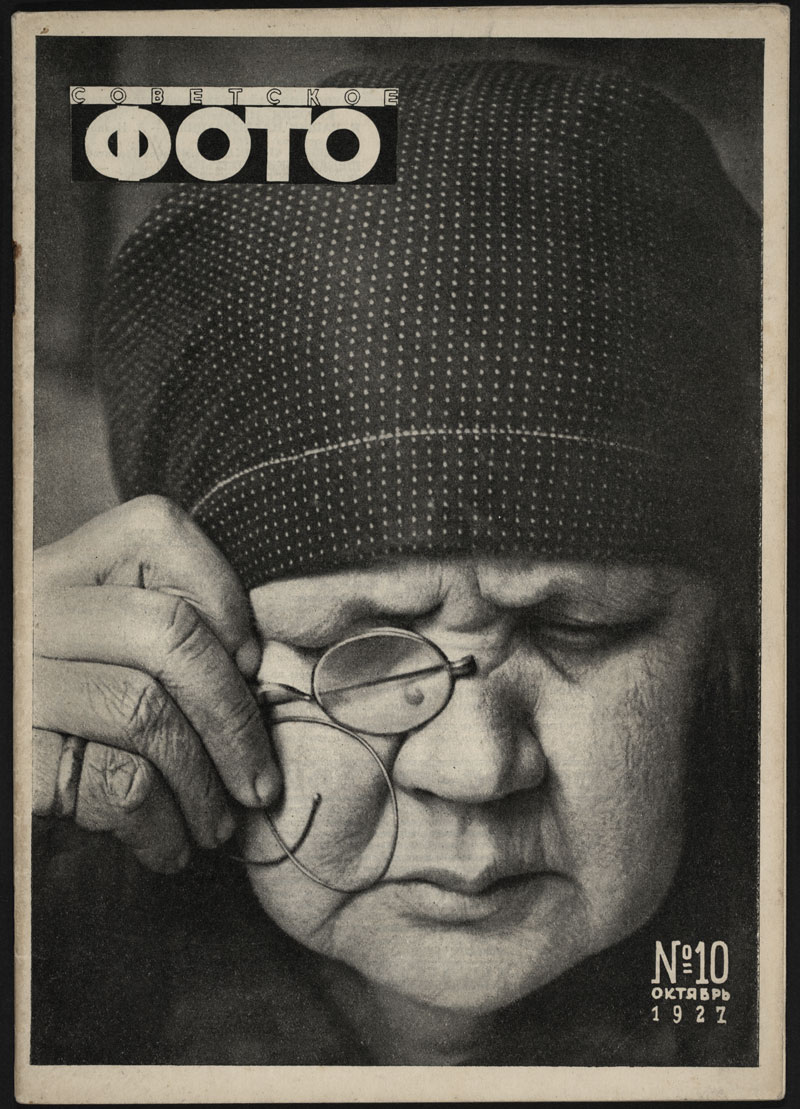


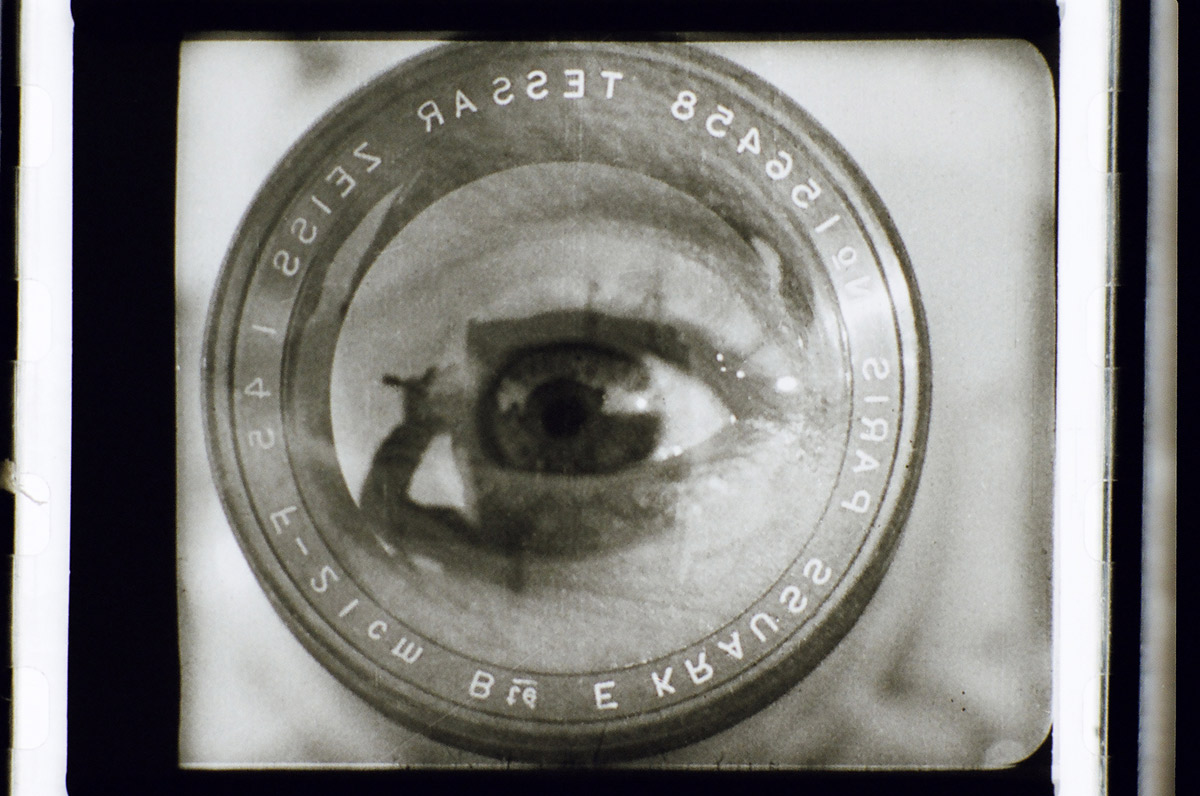

![Georges Hugnet (French, 1906-1974) 'Untitled [Surrealist beach collage]' c. 1935](https://artblart.com/wp-content/uploads/2013/04/georges-hugnet-untitled-surrealist-beach-collage.jpg "Georges Hugnet (French, 1906-1974) 'Untitled [Surrealist beach collage]' c. 1935")
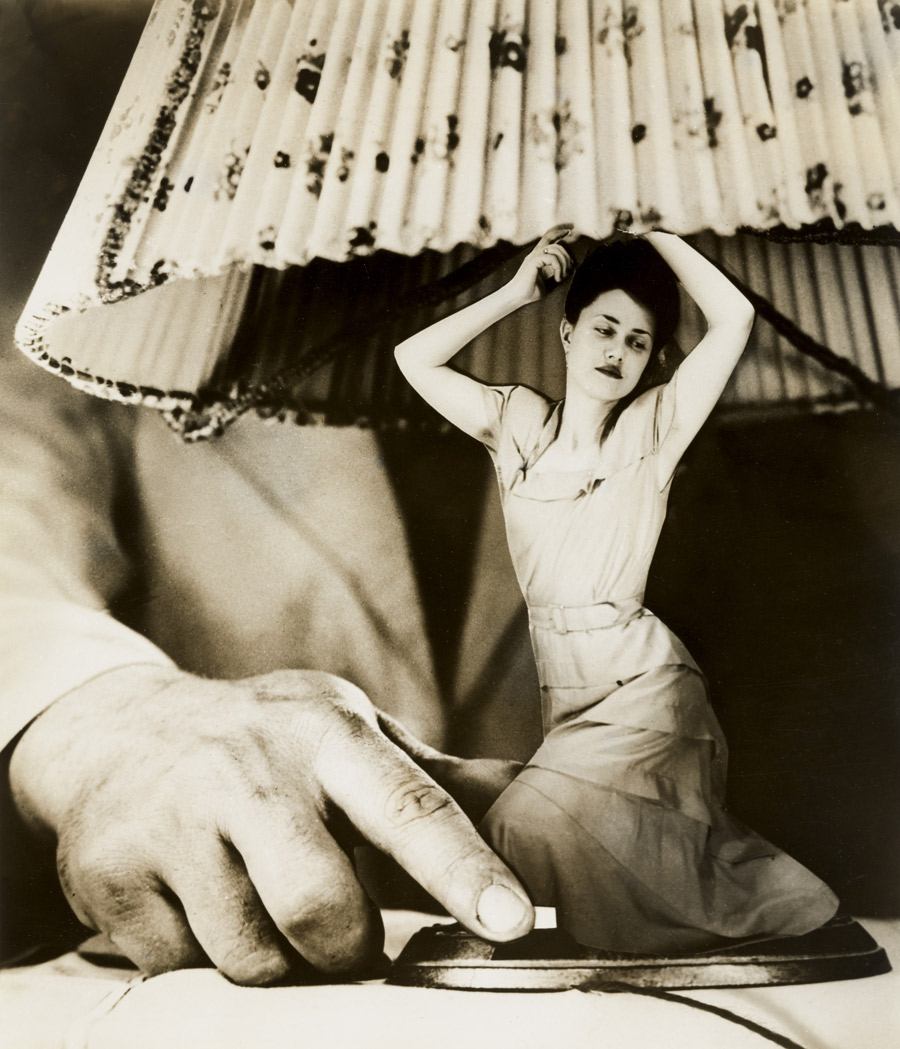
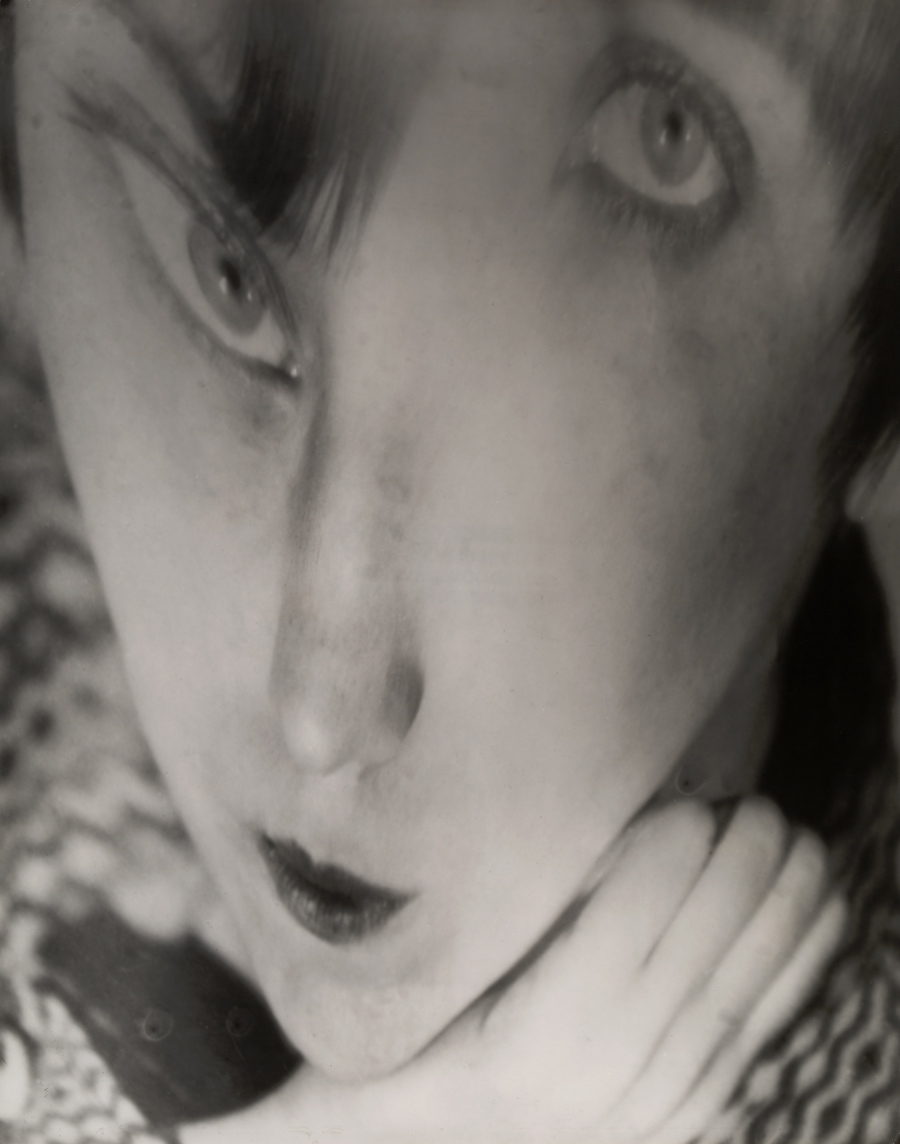
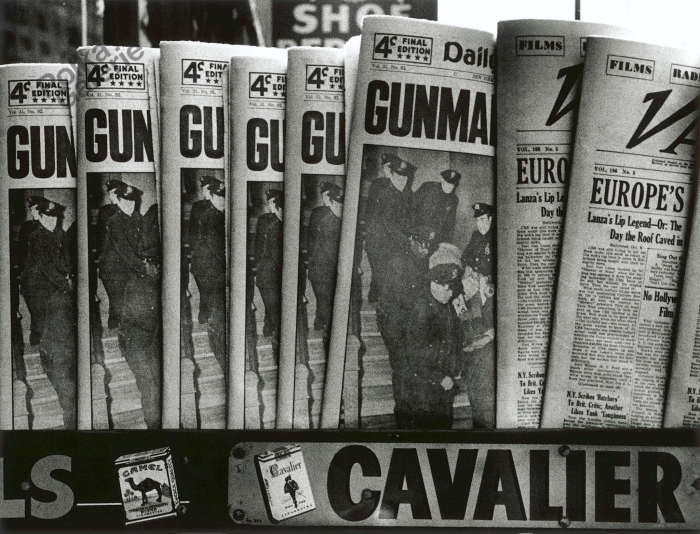




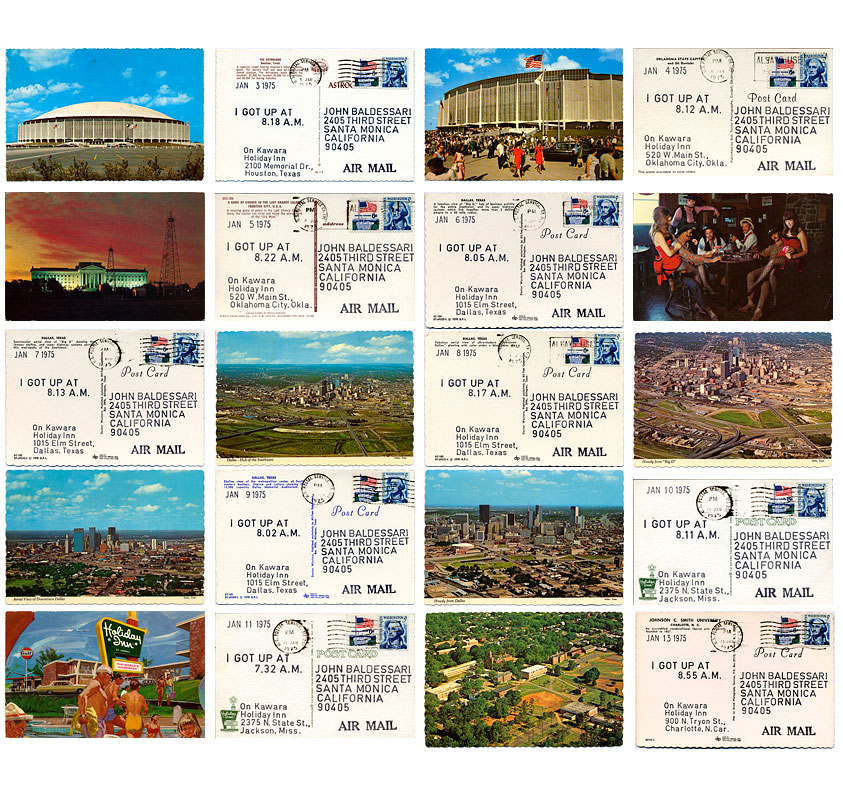
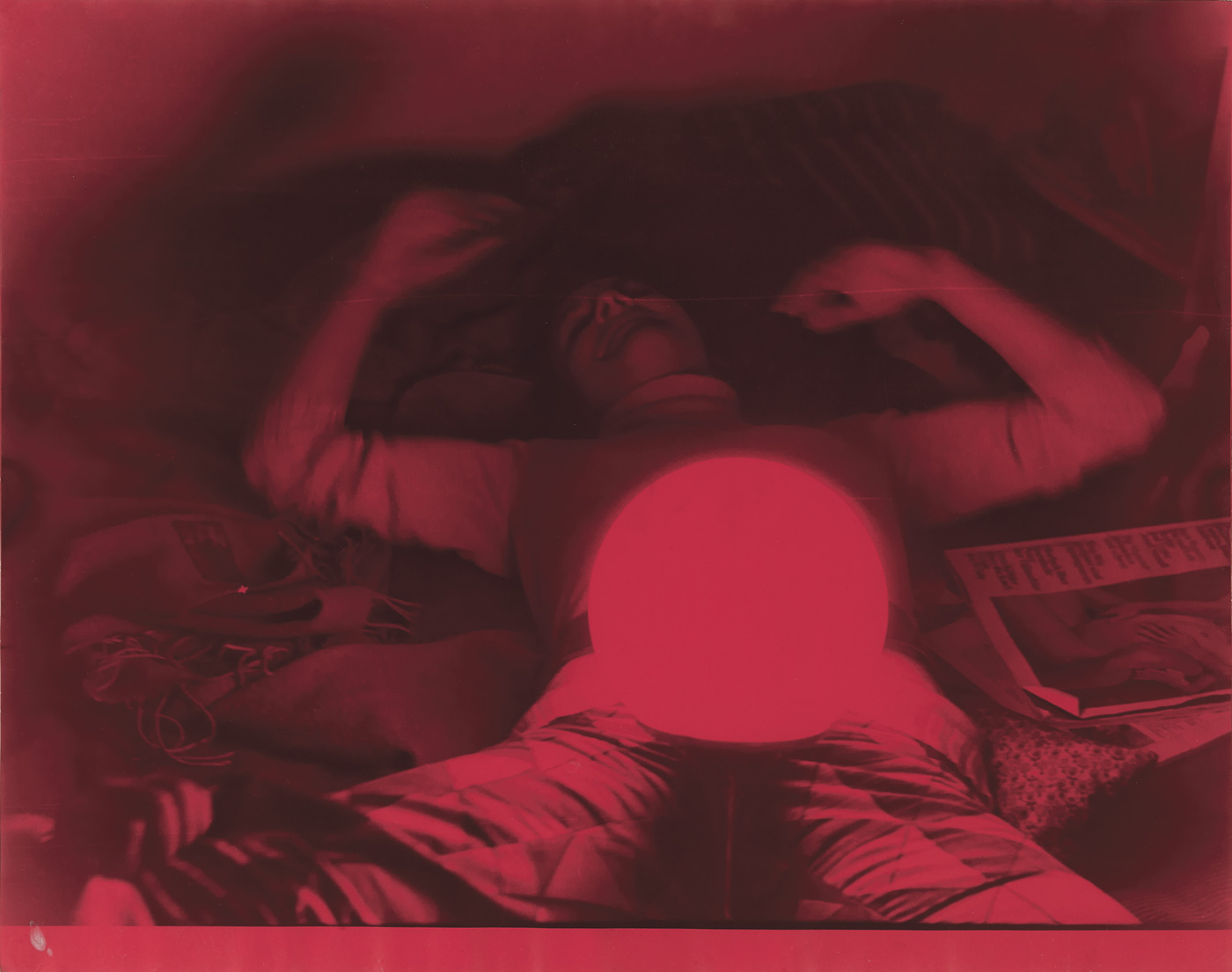
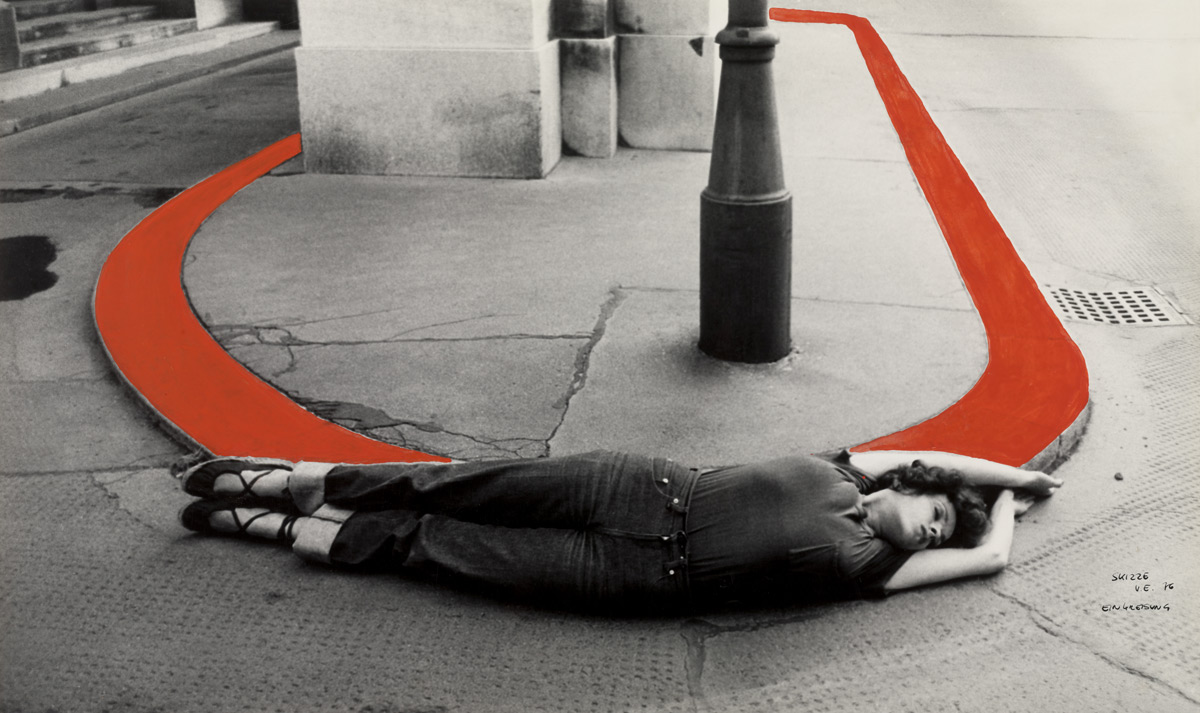
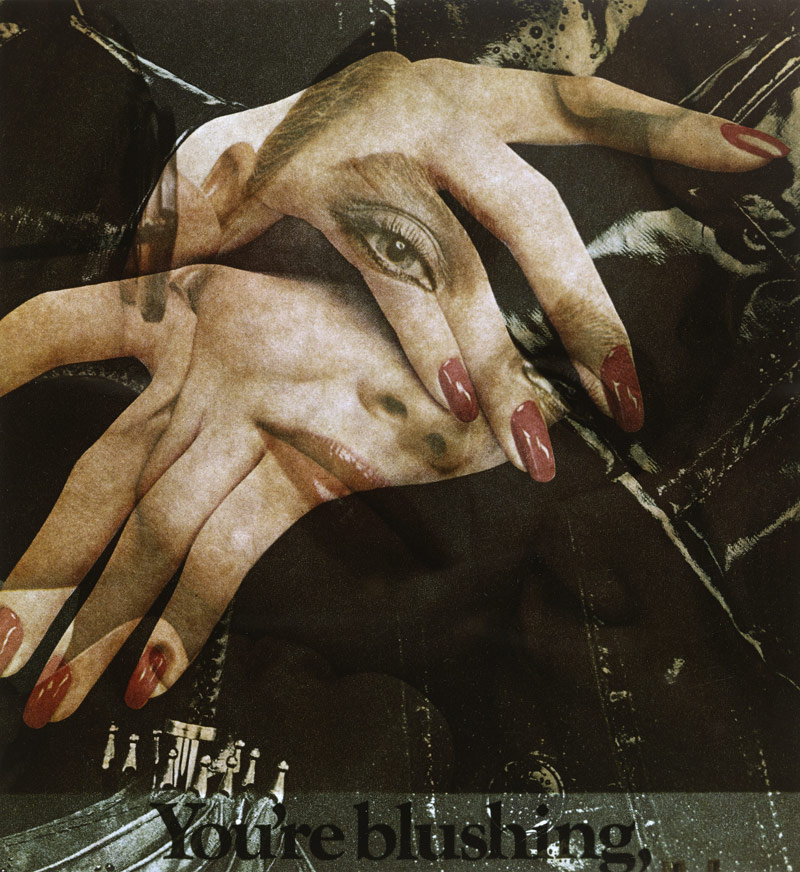
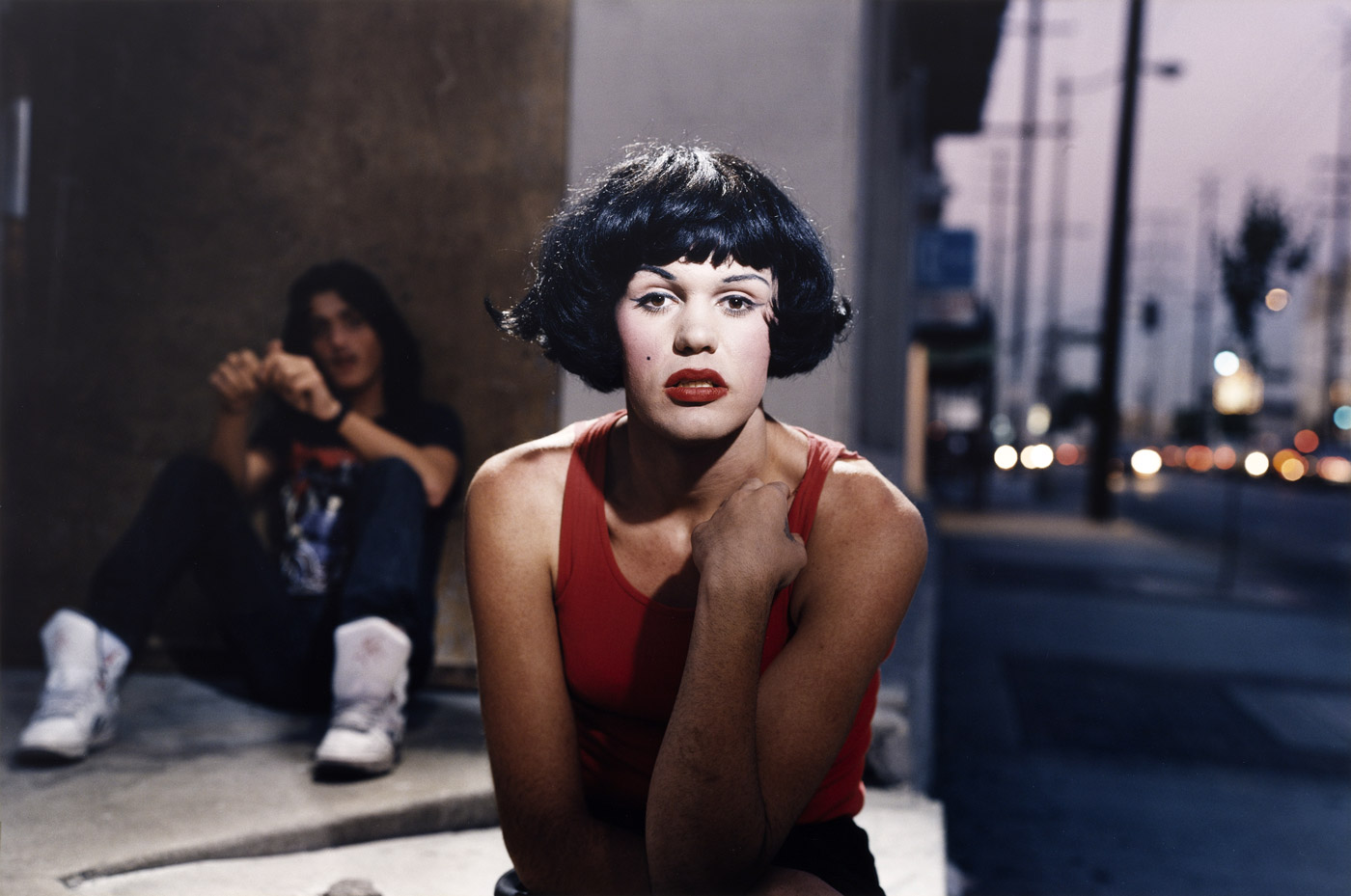
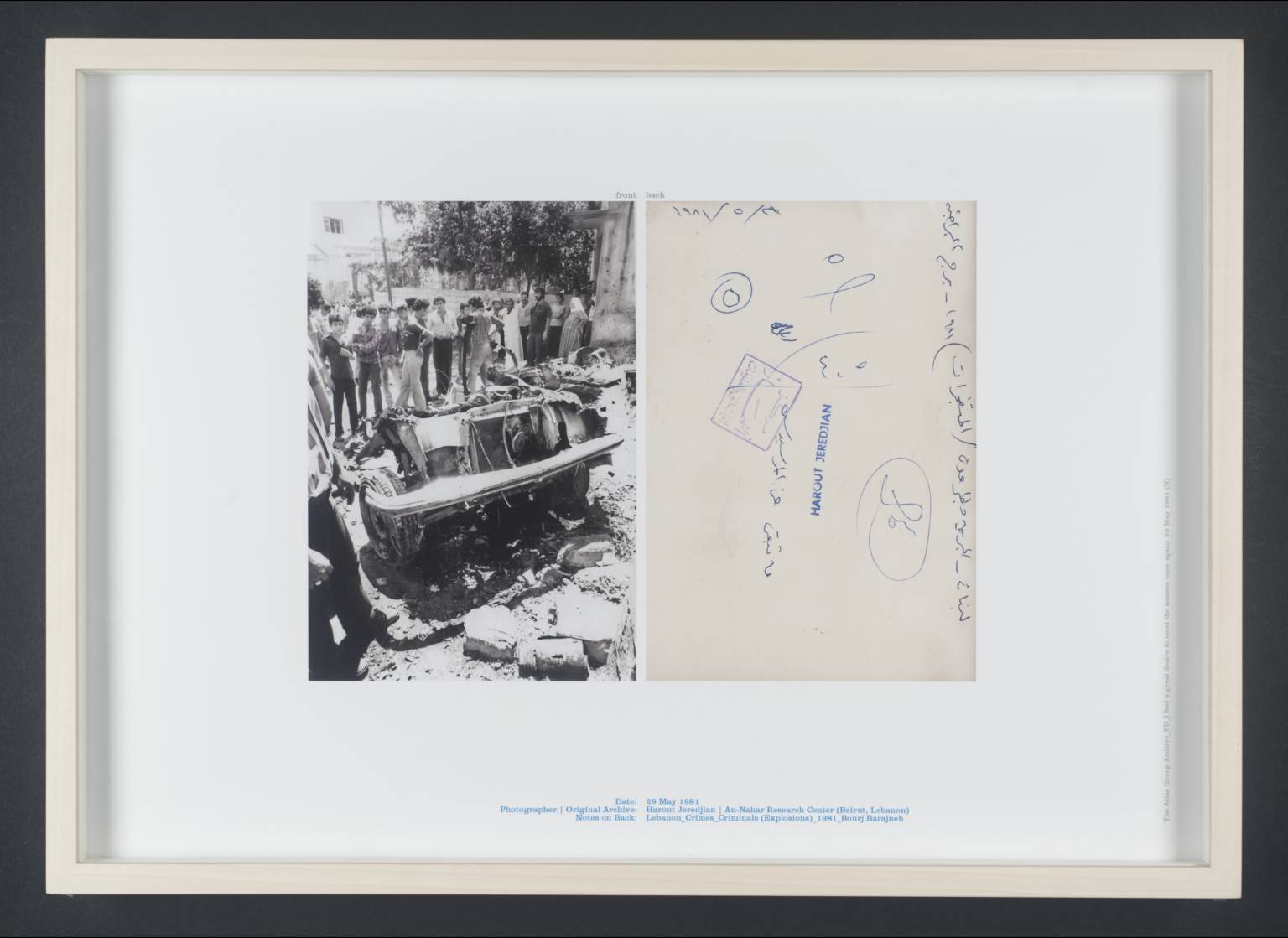


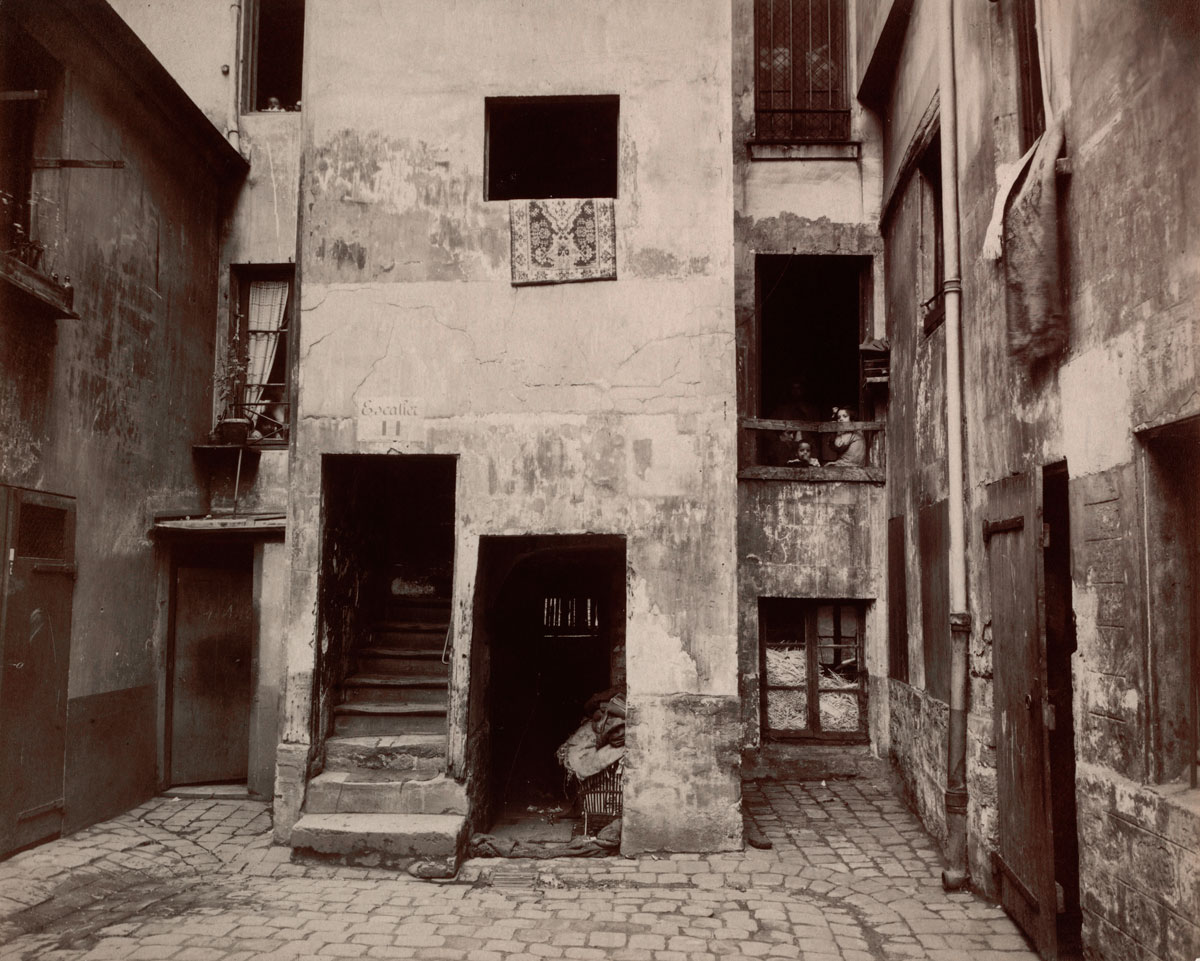
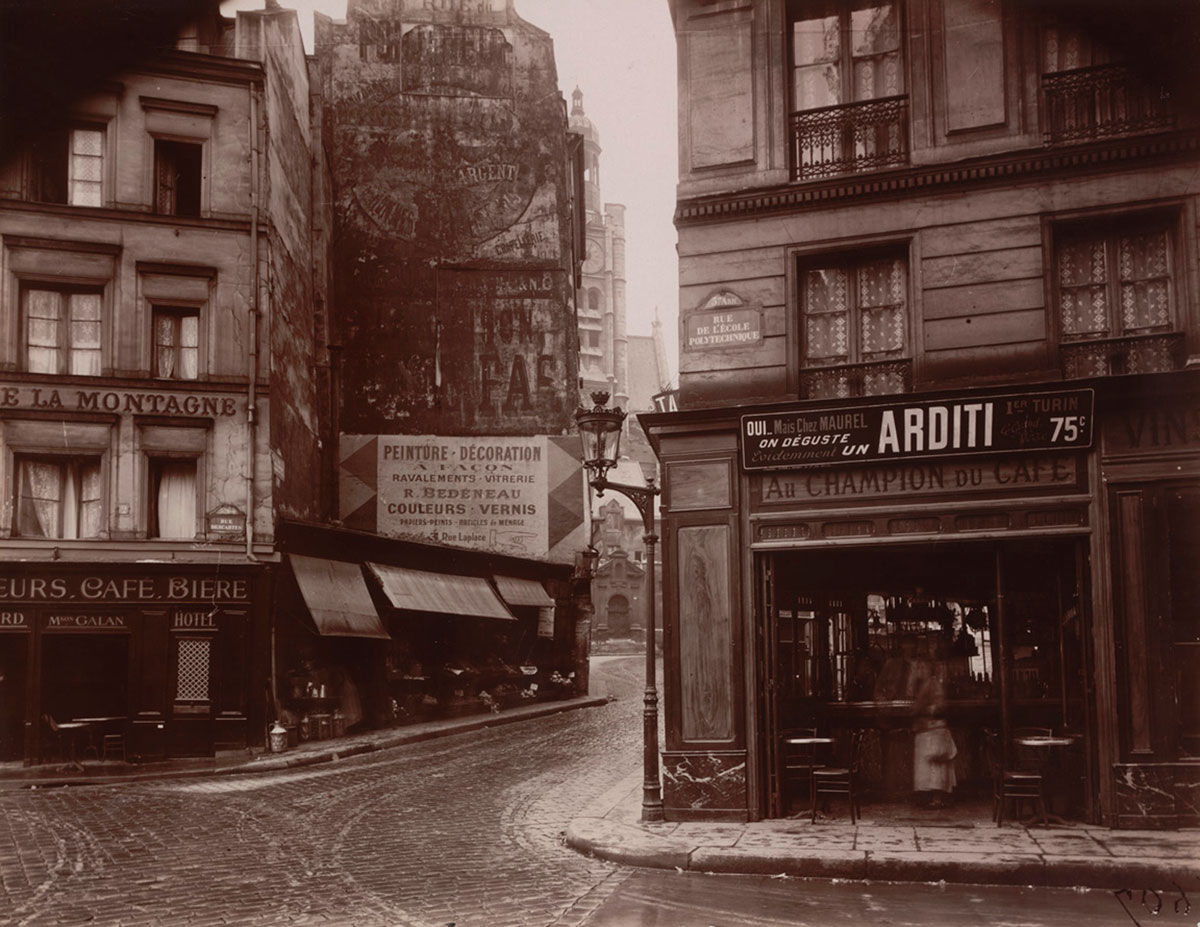


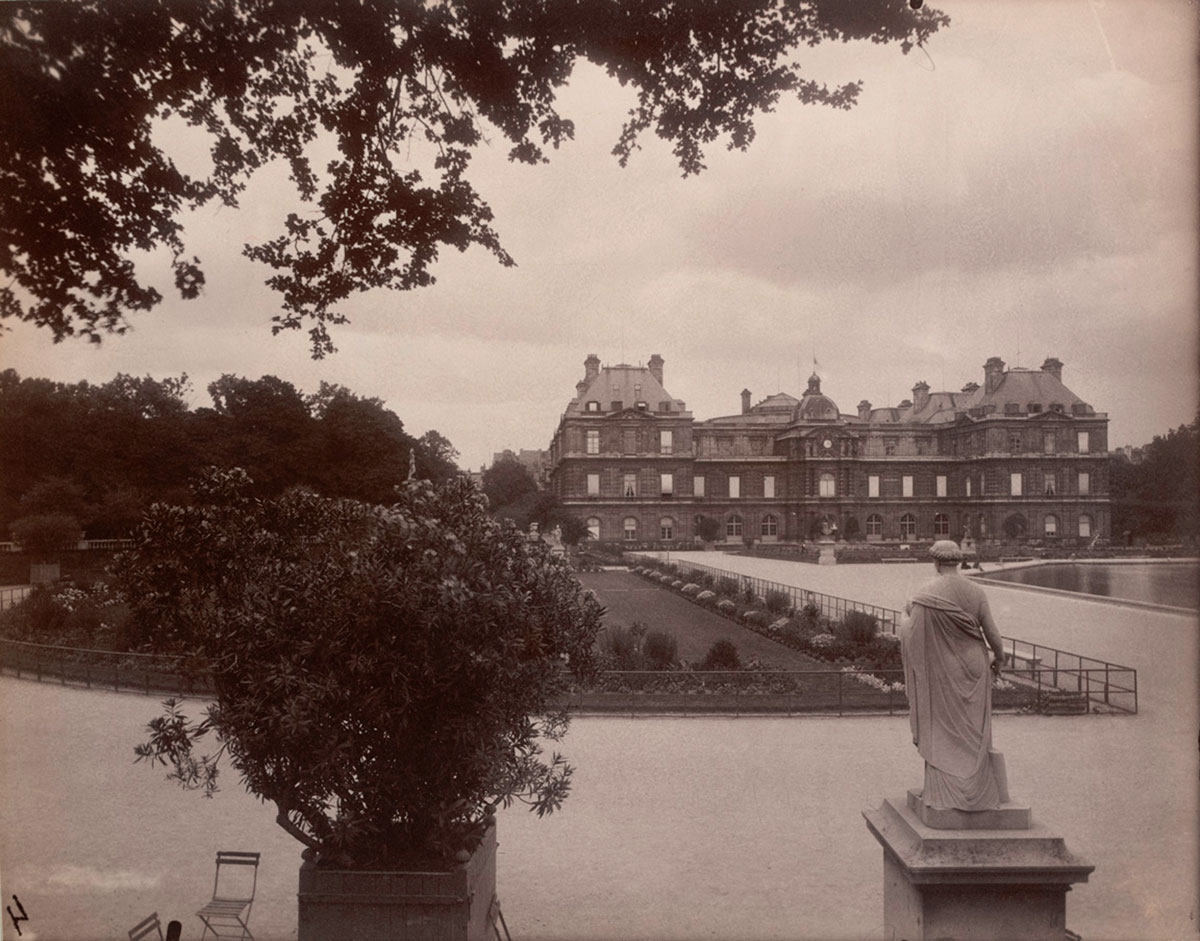

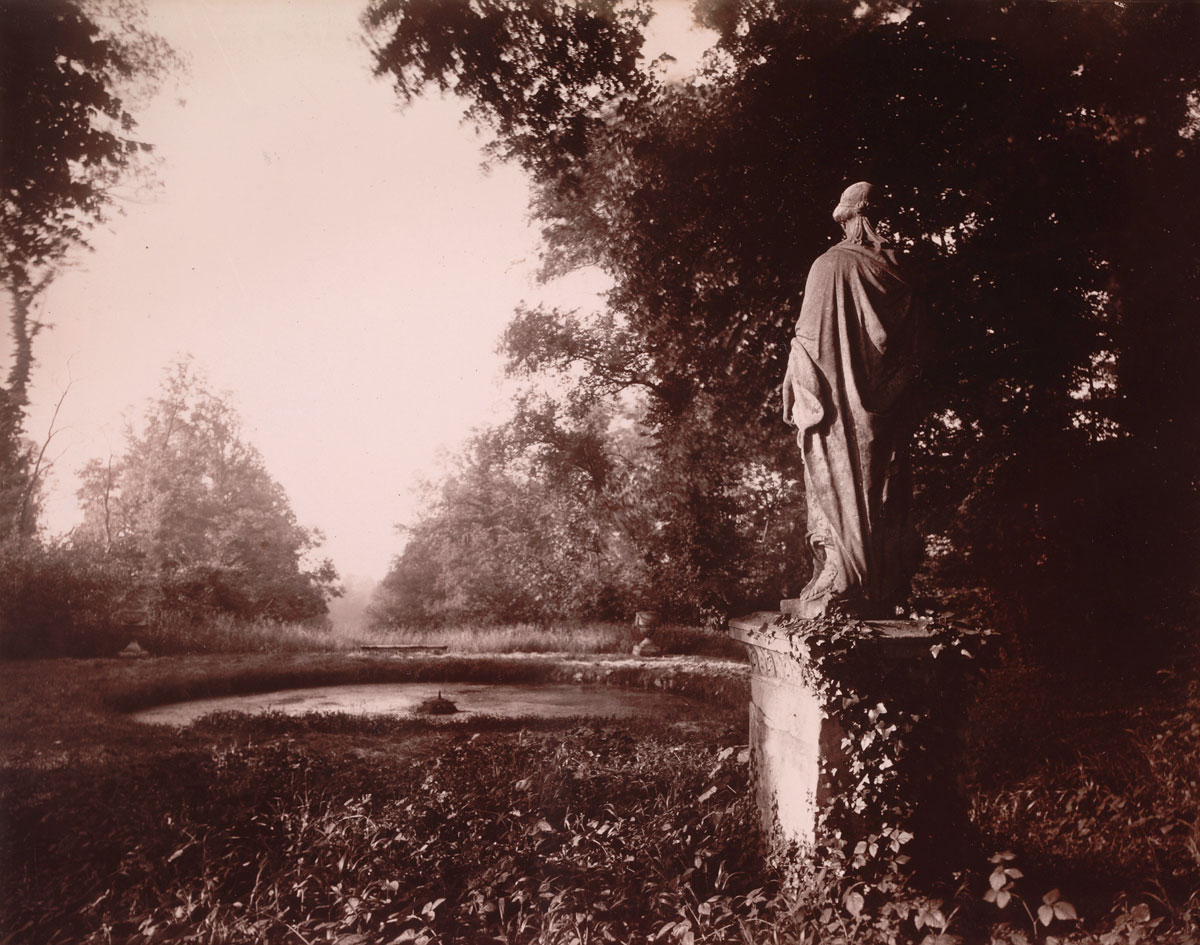
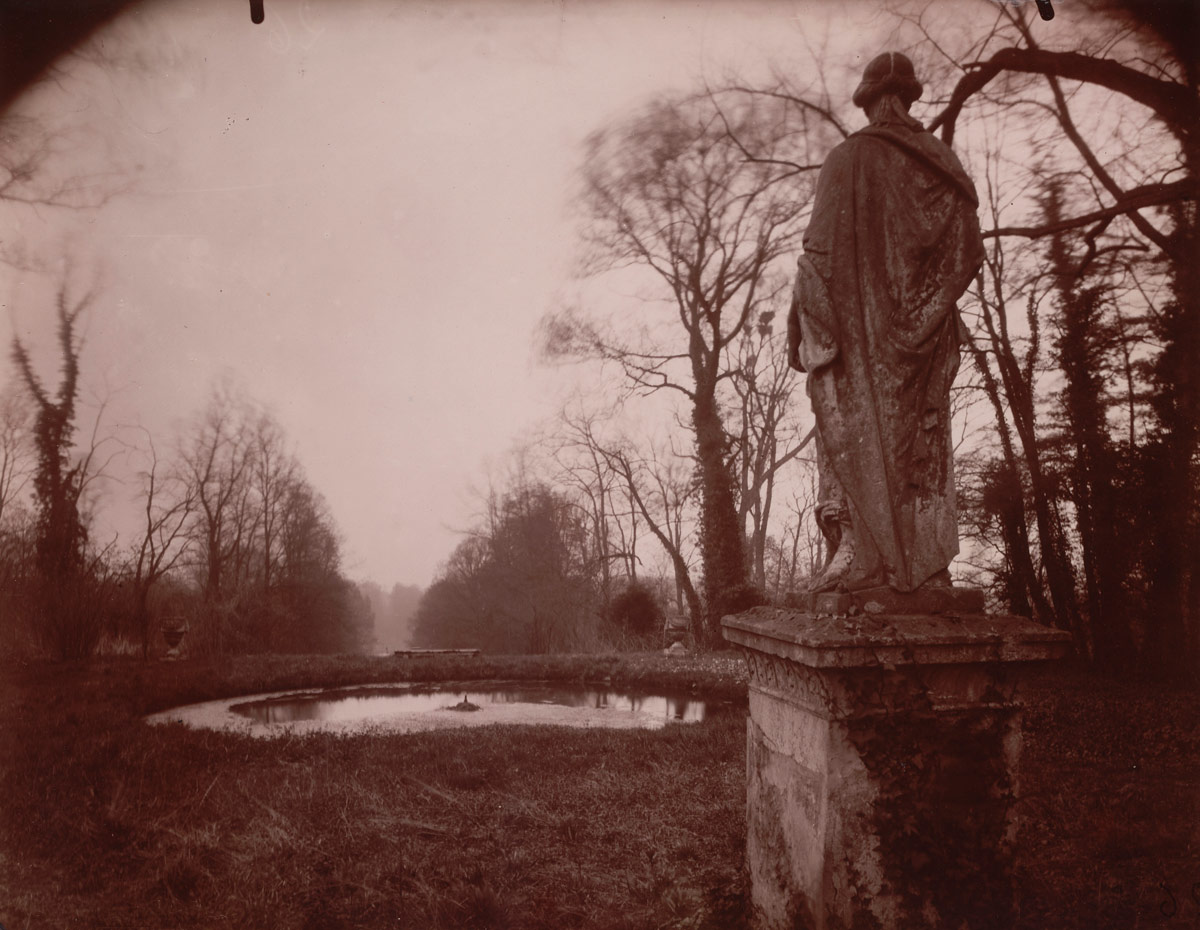


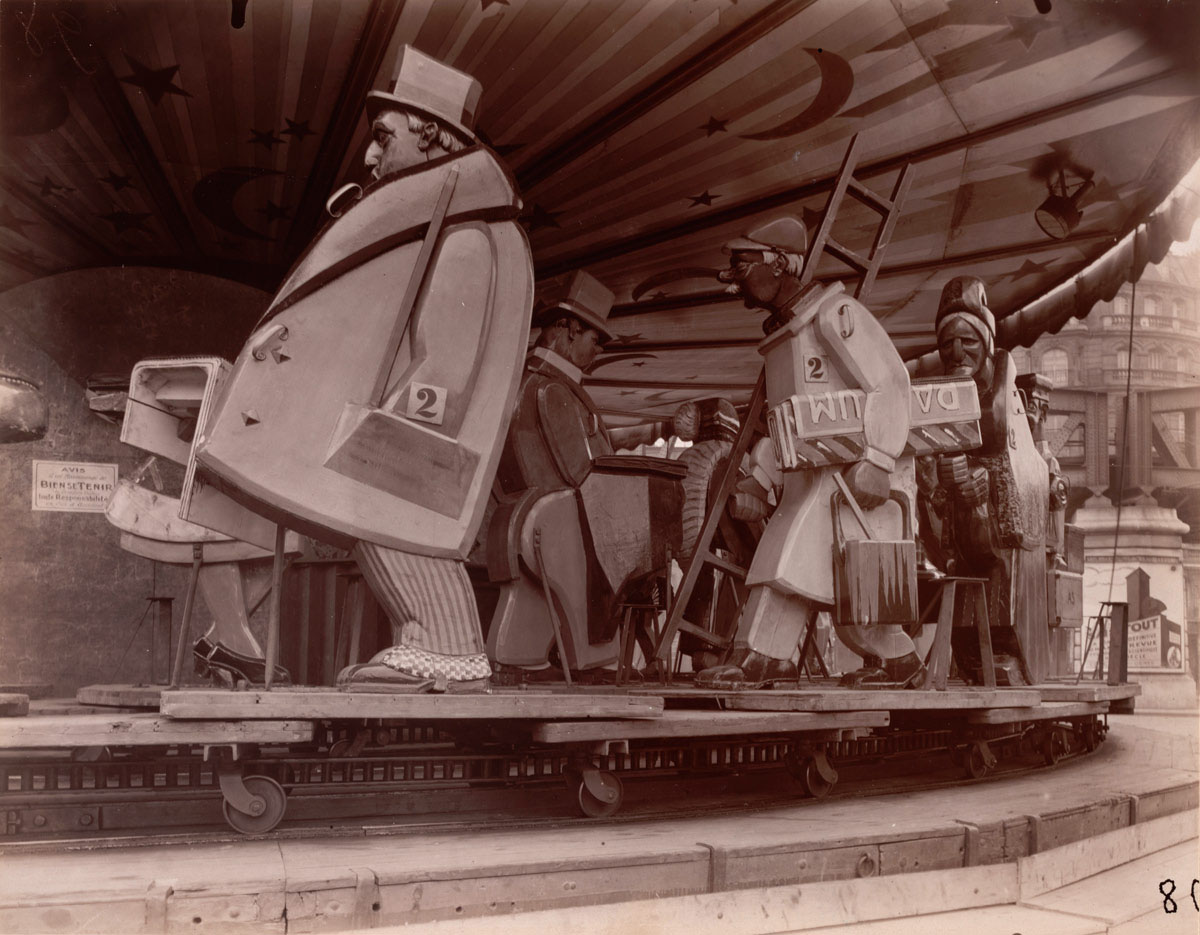


 Art Blart _ art and cultural memory archive
You must be logged in to post a comment.