David Goldblatt (South African, 1930-2018) 9:00 Going home: Marabastad-Waterval bus: For most of the people in this bus the cycle will start again tomorrow at between 2:00 and 3:00 a.m. 1983-1984 From the series The Transported of KwaNdebele. A South African Odyssey Silver gelatin print 55.5 x 37cm Courtesy of David Goldblatt and the Goodman Gallery, Johannesburg
This looks like a very interesting exhibition, one which “examines documentary photographs dating from around 1979 in terms of their aesthetic, ethical, performative, and political engagement with reality” by examining one series of work for each of the thirteen artists. The exhibition investigates the photographs in terms of the documentary approaches they embody not through individual images, but through a series of images.
As the press release rightly notes, “Documentary standpoints are revealed not only by the photographs themselves, but also by the way in which they are used. The exhibition thus addresses five sets of issues in relation to each series of photographs: who the photographers were or are; when and where the photographs were taken; who commissioned them; where, how, and with which target audience in mind they were first published; and the extent to which they open up possibilities for photography today.”
The selection of the series offers a broad range of styles, continents and subject matter – as well as illustrating the changing nature of documentary photography between the years 1974-1985, between Candida Hofer’s series Turks in Germany and Thomas Ruff’s Portraits.
I think I have to buy the catalogue.
Dr Marcus Bunyan
Many thankx to Museum Ludwig for allowing me to publish the photographs in the posting. Please click on the photographs for a larger version of the image.
David Goldblatt (South African, 1930-2018) AM/PM Travelers from KwaNdebele buying their weekly season tickets at the PUTCO depot in Pretoria 1983-1984 From the series The Transported of KwaNdebele. A South African Odyssey Silver gelatin print 55.5 x 37cm Courtesy of David Goldblatt and the Goodman Gallery, Johannesburg
Miyako Ishiuchi (Japanese, b. 1947) Apartment #45 1977-1978 Silver gelatin print 35.5 x 28cm Courtesy of Miyako Ishiuchi and The Third Gallery Aya, Edobori, Nishi-ku, Osaka
Miyako Ishiuchi (Japanese, b. 1947) Apartment #47 1977-1978 Silver gelatin print 35.5 x 28cm Courtesy of Miyako Ishiuchi and The Third Gallery Aya, Edobori, Nishi-ku, Osaka
In his short book Camera Lucida, written in 1979 and first published in 1980, Roland Barthes distinguished two responses to photography – its taming by means of aesthetic categories, including authorship, oeuvre, and genre, and its acceptance as an unflinching record of reality relying on untamed effects. Some twenty years later the exhibitions documenta 10 and 11, set up in 1997 and 2002 respectively, proved that viewing photography both as an art form and as a reproduction of reality need not be a contradiction in terms. On the contrary, Okwui Enwezor has shown that in its documentary capacity photography can redefine the relationship between aesthetics and ethics. Today, thirty-four years after the publication of Barthes’s volume, our exhibition examines documentary photographs dating from around 1979 in terms of their aesthetic, ethical, performative, and political engagement with reality.
The far-reaching social upheavals and crises associated with the period around 1979 highlighted the documentary approach as a major artistic concern. In his Age of Extremes: The Short Twentieth Century, 1914‒1991 historian Eric Hobsbawm described the decades after 1975 as a period of crisis. The U.S.A. and the Soviet Union fought proxy wars in Latin America and many African countries in an attempt to cement their spheres of influence; the Islamic revolution took place in Iran; destabilisation of the Soviet Union began around 1980; and China developed into one of world’s most dynamic economic regions. In addition, banking policy worldwide led to a debt crisis in the so-called Third World and the power of transnational economies, promoted by revolutions in transport, manufacturing, and communication technology, grew in proportion to the decreasing influence of territorial states.
Artists and photographers monitored and documented these global changes over longer periods of time, generally in the places where they lived. This activity often resulted in a multitude of photographs. The exhibition therefore focuses not on individual images, but on series. It features one series for each of the thirteen artists and photographers represented in the museum’s collection, including Robert Adams, Joachim Brohm, Ute Klophaus, and Candida Höfer. Loans of works by David Goldblatt, Miyako Ishiuchi, and Raghubir Singh complement the collection.
Barthes based his discussion on the immediate emotional effect of single photographic images, on their arousal of feelings of wonder, sorrow, and empathy. His analysis revolved around viewer responses to what he perceived as the essence of photography. By contrast, the exhibition investigates photographs in terms of the documentary approaches they embody. Do they represent an ethnographic view, for example, aimed solely at recording change, or are they linked to a policy of investigative disclosure? Documentary standpoints are revealed not only by the photographs themselves, but also by the way in which they are used. The exhibition thus addresses five sets of issues in relation to each series of photographs: who the photographers were or are; when and where the photographs were taken; who commissioned them; where, how, and with which target audience in mind they were first published; and the extent to which they open up possibilities for photography today.
The catalogue, which contains an introductory essay and a text on each of the thirteen series of photographs, outlines the basic attitudes to photography and documentary work apparent in the works. Addressing the current role of documentary photography from a historical perspective, the volume constitutes a major contribution to the ongoing discourse on documentary work. Its extensive bibliographies also make it an important a resource for further research. Moreover, since the majority of the photographs come from the Museum Ludwig’s holdings, the catalogue acts as a reevaluation of its collection.
What a fascinating exhibition this looks to be… I wish I could see it! Quite a few Sander photographs I have never seen before in the posting. Sander is another photographer that would be near the top of my list.
Dr Marcus Bunyan
Many thankx to the Pinakothek der Moderne for allowing me to publish the photographs in the posting. Please click on the photographs for a larger version of the image.
August Sander’s epochal cycle People of the 20th Century is considered one of the most important works in the history of art and photography of the last century.
Sander’s photographic typology of German society did not only fascinate artists, writers and philosophers of that period but, at the same time, formed an important point of reference for the artistic concept contemporary photographers had of themselves. This is also reflected in the Munich publisher Lothar Schirmer’s photographic collection, the starting point of which was a group of some 80 works by Sander comprising not only portraits, but also landscapes and urban pictures, acquired in the early 1970s.
This batch of works, acquired from the artist’s estate back in the 1970s, comprises not only more than 40 originals of Sander’s famous portraits, including masterpieces such as the Stammmappe focussing on farmers in Westerwald, the portrait of the artist Heinrich Hoerle in the austere style of New Objectivity and Handlanger, with its impressive visual directness, but also a rare group of lesser known Rhineland landscapes and vedute of Cologne from the 1930s. Precisely the last two groups of works mentioned are enduring proof that Sander’s vision of an equally authentic and veritable document of the times was not only to be limited to people within their social and societal structure but should also include their immediate surroundings, the landscape and the urban environment – an aspect that, for a long time, was given little attention in analyses of the photographer’s work since his death in April, fifty years ago.
In view of the undisputed importance of Sander’s portraits, it is surprising that a more extensive selection of the photographer’s work is only now to be seen in the exhibition People in a River Landscape – and that in Munich too, although there were in fact a number of links between the artist and the city. Sander’s pioneering photography book, Antlitz der Zeit, was published in 1929 by the Munich-based Kurt Wolff Verlag; one year later, his works were to be seen in the exhibition Das Lichtbild – one of the rare presentations of Sander’s works anywhere before 1933; and in the 1960s and ’70s his extensive estate was stored not far from Munich.
Sander’s photographs from this collection will be exhibited for the first time in their entirety and be displayed in dialogue with works by contemporary artists such as Bernd and Hilla Becher, Andreas Gursky, Thomas Ruff, Cindy Sherman, Thomas Struth and Jeff Wall. The selection will be extended by a rare group of extraordinary photographs taken in Berlin by Heinrich Zille in the late 19th / early 20th century and enlarged by Thomas Struth almost 100 years later.
The exhibition presents a both representative and focussed cross section of Sander’s photographic oeuvre. At the same time it shows the medium of photography in a wider perspective by placing individual groups of works by Sander in dialogue with those of contemporary artists. Starting with a typology by Bernd and Hilla Becher, whose encyclopaedically structured work can be regarded as an immediate successor to Sander’s photographic credo, the selection – supplemented by works from the holdings of the Sammlung Moderne Kunst – includes Andreas Gursky’s Rhine picture, urban views by Thomas Struth and Jeff Wall and portraits by Thomas Ruff and Cindy Sherman, among others. The interplay between the past and the present, between small-format, black-and-white prints and colour images the size of large canvases, between austere documentary works and staged and digitally processed pictures, not only illustrates the immediate relevance of Sander’s concept, far beyond any temporal or formal distinctions, but also how photography has become established as an artistic form of expression in its own right within the context of contemporary art. This topic will be explored in greater depth in the accompanying series of lectures Why Photography Matters, at which the artists Hilla Becher and Thomas Struth, as well as the art historians Wolfgang Kemp and Michael Fried will be speaking. As a modest homage to another historical precursor, the exhibition finishes with a rare group of photographs of Berlin by Heinrich Zille taken at the turn of the century, which Thomas Struth enlarged and reinterpreted in 1985 using the original negatives.
Press release from the Pinakothek der Moderne website
It takes guts and moral fortitude to continue photographing the city that you live in even as the state that controls that city (and country) conspires against you. It takes talent to produce memorable images of urban poverty, to record for posterity communities that would soon vanish forever under the weight of a malignant form of madness, of genocide.
Vishniac was the only one not concerned with ego. He went out there and got the job done where no one else did. He produced thoroughly modern images of an ancient culture on the verge of destruction. He knew the danger and yet he still took the photos. Courage and fortitude, and in the end the luck to escape the Holocaust himself.
You can’t look at these images without a sense of regret and sadness – at the stupidity of humanity, of the egos of men, and the waste of millions of lives. One name says it all: Ernst Kaufmann. Standing on a pile of rocks, wearing wooden clogs, this man with the wavy hair looks down into the camera and he will ever be thus – young, handsome, alive in the moment that the photograph was taken.
Ernst Kaufmann was born in Krefeld, Germany, in 1911. He was arrested in June 1941 and killed in August of that year in the Mauthausen concentration camp in Austria.
Dr Marcus Bunyan
Many thankx to the Jewish Historical Museum for allowing me to publish the photographs in the posting. Please click on the photographs for a larger version of the image. Lots more images can be found on the excellent Roman Vishniac Archive website.
Roman Vishniac Rediscovered brings together four decades of work by an extraordinarily versatile and innovative photographer for the first time. Vishniac (1897-1990) created the most widely recognised and reproduced photographic record of Jewish life in Eastern Europe between the two World Wars. These celebrated photographs were taken on assignment for the American Jewish Joint Distribution Committee, the world’s largest Jewish relief organisation, from 1935-1938, yet this exhibition follows the photographer’s long and accomplished career from the early 1920s through the 1950s. Roman Vishniac Rediscovered introduces a radically diverse body of work – much of it only recently discovered – and repositions Vishniac’s iconic photographs of Eastern European Jewry within a broader tradition of 1930s social documentary photography.
More than any other photographer, Roman Vishniac’s images have profoundly influenced contemporary notions of Jewish life in Eastern Europe. Vishniac created the most widely recognised and reproduced photographic record of that world on the eve of its annihilation, yet only a small fraction of his work was published or printed during his lifetime. Known primarily for this poignant record, Vishniac was in fact a remarkably versatile and innovative photographer. His body of work spans more than five decades, ranging from early engagements with European modernism in the 1920s to highly inventive colour photomicroscopy in the 1950s and ’60s.
Born in 1897 to an affluent Russian-Jewish family, Vishniac was raised in Moscow, where he studied zoology and biology. He immigrated to Berlin in 1920 in the aftermath of the Bolshevik Revolution. As an amateur photographer he took to the streets, offering witty and wry visual commentary on his adopted city while experimenting with new approaches to framing and composition. As Vishniac documented the Nazi rise to power, foreboding signs of oppression soon became a focal point of his work. In 1935, he was commissioned by the European headquarters of the American Jewish Joint Distribution Committee (AJDC) – the world’s largest Jewish relief organisation – to photograph impoverished Jewish communities in Eastern Europe. Vishniac’s four years of work on the project yielded the celebrated images that have largely defined his photographic legacy.
Arriving in New York on New Year’s Day 1941, Vishniac opened a portrait studio, working to make ends meet by documenting American Jewish communal and immigrant life, while establishing himself as a pioneer in the field of photomicroscopy. In 1947, he returned to Europe and documented Jewish Displaced Persons’ Camps, the efforts of Holocaust survivors to rebuild their lives, emigration and relief efforts, and the ruins of Berlin.
Roman Vishniac Rediscovered is a comprehensive reappraisal of Vishniac’s total photographic output, from his early years in Berlin through the postwar period in America. The exhibition is drawn from the Roman Vishniac archive at ICP and serves as an introduction to this vast assemblage comprising more than 30,000 objects, including recently discovered vintage prints, rare moving film footage, contact sheets, personal correspondence, and exhibition prints made from his recently digitised negatives.
Berlin Street Photography, 1920s-1930s
Vishniac immigrated to Berlin in 1920, shortly after the formation of the Weimar Republic. He and his wife Luta settled in the Wilmersdorf district, home to a large community of affluent Russian-Jewish expatriates. Berlin in the 1920s was the epitome of a modern city: cosmopolitan, loud, vibrant, diverse, and full of recent immigrants. Already an accomplished amateur photographer, Vishniac joined several of the city’s ubiquitous camera clubs. Armed with his Rolleiflex and Leica, he took to the streets, creating astute, often humorous observations of his adopted city.
Vishniac’s interest in photography had begun during his childhood in Russia; many Russian Jews owned photography shops and studios, and Vishniac’s family encouraged his pursuits. In Berlin, his perspective as an outsider contributed to his inventive and dynamic images of life in the city, and marked his transformation from amateur hobbyist to accomplished street photographer. His best, most intimate photographs were often taken in his own neighbourhood, where he built a fully equipped photo-processing lab in his apartment.
Vishniac took full advantage of the city’s manifold resources, improving his technique and experimenting with modernist and avant-garde approaches to framing and composition – hallmarks of Weimar Berlin. This prodigious body of early work became increasingly influenced by European modernism as he captured the buzzing day-to-day life of the city: streetcar drivers, municipal workers and day labourers, marching students and children at play, bucolic park scenes and the intellectual café life of the bustling metropolis that was, in Vishniac’s words, “the world’s center of music, books, and science.”
The oldest and most renowned zoo in Germany, the Zoologische Garten was a popular gathering place for Berlin’s middle- and upper-class Jewish community before World War II. Many affluent Jewish families, including the Vishniacs, were shareholders. Beginning in 1933, the zoo began to force out Jewish board members. In 1938, a sign reading “Juden unerwünscht” (Jews Unwanted) was displayed at the entrance to the zoo and in early 1939 Jews were denied entry entirely. In Vishniac’s photograph of the zoo’s famous polar bears, it appears that the visitors, and not the animals, are in a cage.
“I grew up in Berlin with a pervasive sense of danger and dread combined with a perceived obligation not to show fear. I was aware of personal danger and knew that whatever happened to me, my parents could offer no protection or help. That was everyday life.”
Mara Vishniac Kohn
Vishniac’s development as a professional photographer coincided with the Nazi rise to power and the establishment of the Third Reich. Widespread antisemitism and the implementation of increasingly restrictive measures against Jews became daily realities. Vishniac documented the ominous changes he encountered, photographing campaign posters, swastika banners, phrenology shops, and marching Nazi soldiers. Following Hitler’s appointment as chancellor in 1933, the government relentlessly pursued those artists and intellectuals not in line with the Reich’s values. Berlin’s cosmopolitan vivacity was soon drained of its intellectual and cultural capital. Once-vibrant neighbourhoods became ruled by fear; anyone considered an opponent of the Nazi government could be sent to Dachau, a concentration camp established in 1933 outside Munich.
Many photographers suffered from the Nazi policies; the Schriftgesetz (Editorial Act) of November 1933 forced anyone working in publishing – photographers included – to provide proof of Aryan heritage. In 1934, the Deutsche Presse (German Press) published a list of authorised Aryan photographers whose work aligned with the Nazi party. Jews were forbidden to take photographs on the street. In spite of these restrictions, Vishniac tenaciously documented Berlin’s rapid acclimation to Nazi policy. To avoid suspicion, he often used his young daughter Mara as a prop, snapping seemingly innocuous pictures of her in front of advertising columns and shop windows festooned with Nazi propaganda.
These symbols of oppression formed the quotidian backdrop of Vishniac’s Germany, a fact to which the ubiquity of Nazi flags, banners, and posters in his later Berlin photographs testify. Capturing the spread of Nazi ideology on Berlin’s streets, Vishniac’s images embodied his own marginalisation – and endangerment – as both a photographer and a Jew.
Vishniac often positioned himself in doorways or building foyers in his Berlin street photography, documenting daily life as a removed observer. This image reveals multiple layers of time in one shot: the car positioned alongside the horse-drawn wagon, bicyclists speeding by as pedestrians young and old navigate the cobblestones and pavement, against the backdrop of a rapidly modernising metropolis. Only upon closer examination do our eyes move to a swastika flag blowing in the wind above the horses, a common site on most Berlin streets by 1935.
German-Jewish Relief and Community Organizations, Berlin, mid- to late 1930s
Prior to Hitler’s assumption of power in 1933, Jewish social service organisations in Germany primarily served Eastern European Jews, the majority of whom were less cosmopolitan, assimilated, and affluent than their German-born coreligionists. The Nazi regime recognised no such distinction, however, and their rise to power drastically affected almost every Jew living in Germany. As Germany’s Jewish population was gradually excluded from both social and economic life, many came to depend upon a Jewish social structure that was originally intended to look outward but quickly expanded to serve the growing needs of the community.
In 1933, German-Jewish groups unified into the Reichsvertretung der Deutschen Juden (Central Organization of German Jews), an umbrella organisation intended to ameliorate the effects of Nazi racial policy. Between 1933 and 1938, subsidiary and affiliate organisations created Jewish education and healthcare systems and instituted a welfare system for Jews facing impoverishment. Zionist and other youth organisations flourished under the exclusionary policies of the Nazis, helping would-be émigrés learn the agricultural and vocational skills needed to build new lives in Palestine and elsewhere. The Jüdischer Kulturbund (Jewish Cultural Association) was established in response to restrictions placed on Jewish artists. Vishniac and his family were among its 70,000 members and regularly attended lectures and performances. Vishniac was also a member of T’munah, a Jewish photographic group founded in 1934 in response to the exclusionary policies of “Aryan” camera clubs.
As restrictions on photographers increased, Vishniac was commissioned to document the work of several Jewish community and social service organisations in Berlin. This fascinating body of work is largely unknown, but it helped establish his reputation in Jewish philanthropic circles, leading to major commissions from a wide range of Jewish relief and community organisations from the mid-1930s to the mid-1950s.
In 1935, Roman Vishniac was hired by the European headquarters of the American Jewish Joint Distribution Committee (AJDC) to document impoverished Jewish communities in Eastern Europe. Photographic images offered limitless, affordable reproducibility, and could be used in slide lectures, brochures, appeals, and annual reports throughout America and Western Europe. Vishniac’s images played a crucial role in communicating the AJDC’s message, and they would ultimately become the last extensive photographic record by a single photographer of Jewish communities that had existed for centuries.
The majority of Vishniac’s published photographs of Eastern Europe depict privation. Many others illustrate the philanthropic activities of the AJDC such as children’s camps, free loan societies, soup kitchens, schools, and health organisations. And while Vishniac is often associated with images of rural villages and small towns, or shtetlach, most of his photographs record urban poverty in major cities like Warsaw, Krakow, and Lodz. His work for the AJDC echoes the contemporaneous projects of American photographers like Dorothea Lange, Ben Shahn, Arthur Rothstein, and Walker Evans. In the same years that the Farm Security Administration sent photographers to the American South and West to document those affected by drought, depression, and migration, Vishniac was sent east by the AJDC. Today, his work stands alongside the best social-documentary photographers of his era. His unpublished work imparts a much more complex and nuanced perspective on Eastern European Jewish life, and reveals a much more versatile – and modern – artist.
That Vishniac was commissioned to document the most impoverished Jews is significant, as is the fact that he often chose the most traditional and observant Jews as subjects, to amplify the contrast between Ostjuden, or Eastern Jews, and the more assimilated Western Jews who would be viewing the images. It was only after the Holocaust, when the communities he had so poignantly depicted were annihilated, that his body of work came to symbolise the vanished world of Eastern Jewry.
Werkdorp Nieuwesluis Agrarian Training Camp, Wieringermeer, The Netherlands, 1939
As the plight of German Jews became increasingly dire throughout the 1930s and many Jewish families attempted to send their children to safety in neutral countries, many young German Jews, including Vishniac’s children Wolf and Mara, joined a large number of Zionist organisations. With the British government maintaining strict immigration quotas, hundreds of young German Jews planning to go to Palestine and waiting to obtain visas were sent to the Werkdorp Nieuwesluis, a Zionist agrarian youth training complex, or hachschara, in the Netherlands. Established in 1934 by the Foundation for Jewish Labor on land donated by the Dutch government, the Werkdorp taught young, urban Jews farming, animal husbandry, construction, and other unfamiliar skills they would need as pioneers in Palestine.
In 1939, Vishniac was sent by the American Jewish Joint Distribution Committee (AJDC) to document the Werkdorp’s activities. Vishniac photographed the capable young men and women as idealised, heroic Zionist pioneers, lifting heavy stones, constructing scaffolding, and tugging on rope. The images bear a striking resemblance to heavily circulated halutz (Zionist pioneer) photography made in Palestine in the 1930s, and demonstrate Vishniac’s versatility: here is an ambitious, accomplished series in a style that is radically different from his earlier work, and perfectly suited to his athletic, industrious subjects. Shot from a low vantage point, the Werkdorp images juxtapose clear skies and strong silhouettes to form vigorous, balanced compositions. Young, healthy bodies play off the clean, rhythmic geometry of the construction sites in a manner that is also reminiscent of the Russian Constructivist photographer Rodchenko, whose work would certainly have been familiar to Vishniac.
In March 1941, Nazi SS officers ordered the evacuation of the camp, and most of its inhabitants were sent to transit camps, including Westerbork. Out of 315 Werkdorp residents in May 1940, 175 were killed in concentration camps in the east.
Vishniac’s Werkdorp images did not include any caption information on the few existing prints of the work, and were thus difficult to identify. A small, 2 1/4-inch-square contact print of three young men wearing wooden clogs provided a vital clue that facilitated the attribution of this larger body of Werkdorp material, with the assistance of curators at the Jewish Historical Museum in Amsterdam. This is the only known example of a professional photographer documenting this Dutch Zionist agrarian training camp.
Ernst Kaufmann was born in Krefeld, Germany, in 1911. He was arrested in June 1941 and killed in August of that year in the Mauthausen concentration camp in Austria.
Willy Lefkowitz, left, was forcibly removed from the Werkdorp when it was closed by the Nazis in 1941. Lefkowitz, along with the majority of the Werkdorp’s remaining inhabitants, was sent to the Westerbork Transit Camp in northeastern Netherlands, a site where Dutch Jews and Roma were assembled during World War II prior to their deportation to Nazi extermination camps in the east. Of the 107,000 people who passed through Westerbork – among them Anne Frank and her family – only 5,200 survived, including Lefkowitz, who immigrated to the United States. He is believed to have died in Brooklyn in 2001. Martin Grünpeter, right, a German Jew born in 1914, survived World War II and immigrated to Palestine.
Travel, Refuge, and Internment in France: Paris, Nice, and Marseille, c. 1939
From April to September 1939, Vishniac worked as a freelance photographer based in France while his family struggled to secure exit visas to the U.S. (his children had been sent to safety in Sweden). In the interwar years, France had welcomed Jews from across Europe. By 1939, as Jews fleeing Nazi rule brought the Jewish population in France to over 300,000, an increasingly conservative and nationalist government sought to limit immigration. Detention camps for Jews were established in southern France.
During this time, Vishniac was commissioned by the American Jewish Joint Distribution Committee (AJDC) and the Society for Trades and Agricultural Labor (ORT) to photograph and film an ORT vocational training school for Jewish refugees near Marseille. Vishniac’s parents had relocated to Nice in 1937, and while visiting them, he took playful, spontaneous photographs of Riviera beach life, a stark contrast to the intense and machine-focused ORT images that were to be his final photographic assignment for the AJDC until his return to Europe in 1947.
In late 1939, after entrusting a large selection of his negatives to his friend Walter Bierer in Paris, Vishniac was arrested and imprisoned at the Camp du Ruchard internment camp. Held for three months, he wrote desperate letters to family, friends, and the staff of the AJDC, describing the dismal conditions and pleading for assistance. Following his release, secured through the efforts of his wife, Vishniac waited in France while his family worked to obtain exit visas, with assistance from the AJDC. Vishniac reunited with Luta, Wolf, and Mara in Lisbon, and the family sailed for America on the S.S. Siboney in December 1940, arriving in America on New Year’s Day 1941.
YIVO Exhibitions in New York, January 1944 and January 1945
In 1944 and 1945, as World War II raged in Europe, Vishniac staged two large exhibitions at YIVO Institute for Jewish Research in New York, presenting his commissioned work from Eastern Europe to an American audience.
Founded in 1925 as the Yiddish Scientific Institute in Wilno, Poland, YIVO was created to preserve, research, and promote Eastern European Jewish culture and history during a period of rapid modernisation and immigration. After the German invasion of Poland in 1939, the organisation was reestablished in New York in 1940 as the YIVO Institute for Jewish Research, at 55 West 123rd Street, while a group of brave and dedicated archivists in Wilno worked to rescue precious material in defiance of Nazi orders.
Vishniac’s first exhibition at YIVO, Pictures of Jewish Life in Prewar Poland, opened in January 1944 and focused on urban Jewish life, with a large selection of images from Lublin, Warsaw, and Wilno. The second exhibition, Jewish Life in the Carpathians, opened in January 1945, and featured photographs of Jewish farming communities in the Carpathian Mountains, and yeshivas and religious life in Galicia.
The largely Yiddish-speaking audience in New York viewed images of their communities of origin just as those communities were being destroyed, a fate the viewers were virtually powerless to stop. As word of the destruction of Eastern European Jews spread across the Atlantic, Vishniac’s photographs – originally intended to call attention to the privation of living Eastern European Jews – began to be seen as “documents of a lost epoch,” as phrased in the exhibition text at YIVO. These exhibitions signalled the first major shift in the contextualisation of Vishniac’s work: from documentary assignments to bolster relief efforts in the late 1930s to images capturing a world on the brink of annihilation.
The YIVO exhibition boards, labeled in both English and Yiddish utilising an innovative, Bauhaus-inspired typography that originated in interwar Wilno, are now in the collection of ICP and are being displayed as a group for the first time since the original exhibitions.
Today, YIVO continues to advance the study of Eastern European Jewish cultural heritage, and houses an archive of more than 24 million artefacts.
“The Face of America at War”: New York, 1941-1944
The recent discovery of Vishniac’s unsuccessful 1944 application for a Guggenheim Fellowship sheds new light on a group of more than 200 negatives from the early 1940s that had previously appeared to be unrelated. Printed and exhibited here for the first time, these images show the impact of war rationing on shoppers at the Washington Market, the war relief efforts of New York’s Chinese-American community, women’s entrance into the industrial workforce and the military, the carousing of off-duty soldiers in Central Park, and the impact of war on the lives of New Yorkers. Vishniac’s Guggenheim proposal described a “photographic series portraying the face of America at war,” and this diverse yet cohesive group of images was likely submitted as a sample portfolio with his application, the beginnings of a project never completed for want of funding. His extraordinary, extensive series on Chinatown, reminiscent of his photographs of urban Jewish communities in Eastern Europe, depicts a neighbourhood that is both separated from and integrated into the fabric of the larger city, reflective of Vishniac’s own efforts to navigate yet another new, adopted home as an outsider. The images capture the “objectivity” of “un-posed” journalistic photography, in the words of one recommender, and have a great deal in common with fellow Jewish émigré Robert Frank’s Guggenheim-funded project, The Americans, made a decade later.
In 1947, Vishniac returned to Europe as an American citizen, hired by the American Jewish Joint Distribution Committee (AJDC) and United Jewish Appeal (UJA) to document relief efforts in Jewish Displaced Persons’ Camps. While on assignment, Vishniac visited Berlin, where he created a bleak and poignant record of the destroyed city that had been his home for twenty years. Focusing on West Berlin, he took intimate photographs of his former Wilmersdorf neighbourhood, now reduced to ruins. The same locations that had thrummed with life in his street photography from the Weimar era are suffused with a haunting silence in his 1947 photographs. One photograph reveals the crumbling and mangled platform that had once been Vishniac’s living room. Other images capture the tentative steps of a city emerging from devastation: children walking hand-in-hand and playing amidst the ruins, flowers growing through the rubble, and hairdressers once more advertising their services. Together, these pictures, which have not been previously printed or exhibited, constitute a unique and highly personal contribution to the documentation of postwar life in Berlin.
Refugees and Displaced Persons’ Camps, Germany and France, 1947
In the aftermath of World War II, the Allied nations had initially expected the repatriation of displaced refugees to take six months. Most Jewish refugees, however, no longer had communities or family to which they could return, presenting a unique challenge. Following the 1945 Harrison Report, the Allies considered Jewish survivors a distinct group, to be housed in exclusively Jewish camps and aided in eventual emigration. By mid-1947, 250,000 Jews lived in Displaced Persons’ Camps in Germany, Austria, and Italy. Officially administered by the United Nations, the primary aid, support, and administration for the DP Camps came from Jewish charitable organisations, most notably the American Jewish Joint Distribution Committee (AJDC). In France, Jewish organisations ran DP Camps privately, housing nearly 40,000 refugees. Despite difficult conditions and profound trauma, Jewish life soon flourished in the camps, as families reunited and formed anew.
Commissioned by the AJDC and the United Jewish Appeal (UJA), Vishniac traveled to various DP Camps in 1947, documenting a broad range of relief programs, including food distribution centres, visa application lines, occupational training, and health services. Other images record children’s camps, religious and cultural events, and refugee reunions. Wired back to America, Vishniac’s images helped publicise the plight of homeless and stateless Jewish refugees, raising funds and increasing the pressure on Britain and the U.S. to open their doors to survivors.
Spurred by these cultural and educational programs and the emerging Zionist youth movement, survivors soon rallied against British restrictions on immigration to Palestine. Following the Declaration of the State of Israel in 1948, and the American Displaced Persons Act of 1948, most Jews left DP Camps for Israel or the United States. By 1952, almost all DP Camps had closed.
Maya Benton, Curator at the International Center of Photography
Curators: Professor Hubertus Gaßner and Luisa Pauline Fink
Installation view of Feuerbach’s Muses – Lagerfeld’s Models at Hamburger Kunsthalle
Don’t give up your day job
From the sublime (Feuerbach) to the downright awful (Lagerfeld).
From gorgeous, sensitive portrait paintings of women, full of detail and texture, colour and stillness to what I would term soft-cock porn. Fashion influenced, hyper airbrushed faces; Saint Sebastian poses referencing classical ideals of male beauty (done so much more authentically and grittily by Baron Wilhelm von Gloeden), all staged in sylvan settings. Then printed onto silver- and gold-coloured fabric. Can’t wait to see that…
Not absolutely fabulous, just absolutely hideous.
Dr Marcus Bunyan
Many thankx to Hamburger Kunsthalle for allowing me to publish the art work and photographs in the posting. Please click on the photographs for a larger version of the image.
Installation views of Feuerbach’s Muses – Lagerfeld’s Models at Hamburger Kunsthalle
Iphigenia (Greek mythology) the daughter of Clytemnestra and Agamemnon; Agamemnon was obliged to offer her as a sacrifice to Artemis when the Greek fleet was becalmed on its way to Troy; Artemis rescued her and she later became a priestess.
From February 2014 the Hamburger Kunsthalle is presenting an unusual double exhibition on beauty, eroticism and the adoration of muses and models that brings together paintings by Anselm Feuerbach and hit her to unseen photographs by Karl Lagerfeld. In a similar way both Feuerbach and Lagerfeld seek an actualisation of an ideal of timeless beauty founded in the ancient world. The exhibition examines the cult of beauty, which stylises the model to an icon. Over forty works by Feuerbach, most of them from the years 1860-70, will be on show. They are loans from the Feuerbachhaus Speyer and from numerous German, Swiss and Austrian museums ad private collections. Karl Lagerfeld has created a series of around sixty black-and-white photographs specially for the exhibition. Mostly in large formats, they have been printed in a complex procedure onto silver- and gold-coloured fabric.
Anselm Feuerbach (1829-80) one of the most important German painters of the late nineteenth century, lived in Rome from 1856 onwards. The city, with its magnificent architecture and heroic surrounding landscape, was a place of yearning that seemed eligible like no other to revive the classical ideal of ancient times. Feuerbach devoted himself to antique subject matter, which he filled with imagination and personal feeling. This is most excitingly shown in the series of unique portraits, begun in 1860, which portray Feuerbach’s model and muse, Anna Risi, known as Nanna. Feuerbach painted Nana in a wide variety of roles and sensitively staged settings that reveal an almost cultic veneration for his model. When Nanna left Feuerbach in 1865, she was followed by Lucia Brunacci. Similarly to Nanna she matched the classical ideal of beauty of the time, with her Greek profile and thick dark hair. Lucia inspired Feuerbach to impressive portrayals of mythological themes that form the highpoint of his ouevre.
‘Happy is he whom the muses love’, wrote the Greek poet Hesiod, and so the muses are a symbol of the higher power that is needed, according to the ancients, to be creative. The photographic series Modern Mythology (2013) by Karl Lagerfeld, explores the love story of Daphnis and Chloe, and shows models such as Baptiste Giabiconi and Bianca Balti, who have accompanied Lagerfeld in his work for several years. The story, by the poet Longus, tells of a boy and a girl who grow up without parents among shepherds and over the years develop a strong affection for one another. The narration has been taken up many times since the Renaissance. Lagerfeld’s photographs belong to a series of works by Pierre Bonnard, François Boucher or Aristide Maillol which present the ancient text as a symbol of the idyllic life. Karl Lagerfeld’s stagings were shot against the picturesque natural background of the South of France, and are the actualisation of an ancient theme.
The exhibition is accompanied by two publications: the catalogue on Anselm Feuerbach is published jointly with the Museum Wiesbaden and introduces Feuerbach’s paintings and drawings from an art-historical perspective; the second book combines Karl Lagerfeld’s photographs and Longus’s mythological narrative of Daphnis and Chloe in a bibliophile volume that will be elaborately produced by the publisher Gerhard Steidl.
Curators: Professor Hubertus Gaßner and Luisa Pauline Fink
Press release from the Hamburger Kunsthalle website
Some familiar images that were also seen in the posting Wols’ Photography: Images Regained are complimented by 5 new ones. The two portraits of the artist Max Ernst are eerie (is that a suitable word for a portrait that is strong and unsettling?) and perceptive, Wols responsive to the status of his sitter as a pioneer of the Dada movement and Surrealism.
Dr Marcus Bunyan
Many thankx to the Martin-Gropius-Bau for allowing me to publish the photographs in the posting. Please click on the photographs for a larger version of the image.
The term Art Informel was originated by the French critic Michel Tapié and popularised in his 1952 book Un Art autre (Another art). A Parisian counterpart of Abstract Expressionism, Art Informel emphasised intuition and spontaneity over the Cubist tradition that had dominated School of Paris painting. The resulting abstractions took a variety of forms. For instance, Pierre Soulages’s black-on-black paintings composed of slashing strokes of velvety paint suggest the nocturnal mood of Europe immediately after the war.
Germaine Émilie Krebs (1903-1993), known as Alix Barton and later as “Madame Grès”, relaunched her design house under the name Grès in Paris in 1942. Prior to this, she worked as “Alix” or “Alix Grès” during the 1930s. Formally trained as a sculptress, she produced haute couture designs for an array of fashionable women, including the Duchess of Windsor, Marlene Dietrich, Greta Garbo, Jacqueline Kennedy, and Dolores del Río. Her signature was cut-outs on gowns that made exposed skin part of the design, yet still had a classical, sophisticated feel. She was renowned for being the last of the haute couture houses to establish a ready-to-wear line, which she called a “prostitution”.
The name Grès was a partial anagram of her husband’s first name and alias. He was Serge Czerefkov, a Russian painter, who left her soon after the house’s creation. Grès enjoyed years of critical successes but, after Grès herself sold the business in the 1980s to Yagi Tsucho, a Japanese company, it faltered. In 2012, the last Grès store in Paris was closed.
Wolfgang Schulze, known as Wols, was born in Berlin in 1913. As a painter and graphic artist he is considered to have been an important trailblazer of Art Informel. For the first time the Martin-Gropius-Bau in Berlin is presenting the largely unknown photographic oeuvre of Wols. These works foreshadow his development in the direction of non-representational art.
Wols grew up in Dresden, where he had an early encounter with photography as a profession through his attendance at a course in the studio of the Dresden photographer Genja Jonas. In 1932, after a brief sojourn in the milieu of the Berlin Bauhaus – then in the process of breaking up – the young Wols set off for Paris to realise his artistic ambitions.
Soon he was involved with the local Surrealists and made the acquaintance of other personalities in the theatrical, literary and art scenes. In this period Wols was mainly active as a photographer. In 1937 his works were exhibited for the first time in the prestigious Parisian Galérie de la Pléiade, which established his reputation as a photographer. It was at this time that he adopted the pseudonym Wols. One of his commissions was to document the Pavillon de l’Elégance at the 1937 World Exhibition in Paris.
At the same time he produced striking multiple black-and-white portraits of personalities such as Max Ernst, Nicole Boubant or Roger Blin. Over the years Wols’ imagery became increasingly radical. The representational motifs gradually acquired a more abstract dimension and forced the viewer to see the objects represented in a new light. In particular, an extraordinary set of photograms confirms his interest in replacing representational motifs with non-representational ones. Transferred to painting, this trend would later make him a pioneer of Art Informel.
Immediately after the outbreak of the Second World War Wols spent over a year in various internment camps in the south of France. In this period he turned more to watercolours, most of which were lost while he was fleeing from the Nazis.
Living in straitened circumstances Wols fought a losing battle with alcoholism and poor health. In 1951, as a result of his weakened physical condition, he died of food poisoning in Paris at the early age of 38. After his death, Wols’ work was displayed at the first three documenta exhibitions in Kassel (1955, 1959, 1964) and, in 1958, at the Venice Biennale. On 27 May 2014 he would have been 101.
The show covers all of his photographic work, including multiple portraits of famous artists, actors and writers, photographs of the “Pavillon de l’Élégance”, numerous still lifes, and many hitherto unknown motifs. The exhibition has been curated by the Kupferstich-Kabinett, Staatliche Kunstsammlungen Dresden, where this unique collection will be kept and systematically catalogued.
Wols permanently settled in Paris in 1933, producing his first paintings but also working as a photographer. His photographic work of this period showed the clear influence of Surrealism. In 1936, he received official permission to live in Paris with the help of Fernand Léger; as an army deserter, Schulze had to report to the Paris police on a monthly basis. In 1937, the year in which he adopted his pseudonym WOLS, his photographs began to appear in fashion magazines such as Harper’s Bazaar, Vogue, Femina as well as Revue de l’art. Many of these photographs anticipate the displays at the Exposition Internationale du Surréalisme held in Paris in the following year, in which much use was made of mannequins.
At the outbreak of World War II Wols, as a German citizen, was interned for 14 months in the notorious Les Milles camp – together with some 3500 other artists and intellectuals. He was not released until late 1940. After his release Wols moved for two years to Cassis, near Marseille, where he struggled to earn a living. The occupation of Southern France by the Germans in 1942 forced him to flee to Dieulefit, near Montélimar, where he met the writer Henri-Pierre Roché, one of his earliest collectors. He spent most of the war trying to emigrate to the United States, an unsuccessful and costly enterprise that may have driven him to alcoholism.
After the war Wols returned to Paris where he met Jean-Paul Sartre, Tristan Tzara and Jean Paulhan. He started to paint in oils in 1946 at the suggestion of the dealer René Drouin, who showed 40 of his paintings at his gallery in 1947. The same year Wols began to work on a number of illustrations for books by Paulhan, Sartre, Franz Kafka and Antonin Artaud. He fell ill but lacked the money to go to hospital, and throughout 1948 he worked largely in bed on these illustrations. In 1949 he took part in the exhibition Huit oeuvres nouvelles at the Galerie Drouin, along with Jean Dubuffet, Roberto Matta, Henri Michaux and other artists with whom he had a stylistic affinity.
Undergoing treatment for alcoholism, he moved to the country at Champigny-sur-Marne in June 1951. His early death later that year from food poisoning helped foster the legendary reputation that grew up around him soon afterwards. His paintings helped pioneer Art informel and Tachism, which dominated European art during and after the 1950s as a European counterpart to American Abstract Expressionism. Influenced by the writings of the philosopher Lao Tzu throughout his life, Wols also wrote poems and aphorisms that expressed his aesthetic and philosophical ideas.”
Two consecutive postings on the German artist Wols (a pseudonym for Alfred Otto Wolfgang Schulze May 27, 1913, Berlin – September 1, 1951, Paris), who is today considered a pioneer of Lyrical Abstraction – a type of abstract painting related to Abstract Expressionism undertaken in the post-war years by mainly French artists. He is also considered to be one of the most influential artists of the Art Informel and Tachisme movements. Both movements were opposed not only to Cubist and Surrealist movements that preceded it, but also to geometric abstraction (or “cold abstraction”).
Lyrical abstraction represented an opening to personal expression: Wols was not only a painter and photographer but he also wrote poems and aphorisms and studied the philosophy of Lao Tzu. This fascinating exhibition connects Wols’s photography, drawing and painting, and argues that his art forms (in)formed each other. The number of artists that have successfully worked in both mediums is limited, but as Wols shows they are not, and never have been, mutually exclusive.
The great sadness is that Wols was another talented artist who died young, at the age of just 38 – collateral damage of the conflagration that was the Second World War. He was an army deserter when he moved to Paris and was interned for 14 months at the start of the war, only to be released to live near Marseilles in 1940. The occupation of Southern France by the Germans in 1942 forced him to flee and he spent most of the rest of the war trying unsuccessfully to escape to America. During this time his alcoholism developed, an addiction that caused poor health and which, along with food poisoning, was ultimately to cost him his life.
His photographs have a chthonic darkness. They inhabit a tenebrous reality, a shadowy underworld. Just look at Untitled (Cobblestone) (1932-1942, below) and observe how the dampness of the water seems to have the viscosity of congealed blood. During his internment he produced, as the press release states, “some of the strangest, most intricate and beautiful drawings of modern times.” They possess a certain, undefinable magic, filled as they are with amorphous animals and plants, filled with amour, a secret love. And finally his paintings – shattering, disturbing, bloody, hairy, earthbound and cerebral, homologous to wiring looms of the mind and/or the molecular structure of atoms – circling and popping and fizzing and scrapping their way into existence… creating an expanded conception of space and time that is both micro (cellular) and macro (celestial).
Wols has to be one of the most interesting artists of the 20th century and, elementally, one of its greatest. Such a pity that he died so young.
Dr Marcus Bunyan
Many thankx to the Museo Nacional Centro de Arte Reina Sofía for allowing me to publish the photographs and art work in the posting. Please click on the photographs for a larger version of the image
Wols (German, 1913-1951) Untitled Nd / 1976 Silver gelatin print 18.7 x 24cm Institute for Foreign Cultural Relations, Stuttgart
Wols (German, 1913-1951) Pepona doll on the cobbles 1938-1939 Silver gelatin print 23 x 17cm Acquisition 2004 Centre Pompidou, Paris National Museum of Modern Art/Centre for Industrial Creation
Wols is one of the most intriguing figures in 20th-century art. Born Otto Wolfgang Schulze into an upper middle class family in Berlin, he broke with Germany as the Nazis were coming to power, changed his name to Wols, and lived the rest of his life in France. During the 1930s he was best known as a photographer. The outbreak of the Second World War changed everything. As the citizen of a hostile country, Wols was continuously displaced from one French domicile, prison or internment camp to another. In these precarious conditions he started to draw in earnest, often by candlelight, lying on his bunk. In the harshness of the camps he developed the alcohol-dependency which contributed to his early death in 1951. At the same time he produced some of the strangest, most intricate and beautiful drawings of modern times.
Wols: Cosmos and Street does not attempt a survey of Wols’s work, nor a retrospective with a chronological structure. A significant aspect of Wols’s practice was that he did not title or date his works. Titles, somewhat over-poetic, were added later by his wife Gréty, and by friends such as the writer Henri-Pierre Roché. Instead, the exhibition presents his work in terms of two distinct kinds of ‘graphism’: one of the light (photography) and one of the line (drawing). It is true that in chronological terms photography came earlier in Wols’s life and was adopted partly for contingent reasons of making a living. He was intermittently a professional photographer but remained always a ‘poetic’ photographer with a inimitable eye.
In the exhibition title, “Street” stands for the everyday, earthbound, nitty-gritty human world revealed in Wols’s photographs. “Cosmos” stands for Wols’s exquisite drawings creating a vision of universal energy expressed in fluid constructs of biological and organic forms. The public is invited to come very close to Wols’s pictures, to peer into them and savour the details of their forms, the refined articulation of even the minutest mark.
During and after the Second World War Wols’s graphic work became increasingly abstract. Its difference from the crystalline and geometric end of the spectrum of abstraction, which is often identified with cosmological speculation, and informed much of kinetic art, could hardly be more marked. Wols’s creations are earthbound, biological, hairy and visceral, but they are no less a model of the universe. Tendencies in art which may have been mutually hostile at the time of their inception can now be seen to be two streams which converging in the desire to find a visual language which could encompass the hugely expanded conception of space and time that has come with the discoveries of modern science.
In its immediate context Wols’s work represents the turning of the Parisian surrealism of the 1930s towards the existentialism of the postwar years, towards l’art brut, l’art informel, and to artists like Fautrier, Dubuffet, Giacometti, and eventually Tinguely and Takis. A new conception of space is struggling to be born among those artists, which was in some ways foreseen in Wols’s works of the 1940s, where a gradual transformation takes place of a terrestrial into a cosmic space.
In 1945 the Parisian art dealer, René Drouin, proposed to Wols that he experiment with painting in oils on canvas. Drouin provided the necessary materials, encouraging Wols to work on a larger scale than he could achieve with watercolour on paper. Wols was philosophically and constitutionally against Drouin’s idea. Paintings in oil on canvas, he would say, “involve too much ambition and gymnastics. I am opposed to both.” Nevertheless, he began to produce oil paintings in 1947. It is as if Wols made paintings by attacking painting itself, an intensely individual position that artist Georges Mathieu at the time described as “shattering, disturbing and bloody.”
It is impossible to ignore the impression of ferocity that Wols’s oil paintings produce at their most audacious. Yet it was not through a simplistic ‘attack’ that Wols achieved this intensity since in these oil paintings passages of uncouth daubing alternate with passages of great delicacy.
Taking into account the contingencies that have helped shape it at distinct moments, and its abiding concerns and sensibilities, Wols’s work can be seen as a continuous play between abstraction and figuration. One of its special features is that it encompasses both photography and painting. In one sense, and allowing for the different technical procedures, the degree of abstraction in the ‘figurative’ photographs just about equals the degree of figuration in the ‘abstract’ drawings, watercolours and etchings. They take part in one another while remaining distinct. A fluid area is created, an area of transition conceived as something vast and tiny at the same time. It is in the creation of this uncertain, ‘unnamable’ but energised space that the insight and wit of Wols’s work really lies.
Press release from the Museo Nacional Centro de Arte Reina Sofía website
Installation views of the exhibition Wols: Cosmos and Street at the Museo Nacional Centro de Arte Reina Sofía, Madrid 2014
Wols (German, 1913-1951) Untitled (Green Composition) c. 1942 Pen and ink, watercolour, white zinc and scraping on paper 23.3 x 27cm Karin and Uwe Hollweg Stiftung, Bremen
Wols was the pseudonym of Alfred Otto Wolfgang Schulze (27 May 1913, Berlin – 1 September 1951, Paris), a German painter and photographer predominantly active in France. Though broadly unrecognised in his lifetime, he is considered a pioneer of lyrical abstraction, one of the most influential artists of the Tachisme movement. He is the author of a book on art theory entitled Aphorismes de Wols.
Tachisme (alternative spelling: Tachism, derived from the French word tache, stain) is a French style of abstract painting popular in the 1940s and 1950s. The term is said to have been first used with regards to the movement in 1951. It is often considered to be the European equivalent to abstract expressionism, although there are stylistic differences (American abstract expressionism tended to be more “aggressively raw” than tachisme). It was part of a larger postwar movement known as Art Informel (or Informel), which abandoned geometric abstraction in favour of a more intuitive form of expression, similar to action painting. Another name for Tachism is Abstraction lyrique (related to American Lyrical Abstraction). COBRA is also related to Tachisme, as is Japan’s Gutai group.
Wols (German, 1913-1951) Composition 1941-1942 Pen, coloured ink on paper 20 x 12.8cm The Menil Collection, Houston
Wols (German, 1913-1951) Slice of liver-cello c. 1944 Pen and ink, watercolour and zinc white 18.3 x 13.2cm Private collection
Wols (German, 1913-1951) Untitled; also known as It’s All Over The City 1946-1947 Oil on canvas 81 x 81cm The Menil Collection, Houston
Wols (German, 1913-1951) The bird 1949 Oil on canvas 92.1 x 65.1cm The Menil Collection, Houston
Wols (German, 1913-1951) Untitled 1946-1947 Oil on canvas
Museo Nacional Centro de Arte Reina Sofía Sabatini Building Santa Isabel, 52 Nouvel Building Ronda de Atocha (with plaza del Emperador Carlos V) 28012 Madrid Phone: (34) 91 774 10 00
Exhibition dates: 1st October 2013 – 5th January 2014
Robert Frank (Swiss, 1924-2019) Trolley – New Orleans
1955
Gelatin silver print Image: 22.9 x 34cm (9 x 13 3/8 in.)
Trish and Jan de Bont
Another fascinating exhibition from the J. Paul Getty Museum that features classic photographs and some that I have never seen before. In my opinion, the two most famous photographs of windows have to be Minor White’s rhapsodic Windowsill Daydreaming, Rochester (1958, below) and Paul Strand’s Wall Street (1915, below, originally known as Pedestrians raked by morning light in a canyon of commerce) which, strangely, is not included in the exhibition. I can’t understand this omission as this is the seminal image of windows in the history of photography.
Dr Marcus Bunyan
Many thankx to the J. Paul Getty Museum for allowing me to publish the photographs in the posting. Please click on the photographs for a larger version of the image.
Paul Strand (American, 1890-1976) Wall Street
1915
Platinum print
In this photo, taken by morning light 1915, the recently built J.P. Morgan Co. building appears sinister and foreboding and dwarfs (perhaps consumes even) the humanity of suited men and women, their long shadows dragging behind them, walked alongside its facade.
Paul Strand studied under Lewis Hine and Alfred Steiglitz. Although he set up in New York as a portrait photographer, Strand often visited Stieglitz’s gallery to see the new European painting which it exhibited. In 1914-1915, under the influence of this new form of art, Strand turned from soft-focus Pictoralism towards abstraction. It was in this spirit that the above photo was taken, originally named, “Pedestrians raked by morning light in a canyon of commerce”. Strand did not intended to show Wall Street in a bad light, he admitted. However, as the Great Depression happened (criticism was squarely towards Wall Street back then as it is today) and Strand turned more communist, he later spoke of “sinister windows” and “blind shapes” inherent in the above picture.
The photo, now simply titled “Wall Street”, was one of six Paul Strand pictures Stieglitz published in Camera Work. In three of the six pictures, humanity strides out from abstract ideas, and each figure was a study in itself – an irregular item complimented by modular formats that surround it. Another set of eleven Strand photos were published in the magazine’s final issue in 1917, and those pictures, overwhelmingly endorsed by Stieglitz as ‘brutally direct’ made Strand’s reputation.
Alex Selwyn-Holmes. “Wall Street by Paul Strand,” on the Iconic Photos blog, December 2010 [Online] Cited 12/01/2021
Arthur Rothstein (American, 1915-1985) Girl at Gee’s Bend 1937
Silver gelatin print Image: 40 x 49.7cm (15 3/4 x 19 9/16 in.)
The J. Paul Getty Museum, Los Angeles
William Henry Fox Talbot (English, 1800-1877) [The Milliner’s Window] before January 1844
Salted paper print from a Calotype negative Image: 14.3 x 19.5cm (5 5/8 x 7 11/16 in.)
The J. Paul Getty Museum, Los Angeles
In many respects, the window was where photography began. As early as 1826, the sill of an upstairs window in the home of the French inventor Joseph Nicéphore Niépce served as a platform for his photographic experiments. His View from the Window at Le Gras is today considered to be the first photograph. Since then, the window motif in photographs has functioned formally as a framing device and conceptually as a tool for artistic expression. It is also tied metaphorically to the camera itself which is, at its most rudimentary, a “room” (the word camera means “chamber”) and its lens a “window” through which images are projected and fixed. The photographs in At the Window: A Photographer’s View, on view October 1, 2013 – January 5, 2014 at the J. Paul Getty Museum, Getty Center, explore varying aspects of the window as frame or mirror – formally or metaphorically – for photographic vision.
“The Getty Museum’s extensive collection allows us to explore themes and subjects within the history of photography that highlight not only the most famous masters and iconic images they produced, but also less obvious subjects, methods and practitioners of the medium whose contributions have not yet been fully acknowledged. At the Window is one such an exhibition, and holds in store many surprises, even for those who know the field well,” explains Timothy Potts, director of the J. Paul Getty Museum. “The exhibition also allows us to celebrate a substantial body of work that was recently added to the collection with funds provided by the Museum’s Photographs Council, whose mission it is to help us support the growth of the collection, and a number of highly important loans from private collections.”
Shop Windows and Architecture
Featured in the exhibition is an exceedingly rare early photograph, William Henry Fox Talbot’s The Milliner’s Window (before January 1844) which depicts not an actual window but a carefully constructed one: shelves were placed outdoors and propped in front of black cloth, while various ladies’ hats were arranged to simulate the look of a shop display. Throughout the history of photography, actual shop fronts have been a popular subject and reflections in their windows a source for unexpected juxtapositions. This motif is well represented in the exhibition with photographs by William Eggleston, Eugène Atget, and Walker Evans.
Photographers have also taken an interest in the distinctive formal arrangements made possible by the architectural facades found in a cityscape. André Kertész’s Rue Vavin, Paris (1925), a view from his apartment window, is one of the first photographs he took upon arriving in Paris from Budapest. Photographers like Alfred Stieglitz carefully framed their views of urban exteriors, using the window as a unifying device within the composition.
The Window as Social Documentary
While windows provide an opportunity to observe life beyond a single room, the camera’s lens opens a window to the world at large. Arthur Rothstein believed in photography’s ability to enact social change – his Girl at Gee’s Bend (1937) features a young girl framed in the window of her log-and-earth home in Alabama, highlighting the schism between magazine images and the actual lives of most Americans at the time. Similarly, Robert Frank’s Trolley – New Orleans (1955) frames racial segregation through windows in a trolley, while Sebastião Salgado’s Ho Chi Minh City, Vietnam (negative 1995; print 2009) uses the barely separated windows of a housing structure to evoke the cramped quarters and dire economic situation of its inhabitants.
The Window as a Conceptual Tool
Artists have used the window in other novel ways, whether to create an enigmatic mood or suggest a suspenseful scene. In Gregory Crewdson’s Untitled (2002) from the series Twilight, the image of a woman standing in a room and turned toward a window creates a suspended, unsettling moment of anticipation that is never resolved. In her Stranger series (2000), Shizuka Yokomizo actively engages subjects by sending letters to randomly selected apartment residents, asking them to stand in front of a window at a particular date and time in order to be photographed. Uta Barth’s diptych …and of time (2000), where the path of a window’s light and shadow is followed across the wall of the artist’s living room, illustrates something the artist phrased as “ambient vision.”
“The window has been a recurrent and powerful theme for photographers from the beginning of the medium,” explains Karen Hellman, assistant curator of photographs at the J. Paul Getty Museum and curator of the exhibition. “In a collection such as the Getty’s that is particularly rich in work by important photographers from the beginnings of the medium to the present day, the motif provides a unique way to travel through the history of photography.”
The Window in Photographs (Getty Publications, $24.95, hardcover) investigates the recurrence of windows both as a figurative and literal theme throughout the history of photography. From the very vocabulary we use to describe cameras and photographic processes to the subjects of world-renowned photographers, windows have long held powerful sway over artists working in the medium. When documented on film, windows call into question issues of representation, the malleability of perception, and the viewer’s experience of the photograph itself, and the window’s evocative power is often rooted in the interplay between positive and negative, darkness and light, and inside and out.
Yet despite the ubiquity of windows in photography, this subject has been rarely addressed head on in a single exhibition or publication. From the birth of the Daguerreotype to the development of digital imagery, this volume presents a full account of the motif of the window as a symbol of photographic vision. Its eighty featured colour plates, all drawn from the Getty Museum’s permanent collection, are arranged thematically rather than chronologically, allowing the window’s many uses in photography to be highlighted and explored stylistically. Including images from all-star contributors such as Uta Barth, Gregory Crewdson, William Eggleston, Walker Evans, Robert Frank, and Minor White, The Window in Photographs is a remarkable examination of a theme that has inspired photographers for over a century. This book is published to coincide with the exhibition At the Window: The Photographer’s View at the J. Paul Getty Museum from October 1, 2013 to January 5, 2014.
Press release from the J. Paul Getty Museum website
Walker Evans (American, 1903-1975) Penny Picture Display, Savannah / Photographer’s Window Display, Birmingham, Alabama / Studio Portraits, Birmingham, Alabama
1936
Gelatin silver print Image: 25.6 x 19.9cm (10 1/16 x 7 7/8 in.)
The J. Paul Getty Museum, Los Angeles
Eugène Atget (French, 1857-1927) Petit Bacchus, 61, rue St. Louis en l’Ile (The Little Bacchus Café, rue St. Louis en l’Ile) 1901-1902
Albumen silver print Image: 22.1 x 17.8cm (8 11/16 x 7 in.)
The J. Paul Getty Museum, Los Angeles
Many thankx to the Delaware Art Museum for allowing me to publish the photographs in the posting. Please click on the photographs for a larger version of the image.
In the early 20th century, between the two world wars, Paris saw a fervour of change. From 1910 to 1940, the city became a creative epicentre for artistic exploration, attracting international avant-garde artists – including photographers experimenting with Surrealism, Modernism, and the new reportage. French Twist: Masterworks of Photography from Atget to Man Ray, on view at the Delaware Art Museum from June 29, 2013 through September 15, 2013, features 100 vintage prints from this golden age of French photography and explores the variety and inventiveness of native and immigrant photographers working in France in the early 20th century.
This exhibition presents a number of themes that capture the flavour and nightlife of Paris at this exciting moment. “Life of the Streets,” “Diversions,” and “Paris by Night” are just some of the topics that these masterful photographs explore. Visitors will experience Eugène Atget’s lyrical views of Paris streets and gardens, Man Ray’s surrealist experiments, and Henri Cartier-Bresson’s pioneering photojournalism, as well as works by Ilse Bing, Brassaï, Jacques-Henri Lartigue, André Kertész, and Dora Maar. Many of these artists settled in France for life, while others, fleeing the Nazis, brought their Paris‐trained sensibilities and influences to America.
Eugène Atget
The exhibition opens with one of the most significant figures in the history of photography, Eugène Atget, whose work influenced a range of artists from Surrealists to documentary photographers. This selection encompasses pictures of city streets, architectural details, and the gardens at Versailles and includes one of his most famous photographs, Boulevard de Strasbourg, Corsets (1912).
La vie de la rue (Life of the Street)
This section includes images of the streets and buildings of Paris – of the bustling Champ-de-Mars and the deserted Avenue du Maine – and features a large selection of photographs by Ilse Bing. In her modernist views of urban architecture, Bing provides a modern take on the old city through unexpected angles and dramatic cropping.
Divertissement (Diversions)
Divertissement focuses on the myriad amusements available in the City of Lights. Lartigue provides an insider’s view of upper-class life in the Belle Epoque, while Bing and Brassaï chronicle the attractions of the dance hall, the theatre, and the street.
Henri Cartier-Bresson
The master of the “decisive moment” and one of the most significant photojournalists of the 20th century, Henri Cartier-Bresson is featured along with 17 famous photographs from his travels around the world. This section includes his stellar images of the Spanish Second Republic and his iconic view of the coronation of George VI in London.
Les basses classes (The Lower Classes)
Between the wars, photographers from Ilse Bing to Andre Kertész to Brassaï chronicled lives of poor Parisians, often bringing a Modernist sensibility, rather than a reformer’s eye, to scenes of urban poverty.
Paris de nuit (Paris by Night)
In 1933 Brassaï released his photo book Paris by Night, which chronicled the city’s streets and amusements after dark. The book became an immediate success and Brassaï became famous as the foremost photographer of the city’s bars and brothels, performers, and prostitutes.
L’art pour l’art (Art for Art’s Sake)
This section focuses on the technical experimentation and virtuoso technique of photographers including Pierre Dubreuil, Edward Steichen, and Pal Funk Angelo. It features examples of unusual techniques like cliché-verre, solarisation, and oil printing.
Cliché verre is a combination of art and photography. In brief, it is a method of either etching, painting or drawing on a transparent surface, such as glass, thin paper or film and printing the resulting image on a light sensitive paper in a photographic darkroom. It is a process first practiced by a number of French painters during the early 19th century. The French landscape painter Jean-Baptiste-Camille Corot was the best known of these. Some contemporary artists have developed techniques for achieving a variety of line, tone, texture and colour by experimenting with film, frosted Mylar, paint and inks and a wide assortment of tools for painting, etching, scratching, rubbing and daubing.
Cliché verre is French. Cliché is a printing term: a printing plate cast from movable type; while verre means glass. (Text from Wikipedia)
Andre Kertész, Dora Maar, Man Ray
These three important photographers – all immigrants to Paris between the Wars and all involved in Surrealist movement – are featured in individual sections that highlight their most famous works. Kertész is represented by his photographs of the painter Piet Mondrian’s studio. Maar’s Surrealist street photographs capture her dark humor, and a full complement of Man Ray’s experimental and psychologically charged images summarize his photographic interests.
La figure (Portraits and Nudes)
La Figure showcases experimental approaches to the classic subject of the female nude, including a cameraless photograph and a solarisation by Man Ray and a distortion created with fun-house-type mirrors by Kertész.
Ilse Bing (German, 1899-1998), nicknamed the “Queen of the Leica” after her camera of choice, moved to Paris in 1930 and immersed herself in its cultural milieu, interacting with painters like Pavel Tchelitchev and fashionistas Elsa Schiaparelli and Carmel Snow. The decade she spent in France is considered the high point of her artistic career.
Dora Maar (French, 1907-1997) created startlingly imaginative Surrealist photographs under the tutelage of Man Ray. However, she is best known as Picasso’s lover, muse, and “Weeping Woman” from 1936 to 1943. Her photographs documenting Picasso’s creation of Guernica hang alongside the painting in the Reina Sofía museum in Madrid.
Jacques‐Henri Lartigue (French, 1894-1986), considered by many to be a child prodigy, received his first camera as a gift when he was six years old and immediately set to work documenting the activities of his energetic family and circle of friends. Lartigue’s light‐hearted snapshots capture the essence of France’s Belle Époque, the halcyon period before World War I when it seemed that modernity would bring nothing but progress and delight.
Eugène Atget (French, 1857-1927)
Boulevard de Strasbourg Corsets 1912
Printing-out paper
8 3/4 x 7 inches
Collection of Michael Mattis and Judith Hochberg
Eugène Atget (French, 1857-1927)
Rue Egynard 1901
Albumen print
8 1/4 × 7 in. (21 × 17.8cm)
Collection of Michael Mattis and Judith Hochberg
Edward Steichen (American, 1879-1973) Three Pears and an Apple, Voulangis, France 1921
Gelatin silver print
14 x 11 inches
Collection of Michael Mattis and Judith Hochberg
Otto Wols (Alfred Otto Wolfgang Schulze) (German, 1913-1951) Nicole Bouban, Autumn 1932 – October 1933 / january 1935-1937 1937, vintage print 1937
Gelatin silver print
300 x 240mm
Cabinet of Prints, Dresden State Art Collections
Another little known photographer (to me at least) that this archive likes promoting. Unfortunately the gallery did not supply many media images and there are few available online.
Dr Marcus Bunyan
Many thankx to the Staatliche Kunstsammlungen for allowing me to publish the photographs in the posting. Please click on the photographs for a larger version of the image.
Otto Wols (Alfred Otto Wolfgang Schulze) (German, 1913-1951) Untitled (Still life – wicker and birds)
1938 – August 1939, modern print 1970s
Gelatin silver paper (Agfa paper)
200 x 137 / 239 x 178mm
Cabinet of Prints, Dresden State Art Collections
Otto Wols (Alfred Otto Wolfgang Schulze) (German, 1913-1951) Untitled (Still life – Grapefruit)
1938 – August 1939, early modern print without year
Gelatin silver paper (Agfa Brovira paper)
174 x 120 / 180 x 131mm
Cabinet of Prints, Dresden State Art Collections
Otto Wols (Alfred Otto Wolfgang Schulze) (German, 1913-1951) Untitled (The Swiss Pavilion – Drahtfigurine)
1937, vintage print 1936-1937
Gelatin silver paper (Agfa Brovira paper)
242 x 180mm
Cabinet of Prints Dresden State Art Collections
Otto Wols (Alfred Otto Wolfgang Schulze) (German, 1913-1951) Untitled (Paris – Eiffel Tower)
1937, modern printed 1970s
Gelatin silver print
205 x 139 / 240 x 178mm
Cabinet of Prints, Dresden State Art Collections
On the Occasion of the 100th Birthday of the Epochal Photographer, Painter and Graphic Artist. An exhibition by the Kupferstich-Kabinett, Staatliche Kunstsammlungen Dresden 17 May to 26 August 2013
Wols (1913-1951) is a key figure of post-war modernism. However, as this exhibition of his photography demonstrates, there are still aspects of his work which can come as a surprise and which amount to a remarkable discovery. Wols’ Photography: Images Regained, a retrospective marking the centenary of his birth, is the first exhibition to be devoted to a comprehensive exploration of his photographic work. It runs from 17 May to 26 August in the Dresden Kupferstich-Kabinett, and presents around 740 works, including modern prints from original negatives, contact prints and rare vintage prints made by Wols himself. The exhibition and its accompanying catalogue look beyond the myths surrounding Wols to focus on his artistic achievements, providing new insights based on recent art-historical reappraisal of works held in the Dresden collection.
In 1932 the artistically ambitious young nonconformist Wolfgang Schulze, alias Wols, left Dresden for Paris, where in 1951, at the age of 38, he was to die. Paris, at that time the undisputed metropolis of modernity and the avant-garde, held a magical attraction for young artists from all over the world intent on establishing themselves as photographers. In the brief period between 1932 and 1939 Wols created an impressive body of photographic work, a medium that he abandoned after 1945, when his attention turned to drawing and painting; after his death, this important aspect of his oeuvre was largely forgotten.
This presentation of Wols’ photography in the Dresden Kupferstich-Kabinett will later also be shown in Berlin, at the Martin-Gropius-Bau (15 March to 22 June 2014), a venue renowned for important photographic exhibitions, and a further showing in Paris is planned for autumn 2014. This means that this previously little-known, but central, body of work can be explored to an unprecedented extent in places which were of great significance at various stages in the artist’s life. Wols was born in Berlin, and briefly returned there as a young man, drawn to the creative force field of the Bauhaus, by then already in the process of dissolution; it was here that he received what was to be artistically crucial advice to move to Paris. In Dresden, in the intellectual circle of Ida Bienert, he had already become acquainted while still in his teens with facets of international modernism. Paris was where he ultimately achieved artistic fulfilment and recognition.
The exhibition draws on the important resources preserved in the estate of the artist’s sister, Elfriede Schulze-Battmann, now held in the Kupferstich-Kabinett. In addition to correspondence, this archive contains more than 1,000 works, most of which are modern prints made in the 1960s and 1970s, and is the world’s most extensive collection of Wols’ photographic work. The importance of Wols as a major figure of post-war modernism is underlined in two further exhibitions marking the 100th anniversary of his birth: Kunsthalle Bremen: Wols: Die Retrospektive (Wols. The Retrospective) (13 April – 11 August 2013); Museum Wiesbaden: Wols: Das große Mysterium (Wols. The Great Mystery) (17 October 2013 – 26 January 2014).
As a photographer (1913-1951) Wols continues to this day to be a discovery. The young, artistically ambitious, non-conformist left Dresden for Paris in 1932, where he began his artistic career as a portrait photographer. At that time, Paris, undisputedly the metropolis of the avant-garde and modern life, attracted free spirits from all over the world to seek their fortune. From 1932 to 1939 Wols created his impressive photographic oeuvre, which after 1945 he abandoned as a result of adverse circumstances and a shift in his interest to drawing and painting. In the years following his early death, the few preserved photos and negatives were nearly forgotten.
Today the Dresdener Kupferstich-Kabinett (Collection of Prints, Drawings and Photographs) holds the internationally most important collection of his photographic oeuvre, which was preserved in the estate of his sister, Elfriede Schulze-Battmann. It contains rare modern prints, produced from the original negatives in the 1960s and 1970s, and a small number of valuable vintage prints made by Wols himself.
Press release from the Staatliche Kunstsammlungen Dresden website
Otto Wols (Alfred Otto Wolfgang Schulze) (German, 1913-1951) Doll with Robe
1937
From the series of studies Exposition Internationale de Paris. Pavillon de l’Elegance
Gelatin silver print on photo paper
26.3 x 17.8cm
Otto Wols (Alfred Otto Wolfgang Schulze) (German, 1913-1951) Jean Sendy (Abelson) with monocle
c. 1930
Gelatin silver photograph
23.8 x 17.4cm (irreg.)
Jean Sendy (French, 1910-1978) is a French writer and translator, author of works on esoterica and UFO phenomena. He was also an early proponent of the ancient astronaut hypothesis.
He wrote the 1968 book The moon: The key to the Bible in which he claimed the God mentioned in Genesis of the Bible should be translated in plural as “Gods”, and that the “Gods” were actually space travellers (an alien race of humanoids). Sendy believed that Genesis was factual history of ancient astronauts colonising earth who became “angels in human memory”. The book contains similar ideas to that of the UFO religion Raëlism.
In his 1969 book Those Gods who made Heaven and Earth, Sendy claimed that space travellers 23,500 years ago arrived in the solar system in a large hollow sphere and seeded humanity.
Text from the Wikipedia website
Otto Wols (Alfred Otto Wolfgang Schulze) (German, 1913-1951) Po Pol
1935
Gelatin silver print on photo paper
23 x 17.2cm
Otto Wols (Alfred Otto Wolfgang Schulze) (German, 1913-1951) Untitled (Paris – Palisade) Fall 1932 – October 1933 / January 1935 – August 1939
1930, vintage print (Contact), 1930
Gelatin silver print
77 x 46mm
Cabinet of Prints, Dresden State Art Collections
Many thankx to the Museum for Photography for allowing me to publish the photographs in the posting. Please click on the photographs for a larger version of the image.
PLEASE NOTE: THIS POSTING CONTAINS ART PHOTOGRAPHS OF MALE AND FEMALE NUDITY – IF YOU DO NOT LIKE PLEASE DO NOT LOOK, FAIR WARNING HAS BEEN GIVEN
At the dawn of the last century, photographs of nudes could be found everywhere. The exhibition The Naked Truth and More Besides presents the astonishing diversity of photographic depictions of the disrobed human body that existed around this time. It was an age in which the foundations were laid for the development in the public domain of an extremely varied type of image, which, more than any other continues to inform the world in which we live today.
Most striking of all, the photographic nude appeared as a reproducible medium – on postcards, cigarette cards, posters, in magazines and in advertising, as inspiration for artists and an incentive for sportsmen, as instructional material, and as collector’s items. From the vast array of material, it is possible to identify several distinct groups that fall under such headings as: the mass produced, visual pleasures (arcadias, eroticism, and pornography), the body in the eye of science (ethnography, motion study photography, medicine), the cult of the body (reform movements – especially in German-speaking countries – naturism, and staged nudes from the world of sport and variety shows), and, of course, the nude in the artistic context (art academies and the Pictorialist tradition of fine-art prints). The most important characteristic of the image of naked people during this time is the inseparability of nude photographic production and reproduction. The trade or exchange in nude photographs was widespread across the whole of Europe. This is reflected in the exhibition, which not only features many treasures and rare finds from the Kunstbibliothek’s own Collection of Photography, but also includes important loans from several European institutions, ranging from the Bibliothèque nationale de France to the Police Museum of Lower Saxony.
The exhibition
A Commodity Market – The Machinery of the Nude
Since the invention of photography, the unclothed human body has been positioned – sitting, standing and reclining – in front of the camera. Large numbers of nude images, avidly pursued by censors, were in circulation as of the middle of the 19th century. By around 1900 nude photography had broken into the public sphere. Starting in 1880, photographs had become easier to produce and reproduce. They began to flood the market in various printed forms: alongside stereoviews, cartes de visite and single prints, nudes could now be found on postcards, trading cards, autograph cards, posters and in magazines, books and films. Nude photographs were promoted, ordered, sold and sent. They were published for a large audience under the guise of artistic or academic activity, and people’s viewing habits, their gaze on the naked body – their own or someone else’s – began to change. In this process it became clear that photography played a significant role in the marketing of the naked body, but also in people’s self-understanding. Today’s arbitrary use of scantily-clad models to advertise goods is but one phenomenon that continues what was emerging with the visual material of the turn of the 20th century.
“For Artistic Purposes Only” – Model Studies and Photographic Academies
Nude pictures were reaching the public as “photographs after nature.” In the process, the artistic content or the intended use of the photographs was always emphasised. If we were to judge by the quantity of materials said to be produced solely for artists, then the largest professional group around 1900 would have been composed of them. “For artistic purposes only” was the password to uncensored production of nude photography. For many artists, photographic depictions actually did replace calling in live models. Art academies created a reference collection with nude studies. In many cases, works of painting or sculpture can be directly traced back to a particular photograph. Taken in classrooms that tended toward sobriety, most of the poses were borrowed from the art-historical cannon. Countless Venus and Apollo figures, cherubs, Atlases, Horatii, Graces and boys in the classical style populate the portfolios of the period. A practice of child nudes developed in the slipstream of the photographic academies. Ostensibly, these were created to show the angelic innocence of children of all ages. Photographers also documented classes in studios and at academies. Thus we see photographs of entire student groups with their nude model, and there are also fine examples of the triad of artist, model and work.
(Visual) Yearnings – Ideals from Arcadia
The unclothed body was first and foremost an object of erotic associations, and they were rendered by photography in more or less subtle ways. While a large audience enjoyed the Arcadian idylls of Sicily without coming into a conflict with the law, there was likely an even larger public buying the goods “under the table” or only “per order,” potentially becoming guilty of immorality. Under Wilhelm II, male friendships were cherished as pillars of the system. Homosexuality, by contrast, was the subject of heated debate, its reception mixed. With this in mind, the vast array of potentially homoerotic photographs that were produced is revealing.
Wilhelm von Gloeden counts among the best-known practitioners of a kind of nude photography that gave voice to longings for an idyll that was generally Mediterranean or classical in nature. His photographs enjoyed tremendous commercial success around 1900. Numerous fellow photographers, most of them anonymous, began to photograph young and old satyrs, Ephebes, Apollos and shepherd boys and girls, staging the journey to Arcadia for the camera. Their images were published in such places as the first homoerotic magazine Der Eigene alongside poems, prose and essays. At the same time, these nude photographs were added to ethnographic collections (for example as Sicilian folklore), were discussed in the medical context and were used by (body) reformers to communicate an ideal.
Vividly Immoral – Censored and Pornographic Photography
Since the invention of photography, photographs have been produced that are erotic or pornographic in nature. Crude or more sophisticated fashions, fantasies, means of distribution and censorship changed depending on the period. Around 1900, censorship in Germany generally went hand in hand with the so-called Lex Heinze, a newly added paragraph that forbade public exhibition of material classified as immoral. When enforced, the censorship effort resulted in the impounding by police of thousands of images from individual distribution businesses and studios. But in the face of the new, ever-growing production of nude photographs, the aim of gaining the upper hand over the flood of images was destined to fail.
Material from private collections is rare today but it would have been found in a large number of ordinary households. Aficionados put together albums in which they showed their predilections using a combination of photographs, drawings or caricatures, and sometimes writing. Even the police kept an exemplary inventory of nude photography which they collected in albums. In Germany there remains only the album from the Police Museum of Lower Saxony, whose large format, elaborately stamped leather binding, and careful arrangement of the diverse material make it clear just how significant nude photography was to the guardians of the law, too.
“The photographic plate is the retina of scholars” – The Nude Body in Science
A great number of scientific fields made use of photography in their systematic mapping out of the visible world. The naked body was measured, compared and assessed. Norms were defined and aberrations shown. The new, photographically mediated consciousness of physical constitutions made itself felt in the way people saw themselves and their contemporaries. But the seeming objectivity of the medium also abetted discriminatory views. The photography of movement played a particular role in the photographic experiments that sought to describe and unravel the human body in all its aspects. Special devices were used to record the consecutive positions of motor activities. In addition to movement in everyday life and in sports, photographers also documented freely invented movement and movement resulting from disease. Eadweard Muybridge and Ottomar Anschütz together with Albert Londe count among the best-known representatives of the photographic anatomy study and the systematic recording of movement.
Using special equipment, photographers provided physicians with illustrations of diseases and physical ailments. Image material was gathered on a regular basis and used in medical research and teaching. The often highly suggestive visual language of the time is also reflected in scientific publications. Many of the diagnostic findings and display formats from around 1900 seem outdated today.
When photography became more compatible with travelling, ethnographers brought back to Europe a large number of photographs of the sometimes unclothed inhabitants of colonies they were visiting and exploring. And as the ethnographic nude became more pervasive, posing for the camera became more common. Postures and props were modelled on recognised artworks as well as ideas about foreign cultures that were prevalent in Europe. Photographic comparisons were designed to emphasise particular characteristics of ethnic groups or body types: here, technical tricks, such as using different lighting, backgrounds and poses, came into play. This kind of image material fuelled chauvinist and racist delusions, which became widely published.
“Naked People – a Cheerful Future” – Nude Photography and the Cult of the Body around 1900
At the turn of the century, questions about the body were quickly gaining in importance. Were corsets desirable? The photographs of corset marks on naked female bodies argue against them. What good was exercise? Photographs of trained naked bodies documented the benefits. What did a normal person look like, and what did the ideal body look like? With nude photography printed in numerous magazines and books, people began to develop an eye for these matters. With more and more images becoming available, people became more discerning when it came to their body versus foreign bodies. The body could be compared and evaluated. Ideals spread through powerful imagery and gained an increasing influence on individual body culture.
During the reform movement people, especially those in the German Empire, were drawn to the open air. They enjoyed so-called light baths, whose benefits were discussed at length and proven with photographs. An emerging nudism used photography to demonstrate a deliberately relaxed association with one another. Scantily clad or unclothed, stars soon had their pictures taken onstage, becoming famous when their images were used in advertising and turned into items of mass distribution. Their postcards and cartes de visite were precursors of the pin-up. Several of these images bring to mind hippies of the 1960s and ‘70s. Yet, among the nudists of the turn of the century were also publishers such as Richard Ungewitter, whose racist theories, based in folk identity, lent decidedly ideological undertones to the nude images they used in their argumentation.
Passions of Art Photography – Pictorialist Nudes
Beginning in the 1890s many photographers sought to elevate their craft to the status of art with the aid of particular printing techniques and strategies of image creation. Nude photography, certainly a pleasurable pastime for such ambitious art photographers as the so-called Pictorialists, produced a wide variety of motifs. In the prestigious magazine Camera Work, Alfred Stieglitz published a vast number of such images, including works by Robert Demachy, Constant Puyo, Heinrich Kühn, Annie Brigman and Edward Steichen. Among the Pictorialist nudes are expressive mise-en-scenes, some of them self-portraits of the photographers, whose subject matter was by turns poetic and symbolic. Besides this work, there certainly are images that are conventionally pleasant or academic and that stand out from the common material mostly due to their high print quality. Their pictorial techniques serve an atmosphere of everything from playful coquetry to dramatic religiousness. As the clearly preferred pose of wrestlers was that of a poet or thinker, Auguste Rodin’s sculpture The Thinker can be seen as bringing together the aesthetics of sculpture, Pictorialism and athlete photography.
Press release from the Museum of Photography website
Emile Bayard (French, 1837-1891) Untitled
From The Aesthetic Nude No. 34
1903
Emile Bayard (French, 1837-1891) Untitled
From The Aesthetic Nude No. 34
1903
How many artfully-draped centaurs, bacchantes, and nymphs does it take to make a dirty magazine? Only one early 20th-century periodical has the answer: The Aesthetic Nude (Le Nu Esthétique)… Illustrated entirely with unclothed models enacting quasi-mythological imagery, the covers alone range from a rapturous Leda and the Swan to a centaur’s semi-consensual abduction of a nymph (above). Inside each issue appear even more views of studio models in increasingly far-fetched poses, all of which were ostensibly meant to supplant the live model in studio practice. It’s not clear that anyone ever copied these compositions in paint, but the effort that went into cutting out the photos in lively shapes, and the publication’s run of several years (c. 1902-06), suggests a market existed for it!
These ‘aesthetic nudes’ beg the question of what constituted nudity, as opposed to nakedness in the late 19th and early 20th century. Was it simply the academic and mythological guise that made these images acceptable, even collectible?
Text from the ARTicle, Art Institute of Chicago blog [Online] Cited 08/08/2013



![August Sander (German, 1876-1964) 'Stadtwald [Urban Forest]' c. 1938 from the exhibition 'People In A River Landscape: August Sander And The Photography Of The Present From The Lothar Schirmer Collection' at the Pinakothek der Moderne, Munich, April - August, 2014](https://artblart.com/wp-content/uploads/2014/08/sander-stadtwald-web.jpg "August Sander (German, 1876-1964) 'Stadtwald [Urban Forest]' c. 1938 from the exhibition 'People In A River Landscape: August Sander And The Photography Of The Present From The Lothar Schirmer Collection' at the Pinakothek der Moderne, Munich, April - August, 2014")


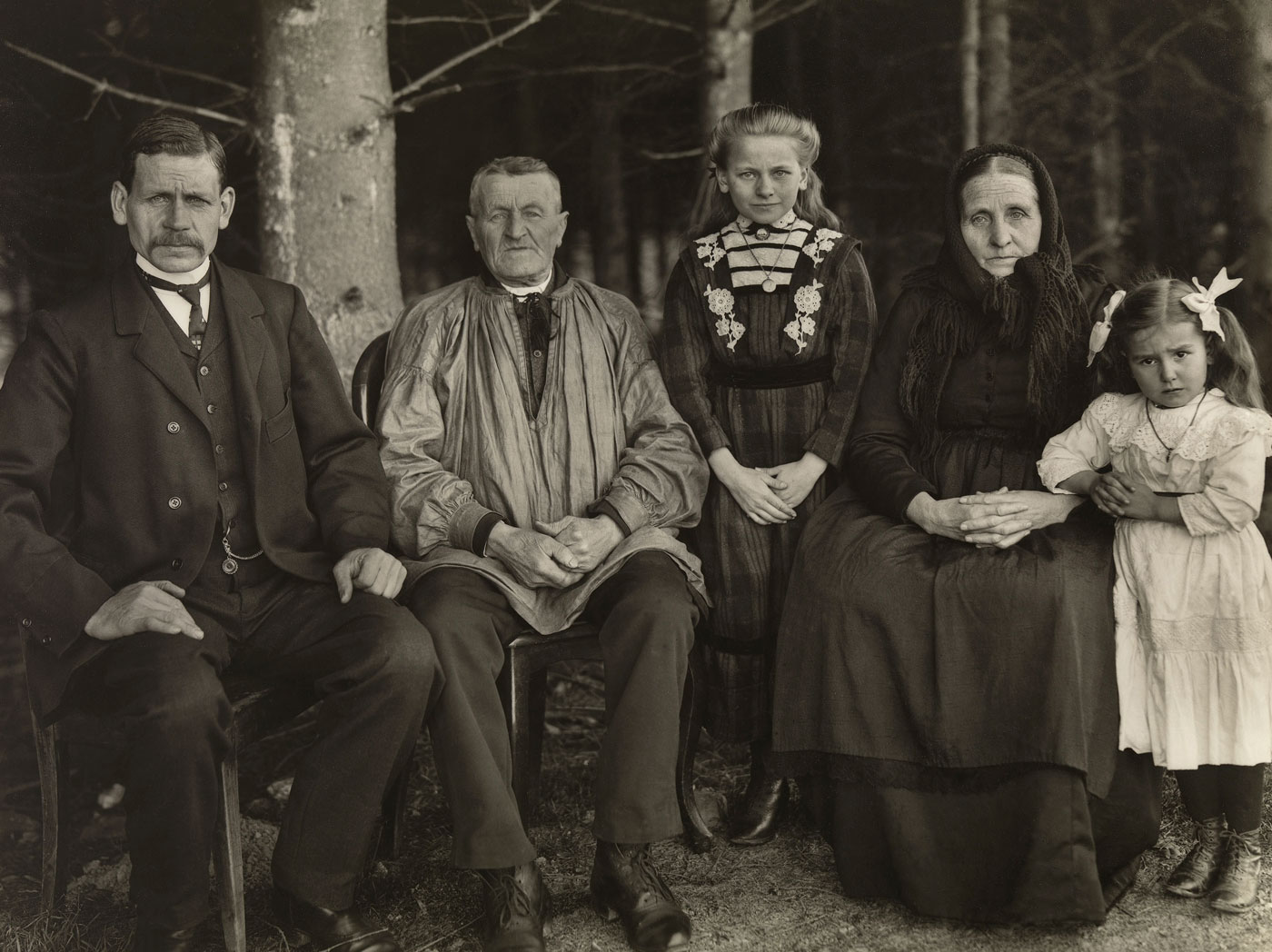
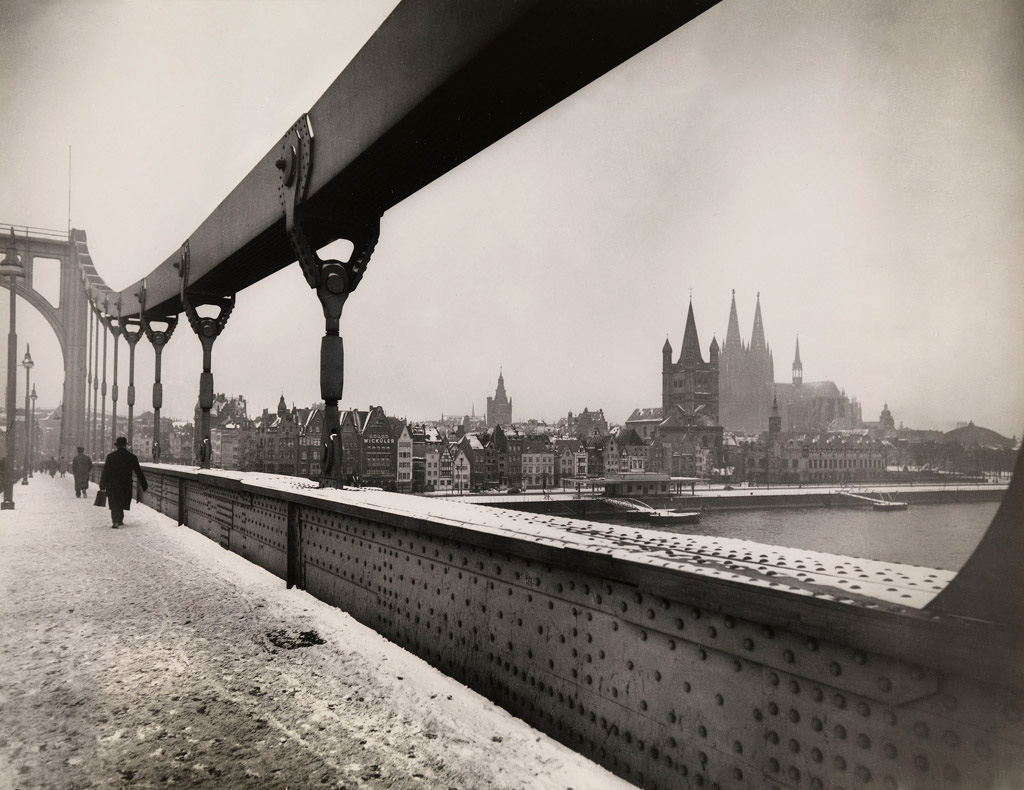
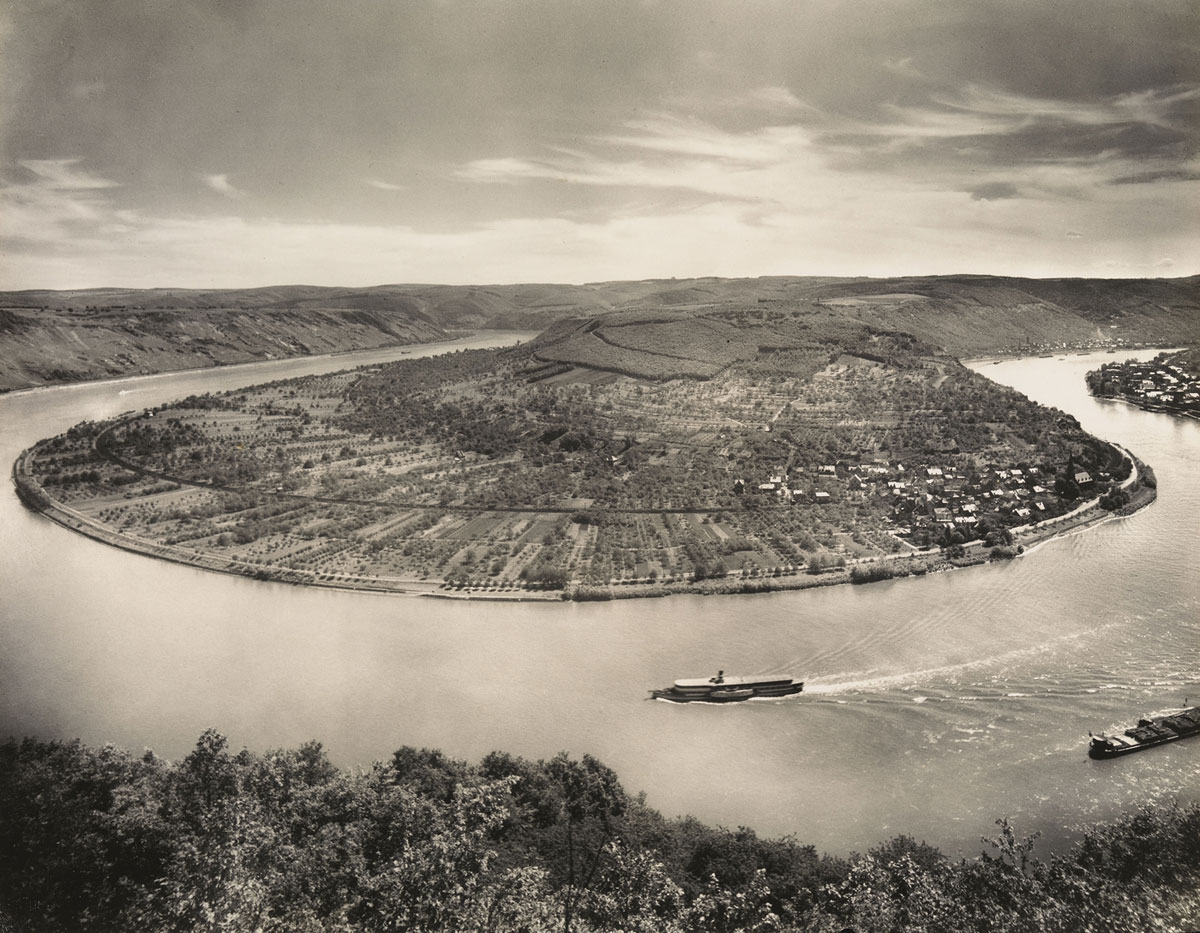

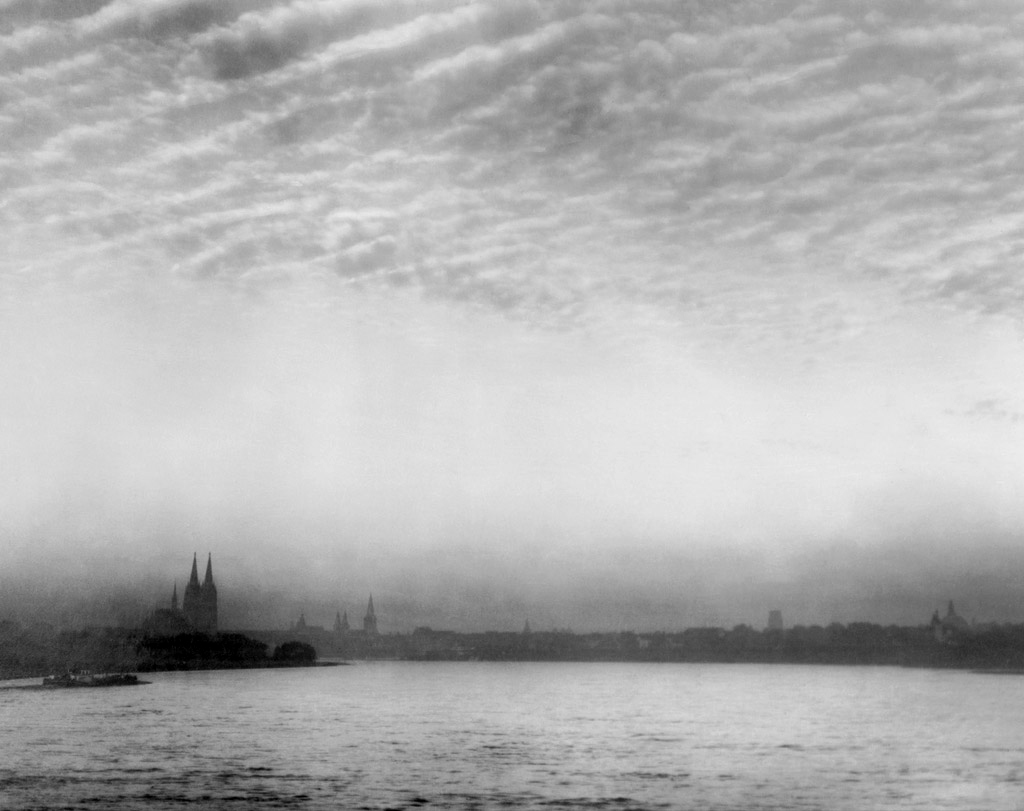
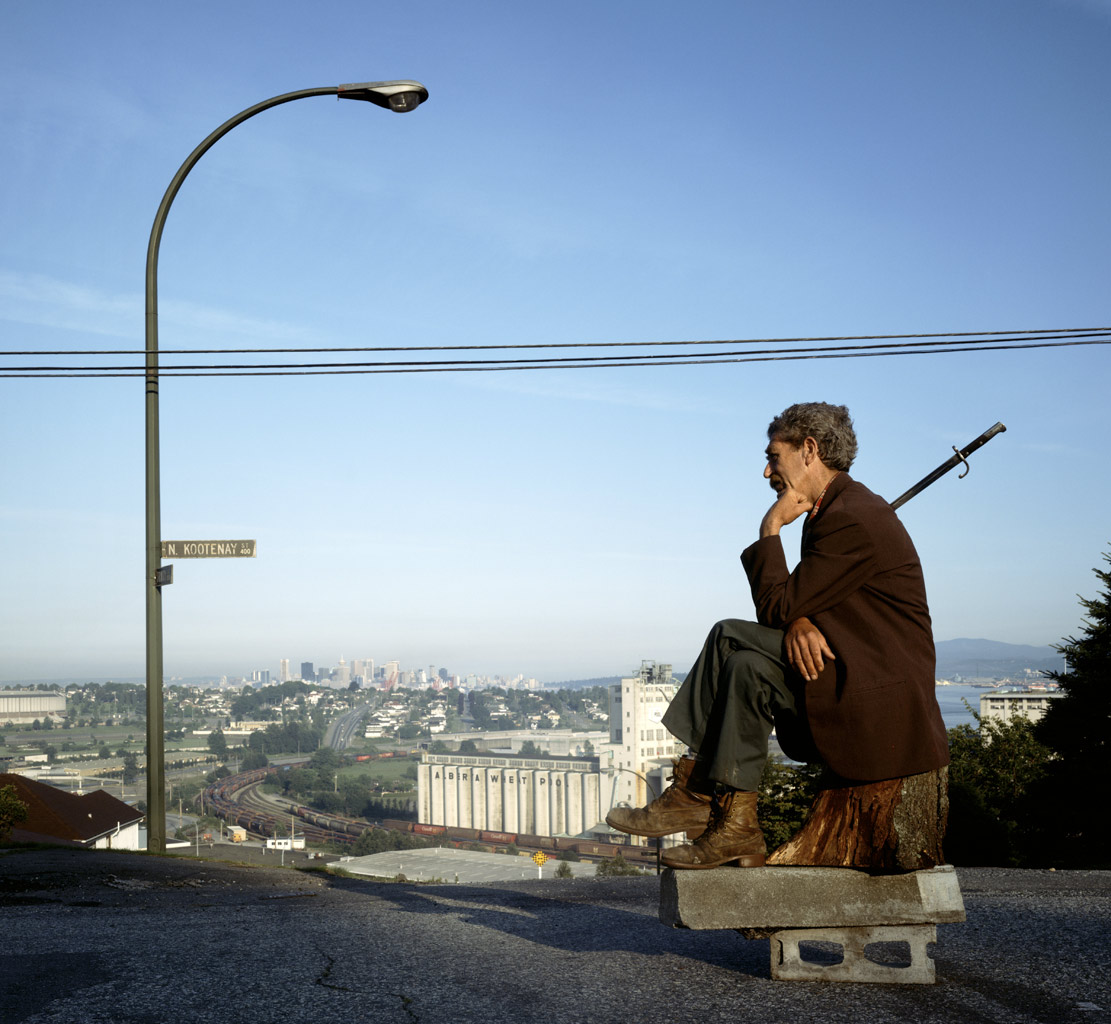
![August Sander (German, 1876-1964) 'Handlanger [Odd-job man]' 1928](https://artblart.com/wp-content/uploads/2014/08/sander-handlanger-web.jpg "August Sander (German, 1876-1964) 'Handlanger [Odd-job man]' 1928")

![August Sander (German, 1876-1964) 'The Architect [Hans Poelzig]' 1929](https://artblart.com/wp-content/uploads/2014/08/sander-der-architekt-web.jpg "August Sander (German, 1876-1964) 'The Architect [Hans Poelzig]' 1929")
![Thomas Ruff (German, b. 1958) 'Portrait (T. Ruff)' [Selfportrait] 1987](https://artblart.com/wp-content/uploads/2014/08/ruff-self-portrait-web.jpg "Thomas Ruff (German, b. 1958) 'Portrait (T. Ruff)' [Selfportrait] 1987")
![August Sander (German, 1876-1964) 'Der erdgebundene Mensch' [The Earthbound Human] 1910](https://artblart.com/wp-content/uploads/2014/08/sander-der-erdgebundene-mensch-web.jpg "August Sander (German, 1876-1964) 'Der erdgebundene Mensch' [The Earthbound Human] 1910")
![August Sander (German, 1876-1964) 'Bauernpaar – Zucht und Harmonie' [Peasant Couple – Breeding and Harmony] 1912](https://artblart.com/wp-content/uploads/2014/08/sander-bauernpaar-web.jpg "August Sander (German, 1876-1964) 'Bauernpaar – Zucht und Harmonie' [Peasant Couple – Breeding and Harmony] 1912")
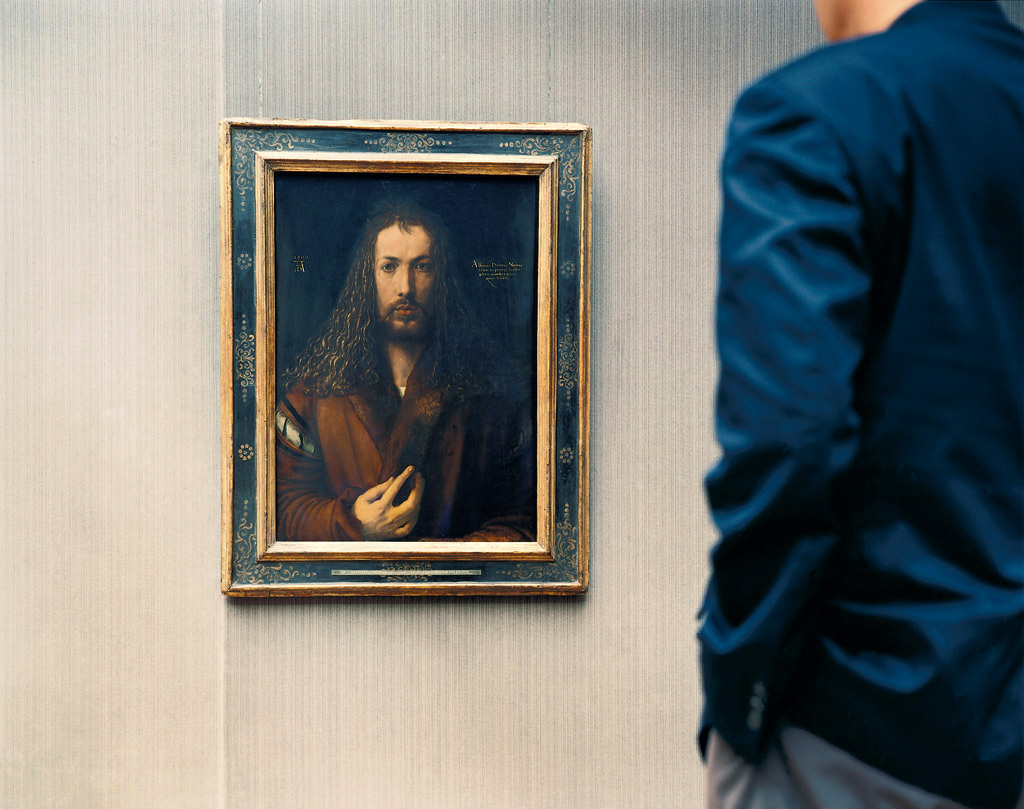
![August Sander (German, 1876-1964) 'Painter [Heinrich Hoerle]' 1928](https://artblart.com/wp-content/uploads/2014/08/sander-maler-web.jpg "August Sander (German, 1876-1964) 'Painter [Heinrich Hoerle]' 1928")

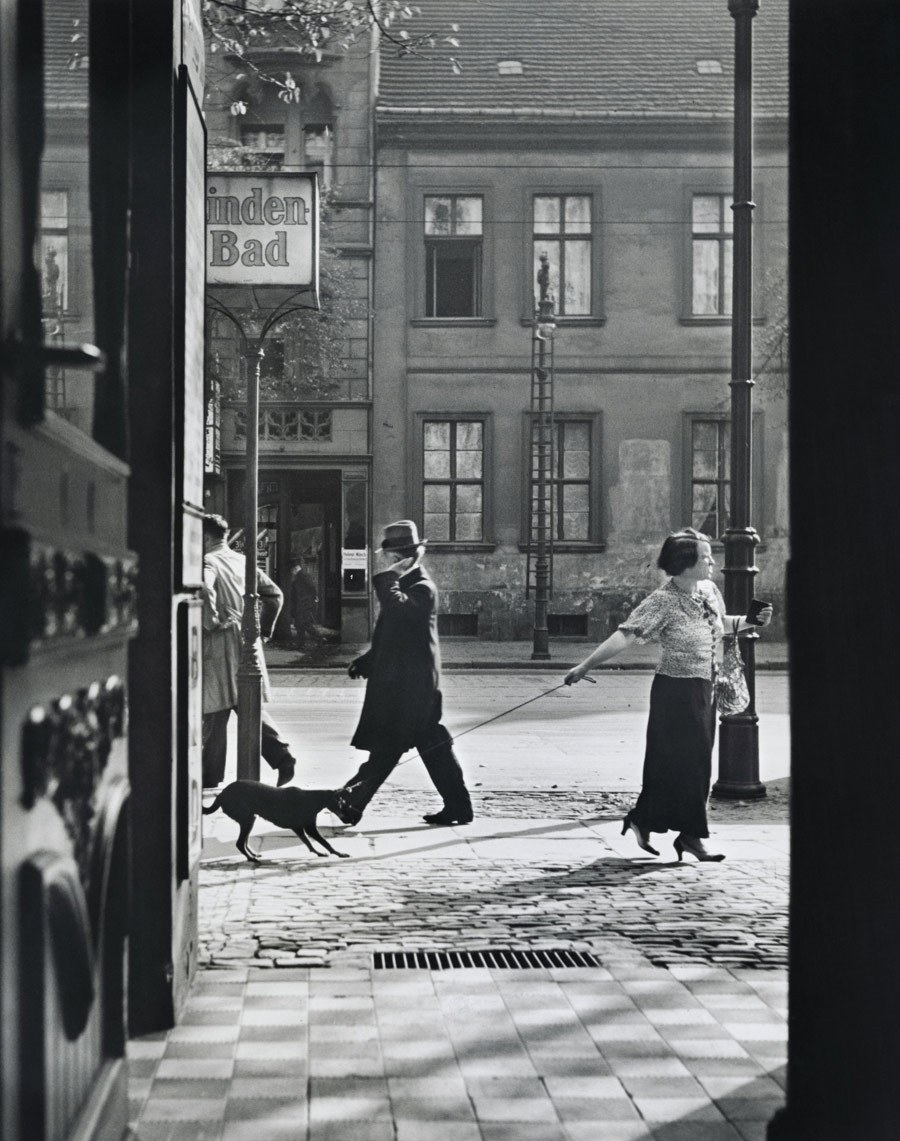
![Roman Vishniac (Russian-American, 1897-1990) '[Interior of the Anhalter Bahnhof railway terminus near Potsdamer Platz, Berlin]' late 1920s - early 1930s from the exhibition 'Roman Vishniac Rediscovered' at the Jewish Historical Museum, Amsterdam, April- August, 2014](https://artblart.com/wp-content/uploads/2014/08/icp_vishniac_pressimage_2-web.jpg "Roman Vishniac (Russian-American, 1897-1990) '[Interior of the Anhalter Bahnhof railway terminus near Potsdamer Platz, Berlin]' late 1920s - early 1930s from the exhibition 'Roman Vishniac Rediscovered' at the Jewish Historical Museum, Amsterdam, April- August, 2014")
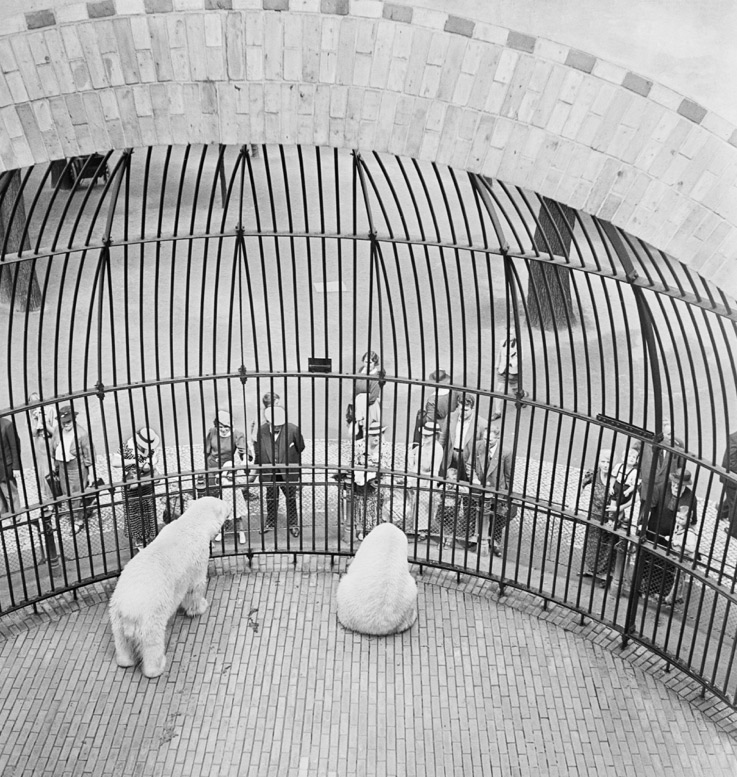
![Roman Vishniac (Russian-American, 1897-1990) '[Boys admiring a motorcycle, Brandenburg, outskirts of Berlin]' 1929 - early 1930s (printed 2012)](https://artblart.com/wp-content/uploads/2014/08/vishniac-boys-admiring-a-motorbike.jpg "Roman Vishniac (Russian-American, 1897-1990) '[Boys admiring a motorcycle, Brandenburg, outskirts of Berlin]' 1929 - early 1930s (printed 2012)")
![Roman Vishniac (Russian-American, 1897-1990) '[Vishniac's daughter Mara posing in front of an election poster for Hindenburg and Hitler that reads "The Marshal and the Corporal: Fight with Us for Peace and Equal Rights," Wilmersdorf, Berlin]' 1933](https://artblart.com/wp-content/uploads/2014/08/icp_vishniac_pressimage_3-web.jpg "Roman Vishniac (Russian-American, 1897-1990) '[Vishniac's daughter Mara posing in front of an election poster for Hindenburg and Hitler that reads \"The Marshal and the Corporal: Fight with Us for Peace and Equal Rights,\" Wilmersdorf, Berlin]' 1933")
![Roman Vishniac (Russian-American, 1897-1990) '[Street scene with a swastika flag on a storefront (at left), Berlin]' c. 1935-1936 (printed 2012)](https://artblart.com/wp-content/uploads/2014/08/vishniac-street-scene.jpg "Roman Vishniac (Russian-American, 1897-1990) '[Street scene with a swastika flag on a storefront (at left), Berlin]' c. 1935-1936 (printed 2012)")
![Roman Vishniac (Russian-American, 1897-1990) '[Drawer of freshly farmed eggs, Gut Winkel, a training farm for German-Jewish youth hoping to emigrate to Palestine, Spreenhagen in der Mark, Brandenburg, Germany]' c. 1938](https://artblart.com/wp-content/uploads/2014/08/icp_vishniac_pressimage_5-web.jpg "Roman Vishniac (Russian-American, 1897-1990) '[Drawer of freshly farmed eggs, Gut Winkel, a training farm for German-Jewish youth hoping to emigrate to Palestine, Spreenhagen in der Mark, Brandenburg, Germany]' c. 1938")
![Roman Vishniac (Russian-American, 1897-1990) '[Preparing food in a Jewish soup kitchen, Berlin]' mid- to late 1930s](https://artblart.com/wp-content/uploads/2014/08/icp_vishniac_pressimage_4-web.jpg "Roman Vishniac (Russian-American, 1897-1990) '[Preparing food in a Jewish soup kitchen, Berlin]' mid- to late 1930s")

![Roman Vishniac (Russian-American, 1897-1990) '[Jewish schoolchildren, Mukacevo]' c. 1935-1938](https://artblart.com/wp-content/uploads/2014/08/icp_vishniac_pressimage_10-web.jpg "Roman Vishniac (Russian-American, 1897-1990) '[Jewish schoolchildren, Mukacevo]' c. 1935-1938")
![Roman Vishniac (Russian-American, 1897-1990) '[Inside the Jewish quarter, Bratislava]' c. 1935-1938](https://artblart.com/wp-content/uploads/2014/08/icp_vishniac_pressimage_11-web.jpg "Roman Vishniac (Russian-American, 1897-1990) '[Inside the Jewish quarter, Bratislava]' c. 1935-1938")
![Roman Vishniac (Russian-American, 1897-1990) '[Eastern Europe]' c. 1935-1938](https://artblart.com/wp-content/uploads/2014/08/icp_vishniac_pressimage_12-web.jpg "Roman Vishniac (Russian-American, 1897-1990) '[Eastern Europe]' c. 1935-1938")
![Roman Vishniac (Russian-American, 1897-1990) '[Eastern Europe]' (detail) c. 1935-1938](https://artblart.com/wp-content/uploads/2014/08/icp_vishniac_pressimage_12-detail.jpg "Roman Vishniac (Russian-American, 1897-1990) '[Eastern Europe]' (detail) c. 1935-1938")
![Roman Vishniac (Russian-American, 1897-1990) '[Boy with kindling in a basement dwelling, Krochmalna Street, Warsaw]' c. 1935-1938](https://artblart.com/wp-content/uploads/2014/08/icp_vishniac_pressimage_6-web.jpg "Roman Vishniac (Russian-American, 1897-1990) '[Boy with kindling in a basement dwelling, Krochmalna Street, Warsaw]' c. 1935-1938")
![Roman Vishniac (Russian-American, 1897-1990) '[David Eckstein, seven years old, and classmates in cheder (Jewish elementary school), Brod]' c. 1935-1938](https://artblart.com/wp-content/uploads/2014/08/icp_vishniac_pressimage_8-web.jpg "Roman Vishniac (Russian-American, 1897-1990) '[David Eckstein, seven years old, and classmates in cheder (Jewish elementary school), Brod]' c. 1935-1938")
![Roman Vishniac (Russian-American, 1897-1990) '[Sara, sitting in bed in a basement dwelling, with stenciled flowers above her head, Warsaw]' c. 1935-1937](https://artblart.com/wp-content/uploads/2014/08/icp_vishniac_pressimage_9-web.jpg "Roman Vishniac (Russian-American, 1897-1990) '[Sara, sitting in bed in a basement dwelling, with stenciled flowers above her head, Warsaw]' c. 1935-1937")
![Roman Vishniac (Russian-American, 1897-1990) '[Zionist youth building a school and foundry while learning construction techniques, Werkdorp Nieuwesluis, Wieringermeer, The Netherlands]' 1939](https://artblart.com/wp-content/uploads/2014/08/icp_vishniac_pressimage_13-web.jpg "Roman Vishniac (Russian-American, 1897-1990) '[Zionist youth building a school and foundry while learning construction techniques, Werkdorp Nieuwesluis, Wieringermeer, The Netherlands]' 1939")
![Roman Vishniac (Russian-American, 1897-1990) '[Ernst Kaufmann, center, and unidentified Zionist youth, wearing clogs while learning construction techniques in a quarry, Werkdorp Nieuwesluis, Wieringermeer, The Netherlands]' 1939](https://artblart.com/wp-content/uploads/2014/08/icp_vishniac_pressimage_14-web.jpg "Roman Vishniac (Russian-American, 1897-1990) '[Ernst Kaufmann, center, and unidentified Zionist youth, wearing clogs while learning construction techniques in a quarry, Werkdorp Nieuwesluis, Wieringermeer, The Netherlands]' 1939")
![Roman Vishniac (Russian-American, 1897-1990) '[Willy Lefkowitz and Martin Grünpeter constructing a foundry, Werkdorp Nieuwesluis, Wieringermeer, The Netherlands]' 1939 (printed 2012)](https://artblart.com/wp-content/uploads/2014/08/vishniac-willy-lefkowitz.jpg "Roman Vishniac (Russian-American, 1897-1990) '[Willy Lefkowitz and Martin Grünpeter constructing a foundry, Werkdorp Nieuwesluis, Wieringermeer, The Netherlands]' 1939 (printed 2012)")
![Roman Vishniac (Russian-American, 1897-1990) '[Beachgoers in the afternoon, Nice, France]' c. 1939](https://artblart.com/wp-content/uploads/2014/08/icp_vishniac_pressimage_15-web.jpg "Roman Vishniac (Russian-American, 1897-1990) '[Beachgoers in the afternoon, Nice, France]' c. 1939")
![Roman Vishniac (Russian-American, 1897-1990) '[Students learning metalwork techniques, Society for Trades and Agricultural Labor (ORT), Marseille]' 1939](https://artblart.com/wp-content/uploads/2014/08/icp_vishniac_pressimage_16-web.jpg "Roman Vishniac (Russian-American, 1897-1990) '[Students learning metalwork techniques, Society for Trades and Agricultural Labor (ORT), Marseille]' 1939")
![Roman Vishniac (Russian-American, 1897-1990) '[Sisters Marion, Renate, and Karen Gumprecht, refugees assisted by the National Refugee Service (NRS) and Hebrew Immigrant Aid Society (HIAS), shortly after their arrival in the United States, Central Park, New York]' 1941](https://artblart.com/wp-content/uploads/2014/08/vishniac21-web.jpg "Roman Vishniac (Russian-American, 1897-1990) '[Sisters Marion, Renate, and Karen Gumprecht, refugees assisted by the National Refugee Service (NRS) and Hebrew Immigrant Aid Society (HIAS), shortly after their arrival in the United States, Central Park, New York]' 1941")
![Roman Vishniac (Russian-American, 1897-1990) '[Customers waiting in line at a butcher's counter during wartime rationing, Washington Market, New York]' 1941-1944](https://artblart.com/wp-content/uploads/2014/08/icp_vishniac_pressimage_22-web.jpg "Roman Vishniac (Russian-American, 1897-1990) '[Customers waiting in line at a butcher's counter during wartime rationing, Washington Market, New York]' 1941-1944")
![Roman Vishniac (Russian-American, 1897-1990) '[Boys exercising in the gymnasium of the Jewish Community House of Bensonhurst, Brooklyn]' 1949](https://artblart.com/wp-content/uploads/2014/08/icp_vishniac_pressimage_23-web.jpg "Roman Vishniac (Russian-American, 1897-1990) '[Boys exercising in the gymnasium of the Jewish Community House of Bensonhurst, Brooklyn]' 1949")
![Roman Vishniac (Russian-American, 1897-1990) '[Boy standing on a mountain of rubble, Berlin]' 1947](https://artblart.com/wp-content/uploads/2014/08/icp_vishniac_pressimage_17-web.jpg "Roman Vishniac (Russian-American, 1897-1990) '[Boy standing on a mountain of rubble, Berlin]' 1947")

![Roman Vishniac (Russian-American, 1897-1990) '[Holocaust survivors and American relief worker, probably Schlachtensee Displaced Persons' Camp, Zehlendorf, Berlin]' 1947](https://artblart.com/wp-content/uploads/2014/08/icp_vishniac_pressimage_19-web.jpg "Roman Vishniac (Russian-American, 1897-1990) '[Holocaust survivors and American relief worker, probably Schlachtensee Displaced Persons' Camp, Zehlendorf, Berlin]' 1947")
![Roman Vishniac (Russian-American, 1897-1990) '[Holocaust survivors gathering outside a building where matzoh is being made in preparation for the Passover holiday, Hénonville Displaced Persons' Camp, Picardy, France]' 1947](https://artblart.com/wp-content/uploads/2014/08/icp_vishniac_pressimage_20-web.jpg "Roman Vishniac (Russian-American, 1897-1990) '[Holocaust survivors gathering outside a building where matzoh is being made in preparation for the Passover holiday, Hénonville Displaced Persons' Camp, Picardy, France]' 1947")
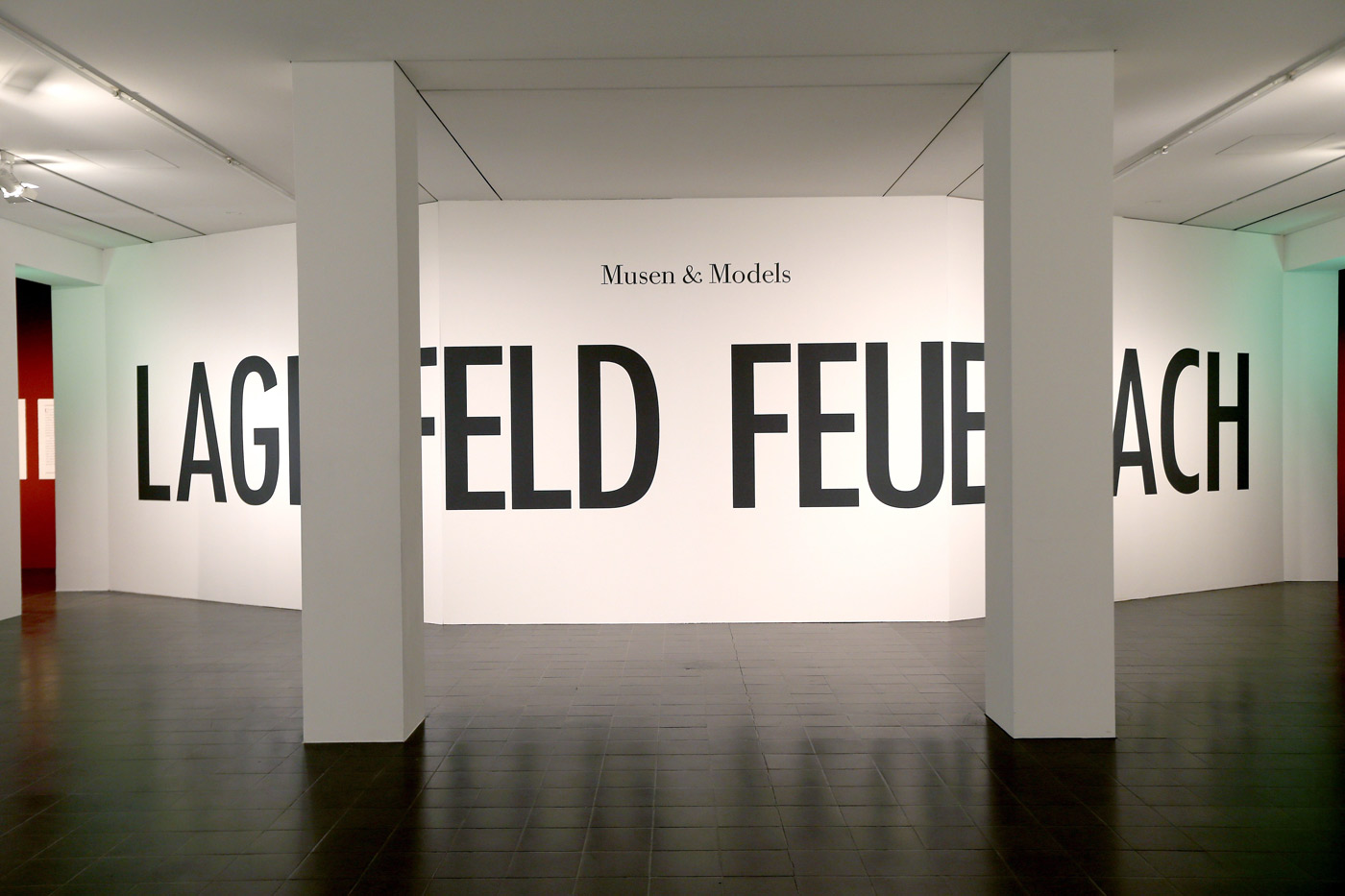
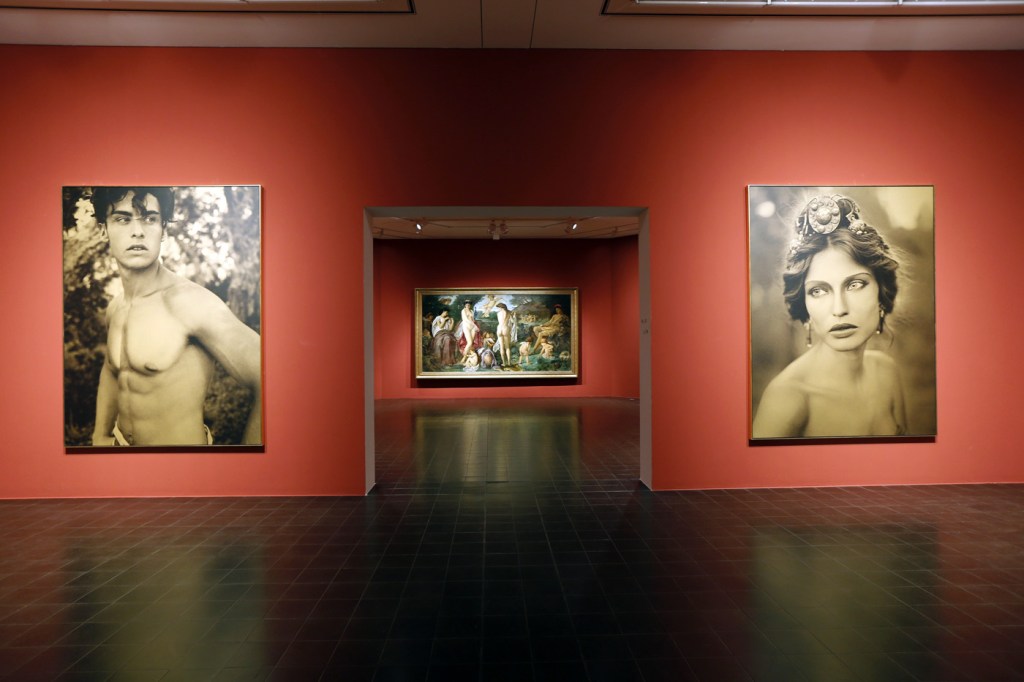
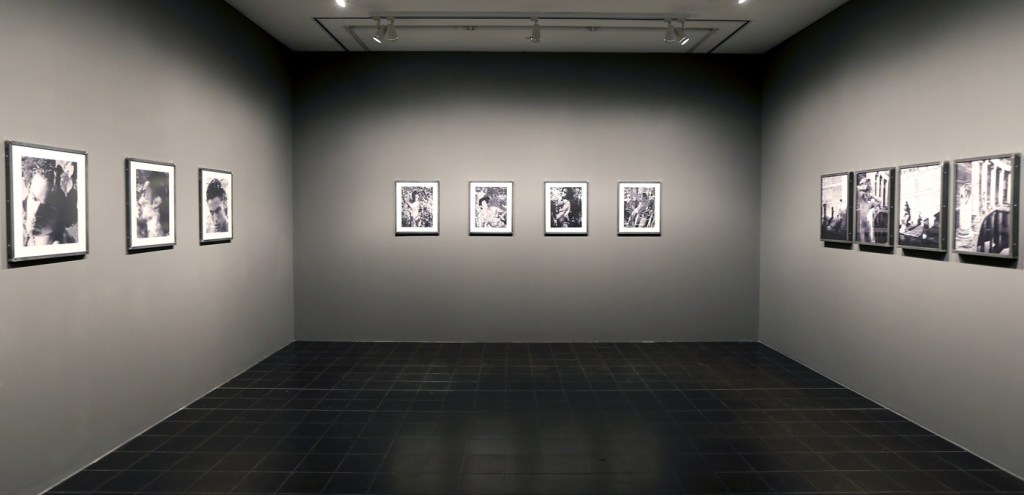
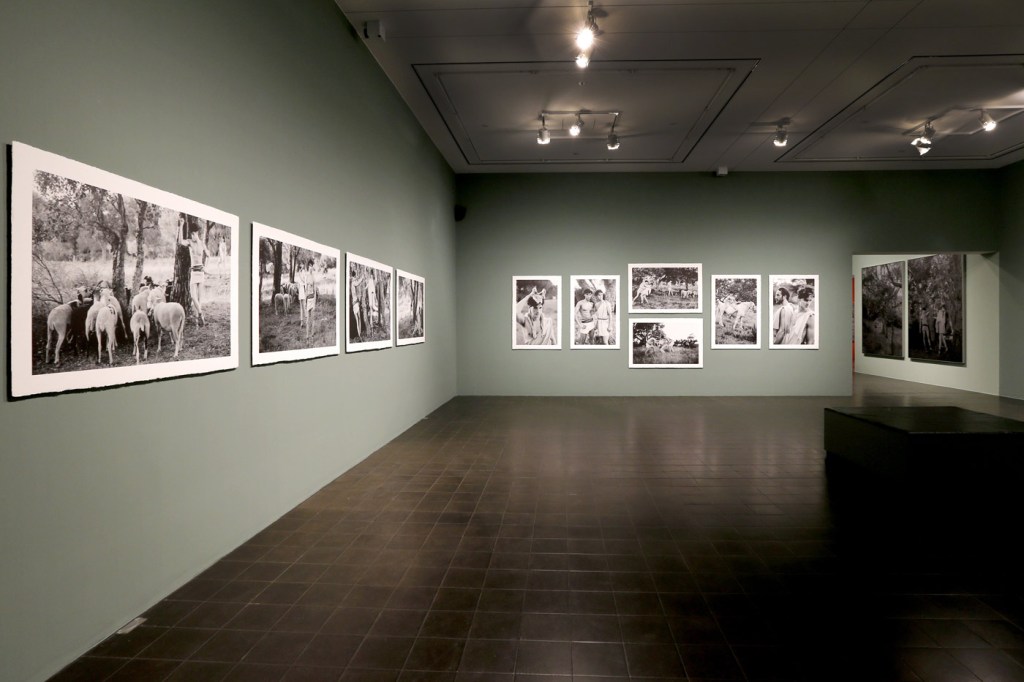
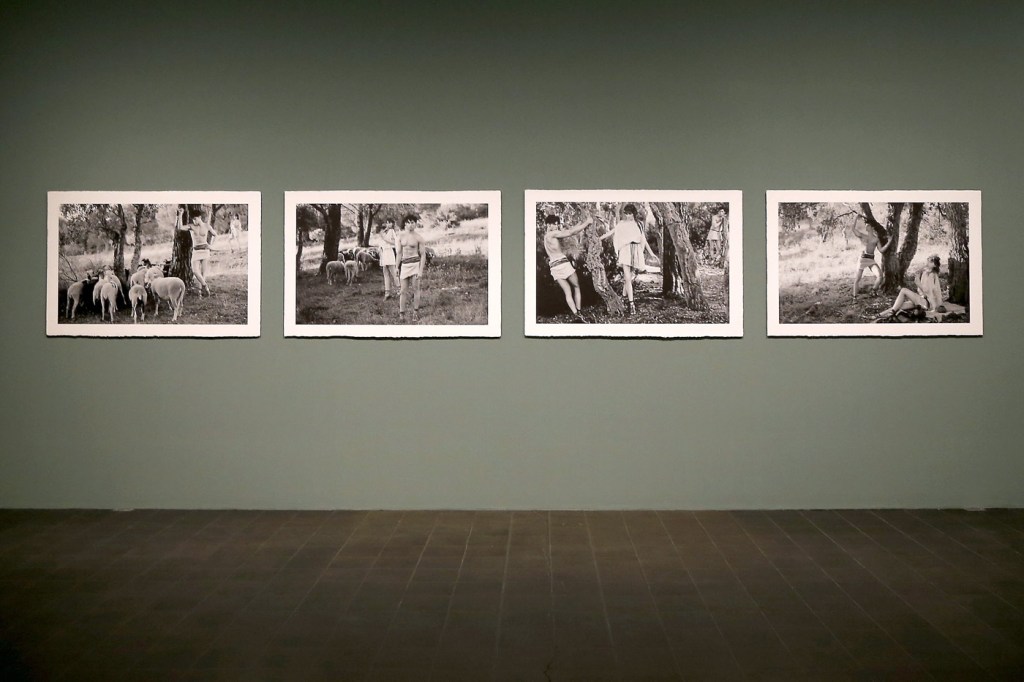
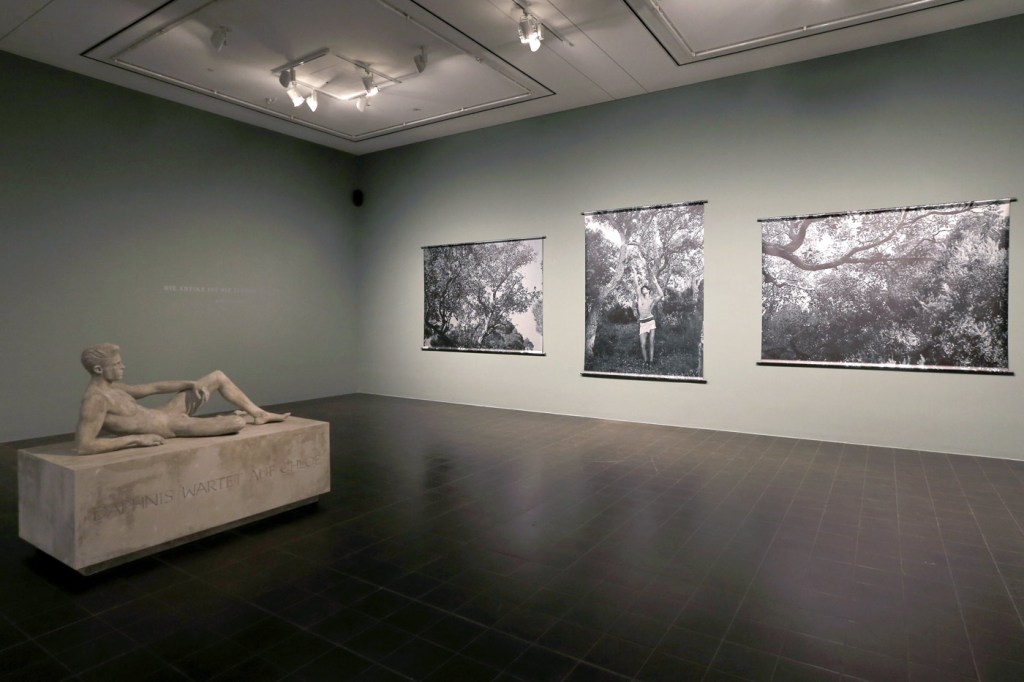

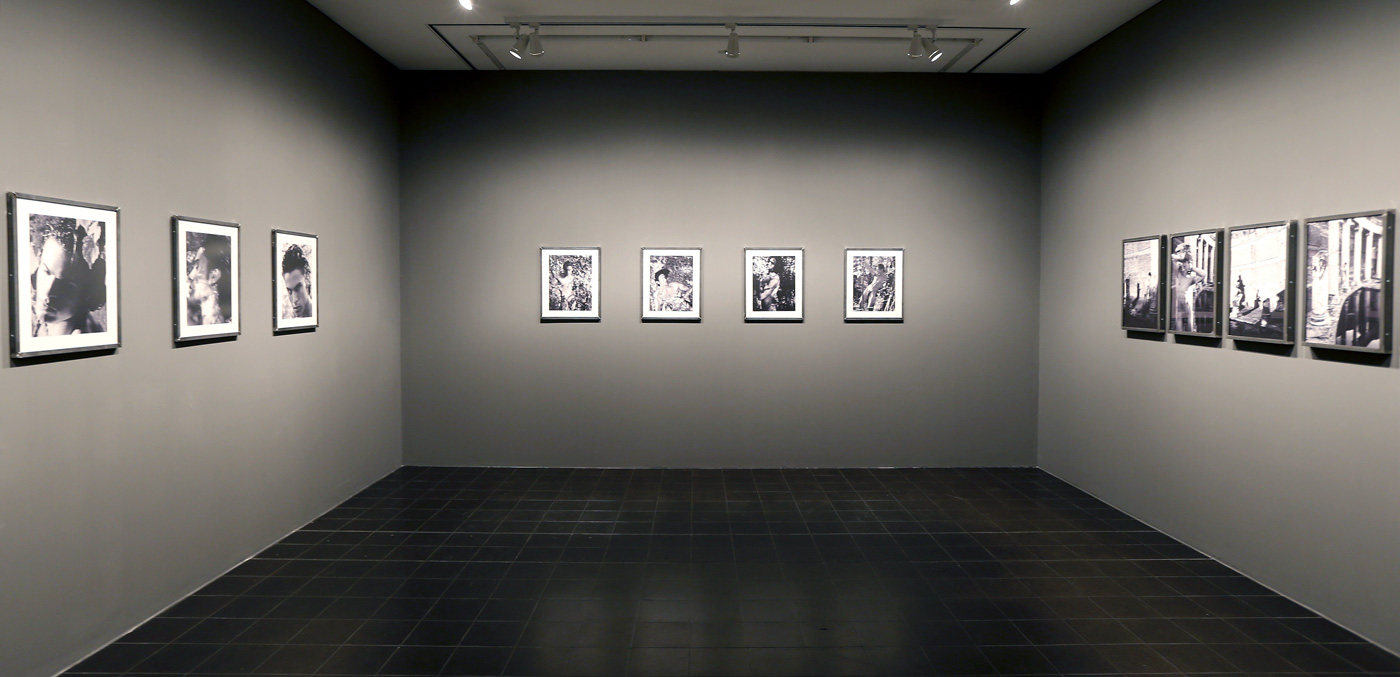
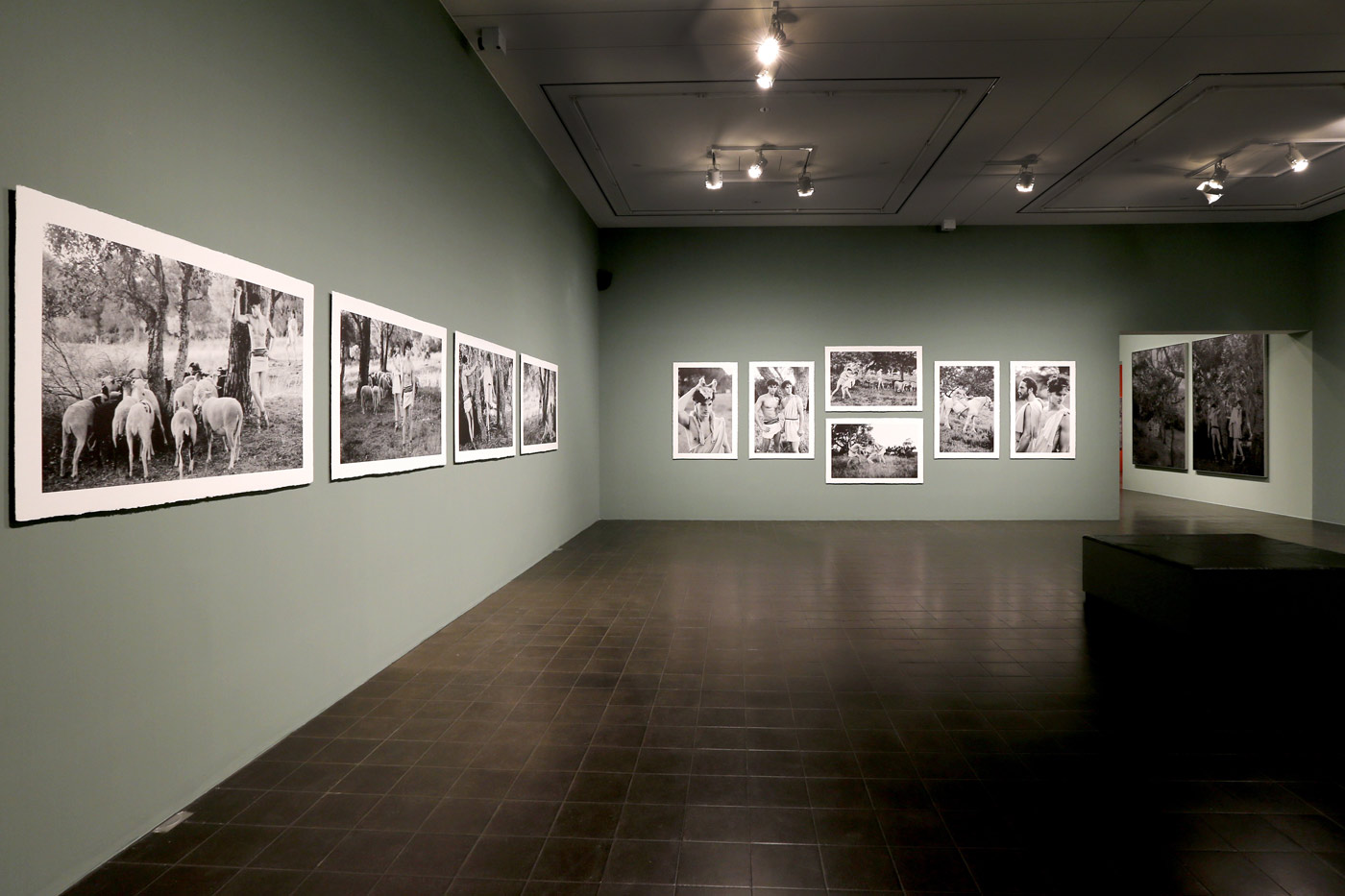
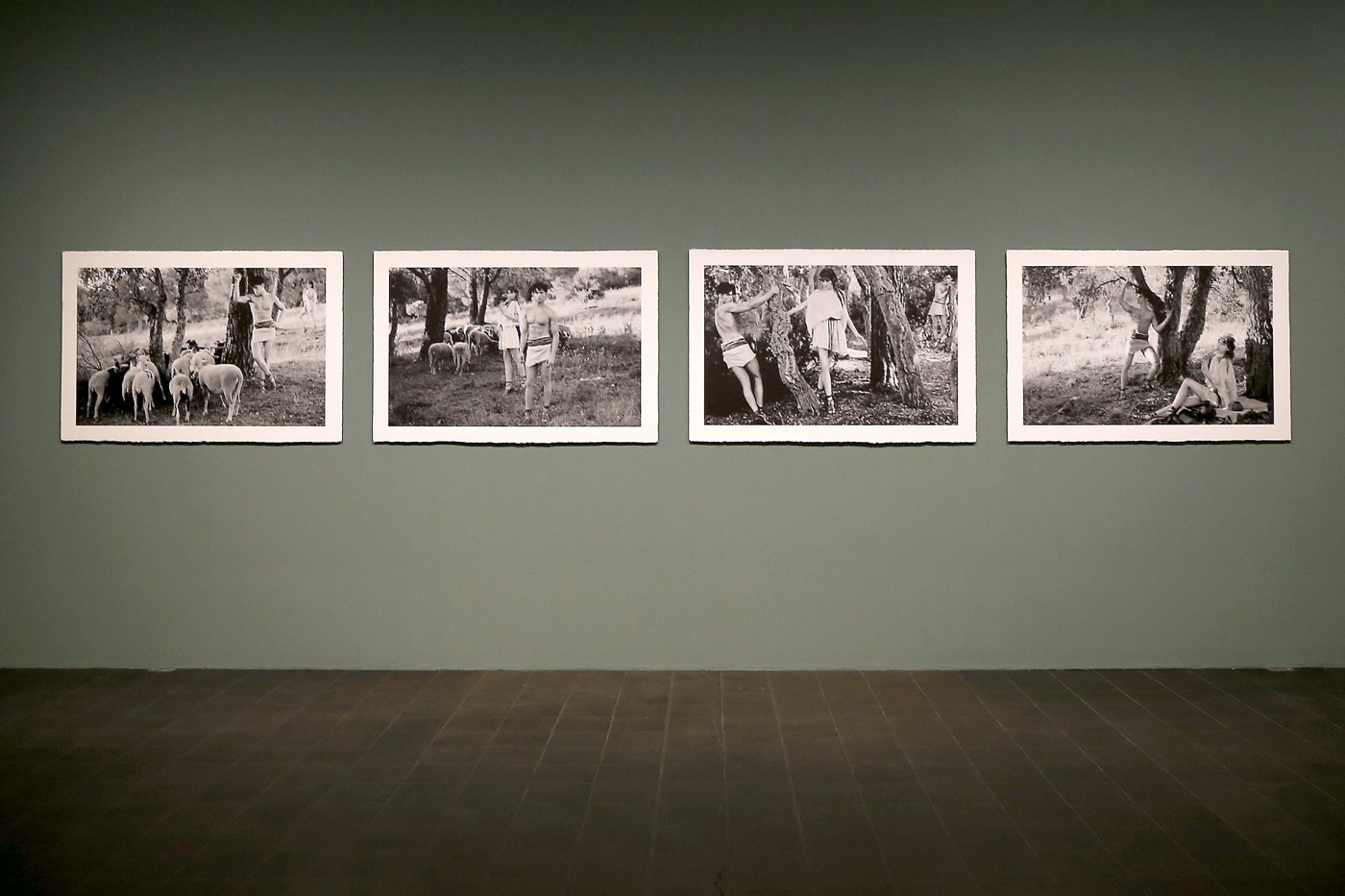


![Anselm Feuerbach (German, 1829-1880) 'Studienkopf zur Stuttgarter Iphigenie [Study of a Head for Stuttgart Iphigenia]' 1870](https://artblart.com/wp-content/uploads/2014/05/feuerbach_studienkopf-web.jpg "Anselm Feuerbach (German, 1829-1880) 'Studienkopf zur Stuttgarter Iphigenie [Study of a Head for Stuttgart Iphigenia]' 1870")
![Anselm Feuerbach (German, 1829-1880) 'Poesie, Zweite Fassung [Poetry, Second Version]' 1863](https://artblart.com/wp-content/uploads/2014/05/feuerbach_poesie-web.jpg "Anselm Feuerbach (German, 1829-1880) 'Poesie, Zweite Fassung [Poetry, Second Version]' 1863")
![Anselm Feuerbach (German, 1829-1880) 'Lucrezia Borgia, Bildnis einer Römerin in weißer Tunika und rotem Mantel [Lucrezia Borgia, Portrait of a roman in white tunic and red cloak]' 1864/1865](https://artblart.com/wp-content/uploads/2014/05/feuerbach_borgia-web.jpg "Anselm Feuerbach (German, 1829-1880) 'Lucrezia Borgia, Bildnis einer Römerin in weißer Tunika und rotem Mantel [Lucrezia Borgia, Portrait of a roman in white tunic and red cloak]' 1864/1865")

![Anselm Feuerbach (German, 1829-1880) 'Das Urteil des Paris [The Judgement of Paris]' 1870](https://artblart.com/wp-content/uploads/2014/05/feuerbach_paris-web.jpg "Anselm Feuerbach (German, 1829-1880) 'Das Urteil des Paris [The Judgement of Paris]' 1870")
![Anselm Feuerbach (German, 1829-1880) 'Ruhende Nymphe [Resting Nymph]' 1870](https://artblart.com/wp-content/uploads/2014/05/feuerbach_nymphe-web.jpg "Anselm Feuerbach (German, 1829-1880) 'Ruhende Nymphe [Resting Nymph]' 1870")
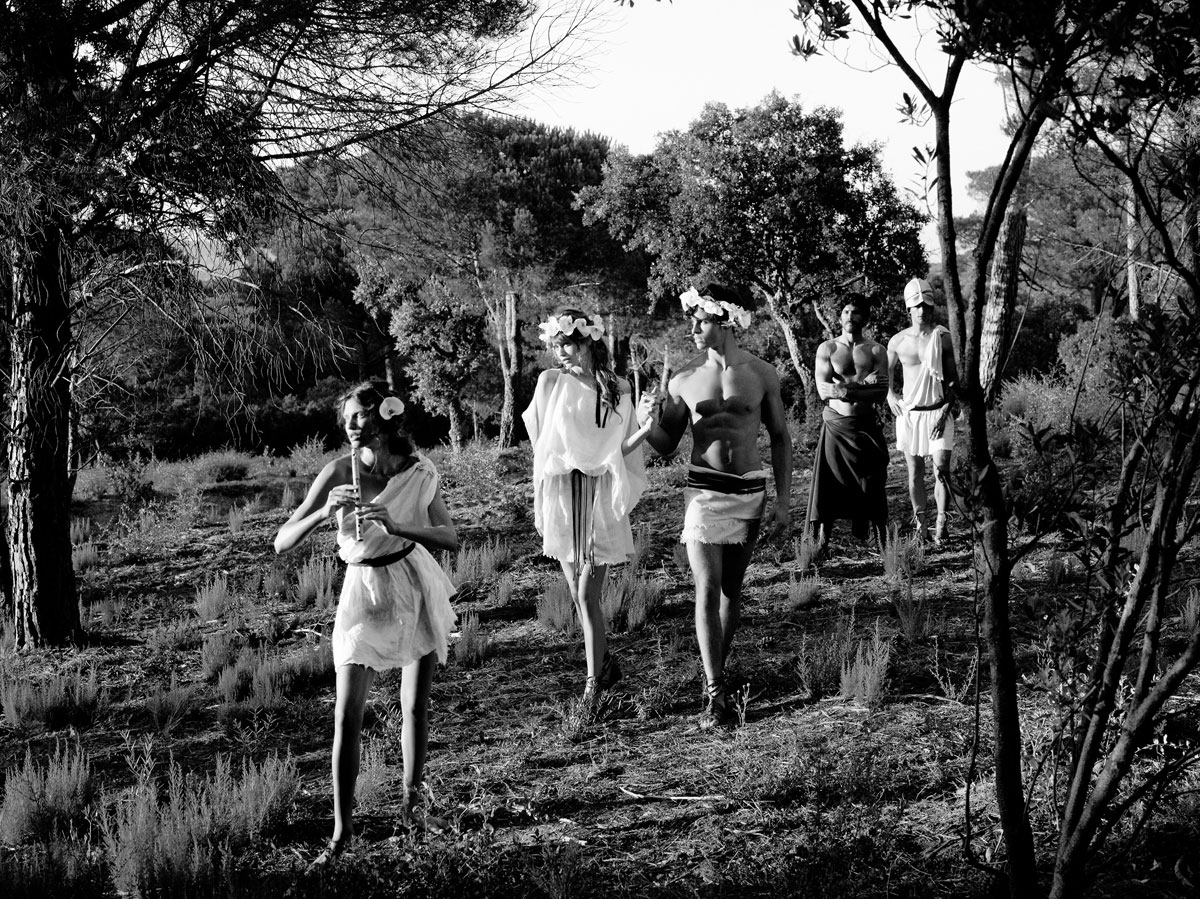
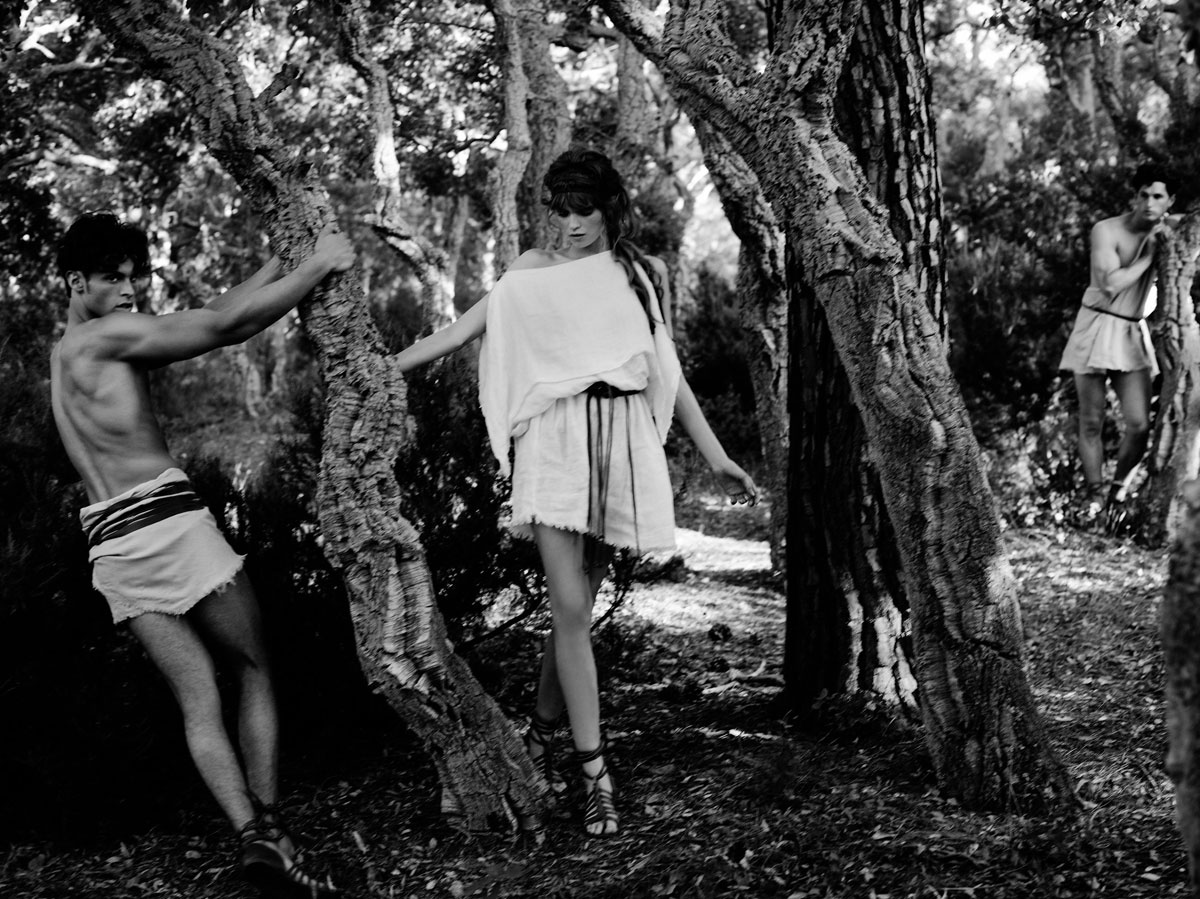
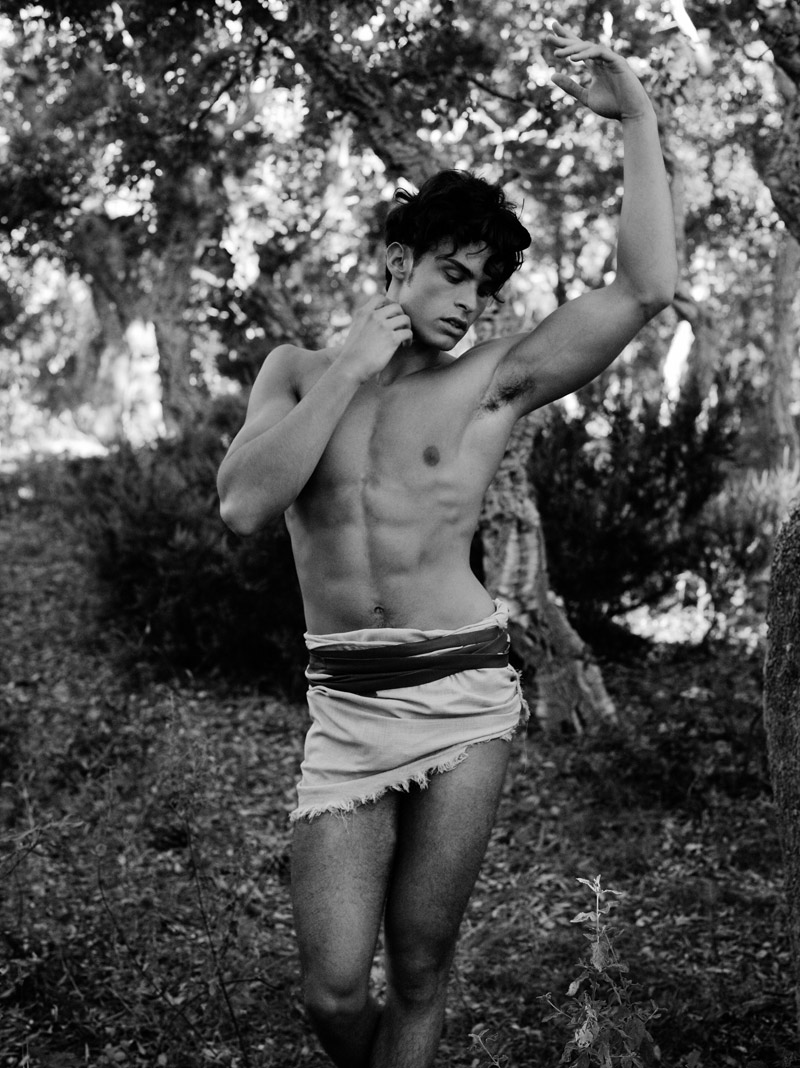

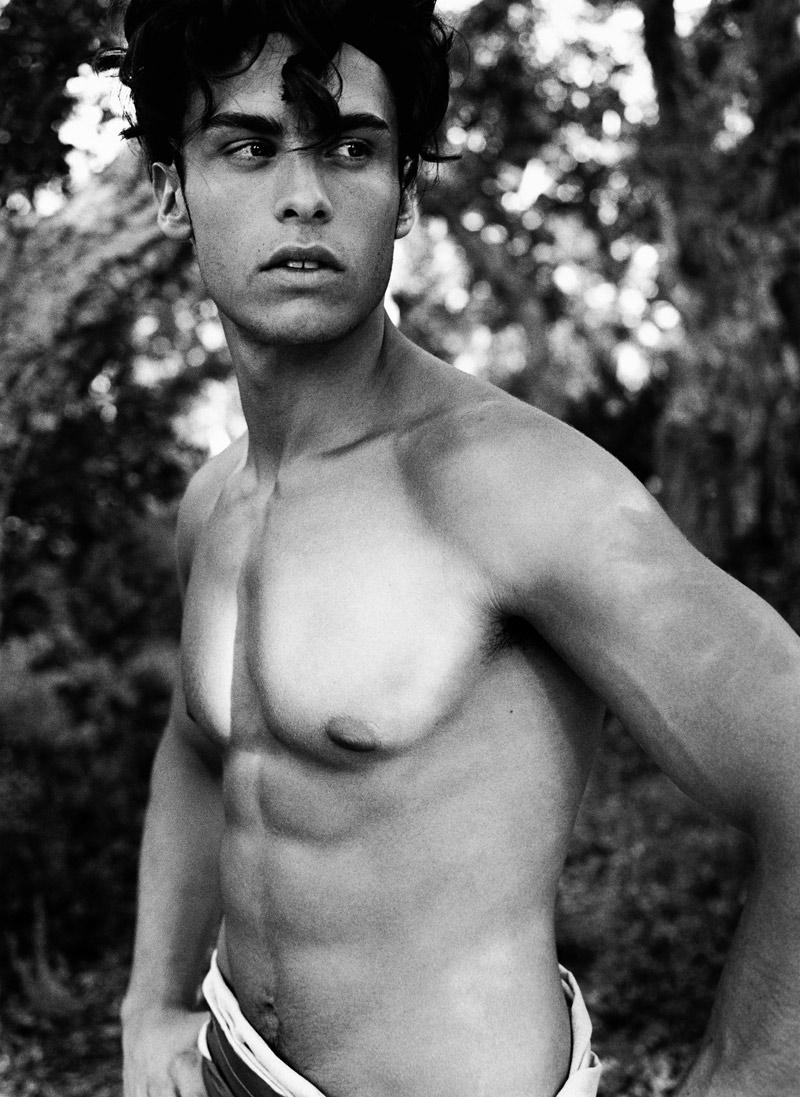

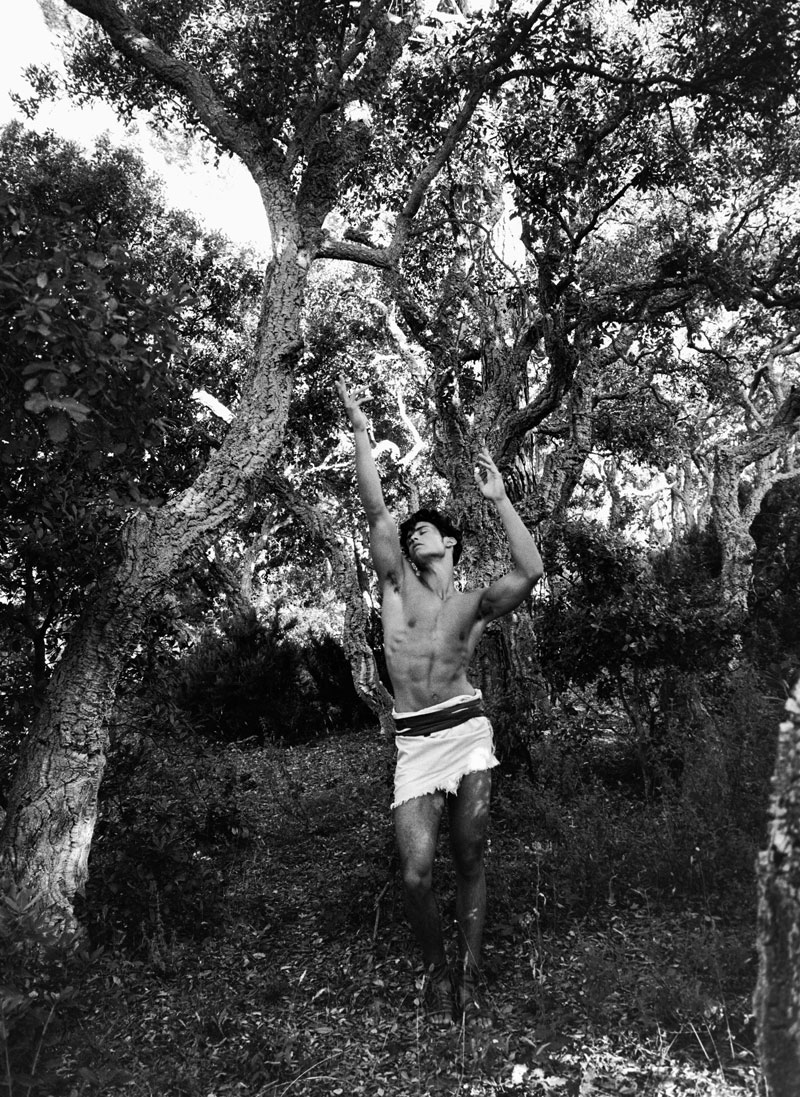
![Wols (German, 1913-1951) 'Untitled [Still life - dining table]' 1937 from the exhibition 'Wols Photographer. The Guarded Look' at Martin-Gropius-Bau, Berlin, March - June, 2014](https://artblart.com/wp-content/uploads/2014/05/wols_09_esstisch-web.jpg "Wols (German, 1913-1951) 'Untitled [Still life - dining table]' 1937 from the exhibition 'Wols Photographer. The Guarded Look' at Martin-Gropius-Bau, Berlin, March - June, 2014")

![Wols (German, 1913-1951) 'Untitled [Pavilion de l'Elegance - Creating a home with Alix (Germaine Krebs)]' 1937](https://artblart.com/wp-content/uploads/2014/05/wols_05_pavillon_de_l_elegance_2-web.jpg "Wols (German, 1913-1951) 'Untitled [Pavilion de l'Elegance - Creating a home with Alix (Germaine Krebs)]' 1937")
![Wols (German, 1913-1951) 'Untitled [Swiss Pavilion - Wire Figure]' 1937](https://artblart.com/wp-content/uploads/2014/05/wols_04_pavillon_drahtfigurine-web.jpg "Wols (German, 1913-1951) 'Untitled [Swiss Pavilion - Wire Figure]' 1937")


![Wols (German, 1913-1951) 'Untitled [Paris - Flea Market]' Autumn 1932 - October 1933 / January 1935 to 1936](https://artblart.com/wp-content/uploads/2014/05/wols_08_flohmarkt-web.jpg "Wols (German, 1913-1951) 'Untitled [Paris - Flea Market]' Autumn 1932 - October 1933 / January 1935 to 1936")
![Wols (German, 1913-1951) 'Untitled [Paris - Palisade]' Fall 1932 - October 1933 / January 1935 - August 1939](https://artblart.com/wp-content/uploads/2014/05/wols_07_paris_palisade.jpg "Wols (German, 1913-1951) 'Untitled [Paris - Palisade]' Fall 1932 - October 1933 / January 1935 - August 1939")
![Wols (German, 1913-1951) 'Untitled [Paris - Eiffel Tower]' 1937](https://artblart.com/wp-content/uploads/2014/05/wols_03_eiffelturm-web.jpg "Wols (German, 1913-1951) 'Untitled [Paris - Eiffel Tower]' 1937")
![Wols (German, 1913-1951) 'Untitled [Still Life - Grapefruit]' 1938 - August 1939](https://artblart.com/wp-content/uploads/2014/05/wols_06_pampelmuse-web.jpg "Wols (German, 1913-1951) 'Untitled [Still Life - Grapefruit]' 1938 - August 1939")

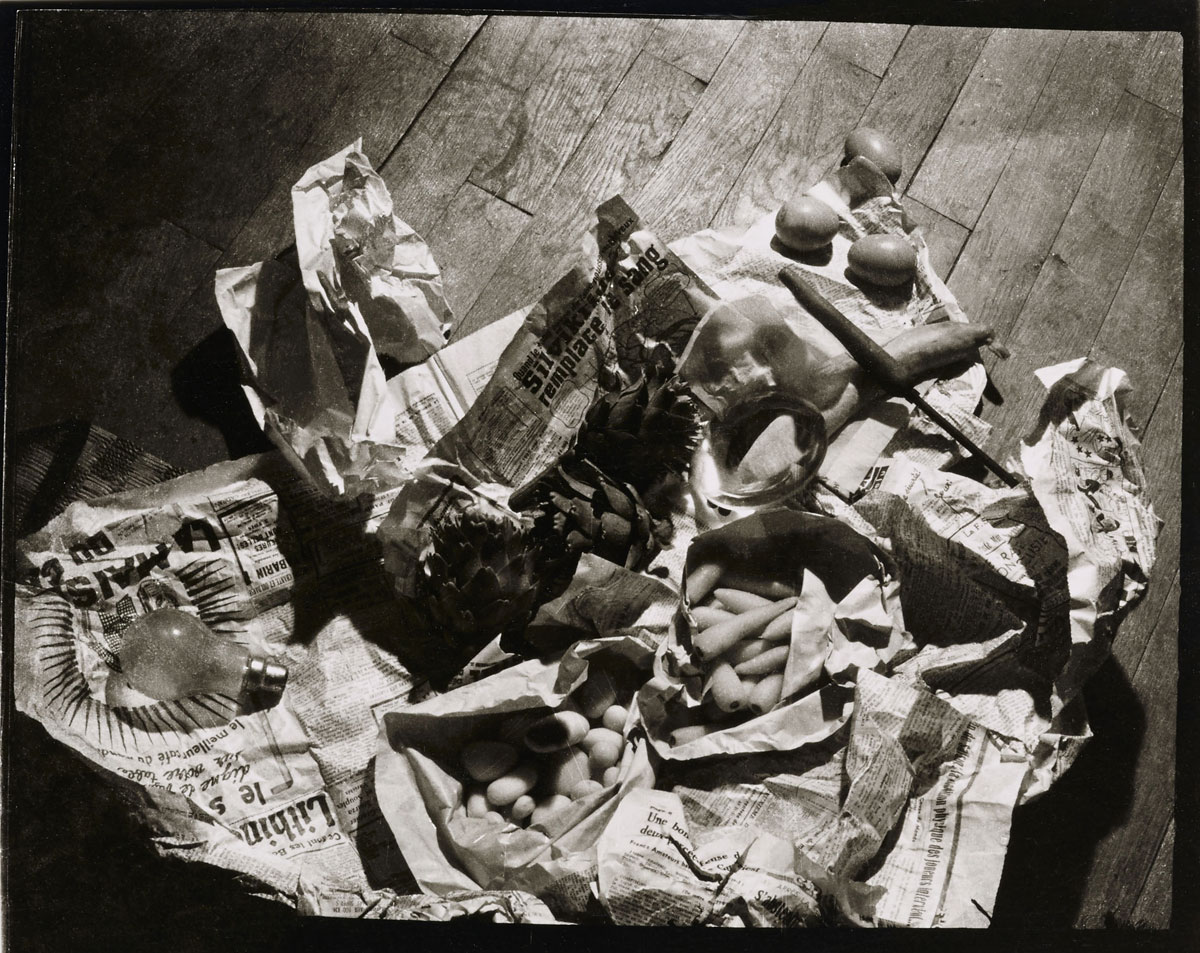
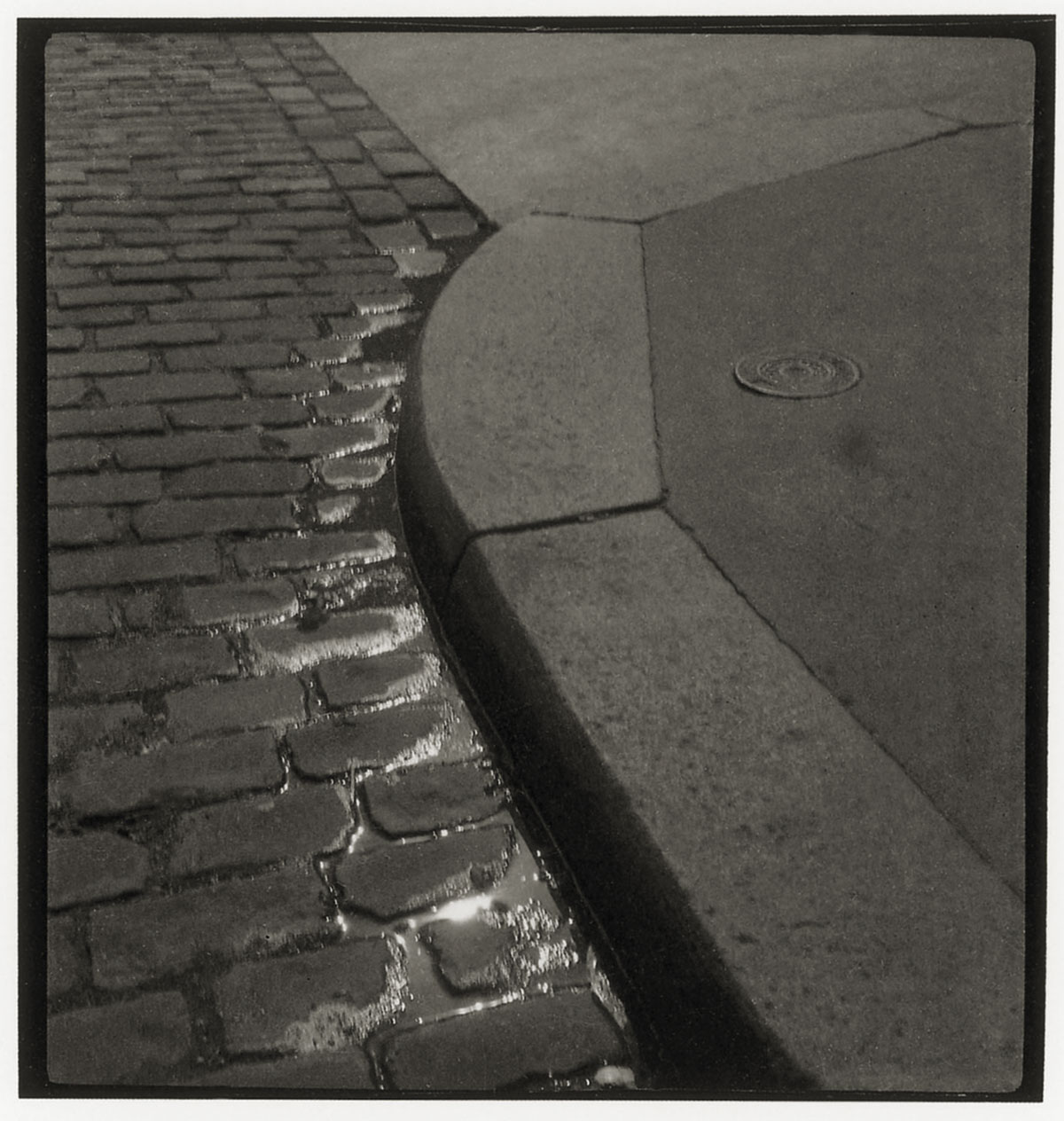
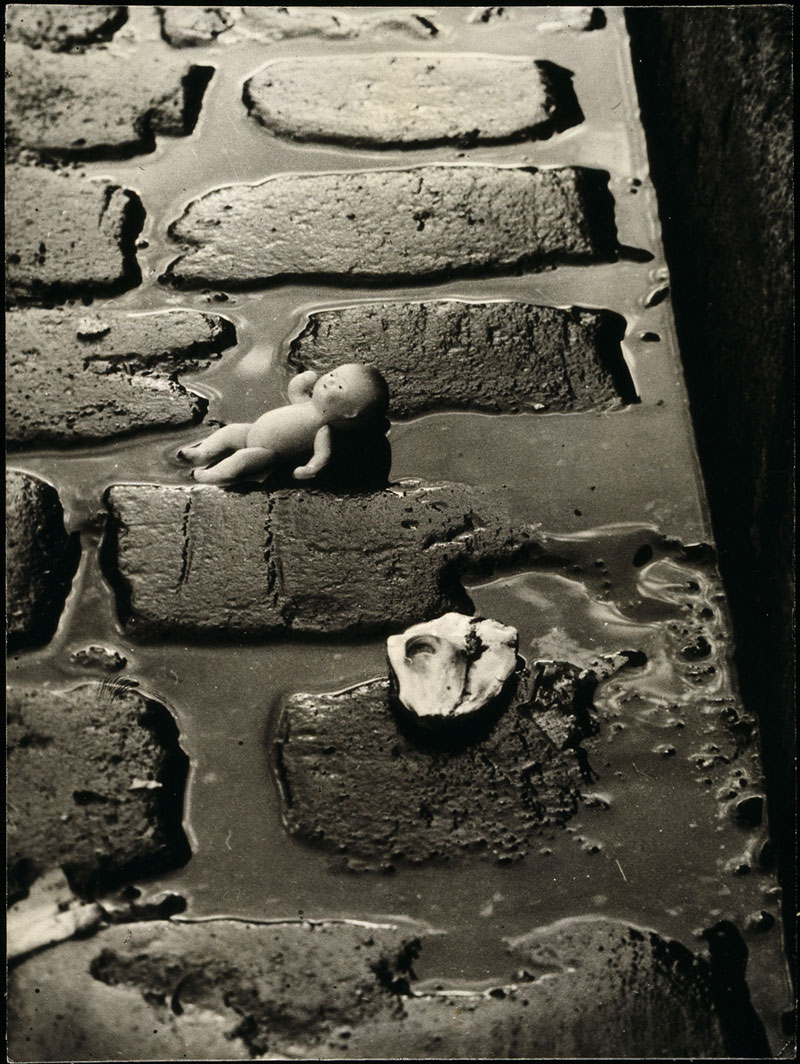
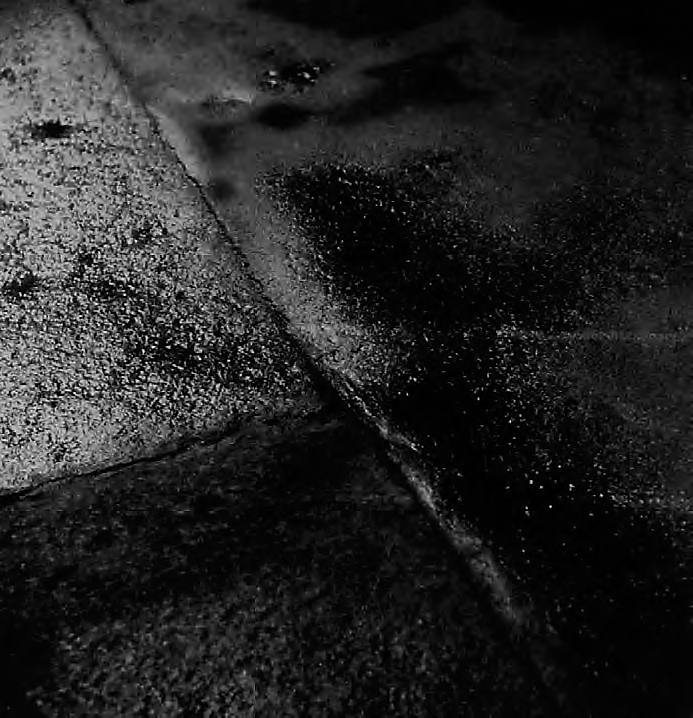
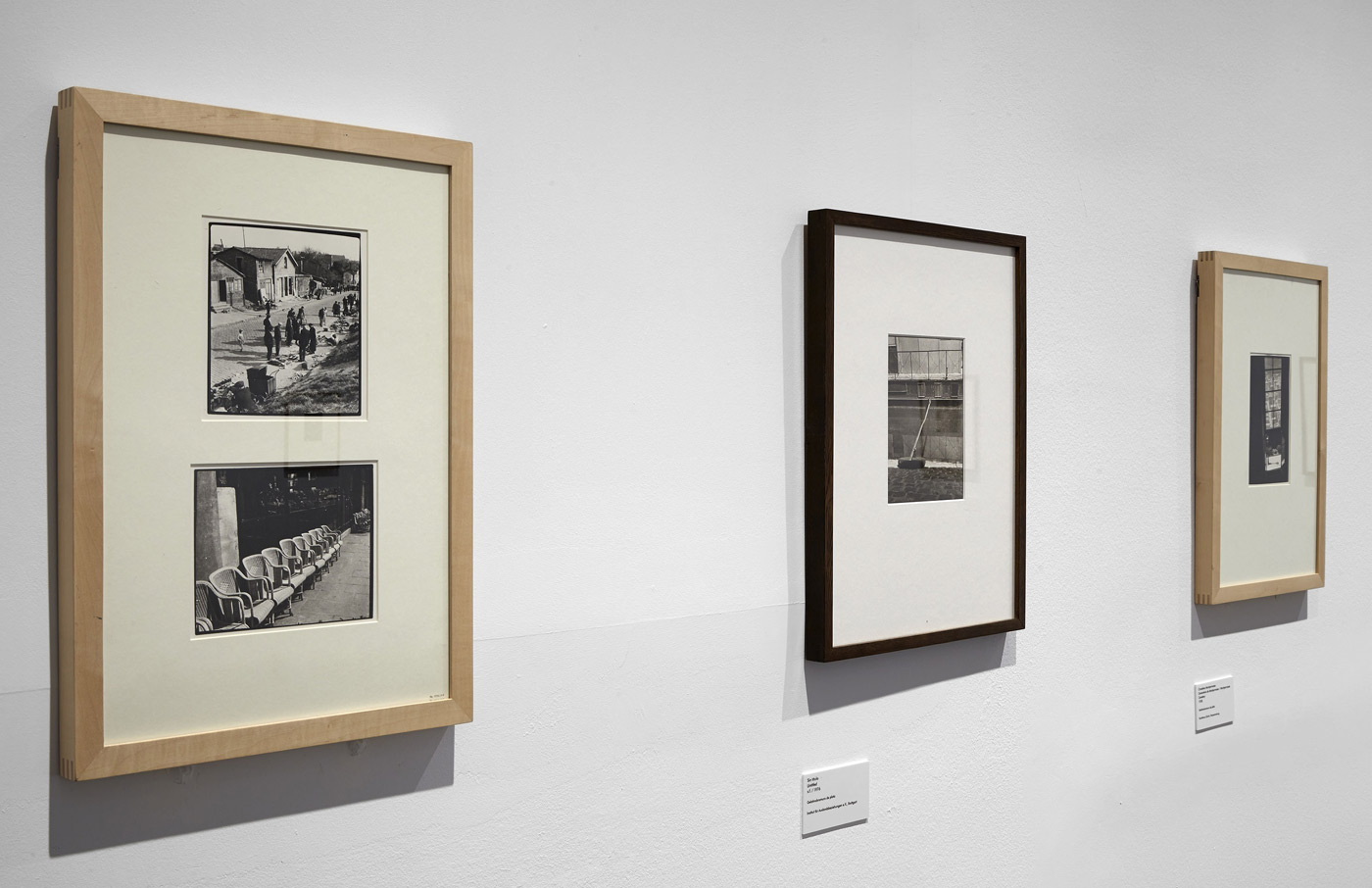
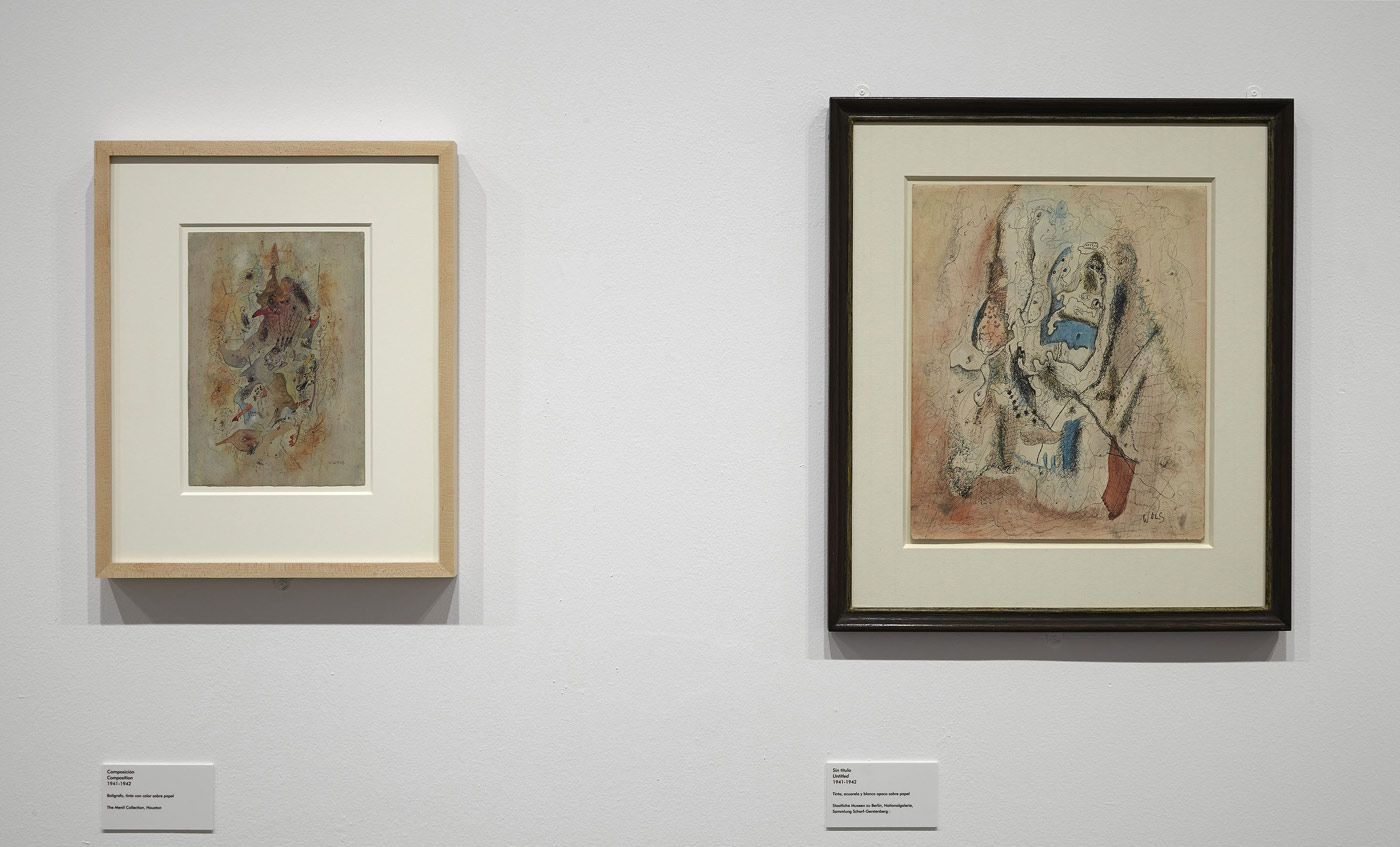
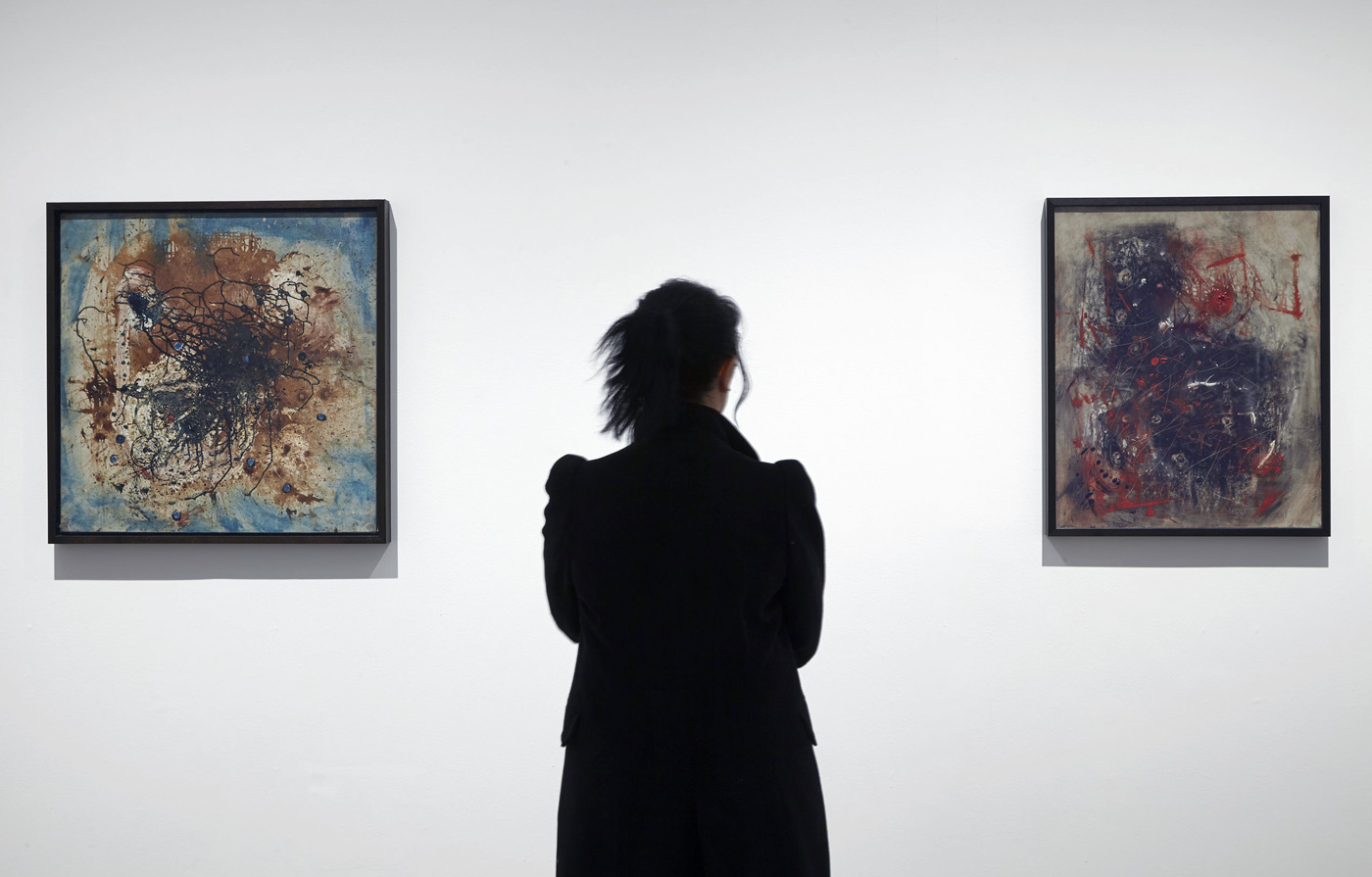
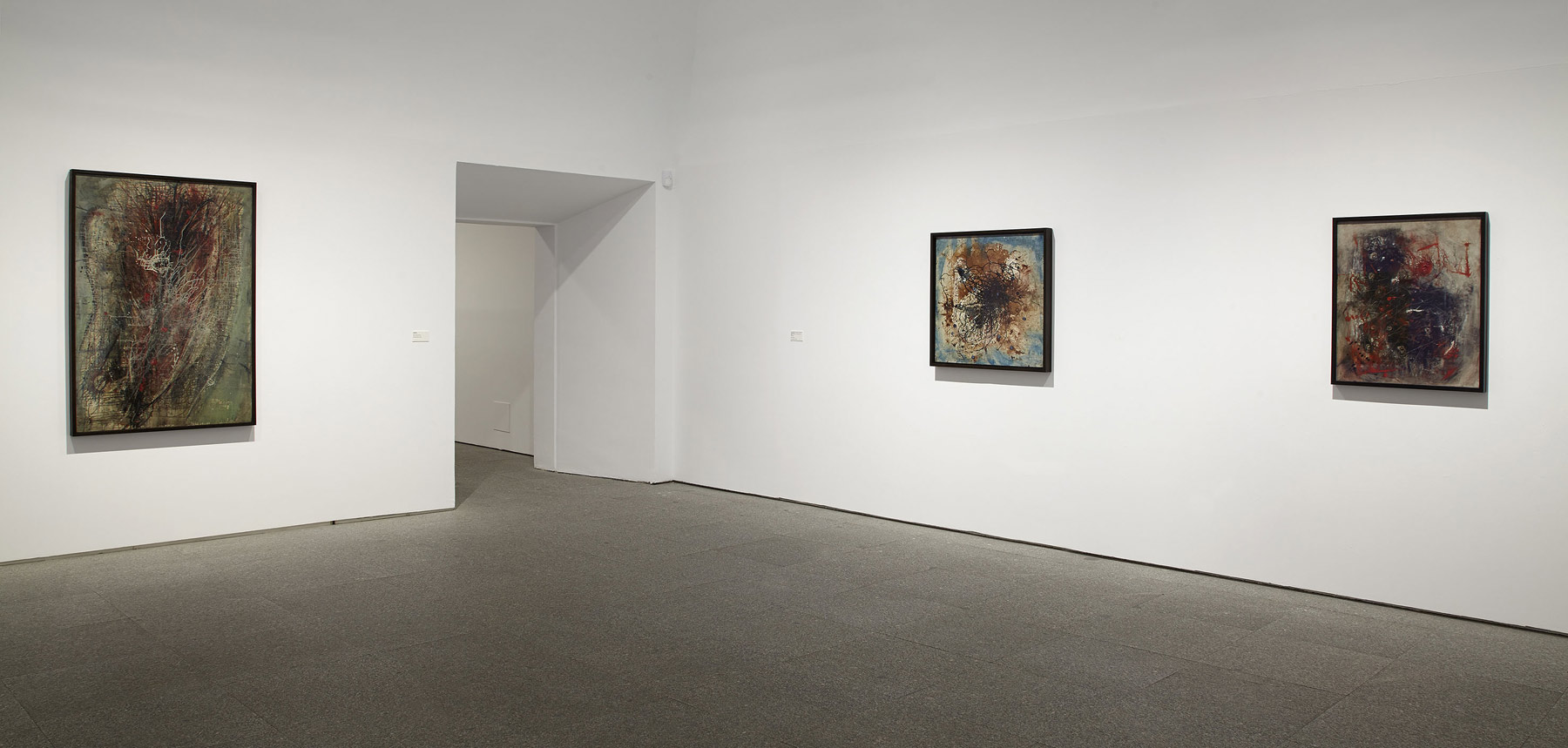
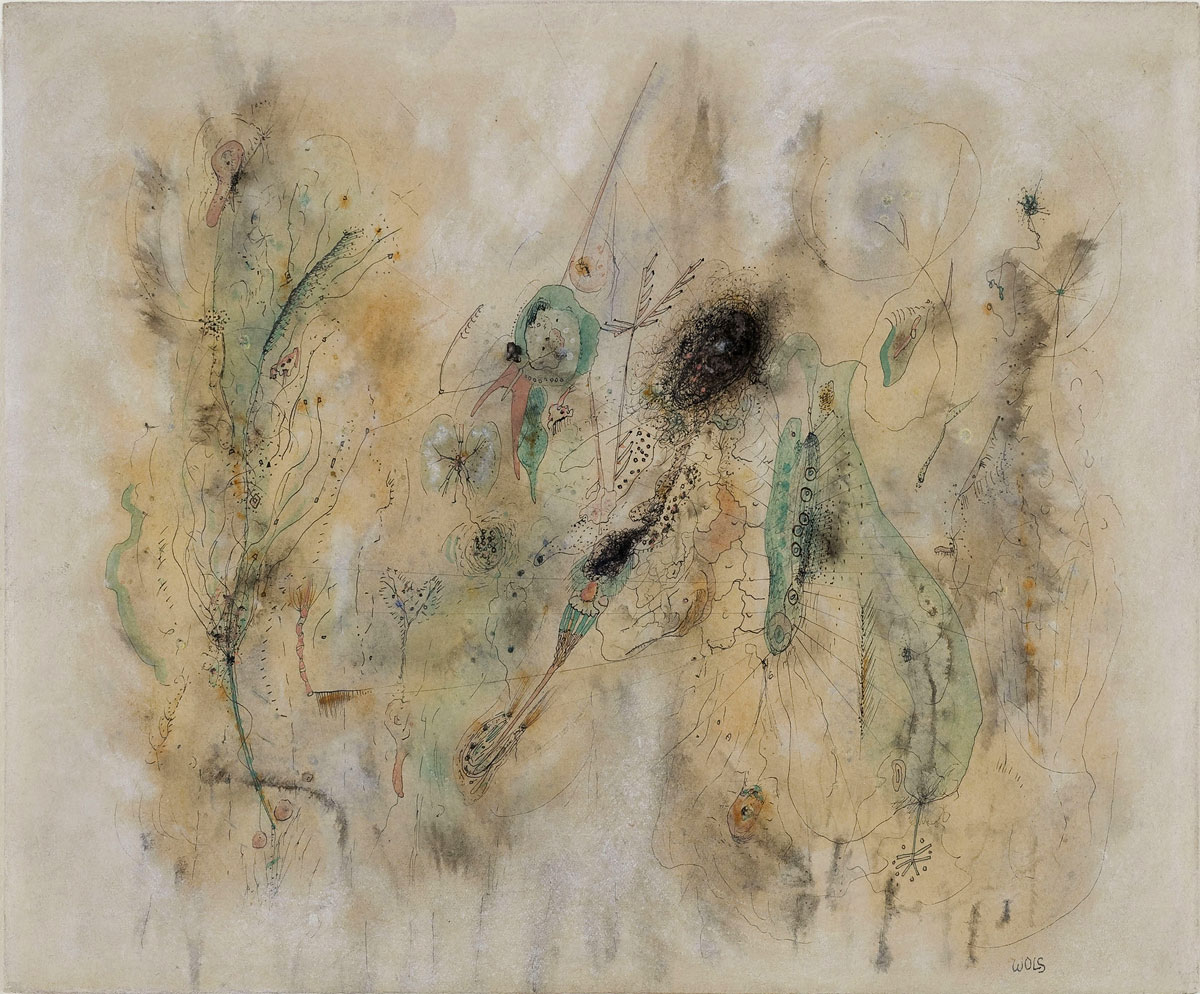
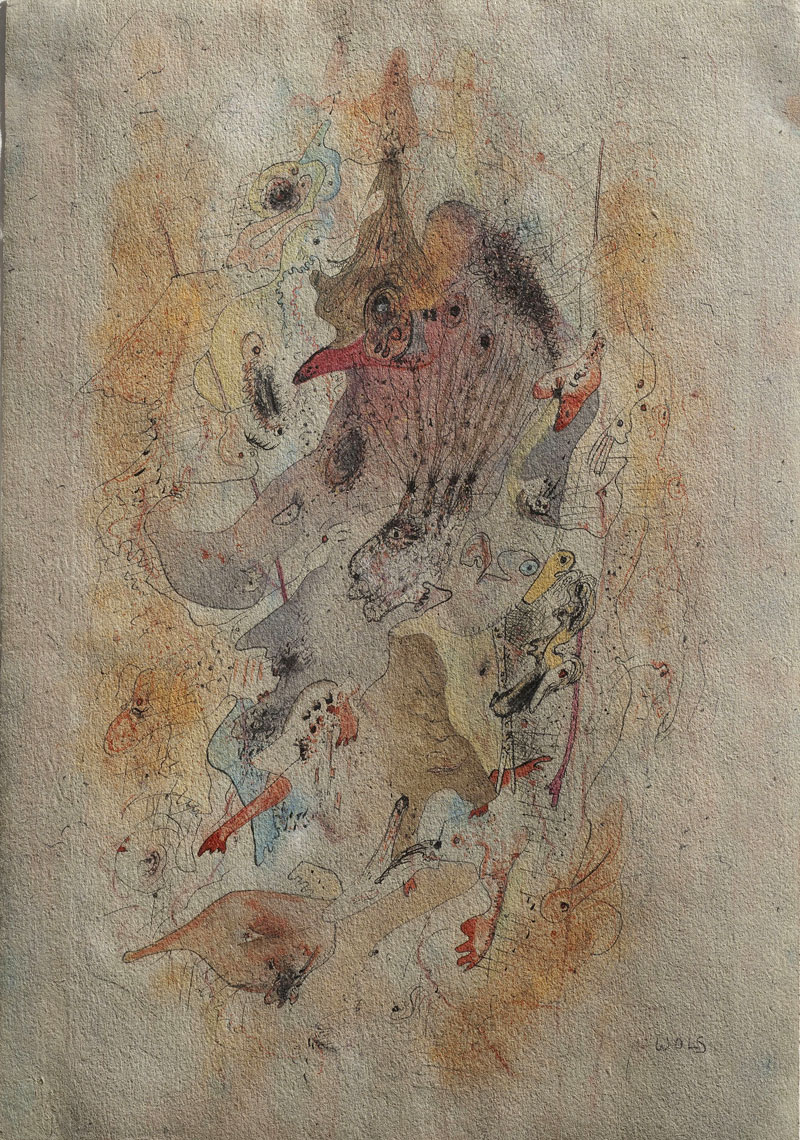
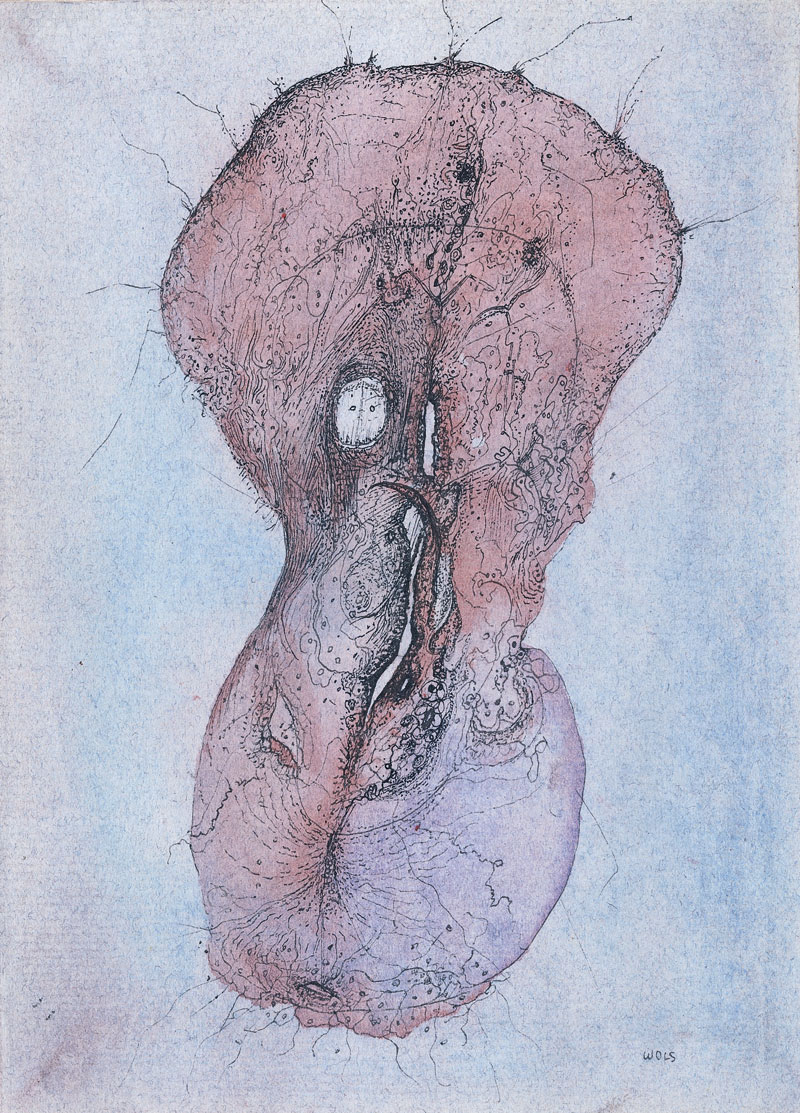
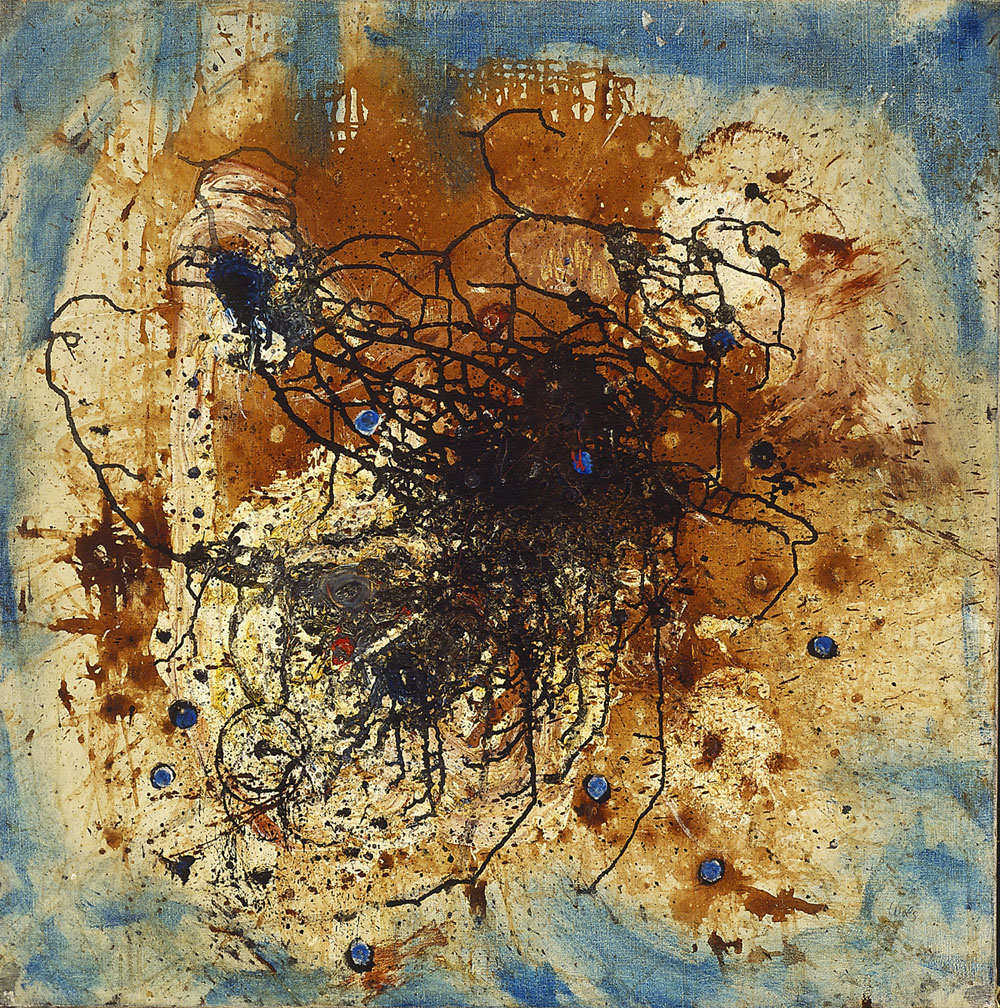
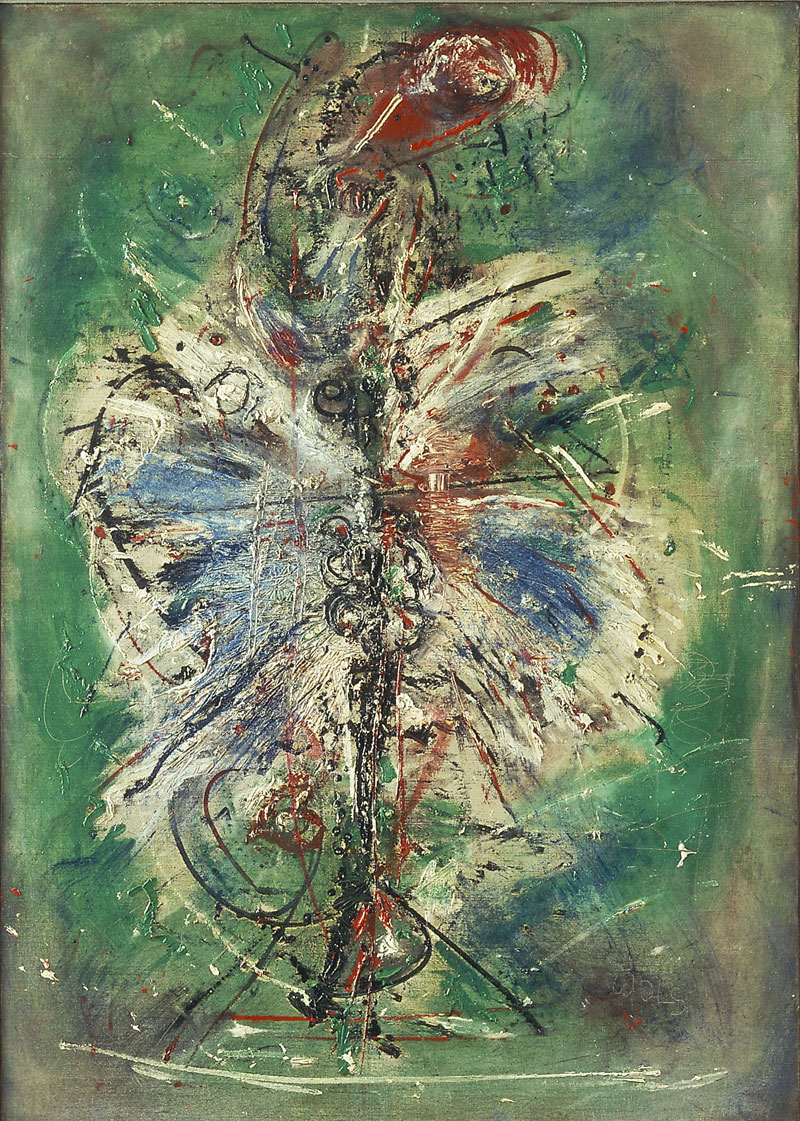
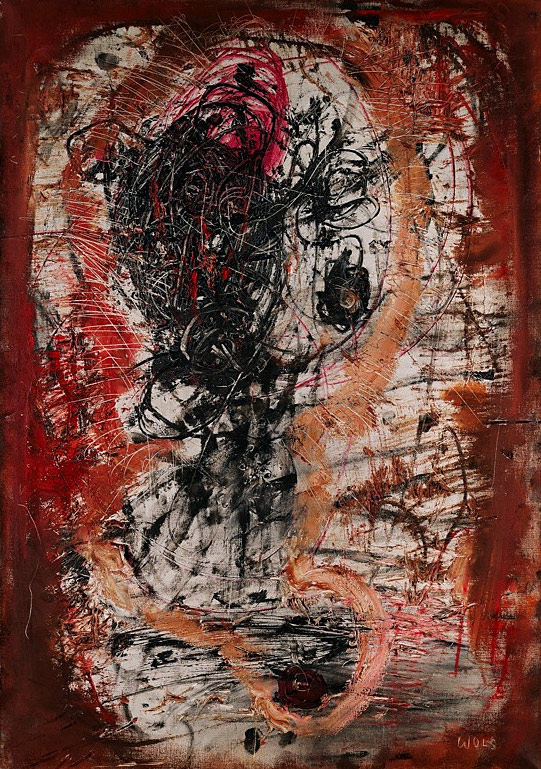
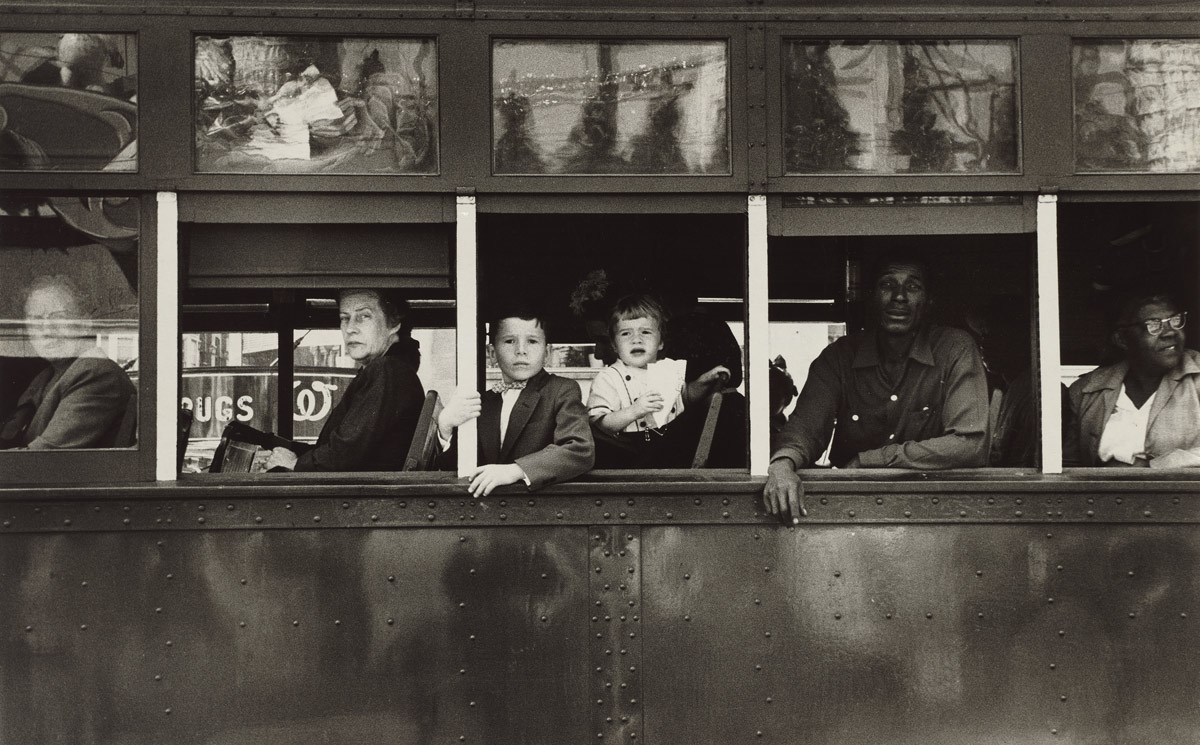

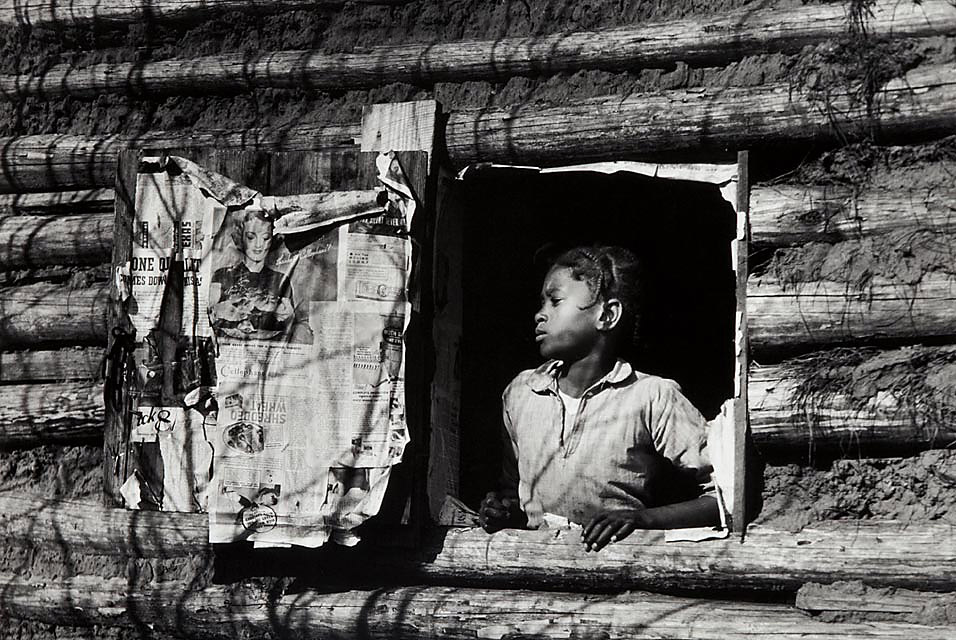
![Edmund Collein (German, 1906-1992) '[Four Women Looking Through Window]' about 1928](https://artblart.com/wp-content/uploads/2013/12/edmund-collein-four-women-looking-through-window-web.jpg "Edmund Collein (German, 1906-1992) '[Four Women Looking Through Window]' about 1928")
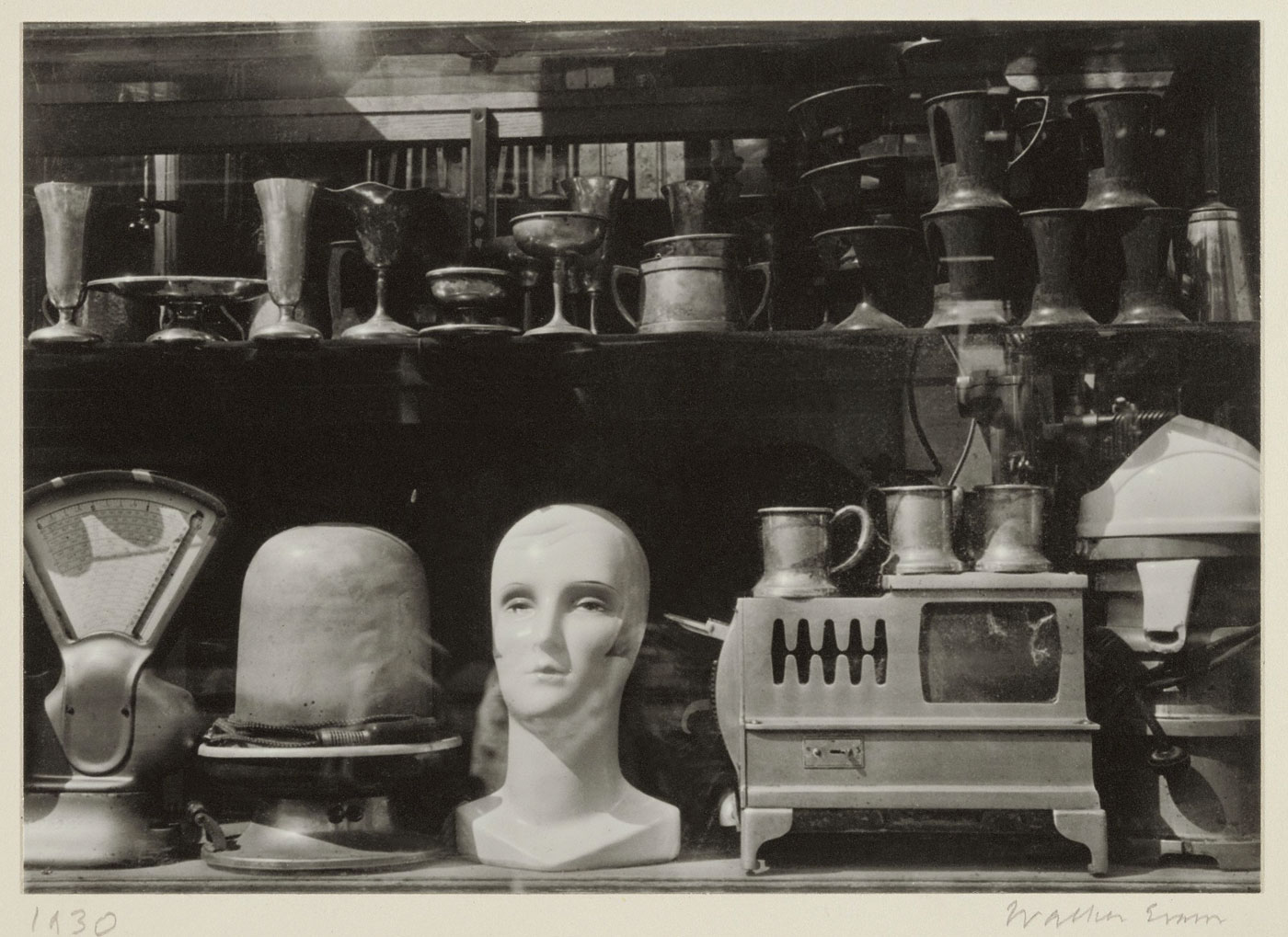
![William Henry Fox Talbot (English, 1800-1877) '[The Milliner's Window]' before January 1844](https://artblart.com/wp-content/uploads/2013/12/william_henry_fox_talbot_the_milliners_window-web.jpg "William Henry Fox Talbot (English, 1800-1877) '[The Milliner's Window]' before January 1844")
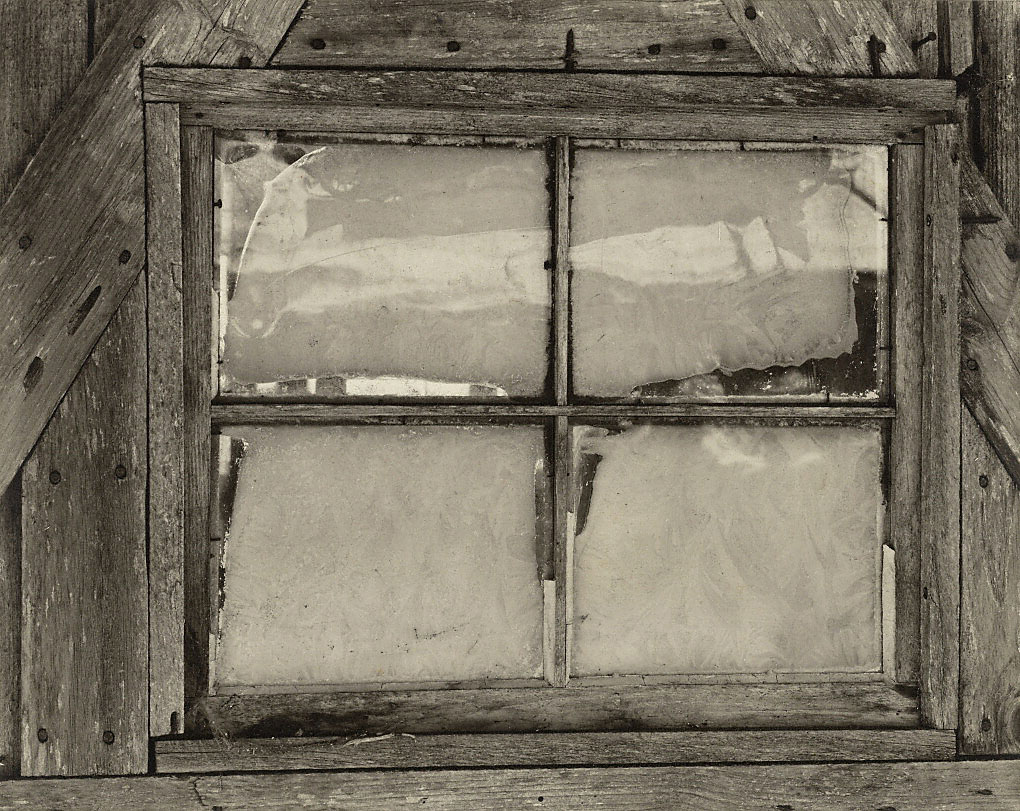


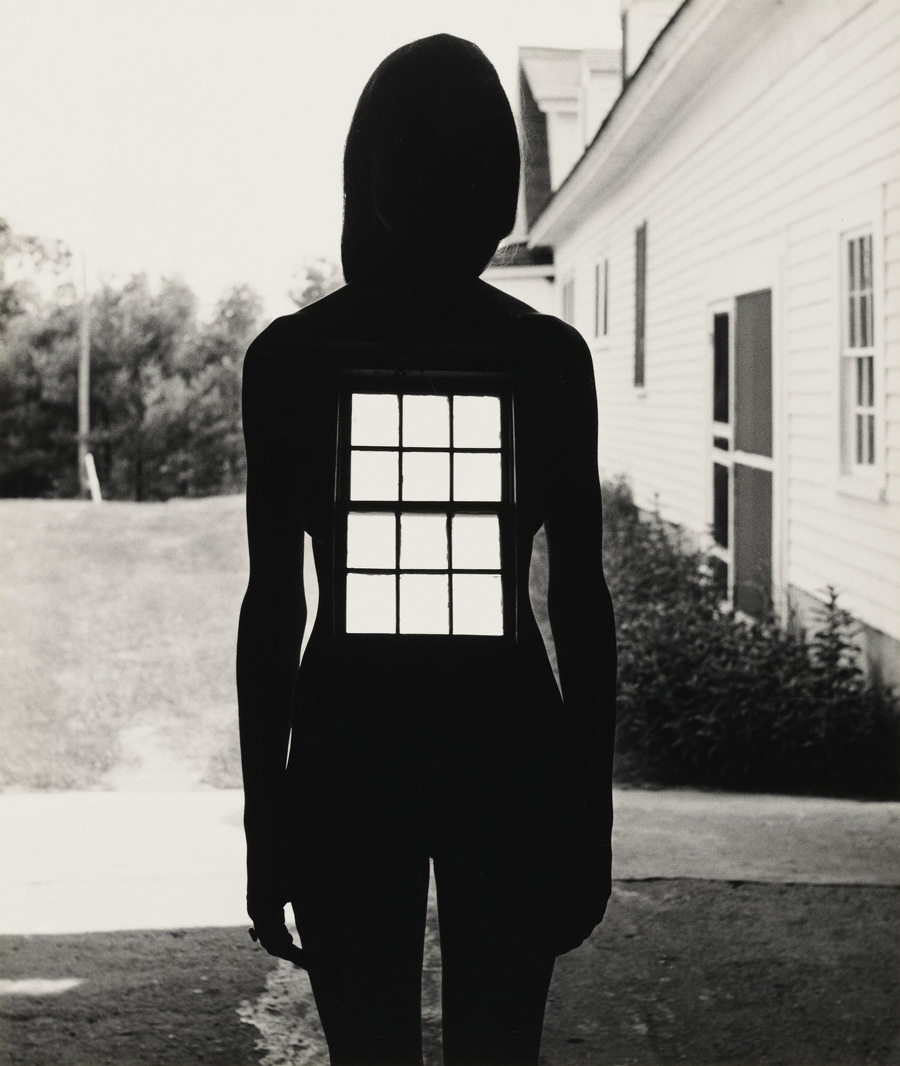
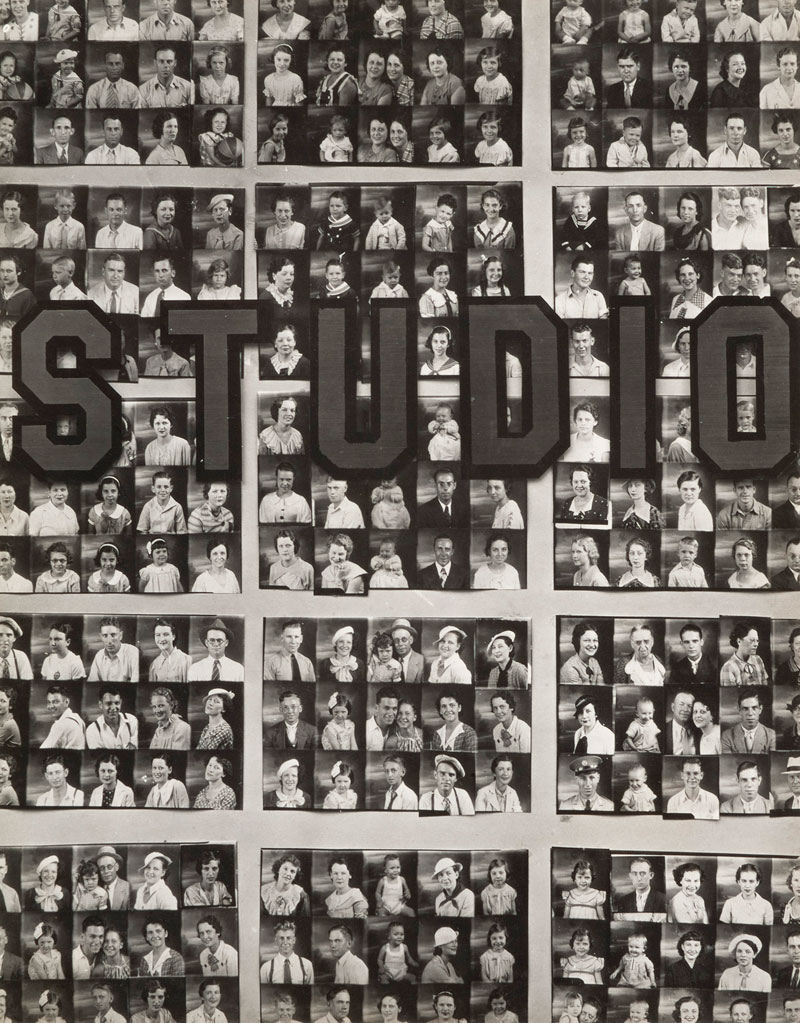
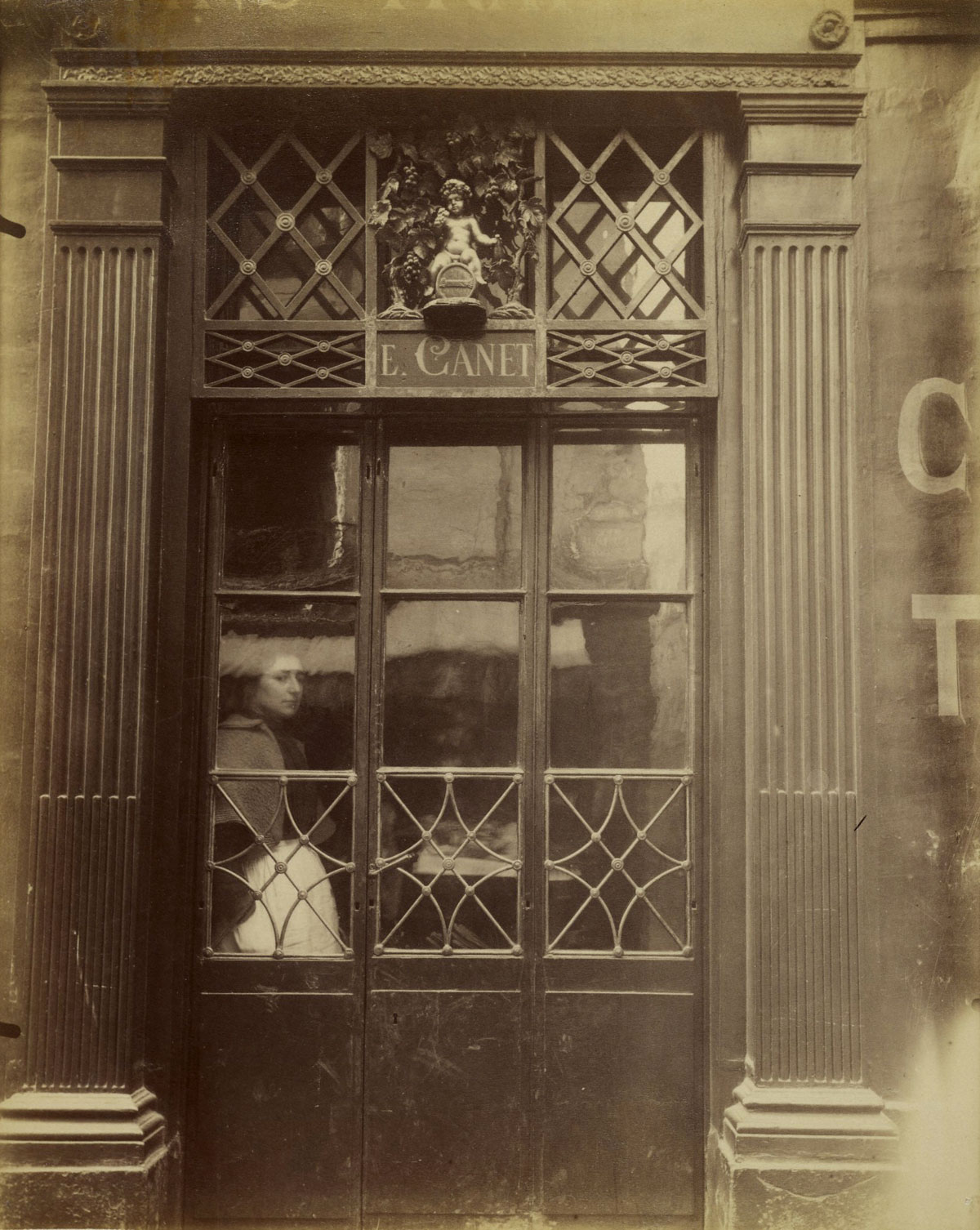
![Alfred Stieglitz (American, 1864-1946) '[From My Window at the Shelton, North]' 1931](https://artblart.com/wp-content/uploads/2013/12/alfred-stieglitz-from-my-window-at-the-shelton-north-web.jpg "Alfred Stieglitz (American, 1864-1946) '[From My Window at the Shelton, North]' 1931")
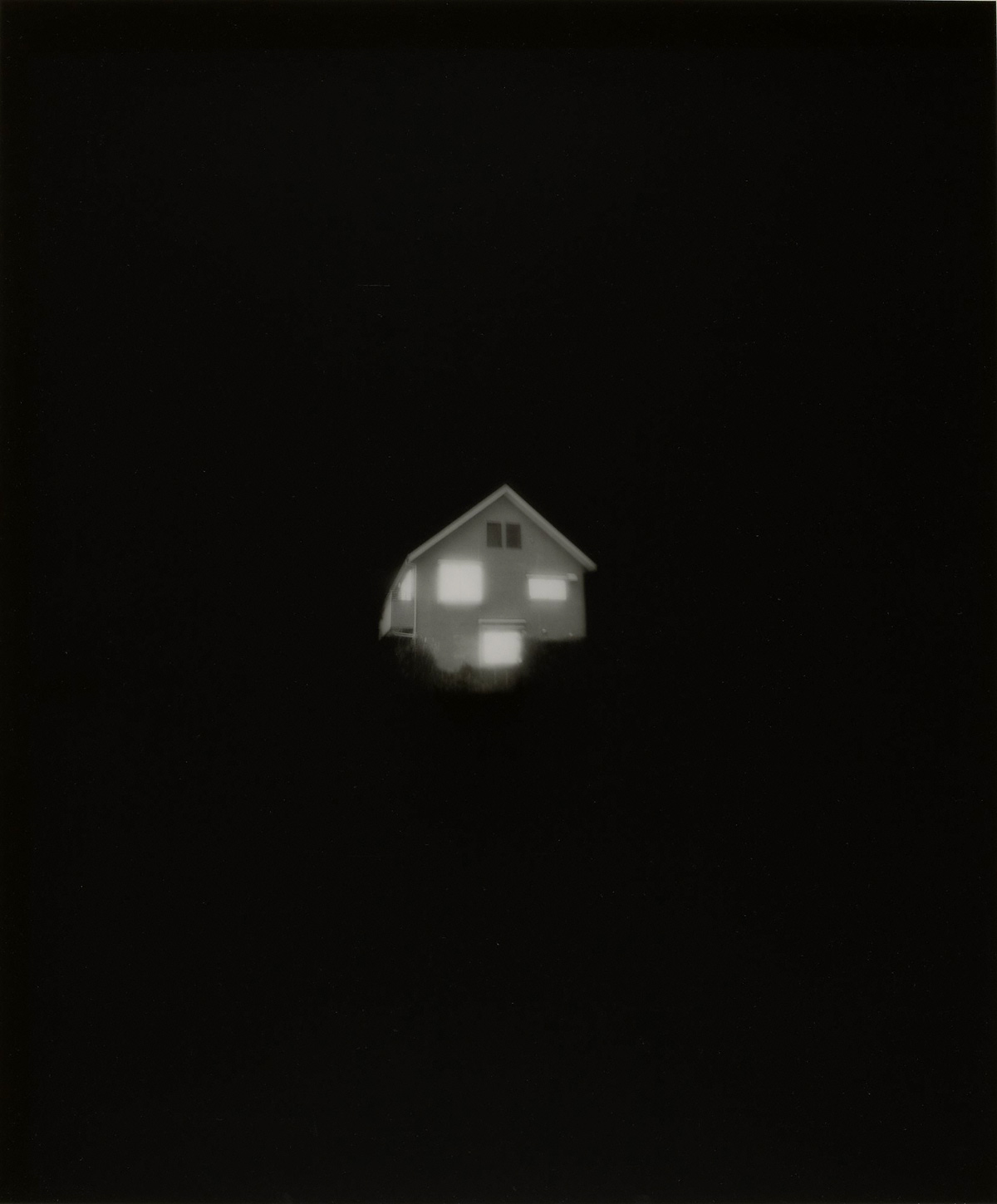


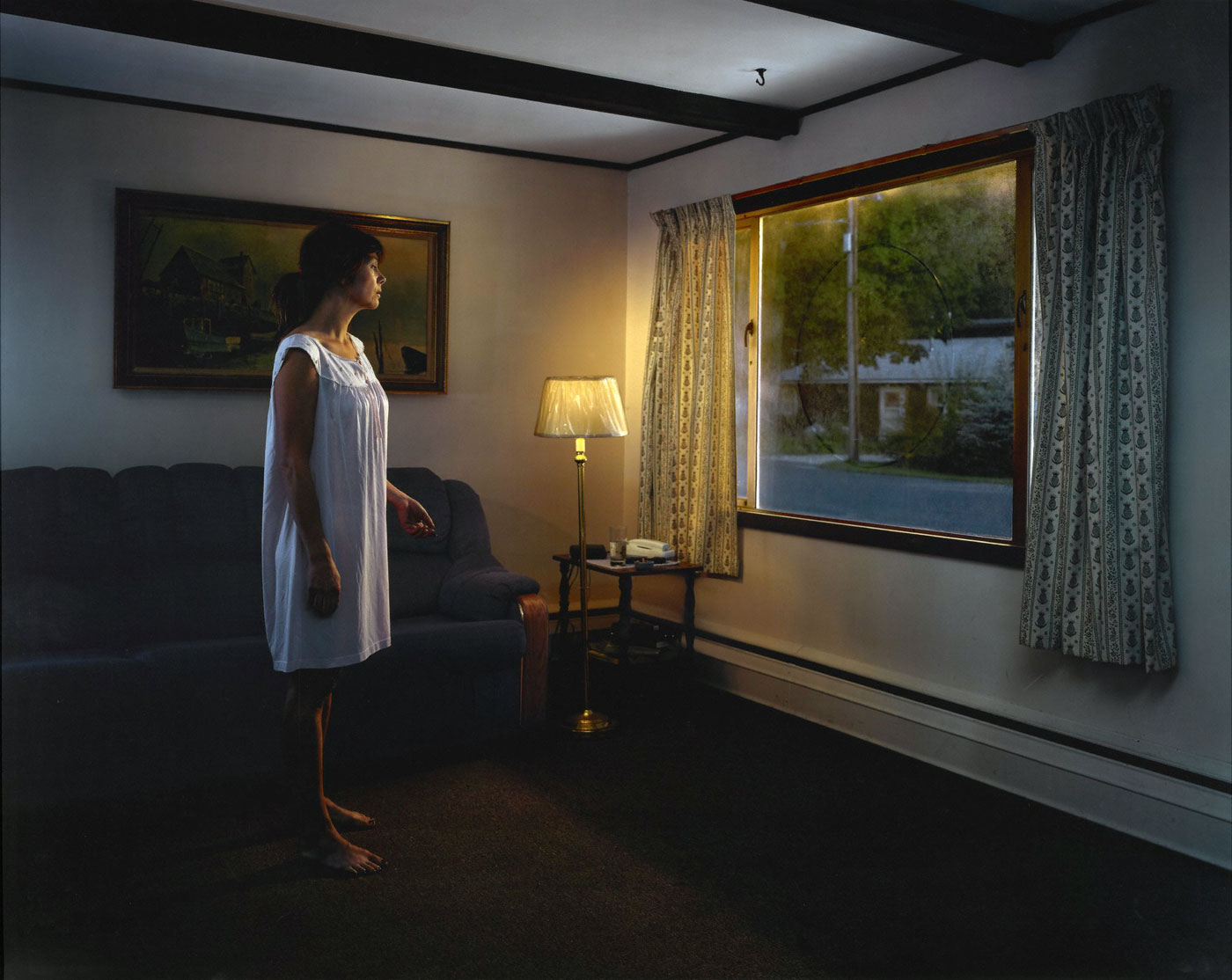


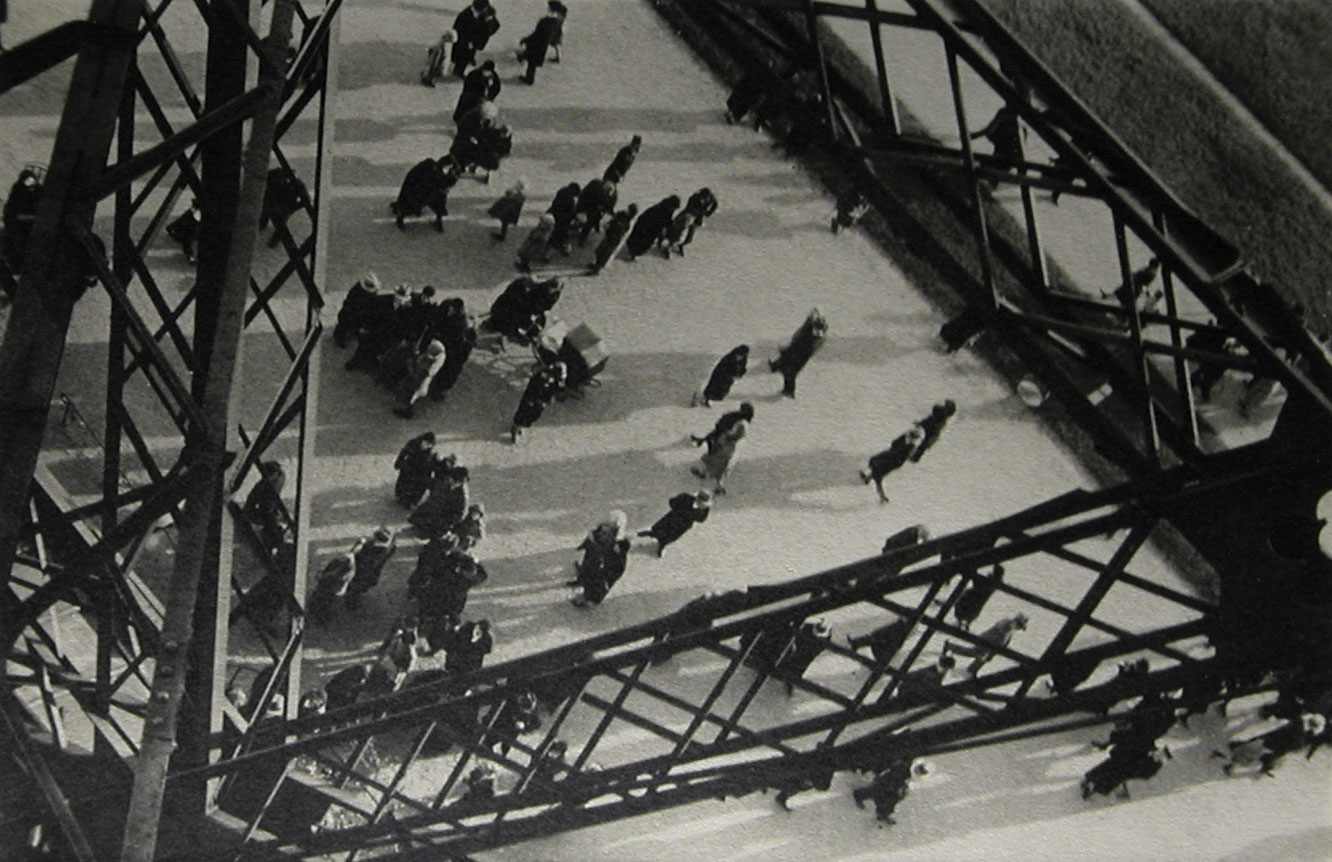
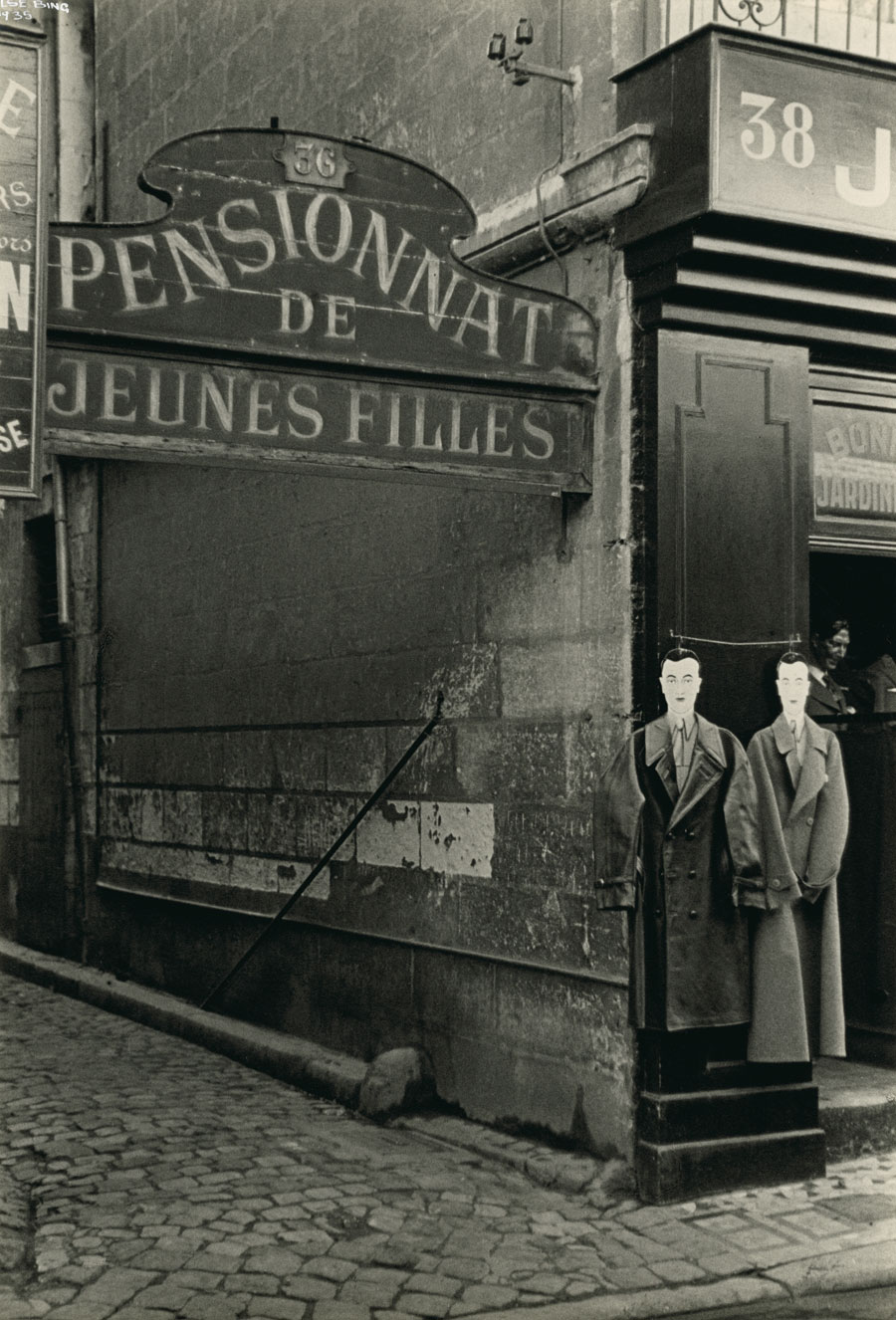
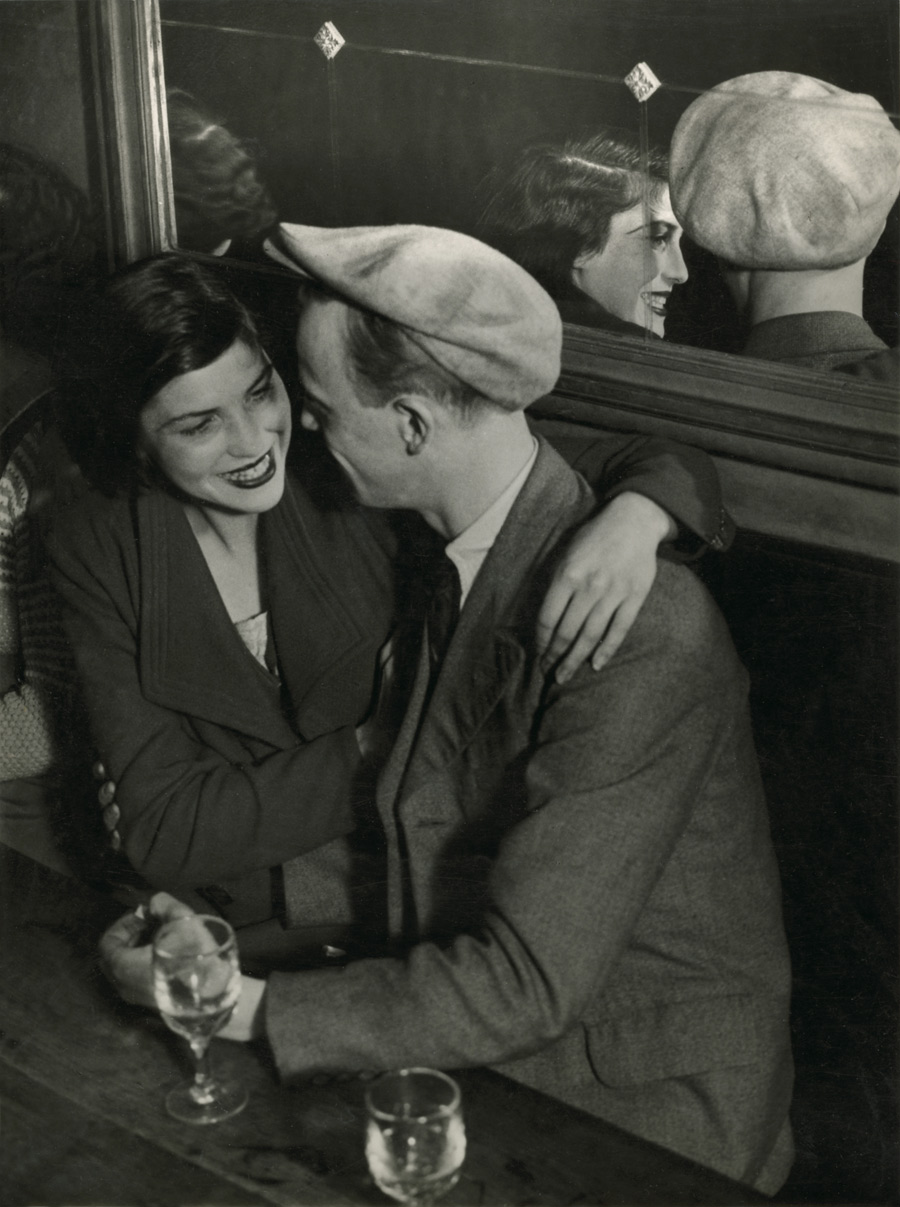
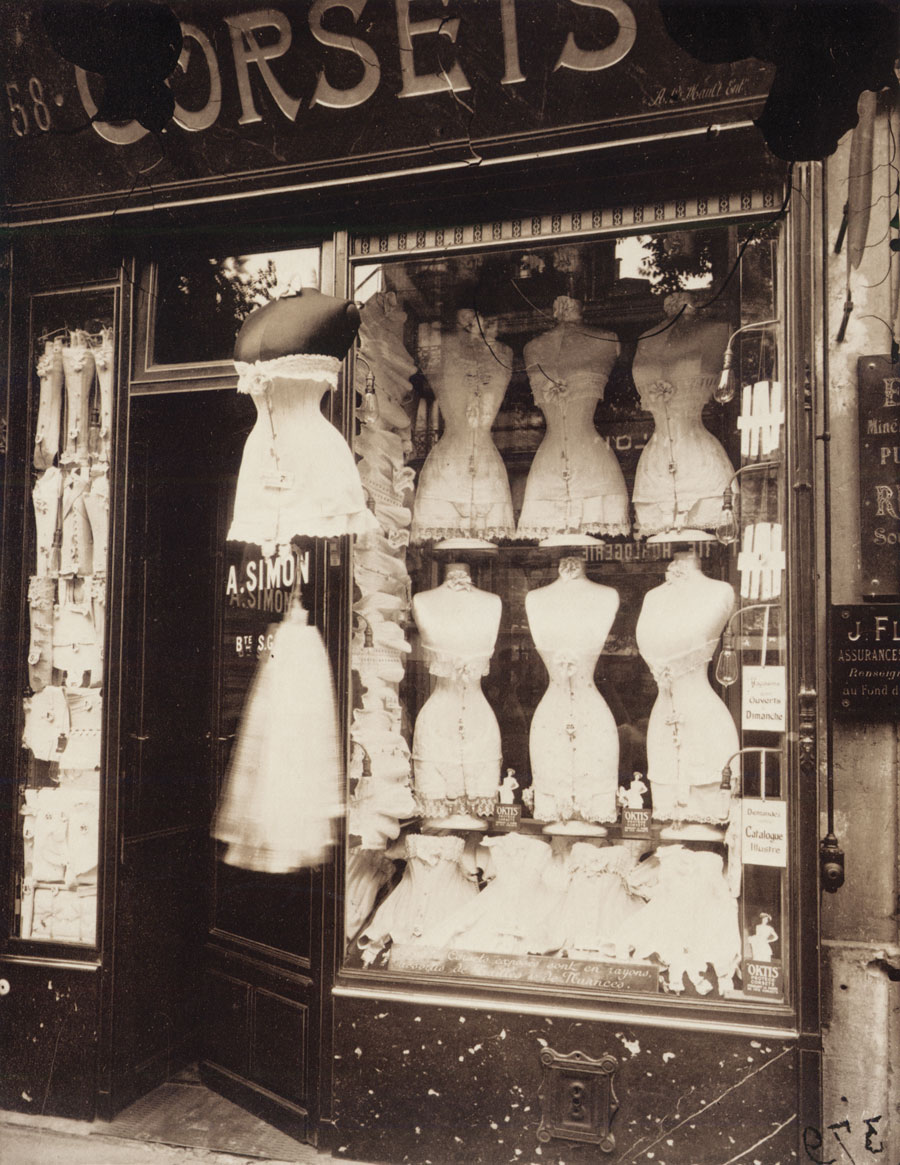
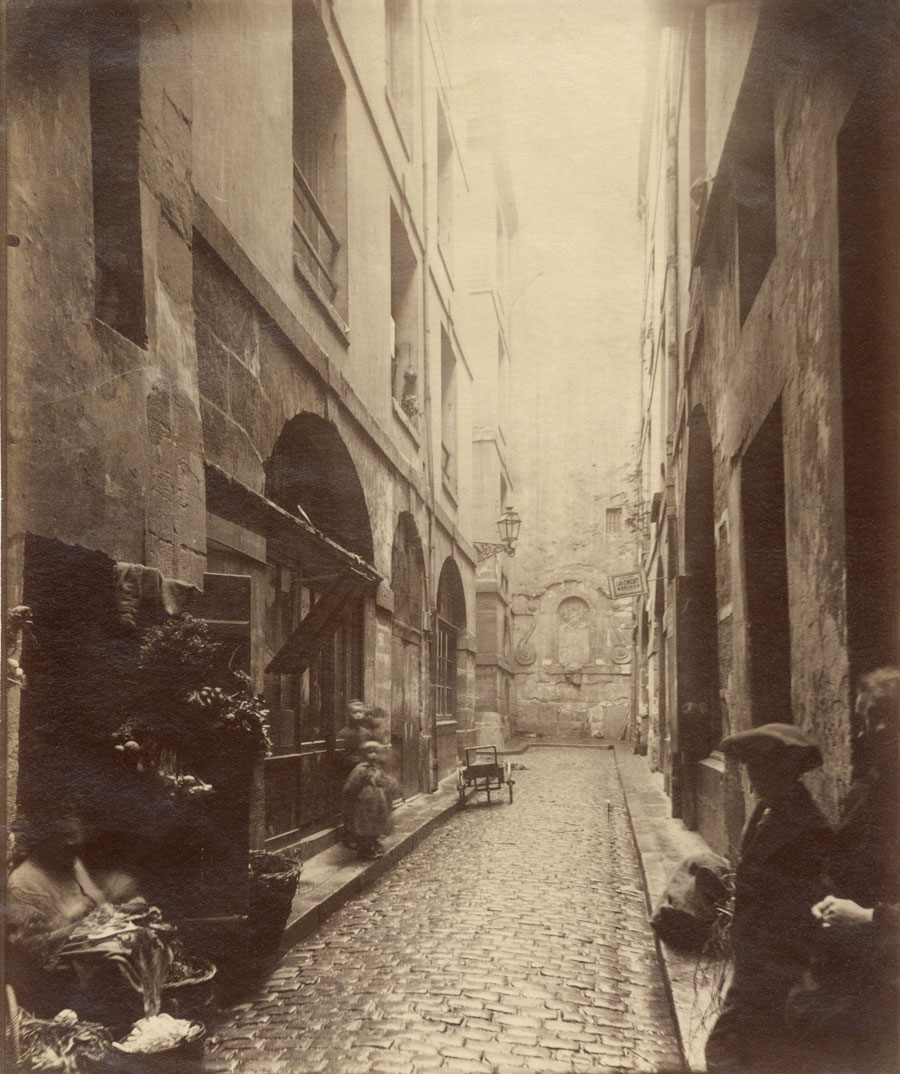


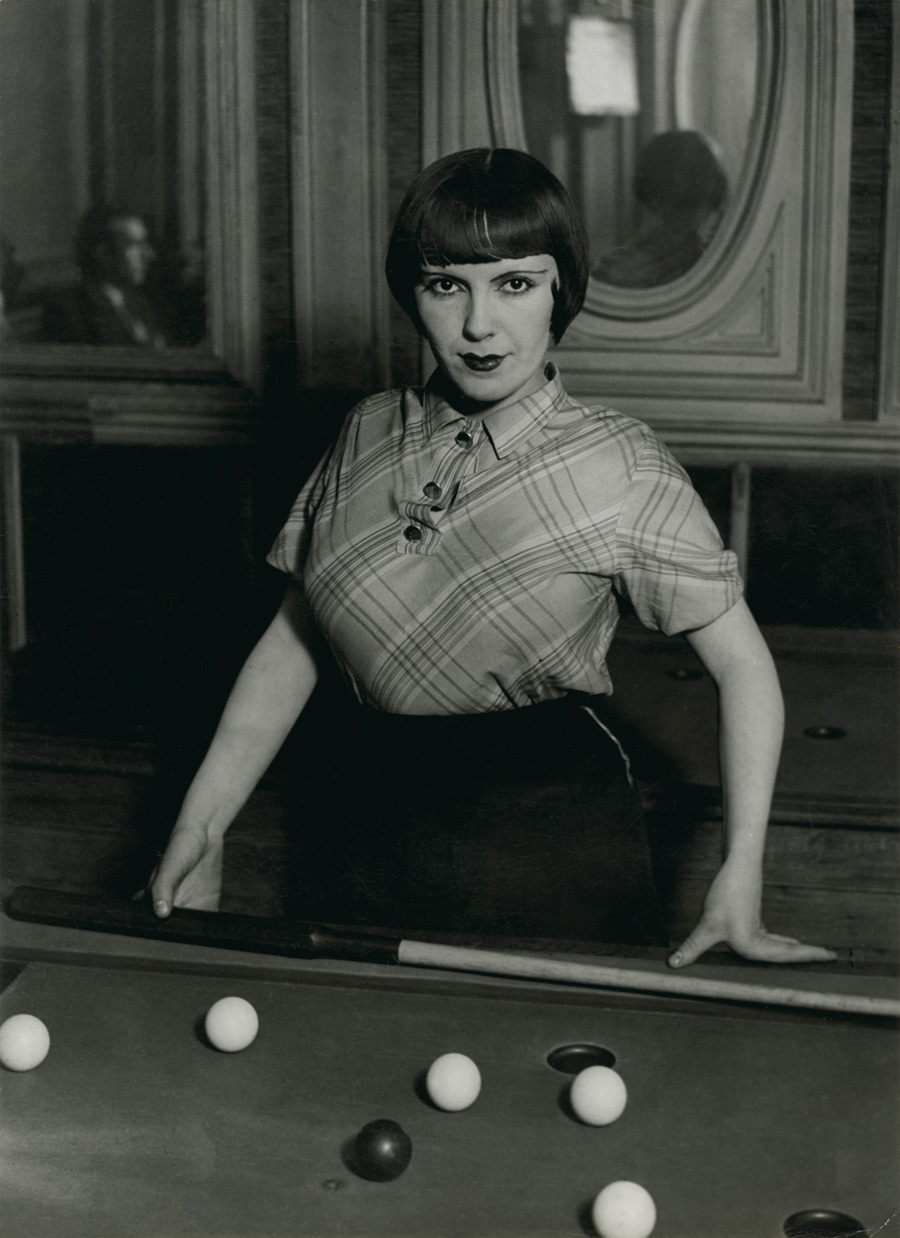
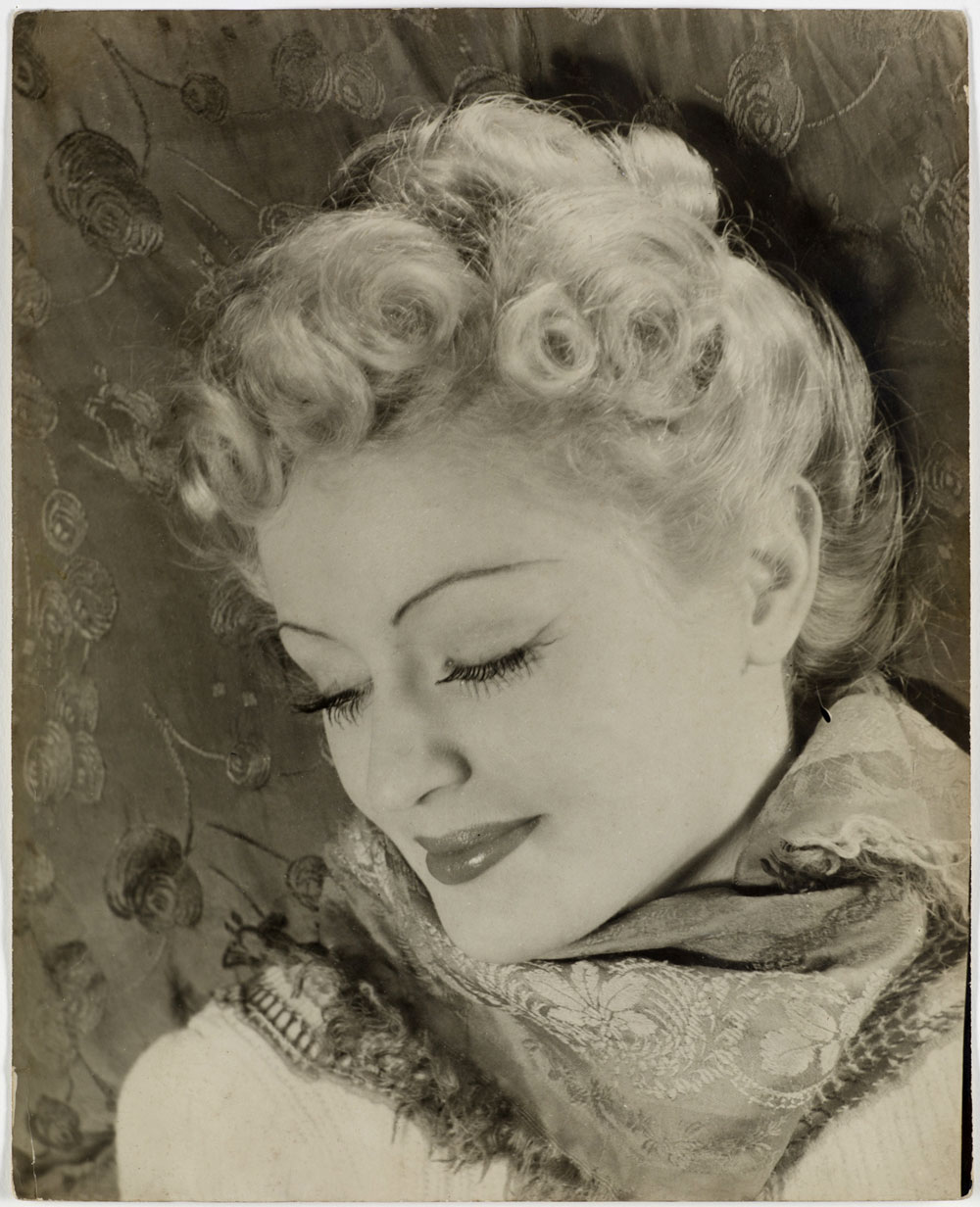


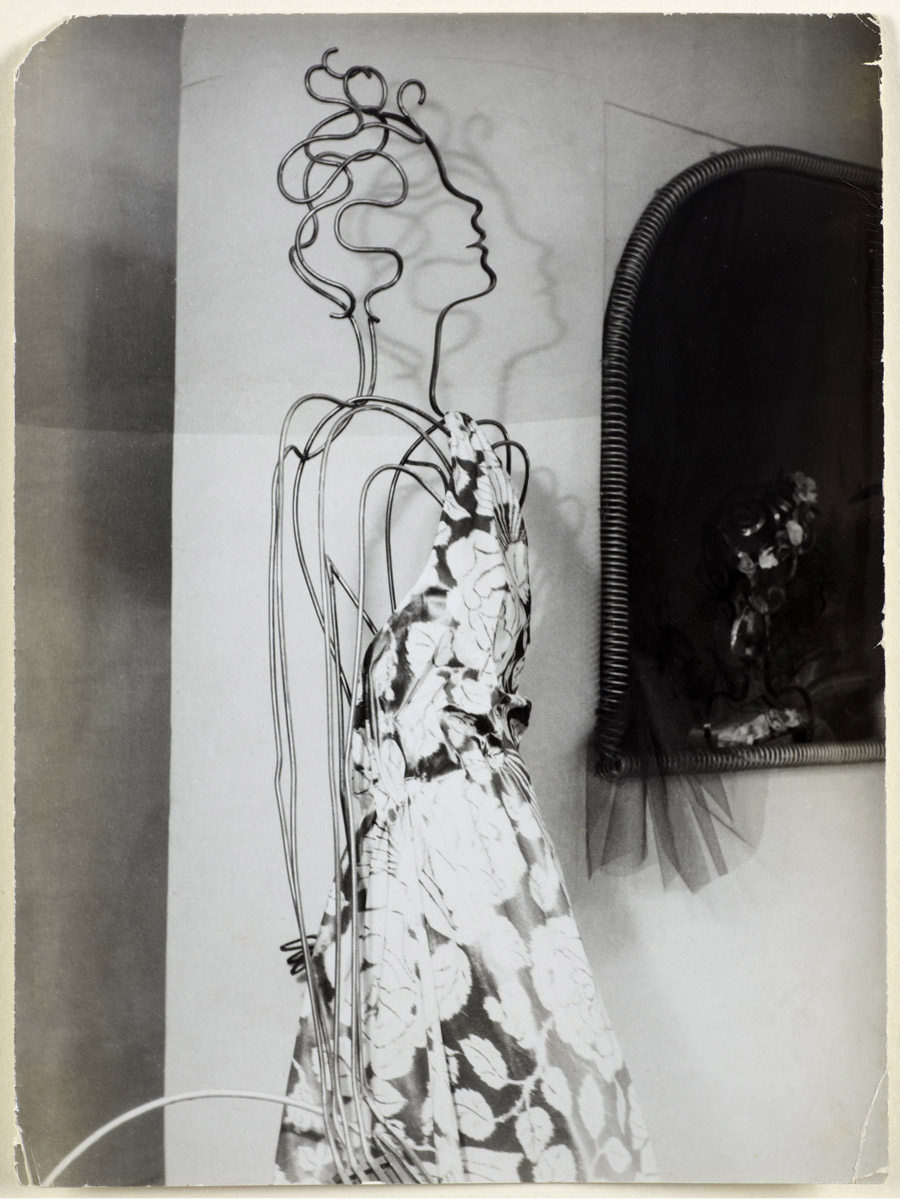

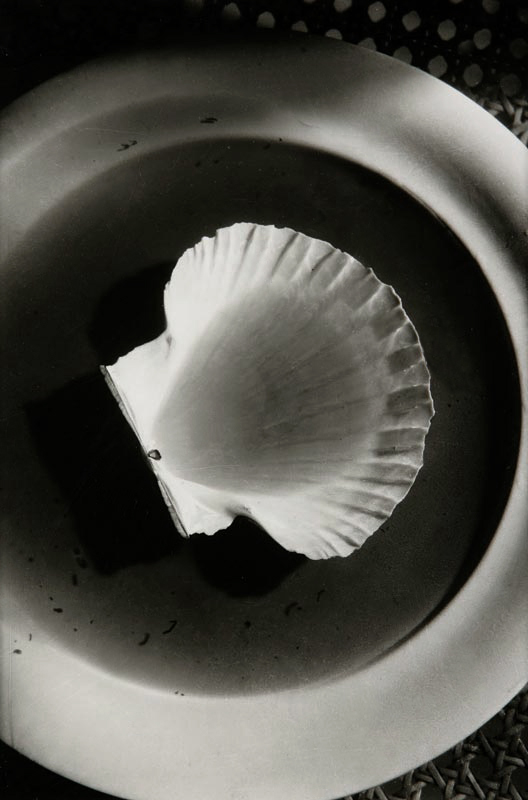
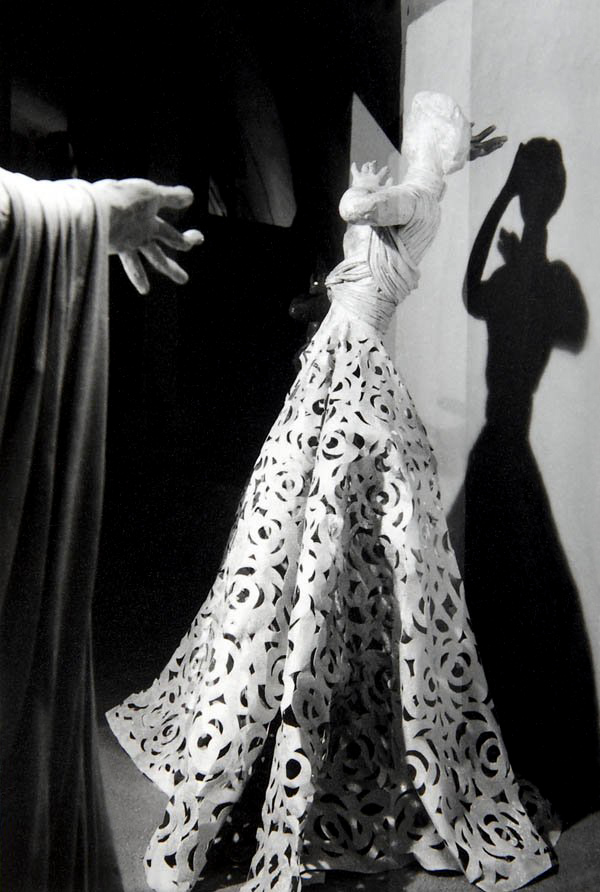
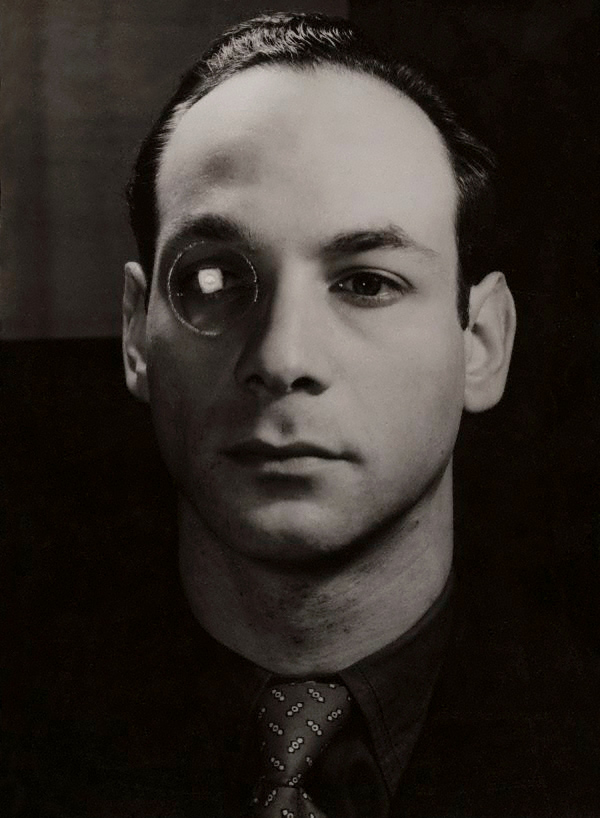


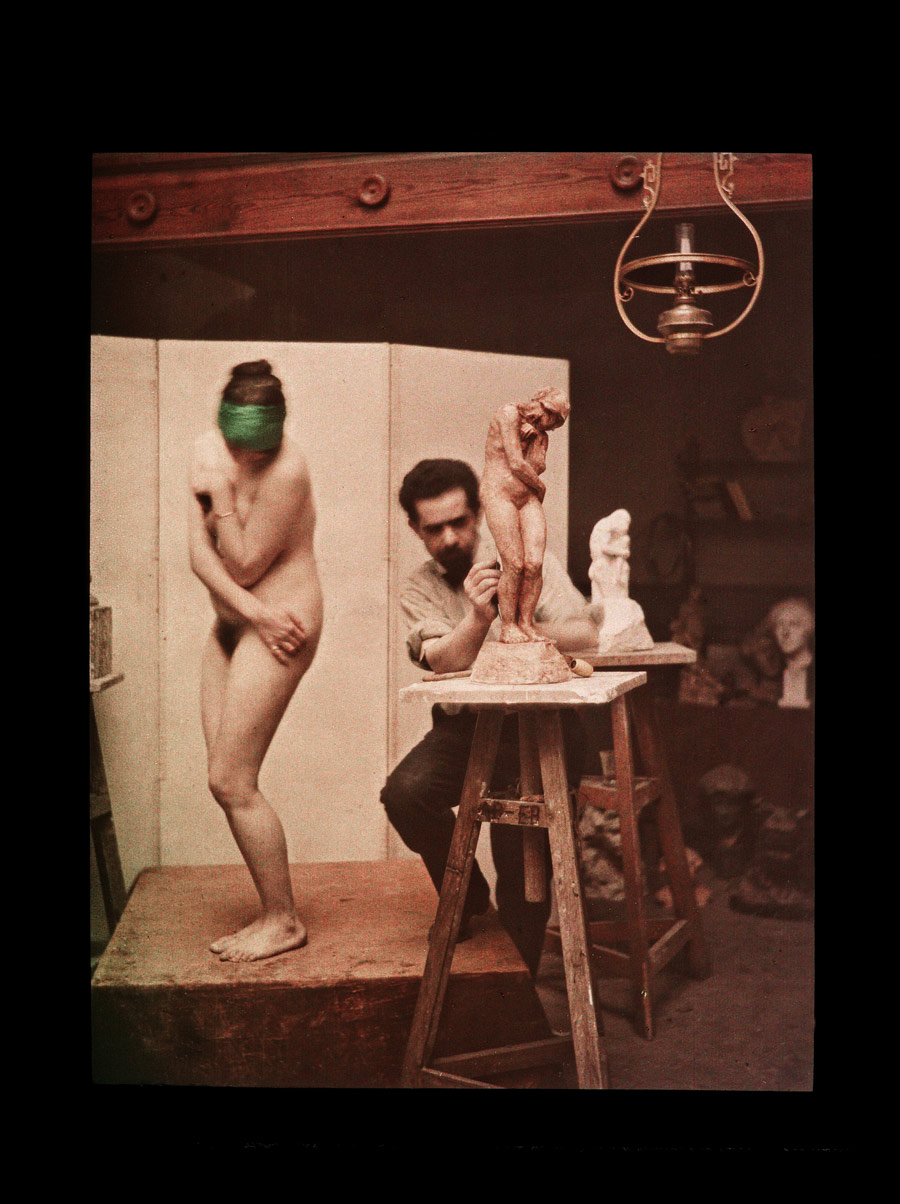
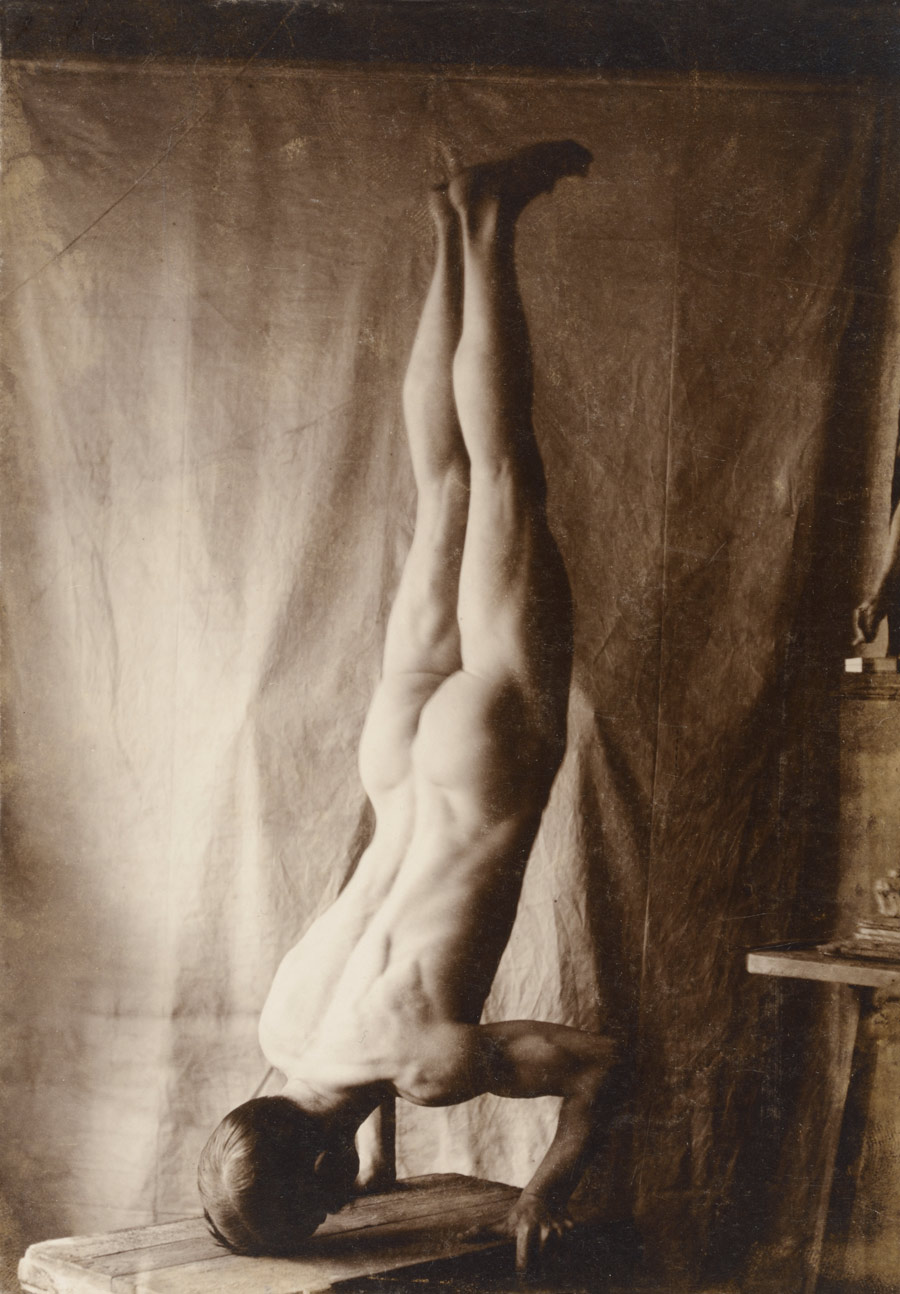
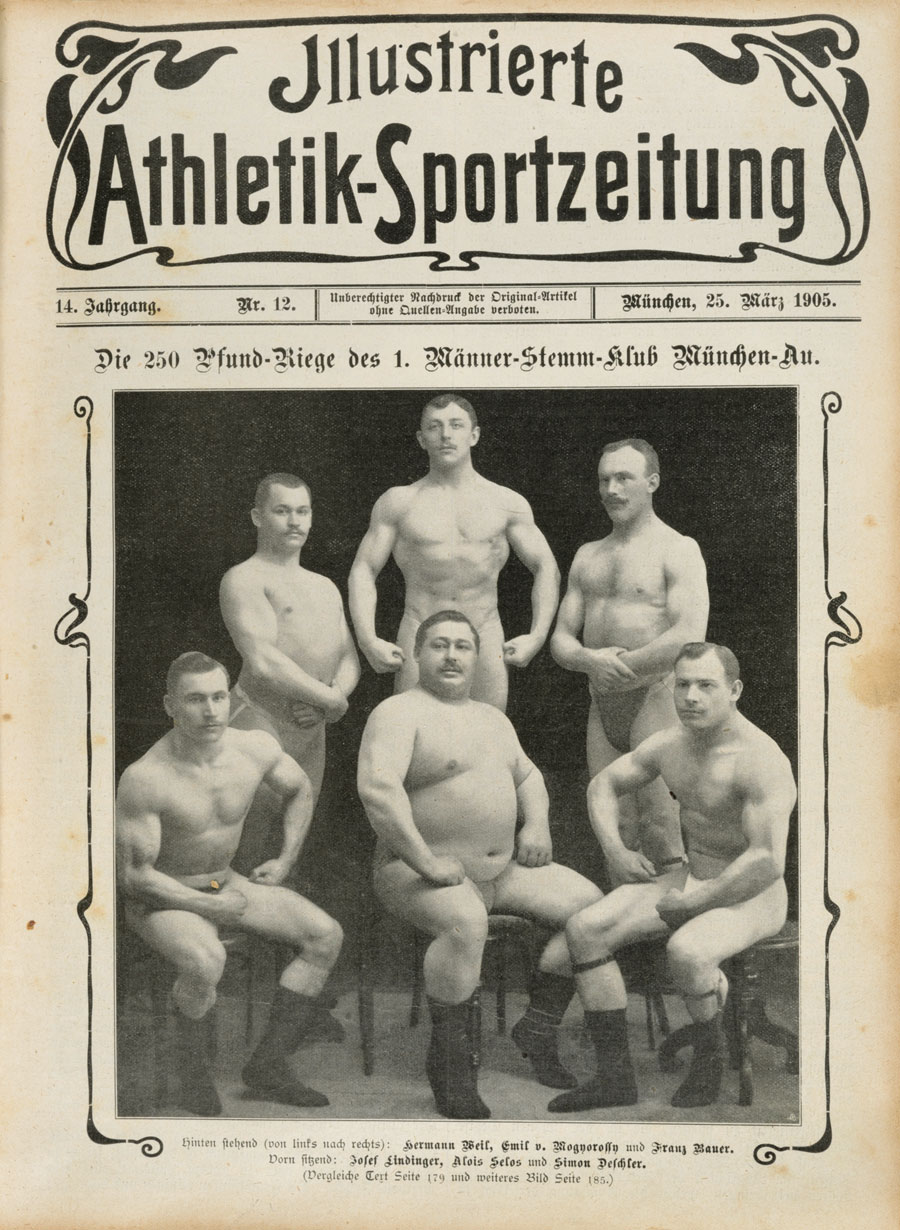
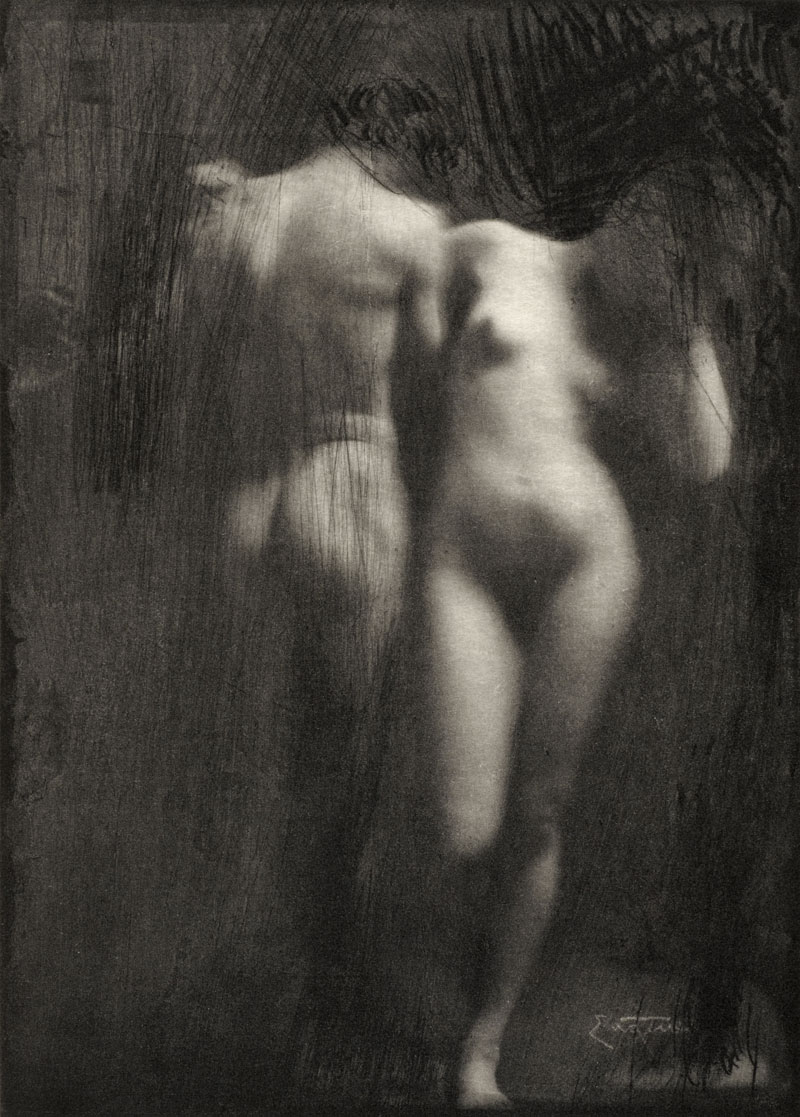
 Art Blart _ art and cultural memory archive
You must be logged in to post a comment.