“Look beyond the facts and you may discover, there are new facts, that upon careful examination are not facts but assumptions. The human eye is prejudiced.”
Drager Meurtant
Many thankx to the J. Paul Getty Museum for allowing me to publish the photographs in the posting. Please click on the photographs for a larger version of the image.
“To photograph in my home is a matter of convenience but it’s a way of saying that vision happens everywhere. Working with what’s around me all the time is to drive home that point and to get people to think about what is around them all the time, what is in the immediate environment.”
Uta Barth
“I consider the framing and mounting and display of the work to be a continuation of the work itself,” Barth says. “I look at the gallery space as a sculptural problem to solve. The space between pieces matters as much as the pieces themselves. Artwork, architecture and light – I want to give equal strength to all of those elements. From the beginning, I had to tell everyone [at the museum] this is not a collection of pictures. It’s an installation.” …
Barth unsettles the figure/ground relationship by assuming but omitting a clearly focused figure. What remains, and what Barth champions as plenty, is the ground. What conventionally would register as secondary becomes primary; the peripheral becomes all. These pictures aren’t out of focus, she has explained now for decades; rather, they are focused on the point unoccupied by that absent figure.
For more than forty years, Los Angeles-based artist Uta Barth (born in West Germany, 1958) has made photographs that investigate the act of looking. In her multipart works, she explores the ephemeral qualities of light and its ability to overwhelm and entirely destabilise human vision. In certain series, the repetition of motifs – including aspects of her home – creates a rhythm that suggests movement, carrying viewers from one image to the next. Barth also highlights photography’s abiding connection to the passage of time with her sequential images captured at intervals over a particular period.
This exhibition traces Barth’s career from her early experimentations as a student to later studies of the eye’s capabilities and the camera’s role in helping an artist translate visual information into a photograph. Barth’s most recent work is displayed here for the first time: a project commissioned in celebration of the Getty Center’s twentieth anniversary.
“Dated 1979-82 (2010), these small, square-format black and white prints are hung individually and in groups of up to sixteen sequenced images. They offer interesting and in some cases revelatory connections to aspects of Barth’s mature work, specifically her preoccupation with compositional framing and the behaviour of light, her depiction of everyday environments, and her use of the anonymous figure. For example, in the eleven-panel piece One Day, the artist documented a day’s progression of the shadow of an unnamed figure cast from light passing through a sliding glass door onto a vinyl floor. And, in the diptych Untitled #1, a figure stands adjacent to, then enters, a rectangle of shadow cast upon a white wall. While elements of the student work are echoed in to walk, they appear more overtly in other recent projects, such as Sundial (2007), which records the passage of light on an interior space as a temporally ambiguous series of perceptual shifts.”
Works from the start of Barth’s career are multifaceted and experimental. They exemplify the fits and starts of a young artist trying to translate complex ideas into physical prints. At the University of California, Los Angeles (UCLA), where she earned her master’s degree in fine arts (1985), Barth was strongly influenced by theories of the “gaze,” or how the perceptions of individuals define power relations within social dynamics.
The artist’s body plays a central role in many of her works from the 1980s. In their exploration of the physical experience of being looked at or being blinded by light, some photographs are inherently confrontational. Others display words written directly on her skin that provoke questions or form the connective tissue of a sentence. By isolating these small elements of language, Barth rejected the possibility of creating a specific narrative, leaving us with an inscrutable fragmentary text. Devoid of greater context, the photographs appear to embrace the potential for ambiguity in both images and language.
“The principal reveal is that Barth belongs to a category all her own – one that begs definition but is cued by recalling that “camera” means “room”. Through a disciplined technique developed over years of training and teaching, Bart manipulates light and space to create rooms within rooms and, most interestingly, the illusion of a camera recording itself. Using for the most part her home as the world, with subjects extending from scattered or grouped household objects to clouds, branches and rooftops seen through a window, Barth has invented a new visual language – one that exercises an almost atrophied muscle, grown lazy by habit, which separately powers the eye and the brain to reveal how, not what the eye sees, and how the brain processes what is seen.
Her focus is neither on self (as with a portrait) nor on the object (as in a painting) but rather on how forms are perceived if the focus is shifted from the object to the surround. To achieve this skewed way of seeing – which the show titles (wrongly, I think) “peripheral vision” – Barth might focus her lens on an object placed where the viewer would stand, then remove it before shooting. The resulting blurry image doesn’t present as blurred (as do those of Gerhard Richter, William Klein and Rolf Sachs), but rather as the visual echo of a partially registered scene.” …
Random domestic items and studio ephemera slip out of the frame while registering what’s in it; the surround overtakes the centre; spaces are left for the viewer to complete; and although Barth’s serial works sequence from one image to the next, unlike film they resist narrative. The Getty’s photography curator Arpad Kovacs’s brilliant staging heeds her injunction to mount the work as an installation rather than a photography show to encourage the eye to focus separately on each image, and even the modestly scaled works to command their space. …
Such is the rigour of Barth’s technique, now fully adept at portraying the ground behind the subject, and adapted to the self-imposed limitations of portraying virtually nothing outside her living and workspace, that even the few literal images of domestic objects tweak perception, and even the longer series, though unavoidably filmic, are so charged with atmosphere as to resist narrative.
Most magical are the rhythmic forms seemingly sculpted with light into both waves and still-lives. In this sense, at her core, Barth is an environmentalist, creating a charged electrical field from light, shadow and her deceptive take on focus. …
The biggest takeaway is the revelation of what, in the hands of a master, the camera can do: namely, break the frame or create an artificial one; create the optical effect of an after-image left after looking into headlights; position the viewer both in front of and inside the scene, choreograph a lit surface to create rhythm, and, most radically, manipulate light to brain-shift perception. Realising Barth’s career goal of “how to get someone to think about thinking, not about what they’re looking at”, the blurred or serial images achieved with subtle interventions of light, camera angles and removing the focused-on object create palimpsests of the absent to produce a truly new way of seeing.
Jill Spalding. “Uta Barth: Peripheral Vision,” on the Studio International website 9th January 2023 [Online] Cited 27/01/2023
Perceptual Shift: Thoughts on the Photographs of Uta Barth
Los Angeles-based photographer Uta Barth has spent her career exploring subtle changes of light as it illuminates various surfaces, documenting the passage of time, and investigating the differences between how the human eye and the camera perceive the world. In this conversation, curators and critics Russell Ferguson and Jan Tumlir discuss major themes and motifs in Barth’s work and delve into the ways she approaches her artistic practice. Moderated by Getty curator Arpad Kovacs, the conversation also explores her most significant sources of inspiration and her years as an educator in Southern California.
Speakers
Russell Ferguson is a curator and a writer. Formerly a curator at the Museum of Contemporary Art, Los Angeles; chief curator at the Hammer Museum, Los Angeles; and a professor at the University of California, Los Angeles, he has organized many solo and group exhibitions.
Arpad Kovacs (moderator) is an assistant curator in the Department of Photographs at the Getty Museum. His exhibitions focus on 20th-century and contemporary photography, with a specific interest in conceptual practices.
Jan Tumlir is an art writer, teacher, and curator who lives in Los Angeles. He is a founding editor of the local art journal X-TRA and a regular contributor to Artforum.
Uta Barth’s Atmospheric Photographs
“The camera sort of teaches you to see in a really different way and to experience your environment in a different way, and to pay attention to the act of looking.”
Photographer Uta Barth’s photographs focus on the act of looking. She has long been interested in creating images in which there is no discernable subject, but rather the image or light itself is the subject. Barth’s conceptual photographs examine how we see and how we define foreground and background. Her series are often long-term engagements; she photographs the same place over many months, or even years, to understand how light changes a space over time. She recently completed a series at the Getty Center taken over the course of a year and comprising over 60,000 images. Barth has received fellowships from the National Endowment for the Arts, the Guggenheim Memorial Foundation, and the MacArthur Foundation.
In this episode, Barth discusses her approach to making images through several of her bodies of work including Ground, Figure, and her new Getty series. Her career will be the subject of a retrospective at the Getty Center in fall 2022.
Uta Barth
Modern Art Notes Podcast
Ground
1994-1997
In this series, Barth focused on an unoccupied plane in space, resulting in photographs that appear blurry and make ordinary places and objects appear elusive and ultimately hard to discern. Slivers of architectural details and furnishings are occasionally evident in the images of interior spaces from 1994, but these prints yield little narrative information.
A single photograph in the gallery, Ground #52, presents the central subject, the top of a sofa, in clear focus. Displayed amid prints that make use of blur, this work suggests that crisp detail invites quick glances, while images that are more difficult to understand slow the viewer down. By removing the traditional subject, the artist creates photographs that are more atmospheric than descriptive, encouraging us to consider the very act of looking.
“For an in-depth discussion of the phenomenological aspects of Barth’s work, see Pamela M. Lee’s “Uta Barth and the Medium of Perception,” in Pamela lee, Matthew Higgs, and Jeremy Gilbert-Rolfe, eds., Uta Barth (London: Phaidon Press, 2004), 36-97.”
In the 1990s Barth deliberately blurred the focus of her camera to create images that destabilise the viewer’s expectation of a photograph.
The atmospheric urban scenes depicted in the Field series relate to film production stills like those used in storyboards. Barth has likened the works to location scouting, an activity closely associated with Los Angeles and the film industry. Rather than literal descriptions of specific places, these photographs are suggestive of a mood.
In the mid-1990s Barth made ……………………in passing.”, a portfolio of images torn from magazines that she cropped to isolate out-of-focus backgrounds, thereby pushing the figures to the edges of the frame. The results highlight backgrounds containing little discernible information, emphasising the importance of details along the periphery.
The untitled diptychs present an almost stereoscopic view of outdoor spaces. In this series Barth sought for the first time to render a delayed visual reaction through sequential images. The works represent the moment when we passively perceive the world and catch sight of a detail that briefly holds our interest, compelling us to look again. Barth’s second image, made minutes or even hours later, is never the same as the first.
In 2000 the Getty Museum invited eleven artists to create works in response to art in the collection. Barth found inspiration in Claude Monet’s Wheatstacks, Snow Effect, Morning, 1891, a painting that demonstrates the role of light in altering the perception and appreciation of a subject. In a series of multipart photographs, she examined the daylight streaming through her living room window, producing variations on the scene of a sparsely appointed interior bathed in warm, soft light. The series underscores how prolonged observation, especially of our immediate surroundings, prompts a nuanced understanding of the mundane.
“A key point made in much writing about Barth’s work, including her own reflections, is the relative unimportance of the actual objects before her camera. In the suite white blind (bright red) (2002), for example, an image of tree branches against sky outside of Barth’s house is repeated multiple times. Each iteration represents a shift in perception that might occur over the course of a prolonged stare.”
During a period of bed rest following an illness, Barth found herself looking out the window at power lines and gnarled tree branches visible against a clear blue sky. The experience of prolonged staring at this dense network of interconnected lines resulted in optical fatigue. When she closed her eyes, the lingering afterimages captured her imagination.
Inspired by this experience, Barth rendered the subjects in a highly schematic manner, occasionally reducing individual limbs to thin linear forms. These photographs oscillate between faithful description and an intentionally distorted view that suggests the deterioration of vision.
By interspersing certain frames with planes of nearly solid colour and images in which tonalities are digitally inverted, Barth created a dreamlike state in which crisp details and bursts of colour are equally disorienting.
Observing the movement of shadows is a long-standing, universal method of tracking the sun’s progress across the sky. It is also an important way of situating oneself temporally and spatially. Exploring the passage of time in her immediate environment by photographing shadows has been a primary concern of Barth’s for over twenty years.
The photographs in Barth’s Sundial series were most often made at dusk, sometimes minutes apart. They capture the various qualities of fading light as it streamed through the windows of Barth’s home, bathing the interior in a warm glow. The palette alternates between soft, alluring colours and jarring inversions of hues. The transformed scenes suggest moments of visual disengagement and the afterimages that appear when we close our eyes yet continue to see a version of what we have just witnessed.
In this series, Barth manipulated light to “draw” lines that she then photographed. After noticing a horizontal sliver of light on the diaphanous curtains in her bedroom, she began to manoeuvre the fabric, altering the shape of the beam, which grew in width in the waning hours of the day. By sequencing the panels to show ever-widening bands of light, she made the passage of time palpable.
The presence of Barth’s hand in one panel reintroduces the artist’s body into her work, after it had been largely absent for over twenty years
In her home, Barth observed rectilinear shapes of light cast on a set of closet doors. She strategically opened and closed the window shades to manipulate blocks of light and shadow, organising them into a pictorial composition.
Over the last decade, Barth has repeatedly drawn inspiration from twentieth-century painters, with a specific interest in artists who continually returned to a motif or method of creation. This series shows the influence of geometric abstraction as developed by the Modernist Dutch painter Piet Mondrian (1872-1944).
Each composition in this series is divided into three parts. At the top is a long, narrow band of windows, often reflecting fragments of tree branches or a cloudless sky. Along the bottom is a thin band of gravel. An expansive white surface in the centre reveals the uneven texture of the rough-hewn plaster wall of Barth’s studio, illuminated by Southern California’s peculiarly bright sunlight. The imperfections in this area chart the wall’s retention of moisture over an extended period of dry heat. The surfaces bring to mind the Minimalist canvases of the American painter Robert Ryman (1930-2019), whose career was dedicated primarily to exploring the sheer diversity of tone that could be achieved with white paint.
The prints in this series are awash with colourful refractions and stark shadows of glass vessels. As the title suggests, this body of work is an homage to the canvases of the Italian painter Giorgio Morandi (1890-1964), whose still lifes often feature humble domestic containers rendered in a manner that emphasises their sculptural forms.
To capture the shadow of the vessels without including her own silhouette in the frame, Barth positioned the camera at an extreme angle and later digitally corrected the distortion. The unconventional shape of these works is the result of parallax, which occurs when an object’s position appears to change depending on the vantage point of the viewer.
UB This spring I will do a solo show with Galeria Elvira González in Madrid. Aside from that I have started on a project titled In the light and shadow of Morandi. I am fascinated by his work, by his relentless repetition of the same subject matter, in order to talk about composition and painting itself. I share this fascination and this use of repetition in much of my own work. So I am playing around with these repetitive still lifes, but I am only photographing the shadows they cast. I want the image to be deferred, and as in the recent projects, I want to draw with light, the refraction of light as it moves through glass and liquids, to draw with shadow, and again, to use light as the subject in and of itself.
SM That makes me think of the series called From My Window by André Kertész … do you look at him at all?
UB I think more about a Robert Frank photograph I love. It is part of The Americans and is a view from a window onto the rooftops of the town [View from hotel window – Butte, Montana, 1956 below]. He moved the camera back to include the curtains of the window he is looking out of and thereby moved the attention to himself as the onlooker, rather than just the scene itself. It is a small move, yet it totally changes the reading of the image. I have used that same move in much of my work.
Commissioned to make a work in celebration of the Getty Center’s twentieth anniversary, Barth created a multi-panel project responding to the architect Richard Meier’s complex structure. Her tightly formed, gridded installation references the square panels that adorn the Center’s facade, while individual images capture the architecture’s way of amplifying light and casting shadows, which animates parts of the campus as the sun moves across the sky.
Twice a month for a year, the artist set up her camera to make exposures every five minutes from dawn until dusk. Alternating between clear representations of a specific location – an entrance to the Harold M. Williams Auditorium – and atmospheric renderings characterised by soft focus and inverted colours, the work reacts to the sense of overwhelming brightness reflected by the travertine and painted-aluminium surfaces of the site. Barth has described the intensity of this light, enhanced by the architect’s choice of materials, as “viscerally disorienting.” Prints with inverted colours evoke the experience of afterimages, the optical phenomenon of continuing to see a version of what you just witnessed after closing your eyes.
Press release from the J. Paul Getty Museum website
The Art Blart archive has been going since November 2008. This is the first time I have posted on the avant-garde artist Isle Bing and her documentary humanism. Elements of Modernism, movement, New Vision, Bahuas, Surrealism, abstraction, form, geometry are all spontaneously and intuitively, precisely and poetically expressed in the artist’s work. Manipulation, solarisation, enlargement of fragments and cropping in the darkroom enhance the original negative.
“In addition to numerous portraits, Ilse Bing was primarily interested in urban motifs. They were fascinated by architectural elements and structures as well as urban hustle and bustle. Her way of working repeatedly explores the tracing of symmetry and rhythm in the experience of everyday situations.”1
“In Paris, Ilse Bing forged her style [using a Leica], combining poetry and realism, dreamlike enchantment and the clarity of modernity. She sought contrasts and original juxtapositions that transformed the banal reality of daily life into a new idea.”2
“Ilse Bing was once amongst the very first few women photographers to influentially master the avant-garde handheld Leica 35mm camera in the 1930s. She was also amongst the first to use solarisation, electronic flash and night photography, and established her own distinctive photographic style adoring romanticism, symbolism and dream imagery of surrealism.”3
“It was a time of exploration and discovery. … We wanted to show what the camera could do that no brush could do, and we broke every rule. We photographed into the light – even photographed the light, used distorted perspective, and showed movement as a blur. What we photographed was new, too – torn paper, dead leaves, puddles in the street – people thought it was garbage! But going against the rules opened the doors to new possibilities.” ~ Ilse Bing
3/ Anonymous. “Ilse Bing: Paris and Beyond,” on the Exibart street website [Online] Cited 02/01/2023
Many thankx to Fundación MAPFRE for allowing me to publish the photographs in the posting. Please click on the photographs for a larger version of the image.
“I felt the camera grow as an extension of my eyes and move with me.”
Ilse Bing (Frankfurt, 1899 – New York, 1998) was born into a well-off Jewish family. Having discovered her true vocation while preparing the illustrations for her academic thesis, in 1929 she abandoned her university studies in order to focus entirely on photography. The medium would be her chosen form of expression for the following thirty years of her fascinating life and career.
In 1930 Bing moved to Paris where she combined photojournalism with her own more personal work, soon becoming one of the principal representatives of the modernising trends in photography which emerged in the cultural melting pot of Paris during those years. With the advance of the Nazi forces, in 1941 she and her husband, the pianist Konrad Wolff, went into exile in New York. Two decades later the sixty-year-old Bing gave up her photographic activities in order to channel her creativity into the visual arts and poetry until her death in 1998.
Bing’s work cannot be ascribed to any of the movements or tendencies that influenced her. She worked in almost all the artistic genres, from architectural photography to portraiture, self-portraits, images of everyday objects and landscapes. The diversity of styles which she employed reflect her significant and notably individual interpretation of the different cultural trends that she assimilated, from the German Bauhaus and New Objectivity to Parisian Surrealism and the ceaseless dynamism of New York.
Ilse Bing’s photographic oeuvre, created between 1929 and the late 1950s, was influenced by the different cities where she lived and worked: Frankfurt prior to the 1930s, Paris in that decade and post-war New York where above all she experienced the situation of an enforced emigré. Her work cannot, however, be easily located within the photographic and cultural trends that she encountered, although it was certainly enriched by all of them. Bing’s output was influenced by Moholy-Nagy’s Das Neue Sehen (The New Vision) and the Weimar Bauhaus, by André Kertész and by the Surrealism of Man Ray, which she encountered when she moved to Paris in 1930. At the time of her arrival the French capital was a melting pot of artistic and intellectual trends and the setting for the emergence of a number of movements that would be crucial for the evolution of the avant-gardes. Surrealist echoes are evident in Bing’s photographs of objects and in her approach to the framing of her shots of chairs, streets and public spaces, images that transmit a sense of strangeness and almost of alienation.
The Bauhaus was an extremely important influence on Bing’s work via both El Lissitzky’s theories and those of Moholy-Nagy’s New Vision, which promoted the fusion of architecture and photography and the autonomy of photography as a medium in relation to painting. New Vision offered infinite possibilities and Bing took full advantage of them, employing some of them in her work, such as abstraction, close-ups, plunging viewpoints, di sotto in sù, photomontages and overprinting, all to be seen in the images on display in the exhibition.
Ilse Bing belonged to a generation of women photographers who achieved unprecedented visibility. It was not the norm that women should be artists in a field habitually occupied by men, who regarded their presence as active agents in the social and cultural realm with disdain and even hostility. Like many of her contemporaries – Germaine Krull, Florence Henri, Laure Albin-Guillot, Madame d’Ora, Berenice Abbott, Nora Dumas and Gisèle Freund – Bing’s camera became an essential tool of self determination and a means to confirm her own identity.
Ilse Bing was born in Frankfurt on 23 March 1899 to a middle-class Jewish family. She took her first photographs at the age of fourteen. Self-taught in this field, she realised that this would become her principal activity when she began photographing in order to illustrate her doctoral thesis. She studied mathematics and physics before opting for art history. In 1929 she gave up her university studies and, armed with her inseparable Leica, devoted herself to photography for the next thirty years. In 1930 she moved to Paris, where she continued active as a photojournalist while also producing her own more creative work, gradually becoming one of the leading representatives of modern French photography. In 1941 and with the advance of National Socialism, Bing moved to New York with her husband, the pianist Konrad Wolff. Two decades later, at the age of 60, she ceased taking photographs and focused her attention on making collages, abstract works, drawings and also poetry writing. Ilse Bing died in New York in 1998.
Text from the Fundación MAPFRE exhibition brochure
Ilse Bing (Frankfurt, 1899 – New York, 1998) was born into a well-off Jewish family. Having discovered her true vocation while preparing the illustrations for her academic thesis, in 1929 she abandoned her university studies in order to focus entirely on photography. The medium would be her chosen form of expression for the following thirty years of her fascinating life and career.
In 1930 Bing moved to Paris where she combined photojournalism with her own more personal work, soon becoming one of the principal representatives of the modernising trends in photography which emerged in the cultural melting pot of Paris during those years. With the advance of the Nazi forces, in 1941 she and her husband, the pianist Konrad Wolff, went into exile in New York. Two decades later the sixty-year-old Bing gave up her photographic activities in order to channel her creativity into the visual arts and poetry until her death in 1998.
Bing’s work cannot be ascribed to any of the movements or tendencies that influenced her. She worked in almost all the artistic genres, from architectural photography to portraiture, self-portraits, images of everyday objects and landscapes. The diversity of styles which she employed reflect her significant and notably individual interpretation of the different cultural trends that she assimilated, from the German Bauhaus and New Objectivity to Parisian Surrealism and the ceaseless dynamism of New York.
The exhibition
Featuring around 200 photographs and a range of documentary material, the exhibition presents a chronological and thematic survey of Ilse Bing’s career, divided into ten sections: “Discovering the world through a camera: the beginnings”, “The life of still lifes”, “The dancing body and its circumstances”, “Lights and shadows of modern architecture”, “The hustle and bustle of the street: the French years”, “The seduction of fashion”, “The United States in two phases”, “Self-image revelations”, “Portrait of time”, and “Live nature”.
Four keys
The Bauhaus. From 1910 onwards Frankfurt became the prototype of modern urban design thanks to the architect Ernst May, and the city’s medieval layout was gradually modified in a transformation based on its different societal requirements. This new architecture soon began to echo the ideas of El Lissitzky’s Constructivism, partly via the Dutch architect Mart Stam, a friend of Ilse Bing. Stam and the theories of the Bauhaus had a major influence on her works. László Moholy-Nagy, who taught at the Bauhaus, had promoted the union of architecture and photography as well as the independence of the latter in relation to painting. The possibilities of Das Neue Sehen (The New Vision) seemed endless and Bing applied some of its concepts and devices to her work: abstraction, immediate close-ups, plunging and di sotto in sù viewpoints, photo-montage and overprinting.
Surrealism, the spirit of an era. When Ilse Bing moved to Paris in 1930 the city was a melting pot of artistic and intellectual trends and the setting for the emergence of some of the key movements in the evolution of the avant-gardes. One of them – Surrealism – had a particular influence on her and its echoes are clearly discernible in her photographs of accessories taken for fashion magazines which reflect Surrealist theories on fetishism. It is also evident in the framing she chose for her images of chairs, streets and public spaces, which transmit a sense of strangeness and almost of alienation. Finally, this influence also arose from Bing’s relationship with prominent figures associated with the movement, such as Elsa Schiaparelli.
Movement. Despite her fascination with abstraction and pure compositions, evident in many of her photographs of architecture and her still lifes, Ilse Bing was also captivated by the dynamism and movement of life and changing reality. She expressed this in her photographs of the Moulin Rouge and its surrounding area and in her investigation of dance. Bing captured the dynamism of the dancers twirling their skirts but also the expressivity of their bodies as they moved, jumping into the air or doing the splits.
Woman photographer. Ilse Bing belonged to a generation of women photographers who achieved unprecedented visibility. It was not the norm that women should be artists in a field habitually occupied by men, who regarded their presence as active agents in the social and cultural realm with disdain and even hostility. Like many of her contemporaries – Germaine Krull, Florence Henri, Laure Albin-Guillot, Madame d’Ora, Berenice Abbott, Nora Dumas and Gisèle Freund – Bing’s camera became an essential tool of self-determination and a means to confirm her own identity.
The artistic career of Ilse Bing (Frankfurt, 1899-New York, 1998) can be located within a particularly complex temporal and socio-cultural context. This German photographer principally lived and worked in three places: in Frankfurt prior to the 1930s, in Paris in that decade and in post-war New York where she above all experienced the status of enforced emigré. Bing also visited other places, including Switzerland, Italy and Holland, but they never became decisive spaces that significantly influenced her way of working with regard to photography.
Analysed with the distance and perspective offered by the passing of time, Ilse Bing’s artistic corpus cannot easily be located within the various photographic trends she encountered during her lifetime, particularly in her initial German phase and the decade in Paris. While her work is charged with elements associated with both Das Neue Sehen (The New Vision) and the Bauhaus, which emerged during the Weimar Republic, as well as with the Surrealism she assimilated during her years in France, Bing’s position evades any strict norm or visual orthodoxy. In this sense it could be said that hers is a notably unique photographic gaze and approach in which modernity and formal innovation are indissolubly linked to a humanist approach involving a social conscience.
It is also important to emphasise that Ilse Bing’s career within the context of relatively difficult times was marked by a resolute determination to make her way in a world which viewed the presence of women as active agents in the social and thus the cultural realm with disdain or even hostility. Bing belonged to a generation of female photographers that achieved a previously unattainable visibility. The camera became for an essential tool of self-determination for numerous women artists, including figures such as Germaine Krull, Florence Henri, Laure Albin-Guillot, Madame d’Ora, Berenice Abbott, Nora Dumas and Gisèle Freund.
Juan Vicente Aliaga Curator
Discovering the World Through A Camera: The Beginnings
With the exception of a few photographs of an amateur type, nothing indicated that Ilse Bing, who was born into a prosperous Jewish family in Frankfurt, would dedicate much of her life to the practice of photography. After an initial focus on scientific subjects and a period studying art history, Bing decided to illustrate her doctoral thesis with images taken in different museums. From that moment onwards and following a study trip to Switzerland when she discovered the work of Vincent van Gogh, she took the decision to focus her attention on photography. While she initially made use of a Voigtländer plate camera, she soon acquired a Leica which she would continue to use for much of her career. This was the camera she employed for the commissions she received from newspapers such as the Frankfurter Zeitung, work that gave her a degree of financial independence during the turbulent years of the Weimar Republic.
At the outset Bing covered a range of subjects, doing so with ease and formal audacity. Everything seemed to attract her attention: men at work, the spatial simplicity of a gallery, the organic lines of a roof, the leg and arm movements of the ballerinas of the Rudolf von Laban company, the modern architecture which she had discovered through her friend the Dutch architect Mart Stam, and more. Bing’s gaze sought out unusual angles, it looked upwards and downwards, at times encountering normally overlooked elements of no monetary value and ones brought together by chance, as in Dead Leaf and Tramway Ticket on Sidewalk, Frankfurt (1929).
The Life of Still Lifes
Objects from daily life are frequently present in modern art: a bottle, a newspaper, a letter, a collage-like fragment of a label, a jug, etc. Surrealism marked a revolution with regard to the representation of the object, which is never literal but rather filled with hidden aspects. The insertion of external objects into the visual space combined with other ones favours the emergence of the imaginary. By the time Ilse Bing arrived in Paris in 1930 she was already captivated by the chance encounter of often humble elements. Her French period served to accentuate her interest in a wide range of cast-off possessions and objects that seemed to allude to a universe in flux. Bing’s gaze always came to rest on real elements. The chairs she photographed existed but the framing she employed, the closeness or distance of the shot, the fact that the chairs are unoccupied and that the floor on which they stand has the silvery darkness of rain are all the result of her choices, adding an air of melancholy to the image.
Over the course of her career Bing used a range of different techniques in parallel while remaining constantly fascinated by inanimate objects. During her Paris years and despite financial difficulties her work is generally characterised by a poetic gaze in which the imagination moves towards undefined, almost dream-like realms. In contrast, in the period of exile in the United States a degree of coolness emerges, with the appearance of formal and symbolic traits such as a closing-in or enclosing of the depicted scene.
The Dancing Body and Its Circumstances
During her initial phase, in 1929 Ilse Bing established contacts with the dance and gymnastics school founded by Rudolf von Laban. She was struck by the way in which he aimed to draw a parallel between geometry and human movements and gestures.
Soon after arriving in Paris, Bing was commissioned to photograph the Moulin Rouge waxworks museum. The old Parisian dance hall where La Goulue and Toulouse-Lautrec had been leading attractions had lost much of its splendour. Bing spent time there and was attracted by numerous aspects of the place: its daily life on and off stage, including the couples who enjoyed a drink there, the boxing matches taking place, a dancer cheering up a weary boxer, the interesting nature of the clients, and the boredom of the doorman at the entrance to the cabaret. Aside from these aspects, what really caught the attention of the Paris photography world were Bing’s images of dancers in movement. Her restless eye was able to represent the vibration of the circular twists and turns, the complex, effortful open leg movements of a dancer captured in action, the troupe of dancers energetically waving their skirts, and more.
Another group of images of the troupe centres around the dancer Gerard Willem van Loon.
The third and last series of images focusing on dance was commissioned in relation to the ballet L’Errante, choreographed by the American George Balanchine and with set designs and libretto by the Russian painter Pavel Tchelitchew. Bing demonstrated her skill at capturing movement without making it seem frozen or trapped in time. Her eye translated the weightlessness of dreamlike fantasies to her images through the dynamic way in which she captured shadows.
Lights and Shadows of Modern Architecture
The architecture of Paris is generally reflected in Bing’s photography through images of middle- or working-class houses or walls and façades of dilapidated buildings. There was one notable exception, namely the Eiffel Tower. This emblematic work, constructed for the Universal Exhibition of 1889, was nothing less than a revelation for Bing. The Tower’s imposing metal structure had been captured by various photographers, including László Moholy-Nagy in 1925, followed by Erwin Blumenfeld, André Kertész, François Kollar and Germaine Krull.
Bing chose to locate herself inside the structure and take shots at different heights, the majority looking downwards. Using this method, the reality of the space occupied by passers-by becomes perfectly visible. In other words, the intention is not to emphasise the abstract core, pure geometry and beauty of the forms, girders, mainstays, braces and other constructional elements but rather to show that this architectural marvel was also located in a specific place, in this case the gardens of the Champ de Mars.
At a later date, New York’s modern architecture astonished Bing for its display of power expressed as imposing constructions. She translated her amazement into a group of images primarily characterised by a distanced and simultaneously critical gaze on the architectural spectacle before her eyes. Her position was not simply an uncritical and admiring one, as evident in various photographs of skyscrapers abutting on poor areas of the city. The thrust of the symbolic power of vertical architecture is called into question by being juxtaposed with humble spaces and buildings, as we see with Chrysler Building (1936).
The Hustle and Bustle of the Street: The French Years
When Ilse Bing arrived in Paris in late November 1930 the city’s cultural context was particularly favourable in terms of the number of illustrated publications that made use of images taken by a large group of male and female photographers. These publications included Vu, Voilà, Marianne, Regards, L’Art Vivant, Arts et Métiers Graphiques and Urbanisme.
One of the commissions that Bing received allowed her to delve into an evident reality: the existence of poverty in certain parts of a major capital such as Paris. She focused her work on portraying the soup kitchens where large numbers of destitute people gathered.
The artist revealed her abilities in Paris, rue de Valois (1932), an image that allows for a questioning of the supposedly objective truth habitually associated with photography. On an inner city street Bing’s gaze focuses on a puddle in which the roofs of an adjacent building are reflected. She shows us the paradox of something that is located above and high up appearing below, on the ground.
While Bing’s Parisian photography has a melancholy, even sombre tone to it, it also looked at areas of human activity characterised by lively bustle and social interaction, such as her images of a gingerbread fair.
These years in France provided the setting for a veritable laboratory of ideas in which the influence of Bing’s Frankfurt years is still evident. It was also a time when the emergence of Surrealism was occupying the Parisian cultural scene, with its exploration of the unconscious and of hidden desires. It can be detected in the ghostly feel of the solarised photographs that Bing took on the Place de la Concorde.
In this context, and thanks to an invitation from the Dutch-born Hendrick Willem van Loon, Bing discovered the Netherlands, visiting places such as Veere and Amsterdam and capturing different moments of daily life. The country’s nature as a terrain regained from the sea also led the artist to reflect this geographical reality in a number of snapshots.
The Seduction of Fashion
During her Paris years Bing experienced financial difficulties, a recurrent problem for her over the years, for which reason in November 1933 she began to contribute to the fashion magazine Harper’s Bazaar, an American publication noted for its modern style. She secured this work with a recommendation from the editor of the French edition, Daisy Fellowes, a fashion-world figure brought up in aristocratic circles. Some of Bing’s photographs are in fact of accessories that belonged to Fellowes, including the grey felt hat and an elegant pair of gloves. In these and other images Bing applied a highly innovative approach in which she brought out the texture of the objects and the sheen of the surfaces by cropping the frame in such a way that the various garments acquired a sensual touch as well as suggesting the attractiveness of a coveted object.
During these years Bing also met Elsa Schiaparelli, the celebrated Italian fashion designer with links to Surrealism. Bing took photographs as advertisements for perfumes such as Salut and Soucis, both of 1934. The aim of these images was to encourage the viewer to desire the product with all its sensual resonances without renouncing a modern aesthetic.
The United States in Two Stages
Bing’s experiences in New York can be divided into two quite distinct phases. The first was a visit in 1936 while the second came in 1941 with her forced departure from France following the Nazi occupation. She continued to live there until her death in 1998, although she brought her photographic activity to an end forty years earlier.
The first American trip lasted from April to June 1936. Bing was impressed by the colossal dimensions of the city’s architecture while her restless gaze also focused on other aspects of the metropolis: the harsh life of down-and-outs (Variation on Dead End), the dirtiness of the streets, a circus show with acrobats and animals, and more.
In these difficult circumstances and experiencing isolation, Bing transferred her sense of solitude to the reality that surrounded her, observing it attentively. The result is a number of desolate images in which her own feelings are transmuted into melancholy landscapes and objects: scrawny, leafless tree branches, picket fences enclosing plots, and a fire hydrant in a snowy landscape next to a fallen tree.
From 1941 onwards, still suffering from the effects of exile and in need of earning a living in a hostile environment, Bing turned her activities to various different jobs, taking passport photographs for immigrants, portrait photographs on commission and even working as a dog groomer, among other things. The illustrated magazine world clearly turned its back on her at this period.
Self-Image Revelations
In 1913 the teenage Bing took what she considered to be her first self-portrait. She poses in her bedroom in the family home in Frankfurt, sitting sideways at a desk and resting her feet on a chair. What we see in reality is her reflection in a cupboard mirror, which shows the young Ilse with her long hair. In front of a background of paintings, she looks out attentively and places her hand on the camera – a Kodak box model. She was unaware at the time that this device (albeit not this make) would become her principal working tool.
Throughout her life as an artist Bing repeated the exercise of portraying herself (usually indoors) with the aim of leaving a record of a specific moment of her existence. Through these self-portraits she forged her own identity as an emancipated and independent woman in times of enormous patriarchal pressure.
During her first visit to New York Bing conceived an image that is a clear indication of the sense of estrangement and alienation she felt at seeing herself so small before the immensity of the mecca of skyscrapers, as in New York, the Elevated, and Me (1936).
Bing would later make the representation of shadow a stark extension of her life and personality, frequently using it throughout her American years.
During the course of her lifetime Ilse Bing explored the transitory states of her own identity, sometimes presenting herself as firm and decided, at times as vulnerable and anxious and on other occasions as a fleeting shadow cast on a wall.
Portrait of Time
In addition to seeking out the intricacies of her subjectivity in her own image, from almost the outset Bing engaged in an intensive photographic activity in which she combined commissions for portraits, especially of children, with the desire to explore the human psyche.
With regard to childhood, Bing saw children as complete beings on the same level as adults, with their own internal struggles and issues. During her own childhood the prevailing view was that they were not fully formed but Bing was uncomfortable with this perception and over time she learned to see adulthood and childhood as two phases of life that had much more in common than was generally thought.
Similarly, she did not share the view that women should be conceived on the male model as if they were a mere accompaniment to their tune. She considered that “the human being can be represented and symbolised by women”, albeit without aiming to idealise them. These concepts, which clearly reflect an underlying feminist attitude, seem to allude to a holistic vision of existence devoid of hierarchies or fixed categories.
Bing went beyond merely capturing the moment, the temporal space in which her models pose. Rather, with both her child sitters and adults she aimed to show them engaged in an activity, extracting aspects of their character and personality from them.
Live Nature
Any assessment of Ilse Bing’s work must necessarily emphasise the impact on her career of her urban experiences in Frankfurt, Paris and New York. While this assertion seems indisputable, an analysis of her corpus would be diminished without a consideration of the close relationship she maintained with nature, both the untamed natural world and nature designed and organised by human hand, as in the case of the gardens of Versailles.
The natural world was also the locus in which Bing’s emotions and feelings took hold. The photographs taken on the banks of the Loire, for example, generally exude an air of calm and balance comparable to that which she felt in her own life at the time, contrasting strongly with the landscapes of wild and rugged places such as those she captured in the mountains of Colorado at a period of greater personal tension.
In 1959 Ilse Bing gave up photography for good. After three decades as a photographer and long before her work started to be recognised in museums in the United States, France and Germany, with exhibitions and publications of her work in Paris, New Orleans, Aachen and New York, the artist, who had proved herself able to represent the vibration of life, considered that she no longer had anything new to say or contribute in this medium.
Installation view of Wolfgang Tillmans: To look without fear, on view at The Museum of Modern Art, New York from September 12, 2022 – January 1, 2023 Photo: Emile Askey
There are so many exhibitions that finish before mid-January 2023 that I am going to post at odd times over the festive season and New Year so that I can fit them all in.
Another exhibition by this superb artist, this time his first museum survey in New York. ‘The decisive logic of his practice is a visual democracy, best summarised by his phrase “If one thing matters, everything matters.”‘
This relationship to the world, of living and loving in the world, of being an aware social and political artist, reminds me of a wonderful quote by that magical Irish poet Thomas Heaney:
“The watergaw, the faint rainbow glimmering in chittering light, provides a sort of epiphany, and MacDiarmid connects the shimmer and weakness and possible revelation in the light behind the drizzle with the indecipherable look he received from his father on his deathbed … Each expression, each cadence, each rhyme is as surely and reliably in place as a stone on a hillside.” ~ Seamus Heaney1
Each of Tillmans’ individual images offer the possibility of an epiphany … collectively, they propose a sure and reliable nonhierarchical nexus of relationships that is revelatory.
Dr Marcus Bunyan
1/ Heaney, Seamus. The Redress of Poetry. London: Faber and Faber, 1995, pp. 107-108.
Many thankx to the Museum of Modern Art for allowing me to publish the photographs in the posting. Please click on the photographs for a larger version of the image.
Installation view of Wolfgang Tillmans: To look without fear, on view at The Museum of Modern Art, New York from September 12, 2022 – January 1, 2023 shwoing at left, Tillmans Victoria Park (2007, below) Photo: Emile Askey
The Museum of Modern Art will present Wolfgang Tillmans: To look without fear, the artist’s first museum survey in New York, from September 12, 2022 through January 1, 2023, in the Steven and Alexandra Cohen Center for Special Exhibitions. Unique groupings of approximately 350 of Tillmans’s photographs, videos, and multimedia installations will be displayed according to a loose chronology throughout the Museum’s sixth floor. Informed by new scholarship and eight years of dialogue with the artist, the exhibition will highlight how Tillmans’s profoundly inventive, philosophical, and creative approach is both informed by and designed to highlight the social and political causes for which he has been an advocate throughout his career.
From the outset of his career, Wolfgang Tillmans (b. 1968, Germany) has revolutionised the prevailing conventions of photographic presentation, making connections between his pictures in response to a given context and activating the space of the exhibition by hanging photographs in a corner, above a doorframe, on a free-standing column, or next to a fire extinguisher. In developing his own language for these overall installations, Tillmans’s practice verges into a sculptural dimension. The decisive logic of his practice is a visual democracy, best summarised by his phrase “If one thing matters, everything matters.”
Wolfgang Tillmans (German, b. 1968) Victoria Park 2007 Image courtesy of the artist, David Zwirner, New York / Hong Kong, Galerie Buchholz, Berlin / Cologne, Maureen Paley, London
Installation view of Wolfgang Tillmans: To look without fear, on view at The Museum of Modern Art, New York from September 12, 2022 – January 1, 2023 showing at top left, Tillmans Lacanau (self) (1986, below) Photo: Emile Askey
Wolfgang Tillmans (German, b. 1968) Lacanau (self) 1986 Image courtesy of the artist, David Zwirner, New York / Hong Kong, Galerie Buchholz, Berlin / Cologne, Maureen Paley, London
Installation views of Wolfgang Tillmans: To look without fear, on view at The Museum of Modern Art, New York from September 12, 2022 – January 1, 2023 showing in the bottom image at right, Smokin’ Jo(1995, below) Photo: Emile Askey
Wolfgang Tillmans (German, b. 1968) Smokin’ Jo 1995 Image courtesy of the artist, David Zwirner, New York / Hong Kong, Galerie Buchholz, Berlin / Cologne, Maureen Paley, London
Wolfgang Tillmans (German, b. 1968) Arkadia I 1996
Installation views of Wolfgang Tillmans: To look without fear, on view at The Museum of Modern Art, New York from September 12, 2022 – January 1, 2023 showing at top right in the top image, Arkadia I (1996, above); and at right in the bottom image, Tillmans work Concorde Grid (1997), a series of 56 colour photographs of equal dimensions Photos: Emile Askey
A series of fifty-six colour photographs of equal dimensions arranged in a grid four rows high and fourteen columns wide. The series was created in an edition of ten plus one artist’s proof. Tate’s copy is number four. The photographs were taken as part of a commission for the Chisenhale Gallery, London on the occasion of I Didn’t Inhale, Tillmans’ solo exhibition there in 1997. An artist’s book consisting of sixty-two Concorde images was produced to accompany the exhibition. It was published by Walther König, Cologne. Fifty-four of the images in the photographic edition are reproduced in the book. The photographs were taken at a number of sites in and around London, including close to the perimeter fence at Heathrow airport. Several photographs of the airplane landing and taking off from the airport were taken looking through the security fence, which is included in the image as a blurred outline. In another sequence, the jet is viewed taking off dramatically over an expanse of brilliant green grass, suggesting that the artist may have pushed his camera lens between the gaps in the fence so as not to include it in the frame. Further photographs were taken from such vantage points as suburban railway tracks, roads close to the airport, a yard containing parked trucks and an open common. The airplane is depicted in varying scales viewed from a wide variety of angles. At times it resembles a bird, at others (when it flies directly above the camera at close range) an air-borne sting-ray. In several images it is barely visible in the haze of distance and the afterburn of its engines. Tillmans’ project has the flavour of a birdwatcher’s obsessive tracking and recording. He has written:
“Concorde is perhaps the last example of a techno-utopian invention from the sixties still to be operating and fully functioning today. Its futuristic shape, speed and ear-numbing thunder grabs people’s imagination today as much as it did when it first took off in 1969. It’s an environmental nightmare conceived in 1962 when technology and progress was the answer to everything and the sky was no longer a limit … For the chosen few, flying Concorde is apparently a glamorous but cramped and slightly boring routine whilst to watch it in the air, landing or taking-off is a strange and free spectacle, a super modern anachronism and an image of the desire to overcome time and distance through technology.”
(Quoted on the inner sleeve of Concorde)
Elizabeth Manchester. “Concorde Grid,” on the Tate website January 2003 [Online] Cited November 2022
Installation views of Wolfgang Tillmans: To look without fear, on view at The Museum of Modern Art, New York from September 12, 2022 – January 1, 2023 showing in the top image at left Tillmans work Aufsicht (yellow) (1999, below); and at right in the bottom image, Icestorm (2001, below) Photos: Emile Askey
Wolfgang Tillmans (German, b. 1968) Aufsicht (yellow) (View from Above [yellow]) 1999 Image courtesy of the artist, David Zwirner, New York/Hong Kong, Galerie Buchholz, Berlin/Cologne, Maureen Paley, London
Wolfgang Tillmans (German, b. 1968) Icestorm 2001 Image courtesy of the artist, David Zwirner, New York / Hong Kong, Galerie Buchholz, Berlin / Cologne, Maureen Paley, London
Installation views of Wolfgang Tillmans: To look without fear, on view at The Museum of Modern Art, New York from September 12, 2022 – January 1, 2023 Photos: Emile Askey
“The viewer… should enter my work through their own eyes, and their own lives,” the photographer Wolfgang Tillmans has said. An incisive observer and a creator of dazzling pictures, Tillmans has experimented for over three decades with what it means to engage the world through photography. Presenting the full breadth and depth of the artist’s career, Wolfgang Tillmans: To look without fear invites us to experience the artist’s vision of what it feels like to live today.
From ecstatic images of nightlife to abstract images made without a camera, sensitive portraits to architectural slide projections, documents of social movements to windowsill still lifes, astronomical phenomena to intimate nudes, Tillmans has explored seemingly every imaginable genre of photography, continually experimenting with how to make new pictures. He considers the role of the artist to be that of “an amplifier” of social and political causes, and his approach is animated by a concern with the possibilities of forging connections and the idea of togetherness.
Tillmans has rejected the prevailing conventions of photographic presentation, continuously developing connections between his pictures and the social space of the exhibition. In his installations, unframed prints are taped to the walls or clipped and hung from pins, and framed photographs appear alongside magazine pages. Constellations of images are grouped on walls and tabletops as photocopies, colour or black-and-white photographs, and video projections, exemplifying the artist’s idea of visual democracy in action. “I see my installations as a reflection of the way I see, the way I perceive or want to perceive my environment,” Tillmans has said. “They’re also always a world that I want to live in.”
Following its presentation at MoMA, the exhibition will travel to the Art Gallery of Ontario and the San Francisco Museum of Modern Art.
Organised by Roxana Marcoci, The David Dechman Senior Curator, with Caitlin Ryan, Curatorial Assistant, and Phil Taylor, former Curatorial Assistant, Department of Photography.
Text from the MoMA website
Installation views of Wolfgang Tillmans: To look without fear, on view at The Museum of Modern Art, New York from September 12, 2022 – January 1, 2023 showing at third left in the second image, Venus, transit (2004, below); and at right in the bottom image, Tillmans Freischwimmer 230 (Free Swimmer 230) (2012, below) Photos: Emile Askey
Installation view of Wolfgang Tillmans: To look without fear, on view at The Museum of Modern Art, New York from September 12, 2022 – January 1, 2023 showing at left, Freischwimmer 230 (Free Swimmer 230) (2012, below) Photo: Emile Askey
Wolfgang Tillmans (German, b. 1968) Venus transit 2004 Image courtesy of the artist, David Zwirner, New York / Hong Kong, Galerie Buchholz, Berlin / Cologne, Maureen Paley, London
Wolfgang Tillmans (German, b. 1968) Freischwimmer 230 (Free Swimmer 230) 2012 Image courtesy of the artist, David Zwirner, New York / Hong Kong, Galerie Buchholz, Berlin / Cologne, Maureen Paley, London
The Museum of Modern Art will present Wolfgang Tillmans: To look without fear, the artist’s first museum survey in New York, from September 12, 2022, through January 1, 2023, in the Steven and Alexandra Cohen Center for Special Exhibitions. Unique groupings of approximately 350 of Tillmans’s photographs, videos, and multimedia installations will be displayed according to a loose chronology throughout the Museum’s entire sixth floor. Shaped by new scholarship and eight years of dialogue with the artist, the exhibition will highlight how Tillmans’s profoundly inventive, philosophical, and creative approach is both informed by and designed to highlight the poetic possibilities and social and political causes for which he has been an advocate throughout his career. Wolfgang Tillmans: To look without fear is organised by Roxana Marcoci, The David Dechman Senior Curator of Photography, with Caitlin Ryan, Curatorial Assistant, and Phil Taylor, former Curatorial Assistant, Department of Photography.
Wolfgang Tillmans (b. 1968, Germany) has explored seemingly every genre of photography imaginable, continually experimenting with how to make pictures meaningful. Since the beginning of his career, Tillmans has revolutionised the prevailing conventions of photographic presentation, making connections between his pictures in response to a given context and activating the space of the exhibition. Spanning the artist’s production from the 1980s to the present, this survey will present iconic photographs alongside his rarely seen significant bodies of work, foregrounding the ways in which Tillmans’s concern with social themes, lived experiences, and the idea of togetherness are inextricable from this ongoing investigation of the medium.
“Social themes form a rich vein throughout his practice,” said Roxana Marcoci. “They motivate Tillmans’s exploration of the questions of how to see and how to communicate seeing.” His approach to art making emphasises the ideas of human connections, with his work reflecting a deep care for his subjects. Tillmans has pictured survival and loss amid the AIDS crisis, mined the media’s aestheticisation of military forces, given voice to LGBTQ+ communities around the world, and tracked the diffusion of globalism. To look without fear will present several different bodies of work and will reflect Tillmans’s distinct strategies of display. In his installations, unframed prints are taped to the walls or hung with clips, and framed photographs appear alongside magazine pages. Constellations of images – colour and black-and-white photographs and photocopies – grouped on walls and tabletops alongside video projections and sonic installations exemplify the artist’s idea of visual democracy in action. “I see my installations as a reflection of the way I see, the way I perceive or want to perceive my environment,” Tillmans has said.
The works that will be installed at the entrance to the exhibition exemplify Tillmans’s engagement with new forms of technology, which is traceable to his childhood passion for astronomy. It was through his early trials with the telescope, and later with the photocopier and video camera, that he ultimately arrived at his photographic practice. Victoria Park (2007), depicting two friends lounging in a park in East London, reflects his long-standing engagement with the laser photocopier, which he first happened upon as a teenager in a local print shop in 1986. Often enlarging images up to 400 percent, Tillmans aspired to expand the limits of photographic materials and techniques, an ambition that aligned with his near-contemporaneous experiments with electronic music. In the 2017 video untitled (leg), a single bare leg rotates slowly in rhythm, recalling 19th-century pre-cinematic motion studies, while its vertical aspect ratio evokes a 21st century-format: the smartphone screen.
In the exhibition’s first gallery, Tillmans’s early photocopies will be installed alongside images that brought him to prominence as a chronicler of youth subculture and nightlife, including Lutz & Alex sitting in the tree (1992) and Chemistry Squares (1992), which were both published in the British alternative magazine i-D in the early 1990s. The persistent presence of magazines in his exhibitions is indicative of how Tillmans harnesses the capacity of his pictures to amplify ideas when they are distributed across media platforms.
The second gallery will include early photographs that foreground Tillmans’s abiding interest in music and performance. His portrait, made for Interview magazine in 1995, of the legendary DJ Joanne Joseph – better known by her stage name, Smokin’ Jo – will be installed near wall of speakers (1992), made on a trip to Kingston, Jamaica, where Tillmans photographed the local ragga music scene. This photograph captures an outdoor festival’s precariously stacked sound system, depicting the structure as both a sculptural object and a means of experimentation capable of producing thunderous bass sounds.
The following gallery will include works that speak to Tillmans’s subversion of traditional art-historical subjects and genres. In the photographs he calls Faltenwurf (German for “drapery”), clothes hang drying on radiators, are crumpled into balls, or lie in heaps, alluding to drawn and painted studies of fabric. Beginning in the late 1990s, Tillmans became increasingly invested in the possibilities afforded by darkroom abstraction, experimenting with new techniques, such as applying coloured tints and using flashlights to manipulate a negative while it developed. In his monumental I don’t want to get over you (2000), a title inspired by the lyrics of a song by the Magnetic Fields, gestural green streaks and dark, thread-like lines fuse with the image of a vast, barren-looking, otherworldly landscape.
Tillmans’s video work – an under-recognised facet of his practice – brings together movement, electronic music, ambient sound, technology, and quotidian imagery. The fourth gallery will feature two such video works. Lights (Body) (2000-2002) focuses on the flashing lights in a busy nightclub, revealing the specks of dust rising off the ravers’ clothes and skin, accompanied by the hypnotic dance beat of Air’s “Don’t Be Light (The Hacker Remix).” Peas (2003), a three-minute study of a pot of boiling peas in close-up, shot in Tillmans’s former East London studio, depicts the mutual rhythm of the vegetables over audible sounds from a Pentecostal church across the street.
A fifth gallery is dedicated to Soldiers: The Nineties (1999), an installation of enlarged newspaper photographs exploring the geopolitical implications of visual culture. Throughout the 1990s, as Cold War tensions eased, the front pages of newspapers often featured images of soldiers engaged in acts of leisure, such as smoking, casually sitting, or playing chess, as thousands of military personnel were deployed to conflict-ridden nations to participate in peacekeeping missions sponsored by the United Nations. Tillmans was intrigued by the erotic undertones of these photographs of anonymous, occasionally bare-chested servicemen, informed by his previous attention to the ways that queer and techno subcultures had adopted camouflage and utility wear.
Gallery six will explore Tillmans’s work at the threshold of abstraction and representation, as well as his deep interest in the materiality of photographic paper. Tillmans first created a body of work called paper drops after he acquired an industrial-sized printer in 2001 and began experimenting with the optical effects of gravity, which allowed the paper to freely bend and curl. “For me, the photo has always been an object,” Tillmans has said. The manipulated colour fields of the Lighter (ongoing since 2005) works expand upon this dynamic. Made without a camera, the photographic paper is either folded in the darkroom or exposed to evoke the effects of folding, and then framed in plexiglass. The Silvers (ongoing since 1992) are also cameraless works made by feeding photographic paper through a developer that Tillmans has purposely not cleaned, allowing interferences of dirt and traces of silver salts be visible.
The centre space of the exhibition will include an iteration of Tillmans’s Truth Study Center, a type of structure first presented by Tillmans in 2005, in which unpretentious wooden tabletops serve as the display architecture for a mix of his own photographs, clippings, and printouts of newspaper and magazine articles. Tillmans introduced this tactic to question notions of absolutism – whether it be the Bush Administration’s claims of weapons of mass destruction to justify the war in Iraq, or religious dogma in any form – while also acknowledging the universal human desire to search for truth. Half of the tables in this room contain material from the early 2000s installations while the other half has been composed specifically for the MoMA exhibition using recent material.
Between 2008 and 2012, Tillmans embarked on a major new project that coincided with his adoption of the digital camera. Comprising portraiture, still life, landscape, street photography, and architectural studies, Neue Welt (“New World”) observes the flows of finance, commodities, and people around the world. Alongside these works, gallery seven will feature documents of social movements that bring to the fore the ethics of care at the heart of Tillmans’s practice. One such exemplary work is a 2014 photograph of dancing figures at one of St. Petersburg’s few gay clubs, the Blue Oyster Bar, taken a year after Vladimir Putin signed a bill outlawing the dissemination of “propaganda for non-traditional sexual relations.” Another notable example is Black Lives Matter protest, Union Square, b (2014), depicting an outstretched hand at a Black Lives Matter protest in the wake of widely publicised police killings of African Americans.
A highlight of To look without fear will be the first US museum presentation of an audiovisual listening room for Tillmans’s first full-length album, Moon in Earthlight (2021), a quintessential example of his unique style of “audio photography” As a musician and documentarian of music, Tillmans has long engaged with music, its cultural significance, and the shared experience of listening – from images of raves, clubs, and dance parties to videos of the artist himself dancing. Produced primarily during the pandemic, the 53-minute album incorporates spoken word, ambient field recordings, and pulsating electronic beats, emphasising the performative nature of music and its status as a preeminent force that brings people together.
This comprehensive exhibition will conclude with recent and never-before-seen portraits, landscape, and astrophotography, alongside older works. The platform just outside the sixth-floor exhibition space will feature Tillmans monumental collaboration with German sculptor Isa Genzken, Science Fiction / Hier und jetzt zufrieden sein (2001), a dizzying environment comprised of two irregularly gridded mirrored structures by Genzken and wake, the largest photograph Tillmans has ever made, depicting the aftermath of a party bidding farewell to his London studio. The installation’s title is partially drawn from the German phrase meaning “happy in the here and now,” evoking a contemplative mindfulness as visitors depart the exhibition.
Press release from MoMA
Installation view of Wolfgang Tillmans: To look without fear, on view at The Museum of Modern Art, New York from September 12, 2022 – January 1, 2023 showing at second right, The Spectrum Dagger (2016, below); and at right, Sendeschluss / End of Broadcast I (2014, below) Photo: Emile Askey
Wolfgang Tillmans (German, b. 1968) The Spectrum Dagger 2016
Wolfgang Tillmans (German, b. 1968) Sendeschluss / End of Broadcast I 2014
Installation views of Wolfgang Tillmans: To look without fear, on view at The Museum of Modern Art, New York from September 12, 2022 – January 1, 2023 showing in the bottom image at second left, Tillmans Lutz & Alex sitting in the trees(1992, below) Photos: Emile Askey
Wolfgang Tillmans (German, b. 1968) Lutz & Alex sitting in the trees 1992 Image courtesy of the artist, David Zwirner, New York / Hong Kong, Galerie Buchholz, Berlin / Cologne, Maureen Paley, London
The Wandering Image
Roxana Marcoci Sep 8, 2022
The potential of the “wandering image” – the migrant, incessantly decentralized image, which moves and performs across communication platforms – has been critical to Wolfgang Tillmans since the beginning of his artistic practice.1 The unfettered circulation of images plays an important role in his embrace of mobility, diversity, and the variety and mutability of sexual identity in the world. By transmitting, sharing, and setting images free, by multiplying their lives, he proposes a fully democratized experience of art.
Such a notion of photography’s potential role is not entirely new. As early as the mid-1930s, writer and politician André Malraux praised the medium’s capacity to encompass the globe (a forecast of the digital age). For Malraux, furthermore, photography offered a way to understand the human condition, enabled cross-cultural analysis, and democratized the experience of art by freeing original objects from their contexts and relocating them “closer” to the viewer. In his 1947 book Le musée imaginaire, he advocated for a pancultural “museum without walls,” postulating that art history has in fact become “the history of that which can be photographed.”2 His thesis, forward-thinking as it was, has been challenged recently by scholars who note that Malraux (a player in France’s political sphere in the 1950s and ’60s) indiscriminately brought together works of art from all periods and regions, ruthlessly deracinating them from their history and heritage and repurposing them in service to the ideological interests of colonialism.3
In his practice, Tillmans offers an alternative, even inverse proposition: he links the wandering image to a politics of equality and historical consciousness. The photograph’s reproducibility, its ubiquity across media, counters the aura attributed to the original – and to the ideals of uniqueness and specificity. Photography actualizes art’s potential itinerancy and multiplicity. Indeed, Tillmans’s work raises a number of questions: Might the mediated image at times be more impactful or enduring than a direct experience of the work? Might it be equally significant, even if different? How to see and how to communicate seeing are at the crux of photography’s capacity to articulate the world in relational terms – decentered, nonhierarchical, open to differences. Making connections between images seen for the first time or images looked at again in new configurations or across a spectrum of platforms as if for the first time – all this constitutes the evolving knowledge of the visible.
Tillmans has distributed his photographs and ideas across the pages of magazines and books, postcards and newspaper inserts, music videos and records, posters, billboards, nightclubs, architectural contexts, and the theatrical stage. “His various tactics of distribution,” critic Johanna Burton notes, “enable various permeations, recognizing that there are multiple kinds of cultural repositories, all with different logics and dimensions.”4 Yet each context also invests Tillmans’s peripatetic images with additional meanings. And – paradoxically, but perhaps inevitably – the artist brings light to these meanings through his attentive engagement with the singular image within each singular installation.
The most often used of his platforms is the gallery installation, but even in a familiar space such as this his unorthodox display strategies defamiliarize viewing habits. Sidestepping museological conventions of material, scale, and subject matter, he organizes his installations in relational montages inspired by the aesthetics of cinema and magazine layouts, eschewing a uniformly linear display logic. He activates the images’ latent effects through nonverbal yet resonant associations. Large inkjet prints, attached to the wall with binder clips, bowing slightly along the edges, are juxtaposed with postcard-sized images, photocopies, magazine pages, and glossy chromogenic prints fastened with Scotch Magic Tape. Tillmans organizes each part of the wall almost as though it were a page layout and makes full use of the architecture of the room, hanging photographs in a corner, above a doorframe in the vicinity of the exit sign, on a freestanding column, next to a fire extinguisher. There are also table-based configurations, and crumpled or folded monochrome pictures whose sculptural volumes are encased in acrylic frames. The decisive logic of his practice is the visual democracy he brings to each installation, best summarized by his phrase “If one thing matters, everything matters.”5
Entangled with humanist ideas, Tillmans’s value system revolves around some central questions: What can pictures make visible? What can one know at all? Who deserves attention? How can one connect with other people? How might we foster solidarity? In what do art’s political potential and its ethical worth reside? As he notes: “For me art was the area where I could oppose. Express difference.”6 This desire to observe the world with intention is matched by an empirical openness to nontraditional formats and alternative venues. Operating on the basic premise that all motifs and platforms are worth investigating, Tillmans subjects his own photographic vision to perpetual recontextualization.
This openness to a range of forms and spaces can be seen in his very earliest efforts. In February 1988 Tillmans had his first show, at Café Gnosa in Hamburg. There he presented Approaches (1987-1988), a group of photocopied triptychs made with a Canon laser photocopier, which he utilized like a stationary camera. His exercises with enlarging xerographic images up to 400 percent demonstrate his aspiration to expand the limits of materials and techniques used in making works, and are in a sense aligned with his near contemporaneous experiments with mechanically produced electronic music.
In September 1988 a second exhibition of Tillmans’s work took place, at the Fabrik Fotoforum in Hamburg, where he showed a new selection of Approaches: a sequence of progressive enlargements of vacation shots and newspaper images, together with photographs of video stills of closeup self-portraits he had made with a portable VHS camera. This body of work was featured again, later in the same year, at the Stadtteilbücherei RemscheidLennep.
Tillmans’s intensive observation and engagement with technology can be traced back to his childhood passion for astronomy. His earliest photographs (from 1978, when he was 10 years old) were of celestial bodies, captured by holding his father’s camera up to the eyepiece of his first telescope. Through these incipient trials with the telescope, and later the photocopier and video camera, he ultimately settled on photography. His route there took him through diverse modes of expression, from writing song lyrics to making clothes to painting and drawing to scientific studies and explorations.
In November 1992 Tillmans presented a large picture printed on fabric, Lutz & Alex sitting in the trees, at Maureen Paley’s Interim Art stand at the UnFair in Cologne, an event organized by young galleries in a disused factory an alternative to the city’s official art fair. In the same month, Lutz & Alex was published as part of an eight-page photo spread titled “like brother like sister” in i-D – a British magazine covering anti–high fashion, music, and youth culture – to which he had recently started contributing.7 Two months later, in early 1993, he had his first gallery exhibition, at Daniel Buchholz’s two spaces in Cologne. In the back of an antique bookshop run by Buchholz and his father, Tillmans mounted a completely nonhierarchical installation, interspersing handprinted chromogenic prints, magazine pages, and laser photocopies. Large-scale inkjet prints mounted on fabric were appended directly to the walls in Buchholz’s second space. In the bookshop itself he showed photocopies pegged on clotheslines among the antiquarian prints that were already hanging. The exhibition also included a display case holding four magazines from different countries, all featuring the same photograph by Tillmans, of two men kissing at a EuroPride rally in London, each printed with a slightly different tonality. In the shop window he stuck a grid of techno club pictures from 1991, made in Ghent, London, and Frankfurt, which had been published that year in i-D.
The wide ambit of Tillmans’s installations was thus established in his first exhibitions. As artist and curator Julie Ault observes: “Taken together the installations reflect the artist’s parallel tracks of interest in the singular self-sufficient image and in relationships between images and production types.”8 They also highlight Tillmans’s wide-eyed interest in image networks and the potentials of spatial dynamics. A pioneer of the photographic exhibition itself as spatial medium, he created the conditions with which to communicate his ideas about social and political realities while intensifying visitors’ viewing and sensory experiences.9
As we consider the many platforms, media, and display strategies Tillmans has engaged to articulate his work, the larger principles of his worldview become clear. His relationship to reality is, he points out, always “above all, more ethical than technical, or purely aesthetic.”10
Wolfgang Tillmans: To look without fear, organized by Roxana Marcoci, The David Dechman Senior Curator, with Caitlin Ryan, Curatorial Assistant, and Phil Taylor, former Curatorial Assistant, Department of Photography, is on view September 12, 2022 – January 1, 2023.
1/ The phrase “wandering image” is Tillmans’s own. See Wolfgang Tillmans, interview with Hans Ulrich Obrist, The Conversation Series, no. 6 (Cologne: Walther König, 2007), p. 76. See WT Reader, p. 138.
2/ André Malraux, Le musée imaginaire (1947); in English as Museum without Walls (London: Zwemmer, 1949). This was the first volume of a three-part compendium, La psychologie de l’art (The Psychology of Art), which Malraux subsequently expanded and reissued in a single book as Les voix du silence (The Voices of Silence, 1951).
3/ Scholar Hannah Feldman critiques Malraux’s “amnesiac aesthetics,” noting that his cultural policies before and during the time he served as France’s first Minister of Cultural Affairs (1959-1969), under President Charles de Gaulle, coincided with the country’s colonial wars first in Indochina and then in Algeria. See Feldman, From a Nation Torn: Decolonizing Art and Representation in France, 1945-1962 (Durham, NC: Duke University Press, 2014), p. 11.
4/ Johanna Burton, “Pictures in the Present Tense,” in Wolfgang Tillmans (London: Phaidon, exp. ed. 2014), p. 190. See also Mark Godfrey, “Worldview,” in Wolfgang Tillmans, ed. Chris Dercon and Helen Sainsbury with Wolfgang Tillmans (London: Tate Publishing, 2017).
5/ This was the title of Tillmans’s retrospective exhibition at Tate Britain (June 6 – September 4, 2003).
6/ Wolfgang Tillmans, interview with Shirley Read, “Oral History of British Photography,” British Library Sound & Moving Image Catalogue (Recording 4, May 4, 2015, 00:17:16, digital file name: 021AC0459X0220XX0004MO.mp3).
7/ Wolfgang Tillmans, “like brother like sister,” i-D, no. 110 (November 1992), pp. 80-87.
8/ Julie Ault, “The Subject Is Exhibition (2008): Installations as Possibility in the Practice of Wolfgang Tillmans,” in Wolfgang Tillmans: Lighter, ed. Daniel Birnbaum, Julie Ault, and Joachim Jäger (Ostfildern, Germany: Hatje Cantz, 2008), p. 15.
9/ In the 1920s and 1930s groundwork was laid for experimentation with spaces and media technologies in exhibition installations. Notable among these efforts: El Lissitzky’s psychoperceptual Demonstrationsräume (Demonstration Spaces), which marked the emergence of exhibition theory and the exhibition as a medium; Friedrich Kiesler’s exploratory Raumbühne (Space Stage, 1924), by which he proposed dispensing with the old proscenium frame of classical theaters and cinema houses and merging auditorium and stage into an interactive arena; Herbert Bayer’s 1935 spatial scheme for extending the viewing experience – a post-Bauhaus diagram consisting of rings of image panels installed at 360 degrees around the viewer to enhance sensorial agency; and László Moholy-Nagy and Lucia Moholy’s synthesis of typography, photography, sound recording, and film into a generative intermedia experience, in “ProduktionReproduktion,” De Stijl 5, no. 7 (July 1922), pp. 97-101.
10/ Wolfgang Tillmans, interview with Beatrix Ruf, “New World/Life Is Astronomical,” in Tillmans, Neue Welt (Cologne: Taschen, 2012), n.p. See WT Reader, p. 188.
Installation view of Wolfgang Tillmans: To look without fear, on view at The Museum of Modern Art, New York from September 12, 2022 – January 1, 2023 showing at second left top, Tillmans The Cock (kiss) (2002, below); and at centre, Anders pulling splinter from his foot (2004, below) Photo: Emile Askey
Wolfgang Tillmans (German, b. 1968) The Cock (kiss) 2002 Image courtesy of the artist, David Zwirner, New York / Hong Kong, Galerie Buchholz, Berlin / Cologne, Maureen Paley, London
Wolfgang Tillmans (German, b. 1968) Anders pulling splinter from his foot 2004
Installation view of Wolfgang Tillmans: To look without fear, on view at The Museum of Modern Art, New York from September 12, 2022 – January 1, 2023 Photo: Emile Askey
Installation views of Wolfgang Tillmans: To look without fear, on view at The Museum of Modern Art, New York from September 12, 2022 – January 1, 2023 showing in the top image at centre, The Blue Oyster Bar, Saint Petersburg (2014, below); in the bottom image at top right inner, NICE HERE but ever been to KRYGYZSTAN free Gender Expression WORLDWIDE (2006, below); and at right, The Spectrum Dagger (2016, above) Photos: Emile Askey
Wolfgang Tillmans (German, b. 1968) The Blue Oyster Bar, Saint Petersburg 2014
Wolfgang Tillmans (German, b. 1968) NICE HERE but ever been to KRYGYZSTAN free Gender Expression WORLDWIDE 2006
Installation views of Wolfgang Tillmans: To look without fear, on view at The Museum of Modern Art, New York from September 12, 2022 – January 1, 2023 showing in the bottom image at third left, Tukan (2010, below); and at right, Headlight (f) (2012, below); and at right, Weed (2014, below) Photos: Emile Askey
Wolfgang Tillmans (German, b. 1968) Tukan (Toucan) 2010 Image courtesy of the artist, David Zwirner, New York / Hong Kong, Galerie Buchholz, Berlin / Cologne, Maureen Paley, London
Wolfgang Tillmans (German, b. 1968) Headlight (f) 2012
Wolfgang Tillmans (German, b. 1968) Weed 2014
Wolfgang Tillmans: On the Limits of Seeing in a High-Definition World
Aimee Lin Jan 11, 2022
Edited by Roxana Marcoci and Phil Taylor, the just-released Wolfgang Tillmans: A Reader (2021) is the first publication to present the artist’s contributions as a thinker and writer in a systematic manner, illuminating the breadth of his engagement with audiences across diverse platforms. The interview excerpt below is included in the reader.
Aimee Lin: In the catalogue [DZHK Book 2018] for your Hong Kong exhibition [at David Zwirner] you have reproduced an email conversation with a printing company you contacted in response to a spam email. How did that dialogue start?
Wolfgang Tillmans: It was just by chance. The email caught my eye because it was so unsophisticated and innocent. I thought that, rather than malicious phishers, these might be real people. So I wrote back, and their response was quite touching. They explained they were young and sending out random emails to find customers for their printing business. We think of it as spam, but it is no different from a leaflet through the letter-box. They really were trying to find clients, but I naturally assumed that it was some terrible virus or phishing scam.
Aimee Lin: Why did you want to include this in the catalogue? It’s a very beautiful story, very funny, even flirty.
Wolfgang Tillmans: I see this catalogue as an artist’s book. I like to explore different materialities in books, different ways of thinking. It’s not just a representation of images, it’s a book of poetry. When I was laying out the book, I thought of it as writing. I can’t tell you the story in words, but I feel it in the sequence of pictures. The book is about language, but not necessarily a verbal or literary language. Text is included in my recent pictures, including the works exhibited in this show. And I considered this exchange with the printer “Klaus” as a kind of concrete poetry.
Aimee Lin: The conversation reminded me of Manuel Puig’s 1976 novel Kiss of the Spider Woman. It’s about two inmates, a political prisoner and a thief, and in each chapter one of the guys tells the story of a film they’ve seen.
Wolfgang Tillmans: I never understood myself as speaking only through photography. I feel like I can say almost everything I want to with photography, and I still haven’t gotten tired of it, but on the other hand it is only one medium. More and more, I realize that language is something I care about and have developed as a medium in the shape of interviews and lectures. The lectures are like eighty-minute performances, with language, pictures, and silence. This performative element moved into video and finally back into music. Music is a lot about words being spoken and sung.
Aimee Lin: The exhibition at David Zwirner’s Hong Kong space will include images of Shenzhen, Macau, and Hong Kong, all of which are political and geographical borders inside China. I’m curious about why you chose to photograph those places.
Wolfgang Tillmans: The Macau picture is from 1993, which is the first time I was in Macau and the last time I was in Hong Kong, so there’s been twenty-five years between my two visits. Back then I wanted to see the border with China. I’m interested in understanding the difference across a border when the earth – the ground, the matter – is the same. I never took borders for granted, and I don’t necessarily want to tear them down, but I do want to understand them in their material reality. To feel them. Clothes also interest me, this thin layer of fabric that conceals plain human bodies that are pretty much the same. The putting on of clothes changes so much. A uniform creates authority and distance, which is in a way ridiculous, because it’s just a piece of fabric, it’s nothing. A pair of ripped jeans is seen by a parent as something that should be thrown away, and by a teenager as the most beloved piece of clothing.
Aimee Lin: Clothes are an artificial border against your natural body.
Wolfgang Tillmans: Yes. I acknowledge that there are borders between people, languages, and races. But I think that by looking at them, touching them, smelling them, feeling them, you can also see them for what they are. Strangely, that’s the visible medium of photography. It’s not a scientific way of looking deeper, but it does put me into situations where I can explore those limits, whether that’s being at a border or looking through an extremely large telescope. I spent a weekend in Chile at an observatory, looking at the border of the visible.
Aimee Lin: The far end of the universe.
Wolfgang Tillmans: Astronomy is located at the limit. Can I see something there? Is that a detail or is it just noise in the camera sensor? By going to the limits, to the borders, I find comfort in being in-between. I always felt held in-between the infinite smallness of subatomic space and the infinite largeness of the cosmos. It gives me comfort to feel infinity.
Aimee Lin: How does that experience, that feeling, relate to your high-resolution digital photographs, which are printed at a very large scale? Those images are so massive, contain so much detailed visual information, that they are overwhelming.
Wolfgang Tillmans: I wasn’t originally interested in super-sharp, large-format film, because I wanted my photographs to describe how it feels to look through my eyes. For that, 100 ASA [ISO] 35mm film is close enough to how I feel things look. But since 1995 I have also shown very large photographs, the largest of which is called wake (2001), recently shown at the Hamburger Bahnhof in Berlin. Those pictures were made with 35mm negatives, but in 2009 I started to work with a high-resolution digital camera. Suddenly I found myself with an instrument in my hand that was as powerful as a large-format camera. It took me three years to learn how to speak with this new language. By 2012, the whole world had become high-definition. Being able to zoom in on a huge print, and still see detail after detail, is how the world feels now, through my eyes. I’m grateful that I was able to make that development from film to high-resolution digital photography, because it opened up a new language in the history of art. One of the pictures, included in the Hong Kong exhibition, showing the texture of wood and an onion [Sections (2017)], is of such shocking clarity that you find yourself facing an idea of infinity. These pictures contain more information than you can ever remember. Only these large-format prints are able to display the full range of detail, color, and scale, and so digital has actually made the objects almost more unique. The object can only be experienced in the full depth of its presence and its material reality in that room at that time.
Aimee Lin: This material reality is only accessible through the picture. The eyes can’t process so much information in one go.
Wolfgang Tillmans: I find that miraculous. There’s something deeply philosophical in having to learn to let go of information. It’s an analogy for the information age, and the challenge of valuing things at the same time as being prepared to let them go. To understand everything as the same, and yet to decide that some things are more valuable than others. I choose to value certain things, and at the same time to understand that everything is materially equal, if we accept that things are infinite. That’s a strange opposition.
The full article was originally published as “Wolfgang Tillmans: On the Limits of Seeing in a High-Definition World,” by Aimee Lin. ArtReview Asia, Spring 2018, 64-65. Courtesy Aimee Lin and ArtReview Asia.
Installation views of Wolfgang Tillmans: To look without fear, on view at The Museum of Modern Art, New York from September 12, 2022 – January 1, 2023 showing at centre, Frank, in the shower(2015, below); and at second right, blue self–portrait shadow (2020, below) Photos: Emile Askey
Wolfgang Tillmans (German, b. 1968) Frank, in the shower 2015 Image courtesy of the artist, David Zwirner, New York / Hong Kong, Galerie Buchholz, Berlin / Cologne, Maureen Paley, London
Wolfgang Tillmans (German, b. 1968) blue self–portrait shadow 2020 Image courtesy of the artist, David Zwirner, New York / Hong Kong, Galerie Buchholz, Berlin / Cologne, Maureen Paley, London
Installation views of Wolfgang Tillmans: To look without fear, on view at The Museum of Modern Art, New York from September 12, 2022 – January 1, 2023 showing at second right, blue self–portrait shadow (2020, above); and at right, Concrete Column III (2021, below) Photos: Emile Askey
Wolfgang Tillmans (German, b. 1968) Concrete Column III 2021 Image courtesy of the artist, David Zwirner, New York / Hong Kong, Galerie Buchholz, Berlin / Cologne, Maureen Paley, London
Page spreads from “like brother like sister” i-D, no. 110 (November 1992) layout designed by Tillmans
Wolfgang Tillmans (German, b. 1968) still life, New York 2001 Image courtesy of the artist, David Zwirner, New York / Hong Kong, Galerie Buchholz, Berlin / Cologne, Maureen Paley, London
Wolfgang Tillmans (German, b. 1968) wake 2001 Image courtesy of the artist, David Zwirner, New York / Hong Kong, Galerie Buchholz, Berlin / Cologne, Maureen Paley, London
Wolfgang Tillmans (German, b. 1968) Installation view, Panorama Bar, Berghain, Berlin 2004 Image courtesy of the artist, David Zwirner, New York/Hong Kong, Galerie Buchholz, Berlin/Cologne, Maureen Paley, London
Wolfgang Tillmans (German, b. 1968) August self portrait 2005 Image courtesy of the artist, David Zwirner, New York / Hong Kong, Galerie Buchholz, Berlin / Cologne, Maureen Paley, London
Wolfgang Tillmans (German, b. 1968) Faltenwurf (skylight) 2009 Image courtesy of the artist, David Zwirner, New York / Hong Kong, Galerie Buchholz, Berlin / Cologne, Maureen Paley, London
Wolfgang Tillmans (German, b. 1968) Lighter, white convex I 2009 Chromogenic print in acrylic hood 25 1/4 x 21 1/16 x 2 3/8″ (64.2 x 54.2 x 6cm) Image courtesy of the artist, David Zwirner, New York / Hong Kong, Galerie Buchholz, Berlin / Cologne, Maureen Paley, London
Wolfgang Tillmans (German, b. 1968) Silver 152 2013 Chromogenic print 21 5/16 × 25 1/4″ (54.2 × 64.2cm) Image courtesy of the artist, David Zwirner, New York / Hong Kong, Galerie Buchholz, Berlin / Cologne, Maureen Paley, London
Wolfgang Tillmans: Fragile Installation view, Contemporary Art Gallery, Yaoundé, Cameroon, 2019 Image courtesy of the artist, David Zwirner, New York / Hong Kong, Galerie Buchholz, Berlin / Cologne, Maureen Paley, London
Wolfgang Tillmans (German, b. 1968) Lüneburg (self) 2020 Image courtesy of the artist, David Zwirner, New York / Hong Kong, Galerie Buchholz, Berlin / Cologne, Maureen Paley, London
The Museum of Modern Art 11 West 53 Street New York, NY 10019 Phone: (212) 708-9400
Opening hours: 10.30am – 5.30pm Open seven days a week
Curators: Jeff L. Rosenheim, Joyce Frank Menschel Curator, Department of Photographs, assisted by Virginia McBride, Research Associate, Department of Photographs, Metropolitan Museum of Art, New York.
Bernd & Hiller Becher exhibition banner
Ghosts in the machine
In a way that Plato would recognise with his perfect forms (abstract yet perfect, unchanging concepts or ideals that transcend time and space and live on a spiritual plane behind the representation of a physical reality), I feel as though Neue Sachlichkeit (New Objectivity) has existed outside of time – a model of directness that was always there – in a timeless way, before the actual concept emerged into consciousness in the 1920s German art tradition.
German photographers Bernd & Hiller Becher (1931-2007; 1934-2015) were devoted to the ideals of Neue Sachlichkeit (New Objectivity) and their work evolved from these older traditions of objective photography as practiced by artists such as August Sander (German, 1876-1964) and Karl Blossfeldt (German, 1865-1932) during the 1920s. The typologies that the Bechers collected – their beautiful, multiple, conceptual, objective, documentary fine art ‘record photographs’ – made them among the most important figures in postwar German photography.
Their teaching at the Kunstakademie Dusseldorf in the mid 1970s lead to the formation of the Dusseldorf School of Photography which refers to a group of photographers who studied under the artist duo who also shared (and then modified) their aesthetic – a commitment to controlled objectivity and a documentary orientation. These important next generation artists included people such as Andreas Gursky, Candida Höfer, Axel Hütte, Thomas Ruff and Thomas Struth. The Bechers influence on contemporary documentary fine art photography continues today.
“The Bechers specialized in the photography of anonymous industrial sites and structures, methodically employing the same neutral perspective in each image, as in Water Towers. The nine nineteenth-century metal water towers are displayed in a grid as a single work, the black-and-white images revealing the differences between objects that had an identical function, and so bestowing an aesthetic value on them.”1
Here a definition of typology may be useful. ‘Typology’ is the study and interpretation of types and symbols, a classification according to a general type, especially in archaeology, psychology, or the social sciences. In this sense, the Becher’s photographs of industrial archetypes displayed in grids are excavations of historical types, representations of both pattern (type, grid) and randomness (interpretation, aesthetics). What does this mean? According to Katherine Hayles, pattern (in this case grids of photographs of the same archetype) cannot exist without its opposite, randomness, enacted through mutation of the code.
“Although mutation disrupts pattern, it also presupposes a morphological standard against which it can be measured and understood as mutation. We have seen that in electronic textuality, the possibility for mutation within the text are enhanced and heightened by long coding chains. We can now understand mutation in more fundamental terms. Mutation is critical because it names the bifurcation point at which the interplay between pattern and randomness causes the system to evolve in a new direction…
Mutation is the catastrophe in the pattern/randomness dialectic… It marks a rupture of pattern so extreme that the expectation of continuous replication can no longer be sustained… The randomness to which mutation testifies is implicit in the very idea of pattern, for only against the background of nonpattern can pattern emerge. Randomness is the contrasting term that allows pattern to be understood as such.”2
The pattern of the Bechers photographs are the grids, the randomness evidenced as we move in to observe individual images within the grid, for every water tower is different and its own form… and then we pull back to compare one image with another, one mutation with another. As we move closer the individual image becomes whole in its own right, but contains within the pictorial frame evidence of the subjects mutation through decay, evidence of an industrial revolution and means of production that is now archaic and arcane. It is as though we are looking at a fractal in which similar patterns recur at progressively smaller scales, but which in fact describe partly random or chaotic phenomena, the seeds of their own mutation. And the possibility for mutation within the text is enhanced and heightened by long coding chains, such as large typologies of objects and large grids of images.
As much as the Bechers objective photographs seek a cool sameness, they undermine their own project by their photographs inherent subversiveness. It’s as though the beauty of their object of desire is being played off against a rage against the machine, a critique of what industrialisation is doing to the divine landscape of the earth.
Of course images are always seen in context which, together with their formal characteristics and conditions, limits the meanings available from them at any one moment. As Annette Kuhn observes, “Meanings do not reside in images, then: they are circulated between representation, spectator and social function.”3 We understand the Bechers images then, through a representation of reality which always and necessarily entails, “the use of the codes and conventions of the available cultural forms of presentation. Such forms restrict and shape what can be said by and / or about any aspect of reality in a given place in a given society at a given time, but if that seems like a limitation on saying, it is also what makes saying possible at all.”4 Richard Dyer continues,
“I accept that one apprehends reality only through representations of reality, through texts, discourse, images; there is no such thing as unmediated access to reality. But because one can see reality only through representation, it does not follow that one does not see reality at all. Partial – selective, incomplete, from a point of view – vision of something is not no vision of it whatsoever.”4
Despite the Bechers attempt to catalogue vast typologies, there is no order without disorder. Their vision, and our vision, is only ever selective, incomplete and from a point of view. Much as they desire an enchantment of the subject so that the object of desire falls under their spell in order to validate its presence, so there is no single determinate meaning to any presentation of their work, for people make sense of images in different ways, according to the cultural codes available to them. “What is re-presented in representation is not directly reality itself but other representations. The analysis of images always needs to see how any given instance is embedded in a network of other instances…”4
The ghosts in the machine of the Bechers networks, those random bits of code that lurk behind a not so perfect representation, group together to form unexpected protocols seen from different points of view. “Unanticipated, these free radicals engender questions of free will, creativity, and even the nature of what we might call the soul.” (Asimov)
Dr Marcus Bunyan
Footnotes
1/ Anonymous. “A Movement in a Moment: The Düsseldorf School,” on the Phaidon website [Online] Cited 01/11/2022
2/ Katherine Hayles. How We Became Posthuman: Virtual Bodies in Cybernetics, Literature, and Informatics. Chicago: University of Chicago Press, 1999, p. 33.
3/ Annette Kuhn. The Power of the Image: Essays on Representation and Sexuality. London: Routledge and Kegan Paul, 1985, p. 6.
4/ Richard Dyer. The Matter of Images: Essays on Representations. London: Routledge, 1993, pp. 2-3.
Many thankx to the Metropolitan Museum of Art for allowing me to publish the photographs in the posting. Please click on the photographs for a larger version of the image.
“I think it’s best to imagine that they cast a doubting eye on earlier aspirations to scientific and technical order. After all, the Bechers hit their stride as artists in the 1960s and early ’70s, at just the moment when any aspiring intellectual was reading Thomas Kuhn’s “The Structure of Scientific Revolutions,” which pointed to how the sociology of science (who holds power in labs and who doesn’t) shapes what science tells us. The French philosopher Roland Barthes had killed off the all-powerful author and let the rest of us be the true makers of meaning, even if that left it unstable. European societies were in turmoil as they faced the terrors of the Red Brigades and Baader-Meinhof gang, so brilliantly captured in the streaks and smears of Gerhard Richter, that other German giant of postwar art. The Bechers were working in that world of unsettled and unsettling ideas. By parroting the grammar of technical imagery, without actually achieving any technical goals, their photos seem to loosen technology’s moorings. By collecting water towers the way someone else might collect cookie jars, they cut industry down to size… To get the full meaning and impact of the Bechers’ Machine Age black-and-whites, they should really be viewed through the windows of their Information Age orange van.”
Installation view of the exhibition Bernd & Hilla Becher at The Metropolitan Museum of Art showing at centre, Water Tower, Verviers, Belgium 1983, below Photo: Anna-Marie Kellen/The Met
00 Basic Forms 01 Framework Houses 02 Early Work 03 Industrial Landscapes 04 Zeche Concordia 05 Art and Evolution 06 Typologies
Bernd and Hilla Becher (German, active 1959-2007) Bernd Becher (German, 1931-2007) Hilla Becher (German, 1934-2015) Water Tower, Verviers, Belgium 1983 Gelatin silver print Image: 23 7/8 × 19 13/16 in. (60.6 × 50.4cm) Purchase, The Horace W. Goldsmith Foundation Gift, through Joyce and Robert Menschel, 1992
Both as artists and teachers, Bernhard and Hilla Becher are among the most important figures in postwar German photography. For the last thirty years, the artists have examined the dilapidated industrial architecture of Europe and North America, from water towers and blast furnaces to the surrounding workers’ houses. Photographing against a blank sky and without any pictorial tricks or effects, the artists treat these forgotten structures as the exotic specimens of a long-dead species.
The renowned German artists Bernd and Hilla Becher (1931-2007; 1934-2015) changed the course of late twentieth-century photography. Working as a rare artist couple, they focused on a single subject: the disappearing industrial architecture of Western Europe and North America that fuelled the modern era. Their seemingly objective style recalled nineteenth- and early twentieth-century precedents but also resonated with the serial approach of contemporary Minimalism and Conceptual art. Equally significant, it challenged the perceived gap between documentary and fine-art photography.
Using a large-format view camera, the Bechers methodically recorded blast furnaces, winding towers, grain silos, cooling towers, and gas tanks with precision, elegance, and passion. Their rigorous, standardised practice allowed for comparative analyses of structures that they exhibited in grids of between four and thirty photographs. They described these formal arrangements as “typologies” and the buildings themselves as “anonymous sculpture.”
This posthumous retrospective celebrates the Bechers’ remarkable achievement and is the first ever organised with full access to the artists’ personal collection of working materials and their comprehensive archive.
Text from the Metropolitan Museum of Art website
Bernd Becher (German, 1931-2007) Eisernhardter Tiefbau Mine, Eisern, Germany 1955-1956 Graphite and watercolour on paper 16 5/16 × 16 5/16 in. (41.5 × 41.5cm) Estate Bernd & Hilla Becher, represented by Max Becher, courtesy Die Photographische Sammlung/SK Stiftung Kultur – Bernd & Hilla Becher Archive, Cologne
The earliest surviving independent works by Bernd Becher are several rare drawings and photocollages of the Eisernhardter Tiefbau Mine, made before the formation of his artistic partnership with Hilla Wobeser in 1959. These include the works presented on this wall and directly opposite. They reveal the artist’s lifelong interest in the accurate description of mining and manufacturing structures familiar to him from his childhood. Here, Bernd takes special care to focus on the mine’s wooden framework features and its idiosyncratic winding tower, which rises above the buildings like an enormous windblown flag.
Bernd Becher (German, 1931-2007) Eisernhardter Tiefbau Mine, Eisern, Germany 1957 Collage of five gelatin silver prints Sheet: 15 3/4 × 11 3/4 in. (40 × 29.9cm) Estate Bernd & Hilla Becher, represented by Max Becher, courtesy Die Photographische Sammlung/SK Stiftung Kultur – Bernd & Hilla Becher Archive, Cologne
Bernd Becher (German, 1931-2007) [Assemblage of Pipes] 1964 or later Gelatin silver prints with graphite Sheet: 14 3/8 × 13 1/16 in. (36.5 × 33.2cm) Estate Bernd & Hilla Becher, represented by Max Becher, courtesy Die Photographische Sammlung/SK Stiftung Kultur – Bernd & Hilla Becher Archive, Cologne
This exceptional assemblage includes three razor-cut photographs of blast-furnace pipes braided together into a handsome knot. Part Giorgio de Chirico (one of the artist’s favourite painters), part pretzel, the metaphysical work shows Bernd Becher’s playful sense of humour and appreciation for the complexity and visual wonderment of industrial forms.
Hilla Becher (German, 1934-2015) [Mountain Elm Leaf] 1965 Gelatin silver print 9 5/16 × 6 15/16 in. (23.7 × 17.7cm) Estate Bernd & Hilla Becher, represented by Max Becher, courtesy Die Photographische Sammlung/SK Stiftung Kultur – Bernd & Hilla Becher Archive, Cologne
In these studies of tree leaves, Hilla Becher is operating in a long tradition of natural realism that connects her work to that of many earlier German artists, including the photographs of Karl Blossfeldt and the printed botanical and zoological studies of Ernst Haeckel (see display case). What was important to Blossfeldt, Haeckel, and the Bechers was not simple exactitude but a particular type of graphic description and presentation that could reveal the unique, often quirky, and at times humorous structure of any form.
Hilla Becher (German, 1934–2015) [Shell, for the German Industrial Exhibition, Khartoum, Sudan] 1961 Gelatin silver print 15 3/8 × 11 7/8 in. (39 × 30.1cm) Estate Bernd & Hilla Becher, represented by Max Becher, courtesy Die Photographische Sammlung/SK Stiftung Kultur – Bernd & Hilla Becher Archive, Cologne.
Even after the establishment of the Bechers’ professional partnership in 1959, Hilla continued to accept commission work. She produced this study of the inner architecture of a seashell as a graphic for a display of industrial design at a German trade fair in Khartoum. This vintage photograph was copied and used by the pavilion designer as oversize enlargements. Hilla also documented the interior and exterior of the innovative prefabricated shed pavilion with its lively metal banding.
Ernst Haeckel (German, 1834-1919) “Echinidea. – Igelsterne” Kunstformen der Natur (Leipzig and Vienna: Verlag des Bibliographischen Instituts, 1904) 1904 Lithograph Sheet: 13 5/8 × 10 1/4 in. (34.6 × 26cm) Joyce Frank Menschel Library, Department of Photographs, The Metropolitan Museum of Art
For both research purposes and aesthetic pleasure, Hilla Becher assembled a collection of illustrated books dedicated to scientific classification. None on the theme of biological order was more important to the artists’ development than Ernst Haeckel’s 1904 Kunstformen der Natur. The plate from a disbound volume presented here shows a typological comparison of sea urchins and sand dollars.
From July 15 to November 6, 2022, the renowned American museum is showing a retrospective of the important artist couple in cooperation with Studio Bernd & Hilla Becher, Dusseldorf, and Die Photographische Sammlung/SK Stiftung Kultur, Cologne.
Bernd and Hilla Becher (1931-2007, 1934-2015) are among the most important artists of the second half of the 20th century. Since the 1960s, their works have provided decisive impetus for photography, art and also generally for dealing with our culture, economy, science and society. For more than 50 years, the artist couple has devoted themselves to the subject of the industrial landscape, the functional buildings and constructions of the mining industry in Western Europe and North America. They created countless black-and-white photographs, which they took with their large-format cameras, of winding towers, blast furnaces, water and cooling towers, coal bunkers, gas tanks, half-timbered houses, entire industrial plants and landscapes. The photographs show precise, at the same time analytical views and individual forms, which Bernd and Hilla Becher subjected to a comparative analysis. So-called typologies, unfolding photographic sets or also large-format typologically conceived individual photographs were the results of their collaboration, which they exhibited internationally and published in monographs. Works that received a special appreciation under the term “Anonymous Sculptures” and attained top-class awards.
The method used by the Bechers can be regarded as style-defining. It transformed the descriptive, objective view of photography of the 19th and early 20th century, which the artist couple highly valued, into a new era, integrating it into clearly sequenced series of images and thus at the same time pointing to perspectives of minimal and conceptual art, which further underscores the innovative power of their work.
Between 1976 and 1996 Bernd Becher taught at the Art Academy in Dusseldorf. Numerous well-known photographers and artists emerged from his photography class. As of the 1960s Bernd and Hilla Becher had their studio in Dusseldorf. Today the studio is being continued as the Bernd & Hilla Becher Studio by their son, estate administrator and artist Max Becher. From 1995 until their death, the artist couple worked together with Die Photographische Sammlung / SK Stiftung Kultur in Cologne, from which the Bernd & Hilla Becher Archive emerged. The majority of the exhibition is furnished from this collection, including numerous previously little-shown and unknown materials by Bernd and Hilla Becher. Overall, the retrospective, which will be on view in a second venue at the SFMoMA between December 17, 2022 and April 2, 2023, introduces all of the artist couple’s areas of work.
The exhibition was curated by Jeff L. Rosenheim, Joyce Frank Menschel Curator, Department of Photographs, assisted by Virginia McBride, Research Associate, Department of Photographs, Metropolitan Museum of Art, New York.
Text from the Metropolitan Museum of Art website
Unknown photographer Bernd and Max Becher, Kintzel Coal Company, Big Lick Mountains, Schuylkill County, Pennsylvania 1978 Chromogenic print 4 3/8 × 3 7/16 in. (11.1 × 8.8cm) Estate Bernd & Hilla Becher, represented by Max Becher, courtesy Die Photographische Sammlung/SK Stiftung Kultur – Bernd & Hilla Becher Archive, Cologne
Unknown photographer Bernd and Hilla Becher, Ensdorf Mine, Saarland, Germany 1979 Gelatin silver print 4 3/4 × 5 9/16 in. (12 × 14.1cm) Estate Bernd & Hilla Becher, represented by Max Becher, courtesy Die Photographische Sammlung/SK Stiftung Kultur – Bernd & Hilla Becher Archive, Cologne
Their camera’s lens, facing Hilla, has been raised higher than the film plane that’s facing Bernd, a trick that lets them capture the tops of tall structures.
Unknown photographer Hilla Becher, Youngstown, Ohio, United States 1981 Instant diffusion transfer print (Polaroid) 2 7/8 × 3 3/4 in. (7.3 × 9.5cm) Estate Bernd & Hilla Becher, represented by Max Becher, courtesy Die Photographische Sammlung/SK Stiftung Kultur – Bernd & Hilla Becher Archive, Cologne
Bouwen voor de Industrie in de 19e en 20e eeuw, een fotografische dokumentatie door Bernd en Hilla Becher, Stedelijk van Abbemuseum, Eindhoven, The Netherlands 1968 Photomechanical reproduction Sheet: 34 5/8 × 24 3/16 in. (88 × 61.5cm) Frame: 36 15/16 × 26 7/16 in. (93.8 × 67.2cm) Estate Bernd & Hilla Becher, represented by Max Becher, courtesy Die Photographische Sammlung/SK Stiftung Kultur – Bernd & Hilla Becher Archive, Cologne
Bernd and Hilla Becher were notoriously exacting about how their photographs were constructed in the camera, printed in the darkroom, and sequenced and reproduced in their many publications. Interestingly, they were rather generous with how and where their photographs were used in other printed materials, such as promotional leaflets, invitations, and exhibition posters. The posters gathered in this exhibition display a variety of typographic treatments and arrangements.
Bernd och Hilla Becher, Form genom Funktion, Moderna Museet, Stockholm, Sweden 1970 Photomechanical reproduction Sheet: 39 5/16 × 27 1/2 in. (99.8 × 69.8cm) Frame: 41 9/16 × 29 3/4 in. (105.6 × 75.6cm) Estate Bernd & Hilla Becher, represented by Max Becher, courtesy Die Photographische Sammlung/SK Stiftung Kultur – Bernd & Hilla Becher Archive, Cologne
Bernd und Hilla Becher, Typologien industrieller Bauten, Museum für Fotografie im Hamburger Bahnhof, Museum für Gegenwart, Berlin, Germany 2005 Photomechanical reproduction Sheet: 46 7/8 × 33 1/16 in. (119 × 84cm) Frame: 49 1/16 × 35 5/16 in. (124.6 × 89.7cm) Estate Bernd & Hilla Becher, represented by Max Becher, courtesy Die Photographische Sammlung/SK Stiftung Kultur – Bernd & Hilla Becher Archive, Cologne
Bernd & Hilla Becher, First Posthumous Retrospective of the Highly Influential Photographers to Open at The Met July 15
Bernd and Hilla Becher (1931-2007; 1934-2015) are widely considered the most influential German photographers of the postwar period. Working as a rare artist couple, they developed a rigorous practice focused on a single subject: the disappearing industrial architecture of Western Europe and North America that fuelled the modern era. Opening at The Metropolitan Museum of Art on July 15, 2022, Bernd & Hilla Becher features some 200 works of art and is the artists’ first posthumous retrospective of their 50-year career. It is organised with full access to the Becher’s comprehensive archive and personal collection of working materials and is the first American retrospective since 1974 (when their mature style was still evolving).
The exhibition is made possible by Joyce Frank Menschel, the Barrie A. and Deedee Wigmore Foundation, the Edward John & Patricia Rosenwald Foundation, and Linda Macklowe. It is organised by The Metropolitan Museum of Art, in association with Studio Bernd & Hilla Becher and Die Photographische Sammlung / SK Stiftung Kultur.
“Bernd and Hilla Becher changed the course of late 20th-century photography, and their groundbreaking work continues to influence artists to this day,” said Max Hollein, Marina Kellen French Director of The Met. “It is a privilege to present this first posthumous retrospective and to celebrate their legacy and remarkable artistic achievement.”
Exhibition overview
The Bechers seemingly objective aesthetic looked back to 19th- and early 20th-century precedents but also resonated with the serial, premeditated progressions of contemporary Minimalism and Conceptual art. Equally significant, their aesthetic challenged the perceived gap between documentary and fine-art photography. The artists used a large-format view camera – similar to those used by 19th-century photographers such as the Bisson Frères in France and Carleton Watkins in the American West – and spurned the handheld, 35 mm roll-film cameras of the type preferred by journalists and pre- and postwar artists such as Henri Cartier-Bresson and Robert Frank. They worked exclusively with black-and-white photographic materials, intentionally avoiding the medium’s inevitable move to colour that took place during the 1960s and 1970s, and methodically recorded blast furnaces, winding towers, grain silos, cooling towers, and gas tanks with precision, elegance, and passion. Their standardised approach allowed for comparative analyses of structures that they exhibited in grids of between 4 and 30 photographs. They described these formal arrangements as “typologies” and the buildings themselves as “anonymous sculpture.”
The Bechers had a direct and profound influence on several generations of students at the renowned art academy Kunstakademie Düsseldorf, where Bernd was appointed the first professor of photography in 1976. Among the members of the so-called Becher School or Düsseldorf School of Photography are some of the most recognised German artists of the past 40 years, such as Thomas Struth, Andreas Gursky, Candida Höfer, and Thomas Ruff.
Featured in the exhibition alongside the individual and grids of photographs for which the Bechers are best known are extraordinary works in photography and other media executed by them before and after the formation of their creative partnership in 1959. These rarely seen lithographs, collages, photographs, ink and pencil sketches, Polaroids, and personal snapshots offer a deep understanding of the artists’ working methods and intellectual processes.
Following its debut at The Met, the exhibition will travel to the San Francisco Museum of Modern Art (SFMOMA), where it will be on view from December 17, 2022 through April 2, 2023. Bernd & Hilla Becher is curated by Jeff L. Rosenheim, Joyce Frank Menschel Curator in Charge of the Department of Photographs, with assistance from Virginia McBride, Research Assistant in the Department of Photographs, both at The Met. The Met developed the exhibition with Max Becher, the artists’ son, and with Gabriele Conrath-Scholl, director of the Photographische Sammlung / SK Stiftung Kultur in Cologne, where the artists’ vast photographic print archive is preserved.
The exhibition is accompanied by a scholarly publication, the first posthumous monograph published on the Bechers. It features essays by Gabriele Conrath-Scholl; Dr. Virginia Heckert, curator of photographs at the J. Paul Getty Museum and an expert on the Bechers; and Lucy Sante, arts critic, essayist, artist, and visiting professor of writing and photography at Bard College. The publication also includes an extensive interview with Max Becher that, together with the essays, introduces and surveys the Bechers’ photographs and the significance of their achievement over a remarkably productive half-century career. The catalogues is made possible by the Mary C. and James W. Fosburgh Publications Fund.
Press release from the Metropolitan Museum of Art
Bernd and Hilla Becher (German, active 1959-2007) Bernd Becher (German, 1931-2007) Hilla Becher (German, 1934-2015) Blast Furnaces (United States, Germany, Luxembourg, France, and Belgium) 1968-1993 Gelatin silver prints Estate Bernd & Hilla Becher, represented by Max Becher
Such series may have been less about the glories of heavy industry than its approaching demise in the West.
Bernd and Hilla Becher (German, active 1959-2007) Bernd Becher (German, 1931-2007) Hilla Becher (German, 1934-2015) Blast Furnace, Youngstown, Ohio, United States 1983 Gelatin silver print 23 1/8 × 18 1/4 in. (58.8 × 46.4cm) Estate Bernd & Hilla Becher, represented by Max Becher, courtesy Die Photographische Sammlung/SK Stiftung Kultur – Bernd & Hilla Becher Archive, Cologne
The buildings Bernd and Hilla Becher chose to photograph were meant to be altered or demolished when superseded technologically. Given the planned obsolescence of their subjects, the artists’ timing played an important role in the success of their practice. In one of their last books, Industrial Landscapes (2002), they commented: “Once we were in northern France, where we found a wonderful headgear [the top of a blast furnace] – a veritable Eiffel Tower. When we arrived the weather was hazy and not ideal for our work so we decided to postpone taking the photos for a day. When we arrived the next day, it had already been torn down, the dust was in the air.”
Bernd and Hilla Becher (German, active 1959-2007) Bernd Becher (German, 1931-2007) Hilla Becher (German, 1934-2015) Gravel Plants 1988-2001 Gelatin silver prints
Bernd and Hilla Becher (German, active 1959-2007) Bernd Becher (German, 1931-2007) Hilla Becher (German, 1934-2015) Gravel Plant, Günzburg, Germany 1989 Gelatin silver print 24 3/16 × 19 3/16 in. (61.4 × 48.7cm) Estate Bernd & Hilla Becher, represented by Max Becher, courtesy Die Photographische Sammlung/SK Stiftung Kultur – Bernd & Hilla Becher Archive, Cologne
In the late 1980s and early 1990s, Bernd and Hilla Becher completed a thorough documentation of the many gravel plants in and near Günzburg, a small city on the Danube River in Bavaria. This oddly shaped yet functional building was used as a stone breaker to produce gravel, the still-lucrative industrial material required for making roads and high-quality concrete. The asymmetrical facade delights the eye, recalling the Bechers’ frequently stated agenda: “We were fascinated above all by the shape of technical architecture, and hardly by its history.”
Bernd and Hilla Becher (German, active 1959-2007) Bernd Becher (German, 1931-2007) Hilla Becher (German, 1934-2015) Cooling Tower, Zeche Mont Cenis, Herne, Ruhr Region, Germany 1965 Gelatin silver print 23 5/8 x 18 1/4 in. (60.5 x 46.4cm) Collection of James Kieth Brown and Eric Diefenbach
Influenced by the formal rigour and conceptual methods of pre-World War II artists, such as August Sander and Walker Evans, Bernd and Hilla Becher were considered equals and fellow travellers by Minimalist sculptors, such as Carl Andre and Sol LeWitt. They treated their subject matter – the disappearing industrial architecture of the West – as “anonymous sculpture.” Here, a fabulous tower used to cool water at the Mont Cenis colliery rises from the ground like a modernist top hat made for a wooden giant. In 1978, just thirteen years after the Bechers visited the busy complex, it closed permanently, ending more than one hundred years of coal extraction on the site.
The Bechers photographed against a blank sky and without any pictorial tricks or effects, using an old-fashioned tripod-mounted view camera of the kind used by Eugène Atget and Walker Evans. They treated their subjects as “anonymous sculpture” (the name of their first monograph) that could only be fully rendered through either multiple views from different perspectives or more often, through the typological accumulation and serial presentation of multiple specimens. Although they were artists not scientists, the Bechers used an almost Linnean system of classification – another important 19th century precedent which they made resolutely modern.
Bernd and Hilla Becher (German, active 1959-2007) Bernd Becher (German, 1931-2007) Hilla Becher (German, 1934-2015) Cooling Tower, Caerphilly, South Wales, Great Britain 1966 Gelatin silver print Image: 14 5/8 × 11 3/4 in. (37.1 × 29.9cm) Gift of the LeWitt Family, in memory of Bernd and Hilla Becher, 2018
As both artists and professors at the Kunstakademie in Düsseldorf, the husband-and-wife team of Bernd and Hilla Becher have influenced an entire generation of German photographers with their typological approach to the medium, in which a single archetypal subject is described through an accumulation of diverse examples. For more than three decades, they have systematically examined the dilapidated industrial architecture of Europe and North America, from water towers and blast furnaces to the surrounding workers’ houses, all recorded against a blank sky and without expressive effects. As it developed in the 1960s, the Bechers’ project chimed with Conceptual Art in its emphasis on impersonal series as well as with older traditions of objective photography as practiced by such artists such as August Sander and Karl Blossfeldt.
Bernd and Hilla Becher (German, active 1959-2007) Bernd Becher (German, 1931-2007) Hilla Becher (German, 1934-2015) Cooling Towers (Wood) 1976 Gelatin silver prints 16 × 12 in. (40.6 × 30.5cm), each Fraenkel Gallery, San Francisco
Bernd and Hilla Becher (German, active 1959-2007) Bernd Becher (German, 1931-2007) Hilla Becher (German, 1934-2015) Cooling Towers (Wood) (detail) 1976 Gelatin silver prints 16 × 12 in. (40.6 × 30.5cm), each Fraenkel Gallery, San Francisco
Bernd and Hilla Becher (German, active 1959-2007) Bernd Becher (German, 1931-2007) Hilla Becher (German, 1934-2015) Cooling Towers (Wood) (detail) 1976 Gelatin silver prints 16 × 12 in. (40.6 × 30.5cm), each Fraenkel Gallery, San Francisco
The Bechers’ purpose has always been to make the clearest possible photographs of industrial structures. They are not interested in making euphemistic, socio-romantic pictures glorifying industry, nor doom-laden spectacles showing its costs and dangers. Equally, they have nothing in common with photographers who seek to make pleasing modernist abstractions, treating the structures as decorative shapes divorced from their function.
The Bechers’ goal is to create photographs that are concentrated on the structures themselves and not qualified by subjective interpretations. To them, these structures are the ‘architecture of engineers’ and their pictures should be seen as the photography of engineers – that is, record pictures. …
[Record photographers are the unsung heroes of the history of photography. They are the anonymous commercial photographers who were commissioned to record both great and everyday industrial and civic projects, from the construction of canals to the blooming of floral clocks.]
The Bechers are fascinated by the idiosyncratic appearance of each structure. The mass-produced, design-conscious assemblies devised by architects with an eye on appearance do not appeal as much as those with a mindfulness of function. What interests the Bechers are constructions made by engineers whose plans are pragmatic, where function dictates the form, rather than, as is increasingly the case, the other way round. In the words of Bernd: ‘There is a form of architecture that consists in essence of apparatus, that has nothing to do with design, and nothing to do with architecture either. They are engineering constructions with their own aesthetic.’
Their fascination is rooted in an understanding of the structures. The Bechers are the first to acknowledge the primarily functional role of the constructions, that their existence is justified solely by their industrial performance, and that once this has been superseded the structures will be modified or demolished. They liken the way a blast furnace develops over time, as furnaces and pipework are added, to the organic but apparently chaotic growth of a medieval city. This purpose-led rationale is what attracts them. They refer to some of the structures as ‘nomadic architecture’. Once they photographed a blast furnace that was being dismantled by Chinese workers in Luxembourg, who then had to reassemble it in China.
By placing photographs of similar subjects alongside each other, the individual differences emerge, making the fine details in each picture more noticeable, more distinct. Drawing on this, they began exhibiting the pictures as typologies; by the early 1960s they showed their work only in typological groups. Typically, a piece of work would comprise four small prints of, for example, water towers, adjacent to a larger print of one of the four. They would not supply prints of individual pictures; the typology was the work. Later, their typologies contained prints of equal size, measuring 30 cm by 40 cm. It could be three rows of five prints, a grid of nine or, in one case, 28 blast furnaces in three rows; a symphony of industrial structures.
The Bechers’ pictures do not have to be viewed in typologies in order to make sense, as they have validity as individual images. The typology has been developed for two reasons. First, by amassing such a detailed survey of industrial structures they are revealing sets and subsets, much like 19th-century zoologists did. With water towers, for example, there are round steel ones with conical tops, like hats, and semi-circular ones. Others are circular with sloping roofs, or without roofs, or on steel derricks, or brick towers, and so on. The more fine the differences, the better they are illustrated by the typology.
Second, the typology used by the Bechers emphasises the rewards of close scrutiny, and it is this that makes each and every one of their pictures fascinating. By presenting 15 water towers in a grid, the first effect is an imposing mass of industrial structures. You must stand back in order to take them all in as a group, but to look closer at an individual picture it is necessary to draw nearer.
Up close, only one tower is visible at a time. Isolated in pristine, black-and-white definition, this everyday object is revealed as an ‘anonymous sculpture’, an unostentatious but fabulous creation by mankind. To compare it with the others is to stand back again, and from here the impulse is to step up and examine another. Just as the beauty of the individual structure (for that is what they are) is there to see, so together as a typology they are a thrilling spectacle. …
There is a wisdom and honour in the Bechers’ work which frees them from imposing a conditional reading upon the viewer. The wisdom is the methodology they recognise in the ‘neutral’ depiction of record photography. The honour stems from a principle about not imposing their ideas on other people.
Hilla and Bernd both grew up under Adolf Hitler. They saw how he corrupted German art to promote his propaganda. This was particularly pertinent to photography, and it remained tainted after the war; witness the grim examples of Leni Riefensthal’s glorifying images of Nazis and the pseudo-scientific eugenic portrait studies that were published to defend anti-semitism and supremacism. This is why the legacy of August Sander (1876-1964), whose neutral approach to portraiture was damned by the Nazis, is so precious in Germany. It is also why the Bechers’ continuing example is extremely important. …
Because photography has, for so long, been used for commercial reasons, notably in advertising, people are accustomed to absorbing manipulative images, and have come to expect – or even rely on – a conditional presentation. Take away this interpretative control and the viewer is left free, which is unnerving if one is not used to it. This is why some regard the Bechers’ photographs as ‘cold’. There is no editorial, no soundtrack, no suggestions nor judgments. You are left to your own devices.
Of course, their motivations are not invisible, nor their presence unfelt. What does it mean when something ‘rings true’? How is it that one can sense the sincerity in another’s words? Perhaps this lies in the realm of intuition, not explanation. To analyse art is not necessarily to experience it. Sometimes, by focusing on a deliberation of it, one limits the engagement to a cerebral encounter. In the West particularly, we use explanations to try to control the unknown, to make uncertainties certain. Maybe there is a wisdom we have that is not learnt but is within us. Far better to look rather than puzzle, and to open one’s senses to what is there.
Here lies the wonder in the Bechers’ photographs. They are like rounding a hill and seeing a view spread out before you. In Cwmcynon Colliery, Mountain Ash, South Wales, 1966, a minehead stands above lines of terraced houses in the village. The giant pair of wheels on top of the single-tier steel headframe is an engineer’s structure. A device to do a job, not to win design awards. You could not dream up such structures, neither could you invent, say, your grandparents’ kitchen. These things arise from the conditions in which they are used.
They are the lines on the face of the world. The photographs are portraits of our history. And when the structures have been demolished and grassed over, as though they were never there, the pictures remain.
Michael Collins, “The long look,” Tate Research Publication, 2002 originally published in Tate Magazine issue 1 on the Tate website [Online] Cited 01/11/2022
Bernd and Hilla Becher (German, active 1959-2007) Bernd Becher (German, 1931-2007) Hilla Becher (German, 1934-2015) Winding Towers (Belgium and France) 1967-1988 Gelatin silver prints 15 15/16 × 12 3/8 in. (40.5 × 31.5cm), each The Doris and Donald Fisher Collection at the San Francisco Museum of Modern Art
Bernd and Hilla Becher (German, active 1959-2007) Bernd Becher (German, 1931-2007) Hilla Becher (German, 1934-2015) Winding Tower, Cwm Cynon Colliery, Mountain Ash, South Wales, Great Britain 1966 Gelatin silver print Image: 15 9/16 × 11 13/16 in. (39.6 × 30cm) Purchase, Vital Projects Fund Inc. Gift, through Joyce and Robert Menschel, Denise and Andrew Saul Fund, Louis V. Bell, Harris Brisbane Dick, Fletcher, and Rogers Funds and Joseph Pulitzer Bequest, and Jade Lau Gift, 2018
Bernd and Hilla Becher (German, active 1959-2007) Bernd Becher (German, 1931-2007) Hilla Becher (German, 1934-2015) Winding Tower, Zeche Neu-Iserlohn, Bochum, Germany 1963 Gelatin silver print Image: 15 9/16 × 11 1/4 in. (39.5 × 28.5cm) Purchase, Vital Projects Fund Inc. Gift, through Joyce and Robert Menschel, Denise and Andrew Saul Fund, Louis V. Bell, Harris Brisbane Dick, Fletcher, and Rogers Funds and Joseph Pulitzer Bequest, and Jade Lau Gift, 2018
Bernd and Hilla Becher (German, active 1959-2007) Bernd Becher (German, 1931-2007) Hilla Becher (German, 1934-2015) Water Towers (Germany, France, Belgium, United States, and Great Britain) 1963-1980 Gelatin silver prints Estate Bernd & Hilla Becher, represented by Max Becher
Is there some quiet comedy in revealing all the ways industry has managed the single job of storing water?
Bernd and Hilla Becher (German, active 1959-2007) Bernd Becher (German, 1931-2007) Hilla Becher (German, 1934-2015) Water Towers (New York, United States) 1978-1979 Gelatin silver prints 15 15/16 × 12 3/8 in. (40.5 × 31.5cm), each Estate Bernd & Hilla Becher, represented by Max Becher, courtesy Die Photographische Sammlung/SK Stiftung Kultur – Bernd & Hilla Becher Archive, Cologne
Bernd and Hilla Becher (German, active 1959-2007) Bernd Becher (German, 1931-2007) Hilla Becher (German, 1934-2015) Water Towers (New York, United States)(detail) 1978-1979 Gelatin silver prints 15 15/16 × 12 3/8 in. (40.5 × 31.5cm), each Estate Bernd & Hilla Becher, represented by Max Becher, courtesy Die Photographische Sammlung/SK Stiftung Kultur – Bernd & Hilla Becher Archive, Cologne
One wall is gridded up with photos of industrial cooling towers, portrayed in wildly detailed black-and-white.
Another gives us 30 different views of blast furnaces, at plants across Western Europe and the United States. You can just about make out each bolt in their twisting pipework.
An entire gallery surveys the vast Concordia coal plant in Oberhausen, Germany: Teeming photos present its gas-storage tanks, its “lean gas generator,” its “quenching tower,” its “coke pushers.”
These and something like another 450 images fill “Bernd & Hilla Becher,” a fascinating, frankly gorgeous show at the Metropolitan Museum of Art. The Met’s curator of photography, Jeff Rosenheim, has organized a thorough retrospective for the Bechers, a German couple who made some of the most influential art photos of the past half-century. Bernd (1931-2007) and Hilla (1934-2015) mentored generations of students at Düsseldorf’s great Kunstakademie, whose alumni include major photographic artists such as Andreas Gursky and Candida Höfer.
But for all the heft of the heavy industry on view in the Met show – it’s easy to imagine the stink and smoke and racket that pressed in on the Bechers as they worked – you come away with an overall impression of lightness, of delightful order, even sometimes of gentle comedy.
Wall after wall of gridded grays soothe the eye and calm the soul, like the orderly, light-filled abstractions of Agnes Martin or Sol LeWitt. The very fact of gathering 16 different water towers, from both sides of the Atlantic, onto a single museum wall helps to domesticate them, removing their industrial angst and original functions and turning them into something like curios, or collectibles. A catalog essay refers to the Bechers’ “rigorous documentation of thousands of industrial structures,” which is right – but it’s the rigour of a trainspotter, not an engineer. Despite their concrete grandeur, the assorted water towers come off as faintly ridiculous: Whether you’re collecting cookie jars or vintage wines – or shots of water towers – it’s as much about our human instinct to amass and organise as it is about the actual things you collect.
Consider the 32 Campbell’s Soup Cans (1962) that launched Andy Warhol’s pop career, which are a vital precedent for the Bechers’ ordered seriality. You can read the Soup Cans as a critical portrayal of American consumerism, but a catalog of canned soups also reads as a quiet joke, at least when it’s presented for the sake of art, not shopping. Ditto, I think, for the Bechers’ famous “typologies” of industrial buildings, presented without anything like an industrial goal.
Indeed, the one thing you don’t come away with from the Becher show is real knowledge of mechanical engineering, or coal processing, or steel making. In long-ago student days, I cut out and framed a wallful of images from the Bechers’ glorious book of blast-furnace photos. (Their art has always existed as much in their books as in exhibitions.) After living with my furnaces for a decade or so, I can’t say I could have passed a quiz from Smelting 101.
Early coverage referred to the Bechers as “photographer-archaeologists” and the Met’s catalog talks about how they revealed the “functional characteristics of industrial structures.” There are certainly parallels between the preternatural clarity and unmediated “objectivity” of their images and earlier, purely technical and scientific photos meant to teach about the constructions and processes of industry. The Bechers admired such pictures. But however systematic their own project might seem, its goal was art, which means it was always bound to let function and meaning float free.
I think it’s best to imagine that they cast a doubting eye on earlier aspirations to scientific and technical order. After all, the Bechers hit their stride as artists in the 1960s and early ’70s, at just the moment when any aspiring intellectual was reading Thomas Kuhn’s “The Structure of Scientific Revolutions,” which pointed to how the sociology of science (who holds power in labs and who doesn’t) shapes what science tells us. French philosopher Roland Barthes had killed off the all-powerful author and let the rest of us be the true makers of meaning, even if that left it unstable. European societies were in turmoil as they faced the terrors of the Red Brigades and Baader-Meinhof gang, so brilliantly captured in the streaks and smears of Gerhard Richter, that other German giant of postwar art. The Bechers were working in that world of unsettled and unsettling ideas. By parroting the grammar of technical imagery, without actually achieving any technical goals, their photos seem to loosen technology’s moorings. By collecting water towers the way someone else might collect cookie jars, they cut industry down to size.
The Bechers weren’t the only artists working that seam. Their era’s conceptualists also played games with science and industry. When John Baldessari had himself photographed throwing three balls into the air so they’d form a straight line, he was simulating experimentation, not aiming for any real experimental result: The repeated throwing and its failure was the point, not the straight line that could never get formed, anyway. When the Bechers’ friend Robert Smithson poured oceans of glue down a hillside or bulldozed dirt onto a shed until its roof cracked, he was mimicking the moves of heroic construction, not aiming to build anything.
What made the Bechers different from their peers is that they did their mimicking from the inside: They used the language of advanced photographic technology to inhabit the technophilic world they portrayed. Their photos are almost as constructed as any “lean gas generator” they might depict. The just-the-facts-ma’am objectivity of their images is only achieved through serious photographic artifice.
Take the Bechers’ four-square photos of four-square workers’ houses. Several houses are photographed from so close that, standing right in front of them, you’d never take in their entire facades at one glance, as the Bechers do in their images. It takes a wide-angle lens to allow that trick, and only if it’s installed on the kind of technical view camera whose bellows lets lens and film slide in opposite directions. That’s how the Bechers manage to line up our eyes with the top step on a stoop (we see it edge-on) while also catching the home’s gables, high above.
The preternatural level of detail on view and its glorious range of grays and blacks require negatives the size of a man’s hand, a tripod as big as a sapling, lens filters and an advanced darkroom technique. And the couple were relying on such labour-intensive technology at just the moment when most of their photographic peers, and millions of average people, had moved on to cameras and film that let them shoot on the fly, in lab-processed colour. With the Bechers, the “decisive moment” of 35 mm photography gets replaced by a gray-on-gray stasis that feels as though it could last forever – as though it’s as immovable as the steel girders it depicts.
But, in fact, those steel girders were more time-bound than the Bechers’ photos let on. “Just as Medieval thinking manifested itself in Gothic cathedrals, our era reveals itself in technological equipment and buildings,” the Bechers once declared, yet the era they revealed wasn’t really the one they were working in. In many cases, their factories and plants and mines were about to close when the Bechers shot them – a few had already been abandoned – as Western economies made the switch to services and design and computing. The outdatedness of the Bechers’ technique matches up with their subjects. Both represent a last-gasp moment in the “industrial” revolution, which is why there’s something almost poignant about this show.
One of its most revealing moments involves a film, not a photo, and it’s not even by the power couple. The Bechers’ young son, Max, who has since become a noted artist in his own right, once captured his parents in moving colour as they set out to document silos in the American Midwest. Max filmed Bernd and Hilla unloading their heavy-duty equipment, still much as it was in Victorian times, from a classic Volkswagen camper of the 1960s. It was an absurdly underpowered machine, but who could resist its colourful paint job or its mod lines and stylings?
To get the full meaning and impact of the Bechers’ Machine Age black-and-whites, they should really be viewed through the windows of their Information Age orange van.
Blake Gopnik. “Photography’s Delightful Obsessives,” on The New York Times website July 28, 2022 [Online] Cited 30/07/2022
Bernd and Hilla Becher (German, active 1959-2007) Bernd Becher (German, 1931-2007) Hilla Becher (German, 1934-2015) Lime Kiln, Brielle, Netherlands 1968 Gelatin silver print 24 in. × 19 1/2 in. (61 × 49.5cm) Estate Bernd & Hilla Becher, represented by Max Becher, courtesy Die Photographische Sammlung/SK Stiftung Kultur – Bernd & Hilla Becher Archive, Cologne
Lime, an important building material since ancient times, is used in the production of mortar and cement. Here, the Bechers focused their attention on six towering brick chimneys that look as much like sprouting asparagus as utilitarian structures. The artists chose a similar view of lime kilns for the cover image of Anonyme Skulpturen (1970), their ambitious first publication. The book presents comparative sequences of different industrial forms, from kilns and gasometers to cooling towers, blast furnaces, and winding towers.
Bernd and Hilla Becher (German, active 1959-2007) Bernd Becher (German, 1931-2007) Hilla Becher (German, 1934-2015) Gas Tank, Wesseling / Cologne, Germany 1983 24 in. × 19 13/16 in. (60.9 × 50.3cm) Estate Bernd & Hilla Becher, represented by Max Becher, courtesy Die Photographische Sammlung/SK Stiftung Kultur – Bernd & Hilla Becher Archive, Cologne
Bernd and Hilla Becher (German, active 1959-2007) Bernd Becher (German, 1931-2007) Hilla Becher (German, 1934-2015) Framework House, Schloßblick 17, Kaan-Marienborn, Siegen, Germany 1962 Gelatin silver print Image: 15 7/8 × 11 5/8 in. (40.3 × 29.6cm) Purchase, Vital Projects Fund Inc. Gift, through Joyce and Robert Menschel, Denise and Andrew Saul Fund, Louis V. Bell, Harris Brisbane Dick, Fletcher, and Rogers Funds and Joseph Pulitzer Bequest, and Jade Lau Gift, 2018
Both as artists and teachers, Bernd and Hilla Becher are the most important figures in European photography since 1950. Influenced by the formal rigour and typological method of prewar artists such as August Sander and Walker Evans, they were considered equals and fellow travellers by Minimalist sculptors such as Carl Andre and Sol LeWitt and paved the way for the medium’s integration into the broader arena of contemporary art. As professors at the Kunstakademie Düsseldorf, their influence was paramount on the celebrated generation of photographers known as the “Düsseldorf School” such as Thomas Struth, Andreas Gursky, Thomas Ruff, and Candida Höfer.
Bernd and Hilla Becher (German, active 1959-2007) Bernd Becher (German, 1931-2007) Hilla Becher (German, 1934-2015) High Tension Pylon near Düsseldorf, Germany 1969 Gelatin silver print Image: 15 13/16 × 11 11/16 in. (40.2 × 29.7cm) Purchase, Vital Projects Fund Inc. Gift, through Joyce and Robert Menschel, Denise and Andrew Saul Fund, Louis V. Bell, Harris Brisbane Dick, Fletcher, and Rogers Funds and Joseph Pulitzer Bequest, and Jade Lau Gift, 2018
Bernd and Hilla Becher (German, active 1959-2007) Bernd Becher (German, 1931-2007) Hilla Becher (German, 1934-2015) High Tension Pylon near Düsseldorf, Germany 1969 Gelatin silver print Image: 15 3/4 x 11 1/2 in. (40 x 29.2cm) Purchase, Vital Projects Fund Inc. Gift, through Joyce and Robert Menschel, Denise and Andrew Saul Fund, Louis V. Bell, Harris Brisbane Dick, Fletcher, and Rogers Funds and Joseph Pulitzer Bequest, and Jade Lau Gift, 2018
Bernd and Hilla Becher (German, active 1959-2007) Bernd Becher (German, 1931-2007) Hilla Becher (German, 1934-2015) Comparative Juxtaposition, Nine Objects, Each with a Different Function 1961-1972 Gelatin silver prints Estate Bernd & Hilla Becher, represented by Max Becher
These photographs show that the photographers Bernd and Hilla Becher were sometimes more interested in aesthetic form than in what industry actually does.
Bernd and Hilla Becher found artistic inspiration in the under appreciated beauty of the built environment, specifically, commonplace industrial and residential architecture. The Bechers’ use of typological ordering, as seen here in a grid of fifteen framework-house studies, can be traced to Hilla’s interest in the concepts of taxonomy and morphology, which are systems of biological classification based on shape and function. They called their assemblages “typologies” and used this effective graphic structure to compare similar and different forms, as would a researcher studying a collection of fossils or butterflies.
Bernd and Hilla Becher (German, active 1959-2007) Bernd Becher (German, 1931-2007) Hilla Becher (German, 1934-2015) Terre Rouge, Esch-sur-Alzette, Luxembourg 1979 Gelatin silver print 17 5/8 × 23 1/2 in. (44.8 × 59.7cm) Estate Bernd & Hilla Becher, represented by Max Becher, courtesy Die Photographische Sammlung/SK Stiftung Kultur – Bernd & Hilla Becher Archive, Cologne
Bernd and Hilla Becher (German, active 1959-2007) Bernd Becher (German, 1931-2007) Hilla Becher (German, 1934-2015) Charleroi-Montignies, Belgium 1971 Gelatin silver print 19 in. × 23 1/4 in. (48.2 × 59cm) Estate Bernd & Hilla Becher, represented by Max Becher, courtesy Die Photographische Sammlung/SK Stiftung Kultur – Bernd & Hilla Becher Archive, Cologne
Bernd and Hilla Becher (German, active 1959-2007) Bernd Becher (German, 1931-2007) Hilla Becher (German, 1934-2015) Duisburg-Bruckhausen, Ruhr Region, Germany 1999 19 3/8 × 23 7/8 in. (49.2 × 60.6cm) Estate Bernd & Hilla Becher, represented by Max Becher, courtesy Die Photographische Sammlung/SK Stiftung Kultur – Bernd & Hilla Becher Archive, Cologne
The Metropolitan Museum of Art 1000 Fifth Avenue at 82nd Street New York, New York 10028-0198 Phone: 212-535-7710
This exhibition finishes tomorrow, Friday 7th October 2022.
I adore the small intimacies and dark German noir of the early 1970s – 1980s photographs of East Berlin and New York – papier-mâché models dancing, shop windows, desolate buildings, bound statues, ballroom encounters and alienated human beings. The photographs have a very pared back aesthetic, a very cool hands off, socialist feel to them.
Masks upon masks upon masks and hostile glances. People lonely, unhappy and isolated, rushing for work with nary a thought for each other. And then the ecstasy and fear of Mauerpark, Berlin (1996, below).
Taking the position of a slightly aloof observer, Bergemann’s urban landscapes and street scenes bare melancholy and beauty. The poetics of the everyday.
Dr Marcus Bunyan
Many thankx to Kicken Berlin for allowing me to publish the photographs in this post. Please click on the photographs for a larger version of the image.
Katharina Thalbach (German, actually Katharina Joachim genannt Thalbach, born 19 January 1954) is a German actress and stage director. She played theatre at the Berliner Ensemble and at the Volksbühne Berlin, and was actress in the film The Tin Drum. She worked as a theatre and opera director.
Installation view of the exhibition Sheroes of Photography Part IV: Sibylle Bergemann at Kicken Berlin showing at left, Bergemann’s Kirsten, Hoppenrade (1975, below)
Installation view of the exhibition Sheroes of Photography Part IV: Sibylle Bergemann at Kicken Berlin showing photographs from Sibylle Bergemann’s Clärchens Ballhaus (1976, some photographs below)
Fritz Bühler (1862-1929) and his wife Clara Bühler (1886-1971) opened Bühler’s Ballhaus on September 13, 1913, in the rear building at Auguststrasse 24/25. The house was built around 1895 with two halls: the dance hall on the ground floor and the hall of mirrors on the upper floor. After Fritz Bühler’s death, Clara initially continued to run the dance hall, popularly known as Clärchens Ballhaus after its owner, on her own. In 1932 she married Arthur Habermann (1885-1967), who supported her in her work. The front building was in World War IIdestroyed, but operations resumed after the end of the war. Clärchens Ballhaus always remained a private company during the GDR era. In 1965, after much pressure, the ruins of the former front building were removed, the area is still undeveloped today. From 1967 to 1989 the management of the ballroom went to Clärchen’s stepdaughter Elfriede Wolff (daughter of Arthur Habermann). Then their son Stefan took over the business. After German reunification, Clara Habermann’s biological daughter was granted the property, whose son in turn sold the building in 2003 as the next heir. The new owner, Hans-Joachim Sander, left the family business, which then ceased operations after 91 years.
After the previous operators left the Ballhaus on New Year’s Eve 2004, Christian Schulz and David Regehr took over the location and left it largely unchanged. Since then, the space in front of the Ballhaus has also been managed, where the front building stood before the Second World War. The hall of mirrors on the upper floor, which was only used as a storage room for years, has since been used as an event room.
In the summer of 2018 the house was bought by Yoram Roth. He chose the Berlin catering company Berlin Cuisine Jensen GmbH as a partner for the construction of a new restaurant and as the operator of the location, with which Clärchens Ballhaus reopened in July 2020.
Importance
Clärchen’s ball house is one of the last remaining ball houses from around 1900 in Berlin. During the GDR era, it was known to both East and West Germans as a meeting place. In the media it was repeatedly represented in reports, for example in the film by Wilma Pradetto about the cloakroom operator Günter Schmidtke, in the documentary Edith bei Clärchen ( Andreas Kleinert 1985) or on ZDF . It also served as a filming location for movies Stauffenberg (2004), Inglourious Basterds (2009) and We Do It For Money (2014). In 2019 Max Raabe’s MTV Unplugged concert was recorded in the Ballhaus .
In addition to evening events, dance courses also take place in the Ballhaus.
Installation view of the exhibition Sheroes of Photography Part IV: Sibylle Bergemann at Kicken Berlin showing Bergemann’s Das Denkmal, Gummlin, Usedom, Dezember 1980 (1980, below)
Installation view of the exhibition Sheroes of Photography Part IV: Sibylle Bergemann at Kicken Berlin showing at right, Bergemann’s Berlin (Frieda) (1982, below)
Installation view of the exhibition Sheroes of Photography Part IV: Sibylle Bergemann at Kicken Berlin showing photographs from Bergemann’s New York series (1984, some photographs from the series below)
Installation view of the exhibition Sheroes of Photography Part IV: Sibylle Bergemann at Kicken Berlin showing photographs from Bergemann’s New York series (1984, some photographs from the series below)
Installation view of the exhibition Sheroes of Photography Part IV: Sibylle Bergemann at Kicken Berlin showing a photograph from Bergemann’s New York series (1984, below)
As the fourth part of the exhibition series ‘Sheroes of Photography’ started last year and on the occasion of the artist’s comprehensive exhibition this summer at the Berlinische Galerie, Kicken Berlin will be showing a selection of rarely seen series from Sibylle Bergemann’s extensive oeuvre in a cooperation with her estate.
Sibylle Bergemann is considered one of the most important German photographers since the 1970s. Together with her husband, Arno Fischer, she assumed a key position in the GDR’s photo scene and published her works in renowned art and culture journals such as Sibylle, Sonntag and Das Magazin and in book publications. After reunification, she extended her radius to include West German and international commissions. A cofounder of Agentur Ostkreuz in 1990, she helped shape a responsible form of visual journalism. Her photographic essays reflected societal reality without whitewashing it and often moved symbolically beyond. Fashion and portrait photography were on equal footing among her central themes alongside urban landscapes and situative street scenes, just as was the poetics of the everyday. Sibylle Bergemann’s works are held by international museums and collections, including the Museum of Modern Art, New York; Tate Modern, London; Pinakothek der Moderne, Munich; and the Berlinische Galerie.
People and places significantly influenced and inspired Bergemann’s work. In Berlin, her home base, the photographer sought out the quiet places on the city’s edge, rather than the representative center, for both private and commissioned works. Travels to “non-socialist places abroad” were strictly regimented and nearly impossible. “I always had Fernweh,” or a longing for the faraway, Bergemann said reminiscing during a conversation with the Deutsche Börse Photography Foundation. Already in 1984, however, long before the fall of the Wall, she was able to travel to New York and Los Angeles as a member of the Verband Bildender Künstler (Association of Fine Artists).
From the early 1970s, Sibylle Bergemann assumed a position of observer in Berlin, participating in the situation, yet reserved. She had an eye for particular places and people, for unexpected encounters, for the particularities of foreign quotidian scenes, for melancholy and beauty. The transformations and transitory moments of the everyday never failed to draw the photographer’s attention, be it in the GDR, during the transition of reunification, or thereafter. She exposed a poetic and even visionary potential, such as in the series Das Denkmal (The Monument) about the Marx-Engels monument by sculptor Ludwig Engelhardt.
Her sense of nuance within a milieu, a social microcosm, is made visible in the series Clärchens Ballhaus from the 1970s. Another series about women in the working world in the early 1990s will be shown with several select examples for the first time publicly in Kicken Berlin’s exhibition. Women in a large variety of fields – offices, businesses, workshops, in both urban and rural settings, in primary and secondary sectors – stand before the camera to state their position, quite literally. They retain their own space and their own dignity, even when possibly in a state of upheaval.
Observing her foreign and uncertain but also intriguing and new surroundings, Bergemann moved first through the US and later Western Europe and Africa. In Manhattan she adopted a flaneur’s perspective, drifting through the concrete canyons, falling in step with the flow of people. Her images show her affinity to American masters of street photography like Walker Evans and Garry Winogrand and yet retain their own identity. The photographer turns her marvelling, roaming gaze to this Verwunderte Wirklichkeit (Astonished Reality, the title of a book by Bergemann from 1992).
With the faraway travels in the 1990s and new commissions, colour entered Bergemann’s work as a foundational element. In West Africa and on the edges of Western Europe, in Portugal, the photographer explored the feel and shape of local colours, eventually making them into a constitutive feature of her fashion photography. Strong contrasts were as crucial as finely graduated colour scales, both of which sensitively conveyed the genius loci of each place.
Text from the Kicken Berlin website
Biography
Sibylle Bergmann (German, 1941-2010) received a clerical training in East Berlin between 1958 and 1960. She subsequently held a white-collar job. From 1965 to 1967 she worked on the editorial staff of the monthly Das Magazin (The Magazine), where she developed an interest in photography. At this job she first met photographer Arno Fischer in 1966, with whom she lived until her death. He influenced her eventual decision to be an independent photographer, commencing her photographic training with Fischer in 1966. The apartment they shared in Berlin became an intellectual center for the alternative photography community in the GDR. From 1967 on, she worked as a freelance photographer for various magazines, such as for legendary fashion magazine Sibylle, and she became a member of the DIREKT group. In 1990 she became a founding member of Ostkreuz – Agentur der Fotografen (Agency of Photographers) in Berlin, and in 1994 a member of the Academy of the Arts in Berlin. In the 1990s she traveled extensively around the globe to take photos for internationally renowned magazines. Bergemann’s photographs focus on quiet, atmospheric moments, not on strong symbols or grand gestures. She sidestepped the prohibited ideas by opting for fashion photography and everyday shots of her immediate surroundings.
Installation view of the exhibition Sheroes of Photography Part IV: Sibylle Bergemann at Kicken Berlin showing Bergemann’s Das Denkmal (Berlin, Februar 1986) (1986, below)
Installation view of the exhibition Sheroes of Photography Part IV: Sibylle Bergemann at Kicken Berlin showing at left, photographs from Bergemann’s Workplace series (various dates, see below); and at right, Bergemann’s Berlin (Frieda) (1982, above)
Installation view of the exhibition Sheroes of Photography Part IV: Sibylle Bergemann at Kicken Berlin showing photographs from Bergemann’s Workplace series (various dates, see below)
Installation view of the exhibition Sheroes of Photography Part IV: Sibylle Bergemann at Kicken Berlin showing Bergemann’s Frieda, New York (1991, below)
Installation view of the exhibition Sheroes of Photography Part IV: Sibylle Bergemann at Kicken Berlin showing at left, Bergemann’s Dakar (2001, below); at centre, Bergemann’s Raky, Dakar (2001, below); and at right, Bergemann’s Shibam, Jemen (1999, below)
Ludwig Meidner (German, 1884-1966) Selfportrait (installation view) 1913 Oil on canvas Hessisches Landesmuseum Darmstadt Photo: Aubrey Perry
A portent of things to come…
In Germany, the years 1919-1933 were an extraordinary period of turbulence, emancipation, depravation and creativity. After the humiliation of defeat at the end of the First World War, revolution swept Germany which led to the establishment of democracy through the Weimar Republic, which was born out of the struggle for a new social order and political system.
The flowering of German Expressionism (modern art labelled by Hitler Entartete Kunst or “Degenerate Art” in the 1920s) in painting and sculpture took place under the Weimar Republic of the 1920s and the country emerged as a leading centre of the avant-garde. This exhibition focuses on the art and culture of the Neue Sachlichkeit (New Objectivity), a style which was a challenge to Expressionism and which advocated a return to realism and social commentary in art. “As its name suggests, it offered a return to unsentimental reality and a focus on the objective world, as opposed to the more abstract, romantic, or idealistic tendencies of Expressionism.”1
This multidisciplinary exhibition is structured into eight thematic sections corresponding to the groups and sociocultural categories created by August Sander in his seminal work Menschen des 20. Jahrhunderts (People of the 20th century), “intended, as he stated, to be “a physiognomic image of an age,” and a catalogue of “all the characteristics of the universally human.””2 In other words, Sander focused more on “archetypes” than on individuals, using his photographs to classify groups of people, to create a taxonomic ordering of society. At the time physiognomy (the art of discovering temperament and character from outward appearance) – today classified as a pseudoscience but at the time regarded as a genuine science – used photography to classify individuals and groups, notably used by the Nazis to classify Untermensch, that is, “non-Aryan “inferior people” notably Jews, Roma, and Slavs (Poles, Serbs, Ukrainians, and Russians). The term was also applied to Mixed race and Black people. Jewish, Polish and Romani people, along with the physically and mentally disabled, as well as homosexuals and political dissidents were to be exterminated in the Holocaust.” (Wikipedia)
“[Johannes] Molzahn, [László] Moholy-Nagy and others anticipated photography’s eventual achievement of a universally accessible and highly efficient form of communication. Germany’s immediate future did not fulfil such emancipatory predictions. By the end of the Weimar Republic, it was clear that one of photography’s most significant achievements was repackaging physiognomy, the ancient practice of identifying and classifying people according to racial and ethnic type, as a modern visual language… Declarations of photography as a new universal language and its revival of physiognomic looking went hand in hand with the racialized and metaphysical pursuits of National Socialist photography. This continuity points to uncomfortable connections between Weimar modernism and the fascist ideology of totalitarian regimes. As Eric Kurlander points out … scholars acknowledge that National-Socialist-era culture developed from – rather than broke with – Weimar aesthetic traditions.”3
The Weimar Republic and its culture is full of contradictions. On the one hand you have changes in gender norms, such as the open appearance of homosexuality, the emergence of the emancipated female, the establishment of Magnus Hirschfeld’s Scientific-Humanitarian Committee and World League for Sexual Reform which carried out “the first advocacy for homosexual and transgender rights”, and the disclosed existence of people such as Lili Elbe, who was a Danish painter and transgender woman, and among the early recipients of sex reassignment surgery. At the time of Elbe’s last surgery, her case was already a sensation in newspapers of Denmark and Germany. “Artists are also interested in changes in gender norms, like August Sander, who photographs “La femme” in Menschen des 20. Jahrhunderts. With an almost sociological eye, they construct a typology of the emancipated Neue Frau (New Woman): Bubikopf (short variant of the bob cut), cigarette, wearing of a shirt or even a tie become recurring attributes in the female portraits of the time.” (Text from the exhibition)
On the other hand you have male artists whose depiction of women – and not just the emancipated female – is highly misogynistic. Women are seen as a threat to men … and in many art works from this period, women’s bodies are mutilated, decapitated and hung. These art works attest to the misogyny of many male artists,4 to the desire of men to control women, to see them as fantasies (to be disfigured or killed), or to see them as unfit for purpose.
For example, Rudolf Schlichter’s smiling / grimacing Mutilated proletarian woman (1922-1923) who is missing a hand and half her forearm whilst still holding a child (which can just be seen in an installation image below), presages against her ability to be a “good” mother; Schlichter’s Der Künstler mit zwei erhängten Frauen (The Artist with Two Hanged Women) (1924) focuses on private fantasies of sexualised murder which was a recurrent theme within this period and the public interest in the rise of suicide; Otto Dix’s group of Lustmord (Sex Murder) paintings (one of which is pictured below) “attest to the anxieties of ’emasculated’, defeated men toward newly independent women. Such depraved fantasies of control, accomplished not by gunshots but gashes, were exploited and sensationalized in the rightwing press”5; and Heinrich Maria Davringhausen’s The Dreamer (1919, below) “is an especially surreal example: a grey-faced figure sits at a table, staring out; a bloody straight razor lays by his hand, while in the corner is a woman with her throat cut; above, the ceiling phases into a beach.”6
“The post-war period saw an emancipation of women, which influenced fashion towards masculinity: short hair, shirt, tie and flat chest. you see women active in all the technical fields previously reserved for male heroes. But… these are exceptions reserved for a certain urban high society because the traditional woman remains KKK (Kirchen, Küchen, Kinders: church, kitchen, children).
It is also the time of a liberation of morals, where Jeanne Mammen draws lesbian encounters… and Christian Schad of boys lovingly entwined… But, an opposite current is born towards a biological determinism of homosexuality, artists make violent reminders of the norm and Rudolf Schlichter, Karl Hubbuch or Otto Dix, for example, multiply the representations of sexual crimes by patients: the emancipated female is seen as a threat.”7
The interwar German interregnum was a period of incredible sensitivity and brutality at one and the same time. It was a period of disease (Spanish Flu), disfigurement (homecoming soldiers after the First World War), and economic depression and inflation (especially during the Great Depression of 1929). It was a period of the rise of the machine (machine gun, tank, aeroplane, total war). It saw the rise of aerodynamics, modernist architecture, graphic design, new typography, and photography (notably through the Bauhaus) as prolific forms of visual communication in which reading would be an obsolete skill. ‘”Stop reading! Look!” will be the motto in education,’ Molzahn wrote, ‘”Stop Reading! Look!” will be the guiding principle of daily newspapers’.”8 The period also saw the development of archetypes as socio-cultural norms, of the montage of “things” and their standardisation and rationalisation as utilities to be used (and abused).9
In Europe, the interwar period was one of the most wonderful eras of creativity the world has ever seen, the one to which I would most like to return if I had the possibility of going back in time. It was a period of transgression and experimentation, in which the new possibilities and new points of view opened up to the inquiring mind. The cabaret of life was in full flow in Europe in the interwar years: revolution and street battles, poverty and perversion, living for the moment… for tomorrow might never come, evidenced by the brutality a disillusioned society had witnessed during the First World War. The advances to social freedom and female emancipation which occurred during the period were only the scab that covered a gaping wound beneath, a wounding that would be brutally exposed anew during the repression, genocide and conflagration leading up to and during the Second World War. The depictions of life and death, of the i/rational, in the “objective” art of Neue Sachlichkeit were a portent of things to come…
Dr Marcus Bunyan
Word count: 1,235
Footnotes
1/ Anonymous text. “New Objectivity,” on the German Expressionism MoMA website Nd [Online] Cited 07/08/2022
4/ “During the years following World War I, and until the consolidation of the Nazi party in 1933, paintings and drawings of butchered, semi-nude women proliferated in the art galleries and publications of the Weimar Republic.2 This phenomenon coincided with the sensationalized serial killings of women and children by men who were known as – among other names – Lustmörders.Lustmord, a term derived from criminology and psychology, was the label assigned to this sensational genre.3 The Weimar Lustmördes clearly bother modern scholars, who are faced with the challenge that Weimar critics failed to comment on how these paintings represented the disfiguring of women. The misogyny of these works, uncommented upon in their own time, has become the central focus of much modern Lustmord scholarship, which ultimately defines this treatment of the female form as implicit attacks on the so-called New Woman, a name given to middle- and upper-class women pushing against the traditional roles and restrictions imposed upon them by society.”4
5/ Travis Diehl. “New Objectivity,” in Frieze magazine 10 March 2016 [Online] Cited 07/08/2022
6/ Ibid.,
7/ Anonymous text. “la Nouvelle Objectivité, Allemagne années 20,” on the Almanart website Nd [Online] Cited 04/08/2022 (translated from the French by Google translate)
8/ Johannes Molzahn. ‘Nicht mehr lessen! Sehen!’ Das Kunstblatt 12: 3 (1928), p. 80, quoted in Pepper Stetler, Op cit.,
9/ “Rationality is an important aspect of literary representations of Lustmord, and the suggestion of the metropolis as a rational sphere is linked to the role of the male protagonist.14 The male figure is depicted as intellectual and cultured, and even though he commits Lustmord, it is because his rational foundation has been somehow destroyed.15 The manifestation of this violence, this monstrosity that overtakes the rational male, is rooted in the feminine and consequently lashes out at women.”
Jay Michael Layne. “Uncanny Collapse: Sexual Violence and Unsettled Rhetoric in German-Language Lustmord Representations, 1900-1933” (PhD diss., University of Michigan, 2008, pp. 60-671) quoted in Stephanie Bender. “Lady Killers and Lust-Murderers: The Lustmord Paintings of Weimar Germany,” in Athanor XXIX (Vol. 29), 2011, pp. 77-83. Florida Online Journals [Online] Cited 07/08/2022
Many thankx to the Centre Pompidou for allowing me to publish some of the images in the posting. Thankx also to Aubrey Perry for the use of most of the installation photographs of the exhibition (except the five noted below)
0 – Introduction 1 – Prologue
2 – Standardisation
What is standardisation? The singularities are erased, in favour of recourse to models, standardised types, simple forms reproducible in series. Here we see paintings like those of George Grosz, with his faceless figures, schematic human beings with neutral expressions set in empty towns. This corresponds, in architecture, to the launch in Germany of major programs of housing estates, as in Frankfurt, for which the habitat is designed from standardized models. Here we see engravings made by Gernd Arntz, where people are schematized and geometricized. The silhouettes appear in a simple and subtle game of black and white: the stripes of a prisoner play with the grid, the attitudes of the workers are repeated to the rhythm of the wheels of the machine.
[Anglea Lampe, curator of the exhibition]: The attention of the artists is focused on the social belonging of the people. The sociological notion becomes important, especially with the group which was created in Cologne with the artists Gerd Arntz, Heinrich Hoerle, Franz W. Seiwert, who form the Cologne Progressives group with whom August Sander exhibits. Arntz produced the series of engravings Häuser der Zeit (12 Houses of the Time), where he represents social classes according to a set of codes. It’s a very political speech of the time. Arntz continues to develop this approach with the philosopher and economist Otto Neurath, who works in Vienna: he develops a universal visual language, called isotype. Isotype is the acronym for “international system of typographic picture education”, in other words it is the precursor of the pictogram or emoticons.
In the 1920s, there was the desire, this dream to create universal languages. These pictograms, which are associated with a colour code, make up, for example, a typology of professions, social categories or elements of daily life, for a democratization of knowledge. Economic and societal problems could be visualised and broadcast thanks to this new visual system… it really is a system of infographics before the letter.
3 – Visages de ce temps (Face of our time)
[Florian Ebner, curator of the “August Sander” section]: This two-part exhibition explores the dialogue between August Sander and the Progressive artists of Cologne. We see on the wall the portraits that Sander dedicated to artists and next to it, paintings by artists like Heinrich Hoerle, Franz Seiwert and Anton Räderscheidt. We see how much Sander is inspired by their art and it is a magical moment.
We see on a large table the exchanges between Sander and the Progressives of Cologne: the letters, but also the reproductions he made of their paintings. And at that moment, there is an opening in the picture rail which gives the perspective on the Sander corridor and we see the first group, Les Paysans (Farmers). We see these two forces that run through his work, both rooted in the land – he comes from Westerwald – and revolutionary energy. These are twelve sources of energy that make part of the productive tensions that marked his work.
“By seeing, observing and thinking, with the aid of the photo apparatus and adding a date indication, we can fix universal history and, thanks to the expressive possibilities of photography as a universal language, influence all of humanity.” ~ August Sander
[Florian Ebner]: To return to photography as a universal language, the 1920s in Germany are marked by discussions on the different types of society. It is a society that has asked many questions about itself.
“The fundamental idea of my photographic work People of the Twentieth Century, which I began in 1910 and which contains about five to six hundred photos, a selection of which was published in 1929 under the Antlitz der Zeit (Face of Our Time), is nothing but a profession of faith in photography as a universal language and the attempt to paint a physiognomic portrait of the German man, based on the optical-chemical process of the photography, therefore on the pure shaping of light.” ~ August Sander
[Florian Ebner]: I think Sander’s portraiture embodies something specific in photography: he invites people to stage themselves in front of his camera, to take a posture for several seconds. It is therefore a “self-portrait assisted”, according to photography historian Olivier Lugon, and at the same time he assigns these people a place in his theory of society.
The idea of editing society is exactly that: then in his photographic archives, he assigns models and their images a place in these seven groups and 45 portfolios. Face of our time, his book, allows people to understand in a subtle and fine way the class differences of the Weimar Republic.
4 – Montage
Photomontage appeared during the war among Dada artists. A few years later, this technique is taken up in painting, photography, cinema, literature, to be put at the service of the analysis of society. The mix of patterns or information, dissociated in reality, allows artists to offer a form of visual synthesis of the time.
5 – Les Choses (Things)
The scrutinising gaze of New Objectivity artists brings them take objects as models. Due to its supposedly objective technique, photography seems adapted to the precise rendering of things in their materiality. A dialogue is established between the two arts, painting and photography.
[Angela Lampe]: The paintings are animated by this tension between this inert plant and this bare and geometric environment which gives the false appearance of a bourgeois interior but which is completely artificial and fictitious. Architecture, geometric, abstract, these are the attributes that fascinate artists.
[Sophie Goetzmann]: No photo is objective from the moment there is a framing, a choice of motif, a choice of object photographed, we are in the order of choice. There is a whole practice of plant staging, sometimes point-based original views, close-ups, with attention to rendering detail and matter of these plants. These plants are photographed truly as objects. We are not interested in plants as living beings; they have no vividness, whether in paintings or photographs, they are very rigid, they are placed in neutral and empty environments. They are still life very dead!
6 – Persona froide (Cold persona)
The four murderous years of the war that ended in defeat cause general disappointment. Humiliation breeds a culture of shame. In the 1920s appears what the university specialist in culture German Helmut Lethen calls the “cold persona”.
[Sophie Goetzmann]: Helmut Lethen explains that guilt and shame are two different things. Guilt is having made a mistake and racking your brain, torturing yourself with this mistake to try to fix it; so the guilt, according to him, has to do with interiority.
Shame is having made a mistake but, instead of going into introspection, it’s about thinking outward, to think, “What are people going to think of me? How do I save face with others, how do I erase this shame?”. This is what he calls the culture of shame, people are dominated by a shame of ideas that they never had before the First World War, in particular because everyone had gone merrily to war. The war was a real moment of patriotism in Germany as in France, and all these people found themselves face to face with the reality of war: mutilation, dead, traumatised, bereaved families. At the end of the First World War there is a kind of shame that takes hold people compared to their ideas of four years ago.
How is it transcribed in portraits and in attitudes in general? Through a new way of being, of playing the detached person, of protecting oneself using a mask of indifference. In portraits, people don’t smile, do not display any particular expression, are detached on a neutral background. At the same time, portraits say something about people. In place to express their interiority, they show their position in the social order or their occupation. New Objectivity artists put people in boxes and represent people according to their profession, their place of work.
The portraits say something in general, which is to hide one’s feelings. In this section, there is a portrait of a woman putting on makeup. The make-up is a symbol of this new social attitude which is to put a layer of make-up on oneself so as not to reveal one’s torment, one’s feelings to others, it becomes something embarrassing to do that. Another example is the painter Otto Dix who represents the journalist Sylvia von Harden without complacency, as a typical emancipated intellectual of the Weimar Republic. She has short hair, wears a monocle, smokes and drinks a glass of alcohol. His sentimental torments are reflected in the choice of attributes: her bottom is undone, her pose is constrained, she is uncomfortable in a feminized pink universe. Its interior is exposed.
[Florian Ebner] There is a second meeting point where the two paths intersect. This is Chapter 6: The Cold Persona for the New Objectivity Exposition and group 3 of Sander dedicated to the woman. For women, he thinks about five portfolios that attempt to describe the role of women in society. The first three describe the woman passively; it is always someone else who defines the woman: The Woman and the Child, The Woman and the Man, The Family. It’s still a quite conservative design about society and the role of women. The last two portfolios, The Elegant Woman, The Intellectual Woman underline the new role and type of woman, the Neue Frau, the new woman. We can see together, the very beautiful portrait painted by Otto Dix of the journalist Sylvia von Harden and that of a German radio secretary photographed by Sander: the game of gestures, the hand, the cigarette, the clothes, they could be sisters, twins.
It is a conception of the portrait that no longer speaks of the interiority of a person but how to describe a person by external attributes, by gesture, accessories, the habitus. At this point, the dialogue between the painted portraits and the photographs of August Sander is very rich.
7 – Rationalité (Rationality)
After the war, it was the economic crisis in Germany, which experienced hyperinflation. In 1924, the Dawes Plan aimed to help Germany reconnect with the growth, thanks to the injection of American capital. It then develops in Germans a fascination for America which has invested generously. The model society of the United States is methodical, harmonious, innovative because it is governed by technology. It is in this context that rationalisation infuses culture in Germany, from how to organise interiors to popular entertainment, through graphic design.
[Angela Lampe]: The rationalisation of work developed by Taylor is imported into German companies, leading to rapid industrialisation and a mechanisation of tasks. The principle of rationalisation soon becomes a new norm that structures social and cultural life itself. For example, the graphic designer Paul Renner develops the Futura font, based on geometric shapes elementary. This new standard of rationality also applies to the development interior. Viennese architect Margarete Schütte-Lihotzky, who works in Frankfurt, designs a modern and functional kitchen.
8 – Utilité
New musical styles imported from America appear in Germany in the 1920s and became very popular. especially jazz and dance music like foxtrot. Composers Ernst Krenek, Kurt Wild or Paul Hindemith drew inspiration from it to create a new musical genre, the Zeitoper, in French: topical opera. The plots take place in the contemporary world, the sets incorporate modern machines like trains, cars, telephones. The opera then addresses a wide audience and draws its references from popular culture.
[Angela Lampe]: There is a great democratisation of this, let’s say, elitist medium, which was the opera. An important figure in the theatre of the 1920s was Bertolt Brecht. At the antipodes of the lyrical outpourings of expressionism it was he, Bertolt Brecht, with the director Erwin Piscator, who developed new forms of theatre, what is called epic theatre, episches theater. In fiction, they introduce scenic devices into their plays that allow the viewer to analyse the plot in order to participate in its awakening Politics. They work from the effects of distancing. The introduction, for example, of the narrator or the break in the unity of the action are all elements generating a distance that encourages reflection. The goal is really to make the spectator.
There are other moments, which can be called moments of neo-objectivity, so Neue Sachlichkeit, in Brecht. It is the theme of sport, he is keen on sport. Moreover, he compares the theatre to sporting events, especially boxing, which really becomes a very important reference for his pieces. There is also his dry and very sober style, which distinguishes it as a representative of this New Objectivity, especially in his poetry.
It is prose that takes precedence over poetry. It’s really another form of literature, which is with an approach, let’s say, rather sociological than poetic. Brecht shares with the New Objectivity also the concern for a democratisation of art. He was interested in the possibilities offered by mass broadcasting devices. For example, he works with recorded poems and radio plays, so broadcast on the radio which spread very quickly in German homes during that time. It’s really a novelty of the mass media, as they say today, which makes it possible to disseminate and democratise culture.
9 – Transgressions
[Sophie Goetzmann]: We have two forms of transgression which are shown in these rooms. The transgression of gender norms, first: the idea of gender norms that will shift, especially in expression, in clothes, for example, that we are going to choose, and in particular the women of that time.
So, often, the women of the upper middle class, who live in the big cities, will resort to men’s fashion, dress boyishly, wear short hair, a flat torso, ties, to modify the feminine fashion of the time. So transgression of gender norms and transgression of heterosexuality because, in the Berlin of the 1920s, there was a whole very important homosexual subculture, in particular through clubs, meeting places, restaurants, bars.
[Angela Lampe]: The painter and designer Jeanne Mammen creates watercolours featuring the daily life of lesbian meeting places, depicting the relationships between women with a certain tenderness, just like Christian Schad, who draws two young boys lovingly embraced. Otto Dix, in his portraits, depicts on the other hand its models according to a more heteronormative vision. The dancer Anita Berber, an openly bisexual star with multiple escapades, is caricatured as a personification of sin. All in red, she is presented as a figure really out of hell. She is truly the embodiment of Babylon, sinful.
[Sophie Goetzmann]: It is these two forms of transgression that are shown in the first two rooms. The last room in the section shows what is rather the opposite of a transgression, i.e. a reminder of the norm and the attitude of most male artists in the face of these transgressions, which is an attitude of anguish, which is an attitude of fear of seeing lesbian women who openly display their sexuality, to see gender norms that are blurred.
Doesn’t that open the door to a mix, too, of gender roles, a take on the power of women over men? So many of these men will multiply the images of women bruised, murdered, butchered, which also echoes the various facts of the time, where there is a whole phenomenon with serial killers that make the headlines, photographs of murders that are broadcast in the press. These are images that draw a lot of inspiration from this visual culture, almost, murder at that time. These are works that translate a certain anguish of these artists in the face of all these transgressions of the standards of gender and these transgressions of heterosexuality.
The shame felt by the men following the defeat of Germany after the First World War, is expressed through representations of violence against women because, too, women progressed on the social ladder during the First World War. Most of the time, positions that have been left vacant by men who went to the front were taken by women.
10 – Regard vers le bas (Look back)
In this last section, we are interested in artists who have been excluded, the losers from the appearance of Taylorism, who are obviously the workers who are exploited and which become an interchangeable mass and simple cogs in enormous machinery that overtakes them. But also, all the people who live in a form of marginality, whether war-disabled, or the unemployed, or people who live on the fringes of cities and who do not go to shows, operas or Zeitoper, or Brecht’s shows which are visible in city centres, but who are completely excluded from all this entertainment and who are doomed to a form of marginality in their life, in their place of living, and who are completely crushed by the capitalist economic machinery.
[Angela Lampe]: Far from the bustling boulevards and their neon signs, the painters like Hans Baluschek and Hans Grundig paint those excluded from urban entertainment, like poor families moving through these terrains, waves relegated to the fringes of cities. During these years, there was really a gap between what we call the rich and poor, between underprivileged backgrounds and bourgeois backgrounds, even industrialised capitals. This gap was widening during these years.
[Florian Ebner]: So Sander is going to dedicate portfolio 11 to this group, La grande ville, where we also see the youth of the big city, the young high school girl, the young high school student, dressed in a very chic way, but we also see the uprooted from society, we also see the invalids of the First World War, we see the left-behinds of the system capitalist.
There is a portfolio called The People Who Came to My Door, which is as a sort of mise-en-abyme of his method. That is to say, he invites people who came to ask for money (beggars, hawkers, unemployed), to have their photograph taken in the frame of their door, in front of the entrance wall. It is a true typology of these people. And there is a very beautiful sentence, a very nice idea, where he asks himself: “Can you imagine taking in all the employment offices in Germany, at the same time, a photograph. What strong image would that give of poverty?”
“Here, the photo speaks a very cultured language that can be heard by everybody; it is another language, but just as expressive, as photography would speak if cameras were installed in the 365 existing unemployment offices today on the sole territory of the German Reich and if we made them work simultaneously. If we photographed the people in these offices, then we gathered the results thus obtained and we added the date, 1931, the tragedy of this photographic language would certainly be understandable, without further comment, by all men today and in times to come.” ~ August Sander
11 – Epilogue
Text from the exhibition podcast transcription on the Centre Pompidou website translated from the French by Google translate
This exhibition on the art and culture of the Neue Sachlichkeit (New Objectivity) in Germany is the first overview presented in France of this artistic trend. Apart from painting and photography, the project brings together architecture, design, film, theatre, literature and music.
People of the 20th century, the masterwork by photographer August Sander, establishes the motif of a cross-section of a society, an “exhibition in the exhibition”, as a structural principle, the two interlinked perspectives opening up a large panorama of German art in the late 1920s.
This multidisciplinary exhibition is structured into eight thematic sections corresponding to the groups and sociocultural categories created by August Sander.
A review of German history in the context of contemporary Europe with populist movements and divergent societies in the throes of the digital revolution invites us to observe the political resonances and media analogies between yesterday’s situations and those of today.
Installation views of the exhibition Germany / 1920s / New Objectivity / August Sander at Centre Pompidou, Paris showing at right in the bottom image, works by Rudolf Schlichter: from left to right, Arbeiter mit Mütze (Worker with hat), 1926; Verstümmelte Proletarierfrau (Mutilated proletarian woman), 1922-1923; and Schwachsinnige II (Imbeciles II), 1923-1924 Photos: Centre Pompidou, Paris
Wall text from the exhibition Germany / 1920s / New Objectivity / August Sander at Centre Pompidou, Paris
Les choses / Things
The artists of the New Objectivity were particularly interested in the genre of still life and represented objects with great clarity, their gaze being both scrutinising and cutting. Because of its supposed objectivity, photography seems particularly suited to the precise rendering of things in their materiality. Inspired by this hyperrealistic fidelity, the painters appropriated the visual language of photography. Rubber cacti and fig trees were very popular in 1920s Germany, where they were sought after for their exoticism. Artists are passionate about these plants then perceived as the plant equivalent of crystalline stone: architectural, geometric, abstract. Xaver Fuhr and Alexander Kanoldt paint figs with great meticulousness, in uncluttered compositions that bring out their clear structure. Georg Scholz values the stiffness of the cactus, in resonance with the rigid pictorial style of the New Objectivity.
This reified nature is part of a broader fascination with the world of objects. Photographers and painters are also interested in glass objects, light bulbs and tableware, often depicted in plunging or unusual perspectives.
Persona froide / Cold persona
The four murderous years of the war ended in defeat engendered a form of general disillusion in Germany. According to literary historian Helmut Lethen, the humiliation inflicted by the victors gave rise to a culture of shame, characterised by widespread embarrassment about pre-war utopias. If guilt implies an introspective approach and supposes questioning oneself about one’s wrongs, shame is external and requires above all to preserve one’s image with others. In the 1920s, what Lethen called the “cold persona” appeared, a new social type that consisted of seeking to escape feelings of humiliation by displaying a mask of coldness and indifference.
This new behaviour profoundly modifies the practice of portraiture. Previously turned towards the interiority and the psychological expression of the model, it now focuses on the external signs of individuals. The artists of the New Objectivity thus represent less personalities than social types, defined by their profession. Often displayed in the very title of the work (businessman, textile merchant, doctor, etc.), it is also identifiable through attributes that allow it to be recognised.
In Menschen des 20. Jahrhunderts (People of the 20th century), August Sander devotes a group to “Socio-professional categories”, photographing less individual characters than occupations.
Like Julius Bissier, who represents himself forging his own image without emotion or affect (see below), the portraits appear cold, emptied of all feeling, in resonance with their often neutral and deserted backgrounds. The subjects appear alone and wear a detached expression, an absent, even empty gaze. Like the young girl represented by Lotte Laserstein, they seem to seek to disguise their feelings behind an impenetrable appearance.
Artists are also interested in changes in gender norms, like August Sander, who photographs “La femme” in Menschen des 20. Jahrhunderts. With an almost sociological eye, they construct a typology of the emancipated Neue Frau (New Woman): Bubikopf (short variant of the bob cut), cigarette, wearing of a shirt or even a tie become recurring attributes in the female portraits of the time.
Rationalité / Rationality
The economic crisis and spectacular post-war inflation were followed by a period of stabilisation and relative growth, favoured in particular by the Dawes Plan and the injection of American capital in 1924. A fascination for America and its model of society seen as methodical and harmonious, governed by technique, was born in Germany.
The rationalisation of work developed by Taylor is imported into German companies, leading to rapid industrialisation and the mechanisation of tasks. The aestheticisation of machines is found in the artists of the New Objectivity, who praise their beauty. Carl Grossberg’s paintings show sparkling clean industrial sites in clean, meticulously detailed compositions. The cult of technology continued with the appearance of the radio, a new domestic machine perceived by the painter Max Radler or the playwright Bertolt Brecht as a potential tool for emancipation.
The principle of rationalisation soon becomes a new norm that structures social and cultural life. The interior layout of the small-sized accommodation is studied by the architects and designers to optimise the space. Along the same lines, Marcel Breuer and Franz Schuster developed sleek, space-saving furniture that freed up as much space as possible. The architect Margarete Schütte-Lihotzky has designed a modern and functional kitchen in Frankfurt, organised as a workspace to limit the movements of the housewife. This concern to improve the daily life of women is part of a general desire for emancipation: the 1920s are those of the appearance of a financially independent Neue Frau (New Woman), who leaves her traditional role to confront to modern technology or to sports previously reserved for men.
Transgressions
In Germany, traditional gender roles were redefined after the First World War. After occupying vacant positions during the conflict, women are now established in the labor market, and obtain the right to vote in 1918. This new position leads them to adopt an androgynous appearance by appropriating the codes of masculinity: short hair, shirt, tie and flat chest, as shown in Selbstbildnis als Malerin (Self-Portrait as a Painter) (1935, below) by Kate Diehn-Bitt (1900-1978), oil on plywood.
In Berlin, in the famous Eldorado cabaret, transvestite artists push this confusion of genres even further. An important homosexual subculture develops in these clubs tolerated by the police. The painter and designer Jeanne Mammen creates watercolours that capture the daily life of lesbian meeting places, depicting the relationships between women with a certain tenderness.
The portraits of Otto Dix, on the other hand, are more imbued with the homophobic stereotypes of the time. The dancer Anita Berber, openly bisexual star with multiple escapades, is caricatured as a personification of sin. Jeweller Karl Krall appears with disproportionately scooped and wide hips, echoing physiologist Eugen Steinach’s ideas about “feminized men”.
Transgressions of heterosexuality and decompartmentalisation of genres generate anxiety in some male artists which is reflected in their works by a violent reminder of the norm. Rudolf Schlichter, Karl Hubbuch or Otto Dix multiply the representations of Lustmörder, sexual crimes showing women violently murdered by knife or hanging.
Regard vers le bas / Look down
The fascination for industry and machines clashes with the harsh reality of the daily life of the most modest populations. Driven by a desire to represent the reverse side of triumphant capitalism, certain artists of the New Objectivity turn their gaze towards those invisible things that technical progress excludes or condemns. Although pretending to a representation objective of the social world, they refuse political neutrality, most of them being committed to the Communist Party.
Karl Völker and Oskar Nerlinger create portraits of anonymous crowds of workers in the oppressive environment of industrial architecture: de-individuated, they are no more than simple cogs in the capitalist economic machine. Using a detached style, the artists represent the precarious populations living on the edge of large modern urban centres, showcases of German capitalism. Far from the bustling boulevards and their neon signs, Hans Baluschek and Hans Grundig paint those excluded from urban entertainment, poor families living in vacant lots on the outskirts of cities.
Max Radler (Polish, 1904-1971) Der Radiohörer (The Radio Listener) 1930 Oil on canvas
Wilhelm Heise (German, 1892–1965) Verblühender Frühling. Selbstbildnis als Radiobastler (Faded Spring. Self-portrait as a radio amateur) 1926 Oil on canvas
Raoul Hausmann (Austrian, 1886-1971) Mechanischer Kopf (Der Geist Unserer Zeit)The Mechanical Head (The Spirit of Our Time) 1919 Assemblage Wooden hairdresser’s puppet and various objects attached to it: telescopic beaker, a leather case, pipe stem, white cardboard bearing the number 22, a piece of a seamstress’ tape measure, a double decimeter, a watch cog, a roll of character d printing 32.5 x 21 x 20cm Pompidou Centre collection Purchase, 1974
“I wanted to unveil the spirit of our time, the spirit of everyone in its rudimentary state.”
Reducing the individual to a series of figures, this head criticises a harmful mechanisation revealed by the Great War. It also constitutes the announcement of a new, rational and impersonal man in tune with modern society. Anti-bourgeois and corrosive, does Raoul Hausmann reject the present or does he project himself into the future?
The most famous work by Hausmann, Mechanischer Kopf (Der Geist Unserer Zeit), “The Mechanical Head (The Spirit of Our Time)”, c. 1920, is the only surviving assemblage that Hausmann produced around 1919-1920. Constructed from a hairdresser’s wig-making dummy, the piece has various measuring devices attached including a ruler, a pocket watch mechanism, a typewriter, some camera segments and a crocodile wallet.
“Der Geist Unserer Zeit – Mechanischer Kopf specifically evokes the philosopher George Wilhelm Friedrich Hegel (1770-1831). For Hegel… everything is mind. Among Hegel’s disciples and critics was Karl Marx. Hausmann’s sculpture might be seen as an aggressively Marxist reversal of Hegel: this is a head whose “thoughts” are materially determined by objects literally fixed to it. However, there are deeper targets in western culture that give this modern masterpiece its force. Hausmann turns inside out the notion of the head as seat of reason, an assumption that lies behind the European fascination with the portrait. He reveals a head that is penetrated and governed by brute external forces.”
Carl Grossberg (German, 1894-1940) Jacquard-Weberei (Jacquard weaving workshop) 1934 Oil on wood
Hans Baluschek (German, 1870-1935) Sommernacht (Summer Evening) (installation view) 1929 Oil on canvas 120 x 151cm Photo: Aubrey Perry
Hans Baluschek (German, 1870-1935) Sommernacht (Summer Evening) 1929 Oil on canvas 120 x 151cm
Hans Baluschek (German, 1870-1935)
Hans Baluschek (9 May 1870 – 28 September 1935) was a German painter, graphic artist and writer.
Baluschek was a prominent representative of German Critical Realism, and as such he sought to portray the life of the common people with vivid frankness. His paintings centred on the working class of Berlin. He belonged to the Berlin Secession movement, a group of artists interested in modern developments in art. Yet during his lifetime he was most widely known for his fanciful illustrations of the popular children’s book Little Peter’s Journey to the Moon (German title: Peterchens Mondfahrt).
Hans Baluschek, after 1920, was an active member of the Social Democratic Party of Germany, which at the time still professed a Marxist view of history.
Installation view of the exhibition Germany / 1920s / New Objectivity / August Sander at Centre Pompidou, Paris showing at left, Karl Hubbuch’s Twice Hilde II and Twice Hilde (c. 1929, below); and at right, Otto Dix’s An die Schönheit (Selbstbildnis) (To the beauty (Selfportrait)) (1922, below) Photo: Centre Pompidou, Paris
Wall text from the exhibition Germany / 1920s / New Objectivity / August Sander at Centre Pompidou, Paris
Karl Hubbuch (German, 1891-1979) Zweimal Hilde II (Twice Hilde II) (installation view) c. 1929 Oil on canvas mounted on masonite Museo Nacional Thyssen-Bomemsiza, Madrid Photo: Aubrey Perry
Karl Hubbuch (German, 1891-1979) Zweimal Hilde (Twice Hilde) (installation view) c. 1929 Oil on canvas mounted on masonite Museo Nacional Thyssen-Bomemsiza, Madrid Photo: Aubrey Perry
Karl Hubbuch, who was originally from Karlsruhe, often travelled to Berlin. It was there that he met George Grosz and Rudolf Schlichter, with whom he joined the radical Novembergruppe and Rote Gruppe, and later the Neue Sachlichkeit. Despite his radical ideological stance, the critical accent of his painting was tempered by the more moderate and classical style characteristic of the Karlsruhe artists.
Twice Hilde II is a double image of Hubbuch’s wife, whom he painted on numerous occasions. Hilde Isai (1905-1971), one of his drawing from life students at the Karlsruhe academy, whom he married in 1928, was an energetic and independent woman who eventually left her husband to devote herself to her passion for photography at the Dessau Bauhaus. The composition, in the manner of a Doppelgänger, was initially designed as a quadruple portrait which the artist later cut into two after the central part was damaged by a leak. The two pieces, which were exhibited together on a few occasions, and the preparatory drawings provide a progressive sequence of Hilde’s personality. Hubbuch, who was very fond of multiple portraits, instead of attempting to capture Hilde’s personality in a single figure, breaks it down into numerous facets, from the image on the left – which shows her seated with crossed legs on a modern tube chair designed by Marcel Breuer in a serious, prim pose wearing glasses that give her an intellectual air – to the provocative, coquettish woman in her underclothes on the far right of the Munich double portrait. Like most of the members of the German New Objectivity movement, Hubbuch was attracted by everyday scenes and by rendering various objects and textures in minute detail.
Although the painting has often been dated to 1923, in the catalogue of the retrospective exhibition of the painter’s work in 1981, the first serious critical study of his oeuvre, Wolfgang Hartmann ascribed it to 1929 on the grounds of particular stylistic features and the fact that Hubbuch did not meet Hilde until 1926.
Paloma Alarcó. “Karl Hubbuch,” on the Museo Nacional Thyssen-Bomemsiza website Nd [Online] Cited 02/08/2022
Karl Hubbuch (German, 1891-1979) Zweimal Hilde II (Twice Hilde II) c. 1929 Oil on canvas mounted on masonite Museo Nacional Thyssen-Bomemsiza, Madrid
Heinrich Maria Davringhausen (German, 1894-1970) The Dreamer II (installation view) 1919 Photo: Aubrey Perry
Heinrich Maria Davringhausen (German, 1894-1970)
Heinrich Maria Davringhausen (1894-1970) spent his youth in Aachen and studied sculpture at the Düsseldorf Art Academy in 1913-14, where he met Carlo Mense. Rhenish Expressionism, with its leanings towards Fauvism, Cubism and Futurism, exerted a formative influence on Davringhausen’s palette and composition.
In the years that followed, Davringhausen travelled constantly and met Georg Schrimpf at the Monte Verità artists’ colony near Ascona. Several portraits were done of him in a realistically overpainted manner which show the artist against a coloured Futurist background. The loss of an eye in his childhood ensured that Davringhausen was spared military service when the first world war broke out. Heinrich Maria Davringhausen returned to Germany, moved to Munich in 1918 and joined the group of Düsseldorf artists known as Das junge Rheinland.
Under the influence of the Cologne “progressives”, Davringhausen now painted primarily abstract pictures with colour surfaces, some of them conceived in series. Between 1924 and 1925 the artist lived in Toledo, Spain, but chose to settle in Cologne in 1928, where he founded “Gruppe 32” with Anton Räderscheidt et al.
After he married Lore Auerbach, the daughter of a Jewish industrialist, Davringhausen emigrated with his wife to Cala Ratjada on Mallorca in 1933. The outbreak of the Spanish Civil War in 1936 compelled Davringhausen to flee to Ascona via Marseilles and Paris. A year later his work was shown in the exhibition of Degenerate Art. In 1939 Davringhausen was expelled from Switzerland and moved with his family to Haut-de-Cagnes near Nice. After managing to escape from Les Milles, where he was interned in 1939-1940, Davringhausen hid with his wife in Auvergne, returning to Haut-de-Cagnes after the war.
Most of Davringhausen’s work was lost during the war due to his being outlawed by the National Socialists and being continually on the run. In the postwar years Davringhausen exhibited his work, which reveals a close affinity with “Neue Sachlichkeit”, at many galleries across the world.
By the close of the 1950s art history was beginning to take notice of the New Objectivist style. As a result, Heinrich Maria Davringhausen’s early work was shown at numerous exhibitions and was included in publications dealing with the “Neue Sachlichkeit” movement. The artist’s comprehensive body of late work is primarily geometric and abstract yet it did not win much recognition. Heinrich Maria Davringhausen died in Nice on 13 December 1970.
Heinrich Maria Davringhausen (German, 1894-1970) The Dreamer 1919
Christian Schad (German, 1894-1982) Die Melancholische (The Melancholy) (installation view) 1931 Photo: Aubrey Perry
Christian Schad (21 August 1894 – 25 February 1982) was a German painter and photographer. He was associated with the Dada and the New Objectivity movements. Considered as a group, Schad’s portraits form an extraordinary record of life in Vienna and Berlin in the years following World War I.
The four devastating years of World War I, which ended in defeat for Germany, led to a general sense of disillusionment among the people. Abandoning the visionary, spiritual and psychological aesthetics of expressionism, the disabused artists turned to reality. In painting, this paradigm shift was reflected in the emergence of a more neutral and less expressive figurative style that tended towards greater objectivity.
The German empire was succeeded by a new political regime, the Weimar Republic, which promoted the development of a new democratic culture focused on the masses. The exaltation of the individual was replaced by an ideal of standardisation: singularities were erased in favour of models, standardised types and simple forms reproduced in series. In urban development, the unprecedented shortage of housing at the end of World War I led to the construction of large housing blocks with simple and identical forms, designed according to a principal of rationalisation. The notion of utility which was linked to the new objectivity movement, emerged in theatre, music and literature. This new concept promoted the creation of works intended for a wide audience, strongly anchored in their time and designed to be immediately understandable.
Art also expressed the social upheavals under the new German democracy. After World War I, women joined the labour market and obtained the right to vote in 1918; this very definition of traditional gender roles was a subject explored by painters and photographers. From 1924 onwards, the injection of American Capital ushered in a period of relative economic stabilisation, but many Germans remained excluded from the benefits of growth. Artists who are members of the communist party depicted labourers, the unemployed and beggars, driven by a desire to represent the underside of triumphant capitalism.
Carl Grossberg (German, 1894-1940) Self portrait 1928 Oil on panel 70.1 x 60cm
August Sander (German, 1876-1964) Hausierer (Peddler) 1930 Gelatin silver print 17.5 x 11.8cm (6.9 x 4.6 in)
August Sander (German, 1876-1964) Bailiff c. 1930 Gelatin silver print 10 3/16 × 7 3/8″ (25.8 × 18.7cm)
August Sander (German, 1876-1964) [Unemployed Man in Winter Coat, Hat in Hand] 1920 Gelatin silver print 23.0 x 14.7cm (9 1/16 x 5 13/16 in)
August Sander (German, 1876-1964) Frau eines Architekten (Dora Lüttgen) (Architect’s Wife (Dora Lüttgen)) 1926 Gelatin silver print 25.8 × 18.7cm
Otto Dix (German, 1891-1969) Rothaarige Frau (Damenporträt) (Red-haired woman (female portrait)) 1931 Photo: Aubrey Perry
Otto Dix (German, 1891-1969) Rothaarige Frau (Damenporträt) Red-haired woman (female portrait) 1931
Installation view of the exhibition Germany / 1920s / New Objectivity / August Sander at Centre Pompidou, Paris showing at centre left, Rudolf Schlichter’s Margot (1924, below); and at second right, Otto Dix’s Bildnis der Journalistin Sylvia von Harden (Portrait of the journalist Sylvia von Harden) (1926, below) Photo: Centre Pompidou, Paris
The prostitute Margot was portrayed several times by Rudolf Schlichter around 1924. Margot, portrayed in the pose of baroque portraits of rulers with a challenging look and self-confident right arm on her hips, bob haircut and cigarette, presents the type of the new woman. She buys her emancipation with the sale and – her swollen left eyelid indicates it – with the maltreatment of her body. The background shows a dreary tenement barracks, their “kingdom” is the street.
Text from the Städel Museum website
Rudolf Schlichter (German, 1890-1955)
Rudolf Schlichter (or Rudolph Schlichter) (December 6, 1890 – May 3, 1955) was a German painter and one of the most important representatives of the Neue Sachlichkeit (New Objectivity) movement.
Schlichter was born in Calw, Württemberg. After an apprenticeship as an enamel painter at a Pforzheim factory he attended the School of Arts and Crafts in Stuttgart. He subsequently studied under Hans Thoma and Wilhelm Trübner at the Academy in Karlsruhe. Called for military service in World War I, he carried out a hunger strike to secure early release, and in 1919 he moved to Berlin where he joined the Communist Party of Germany and the “November” group. He took part in a Dada fair in 1920 and also worked as an illustrator for several periodicals.
A major work from this period is his Dada Roof Studio, a watercolour showing an assortment of figures on an urban rooftop. Around a table sit a woman and two men in top hats. One of the men has a prosthetic hand and the other, also missing a hand, appears on closer scrutiny to be mannequin. Two other figures in gas masks may also be mannequins. A child holds a pail and a woman wearing high button shoes (for which Schlichter displayed a marked fetish) stands on a pedestal, gesturing inexplicably.
In 1925 Schlichter participated in the “Neue Sachlichkeit” exhibit at the Mannheim Kunsthalle. His work from this period is realistic, a good example being the Portrait of Margot (1924, above) now in the Berlin Märkisches Museum. It depicts a prostitute who often modelled for Schlichter, standing on a deserted street and holding a cigarette.
When Adolf Hitler took power, bringing to an end the Weimar period, his activities were greatly curtailed. In 1935 he returned to Stuttgart, and four years later to Munich. In 1937 his works were seized as degenerate art, and in 1939 the Nazi authorities banned him from exhibiting. His studio was destroyed by Allied bombs in 1942.
At the war’s end, Schlichter resumed exhibiting works. His works from this period were surrealistic in character. He died in Munich in 1955.
Rudolf Schlichter (German, 1890-1955) Damenkneipe (Ladies’ Bistro) c. 1925 Watercolour, India ink and pencil on paper
Otto Dix (German, 1891-1969) Bildnis der Journalistin Sylvia von Harden (Portrait of the journalist Sylvia von Harden) (installation view) 1926 Oil and tempera on wood 121 x 89cm Pompidou Centre collection Purchase, 1961 Photo: Aubrey Perry
Who is this woman who dares to appear in public alone, cigarette in hand, at a table of the Romanische Café, a haunt of the Berlin art worlds?
Sylvia von Harden was a journalist in Berlin in the 1920s. Her nonchalant stance is a statement of her emancipated intellectual role. Otto Dix undermines her arrogance with the detail of a loose stocking and her rather awkward pose. Her red-check dress contrast with the pink environment, typically Art Nouveau. The cold, satirical realism typifies the New Objectivity movement to which the painter belonged. Inspired by early 16th-century German masters (Cranach, Holbein), he embraced the tempera on wood panel technique as well as the choice to exhibit the ugliness.
Anton Räderscheidt (German, 1892-1970) Junger Mann mit gelben Handschuhen (Young man with yellow gloves) 1921 Oil on panel 27.4 x 18.6cm
Anton Räderscheidt (German, 1892-1970)
Anton Räderscheidt (October 11, 1892 – March 8, 1970) was a German painter who was a leading figure of the New Objectivity.
Räderscheidt was born in Cologne. His father was a schoolmaster who also wrote poetry. From 1910 to 1914, Räderscheidt studied at the Academy of Düsseldorf. He was severely wounded in the First World War, during which he fought at Verdun. After the war he returned to Cologne, where in 1919 he cofounded the artists’ group Stupid with other members of the local constructivist and Dada scene. The group was short-lived, as Räderscheidt was by 1920 abandoning constructivism for a magic realist style. In 1925 he participated in the Neue Sachlichkeit (“New Objectivity”) exhibition at the Mannheim Kunsthalle.
Many of the works Räderscheidt produced in the 1920s depict a stiffly posed, isolated couple that usually bear the features of Räderscheidt and his wife, the painter Marta Hegemann. The influence of metaphysical art is apparent in the way the mannequin-like figures stand detached from their environment and from each other. A pervasive theme is the incompatibility of the sexes, according to the art historian Dennis Crockett. Few of Räderscheidt’s works from this era survive, because most of them were either seized by the Nazis as degenerate art and destroyed, or were destroyed in Allied bombing raids. His work was also part of the painting event in the art competition at the 1932 Summer Olympics.
His marriage to Marta ended in 1933. In 1934-1935 he lived in Berlin. He fled to France in 1936, and settled in Paris, where his work became more colourful, curvilinear and rhythmic. He was interned by the occupation authorities in 1940, but he escaped to Switzerland. In 1949 he returned to Cologne and resumed his work, producing many paintings of horses shortly before adopting an abstract style in 1957.
Räderscheidt was to return to the themes of his earlier work in some of his paintings of the 1960s. After suffering a stroke in 1967, he had to relearn the act of painting. He produced a penetrating series of self-portraits in gouache in the final years of his life. Anton Räderscheidt died in Cologne in 1970.
Anton Räderscheidt (German, 1892-1970) Junger Mann mit gelben Handschuhen (Young man with yellow gloves) (installation view) 1921 Oil on panel 27.4 x 18.6cm Photo: Aubrey Perry
Anton Räderscheidt (German, 1892-1970) Painter with Model (Self Portrait) (installation view) 1928 Photo: Aubrey Perry
Anton Räderscheidt (German, 1892-1970) Painter with Model (Self Portrait) 1928
Installation views of the exhibition Germany / 1920s / New Objectivity / August Sander at Centre Pompidou, Paris showing Otto Dix’s Bildnis der Tänzerin Anita Berber (Portrait of the dancer Anita Berber) (1925, below) Photos: Aubrey Perry
Wall text from the exhibition Germany / 1920s / New Objectivity / August Sander at Centre Pompidou, Paris
This is Anita Berber in real life. The painted portrait was her at 26. She died three years later. “Sex, drugs, and rock & roll”
George Grosz (Georg Ehrenfried Gross) (German, 1893-1959) Porträt des Schriftstellers Max Herrmann-Neiße (Portrait of the writer Max Herrmann-Neisse) (installation view) 1925 Oil on canvas 100 x 101.50cm From the Pompidou Centre collection Photo: Aubrey Perry
Wall text from the exhibition Germany / 1920s / New Objectivity / August Sander at Centre Pompidou, Paris
August Sander (German, 1876-1964) Proletarian Intellectuals [Else Schuler, Tristan Rémy, Franz Wilhelm Seiwert, Gerd Arntz] c. 1925 Gelatin silver print From the Pompidou Centre collection
Hannah Höch (German, 1889-1978) Gläser (Glasses) (installation view) 1927 Oil on canvas 77.50 x 77.50cm From the Pompidou Centre collection Photo: Aubrey Perry
Better known for her Dadaist collages and photomontages, the Berlin artist Hannah Höch creates here a hyperrealistic still life whose composition is strongly influenced by photography of the time: overhanging point of view, tight framing, neutral space, absence of context particular. The texture of the glass objects is rendered with great precision: this transparency symbolises a new conception of painting, which must show the objects in a limpid manner, without filter. In the very foreground, in an inverted reflection, the painter has represented herself at her easel in front of a window.
Installation view of the exhibition Germany / 1920s / New Objectivity / August Sander at Centre Pompidou, Paris showing at second left, Franz Wilhelm Seiwert’s Wandbild für einen Fotografen (Mural for a Photographer) (1925, below); and at right, George Grosz’s Konstruktion (Ohne Titel) (1920, below) Photo: Aubrey Perry
Franz Wilhelm Seiwert (German, 1894-1933) Wandbild für einen Fotografen (Mural for a Photographer) (installation view) 1925 Oil on canvas 109.5 × 154.5cm Photo: Aubrey Perry
Franz Wilhelm Seiwert (German, 1894-1933) Wandbild für einen Fotografen (Mural for a Photographer) 1925 Oil on canvas 109.5 × 154.5cm
George Grosz (Georg Ehrenfried Gross) (German, 1893-1959) Konstruktion (Ohne Titel) (Construction (Untitled)) (installation view) 1920 Photo: Aubrey Perry
Franz Wilhelm Seiwert (German, 1894-1933) Freudlose Gasse (Joyless Street) (installation view) 1927 Oil on canvas 65.5 x 80cm Photo: Aubrey Perry
Franz Wilhelm Seiwert (German, 1894-1933)
Franz Wilhelm Seiwert (March 9, 1894 – July 3, 1933) was a German painter and sculptor in a constructivist style. He was also politically active as a communist making significant contributions, both graphic and theoretical to Die Aktion.
Seiwert was born in Cologne. He was seriously burned in 1901, at the age of seven, in an experimental radiological treatment. As a result, he subsequently lived with the fear that his life would be short.
He studied from 1910 to 1914 at the Cologne School of Arts and Crafts. In 1919 he met Max Ernst and took part in Dada activities. He was invited to exhibit in the large Dada exhibit in Cologne but withdrew at the last moment. In that same year he formed the Stupid group which included Heinrich Hoerle and Anton Räderscheidt. According to Ernst, “Stupid was a secession from Cologne Dada. As far as Hoerle and especially Seiwert were concerned, Dada’s activities were aesthetically too radical and socially not concrete enough”.
His first large solo exhibition was in Cologne at the Kunstverein in 1923, and by the mid-1920s he was a leader of the “Group of Progressive Artists”, who sought to reconcile constructivism with realism while expressing radical political views. In 1929 he founded the magazine “a-z”, a journal of progressive art. This became a vehicle for the exposition of Figurative Constructivism.
Seiwert was actively involved in the international discussions concerning proletarian culture during the revolutionary upsurge following the First World War. “Throw out the old false idols! In the name of the coming proletarian culture.”
Seiwert was the leading theorist of Figurative Constructivism describing its origins as “From the expressionist-cubist art-form abstract constructivism was developed, which in turn led into Figurative Constructivism”.
When Hitler came to power in 1933, Seiwert briefly fled to the mountain range Siebengebirge, but his health was badly deteriorating, and friends brought him back to Cologne, where he died on July 3, 1933.
Franz Wilhelm Seiwert (German, 1894-1933) Freudlose Gasse (Joyless Street) (installation view) 1927 Oil on canvas 65.5 x 80cm
Installation view of the exhibition Germany / 1920s / New Objectivity / August Sander at Centre Pompidou, Paris showing at left, Kate Diehn-Bitt’s Self Portrait as an Artist (1935, below); at middle, Gert Wollheim’s Untitled (Couple) (1926, below); and at right, Otto Dix’s Portrait of the Jeweller Karl Krall (1923, below) Photo: Aubrey Perry
Kate Diehn-Bitt (German, 1900-1978) Self Portrait as an Artist (installation view) 1935 Photo: Aubrey Perry
Gert Wollheim (German, 1894-1974) Untitled (Couple) (installation view) 1926 Oil on canvas Photo: Aubrey Perry
Gert Heinrich Wollheim (German, 1894-1974)
Gert Heinrich Wollheim (11 September 1894 – 22 April 1974) was a German expressionist painter later associated with the New Objectivity, who fled nazi Germany and worked in the United States after 1947.
Gert Heinrich Wollheim was born in Dresden-Loschwitz. From 1911 to 1913, he studied at the College of Fine Arts in Weimar , where his instructors included Albin Egger-Lienz and Gottlieb Forster. From 1914-1917 he was in military service in World War I, where he sustained an abdominal wound. After the war he lived in Berlin until 1919, when Wollheim, Otto Pankok (whom he had met at the academy in Weimar), Ulfert Lüken, Hermann Hundt and others created an artists’ colony in Remels, East Frisia.
At the end of 1919, Wollheim and Pankok went to Düsseldorf and became founding members of the “Young Rhineland” group, which also included Max Ernst, Otto Dix, and Ulrich Leman. Wollheim was one of the artists associated with the art dealer Johanna Ey, and in 1922 he was taken to court over a painting displayed at her gallery. In 1925, he moved to Berlin, and his work, which always emphasised the theatrical and the grotesque, began a new phase of coolly objective representation. His work was part of the art competitions at the 1928 Summer Olympics and the 1932 Summer Olympics.
After Hitler seized power in 1933 Wollheim’s works were declared degenerate art and many were destroyed. He fled to France and became active in the Resistance. He was one of the co-founders of the Union des Artistes Allemandes Libres, an organisation of exiled German artists founded in Paris in autumn 1937. In that same year, he became the companion of the dancer Tatjana Barbakoff. Meanwhile, in Munich, three of his pictures were displayed in the defamatory Nazi exhibition Entartete Kunst (Degenerate Art) in 1937.
From Paris, Wollheim fled to Saarbrücken and later to Switzerland. He was arrested in 1939 and held in a series of labour camps in France (Vierzon, Ruchard, Gurs and Septfonds) until his escape in 1942, after which he and his wife hid in the Pyrénées with the help of a peasant woman. At war’s end in 1945 he returned to France.
In 1947 he moved to New York and became an American citizen. He died in New York in 1974.
Gert Wollheim (German, 1894-1974) Untitled (Couple) 1926 Oil on canvas
Otto Dix (German, 1891-1969) Portrait of the Jeweller Karl Krall (installation view) 1923 Kunst- und Museumsverein im Von der Heydt-Museum Wuppertal Photo: Aubrey Perry
When the Nazis came to power in 1933, Dix was dismissed from his professorship teaching art at the Dresden Academy, where he had worked since 1927. The reason given was that, through his painting, he had committed a ‘violation of the moral sensibilities and subversion of the militant spirit of the German people’.
In the years following, some 260 of his works were confiscated by the Nazi Propaganda Ministry. Several of these works, including The Jeweller Karl Krall 1923, appeared in the Entartete Kunst (degenerate art) exhibition of 1937-1938. The exhibition was staged by the Nazis to destroy the careers of those artists they considered mentally ill, inappropriate or unpatriotic.
Otto Dix (German, 1891-1969) Portrait of the Art Dealer Alfred Flechtheim (installation view) 1926 Photo: Aubrey Perry
Alfred Flechtheim entered the art world as a collector of Far Eastern art. In 1910, he married the daughter of a wealthy Dortmund merchant. This union helped provide him with the means to open a gallery in 1913. On the eve of the First World War, Flechtheim’s gallery was filled with works by the French avant-garde. He had a reputation as Francophile with a particular affection for Cubism. In Düsseldorf, local artists unfairly suggested that he had turned his back on German art. In this unflattering, uncommissioned work by Dix, he is surrounded by Cubist works. He clutches one in one hand and bills in another. To Dix, he’s little more than a salesman in a cheap suit, hawking foreign merchandise for the local Bourgeoisie.
Otto Dix (German, 1891-1969) Portrait of the Art Dealer Alfred Flechtheim 1926
Julius Bissier (German, 1893-1965) Bildhauer mit Selbstbildnis (Sculptor with Self-portrait) 1928 Oil on canvas 77 x 61cm Museum für Neue Kunst, Städtische Museen Freiburg, Germany
Jeanne Mammen (German, 1890-1976) Two Women, Dancing (installation view) c. 1928 Watercolour and pencil on paper 48 x 36cm Private Collection, Berlin Photo: Aubrey Perry
She was born in Germany in 1890, but her family moved to Paris where she enjoyed a carefree and progressive upbringing (including art studies at the Académie Julian, as well as at the Académie Royale des Beaux-Arts in Brussels). In 1914, she returned to Germany and, from 1919, worked from a small fourth-floor, two-room living-quarters-cum-studio at Kurfürstendamm 29 in Berlin for more than 60 years, until her death in 1976.
During her lifetime, she gained a reputation beyond Berlin as a chronicler of life in the city, providing for herself largely by designing film posters for the then booming UFA studios and selling her illustrations to fashion and satirical magazines, including Simplicissimus, Uhu and Jugend. Especially during the 20s and 30s, when out and about, she was never without her sketchbook – several of which are included in the exhibition – capturing the goings-on in cafes, bars and on the streets…
In her early years in Berlin, Mammen lived with her sister Mimi. She was close friends with Hans Uhlmann, later visiting him in prison, following his arrest for distributing flyers in 1933, and some posit more than a friendship between the two artists; others, however, in particular the scholar Laurel Lampela, suppose that Mammen may have been more attracted to women, arguing that such intimate and tender paintings of lesbian couples could only have been made from experience.
Whatever the case, Mammen often withdrew from the world entirely, with repeated periods of isolation. She survived the years of dictatorship from 1933-1945 with the help of friends and mini-commissions, as well as by selling used books from a handcart. Although she had the opportunity to seek exile abroad, she did not want to start afresh for a second time in a foreign country. Instead, she lived the life of a recluse, working by candlelight after her building had been bombed, and often scarcely leaving her studio for days at a time. When she did, she noted (in the only interview she ever gave, carried out a year before her death): “I have always wanted to be just a pair of eyes, walking through the world unseen, only to be able to see others.”
Jeanne Mammen (1890-1976) Valeska Gert 1928-1929 Oil on canvas
Jeanne Mammen (German, 1890-1976) Café Nollendorf c. 1931 Watercolour and India ink over pencil on paper
Georg Scholz (German, 1890-1945) The House of Gatekeeper (installation view) 1924 Photo: Aubrey Perry
Georg Scholz (German, 1890-1945)
Georg Scholz (October 10, 1890 – November 27, 1945) was a German realist painter.
Scholz was born in Wolfenbüttel and had his artistic training at the Karlsruhe Academy, where his teachers included Hans Thoma and Wilhelm Trübner. He later studied in Berlin under Lovis Corinth. After military service in World War I lasting from 1915 to 1918, he resumed painting, working in a style fusing cubist and futurist ideas.
In 1919 Scholz became a member of the Communist Party of Germany, and his work of the next few years is harshly critical of the social and economic order in postwar Germany. His Industrial Farmers of 1920 is an oil painting with collage that depicts a Bible-clutching farmer with money erupting from his forehead, seated next to his monstrous wife who cradles a piglet. Their subhuman son, his head open at the top to show that it is empty, is torturing a frog. Perhaps Scholz’ best-known work, it is typical of the paintings he produced in the early 1920s, combining a controlled, crisp execution with corrosive sarcasm.
Scholz quickly became one of the leaders of the New Objectivity, a group of artists who practiced a cynical form of realism. The most famous among this group are Max Beckmann, George Grosz and Otto Dix, and Scholz’s work briefly vied with theirs for ferocity of attack. By 1925, however, his approach had softened into something closer to neoclassicism, as seen in the Self-Portrait in front of an Advertising Column of 1926 and the Seated Nude with Plaster Bust of 1927.
In 1925, he was appointed a professor at the Baden State Academy of Art in Karlsruhe, where his students included Rudolf Dischinger. Scholz began contributing in 1926 to the satirical magazine Simplicissimus, and in 1928 he visited Paris where he especially appreciated the work of Bonnard.
With the rise to power of Hitler and the National Socialists in 1933, Scholz was quickly dismissed from his teaching position. Declared a Degenerate Artist, his works were among those seized in 1937 as part of a campaign by the Nazis to “purify” German culture, and he was forbidden to paint in 1939.
In 1945, the French occupation forces appointed Scholz mayor of Waldkirch, but he died that same year, in Waldkirch.
Anonymous artist Isotype Brochure Around 1935 Sheet, front University of Reading, Otto and Marie Neurath Isotype Collection
Anonymous artist Isotype Brochure Around 1935 Sheet, front University of Reading, Otto and Marie Neurath Isotype Collection
Installation view of the exhibition Germany / 1920s / New Objectivity / August Sander at Centre Pompidou, Paris showing at right, Grethe Jürgens’s Stoffhändler (Fabric Merchant) (1936, below) Photo: Aubrey Perry
Grethe Jürgens (German, 1899-1981)
Grethe Jürgens (February 15, 1899 – May 8, 1981) was a German painter associated with the New Objectivity.
Jürgens was born in Holzhausen and grew up in Wilhelmshaven.[1] In 1918 she enrolled in the Berlin Technical College, where she studied architecture. From 1919 until 1922 she studied at the Hanover School of Arts and Crafts under Fritz Burgr-Mühlfeld. She was employed in advertising as a draftswoman for the Hackethal Wire Company in Hanover from 1923 to 1927, and continued afterward to work as a freelance commercial artist. Her paintings from this period, such as Garden Picture (1928) and Employment Exchange (1929), show the influence of French artists such as Henri Rousseau and Auguste Herbin.
From 1931 to 1932, Jürgens edited the 12-issue run of the magazine Der Wachsbogen, which served as a theoretical organ of the Hanover artists of the New Objectivity movement. In an essay she published in the magazine, she described the group’s artistic approach:
“One paints a landscape, trees, houses, vehicles, and sees the world in a new way. Unemployed people, tramps, or beggars are painted, not because they are “interesting characters” … or through a desire to appeal to the sympathy of society, but because one suddenly realizes that it is in these people that the most powerful expression of the present time is to be found.”
In 1932, she participated in the exhibition “Neue Sachlichkeit in Hanover” (“New Objectivity in Hanover”) at the Herzog Anton Ulrich Museum in Brunswick. In 1933 she had a solo exhibition in Cologne. After 1933, she worked extensively as an illustrator and designer of book covers. In 1951, the Wilhelm Busch Museum in Hanover presented a retrospective exhibition of her works. Jürgens died in 1981 in Hanover.
Installation view of the exhibition Germany / 1920s / New Objectivity / August Sander at Centre Pompidou, Paris showing at left, Lotte Laserstein’s Russian Girl with Compact (1928, below); and at right, Rudolf Schlichter’s Margot (1924, below) Photo: Aubrey Perry
Lotte Laserstein (German-Swedish, 1898-1993) Russian Girl with Compact (Russisches Mädchen mit Puderdose) 1928 Oil on panel 31.7 x 41cm Städel Museum Acquired in 2014 with means provided by the Werner Wirthle bequest
With a critical gaze, the Russian Girl with Compact examines her face in her pocket mirror. Her other hand is holding a fluffy powder puff. Facing the viewer, she is nonetheless interested only in what is hidden from our view. And yet the viewer still gets to see the young woman’s reflection, in the profile of her in the mirror on the wall. This duplication heightens her presence, as does the red colour of her elegant blouse. Lotte Laserstein repeatedly painted different types of women. Here, she portrays a modern woman of the 1920s: her bob hairstyle, clothing and use of make-up point to this new type of emancipated woman.
Text from the Städel Museum website
Lotte Laserstein (28 November 1898 – 21 January 1993) was a German-Swedish painter. She was an artist of figurative paintings in Germany’s Weimar Republic. The National Socialist regime and its anti-Semitism forced her to leave Germany in 1937 and to emigrate to Sweden. In Sweden, she continued to work as a portraitist and painter of landscapes until her death. The paintings she created during the 1920s and 1930s fit into the movement of New Objectivity in Germany.
Bernhard Dörries (German, 1898-1978) Breakfast Still Life (installation view) 1927 Photo: Aubrey Perry
Bernhard Dörries (German, 1898-1978)
Bernhard Dörries ( May 26, 1898 in Hanover – July 15, 1978 in Bielefeld ) was a German painter and art writer .
Bernhard Dörries was a son of the Protestant theologian Bernhard Dörries (1856-1934), his older brother was the church historian Hermann Dörries (1895-1977).
In 1917 Dörries studied architecture at the Technical University of Hanover, but through Kurt Schwitters he began painting and studied at the Art Academy in Berlin. During study visits he got to know Italy, Spain and France. From 1924 he became a board member of the Kunstverein Hannover. In 1933 Dörries joined the National Socialist German Workers’ Party (NSDAP). At the Paris World Exhibition of 1937 he won a “Grand Prix” for a portrait of a girl. After the death of Georg Schrimpf in 1938, he received a professorship at the Art Academy in Berlin, which he held until the end of the Second World War held. From 1937 to 1944, Dörries was represented with 10 paintings at seven major German art exhibitions in Munich.
After the war, Dörries lived in Langenholtensen near Northeim until 1949 and then in Hanover. In 1955 he became a professor again at the Berlin University of the Arts and retired in 1970. From 1973 he was a member of the German Association of Artists.
Bernhard Dörries (German, 1898-1978) Breakfast Still Life 1927
Gert Heinrich Wollheim (German, 1894-1974) Abshied von Düsseldorf (Farewell from Dusseldorf) (installation view) 1924 Oil on canvas Kunstpalast, Düsseldorf Photo: Aubrey Perry
Gert Heinrich Wollheim (German, 1894-1974)
Gert Heinrich Wollheim (11 September 1894 – 22 April 1974) was a German expressionist painter later associated with the New Objectivity, who fled Nazi Germany and worked in the United States after 1947.
Gert Heinrich Wollheim was born in Dresden-Loschwitz. From 1911 to 1913, he studied at the College of Fine Arts in Weimar , where his instructors included Albin Egger-Lienz and Gottlieb Forster. From 1914-1917 he was in military service in World War I, where he sustained an abdominal wound. After the war he lived in Berlin until 1919, when Wollheim, Otto Pankok (whom he had met at the academy in Weimar), Ulfert Lüken, Hermann Hundt and others created an artists’ colony in Remels, East Frisia.
At the end of 1919, Wollheim and Pankok went to Düsseldorf and became founding members of the “Young Rhineland” group, which also included Max Ernst, Otto Dix, and Ulrich Leman. Wollheim was one of the artists associated with the art dealer Johanna Ey, and in 1922 he was taken to court over a painting displayed at her gallery. In 1925, he moved to Berlin, and his work, which always emphasised the theatrical and the grotesque, began a new phase of coolly objective representation. His work was part of the art competitions at the 1928 Summer Olympics and the 1932 Summer Olympics.
After Hitler seized power in 1933 Wollheim’s works were declared degenerate art and many were destroyed. He fled to France and became active in the Resistance. He was one of the co-founders of the Union des Artistes Allemandes Libres, an organisation of exiled German artists founded in Paris in autumn 1937. In that same year, he became the companion of the dancer Tatjana Barbakoff. Meanwhile, in Munich, three of his pictures were displayed in the defamatory Nazi exhibition Entartete Kunst (Degenerate Art) in 1937.
From Paris, Wollheim fled to Saarbrücken and later to Switzerland. He was arrested in 1939 and held in a series of labor camps in France (Vierzon, Ruchard, Gurs and Septfonds) until his escape in 1942, after which he and his wife hid in the Pyrénées with the help of a peasant woman. At war’s end in 1945 he returned to France.
In 1947 he moved to New York and became an American citizen. He died in New York in 1974.
Wall text from the exhibition Germany / 1920s / New Objectivity / August Sander at Centre Pompidou, Paris
Gert Heinrich Wollheim (German, 1894-1974) Abshied von Düsseldorf (Farewell from Dusseldorf) 1924 Oil on canvas Kunstpalast, Düsseldorf
Otto Dix (German, 1891-1969) Karton zum “Groβstadt-Triptychon” (Cartoon for “The Grande Ville triptych”) (installation view) 1927-1928 Charcoal, chalk, pencil, sanguine, gouache on drawing paper laid down on tile 3 panels Photo: Aubrey Perry
Wall text from the exhibition Germany / 1920s / New Objectivity / August Sander at Centre Pompidou, Paris
Otto Dix (German, 1891-1969) Karton zum “Groβstadt-Triptychon” (Cartoon for “The Grande Ville triptych”) (installation view detail) 1927-1928 Charcoal, chalk, pencil, sanguine, gouache on drawing paper laid down on tile 3 panels Photo: Aubrey Perry
Otto Dix (German, 1891-1969) Karton zum “Groβstadt-Triptychon” (Cartoon for “The Grande Ville triptych”) (installation view detail) 1927-1928 Charcoal, chalk, pencil, sanguine, gouache on drawing paper laid down on tile 3 panels Photo: Aubrey Perry
Otto Dix (German, 1891-1969) Karton zum “Groβstadt-Triptychon” (Cartoon for “The Grande Ville triptych”) (installation view detail) 1927-1928 Charcoal, chalk, pencil, sanguine, gouache on drawing paper laid down on tile 3 panels Photo: Aubrey Perry
Georg Scholz (German, 1890-1945) Weiblicher Akt auf dem Sofa (Female nude on the sofa) 1928 Oil on canvas
Hans Grundig (German, 1901-1958) Am Stadtrand (On the outskirts) 1926 Oil on canvas
Hans Grundig (German, 1901-1958)
Hans Grundig (February 19, 1901 – September 11, 1958) was a German painter and graphic artist associated with the New Objectivity movement.
He was born in Dresden and, after an apprenticeship as an interior decorator, studied in 1920–1921 at the Dresden School of Arts and Crafts. He then studied at the Dresden Academy from 1922 to 1923. During the 1920s his paintings, primarily portraits of working-class subjects, were influenced by the work of Otto Dix. Like his friend Gert Heinrich Wollheim, he often depicted himself in a theatrical manner, as in his Self-Portrait during the Carnival Season (1930).
He had his first solo exhibition in 1930 at the Dresden gallery of Józef Sandel. He made his first etchings in 1933.
Politically anti-fascist, he joined the German Communist Party in 1926, and was a founding member of the arts organisation Assoziation revolutionärer bildender Künstler in Dresden in 1929.
Following the fall of the Weimar Republic, Grundig was declared a degenerate artist by the Nazis, who included his works in the defamatory Degenerate Art exhibition in Munich in 1937. He expressed his antagonism toward the regime in paintings such as The Thousand Year Reich (1936). Forbidden to practice his profession, he was arrested twice – briefly in 1936, and again in 1938, after which he was interned in Sachsenhausen concentration camp from 1940 to 1944.
In 1945 he went to Moscow, where he attended an anti-fascist school. Returning to Berlin in 1946, he became a professor of painting at the Dresden Academy of Fine Arts. In 1957 he published his autobiography, Zwischen Karneval und Aschermittwoch (“Between Shrovetide carnival and Ash Wednesday”). He was awarded the Heinrich Mann Prize in Berlin in 1958, the year of his death.
Hanna Nagel (German, 1907-1975) Untitled (Bare-Breasted Woman in Front of a Printing Press) 1929 Graphite and watercolour on paper 46 x 60.5cm
Hanna Nagel (German, 1907-1975)
The daughter of a merchant and a teacher, Hanna Nagel was trained as a bookbinder before enrolling in the Fine Arts School in Karlsruhe in 1919. In an institution that had set up a lithographic and engraving studio at the beginning of the century, the young artist naturally turned towards these techniques, in which she demonstrated great skill. She took courses with Walter Conz, Wilelm Schnarrenberger and, most importantly, Karl Hubbuch, head of the Baden branch of the Neue Sachlichkeit (New Objectivity), the post-war German movement that advocated for a realist representation of the contemporary world. This began the first period in the artist’s work: she followed the example of her professor in terms of themes, highly social content, as well as in her bold and sharp style, which was generally unflattering for models. However, contrary to K. Hubbuch, she chose to treat her figures alone, isolated in their environment, giving them a strange presence (Zigeunerin (gypsy), Munich, 1928; Mädchen mit Blauem Mantel (girl in blue coat), 1929). In 1929, she moved to Berlin, where she took courses with Hans Meid and Emil Orlik at the Fine Arts Academy. She married the painter Hans Fischer in 1931. This marked the end of her realist period.
Christian Schad (German, 1894-1982) Graf St. Genois d’Anneaucourt (installation view) 1927 Photo: Aubrey Perry
Christian Schad (German, 1894-1982) Graf St. Genois d’Anneaucourt 1927
Christian Schad (German, 1894-1982) Anna Gabbioneta 1927 Oil on canvas
Christian Schad (German, 1894-1982) Bildnis Dr. Haustein (Portrait of Dr. Haustein) 1928 Oil on canvas
Willi Müller-Hufschmid (German, 1890-1966) Akademie modell (Academic model) c. 1922 Oil on paper on plywood
Willi Müller-Hufschmid studied from 1908 at the Academy of Fine Arts in Karlsruhe. During this time he got to know Rudolf Schlichter, Georg Scholz and other painters from the “Rih” group. He became known as a representative of the New Objectivity towards the end of the 1920s. In the 1950s he turned to abstract painting.
Installation view of the exhibition Germany / 1920s / New Objectivity / August Sander at Centre Pompidou, Paris showing at left, Georg Scholz’s Kacteen und Semaphore (Cacti and semaphores) (1923, below); at centre, Rudolf Dischinger’s Grammophon (Gramophone) (1930, below); and at right, Franz Xaver Fuhr’s Stillleben (Gummibaum) (Still life (Rubber tree)) (c. 1925, below) Photo: Aubrey Perry
Georg Scholz (German, 1890-1945) Kacteen und Semaphore (Cacti and semaphores) 1923 Oil on hardboard
Franz Xaver Fuhr (German, 1898-1973) Stillleben (Gummibaum) (Still life (Rubber tree)) c. 1925 Oil on canvas
Franz Xaver Fuhr (German, 1898-1973)
Franz Xaver Fuhr was born in Mannheim-Neckarau on 23 September 1898. As a painter Fuhr was an autodidact. Obeying his father’s wishes, he learned the painter’s trade. When Fuhr presented his watercolours at the Mannheim “Kunsthalle” for appraisal, the “Kunsthalle” immediately bought several works. As a token of his high esteem of Fuhr’s work the director of the Kunsthalle, Gustav Hartlaub, offered the artist financial support as well as a studio and an apartment in the Mannheim palace.
The artist exhibited watercolours in the autumn exhibition at the Berlin Akademie in 1927 as well as at the Gallery Nierendorf in 1928. Exhibitions in Danzig, Königsberg, Düsseldorf and Lübeck followed.
Fuhr was admitted to the “Deutscher Künstlerbund” and participated regularly in the association’s exhibitions. A sign of public appraisal was the award of the Prize of the “Preußische Akademie” and the Villa-Romana-Prize in 1930 and 1931. During this period Fuhr’s work is characterised by a delicate, flowing colour combined with a grid-like, austere linearity which structures the composition. The artist consistently elaborated this compositional principle during the early 1930s. His works became less austere for the benefit of a more painterly aspect. The deteriorating economic situation and the effects of National Socialist cultural politics also effected Fuhr. The “Städtische Kunsthalle” took his works off show as early as 1934 and three years later 23 of his works were confiscated in German museums. Several works were shown in the exhibition “Degenerate Art”. Fuhr was banned from pursuing his profession.
When his apartment in Mannheim was hit during an air-raid in 1943 the painter decided to leave his home town. He moved to Nabburg, where he stayed until 1950, and then took up residence in Regensburg. The painter was appointed professor at the “Akademie der Bildenden Künste” in Munich in 1946, a post which he held for 20 years.
Franz Xaver Fuhr retreated during the last years of his life and died on 16 December 1973.
Anonymous text. “Franz Xaver Fuhr,” on the Art Directory website Nd [Online] Cited 03/08/2022
Rudolf Dischinger (German, 1904-1988) Grammophon (Gramophone) 1930 Oil on plywood
Rudolf Dischinger studied at the Baden State Art School with Georg Scholz and Karl Hubbuch. In 1927 he graduated from school with the drawing teacher examination and worked as a teacher in Freiburg until 1939. During this time he painted urban landscapes and still lifes in the New Objectivity style. From 1939 until he was wounded in 1942 he was a soldier in France and Russia. From 1946 he lived again as a freelance artist in Freiburg. There he taught at the art academy until it was closed in 1954. He then worked again in school until his retirement in 1965. In 1976 he received the Reinhold Schneider Prize of the City of Freiburg. After 1945 he started abstract painting. In his last years he turned back to representational painting.
Alexander Kanoldt (German, 1881-1939) Stillleben mit Gitarre (Still Life with Guitar) 1926 Oil on canvas
Alexander Kanoldt (German, 1881-1939)
Alexander Kanoldt (29 September 1881 – 24 January 1939) was a German magic realist painter and one of the artists of the New Objectivity. …
Alexander Kanoldt was born on 29 September 1881 in Karlsruhe in Baden-Württemberg, Germany. His father was the painter Edmund Kanoldt [de], a late practitioner of the Nazarene style.
After studies at the Academy of Fine Arts Karlsruhe he went to Munich in 1908, where he met a number of modernists such as Alexej von Jawlensky, Wassily Kandinsky and Gabriele Münter. He became a member of the Munich New Secession in 1913, with Jawlensky and Paul Klee.
After military service in World War I from 1914 to 1918, the still lifes Kanoldt painted show the influence of Derain and an adaptation of cubist ideas.
By the early 1920s Kanoldt developed the manner for which he is best known, a magic realist rendering of potted plants, angular tins, fruit and mugs on tabletops. He also painted portraits in the same severe style, as well as geometrical landscapes. In 1925 he was made a professor at Breslau Academy, a post he held until 1931. During this time he came into conflict with the Bauhaus faction at the Academy, and he was increasingly at odds with the avant garde. From 1933 until his resignation in 1936 he was the director of the State School of Art in Berlin.
With the rise of the Nazi regime in 1933 Kanoldt attempted accommodation, painting in a romantic style, but nonetheless many of his works were seized by the authorities as degenerate art in 1937. He died in Berlin on 24 January 1939.
Franz Lenk (German, 1898-1968) Amaryllis 1930 Egg tempera on canvas on wood 66 x 44cm
Franz Lenk (German, 1898-1968)
Franz Lenk (June 21, 1898 Langenbernsdorf, Germany – September 13, 1968 Schwäbisch Hall, Germany) was a landscape artist and co-founder of the group “The Seven”.
After an apprenticeship as a decorative painter and lithograph from 1912 to 1915, Franz Lenk studied at the Dresden Academy in 1916. Lenk was drafted for military service, and after from 1922 onwards he continued his studies. In 1928, Lenk was co-founder of the “Die Sieben” group and in 1929 Lenk was a member of the Berlin Artists’ Association, a member of the Berlin Secession in 1936, and a member of the Prussian Academy of Arts in 1937.
From 1933 to 1936 Franz Lenk was a member of the presidential council of the Reichskammer der bildenden Künste. Also in 1933, he was appointed professor to the United States School in Berlin. In 1937, Lenk denied his participation in the Great German Art Exhibition at the House of German Art and laid down his lecture at the United State School in protest against the defamation of his colleagues and against the repressive “art policy” in the “Third Reich”.
In 1950, he received a teaching assignment at the Carnegie Institute in Pittsburgh. In 1959, Lenk settled in Schwäbisch Hall, where he became the city’s cultural commissioner.
Anonymous text. “Lenz, Frank,” on the Hundertmarkartfair website Nd [Online] Cited 03/08/2022
Franz Lenk (German, 1898-1968) Stillleben mit gelber Tüte (Still life with a yellow bag) 1927 Mixed technique on canvas
Oskar Nerlinger (German, 1893-1969) Straßen der Arbeit (Labour routes) 1930 Tempera on cardboard
Karl Völker (German, 1889-1962) Beton c. 1924 Oil on canvas
Karl Völker (German, 1889-1962) Industriebild (Picture of Industry) 1924 Oil on canvas
Karl Völker (German, 1889-1962) Bahnhof (Train station) 1924-1926 Oil on wood
Centre Pompidou 75191 Paris cedex 04 Phone: 00 33 (0)1 44 78 12 33
Curators: Ludger Derenthal, Head of the Photography Collection of the Kunstbibliothek, and Ralph Goertz, IKS – Institut für Kun-stdokumentation
A special exhibition of the Kunstbibliothek – Staatliche Museen zu Berlin and the IKS – Institut für Kunstdokumentation
Candida Höfer (German, b. 1944) Liverpool IIA 1968 Gelatin silver print 35.5 x 35.5cm
Twist of life
I am always fascinated by the journey that artists travel with their practice: where, when and why they started (what was their jumping off point, or point of departure): what were their concerns when they first started making art, what was the path they took, and how did they are arrive at their mature style.
With its blend of old and new – historical photographs by other artists that relate to the German artist Candida Höfer’s mature practice, and photographs from zoological gardens and hitherto little-known series from Höfer’s early work (such as photographs from her Liverpool series) that are archaeological evidence on the path to her current photographs – this intelligently curated and beautifully displayed exhibition investigates the narrative trajectory of discovery that any artist worth their salt takes during the development of their practice.
In Höfer’s art, her earliest photographs are classic black and white socio-documentary, urban landscape images that seek to map out the relationship between human and city, the topographical lay of the land if you like. For example, Höfer’s intensely personal views of Liverpool are full of fractures and half-seen occurrences in the urban landscape, observed with swift assurance by an inquiring mind, caught on the run. A woman peers in the window of a shop (Liverpool IIA, 1968 above), people queue to board a bus (Liverpool VII, 1968 below), men chat in a dingy bar (Liverpool VI, 1968 below), and a man is caught mid-stride legging it across the road while others what not so patiently at a bus stop (Liverpool XXII, 1968 below). Moving closer to the same bus stop (the same buildings in the background), Höfer captures a man standing looking for his bus in the middle of the street oblivious of the photographer (Liverpool III, 1968 below). This documentation of a fractured society continues in her series Türken in Deutschland (Turks in Germany)(1972-1979).
“Images of Turks at work or leisure in the parks, homes, markets, shops, and bars of 1970s West German cities populate Candida Höfer’s large, multiformat series entitled Türken in Deutschland (Turks in Germany, 1972-79). Höfer’s interactions with minority subjects in these images – by turns genial, jarring, and solemn – illuminate the complicated social and cultural milieu of 1970s West Germany… in Türken in Deutschland, Höfer explores the presence of Turkish migrants in 1970s Germany and how that presence was alternately erased and revealed in relationships with the dominant German culture…
Höfer’s Türken in Deutschland defies neat categorization: the images do not gawk at squalid living conditions or exotic cultural practices, or even feature dramatic expressions of emotion that might make particular images appear to symbolize larger issues. Instead, they express the frankness and intimacy of family snapshots, as well as an interest in new aesthetic mediums of the postwar avant-garde.”1
While both bodies of work predate Höfer’s “participation in Bernd and Hilla Becher’s groundbreaking photography course at the Kunstakademie”2, Türken inDeutschland by four years, there are already hints of her later mature style in photographs such as Kino Weidengasse Köln I (1977, below) with its cool frontality and observational, emotional reticence. But what Höfer’s early work possesses – and what I like so much and what has been lost in her mature practice – is that subtle, ironic, twist of life, twist of the knife (point of view) in which the artist focuses on the story and experiences of people living their life in the city.
Höfer is justly famous for her impartial, immaculate and still, large-scale interior views of architectural buildings – the artist frequently focusing “on places that preserve and order knowledge and culture… interested in how humans influence architecture through their culture,” working with light and space to capture the atmosphere and aura of a space through a “consistently calm and questioning archival gaze” – but what happened to the people in these people-less places, what happened to the sideways glance at life that initially inspired the artist, that propelled her forward into the world, that now no longer exists in the cold void of the building. Do I feel the aura of the space as the artist wishes, or do I miss the rupture, the wound, the punctum of dis/order that is the essence of fragmented memory, the essentialness of pattern/randomness.
2/ “In fact, Bernd Becher invited Höfer to join his course after seeing the Türken in Deutschland slide show at the spring 1976 student exhibition at the Kunstakademie. The common desire of scholars to see this project as a slavish pursuit of the Bechers’ methods is clear in Astrid Ihle’s writings. Ihle describes black-and-white prints from the Türken in Deutschland series as primarily occupied with photographing “the order of things” – that is, with the “detached, cool view of an ethnologist” that defines the Bechers’ photographic “objectivity.” Ihle thus bends history to make a cohesive set of pictures taken in 1974, 1975, and 1976 examples of a method Höfer would encounter after starting the Bechers’ first photography course in fall 1976. Ihle, “Photography as Contemporary Document: Comments on the Conceptions of the Documentary in Germany after 1945,” in Art of Two Germanys: Cold War Cultures, ed. Stephanie Barron and Sabine Eckmann, exh. cat. (New York: Abrams, 2009), 186-205.”
Many thankx to the Museum für Fotografie for allowing me to publish the photographs in the posting. Please click on the photographs for a larger version of the image.
Candida Höfer (German, b. 1944) Liverpool XXII 1968 Gelatin silver print 35.5 x 35.5cm
Candida Höfer (German, b. 1944) Liverpool III 1968 Gelatin silver print 35.5 x 35.5cm
Candida Höfer explores built spaces in her photography. Her world-famous interiors focus on libraries, museums, restaurants, theatres, and other public spaces, allowing us to experience architecture in a new way. In comparison with photographic interiors from the Kunst-bibliothek’s Photography Collection, which is over 150 years old, a dialogue develops between applied photography and artistic work.
With approximately 90 works, the exhibition at Berlin’s Museum für Fotografie opens up a broad cross-section of Candida Höfer’s photographs from 1980 to the immediate present. The long tradition of her architectural photographs, however, also extends deep into the classical canon of this field of work. In dialogue with pendants and counter-images from the Kunstbibliothek’s Photography Collection, Höfer’s particular approach to her pictorial motifs is revealed in a particularly impressive way.
Communicative function of constructed spaces
Spaces with communicative functions are paradoxically shown without the people frequenting them: Candida Höfer demonstrates the qualities or deficiencies of the spaces that enable human exchange in terms of the architecture itself, in terms of the atmosphere she specifically captures in each case, in terms of the perspective and the framing she chooses. She does not focus on the thematic groups serially; the respective locations determine the image format as well as the size of the prints. Yet the compilation of the groups offers a variety of possibilities for comparison that impressively confirm the photographer’s longstanding and sustained interest in the specific locations.
Images in dialogue
Some thematic groups exemplify the visually stimulating dialogue of the images: Facades, windows and doors open and close the view into or out of rooms. The dialogue between the pictures unfolds in a particularly attractive way in the photographs of Berlin’s Museumsinsel. While the razor-sharp, large-format contact prints by the Königlich Preußische Messbildanstalt still show the monumental staircase with Wilhelm von Kaulbach’s frescoes, Ryuji Miyamoto in 2000 captures the transitory state of the still ruinous building before the start of interior construction, and Candida Höfer in 2009 shows its completion.
Previously unpublished are Höfer’s colour photographs from her Liverpool series of 1968, from which a thread of development can be drawn to her images of the guest rooms in cafés, hotels, spas, and waiting rooms after 1980. They are brought into conversation with the more journalistically conceived street scenes of Willy Römer and Bernard Larsson, Dirk Alvermann’s images of Spanish bar scenes from around 1960, and Helga Paris’s photographs of Berlin pubs from the mid-1970s from the Photography Collection.
The photographer Candida Höfer
Candida Höfer (b. 1944) has devoted herself ever more and more intensively to architectural photography since her studies with Bernd and Hilla Becher at the Düsseldorf Art Academy towards the end of the 1970s. She has concentrated on this important genre without, however, acting on behalf of architects and art historians as photographers of earlier generations did. She sees her work as artistic photography, and photographing interiors was self-determinedly chosen by her as her main field of activity. She herself set the framework for it: “I photograph in public and semi-public spaces from different eras. This are spaces that are accessible to everyone, places of encounter, communication, knowledge, relaxation, recreation. They are spas, hotels, waiting rooms, museums, libraries, universities, banks, churches and, since a few years, zoological gardens.”
Candida Höfer (German, b. 1944) Liverpool VI 1968 Gelatin silver print 35.5 x 35.5cm
Candida Höfer (German, b. 1944) Liverpool VII 1968 Gelatin silver print 35.5 x 35.5cm
Candida Höfer (German, b. 1944) Liverpool VIII 1968 Gelatin silver print 35.5 x 35.5cm
Candida Höfer (German, b. 1944) Liverpool XXVII 1968 Gelatin silver print 35.5 x 35.5cm
Candida Höfer (German, b. 1944) Weidengasse Köln 1975 From the Türken in Deutschland (Turks in Germany) series (1972-1979) Gelatin silver print 36.7 x 42.6cm
Candida Höfer (German, b. 1944) Weidengasse Köln IV 1978 From the Türken in Deutschland (Turks in Germany) series (1972-1979) Gelatin silver print 36.2 x 44.1cm
Candida Höfer (German, b. 1944) Kino Weidengasse Köln I 1977 From the Türken in Deutschland (Turks in Germany) series (1972-1979) Gelatin silver print 43.2 x 36.9cm
Installation view of the exhibition Image and Space. Candida Höfer in Dialogue with the Photography Collection of the Kunstbibliothek at the Museum für Fotografie, Berlin showing at left, Architectural Record Shoe shop, Milwaukee (c. 1910, below); showing at centre back, Candida Höfer’s Bolschoi Teatr Moskwa II (2017, below); at third right, Reiner Leist’s September 24, 1996 (1996, below); and at second right, Florence Henri’s Parisian Window (1929, below)
Architectural Record Shoe shop, Milwaukee c. 1910 Gelatin silver paper 18.3 x 22.8 cm
Candida Höfer (German, b. 1944) Beinecke Rare Book and Manuscript Library New Haven CT I 2002 Colour paper 155 x 189cm
Above all Candida Höfer is famous for her large-scale interior views of libraries devoid of people… The artist frequently focuses on places that preserve and order knowledge and culture. Apart from libraries she also worked on museums or operas. She is interested in how humans influence architecture through their culture. Her photos are always determined by a cool sobriety. This is what they have in common with the photographs of the Bechers. However, Höfer always works with the light and the space present in each situation. She strives to capture the atmosphere and aura of a space.
Candida Höfer (German, b. 1944) Museum A. Koenig Bonn IV 1985 Colour paper 63 x 81cm
Candida Höfer (German, b. 1944) Institut für Versicherungsrecht der Universität zu Köln I Institute for Insurance Law at the University of Cologne I 1989 Colour paper 63 x 81cm
Candida Höfer (German, b. 1944) Zoologischer Garten Paris II 1997 Colour paper 48 x 60cm
Candida Höfer (German, b. 1944) Zoologischer Garten Hannover IV 1997 Colour paper 50 x 60cm
Candida Höfer explores built spaces in her photography. Her world-famous interiors focus on libraries, museums, restaurants, theatres, and other public spaces, allowing us to experience architecture in a new way. In comparison with photographic interiors from the Kunst-bibliothek’s Photography Collection, which is over 150 years old, a dialogue develops between applied photography and artistic work. The total of around 200 works – which also include photographs from zoological gardens and hitherto little-known series from Höfer’s early work, as well as their rarely or never before shown counterparts from the Photography Collection – invite visitors to take a new look at Höfer’s work and the Photography Collection, but also at the medium of photography itself.
Candida Höfer (b. 1944) has devoted herself ever more and more intensively to architectural photography since her studies with Bernd and Hilla Becher at the Düsseldorf Art Academy towards the end of the 1970s. She has concentrated on this important genre without, however, acting on be-half of architects and art historians as photographers of earlier generations did. She sees her work as artistic photography, and photographing interiors was self-determinedly chosen by her as her main field of activity. She herself set the framework for it: “I photograph in public and semi-public spaces from different eras. This are spaces that are accessible to everyone, places of encounter, communication, knowledge, relaxation, recreation. They are spas, hotels, waiting rooms, museums, libraries, universities, banks, churches and, since a few years, zoological gardens.”
This list does not claim to be exhaustive; it refers above all to the communicative functions of the spaces, which, however, are paradoxically shown without the people frequenting them: Candida Höfer demonstrates the qualities or deficiencies of the spaces that enable human exchange in terms of the architecture itself, in terms of the atmosphere she specifically captures in each case, in terms of the perspective and the framing she chooses. She does not focus on the thematic groups serially; the respective locations determine the image format as well as the size of the prints. Yet the compilation of the groups offers a variety of possibilities for comparison that impressively confirm the photographer’s longstanding and sustained interest in the specific locations.
With approximately 90 works, the exhibition at Berlin’s Museum für Fotografie opens up a broad cross-section of Candida Höfer’s photographs from 1980 to the immediate present. The long tradition of her architectural photographs, however, also extends deep into the classical canon of this field of work. In dialogue with pendants and counter-images from the Kunstbibliothek’s Photography Collection, Höfer’s particular approach to her pictorial motifs is revealed in a particularly impressive way.
For the Photography Collection, architectural photographs formed the basis of its collecting activities. Designed as an exemplary collection, it was intended to convey to a broad public the special structural qualities of cur-rent and historical architecture as precisely and vividly as possible in photographic images in large quantities. The names of the photographers are not known in most cases of the many tens of thousands of prints in the collection. However, inventories and image comparisons have made it possible to identify groups of works by important representatives of the field, such as Eugène Atget, Frank Cousins, Samuel Bourne, Fratelli Alinari, Max Krajewsky, Emil Leitner, Felix Alexander Oppenheim, Albert Renger-Patzsch and Karl Hugo Schmölz. In recent years, archives of the Schinkel and Stüler photographer Hillert Ibbeken, the Munich architectural photographer Sigrid Neubert and the Stuttgart industrial photographer Ludwig Windstosser have been added. The Museum für Fotografie dedicated comprehensive retrospectives to the latter two.
Some thematic groups exemplify the visually stimulating dialogue of the images: Facades, windows and doors open and close the view into or out of rooms. Candida Höfer presents the theme in an exemplary manner with two photographs of the Dutch embassy in Berlin. These are joined by a window picture of the classical avant-garde by Florence Henri or the large-format view from a high-rise onto the landscape of buildings of southern Manhattan by Reiner Leist from 1996. The dialogue between the pictures unfolds in a particularly attractive way in the photographs of Berlin’s Museumsinsel. While the razor-sharp, large-format contact prints by the Königlich Preußische Messbildanstalt still show the monumental stair-case with Wilhelm von Kaulbach’s frescoes, Ryuji Miyamoto in 2000 captures the transitory state of the still ruinous building before the start of interior construction, and Candida Höfer in 2009 shows its completion. Previously unpublished are Höfer’s colour photographs from her Liverpool series of 1968, from which a thread of development can be drawn to her images of the guest rooms in cafés, hotels, spas, and waiting rooms after 1980. They are brought into conversation with the more journalistically conceived street scenes of Willy Römer and Bernard Larsson, Dirk Alvermann’s images of Spanish bar scenes from around 1960, and Helga Paris’s photographs of Berlin pubs from the mid-1970s from the Photography Collection.
Press release from the Museum für Fotografie
Candida Höfer (German, b. 1944) Rodin Museum Philadelphia II 2000 Colour paper 88 x 88cm
Here is another woman photographer with an strong, passionate, objective but sensitive eye who seems to have slipped through the cracks of time, history and recognition. Would you believe it, this is the first comprehensive survey of the work of photographer Hildegard Heise (German, 1897-1979).
At first New Objectivity, New Vision to the fore… multiples, rows and grids. Carousel horses shot from below, town hall towers as a medieval encampment, and a mass of herring barrels so perfect in their unity higher than the surrounding buildings. An then my favourite, the mass and floating weight of the leaves of the Victoria Regia… the rigour of the composition, its cadences, and the tonality and feeling of the image are just superb. I could go on: the cactus, the crystal, the china – so pure and clean. Followed by glorious almost breathless landscape photographs – Wintry trees, Hamburg (1955, below) and Blossoming apple trees (1961, below). Where has this woman been?
The star of the show has to be her portrait photography. THIS is how you take a portrait, unlike those modestly proficient evocations we saw from Man Ray in the last posting. In these portraits Heise shows her strength and understanding of subject matter, she grasps the essence of the person she is photographing… the whimsy of Alfred Mahlau with film strips (1928-1933, below); the sensitivity of the hands of Carpet weaver Alen Müller-Hellwig at work (1930, below); the windswept bravura of Siegfried Leber, cow hand in Neuendorf on Hiddensee (1934-1938, below); and the composure of the mother in Mother and child on the inter-island steamer (1938, below) with the shadow of the hat covering her face, and the placement of the hands of both mother and child. You could almost pick these people out of the photo and shake them, ask them about their lives, empathise with them. They have true presence. Call me an old romantic, but I could rave on and on about this photographer’s work.
And to top it all off, we have a self-knowing, all-knowing self-portrait where Hildegard (which is a female name derived from the Old High German hild (‘war’ or ‘battle’) and gard (‘enclosure’ or ‘yard’), and means ‘battle enclosure’) appears as if a Sander archetype, staring directly at the camera like a Wagnerian god/ess, both masculine and feminine at the same time. A true enunciation of Gesamtkunstwerk, where art, design, creative process and life combine to create a single cohesive whole.
I take a lovely enjoyment, finally, in her success (Freudenfreude).
Dr Marcus Bunyan
Many thankx to the Museum fur Kunst und Gewerbe Hamburg for allowing me to publish the photographs in the posting. Please click on the photographs for a larger version of the image.
It was in the 1920s, a decade when new career prospects were opening up for women, that Hildegard Heise discovered her passion for photography.
Photography during this period reflected the upheavals and transformation of society in the wake of the First World War. Heise found innovative ways to picture these developments, often choosing unusual perspectives. In line with the “new” genre of object photography, which showcased the world of things, she emphasised the structure, surfaces and form of her subjects. Heise for example shot the “bathing machines” in the French beach town of Carolles from a plunging angle to highlight their graphic structures, and focused in on the shiny surfaces of technical vessels produced by a Berlin porcelain manufactory.
Heise found portrait models all around her, photographing mainly children and artists. In 1937 she took a long trip through the Caribbean, portraying people in their communities, their home settings and landscapes. A precise observer, she succeeded in painting a multifaceted picture of a foreign, still little-travelled region. Even at an advanced age, Heise was still capturing landscapes with her camera; her last pictures show the view out her window of passing cloud formations.
The Museum für Kunst und Gewerbe Hamburg (MK&G) is proud to present the first comprehensive survey of the work of photographer Hildegard Heise (1897-1979). The photographs she produced between 1928 and the early 1970s are nothing less than a revelation. In 1930, Heise exhibited alongside avant-garde photographers such as Max Burchartz, Andreas Feininger, Hans Finsler, Hein Gorny and Anneliese Kretschmer at the “Internationale Ausstellung – Das Lichtbild” in Munich. But this buoyant period of bright prospects was followed after 1945 by a systematic side-lining of women artists. Heise continued to privately pursue photography, but her work fell into oblivion and was little researched. With around 160 images on view, the exhibition now pays delayed tribute to this important photographer. As an exponent of the New Objectivity, Heise often focused in closely on details and emphasised the structure, surfaces and form of her subjects. Her images span the areas of object photography, portraiture, in particular portraits of children, city scenes, travel photography and landscapes. Heise lived in Lübeck until 1933 and in Hamburg from 1945 to 1959, where she helped shape the city’s cultural life together with her husband, Carl Georg Heise, director of the Hamburger Kunsthalle from 1945. The couple counted among their close friends the painter Anita Rée, the graphic artist and painter Alfred Mahlau, and the photographer Albert Renger-Patzsch. Heise did a number of portraits while in Hamburg, for example of Oskar Kokoschka, Karl Schmidt-Rottluff and the weaver Alen Müller-Hellwig. Hildegard Heise’s estate, comprising around 3000 photographs and 2500 negatives, is housed at MK&G.
The exhibition is organised along Heise’s major areas of focus. In her OBJECT PHOTOGRAPHY she highlighted graphic structures and the formal qualities of the objects depicted. In 1930, for example, she photographed the “bathing machines” in the French town of Carolles from an unusual camera angle and showed the turrets lined up atop Lübeck’s town hall. She devoted the same attention to the worn surfaces of Much-Loved Dolls (1928) as she did to the immaculate exteriors of technical vessels produced by a Berlin porcelain manufactory [see below].
Heise found models for her PORTRAITS all around her, for example among her friends or artists such as Oskar Kokoschka, Karl Schmidt-Rottluff and Alfred Mahlau. These are often half-length portraits concentrating on the sitter’s face, manifesting the great preoccupation during this period with physiognomy. Children’s portraiture – mainly the realm of women photographers at the time – became a specialty that Heise continued to pursue over the years. She did such portraits on commission but also in her circle of friends, where she proved to be an attentive observer, seemingly capturing candid moments.
From 1934 to 1936 Heise created an extensive CITY PORTRAIT of Emden that interweaves photographs of people, the cityscape and the northern German dike landscape. Her study of Emden combines shots of boatmen, carters and other occupational groups with scenes of the harbour with its herring factory and views of the Hanseatic city’s architecture and cultural monuments. Heise would continue in the following decades to work with the stylistic device of linking varied perspectives.
In 1937-1938, Heise and her husband took an extended trip to the islands of St. Thomas, St. Croix, Jamaica and Hispaniola in search of traces of her Caribbean grandmother. The PHOTOGRAPHIC TRAVEL REPORTAGE she created during the journey conjoins portraits with scenes of the landscape and built environment. In addition to the sea, exotic vegetation and architecture, she evinced a keen interest in the people she encountered and the different ways of life of the various social classes. Her subjects include the wife of a priest, an elegantly dressed Caribbean lady she spied on a ferry as well as a chambermaid in a grand hotel and the children of market vendors. By addressing everyday human experiences, Heise’s work thus anticipates the humanist photography of the post-war period. After the war, Heise’s travel photography became even more spontaneous and situational. In Naples in the 1960s, she captured the colourful comings and goings at the harbour, and in 1969 she observed the process of wood being loaded onto ships at a port in Finland. The photographer’s pronounced interest in painting a broad portrait of society with its different classes and cultures is in evidence once more in her images of New York’s Central Park (1970).
Another consistent theme in Heise’s work is LANDSCAPE PHOTOGRAPHY. Until an advanced age, she engaged in an almost meditative contemplation of trees and their root systems, remaining true to her matter-of-fact, objective approach. Her nature observations intensified even further after she moved to Nußdorf am Inn, where starting in 1960 she produced extensive series of scenes of the Upper Bavarian winter landscape surrounding her new home. Photography would remain an important means of expression for her until the very last; she was still photographing passing clouds from the window of the residential home where she spent her final years.
Hildegard Heise, born in Lübeck in 1897, initially trained during the First World War as a kindergarten teacher, baby nurse and social worker, unusual occupations for a woman from the upper middle class that testify to her social commitment. After marrying Carl Georg Heise in 1922, she gave up these activities and took up photography, studying in 1928 with her contemporary Albert Renger-Patzsch, a friend of the couple who was at the time a museum director in Lübeck. She accompanied Renger-Patzsch to Holland and Alsace as his assistant. From 1929 to 1930 she continued her training with Hans Finsler (head of the photography class at the Burg Giebichenstein School of Art in Halle) and spent three months working in Grete Kolliner’s portrait studio in Vienna. In 1930 Heise exhibited at the “Internationale Ausstellung – Das Lichtbild” in Munich. Thereafter she participated in a showing of the “Kurt Kirchbach Collection” at the Hamburger Kunstverein in 1932 and in an exhibition on “Contemporary German Photography” at Mills College in California around 1934. Her photographs were featured in magazines including Atlantis, Das Deutsche Familienblatt and the Allgemeiner Wegweiser. Heise sold her pictures through the photography agencies Bavaria and kind-foto and accepted commissions to document works of art and decorative art and architecture, including for the publication Das Lübecker Orgelbuch (1931). From 1945 until the early 1970s, Heise continued to pursue her artistic activities in private.
Press release from the Museum fur Kunst und Gewerbe Hamburg
“I can no longer find my way in such a world, to which I no longer belong and I have no desire but to leave it. What is the point – without a family, without the once loved art and without any people – to continue to vegetate alone in such an indescribable, madness-riddled world … ?”
Anita Rée in her farewell letter to her sister before committing suicide in 1933
Anita Clara Rée (born 9 February 1885 in Hamburg, died 12 December 1933 in Kampen) was a German avant-garde painter during the Weimar Republic. After she took her own life the anti-Semitic government declared her work degenerate. Her works were saved by a groundskeeper. …
In 1930, she received a commission to create a triptych for the altar at the new Ansgarkirche in Langenhorn. The church fathers were not happy with her designs, however, and the commission was withdrawn in 1932 over “religious concerns”. Meanwhile, the Nazis had denounced her as a Jew and the Hamburg Art Association called her an “alien”. Shortly after, she moved to Sylt.
She was a suicide in 1933, partly as a result of having been subjected to such hostility and continuing harassment by antisemitic forces, partly due to disappointments on the personal level. In a note to her sister, she decried the insanity of the world. In 1937, the Nazis designated Rée’s work as “Degenerate art” and began purging it from museum collections. Wilhelm Werner, a groundskeeper at the Kunsthalle Hamburg preserved many of Rée’s paintings by hiding them in his apartment.
Anita Rée is one of the most fascinating and enigmatic artist of the 1920s. In many respects she lived a life in between worlds: as an independent woman in an art world on the verge between tradition and Modernism, as a regional artist with international aspirations, as a native from Hamburg brought up as a Protestant, with South American and Jewish roots. The works of Anita Rée (1885-1933) also reflect the at times radical changes in modern society at the beginning of the 20th century. Yet their main focus lies on the search for one’s own identity that is still highly topical and existential.
In hauntingly intense paintings, Rée depicts both people of different origins and the self as a foreign being. Her intimate female nudes continue to touch us today. Portraits of society gentlemen, the southern landscape as a place of yearning, worldly figure paintings with religious overtones or lone animals in stark dunes mirror the wide variety of her motives.
Text from the Hamburger Kunsthalle website [Online] Cited 12/02/2022. No longer available online
Alfred Mahlau (21 June 1894 – 22 January 1967) German painter, illustrator and teacher.
Alfred Mahlau was born in Berlin on 21 June 1894. He was best known for his graphical work and illustrations, and for the large stained glass window, Dance of Death, in the Lübeck Marienkirche (St. Mary’s Church in Lübeck), which paid homage to a famous mural of the Dance of Death in the church that was destroyed in the bombing of Lübeck during World War II. His books include a number of works with paintings and drawings of Hamburg and the Hamburg port. In the 1920s Mahlau created packaging design for Niederegger, and in 1927 he created the company profile that it still uses today.
During the Third Reich he was a celebrated artist, and was drafted only at a very late stage, to Berlin in April of 1945. He was captured by the Soviets, and held in custody for a couple of months. After the war he became a professor in 1946 at the Hamburg Academy of Fine Arts in Lerchenfeld.
Alen Müller-Hellwig, née Müller ( October 7, 1901 in Lauenburg in Pomerania – December 9, 1993 in Lübeck) was a German weaver.
Alen Müller learned hand weaving and embroidery, first at the Hamburg School of Applied Arts as a student of Paul Helms and Maria Brinckmann, then at the Munich School of Applied Arts with Else Jaskolla. In 1925 she passed the master’s examination as an embroiderer and in 1928 as a hand weaver.
From 1926 to 1991 she had a workshop for hand weaving in Lübeck. In 1934 she was given the castle gate (tower and the customs officer’s house to the east ) as a place to work and live. She had been married to the violin maker Günther Hellwig (1903-1985) since 1937, who also moved his workshop here and devoted himself specifically to building the viola da gamba .
As one of the first weavers, she created a tapestry using only undyed sheep’s wool, working solely with the natural shades and material appeal of the undyed and partially unwashed wool. When Der Baum, her first work of this kind, was exhibited in the Grassi Museum in Leipzig in autumn 1927, it caused a sensation. She was then invited to all major exhibitions of German arts and crafts abroad.
Her style came close to the ideas of the Bauhaus. She “invented constructive motifs from the technique of warp and weft.” With the exhibition Handwoven Carpets from the Best German Weaving Mills in the Behnhaus, Carl Georg Heise offered her the first great opportunity to present herself in Lübeck and showed her work again in the Hallway of the Behnhaus on the occasion of the major Lübeck Carl Milles exhibition in 1929. From 1929, Mies van der Rohe and Lilly Reich ordered a series of monochrome, hand-knotted sheep’s wool carpets from her for the Villa Tugendhat, the Barcelona pavilionand buildings in Paris and Milan. In 1931 she received the honorary award of the city of Berlin. She took part in the world exhibitions in Chicago in 1933 and in Paris in 1937. In Paris she received a gold medal.
Alfred Mahlau, Robert Pudlich and Ervin Bossányi, among others, provided designs for their carpets. A template by Bossányi was her first figurative weaving motif. In 1932 she was the only woman to co-found the artist group Werkgruppe Lübeck with the painters Curt Stoermer and Hans Peters, the graphic artist Alfred Mahlau, the garden architect Harry Maasz and the architects Wilhelm Bräck and Emil Steffann.
From 1934 to 1939, 70 carpets were made based on designs by Alfred Mahlau, mainly on behalf of the Reich Air Ministry, but also for municipalities and private individuals. This kept the growing workshop busy. In 1935 it comprised ten looms, a wool washer, a spinning mill with nine spinning wheels, a showroom and an office and sales room and employed three journeymen, four apprentices, two clerks, three unskilled workers, nine homeworkers and two interns. The first carpet in this series was the curtain Drei Möwen for Kiel-Holtenau Airport. Most of the works from this period have been destroyed or lost. Some examples including the cycle However, the four elements from 1939 have been preserved because they were acquired by Walter Passarge for the Kunsthalle Mannheim. The cooperation with Mahlau ended in 1940 because Alen Müller-Hellwig wanted to support Hildegard Osten, who had worked for many years, after opening her own workshop. In March 1942, during the German occupation, an exhibition was held in the Reichsmuseum Amsterdam under the title Exhibition of modern tapestries based on designs by Alfred Mahlau and Alen Müller-Hellwig Lübeck. fabrics and embroidery. Alfred Mahlau Lübeck. Cardboard boxes for tapestries from the workshop of Alen Müller Hellwig.
Alen Müller-Hellwig turned back to her own designs and created until 1942 a series of tapestries with plant motifs such as Foxglove Meadow (1940), Spiraea, Bear’s Hogweed and Mullein. Also after the air raid on Lübeck on March 29, 1942, where her workshop remained undamaged, she continued to run it in the Lübeck Burgtor (she brought her two children Friedemann and Barbara to safety in Timmendorfer Strand). After the end of the war, the work was expanded to include textiles for everyday use (bed linen, towels, tablecloths) and employed numerous women, especially from East Germany, e.g. Spinners from East Prussia. After the industrial production of textiles got going again, she limited her work to decorative pieces and floor carpets. In 1954 she received the Art Prize of the State of Schleswig-Holstein. Alen Müller-Hellwig ran her workshop until 1990.
Her last trainee Ruth Löbe (1959-2016) took over the workshop in 1992 and continued it until her death in January 2016.
A consistent theme in Hildegard Heise’s work is landscape photography.Up until old age, the photographer repeatedly dealt with trees and roots in an almost meditative repetition, while remaining true to her objective, sober approach.After moving to Nußdorf am Inn, she intensified her engagement with nature observation, where from 1960 extensive series about the Upper Bavarian winter landscape in the vicinity of her new place of residence were created.Photography remained Heise’s most important means of expression until the end of her life.From around 1965, Hildegard Heise photographed simultaneously in black and white and with colour slides.Heise photographed the passing clouds from the window of the residential home where she lived between 1973 and 1975.
Esther Ruelfs on the Museum fur Kunst und Gewerbe Hamburg website Nd [Online] Cited 11/02/2022
Curator: The exhibition is curated by Andrea Nelson, associate curator in the department of photographs, National Gallery of Art, Washington.
Tsuneko Sasamoto (Japanese, b. 1914) Ginza 4 Chome P.X. 1946, printed 1993 Gelatin silver print Image: 29.6 x 29.6cm (11 5/8 x 11 5/8 in.) Frame: 40.64 x 50.8cm (16 x 20 in.) Frame (outer): 41 x 51.2 x 2.5cm (16 1/8 x 20 3/16 x 1 in.) Collection of Tokyo Photographic Art Museum
Abstract
Using the media images from the exhibition The New Woman Behind the Camera at the National Gallery of Art, Washington (31st October, 2021 – 30th January, 2022) as a starting point, this text examines the (in)visibility of the “New Woman” behind the camera. The text briefly investigates the disenfranchisement of women in 19th century through the work of George Sand and Camille Claudel; the role of the female flâneuse and the rise of the suffragettes; the relationship between two women and two men; a story; the work of two women photographers (Germaine Krull and Claude Cahun) who through photography challenged the representation of gender identity; a Zen proposition, and the particular becomes universal – in order to understand how artists, both female and male, find integrity on their chosen path.
Keywords
New Woman, photography, art, integrity, George Sand, Camille Claudel, female flâneuse, suffragette, camera, Germaine Krull, Claude Cahun, Leni Reifenstahl, Georgia O’Keeffe, Alfred Stieglitz, female emancipation, gender identity, representation, Sabine Weiss, Susan Sontag, self recognition, patriarchal society.
“The world doesn’t like independent women, why, I don’t know, but I don’t care.”
Berenice Abbott
Finding Integrity: “New Woman” artists and female emancipation in the first half of the twentieth-century
After thousands of years of human existence, woman still do not have equality. They have to fight for equal pay for the same job, they fight for equal opportunity in many jobs and top level positions, they fight for control of their body, and they fight against misogyny, discrimination and the aggression of hypermasculinity. They, and their children, fight not to be killed by jealous and enraged (x)lovers or (x)husbands – where x in mathematics is a variable number which is not yet known (in 2021 in Australia 43 women died at the hands of men) – whose ego and possessiveness cannot bear the thought of a vibrant, free thinking woman living beyond their control. I know of these things having grown in the womb, having grown up for the first 18 years of my life feeling my mother being abused, and then being abused myself trying to protect my mother.
My mother wanted to study music at Cambridge after graduating from the Royal College of Music but because she got married and had children she never had the opportunity. Her struggle, as with many women still, was to find her place in a man’s world – as a wife and mother in her case – to live within the parameters of the social construct that is a patriarchal society. At the time (in the 1960s) she said she felt less than human… for there was no help and little opportunity for women to escape their situation. Her one salvation was music and the one way she found to subvert the dominant structures was to teach piano. Now ninety years old, she has taught piano for the rest of her life. She found her voice and her independence. She found her integrity.
Earlier generations
In earlier generations, before the “New Woman”, women had to conform (to society’s expectations) and submit (to men) … unless they were notorious, celebrities or geniuses. Otherwise they were mainly disenfranchised and disempowered.
Women had to write under men’s names to be accepted, to sell and make a living. The novelist Amantine Lucile Aurore Dupin initially collaborated with the male writer Jules Sandeau and they published under the name Jules Sand before Dupin took up the pen name that was to make her famous and a celebrity across Europe: George Sand (French, 1804-1876). “Sand’s writing was immensely popular during her lifetime and she was highly respected by the literary and cultural elite in France.”1 She chose to wear male attire in public without a permit (which “enabled her to circulate more freely in Paris than most of her female contemporaries, and gave her increased access to venues from which women were often barred, even women of her social standing”1), and she smoked “tobacco in public; neither peerage nor gentry had yet sanctioned the free indulgence of women in such a habit, especially in public… While there were many contemporary critics of her comportment, many people accepted her behaviour until they became shocked with the subversive tone of her novels.”1 Sand was also politically active and “sided with the poor and working class as well as women’s rights. When the 1848 Revolution began, she was an ardent republican. Sand started her own newspaper, published in a workers’ co-operative.”1
Nadar (Gaspard Félix Tournachon) (French, 1820-1910) George Sand (Amandine-Aurore-Lucile Dupin), Writer c. 1865 Albumen silver print from a glass negative 24.1 x 18.3 cm (9 1/2 x 7 1/4 in.) The J. Paul Getty Museum, Los Angeles Used under fair use conditions for the purposes of academic research and education
In other words because of her visibility, celebrity, social standing, writing, intellect and revolutionary fervour she was acknowledged as a great woman. Men consulted with her and took her advice. Upon her death under the heading “Emancipated Woman,” in The Saturday Review, Victor Hugo commented: “George Sand was an idea. She has a unique place in our age. Others are great men … she was a great woman.” All well and good, but then he continues, “In this country, whose law is to complete the French Revolution, and begin that of the equality of the sexes, being a part of the equality of men, a great woman was needed. It was necessary to prove that a woman could have all the manly gifts without losing any of her angelic qualities; be strong without ceasing to be tender. George Sand proved it.”2 In other words to be the equal of a man, a woman must act like a man but also keep her womanly qualities (tenderness, femininity). She couldn’t really be herself because she had to measure up to the ideals of men. What a slap in the face, a kind of pseudo-equality – if you played your cards right and obeyed the rules of the game.
An incredibly sad example of female disenfranchisement in the arts is that of August Rodin’s assistant Camille Claudel (French, 1864-1943) who became his model, his confidante, and his lover. Claudel started working in Rodin’s workshop in 1883 and became a source of inspiration for him.
César (French) Portrait de Camille Claudel before 1883 Musée Camille Claudel Used under fair use conditions for the purposes of academic research and education
“The exact nature of the tasks with which she was entrusted remains uncertain, but she apparently spent most of her time on difficult pieces, such as the hands and feet of figures for monumental sculptures (notably The Gates of Hell). For Claudel, this was an intensive period of training under Rodin’s supervision: she learned about his profiles method and the importance of expression. In tandem, she pursued her own investigations, accepted her first commissions and sought recognition as an independent artist at the Salon. Between 1882 and 1889, Claudel regularly exhibited busts and portraits of people close to her at the Salon des Artistes Français. Largely thanks to Léon Gauchez, Rodin’s friend the Belgian art dealer and critic, several of her works were purchased by French museums in the 1890s.”3
But women working under the “master” were not often acknowledged.
“Le Cornec and Pollock state that after the sculptors’ physical relationship ended [with Rodin in 1892 after an abortion], she was not able to get the funding to realise many of her daring ideas – because of sex-based censorship and the sexual element of her work. Claudel thus had to either depend on Rodin, or to collaborate with him and see him get the credit as the lionised figure of French sculpture. She also depended on him financially, especially after her loving and wealthy father’s death, which allowed her mother and brother, who disapproved of her lifestyle, to maintain control of the family fortune and leave her to wander the streets dressed in beggars’ clothing.
Claudel’s reputation survived not because of her once notorious association with Rodin, but because of her work. The novelist and art critic Octave Mirbeau described her as “A revolt against nature: a woman genius.”” …
Ayral-Clause says that even though Rodin clearly signed some of her works, he was not treating her as different because of her gender; artists at this time generally signed their apprentices’ work. Others also criticise Rodin for not giving her the acknowledgment or support she deserved. …
Other authors write that it is still unclear how much Rodin influenced Claudel – and vice versa, how much credit has been taken away from her, or how much he was responsible for her woes. Most modern authors agree that she was an outstanding genius who, starting with wealth, beauty, iron will and a brilliant future even before meeting Rodin, was never rewarded and died in loneliness, poverty, and obscurity. Others like Elsen, Matthews and Flemming suggest it was not Rodin, but her brother Paul who was jealous of her genius, and that he conspired with her mother, who never forgave her for her supposed immorality, to later ruin her and keep her confined to a mental hospital.”4
This “sculptor of genius” was eventually “voluntarily” committed by her family to a psychiatric hospital in 1913 where she lived the remaining 30 years of her life, unable to practice her art. Her remains were buried in a communal grave at the asylum, her bones mixed with the bones of the most destitute. Her brother Paul Claudel could not be bothered with a grave for her, while he specified the exact place of his internment… the ultimate irony being that, Rodin had decided to include an exhibition space reserved exclusively for Camille Claudel’s works in the future museum that would house the collections he bequeathed to the French state on his death (at the Rodin Museum) – a request that could not be honoured until 1952, when Paul Claudel donated four major works by his sister to the museum.5 Bitter irony.
During the 19th century women could not stroll alone in the city.
“In Baudelaire’s essays and poems, women appear very often. Modernity breeds, or makes visible, a number of categories of female city-dwellers. Among the most prominent in these texts are: the prostitute, the widow, the old lady, the lesbian, the murder victim, and the passing unknown woman… But none of these women meet the poet as his equal. They are subjects of his gaze, objects of his ‘botanising’. The nearest he comes to a direct encounter, with a woman who is not either marginal or debased, is in the poem, À Une Passante (Even here, it is worth noting that the woman in question is in mourning – en grand deuil). The tall, majestic woman passes him in the busy street; their eyes meet for a moment before she continues her journey, and the poet remains to ask whether they will only meet again in eternity… (But if this is the rare exception of a woman sharing the urban experience, we may also ask whether a ‘respectable’ woman, in the 1850s would have met the gaze of a strange man).”6
But as Janet Wolff observes, women clearly were active and visible in other ways in the public arena, especially when it came to the construction of women’s dress as a sign of their husbands’ position: in effect, the less they worked and the more they evidenced the performance of conspicuous leisure and consumption, the more this was to the credit of their master rather than to their own credit. Wolff further notes, “The establishment of the department store in the 1850s and the 1860s provided an important new arena for the legitimate public appearance of middle-class women…” but denies this has anything to do with women being a female flâneur – a flâneuse – because the fleeting, anonymous encounters and purposeless strolling she has been considering “do not apply to shopping, or to women’s activities either as public signs of their husband’s wealth or as consumers.”7 Wolff rejects the notion of a female flâneuse as “such a character was rendered impossible by the sexual divisions of the nineteenth century.”8
Others disagree with this interpretation. In a paper titled “Gender Differences in the Urban Environment: The flâneur and flâneuse of the 21st Century”, Akkelies van Nes and Tra My Nguyen offer the following history of the flâneur9 and the flâneuse concepts (apologies for the long quotation but it necessary):
“The term flâneur originated from the 18th century. It was described by Charles Baudelaire as ‘gentleman stroller of city streets’ (van Godsendthoven, 2005). …
‘The flâneur was an idle stroller with an inquisitive mind and an aesthetic eye, a mixture of the watchful detective, the aesthetic dandy and the gaping consumer, the badaud. A solitary character, he avoided serious political, familial or sexual relationships, and was only keen on the aesthetics of city life. He read the city as a book, finding beauty in the obsolete objects of other people, but in a distanced, superior way’ (van Godsendthoven, 2005).
The flâneur is a product of modern life and the industrial revolution, parallel to the references of the tourist in contemporary times. The arrival of department stores and the ‘Haussmannization’ of Paris’ streets in the second half of the nineteenth century swept away large parts of the historical city and also the domain of the flâneur. The archetype of the flâneur disappeared with its surroundings, in favour of the women- oriented department stores. ‘The department store may have been, as Benjamin put it, the flâneur’s last coup, but it was the flâneuse’s first’ (Friedberg, 1993).
The flâneuse is not a female flâneur, but she is a version of the flâneur. She does not experience the city in the same way as he does. It is hard to define the archetype of the flâneuse, because the flâneur himself consists of paradoxes and many subcategories. Key concepts for flâneur and flâneuse are the amount of spare time, the aesthetic detachment towards objects, crowd and sceneries they see and their ambiguity about it.
The department stores were a starting point for the existence of the flâneuse, but this also marked her as a consumer, a ‘badaud’. The difference between badauds and flâneuses are the distance they create between themselves and the activities in the city. A characteristic of flânerie is an aesthetic distance between the subject and the object of attention. The badaud-flâneuse lacks this distance. The city is not being experienced, but is reduced to a place to consume.
As implied, the badaud-flâneuse did not have the full ability to flânerie. However, she has many qualities, which are at least some first initiatives to stroll around. Her domain moved from the interior of her home to the interior of the department store and sometimes even to the streets (Parsons, 2000). Shopping, art and day trips contribute to develop a certain view in that period of society, which was at the end of 19th century. Friedberg was very well aware that this new freedom was not the same as the freedom of the flâneur (Friedberg, 1993).
The flâneuse concept developed throughout the years expanded somehow further than being a badaud. She was discovering domains like art forms, like for example the cinema and the theatre at the beginning of the 20th century. But she was still objectified by men and patriarchic institutes. However, women became independent, without taking over the absent look and gaze of the flâneur. They changed their lives into art forms and had an opinion about the society they lived in. To gain respect as artists, the image of women as muses had to disappear. She had to claim an active role and to develop her own personality.
Through the literature, the life of the flâneuse and the female characters in the city, like passersby, artists, dandies and badauds [gawkers, bystanders] are often interlaced with each other, and difficulties they experienced are alike. The flâneuse often shifted between these roles, but distinguished herself by her independency and distanced. She became a symbol for post-modern urban life: a wanderer in many shapes.”10
Nes and Nguyen further argue that the emancipation of women over the last two decades “has brought the flâneuse to a more equal position with the flâneur in the invisible right to be in public urban space. However, aspects like safety and when and where women are spending time in urban space still have effect on how women use public spaces and affect the public spheres.”11 Indeed, with the despicable murder of too many women in Melbourne in recent years by predatory men (Aiia Maasarwe, Mersina Halvagis, Masa Vukotic, Eurydice Dixon, Tracey Connelly, Sarah Cafferkey, Renea Lau and Jill Meagher to name just a few…), women still fear walking the streets alone. “Even when grief enveloped his family, Bill Halvagis can recall the wider sense of public outrage that followed the murder of his older sister Mersina. The shock that someone could do such a thing in a public place was as brutal as the crime itself.”12
Unknown photographer (Australian) People march through Brunswick in Melbourne after the murder of Jill Meagher in 2012 2012 Australian Associated Press (AAP) Republished under Creative Commons from The Conversation website
Used under fair use conditions for the purposes of academic research and education
Looking back a century later, one of the key points of female emancipation in the early twentieth century is that women gained their independence “and had an opinion about the society they lived in… She had to claim an active role and to develop her own personality” while present and visible in the community, present in a public place. The world-wide suffragette movement was at the forefront of this early twentieth-century revolution.
“A suffragette was a member of an activist women’s organisation in the early 20th century who, under the banner “Votes for Women”, fought for the right to vote in public elections. The term refers in particular to members of the British Women’s Social and Political Union (WSPU), a women-only movement founded in 1903 by Emmeline Pankhurst, which engaged in direct action and civil disobedience.” During the First World War “the suffragette movement in Britain moved away from suffrage activities and focused on the war effort… Women eagerly volunteered to take on many traditional male roles – leading to a new view of what women were capable of.”13 However, this new found capability and visibility in society “cast women as passive, erotic objects, subjecting them to a kind of voyeuristic control” by men, embodying the gaze of modernity which is both covetous and erotic – public sites (of interaction) producing “meanings and positions from which those meanings are consumed.”14 Women were “playing” in a man’s world subject to their approval, their gaze and their desire to possess and control the female both physically and sexually.
But, as Griselda Pollock observes, “modernity was not represented as taking place in exclusively masculine, because public, domains: rather, the spaces of modernity were in fact marginal spaces, those in which the city’s “new subjective experiences of exhilaration and alienation, pleasure and fear, mobility and confinement, expansiveness and fragmentation,” were most intense. These spaces of intersection happened to be sites in which bourgeois men came into contact with women…”15
Here comes the “New Woman” taking on traditional male roles, socialising in marginalised spaces, boldly going where few women had gone before, sampling new subjective experiences, becoming who they wanted to be… all under the munificent gaze of the (bourgeois) male.
Two women and two men
The “New Woman”, mainly middle class females, took their courage in their hands to become professional photographers and artists: photojournalists, fashion photographers, war photographers, magazine and picture photographers, working with successful men and women in fashion, interior design, news, graphics and art. At the Bauhaus female students pushed the boundaries in fields such as textiles, lighting, ceramics and costume, the “New Woman” putting her femininity under the spotlight.
By pushing boundaries, female artists and photographers broke ground becoming female in a male world… within the framework of modernity and aesthetics, to form the modern divine. In a youthful culture of commercial and technological changes they gained their independence through hard work and talent via the stereotype of the “New Woman” – a constructed image portrayed in the magazines (bobbed hair beauty, flapper, speed, fast cars, cigarette smoking) which played into the male system of the recognition of the feminine subject. By playing the system they became successful and visible, self conscious of their undeniable abilities. But at what cost? Many women, excited by the world of men, where chewed up and spat out, dumped, and sometimes met a terrible end.
Unknown photographer (German) Leni Riefenstahl with Heinrich Himmler (left) during the 1934 Nuremberg Nazi Party Rally in the Luitpold Arena while recording her film “Triumph of the Will” September 9, 1934 German Federal Archives / Wikipedia (public domain)
The epito/me of this new self consciousness and will to power was the Nazi film director Leni Reifenstahl (German, 1902-2003). Reifenstahl began as an interpretive dancer who often made almost 700 Reichsmarks for each performance. “Her dancing revealed her childlike quality, her surrender to the moment, and this natural, naïve quality made her the perfect heroine for his [Arnold Fanck’s] Alpine love stories. Riefenstahl was involved in a love triangle involving Fanck and her leading man [in director Fanck’s 1920s “mountain films”], Luis Trenker, demonstrating, in Mr. Bach’s words, “Leni’s skill at dominating the exclusive male society in which she found herself now and for almost all the rest of her professional life.””16 Reifenstahl used her beauty, voracious sexual prowess (with both women and men) and talent to infiltrate the world of film and learn acting and film editing techniques. Hitler saw her films and thought Riefenstahl epitomised the perfect German female.
“Riefenstahl heard Nazi Party (NSDAP) leader Adolf Hitler speak at a rally in 1932 and was mesmerised by his talent as a public speaker… Hitler was immediately captivated by Riefenstahl’s work. She is described as fitting in with Hitler’s ideal of Aryan womanhood, a feature he had noted when he saw her starring performance in Das Blaue Licht. After meeting Hitler, Riefenstahl was offered the opportunity to direct Der Sieg des Glaubens (“The Victory of Faith”), an hour-long propaganda film about the fifth Nuremberg Rally in 1933… Still impressed with Riefenstahl’s work, Hitler asked her to film Triumph des Willens (“Triumph of the Will”), a new propaganda film about the 1934 party rally in Nuremberg. More than one million Germans participated in the rally. The film is sometimes considered the greatest propaganda film ever made… In February 1937, Riefenstahl enthusiastically told a reporter for the Detroit News, “To me, Hitler is the greatest man who ever lived. He truly is without fault, so simple and at the same time possessed of masculine strength”.”17
After the Second World War Riefenstahl was tried four times by postwar authorities for denazification and eventually found to be a “fellow traveller” (Mitläufer) who sympathised with the Nazis but she won more than fifty libel cases against people accusing her of having previous knowledge regarding the Nazi party.18 Research in the first decade of the twenty-first century (Jürgen Trimborn Leni Riefenstahl: A Life Faber & Faber, 2007 and Steven Bach Leni – The Life and Work of Leni Riefenstahl Knopf, 2007) dismantle Riefenstahl’s myth that she was an artist innocent of political motivations. She hitched her wagon to National Socialism, taking money to make her film Tiefland (Lowlands) and then bringing in extras from a concentration camp, keeping them in rags and starving them. After filming some were executed in the gas chambers. “Bach shows that the contract she entered into with the camp commandant makes clear the terms on which she had access to these ‘extras’ and that she knew they were going back to (at the very least) an uncertain future ‘in the east’.”19 Riefenstahl would later claim that all of the Romani extras – 53 Roma and Sinti from Maxglan, and a further 78 from a camp in eastern Berlin – had survived the war. In fact, almost 100 of them are known or believed to have been gassed in Auschwitz.20
Riefenstahl’s image of wholesome “New Woman” – a “version of an ideal presence, a kind of imperishable beauty” – never faded and she never wavered in her belief in herself and her innocence. The hubris of her egotistical narcissism denied any other version of history was possible, jealousy protecting her self-believed legacy like a protective tigress guarding her cubs, all the while denying her servitude and slavery to Nazi propaganda. Of course, all of it is a lie. There is Riefenstahl after the invasion of Poland filming away dressed as a uniformed army war correspondent replete with revolver around her waist.
Oswald Burmeister (German) Visit of Leni Riefenstahl with a pistol at the XIV Army Corps, conversation with soldiers, on the left a film camera Poland, September, 1939 German Federal Archives / Wikipedia (public domain)
“Four of the six feature films she directed are documentaries, made for and financed by the Nazi government… [they] celebrate the rebirth of the body and of community, mediated through the worship of an irresistible leader.”21 Susan Sontag saw Riefenstahl’s aesthetics as entirely inseparable from Nazi ideology, “consistent with some of the larger themes of Nazi ideology: the contrast between the clean and the impure, the incorruptible and the defiled, the physical and the mental, the joyful and the critical.”22
Naturally, and I use the word advisedly, the leader was male. While Riefenstahl could wish all she liked that she had power as a “New Woman”, “dominating the exclusive male society” of Nazi Germany, she was in reality just a pawn of their largesse. Women in Nazi Germany were seen mainly as baby producing machines, representing the fundamental ideologies of the role of the mother (the role of women under National Socialism). To that end the Cross of Honour of the German Mother (Mutterkreuz – Mother’s Cross) conferred by the government of the German Reich to honour a Reichsdeutsche German mother for exceptional merit to the German nation – 1st class, Gold Cross: eligible mothers with eight or more children; 2nd class, Silver Cross: eligible mothers with six or seven children; 3rd class, Bronze Cross: eligible mothers with four or five children – reinforced traditional feminine and family values, and “traditional” lifestyle patterns.23 The New Woman in Germany thus became a pure woman of German blood-heredity and genetically fit, the mother worthy of the decoration. In Nazi Germany the New Woman became “decoration” herself, the ideal protected as Sontag puts it as, “the family of man (under the parenthood of leaders).”24
One of the greatest artists of the twentieth-century was the painter Georgia O’Keeffe (American, 1887-1986). O’Keeffe, born in a small town named Sun Prairie in Dane County, Wisconsin grew up on the family farm south of the city. “As a child she received art lessons and her abilities were recognised and encouraged by local teaches and family throughout her school years. After O’Keeffe left Sun Prairie she pursued studies at the Art Institute of Chicago (1905-1906) and at the Arts Students League, New York (1907-9108).”25 She took a job as a commercial artist and then began teaching art, taking summer at classes at the University of Virginia for several years before becoming chair of an art department beginning the fall of 1916. A friend sent some of O’Keeffe’s charcoal drawings to the photographer, gallerist and impresario Alfred Stieglitz (American, 1864-1946) who exhibited them at his 291 gallery in April 1916. Stieglitz found them to be the “purest, finest, sincerest things that had entered 291 in a long while,” and in the spring of 1917 he sponsored her first one-artist exhibition at 291 – the last show held at the galleries before they closed in July of that year.
At this time, “O’Keeffe painted to express her most private sensations and feelings. Rather than sketching out a design before painting, she freely created designs. O’Keeffe continued to experiment until she believed she truly captured her feelings [in watercolour] … After her relationship with Alfred Stieglitz started, her watercolour paintings ended quickly. Stieglitz heavily encouraged her to quit because the use of watercolour was associated with amateur women artists. … Stieglitz, twenty-four years older than O’Keeffe, provided financial support and arranged for a residence and place for her to paint in New York in 1918. They developed a close personal relationship while he promoted her work. She came to know the many early American modernists who were part of Stieglitz’s circle of artists, including painters Charles Demuth, Arthur Dove, Marsden Hartley, John Marin, and photographers Paul Strand and Edward Steichen. Strand’s photography, as well as that of Stieglitz and his many photographer friends, inspired O’Keeffe’s work.”26 Stieglitz and O’Keeffe were married in 1924. Between 1918 and 1928 O’Keeffe worked primarily in New York City and at the Stieglitz family’s summer home at Lake George.
Working creatively side by side with that egotistical beomoth of American art that was Stieglitz could not have been easy. While Stieglitz promoted his wife’s art, provided financial support, directed the medium of her continued development, he also controlled her “purest” form (a symbol of the ideal) – that of her image. O’Keeffe became Stieglitz’s muse (a goddess, a person or personified force who is the source of inspiration for a creative artist), between 1918-1920 the photographer “making more than 140 photographs of O’Keeffe that, unlike his earlier analytic work, resonated with emotion and personal meaning… conjoining her art and her body, suggesting they were one.”27
“Stieglitz conceived of his portraits of O’Keeffe as a single work – a composite portrait. Each photograph stands on its own, revealing a certain innate quality at a given moment. But because change is a constant, only a series of photographs can evoke a subject’s entire being over time. To underscore the composite nature of his project, in 1921 Stieglitz exhibited more than forty photographs of O’Keeffe – many clustered by body part – under the title “Demonstration of Portraiture.”
Stieglitz and O’Keeffe married in 1924, and he continued to photograph her through the 1930s – his composite portrait eventually numbering 331 works. But his pictures of her changed markedly over the years. In 1923 when he became entranced with photographing clouds, he made smaller, more casual pictures of her at work or holding the subjects of her paintings. Many of his portraits of her from the 1930s lack the feverish intensity of those he made from 1918 to 1920 and reveal instead the distance in their relationship.”28
Stieglitz’s early photographs of O’Keeffe capture her in intimate encounters with the camera, portraying her through the gaze of male passion. “Extreme close-ups evoke an intimate sense of touch,” “different body parts were expressive of O’Keeffe’s individuality,” while in other photographs “she looks directly and longingly at the camera…”.29 O’Keeffe’s supposed independent New Woman was tied to the coat tails of an older man, her place in the cult of beauty (the ideal of life as art) an ideal eroticism. Her image was presented not as a temptation, not as a repression of the sexual impulse … but as its ultimate revelation in the seduction of the physicality of the photograph. Stieglitz’s composite “portrait in time,” “reflects his ideals of modern womanhood and is evocative of their close relationship.”30 Under the control of the man.
Alfred Stieglitz (American, 1864-1946) Georgia O’Keeffe 1918 Wikipedia (Public domain)
O’Keeffe of course realised the power that Stieglitz had over her and she started to remove herself from his field of vision, from his power of influence. To truly gain her independence. As Akkelies van Nes and Tra My Nguyen observed earlier, “To gain respect as artists, the image of women as muses had to disappear” as so this is what O’Keeffe did: she stopped becoming Stieglitz’s muse. After first visiting New Mexico in 1917 O’Keeffe returned to what was her spiritual home in 1929 when she travelled to Mexico with her friend Rebecca Strand and stayed in Taos with Mabel Dodge Luhan, who provided the women with studios,31 from then on spending part of nearly every year working in New Mexico. “Upon returning to the place that touched her heart so deeply, O’Keeffe’s mental health did indeed improve. Her life and her artwork would never be the same again. “I felt as if something was ending and another was beginning,” O’Keeffe once said. She began to feel more like her true self, integrated with parts of her personality that had been submerged in New York City.”32
The distance in the relationship between O’Keeffe and Stieglitz (both physical, he in New York and she in New Mexico, and spiritual with her attenuation to the Cerro Pedernal landscape) was exacerbated by his long-term relationship with Dorothy Norman which started in 1928, leading to O’Keeffe’s mental breakdown and hospitalisation in 1933. She returned to New Mexico and in August 1934 moved to Ghost Ranch, north of Abiquiú. Literally, her place in Mexico was faraway, an isolated landscape which she called the Faraway: “She often talked about her fondness for Ghost Ranch and Northern New Mexico, as in 1943, when she explained, “Such a beautiful, untouched lonely feeling place, such a fine part of what I call the ‘Faraway’. It is a place I have painted before … even now I must do it again.””33 Metaphorically, it was faraway from the life she led with Stieglitz, far away from her wifely concerns. “Shortly after O’Keeffe arrived for the summer in New Mexico in 1946, Stieglitz suffered a cerebral thrombosis. She immediately flew to New York to be with him. He died on July 13, 1946. She buried his ashes at Lake George. She spent the next three years mostly in New York settling his estate, and moved permanently to New Mexico in 1949, spending time at both Ghost Ranch and the Abiquiú house that she made into her studio.”34
Georgia O’Keeffe (American, 1887-1986) Rams Head and White Hollyhock, New Mexico 1935 Oil on canvas Brooklyn Museum Used under fair use conditions for the purposes of academic research and education
Stieglitz never came to New Mexico. It was her space. Here she found her integrity, her own voice, far from the madding crowd, far from the gallery openings – a voice full of songs of the world. “She painted Taos Pueblo, San Francisco de Asís Catholic Church, a tree on the D.H. Lawrence ranch (that still stands), Mexican paper flowers, wood carvings, wild flowers, hills and sky around Taos.”35 She painted her “flowers of the desert”, bleached animal bones that were alive to her; and “she hoped people could see the music that she painted.” In New Mexico she truly became a “New Woman”: independent, intelligent, talented and famous … and her own woman – untamed by men, full of fierce self-protection and formidable work ethic, a woman adept at embracing the unknown and appreciative of the art of solitude.
Pushing the boundaries, finding themselves
While the physical presence of women photographers and their work in the “Roaring Twenties” or “golden 1920s” – “which saw young women breaking with traditional “mores” or likewise step aside from “traditional” lifestyle patterns”36 – was apsirational for young and independent women in order to achieve social prestige and material success, for most women photographers it was all about having a job and making a living.
Paradoxically, while the “New Woman” behind the camera “embraced photography as a mode of professional and personal expression”, promoting female empowerment based on real women making revolutionary changes in life and art they also bought into a capitalist system of male dominance in a patriarchal society where the “feminine” – that is a feminine perspective – underwent a process of sublimation through the sequestering (hiding away) of gender. As women photographers “sought to redefine their positions in society and expand their rights”, their independence, so women were still outsiders in the male system of the recognition of the feminine subject – both of the female body as subject and that of the female photographers’ body (although the latter less so, with the numerous self-portraits of the “New Woman” and their cameras captured in mirrors). Indeed, most “New Woman” photographers never seem to have had the desire, or the eroticism, to virtually put gender in the image. They were still in servitude to the dominant status quo.
The story of the two mites is apposite here. In the story (see below) many rich people put money into the treasury, while a poor widow puts in two mites (two small coins worth a few cents) which is all she has. “The same religious leaders who would reduce widows to poverty also encourage them to make pious donations beyond their means. In [Adison] Wright’s opinion, rather than commending the widow’s generosity, Jesus is condemning both the social system that renders her poor, and “… the value system that motivates her action, and he condemns the people who conditioned her to do it.””37 In other words, the widow (in our case the New Woman) contributes her whole livelihood to maintaining the social system (patriarchal society) that oppresses her by supporting the value system that motivates her action… a system, controlled by men, that keeps her in servitude.
Many “New Woman” photographers behind the camera had to operate in such a value system in order have a job and make a living. Variously, they had to build a career as a fashion photographer, advertising and graphic photographer, magazine photographer, studio photographer, photojournalist, war photographer, social documentary photographer, street photographer and ethnographic photographic … and usually had be proficient at most styles of photography in order to obtain sufficient work for survive. For example, Sabine Weiss bridled at being labelled a humanist, “because she considered her street photography to be just one part of her oeuvre. Most of her career was spent as a fashion photographer and a photojournalist, shooting celebrities like Brigitte Bardot and musicians like Benjamin Britten. “From the start I had to make a living from photography; it wasn’t something artistic,” Weiss told Agence France-Presse in 2014. “It was a craft, I was a craftswoman of photography.”38
I suspect for most women photographers of the era this was the truth: taking photographs wasn’t something artistic it was a craft from which they earned a living. While part of the profound shaping of the medium during a time of tremendous social and political change they did not initiate the “modernisation” of photography but were undoubtedly an important part of that movement. But, and here is the key point, they were still producing “mainstream” images and, as Annette Kuhn notes, “‘Mainstream’ images in our culture bear the traces of the capitalist and patriarchal social relations in which they are produced, exchanged and consumed.”39 They bought into the value system.
Among others (such as Dora Maar, Tina Modotti, Lucia Moholy, Aenne Biermann, Eva Besnyö and Florence Henri to name just a few of my favourites) … two women photographers who did push the boundaries of the art of photography and, in their case, what was acceptable in terms of the representation of gender identity were the temporarily bisexual, pan-world Germaine Krull (1897-1985) and the “neuter” (neither) photographer Claude Cahun (French, 1894-1954).
Krull published her seminal book Métal in 1928 in Paris, and began to receive attention alongside other practitioners of new, assertively modern photographic styles such as Man Ray and André Kertész.
“With Métal, Krull turned her lens on the soaring structures of industrial Europe: Rotterdam’s railroad bridge De Hef, Marseille’s Pont Transbordeur, a number of nameless industrial cranes, factory machinery, and, most recognizably, the Eiffel Tower. The portfolio bore the subtitle “métaux nus” (bare metals), and critics have often likened these metallic bodies to the nude photographs she made around the same time. In both cases, Krull got close to her subjects, dislocating them from their environments. In Métal, Krull rendered the familiar form of the Eiffel Tower nearly unrecognizable…
In an untitled nude photograph from 1928 or ’29, she deployed a similar approach, keeping the camera fixed on an unclothed torso twisting off toward the edge of the frame with upturned face cut off at mid-cheek. The dramatic play of shadow and light renders the figure’s gender indistinct. Whether focused on a living subject or an architectural one, Krull’s camera resists the viewer’s urge to name and categorize.”40
Germaine Krull (1897-1985, photographer) Cover design by M. Tchimoukow (Louis Bonin) MÉTAL cover 1928 Librairie des Arts décoratifs A. Calavas, Editeur.
Portfolio comprising a title page, a preface by Florent Fels and sixty four (64) loose photogravures, each mentioning the photographer’s name, titled ‘MÉTAL’, plate number and publisher’s name. Original dust jacket. Used under fair use conditions for the purposes of academic research and education
Folio 30 x 23.5cm; 11 3/4 x 9 1/4 in. Plate 29.2 x 22.5cm; 11 1/2 x 8 3/4 in. Image 23.6 x 17.1cm; 9 1/4 x 6 1/2 in.
Germaine Krull (1897-1985, photographer) From the portfolio Les amies c. 1924 Used under fair use conditions for the purposes of academic research and education
In 1924, in an earlier portfolio of eleven photographs titled Les amies (French for “the friends,” specifically denoting female friends), Krull depicts “a pair of women in stages of gradual undress, eventually left only in their stockings, the rest of their flesh laid bare.” In a tangle of insouciant bodies that hid breasts and eyes, in which none of the models stares at the camera, Krull presents an eroticism that “is contained between the two women, with no imaginary space for a third, presumably male, viewer to enter…,” Krull dismissing “”the male gaze of Weimar culture in favor of a female gaze” and her emphasis on the gazes within the images as the female models view each other. In Les Amies, there is no space for a third party: the only possibility is to become one of the women.”41
“By photographing erotic scenes, Krull not only constructed the desiring gaze but also placed herself in the position of that gaze, taking on privileges previously permitted only to male photographers…”42 whilst at the same time transgressing the definition of middle-class respectability – all the while emphasising the fluidity of female sexual identity in the 1920s, especially for the adventurous “New Woman”.
While these images received little attention during her lifetime (much like the gender bending images of Claude Cahun) they are representations of queer desire which picture the dissolution of the controlling male gaze. Using the mirror of her / Self and her camera, Krull’s staged (erotic) encounters in Les Amies and Métal undermine the male space of control through spatial disorientation – her “reforming mirror” performing a tangle of limbs, the fragmentation of the female body in which gender becomes neutral coupled with the dismantling of the phallocentrism of the (Eiffel) tower until its form becomes an unrecognisable and different “other”. “Armed with her camera, she had the power not only to depict reality but to transform it.”43
The French surrealist photographer, sculptor, and writer Lucy Renee Mathilde Schwob adopted the pseudonym Claude Cahun in 1914.
“In Disavowals, she writes: “Masculine? Feminine? It depends on the situation. Neuter is the only gender that always suits me.” … [She] is most remembered for her highly staged self-portraits and tableaux that incorporated the visual aesthetics of Surrealism. During the 1920s, Cahun produced an astonishing number of self-portraits in various guises such as aviator, dandy, doll, body builder, vamp and vampire, angel, and Japanese puppet.
Some of Cahun’s portraits feature the artist looking directly at the viewer, head shaved, often revealing only head and shoulders (eliminating body from the view), and a blurring of gender indicators and behaviours which serve to undermine the patriarchal gaze. Scholar Miranda Welby-Everard has written about the importance of theatre, performance, and costume that underlies Cahun’s work, suggesting how this may have informed the artist’s varying gender presentations.”44
Cahun’s self-portraiture over a period of 27 years (in collaboration with her lover Marcel Moore) was a unique investigation into the multiplicity of sexuality and gender identity. “By 1930, Cahun had amassed a considerable image bank of photographic self-portraits; that year, she publicly disseminated a handful of those images for the first and only time.”45 In her photographs she explored the mutable definitions of gender through multiple ‘masked’ personas – using photomontage, the doubling of the image (asserting another conception of gender identity that of a “third sex” or an “Androgyne”), the various ways photographs can be produced and viewed (meant to unsettle the audience’s understanding of photography as a documentation of reality), and the dissolution of the self in the space between the body and the mirror to aid her investigation. Self-reflection was not her objective in the use of the mirror but Cahun did use the mirror as a source of reflection in a contemplative, interrogatory mode in her photographs; and these were private photographs never intended for public display. “It has been proposed that these personal photographs allowed for Cahun to experiment with gender presentation and the role of the viewer to a greater degree.”46
Claude Cahun (French, 1894-1954) Autoportrait (Self-Portrait) c. 1927 Gelatin silver print Used under fair use conditions for the purposes of academic research and education
Claude Cahun (French, 1894-1954) Self-Portrait 1927 Gelatin silver print Used under fair use conditions for the purposes of academic research and education
In Cahun’s gender non-conforming self-portraits “identity and gender is played out through performance and masquerade in a constructive way, a deep, probing interrogation of the self in front of the camera. While Cahun engages with Surrealist ideas – wearing masks and costumes and changing her appearance, often challenging traditional notions of gender representation – she does so in a direct and powerful way. As Laura Cumming observes, “She is not trying to become someone else, not trying to escape. Cahun is always and emphatically herself. Dressed as a man, she never appears masculine, nor like a woman in drag. Dressed as a woman, she never looks feminine. She is what we refer to as non-binary47 these days, though Cahun called it something else: “Neuter is the only gender that always suits me.””
Cahun had a gift for the indelible image but more than that, she possesses the propensity for humility and openness in these portraits, as though she is opening her soul for interrogation, even as she explores what it is to be Cahun, what it is to be human. This is a human being in full control of the balance between the ego and the self, of dream-state and reality. The photographs, little shown in Cahun’s lifetime, are her process of coming to terms with the external world, on the one hand, and with one’s own unique psychological characteristics on the other. They are her adaption48 to the world.”49
These were private manifestations of her inner self for the benevolence of her own spirit. She made art for herself, willing enough to face uncertainty and take the untrodden path of inner discovery. She was a “New Woman” where the term “woman” is fluid and fragmentary, open to adaptation and interpretation.
Claude Cahun (French, 1894-1954) Que me veux tu? (What do you want from me?) 1929 Gelatin silver print Used under fair use conditions for the purposes of academic research and education
A proposition and, the particular becomes universal
So the question becomes – when is a photographer a photographer a photographer. Does it matter who is behind the lens?
On the evidence of almost 200 photographs in the postings on this exhibition, if the photographs were labelled “unknown photographer”, many of these images could as easily have been made by men as by women. So in one sense it does not matter. What matters is the quality of the work.
But from other perspectives of course it matters, it matters a great deal. These women photographers have been whitewashed from the history of photography as though they never existed. Their challenge to the dominant narrative of male supremacy in society and the continuation of the struggle for female visibility and emancipation, requires a recognition of their courage and sacrifices. These were talented, strong and creative human beings and their work demands the recognition it deserves.
And then we ask, why has it taken a hundred years to shift the institutionally constructed history of photography, which has been perpetuated from generation to generation, where only male photographers were to be looked at, collected, admired and displayed? And the simple answer is that one word: “men”. Although things are changing slowly, too slowly, it was and still is a patriarchal society, a system of society controlled by men, and in the time period we are talking about (1920s-1950s), it was a world where institutions and their collecting practices were controlled by men; where photography was not being collected by many museums; and where the photographs of the “New Woman” behind the camera was not seen as collectible because it was what they did to make a living… it wasn’t art.
Further, we might postulate a proposition with regard to the practice of “New Woman” photographers, a form of Zen kōan if you like:
It doesn’t matter that I am a woman / I am a woman
In relation to this in/sight, I muse on a quotation about the work of Imogen Cunningham: “I keep coming back to this duality: Don’t pigeonhole her for being a woman. But don’t forget she’s a woman!” says Dunn Marsh. “She photographed flowers, which people sort of treated as a feminine subject matter. But Edward Weston was photographing peppers, and nobody considered that to be an exclusively masculine subject matter.”50
If we unpack this quotation, it reads as ‘it doesn’t matter that Cunningham was a woman… but don’t forget she’s a woman!’. Weston made images of peppers and nobody commented on his masculinity or the masculine “nature” of his subject matter and the same should go for Cunningham. Just because she is a women why comment on the femininity of flowers – but don’t forget Imogen is a women! It’s about the quality of the work, not the gender of the artist and then maybe it’s about being female but only if the artist chooses it to be … (Georgia O’Keeffe got very annoyed by the reading of her close-up flower paintings which many interpreted as representing female genitalia, insisting that the paintings has nothing to do with female sexuality).
Finally we can say, it’s doesn’t matter what gender you are when you look through the camera lens (as a machine it’s impartial), it is about the reality of yourself as a human being and your relationship to the camera. The actions of the photographer are a personal engagement with the camera (in other words, in relation to the women behind the camera, the camera in relation to her/Self) but through direct action – an engagement with time and light – their can be a shift in consciousness from the personal (the particular) to the universal.
It shouldn’t (that is the key word) matter whether you are male or female … it’s about the quality of the work and it’s about following the light. The light of self recognition of the path that you are on. As Maria Popova insightfully observes,
“And so the best we can do is walk step by next intuitively right step until one day, pausing to catch our breath, we turn around and gasp at a path. If we have been lucky enough, if we have been willing enough to face the uncertainty, it is our own singular path, unplotted by our anxious younger selves, untrodden by anyone else.”51
The “New Woman” broke new ground by challenging the (in)visibility of women in a male dominated world. She placed herself in a man’s world but she still had to fit into that man’s world and conform to his image of her. But she followed her path of uncertainty with conviction and motivation, a path until then untrodden by anyone else, until she turned around and found that she had forged her own singular path, had looked within and had found her own voice. Looking back from a contemporary perspective we can finally recognise the struggle of the “New Woman” behind the camera, we can see their singular paths and recognise their achievements. What we can learn from the “New Woman” today, is that we all have a choice… to accept the status quo or offer determined defiance to prejudiced social conventions.
All human beings have to live within the parameters of social constructs but as human beings what we can do is push against the limits society imposes on us, push against the barriers of economic, political and sexual freedom. We can transgress the taboo. We can struggle that great and mighty struggle on the path of life, to push at the boundaries of being. What we all need to do, both women and men, is to find our integrity in relation to the reality of the world and to our own spirit. Through the efforts of those that came before us, we all now have a choice as to the path we follow and how we fit into this multifarious society.
Dr Marcus Bunyan
January 2021
Word count: 8,590
Footnotes
1/ Anonymous text. “George Sand,” on the Wikipedia website [Online] Cited 14/12/2021
2/ Victor Hugo. Les funérailles de George Sand quoted “Emancipated Woman,” in the Saturday Review: Politics, Literature, Science and Art, Volume 41, June 17, 1876, pp. 771 [Online] Cited 14/12/2021
3/ Anonymous text. “Camille Claudel,” on the Musée Rodin website [Online] Cited 14/12/2021
4/ Anonymous text. “Camille Claudel,” on the Wikipedia website [Online] Cited 14/12/2021
5/ Musée Rodin op cit.,
6/ Janet Wolff. “The Invisible Flaneuse. Women and the Literature of Modernity” in Theory, Culture and Society Volume 2, Number 3, Sage, 1985, p. 42
7/ Ibid., p. 44
8/ Ibid.,
“When flanerie moves into the private realm of the department store, feminization alters this urban practice almost beyond recognition … By abolishing the distance between the individual and the commodity, the feminization of flanerie redefines it out of existence. The flaneur‘s dispassionate gaze dissipates under pressure from the shoppers’ passionate engagement in the world of things to be purchase and possessed. The flaneur ends up going shopping after all. … The department store cannot be the scene of urban strolling, not only because it is an enclosed and circumscribed space, but, more importantly, because shopping is a pre-defined and purposeful activity.”
Janet Wolff. “Gender and the haunting of cities (or, the retirement of the flâneur),” in Aruna D’Souza and Tom McDonough (eds.,) The Invisible Flâneuse? Gender, Public Space, and Visual Culture in Nineteenth-Century Paris. London, UK: Manchester UP, 2006, p. 21
9/ Flaneur – “The flaneur symbolises the privilege or freedom to move about the public arenas of the city observing but never interacting, consuming the sights through a controlling but rarely-acknowledged gaze… The flaneur embodies the gaze of modernity which is both covetous and erotic. … The site of pleasurable looking, this look actively cast women as passive, erotic objects, subjecting them to a kind of voyeuristic control; it was in this sense that the visual purview of the bourgeois stroller – now the representative of middle-class masculinity in its entirety – became thoroughly implicated in issues of gender.”
Griselda Pollock. Vision and Difference: Femininity, Feminism and the Histories of Art. London, UK: Routledge, 1988.
10/ Akkelies van Nes and Tra My Nguyen. “Gender Differences in the Urban Environment: The flâneur and flâneuse of the 21st Century,” in Daniel Koch, Lars Marcus and Jesper Steen (eds.,). Proceedings of the 7th International Space Syntax Symposium. Stockholm: KTH, 2009
11/ Ibid.,
“Prostitution was indeed the female version of flânerie, which serves only to emphasise the inequality of gender differences in this era. The male flâneur was simply a man who loitered on the streets; but women who loitered risked being seen as prostitutes, streetwalkers, or les grandes horizontales as they were known in nineteenth-century Paris.” Bobby Seal. “From Streetwalker to Street Walker: The Rise of the Flâneuse,” on the Psychogeographic Review website 24/12/20212 [Online] Cited 20/01/2022
13/ “Suffragette,” on the Wikipedia website [Online] Cited 14/12/2021
14/ Aruna D’Souza and Tom McDonough (eds.,) The Invisible Flâneuse? Gender, Public Space, and Visual Culture in Nineteenth-Century Paris. London, UK: Manchester UP, 2006, p. 8
15/ Ibid., p. 6
16/ Steven Bach quoted in Carl Rollyson. “Leni Riefenstahl on Trial,” on The New York Sun website March 7, 2007 [Online] Cited 04/01/2022
17/ Anonymous. “Leni Riefenstahl,” on the Wikipedia website [Online] Cited 02/01/2021
18/ Ibid.,
19/ Taylor Downing. “Leni: fully exposed,” on The Observer website Sun 29 April 2007 [Online] Cited 12/01/2022
30/ John Black. “Alfred Stieglitz and Modern America,” on the Boston Event Guide website Wednesday, 23 August 2017 [Online] Cited 12/02/2022. No longer available online
31/ Anonymous. “Georgia O’Keeffe,” on the Wikipedia website [Online] Cited 12/02/2022
32/ Roberta Courtney Meyers. “O’Keeffe in Taos,” on the Taos News website May 21, 2019 [Online] Cited 12/02/2022
33/ Anonymous. “Georgia O’Keeffe,” on the Wikipedia website [Online] Cited 12/02/2022
46/ Anonymous. “Claude Cahun,” on the Wikipedia website [Online] Cited 16/01/2022
47/ Those with non-binary genders can feel that they: Have an androgynous (both masculine and feminine) gender identity, such as androgyne. Have an identity between male and female, such as intergender. Have a neutral or unrecognised gender identity, such as agender, neutrois, or most xenogenders.
48/ “The constant flow of life again and again demands fresh adaptation. Adaptation is never achieved once and for all.” Carl Jung. “The Transcendent Function,” CW 8, par. 143.
Many thankx to the National Gallery of Art for allowing me to publish the photographs in the posting. Please click on the photographs for a larger version of the image.
Uncertainty is the price of beauty, and integrity the only compass for the territory of uncertainty that constitutes the landmass of any given life.
And so the best we can do is walk step by next intuitively right step until one day, pausing to catch our breath, we turn around and gasp at a path. If we have been lucky enough, if we have been willing enough to face the uncertainty, it is our own singular path, unplotted by our anxious younger selves, untrodden by anyone else.
The beautiful woman will continue to serve as a symbol of feminine mystery to the man who desires her and of potency and success to the man who can claim her. And to the women around her, she will remain a symbol of the ideal against which they will be judged. This can only change when beauty loses its distorted power in the evaluation of a “woman’s worth”; that is, when the dependent relationship between women and men has been dismantled. Thus are the politics of appearance inextricably bound up with the structures of social, political and economic inequality … Fighting pressure to conform, attempting to hold one’s own against the commercial and cultural images of the acceptable is a crucial first act of resistance. The attempt to pass and blend in actually hides us from those we most resemble. We end up robbing each other of authentic reflections of ourselves. Instead, imperfectibly visible behind a fashion of conformity, we fear to meet each others’ eyes …
Real diversity can only become a source of strength if we learn to acknowledge it rather than disguise it. Only then can we recognize each other as different and therefore exciting, imperfect and as such enough.
Wendy Chapkis. Beauty Secrets: Women and the Politics of Appearance. Boston: South End Press, 1986, p. 175.
… in practice, images are always seen in context: they always have a specific use value in the particular time and place of their consumption. This, together with their formal characteristics, conditions and limits the meanings available from them at any on moment. But if representations always have use value, then more often than not they also have exchange value: they circulate as commodities in a social / economic system. This further conditions, or overdetermines, the meanings available from representations. Meanings do not reside in images, then: they are circulated between representation, spectator and social function.
Kuhn, Annette. The Power of the Image: Essays on Representation and Sexuality. London: Routledge and Kegan Paul, 1985, p. 6.
Meanings readable from photographs … are at all points connected with the status they occupy as products, with the contexts of reception and the discourses of authorship, aesthetics, criticism and marketing which surround them. ‘Mainstream’ images in our culture bear the traces of the capitalist and patriarchal social relations in which they are produced, exchanged and consumed.
Kuhn, Annette. The Power of the Image: Essays on Representation and Sexuality. London: Routledge and Kegan Paul, 1985, p. 10.
Tsuneko Sasamoto (Japanese, b. 1914) Woman Selling Her and Her Husband’s Poetry Books (Street Snapshot in Tokyo) c. 1950-1953, printed 1993 Gelatin silver print Image: 29.6 x 29.6cm (11 5/8 x 11 5/8 in.) Frame: 40.64 x 50.8cm (16 x 20 in.) Frame (outer): 41 x 51.2 x 2.5cm (16 1/8 x 20 3/16 x 1 in.) Collection of Tokyo Photographic Art Museum
Lesson of the widow’s mite
The lesson of the widow’s mite or the widow’s offering is presented in the Synoptic Gospels (Mark 12:41-44, Luke 21:1-4), in which Jesus is teaching at the Temple in Jerusalem. The Gospel of Mark specifies that two mites (Greek lepta) are together worth a quadrans, the smallest Roman coin. A lepton was the smallest and least valuable coin in circulation in Judea, worth about six minutes of an average daily wage.
Biblical narrative
“He sat down opposite the treasury and observed how the crowd put money into the treasury. Many rich people put in large sums. A poor widow also came and put in two small coins worth a few cents. Calling his disciples to himself, he said to them, ‘Amen, I say to you, this poor widow put in more than all the other contributors to the treasury. For they have all contributed from their surplus wealth, but she, from her poverty, has contributed all she had, her whole livelihood.'”
Commentary
… In the passage immediately prior to Jesus taking a seat opposite the Temple treasury, he is portrayed as condemning religious leaders who feign piety, accept honour from people, and steal from widows. “Beware of the scribes, who like to go around in long robes and accept greetings in the marketplaces, seats of honour in synagogues, and places of honour at banquets. They devour the houses of widows and, as a pretext, recite lengthy prayers. They will receive a very severe condemnation.”
The same religious leaders who would reduce widows to poverty also encourage them to make pious donations beyond their means. In [Adison] Wright’s opinion, rather than commending the widow’s generosity, Jesus is condemning both the social system that renders her poor, and “… the value system that motivates her action, and he condemns the people who conditioned her to do it.”
Tsuneko Sasamoto (Japanese, b. 1914) The Labor Offensive Heats Up 1946, printed 1993 Gelatin silver print Image: 24.9 x 37.2cm (9 13/16 x 14 5/8 in.) Frame: 40.64 x 50.8cm (16 x 20 in.) Frame (outer): 41 x 51.2 x 2.5cm (16 1/8 x 20 3/16 x 1 in.) Collection of Tokyo Photographic Art Museum
Tsuneko Sasamoto (Japanese, b. 1914) “Living New Look” Photography Exhibitionkru 1950, printed 1993 Gelatin silver print Image: 37.6 x 29.5cm (14 13/16 x 11 5/8 in.) Frame: 40.64 x 50.8 cm (16 x 20 in.) Frame (outer): 41 x 51.2 x 2.5 cm (16 1/8 x 20 3/16 x 1 in.) Collection of Tokyo Photographic Art Museum
Photographer unknown Tsuneko Sasamoto, Tokyo 1940, printed 2020 Inkjet print Image: 18.2 x 18.2cm (7 3/16 x 7 3/16 in.) Frame: 45.72 x 35.56cm (18 x 14 in.) Frame (outer): 46.99 x 36.83cm (18 1/2 x 14 1/2 in.) Tsuneko Sasamoto / Japan Professional Photographers Society
Tsuneko Sasamoto (Japanese, 1914-2022) Hiroshima Peace Memorial 1953, printed 2020 Inkjet print Image: 37.4 x 37.3cm (14 3/4 x 14 11/16 in.) Frame: 55.88 x 50.8cm (22 x 20 in.) Frame (outer): 57.15 x 52.07cm (22 1/2 x 20 1/2 in.) Tsuneko Sasamoto / Japan Professional Photographers Society
Tsuneko Sasamoto (Japanese, 1914-2022) Untitled 1940, printed 2020 Inkjet print image: 47.5 x 33.8cm (18 11/16 x 13 5/16 in.) Frame: 60.96 x 45.72cm (24 x 18 in.) Tsuneko Sasamoto / Japan Professional Photographers Society
Toshiko Okanoue (岡上 淑子, Okanoue Toshiko, born 3 January 1928) is a Japanese artist associated with the Japanese avant-garde art world of the 1950s and best known for her Surrealist photo collages. …
Early career
Born in Kochi and raised in Tokyo, Okanoue began to make photo collages while studying fashion and drawing at the Bunka Gakuin in Tokyo in the early 1950s. The young Okanoue, initially knew little of art history or the Surrealist movement.
In 1952, a classmate from Keisen Girls’ High School introduced Okanoue to poet and art critic Shuzo Takiguichi, a leading figure in the Japanese Surrealist movement, who would help introduce her to the wider art world, including the work of European Surrealists, such as German artist Max Ernst, who was an influence on her subsequent work.
Over the next six years she would produce over 100 works. She exhibited in two exhibits including, solo shows at the Takemiya Gallery in Tokyo, In the second show at Takemiya, over fifty pieces of Okanoue’s monochrome photographs were hung on display. Also exhibited at the “Abstract and Illusion” exhibition at the National Museum of Modern Art, Tokyo between 1 December 1953 and 20 January 1954, which attracted total of 16,657 audiences appreciating 91 artworks by 91 artists.
Artistic style
In post-war Japan, shortages of goods meant that foreign goods filled the market and fashion and lifestyle magazines such as Vogue, Harpers Bazaar and Life magazine provided the raw materials for Okanoue’s collages. Her black and white photo collages mix images of places, objects and people, often fashionable European women, in dynamic and often unsettling compositions whose subjects explored themes of war, femininity and the relations between the sexes.
Photographer unknown Page spread featuring Eiko Yamazawa and her assistant, from the “Photo Times” October 1940 Magazine Open: 25.4 x 30.48cm (10 x 12 in.) Cradle: 8.89 x 33.02 x 26.35 cm (3 1/2 x 13 x 10 3/8 in.) National Gallery of Art Library, Gift of the Department of Photographs
American, 20th Century “Photo-Fighter,” in “True Comics” July 1944 Comic book Open: 25.4 x 35.56cm (10 x 14 in.) National Gallery of Art Library, Gift of the Department of Photographs
Ilse Bing (United States of America, Germany 1899-1998) Self-Portrait With Leica 1931 Gelatin silver print Collection of Michael Mattis and Judith Hochberg/Ilse Bing Estate
Ré Soupault (German, 1901–1996) Self-Portrait, Tunis 1939 Gelatin silver print Artists Rights Society, New York
Elisabeth Hase (December 16, 1905 – October 9, 1991) was a German commercial and documentary photographer active in Frankfurt from 1932 until her death in 1991, at the age of 85.
Hase was born in Döhlen bei Leipzig, Germany. She studied typography and commercial art from 1924 to 1929 at the School of Applied Arts, and later at the Städelschule, under, among other teachers, Paul Renner and Willi Baumeister. Hase was active as a photographer during the time of the transition from the Weimar Republic to the Third Reich and through post-WWII Germany. She was able to avoid government oversight of her work by establishing her own photographic studio in 1933.
Hase’s work included surreal photography, such as close-up photographs of dolls.
She received several awards, several for paper designs and collages. During a two-year collaboration in the studio of Paul Wolff and Alfred Tritschler, Hase took architectural photographs in New Objectivity style for the magazine Das Neue Frankfurt (The New Frankfurt) and documentary photographs of modern housing projects, including those of Ferdinand Kramer.
In 1932, Hase started her own business. It focused on timeless designs like still life, structures, plants, dolls, people, especially self-portraits. Often she used herself as a model in her photographic “picture stories.” Cooperation with agencies like Holland Press Service and the Agency Schostal enabled her to publish her photographs internationally.
Despite the bombing of Frankfurt in 1944 by the Allies, Hare’s photographic archive survived the war without major damage. Many of those works are now part of the collections held by the Folkwang Museum in Essen, Germany, in the Albertina (Vienna) in Vienna, and in the Walter Gropius estate in the Bauhaus Archive in Berlin, as well as in private collections in Germany and abroad.
Despite loss of her cameras and other technical equipment in the chaos of war, Hase was able to resume taking photographs in 1946 by the help of emigre friends who provided her with film and cameras to use. Among other subjects Hase documented was the reconstruction of St. Paul’s Church in Frankfurt.
From 1949, her work focused on advertising, consisting mostly of plant portraits.
Hase died at the age of 85 in 1991 in Frankfurt am Main.
Erna Lendvai-Dircksen (German, 1883-1962) Mädchen aus dem Guttachtal, Schwarzwald (Young Woman from the Guttach Valley, Black Forest) Before 1934 Gelatin silver print Image: 17.1 x 13.2cm (6 3/4 x 5 3/16 in.) Mount: 26 x 18.4cm (10 1/4 x 7 1/4 in.) Frame (outer): 52.07 x 39.37cm (20 1/2 x 15 1/2 in.) The J. Paul Getty Museum, Los Angeles
Erna Lendvai-Dircksen (German, 1883-1962)
Erna Lendvai-Dircksen (born Erna Katherina Wilhelmine Dircksen, 31 May 1883 – 8 May 1962) was a German photographer known for a series of volumes of portraits of rural individuals from throughout Germany. During the Third Reich, she also photographed for eugenicist publications and was commissioned to document the new autobahn and the workers constructing it. …
Critical reception
Lendvai-Dircksen’s portraits of farmers suited the Nazi ethos except that in her initial publication, almost all her subjects were old, and indeed she clearly portrayed the damage to their bodies as a sign of authenticity. She later widened her focus to include children. She never, however, photographed sport, whether for technical reasons or because of her personal philosophy.
Although Lendvai-Dircksen has been referred to as “brown Erna” for the promotion of Nazi ideals in her work under the Third Reich, her portrait photography can be compared to the work of Dorothea Lange or Walker Evans as documentation of impoverished people, and Margaret Bourke-White also photographed labourers in a heroic light. As pointed out by Berlin photographic curator Janos Frecot in the catalogue of an exhibition at the Albertina which included her work, her portraits and those of others at the time can be seen as applications of the same ethnographic principle as portraits of people in faraway cultures; similarly, Leesa Rittelmann has shown that the same principle of characterising a country by the physiognomies of its people, although a throwback to 19th-century theories, was shared by Weimar-era photographers such as the progressive August Sander, in his Antlitz der Zeit (Face of Our Time).
Annemarie Heinrich (Argentinian born Germany, 1912-2005) Serge Lifar, “El espectro de la rosa” (Serge Lifar, “The Spirit of the Rose”) 1935 Gelatin silver print Image: 28.4 x 20.7cm (11 3/16 x 8 1/8 in.) Frame: 45.72 x 35.56cm (18 x 14 in.) Frame (outer): 49.53 x 39.37cm (19 1/2 x 15 1/2 in.) National Gallery of Art, Washington, Pepita Milmore Memorial Fund
Annemarie Heinrich (Argentinian born Germany, 1912-2005)
Annemarie Heinrich (9 January 1912 – 22 September 2005) was a German-born naturalised Argentine photographer, who specialised in portraits and nude photographs. Heinrich is considered one of Argentina’s most important photographers.
She is known for having photographed various celebrities of Argentine cinema, such as Tita Merello, Carmen Miranda, Zully Moreno and Mirtha Legrand; as well as other cultural personalities like Jorge Luis Borges, Pablo Neruda and Eva Perón. She also photographed landscapes, city scenes, animals, and abstracts. Her photographs of South America hold significant ethnographic value, showing changes to the area through the 20th century.
Career
In 1930, she opened her first studio in Villa Ballester, Buenos Aires. She also married Ricardo Sanguinetti, a writer under the name Alvaro Sol, in the same year. Two years later she moved to a larger studio and began photographing actors from the Teatro Colón.
Heinrich co-founded Foto Club Argentino and was a founding member of Consejo Argentino de Fotografía (Argentine Council on Photography) and the Consejo Latinoamericano de Fotografía (Latin American Council on Photography). Her photos were also the cover of magazines such as El Hogar, Sintonía, Alta Sociedad, Radiolandia and Antena for forty years.
In Argentina during the Second World War, Heinrich was part of the anti-war movement, Consejo Argentino por la Paz (Argentinian Council for Peace). She was also in the Junta de la Victoria (Victory Board), a women’s group advocating against fascism and for the Allies. After the war, Heinrich travelled across Europe, exhibiting her work in Rome, Milan, Paris, and Zürich. In the 1950s Heinrich was part of a modernist group calling themselves Carpeta de los diez (Group of Ten).
Heinrich was brought to court in 1991 for displaying one of her nude photographs in the Avenida Callao studio window. National and international outcry in support of Heinrich and the aesthetic value of the photograph led to the case being dropped.
In 2015, the Museo de Arte Latinoamericano de Buenos Aires held a retrospective of her work. Heinrich’s work was shown in New York for the first time in 2016 at Nailya Alexander Gallery in the show “Annemarie Heinrich: Glamour and Modernity in Buenos Aires.”
Heinrich’s archive has been digitised in a project between the British Library Endangered Archives Programme and the Institute for Research in Art and Culture, Universidad Nacional de Tres de Febrero, in 2016. The collection is available online at the Endangered Archives Programme website.
Germaine Krull (German, French, and Dutch, Brazil, Republic of the Congo, Thailand and India, 1897-1985) Ohne Titel (Studie für “Der Akt”) (Untitled (Study for “The Nude”)) 1924 Gelatin silver print Image: 22.23 x 16.51cm (8 3/4 x 6 1/2 in.) Frame: 50.8 x 40.64cm (20 x 16 in.) Frame (outer): 53.34 x 43.18cm (21 x 17 in.) Trish and Jan de Bont
Germaine Krull’s Queer Vision
The photographer Germaine Krull is little known outside of specialist circles today, but in 1928 she was the toast of Paris. Her avant-garde photographs of the city filled the pages of VU, a magazine known for its dynamic spreads and modern, bold aesthetic. Krull was one of its signature photographers. She shot sailors on the docks, piles of curios at the flea market, dancers at the Moulin Rouge. As both photojournalist and art photographer, Krull was one of the leading lights of the Parisian photography scene. Her pictures hung in the Salon de l’Escalier, a major exhibition of modernist photography, and over the next few years, her work featured in exhibitions across Europe. By 1931, the cultural critic Walter Benjamin used Krull as an example of photography’s potential in his celebrated essay “Little History of Photography.”1
Krull, born in Posen (then Germany, now Poznán, Poland), wound up in Paris after an itinerant childhood, a few years’ study of photography in Munich, and a series of political embroilments that sound like the stuff of fiction. Banned from Bavaria for aiding a Bolshevik emissary’s attempted escape through the Alps, she was later deported from the Soviet Union as a supposed counterrevolutionary.
After a stint in Berlin, where she ran her own photography studio, she made her way to Paris. There, she published her photo book Métal in 1928 and began to receive attention alongside other practitioners of new, assertively modern photographic styles such as Man Ray and André Kertész.
With Métal, Krull turned her lens on the soaring structures of industrial Europe: Rotterdam’s railroad bridge De Hef, Marseille’s Pont Transbordeur, a number of nameless industrial cranes, factory machinery, and, most recognizably, the Eiffel Tower.2 The portfolio bore the subtitle “métaux nus” (bare metals), and critics have often likened these metallic bodies to the nude photographs she made around the same time. In both cases, Krull got close to her subjects, dislocating them from their environments. In Métal, Krull rendered the familiar form of the Eiffel Tower nearly unrecognizable. She tended to shoot the tower from beneath, its iron lattices stretching vertiginously upward, such that the monument’s iconic shape is lost.
In an untitled nude photograph from 1928 or ’29, she deployed a similar approach, keeping the camera fixed on an unclothed torso twisting off toward the edge of the frame with upturned face cut off at mid-cheek. The dramatic play of shadow and light renders the figure’s gender indistinct. Whether focused on a living subject or an architectural one, Krull’s camera resists the viewer’s urge to name and categorize.
Before Krull became a famous Parisian photojournalist, she made a series of enigmatic pictures of female couples. In 1924, while living in Berlin, Krull shot a portfolio of eleven photographs entitled Les amies (French for “the friends,” specifically denoting female friends). The photographs depict a pair of women in stages of gradual undress, eventually left only in their stockings, the rest of their flesh laid bare. In the narrative that unfolds from image to image, the two women move between sofa and floor: the shape of their union shifts but their bodies remain interlocked. The images were risqué enough that they received little attention during Krull’s lifetime – perhaps a bit too lewd for fine art display, and yet not quite pornographic either. Certainly though, these photographs are representations of queer desire; they were made by an artist who desired women herself.
In her memoirs, Krull describes the relationship she had with a woman (perhaps pseudonymously) referred to as “Elsa,” noting, “We would have laughed if someone had labeled us lesbians.” At the time, Krull and Elsa were both married to men, and Krull frames the affair as an exception. She calls Elsa “the only woman I have loved and who has loved me.” In another passage, she seems to contradict herself, stating, “I never loved a woman.” But she does not altogether dismiss this relationship: “With Elsa, the joy of feeling united was so great. … She was so much mine that the physical question did not count.”3
One of the Les amies photographs in The Met collection shows two women wrapped in an amorous knot, so engaged in their pursuit of pleasure that their faces remain almost entirely obscured. This elision of the models’ faces is, perhaps, an effect of modesty or concealing their identity, but it also produces a sense of intense absorption in the sexual act – despite performing for a camera, the two women seem concerned only with each other. The photographs offer a vision of queer feminine sexuality in its most visible form.
Krull’s straightforward depiction of these female lovers is all the more striking given that she took these photographs at a time when lesbians were often imagined to be invisible – or at the very least, imperceptible. In the interwar years of the 1920s and ’30s, and especially in France, anxieties ran high about precisely this problem. If lesbians could not be identified on sight, how could they be apprehended? How could the dangers of rampant female sexuality be curtailed with lesbians walking around Paris in plain sight, undetected? These worries occupied novelists, social scientists, and sexologists alike, as Carolyn J. Dean describes in her book, The Frail Social Body.4
Krull, unlike her (largely male) contemporaries, seems to have had no trouble locating queer female sexuality, or representing it. On the contrary, the Les amies photographs adopt a direct, frontal view of the two lovers. Krull’s models become almost indistinguishable over the course of the series. This compositional strategy suggests a particularly queer eroticization of sameness, very different from the conception of a butch-femme dyad imaged by Krull’s contemporary Brassaï in his photographs of the Parisian lesbian bar Le Monocle. But the representation of queerness as a kind of doubling accords with popular French conceptions of the so-called sapphist as a “female Narcissus,” as Nicole Albert puts it in her 2005 study of the lesbian phantasm at the fin-de-siècle, Lesbian Decadence.5
Just as Narcissus gazed upon his own likeness, the lesbian often appeared in popular representations gazing upon another woman as a kind of mirror image of herself. Mirrors, long linked with feminine vanity, became a convenient shorthand for the idea that lesbian desire is the ultimate narcissism. This allowed for artists and writers to simultaneously denounce sexual immorality and the eroticization of that sin. Contemporary illustrations in magazines and advertisements, for instance, offered up sensuous sights of women embracing through, near, or against mirrors. The mirror’s reflection plays up the autoeroticism of self-regard, and supposedly of sapphism itself. Meanwhile, literary accounts of lesbianism in the interwar period frequently staged scenes of erotic encounters in mirrored rooms.6 Such spaces – be they brothels, nightclubs, or private bedrooms – facilitated both voyeurism and spatial disorientation.
Nor was sapphism the mirror’s only resonance in the 1920s. Contemporary critics frequently compared photography to a mirror. The poet and polymath Jean Cocteau, for instance, told Krull of her art: “You are a reforming mirror. You and the darkroom [chambre noire] obtain a new world, a world that has passed through [the camera’s] workings and a soul.”7 Here, he plays upon the double meaning present in the French “chambre noire,” which refers at once to the literal darkroom where photographs are developed and to the camera obscura, which we might think of as a stand-in for the enterprise of photography itself. As Cocteau would have it, Krull herself was the mirror, not photography. Armed with her camera, she had the power not only to depict reality but to transform it.”
1/ Walter W. Benjamin, “Little History of Photography,” in Selected Writings: 1927-1934, ed. Howard Eiland, Michael W. Jennings, and Gary Smith, trans. Rodney Livingstone (Cambridge, M.A.: Harvard University Press, 1996), 507-528
2/ Kim Sichel, Making Strange: The Modernist Photobook in France (New Haven: Yale University Press, 2020), 19
3/ Germaine Krull, La vie mène la danse, ed. Françoise Denoyelle (Textuel, 2015), 179-180
4/ Carolyn J. Dean, The Frail Social Body: Pornography, Homosexuality, and Other Fantasies in Interwar France (Berkeley, C.A.: University of California Press, 2000)
5/ Nicole G. Albert, Lesbian Decadence: Representations in Art and Literature of Fin-de-Siècle France, trans. Nancy Erber and William A. Peniston (New York: Columbia University Press, 2016), 241-242. Originally published as Albert, Saphisme et décadence dans Paris fin-de-siècle (Paris: Martinière, 2005)
6/ Dean, The Frail Social Body, 193
7/ “Vous êtes un miroir reformant. Vous et la chambre noire obtenez un monde neuf, un monde qui a traversé des mécanismes et une âme.” Jean Cocteau, Jean Cocteau to Germaine Krull, April 1930. Quoted in Pierre MacOrlan, Germaine Krull (Paris: Librairie Gallimard, 1931), 16
During the 1920s, the iconic New Woman was splashed across the pages of magazines and projected on the silver screen. As a global phenomenon, she embodied an ideal of female empowerment based on real women making revolutionary changes in life and art. Featuring more than 120 photographers from over 20 countries, the groundbreaking exhibition, The New Woman Behind the Camera, explores the diverse “new” women who embraced photography as a mode of professional and personal expression from the 1920s to the 1950s. The first exhibition to take an international approach to the subject, it examines how women brought their own perspectives to artistic experimentation, studio portraiture, fashion and advertising work, scenes of urban life, ethnography, and photojournalism, profoundly shaping the medium during a time of tremendous social and political change. Accompanied by a fully illustrated catalogue, this landmark exhibition will be on view from October 31, 2021 through January 30, 2022, in the West Building of the National Gallery of Art, Washington. It was previously on view at The Metropolitan Museum of Art, New York, from July 2 through October 3, 2021.
In an era when traditional definitions of womanhood were being questioned, women’s lives were a mix of emancipating and confining experiences that varied by country. Many women around the world found the camera to be a means of independence as they sought to redefine their positions in society and expand their rights. This exhibition presents a geographically, culturally, and artistically diverse range of practitioners to advance new conversations about the history of modern photography and the continual struggle of women to gain creative agency and self-representation.
“This innovative exhibition reevaluates the history of modern photography through the lens of the New Woman, a feminist ideal that emerged at the end of the 19th century and spread globally during the first half of the 20th century,” said Kaywin Feldman, director, National Gallery of Art. “The transnational realities of modernism visualised in photography by women such as Lola Álvarez Bravo, Berenice Abbott, Claude Cahun, Germaine Krull, Dorothea Lange, Niu Weiyu, Tsuneko Sasamoto, and Homai Vyarawalla offer us an opportunity to better understand the present by becoming more fully informed of the past.”
About the exhibition
This landmark exhibition critically examines the extraordinary impact women had on the practice of photography worldwide from the 1920s to the 1950s. It presents the work of over 120 international photographers who took part in a dramatic expansion of the medium propelled by artistic creativity, technological innovation, and the rise of the printed press. Photographers such as Berenice Abbott, Ilse Bing, Lola Álvarez Bravo, Madame d’Ora, Florence Henri, Elizaveta Ignatovich, Germaine Krull, Dorothea Lange, Dora Maar, Niu Weiyu, Eslanda Goode Robeson, Tsuneko Sasamoto, Gerda Taro, and Homai Vyarawalla, among many others, emerged at a tumultuous moment in history that was profoundly shaped by two world wars, a global economic depression, struggles for decolonisation, and the rise of fascism and communism. Against the odds, these women were at the forefront of experimentation with the camera and produced invaluable visual testimony that reflects both their personal experiences and the extraordinary social and political transformations of the era.
Organised thematically in eight galleries, The New Woman Behind the Camera illustrates women’s groundbreaking work in modern photography, exploring their innovations in the fields of social documentary, avant-garde experimentation, commercial studio practice, photojournalism, ethnography, and the recording of sports, dance, and fashion. By evoking the global phenomenon of the New Woman, the exhibition seeks to reevaluate the history of photography and advance new and more inclusive conversations on the contributions of female photographers.
Known by different names, from nouvelle femme and neue Frau to modan gāru and xin nüxing, the New Woman was easy to recognise but hard to define. Fashionably dressed with her hair bobbed, the self-assured cosmopolitan New Woman was arguably more than a marketable image. She was a contested symbol of liberation from traditional gender roles. Revealing how women photographers from around the world gave rise to and embodied the quintessential New Woman even as they critiqued the popular construction of the role, the exhibition opens with a group of compelling portraits and self-portraits. In these works, women defined their positions as professionals and artists during a time when they were seeking greater personal rights and freedoms.
For many women, the camera became an effective tool for self-determination as well as a source of income. With better access to education and a newfound independence, female photographers emerged as a major force in studio photography. From running successful businesses in Berlin, Buenos Aires, London, and Vienna, to earning recognition as one of the first professional female photographers in their home country, women around the world, including Karimeh Abbud, Steffi Brandl, Trude Fleischmann, Annemarie Heinrich, Eiko Yamazawa, and Madame Yevonde, reinvigorated studio practice. A collaborative space where both sitters and photographers negotiated gender, race, and cultural difference, the portrait studio was also vitally important to African American communities which sought to represent and define themselves within a society that continued to be plagued by racism. Photography studios run by Black women, such as Florestine Perrault Collins and Winifred Hall Allen, thrived throughout the United States, and not only preserved likenesses and memories, but also constructed a counter narrative to the stereotyping images that circulated in the mass media.
With the invention of smaller lightweight cameras, a growing number of women photographers found that the camera’s portability created new avenues of discovery outside the studio. In stunning photographs of the city, photographers such as Alice Brill, Rebecca Lepkoff, Helen Levitt, Lisette Model, Genevieve Naylor, and Tazue Satō Matsunaga used their artistic vision to capture the exhilarating modern world around them. They depicted everyday life, spontaneous encounters on the street, and soaring architectural views in places like Bombay (now Mumbai), New York, Paris, São Paulo, and Tokyo, revealing the multiplicity of urban experience. Many incorporated the newest photographic techniques to convey the energy of the city, and the exhibition continues with a gallery focused on those radical formal approaches that came to define modern photography. Through techniques like photomontage, photograms, sharp contrasts of light and shadow, extreme cropping, and dizzying camera angles, women including Aenne Biermann, Imogen Cunningham, Dora Maar, Tina Modotti, Lucia Moholy, and Cami Stone pushed the boundaries of the medium.
Women also produced dynamic pictures of the modern body, including innovative nude studies as well as sport and dance photography. Around the world, participation in spectator and team sports increased along with membership in fitness and hygiene reform movements. New concepts concerning health and sexuality along with new attitudes in movement and dress emphasised the body as a central site of experiencing modernity. On view are luminous works by photographers Laure Albin Guillot, Yvonne Chevalier, Florence Henri, and Jeanne Mandello who reimagined the traditional genre of the nude. Photographs by Irene Bayer-Hecht and Liselotte Grschebina highlight joyous play and gymnastic exercise, while Charlotte Rudolph, Ilse Bing, Trude Fleischmann, and Lotte Jacobi made breathtaking images of dancers in motion, revealing the body as artistic medium.
During the modern period, a growing number of women pursued professional photographic careers and traveled widely for the first time. Many took photographs that documented their experiences abroad and interactions with other cultures as they engaged in formal and informal ethnographic projects. The exhibition continues with a selection of photographs and photobooks by women, mainly from Europe and the United States, that reveal a diversity of perspectives and approaches. Gender provided some of these photographers with unusual access and the drive to challenge discriminatory practices, while others were not exempt from portraying stereotypical views. Publications by Jette Bang, Hélène Hoppenot, Ella Maillart, Anna Riwkin, Eslanda Goode Robeson, and Ellen Thorbecke exemplify how photographically illustrated books and magazines were an influential form of communication about travel and ethnography during the modern period. Other works on display include those by Denise Bellon and Ré Soupault, who traveled to foreign countries on assignment for magazines and photo agencies seeking ethnographic and newsworthy photographs, and those by Marjorie Content and Laura Gilpin, who worked on their own in the southwestern United States.
The New Woman – both as a mass-circulating image and as a social phenomenon – was confirmed by the explosion of photographs found in popular fashion and lifestyle magazines. Fashion and advertising photography allowed many women to gain unprecedented access to the public sphere, establish relative economic independence, and attain autonomous professional success. Producing a rich visual language where events and ideas were expressed directly in pictures, illustrated fashion magazines such as Die Dame, Harper’s Bazaar, and Vogue became an important venue for photographic experimentation by women for a female readership. Photographers producing original views of women’s modernity include Lillian Bassman, Ilse Bing, Louise Dahl-Wolfe, Toni Frissell, Toni von Horn, Frances McLaughlin-Gill, ringl + pit, Margaret Watkins, Caroline Whiting Fellows, and Yva.
The rise of the picture press also established photojournalism and social documentary as dominant forms of visual expression during the modern period. Ignited by the effects of a global economic crisis and growing political and social unrest, numerous women photographers including Lucy Ashjian, Margaret Bourke-White, Kati Horna, Elizaveta Ignatovich, Kata Kálmán, Dorothea Lange, and Hansel Mieth engaged a wide public with gripping images. So-called soft topics such as “women and children,” “the family,” and “the home front” were more often assigned to female photojournalists than to their male counterparts. The exhibition asks viewers to question the effect of having women behind the camera in these settings. Pictures produced during the war, from combat photography by Galina Sanko and Gerda Taro to images of the Blitz in London by Thérèse Bonney and the Tuskegee airmen by Toni Frissell, are also featured. At the war’s end, haunting images by Lee Miller of the opening of Nazi concentration camps and celebratory images of the victory parade of Allied Forces in New Delhi by Homai Vyarawalla made way for the transition to the complexities of the postwar era, including images of daily life in US-occupied Japan by Tsuneko Sasamoto and the newly formed People’s Republic of China by Hou Bo and Niu Weiyu.
The New Woman Behind the Camera acknowledges that women are a diverse group whose identities are defined not exclusively by gender but rather by a host of variable factors. It contends that gender is an important aspect in understanding their lives and work and provides a useful framework for analysis to reveal how photography by women has powerfully shaped our understanding of modern life.
Exhibition catalog
Published by the National Gallery of Art, Washington and distributed by DelMonico Books | D.A.P., this groundbreaking, richly illustrated 288-page catalog examines the diverse women whose work profoundly marked the medium of photography from the 1920s to the 1950s. The book – featuring over 120 international photographers, including Lola Álvarez Bravo, Elizaveta Ignatovich, Germaine Krull, Dorothea Lange, Tsuneko Sasamoto, and Homai Vyarawalla – reevaluates the history of modern photography through the lens of the iconic New Woman. Inclusive scholarly essays introduce readers to these important photographers and question the past assumptions about gender in the history of photography. Contributors include Andrea Nelson, associate curator in the department of photographs, National Gallery of Art; Elizabeth Cronin, assistant curator of photography in the Miriam and Ira D. Wallach Division of Art, Prints, and Photographs, New York Public Library; Mia Fineman, curator in the department of photographs, Metropolitan Museum of Art; Mila Ganeva, professor of German in the department of German, Russian, Asian, and Middle Eastern languages and cultures, Miami University, Ohio; Kristen Gresh, Estrellita and Yousuf Karsh Senior Curator of Photographs, Museum of Fine Arts, Boston; Elizabeth Otto, professor of modern and contemporary art history, University at Buffalo (The State University of New York); and Kim Sichel, associate professor in the department of the history of art and architecture at Boston University; biographies of the photographers by Kara Felt, Andrew W. Mellon postdoctoral fellow in the department of photographs, National Gallery of Art.
Portrait of Ubu(1936; also called Père Ubu), a monstrous close-up image by Maar of what may be an armadillo fetus (she would never confirm), became an icon of the movement.
Dora Maar (French, 1907-1997)
Henriette Theodora Markovitch (22 November 1907 – 16 July 1997), known as Dora Maar, was a French photographer, painter, and poet. A love partner of Pablo Picasso, Maar was depicted in a number of Picasso’s paintings, including his Portrait of Dora Maar and Dora Maar au Chat. …
Dora Maar the photographer
Maar’s earliest surviving photographs were taken in the early 1920s with a Rolleiflex camera while on a cargo ship going to the Cape Verde Islands.
At the beginning of 1930, she set up a photography studio on rue Campagne-Première (14th arrondissement of Paris) with Pierre Kéfer, photographer, and decorator for Jean Epstein’s 1928 film, The Fall of the House of Usher. In the studio, Maar and Kefer worked together mostly on commercial photography for advertisements and fashion magazines. Her father assisted with her finances in this period of her life as she was establishing herself while trying to earn a living. The studio displayed fashion, advertising and nudes, and it became very successful.
She met the photographer Brassaï with whom she shared the darkroom in the studio. Brassai once said that she had “bright eyes and an attentive gaze, a disturbing stare at times”.
During this time working in advertising and fashion photography, the influence of Surrealism could be seen in her work through her heavy use of mirrors and contrasting shadows. She felt that art should represent the content of reality through links with intuitions or ideas, rather than visually reproduce the natural. Maar also met Louis-Victor Emmanuel Sougez, a photographer working for advertising, archeology and artistic director of the newspaper L’Illustration, whom she considered a mentor.
In 1932, she had an affair with the filmmaker Louis Chavance. Maar frequented the “October group”, formed around Jacques Prévert and Max Morise after their break from surrealism. She had her first publication in the magazine Art et Métiers Graphiques in 1932. Her first solo exhibition was held at the Galerie Vanderberg in Paris.
It is the gelatin silver works of the surrealist period that remain the most sought after by admirers: Portrait of Ubu (1936), 29 rue d’Astorg, black and white, collages, photomontages or superimpositions. The photograph represents the central character in a popular series of plays by Alfred Jarry called Ubu Roi. The work was first shown at the Exposition Surréaliste d’objets at the Galerie Charles Ratton in Paris and at the International Surrealist Exhibition in London in 1936. She also participated in Participates in Fantastic Art, Dada, Surrealism, at the MoMA in New York the same year.
Surrealist concepts and interests often aligned with the ideas of the political left of the time and so Maar became very politically active at this point in her life. After the fascist demonstrations of 6 February 1934, in Paris along with René Lefeuvre, Jacques Soustelle, supported by Simone Weil and Georges Bataille, she signed the tract “Appeal to the Struggle” written at the initiative of André Breton. Much of her work is highly influenced by leftist politics of the time, often depicting those who had been thrown into poverty by the Depression. She was part of an ultra-leftist association called “Masses”, where she first met Georges Bataille, an anti-fascist organisation called the Union of Intellectuals Against Fascism, and a radical collective of left-wing actors and writers called October.
She also was involved in many Surrealist groups and often participated in demonstrations, convocations, and cafe conversations. She signed many manifestos, including one titled “When Surrealists were Right” in August 1935 which concerned the Congress of Paris, which had been held in March of that year.
In 1935, she took a photo of fashion illustrator and designer Christian Berard that was described by writer and critic Michael Kimmelman as “wry and mischievous with only his head perceived above the fountain as if he were John the Baptist on a silver platter”.
Arthur Rothstein (American, 1915-1985) Untitled (Marion Post Wolcott on assignment, Montgomery County, Maryland) 1940 Gelatin silver print Image: 22.86 x 17.4cm (9 x 6 7/8 in.) Sheet: 25.2 x 20.2cm (9 15/16 x 7 15/16 in.) Frame (outer): 50.48 x 37.78cm (19 7/8 x 14 7/8 in.) The J. Paul Getty Museum, Los Angeles
Marion Post Wolcott with Rolleiflex and Speed Graphic in hand in Montgomery County, Maryland
Marion Post (June 7, 1910 – November 24, 1990)
Marion Post (June 7, 1910 – November 24, 1990), later Marion Post Wolcott, was a noted American photographer who worked for the Farm Security Administration during the Great Depression documenting poverty and deprivation. …
Life
Marion Post was born in New Jersey on June 7, 1910. Her parents split up and she was sent to boarding school, spending time at home with her mother in Greenwich Village when not at school. Here she met many artists and musicians and became interested in dance. She studied at The New School.
Post trained as a teacher, and went to work in a small town in Massachusetts. Here she saw the reality of the Depression and the problems of the poor. When the school closed she went to Europe to study with her sister Helen. Helen was studying with Trude Fleischmann, a Viennese photographer. Marion Post showed Fleischmann some of her photographs and was told to stick to photography.
While in Vienna she saw some of the Nazi attacks on the Jewish population and was horrified. Soon she and her sister had to return to America for safety. She went back to teaching but also continued her photography and became involved in the anti-fascist movement. At the New York Photo League she met Ralph Steiner and Paul Strand who encouraged her. When she found that the Philadelphia Evening Bulletin kept sending her to do “ladies’ stories”, Ralph Steiner took her portfolio to show Roy Stryker, head of the Farm Security Administration, and Paul Strand wrote a letter of recommendation. Stryker was impressed by her work and hired her immediately.
Post’s photographs for the FSA often explore the political aspects of poverty and deprivation. They also often find humour in the situations she encountered.
In 1941 she met Leon Oliver Wolcott, deputy director of war relations for the U. S. Department of Agriculture under Franklin Roosevelt. They married, and Marion Post Wolcott continued her assignments for the FSA, but resigned shortly thereafter in February 1942. Wolcott found it difficult to fit in her photography around raising a family and a great deal of traveling and living overseas.
In the 1970s, a renewed interest in Wolcott’s images among scholars rekindled her own interest in photography. In 1978, Wolcott mounted her first solo exhibition in California, and by the 1980s the Smithsonian and the Metropolitan Museum of Art began to collect her photographs. The first monograph on Marion Post Wolcott’s work was published in 1983. Wolcott was an advocate for women’s rights; in 1986, Wolcott said: “Women have come a long way, but not far enough. … Speak with your images from your heart and soul” (Women in Photography Conference, Syracuse, N.Y.).
Marion Post Wolcott’s work is archived at the Center for Creative Photography at the University of Arizona in Tucson, Arizona.
Arthur Rothstein (July 17, 1915 – November 11, 1985) was an American photographer. Rothstein is recognised as one of America’s premier photojournalists. During a career that spanned five decades, he provoked, entertained and informed the American people. His photographs ranged from a hometown baseball game to the drama of war, from struggling rural farmers to US Presidents.
Genevieve Naylor (American, 1915-1989) A Café, Brazil Early 1940s Gelatin silver print Image/sheet: 16.51 x 17.78cm (6 1/2 x 7 in.) Frame: 35.56 x 45.72cm (14 x 18 in.) Frame (outer): 38.1 x 48.26 cm (15 x 19 in.) National Gallery of Art, Washington, Alfred H. Moses and Fern M. Schad Fund
Genevieve Naylor (American, 1915-1989)
Genevieve Naylor (February 2, 1915 – July 21, 1989) was an American photographer and photojournalist, best known for her photographs of Brazil and as Eleanor Roosevelt’s personal photographer. …
Career
At the age of 22, in 1937, Naylor was chosen by Holger Cahill of the Works Progress Administration (WPA) as a photographer for the Harlem Arts Center. She also worked for the WPA in New Hampshire, Pennsylvania, Washington D.C., and New York. She then worked for the Associated Press and was one of the first women photojournalists to be hired by any American news wire services.
In 1940, Genevieve Naylor was assigned by the U.S. State department as part of a team to travel to Brazil. In an effort to further and strengthen the anti-Nazi relationship between the United States and Brazil and to promote mutual cultural awareness, the U.S. Office of Inter-American Affairs, under the leadership of Nelson Rockefeller, created a team of notable Americans that included Orson Welles, Errol Flynn, and Walt Disney. Genevieve Naylor and her partner (and later husband) Misha Reznikoff arrived in Brazil in October, 1940, where he showed his paintings while Miss Naylor took photographs. Naylor’s assignment was to document Brazil’s progress toward becoming a modern nation, capture images that would boost war-time morale, foster cultural interchange, and promote the Allied cause. But Naylor, with her energetic and outgoing personality, soon ventured into other milieus, taking photographs of Brazilian workers jammed into trams, school children, religious and street festivals, and various aspects of everyday lives. Because it was war time, film was rationed, and Naylor’s equipment was modest. She had neither flash nor studio lights and had to carefully choose her shots, balancing spontaneity with careful composition. Of her work, nearly 1,350 photos survived and were preserved. After her return to the states in 1943, Naylor become only the second woman photographer to be given a one-woman show when her work was exhibited by New York’s Museum of Modern Art.
Naylor later spent 15 years as a photographer with Harper’s Bazaar and from 1944 to 1980 was a freelance photographer for Vogue, McCall’s, Town and Country, Life, Look, Saturday Evening Post, Women’s Home Companion, Cosmopolitan, Fortune, Collier’s, Glamour, Good Housekeeping, Vanity Fair, Elle, Ladies’ Home Journal, Redbook, House Beautiful, Holiday, Mademoiselle, American Home, Seventeen, Better Homes and Gardens, Charm, Bride’s, amongst others. She was a war time photographer, covering parts of the Korean War for Look magazine.
Genevieve Naylor (American, 1915-1989) São Januário Trolley Early 1940s Gelatin silver print Image: 19.05 x 19.05cm (7 1/2 x 7 1/2 in.) Sheet: 20.32 x 25.4cm (8 x 10 in.) Frame: 35.56 x 45.72cm (14 x 18 in.) Frame (outer): 38.1 x 48.26cm (15 x 19 in.) National Gallery of Art, Washington, Alfred H. Moses and Fern M. Schad Fund
Elfriede Stegemeyer (German, 1908-1988) Selbstporträt (Self-Portrait) 1933 Gelatin silver print Image: 23.81 x 17.94cm (9 3/8 x 7 1/16 in.) Support: 23.81 x 17.94cm (9 3/8 x 7 1/16 in.) Mat: 50.8 x 40.64cm (20 x 16 in.) Frame: 50.8 x 40.64cm (20 x 16 in.) Frame (outer): 51.44 x 41.28 x 3.33cm (20 1/4 x 16 1/4 x 1 5/16 in.) Los Angeles County Museum of Art, The Audrey and Sydney Irmas Collection
Elfriede Stegemeyer (1908-1988); German photographer, painter and film artist. In a bombing raid on Berlin in 1943, much of her work was destroyed. After the war, she dedicated herself under the pseudonym Elde Steeg increasingly to painting and drawing, and experimented with Surrealist and Constructivist expression. From 1945 she lived and worked under the name Elde Steeg. In 1974 she moved to Innsbruck and worked there until her death.
Lillian Bassman (June 15, 1917 – February 13, 2012) was an American photographer and painter.
Career
From the 1940s until the 1960s Bassman worked as a fashion photographer for Junior Bazaar and later at Harper’s Bazaar where she promoted the careers of photographers such as Richard Avedon, Robert Frank, Louis Faurer and Arnold Newman. Under the guidance of the Russian emigrant, Alexey Brodovitch, she began to photograph her model subjects primarily in black and white. Her work was published for the most part in Harper’s Bazaar from 1950 to 1965.
By the 1970s Bassman’s interest in pure form in her fashion photography was out of vogue. She turned to her own photo projects and abandoned fashion photography. In doing so she tossed out 40 years of negatives and prints – her life’s work. A forgotten bag filled with hundreds of images was discovered over 20 years later. Bassman’s fashion photographic work began to be re-appreciated in the 1990s.
She worked with digital technology and abstract colour photography into her nineties to create a new series of work. She used Photoshop for her image manipulation.
The most notable qualities about her photographic work are the high contrasts between light and dark, the graininess of the finished photos, and the geometric placement and camera angles of the subjects. Bassman became one of the last great woman photographers in the world of fashion. A generation later, Bassman’s pioneering photography and her mentor Alexey Brodovitch’s bold cropping and layout innovations were a seminal influence on Sam Haskins and his black and white work of the sixties.
Edith Tudor-Hart (British born Austria, 1908-1973) Untitled (Street, London) 1940s, printed later Gelatin silver print Image: 21 x 28cm (8 1/4 x 11 in.) Frame: 35.56 x 45.72cm (14 x 18 in.) Frame (outer): 38.1 x 48.26cm (15 x 19 in.) Peter Suschitzky, Julia Donat, and Misha Donat
Edith Tudor-Hart (British born Austria, 1908-1973)
Edith Tudor-Hart (née Suschitzky; 28 August 1908 – 12 May 1973) was an Austrian-British photographer and spy for the Soviet Union. Brought up in a family of socialists, she trained in photography at Walter Gropius’s Bauhaus in Dessau, and carried her political ideals through her art. Through her connections with Arnold Deutsch, Tudor-Hart was instrumental in the recruiting of the Cambridge Spy ring which damaged British intelligence from World War II until the security services discovered all their identities by the mid-1960s. She recommended Litzi Friedmann and Kim Philby for recruitment by the KGB and acted as an intermediary for Anthony Blunt and Bob Stewart when the rezidentura at the Soviet Embassy in London suspended its operations in February 1940.
Lola Álvarez Bravo (3 April 1903 – 31 July 1993) was the first Mexican female photographer and a key figure in the post-revolution Mexican renaissance. Known for her high level of skill in composition, her works were seen by her peers as fine art. She was recognised in 1964 with the Premio José Clemente Orozco (José Clemente Orozco Prize), by the State of Jalisco, for her contributions to photography and her efforts to preserve the culture of Mexico. Her works are included in the permanent collections of international museums, including the Museum of Modern Art in New York City.
Álvarez was born in a small town in Jalisco, but moved to Mexico City with her father when her parents separated around 1906. For a decade, she lived with her father in a large mansion, but upon his death was taken in by her older half-brother, who sent her to boarding school. After completing a traditional education, in 1922 she enrolled in the Escuela Nacional Preparatoria, where she met her lifelong friend, Frida Kahlo. A friendship with another of her childhood friends, Manuel Álvarez Bravo, blossomed into romance around the same time and the two married in 1925. Her husband taught her photography, as well as development techniques, and for nearly a decade, she acted as his assistant. As she sought to explore her own creativity and was unhappy in the marriage, the couple separated in 1934.
Beginning her career as a teacher, Álvarez took photographic assignments for magazines and newspapers, developing a reputation as one of the only women photojournalists working in Mexico City. She chose to portray subjects candidly, revealing the deeper meaning of culture and social significance, rather than seeking newsworthy work. In 1935, she began cataloging photographs in the Department of Education and two years later was hired to run the photography workshops of the National Autonomous University of Mexico, where she remained until her retirement in 1971.
In addition to her contributions to advertising and photojournalism, Álvarez took many photographs of her artistic friends, and in 1951 opened the Galeria de Arte Contemporáneo (Gallery of Contemporary Art) to promote their work. In 1953 at the Galeria, she hosted the only exhibition of Frida Kahlo’s works held in Mexico during the artist’s life. From the late 1970s until her death in 1993, she gained international recognition for her body of work. Her photo archive is located at the Center for Creative Photography in Tucson, Arizona, United States.
Jette Bang (Danish, 1914-1964) Grønland 1940 Bound volume Open: 26.04 x 44.45cm (10 1/4 x 17 1/2 in.) Closed: 26.04 x 22.86cm (10 1/4 x 9 in.) Cradle: 6 1/8 (maximum height at left) x 15 1/2 (width) x 10 1/2 (depth) x 3 3/8 in. (maximum height at right) National Gallery of Art Library, Gift of the Department of Photographs
Jette Bang (Danish, 1914-1964)
Jette Bang (February 4, 1914 – February 16, 1964) was a Danish photographer and film maker who is remembered for the large collection of photographs and films she took in Greenland, depicting the country and the way of life of its inhabitants before their old culture disappeared. …
Career
In 1936, Bang arrived in Greenland for the first time and spent eight months taking photographs of the traditional lifestyle of the Greenlandic Inuit, which was beginning to die out as a result of European influence. She travelled around on dog sleds and lived with the natives, sharing their way of life. The result was 400 photographs which were exhibited at the Danish Museum of Art & Design in 1937. Some were published in her book Grønland (1940) with a foreword by Minister of State Thorvald Stauning. The book was an eyeopener for the Danes.
Her next expedition in the winter of 1938-1939 was supported by Denmark’s Greenland Administration, who provided a motorboat, lighting and helpers. Under harsh and primitive conditions, she lived closely together with the Greenlanders, spending most of the winter in a hole in the ground with floor space of just four square metres. Joining the Thule postal sleds, she travelled across Melville Bay up to Cape York in the district of Thule. Her trip resulted in a revealing colour film, Inuit, seen as a work of art when it was shown in Denmark in 1938. The film was in two parts, depicting the old and the new Greenland. The reels on Melville Bay were lost in a fire while she was in Thule but there was still enough material for a four-hour production.
For a time, Jette Bang hoped to go back and take some additional shots but her plans were brought to a standstill by the outbreak of the Second World War. Only after the liberation in 1945 was she able to continue her project.
Many stills taken from the film were published in her book 30.000 Kilometer med Sneglefart (30,000 kilometers at a snail’s pace) (1941). Bang, a good storyteller, was able to provide an excellent account of her experiences. With the photo book Grønlænderbørn (Greenlandic Children) (1944) she continued to report on her travels, now addressing Danish schoolchildren.
She travelled to Greenland five more times. Disappointed with modern developments there, she republished her book Grønland in 1961. In 1962, she travelled to Greenland for the last time, trying to rework her 1938 colour film; but illness prevented any more trips.
In 1959, she took part in Peter Glob’s archaeological expedition to Bahrain, which led to her film Beduiner (1962).
Assessment
Jette Bang was the first photographer to take close-up portraits of the Greenlanders. While earlier photographers had been more interested in their clothing and surroundings, she was more concerned with their behaviour, creating more lasting and universal impressions.
Jette Bang’s photographs from Greenland are the only remaining material documenting the old Greelandic way of life which has now almost disappeared. Her dedication to the country and its people was legendary. She was also a talented author: “The full moon’s twisted face tripped up over the tops of the pointed peaks in the north west like a fakir trying to walk on a bed of nails,” she wrote in 30.000 Kilometer med Sneglefart.
Many of her photographs are in the National Museum of Greenland in Nuuk. The main collection of 12,000 photographs is with the Arktisk Institut in Copenhagen, which has made them available on the Internet.
Gerda Leo (German, 1909-1993) Korbgeflecht (Wicker Basket) c. 1928 Gelatin silver print Image: 36.3 x 29.2cm (14 5/16 x 11 1/2 in.) Frame (outer): 51.3 x 41.3 x 2.7cm (20 3/16 x 16 1/4 x 1 1/16 in.) Galerie Berinson, Berlin
Gerda Leo (born February 1, 1909 in Hagen, Westphalia , died September 28, 1993 in Amsterdam, Netherlands) was a German photographer in the field of New Vision and New Objectivity. She studied at the Burg Giebichenstein State School of Applied Arts in Halle (Saale) with Hans Finsler and worked as an assistant to Albert Renger-Patzsch. Her photographic estate is in the Moritzburg Art Museum Halle (Saale).
Women actively participated in the development of photography soon after its inception in the 19th century. Yet it was in the 1920s, after the seismic disruptions of World War I, that women entered the field of photography in force. Aided by advances in technology and mass communications, along with growing access to training and acceptance of their presence in the workplace, women around the world made an indelible mark on the growth and diversification of the medium. They brought innovation to a range of photographic disciplines, from avant-garde experimentation and commercial studio practice to social documentary, photojournalism, ethnography, and the recording of sports, dance, and fashion.
The New Woman
A global phenomenon, the New Woman of the 1920s embodied an ideal of female empowerment based on real women making revolutionary changes in life and art. Her image – a woman with bobbed hair, stylish dress, and a confident stride – was a staple of newspapers and magazines first in Europe and the United States and soon in China, Japan, India, Australia, and elsewhere. A symbol of the pursuit of liberation from traditional gender roles, the New Woman in her many guises represented women who faced a mix of opportunities and obstacles that varied from country to country. The camera became a powerful means for female photographers to assert their self-determination and redefine their position in society. Producing compelling portraits, including self-portraits featuring the artist with her camera, they established their roles as professionals and artists.
The Studio
Commercial studio photography was an important pathway for many women to forge a professional career and to earn their own income. Running successful businesses in small towns and major cities from Buenos Aires to Berlin and Istanbul, women reinvigorated the genre of portraiture. In the studio, both sitters and photographers navigated gender, race, and cultural difference; those run by women presented a different dynamic. For example, Black women operated studios in Chicago, New Orleans, and elsewhere in the United States, where they not only preserved likenesses and memories, but also constructed a counter narrative to racist images then circulating in the mass media.
The City
The availability of smaller, lightweight cameras and the increasing freedom to move about cities on their own spurred a number of women photographers to explore the diversity of the urban experience beyond the studio walls. Using their creative vision to capture the vibrant modern world around them, women living and working in Bombay (now Mumbai), London, New York, Paris, São Paulo, Tokyo, and beyond photographed soaring architecture and spontaneous encounters on the street.
Avant-Garde Experiments
Creative formal approaches – photomontage, photograms, sharp contrasts of light and shadow, unconventional cropping, extreme close-ups, and dizzying camera angles – came to define photography during this period. Women incorporated these cutting-edge techniques to produce works that conveyed the movement and energy of modern life. Although often overshadowed by their male partners and colleagues, women photographers were integral in shaping an avant-garde visual language that promoted new ways of seeing and experiencing the world.
Modern Bodies
Beginning in the 1920s, new concepts concerning health and sexuality, along with changing attitudes about movement and dress, emphasised the human body as a central site of experiencing modernity. Women photographers produced incisive visions of liberated modern bodies, from pioneering photographs of the nude to exuberant pictures of sport and dance. Photographs of joyous play and gymnastic exercise, as well as images of dancers in motion, celebrate the body as artistic medium.
Ethnographic Approaches
During this modern period, numerous women pursued professional photographic careers and traveled extensively for the first time. Many took photographs that documented their experiences abroad in Africa, China, Afghanistan, and elsewhere, while others engaged in more formal ethnographic projects. Some women with access to domains that were off limits to their male counterparts produced intimate portraits of female subjects. While gender may have afforded these photographers special connections to certain communities, it did not exempt some, especially those from Europe and the United States, from producing stereotypical views that reinforced hierarchical concepts of race and ethnocentrism.
Fashion and Advertising
Images splashed across the pages of popular fashion and lifestyle magazines vividly defined the New Woman. The unprecedented demand for fashion and advertising photographs between the world wars provided exceptional employment opportunities for fashion reporters, models, and photographers alike, allowing women to emerge as active agents in the profession. Cultivating the tastes of newly empowered female consumers, fashion and advertising photography provided a space where women could experiment with pictures intended for a predominantly female readership.
Social Documentary
Galvanised by the effects of a global economic crisis and the growing political and social unrest that began in the 1930s, numerous women photographers produced arresting images of the human condition. Whether working for government agencies or independently, women contributed to the visual record of the Depression and the events leading up to World War II. From images of breadlines and worker demonstrations to forced migration and internment, women photographers helped to expose dire conditions and shaped what would become known as social documentary photography.
Reportage
The rise of the picture press established photojournalism as a dominant form of visual expression during a period shaped by two world wars. Women photographers conveyed an inclusive view of worldwide economic depression, struggles for decolonisation in Africa, and the rise of fascism and communism in Europe and the Soviet Union. They often received the “soft assignments” of photographing women and children, families, and the home front, but some women risked their lives close to the front lines. Images of concentration camps and victory parades made way for the complexities of the postwar era, as seen in pictures of daily life in US-occupied Japan and the newly formed People’s Republic of China. The photographers whose works are in The New Woman Behind the Camera represent just some of the many women around the world who were at the forefront of experimenting with the camera. They produced invaluable visual testimony that reflected both their personal experiences and the extraordinary social and political transformations of the early 20th century. Together, they changed the history of modern photography.
Text from the National Gallery of Art website
Dulce Carneiro (Brazilian, 1929-2018) Mulher (Woman) c. 1957 Gelatin silver print Image: 37.94 x 28.58cm (14 15/16 x 11 1/4 in.) Frame: 40.64 x 50.8cm (16 x 20 in.) Frame (outer): 43.18 x 53.34cm (17 x 21 in.) National Gallery of Art, Washington, Robert B. Menschel and the Vital Projects Fund
Galina Sanko (Russian, 1904-1981) During an Attack 1943, printed c. 1960s Gelatin silver print Image: 15.72 x 24.29cm (6 3/16 x 9 9/16 in.) Frame: 40.64 x 50.8cm (16 x 20 in.) Frame (outer): 43.18 x 53.34cm (17 x 21 in.) Robert Koch Gallery
Galina Sanko (Russian, 1904-1981)
Galina Sanko (Russian: Галина Захаровна Санько and also Galina Sankova or Galina Sankowa) (1904-1981) was a Russian photographer who worked as a photojournalist and was one of only five women who served as a war photographer during World War II. She was one of the most noted Soviet photographers and known in the West, winning awards both at home and abroad. …
After the persecution of her husband in 1938, Sanko dedicated her life to photography. When the war broke out, she asked to go to the front as a war correspondent. Initially, Sanko trained as a nurse and then studied driving and auto mechanics. She bandaged the wounded and once she had proved her fitness for battle was allowed as one of only five women who served as war photographers. She worked for the magazine Frontline Illustration (Russian: Фронтовая иллюстрация) and took photographs of battles in Kursk, Moscow and Stalingrad, taking pictures at Bryansk and the Don Campaign near Stallingrad. In 1944, during the northern offensive, she took photographs of the siege of Leningrad. Near the end of the war, she took photographs of the fighting against Japan. She was seriously injured twice during the war. In the movie Wild Honey (Russian: Дикий мед) (1967) based on the novel by Leonid Pervomaisky, there is a scene based upon a real-life event in which Sanko escaped in the nick of time from being fired upon by a German tank.
At the end of the war, Sanko worked for the magazine Spark (Russian: Огонек) but until the 1960s, her work was banned and hidden in an archive. Accused of distorting the truth, with her photographs of the liberation of the Petrozavodsk camp, Sanko was exonerated when 20 years after the war, she returned to the Republic of Karelia and found one of the children she had photographed in the camp. After publishing “Claudia 20 years later”, her archive was opened in 1966 and Sanko participated in many photographic exhibitions at home and abroad. She was awarded the Order of the Red Star. Sanko died in Moscow in 1981.
Galina Sanko (Russian, 1904-1981) Prisoners, Stalingrad 1943, printed c. 1960s Gelatin silver print Image: 20.32 x 29.53cm (8 x 11 5/8 in.) Frame: 40.64 x 50.8cm (16 x 20 in.) Frame (outer): 43.18 x 53.34cm (17 x 21 in.) Robert Koch Gallery
Galina Sanko (Russian, 1904-1981) Behind the front lines, workers at a factory evacuated from Ukraine to a town on the Volga 1942, printed c. 1960s Gelatin silver print Image/sheet: 24.13 x 16.67cm (9 1/2 x 6 9/16 in.) Frame: 40.64 x 50.8cm (16 x 20 in.) Frame (outer): 43.18 x 53.34cm (17 x 21 in.) Robert Koch Gallery
Galina Sanko (Russian, 1904-1981) Observation Post, the Fight for Hill N 1942 Gelatin silver print Image/sheet: 29.21 x 20.96cm (11 1/2 x 8 1/4 in.) Frame: 40.64 x 50.8cm (16 x 20 in.) Frame (outer): 43.18 x 53.34cm (17 x 21 in.) Robert Koch Gallery
G. Herbert Taylor My Best Photograph and Why 1937 Photography book Closed: 29.53 x 23.18cm (11 5/8 x 9 1/8 in.) Open: 29.53 x 44.77cm (11 5/8 x 17 5/8 in.) Mount: 1.43 x 44.93 x 29.69cm (9/16 x 17 11/16 x 11 11/16 in.) National Gallery of Art Library, David K.E. Bruce Fund
Claude Cahun (French, 1894-1954) Autoportrait (Self-Portrait) c. 1927 Gelatin silver print Image: 25.5 x 20.1cm (10 1/16 x 7 15/16 in.) Frame: 53 x 42cm (20 7/8 x 16 9/16 in.) Wilson Centre for Photography
Claude Cahun (French, 1894-1954)
Claude Cahun (born Lucy Renee Mathilde Schwob, 25 October 1894 – 8 December 1954) was a French surrealist photographer, sculptor, and writer. Schwob adopted the pseudonym Claude Cahun in 1914. Cahun is best known as a writer and self-portraitist, who assumed a variety of performative personae. Cahun’s work is both political and personal. In Disavowals, she writes: “Masculine? Feminine? It depends on the situation. Neuter is the only gender that always suits me.” During World War II, Cahun was also active as a resistance worker and propagandist. …
Cahun’s works encompassed writing, photography, and theatre. She is most remembered for her highly staged self-portraits and tableaux that incorporated the visual aesthetics of Surrealism. During the 1920s, Cahun produced an astonishing number of self-portraits in various guises such as aviator, dandy, doll, body builder, vamp and vampire, angel, and Japanese puppet.
Some of Cahun’s portraits feature the artist looking directly at the viewer, head shaved, often revealing only head and shoulders (eliminating body from the view), and a blurring of gender indicators and behaviours which serve to undermine the patriarchal gaze. Scholar Miranda Welby-Everard has written about the importance of theatre, performance, and costume that underlies Cahun’s work, suggesting how this may have informed the artist’s varying gender presentations. …
Cahun’s work was often a collaboration with Marcel Moore. Cahun and Moore collaborated frequently, though this often goes unrecognised. It is believed that Moore was often the person standing behind the camera during Cahun’s portrait shoots and was an equal partner in Cahun’s collages.
With the majority of the photographs attributed to Cahun coming from a personal collection, not one meant for public display, it has been proposed that these personal photographs allowed for Cahun to experiment with gender presentation and the role of the viewer to a greater degree.
Toni von Horn (American born Germany, 1899-1970) Untitled 1932 Gelatin silver print Image/sheet: 23 x 19cm (9 1/16 x 7 1/2 in.) Frame: 40.64 x 50.8cm (16 x 20 in.) Frame (outer): 45.09 x 55.25cm (17 3/4 x 21 3/4 in.) National Gallery of Art, Washington Gift of Charles van Horne on behalf of the family of Toni von Horn
Toni von Horn (American born Germany, 1899-1970)
Baroness Antonie “Toni” von Horn was born to a prominent family in Germany in 1899. Around 1920, she opened a photography studio in Heidelberg. While in New York on an assignment, she met the editor of Vanity Fair who recommended she pursue a career in New York.
She did, and soon became a leading fashion and advertising photographer in the 1920s and 30s, working for Vanity Fair, Vogue, and Harper’s Bazaar and at her own studio. She was one of the first woman photographers to gain a national and international reputation, Her many celebrity portraits included Greta Garbo, Eleanor Roosevelt, Ginger Rogers, Cole Porter, Clark Gable, Claudette Colbert, and Jean Harlow. Her photograph of Albert Einstein has been called the best ever made of him.
Toni von Horn was among the first woman professional photographers and was the first to join the stable of Conde Nast’s Vogue and Vanity Fair, and Harper’s Bazaar during those magazines’ glorious years of the early 1930s. Active as Tony von Horn, her images were regular features, along with such luminaries as Edward Steichen, Adolf de Meyer and George Hoyningen-Heune among others, in the magazines from the end of 1930 to 1935.
Ruth Orkin (September 3, 1921 – January 16, 1985) was an American photographer, photojournalist, and filmmaker, with ties to New York City and Hollywood. Best known for her photograph An American Girl in Italy (1951), she photographed many celebrities and personalities including Lauren Bacall, Doris Day, Ava Gardner, Tennessee Williams, Marlon Brando, and Alfred Hitchcock.
Life
Ruth Orkin was born on September 3, 1921 in Boston, Massachusetts to Mary Ruby and Samuel Orkin. Ruth grew up in Hollywood, due to her mother’s career as a silent film actress. In 1931, she received her first camera, a 39-cent Univex, and soon began experimenting by taking photographs of her friends and teachers at school. At the age of 17, she decided to bike across America, beginning in Los Angeles, and ending in New York City for the 1939 World’s Fair. She completed the trip in three weeks’ time, taking photographs along the way.
She briefly attended Los Angeles City College for photojournalism in 1940, prior to becoming the first messenger girl at MGM Studios in 1941, citing a desire to become a cinematographer. She left the position after discovering the union’s discriminatory practices that did not allow female members. She joined the Women’s Auxiliary Army Corps during World War II, in 1941 in an attempt to gain filmmaking skills, as advertisements promoting the group promised. The attempt was not fruitful, however, and she was discharged in 1943 without any filmmaking training.
In 1943, Orkin moved to New York City in pursuit of a career as a freelance photojournalist. She began working as a nightclub photographer, and received her first assignment in 1945 from The New York Times to shoot Leonard Bernstein. Shortly after, her freelance career grew as she traveled internationally on assignments and contributed photographs to Life, Look, Ladies’ Home Journal, and others. Orkin is credited with breaking into a heavily male field.
Orkin’s most celebrated image is An American Girl in Italy (1951). The subject of the now-iconic photograph was the 23-year-old Ninalee Craig (known at that time as Jinx Allen). The photograph was part of a series originally titled “Don’t Be Afraid to Travel Alone.” The image depicted Craig as a young woman confidently walking past a group of ogling Italian men in Florence. In recent articles written about the pair, Craig claims that the image was not staged, and was one of many taken throughout the day, aiming to show the fun of traveling alone.
In 1952 Orkin married photographer, filmmaker and fellow Photo League member Morris Engel. Orkin and Engel collaborated on two major independent feature films, “Little Fugitive” (1953) and “Lovers and Lollipops” (1955). After the success of the two films, Orkin returned to photography, taking colour shots of Central Park as seen through her apartment window. The resulting photographs were collected in two books, “A World Through My Window” (1978) and “More Pictures from My Window” (1983).
Orkin taught photography at the School of Visual Arts in the late 1970s, and at the International Center of Photography in 1980. After a long, private battle with cancer, Orkin died of the disease at her New York City apartment on January 16, 1985.
Curator: The exhibition is curated by Andrea Nelson, associate curator in the department of photographs, National Gallery of Art, Washington.
Ilse Salberg (German, 1899-1947) Anton im Detail (Anton in Detail) 1938 Gelatin silver print Image: 29.6 x 39.8cm (11 5/8 x 15 11/16 in.) Frame (outer): 41.3 x 51.3 x 2.7cm (16 1/4 x 20 3/16 x 1 1/16 in.) Galerie Berinson, Berlin
Ilse Salberg (1899-1947) worked in the New Vision style in Paris and Sanary-sur-Mer. Driven from Cologne, Germany by persecutions, escaping the SS in Barjols, France, she died early of cancer in Switzerland. …
For a long time, Ilse Salberg’s photographs went unnoticed by the public. Most of her photographs from exile in France were lost while fleeing. Fortunately, in 1963 Anton Räderscheidt and his new wife Giséle found paintings and negatives by Ilse Salberg in a cellar in Barjols, which she had to leave behind when she fled to Switzerland.
The second of a humungous three-part posting on this archaeological exhibition.
Combined with the posting I did on this exhibition when it was on view at The Metropolitan Museum of Art, this three-part posting will include over 160 new images from the exhibition… meaning a combined total over the four postings of over 200 images with biographical information.
This has been a mammoth effort to construct these postings but so worthwhile!
Many thankx to the National Gallery of Art for allowing me to publish the photographs in the posting. Please click on the photographs for a larger version of the image.
“[Lee] Miller was the quintessential New Woman, as were the photographers in The New Woman Behind the Camera in New York. Andrea Nelson, who organised the show at its next destination, the National Gallery in Washington, says these new women were independent, competent, and – especially in the 1920s – found themselves in a moment when they were fighting for, then winning the right to vote, “and had really started examining their lives, their marriages and children.” They were also exploring what it meant to be professional photographers. “It was a time when photography was replacing drawings in all the magazines,” says Nelson. And women could sell their advertising and fashion pictures readily.”
Helene Bertha Amalie “Leni” Riefenstahl (German, 22 August 1902 – 8 September 2003) was a German film director, photographer, and actress, known for her seminal role in producing Nazi propaganda.
The relentless pursuit of the truth about Riefenstahl. About time.
She knew what was going on and hitched her wagon to National Socialism, taking money to make her film Tiefland (Lowlands), bringing in extra from a concentration camp, keeping them in rags and starving them. After filming some were executed in the gas chambers. Her story is similar to that of Albert Speer (Hitler’s architect) who after being released from Spandau prison in 1966 rehabilitated himself by writing books and public speaking about his wartime experiences. Only recently has it come to light that Speer knew all along about the ruthlessness of the Nazi regime and – as Reich Minister of Armaments and War Production (until 2 September 1943 Reich Minister of Armaments and Munitions) – used conscripted labour and prisoners of war in appalling conditions to power the Nazi war effort. Many thousands died as a result of his zeal.
“Riefenstahl denied that she had visited the camp to handpick the extras, denied failing to pay them and denied having promised and subsequently failed to save them from Auschwitz. She claimed that, while making the film, she had not known of the existence of the gas chambers, nor of the fate of the Roma and Sinti.”
Vera Jackson (American, 1911-1999) Man at Printing Press 1940s Gelatin silver print Image/sheet: 27.94 x 35.56cm (11 x 14 in.) Frame: 40.64 x 50.8cm (16 x 20 in.) Framed (outer): 43.18 x 53.34cm (17 x 21 in.) Collection of Friends, the Foundation of the California African American Museum. Gift of the artist Courtesy of the California African American Museum
Vera Jackson (July 21, 1911 – January 26, 1999) was a “pioneer woman photographer in the black press”. She photographed African-American social life and celebrity culture in 1930s and 1940s Los Angeles. Noted photographic subjects included major league baseball player Jackie Robinson, educator Mary McLeod Bethune, and actresses Dorothy Dandridge, Hattie McDaniel and Lena Horne.
Hildegard Rosenthal (Brazilian born Switzerland, 1913-1990) Ponto de encontro Ladeira Porto Geral, esquina da Rua 25 de Março, São Paulo (Meeting Place Ladeira Porto Geral, Corner of 25 de Março Street, São Paulo) c. 1940, printed later Gelatin silver print Image: 24 x 36cm (9 7/16 x 14 3/16 in.) Mount: 40 x 50cm (15 3/4 x 19 11/16 in.) Frame (outer): 42 x 52cm (16 9/16 x 20 1/2 in.) Instituto Moreira Salles Collection Hildegard Rosenthal / Acervo Instituto Moreira Salles
Hildegard Rosenthal (Brazilian born Switzerland, 1913-1990)
Hildegard Baum Rosenthal (March 25, 1913 – September 16, 1990) was a Swiss-born Brazilian photographer, the first woman photojournalist in Brazil. She was part of the generation of European photographers who emigrated during World War II and, acting in the local press, contributed to the photographic aesthetic renovation of Brazilian newspapers.
Life and career
Rosenthal was born in Zurich, Switzerland. Until her adolescence, she lived in Frankfurt (Germany), where she studied pedagogy from 1929 until 1933. She lived in Paris between 1934 and 1935. Upon her return to Frankfurt, she studied photography for about 18 months in a program led by Paul Wolff [de]. Wolff emphasised small, portable cameras that used 35 mm film. These were a recent innovation at the time, and could be used unobtrusively for street photography. She also studied photographic laboratory techniques at the Gaedel Institute.
In this same period, she had entered a relationship with Walter Rosenthal. Rosenthal was Jewish, and Jews were increasingly persecuted in Germany in the 1930s under the National Socialist (Nazi) regime that took power in 1933. Walter Rosenthal emigrated to Brazil in 1936. Hildegard joined him in São Paulo in 1937. That same year she began working as a laboratory supervisor at the Kosmos photographic materials and services company. A few months later, the agency Press Information hired her as a photojournalist and she did news reports for national and international newspapers. During this period, she took photographs of the city of São Paulo and the state countryside of Rio de Janeiro and other cities in southern Brazil, as well as portraying several personalities from the São Paulo cultural scene, such as the painter Lasar Segall, the writers Guilherme de Almeida and Jorge Amado, the humorist Aparicio Torelly (Barão de Itararé) and the cartoonist Belmonte. Her images sought to capture the artist at his moment of creation, in obvious connection with his spirit of reporter. She interrupted her professional activity in 1948, after the birth of her first daughter. And in 1959, after her husband died, she took over the management of her family’s company.
Artistic trajectory
Her photographs remained little known until 1974, when art historian Walter Zanini held a retrospective of her work at the Museum of Contemporary Art of the University of São Paulo. The following year the Museum of Image and Sound of São Paulo (MIS) was opened with the exhibition Memória Paulistana, by Rosenthal. In 1996 the Instituto Moreira Salles acquired more than 3,000 of her negatives, in which urban scenes of São Paulo from the 1930s and 1940s stood out, during which time the city underwent a vertiginous growth, both material and cultural. Other negatives were donated by her during her life to the Lasar Segall Museum.
“Photography without people does not interest me,” she said at the Museum of Image and Sound of São Paulo in 1981.
Liselotte Grschebina (Israeli born Germany, 1908-1994)
Liselotte Grschebina (or Grjebina; 1908-1994) was an Israeli photographer. …
In January 1932 Grschebina opens Bilfoto, her own studio, announcing her specialisation in child photography, and takes on students. In 1933, following the Nazis come to power and the restrictions on professional freedom for Jews, Grschebina closed her studio. Before leaving Germany, she marries Dr. Jacob (Jasha) Grschebin. …
The Grschebin couple reaches Tel Aviv in March 1934. The same year, Grschebina opens the Ishon studio on Allenby Street with her friend Ellen Rosenberg (Auerbach), previously a partner in the Berlin photographic studio ringl + pit. In 1936 the Ishon studio is closed when Rosenberg leaves the country; Grschebina continues to work from her home.
Style
Grschebina arrived in Palestine in 1934, a trained professional profoundly influenced by the revolutionary movements of the Weimar Republic: New Objectivity in painting and New Vision in photography, as well as by a number of prominent professors, including Karl Hubbuch and Wilhelm Schnarrenberger. Unlike many of her colleagues in Palestine, who sought their identities in the collective Zionist endeavour by documenting and extolling it in their work, Grschebina did not use photography as a means of forming her identity. She came with a full-fledged style and remained committed to Weimar artistic ideals and principles in her new home, where she continued to apply and develop them. … Grschebina’s artistic roots clearly lay in New Vision, which defined photography as an artistic field in its own right and called on camera artists to portray subjects in a new, different way to convey their unique qualities and their essence. She did this through striking vantage points and strong diagonals, making masterful use of mirrors, reflections, and plays of light and shadow to create geometric shapes and to endow her photographs with atmosphere, appeal, and meaning.
In Germany, most of her photographs – usually advertising commissions – were taken in the studio. In the land of Israel, she also worked outdoors, observing those around her with a clear, impartial eye. She photographed people going about their daily routine, unaffected by the presence of the camera. The viewer of her pictures feels like an outsider looking in, gaining a new, objective perspective on the subject: the “objective portrait … not encumbered with subjective intention” wherein, according to New Vision photographer László Moholy-Nagy, lies the genius of photography.
Legacy
The photographs of Liselotte Grschebina, rediscovered casually, almost miraculously, in a cupboard in Tel Aviv, reveal a talent that might otherwise have remained forgotten.
The archive of Liselotte Grschebina’s photographs were given to the Israel Museum by her son, Beni Gjebin and his wife Rina, from Shoham, with the assistance of Rachel and Dov Gottesman, the museum president between 2001 and 2011.
Eiko Yamazawa (山沢 栄子, Yamazawa Eiko, February 19, 1899 – July 16, 1995) was a renowned Japanese photographer. She is considered one of Japan’s earliest women photographers and is among the few women photographers in Japan who were active both before and after World War II. First trained in Nihonga, she later studied photography in the U.S. under the mentorship of Consuelo Kanaga, and also exposed to the work of Kanaga’s contemporaries such as Paul Strand and Edward Weston.
After coming back to Japan in 1929, she established herself as a professional photographer. In 1931 she opened a portrait studio in Osaka, and in 1950 she established the Yamazawa Institute of Photography also in Osaka. In the early half of her career, Yamazawa was engaged in portraiture and commercial photography, having produced work for major Osaka department stores. In 1960 she shifted abstraction away from realism. Her work in this latter half of her career is characterised by her photographing art materials in distortion and reflection. Yamazawa’s photographs were unique at the time for their use of vibrant colour, which was in stark contrast to black and white photography championed by other Japanese photographers.
Yamamoto Yasue (Japanese 山 本 安 英, actually Yamamoto Chiyo (山 本 千代); born October 29, 1906 in Tōkyō ; died December 29, 1993 there) was a Japanese actress.
Yamamoto Yasue attended from 1921 the “School for modern theater training for women” (現代 劇 女優 養成 所, Gendaigeki joyū yōseijo), which was directed by Ichikawa Sadanji II (二世 市 川 左 団 次; 1880-1940). In 1924 she became a founding member of the “Small Theater Tsukiji” (築 地 小 劇 所) directed by Osanai Kaoru and played the leading role in 67 productions. After Osanai’s death in 1928, Yamamoto and Hijikata Yoshi (1998-1959) founded the “New Tsukiji Theater Company” (新 築 地 劇 団, Shin Tsukiji gekidan). Until the end of the Pacific War, she also took part in radio broadcasts.
In 1951 the Ministry of Culture honored Yamamoto for her role as Tsū in Kinoshita Junji’s internationally acclaimed play “Yūzuru” (夕 鶴), “Crane in the Twilight” [A1] , which had been performed since 1949. In 1966 she founded the “Yasue no kai” (安 英 の 会) to research recitation in contemporary pieces. Yamamoto had a unique presence on stage and a sophisticated way of speaking. In 1974 she was awarded the Asahi Prize and in 1984 the Mainichi Art Prize.
Eiko Yamazawa (Japanese, 1899-1995)
Yūzō Yamamoto (山本 有三, Yamamoto Yūzō, July 27, 1887 – January 11, 1974) was a Japanese novelist and playwright. His real name was written as “山本 勇造” but pronounced the same as his pen name. He was born to a family of kimono makers in Tochigi-city, Tochigi Prefecture.
He studied German literature at Tokyo Imperial University. After graduating, he gained popularity for his solidly crafted plays, some twenty in all, notably Professor Tsumura (Tsumura kyōju, 1919), The Crown of Life (生命の冠, Inochi no kanmuri, 1920), Infanticide (Eijigoroshi, 1920), and People Who Agree (同志の人々, Dōshi no hitobito, 1923). In 1926 he turned to novels, known for their clarity of expression and dramatic composition. Later, with the writers Kan Kikuchi and Ryūnosuke Akutagawa, he helped to co-found the Japanese Writer’s Association and openly criticised Japan’s wartime military government for its censorship policies.
After World War II he joined the debate on Japanese language reform, and from 1947 to 1953 he served in the National Diet as a member of the House of Councillors. He is well known for his opposition to the use of enigmatic expressions in written Japanese and his advocacy for the limited use of furigana [a Japanese reading aid]. In 1965 he was awarded the prestigious Order of Culture. He died at his summer villa in Yugawara, Kanagawa in 1974.
Yamamoto’s large European-style house in Mitaka, Tokyo, was expropriated by the Supreme Commander for the Allied Powers by eminent domain during the occupation period from 1945 to 1953. The mansion was then used as an archive and research lab by non-profit organisations for years, until it was converted into the Mitaka City Yūzō Yamamoto Memorial Museum in 1996. There is also a museum dedicated to him in his hometown of Tochigi.
Valentina Kulagina (Russian, 1902-1987) A. Tarasov-Rodionov’s “October” 1930 Book cover maquette with collage of cut-and-pasted gelatin silver prints, gouache, and ink on paper Overall: 20.7 x 31.2cm (8 1/8 x 12 1/4 in.) Frame: 40.64 x 50.8cm (16 x 20 in.) Frame (outer): 43.18 x 53.34cm (17 x 21 in.) Collection Merrill C. Berman
Valentina Kulagina, full name Valentina Nikiforovna Kulagina-Klutsis (Russian: Валентина Никифоровна Кулагина-Клуцис, 1902-1987) was a Russian painter and book, poster, and exhibition designer. She was a central figure in Constructivist avant-garde in the early 20th century alongside El Lissitzky, Alexander Rodchenko other and her husband Gustav Klutsis. She is known for the Soviet revolutionary and Stalinist propaganda she produced in collaboration with Klutsis.
Elizaveta Ignatovich (Russian, 1903-1983) The struggle for the polytechnical school is the struggle for the five-year plan, for the communist education about class consciousness 1931 Photolithograph Sheet: 51.4 x 72.1cm (20 1/4 x 28 3/8 in.) Frame: 66.04 x 86.36cm (26 x 34 in.) Collection Merrill C. Berman
Elizaveta Ignatovich (Russian, 1903-1983)
Elizaveta Ignatovich (1903-1983) was born in Moscow, and was a well-regarded photographer and photojournalist of the 1920s through 1940s. In 1929, Elizaveta joined the experimental October organisation with such artists as Alexander Rodchenko, Elizar Langman, Dmitry Debabov, and her husband Boris Ignatovich. After October disbanded, she joined the Ignatovich Brigade along with her husband; her sister-in-law, Olga; Elizar Langman; J. Brodsky and L. Bach.
Elizaveta participated in many photographic exhibitions in the 1930s both in the Soviet Union and abroad including the seminal 1937 exhibition, First all-Union Exhibition of Soviet Photographic Art. While a prolific photographer of her day, Elizaveta’s photographs are now distinguished for their rarity. Among her photographs are Family of Kolkhoz Farmer, Portrait of Pioneer Leader Galina Pogrebniak, The Worker Tatiana Surina, and At the Kokhoz’s 10 Year Anniversary. By 1940, having gained a reputation as a veteran of documentary art photography, Sovetskoe Foto (1940, no. 3, “Zhenshchiny-fotoreportery”) wrote on Elizaveta:
“She is captivated by the fast-paced developments and the colourfulness of our lives, and she knows how to present it in a new fashion with the eyes of an artist. Her work is opposed to posturing and artificiality; as well as to the flashiness in formalist scholasticism.
Overall, E. Ignatovich tends to analyse every component of the scene before taking the shot. For this reason, she is attracted to creating monumental work and to constructing the scene. And E. Ignatovich truly succeeds in creating these scenes. A rich characterisation of her subjects and an artistic integrity distinguish her work.”
The writer for Sovetskoe Foto underscores Ignatovich’s ability to breath life into her subjects by manifesting their histories and personalities on film. In Family of Kolzhoz Farmer, Ignatovich creates an elaborate scene framed compositionally by tasseled curtains. Occupied by their tasks, Ignatovich’s subjects reveal their dynamic as a tight-knit Soviet family, and suggest their own personalities and concerns.
Later in her career, Ignatovich worked creating commercial photographic albums and post cards for the art publishing house Izogiz and the art journal Iskusstvo. In 1956, she received a silver medal and diploma at the Fifth International Salon of Art Photography (see Power of Pictures, 2015, p. 223) in Paris.
In 2015, E. Ignatovich’s artwork was included in the acclaimed exhibition The Power of Pictures: Early Soviet Photography, Early Soviet Film at the Jewish Museum in New York.
Anonymous text. “Elizaveta Ignatovich,” on the Nailya Alexander Gallery website [Online] Cited 28/11/2021. No longer available online
During the 1920s, the iconic New Woman was splashed across the pages of magazines and projected on the silver screen. As a global phenomenon, she embodied an ideal of female empowerment based on real women making revolutionary changes in life and art. Featuring more than 120 photographers from over 20 countries, the groundbreaking exhibition, The New Woman Behind the Camera, explores the diverse “new” women who embraced photography as a mode of professional and personal expression from the 1920s to the 1950s. The first exhibition to take an international approach to the subject, it examines how women brought their own perspectives to artistic experimentation, studio portraiture, fashion and advertising work, scenes of urban life, ethnography, and photojournalism, profoundly shaping the medium during a time of tremendous social and political change. Accompanied by a fully illustrated catalogue, this landmark exhibition will be on view from October 31, 2021 through January 30, 2022, in the West Building of the National Gallery of Art, Washington. It was previously on view at The Metropolitan Museum of Art, New York, from July 2 through October 3, 2021.
In an era when traditional definitions of womanhood were being questioned, women’s lives were a mix of emancipating and confining experiences that varied by country. Many women around the world found the camera to be a means of independence as they sought to redefine their positions in society and expand their rights. This exhibition presents a geographically, culturally, and artistically diverse range of practitioners to advance new conversations about the history of modern photography and the continual struggle of women to gain creative agency and self-representation.
“This innovative exhibition reevaluates the history of modern photography through the lens of the New Woman, a feminist ideal that emerged at the end of the 19th century and spread globally during the first half of the 20th century,” said Kaywin Feldman, director, National Gallery of Art. “The transnational realities of modernism visualised in photography by women such as Lola Álvarez Bravo, Berenice Abbott, Claude Cahun, Germaine Krull, Dorothea Lange, Niu Weiyu, Tsuneko Sasamoto, and Homai Vyarawalla offer us an opportunity to better understand the present by becoming more fully informed of the past.”
About the exhibition
This landmark exhibition critically examines the extraordinary impact women had on the practice of photography worldwide from the 1920s to the 1950s. It presents the work of over 120 international photographers who took part in a dramatic expansion of the medium propelled by artistic creativity, technological innovation, and the rise of the printed press. Photographers such as Berenice Abbott, Ilse Bing, Lola Álvarez Bravo, Madame d’Ora, Florence Henri, Elizaveta Ignatovich, Germaine Krull, Dorothea Lange, Dora Maar, Niu Weiyu, Eslanda Goode Robeson, Tsuneko Sasamoto, Gerda Taro, and Homai Vyarawalla, among many others, emerged at a tumultuous moment in history that was profoundly shaped by two world wars, a global economic depression, struggles for decolonisation, and the rise of fascism and communism. Against the odds, these women were at the forefront of experimentation with the camera and produced invaluable visual testimony that reflects both their personal experiences and the extraordinary social and political transformations of the era.
Organised thematically in eight galleries, The New Woman Behind the Camera illustrates women’s groundbreaking work in modern photography, exploring their innovations in the fields of social documentary, avant-garde experimentation, commercial studio practice, photojournalism, ethnography, and the recording of sports, dance, and fashion. By evoking the global phenomenon of the New Woman, the exhibition seeks to reevaluate the history of photography and advance new and more inclusive conversations on the contributions of female photographers.
Known by different names, from nouvelle femme and neue Frau to modan gāru and xin nüxing, the New Woman was easy to recognise but hard to define. Fashionably dressed with her hair bobbed, the self-assured cosmopolitan New Woman was arguably more than a marketable image. She was a contested symbol of liberation from traditional gender roles. Revealing how women photographers from around the world gave rise to and embodied the quintessential New Woman even as they critiqued the popular construction of the role, the exhibition opens with a group of compelling portraits and self-portraits. In these works, women defined their positions as professionals and artists during a time when they were seeking greater personal rights and freedoms.
For many women, the camera became an effective tool for self-determination as well as a source of income. With better access to education and a newfound independence, female photographers emerged as a major force in studio photography. From running successful businesses in Berlin, Buenos Aires, London, and Vienna, to earning recognition as one of the first professional female photographers in their home country, women around the world, including Karimeh Abbud, Steffi Brandl, Trude Fleischmann, Annemarie Heinrich, Eiko Yamazawa, and Madame Yevonde, reinvigorated studio practice. A collaborative space where both sitters and photographers negotiated gender, race, and cultural difference, the portrait studio was also vitally important to African American communities which sought to represent and define themselves within a society that continued to be plagued by racism. Photography studios run by Black women, such as Florestine Perrault Collins and Winifred Hall Allen, thrived throughout the United States, and not only preserved likenesses and memories, but also constructed a counter narrative to the stereotyping images that circulated in the mass media.
With the invention of smaller lightweight cameras, a growing number of women photographers found that the camera’s portability created new avenues of discovery outside the studio. In stunning photographs of the city, photographers such as Alice Brill, Rebecca Lepkoff, Helen Levitt, Lisette Model, Genevieve Naylor, and Tazue Satō Matsunaga used their artistic vision to capture the exhilarating modern world around them. They depicted everyday life, spontaneous encounters on the street, and soaring architectural views in places like Bombay (now Mumbai), New York, Paris, São Paulo, and Tokyo, revealing the multiplicity of urban experience. Many incorporated the newest photographic techniques to convey the energy of the city, and the exhibition continues with a gallery focused on those radical formal approaches that came to define modern photography. Through techniques like photomontage, photograms, sharp contrasts of light and shadow, extreme cropping, and dizzying camera angles, women including Aenne Biermann, Imogen Cunningham, Dora Maar, Tina Modotti, Lucia Moholy, and Cami Stone pushed the boundaries of the medium.
Women also produced dynamic pictures of the modern body, including innovative nude studies as well as sport and dance photography. Around the world, participation in spectator and team sports increased along with membership in fitness and hygiene reform movements. New concepts concerning health and sexuality along with new attitudes in movement and dress emphasised the body as a central site of experiencing modernity. On view are luminous works by photographers Laure Albin Guillot, Yvonne Chevalier, Florence Henri, and Jeanne Mandello who reimagined the traditional genre of the nude. Photographs by Irene Bayer-Hecht and Liselotte Grschebina highlight joyous play and gymnastic exercise, while Charlotte Rudolph, Ilse Bing, Trude Fleischmann, and Lotte Jacobi made breathtaking images of dancers in motion, revealing the body as artistic medium.
During the modern period, a growing number of women pursued professional photographic careers and traveled widely for the first time. Many took photographs that documented their experiences abroad and interactions with other cultures as they engaged in formal and informal ethnographic projects. The exhibition continues with a selection of photographs and photobooks by women, mainly from Europe and the United States, that reveal a diversity of perspectives and approaches. Gender provided some of these photographers with unusual access and the drive to challenge discriminatory practices, while others were not exempt from portraying stereotypical views. Publications by Jette Bang, Hélène Hoppenot, Ella Maillart, Anna Riwkin, Eslanda Goode Robeson, and Ellen Thorbecke exemplify how photographically illustrated books and magazines were an influential form of communication about travel and ethnography during the modern period. Other works on display include those by Denise Bellon and Ré Soupault, who traveled to foreign countries on assignment for magazines and photo agencies seeking ethnographic and newsworthy photographs, and those by Marjorie Content and Laura Gilpin, who worked on their own in the southwestern United States.
The New Woman – both as a mass-circulating image and as a social phenomenon – was confirmed by the explosion of photographs found in popular fashion and lifestyle magazines. Fashion and advertising photography allowed many women to gain unprecedented access to the public sphere, establish relative economic independence, and attain autonomous professional success. Producing a rich visual language where events and ideas were expressed directly in pictures, illustrated fashion magazines such as Die Dame, Harper’s Bazaar, and Vogue became an important venue for photographic experimentation by women for a female readership. Photographers producing original views of women’s modernity include Lillian Bassman, Ilse Bing, Louise Dahl-Wolfe, Toni Frissell, Toni von Horn, Frances McLaughlin-Gill, ringl + pit, Margaret Watkins, Caroline Whiting Fellows, and Yva.
The rise of the picture press also established photojournalism and social documentary as dominant forms of visual expression during the modern period. Ignited by the effects of a global economic crisis and growing political and social unrest, numerous women photographers including Lucy Ashjian, Margaret Bourke-White, Kati Horna, Elizaveta Ignatovich, Kata Kálmán, Dorothea Lange, and Hansel Mieth engaged a wide public with gripping images. So-called soft topics such as “women and children,” “the family,” and “the home front” were more often assigned to female photojournalists than to their male counterparts. The exhibition asks viewers to question the effect of having women behind the camera in these settings. Pictures produced during the war, from combat photography by Galina Sanko and Gerda Taro to images of the Blitz in London by Thérèse Bonney and the Tuskegee airmen by Toni Frissell, are also featured. At the war’s end, haunting images by Lee Miller of the opening of Nazi concentration camps and celebratory images of the victory parade of Allied Forces in New Delhi by Homai Vyarawalla made way for the transition to the complexities of the postwar era, including images of daily life in US-occupied Japan by Tsuneko Sasamoto and the newly formed People’s Republic of China by Hou Bo and Niu Weiyu.
The New Woman Behind the Camera acknowledges that women are a diverse group whose identities are defined not exclusively by gender but rather by a host of variable factors. It contends that gender is an important aspect in understanding their lives and work and provides a useful framework for analysis to reveal how photography by women has powerfully shaped our understanding of modern life.
Exhibition catalog
Published by the National Gallery of Art, Washington and distributed by DelMonico Books | D.A.P., this groundbreaking, richly illustrated 288-page catalog examines the diverse women whose work profoundly marked the medium of photography from the 1920s to the 1950s. The book – featuring over 120 international photographers, including Lola Álvarez Bravo, Elizaveta Ignatovich, Germaine Krull, Dorothea Lange, Tsuneko Sasamoto, and Homai Vyarawalla – reevaluates the history of modern photography through the lens of the iconic New Woman. Inclusive scholarly essays introduce readers to these important photographers and question the past assumptions about gender in the history of photography. Contributors include Andrea Nelson, associate curator in the department of photographs, National Gallery of Art; Elizabeth Cronin, assistant curator of photography in the Miriam and Ira D. Wallach Division of Art, Prints, and Photographs, New York Public Library; Mia Fineman, curator in the department of photographs, Metropolitan Museum of Art; Mila Ganeva, professor of German in the department of German, Russian, Asian, and Middle Eastern languages and cultures, Miami University, Ohio; Kristen Gresh, Estrellita and Yousuf Karsh Senior Curator of Photographs, Museum of Fine Arts, Boston; Elizabeth Otto, professor of modern and contemporary art history, University at Buffalo (The State University of New York); and Kim Sichel, associate professor in the department of the history of art and architecture at Boston University; biographies of the photographers by Kara Felt, Andrew W. Mellon postdoctoral fellow in the department of photographs, National Gallery of Art.
Press release from the National Gallery of Art
Ella Maillart (Swiss, 1903-1997) Turkistan Solo 1935 Bound volume Open: 21.59 x 22.86cm (8 1/2 x 9 in.) Cradle: 12.07 x 27.31 x 22.54cm (4 3/4 x 10 3/4 x 8 7/8 in.) National Gallery of Art Library, Gift of the Department of Photographs
Ella Maillart (Swiss, 1903-1997)
Ella Maillart (or Ella K. Maillart; 20 February 1903, Geneva – 27 March 1997, Chandolin) was a Swiss adventurer, travel writer and photographer, as well as a sportswoman.
Career
From the 1930s onwards she spent years exploring Muslim republics of the USSR, as well as other parts of Asia, and published a rich series of books which, just as her photographs, are today considered valuable historical testimonies. Her early books were written in French but later she began to write in English. Turkestan Solo describes a journey in 1932 in Soviet Turkestan. Photos from this journey are now displayed in the Ella Maillart wing of the Karakol Historical Museum. In 1934, the French daily Le Petit Parisien sent her to Manchuria to report on the situation under the Japanese occupation. It was there that she met Peter Fleming, a well-known writer and correspondent of The Times, with whom she would team up to cross China from Peking to Srinagar (3,500 miles), much of the route being through hostile desert regions and steep Himalayan passes. The journey started in February 1935 and took seven months to complete, involving travel by train, on lorries, on foot, horse and camelback. Their objective was to ascertain what was happening in Xinjiang (then also known as Sinkiang or Chinese Turkestan) where the Kumul Rebellion had just ended. Maillart and Fleming met the Hui Muslim forces of General Ma Hushan. Ella Maillart later recorded this trek in her book Forbidden Journey, while Peter Fleming’s parallel account is found in his News from Tartary. In 1937 Maillart returned to Asia for Le Petit Parisien to report on Afghanistan, Iran and Turkey, while in 1939 she undertook a trip from Geneva to Kabul by car, in the company of the Swiss writer, Annemarie Schwarzenbach. The Cruel Way is the title of Maillart’s book about this experience, cut short by the outbreak of the second World War.
She spent the war years at Tiruvannamalai in the South of India, learning from different teachers about Advaita Vedanta, one of the schools of Hindu philosophy. On her return to Switzerland in 1945, she lived in Geneva and at Chandolin, a mountain village in the Swiss Alps. She continued to ski until late in life and last returned to Tibet in 1986.
Ellen Thorbecke (Dutch, 1902-1973) People in China: Thirty-Two Photographic Studies from Life 1935 Bound volume Closed: 30.48 x 22.86cm (12 x 9 in.) Open: 29.85 x 43.18cm (11 3/4 x 17 in.) Cradle: 13.97 x 40.64 x 30.48cm (5 1/2 x 16 x 12 in.) National Gallery of Art Library, David K.E. Bruce Fund
Ellen Thorbecke (Dutch, 1902-1973)
(Ellen Thorbecke, born Ellen Kolban, 1902-1973) is a woman who holds a unique position in Dutch photography. Her small yet extraordinary photo archive, one of the Nederlands Fotomuseum Collection’s true gems, shows rare images of everyday life in China during that era. She photographed with an open mind and as a result Ellen Thorbecke’s images are still relevant and immensely popular in China today.
Compelling photographer
In 1931, Ellen Thorbecke left Berlin for China to be reunited with her beloved husband Willem Thorbecke, who had been appointed as an envoy in China on behalf of the Netherlands. Before she left for China, she bought her first camera, as she was planning to work in China as a correspondent for the Berlin newspapers. To illustrate her articles, she captured a series of portraits and street scenes in the Chinese countryside and in the cities of Beijing, Shanghai and Hong Kong. This was during the era when the idea of ‘East Meets West’ was gaining ground and a number of Western writers, filmmakers and artists were shining the spotlight on China.
Being a journalist from origin, Thorbecke gradually developed into a compelling photographer who infused her photographs with fully-engaged observation of the people and places she visited. The exhibition Ellen Thorbecke’s China presents photographs that capture the changing identity of the young Chinese Republic between centuries-old traditions and Western modernisation. Her images range from those that refer to traditional Chinese role patterns – such as arranged marriages at a young age – to modern portraits showing the desire for freedom and independence.
Anonymous text. “Ellen Thorbecke’s China,” on the Nederlands Fotomuseum website [Online] Cited 29/11/2021. No longer available online
Photographer and journalist Ellen Thorbecke (born Ellen Kolban, 1902-1973) occupies a unique and forgotten position in the photography world. In 1931 she left Berlin for Beijing. For this trip she bought her first camera. Thorbecke developed into a compelling photographer who provided her photos with engaged observations about the people and places she visited. She made reports in a lively candid style with an eye for the vitality of street life and has produced several photo books including Peking Studies (1934) and People in China (1935).
Her visual stories and travel guides make her oeuvre a unique time document. Her compact but special photo archive is held at the Dutch Fotomuseum in Rotterdam and consists of 638 black and white negatives, 166 of which were made in China. The photographs Thorbecke made are still relevant today because of her human, direct and unbiased way of looking.
Anonymous text. “Ellen Thorbecke,” on the Photography of China website [Online] Cited 29/11/2021
Eslanda Goode Robeson (American, 1896-1965) African Journey 1945 Bound volume Open: 21.59 x 31.75cm (8 1/2 x 12 1/2 in.) Mount: 3.49 x 31.27 x 21.75cm (1 3/8 x 12 5/16 x 8 9/16 in.) National Gallery of Art Library, Gift of the Department of Photographs
Eslanda Goode Robeson (American, 1896-1965)
Eslanda Cardozo Goode Robeson (American, 1896-1965), “Essie,” as she was called, was a photographer, actress, world traveler, author and activist
Born Eslanda Cardoza Goode in Washington, D.C., in 1896, “Essie,” as she was known by her intimates, was the wife of the dynamic performer and activist Paul Robeson. Although not as well known as her famous husband, Eslanda Robeson by no means hid in his shadow. Through her writings and actions, she advocated racial equality and withstood considerable political and social pressure in the course of her long activist career. …
The mid-1940s brought significant accolades to the Robesons as Eslanda’s book African Journey appeared in 1945 and Paul received the Spingarn Medal that same year. While a scholarly work, African Journey was not so much analytical as it was descriptive of the living habits and cultural customs of different tribes, complete with photographs taken by Eslanda. Both provocative and enlightening, it was a landmark work in the sense that it was the first by an American to show the need for reform among the colonial powers. This theme of colonialism became a focal point of Eslanda’s later writings; she strongly believed that the end of World War II hearkened a new era of freedom from European colonisers for emerging nations in Asia and Africa.
Esther Bubley (American, 1921-1998) Young woman in the doorway of her room at a boardinghouse, Washington, DC 1943 Gelatin silver print Image/sheet: 26.42 x 25.4cm (10 3/8 x 10 in.) Frame: 50.8 x 40.64cm (20 x 16 in.) Frame (outer): 53.34 x 43.18cm (21 x 17 in.) National Gallery of Art, Washington, Gift of Kent and Marcia Minichiello
Esther Bubley (American, 1921-1998)
Esther Bubley (February 16, 1921 – March 16, 1998) was an American photographer who specialised in expressive photos of ordinary people in everyday lives. She worked for several agencies of the American government and her work also featured in several news and photographic magazines.
A protégée of Roy Stryker at the U.S. Office of War Information and subsequently at Standard Oil Company (New Jersey), Esther Bubley (1921-1998) was a preeminent freelance photographer during the “golden age” of American photojournalism, from 1945 to 1965. At a time when most post-war American women were anchored by home and family, Bubley was a thriving professional, traveling throughout the world, photographing stories for magazines such as LIFE and the Ladies’ Home Journal and for prestigious corporate clients that included Pepsi-Cola and Pan American World Airways.
“Put me down with people, and it’s just overwhelming,” Bubley exclaimed in an interview. Like most great photojournalists, she found her art in everyday life, and she successfully balanced her artistic ambitions with the demands of commercial publishing. Edward Steichen, curator of photographs at the Museum of Modern Art and the era’s arbiter of taste, was a great supporter of Bubley, whose work embodied his aesthetic ideal that photography “explain man to man and each to himself.” …
Bubley’s photographs are of cultural as well as artistic interest. Her photo-essays explore the era’s American stereotypes – the troubled child, the high school drop-out, the harried housewife, the enterprising farm family – that were elaborated in the pages of the magazines for which she worked. Her corporate assignments document the introduction of American companies into traditional cultures abroad. Bubley developed a specialty in stories about health care and mental health, documenting the era’s faith in new technologies and the growing prestige of psychology and psychiatry. She also covered her share of celebrities and popular culture topics, including children’s television and beauty contests. A cross-section of Bubley’s work provides a revealing glimpse into the post-war decades, seen not only through Bubley’s lens but through the pages of the illustrated magazines that dominated the mass media of the time.
Florence Henri (28 June 1893 – 24 July 1982) was a surrealist artist; primarily focusing her practice on photography and painting, in addition to pianist composition. In her childhood, she traveled throughout Europe, spending portions of her youth in Paris, Vienna, and the Isle of Wight. She studied in Rome, where she would encounter the Futurists, finding inspiration in their movement. From 1910 to 1922, she studied piano in Berlin, under the instruction of Egon Petri and Ferrucio Busoni. She would find herself landlocked to Berlin during the first World War, supporting herself by composing piano tracks for silent films. She returned to Paris in 1922, to attend the Académie André Lhote, and would attend until the end of 1923. From 1924 to 1925, she would study under painters Fernand Léger and Amédée Ozenfant at the Académie Moderne. Henri’s most important artistic training would come from the Bauhaus in Dessau, in 1927, where she studied with masters Josef Albers and László Moholy-Nagy, who would introduce her to the medium of photography. She returned to Paris in 1929 where she started seriously experimenting and working with photography up until 1963. Finally, she would move to Compiègne, where she concentrated her energies on painting until the end of her life in 1982. Her work includes experimental photography, advertising, and portraits, many of which featured other artists of the time.
Florestine Perrault Collins (American, 1895-1988) Mae Fuller Keller Early 1920s Gelatin silver print Overall: 35.56 x 27.94cm (14 x 11 in.) Frame: 35.56 x 27.94cm (14 x 11 in.) Frame (outer): 39.37 x 31.75cm (15 1/2 x 12 1/2 in.) Dr Arthé A. Anthony
Florestine Perrault Collins (American, 1895-1988)
Florestine Perrault Collins (1895-1988) was an American professional photographer from New Orleans. Collins is noted for having created photographs of African-American clients that “reflected pride, sophistication, and dignity,” instead of racial stereotypes.
In 1909, Collins began practicing photography at age 14. Her subjects ranged from weddings, First Communions, and graduations to personal photographs of soldiers who had returned home. At the beginning of her career, Collins had to pass as a white woman to be able to assist photographers.
Collins eventually opened her own studio, catering to African-American families. She gained a loyal following and had success, due to both her photography and marketing skills. Out of 101 African-American women who identified themselves as photographers in the 1920 U.S. Census, Collins was the only one listed in New Orleans.
She advertised in newspapers, playing up the sentimentality of a well-done photograph. Collins also included her photograph in the ads to appeal to customers who thought a female photographer might take better pictures of babies and children.
According to the Encyclopedia of Louisiana, Collins’ career “mirrored a complicated interplay of gender, racial and class expectations”.
“The history of black liberation in the United States could be characterised as a struggle over images as much as it has also been a struggle over rights,” according to Bell Hooks. Collins’ photographs are representative of that. By taking pictures of black women and children in domestic settings, she challenged the pervasive stereotypes of the time about black women.
Photographer unknown Florestine Perrault Collins 1920s Gelatin silver print Overall: 35.56 x 27.94cm (14 x 11 in.) Frame: 35.56 x 27.94cm (14 x 11 in.) Frame (outer): 39.37 x 31.75cm (15 1/2 x 12 1/2 in.) Dr Arthé A. Anthony
Gertrude Fehr (German, 1895-1996) Odile 1936 Gelatin silver print Image: 32.39 x 29.21cm (12 3/4 x 11 1/2 in.) Frame: 60.96 x 50.8cm (24 x 20 in.) Frame (outer): 25.75 x 21.75cm (10 1/8 x 8 9/16 in.) Trish and Jan de Bont
Gertrude Fehr (German, 1895-1996)
Gertrude Fehr was a German photographer. She was born in Mainz on Tuesday 5 March 1895 and died in 1996 at the age of 101. She was one of the earliest professional female photographers.
Fehr studied photography at the Bavarian School of photography in Munich and undertook an apprenticeship in the Munich studio of Eduard Wasow. Shortly after finishing the apprenticeship, she set up a photographic studio dedicated fundamentally to the theatre and to the portrait technique which employed six people. In 1933, the rise of Hitler and the establishment of the Third Reich forced Fehr to close the studio and to emigrate to Paris with her future Swiss husband, the painter Jules Fehr. Installed in the French capital there she opened her own school of photography: PUBLI-phot.
In Paris she found the artistic atmosphere of the avant-garde of the time and, influenced by the movements modernism, began photographic experiments. Patent in those moments was the tremendous influence of the most transgressive photographer-painter of the moment, Man Ray, which she considered “fascinating”. Like him, she started experimenting with the solarisation process. The solarisation of Fehr (unlike Man Ray) are works that have a aesthetic which resembles an academic charcoal drawing. If it were not for the difference in procedures, Fehr’s “Odile” (1940) seems rather an image enhanced by traditional procedures rather than by the photographic avant-garde.
At the end of the 1930s she and her husband moved to Switzerland, where they opened a photography school in Lausanne.
Adele Gloria (Italian, 1910-1984) Senza titolo (Untitled) c. 1933 Collage with gelatin silver prints Overall: 18.2 x 21.27cm (7 3/16 x 8 3/8 in.) Mat: 39.37 x 49.85cm (15 1/2 x 19 5/8 in.) Frame: 40.64 x 50.8cm (16 x 20 in.) Frame (outer): 43.18 x 53.34cm (17 x 21 in.) Collection Merrill C. Berman
Adele Gloria was the only futurist woman in Sicily, she distinguished herself in the field of aeropainting and avant-garde, in the early 30s in Catania. She was a poet, photographer, painter, sculptor and journalist, a “total” artist according to the canons of the Futurist movement.
Adele Gloria (Italian, 1910-1984) Senza titolo (Untitled) (detail) c. 1933 Collage with gelatin silver prints Overall: 18.2 x 21.27cm (7 3/16 x 8 3/8 in.) Mat: 39.37 x 49.85cm (15 1/2 x 19 5/8 in.) Frame: 40.64 x 50.8cm (16 x 20 in.) Frame (outer): 43.18 x 53.34cm (17 x 21 in.) Collection Merrill C. Berman
Adele Gloria (Italian, 1910-1984) Senza titolo (Untitled) (detail) c. 1933 Collage with gelatin silver prints Overall: 18.2 x 21.27cm (7 3/16 x 8 3/8 in.) Mat: 39.37 x 49.85cm (15 1/2 x 19 5/8 in.) Frame: 40.64 x 50.8cm (16 x 20 in.) Frame (outer): 43.18 x 53.34cm (17 x 21 in.) Collection Merrill C. Berman
Hélène Hoppenot (French, 1894-1990) Chine 1946 Bound volume Open: 35.56 x 33.02cm (14 x 13 in.) Cradle:11.43 x 49.85 x 36.2cm (4 1/2 x 19 5/8 x 14 1/4 in.) National Gallery of Art Library, Gift of the Department of Photographs
Hélène Hoppenot (1894-1990) was a French amateur photographer who made thousands of snapshots using the Rolleiflex from 1933 to the 1970s.
Hoppenot made a trip to China where she photographed the everyday life and habits of Chinese people in the country and in the city. This book is her testimony of this travel. It is accompanied with a text from writer Paul Claudel who was deeply interested in Chinese culture and traveled to China as well.
Homai Vyarawalla (Indian, 1913-2012) The Ashes of Mahatma Gandhi Being Carried in a Procession, Allahabad February 1948 Gelatin silver print Image/sheet: 38.1 x 38.1cm (15 x 15 in.) Frame: 53.34 x 53.34cm (21 x 21 in.) Frame (outer): 55.88 x 55.88cm (22 x 22 in.) Homai Vyarawalla Archive / The Alkazi Collection of Photography
Homai Vyarawalla (Indian, 1913-2012)
Homai Vyarawalla (9 December 1913 – 15 January 2012), commonly known by her pseudonym Dalda 13, was India’s first woman photojournalist. She began work in the late 1930s and retired in the early 1970s. In 2011, she was awarded Padma Vibhushan, the second highest civilian award of the Republic of India. She was amongst the first women in India to join a mainstream publication when she joined The Illustrated Weekly of India.
Career
Vyarawalla started her career in the 1930s. At the onset of World War II, she started working on assignments for Mumbai-based The Illustrated Weekly of India magazine which published many of her most admired black-and-white images. In the early years of her career, since Vyarawalla was unknown and a woman, her photographs were published under her husband’s name. Vyarawalla stated that because women were not taken seriously as journalists she was able to take high-quality, revealing photographs of her subjects without interference:
People were rather orthodox. They didn’t want the women folk to be moving around all over the place and when they saw me in a sari with the camera, hanging around, they thought it was a very strange sight. And in the beginning they thought I was just fooling around with the camera, just showing off or something and they didn’t take me seriously. But that was to my advantage because I could go to the sensitive areas also to take pictures and nobody will stop me. So I was able to take the best of pictures and get them published. It was only when the pictures got published that people realized how seriously I was working for the place.
~ Homai Vyarawalla in Dalda 13: A Portrait of Homai Vyarawalla (1995)
Eventually her photography received notice at the national level, particularly after moving to Delhi in 1942 to join the British Information Services. As a press photographer, she recorded many political and national leaders in the period leading up to independence, including Mohandas Gandhi, Jawaharlal Nehru, Muhammad Ali Jinnah, Indira Gandhi and the Nehru-Gandhi family.
The Dalai Lama in ceremonial dress enters India through Nathu La in Sikkim on 24 November 1956, photographed by Homai Vyarawalla. In 1956, she photographed for Life Magazine the 14th Dalai Lama when he entered Sikkim in India for the first time via the Nathu La. Most of her photographs were published under the pseudonym “Dalda 13”. The reasons behind her choice of this name were that her birth year was 1913, she met her husband at the age of 13 and her first car’s number plate read “DLD 13”.
Photographer unknown Homai Vyarawalla photographing Ganesh Chaturthi at Chowpatty Beach, Bombay Late 1930s, printed later Inkjet print Image: 30.48 x 20.8cm (12 x 8 3/16 in.) Frame: 45.72 x 35.56cm (18 x 14 in.) Frame (outer): 48.26 x 38.1cm (19 x 15 in.) Homai Vyarawalla Archive / The Alkazi Collection of Photography
Homai Vyarawalla (Indian, 1913-2012) The Victory Parade by the Allied Forces in India Marking the End of the Second World War, Connaught Place, New Delhi 1945 Gelatin silver print Image/sheet: 31 x 30.8cm (12 3/16 x 12 1/8 in.) Frame: 45.72 x 45.72cm (18 x 18 in.) Frame (outer): 48.26 x 48.26cm (19 x 19 in.) Homai Vyarawalla Archive / The Alkazi Collection of Photography
Homai Vyarawalla (Indian, 1913-2012) Students at the Sir Jamsetjee Jeejeebhoy School of Art, Bombay Late 1930s, printed later Inkjet print Image/sheet: 40.7 x 40.7cm (16 x 16 in.) Frame: 55.88 x 55.88cm (22 x 22 in.) Frame (outer): 58.42 x 58.42cm (23 x 23 in.) Homai Vyarawalla Archive / The Alkazi Collection of Photography
Judit Kárász (21 May 1912 – 30 May 1977) was a Hungarian photographer interested in the medium’s ability to reveal the hidden structures of everyday subject matter. Her photography brought together social documentary and modernist ideas such as Gestalt theory.
Bauhaus
On 21 June 1932 Kárász received her Bauhaus diploma, where she majored in photography. She was taught by Walter Peterhans, who founded the school’s photography department in 1929. Influenced by the work of artists such as fellow Hungarian László Moholy-Nagy who had previously taught at the school, Kárász began to experiment with compositional devices, such as bird’s-eye perspective, and explored modernist themes and subject matters including industrial landscapes.
Career
In 1931 Kárász became a member of Kostufa (Kommunistische Studenten Fraktion) a communist student group, and following her active role in election campaigns she was expelled from the Sachsen-Anhalt area of Germany. Between 1932-1935 Karasz worked as a laboratory technician at the Dephot in Berlin, a photographic agency that represented photojournalists, such as Robert Capa.
Karasz was involved with the Workers-Photography movement, a collective associated with communism dedicated to activating photography for social ends.
Vera Gabrielová (Czech, 1919-2002) Bez názvu (lžíce) (Untitled (Spoons)) 1935-1936 Gelatin silver print Image: 23.8 x 17.5cm (9 3/8 x 6 7/8 in.) Frame: 50.8 x 40.64cm (20 x 16 in.) Frame (outer): 53.34 x 43.18cm (21 x 17 in.) Ellen and Robert Grimes
Jaroslava Hatláková (Czech, 1904-1989) Bez názvu (Untitled) c. 1936 Gelatin silver print 10.8 x 8.26cm (4 1/4 x 3 1/4 in.) Trish and Jan de Bont
Jeanne Mandello (née Johanna Mandello; October 18, 1907, Frankfurt – December 17, 2001, Barcelona) was a German modern artist and experimental photographer. …
In 1926 she began studying photography at Lette-Verein. In a time when it was difficult for a woman to get attention as an artist, photography opened a way into the art world. Inspired by the spirit of freedom in Berlin in the 1920s, the women’s movement offered an opportunity to go out, attended theater performances, concerts, exhibitions and decide on the model of the “new woman”, imitating Grete Stern and Ellen Auerbach who wore pants and short hair. In 1927, she studied at the studio of Paul Wolff and Alfred Tritschler. Through Wolff, she became familiar with Leica Camera photography. Back in Berlin, she returned to Lette and finished her studies. Using a Leica film camera, she photographed portraits, landscapes and scenes of everyday life. In 1929, she taught in Frankfurt, creating a studio at her parents’ house. Here, she collaborated with the photographer Nathalie Reuter (1911-1990), a former classmate and friend. In 1932, she met Arno Grünebaum. Under Mandello’s guidance, he learned photography. In 1933, they married. Being Jewish and being aware of the coming danger, they left Germany in 1934 and began in Paris a new life.
Career
In Paris, she changed her first name Johanna into the French form, Jeanne. Like other modern photographers of the Weimar Republic, Mandello found inspiration during her exile in Paris. She was influenced by the Nouvelle Vision; by Man Ray, Brassaï and Doisneau, in redefined photography. They experimented with new techniques, unusual camera angles, picture cutouts, exposures and photomontages. Mandello and Grunbaum specialised in commercial and portrait photography and established themselves as fashion photographers. In 1937, they opened a studio in 17th Arrondissement under the name “Mandello”. “Mandello” did work for Fémina, Harper’s Bazaar and Vogue, as well as the fashion houses of Balenciaga, Guerlain, Maggy Rouff, and Creed. Occasionally, they worked with the photographer Hermann Landshoff, who had also fled Nazi Germany. After the outbreak of World War II, Mandello and her husband were considered Alien Enemies within the French Republic and were forced to leave Paris in early 1940. They had to leave everything behind: the photo studio, camera equipment, archived works and negatives. They were allowed to take only 14 kilos of luggage. They came to the village of Dognen where she helped out in the infirmary. Her German citizenship was withdrawn on 28 October 1940. With visas to Uruguay, Mandello and Grunebaum left France and started a new life in South America where she exhibited beginning in 1943. Her new work included architecture, landscapes, photograms, portraits, and solarisations. In 1952, she exhibited at Museum of Modern Art, Rio de Janeiro, and two years later, she separated from her husband, and moved to Brazil to be with the journalist, Lothar Bauer. With Bauer, she moved to Barcelona at the end of the decade where she worked the rest of her life. She married Bauer, and they adopted a daughter, Isabel, in 1970. Mandello died in Barcelona in 2001.
Jeanne Mandello was a pioneer of modern photography and a Jewish avant-garde woman artist working in Berlin, Frankfurt, Paris, Montevideo, Rio de Janeiro and Barcelona.
She belongs to the same school of modern female photographers of the early 20th century as her contemporaries Grete Stern, Ellen Auerbach, Ilse Bing, Marianne Breslauer, Gisèle Freund, or, even though some years older, Germaine Krull. …
Jeanne Mandello became a cosmopolitan artist by the force of circumstances and brought the geometry of the Bauhaus and the surrealist fantasy of pre-war Paris to her later countries of residence, Uruguay, Brazil and Spain. Her eye remained European and wherever she lived her photographs rendered homage to her new countries. No country can claim her for itself but her work is another example of the universality of art, which transcends all physical frontiers.
Forgotten for nearly 50 years because of the historical circumstances surrounding her life, she is today rediscovered and seen as she should have been: an avant-garde Jewish-German woman artist and a pioneer in the field of modern photography.
Laura Gilpin (April 22, 1891 – November 30, 1979) was an American photographer. Gilpin is known for her photographs of Native Americans, particularly the Navajo and Pueblo, and Southwestern landscapes. Gilpin began taking photographs as a child in Colorado and formally studied photography in New York from 1916 to 1917 before returning to her home in Colorado to begin her career as a professional photographer.
Lucy Ashjian (1907-1993) is an American photographer best known as a member of the New York Photo League. Her work is included in the collections of the Metropolitan Museum of Art, New York, the Center for Creative Photography in Tucson, Arizona and the Museum of the City of New York.
Margaret Michaelis (Austrian-Australian, 1902-1985) “Residencia de J. M. a Barcelona,” in D’Ací i d’Allà Spring 1936 Bound volume Open: 32.39 x 52.07cm (12 3/4 x 20 1/2 in.) Closed: 32.39 x 29.21cm (12 3/4 x 11 1/2 in.) Cradle: 15.88 x 57.15 x 33.02cm (6 1/4 x 22 1/2 x 13 in.) National Gallery of Art Library, David K.E. Bruce Fund
Margaret Michaelis (Austrian-Australian, 1902-1985) “Residencia de J. M. a Barcelona,” in D’Ací i d’Allà (detail) Spring 1936 Bound volume Open: 32.39 x 52.07cm (12 3/4 x 20 1/2 in.) Closed: 32.39 x 29.21cm (12 3/4 x 11 1/2 in.) Cradle: 15.88 x 57.15 x 33.02cm (6 1/4 x 22 1/2 x 13 in.) National Gallery of Art Library, David K.E. Bruce Fund
Margaret Michaelis (Austrian-Australian, 1902-1985)
Margaret (Margarethe) Michaelis-Sachs (née Gross, 1902-1985) was an Austrian-Australian photographer of Polish-Jewish origin. In addition to her many portraits, her architectural scenes of Barcelona and her images of the Jewish quarter in Kraków in the 1930s are of lasting historical interest.
Michaelis studied photography at Vienna’s Graphische Lehr-und Versuchsanstalt from 1918 to 1921.
Career
In 1922, still in Vienna, she first worked for a period at the Studio d’Ora before spending a number of years at the Atelier für Porträt Photographie. She went on to work for Binder Photographie in Berlin and Fotostyle in Prague, and finally returned to Berlin in 1929 to work intermittently for a variety of studios during the hard times of the Depression.
In October 1933, she married Rudolf Michaelis who, as an anarcho-syndicalist, was almost immediately arrested and imprisoned by the Nazis. In December 1933, after Rudolf’s release, the couple moved to Spain but they separated shortly afterwards. In Barcelona, Michaelis opened her own studio, Foto-elis. Collaborating with a group of architects, she produced documentary images of progressive architecture which were published in Catalan journals such as D’Ací i d’Allà and, after the start of the civil war, Nova Iberia.
After returning to Poland in 1937, she obtained a German passport, went to London and, in September 1939, emigrated to Australia, first working as a house maid in Sydney. In 1940, she opened her “Photo-studio”, becoming one of the few women photographers in Sydney. She specialised in portraits, especially of Europeans, Jews and people in the arts, many published in Australia and Australian Photography. A member of the photographers’ associations of New South Wales and Australia, in 1941 she was the only woman to join the Institute of Photographic Illustrators.
Margaret Michaelis’ photographic career came to an end in 1952 as a result of poor eyesight. In 1960, she married Albert George Sachs, a glass merchant. She died on 10 October 1985 in Melbourne.
Styles
In her early life, Michaelis used the sharp focus and sometimes unusual vantage points of modernist photography while her portraits sought to reveal the psychological essence of her sitters. Her portraits were primarily focused on capturing the lives of Jewish immigrants. Of particular significance is the small set of scenes from the Jewish market in Kraków taken in the 1930s. Helen Ennis of the National Gallery of Australia stated the images “carry the weight of history, offering a visual trace of a way of life that was destroyed by fascism.”
Michaelis was also fond of self-portraiture using the landscapes around Sydney and Melbourne as her backdrop.
Niu Weiyu (Chinese, b. 1927) The Handcrafts Group Organised by Families of Shanghai Business Owners Making Chinese Dolls 1956, printed later Gelatin silver print Image: 43.9 x 45.8cm (17 5/16 x 18 1/16 in.) Sheet: 60.9 x 50.8cm (24 x 20 in.) Frame: 60.96 x 60.96 cm (24 x 24 in.) Frame (outer): 63.5 x 63.5cm (25 x 25 in.) Gao Fan & Niu Weiyu Foundation
Niu Weiyu (Chinese: 牛畏予; born 1927 in Tanghe, Henan) is a Chinese photojournalist whose career started in the 1940s with coverage of the Chinese Communist Party’s wartime experiences and continued after 1949. She is praised for her photographs of ordinary workers and ethnic groups, and as one of the few women in photography, she specialised in female images.
She is a member of the Chinese Communist Party and the Chinese Photographers Association. Her husband, Gao Fan (1922-2004) was also a wartime and post-1949 photographer.
Niu Weiyu 牛畏予 (1927- ) is a native of Tanghe County, Henan Province. In the spring of 1945, she joined in revolution. She studied in Chinese People’s Anti-Japanese Military and Political College. In 1947, she served as Publicity Officer of Shanxi-Hebei-Shandong-Henan Military Region Political Department. In 1948, she served as a photographer of North China Pictorial. Later, she followed the Second Field Army to advance southwards, and worked as a photographer in Southwest Pictorial. In the early 1951, she was transferred to civilian work and served as a photographer of News Photography Bureau. She was the Head of photography team in North China Branch and Beijing Branch of Xinhua News Agency. In 1955, she began to serve as the central news photojournalist of Xinhua News Agency. In 1973, she was transferred to the post of photographer of foreign affairs team of Xinhua News Agency. In 1978, she began to serve as Head of photography team of Hong Kong Branch of Xinhua News Agency. She retired as a veteran cadre in 1982.
Anonymous text. “Niu Weiyu,” on the Photography of China website [Online] Cited 29/11/2021
Niu Weiyu (Chinese, b. 1927) Female Pilot 1952, printed 1988 Gelatin silver print Image: 43.8 x 33cm (17 1/4 x 13 in.) Frame: 60.96 x 50.8cm (24 x 20 in.) Frame (outer): 63.5 x 53.34cm (25 x 21 in.) Gao Fan & Niu Weiyu Foundation
Shu Ye (Chinese) Niu Weiyu with Camera c. 1960 Gelatin silver print Image: 15.4 x 7.1 cm (6 1/16 x 2 13/16 in.) Mount: 25.4 x 12.8 cm (10 x 5 1/16 in.) Frame: 45.72 x 35.56 cm (18 x 14 in.) Frame (outer): 48.26 x 38.1 cm (19 x 15 in.) Gao Fan & Niu Weiyu Foundation
Niu Weiyu (Chinese, b. 1927) Train, Bridge, Highway, and Elephant 1950s, printed later Gelatin silver print Image: 38.8 x 55.9cm (15 1/4 x 22 in.) Sheet: 50.8 x 60.9cm (20 x 24 in.) Frame: 50.8 x 60.9cm (20 x 24 in.) Gao Fan & Niu Weiyu Foundation
Niu Weiyu (Chinese, b. 1927) The First Beginning of Spring After Liberation, an International Women’s Day Celebration in front of the Temple of the Forbidden City 1949, printed 2017 Gelatin and silver bromide printing National Art Museum Collection of China Courtesy National Gallery of Art, Washington
Behind the Camera
Women actively participated in the development of photography soon after its inception in the 19th century. Yet it was in the 1920s, after the seismic disruptions of World War I, that women entered the field of photography in force. Aided by advances in technology and mass communications, along with growing access to training and acceptance of their presence in the workplace, women around the world made an indelible mark on the growth and diversification of the medium. They brought innovation to a range of photographic disciplines, from avant-garde experimentation and commercial studio practice to social documentary, photojournalism, ethnography, and the recording of sports, dance, and fashion.
The New Woman
A global phenomenon, the New Woman of the 1920s embodied an ideal of female empowerment based on real women making revolutionary changes in life and art. Her image – a woman with bobbed hair, stylish dress, and a confident stride – was a staple of newspapers and magazines first in Europe and the United States and soon in China, Japan, India, Australia, and elsewhere. A symbol of the pursuit of liberation from traditional gender roles, the New Woman in her many guises represented women who faced a mix of opportunities and obstacles that varied from country to country. The camera became a powerful means for female photographers to assert their self-determination and redefine their position in society. Producing compelling portraits, including self-portraits featuring the artist with her camera, they established their roles as professionals and artists.
The Studio
Commercial studio photography was an important pathway for many women to forge a professional career and to earn their own income. Running successful businesses in small towns and major cities from Buenos Aires to Berlin and Istanbul, women reinvigorated the genre of portraiture. In the studio, both sitters and photographers navigated gender, race, and cultural difference; those run by women presented a different dynamic. For example, Black women operated studios in Chicago, New Orleans, and elsewhere in the United States, where they not only preserved likenesses and memories, but also constructed a counter narrative to racist images then circulating in the mass media.
The City
The availability of smaller, lightweight cameras and the increasing freedom to move about cities on their own spurred a number of women photographers to explore the diversity of the urban experience beyond the studio walls. Using their creative vision to capture the vibrant modern world around them, women living and working in Bombay (now Mumbai), London, New York, Paris, São Paulo, Tokyo, and beyond photographed soaring architecture and spontaneous encounters on the street.
Avant-Garde Experiments
Creative formal approaches – photomontage, photograms, sharp contrasts of light and shadow, unconventional cropping, extreme close-ups, and dizzying camera angles – came to define photography during this period. Women incorporated these cutting-edge techniques to produce works that conveyed the movement and energy of modern life. Although often overshadowed by their male partners and colleagues, women photographers were integral in shaping an avant-garde visual language that promoted new ways of seeing and experiencing the world.
Modern Bodies
Beginning in the 1920s, new concepts concerning health and sexuality, along with changing attitudes about movement and dress, emphasised the human body as a central site of experiencing modernity. Women photographers produced incisive visions of liberated modern bodies, from pioneering photographs of the nude to exuberant pictures of sport and dance. Photographs of joyous play and gymnastic exercise, as well as images of dancers in motion, celebrate the body as artistic medium.
Ethnographic Approaches
During this modern period, numerous women pursued professional photographic careers and traveled extensively for the first time. Many took photographs that documented their experiences abroad in Africa, China, Afghanistan, and elsewhere, while others engaged in more formal ethnographic projects. Some women with access to domains that were off limits to their male counterparts produced intimate portraits of female subjects. While gender may have afforded these photographers special connections to certain communities, it did not exempt some, especially those from Europe and the United States, from producing stereotypical views that reinforced hierarchical concepts of race and ethnocentrism.
Fashion and Advertising
Images splashed across the pages of popular fashion and lifestyle magazines vividly defined the New Woman. The unprecedented demand for fashion and advertising photographs between the world wars provided exceptional employment opportunities for fashion reporters, models, and photographers alike, allowing women to emerge as active agents in the profession. Cultivating the tastes of newly empowered female consumers, fashion and advertising photography provided a space where women could experiment with pictures intended for a predominantly female readership.
Social Documentary
Galvanised by the effects of a global economic crisis and the growing political and social unrest that began in the 1930s, numerous women photographers produced arresting images of the human condition. Whether working for government agencies or independently, women contributed to the visual record of the Depression and the events leading up to World War II. From images of breadlines and worker demonstrations to forced migration and internment, women photographers helped to expose dire conditions and shaped what would become known as social documentary photography.
Reportage
The rise of the picture press established photojournalism as a dominant form of visual expression during a period shaped by two world wars. Women photographers conveyed an inclusive view of worldwide economic depression, struggles for decolonisation in Africa, and the rise of fascism and communism in Europe and the Soviet Union. They often received the “soft assignments” of photographing women and children, families, and the home front, but some women risked their lives close to the front lines. Images of concentration camps and victory parades made way for the complexities of the postwar era, as seen in pictures of daily life in US-occupied Japan and the newly formed People’s Republic of China.
The photographers whose works are in The New Woman Behind the Camera represent just some of the many women around the world who were at the forefront of experimenting with the camera. They produced invaluable visual testimony that reflected both their personal experiences and the extraordinary social and political transformations of the early 20th century. Together, they changed the history of modern photography.
Text from the National Gallery of Art website
Nobuko Tsuchiura (Japanese, 1900-1998) Untitled (A doll) c. 1938 Gelatin silver print Image: 21.8 x 14.3cm (8 9/16 x 5 5/8 in.) Frame: 54.5 x 42.5cm (21 7/16 x 16 3/4 in.) Frame (outer): 56.3 x 44.1 x 2cm (22 3/16 x 17 3/8 x 13/16 in.) The Shoto Museum of Art, Tokyo
Nobuko Tsuchiura (1900-1998) was the first woman architect in Japan.
The wife of architect Kameki Tsuchiura, also an architect, she trained with Frank Lloyd Wright. The couple worked with Wright on the Imperial Hotel. They returned to the United States with Wright and worked for him for two years as draftsmen. After their return to Japan in 1929, they established their own architectural firm. Besides designing homes, the firm also experimented with furniture design. However, her work was always presented under her husband’s name, not her own. In 1937, she founded the Ladies’ Photo Club; at the time, photography was considered to be a more appropriate activity for women than architecture.
Sonya Noskowiak (American born Germany, 1900-1975) Ohne Titel (Untitled) c. 1930 Gelatin silver print Image: 24.13 x 17.78cm (9 1/2 x 7 in.) Frame: 50.8 x 40.64cm (20 x 16 in.) Frame (outer): 53.34 x 43.18cm (21 x 17 in.) Michael Mattis and Judith Hochberg
Sonya Noskowiak (American born Germany, 1900-1975)
Sonya Noskowiak (25 November 1900 – 28 April 1975) was a 20th-century German-American photographer and member of the San Francisco photography collective Group f/64 that included Ansel Adams and Edward Weston. She is considered an important figure in one of the great photographic movements of the twewntieth century. Throughout her career, Noskowiak photographed landscapes, still lifes, and portraits. Her most well-known, though unacknowledged, portraits are of the author John Steinbeck. In 1936, Noskowiak was awarded a prize at the annual exhibition of the San Francisco Society of Women Artists. She was also represented in the San Francisco Museum of Art’s “Scenes from San Francisco” exhibit in 1939. Ten years before her death, Noskowiak’s work was included in a WPA exhibition at the Oakland Museum in Oakland, California.
Tazue Sato Matsunaga (Japanese) Door 1938-1939 Gelatin silver print Image: 28.8 x 22.5cm (11 5/16 x 8 7/8 in.) Frame: 54.4 x 42.3cm (21 7/16 x 16 5/8 in.) Frame (outer): 56.3 x 44.1 x 2cm (22 3/16 x 17 3/8 x 13/16 in.) The Shoto Museum of Art, Tokyo
Thérèse Bonney (American, 1894-1978) Europe’s Children 1943 Bound volume Open: 29.85 x 44.45cm (11 3/4 x 17 1/2 in.) Closed: 29.85 x 22.23cm (11 3/4 x 8 3/4 in.) National Gallery of Art Library, David K.E. Bruce Fund
Thérèse Bonney (American, 1894-1978)
Thérèse Bonney (born Mabel Bonney, Syracuse, New York, July 15, 1894 – Paris, France, January 15, 1978) was an American photographer and publicist. Bonney was best known for her images taken during World War II on the Russian-Finnish front. Her war effort earned her the decoration of the Croix de guerre in May 1941, and one of the five degrees the Légion d’honneur. She published several photo-essays, and was the subject of the 1944 True Comics issue “Photo-fighter”.
Career
Beginning in 1925, she thoroughly documented the French decorative arts through photography. At this time, most of the photographs were not taken by Bonney herself, but rather gathered from sources such as the collections of fellow photographers, photo agencies, architects, designers, stores, and various establishments. An ardent self-publicist, Bonney acquired the images directly from the Salon exhibitions, stores, manufacturers, architects, and designers of furniture, ceramics, jewellery, and other applied arts as well as architecture. She sold the photographic prints to various client-subscribers primarily in the U.S. (a small-effort precursor to today’s illustrated news agency) and charged fees for reproduction rights in a more traditional manner. She typed captions and glued them to the backs of the photographic prints. These photographs, sometimes garnered without permissions, were widely published – both with and without published credits.
She attended the 1930 “Stockholmsutstäliningen” (Stockholm Exhibition) and gathered photographs there. While in the Netherlands, she collected images of contemporary Dutch architecture.
After her decade-and-a-half activities in publicity and the photography of the decorative arts and architecture by others, Bonney took up photography herself and became a photojournalist. Her concerns with the ravages caused by World War II informed her images, which focused on civilians. Her early photographs focused at first on the individuals at the Russian-Finnish front. For her documentation of this demographic, she was granted the Order of the White Rose of Finland medal for bravery. She also traveled through western Europe during the war, taking photographs of children in dire conditions. A collection of the images were shown at The Museum of Modern Art in New York City in 1940 and later published in her 1943 book Europe’s Children. Other activities included serving with the Croix-rouge (French International Red Cross).
Tina Modotti (American born Italy, 1896-1942) Campesinos (Farm Labourers) or Workers Parade 1926 Gelatin silver print Image: 21.43 x 18.57cm (8 7/16 x 7 5/16 in.) Mat: 50.8 x 40.64cm (20 x 16 in.) Frame: 50.8 x 40.64cm (20 x 16 in.) Frame (outer): 53.34 x 43.18cm (21 x 17 in.) Daniel Greenberg and Susan Steinhauser
Tina Modotti (American born Italy, 1896-1942)
Tina Modotti (born Assunta Adelaide Luigia Modotti Mondini, August 16/17, 1896 – January 5, 1942) was an Italian American photographer, model, actor, and revolutionary political activist for the Comintern. She left Italy in 1913 and moved to the USA, where she worked as a model and subsequently as a photographer. In 1922 she moved to Mexico, where she became an active Communist. …
Photography career
As a young girl in Italy her uncle, Pietro Modotti, maintained a photography studio. Later in the U.S., her father briefly ran a similar studio in San Francisco. While in Los Angeles, she met the photographer Edward Weston and his creative partner Margrethe Mather. It was through her relationship with Weston that Modotti developed as an important fine art photographer and documentarian. By 1921, Modotti was Weston’s lover. Ricardo Gómez Robelo became the head of Mexico’s Ministry of Education’s Fine Arts Department, and persuaded Robo to come to Mexico with a promise of a job and a studio.
Robo left for Mexico in December 1921. Perhaps unaware of his affair with Modotti, Robo took with him prints of Weston’s, hoping to mount an exhibition of his and Weston’s work in Mexico. While she was on her way to be with Robo, Modotti received word of his death from smallpox on February 9, 1922. Devastated, she arrived two days after his death. In March 1922, determined to see Robo’s vision realised, she mounted a two-week exhibition of Robo’s and Weston’s work at the National Academy of Fine Arts in Mexico City. She sustained a second loss with the death of her father, which forced her to return to San Francisco later in March 1922. In 1923, Modotti returned to Mexico City with Weston and his son Chandler, leaving behind Weston’s wife Flora and their youngest three children. She agreed to run Weston’s studio free of charge in return for his mentoring her in photography.
Together they opened a portrait studio in Mexico City. Modotti and Weston quickly gravitated toward the capital’s bohemian scene and used their connections to create an expanding portrait business. Together they found a community of cultural and political “avant-gardists”, which included Frida Kahlo, Lupe Marín, Diego Rivera, and Jean Charlot. In general, Weston was moved by the landscape and folk art of Mexico to create abstract works, while Modotti was more captivated by the people of Mexico and blended this human interest with a modernist aesthetic. Modotti also became the photographer of choice for the blossoming Mexican mural movement, documenting the works of José Clemente Orozco and Diego Rivera. Between 1924 and 1928, Modotti took hundreds of photographs of Rivera’s murals at the Secretariat of Public Education in Mexico City. Modotti’s visual vocabulary matured during this period, such as her formal experiments with architectural interiors, blooming flowers, urban landscapes, and especially in her many beautiful images of peasants and workers during the depression. In 1926, Modotti and Weston were commissioned by Anita Brenner to travel around Mexico and take photographs for what would become her influential book Idols Behind Altars. The relative contributions of Modotti and Weston to the project has been debated. Weston’s son Brett, who accompanied the two on the project, indicated that the photographs were taken by Edward Weston.
In 1925, Modotti joined International Red Aid, a Communist organisation. In November 1926, Weston left Mexico and returned to California. During this time Modotti met several political radicals and Communists, including three Mexican Communist Party leaders who would all eventually become romantically linked with her: Xavier Guerrero, Julio Antonio Mella, and Vittorio Vidali.
Starting in 1927, a much more politically active Modotti (she joined the Mexican Communist Party that year) found her focus shifting and more of her work becoming politically motivated. Around that time her photographs began appearing in publications such as Mexican Folkways, Forma, and the more radically motivated El Machete, the German Communist Party’s Arbeiter-Illustrierte-Zeitung (AIZ), and New Masses.
Mexican photographer Manuel Álvarez Bravo divided Modotti’s career as a photographer into two distinct categories: “Romantic” and “Revolutionary”, with the former period including her time spent as Weston’s darkroom assistant, office manager and, finally, creative partner. Her later works were the focus of her one-woman retrospective exhibition at the National Library in December 1929, which was advertised as “The First Revolutionary Photographic Exhibition In Mexico”.
Toni Frissell (American, 1907-1988) Untitled (Model Natalie Nickerson Paine wearing a bikini, Montego Bay, Jamaica) 1946 Gelatin silver print Sheet: 27.2 x 26cm (10 11/16 x 10 1/4 in.) Mat: 50.8 x 40.64cm (20 x 16 in.) Frame: 50.8 x 40.64cm (20 x 16 in.) Frame (outer): 53.34 x 43.18cm (21 x 17 in.) Toni Frissell Collection, Prints and Photographs Division, Library of Congress, Washington, D.C.
Toni Frissell (American, 1907-1988)
Antoinette Frissell Bacon (March 10, 1907 – April 17, 1988), known as Toni Frissell, was an American photographer, known for her fashion photography, World War II photographs, and portraits of famous Americans, Europeans, children, and women from all walks of life. …
World War II
In 1941, Frissell volunteered her photographic services to the American Red Cross. Later she worked for the Eighth Army Air Force and became the official photographer of the Women’s Army Corps. On their behalf, she took thousands of images of nurses, front-line soldiers, WACs, African-American airmen, and orphaned children.
She travelled to the European front twice. Her first picture to be published in Life magazine was of bombed out London in 1942. Her moving photographs of military women and African American fighter pilots in the elite 332d Fighter Group (the “Tuskegee Airmen”) were used to encourage public support for women and African Americans in the military.
During the War she produced a series of photographs of children that were used in an edition of Robert Louis Stevenson’s much-published A child’s garden of verses which were an early example of the successful use of photography in illustration of children’s literature.
Toni Frissell (American, 1907-1988) Untitled (William A. Campbell and Thurston L. Gaines, Jr., members of the 332nd Fighter Group in Ramitelli, Italy, March 1945) 1945 Gelatin silver print Sheet: 35.5 x 28.4cm (14 x 11 3/16 in.) Mat: 50.8 x 40.64cm (20 x 16 in.) Frame: 50.8 x 40.64cm (20 x 16 in.) Frame (outer): 53.34 x 43.18cm (21 x 17 in.) Toni Frissell Collection, Prints and Photographs Division, Library of Congress, Washington, D.C.
National Gallery of Art National Mall between 3rd and 7th Streets Constitution Avenue NW, Washington



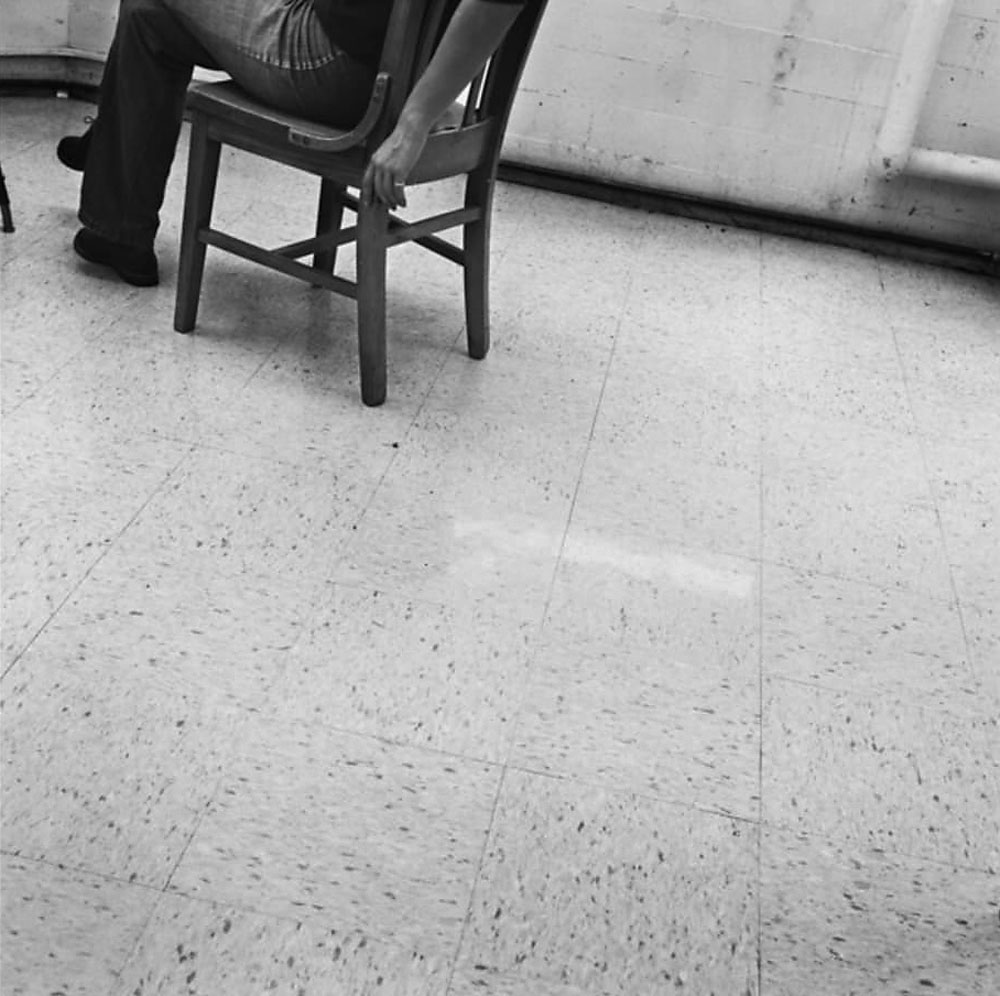



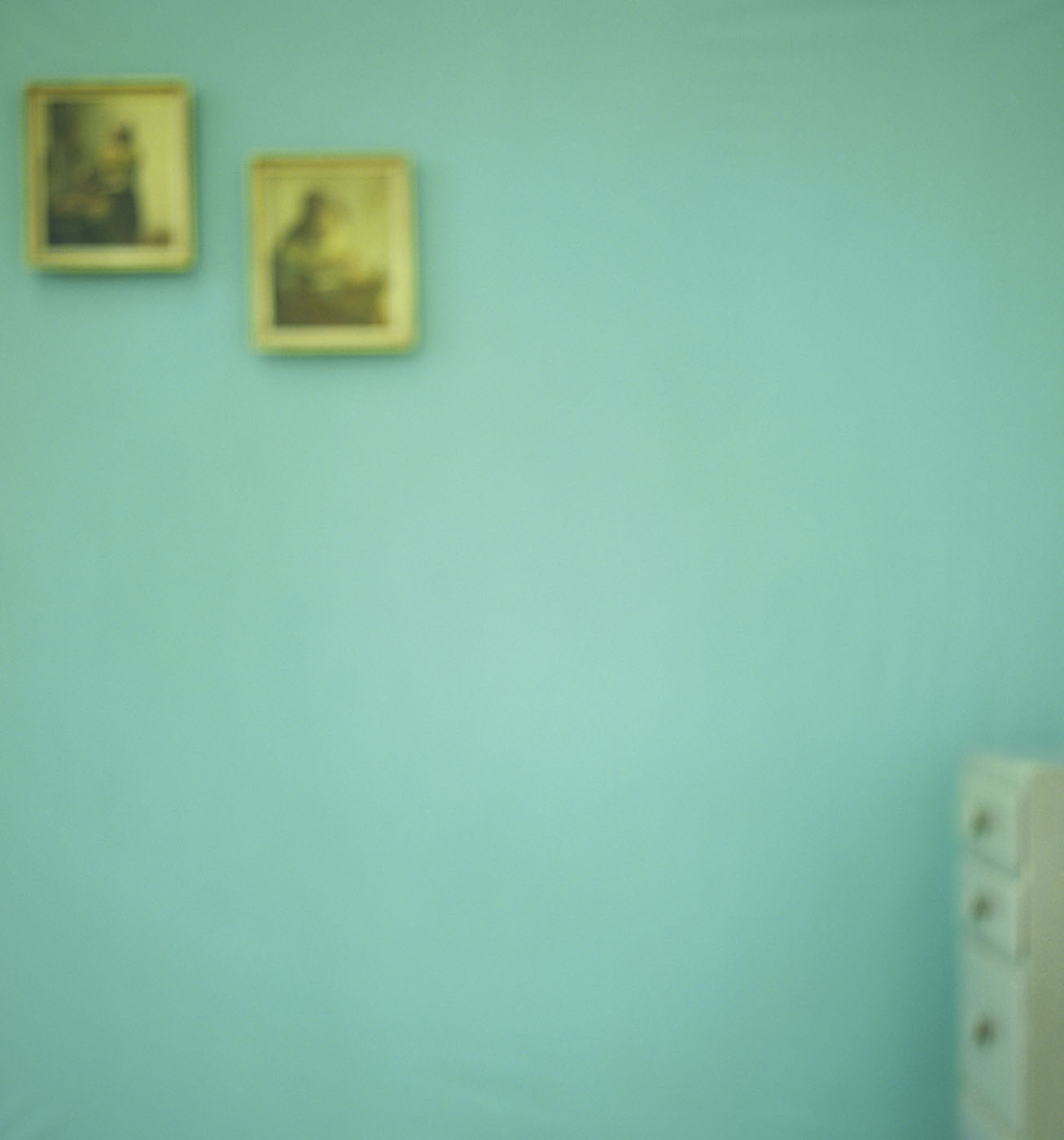
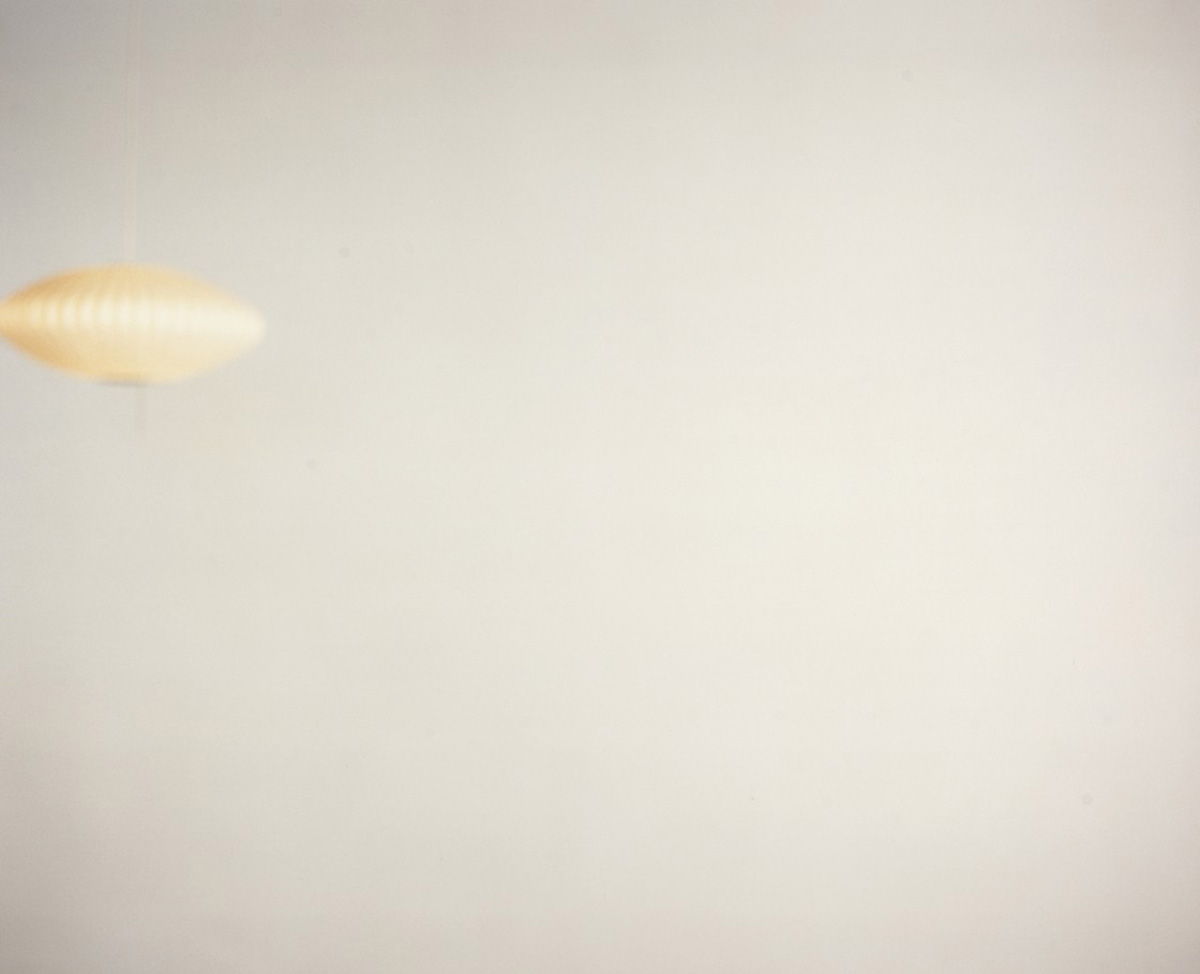
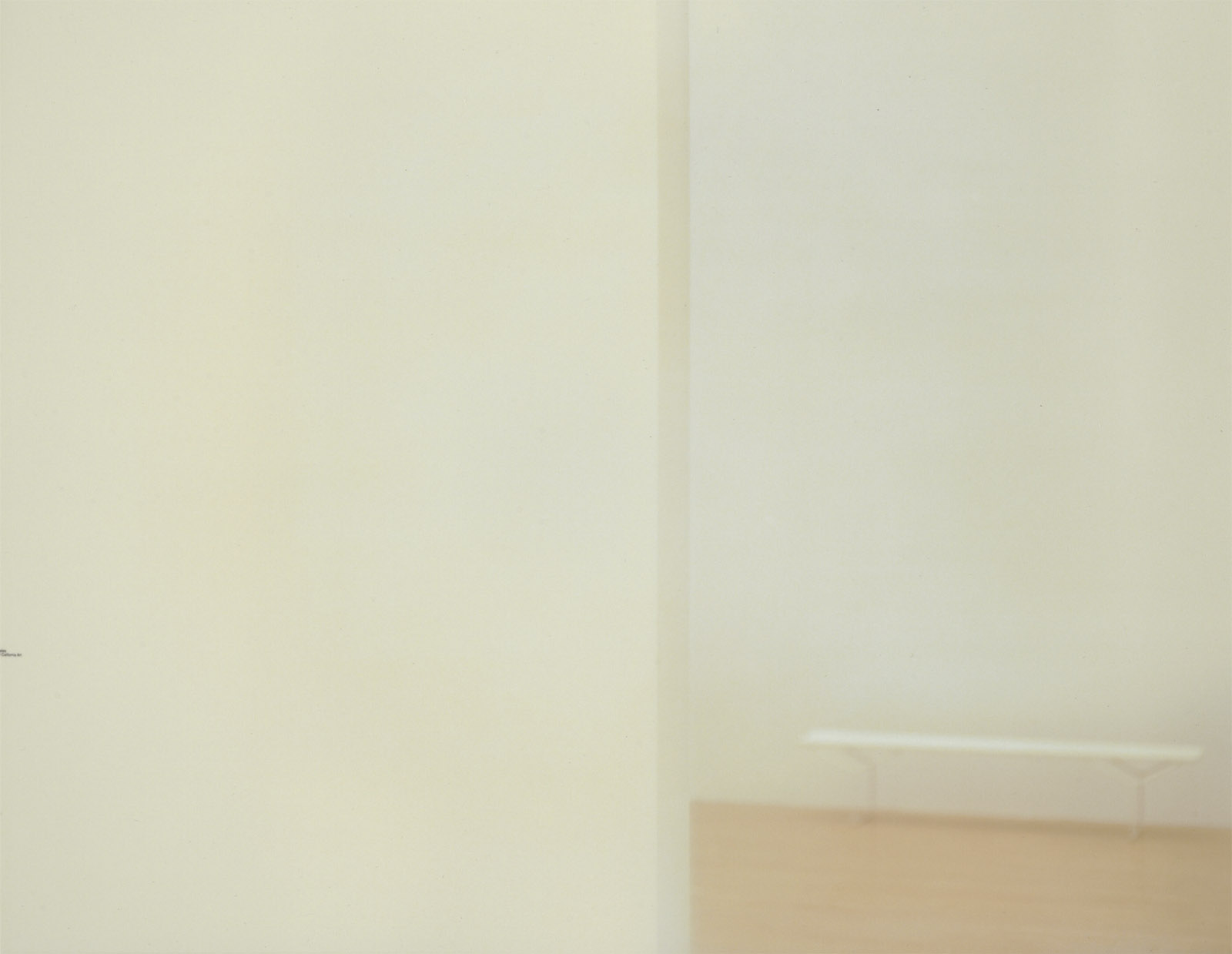


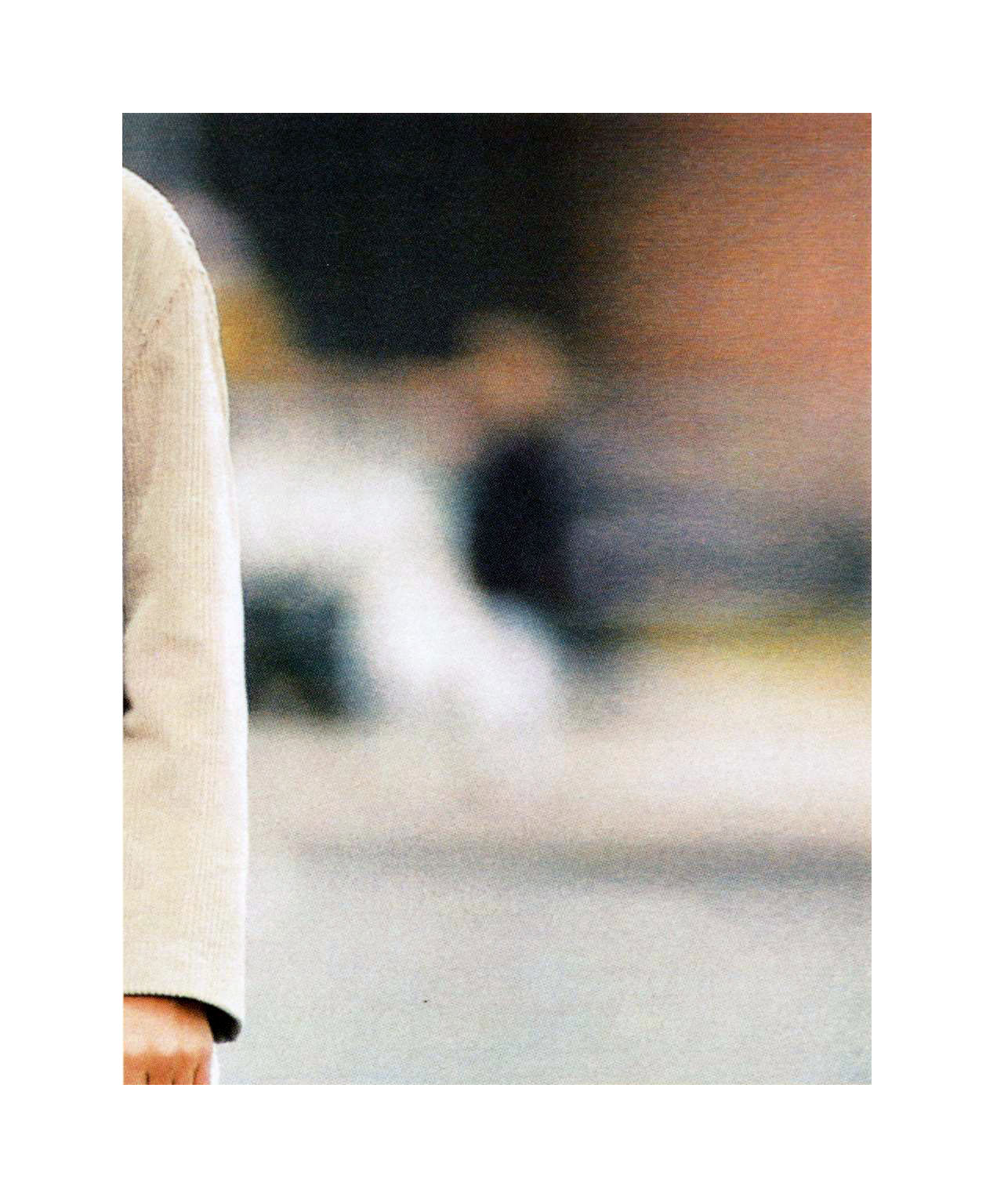
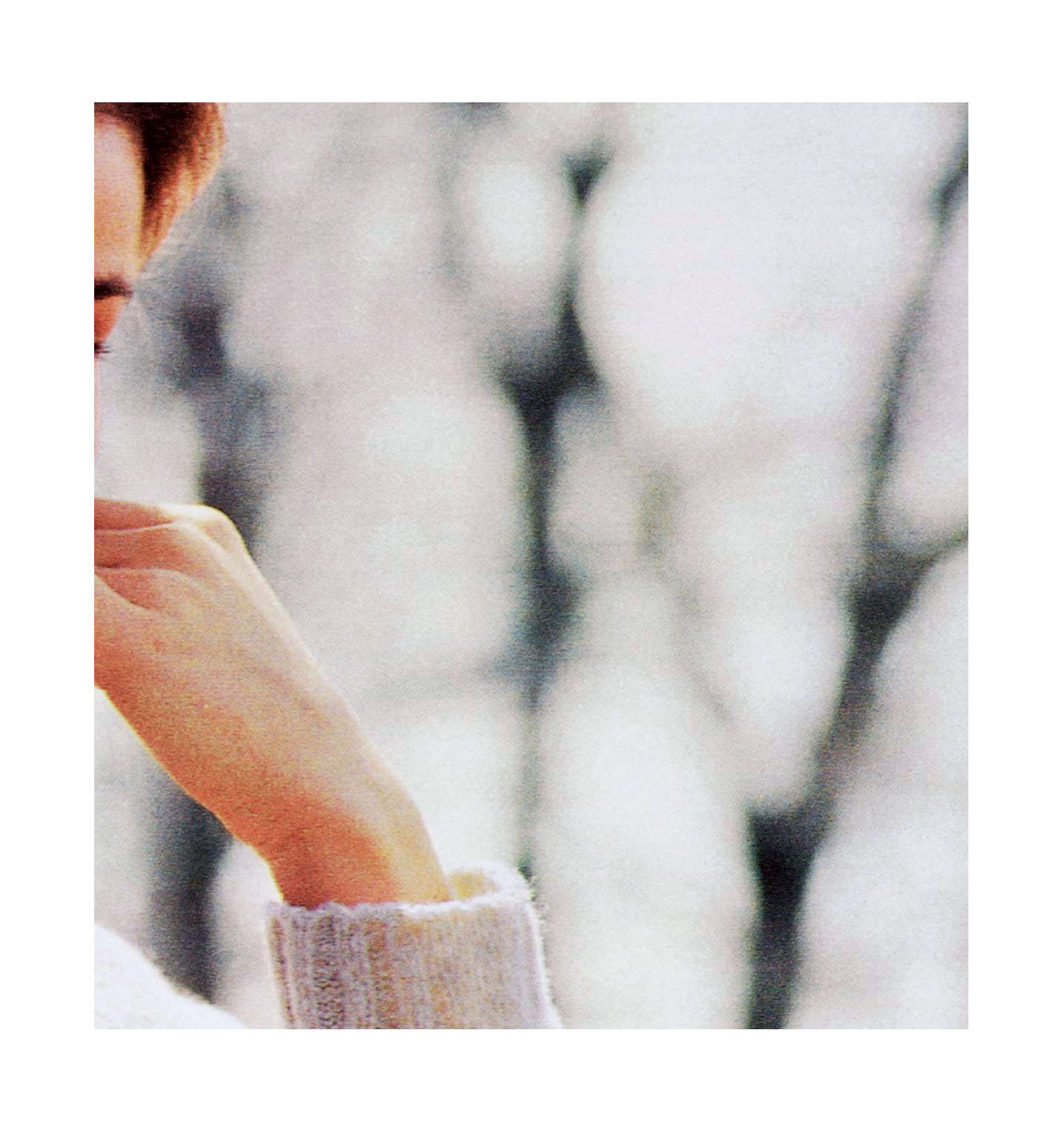

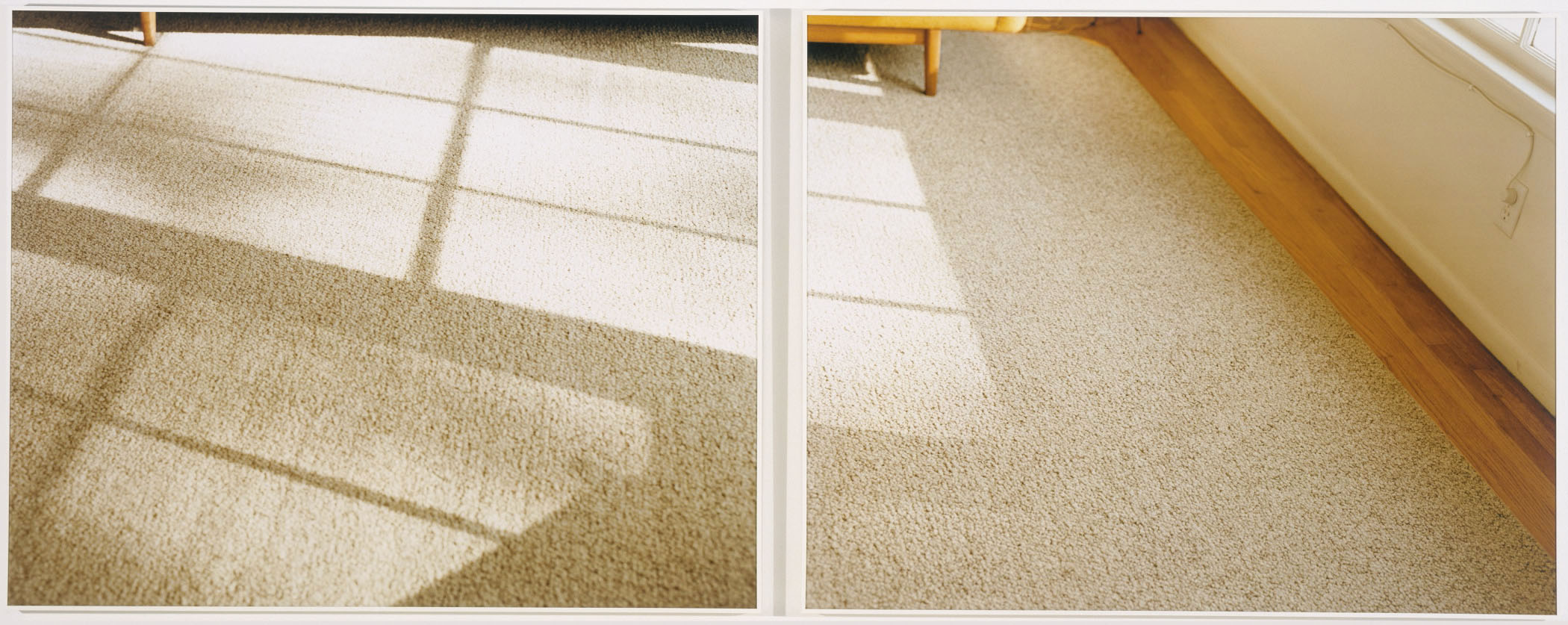


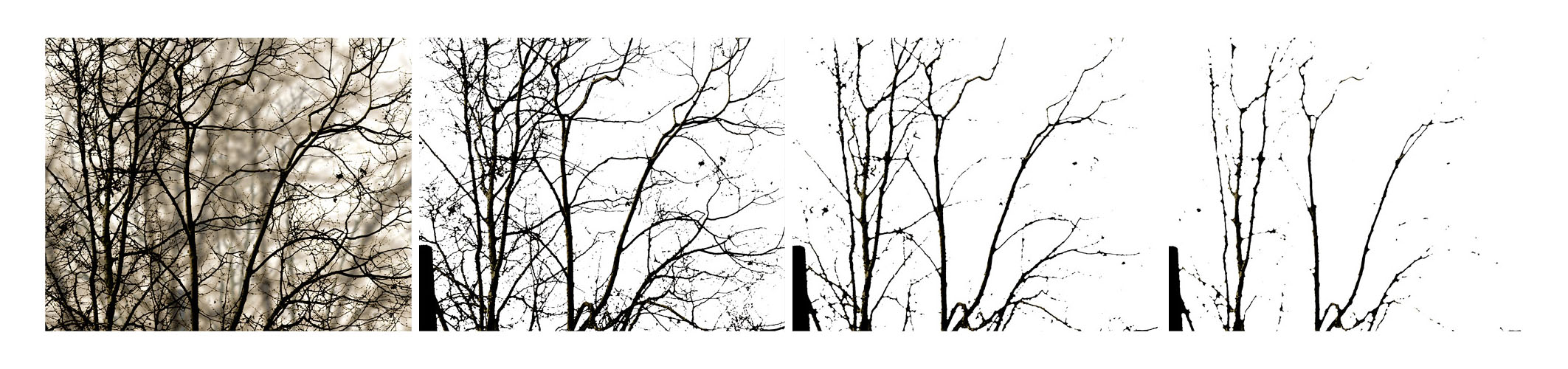


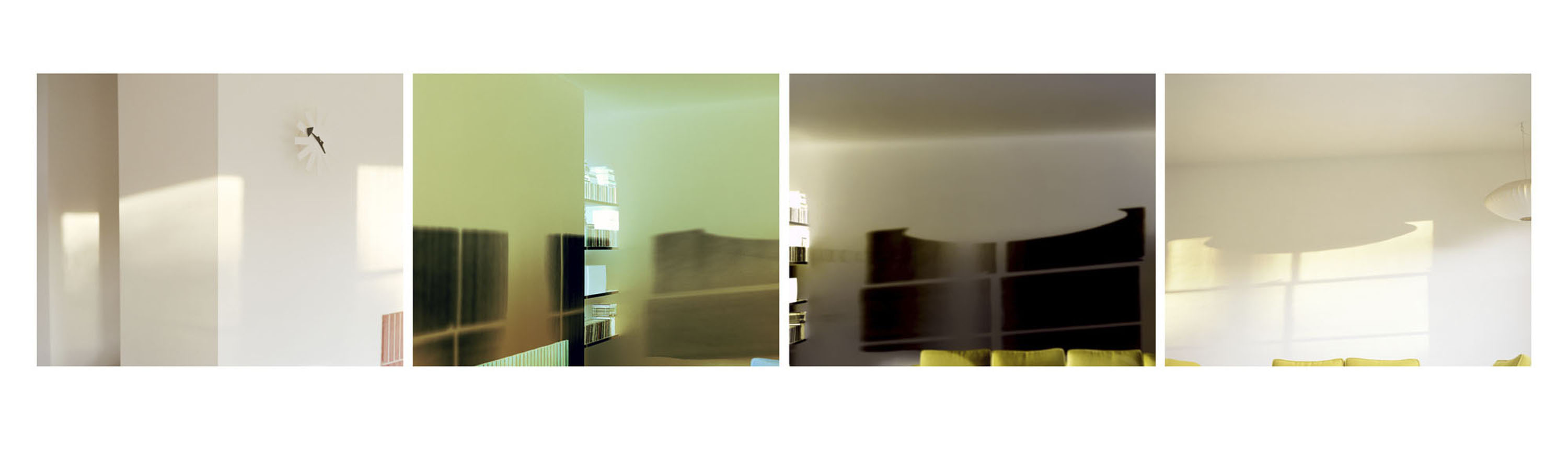
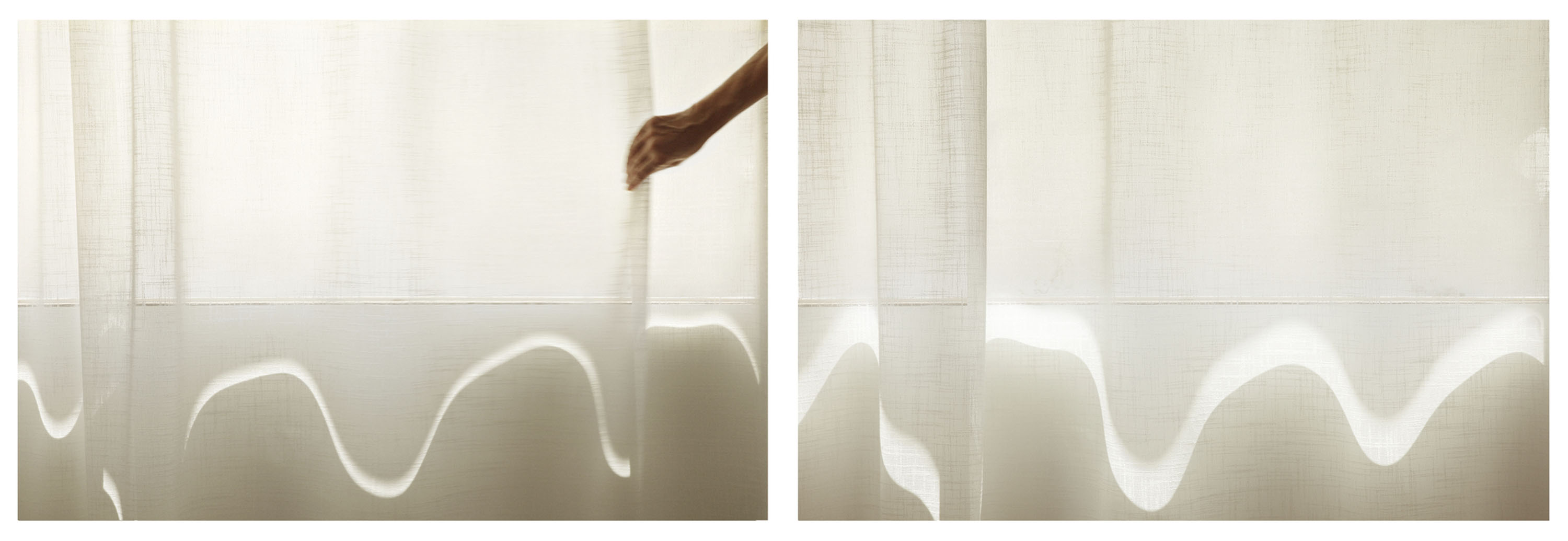


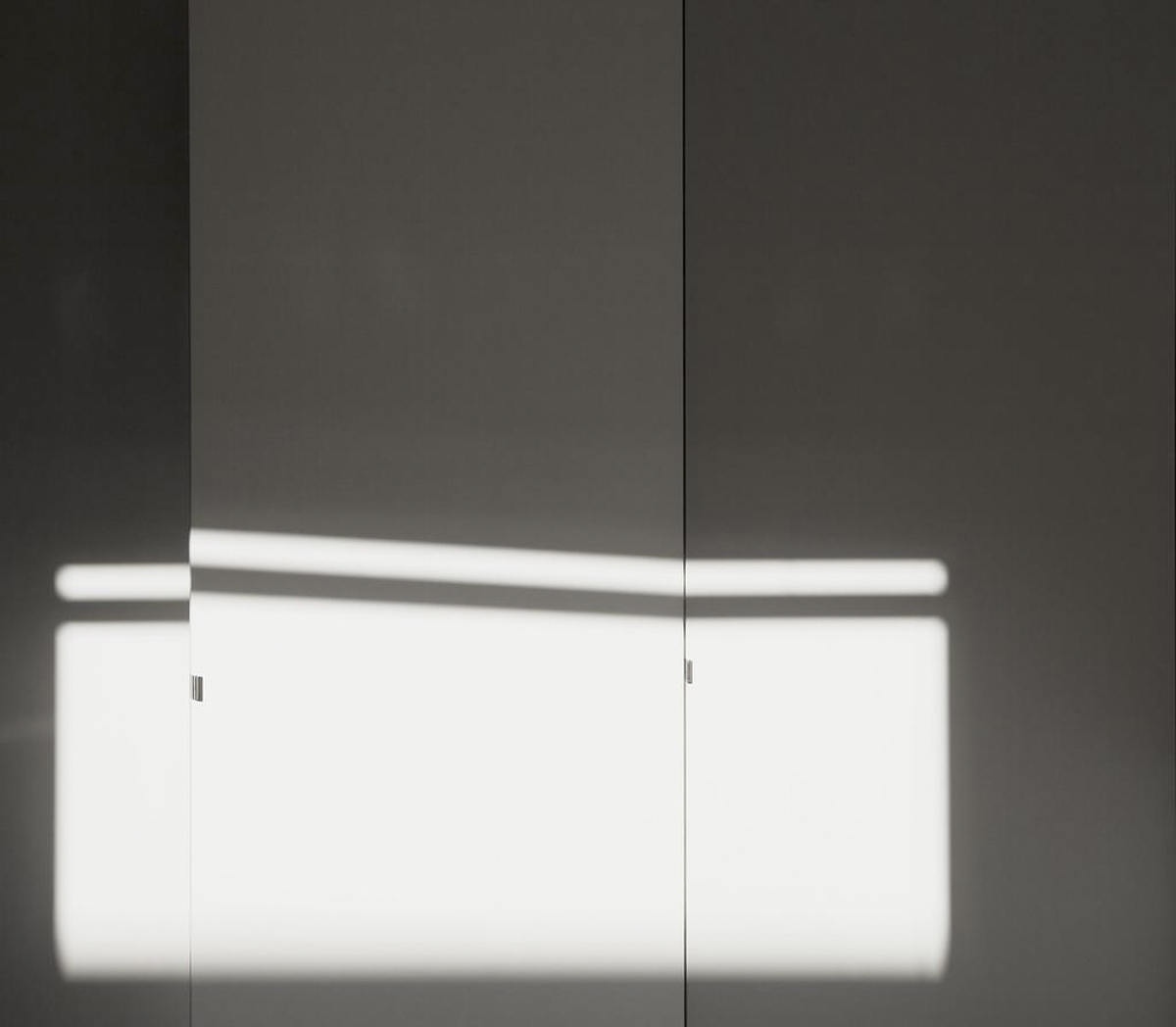


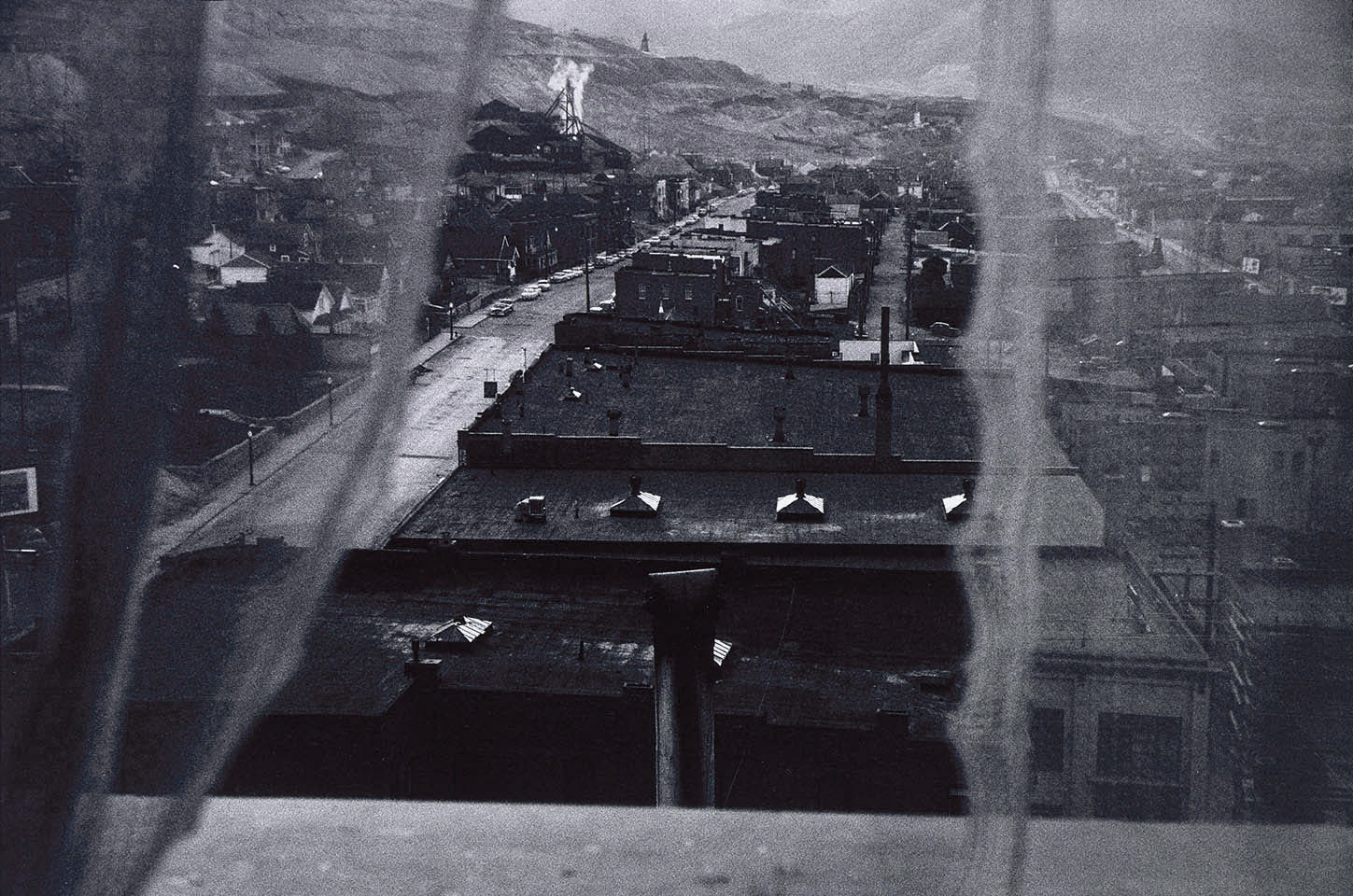

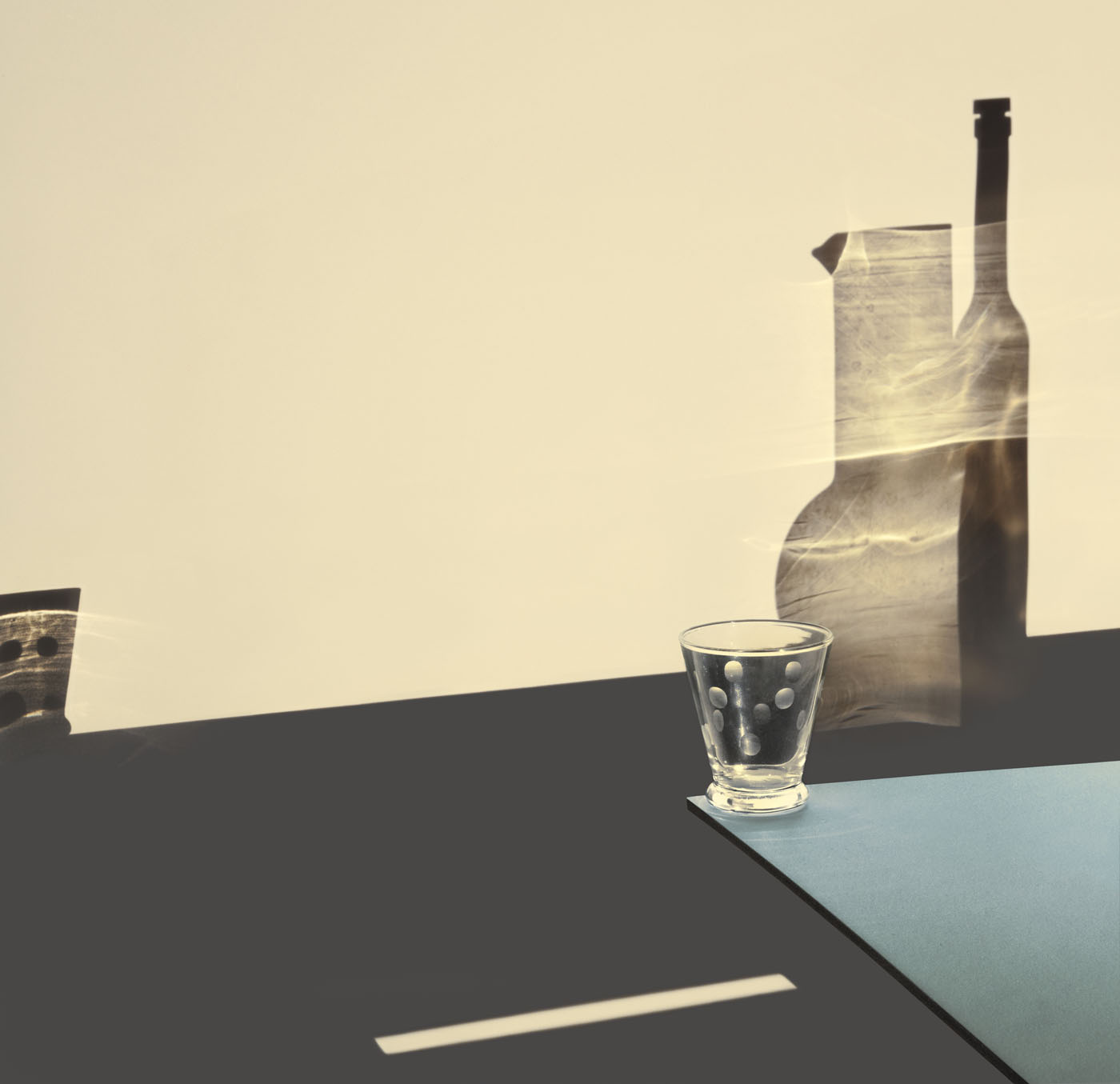
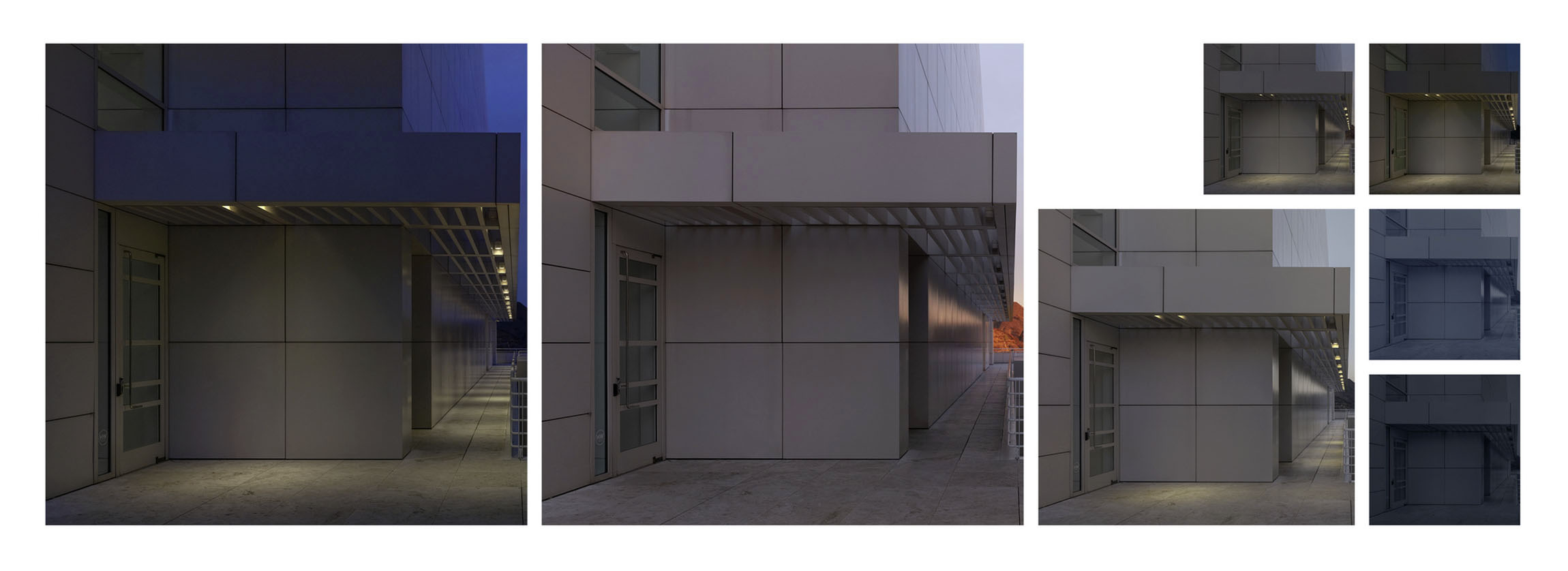

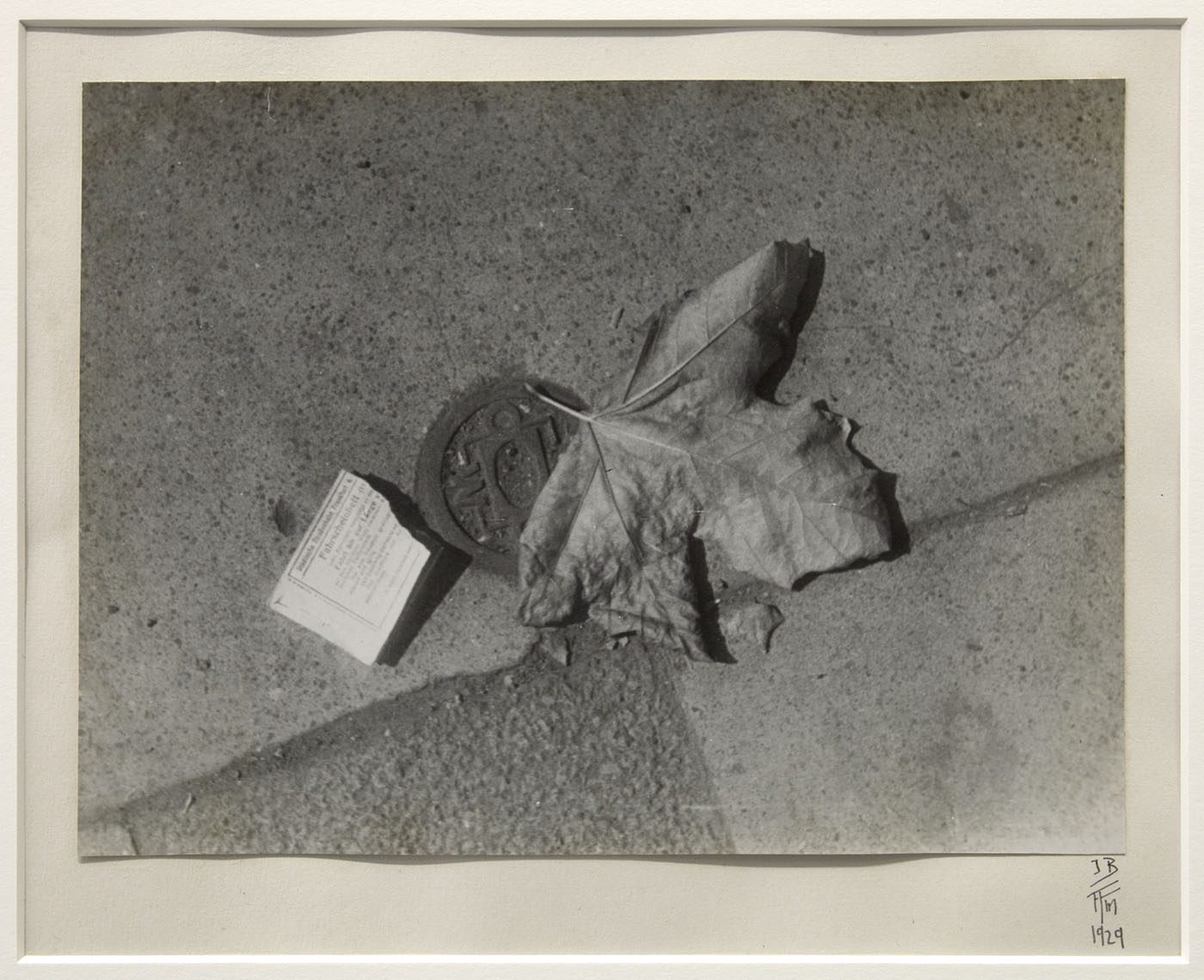


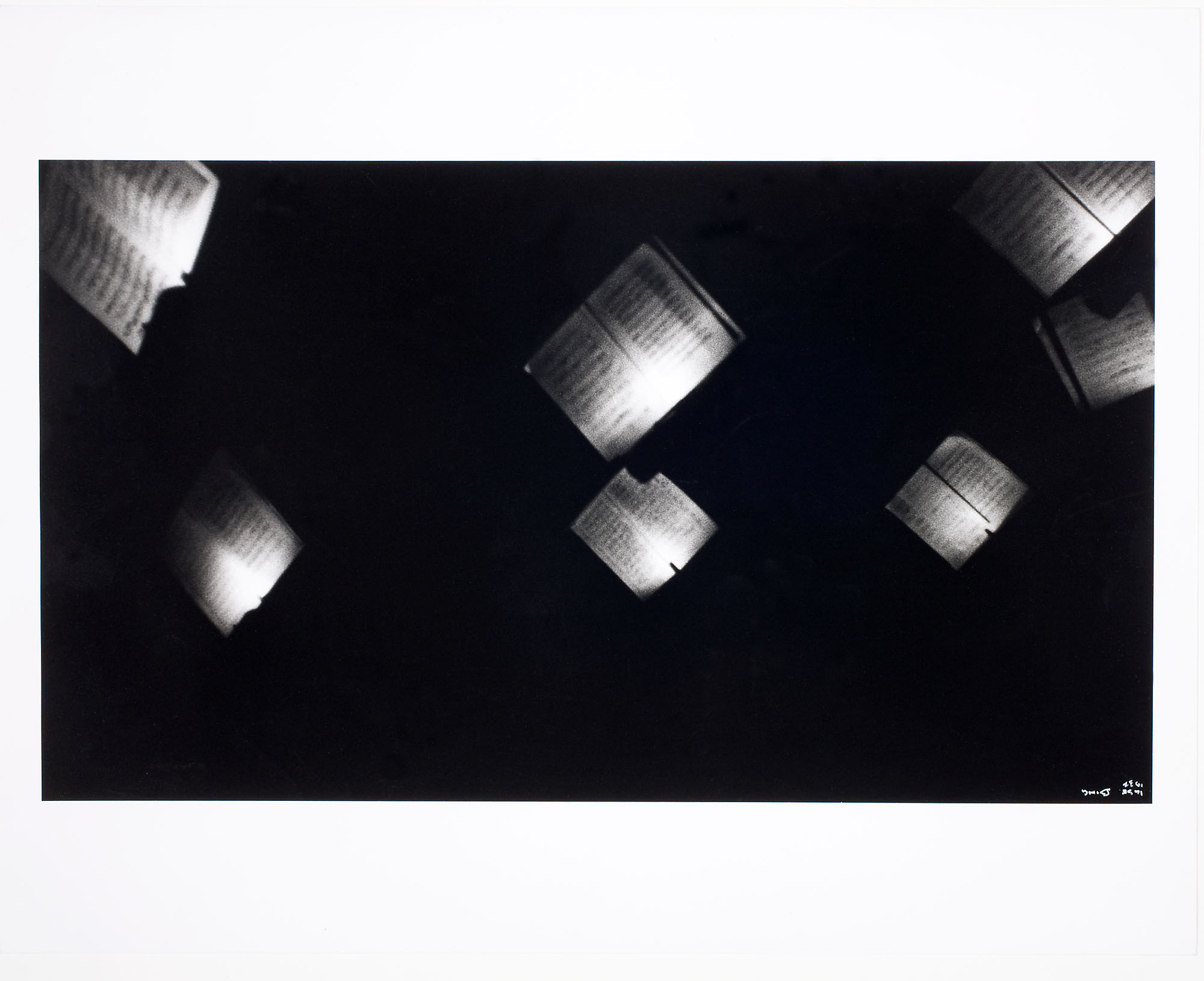
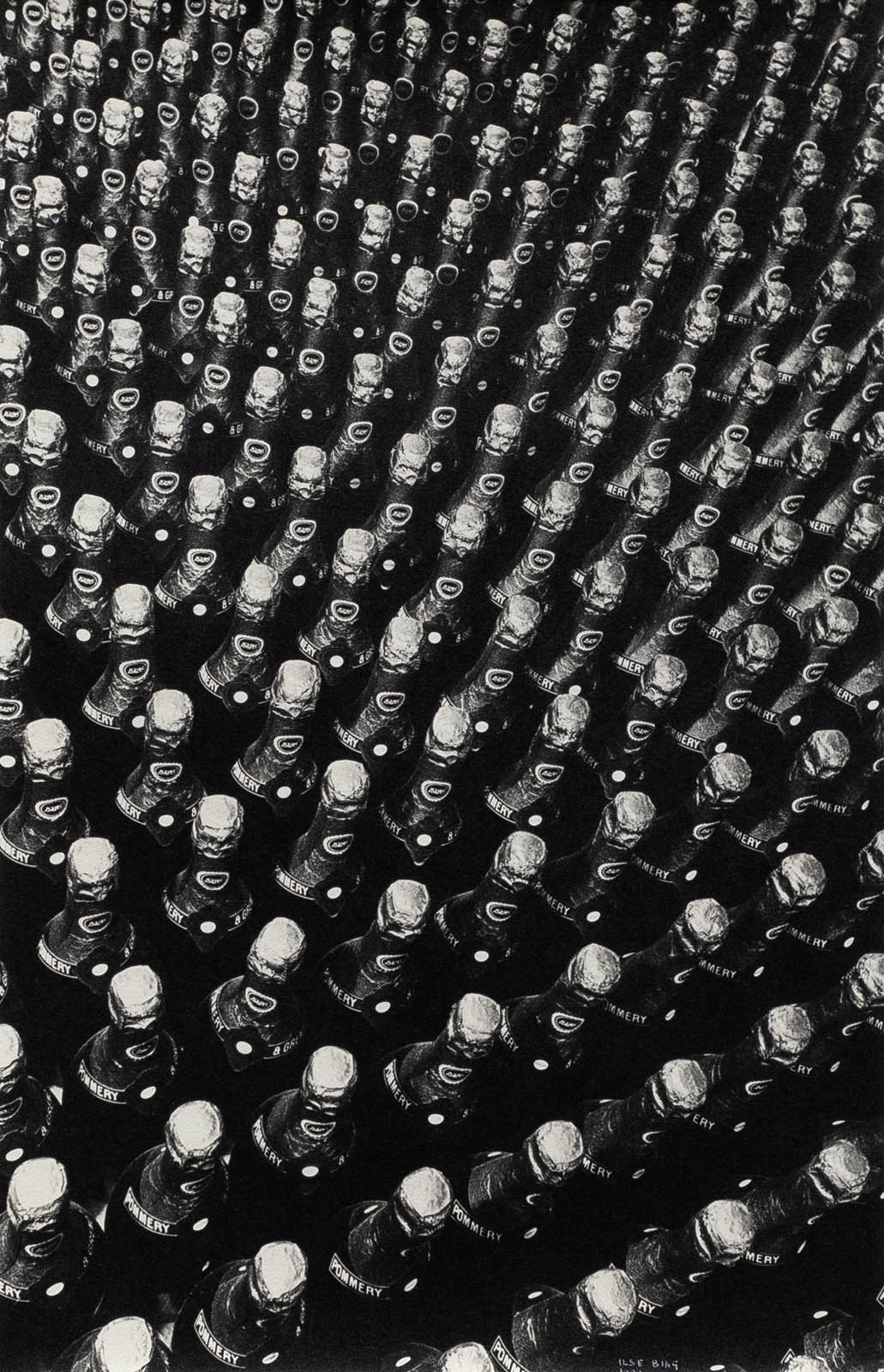
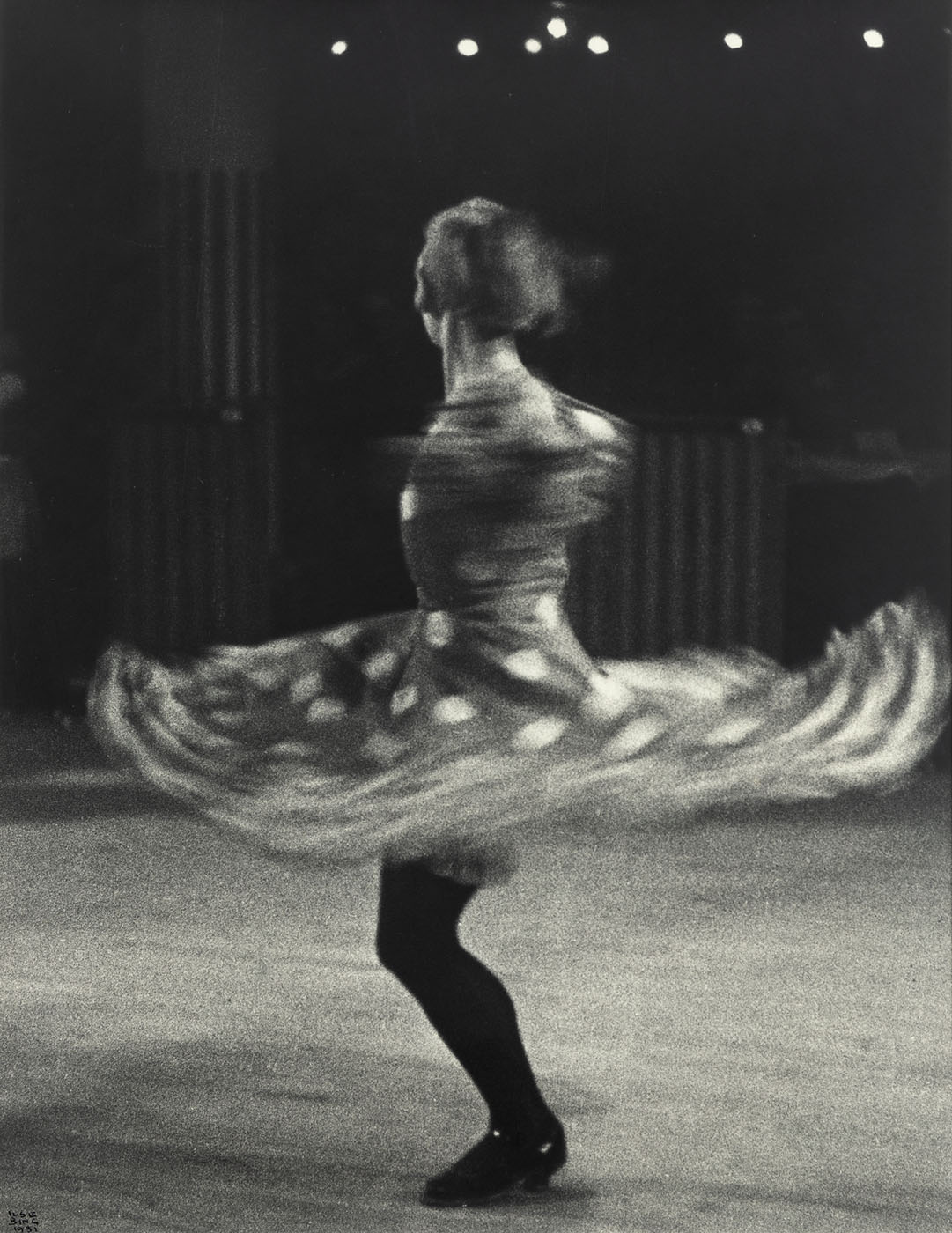
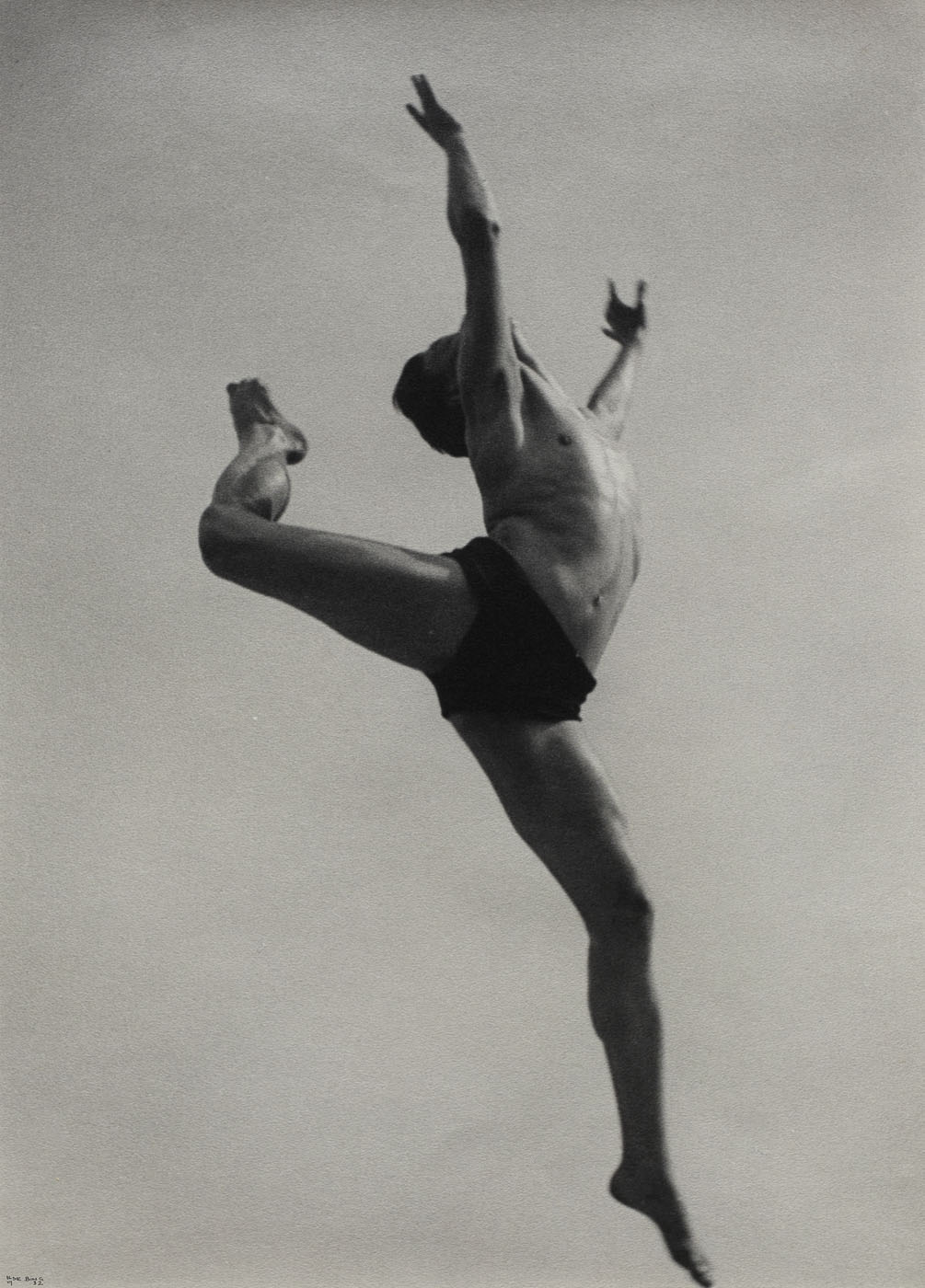

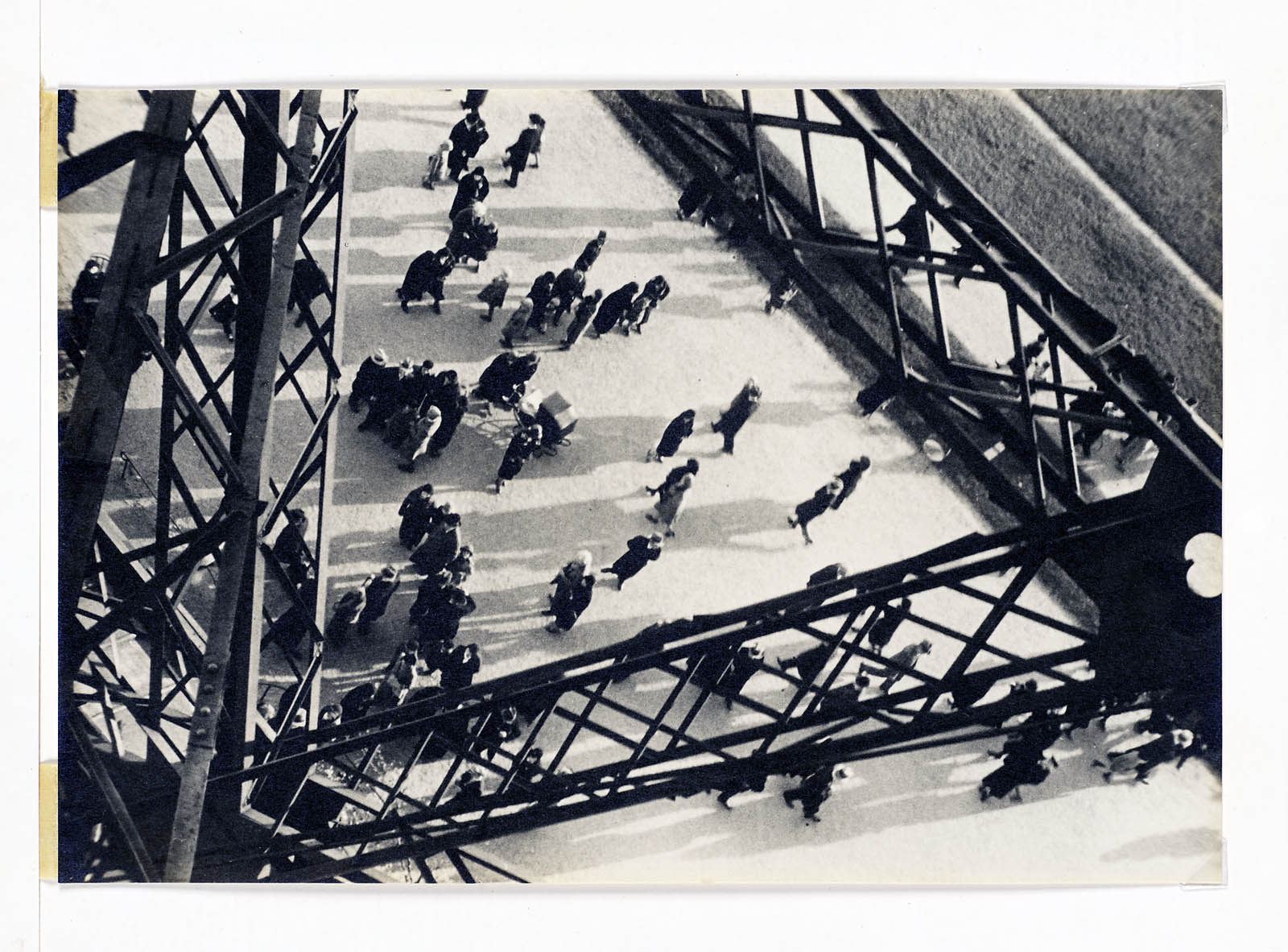
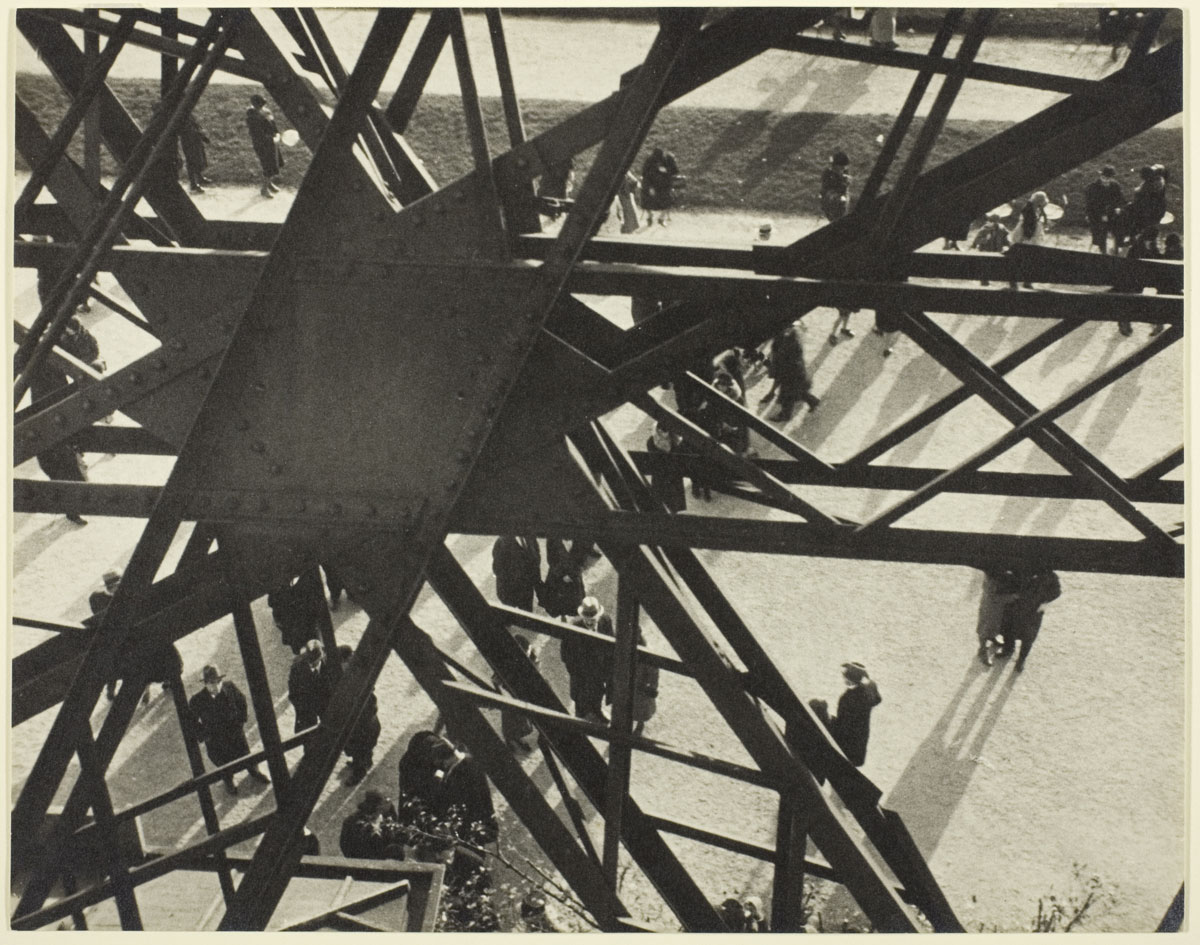

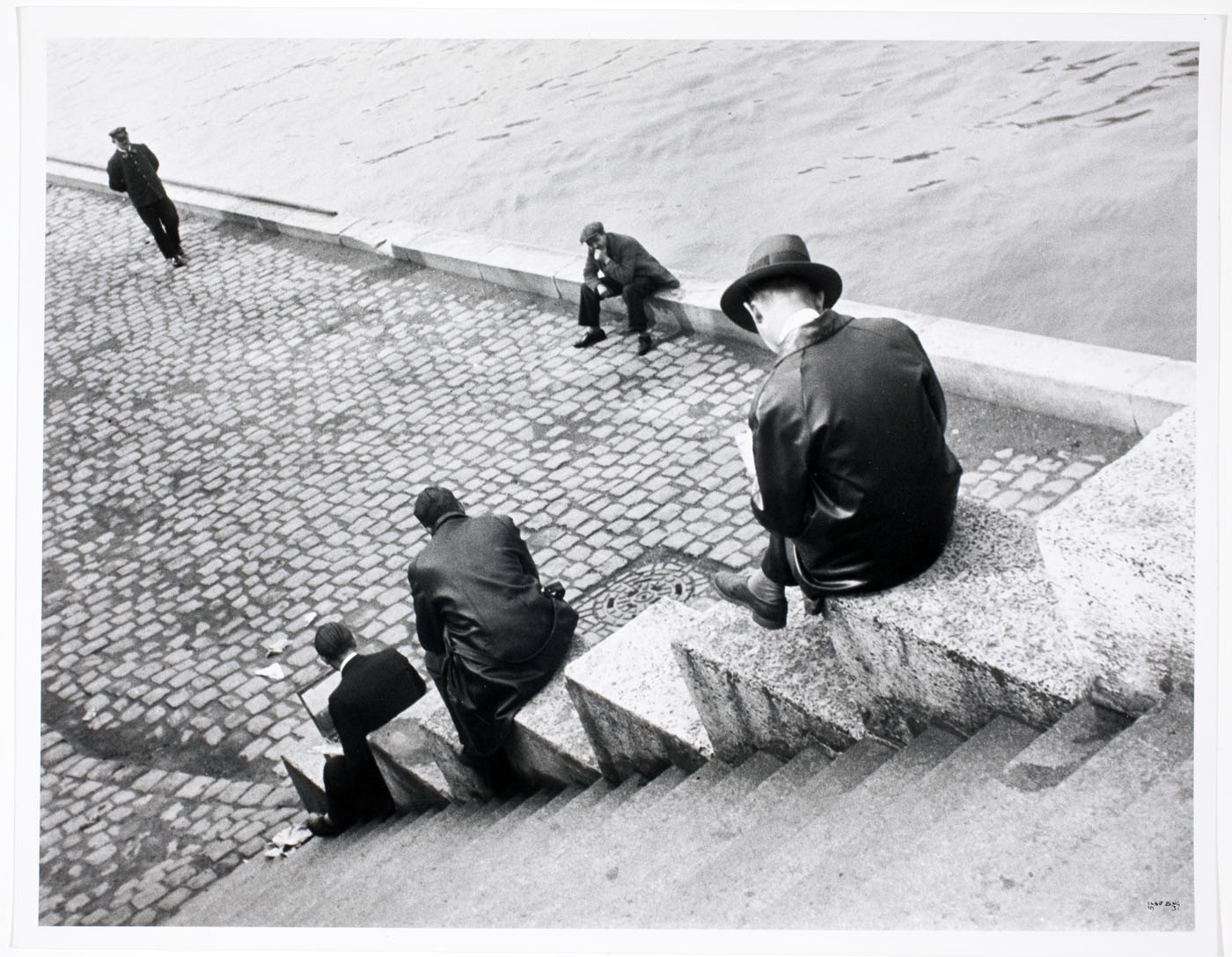
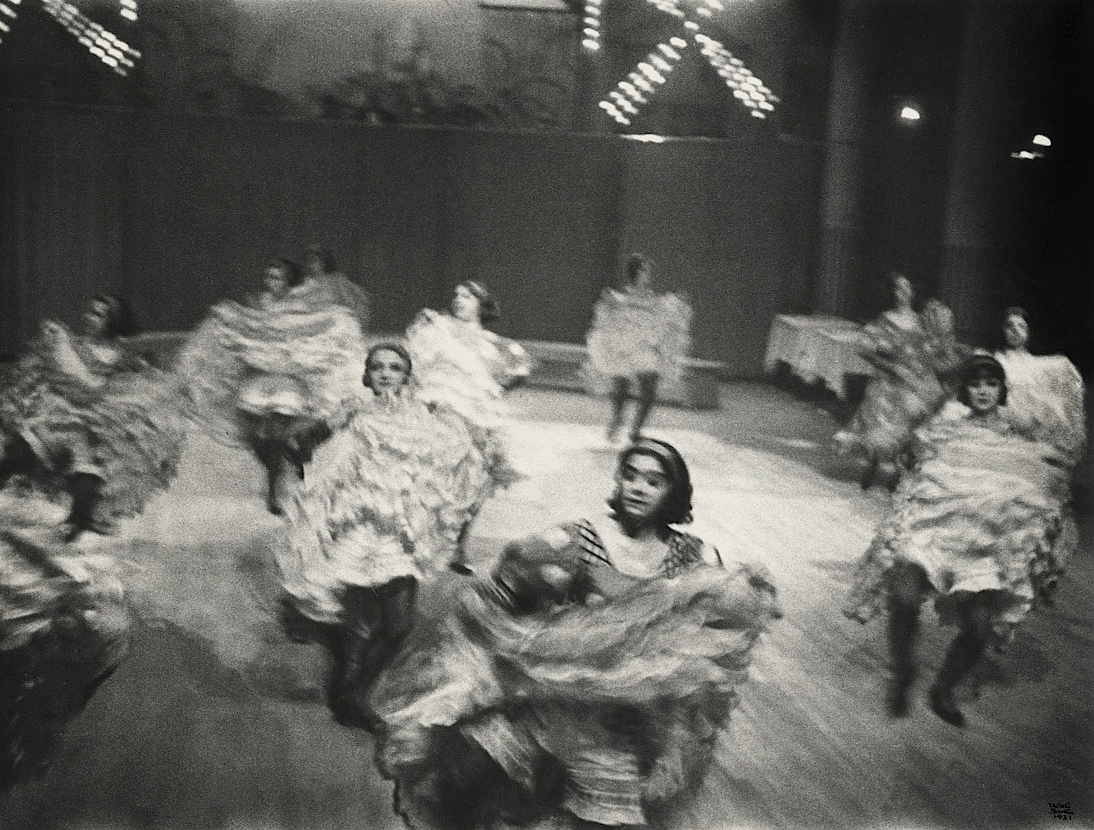


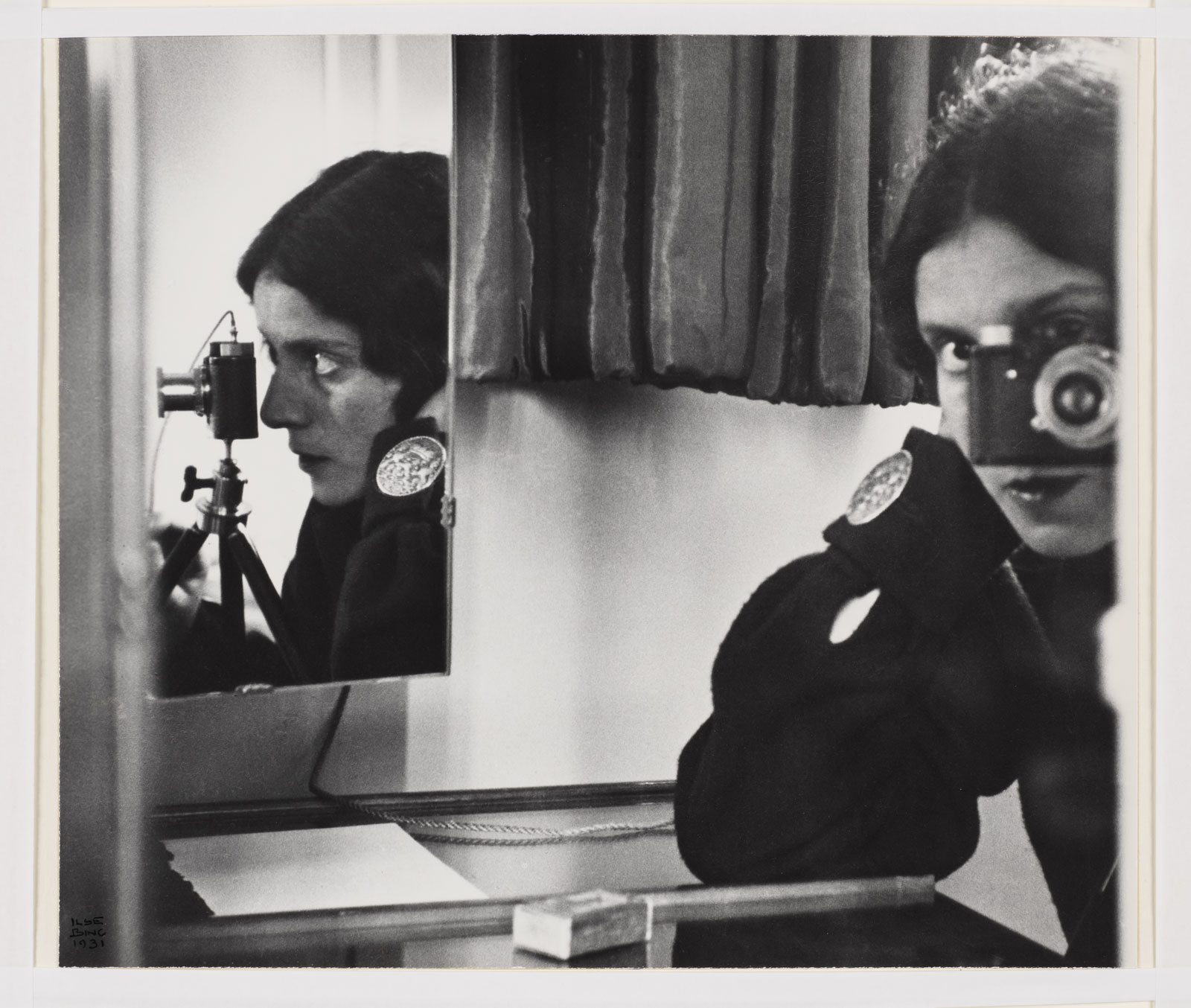
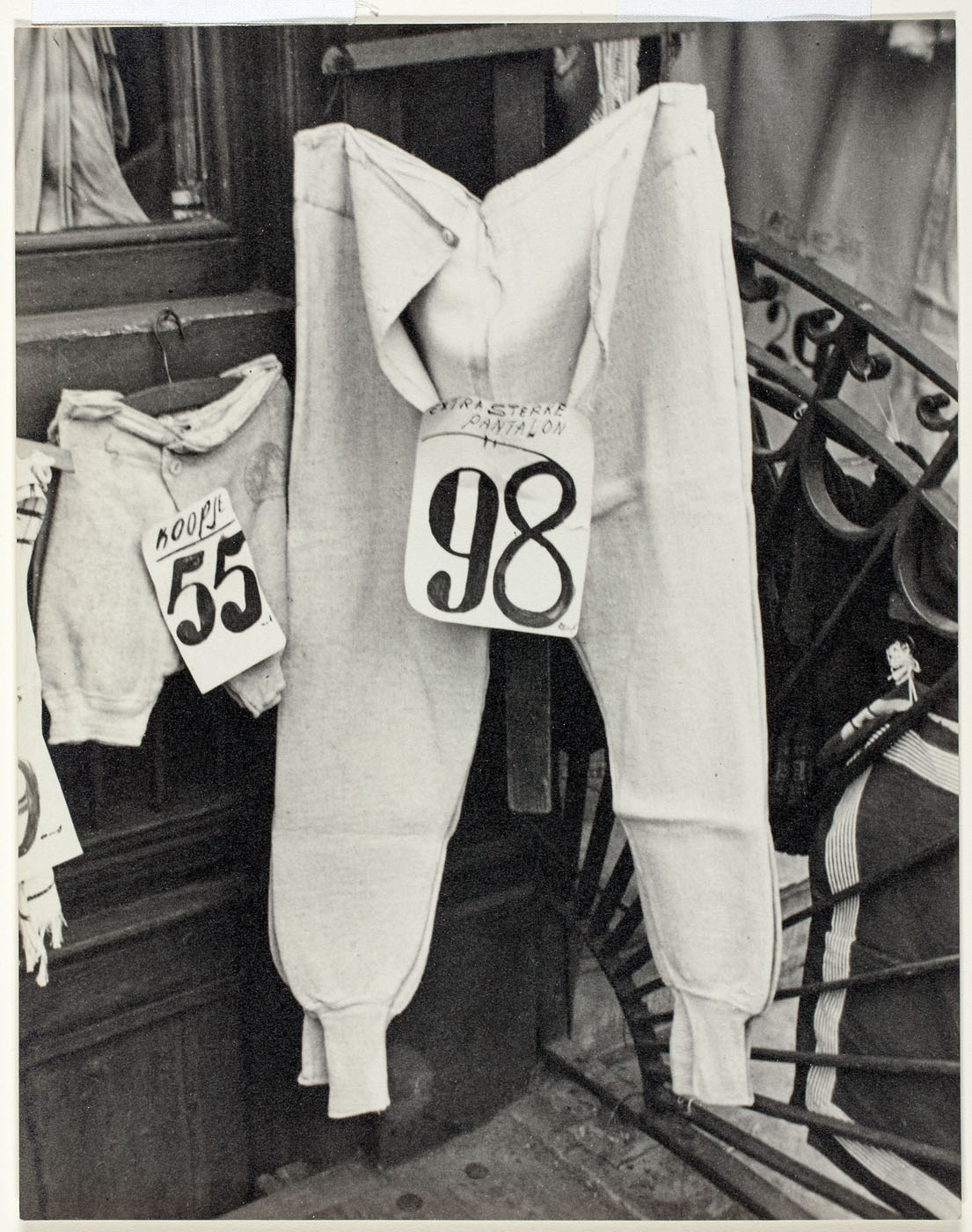


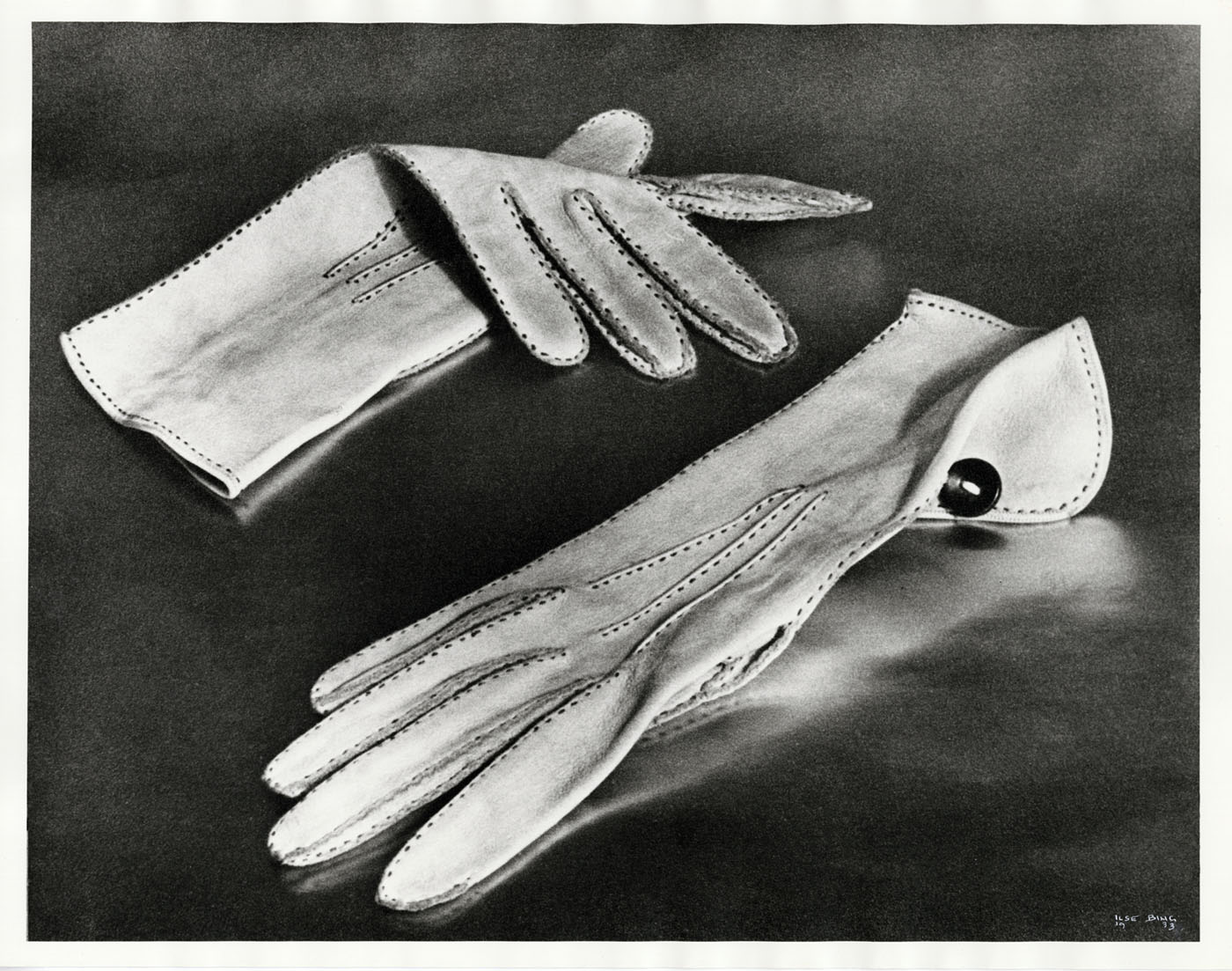


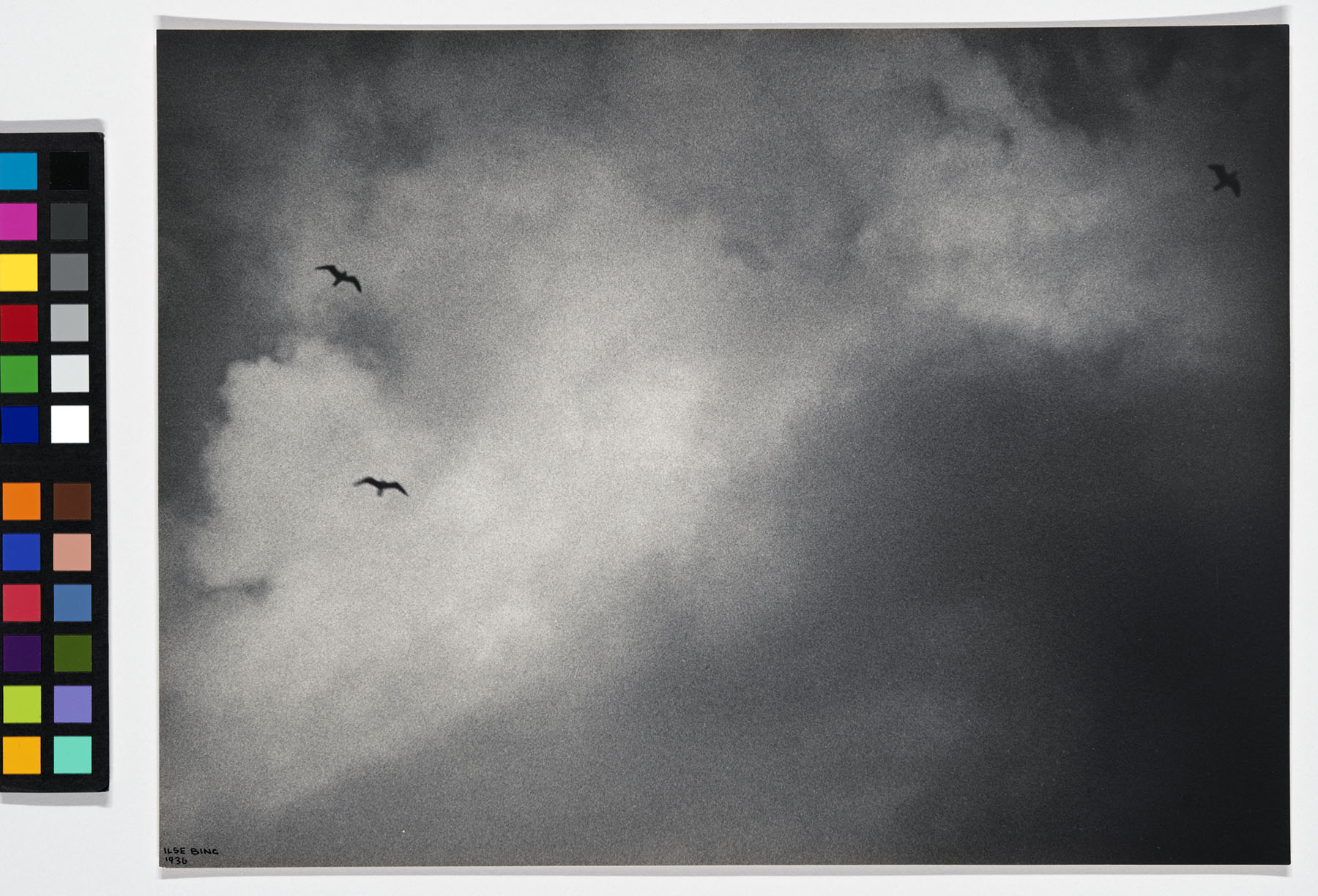
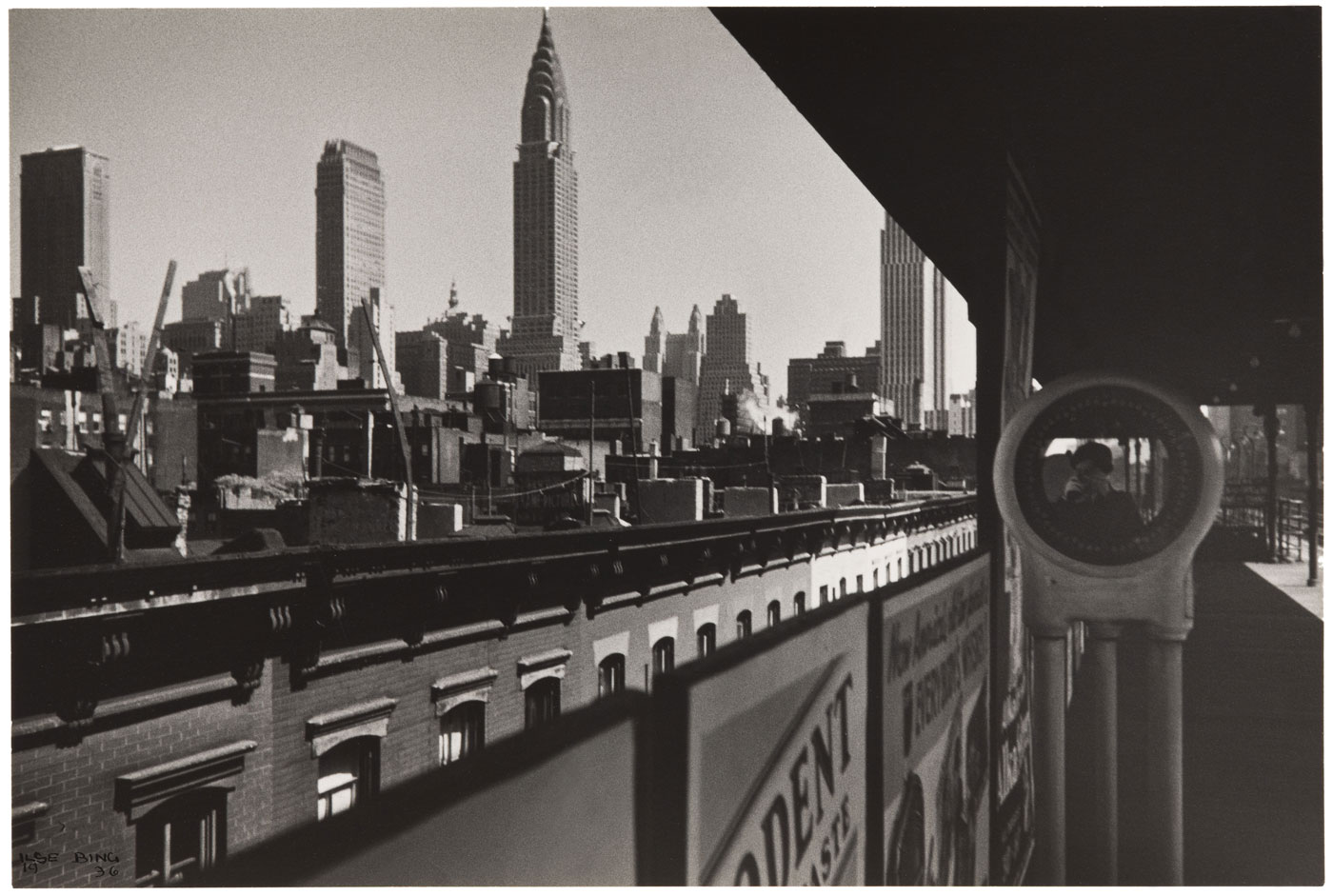


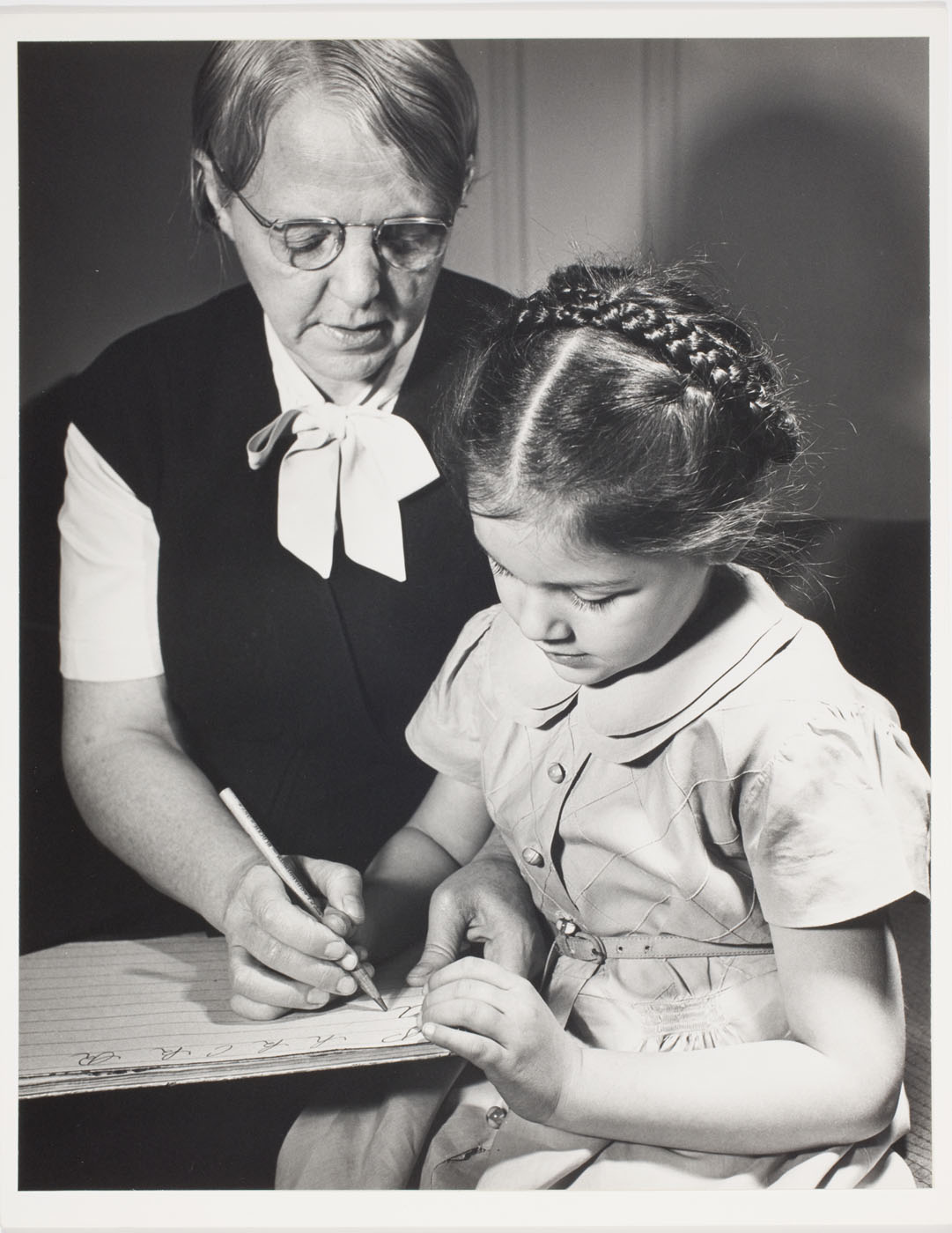
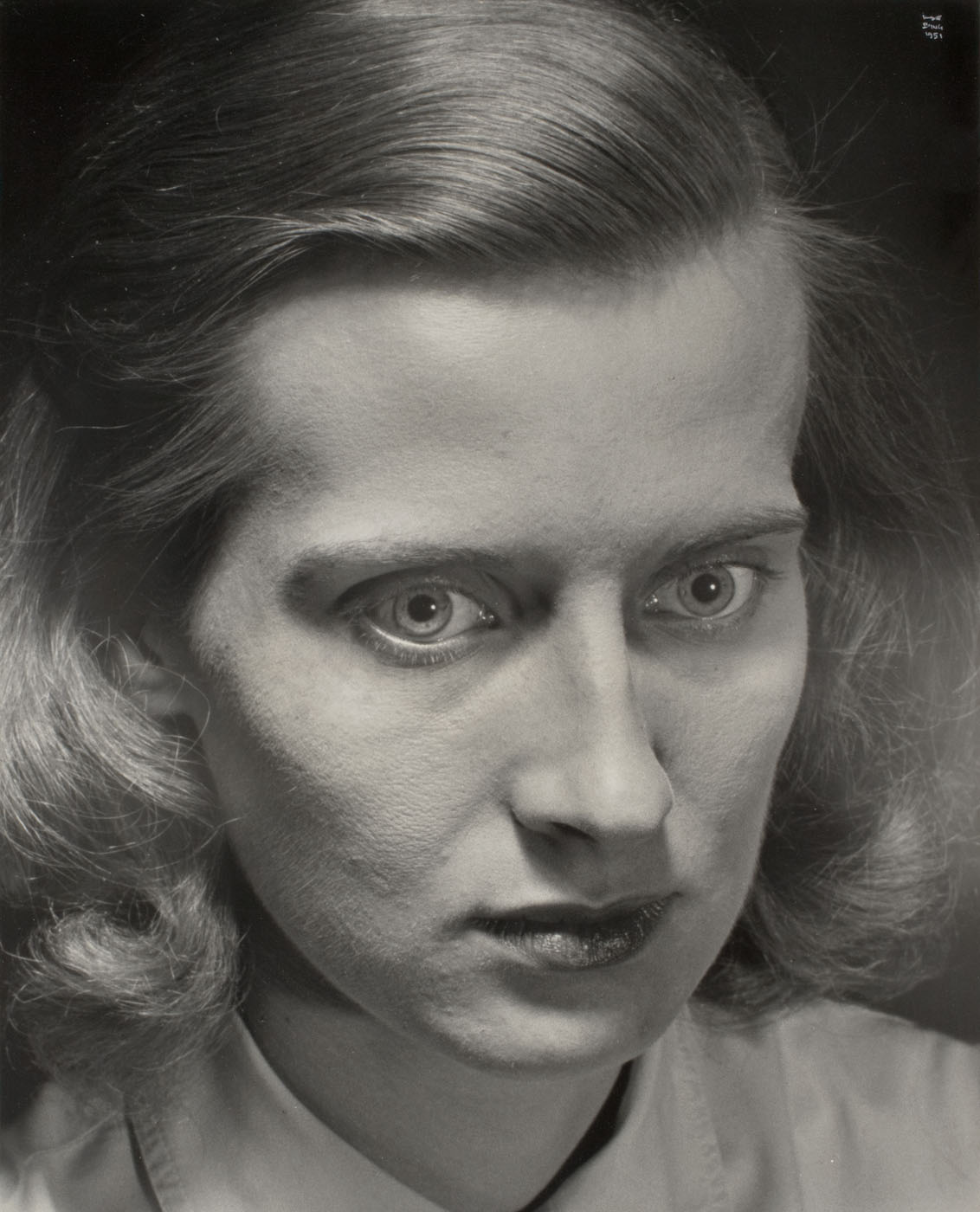

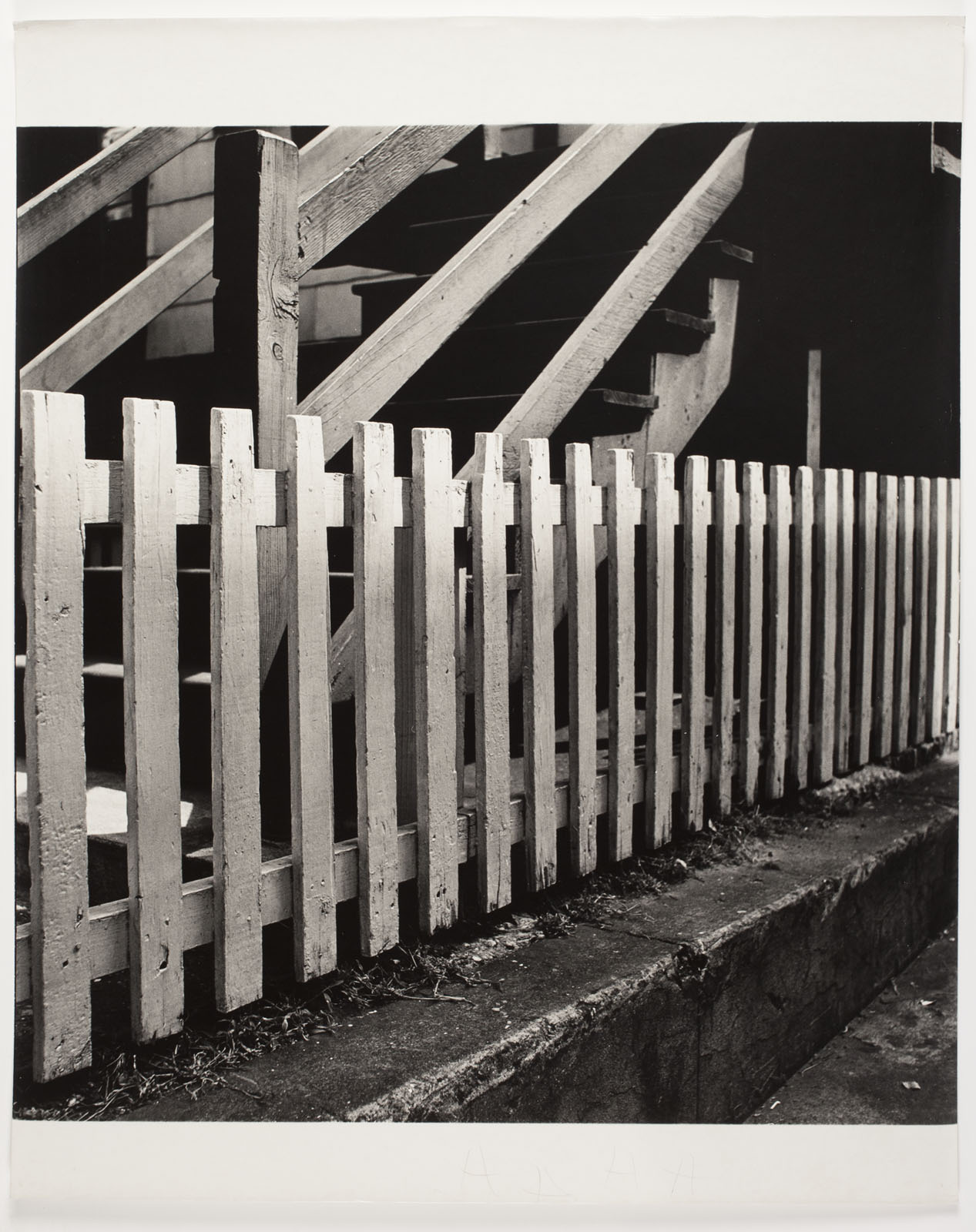


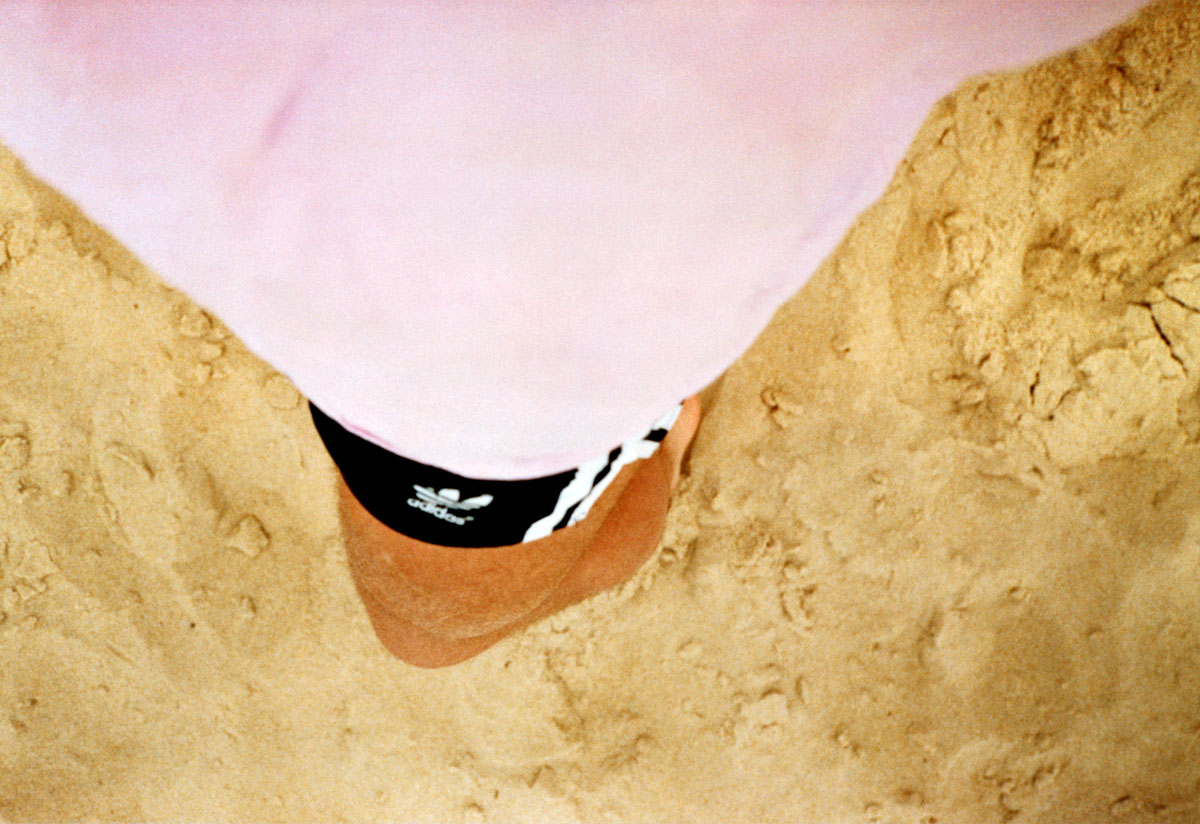


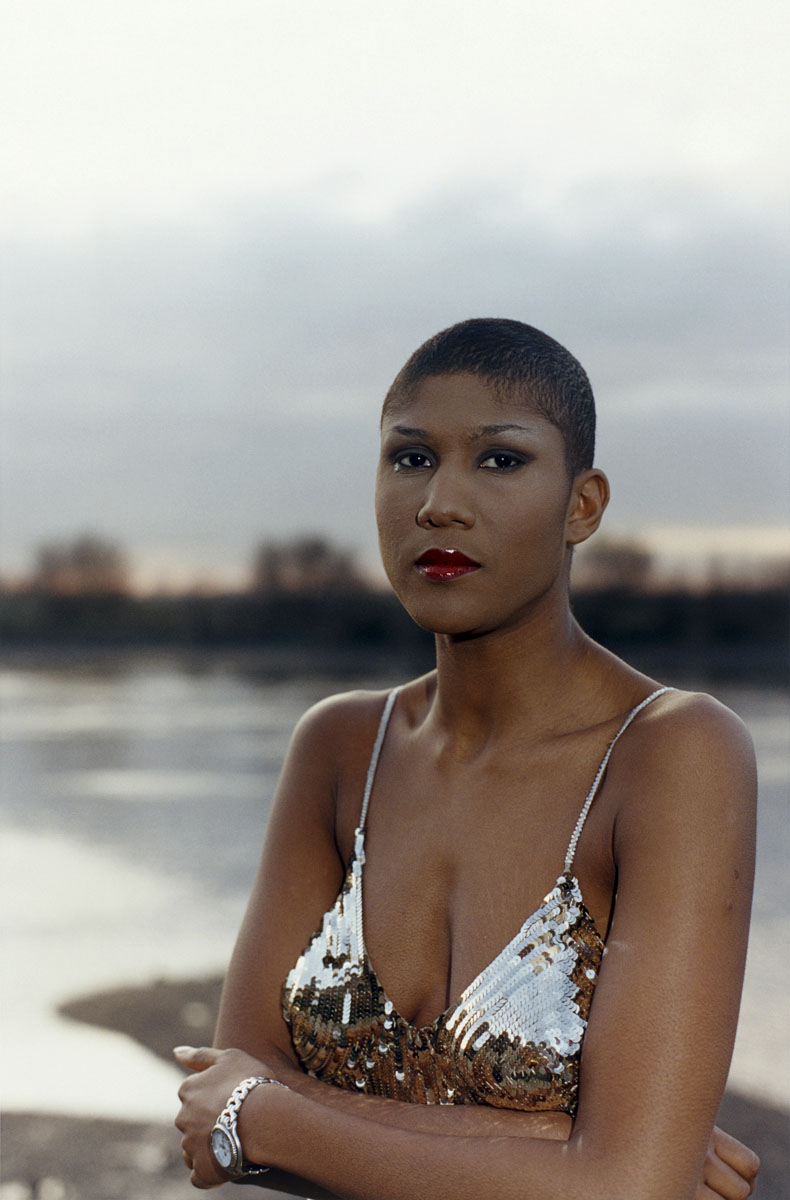


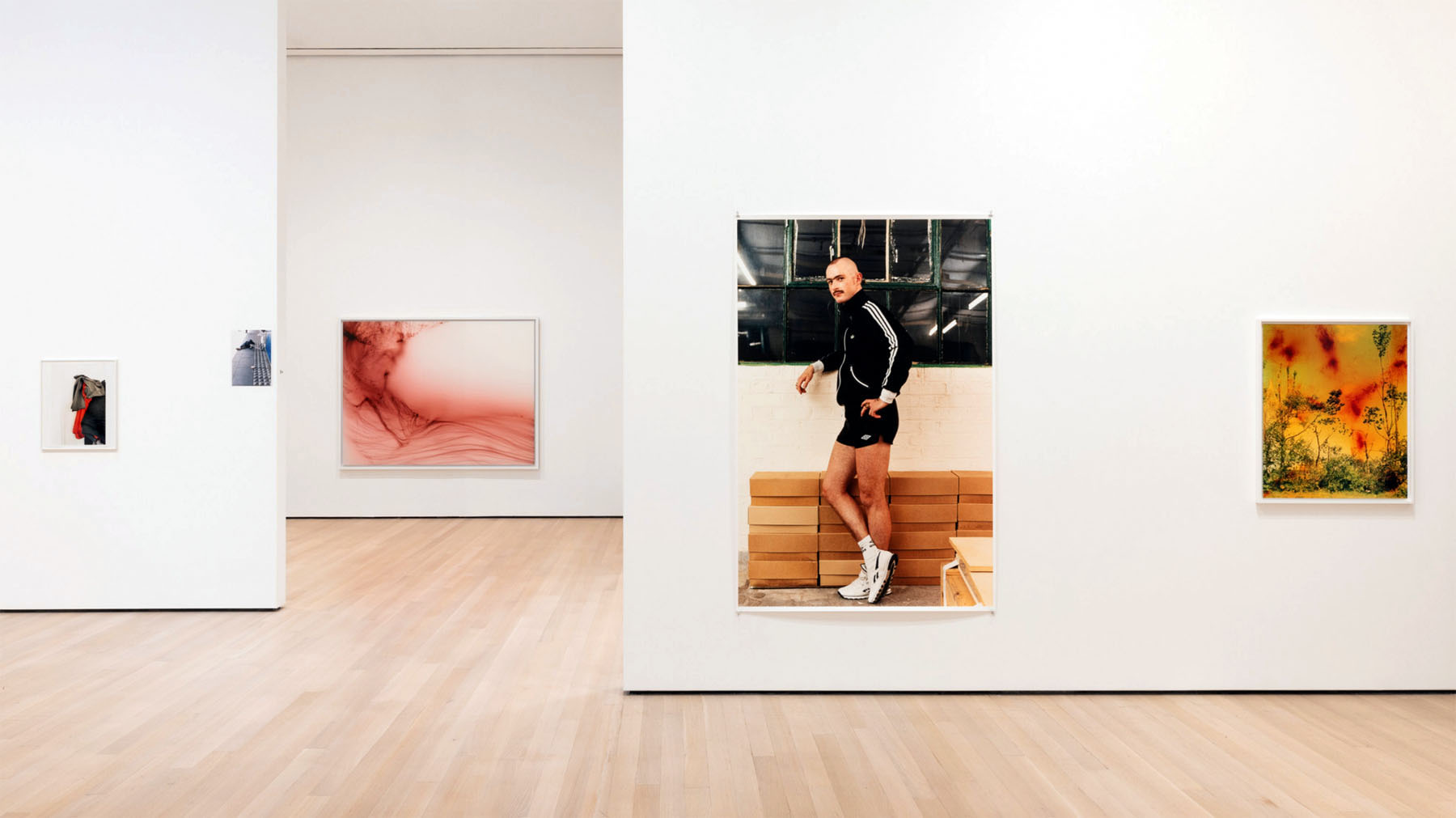
![Wolfgang Tillmans (German, b. 1968) 'Aufsicht (yellow)' (View from Above [yellow]) 1999](https://artblart.com/wp-content/uploads/2022/11/tillmans-aufsicht-yellow.jpg "Wolfgang Tillmans (German, b. 1968) 'Aufsicht (yellow)' (View from Above [yellow]) 1999")

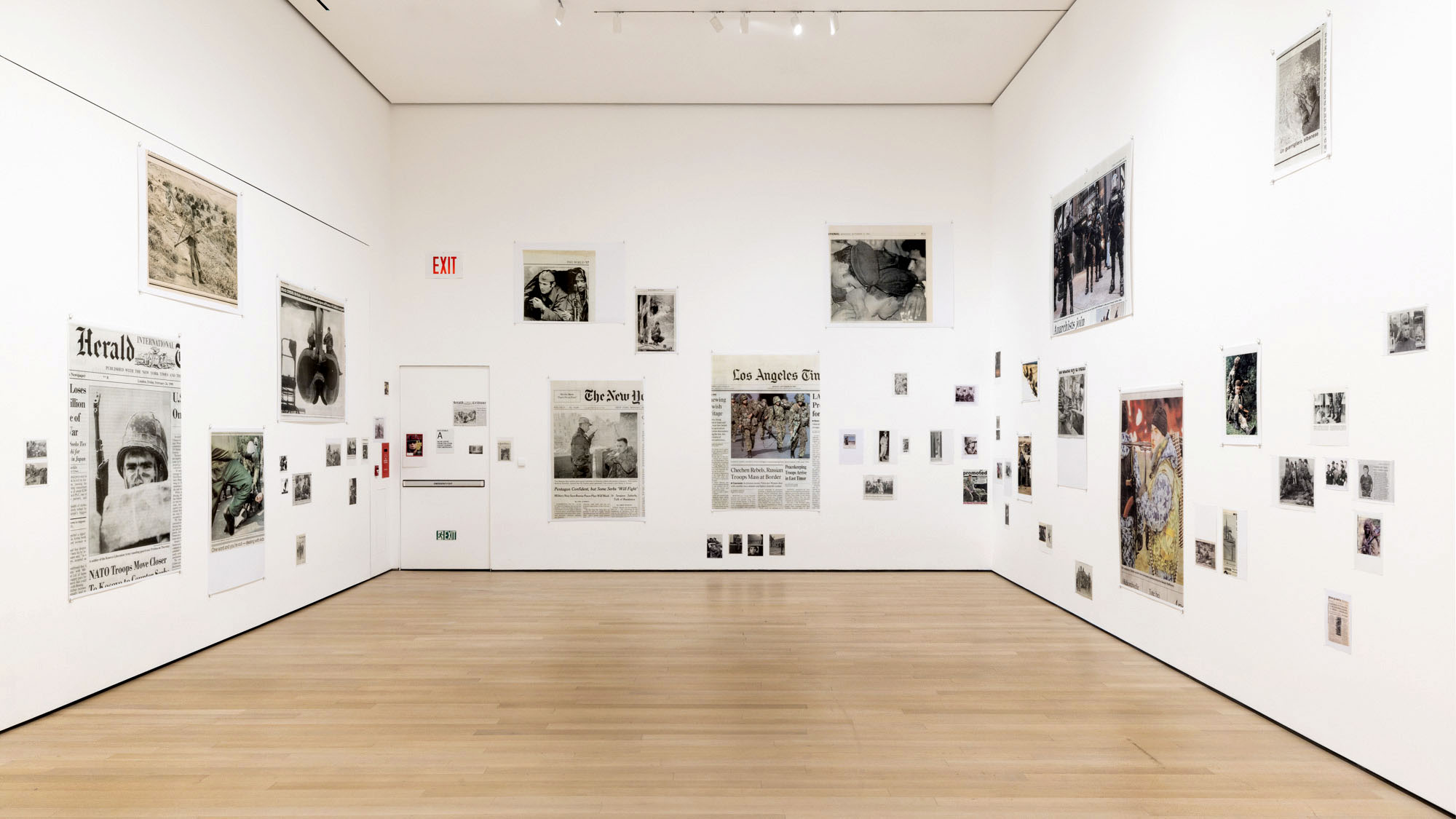




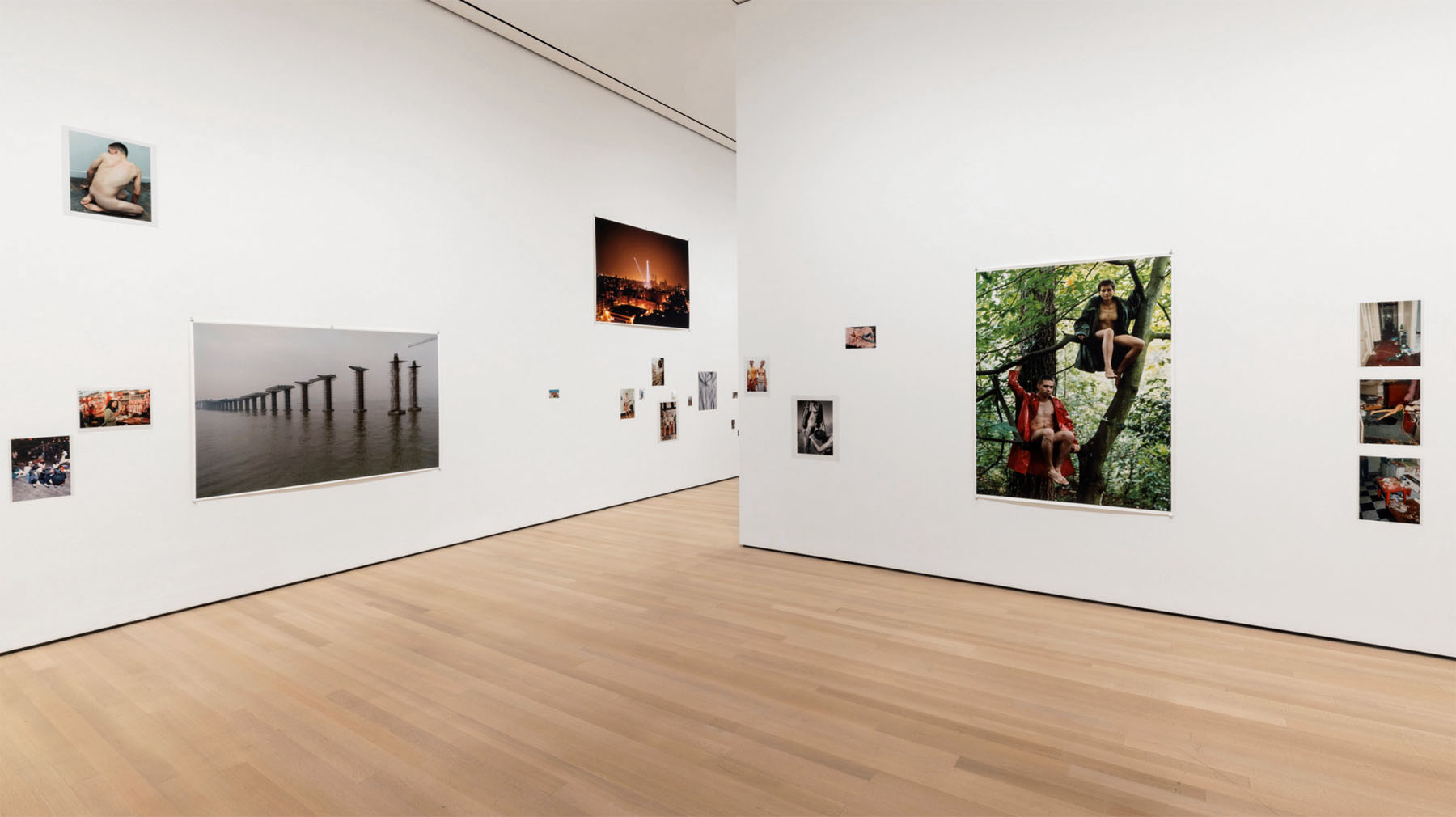

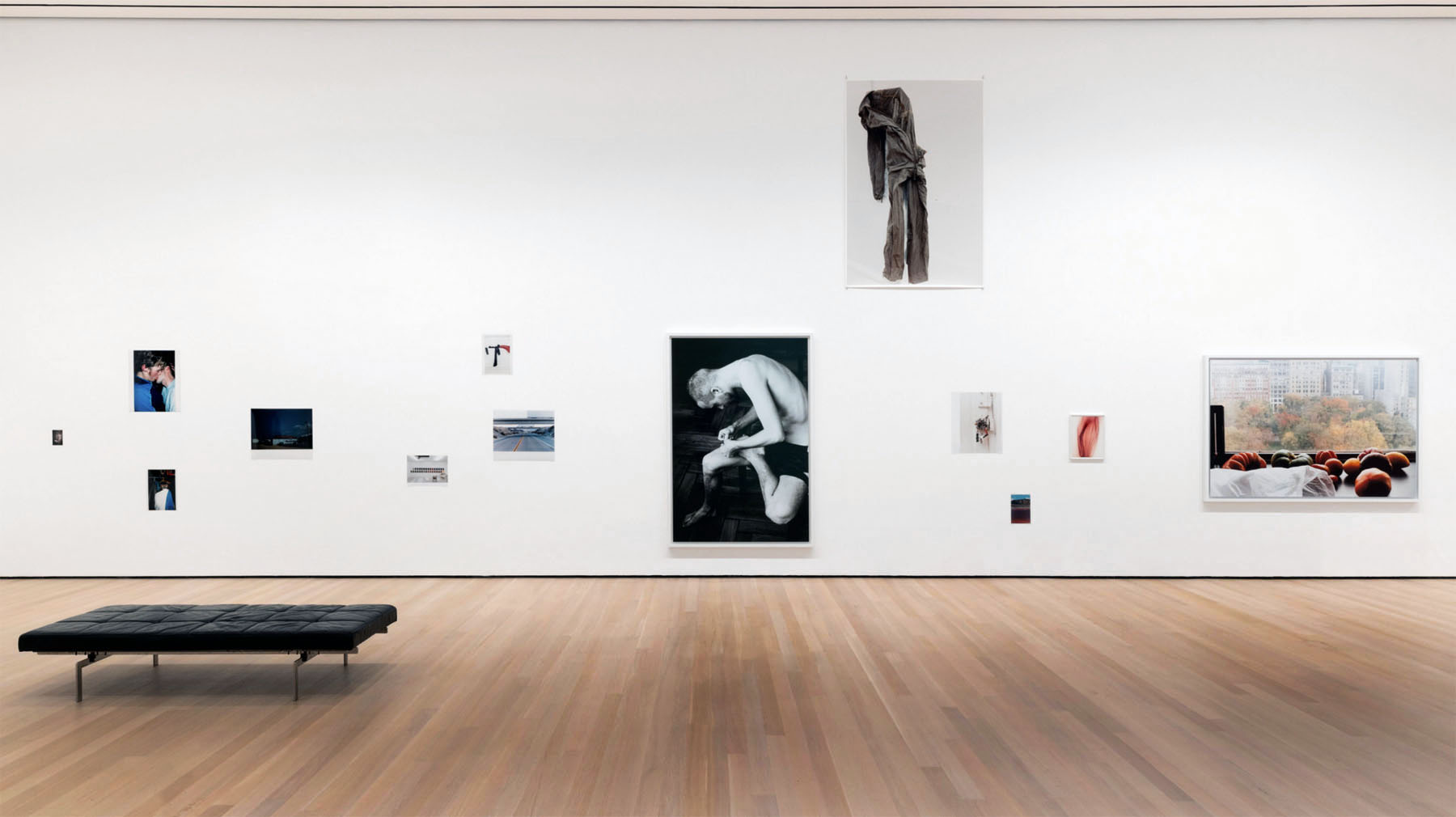


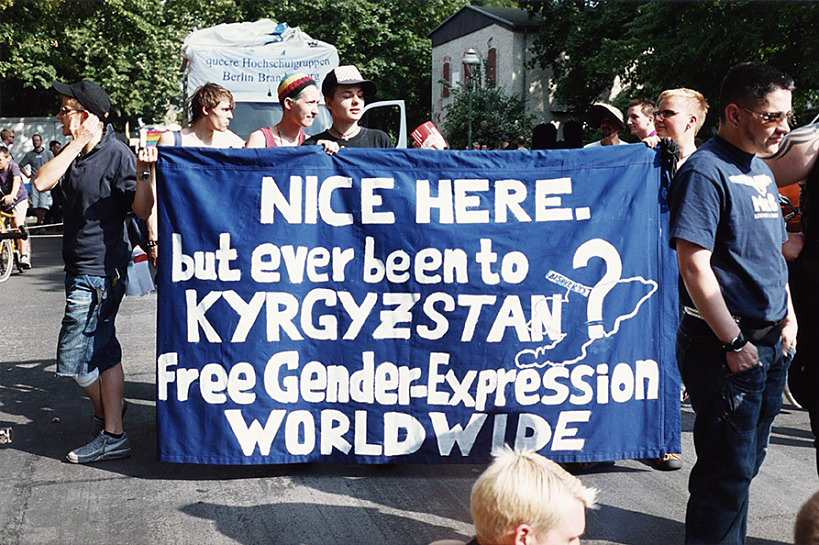


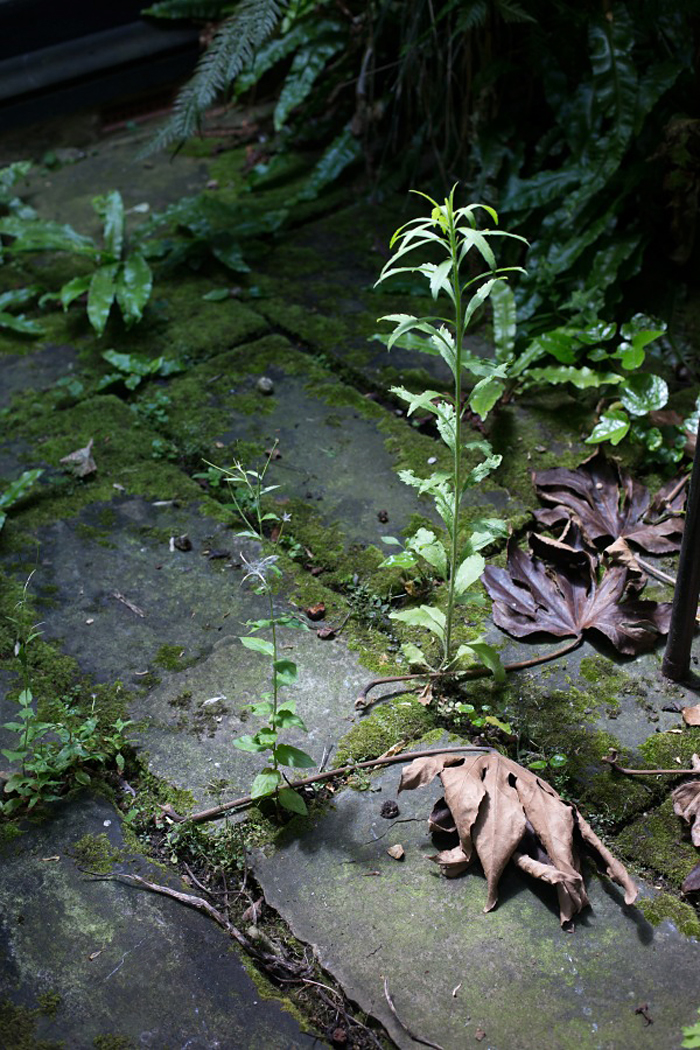


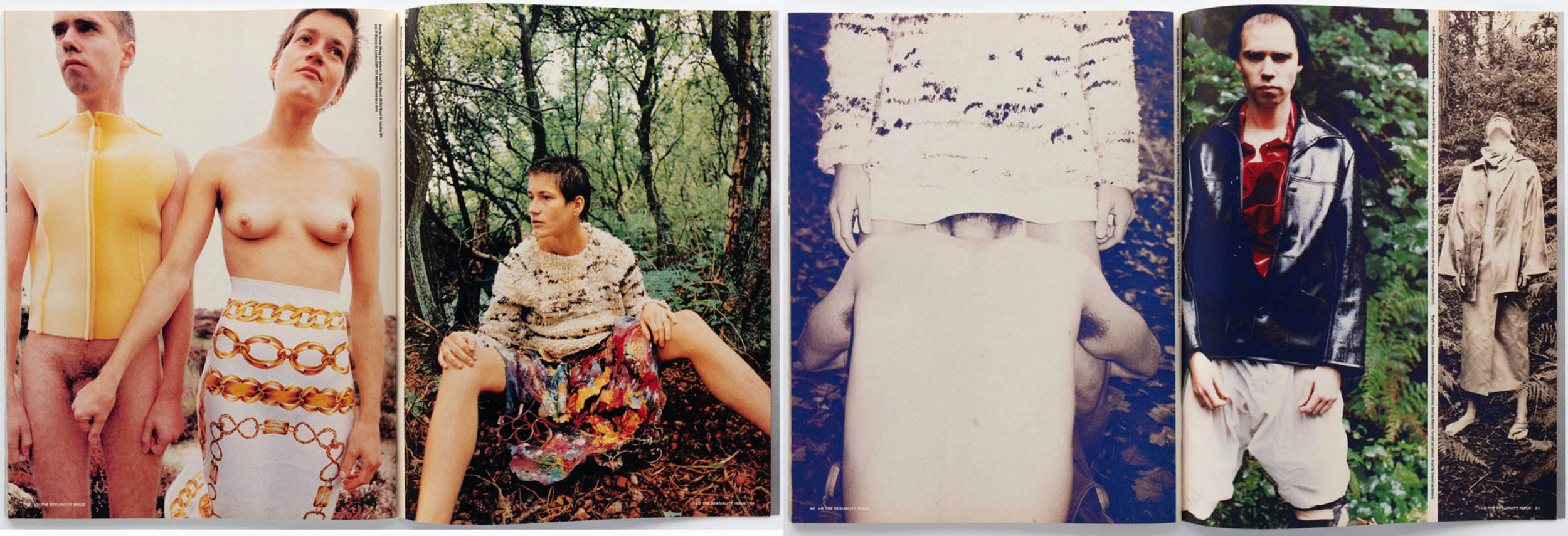


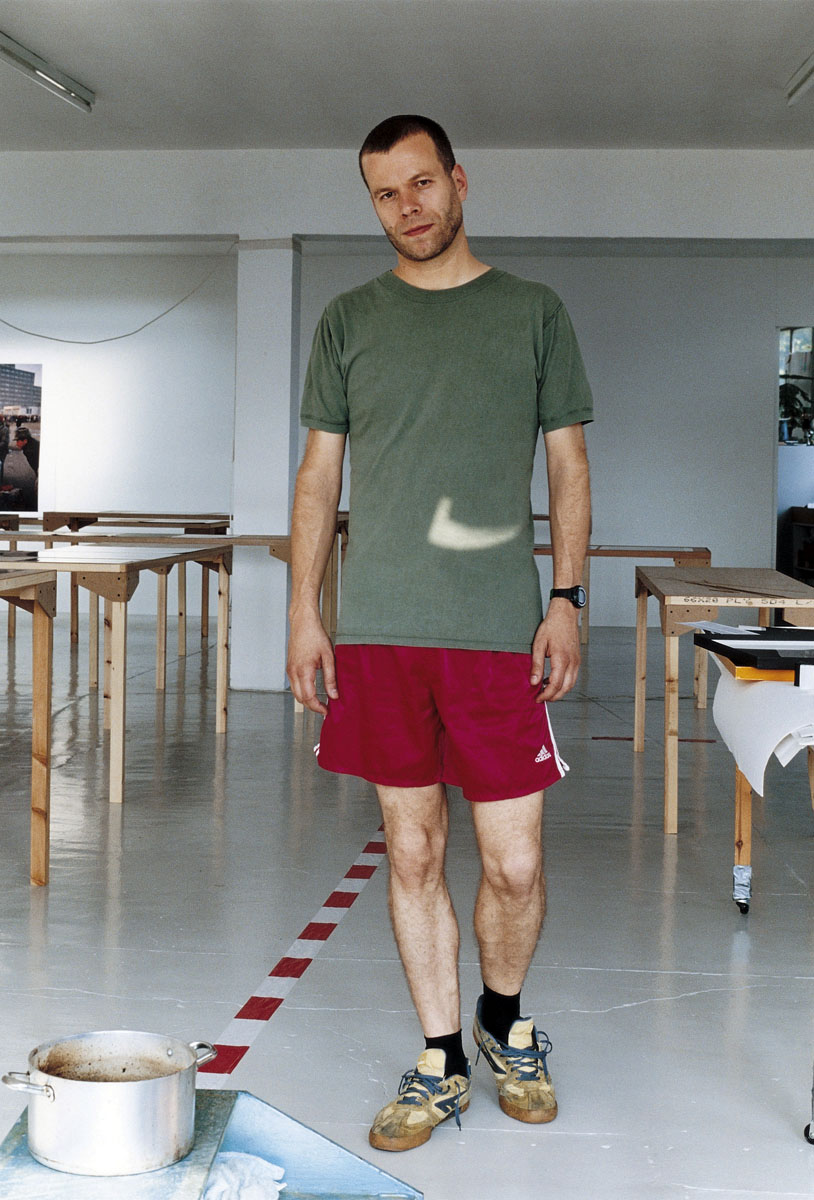






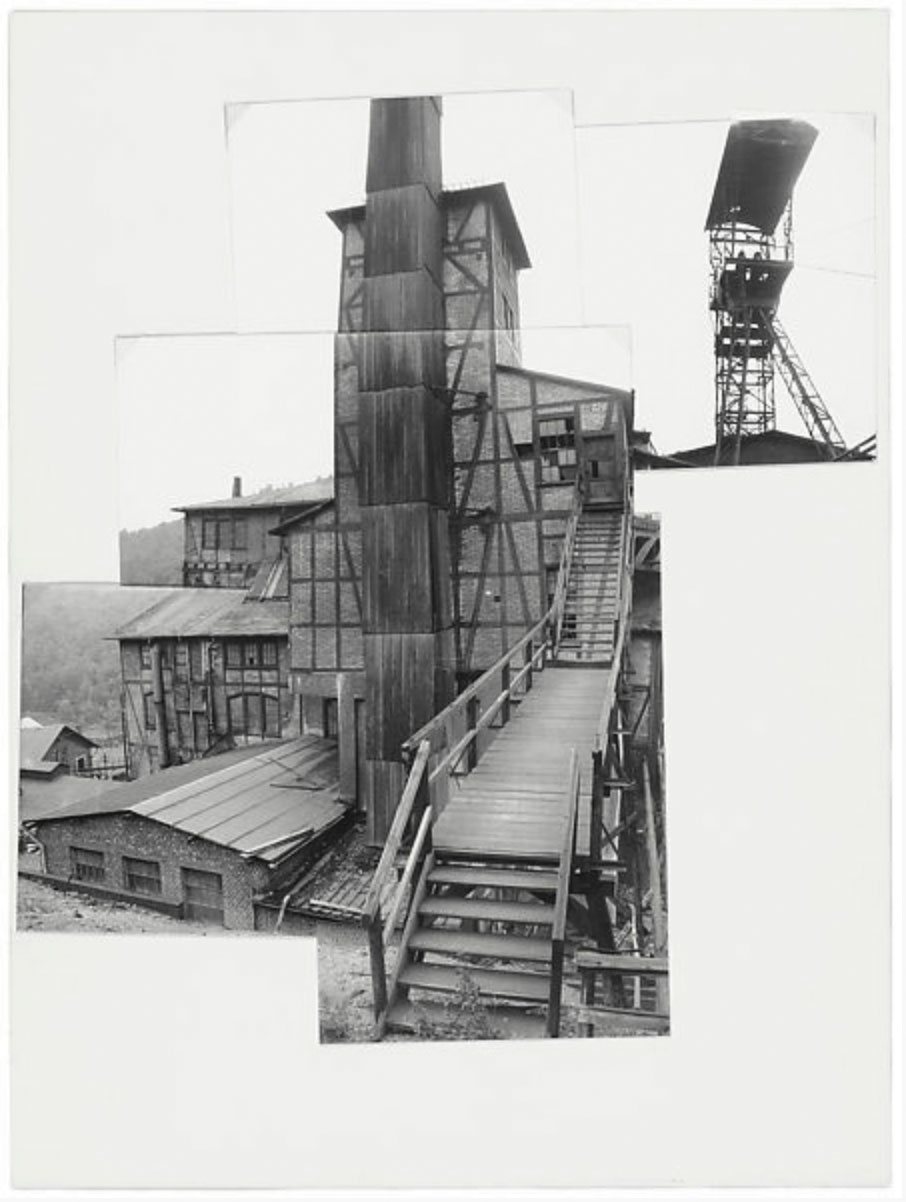
![Bernd Becher (German, 1931-2007) '[Assemblage of Pipes]' 1964 or later](https://artblart.com/wp-content/uploads/2022/10/bernd-becher-assemblage-of-pipes.jpg "Bernd Becher (German, 1931-2007) '[Assemblage of Pipes]' 1964 or later")
![Hilla Becher (German, 1934-2015) '[Mountain Elm Leaf]' 1965](https://artblart.com/wp-content/uploads/2022/10/hilla-becher-hilla-becher-mountain-elm-leaf.jpg "Hilla Becher (German, 1934-2015) '[Mountain Elm Leaf]' 1965")
![Hilla Becher (German, 1934-2015) '[Spruce Branch]' 1965](https://artblart.com/wp-content/uploads/2022/10/hilla-becher-spruce-branch.jpg "Hilla Becher (German, 1934-2015) '[Spruce Branch]' 1965")
![Hilla Becher (German, 1934-2015) '[Shell, for the German Industrial Exhibition, Khartoum, Sudan]' 1961](https://artblart.com/wp-content/uploads/2022/10/hilla-becher-shell-for-the-german-industrial-exhibition.jpg "Hilla Becher (German, 1934-2015) '[Shell, for the German Industrial Exhibition, Khartoum, Sudan]' 1961")


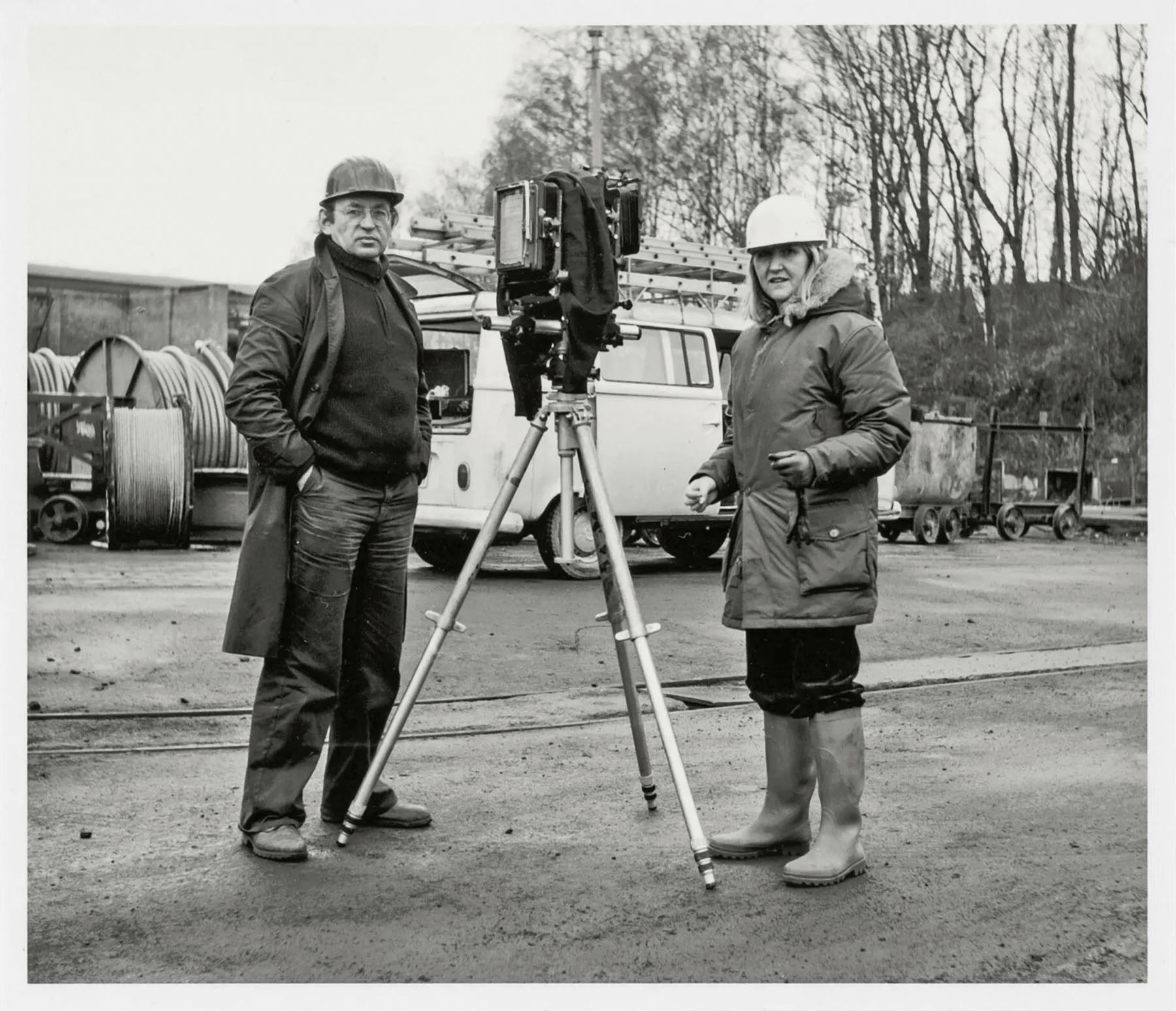

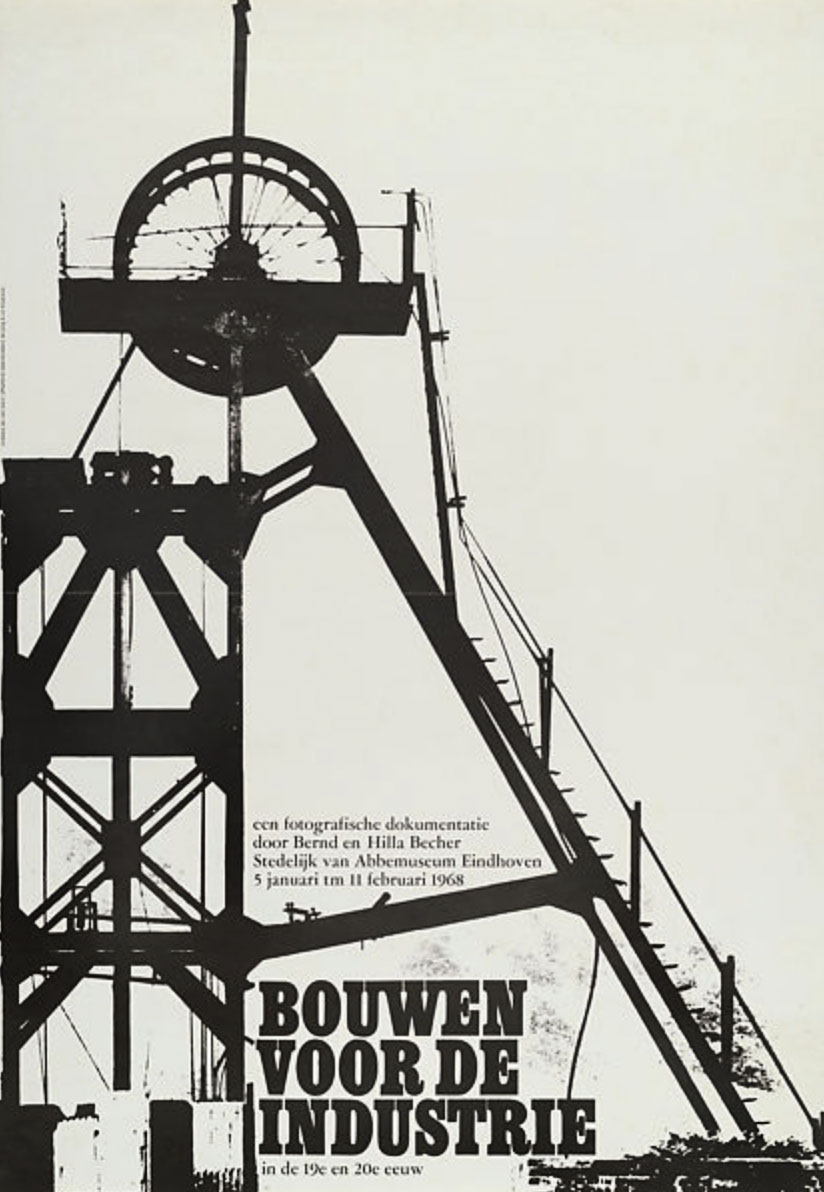










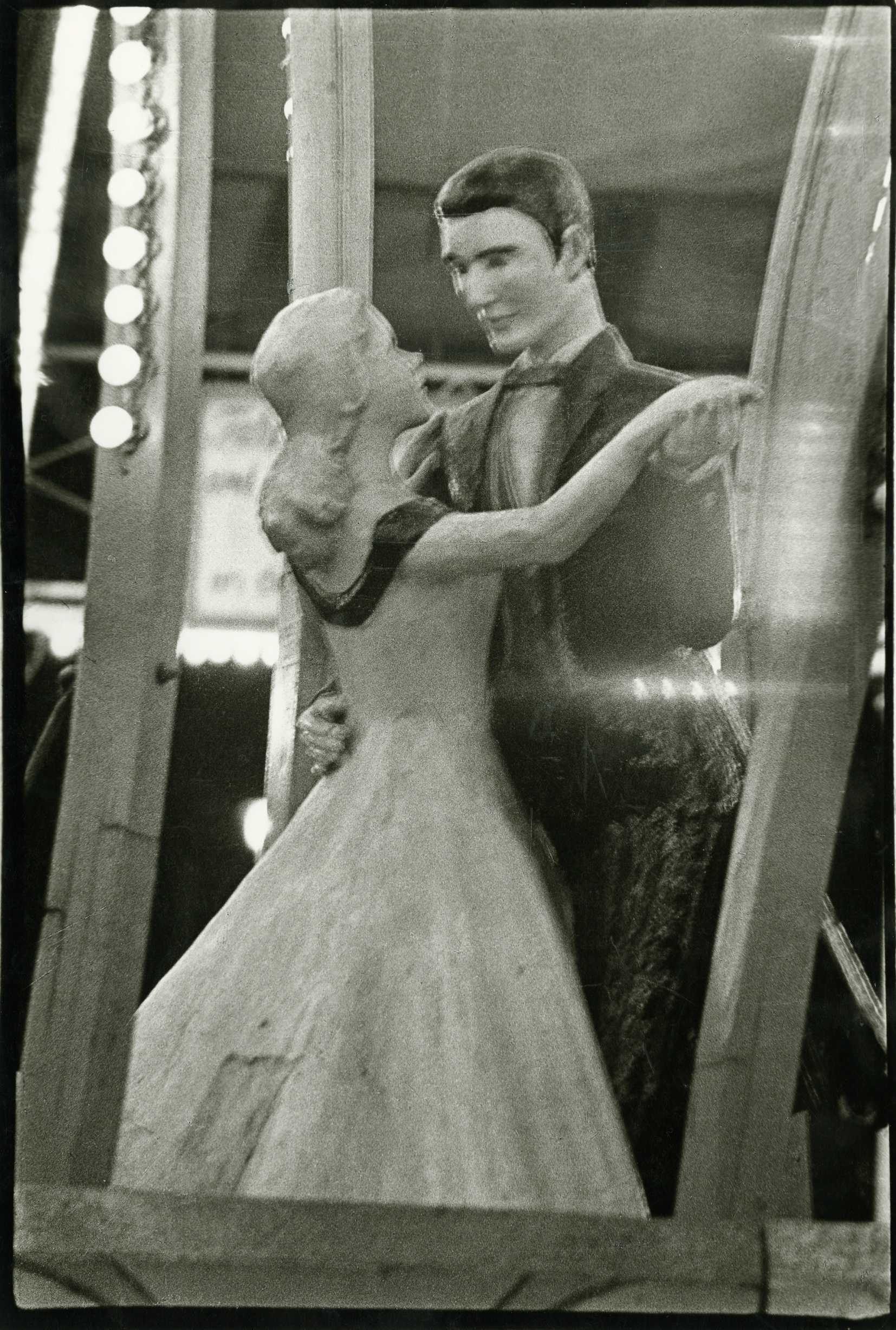

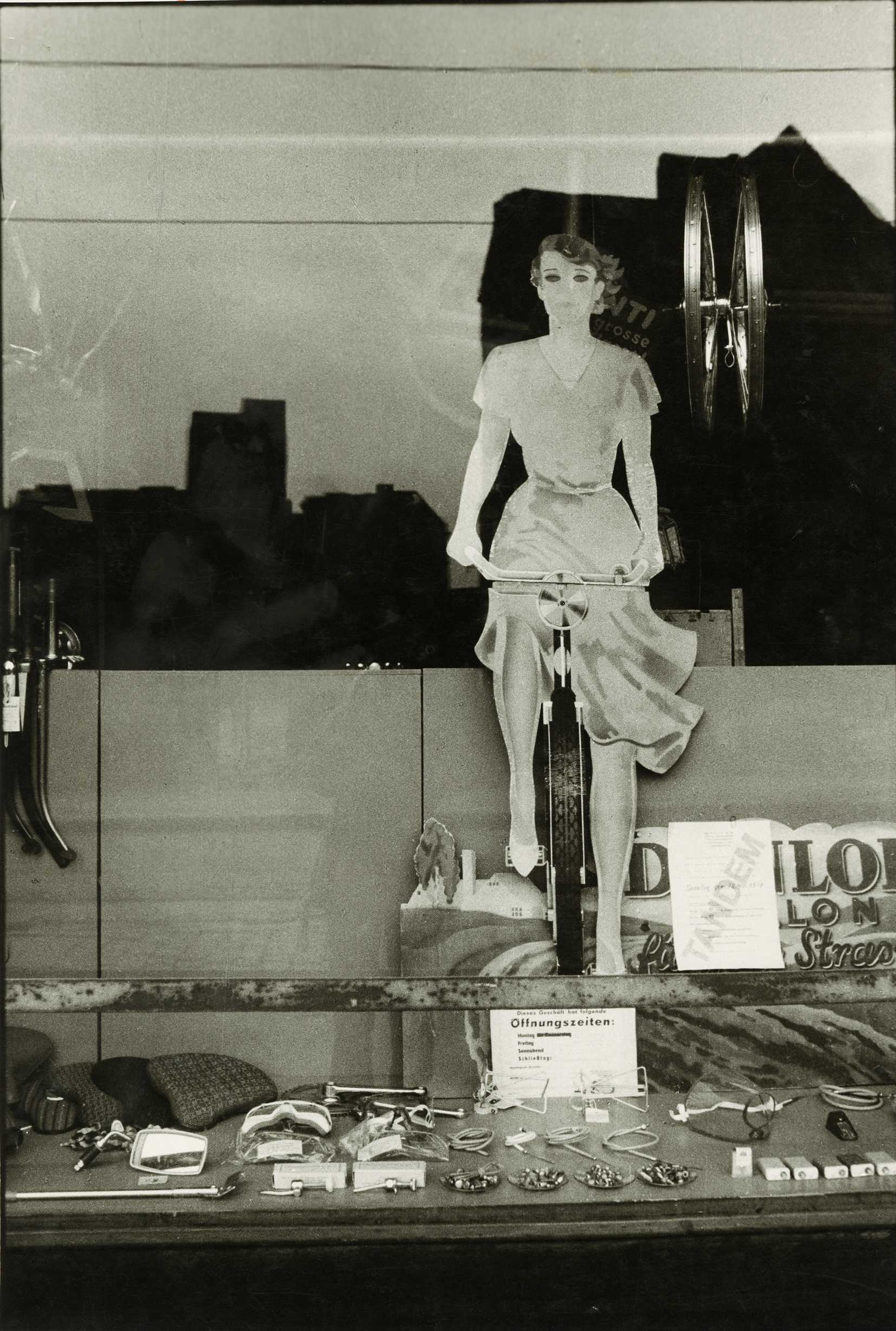
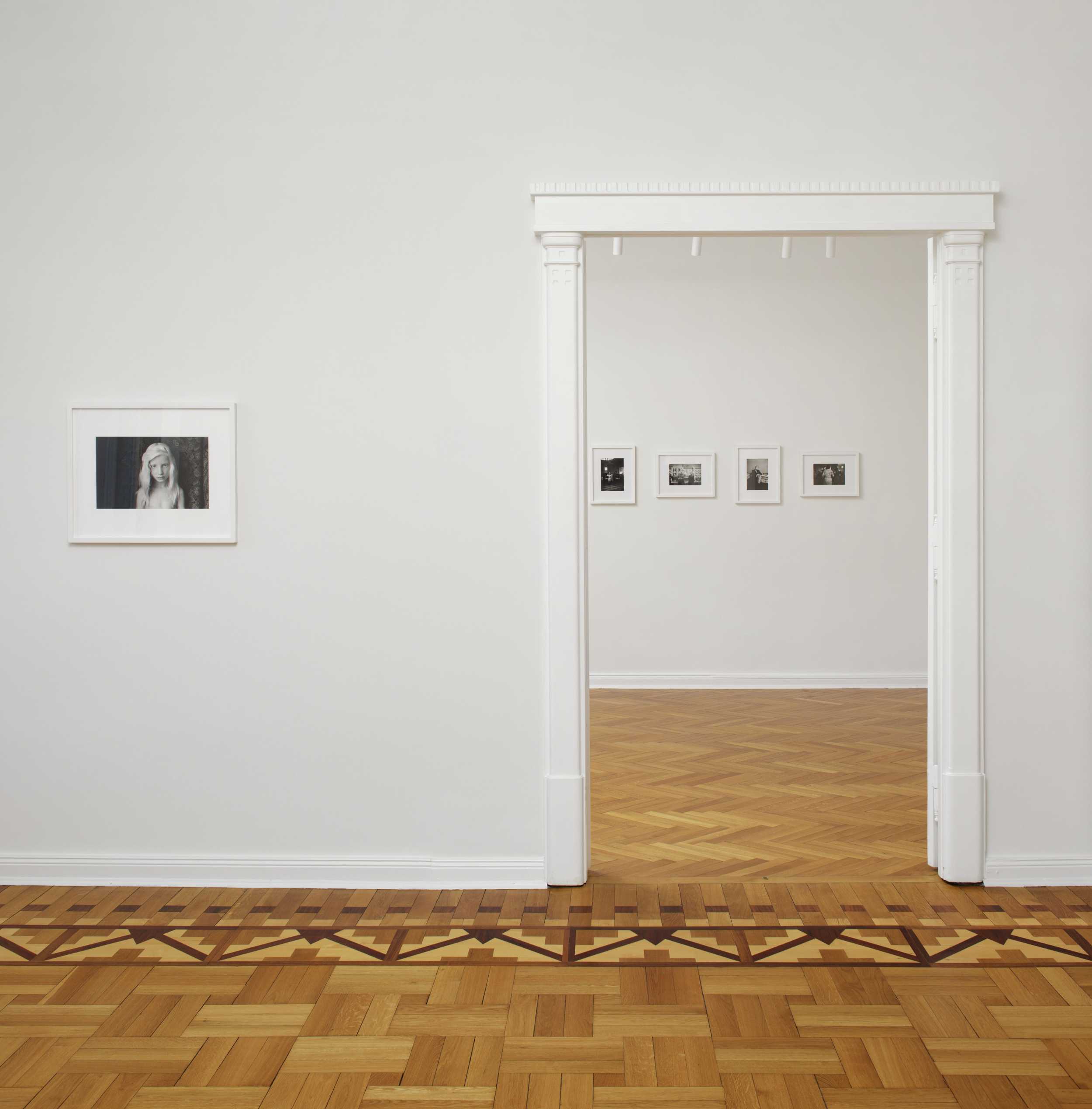

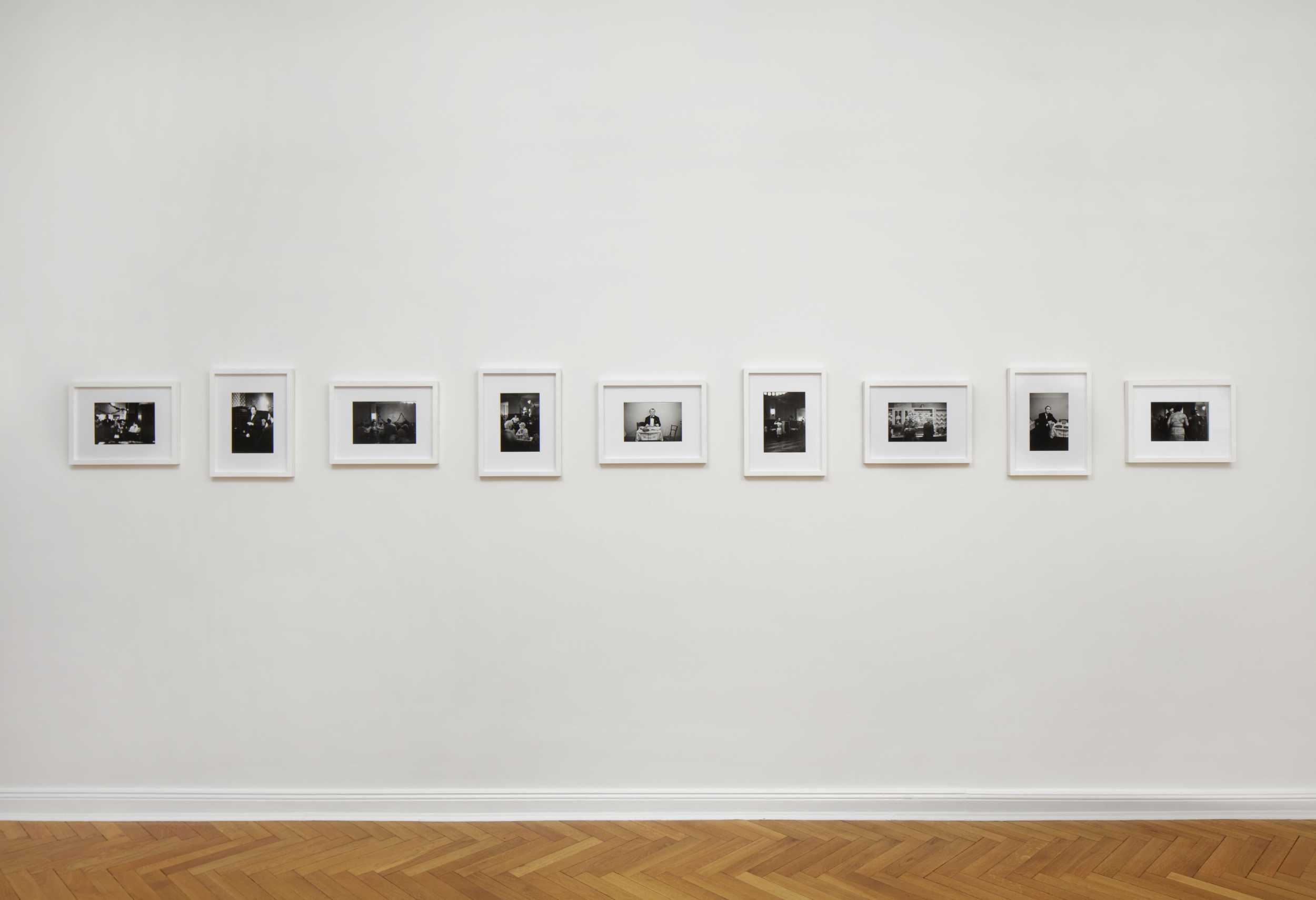

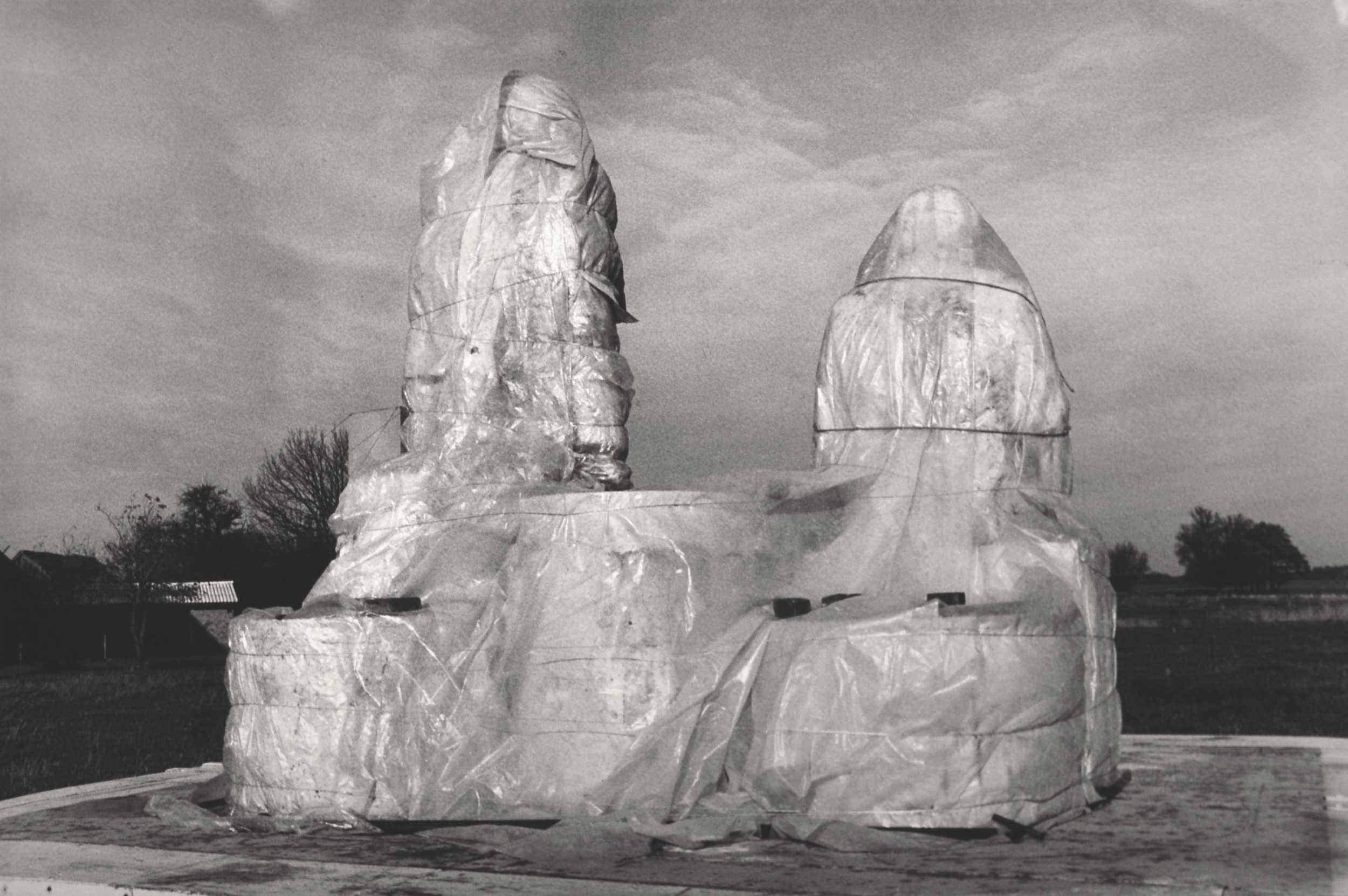


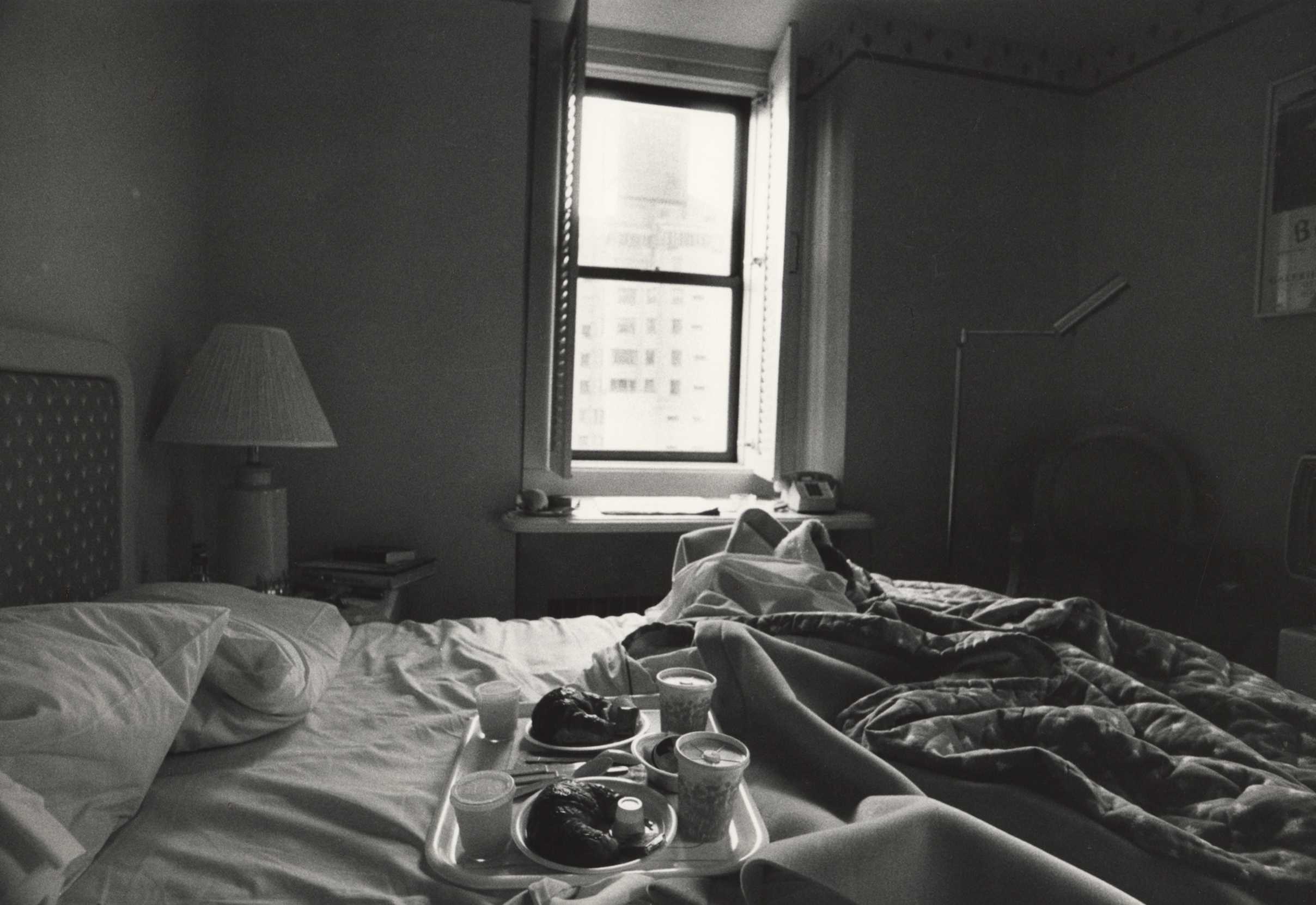
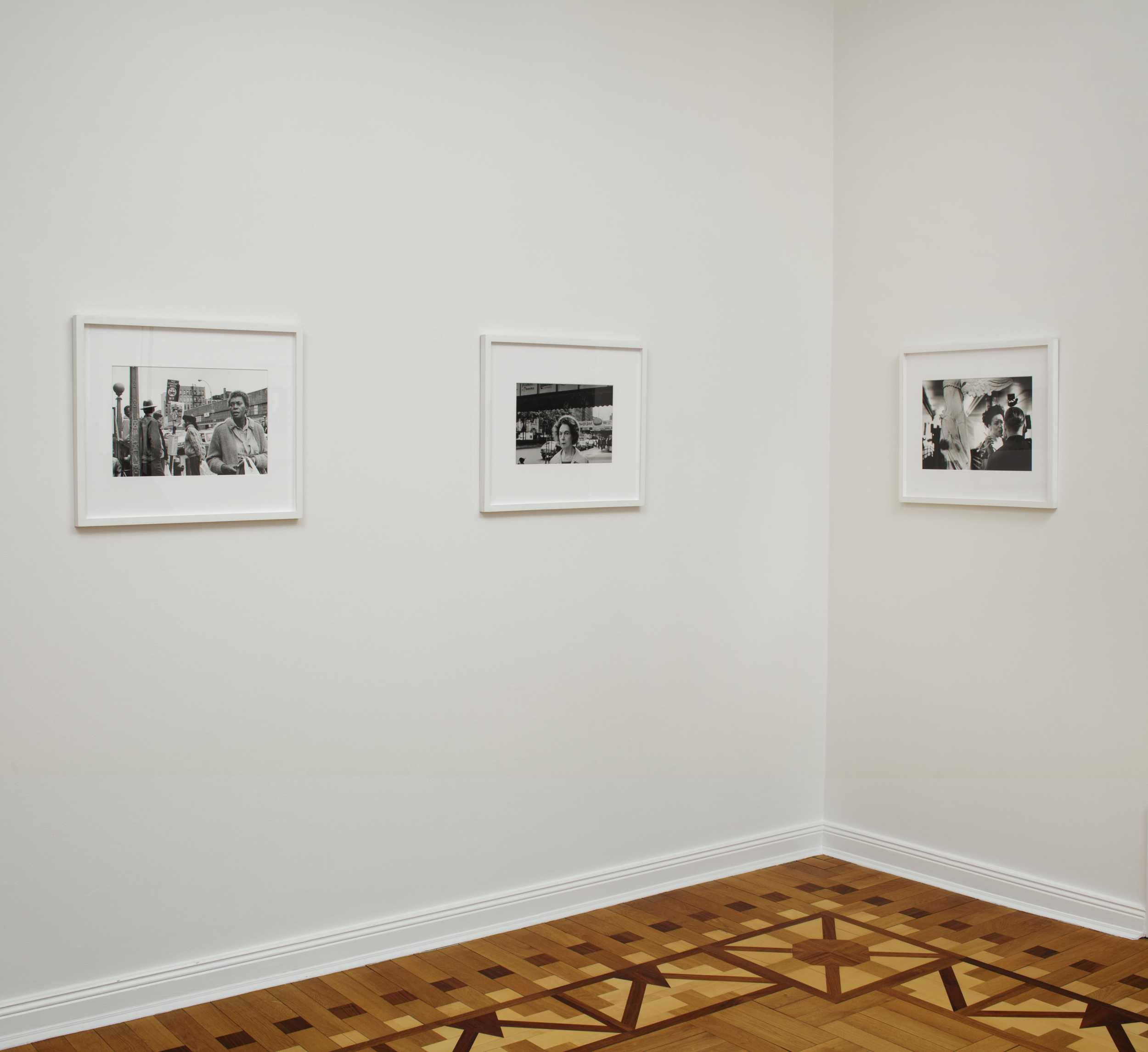
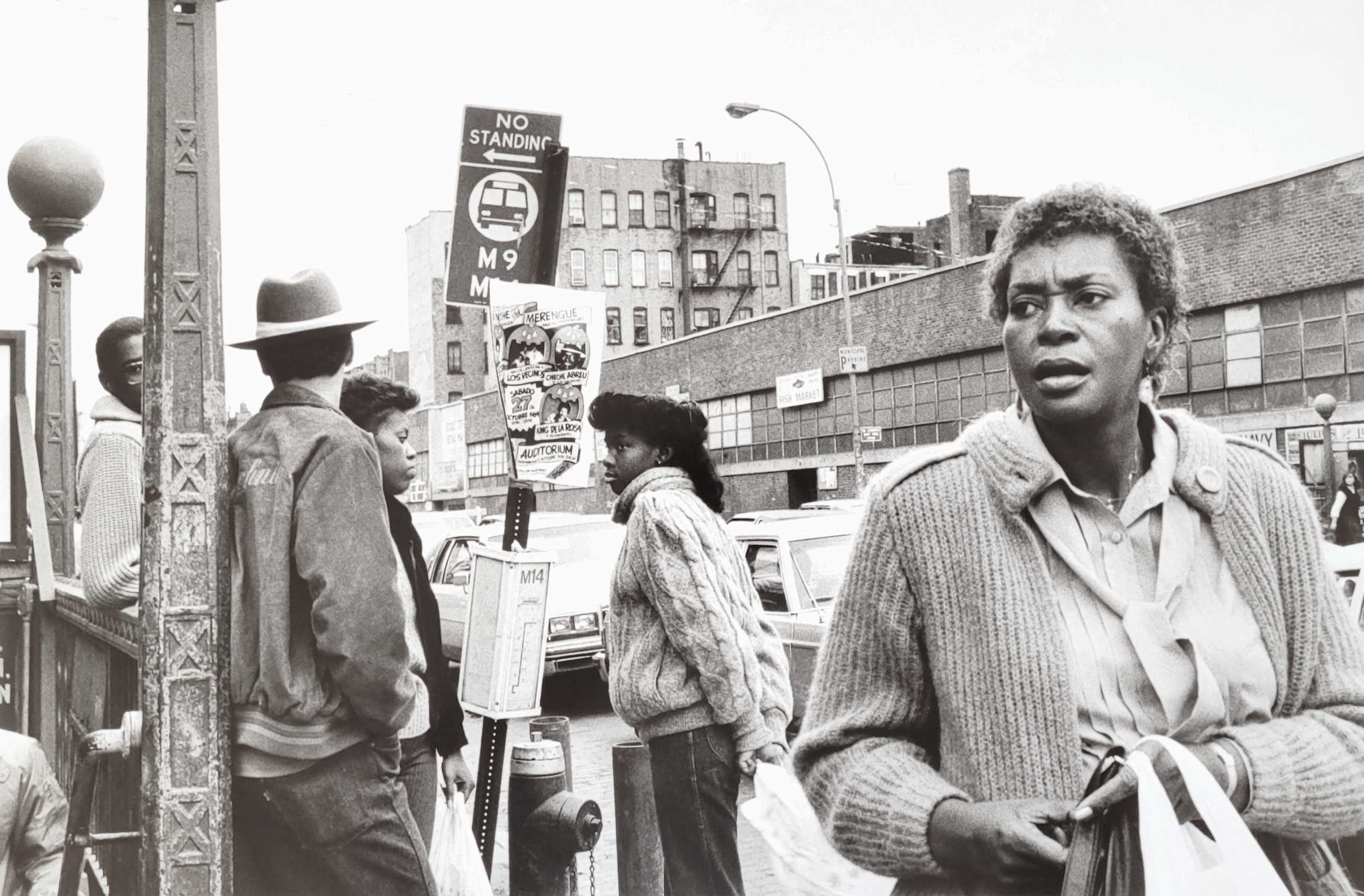

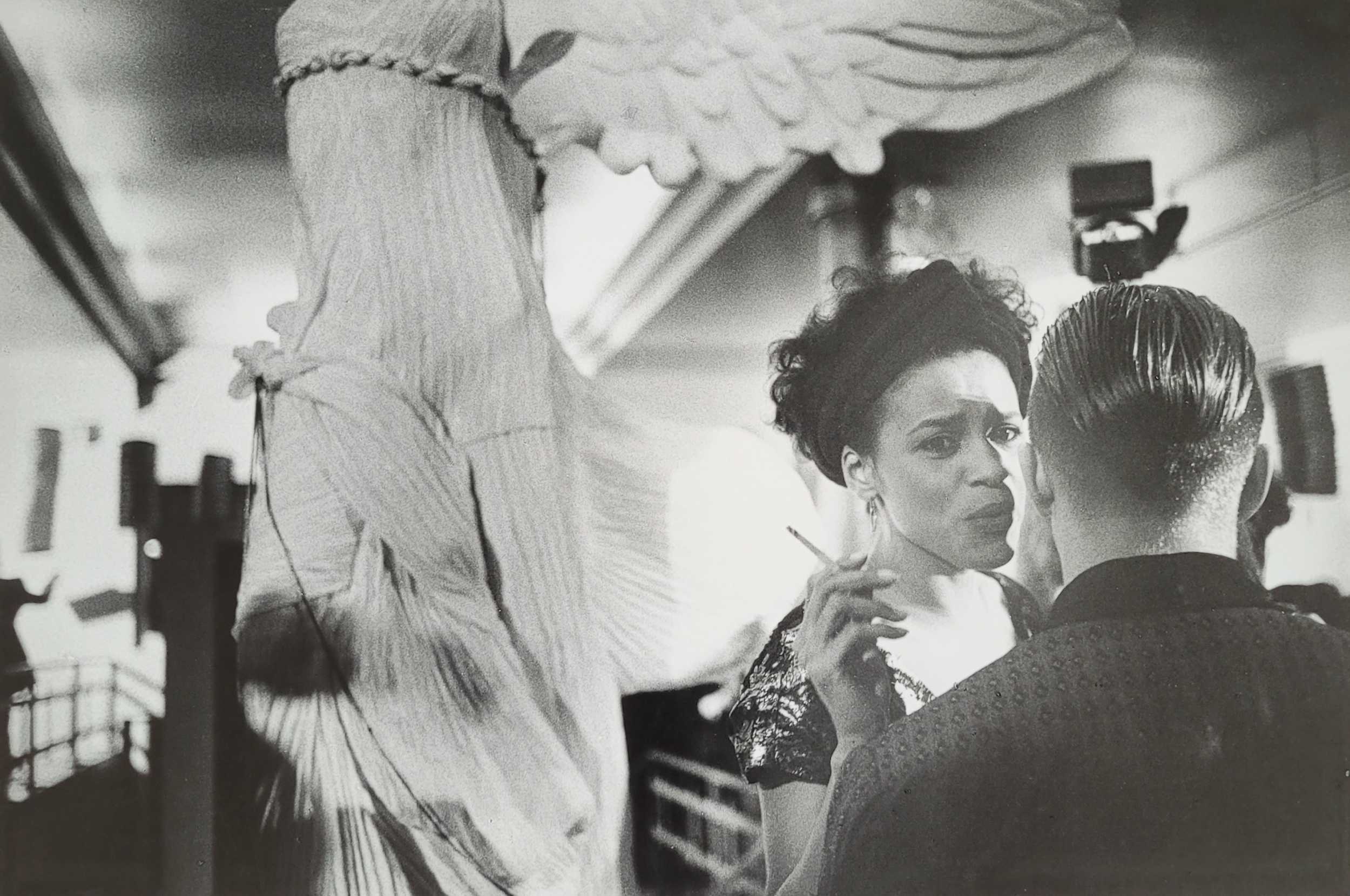

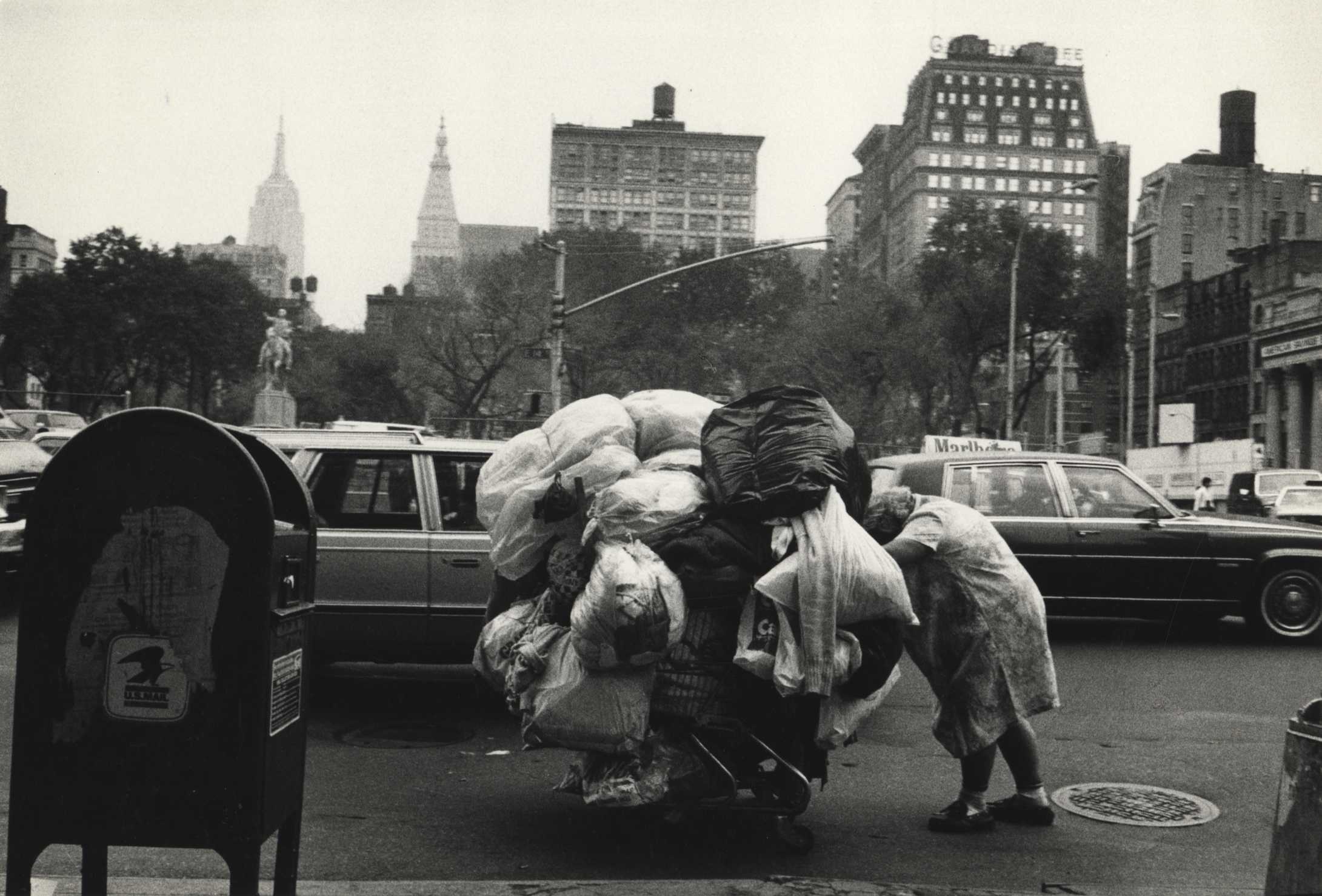
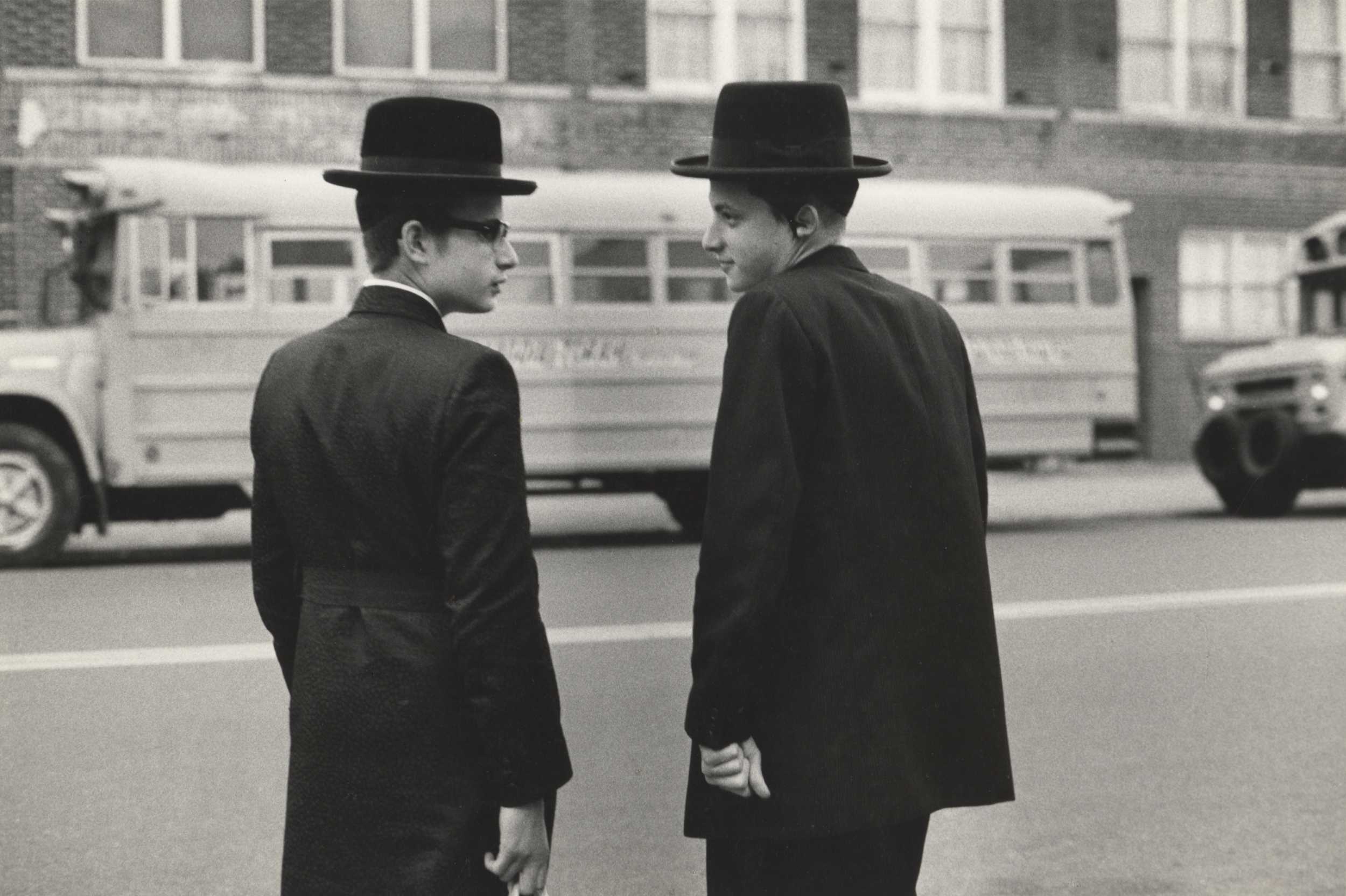
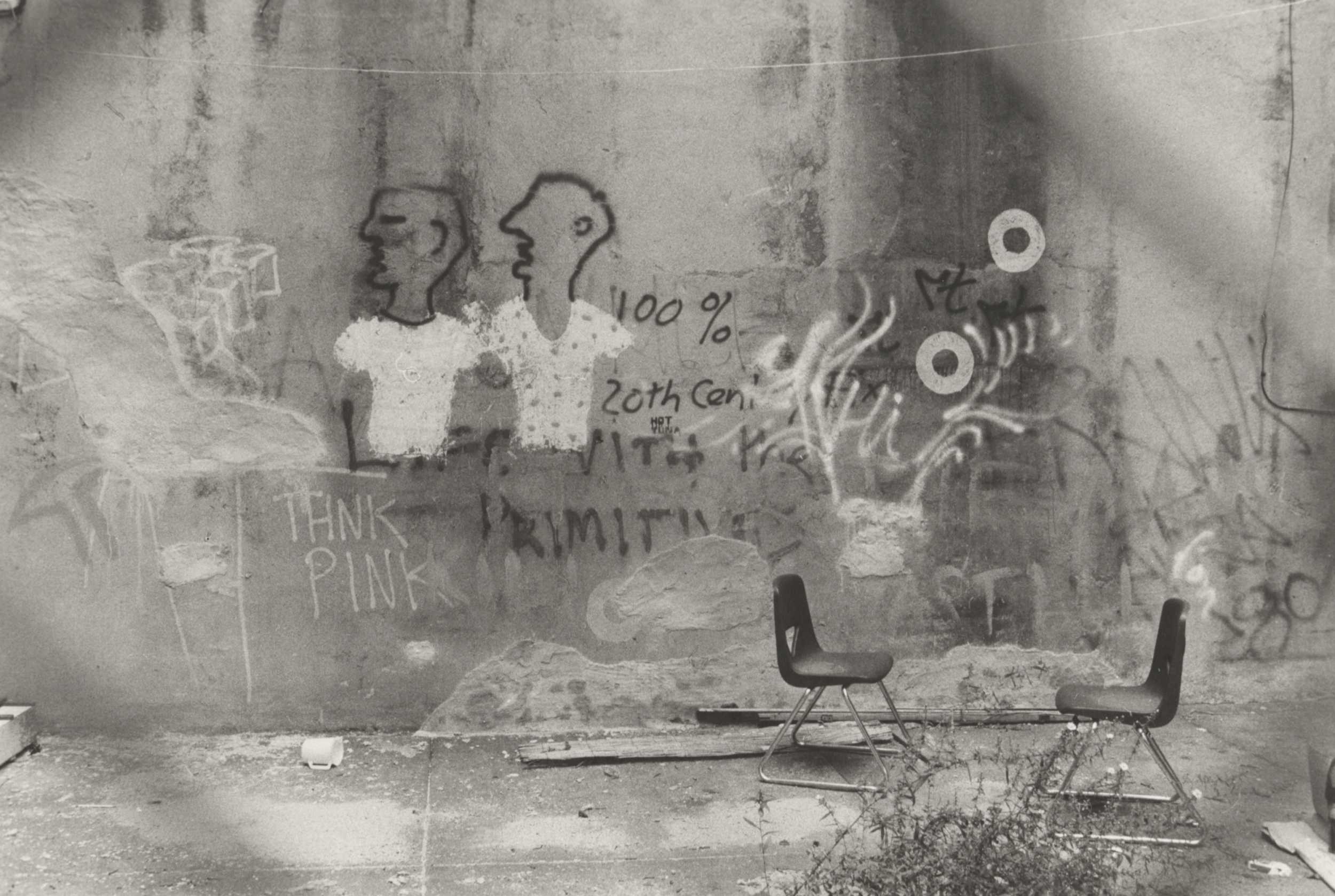

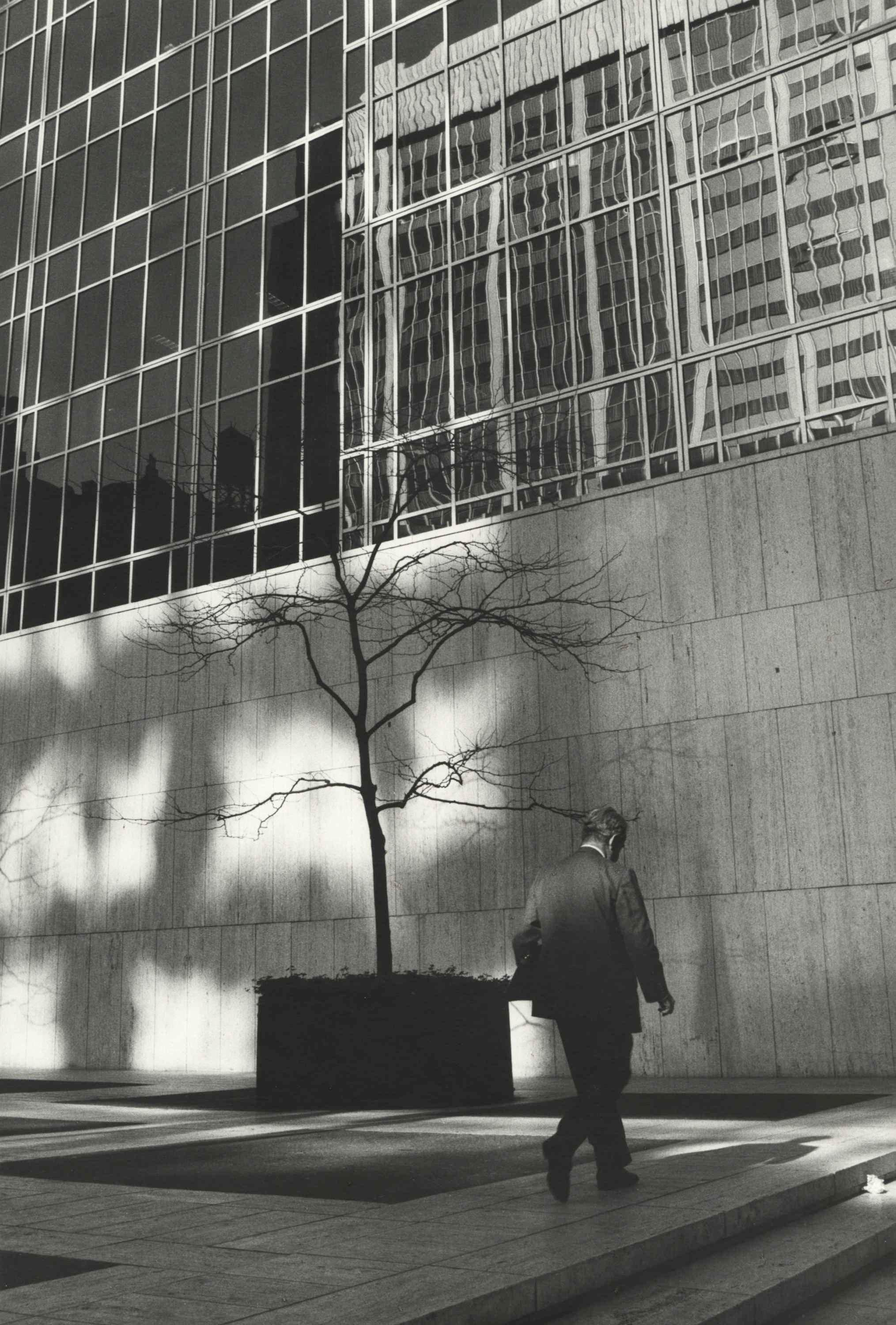
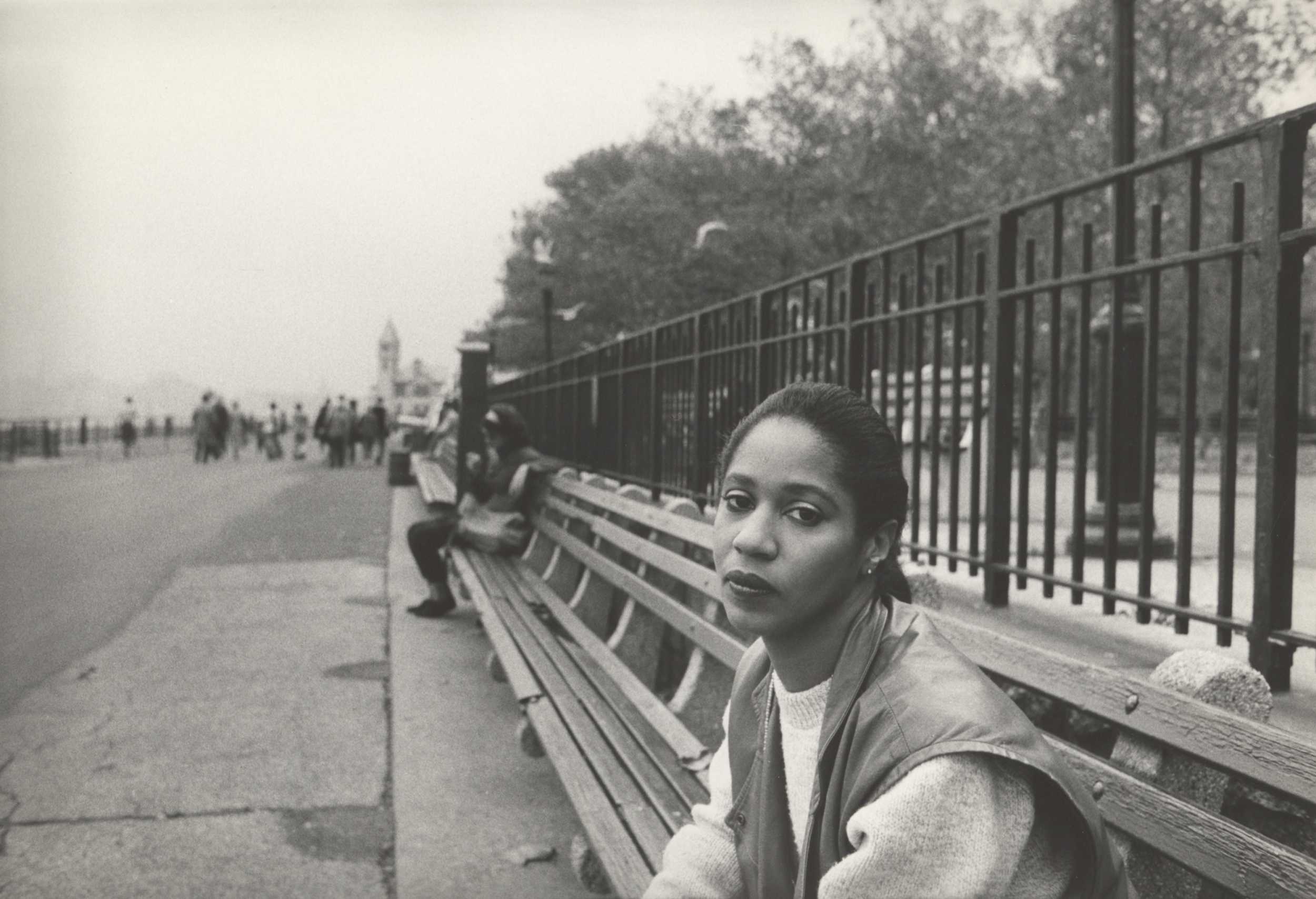
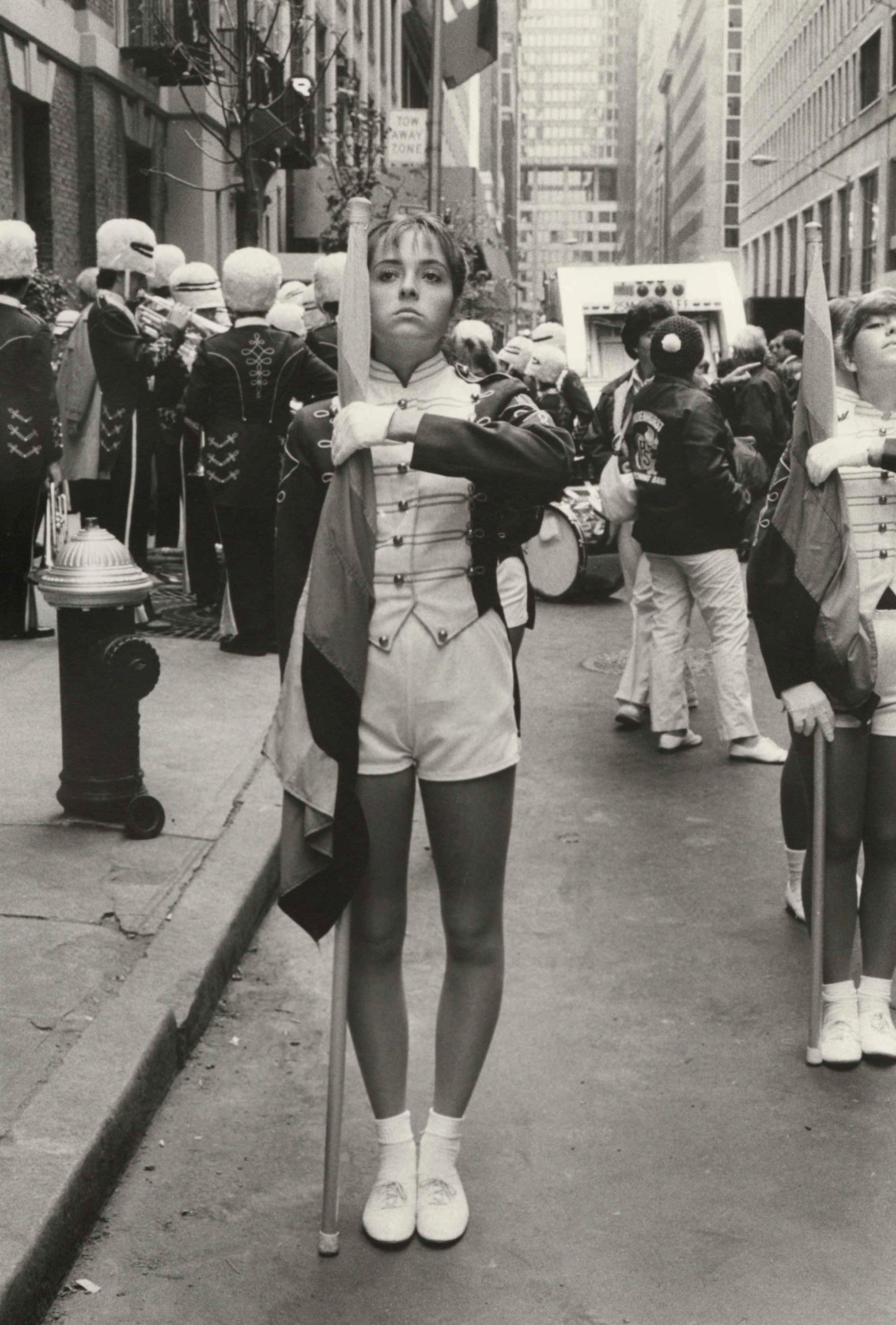
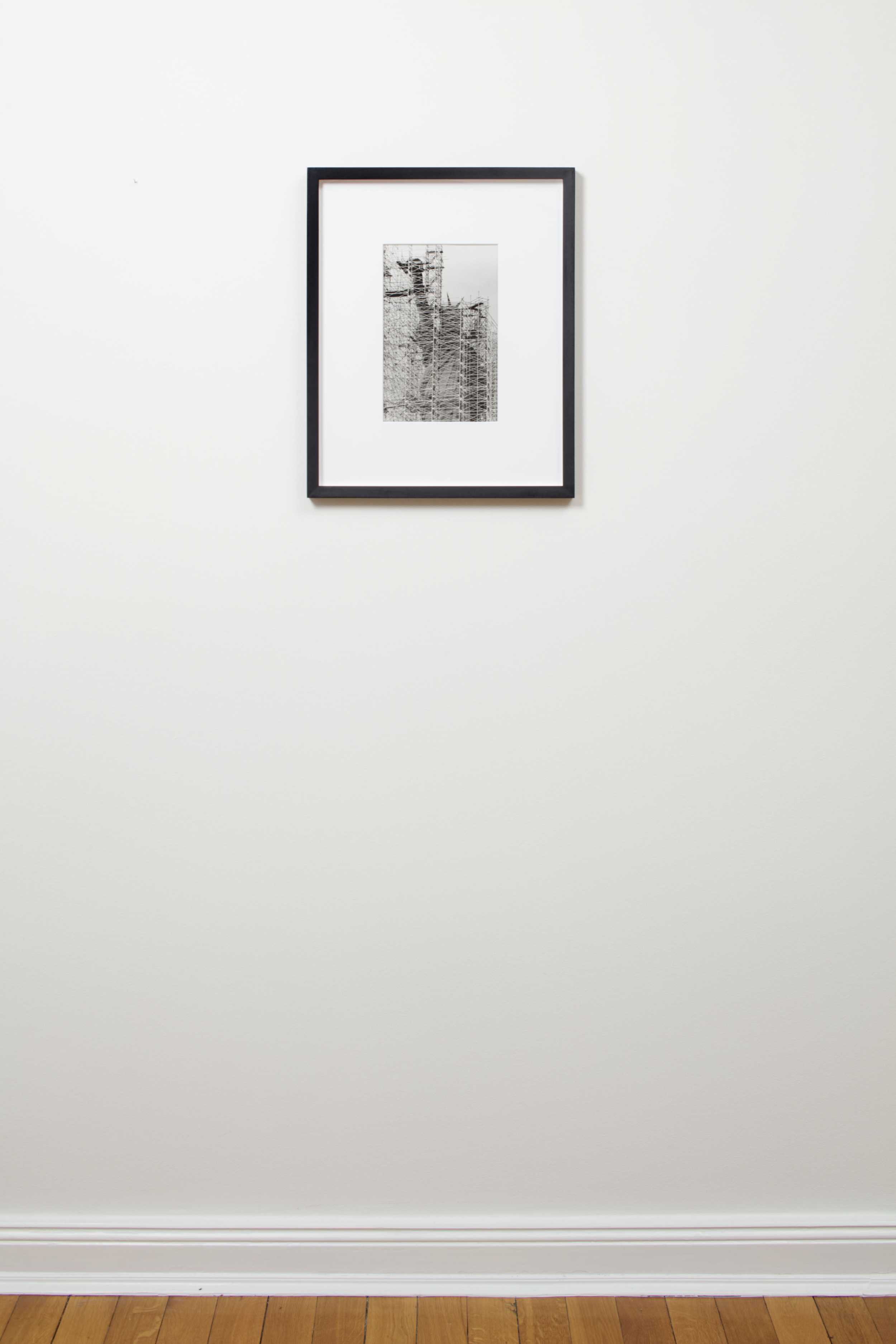




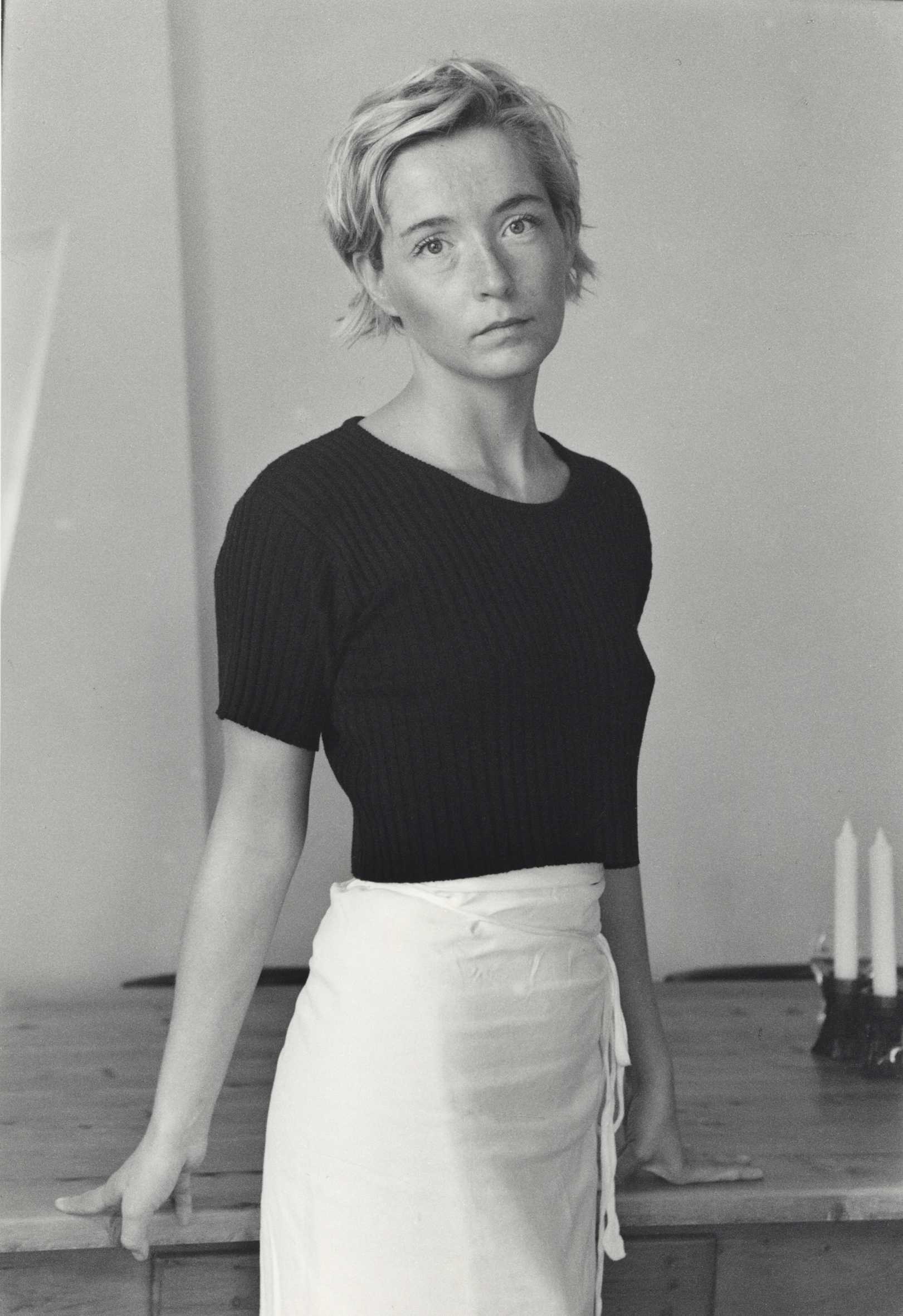

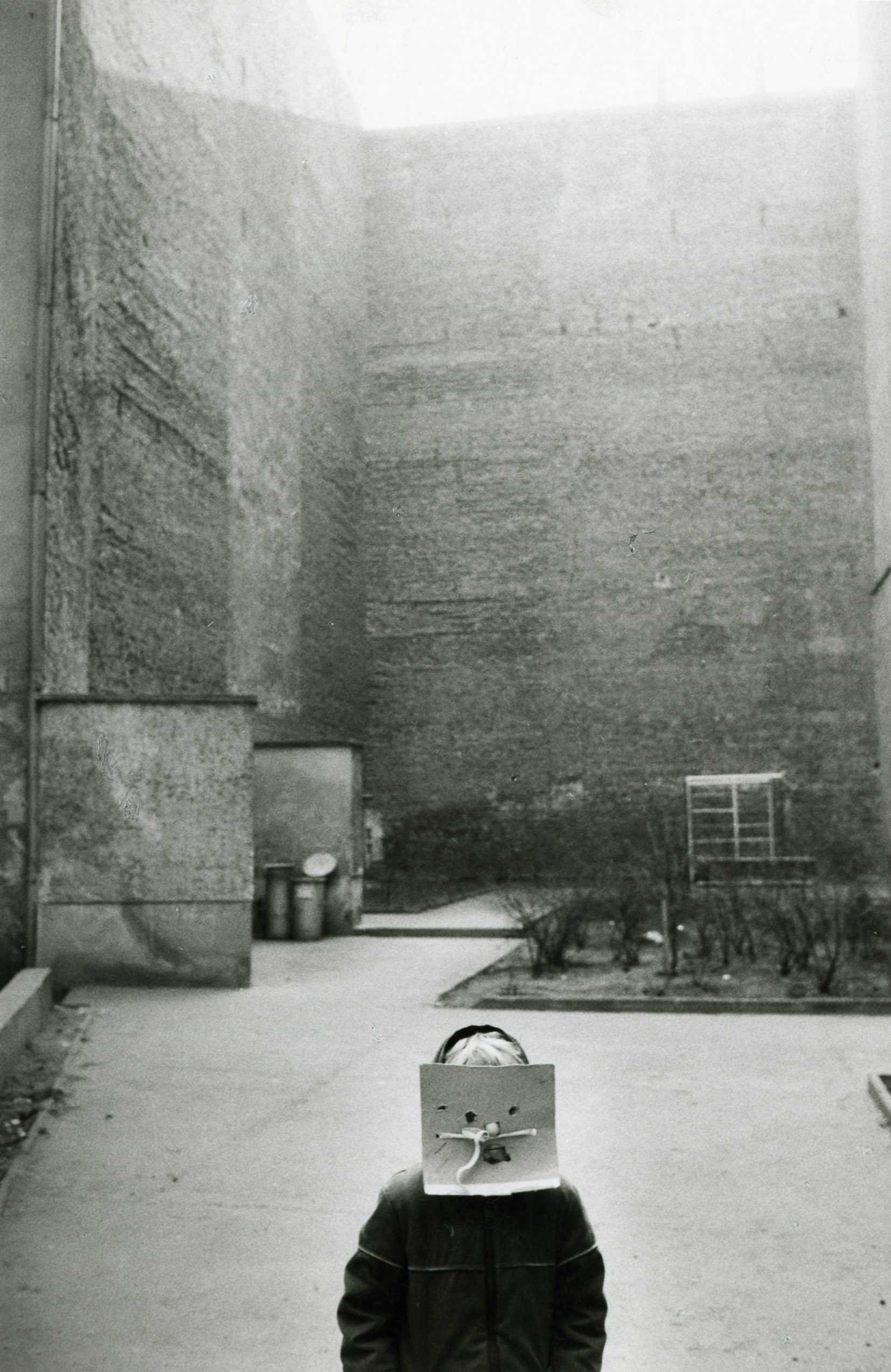

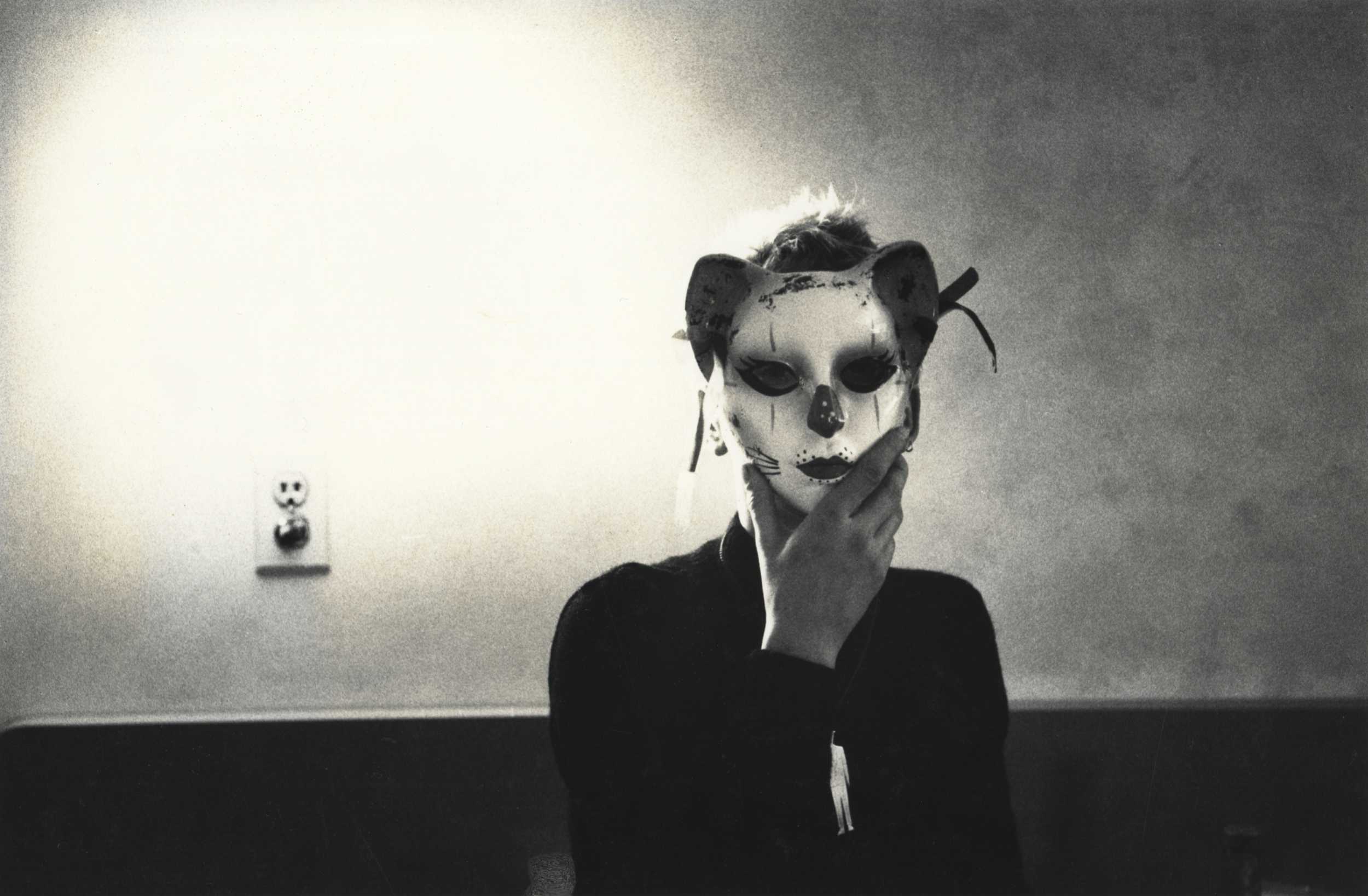

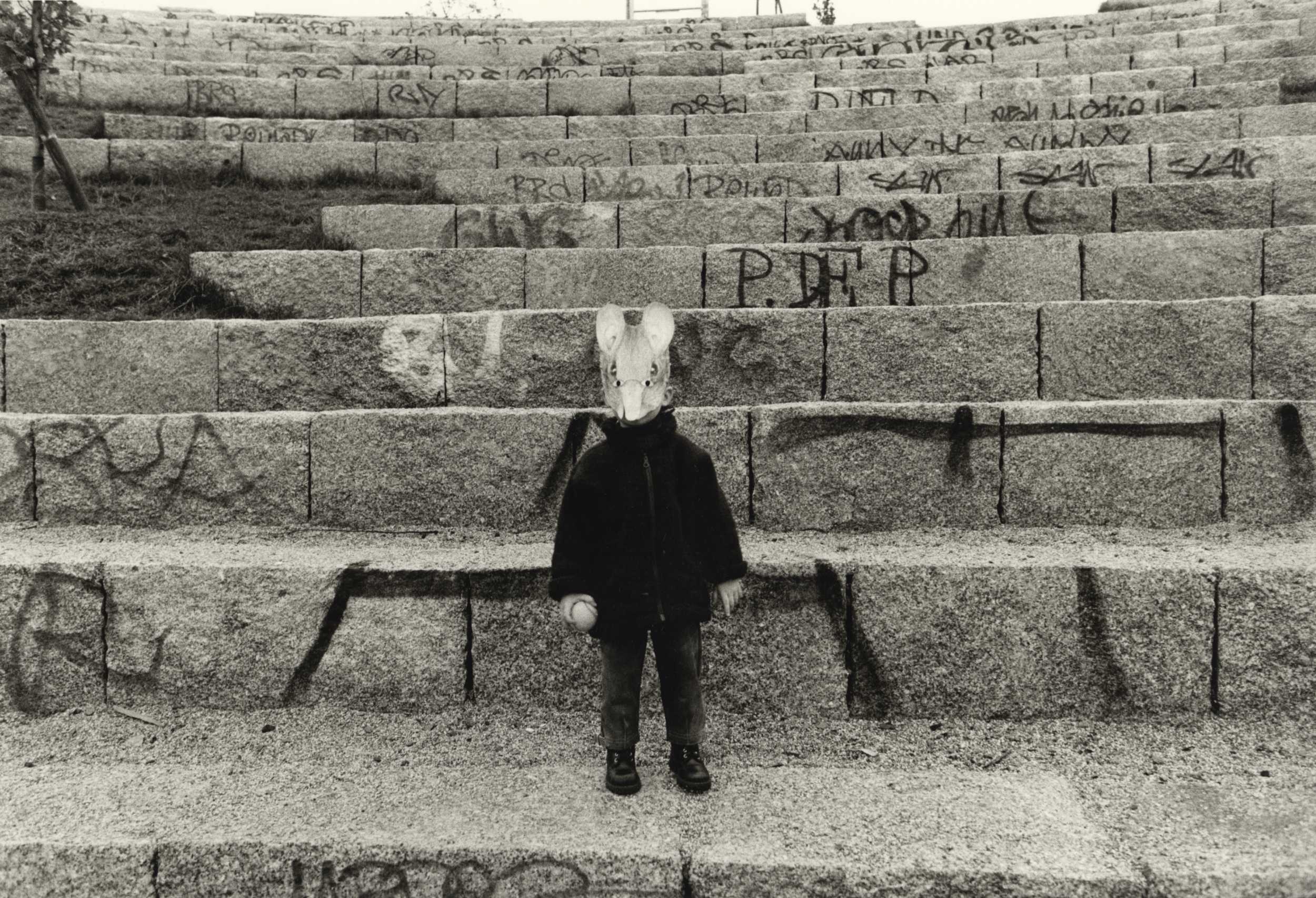
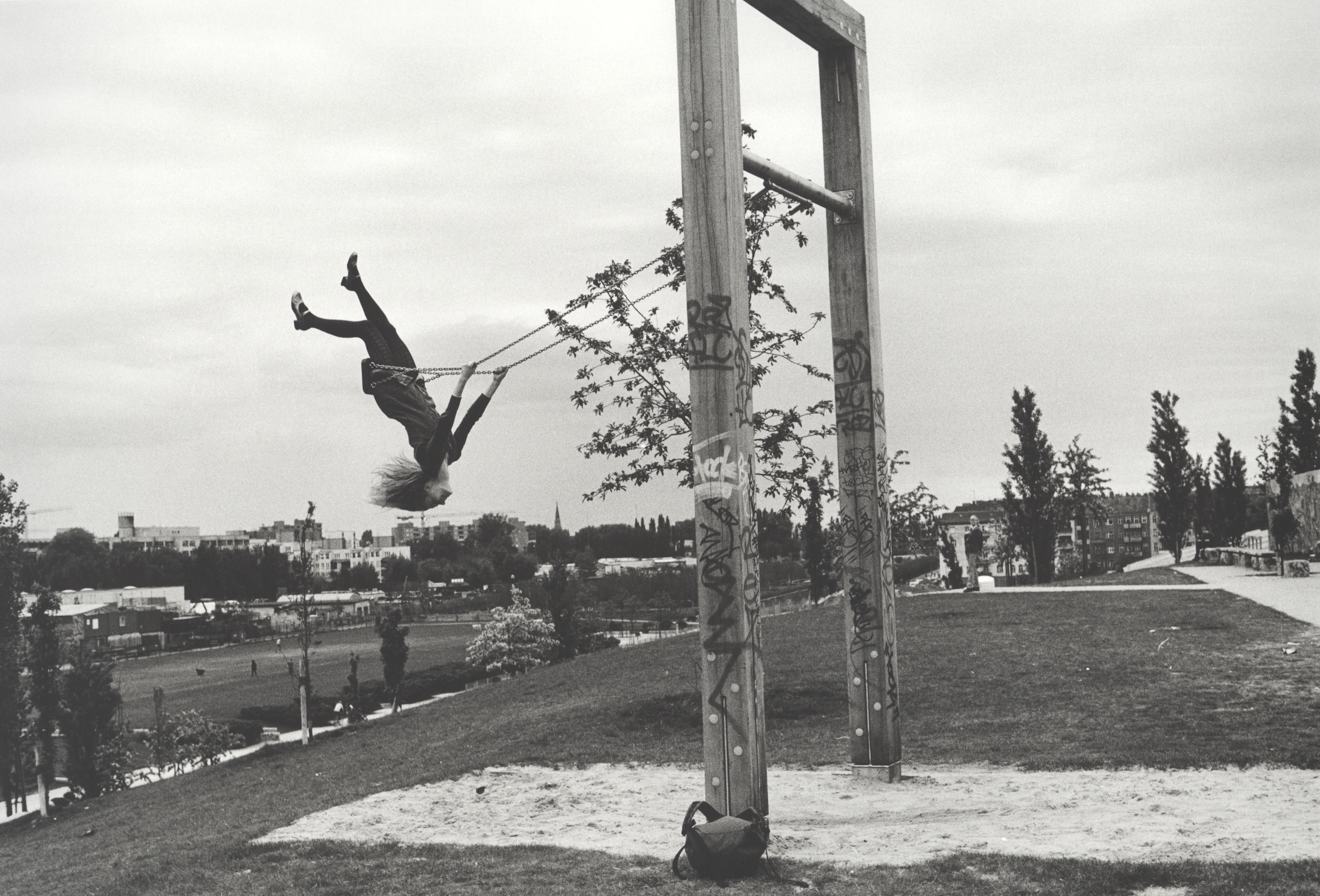


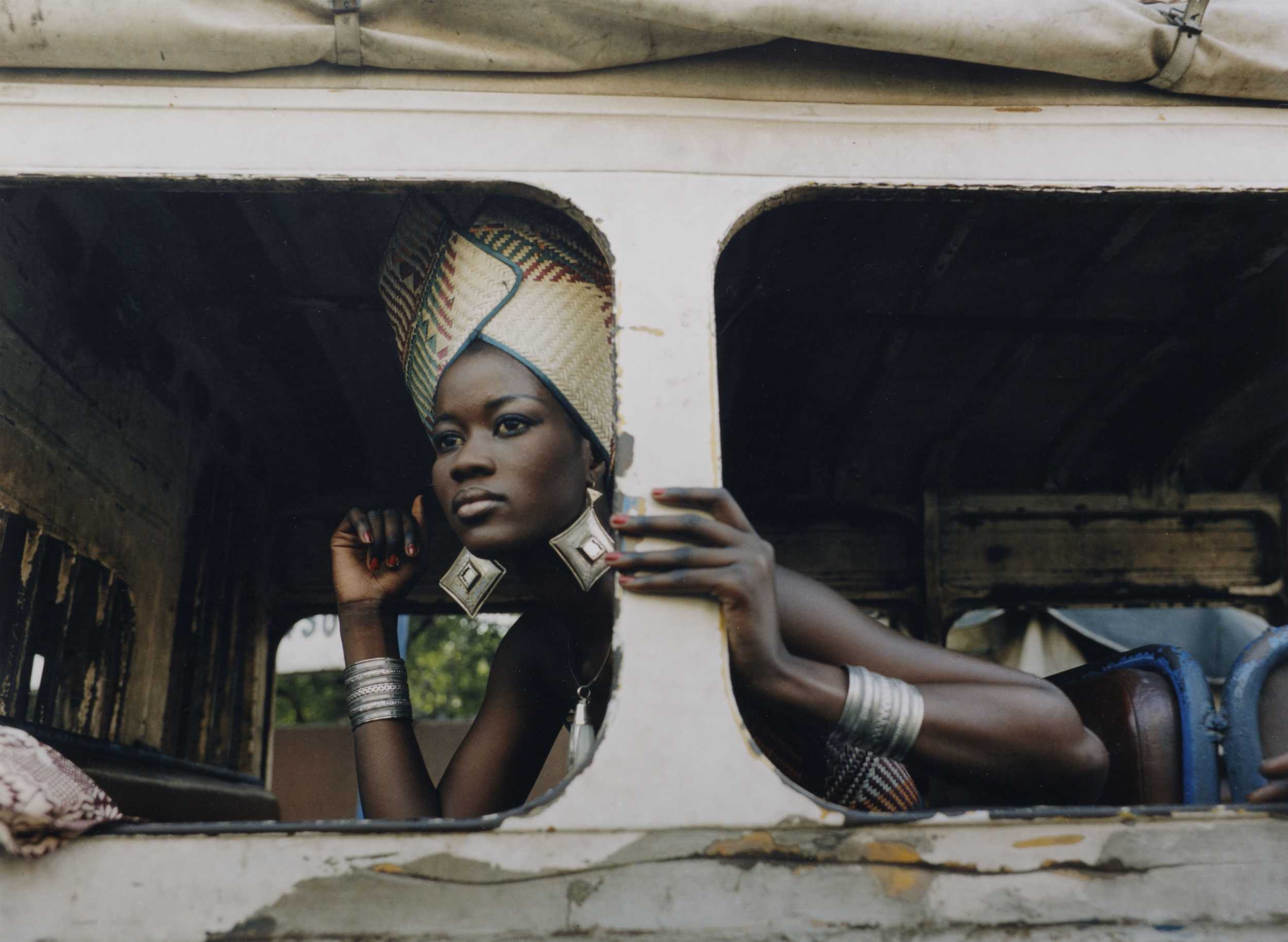
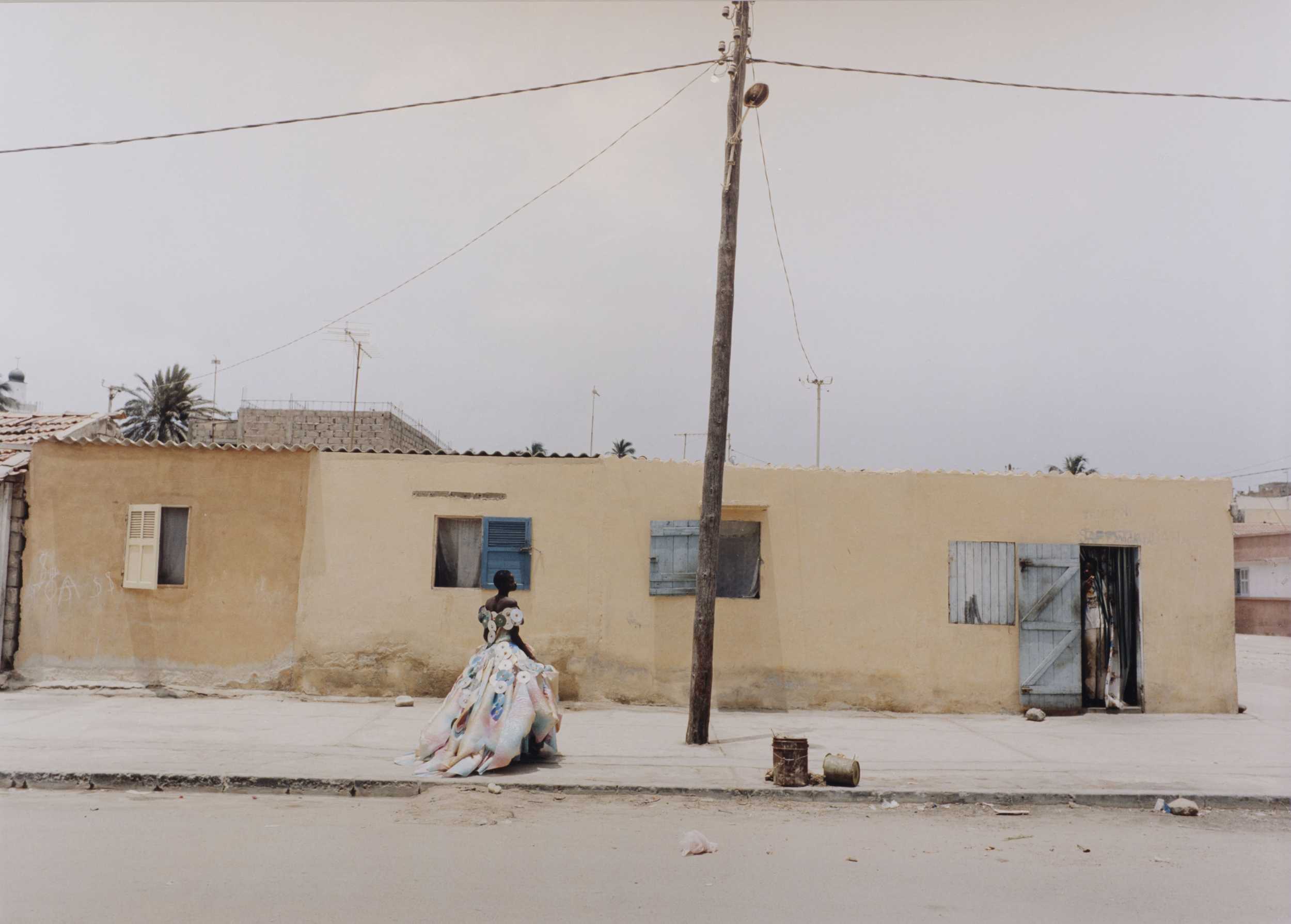
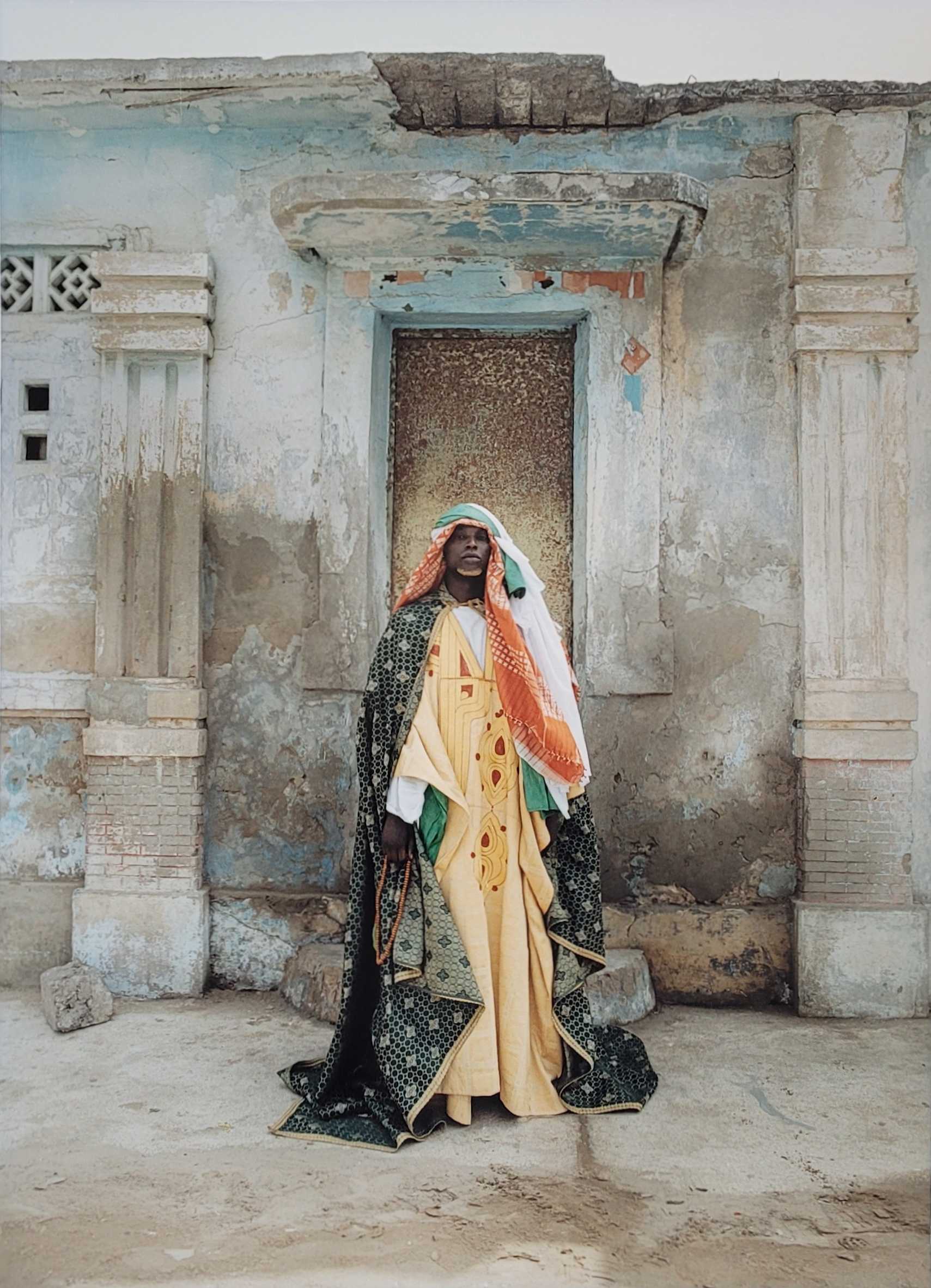


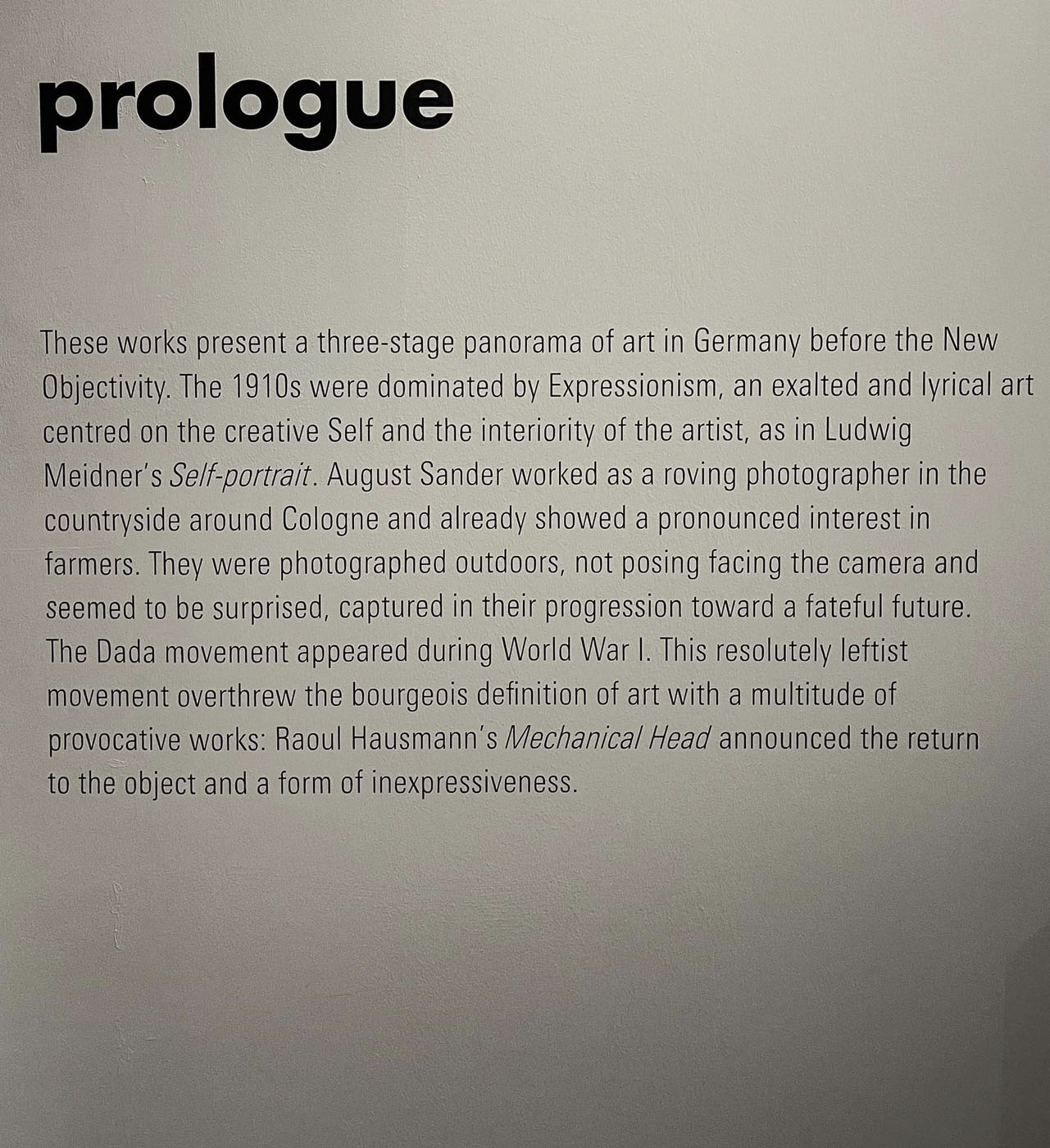


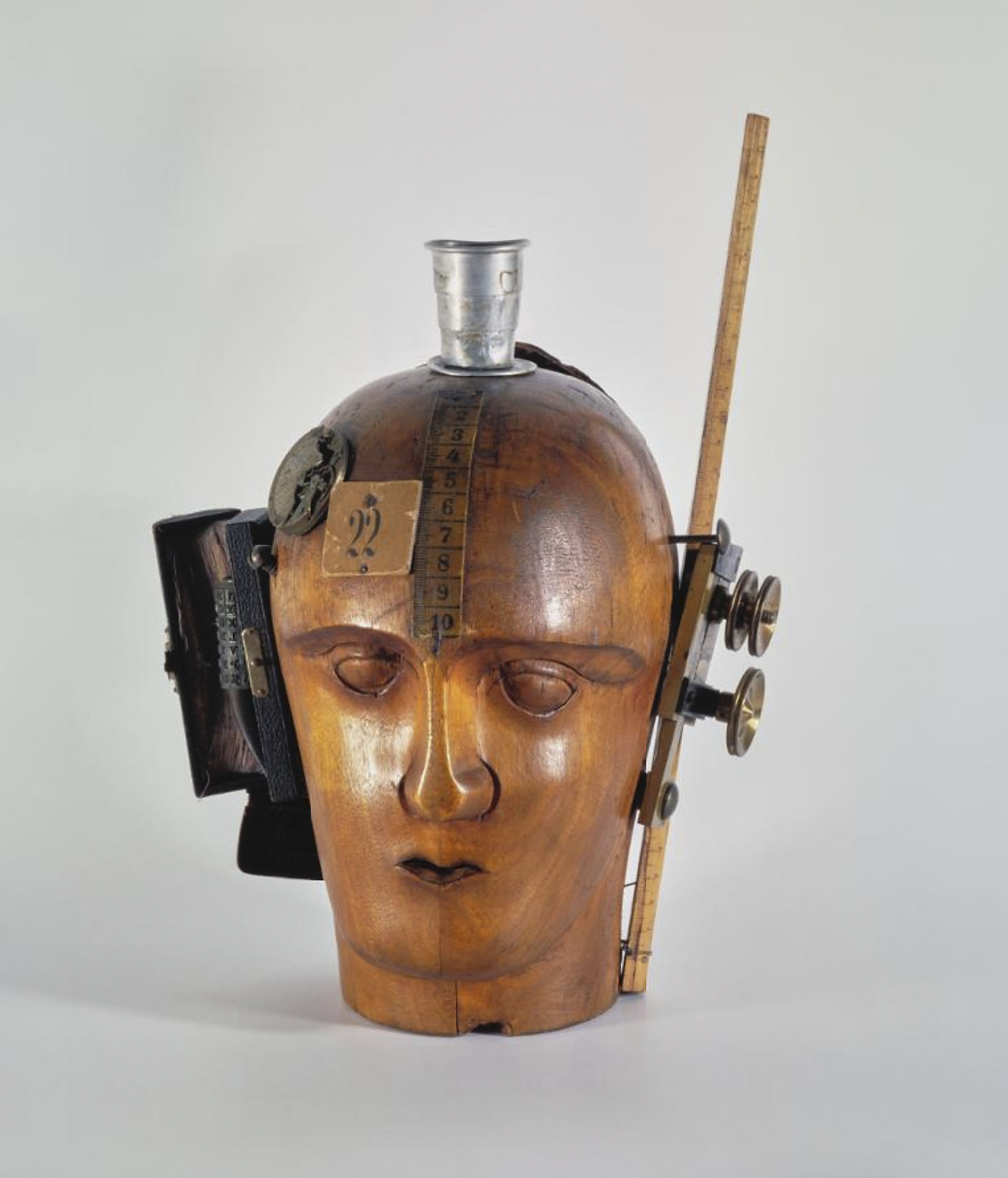








![August Sander (German, 1876-1964) '[Unemployed Man in Winter Coat, Hat in Hand]' 1920](https://artblart.com/wp-content/uploads/2013/10/unemployed-man-in-winter-coat-hat-in-hand-1920-august-sander1.jpg "August Sander (German, 1876-1964) '[Unemployed Man in Winter Coat, Hat in Hand]' 1920")









![August Sander (German, 1876-1964) 'Painter [Heinrich Hoerle]' 1928-1932](https://artblart.com/wp-content/uploads/2014/08/sander-maler-web.jpg "August Sander (German, 1876-1964) 'Painter [Heinrich Hoerle]' 1928-1932")


![August Sander (German, 1876-1964) 'Proletarian Intellectuals' [Else Schuler, Tristan Rémy, Franz Wilhelm Seiwert, Gerd Arntz] c. 1925](https://artblart.com/wp-content/uploads/2022/07/august-sander-proletarian-intellectuals.jpg "August Sander (German, 1876-1964) 'Proletarian Intellectuals' [Else Schuler, Tristan Rémy, Franz Wilhelm Seiwert, Gerd Arntz] c. 1925")


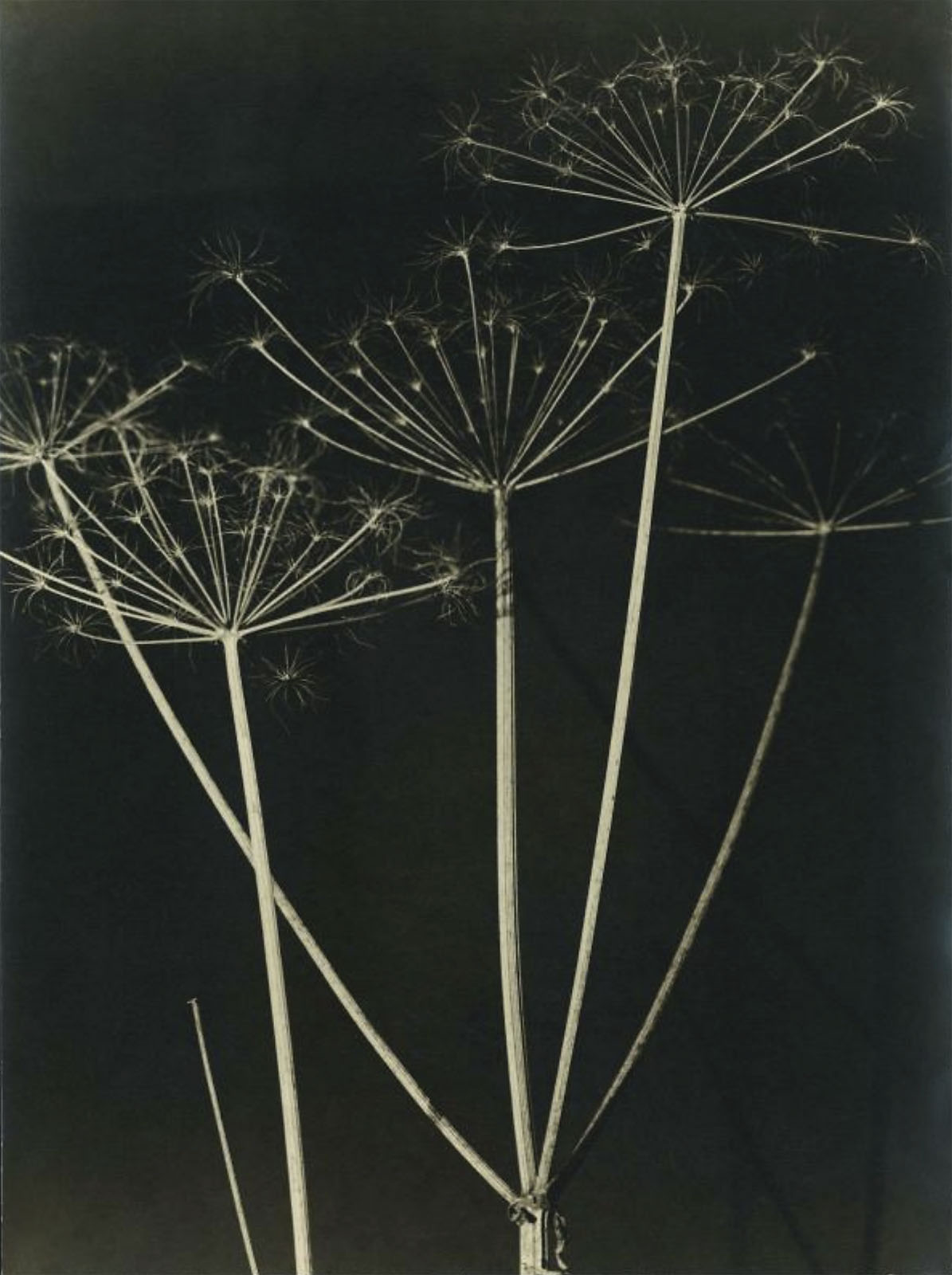


![George Grosz (Georg Ehrenfried Gross) (German, 1893-1959) 'Construction (Untitled)' (Konstruktion [Ohne Titel]) 1920 (installation view)](https://artblart.com/wp-content/uploads/2022/08/germany-installation-g.jpg "George Grosz (Georg Ehrenfried Gross) (German, 1893-1959) 'Construction (Untitled)' (Konstruktion [Ohne Titel]) 1920 (installation view)")
![George Grosz. 'Construction (Untitled) (Konstruktion [Ohne Titel])' 1920](https://artblart.com/wp-content/uploads/2016/01/grosz-construction.jpg "George Grosz. 'Construction (Untitled) (Konstruktion [Ohne Titel])' 1920")


![Albert Renger-Patzsch (1897-1966) 'Bügeleisen für Schuhfabrikation, Faguswerk Alfeld [Shoemakers' irons, Fagus factory, Alfeld]' 1928](https://artblart.com/wp-content/uploads/2018/01/renger-patzsch-bugeleisen-fur-schuhfabrikation.jpg "Albert Renger-Patzsch (1897-1966) 'Bügeleisen für Schuhfabrikation, Faguswerk Alfeld [Shoemakers' irons, Fagus factory, Alfeld]' 1928")











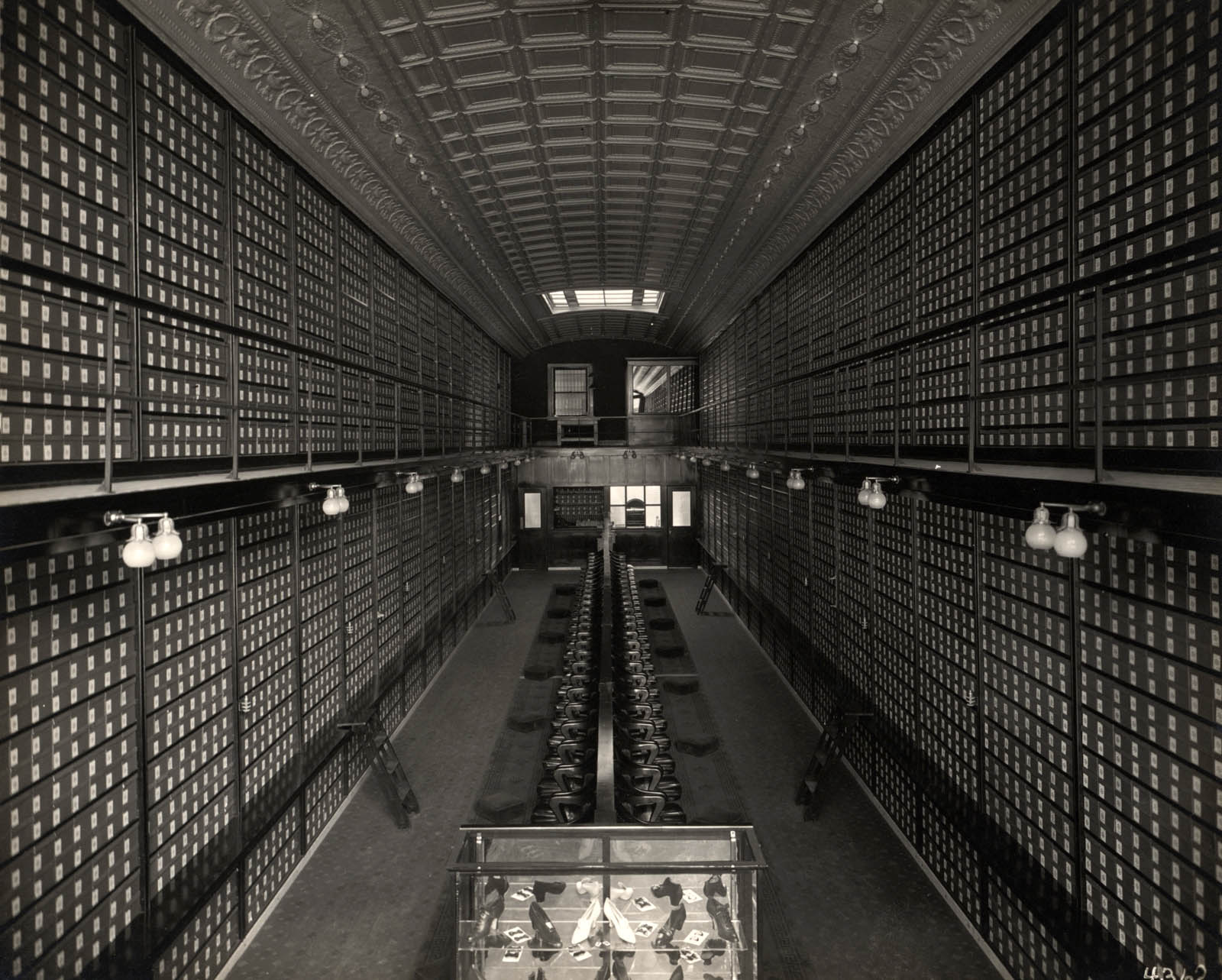


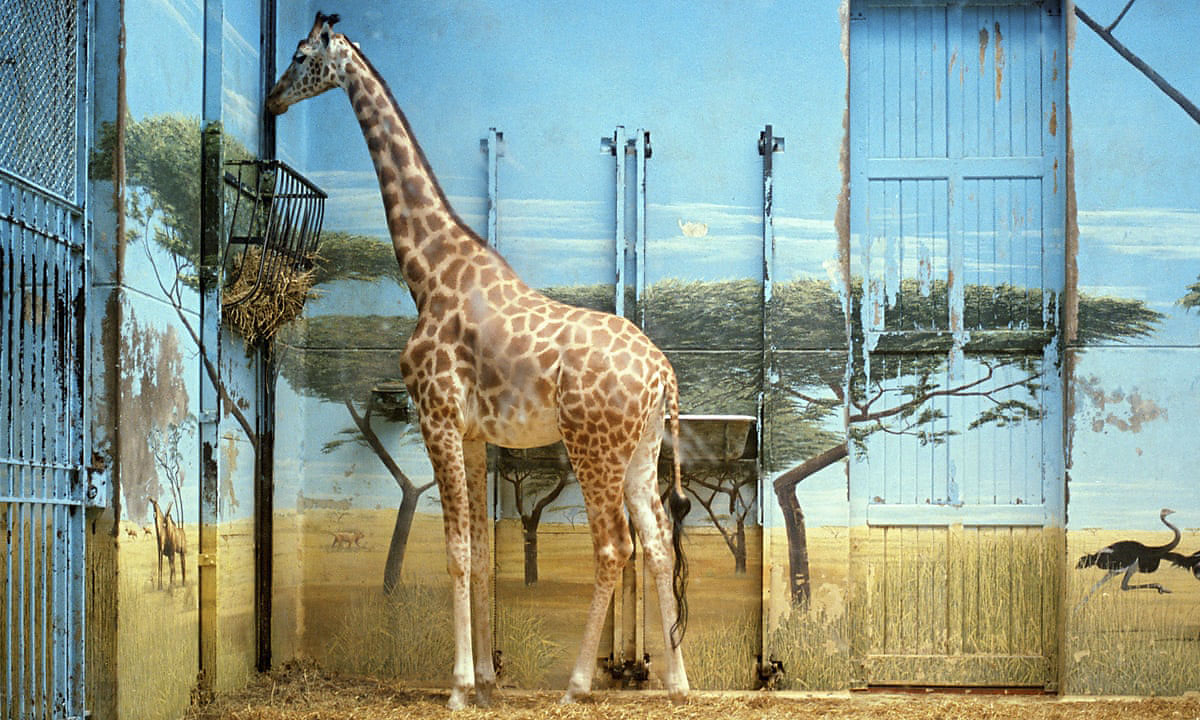

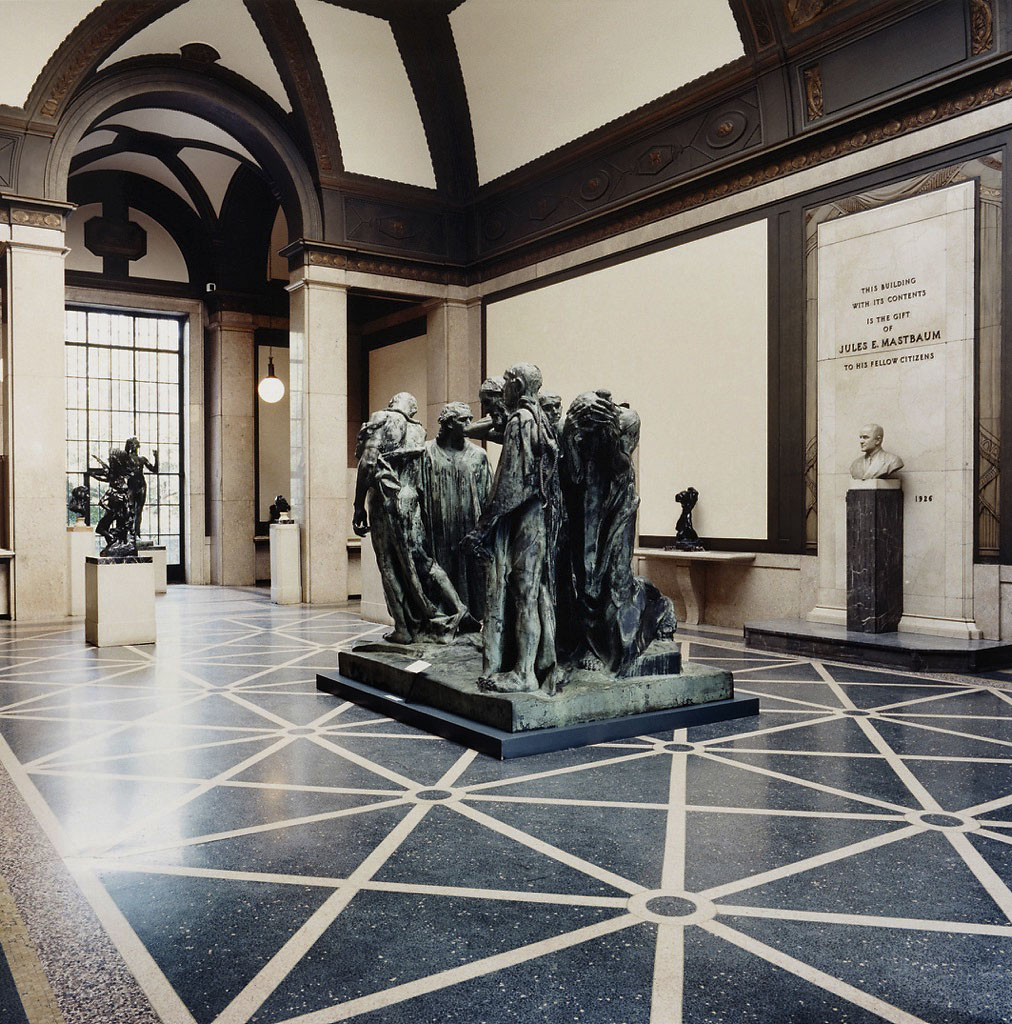


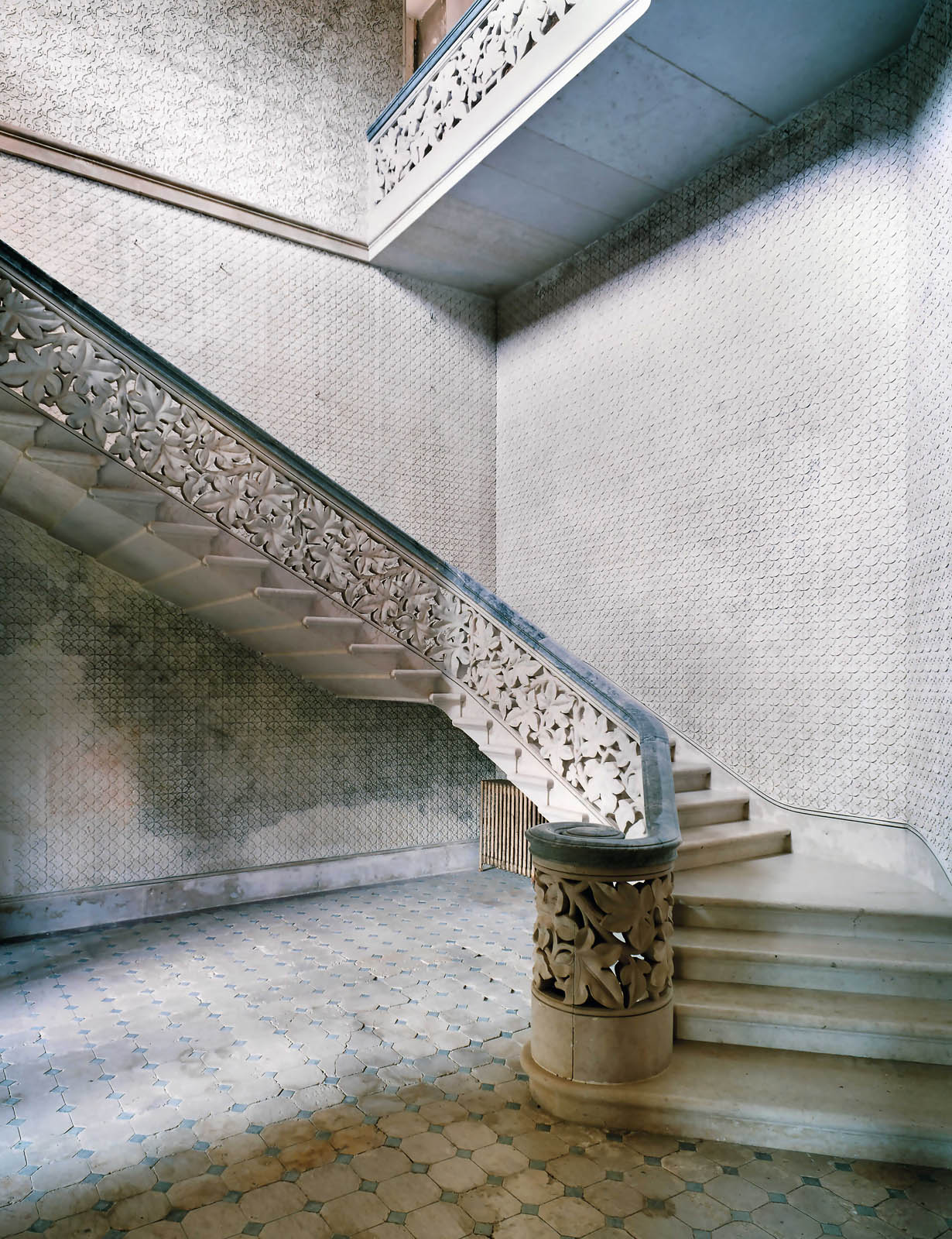


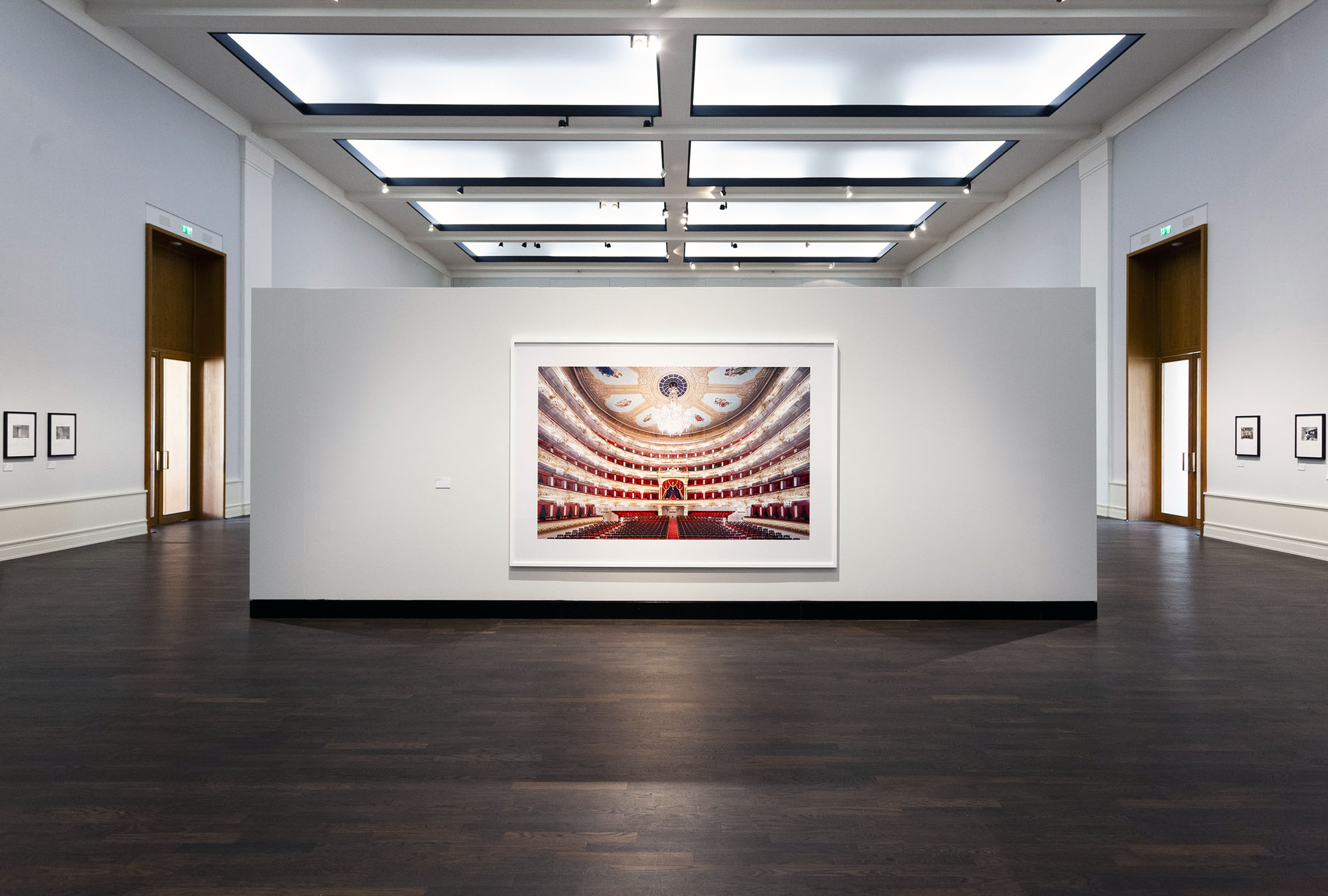


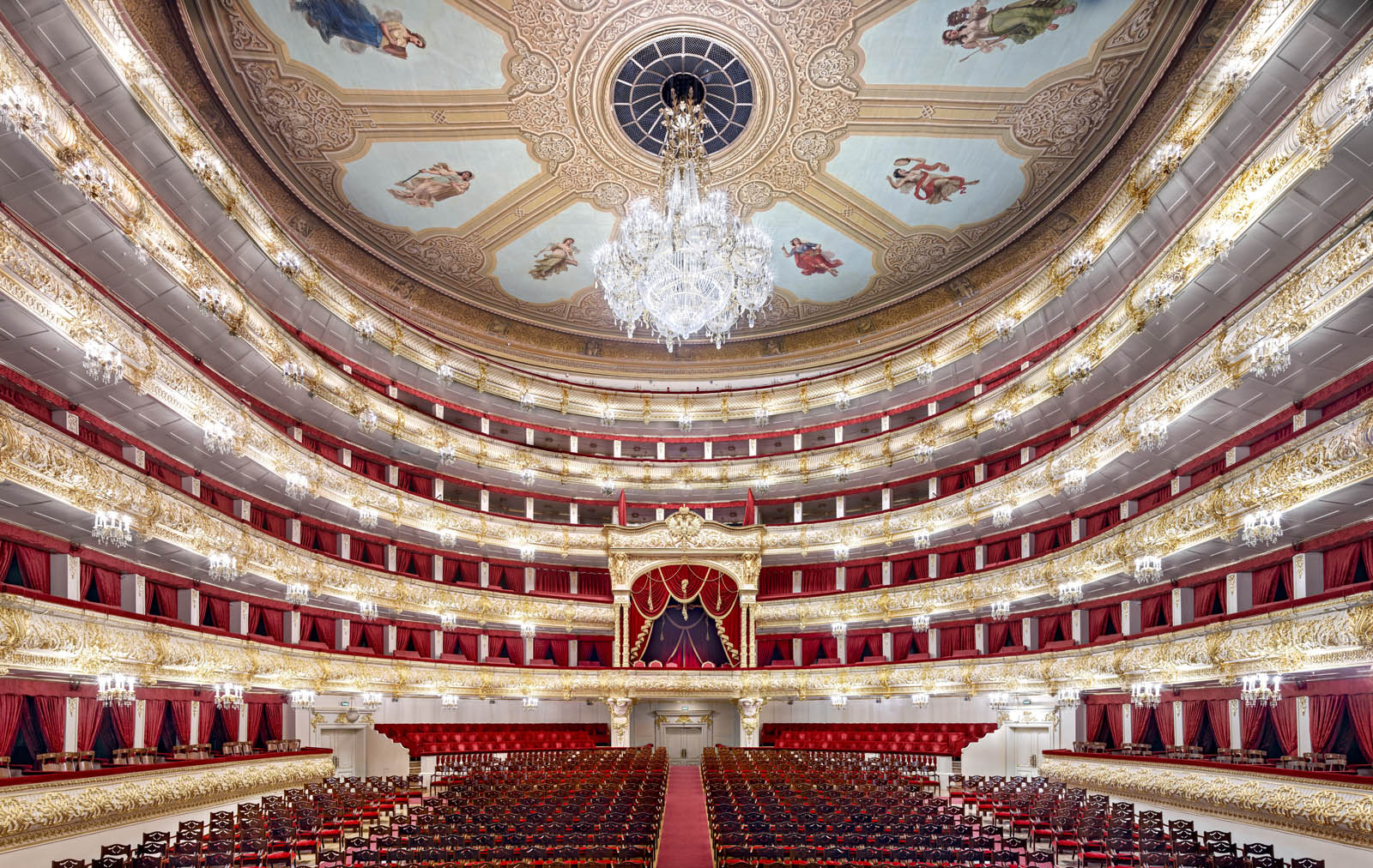


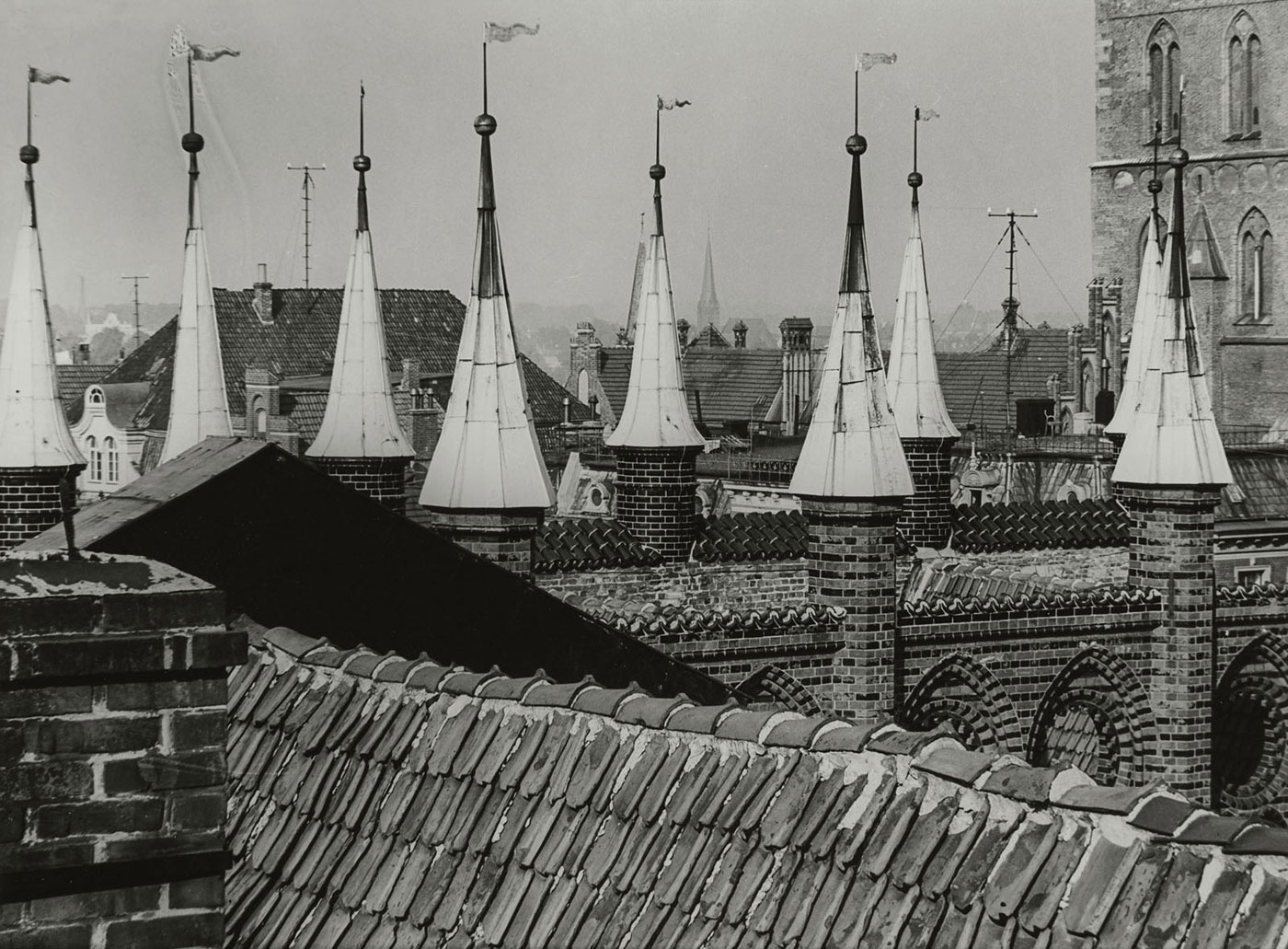


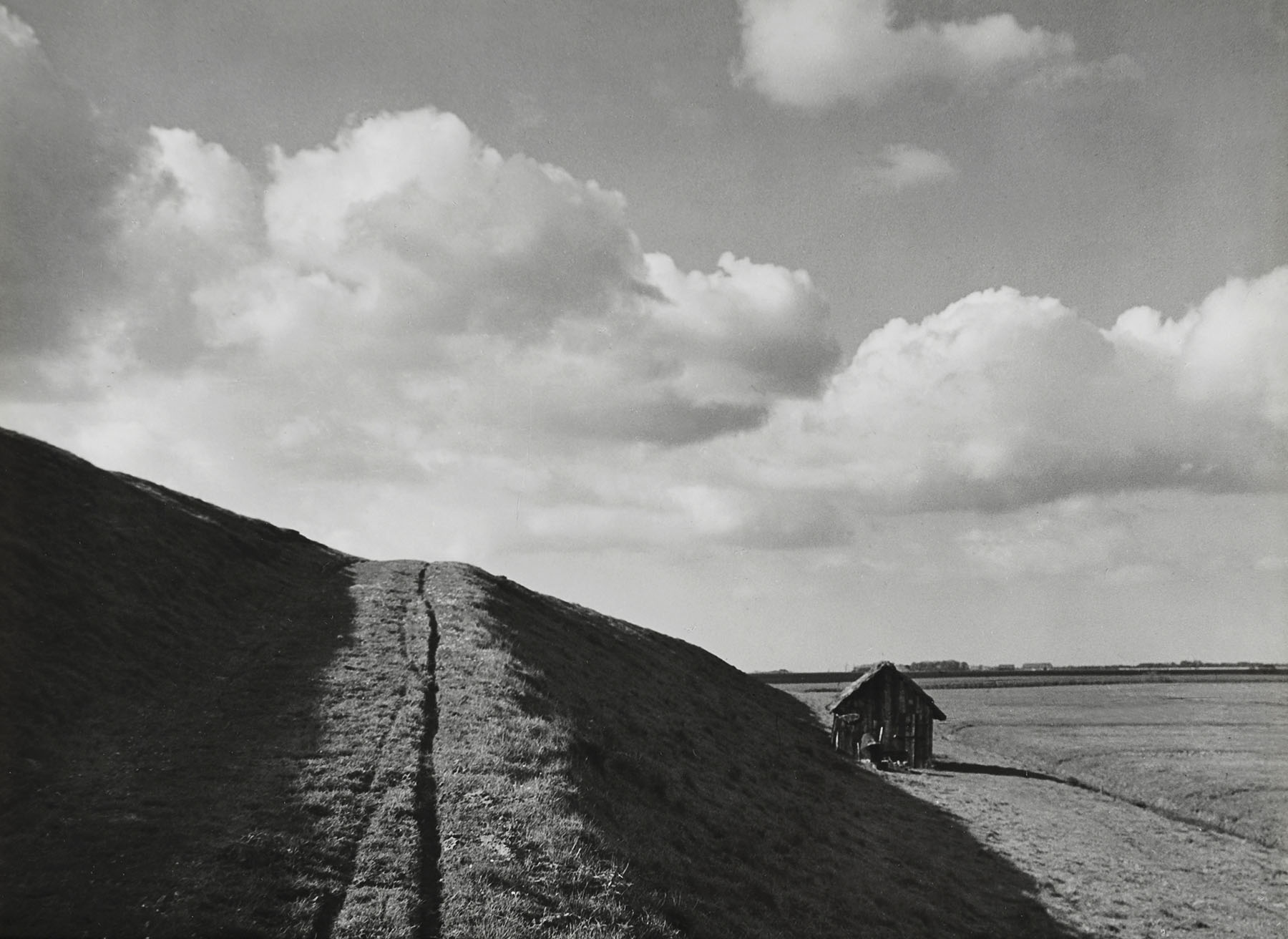

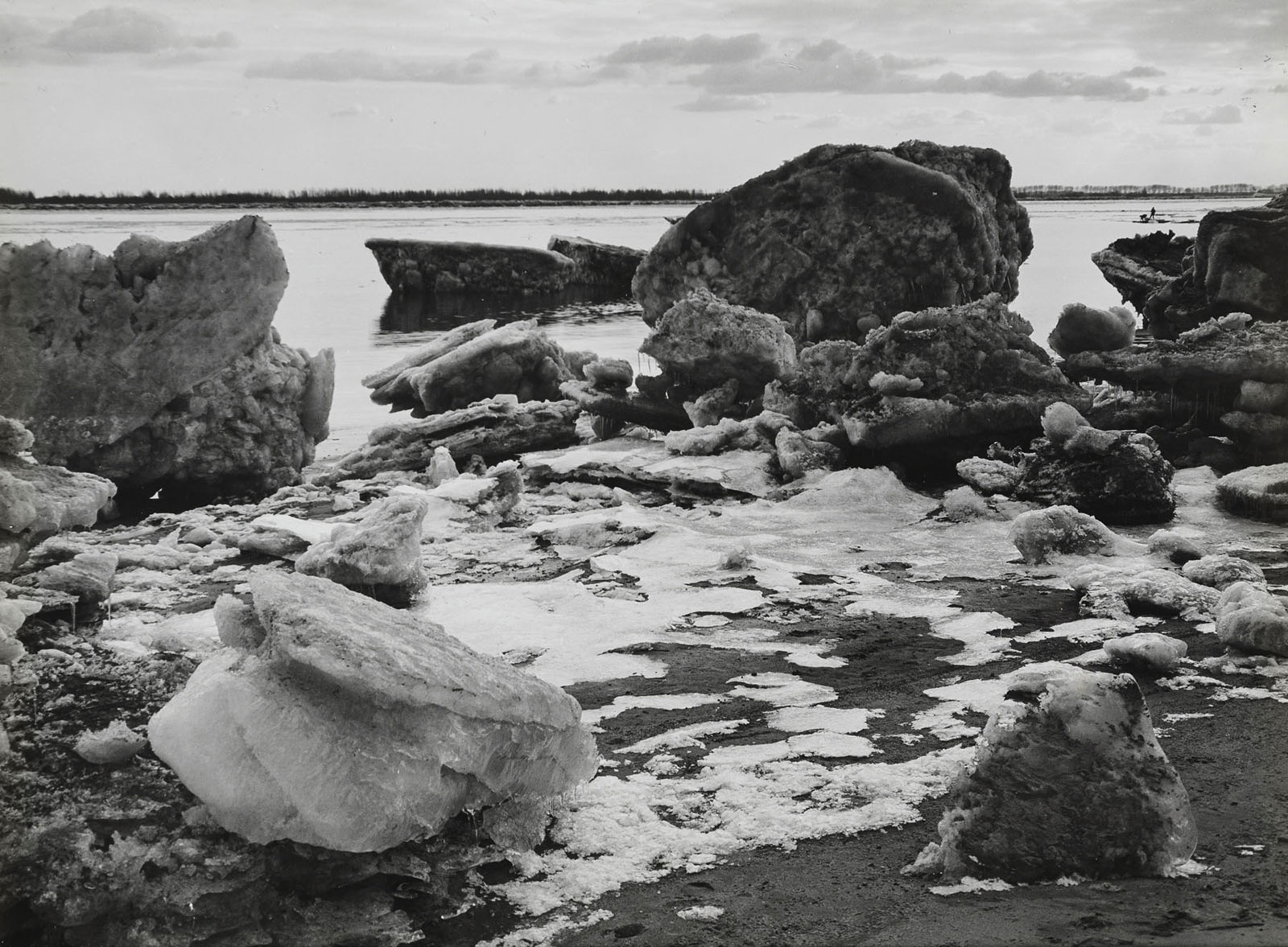
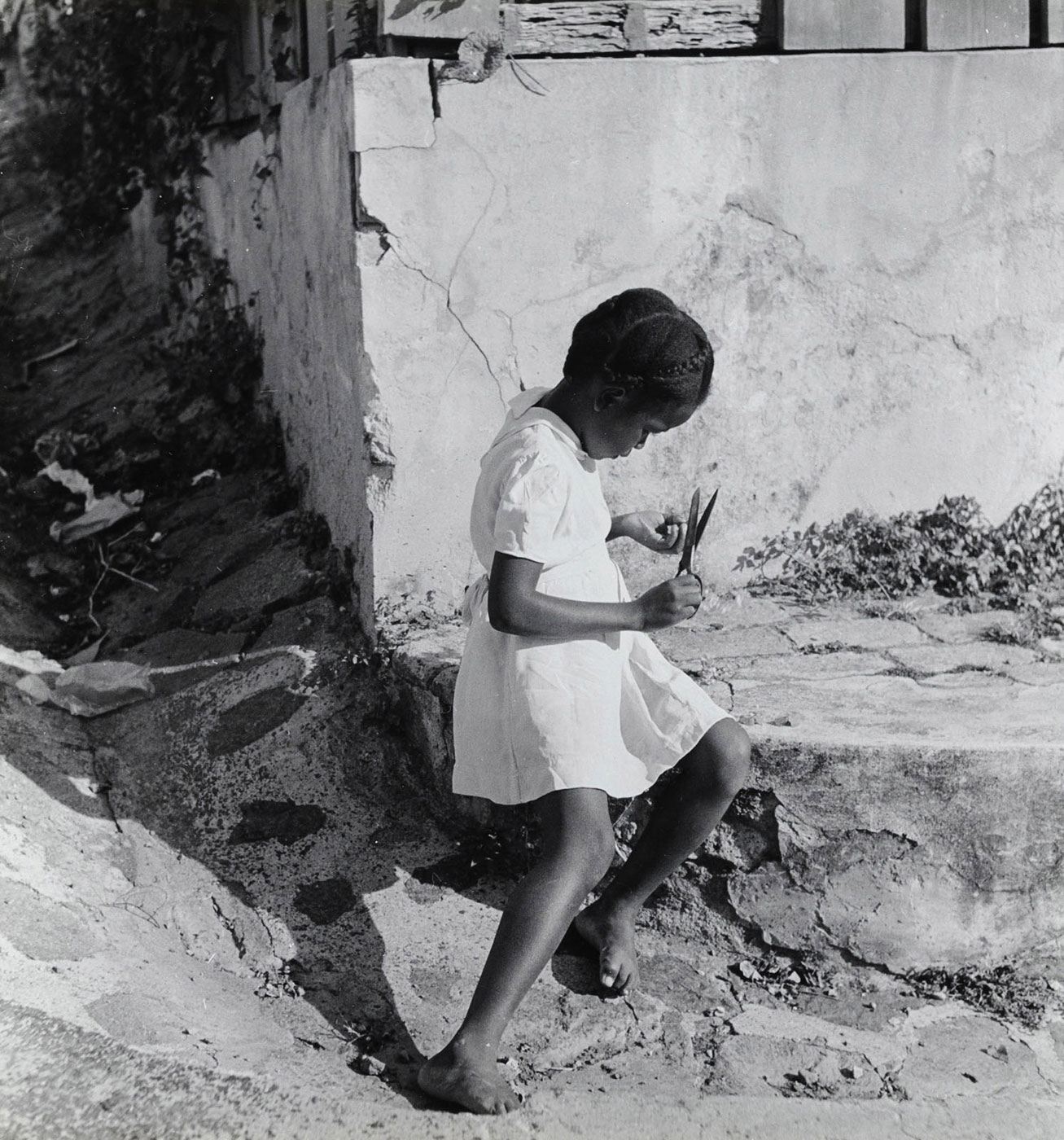


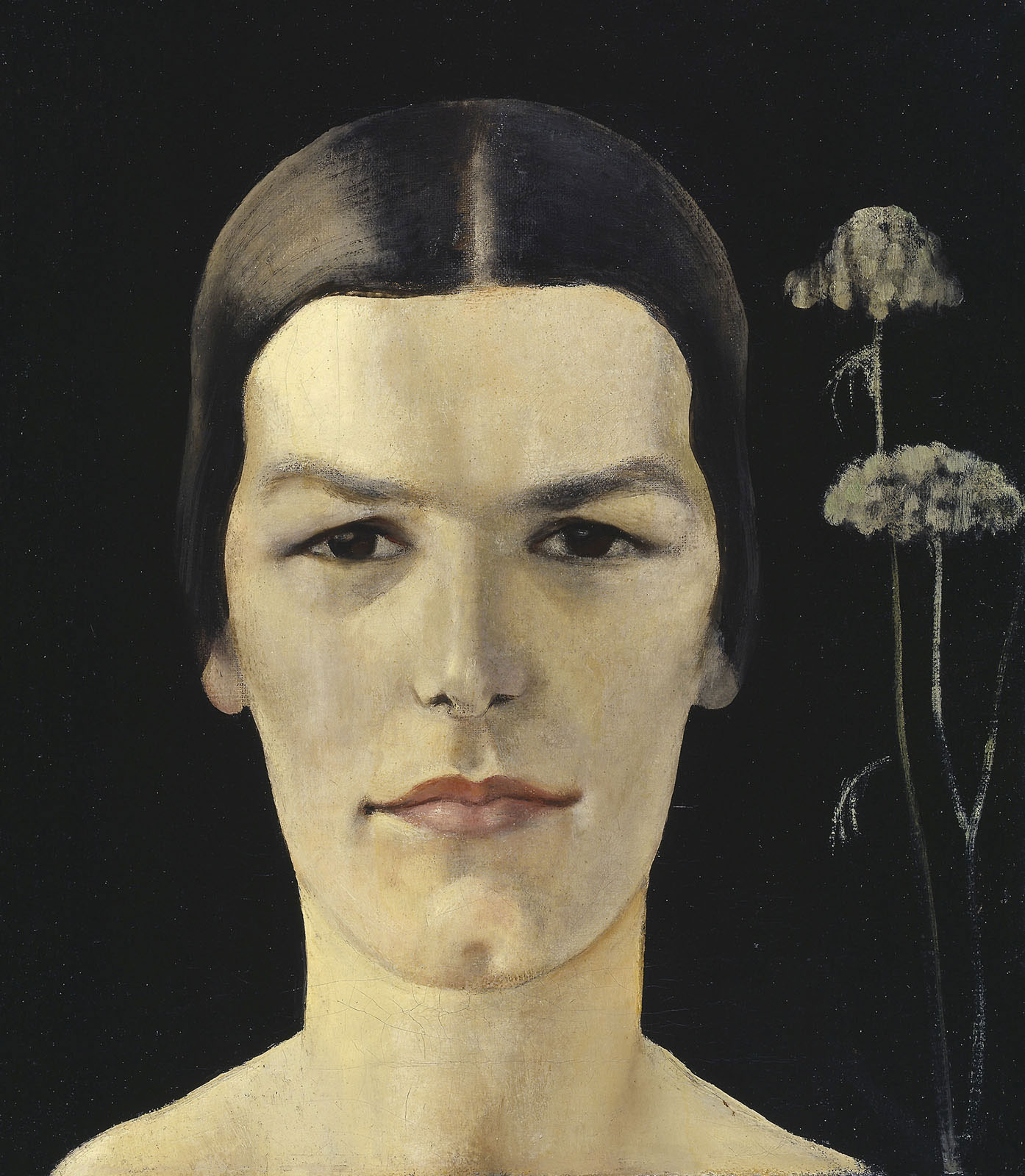


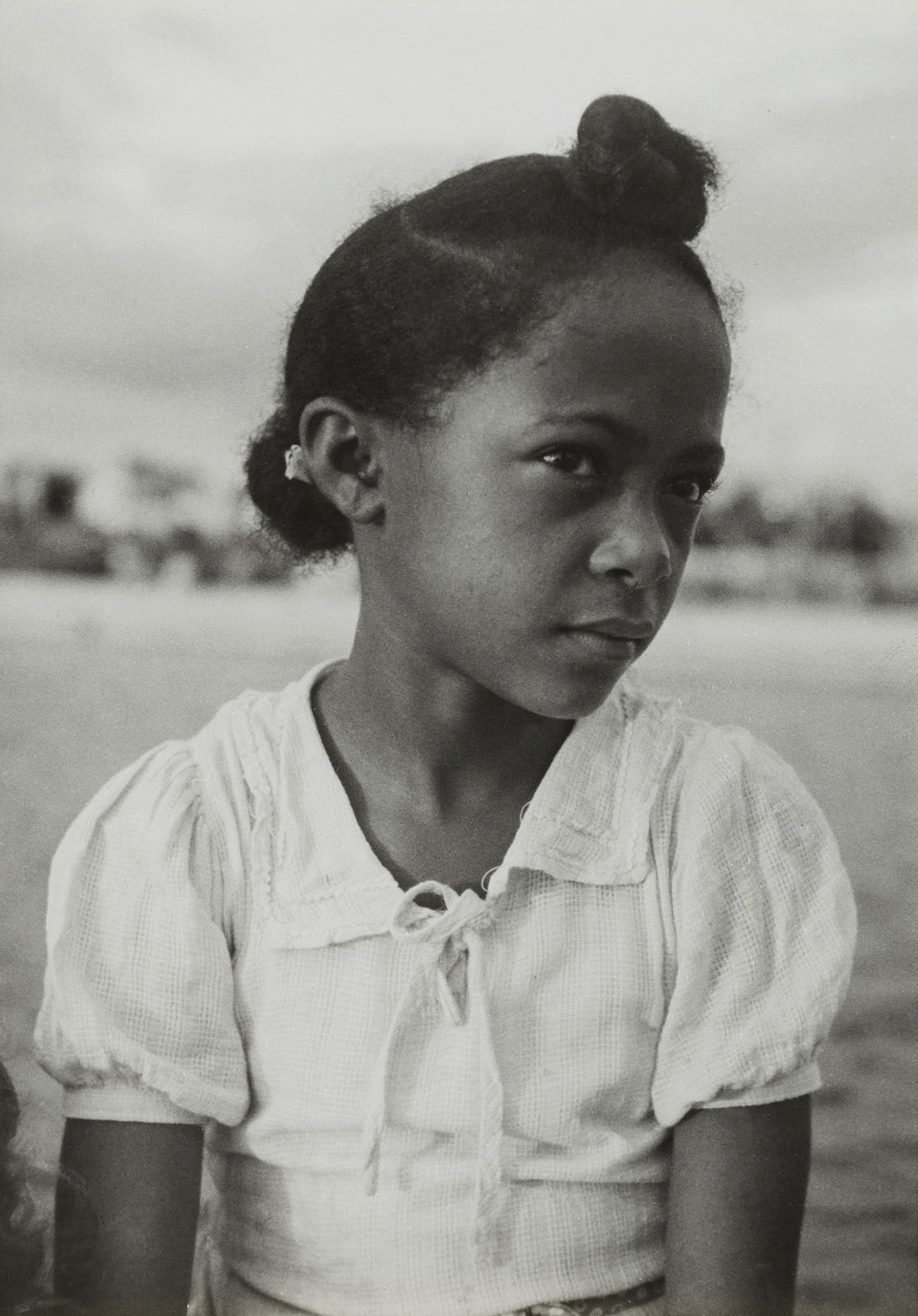


![Nadar [Gaspard Félix Tournachon] (French, 1820-1910) 'George Sand (Amandine-Aurore-Lucile Dupin), Writer' c. 1865](https://artblart.com/wp-content/uploads/2016/10/realideal5-web.jpg "Nadar [Gaspard Félix Tournachon] (French, 1820-1910) 'George Sand (Amandine-Aurore-Lucile Dupin), Writer' c. 1865")




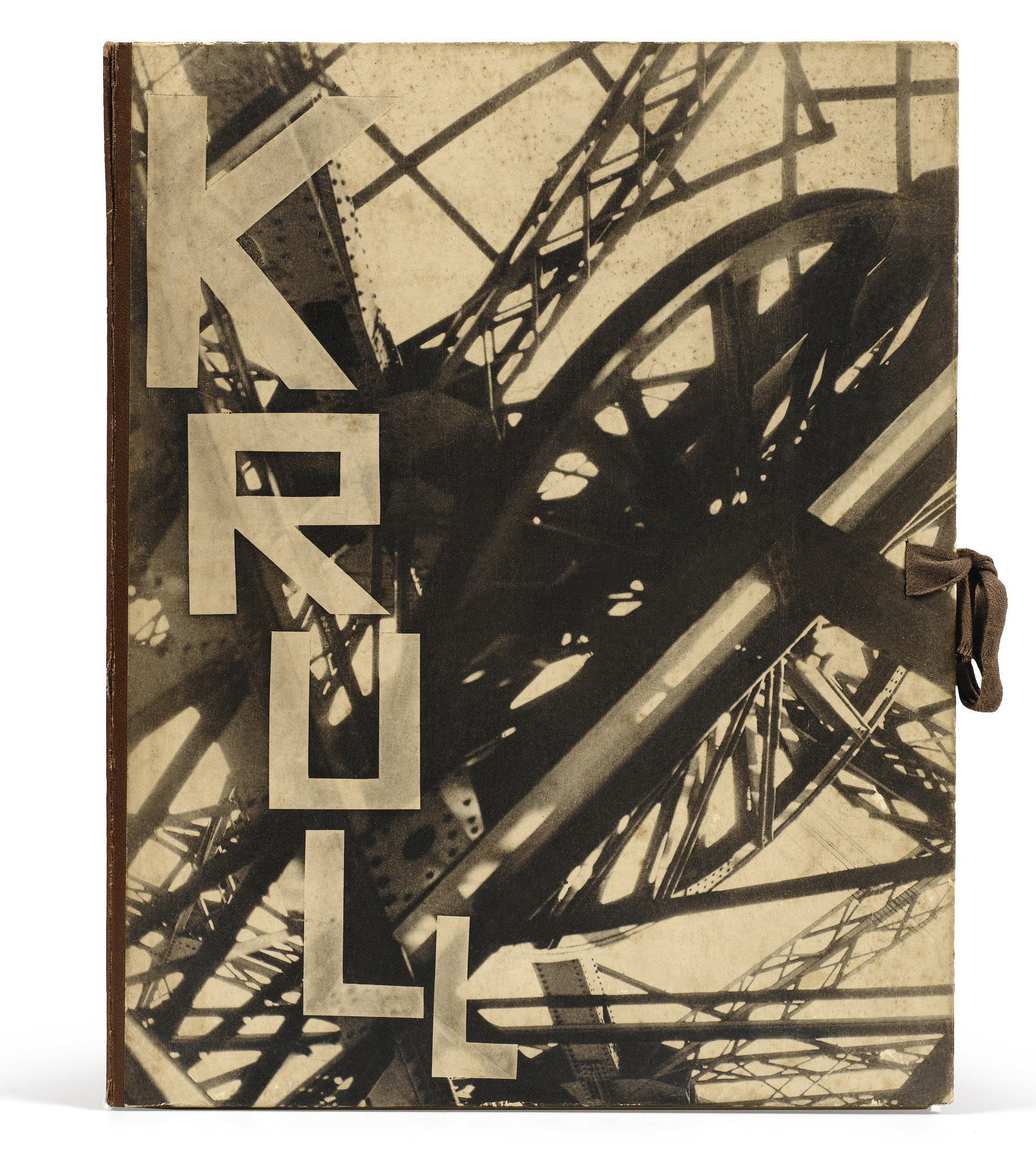
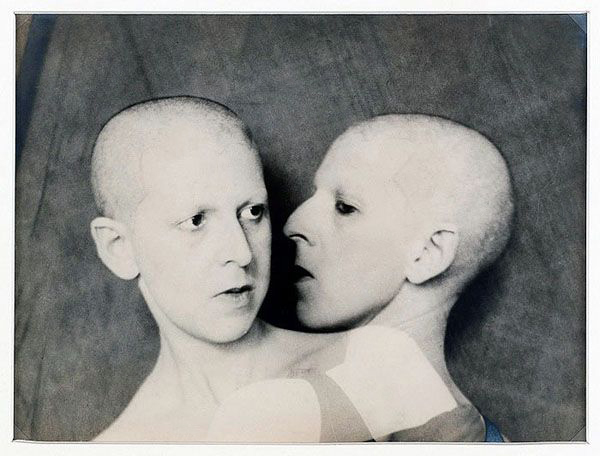
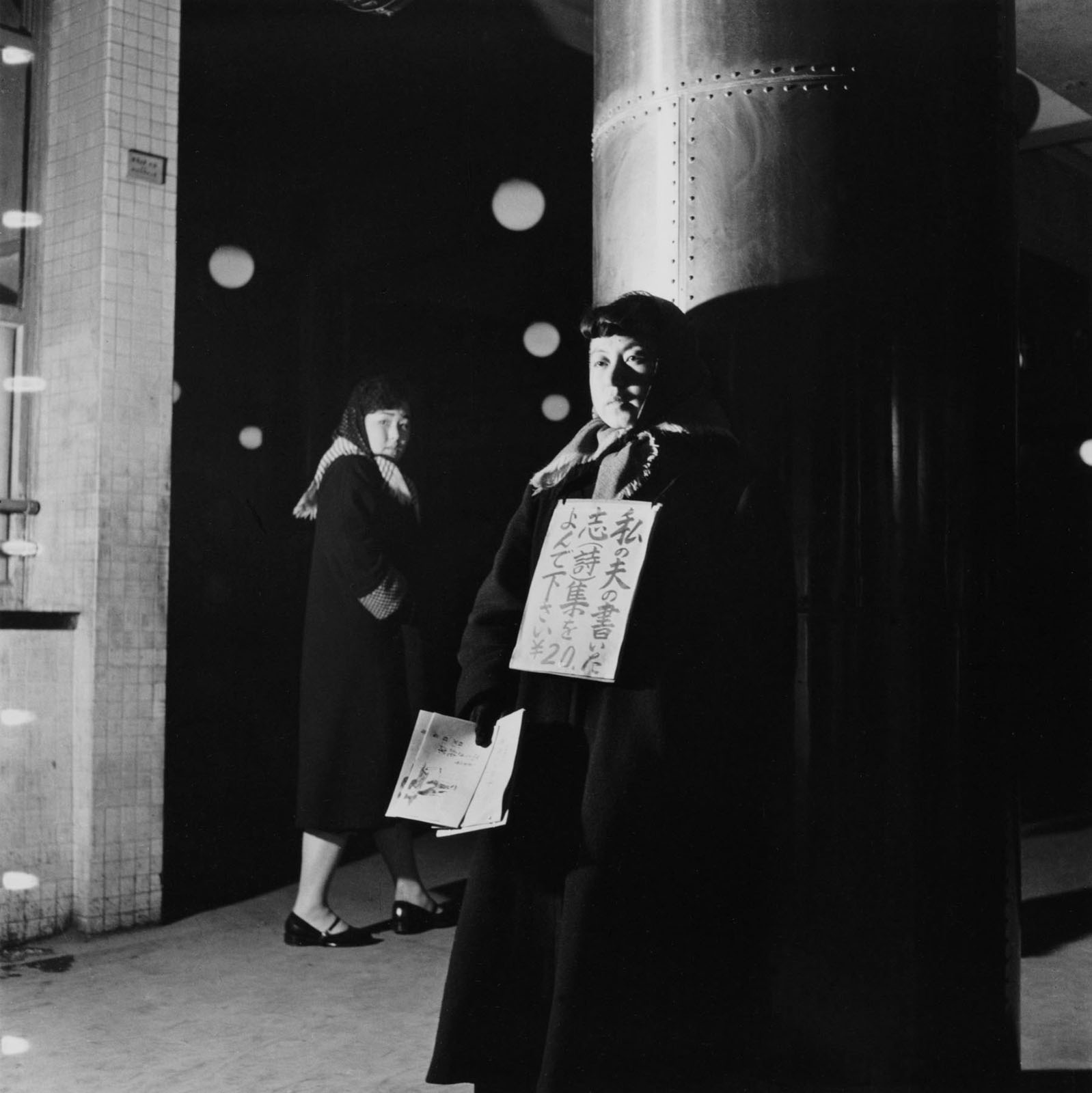
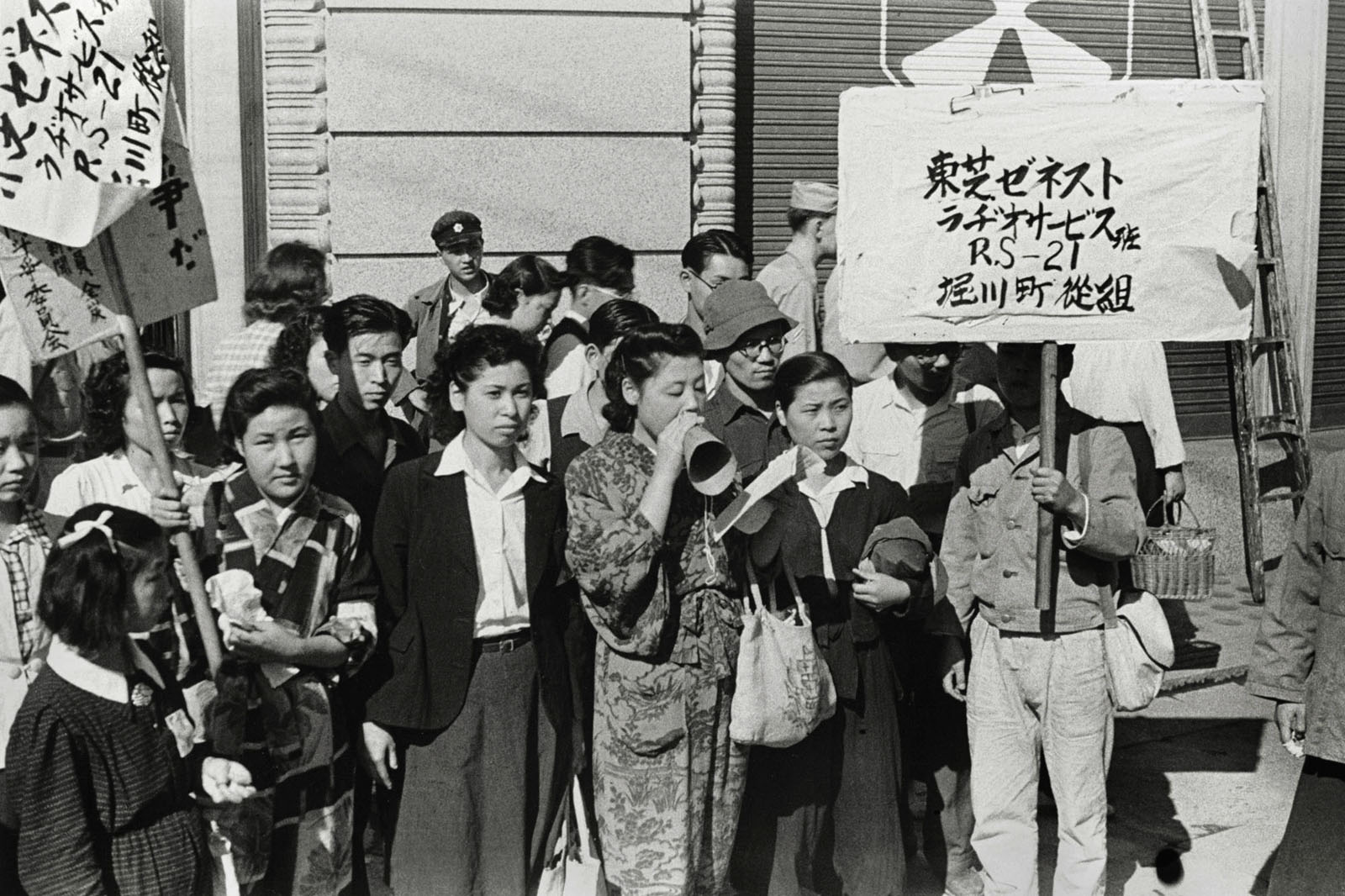


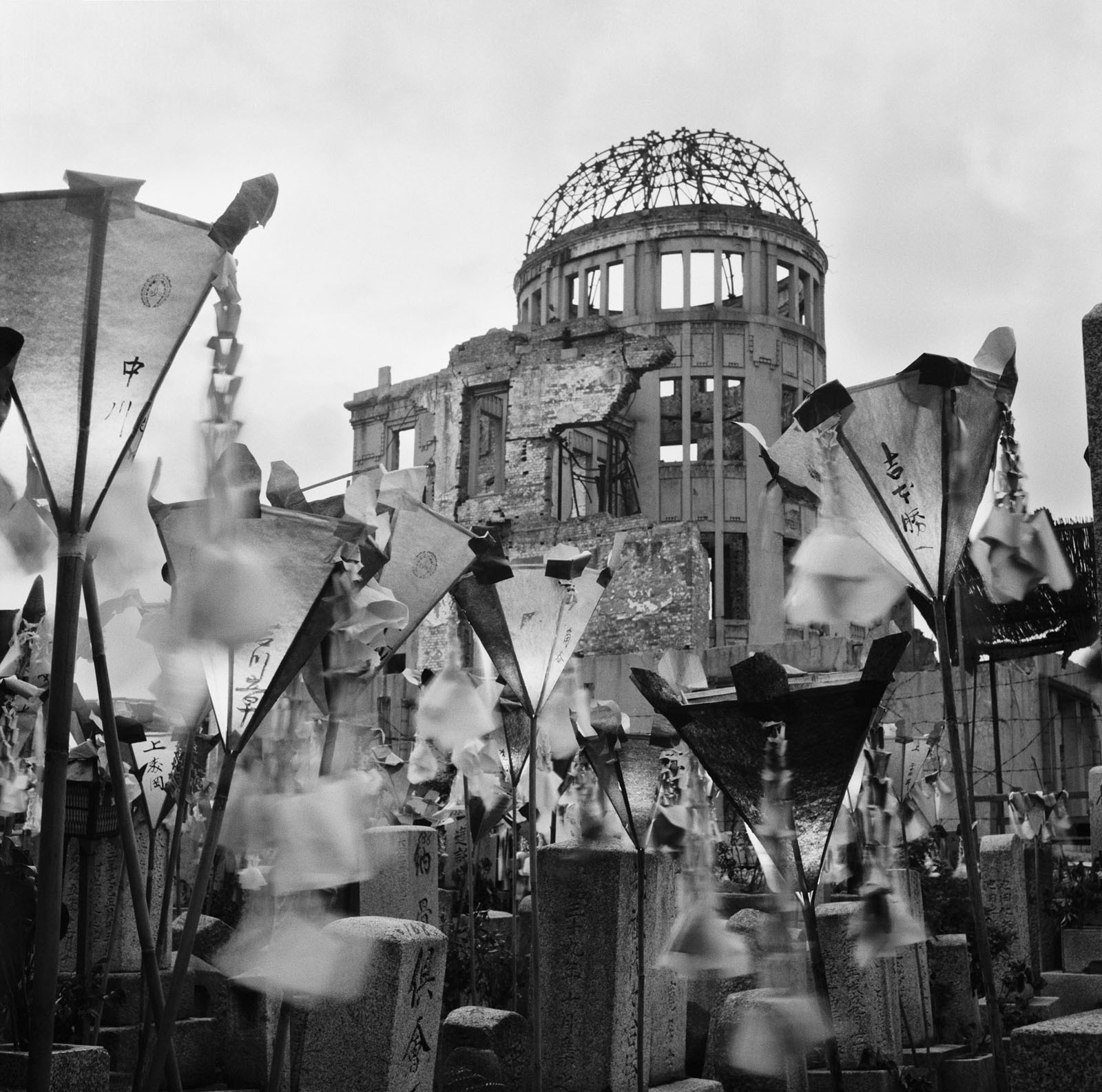


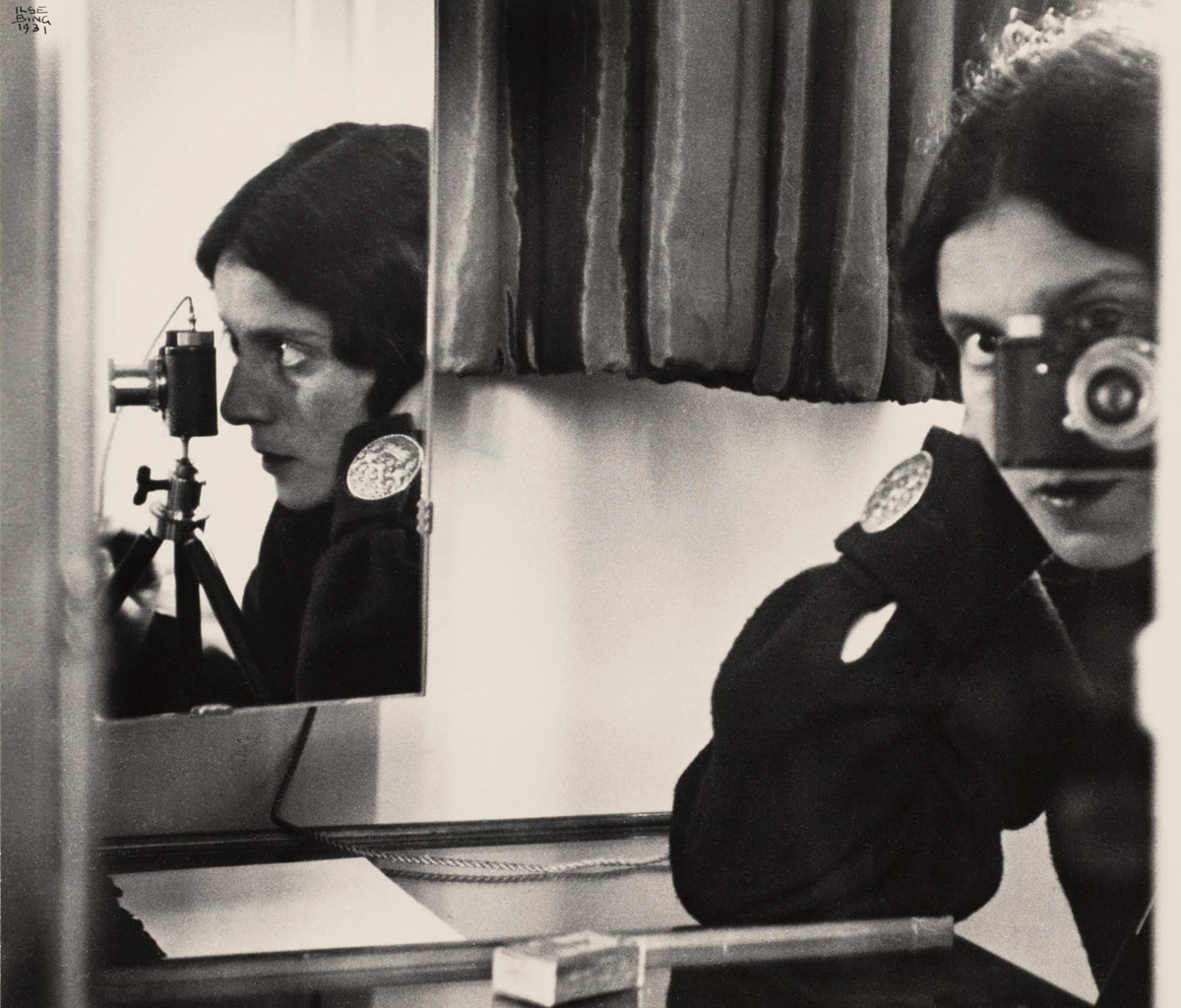



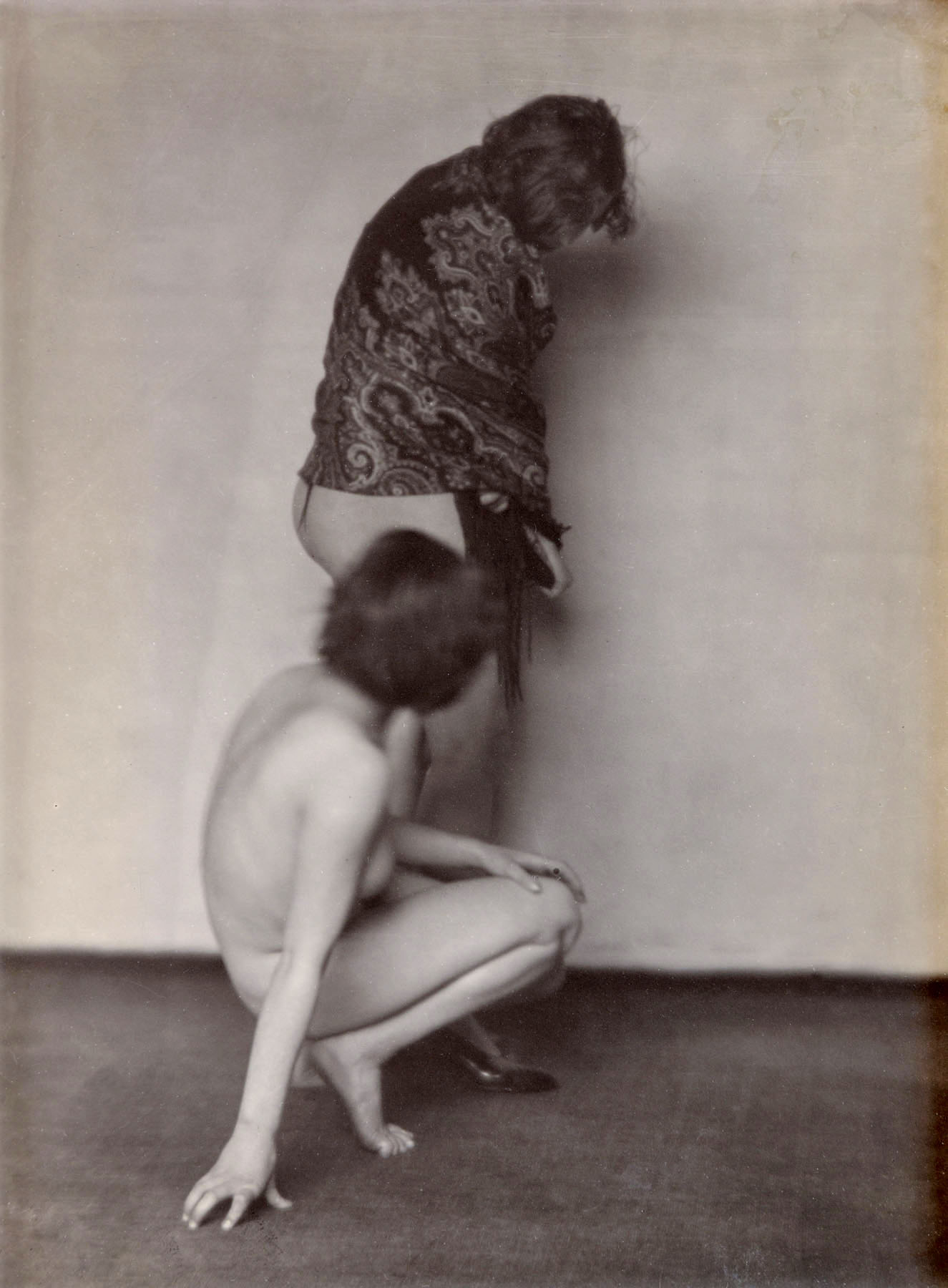
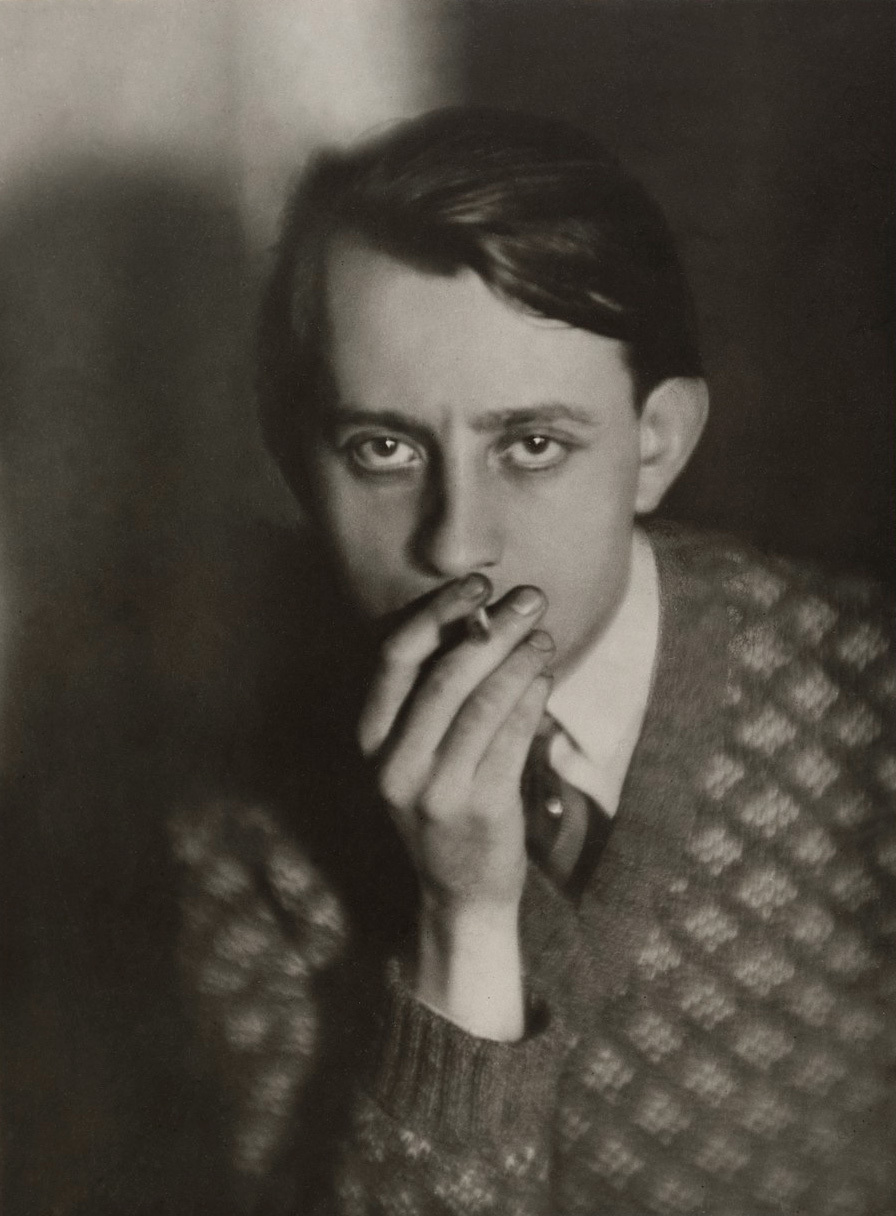

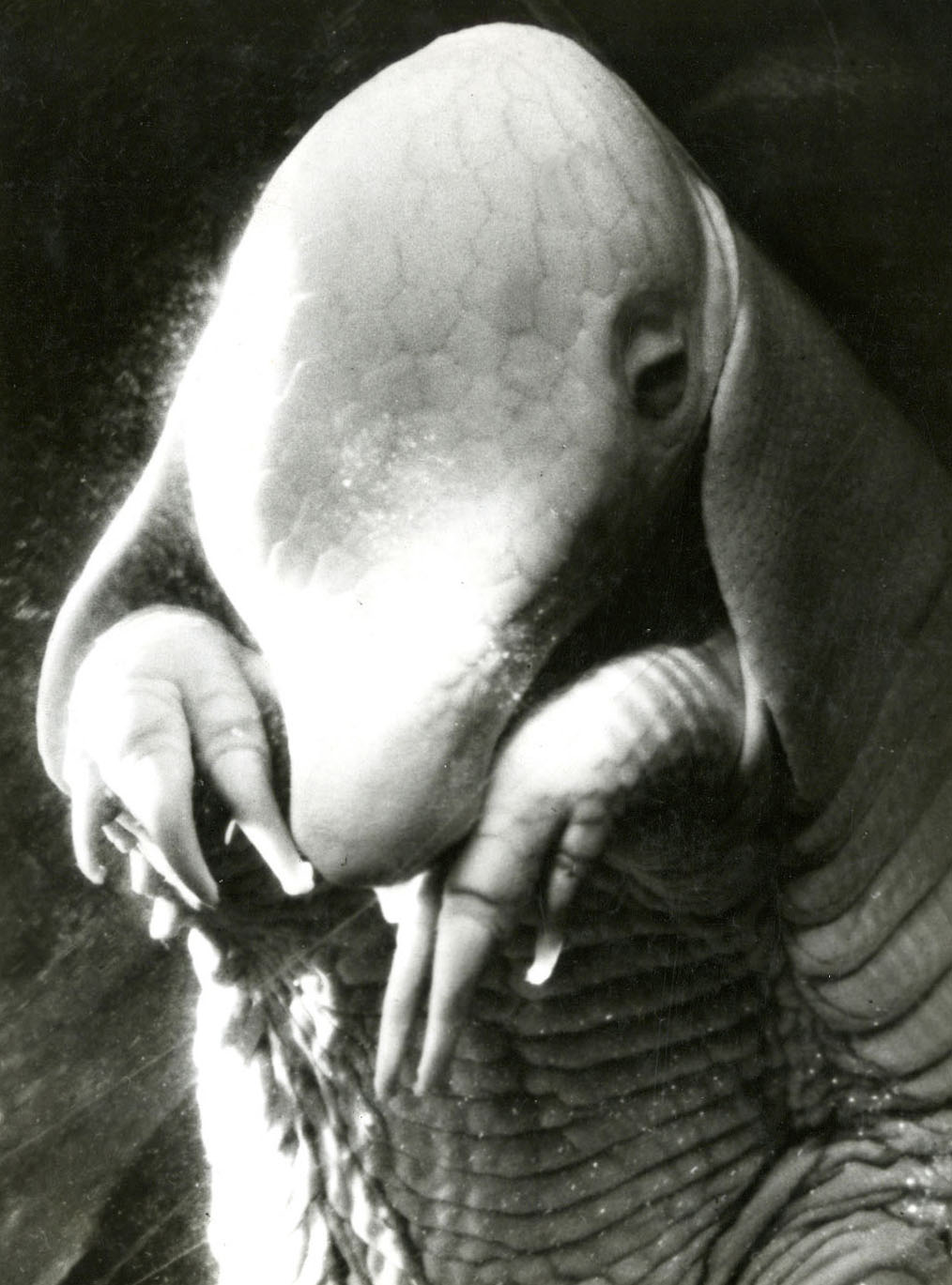
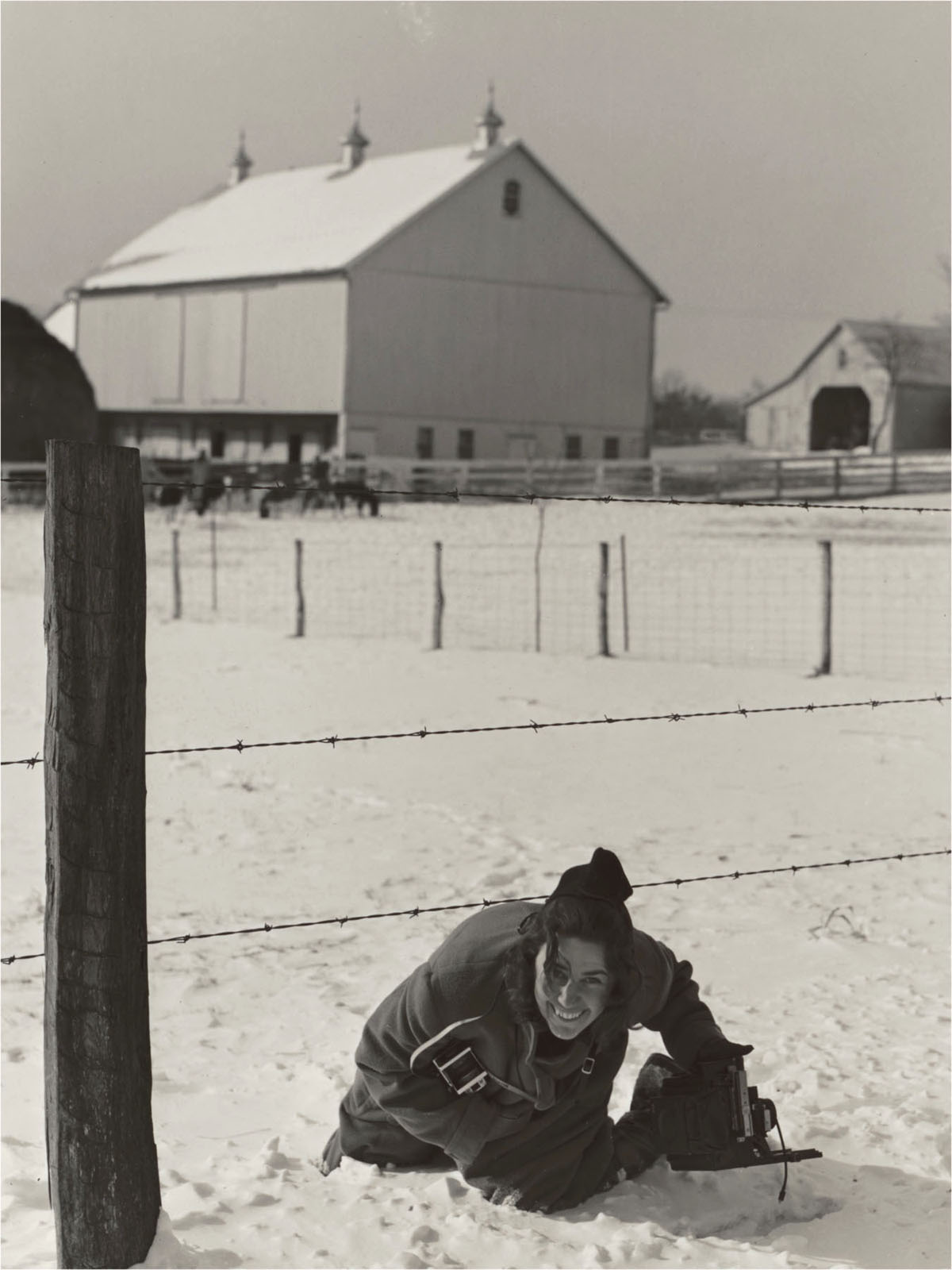
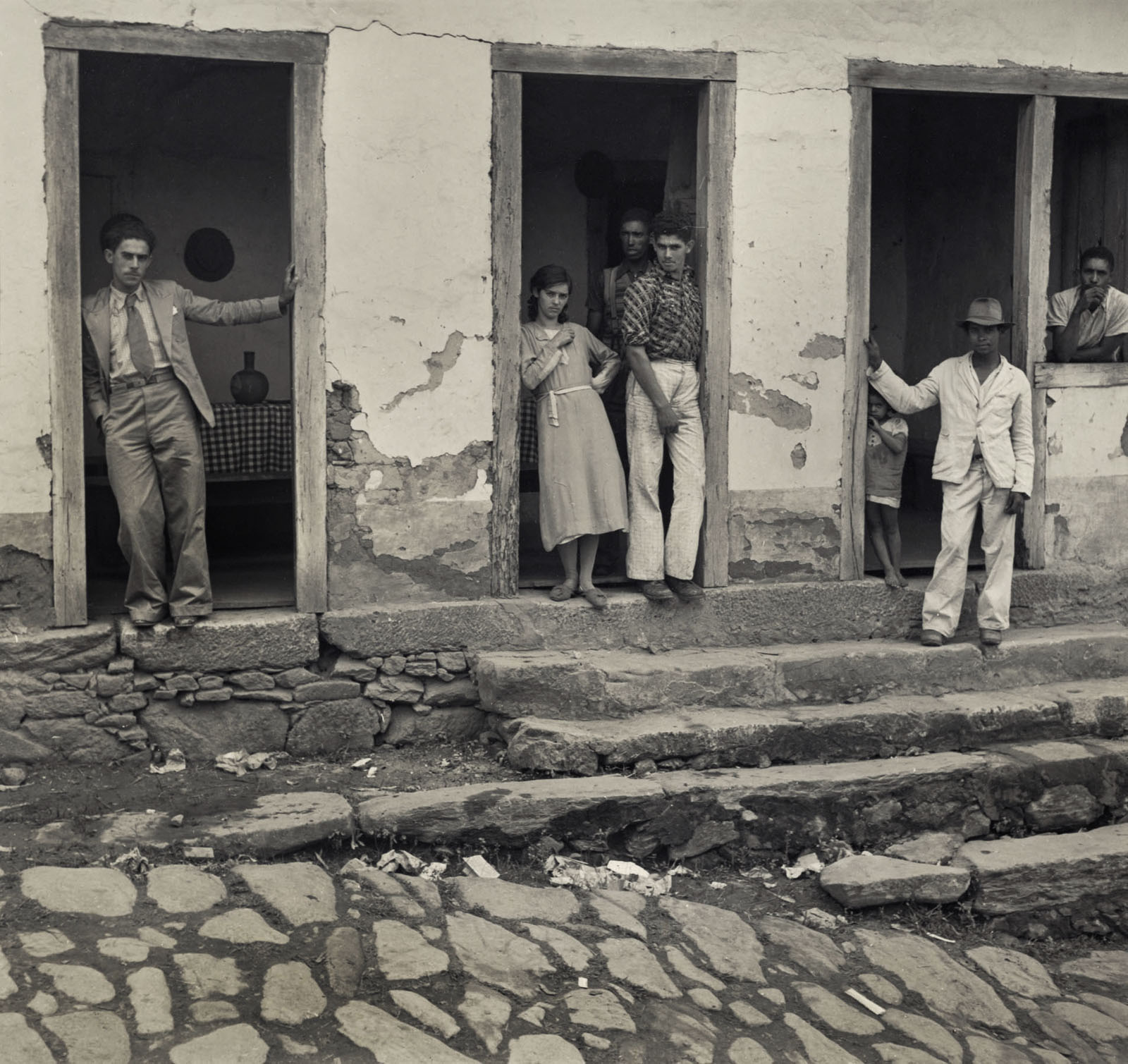


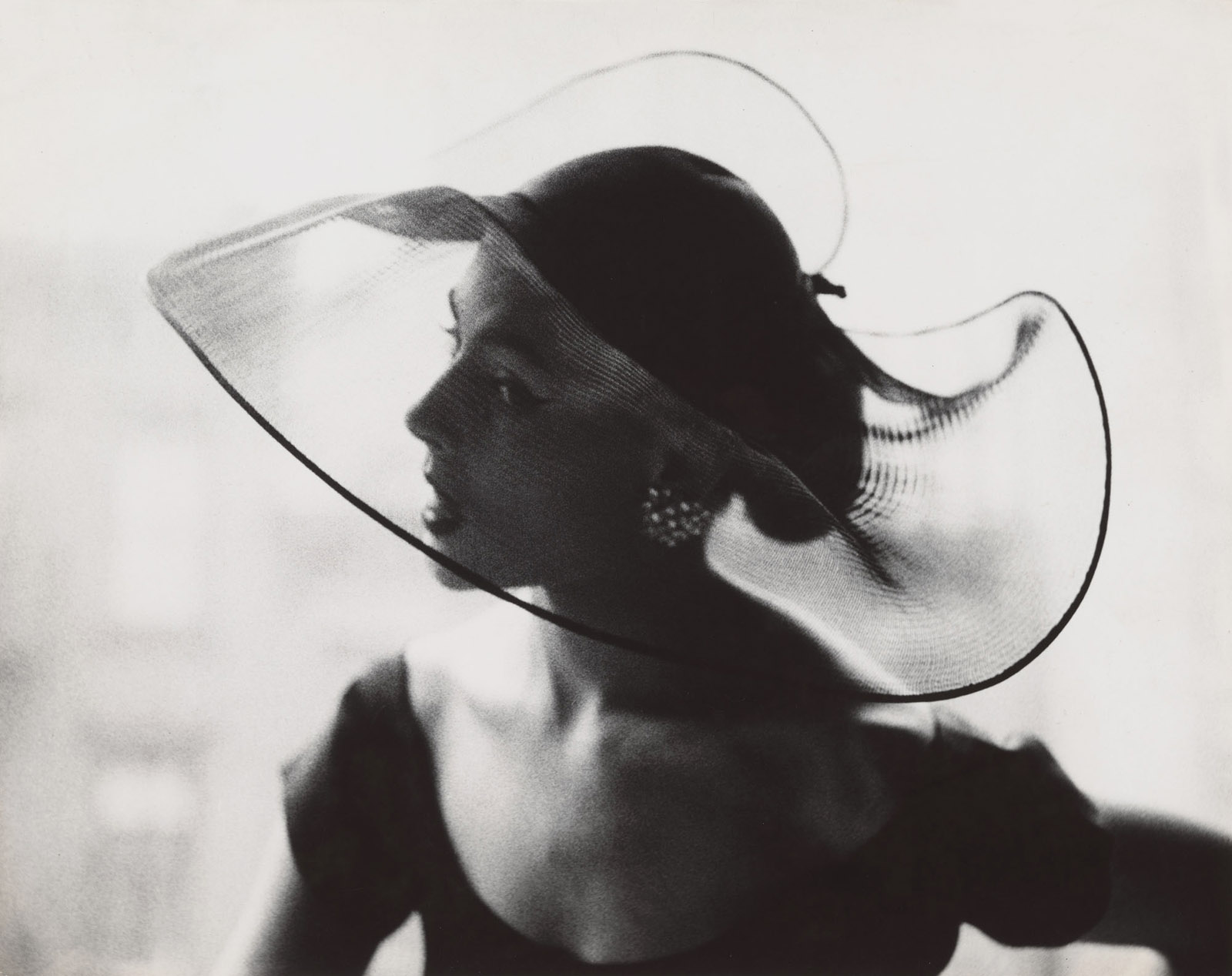
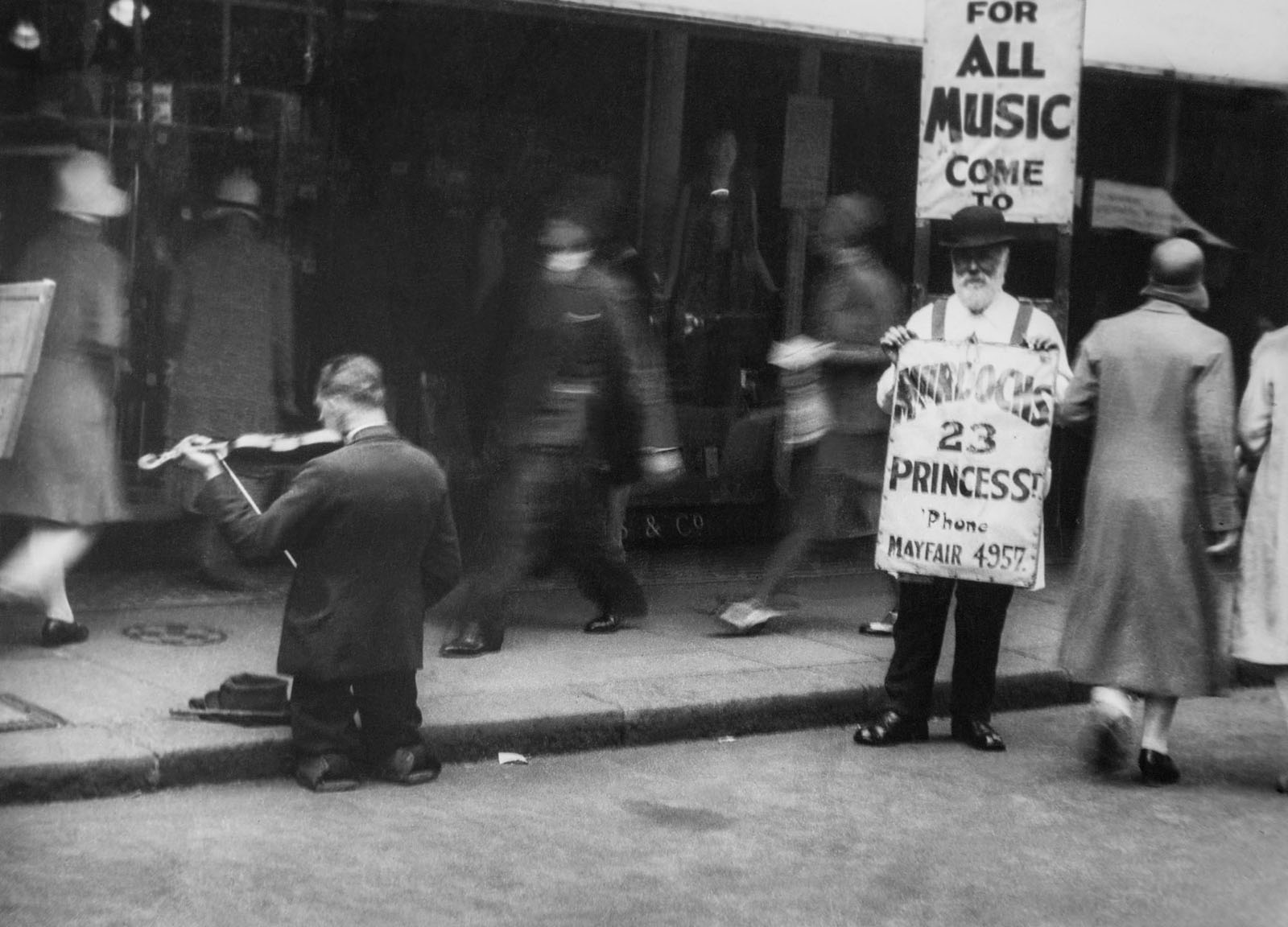
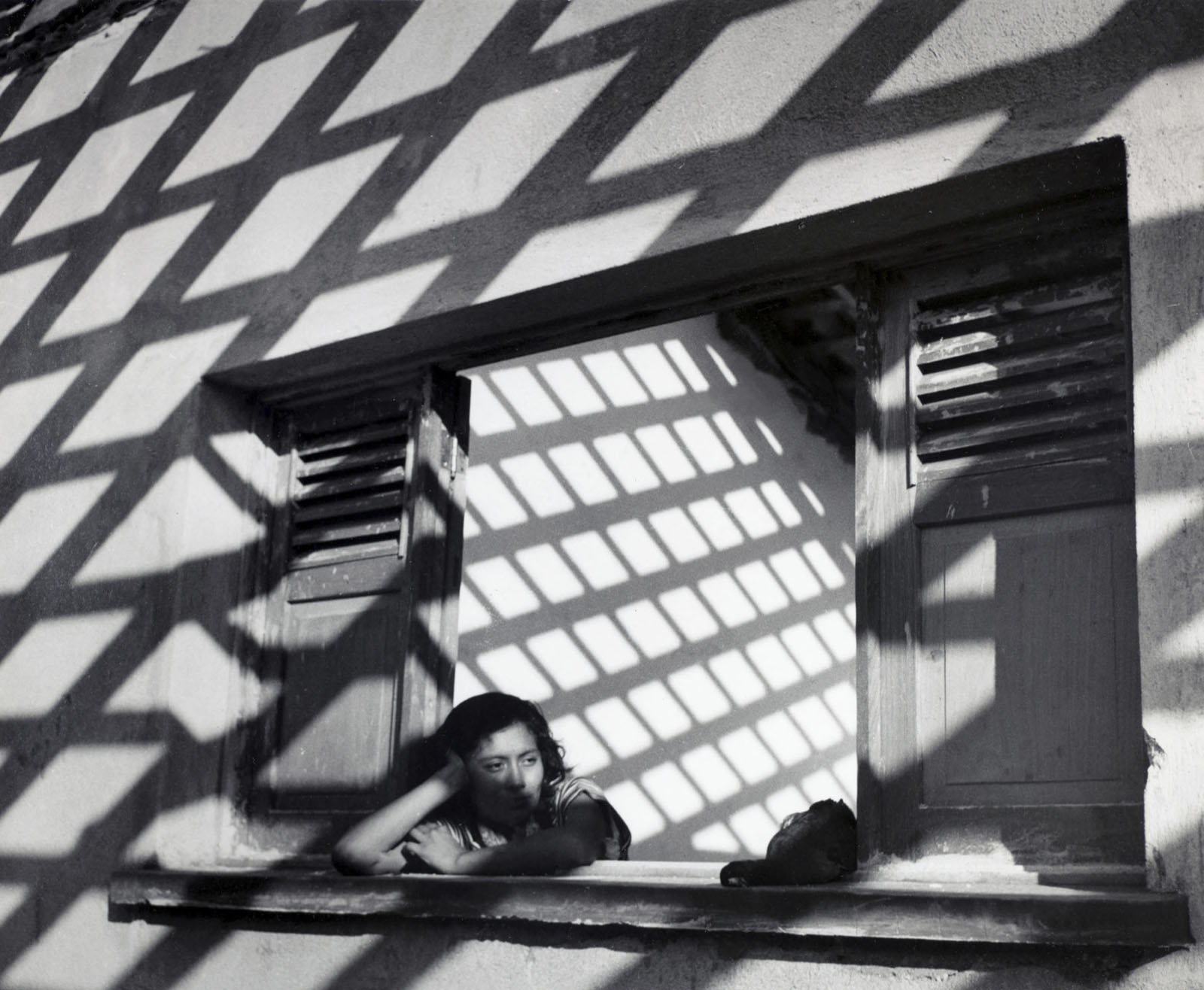






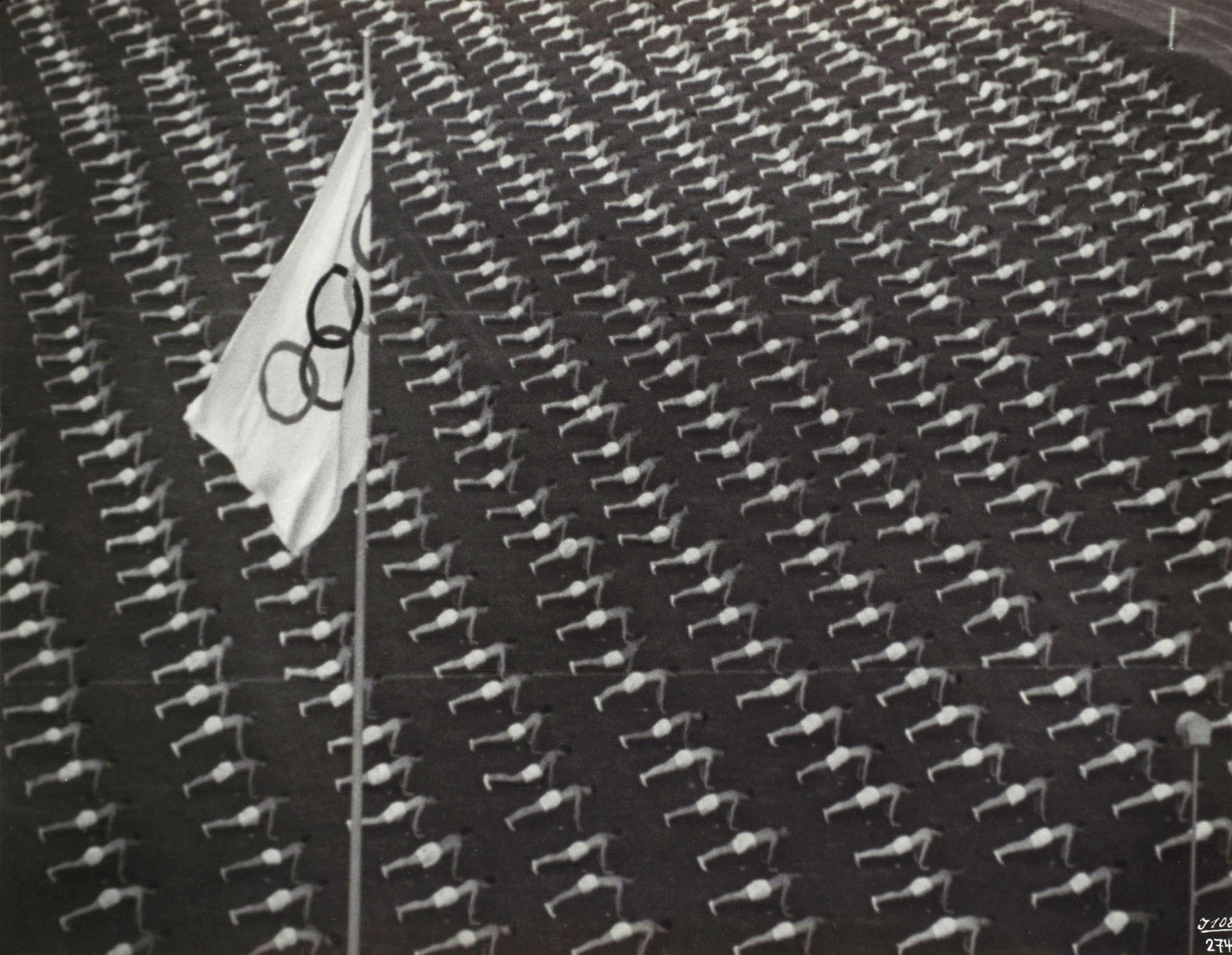







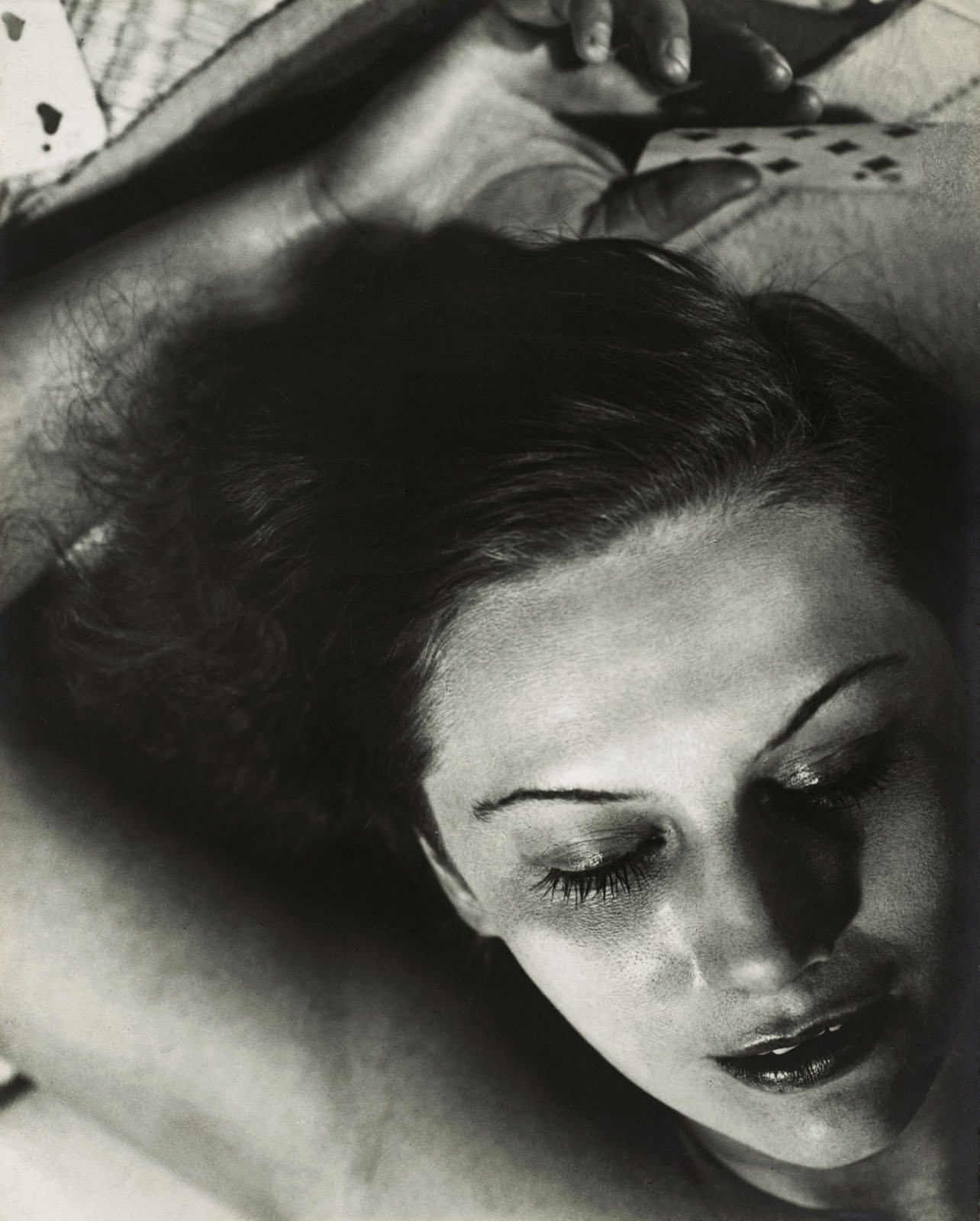
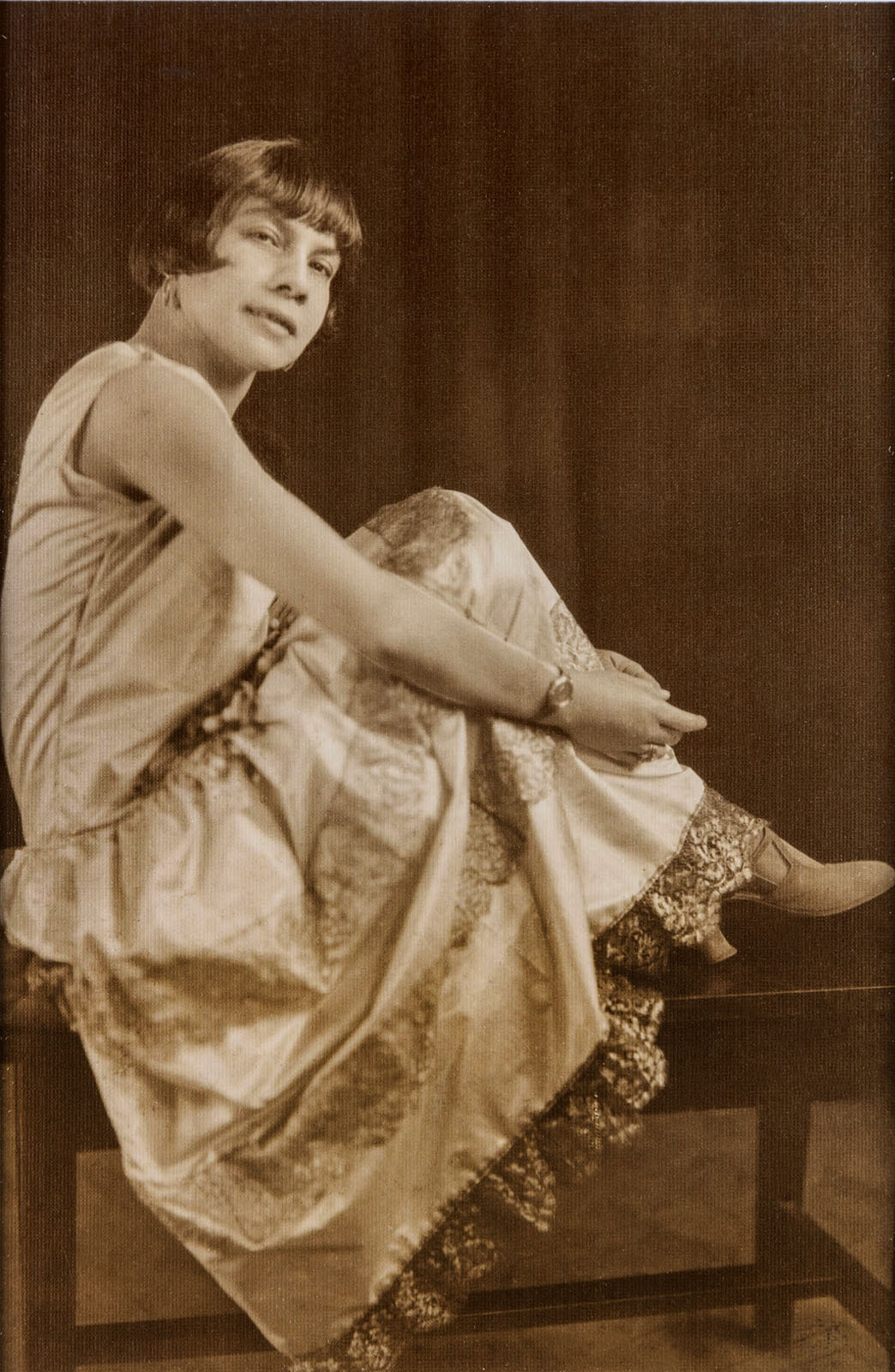
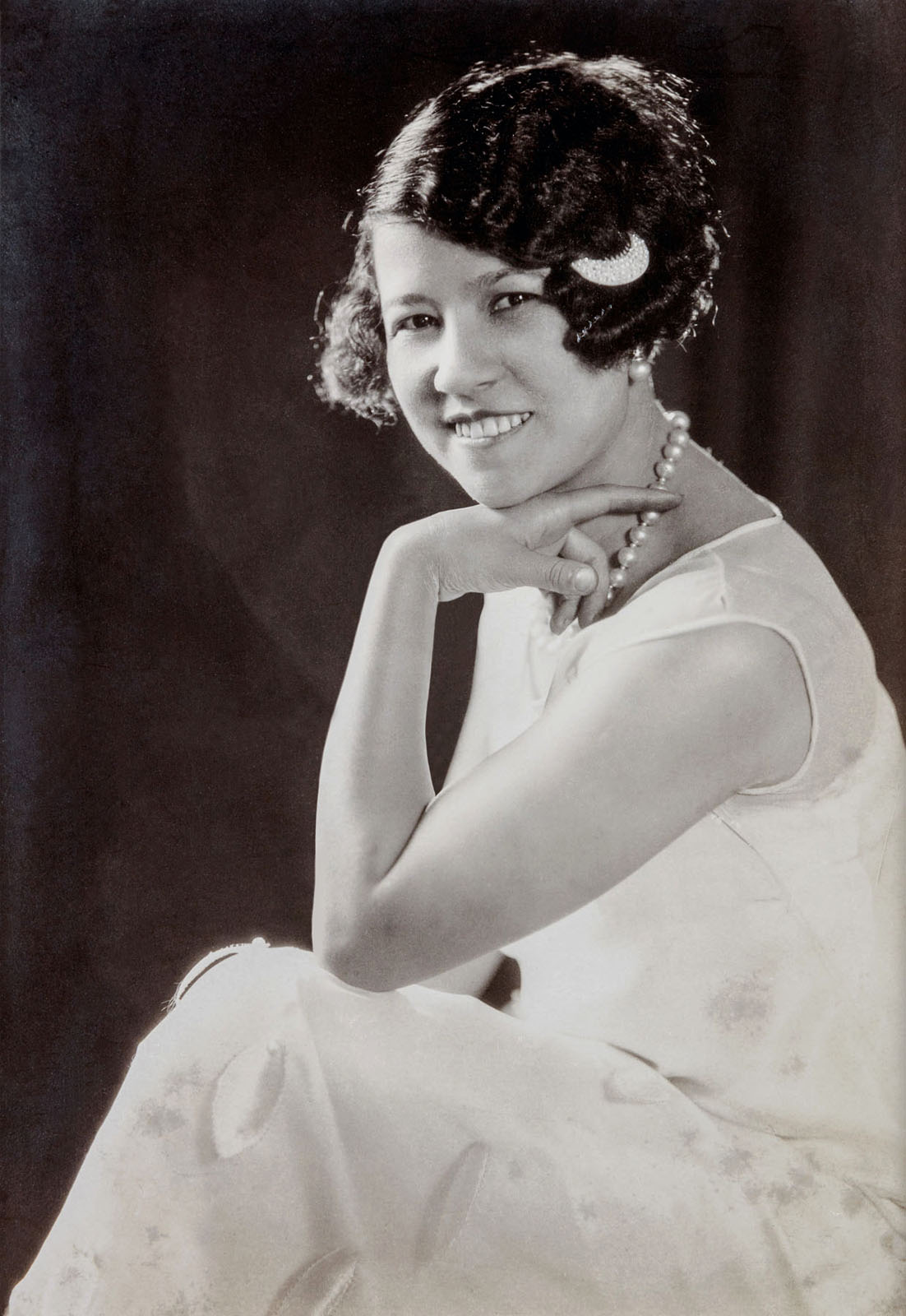


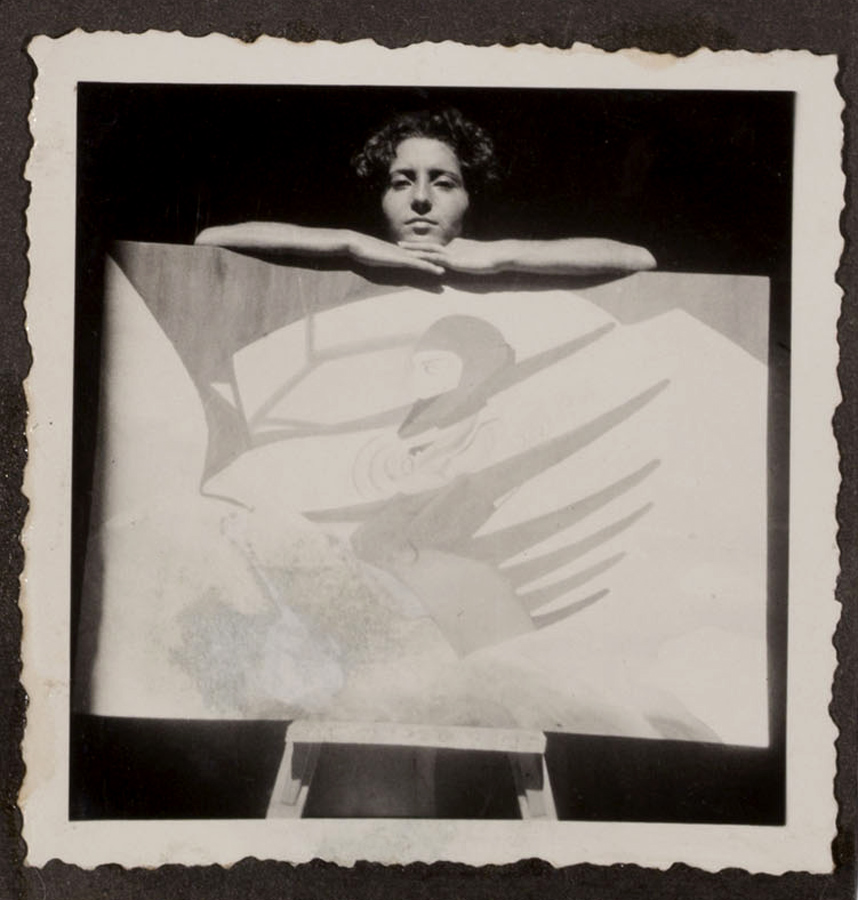


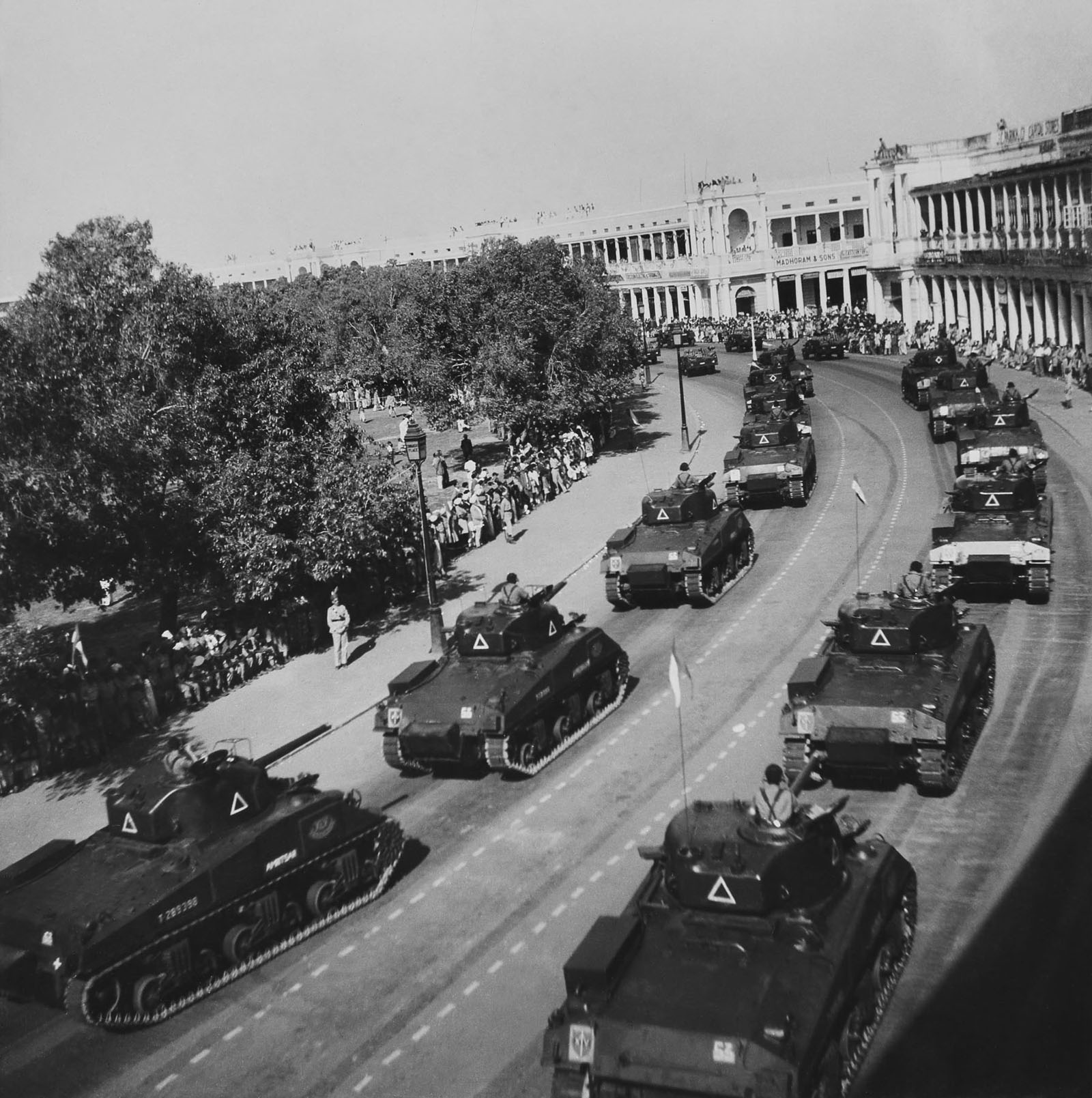
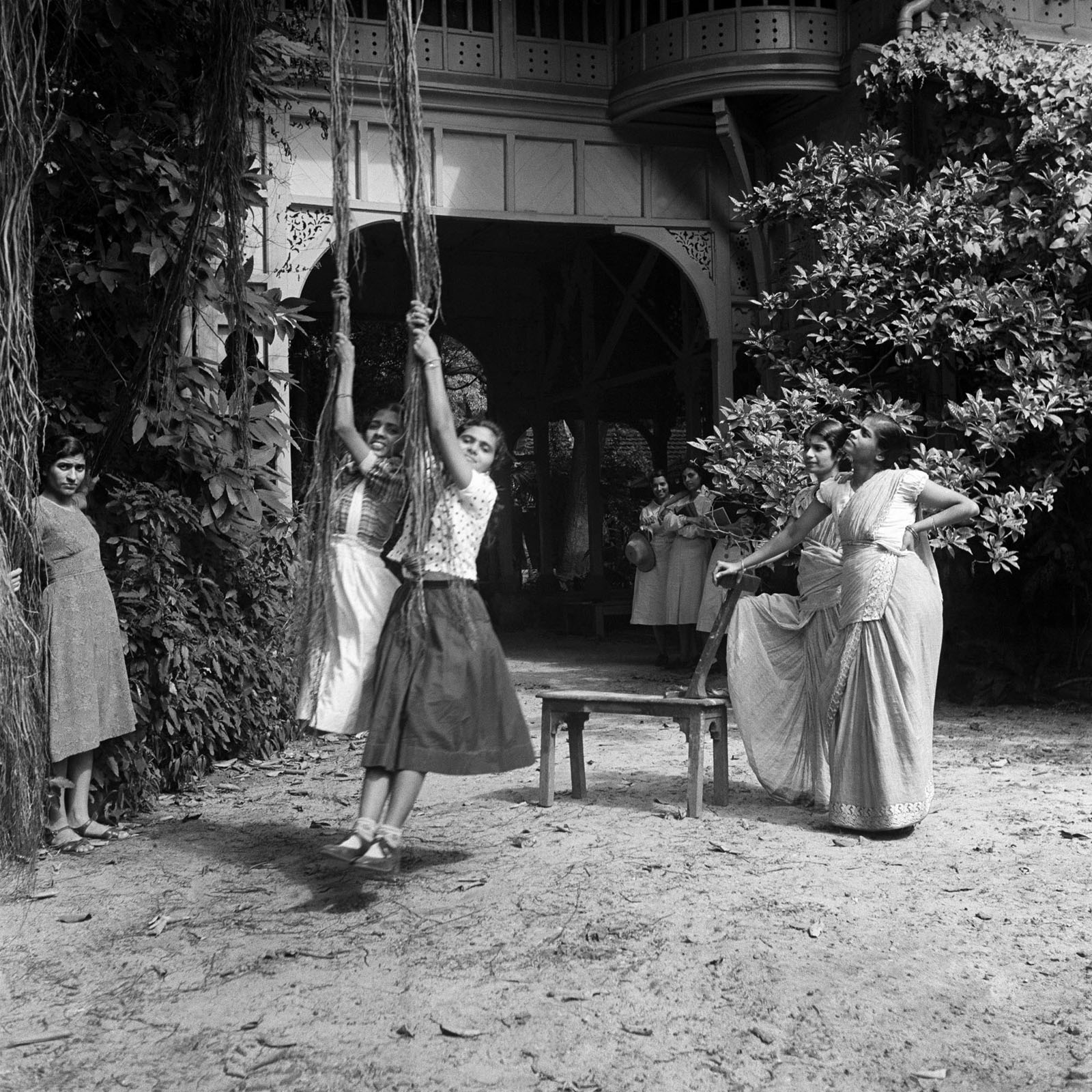
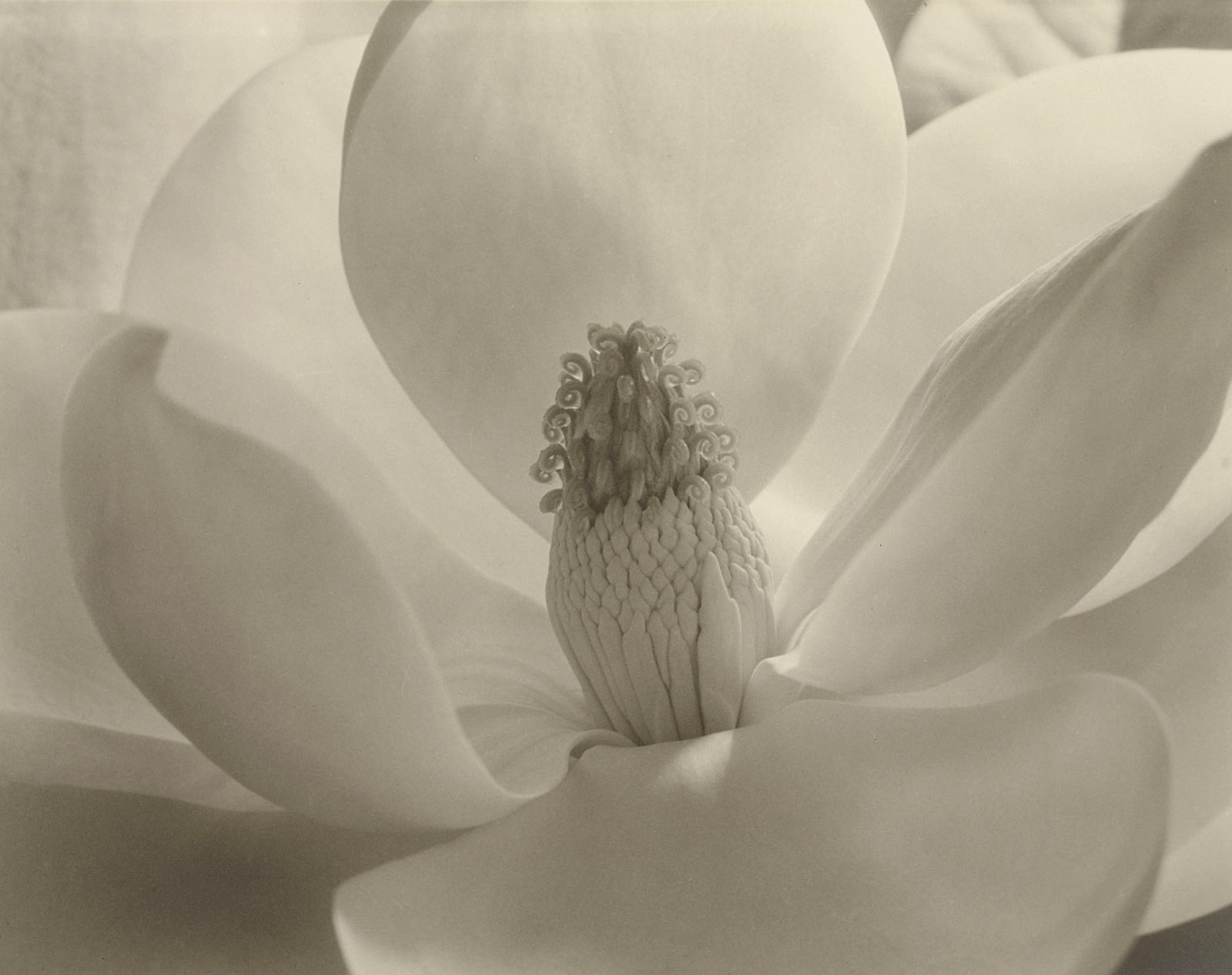

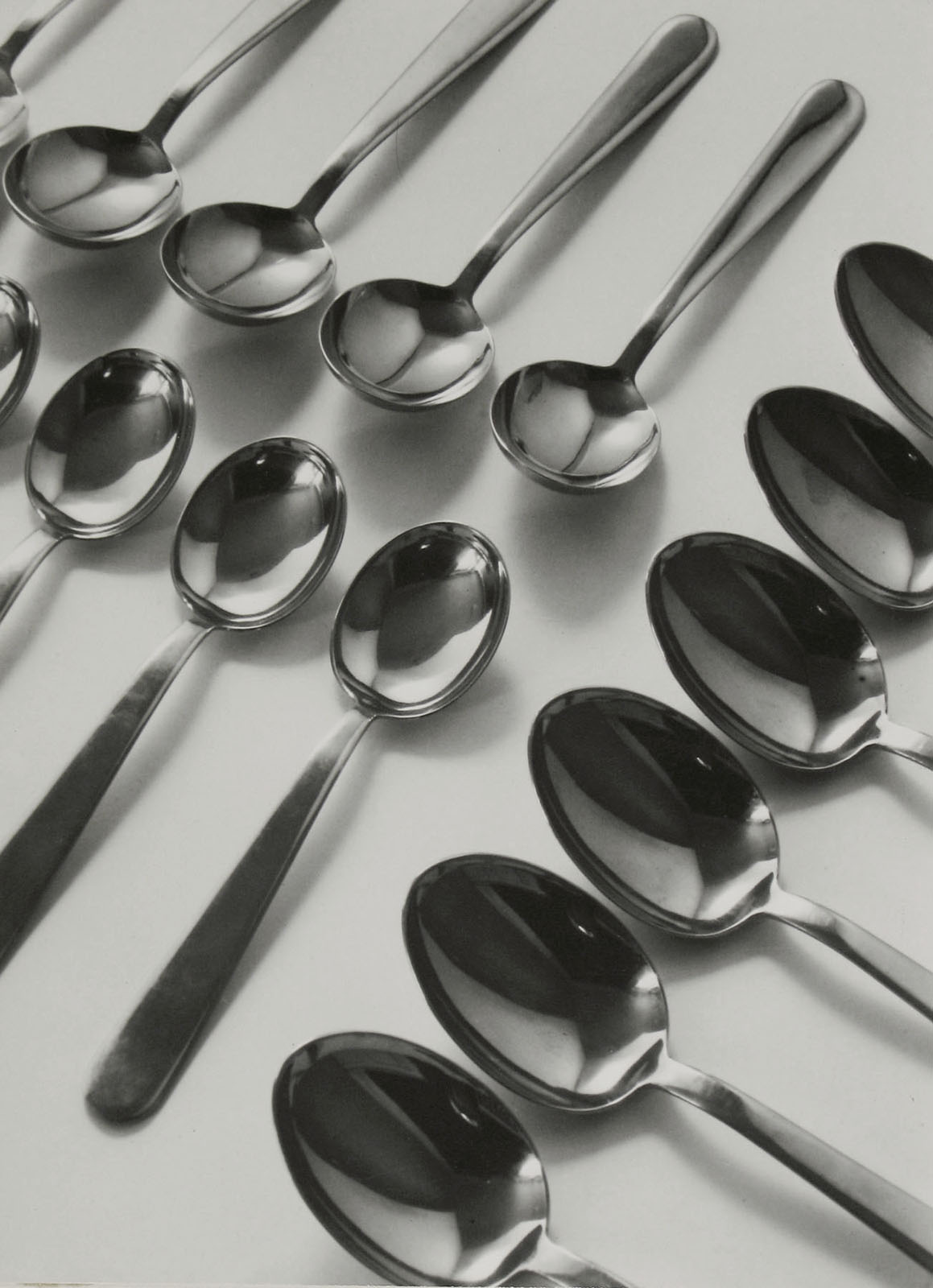
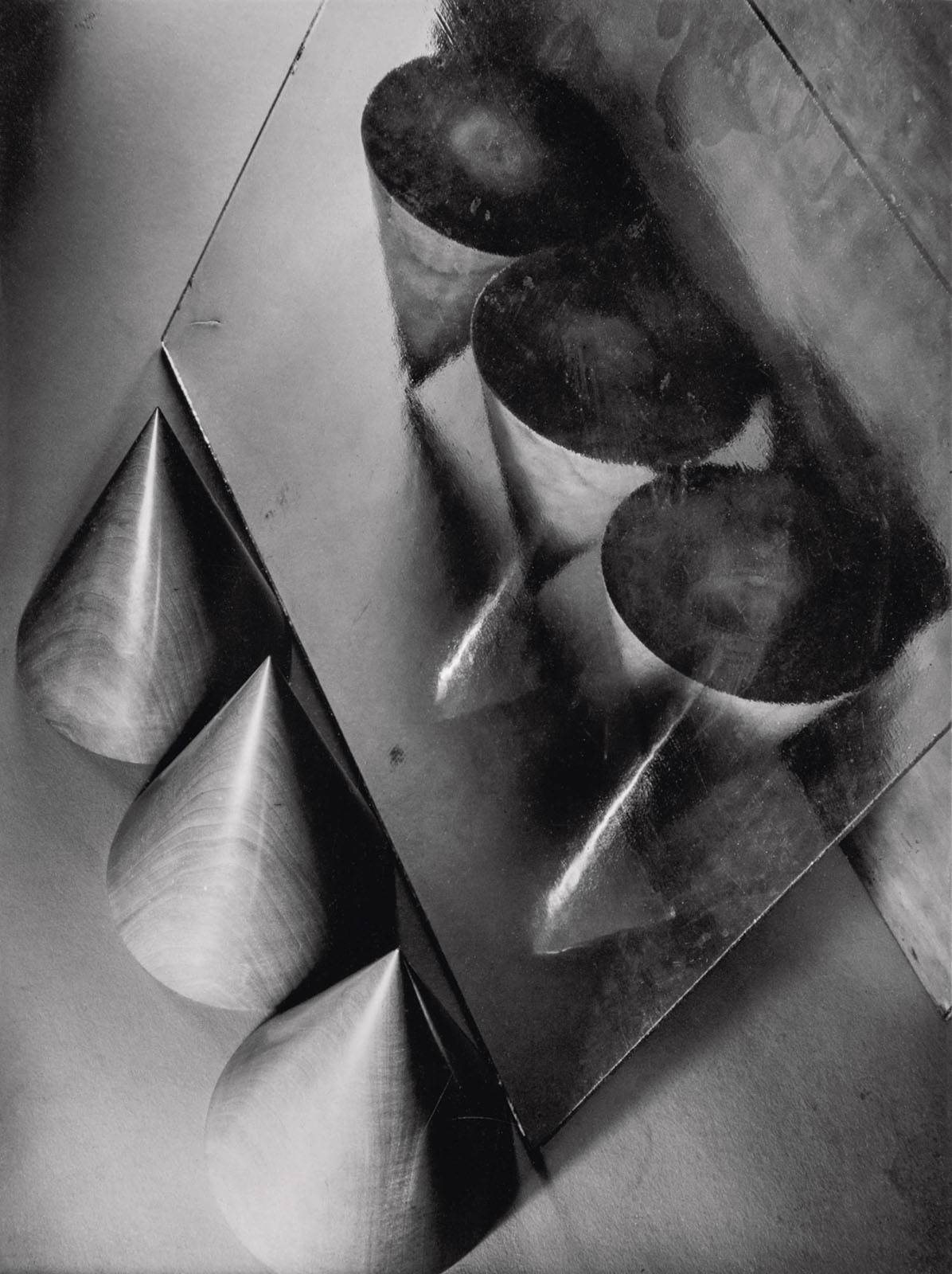
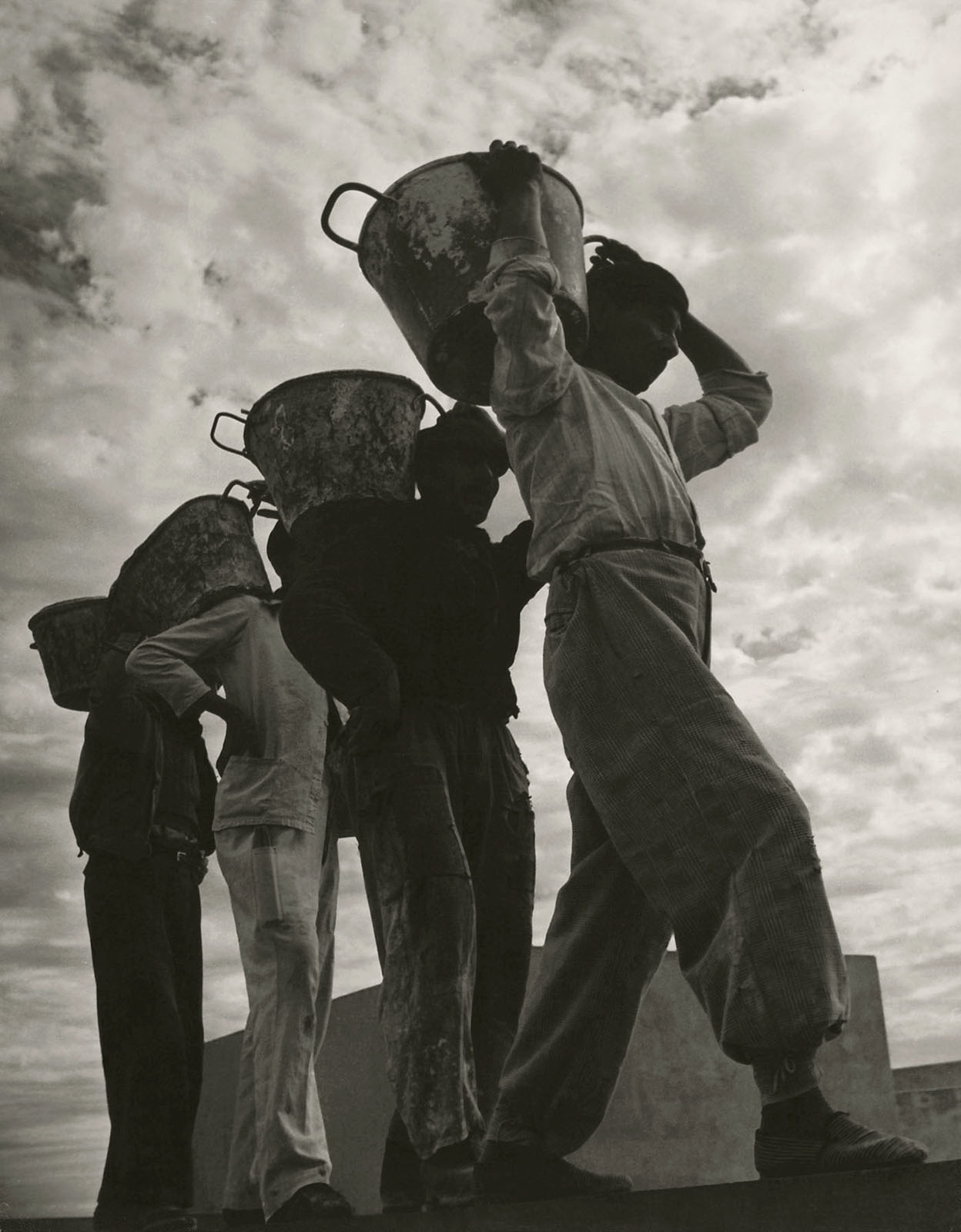
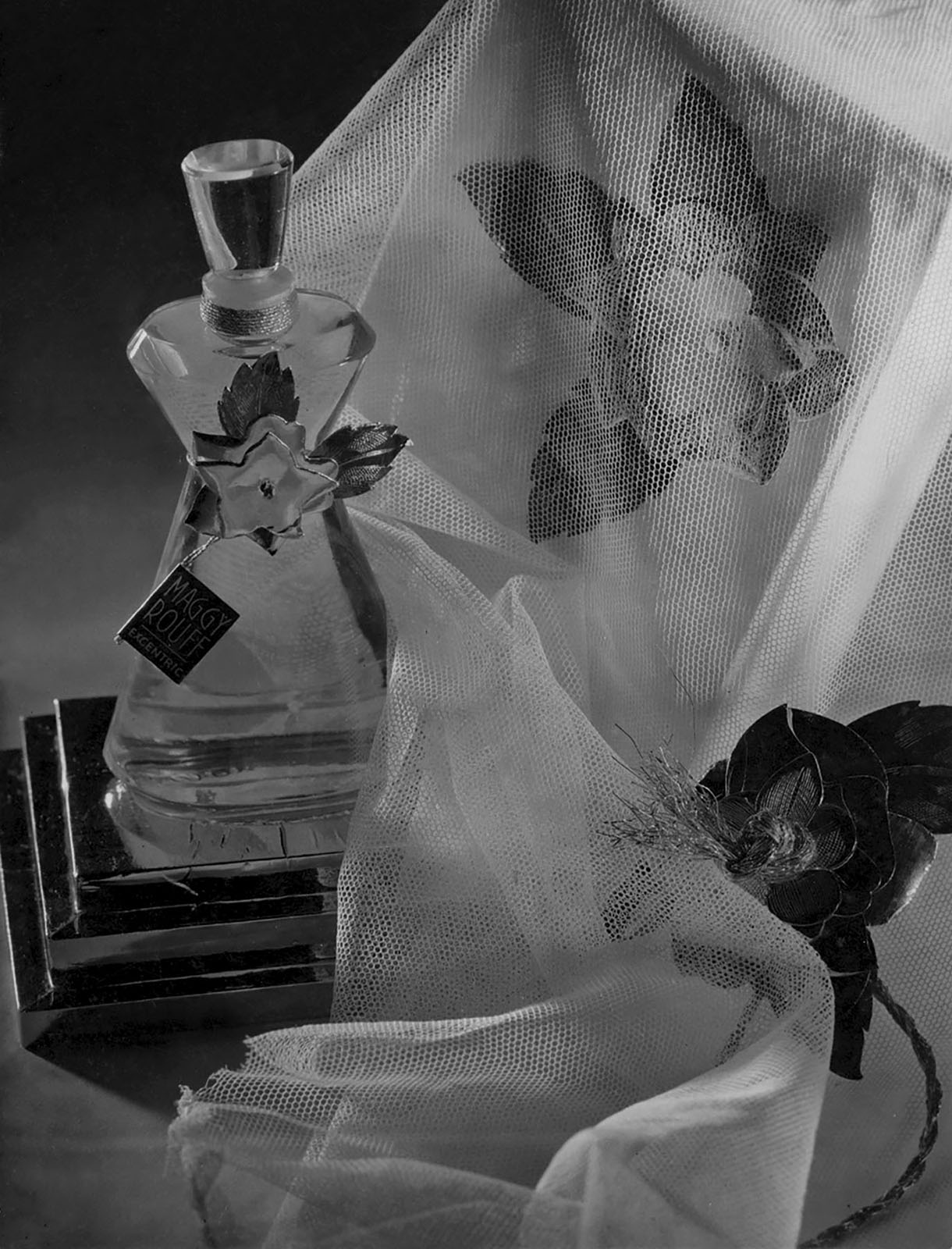

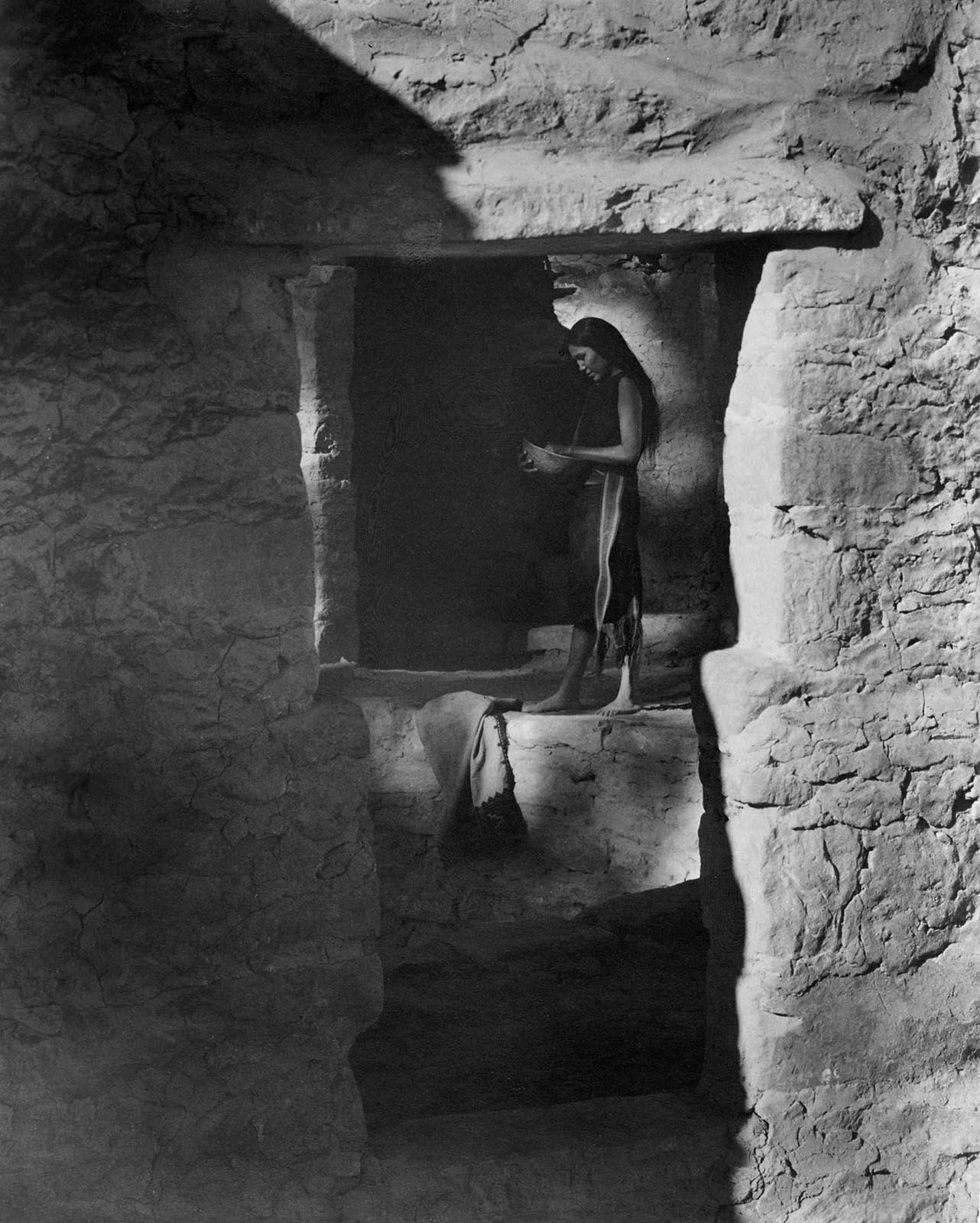
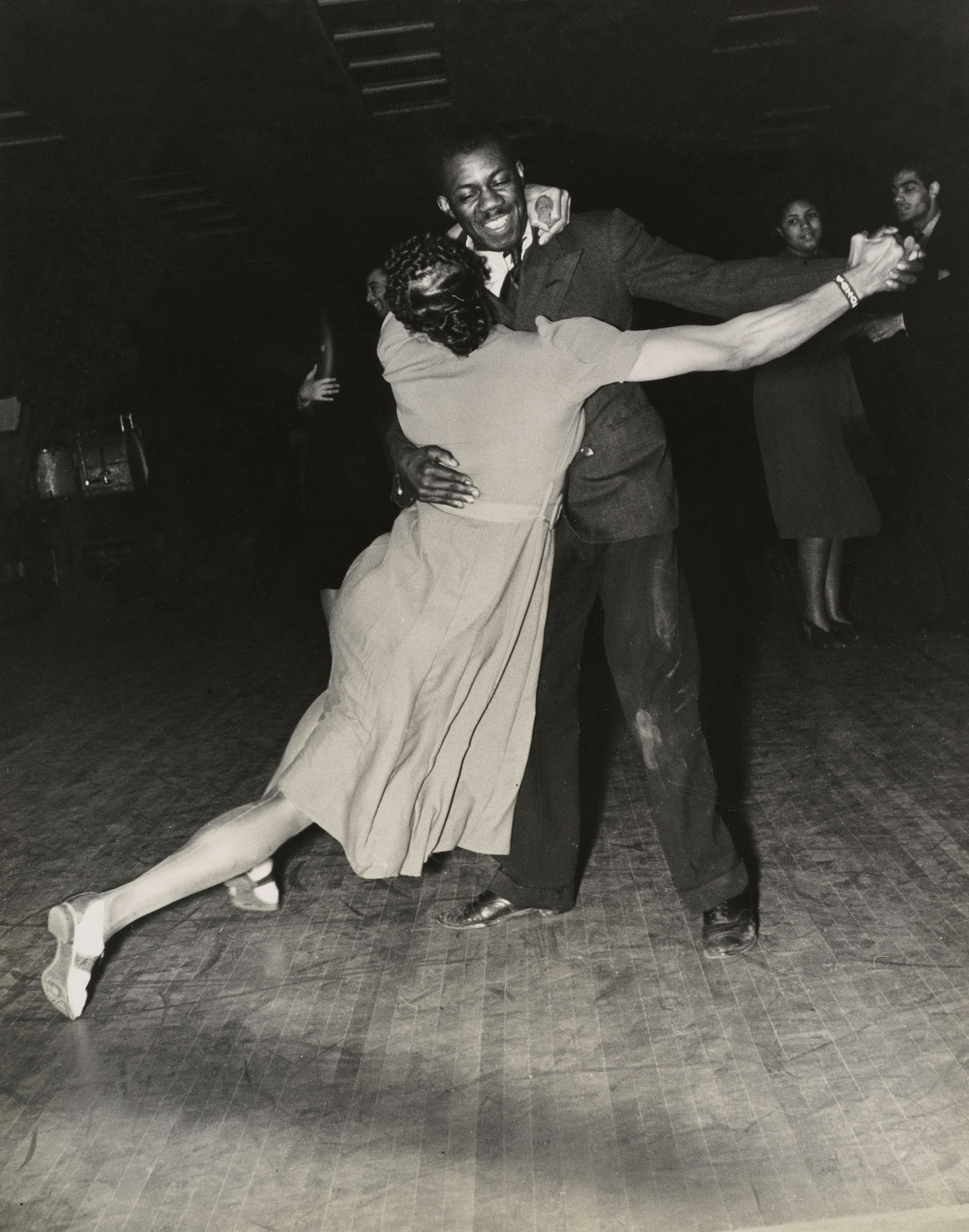

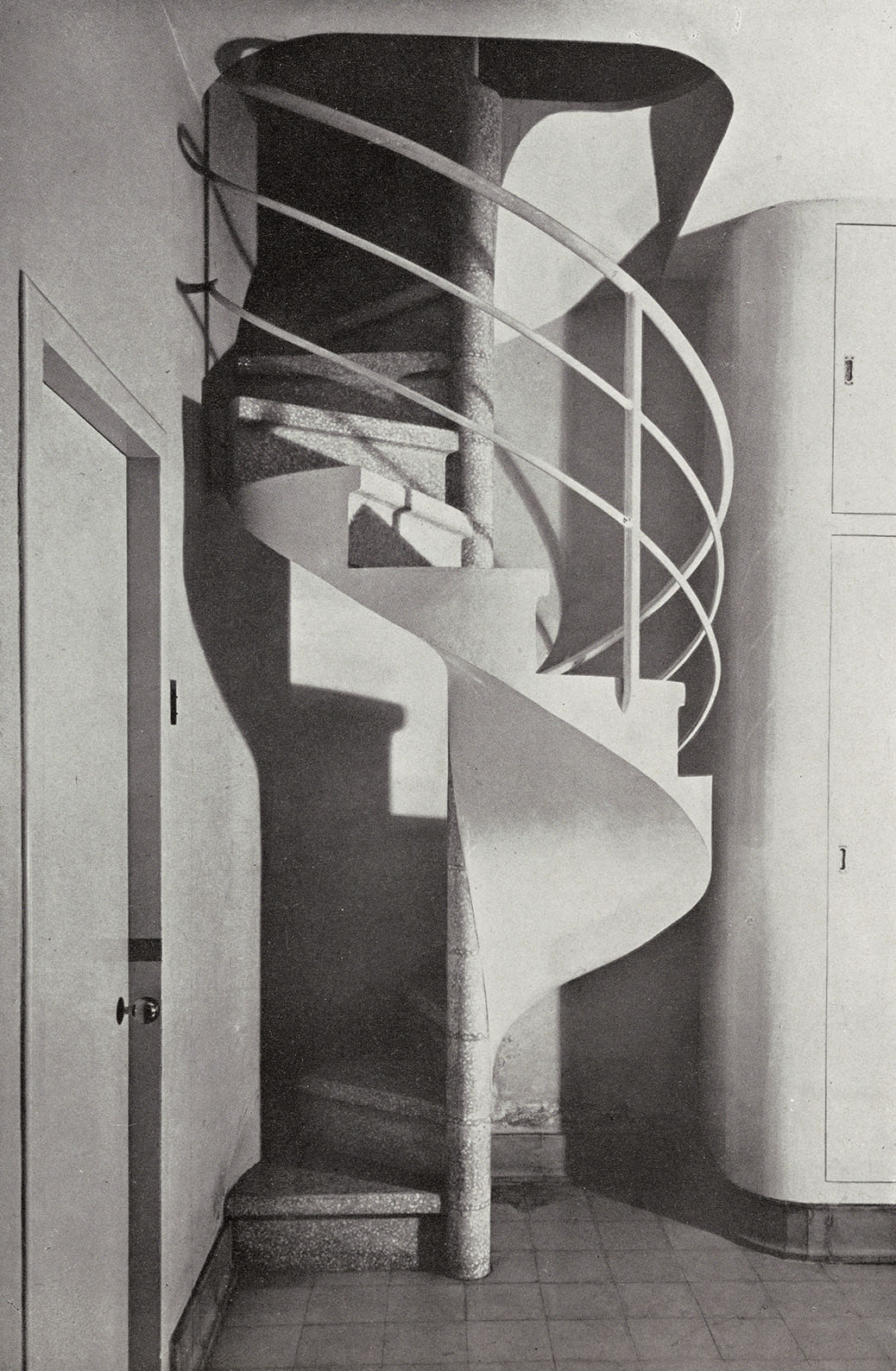

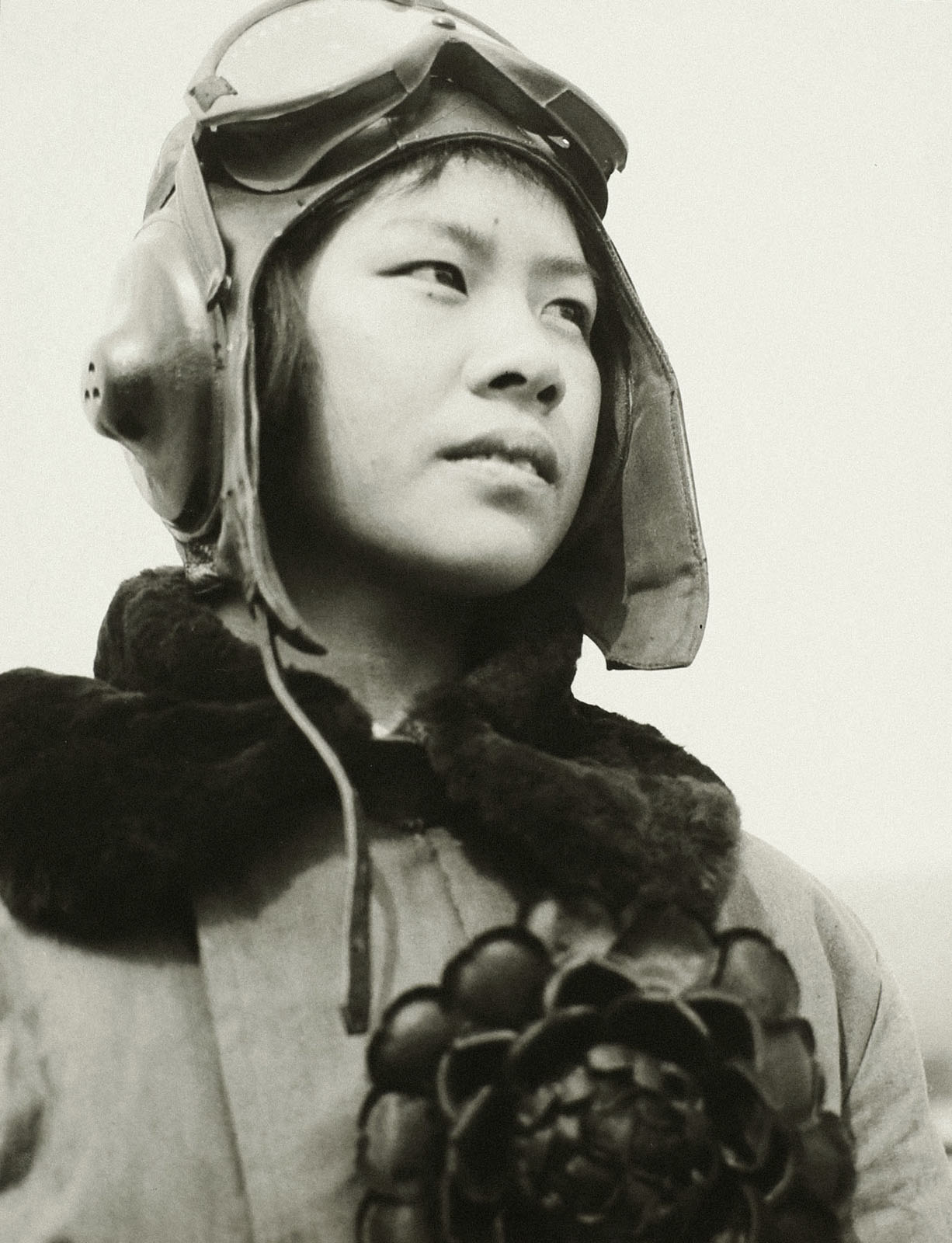

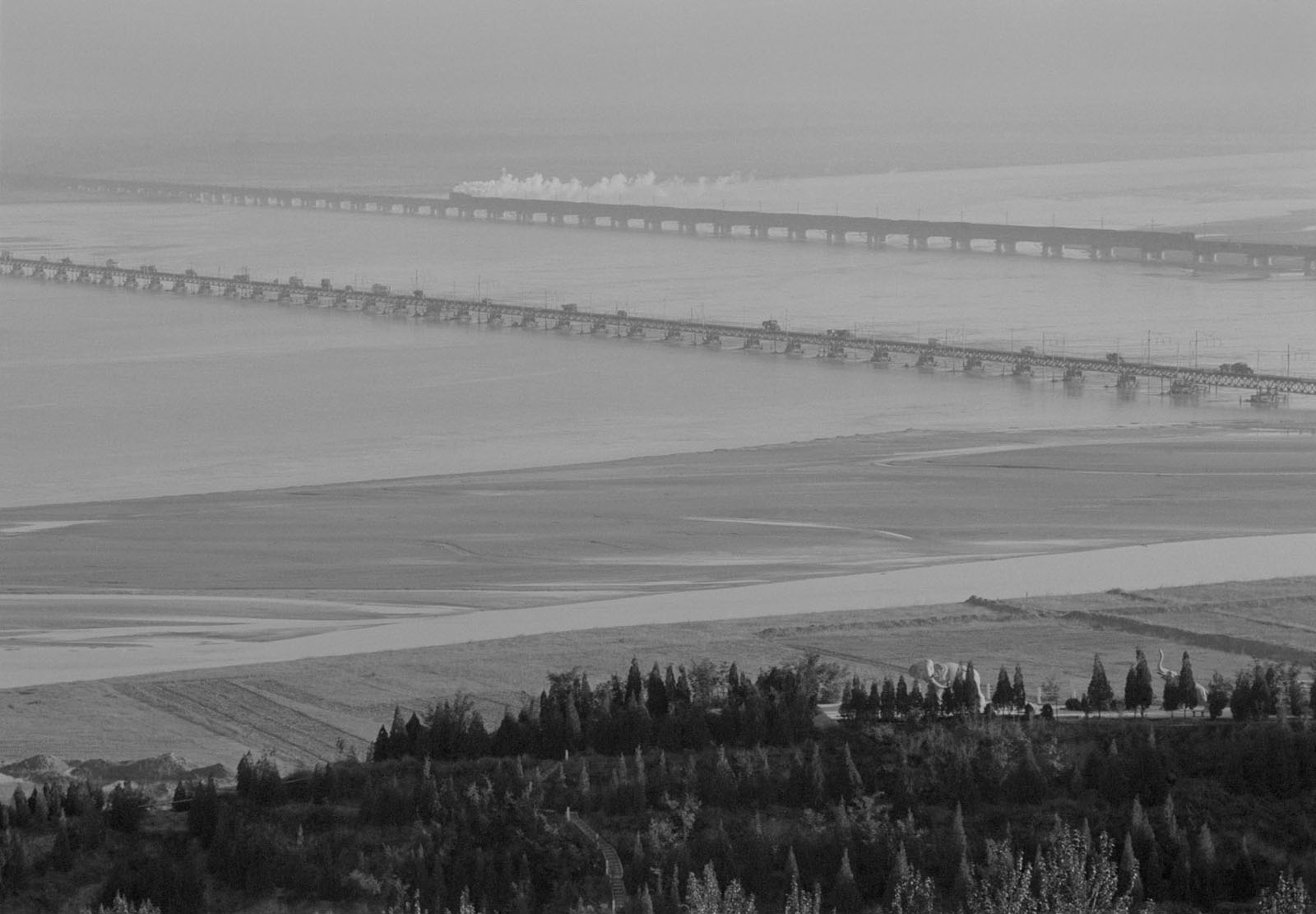

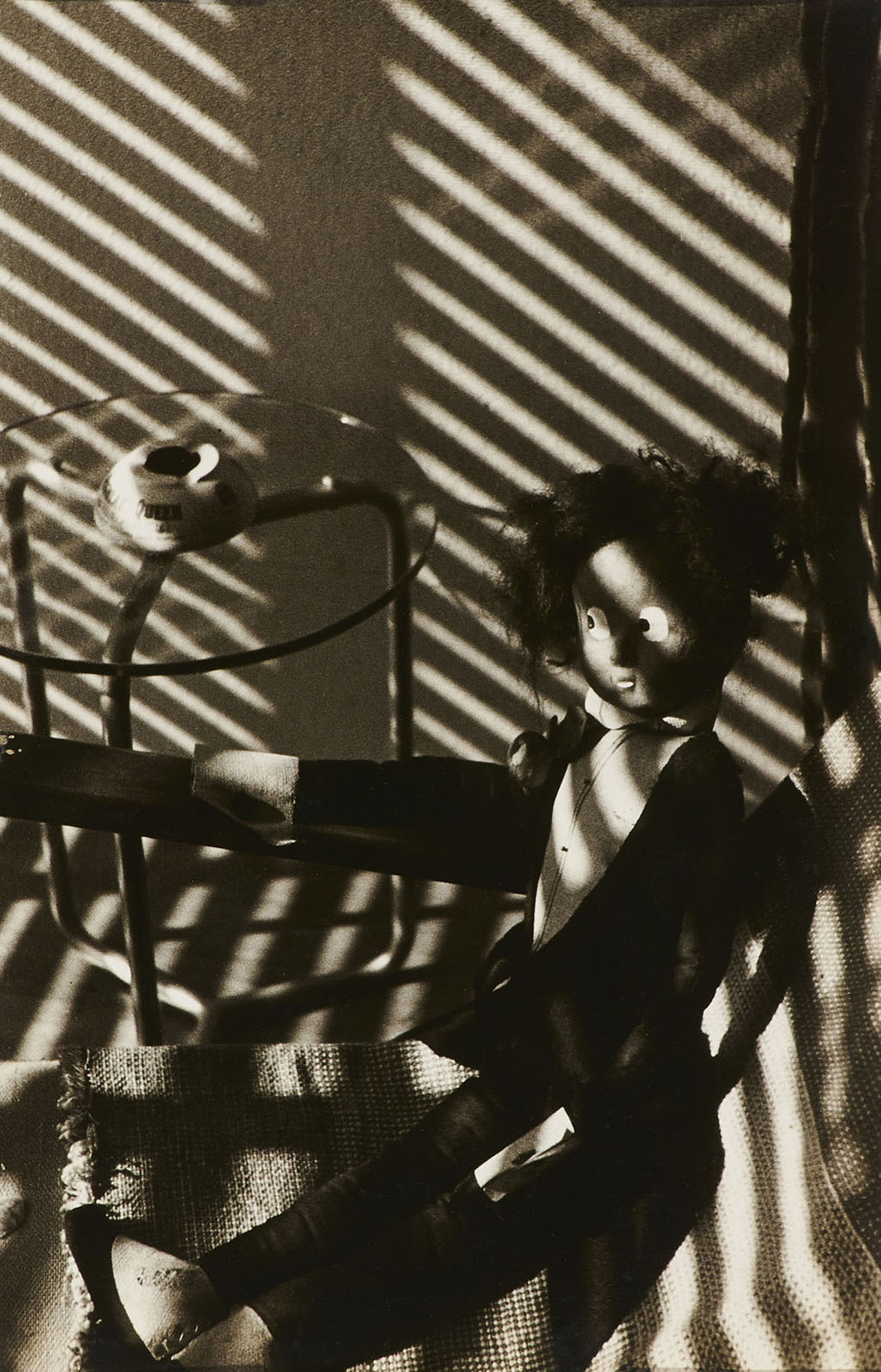
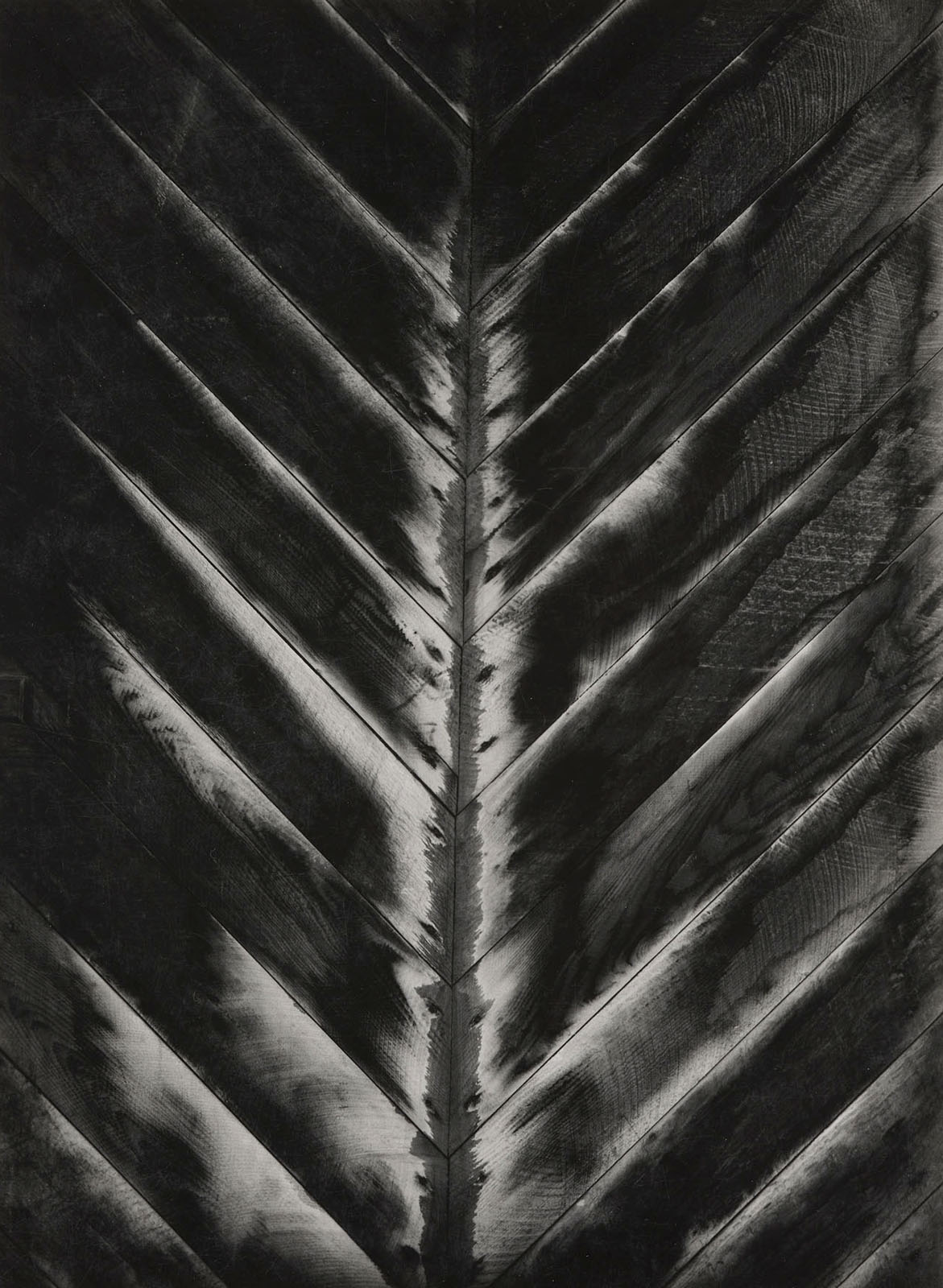


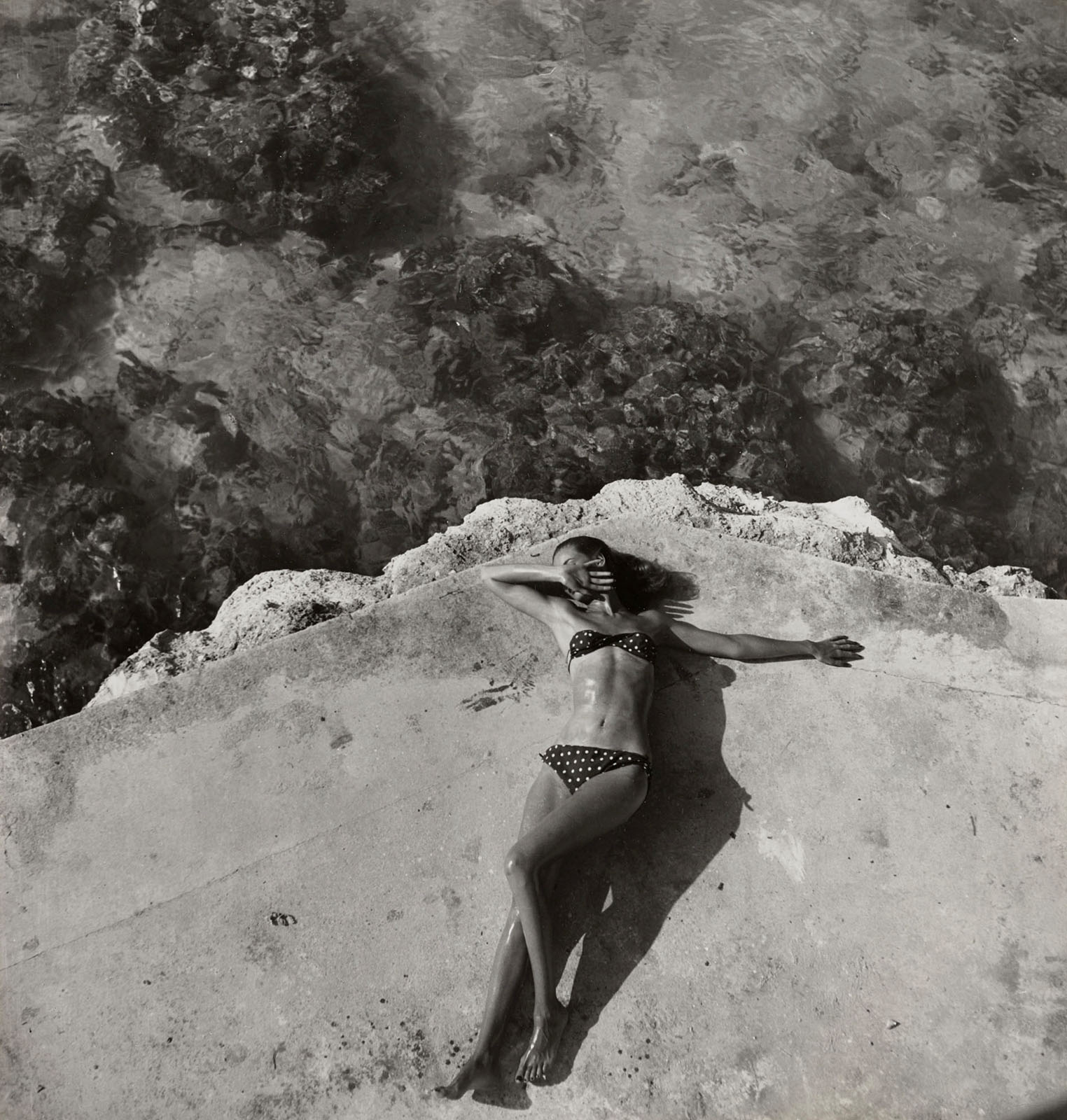
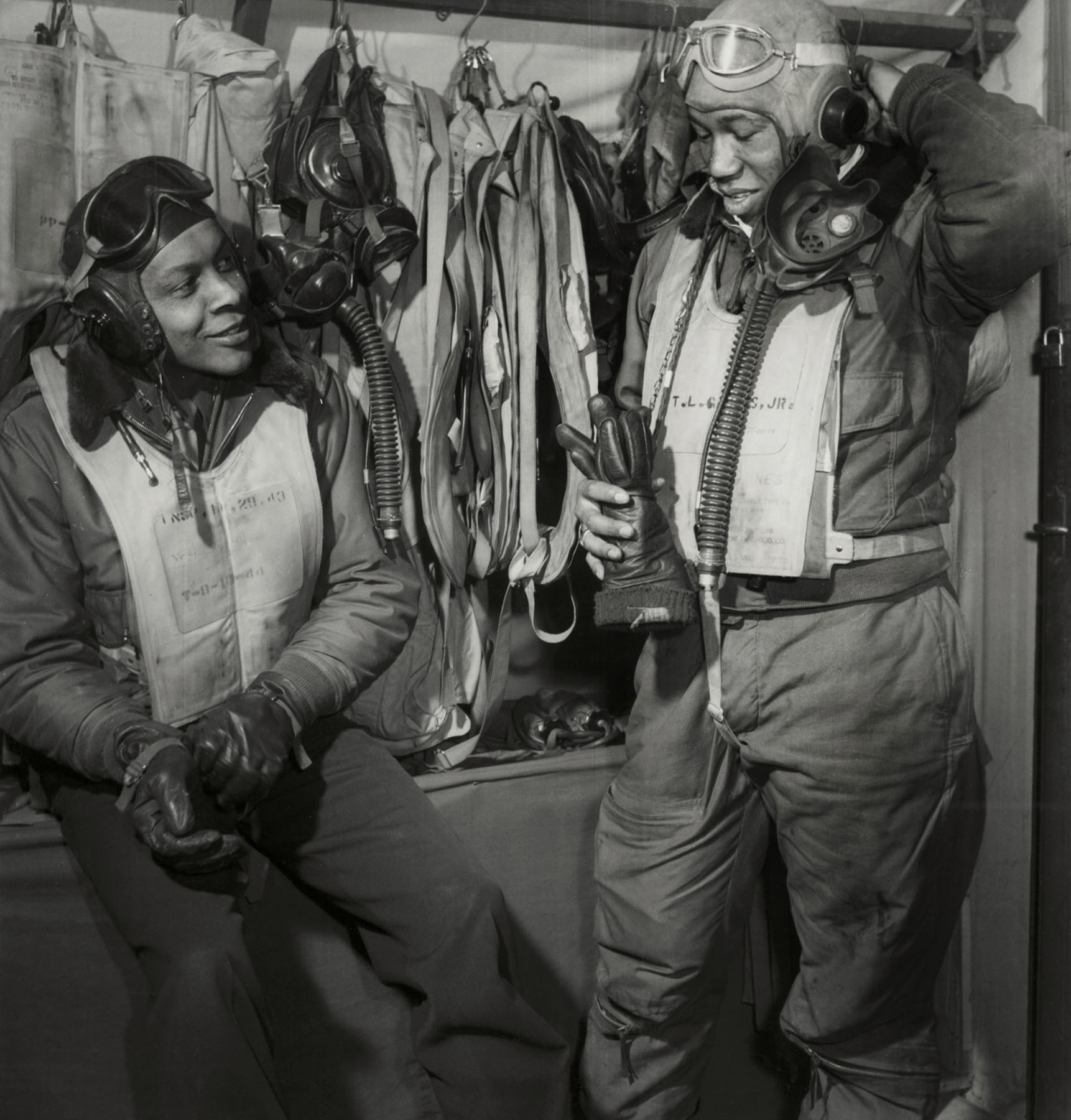
 Art Blart _ art and cultural memory archive
You must be logged in to post a comment.