Marcus Bunyan (Australian, b. 1958) Tall Bamboo 1994-1996 Gelatin silver print
I am scanning my negatives made during the years 1991-1997 to preserve them in the form of an online archive as a process of active memory, so that the images are not lost forever. These photographs were images of my life and imagination at the time of their making, the ideas I was thinking about and the people and things that surrounded me.
Photographs are available from this series for purchase. As a guide, a vintage 8″ x 10″ silver gelatin print costs $700 plus tracked and insured shipping. For more information please see my Store web page.
Marcus Bunyan (Australian, b. 1958) Baby, Oslo 1994-1996 Gelatin silver print
Marcus Bunyan (Australian, b. 1958) Baby, Oslo 1994-1996 Gelatin silver print
Marcus Bunyan (Australian, b. 1958) Baby, Oslo 1994-1996 Gelatin silver print
Marcus Bunyan (Australian, b. 1958) Baby, Oslo 1994-1996 Gelatin silver print
Marcus Bunyan (Australian, b. 1958) Barrows 1994-1996 Gelatin silver print
Marcus Bunyan (Australian, b. 1958) Barrows 1994-1996 Gelatin silver print
Marcus Bunyan (Australian, b. 1958) Bellows 1994-1996 Gelatin silver print
Marcus Bunyan (Australian, b. 1958) Bonsai 1994-1996 Gelatin silver print
Marcus Bunyan (Australian, b. 1958) Bricks and cups 1994-1996 Gelatin silver print
Marcus Bunyan (Australian, b. 1958) Cabbage 1994-1996 Gelatin silver print
Children and flowers
Marcus Bunyan (Australian, b. 1958) Children and flowers I 1994-1996 Gelatin silver print
Marcus Bunyan (Australian, b. 1958) Children and flowers II 1994-1996 Gelatin silver print
Marcus Bunyan (Australian, b. 1958) Children and flowers III 1994-1996 Gelatin silver print
Marcus Bunyan (Australian, b. 1958) Children and flowers IV 1994-1996 Gelatin silver print
______________________________
Marcus Bunyan (Australian, b. 1958) Corrugations I 1994-1996 Gelatin silver print
Marcus Bunyan (Australian, b. 1958) Corrugations II 1994-1996 Gelatin silver print
Marcus Bunyan (Australian, b. 1958) Corrugations III 1994-1996 Gelatin silver print
Marcus Bunyan (Australian, b. 1958) Corrugations IV 1994-1996 Gelatin silver print
Marcus Bunyan (Australian, b. 1958) Crazy paving 1994-1996 Gelatin silver print
Marcus Bunyan (Australian, b. 1958) Marguerite Daisy I 1994-1996 Gelatin silver print
Marcus Bunyan (Australian, b. 1958) Marguerite Daisy II 1994-1996 Gelatin silver print
______________________________
Marcus Bunyan (Australian, b. 1958) Doll face I 1994-1996 Gelatin silver print
Marcus Bunyan (Australian, b. 1958) Doll face II 1994-1996 Gelatin silver print
Marcus Bunyan (Australian, b. 1958) Drainpipe I 1994-1996 Gelatin silver print
Marcus Bunyan (Australian, b. 1958) Drainpipe II 1994-1996 Gelatin silver print
Marcus Bunyan (Australian, b. 1958) Face I (William Klein) 1994-1996 Gelatin silver print
Marcus Bunyan (Australian, b. 1958) Face II (William Klein) 1994-1996 Gelatin silver print
Marcus Bunyan (Australian, b. 1958) Gate I 1994-1996 Gelatin silver print
Marcus Bunyan (Australian, b. 1958) Gate II 1994-1996 Gelatin silver print
Marcus Bunyan (Australian, b. 1958) Chalice I 1994-1996 Gelatin silver print
Marcus Bunyan (Australian, b. 1958) Chalice II 1994-1996 Gelatin silver print
Marcus Bunyan (Australian, b. 1958) Chalice III 1994-1996 Gelatin silver print
Marcus Bunyan (Australian, b. 1958) Cracked 1994-1996 Gelatin silver print
Marcus Bunyan (Australian, b. 1958) Gumnuts 1994-1996 Gelatin silver print
Marcus Bunyan (Australian, b. 1958) Hat I 1994-1996 Gelatin silver print
Marcus Bunyan (Australian, b. 1958) Hat II 1994-1996 Gelatin silver print
Marcus Bunyan (Australian, b. 1958) Helicopter, flag pole and sun 1994-96 Gelatin silver print
Marcus Bunyan (Australian, b. 1958) If? 1994-1996 Gelatin silver print
Marcus Bunyan (Australian, b. 1958) Jubilee Street, Melbourne 1994-1996 Gelatin silver print
Marcus Bunyan (Australian, b. 1958) Kids horse I 1994-1996 Gelatin silver print
Marcus Bunyan (Australian, b. 1958) Kids horse II 1994-1996 Gelatin silver print
Marcus Bunyan (Australian, b. 1958) Monster 1994-1996 Gelatin silver print
Marcus Bunyan (Australian, b. 1958) Marquetry 1994-1996 Gelatin silver print
Marcus Bunyan (Australian, b. 1958) Saint Gregory I 1994-1996 Gelatin silver print
Marcus Bunyan (Australian, b. 1958) Saint Gregory II 1994-1996 Gelatin silver print
Marcus Bunyan (Australian, b. 1958) Saint Gregory III 1994-96 Gelatin silver print
Melbourne gay pride 1994
Marcus Bunyan (Australian, b. 1958) Melbourne gay pride 1994 Gelatin silver print
Marcus Bunyan (Australian, b. 1958) Body painting, Melbourne gay pride 1994 Gelatin silver print
Marcus Bunyan (Australian, b. 1958) Body painting, Melbourne gay pride 1994 Gelatin silver print
Marcus Bunyan (Australian, b. 1958) Body painting, Melbourne gay pride 1994 Gelatin silver print
Marcus Bunyan (Australian, b. 1958) Body painting, Melbourne gay pride 1994 Gelatin silver print
Marcus Bunyan (Australian, b. 1958) James Dean, Melbourne gay pride 1994 Gelatin silver print
Marcus Bunyan (Australian, b. 1958) Banquet table, Melbourne gay pride 1994 Gelatin silver print
Marcus Bunyan (Australian, b. 1958) Eagle brand, Melbourne gay pride 1994 Gelatin silver print
Marcus Bunyan (Australian, b. 1958) Pentagram, Melbourne gay pride 1994 Gelatin silver print
Marcus Bunyan (Australian, b. 1958) Love, Melbourne gay pride 1994 Gelatin silver print
Marcus Bunyan (Australian, b. 1958) Dragons wing, Melbourne gay pride 1994 Gelatin silver print
Marcus Bunyan (Australian, b. 1958) Rose Kennedy, Melbourne gay pride 1994 Gelatin silver print
Marcus Bunyan (Australian, b. 1958) Om, Melbourne gay pride 1994 Gelatin silver print
Marcus Bunyan (Australian, b. 1958) Untitled 2017-2020 From the series Stones, Vaults, Flowers: Père Lachaise Digital photograph
les jeunes ñ’oublient pas souvenir et jeunesse
young people don’t forget memory and youth
Stones, Vaults, Flowers: Père Lachaise
A body of work from Père Lachaise cemetery, Paris. Unfortunately, I can’t display the series how I would like them laid out on Art Blart due to the limited page width… please see the layout on desktop (not mobile, again problems) at https://marcusbunyan.com/stones-vaults-flowers-pere-lachaise/
There are some beautiful individual images here – closing in on details, low depth of field, over saturated colours, out of focus, blurred – but in bringing them together I compose with the camera … a feeling, an homage to this place.
Conceptual: Instead of the axis ‘xyz’ being ‘space time context’ I roll the matrix through 90 degrees so the axis is now context (x), space (y) and time (z) – time being the floating variable (not just the variable time of the camera’s shutter): a photograph of the memorial to the victims of the Paris Commune; photographs of the tomb of Victor Noir who became a symbol of opposition to the imperial regime after he was assassinated; photographs of stones laid in respect to the victims of the Nazi death camps; the life of flowers (mostly artificial); the light streaming through stained glass windows at the back of vaults. Light, bending, light bending – illuminating the Stygian darkness, revealing hidden relations, small revelations.
I am the unmoved mover contemplating the perfectly beautiful, indivisible connection between life and death.
Photographs are available from this series for purchase. As a guide, a digital colour 16″ x 20″ print costs $1,000 plus tracked and insured shipping. For more information please see the Store web page.
Max Dupain (Australian, 1911-1992) (Seven Yachts in the Bay) Nd Gelatin silver print 29 x 37cm (11.4 x 14.6 in.)
A second tranche of photographs from the Australian photographer Max Dupain. This means that Art Blart has one of the largest groups of his work online with larger images.
In this posting I have grouped the images through ships and boats; surf and beach; nudes / montage / surrealism; city and Harbour Bridge; dance and abstraction; portraits and Pictorialism – finishing with two stunning bromoil landscapes.
All images are used under fair use conditions for the purpose of educational research. Please click on the photographs for a larger version of the image.
Max Dupain (Australian, 1911-1992) Hero Towing Pamir to Sydney Heads c. 1940s Gelatin silver print 41 x 39.5cm
Pamir was a four-masted barque built for the German shipping company F. Laeisz. One of their famous Flying P-Liners, she was the last commercial sailing ship to round Cape Horn, in 1949. By 1957, she had been outmoded by modern bulk carriers and could not operate at a profit. Her shipping consortium’s inability to finance much-needed repairs or to recruit sufficient sail-trained officers caused severe technical difficulties. On 21 September 1957, she was caught in Hurricane Carrie and sank off the Azores, with only six survivors rescued after an extensive search.
Text from the Wikipedia website
A model of Pamir, a four-masted barque that was one of the famous Flying P-Liner sailing ships of the German shipping company F. Laeisz
Max Dupain (Australian, 1911-1992) Rigging Sails Nd Gelatin silver print 25.5 x 25cm
Max Dupain (Australian, 1911-1992) Life at the Spit Nd Gelatin silver print 23.5 x 22cm
Max Dupain (Australian, 1911-1992) (Aerial of Waters Edge) 1930s Gelatin silver print 26 x 24cm
Max Dupain (Australian, 1911-1992) (Aerial View of Manly Beach) 1938 Gelatin silver print 23 x 31cm
Max Dupain (Australian, 1911-1992) (Life Guards Marching with Reel) Nd Gelatin silver print 34.5 x 30cm
Max Dupain (Australian, 1911-1992) (Sunbaking by the Wall) Nd Gelatin silver print 30.5 x 32cm
Max Dupain (Australian, 1911-1992) (Surfboard, Umbrella and Crowds) Nd Gelatin silver print 29 x 25.5cm
Max Dupain (Australian, 1911-1992) Stiff Nor’Easter 1940s Gelatin silver print 38 x 40.5cm
Max Dupain (Australian, 1911-1992) Beach Watchers, Bondi 1940s Gelatin silver print 28.5 x 25.5cm
Max Dupain (Australian, 1911-1992) Surf Race Start 1947 Gelatin silver print 36 x 37cm
Max Dupain (Australian, 1911-1992) Picnicker Leaving the Beach Nd Gelatin silver print 30 x 34.5cm
Max Dupain (Australian, 1911-1992) Beach Play 1937 Gelatin silver print 30.5 x 36cm
Max Dupain (Australian, 1911-1992) (Nude Figures) 1930s Gelatin silver print 24 x 20cm
Max Dupain (Australian, 1911-1992) (Nude in Shadow on the Sand) 1937 Gelatin silver print 35.5 x 30cm
Max Dupain (Australian, 1911-1992) (Nude Montage) 1930s Gelatin silver print 34.5 x 33cm
Max Dupain (Australian, 1911-1992) (Standing Nude on Sand) 1930s Gelatin silver print 39 x 33.5cm
Max Dupain (Australian, 1911-1992) (Nude Sunbaker) 1939 Gelatin silver print 35 x 46.5cm
Max Dupain (Australian, 1911-1992) (Rhythmic Form) 1935 Gelatin silver print
Max Dupain (Australian, 1911-1992) Debussy Quartet in G 1937 Gelatin silver print 30.5 x 23.5cm
Max Dupain (Australian, 1911-1992) (Solarised Nude and Rays of Light) 1935 Gelatin silver print 12.5 x 9.5cm
Max Dupain (Australian, 1911-1992) (Nude and Pole) 1934 Gelatin silver print 45.5 x 36cm
Max Dupain (Australian, 1911-1992) Little Nude 1938 Gelatin silver print 41 x 31cm
Max Dupain (Australian, 1911-1992) Spontaneous Composition 1935 Gelatin silver print 38 x 41cm
Max Dupain (Australian, 1911-1992) (Moira in the Mirror) 1931 Gelatin silver print 25.5 x 28cm
Max Dupain (Australian, 1911-1992) (Elizabeth Street, Melbourne) Nd Gelatin silver print 40.5 x 39cm
Max Dupain (Australian, 1911-1992) (Angel Statue, 392 Bus and Terraces) Nd Gelatin silver print 28 x 38cm
Max Dupain (Australian, 1911-1992) (Australian Hotel, The Rocks) Nd Gelatin silver print 31 x 38cm
Max Dupain (Australian, 1911-1992) (Hickson Road) Nd Gelatin silver print 39 x 50.5cm
Max Dupain (Australian, 1911-1992) Darling Harbour from Studio Window 1940s Gelatin silver print 32 x 45cm
Max Dupain (Australian, 1911-1992) Brooms for Sale 1950 Gelatin silver print 31.5 x 44.5cm
Max Dupain (Australian, 1911-1992) George Street Silhouette 1940 Gelatin silver print 30.5 x 29.5cm
Max Dupain (Australian, 1911-1992) Central Station, Sydney 1939 Gelatin silver print 40 x 39cm
Max Dupain (Australian, 1911-1992) Collins Street, Melbourne 1946 Gelatin silver print 42 x 39.5cm
Max Dupain (Australian, 1911-1992) Morning, Kings Cross Ice Wagon Nd Gelatin silver print 45 x 40.5cm
Max Dupain (Australian, 1911-1992) Parking, Macquarie Street 1930s Gelatin silver print 39 x 48.5cm
Max Dupain (Australian, 1911-1992) Suburban Terraces Nd Gelatin silver print 28 x 38cm
Max Dupain (Australian, 1911-1992) Hobart Siesta 1947 Gelatin silver print 38.5 x 38cm
Max Dupain (Australian, 1911-1992) Diver, Northbridge Baths Nd Gelatin silver print 23 x 18.5cm
Max Dupain (Australian, 1911-1992) (Milson’s Point) Nd Gelatin silver print 30.5 x 32.5cm
Max Dupain (Australian, 1911-1992) (Harbour Bridge at Dusk) Nd Gelatin silver print 31 x 28.5cm
Max Dupain (Australian, 1911-1992) Sydney from South Pylon 1938 Gelatin silver print 38 x 50.5cm
Max Dupain (Australian, 1911-1992) (Harbour Bridge Closed at Night) 1946 Gelatin silver print 18 x 24cm
Max Dupain (Australian, 1911-1992) (Harbour Bridge with Traffic, Buses and Policeman) 1940-1950s Gelatin silver print 17.5 x 24cm
Max Dupain (Australian, 1911-1992) Observatory Hill, Looking North to the Sydney Harbour Bridge 1940 Gelatin silver print 40.5 x 40cm
Max Dupain (Australian, 1911-1992) (Four Graces) Nd Gelatin silver print 37 x 48cm
Max Dupain (Australian, 1911-1992) (Four Graces) Nd Gelatin silver print 24 x 30.5cm
Max Dupain (Australian, 1911-1992) Design – Suburbia 1933 Gelatin silver print 29.5 x 23cm
Max Dupain (Australian, 1911-1992) Design in Barred Light Nd Gelatin silver print 25 x 18.5cm
Max Dupain (Australian, 1911-1992) (Timelapse Nude Figure) Nd Gelatin silver print 23.5 x 29.5cm
Max Dupain (Australian, 1911-1992) (Nude Figure and Light) 1930s Gelatin silver print 30.5 x 36cm
Max Dupain (Australian, 1911-1992) (Portrait and Shadows) Nd Gelatin silver print 50 x 40cm
Max Dupain (Australian, 1911-1992) Domestic Poem, Douglas Stewart Nd Gelatin silver print 27 x 26cm
Max Dupain (Australian, 1911-1992) Jean 1936-1937 Gelatin silver print 37 x 31cm
Max Dupain (Australian, 1911-1992) Tired Soldier in Queensland Train 1943 Gelatin silver print 45 x 40.5cm
Max Dupain (Australian, 1911-1992) Hostel Breakfast Nd Gelatin silver print 31 x 41cm
Max Dupain (Australian, 1911-1992) (Three Men at Work) 1940s Gelatin silver print 52 x 49cm
Max Dupain (Australian, 1911-1992) Waiting for the Queen 1954 Gelatin silver print 38.5 x 39.5cm
Max Dupain (Australian, 1911-1992) (Waiting for the Queen) Nd Gelatin silver print 24.5 x 24cm
Max Dupain (Australian, 1911-1992) Enter The Queen 1954 Gelatin silver print 50 x 50cm
Max Dupain (Australian, 1911-1992) Gloucester Landscape 1951 Gelatin silver print 40.5 x 50.5cm
Max Dupain (Australian, 1911-1992) Sundown, Mona Vale Marshes 1932 18.5 x 24cm
Max Dupain (Australian, 1911-1992) The Flight of the Spectres 1932 Bromoil 27.5 x 29cm
An interesting selection of media images, including some early Swiss and American photographs, which are rarely seen.
Frank’s perceptiveness of human beings and their context of being and becoming is incredible. Look at the faces in Landsgemeinde, Hundwil (1949, below), Paris (1952, below) and the attitude of the bodies, surmounted by the sun (top left), in London (1951, below).
“It is important to see what is invisible to others.”
Dr Marcus Bunyan
Many thankx to Fotostiftung Schweiz for allowing me to publish the photographs in the posting. Please click on the photographs for a larger version of the image.
The recently deceased Robert Frank is widely regarded as one of the most important photographers of our time. His book The Americans, first published in Paris in 1958 and then in New York the following year, is quite possibly the most influential photo book of the 20th century. As a kind of photographic road movie, it sketches a gloomy social portrait that served as a wake-up call to all of America at the time. And his personal style, alternating between documentary and subjective expression, radically changed post-war photography. But The Americans wasn’t merely a spontaneous stroke of genius. Frank’s early works already feature back stories and side plots that are closely connected to the themes and images of his legendary book. The Fotostiftung Schweiz holds a collection of lesser-known works – many of which were donated by the artist – which illustrate the consolidation of Frank’s subjective style. In addition to essays from Switzerland and Europe, it also includes works from early 1950s America that are on par with the well-known classics, but remained unpublished for editorial reasons. At the heart of the exhibition Robert Frank – Memories is the narrative force of Frank’s visual language, which developed in opposition to all conventions and only received international recognition when Frank had already abandoned photography and turned to the medium of film.
The exhibition is accompanied by a presentation of the books that publisher Gerhard Steidl produced with Robert Frank over a period of more than 15 years.
Robert Frank, who was born in Zurich in 1924 and died last year in Canada, is widely regarded as one of the most important photographers of our time. Over the course of decades, he has expanded the boundaries of photography and explored its narrative potential like no other. Robert Frank travelled thousands of miles between the American East and West Coasts in the mid-1950s, going through nearly 700 films in the process. A selection of 83 black-and-white images from this blend of diary, sombre social portrait and photographic road movie would leave its mark on generations of photographers to come. The photobook The Americans was first published in Paris, followed by the US in 1959 – with an introduction by Beat writer Jack Kerouac, no less. Off-kilter compositions, cut-off figures and blurred motion marked a new photographic style teetering between documentation and narration that would have a profound impact on postwar photography.
It is quite possibly the single most influential book in the history of photography; however, rather than being a spontaneous stroke of genius, Frank had worked on his subjective visual language for years. Many of his photographs from Switzerland, Europe and South America, as well as his rarely shown works from the USA in the early 1950s, are on a par with the famous classics from The Americans. The photographer’s early work, which remained unpublished for editorial reasons and is therefore little known to this day, reveals connections to those iconic pictures that still define our image of America, even today.
At the heart of the exhibition Robert Frank – Memories is the narrative force of Robert Frank’s visual language, which developed in opposition to all conventions and only received international recognition after Frank had already abandoned photography and turned to the medium of film. The exhibition mainly features vintage silver gelatin prints from the collection of the Fotostiftung Schweiz, which either come from the former collection of Robert Frank’s long-time friend Werner Zryd (now owned by the Swiss Confederation) or were donated to the Fotostiftung Schweiz by the artist himself. They are complemented by a number of loans from the Fotomuseum Winterthur. A presentation of the books and films that publisher Gerhard Steidl released with Robert Frank over a period of more than 15 years accompanies the exhibition (in the corridor leading to the library and in the seminar room).
Early Work
In March 1947, Robert Frank arrived in New York following an adventurous journey on a cargo ship. The young, ambitious photographer had found Switzerland too stifling and he hoped to gain new freedom in America liberated from social and family obligations. The photographer carried a 6×6 Rolleiflex and a small spiral-bound book of 40 photographs taken during his apprentice years from 1941 to 1946. This portfolio included landscapes, portraits, personal photojournalistic works, and meticulously executed still lifes, all of which reveal that the 22-year old was a highly skilled photographer. It is therefore unsurprising that influential Harper’s Bazaar art director Alexey Brodovitch swiftly hired Frank as an assistant photographer after seeing his portfolio and first test photos.
In the magazine’s in-house photo studio, Frank photographed fashion industry products from clinical shots of women’s shoes and every imaginable accessory to laboriously staged fashion shoots and occasionally even photojournalistic assignments offering a little more freedom. Frank was successful and rose through the ranks, but quickly realised that this industry cared only about money, an attitude to which he couldn’t reconcile himself. Only a few months later, he quit his job in order to be able to work wholly free of constraints. He traveled to Peru and Bolivia the following year and often used his 35 mm Leica. Later he recalled: “I was making a kind of diary. I was very free with the camera. I didn’t think of what would be the correct thing to do; I did what I felt good doing. I was like an action painter.”
Frank returned to Europe in spring 1949. He photographed the yearly cantonal assembly in the Swiss canton of Appenzell Ausserrhoden, during which citizens (exclusively men back then) voted by a show of hands. However, he was unsuccessful in placing this story with a major periodical, even though he circulated the images via the acclaimed agency Magnum. Evidently, Frank had focused too little on the actual events. He was more interested in the bystanders’ stances than in the pomp of government officials wearing tailcoats and top hats. His photographs of this assembly prefigure the penetrating and critical gaze he would later level on America’s societal and political landscape. Here as there, his was an outsider’s subjective and inward looking perspective.
Black White and Things
In late 1949, the international magazine Camera published a first selection of Robert Frank’s work. The accompanying text described him as a photographer who loved “truth and unvarnished reality”, as someone “whose thirst for experience compelled him to get out and capture life with his camera”. Indeed, Frank worked chiefly in Paris, London, and Spain between 1949 and 1953, frequently traveling between Europe and the US. He reported on a bullfighter in Spain and observed life in London’s financial district. In Paris he took pictures of objects – mostly chairs and flowers – photographs he assembled in an album dedicated to his future wife. In subsequent years, he shook off any sentimental tendencies.
Frank continued his attempts to publish both smaller and more substantial stories and photo essays in glossy magazines such as Life, but with limited success. His reportage on Welsh coal miner Ben James, which appeared in U.S. Camera 1955 annual, was a rare exception. But Frank found himself less and less able to reconcile himself with the conventional view of photography as a universal language accessible to all. Instead, he increasingly distanced himself from print media’s expectations and developed a strong aversion to what he once termed stereotypical “Life stories”, “those goddamned stories with a beginning and an end”.
In autumn 1952, Frank created Black White and Things with his Zurich-based friend Werner Zryd. This handmade book comprising 34 photographs was an attempt to counter these expectations with something new: an intuitively ordered series of photos with neither text nor linear narrative structure, introduced simply by Saint-Exupéry’s famed lines from The Little Prince: “It is only with the heart that one can see rightly; what is essential is invisible to the eye.” Accordingly, Black White and Things is a kind of three-part visual poem: “Black” evokes death, materialism, loneliness, and anonymity; “White” evokes home, love, religion, and camaraderie; and “Things” engages with diametrical oppositions such as friendship and cruelty, and affection and solitude. The order and pairing of the images sparks thoughts, associations, and feelings. Yet Frank’s evocative arrangement is intentionally ambiguous and open: “Something must be left for the onlooker, he must have something to see. It is not all said for him.”
America, America
After a further trip to New York – which he assured his mother would be his last – Robert Frank applied for a Guggenheim fellowship in October 1954. His project proposal was for an “observation and record of what one naturalised American finds to see in the United States that signifies the kind of civilisation born here and spreading elsewhere”. The result was to be a book, for which he had already won support from Arnold Kübler, the long-standing editor of the Zurich-based culture magazine Du, and Robert Delpire, a young publisher in Paris. Thanks to help from Alexey Brodovitch, Walker Evans, Edward Steichen and others, Frank was the first European photographer to be awarded this generous fellowship. The award made it possible for him to set off on his now-legendary road trips across the US in spring 1955.
Over almost two years, Frank took more than 20,000 photographs on his travels. He made roughly 1,000 work prints in the autumn and winter of 1956-57, which he pinned to the walls and laid on the floor of his apartment. At the time his home was East Village, New York, where artists including Alfred Leslie and Willem de Kooning also lived. Over many months Frank made countless passes through his photographs, eliminating those images he was unsure of and focusing on specific themes. He constantly rearranged the selection that was gradually coming together until he had a first mocked-up book with just under 90 images and the provisional title America, America. Frank took this book with him when he traveled to Europe in summer 1957, showing it to Delpire and his Swiss photographer friend Gotthard Schuh.
Over the years, the America photographs not included in his final selection disappeared into archives and collections or even got lost altogether. Only recently has it been possible to ascertain that many of the rejected and unpublished photographs were of the same caliber as the 83 book images Frank and Delpire agreed on. Frank’s contact sheets show that these photos were often taken directly before or after the images that have become icons of photographic history. Rather than putting forth a single message, Frank’s dark take on 1950s America contains impressive variations, facets, and excursuses that made a powerful impression on many, including his early supporter, Schuh. Schuh wrote to his young friend: “I don’t know America, but your photographs frighten me because in them you show, with visionary alertness, things that affect us all.”
The Americans
Following the first French edition of Les Américains, Robert Frank’s book was published as The Americans in New York in 1959. The English edition dropped the cover illustration and the selection of texts on America (which Delpire had insisted on over Frank’s protests), and added an introduction by Jack Kerouac. Frank had much in common with the Beat poets, though he only met them after his Guggenheim-funded travels. Like Kerouac’s main character in On the Road, Frank crisscrossed the country with apparent aimlessness, working spontaneously. Moreover, his work shares a stylistic consonance with Beat literature: Frank had abandoned all technical conventions and photographed intuitively instead. Many of his photographs are underexposed and grainy; they frame a scene and omit key details; their horizons are slanting and the lighting is often murky. Frank’s focus was the everyday, the fleeting, and the marginal. People are shown turning away from the camera, and his landscapes are desolate and bleak, “really more like Russia”, as Frank once remarked to Kerouac. He flouted the rules he had learned during his early training as a photographer in Switzerland in order to be as true as possible to his subjective experience and to capture unvarnished reality.
Kerouac’s introduction begins with the words: “That crazy feeling in America when the sun is hot on the streets and music comes out of the jukeboxes or from a nearby funeral, that’s what Robert Frank has captured in tremendous photographs taken as he traveled on the road around practically forty-eight states in an old used car (on Guggenheim Fellowship) and with the agility, mystery, genius, sadness and strange secrecy of a shadow photographed scenes that have never been seen before on film …” The Americans is a long, poetic image arc with cross-references, digressions, and associations, but also mental leaps and ambiguities, which provoked many critics. Although most acknowledged that Frank’s photographs were highly powerful, they read his take on Americans as a malicious attack on the country. Frank, a Jewish foreigner, was resented for picking up on the racism, hollow patriotism, commodified cheer, and political corruption lurking behind the façade of American society. Even before his groundbreaking book was published, Robert Frank wrote: “Above all, I know that life for a photographer cannot be a matter of indifference. Opinion often consists of a kind of criticism. But criticism can come out of love. It is important to see what is invisible to others.”
Exhibition dates: 26th June – 27th October, 2019 Visited September 2019 posted September 2020
Curators: Matthieu Rivallin and Pia Viewing
André Kertész (Hungarian, 1894-1985) Nageur sous l’eau, Esztergom Underwater swimmer, Esztergom 1918 Contact original
“”… especially haptic qualities are demanded of the deconstructionist performer, spectator, and reader; not to follow optically the ‘line of ideas’ in the text or in a picture and see only the representation proper, the surface, but to probe with the eyes the pictorial texture and even to enter the texture.”69 Such “touching” with the eye did not lead to a secure tactile experience of being firmly planted on the ground, for all grounds, all foundations, were suspect, however construed. We are, as Nietzsche knew, swimming in an endless sea, rather than standing on dry land. To “touch” a trace, groping blindly in the dark, is no more the guarantee of certainty than to see its residues.”
Gandelman, Claude. ‘Reading Pictures, Viewing Texts’. Bloomington, Indiana, 1991, p. 140 quoted in Martin Jay. ‘Downcast Eyes: The Denigration of Vision in Twentieth-Century French Thought’. Berkley: University of California Press, 1993, p. 512.
Touching with the eye
Part 2 of a large posting on the exhibition L’equilibriste, André Kertész at Jeu de Paume, Château de Tours, which I saw in Tours in September 2019.
This posting contains photographs from his famous series “Distortions” (fascinating to see the original plates for the book of the same name, complete with cropping marks and red lead pencil annotations); American works from 1936 onwards, when Kertész moved to the United States to avoid the persecution of the Jews and the threat of World War II; and the late work colour Polaroids.
I admit that Kertész is not my favourite photographer. While I admire some of his photographs, I feel emotionally distant from most of them. Edward Clay observes in the quotation below that Kertész was “one of the most lyrical and formally inventive photographers of the twentieth-century… [His photographs] often convey a quiet mood of melancholy … He remains revered for his clarity of style and ability to blend simplicity with emotion, prizing impact over technical precision, seeking metaphors and geometry in everyday objects and scenarios, to turn the mundane into the surreal.”
Personally, I don’t find his photographs emotional nor lyrical, only a few poetic. Not melancholic, but geometric. In later works, he simplifies, simplifies, simplifies much like his friend Mondrian did. For me, the balance between sacred / geometry, the sacred geometry of the mystery of things, is often unbalanced in these images (particularly relevant, given the title of this exhibition). Is it enough just to turn the mundane into the surreal? Where does that lead the viewer? Is it enough to just observe, represent, without digging deeper.
At his best, in images such as Underwater swimmer, Esztergom (1918, above), Arm and Fan, New York (1937, below) and Washington Square, New York (1954, below) there is a structured, avant-garde mystery about the reality of the world, as re/presented through the object of the photograph, it’s physical presence. In Underwater swimmer, the body is stretched and distorted by an element, water, not a man-made mirror. His photographs from Hungary, Italy and early Paris possess a sensitivity of spirit that seems to have been excised from his life, the older he got. Far too often in later images, there is a “brittleness” to his photography, in which the object of reflection sits at the surface of the image, all sparkling in unflinching light. The single cloud oh so lonely in the sterile city; the man looking at the broken bench; the “buy, buy, buy” of consumer culture. You consumer Kertész’s later images, you do not reflect on them.
“André Kertész, one of the most lyrical and formally inventive photographers of the twentieth-century, whose work advocated for spontaneity over technical precision, has left a distinctive legacy of poetic images which form a bridge between the avant-garde and geometrical precision. A roamer for much of his life, his feelings of rootlessness manifest in his work and often convey a quiet mood of melancholy. …
Claiming “I am an amateur and I intend to stay that way for the rest of my life”, Kertesz was a great source of inspiration to photographic legends such as Cartier-Bresson.
He remains revered for his clarity of style and ability to blend simplicity with emotion, prizing impact over technical precision, seeking metaphors and geometry in everyday objects and scenarios, to turn the mundane into the surreal. Nothing was too plain or ordinary for his eye, since he had a special ability to breathe life into even the most ‘unremarkable’ subjects.”
Edward Clay. “André Kertész: between poetry and geometry,” on ‘The Independent Photographer’ website, May 19th 2020 [Online] Cited 26/08/2020
André Kertész (Hungarian, 1894-1985) Distortion #34 1933 Gelatin silver print
André Kertész (Hungarian, 1894-1985) Distortion #40 1933 Gelatin silver print
Installation views of the exhibition L’equilibriste, André Kertész at Jeu de Paume, Château de Tours showing photographs from the series Distortions, the bottom image showing at left, the photograph Underwater swimmer, Esztergom 1918 Photos: Marcus Bunyan
André Kertész (Hungarian, 1894-1985) Planches originales de la maquette du livre ‘Distortions’ (installation view) Original plates of the model of the book ‘Distortions’ 1975-1976 Collection Médiathèque de l’architecture et du patrimoine Photos: Marcus Bunyan
Installation view of the exhibition L’equilibriste, André Kertész at Jeu de Paume, Château de Tours showing photographs from the series Distortions Photo: Marcus Bunyan
André Kertész (Hungarian, 1894-1985) Distortion #60 (installation view) 1933 Contact original Photo: Marcus Bunyan
André Kertész (Hungarian, 1894-1985) Distortion #86 (installation view) 1933 Contact original Photo: Marcus Bunyan
André Kertész (Hungarian, 1894-1985) Distortion #86 (installation view) 1933 Contact original Photo: Marcus Bunyan
André Kertész (Hungarian, 1894-1985) Distortion #109 (installation view) 1933 Contact original Photo: Marcus Bunyan
André Kertész (Hungarian, 1894-1985) Distortion #6 (installation view) 1933 Contact original Photo: Marcus Bunyan
André Kertész (Hungarian, 1894-1985) Distortion #159 (installation view) 1933 Contact original Photo: Marcus Bunyan
André Kertész (Hungarian, 1894-1985) Distortion #128 (installation view) 1933 Contact original Photo: Marcus Bunyan
André Kertész (Hungarian, 1894-1985) Distortion #70 (installation view) 1933 Contact original Photo: Marcus Bunyan
André Kertész (Hungarian, 1894-1985) Distortion #70 (installation view) 1933 Contact original Photo: Marcus Bunyan
André Kertész (Hungarian, 1894-1985) Distortion #80 (installation view) 1933 Contact original Photo: Marcus Bunyan
André Kertész (Hungarian, 1894-1985) Distortion (installation view) 1933 Contact original Photo: Marcus Bunyan
André Kertész (Hungarian, 1894-1985) Portrait déformé (Visage de femme), Paris (installation view) Distorted Portrait (Face of a Woman), Paris 1927 Gelatin silver print Photo: Marcus Bunyan
One of the twentieth century’s great photographers, André Kertész (Budapest, 1894 – New York, 1985) left a prolific body of work spanning more than seventy years (1912-1984), a blend of the poetic and the intimate with its wellspring in his Hungarian culture. The Art of Poise: André Kertész traces this singular career, showcasing compositions that bear the stamp of Europe’s avant-garde art movements, from the artist’s earliest Hungarian photographs to the blossoming of his talent in France, and from his New York years to ultimate international recognition.
Kertész arrived in Paris in October 1925. Moving in avant-garde literary and artistic circles, he photographed his Hungarian friends, artists’ studios, street life and the city’s parks and gardens. In 1933 he embarked on his famous Distortions series of nudes deformed by funhouse mirrors, producing anamorphic images similar in spirit to the work of Pablo Picasso, Jean Arp and Henry Moore.
In addition to this profusion of activity, he explored the possibility of disseminating his work in publications. Between 1933 and the end of his life he had designed and published a total of nineteen books.
In 1936 Kertész and his wife Elizabeth left for New York, where he began with a brief assignment for Keystone, the world’s biggest photographic agency. He struggled, though, to carve out a place for himself in a context whose demands were very different from those of his Paris years.
Inspired by the rediscovery of his Hungarian and French negatives, from 1963 onwards he devoted himself solely to personal projects, and was offered retrospectives by the French National Library in Paris and MoMA in New York. This fresh recognition sparked a flurry of books in which he harked back to the high points of his oeuvre. In his last years, armed with a Polaroid, he returned to his earlier practice of everyday photography.
Text from the Jeu de Paume website for the earlier exhibition The Art of Poise: André Kertész
Text from the exhibition L’equilibriste, André Kertész at Jeu de Paume, Château de Tours
André Kertész (Hungarian, 1894-1985) La Tulipe mélancolique, New York Melancholic Tulip, New York 1939 Gelatin silver print
André Kertész (Hungarian, 1894-1985) Paris (installation view) 1984 Gelatin silver print Photo: Marcus Bunyan
André Kertész (Hungarian, 1894-1985) Paris 1984 Gelatin silver print
Installation views of the exhibition L’equilibriste, André Kertész at Jeu de Paume, Château de Tours showing at top left, Ballet, New York 1938; and at bottom left, Lake Placid 1954 Photos: Marcus Bunyan
André Kertész (Hungarian, 1894-1985) Ballet, New York (installation view) 1938 Gelatin silver print Photo: Marcus Bunyan
André Kertész (Hungarian, 1894-1985) Ballet, New York 1938 Gelatin silver print
André Kertész (Hungarian, 1894-1985) Lake Placid (installation view) 1954 Gelatin silver print Photo: Marcus Bunyan
André Kertész (Hungarian, 1894-1985) New York (installation view) 1937 Gelatin silver print Photo: Marcus Bunyan
André Kertész (Hungarian, 1894-1985) New York (installation view) 1939 Gelatin silver print Photo: Marcus Bunyan
André Kertész (Hungarian, 1894-1985) New York 1939 Gelatin silver print
André Kertész (Hungarian, 1894-1985) New York (installation view) 1954 Gelatin silver print Photo: Marcus Bunyan
André Kertész (Hungarian, 1894-1985) Escalier, rampe, ombres et femme, New York (installation view) Staircase, banister, shadows and woman, New York 1951 Gelatin silver print Photo: Marcus Bunyan
André Kertész (Hungarian, 1894-1985) Escalier, rampe, ombres et femme, New York (installation view) Staircase, banister, shadows and woman, New York 1951 Gelatin silver print Photo: Marcus Bunyan
André Kertész (Hungarian, 1894-1985) “Buy”, Long Island 1963 Gelatin silver print
André Kertész (Hungarian, 1894-1985) 6th Avenue, New York 1973 Gelatin silver print
André Kertész (Hungarian, 1894-1985) Nuage égaré Lost cloud 1937 Photo: Marcus Bunyan
André Kertész (Hungarian, 1894-1985) Nuage égaré Lost cloud 1937 Gelatin silver print
André Kertész (Hungarian, 1894-1985) Poughkeepsie, New York (installation view) 1937 Gelatin silver print Photo: Marcus Bunyan
André Kertész (Hungarian, 1894-1985) Poughkeepsie, New York 1937 Gelatin silver print
André Kertész (Hungarian, 1894-1985) Of New York… (installation view) New York, Alfred A. Knopf, 1976 Photo: Marcus Bunyan
André Kertész (Hungarian, 1894-1985) New York (installation view) 1951 Gelatin silver print Photo: Marcus Bunyan
André Kertész (Hungarian, 1894-1985) Of New York… (installation view) New York, Alfred A. Knopf, 1976 Photo: Marcus Bunyan
André Kertész (Hungarian, 1894-1985) “Buy”, New York (installation view) 1966 Gelatin silver print Photo: Marcus Bunyan
André Kertész (Hungarian, 1894-1985) Of New York… (installation view) New York, Alfred A. Knopf, 1976 Photo: Marcus Bunyan
André Kertész (Hungarian, 1894-1985) Double page de la maquette originale du livre ‘Of New York…’ (installation view) Double page of the original model of the book ‘Of New York…’ 1975-76 Photo: Marcus Bunyan
Installation view of the exhibition L’equilibriste, André Kertész at Jeu de Paume, Château de Tours showing at second left, New York 1939; and at third left, New York 1936 Photo: Marcus Bunyan
André Kertész (Hungarian, 1894-1985) New York (installation view) 1939 Gelatin silver print Photo: Marcus Bunyan
André Kertész (Hungarian, 1894-1985) New York (installation view) 1936 Gelatin silver print Photo: Marcus Bunyan
André Kertész (Hungarian, 1894-1985) New York 1936 Gelatin silver print
Installation view of the exhibition L’equilibriste, André Kertész at Jeu de Paume, Château de Tours showing at second right, Arm and Fan, New York 1937 Photo: Marcus Bunyan
André Kertész (Hungarian, 1894-1985) Bras et ventilateur, New York (installation view) Arm and Fan, New York 1937 Gelatin silver print Photo: Marcus Bunyan
André Kertész (Hungarian, 1894-1985) Bras et ventilateur, New York Arm and Fan, New York 1937 Gelatin silver print
André Kertész (Hungarian, 1894-1985) Of New York… (installation view) New York, Alfred A. Knopf, 1976 Photo: Marcus Bunyan
André Kertész (Hungarian, 1894-1985) New York (installation view) 1947 Gelatin silver print Photo: Marcus Bunyan
André Kertész (Hungarian, 1894-1985) Le retour au port, New York (installation view) Return to port, New York 1944 Gelatin silver print Photo: Marcus Bunyan
Installation view of the exhibition L’equilibriste, André Kertész at Jeu de Paume, Château de Tours showing at left, Disappearance, New York 1955 Photo: Marcus Bunyan
André Kertész (Hungarian, 1894-1985) La Disparition, New York (installation view) Disappearance, New York 1955 Gelatin silver print Photo: Marcus Bunyan
André Kertész (Hungarian, 1894-1985) La Disparition, New York (installation view) Disappearance, New York 1955 Gelatin silver print Photo: Marcus Bunyan
André Kertész (Hungarian, 1894-1985) Disappearance, New York 1955 Gelatin silver print
André Kertész (Hungarian, 1894-1985) New York (installation view) 1969 Gelatin silver print Photo: Marcus Bunyan
Text from the exhibition L’equilibriste, André Kertész at Jeu de Paume, Château de Tours
Installation views of the exhibition L’equilibriste, André Kertész at Jeu de Paume, Château de Tours showing at left in the bottom image, Broken Bench, New York 1962 Photos: Marcus Bunyan
André Kertész (Hungarian, 1894-1985) Le Banc cassé, New York Broken Bench, New York 1962 Gelatin silver print
André Kertész (Hungarian, 1894-1985) Of New York… (installation view) New York, Alfred A. Knopf, 1976 Photo: Marcus Bunyan
André Kertész (Hungarian, 1894-1985) Soixante ans de photographie (installation view) Sixty years of photography 1912-1972 Paris, éditions du Chêne, 1972 Photo: Marcus Bunyan
André Kertész (Hungarian, 1894-1985) Jour pluvieux, Tokyo (installation view) Rainy day, Tokyo 1968 Gelatin silver print Photo: Marcus Bunyan
André Kertész (Hungarian, 1894-1985) McDougall Alley, New York (installation view) 1965 Gelatin silver print Photo: Marcus Bunyan
André Kertész (Hungarian, 1894-1985) Washington Square, New York 1954 Gelatin silver print
André Kertész (Hungarian, 1894-1985) Washington Square, New York (installation view) 1954 Gelatin silver print Photo: Marcus Bunyan
André Kertész (Hungarian, 1894-1985) Washington Square, New York 1954 Gelatin silver print
André Kertész (Hungarian, 1894-1985) Jardin d’hiver, New York (installation view) Winter Garden, New York 1970 Gelatin silver print Photo: Marcus Bunyan
André Kertész (Hungarian, 1894-1985) Martinique 1972 Gelatin silver print
André Kertész (Hungarian, 1894-1985) Soixante ans de photographie (installation view) Sixty years of photography 1912-1972 Paris, éditions du Chêne, 1972 Photo: Marcus Bunyan
André Kertész (Hungarian, 1894-1985) Dans la cave, Williamsburg (installation view) In the cellar, Williamsburg 1951 Gelatin silver print Photo: Marcus Bunyan
André Kertész (Hungarian, 1894-1985) Nara, Japan 1968 Gelatin silver print
Text from the exhibition L’equilibriste, André Kertész at Jeu de Paume, Château de Tours
Harold Riley André Kertész (installation view) Manchester, The Manchester Collection, 1984 Collection Médiathèque de l’architecture et du patrimoine Photo: Marcus Bunyan
Installation views of the exhibition L’equilibriste, André Kertész at Jeu de Paume, Château de Tours showing his late Polaroid work Photos: Marcus Bunyan
André Kertész (Hungarian, 1894-1985) 12 December 1979 (installation view) 1979 Tirage jet d’encre d’après la reproduction d’un polaroid, 2019 Inkjet print from a reproduction of a polaroid, 2019 Photo: Marcus Bunyan
André Kertész (Hungarian, 1894-1985) Untitled (installation view) 1979-1981 Tirage jet d’encre d’après la reproduction d’un polaroid, 2019 Inkjet print from a reproduction of a polaroid, 2019 Photo: Marcus Bunyan
André Kertész (Hungarian, 1894-1985) June 1979 (installation view) 1979 Tirage jet d’encre d’après la reproduction d’un polaroid, 2019 Inkjet print from a reproduction of a polaroid, 2019 Photo: Marcus Bunyan
André Kertész (Hungarian, 1894-1985) 21 June 1979 (installation view) 1979 Tirage jet d’encre d’après la reproduction d’un polaroid, 2019 Inkjet print from a reproduction of a polaroid, 2019 Photo: Marcus Bunyan
André Kertész (Hungarian, 1894-1985) Untitled (installation view) 1979-1981 Tirage jet d’encre d’après la reproduction d’un polaroid, 2019 Inkjet print from a reproduction of a polaroid, 2019 Photo: Marcus Bunyan
André Kertész (Hungarian, 1894-1985) 13 August 1979 (installation view) 1979 Tirage jet d’encre d’après la reproduction d’un polaroid, 2019 Inkjet print from a reproduction of a polaroid, 2019 Photo: Marcus Bunyan
André Kertész (Hungarian, 1894-1985) July 3, 1979 1979 Tirage jet d’encre d’après la reproduction d’un polaroid, 2019 Inkjet print from a reproduction of a polaroid, 2019
André Kertész (Hungarian, 1894-1985) Untitled 1979-1981 Tirage jet d’encre d’après la reproduction d’un polaroid, 2019 Inkjet print from a reproduction of a polaroid, 2019
André Kertész (Hungarian, 1894-1985) 13 August 1983 Tirage jet d’encre d’après la reproduction d’un polaroid, 2019
Jeu de Paume at the Château de Tours 25 avenue André Malraux, 37000 Tours Phone: 02 47 70 88 46
The first of two postings of new scans from my black and white negative archive.
Most of these photographs were taken at a Royal Melbourne Show one year. The photographs of the cattle on the road were taken in country New South Wales, while the photographs of the Dalmatian were taken near Commercial Road in Prahran, South Yarra.
Ah, the light!
Dr Marcus Bunyan
I am scanning my negatives made during the years 1991-1997 to preserve them in the form of an online archive as a process of active memory, so that the images are not lost forever. These photographs were images of my life and imagination at the time of their making, the ideas I was thinking about and the people and things that surrounded me.
Photographs are available from this series for purchase. As a guide, a vintage 8″ x 10″ silver gelatin print costs $700 plus tracked and insured shipping. For more information please see my Store web page.
John Shaw Smith (British, 1811-1873) The Mosque of Omar, Jerusalem April 1852 Albumen silver print, printed c. 1855 George Eastman Museum, gift of Alden Scott Boyer Courtesy of the George Eastman Museum
From December 1850 to September 1852, John Shaw Smith travelled throughout the Mediterranean with a camera. He used the paper negative process that William Henry Fox Talbot patented in 1841. Shaw Smith masked out uneven tonality or aberrations in the sky with India ink, a common practice at the time, and he introduced clouds into his prints through combination printing. Rather than a cloud negative made from life, however, his second paper negative consisted of clouds hand-drawn with charcoal.
John Shaw Smith (British, 1811-1873) The Mosque of Omar, Jerusalem April 1852 Calotype negative George Eastman Museum, gift of Alden Scott Boyer Courtesy of the George Eastman Museum
Completing a triumvirate of postings about aeroplanes, air, and sky … we finish with a posting on a small but perfectly formed exhibition, Gathering Clouds: Photographs from the Nineteenth Century and Today at George Eastman Museum.
The technical competence of the early photographers, and the sheer beauty of their images, is mesmerising. To overcome the technical deficiencies of early photographic processes – where the dynamic tonal range between shadows and highlights was difficult to capture on one negative – the artists used painted clouds, hand-drawn clouds, and combination prints with cloud negatives made from life. You name it, they could do it to fill a sky!
My particular favourites in this elevated selection, these songs of the earth and sky, are three. Firstly, that most divine of daguerreotypes, a woman by Southworth & Hawes c. 1850 (below). “The heavenly realm had long been represented by clouds in Western art.” Secondly, and always a desire of mine, are the seascapes of Gustave Le Gray. There is something so spatial, so serene about his images. One day I know I will own one. And finally, the surprise that is that most beautiful of images, Marsh at Dawn 1906 (below). You could have knocked me over with a feather when I found out it was by that doyen of modernist photography, Imogen Cunningham, a member of the California-based Group f/64, known for its dedication to the sharp-focus rendition of simple subjects. How an artist evolves over the life time of their career.
I have added text to some of the images from the George Eastman Museum virtual tour, and also added further biographical notes on the artists below some of the photographs. I do hope you enjoy the magic of these accumulated – a cumulus related images.
Dr Marcus Bunyan
Many thankx to George Eastman Museum for allowing me to publish the photographs in the posting. Please click on the photographs for a larger version of the image.
Gathering Clouds traces the complex history of photography’s relationship with clouds from the medium’s invention to Alfred Stieglitz’s Equivalents. The exhibition demonstrates that clouds played a seminal role in the development and subsequent reception of photography in the nineteenth century. At the same time, with Equivalents serving as a connection between past and present, the exhibition features contemporary works that forge new aesthetic paths while responding in various ways to the history of cloud photography.
Clouds and the Limitations of Photography
In the nineteenth century, clouds were technically difficult to photograph. As early as the 1830s, the medium’s inventors observe that photographic plates were more sensitive to violet and blue wavelengths of light and less sensitive to warm greens, yellows, oranges and reds. In order to record grass and trees in a landscape, photographers had to expose the plate to light longer, which left the sky overexposed; if they times their exposure to record the sky properly, the grass and trees were underexposed. Furthermore, clouds disappeared from even properly exposed skies because blue and white registered the same tonal value on the plate. Pink and orange skies created enough contrast for photographers to capture clouds, but the yellow hue of the late-day sun made it a challenge to record the browns and greens of the landscape. Cloudless skies are therefore a common feature of nineteenth-century photographs.
Clouds & Combination Printing
Painted Clouds and Combination Prints with Hand-Drawn Clouds
Southworth & Hawes (Albert Sands Southworth, American, 1811-1894; Josiah Johnson Hawes, American, 1808-1901) Woman c. 1850 Daguerreotype George Eastman Museum, gift of Alden Scott Boyer Courtesy of the George Eastman Museum
Around 1850, Southworth & Hawes began adding hand-painted clouds to select portraits of women. This was undoubtedly an aesthetic decision, but the association of women with clouds also corresponds with mid-nineteenth-century views of white women and their role in American society. At the time, piety was seen as a virtue bestowed on women by God – a strength upon which men were to draw. The heavenly realm had long been represented by clouds in Western art.
Southworth & Hawes (Albert Sands Southworth, American, 1811-1894; Josiah Johnson Hawes, American, 1808-1901) Woman (detail) c. 1850 Daguerreotype George Eastman Museum, gift of Alden Scott Boyer Courtesy of the George Eastman Museum
Count Camille Bernard Baillieu d’Avrincourt (French, 1824-1862) Château de Chambord c. 1855 Salted paper print George Eastman Museum, gift of Kodak-Pathé Courtesy of the George Eastman Museum
Count Camille Bernard Baillieu d’Avrincourt received praise from his peers for his technical skill and artistic sentiment. The clouds in Baillieu d’Avrincourt’s photographs of the Château de Chambord demonstrate his commitment to both. Perhaps dissatisfied with the relationship of clouds to the tower, he used combination printing to alter the placement of the cloud formation between the two prints.
Count Camille Bernard Baillieu d’Avrincourt (French, 1824-1862) Château de Chambord c. 1855 Salted paper print George Eastman Museum, gift of Kodak-Pathé Courtesy of the George Eastman Museum
“We have the sky always before us, therefore we do not recognise how beautiful it is. It is very rare to see anybody go into raptures over the wonders of the sky, yet of all that goes on in the whole world there is nothing to approach it for variety, beauty, grandeur, and serenity.”
H. P. Robinson, ‘The Elements of a Pictorial Photograph’, 1896
At the end of the nineteenth century, Henry Peach Robinson (British, 1830–1901) emphasised the significance of the sky in landscape photography. “The artistic possibilities of clouds,” he further noted, “are infinite.” Robinson’s plea to photographers to attend to the clouds was not new. From photography’s beginnings, clouds had been central to aesthetic and technological debates in photographic circles. Moreover, they featured in discussions about the nature of the medium itself. Gathering Clouds demonstrates that clouds played a key role in the development and reception of photography from the medium’s invention (1839) to World War I (1914-1918). Through the juxtaposition of nineteenth-century and contemporary works, the exhibition further considers the longstanding metaphorical relationship between clouds and photography. Conceptions of both are dependent on oppositions, such as transience versus fixity, reflection versus projection, and nature versus culture.
Gathering Clouds includes cloud photographs made by prominent figures such as Anne Brigman (American, 1869-1950), Alvin Langdon Coburn (British, 1882-1966), Peter Henry Emerson (British, 1856-1936), Gustave Le Gray (French, 1820-1884), Eadweard Muybridge (British, 1830-1904), Henry Peach Robinson, Southworth & Hawes (American, active 1843-1863), and Adam Clark Vroman (American, 1856-1916). Selections from the group of photographs that Alfred Stieglitz (American, 1864-1946) titled Equivalents (1923-34) serve as a link between past and present. The featured contemporary artists are Alejandro Cartagena (Mexican, b. Dominican Republic, 1977), John Chiara (American, b. 1971), Sharon Harper (American, b. 1966), Nick Marshall (American, b. 1984), Joshua Rashaad McFadden (American, b. 1990), Sean McFarland (American, b. 1976), Abelardo Morell (American, b. Cuba, 1948), Vik Muniz (Brazilian, b. 1961), Trevor Paglen (American, b. 1974), Bruno V. Roels (Belgian, b. 1976), Berndnaut Smilde (Dutch, b. 1978), James Tylor (Kaurna, Māori & Australian, b. 1986), Carrie Mae Weems (American, b. 1953), Will Wilson (American, Navajo, b. 1969), Byron Wolfe (American, b. 1967), Penelope Umbrico (American, b. 1957), and Daisuke Yokota (Japanese, b. 1983).
Text from the George Eastman House website
Combination Prints with Cloud Negatives Made from Life
Gustave Le Gray (French, 1820-1884) Mediterranean with Mount Agde 1857 Albumen silver print George Eastman Museum, gift of Eastman Kodak Company, ex-collection Gabriel Cromer Courtesy of the George Eastman Museum
The seascapes that Gustave Le Gray made between 1856 and 1858 were both praised and panned by his contemporaries. Some faulted the clouds for being too luminous in relation to the sea. One critic maintained that in Le Gray’s photographs, the clouds and the landscape – made on two separate negatives and combined during printing – were untrue to the laws of nature.
Combination Prints with Cloud Negatives Made from Life
Gioacchino Altobelli (Italian, 1825-1878) The Colosseum c. 1865 Albumen silver print George Eastman Museum, purchase Courtesy of the George Eastman Museum
Gioacchino Altobelli used combination printing to achieve a “moonlight effect,” made by photographing the sun (not the moon) behind clouds. Altobelli likely made such photographs with foreign travellers in mind. Inspired by Romantic poets like Johann Wolfgang von Goethe and Lord Byron, tourists to Rome often visited the Colosseum by moonlight.
At the end of 1865 the two painter-photographers divided and Gioacchino Altobelli moved to a studio at Passeggiata di Ripetta n.16 that had been used by the photographer Michele Petagna. A new company was formed “Photographic Establishment Altobelli & Co.” which leads us to assume that Atobelli was working in conjunction with other photographers probably including Enrico Verzaschi.
In the beginning of 1866 Altobelli asked for a declaration of ownership (a brevet) to the Department of Commerce in Rome for his invention of the application of color to photographic images (a union of photography with chrome-lithography). The manager of the Pontifical Chrome-Lithography strongly opposed his application as they are already using such an invention from his own Company. Few months later Altobelli asked for another brevet that is granted him this time, “to perform in photograph the views of the monuments with effect of sky”. His method, similar if not identical to that of Gustave Le Gray, consisted in taking a first photograph of a monument where the exposure was adjusted to highlight the architectural characteristics sought. Subsequently Altobelli took at another time one or more additional photographs exposed to capture strong sky and cloud contrasts. In the dark room Altobelli captured on photographic paper the double exposure of the two perfectly aligned plates – this resulted in a well illuminated monument contrasted with a strong sky that gave the feeling of “claire de lune”. In November 1866 Altobelli obtained the brevet for 6 years. It is probable that he didn’t know that in Venice the photographers Carlo Ponti and Carlo Naya were already using the “claire de lune” technique – moreover they tinted them with aniline giving their prints a beautiful blue tone as if the water of the lagoon was illuminated at night by the moon. However the brevet allowed the painter-photographer Gioacchino Altobelli to have great notoriety in Rome and this helped him to increase his work as a portraitist.
Text from the Luminous-Lint website [Online] Cited 21/08/2020
George N. Barnard (American, 1819-1902) Rebel Works in Front of Atlanta, Ga. No. 1 1866 Albumen silver print George Eastman Museum, purchase, ex-collection Philip Medicus Courtesy of the George Eastman Museum
Within one copy of Photographic Views of Sherman’s Campaign (1866), George N. Barnard sometimes used the same cloud negative to print in cloudscapes to two different scenes, such as in the example shown here. Moreover, between two copies of the album, he is also known to have used different cloud negatives to reproduce the same scene. In reviews of the album, the cloudscapes received particular attention. One reviewer claimed that the pictures’ clouds conveyed “a fine idea of the effects of light and shade in the sunny clime in which the scenes are laid.” In part because of Barnard’s practice of re-using cloud negatives, however, it is impossible to know whether Barnard even photographed the clouds while in the South.
George N. Barnard (American, 1819-1902) Rebel Works in Front of Atlanta, Ga. No. 1 (detail) 1866 Albumen silver print George Eastman Museum, purchase, ex-collection Philip Medicus Courtesy of the George Eastman Museum
One of the first persons to open a daguerreotype studio in the United States, George Barnard set up shop in Oswego, New York. In 1854 he moved his operation to Syracuse, New York, and began using the collodion process, a negative / positive process that allowed for multiple prints, unlike the unique daguerreotype.
Along with Timothy O’Sullivan, John Reekie, and Alexander Gardner, Barnard worked for the Mathew Brady studio and is best known for his photo-documentation of the American Civil War. In 1864 he was made the official photographer for the United States Army, Chief Engineer’s Office, Division of the Mississippi. He followed Union General William Tecumseh Sherman’s infamous march to the sea and in 1866 published an album of sixty-one photographs, Photographic Views of Sherman’s Campaign. After the war he continued primarily as a portrait photographer in Ohio, Chicago, Charleston, South Carolina, and Rochester, New York, where he briefly worked with George Eastman, the founder of the Eastman Kodak Company.
Text from the J. Paul Getty website [Online] Cited 21/08/2020
Combination Prints with Cloud Negatives Made from Life
Carleton E. Watkins (American, 1829-1916) Cape Horn, Columbia River, Oregon 1867 Albumen silver print George Eastman Museum, museum accession Courtesy of the George Eastman Museum
In 1867, Carleton E. Watkins travelled to Oregon for two purposes; to photograph the state’s geological features, and to document the sites and scenes along the Oregon Steam Navigation Company’s steamboat and portage railway route. This photograph was circulated with and without clouds, suggesting a third function for his Oregon views. The introduction of clouds into the prints staked a claim for the photograph’s artistic potential, in addition to its original scientific and commercial goals.
Clouds and Landscape on a Single Negative
Eadweard J. Muybridge (English, 1830-1904) Clouds 1868-1872 From the series Great Geyser Springs Albumen silver print George Eastman Museum, museum accession Courtesy of the George Eastman Museum
Painted Clouds and Combination Prints with Hand-Drawn Clouds
Unidentified maker Mount Fuji c. 1870 Albumen silver print with applied colour George Eastman Museum, gift of University of Rochester Courtesy of the George Eastman Museum
Hand-painted Japanese photographs made for Western tourists often played to their prospective consumers’ assumptions and desires. Near the port city of Yokohama, Mount Fuji was readily accessible to foreign travellers, and photographs of the mountain were common. Guidebooks primed visitors to delight in the clouds surrounding the mountain, an expectation to which this photograph – with its hand-painted clouds – caters.
Henry Peach Robinson (British, 1830-1901) Evening on Culverden Down c. 1870 Albumen silver print Lent by Patrick Montgomery
An influential practitioner of combination printing, H.P. Robinson argued that printing in clouds was essential to the photographer’s endeavour to interpret nature. A “properly selected cloud,” he wrote, allowed the photographer to control the composition, thereby rescuing the “art form from the machine.”
Clouds and Landscape on a Single Negative
Charles Victor Tillot (French, 1825-1895) Vues instantannées, effets de nuages, Barbizon Instant views, cloud effects, Barbizon 1874 Albumen silver print Lent by Patrick Montgomery
Charles Victor Tillot’s instantaneous views were criticised for being to dark. In addition to practicing photography, Tillot was a painter and exhibited with the Impressionists, whose central concerns were the effects of light and the truthfulness to nature. As a photographer, Tillot was attentive to the play of light both on the clouds – the most fleeting aspect of the scene – and in unaltered photographs.
Lala Deen Dayal (Indian, 1844-1905) Jahaz Mahal between 1879 and 1881 Albumen silver print George Eastman Museum, gift of University of Rochester Library Courtesy of the George Eastman Museum
Lala Deen Dayal (Hindi: लाला दीन दयाल) 1844 – 1905; (also written as ‘Din Dyal’ and ‘Diyal’ in his early years) famously known as Raja Deen Dayal) was an Indian photographer. His career began in the mid-1870s as a commissioned photographer; eventually he set up studios in Indore, Mumbai and Hyderabad. He became the court photographer to the sixth Nizam of Hyderabad, Mahbub Ali Khan, Asif Jah VI, who awarded him the title Raja Bahadur Musavvir Jung Bahadur, and he was appointed as the photographer to the Viceroy of India in 1885.
In the early 1880s he travelled with Sir Lepel Griffin through Bundelkhand, photographing the ancient architecture of the region. Griffin commissioned him to do archaeological photographs: The result was a portfolio of 86 photographs, known as “Famous Monuments of Central India”.
Photograph of the Jahaz Mahal at Mandu in Madhya Pradesh, taken by [Indian photographer] Lala Deen Dayal in the 1870s. The Jahaz Mahal or Ship Palace is part of the Royal Enclave in northern Mandu and dates from the late 15th century. It is a long, narrow, two-storey arcaded range crowned with roof-top pavilions and kiosks, built between two artificial lakes, the Munj Talao and Kapur Sagar. It was so named because from a distance in this setting it resembled a ship. Conceived as a pleasure palace, it housed the harem of Ghiyath Shah Khalji, a Sultan of Malwa who ruled between 1469 and 1500. This is a perspective view of the façade taken from one end, showing a flight of steps ascending to the roof terrace at left and rubble in the foreground. The palace is one of several at Mandu, a historic ruined hill fortress which first came to prominence under the Paramara dynasty at the end of the 10th century. It was state capital of the Sultans of Malwa between 1401 and 1531, who renamed the fort ‘Shadiabad’ (City of Joy) and built palaces, mosques and tombs amid the gardens, lakes and woodland within its walls. Most of the remaining buildings date from this period and were originally decorated with glazed tiles and inlaid coloured stone. They constitute an important provincial style of Islamic architecture characterised by an elegant and powerful simplicity that is believed to have influenced later Mughal architecture at Agra and Delhi.
Text from the British Library website [Online] Cited 21/08/2020
Painted Clouds and Combination Prints with Hand-Drawn Clouds
Unidentified maker The Roman Forum c. 1885 Albumen silver print George Eastman Museum, gift of George C. Pratt
Painted Clouds and Combination Prints with Hand-Drawn Clouds
William Henry Jackson (American, 1843-1942) Mt. Hood from Lost Lake c. 1890 Albumen silver print George Eastman Museum, gift of Harvard University Courtesy of the George Eastman Museum
Writing in 1883, the poet Joaquin Miller declared that the constantly moving cloud effects around Mount Hood added “most of all to the beauty and sublimity of the mount scenery.” Perhaps Miller’s description of the clouds elucidates William Henry Jackson’s decision to print clouds from drawn – as opposed to photographed – negatives. Jackson might have lacked cloud negatives that communicated motion and vigour and felt compelled to draw them himself.
William Henry Jackson (April 4, 1843 – June 30, 1942) was an American painter, Civil War veteran, geological survey photographer and an explorer famous for his images of the American West. He was a great-great nephew of Samuel Wilson, the progenitor of America’s national symbol Uncle Sam. …
The American photographer along with painter Thomas Moran are credited with inspiring the first national park at Yellowstone, thanks to the images they carried back to legislators in Washington, D.C. America’s great, open spaces lured these artists, who delivered proof of the natural jewels that sparkled on the other side of the country.
From 1890 to 1892 Jackson produced photographs for several railroad lines (including the Baltimore and Ohio (B&O) and the New York Central) using 18 x 22-inch glass plate negatives. The B&O used his photographs in their exhibit at the World’s Columbian Exposition.
Unidentified maker Plate V 1896 Chromolithograph From the International Cloud-Atlas, edited by Hugo Hildebrand Hildebrandsson (Swedish, 1838-1925), Albert Riggenbach (Swiss, 1854-1921), and Léon Philippe Teisserenc de Bort (French, 1855-1913), published by Gauthier-Villars et Fils (Paris) George Eastman Museum, purchase with funds from the Horace W. Goldsmith Foundation Courtesy of the George Eastman Museum
Published in 1896, the International Cloud-Atlas standardised the definitions and descriptions of cloud formations and outlined instructions for cloud observations so that scientists could communicate dependable data across borders. The atlas was illustrated with chromolithographs made after photographs. Photography thus played a central role in overcoming the difficulty of applying language to ever-changing cloud formations. To cloud scientists, photograph was valued not for its perceived objectivity but for its ability to capture minute details in a sea of infinite and transient forms. Photographs helped ensure that cloudspotters everywhere could use a standard vocabulary to describe their observations.
Unidentified maker Plate III 1896 Chromolithograph From the International Cloud-Atlas, edited by Hugo Hildebrand Hildebrandsson (Swedish, 1838-1925), Albert Riggenbach (Swiss, 1854-1921), and Léon Philippe Teisserenc de Bort (French, 1855-1913), published by Gauthier-Villars et Fils (Paris) George Eastman Museum, purchase with funds from the Horace W. Goldsmith Foundation Courtesy of the George Eastman Museum
Unidentified maker Plate IV 1896 Chromolithograph From the International Cloud-Atlas, edited by Hugo Hildebrand Hildebrandsson (Swedish, 1838-1925), Albert Riggenbach (Swiss, 1854-1921), and Léon Philippe Teisserenc de Bort (French, 1855-1913), published by Gauthier-Villars et Fils (Paris) George Eastman Museum, purchase with funds from the Horace W. Goldsmith Foundation Courtesy of the George Eastman Museum
Alfred Horsley Hinton (English, 1863-1908) Day’s Awakening 1896 Platinum print George Eastman Museum, gift of the 3M Foundation, ex-collection Louis Walton Sipley. Courtesy of the George Eastman Museum
“In the photographic rendering of clouds, not as atmospheric phenomena, but as vehicles of beautiful thought, we have to-day something of an indication of how much superior the photograph may be wen made and controlled by an artist mind.” ~ A. Horsely Hinton, 1897
Alfred Horsley Hinton (1863 – 25 February 1908) was an English landscape photographer, best known for his work in the Pictorialist movement in the 1890s and early 1900s. As an original member of the Linked Ring and editor of The Amateur Photographer, he was one of the movement’s staunchest advocates. Hinton wrote nearly a dozen books on photographic technique, and his photographs were exhibited at expositions throughout Europe and North America. …
Hinton’s landscape photographs tend to be characterised by prominent foregrounds and dramatic cloud formations, often in a vertical format. He typically used sepia platinotype and gum bichromate printing processes. Unlike many Pictorialists, Hinton preferred sharp focus to soft focus lenses. He occasionally cropped and mixed cloud scenes and foregrounds from different photographs, and was known to rearrange the foregrounds of his subjects to make them more pleasing. His favourite topic was the English countryside, especially the Essex mud flats and Yorkshire moors.
Combination Prints with Cloud Negatives Made from Life
Osborne I. Yellott (American, b. 1871 – d. unknown) Winter Evening 1898 Albumen silver print George Eastman Museum Courtesy of the George Eastman Museum
“Before printing a cloud negative into any view the worked should always ask himself whether those particular clouds are properly appropriate to the scene, or whether they lend expression to the scene.” ~ Osborne I. Yellott, 1901
Yellott distinguished between two branches of cloud photograph: clouds for their own sake and clouds for printing in. The first he identified as a “delightful hobby,” the pursuit of which would lead to a collection of “pleasing or unusual” cloud formations to be viewed as lantern-slide projections or as cyanotypes in an album. The second, practiced by Yellott himself, required more discrimination: the photographer must carefully select their clouds and camera position.
Osborne I. Yellott (American, b. 1871 – d. unknown) Winter Evening (detail) 1898 Albumen silver print George Eastman Museum Courtesy of the George Eastman Museum
Clouds and Landscape on a Single Negative
Adam Clark Vroman (American, 1856-1916) Cibollita Mesa (South from top of Mesa) 1899 Platinum palladium print George Eastman Museum, purchase with funds from the Charina Foundation Courtesy of the George Eastman Museum
“… if fortune favours you, you may find a background of such beautiful clouds as only the light clear air of the south-west can produce. All day long these fleecy rolls of cotton-like vapour have tempted you, until you are in danger of using up all your… plates the first day out. You think there never can be such clouds again – but keep a few for tomorrow, they are a regular thing in this land of surprises.”
Vroman, 1901
Vroman never used combination printing to add cloud effects to his celebrated photographs of the SW landscape. Rather, the Pasadena bookstore owner capture both cloudscapes and landscapes on an orthochromatic plate and made prints from this single negative. By the mid-1880s, orthochromatic plates were available and made the photography of clouds and landscape easier.
Adam Clark Vroman (1856-1916), a native of LaSalle, Illinois, moved to Pasadena, California, in 1892. He was an amateur field photographer who worked primarily with glass plate photography and was the founder of Vroman’s Bookstore located in Pasadena. His impressive body of photographic work from the late 1890s and early 1900s documents his multiple expeditions to the pueblos and mesas of Arizona, Colorado, New Mexico, and Utah, several of these trips alongside Dr Frederick Webb Hodge with the Bureau of American Ethnology. Vroman’s close friendship with the natives, notably the Zuni, Hopi, and Navajo, allowed him to capture intimate images of their daily lives and customs as well as the lands that they inhabited. These photographs provide a stark contrast from common depictions of the time period that portrayed American Indian peoples as either exotic subjects or as savages.
His work during this period also reflects his extreme fondness of the glowing, superior quality of light found in the Southwest region. During these expeditions he worked primarily with a 6 1/2″ x 8 1/2″ view camera as well as with 4″ x 5″ and 5″ x 7″ cameras. Between 1895 and 1905, Vroman documented the interiors and exteriors of the Spanish missions in California prior to the restoration of the buildings. He photographed areas in California such as Pasadena, Yosemite National Park, as well as the eastern region of the United States, including Illinois, Pennsylvania, and Washington, D.C. Vroman was also an avid art collector with an interest in the crafts of Native Americans and treasures from Japan and the Far East. He spent the last years of his life traveling to the East Coast and Canada, as well as to Japan and to countries in Europe. He died in Altadena, California, in 1916 of intestinal cancer.
Text from the Online Archive of California website [Online] Cited 21/08/2020
Combination Prints with Cloud Negatives Made from Life
Gertrude Käsebier (American, 1852-1934) The Sketch (Beatrice Baxter) 1903 Platinum print George Eastman Museum, gift of Hermine Turner
Gertrude Käsebier’s addition of clouds, which are absent from the original negative, gives this photograph a meditative quality that parallels the subject’s contemplative state. As a leading Pictorialist, Käsebier viewed photographs as an art form and drew inspiration from the work of famous painters. Perhaps, then, she was aware of painter Joghn Constable’s belief that the sky as the “chief organ of sentiment” in a picture.
Gertrude Käsebier (American, 1852-1934) The Sketch (Beatrice Baxter) (detail) 1903 Platinum print George Eastman Museum, gift of Hermine Turner
Alvin Langdon Coburn (British, b. United States, 1882-1966) Clouds in the Canyon 1911 Gum bichromate over platinum print George Eastman Museum, bequest of the photographer
Unidentified maker (French) Cumulus c. 1918 Gelatin silver print George Eastman Museum, purchase Courtesy of the George Eastman Museum
Unidentified maker (French) Mer de nuages (Sea of clouds) c. 1918 Gelatin silver print George Eastman Museum, purchase Courtesy of the George Eastman Museum
Alfred Stieglitz (American, 1864-1946) Equivalent 1925 Gelatin silver print George Eastman Museum, purchase and gift of Georgia O’Keeffe Courtesy of the George Eastman Museum
Alfred Stieglitz (American, 1864-1946) Equivalent probably 1926 Gelatin silver print George Eastman Museum, purchase and gift of Georgia O’Keeffe Courtesy of the George Eastman Museum
Sometimes we see a cloud that’s dragonish; A vapour sometime like a bear or lion, A tower’d citadel, a pendent rock, A forked mountain, or blue promontory With trees upon’t, that nod unto the world, And mock our eyes with air.
Shakespeare, “Antony and Cleopatra”, (IV, xii, 2-7)
Trevor Paglen’s artwork draws on his long-time interest in investigative journalism and the social sciences, as well as his training as a geographer. His work seeks to show the hidden aesthetics of American surveillance and military systems, touching on espionage, the digital circulation of images, government development of weaponry, and secretly funded military projects. …
Since the 1990s, Paglen has photographed isolated military air bases located in Nevada and Utah using a telescopic camera lens. Untitled (Reaper Drone) reveals a miniature drone mid-flight against a luminous morning skyscape. The drone is nearly imperceptible, suggested only as a small black speck [in] the image. The artist’s photographs are taken at such a distance that they abstract the scene and distort our capacity to make sense of the image. His work both exposes hidden secrets and challenges assumptions about what can be seen and fully understood.
Text from the Institute of Contemporary Art / Boston website [Online] Cited 21/08/2020
After Constable, [is] a series of unique visions of the landscape of Hamstead Heath by Abelardo Morell.
In June of 2017, the photographer Abelardo Morell took a pilgrimage to England, visiting the landscape of nineteenth-century Romantic painter John Constable. In the hopes of capturing the spirit of Constable’s work, Morell pitched a tent in the middle of London’s Hampstead Heath. This tent, a constructed camera obscura, projected the surrounding landscape onto the earthen ground through a small aperture at the tent’s top. Describing his camera obscura, Morell stated, “I invented a device – part tent, part periscope – to show how the immediacy of the ground we walk on enhances our understanding of the panorama, the larger world it helps to form.”
Photographing the ground below him, Morell captured both the texture of the earth as well as its vast surrounding landscape: both macro- and micro-visions of Constable’s surroundings, caught in harmony on one plane. With this layering, the photographs blend both image and texture. Always drawn to the dimension of a painting’s surface, Morell sought to emulate texture in his own photographs. In Constable’s romantic visions of Hampstead Heath from the early nineteenth century, the painter captured the english landscape in gestures of tactile, thick paint. With the roughness of the ground underneath the projected sky, each photograph’s plane echoes a painting’s surface.
Text from the Rosegallery website [Online] Cited 21/08/2020
This series explores my connection with Kaurna yarta (Kaurna land) through learning, researching, documenting and traveling on country. Turalayinthi Yarta* is a Kaurna phrase “to see yourself in the landscape” or “landscape photography”. In a two year period I travelled over 300 km of the southern part of the Hans Heysen trail that runs parallel along the Kaurna nation boundary line in the Mount Lofty ranges. Combining photographs and traditional Nunga** designs to represent my connection with this Kaurna region of South Australia.
*Yarta means Land, Country and Nation in Kaurna language **Nunga means South Australian Aboriginal people or person (Nunga language)
Text from the James Tylor website [Online] Cited 21/08/2020
John Chiara is an experimental photographer who makes unique works by directly manipulating photosensitive paper. Chiara always believed that too much was lost in the final photograph because of the enlargement processes in the darkroom. In 1995, he was working primarily with making contact prints with large-format negatives, but in subsequent years he developed equipment and processes that allowed him to make large-scale, colour, positive photographic images without the use of film. The largest of his devices is a field camera that is large enough for Chiara to enter; he attaches the paper to this camera’s back wall and uses his hands and body to burn and dodge the image instinctively. Chiara’s developing process often leaves anomalies in the resulting images, which he embraces.
Text from the Artsy website [Online] Cited 21/08/2020
George Eastman Museum 900 East Ave, Rochester, NY 14607, USA
Exhibition dates: 26th June – 27th October, 2019 Visited September 2019 posted August 2020
Curators: Matthieu Rivallin and Pia Viewing
Entrance to the exhibition L’equilibriste, André Kertész at Jeu de Paume, Château de Tours Photo: Marcus Bunyan
equilibrist, noun: an acrobat who performs balancing feats, especially a tightrope walker.
Part 1 of a large posting on the exhibition L’equilibriste, André Kertész at Jeu de Paume, Château de Tours, which I saw in Tours in September 2019.
This was the most disappointing of the “grand master” exhibitions that I saw on my European photographic research tour, mainly because the photographs were all modern prints, and there seemed to be a lot of “filler” in the exhibition – namely, reproductions of late book layouts scattered generously throughout the rooms (see installation photographs below).
Having said that, it was still a great joy to see Kertész’s photographs, especially some of the photographs which are hard to find online. Here are images such as Görz, Italy 1915 and Abony 1921 which I have never seen before, together with rare Paris images such as Attelage, Paris 1925; Wooden horse, Paris c. 1926; The Quays after the rain, Paris 1963; Behind Notre-Dame, Paris 1925; Paris 1931; Legs, Paris 1928; Study of lines and shadow 1927 and Saint-Gervais-les-Bains, Savoie 1929 – none of which have been available in a large size online before.
Together with the three intense, brooding, suspended still life (The Fork, Paris 1928; Composition, Paris 1928 and Glasses and Pipe of Mondrian, Paris 1926) and the sublime, modernist Chez Mondrian, Paris 1926, one of the most outstanding photographs in the posting, and one of Kertész’s most famous images, is Burlesque dancer, Paris 1926. The circular tensioning of the image is immaculate. The form of the twisting male torso at left with its upraised right hand leads the eye to the drawing at top centre, which then descends to the framed female form at right which inverts the male form with the right hand of the female now raised. The eye then descends to the reclining dancer, the zig-zag arms and legs perfectly composed, her left hand touching the ground like the Bhumisparsha mudra which symbolises the Buddha’s enlightenment under the bodhi tree, when he summoned the earth goddess (quite apt) … while her left leg completes the circle, pointing towards the twisting legs of the male statue. The split of the male legs are reinforced by those in the female print, and complimented by the exquisite folds of the dancers silky dress, unnoticed until you really look at the print.
I will comment more comprehensively in Part 2 of the posting on Kertész’s Leica-ed world.
Exposition “L’équilibriste, André Kertész” au Jeu de Paume, Tours
Entrance to the exhibition L’equilibriste, André Kertész at Jeu de Paume, Château de Tours, with a poster of Rainy Day, Tokyo 1968 Photo: Marcus Bunyan
Entrance text to the exhibition L’equilibriste, André Kertész at Jeu de Paume, Château de Tours Photo: Marcus Bunyan
Installation view of the exhibition L’equilibriste, André Kertész at Jeu de Paume, Château de Tours with at left top, Friends, Esztergom 1917; at left bottom, Little geese, Esztergom 1918; at second left, Hungarian landscape 1914; at fifth left, Abony 1921; at seventh left, Young Gypsy 1918; at second right, Traveling violinist, Abony 1921 and at far right, Cellist 1916 Photo: Marcus Bunyan
André Kertész (Hungarian, 1894-1985) Les Amis, Esztergom (installation view) Friends, Esztergom 1917 Gelatin silver print Photo: Marcus Bunyan
André Kertész (Hungarian, 1894-1985) Petites oies, Esztergom (installation view) Little geese, Esztergom 1918 Gelatin silver print Photo: Marcus Bunyan
André Kertész (Hungarian, 1894-1985) Paysage hongrois (installation view) Hungarian landscape 1914 Gelatin silver print Photo: Marcus Bunyan
André Kertész (Hungarian, 1894-1985) Paysage hongrois (installation view) Hungarian landscape 1914 Gelatin silver print Photo: Marcus Bunyan
André Kertész (Hungarian, 1894-1985) Abony (installation view) 1921 Gelatin silver print Photo: Marcus Bunyan
André Kertész (Hungarian, 1894-1985) Abony (installation view) 1921 Gelatin silver print Photo: Marcus Bunyan
André Kertész (Hungarian, 1894-1985) Jeune Tzigane (installation view) Young Gypsy 1918 Gelatin silver print Photo: Marcus Bunyan
André Kertész (Hungarian, 1894-1985) Violoncelliste (installation view) Cellist 1916 Gelatin silver print Photo: Marcus Bunyan
Installation view of the exhibition L’equilibriste, André Kertész at Jeu de Paume, Château de Tours with at left, Lovers, Budapest 1915 Photo: Marcus Bunyan
André Kertész (Hungarian, 1894-1985) Hungarian Memories (installation view) 1982 New York, New York Graphic Society / Boston, Little, Brown and Company Photo: Marcus Bunyan
André Kertész (Hungarian, 1894-1985) Lovers, Budapest 1915 Gelatin silver print
André Kertész (Hungarian, 1894-1985) Garçon endormi, Budapest (installation view) Sleeping boy, Budapest 1912 Gelatin silver print Photo: Marcus Bunyan
André Kertész (Hungarian, 1894-1985) Mon frère imitant le “scherzo” (installation view) My brother as a “Scherzo” 1919 Gelatin silver print Photo: Marcus Bunyan
André Kertész (Hungarian, 1894-1985) Mon frère imitant le “scherzo” My brother as a “Scherzo” 1919 Gelatin silver print
André Kertész (Hungarian, 1894-1985) Mon frère tel Icare, Dunaharaszti (installation view) My brother like Icarus, Dunaharaszti 1919 Gelatin silver print Photo: Marcus Bunyan
André Kertész (Hungarian, 1894-1985) Mon frère tel Icare, Dunaharaszti (installation view) My brother like Icarus, Dunaharaszti 1919 Gelatin silver print Photo: Marcus Bunyan
Text from the exhibition L’equilibriste, André Kertész at Jeu de Paume, Château de Tours Photo: Marcus Bunyan
André Kertész (Hungarian, 1894-1985) Hungarian Memories (installation view) 1982 New York, New York Graphic Society Photo: Marcus Bunyan
Installation view of the exhibition L’equilibriste, André Kertész at Jeu de Paume, Château de Tours with at centre bottom, Görz, Italy 1915, and at far right, Forced march towards the front1915 Photo: Marcus Bunyan
André Kertész (Hungarian, 1894-1985) Görz, Italy (installation view) 1915 Gelatin silver print Photo: Marcus Bunyan
André Kertész (Hungarian, 1894-1985) Marche forcée vers le front, entre Lonié et Mitulen, Pologne (installation view) Forced march towards the front, between Lonie and Mitulen, Poland 1915 Gelatin silver print Photo: Marcus Bunyan
Installation view of the exhibition L’equilibriste, André Kertész at Jeu de Paume, Château de Tours with at left, Meudon 1928 at second right top, Quai d’Orsay, Paris 1926 Photo: Marcus Bunyan
André Kertész (Hungarian, 1894-1985) Meudon 1928 Gelatin silver print
Text from the exhibition L’equilibriste, André Kertész at Jeu de Paume, Château de Tours Photo: Marcus Bunyan
André Kertész (Hungarian, 1894-1985) Quai d’Orsay, Paris 1926 Gelatin silver print
Installation view of the exhibition L’equilibriste, André Kertész at Jeu de Paume, Château de Tours with at left, Attelage, Paris 1925; at second left, 60 years of photography 1912-1972; and at fifth left, Trottoir, Paris 1929 Photo: Marcus Bunyan
André Kertész (Hungarian, 1894-1985) Attelage, Paris (installation view) Coupling, Paris 1925 Gelatin silver print Photo: Marcus Bunyan
André Kertész (Hungarian, 1894-1985) Soixante ans de photographie (installation view) 60 years of photography 1912-1972 Paris, éditions du Chêne, 1972 Photo: Marcus Bunyan
André Kertész (Hungarian, 1894-1985) Trottoir, Paris Sidewalk, Paris 1929 Gelatin silver print
Installation views of the exhibition L’equilibriste, André Kertész at Jeu de Paume, Château de Tours with at second left, Cheval de bois, Paris c. 1926; and at third left, Colette, Paris 1930. In the display cabinet is Marquette originale du livre non publié ‘Paris Automne’ December 1963 Photo: Marcus Bunyan
André Kertész (Hungarian, 1894-1985) Marquette originale du livre non publié ‘Paris Automne’ (installation view) Original maquette from the unpublished book ‘Paris Automne’ December 1963 Collection Médiathèque de l’architecture et du patrimoine Photo: Marcus Bunyan
André Kertész (Hungarian, 1894-1985) Cheval de bois, Paris (installation view) Wooden horse, Paris c. 1926 Gelatin silver print Photo: Marcus Bunyan
André Kertész (Hungarian, 1894-1985) Colette, Paris 1930 Gelatin silver print
This summer at the Jeu de Paume Château de Tours, the retrospective exhibition The equilibrist, André Kertész: 1912-1982 is dedicated to the great Hungarian naturalised American photographer (1894-1985). His work was in tune with his life and his feelings: from his beginnings in Hungary to the development of his talent in France, from his years of isolation in New York to his international recognition.
A major player in the Parisian artistic scene during the interwar period, André Kertész, whose career spanned more than seventy years, is today recognised as one of the most influential photographers of the 20th century. His abundant work, with compositions marked by the European avant-garde – especially from Eastern Europe – finds its source in his Hungarian culture, which combines poetry and intimacy.
His beginnings in his native country are an important step for this autodidact whose realistic approach differs from the pictorial-influenced fine art photography dear to the Hungarian photographers of his generation. Enlisted in the Austro-Hungarian army during the First World War, he depicts the daily life of soldiers and develops a poetry of the moment, far from heroic or dramatic acts of arms. After the war, he tried to make photography his profession.
In October 1925, he landed in Paris where he frequented avant-garde literary and artistic circles and photographed his friends from the Hungarian diaspora, the street scenes and the Parisian gardens. In France as in Germany, the press, in particular the magazine VU, orders reports and illustrations from him. From 1927, he had a personal exhibition at the Au Sacre du Printemps gallery. In 1933, he produced his famous series of Distortions which shows naked bodies reflected in a distorting mirror. This intense activity led him to design his own books; over the course of his life, he published nineteen of them, including Paris vu par André Kertész (1934).
In 1936, Kertész left for New York to honour a contract with the Keystone agency. However, he struggles to find his place in the face of sponsors with requests far removed from his Parisian years. A few exhibitions as well as the publication of Day of Paris (1945) were not enough to establish him as one of the main representatives of avant-garde photography in the United States. From 1963, the largest museums offered him the opportunity to exhibit his images. This recognition is accompanied by the publication of numerous books which allow him to review his work.
Produced from the collection of negatives and contact prints bequeathed by the photographer to France in 1984, The equilibrist, André Kertész is the fruit of the joint work of the Mediatheque of Architecture and Heritage, which preserves these archives today, and the Jeu de Paume. Consisting of around a hundred modern silver prints made in 1995 by Yvon Le Marlec, the shooter with whom Kertész collaborated in Paris, this exhibition revolves around the major books that the latter published during his lifetime. Through prints, original models and reproductions of pages from her works, she traces the close relationship that Kertész has forged throughout her life between her photographic and editorial practices, composing a visual narration that describes the interwar period in Europe and nearly fifty years in the United States.
Text from the Jeu de Paume website
André Kertész (Hungarian, 1894-1985) Les Quais après la pluie, Paris (installation view) The Quays after the rain, Paris 1963 Gelatin silver print Photo: Marcus Bunyan
André Kertész (Hungarian, 1894-1985) Les Quais après la pluie, Paris (installation view) The Quays after the rain, Paris 1963 Gelatin silver print Photo: Marcus Bunyan
André Kertész (Hungarian, 1894-1985) Derrière Notre-Dame, Paris (installation view) Behind Notre-Dame, Paris 1925 Gelatin silver print Photo: Marcus Bunyan
André Kertész (Hungarian, 1894-1985) Derrière Notre-Dame, Paris (installation view) Behind Notre-Dame, Paris 1925 Gelatin silver print Photo: Marcus Bunyan
André Kertész (Hungarian, 1894-1985) La Tour Eiffel, Paris (installation view) Eiffel Tower, Paris 1929 Gelatin silver print Photo: Marcus Bunyan
André Kertész (Hungarian, 1894-1985) Le pont des arts, Paris The bridge of Arts, Paris 1932 Gelatin silver print
Installation views of the exhibition L’equilibriste, André Kertész at Jeu de Paume, Château de Tours with at left, Touraine 1930; at right top, Paris 1931; and at right bottom, Carrefour, Blois 1930 Photo: Marcus Bunyan
André Kertész (Hungarian, 1894-1985) Touraine (installation view) 1930 Gelatin silver print Photo: Marcus Bunyan
André Kertész (Hungarian, 1894-1985) Paris 1931 Gelatin silver print Photo: Marcus Bunyan
André Kertész (Hungarian, 1894-1985) Carrefour, Blois (installation view) 1930 Gelatin silver print Photo: Marcus Bunyan
André Kertész (Hungarian, 1894-1985) Carrefour, Blois 1930 Gelatin silver print
Installation view of the exhibition L’equilibriste, André Kertész at Jeu de Paume, Château de Tours with at left, La Fourchette, Paris 1928; at second left, Composition, Paris 1928; at second right, Les Lunettes et la Pipe de Mondrian, Paris 1926; and at right, Burlesque dancer, Paris 1926 Photo: Marcus Bunyan
André Kertész (Hungarian, 1894-1985) La Fourchette, Paris (installation view) The Fork, Paris 1928 Gelatin silver print Photo: Marcus Bunyan
André Kertész (Hungarian, 1894-1985) La Fourchette, Paris (installation view) The Fork, Paris 1928 Gelatin silver print Photo: Marcus Bunyan
André Kertész (Hungarian, 1894-1985) Composition, Paris (installation view) Les Mains de Paul Arma (The Hands of Paul Arma) 1928 Gelatin silver print Photo: Marcus Bunyan
André Kertész (Hungarian, 1894-1985) Composition, Paris (installation view) Les Mains de Paul Arma (The Hands of Paul Arma) 1928 Gelatin silver print Photo: Marcus Bunyan
André Kertész (Hungarian, 1894-1985) Composition, Paris Les Mains de Paul Arma (The Hands of Paul Arma) 1928 Gelatin silver print
André Kertész (Hungarian, 1894-1985) Les Lunettes et la Pipe de Mondrian, Paris (installation view) Glasses and Pipe of Mondrian, Paris 1926 Gelatin silver print
André Kertész (Hungarian, 1894-1985) Les Lunettes et la Pipe de Mondrian, Paris Glasses and Pipe of Mondrian, Paris 1926 Gelatin silver print
André Kertész (Hungarian, 1894-1985) Danseuse burlesque, Paris (installation view) Burlesque dancer, Paris 1926 Gelatin silver print
André Kertész (Hungarian, 1894-1985) Danseuse burlesque, Paris Burlesque dancer, Paris 1926 Gelatin silver print
Installation view of the exhibition L’equilibriste, André Kertész at Jeu de Paume, Château de Tours with at left, Legs, Paris 1928; at third left, Fun fair, Paris 1931; and at right, Latin Quarter, Paris 1926 Photo: Marcus Bunyan
André Kertész (Hungarian, 1894-1985) Jambes, Paris (installation view) Legs, Paris 1928 Gelatin silver print Photo: Marcus Bunyan
André Kertész (Hungarian, 1894-1985) Soixante ans de photographie (installation view) Sixty years of photography 1912-1972 Paris, éditions du Chêne, 1972
André Kertész (Hungarian, 1894-1985) Fête foraine, Paris Fun fair, Paris 1931 Gelatin silver print Photo: Marcus Bunyan
André Kertész (Hungarian, 1894-1985) Quartier Latin, Paris Latin Quarter, Paris 1926 Gelatin silver print
André Kertész (Hungarian, 1894-1985) Chez Mondrian, Paris (installation views) 1926 Gelatin silver print Photos: Marcus Bunyan
André Kertész (Hungarian, 1894-1985) Chez Mondrian, Paris 1926 Gelatin silver print
“I went to [Piet Mondrian’s] studio and instinctively tried to capture in my photographs the spirit of his paintings. He simplified, simplified, simplified. The studio with its symmetry dictated the composition. He has a vase with a flower, but the flower was artificial. It was coloured by him to match the studio.” ~ André Kertész
Decades after this photograph was made, André Kertész recalled the circumstances surrounding its creation. The composition is neatly divided in half: on the left is the intimate interior of the room in which Kertész stood, showing Mondrian’s straw boater on a peg and a table with the flower mentioned above. The vase perches precariously near the edge of the table, as if Kertész moved it to include it in the photographic frame. On the right, seen through a doorway, the curving banister and stairs soften the profusion of right angles and straight lines in the foyer.
Text from the J. Paul Getty website [Online] Cited 27/09/2020
Although Mondrian imposed rigid geometric order on everything in the apartment, Kertész found deviations in the curves of the staircase, vase, and the round boater hat hanging on the rack. (The hat belonged to the photographer’s friend Michel Seuphor, a painter and writer who authored a book on Mondrian, who had accompanied Kertész to the studio.) This photograph has become one of Kertész’s most famous, although it was not published until 1943. It was known previously only through exhibitions, including Kertész’s first exhibition in 1927 at the Parisian gallery Au Sacre du Printemps.
Text from the Art Institute of Chicago website [Online] Cited 27/09/2020
Installation view of the exhibition L’equilibriste, André Kertész at Jeu de Paume, Château de Tours with at second left, Chairs, Champs-Elysées, Paris, 1930; at centre top, Study of lines and shadow 1927; and at right, Peintre d’ombre, Paris 1926 Photo: Marcus Bunyan
André Kertész (Hungarian, 1894-1985) Chairs, Champs-Élysées, Paris 1929 Gelatin silver print
André Kertész (Hungarian, 1894-1985) Étude de lignes et d’ombre (installation view) Study of lines and shadow 1927 Gelatin silver print
André Kertész (Hungarian, 1894-1985) Saint-Gervais-les-Bains, Savoie (installation view) 1929 Gelatin silver print Photo: Marcus Bunyan
André Kertész (Hungarian, 1894-1985) Peintre d’ombre, Paris Shadow painter, Paris 1926 Gelatin silver print Photo: Marcus Bunyan
Installation view of the exhibition L’equilibriste, André Kertész at Jeu de Paume, Château de Tours Photo: Marcus Bunyan
Jeu de Paume at the Château de Tours 25 avenue André Malraux, 37000 Tours Phone: 02 47 70 88 46
Marcus Bunyan (Australian, b. 1958) Untitled 2019-2020 From the series A day in the Tiergarten Digital photograph
A day in the Tiergarten
I hope people like this series.
In late 2019, I took a photographic research trip through Europe by train, visiting nine countries and seeing many exhibitions and photographs by master photographers (Güler, Capa, Lartigue, Katz, Frank, Sudek, Sander, Brassaï, Abbott, Kertesz). I also took over 8,000 photographs on three digital cameras. This series, this stream of consciousness – the images shown in the exact order that I took them, no sequencing – reflects my state of mind during the trip. It was a kind of an ascetic experience for me, embedded as I was in the spaces and architectures of the cities and landscapes of Europe, hardly talking to anyone for the duration of the journey.
A day in the Tiergarten reflects this focus and clear seeing. Using camera and tripod the series, like a piece of music, moves from classical into surreal (the reflections of trees and water displacing the image plane), back to classical and on through Abstract Expressionism, ending in a peaceful coda of 4, 3, 2.
The series is an engagement with spirit – of wandering through a space of intimate desire and love. Love of trees, of being alone, of engaging with the self and nature. It was a magical day.
Please view the images on a larger screen. The whole series can be see with larger images on the A day in the Tiergarten web page or you can enlarge the images below by clicking on them.
Photographs are available from this series for purchase. As a guide, a digital colour 16″ x 20″ costs $1000 plus tracked and insured shipping. For more information please see my Store web page.
Marcus Bunyan (Australian, b. 1958) A Day in the Tiergarten 2019-2020 Digital photographs
Publisher: Ernst Wasmuth A.G. / Berlin With an Introduction by Charles F. G. Masterman
E. O. Hoppé (British born Germany, 1878-1972) 225: York Minster 1926
The last in my four part series on photographs which appear in E. O. Hoppé’s Picturesque Great Britain: Its Architecture and Landscape (1926).
This posting features photographs of the Lake District, Scotland and Ireland.
Today, it seems incredibly strange that Hoppé would include Dublin and all parts Ireland in the catch all “Great Britain”, especially as most of Ireland gained independence from Great Britain in 1922, after the bloody Irish War of Independence.
Dr Marcus Bunyan
Please click on the photographs for a larger version of the image. These photographs are published under fair use conditions for educational purposes only. See Part 1; Part 2; Part 3 of the posting.
This magnificent set of pictures displays, with all the art of genius both in selection and technical skill, the beauty of the British Isles. I know of no similar collection which could give alike to the foreigner who wonders what England is like, to the Englishman who has wandered from his native land into all the great dominions of the world, and to the man who has remained behind, that particular sense of pleasure mingled with pain which all beauty excites, and excites especially a passionate love in the vision of home.
This is an introduction to pictures of the landscapes and the works of man; these latter ennobled by the associations of time, and in some cases by time’s decay. They open vistas through which one may gaze at the history of England for a thousand years.
Charles F. G. Masterman
E. O. Hoppé (British born Germany, 1878-1972) 234: Roman Wall 1926
E. O. Hoppé (British born Germany, 1878-1972) 235: In Westmorland Country 1926
E. O. Hoppé (British born Germany, 1878-1972) 236: Kendal, Westmorland 1926
E. O. Hoppé (British born Germany, 1878-1972) 237: Windemere, Westmorland 1926
E. O. Hoppé (British born Germany, 1878-1972) 238: Newcastle, Northumberland 1926
E. O. Hoppé (British born Germany, 1878-1972) 239: Carter Bar, Northumberland 1926
E. O. Hoppé (British born Germany, 1878-1972) 240: Dunbar, Scotland 1926
E. O. Hoppé (British born Germany, 1878-1972) 241: Dunbar, Scotland 1926
E. O. Hoppé (British born Germany, 1878-1972) 242: Edinburgh Castle, Scotland 1926
E. O. Hoppé (British born Germany, 1878-1972) 243: The Castle, Edinburgh, Scotland 1926
E. O. Hoppé (British born Germany, 1878-1972) 244: Canongate with Tolbooth, Edinburgh, Scotland 1926
E. O. Hoppé (British born Germany, 1878-1972) 248: The Advocates Walk, Edingburgh, Scotland 1926
E. O. Hoppé (British born Germany, 1878-1972) 249: Forth Bridge, Edingburgh, Scotland 1926
E. O. Hoppé (British born Germany, 1878-1972) 255: The Viaduct, Montrose, Scotland 1926
E. O. Hoppé (British born Germany, 1878-1972) 257: Near Peebles, Scotland 1926
E. O. Hoppé (British born Germany, 1878-1972) 259: The Harbour, Aberdeen, Scotland 1926
E. O. Hoppé (British born Germany, 1878-1972) 261: Deeside, Aberdeen, Scotland 1926
E. O. Hoppé (British born Germany, 1878-1972) 262: Braemar Castle, Scotland 1926
E. O. Hoppé (British born Germany, 1878-1972) 264: Devil’s Elbow, Scotland 1926
E. O. Hoppé (British born Germany, 1878-1972) 265: On the Road to Balmoral, Scotland 1926
E. O. Hoppé (British born Germany, 1878-1972) 267: Highland Cattle, Scotland 1926
E. O. Hoppé (British born Germany, 1878-1972) 268: Loch Lomond, Scotland 1926
E. O. Hoppé (British born Germany, 1878-1972) 269: A Scottish Sunset 1926
E. O. Hoppé (British born Germany, 1878-1972) 272: The Scottish Highlands 1926
E. O. Hoppé (British born Germany, 1878-1972) 273: The College Green, Dublin, Ireland 1926
E. O. Hoppé (British born Germany, 1878-1972) 274: Loch Tulla, Argyllshire, Scotland 1926
E. O. Hoppé (British born Germany, 1878-1972) 275: Dumbarton, Scotland 1926
E. O. Hoppé (British born Germany, 1878-1972) 276: Glasgow, Lanarkshire, Scotland 1926
E. O. Hoppé (British born Germany, 1878-1972) 277: Christchurch, Dublin, Ireland 1926
E. O. Hoppé (British born Germany, 1878-1972) 278: Christchurch, Dublin, Ireland 1926
E. O. Hoppé (British born Germany, 1878-1972) 279: The Custom’s House, Dublin, Ireland 1926
E. O. Hoppé (British born Germany, 1878-1972) 280: Spittal of Glenshee, Scotland 1926
E. O. Hoppé (British born Germany, 1878-1972) 281: Powerscourt, Enniskerry, Ireland 1926
E. O. Hoppé (British born Germany, 1878-1972) 283: Lambay Castle, Ireland 1926
E. O. Hoppé (British born Germany, 1878-1972) 284: Luccan, Ireland 1926
E. O. Hoppé (British born Germany, 1878-1972) 287: Glendalough Lake, Ireland 1926
E. O. Hoppé (British born Germany, 1878-1972) 289: Glendalough, Ireland 1926
E. O. Hoppé (British born Germany, 1878-1972) 291: Carrick-on-Suir, Ireland 1926
E. O. Hoppé (British born Germany, 1878-1972) 292: Carrick-on-Suir, Ireland 1926
E. O. Hoppé (British born Germany, 1878-1972) 293: The Middle Lake, Killarney, Ireland 1926
E. O. Hoppé (British born Germany, 1878-1972) 296: The Cathedral, Cork, Ireland 1926
E. O. Hoppé (British born Germany, 1878-1972) 297: The Memorial Church, Cork, Ireland 1926
E. O. Hoppé (British born Germany, 1878-1972) 299: The Lower Lake, Killarney, Ireland 1926
E. O. Hoppé (British born Germany, 1878-1972) 301: The River Shannon, Limerick, Ireland 1926
E. O. Hoppé (British born Germany, 1878-1972) 302: Limerick, Ireland 1926
E. O. Hoppé (British born Germany, 1878-1972) 303: The Cathedral, Limerick, Ireland 1926
E. O. Hoppé (British born Germany, 1878-1972) 304: The Scalp Mountains, Ireland 1926


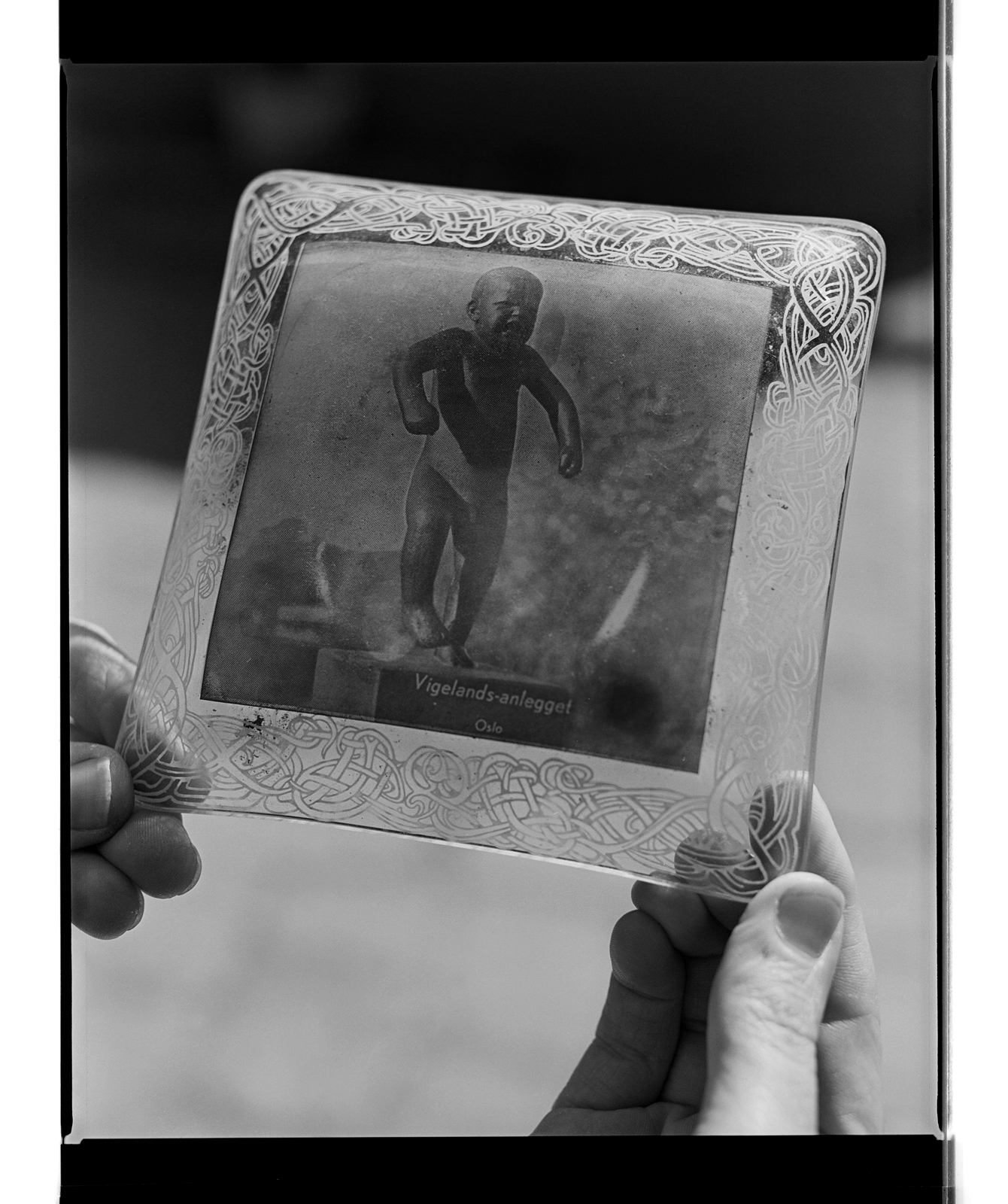


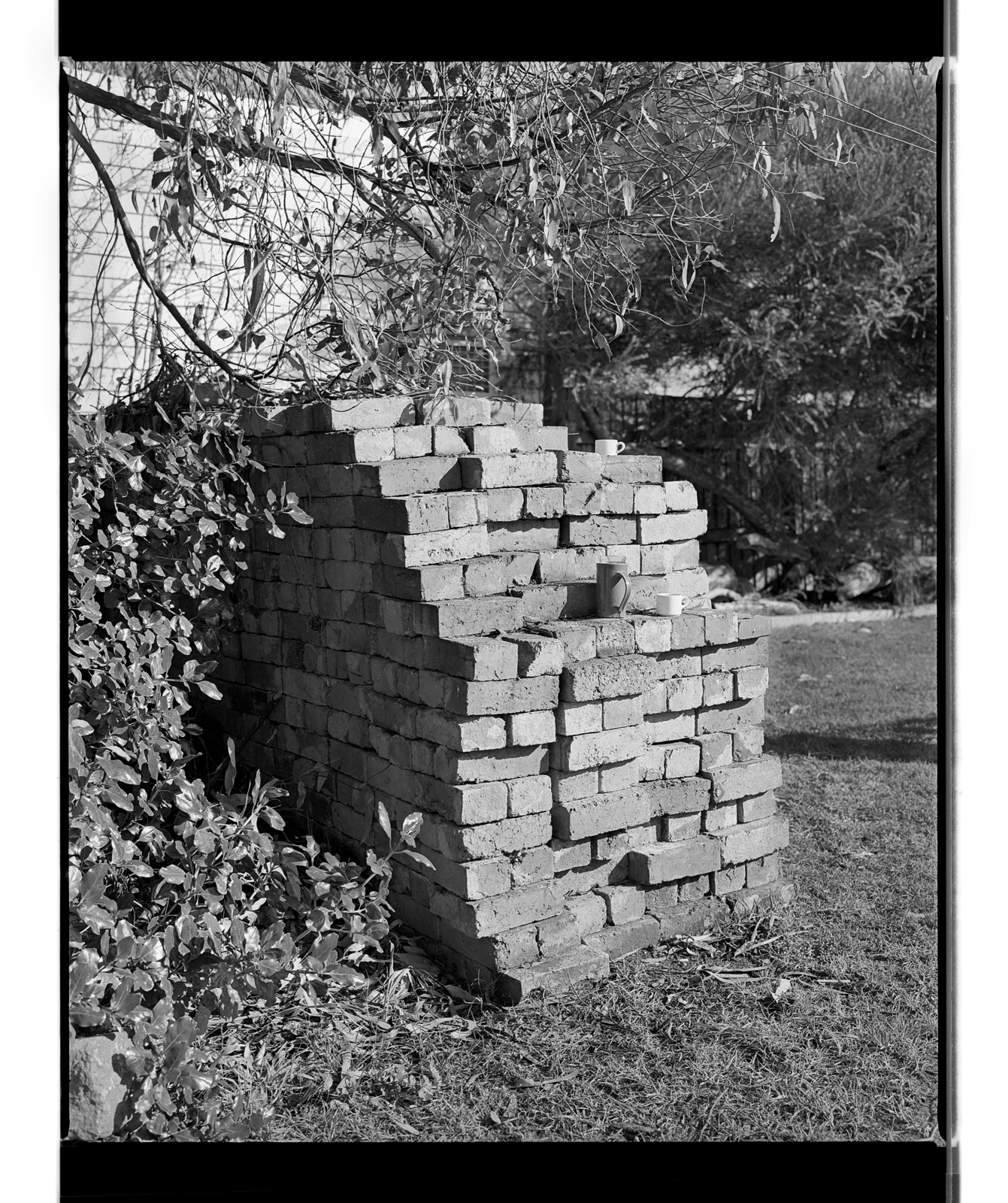


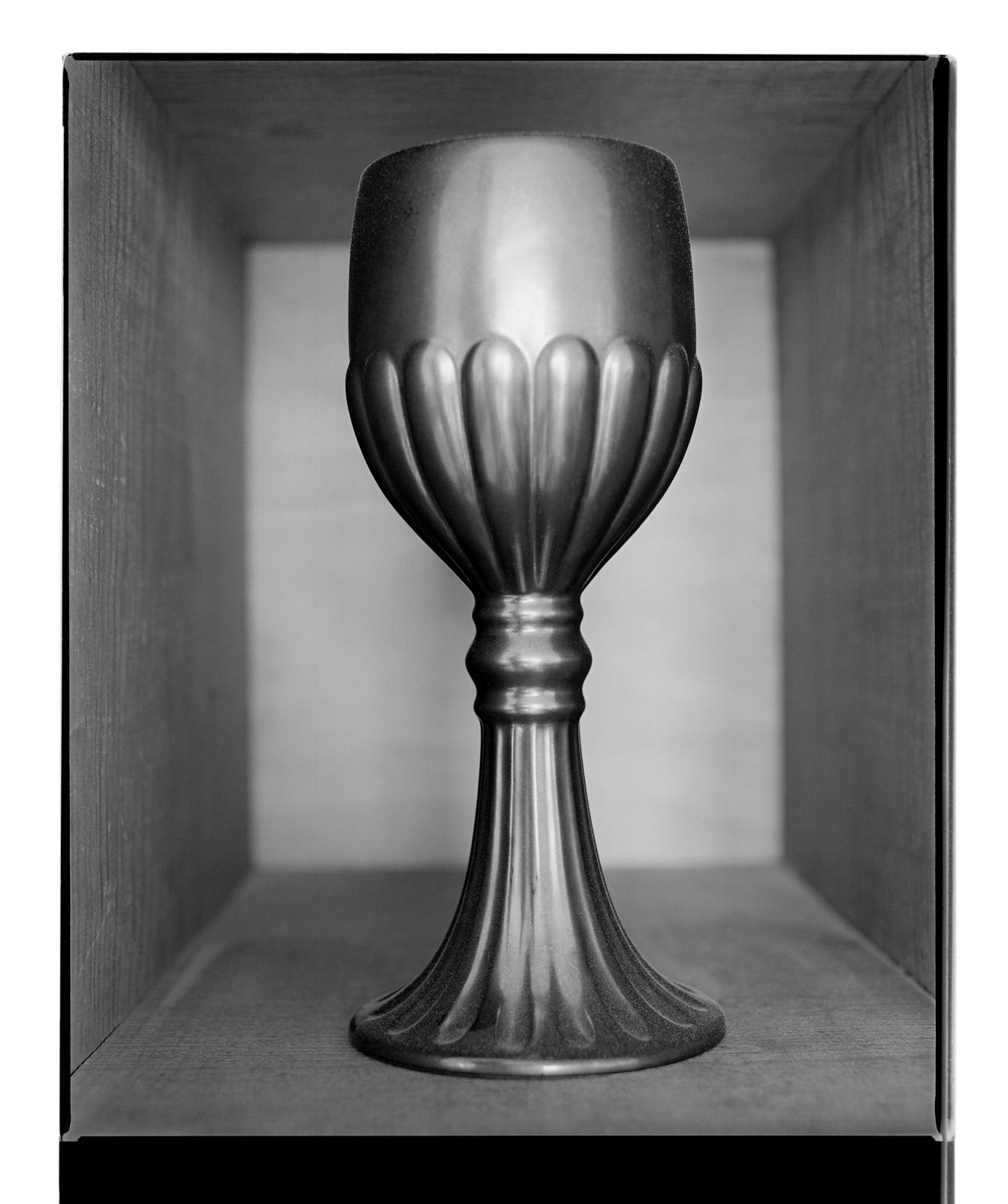


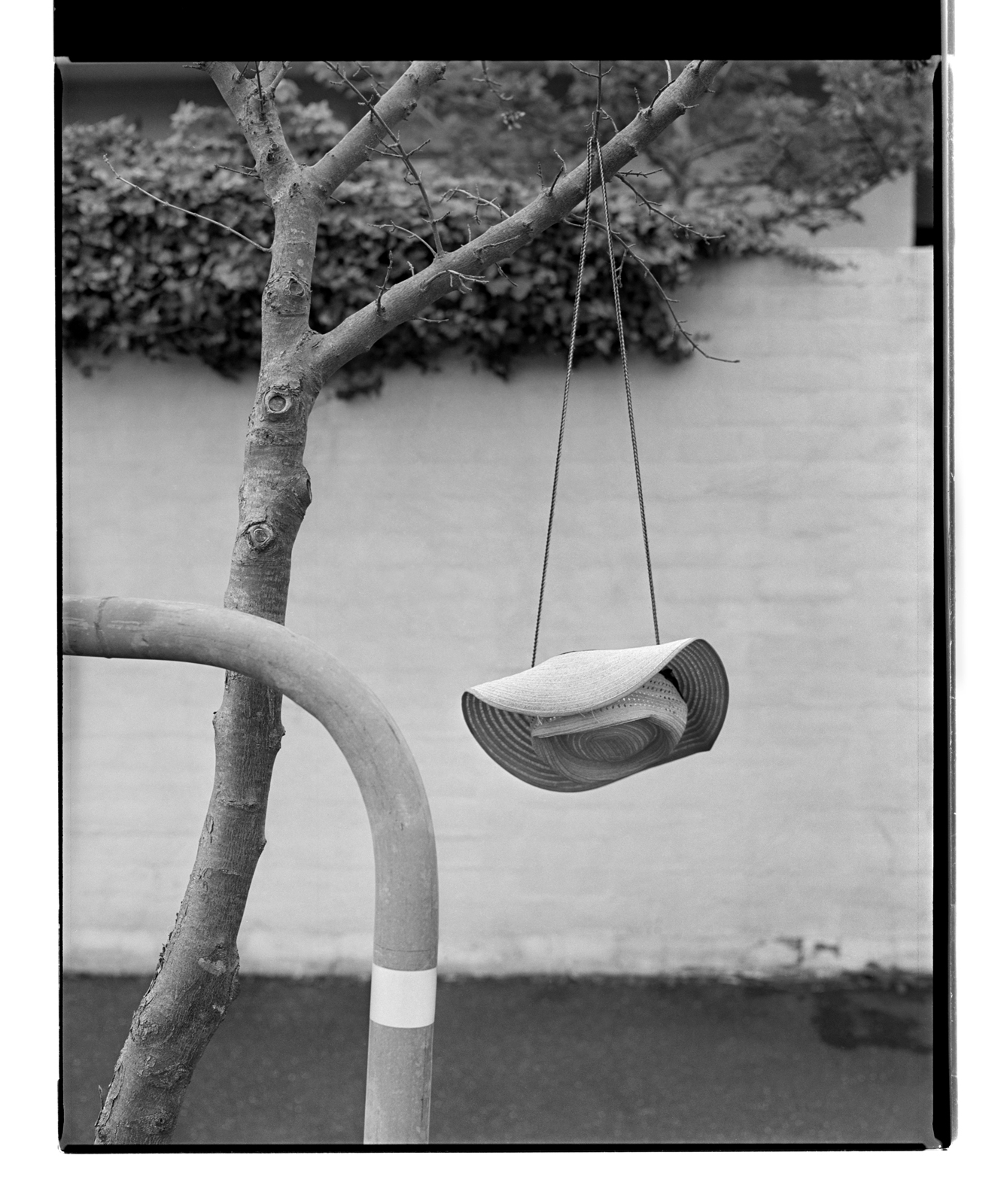


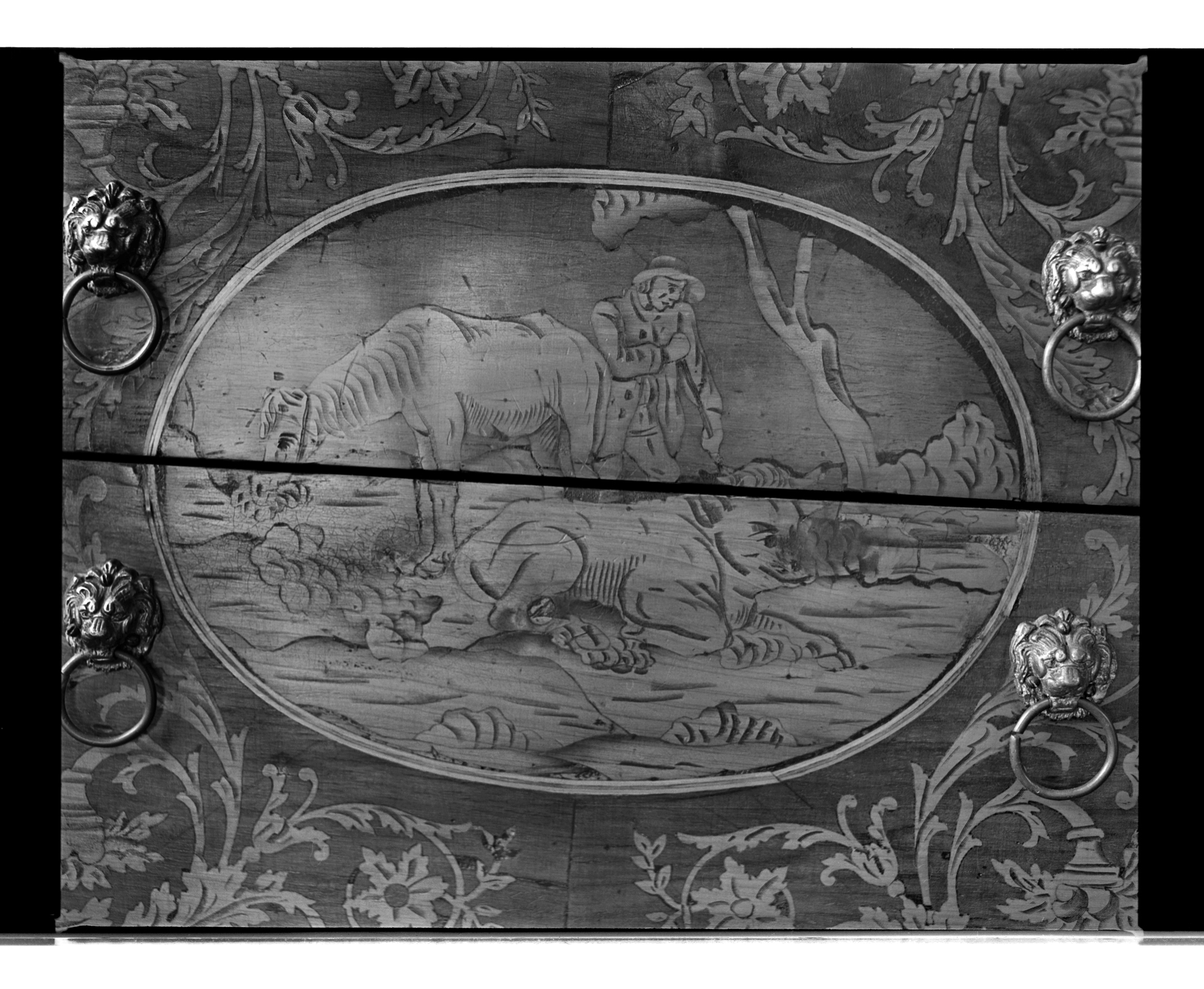


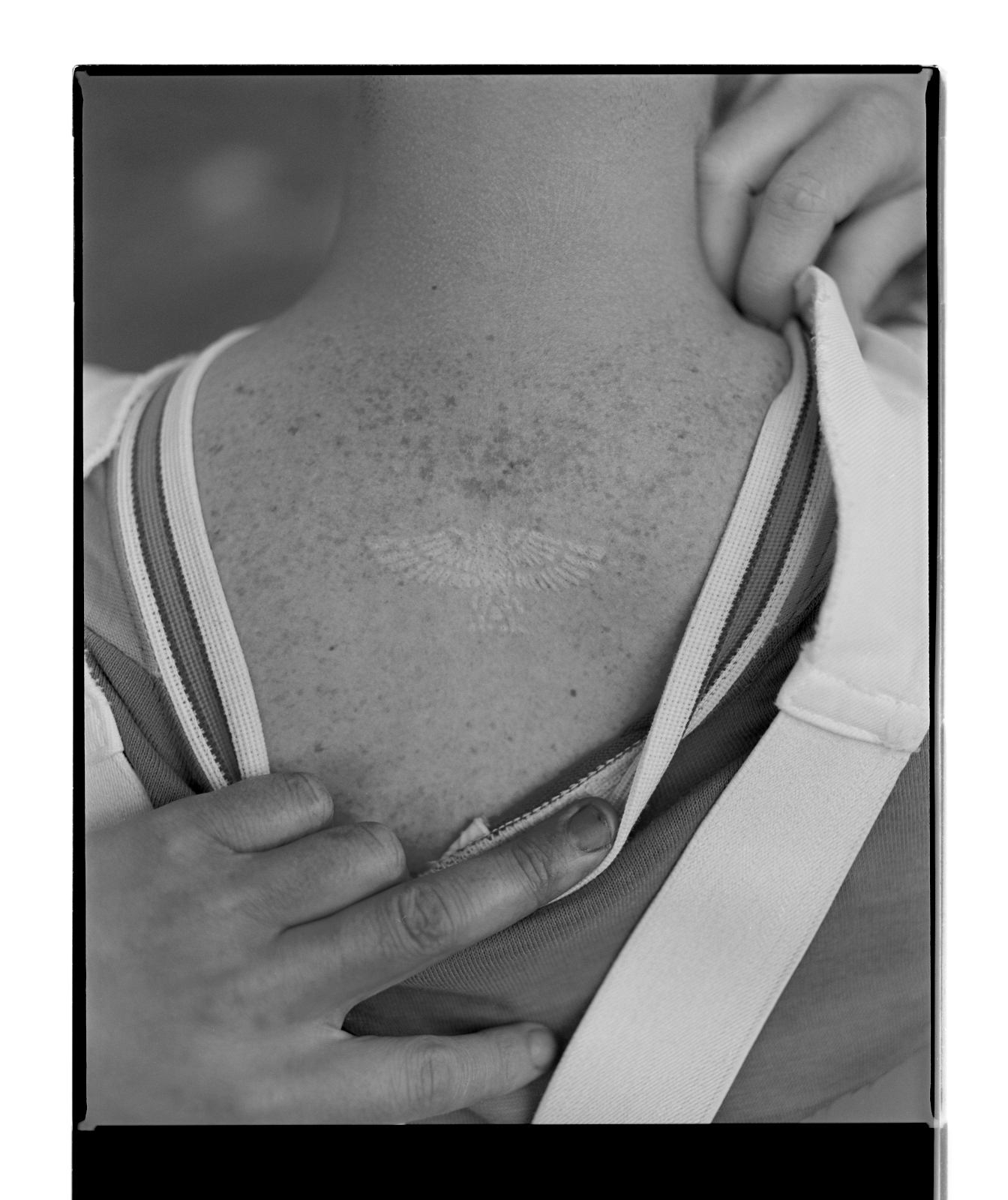


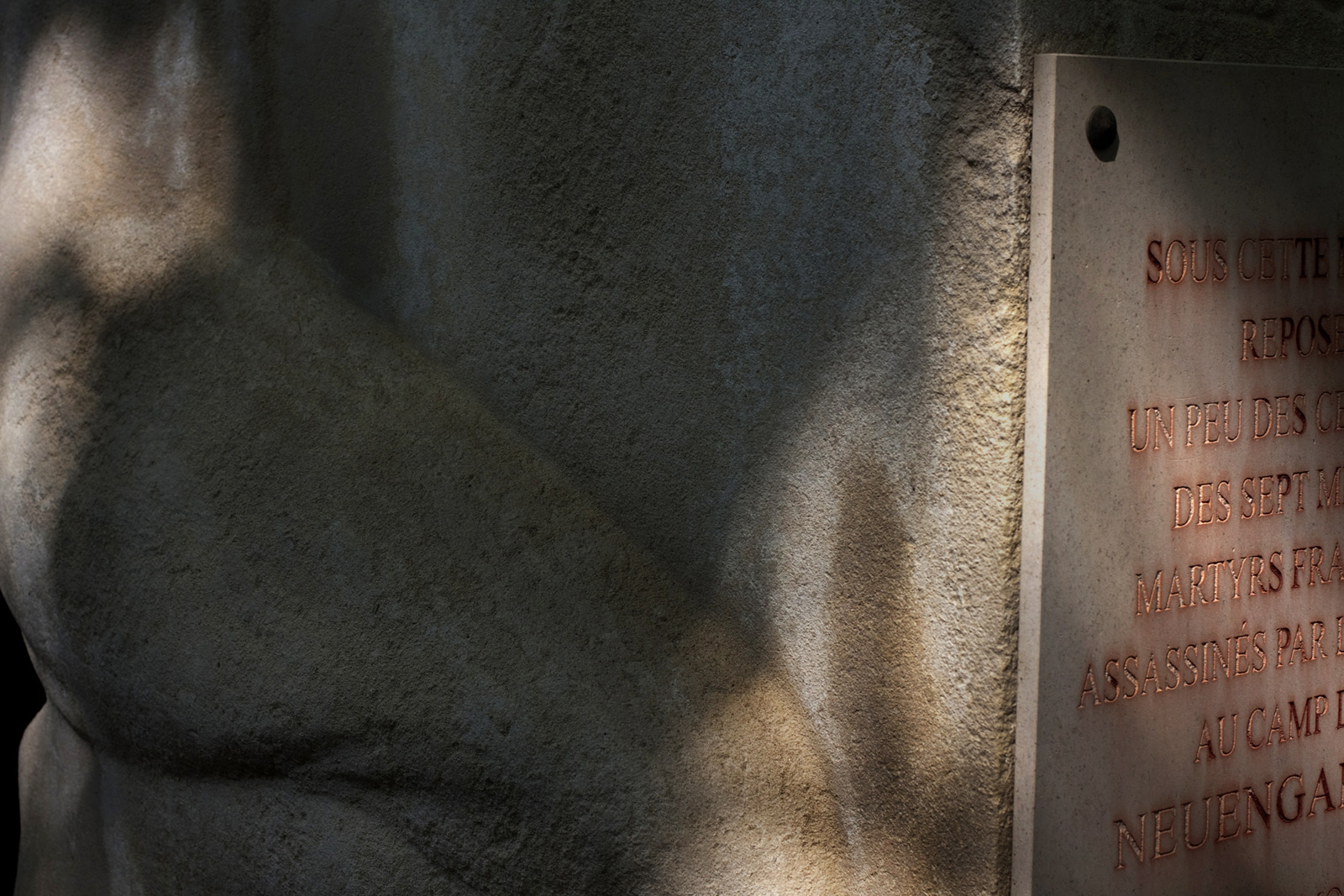
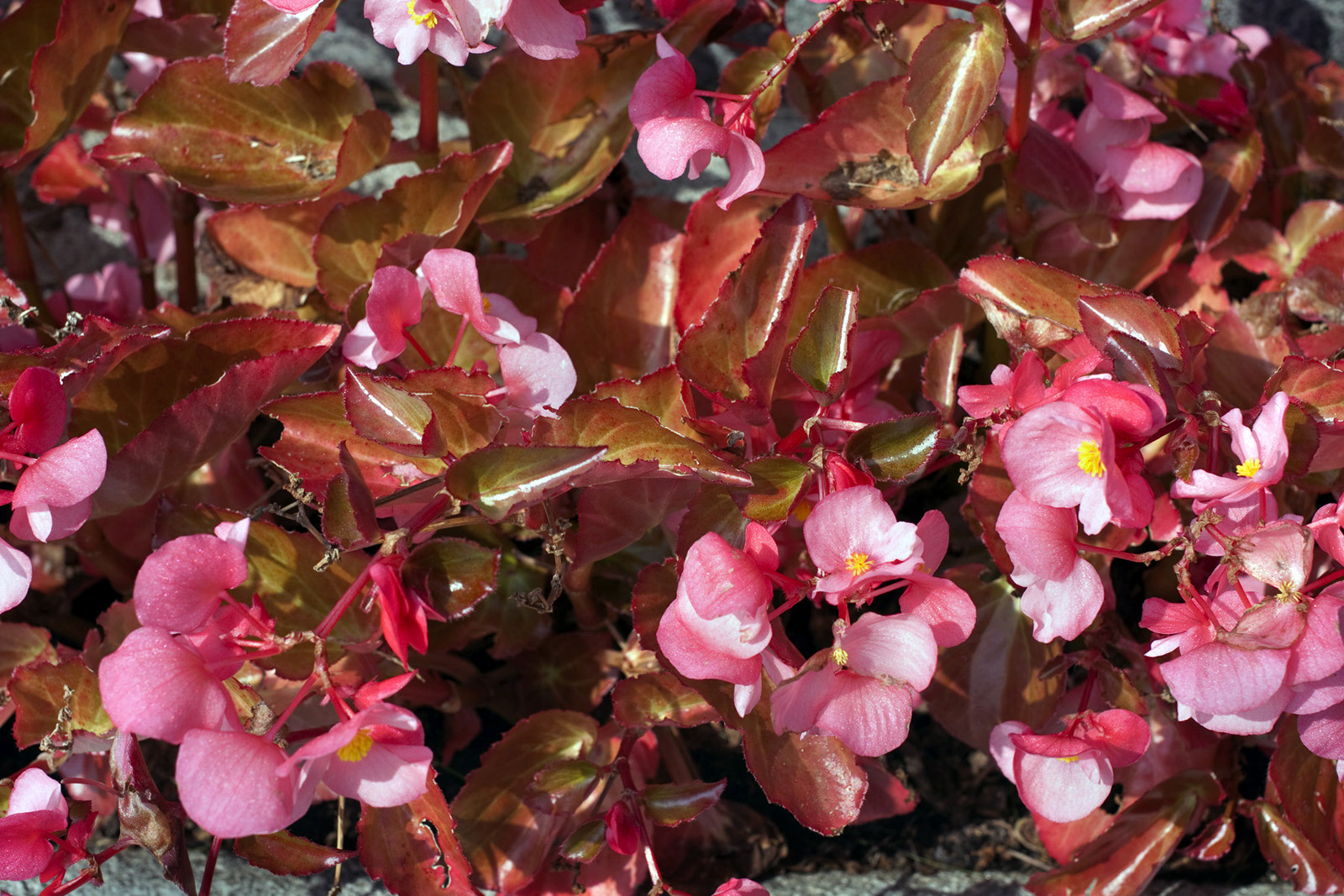

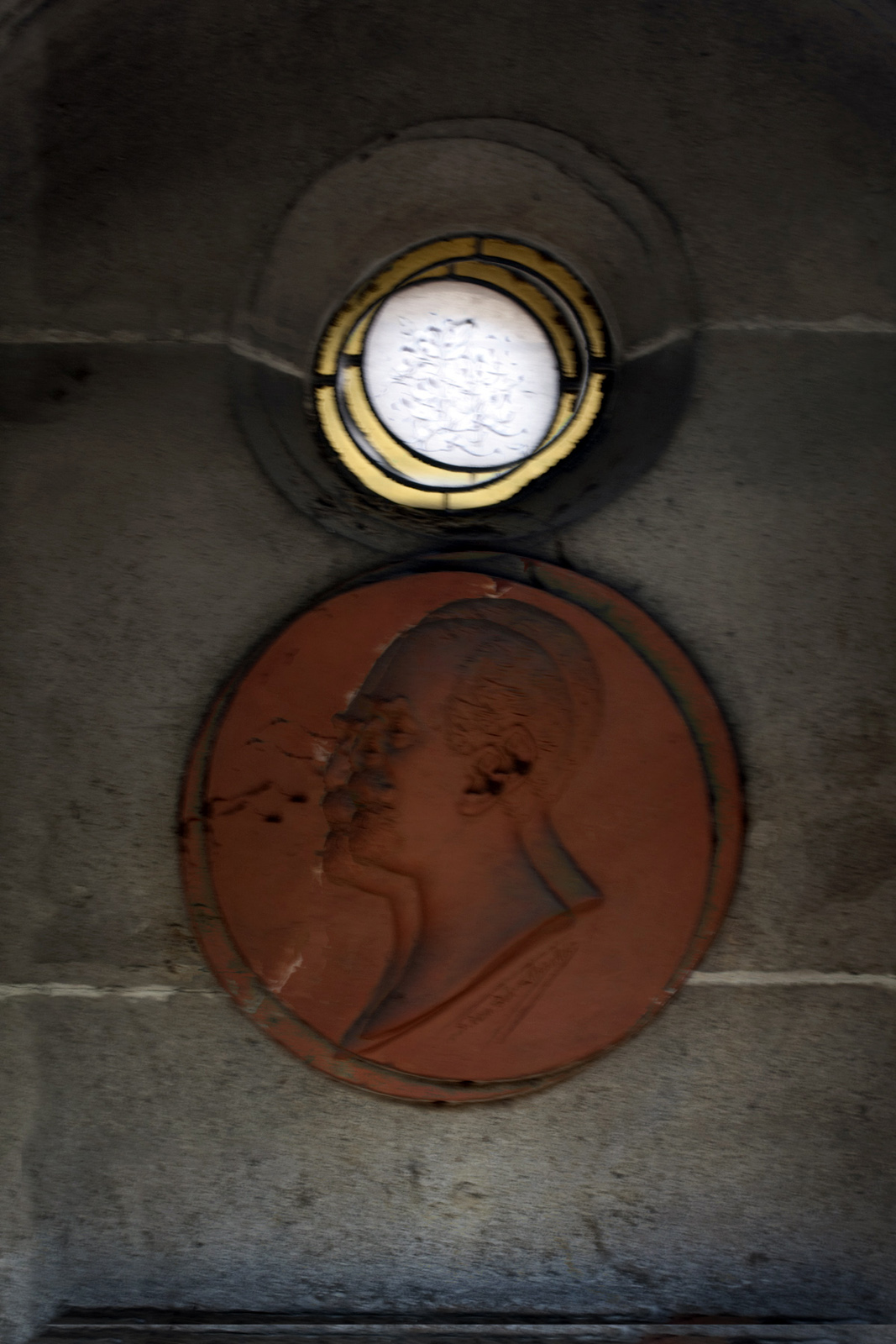

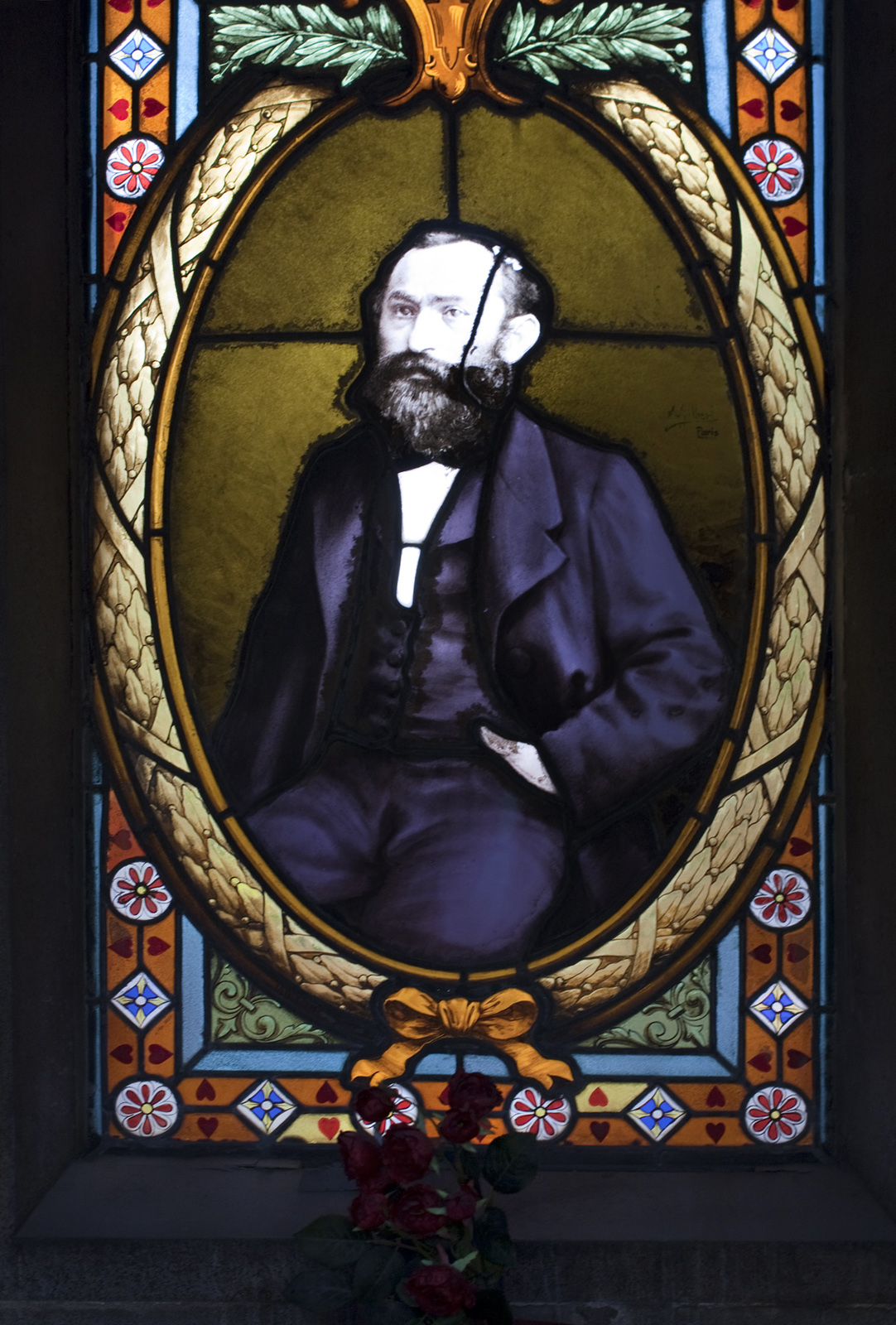
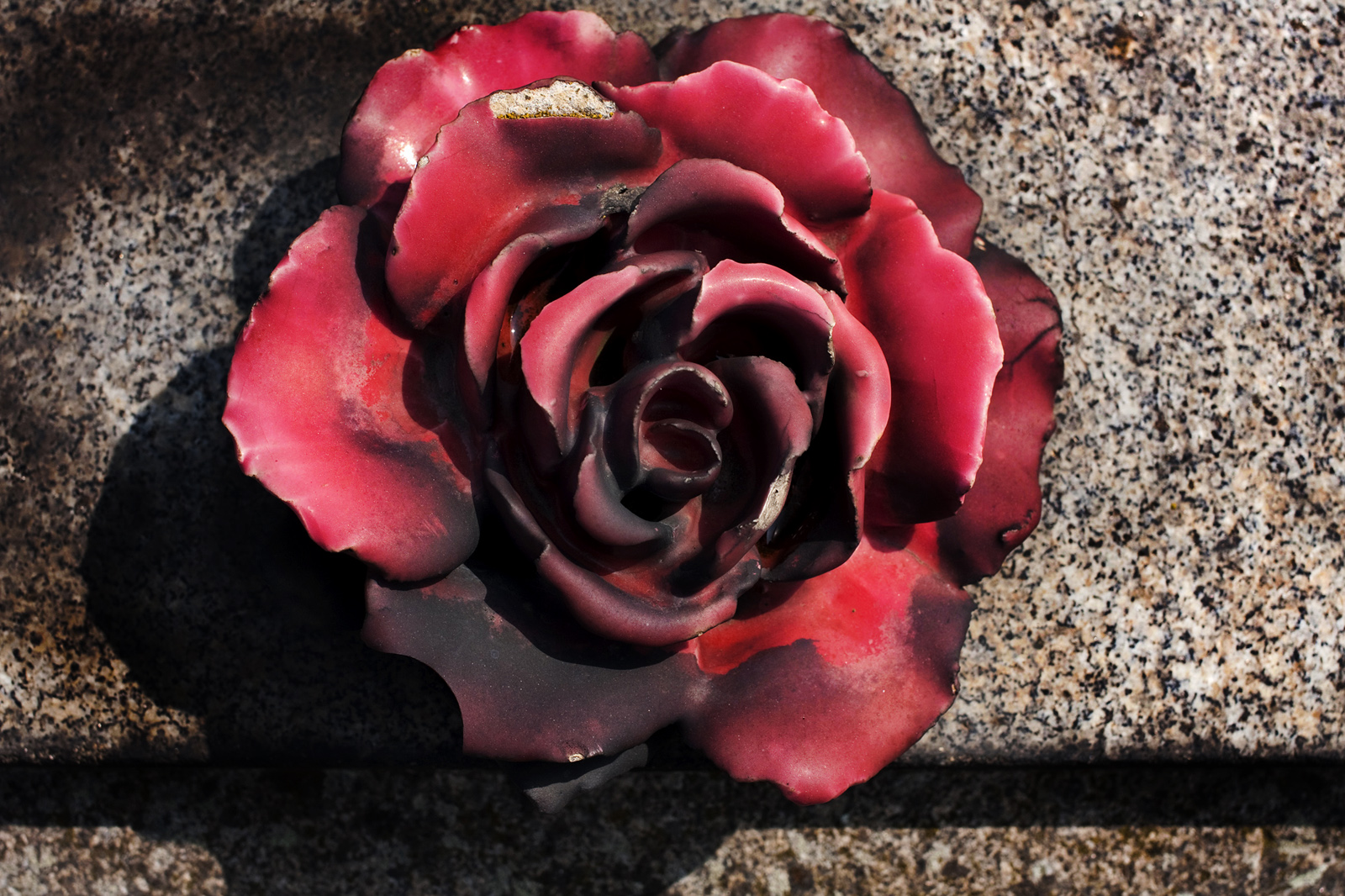


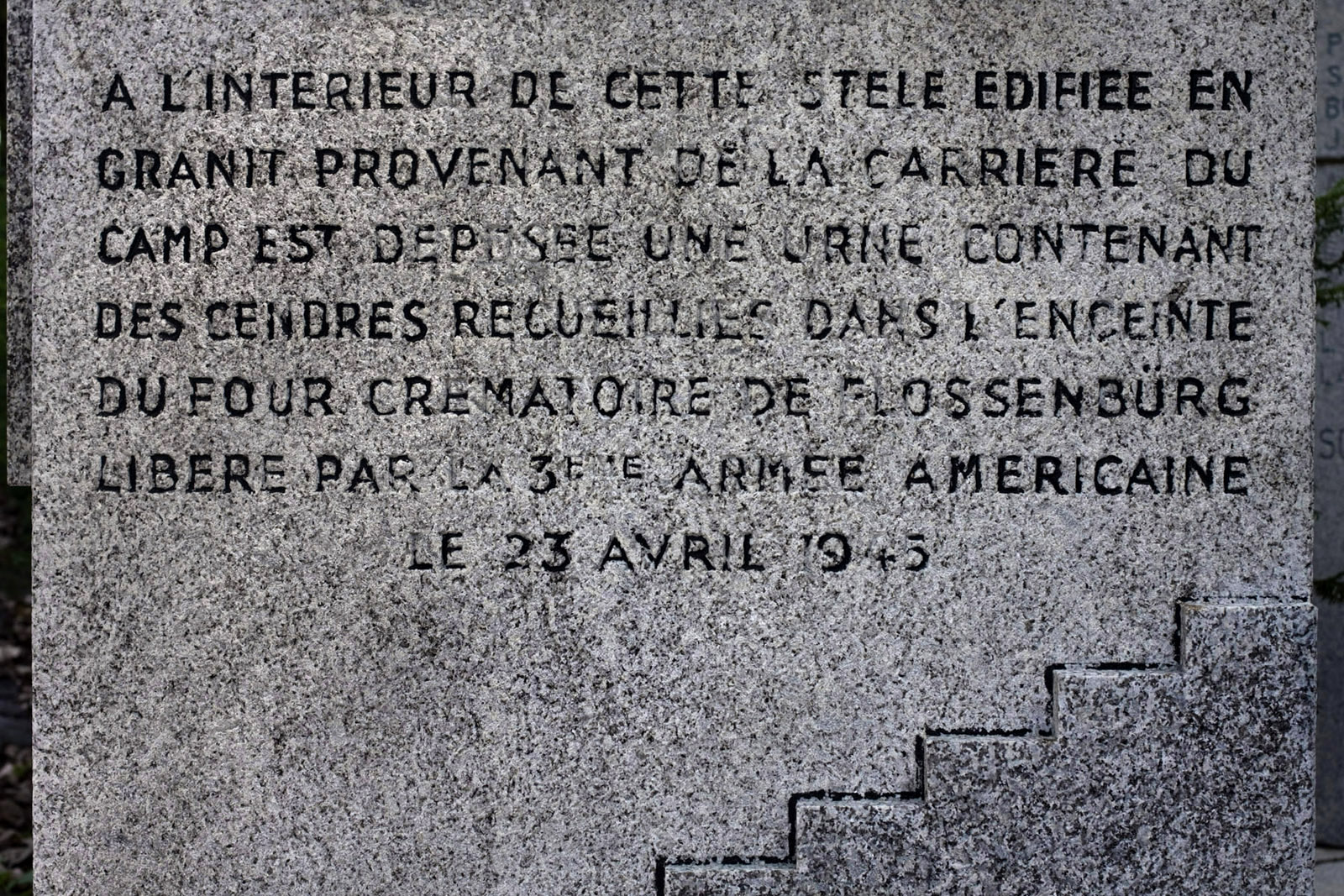


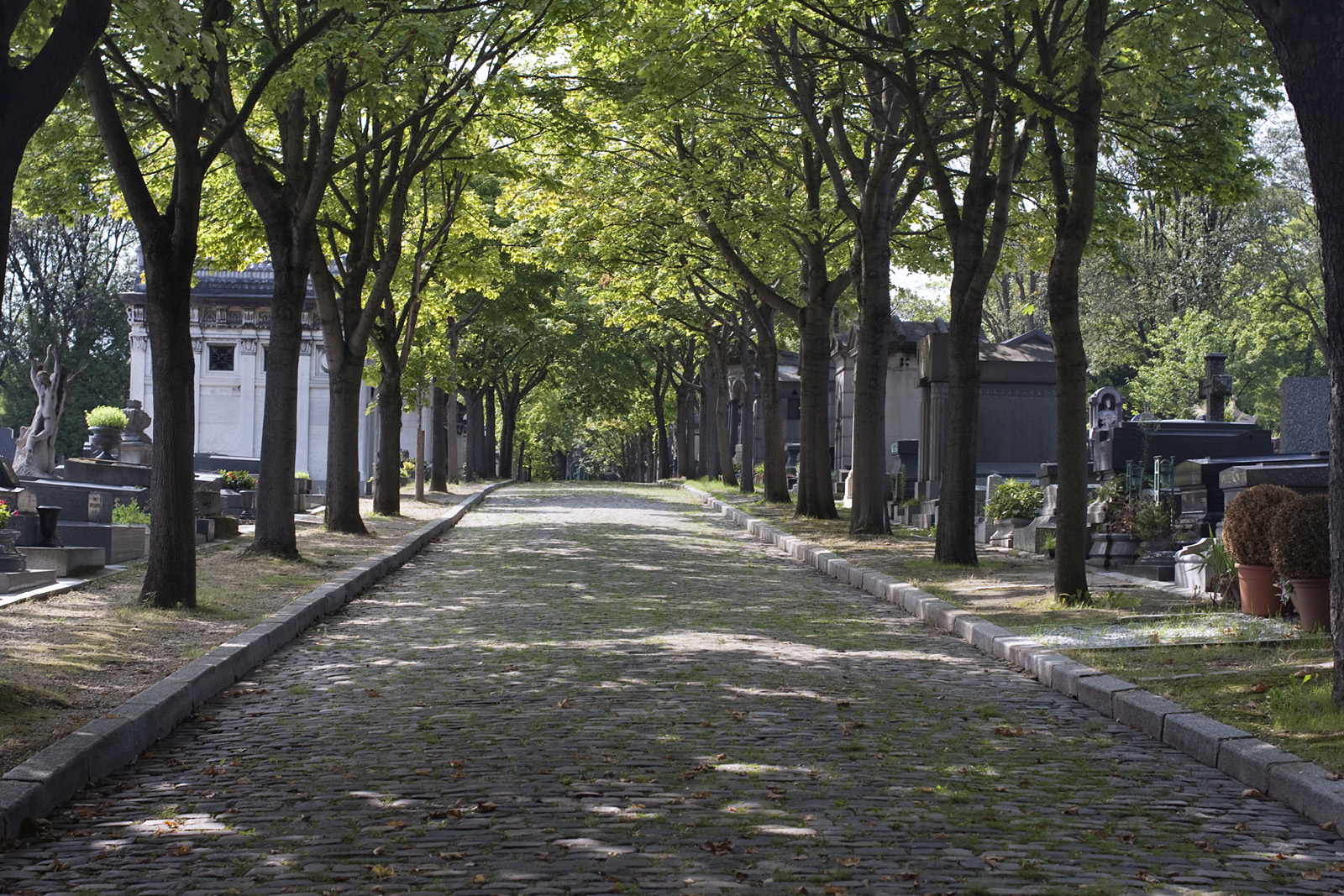
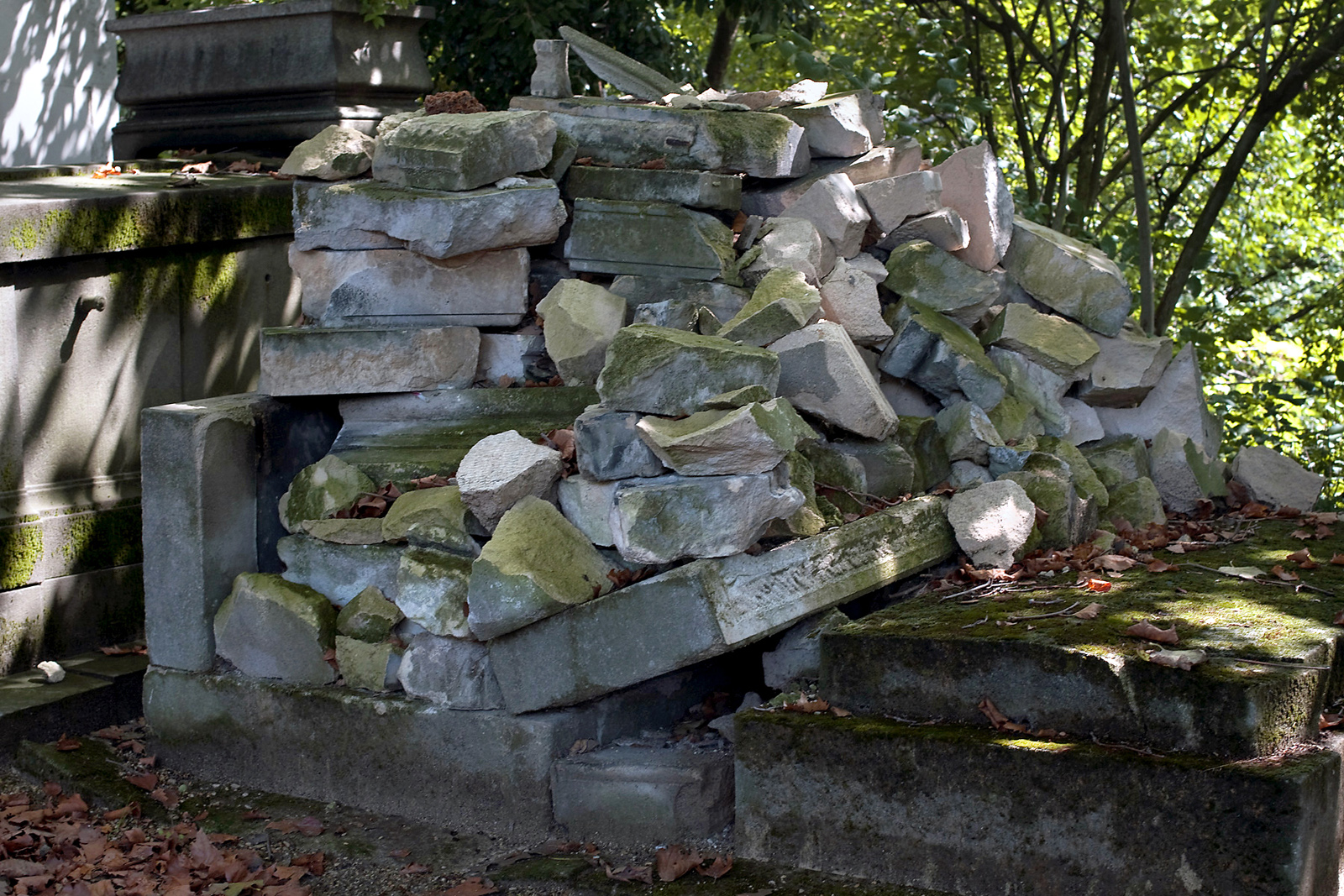

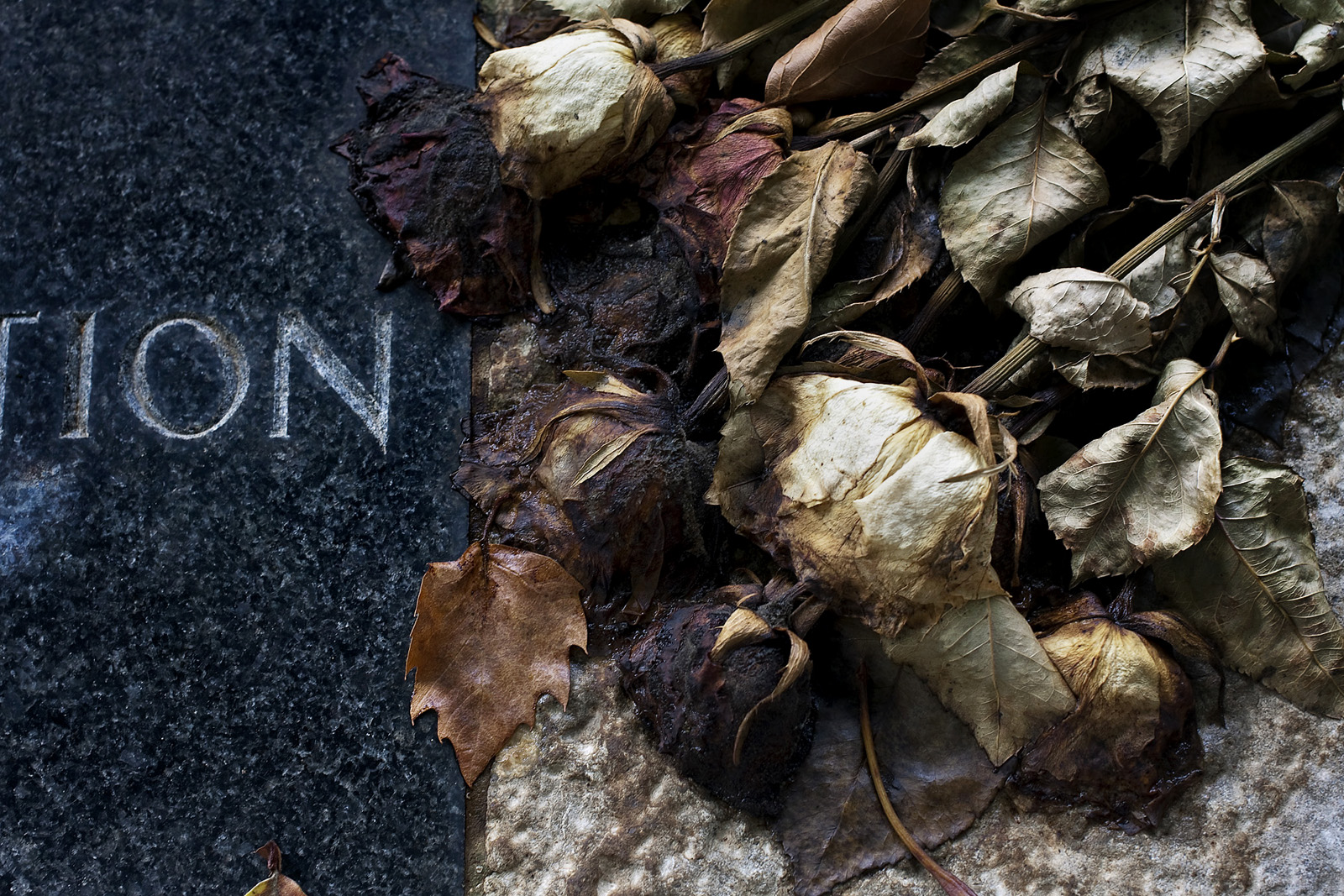


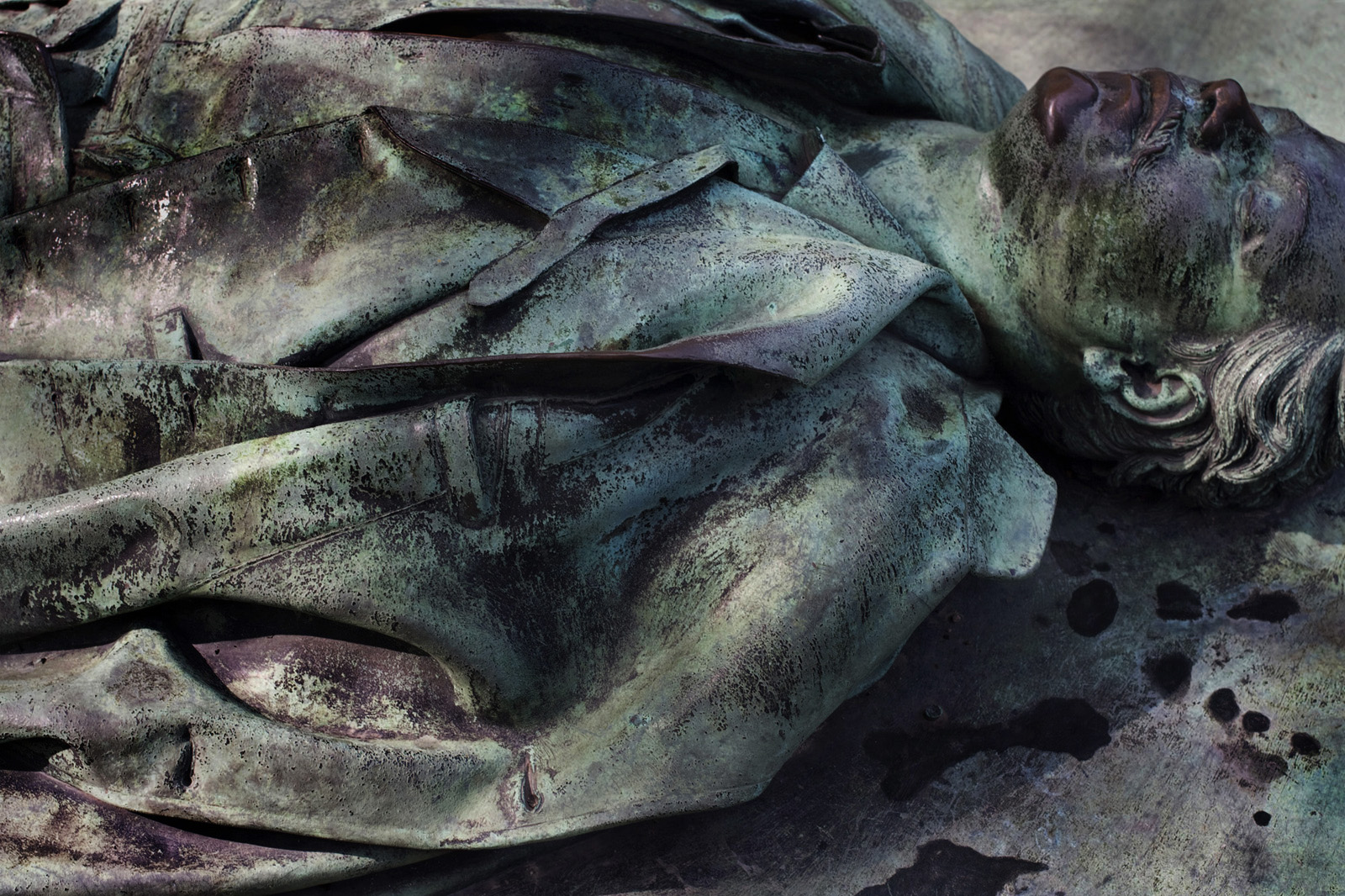

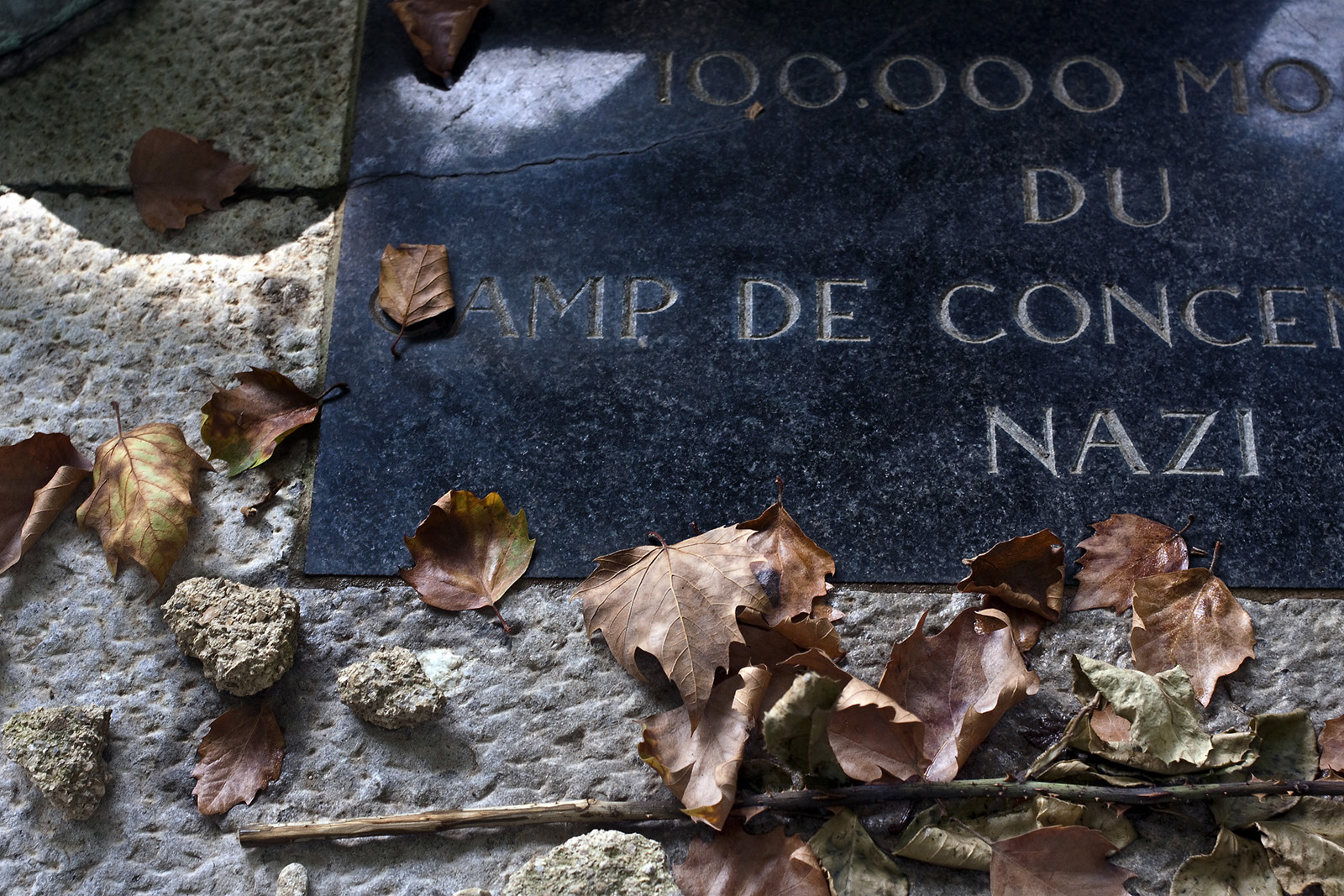


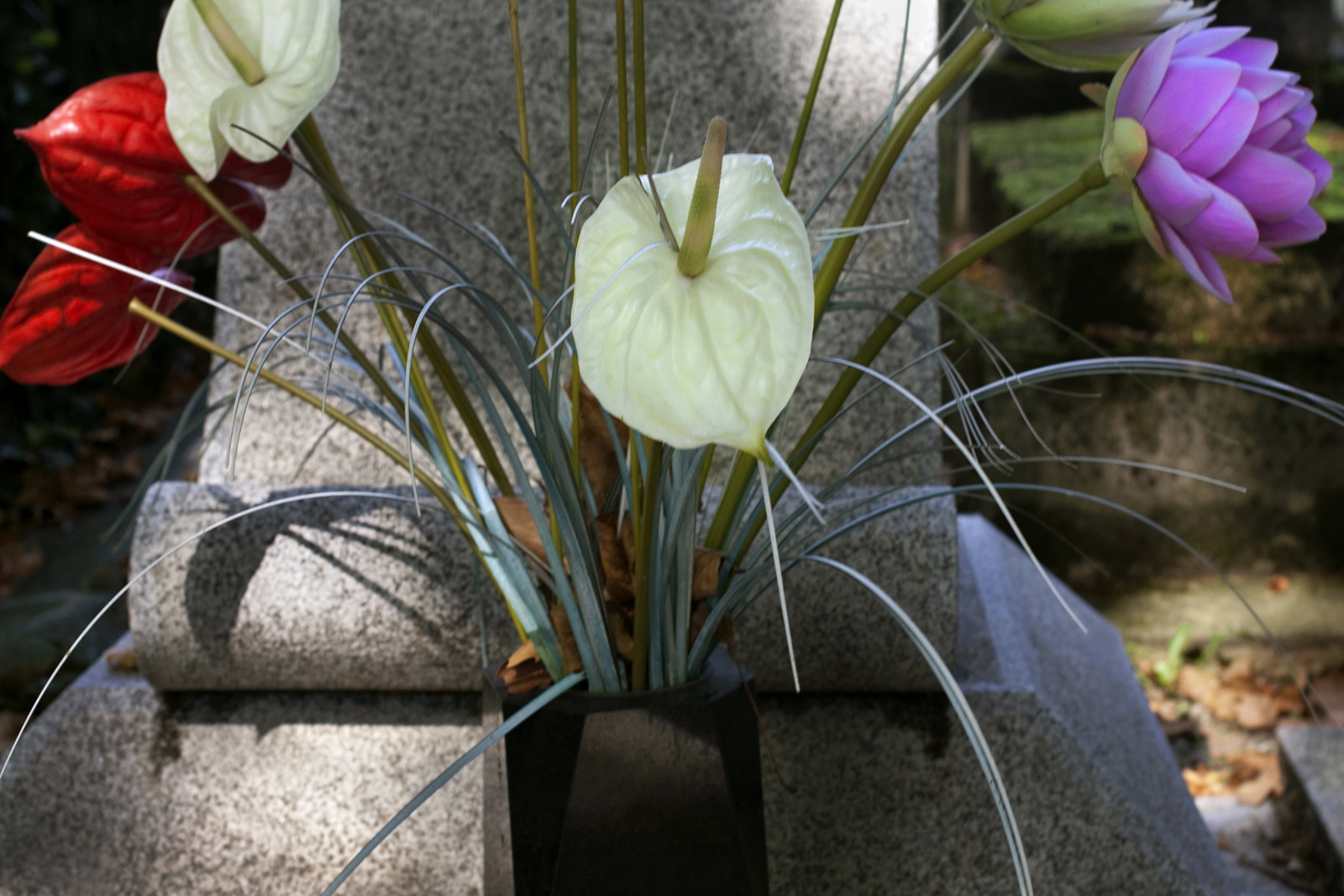
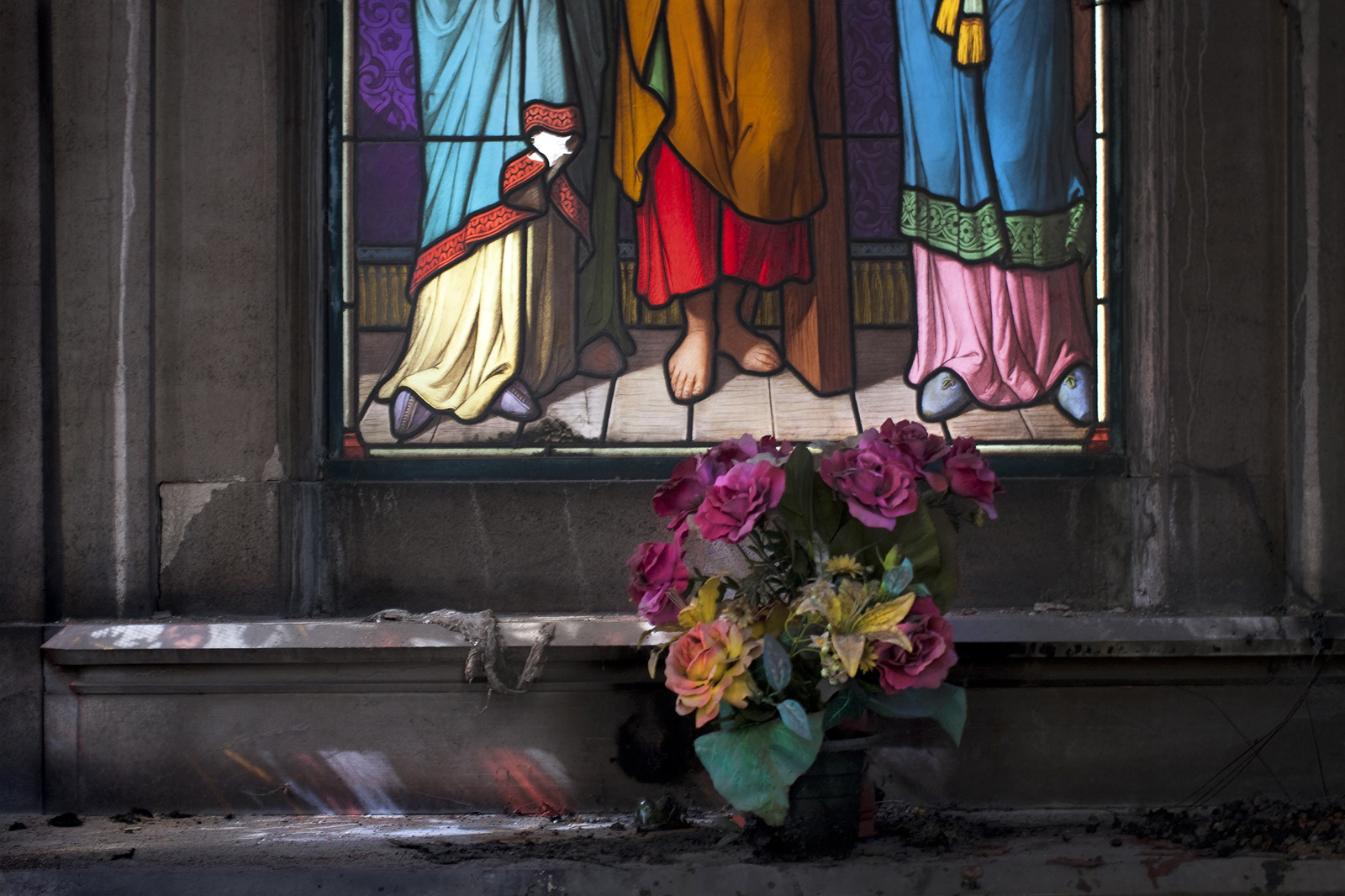
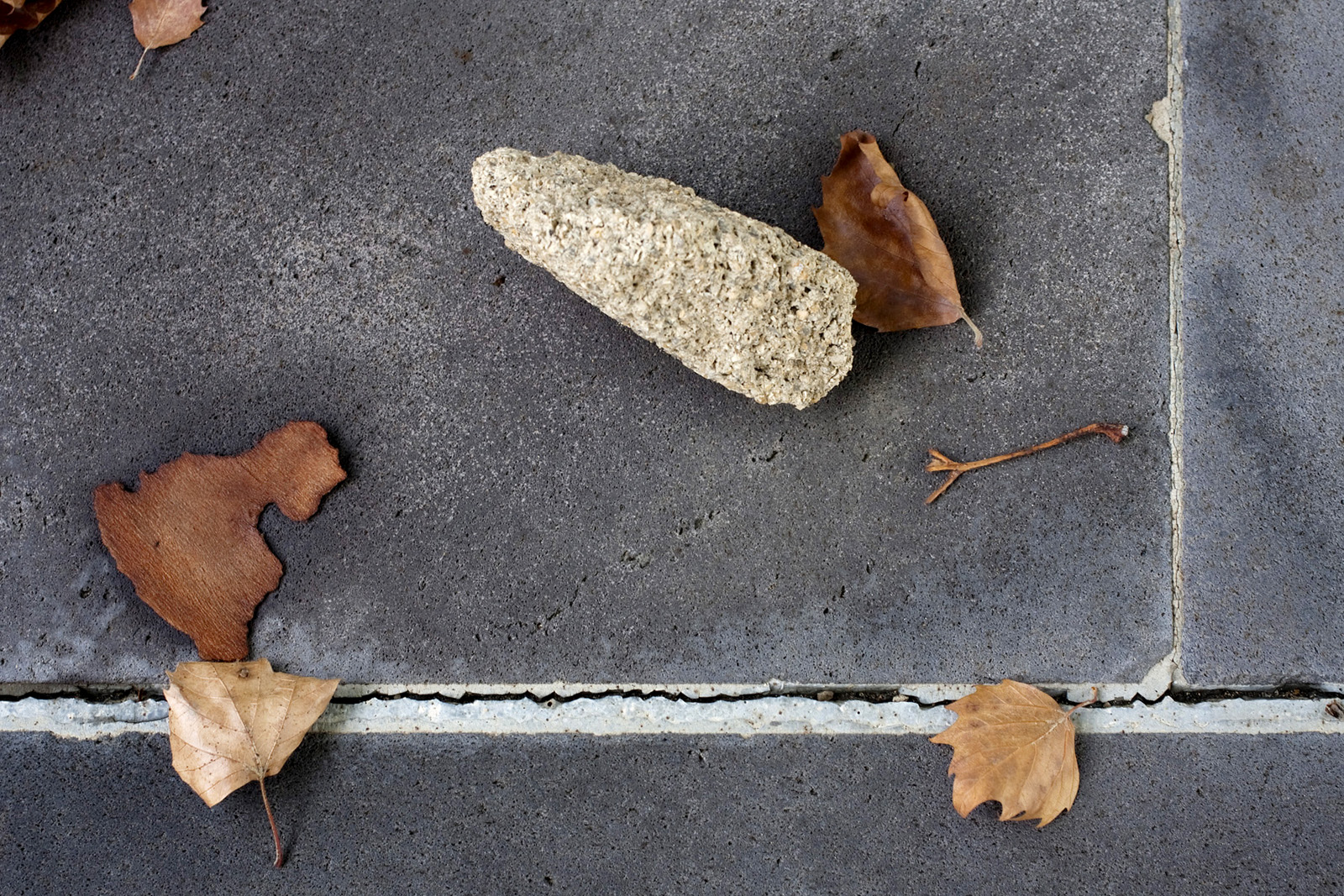
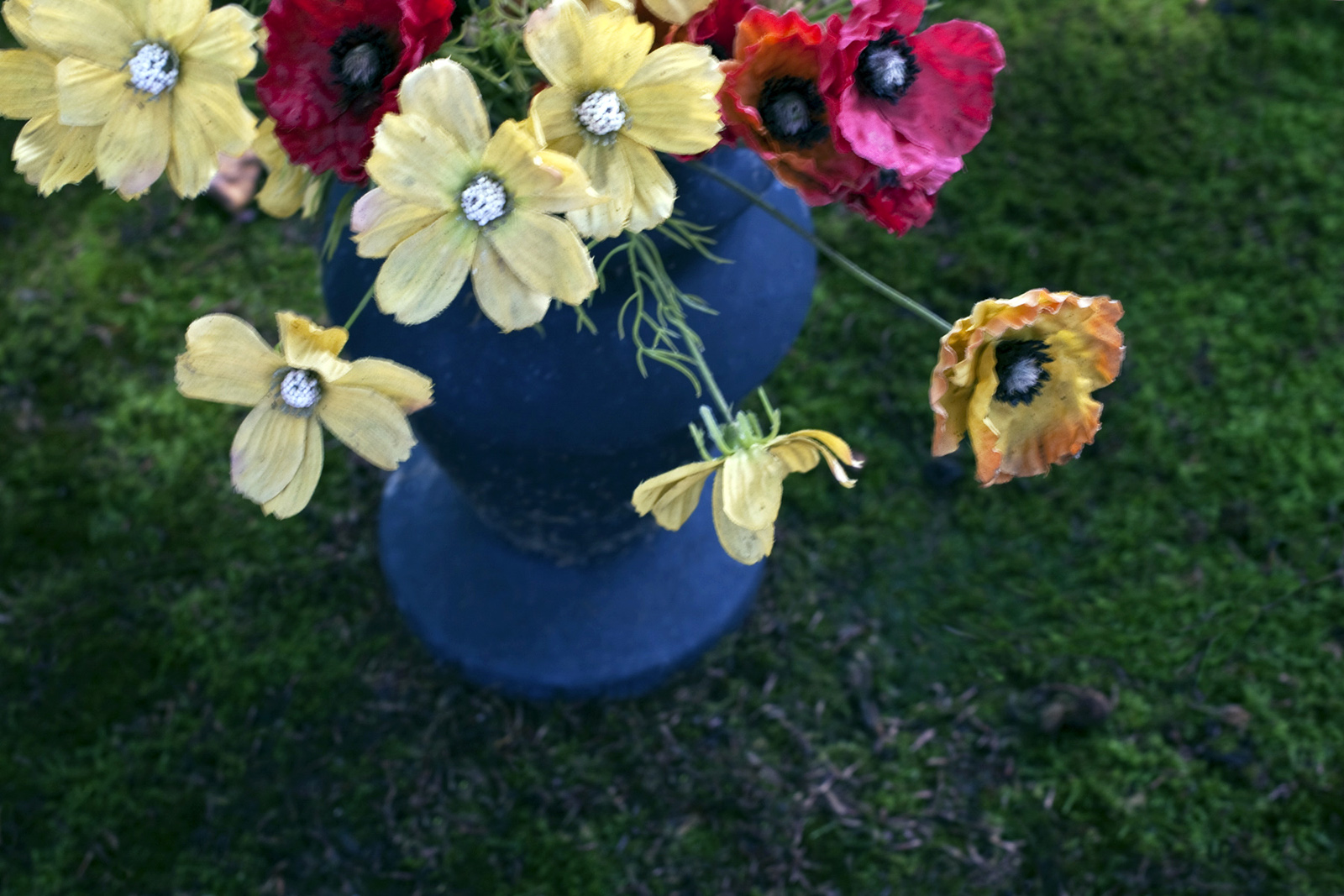


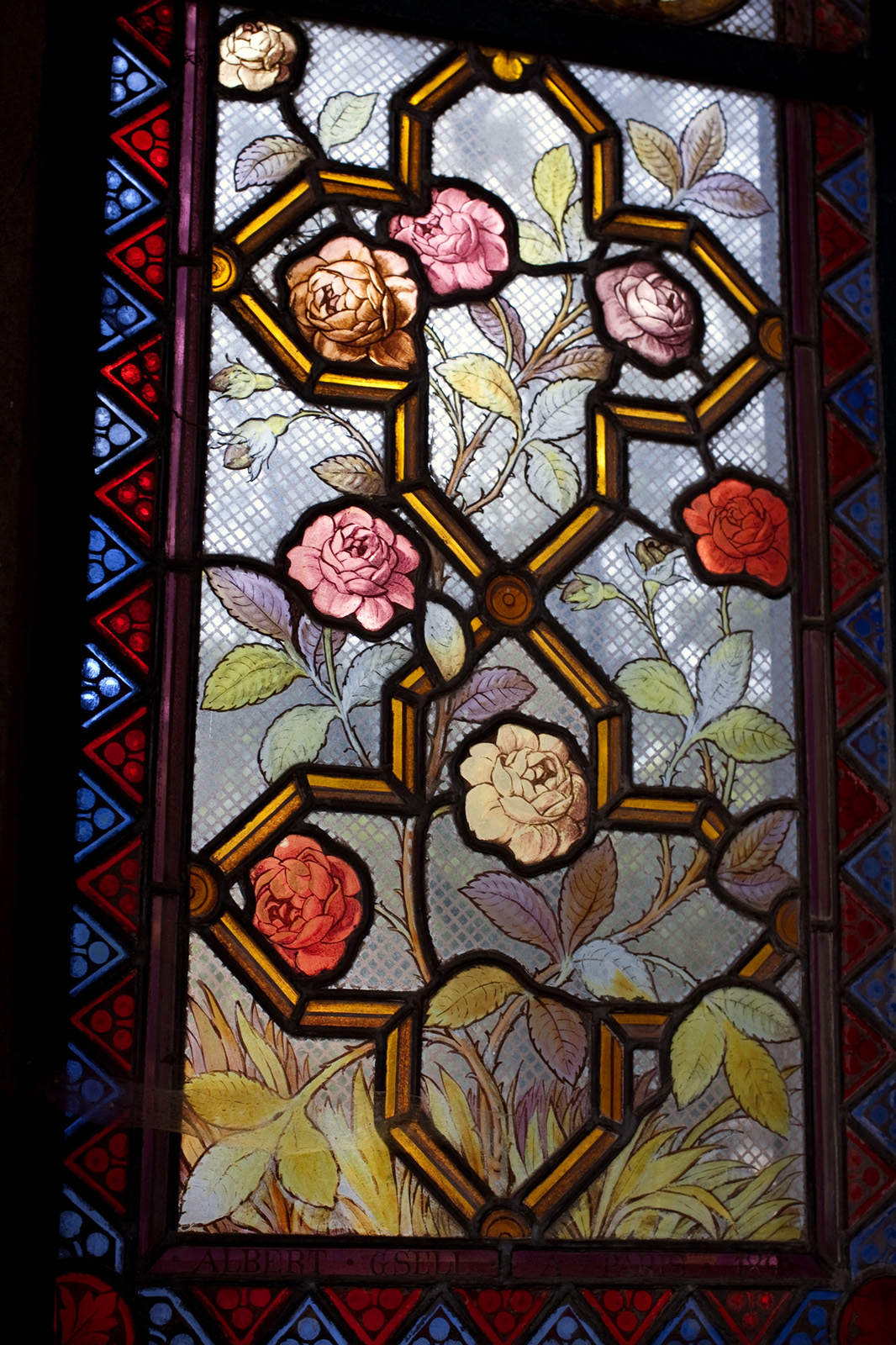


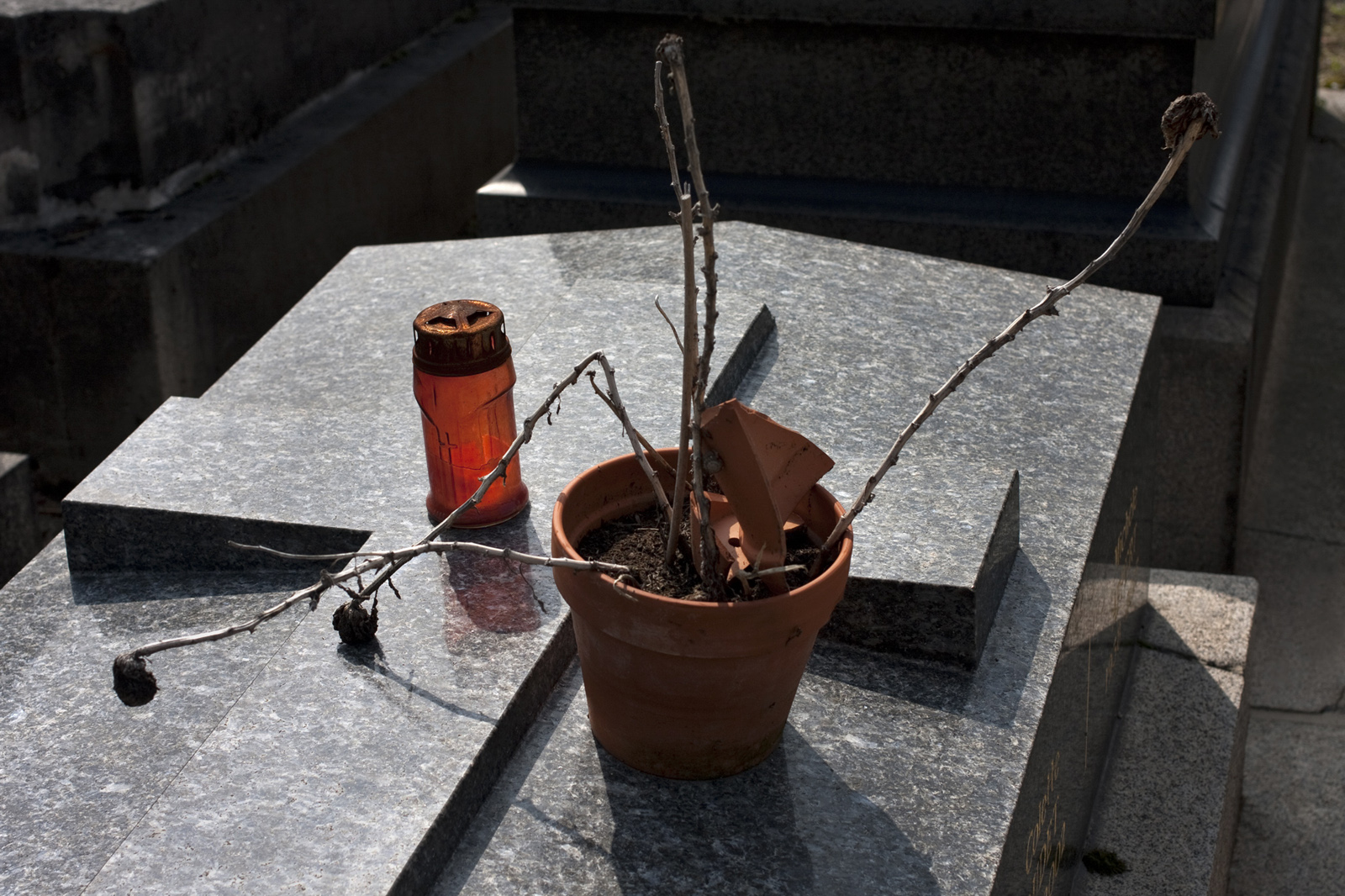


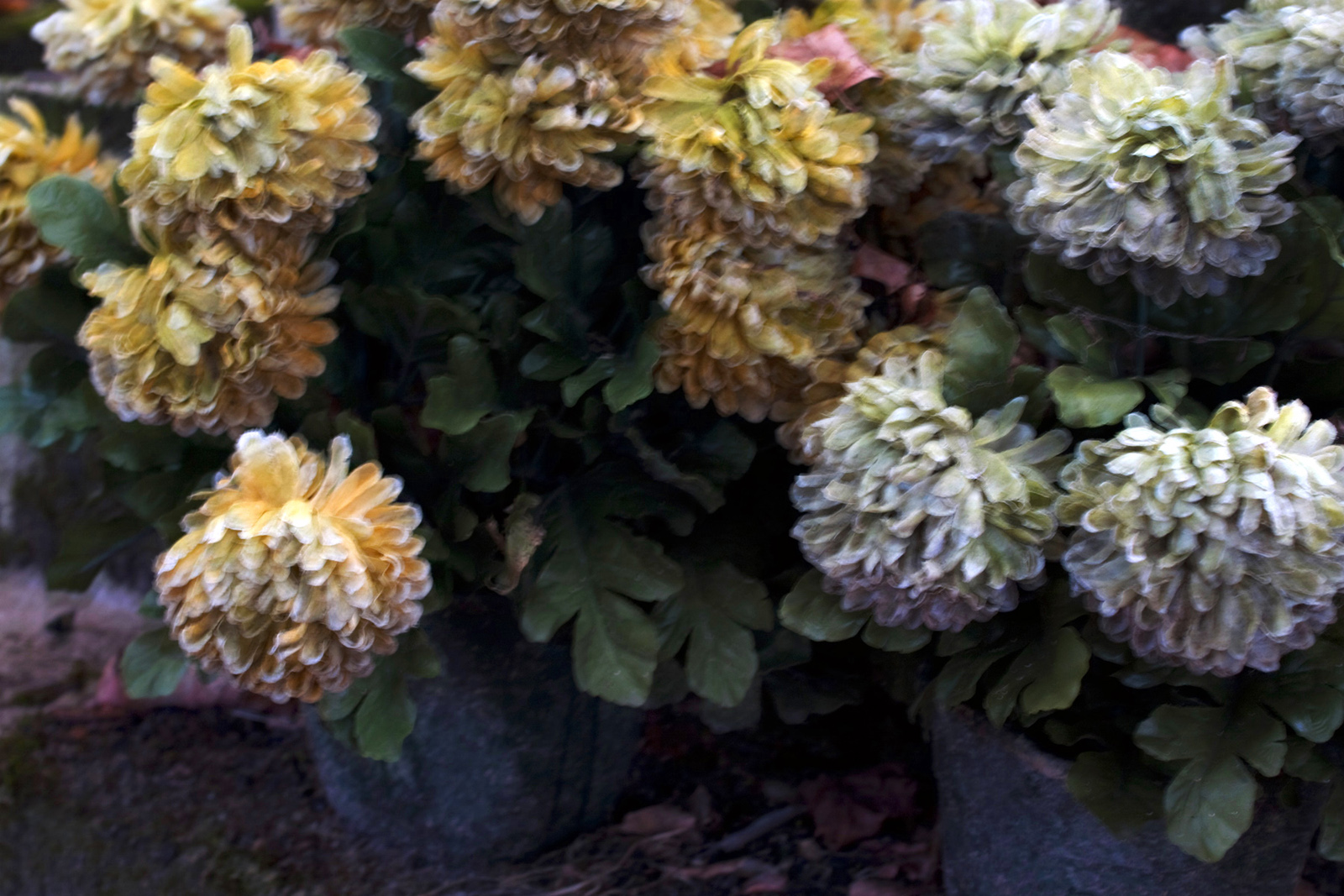
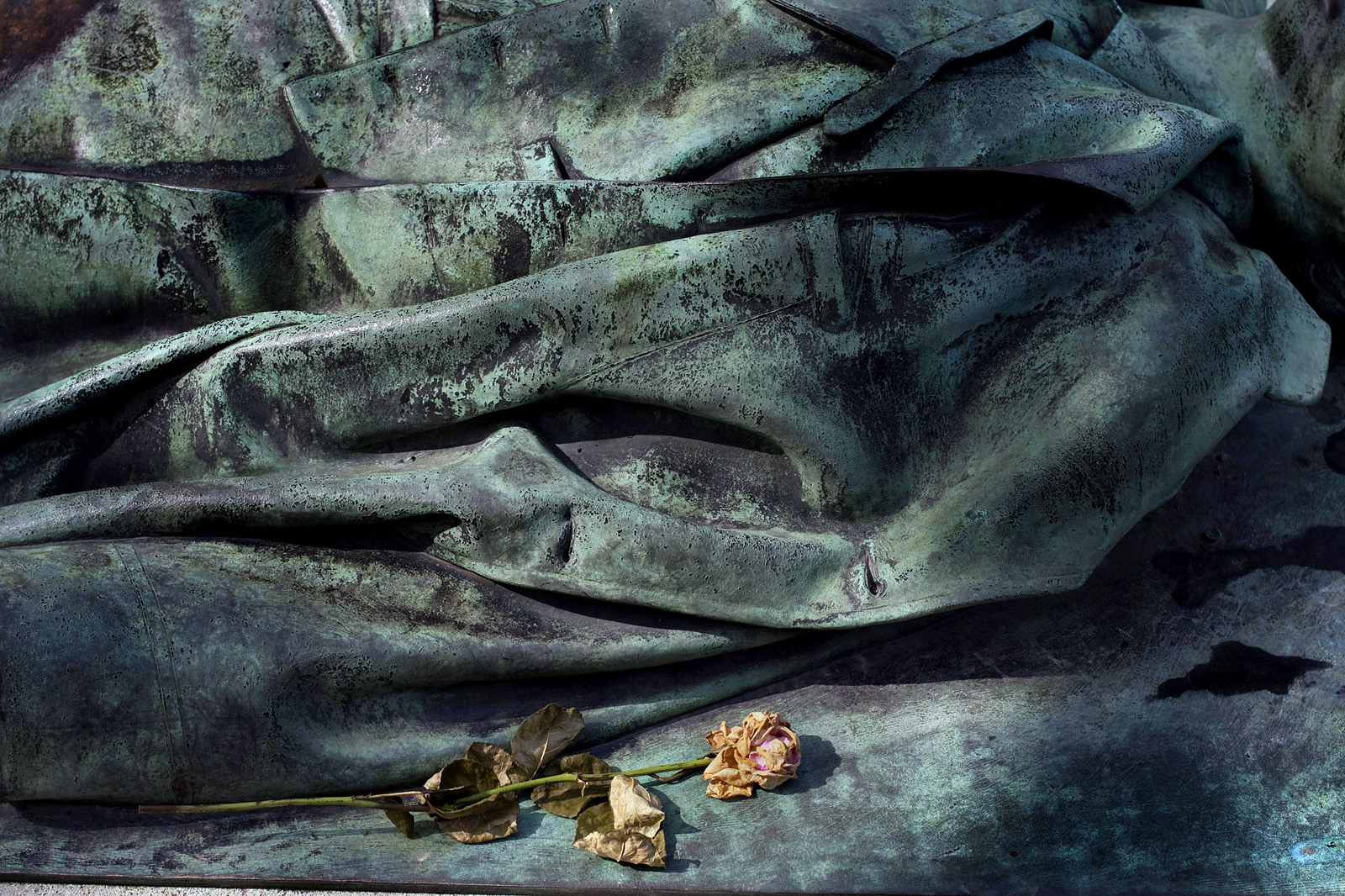

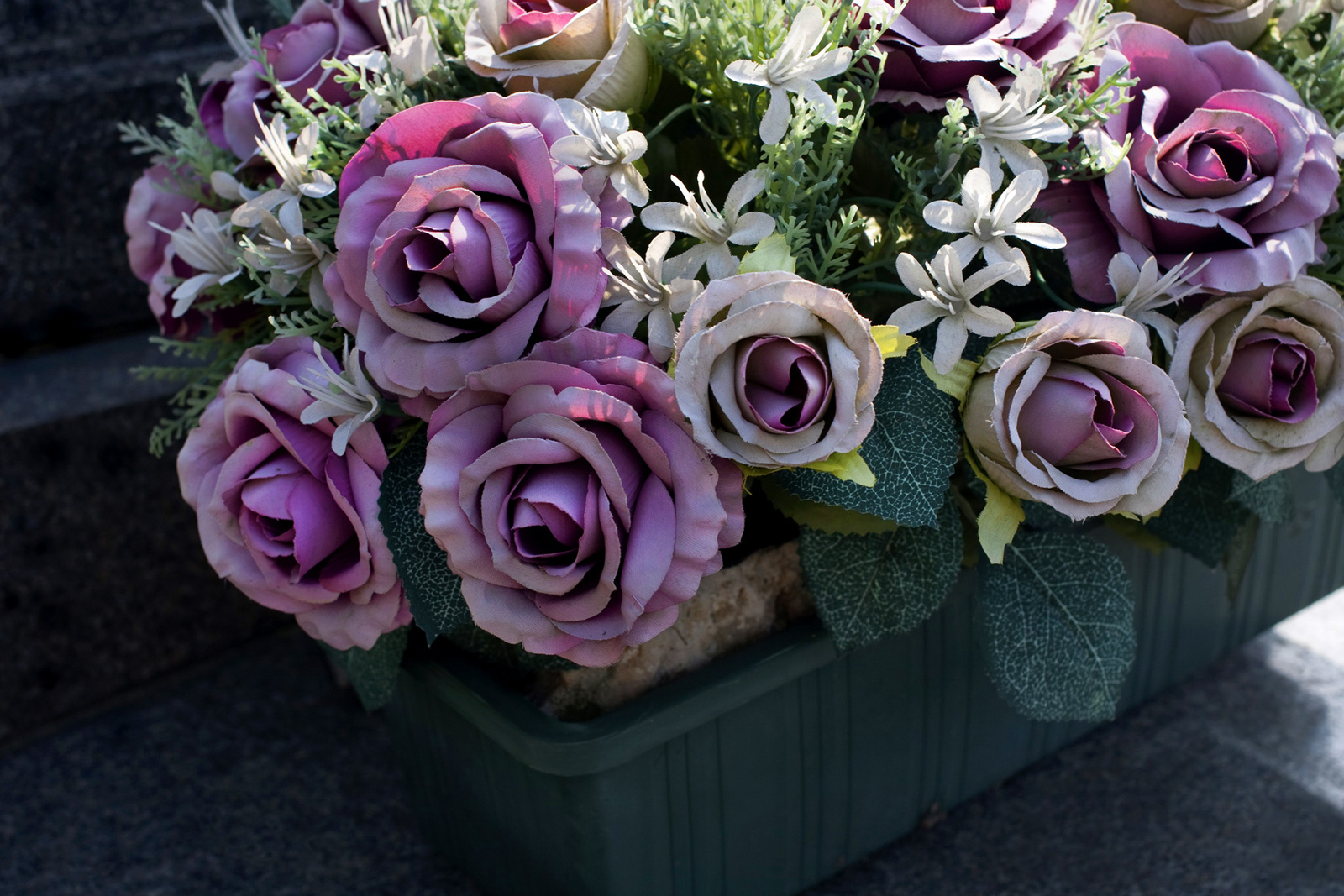
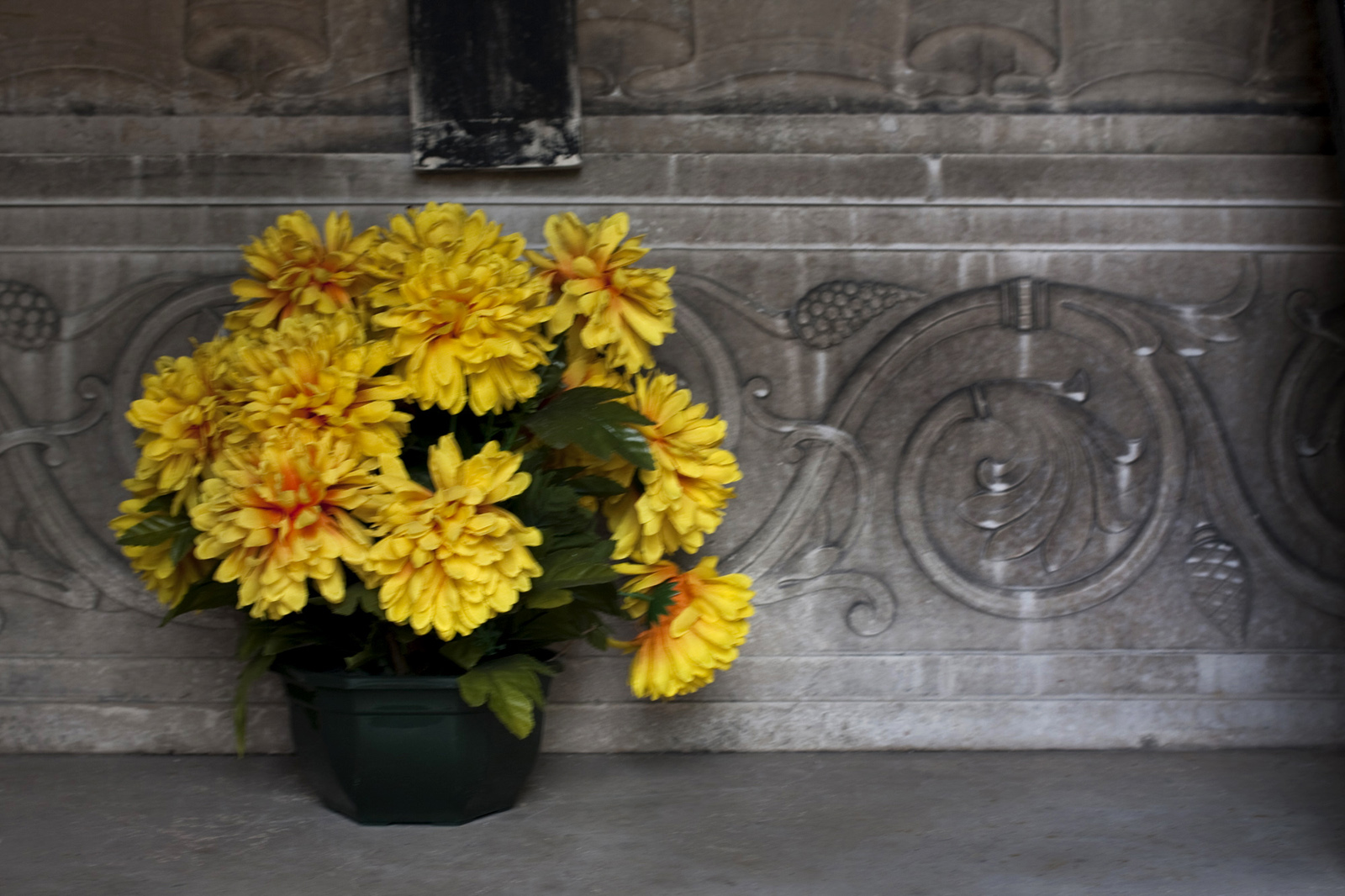


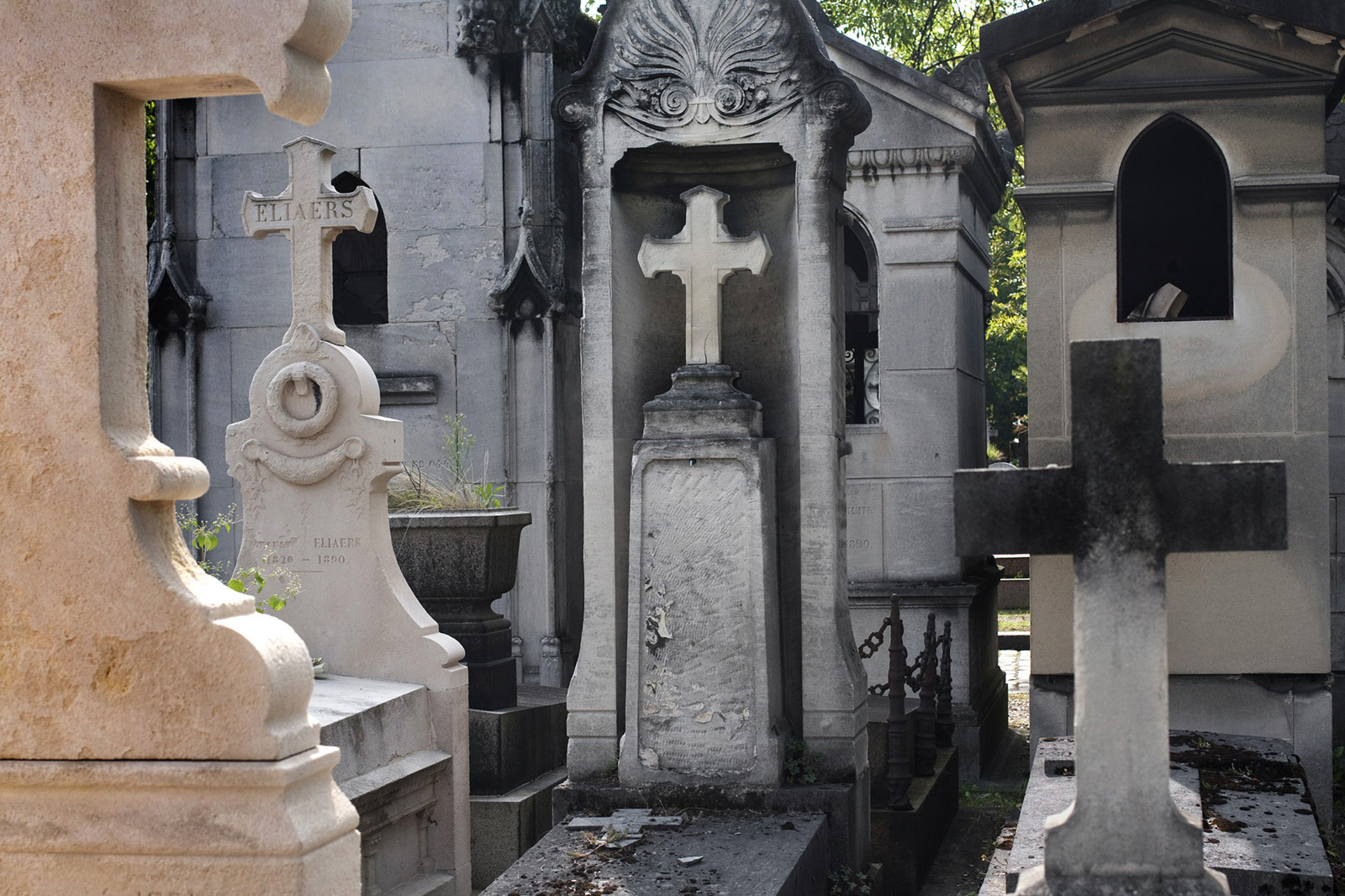
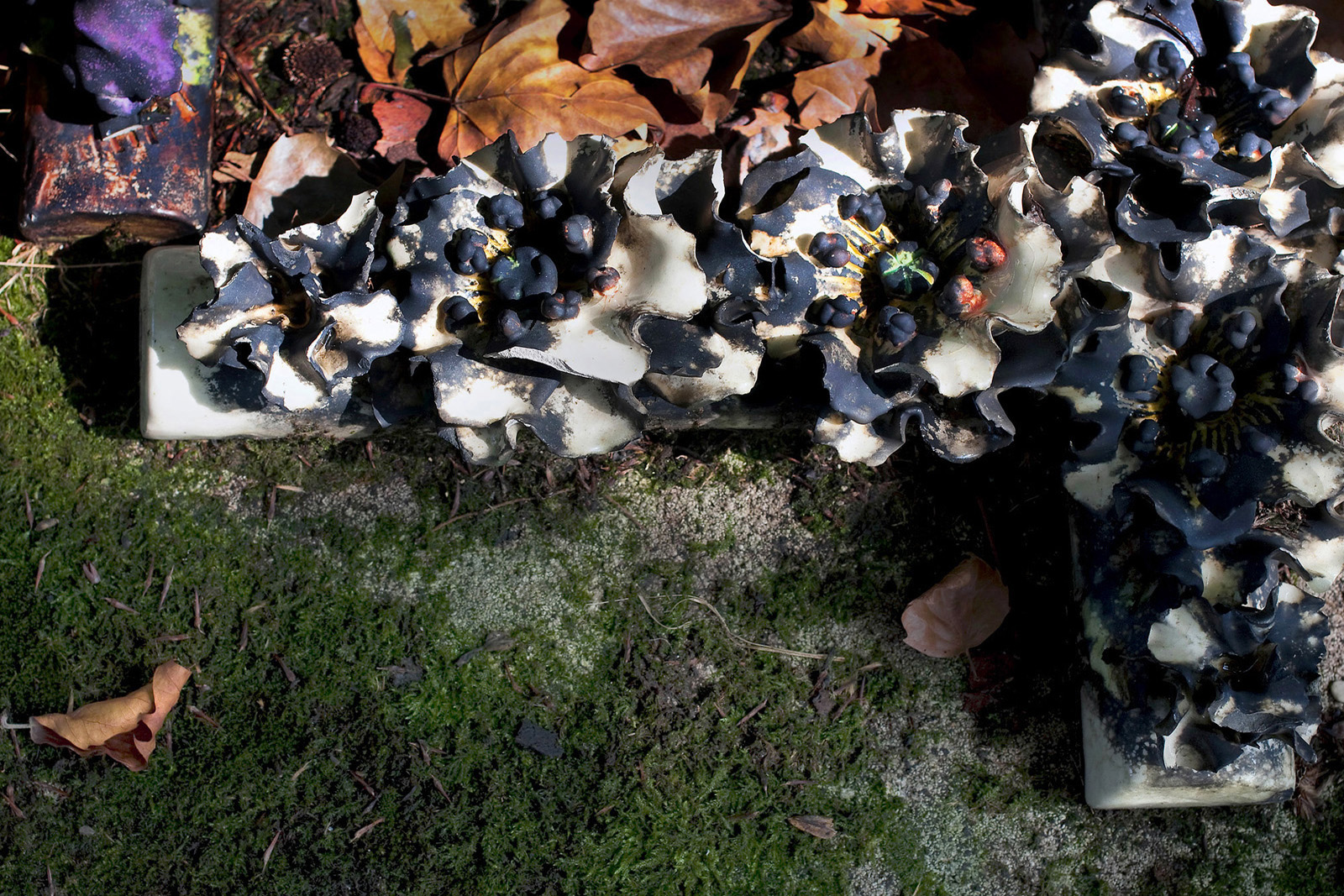
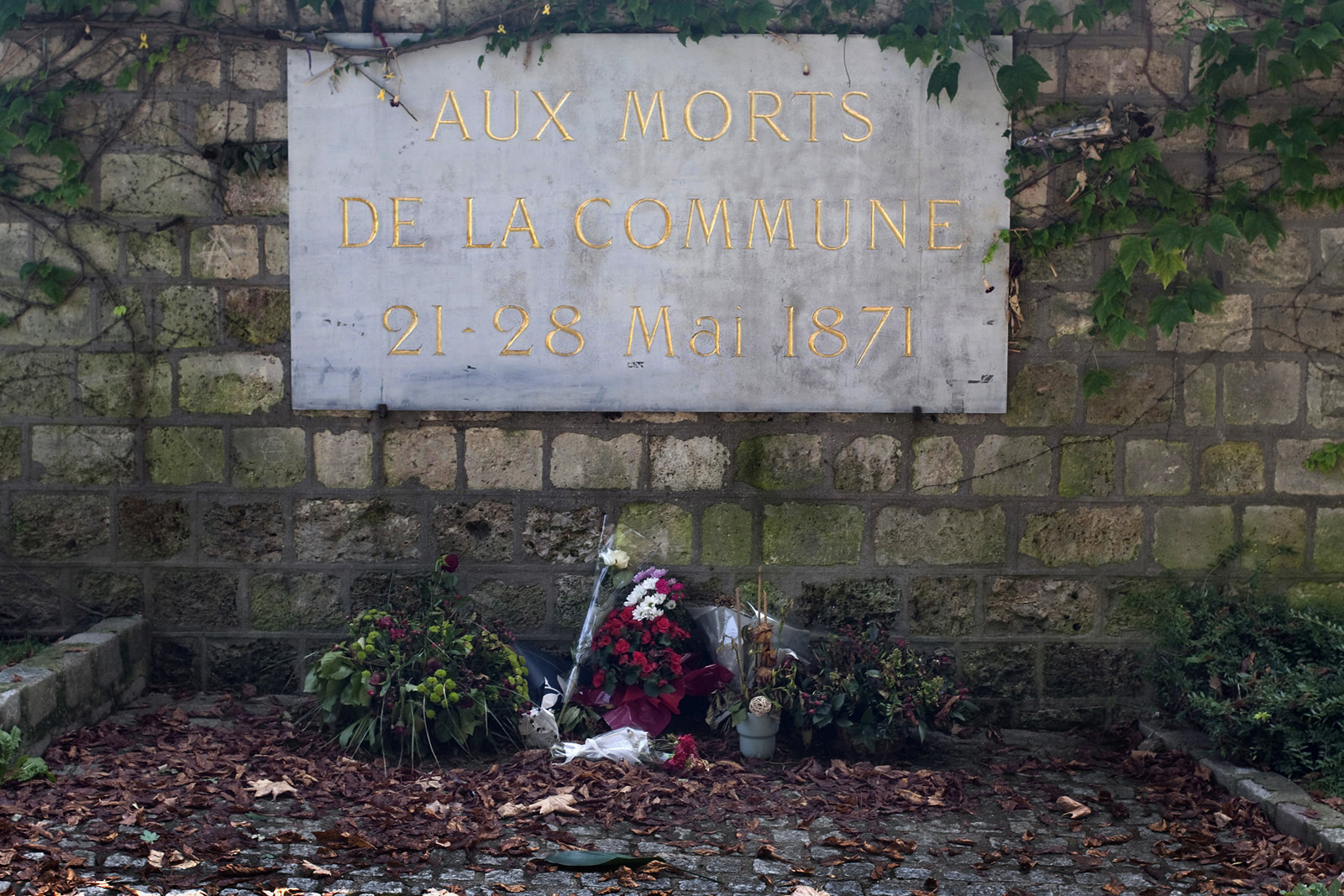

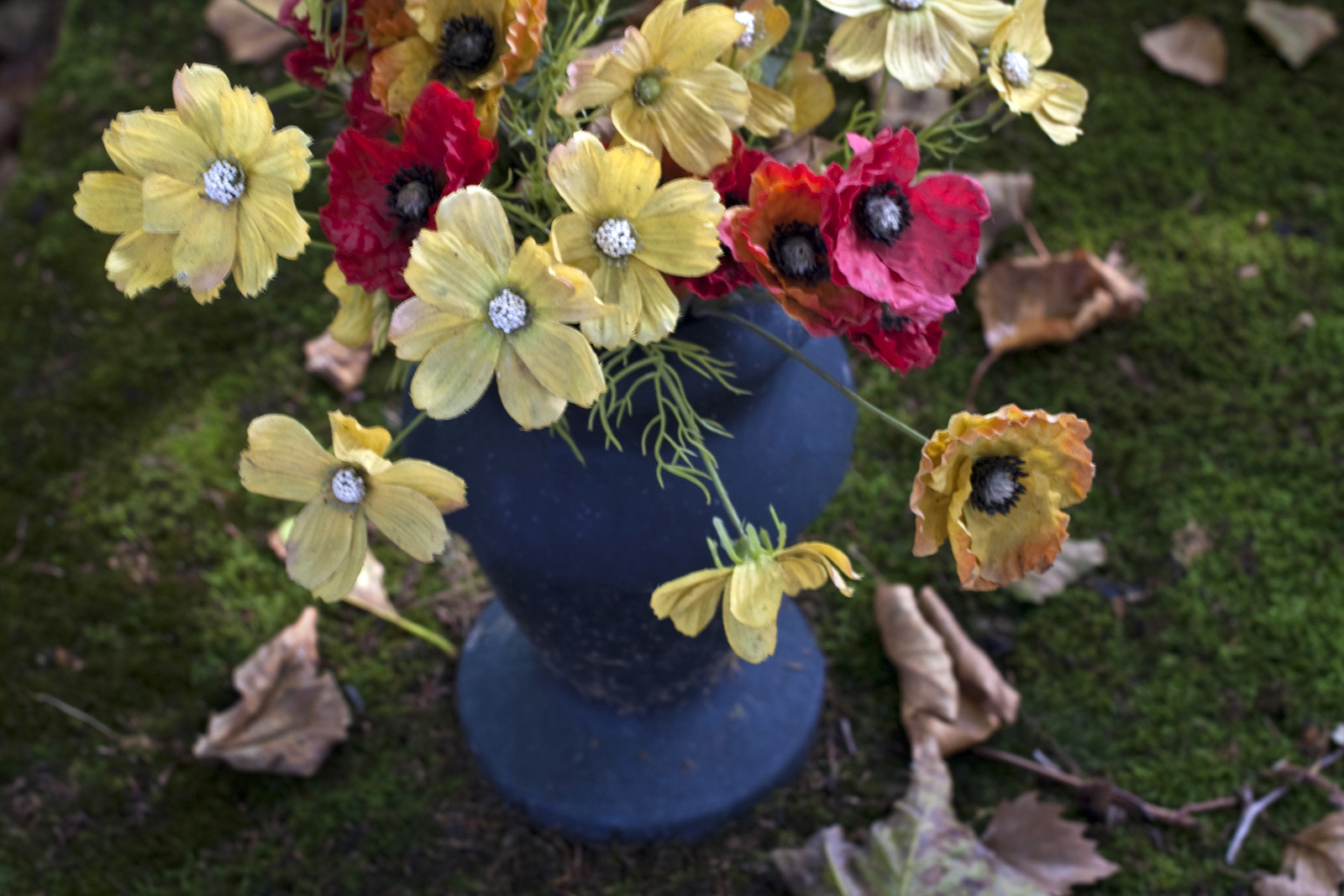
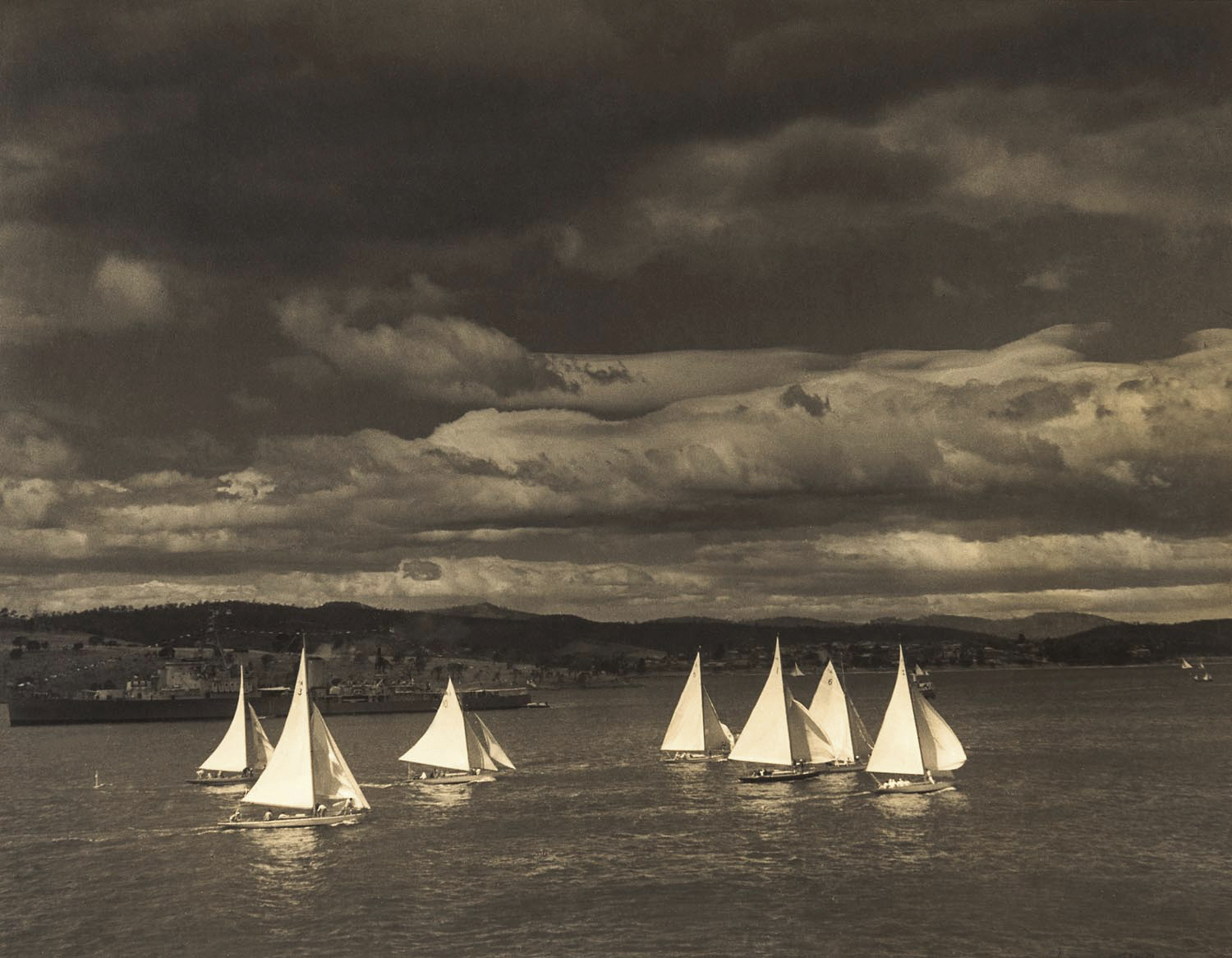
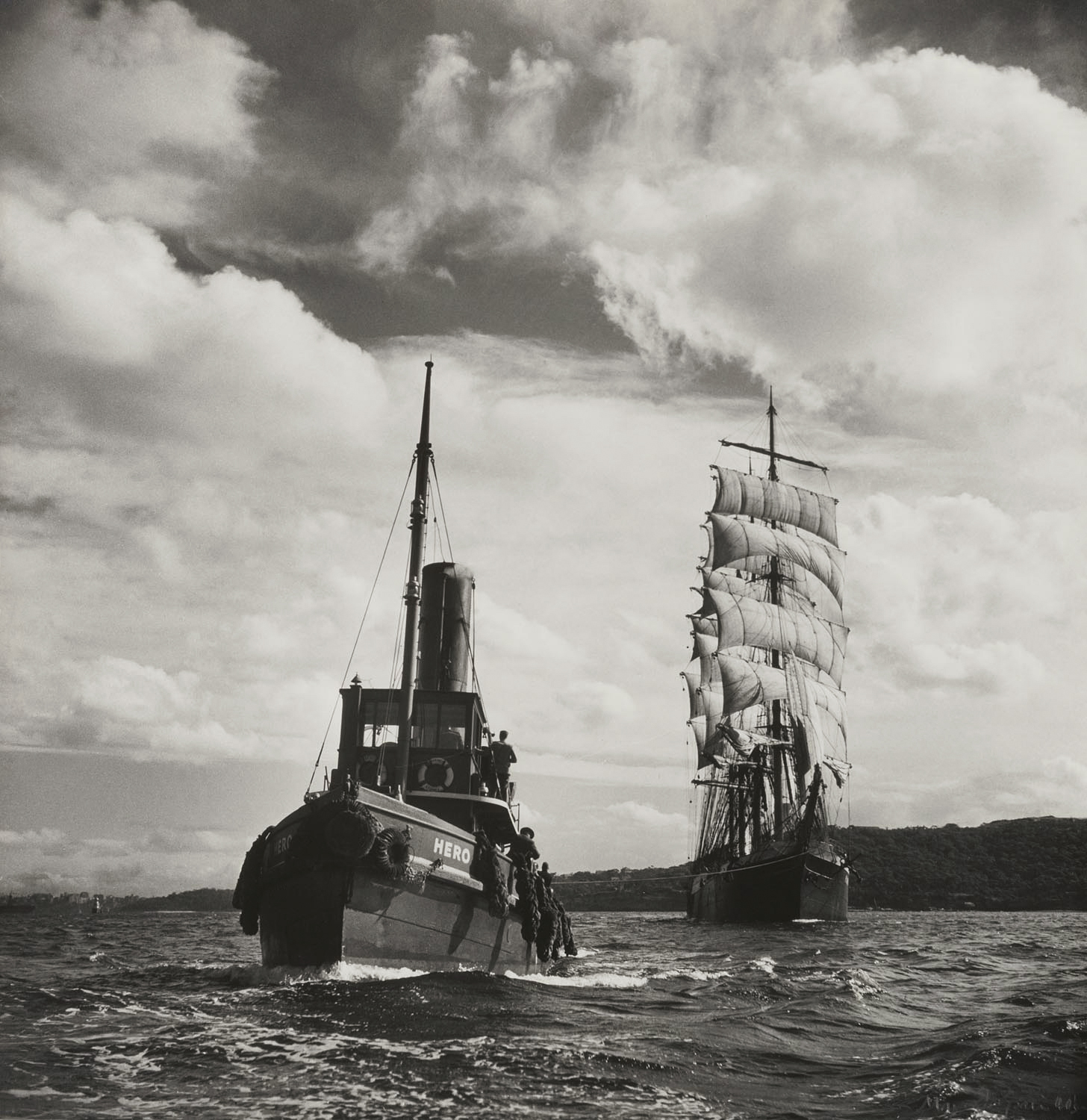
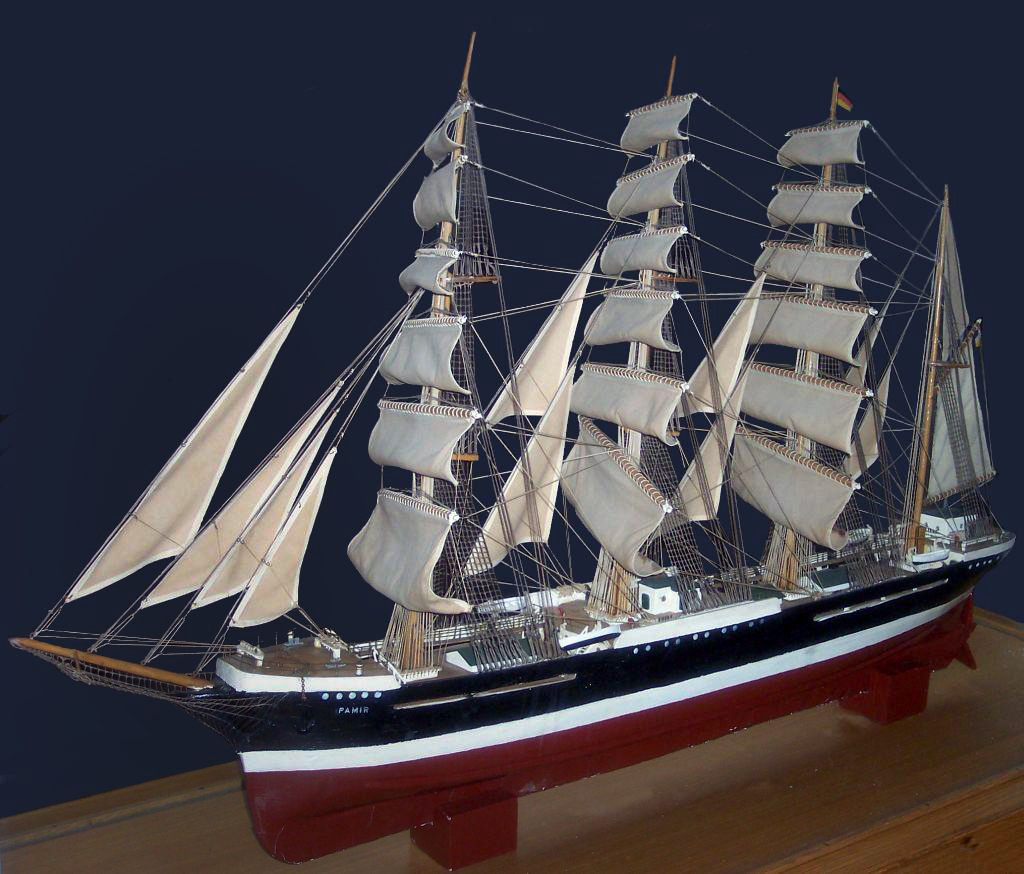
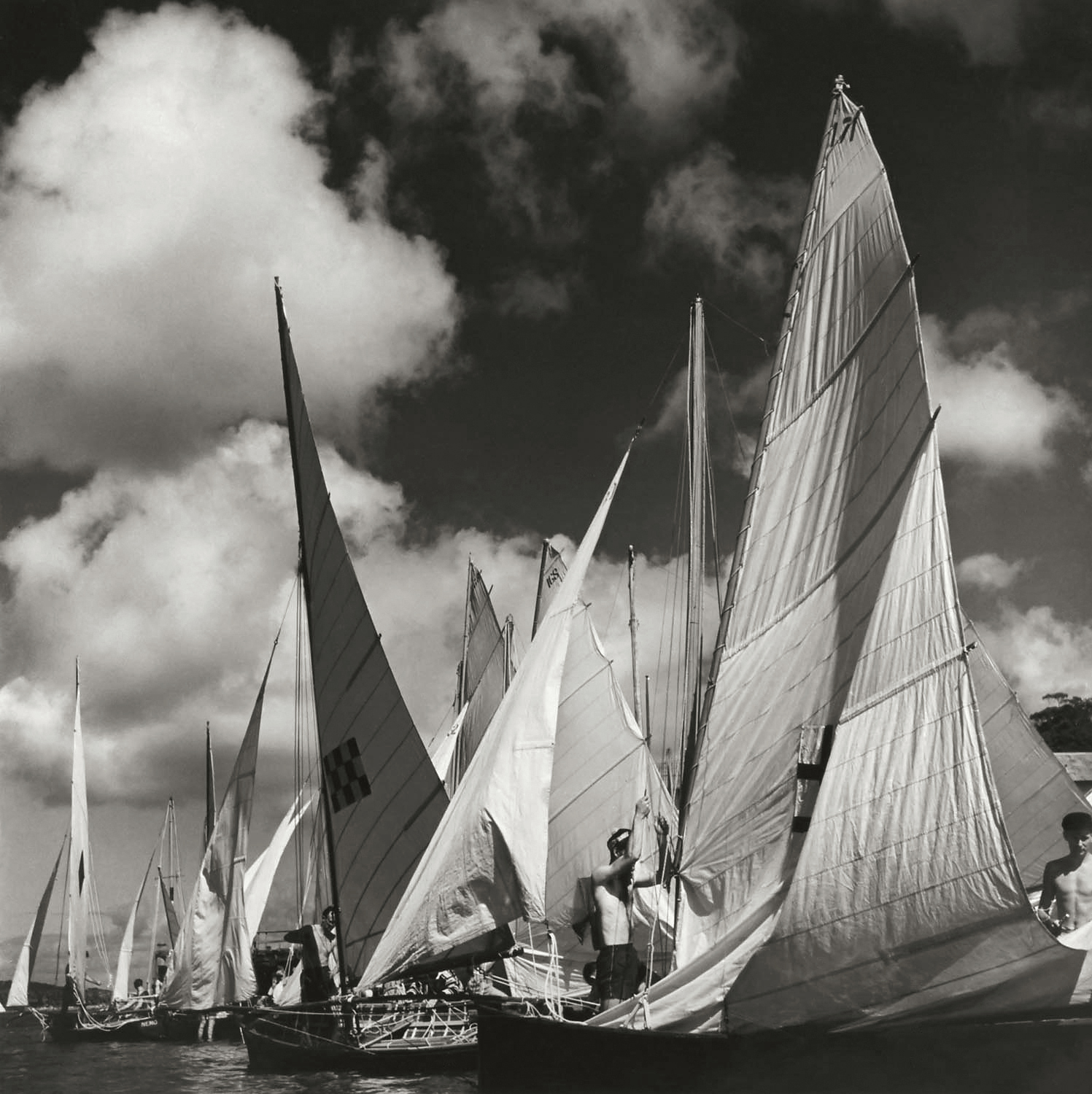
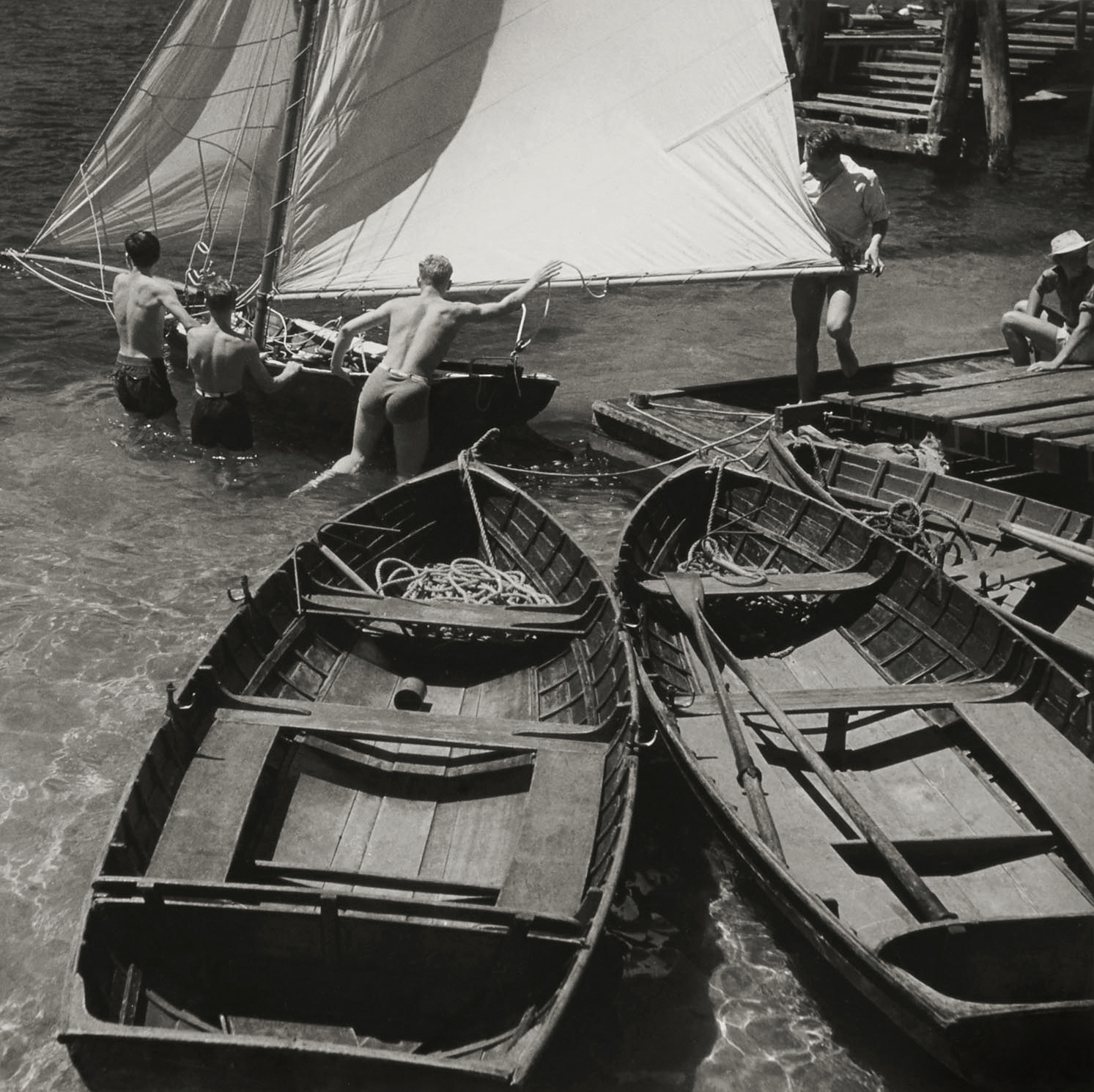
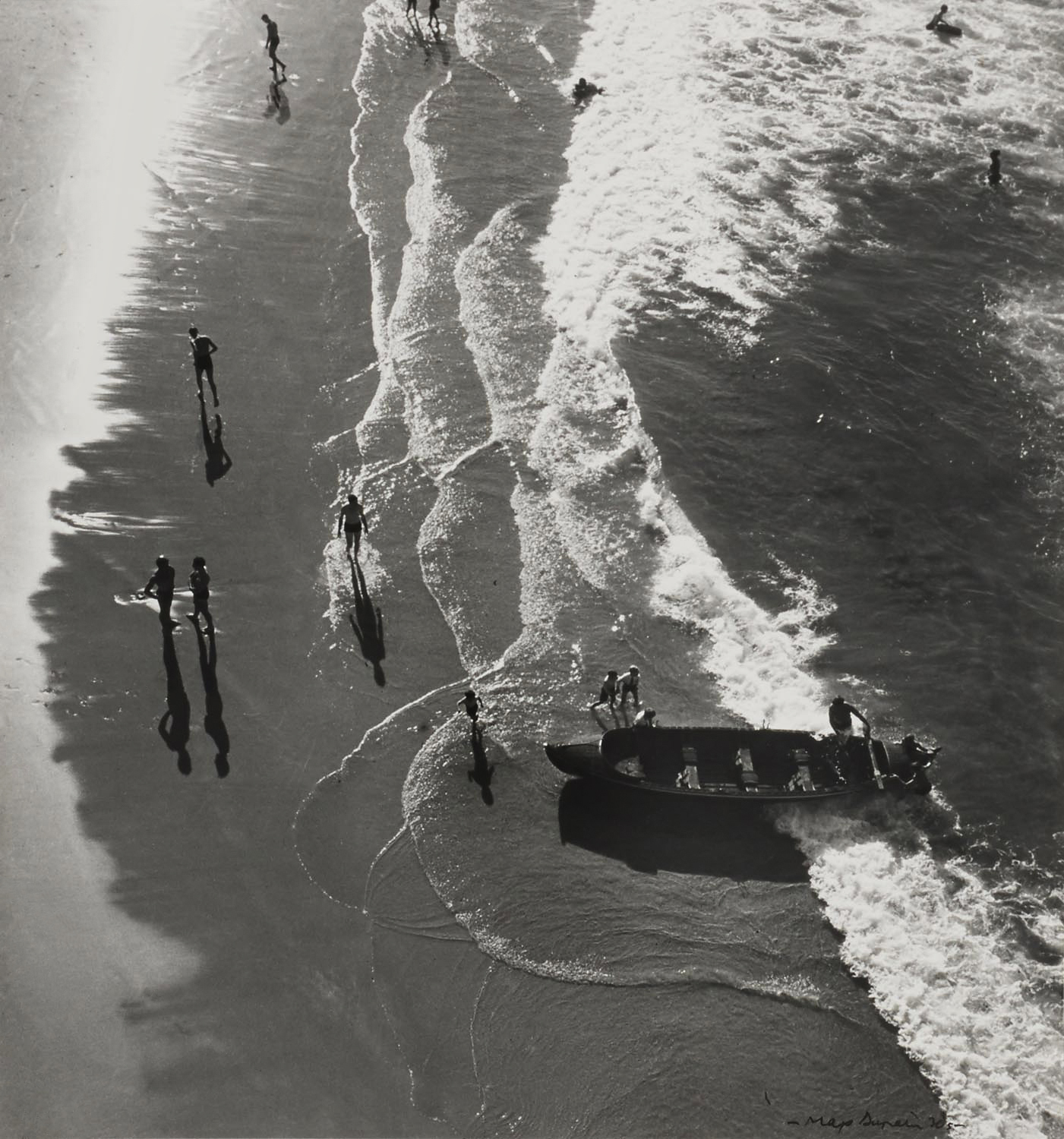
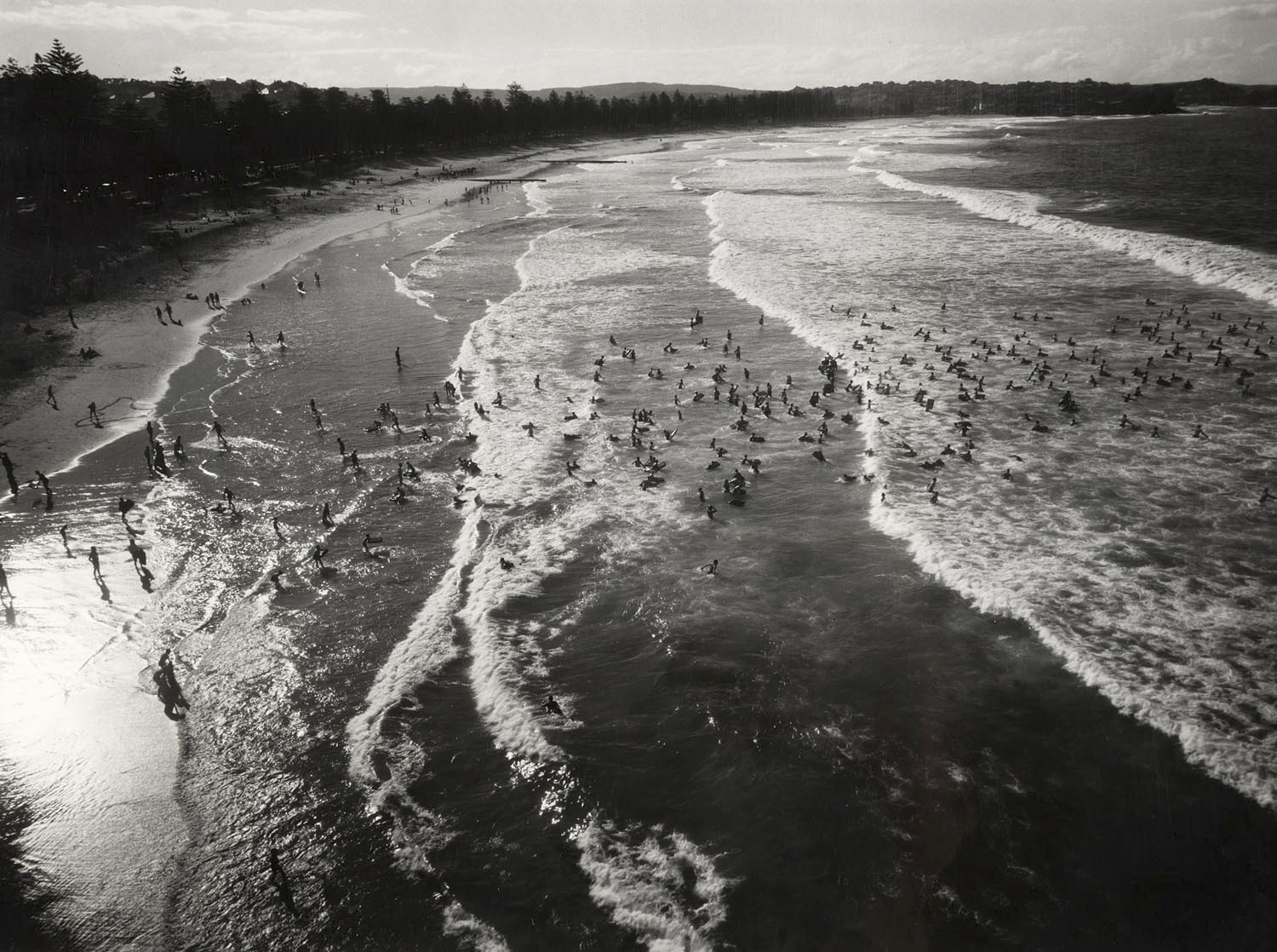
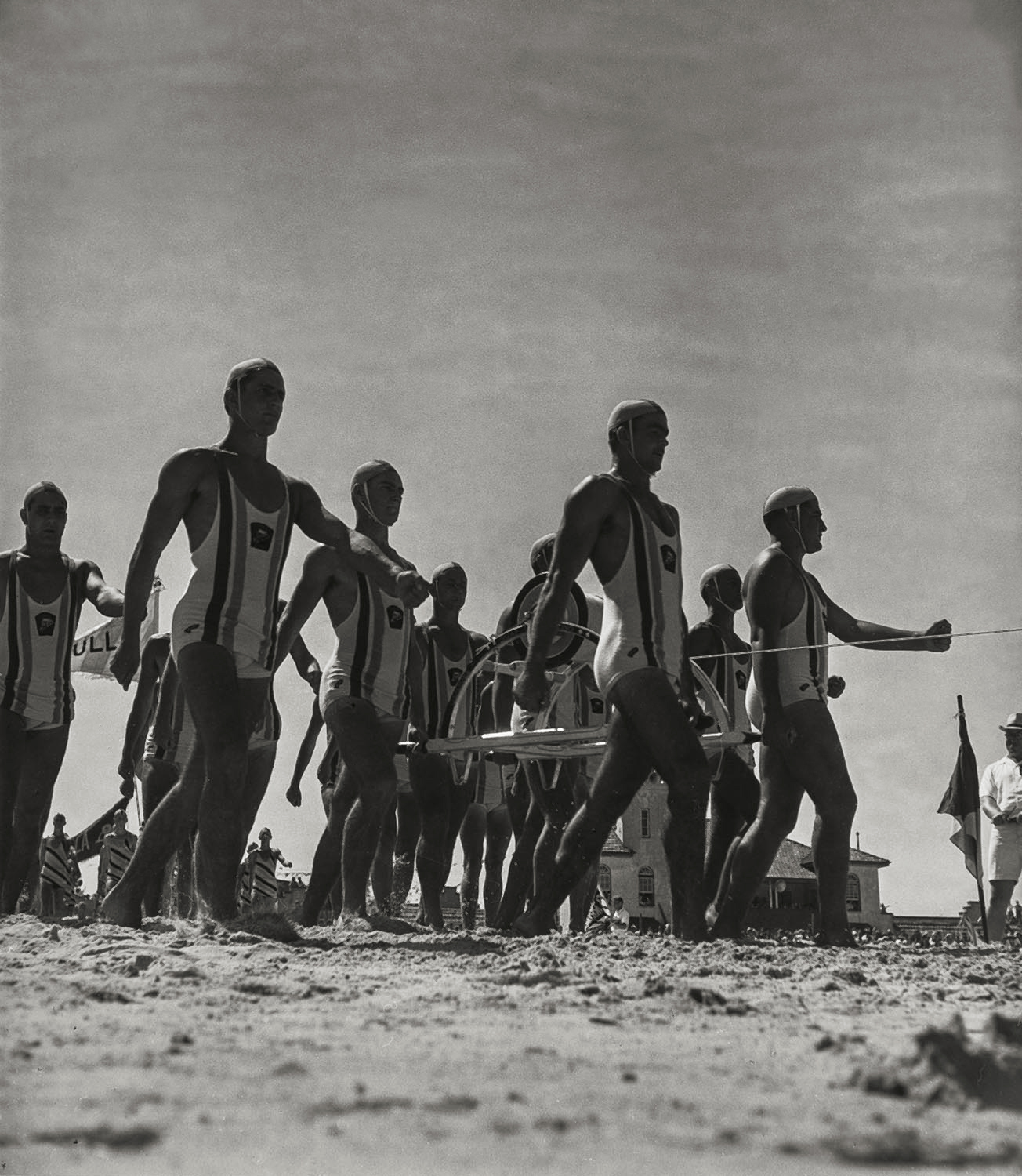
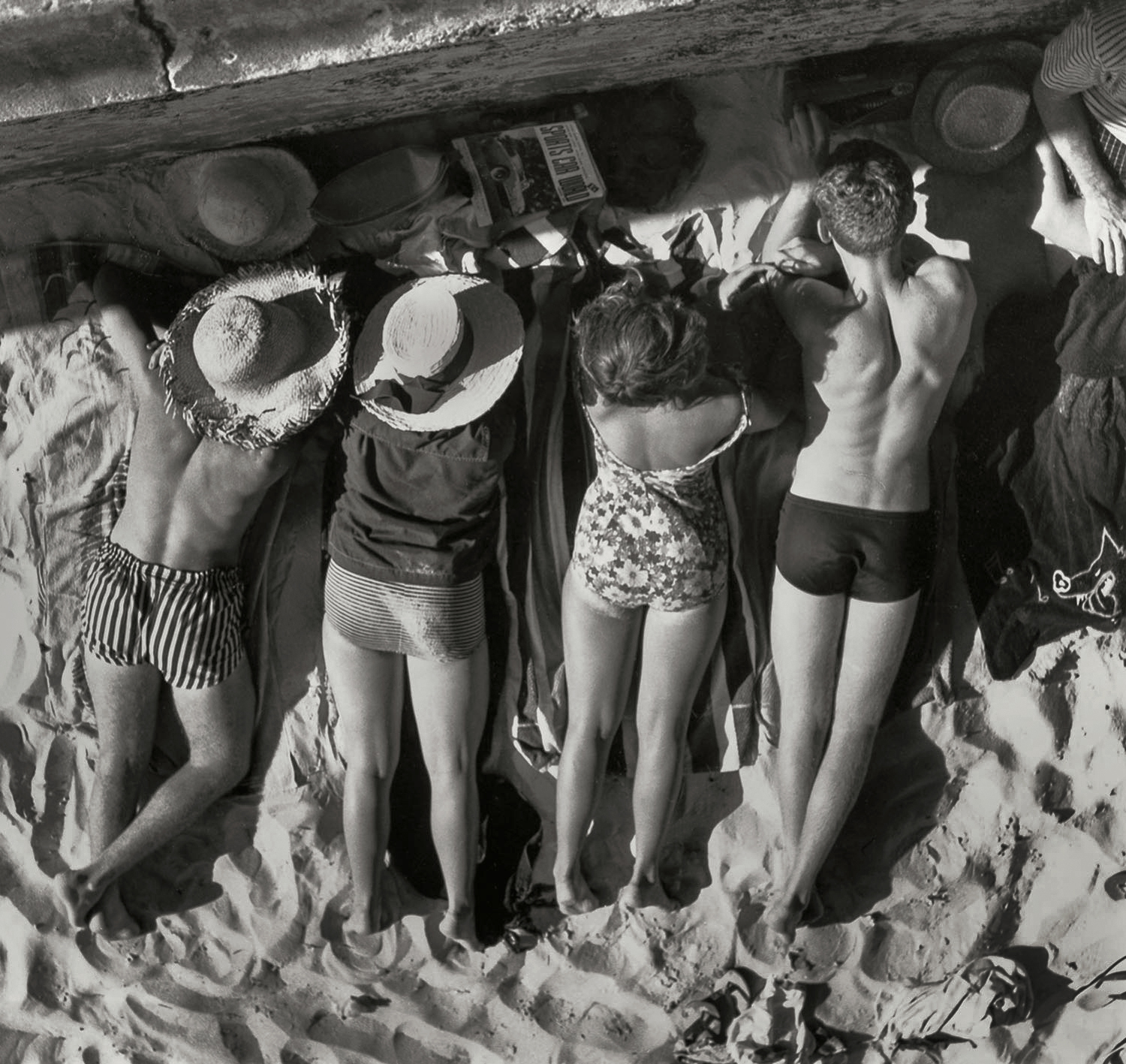
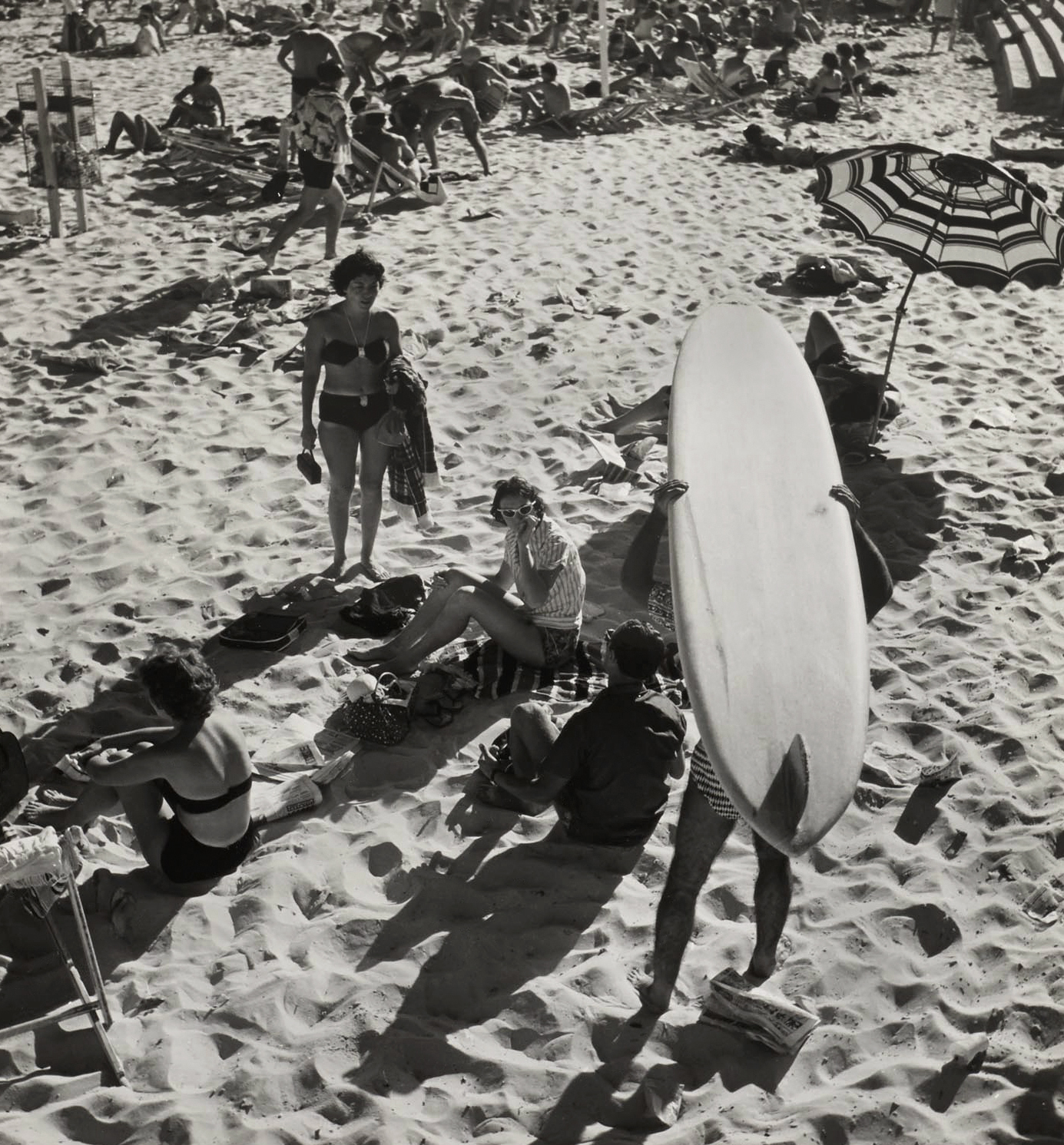
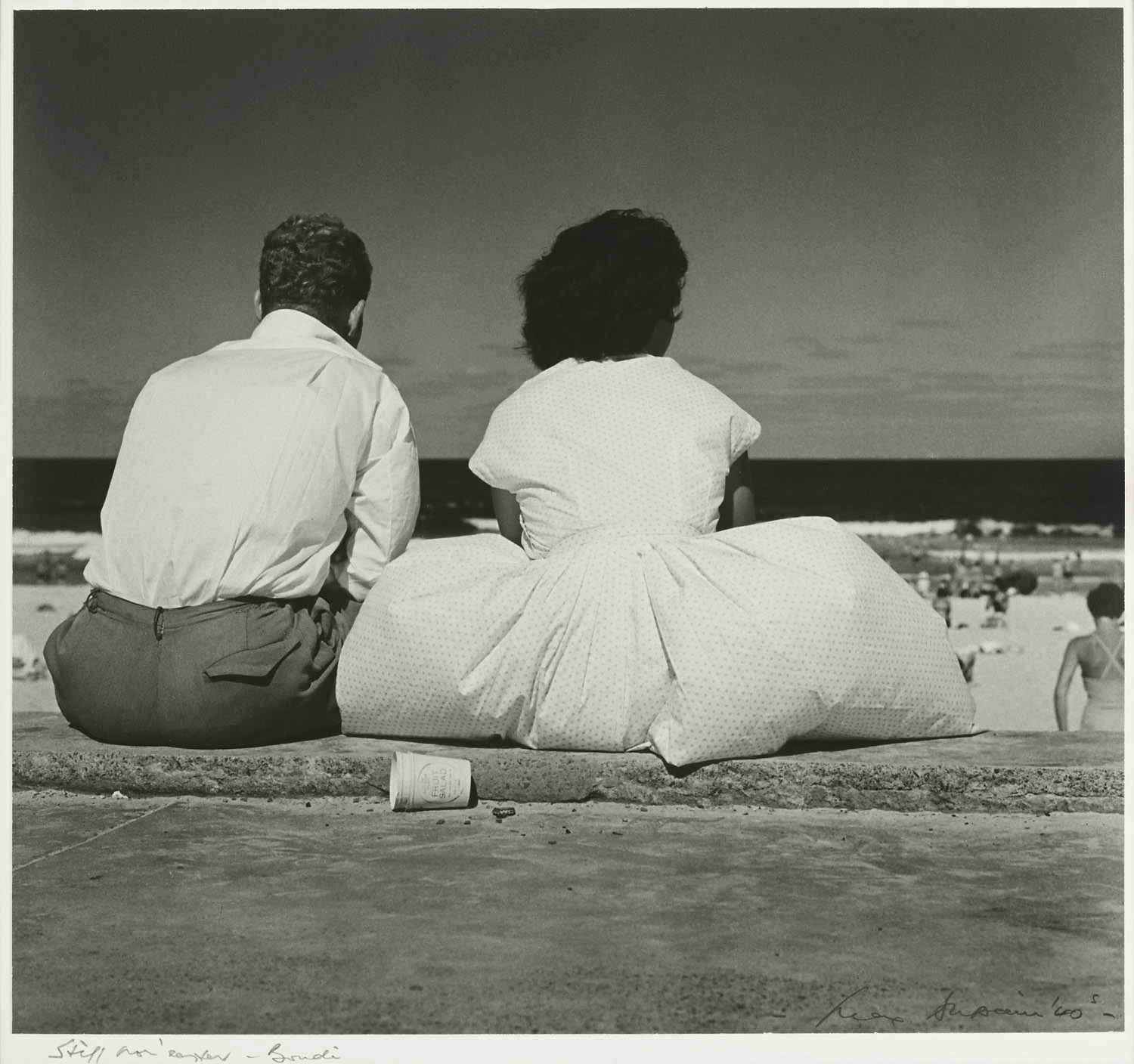
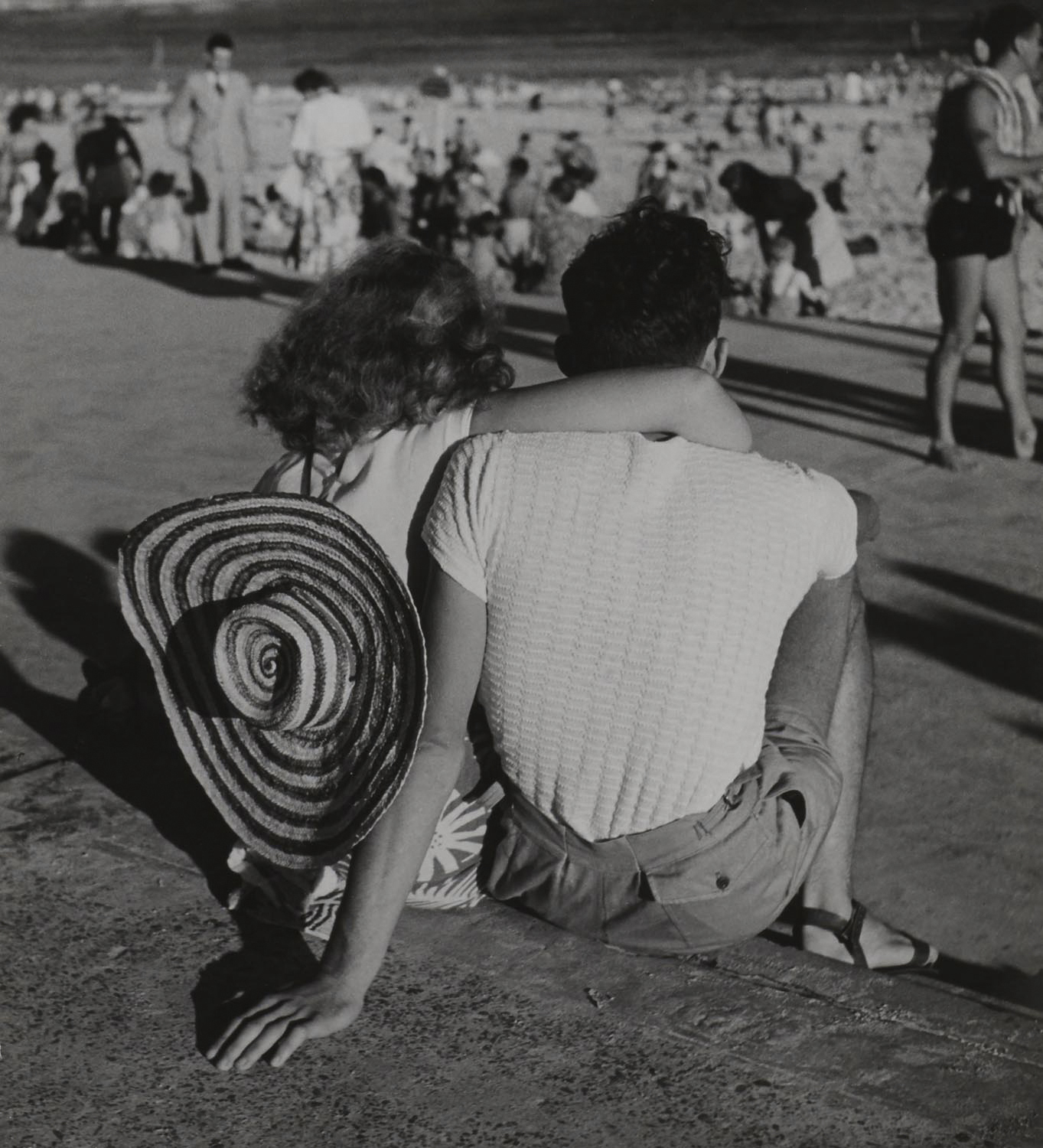
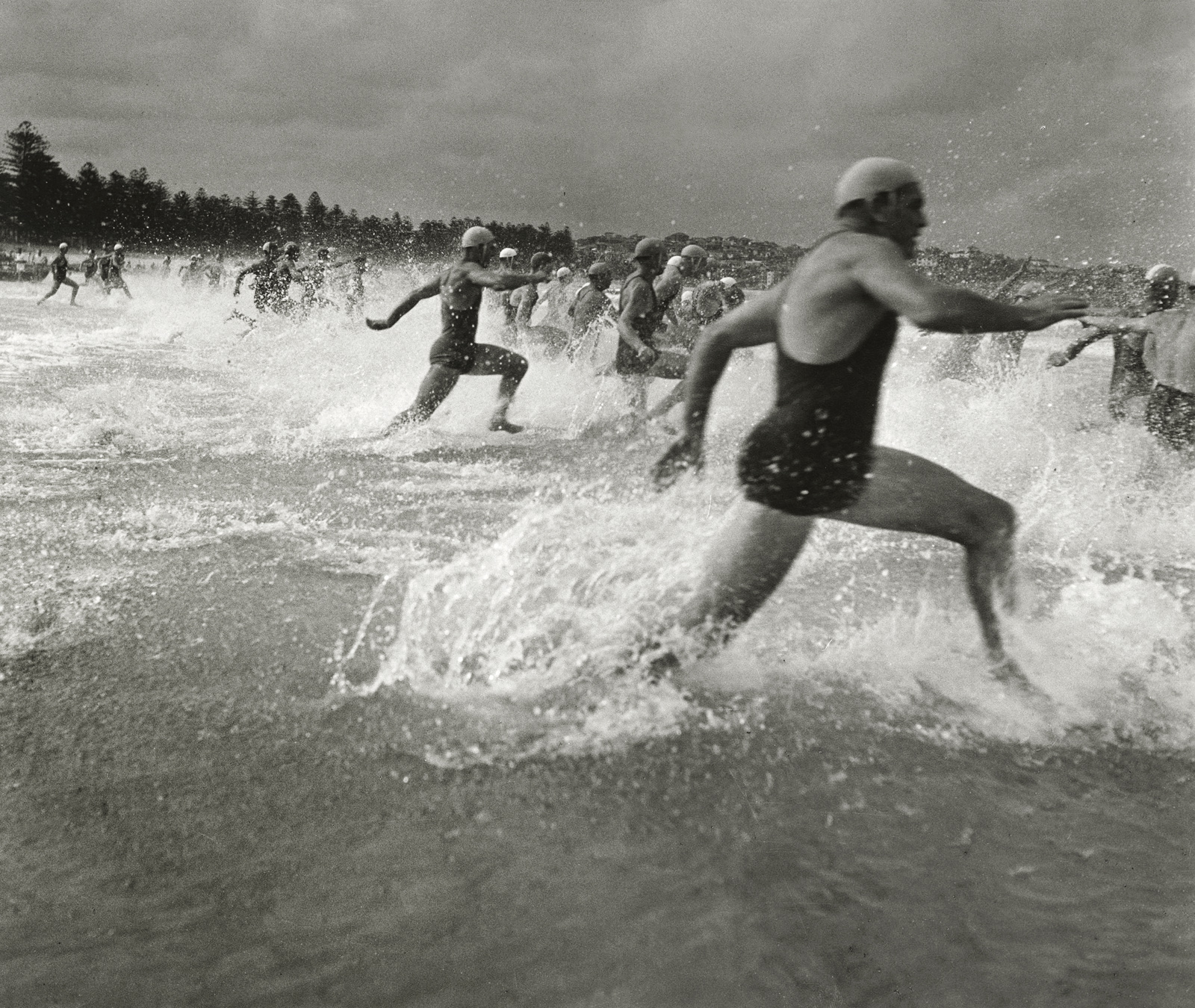
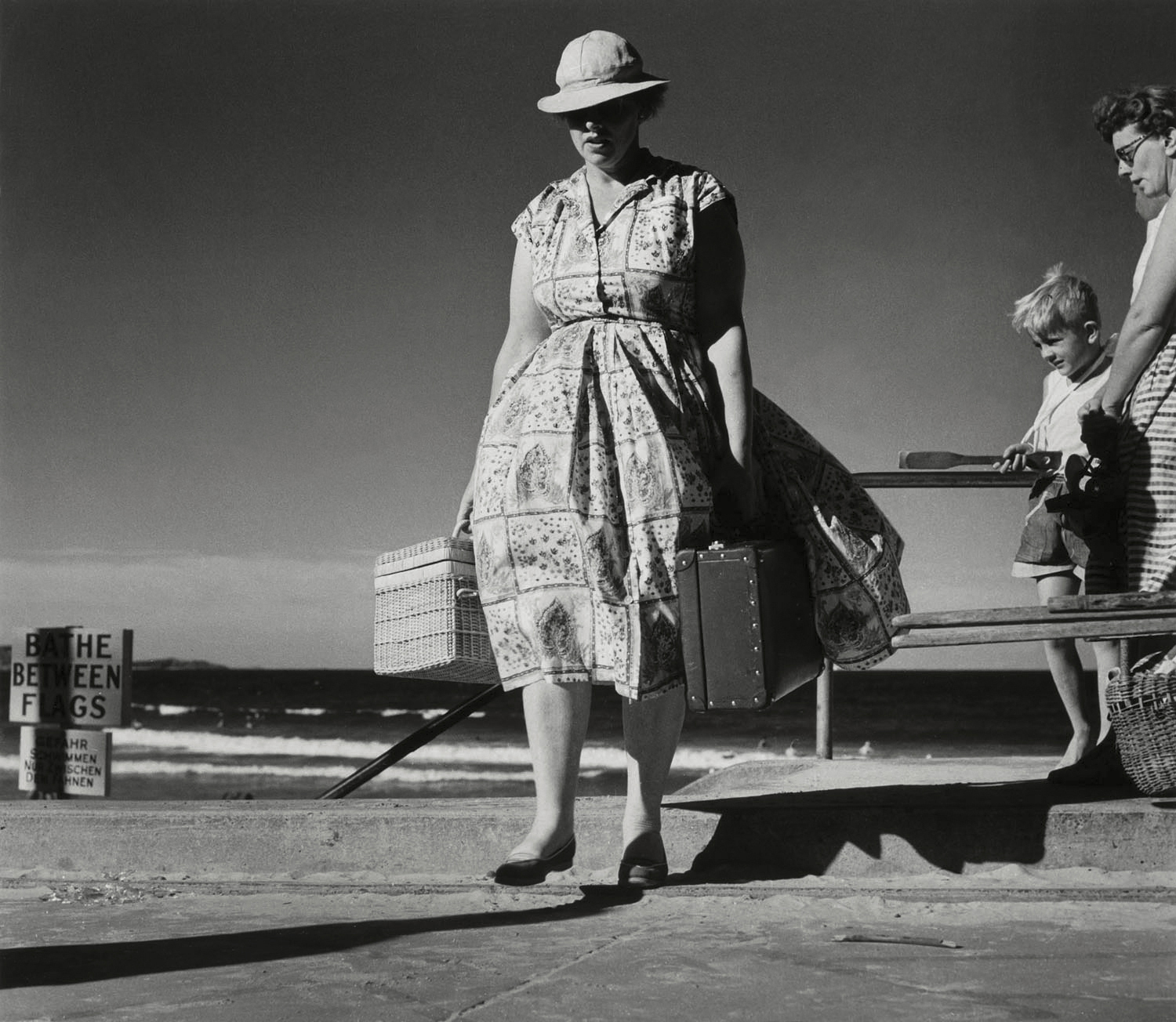
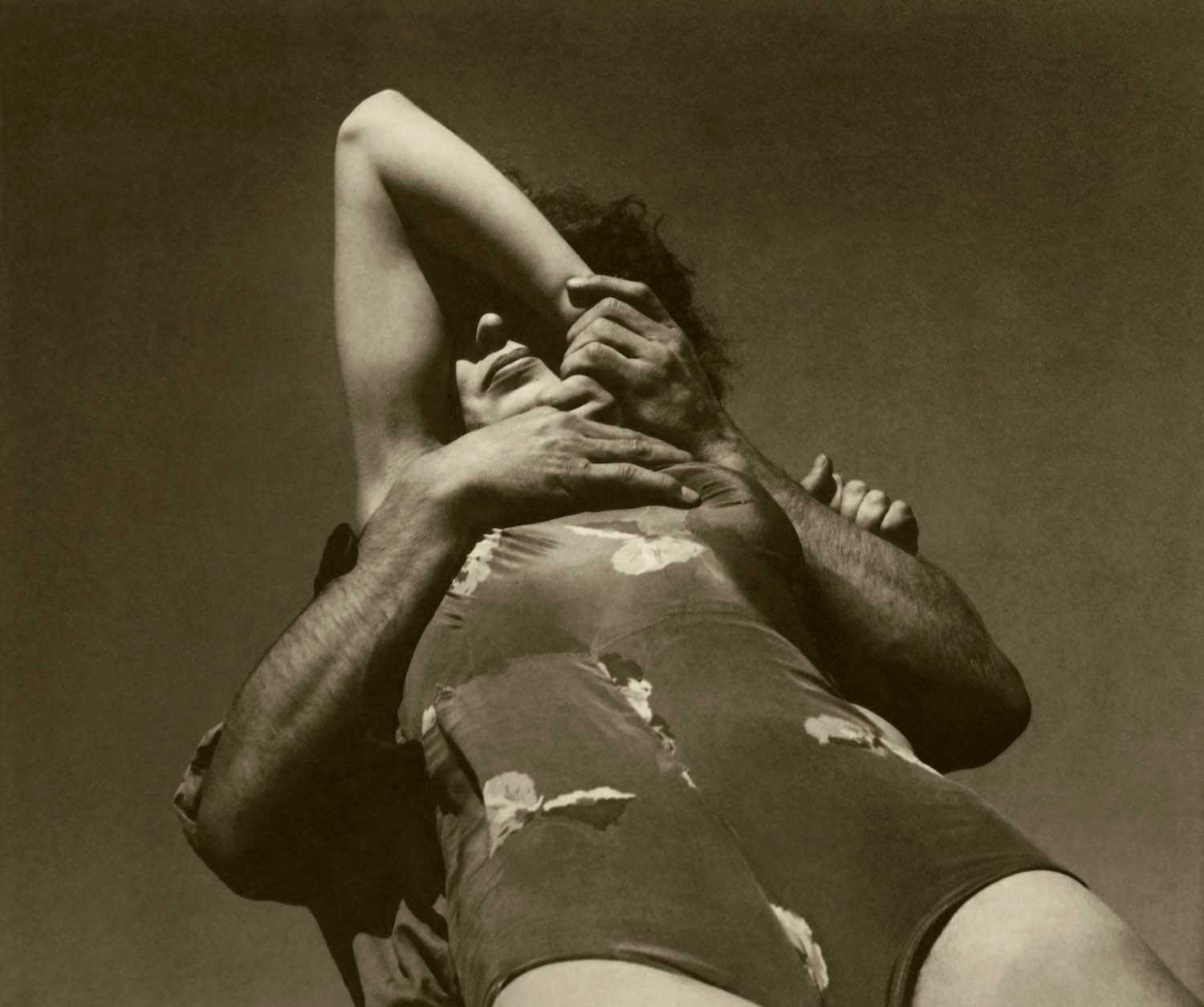
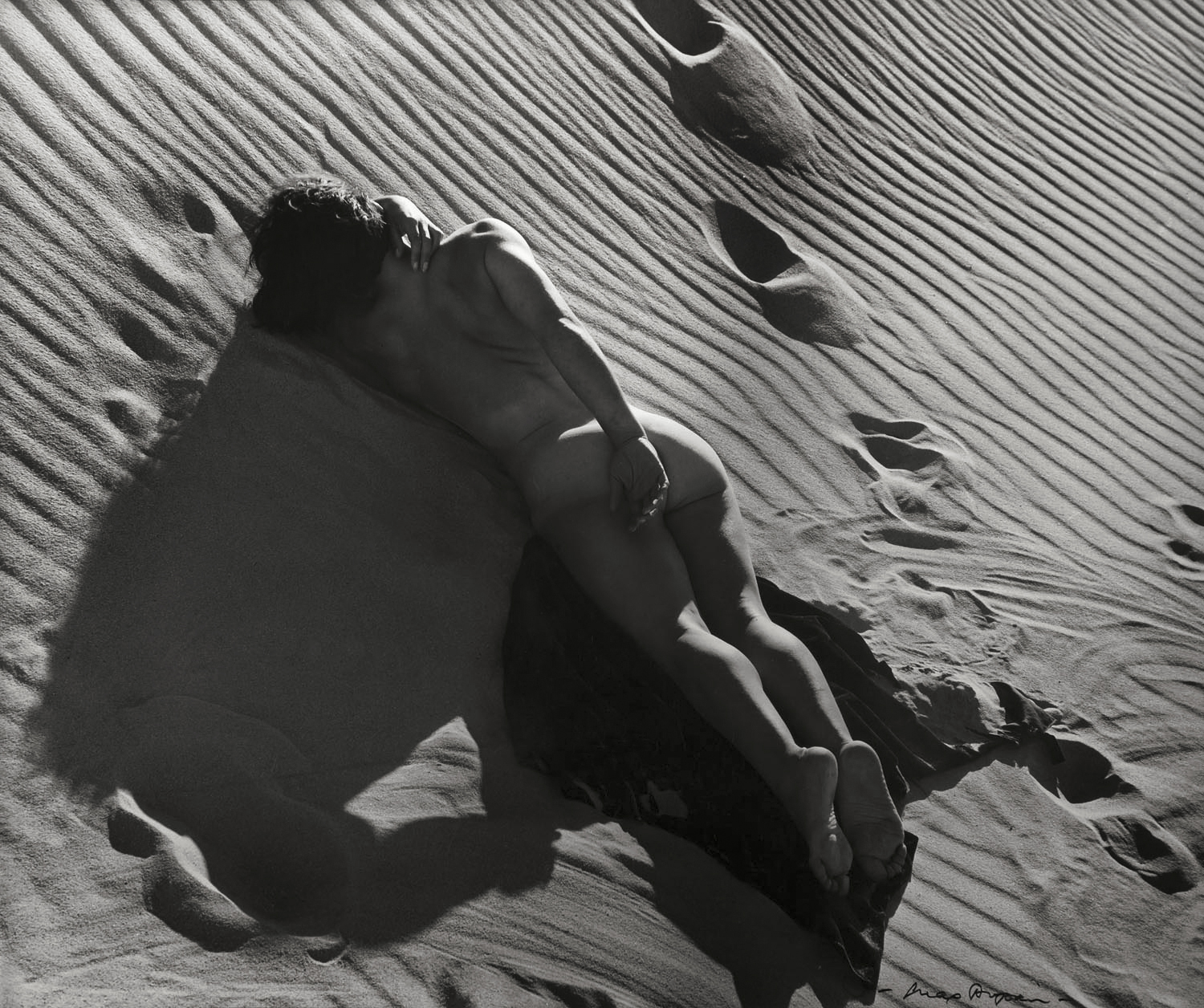
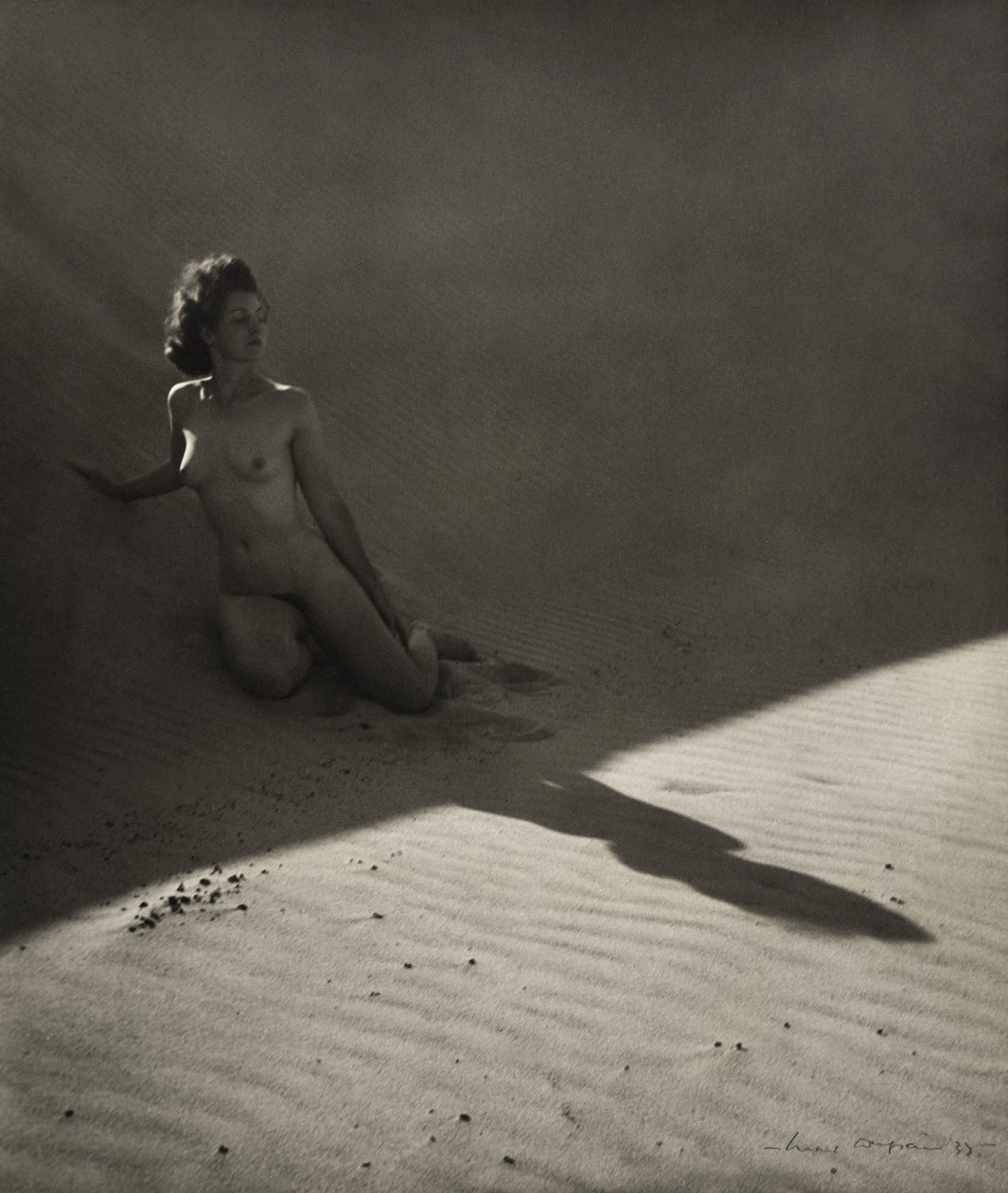
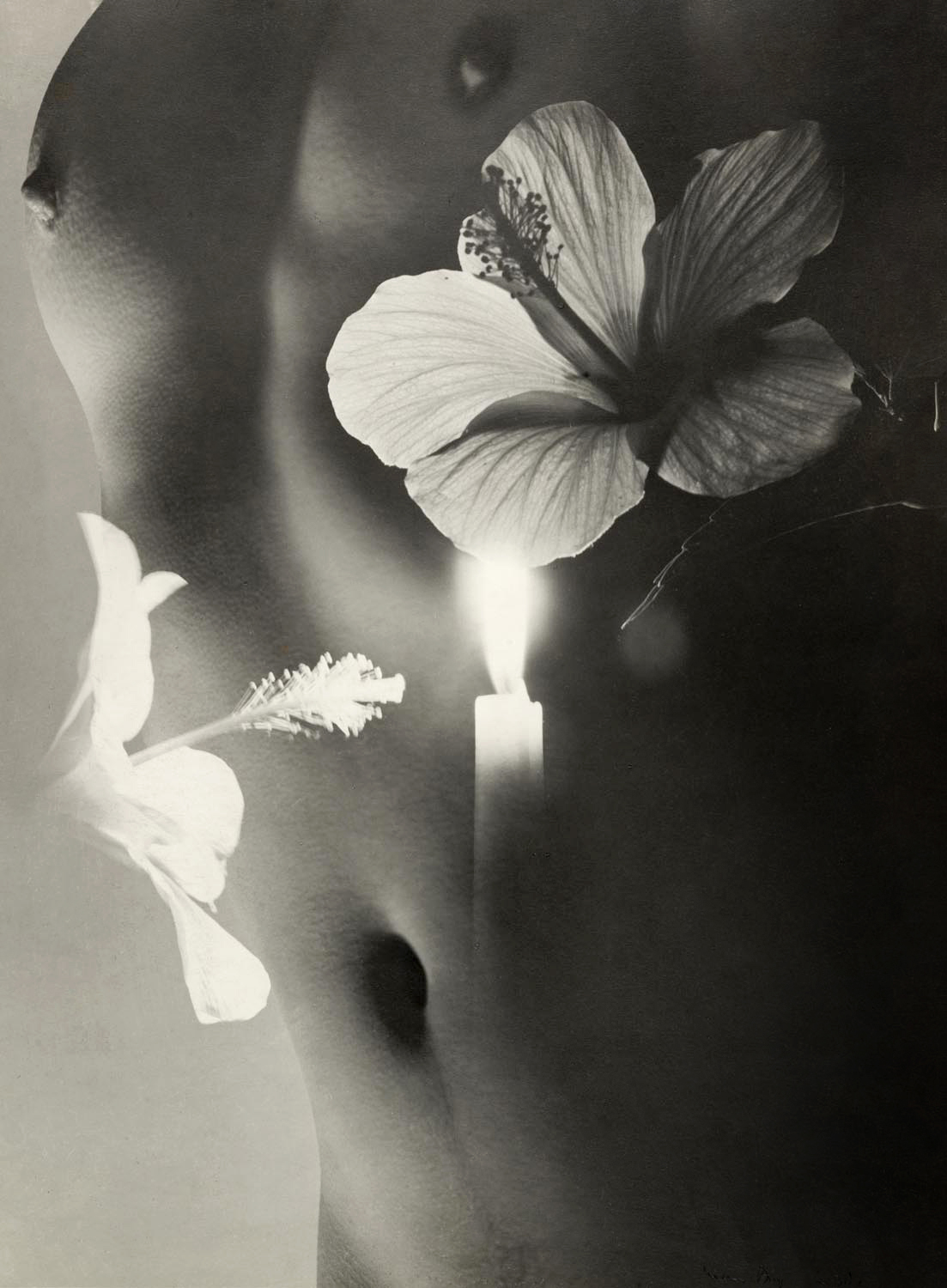
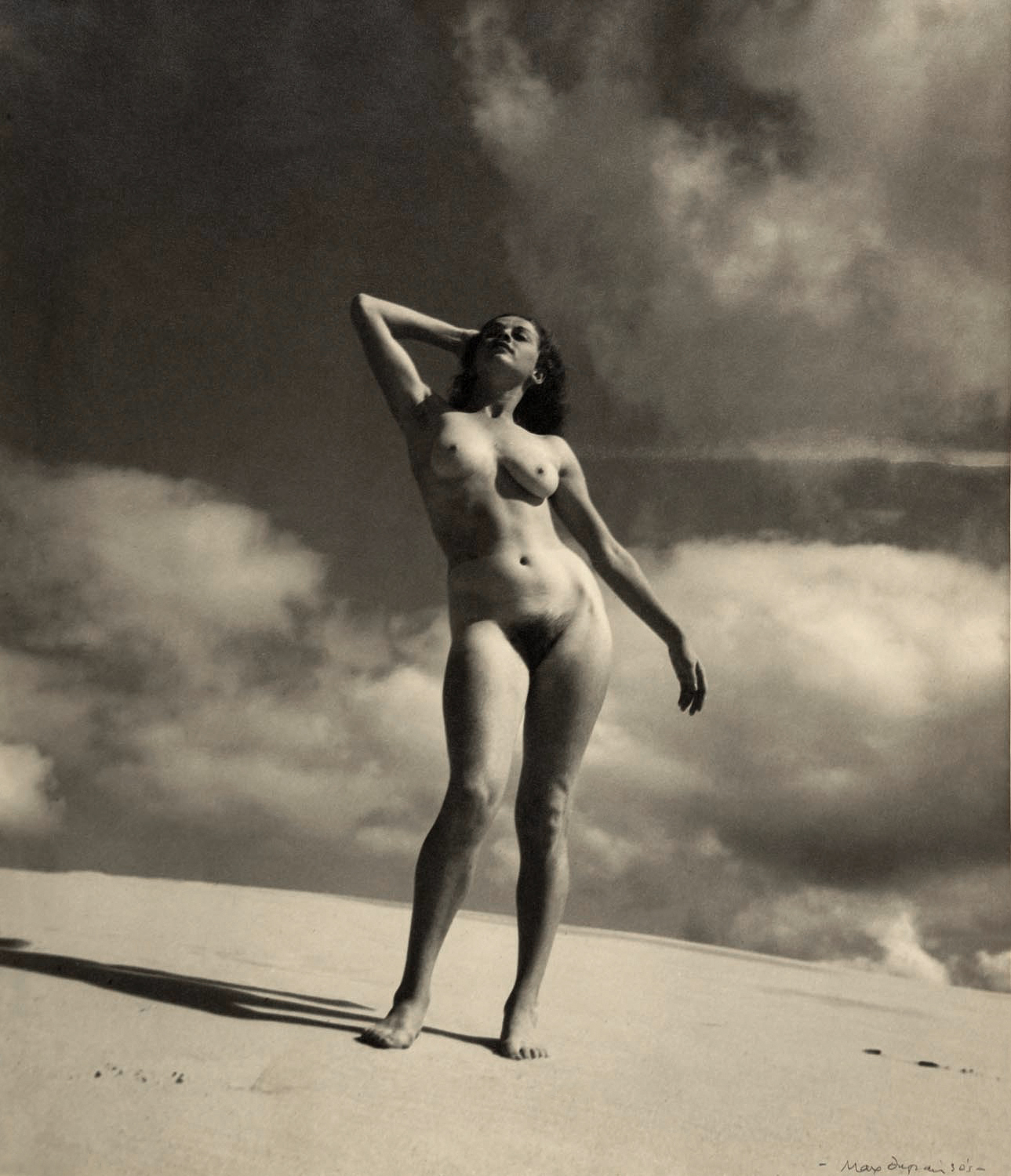
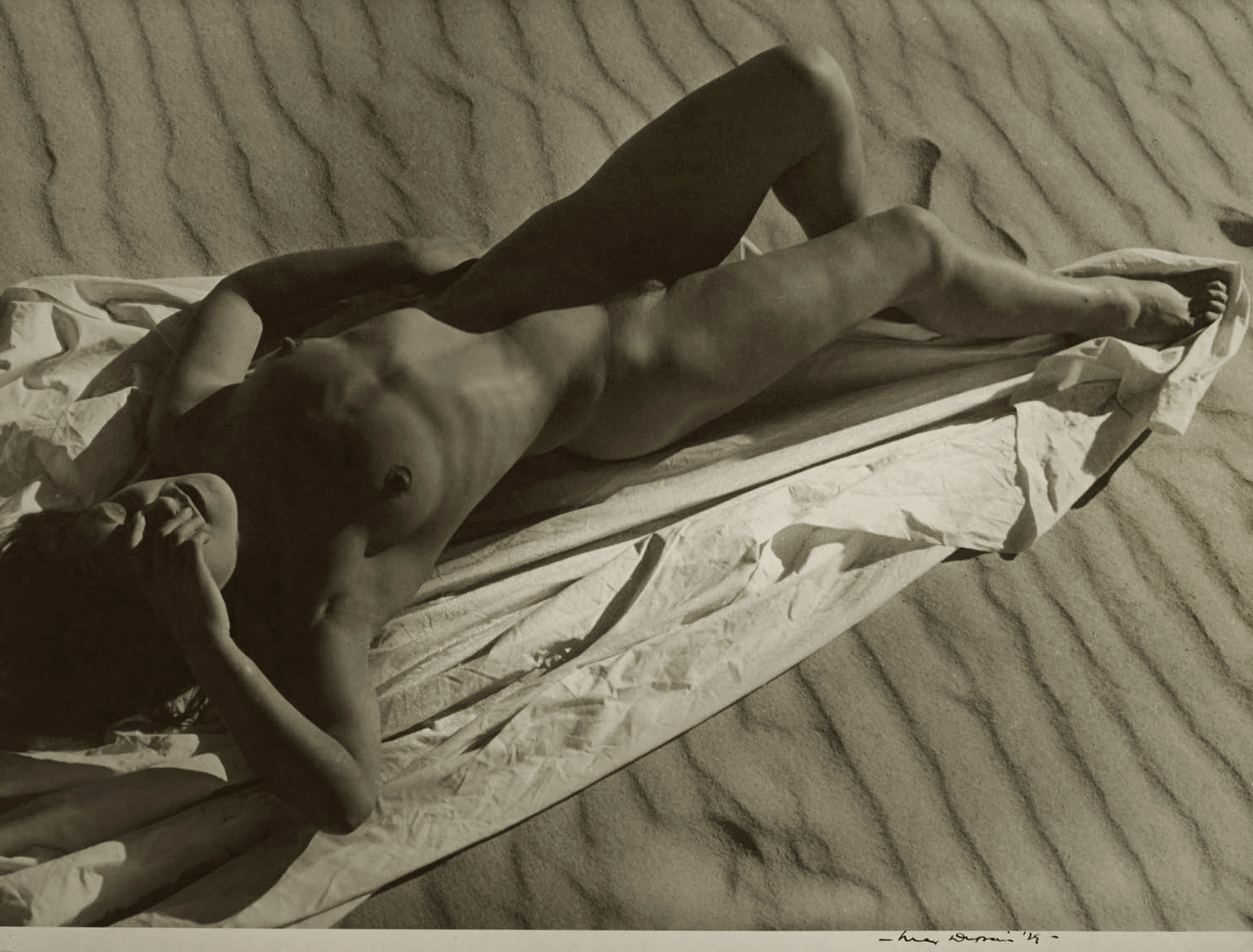
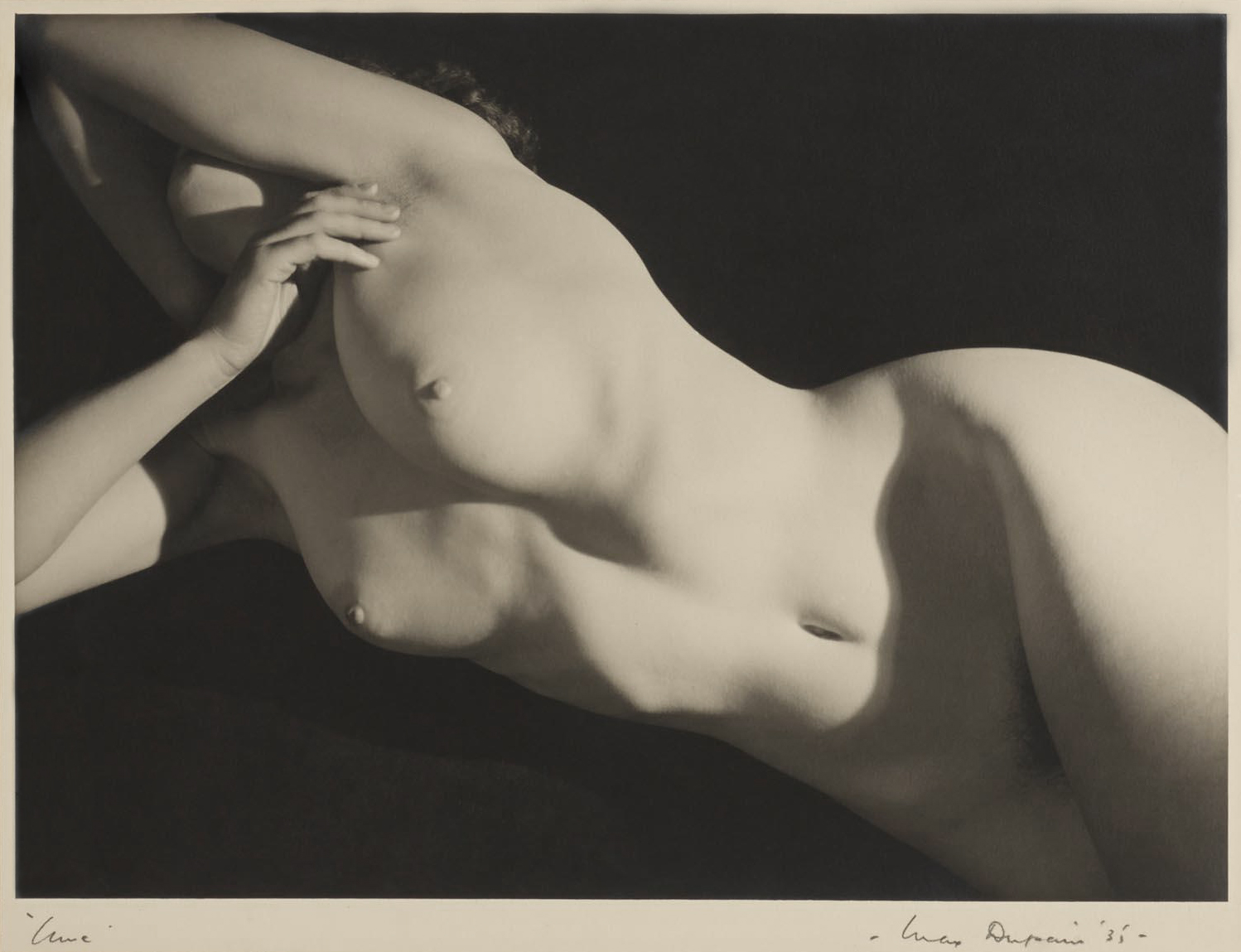
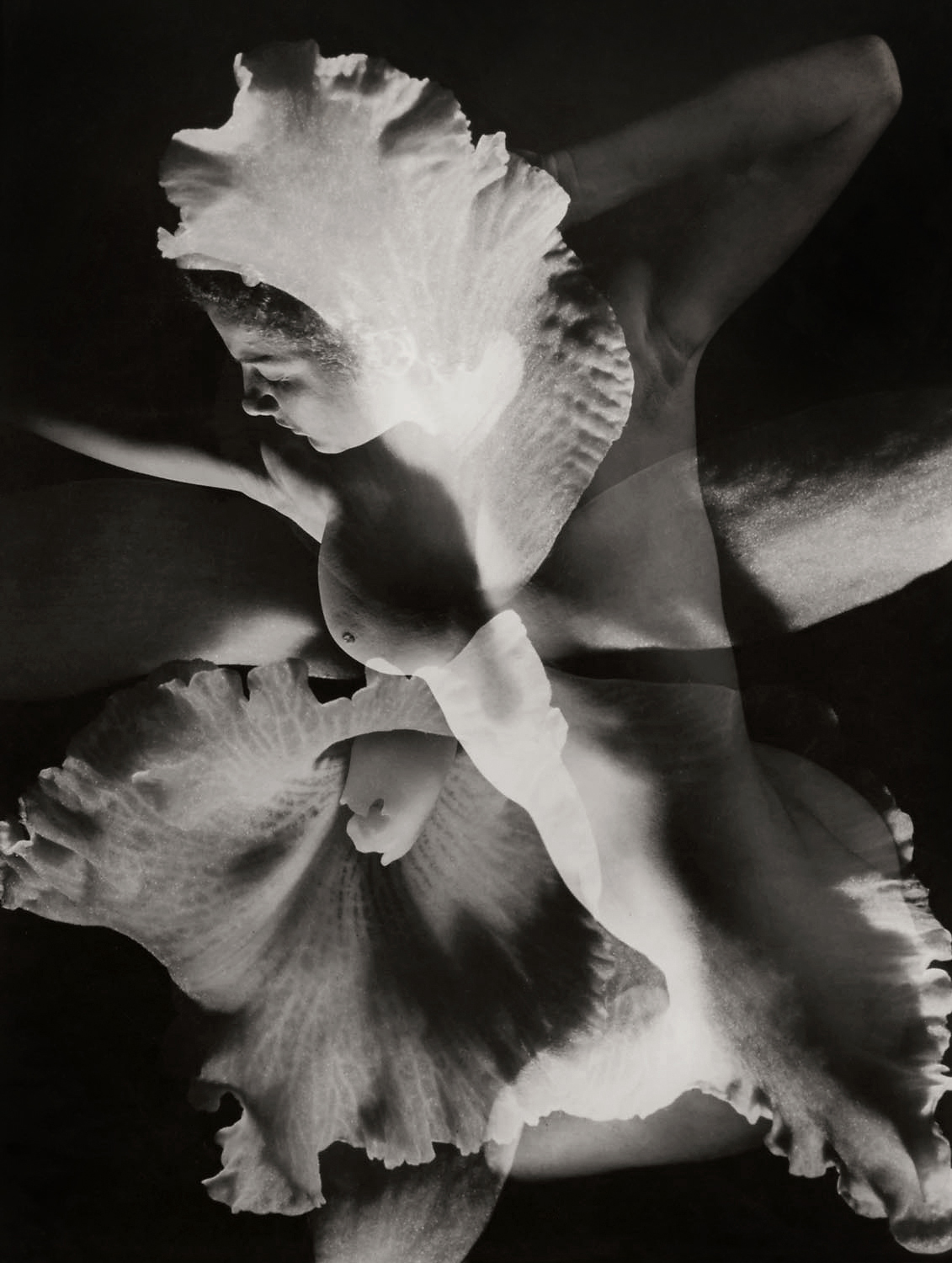
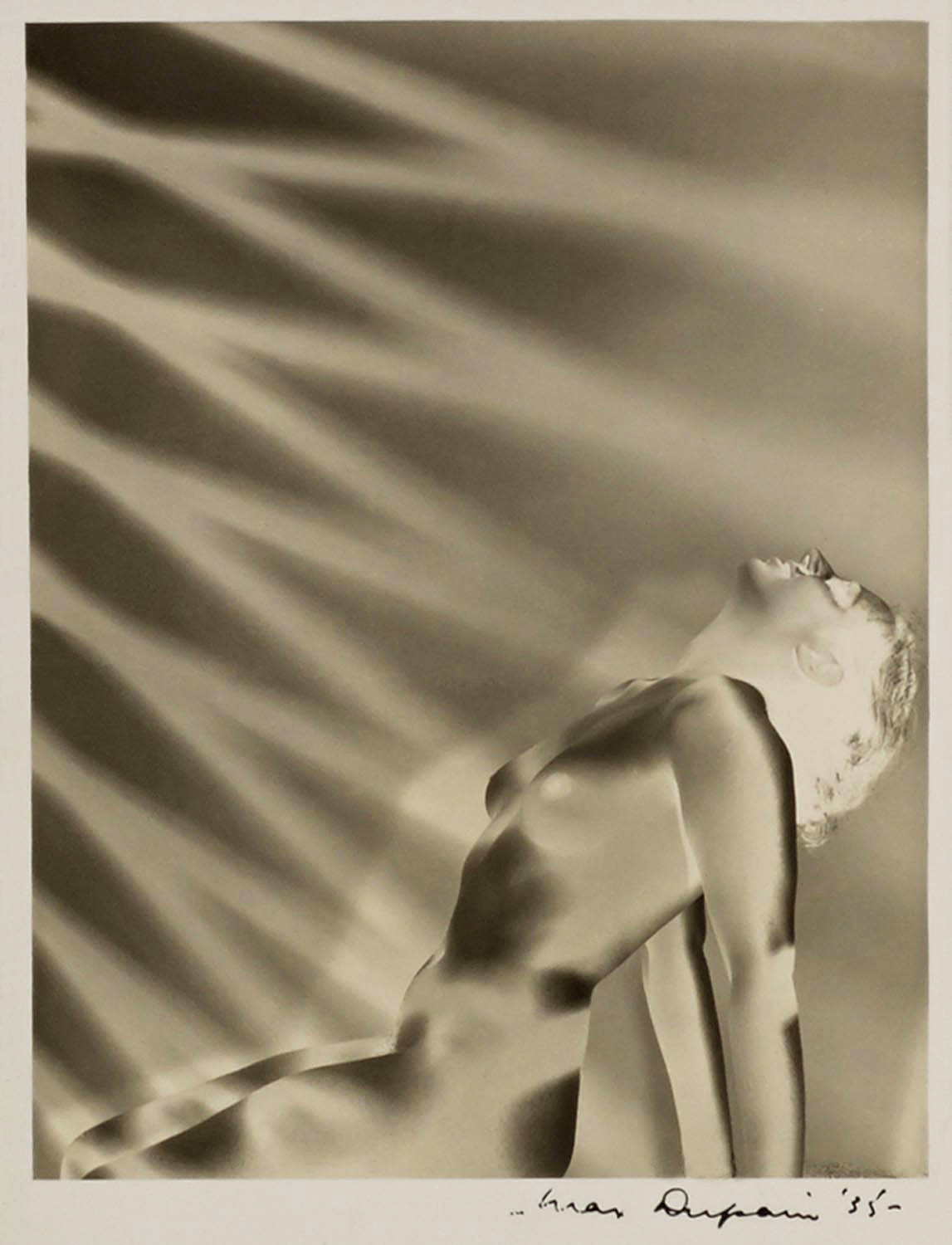
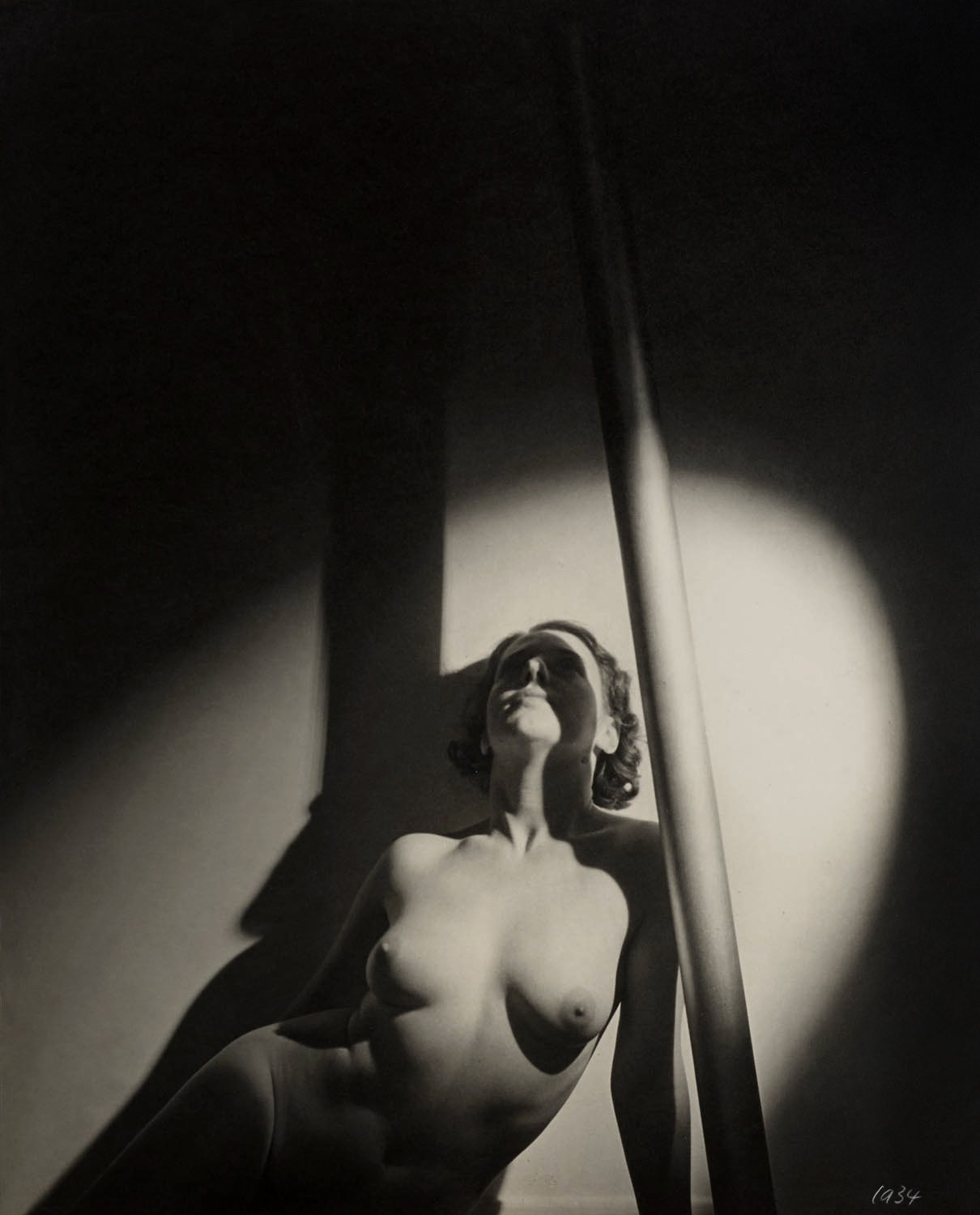
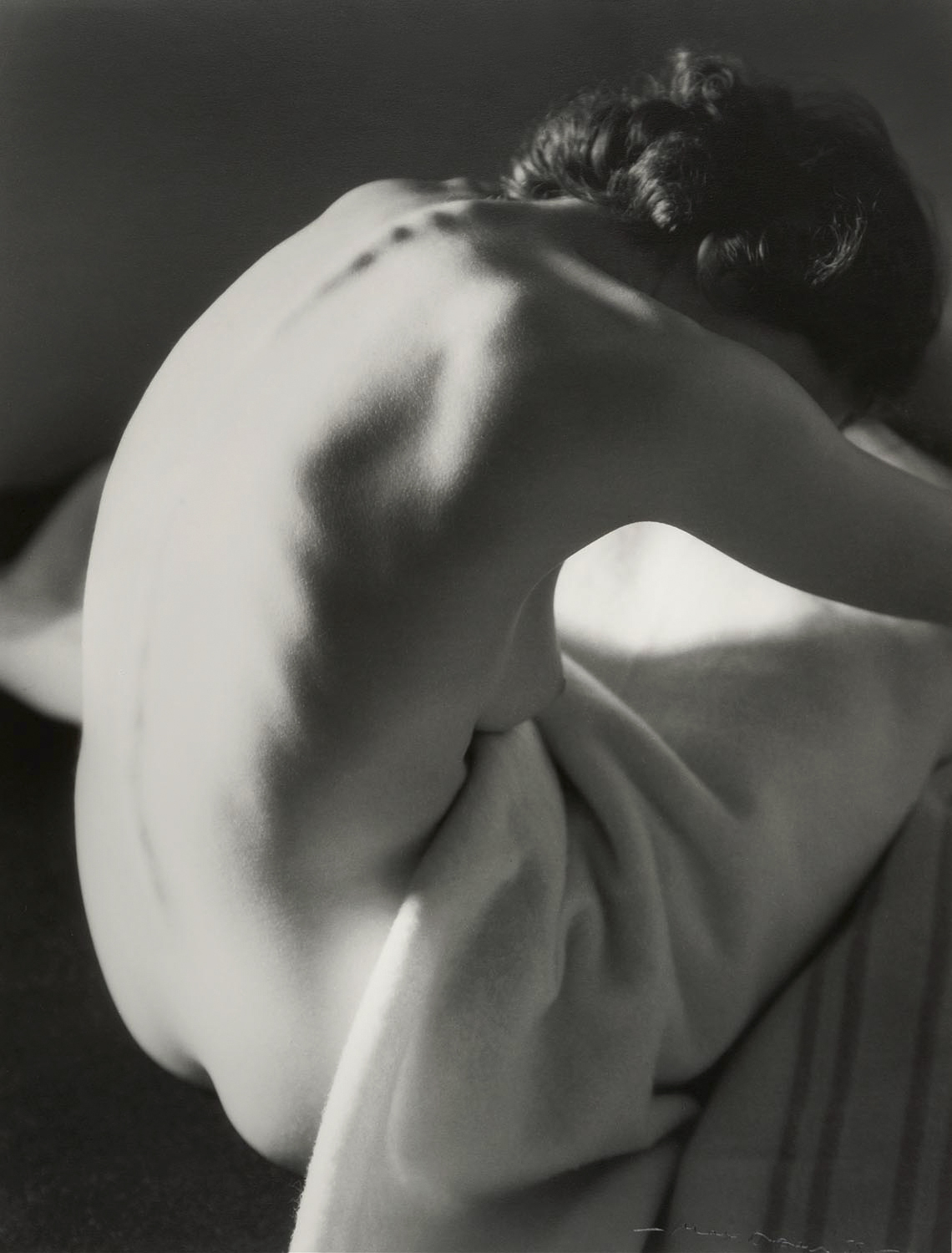
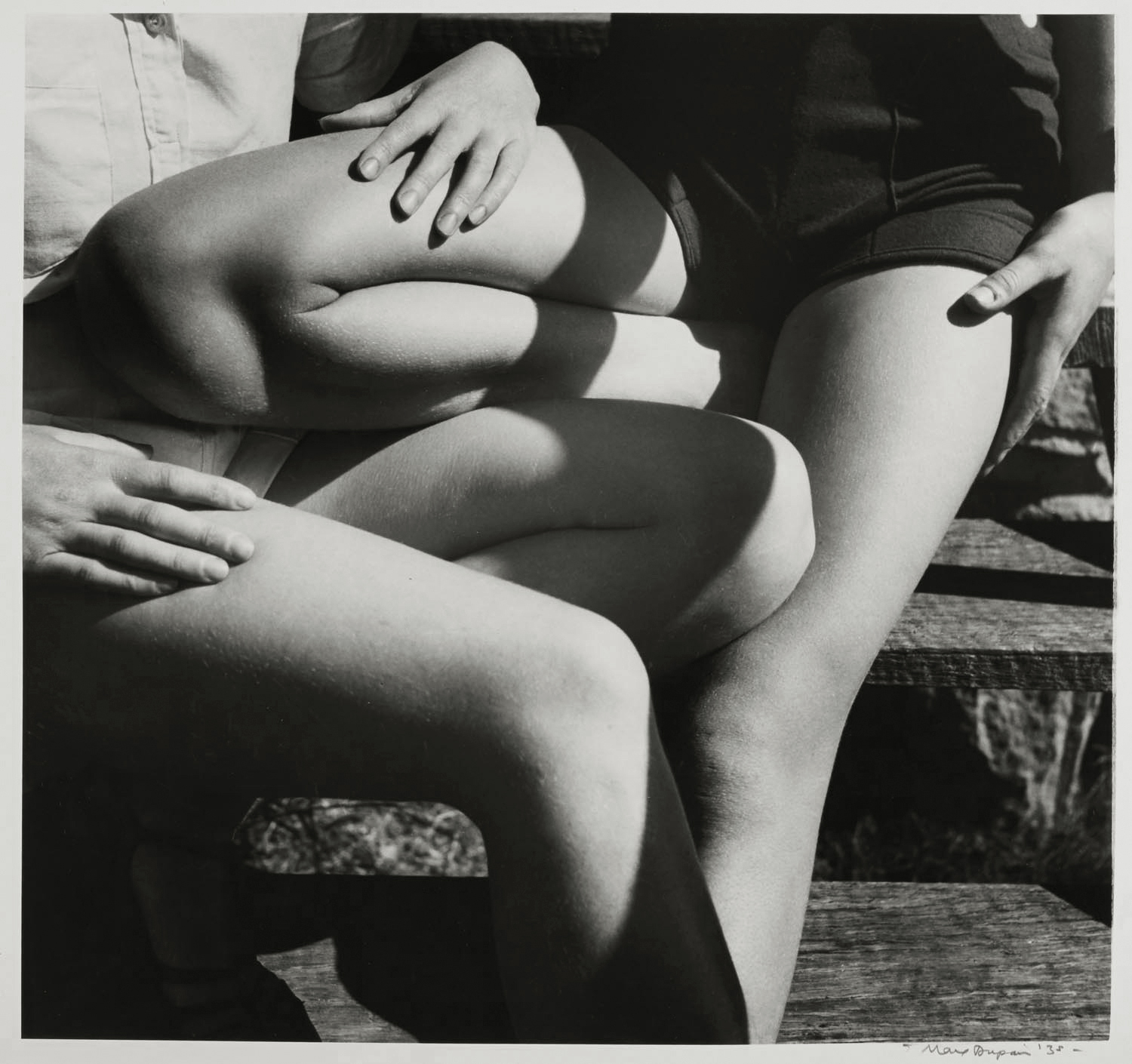
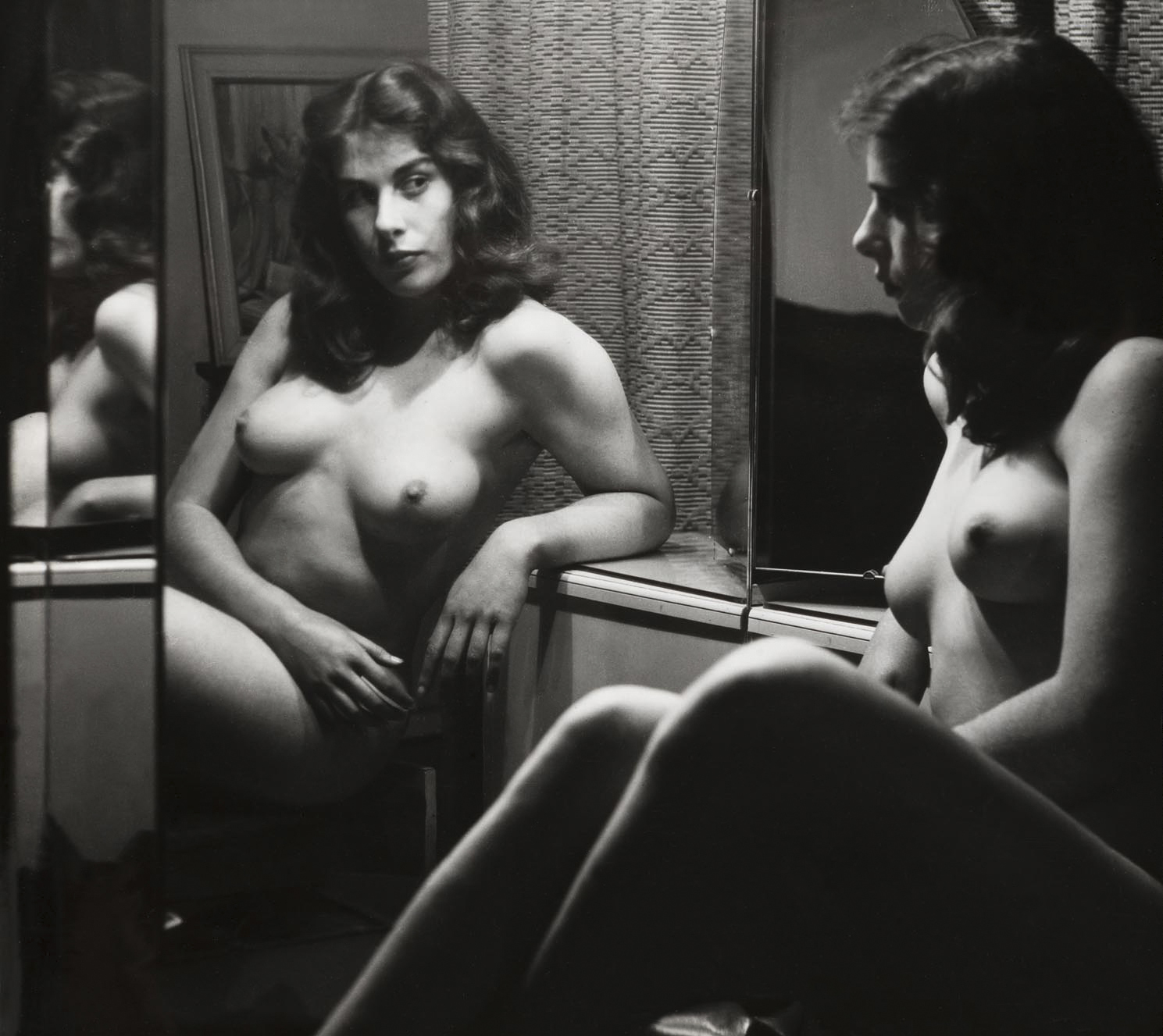
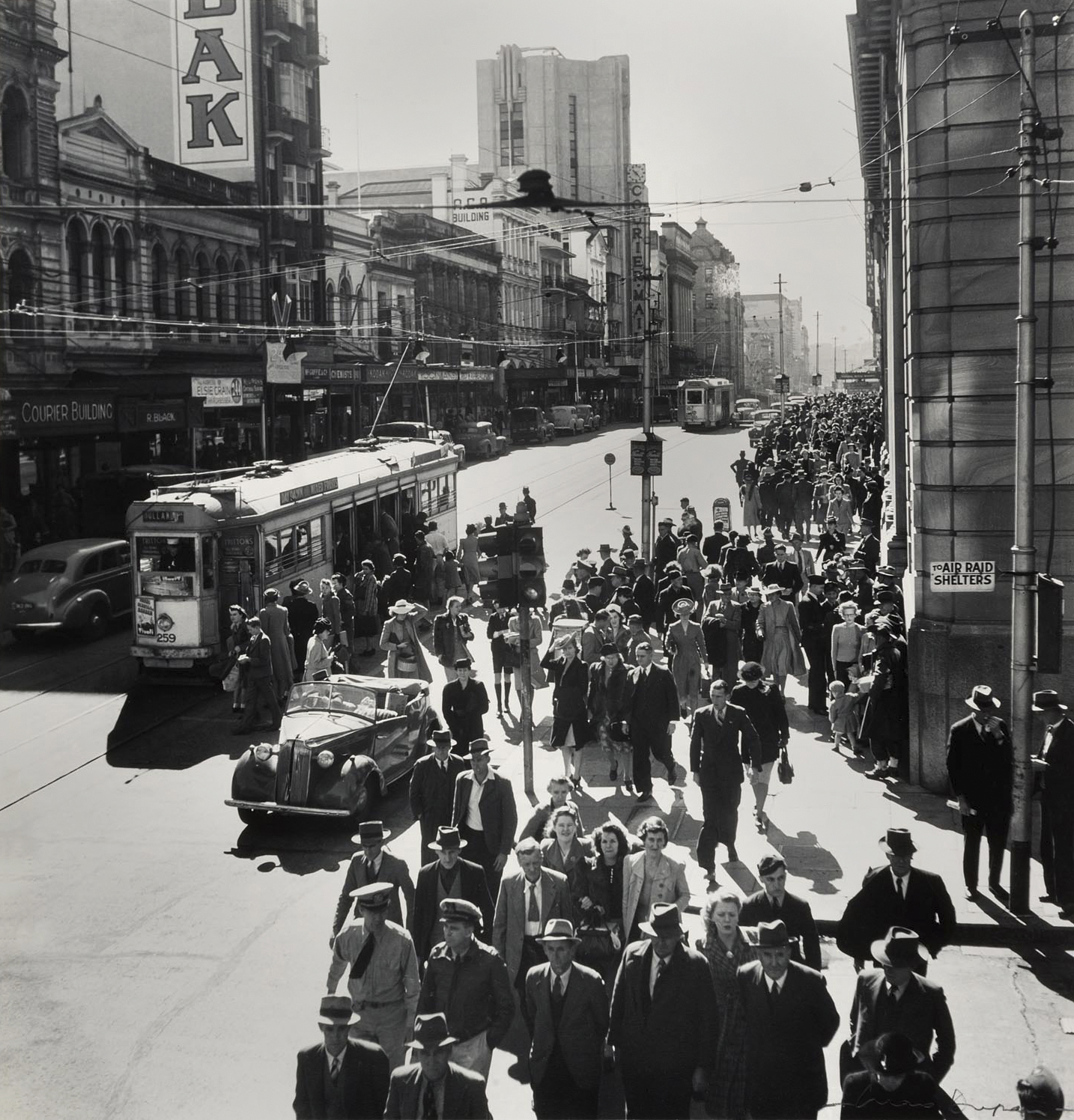
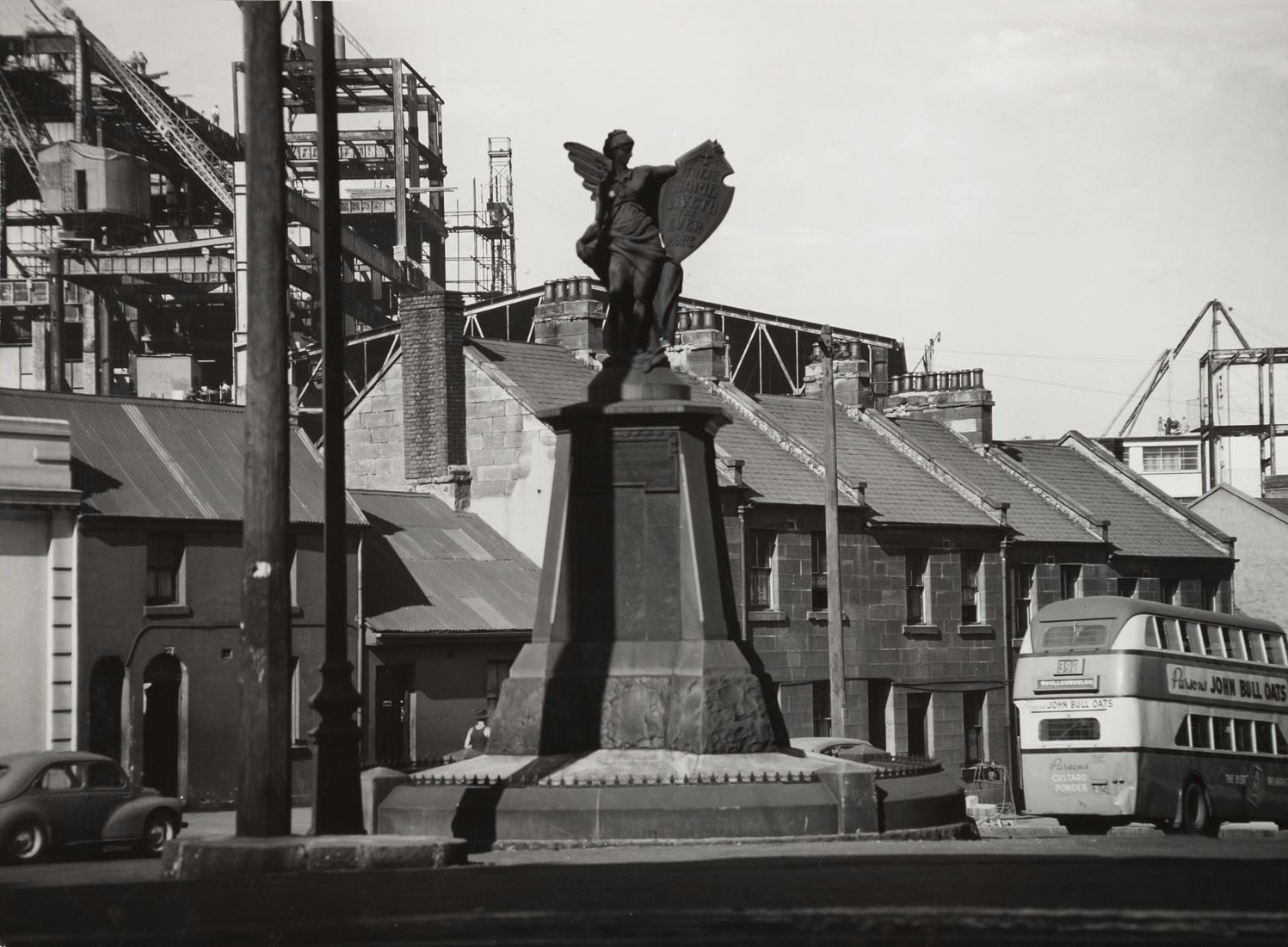
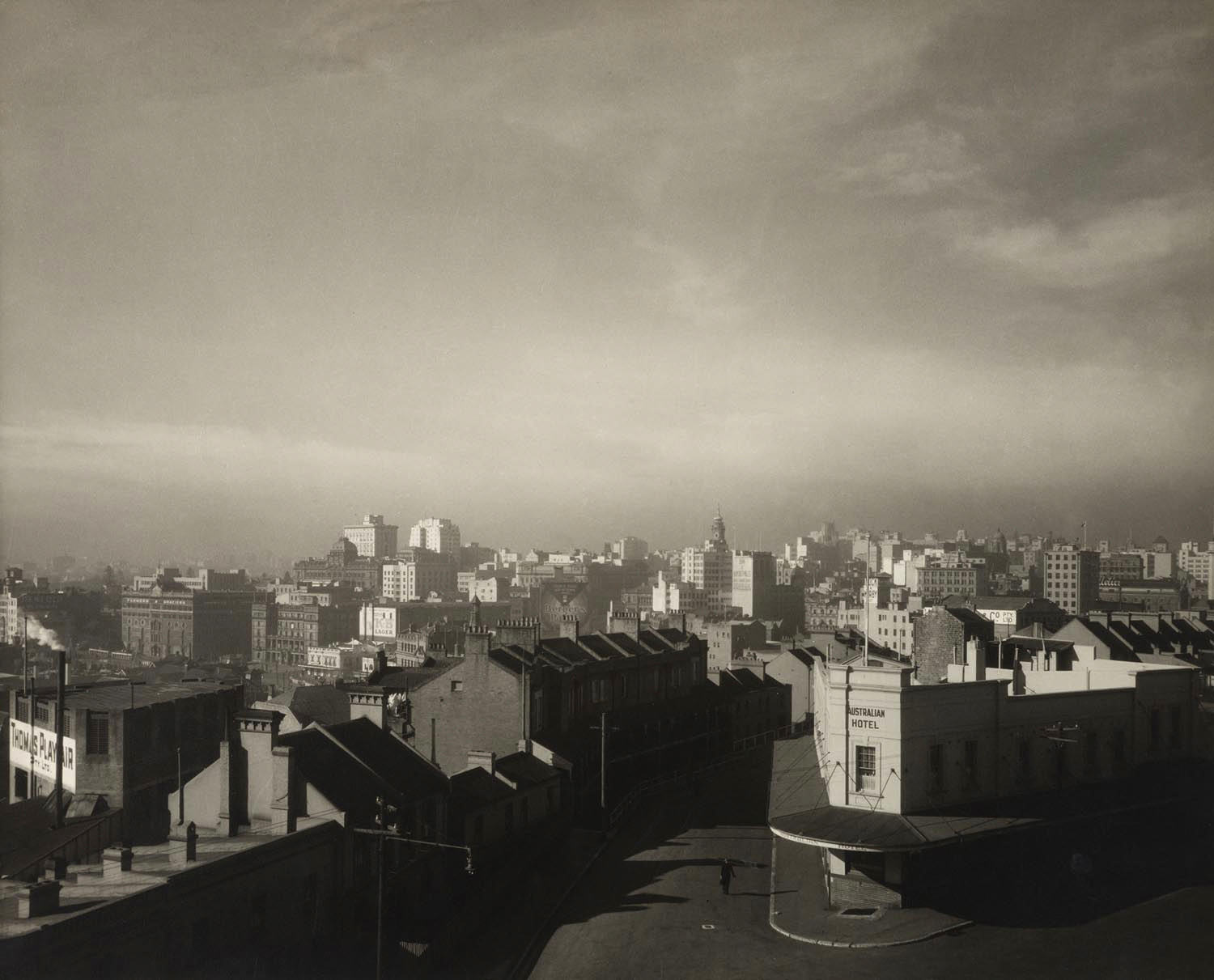
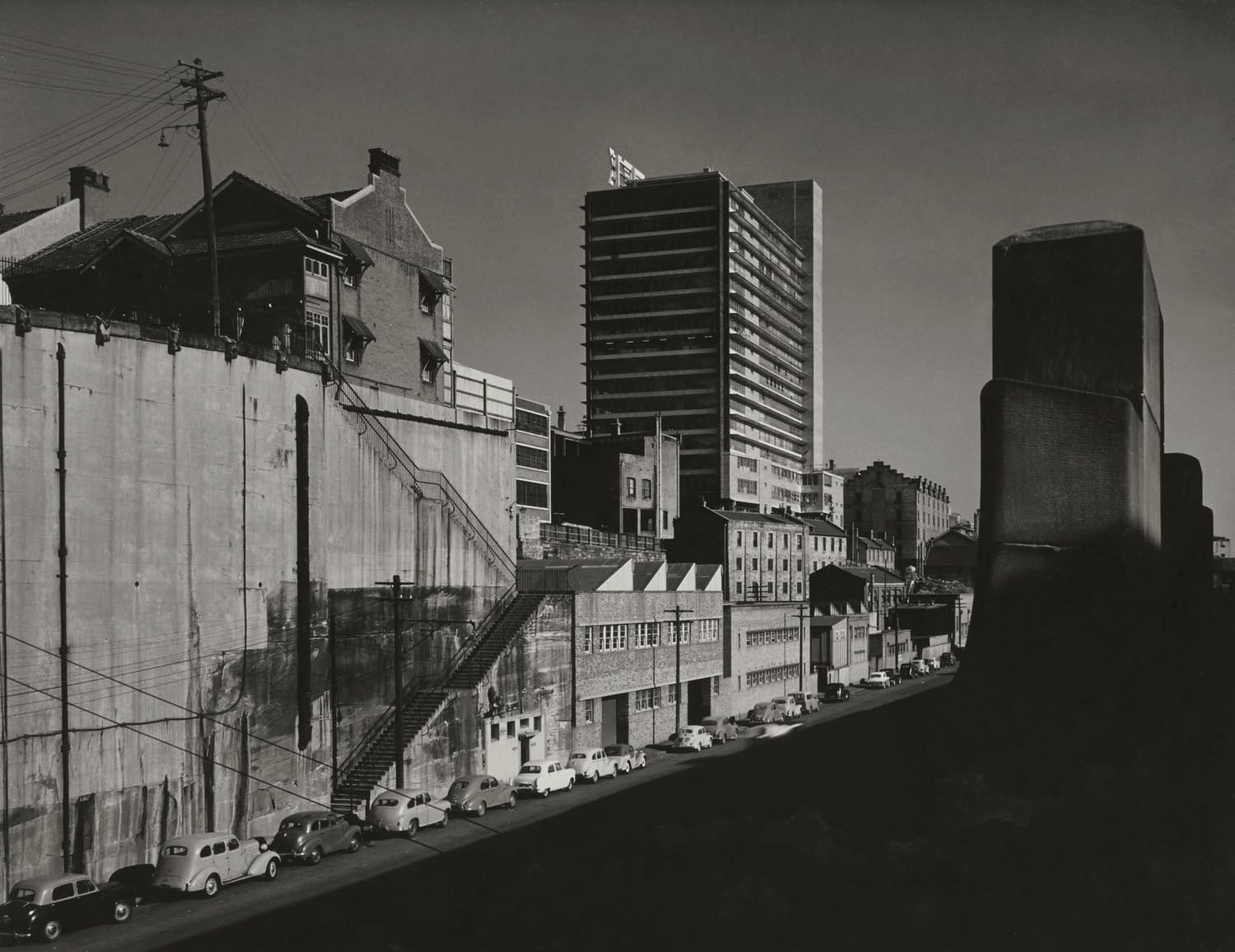
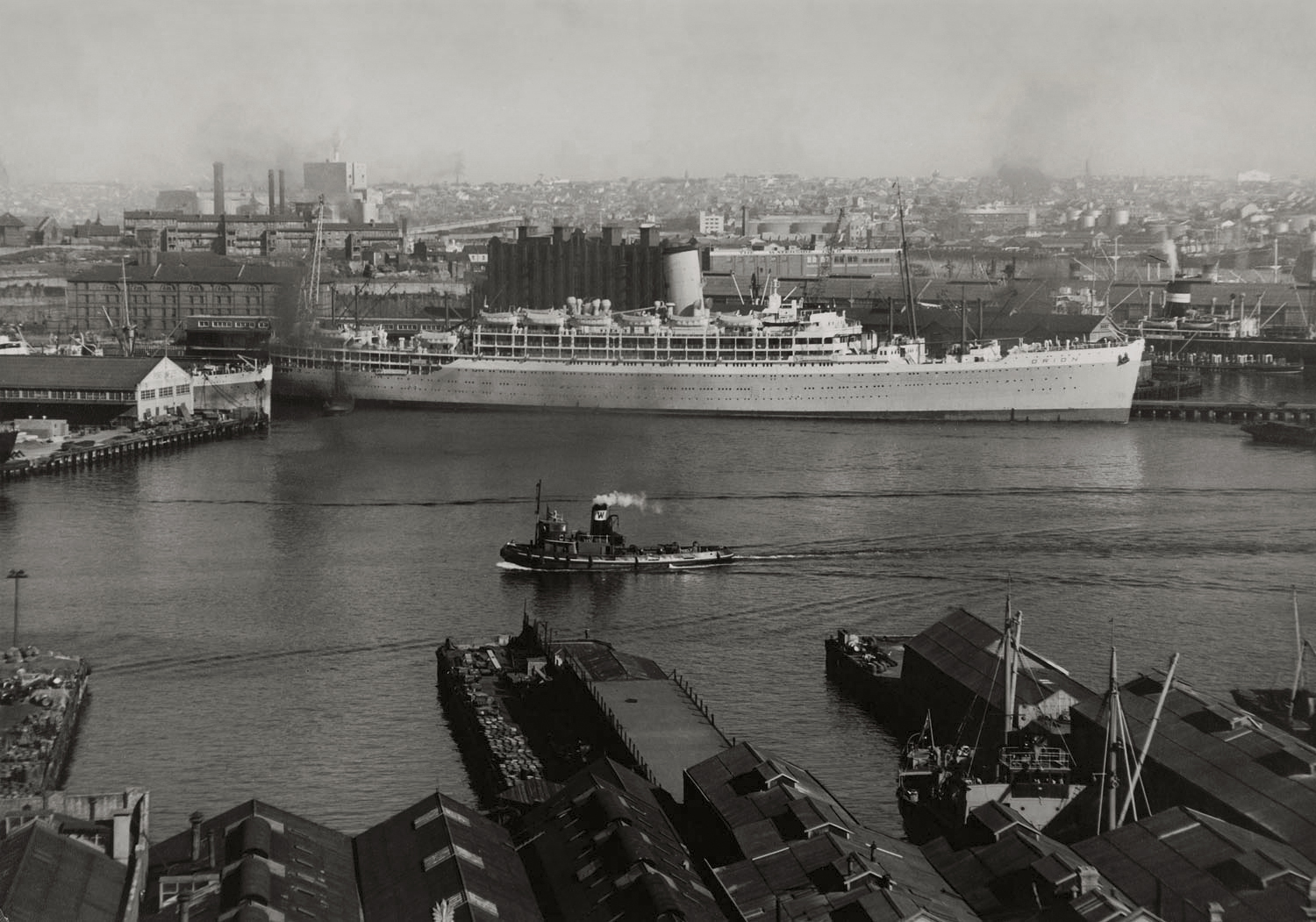
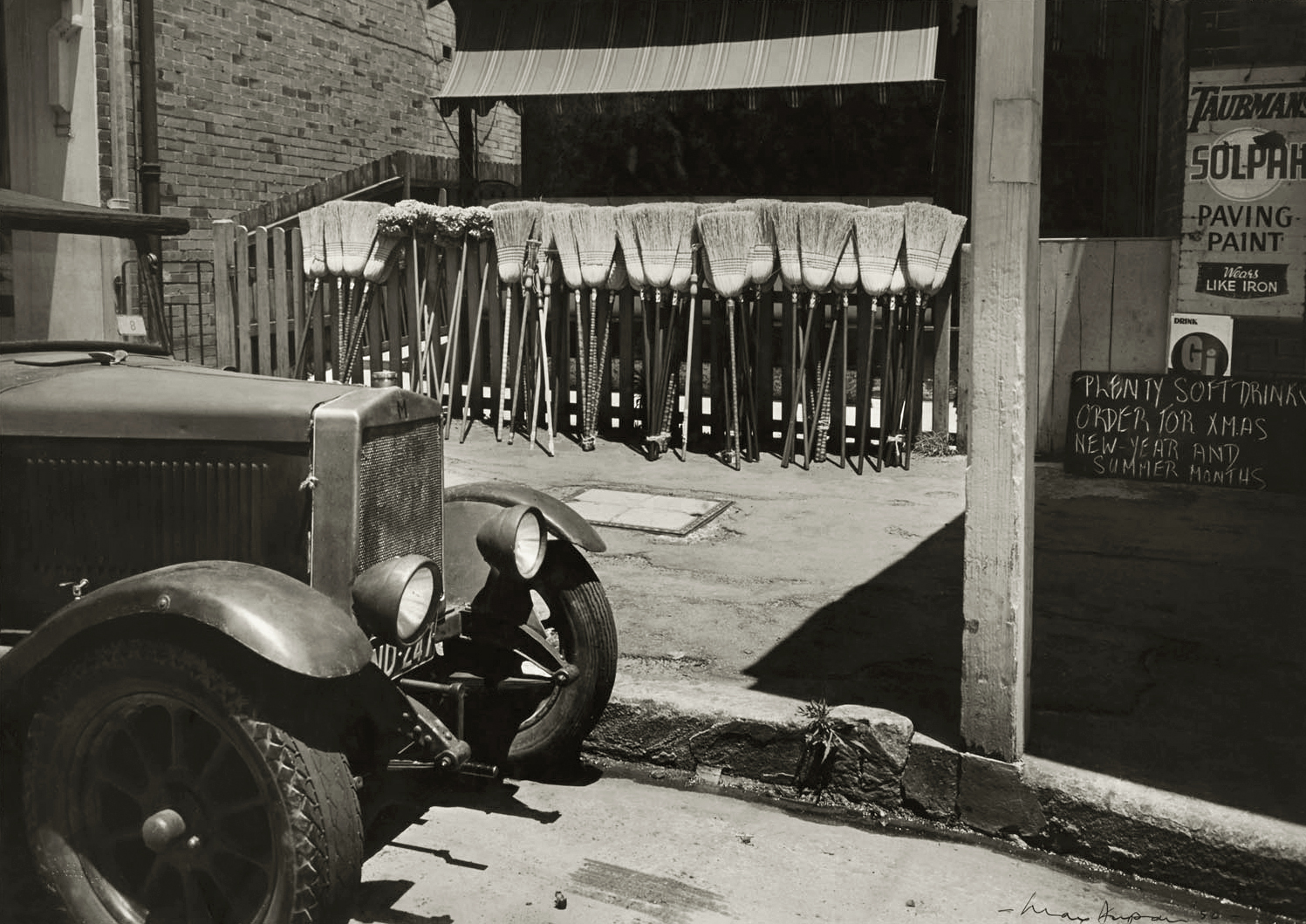
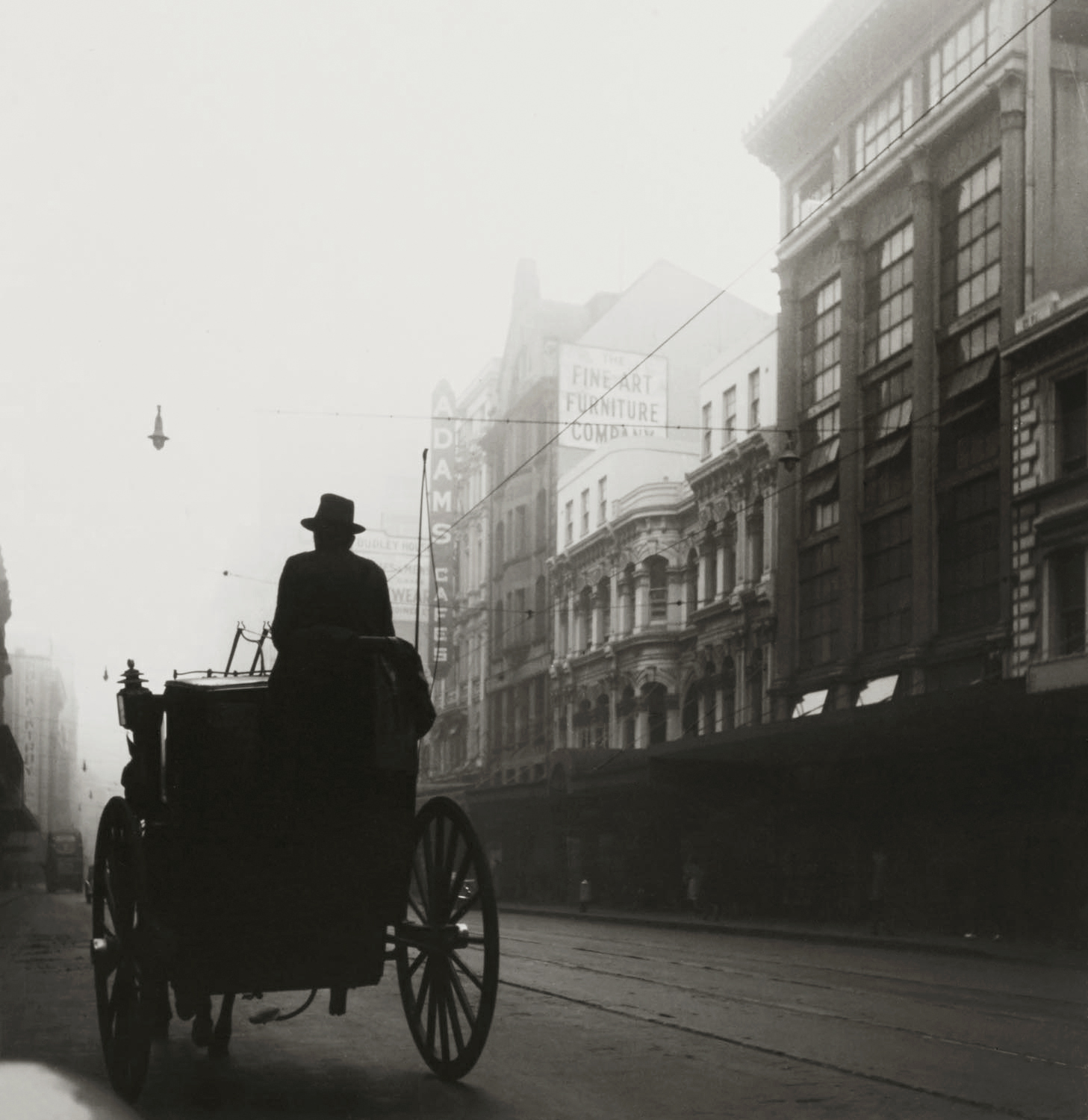
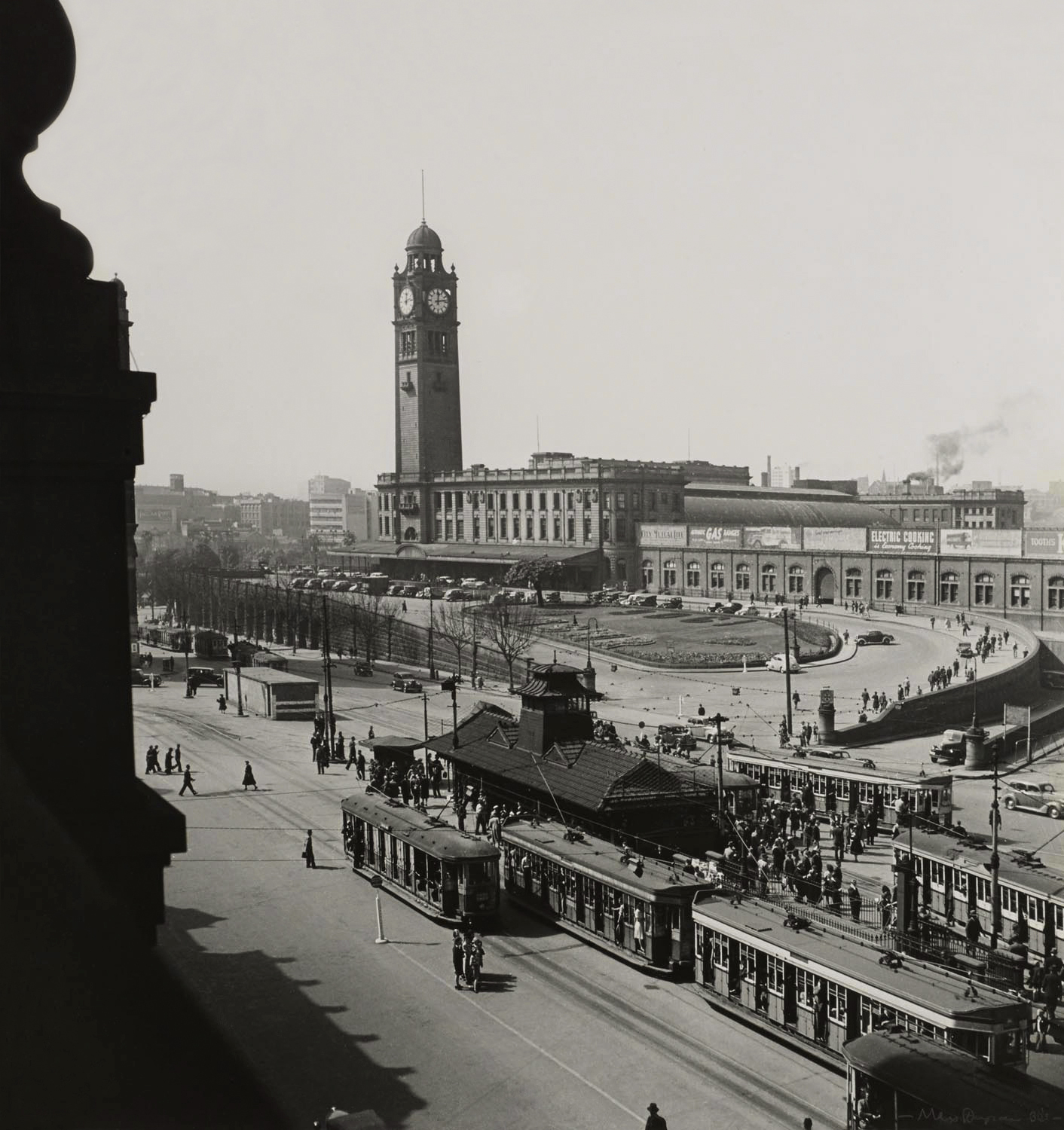
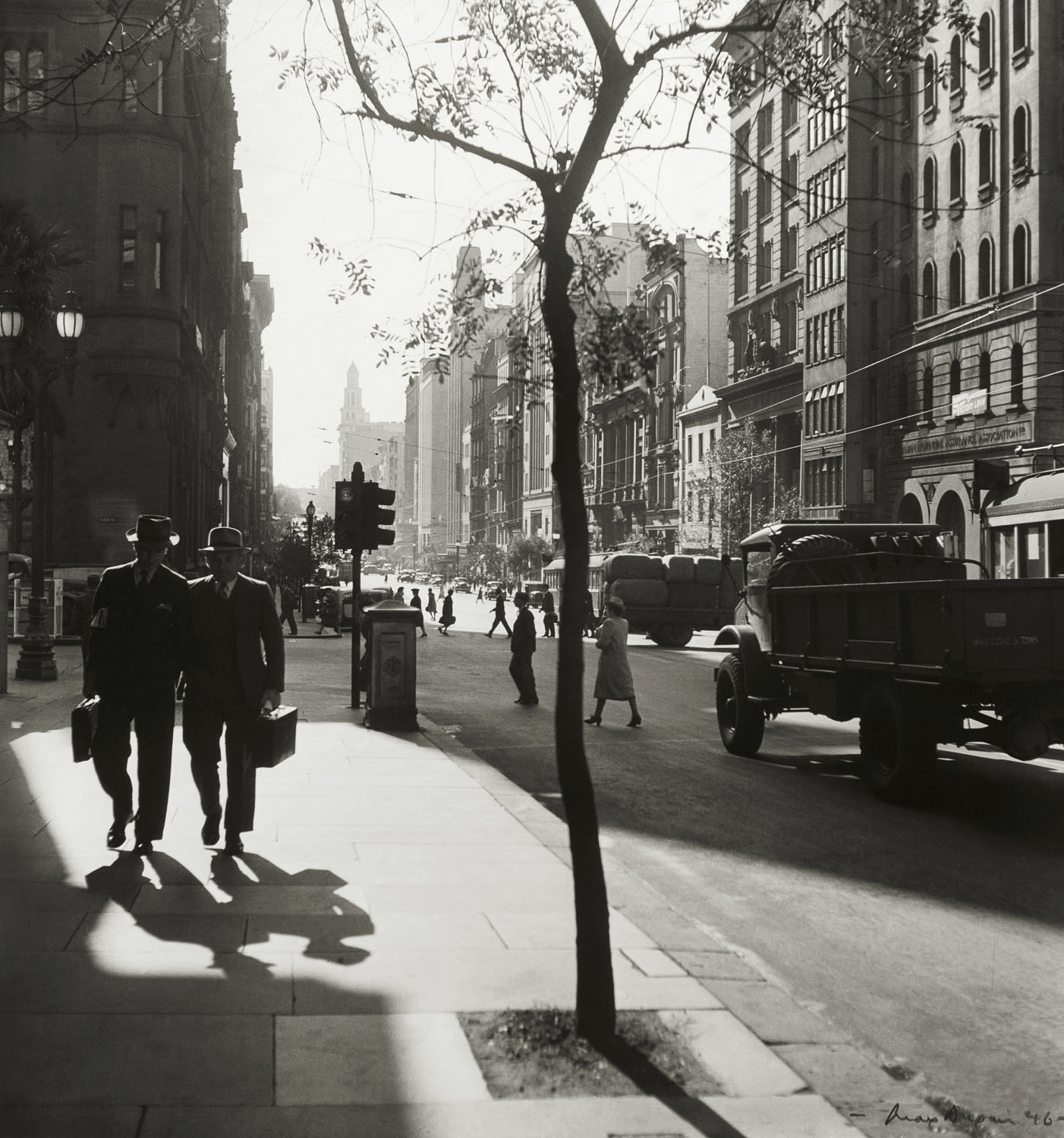
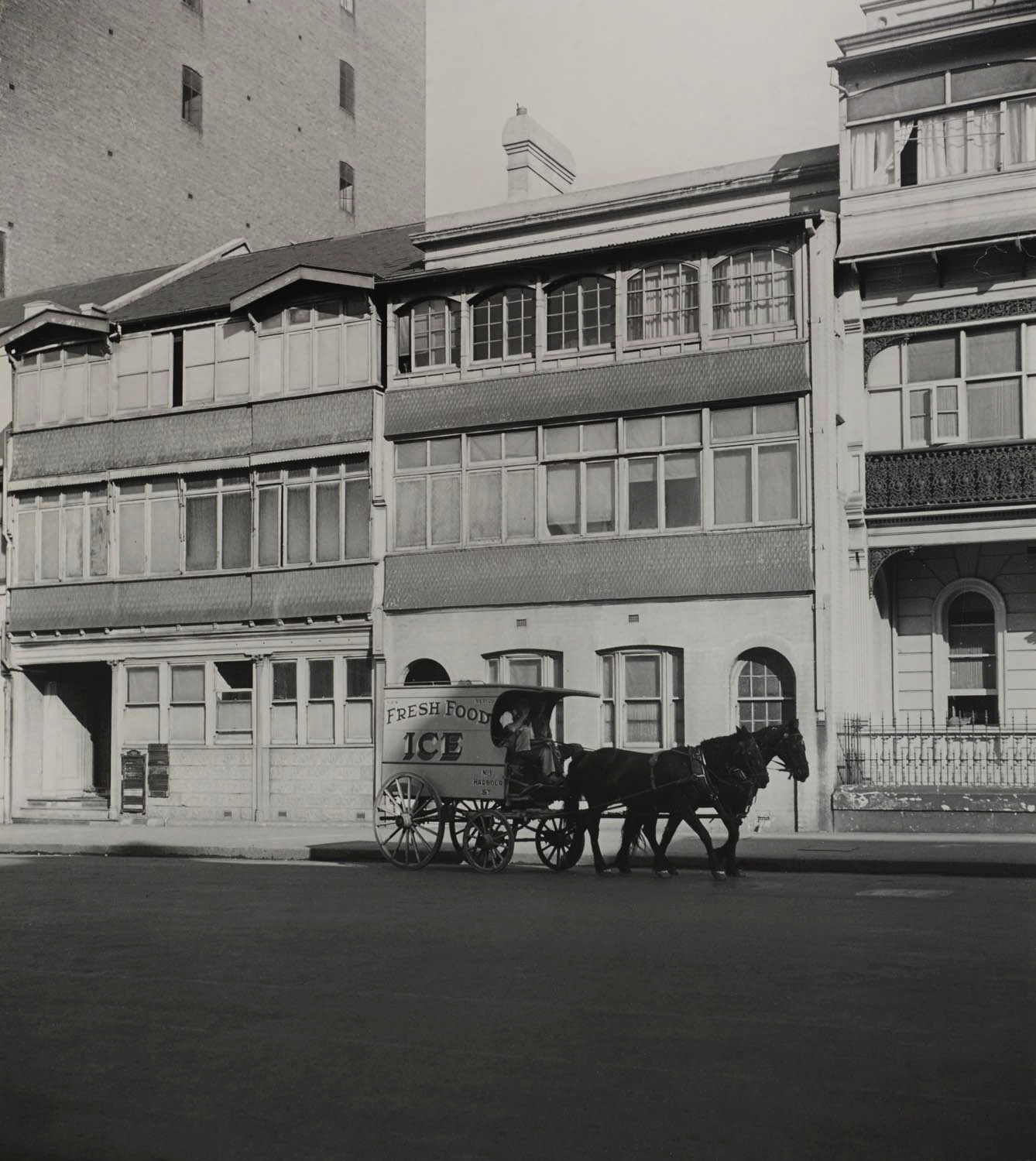
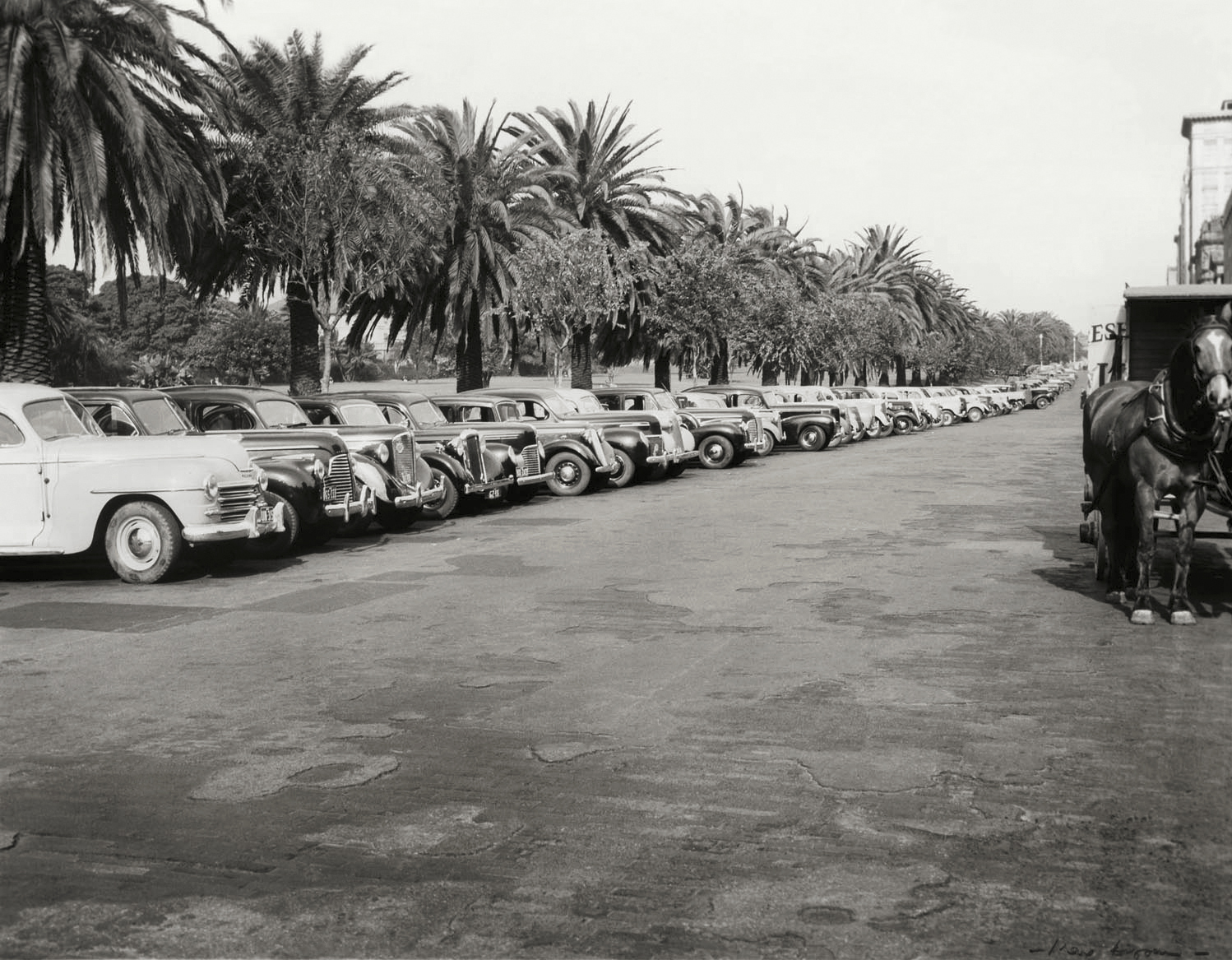
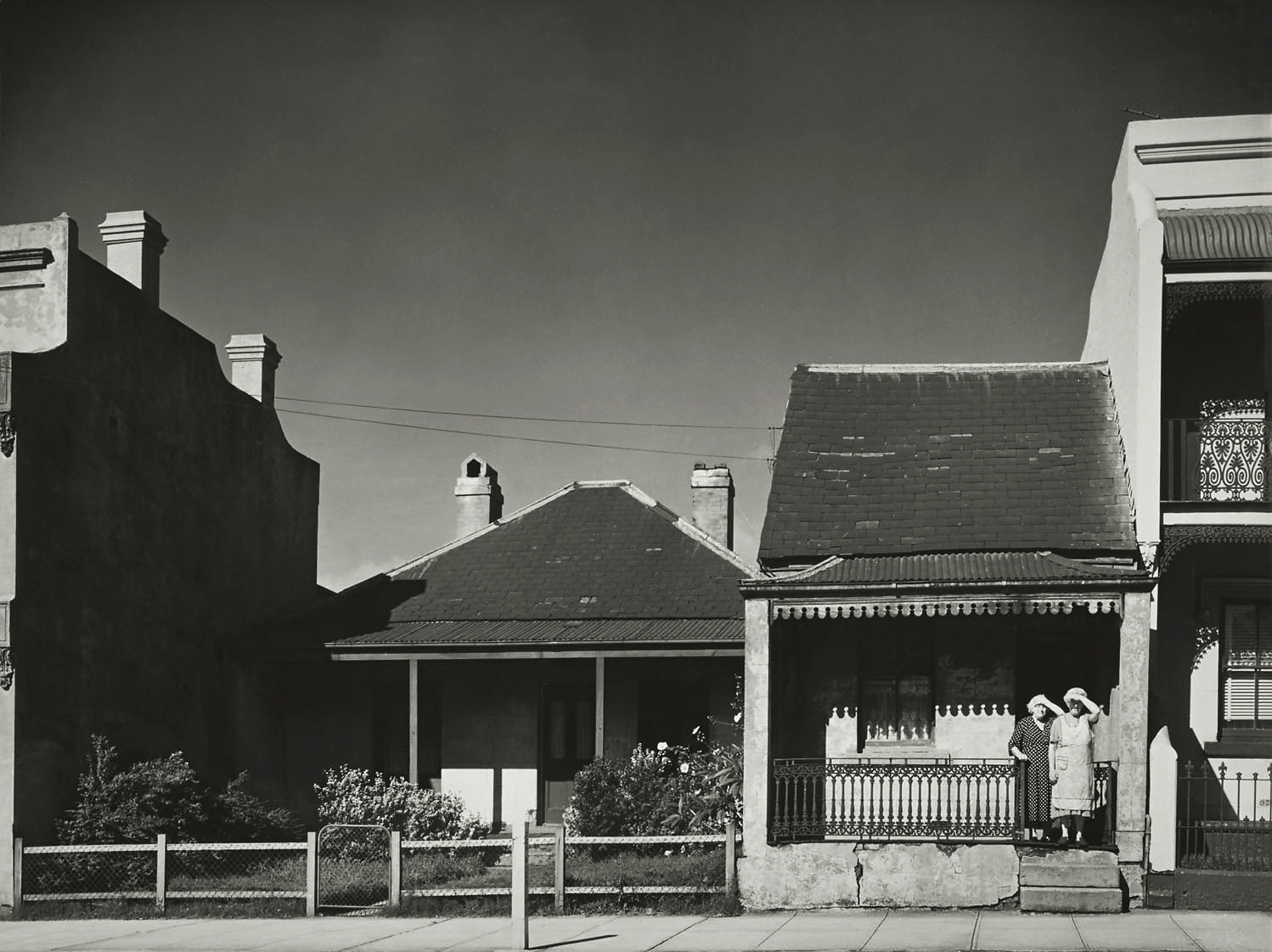
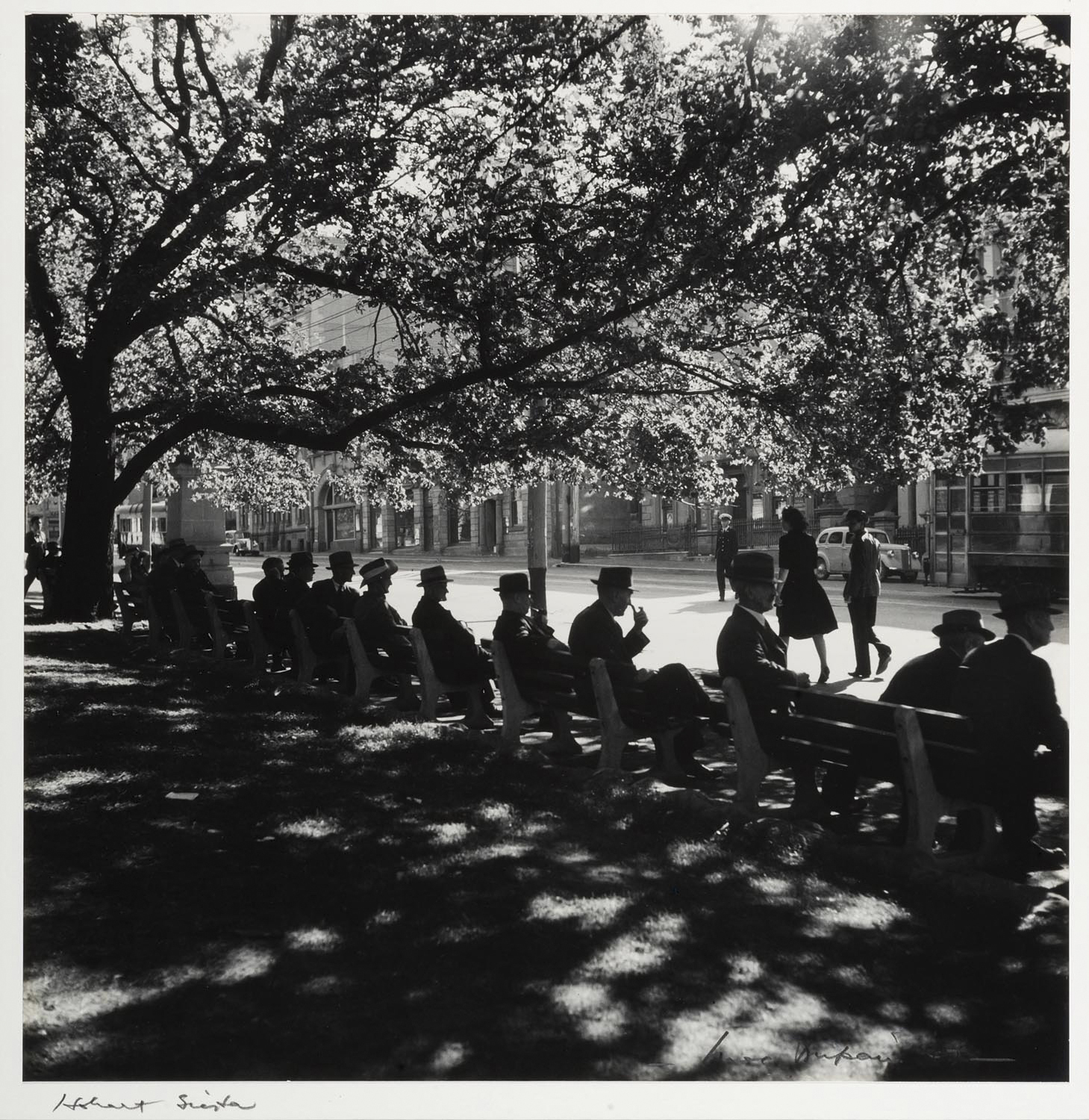
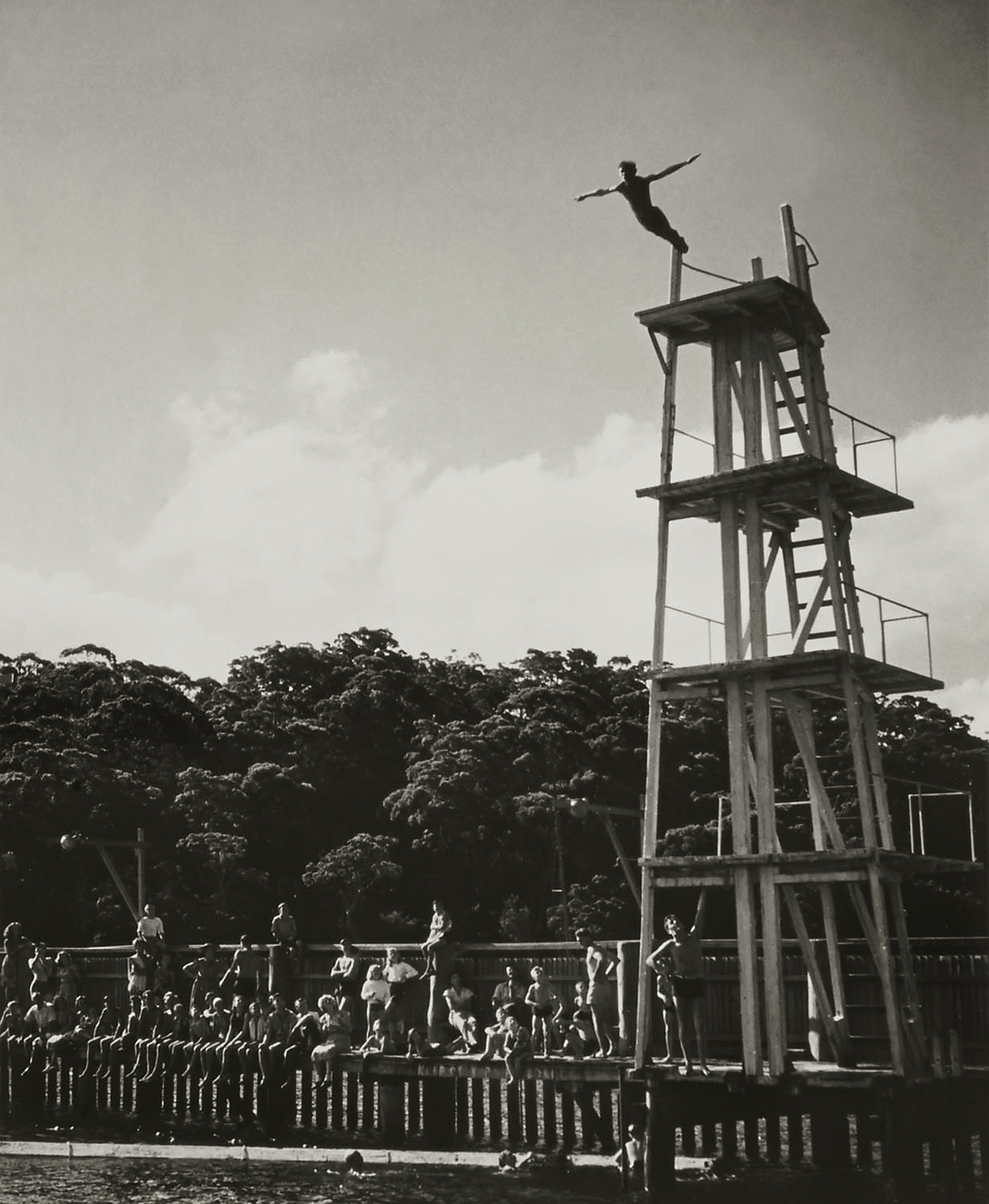
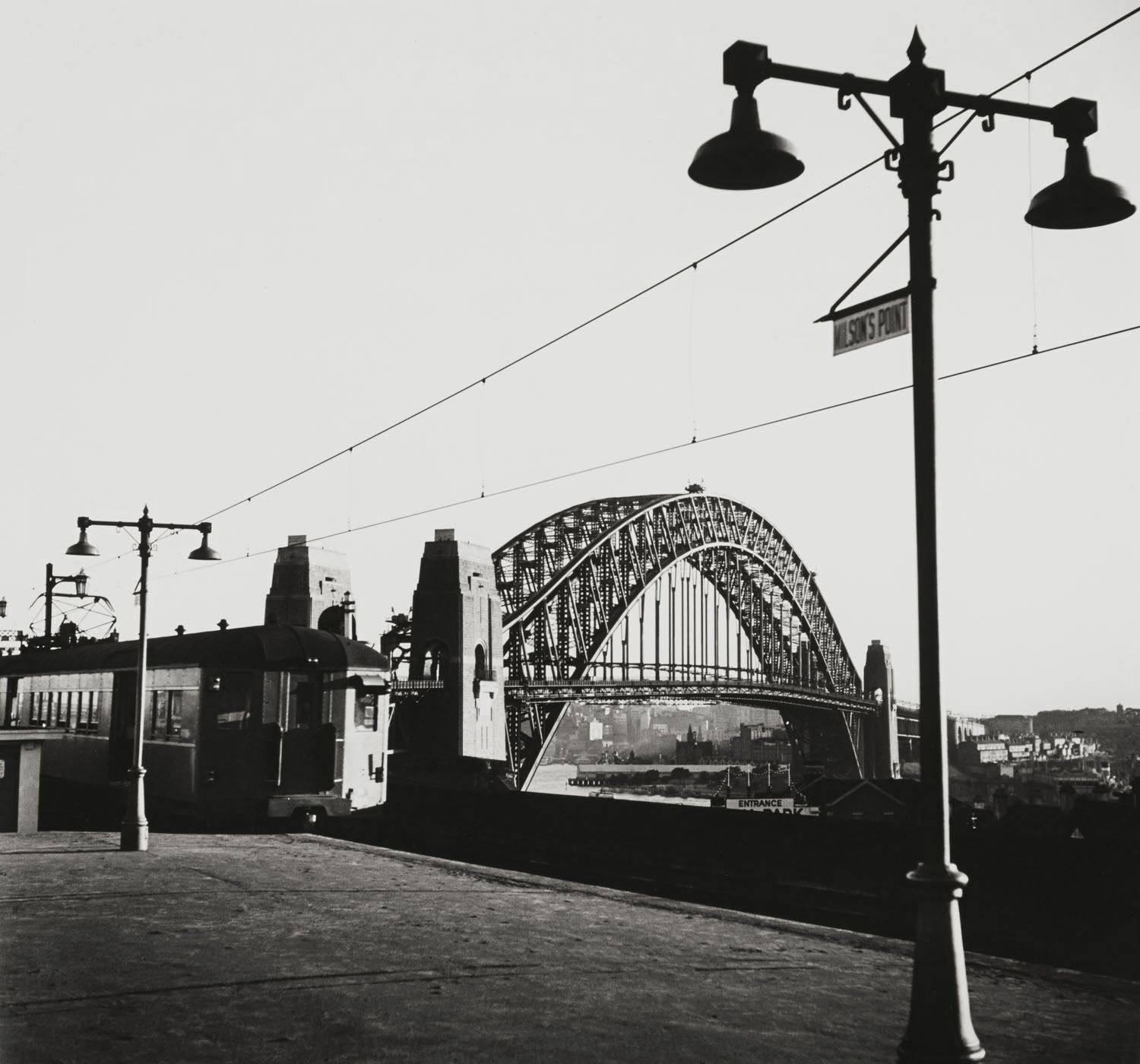
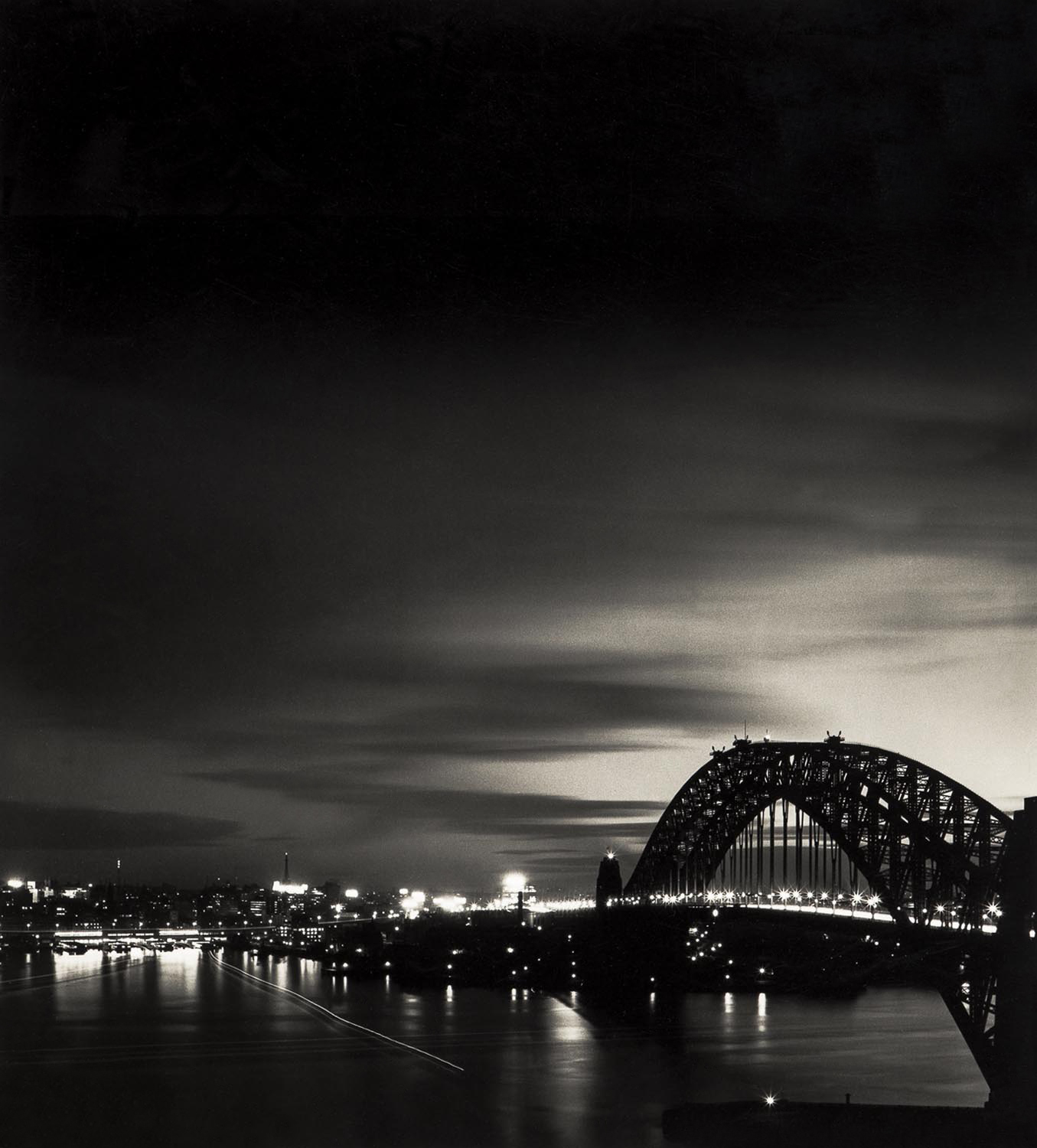
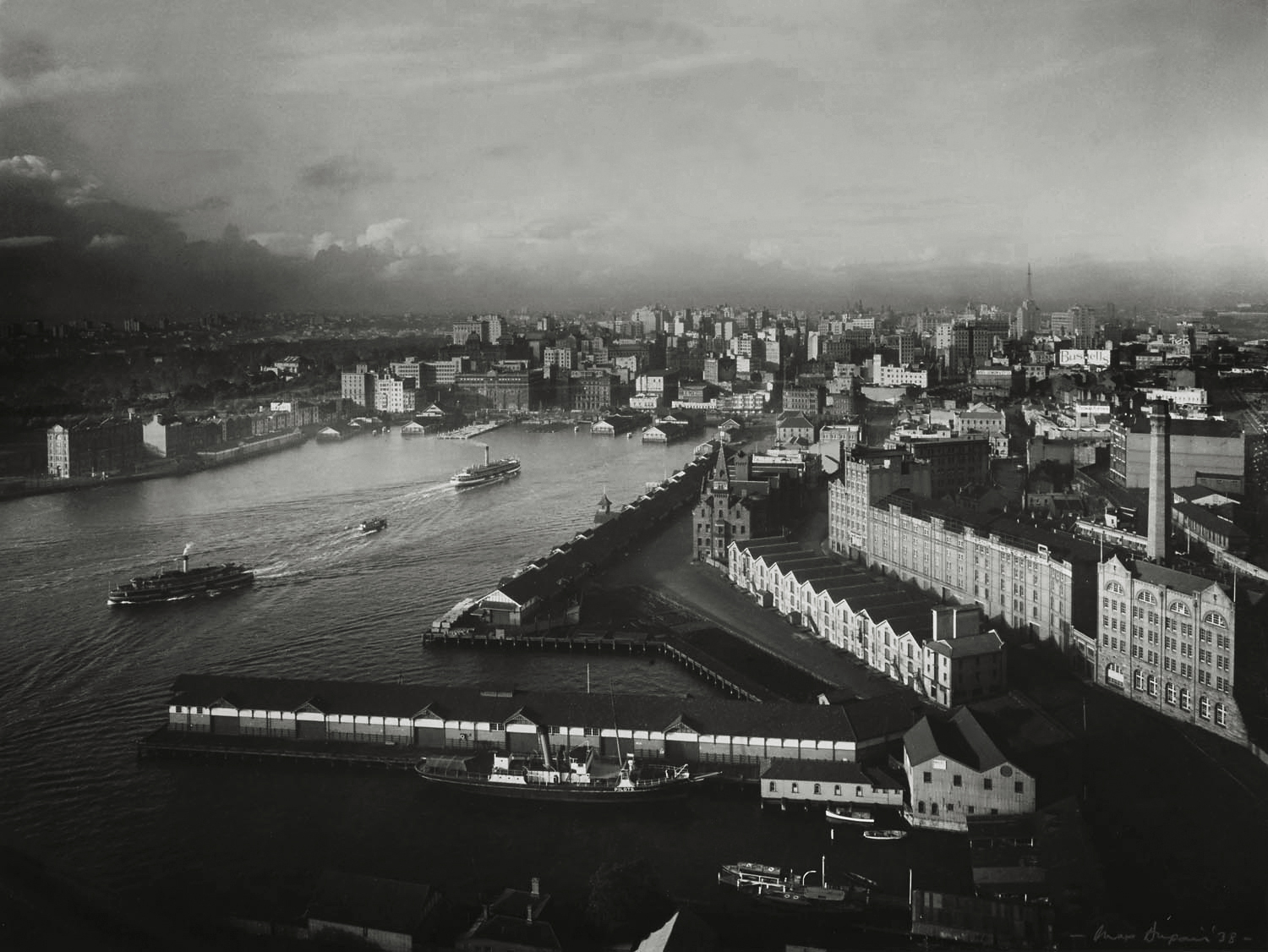
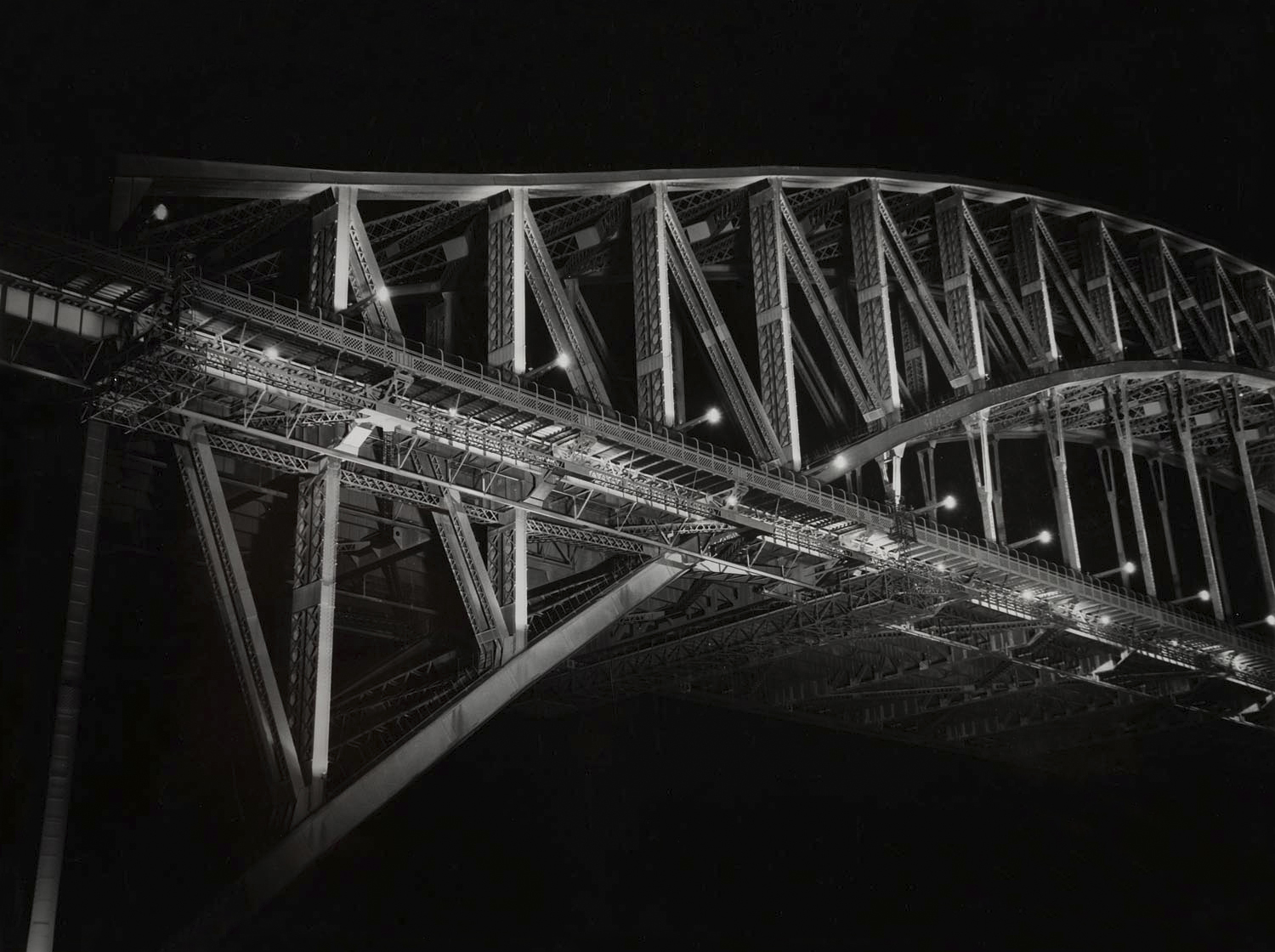
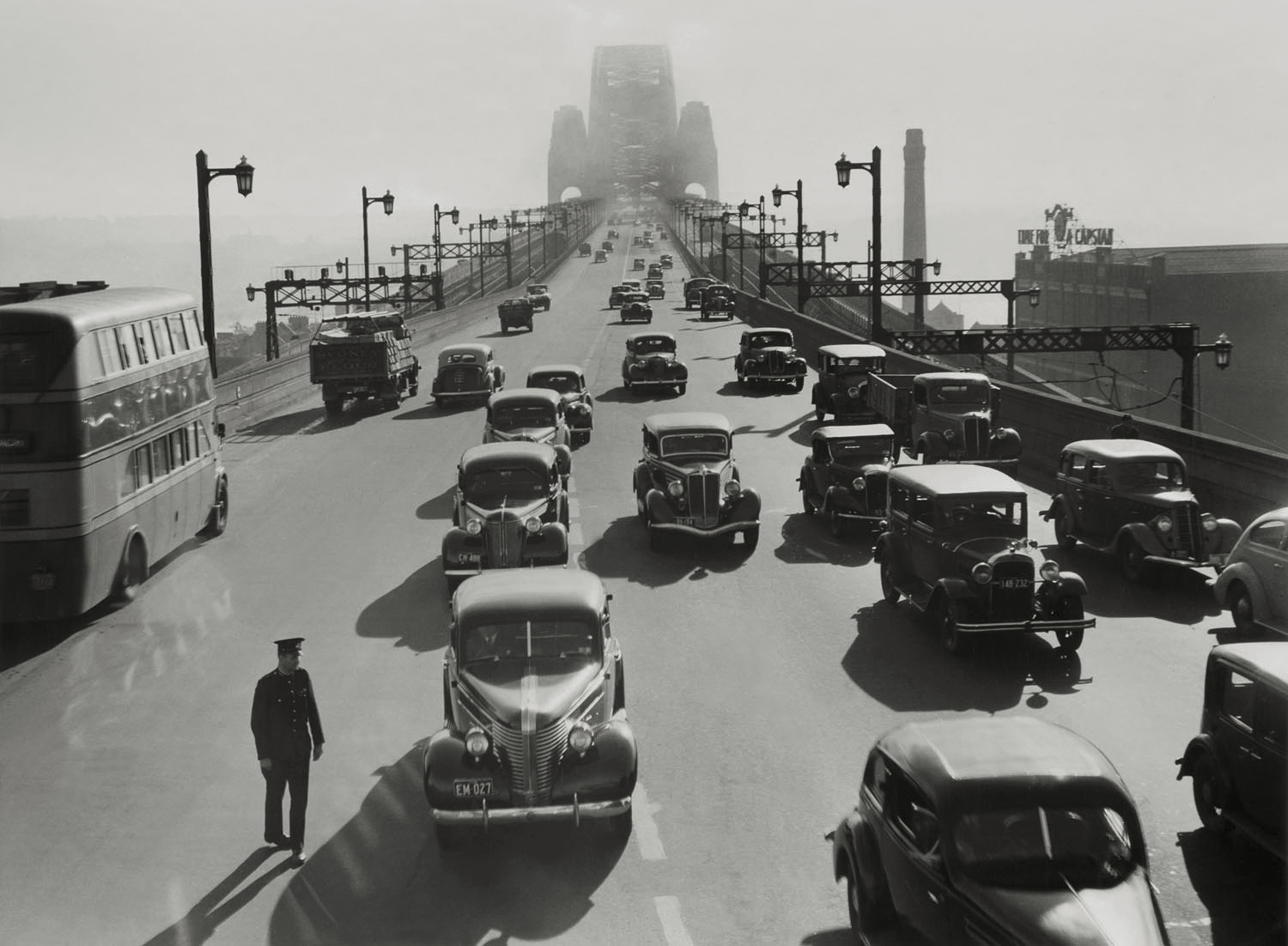
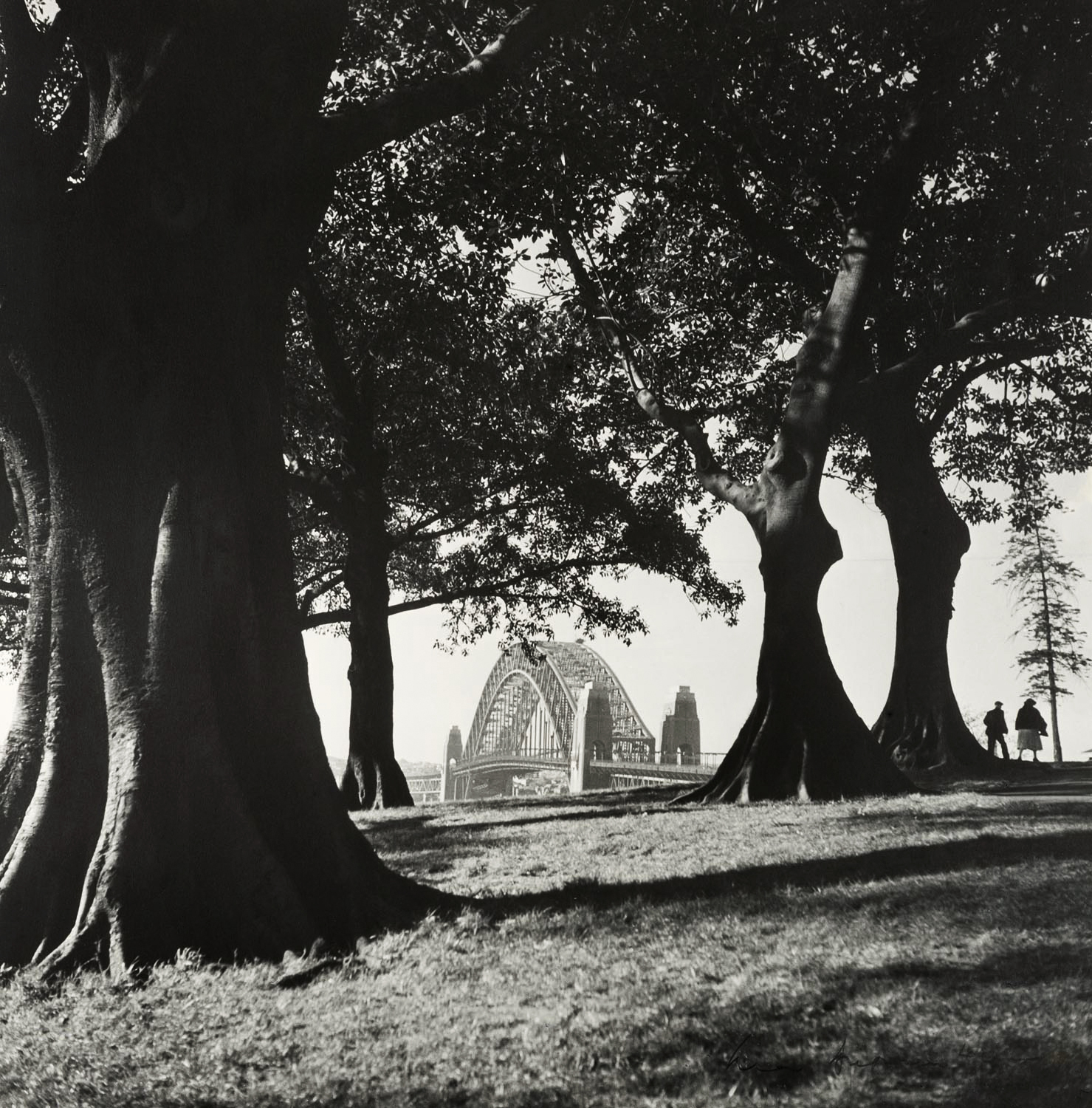
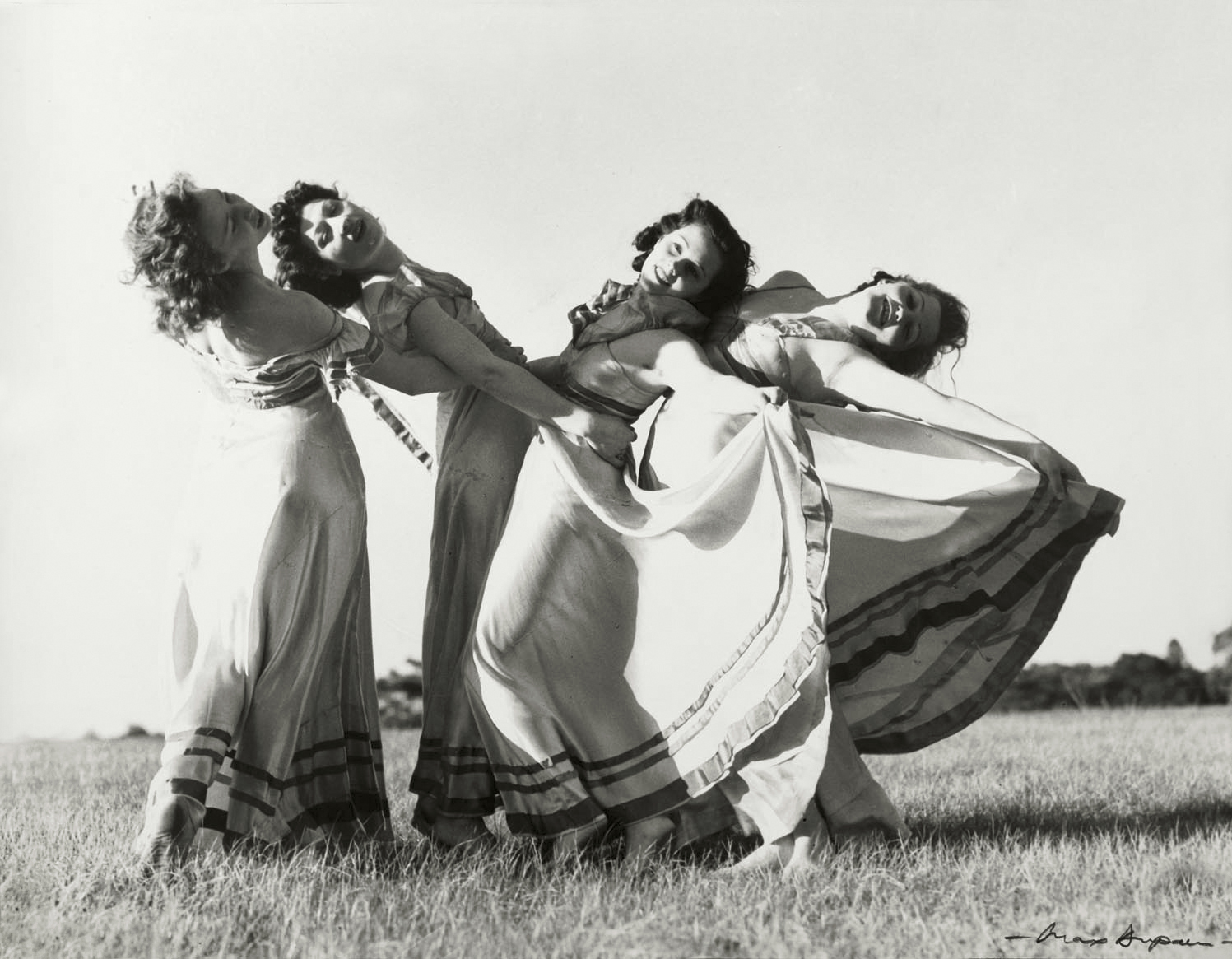
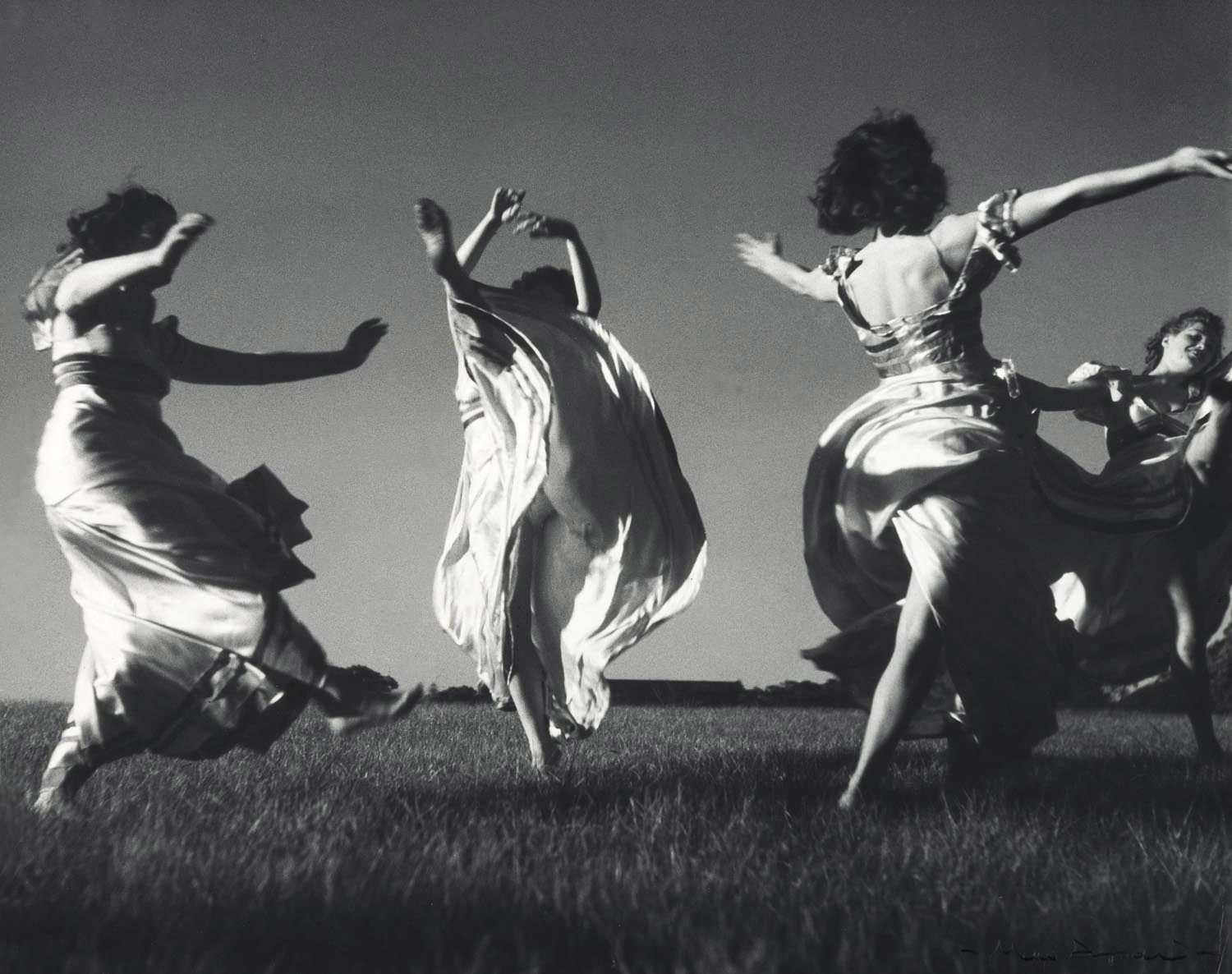
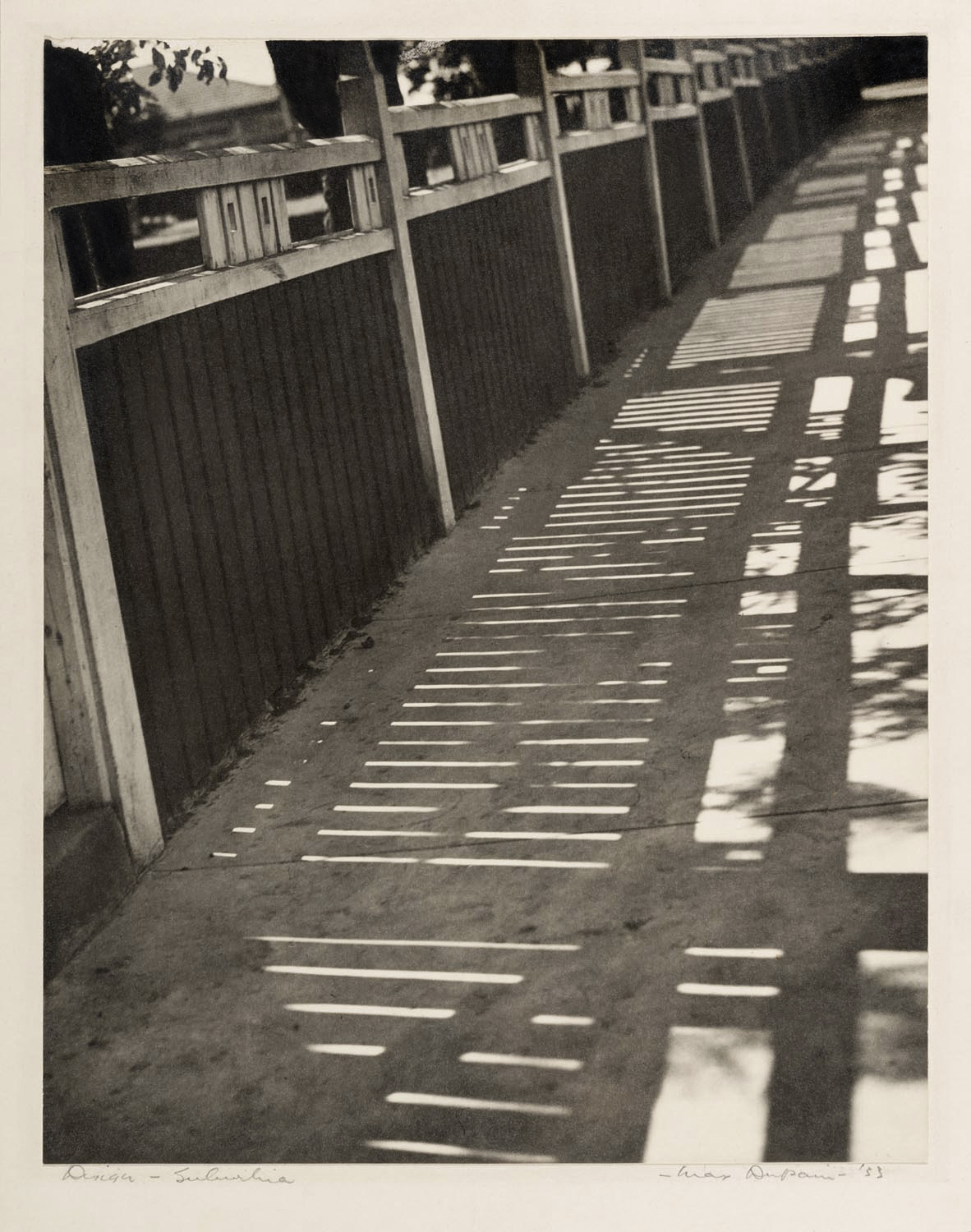
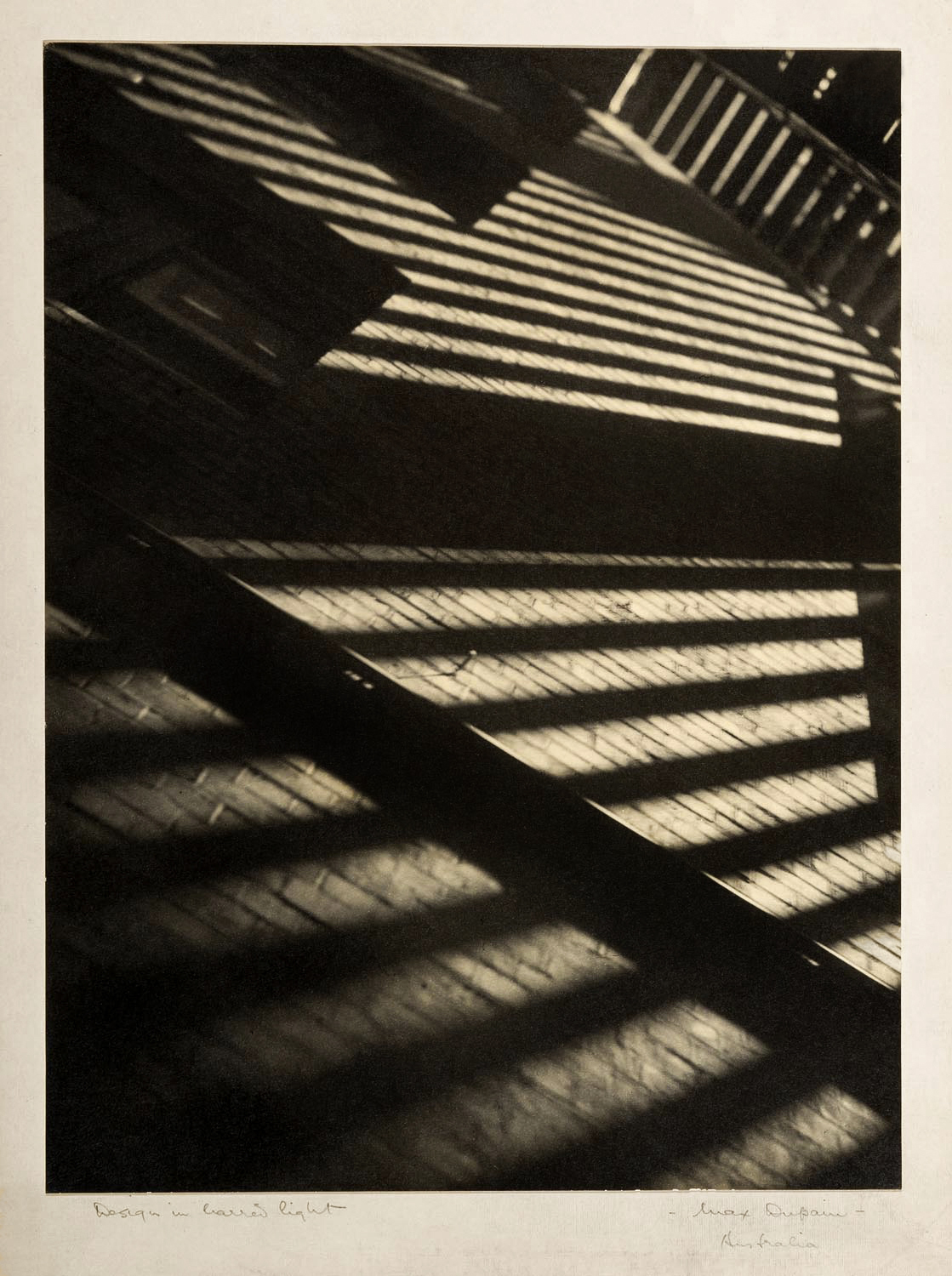
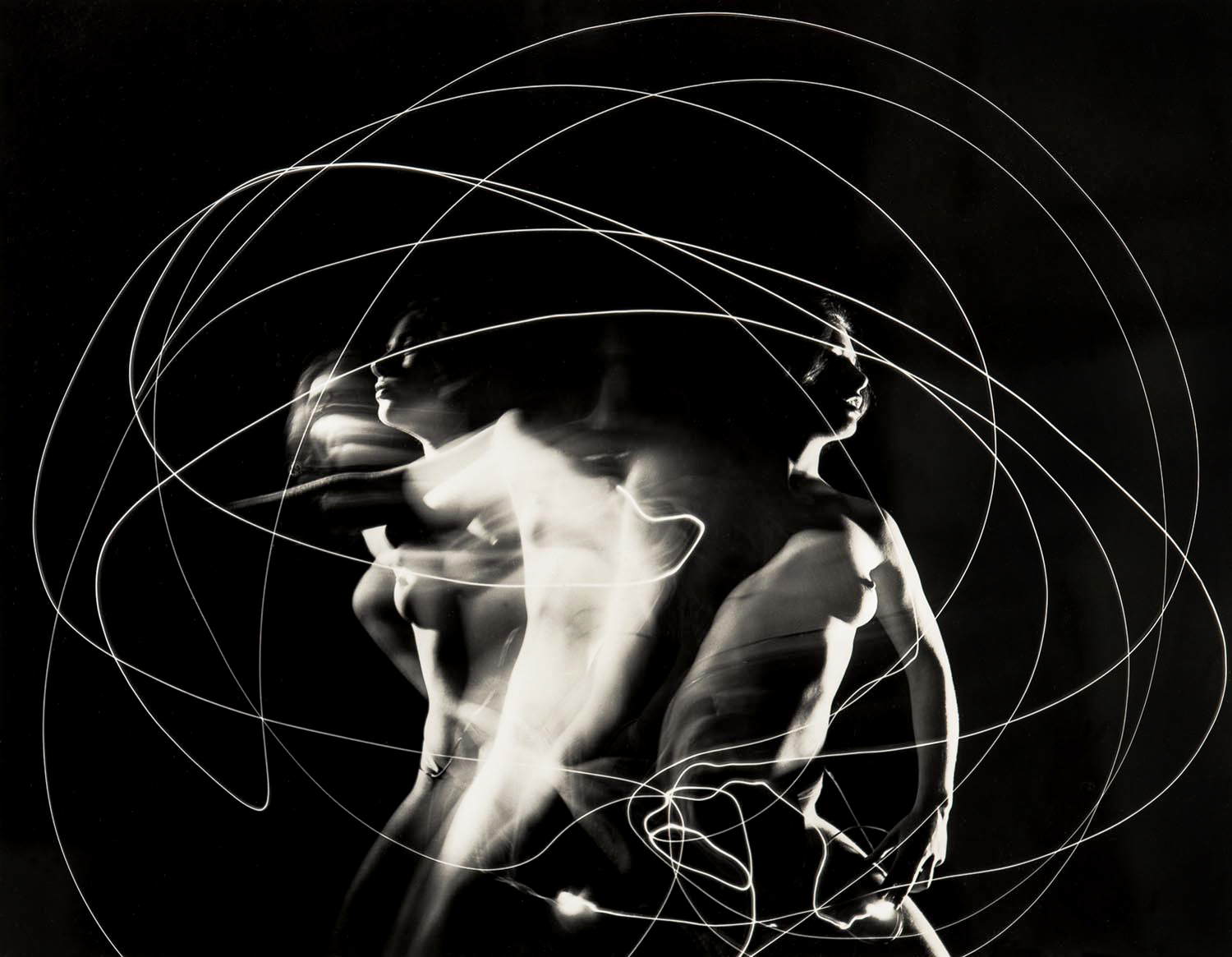
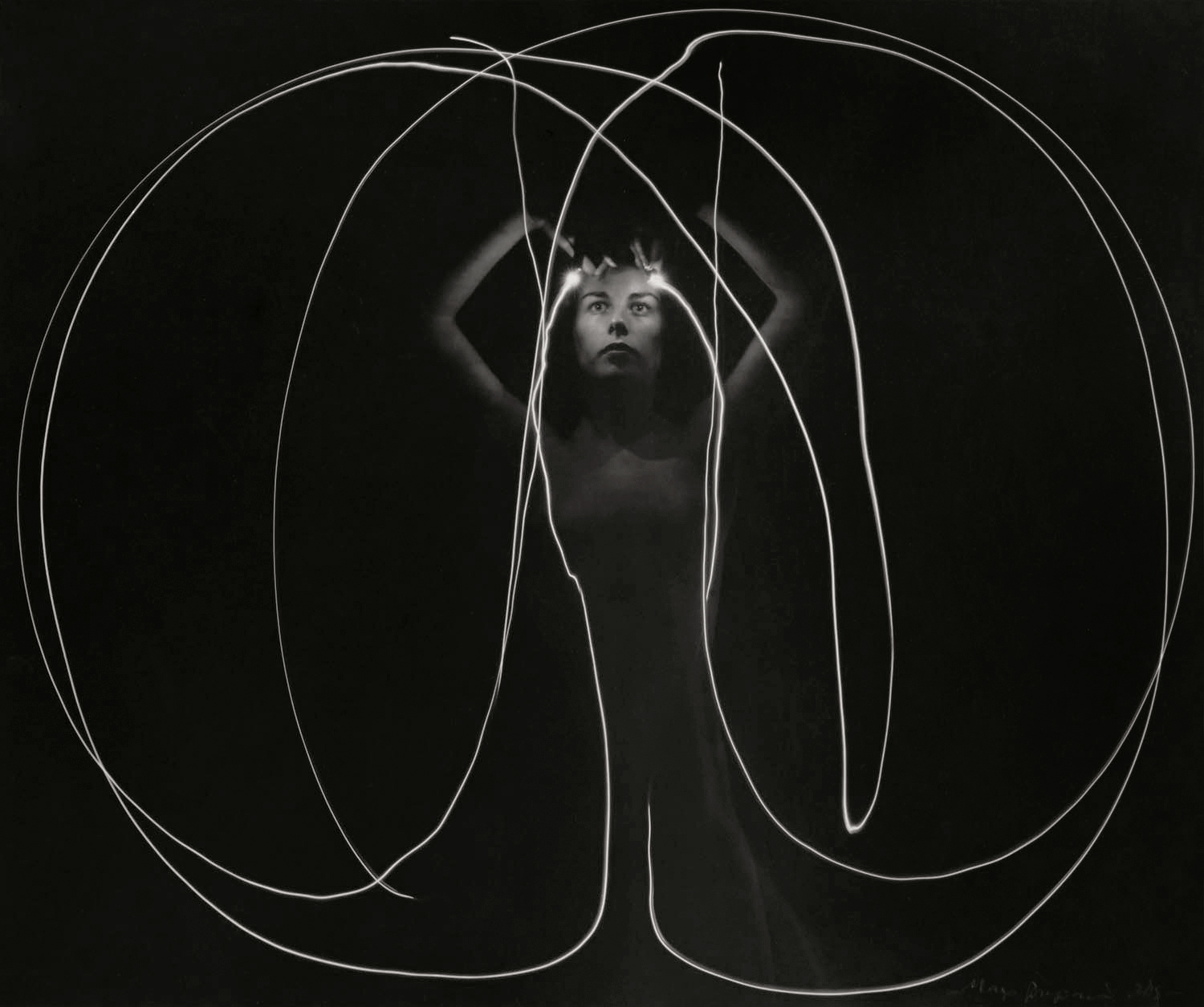
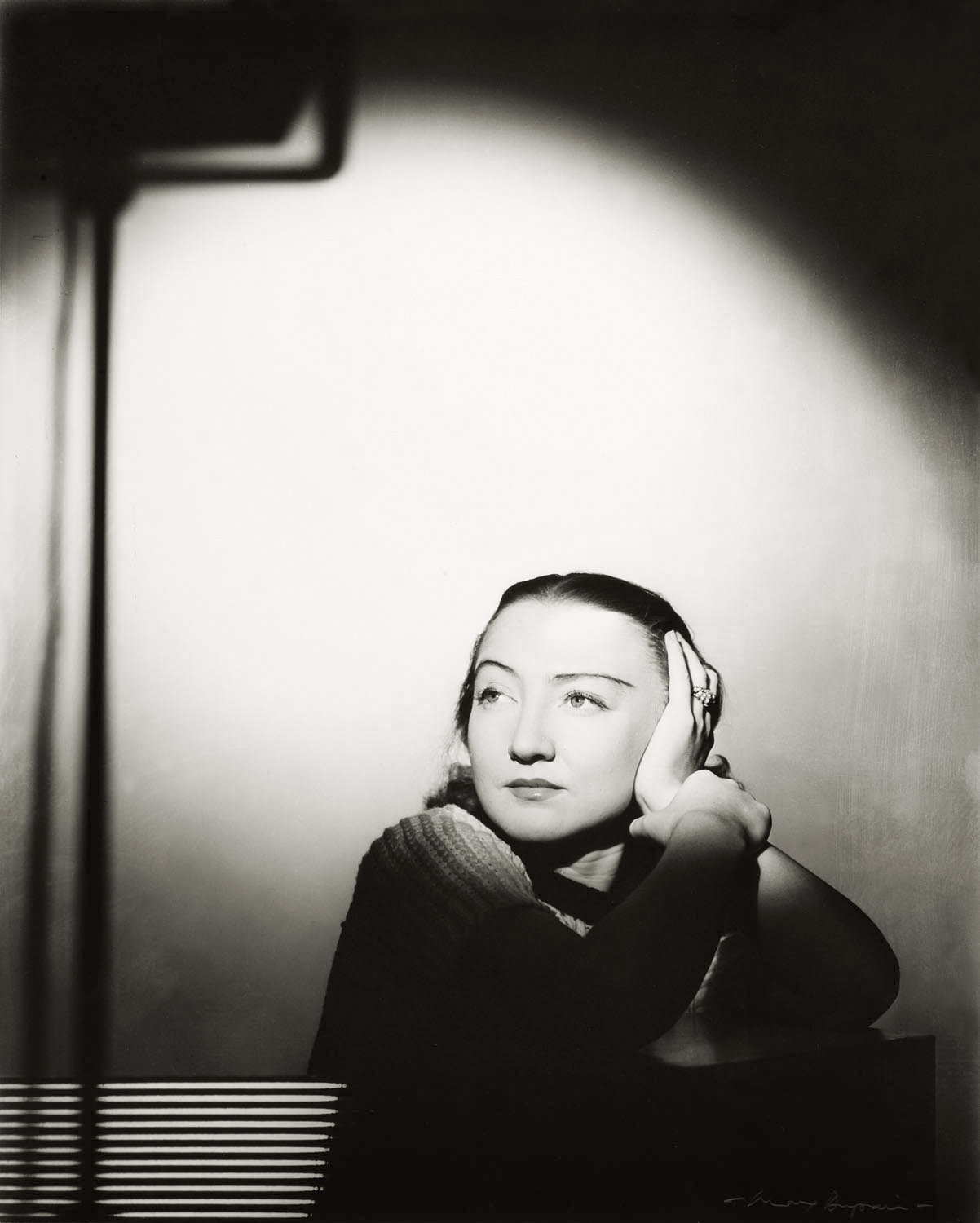
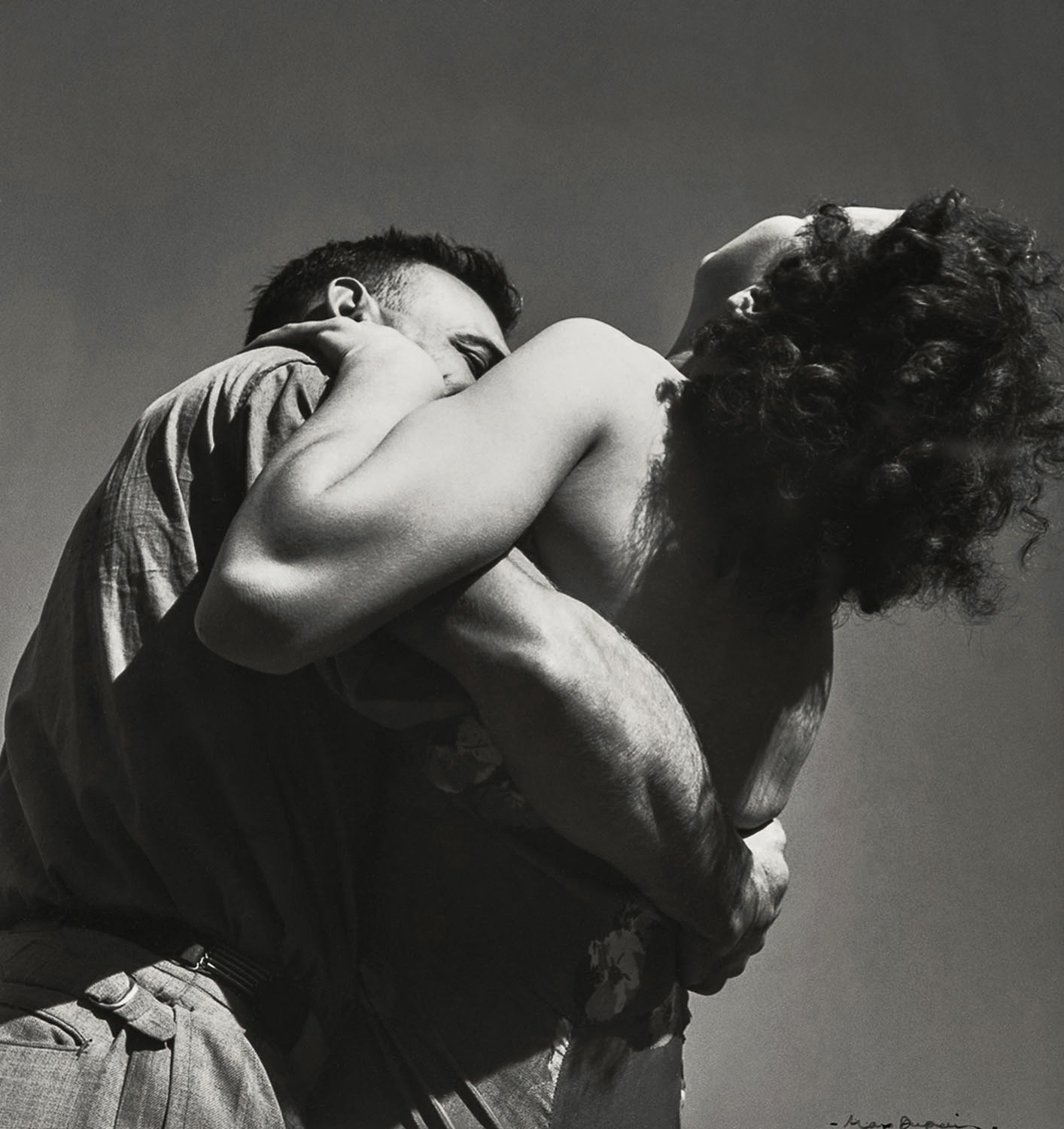
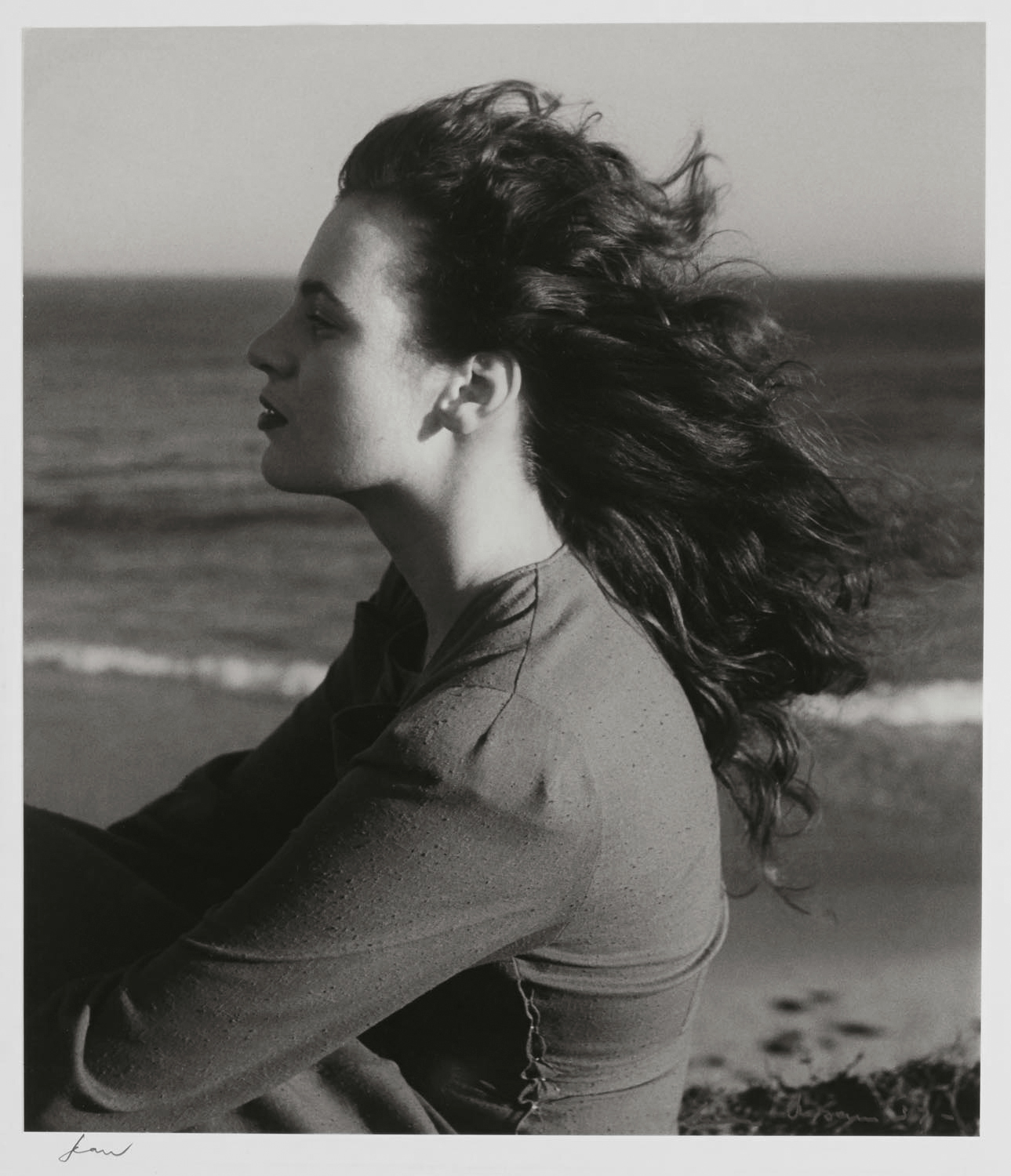
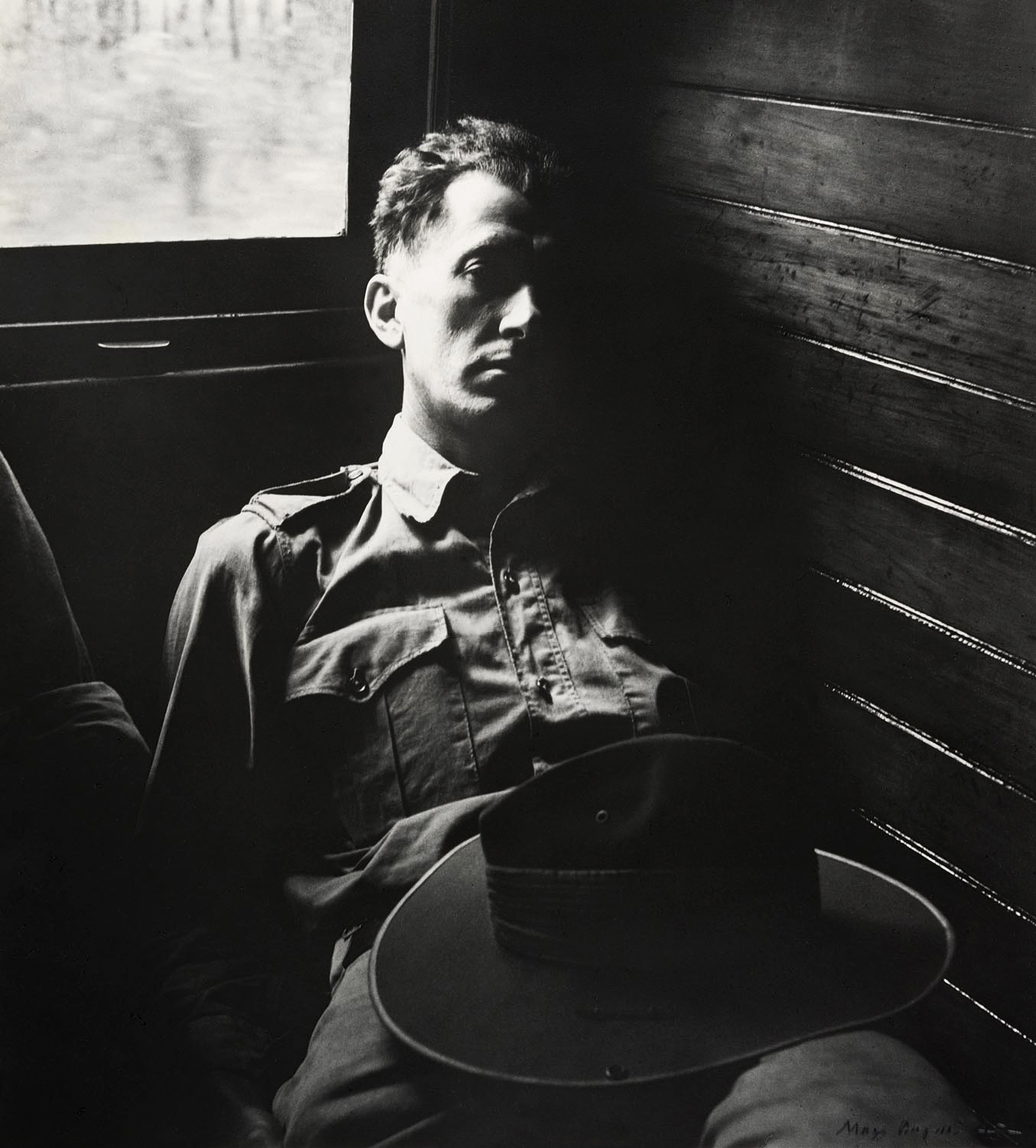
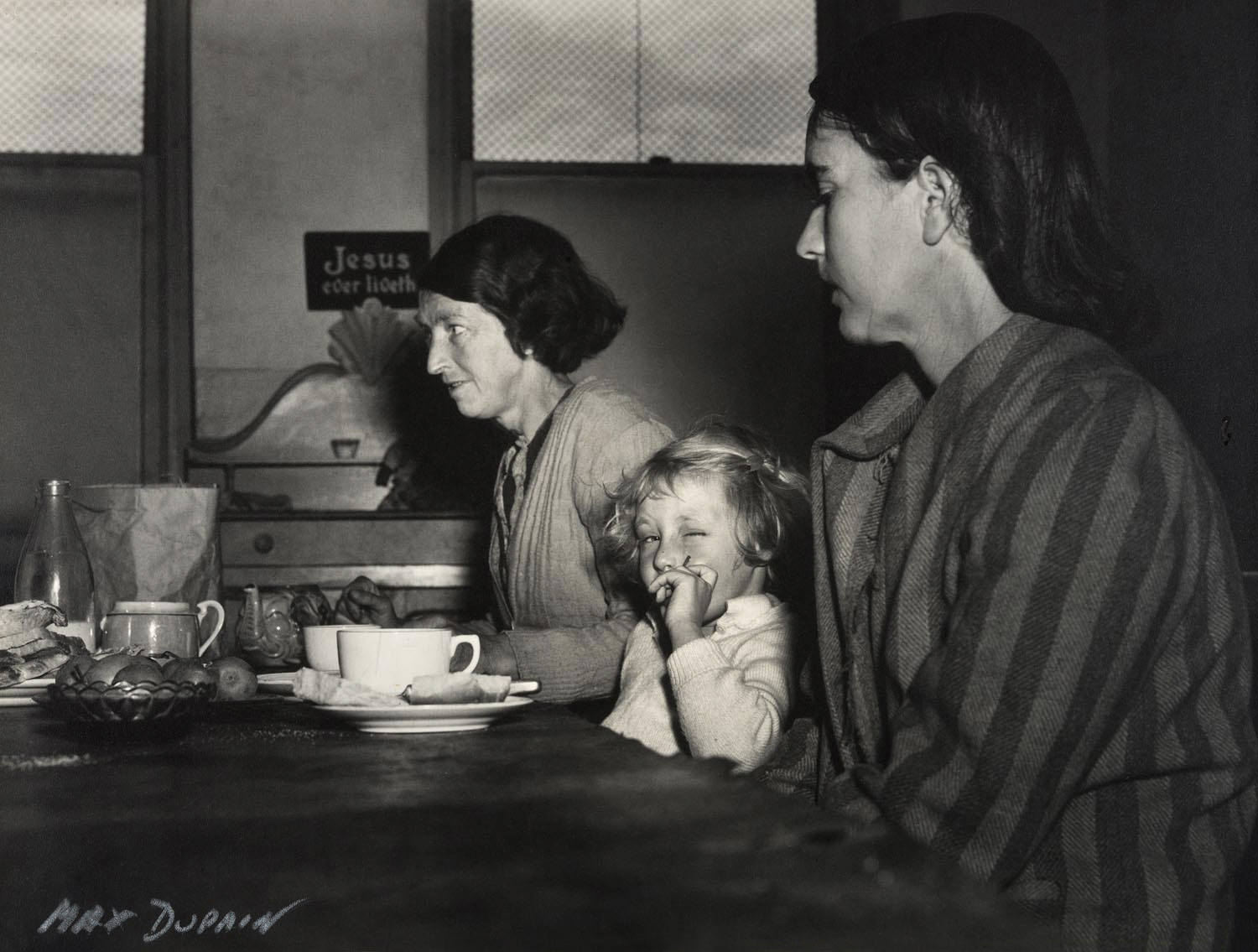
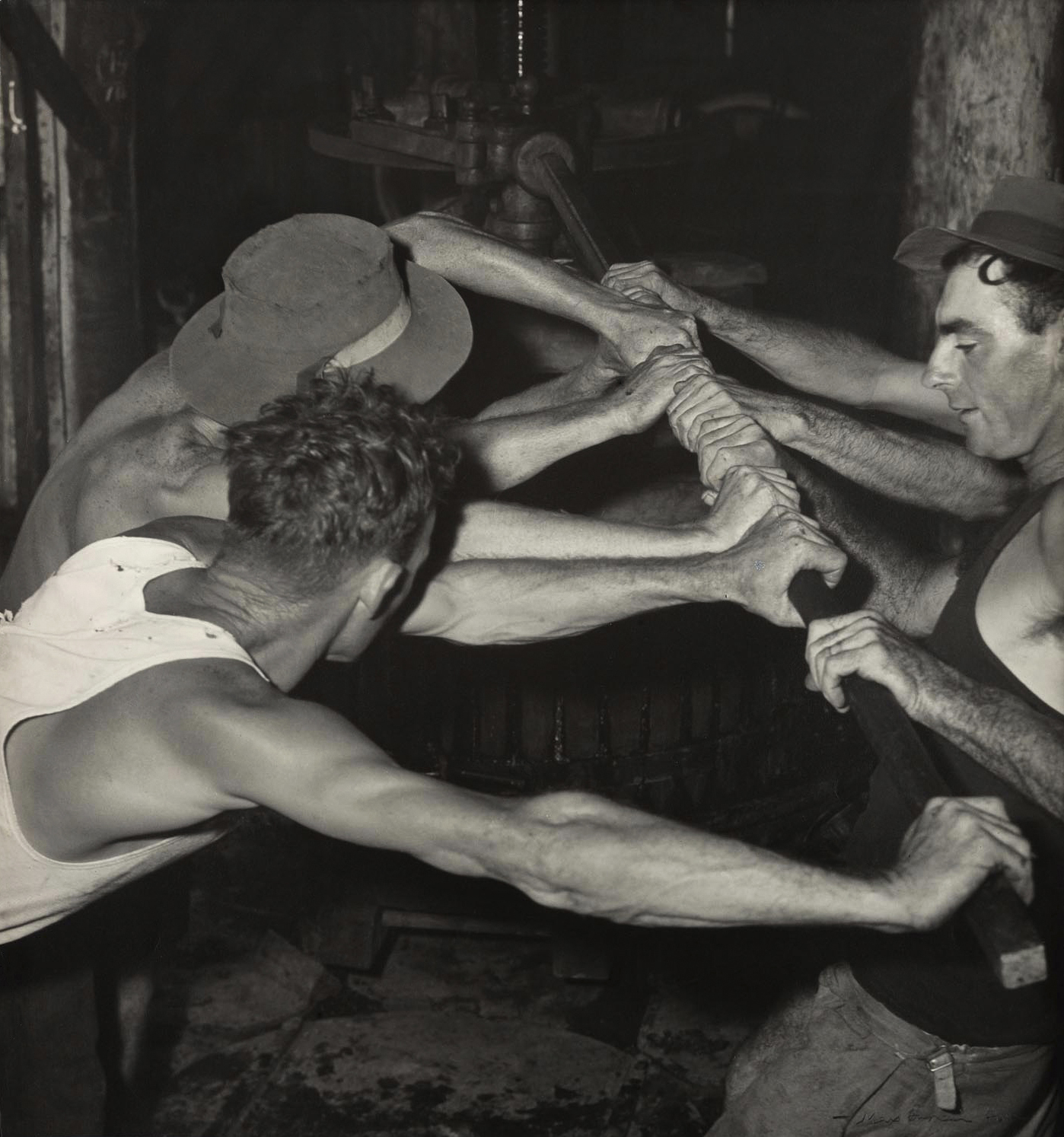
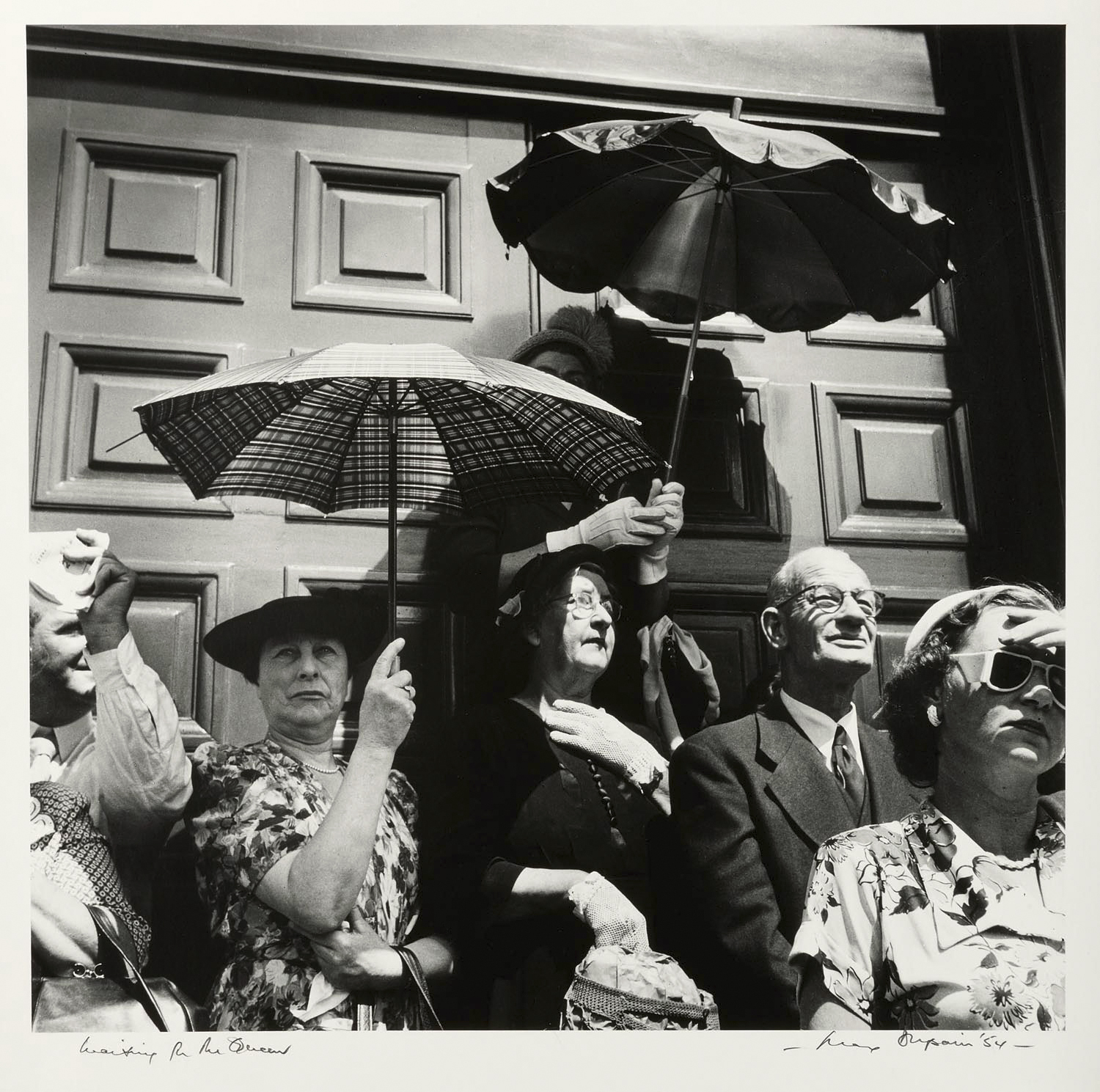
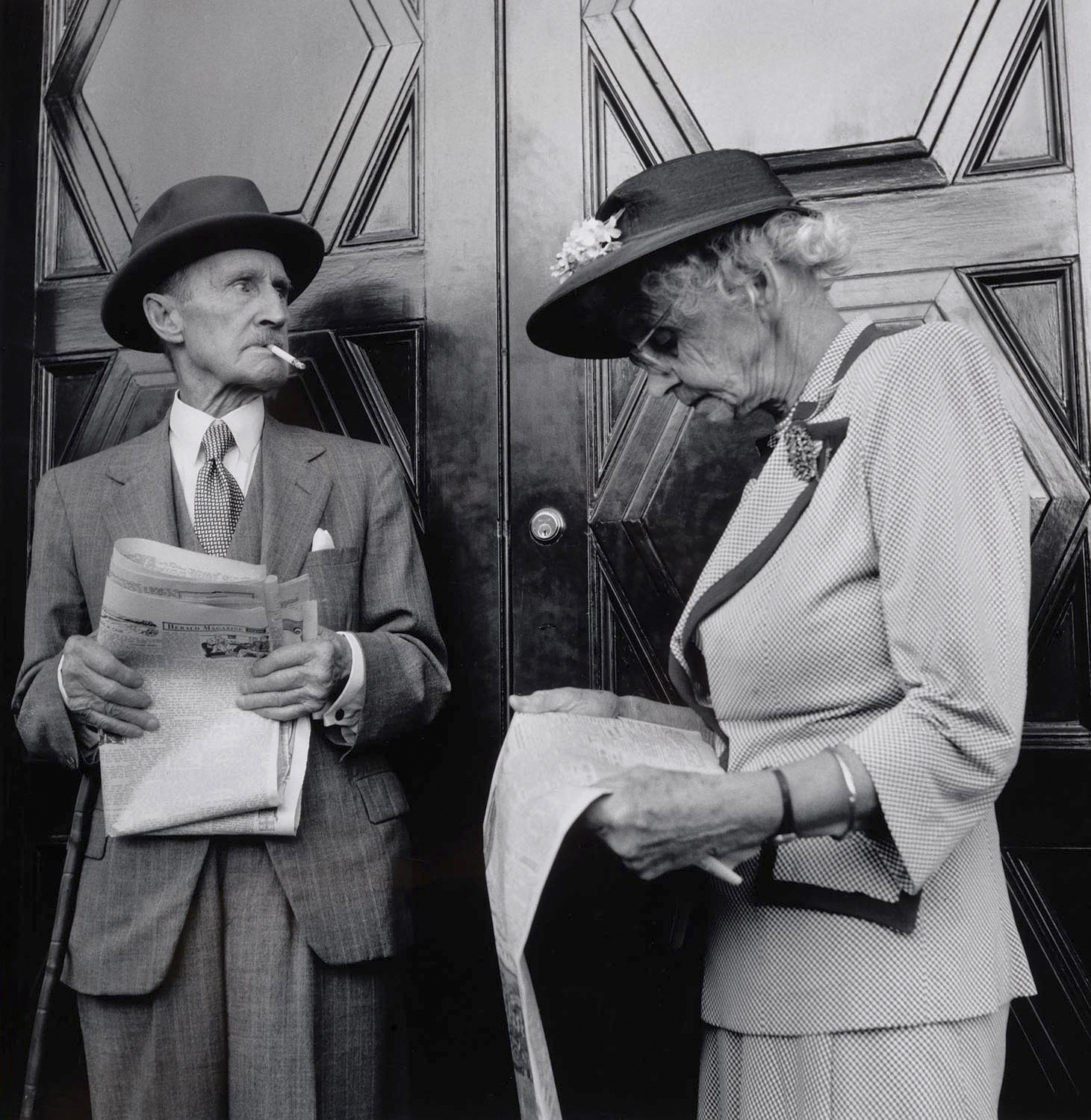
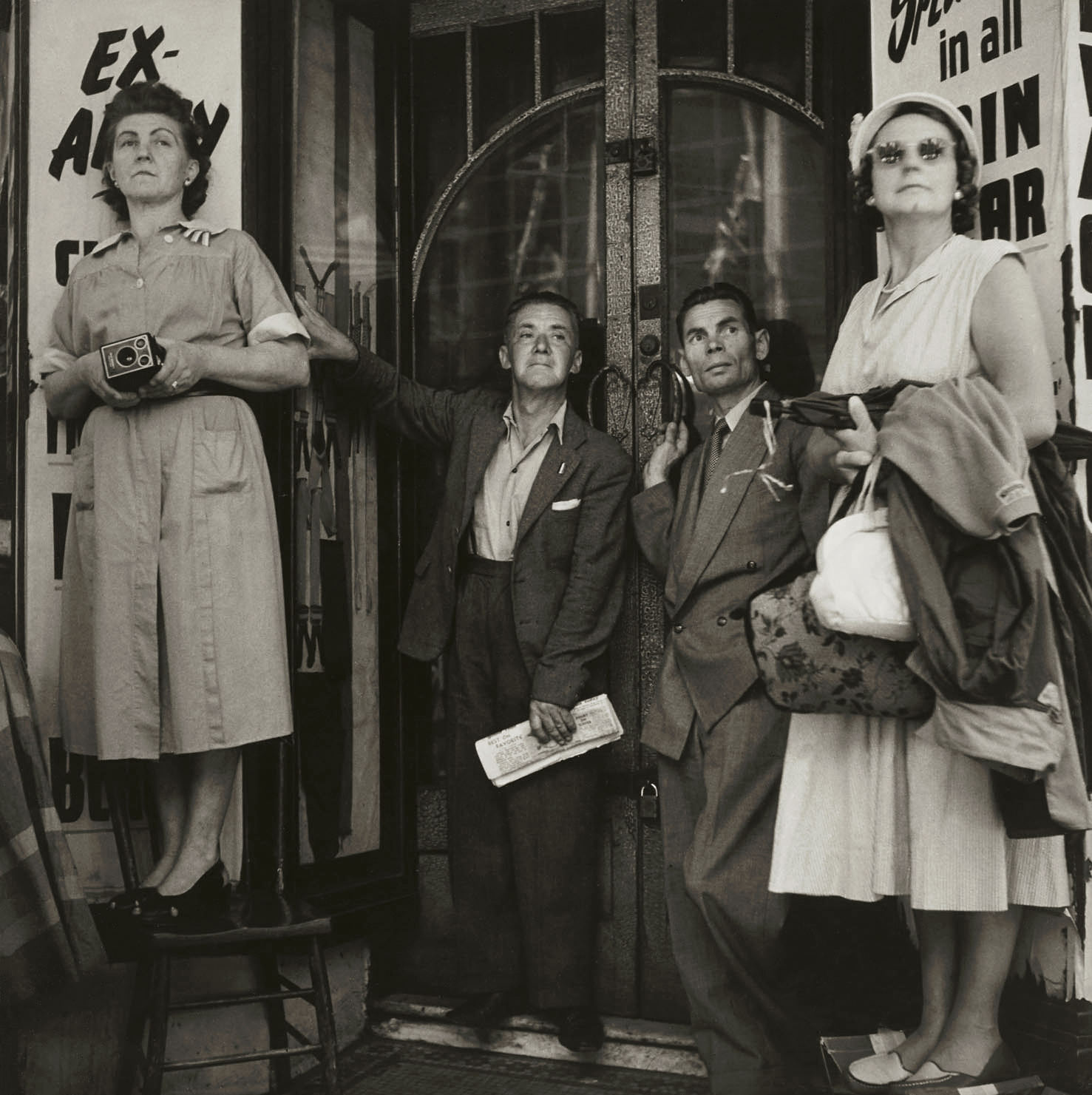
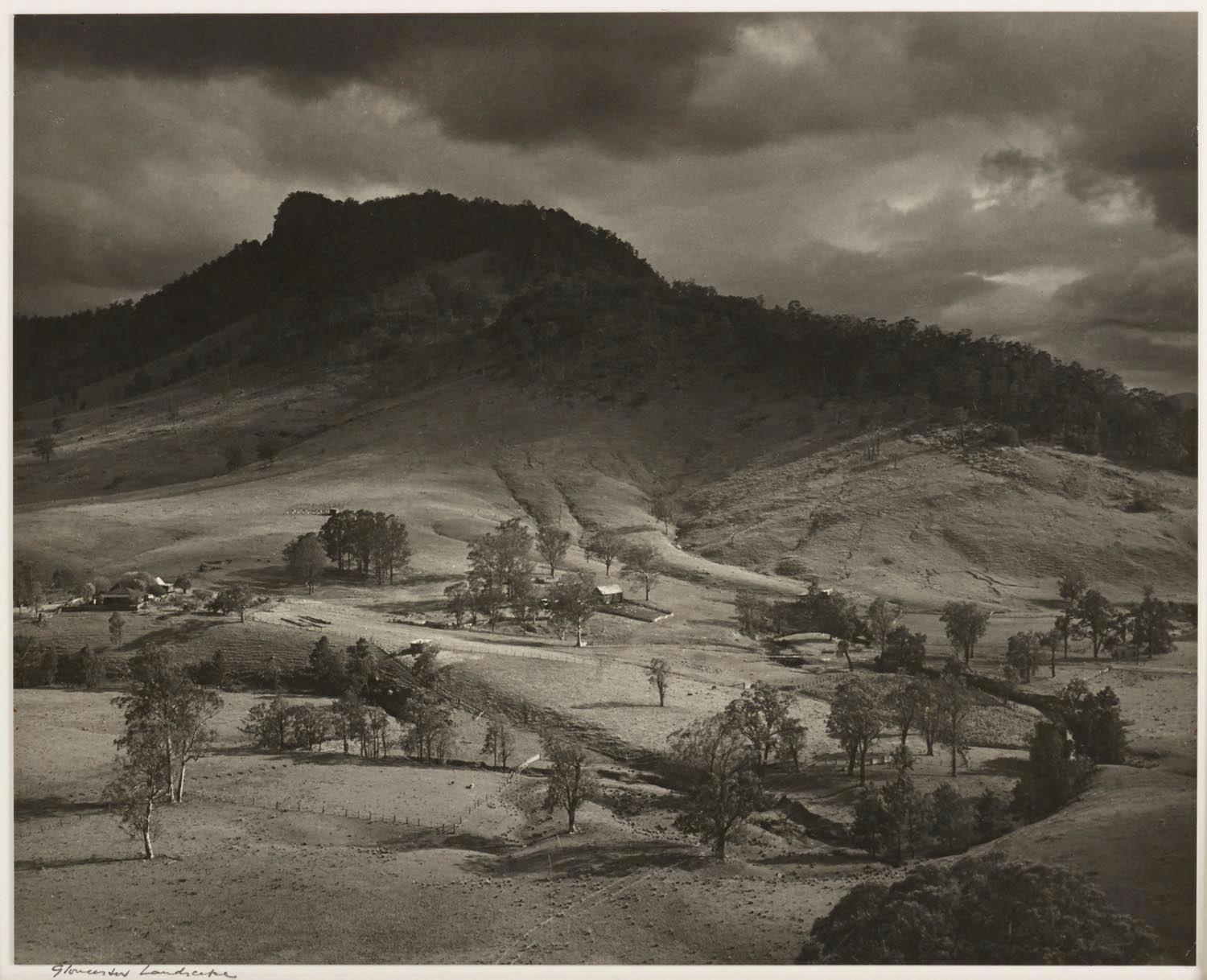
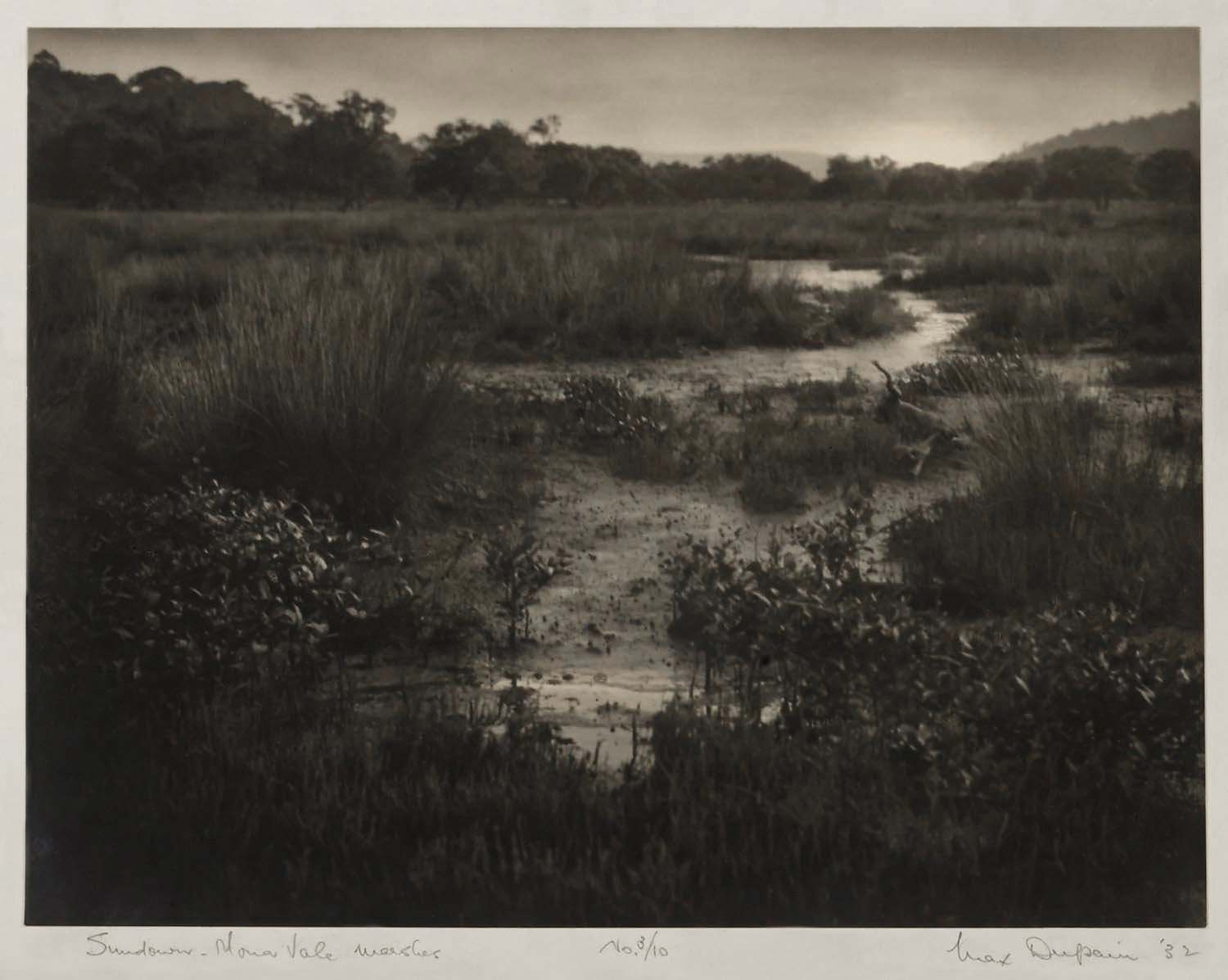
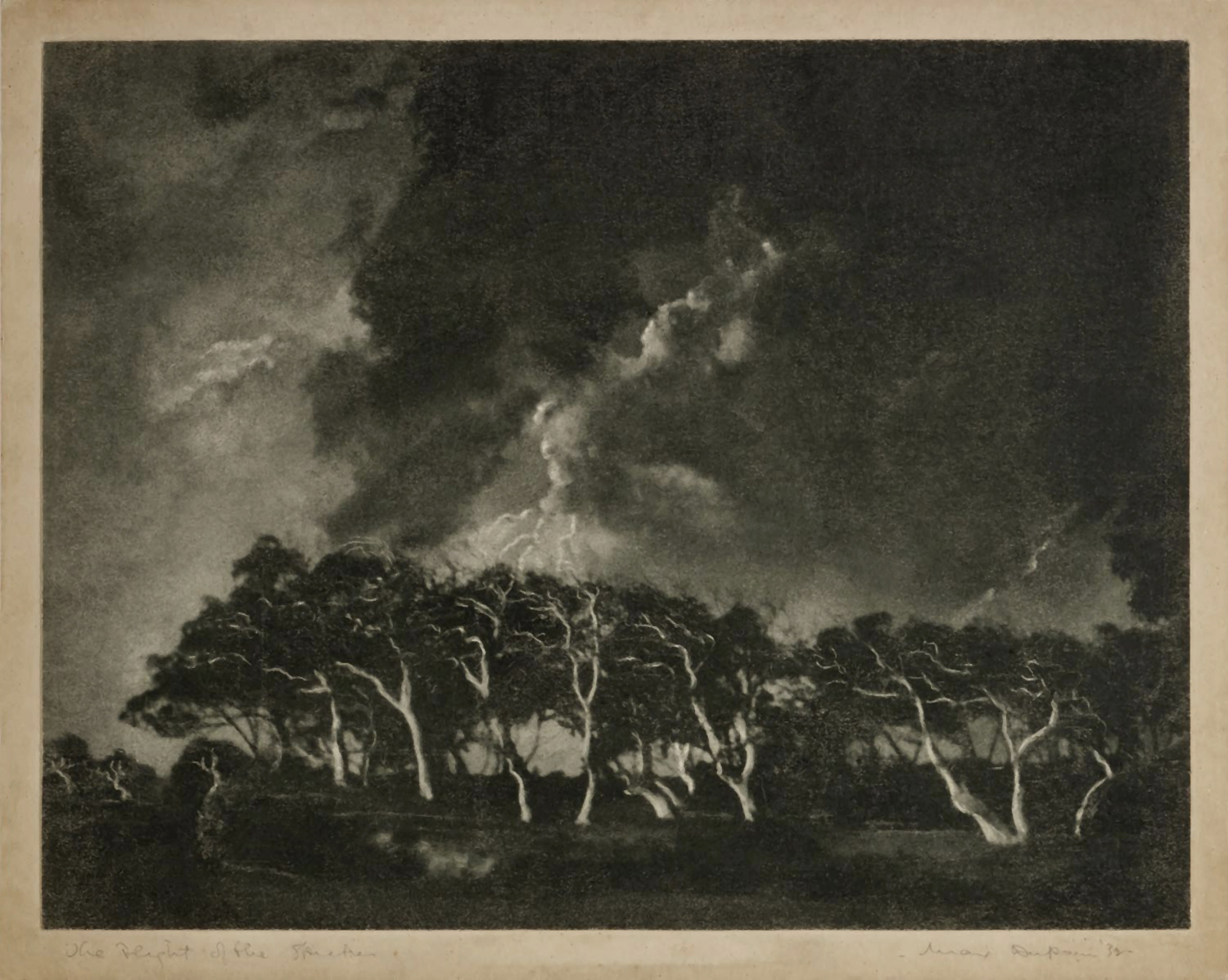
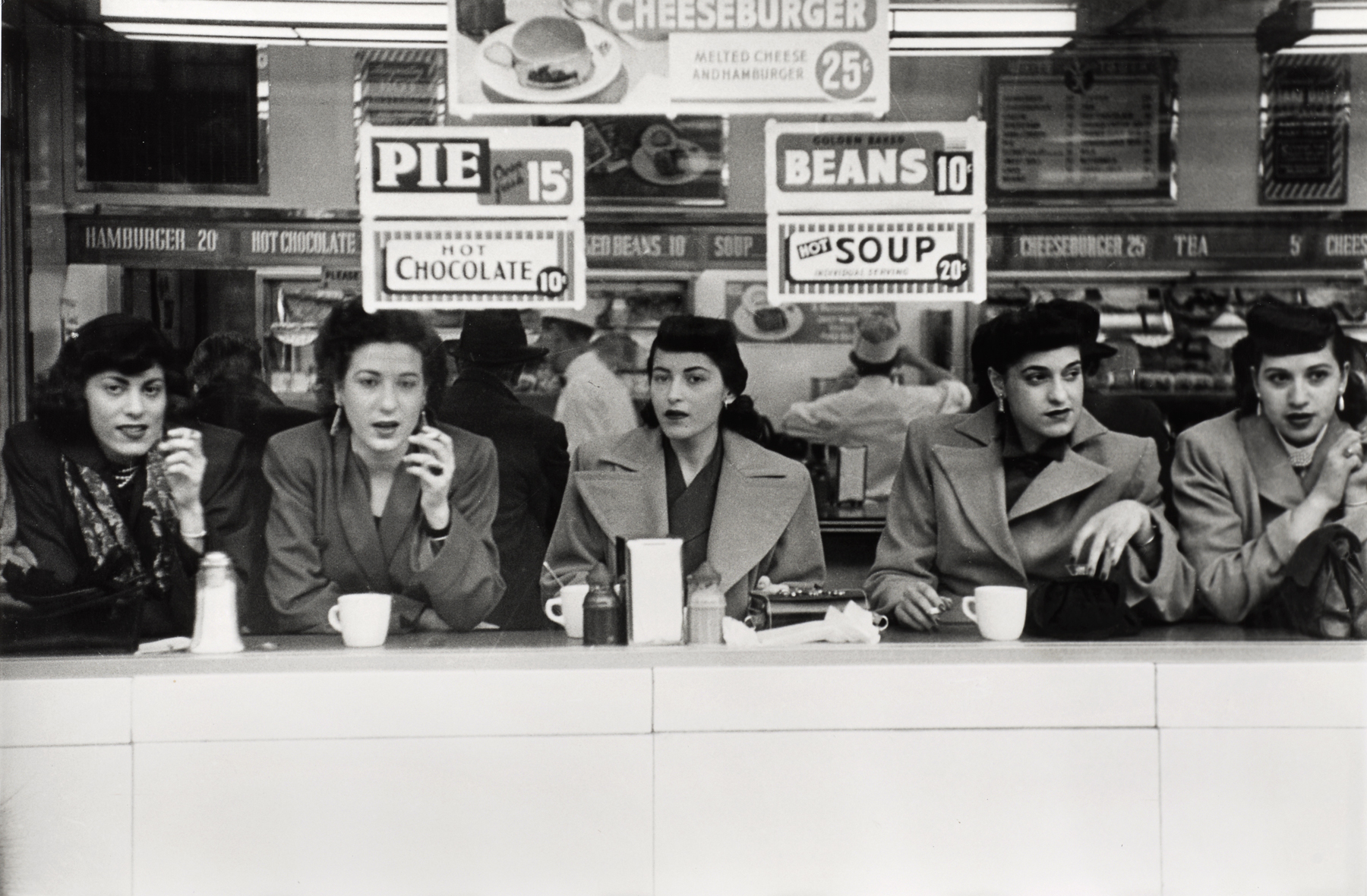
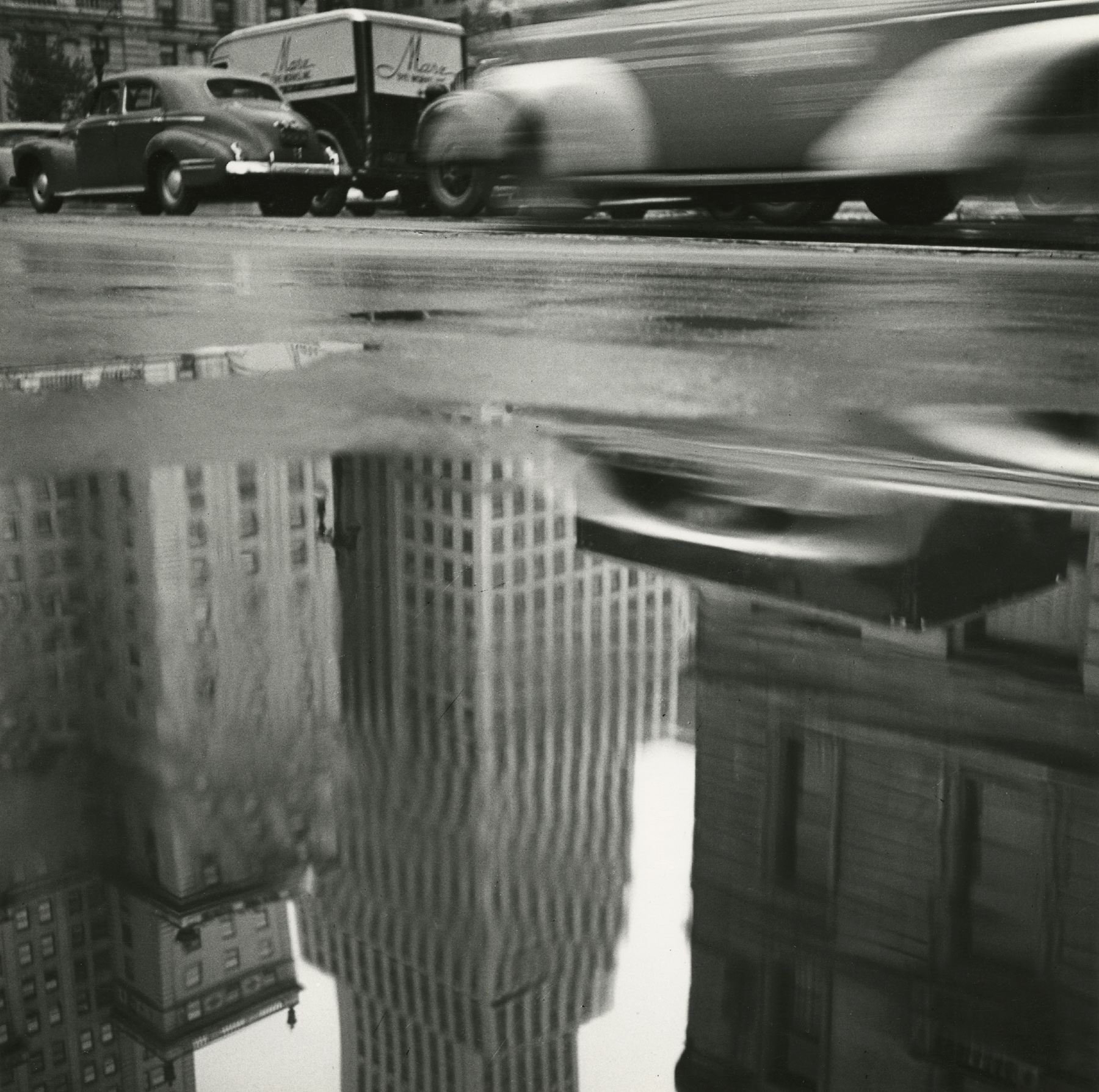
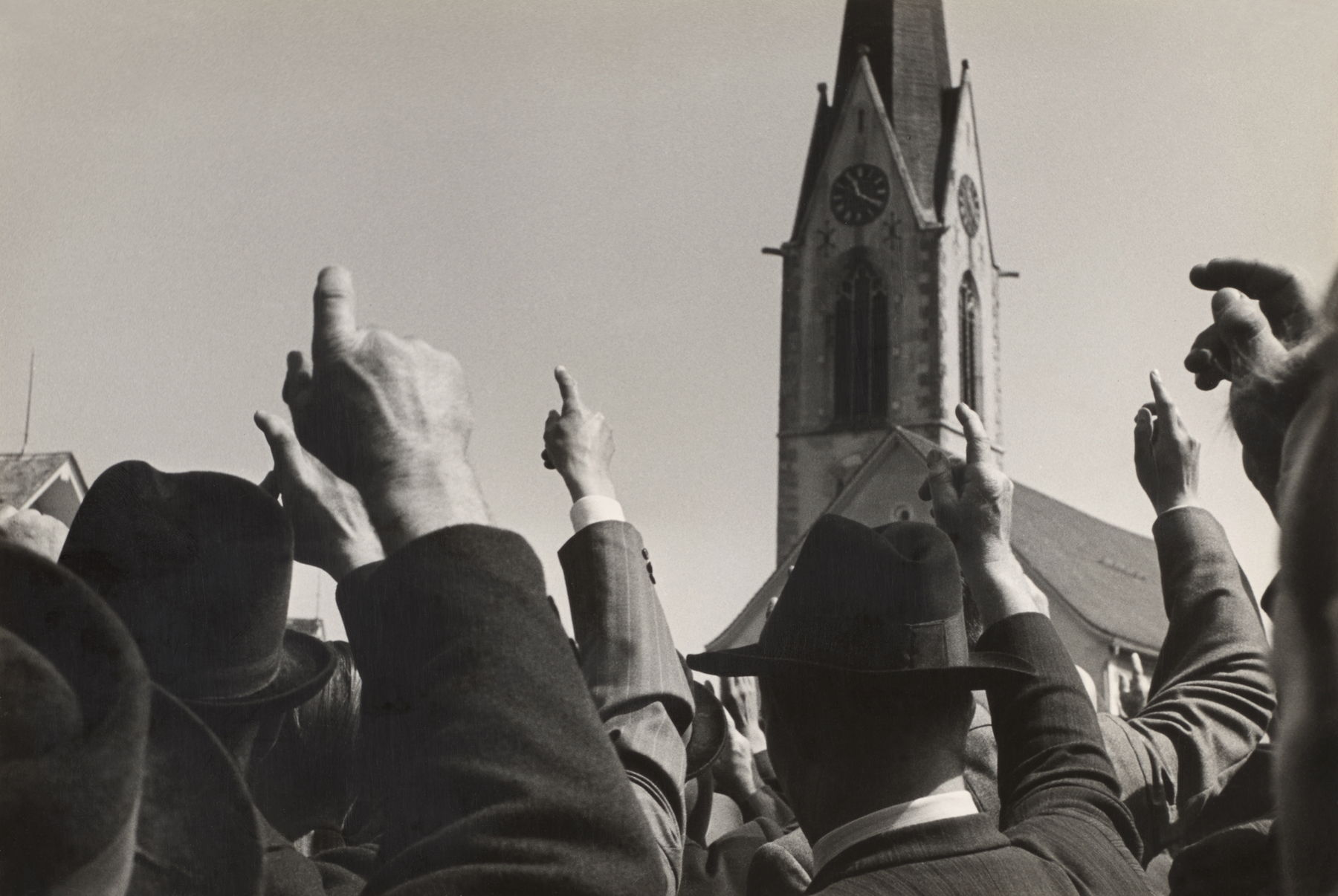
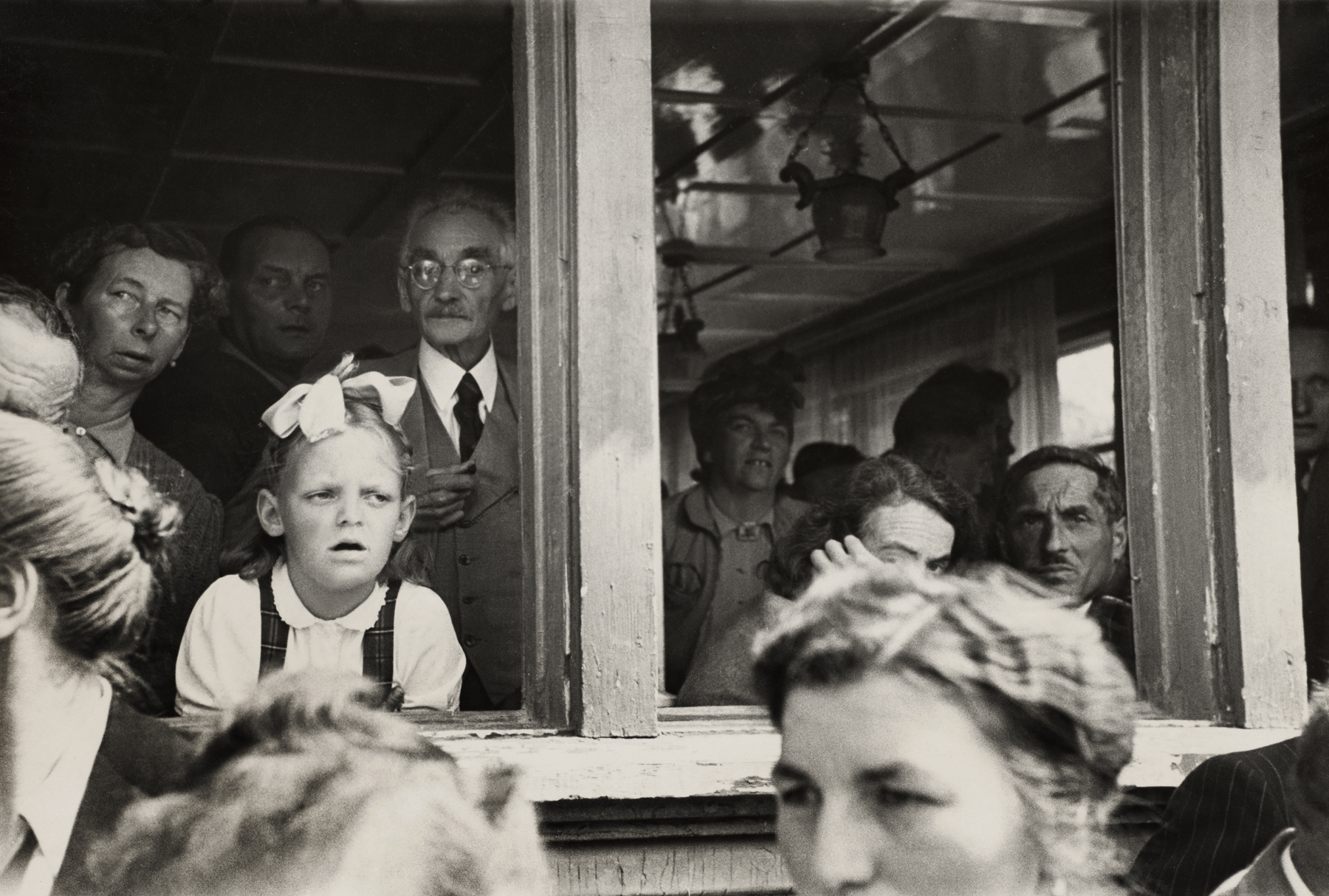
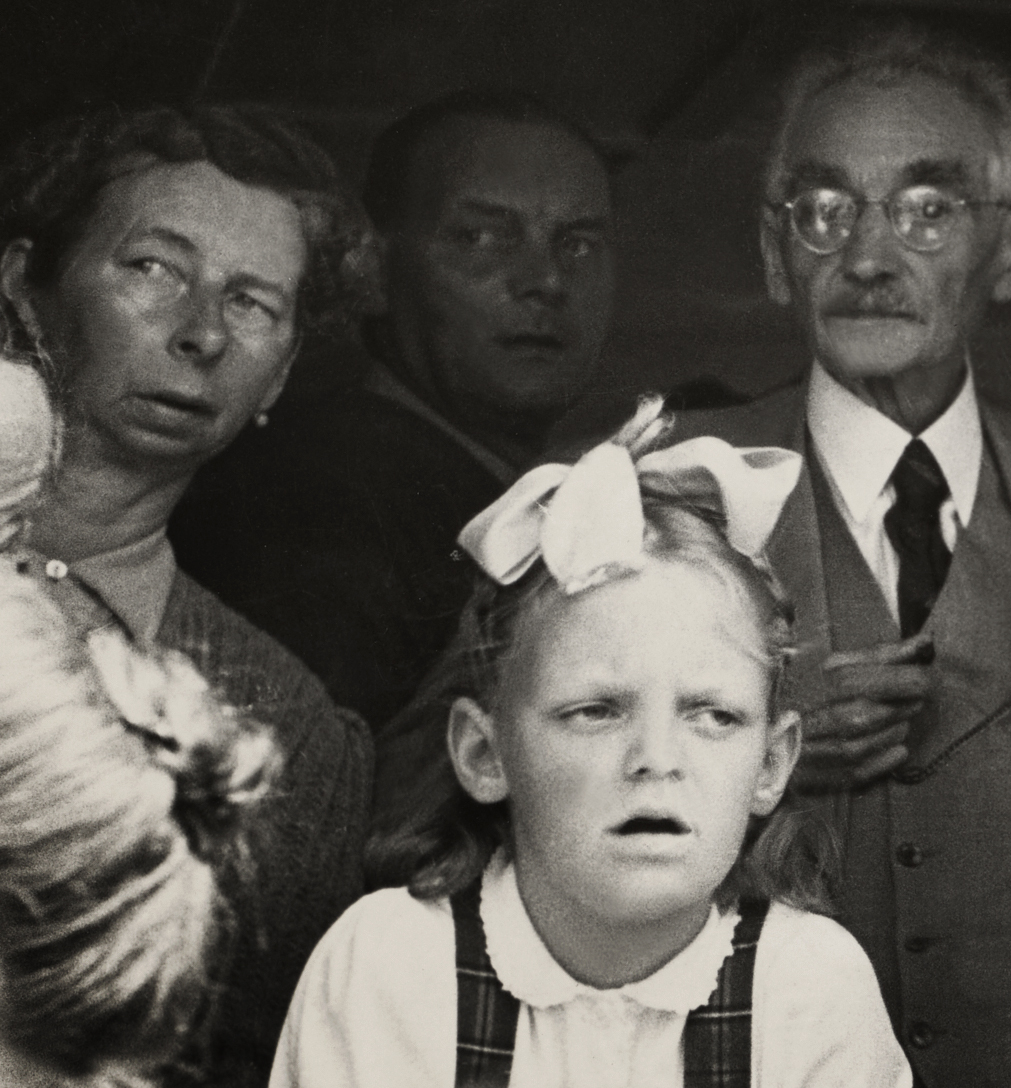
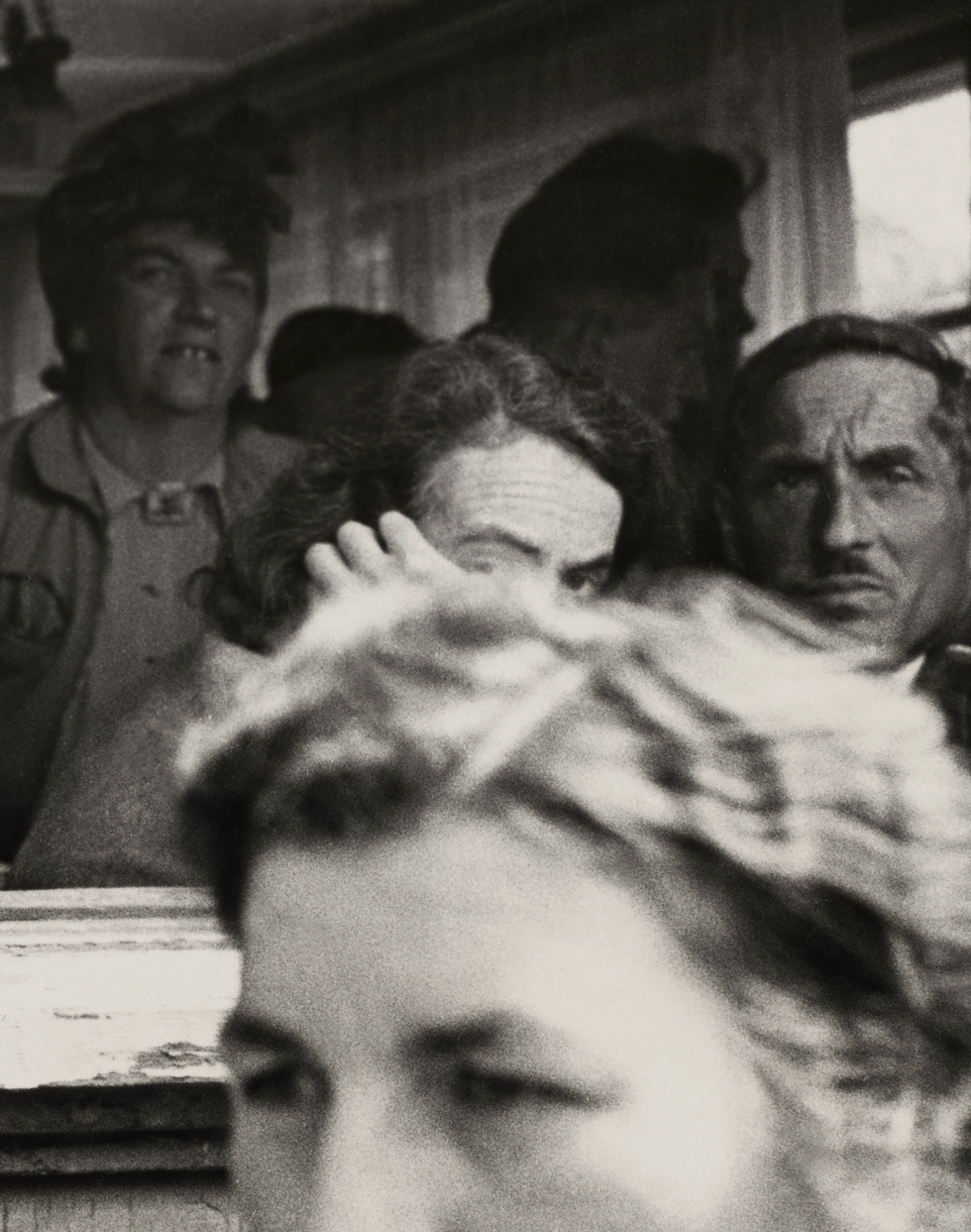
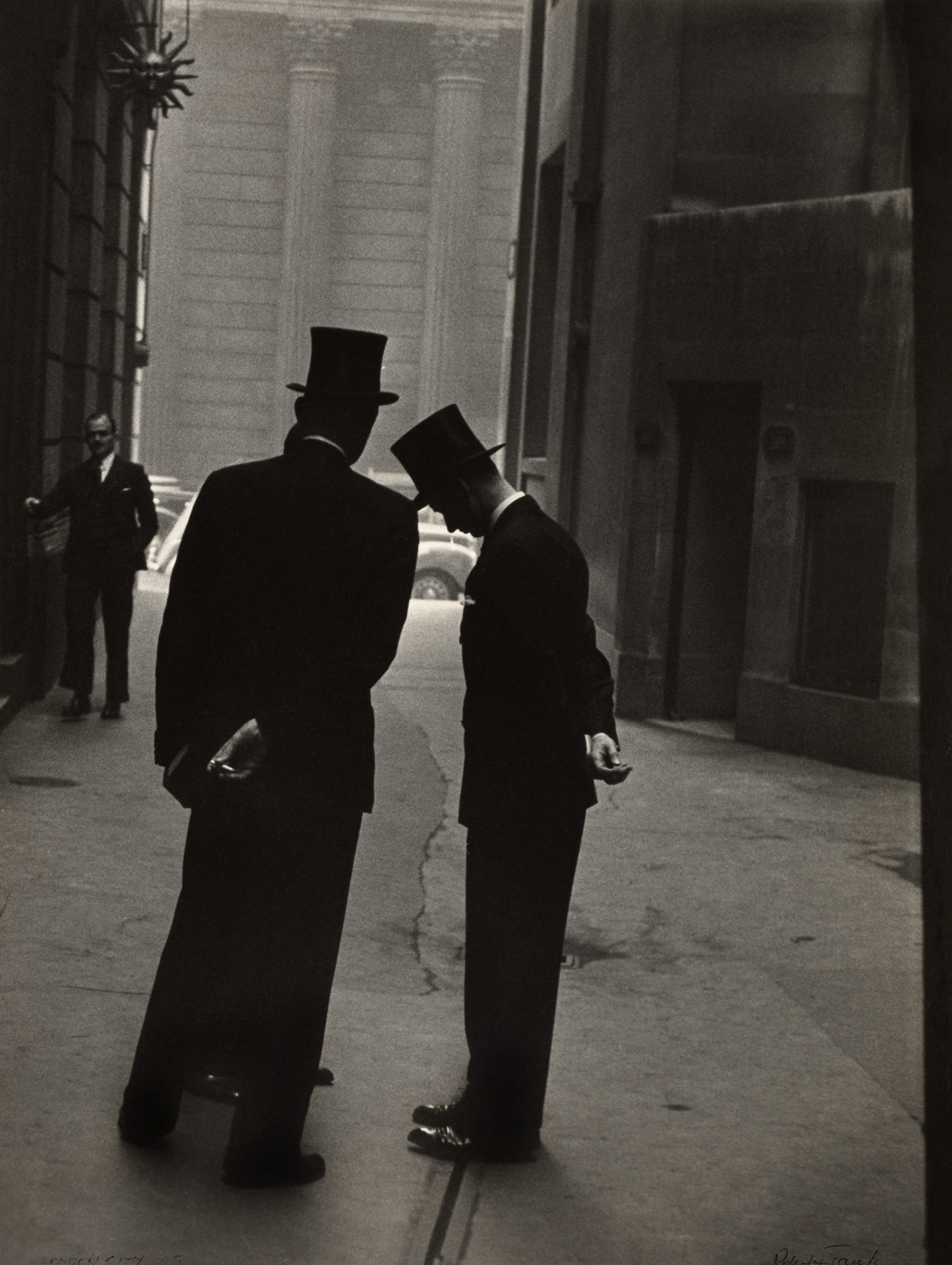
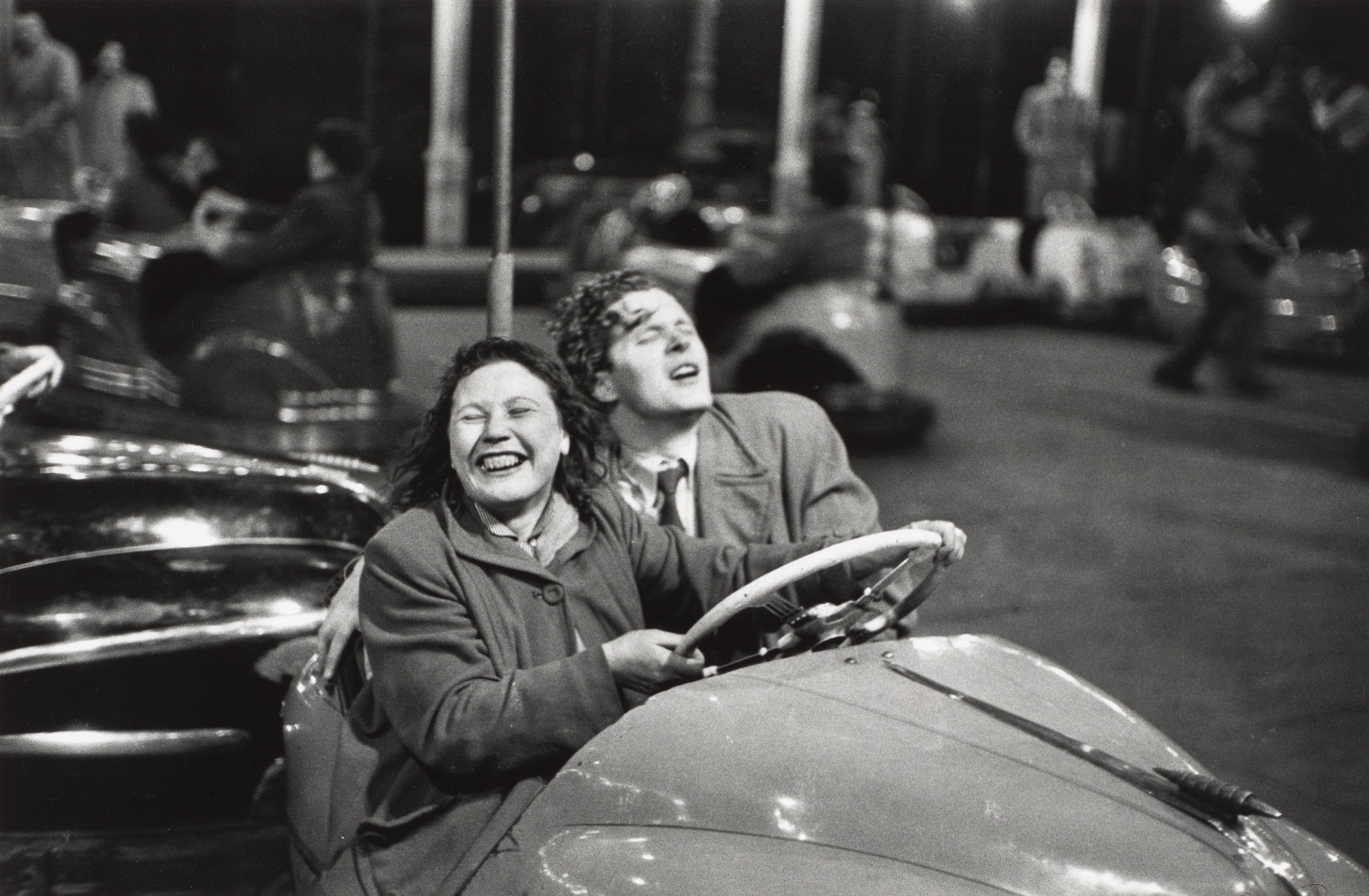
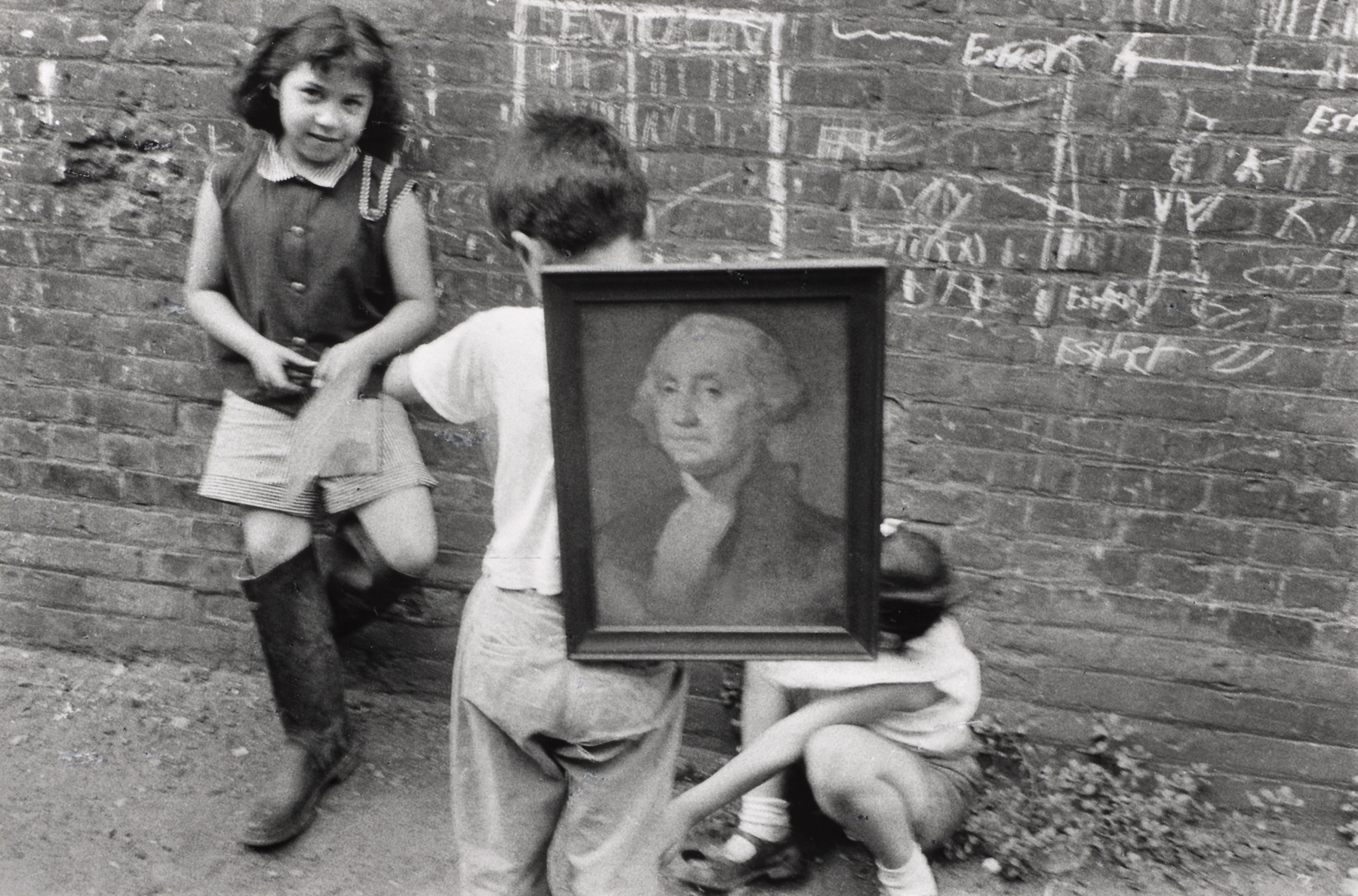
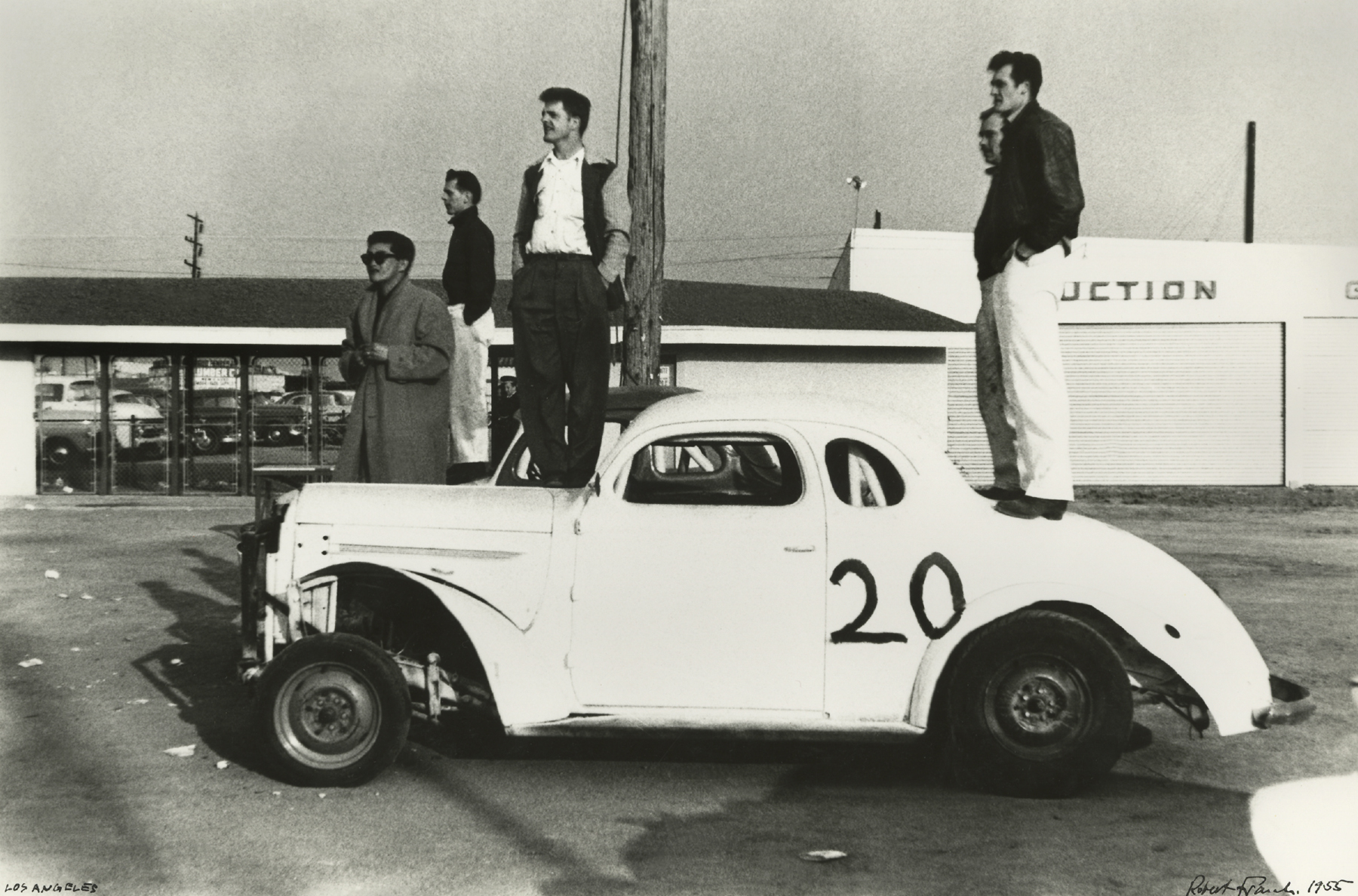
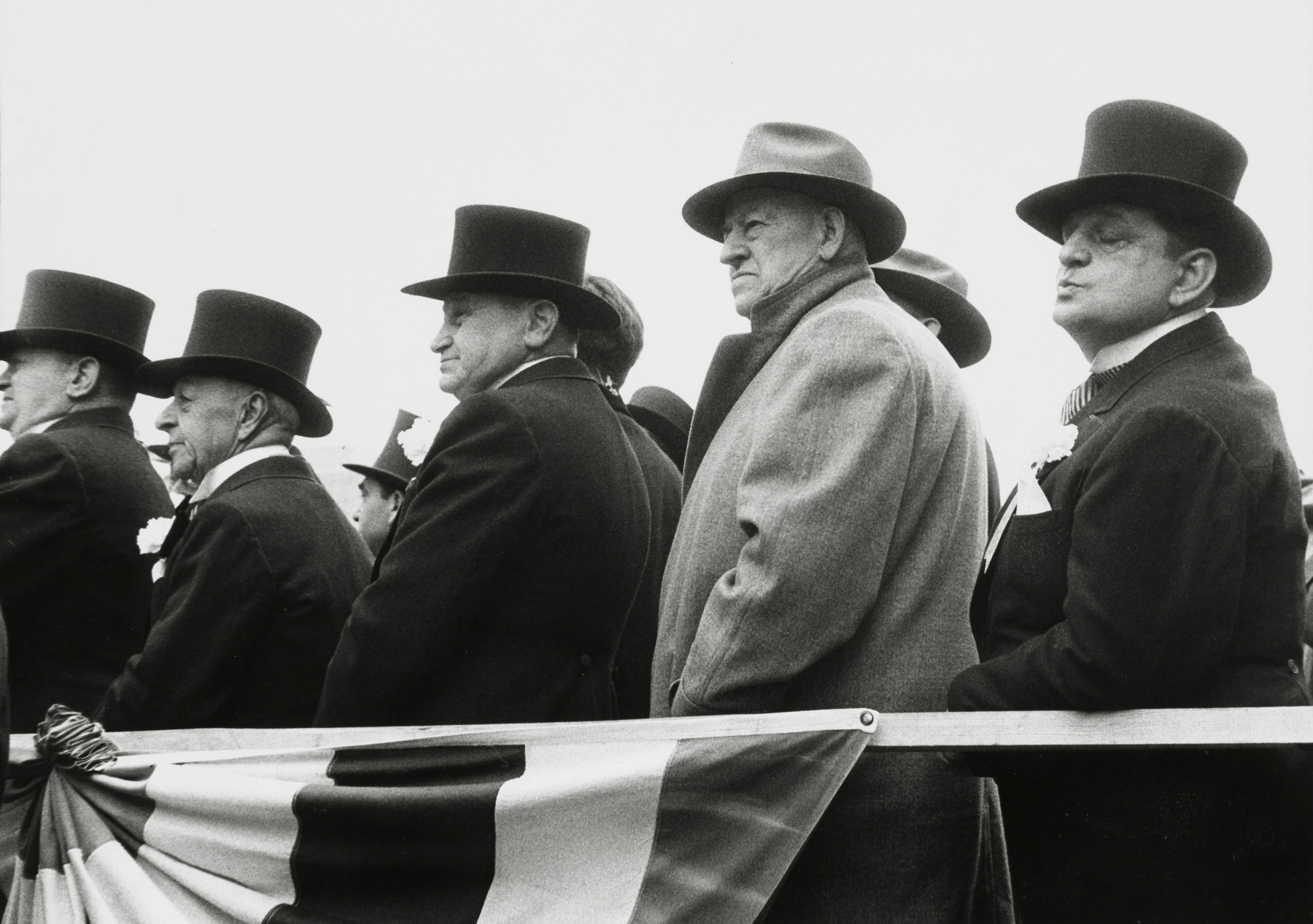
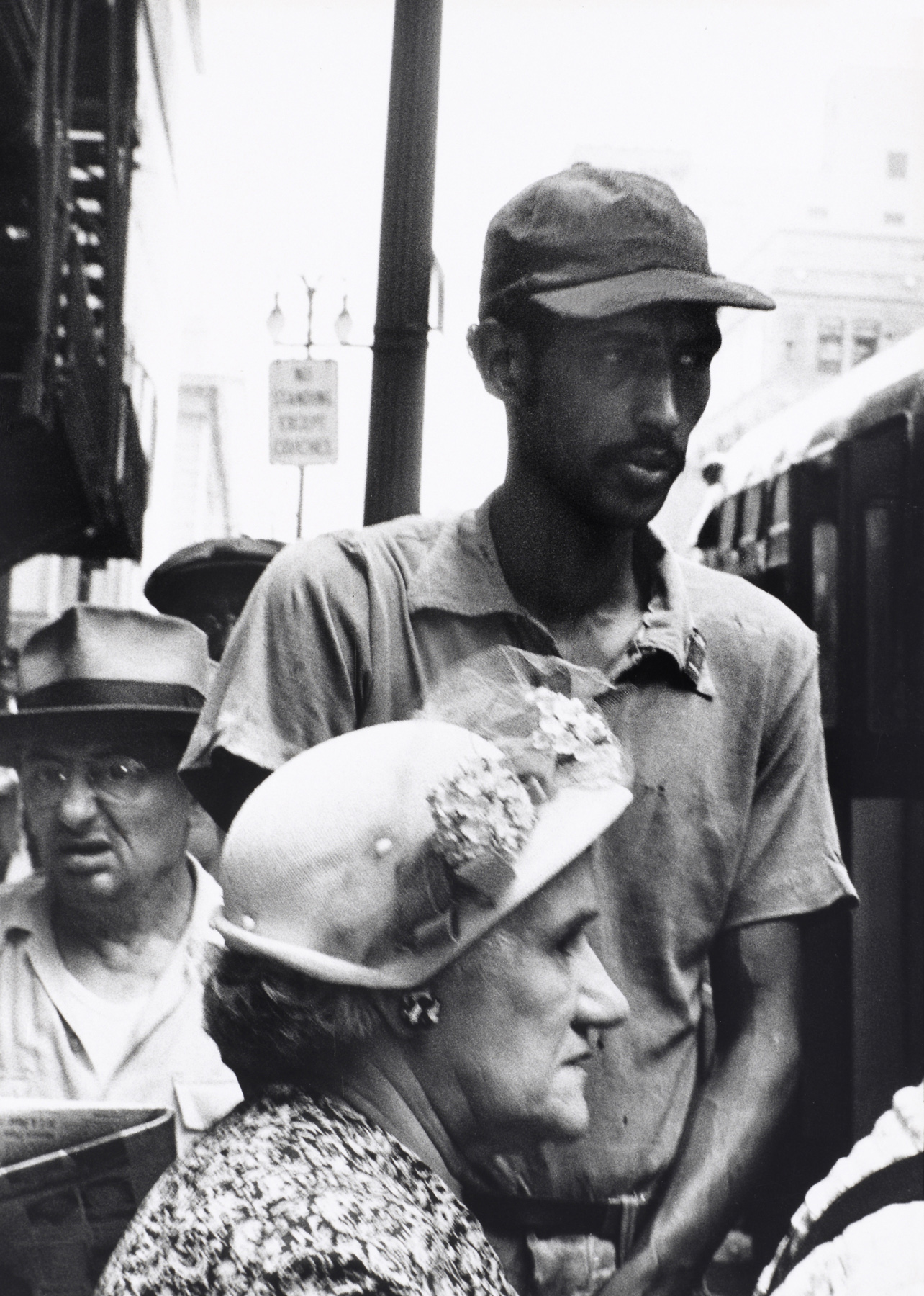
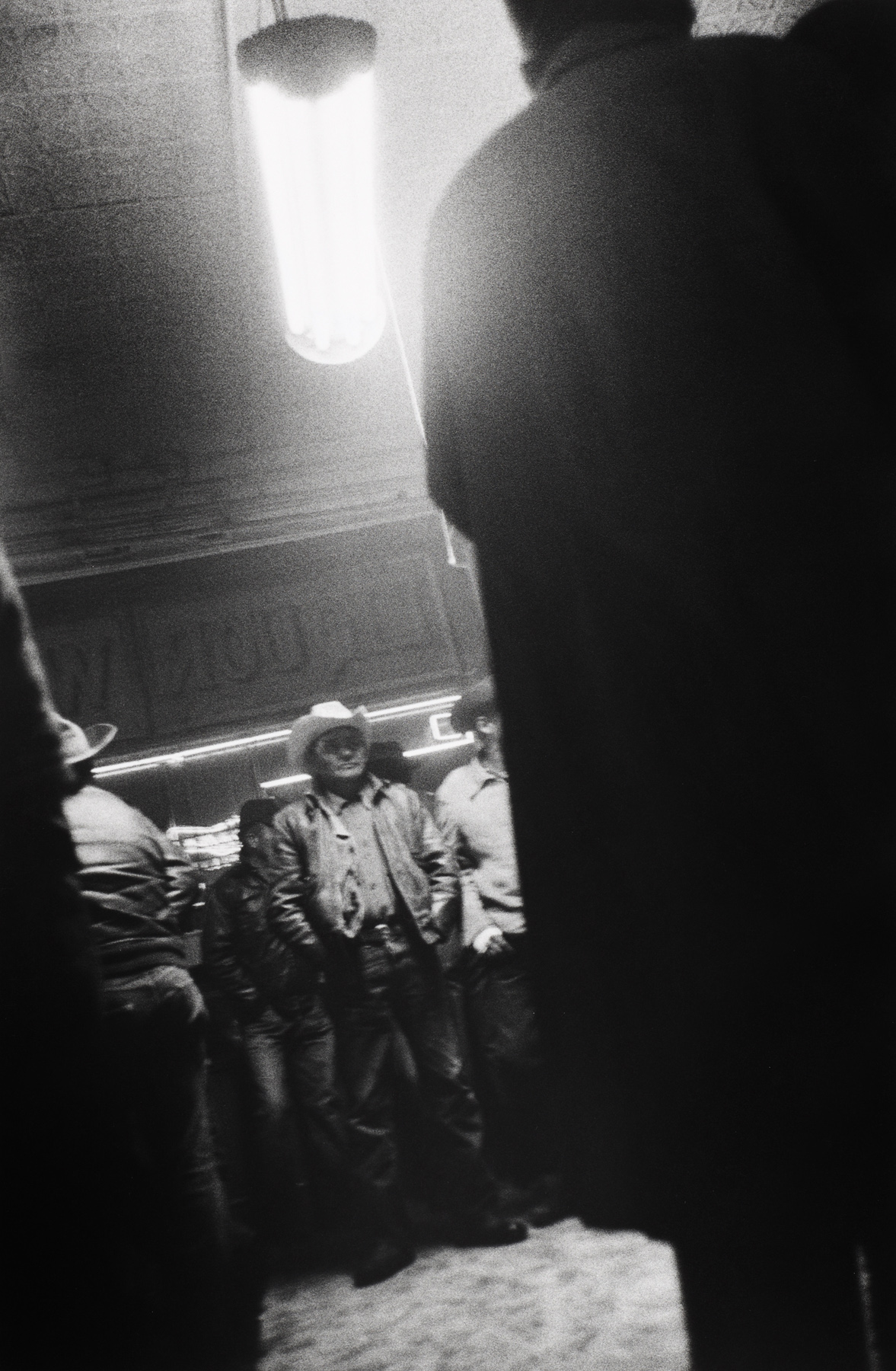
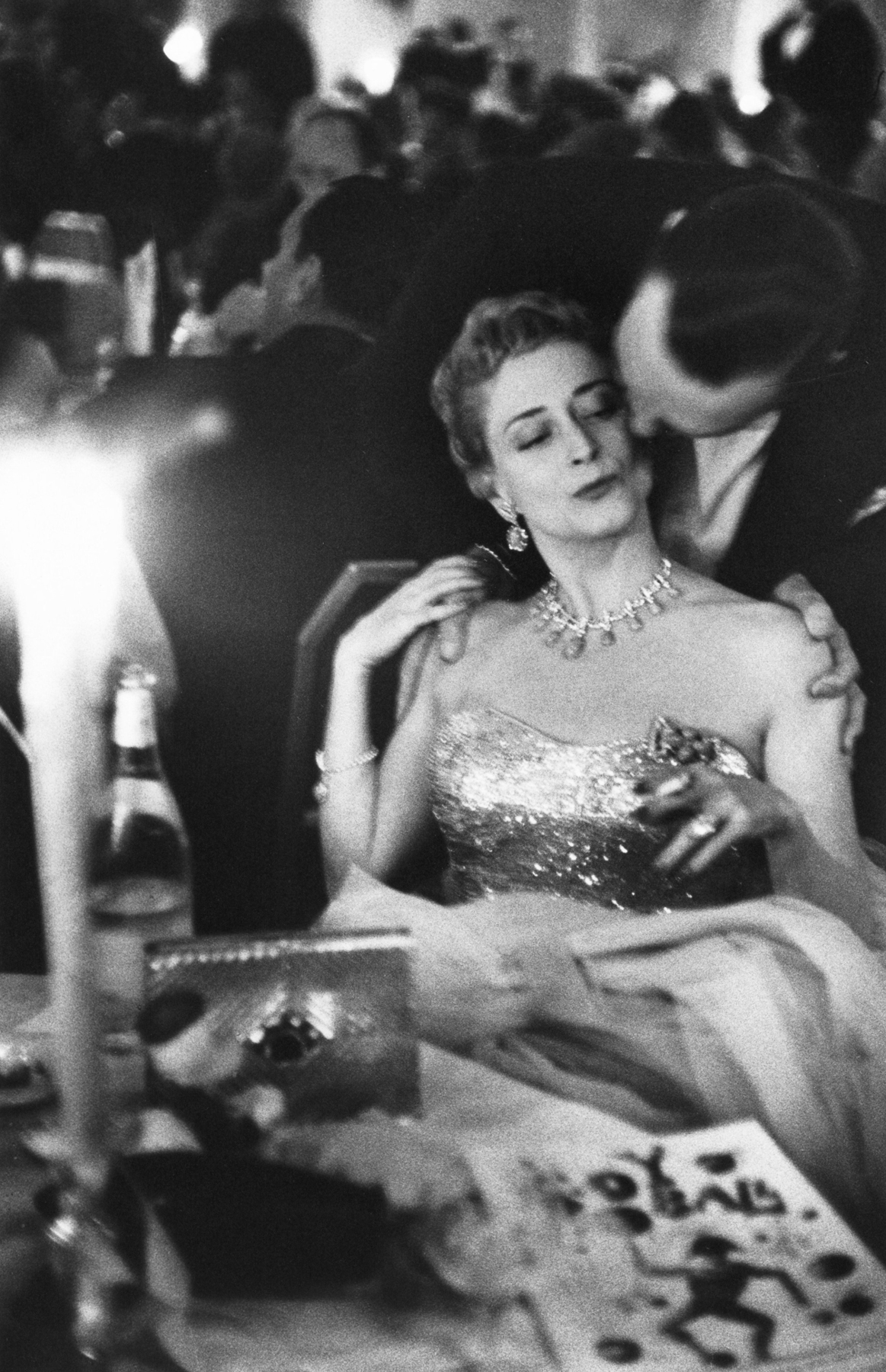
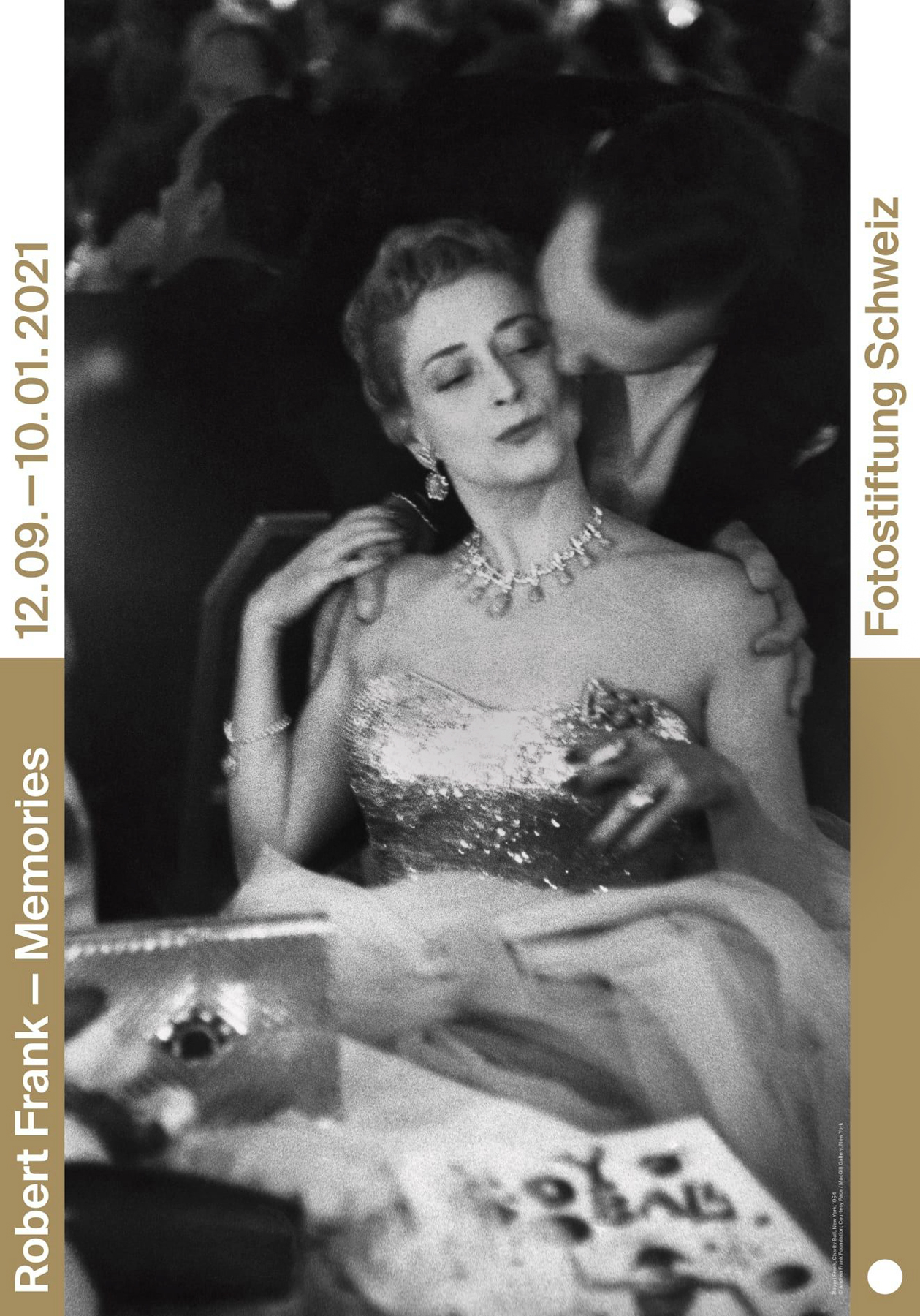
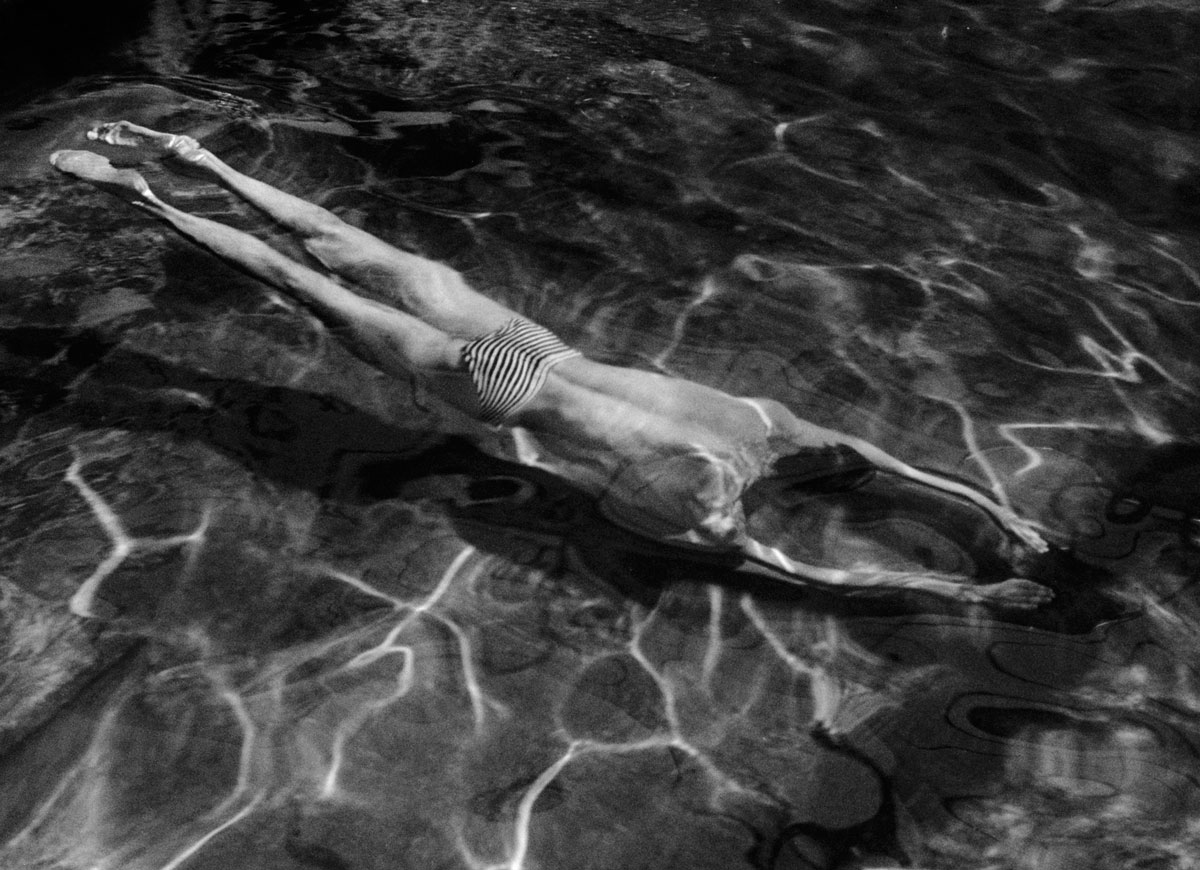
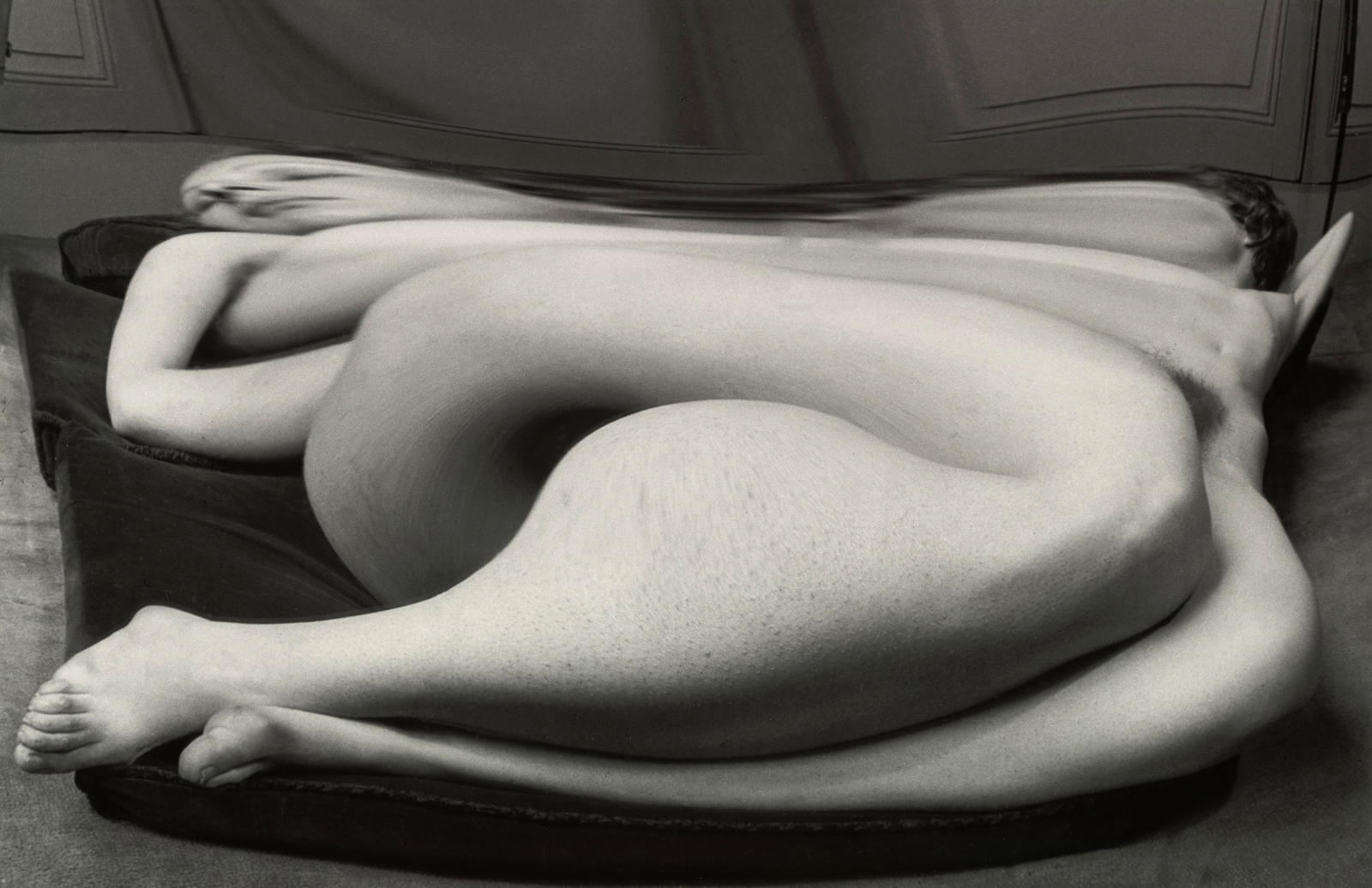
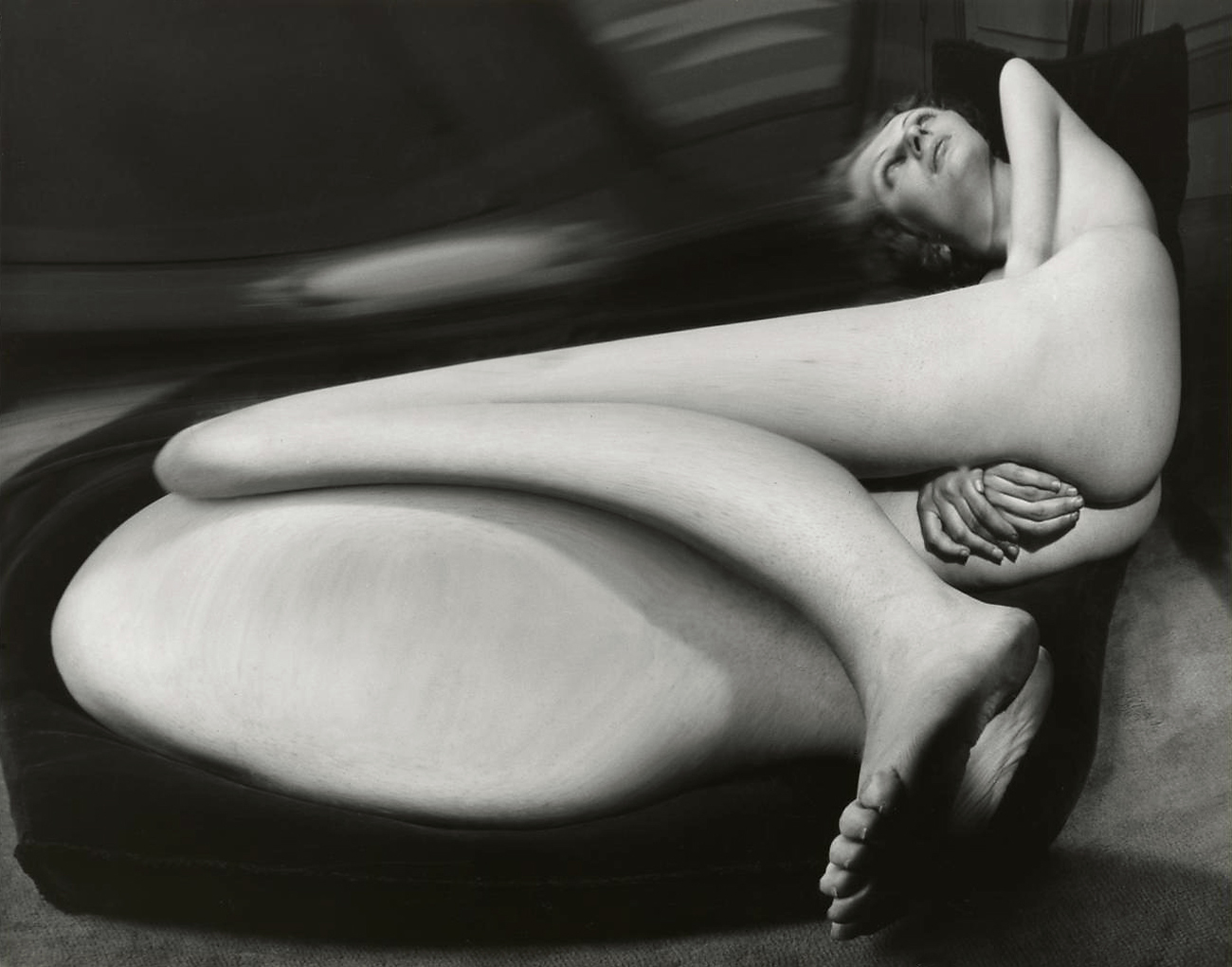

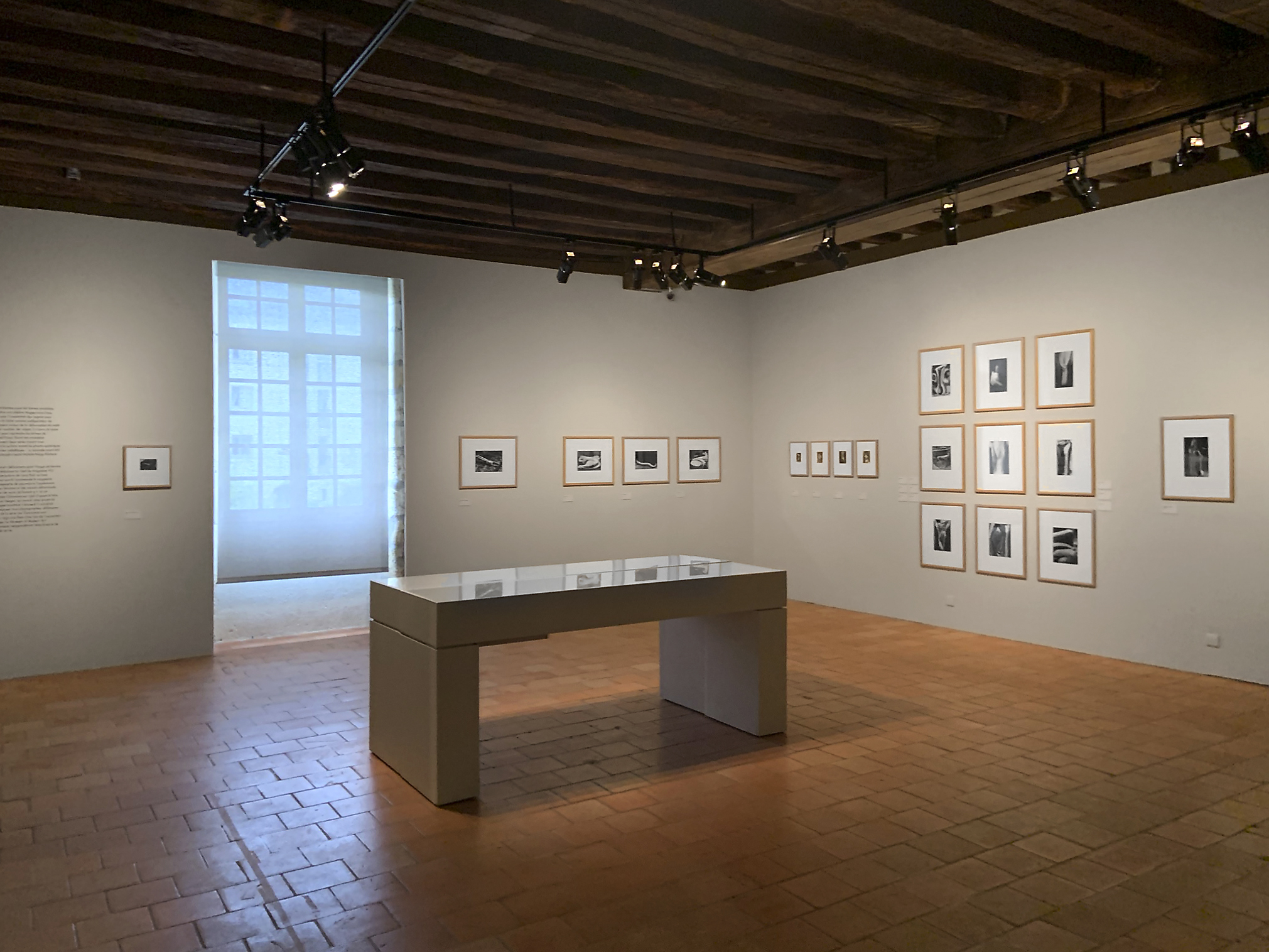
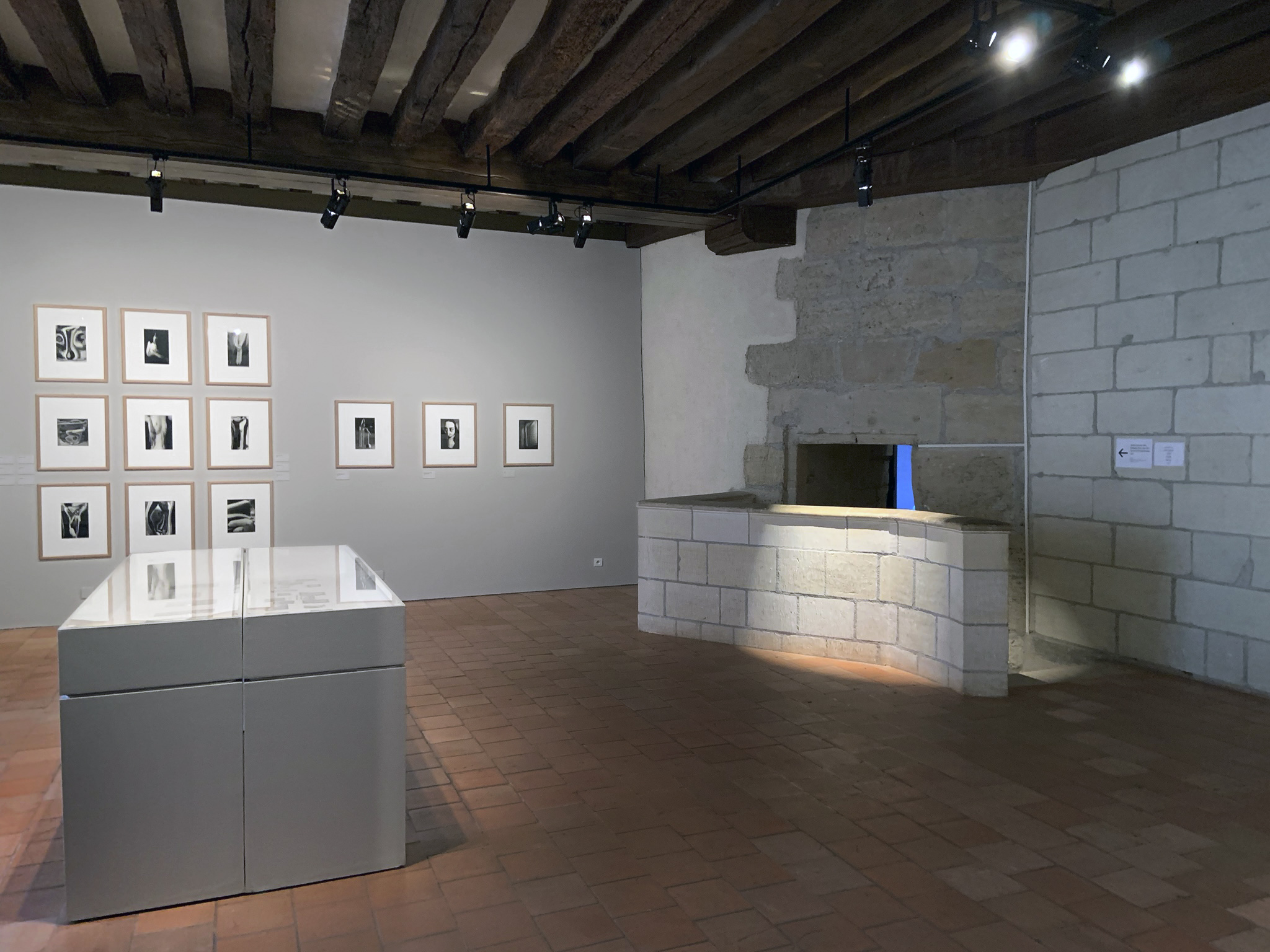

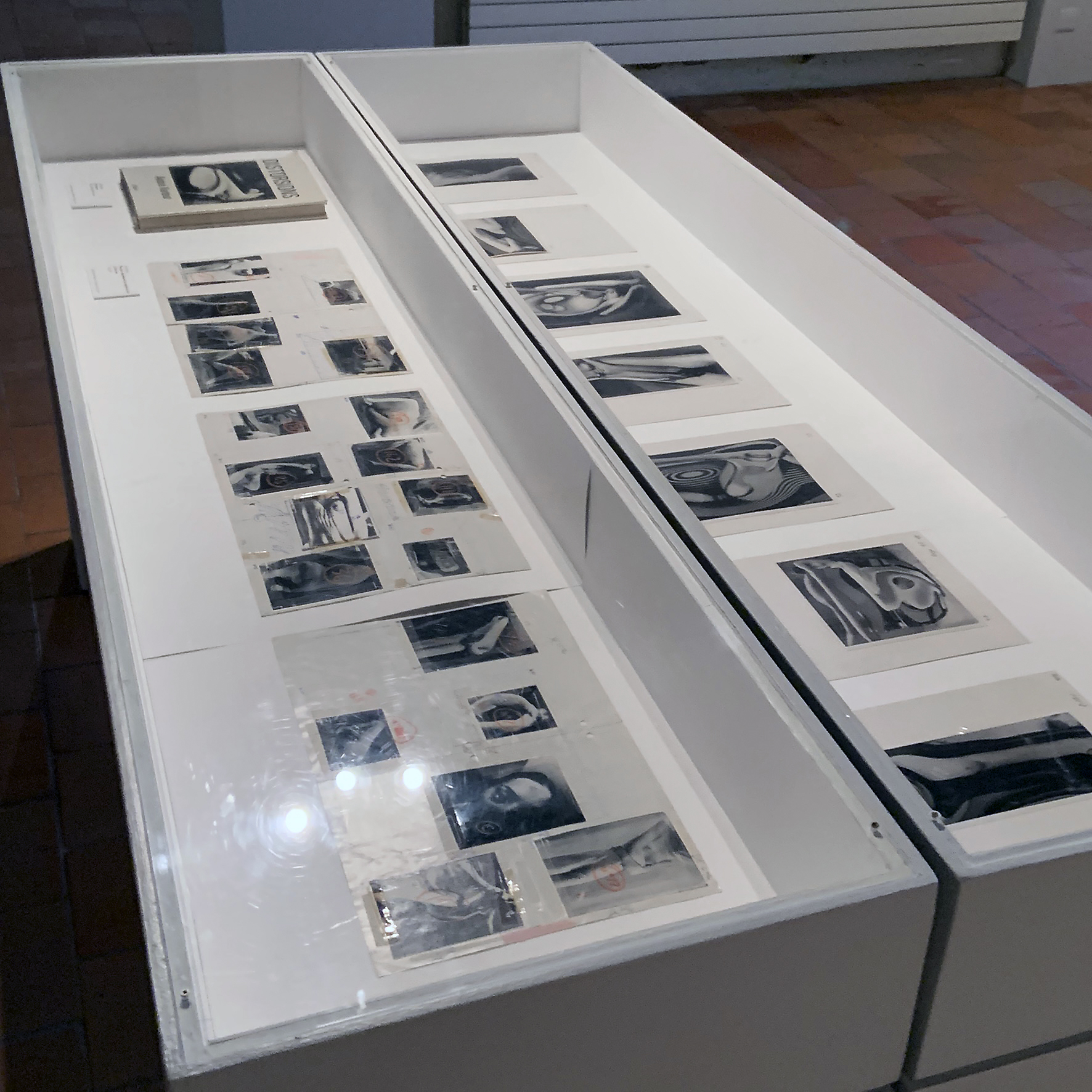
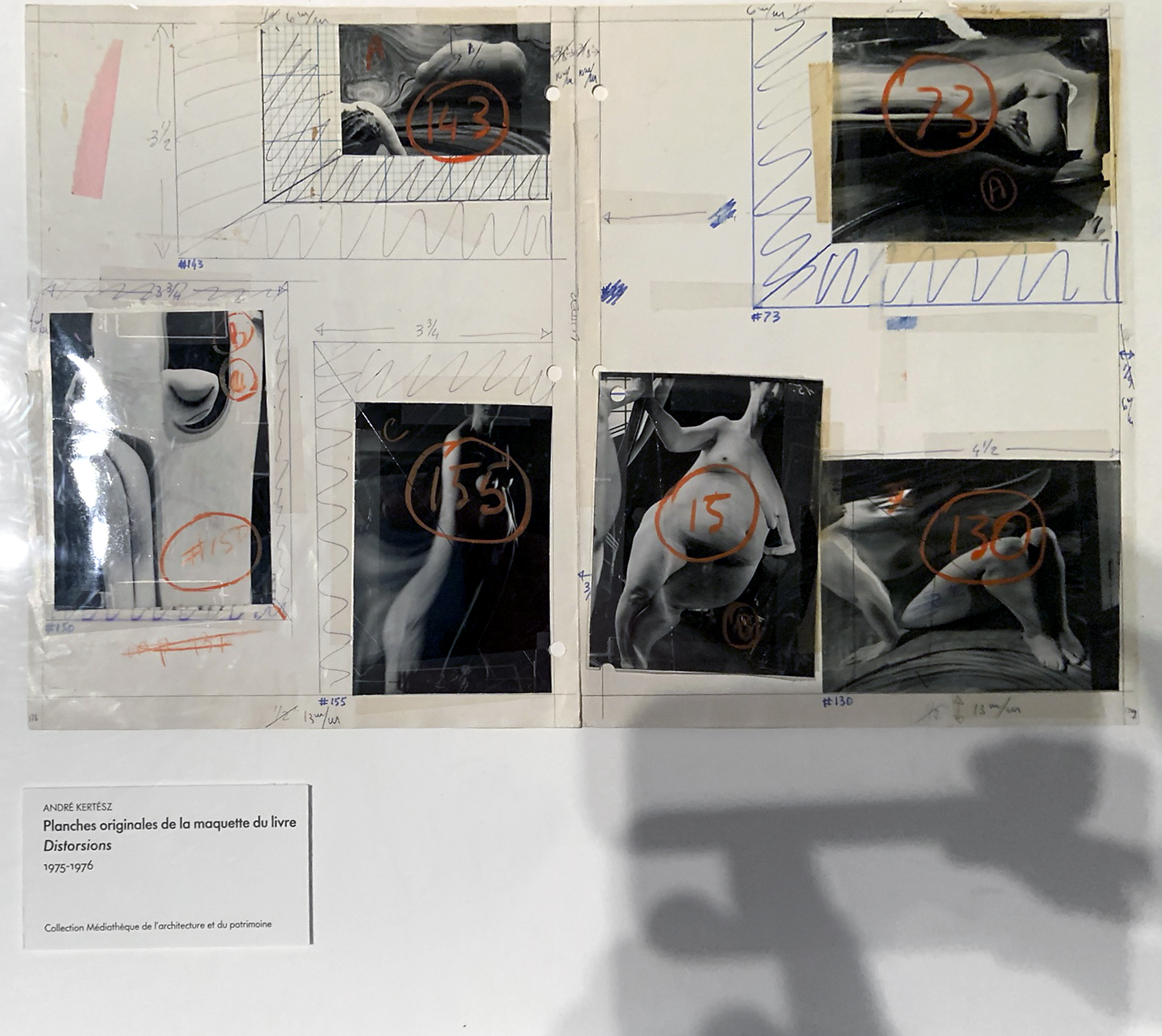

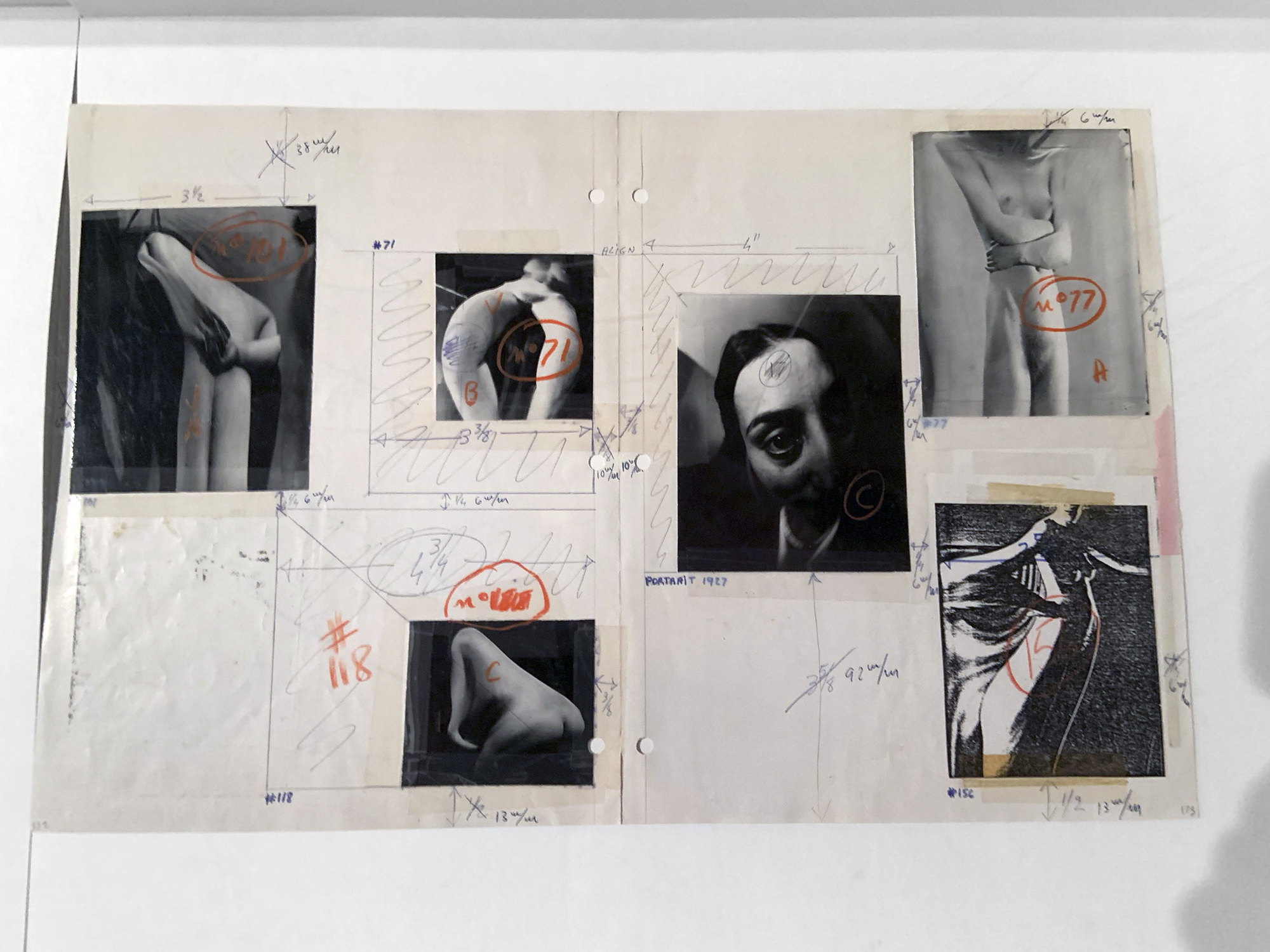
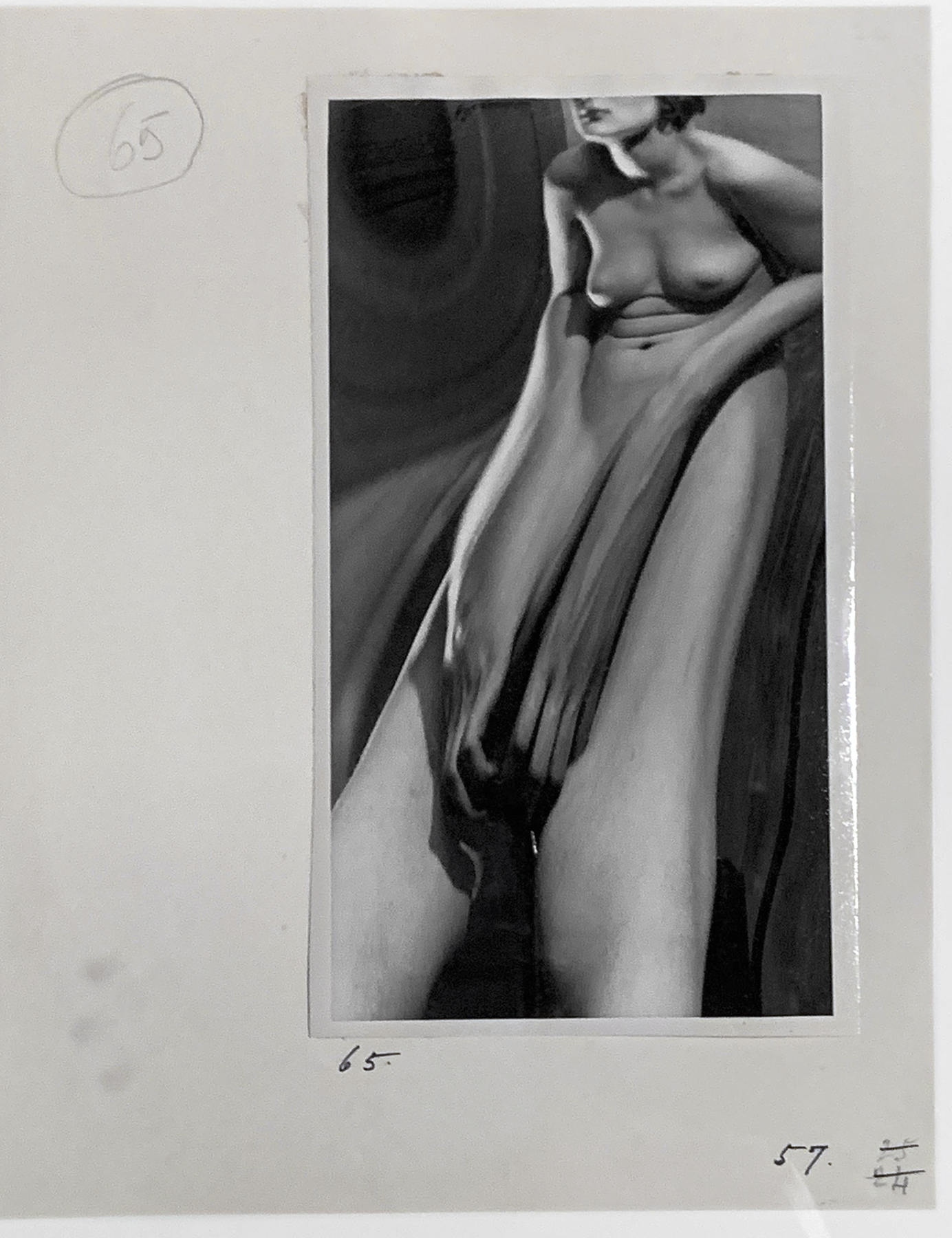

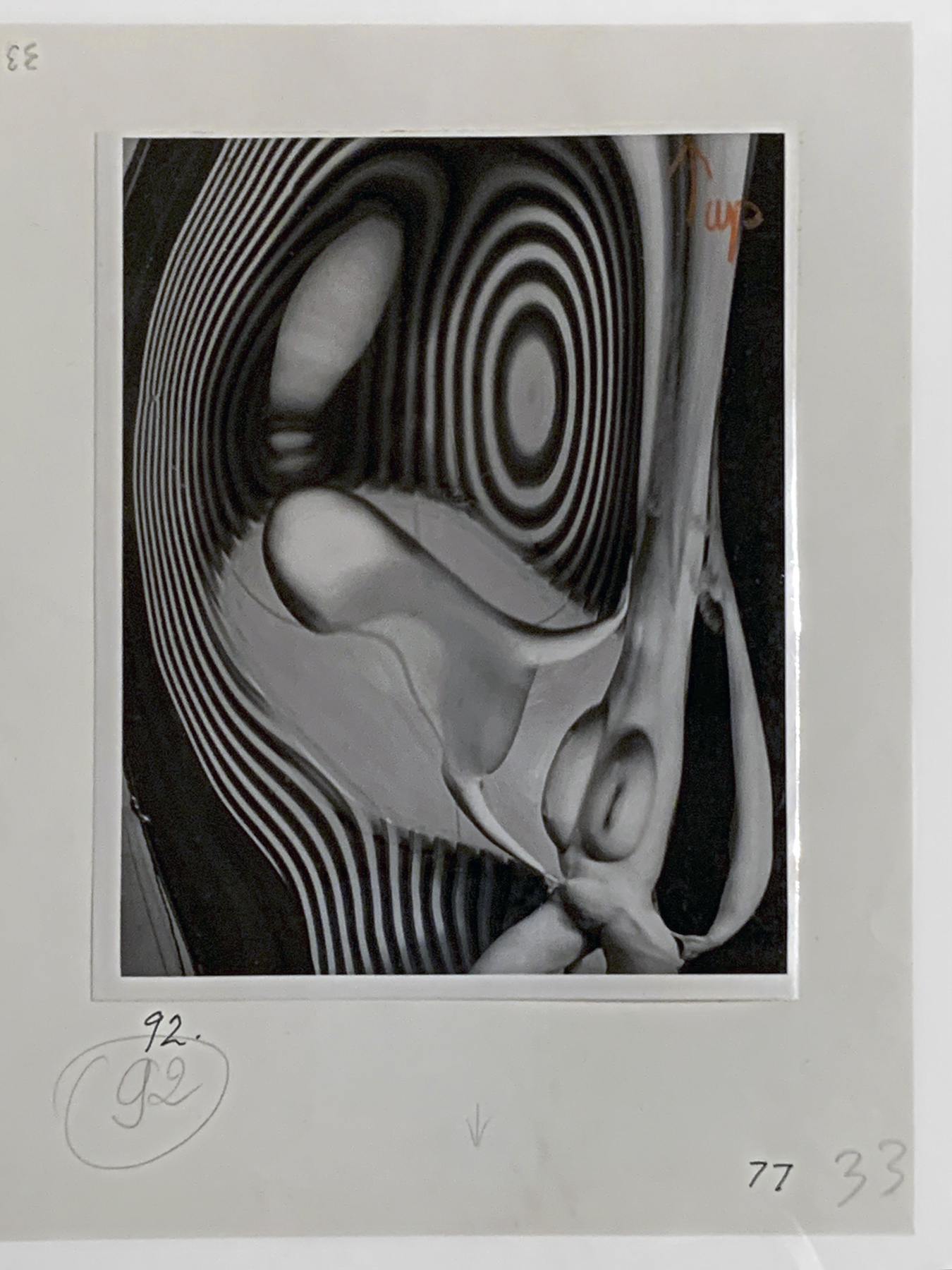
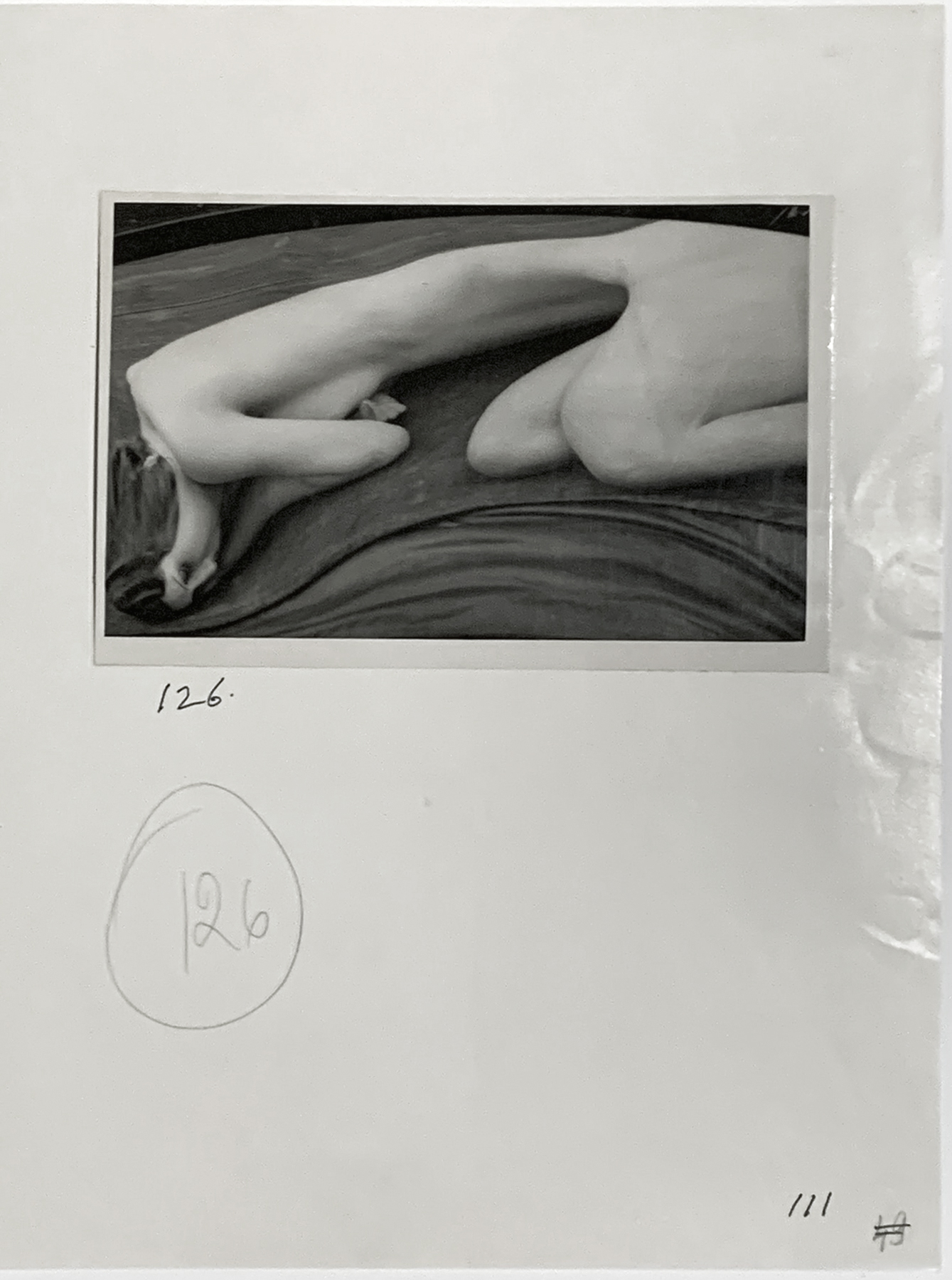
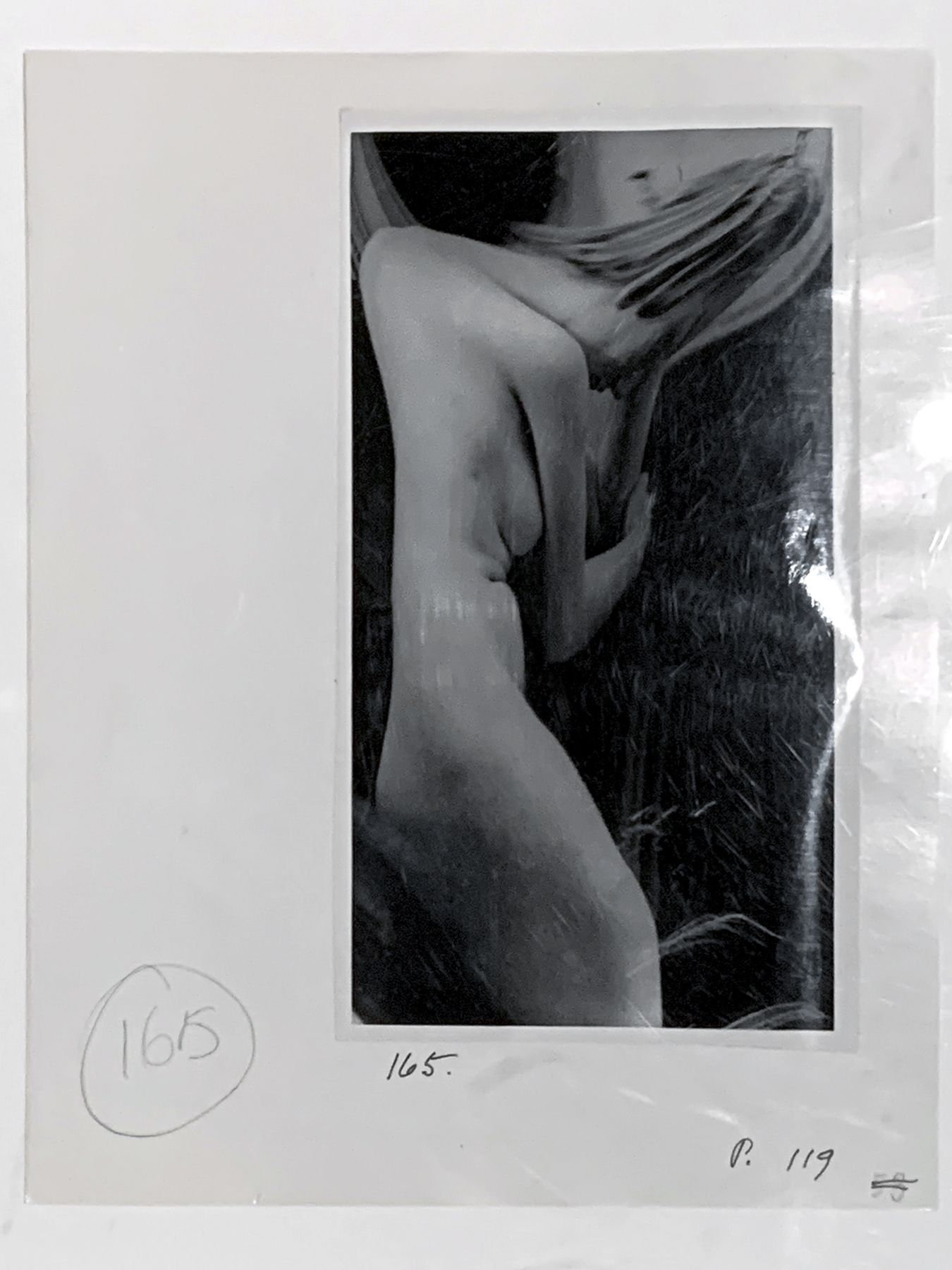
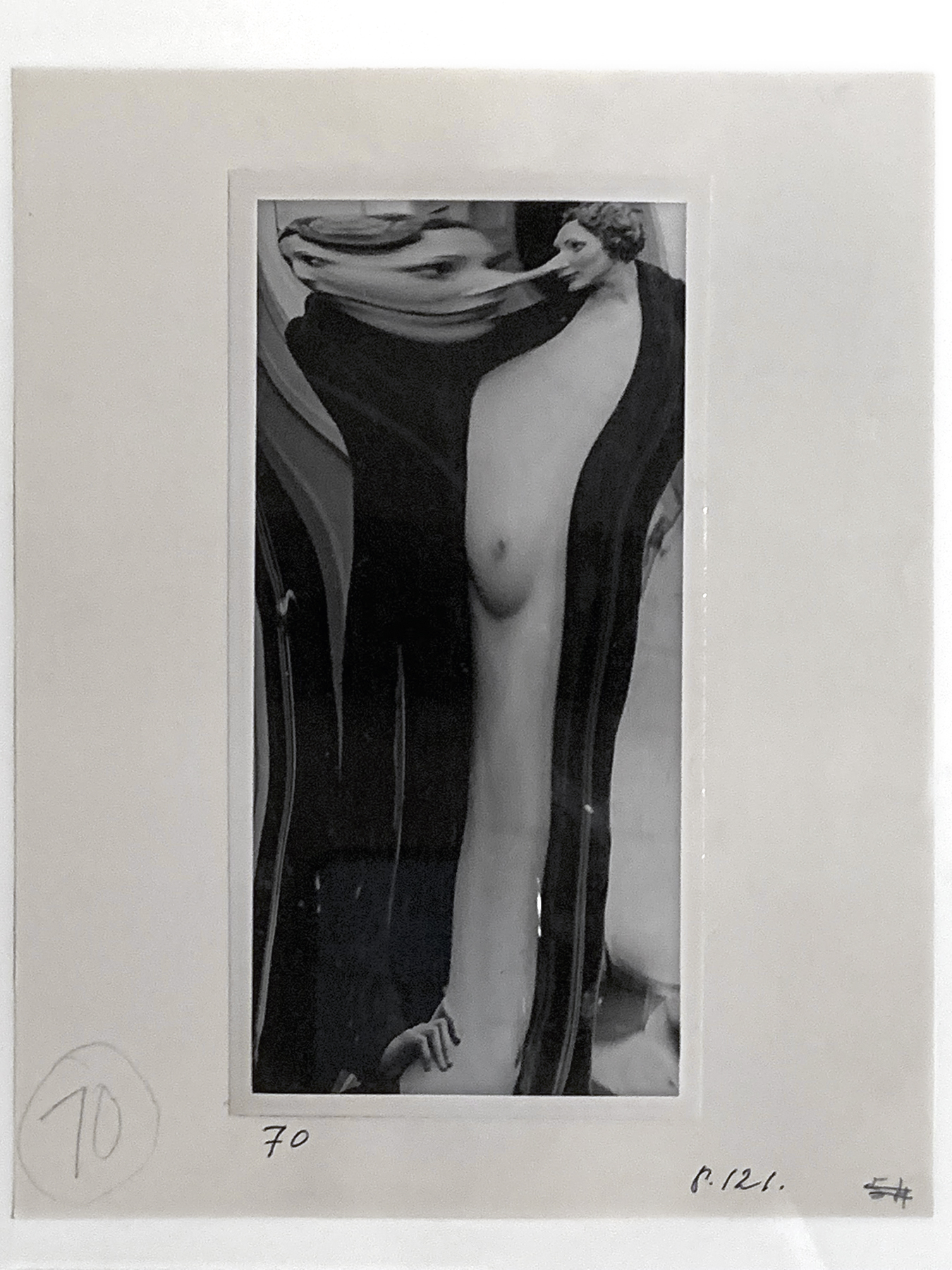
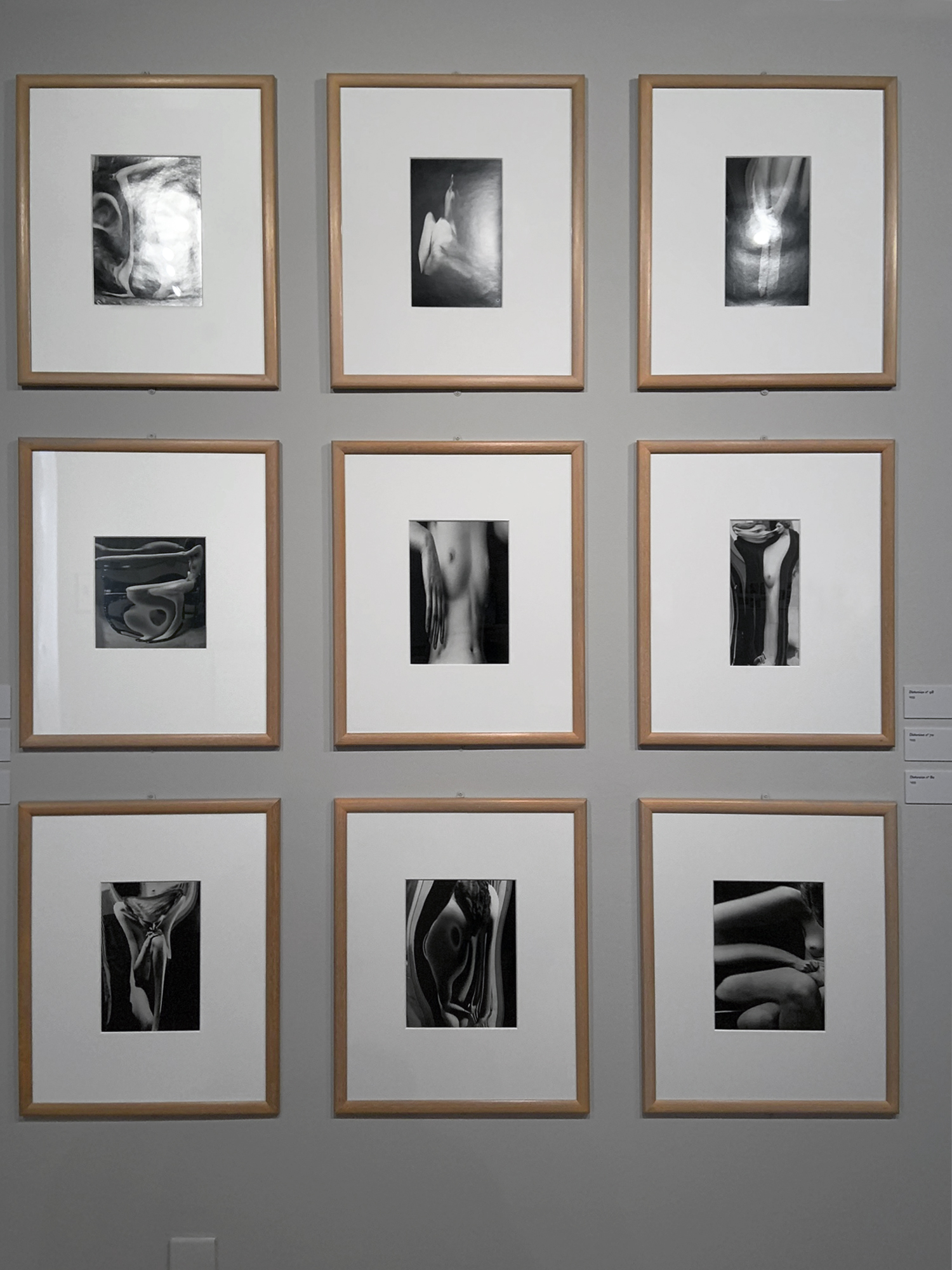
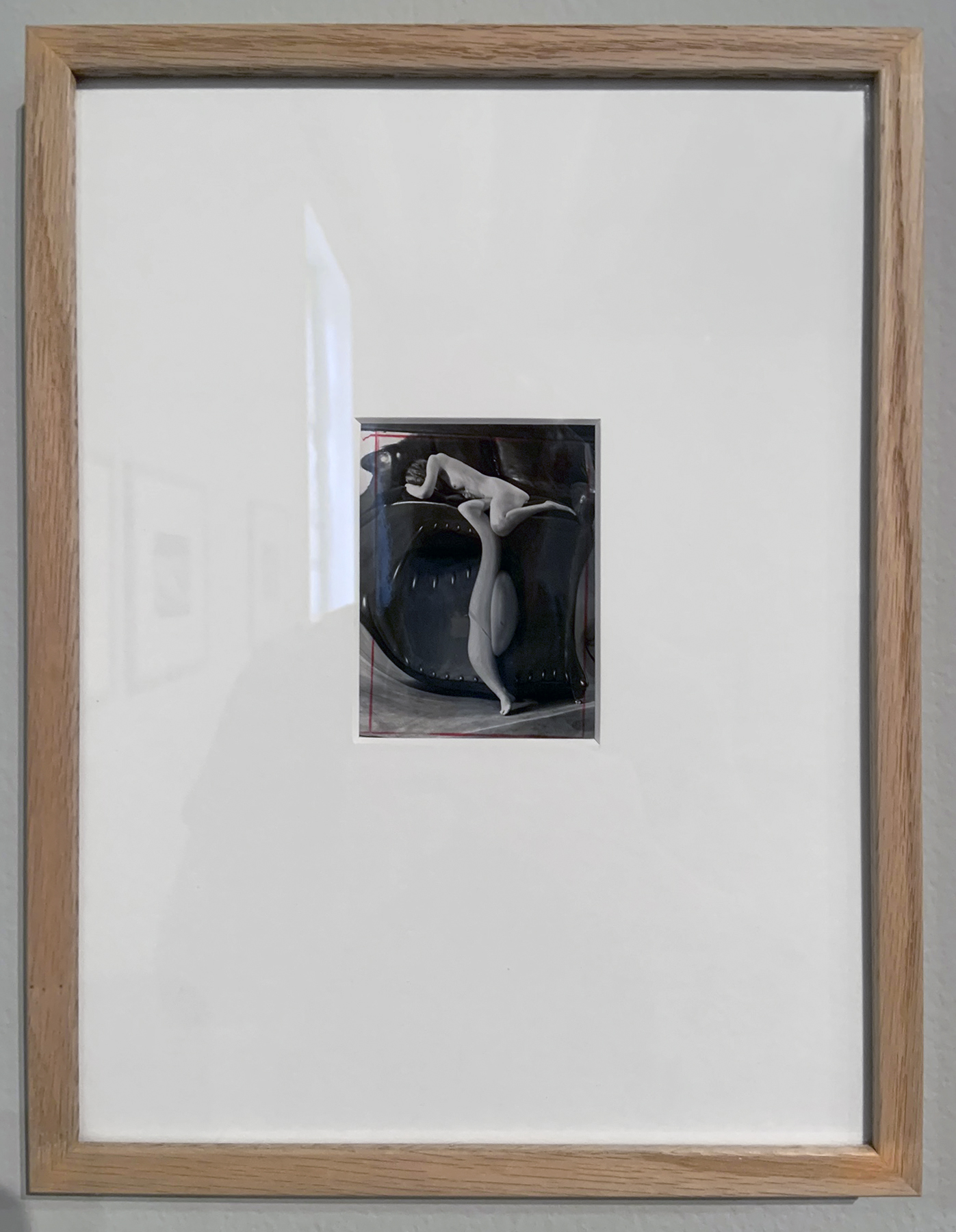
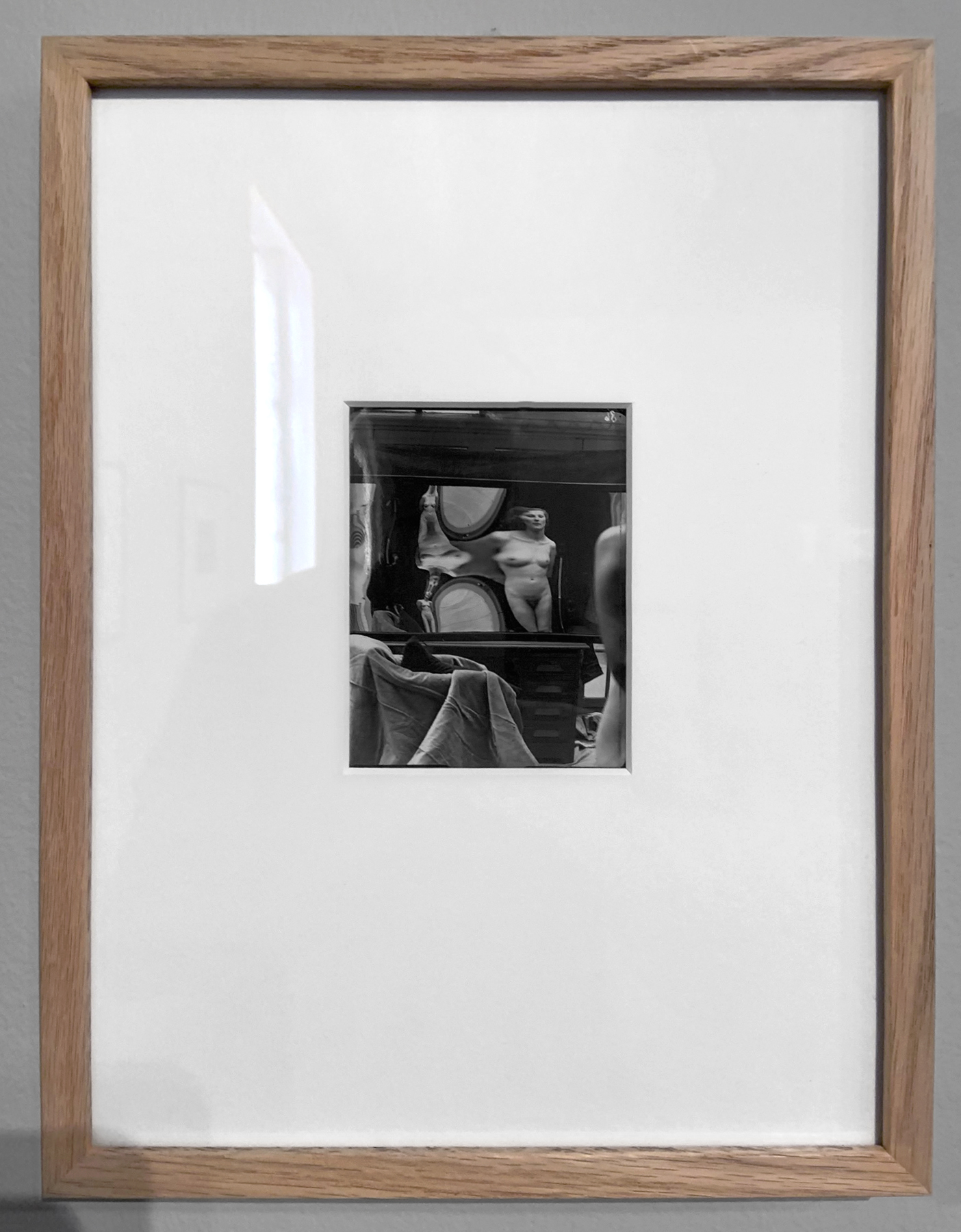
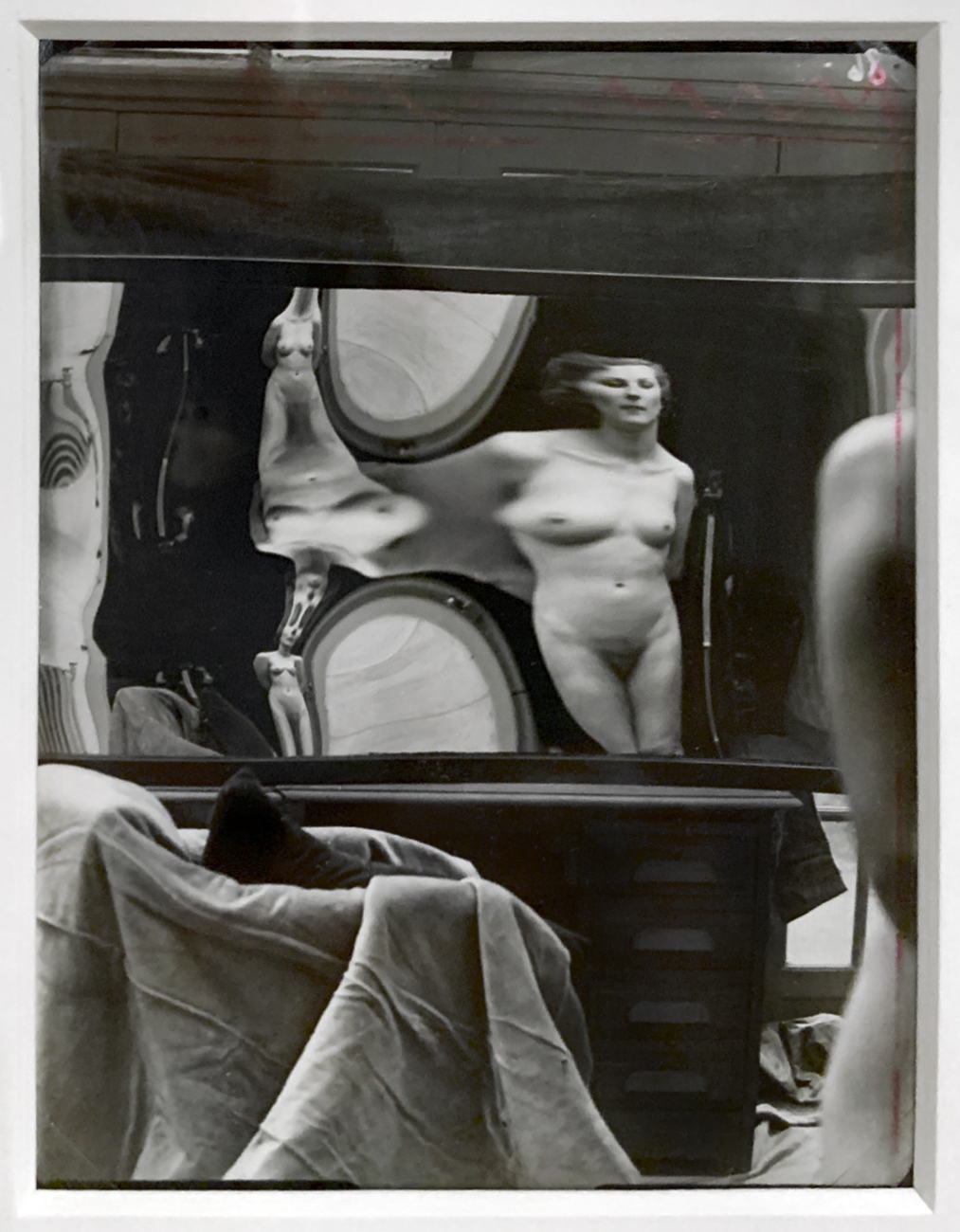
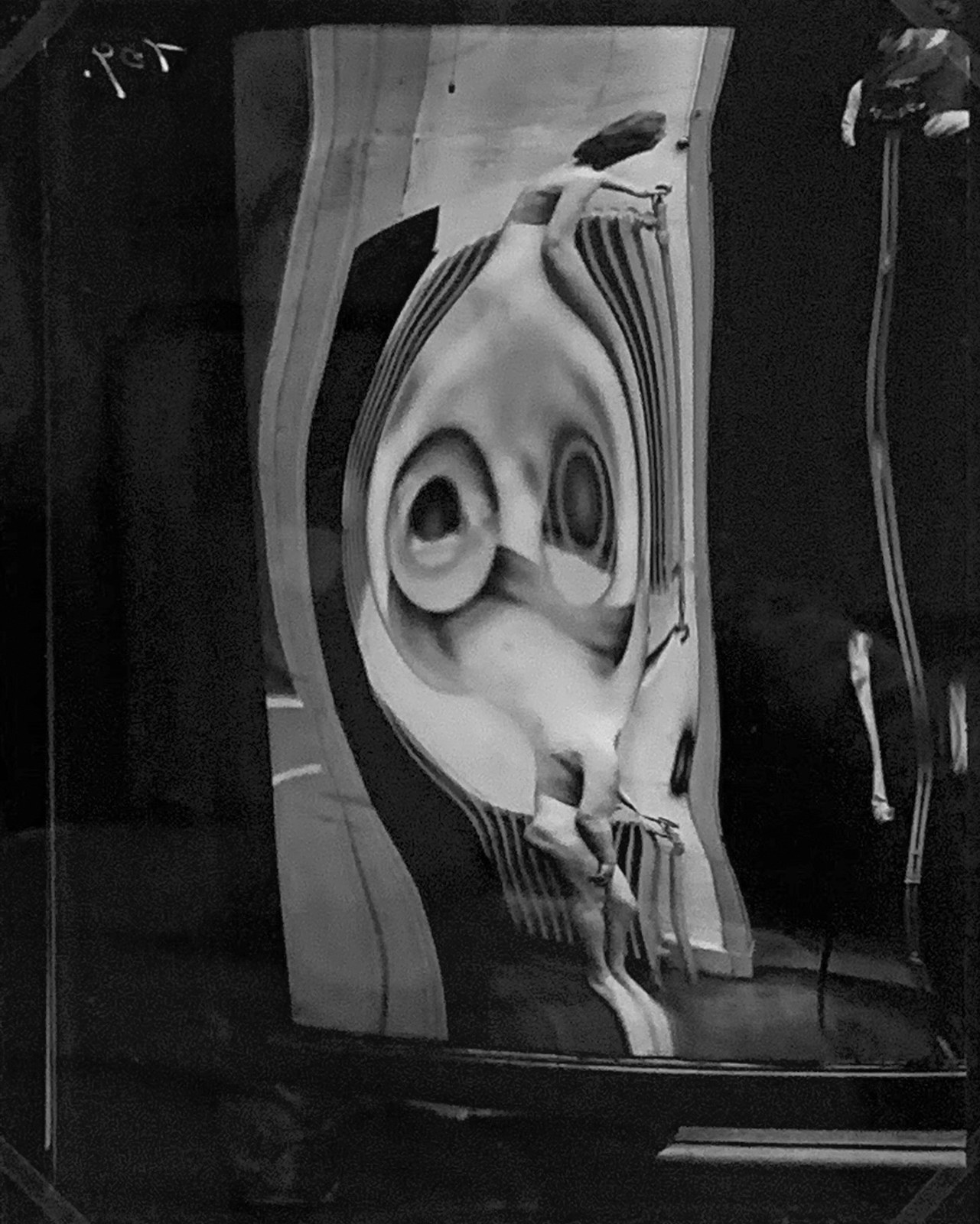
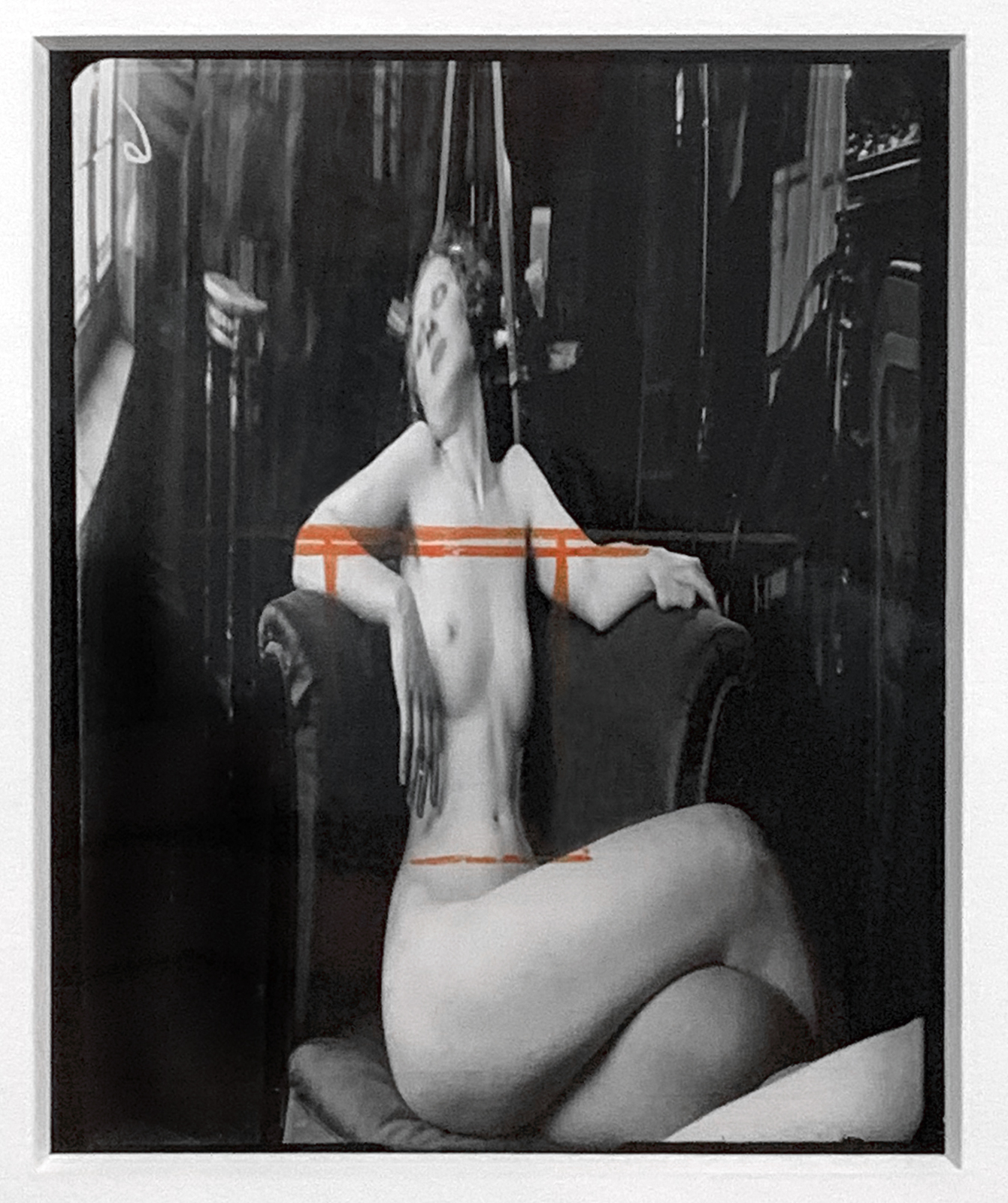
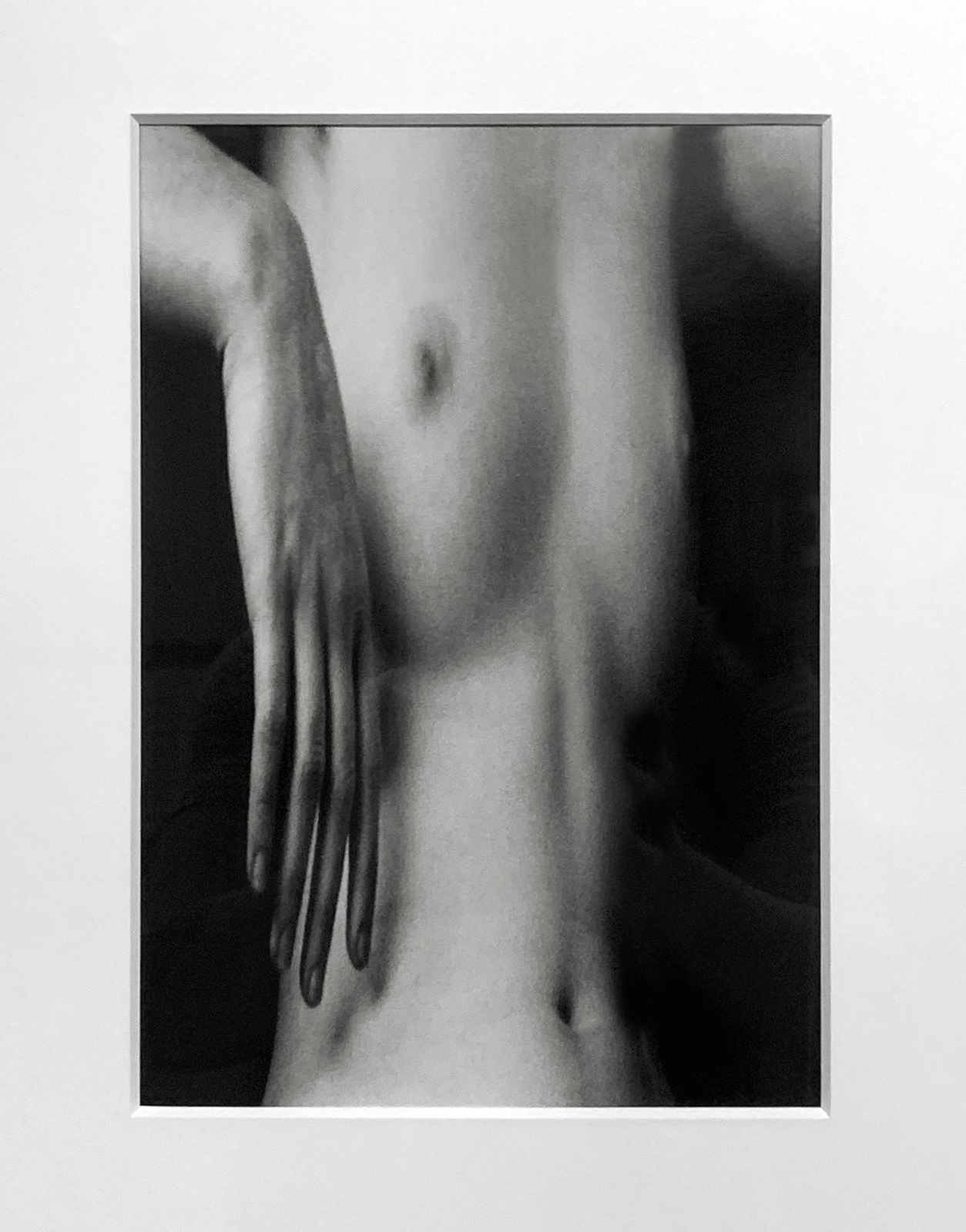
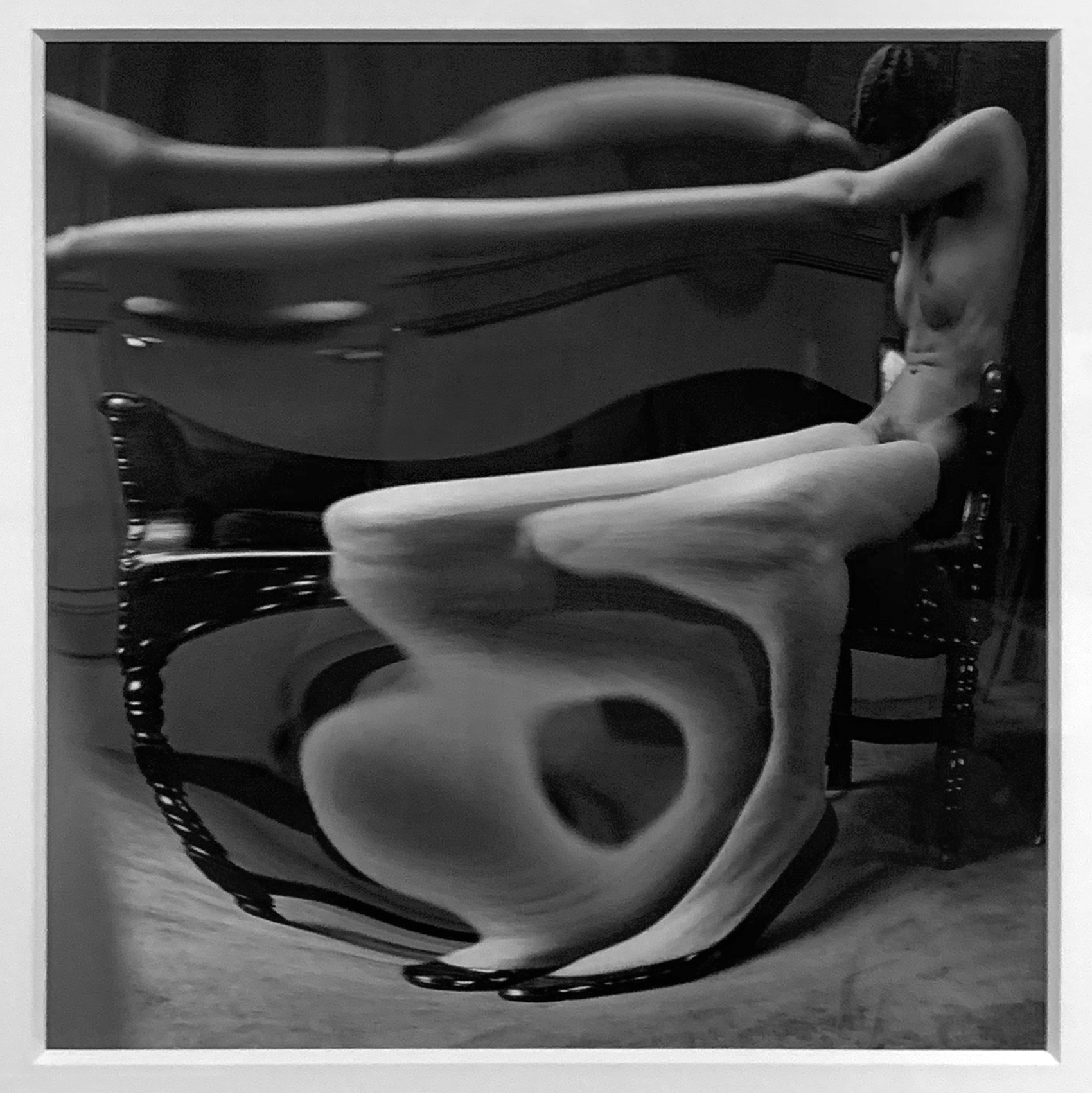
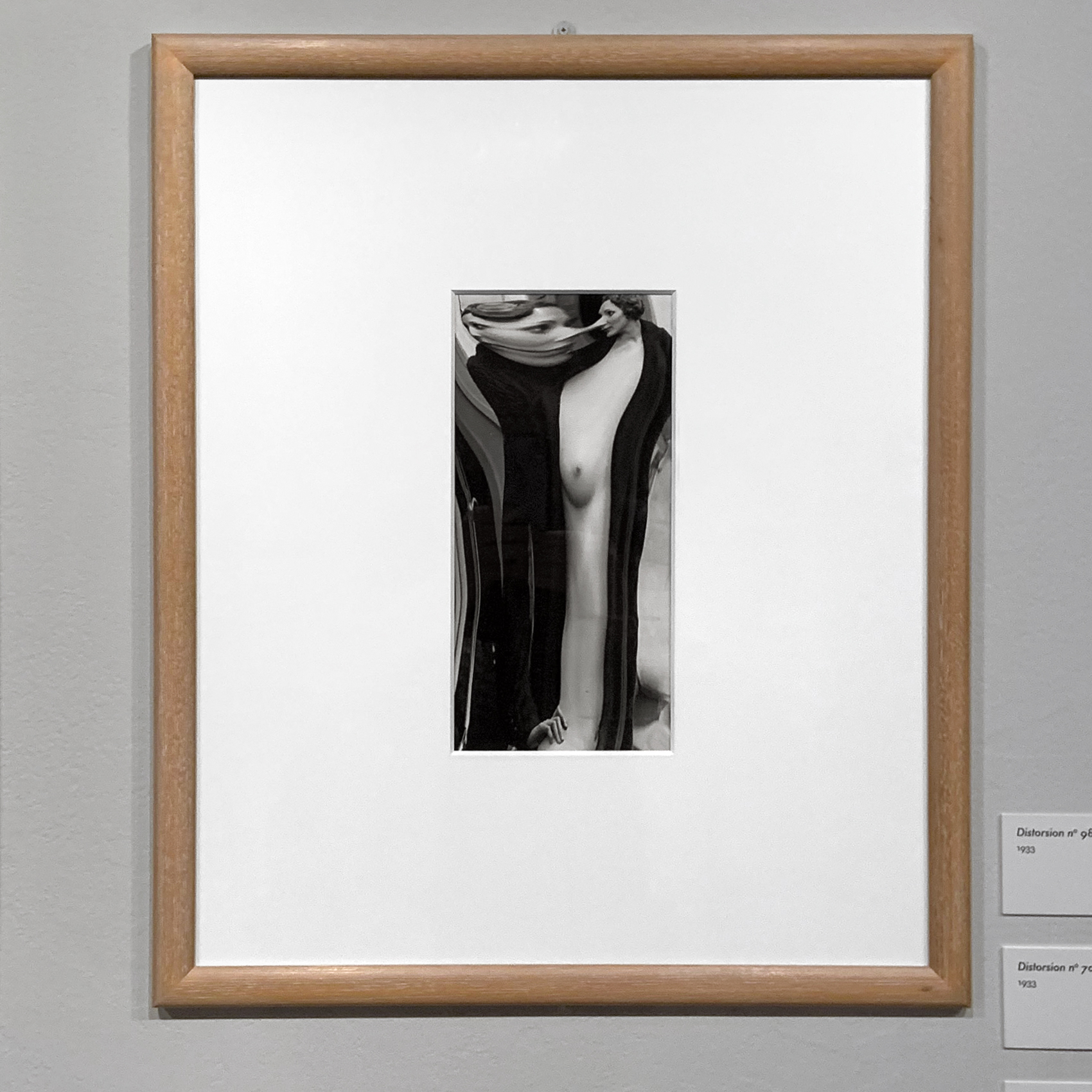
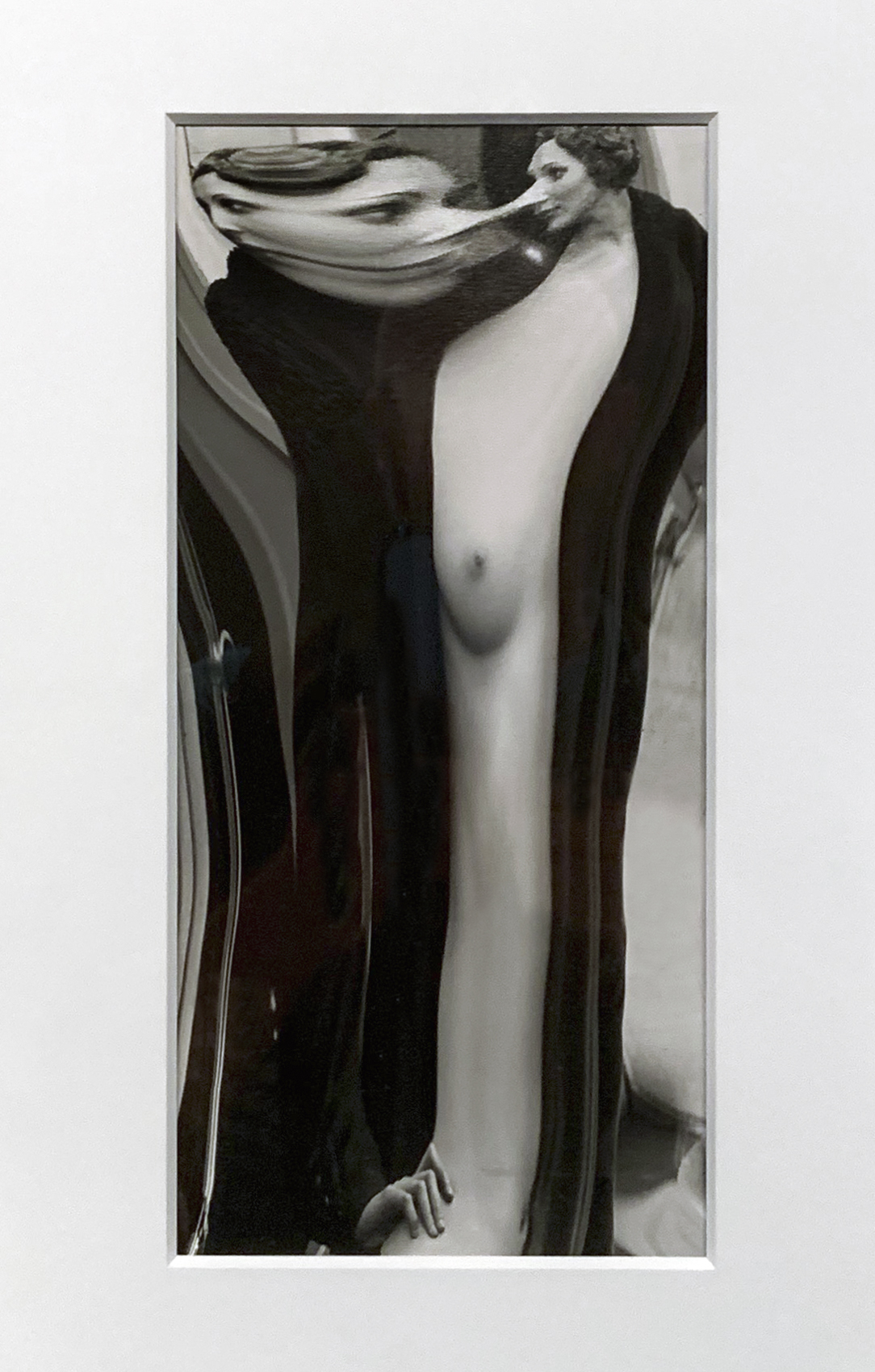
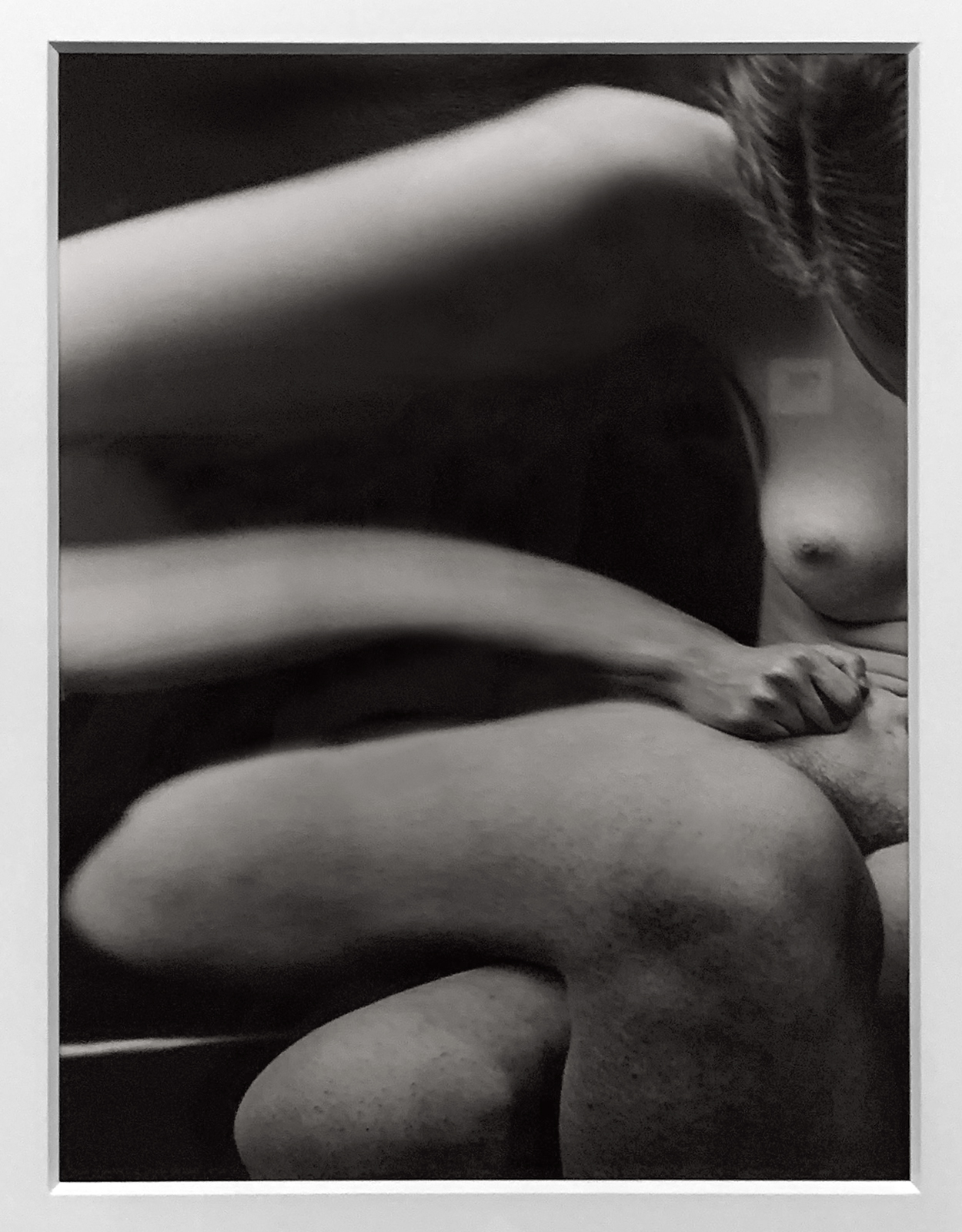

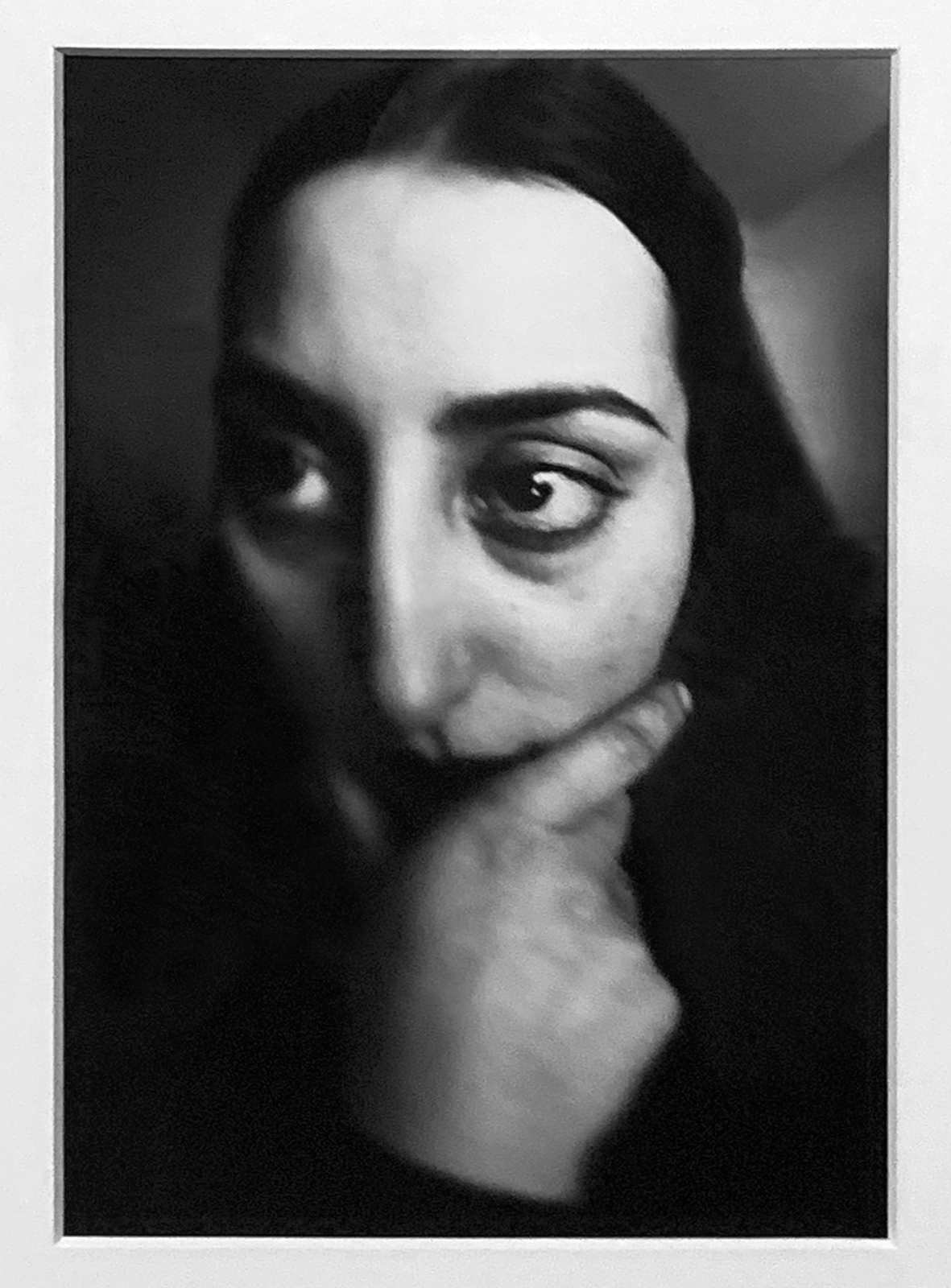

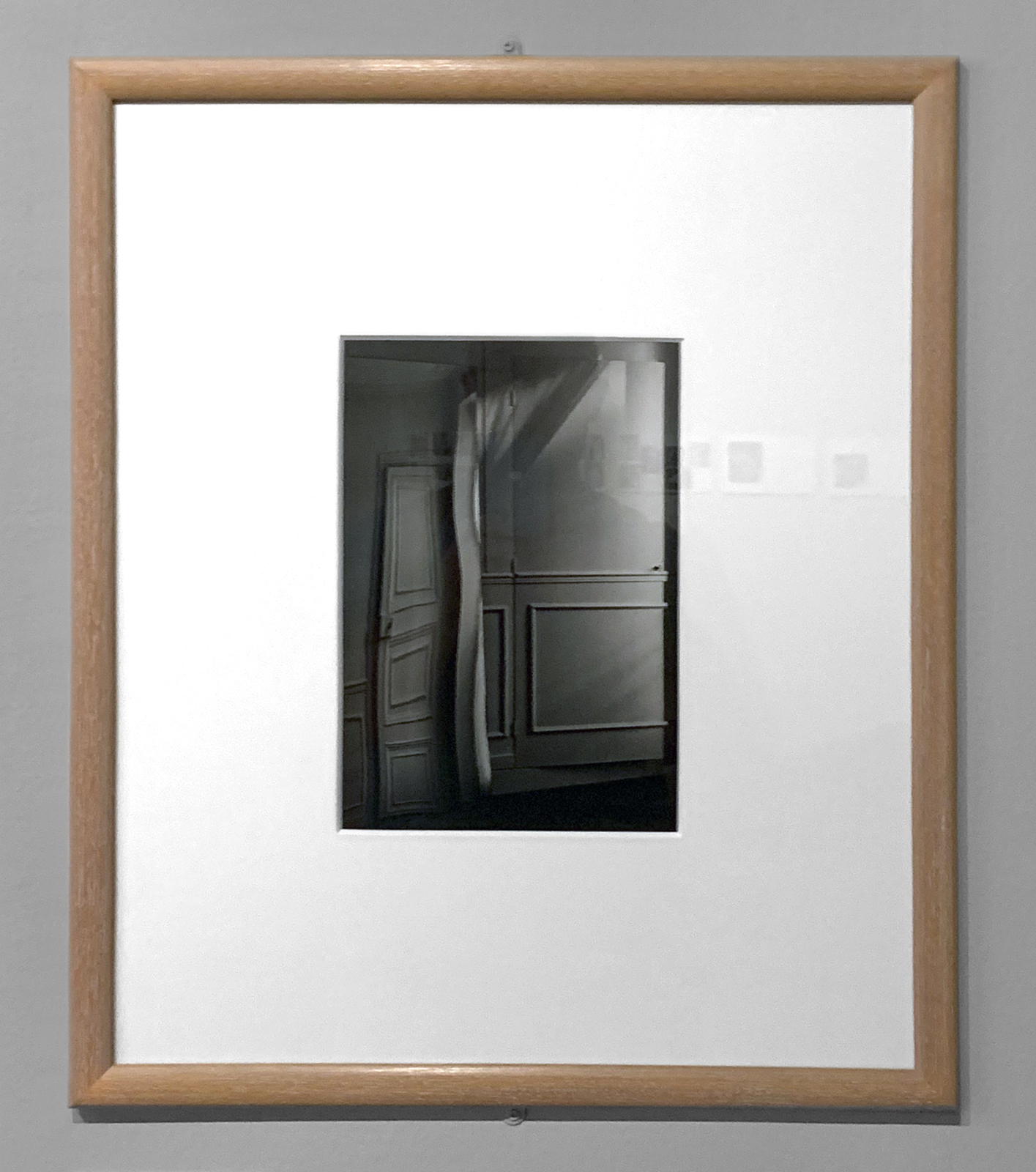
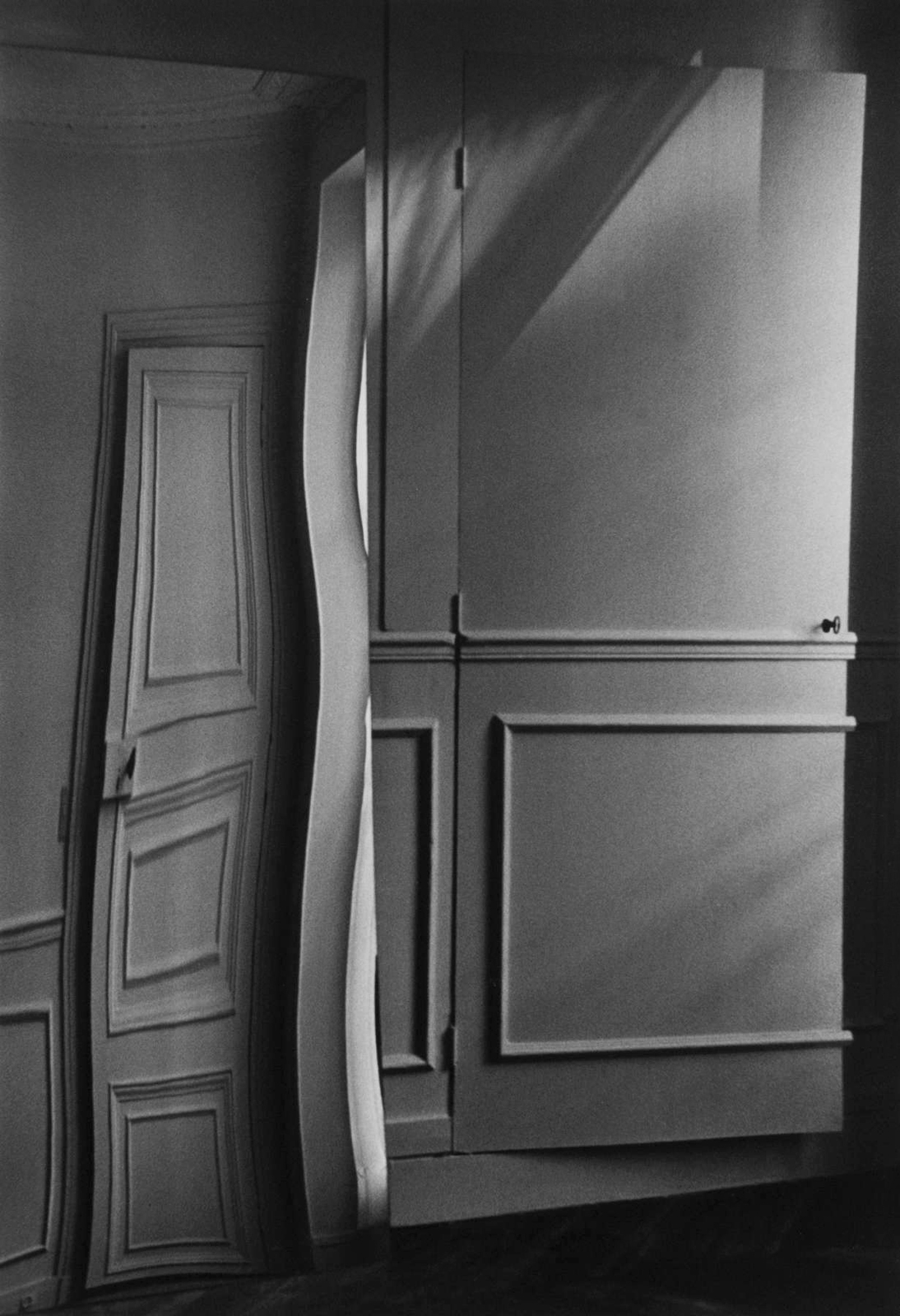
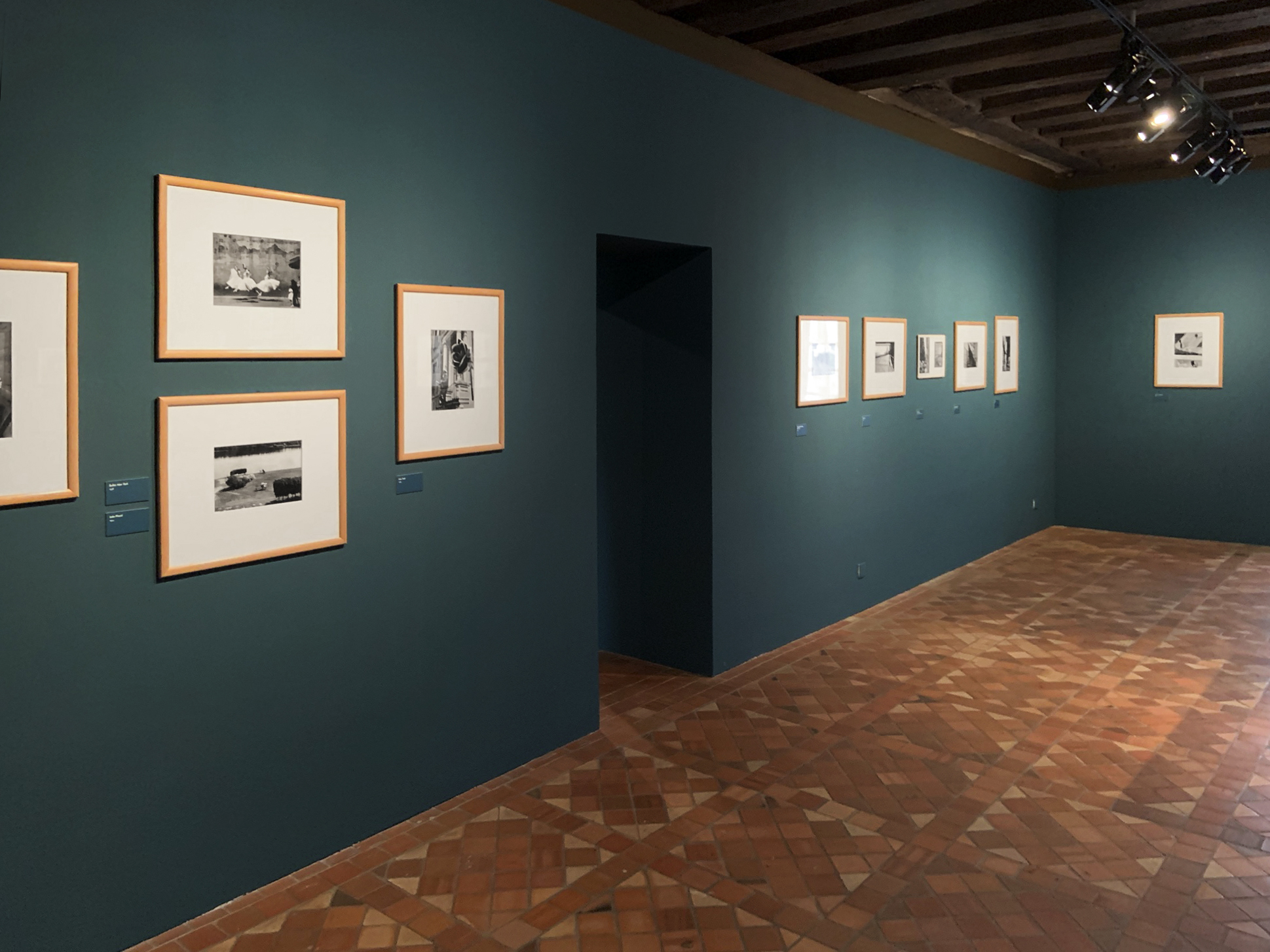
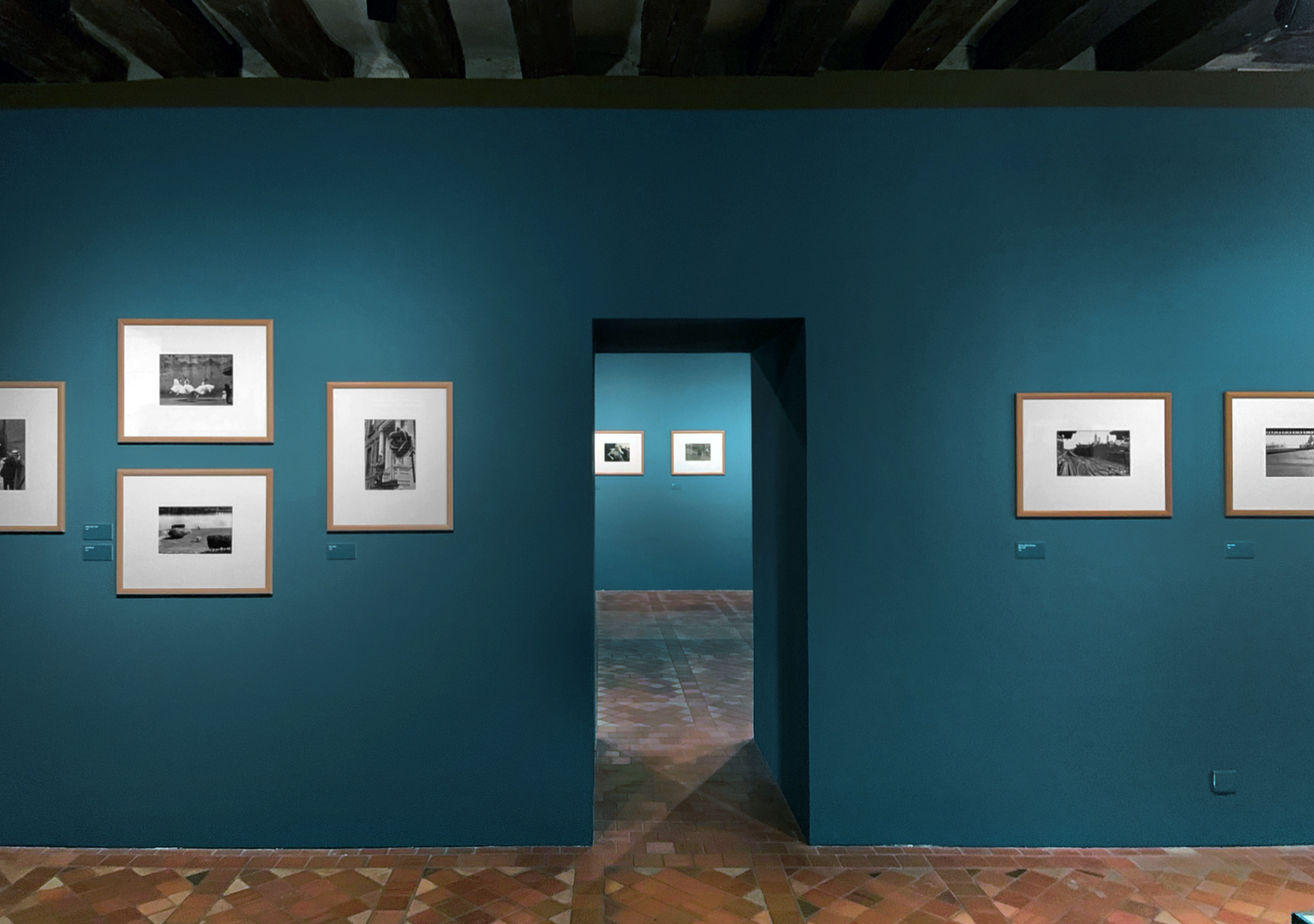
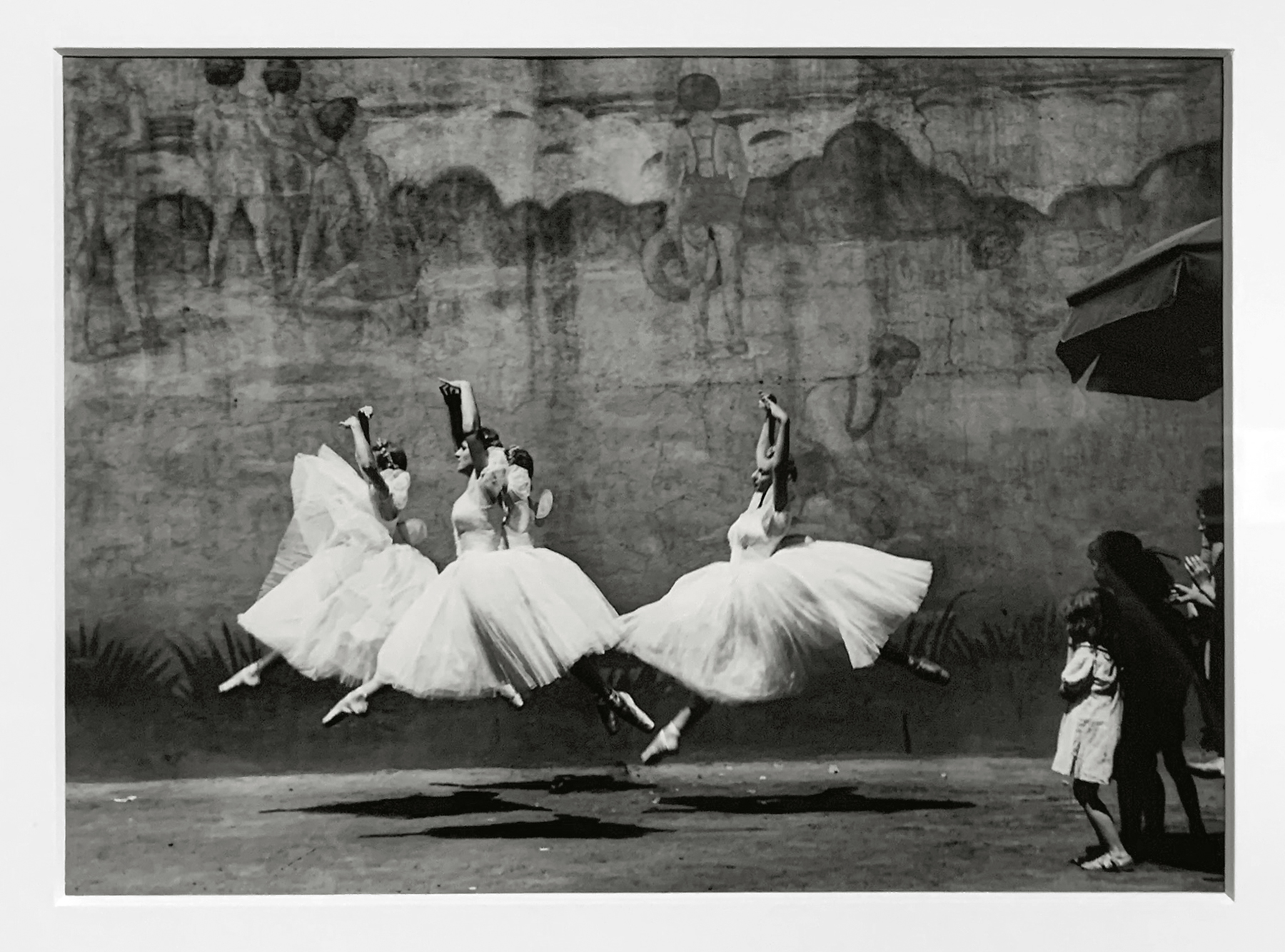
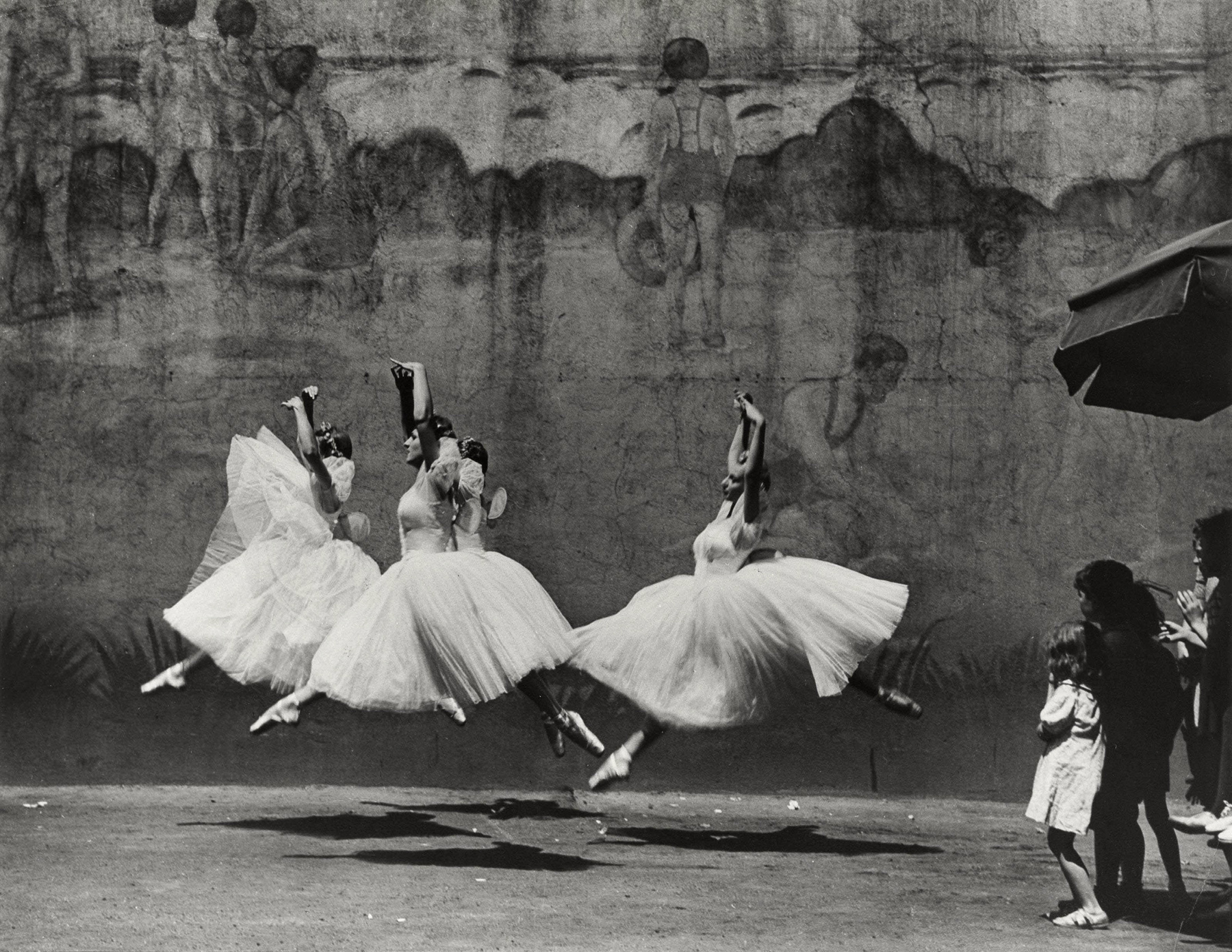


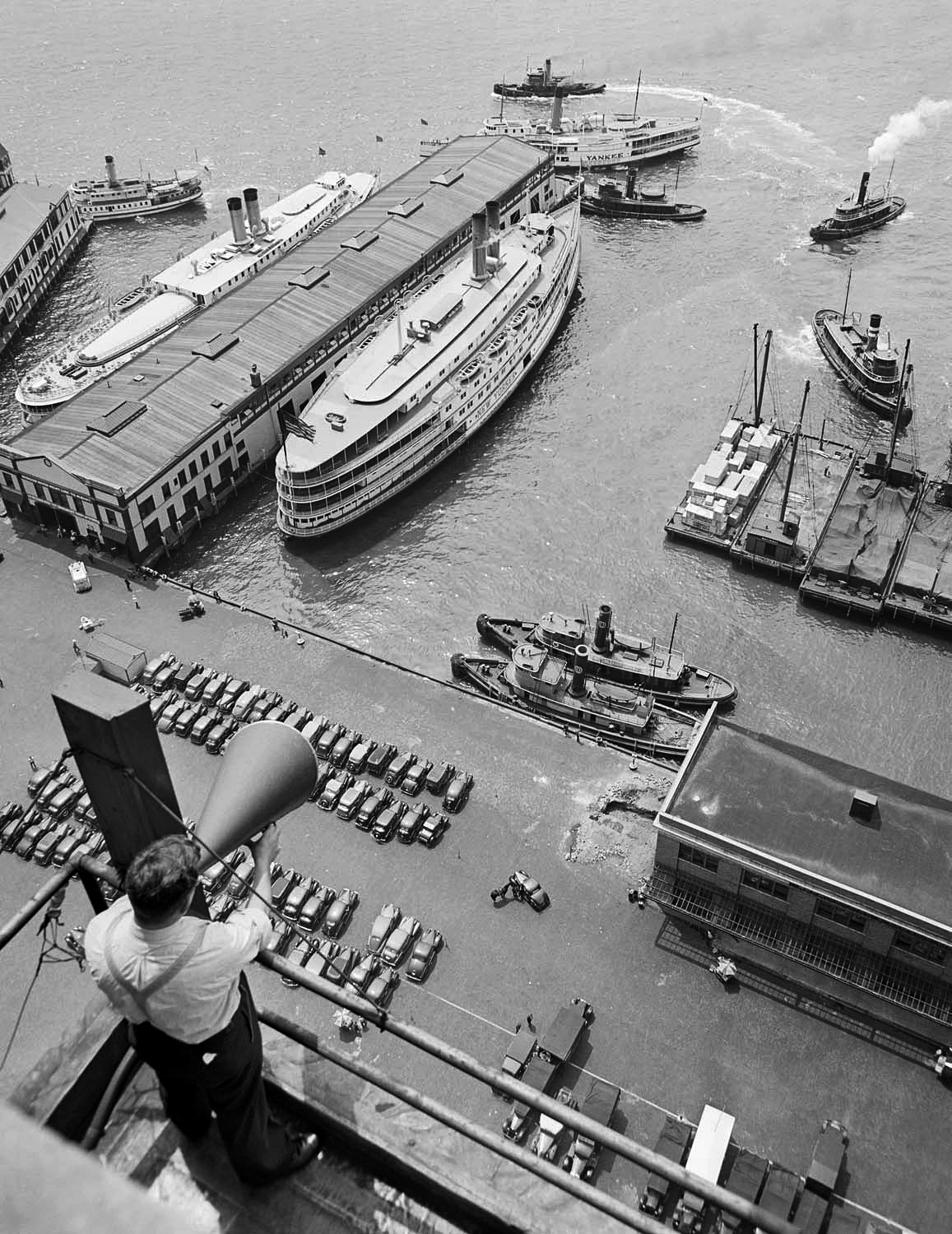
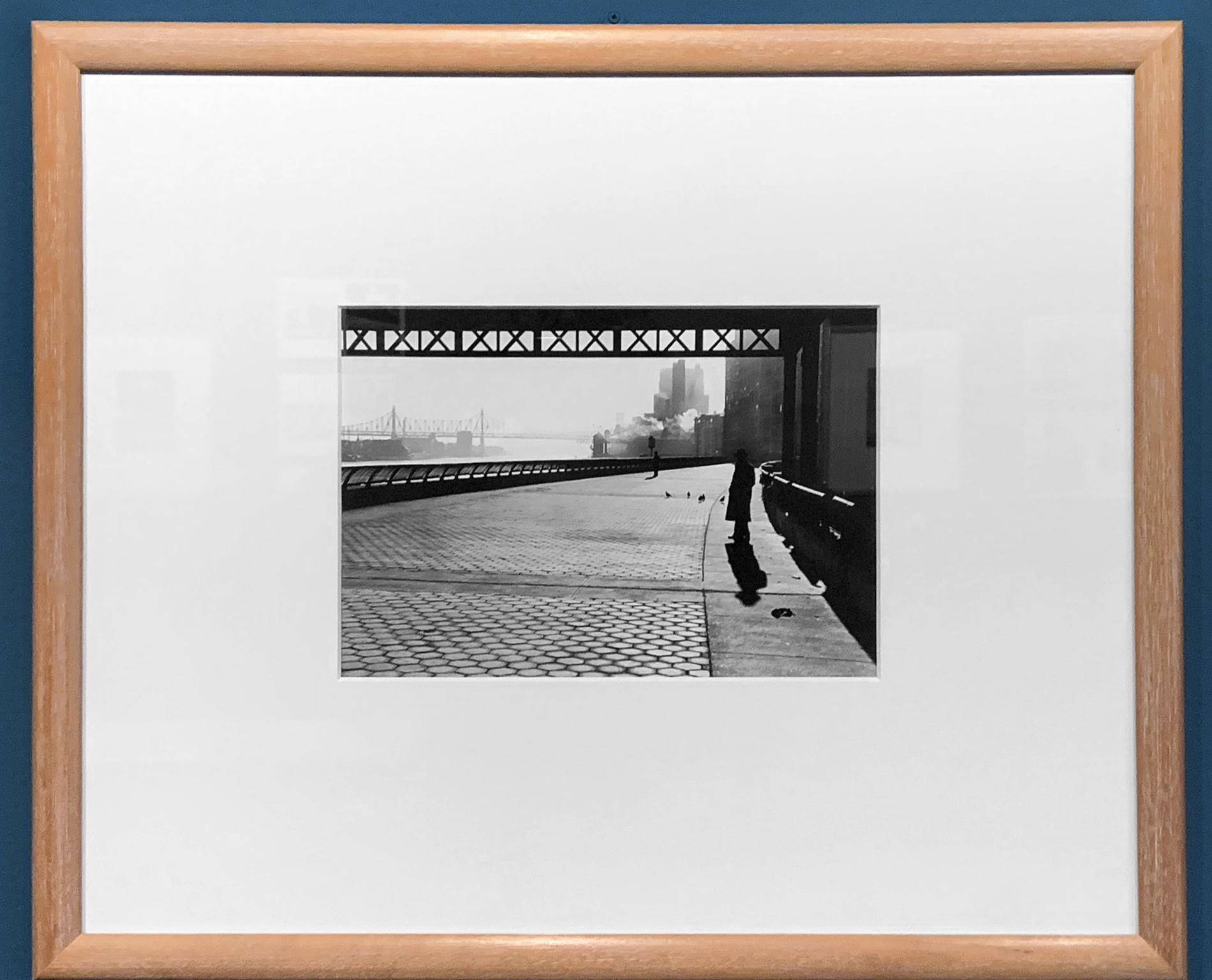


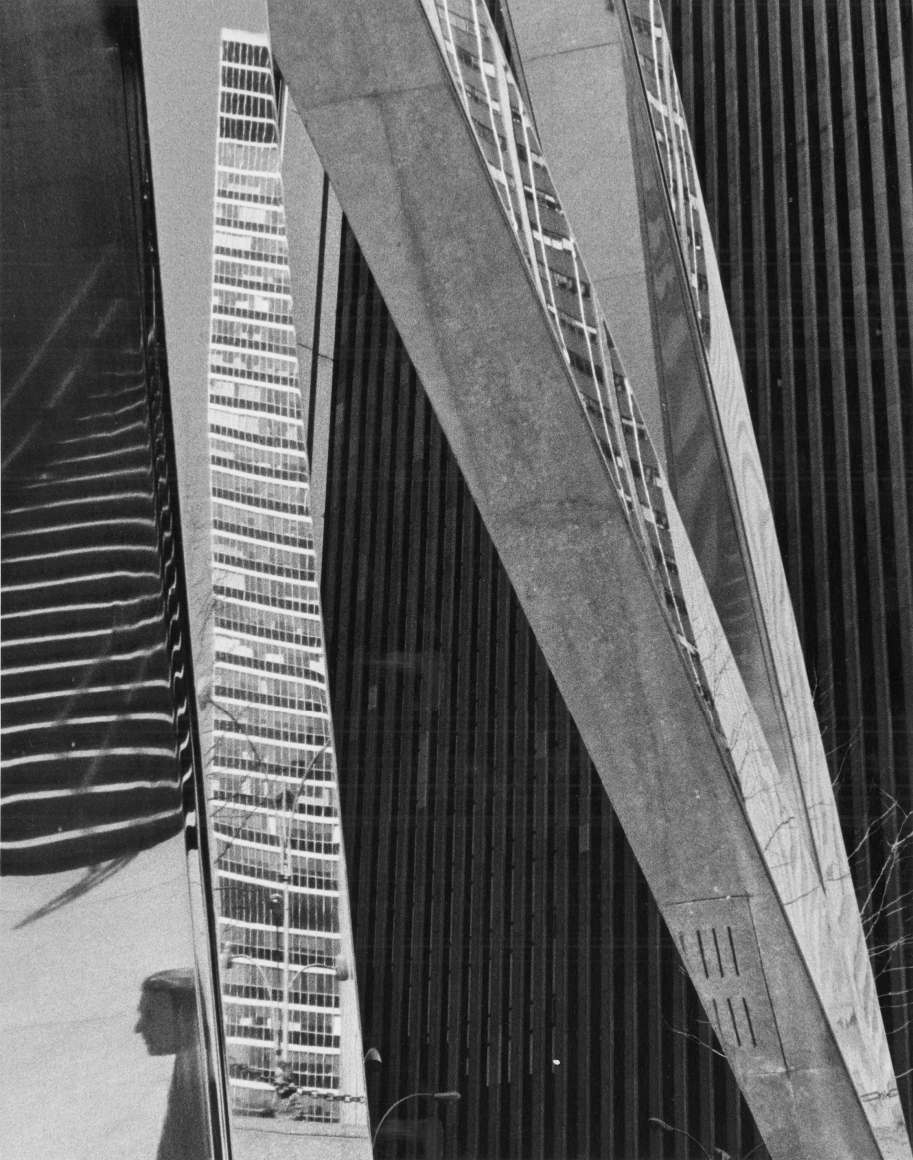
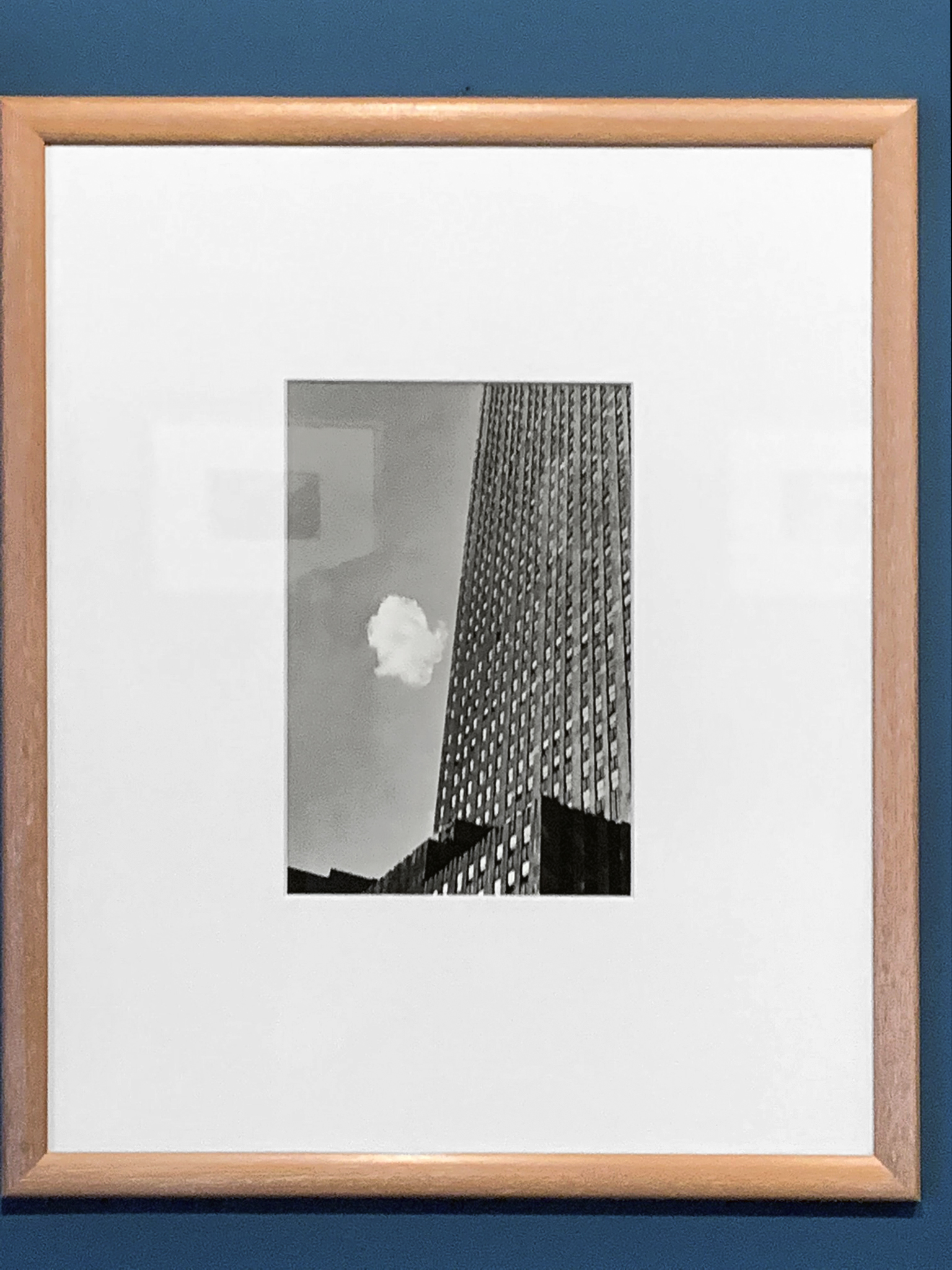
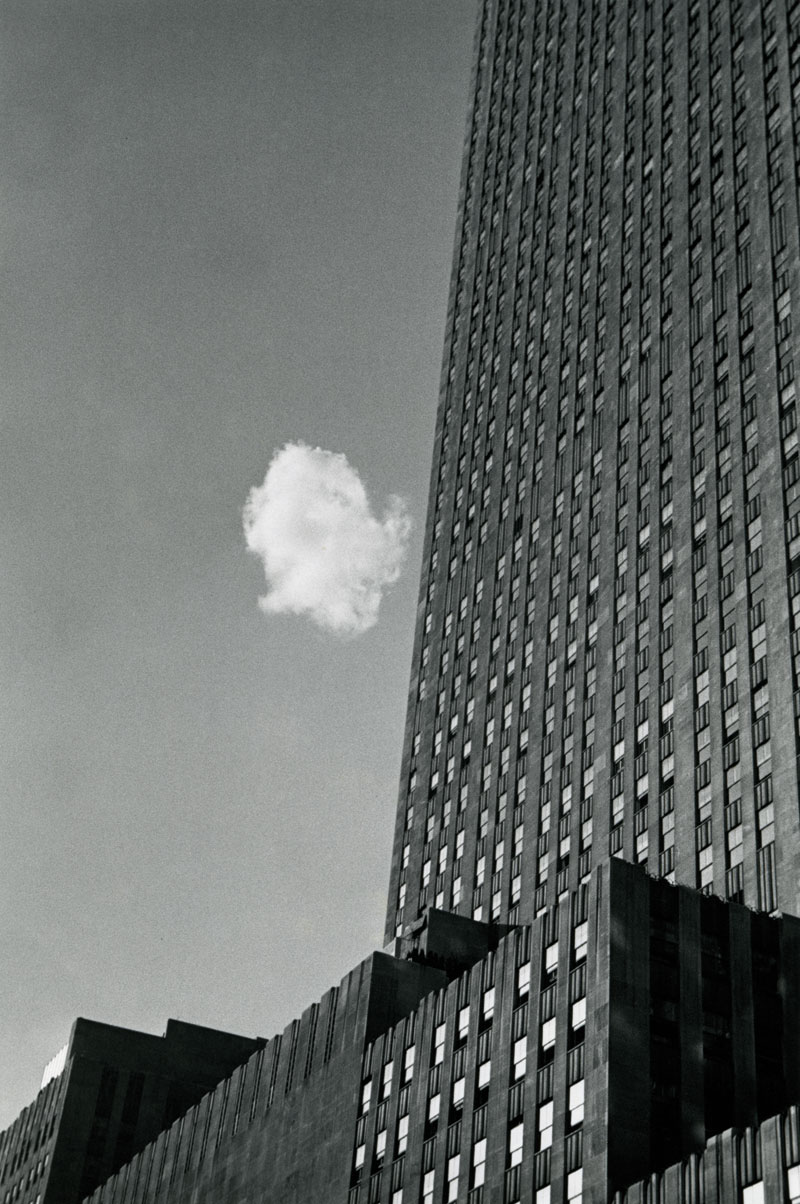

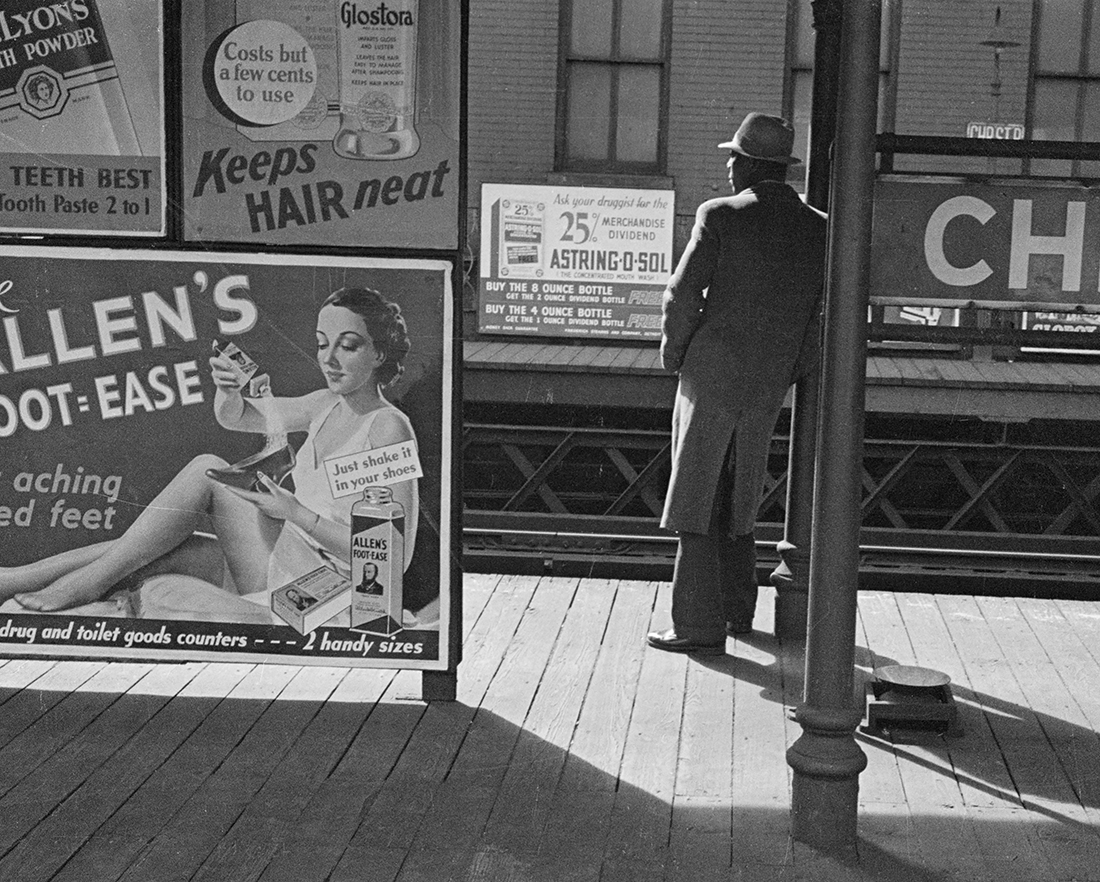
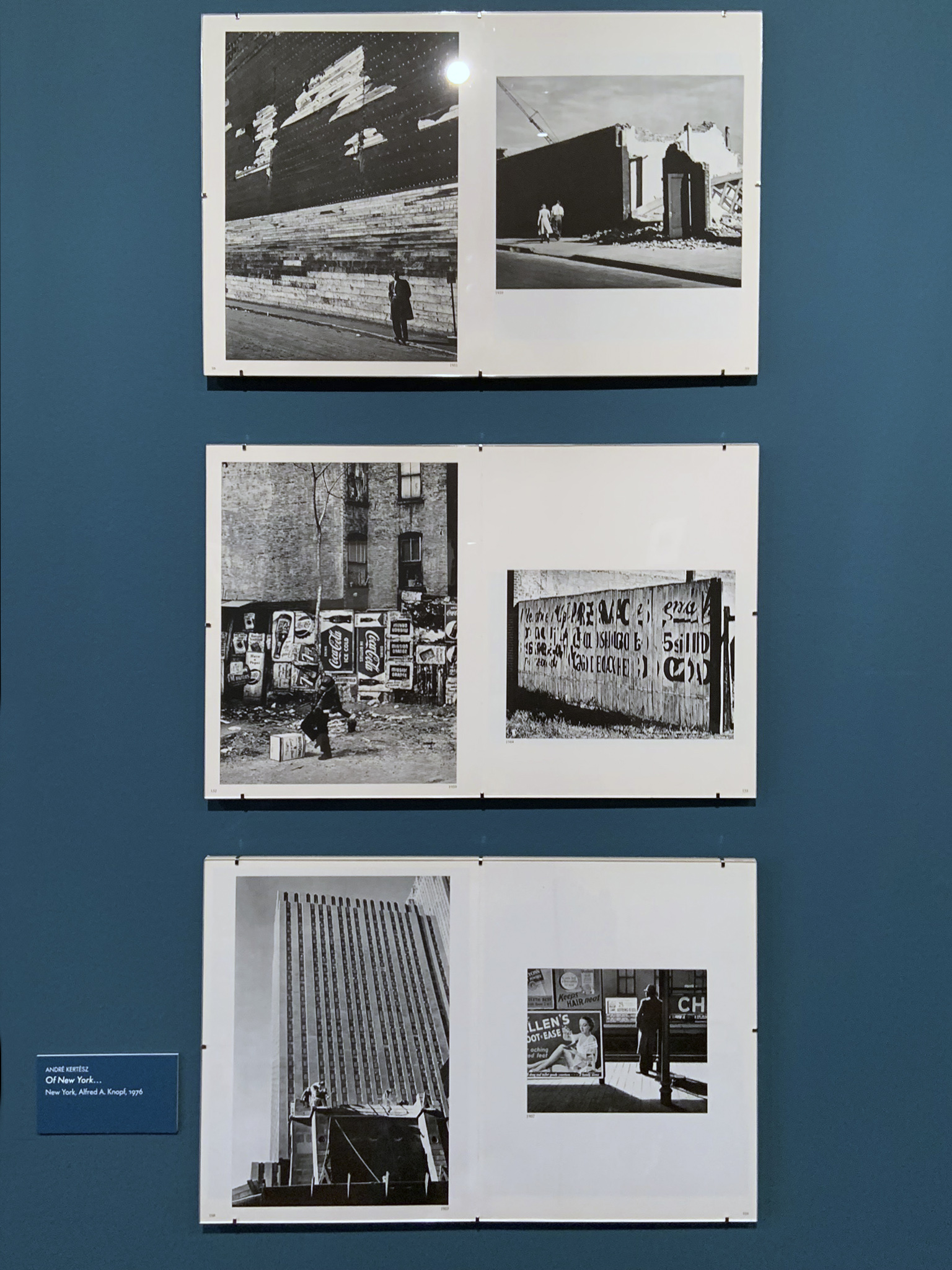

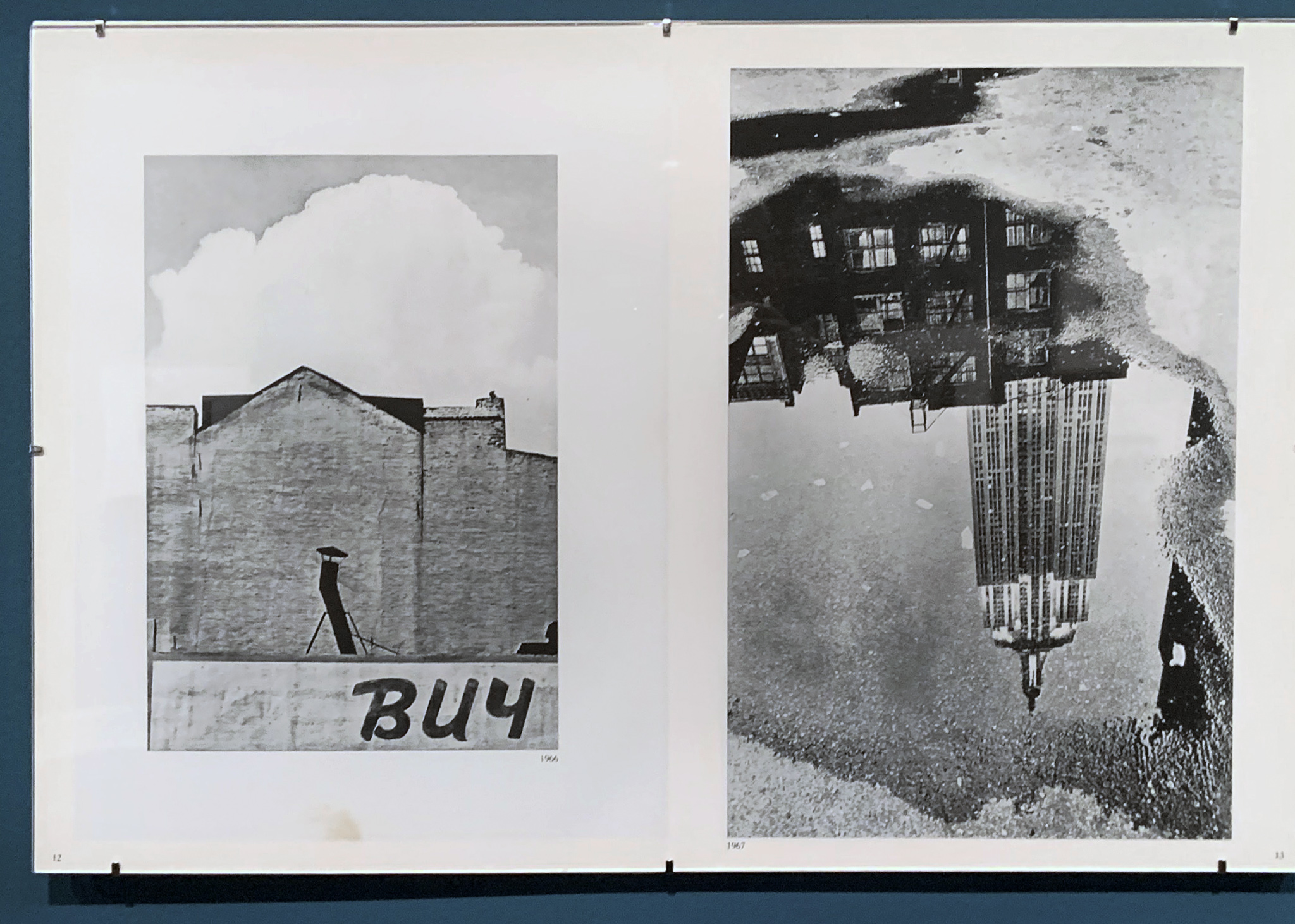

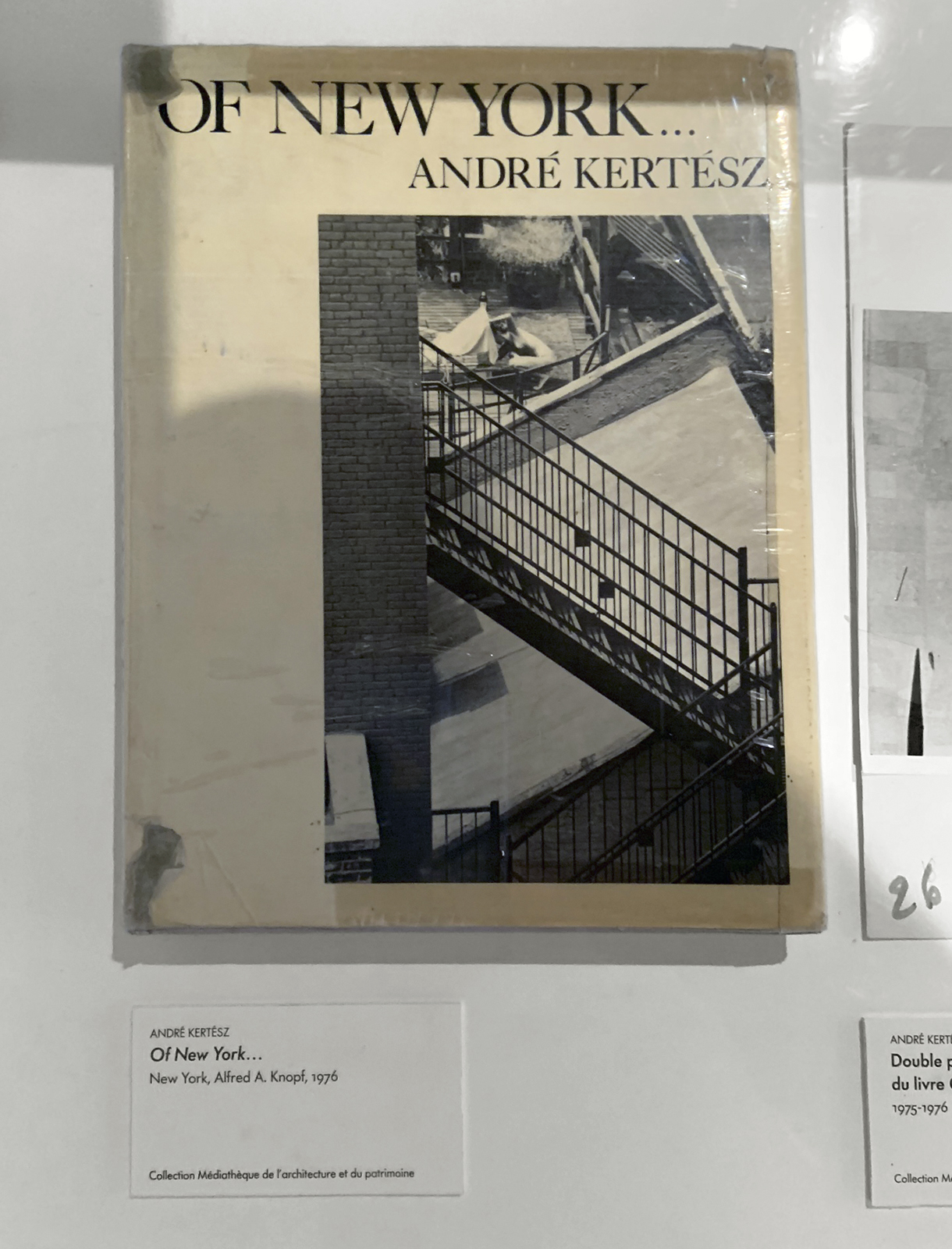
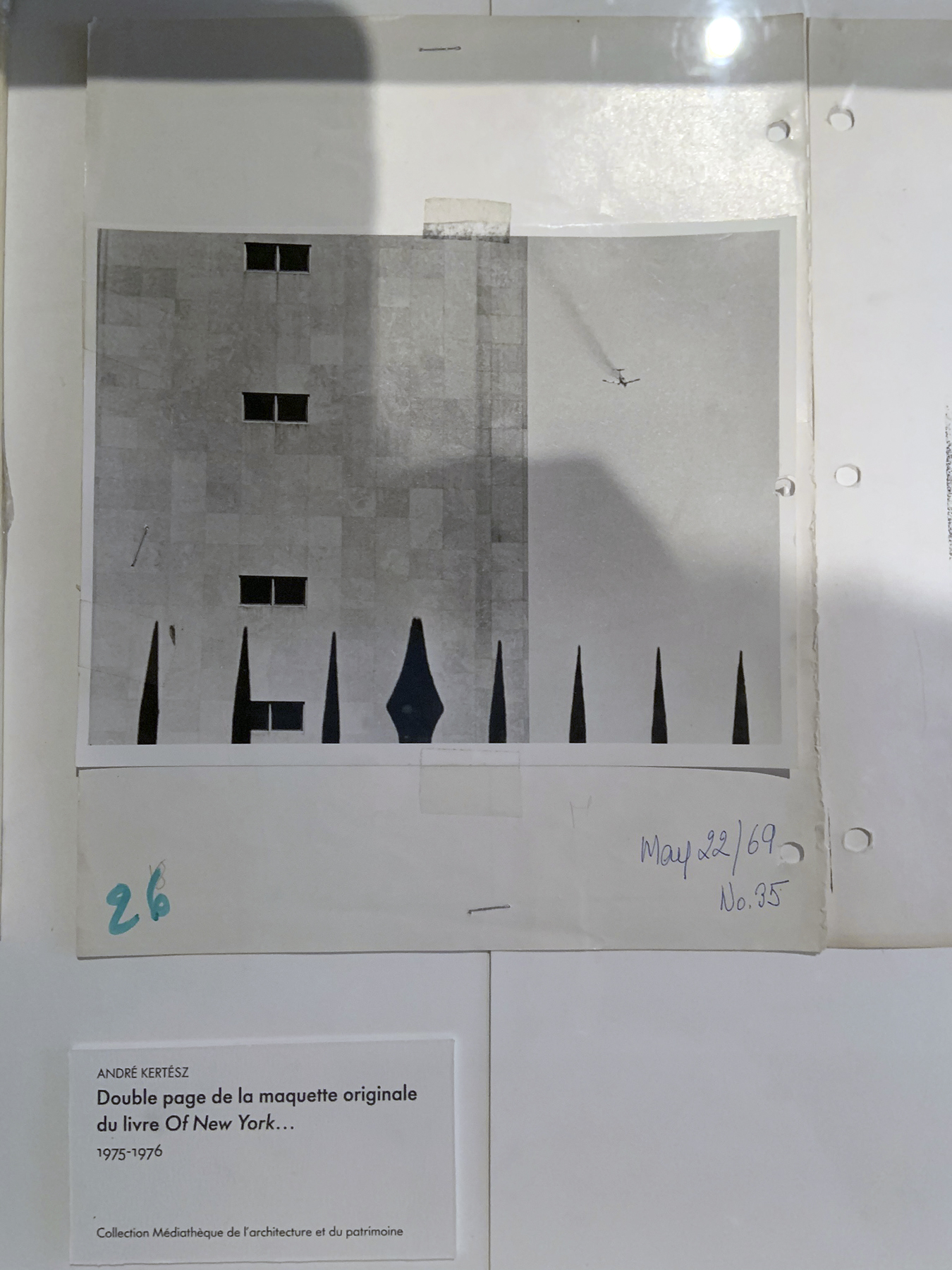


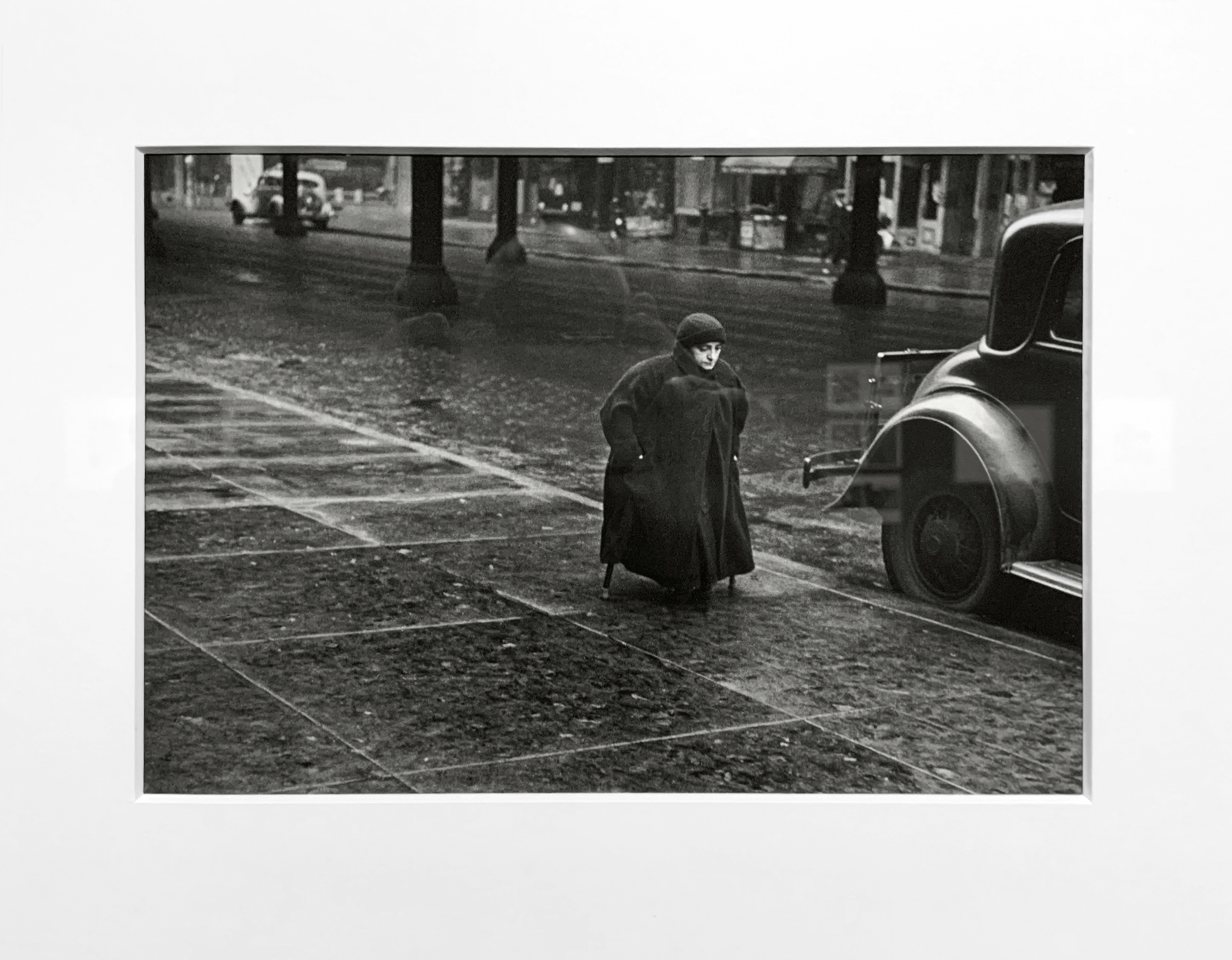
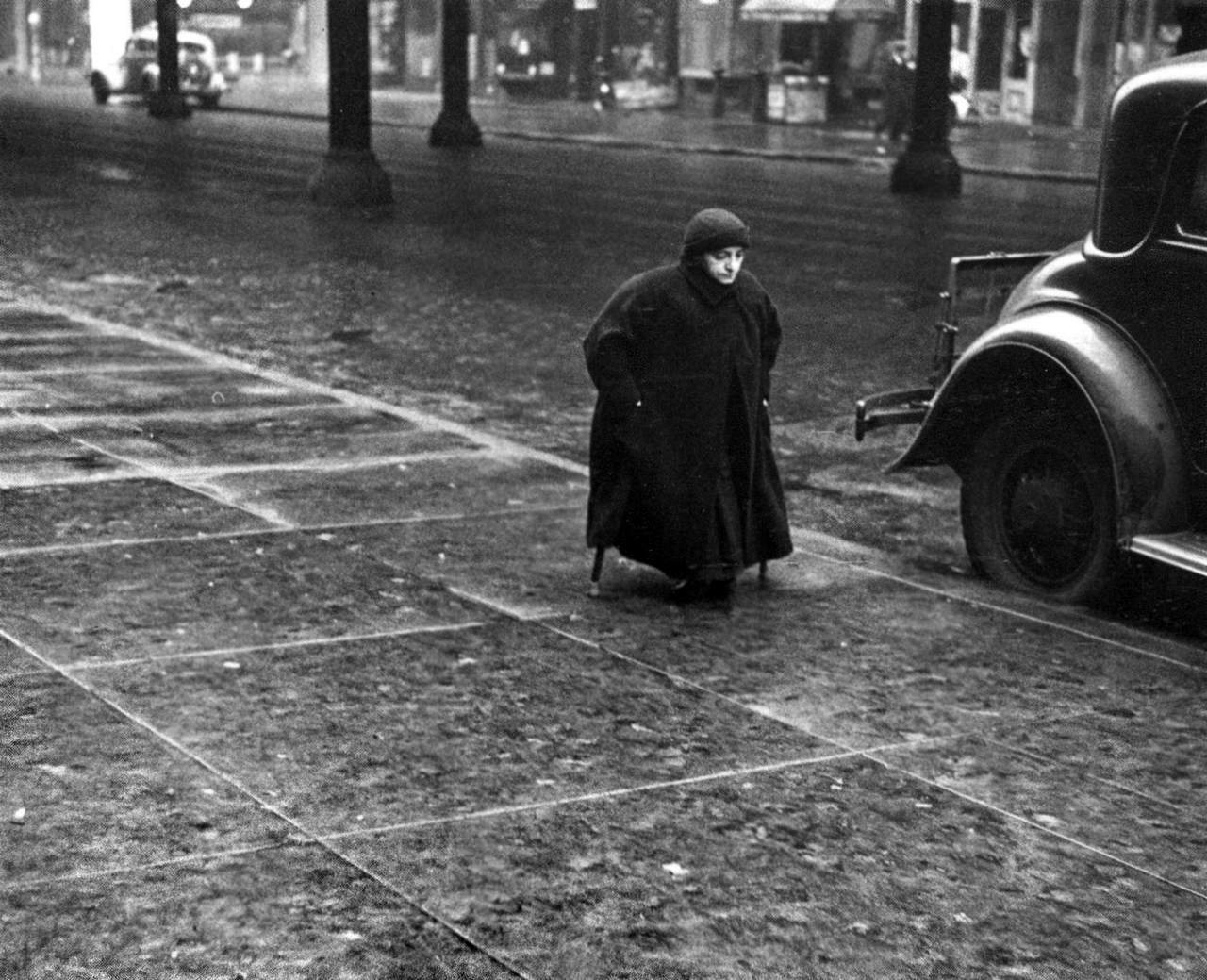
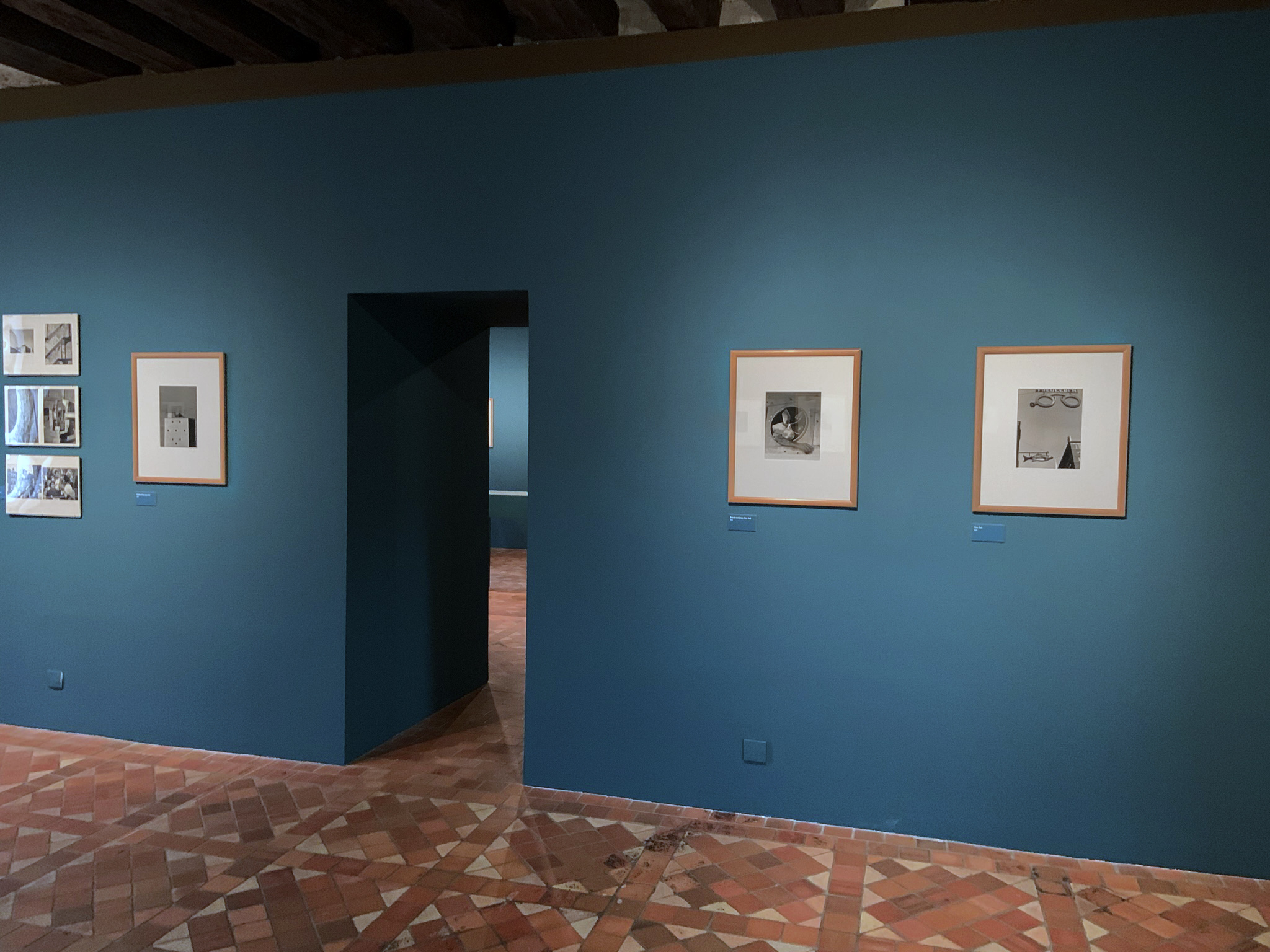
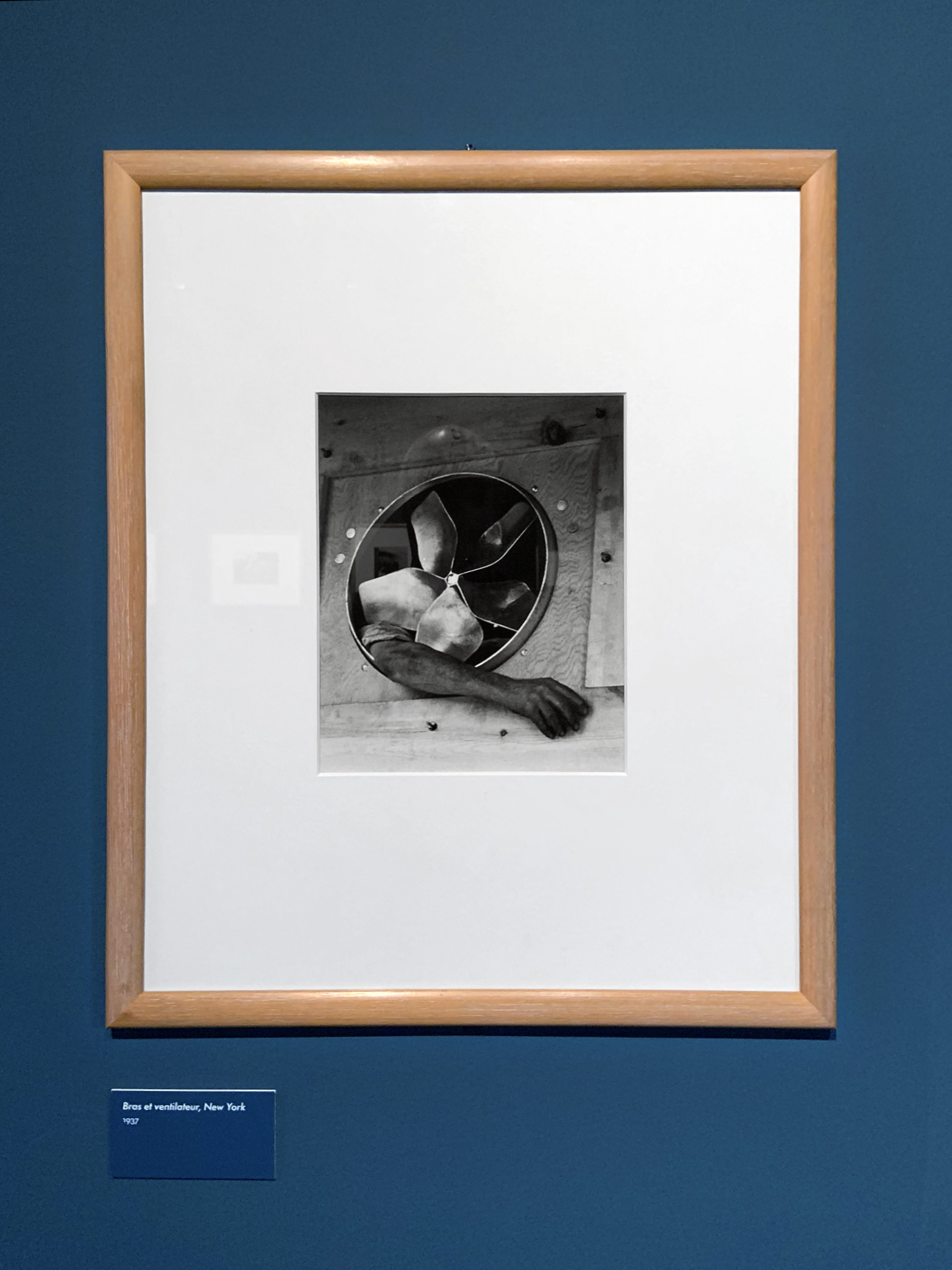

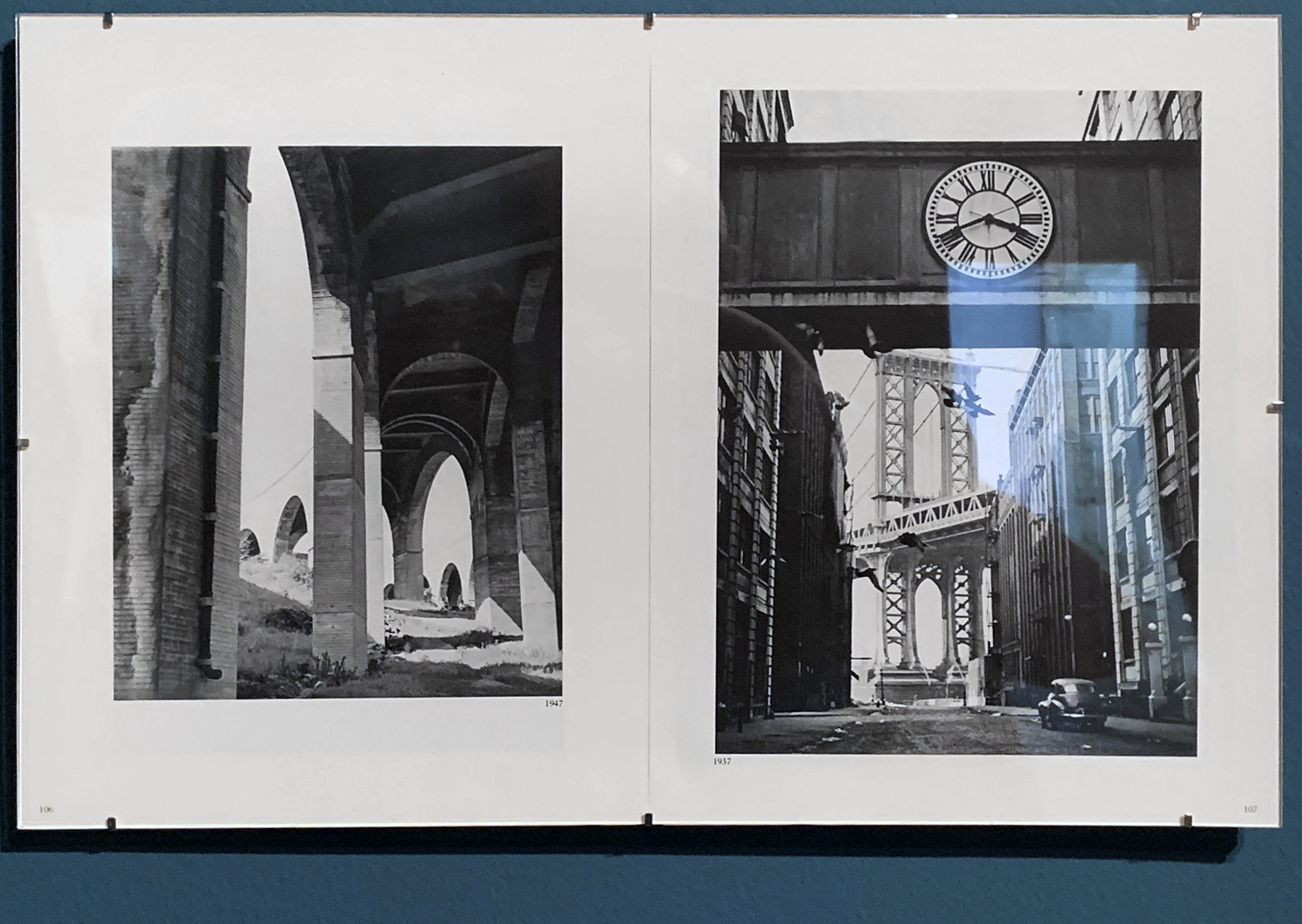

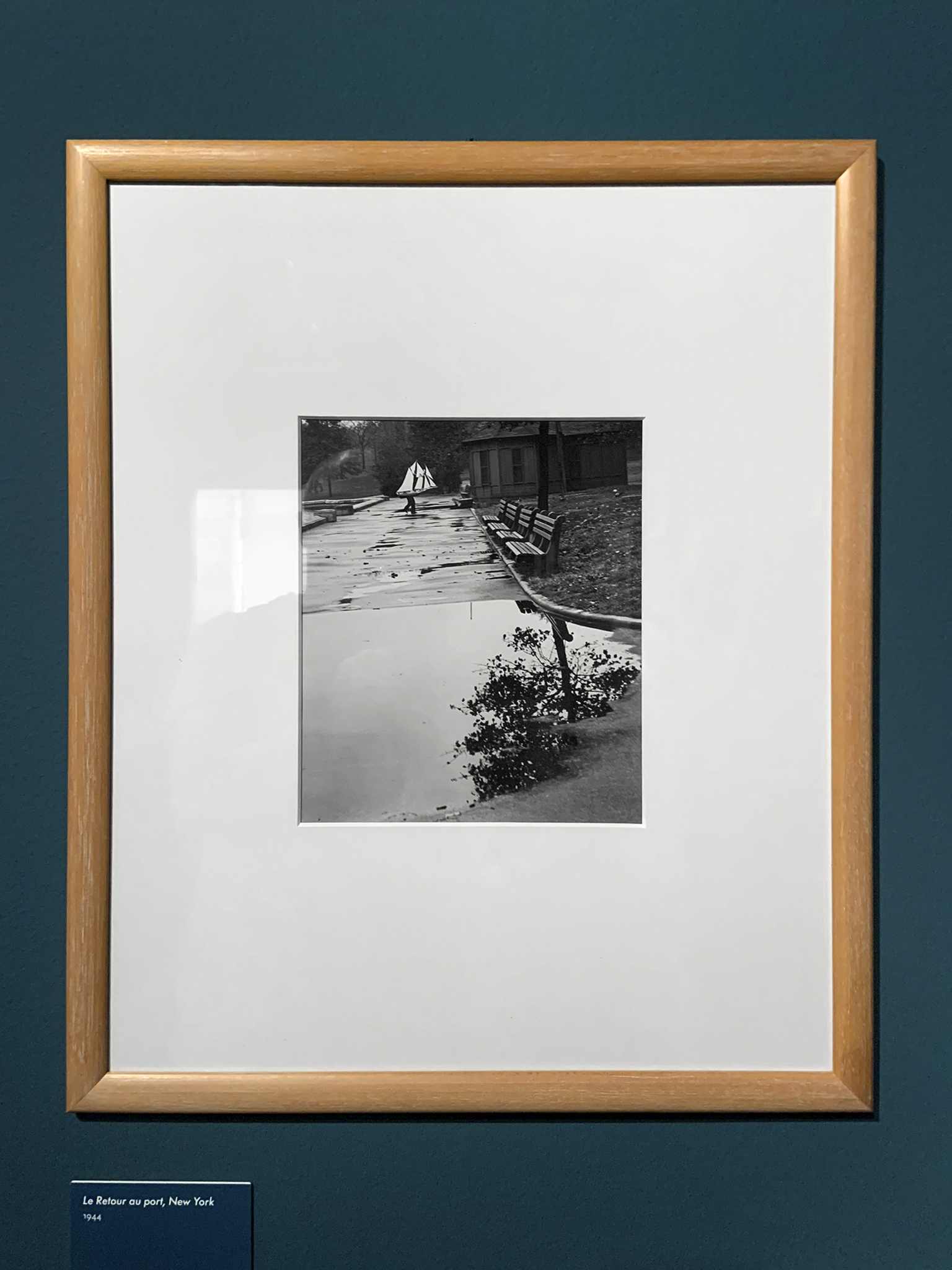

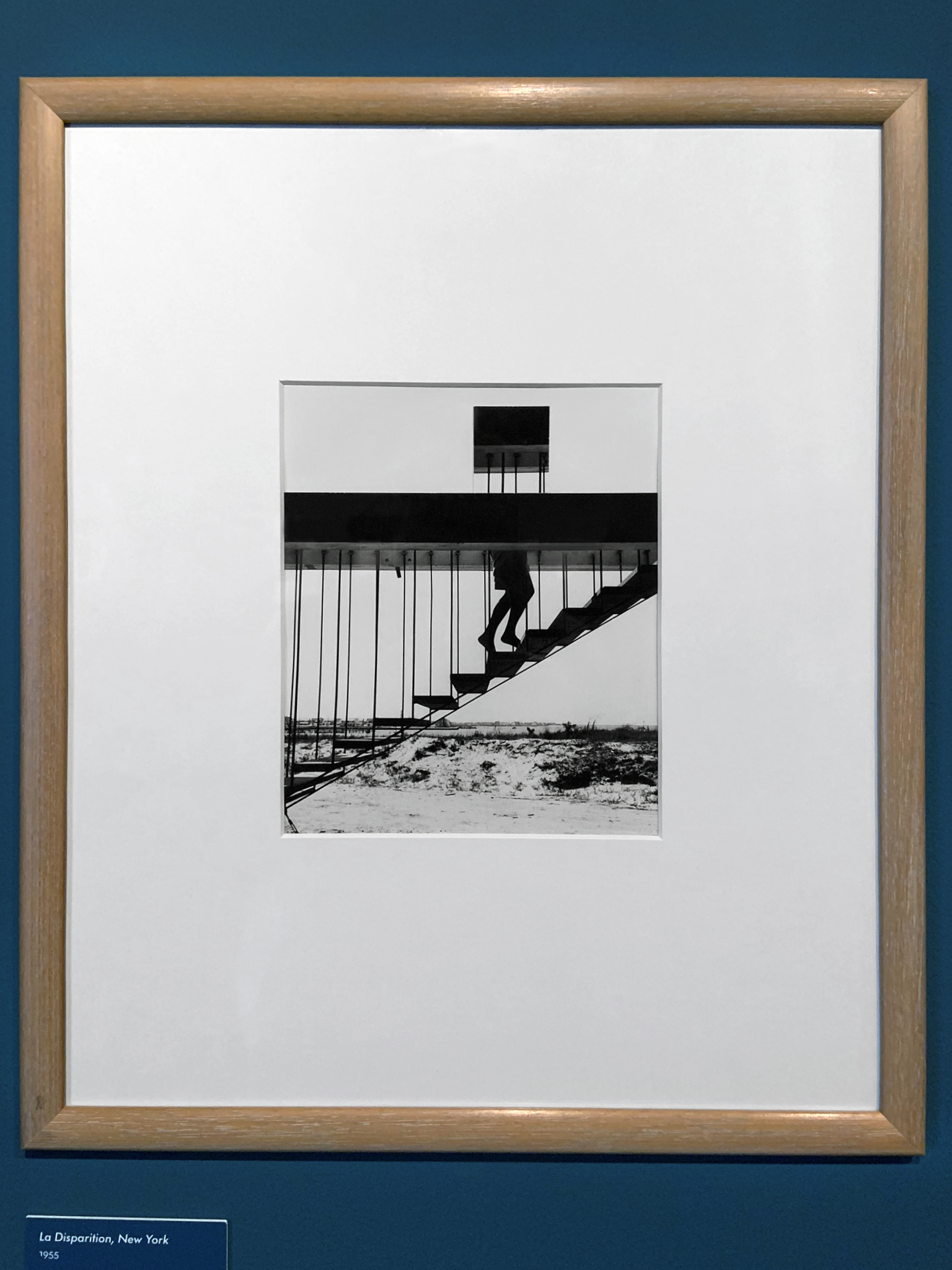
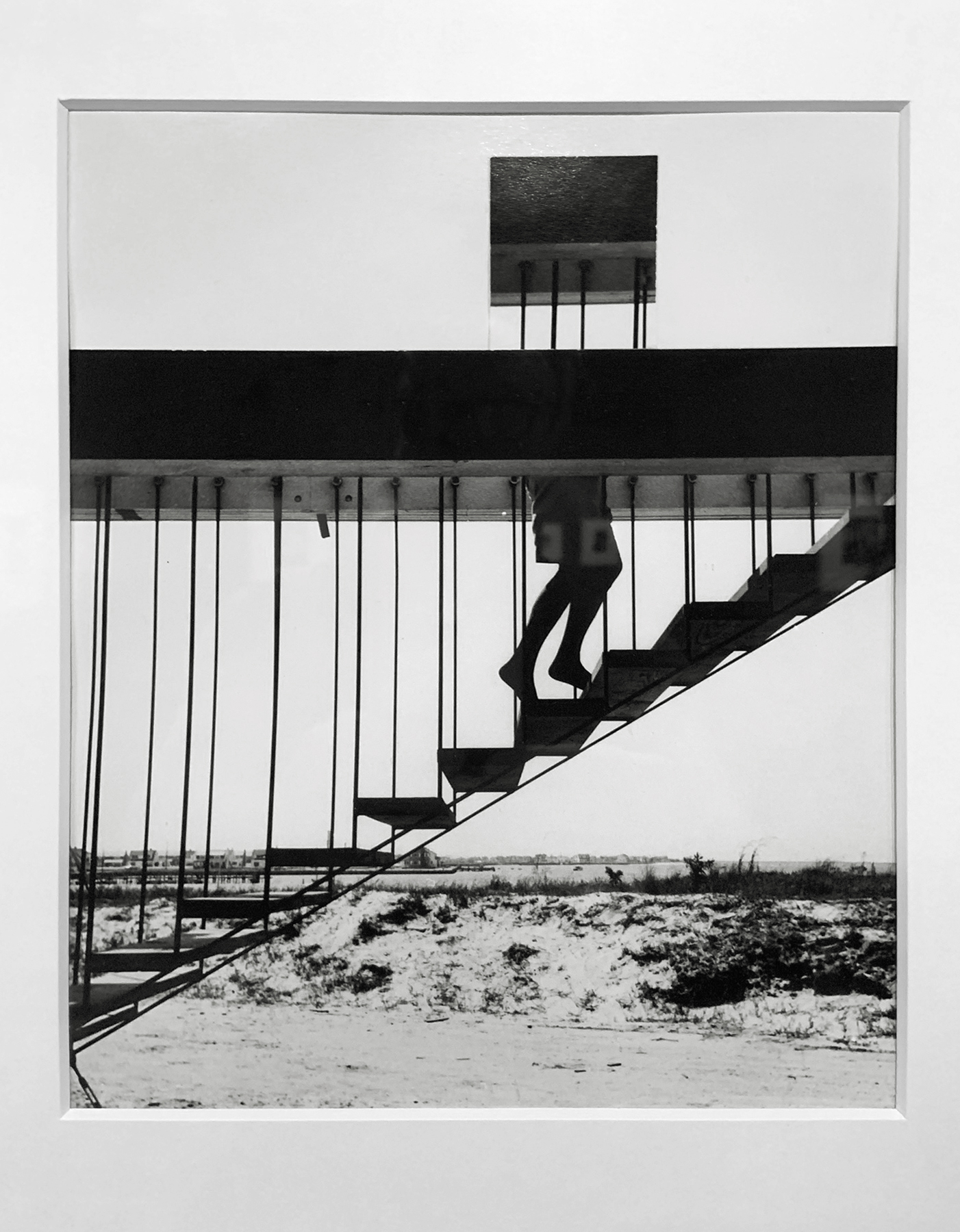
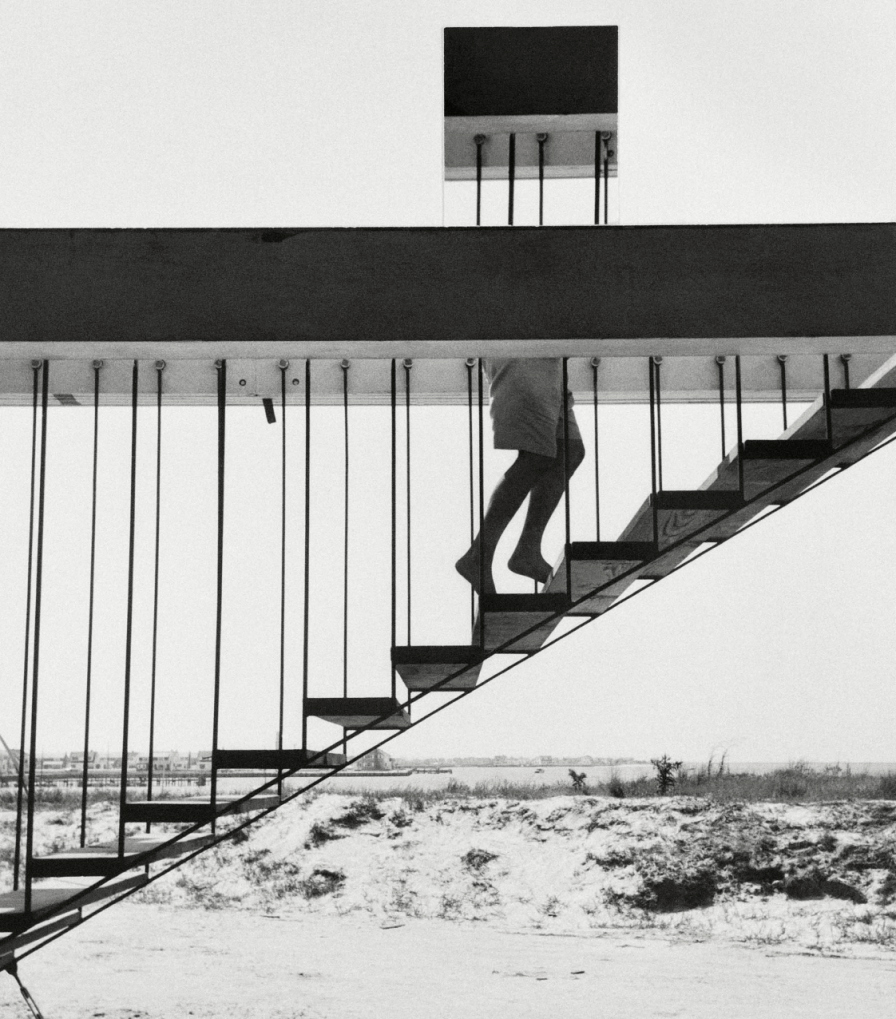
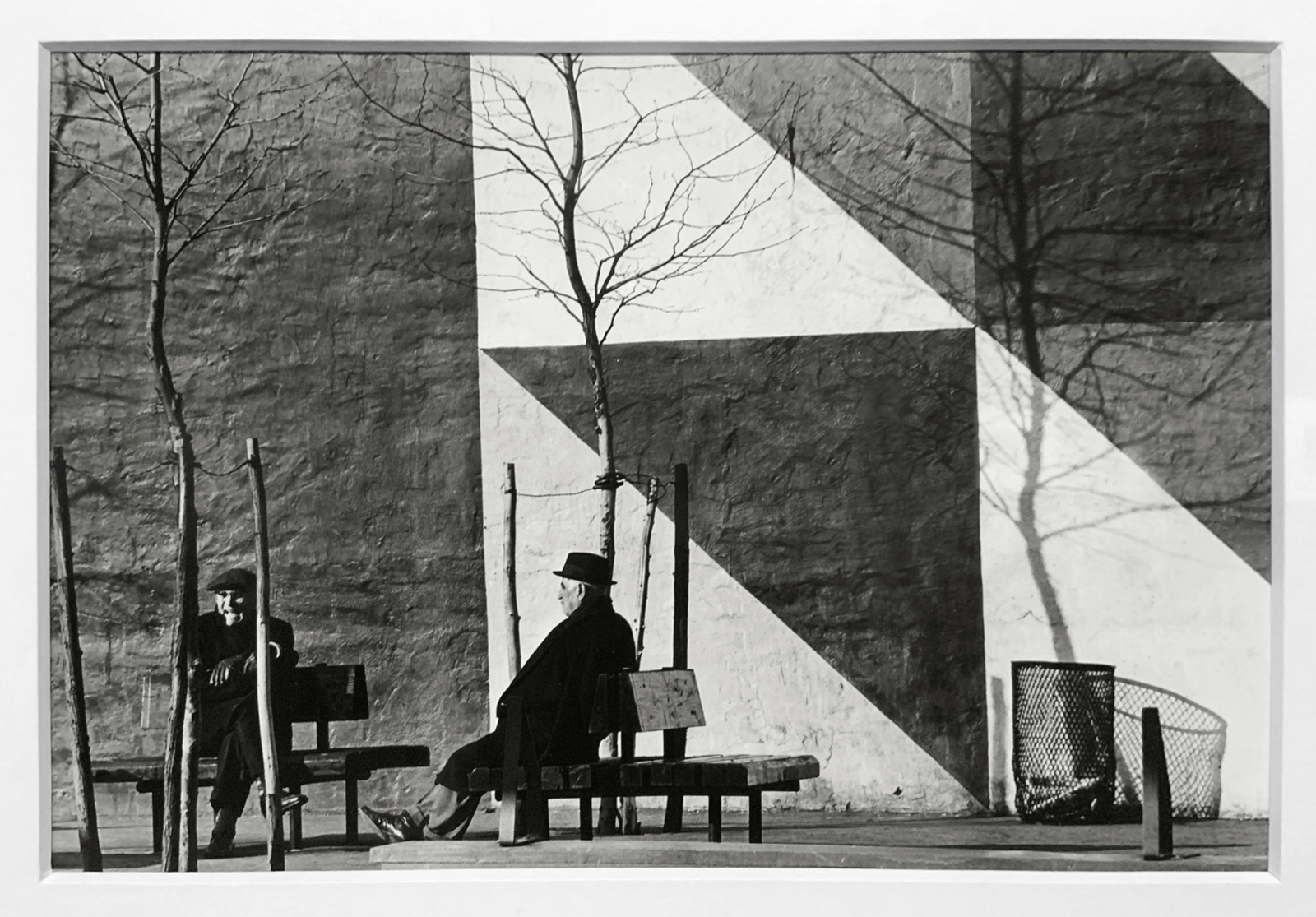

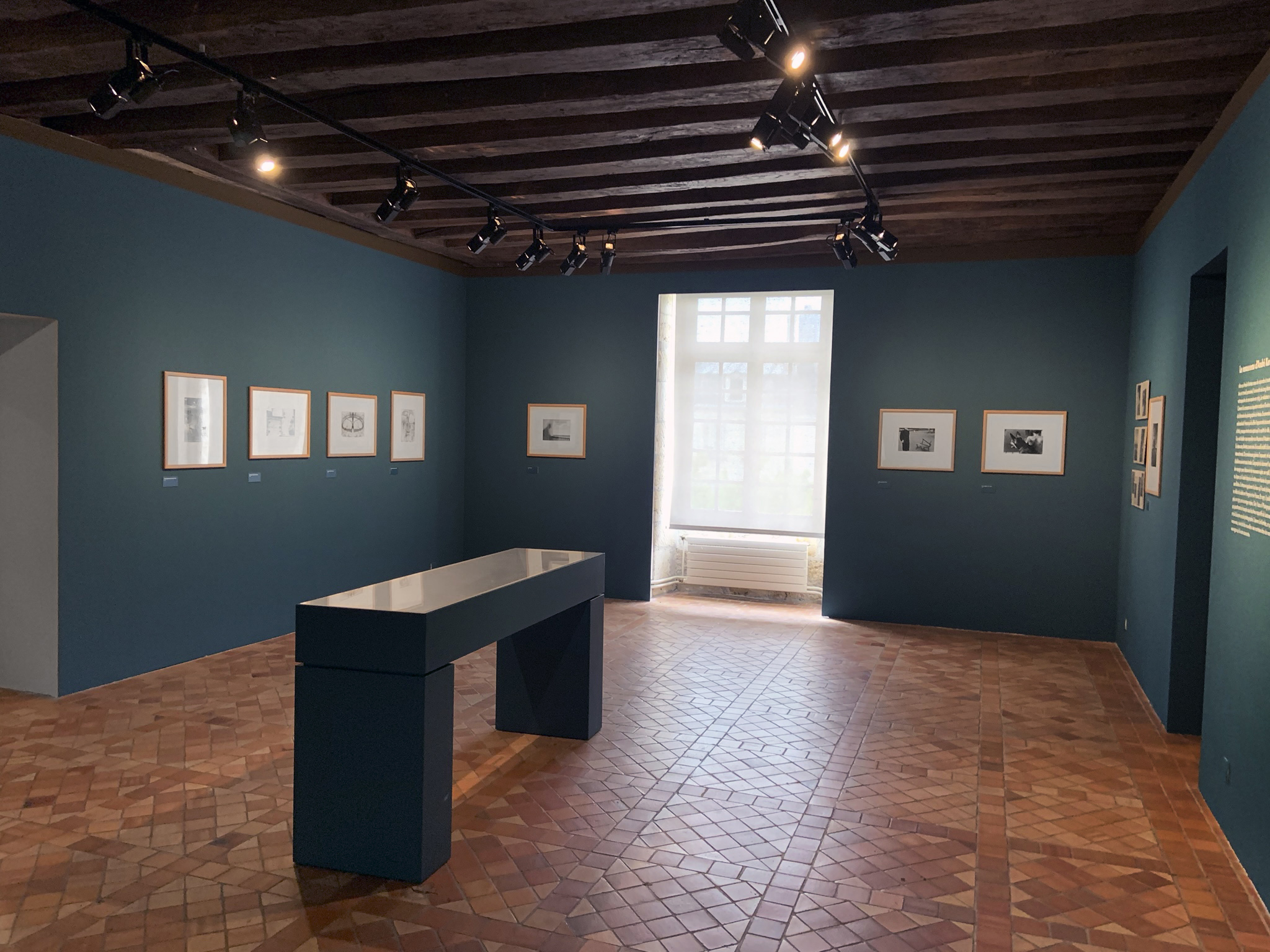
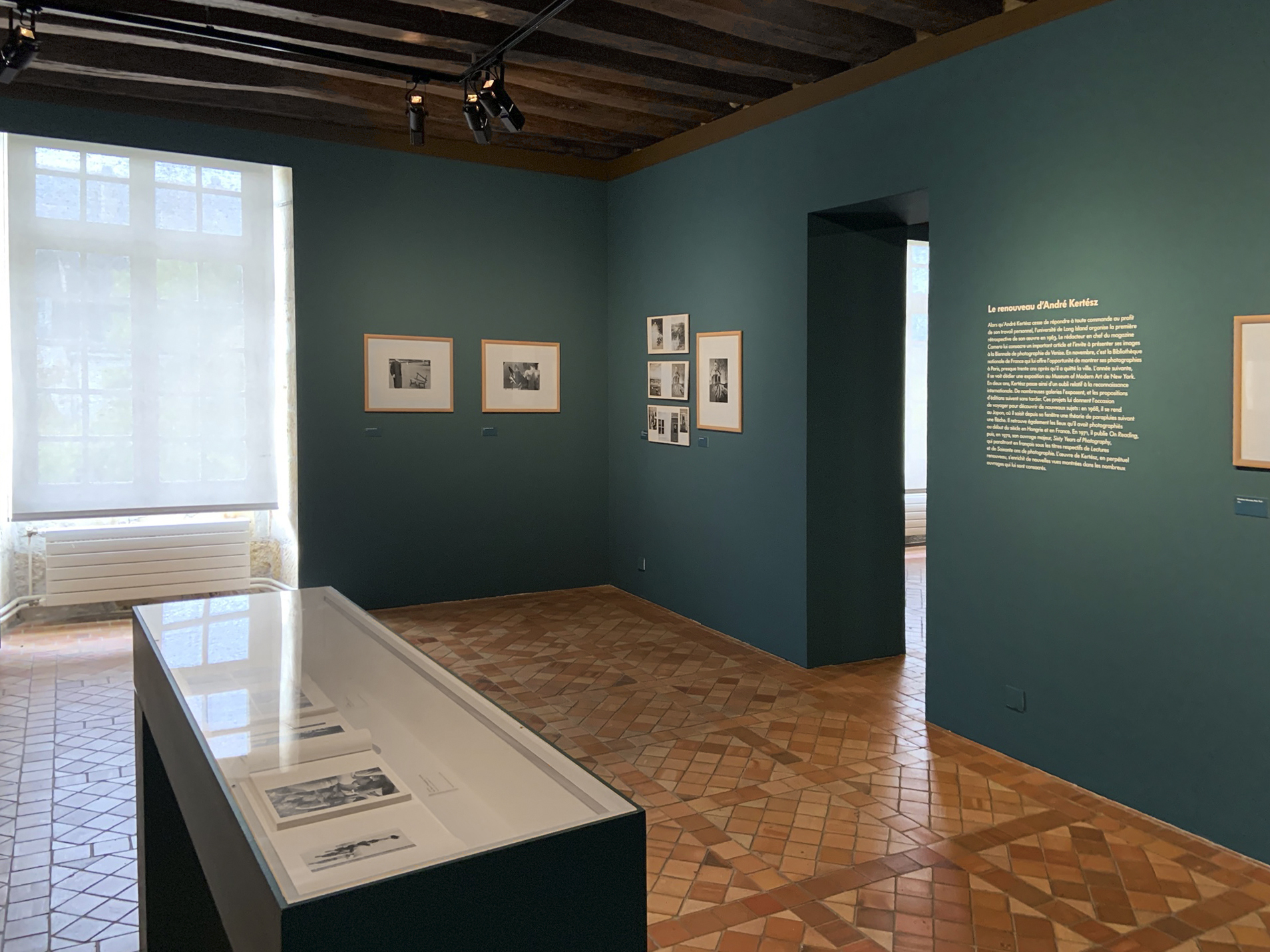

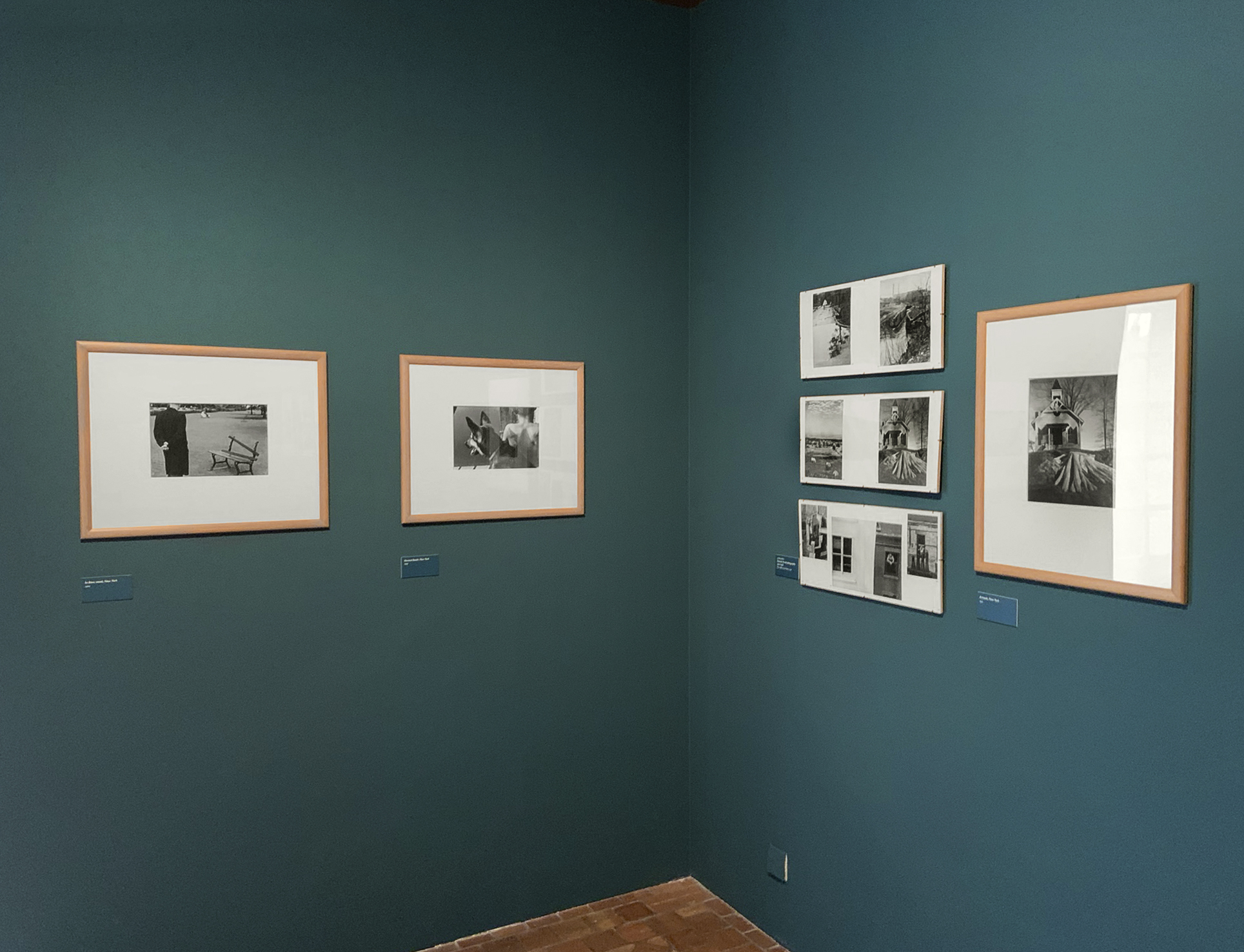
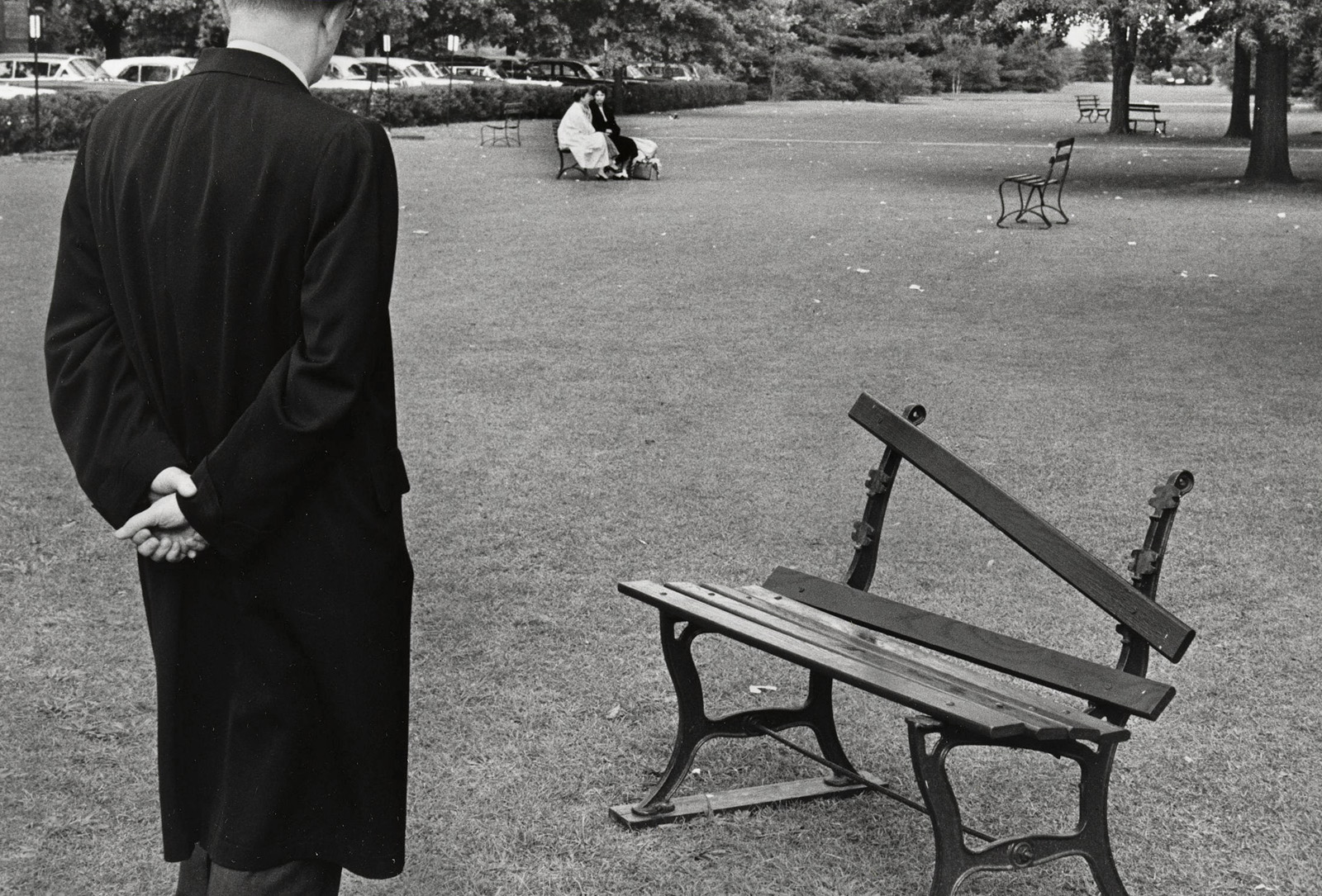
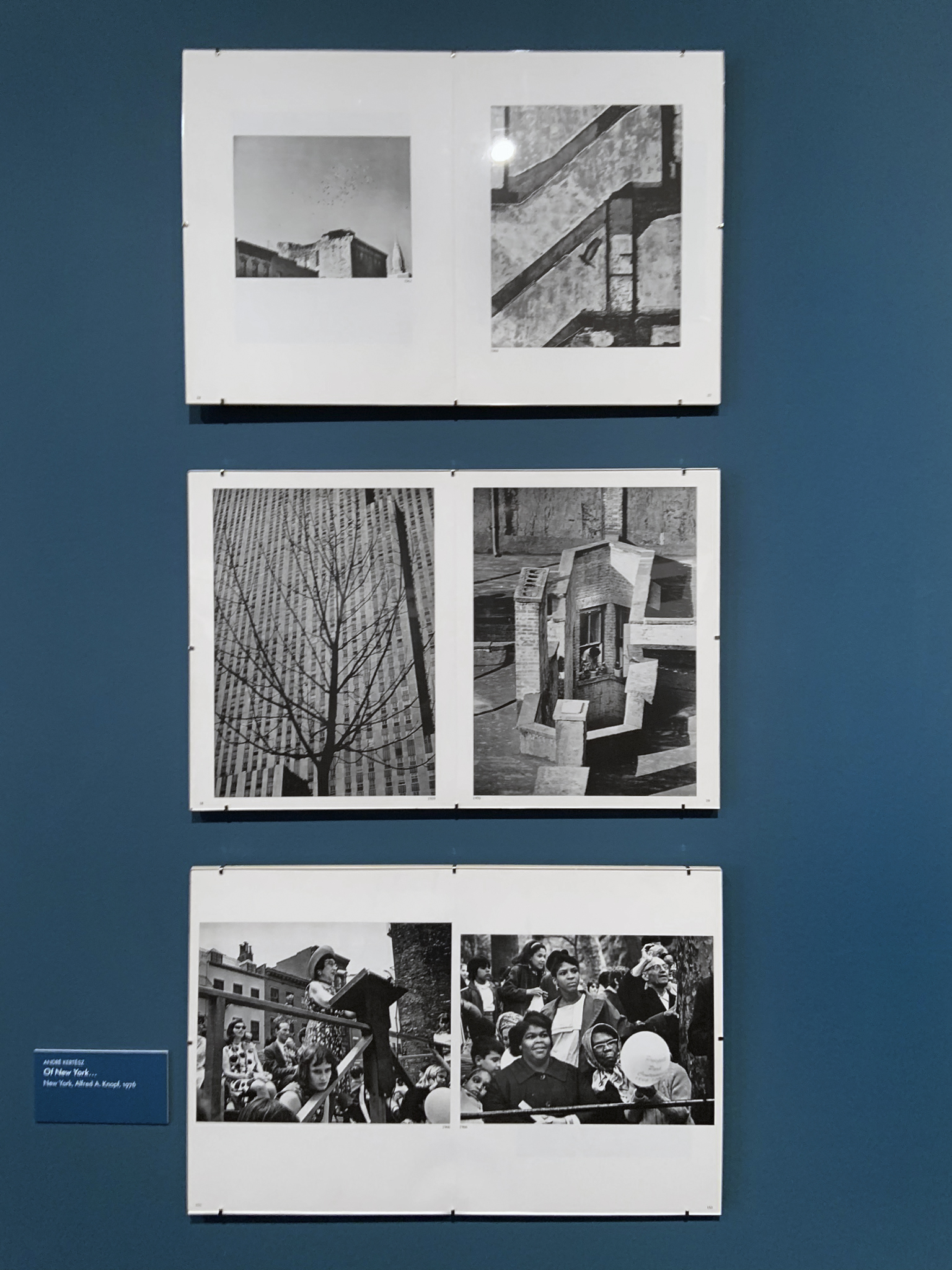
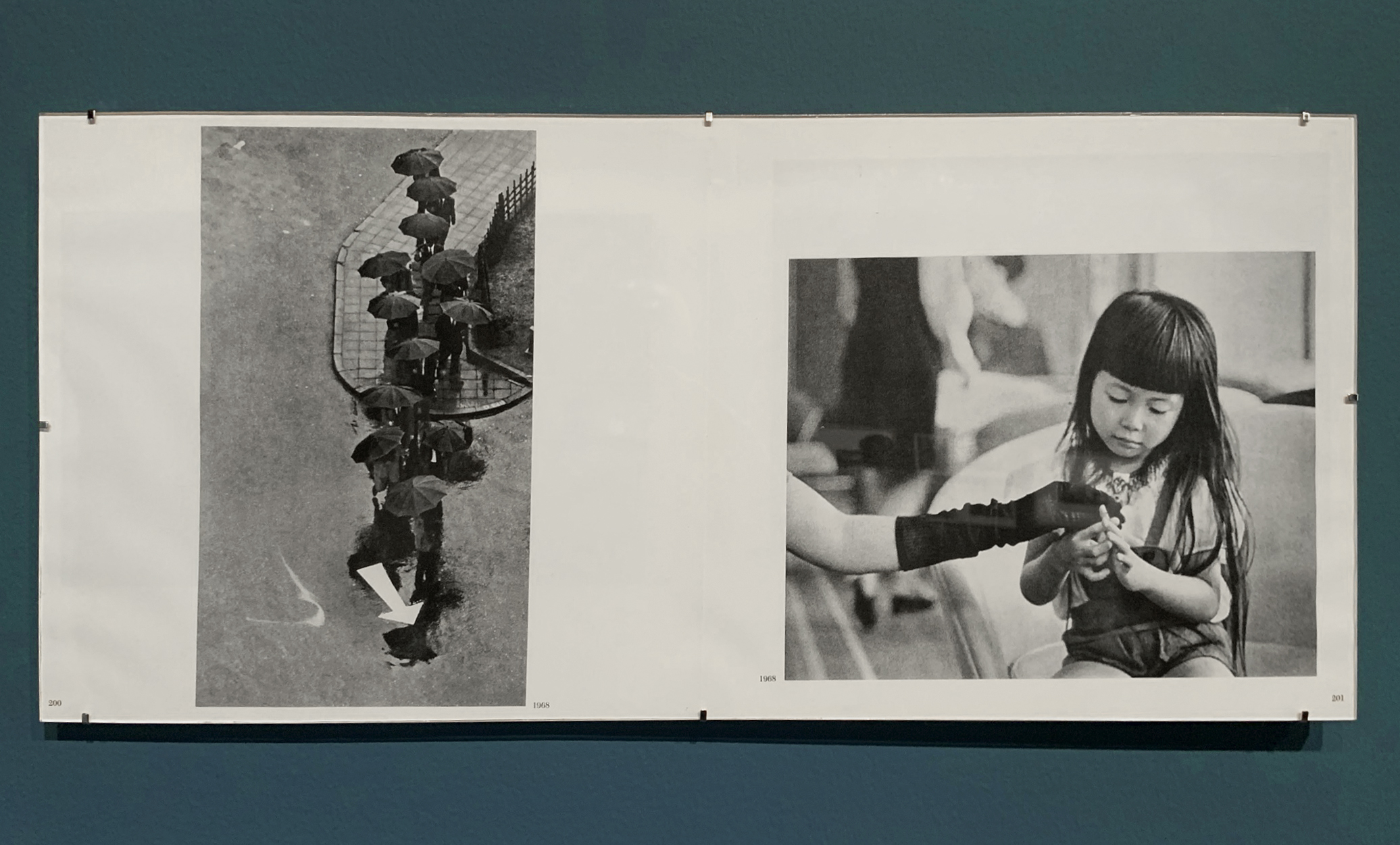
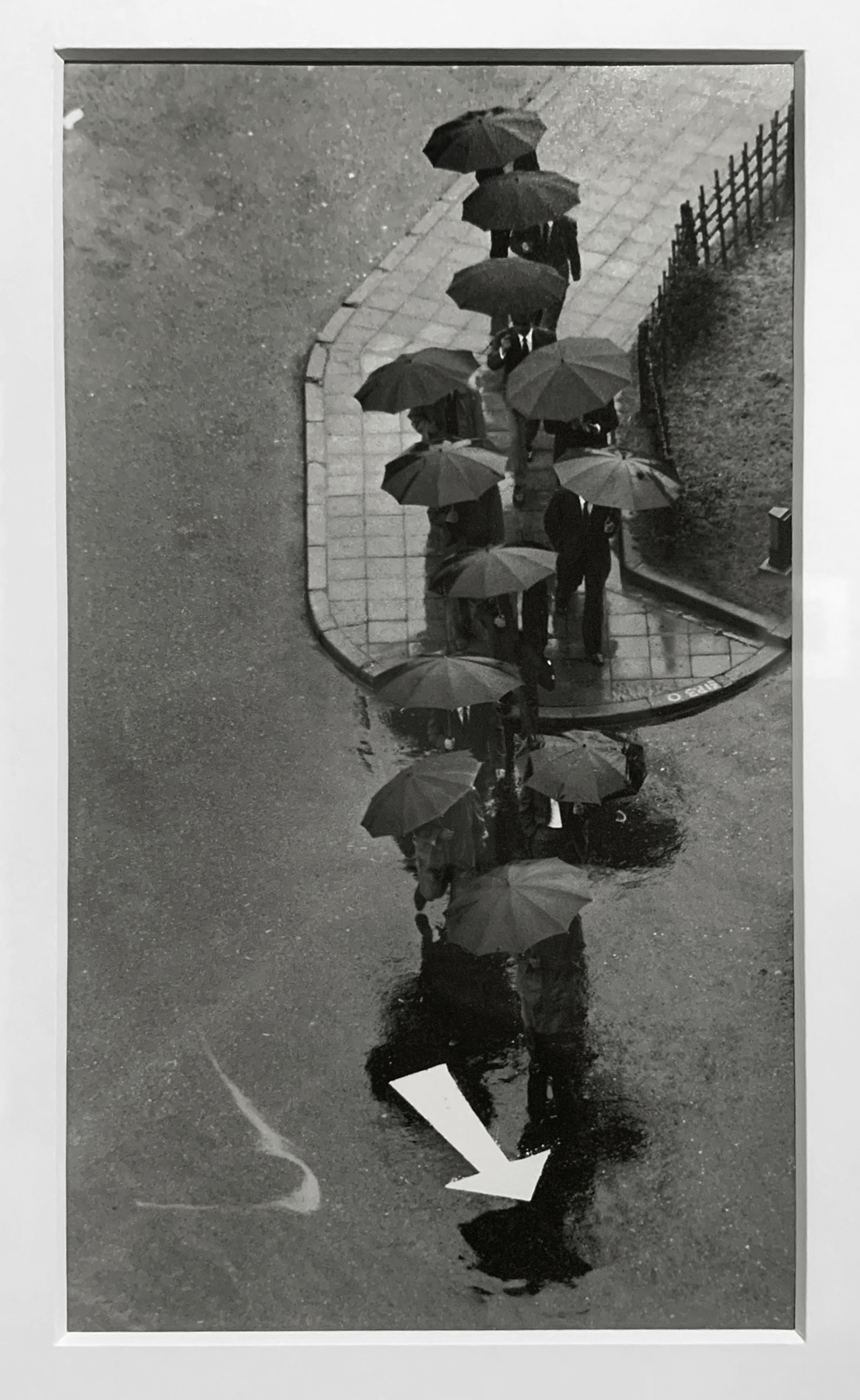

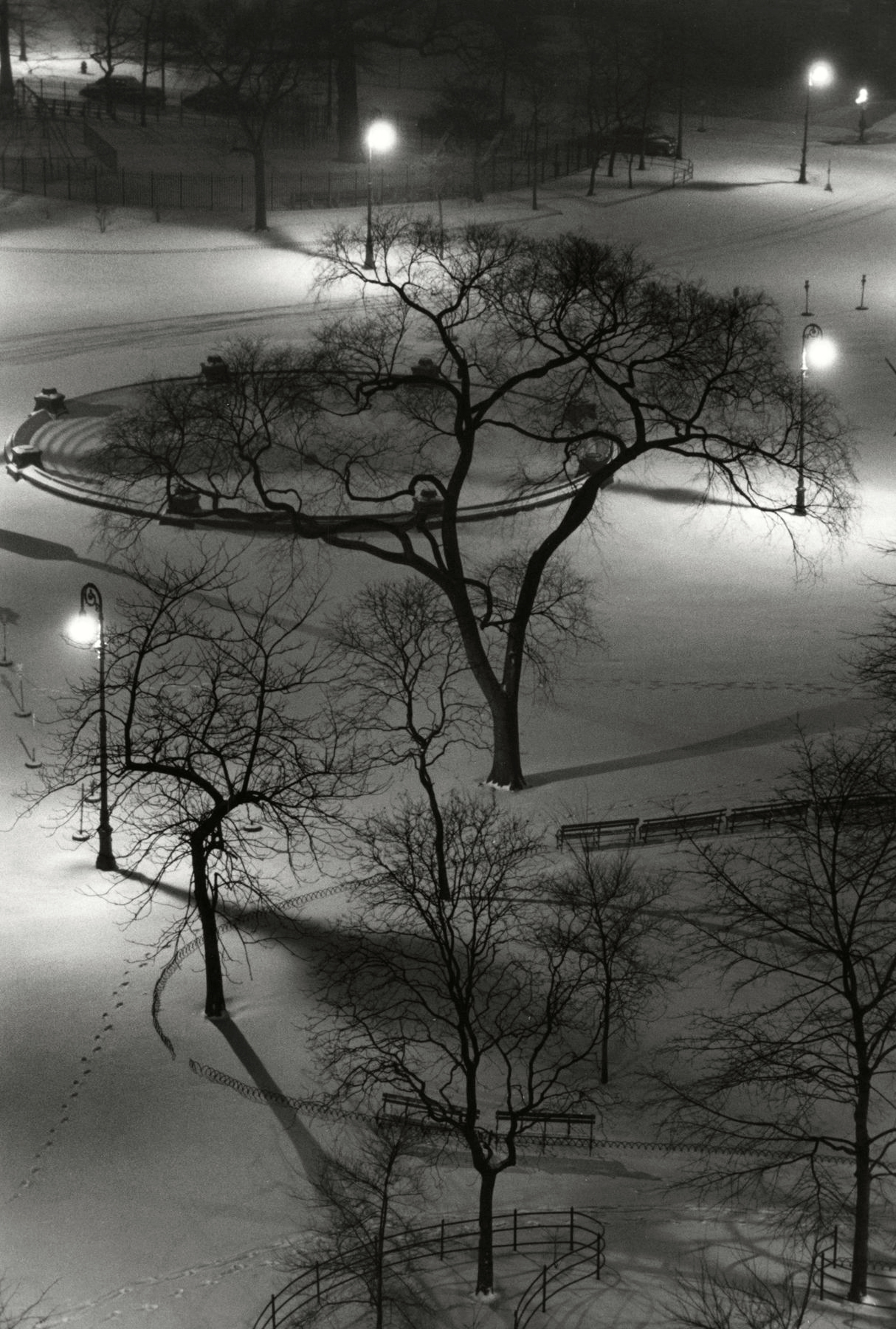

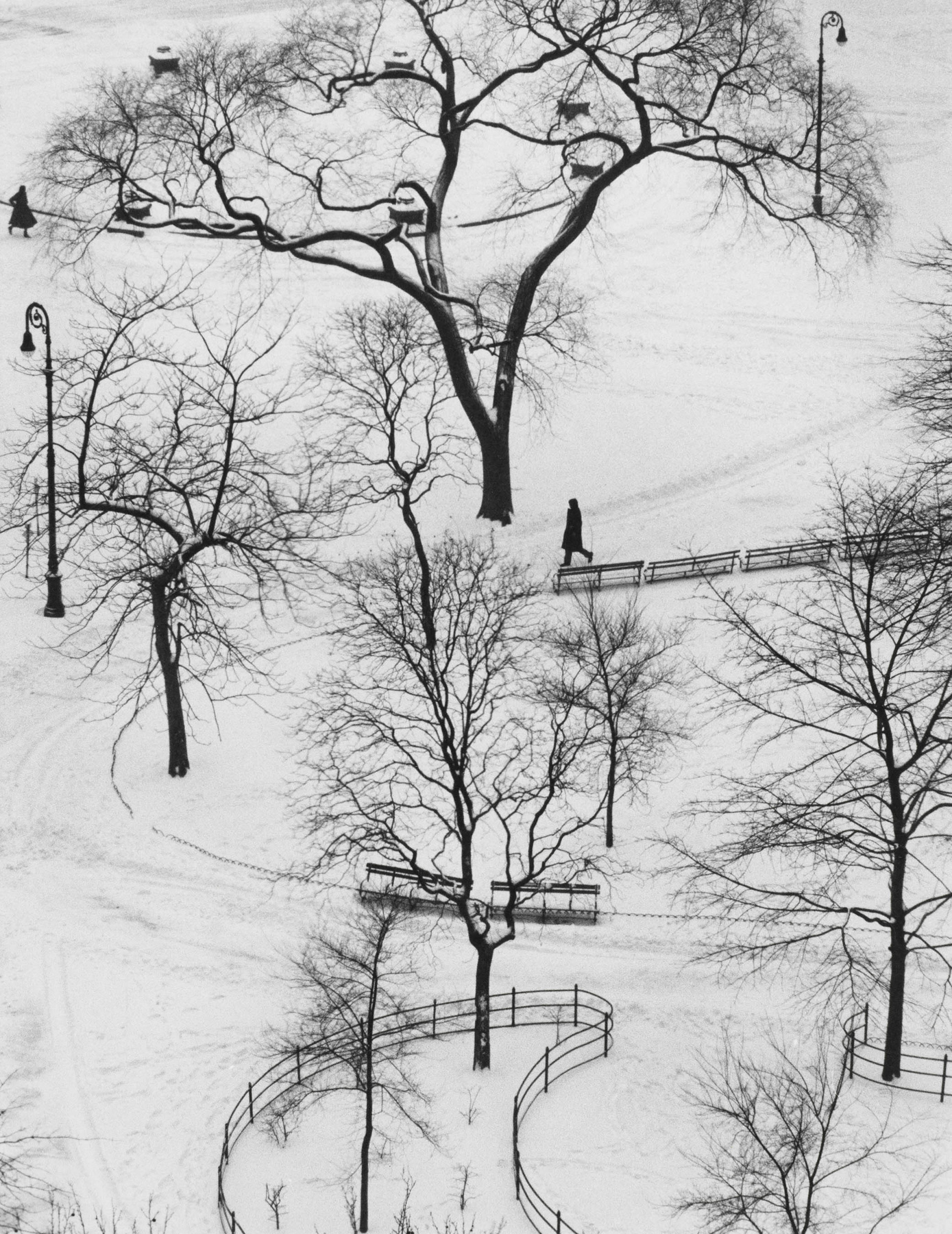
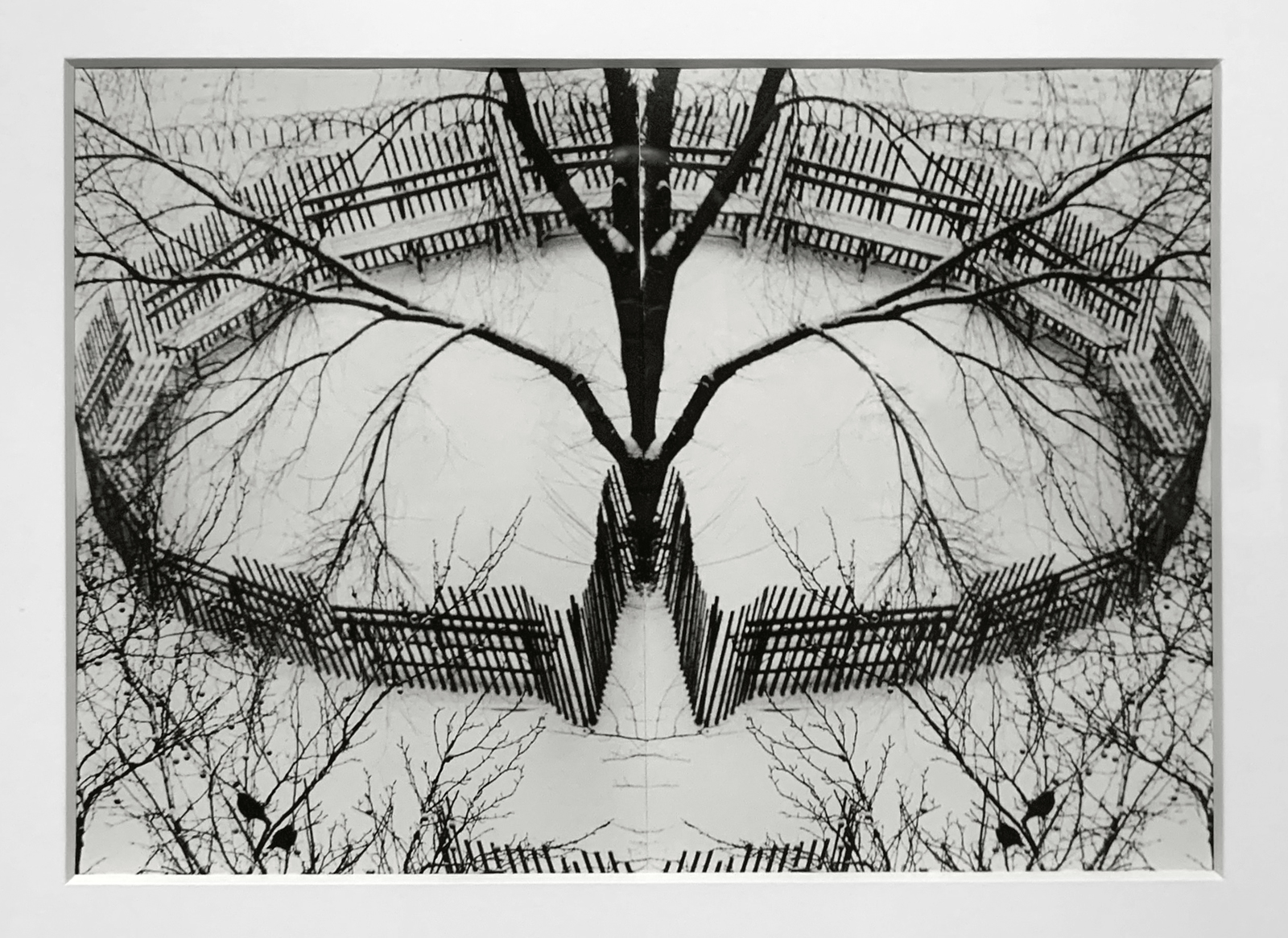


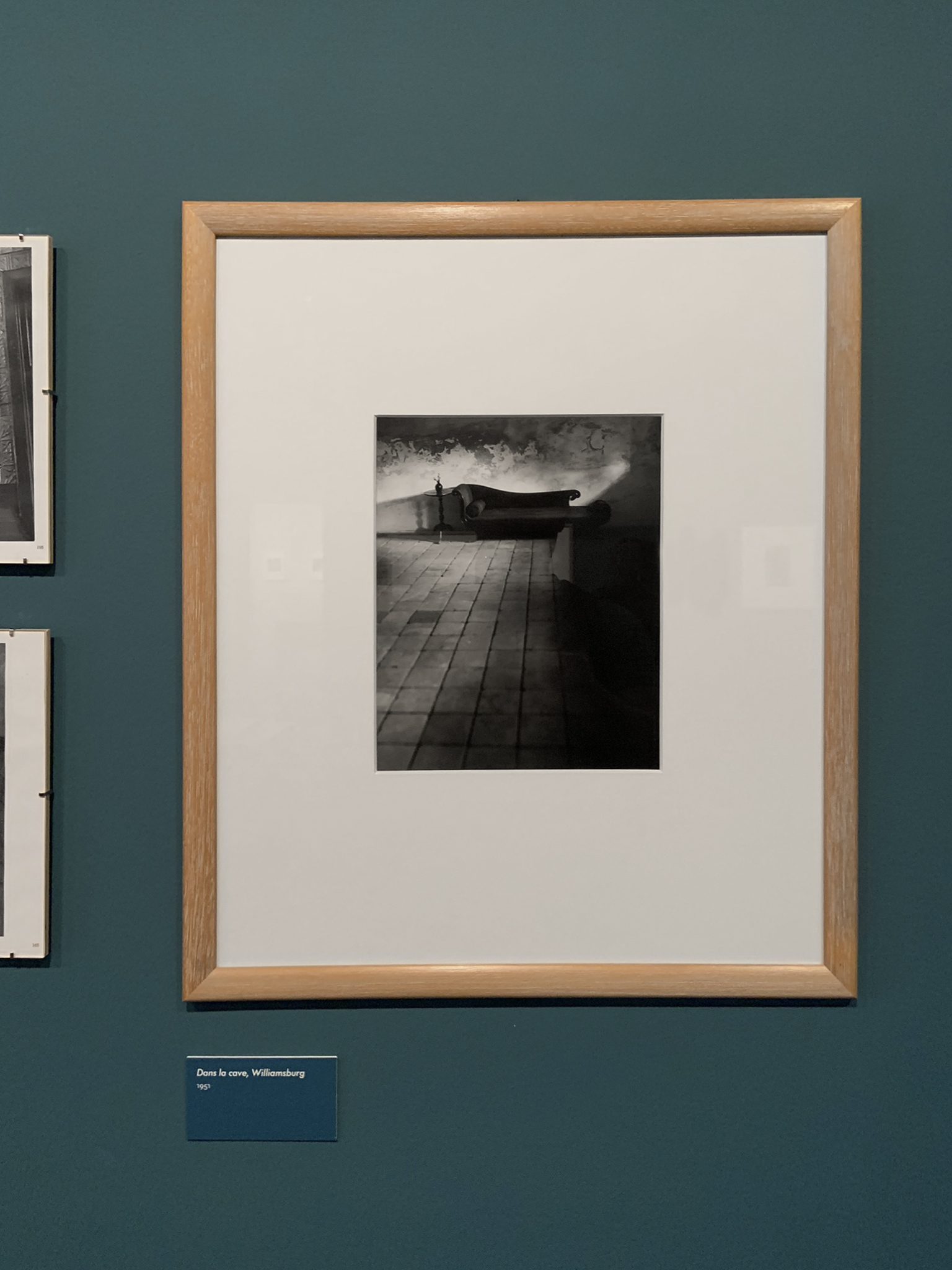
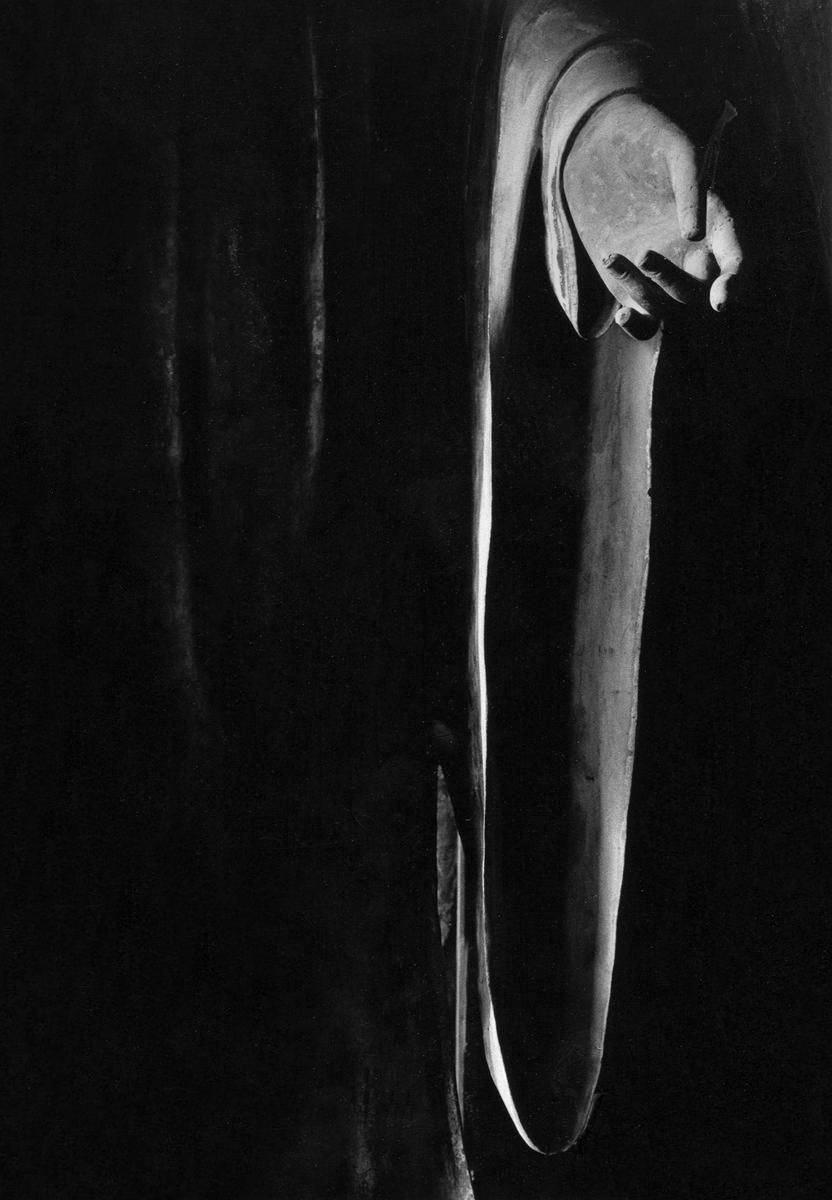
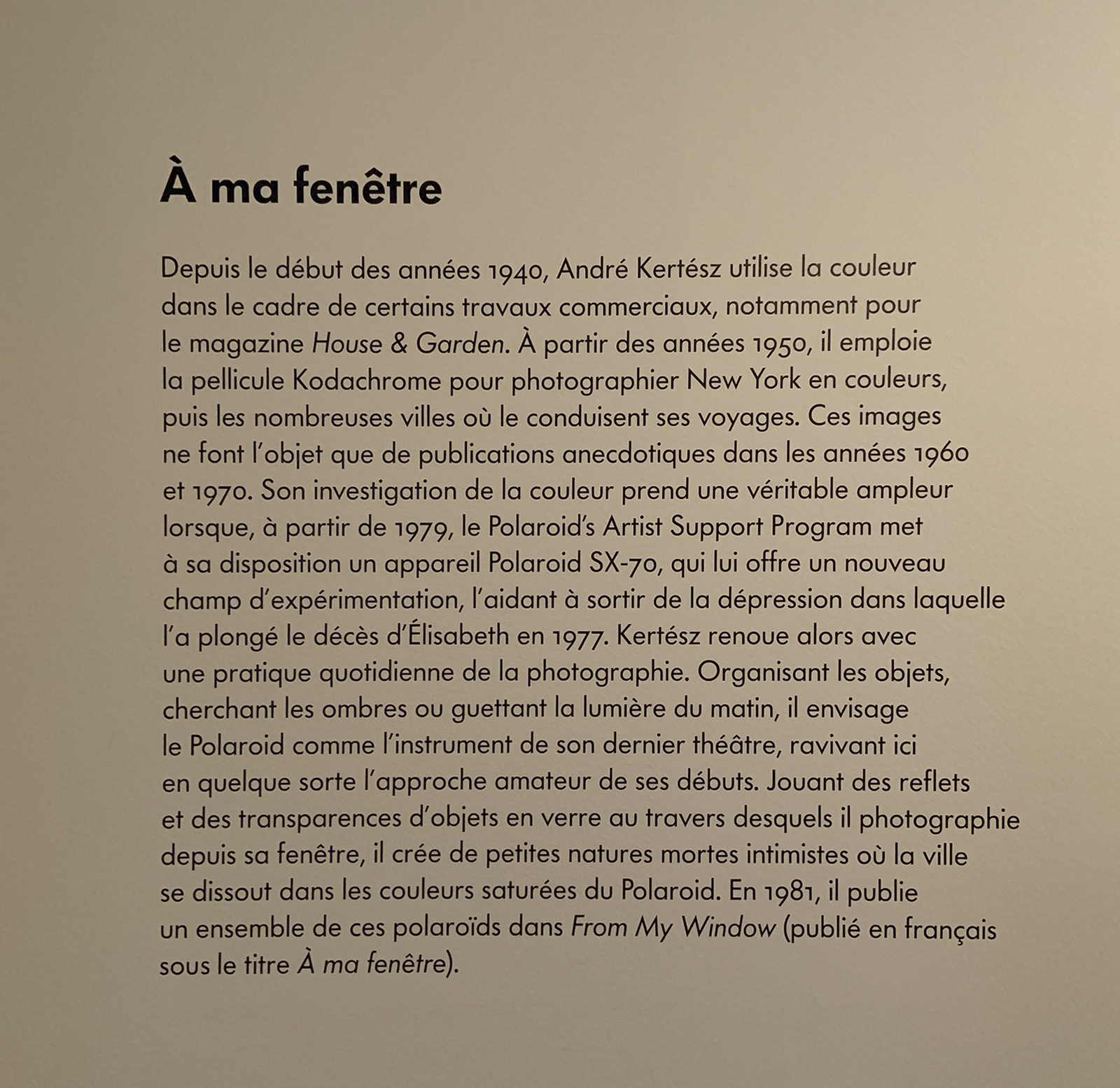
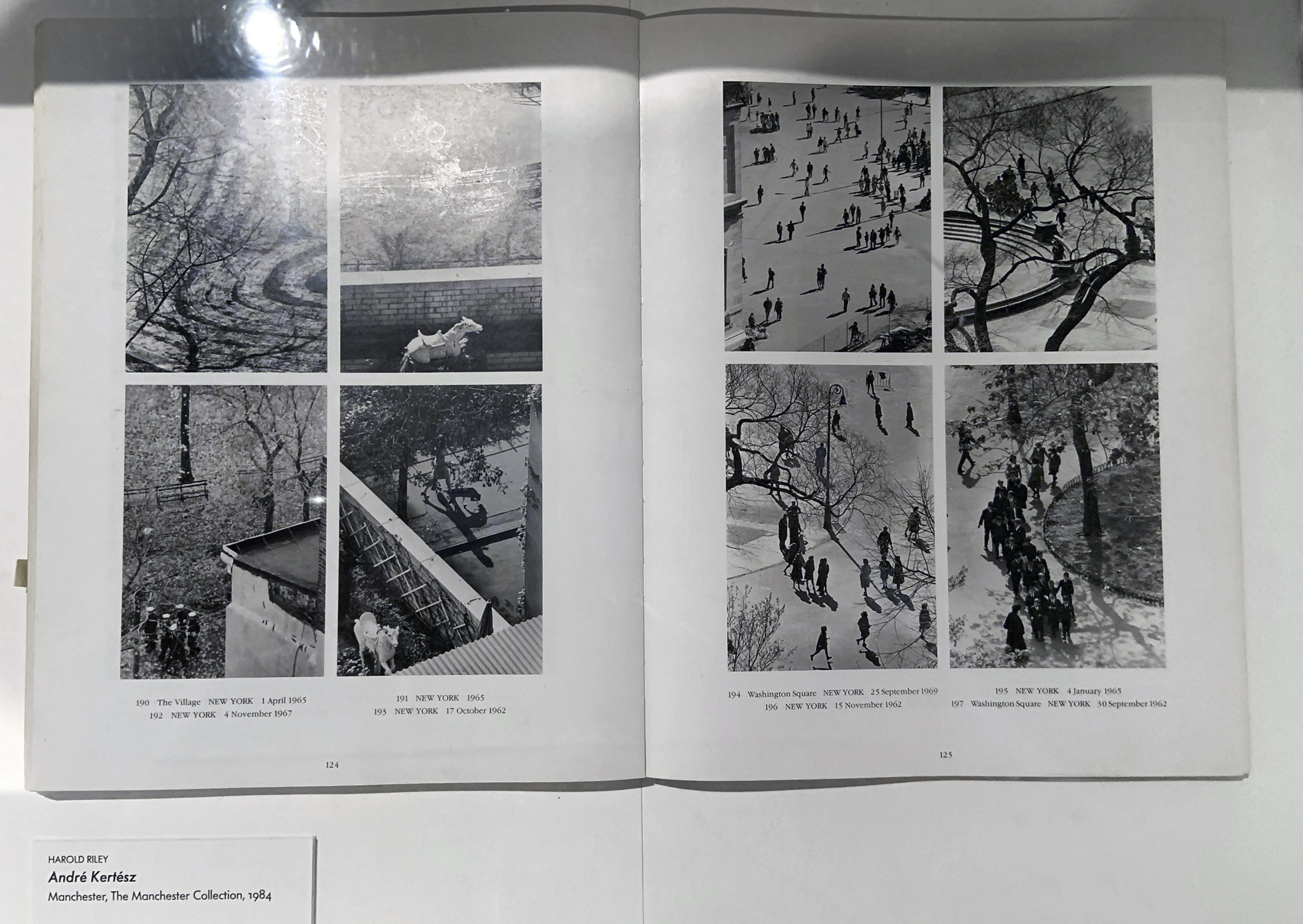
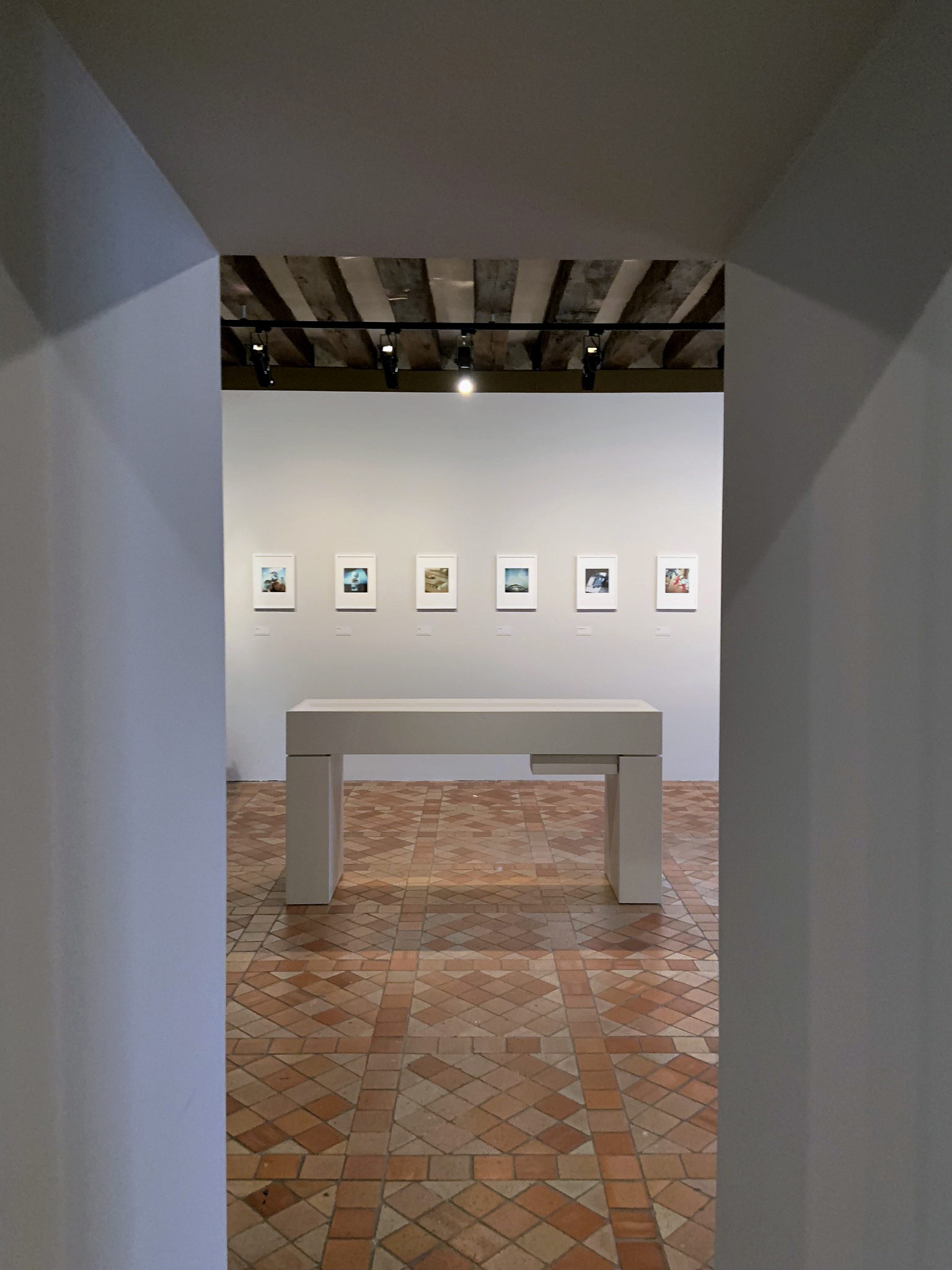
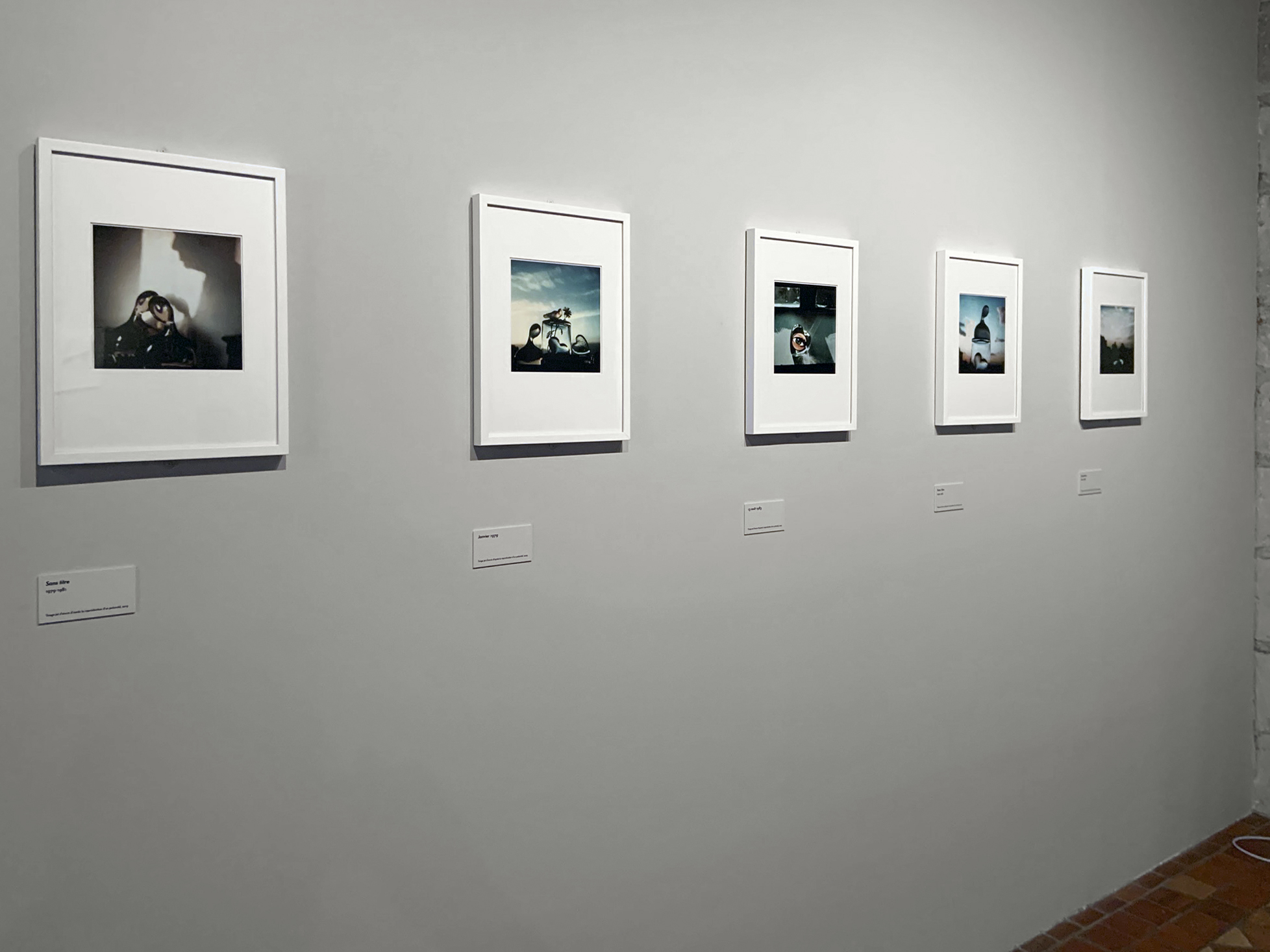

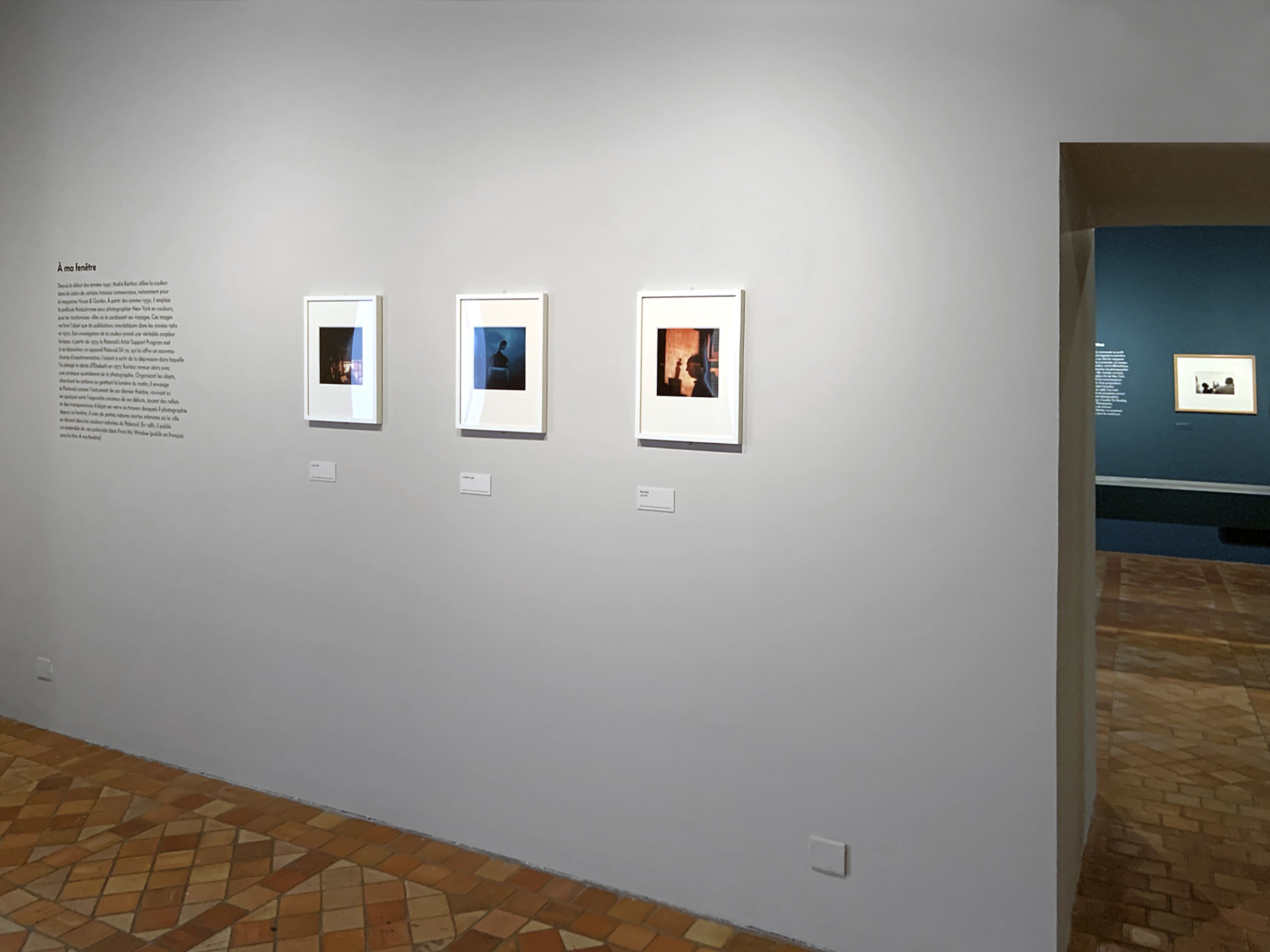


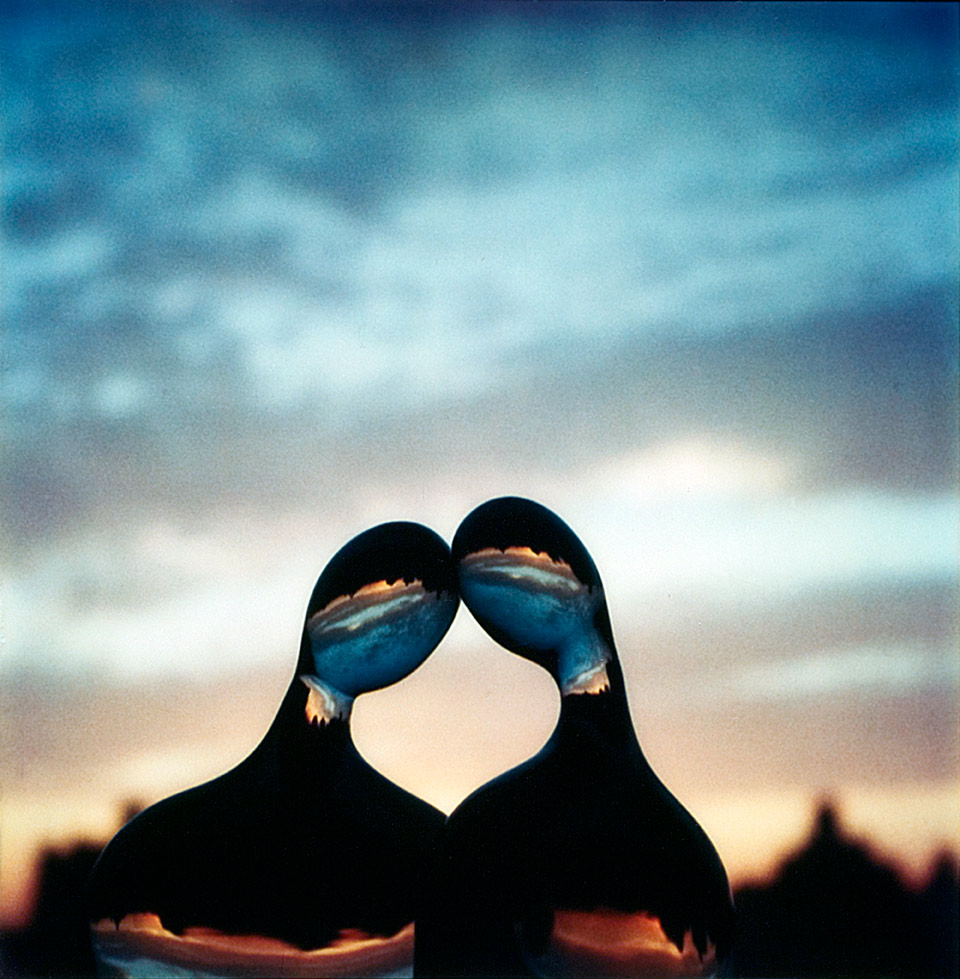
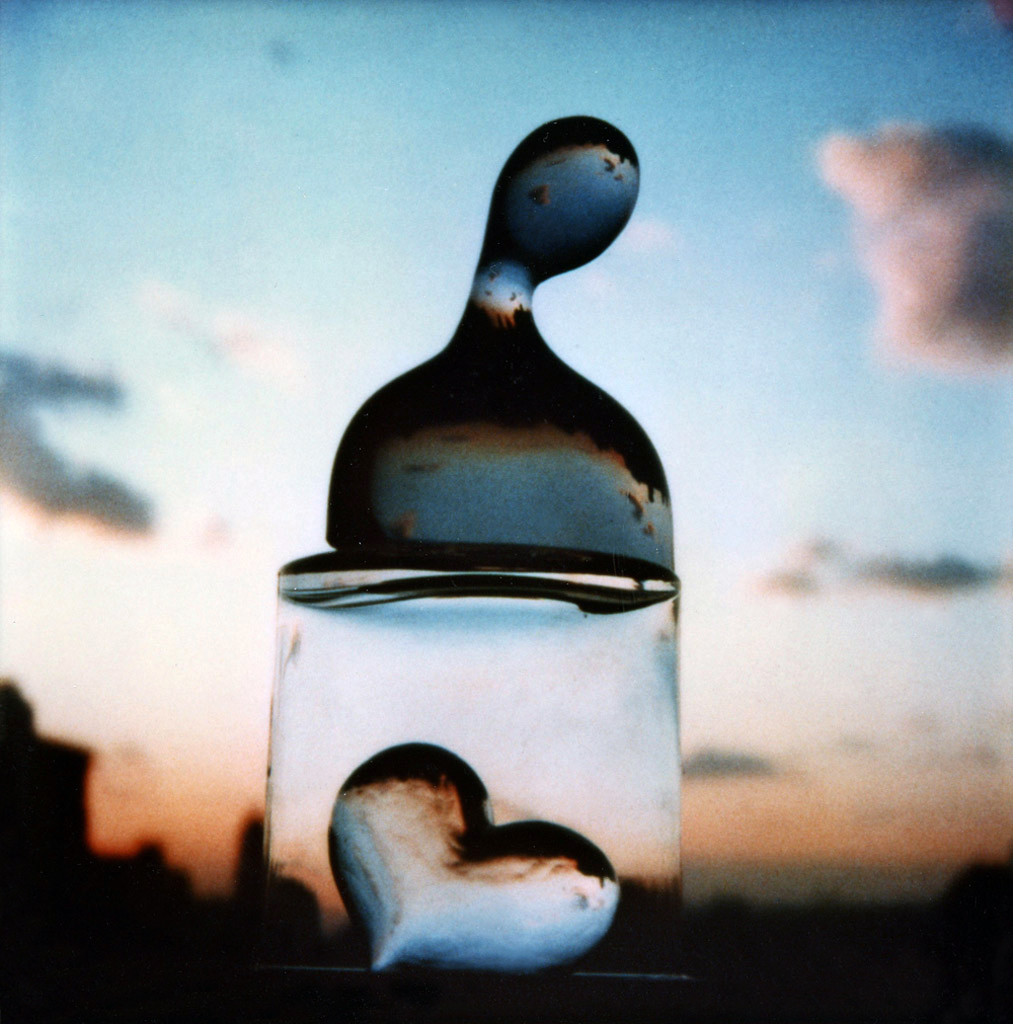


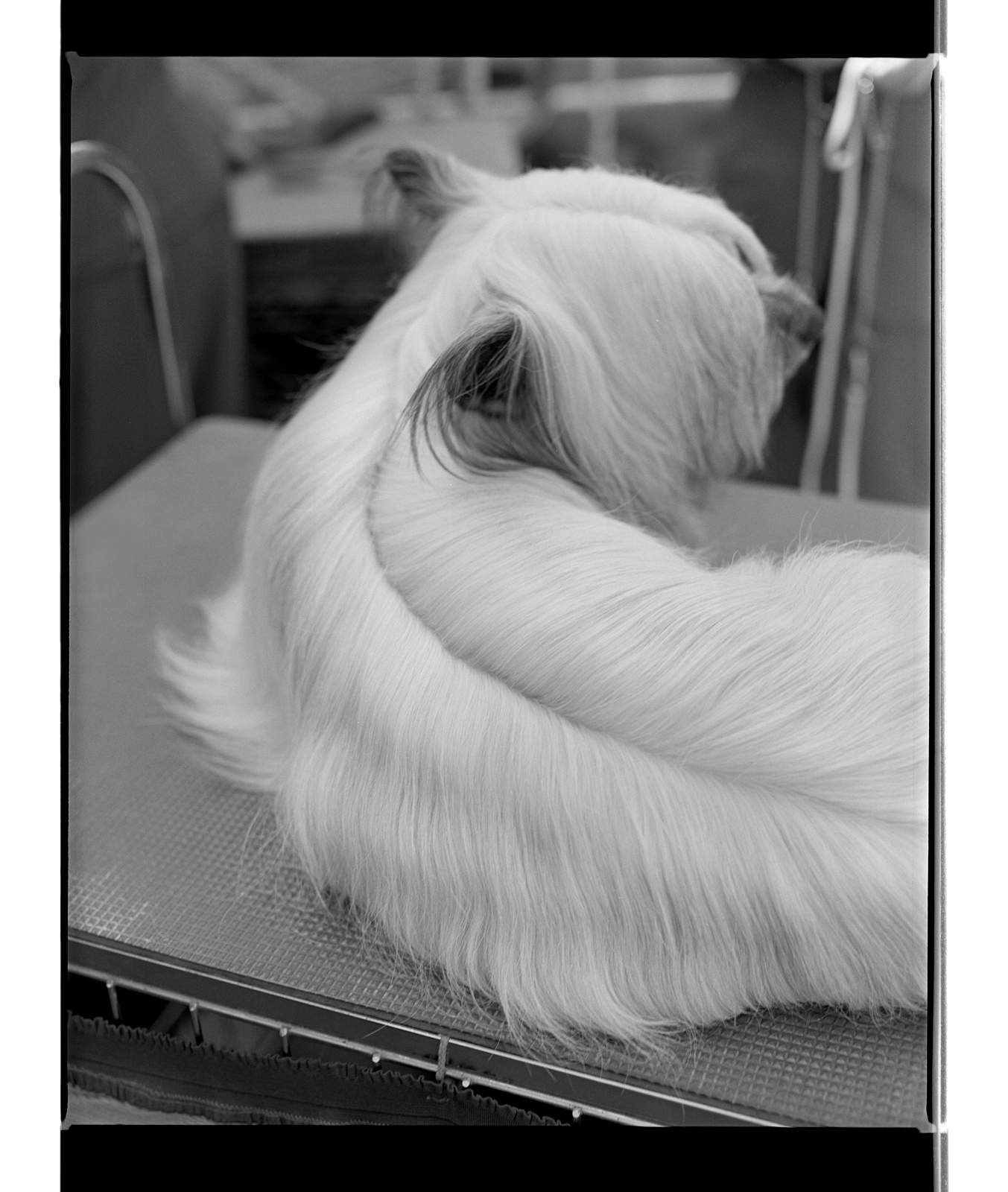
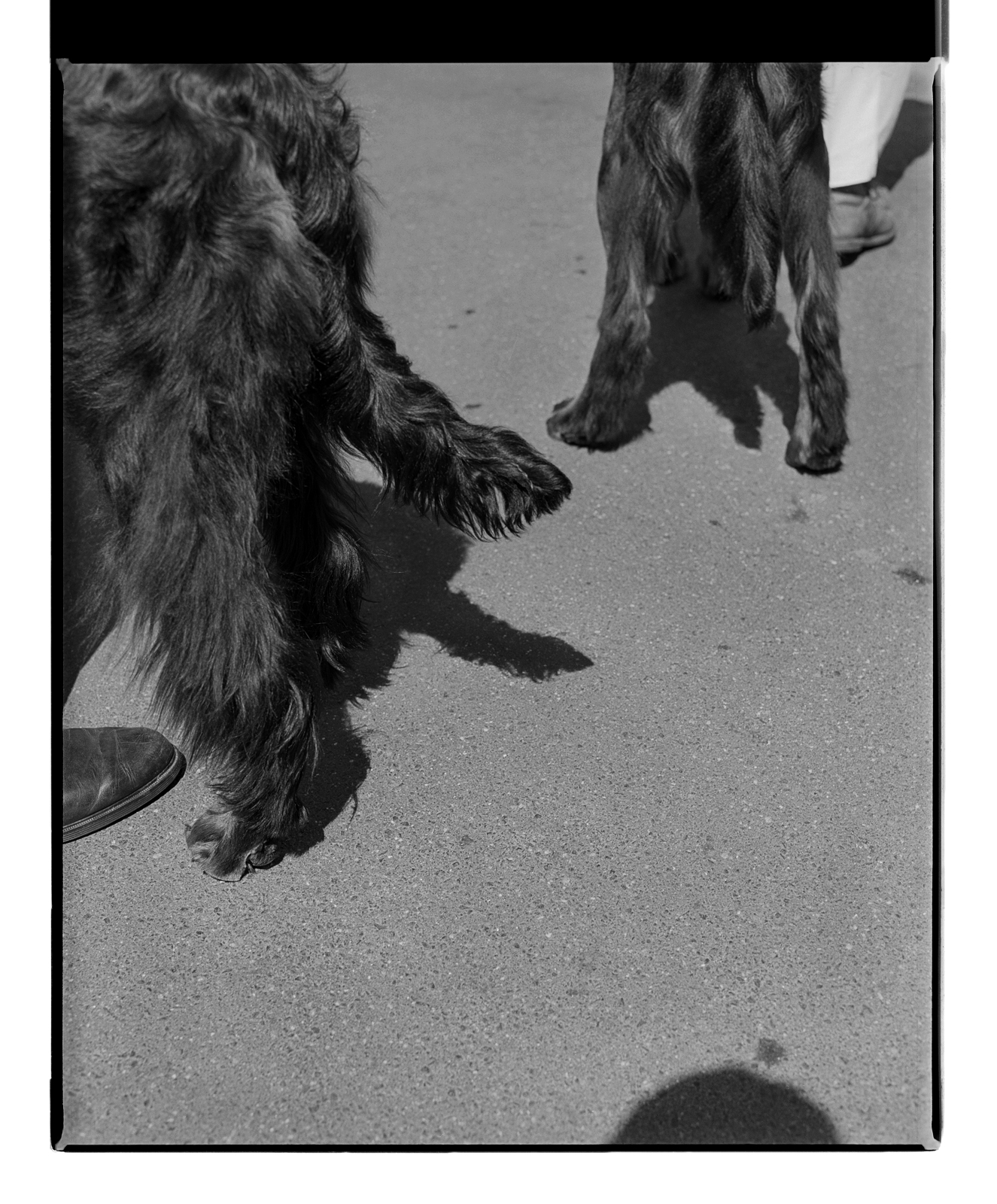
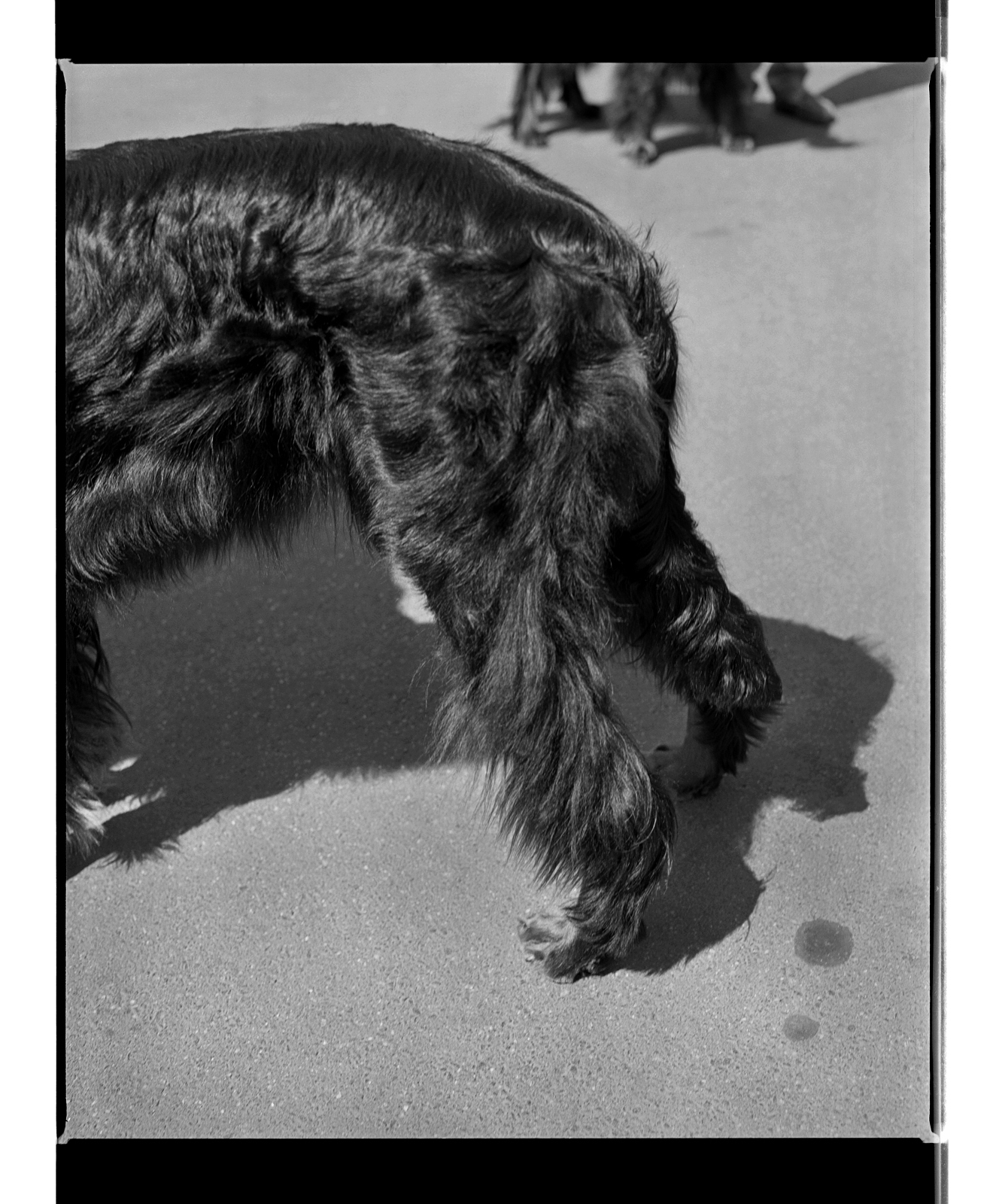
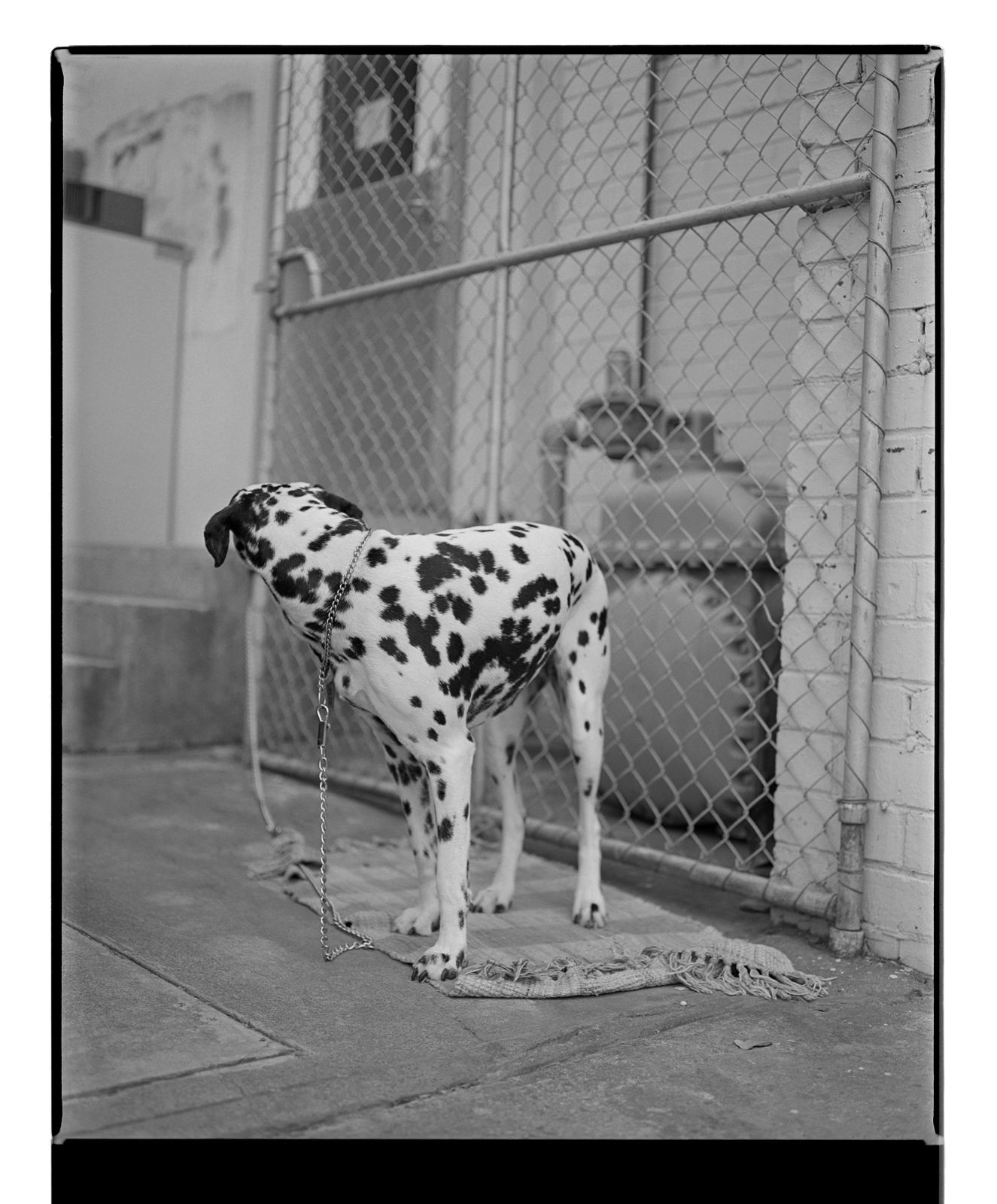
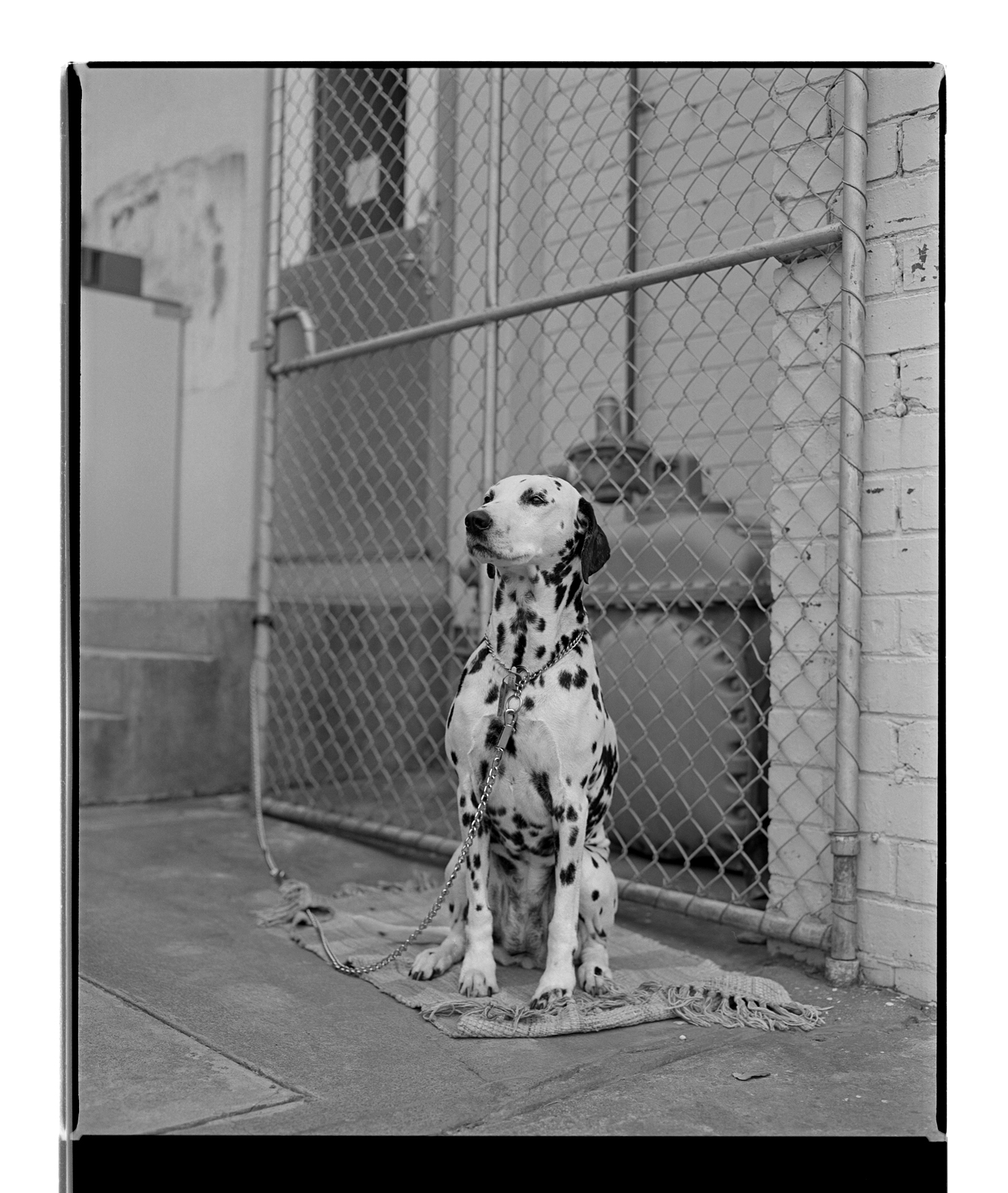
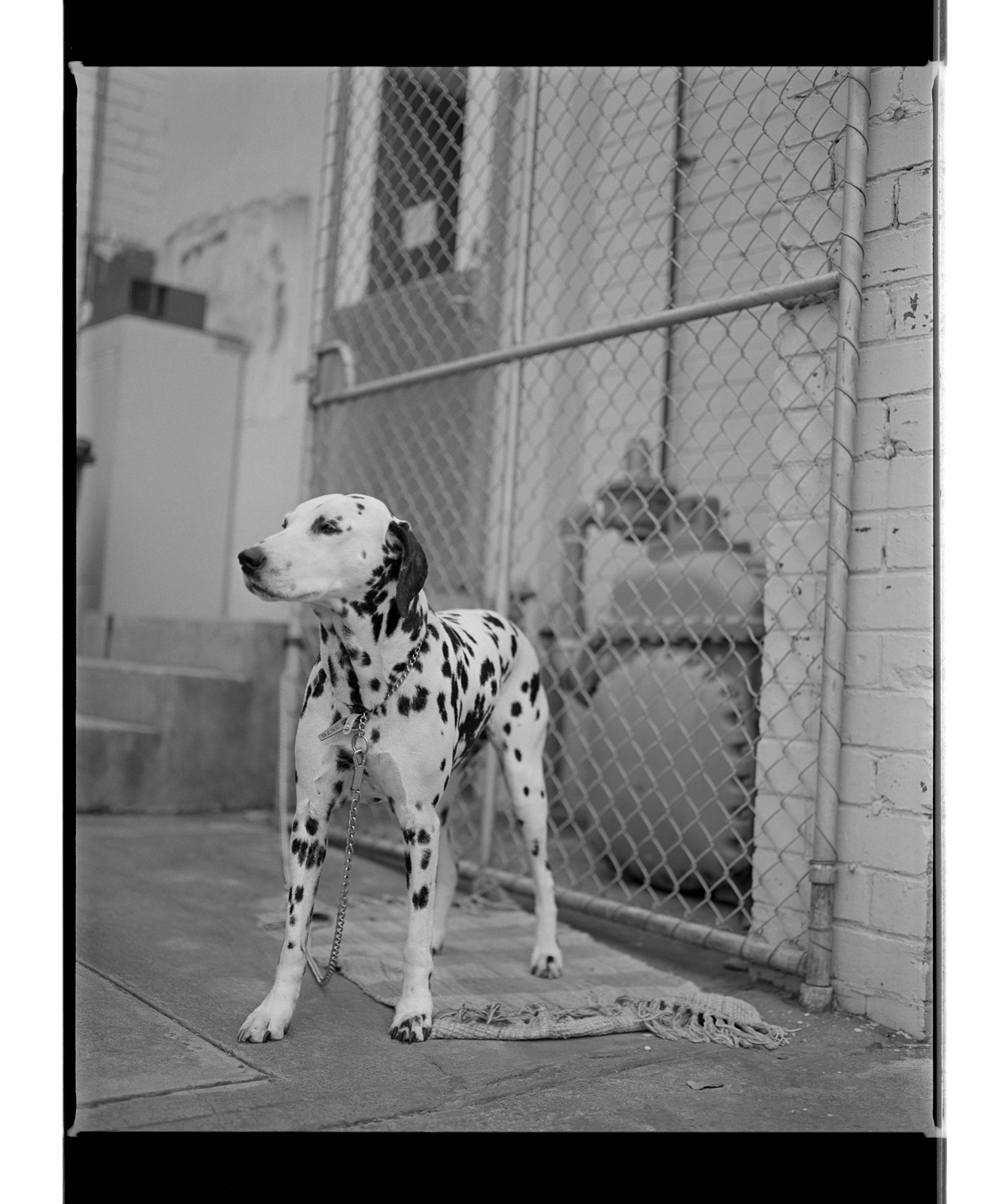


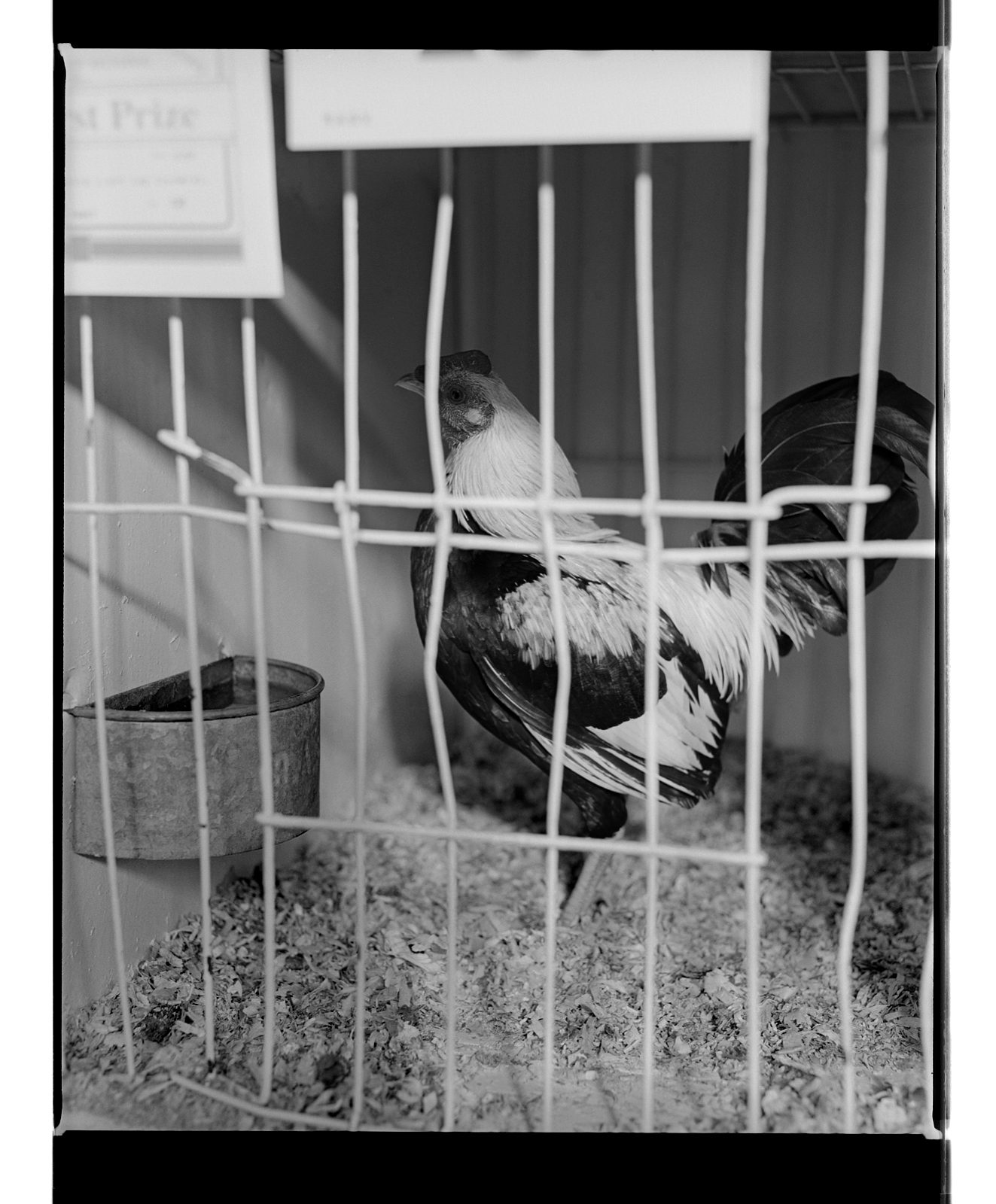
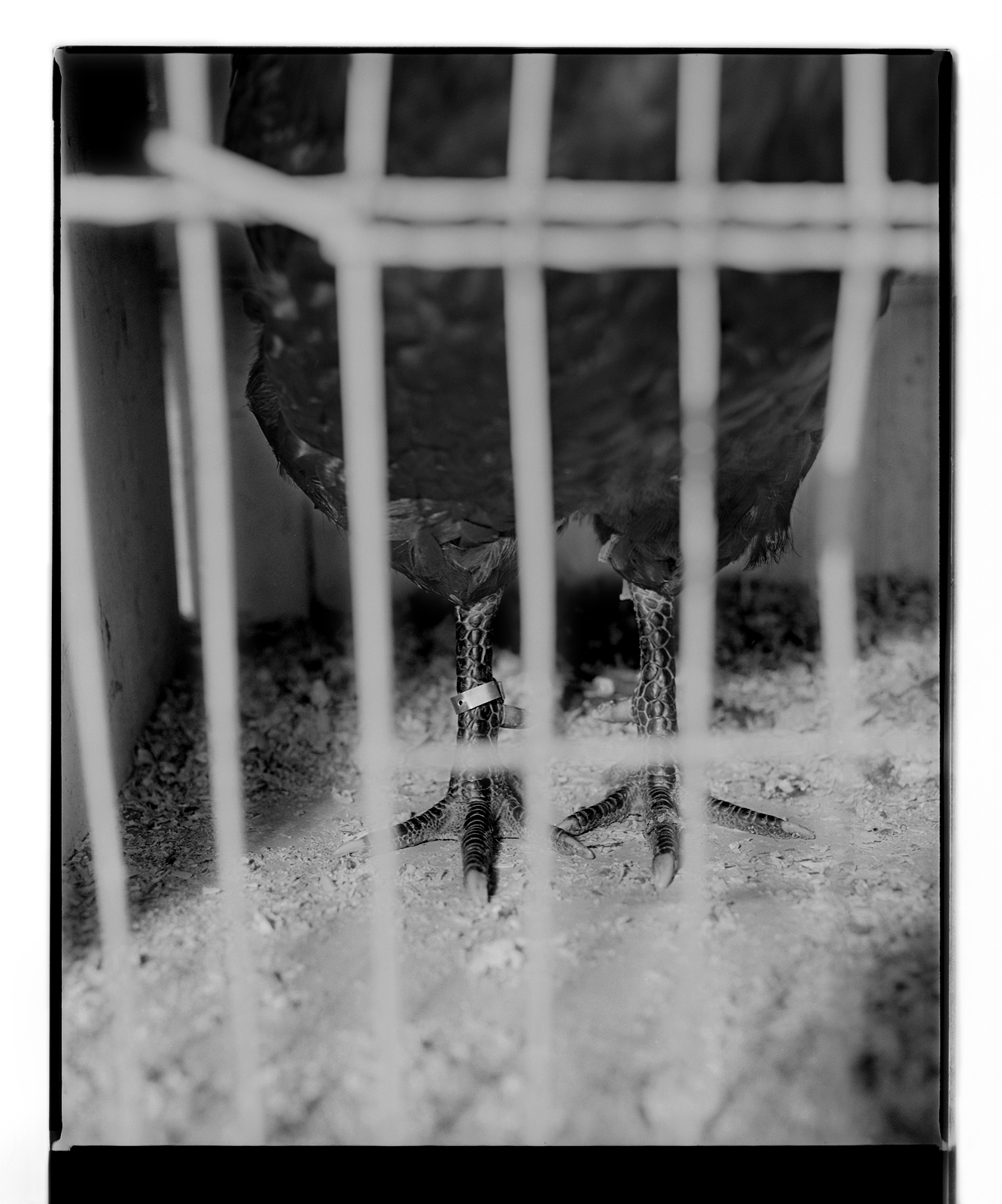

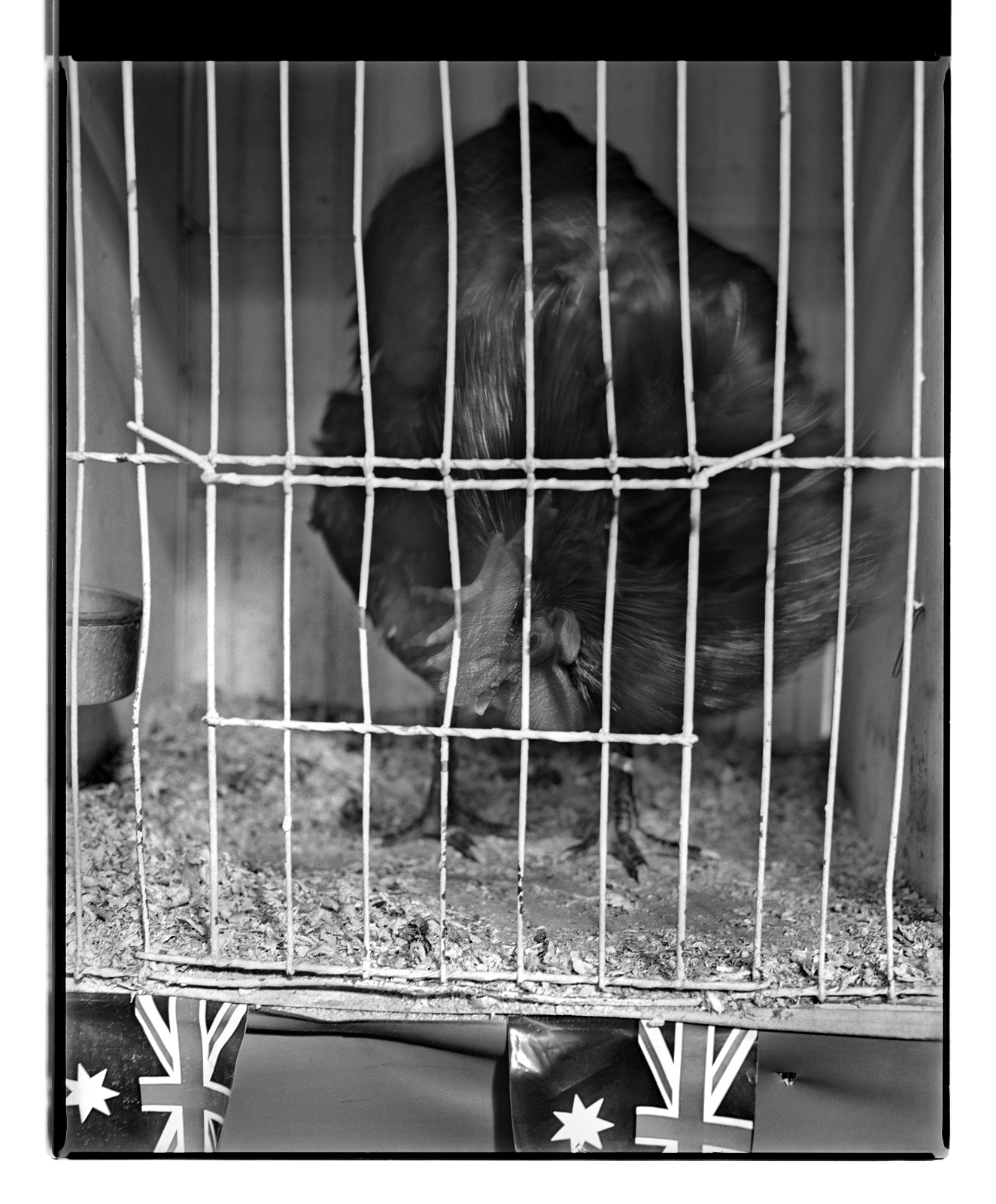
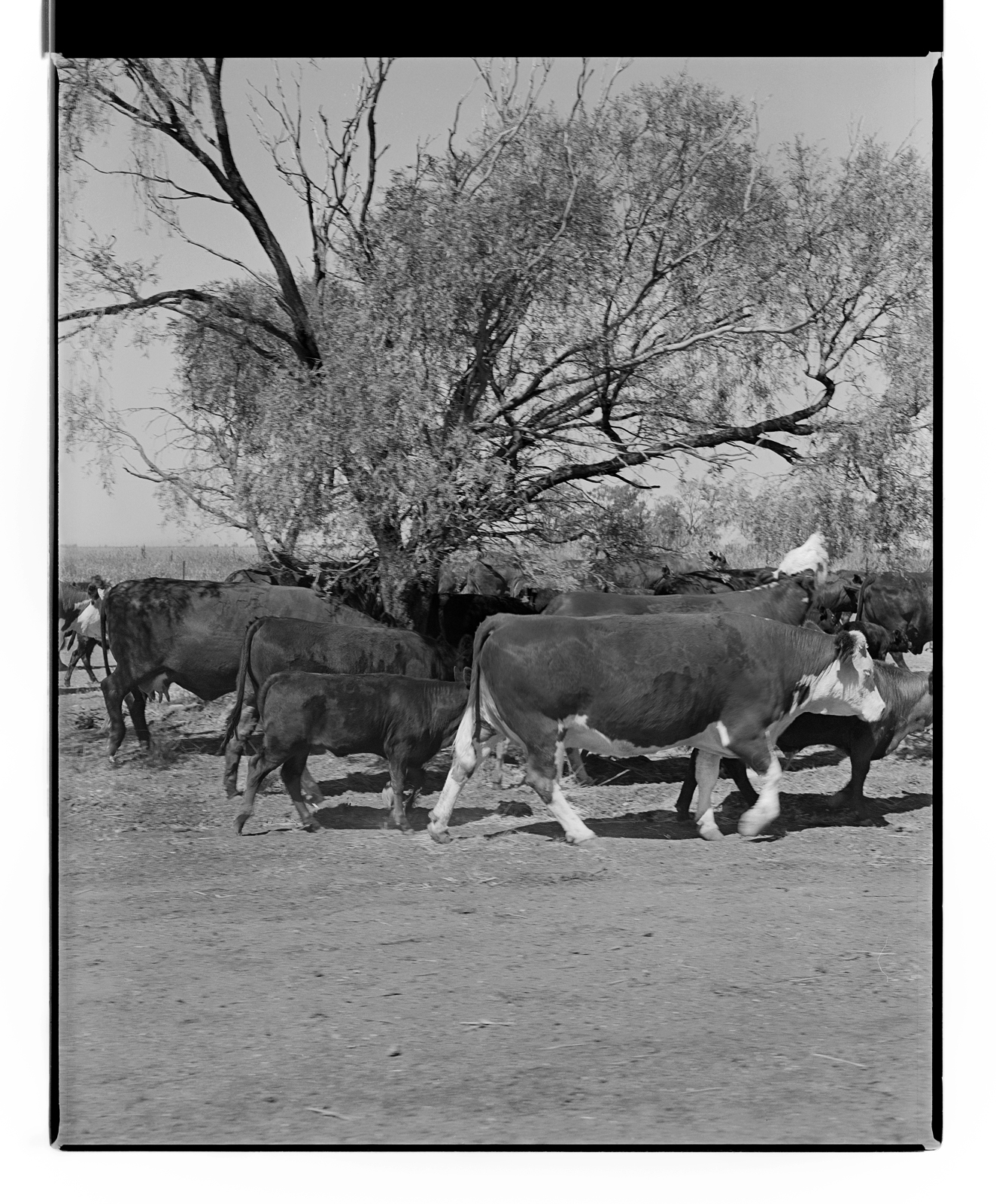

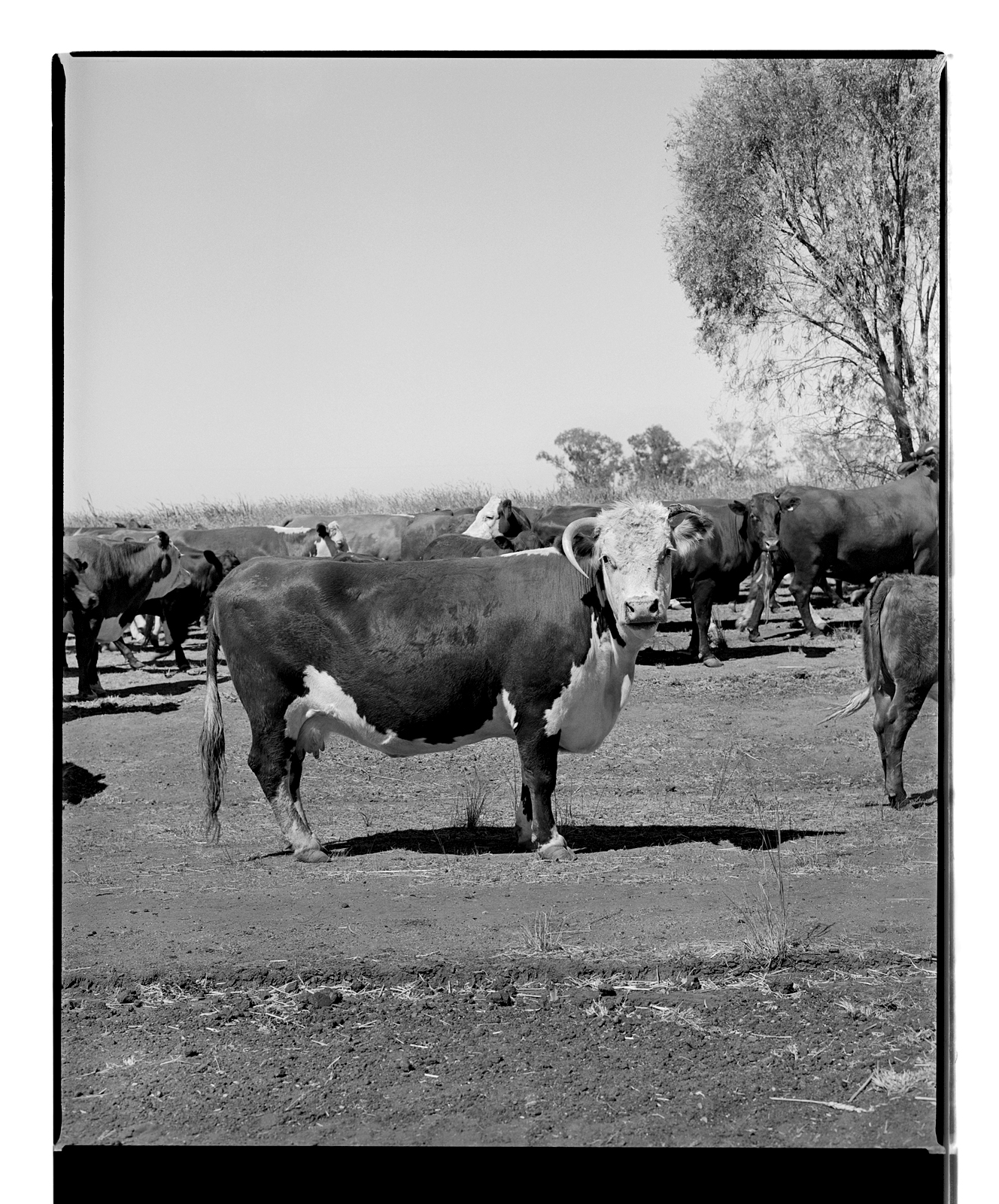

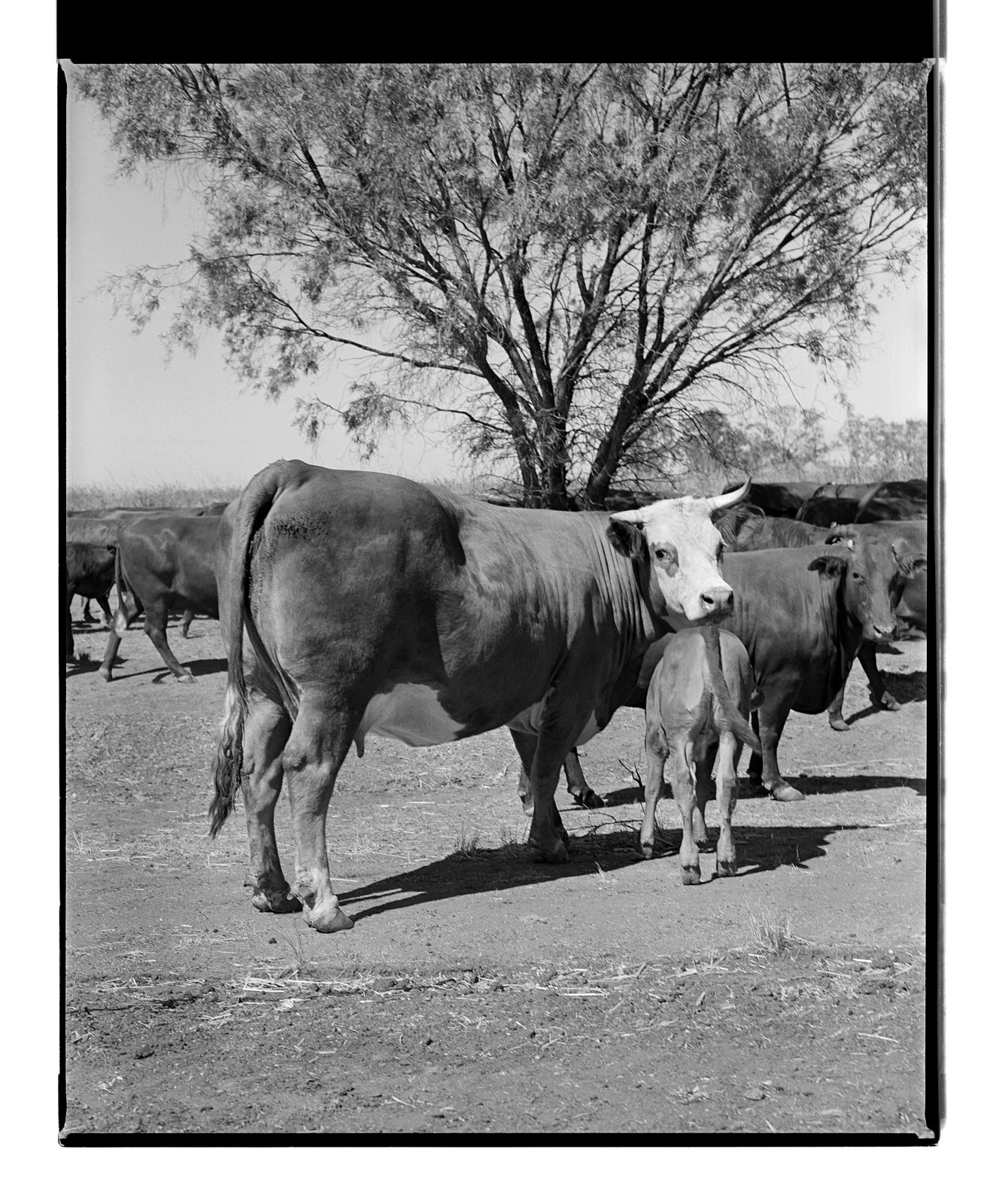
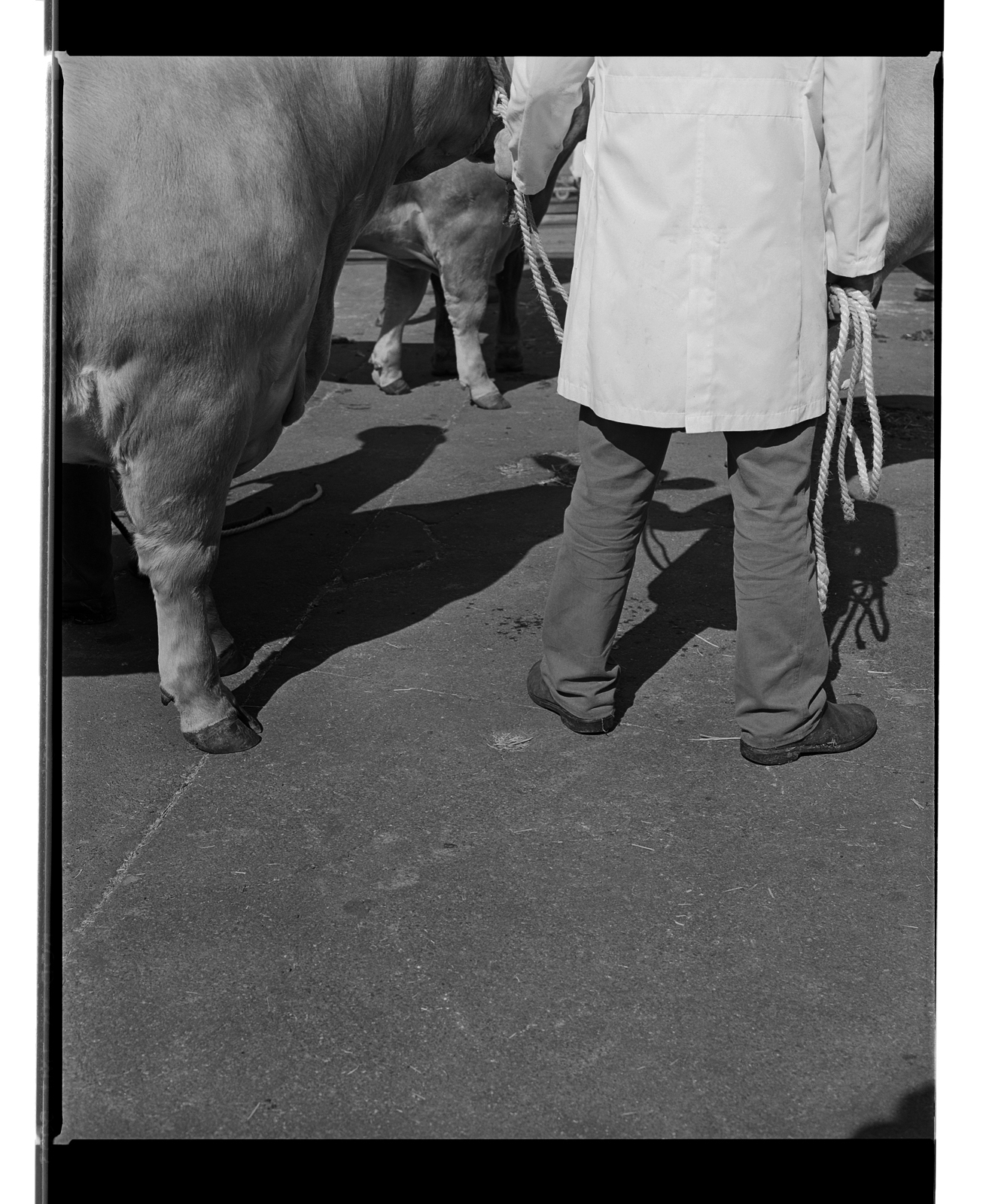
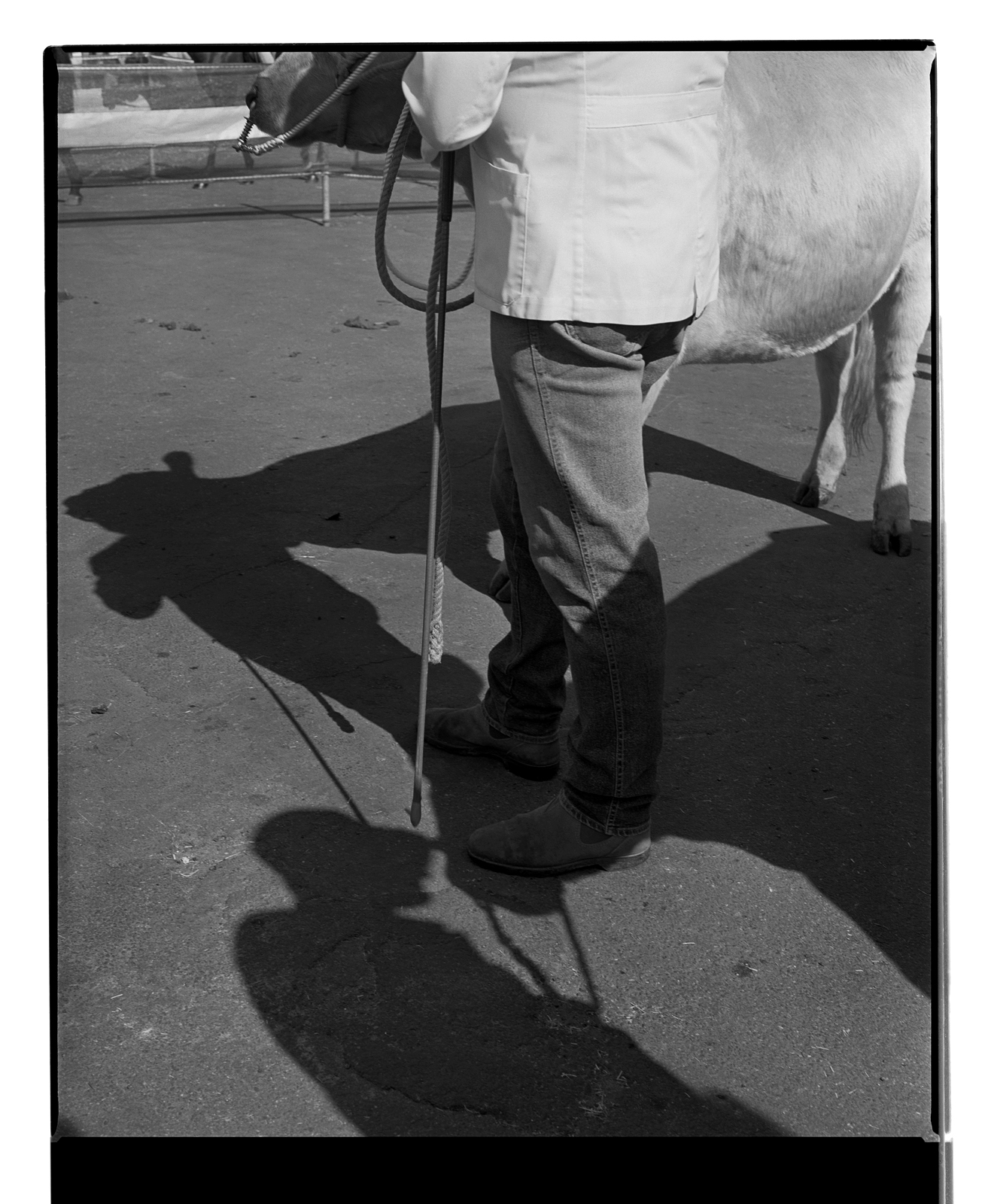

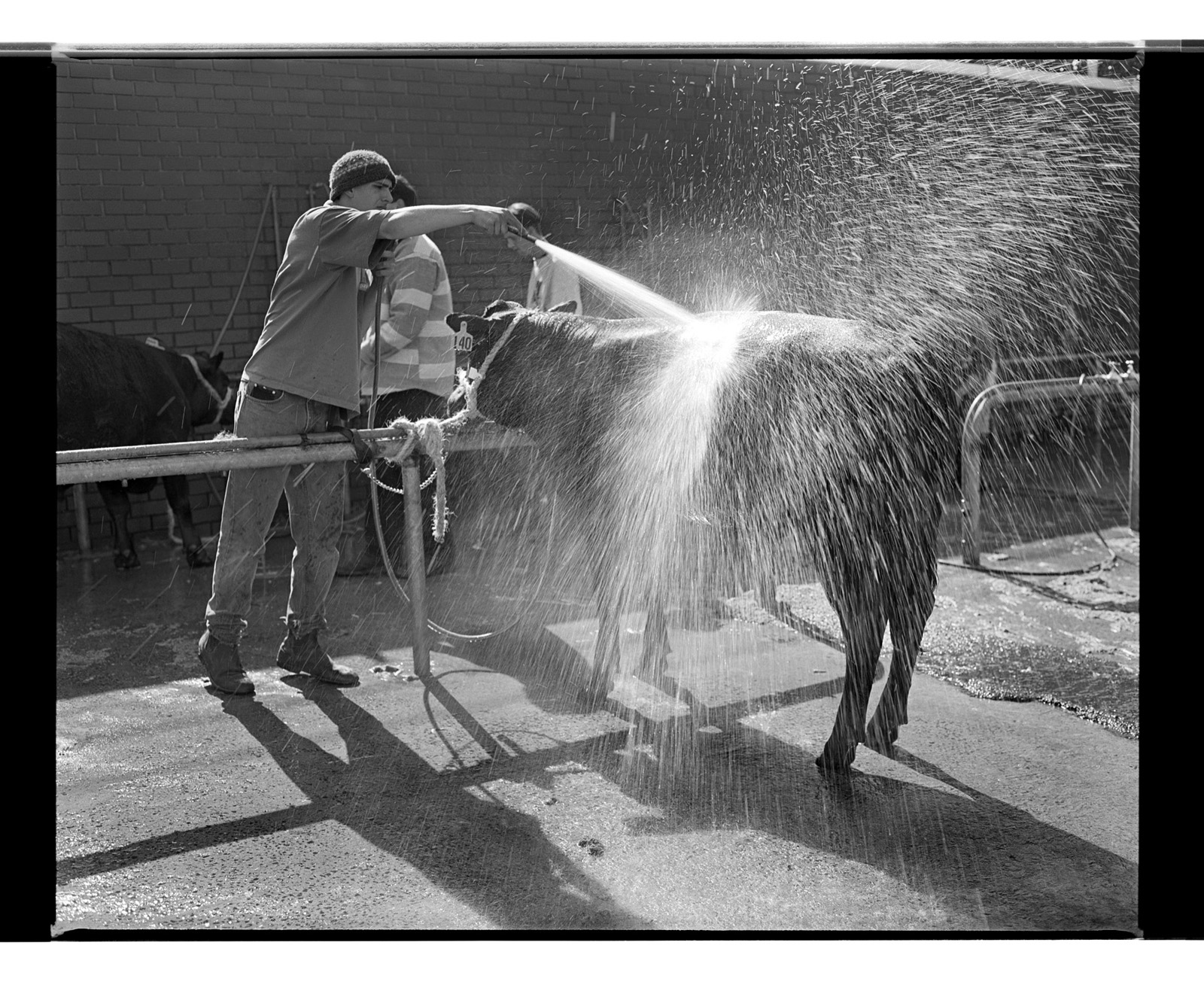
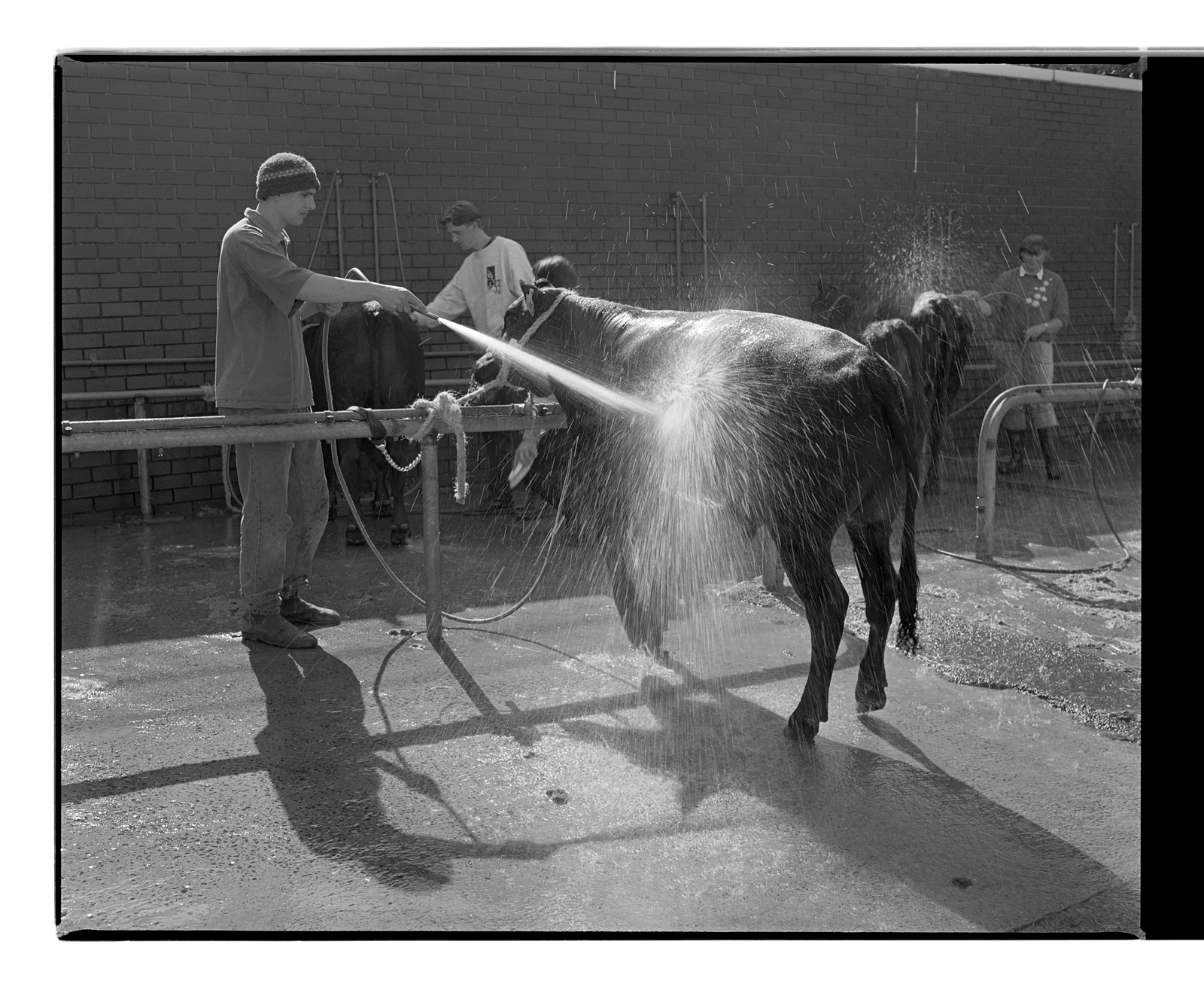
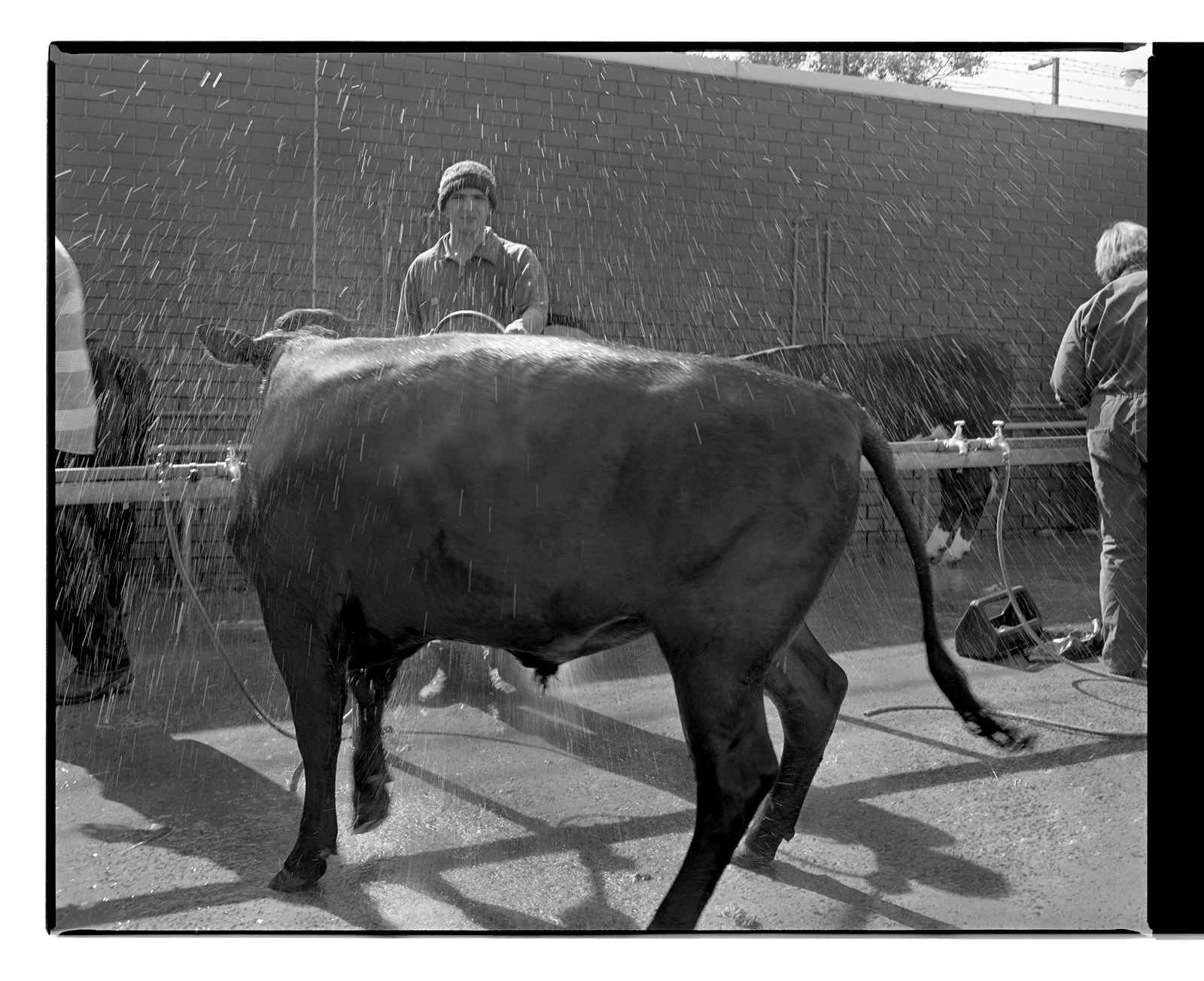
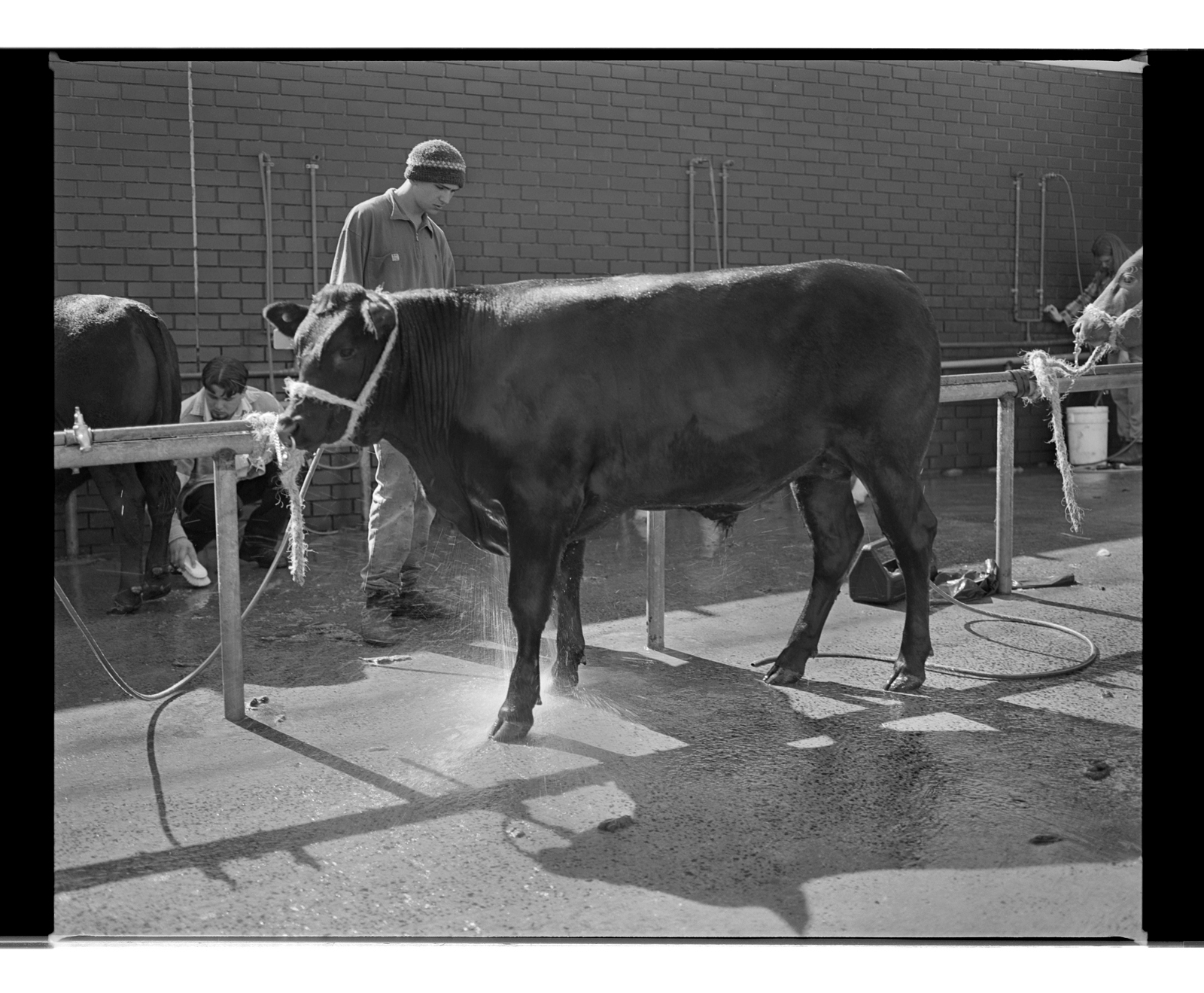
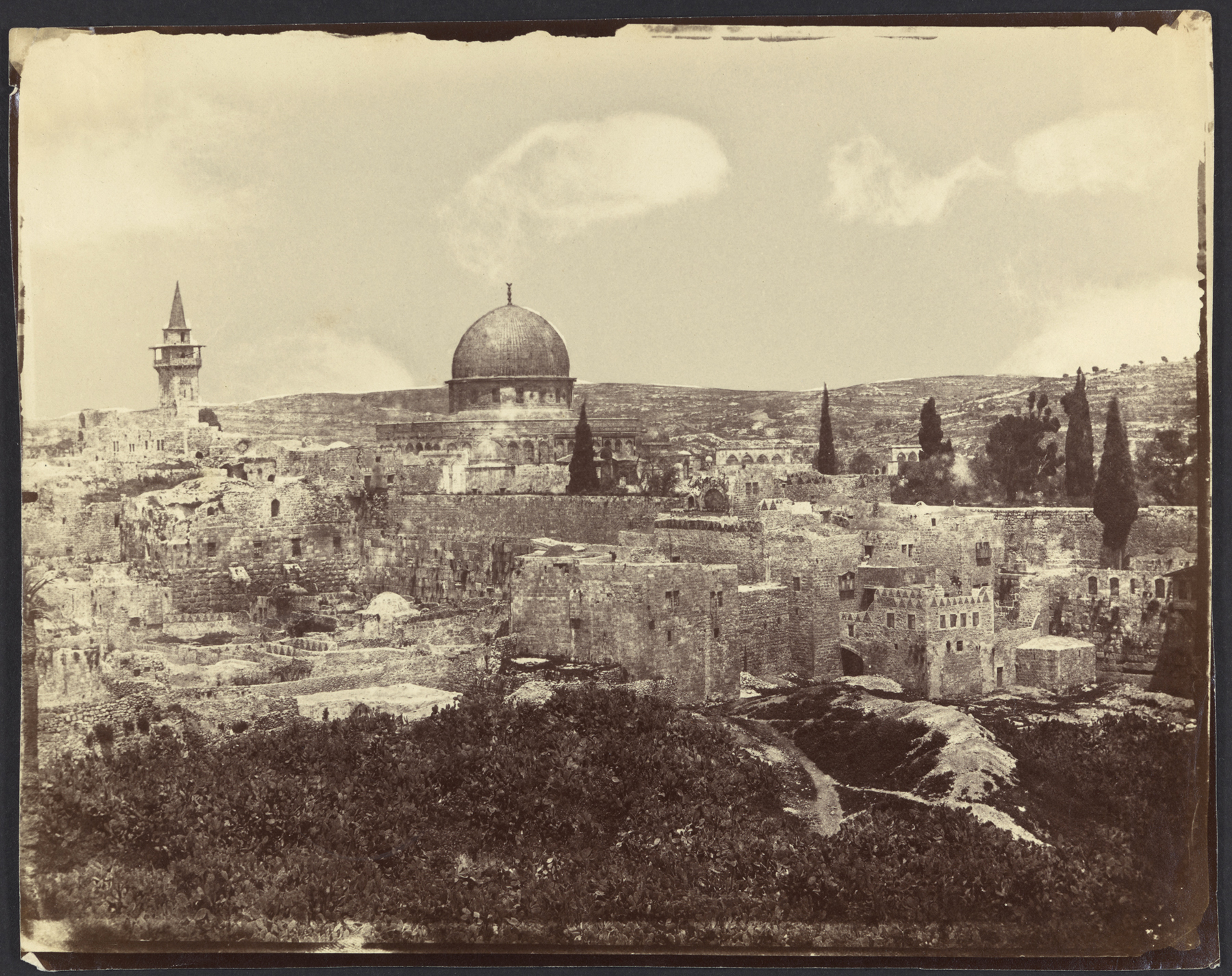
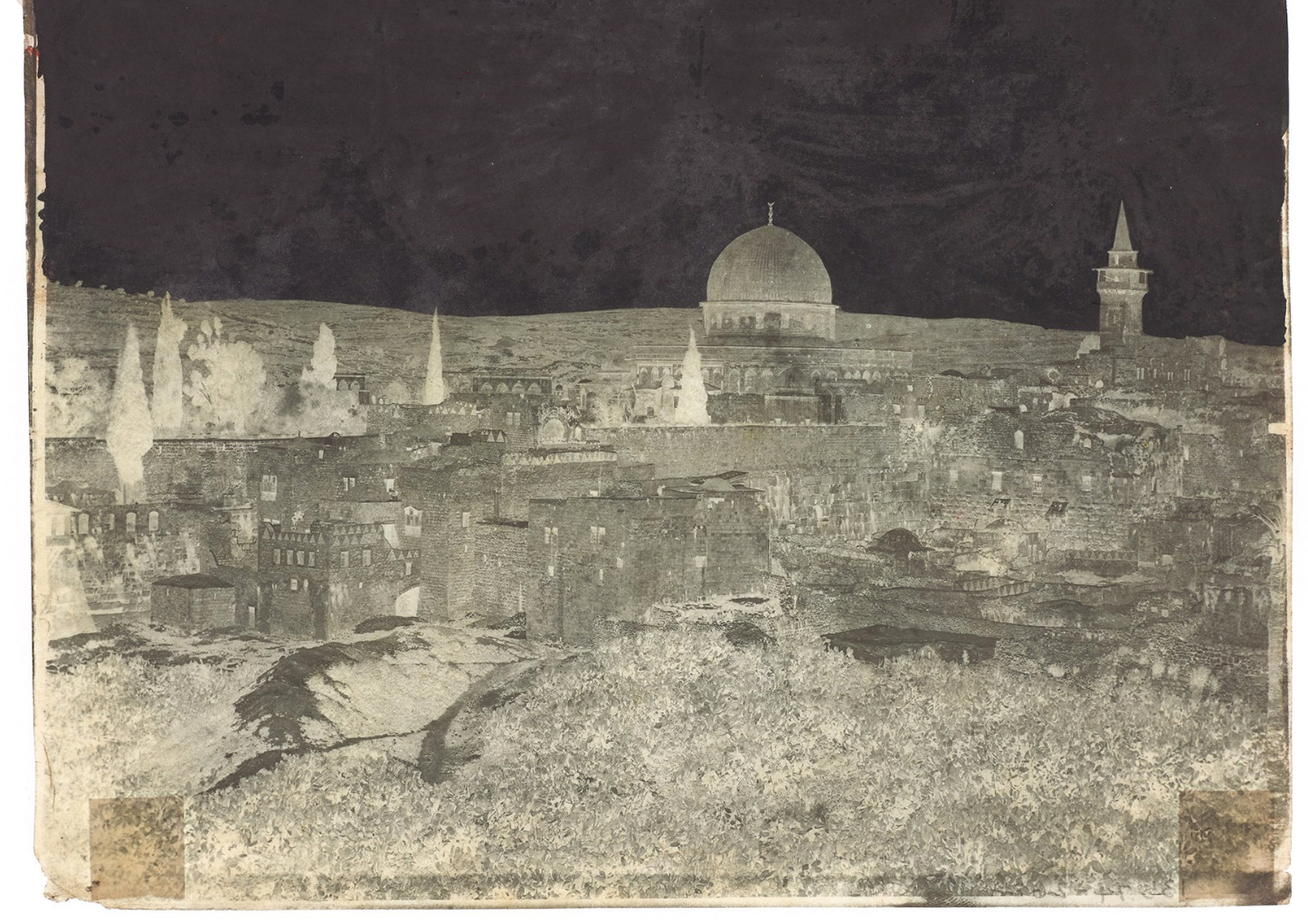
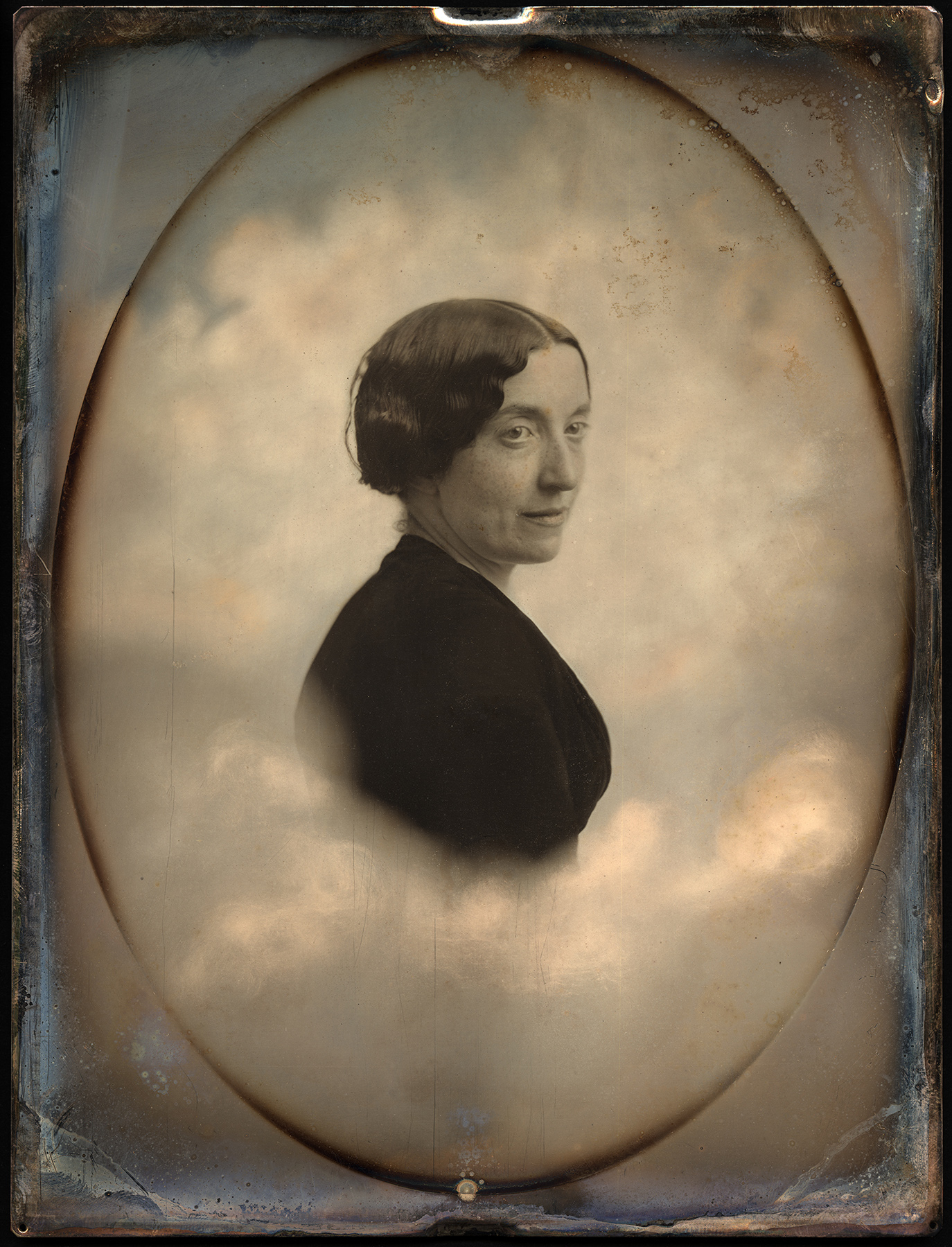
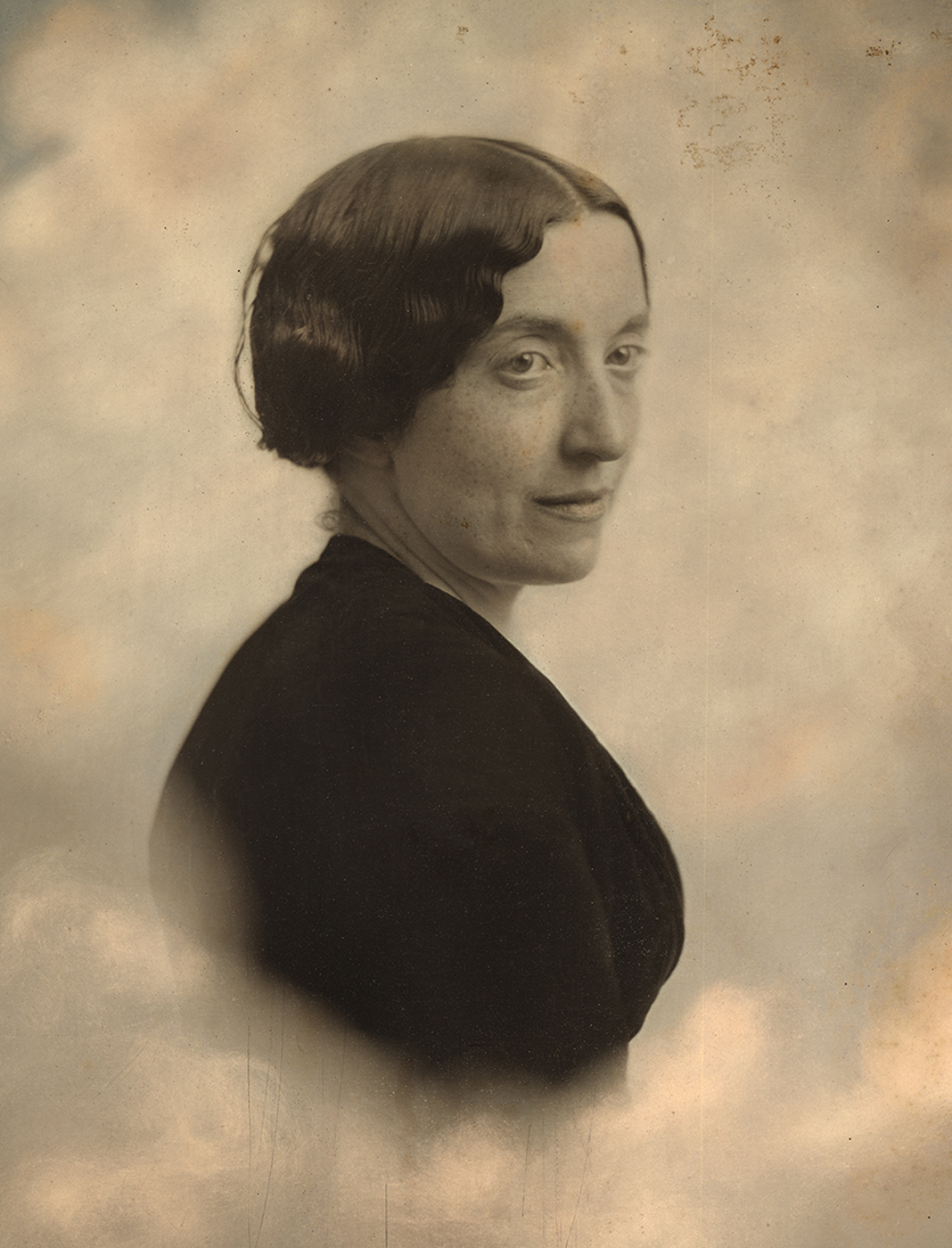
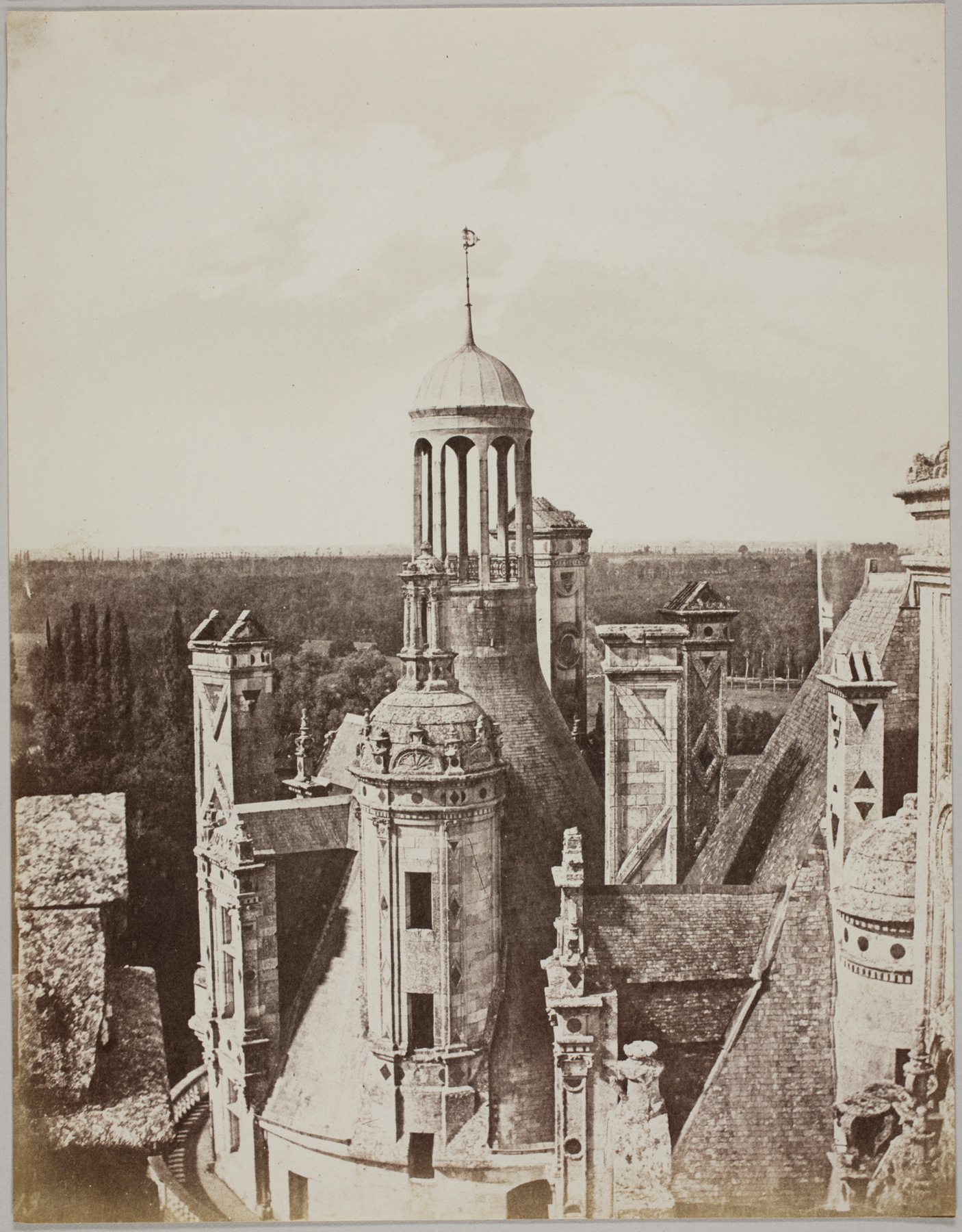
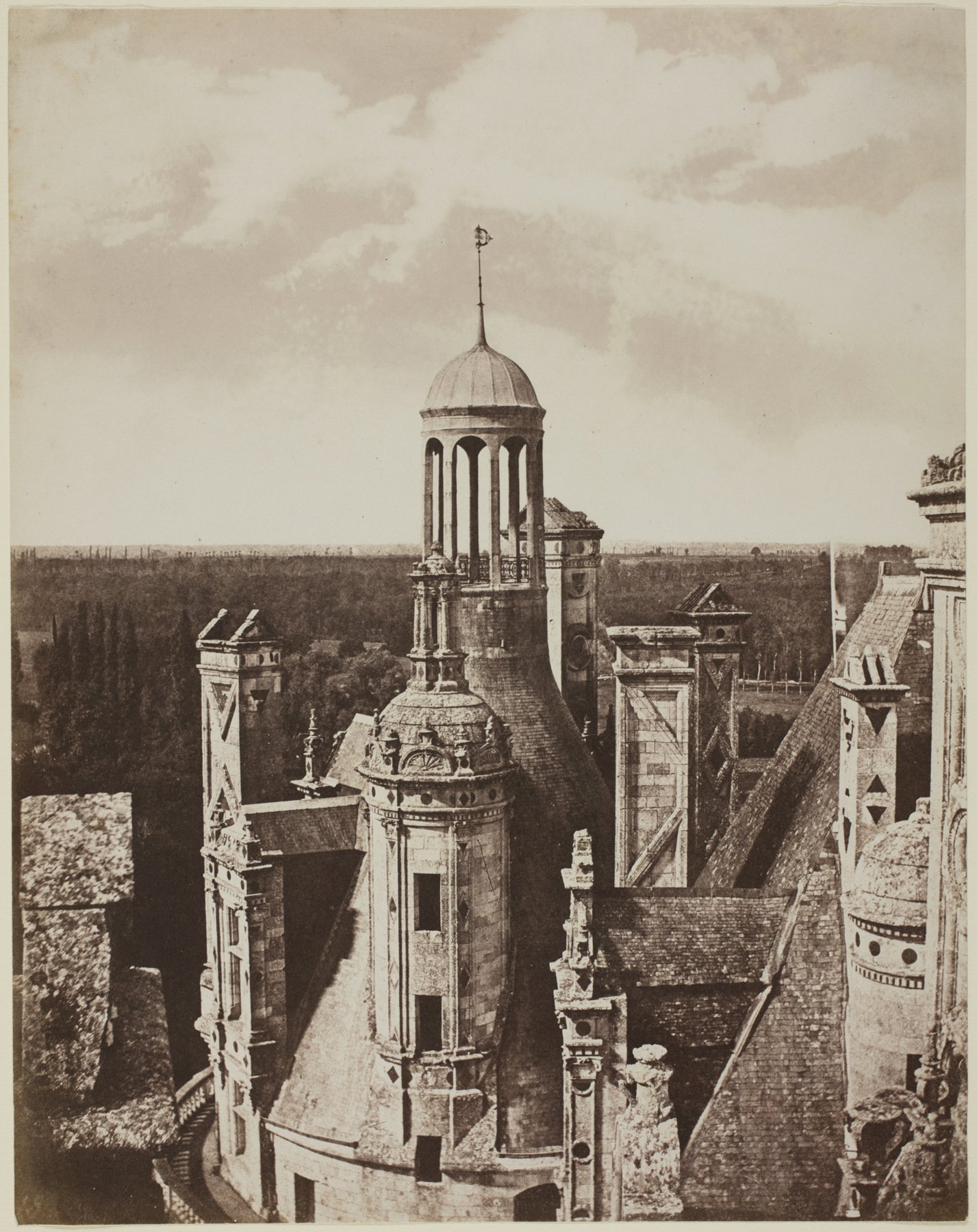
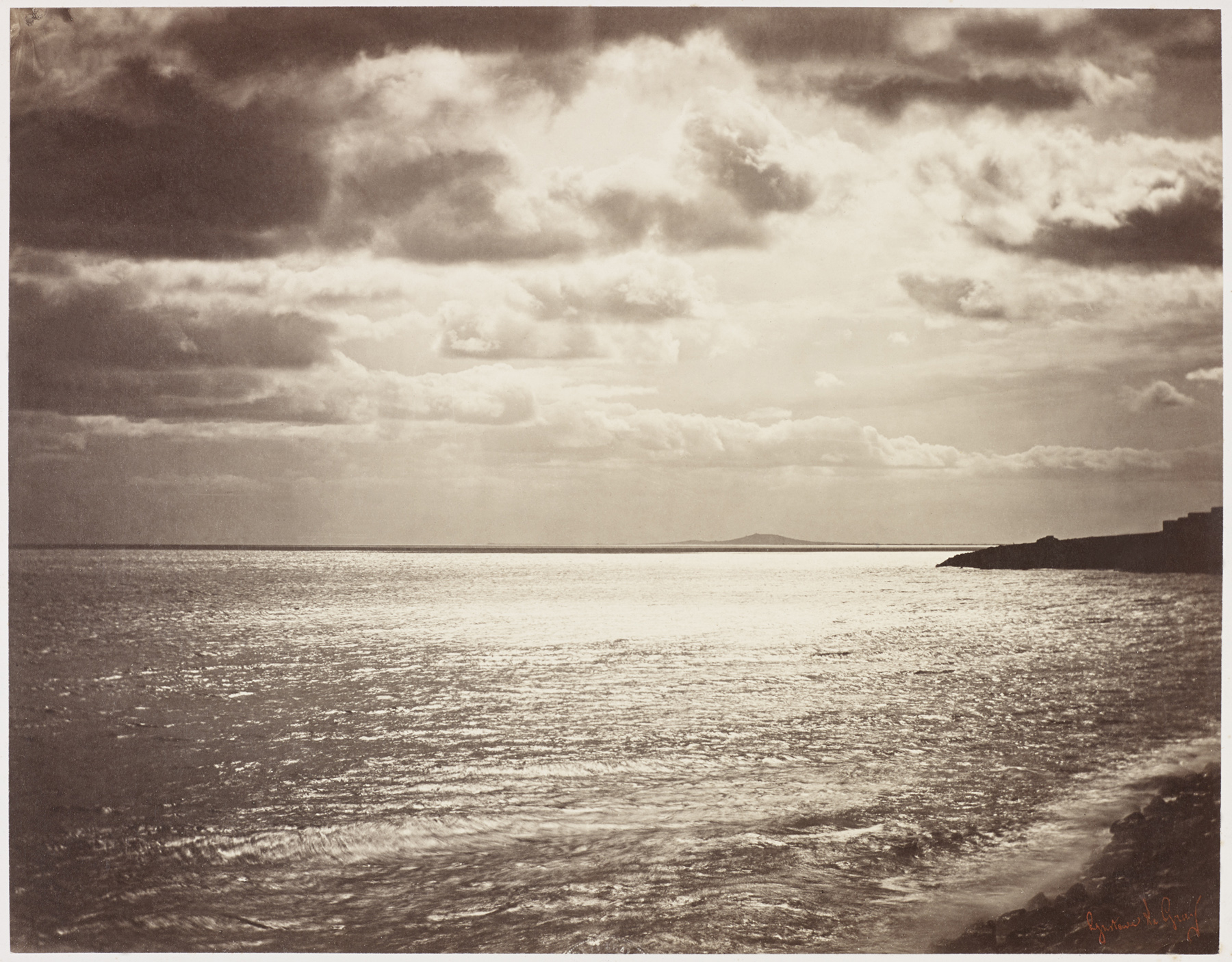
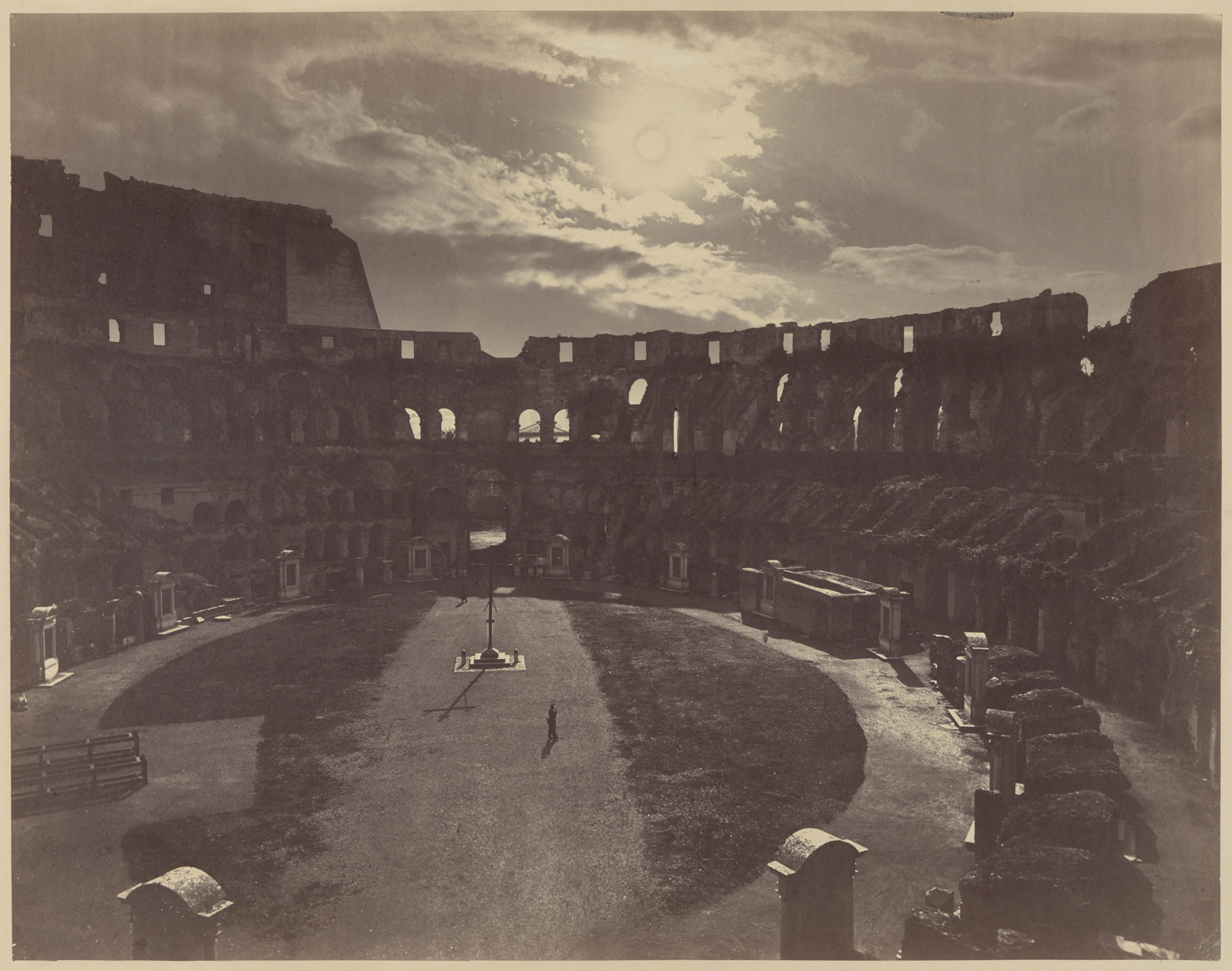
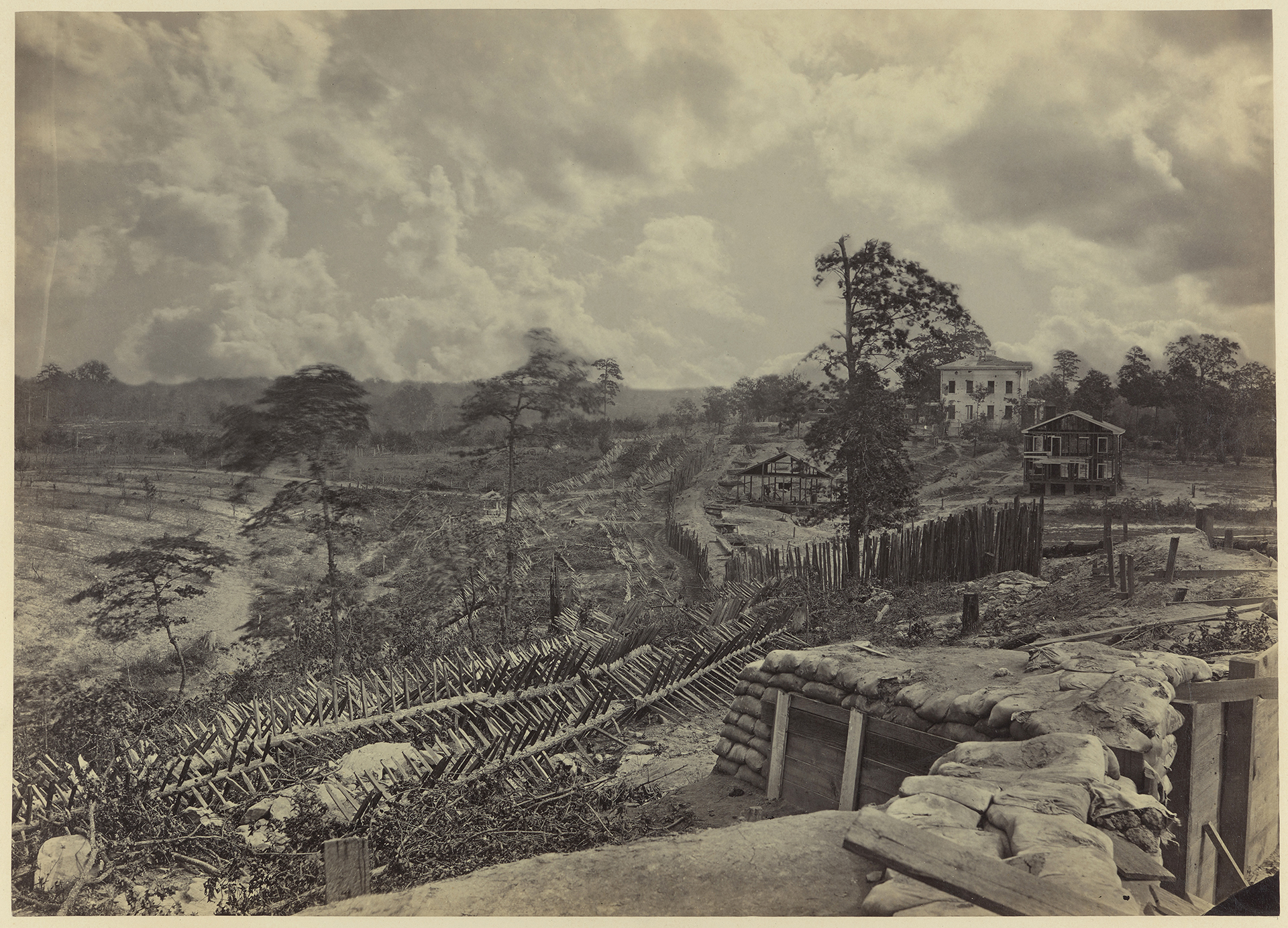
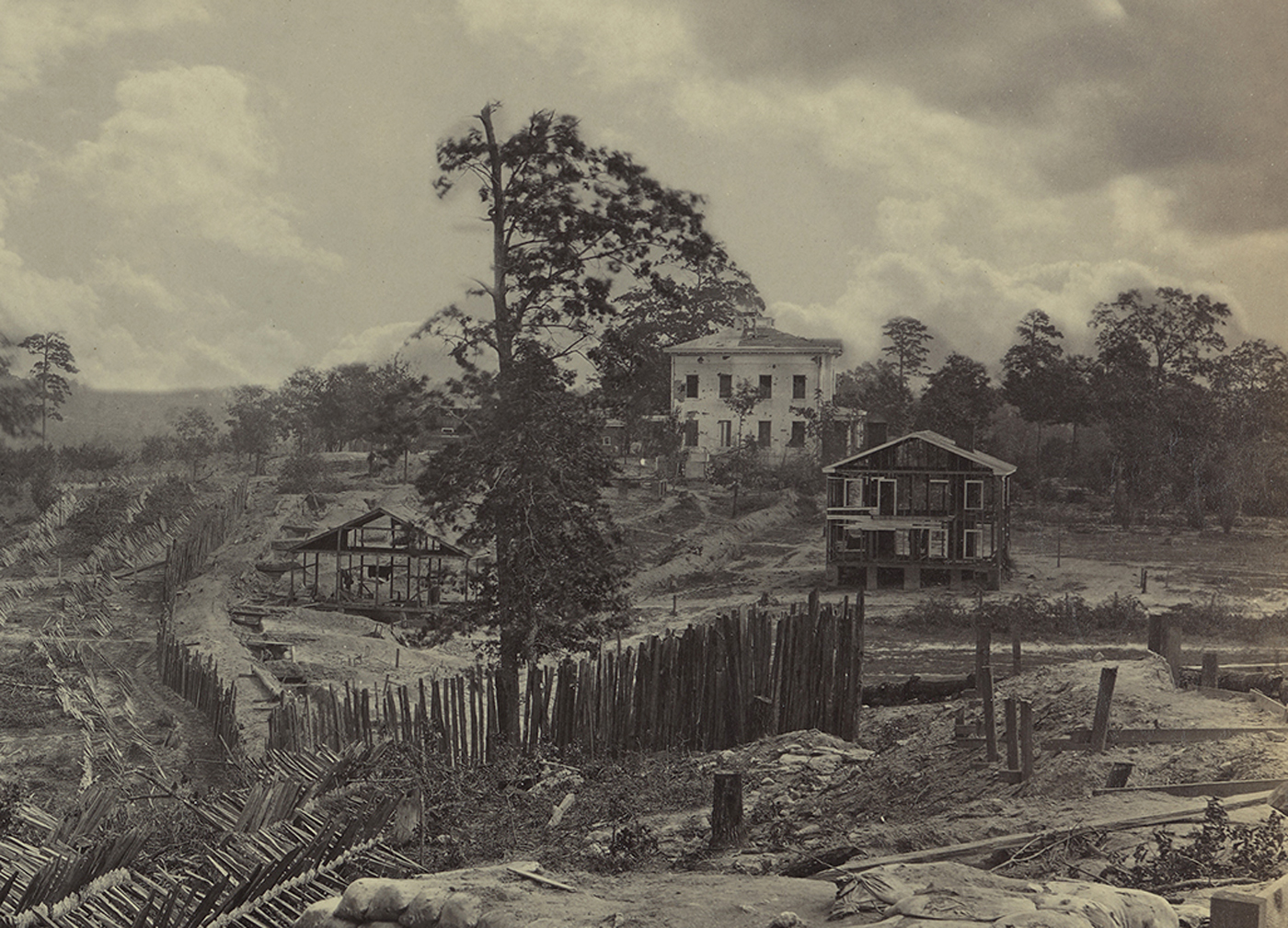
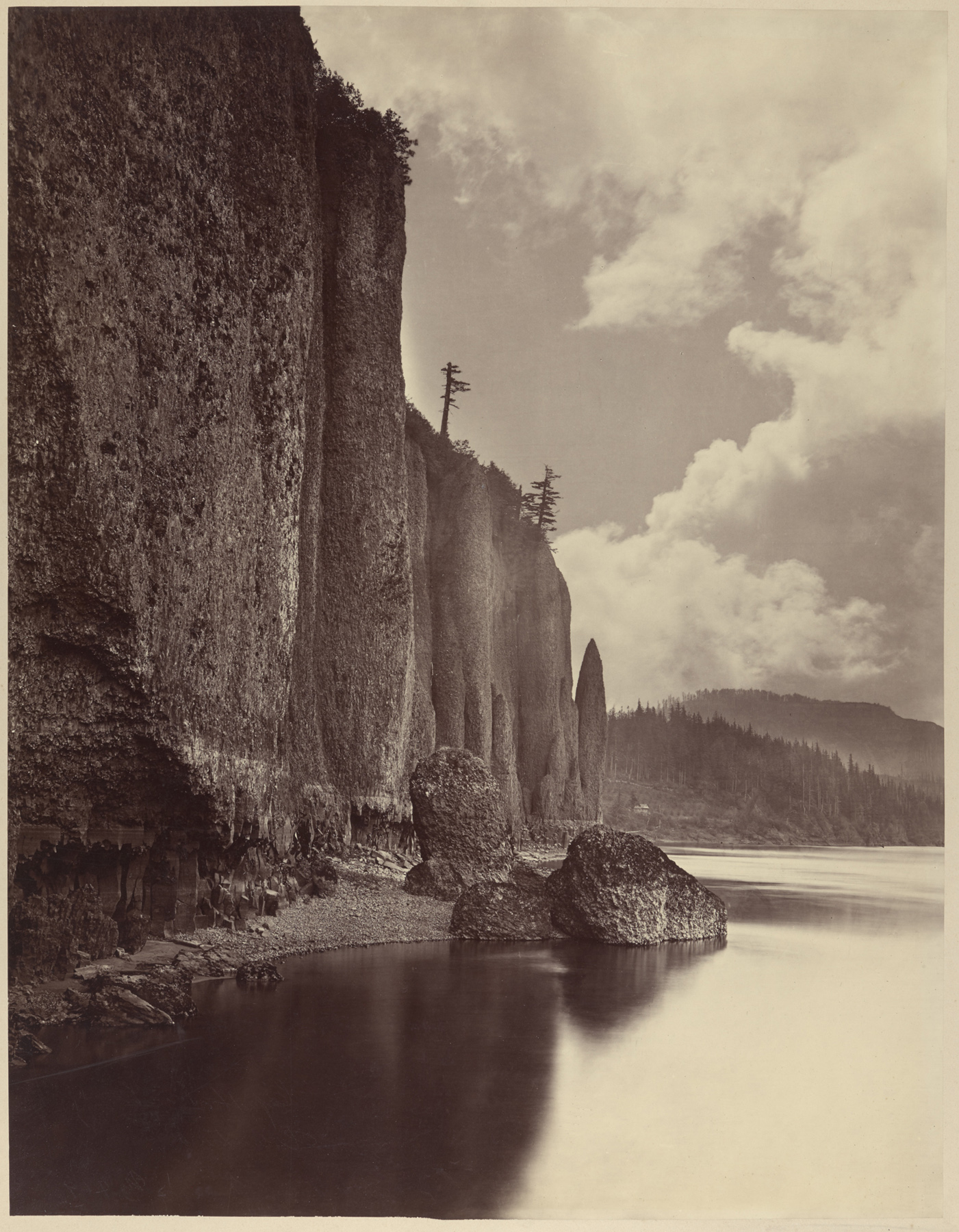
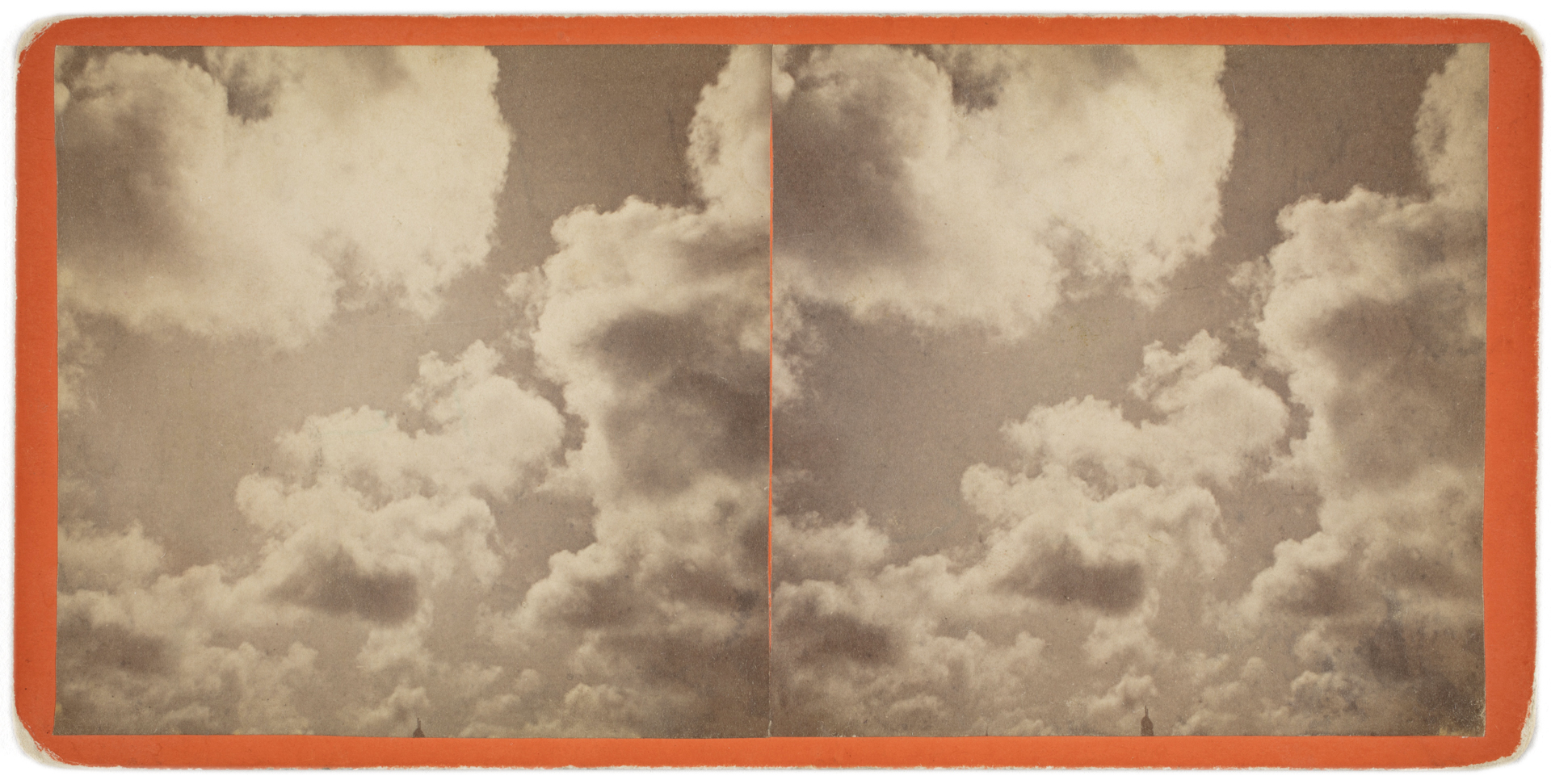
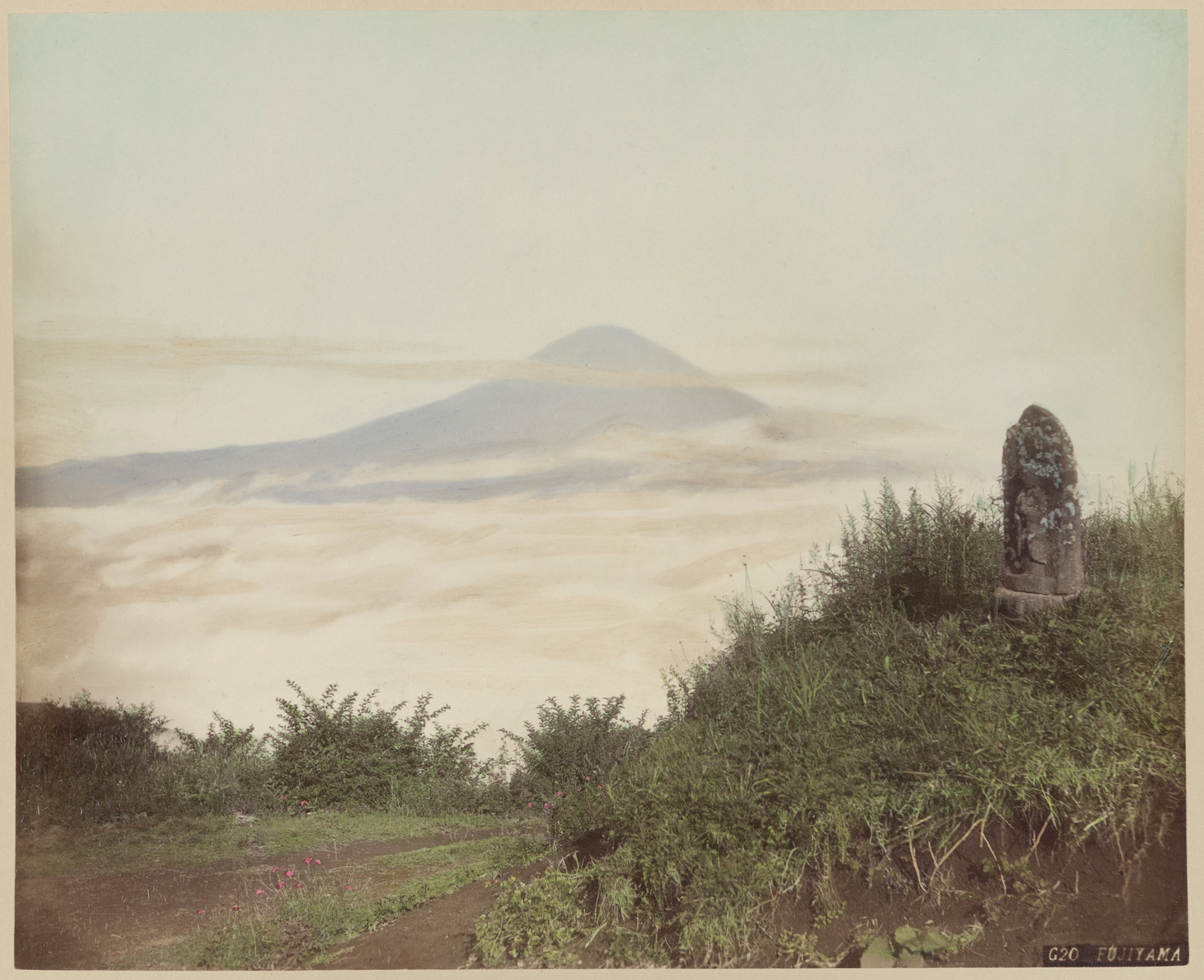
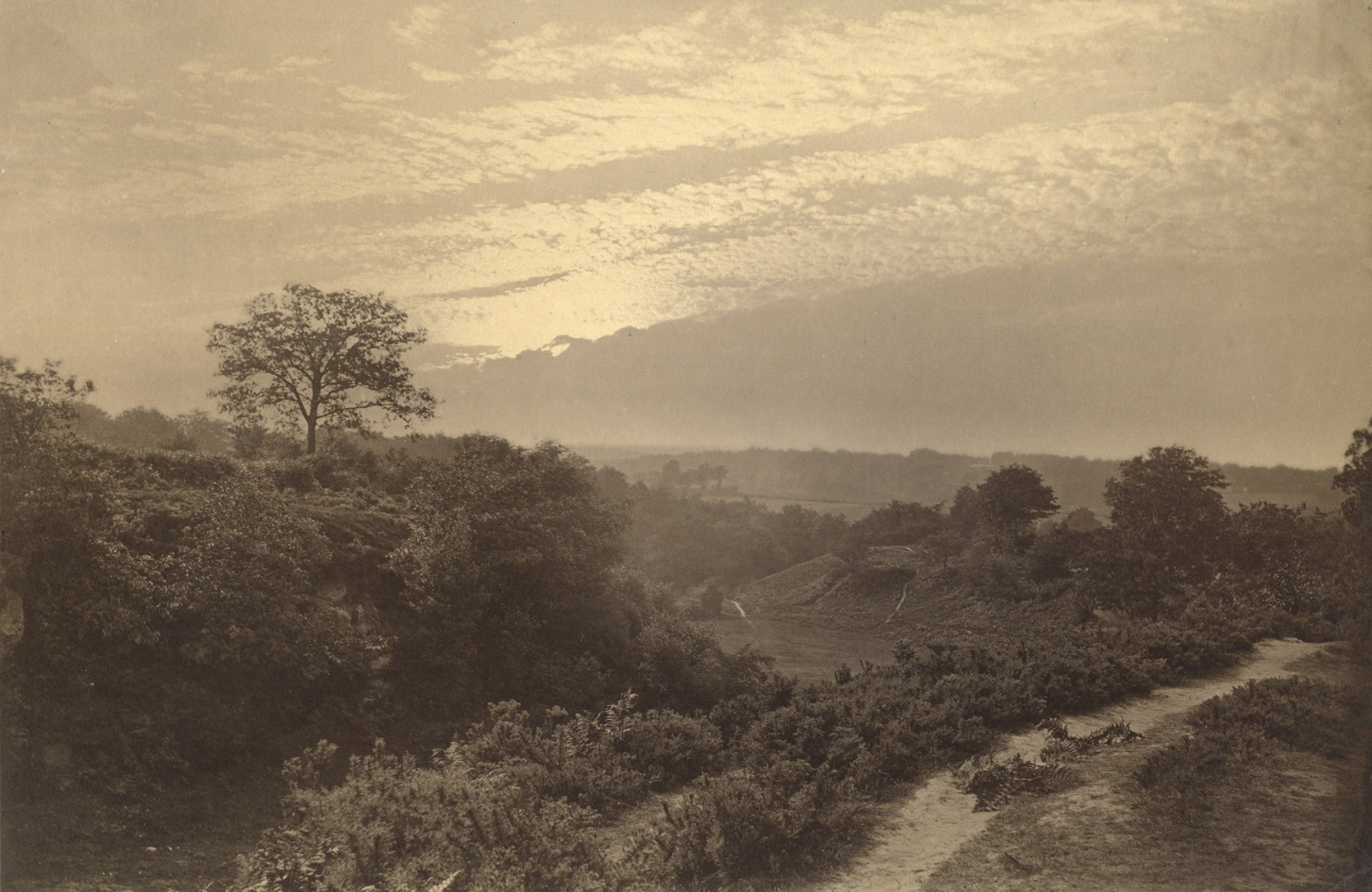
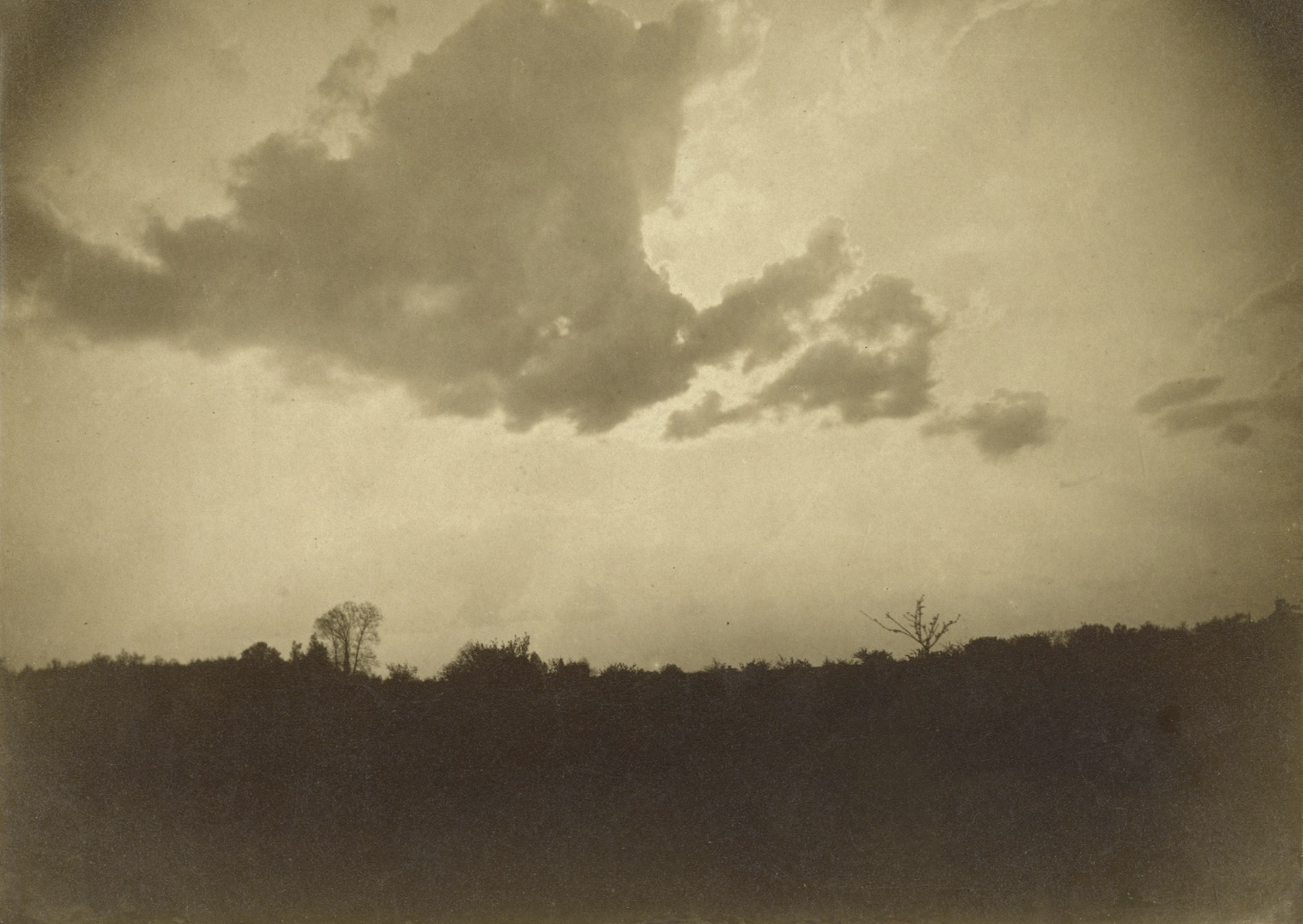
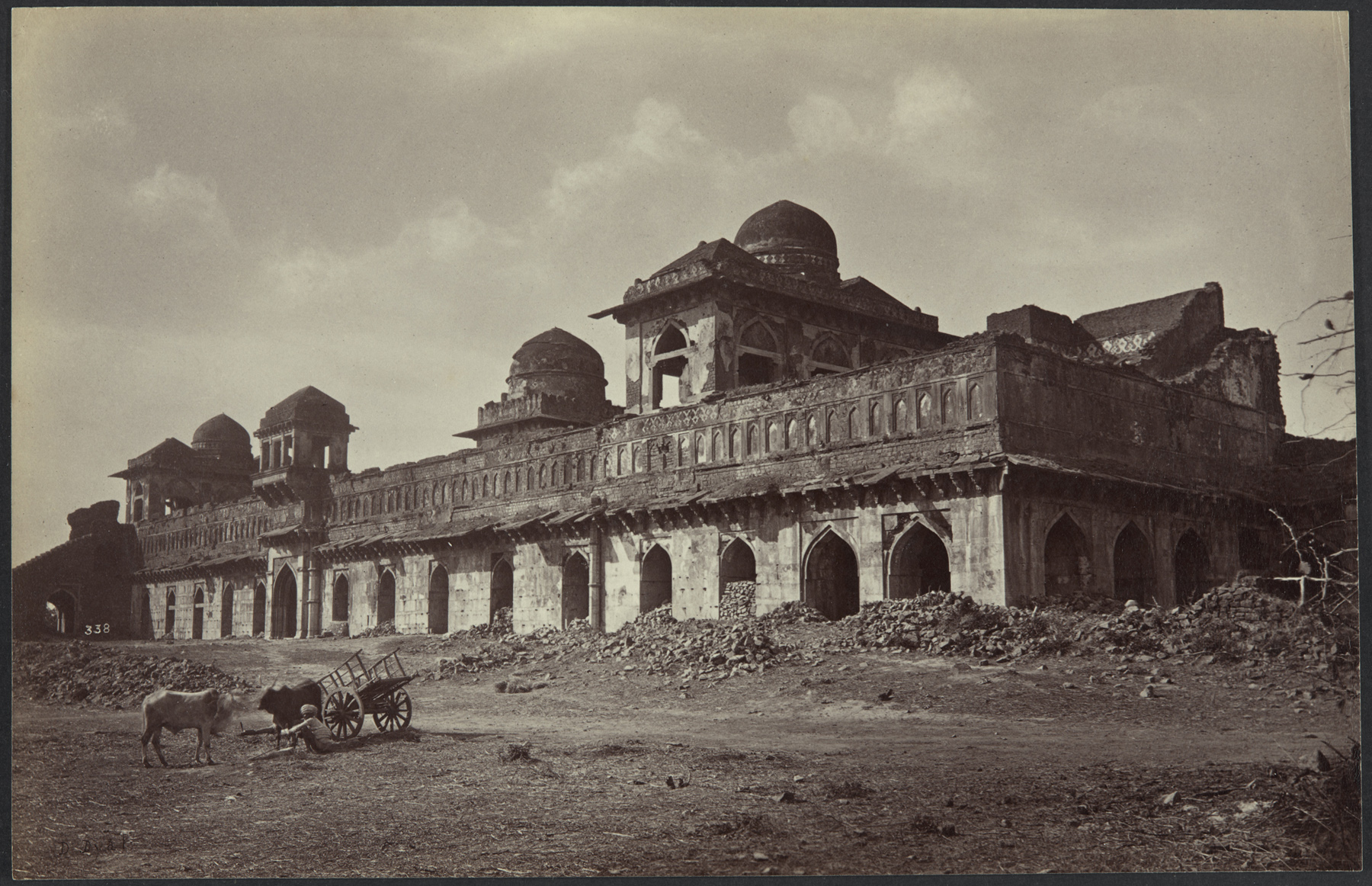
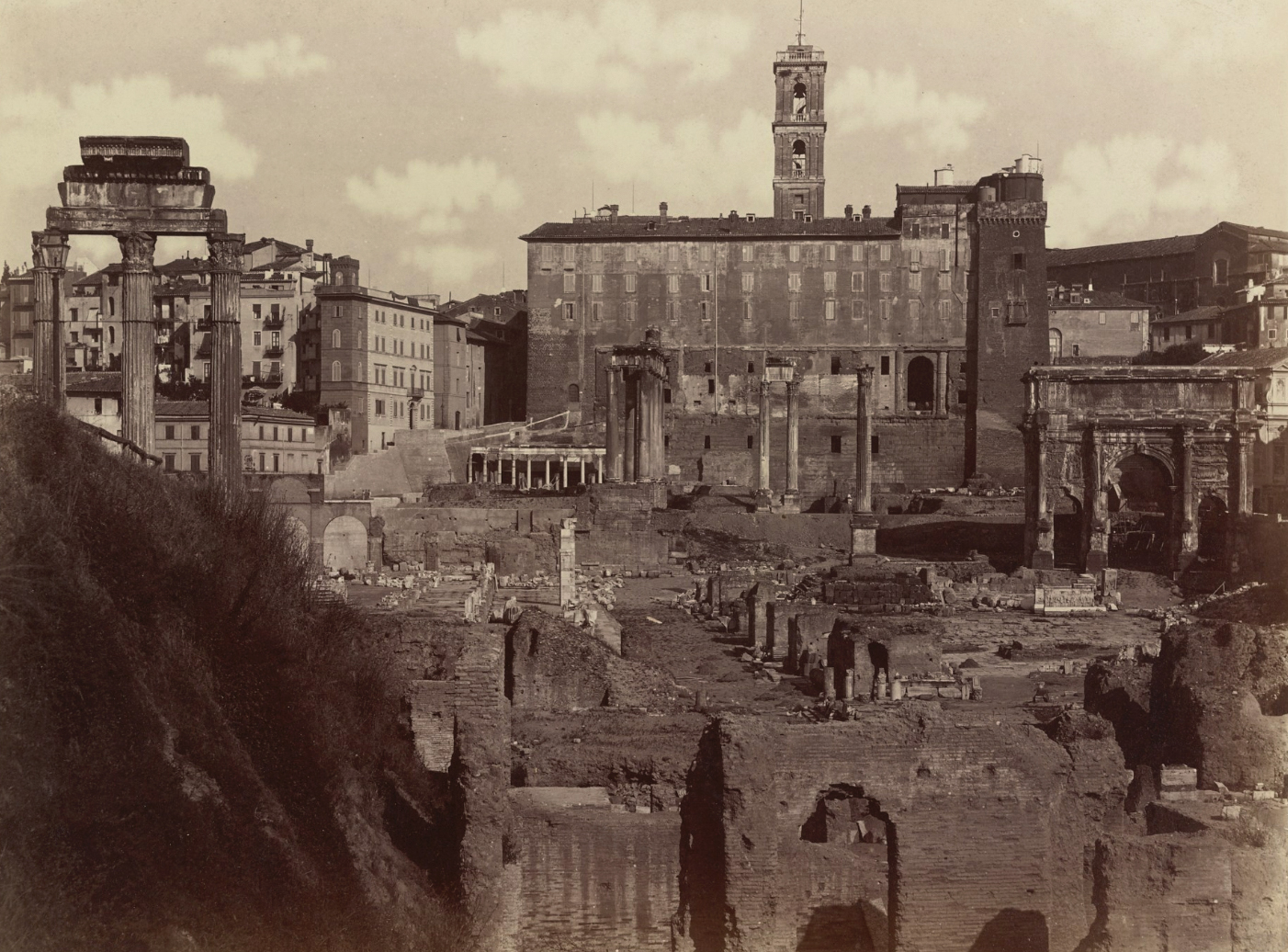
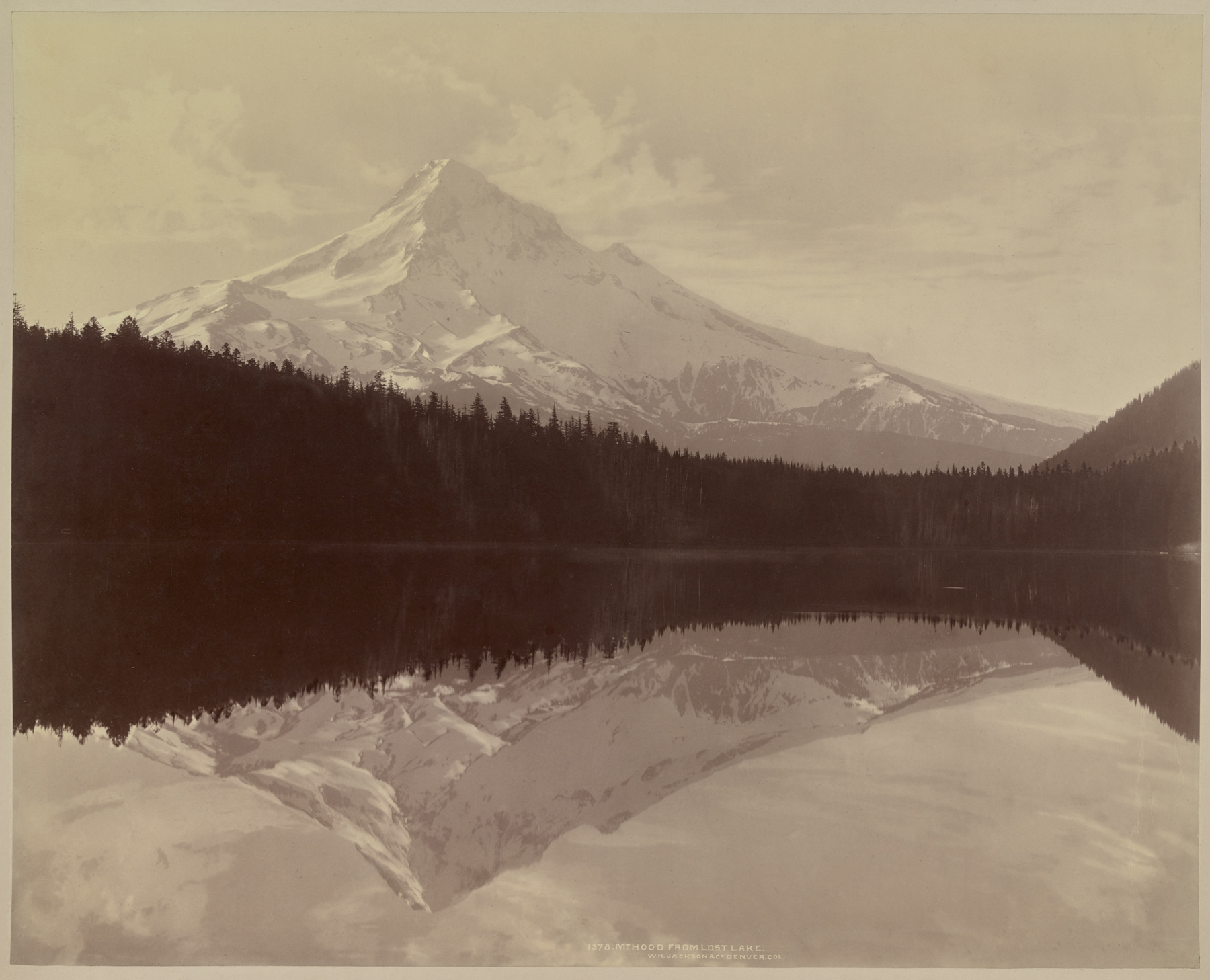
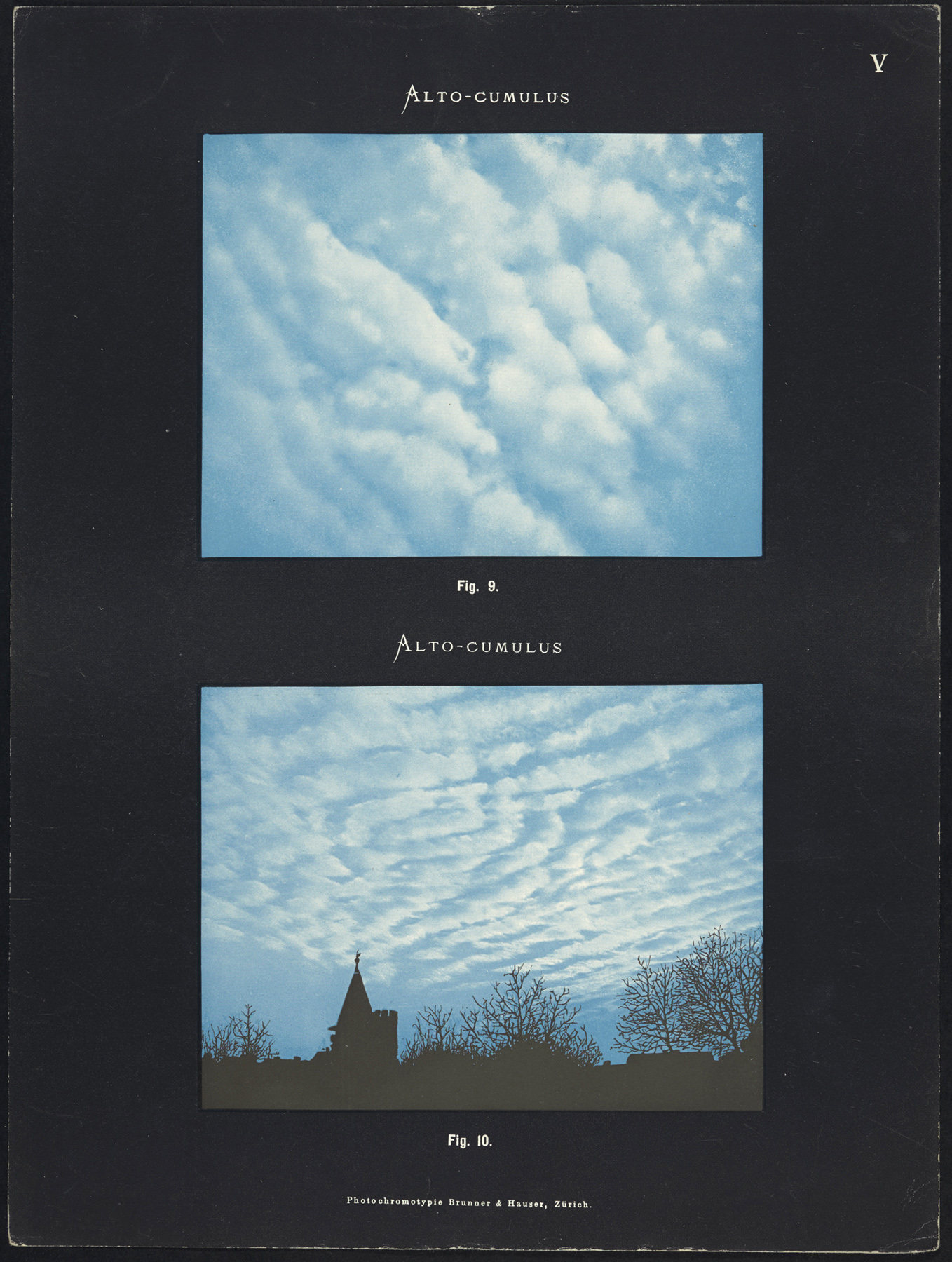
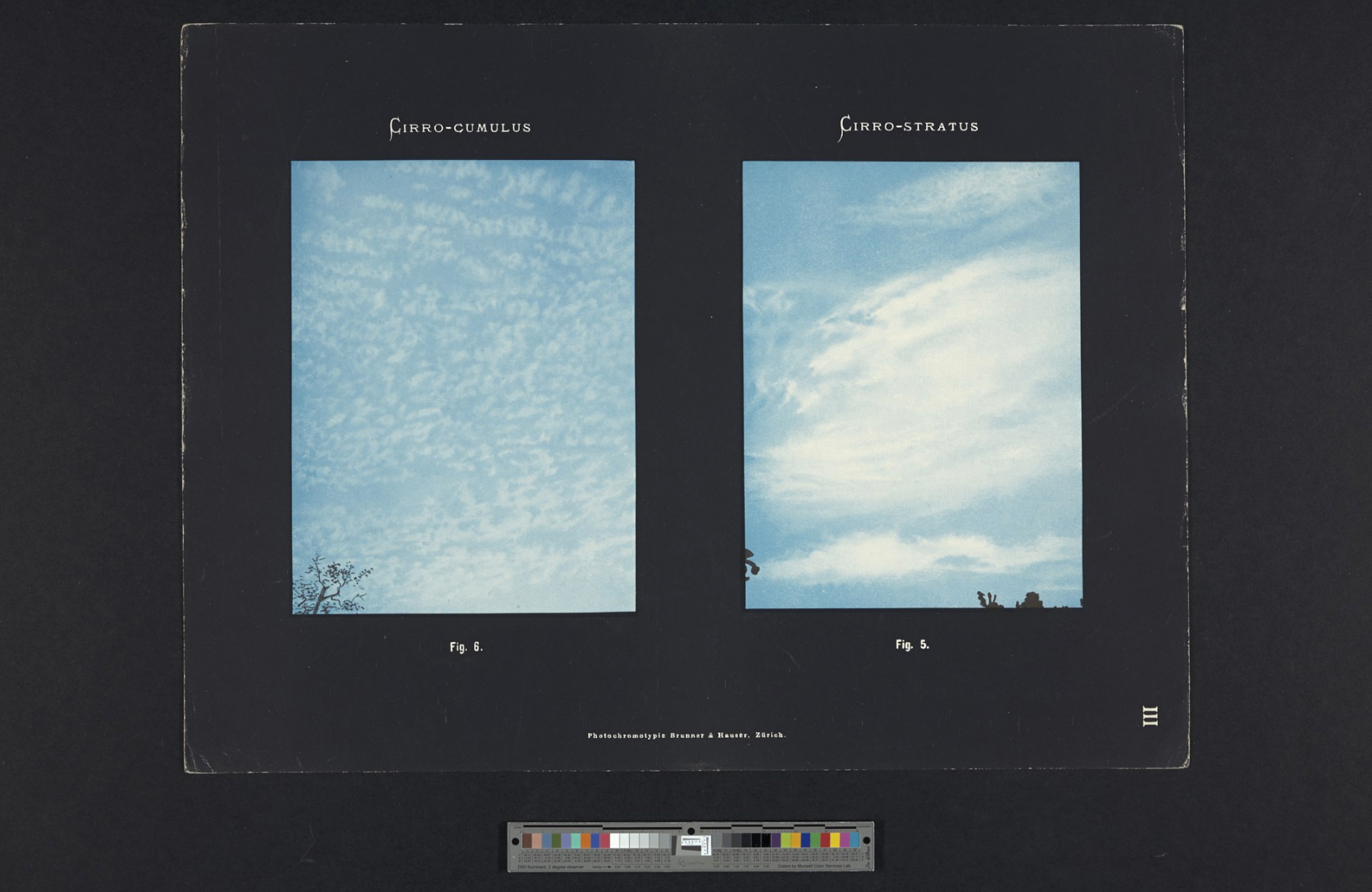
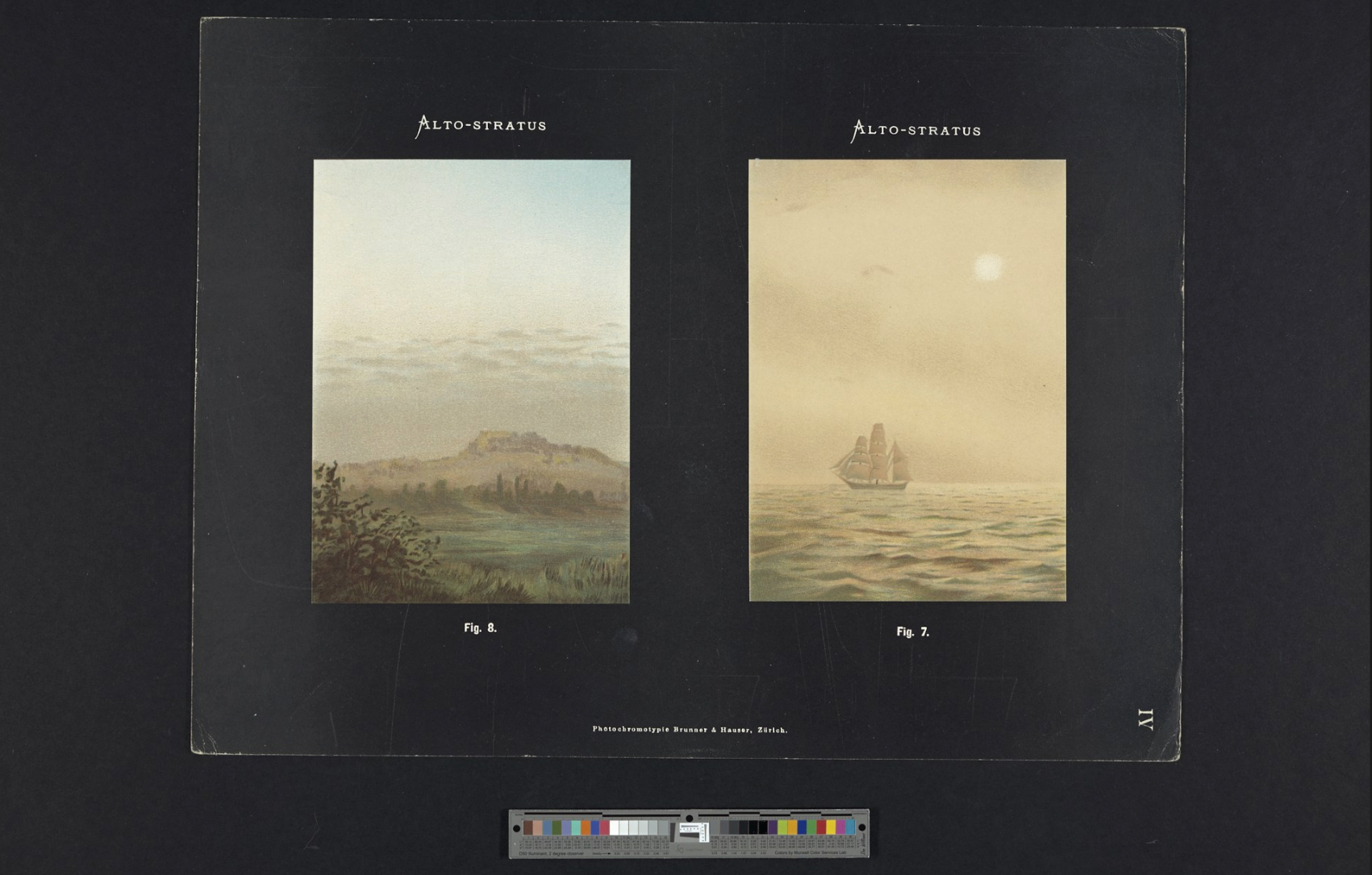
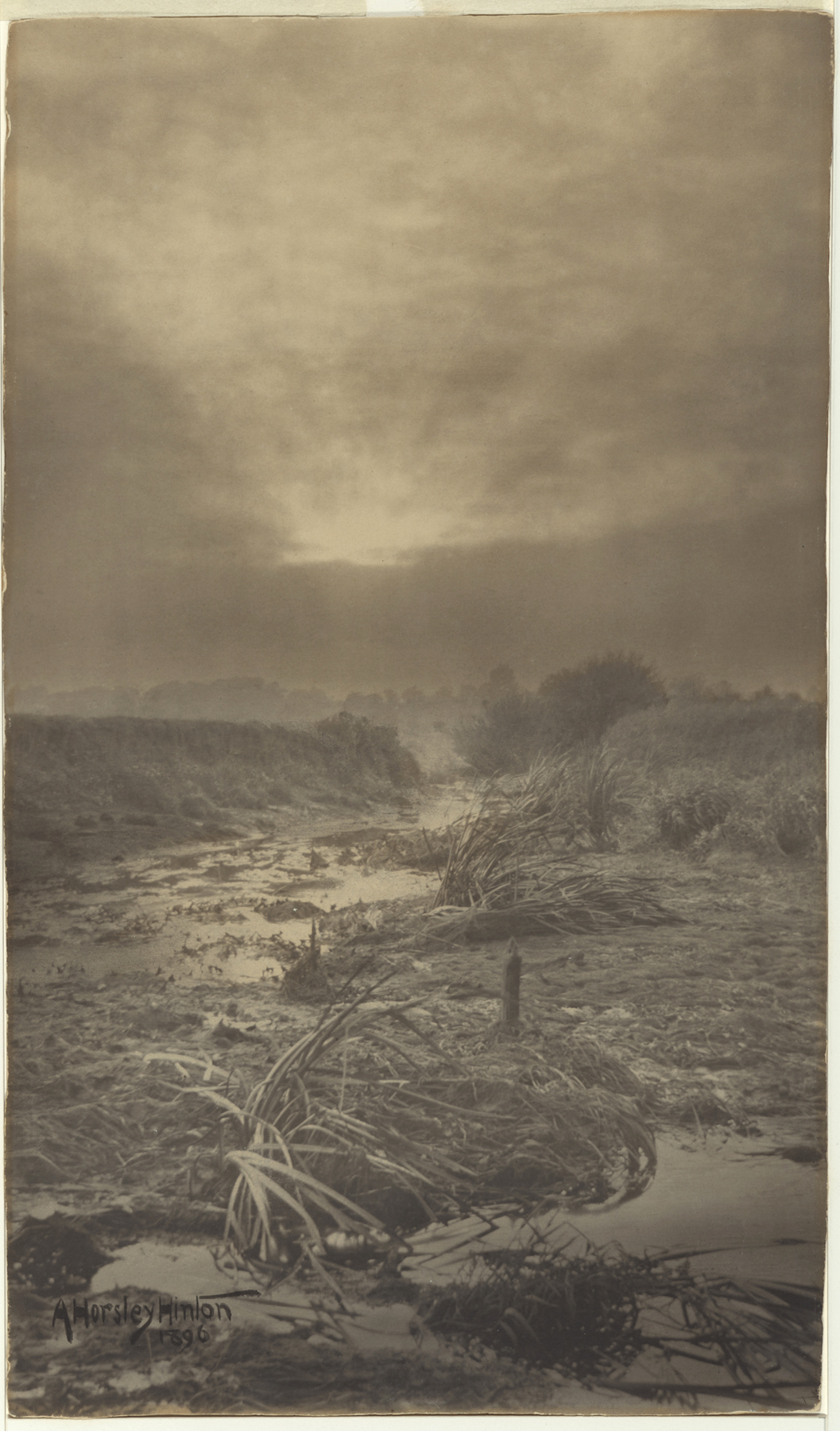
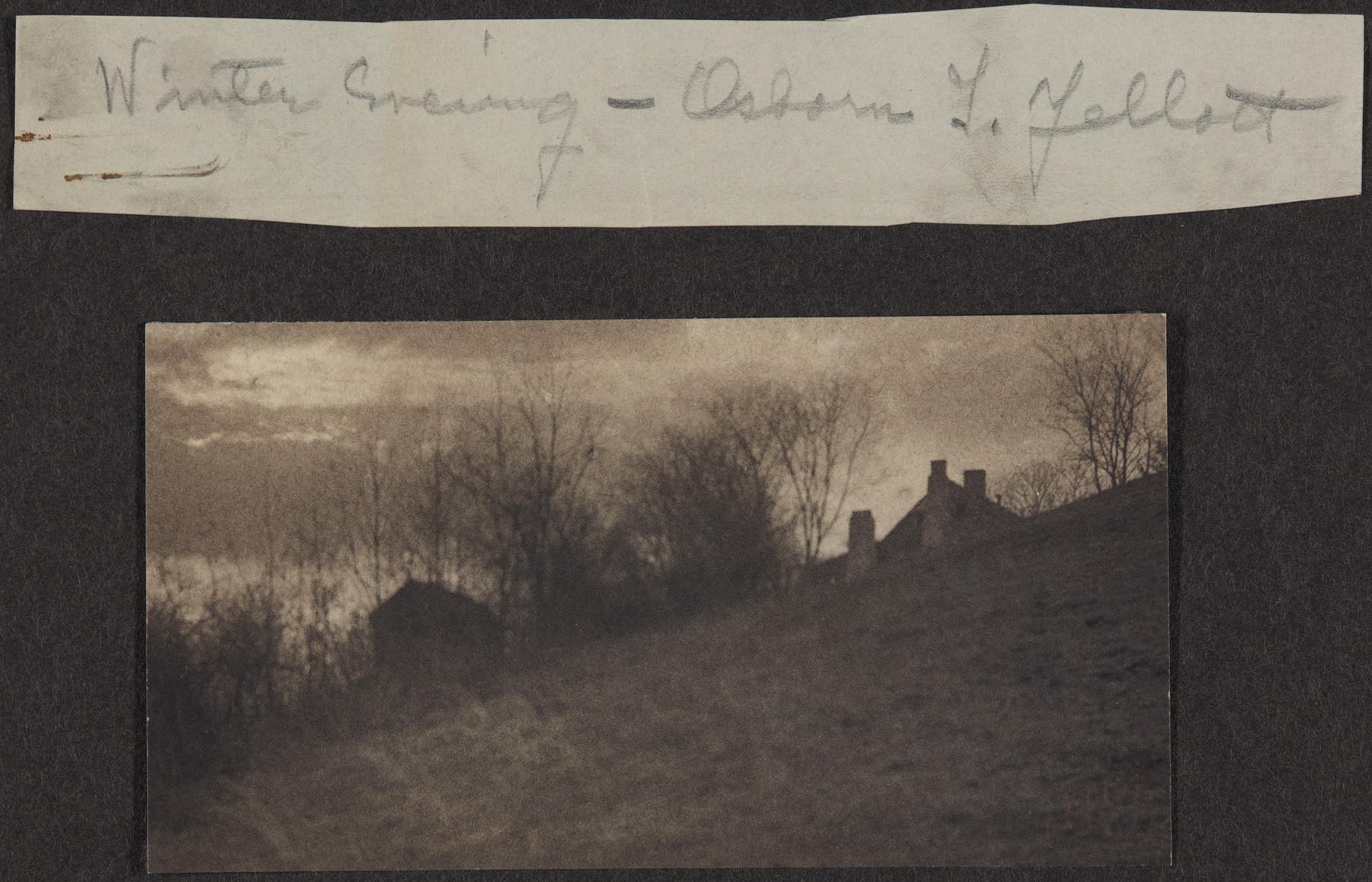
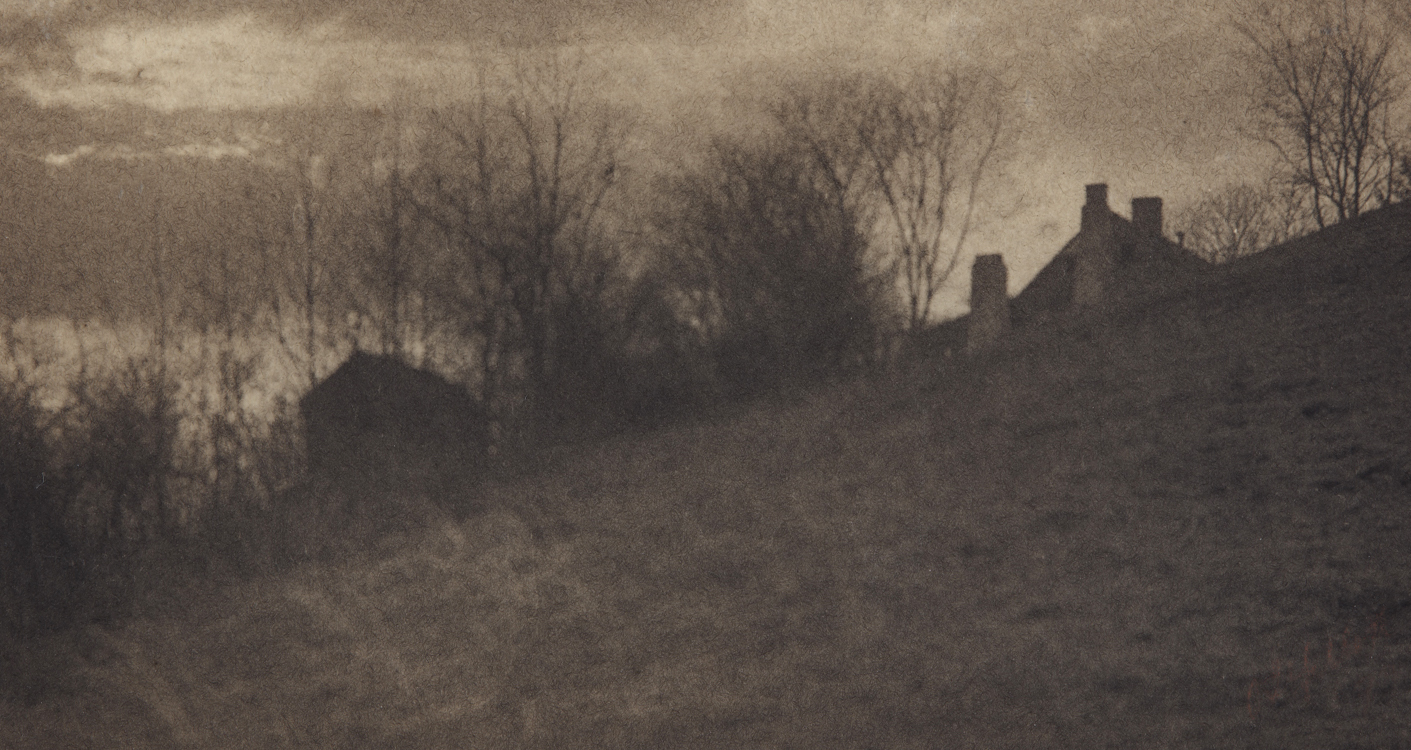
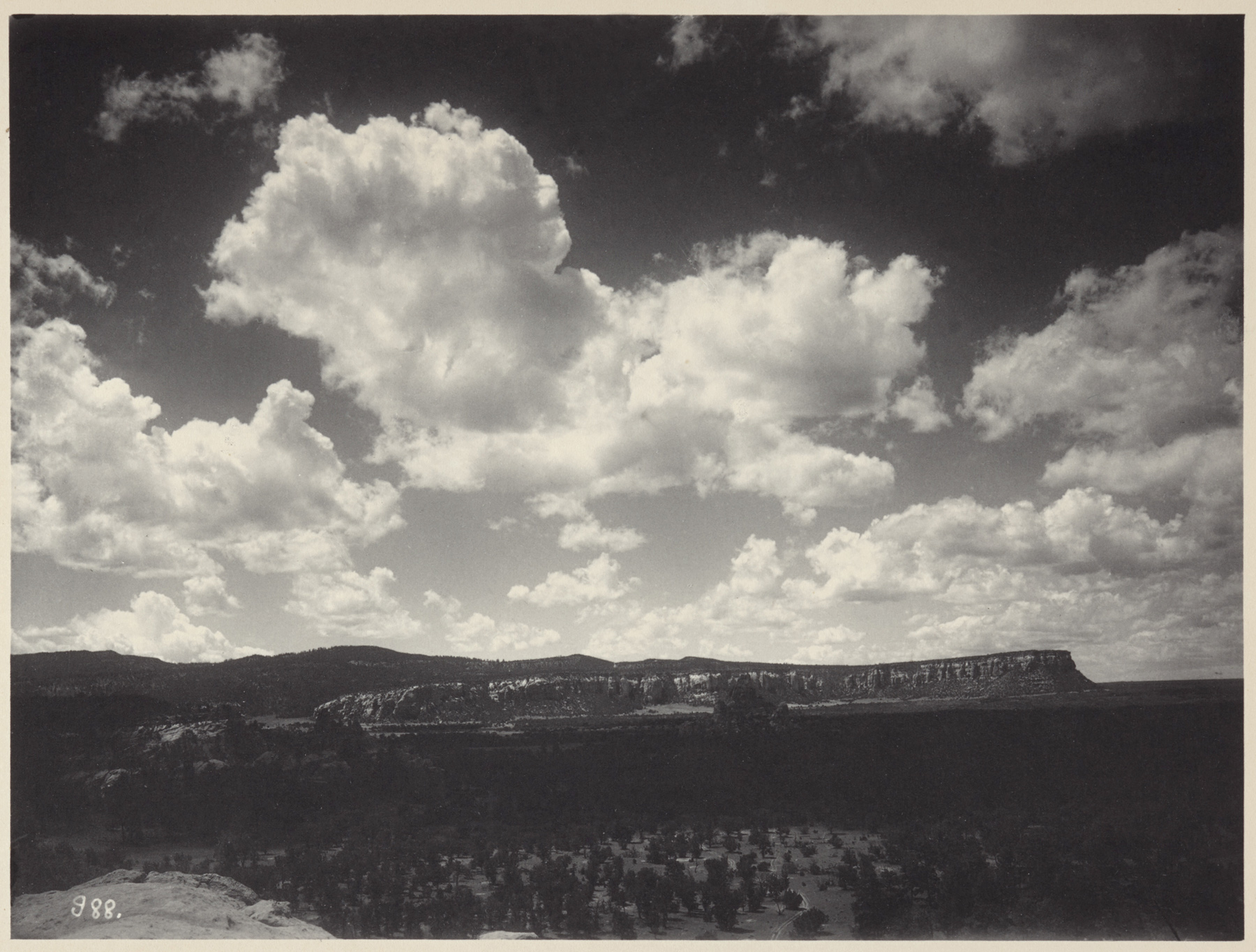
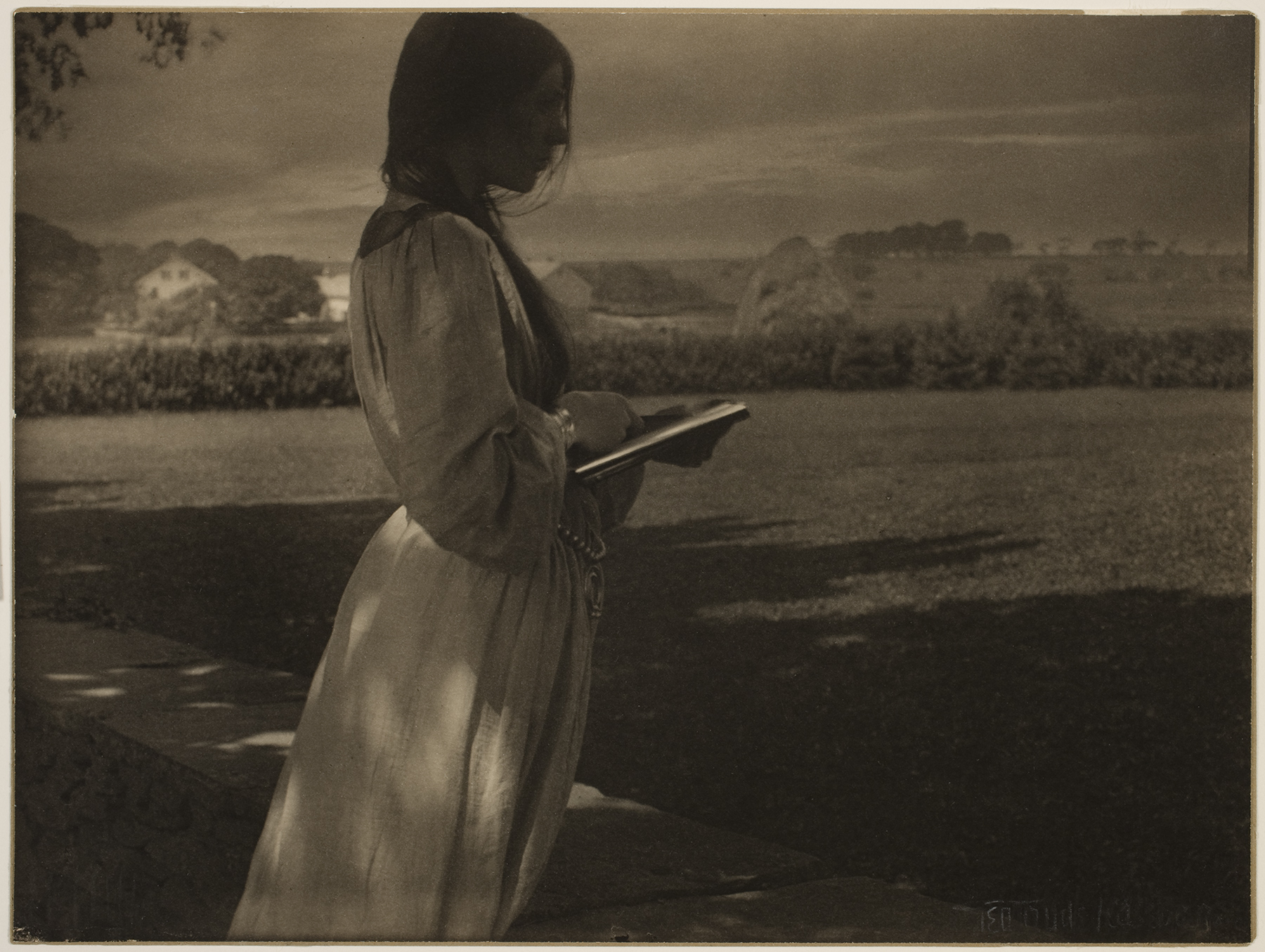
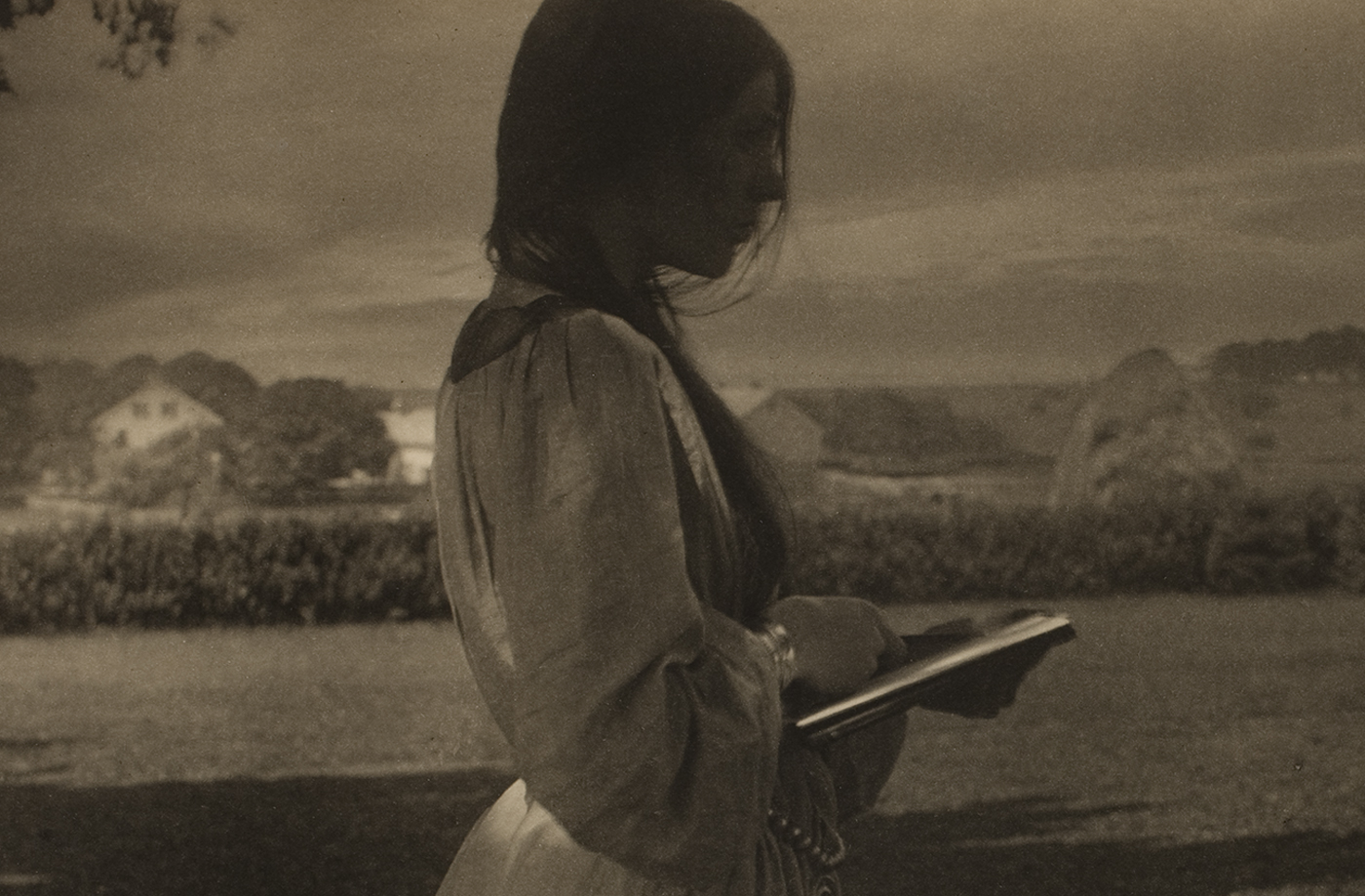
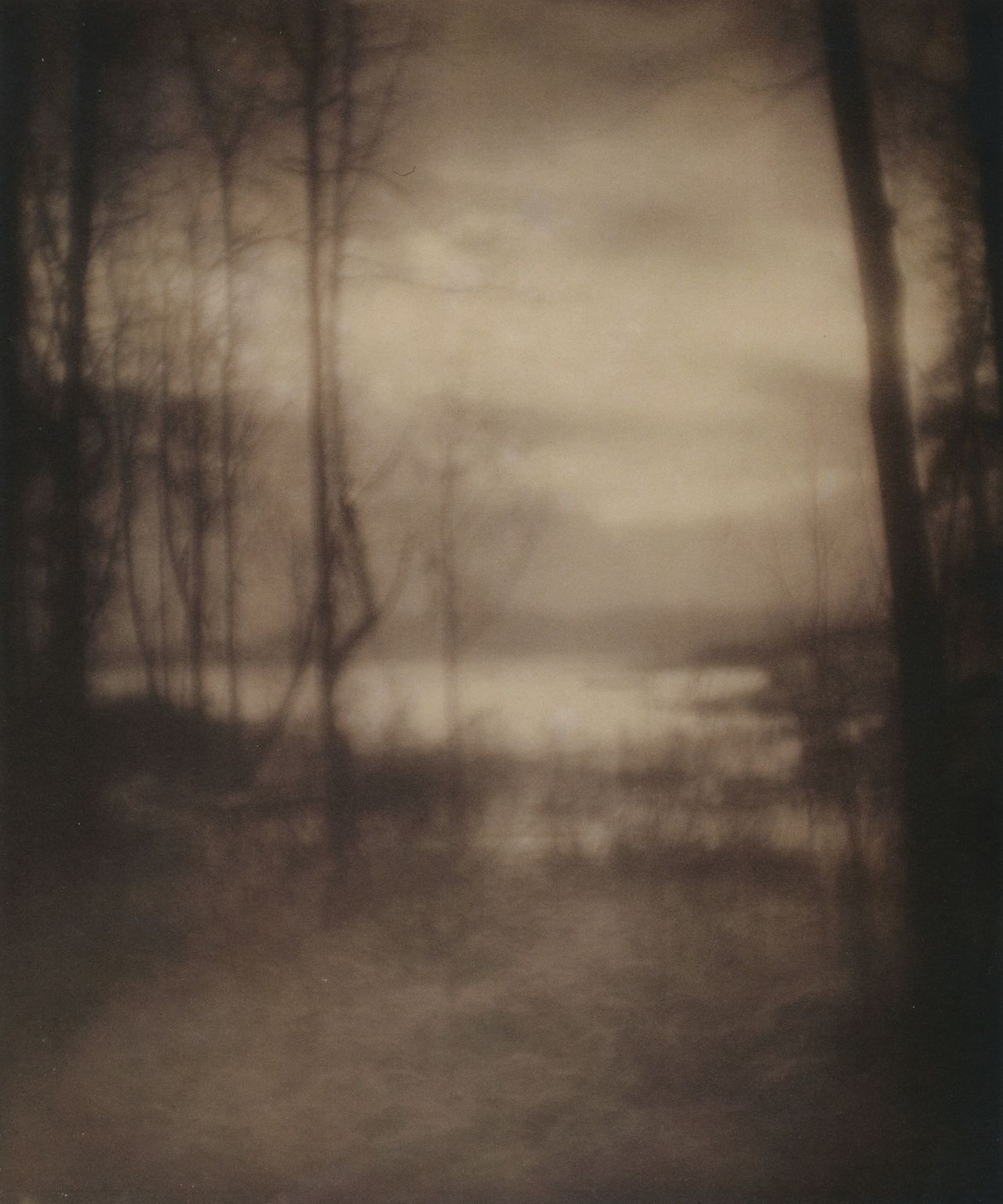
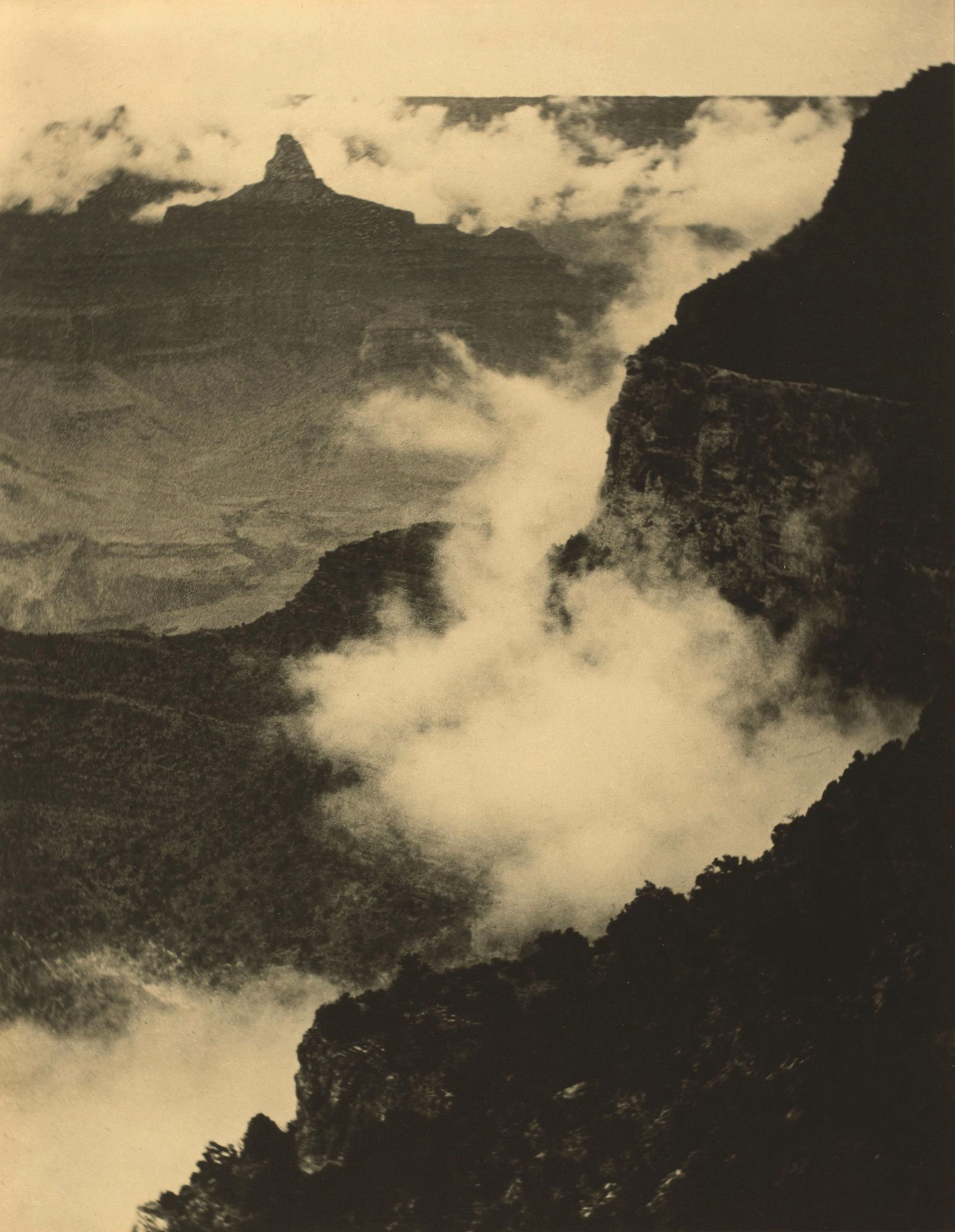
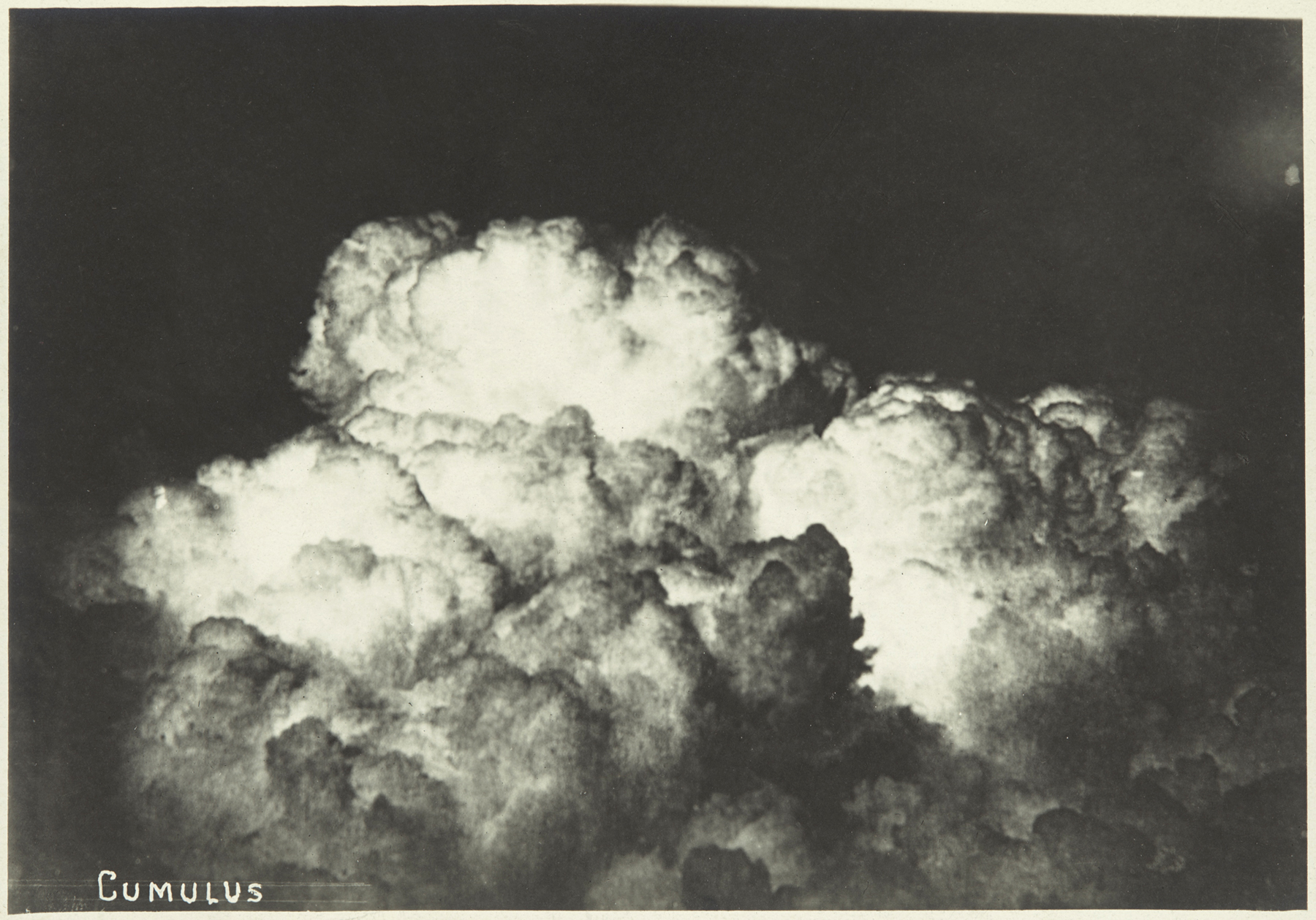
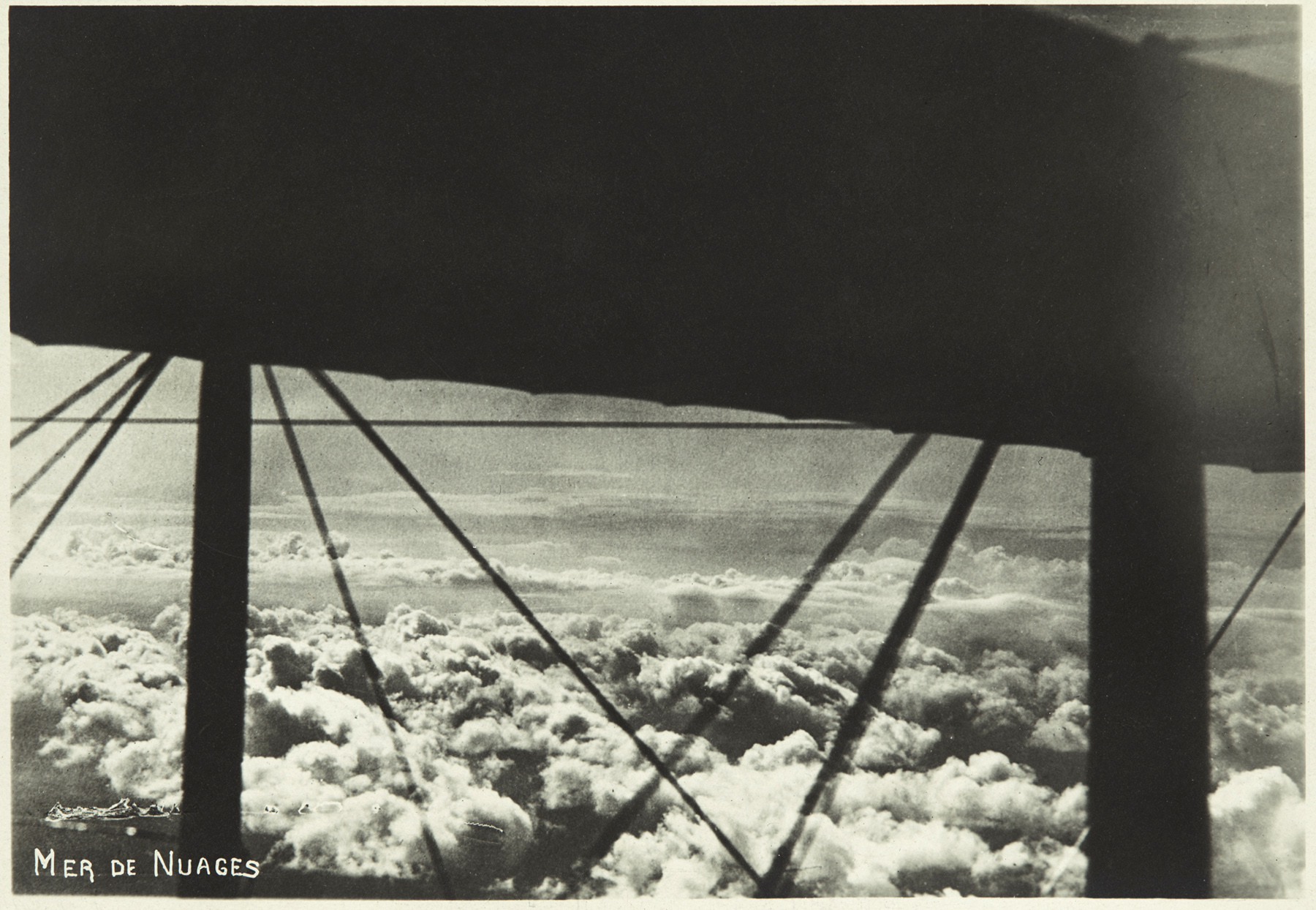
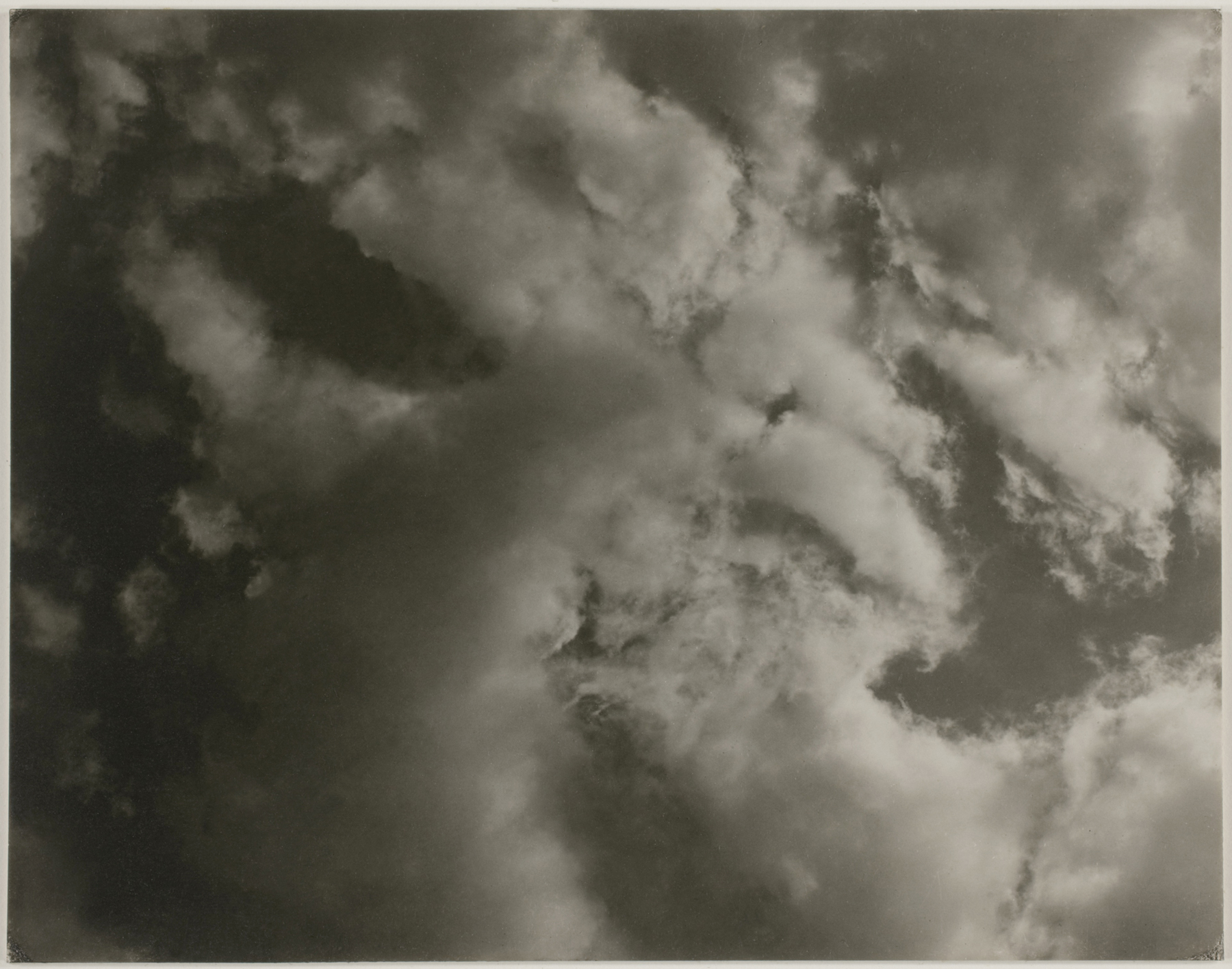
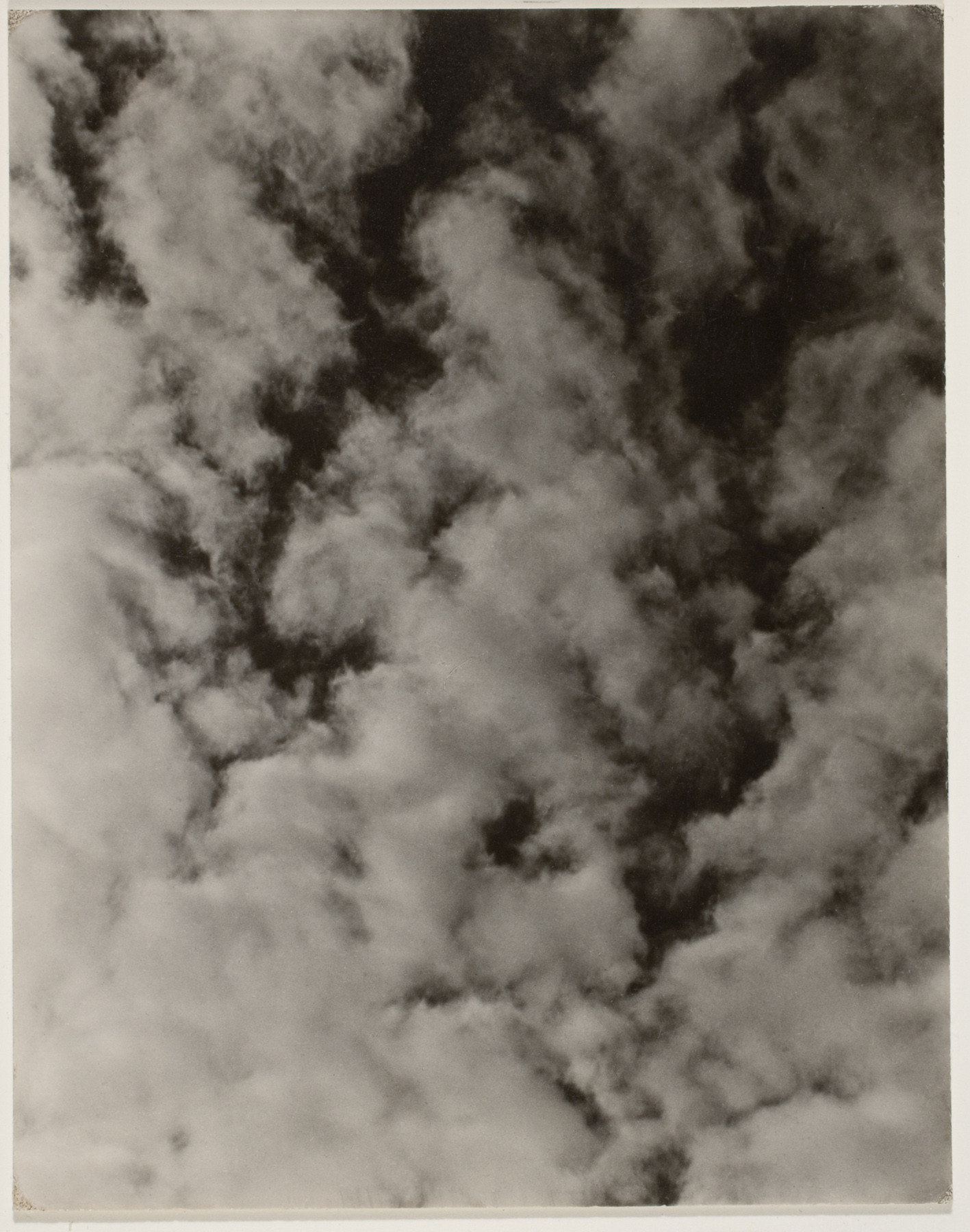
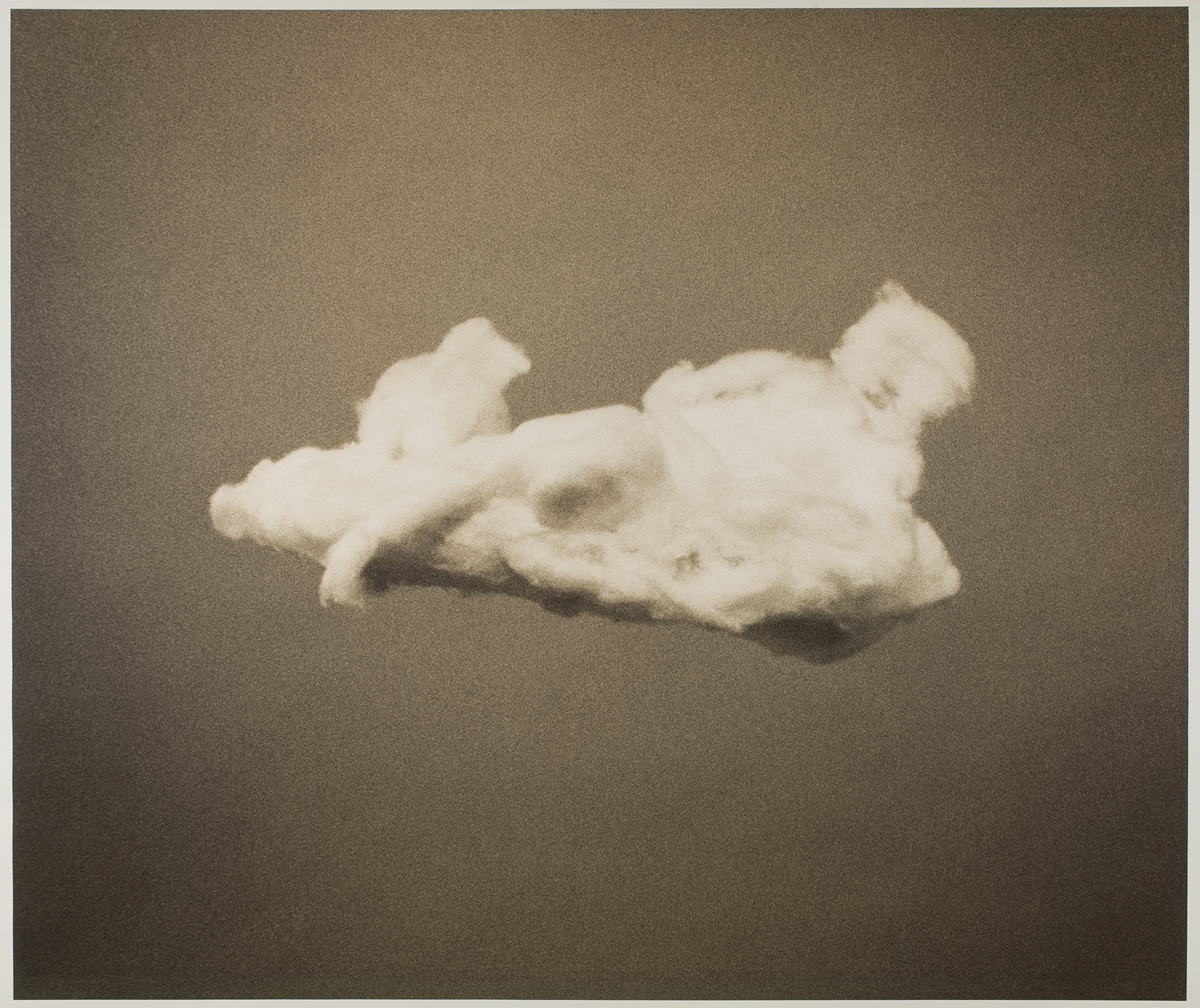
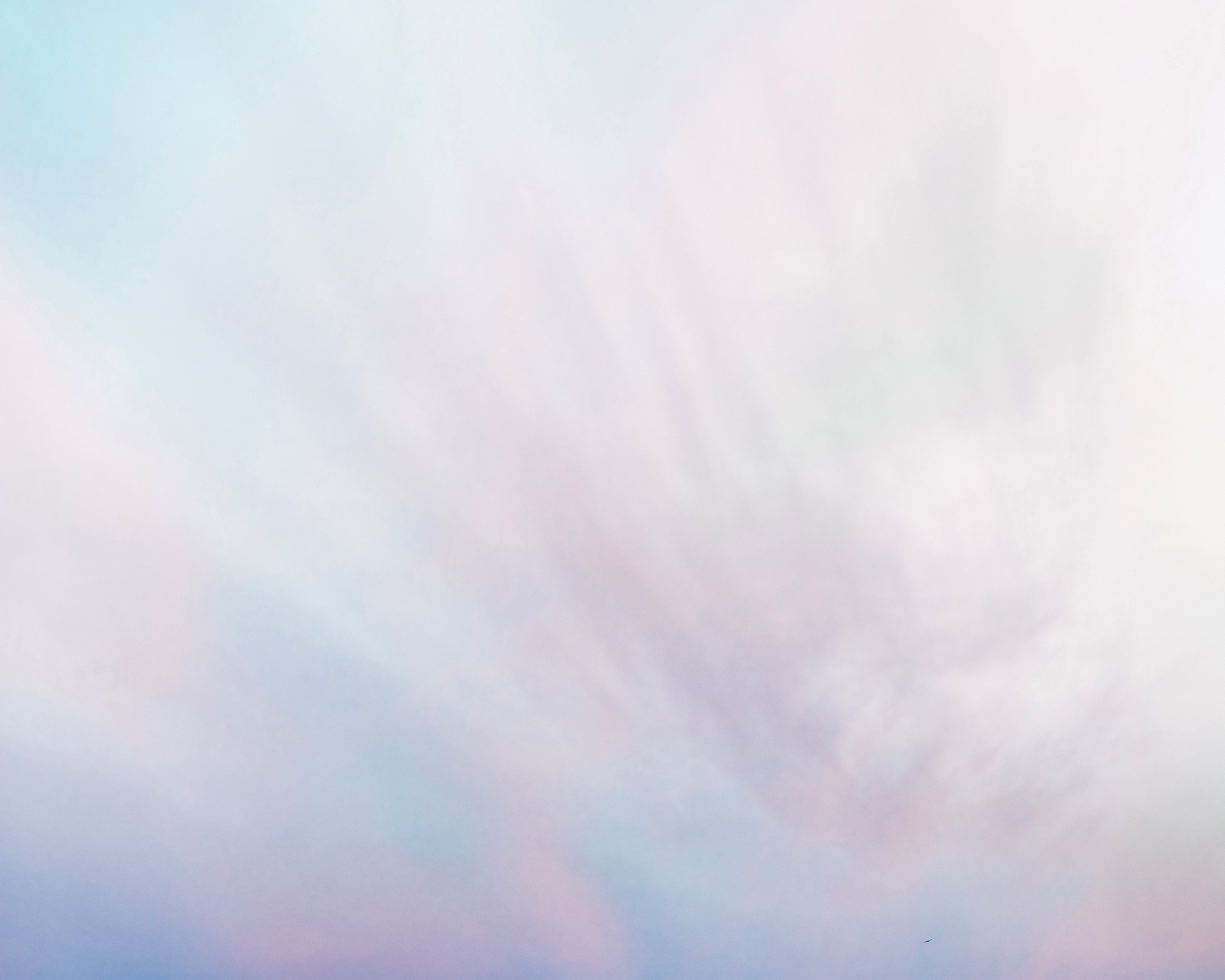
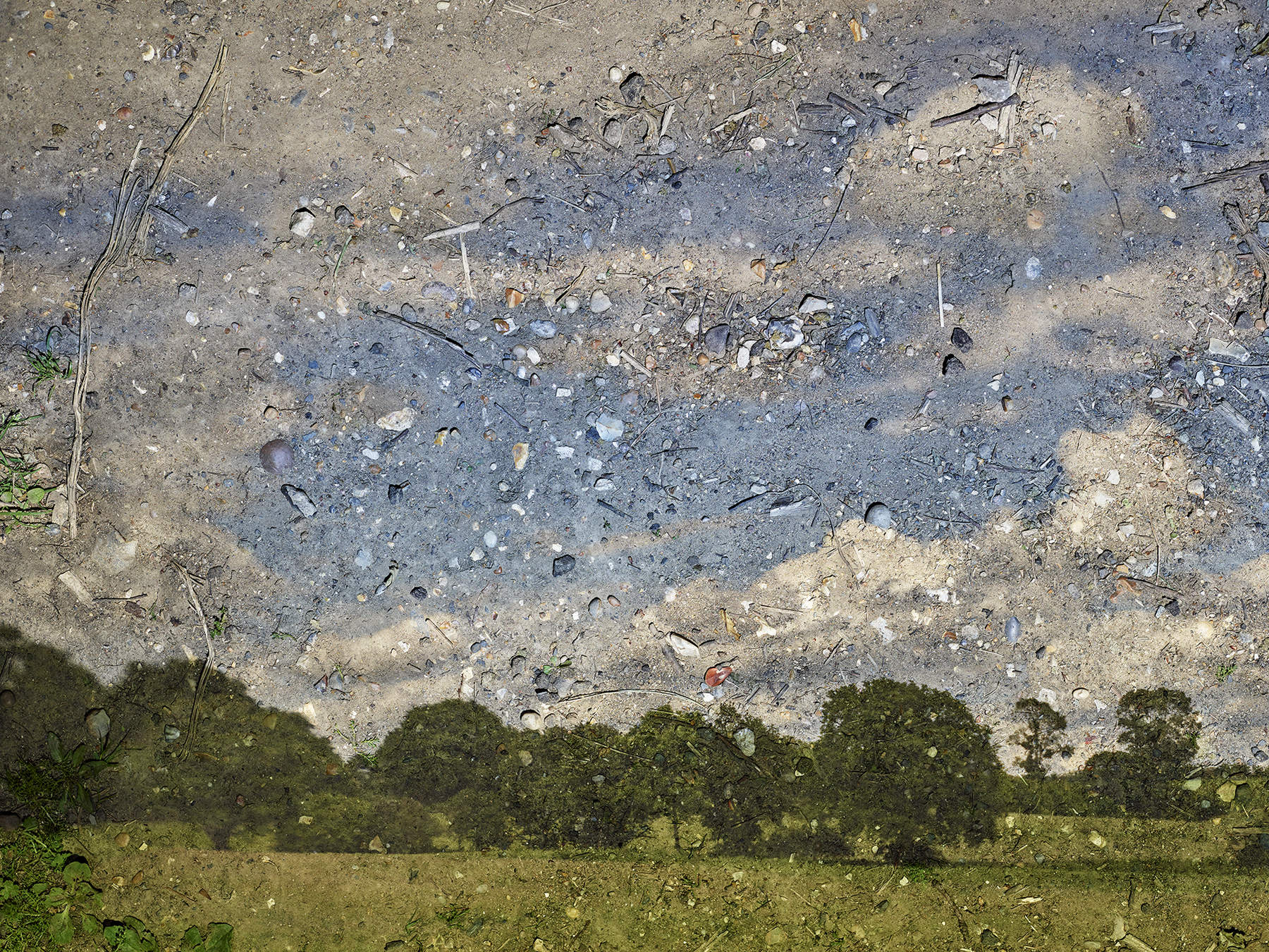
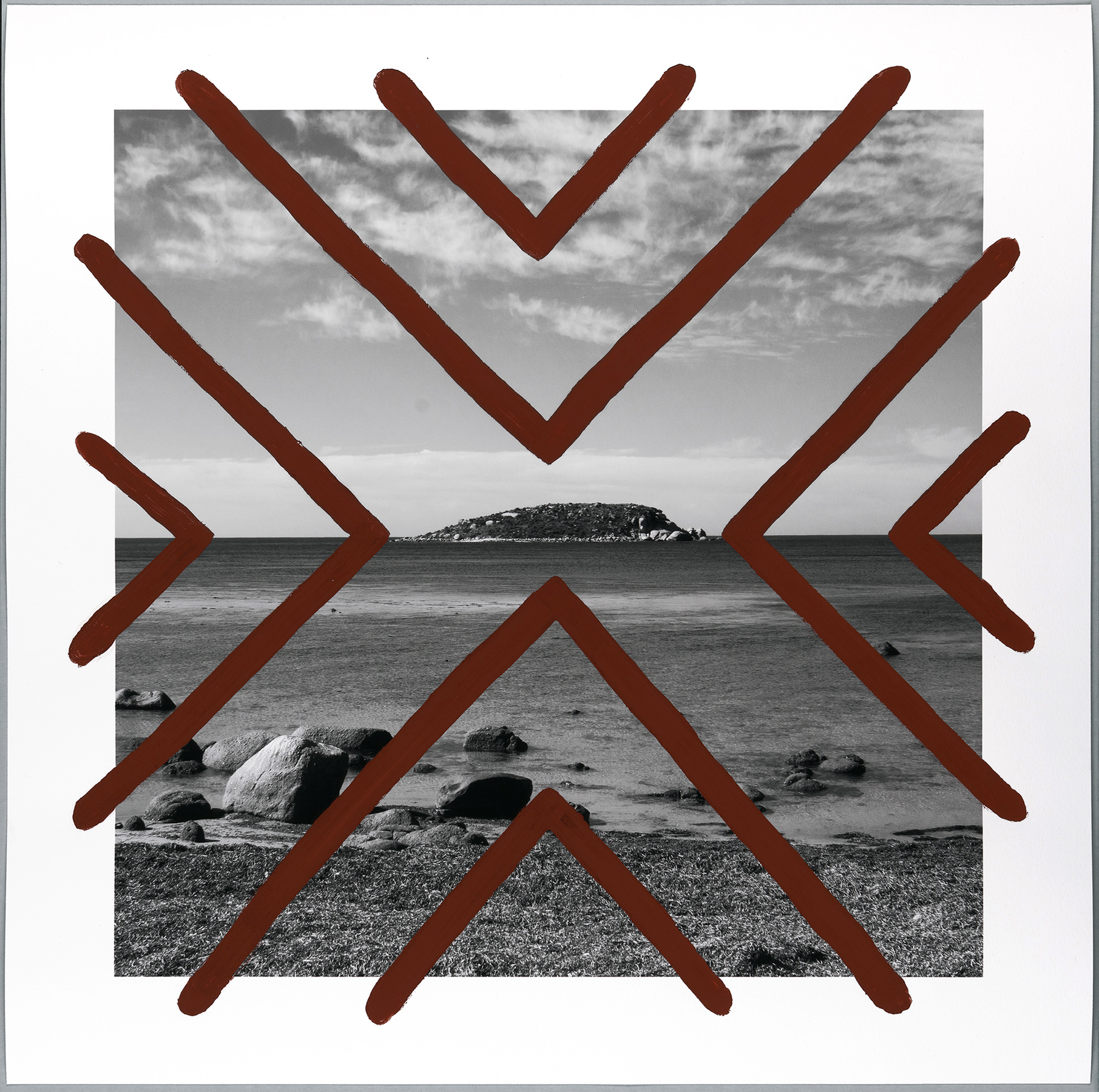
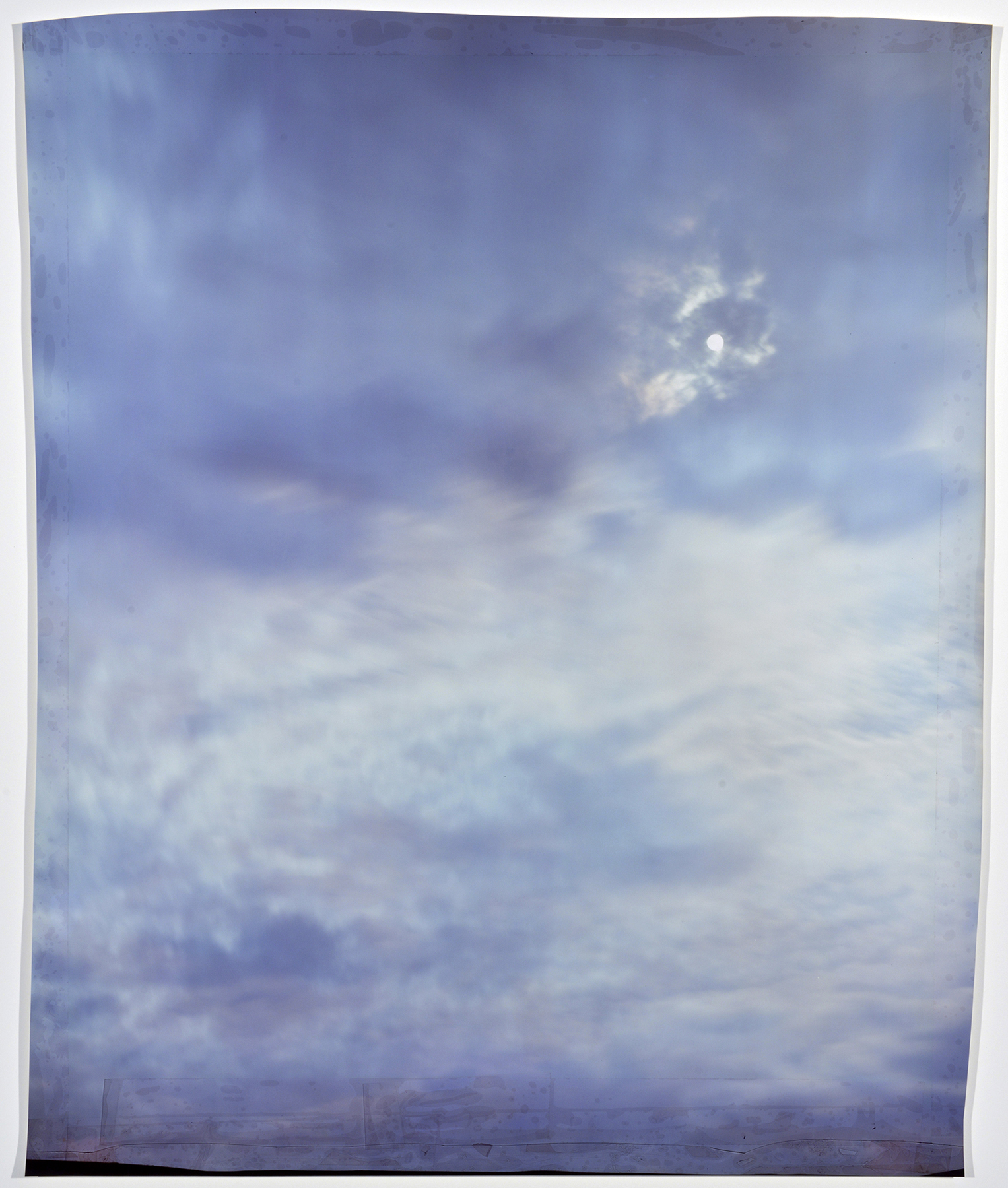
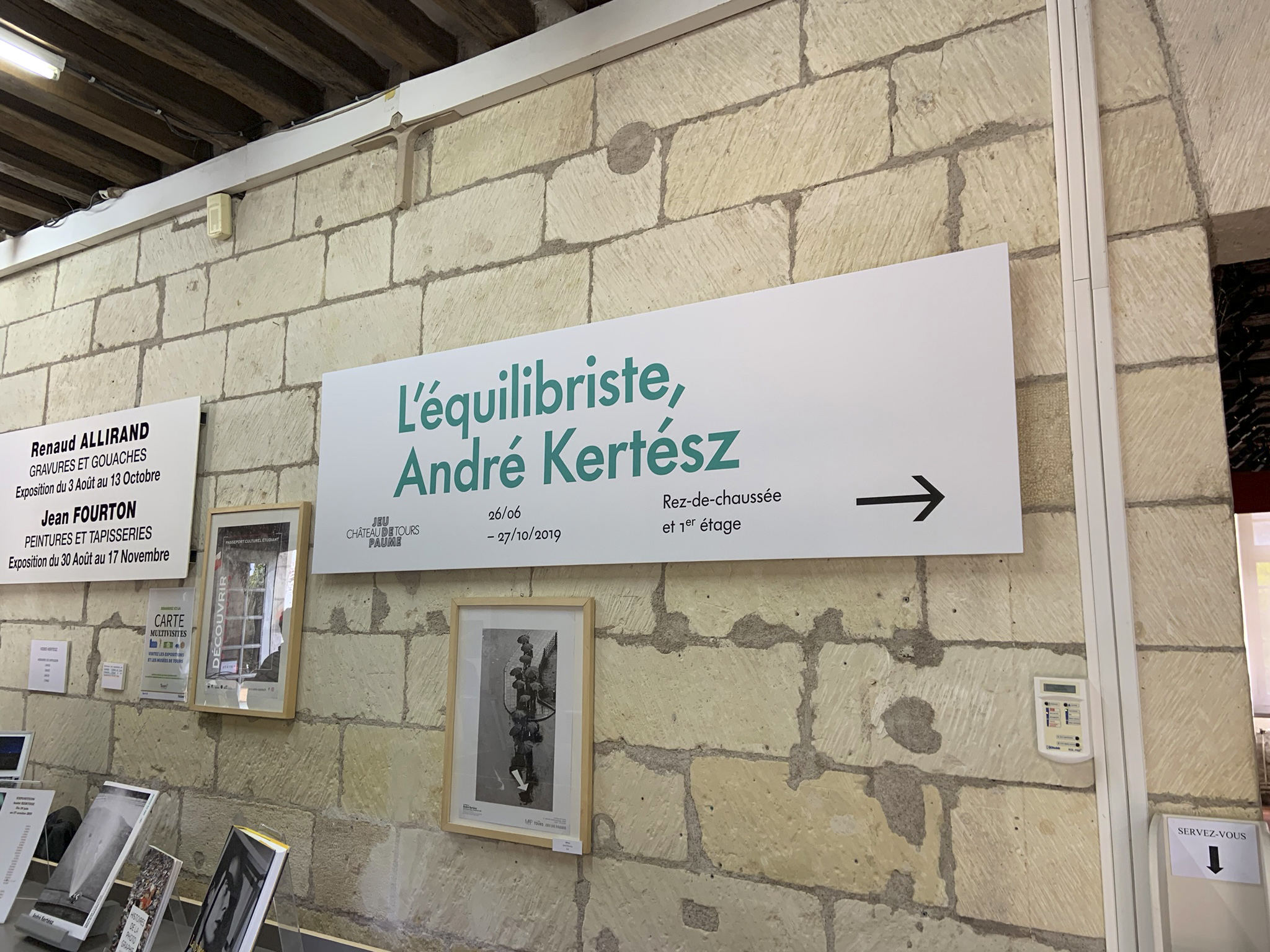
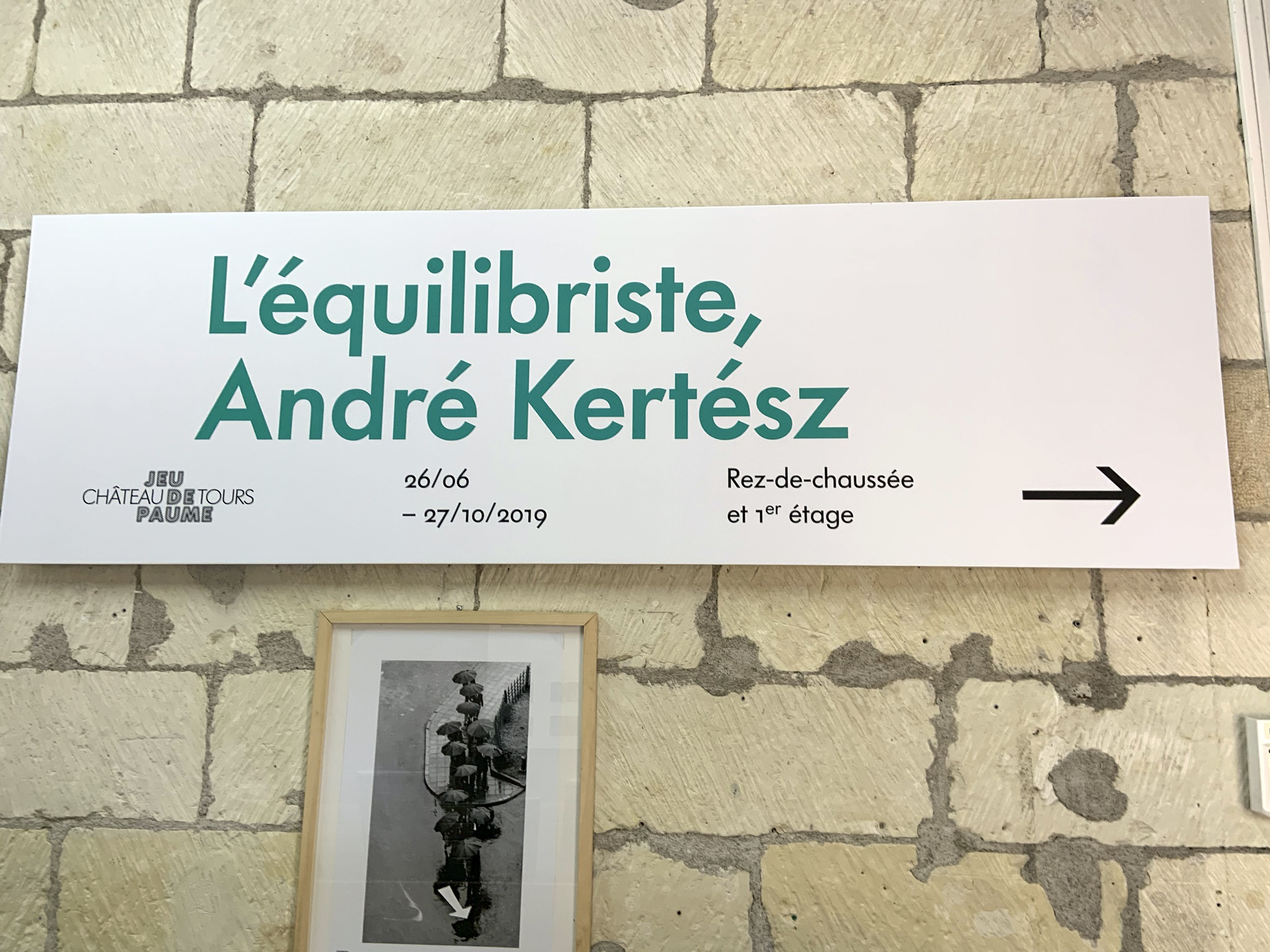
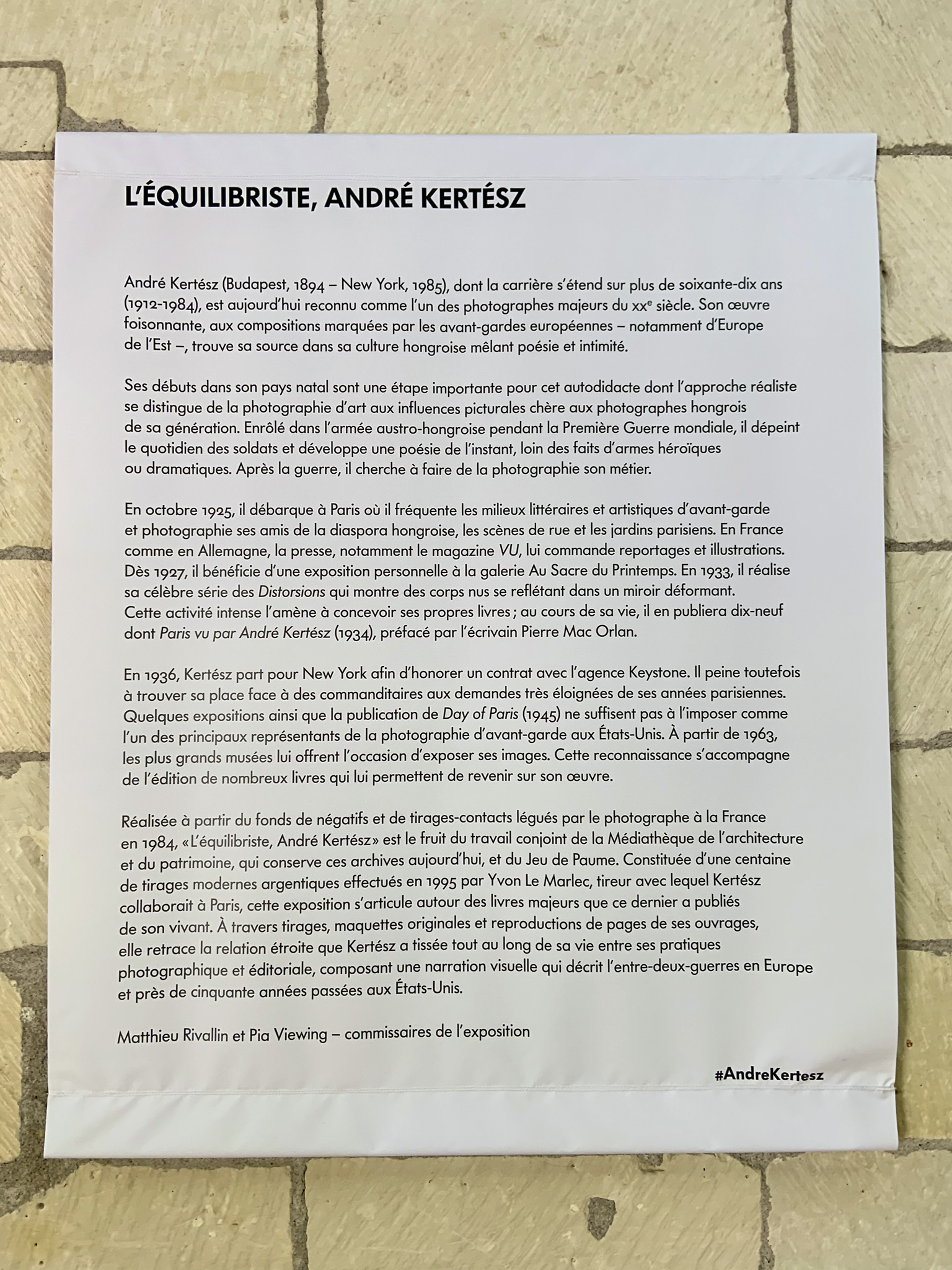
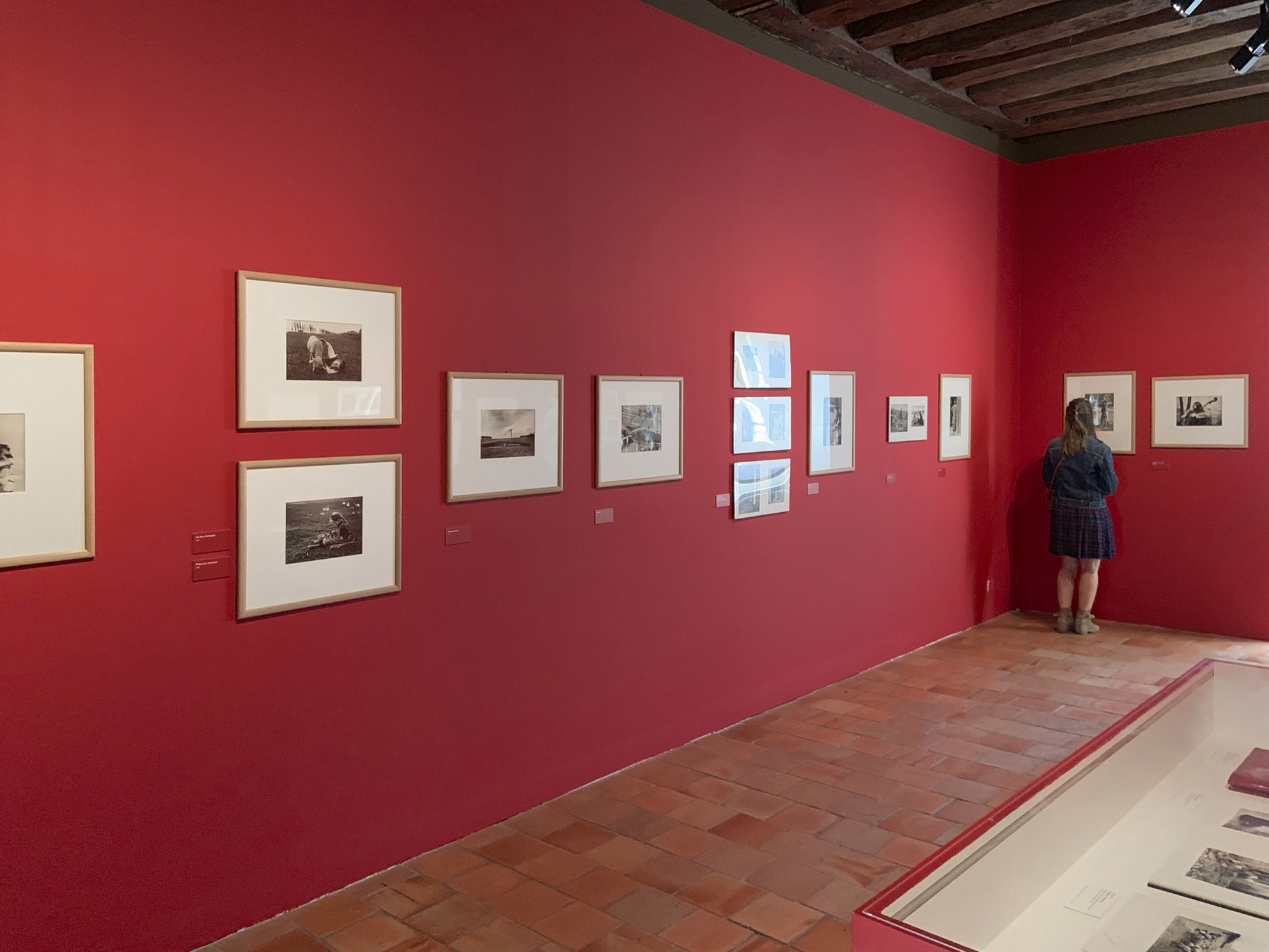


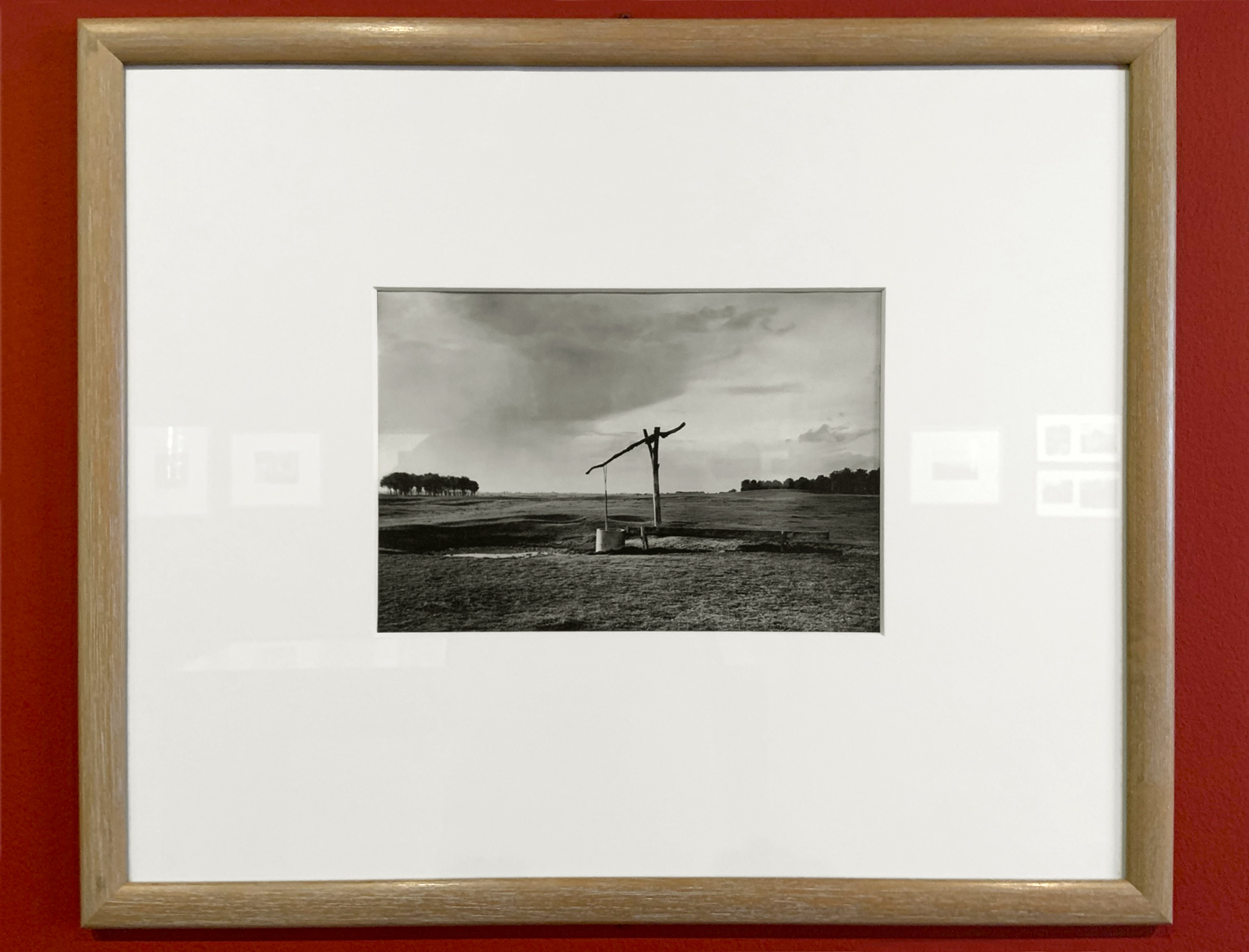

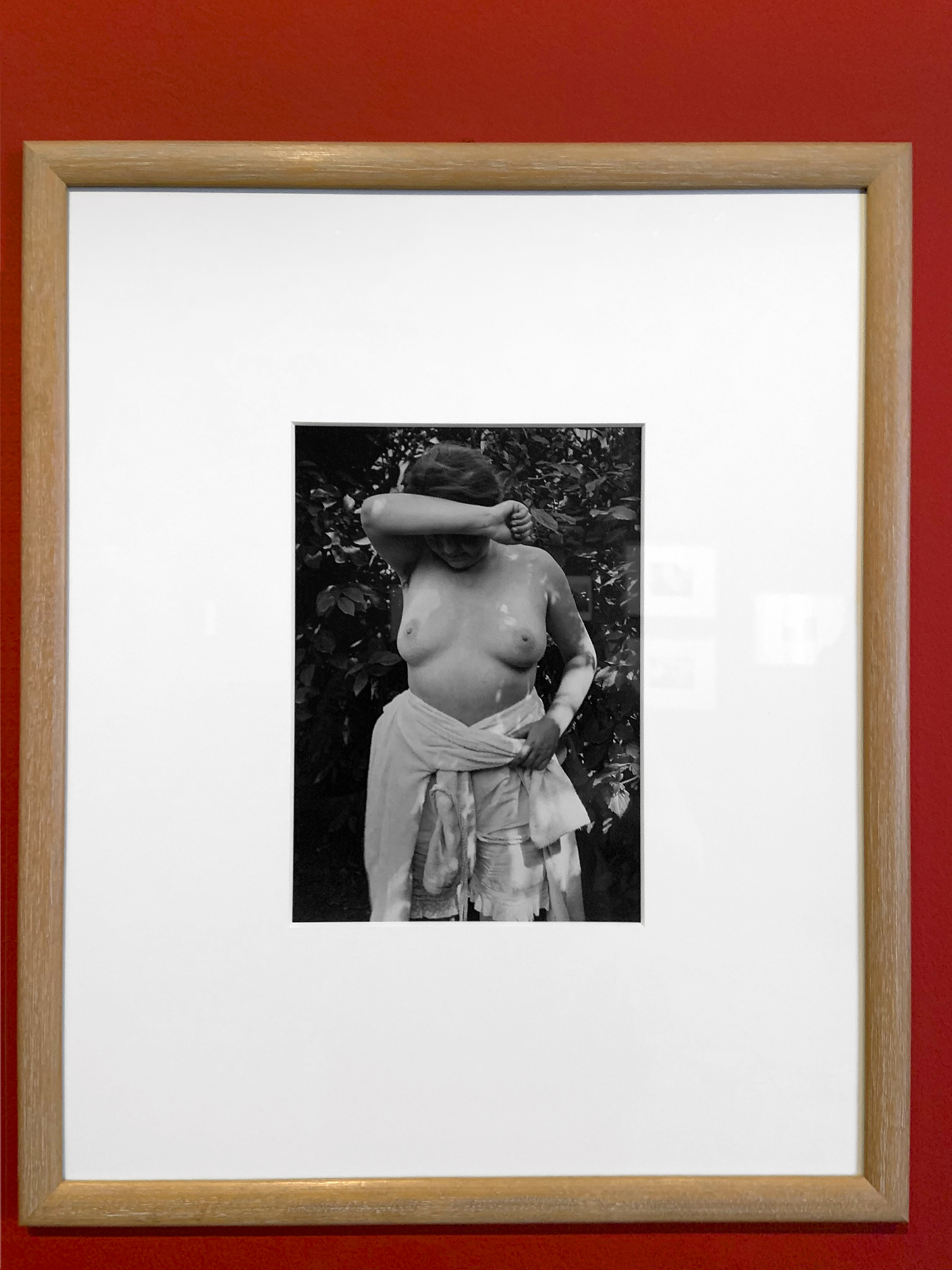
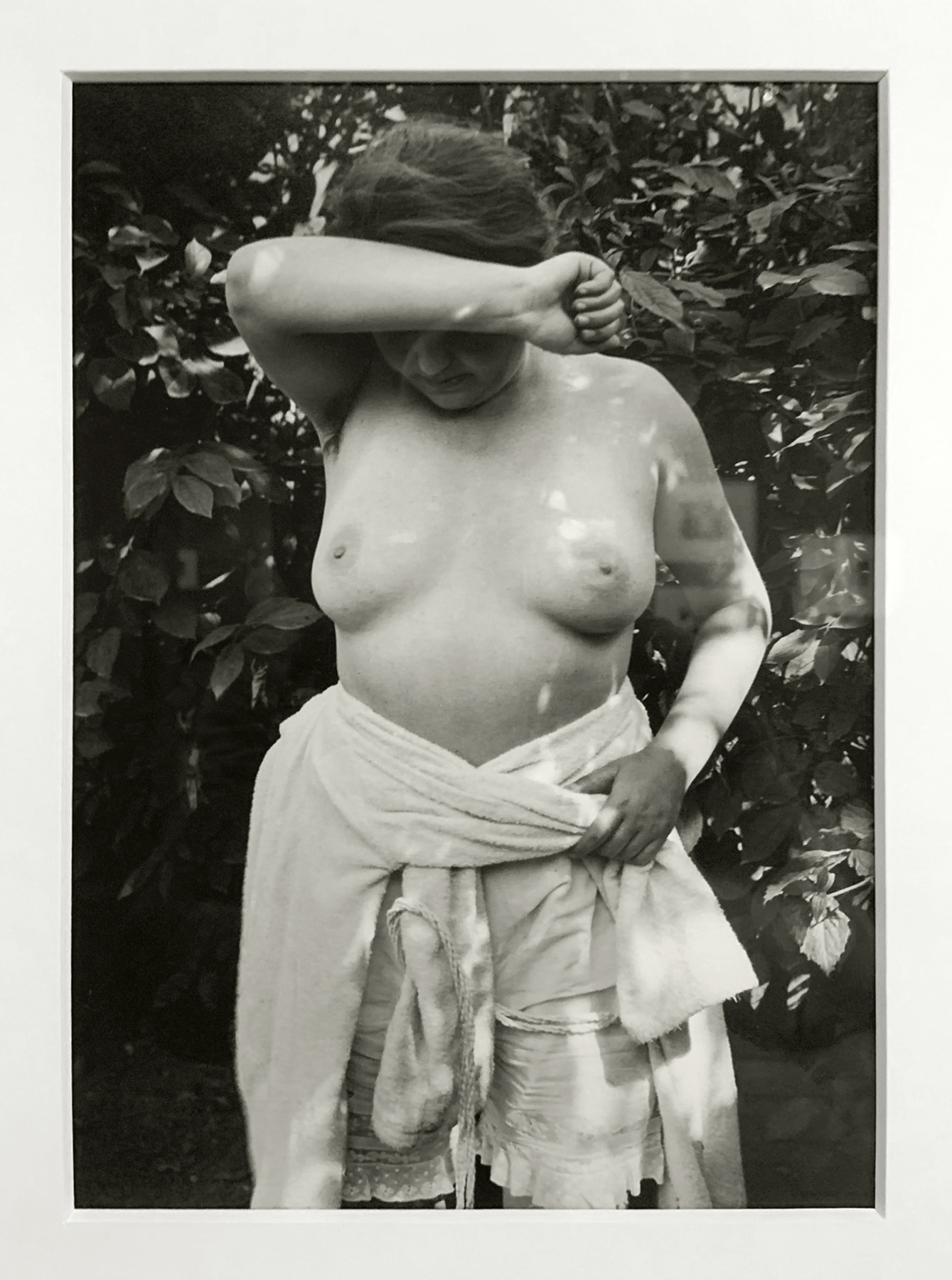
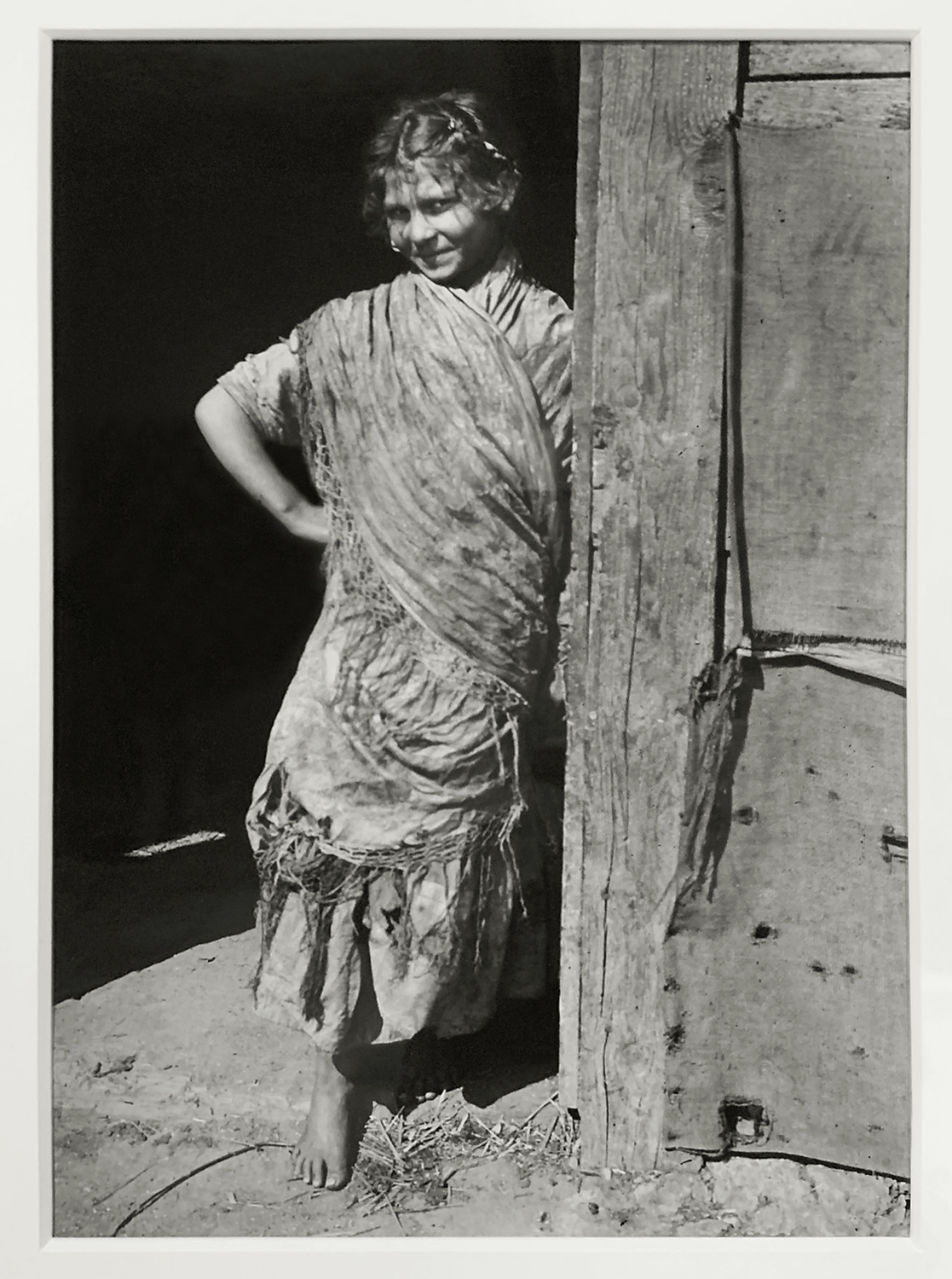


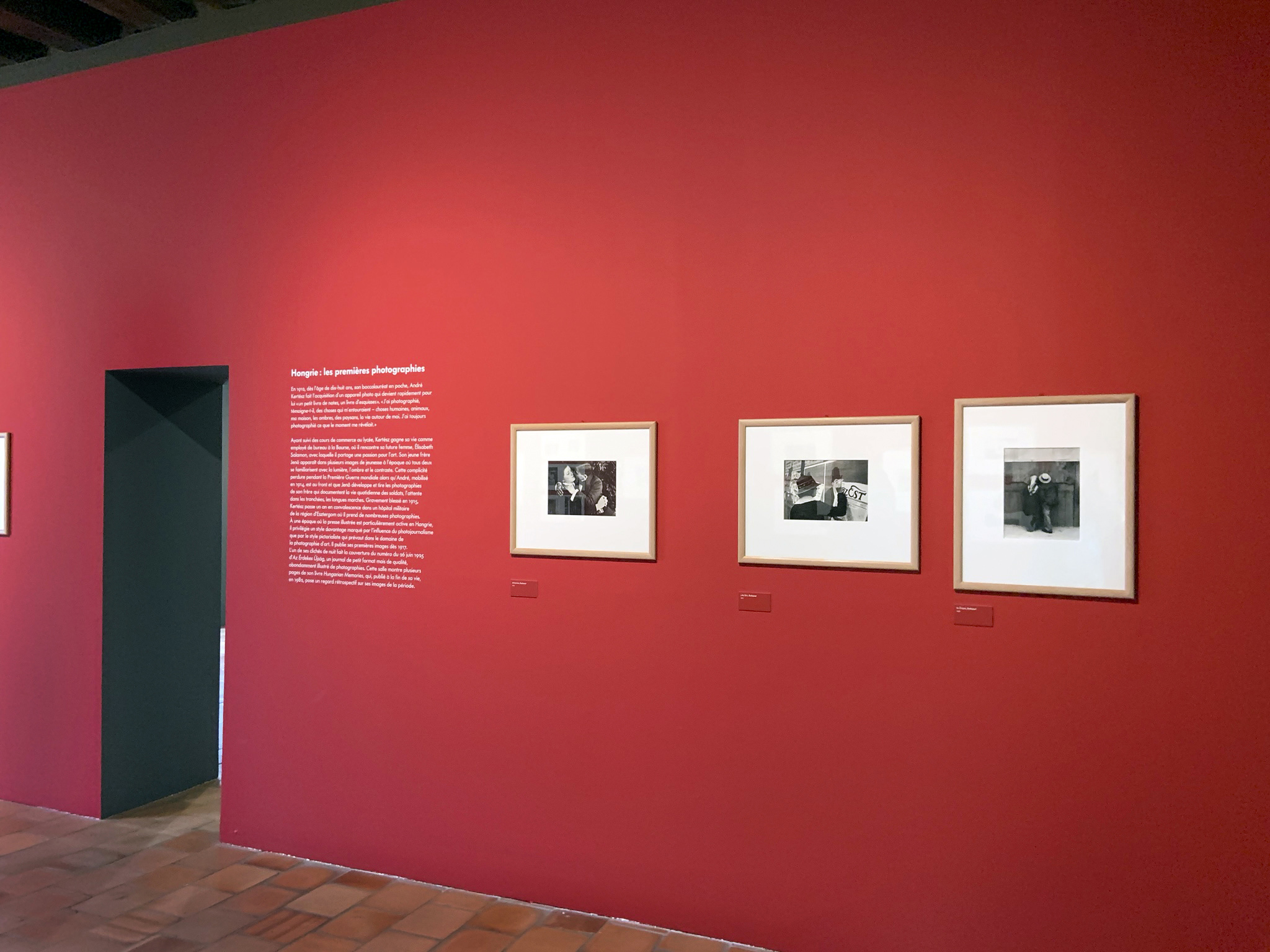

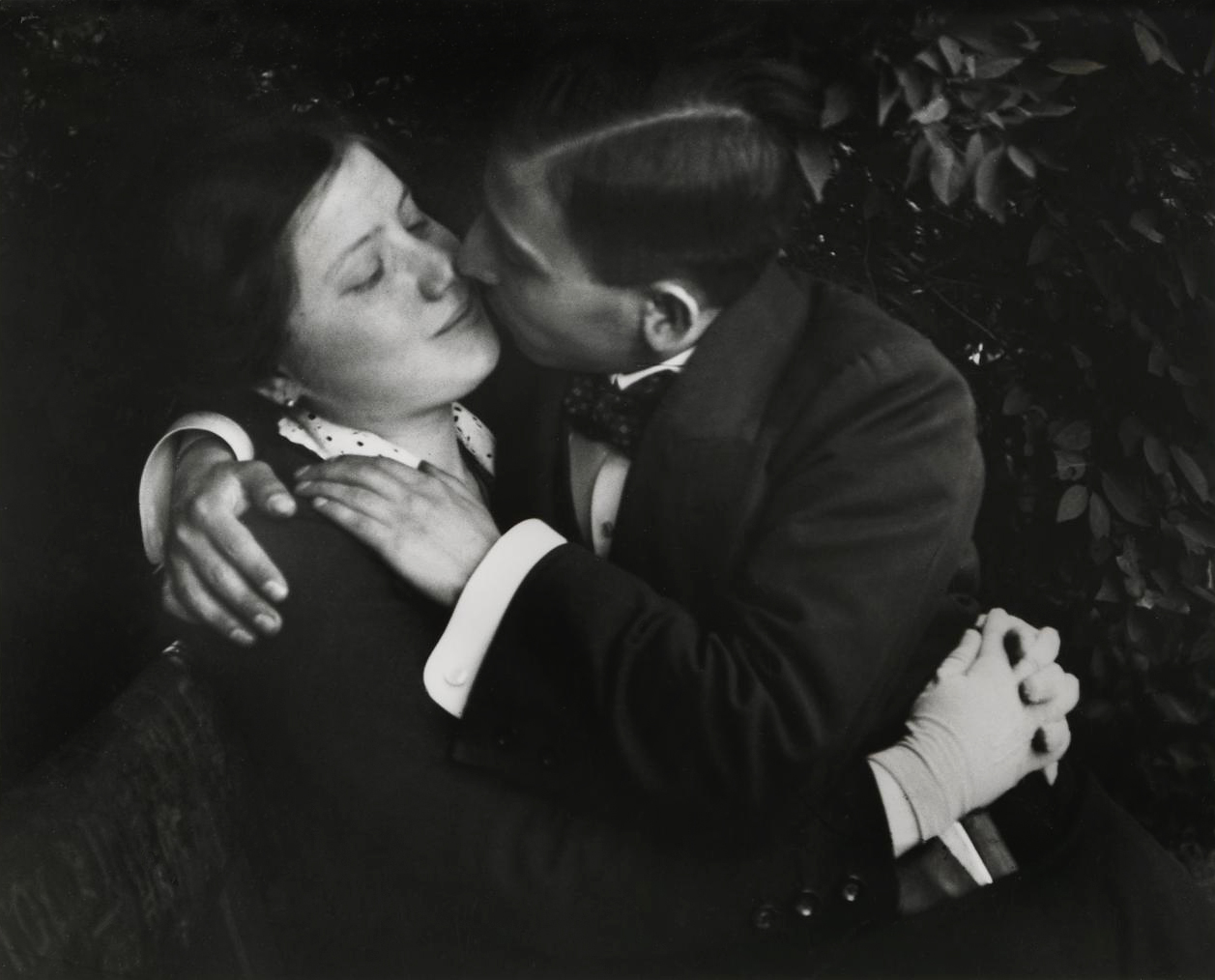
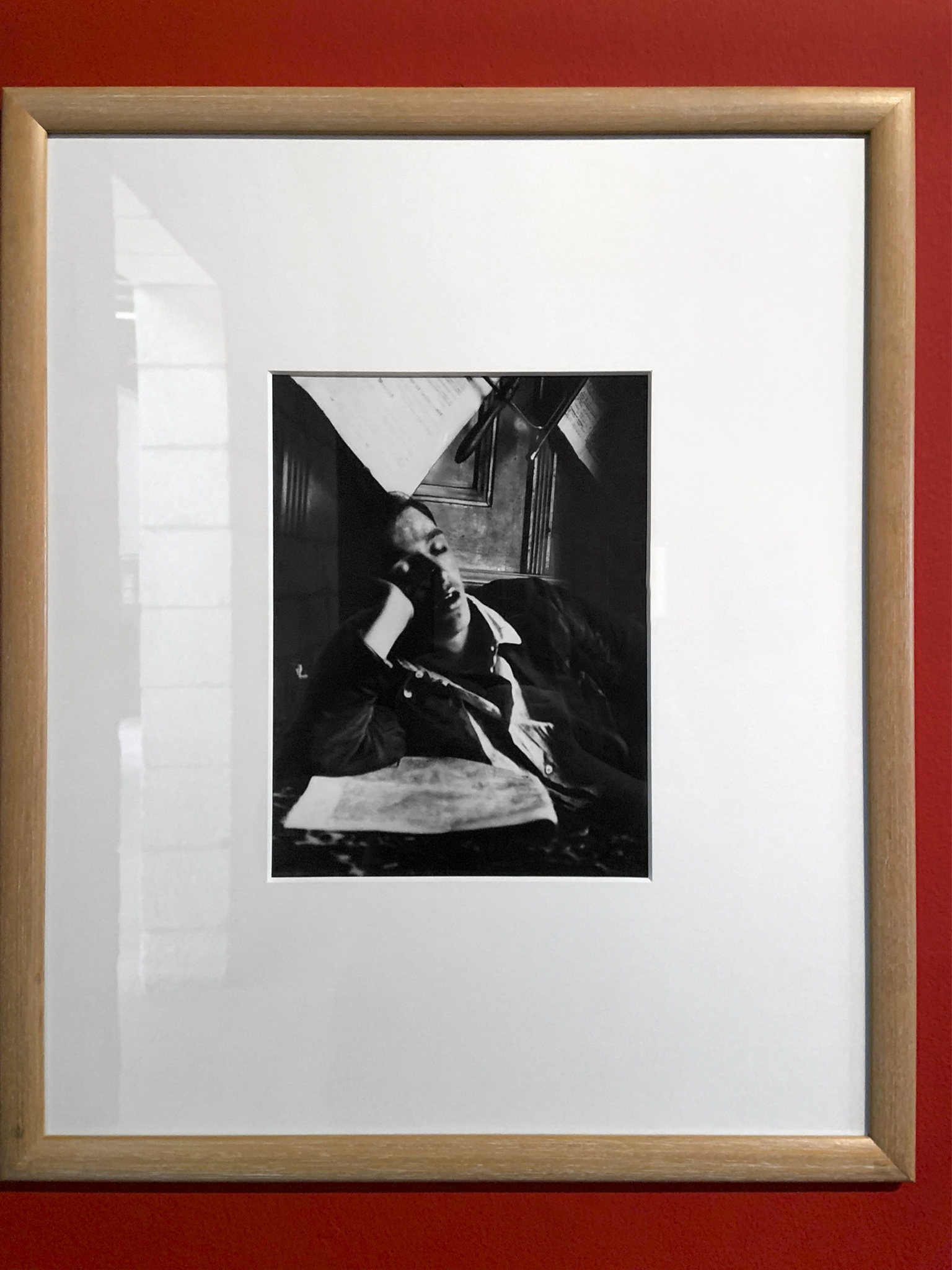

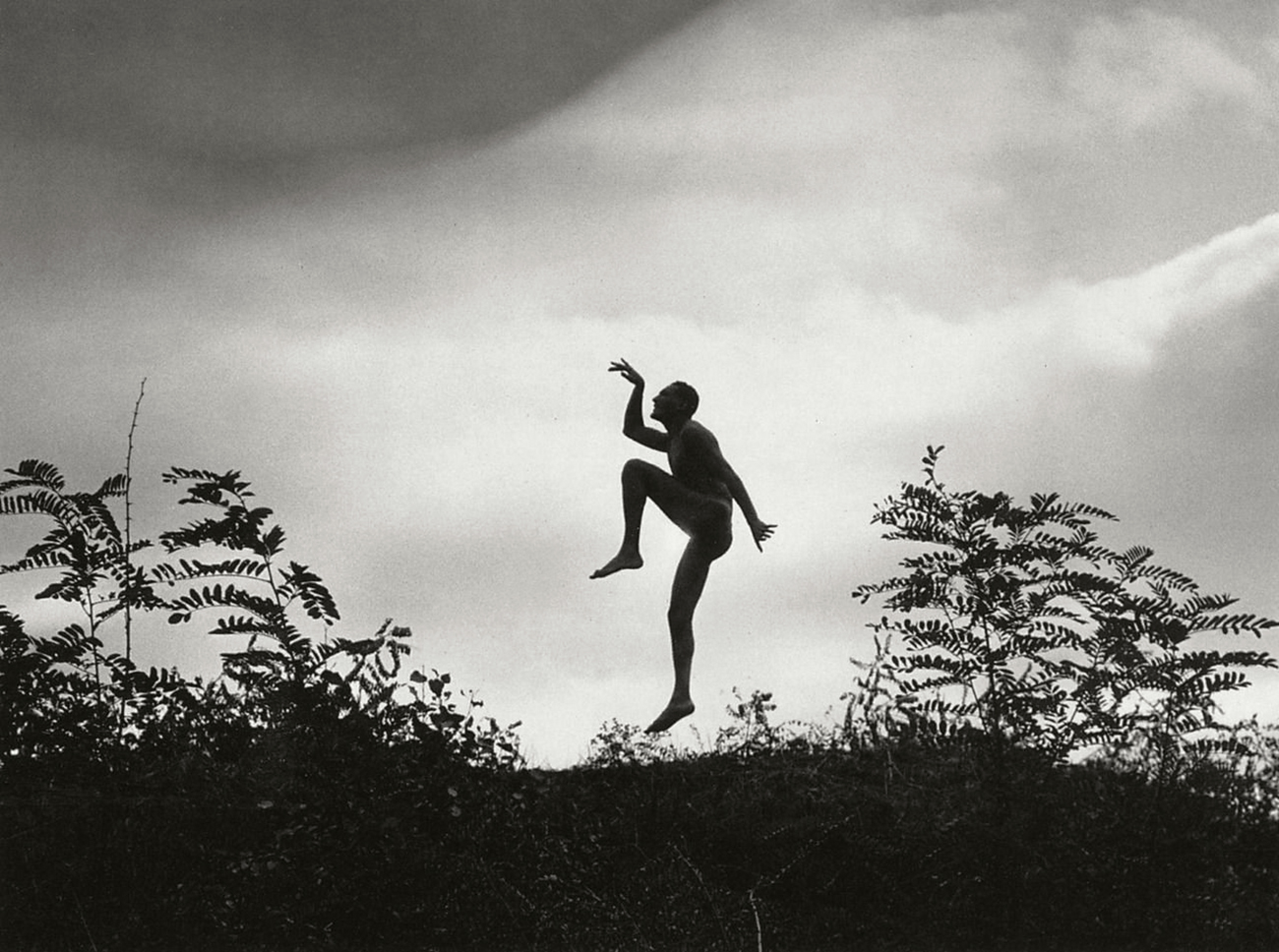
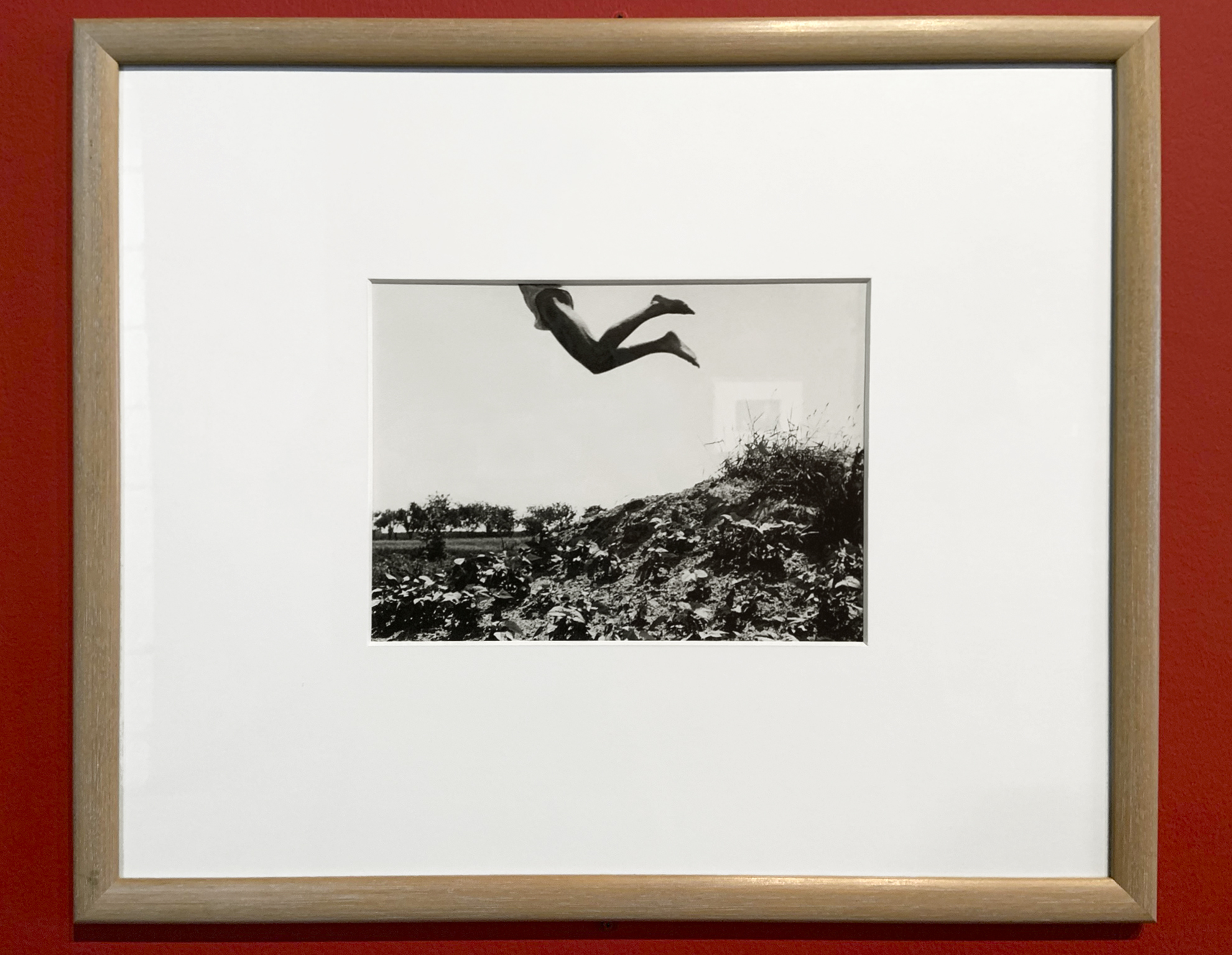


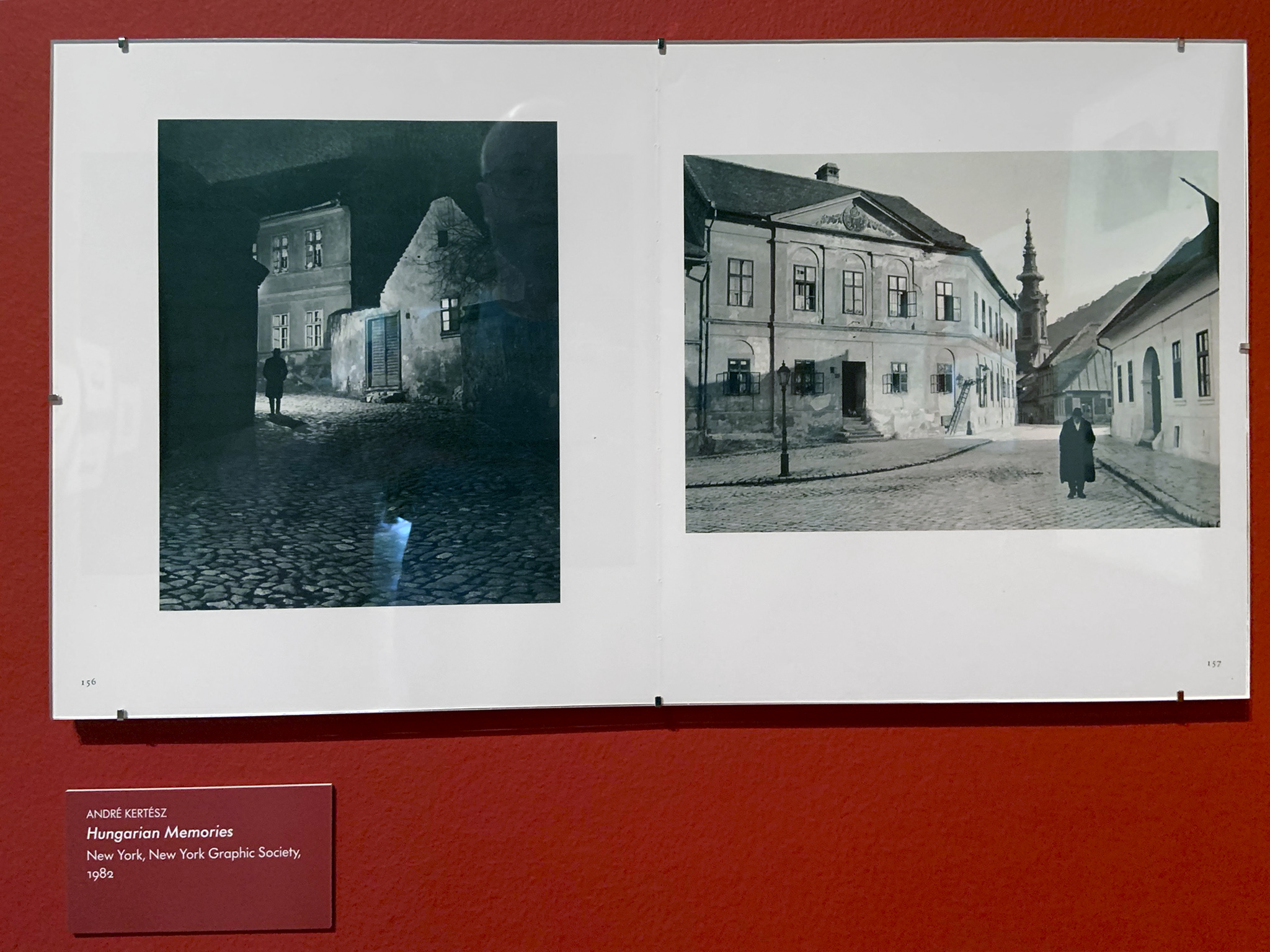


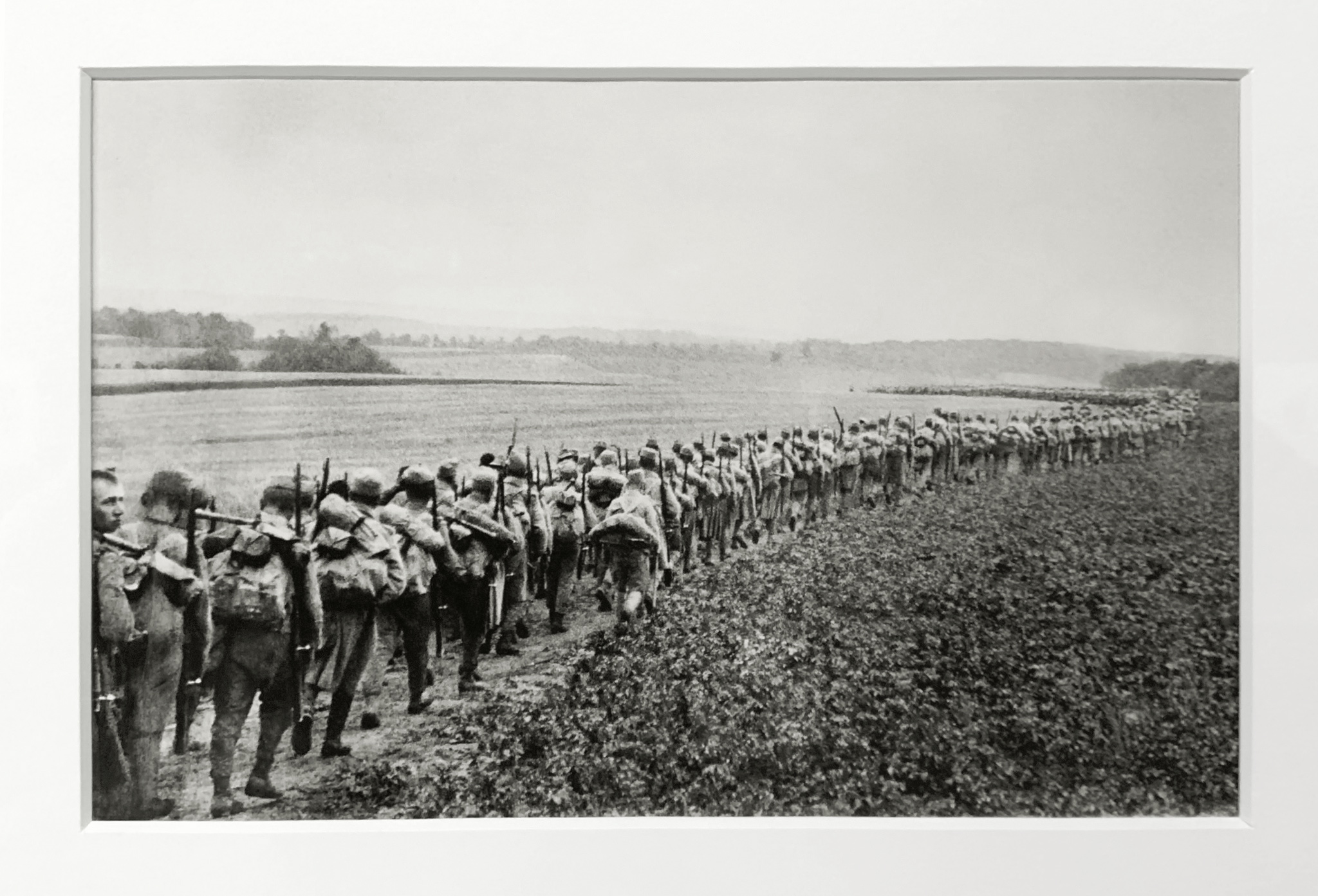
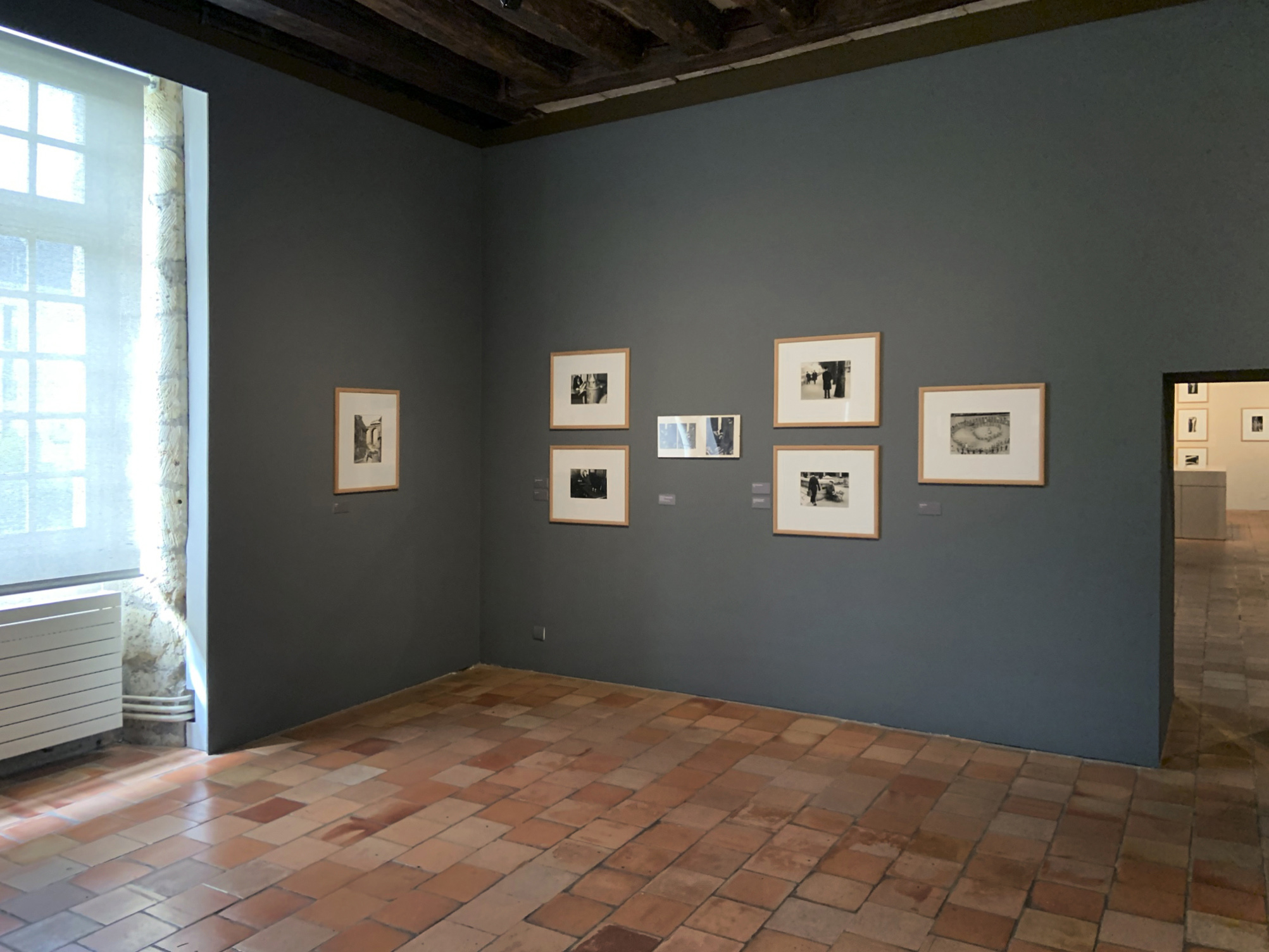
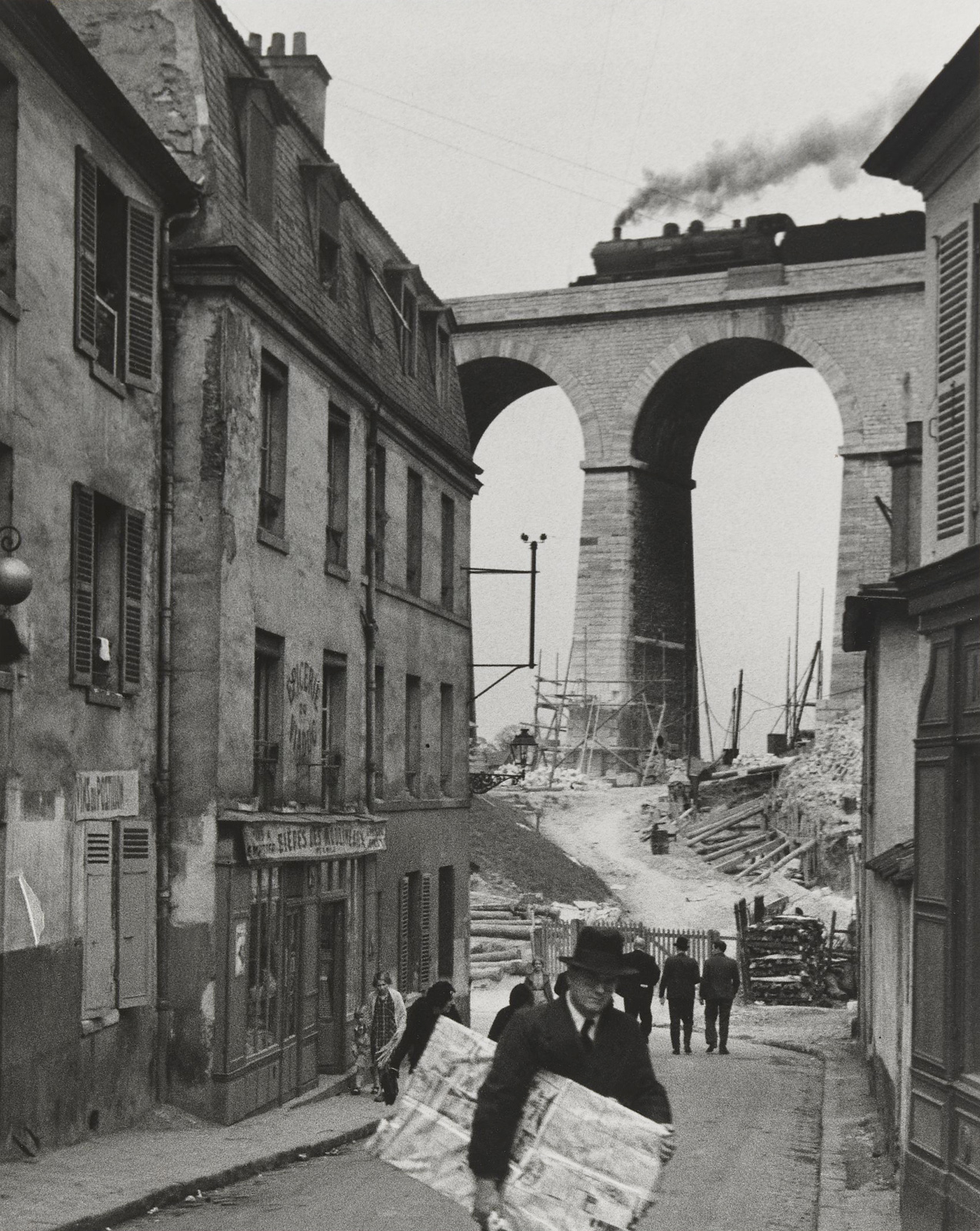
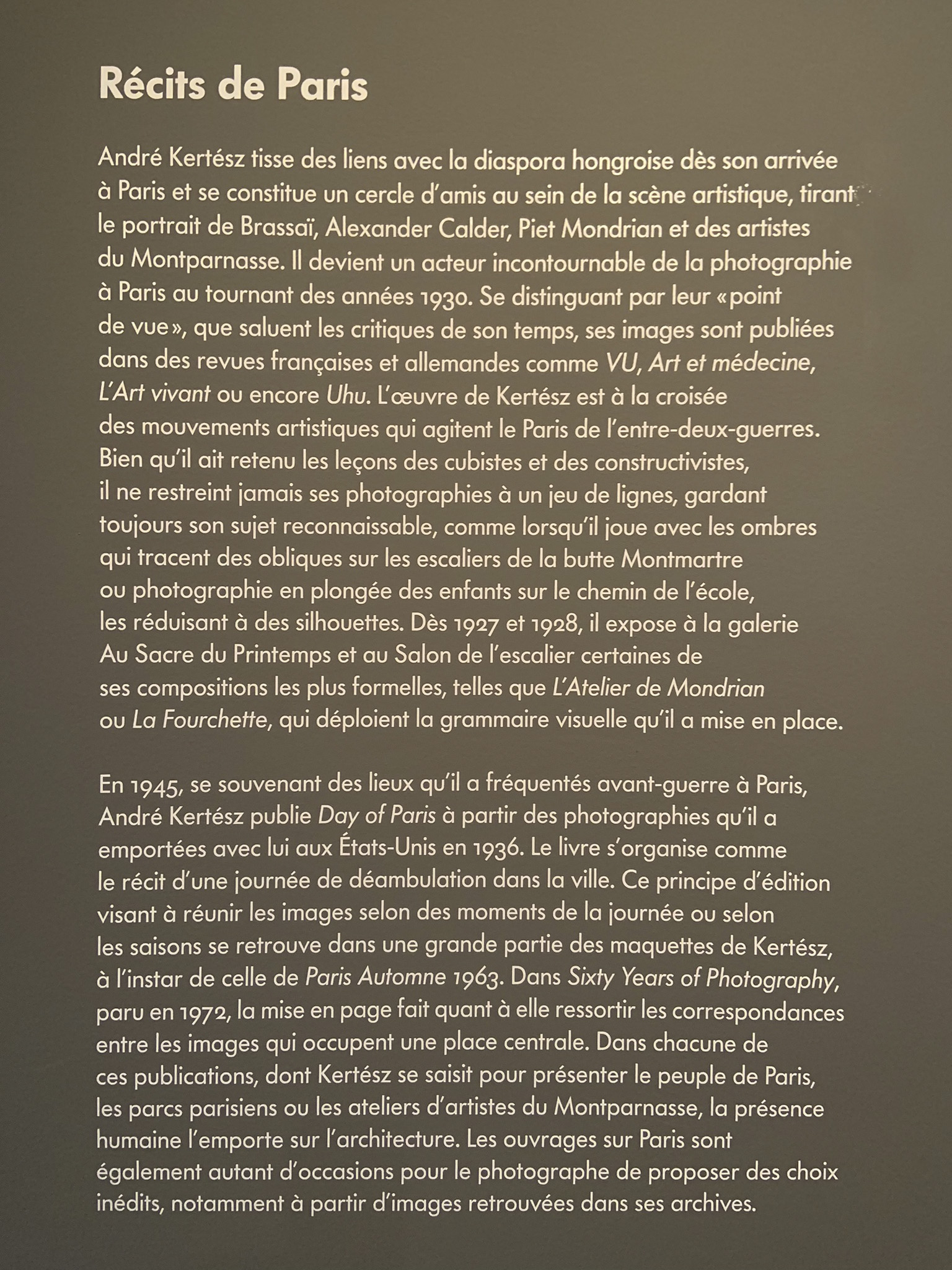
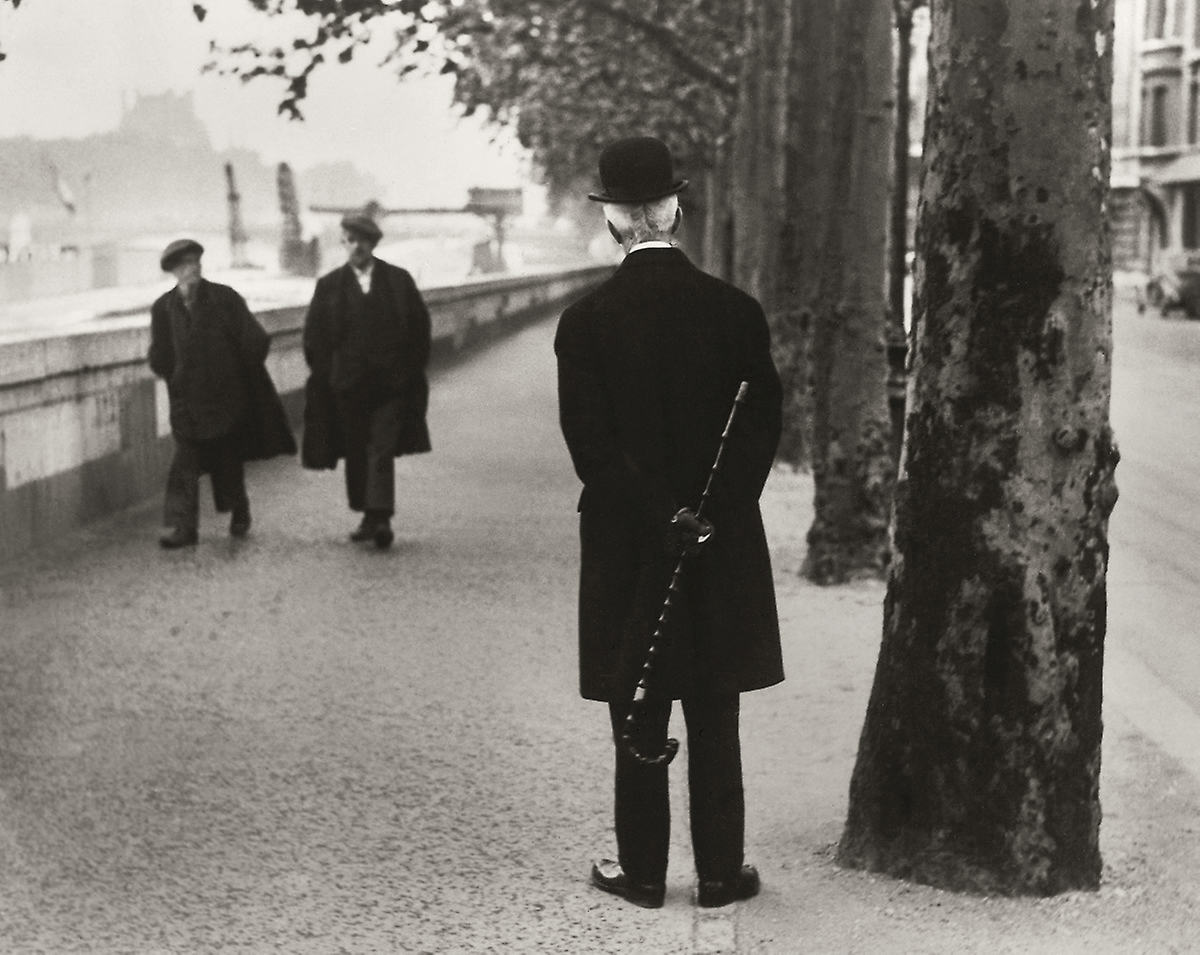
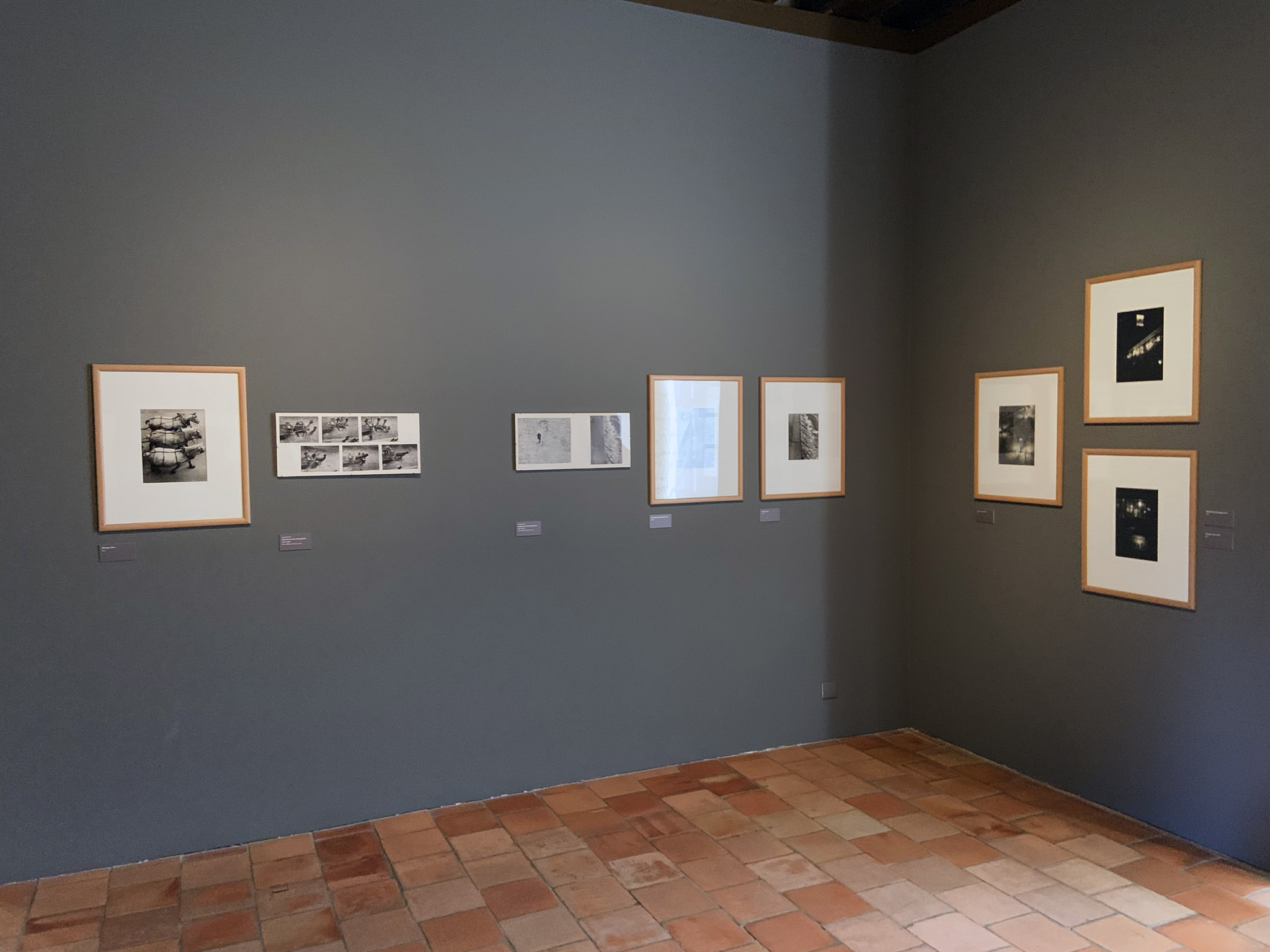

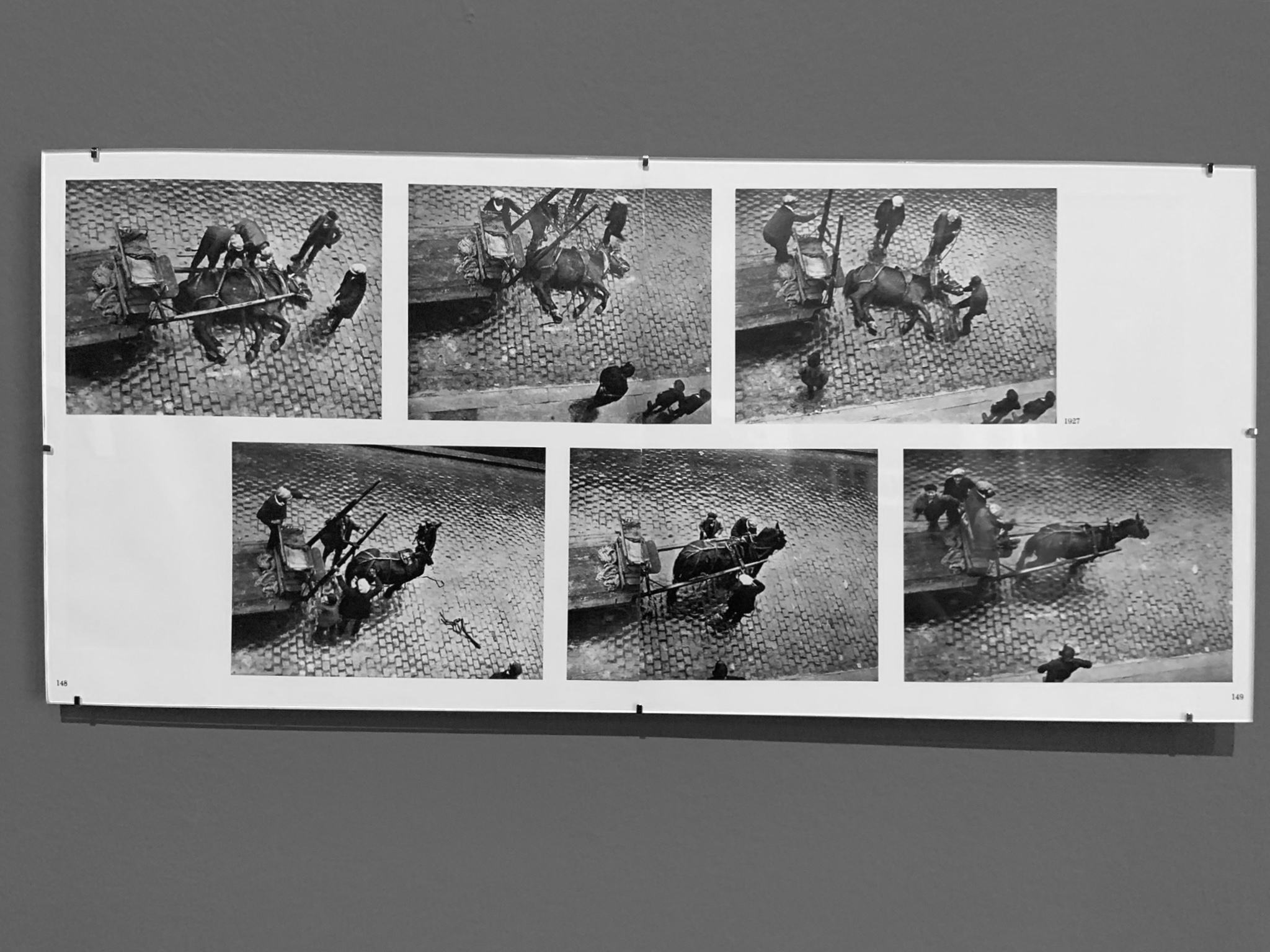

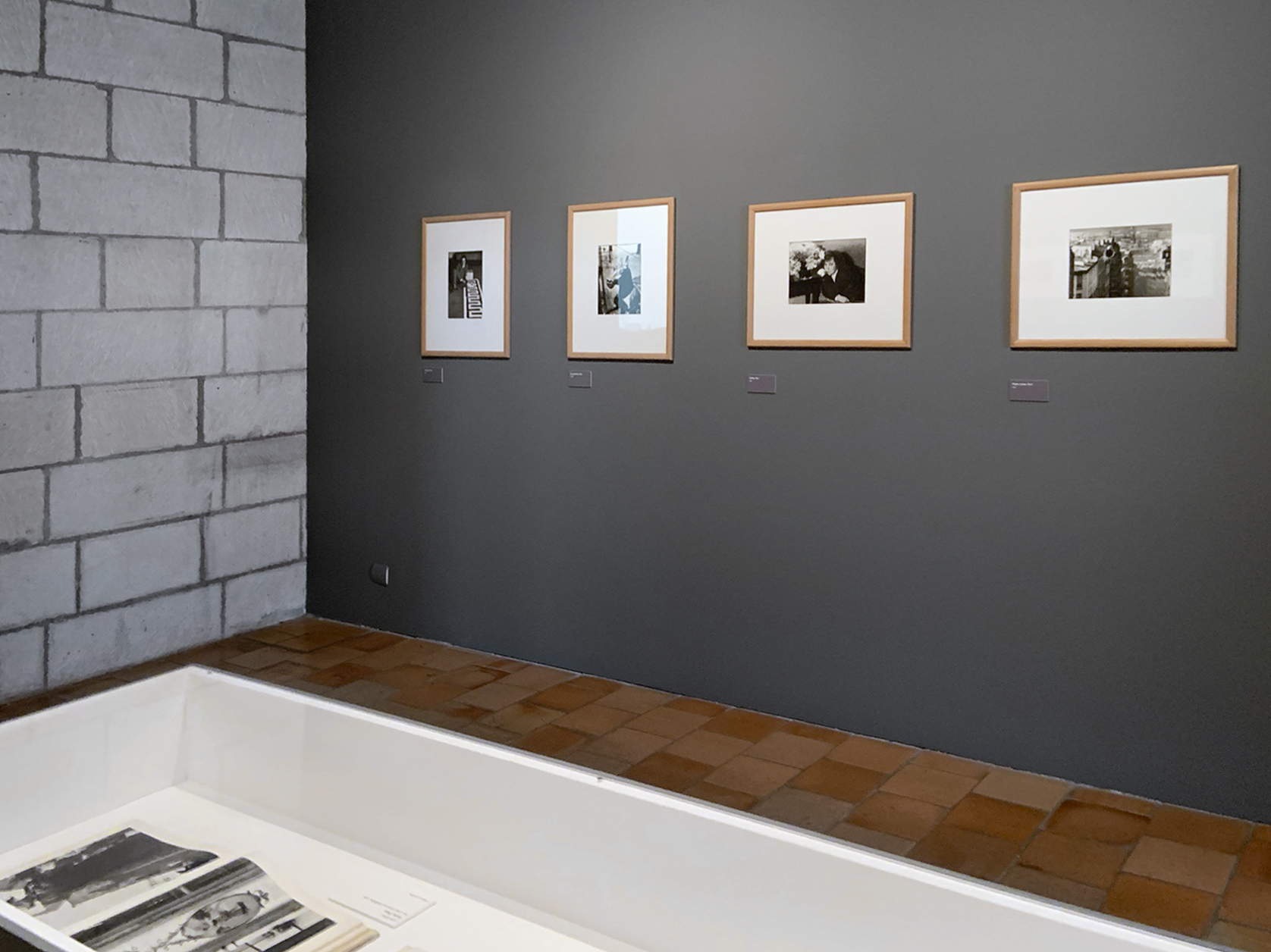
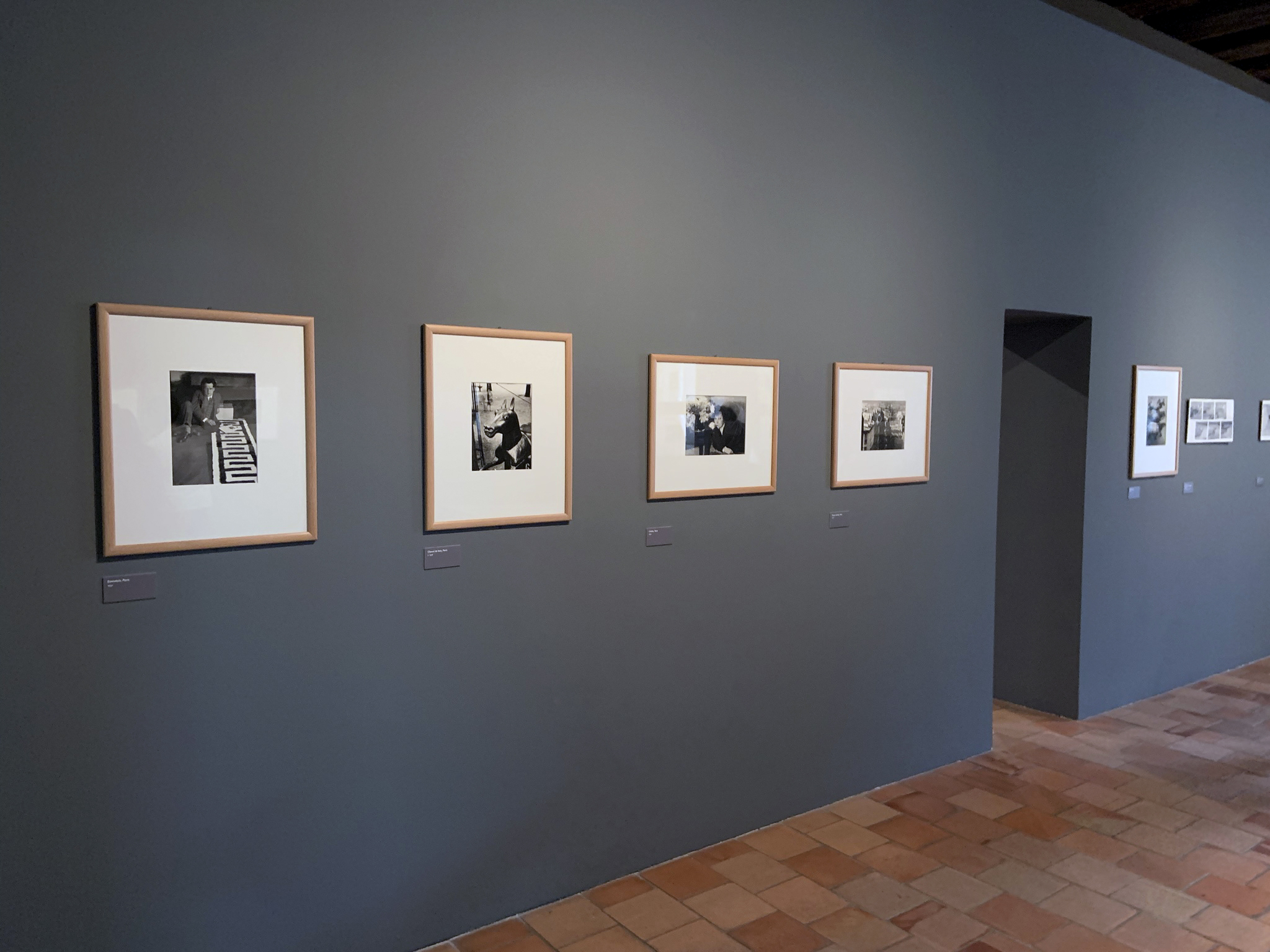


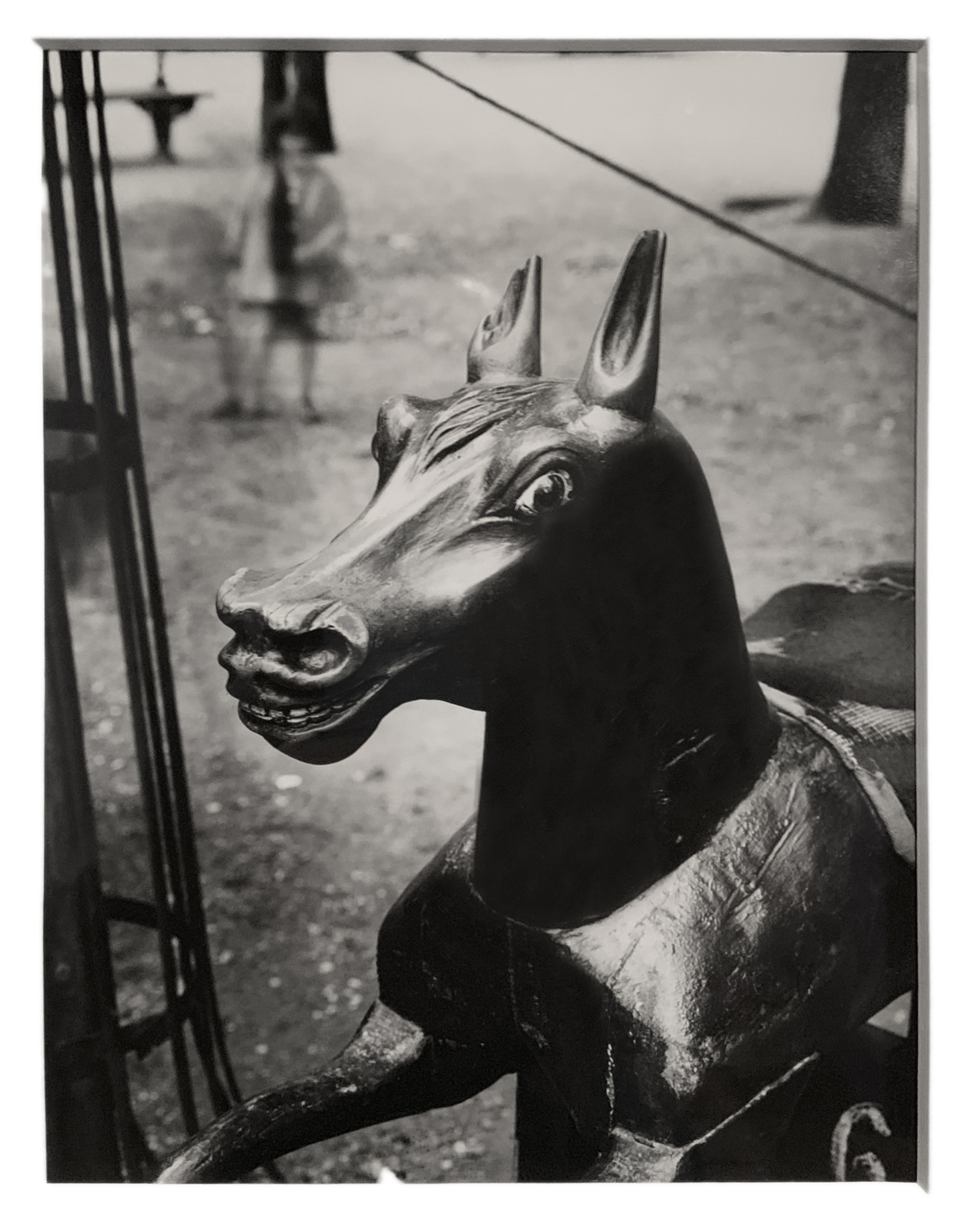
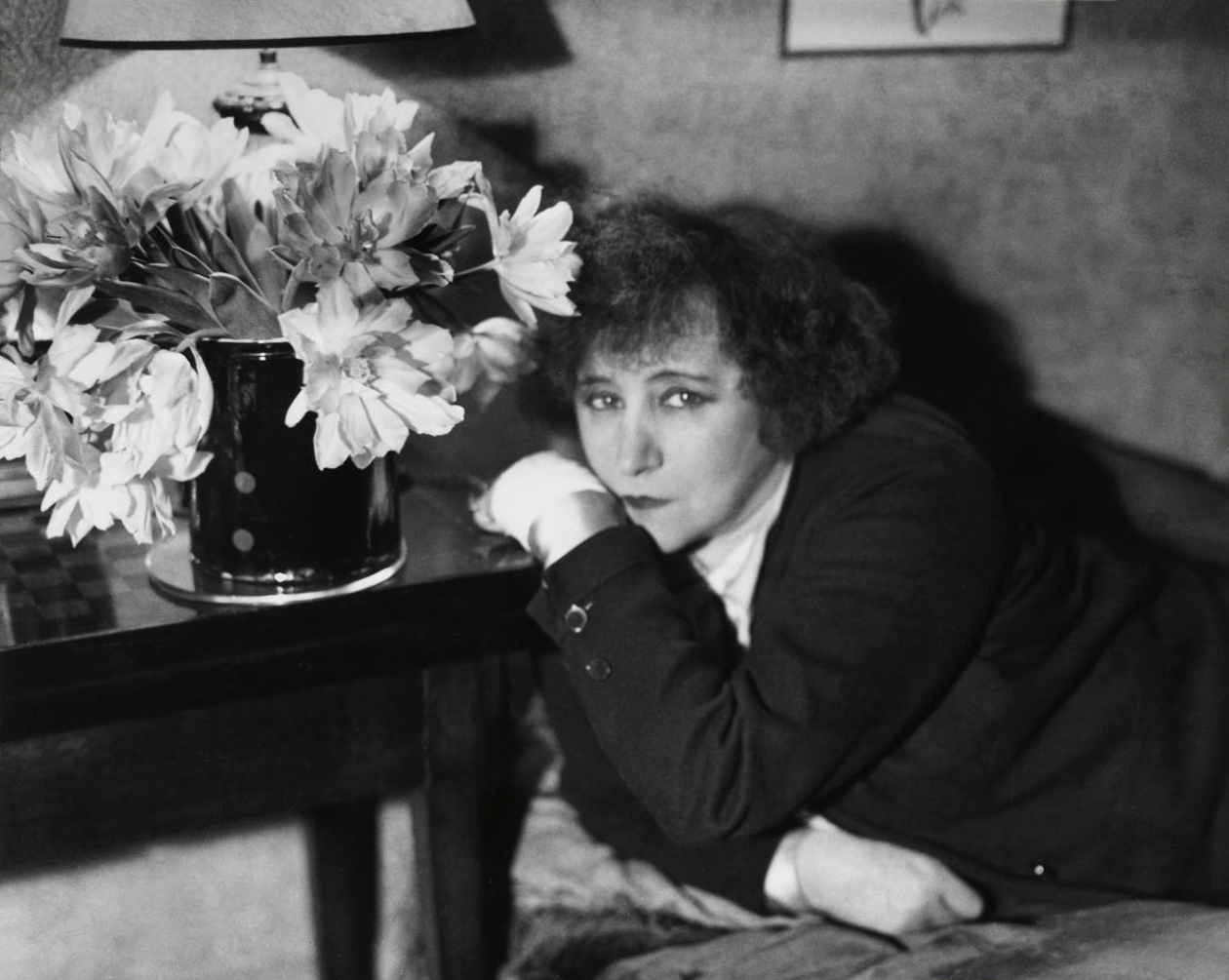
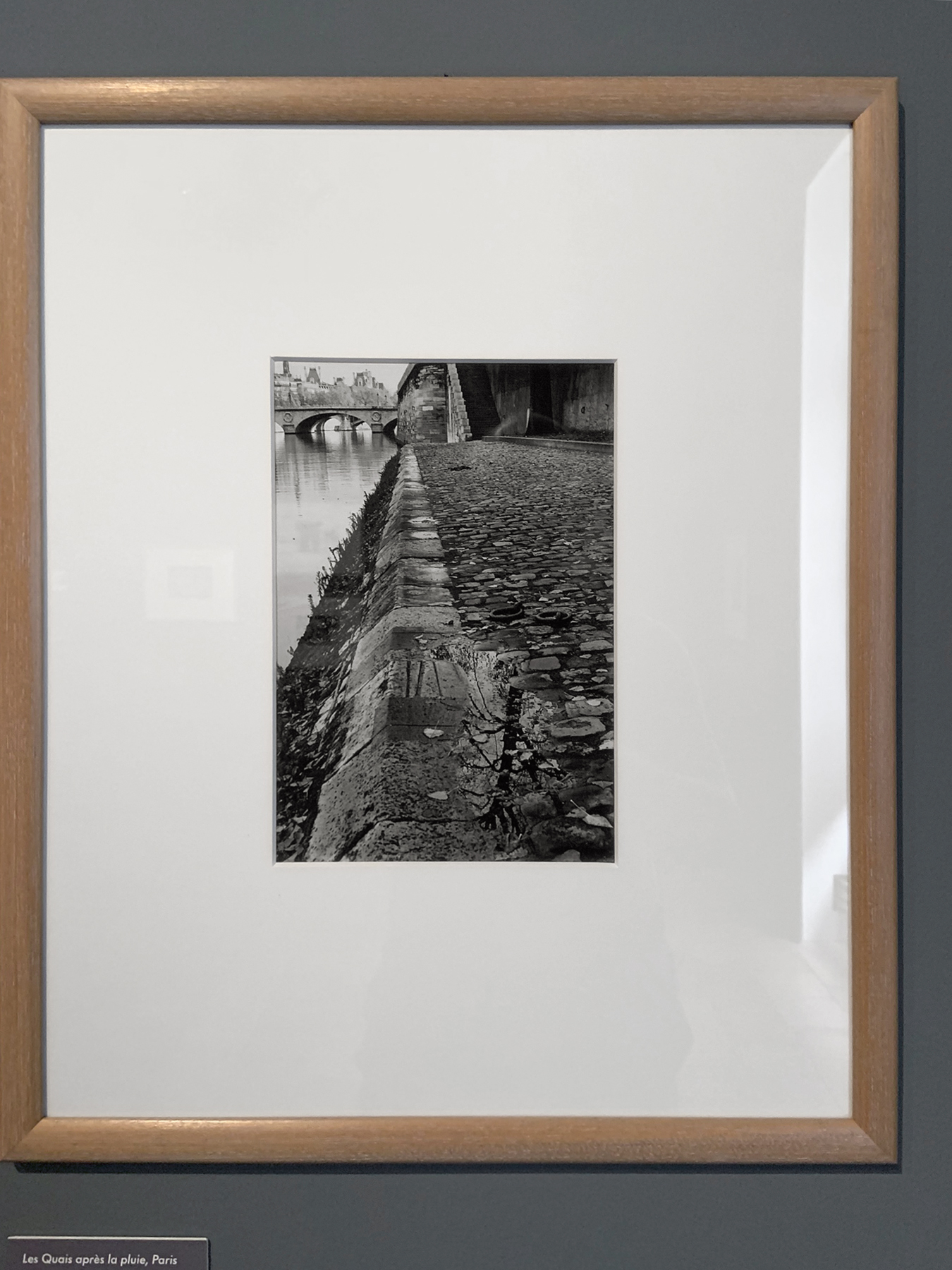
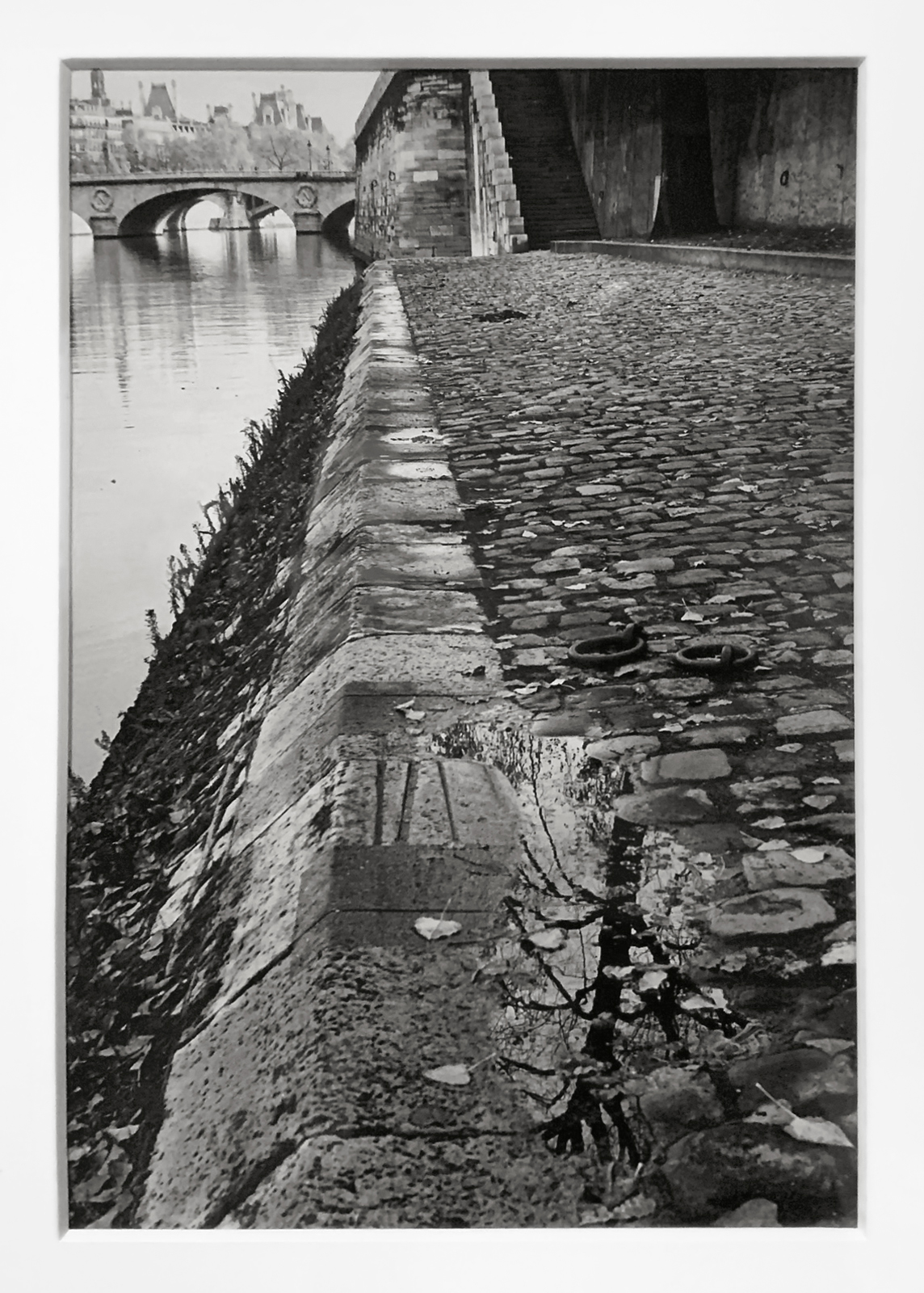
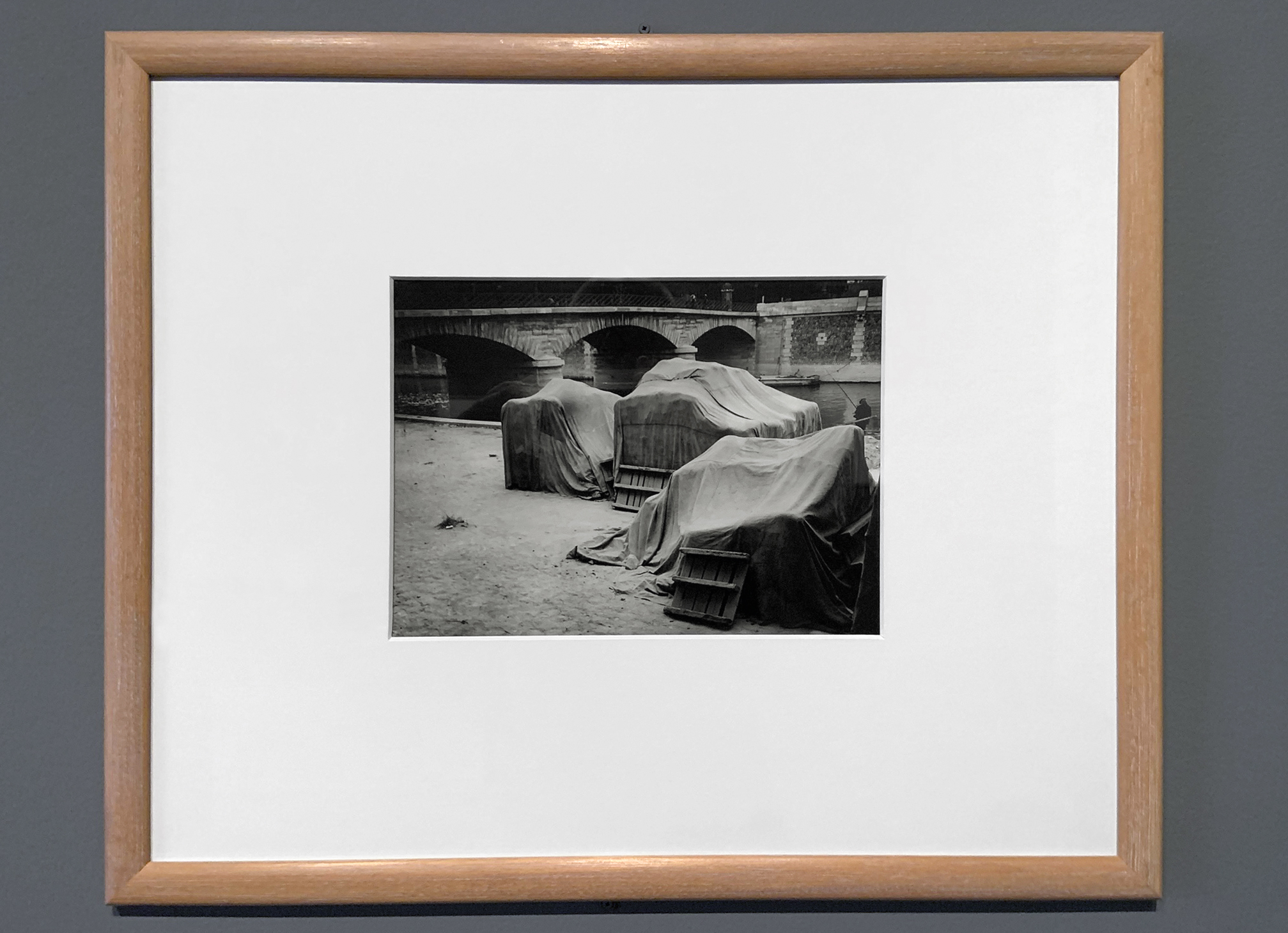
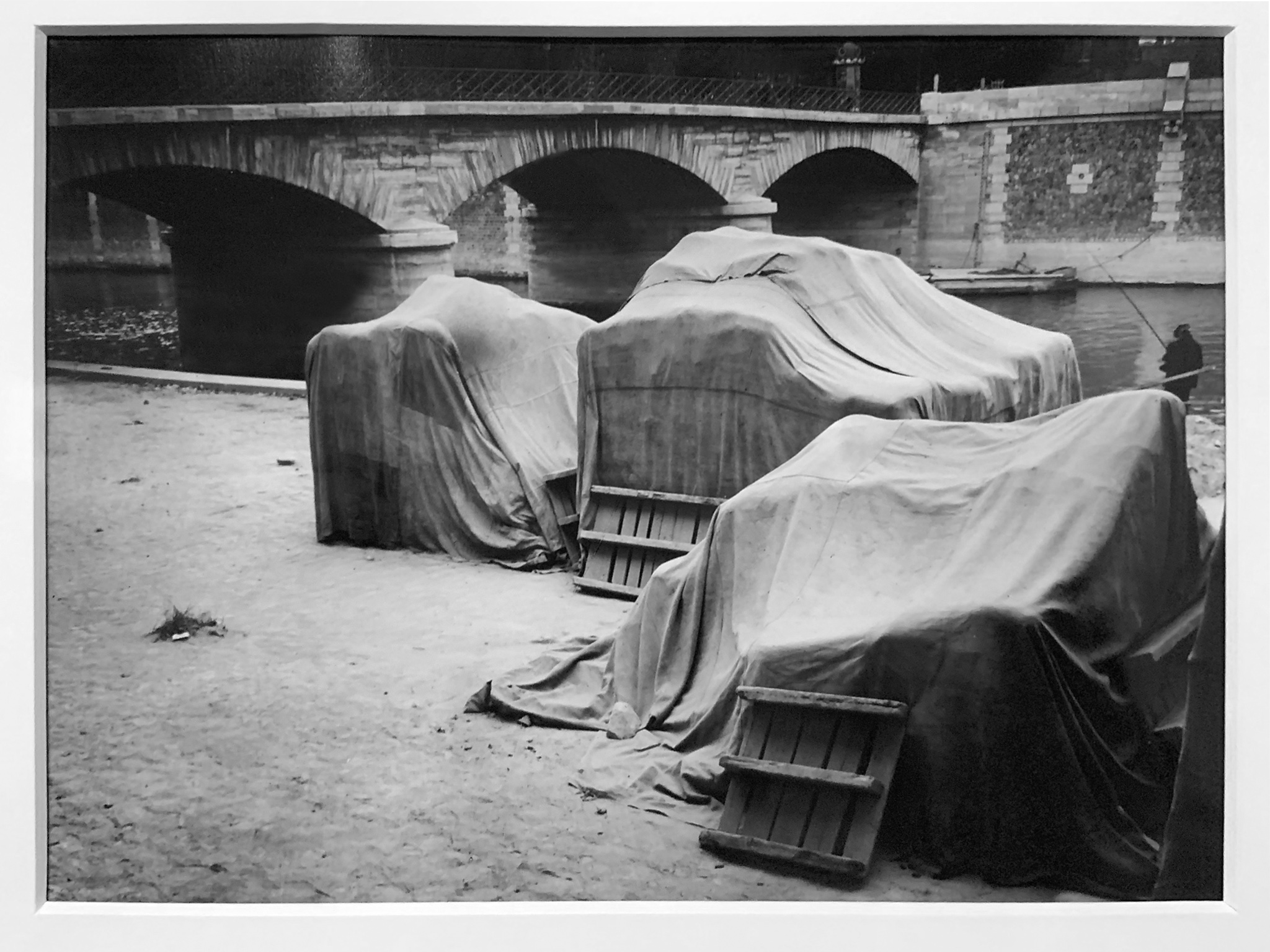

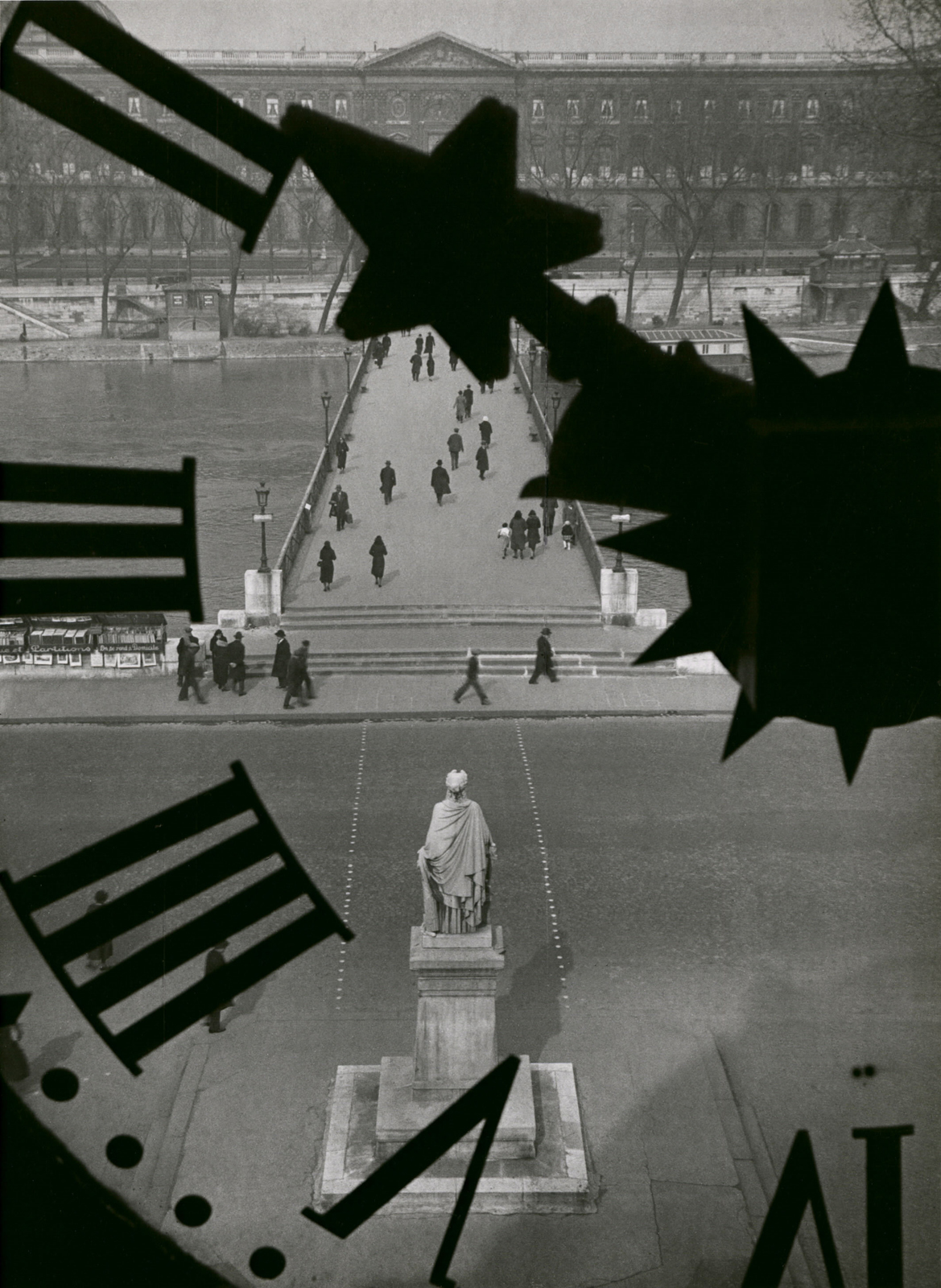
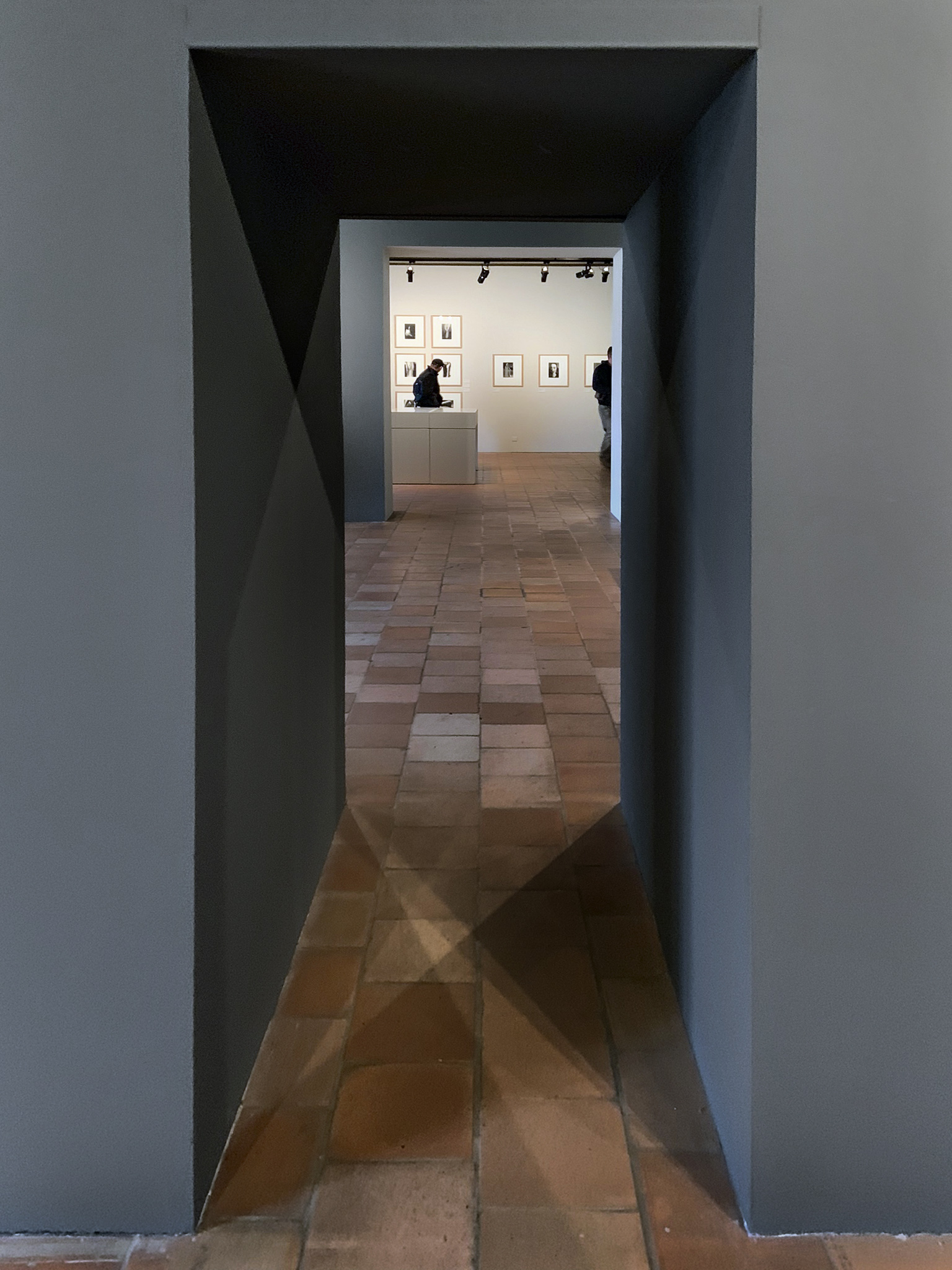
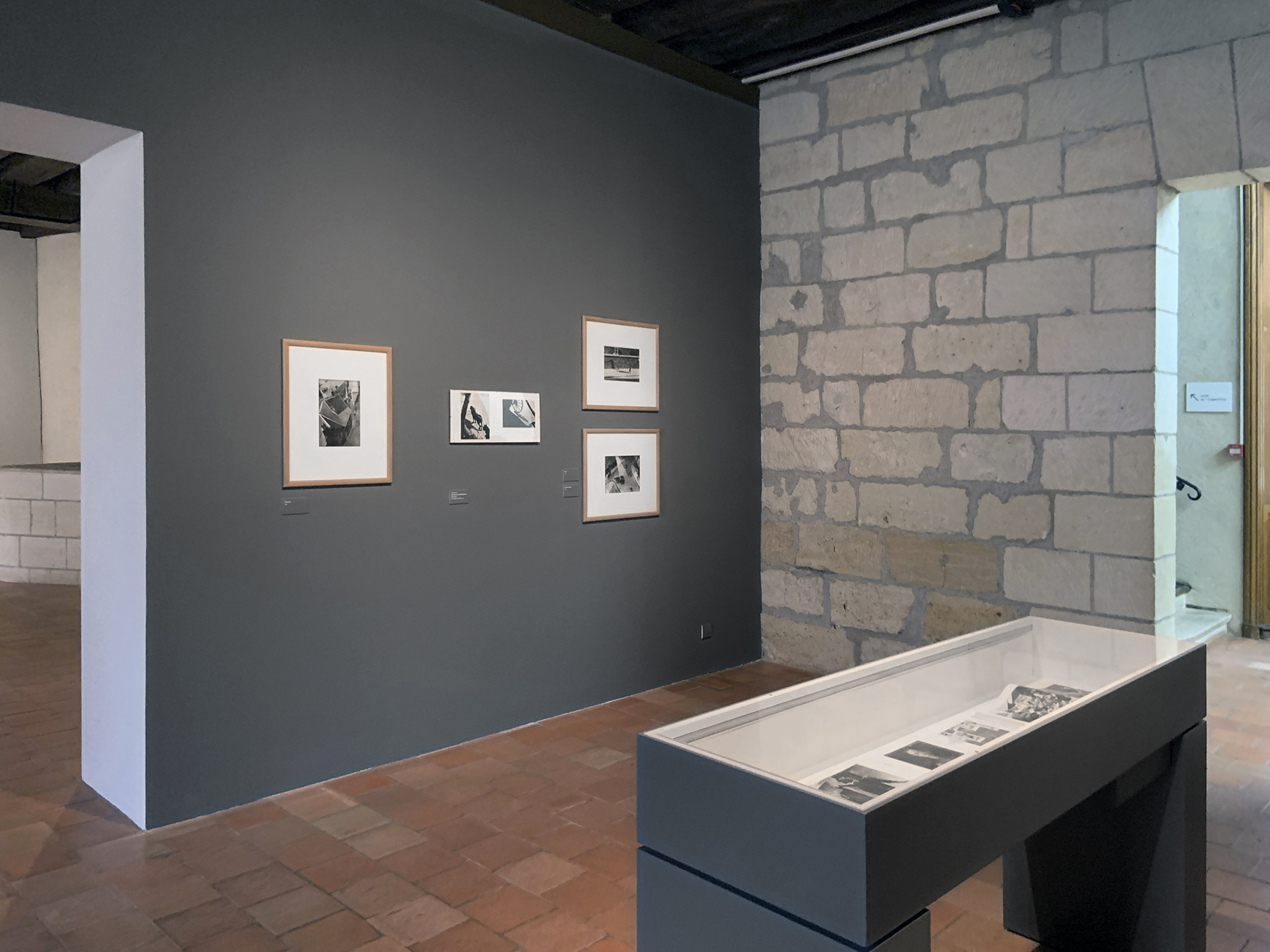


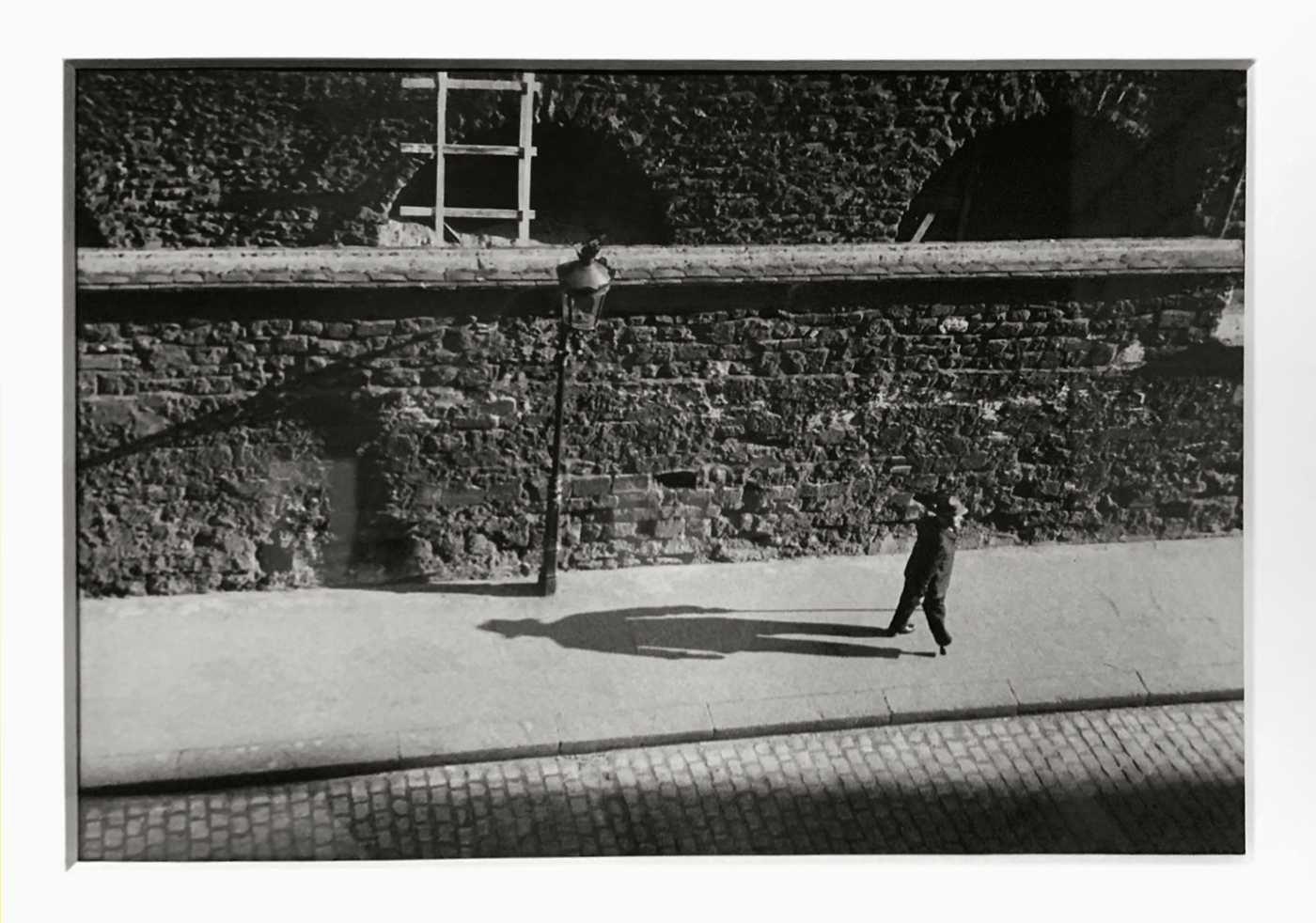

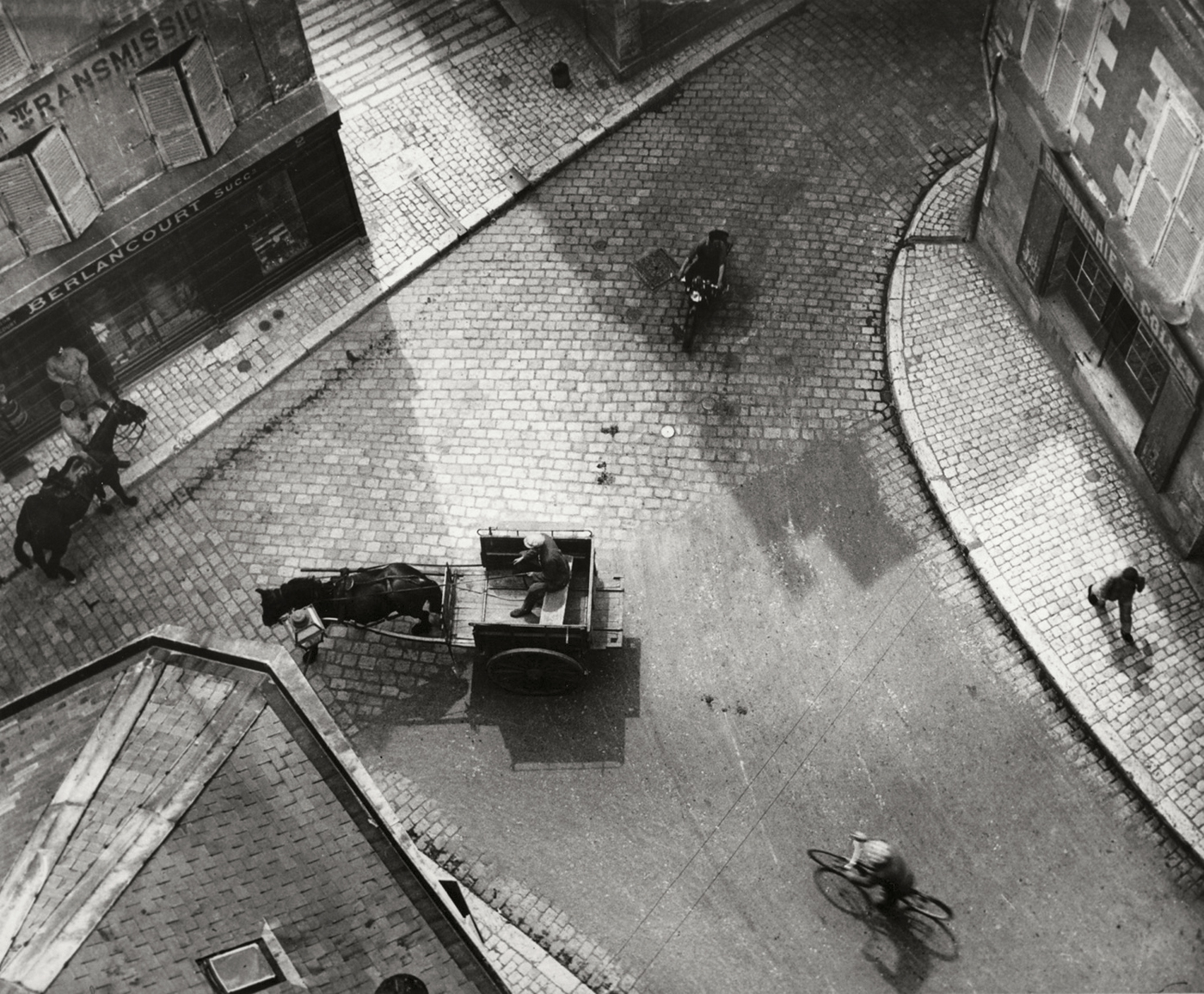
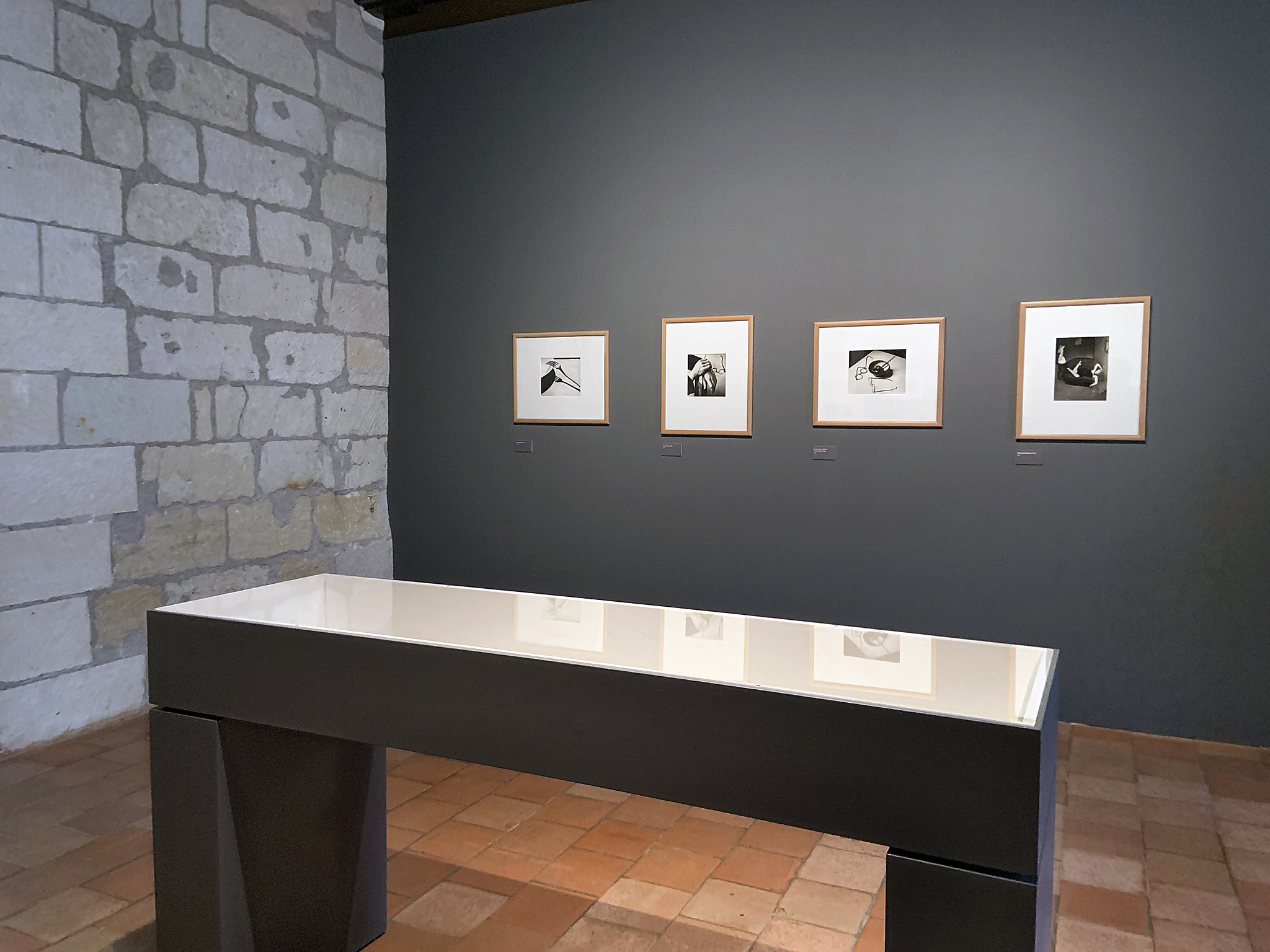
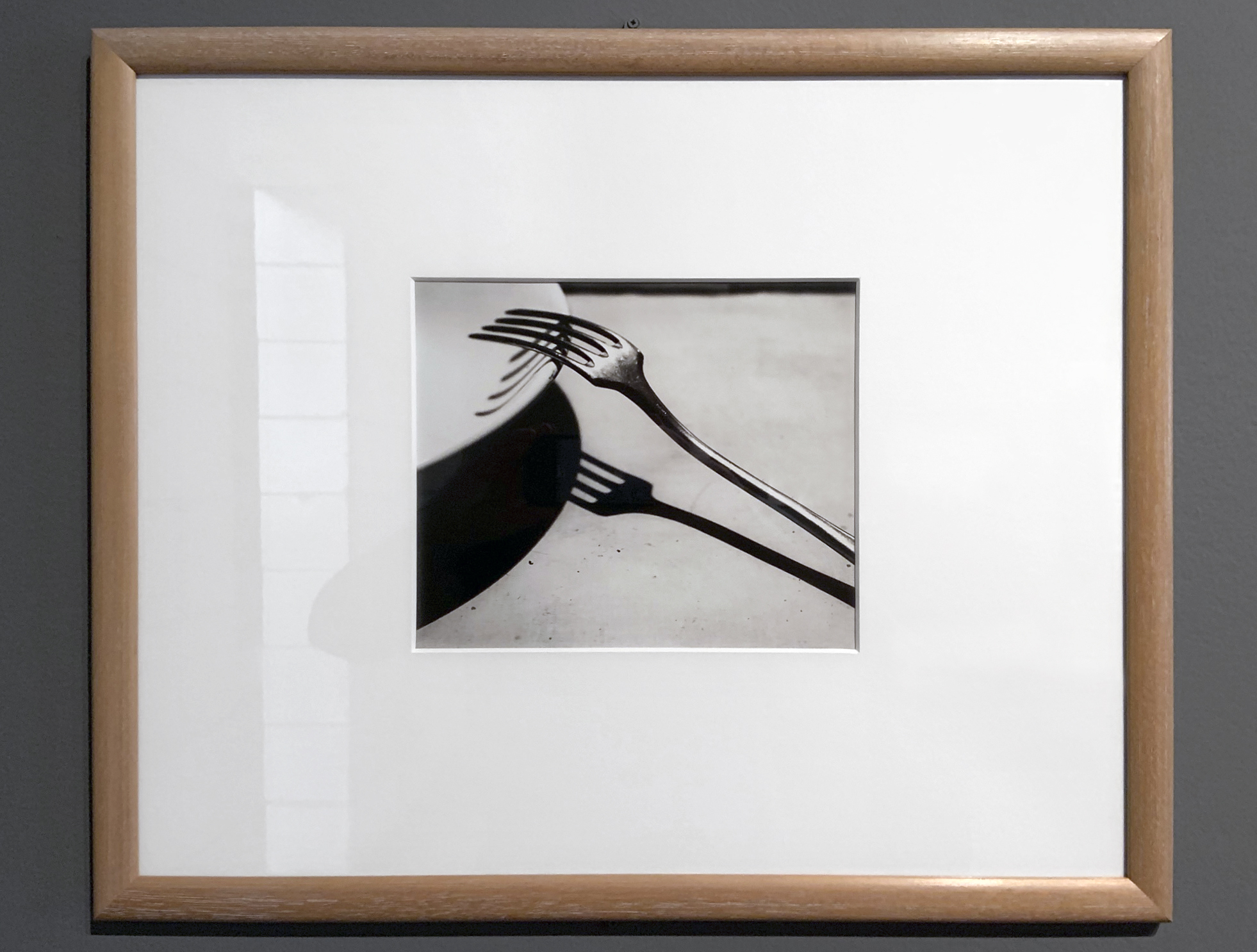


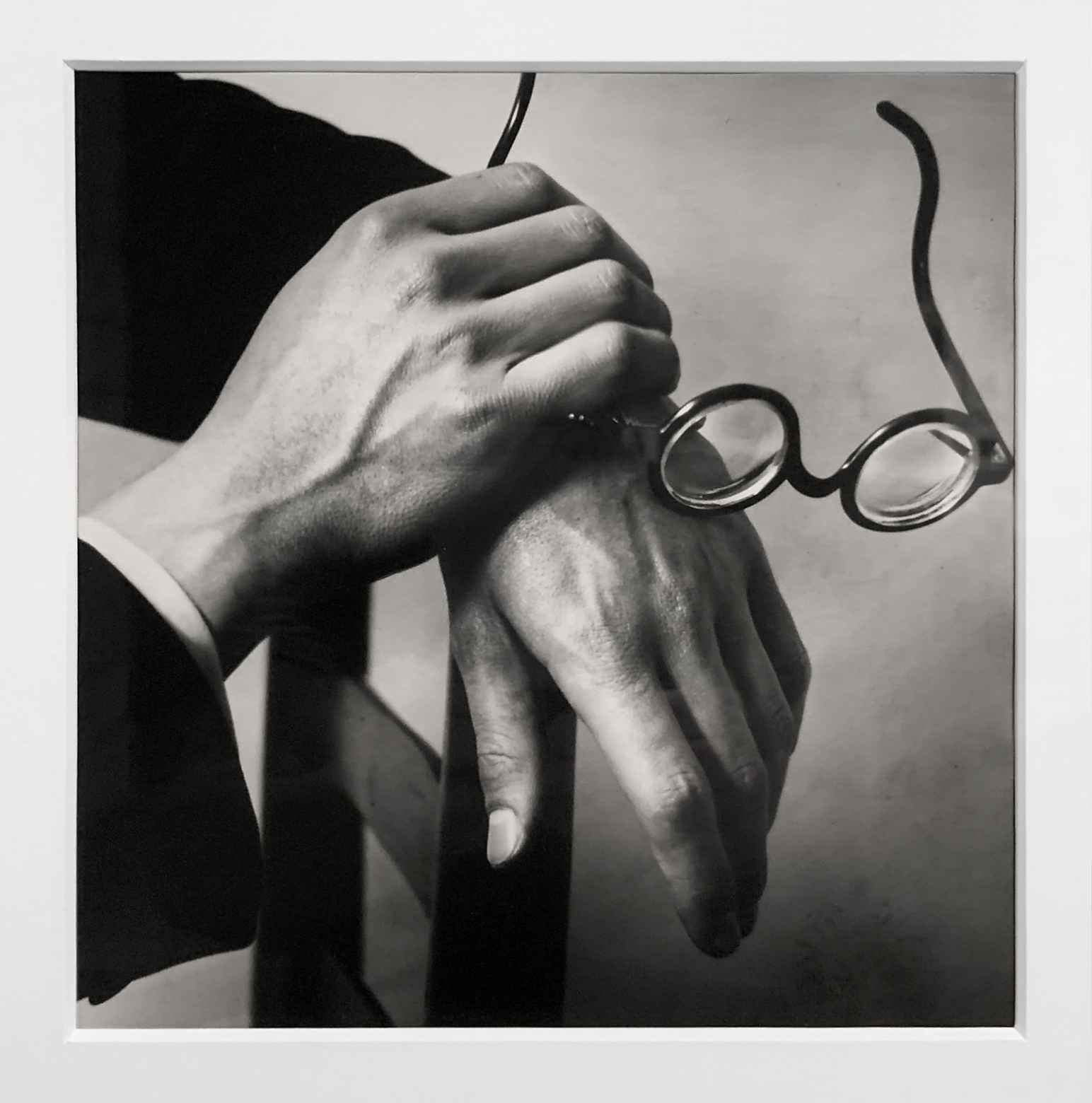
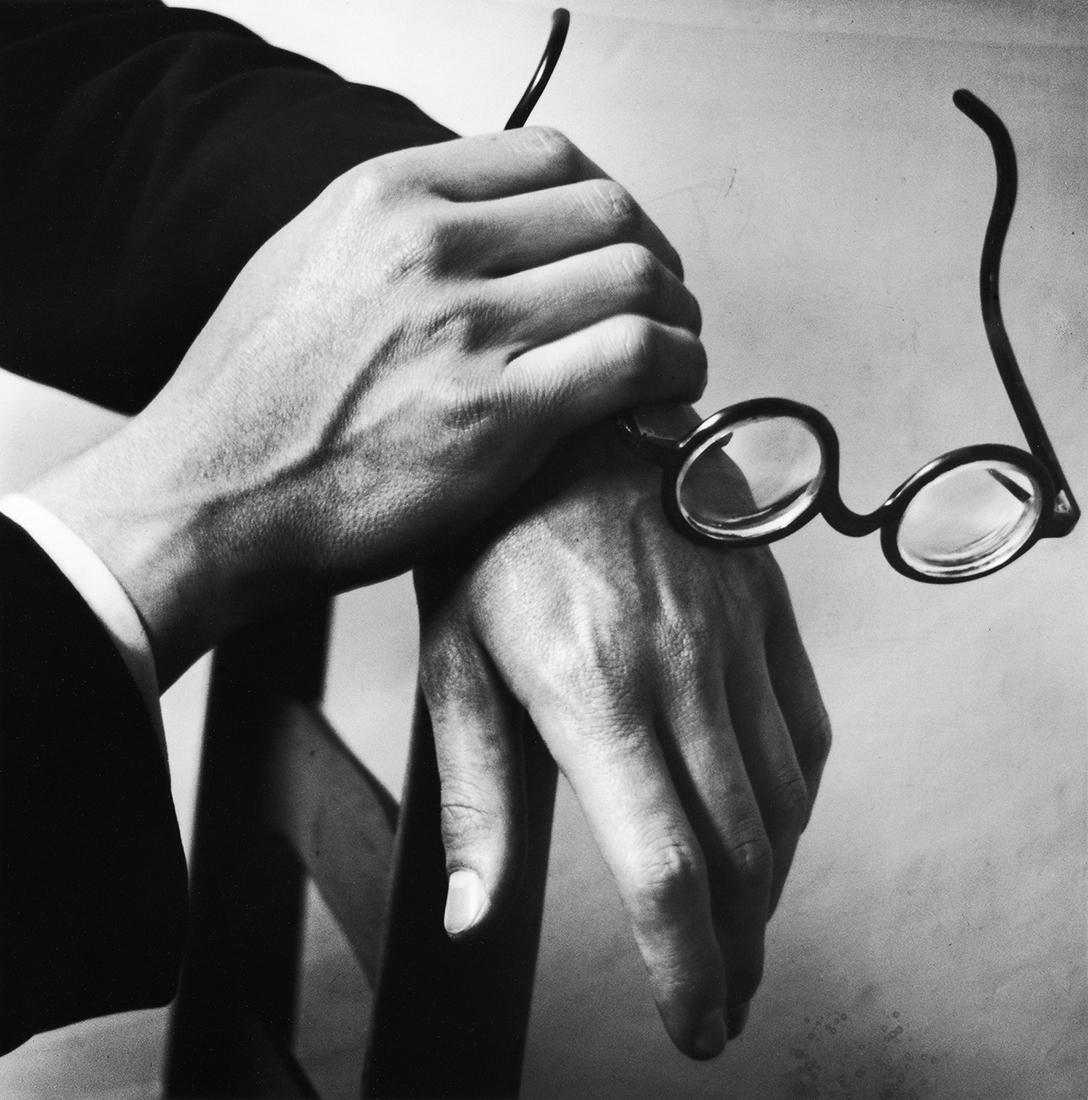
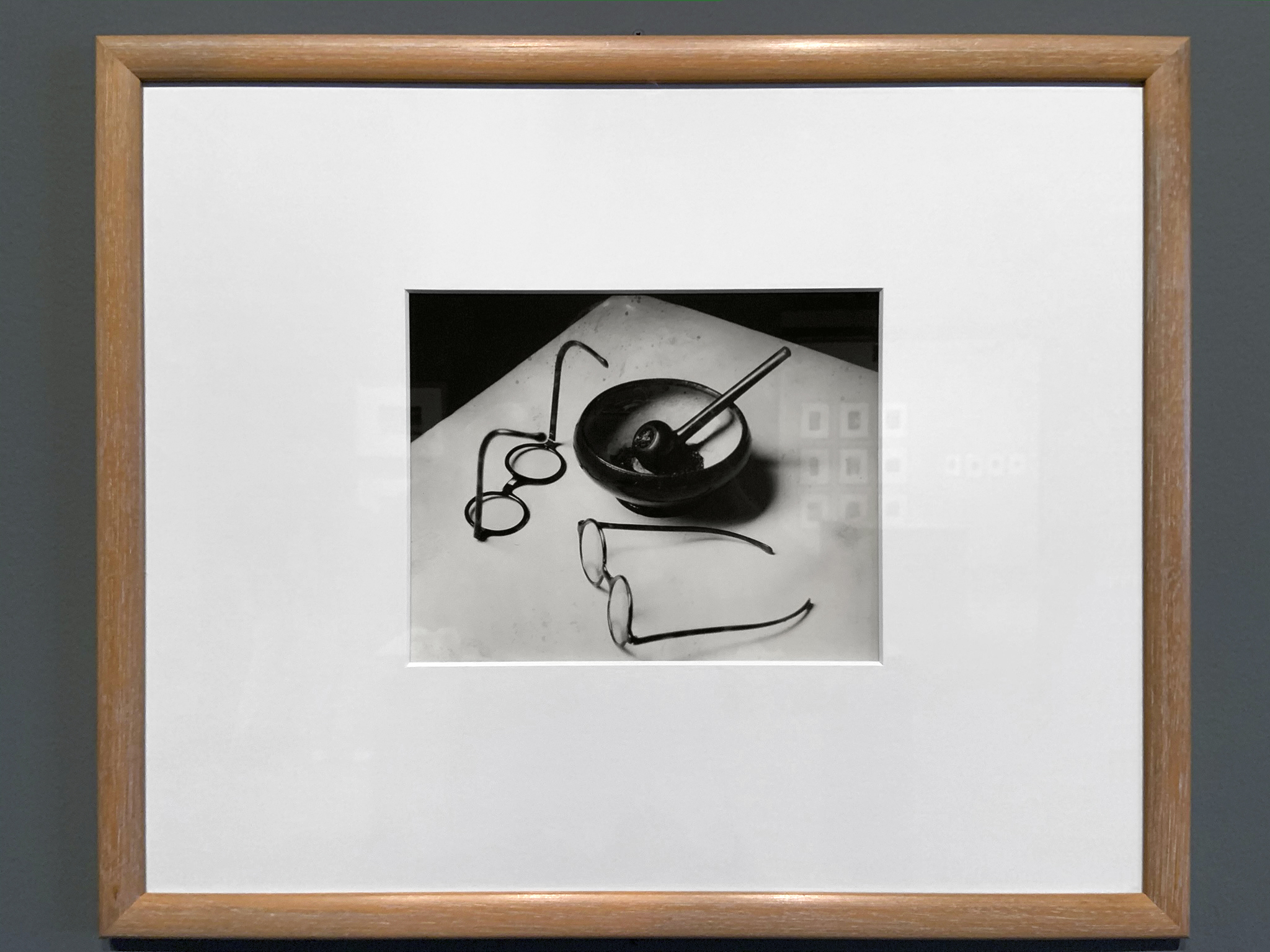
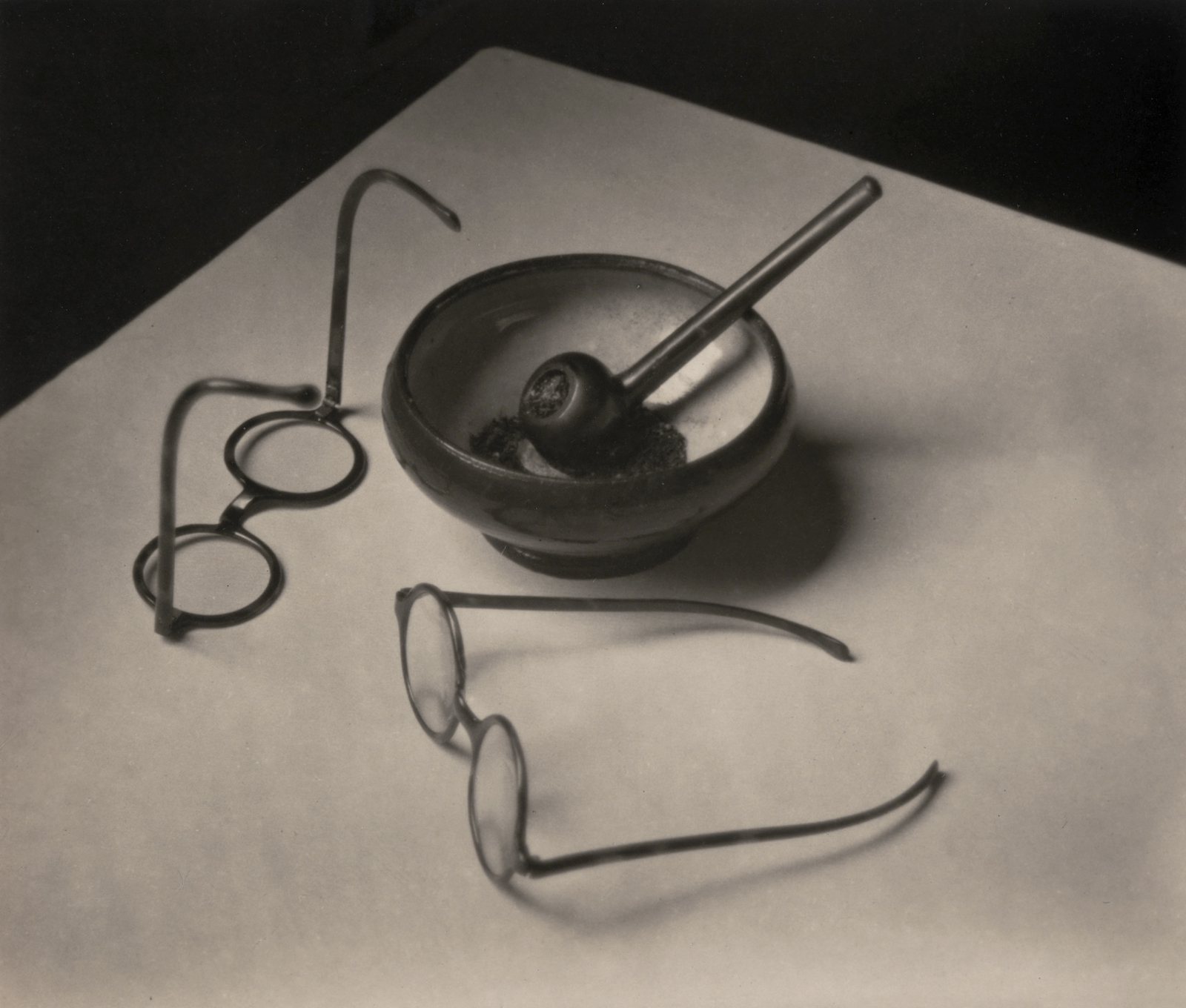
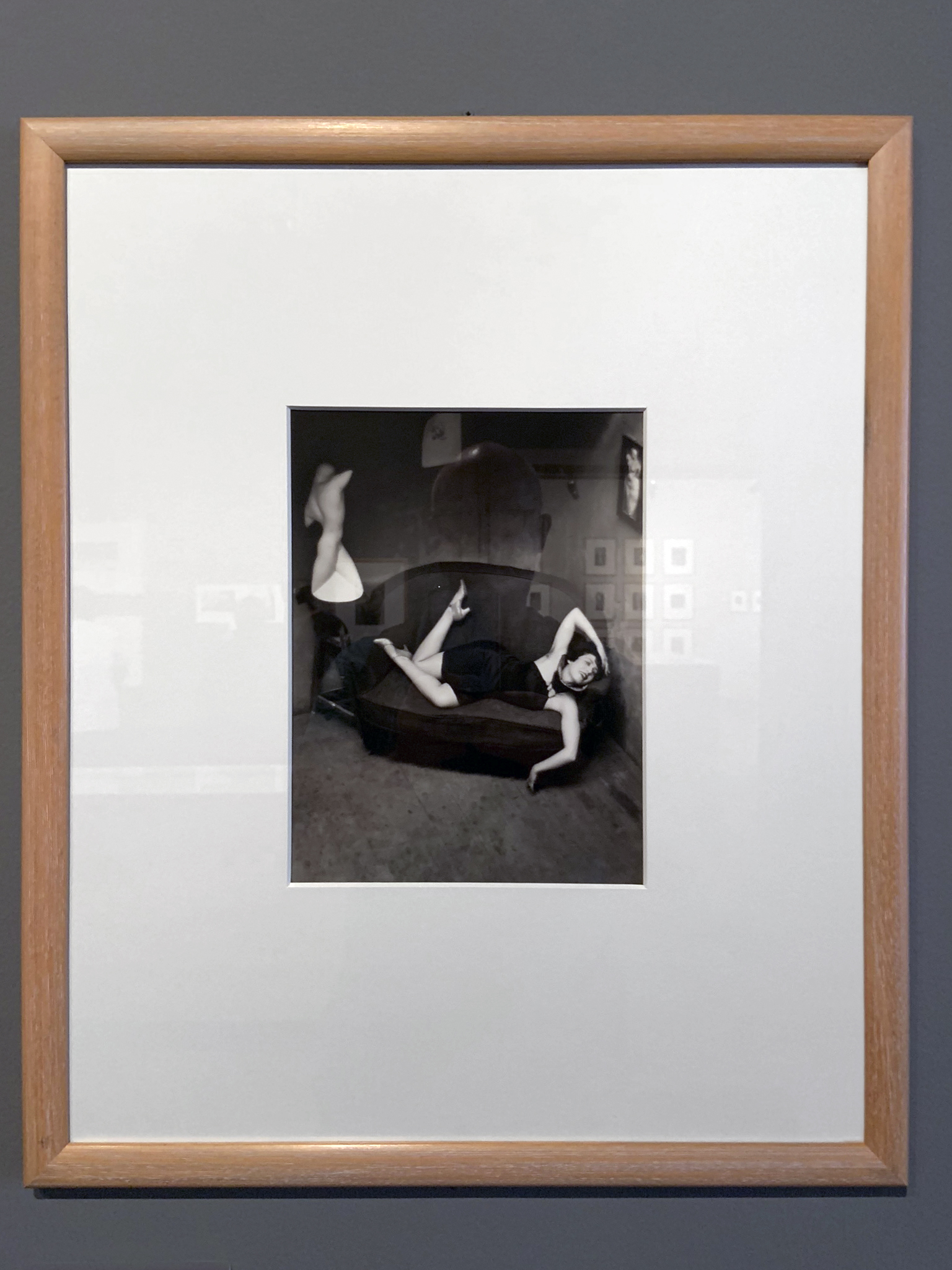
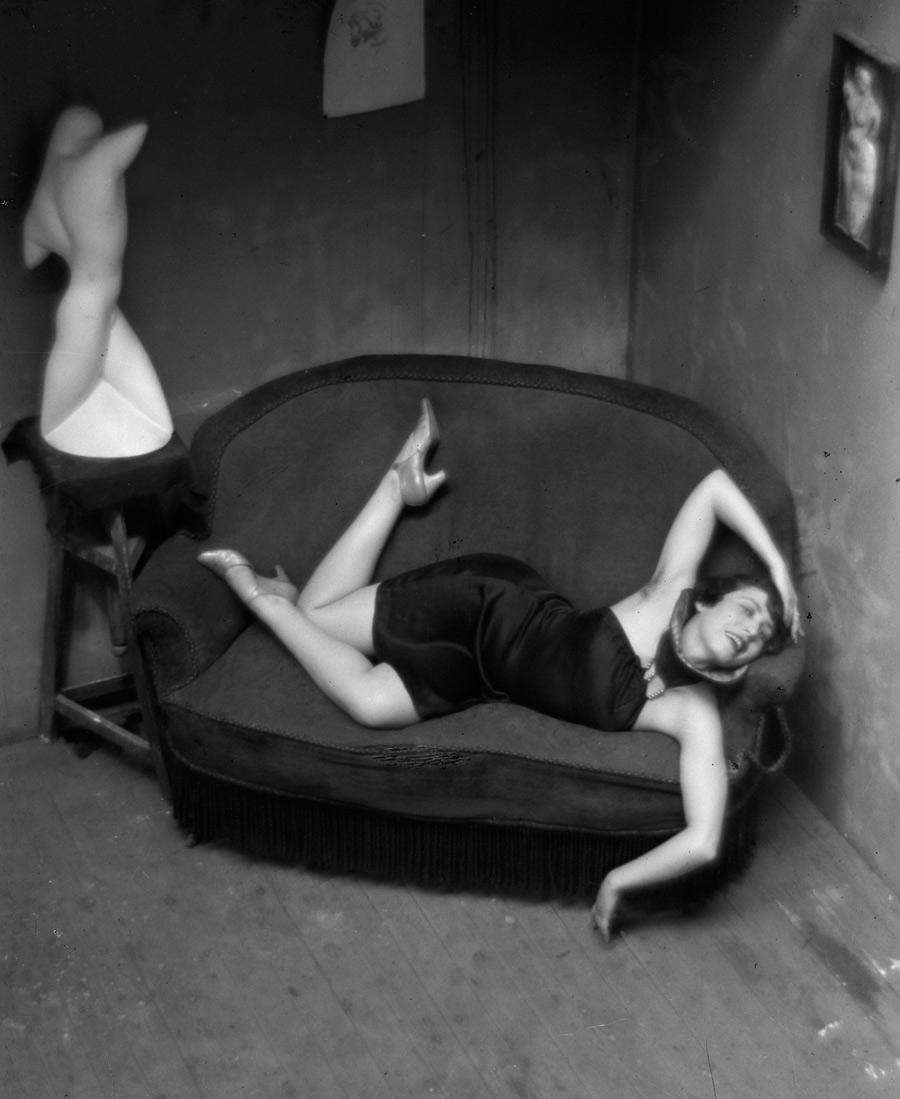
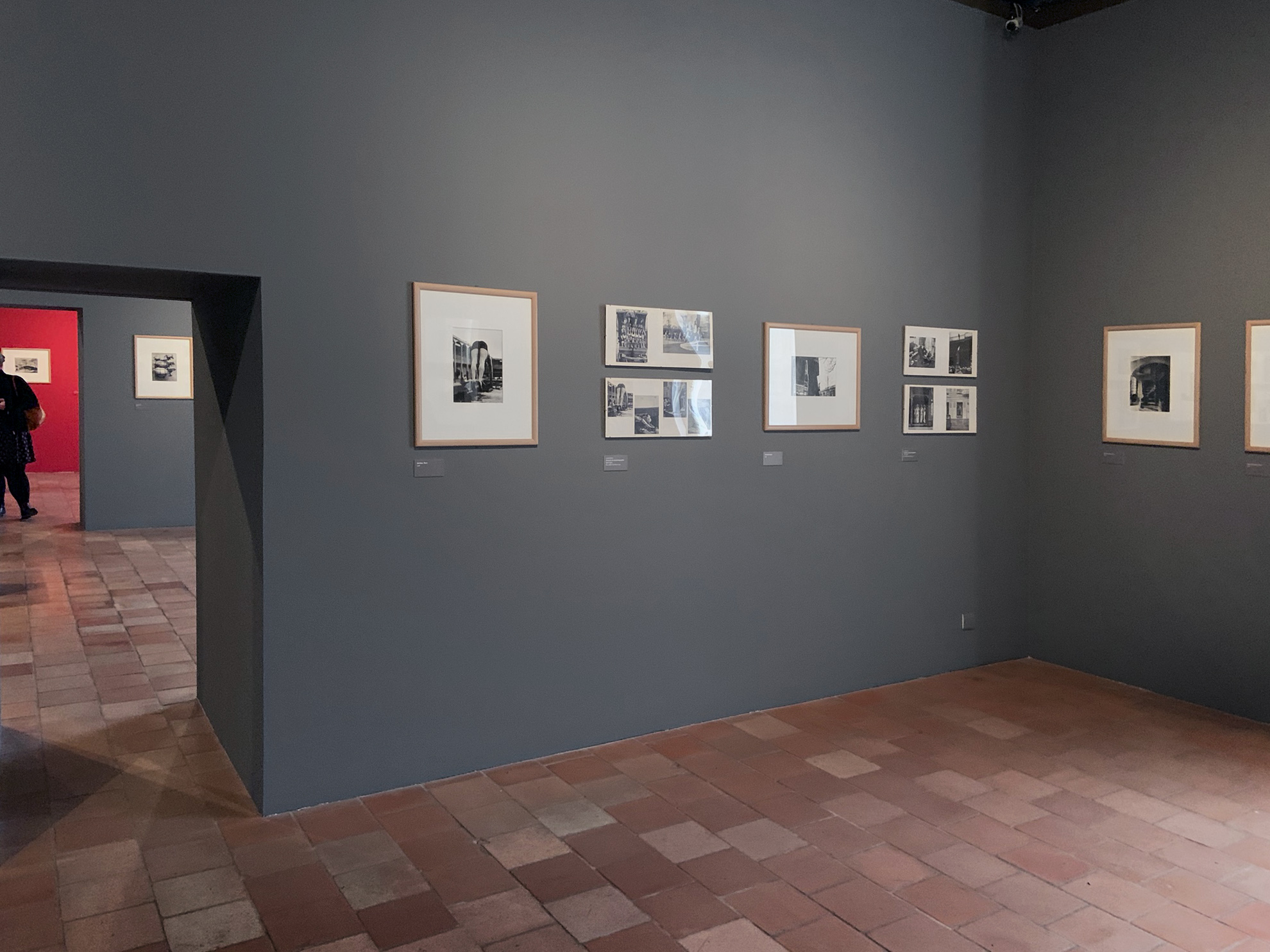
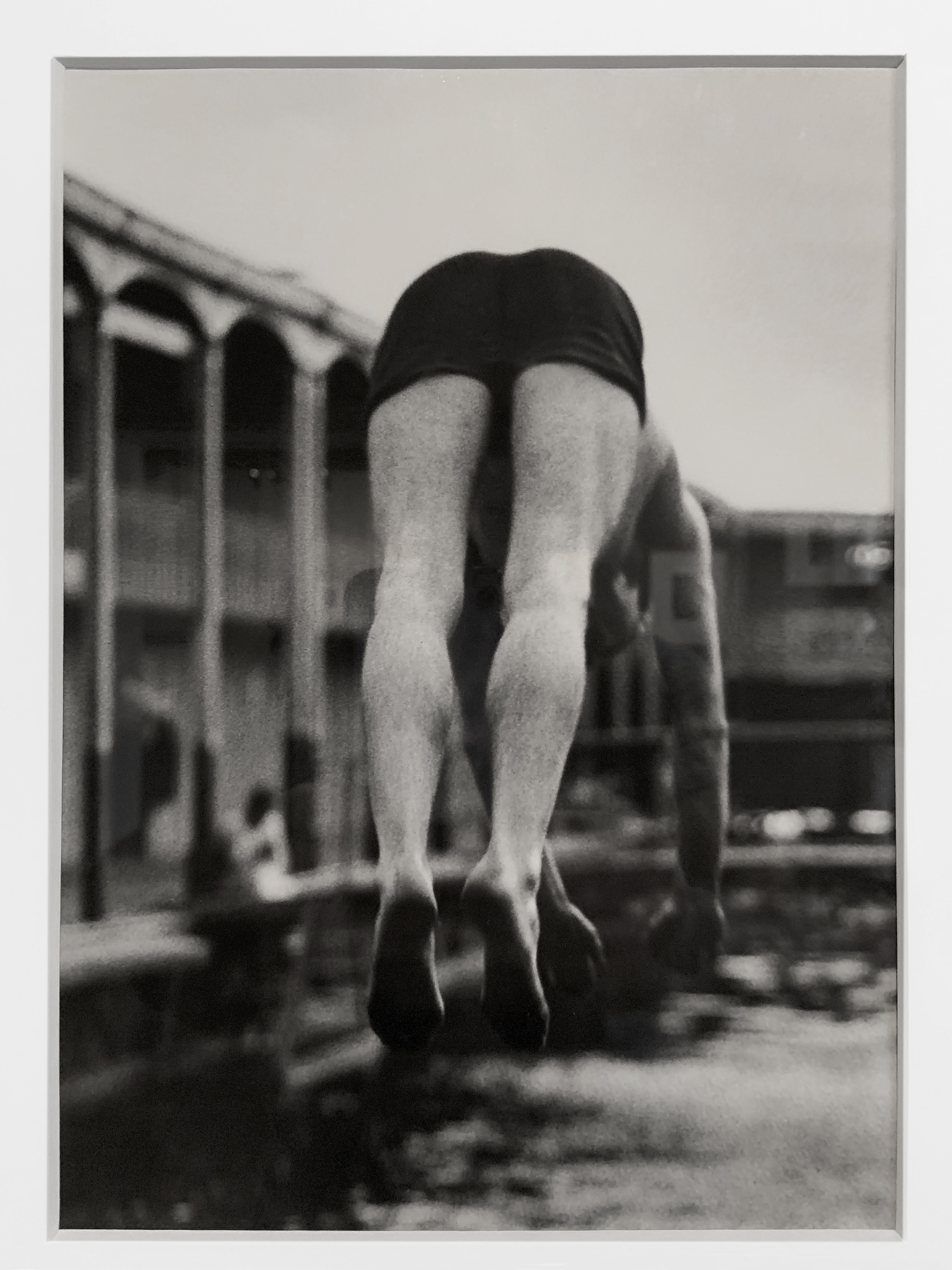
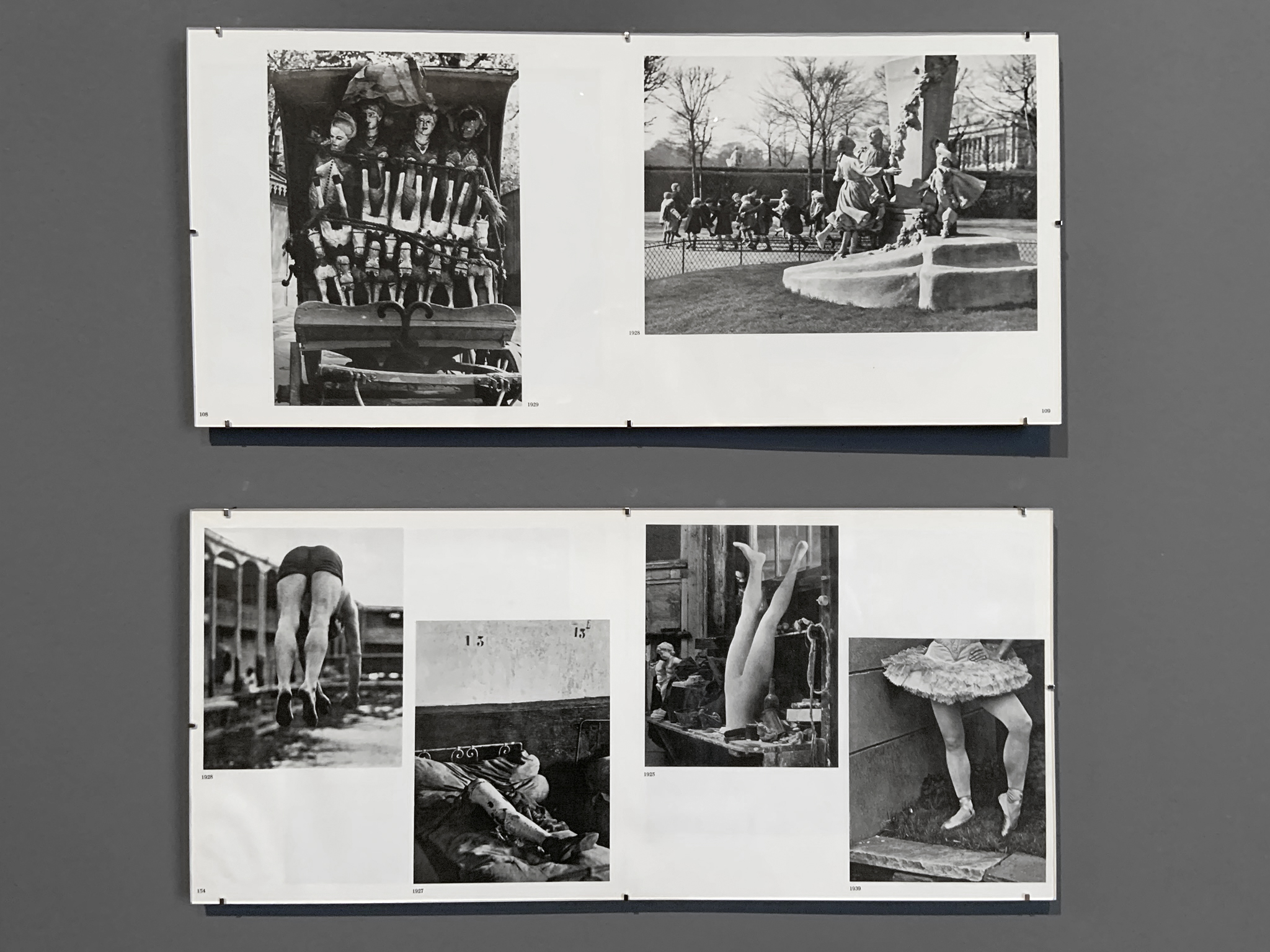
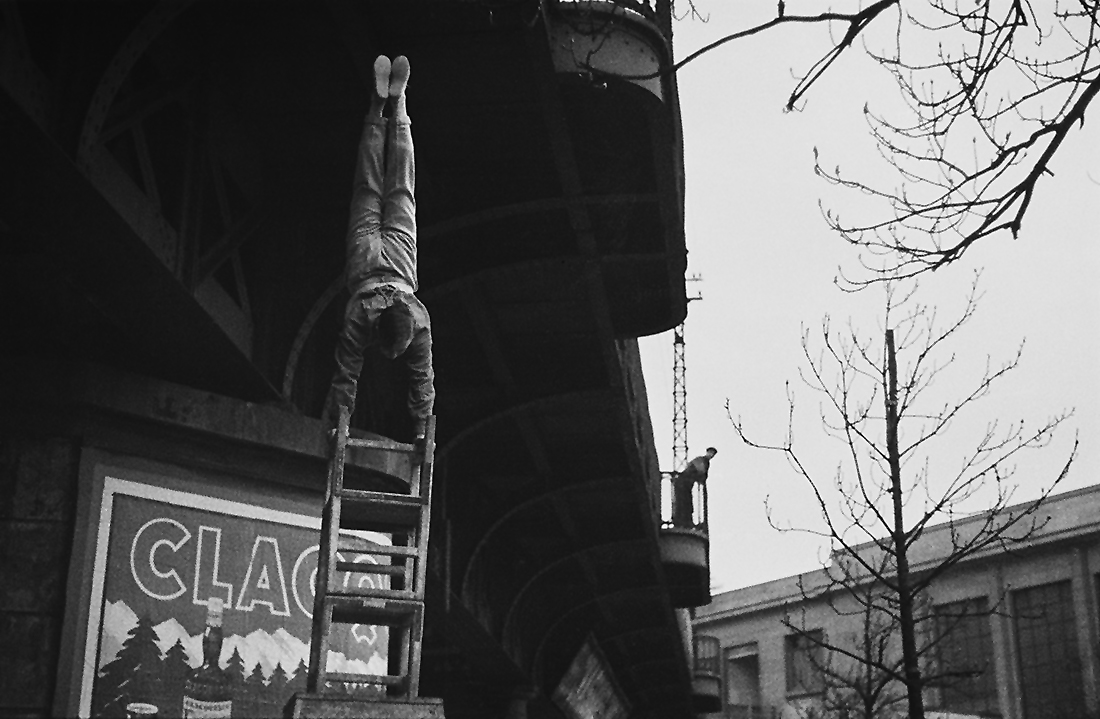

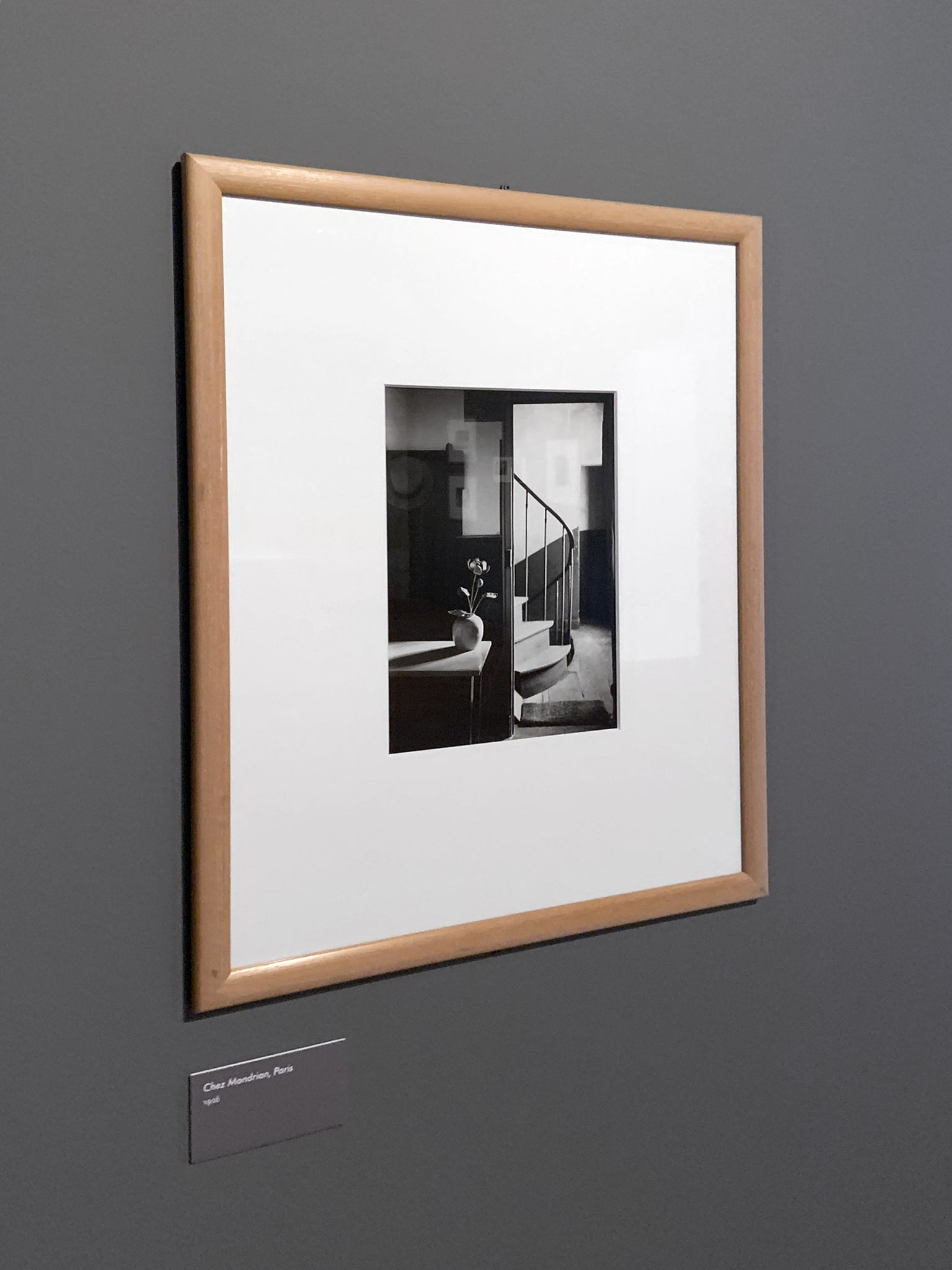
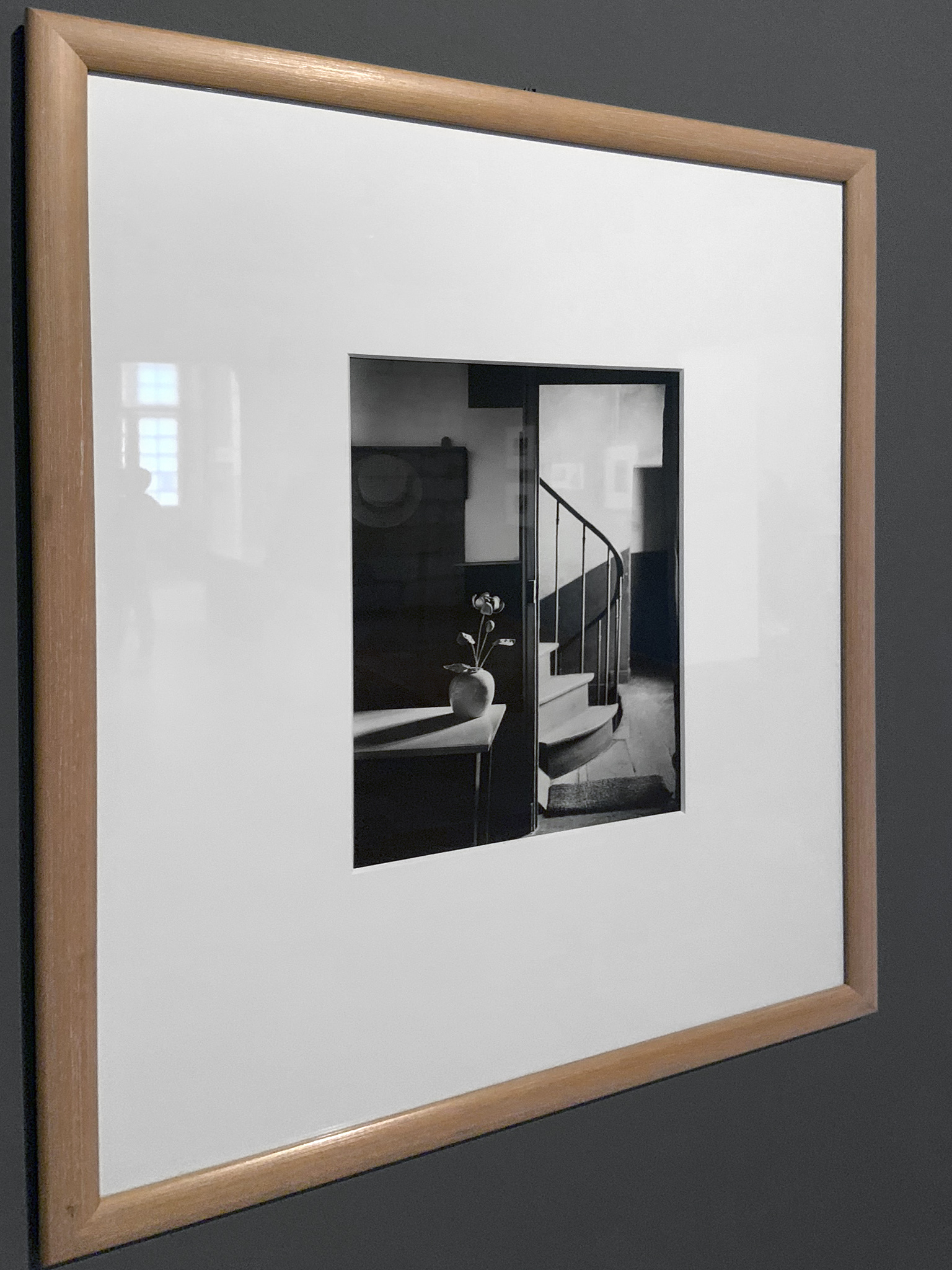

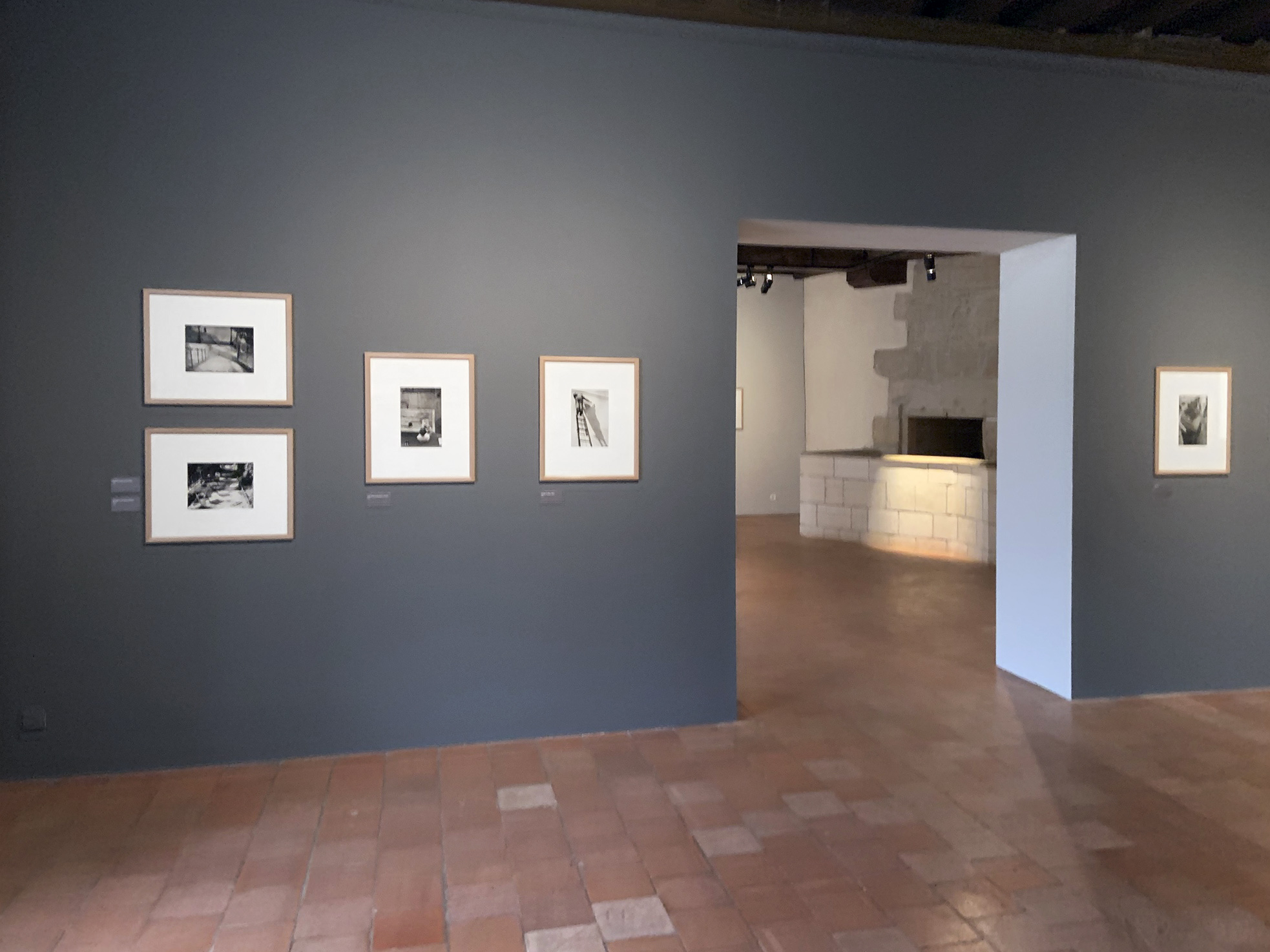
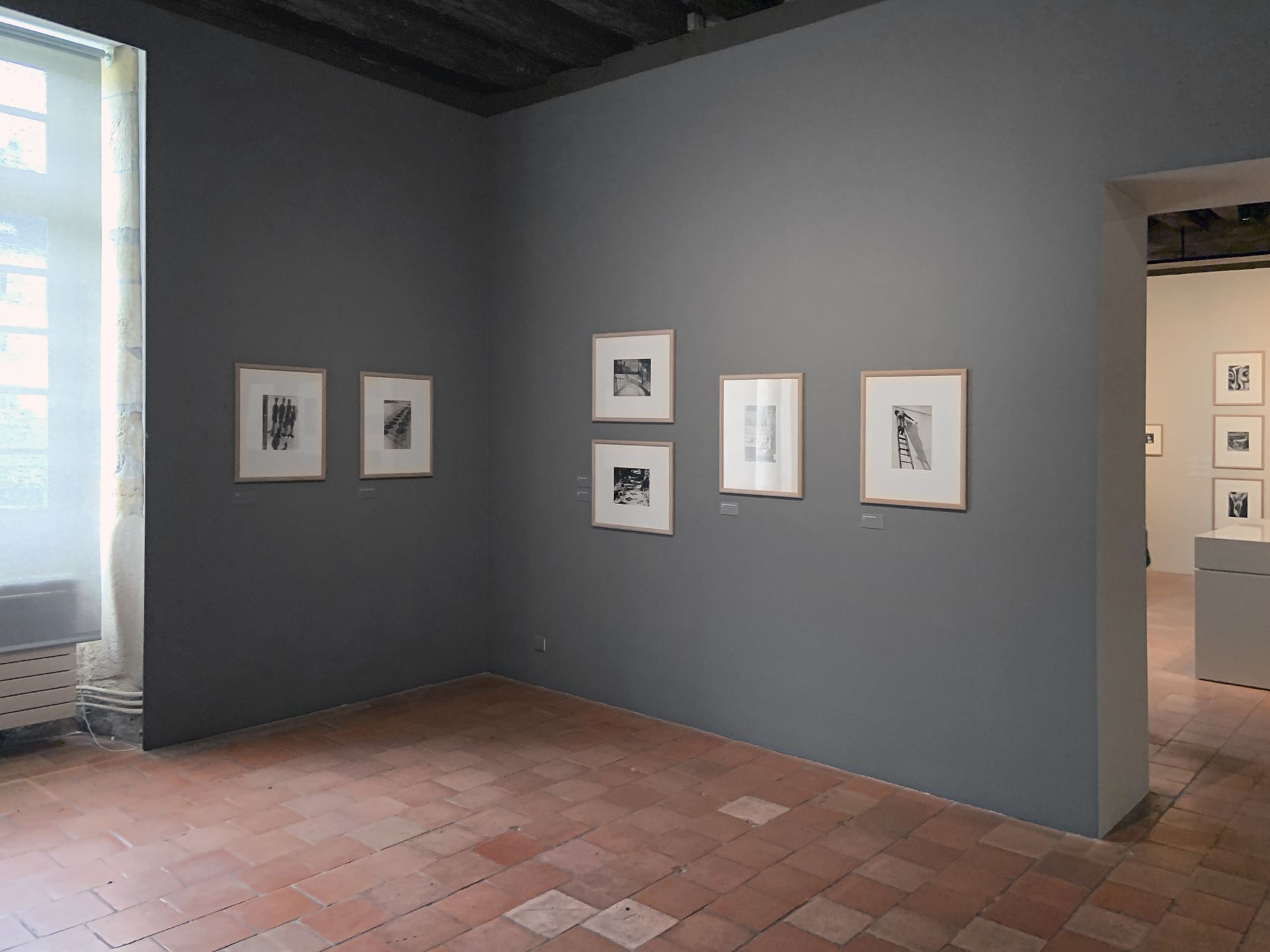

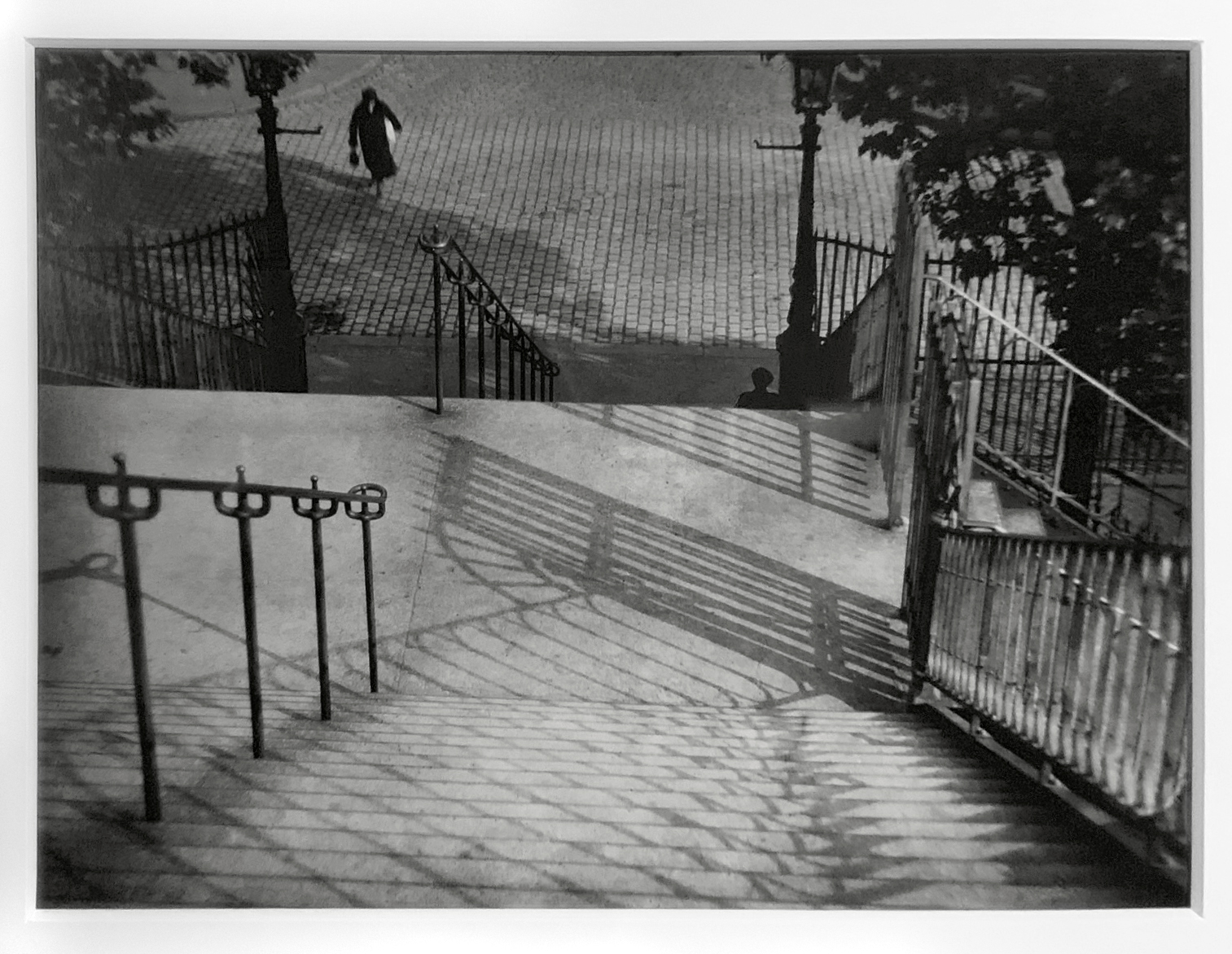


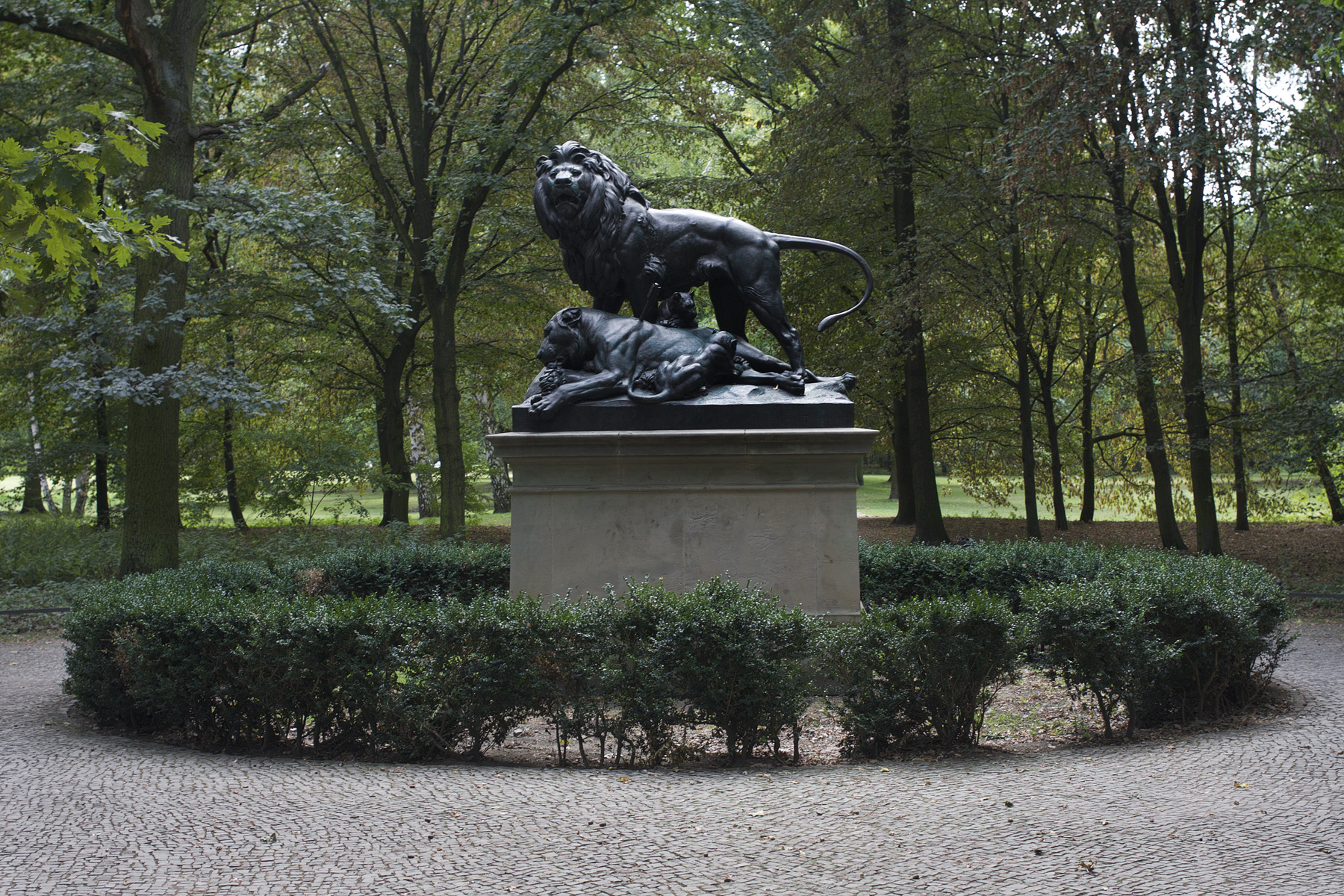
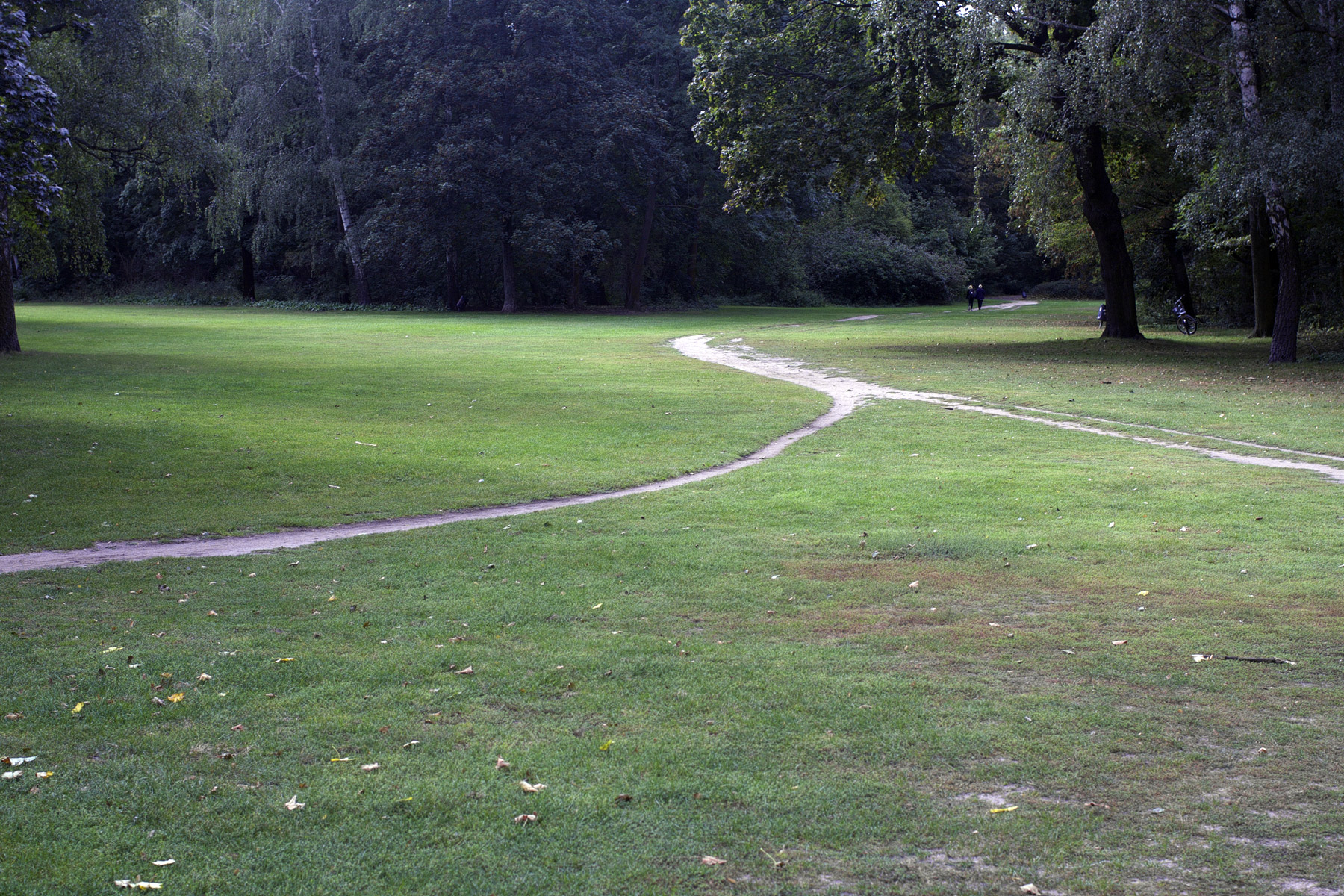
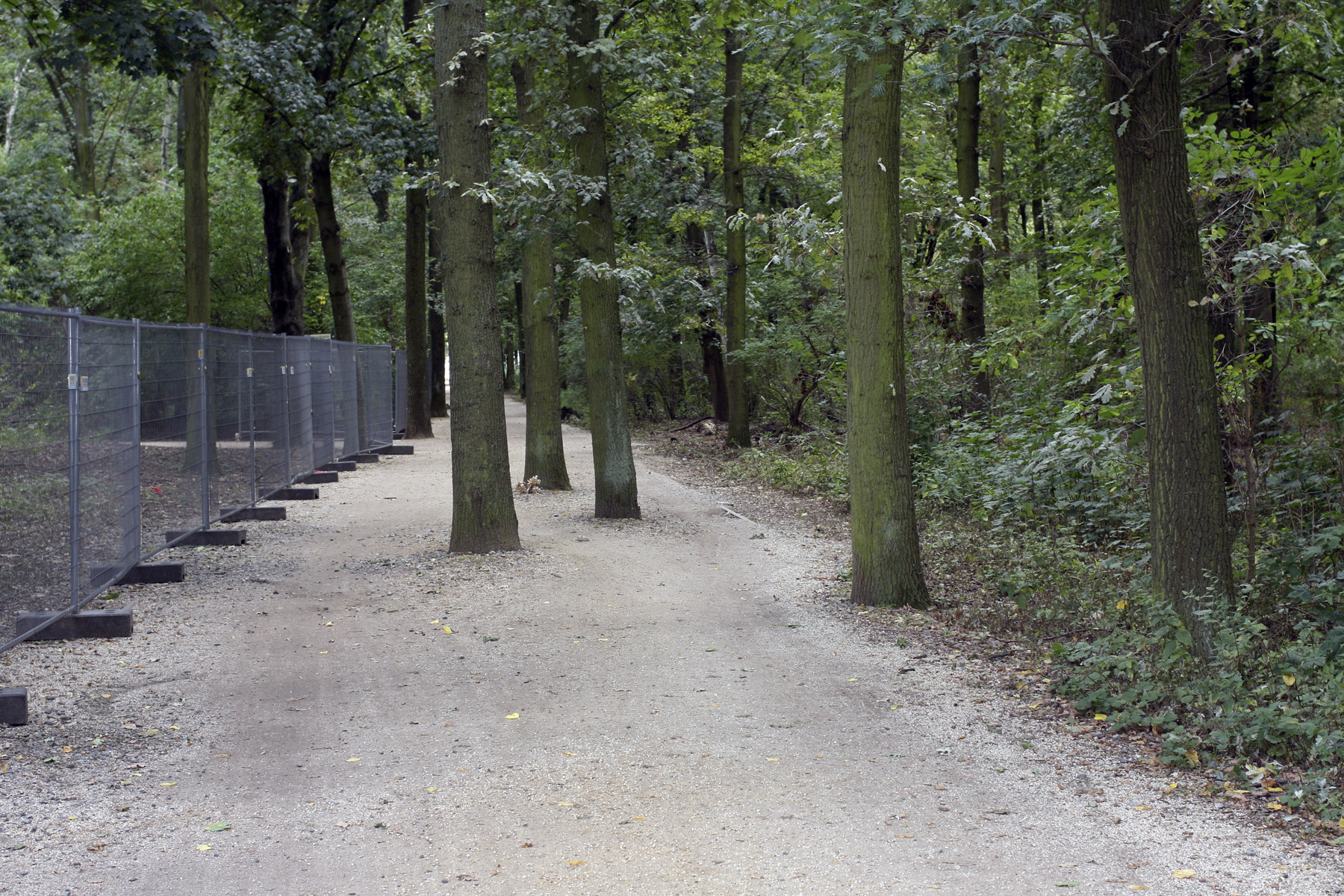
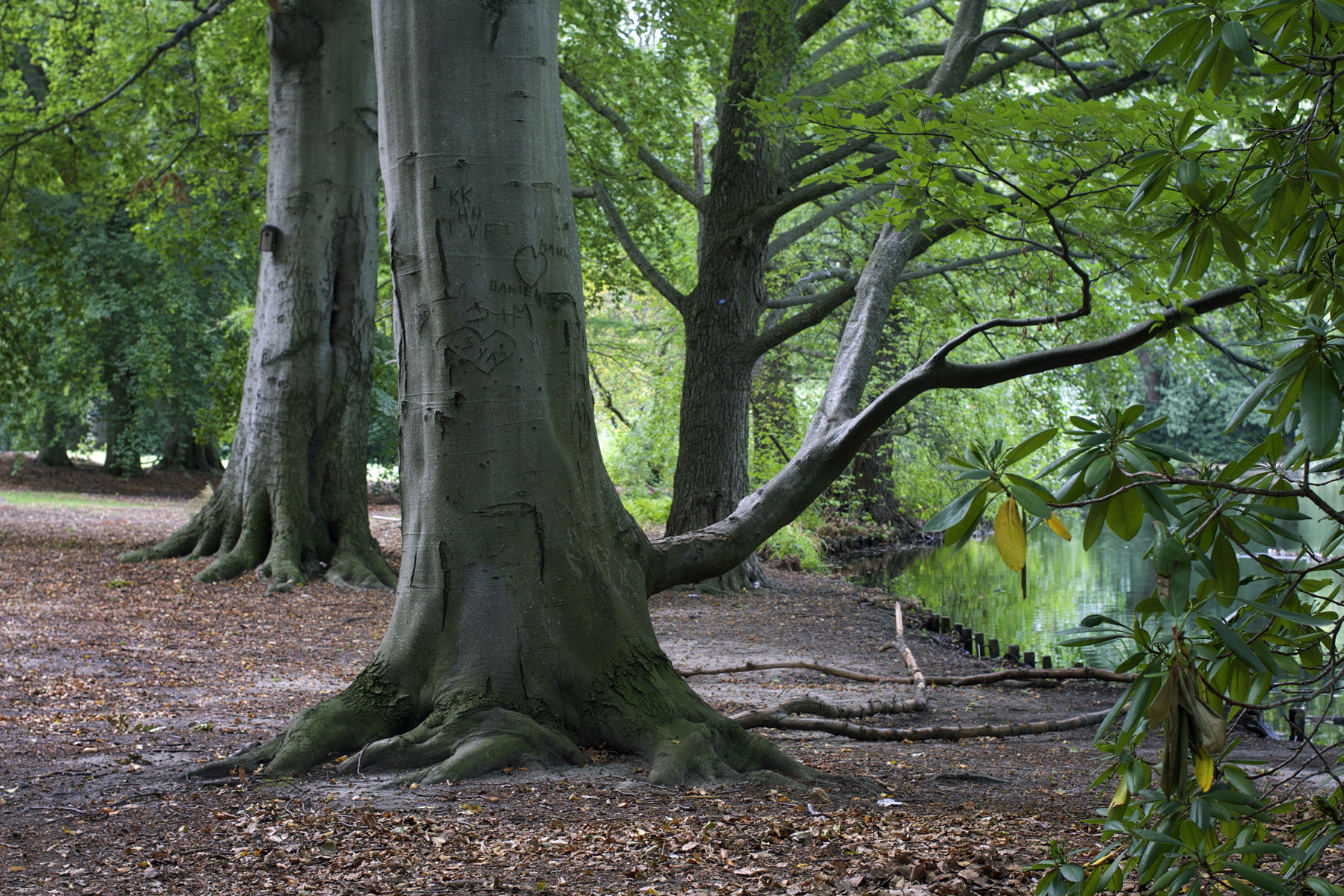
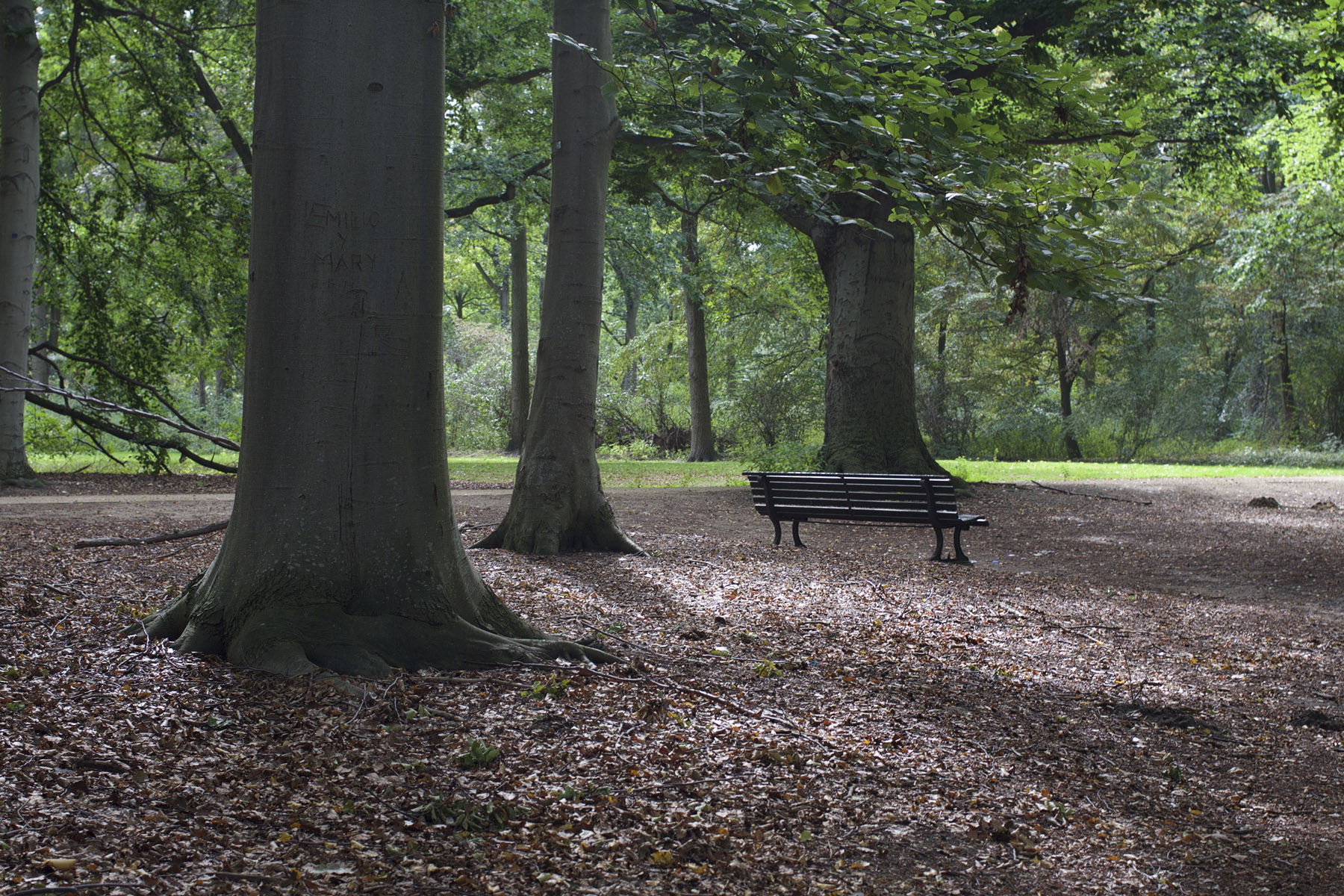
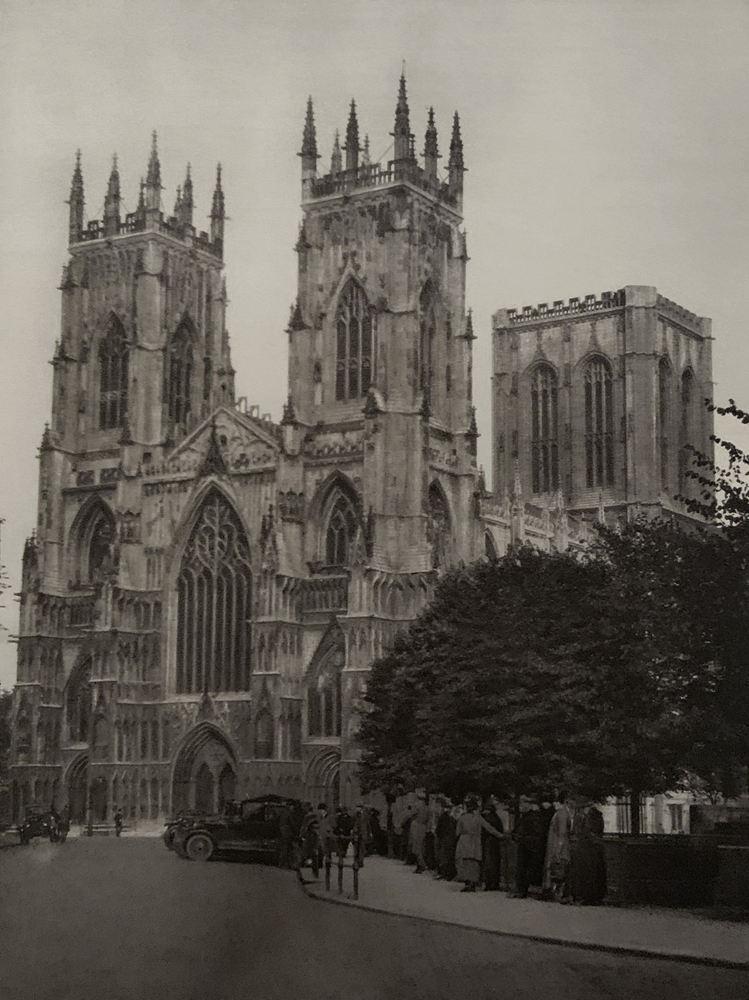
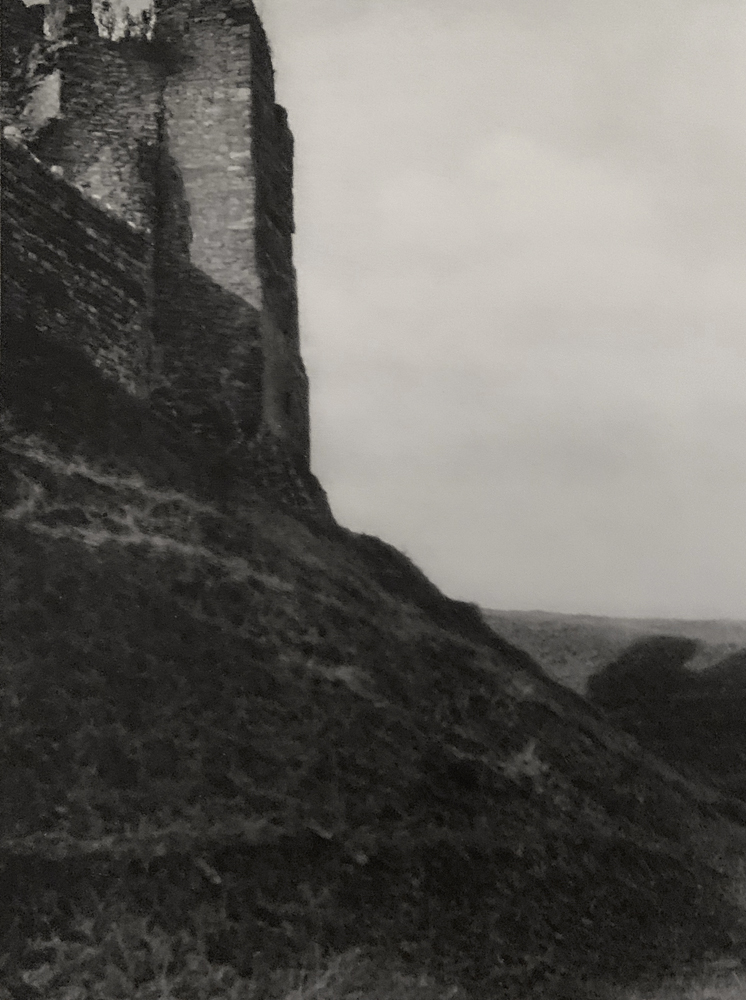
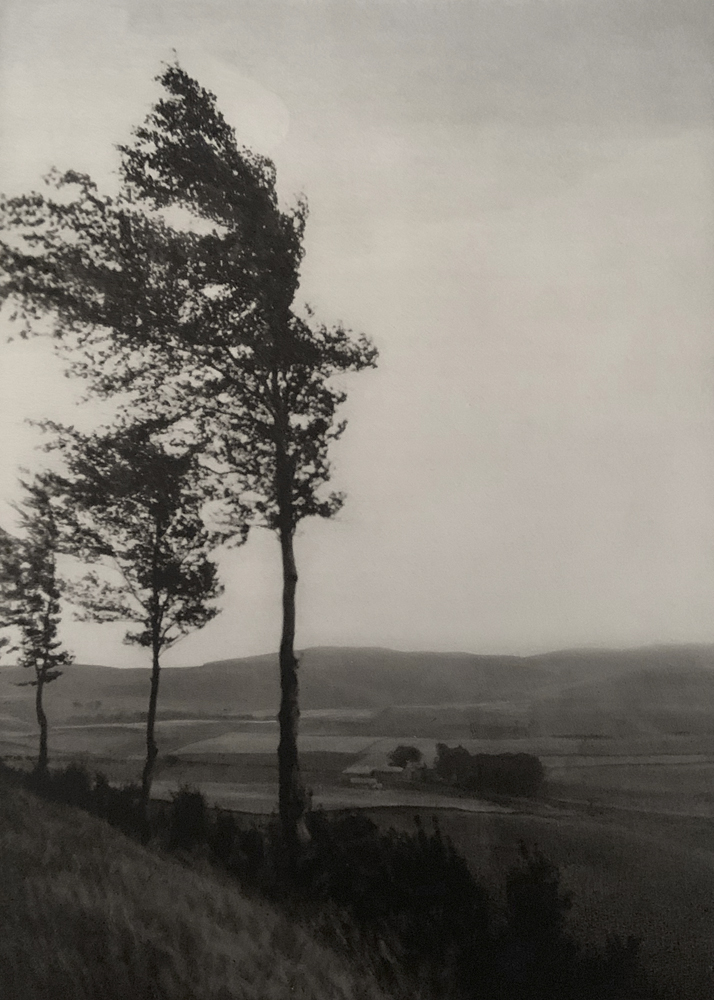

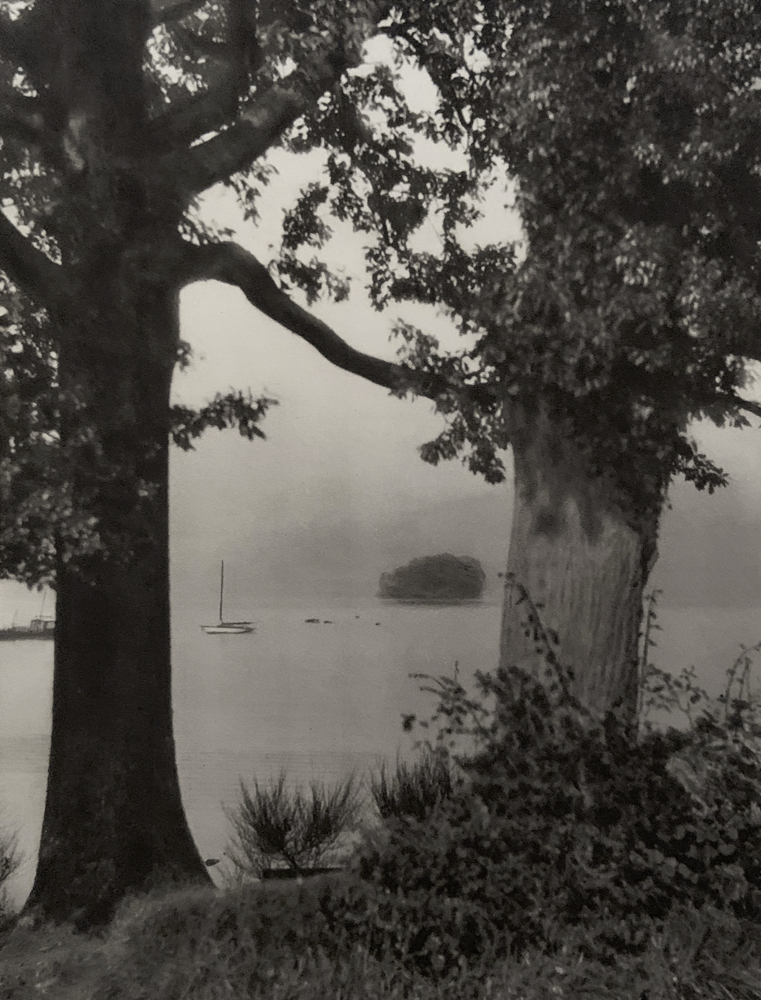

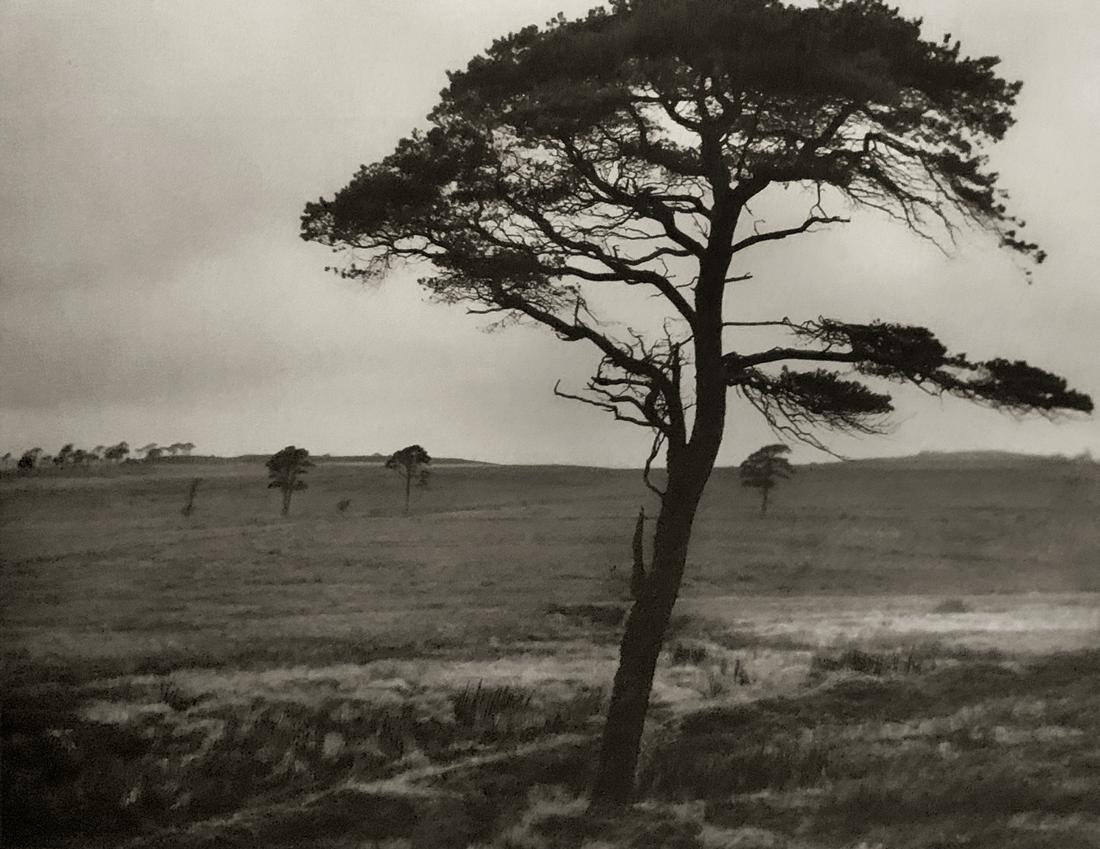
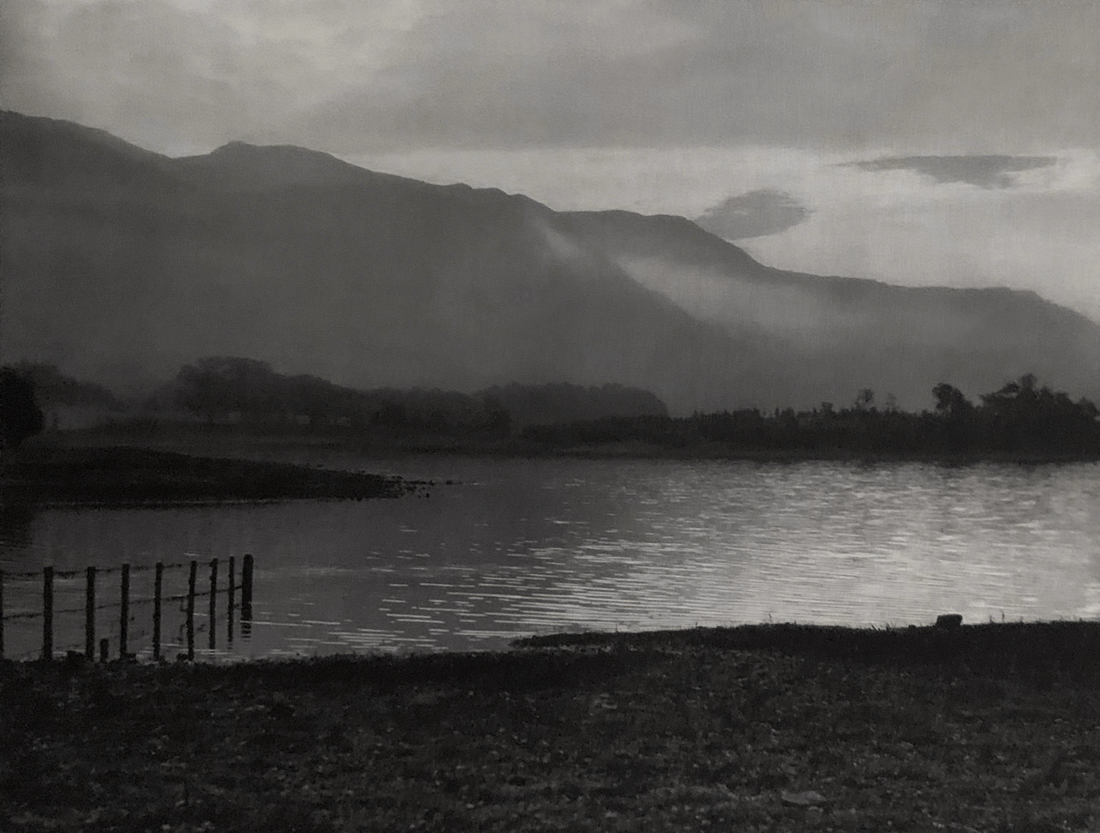
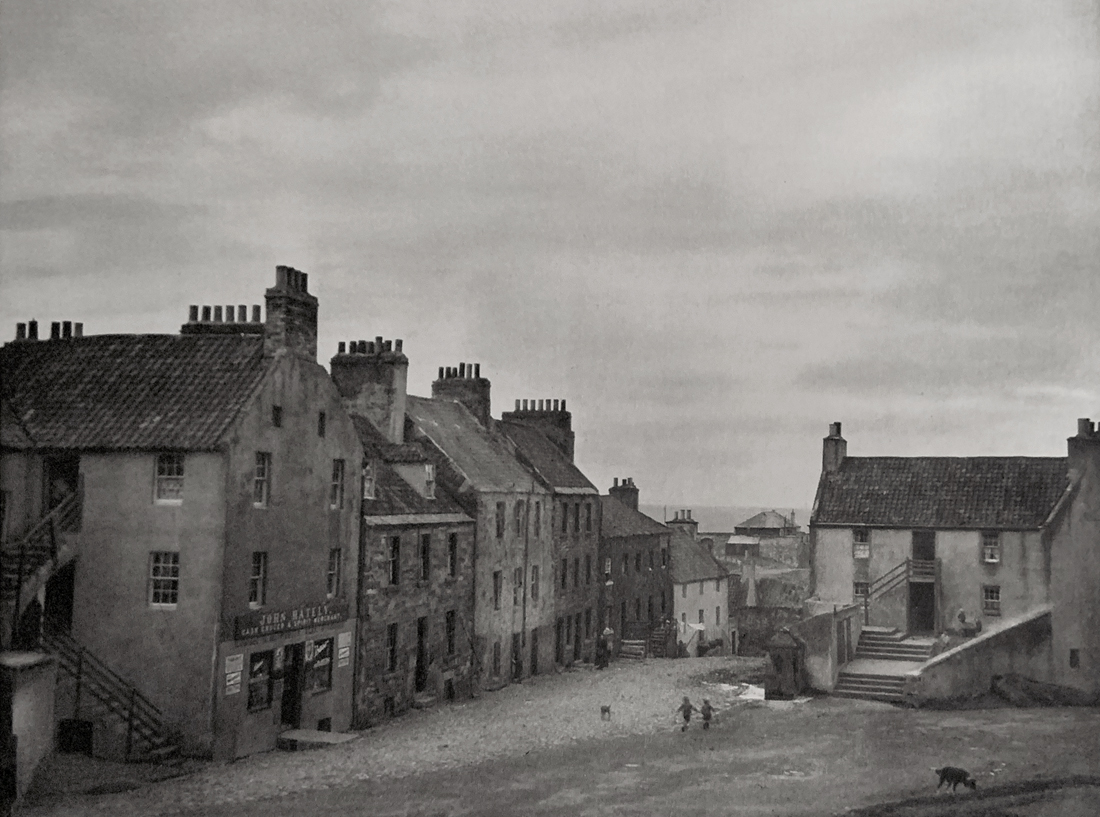
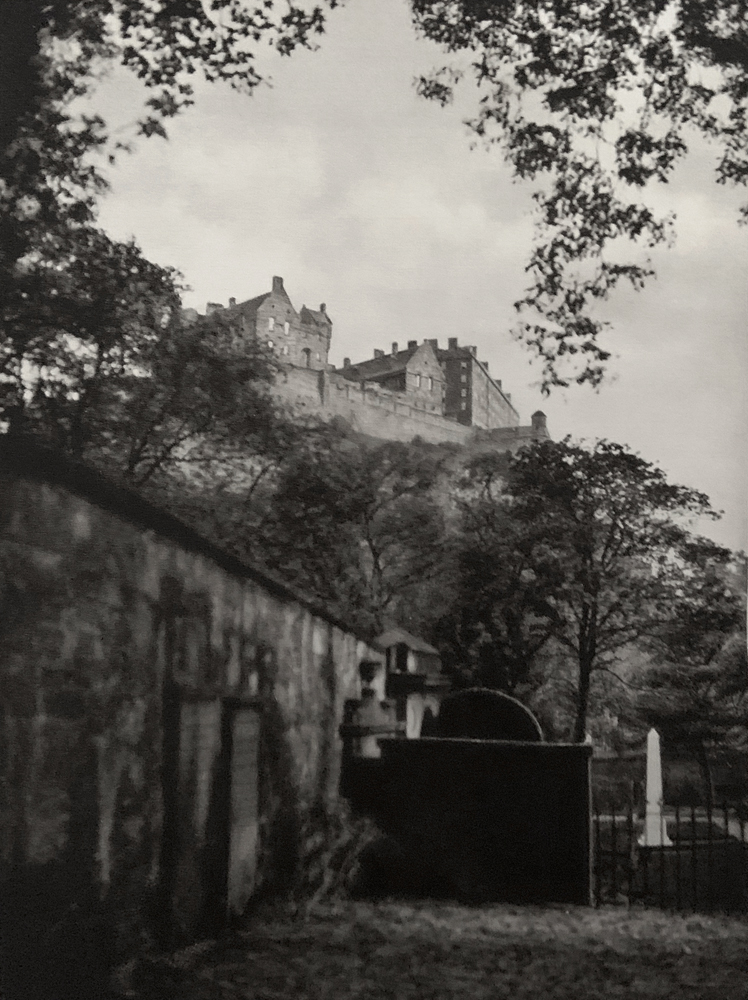

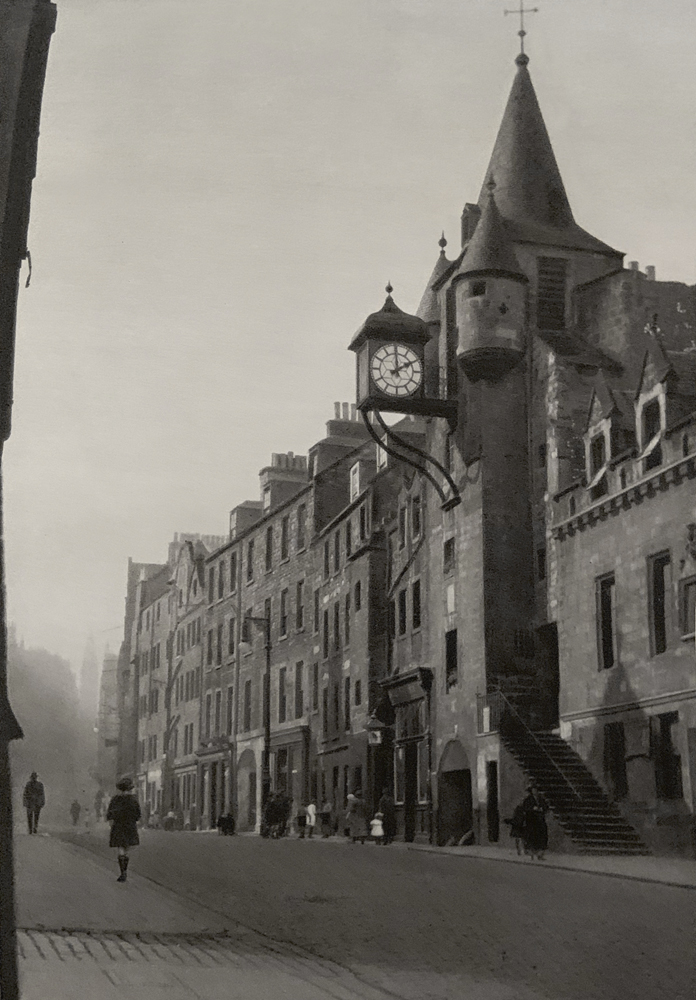
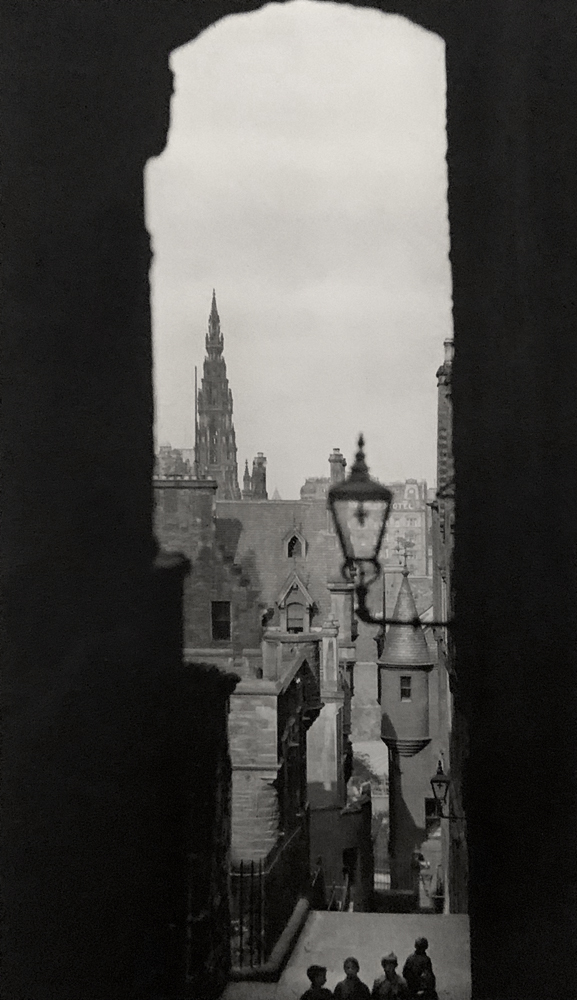
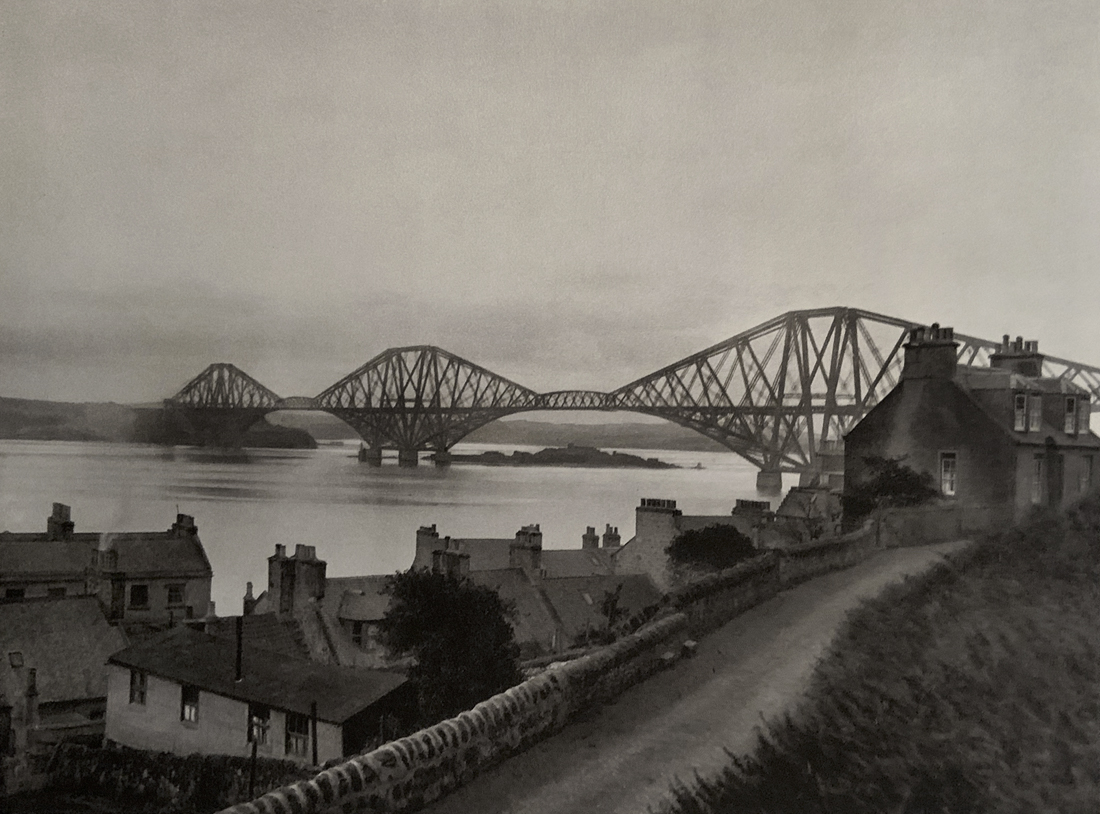
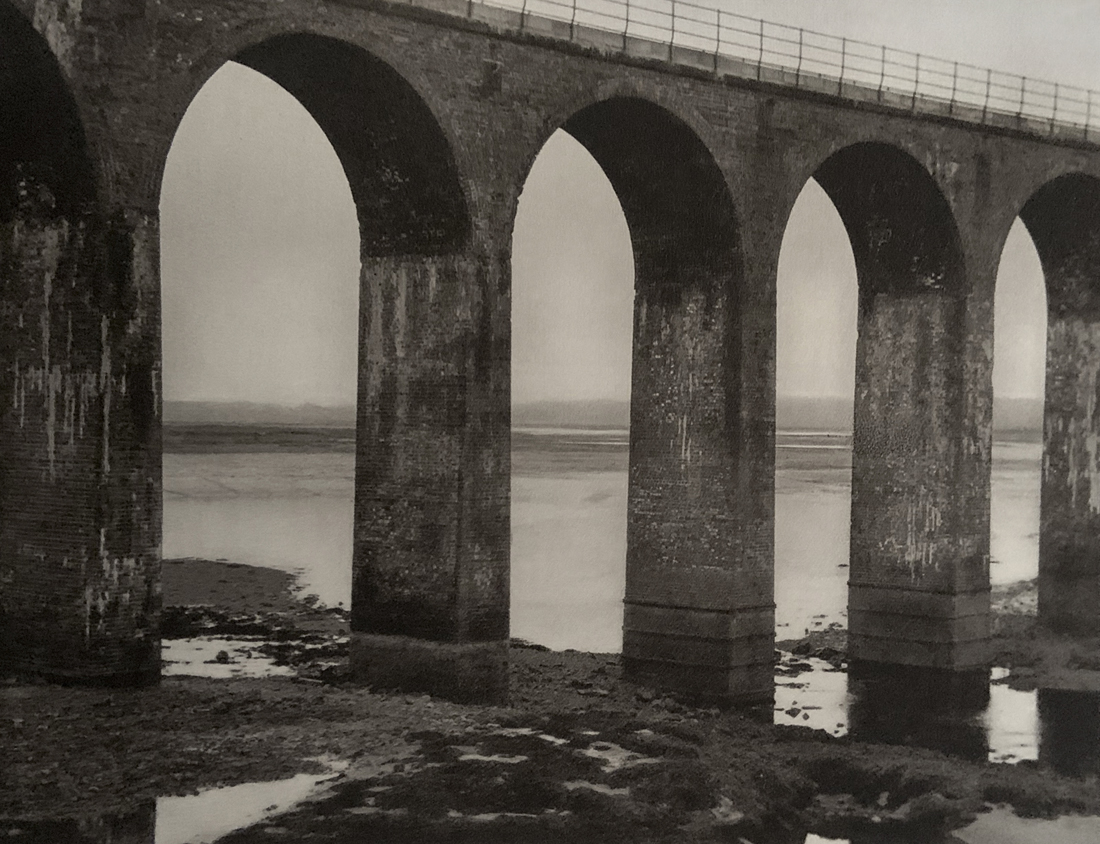
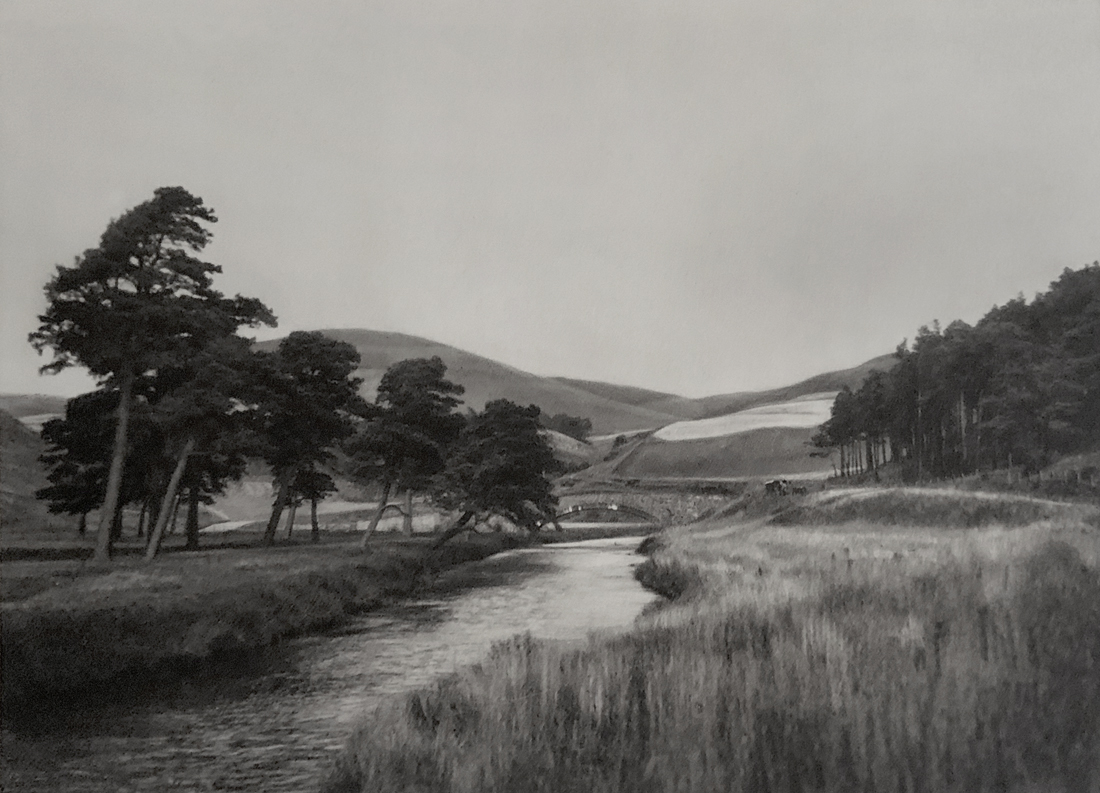
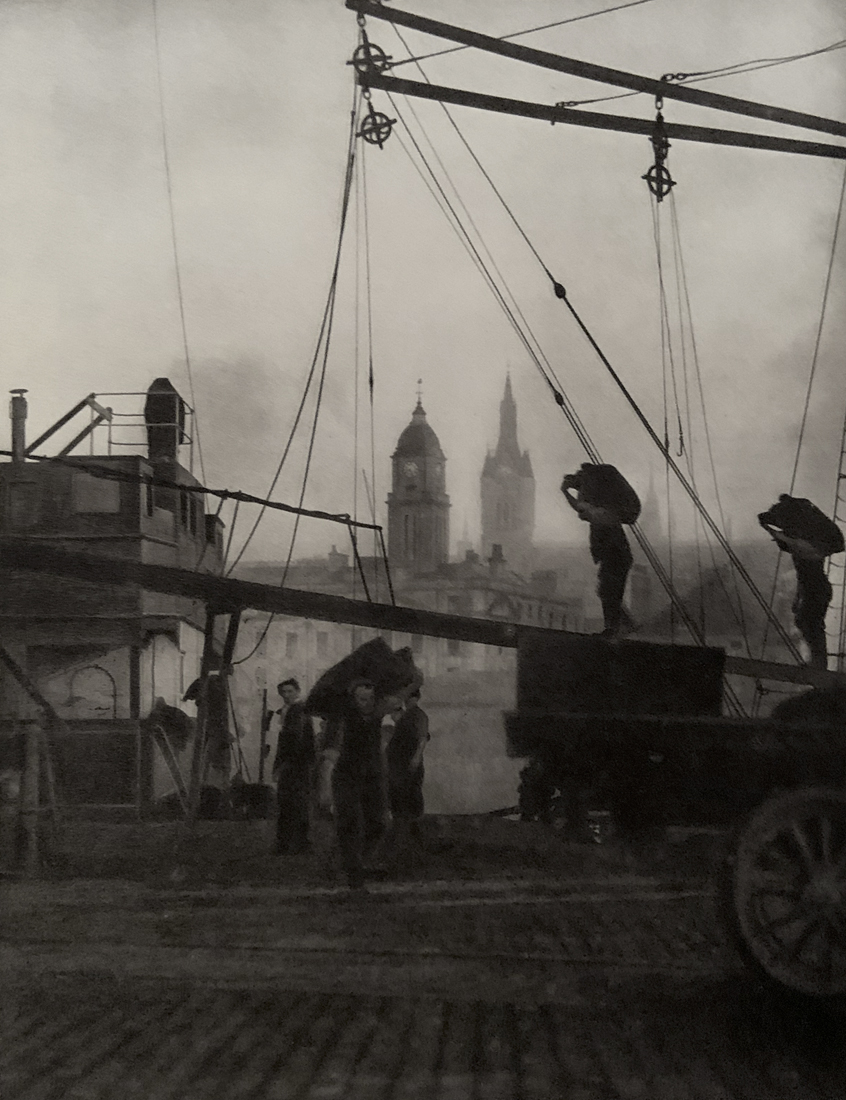
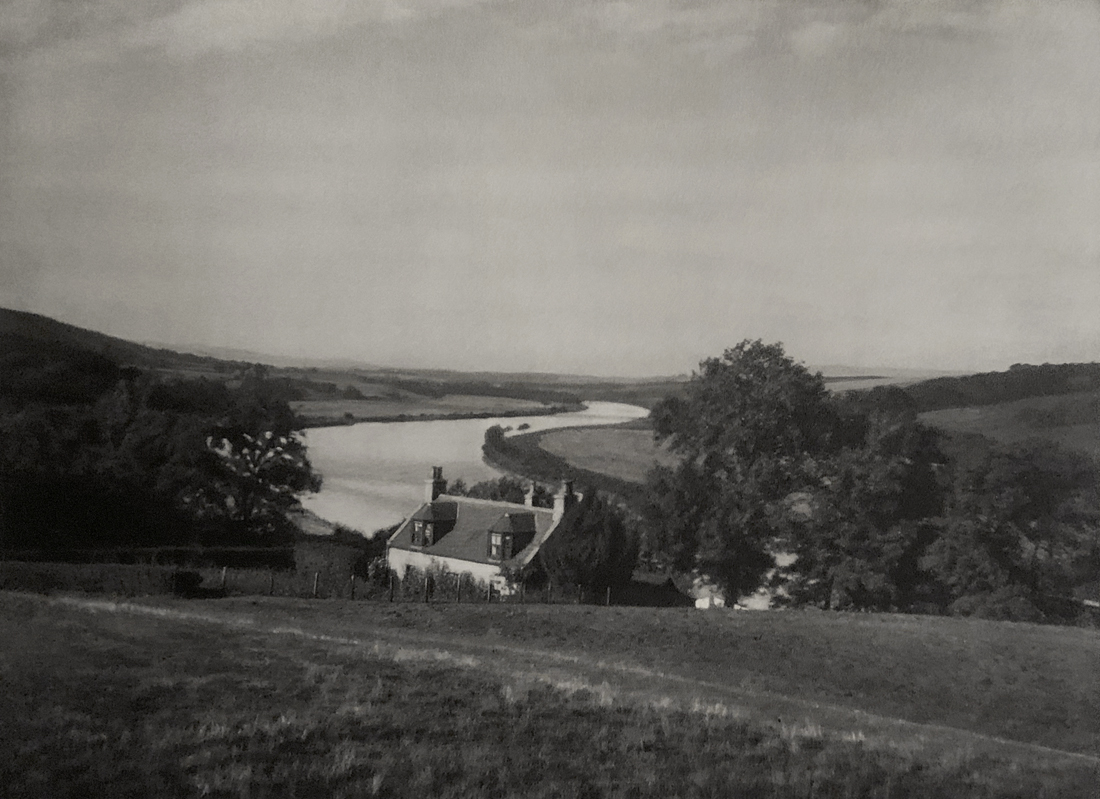
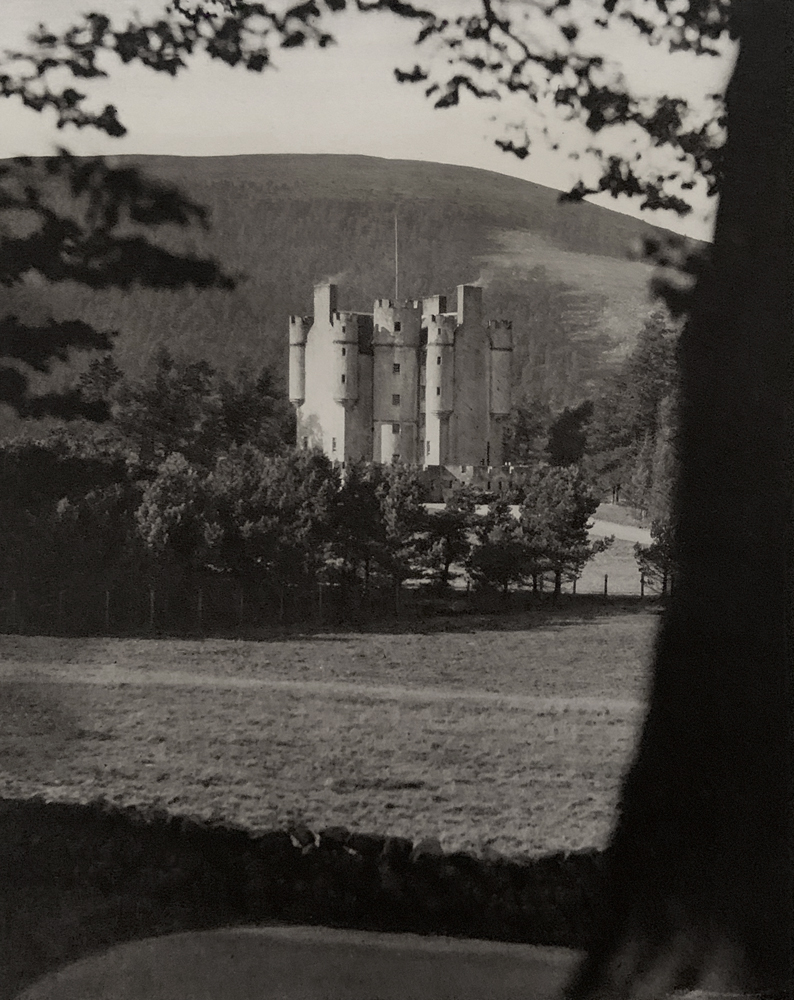
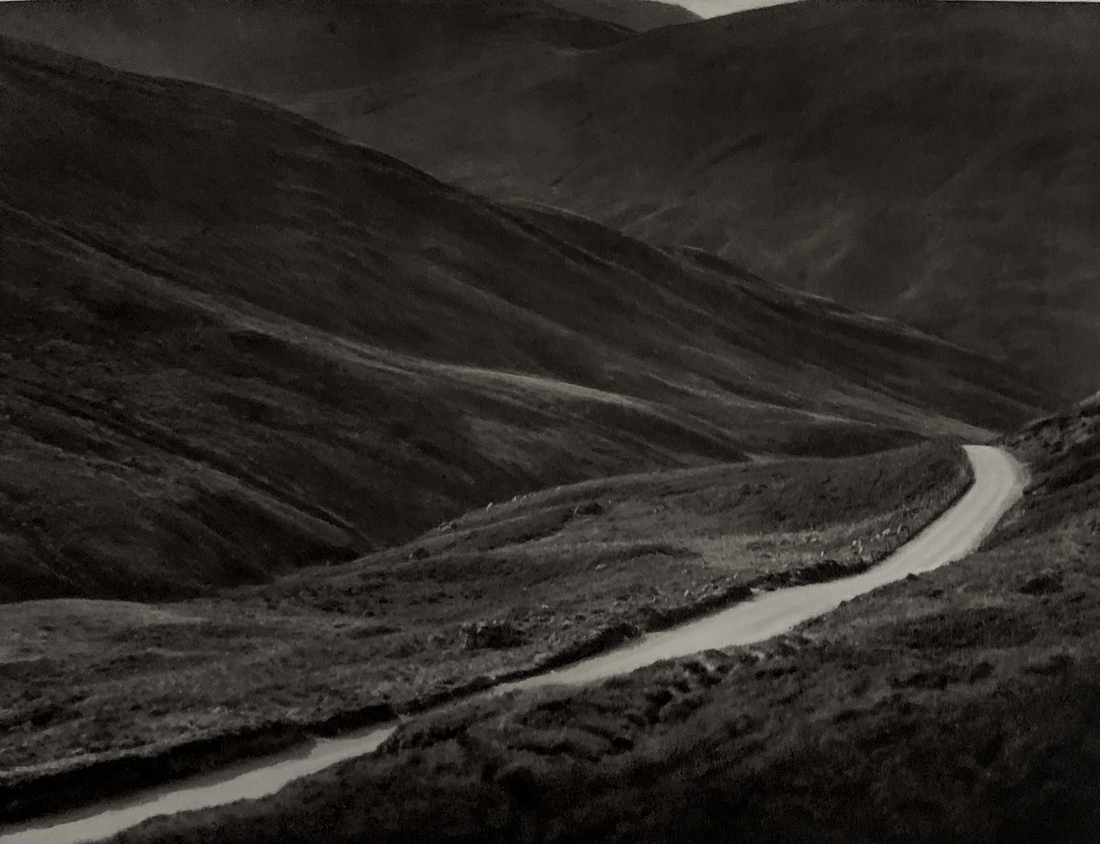
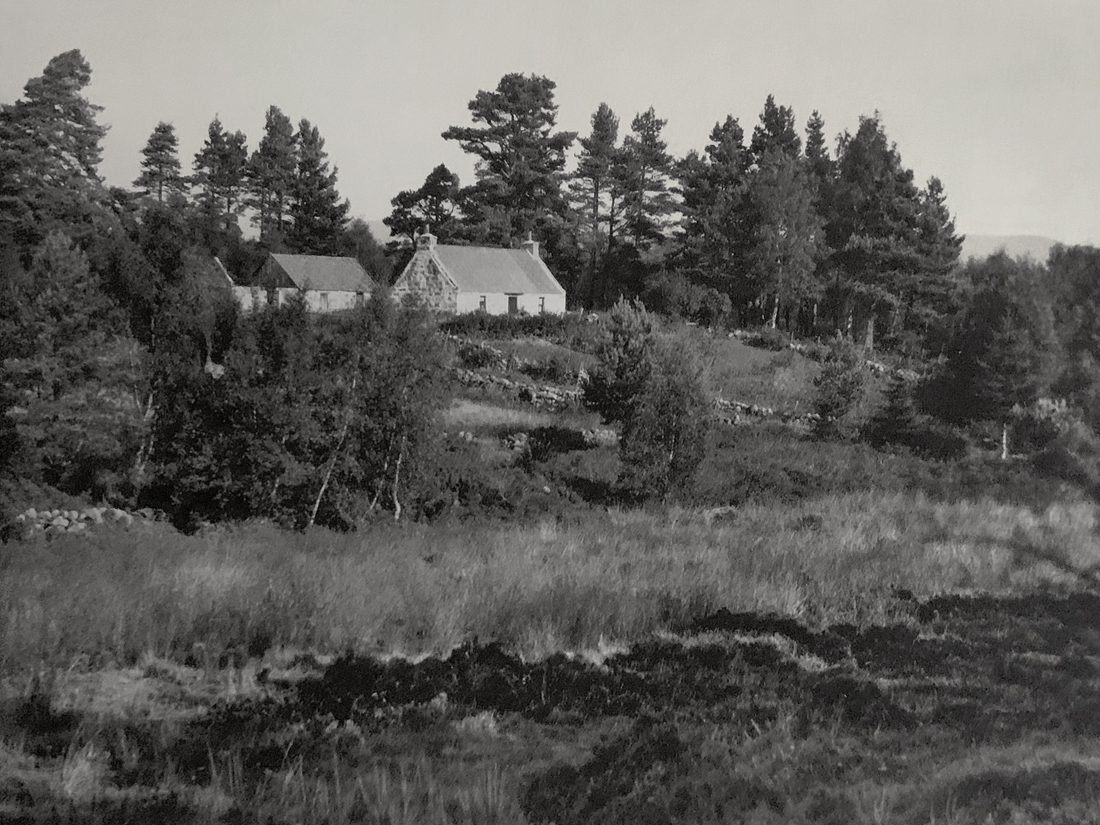
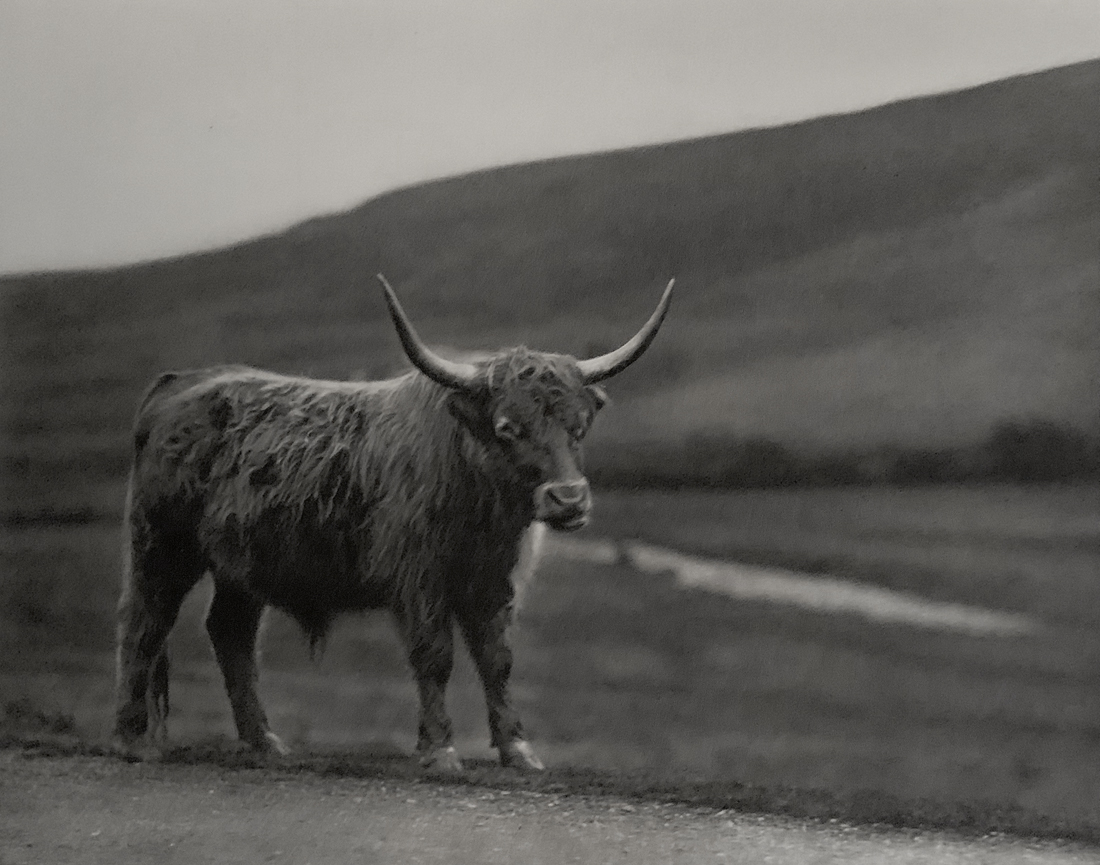
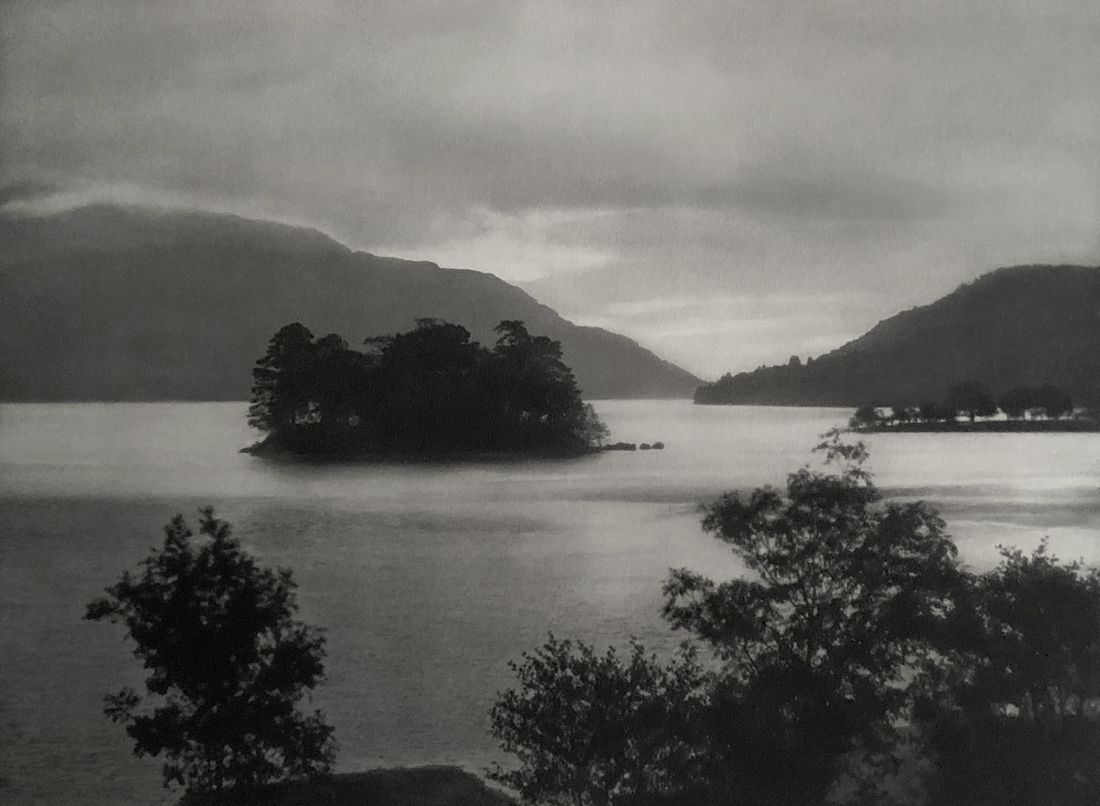
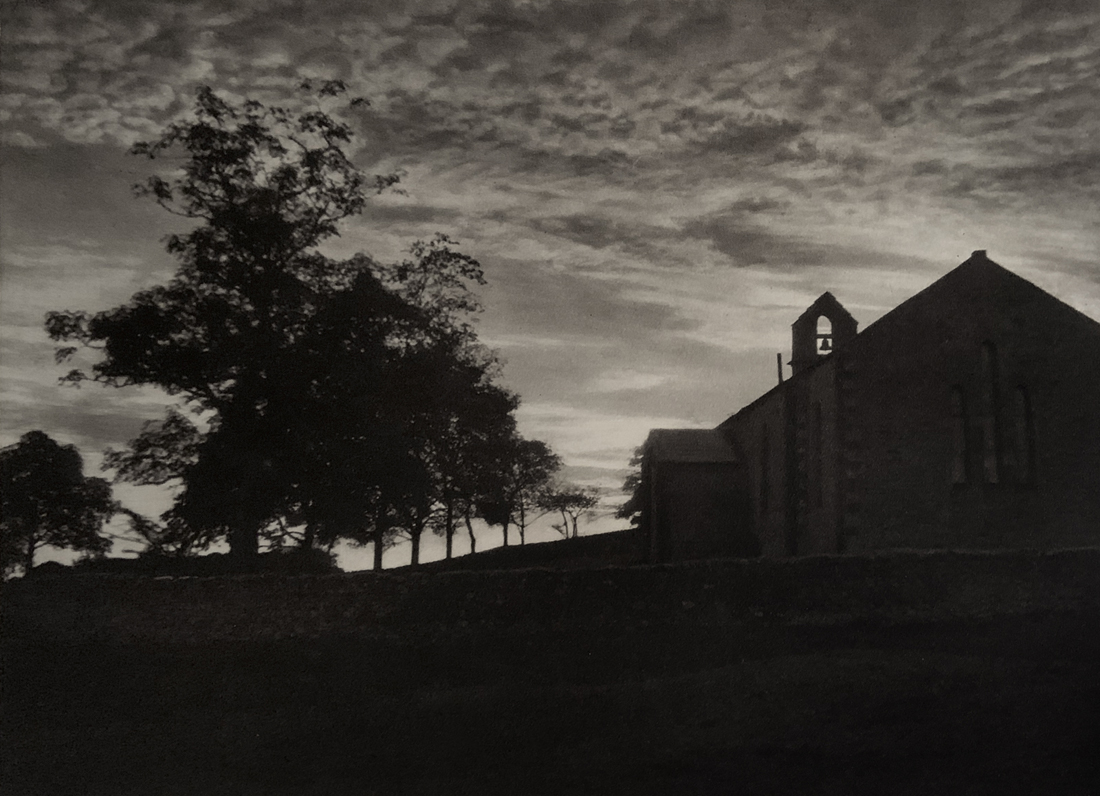
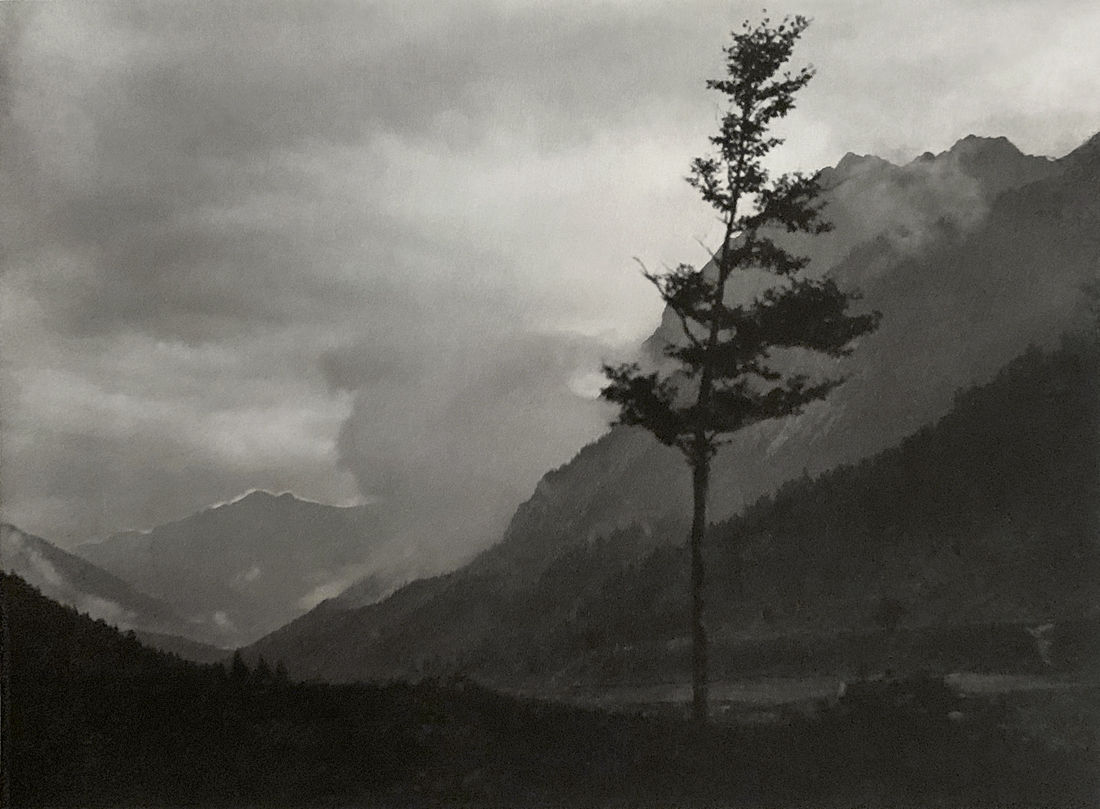
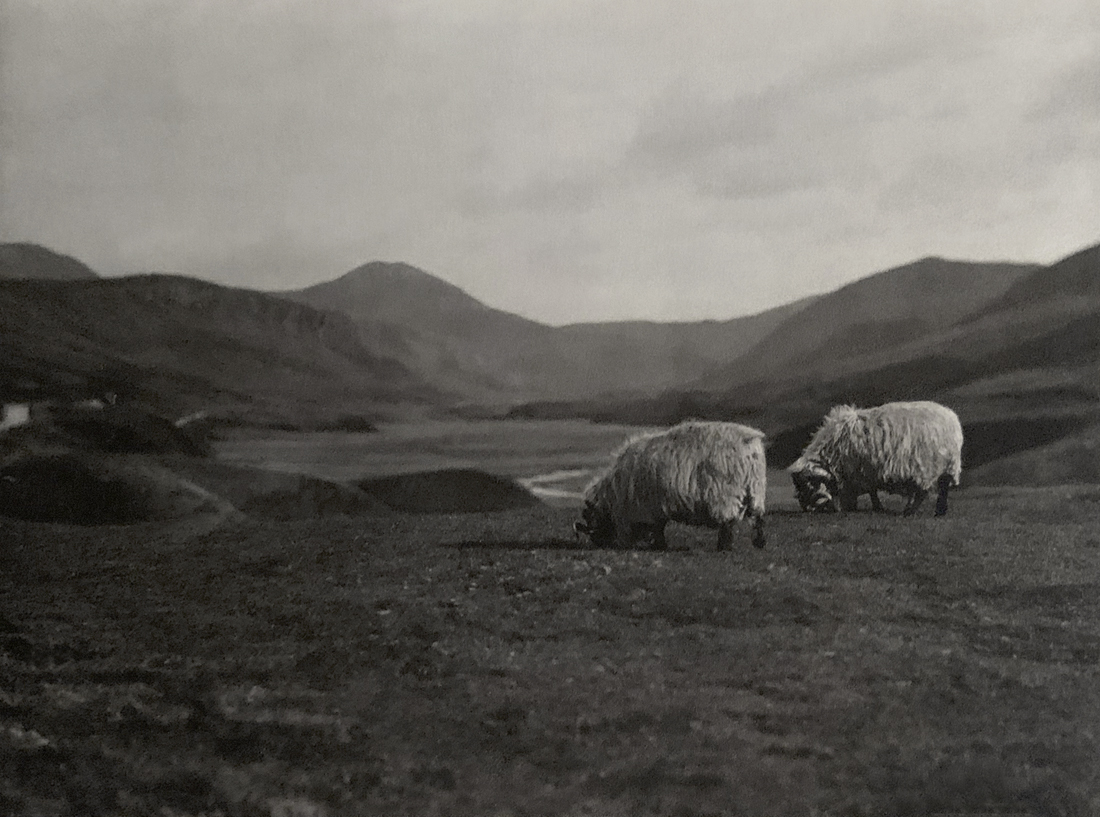
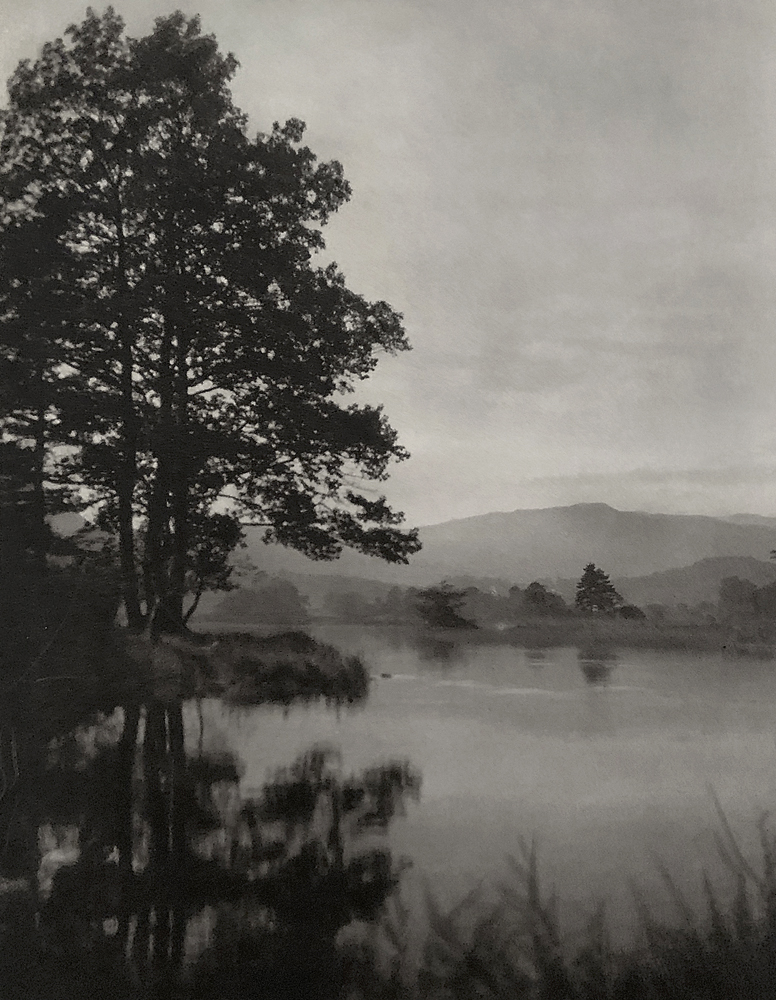

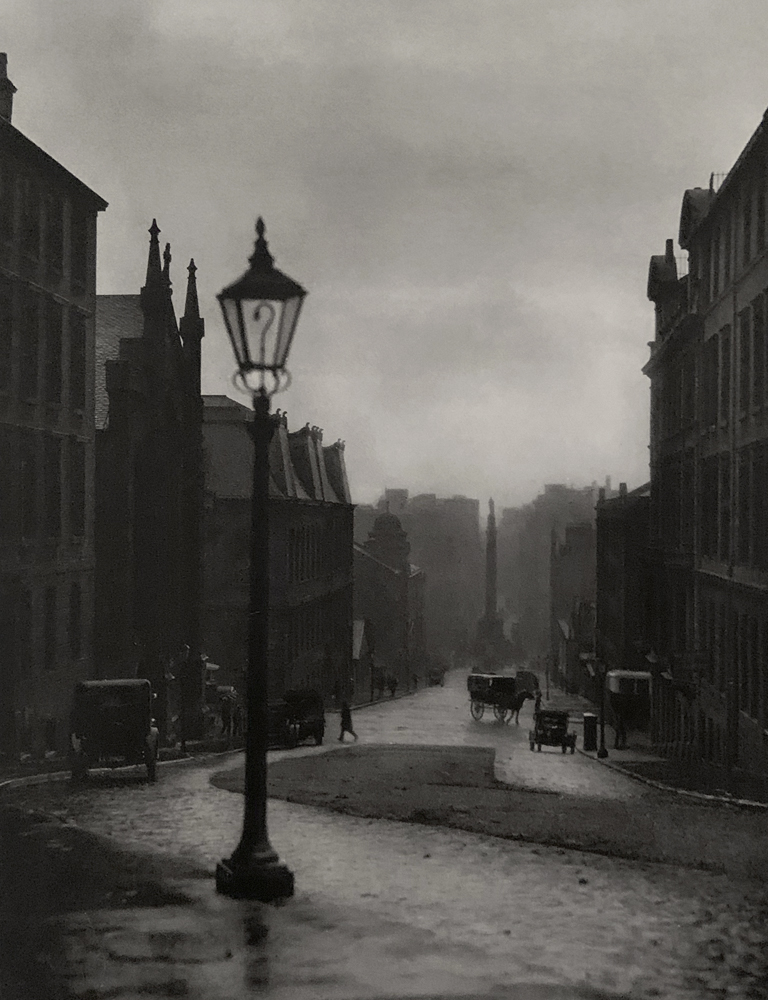
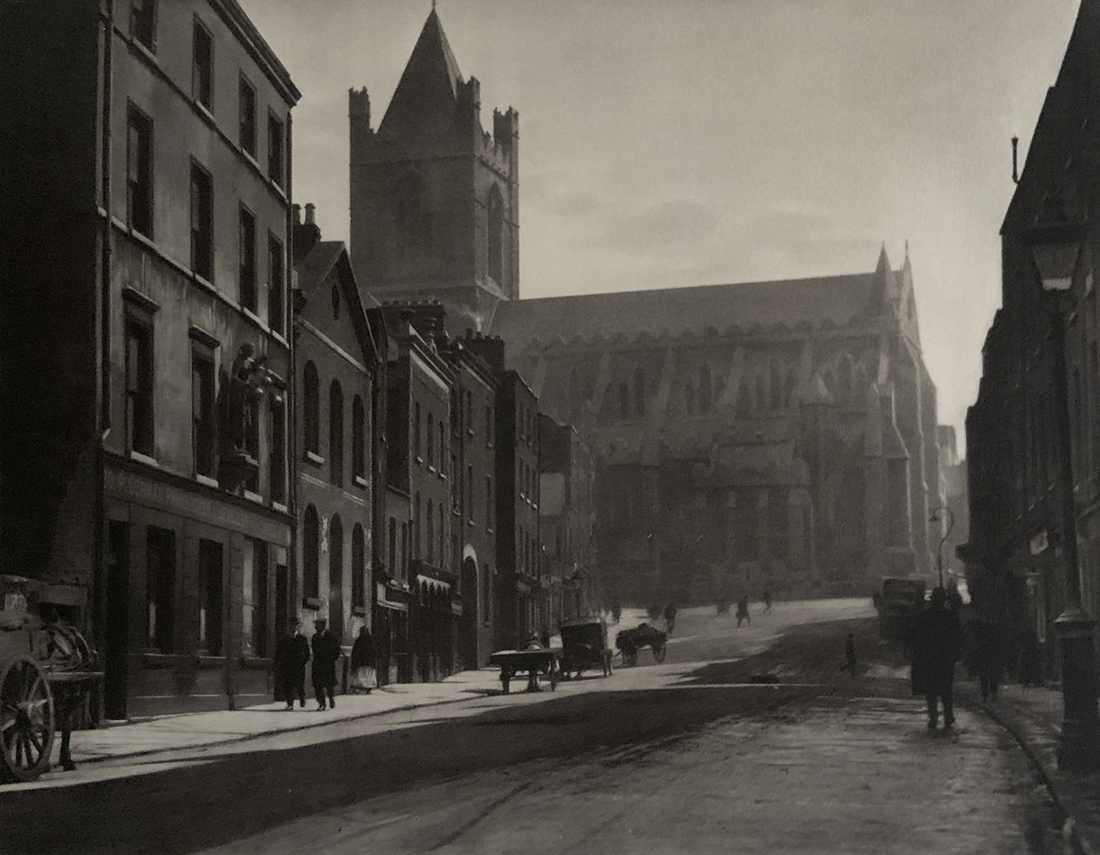
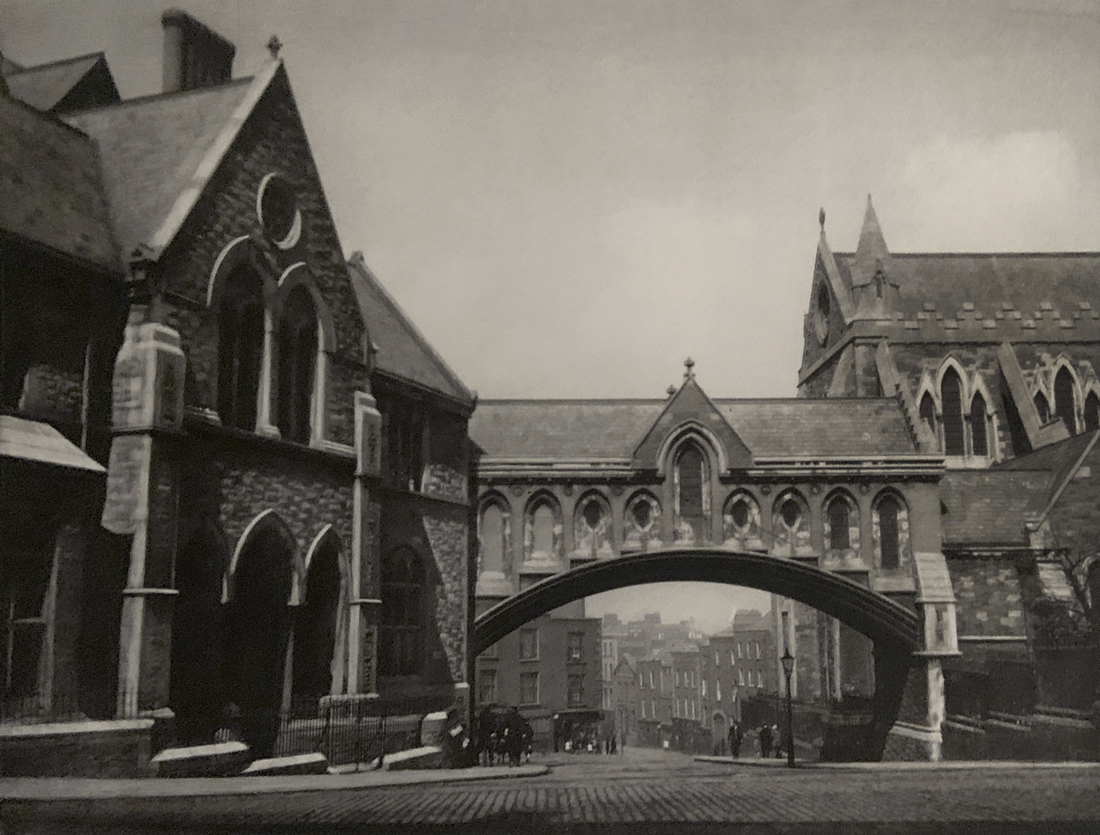




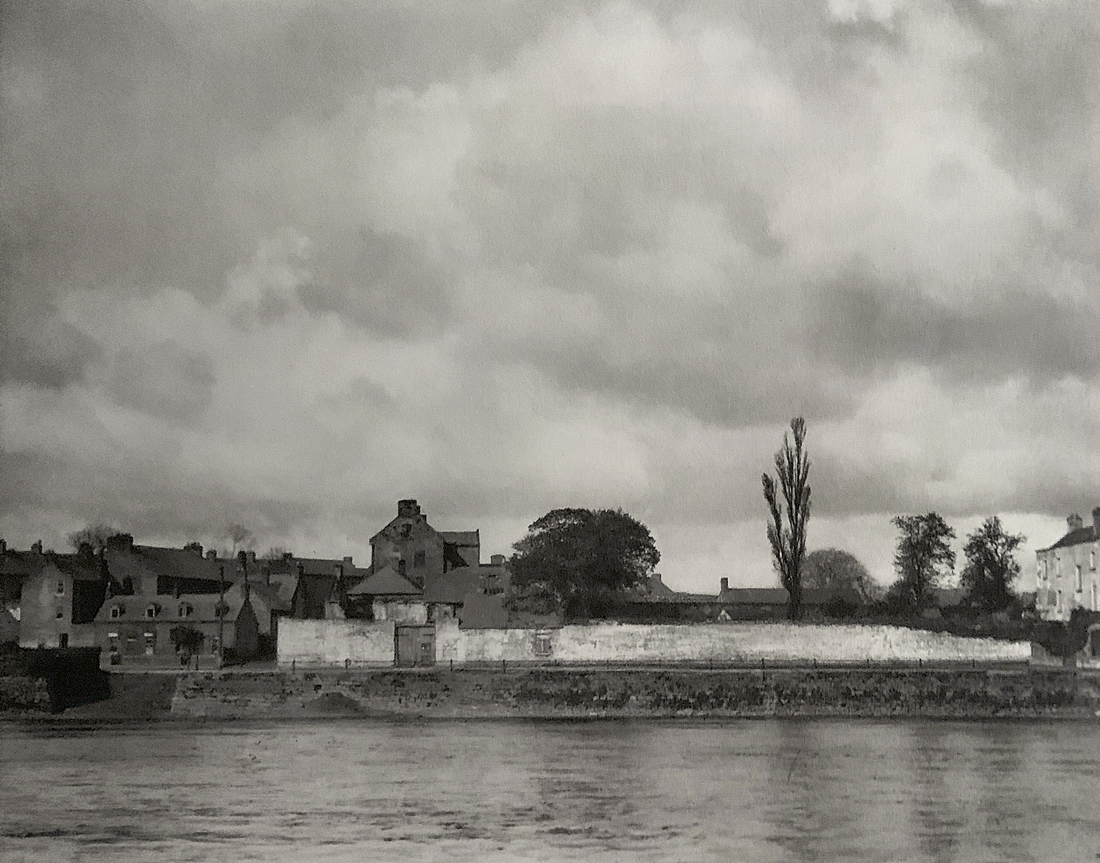
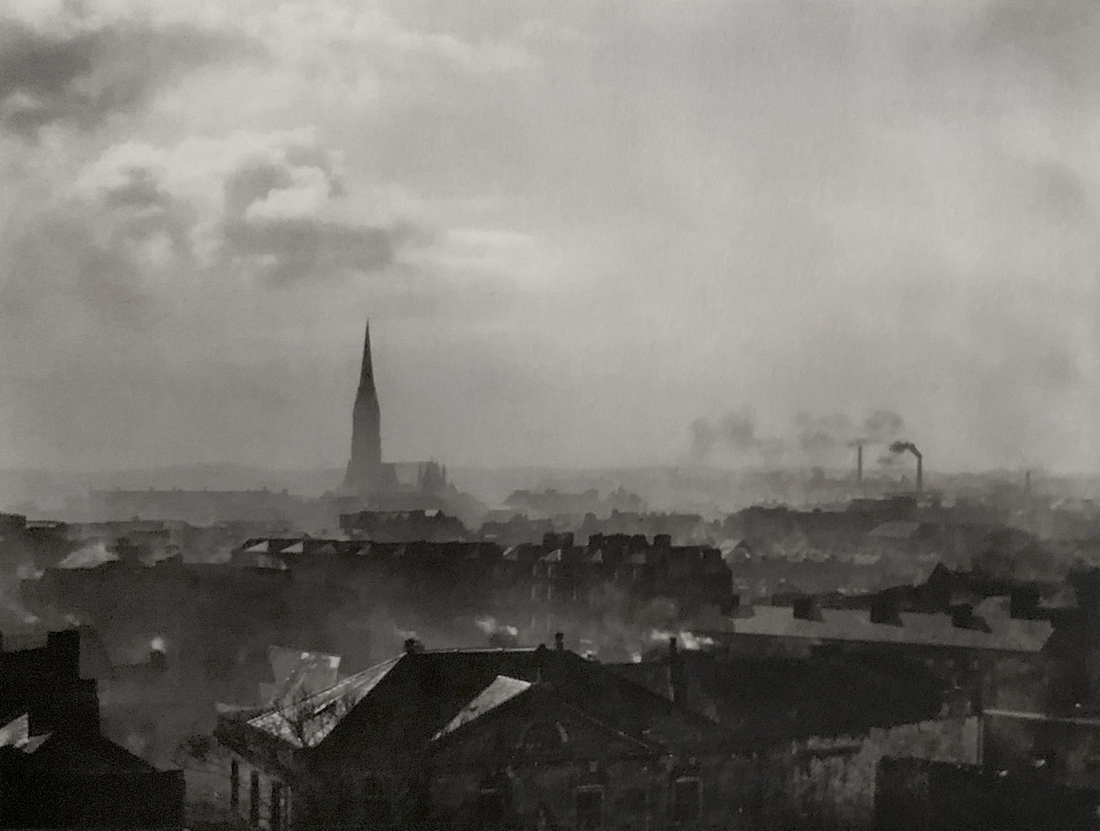
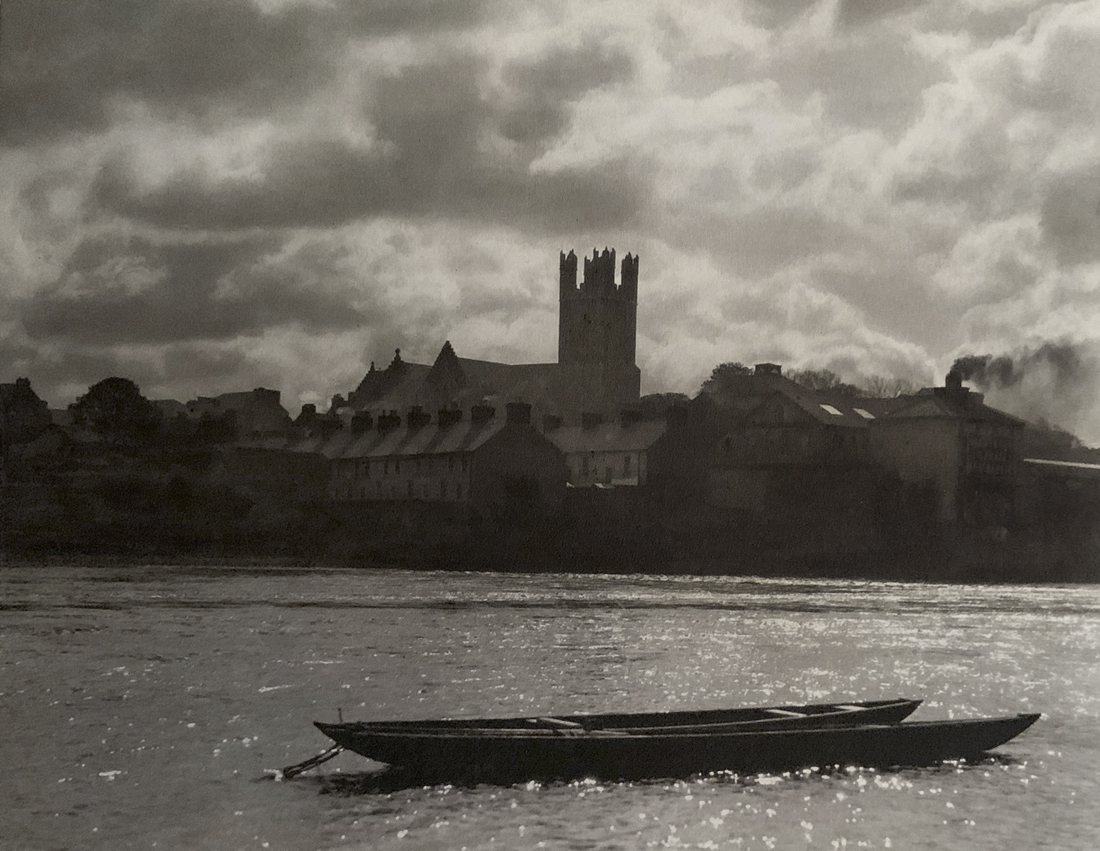
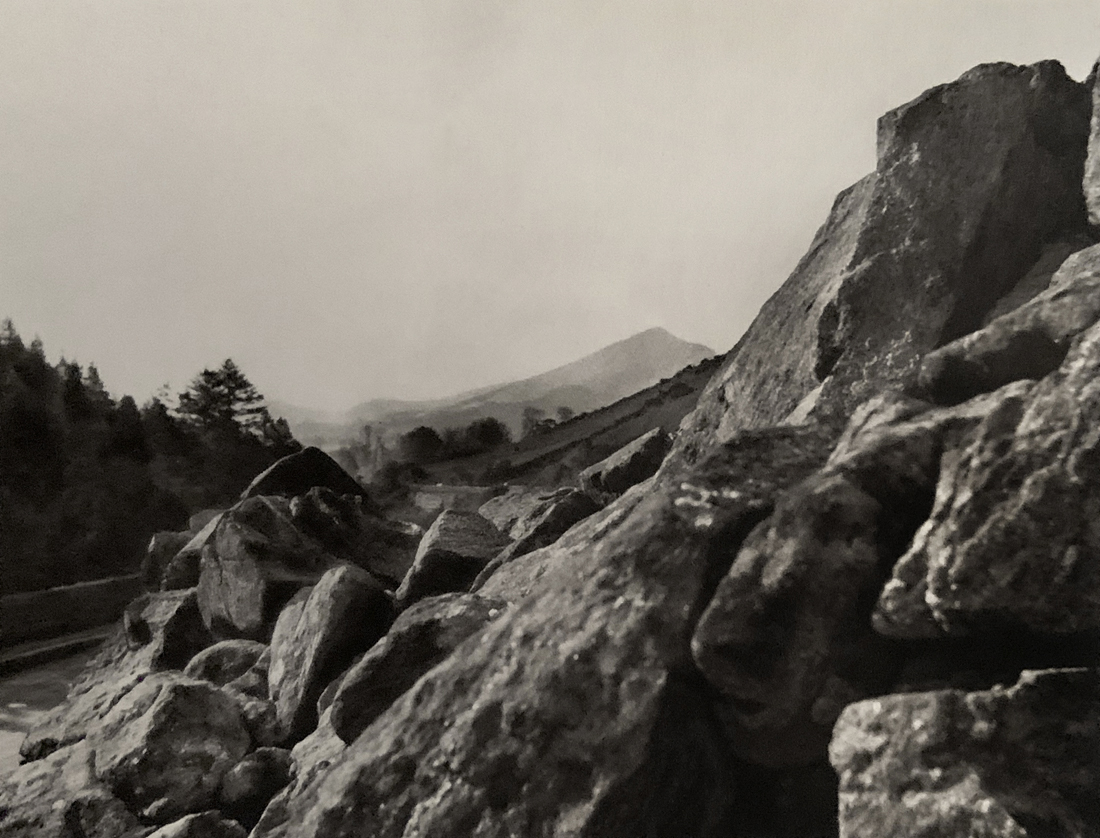
 Art Blart _ art and cultural memory archive
You must be logged in to post a comment.