Exhibition: ‘Barbara Klemm. ­Light and Dark. Photographs from Germany’ at the Galerie für Zeitgenössische Kunst, Leipzig from ifa – Institut für Auslandsbeziehungen

Exhibition dates: 30th November, 2024 – 23rd March, 2025


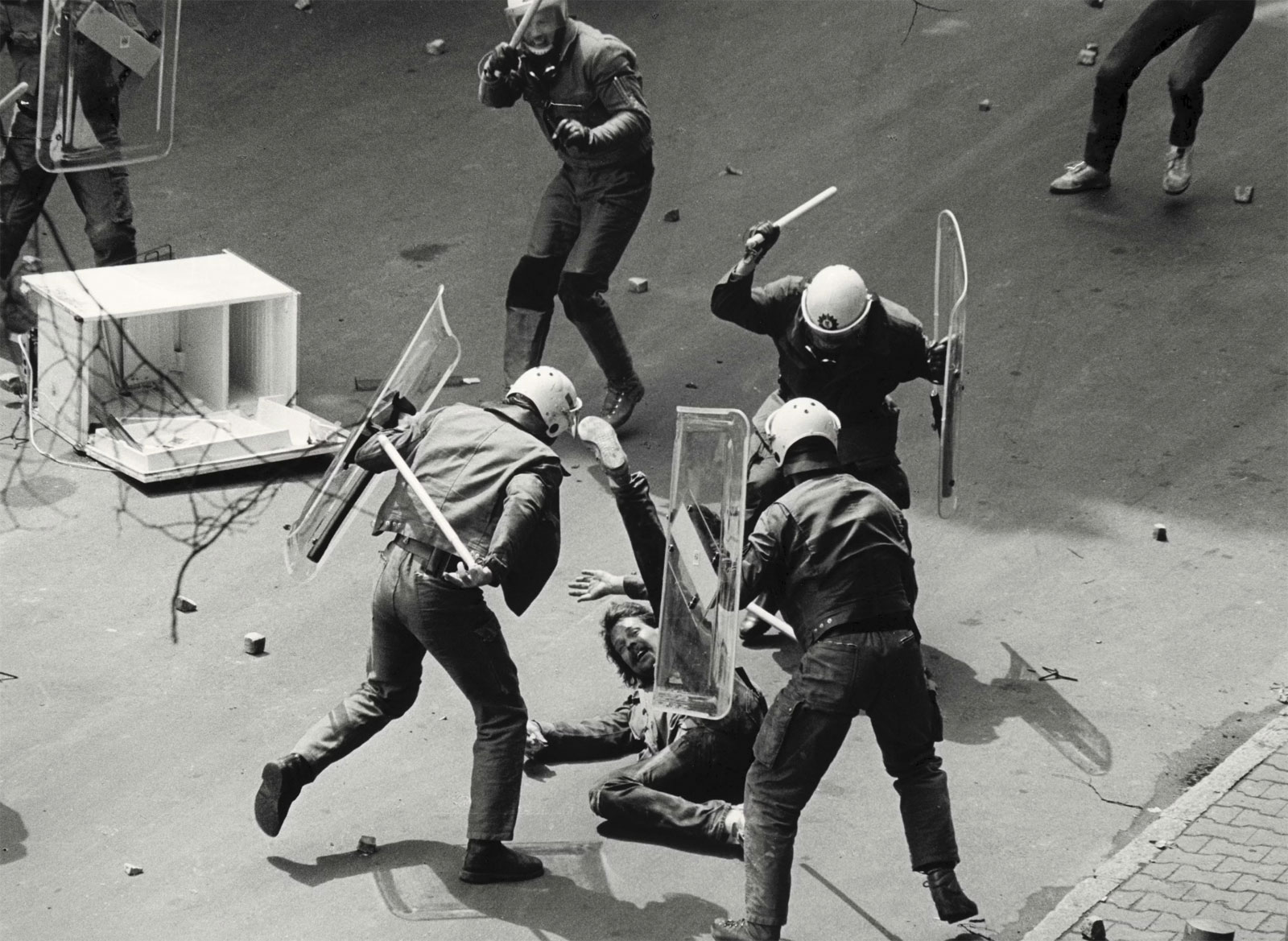
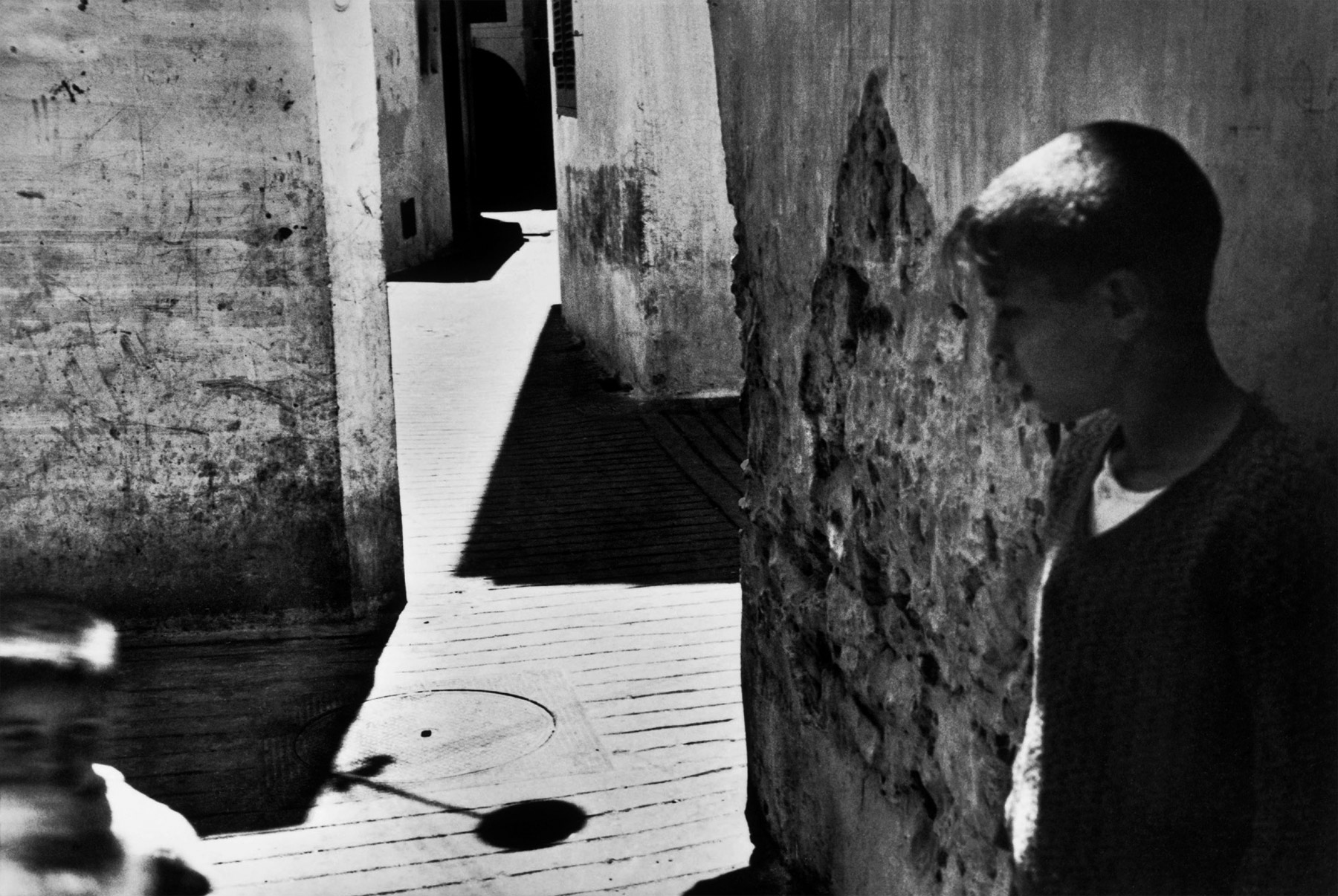
Barbara Klemm (German, b. 1939) 'Offenbach' 1968


Barbara Klemm (German, b. 1939)
Offenbach
1968
Black and white photograph on baryta paper
300 × 400 mm
© Barbara Klemm, Institut für Auslandsbeziehungen e. V.


Apparently, “the exhibition presents photography by one of Germany’s most important artists.”

Until recently I had never heard of this artist and I have been studying photography for over 35 years.

Allegedly, “many of Klemm’s photographs have become “icons of contemporary history” and have shaped the cultural memory of several generations.”

What does that even mean – “icons of contemporary history” – it’s just art speak that means absolutely nothing!

If we actually look at the work there are some really strong photographs here that form a cohesive body of work which interrogates the reality of a country that was divided for decades, which examine the postwar formation of German culture and identity.

“[The exhibition] includes pictures from every sphere of society: from politics, culture and the economy, photos that capture unique and often tense moments as well as plain everyday life, photos of demonstrations, protests, and of immigrants, of cultural events, mass gatherings, and urban spaces.” (Text from ifa website)

While Klemm’s photographs combine the documentary and the artistic in German press photography, her artistic voice is not a lone voice in the wilderness documenting Germany before and after reunification. Variously (but not exclusively) we have from the 1930s onwards and reaching its social reality apotheosis in the 1970s-1980s artists such as Friedrich Seidenstücker, Benjamin Katz, Chargesheimer, Michael Schmidt, Helga Paris, Günter Zint, Wendelin Bottländer, Andreas Horlitz, Christa Mayer, Sibylle Bergemann, Tata Ronkholz, Thomas Struth, Wilhelm Schürmann, Volker Döhne, Elfriede Mejchar, Hildegard Heise, and Timm Rautert.

At their best Klemm’s photographs are essential – (in the sense ‘in the highest degree’): from late Latin essentialis, from Latin essentia (see essence) – which is, the intrinsic nature or indispensable quality of something … which determines its character. That is what Klemm so vibrantly and insightfully captures, the true essence of an event which is then marked down in history. “Her sure sense of the true essence of an event allows her to capture moments that tell stories far beyond what the pictures seem to show at first glance.” In the highest degree, Klemm’s photographs “offer an insight into the most significant aspects of social life in both the Federal Republic of Germany and the GDR”

But she is not alone in this endeavour and to argue that her photographs are “icons of history” and that she is one of Germany’s most important artists is pure hokum. Why curators and/or media people continue to write this stuff is beyond me…

Just let the artist tell her stories and the photographs will speak for themselves.

Strength, insight, essence.

Dr Marcus Bunyan


Many thankx to the Galerie für Zeitgenössische Kunst for allowing me to publish the photographs in the posting. Please click on the photographs for a larger version of the image.


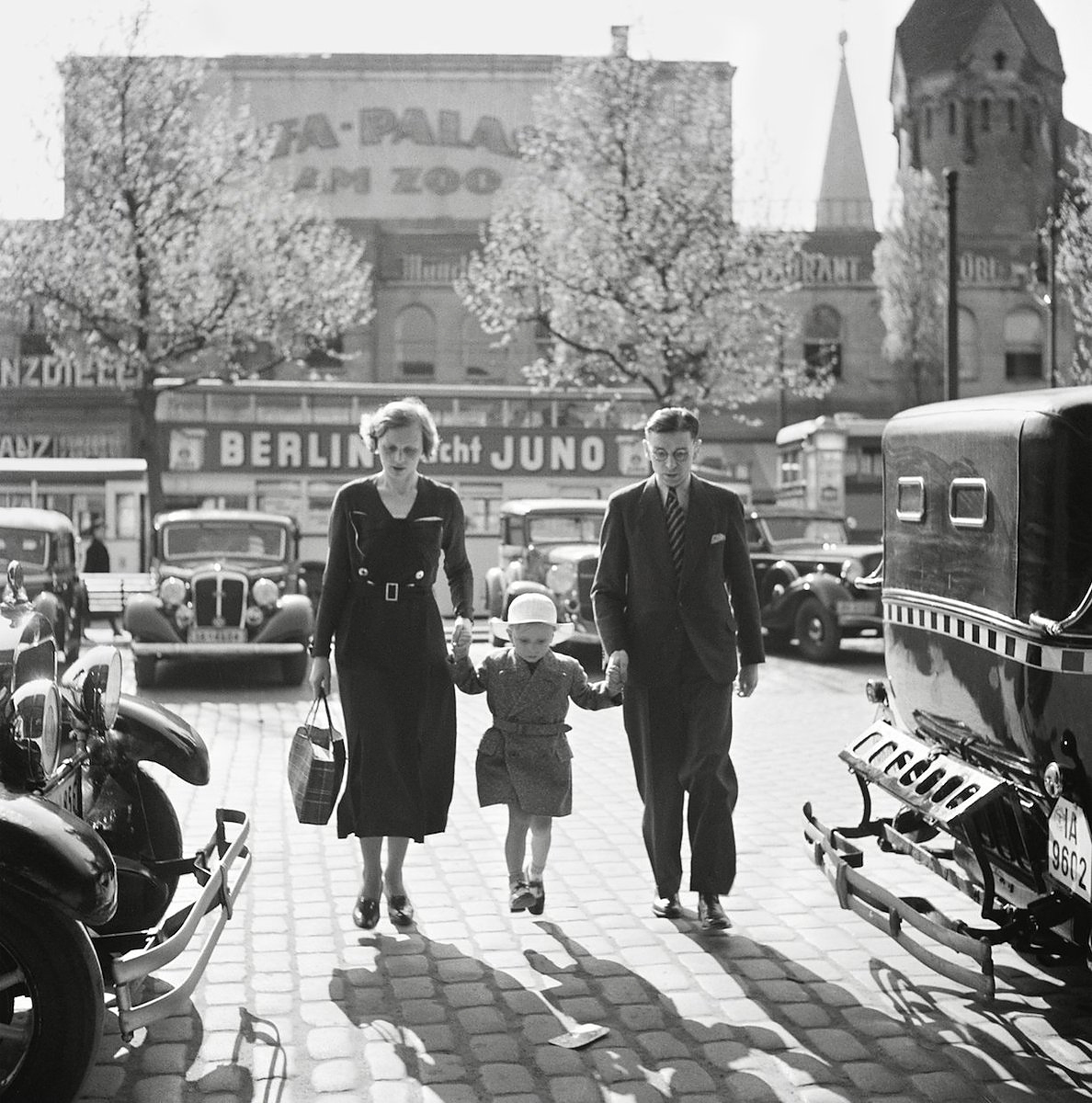
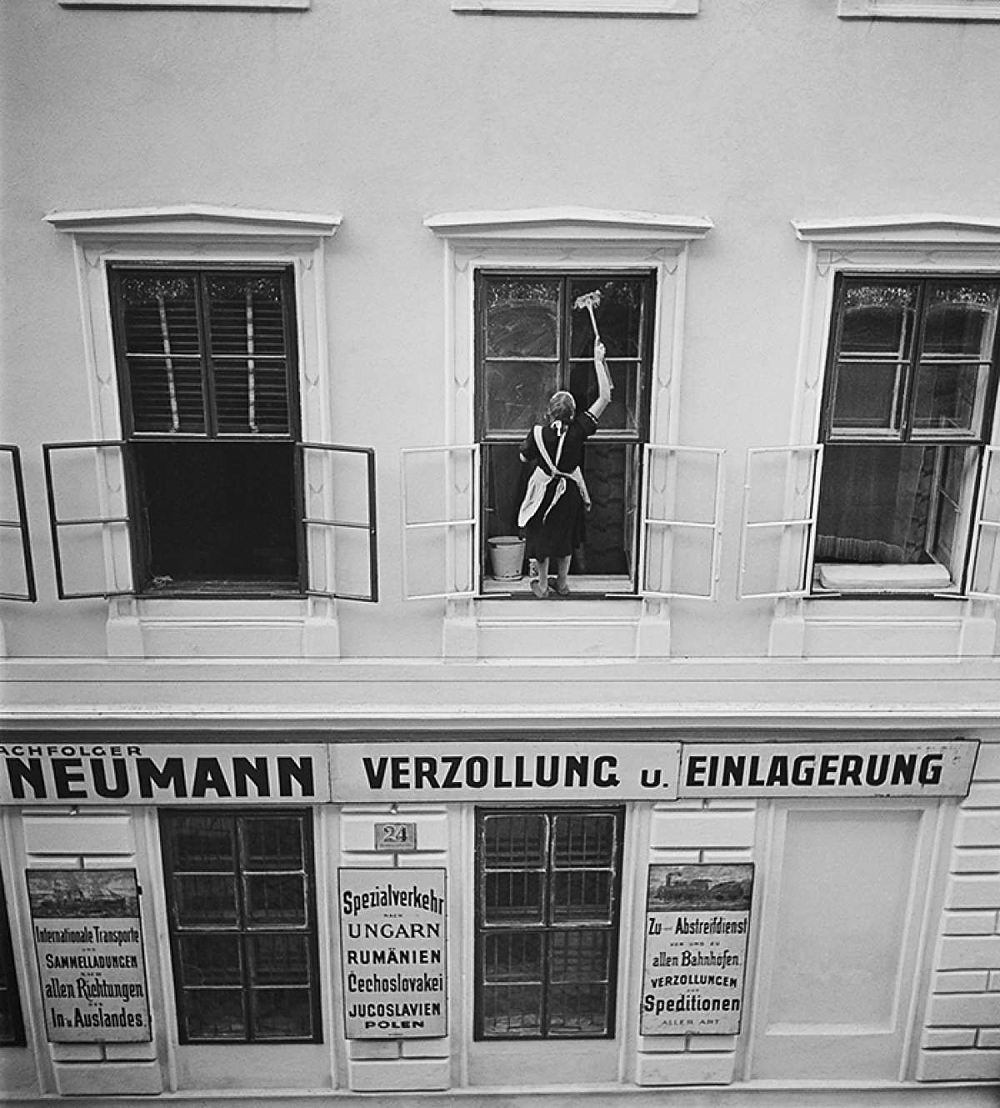
Barbara Klemm (German, b. 1939) 'Friedrichstrasse, East Berlin' 1970


Barbara Klemm (German, b. 1939)
Friedrichstrasse, East Berlin
1970
Black and white photograph on baryta paper
300 × 400 mm
© Barbara Klemm, Institut für Auslandsbeziehungen e. V.


The exhibition presents photography by one of Germany’s most important artists. Barbara Klemm’s work, spanning forty years, bears witness to the historical development and present-day reality of a country that was divided for decades. Many of her pictures have become icons of contemporary history, shaping the cultural memory of several generations.

An exhibition by ifa – Institut für Auslandsbeziehungen e. V. ifa is funded by the German Federal Foreign Office, the state of Baden-Württemberg, and the city of Stuttgart.


Barbara Klemm (German, b. 1939) 'Leipzig' 1970


Barbara Klemm (German, b. 1939)
Leipzig
1970
Black and white photograph on baryta paper
300 × 400 mm
© Barbara Klemm, Institut für Auslandsbeziehungen e. V.


Barbara Klemm (German, b. 1939) 'Leipzig' 1970


Barbara Klemm (German, b. 1939)
Leipzig
1970
Black and white photograph on baryta paper
300 × 400 mm
© Barbara Klemm, Institut für Auslandsbeziehungen e. V.


Barbara Klemm (German, b. 1939) 'Leonid Brezhnev, Willy Brandt, Bonn' 1973


Barbara Klemm (German, b. 1939)
Leonid Brezhnev, Willy Brandt, Bonn
1973
Gelatin Silver Print
© Barbara Klemm, Institut für Auslandsbeziehungen e. V.


Barbara Klemm (German, b. 1939) 'Psychiatric Clinic, Bethel' 1973


Barbara Klemm (German, b. 1939)
Psychiatric Clinic, Bethel
1973
Gelatin Silver Print
© Barbara Klemm, Institut für Auslandsbeziehungen e. V.


Barbara Klemm (German, b. 1939) 'Rostock' 1974


Barbara Klemm (German, b. 1939)
Rostock
1974
Gelatin Silver Print
© Barbara Klemm, Institut für Auslandsbeziehungen e. V.


Barbara Klemm (German, b. 1939) 'Frankfurt am Main' 1974


Barbara Klemm (German, b. 1939)
Frankfurt am Main
1974
Black and white photograph on baryta paper
300 × 400 mm
© Barbara Klemm, Institut für Auslandsbeziehungen e. V.


Barbara Klemm (German, b. 1939) 'Frauendemonstration gegen § 218' / Women Demonstration against Abortion Laws, Frankfurt am Main 1974


Barbara Klemm (German, b. 1939)
Frauendemonstration gegen § 218 / Women Demonstration against Abortion Laws, Frankfurt am Main
1974
Black and white photograph on baryta paper
400 x 300 mm
© Barbara Klemm, Institut für Auslandsbeziehungen e. V.


Barbara Klemm’s works bear witness to the historical development and present-day reality of a country that was divided for decades. Many of her pictures have become icons of contemporary history, shaping the cultural memory of several generations. It is a body of photographic work that blends documentation and artistic inspiration in a way that is rarely encountered in the German press.

With the exhibition Barbara Klemm: Light and Dark. Photographs from Germany, the ifa – Institut für Auslandsbeziehungen presents photographs by one of Germany’s leading photographers. At GfZK, they will be shown in Germany for the first time in 15 years

Most of the photographs shown in the exhibition were taken for the Frankfurter Allgemeine Zeitung. Starting in 1959, Barbara Klemm began her career at this newspaper working as a laboratory assistant and in plate production. From 1970, she became an editorial photographer focusing primarily on political and feature photography. However, her photographs are far more than coverage photos taken for the moment. They offer an insight into the most significant aspects of social life in both the Federal Republic of Germany and the GDR. A central focus of the exhibition is on photographs taken in East and West Germany before and after reunification. These images portray diverse aspects of social life, including politics, culture, and business. They depict a wide range of social realities – precarious and everyday situations, demonstrations, protests, migrant life, as well as cultural events, mass gatherings and urban space.

With an unerring instinct for the essence of a situation, the photographer captures moments that reveal far more than what is portrayed on the surface. Her photographs, as Barbara Klemm herself describes, reveal the “distillation of an action” – and, in doing so, the distillation of history itself.

 Text from the GfZK website


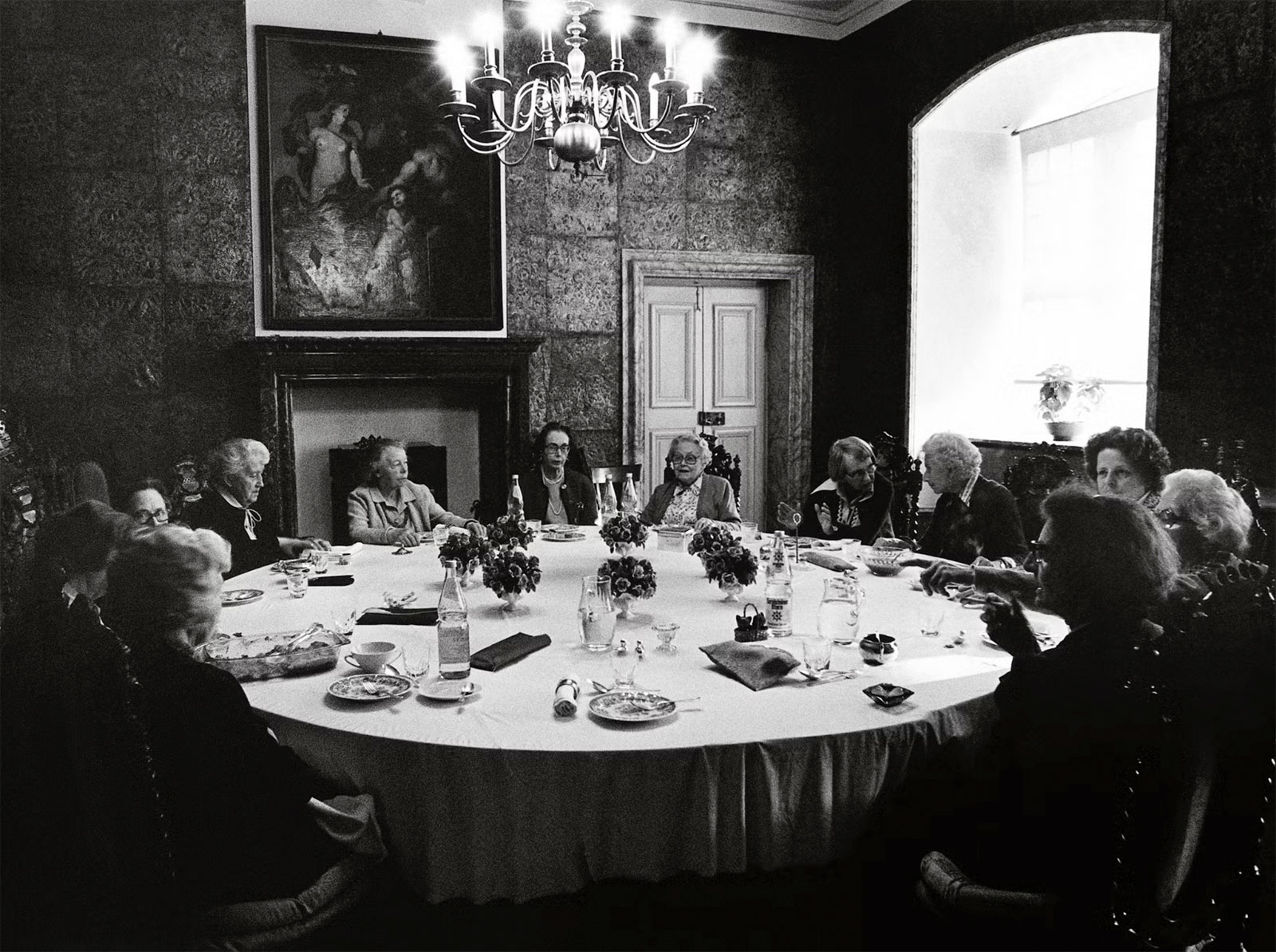
Barbara Klemm (German, b. 1939) 'Stift Ehreshoven, Loope' 1977


Barbara Klemm (German, b. 1939)
Stift Ehreshoven, Loope
1977
Black and white photograph on baryta paper
300 × 400 mm
© Barbara Klemm, Institut für Auslandsbeziehungen e. V.


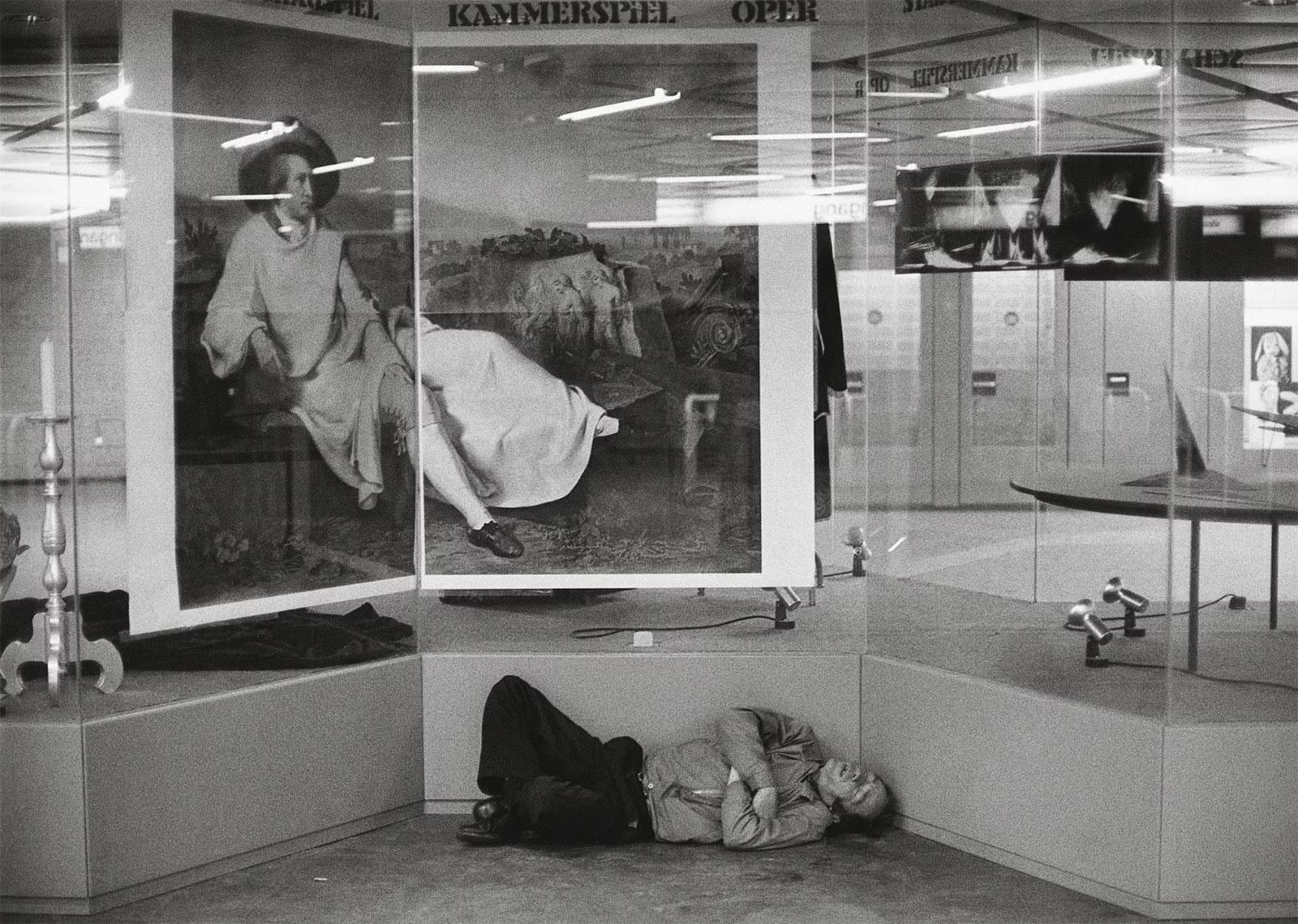
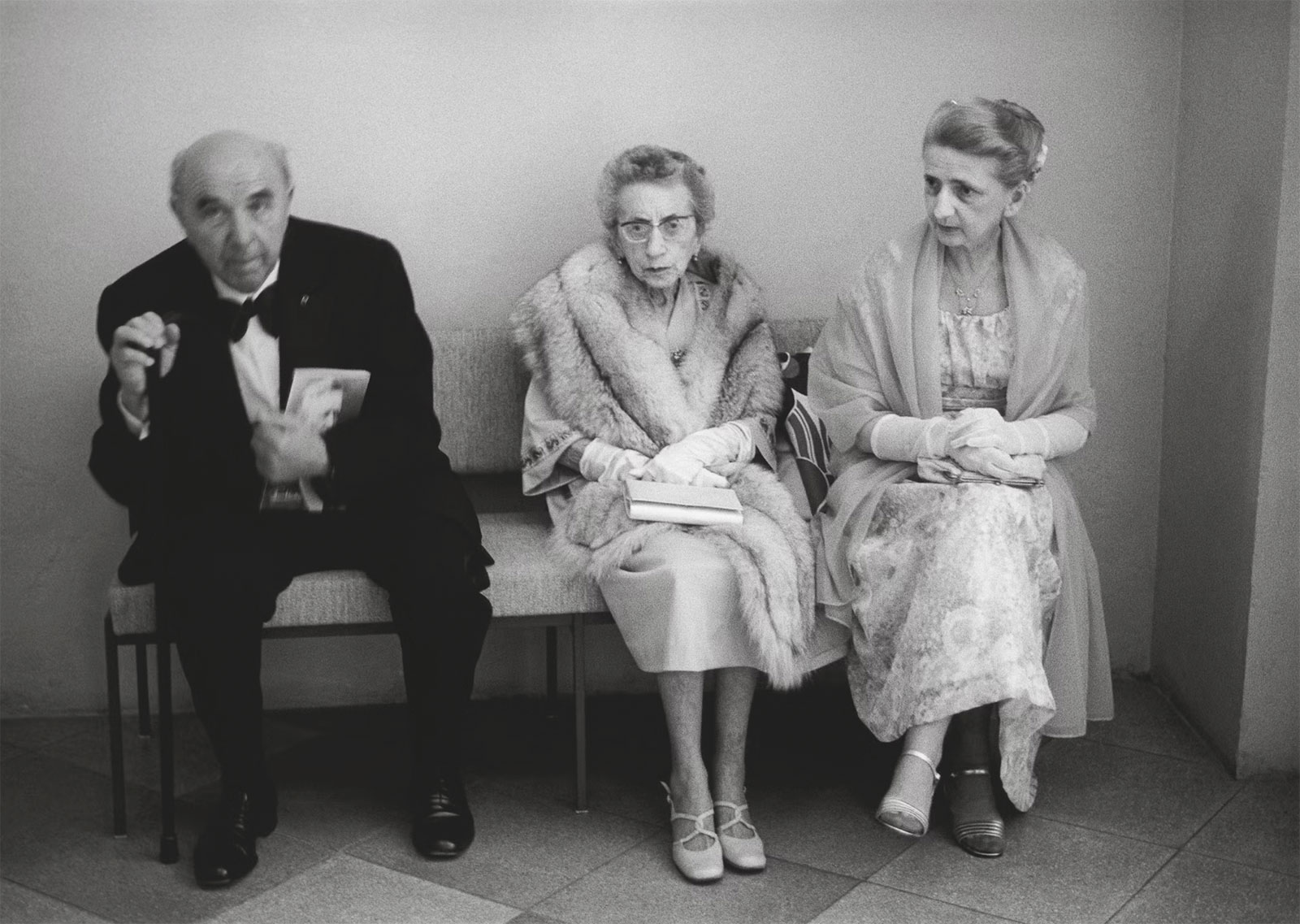
Barbara Klemm (German, b. 1939) 'Bayreuth' 1977


Barbara Klemm (German, b. 1939)
Bayreuth
1977
Black and white photograph on baryta paper
300 × 400 mm
© Barbara Klemm, Institut für Auslandsbeziehungen e. V.


Barbara Klemm (German, b. 1939) 'Ronald Reagan Visits, West Berlin' 1982


Barbara Klemm (German, b. 1939)
Ronald Reagan Visits, West Berlin
1982
Black and white photograph on baryta paper
300 × 400 mm
© Barbara Klemm, Institut für Auslandsbeziehungen e. V.


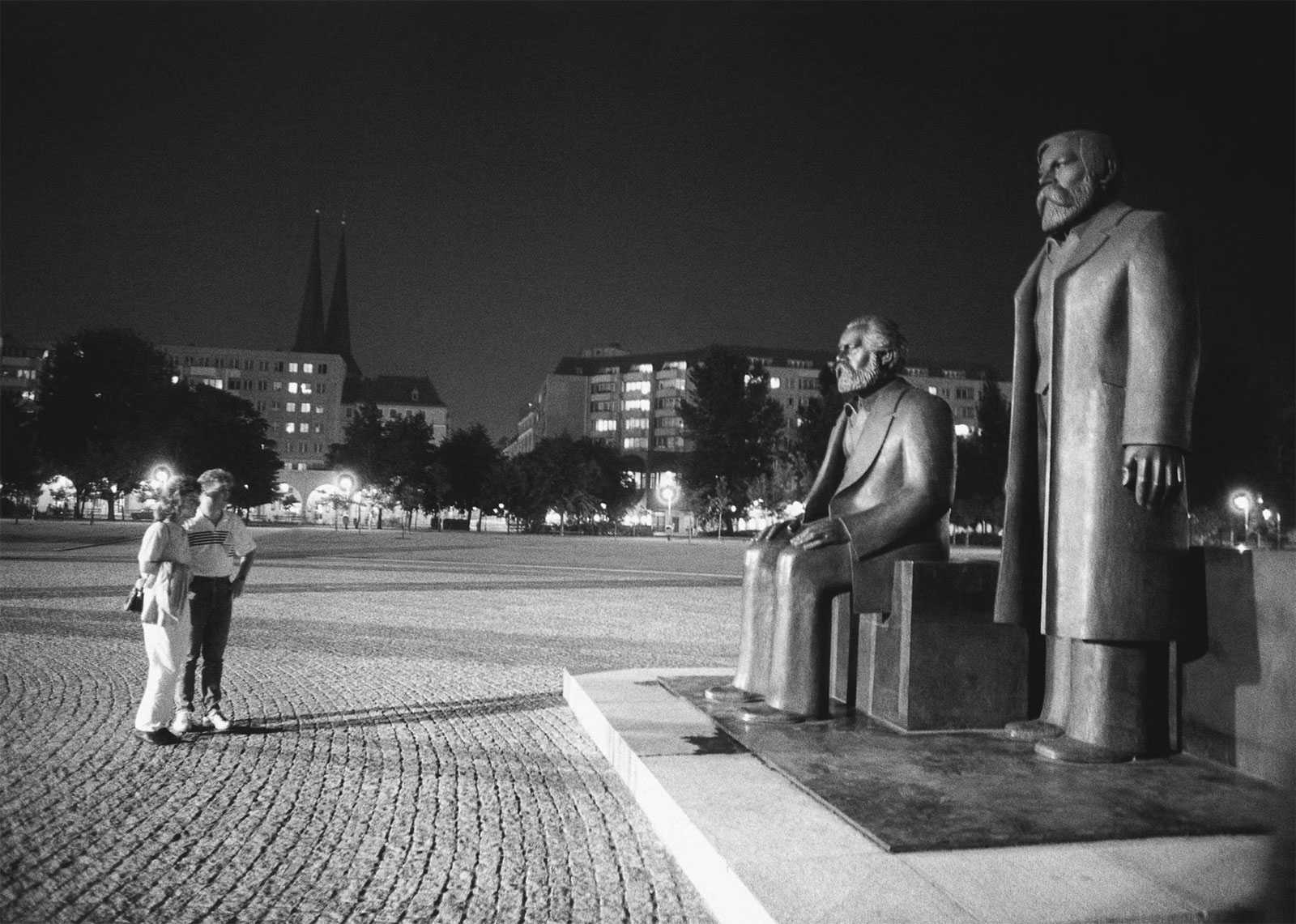
Barbara Klemm (German, b. 1939) 'Monument to Marx and Engels, East Berlin' 1987


Barbara Klemm (German, b. 1939)
Monument to Marx and Engels, East Berlin
1987
Black and white photograph on baryta paper
300 × 400 mm
© Barbara Klemm, Institut für Auslandsbeziehungen e. V.


Barbara Klemm (German, b. 1939) 'At the Reichstag, West Berlin' 1987


Barbara Klemm (German, b. 1939)
At the Reichstag, West Berlin
1987
Gelatin Silver Print
© Barbara Klemm, Institut für Auslandsbeziehungen e. V


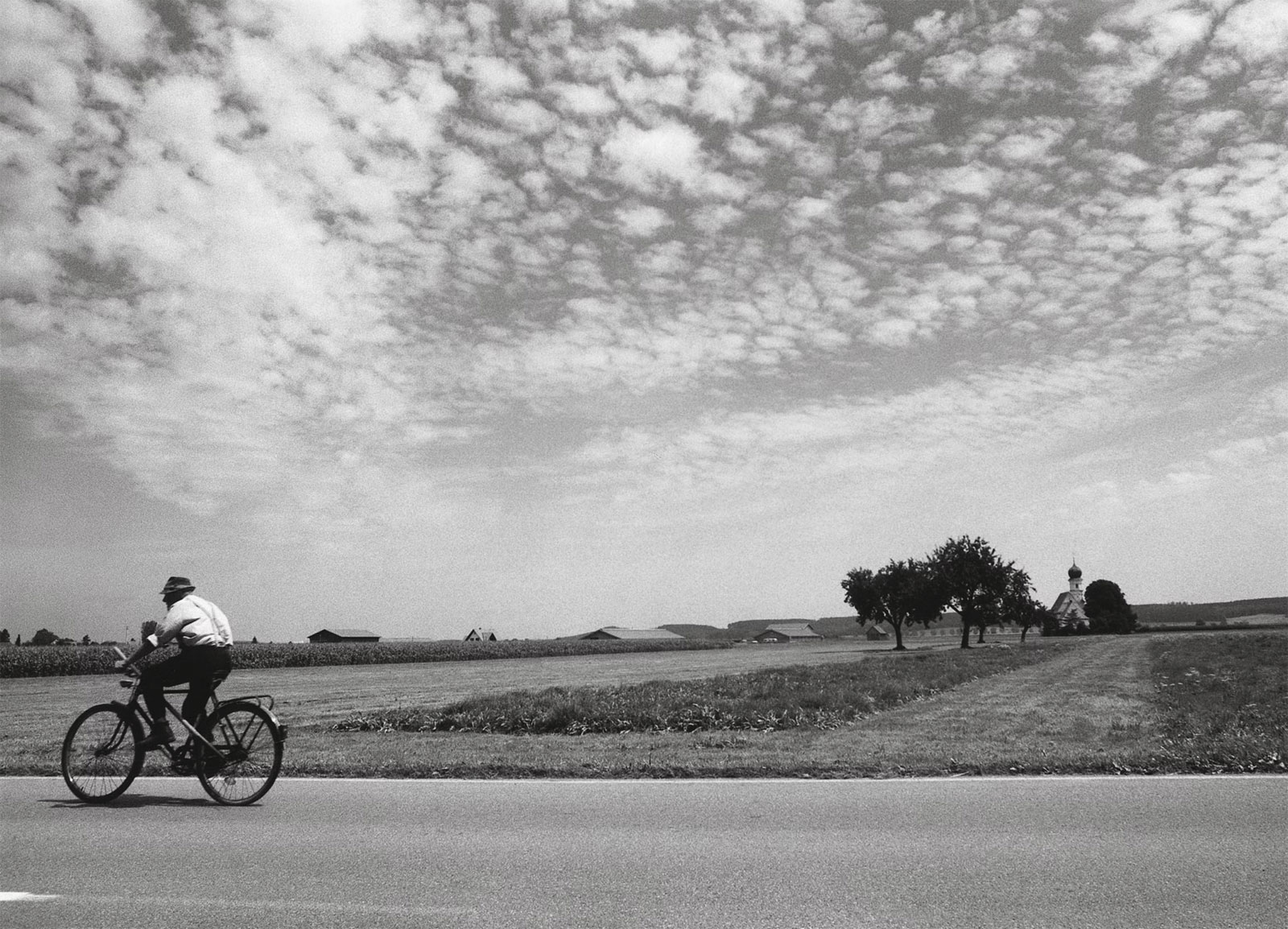
Barbara Klemm (German, b. 1939) 'Hawangen' 1988


Barbara Klemm (German, b. 1939)
Hawangen
1988
Black and white photograph on baryta paper
300 × 400 mm
© Barbara Klemm, Institut für Auslandsbeziehungen e. V.


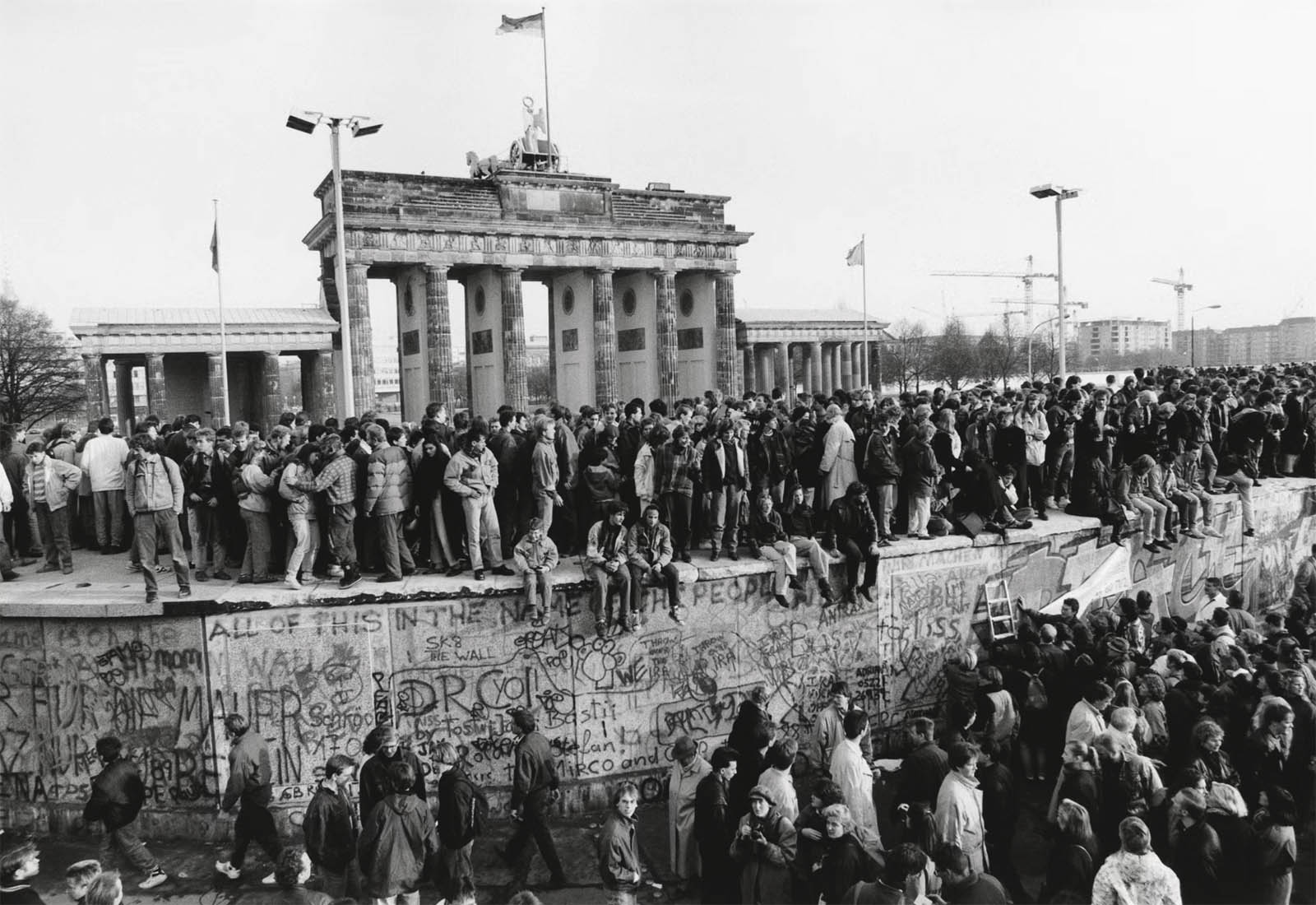
Barbara Klemm (German, b. 1939) 'The Fall of the Wall, Berlin, 10 November 1989' 1989


Barbara Klemm (German, b. 1939)
The Fall of the Wall, Berlin, 10 November 1989
1989
Gelatin Silver Print
© Barbara Klemm, Institut für Auslandsbeziehungen e. V


Photography as documentation and artistic inspiration

Many of Klemm’s photographs have become “icons of contemporary history” and have shaped the cultural memory of several generations. It is a photographic work that combines documentation and artistic inspiration in a way rarely found in the German press. Barbara Klemm adds her own perspective to the supposedly objective documentary and follows the design rules of art in her image compositions.

Although these photographs were mostly commissioned by the Frankfurter Allgemeine Zeitung – for which Barbara Klemm worked from 1959 as a laboratory assistant and in cliché production, and from 1970 as an editorial photographer specialising in politics and the arts section – they are far more than reportage images made for the day.

Social insights from East and West Germany before and after reunification

The images show the most important areas of social life in the Federal Republic of Germany and the GDR. A clear focus of the exhibition is on photographs taken in East and West Germany before and after reunification. There are pictures from all areas of social life – from politics, culture and the economy – of precarious and everyday situations of social reality, of demonstrations, protests and the lives of immigrants as well as of cultural events, mass events and urban spaces.

About the exhibition

Many of her pictures have become “icons of contemporary history”, shaping the cultural memory of several generations. She has created a body of photographs which combine the documentary and the artistic in a manner seldom encountered in German press photography. She adds her own perspective to the documentary genre, following artistic principles of composition. Although the majority of these photos were commissioned for the daily newspaper Frankfurter Allgemeine Zeitung they represent far more than coverage of the day’s events. Barbara Klemm first joined the newspaper in 1959, working in the photo lab and producing photographic plates, before becoming a photographer on the editorial board for art, culture and politics in 1970. Her commissioned work for the newspaper took her to many of the most important events and places in the Federal Republic of Germany, the German Democratic Republic and in numerous other countries. Photos of East and West Germany before and after unification are clearly the focus of this exhibition. It includes pictures from every sphere of society: from politics, culture and the economy, photos that capture unique and often tense moments as well as plain everyday life, photos of demonstrations, protests, and of immigrants, of cultural events, mass gatherings, and urban spaces. And again and again, Barbara Klemm portrays people in those rare moments of being that make life so special.

Barbara Klemm’s photographs stand for concrete social reality. Her sure sense of the true essence of an event allows her to capture moments that tell stories far beyond what the pictures seem to show at first glance. These photos are “action in condensed form”, as Klemm puts it, and thus also a condensed image of history. Her photos of the fall of the Berlin Wall are a dramatic climax to her own narrative of history, and in retrospect, her earlier photos from both sides of the Wall seem to be tracing the two Germanies on their path towards reunification, while her later photos closely observe the consequences of the new order.

Text from ifa – Institut für Auslandsbeziehungen website


Barbara Klemm (German, b. 1939) 'Braunkohleabbau bei Leipzig' / Lignite Mining near Leipzig 1990


Barbara Klemm (German, b. 1939)
Braunkohleabbau bei Leipzig / Lignite Mining near Leipzig
1990
Black and white photograph on baryta paper
300 × 400 mm
© Barbara Klemm, Institut für Auslandsbeziehungen e. V.


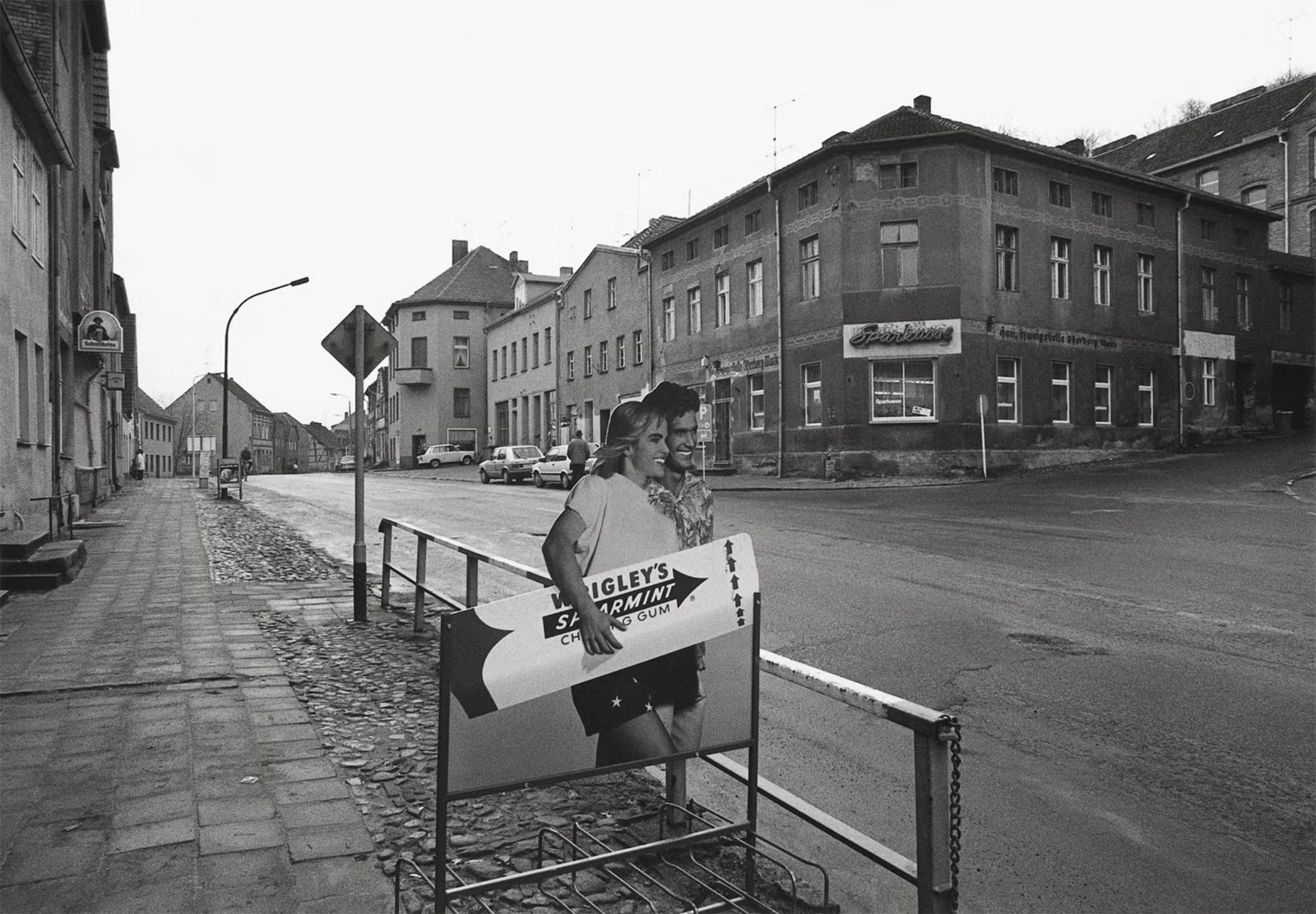
Barbara Klemm (German, b. 1939) 'Oderberg, Oderbruch' 1990


Barbara Klemm (German, b. 1939)
Oderberg, Oderbruch
1990
Black and white photograph on baryta paper
300 × 400 mm
© Barbara Klemm, Institut für Auslandsbeziehungen e. V.


Barbara Klemm (German, b. 1939) 'Remnants of the Wall near Lübars, Berlin' 1990


Barbara Klemm (German, b. 1939)
Remnants of the Wall near Lübars, Berlin
1990
Black and white photograph on baryta paper
300 × 400 mm
© Barbara Klemm, Institut für Auslandsbeziehungen e. V.


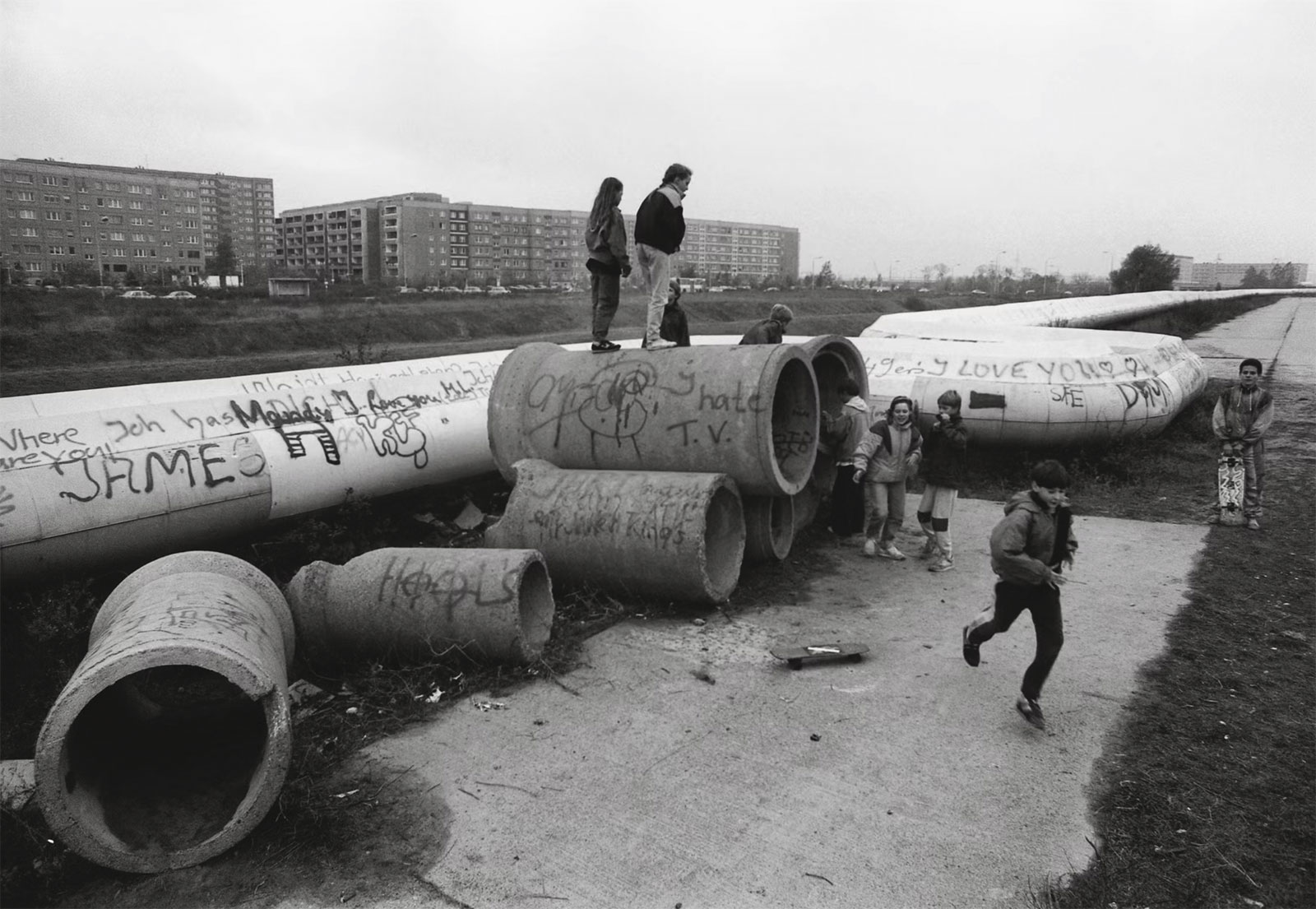
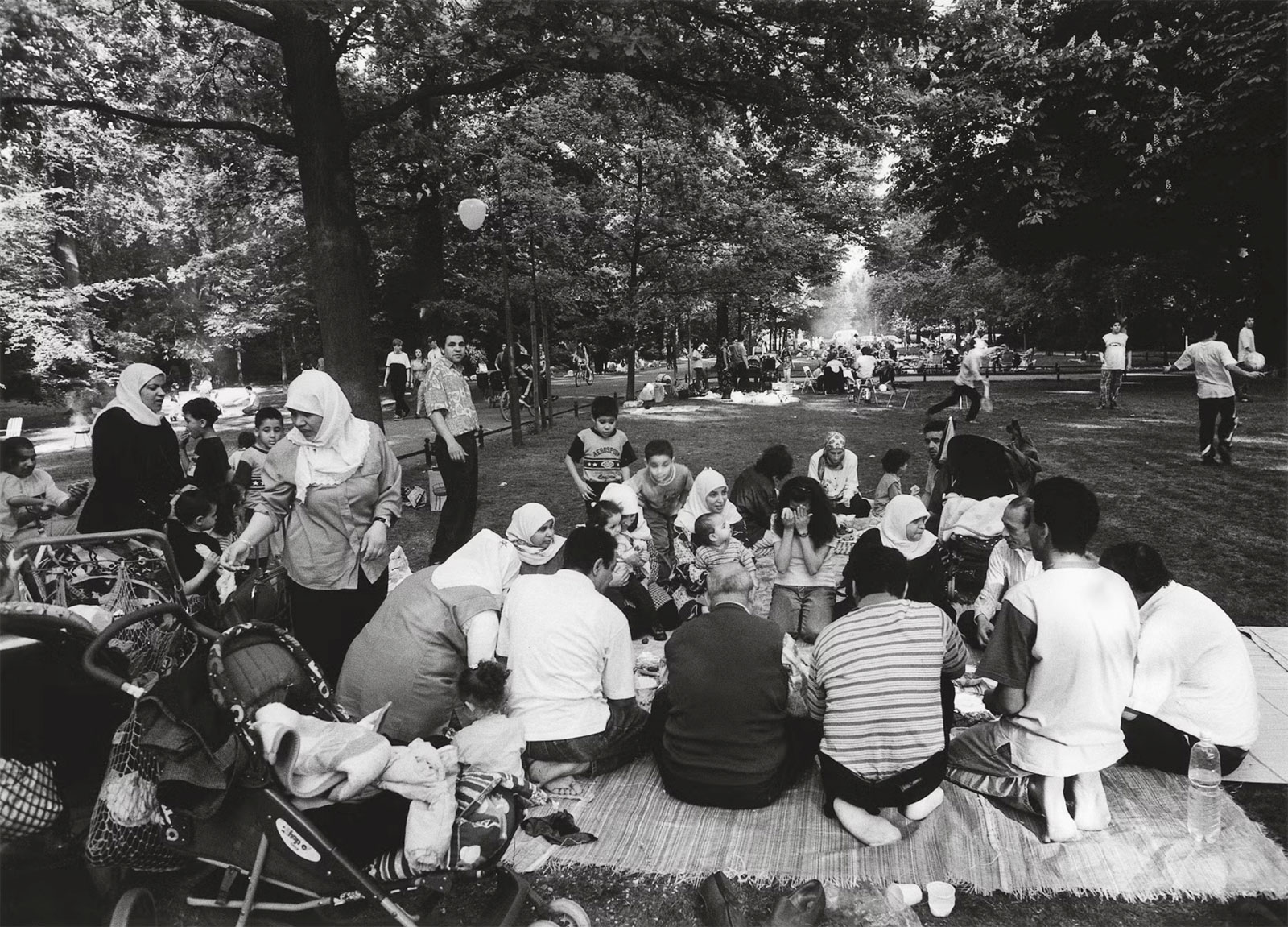
Barbara Klemm (German, b. 1939) 'Berlin-Marzahn' 1991


Barbara Klemm (German, b. 1939)
Berlin-Marzahn
1991
Black and white photograph on baryta paper
300 × 400 mm
© Barbara Klemm, Institut für Auslandsbeziehungen e. V.


Barbara Klemm (German, b. 1939) 'Frankfurt am Main' 1993


Barbara Klemm (German, b. 1939)
Frankfurt am Main
1993
Black and white photograph on baryta paper
300 × 400 mm
© Barbara Klemm, Institut für Auslandsbeziehungen e. V.


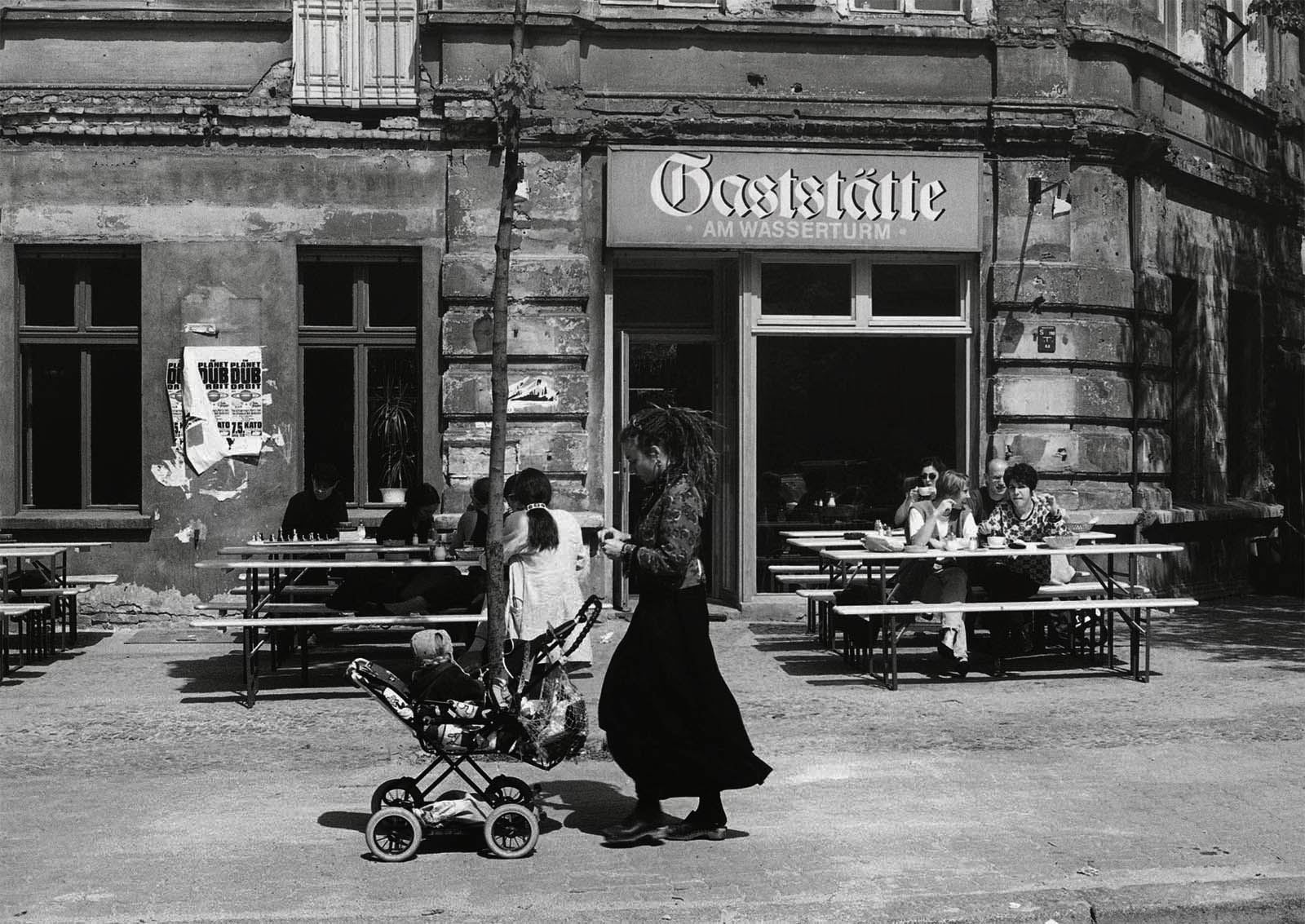
Barbara Klemm (German, b. 1939) 'Prenzlauer Berg, Berlin' 1994


Barbara Klemm (German, b. 1939)
Prenzlauer Berg, Berlin
1994
Black and white photograph on baryta paper
300 × 400 mm
© Barbara Klemm, Institut für Auslandsbeziehungen e. V.


Barbara Klemm (German, b. 1939) 'Oranienburger Straße, Berlin' 1994


Barbara Klemm (German, b. 1939)
Oranienburger Straße, Berlin
1994
Black and white photograph on baryta paper
300 × 400 mm
© Barbara Klemm, Institut für Auslandsbeziehungen e. V.


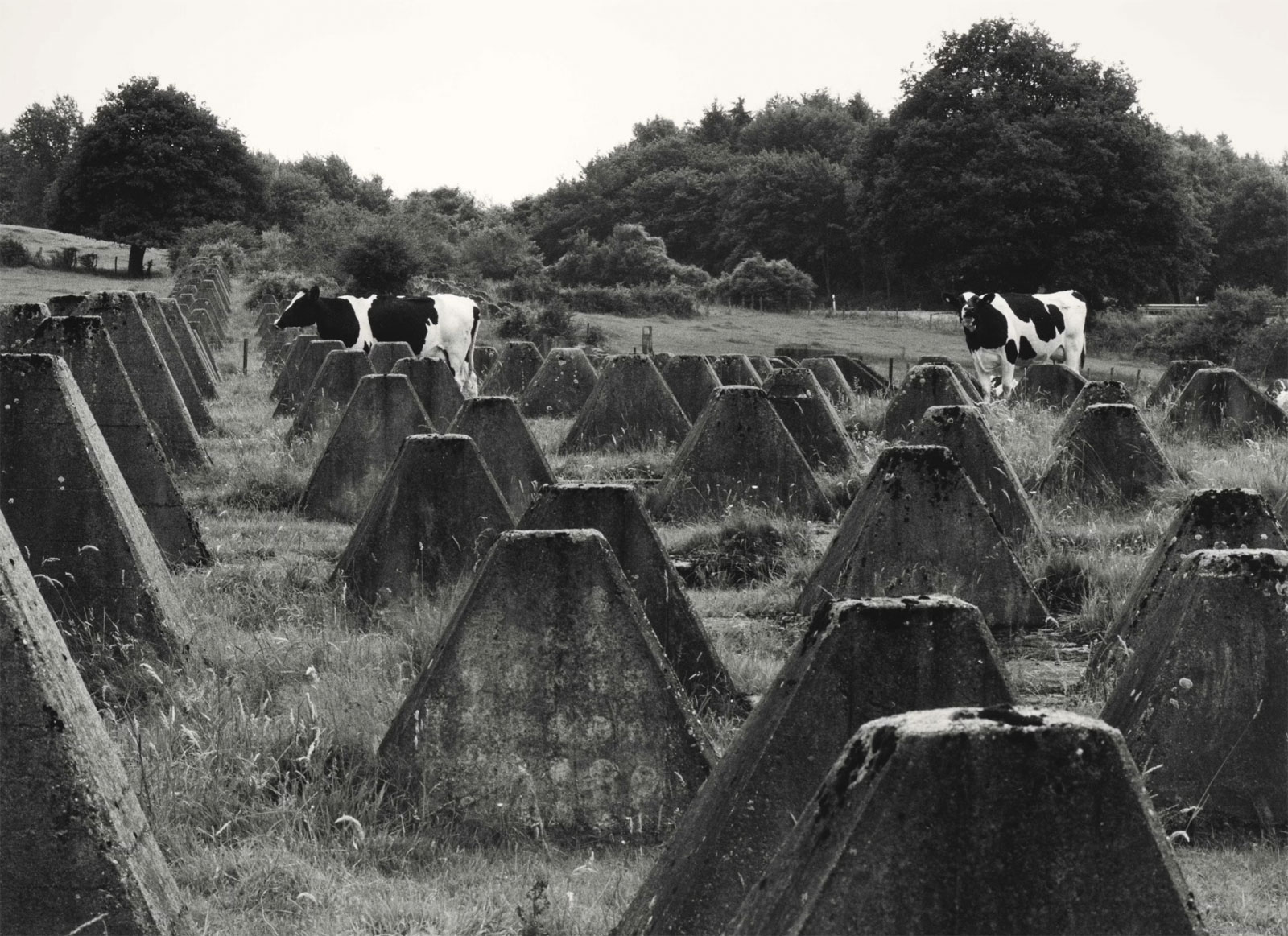
Barbara Klemm (German, b. 1939) 'West Wall, near Aachen' 1998


Barbara Klemm (German, b. 1939)
West Wall, near Aachen
1998
Black and white photograph on baryta paper
300 × 400 mm
© Barbara Klemm, Institut für Auslandsbeziehungen e. V.


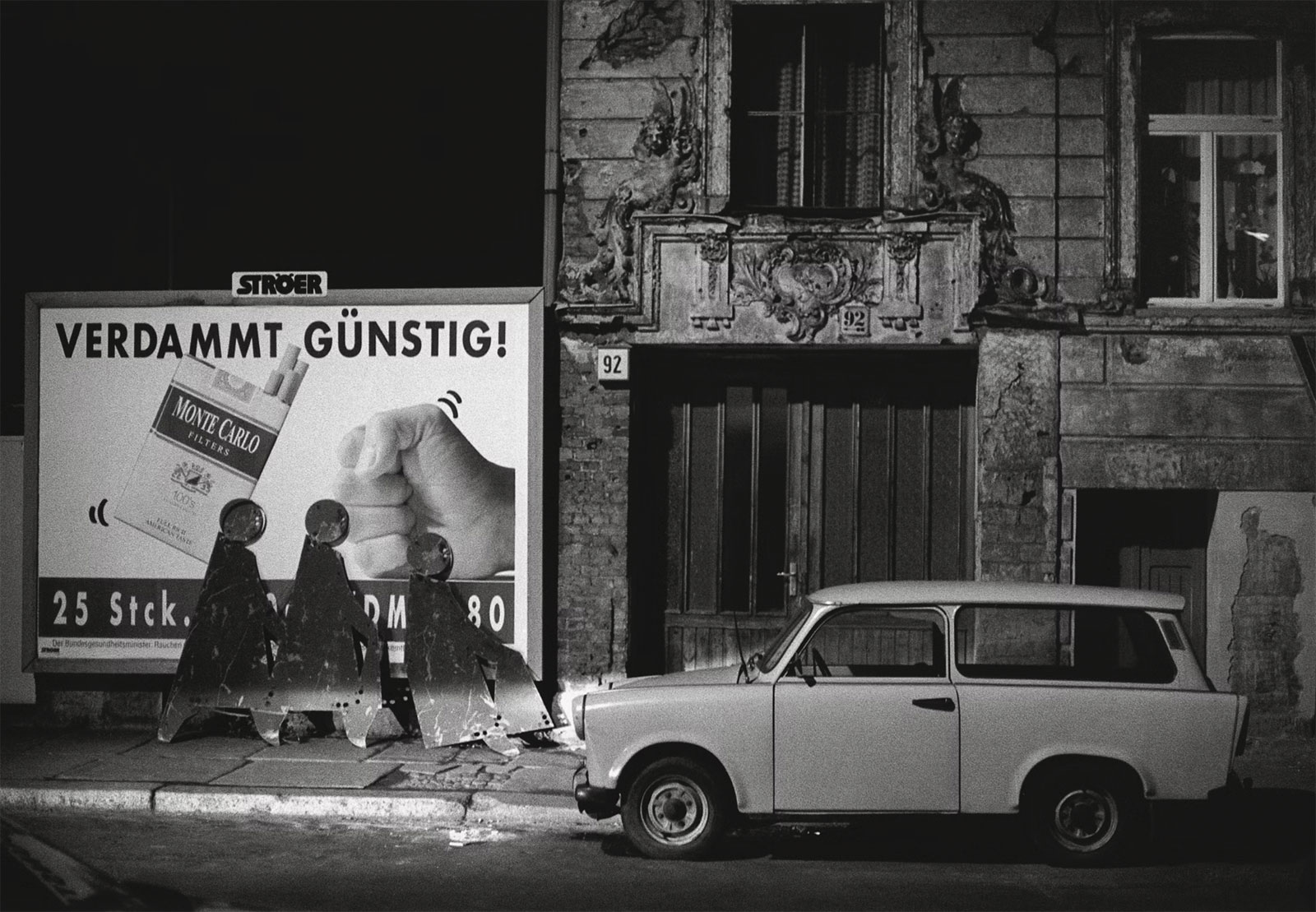
Barbara Klemm (German, b. 1939) 'Berlin' 1998


Barbara Klemm (German, b. 1939)939)
Berlin
1998
Black and white photograph on baryta paper
300 × 400 mm
© Barbara Klemm, Institut für Auslandsbeziehungen e. V.


GfZK-Villa
Karl-Tauchnitz-Str. 11
04107 Leipzig

Opening hours:
Tue - Fri: 2pm – 7pm
Sat - Sun: 12am – 6pm

GfZK-Villa website

Arc One Gallery website

LIKE ART BLART ON FACEBOOK

Exhibition: ‘What They Saw: Historical Photobooks by Women, 1843-1999’ at the Museo Nacional Centro de Arte Reina Sofía, Madrid

Exhibition dates: 23rd February – 7th June 2024

Curators: Russet Lederman and Olga Yatskevich
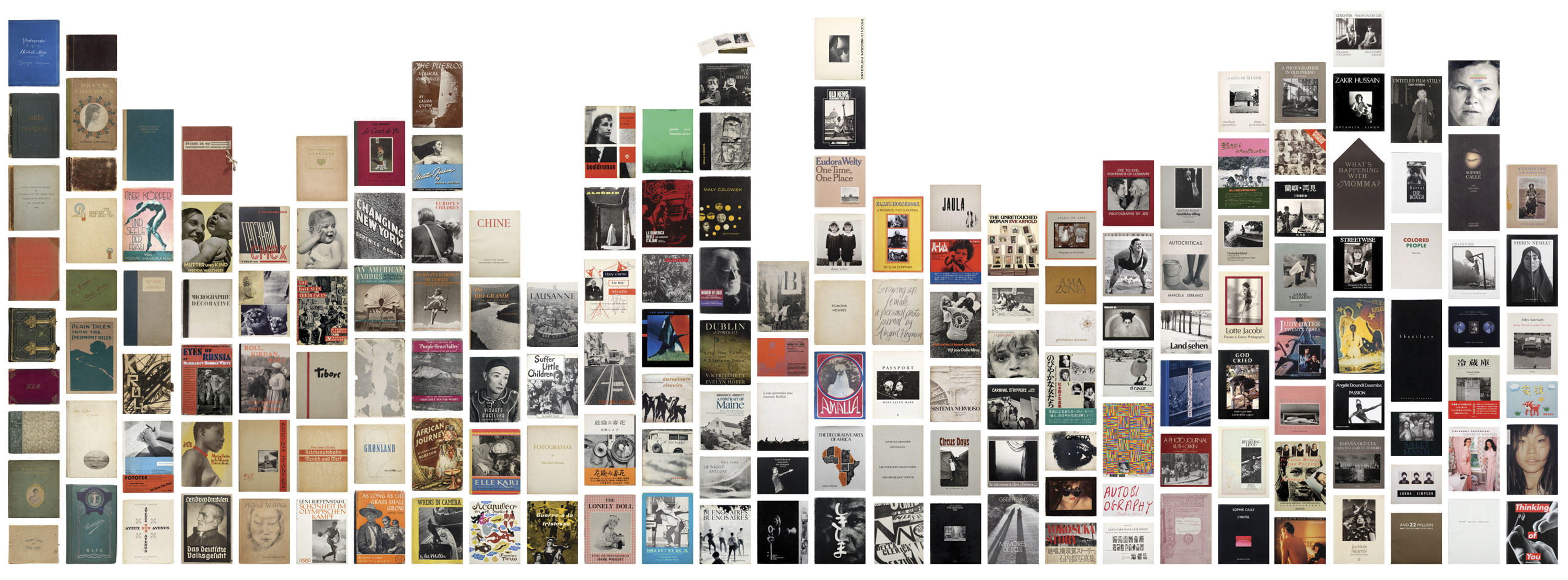
 

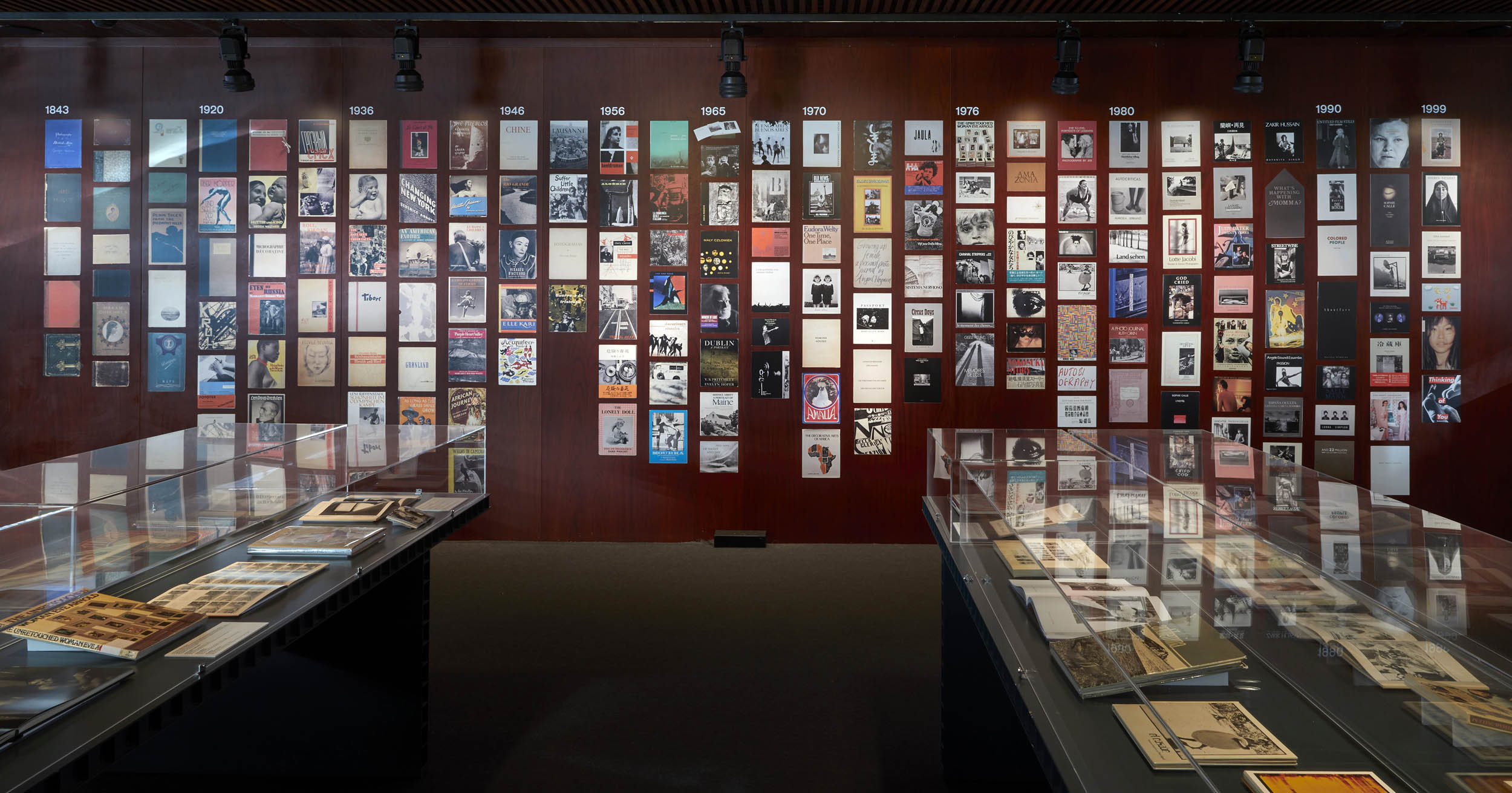
'What They Saw: Historical Photobooks by Women, 1843-1999' (Nueva York, 10×10 Photobooks, 2021) cover images


What They Saw: Historical Photobooks by Women, 1843-1999 (Nueva York, 10×10 Photobooks, 2021) cover images
Design: Ayumi Higuchi
Photography: Jeff Gutterman


A mid-week posting!

I wouldn’t have forgiven myself if I had missed this important exhibition about an interesting subject, the “underexposed and undocumented photobooks by women made between 1843 and 1999.”

So I thought I would squeeze it into the posting schedule which stretches a couple of months into the future…

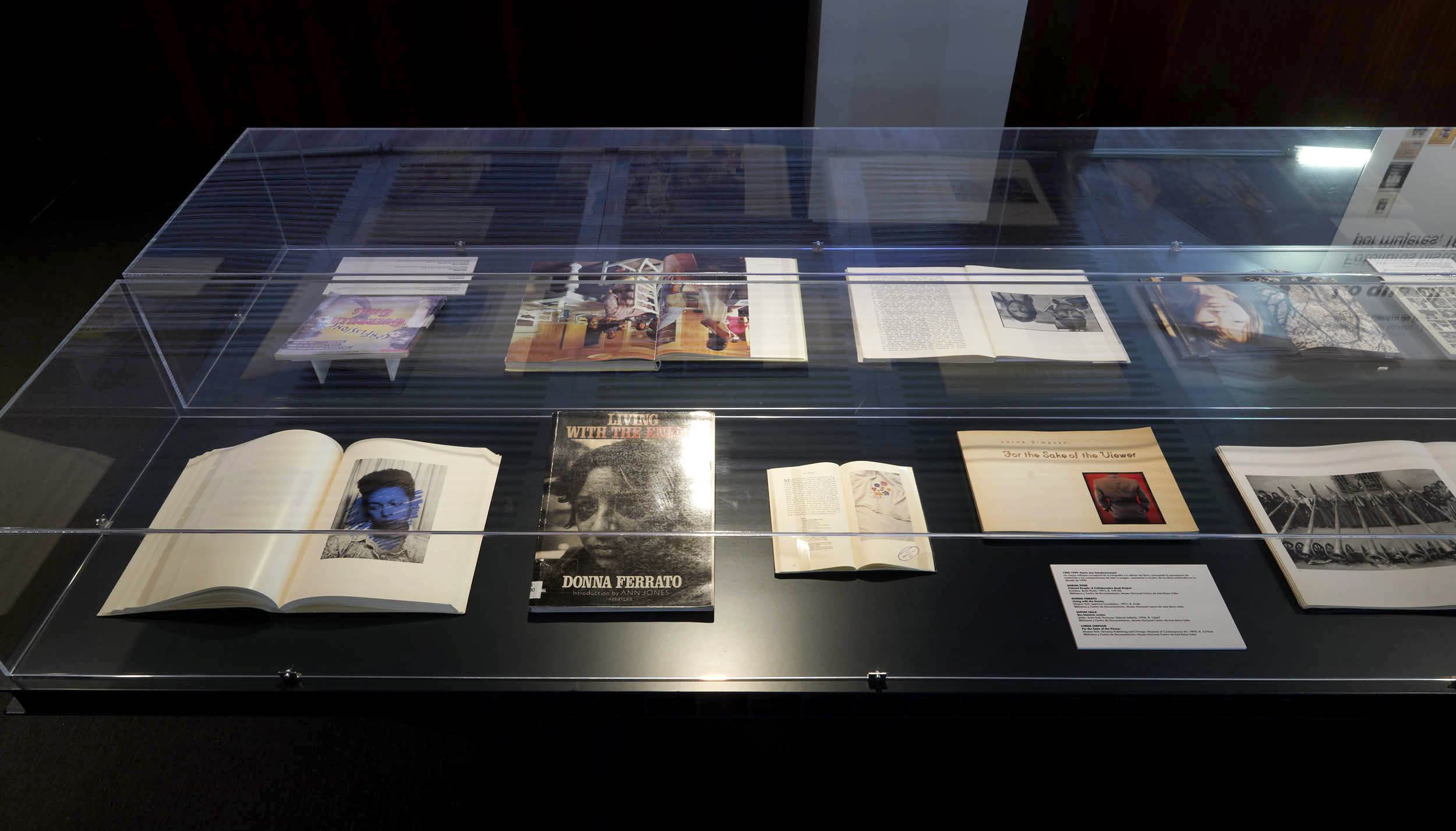
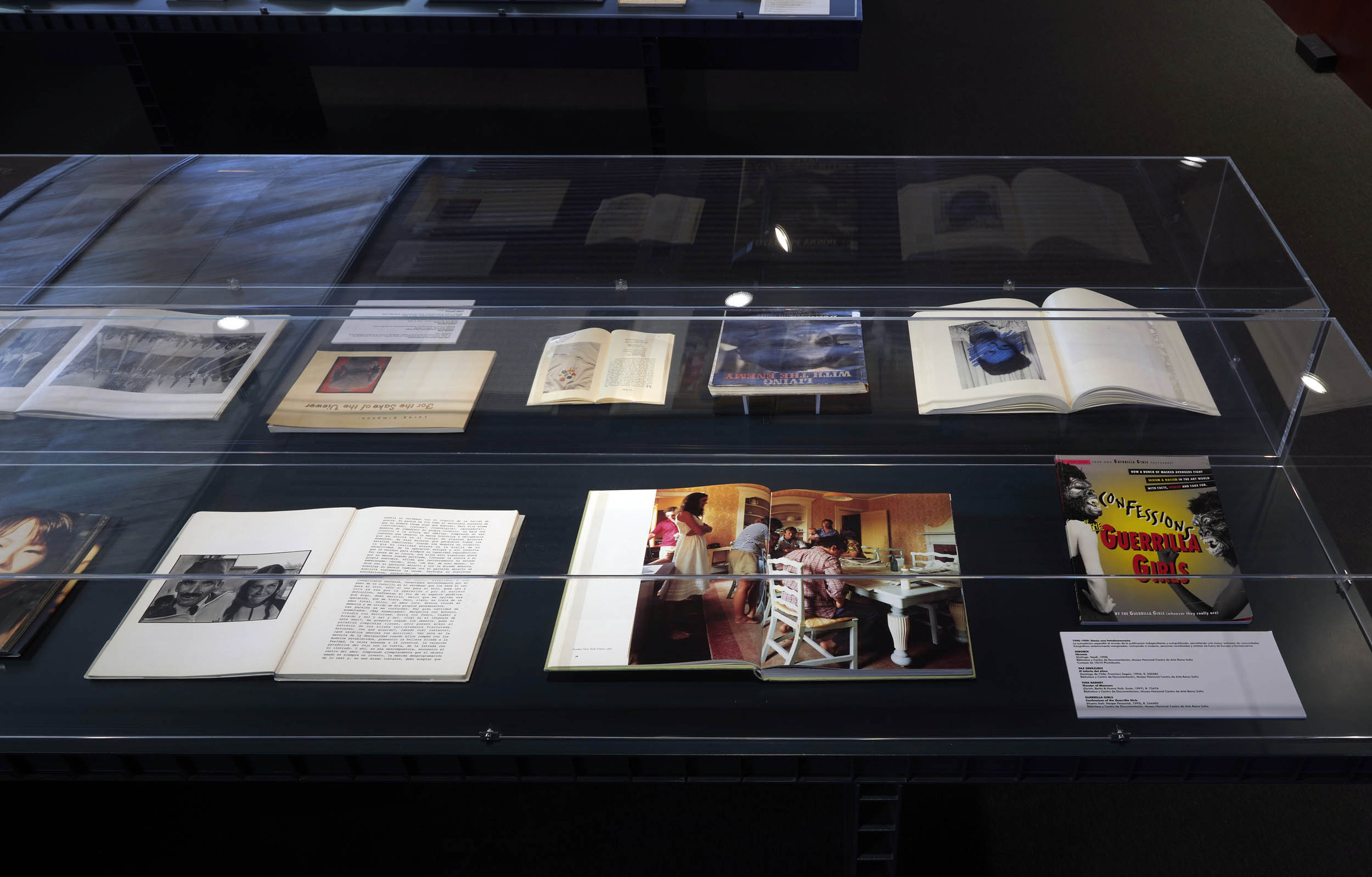
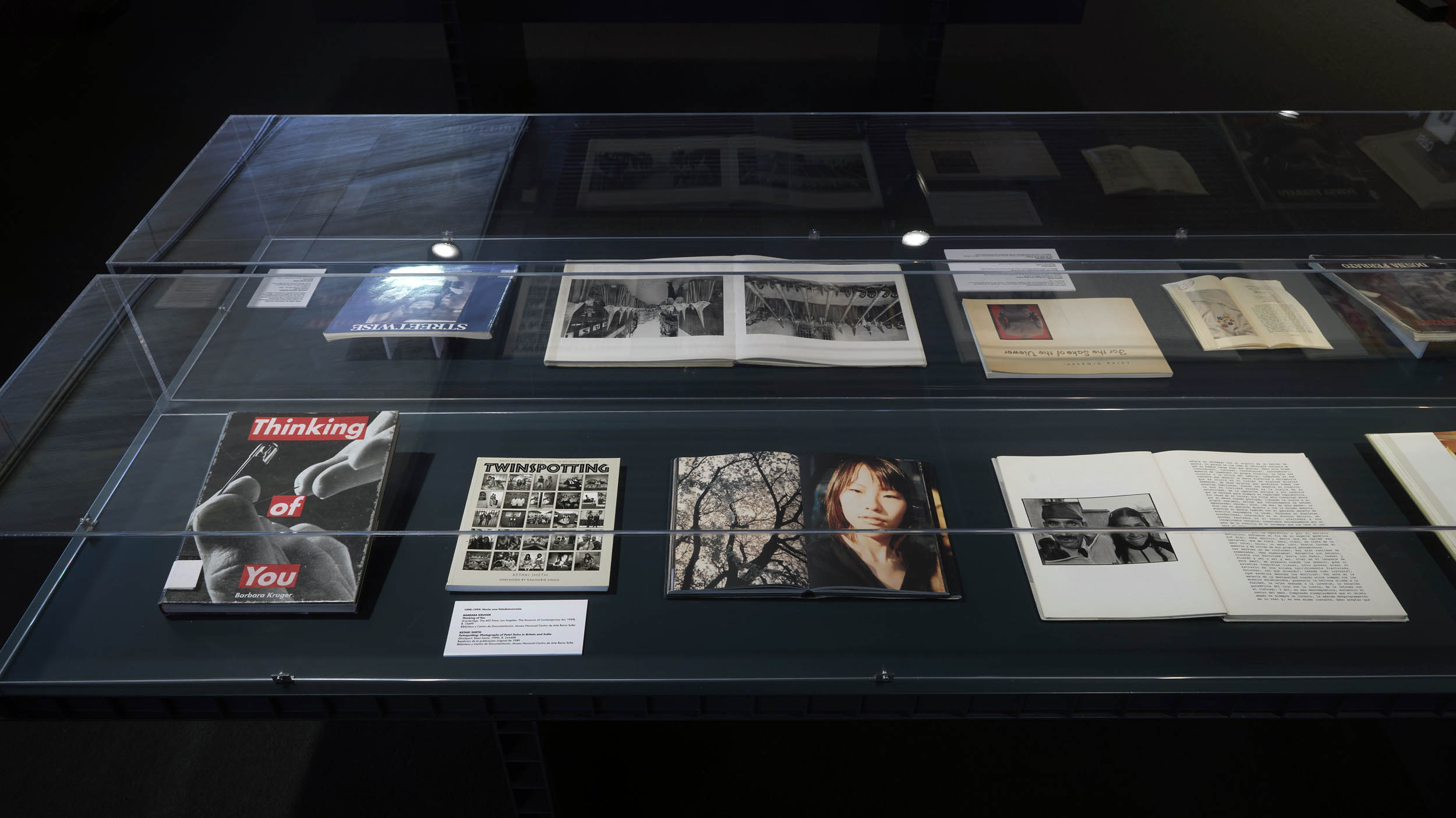
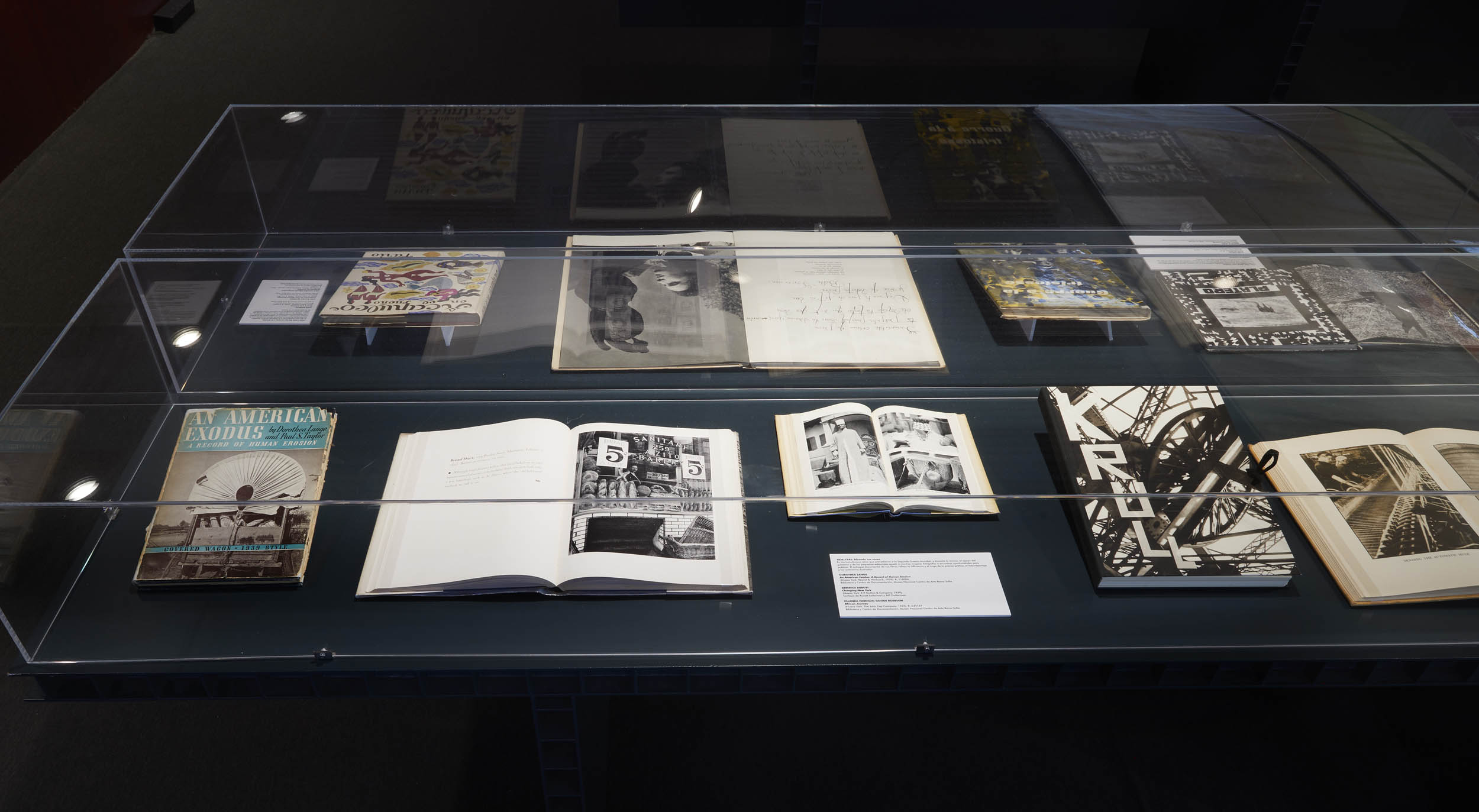
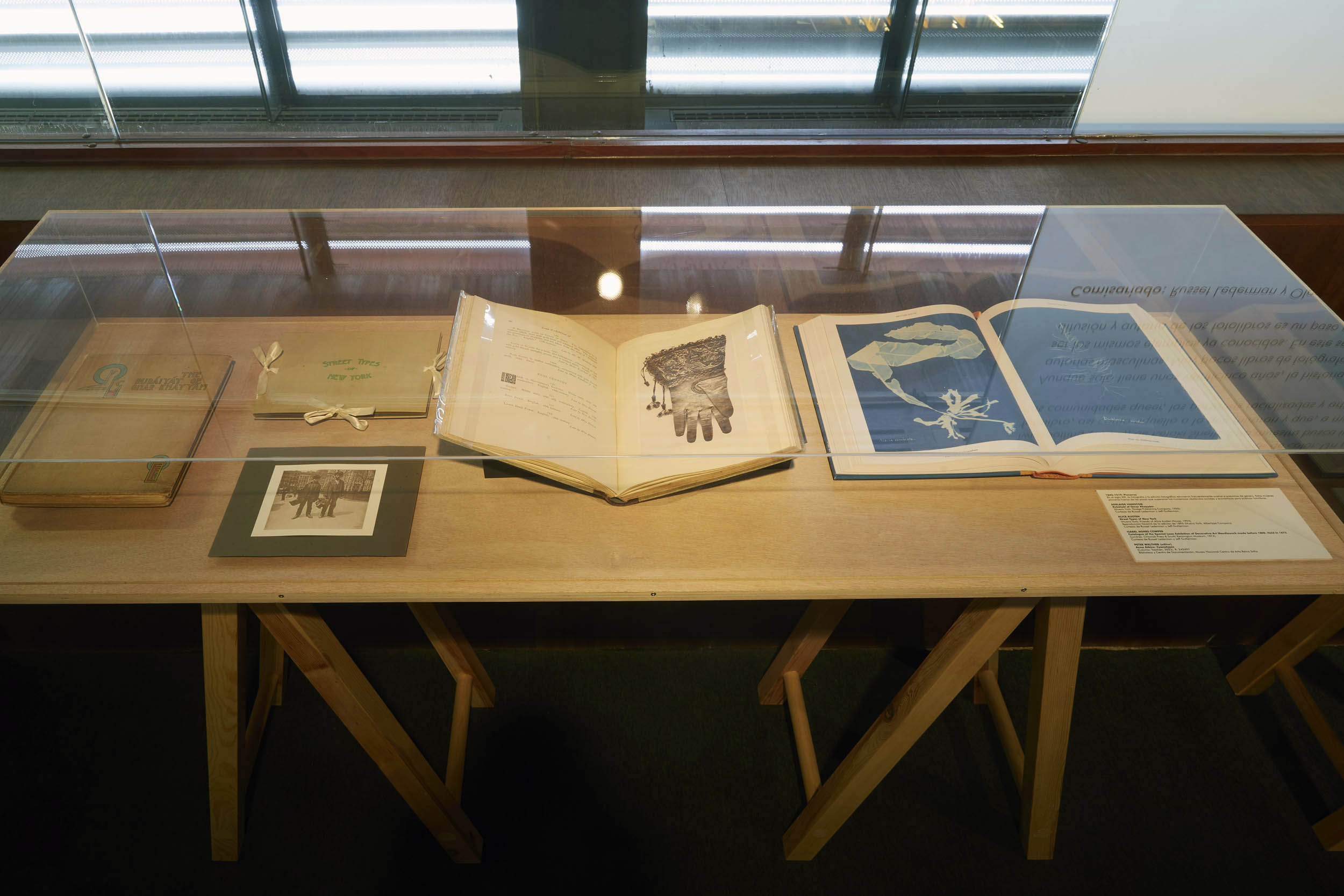
Other than the group photographs of the book covers and installation photographs of the exhibition (below), there were no individual book covers nor details about some of the books in the media images, so I have added a few were it has been possible along with accompanying text.

I have also included photographs from what I think is one of the most iconic photobooks, even though I am not sure it is in the exhibition: Marion Palfi’s There is No More Time: An American Tragedy (1949).

So many important photobooks by so many glorious photographers.

Dr Marcus Bunyan


Many thankx to the Museo Nacional Centro de Arte Reina Sofía for allowing me to publish the photographs in the posting. Please click on the photographs for a larger version of the image.


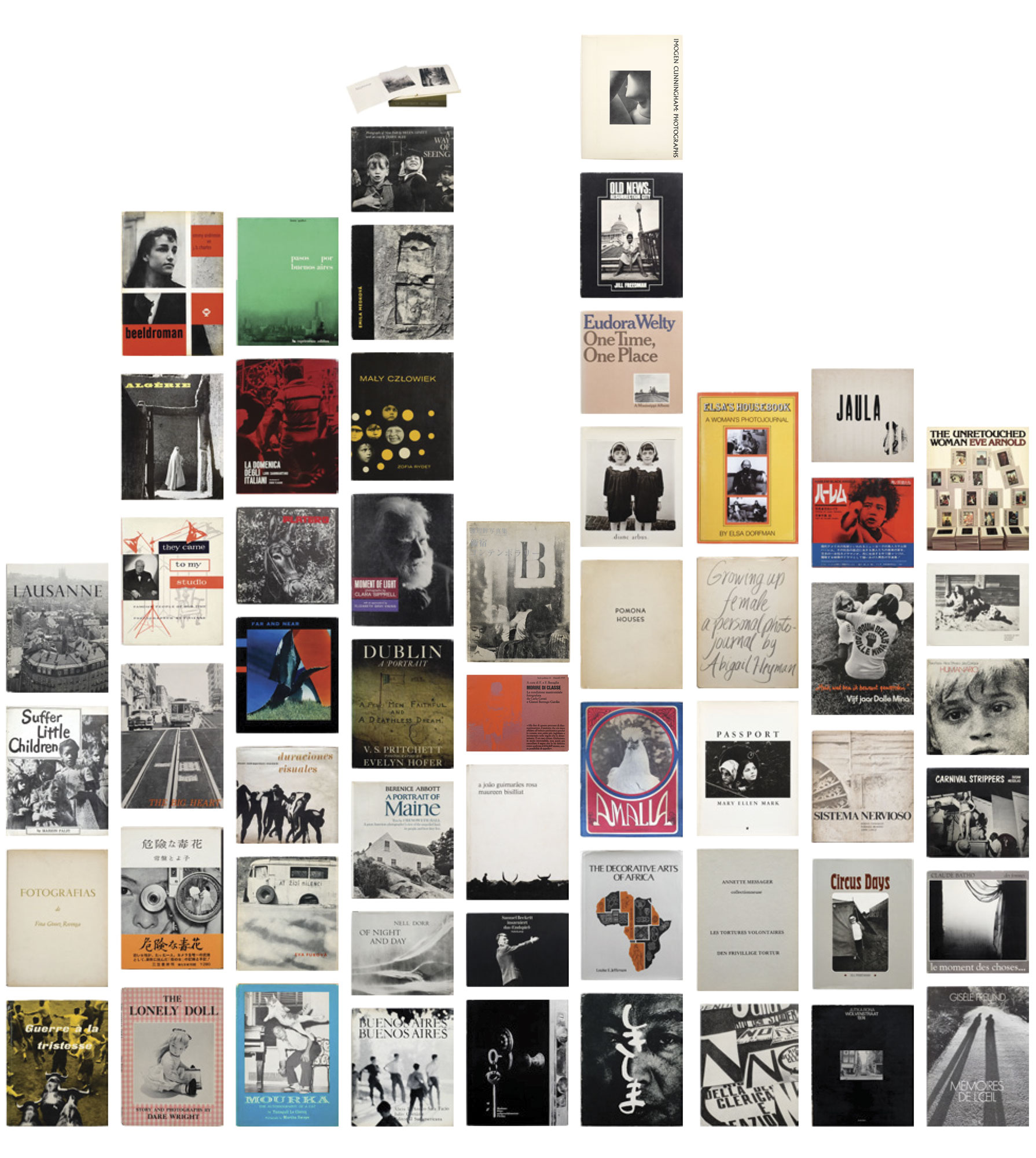
'What They Saw: Historical Photobooks by Women, 1843-1999' (Nueva York, 10×10 Photobooks, 2021) cover images (detail)


What They Saw: Historical Photobooks by Women, 1843-1999 (Nueva York, 10×10 Photobooks, 2021) cover images (detail)
Design: Ayumi Higuchi
Photography: Jeff Gutterman
 

'What They Saw: Historical Photobooks by Women, 1843-1999' (Nueva York, 10×10 Photobooks, 2021) cover images (detail)


What They Saw: Historical Photobooks by Women, 1843-1999 (Nueva York, 10×10 Photobooks, 2021) cover images (detail)
Design: Ayumi Higuchi
Photography: Jeff Gutterman
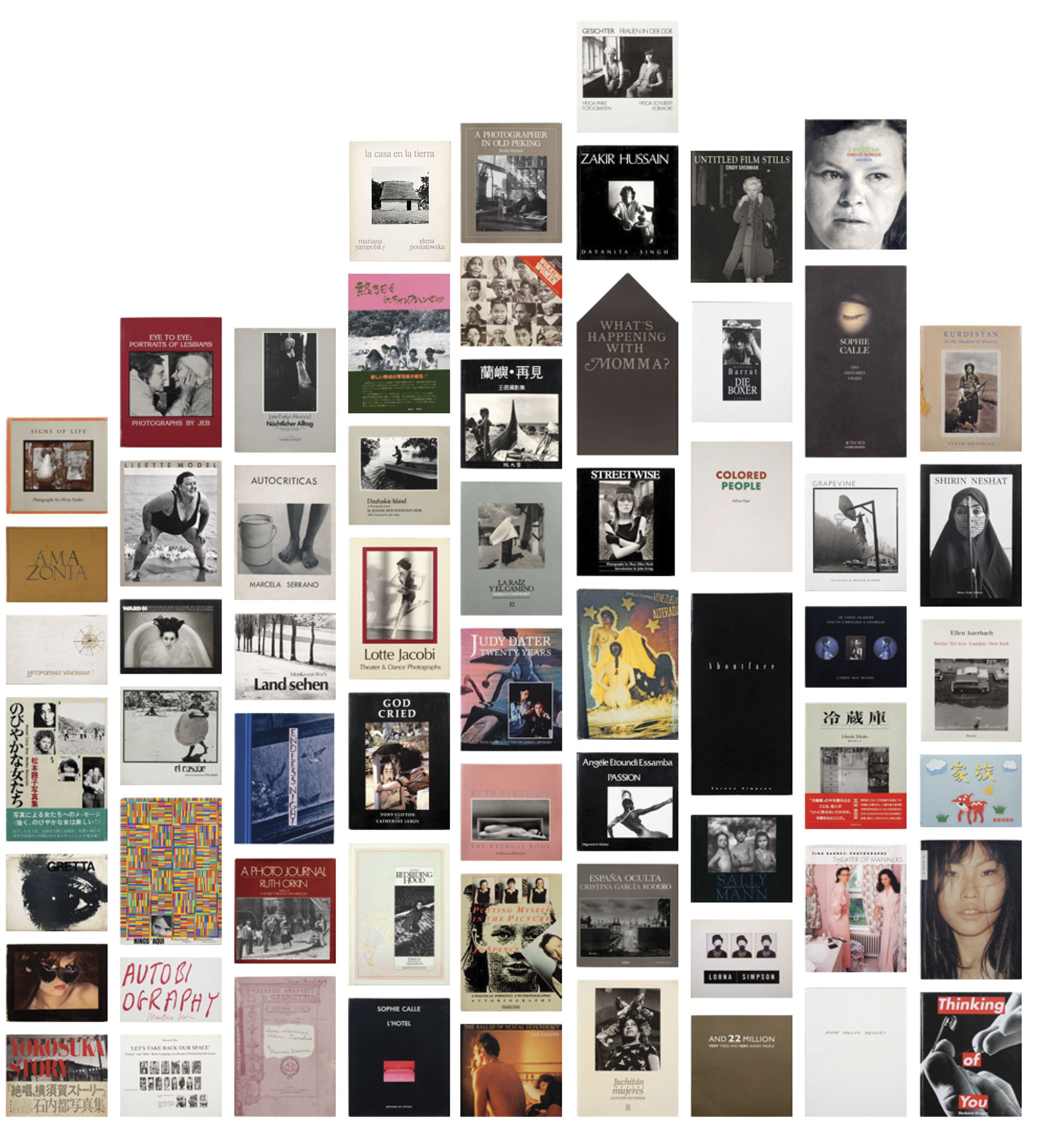
 

'What They Saw: Historical Photobooks by Women, 1843-1999' (Nueva York, 10×10 Photobooks, 2021) cover images (detail)


What They Saw: Historical Photobooks by Women, 1843-1999 (Nueva York, 10×10 Photobooks, 2021) cover images (detail)
Design: Ayumi Higuchi
Photography: Jeff Gutterman


What They Saw project, a touring exhibition accompanied by a publication and series of public programs, is a means to ignite interest in underexposed and undocumented photobooks by women made between 1843 and 1999 and to begin a process of filling in the gaps. The present show is organised in collaboration with 10×10 Photobooks, a nonprofit organisation with a mission to share photobooks globally and encourage their appreciation and understanding.

In seeking out the omissions in photobook history, the standard definition of the photobook: a bound volume with photographic illustrations published by the author, an independent publisher or a commercial publisher, needed to be expanded to incorporate those who do not call themselves photographers or artists but who nevertheless put together a “book” composed of photographs taken by themselves or others: individual albums, slim exhibition pamphlets, scrapbooks, mock-ups, fanzines and artists’ books to be more inclusive.

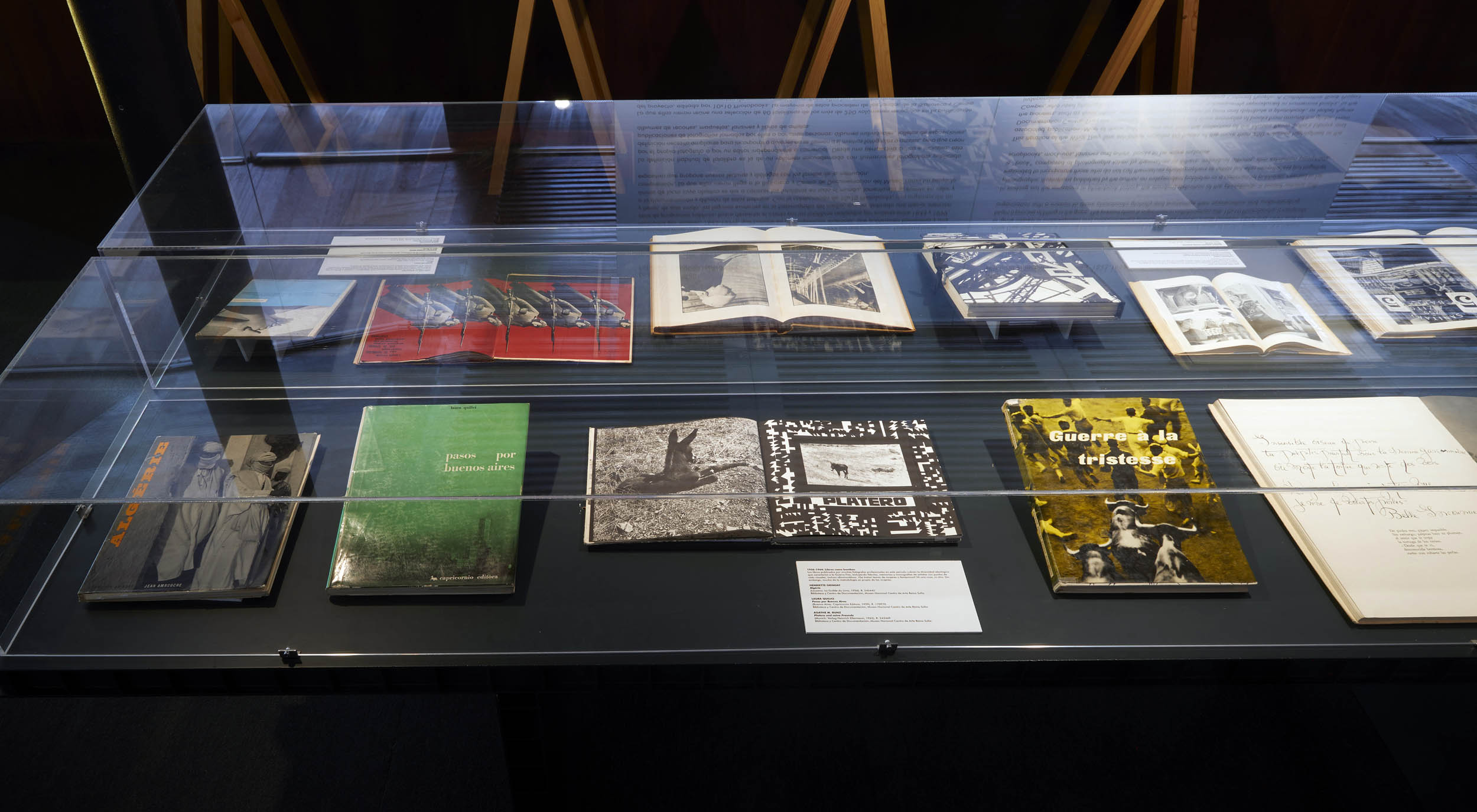
This iteration of the What They Saw exhibition includes 60 books of the more than 250 volumes highlighted in the associated publication. Most of these publications are from the collection of the Museo Reina Sofía’s Library and Documentation Centre. They are presented chronologically and show examples of books from around the globe. From the pioneers, such as Anna Atkins, who was the first person ever to print and distribute a photobook, or Isabel Agnes Cowper, who used photography to document museum objects, subsequently reproduced in numerous books, to the independent and self-published photobooks of the 1990s, including Colored People: A Collaborative Book Project by Adrian Piper or Twinspotting by Ketaki Seth, this selection allows for greater inclusion of previously marginalised photographic communities, including women, queer communities, people of colour and artists from outside Europe and North America.

Although only twenty-five years old, photobook history has been written primarily by men and has focused on publications authored by men. Very few books by women photographers appear in past anthologies documenting photobook history, and those included are already quite well known. This exhibition of women’s role in the production, dissemination, and authoring of photobooks is a necessary step in unwriting the current photobook history and rewriting an updated photobook history that is more equitable and inclusive.

Text from the Museo Nacional Centro de Arte Reina Sofía website


Anna Atkins, 'Photographs of British Algae: Cyanotype Impressions', 1843


Anna Atkins, Photographs of British Algae: Cyanotype Impressions, 1843
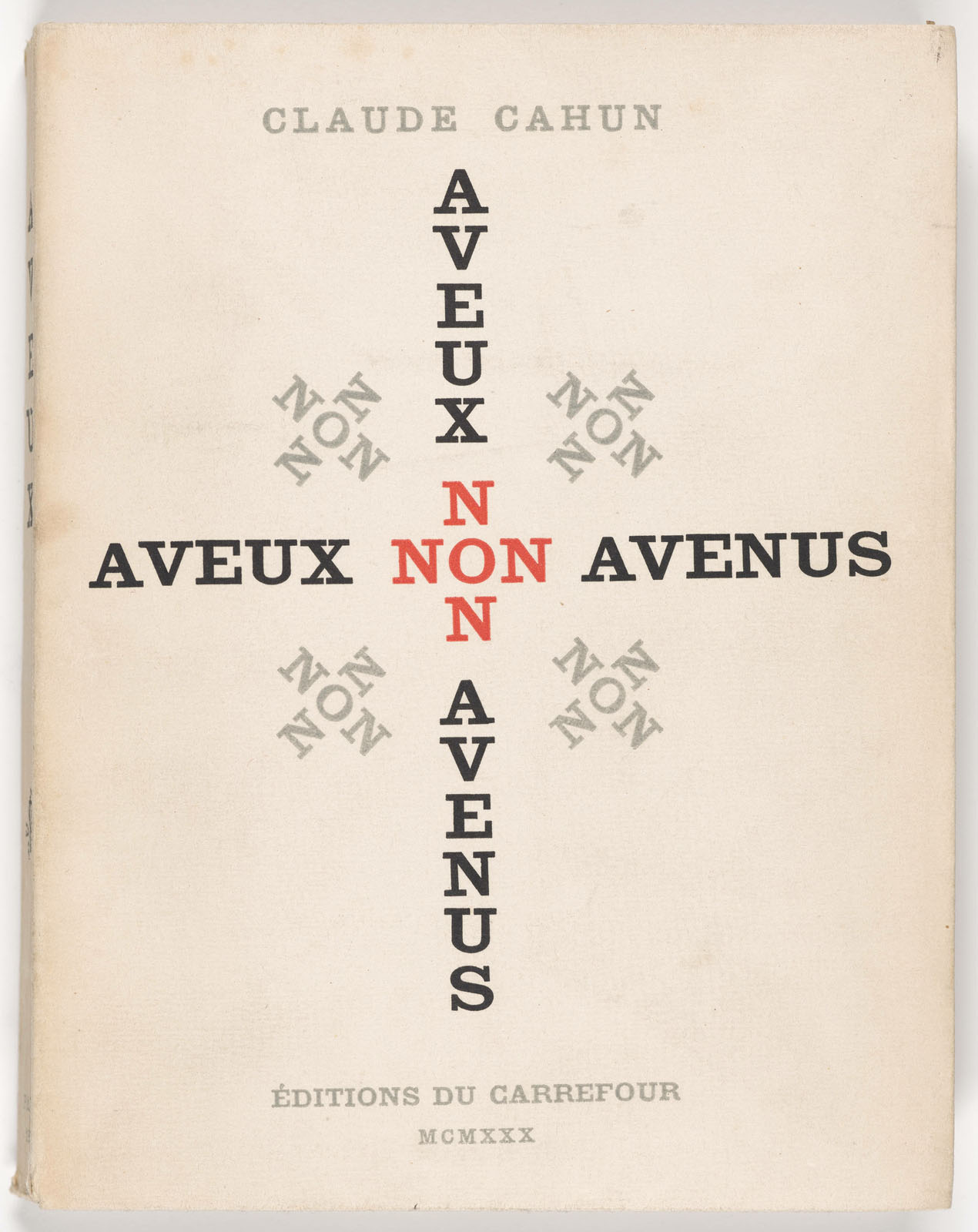
 

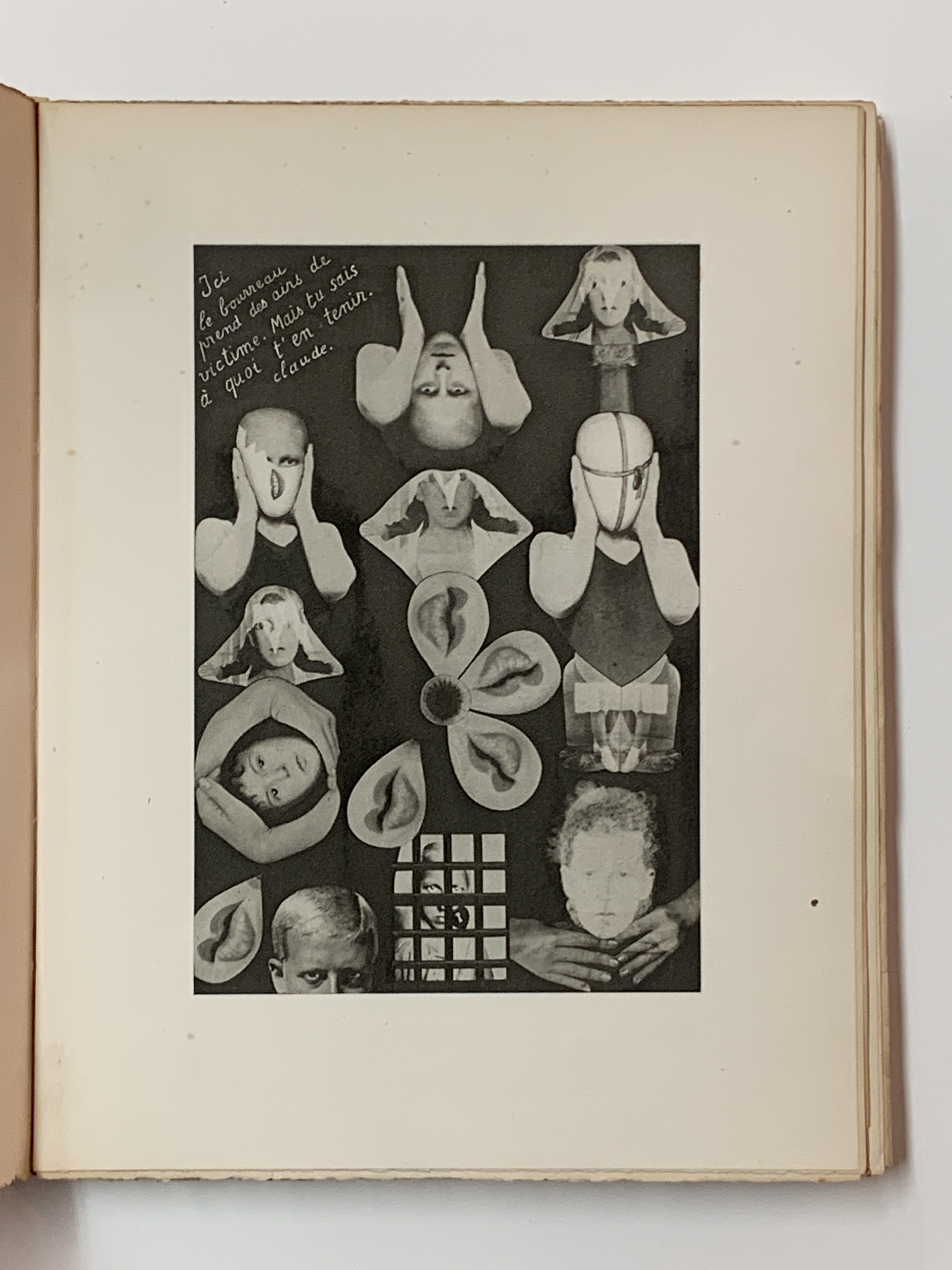
Claude Cahun (Lucy Schwob) (French, 1894-1954) 'Aveux non avenus' (Disavowals or Cancelled Confessions) 1930

Claude Cahun (1894-1954) 'Aveux Non Avenus' Paris- Éditions du Carrefour, 1930

Claude Cahun (1894-1954) 'Aveux Non Avenus' Paris- Éditions du Carrefour, 1930

Claude Cahun (1894-1954) 'Aveux Non Avenus' Paris- Éditions du Carrefour, 1930


Claude Cahun (Lucy Schwob) (French, 1894-1954) Aveux non avenus (Disavowals or Cancelled Confessions) 1930


In her 1930 publication, Aveux non Avenus, Claude Cahun used the relationship between her inwardly focused poetic writing and symbolic photomontages to construct a unique reality for self-expression. This article focuses on three chapters and respective photographic images from the publication to relate Cahun’s, and by association her partner Marcel Moore’s, discussion on sexuality and gender expression. The utopian dreamscape created investigates issues of narcissism and otherness, female homosexuality, dandyism and going beyond gender, individual and social critique, mocking the antiquated views of art and writing, accepting and breaking taboos, while allowing for other departures from the accepted norm. Through analysis of the publication and supporting evidence from early influences, it can be seen that Cahun created a world in Aveux non Avenus where she could exist in a space between the established feminine–masculine binary of 20th-century Europe.

Abstract from Erin F. Pustarfi. “Constructed Realities: Claude Cahun’s Created World in Aveux Non Avenus,” in Journal of Homosexuality, 67(5), pp. 697-711
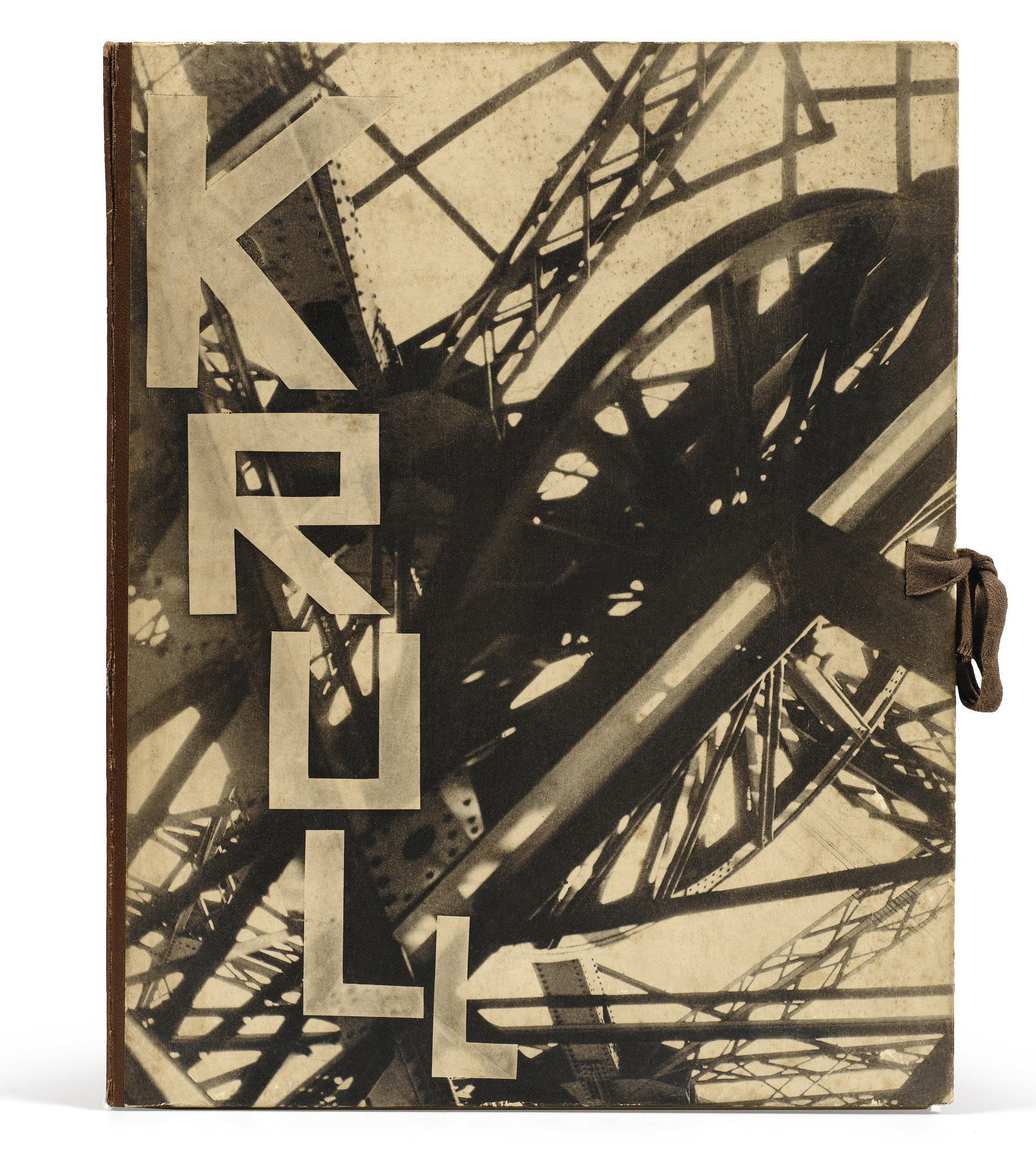
 

Germaine Krull (photographer) Cover design by M. Tchimoukow. 'MÉTAL' cover 1928


Germaine Krull (photographer) Cover design by M. Tchimoukow. MÉTAL cover 1928


Germaine Krull (1897-1985) Image from the portfolio 'MÉTAL' 1928


Germaine Krull (1897-1985) Image from the portfolio MÉTAL 1928, p. 33


I did not have a special intention or design when I took the Iron photographs. I wanted to show what I see, exactly as the eye sees it. ‘MÉTAL’ is a collection of photographs from the time. ‘MÉTAL’ initiated a new visual era and open the way or a new concept of photography. ‘MÉTAL’ was the starting point which allowed photography to become an artisanal trade and which made an artist of the photographer, because it was part of this new movement, of this new era which touched all art.

Germaine Krull. Extract from the Preface to the 1976 edition of ‘MÉTAL’

See my writing on Germaine Krull’s portfolio MÉTAL.
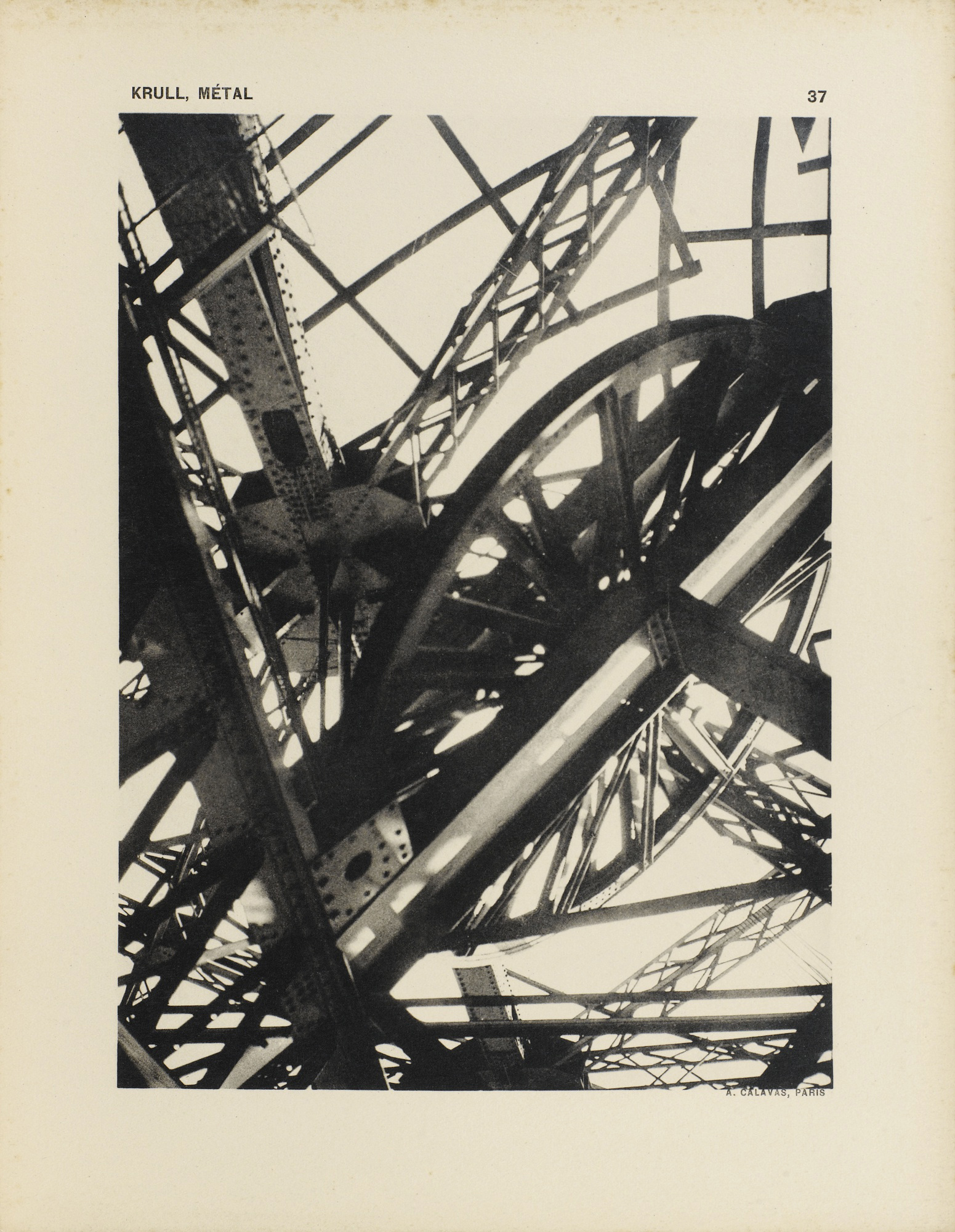
 

Germaine Krull (1897-1985) Image from the portfolio 'MÉTAL' 1928 p. 37


Germaine Krull (1897-1985) Image from the portfolio MÉTAL 1928 p. 37
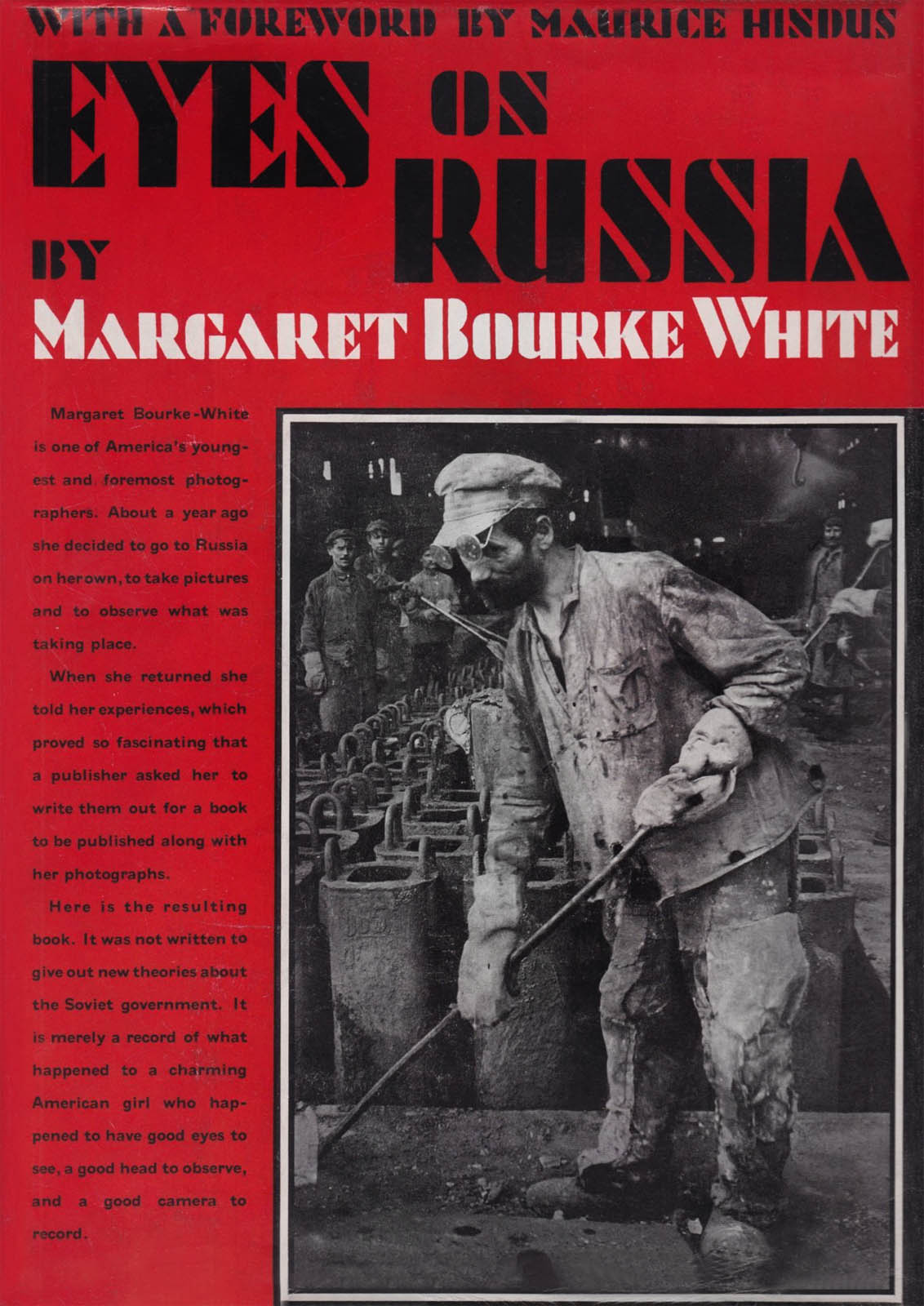
 

'Eyes on Russia' by Margaret Bourke-White. New York: Simon and Schuster, 1931


Eyes on Russia by Margaret Bourke-White. New York: Simon and Schuster, 1931


In 1951, Westbrook Pegler wrote numerous articles attacking Margaret Bourke-White for her associations with leftist politics in the 1930s. It is probably for this reason that in her autobiography, Portrait of Myself, written about ten years later, Bourke-White didn’t mention her first book, Eyes on Russia, published in 1931. And yet, this book is of extraordinary interest, not only as a landmark in Bourke-White’s career but also as a source, both visual and narrative, on the Soviet Union during its first Five Year Plan. With letters of recommendation from influential people, including the Russian film maker, Sergei Eisenstein, Bourke-White arrived in Moscow in the fall of 1930, where she obtained the official endorsement of A.B. Khalatoff, chief of the Soviet publishing house (he was later liquidated in the 1937 purges). Khalatoff supplied her with a thick roll of rubles and a guide. Bourke-White then toured some of the most important industrial and other sites and came back with stellar images of Russia under construction, which she complemented by a spritely and charming narrative of her experiences as the first foreign photographer to photograph in the Soviet Union with official permission. On her trip, she made 800 negatives, of which 40 were published in Eyes on Russia in a sepia tone. This book, along with at least eight related illustrated articles in Fortune, the New York Times Sunday Magazine, and other periodicals, significantly enhanced Bourke-White’s reputation (and commercial business). They also helped initiate relationships she established both with Soviet officials and Americans sympathetic to the U.S.S.R. She returned to Russia in 1931 and 1932 for additional photography, but Eyes on Russia, a fascinating book for a variety of reasons, remains the largest single published collection of her work in that country. It was very well received in numerous book reviews when it appeared. For a more detailed review, see my article, Gary D. Saretzky “Margaret Bourke-White: Eyes on Russia,” The Photo Review, 22: 3-4 (Summer & Fall 1999),

Text from a comment on the Amazon website


'Roll, Jordan, Roll' by Julia Peterkin (text) and Doris Ulmann (photographs) New York: Robert O. Ballo, 1933


Roll, Jordan, Roll by Julia Peterkin (text) and Doris Ulmann (photographs) New York: Robert O. Ballo, 1933


Doris Ulmann’s photographic collaboration with Julia Peterkin focuses on the lives of former slaves and their descendants on a plantation in the Gullah coastal region of South Carolina. Peterkin, who won the Pulitzer Prize in 1929, was born in South Carolina and raised by a black nursemaid who taught her the Gullah dialect before she learned standard English. She married the heir to Lang Syne in today’s Calhoun County, SC, one of the state’s richest plantations, which became the setting for Roll, Jordan, Roll. Ulmann’s soft-focus photos-rendered as tactile as charcoal drawings in the superb gravure reproductions here-straddle Pictorialism and Modernism even as they appear to dissolve into memory.

Text from the Amazon website


Leni Riefenstahl 'Schönheit im olympischen Kampf' [Beauty in the Olympic Games] Berlin: Im Deutschen Verlag, (1937)


Leni Riefenstahl Schönheit im olympischen Kampf [Beauty in the Olympic Games] Berlin: Im Deutschen Verlag, (1937)


'Leni Riefenstahl Schönheit im olympischen Kampf' [Beauty in the Olympic Games] Berlin: Im Deutschen Verlag, (1937) pp. 220-221


Leni Riefenstahl Schönheit im olympischen Kampf [Beauty in the Olympic Games] Berlin: Im Deutschen Verlag, (1937) pp. 220-221
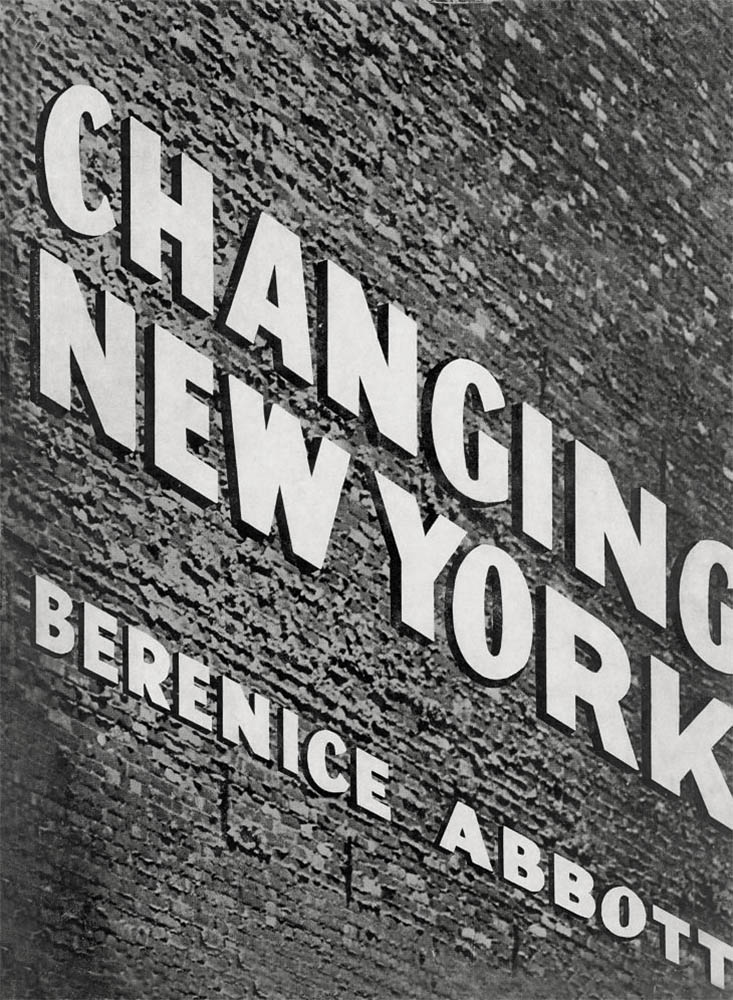
 

Berenice Abbott and Elizabeth McCausland. 'Changing New York'. New York: E. P. Dutton & Company, 1939


Berenice Abbott and Elizabeth McCausland. Changing New York. New York: E. P. Dutton & Company, 1939


“The camera alone can catch
the swift surfaces of the
cities today and speaks a
language intelligible to all.”

~ Berenice Abbott


Abbott’s landmark work on New York, illustrated with 97 halftone plates that display “the historical importance of the documentary model its power as a medium of personal expression” (Parr & Badger).


In January 1929, after eight years in Europe, Abbott boarded an ocean liner to New York City for what was meant to be a short visit. Upon arrival, she was struck by the rapid transformation of the built landscape and saw the city as ripe with photographic potential. “When I saw New York again, and stood in the dirty slush, I felt that here was the thing I had been wanting to do all my life,” she recalled. “Old New York is fast disappearing,” Abbott observed. “At almost any point on Manhattan Island, the sweep of one’s vision can take in the dramatic contrasts of the old and the new and the bold foreshadowing of the future. This dynamic quality should be caught and recorded immediately in a documentary interpretation of New York City. The city is in the making and unless this transition is crystallised now in permanent form, it will be forever lost…. The camera alone can catch the swift surfaces of the cities today and speaks a language intelligible to all.”

On the eve of the Great Depression, she began a series of documentary photographs of the city that, with the support of the Works Progress Administration’s Federal Art Project from 1935 to 1939, debuted in 1939 as the traveling exhibition and publication Changing New York.

With a handheld camera, Abbott traversed the city, photographing its skyscrapers, bridges, elevated trains, and neighbourhood street life. She pasted these “tiny photographic notes” into a standard black-page album, arranging them by subject and locale.

Consisting of 266 small black-and-white prints arranged on thirty-two pages, Abbott’s New York album marks a key turning point in her career – from her portrait work in Paris to the urban documentation that became one of her lasting legacies.

From 1935 to 1965, Berenice Abbott and art critic Elizabeth McCausland (1899-1965) lived and worked in two flats they shared on the fourth floor of the loft building at 50 Commerce Street.

Lannyl Stephens. “Berenice Abbott’s Changing New York,” on the Village Preservation website July 17, 2023 [Online] Cited 26/05/2024


Berenice Abbott and Elizabeth McCausland. 'Changing New York'. New York: E. P. Dutton & Company, 1939


Berenice Abbott and Elizabeth McCausland. Changing New York. New York: E. P. Dutton & Company, 1939


'An American Exodus: A Record of Human Erosion'. Photographs by Dorothea Lange; text by Paul Taylor. New York: Reynal & Hitchcock, 1939


An American Exodus: A Record of Human Erosion. Photographs by Dorothea Lange; text by Paul Taylor. New York: Reynal & Hitchcock, 1939


“We need to be reminded these days about what women have been, and can be. It’s a question of their really deep and fundamental place in society. I have a feeling that women need to be reminded of it. They are needed.”

~ Dorothea Lange


First published in 1939, An American Exodus is one of the masterpieces of the documentary genre. Produced by incomparable documentary photographer Dorothea Lange with text by her husband, Paul Taylor, An American Exodus was taken in the early 1930s while the couple were working for the Farm Security Administration (FSA) The book documents the rural poverty of the depression-era exodus that brought over 300,000 migrants to California in search of farm work, a westward mass migration driven by economic deprivation as opposed to the Manifest Destiny of 19th century pioneers.

Text from the Google Books website


In 1938, Dorothea Lange and her husband Paul Taylor began sorting through the stacks of photographs she had made documenting migrant farmworkers and homeless drought refugees. Their goal was to create a book that would reveal the human dimension of the crisis to the American people and, hopefully, prompt government relief. One of several books released in the late 1930s that made use of the Farm Security Administration photo archive, An American Exodus: A Record of Human Erosion was innovative in several ways. Rather than tell the story from their own perspective, Lange and Taylor used direct quotes from the migrants themselves, which Lange had painstakingly collected in the field. Released as war tensions were building in Europe and Asia, An American Exodus was largely overlooked at the time. In the years since its publication, the book has gained power, presenting an iconic image of the Dust Bowl era that has shaped the way we think of those difficult years.

Text from the Dorothea Lange Digital Archive, Oakland Museum of California website


Eslanda Goode Robeson. 'African Journey'. New York: John Day Company, 1945


Eslanda Goode Robeson. African Journey. New York: John Day Company, 1945


Eslanda Robeson’s 1936 African journal with her own photographs. Africa seen through the eyes of an African American. She went to South Africa, Kenya, Uganda, and Congo, and visited African kings and British governors, villages, gold mines, plantations, herdswomen, and modern African leaders.

Eslanda Goode Robeson (1895-1965) was an American anthropologist, author, actress, and civil rights activist. She was born in Washington, D.C., graduated from Columbia University in 1917 with a degree in chemistry, and in 1921 married the singer and actor Paul Robeson. In 1936, she received her degree in anthropology from the London School of Economics, and in 1946, the year following the publication of African Journal, earned her anthropology Ph.D. from Hartford Seminary where she specialised in African studies and race relations.

Text from the Boyd Books website


'Wrens in Camera' by Lee Miller


Wrens in Camera by Lee Miller (London: Hollis and Carter, 1945)


During the Second World War Lee Miller was the official war photographer for Vogue magazine. The images contained in Wrens in Camera were commissioned by the Admiralty and show the female navy officers and workers fulfilling their war duties. There are signallers, technicians, trainers, housekeepers and transport crews. The whole is an important document of women’s roles in war-time Britain.

Text from the Beaux Books website


'Wrens in Camera' by Lee Miller (London: Hollis and Carter, 1945) p. 47
 

Wrens in Camera by Lee Miller (London: Hollis and Carter, 1945) p. 47


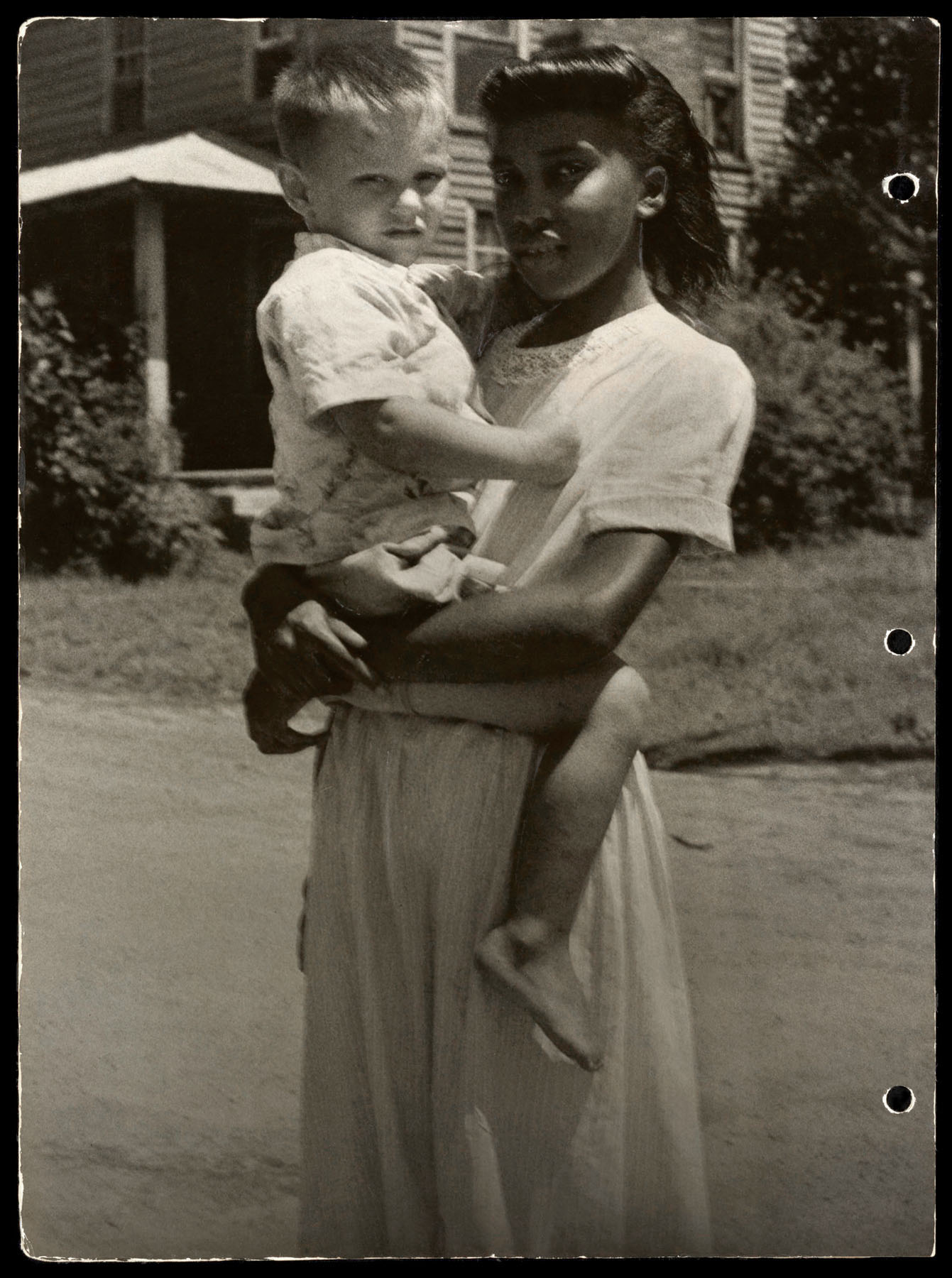
Marion Palfi (American born Germany, 1907-1978) 'Untitled (Black woman with a white child)' 1949


Marion Palfi (American born Germany, 1907-1978)
Untitled (Black woman with a white child)
1949
From the book There Is No More Time: An American Tragedy
Marion Palfi/Center for Creative Photography
© All Rights Reserved
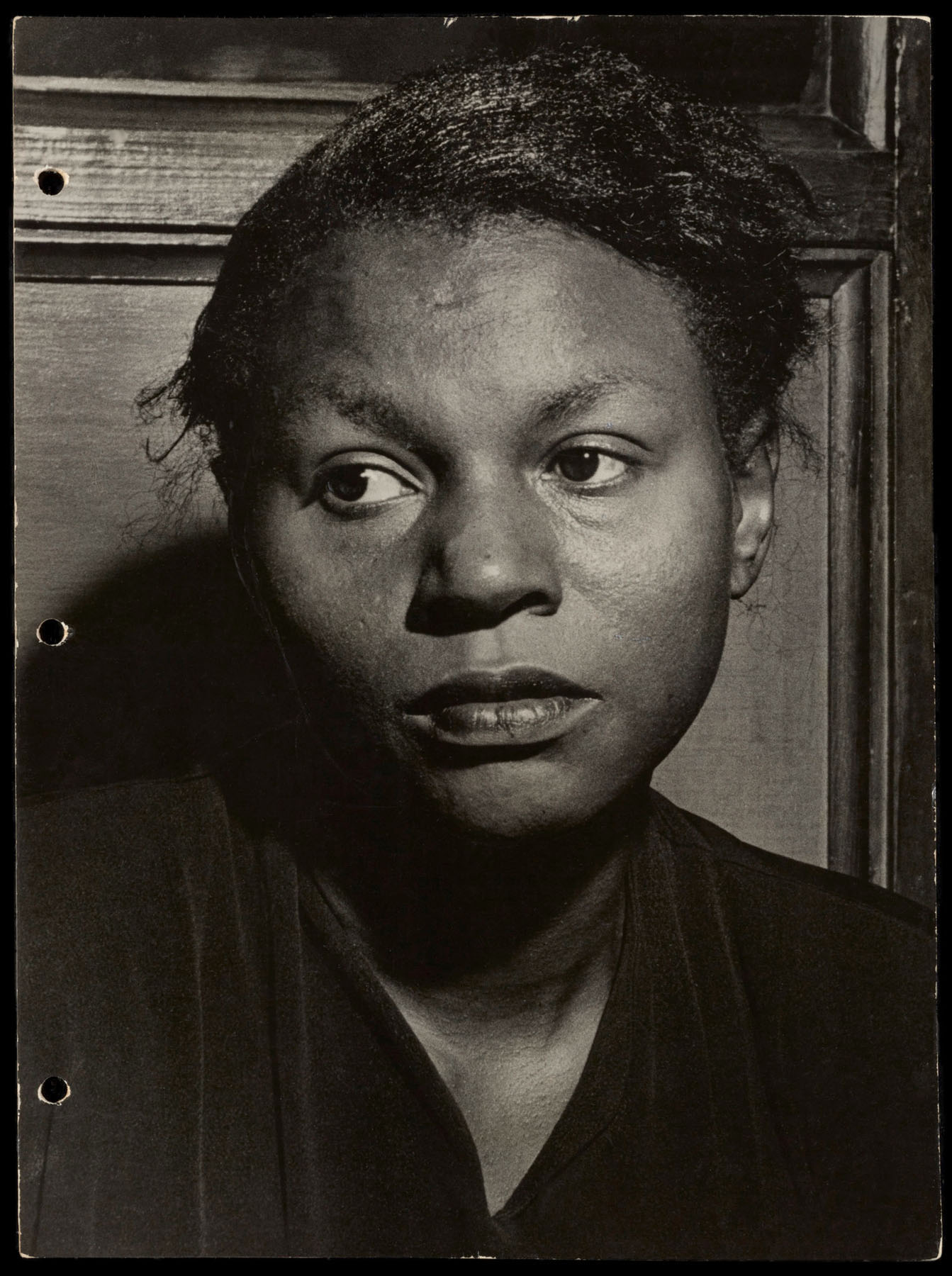
 

Marion Palfi (American born Germany, 1907-1978) 'Untitled (Portrait of Mrs. Caleb Hill, widow of a lynching victim)' 1949


Marion Palfi (American born Germany, 1907-1978)
Untitled (Portrait of Mrs. Caleb Hill, widow of a lynching victim)
1949
From the book There Is No More Time: An American Tragedy
Marion Palfi/Center for Creative Photography
© All Rights Reserved


“As a photographer, she was as interested in the discriminator as in the victims of discrimination. Long before what we tend to think of as the crux of the civil rights struggle in the 1960s, Palfi went to Georgia at a particularly dangerous time. In 1949, she was drawn to do an in-depth portrait of Irwinton, a small community where a young black man had been torn out of jail and shot by a lynch mob. The tremendous public outcry over this barbaric incident included front-page coverage and editorials by the New York Times. Obviously, the presence of a photographer in such a community would attract unwanted attention and might have endangered her life. But by a happy stroke of luck, the Vice-President of the Georgia Power Company was interested in her work. Warning her that she must “photograph the South as it really is, not as the North slanders it,” he wanted her to get to meet the “right” people. As it happened, the “right” people turned out to be the very discriminators she wanted to photograph. Left in the protection of the local postmistress, she proceeded to take terms, objective pictures of overseers and white-suited politicians.

Even if the press had not indicted Irwinton for its racism, the extreme conservatism and tension were evident in the faces of its citizens. She found a white supremacist group, “The Columbians,” whose insignia was a thunderbolt, the symbol of Hitler’s elite guard. “Mein Kampf was their bible,” she believed. Meanwhile, the wife of the lunch victim said, simply, “Caleb was a good man … he believed in his rights and therefore he died.”

Elizabeth Lindquist-Cock. “Marion Palfi: An Appreciation,” in The Archive Research Series Number 19, September 1983, Center for Creative Photography, University of Arizona, pp. 7-8.
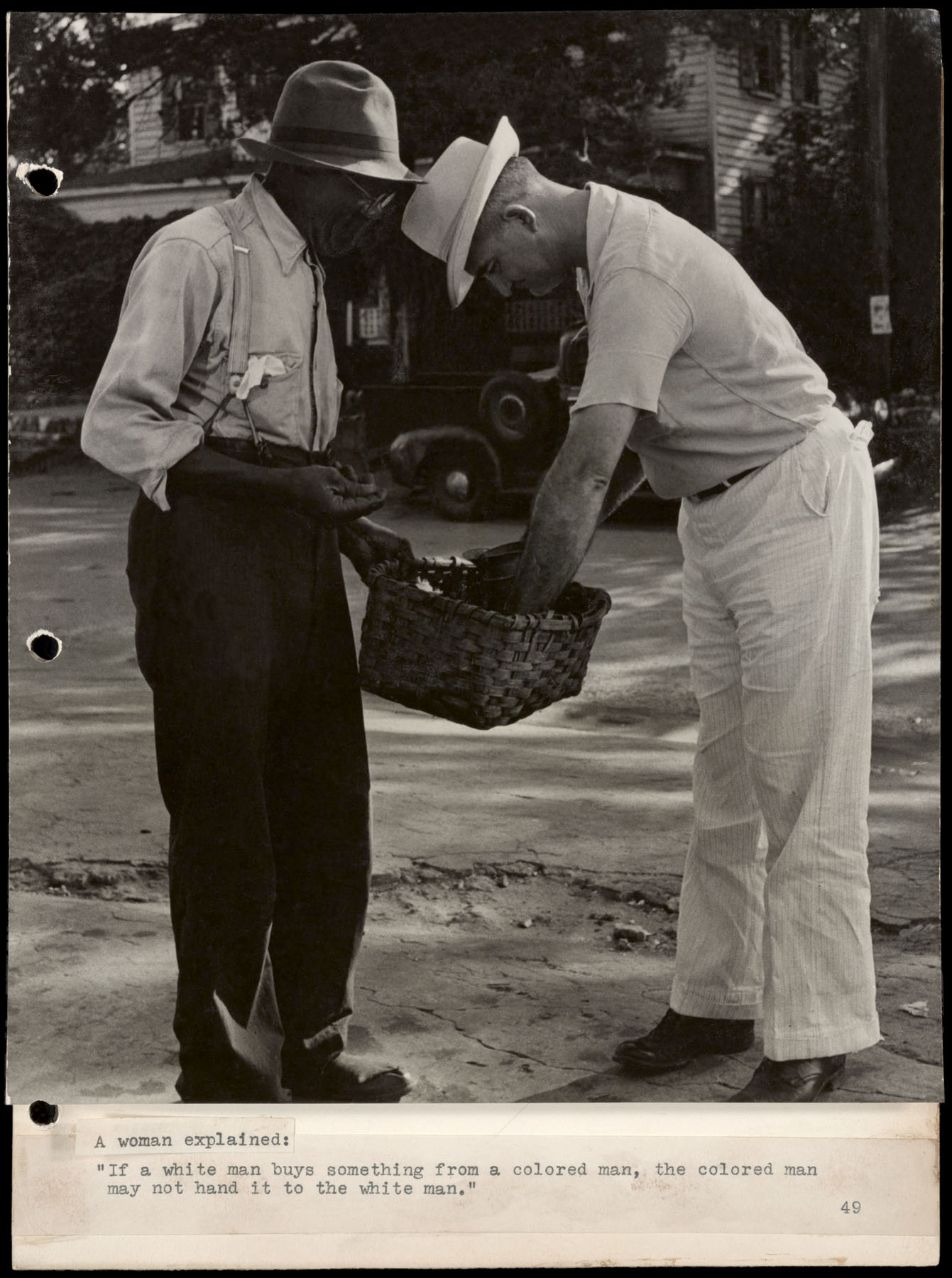
 

Marion Palfi (American born Germany, 1907-1978) 'Untitled (A woman explained: "If a white man buys something...")' 1949


Marion Palfi (American born Germany, 1907-1978)
Untitled (A woman explained: “If a white man buys something…”)
1949
From the book There Is No More Time: An American Tragedy
Marion Palfi/Center for Creative Photography
© All Rights Reserved


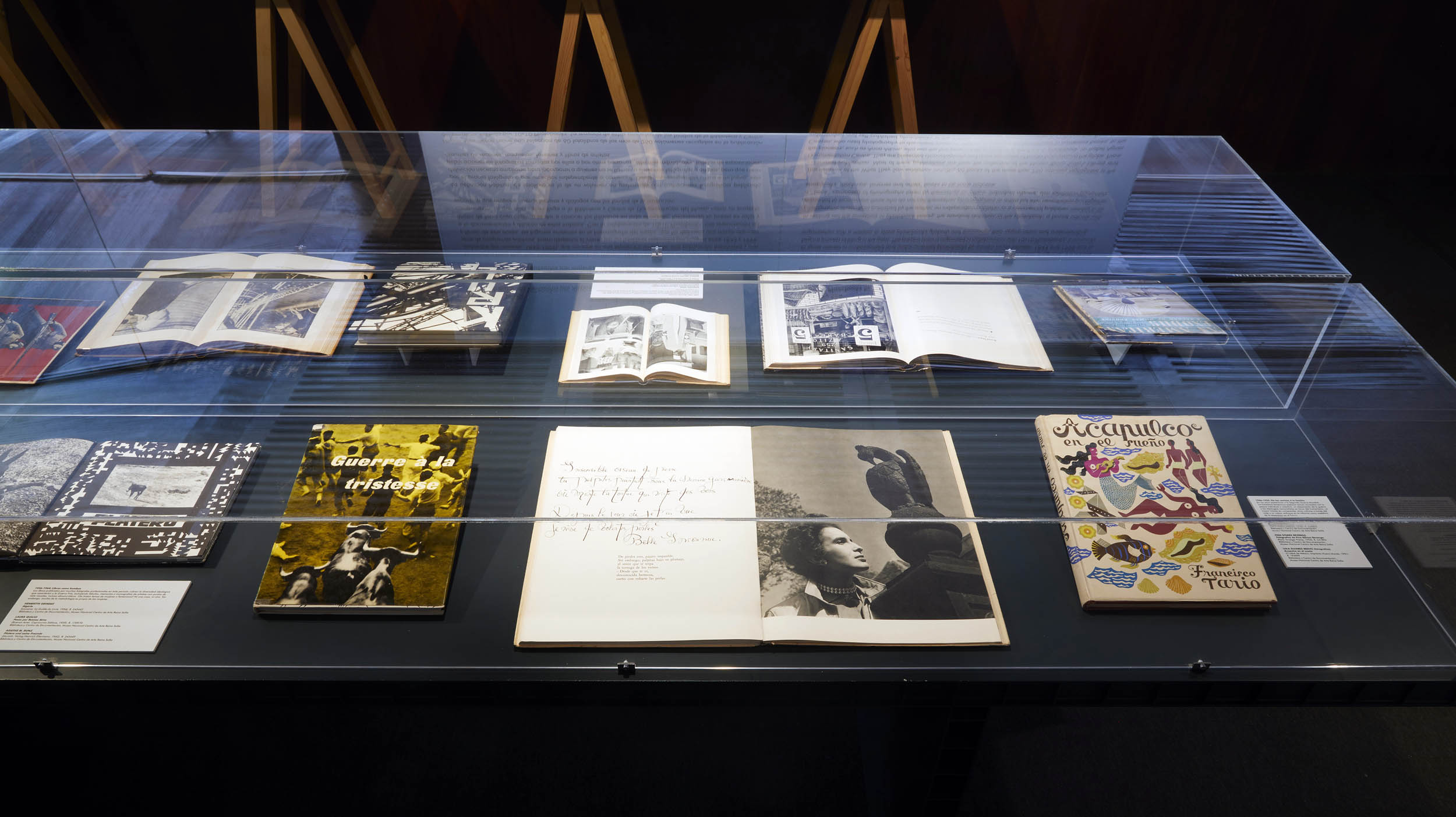
'Acapulco en el sueño' by Francisco Tario (text) with photographs by Lola Alvarez Bravo, 1951


Acapulco en el sueño by Francisco Tario (text) with photographs by Lola Alvarez Bravo, 1951


“If my photographs have any meaning, it’s that they stand for a Mexico that once existed.”

~ Lola Alvarez Bravo


Dare Wright. 'The Lonely Doll'. New York: Doubleday & Co, 1957


Dare Wright. The Lonely Doll. New York: Doubleday & Co, 1957


Once there was a little doll. Her name was Edith. She lived in a nice house and had everything she needed except someone to play with. She was lonely! Then one morning Edith looked into the garden and there stood two bears! Since it was first published in 1957, The Lonely Doll has established itself as a unique children’s classic. Through innovative photography Dare Wright brings the world of dolls to life and entertains us with much more than just a story. Edith, the star of the show, is a doll from Wright’s childhood, and Wright selected the bear family with the help of her brother. With simple poses and wonderful expressions, the cast of characters is vividly brought to life to tell a story of friendship.

Text from the Amazon website


'Mourka, the autobiography of a Cat', by Tanaquil Le Clercq and Martha Swope. Stein and Day 1964


Mourka, the autobiography of a Cat, by Tanaquil Le Clercq and Martha Swope. Stein and Day 1964


Le Clercq is the wife of choreographer George Balanchine; she wrote this book after Mourka became famous because of the photograph of Martha Swope in Life magazine, where George Balanchine assists Mourka in his grand jeté. Mourka writes about his exercises in dance and his aspirations to travel in outer space.

Text from the Cats in Books albums Facebook page


'Mourka, the autobiography of a Cat', by Tanaquil Le Clercq and Martha Swope. Stein and Day 1964


Mourka, the autobiography of a Cat, by Tanaquil Le Clercq and Martha Swope. Stein and Day 1964


'A Way of Seeing', 1965. Photographs by Helen Levitt


A Way of Seeing, 1965. Photographs by Helen Levitt


'Dublin: A Portrait' by V.S. Pritchett (text) and Evelyn Hofer (photographs). New York: Harper & Row, 1967


Dublin: A Portrait by V.S. Pritchett (text) and Evelyn Hofer (photographs). New York: Harper & Row, 1967


The starting point for this book is Evelin Hofer’s Dublin: A Portrait, which features an in-depth essay by V. S. Pritchett and photos by Hofer, and enjoyed great popularity upon its original publication in 1967. Dublin: A Portrait is an example of Hofer’s perhaps most important body of work, her city portraits: books that present comprehensive prose texts by renowned authors alongside her self-contained visual essays with their own narratives. Dublin: A Portrait was the last book published in this renowned series. …

In Dublin Hofer repeatedly turned her camera to sights of the city, but mainly to the people who constituted its essence. She made numerous portraits – be they of writers and public figures or unknown people in the streets. Her portraits give evidence of an intense, respectful engagement with her subjects, who participate as equal partners in the process of photographing.

Text from The Eye of Photography Magazine website


'Diane Arbus: An Aperture Monograph', 1972


Diane Arbus: An Aperture Monograph, 1972


When Diane Arbus died in 1971 at the age of forty-eight, she was already a significant influence-even something of a legend-among serious photographers, although only a relatively small number of her most important pictures were widely known at the time. The publication of Diane Arbus: An Aperture Monograph in 1972 – along with the posthumous retrospective at The Museum of Modern Art – offered the general public its first encounter with the breadth and power of her achievements. The response was unprecedented.

The monograph of eighty photographs was edited and designed by the painter Marvin Israel, Diane Arbus’s friend and colleague, and by her daughter Doon Arbus. Their goal in making the book was to remain as faithful as possible to the standards by which Diane Arbus judged her own work and to the ways in which she hoped it would be seen. Universally acknowledged as a classic, Diane Arbus: An Aperture Monograph is a timeless masterpiece with editions in five languages and remains the foundation of her international reputation.

Nearly half of a century has done nothing to diminish the riveting impact of these pictures or the controversy they inspire. Arbus’s photographs penetrate the psyche with all the force of a personal encounter and, in doing so, transform the way we see the world and the people in it.

Text from the Fraenkel Gallery Shop website


Jill Freedman. 'Circus Days'. New York: Harmony Books/Crown, 1975


Jill Freedman. Circus Days. New York: Harmony Books/Crown, 1975


A photographic documentation of the Beatty-Cole Circus, recording and portraying the customs, activities, animals, and singular personalities of an endangered way of life.


Jill Freedman. 'Circus Days'. New York: Harmony Books/Crown, 1975


Jill Freedman. Circus Days. New York: Harmony Books/Crown, 1975


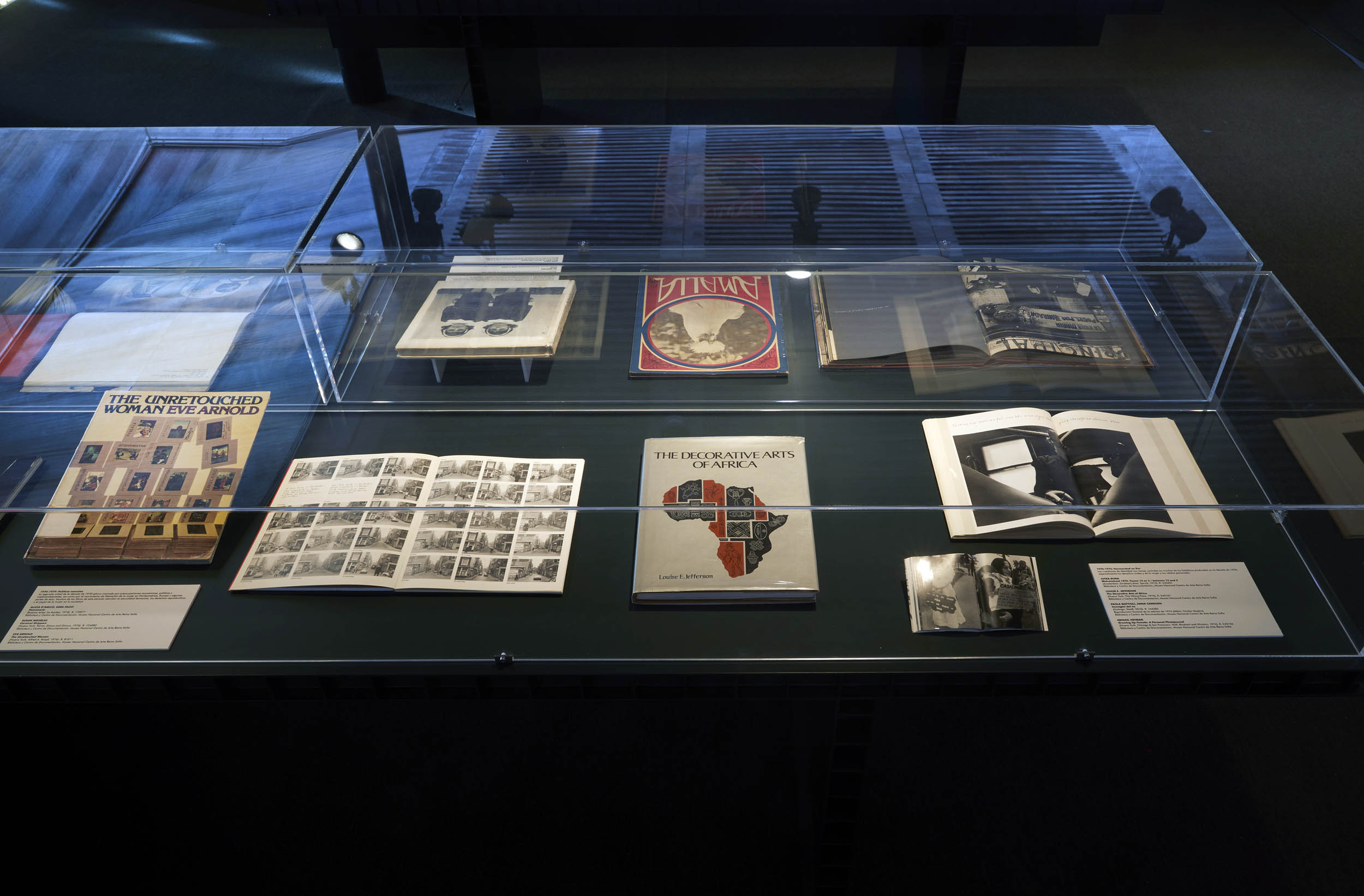
Susan Meiselas (American, b. 1948) 'Carnival Strippers' book cover 1975


Susan Meiselas. Carnival Strippers book cover 1975


From 1972 to 1975, Susan Meiselas spent her summers photographing women who performed striptease for small-town carnivals in New England, Pennsylvania and South Carolina. As she followed the shows from town to town, she captured the dancers on stage and off, their public performances as well as their private lives, creating a portrait both documentary and empathetic: “The recognition of this world is not the invention of it. I wanted to present an account of the girl show that portrayed what I saw and revealed how the people involved felt about what they were doing.” Meiselas also taped candid interviews with the dancers, their boyfriends, the show managers and paying customers, which form a crucial part of the book.

Meiselas’ frank description of these women brought a hidden world to public attention, and explored the complex role the carnival played in their lives: mobility, money and liberation, but also undeniable objectification and exploitation. Produced during the early years of the women’s movement, Carnival Strippers reflects the struggle for identity and self-esteem that characterised a complex era of change.

Text from the Booktopia website [Online] Cited 22/04/2022
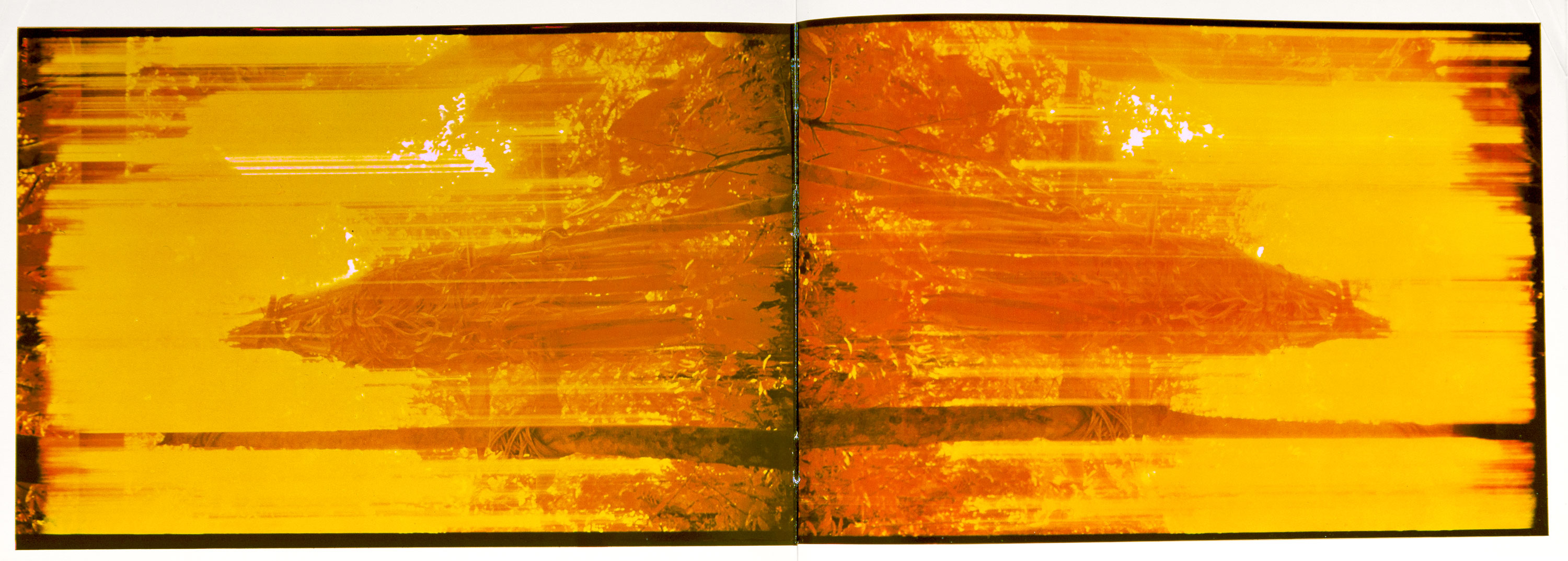
 

Claudia Andujar, 'Amazônia', 1978


Claudia Andujar, Amazônia, 1978


Since the early 1970s, Claudia Andujar has been committed to the cause of the Yanomami Indians living in the heart of the Amazon rainforest and is the author of the most important photographic work dedicated to them to date. A founding member of the Brazilian NGO Comissão Pró Yanomami (CCPY), the photographer has played a fundamental role in the recognition of their territory by the Brazilian government. …

Claudia Andujar first met the Yanomami in 1971 while working on an article about the Amazon for Realidade magazine. Fascinated by the culture of this isolated community, she decided to embark on an in-depth photographic essay on their daily life after receiving a Guggenheim fellowship to support the project. From the very beginning, her approach differed greatly from the straightforward documentary style of her contemporaries. The photographs she made during this period show how she experimented with a variety of photographic techniques in an attempt to visually translate the shamanic culture of the Yanomami. Applying Vaseline to the lens of her camera, using flash devices, oil lamps and infrared film, she created visual distortions, streaks of light and saturated colors, thus imbuing her images with a feeling of the otherworldly.

Text from the Fondation Cartier pour l’art contemporain website
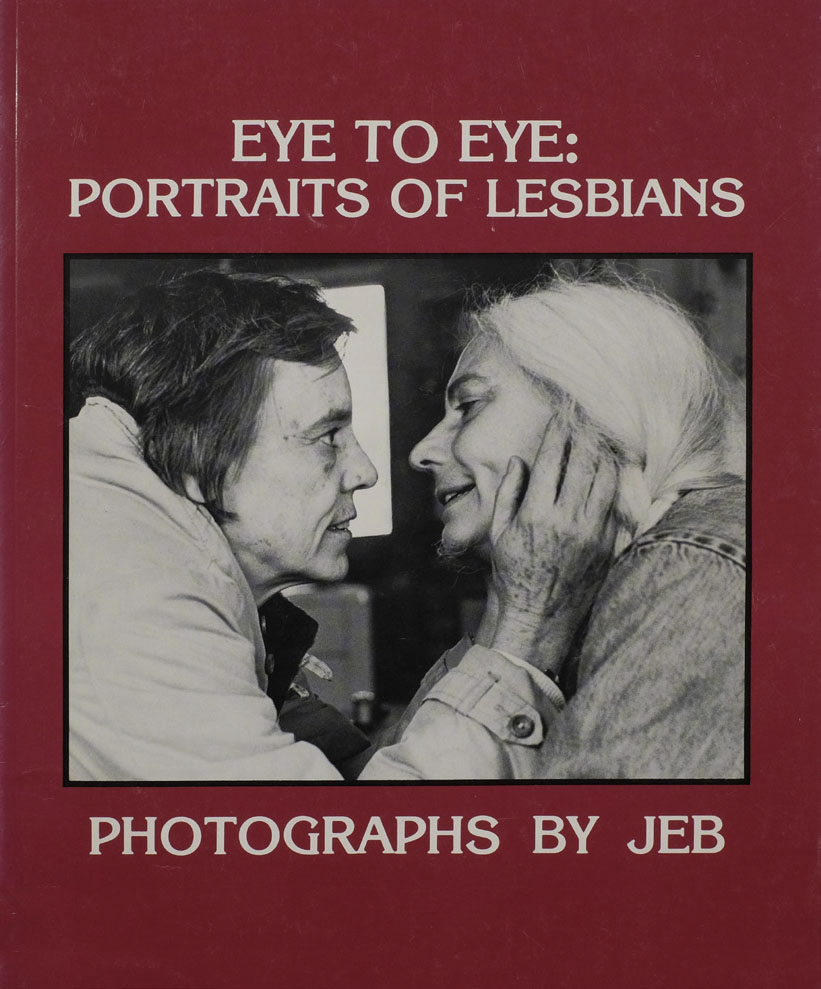
 

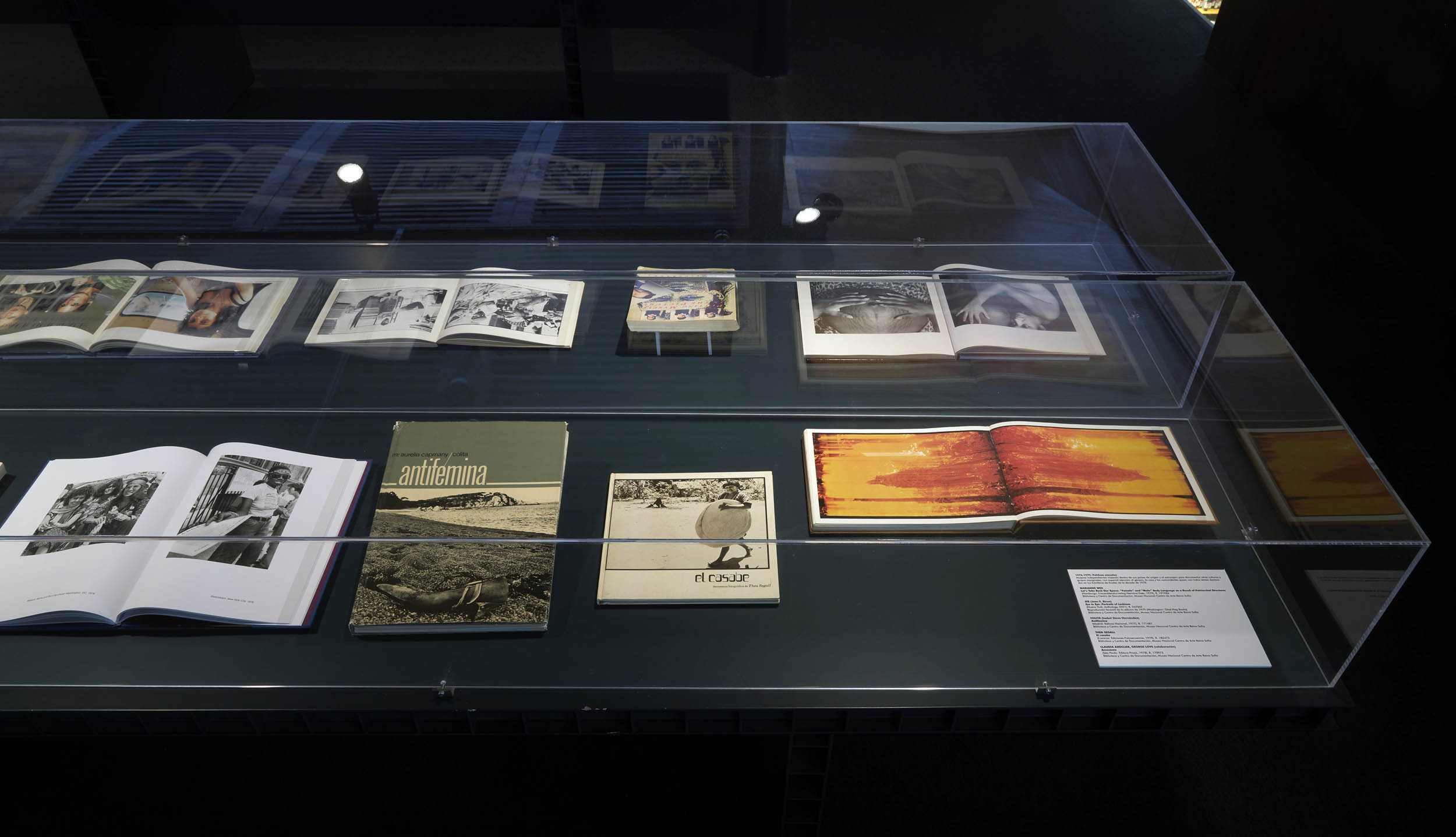
Cover image of 'Eye to Eye: Portraits of Lesbians' (1979). Photographs by JEB (Joan E. Biren)


Cover image of Eye to Eye: Portraits of Lesbians (1979). Photographs by JEB (Joan E. Biren)


In 1979, JEB (Joan E. Biren) self-published her first book, Eye to Eye: Portraits of Lesbians. Revolutionary at that time, JEB made photographs of lesbians from different ages and backgrounds in their everyday lives-working, playing, raising families, and striving to remake their worlds. The photographs were accompanied by testimonials from the women pictured in the book, as well as writings from icons including Audre Lorde, Adrienne Rich and a foreword from Joan Nestle. Eye to Eye signalled a radical new way of seeing – moving lesbian lives from the margins to the centre, and reversing a history of invisibility. More than just a book, it was an affirmation of the existence of lesbians that helped to propel a political movement. Reprinted for the first time in forty years and featuring new essays from photographer Lola Flash and former soccer player Lori Lindsey, Eye to Eye is a faithful reproduction of a work that continues to resonate in the queer community and beyond.

Text from the Amazon website
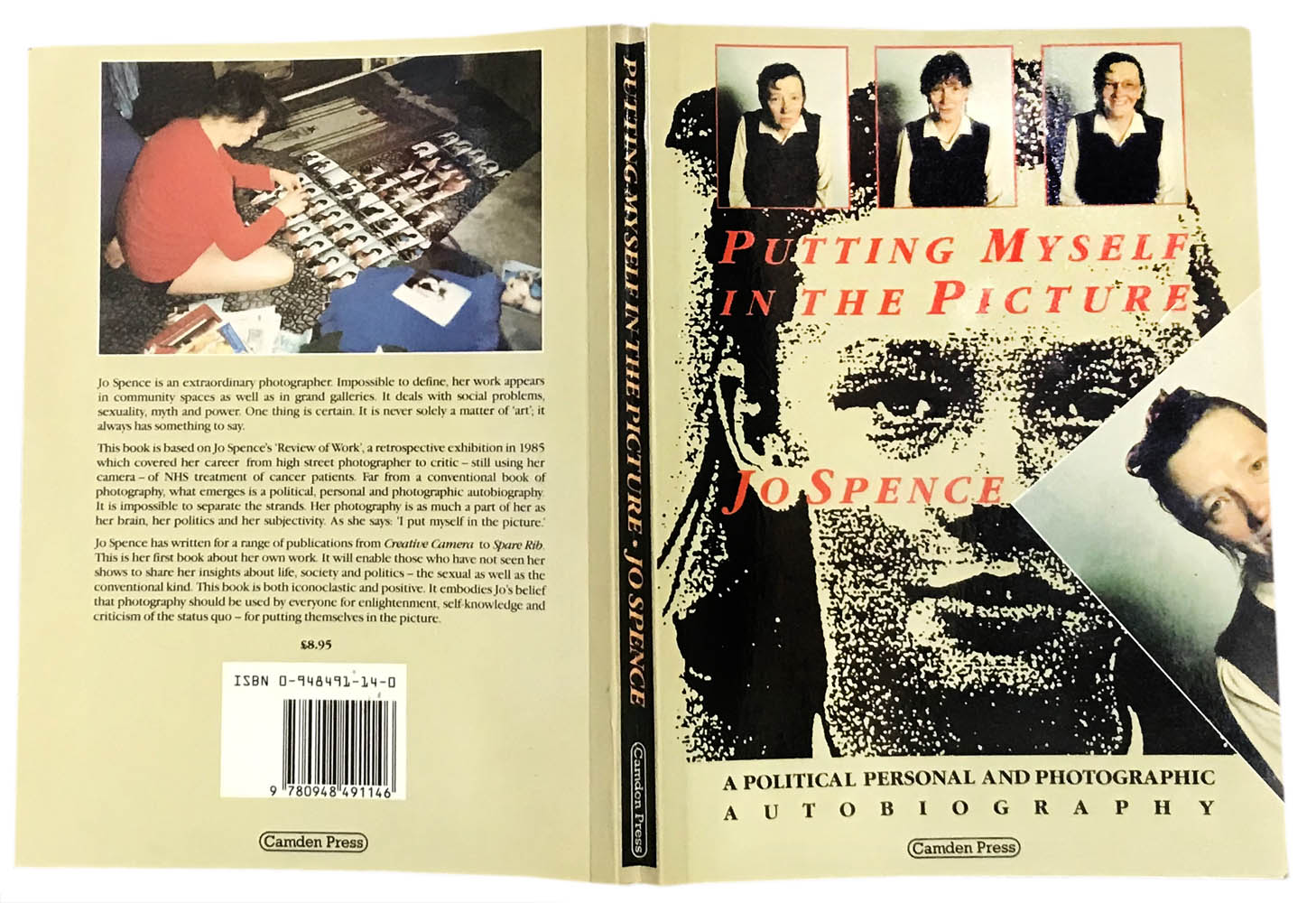
 

Jo Spence. 'Putting Myself In The Picture: A Political, Personal, and Photographic Autobiography'. London: Camden Press Ltd, 1986


Jo Spence. Putting Myself In The Picture: A Political, Personal, and Photographic Autobiography. London: Camden Press Ltd, 1986


Photographer Jo Spence challenges the assumptions of conventional photography in this groundbreaking visual autobiography, which traces her journey from self-censorship to self-healing.
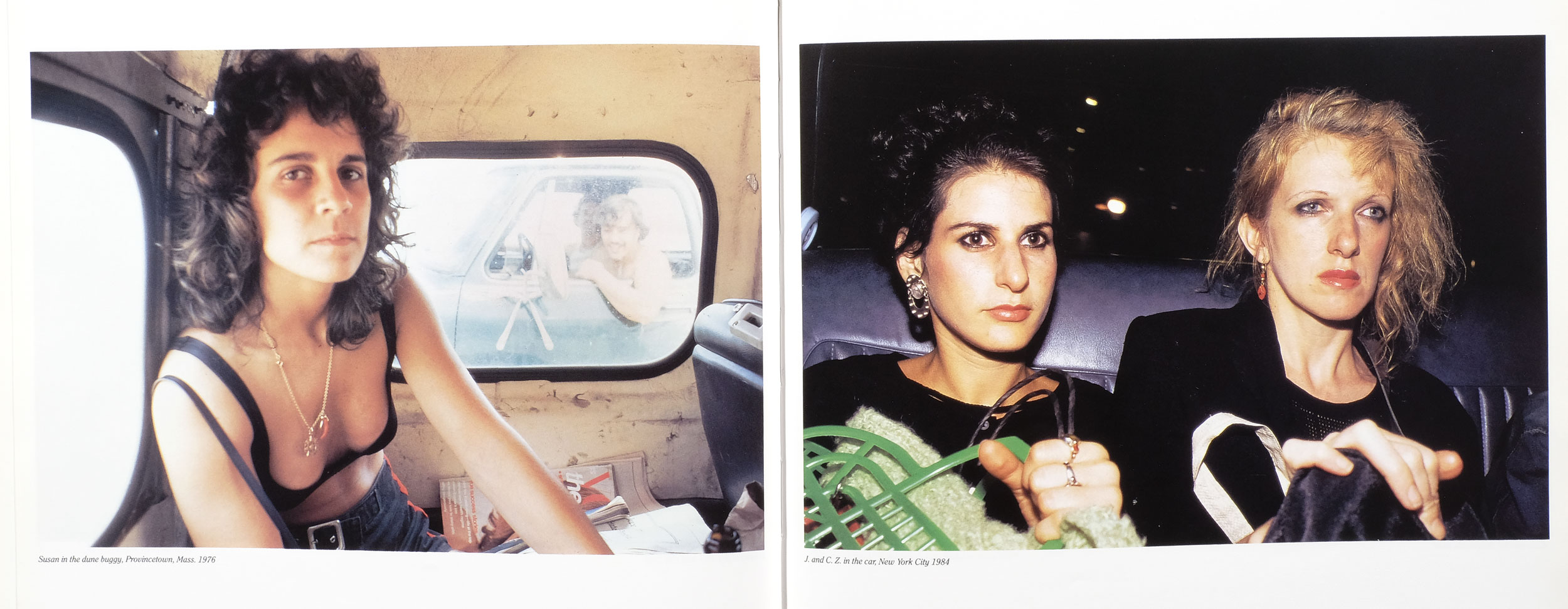
 

Nan Goldin, 'The Ballad of Sexual Dependency', 1986


Nan Goldin, The Ballad of Sexual Dependency, 1986


Cristina García Rodero. 'España Oculta'. 1989


Cristina García Rodero. España Oculta. 1989


When Spanish photographer Cristina Garcia Rodero went to study art in Italy, in 1973, she fully understood the importance of home. Yet her time abroad formented a deeper interest in was happening in her own country and, as a result, at the age of 23, Garcia Rodero returned to Spain and started a project that she hoped would capture the essence of the myriad Spanish traditions, religious practices and rites that were already fading away. What started as a five-year project ended up lasting 15 years and came to be the book España Oculta (Hidden Spain) published in 1989. At 39 years old, Garcia Rodero had managed to compile a kind of anthropological encyclopedia of her country. The work also captured a key moment in Spain’s history – with Spanish dictator Franco dying in 1975, and the country commencing a period of transition – something that would come to have a huge effect on the way the nation’s cultural traditions and rites were experienced and performed from then on.

Text from the Google Books website


'Barbara Kruger: Thinking of You'. The MIT Press & The Museum of Contemporary Art, 1999


Barbara Kruger: Thinking of You. The MIT Press & The Museum of Contemporary Art, 1999


This is the most comprehensive publication ever produced on the work of American artist Barbara Kruger. Kruger, one of the most influential artists of the last three decades, uses pictures and words through a wide variety of media and sites to raise issues of power, sexuality, and representation. Her works include photographic prints on paper and vinyl, etched metal plates, sculpture, video, installations, billboards, posters, magazine and book covers, T-shirts, shopping bags, postcards, and newspaper op-ed pieces.

This book serves as the catalog for the first major one-person exhibition of Kruger’s work to be mounted in the United States. The book, designed by Lorraine Wild in collaboration with the artist, contains texts by Rosalyn Deutsche, Katherine Dieckmann, Ann Goldstein, Steven Heller, Gary Indiana, Carol Squiers, and Lynne Tillman on subjects associated with Kruger’s work, including photography, graphic design, public space, power, and representation, as well as an extensive exhibition history, bibliography, and checklist of the exhibition. The cover features a new piece by Kruger, entitled Thinking of You, created especially for the catalog.

Text from the Amazon website


Graciela Iturbide. 'Juchitán de las Mujeres'. Mexico: Ediciones Toledo, 1991


Graciela Iturbide. Juchitán de las Mujeres. Mexico: Ediciones Toledo, 1991


In 1979 Graciela Iturbide took a series of photographs of the Zapotec culture, published as Juchitán de la mujeres. This is certainly the best known of all her works. It is the result of ten years of work, numerous trips to the Isthmus of Tehuantepec, and a prolonged experience of living among its inhabitants. None of the subjects of these photographs was captured candidly; all were carefully posed.


Photobook history is a relatively recent area of study, with one of the first “book-on-books” anthologies published in 1999 with the release of Fotografía Pública / Photography in Print 1919-1939, a catalogue associated with an exhibition of the same title at the Museo Nacional Centro de Arte Reina Sofía. Over the past two decades, a virtual cottage industry of books-on-photobooks has emerged, documenting photographically illustrated books based on geography or around a theme. Photobooks by women are in short supply in most of these anthologies, which is why 10×10 Photobooks launched the How We See: Photobooks by Women touring reading room and associated publication in 2018. Focusing on contemporary photobooks by women from 2000 to 2018, the project was the first step in 10×10 Photobooks’ ongoing interest in reassessing photobook history as it relates to women. Although only twenty-five years old, photobook history has been written primarily by men and has focused on publications authored by men. Very few books by women photographers appear in past photobook anthologies, and those included are already quite well known.

As a nonprofit organisation with a mission to share photobooks globally and encourage their appreciation and understanding, the 10×10 Photobooks team frequently discusses how photobook history was – and continues to be – written from a skewed perspective and that a “new” history needs to emerge. Early in our discussions, we recognised photobook history as needing to be “rewritten,” but this implied we accepted the partial history already in existence, which we did not. Instead, we concluded that photobook history needs to be “unwritten,” as the existing history is riddled with omissions. What is left out is not by mistake – it indicates bias and incomplete research by the current gatekeepers. To present a more inclusive and diverse vision, we must collectively address these omissions.

What They Saw: Historical Photobooks by Women, 1843-1999, a touring reading room accompanied by a publication and series of public programs, is a means to ignite interest in some of the underexposed and undocumented photobooks by women made between 1843 and 1999 and to begin a process of filling in the gaps. We say “some photobooks” because we are keenly aware that much work is still required, and we have only opened the door a crack. In several cases, particularly for books done before 1900 in regions other than North America and Europe or by women of colour, we heard about an artist who may have produced a photographically illustrated book or album, but we were unable to find any further documentation other than a brief mention before the trail went cold. Other impediments emerged among the cohort of women who collaborated with their husbands. Many of their collaborative books are credited only with their husbands’ names, and their contributions, if mentioned at all, are included as footnotes. In some cases, women authors marked their works with a gender-neutral signature that used only their studio name or first initial and last name. In addition, our initial research was impeded by the standard definition of a photobook: a bound volume with photographic illustrations published by the author, an independent publisher, or a trade publisher.

We found that we had to widen the frame to include individual albums, slim exhibition pamphlets, scrapbooks, maquettes, zines, and artists’ books in order to be more inclusive. This wider frame necessitated redefining a photobook author to incorporate those who may not call themselves a photographer or artist but who nonetheless assembled a “book” composed of photographs taken by themselves or others. Funding was another limitation. Many women photographers who actively exhibited their work either lacked the personal resources to produce a book or could not find anyone willing to underwrite such a venture.

This iteration of the What They Saw reading room includes 60 books of the more than 250 volumes highlighted in the associated publication. Most of these publications are kept in the collection of the Museo Reina Sofía’s Library and Documentation Centre. They are presented chronologically and show examples of books from around the globe. We begin with Anna Atkins, a British botanist, who was the first person ever to print and distribute a photobook. Her simple desire to share images of her algae specimens ushered in a new art form that presents photography in the book format. In the following years, women such as Isabel Agnes Cowper, the Official Museum Photographer at the South Kensington Museum (now the Victoria and Albert Museum), used photography to document museum objects, subsequently reproduced in numerous books. Until recently, her name was forgotten, as none of the South Kensington Museum publications credit her as the photographer.

In the early twentieth-century, women authors of photobooks gained some visibility. Fine-art photographer Germaine Krull published numerous books that approached photography from a creative and inventive perspective. Margaret Bourke-White emerged as a well-regarded photojournalist who traveled worldwide photographing for Fortune and Life magazines and producing countless books. In the 1930s, in Russia, Varvara Stepanova collaborated with her husband, Aleksandr Rodchenko, to create books filled with experimental photomontages. As the century progressed, women in other parts of the world also found their voices in photobooks. African American anthropologist Eslanda Cardozo Goode Robeson traveled to Uganda and South Africa and published African Journey in 1945, one of the earliest books written on Africa by a female scholar of color. In Mexico in 1951, Lola Álvarez Bravo contributed photographs to Acapulco en el sueño, a bold publication created to attract tourism to Acapulco. A few years later, Fina Gómez Revenga, a Venezuelan photographer, worked in Paris with the famed French printing house Draeger Frères to illustrate the poems of Surrealist poet Lise Deharme.

With the arrival of the 1960s, women emerged from the sidelines and began to produce widely distributed, often socially focused, photobooks. A New York City street photographer, Helen Levitt, published A Way of Seeing in 1965, while Carla Cerati collaborated on Morire di classe in 1969, a visually compelling commentary on the appalling conditions in Italian psychiatric hospitals. With the women’s movement finding its full voice in the 1970s, women photographers took center stage in the last three decades of the twentieth-century, releasing a steady flow of photobooks. A year after her death in 1971, Aperture published Diane Arbus’s monograph, a photobook that continues to influence generations of photographers. Barbara Brändli, a Swiss immigrant to Venezuela, documents the energy and rapid transformations of Caracas, while activist-photographer JEB (Joan E. Biren) toured the United States, capturing lesbian pride events. In South Africa, Lesley Lawson, a member of the Afrapix photo agency, combined interviews and her photographs to reveal the working conditions of Black women in Johannesburg. Cameroonian Angèle Etoundi Essamba shares the beauty and spirit of Black women in Passion (1989), while American Donna Ferrato unflinchingly explores domestic violence in Living with the Enemy (1991), and Nan Goldin exposes violent love and loss in her personal narrative, The Ballad of Sexual Dependency (1986). In books centered on cultural explorations, Wang Hsin photographs the fading traditions of Lanyu (Orchid Island) off the coast of Taiwan, Cristina García Rodero records religious festivals and rituals in her native Spain, and Ketaki Sheth documents twins and triplets in the Indian Gujarati community.

In reaching out to the far corners of the world, we uncovered numerous forgotten books, but many remain undiscovered. For example, we learned about a nineteenth-century woman in Iran who kept her husband’s diary and most probably added her photographs to the volume, but no visual documentation of this diary could be found. We also discovered several books that featured the participation of women in collaboration with male photographers where the women’s contributions were ambiguous. There were several “leads” of this nature, and we decided that leaving them out would be a missed opportunity. Therefore, in the associated anthology, we have included a “timeline” that presents several historically significant publishing, magazine, small press, photography, and feminist events that may or may not have produced a photobook, but have undoubtedly influenced its history. To support further exploration of these unresolved “leads,” 10×10 Photobooks has launched a research grant program to encourage scholarship on underexplored topics in photobook history.

From its inception, What They Saw has sought to include a diverse group of photographically illustrated publications by women. For photobook history to become more inclusive, it requires everyone (men, women, nonbinary, white, Black, Asian, African, Latinx, Indigenous, Western, Eastern, etc.) to contribute. We see this reading room of women’s role in the production, dissemination, and authoring of photobooks as a necessary step in the unwriting of the current photobook history and a rewriting of a photobook history that is more equitable and inclusive. We invite future researchers to take the next steps to explore further women and other marginalised people’s historical impact in the realm of photobooks and to expand upon the books we present in this reading room and its associated anthology.

Text from the Museo Nacional Centro de Arte Reina Sofía


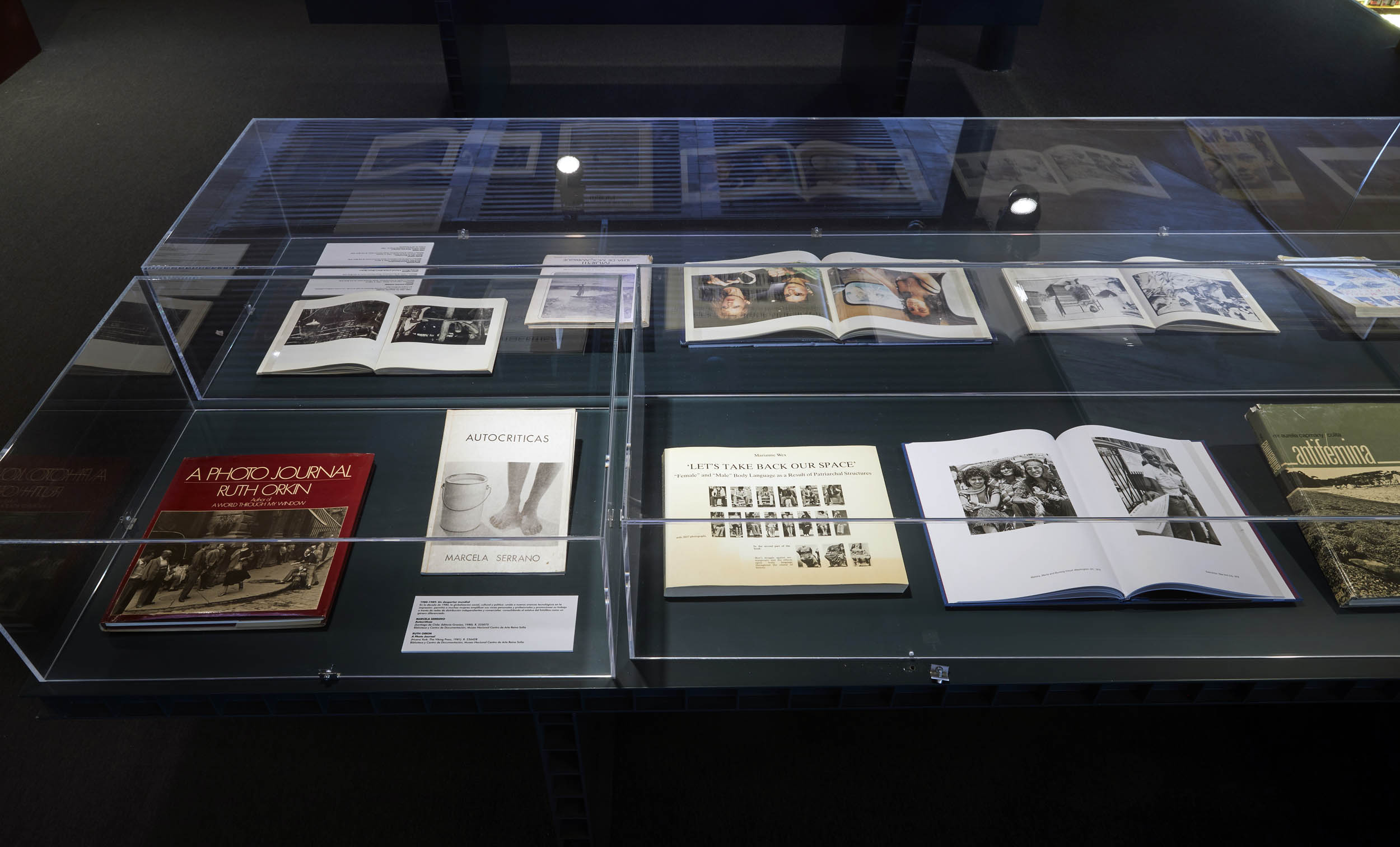
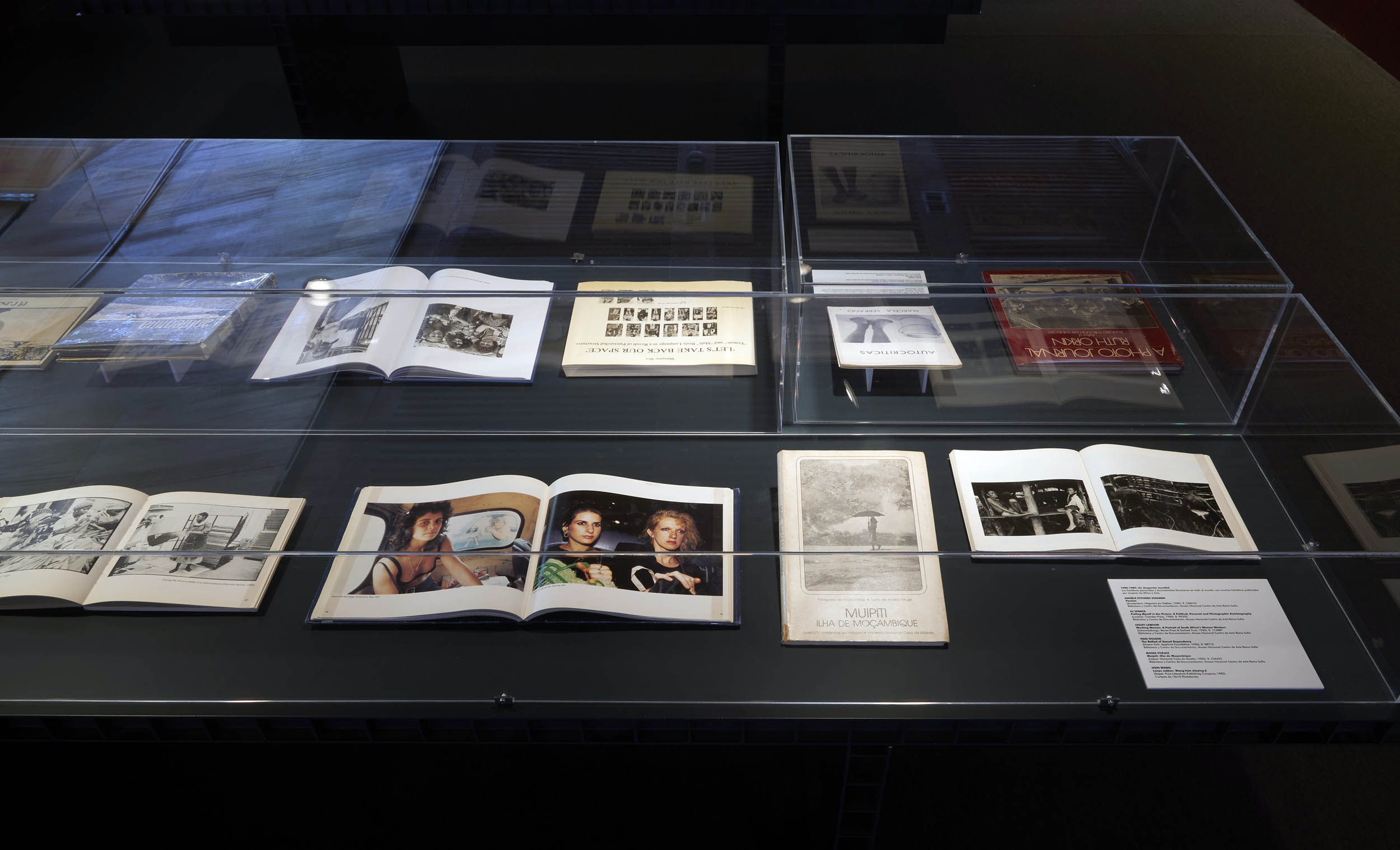
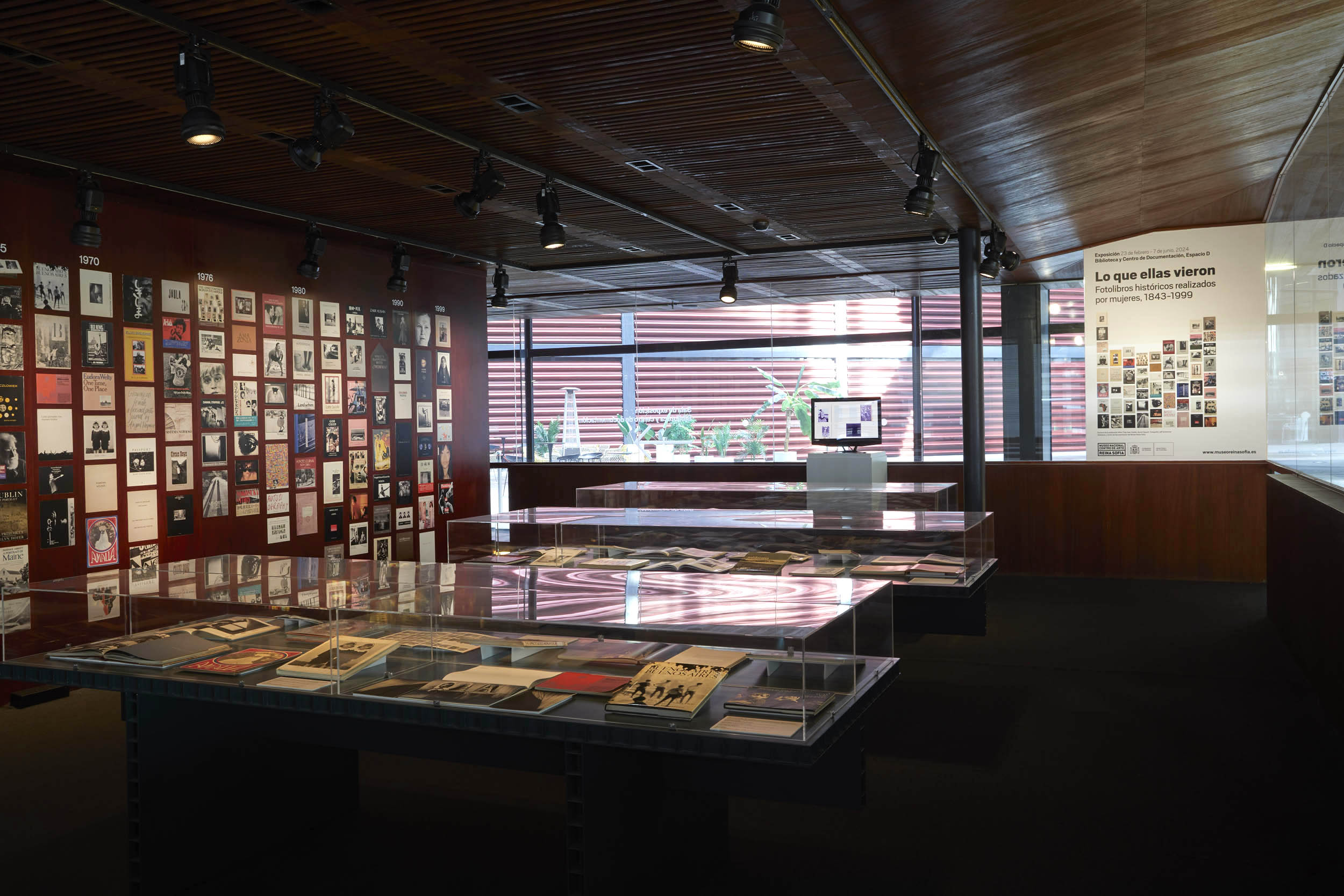
Installation view of the exhibition 'What They Saw: Historical Photobooks by Women, 1843-1999' at the Museo Nacional Centro de Arte Reina Sofía, Madrid

Installation view of the exhibition 'What They Saw: Historical Photobooks by Women, 1843-1999' at the Museo Nacional Centro de Arte Reina Sofía, MadridInstallation view of the exhibition 'What They Saw: Historical Photobooks by Women, 1843-1999' at the Museo Nacional Centro de Arte Reina Sofía, Madrid

Installation view of the exhibition 'What They Saw: Historical Photobooks by Women, 1843-1999' at the Museo Nacional Centro de Arte Reina Sofía, Madrid

Installation view of the exhibition 'What They Saw: Historical Photobooks by Women, 1843-1999' at the Museo Nacional Centro de Arte Reina Sofía, Madrid

Installation view of the exhibition 'What They Saw: Historical Photobooks by Women, 1843-1999' at the Museo Nacional Centro de Arte Reina Sofía, Madrid

Installation view of the exhibition 'What They Saw: Historical Photobooks by Women, 1843-1999' at the Museo Nacional Centro de Arte Reina Sofía, Madrid

Installation view of the exhibition 'What They Saw: Historical Photobooks by Women, 1843-1999' at the Museo Nacional Centro de Arte Reina Sofía, Madrid

Installation view of the exhibition 'What They Saw: Historical Photobooks by Women, 1843-1999' at the Museo Nacional Centro de Arte Reina Sofía, Madrid

Installation view of the exhibition 'What They Saw: Historical Photobooks by Women, 1843-1999' at the Museo Nacional Centro de Arte Reina Sofía, Madrid

Installation view of the exhibition 'What They Saw: Historical Photobooks by Women, 1843-1999' at the Museo Nacional Centro de Arte Reina Sofía, Madrid

Installation view of the exhibition 'What They Saw: Historical Photobooks by Women, 1843-1999' at the Museo Nacional Centro de Arte Reina Sofía, Madrid

Installation view of the exhibition 'What They Saw: Historical Photobooks by Women, 1843-1999' at the Museo Nacional Centro de Arte Reina Sofía, Madrid

Installation view of the exhibition 'What They Saw: Historical Photobooks by Women, 1843-1999' at the Museo Nacional Centro de Arte Reina Sofía, Madrid

Installation view of the exhibition 'What They Saw: Historical Photobooks by Women, 1843-1999' at the Museo Nacional Centro de Arte Reina Sofía, Madrid

Installation view of the exhibition 'What They Saw: Historical Photobooks by Women, 1843-1999' at the Museo Nacional Centro de Arte Reina Sofía, Madrid

Installation view of the exhibition 'What They Saw: Historical Photobooks by Women, 1843-1999' at the Museo Nacional Centro de Arte Reina Sofía, Madrid

Installation view of the exhibition 'What They Saw: Historical Photobooks by Women, 1843-1999' at the Museo Nacional Centro de Arte Reina Sofía, Madrid

Installation view of the exhibition 'What They Saw: Historical Photobooks by Women, 1843-1999' at the Museo Nacional Centro de Arte Reina Sofía, Madrid

Installation view of the exhibition 'What They Saw: Historical Photobooks by Women, 1843-1999' at the Museo Nacional Centro de Arte Reina Sofía, Madrid

Installation view of the exhibition 'What They Saw: Historical Photobooks by Women, 1843-1999' at the Museo Nacional Centro de Arte Reina Sofía, Madrid

Installation view of the exhibition 'What They Saw: Historical Photobooks by Women, 1843-1999' at the Museo Nacional Centro de Arte Reina Sofía, Madrid

Installation view of the exhibition 'What They Saw: Historical Photobooks by Women, 1843-1999' at the Museo Nacional Centro de Arte Reina Sofía, Madrid

Installation view of the exhibition 'What They Saw: Historical Photobooks by Women, 1843-1999' at the Museo Nacional Centro de Arte Reina Sofía, Madrid

Installation view of the exhibition 'What They Saw: Historical Photobooks by Women, 1843-1999' at the Museo Nacional Centro de Arte Reina Sofía, Madrid


Installation views of the exhibition What They Saw: Historical Photobooks by Women, 1843-1999 at the Museo Nacional Centro de Arte Reina Sofía, Madrid


Museo Nacional Centro de Arte Reina Sofía
Sabatini Building
Santa Isabel, 52
Nouvel Building
Ronda de Atocha (with plaza del Emperador Carlos V)
28012 Madrid
Phone: (34) 91 774 10 00

Opening hours:
Monday 10.00am – 9.00pm
Tuesday Closed
Wednesday – Saturday 10.00am – 9.00pm
Sunday 12.30am – 2.30pm

Museo Nacional Centro de Arte Reina Sofía website

LIKE ART BLART ON FACEBOOK

Back to top

Exhibition: ‘Conditions of Living: Home and Homelessness in London’s East End’ at Four Corners, London

Exhibition dates: 30th June – 2nd September 2023

Photographers: the exhibition features work by Katalin Arkell, Peter Arkell, Cyril Arapoff, Chris Bethell, A.R. Coster, Firmin, John Galt, David Granick, Bert Hardy, Brian Harris, Hawkins, Nick Hedges, David Hoffman, Tom Learmonth, Steve Lewis, Jack London, Marketa Luskacova, Anthony Luvera, MacGregor, Monty Meth, Douglas Miller, Moyra Peralta, Ray Rising, Reg Sayers, Andrew Scott, Alex Slotzkin, Norah Smyth, Humphrey Spender, Andrew Testa, Paul Trevor, Edith Tudor-Hart, as well as several unknown photographers.


Jack London Collection (American, 1876-1916) 'People of the Abyss' 1902


Jack London Collection (American, 1876-1916)
People of the Abyss
1902
© Huntington Library, San Marino, California


1902: a policeman disturbs a rough-sleeping youth in Whitechapel, one of many photographs by the American author Jack London that illustrated his book The People of the Abyss.


Another insightful, socially-minded (ie. actively interested in social welfare or the well-being of society as a whole) exhibition from Four Corners who champion creative expression, education and empowerment and build upon almost 50 years of radical, socially-engaged approaches to photography and film.

“This timely exhibition draws shocking comparisons with today’s housing precarity, high rents and homelessness. From Victorian slums and the first model estates, to the mass postwar council house construction and the subsequent demolition of many tower blocks, it ends with post-Thatcherite gentrification and its impact on affordable housing.” (Press release)

I have included bibliographic information on the artists in the posting where possible.

Dr Marcus Bunyan

PS. For more information on slum photography and urban poverty please see the essay by Sadie Levy Gale. “Exposed,” on the AEON website 21 August 2023 [Online] Cited 31/08/2023


Many thankx to Four Corners for allowing me to publish the photographs in the posting. Please click on the photographs for a larger version of the image.


Jack London (American, 1876-1916) 'Homeless people in Itchy Park, Spitalfields' 1902


Jack London (American, 1876-1916)
Homeless people in Itchy Park, Spitalfields
1902
From People of the Abyss

NOTE: Photograph not in the exhibition


Images of housing, homelessness and resistance in London’s East End

Our summer exhibition explores how photographers have represented conditions of housing and homelessness for over a century. From workhouses to slums, damp council flats to Thatcherite gentrification, images reveal the systemic poverty that East Londoners have endured and how the medium of photography has been used to campaign for change. We are delighted to feature new artwork by Anthony Luvera, which addresses economic segregation in Tower Hamlets’ housing developments, a phenomenon known as ‘poor doors’. Created with a forum of local residents, this examines the rise of market-driven ‘affordable’ housing and the state of social housing today.

This exhibition is supported using public funding by the National Lottery through Arts Council England and the National Lottery Heritage Fund. We particularly thank Getty Images Hulton Archive and Tower Hamlets Local History Library and Archives for their generous contributions which made this exhibition possible. We are grateful for the kind support of Report Digital.

Text from the Four Corners website


Jack London (American, 1876-1916) 'View in Hoxton' 1902


Jack London (American, 1876-1916)
View in Hoxton
1902
From People of the Abyss

NOTE: Photograph not in the exhibition


Jack London (American, 1876-1916) 'Homeless women in Spitalfields Garden' 1902


Jack London (American, 1876-1916)
Homeless women in Spitalfields Garden
1902
From People of the Abyss

NOTE: Photograph not in the exhibition


Not many people know that the famous American author Jack London was also a skilled documentary photographer and photojournalist. He took thousands of pictures over the years from the slums of London’s East End to the islands of the South Pacific.

In 1902 Jack London visited his namesake city London where he took pictures of its people and their everyday life. In the book “The People of the Abyss”, London describes this first-hand account by living in the East End (including the Whitechapel District) for several months, sometimes staying in workhouses or sleeping on the streets. The conditions he experienced and wrote about were the same as those endured by an estimated 500,000 of the contemporary London poor.

Even before, Jack London had talked about a book on the London slums with George Brett, one of his publishers. Thus, the writer knew what he was ought to expect ‘down there’: “He meant to expose the underside of imperialism, the degradation of the workers…”. The “evolutionary Socialist” wanted to find “the Black Hole of capitalism”.

With this preconceived vision in his mind, he disguised himself as an American sailor who had lost his ship and went into the East End taking pictures and experiencing their life. To be more precise, he wandered about Whitechapel, Hoxton, Spitalfields, Bethnal Green, and Wapping to the East India Docks. Jack London disguised as one of the working-class poor and pretended to be one of them, which made it easier for him to get to know the conditions of their everyday life. …

In his 1903 “The People of the Abyss”, the American gives this description of the poor Londoners: “the air he breathes, and from which he never escapes, is sufficient to weaken him mentally and physically, so that he becomes unable to compete with the fresh virile life from the country hastening on to London Town… It is incontrovertible that the children grow up into rotten adults, without virility or stamina, a weak-kneed, narrow-chested, listless breed, that crumples up and goes down in the brute struggle for life with the invading hordes from the country.”

Anonymous. “London’s East End life through the lens of Jack London, 1902,” on the Rare Historical Photos website Nd [Online] Cited 04/08/2023


Jack London (American, 1876-1916) 'Whitechapel on a bank holiday' 1902


Jack London (American, 1876-1916)
Whitechapel on a bank holiday
1902
From People of the Abyss

NOTE: Photograph not in the exhibition


Jack London (American, 1876-1916) 'Frying Pan alley, Spitalfields' 1902


Jack London (American, 1876-1916)
Frying Pan alley, Spitalfields 
1902
From People of the Abyss

NOTE: Photograph not in the exhibition


Norah Smyth (British, 1874-1963) 'A Street in Bow' 1914


Norah Smyth (British, 1874-1963)
A Street in Bow
1914
© Paul Isolani-Smyth


1914: residents of a street in Bow, photographed by the activist and suffragette Norah Smyth. A street in Bow in 1914 where the East London Federation of the Suffragettes (ELFS) took care of children during the first world war. Smyth documented children in Bow through a series of intimate street photographs.


Norah Smyth

Smyth, a suffragette, socialist and pioneering female photographer was a founding member of the East London Federation of Suffragettes (ELFS) and right-hand woman to Sylvia Pankhurst, who set up the federation in 1914.

Her years of activism included a spell as a prominent member of the Communist Workers’ Party (CWP) during the 1920’s. Her active participation in the international socialist movement came to an end with the dissolution of the CWP. After twelve years in the East End of London, it was time to move on. Smyth decided to join brother Maxwell in Florence, where she took up a post at the British Institute.

Jane McChrystal. “The adventures of Norah Smyth: her life as a suffragette, philanthropist and artist,” on the Roman Road LDN website 22 March 2023 [Online] Cited 04/08/2023


Anonymous photographer. 'Shadwell Family' 1920


Anonymous photographer
Shadwell Family
1920
© Topical Press Agency, Hulton Archive, Getty Images


1920: a poverty-stricken family make a meal from a loaf of bread in Shadwell, traditionally an area of slum housing where the population lived in closely packed tenements.


Exhibition reveals East End’s history of poor housing and homelessness

Opening at Four Corners Gallery this month, Conditions of Living: Home and Homelessness in London’s East End takes a visual journey from workhouses to slums, damp tower blocks to homeless shelters, exploring how photographers have represented these conditions for over a century. It sheds light on little-known histories: the tenants’ rent strikes of the 1930s, post-war squatting, and ‘bonfire corner’, a meeting place for homeless people at Spitalfields Market for more than twenty years.

This timely exhibition draws shocking comparisons with today’s housing precarity, high rents and homelessness. From Victorian slums and the first model estates, to the mass postwar council house construction and the subsequent demolition of many tower blocks, it ends with post-Thatcherite gentrification and its impact on affordable housing.

The exhibition features new work by the artist Anthony Luvera, which addresses the rise of economic segregation in recent housing developments across Tower Hamlets, a phenomenon commonly known as ‘poor doors’. Also titled Conditions of Living, this socially  engaged artwork by Luvera is built upon extensive research into the social, political, and economic contexts behind the rise of market-driven ‘affordable’ housing provision and the state of social housing today, and is created in collaboration with a community forum of local residents who live in the buildings themselves. This new work builds upon Luvera’s twenty-year career dedicated to working collaboratively with people who have experienced homelessness, and addressing issues of housing precarity and housing justice.

Anthony Luvera says: ‘London is one of the world’s last major cities still to ban the practice of allowing property developers to build ‘poor doors’, despite proclamations by successive governments and mayors about stopping the appalling practice. My work with people experiencing homelessness began twenty years ago in Spitalfields. To be back in Tower Hamlets creating this new work about economic segregation in housing developments and the broken social housing system feels urgent, especially at a time when the costs of living crisis has sunk its claws into the lives of ordinary working people.’

Carla Mitchell, Artistic Director at Four Corners says: ‘this is a highly relevant exhibition, given the extortionate London rents which create forms of social cleansing for long established local communities. We were inspired by Four Corners’ own building, which was a Salvation Army working men’s hostel.’

Four Corners

We are a cultural centre for film and photography, based in East London for fifty years. Our exhibitions explore unknown social histories that might not otherwise be told.

Tower Hamlets Local History Library and Archives

THLHLA holds outstanding resources for the study of the history of London’s East End. Run by the London Borough of Tower Hamlets, collections cover the areas of Bethnal Green, Poplar and Stepney. Explore the changing landscape and lived experiences of individuals and communities in Tower Hamlets through original documents, images and reference books.

Press release from Four Corners


Edith Tudor-Hart (British born Austria, 1908-1973) 'Stepney family' 1932


Edith Tudor-Hart (British born Austria, 1908-1973)
Stepney family
1932
© The Estate of W. Suschitzky


1932: portrait of an impoverished family in Stepney. Edith Tudor-Hart was one of the most significant documentary photographers of the period. Closely affiliated with the Communist party, she recorded the conditions of the working class.


Edith Tudor-Hart

Edith Tudor-Hart, née Suschitzky, was one of the most significant documentary photographers working in Britain in the 1930s and 1940s. Born in Vienna, she grew up in radical Jewish circles. Edith married Alex Tudor-Hart, a British doctor, and the pair moved to England. There she worked as a documentary photographer, closely associated with the Communist Party, compiling a remarkable archive of images of working people in London and later, the south of Wales. Although still active in the 1950s, the difficulties of finding work as a woman photographer led eventually to Tudor-Hart abandoning photography altogether.


Bert Hardy (British, 1913-1995) 'Bombed East End' 1940


Bert Hardy (British, 1913-1995)
Bombed East End
1940
© Bert Hardy, Picture Post, Getty Images


1940: a couple carry their salvaged belongings after bomb damage to their home, photographed by photojournalist Bert Hardy, best known for his work for Picture Post


Bert Hardy

If one photographer sums up the spirit and sheer brilliance of the seminal British newsweekly Picture Post, it is Bert Hardy (1913-1995). Alongside Bill Brandt and Don McCullin, former Victoria & Albert curator Mark Haworth-Booth regarded Hardy as one of the three greatest British photojournalists from the genre’s Golden Age. Indeed, Hardy stands alongside Cartier-Bresson, Robert Capa and Werner Bischoff as the giants of 20th-century photography.

London born and entirely self-taught, Hardy was one of the UK’s first professionals to embrace the 35mm Leica in favour of a traditional large-format press camera. The smaller camera and faster film suited his instinctual shooting style and allowed him to consistently create something unique even in high-pressure situations. His confidence and courage enabled him to produce some of the most memorable images of the Blitz and postwar England and Europe. An inspiration to a generation of photojournalists, Hardy was often greeted as warmly by his subjects as he was by his peers – so much so one dubbed him the ‘professional Cockney’.

Anonymous. “Bert Hardy,” on the Getty Images Gallery website Nd [Online] Cited 04/08/2023


Monty Meth (British, 1926-2021) 'New Houses' 1951


Monty Meth (British, 1926-2021)
New Houses
1951
© Monty Meth, Topical Press Agency, Hulton Archive, Getty Images


1951: workers stand on the ruins of Trinity church in Poplar, which was destroyed during the Blitz, and overlook new housing built in the wake of slum clearances.


Monty Meth

Monty was born above a barber’s shop in Bethnal Green, east London, the youngest of three sons of Millie Epstein, a domestic servant, and Max Meth, a Czech Jewish immigrant who found intermittent work as a bread roundsman and tailor.

Educated at the local Mansford St Central school, Monty learned photography at the Cambridge and Bethnal Green boys’ club, which he credited with rescuing him from teenage pilfering, and at 14 went to work as a messenger for the Fleet Street picture agency Photopress, then on to the Topical Press agency. He returned after second world war service in the Navy to become a prize-winning photographer and photojournalist.

Martin Adeney. “Monty Meth obituary,” on The Guardian website Sun 28 Mar 2021 [Online] Cited 03/08/2023


David Granick (British, 1912-1980) 'Stifford Estate' 1961


David Granick (British, 1912-1980)
Stifford Estate
1961
Retouched by Chris Dorley-Brown
© Tower Hamlets Local History Library and Archives


1961: the now demolished Stifford Estate in Tower Hamlets, built in the late 1950s to replace slum housing, and comprised of three 17-storey tower blocks. Photographed by lifelong Stepney resident David Granick, who recorded the East End pre-gentrification.


David Granick

David Granick (1912-1980) was a photographer who lived in the East End his whole life. His colour slides laid untouched until 2017 when a local photographer, Chris Dorley-Brown, examined them at Tower Hamlets Local History Library & Archives. These images capture the post-war streets of Stepney, Whitechapel, Spitalfields and beyond in the warm hues of Kodachrome film at a time when black and white photography was the norm.

David Granick was born in 1912 and lived his whole life in Stepney. A Jew, a keen photographer and a long-serving member of the East London History Society, he gave lectures on various local history themes illustrated with colour slides taken by himself or his fellow members of the Stepney Camera Club. Bequeathed to Tower Hamlets Local History Library & Archives after his death in 1980, where they have been preserved ever since, these photographs show the East End on the cusp of social change.


The London East End In Colour 1960-1980 David Granick 2019 Hoxton Mini Press


David Granick (British, 1912-1980) 'Spitalfields Market' 1973


David Granick (British, 1912-1980)
Spitalfields Market
1973
Photo restoration by Chris Dorley-Brown
© Tower Hamlets Local History Library and Archives


David Hoffman (British, b. 1946) 'Houses Stand Empty' 1973


David Hoffman (British, b. 1946)
Houses Stand Empty
1973
© David Hoffman


Photojournalist David Hoffman has spent more than 40 years photographing the happenings on the streets of London, with a particular focus on his East End hometown, and with his lens predominantly focused on those less fortunate than most.

His subjects have included the homeless, the addicted, and the enraged, and spanned slums, shelters, and the streets, in good spirits and bad.

‘Really, my work is about oppression,’ he explains, ‘It’s not about class, but how people’s lives are constrained and shaped by society. And that’s most visible at the bottom of society. You and I are constrained, too, but in far less, and far less damaging, ways.’ Besides, he adds, ‘No one’s going to get a feature published on how the middle class is having a tough time.’

What defines his work, Hoffman says, is that ‘I’m always looking for extremes.’

Hoffman’s first photographic training came from a course at the University of York, where, with Chris Steele-Perkins, he set up a Student Union-sponsored darkroom. Steele-Perkins went on to work for Magnum Photos and become their president. In contrast, after two years Hoffman ‘slung the course in at the same time that they slung me’.

He moved back to London in 1969, to the East End in 1970, and worked ‘rubbish jobs’ to support his photography.

‘I did van driving and jobs like that. I would work to save up money, and then take time off to do photography (until my money ran out).’ A polytechnic course helped: ‘It was a poor course and taught me nothing but I had three years being supported on grants so I could really put some effort into my photography’, and squatting ‘meant that I didn’t have to spend my time working to raise the rent and could build my photography into a survivable income.’

Amy Freeborn. “David Hoffman: chaos, riots, slums and the East End,” on the Roman Road LDN website 27 November 2014 [Online] Cited 04/08/2023


Marketa Luskacova (Czech, b. 1944) 'Homeless men, Spitalfields' 1975


Marketa Luskacova (Czech, b. 1944)
Homeless men, Spitalfields
1975
© Markéta Luskačová


1975: homeless men in Spitalfields, photographed by the Czech documentarist Markéta Luskačová.


Marketa Luskacova

Marketa Luskacova’s work is marked by her own lived experiences. Themes like cultural identity and social behaviour are at the core of her candid photographs. Born in Prague in 1944 during the communist regime, Luskacova graduated from Charles University with a degree in Sociology in 1967 and studied Photography at FAMU (1967-1969). Around this time, she began to take photographs as a means to document local traditions in some of the poorest communities of Slovakia.

She moved to London in 1975, where she continued her career as a photographer. She began to document her surroundings, producing captivating portraits of everyday life in some of the least privileged areas of the city. She felt particularly drawn towards the cultural atmosphere of Brick Lane and Spitalfields street markets, where she used to buy her own groceries.

‘I was poor and I needed to do my shopping there as it was the cheapest place to buy things. I could identify with the people in Brick Lane because they were immigrants and they were in need of cheap goods. Once I had done my shopping, I would leave my bag with a stall holder while I took my photographs.’

In her series London Street Markets, Luskacova documents daily life in the city, capturing powerful and emphatic portraits of its people and their traditions and offering a glimpse into the diverse cultural fabric of London East End’s society in the seventies.

‘I don’t go to Brick Lane regularly anymore, sometimes six months pass between one visit and another … I photographed what I saw there and what I thought it was good to record, be it a face or a smile, an animal or a shoe. I believe in the evidential quality of photography, and I know that unless things are done in a visually interesting way they are not remembered.’

Anonymous. “Artist Profile: Marketa Luskacova,” on the Arts Council Collection website Nd [Online] Cited 04/08/2023


Tom Tom Learmonth (British, b. 1955) 'Usher Rd Bow, Tower Hamlets' 1976, Usher Rd Bow, Tower Hamlets, 1976 © Tom Learmonth


Tom Learmonth (British, b. 1955)
Usher Rd Bow, Tower Hamlets
1976
© Tom Learmonth


1976: children play on rubble on waste ground on Usher Road, Tower Hamlets.


Tom Learmonth

Born in Liverpool but brought up in England, Wales, India and Australia, he studied on the first BA degree in photographic arts in the UK, at the Polytechnic of Central London. “There I developed a social and political view of what photography could and should do,” he says. “My work concentrated on the community in the East End of London. After graduating I worked in community photography projects in the East End and freelanced as a photojournalist in the wide sense of the word; I wrote as well as photographed.”


Tom Learmonth (British, b. 1955) 'Mrs Baldwin, Mansford Street Estate, Bethnal Green' 1978


Tom Learmonth (British, b. 1955)
Mrs Baldwin, Mansford Street Estate, Bethnal Green
1978
© Tom Learmonth


1978: Mrs Baldwin on the balcony of her flat on the Mansford Street Estate, Bethnal Green. The estate of more than 700 homes was built over 20 years from 1957.


Andrew Testa (English, b. 1965) 'Bailiffs move along rooftops towards protesters as they evict Claremont Road on the route of the M11 motorway' 1994


Andrew Testa (English, b. 1965)
Bailiffs move along rooftops towards protesters as they evict Claremont Road on the route of the M11 motorway
1994
© Andrew Testa


1994: bailiffs move along rooftops towards protesters as they evict occupants of Claremont Road on the route of the M11 motorway, prior to the demolition of the houses.


Anthony Luvera (Australian, b. 1974) 'Assisted Self-Portrait of Ruben Torosyan' 2004


Anthony Luvera (Australian, b. 1974)
Assisted Self-Portrait of Ruben Torosyan
2004
© Anthony Luvera


2004: assisted self-portrait of Ruben Torosyan by Anthony Luvera. Luvera started the project in 2001, helping homeless people to document their lives and experiences.


Anthony Luvera

Anthony Luvera (born 1974) is an Australian artist, writer and educator, living in London. He is a socially engaged artist who works with photography on collaborative projects, which have included working with those who have experienced homelessness and LGBT+ people. Luvera is an Associate Professor of Photography at Coventry University… Luvera has worked extensively with people who have experienced homelessness. Many of these projects use his “assisted self-portrait” methodology, where the subject of the photograph, assisted by Luvera, makes and selects the pictures.

Text from the Wikipedia website


Photographs and Assisted Self-Portraits

Photographs

I had never wanted to photograph homeless people before. I’d read the (de)constructive writings by photo critics on ‘others’, poverty and representation. I knew about the complexities of the find-a-bum school of photography trounced by Martha Rosler. So in December 2001, when it was put to me by a friend to get involved as a photographer at Crisis Open Christmas, the annual event for homeless people in London, the invitation threw me. “I’d much prefer to see what the people I met would photograph.”

Over the following months, the conversation with my friend about photography and homelessness bounced louder in the back of my head. I became extremely interested in how homeless people have been represented and in questions about the process of representation itself. To what degree could the apparently fixed proximities between photographer, subject and camera be dismantled and reconfigured? How could a ‘subject’ become actively involved in the creation of a representation? What use, if any, would all this serve in the meanings offered in the final presentation?

I sourced 1,000 cameras and processing vouchers, and spent every day and many late nights at the following Crisis Open Christmas…

Between 25 and 40 people dropped in to each following weekly session. Around a big communal table, we gathered to look at the photos, to show and tell the stories held in the images, and to drink endless cups of tea. The sessions were high-energy, swarming with vibrant personalities. The youngest participant was 19 and the oldest was nearing 90. Different people got involved for different reasons. Some wanted to make snapshots of their special times, favourite places, friends and family. While others had ideas about art and concepts to explore with photography. I explained how to use the cameras and listened to each participant’s ambitions, encouraging everyone to simply go and do it. I never brought along photography books or showed my own photographs, nor did I tell any of the participants how or what to photograph. When looking at the photographs I asked each participant to pull out their favourites, or the images that best represented what they wanted to show. With permission I took scans of these photographs and held the negatives in a file. Release forms and licenses were provided, written especially for the project by specialist intellectual property copyright lawyers. Permission was not always given, which was always completely respected.

I never asked why anybody was homeless. Though over time stories came out with the photographs. In the four years the sessions have taken place I have worked with over 250 people. Every person I’ve met has a very different and particular story to tell. Some are entirely abject, while others are remarkable for their ordinariness. All are compelling in their own way. And while there may be commonalities between the experiences of particular individuals, not one situation of any participant could be seen as being broadly representative of the cause or experience of homelessness.

Ruben Torosyan

Ruben Torosyan left Georgia in the late 1980’s when the country was still under harsh Soviet rule. Not issued a birth certificate and unable to get a passport, Ruben was determined to get to the capitalist West to create a better life for himself. He spent over five years traveling across Europe attempting to obtain political asylum in over 15 different countries. In every place he was unsuccessful, largely for the same bureaucratic reasons, boiling down to the incredible fact that Ruben has absolutely no official way of proving who he is or where he comes from. In Spain Ruben smuggled himself on to a shipping freight container. Squished in with bottles and bags for his excrement, and packets of biscuits to eat, he travelled for 35 nights in complete darkness to get to New York. After failing to get legal rights to remain there, and escaping detainment, he struggled on the streets of Brooklyn in conditions worse than back home in Georgia. After two years, determined not to go back to Georgia, Ruben did the same shipping container trip to Ireland to get to London, where shortly after we met.

Ruben came to the sessions with a very clear idea about what he wanted to use the cameras to photograph in making his contribution to the archive; the discrepancy between what he expected London to be and what, in his experience, it actually was. Ruben’s depictions of dirty, litter strewn streets (serendipitously replete with the newspaper headline, “I Feel Used”), a naked man with mental health issues running down the road, people begging and a poor woman walking by without shoes, are for him, depictions of the filthy, hostile, brutal and ugly place that is London. Where there is “no mercy and the food is rubbish”.

Anthony Luvera. “Photographs and Assisted Self-Portraits,” in Source, Issue 47 2006 published on the Anthony Luvera website [Online] Cited 03/08/2023 (with permission of the author)


Four Corners
121 Roman Road, Bethnal Green,
London E2 0QN
Nearest tube: Bethnal Green, Central Line

Opening hours:
Tuesday to Saturday 11am – 6pm
Thursday 11am – 8pm (July and on 31 Aug)

Four Corners website

LIKE ART BLART ON FACEBOOK

Back to top

Vale Robert Frank ‘The American’

September 2019


Robert Frank (American-Swiss, 1924-2019) 'Parade – Hoboken, New Jersey' 1955


Robert Frank (American-Swiss, 1924-2019)
Parade – Hoboken, New Jersey
1955
Gelatin silver print


The flags will be all askew.
The jukeboxes will be playing.
And the light will never falter from his incandescent images.

Vale.

Dr Marcus Bunyan


Please click on the photographs for a larger version of the image.


Robert Frank (American-Swiss, 1924-2019) 'Bar, New York City' 1955-1956


Robert Frank (American-Swiss, 1924-2019)
Bar, New York City
1955-1956
Gelatin silver print


LIKE ART BLART ON FACEBOOK

Back to top
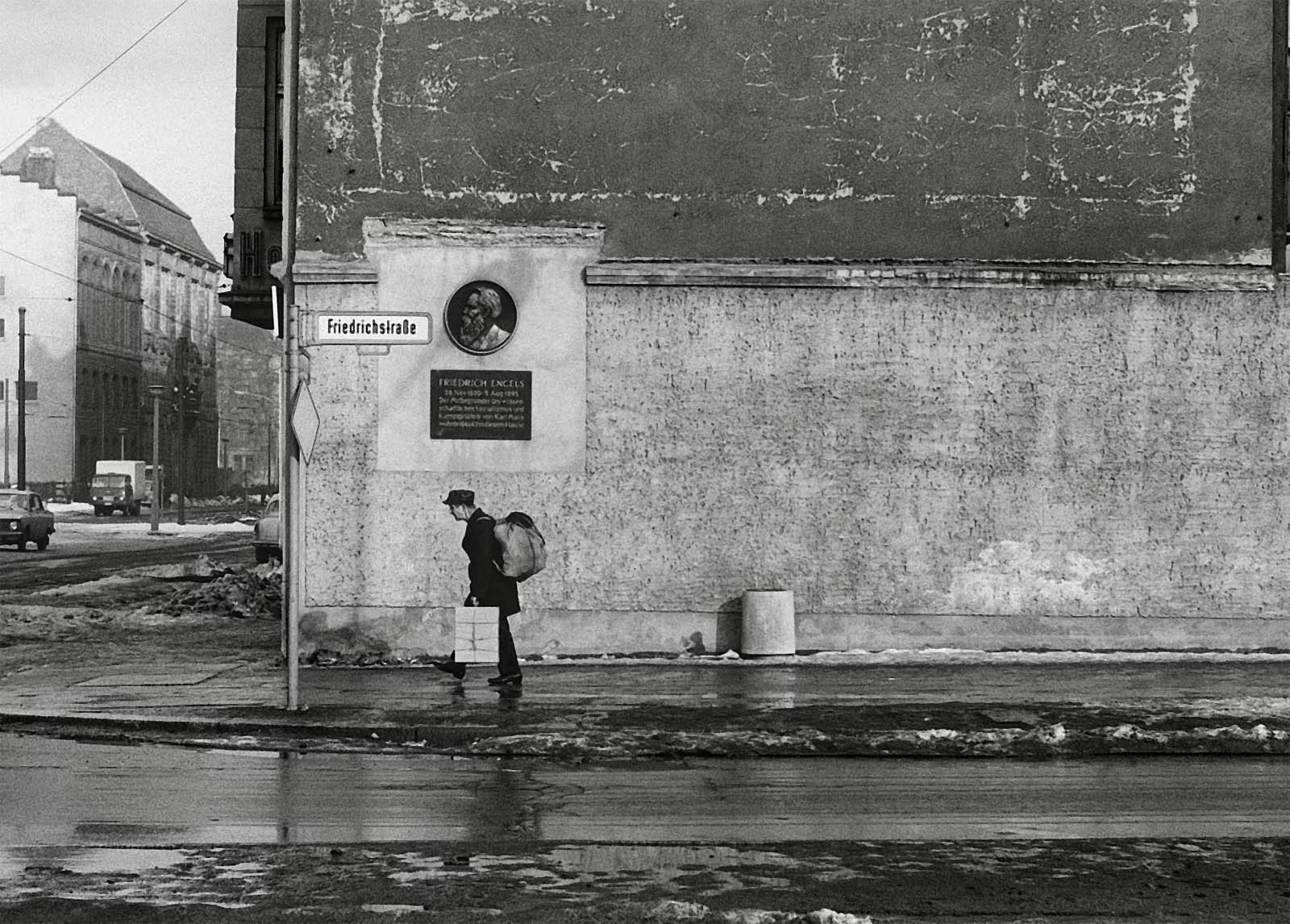
Exhibition: ‘Roman Vishniac Rediscovered’ at The Photographers’ Gallery and Jewish Museum London

Exhibition dates: 26th October, 2018 – 24th February, 2019

Curators: Maya Benton in collaboration with The Photographers’ Gallery curator, Anna Dannemann and Jewish Museum London curator, Morgan Wadsworth-Boyle.

Presented simultaneously at The Photographers’ Gallery and Jewish Museum London, Roman Vishniac Rediscovered is the first UK retrospective of Russian born American photographer, Roman Vishniac (1897-1990).


Roman Vishniac (America born Russia, 1897-1990) 'Interior of the Anhalter Bahnhof railway terminus near Potsdamer Platz, Berlin' 1929-early 1930s from the exhibition Exhibition: 'Roman Vishniac Rediscovered' at The Photographers' Gallery and Jewish Museum London, Oct 2018 - Feb 2019


Roman Vishniac (America born Russia, 1897-1990)
Interior of the Anhalter Bahnhof railway terminus near Potsdamer Platz, Berlin
1929 – early 1930s
Courtesy International Center of Photography
On display at The Photographers’ Gallery
© Mara Vishniac Kohn


Wondrous, glorious images

Apart from the title, Roman Vishniac “Rediscovered” – photographically, I never thought he went away? – this is a magnificent exhibition of Vishniac’s complete works.

Since the press release states, “Roman Vishniac Rediscovered offers a timely reappraisal of Vishniac’s vast photographic output and legacy and brings together – for the first time – his complete works including recently discovered vintage prints, rare and ‘lost’ film footage from his pre-war period, contact sheets, personal correspondence, original magazine publications, newly created exhibition prints as well as his acclaimed photomicroscopy…” perhaps the exhibition should have been titled: Roman Vishniac Reappraised or Roman Vishniac: Complete Works. Each makes more sense than the title the curators chose.

Vishniac’s work is powerful and eloquent, a formal, classical, and yet poetic representation of the time and space of the photographs taking. Modernist yet romantic, monumental, sociological yet playful, his work imbibes of the music of people and place, portraying the rituals of an old society about to be swept away by the maelstrom of war. They are a joy to behold.

Here is happiness and sadness, urban poverty, isolation (as in figures from each other, figures isolated within their world, and within the pictorial frame – see the people walking in every direction in Isaac Street, Kazimierz, Cracow 1935-38, below), and nostalgia (for what has been lost). Here is life… and death.

Here is a handsome man, Ernst Kaufmann, born in Krefeld, Germany, in 1911. Arrested in June 1941 and killed in August of that year in the Mauthausen concentration camp in Austria. Killed at barely 30 years old. As Vishniac recalls of his portrait of the seven year old David Eckstein, ‘I watched this little boy for almost an hour, and in this moment I saw the whole sadness of the world.’ Never forget what human beings are capable of, lest history repeat itself, and all our hard fought freedoms are destroyed.

Despite the hubbub and movement of the people, towns and marketplaces, for me it is the sensitivity of a quiet moment, beautifully observed, that gets me every time. That hand (Exhausted. A Carrier of Heavy Loads, Warsaw c. 1935-1938, below), resting on the chest of an exhausted porter, seen in all its clarity and in humanity is transcendent. That intense feeling of an extended, (in)decisive moment, if ever there was one.

In my humble opinion, Vishniac is one of the greatest 20th century social documentary photographers to have ever lived.

Dr Marcus Bunyan


Many thankx to Photographers’ Gallery for allowing me to publish the photographs in the posting. Please click on the photographs for a larger version of the image.


Interview with curator Maya Benton


Roman Vishniac (America born Russia, 1897-1990) 'German family walking between taxicabs in front of the Ufa-Palast movie theater, Berlin' late 1920s-early 1930s from the exhibition Exhibition: 'Roman Vishniac Rediscovered' at The Photographers' Gallery and Jewish Museum London, Oct 2018 - Feb 2019


Roman Vishniac (America born Russia, 1897-1990)
German family walking between taxicabs in front of the Ufa-Palast movie theater, Berlin
late 1920s – early 1930s
Courtesy International Center of Photography
© Mara Vishniac Kohn


Roman Vishniac (America born Russia, 1897-1990) 'Woman washing windows above Mandtler & Neumann Speditionen (Mandtler & Neumann Forwarding Agents), Ferdinandstrasse, Leopoldstadt, Vienna' 1930s


Roman Vishniac (America born Russia, 1897-1990)
Woman washing windows above Mandtler & Neumann Speditionen (Mandtler & Neumann Forwarding Agents), Ferdinandstrasse, Leopoldstadt, Vienna
1930s
Courtesy International Center of Photography
© Mara Vishniac Kohn


Roman Vishniac (America born Russia, 1897-1990) 'Jewish school children, Mukacevo' c. 1935-1938


Roman Vishniac (America born Russia, 1897-1990)
Jewish school children, Mukacevo
c. 1935-1938
Courtesy International Center of Photography
On display at Jewish Museum London
© Mara Vishniac Kohn


From 1935 to 1938, Vishniac made numerous trips to the city of Mukacevo, a major center of religious learning among Jews from Czechoslovakia, Hungary, and the Carpathian region. Mukacevo was widely known for its famous rabbis and yeshivot (religious schools). This image of Jewish schoolchildren appears in cropped form on the cover of Vishniac’s first posthumous publication, To Give Them Light; the recently digitised negative reveals that it represents only one-fifth of the full frame. Vishniac often directed printers or publishers to crop his images to focus on religiously observant Jewish men or boys, identifiable by their dress, an editorial decision that sometimes detracted from the composition by subverting aesthetic considerations to emphasise religious and observant life. The negative reveals Vishniac’s instinctive compositional acumen: a bustling and vibrant street scene, with a boy’s beaming, slightly out-of-focus face in the foreground and numerous hands pushing into and out of the frame, communicating the vitality and liveliness of the students.

Text from the International Center of Photography website


Roman Vishniac (America born Russia, 1897-1990) 'Man purchasing herring, wrapped in newspaper, for a Sabbath meal, Mukacevo' c. 1935-1938


Roman Vishniac (America born Russia, 1897-1990)
Man purchasing herring, wrapped in newspaper, for a Sabbath meal, Mukacevo
c. 1935-1938
International Center of Photography
© Mara Vishniac Kohn


Roman Vishniac (America born Russia, 1897-1990) 'Fish is the Favored Food for the Kosher Table' c. 1935-1938


Roman Vishniac (America born Russia, 1897-1990)
Fish is the Favored Food for the Kosher Table
c. 1935-1938
Gelatin silver print
Image (paper): 11 1/2 x 9 3/16 in. (29.2 x 23.3cm)
Collection Philip Allen
© Mara Vishniac Kohn


“This image of a boy bending over a vat of herring communicates the excitement of the marketplace and the sheer abundance of herring. The unparalleled quality of the print transmits every detail, from the wet cobblestones and circular motion of the swimming fish to the rapid, eager movement of hands reaching in to grab the herring. Rather than focusing on religious life, these early prints demonstrate the vitality and frantic charm of a town rushing to prepare for the Sabbath.”

Maya Benton, ICP Adjunct Curator


These rare vintage prints are part of a collection of sixteen recently discovered prints that comprised Vishniac’s first exhibition abroad, and were displayed in the New York office of the Jewish Joint Distribution Committee (JDC) in 1938. Vishniac developed these early prints in his apartment in Berlin, and they are rare early examples of his virtuosic skill as a master printmaker. He gifted all sixteen prints to an employee of the New York office of the JDC who had helped him to organise his first exhibit; these prints are on loan from his son.

The image of a boy bending over a vat of herring communicates the excitement of the marketplace and the sheer abundance of herring. The unparalleled quality of the print transmits every detail, from the wet cobblestones and circular motion of the swimming fish to the rapid, eager movement of hands reaching in to grab the herring. Rather than focusing on religious life, these early prints demonstrate the vitality and frantic charm of a town rushing to prepare for the Sabbath.

Anonymous text. “Roman Vishniac,” on the International Center of Photography website Nd [Online] Cited 16/03/2022


Roman Vishniac (America born Russia, 1897-1990) 'Young Jewish boys suspicious of strangers, Mukachevo' c. 1935-1938


Roman Vishniac (America born Russia, 1897-1990)
Young Jewish boys suspicious of strangers, Mukachevo
c. 1935-1938
International Center of Photography
© Mara Vishniac Kohn


Roman Vishniac (America born Russia, 1897-1990) 'Three women, Mukacevo' c. 1935-1938


Roman Vishniac (America born Russia, 1897-1990)
Three women, Mukacevo
c. 1935-1938
International Center of Photography
© Mara Vishniac Kohn


Roman Vishniac (America born Russia, 1897-1990) The notice on the wall reads "Come Celebrate Chanukah." c. 1935-1938


Roman Vishniac (America born Russia, 1897-1990)
The notice on the wall reads “Come Celebrate Chanukah”
c. 1935-1938
International Center of Photography
© Mara Vishniac Kohn


Roman Vishniac (America born Russia, 1897-1990) 'Jewish street vendors, Warsaw, Poland' 1938


Roman Vishniac (America born Russia, 1897-1990))
Jewish street vendors, Warsaw, Poland
1938
International Center of Photography
© Mara Vishniac Kohn


Roman Vishniac (America born Russia, 1897-1990) 'Children playing outdoors and watching a game' c. 1935-1937


Roman Vishniac (America born Russia, 1897-1990)
Children playing outdoors and watching a game
c. 1935-1937
International Center of Photography
© Mara Vishniac Kohn


Roman Vishniac (America born Russia, 1897-1990) 'Children playing on a street lined with swastika flags' mid-1930s


Roman Vishniac (America born Russia, 1897-1990)
Children playing on a street lined with swastika flags
mid-1930s
International Center of Photography
© Mara Vishniac Kohn


Roman Vishniac (America born Russia, 1897-1990) 'Nat Gutman's Wife, Warsaw' 1938


Roman Vishniac (America born Russia, 1897-1990)
Nat Gutman’s Wife, Warsaw
1938
International Center of Photography
© Mara Vishniac Kohn


Nat Gutman, the porter, Warsaw 1935-1938 from A Vanished World, 1983 is the photograph of her husband. After working as a bank cashier for six years, Nat Gutman was dismissed because he was a Jew. He became a porter. The loads usually weighed forty-five to ninety pounds. This was the kind of work that bank cashier Gutman, a man with a bad hernia, was reduced to in order to support his wife and son. The family were exterminated.


Roman Vishniac (America born Russia, 1897-1990) 'A street of Kazimierz, Cracow' 1935-1938


Roman Vishniac (America born Russia, 1897-1990)
A street of Kazimierz, Cracow
1935-1938
International Center of Photography
© Mara Vishniac Kohn


Roman Vishniac (America born Russia, 1897-1990) 'Isaac Street, Kazimierz, Krakow' 1935-1938


Roman Vishniac (America born Russia, 1897-1990)
Isaac Street, Kazimierz, Krakow
1935-1938
International Center of Photography
© Mara Vishniac Kohn


Roman Vishniac (America born Russia, 1897-1990) 'Isaac Street, Kazimierz, Cracow' 1935-1938


Roman Vishniac (America born Russia, 1897-1990)
Isaac Street, Kazimierz, Cracow
1935-1938
International Center of Photography
© Mara Vishniac Kohn


Roman Vishniac (America born Russia, 1897-1990) 'Window washer balancing on a ladder, Berlin' mid-1930s


Roman Vishniac (America born Russia, 1897-1990)
Window washer balancing on a ladder, Berlin
mid-1930s
Courtesy International Center of Photography
On display at The Photographers’ Gallery
© Mara Vishniac Kohn


Roman Vishniac (America born Russia, 1897-1990) 'Exhausted. A Carrier of Heavy Loads, Warsaw' c. 1935-1938


Roman Vishniac (America born Russia, 1897-1990)
Exhausted. A Carrier of Heavy Loads, Warsaw
c. 1935-38
Gelatin silver print
7 1/2 x 10 in. (19.1 x 25.4cm)
International Center of Photography
Gift of Mara Vishniac Kohn, 2013
© Mara Vishniac Kohn


“This unpublished image of a porter at rest in his wagon demonstrates Vishniac’s modern aesthetic and the influence of the avant-garde on his work. The diagonal slope of the central figure, stretched out along a sloping plane, fills the entire frame. The intuitive amalgamation of patterns and textures, one of Vishniac’s greatest talents, is evident throughout the image: the light reflected on the ornamented belt buckle; the double-patterned cable knit of his shrunken wool vest, which barely conceals a plaid shirt; and the round shapes of a wheel and bucket that divide the angular line formed by the central figure. It is a triumph of textures, angles, and lines, yet the worn sign with the name Nuta Hersz and his porter license number reminds us that the subject of the photograph is the victim of anti-Semitic boycotts and the limited job opportunities (only vendors and porters) permitted to Jews in Poland at that time.”

Maya Benton, ICP Adjunct Curator


Roman Vishniac (America born Russia, 1897-1990) 'Villagers in the Carpathian Mountains' c. 1935-1938


Roman Vishniac (America born Russia, 1897-1990)
Villagers in the Carpathian Mountains
c. 1935-1938
International Center of Photography
© Mara Vishniac Kohn


“Vishniac traveled to remote Jewish villages in rural Carpathian Ruthenia throughout the late 1930s, and in many cases was the only photographer to ever document these communities, which had been isolated for hundreds of years, yet maintained an enduring connection to Jewish observance, customs, and traditions.

Every detail of this image makes it a nearly perfect photograph: the sense of movement and the figures’ varied gestures and vibrant expressions; the carefully balanced horizontal bands of shadow and striped fabric; the detail of a woman peering out of a window while a glass pane on the facing structure points in the direction of an impossibly angled triangular building that vertically divides the frame in half; and the collective sense of surprise at encountering the photographer. Like much of Vishniac’s unpublished work, this composition recalls Henri Cartier-Bresson’s description of the decisive moment (a precise organisation of forms that give a time and place its ideal expression) and places Vishniac on par with the great photographers of the 20th century.”

Maya Benton, ICP Adjunct Curator


Roman Vishniac (America born Russia, 1897-1990) '[David Eckstein, seven years old, and classmates in cheder (Jewish elementary school), Brod]' c. 1938


Roman Vishniac (America born Russia, 1897-1990)
[David Eckstein, seven years old, and classmates in cheder (Jewish elementary school), Brod]
c. 1938
International Center of Photography
© Mara Vishniac Kohn


“The boy in this photograph has been identified as David Eckstein, a Holocaust survivor currently living in a commune in the American Southwest. Born in 1930 in the small town of Brod, Eckstein was seven years old when Vishniac took several photographs of him, his classmates, and his teacher just before the onslaught of World War II. Vishniac later recalled, ‘I watched this little boy for almost an hour, and in this moment I saw the whole sadness of the world.’ This portrait was later selected as the cover of Vishniac’s first publication, Polish Jews: A Pictorial Record (1947), and reprinted on the cover of I. B. Singer’s National Book Award-winning collection of stories, A Day of Pleasure: Stories of a Boy Growing Up in Warsaw (1969).”

Maya Benton, ICP Adjunct Curator


Roman Vishniac (America born Russia, 1897-1990) '[Grandmother and grandchildren in basement dwelling, Krochmaina Street, Warsaw]' c. 1935-1938


Roman Vishniac (America born Russia, 1897-1990)
[Grandmother and grandchildren in basement dwelling, Krochmaina Street, Warsaw]
c. 1935-1938
International Center of Photography
© Mara Vishniac Kohn


“Vishniac documented urban poverty in Warsaw, often focusing on the dark, cold basement dwellings of families where hungry Jewish children lived in crowded conditions. Vishniac photographed this woman taking care of her grandchildren while their parents searched for work in one of 26 basement compartments, each inhabited by a large family. In June 1941, the National Jewish Monthly published this image with the caption ‘Polish Jewry, once the bulwark of world Jewry, is done for as a community. Even if Hitler were to lose power tomorrow, their institutions and organisations are hopelessly smashed, could not be rebuilt in generations. But individuals remain, starved and persecuted. This picture shows an old grandmother and her grandchildren. What is going to become of them, and of the millions of other innocent victims of Fascist violence and terror?'”

Maya Benton, ICP Adjunct Curator


Roman Vishniac (America born Russia, 1897-1990) 'Sara, sitting in bed in a basement dwelling, with stencilled flowers above her head, Warsaw' c. 1935-1937


Roman Vishniac (America born Russia, 1897-1990)
Sara, sitting in bed in a basement dwelling, with stencilled flowers above her head, Warsaw
c. 1935-1937
Courtesy International Center of Photography
On display at The Photographers’ Gallery
© Mara Vishniac Kohn


Vishniac documented the basement dwellings of Warsaw using the scant natural light that trickled through a few narrow, high windows, necessitating that he shoot during the day, when adults were often out looking for work or peddling their wares and children were sometimes the only inhabitants indoors. This photograph of Sara, one of Vishniac’s most iconic images, was reproduced on charity tins, or tzedakah boxes, and circulated throughout France by Jewish social service organisations, including the American Jewish Joint Distribution Committee (AJDC) in the late 1930s.

Text from the International Center of Photography website


An extraordinarily versatile and innovative photographer, Vishniac is best known for having created one of the most widely recognised and reproduced photographic records of Jewish life in Eastern Europe between the two World Wars. Featuring many of his most iconic works, this comprehensive exhibition further introduces recently discovered and lesser-known chapters of his photographic career from the early 1920s to the late 1970s. The cross-venue exhibition presents radically diverse bodies of work and positions Vishniac as one of the most important social documentary photographers of the 20th century whose work also sits within a broader tradition of 1930s modernist photography.

Born in Pavlovsk, Russia in 1897 to a Jewish family Roman Vishniac was raised in Moscow. On his seventh birthday, he was given a camera and a microscope which began a lifelong fascination with photography and science. He began to conduct early scientific experiments attaching the camera to the microscope and as a teenager became an avid amateur photographer and student of biology, chemistry and zoology. In 1920, following the Bolshevik Revolution, he immigrated to Berlin where he joined some of the city’s many flourishing camera clubs. Inspired by the cosmopolitanism and rich cultural experimentation in Berlin at this time, Vishniac used his camera to document his surroundings. This early body of work reflects the influence of European modernism with his framing and compositions favouring sharp angles and dramatic use of light and shade to inform his subject matter.

Vishniac’s development as a photographer coincided with the enormous political changes occurring in Germany, which he steadfastly captured in his images. They represent an unsettling visual foreboding of the growing signs of oppression, the loss of rights for Jews, the rise of Nazism in Germany, the insidious propaganda – swastika flags and military parades, which were taking over both the streets and daily life. German Jews routinely had their businesses boycotted, were banned from many public places and expelled from Aryanised schools. They were also prevented from pursuing professions in law, medicine, teaching, and photography, among many other indignities and curtailments of civil liberties. Vishniac recorded this painful new reality through uncompromising images showing Jewish soup kitchens, schools and hospitals, immigration offices and Zionist agrarian training camps, his photos tracking the speed with which the city changed from an open, intellectual society to one where militarism and fascism were closing in.

Social and political documentation quickly became a focal point of his work and drew the attention of organisations wanting to raise awareness and gain support for the Jewish population. In 1935, Vishniac was commissioned by the world’s largest Jewish relief organisation, the American Jewish Joint Distribution Committee (JDC), to photograph impoverished Jewish communities in Eastern Europe. These images were intended to support relief efforts and were used in fundraising campaigns for an American donor audience. When the war broke out only a few years later, his photos served increasingly urgent refugee efforts, before finally, at the end of the war and the genocide enacted by Nazi Germany, Vishniac’s images became the most comprehensive photographic record by a single photographer of a vanished world.

Vishniac left Europe in 1940 and arrived in New York with his family on New Year’s Day, 1941. He continued to record the impact of World War II throughout the 1940s and 50s in particular focusing on the arrival of Jewish refugees and Holocaust survivors in the US, but also looking at other immigrant communities including Chinese Americans. In 1947, he returned to Europe to document refugees and relief efforts in Jewish Displaced Persons camps and also to witness the ruins of his former hometown, Berlin. He also continued his biological studies and supplemented his income by teaching and writing.

In New York, Vishniac established himself as a freelance photographer and built a successful portrait studio on Manhattan’s Upper West Side. At the same time he dedicated himself to scientific research, resuming his interest in Photomicroscopy. This particular application of photography became the primary focus of his work during the last 45 years of his life. By the mid-1950s, he was regarded as a pioneer in the field, developing increasingly sophisticated techniques for photographing and filming microscopic life forms. Vishniac was appointed Professor of Biology and Art at several universities and his groundbreaking images and scientific research were published in hundreds of magazines and books.

Although he was mainly embedded in the scientific community, Vishniac was a keen observer and scholar of art, culture, and history and would have been aware of developments in photography going on around him and the work of his contemporaries. In 1955, famed photographer and museum curator Edward Steichen featured several of Vishniac’s photographs in the influential book and travelling exhibition The Family of Man shown at the Museum of Modern Art. Steichen later describes the importance of Vishniac’s work. “[He]… gives a last minute look at the human beings he photographed just before the fury of Nazi brutality exterminated them. The resulting photographs are among photography’s finest documents of a time and place.”

Roman Vishniac Rediscovered offers a timely reappraisal of Vishniac’s vast photographic output and legacy and brings together – for the first time – his complete works including recently discovered vintage prints, rare and ‘lost’ film footage from his pre-war period, contact sheets, personal correspondence, original magazine publications, newly created exhibition prints as well as his acclaimed photomicroscopy.

Drawn from the Roman Vishniac Archive at the International Center of Photography, New York and curated by Maya Benton in collaboration with The Photographers’ Gallery curator, Anna Dannemann and Jewish Museum London curator, Morgan Wadsworth-Boyle, each venue will provide additional contextual material to illuminate the works on display and bring the artist, his works and significance to the attention of UK audiences. Roman Vishniac Rediscovered is organised by the International Center of Photography.

Press release from The Photographers’ Gallery


Roman Vishniac (America born Russia, 1897-1990) 'Inside the Jewish quarter, Bratislava' c. 1935-1938


Roman Vishniac (America born Russia, 1897-1990)
Inside the Jewish quarter, Bratislava
c. 1935-1938
Courtesy International Center of Photography
On display at Jewish Museum London
© Mara Vishniac Kohn


Roman Vishniac (America born Russia, 1897-1990) 'Children at Play, Bratislava' c. 1935-1938


Roman Vishniac (America born Russia, 1897-1990)
Children at Play, Bratislava
c. 1935-1938
Courtesy International Center of Photography
© Mara Vishniac Kohn


Roman Vishniac (America born Russia, 1897-1990) 'Vishniac's daughter Mara posing in front of an election poster for Hindenburg and Hitler' 1933


Roman Vishniac (America born Russia, 1897-1990)
Vishniac’s daughter Mara posing in front of an election poster for Hindenburg and Hitler that reads “The Marshal and the Corporal: Fight with Us for Peace and Equal Rights,” Wilmersdorf, Berlin
1933
Courtesy International Center of Photography
On display at Jewish Museum London
© Mara Vishniac Kohn


Vishniac’s daughter Mara, age seven, was photographed standing in front of this 1933 poster celebrating Hitler’s recent appointment as German chancellor. The poster advertises a plebiscite to permit withdrawal from the League of Nations and Geneva Disarmament Conference, which restricted Germany’s ability to develop a military. Other posters include the slogans “Mothers, fight for your children!,” “The coming generation accuses you!,” and “In 8 months… 2,250,000 countrymen able to put food on the table. Bolshevism destroyed. Sectionalism overcome. A kingdom and order of cleanliness built… Those are the achievements of Hitler’s rule…”

Text from the International Center of Photography website


Roman Vishniac (America born Russia, 1897-1990) 'Benedictine nun reading, probably France' 1930s


Roman Vishniac (America born Russia, 1897-1990)
Benedictine nun reading, probably France
1930s, printed 2012
Photo digital inkjet print
12 x 11 3/8 in. (30.5 x 29cm)
International Center of Photography
© Mara Vishniac Kohn


Roman Vishniac (America born Russia, 1897-1990) 'Ernst Kaufmann, center, and unidentified Zionist youth' 1938-1939


Roman Vishniac (America born Russia, 1897-1990)
Ernst Kaufmann, center, and unidentified Zionist youth, wearing clogs while learning construction techniques in a quarry, Werkdorp Nieuwesluis, Wieringermeer, The Netherlands
1938-1939
Courtesy International Center of Photography
On display at Jewish Museum London
© Mara Vishniac Kohn


Ernst Kaufmann was born in Krefeld, Germany, in 1911. He was arrested in June 1941 and killed in August of that year in the Mauthausen concentration camp in Austria.

This photograph is strikingly similar in subject and composition to a bronze relief plaque made in 1935 by Dutch artist Hildo Krop (1884-1970) for the monument on the Afsluitdijk, a dam that was completed in 1933 in the north of the Netherlands. The relief depicts three stoneworkers below the text “A nation that lives builds for the future.” Dutch modernist architect Willem Dudok (1884-1974) designed the Afsluitdijk and in 1935 Krop’s plaque was added. The dam was a triumph of Dutch engineering and a source of national pride. Residents of the Werkdorp probably took Vishniac to the Afsluitdijk; the well-known relief undoubtedly inspired him to stage this shot, an ideal composition for his heroic image of Jewish pioneers in the Werkdorp, and an unusual conflation of Dutch nationalist and Zionist visual sensibilities.

Text from the International Center of Photography website


Roman Vishniac (America born Russia, 1897-1990) 'Beach dwellers in the afternoon, Nice, France' c. 1939


Roman Vishniac (America born Russia, 1897-1990)
Beach dwellers in the afternoon, Nice, France
c. 1939
Courtesy International Center of Photography
© Mara Vishniac Kohn


Roman Vishniac (America born Russia, 1897-1990) 'Boys exercising in the gymnasium of the Jewish Community House of Bensonhurst, Brooklyn' 1949


Roman Vishniac (America born Russia, 1897-1990)
Boys exercising in the gymnasium of the Jewish Community House of Bensonhurst, Brooklyn
1949
Courtesy International Center of Photography
On display at The Photographers’ Gallery
© Mara Vishniac Kohn


The Jewish Community House of Bensonhurst, known as the “J,” was established in 1927 to serve the growing population of first-generation American Jews migrating to South Brooklyn. The J’s mission, to “ennoble Jewish youth” by building and fostering a sense of Jewish community, was accomplished through the promotion of arts and recreation for all ages. American Jewish major league baseball legend Sandy Koufax, a regular at the J, had started his sports career there as a basketball player.

In a dramatic departure from his iconic photographs of impoverished children in prewar eastern Europe, here Vishniac focused on the strong, healthy young American children. The children’s vitality is reinforced by the diagonal lines and geometric angles of the ropes, contributing to a forceful and innovative composition reflective of Vishniac’s previously unknown American work from the 1940s.

Text from the International Center of Photography website


Roman Vishniac (America born Russia, 1897-1990) 'Customers waiting in line at a butcher's counter during wartime rationing, Washington Market, New York' 1941-1944


Roman Vishniac (America born Russia, 1897-1990)
Customers waiting in line at a butcher’s counter during wartime rationing, Washington Market, New York
1941-44
Courtesy International Center of Photography
On display at The Photographers’ Gallery
© Mara Vishniac Kohn


New York’s Washington Market, famed for its exceptional variety and quantity of food, was established in the eighteenth century. Vishniac documented the mostly female customers waiting for service during a period of wartime restrictions and food rationing. Through careful framing – customers stand against bare counters and voided display cases – he captured disenchanted expressions that can be read as a projection of Vishniac’s own experience as a new immigrant in America, as well as a record of comparative privation in the former plenty of Washington Market. As such, they anticipate the isolation and indifference shown in The Americans by Robert Frank, another Jewish immigrant from war-torn Europe.

Text from the International Center of Photography website


The Photographers’ Gallery
16-18 Ramillies Street
London
W1F 7LW

Opening hours:
Mon – Wed: 10.00 – 18.00
Thursday – Friday: 10.00 – 20.00
Satuday: 10.00 – 18.00
Sunday: 11.00 – 18.00

The Jewish Museum
A museum without walls at the moment.

The Photographers’ Gallery website

The Jewish Museum, London website

LIKE ART BLART ON FACEBOOK

Back to top

Exhibition: ‘Images à la Sauvette’ at the Fondation Henri Cartier-Bresson, Paris

Exhibition dates: 11th January – 23rd April, 2017


Henri Cartier-Bresson (French, 1908-2004) 'Seville, Spain, 1933' from 'Images à la Sauvette' (Verve, 1952), p. 27-28 from the exhibition 'Images à la Sauvette' at the Fondation Henri Cartier-Bresson, Paris, Jan - April, 2017


Henri Cartier-Bresson (French, 1908-2004)
Seville, Spain, 1933
From Images à la Sauvette (Verve, 1952), pp. 27-28
© Henri Cartier-Bresson / Magnum Photos


No more, decisive moment

Following the relatively unknown photocollages of Josef Albers, a posting on one of the most famous artist books in the world, Images à la Sauvette (Images on the fly, Images on the run) – the American publishers Simon and Schuster choosing the punchier The Decisive Moment as the title of the American version.

While individual images are interesting, it is “the unique narrative form and the emphasis on the photographer’s text” in terms of the image layout and composition of the book that is so groundbreaking an aspect of the work. Cartier-Bresson sought not to capture one reality – the “decisive moment” – but a poetic reality based on the “impulsiveness of a desire, the personal anxiety in face of a moment to preserve.” It was his almost uncanny ability to pre-visualise the desire for a poetic moment (to visualise its emergence), and then translate that desire into images, that makes him such a great artist.

Agnès Sire observes in her text “De l’errance de l’oeil au moment qui s’impose, quelques pistes pour mieux voir,” (From the wandering of the eye to the right moment, a few ways to see better):

“In 1974, Cartier-Bresson would admit: “For me, the Leica is a sketchbook, a psychoanalyst’s couch, a machine gun, a big, hot kiss, an electromagnet, a memory, the mirror of memory.” There is no trace here of any supposed record of a reality, but rather, of memory (and thus the past), the psychoanalyst’s couch (to make the past re-emerge) and the mirror of memory (the image of the past). Clearly, this poetic accident does not lie within everyone’s reach but, through the camera, it presents itself to some, provided they are good at passing it on. And this is something which, according to Walker Evans, left no room for doubt in Cartier-Bresson’s case: “Cartier has always been a kind of spirit medium: poetry sometimes speaks through his camera.””

Thus the past, the image of the past and the transcendence of the past merge in the photography of Cartier-Bresson. In one image, and in the combination of images (much like the photocollages of Josef Albers), he lays out before us, “the significance of an event as well as of a precise organisation of forms which give that event its proper expression.” Instructive to this aim are the page layouts of the book at the bottom of the posting. Pages are divided into three or fours spaces. In the first layout you look down, you are drawn into, you move horizontally across; human figures are isolated, silhouetted with shadow, in shadow, against form.

In the second layout the shapes and emotions form a complex relationship: movement across with thick vibration of energy behind the ecstatic child (top left); a child’s eye view of the world with a constellation of stars behind (top right); a picture frame on a fragmented world (Seville, 1933, bottom left); and the tethered beasts and stick-like children (bottom right). Now squint your eyes and move them from one quadrant to another.

This is complex and thoughtful image making, on both a human and poetic scale. If the photographic lens let Cartier-Bresson “look into the rubble of the unconscious and of chance,” then it took an informed and intelligent mind to understand what the lens was seeing, even before the images were made evident, and to then give those events proper expression.

Dr Marcus Bunyan


Many thankx to the Fondation HCB for allowing me to publish the photographs in the posting. Please click on the photographs for a larger version of the image.


Magazines end up wrapping french fries, while books remain.


Henri Cartier-Bresson


André Breton taught me to let the photographic lens look into the rubble of the unconscious and of chance.


Henri Cartier-Bresson, 1995


“To me, photography is the simultaneous recognition, in a fraction of a second, of the significance of an event as well as of a precise organisation of forms which give that event its proper expression.”


Extract from the text by Henri Cartier-Bresson, The Decisive Moment, Simon and Schuster, 1952


Cover by Henri Matisse of Henri Cartier-Bresson's 'Images à la Sauvette' (Verve, 1952)


Henri Cartier-Bresson (French, 1908-2004)
Images à la Sauvette (Verve, 1952)
Cover by Henri Matisse
© Henri Cartier-Bresson / Magnum Photos


Installation view of the exhibition 'Images à la Sauvette' at the Fondation Henri Cartier-Bresson, Paris

Installation view of the exhibition 'Images à la Sauvette' at the Fondation Henri Cartier-Bresson, Paris


Installation views of the exhibition Images à la Sauvette at the Fondation Henri Cartier-Bresson, Paris


From January 11 to April 23, 2017, the Foundation devotes an exhibition to Cartier-Bresson’s famous publication Images à la Sauvette. Initated by the French publisher Tériade, the project is finally achieved on October 1952 as a French-American co-edition, with the contribution of Matisse and the American publishers Simon and Schuster. The latter chose “The Decisive Moment” as the title of the American version, and unintentionally imposed the motto which would define Cartier-Bresson’s work. Since its publication in 1952, Images à la Sauvette has received an overwhelming success. It is considered as “a Bible for photographers” according to Robert Capa’s words. The innovative design of the publication struck the art world with its refined format, the heliogravure quality and the strength of the image sequences. The publication reveals the inherent duality of Cartier-Bresson’s work; between the photographer’s intimate interpretation and his documentary approach.

Images à la Sauvette is the fruit of joined efforts of a famous art publisher, Tériade, a talented photographer, a painter at the peak of his career, Matisse, and two American publishers, Simon and Schuster. From his beginnings, Cartier‑Bresson considers the book as the outcome of his work. In the thirties, he met the publisher of Verve, Tériade, who he would later likely acknowledge to be his mentor. They plan, at the time, to carry out a book project on large cities rough areas together with Eli Lotar, Bill Brandt and Brassaï, but this ambitious project will never see the light of day.

Twenty years later and after a trip of three years in Asia, the Images à la Sauvette project finally began to materialise. The French title has been thoroughly thought out with his brother-in-law and cinema historian Georges Sadoul and evokes the snatchers or street peddlers.

Cartier‑Bresson attested that the meaning of this idiomatic expression, the street vendors ready to run at the first request for a license, is very akin to his way of capturing images. Tériade would then prompt the Cardinal de Retz quote, the epigraph to Henri Cartier‑Bresson’s introductory text: “There is nothing in this world which does not have its decisive moment”. The American publisher hesitated to use a translation of the original French title and opted for something punchier, The Decisive Moment.

Images à la Sauvette established itself as an extremely pioneering work by its wish to claim the images strength as the unique narrative form and the emphasis on the photographer’s text. It proposes a daring purity, allowing the 24 x 36 to spread out on its very large format pages. A model of its kind with the heliogravure printing by the best craftsmen of the era, the Draeger brothers, and the splendid Matisse cover has been called “a Bible for photographers” by Robert Capa. In Spring 1951, Cartier-Bresson explains, “While our prints are beautiful and perfectly composed (as they should be), they are not photographs for salons […] In the end, our final image is the printed one.” This affirmation definitely proclaims Images à la Sauvette as an artist’s book.

Yet paradoxically, the book confirms a turning point in the life of the photographer who has co-founded Magnum Photos a few years earlier, in 1947, and which has contributed to guarantee the photographers authorship. The choice to separated the image portfolio before and after 1947 certifies this shift to the documentary. The significant size of the Reportage chapter in his introduction, as well as the recurrence of the plural pronoun evoking the cooperative, demonstrate this important change. The book structure in two definite parts reveals the inherent duality in Cartier‑Bresson’s work. Images à la Sauvette brings to light the photographer’s vision, which we thought to be torn between a very intimate interpretation of the inner world and, since the creation of Magnum, a more observational approach of the external world. Cartier-Bresson was fully aware of this coexistence and advocated a balance: “there is a reciprocal reaction between both these worlds which in the long run form only one. It would be a most dangerous over-simplification to stress the importance of one at the cost of the other in that constant dialogue.”

The exhibition presents a selection of vintage prints as well as numerous archival documents to recount the history of this publication, until its facsimile reprint by Steidl Verlag, in 2014. This edition comes with an additional booklet containing an essay by Clément Chéroux.

Text from Fondation HCB


Henri Cartier-Bresson (French, 1908-2004) 'Tehuantepec, Mexique, 1934' from the exhibition 'Images à la Sauvette' at the Fondation Henri Cartier-Bresson, Paris, Jan - April, 2017


Henri Cartier-Bresson (French, 1908-2004)
Tehuantepec, Mexique, 1934
MEXICO. State of Oaxaca. Tehuantepec. 1934

From Images à la Sauvette (Verve, 1952), p. 34
© Henri Cartier-Bresson / Magnum Photos


Henri Cartier-Bresson (French, 1908-2004) 'Boston, United States, 1947'


Henri Cartier-Bresson (French, 1908-2004)
Boston, United States, 1947
USA. Massachusetts. Boston. 1947.

From Images à la Sauvette (Verve, 1952), pp. 59-60
© Henri Cartier-Bresson / Magnum Photos


Henri Cartier-Bresson (French, 1908-2004) 'Truman Capote, New Orleans, United States, July 1946'


Henri Cartier-Bresson (French, 1908-2004)
Truman Capote, New Orleans, United States, July 1946
USA. Louisiana. New Orleans. US writer, Truman Capote. 1947.

From Images à la Sauvette (Verve, 1952), p. 68
© Henri Cartier-Bresson / Magnum Photos


The great Henri Cartier-Bresson perfectly captured this decisive moment of petulant ingenue, Truman Capote. This photo was taken almost a year before Truman would publish his first novel, Other Voices, Other Rooms to great acclaim – a beautifully written story which is also partly autobiographical. He is about 22 years of age in this photo.

The unlikely couple met when contracted by Fortune Magazine to embark on a road trip together to the Deep South. Capote remembers Cartier-Bresson as… “dancing along the pavement like an agitated dragonfly, three Leicas winging from straps around his neck, a fourth one hugged to his eye … clicking away with a joyous intensity, a religious absorption.”

Text by John Rendell


Henri Cartier-Bresson (French, 1908-2004) 'es derniers jours de Kuomintang, Shanghai, Chine, décembre 1948 - janvier 1949'


Henri Cartier-Bresson (French, 1908-2004)
es derniers jours de Kuomintang, Shanghai, Chine, décembre 1948 – janvier 1949
Last days of Kuomintang, Shanghai, China, December 1948 – January 1949
From Images à la Sauvette (Verve, 1952), pp. 127-128
© Henri Cartier-Bresson / Magnum Photos


CHINA. Shanghai. December 1948-January 1949. As the value of the paper money sank, the Kuomintang decided to distribute 40 grams of gold per person. With the gold rush, in December, thousands came out and waited in line for hours. The police, equipped with the remnants of the armies of the International Concession, made only a gesture toward maintaining order. Ten people were crushed to death.


Extract from The Decisive Moment

I, like many another boy, burst into the world of photography with a Box Brownie, which I used for taking holiday snapshots. Even as a child, I had a passion for painting, which I  “did” on Thursdays and Sundays, the days when French school children don’t have to go to school. Gradually, I set myself to try to discover the various ways in which I could play with a camera. From the moment that I began to use the camera and to think about it, however, there was an end to holiday snaps and silly pictures of my friends. I became serious. I was on the scent of something, and I was busy smelling it out.

Then there were the movies. From some of the great films, I learned to look, and to see. “Mysteries of New York, with Pearl White; the great films of D. W. Griffith – “Broken Blossoms”; the first films of Stroheim – “Greed”, Eisenstein’s “Potemkin”; and Dreyer’s “Jeanne d’Arc” – there were some of the things that impressed me deeply. Later I met photographers who had some of Atget’s prints. These I considered remarkable and, accordingly, I bought myself a tripod, a black cloth and a polished walnut camera three by four inches. The camera was fitted with – instead of a shutter – a lens-cap, which one took off and then put on to make the exposure. This last detail, of course, confined my challenge to the static world. Other photographic subjects seemed to me to be too complicated, or else to be “amateur stuff.” And by this time I fancied that by disregarding them, I was dedicating myself to Art with a capital “A.” Next I took to developing this Art of mine in my washbasin. I found the business of being a photographic Jack-of-All-Trades quite entertaining. […]

I had just discovered the Leica. It became the extension of my eye, and I have never been separated from it since I found it. I prowled the streets all day, feeling very strung-up and ready to pounce, determined to “trap” life – we preserve life in the act of living. Above all, I craved to seize the whole essence, in the confines of one single photograph, of some situation that was in the process of unrolling itself before my eyes. The idea of making a photographic reportage, that is to say, of telling a story in a sequence of pictures, was something which never entered my head at that time. I began to understand more about it later, as a result of looking at the work of my colleagues and at the illustrated magazines. In fact, it was only in the process of working for them that I eventually learned – bit by bit – how to make a reportage with a camera, how we make a picture-story.

I have travelled a good deal, though I don’t really know how to travel. I like to take my time about it, leaving between one country and the next an interval in which to digest what I’ve seen. Once I have arrived in a new country, I have an almost desire to settle down there, so as to live on proper terms with the country. I could never be a globe-trotter. […]

To me, photography is the simultaneous recognition, in a fraction of a second, of the significance of an event as well as of a precise organization of forms which give that event its proper expression.

I believe that, through the act of living, the discovery of oneself is made concurrently with the discovery of the world around us which can mould us, but which can also be affected by us. A balance must be established between these two worlds – the one inside us and the one outside us. As the result of a constant reciprocal process, both these worlds come to form a single one. And it is this world that we must communicate.

But this takes care only of the content of the picture. For me, content cannot be separated from form. By form, I mean a rigorous organization of the interplay of surfaces, lines, and values. It is in this organization alone that our conceptions and emotions become concrete and communicable. In photography, visual organization can stem only from a developed instinct.

Extract from the text by Henri Cartier-Bresson, in The Decisive Moment, Simon and Schuster, 1952.


Henri Cartier-Bresson (French, 1908-2004) '"Chez Gégène", Joinville-le-Pont, France, 1938'


Henri Cartier-Bresson (French, 1908-2004)
“Chez Gégène”, Joinville-le-Pont, France, 1938
From Images à la Sauvette (Verve, 1952), p. 16
© Henri Cartier-Bresson / Magnum Photos


FRANCE. The Val de Marne ‘departement’. Joinville-le-Pont, near Paris. 1938. “A newly-wed bride and groom at an outdoor café on the Marne. The couple were here for the entire afternoon with a full wedding party which included uncles, aunts and small children of the family.”


Henri Cartier-Bresson (French, 1908-2004) 'Henri Matisse and his model Micaela Avogadro, Vence, France, 1944'


Henri Cartier-Bresson (French, 1908-2004)
Henri Matisse and his model Micaela Avogadro, Vence, France, 1944
From Images à la Sauvette (Verve, 1952), p. 69
© Henri Cartier-Bresson / Magnum Photos


FRANCE. Nice. Cimiez district. February 1944. French painter Henri Matisse, with his model Micaela Avogadro.


The Decisive Moment: Trap or acme?

“There is nothing in this world which does not have its decisive moment.” This phrase, which comes from the memoirs of Cardinal de Retz first published in 1717, appears as the epigraph to Henri Cartier-Bresson’s introductory text for his first major book of photographs, Images à la Sauvette. It was his publisher, Tériade, the creator of the legendary Verve collection, who suggested using the quotation in 1952. At the time, Cartier-Bresson had no idea how important it would become. In fact, the book’s co-publisher in the United States, Richard Simon, from Simon & Schuster, hesitated to use a translation of the original French title – although this would have been quite possible – and sought something more impactful. In the end, Cartier-Bresson accepted The Decisive Moment, which would thus be handwritten by Matisse at the bottom of the paper cut-out the artist had created for the cover.

And so it is why, since that time, the concept of the “decisive moment” has practically always been associated with the name of Henri Cartier-Bresson. The expression gained such a following that it became a kind of definition of the photographic act for certain photographers, and one which would absolutely have to be overthrown afterwards. In the 1980s, the concept of the ‘decisive moment’ was contrasted with that of the “slack time” (temps faible), as brilliantly developed by French critic Alain Bergala in his essay accompanying Raymond Depardon’s Correspondance New-Yorkaise.

The error, the misunderstanding concerning this ‘decisive moment’ attached to the name of Henri Cartier-Bresson is that it has become a kind of standard, as if there were only one right moment, the one where everything falls into place in a geometric way. Many photographers have gone astray by attempting to imitate that balance; what often gets lost is the impulsiveness of a desire, the personal anxiety in face of a moment to preserve. The “decisive moment” has imposed itself and somewhat distorted, or in any case simplified, the way Cartier-Bresson’s work is seen, like a tree hiding the forest.

In 1974, Cartier-Bresson would admit: “For me, the Leica is a sketchbook, a psychoanalyst’s couch, a machine gun, a big, hot kiss, an electromagnet, a memory, the mirror of memory.” There is no trace here of any supposed record of a reality, but rather, of memory (and thus the past), the psychoanalyst’s couch (to make the past re-emerge) and the mirror of memory (the image of the past). Clearly, this poetic accident does not lie within everyone’s reach but, through the camera, it presents itself to some, provided they are good at passing it on. And this is something which, according to Walker Evans, left no room for doubt in Cartier-Bresson’s case: “Cartier has always been a kind of spirit medium: poetry sometimes speaks through his camera.”

Wouldn’t the ‘decisive moment’ be rather an ‘art of poetic accident’, knowing how to capture it in order to avoid the eternally ‘lost moment’: a mirror of memory, a moment saved by the artifice of the film’s light-sensitive surface?”

Extract from “De l’errance de l’oeil au moment qui s’impose, quelques pistes pour mieux voir,” (From the wandering of the eye to the right moment, a few ways to see better) Agnès Sire, Revoir Henri Cartier-Bresson, Textuel, 2009


Henri Cartier-Bresson (French, 1908-2004) 'Italy, 1933'


Henri Cartier-Bresson (French, 1908-2004)
Italy, 1933
From Images à la Sauvette (Verve, 1952), pp. 25-26
© Henri Cartier-Bresson / Magnum Photos


Henri Cartier-Bresson (French, 1908-2004) 'Italy, 1933' (detail)


Henri Cartier-Bresson (French, 1908-2004)
Italy, 1933 (detail)
From Images à la Sauvette (Verve, 1952), p. 25-26
© Henri Cartier-Bresson / Magnum Photos


Henri Cartier-Bresson (French, 1908-2004) 'Italy, 1933' (detail)


Henri Cartier-Bresson (French, 1908-2004)
Italy, 1933 (detail)
From Images à la Sauvette (Verve, 1952), p. 25-26
© Henri Cartier-Bresson / Magnum Photos


Henri Cartier-Bresson (French, 1908-2004) 'Italy, 1933' (detail)


Henri Cartier-Bresson (French, 1908-2004)
Italy, 1933 (detail)
From Images à la Sauvette (Verve, 1952), p. 25-26
© Henri Cartier-Bresson / Magnum Photos


Henri Cartier-Bresson (French, 1908-2004) 'Spain and Spanish Morocco, 1933'


Henri Cartier-Bresson (French, 1908-2004)
Spain and Spanish Morocco, 1933
From Images à la Sauvette (Verve, 1952), pp. 29-30
© Henri Cartier-Bresson / Magnum Photos


Henri Cartier-Bresson (French, 1908-2004) 'Spain and Spanish Morocco, 1933' (detail)


Henri Cartier-Bresson (French, 1908-2004)
Spain and Spanish Morocco, 1933 (detail)
From Images à la Sauvette (Verve, 1952), p. 29-30
© Henri Cartier-Bresson / Magnum Photos


Henri Cartier-Bresson (French, 1908-2004) 'Spain and Spanish Morocco, 1933' (detail)


Henri Cartier-Bresson (French, 1908-2004)
Spain and Spanish Morocco, 1933 (detail)
From Images à la Sauvette (Verve, 1952), p. 29-30
© Henri Cartier-Bresson / Magnum Photos


Henri Cartier-Bresson (French, 1908-2004) 'Gandhi’s funeral, Delhi, India, 1948'


Henri Cartier-Bresson (French, 1908-2004)
Gandhi’s funeral, Delhi, India, 1948
From Images à la Sauvette (Verve, 1952), pp. 99-100
© Henri Cartier-Bresson / Magnum Photos


Henri Cartier-Bresson (French, 1908-2004) 'Gandhi’s funeral, Delhi, India, 1948' (detail)


Henri Cartier-Bresson (French, 1908-2004)
Gandhi’s funeral, Delhi, India, 1948 (detail)
From Images à la Sauvette (Verve, 1952), pp. 99-100
© Henri Cartier-Bresson / Magnum Photos


Fondation Henri Cartier-Bresson
79 rue des Archives
75003 Paris

Opening hours:
Tuesday – Sunday
11am – 7pm
Closed on Mondays

Fondation Henri Cartier-Bresson website

LIKE ART BLART ON FACEBOOK

Back to top
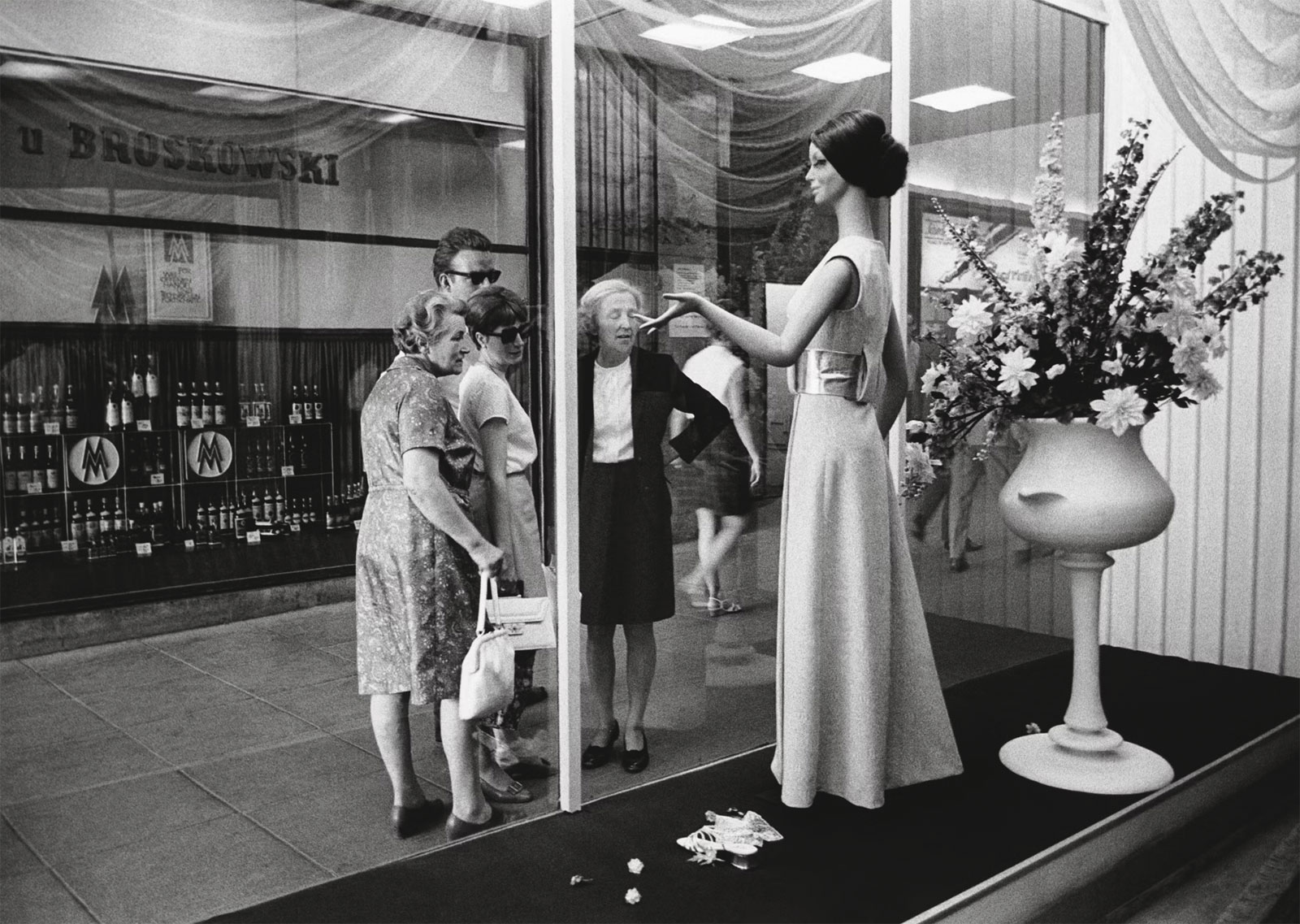
Vale René Burri

October 2014


René Burri (Swiss, 1933-2014) 'Men On A Rooftop, Sao Paulo', 1960


René Burri (Swiss, 1933-2014)
Men On A Rooftop, Sao Paulo
1960
© Rene Burri/Magnum Photos


Another strong, passionate photographer has gone. One of his best images and one of my favourites is Men on a rooftop (1960, above). For more images see my earlier posting René Burri: A Retrospective at Flo Peters Gallery, Hamburg, November 2009 – January 2010.

Marcus


Please click on the photographs for a larger version of the image.


“When Burri left Zurich in the 1950s, he set out to discover the world and some sense of man’s smallness within it. Switzerland was landlocked, bordered by mountains; a camera was a way out. Even then, he worried about what he could do that was new – “when shutters rattle from morning to night in every corner of the world … when every continent is lit with the flash of cameras.” His job, he believes, has been to “trace the enormous social changes taking place in our age, conveying my thoughts and images of them.” And, more poetically, “to put the intensity that you yourself have experienced into the picture – otherwise it is just a document.” He retired from reporting once that intensity, that sense of the bigness of the world, was gone.”


Saturday February 7, 2004 The Guardian


René Burri (Swiss, 1933-2014) 'Ernesto Guevara (Che) Havana' 1963


René Burri (Swiss, 1933-2014)
Ernesto Guevara (Che) Havana
1963
© Rene Burri/Magnum Photos


René Burri (Swiss, 1933-2014) 'Brazil, Rio de Janeiro' 1960


René Burri (Swiss, 1933-2014)
Brazil, Rio de Janeiro
1960
© Rene Burri/Magnum Photos


It is with great sadness that the Musée de l’Elysée has learned of the death of René Burri, on Monday October 20 in Zurich, at the age of 81. In his later years, René Burri wished to create a foundation for the preservation of his work. The Musée de l’Elysée in Lausanne hosts the Fondation René Burri established in June 2013.

The members of the Fondation de l’Elysée as well as the Musée de l’Elysée team extend their deepest sympathies to the family. A member of Magnum, René Burri was without a doubt one of the most talented photographers of his generation. He was present wherever history was being made and an acute witness of the major events of his time.

On the occasion of his 80th year, René Burri wished to create a foundation for the conservation and promotion of his work in museums and among the public, both in Switzerland and around the world. The Musée de l’Elysée hosts the Fondation René Burri and has been working closely with the artist and his family since June 2013 toward this goal.

“Thanks to the work being undertaken by the Musée de l’Elysée, we feel confident that René Burri’s legacy, which is of universal importance, will be passed on to future generations in the best possible conditions,” says the family.

This major Swiss patrimony has been bestowed to the Musée de l’Elysée on a 20-year loan, with the possibility for renewal. The René Burri photographic archives consist of approximately 30,000 images (vintage and modern prints, contact sheets and slides), in black and white and in colour. One third of this collection has already been received by the museum and an open-air exhibition will be organised in Lausanne as early as next year.

Press release from the Musée de l’Elysée


René Burri (Swiss, 1933-2014) 'United Arab Emirates, Das Island' 1976


René Burri (Swiss, 1933-2014)
United Arab Emirates, Das Island
1976
© Rene Burri/Magnum Photos


René Burri (Swiss, 1933-2014) 'Pekin' 1989


René Burri (Swiss, 1933-2014)
Pekin
1989
© Rene Burri/Magnum Photos


René Burri (Swiss, 1933-2014) 'Nuit des images' 2013


René Burri (Swiss, 1933-2014)
Nuit des images
2013
Musee de l’Elysee
© Reto Duriet


Musée de l’Elysée
18, avenue de l’Elysée CH
1014 Lausanne
Phone: + 41 21 316 99 11

Opening hours
Wednesday – Monday 10am – 6pm
Closed Tuesday

Musée de l’Elysée website

LIKE ART BLART ON FACEBOOK

Back to top
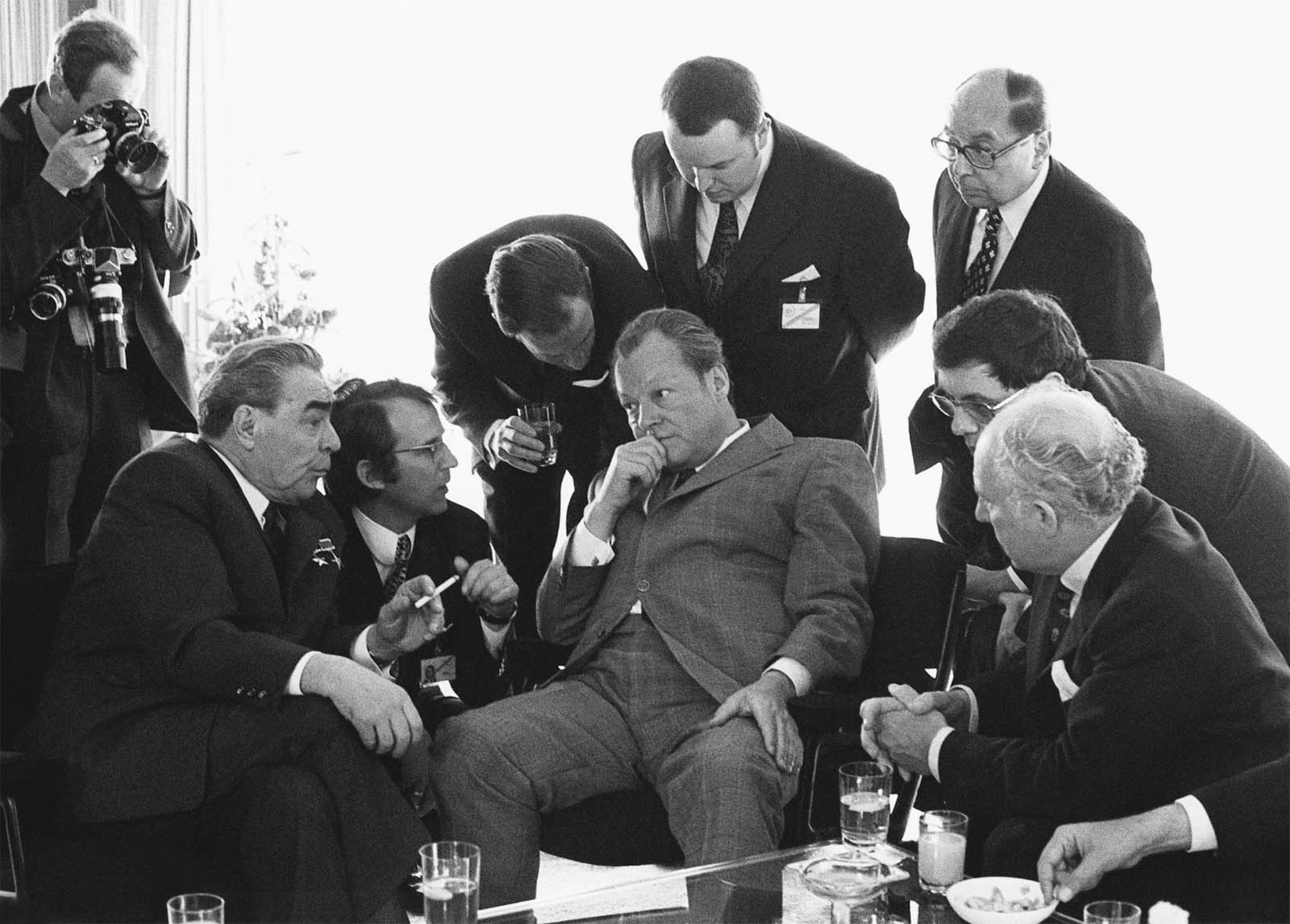
Exhibition: ‘Eugène Atget: As Paris Was’ at Ticho House, the Museum of Israel, Jerusalem

Exhibition dates: 23rd March – 30th June 2012


Eugène Atget (French, 1857-1927) 'Saint-Cloud' Nd


Eugène Atget (French, 1857-1927)
Saint-Cloud
Nd
Albumen print


Some Atget photographs that I have never seen before makes this posting all the more pleasurable. The pendulous nature of the sea monster, like a leg hanging over the edge of a table (can’t u just feel the weight of it!); the oppressive solidity of the wall on the left hand side of Coin des rues Poulletier et Saint-Louis-en-l’île (c. 1915); and the two undated photographs of Saint-Cloud: the dark, spidery presence of the tree in winter and the absolute recognition of the visual escape point in the reflection of trees in pond. Magnificent.

Marcus


Many thankx to the Museum of Israel for allowing me to publish the photographs in the posting. Please click on the photographs for a larger version of the image.


Eugène Atget (French, 1857-1927) 'Saint-Cloud' Nd


Eugène Atget (French, 1857-1927)
Saint-Cloud
Nd
Albumen print


Eugène Atget (French, 1857-1927) 'Bagatelle' 1926


Eugène Atget (French, 1857-1927)
Bagatelle
1926
Albumen print


The photographic oeuvre of Eugène Atget (1857-1927) has become a landmark in the history of the medium, and his works are recognised as an integral part of the canon of documentary photography. His subject matter was Paris with its houses, streets, parks, and castles – interior and exterior details of architecture being transformed by modernity. His fame came decades later; however his enduring legacy in the field is still discernible worldwide. This exhibition of Atget’s photographs of Paris, the first ever in Israel.

The Israel Museum, Jerusalem has announced  the acquisition of 200 photographs by the pioneering French documentary photographer Eugène Atget, gifted by Pamela and George Rohr, New York, and an anonymous donor, New York. These works add an important new dimension to the Museum’s exceptional photography holdings, encompassing over 55,000 works from the earliest days of photography to contemporary times.

Seventy of these newly gifted works will be presented in Eugène Atget: As Paris Was, an exhibition at Ticho House, the Israel Museum’s historic venue in downtown Jerusalem, featuring Atget’s images of Paris from the mid-1890s until 1927. Marking the first ever presentation of the photographer’s work in Israel, the exhibition is curated by Nissan Perez, Horace and Grace Goldsmith Senior Curator in the Museum’s Noel and Harriette Levine Department of Photography.

French photographer Eugène Atget is recognised internationally for his integral role in the canon of documentary photography. After working as a sailor, actor, and painter for almost thirty years, he embarked on a self-assigned mission to document French life, culture, and history in and around Paris. He chose houses, streets, parks, and castles as his subjects, capturing interior and exterior details of architecture being transformed by modernity. Without any official recognition, this enterprise yielded a massive visual compendium of nearly 10,000 photographs that Atget loosely designated as “documents pour artistes” (documents for artists), created by means of anachronistic technology and an antiquated camera.

“We are deeply grateful to our donors for this generous gift of so important a trove of works by Eugène Atget, a pivotal figure in the history of photography,” said James S. Snyder, Anne and Jerome Fisher Director of the Israel Museum. “We are proud to be sharing Atget’s unique vision with Israeli audiences for the first time and in the resonant setting of our historic Ticho House, which also juxtaposes turn-of-the-last century Jerusalem with its encroaching modernity.”

“Atget’s photographs of Paris, including those featured in Eugène Atget: As Paris Was, do not depict the city as a bustling modern metropolis,” said exhibition curator Nissan Perez. “He trained his lens on the older, often decaying buildings and parks. The scenes he captured, mostly devoid of human presence, express desolation and solitude, reminiscent of an empty stage awaiting the actors’ entrance.”

Press release from the Museum of Israel, Jerusalem website


Eugène Atget (French, 1857-1927) 'Gargouille, cour du Louvre' 1902


Eugène Atget (French, 1857-1927)
Gargouille, cour du Louvre
1902
Albumen print


Eugène Atget (French, 1857-1927) 'Poupées, 63 rue de Sèvres' 1910-1911


Eugène Atget (French, 1857-1927)
Poupées, 63 rue de Sèvres
1910-1911
Albumen print


Eugène Atget (French, 1857-1927) 'Hôtel, 1 rue des Prouvaires et 54 rue Saint-Honoré' 1912


Eugène Atget (French, 1857-1927)
Hôtel, 1 rue des Prouvaires et 54 rue Saint-Honoré
1912
Albumen print


Eugène Atget (French, 1857-1927) 'Coin des rues Poulletier et Saint-Louis-en-l'île' c. 1915


Eugène Atget (French, 1857-1927)
Coin des rues Poulletier et Saint-Louis-en-l’île
c. 1915
Albumen print


Eugène Atget (French, 1857-1927) 'Place Pigalle' 1925


Eugène Atget (French, 1857-1927)
Place Pigalle
1925
Gelatin silver chloride printing-out paper print
17.8 × 22.9cm (7 × 9 in.)


When photographing this newly remodelled nightclub in the Place Pigalle section of Montmartre, Eugène Atget deviated from his usual subject matter, Paris’s historic architecture. Atget may have chosen to photograph this building to illustrate the sharp contrast between its flat, comparatively windowless planes and the colonnaded buildings that surround it.

Although this structure is new, the Place Pigalle had been a centre of bawdy nightlife since at least the 1870s, when artists and writers frequented its bohemian cafes and music halls. Despite the Place Pigalle’s colourful history, Atget seems not to have photographed here until 1925, when he made this picture. Today’s tourists still frequent the area’s strip joints, drag shows, and discotheques.

Text from the Google Arts & Culture website


Ticho House
10 HaRav Agan Street, Jerusalem
(near Zion Square)
Phone: 02-645-3746

Ticho House hours:
Wednesday: 12 – 8pm
Thursday: 12 – 8pm
Friday: 10am – 2pm

Ticho Museum website

LIKE ART BLART ON FACEBOOK

Back to top

Archive: Elliott Erwitt’s Archive 
to be Housed at the Harry Ransom Center at The University of Texas at Austin

October 2010


Many thankx to the Harry Ransom Center for allowing me to publish the photographs in the posting. Please click on the photographs for a larger version of the image.


Elliott Erwitt (American, 1928-2023) 'BRAZIL. Buzios' 1990


Elliott Erwitt (American, 1928-2023)
BRAZIL. Buzios. 1990.
Gelatin silver print
© Elliott Erwitt/MAGNUM PHOTOS


Elliott Erwitt (American, 1928-2023) 'USA. Pittsburgh, Pennsylvania' 1950


Elliott Erwitt (American, 1928-2023)
USA. Pittsburgh, Pennsylvania. 1950.
Gelatin silver print
© Elliott Erwitt/MAGNUM PHOTOS


Elliott Erwitt (American, 1928-2023) 'Jackie Kennedy, Arlington, Virginia' 1963


Elliott Erwitt (American, 1928-2023)
Jackie Kennedy, Arlington, Virginia, 1963.
Gelatin silver print
© Elliott Erwitt/MAGNUM PHOTOS


Elliott Erwitt (American, 1928-2023) 'Nikita Khrushchev and Richard Nixon, Moscow' 1959


Elliott Erwitt (American, 1928-2023)
Nikita Khrushchev and Richard Nixon, Moscow, 1959.
Gelatin silver print
© Elliott Erwitt/MAGNUM PHOTOS


The archive of photographer Elliott Erwitt (b. 1928), which includes more than 50,000 signed photographic prints, will be housed at the Harry Ransom Center, a humanities research library and museum at The University of Texas at Austin. Spanning more than six decades of Erwitt’s career, the archive covers not only his work for magazine, industrial and advertising clients but also photographs that have emerged from personal interests. Collectors and philanthropists Caryl and Israel Englander have placed the archive at the Ransom Center for five years, making it accessible to researchers, scholars and students.

Born in Paris to Russian émigré parents, Erwitt spent his formative years in Milan and then immigrated to the United States, living in Los Angeles and ultimately New York. In 1948, Erwitt actively began his career and met photographers Robert Capa, Edward Steichen and Roy Stryker, all who would become mentors. In 1953, Erwitt was invited to join Magnum Photos by Capa, one of the founders of the photographic co-operative. Ten years later, Erwitt became president of the agency for three terms. A member of the Magnum organisation for more than 50 years, Erwitt’s archive will be held alongside the Magnum Photos collection at the Ransom Center. While many of Erwitt’s photographs capture the famous, from Richard Nixon arguing with Nikita Khrushchev in Moscow in 1959 to Jacqueline Kennedy at her husband’s funeral, other subjects include everyday people, places and even dogs, a longtime love of Erwitt’s.

“The work I care about is terribly simple,” said Erwitt in “Personal Exposures” (1988). “I observe, I try to entertain, but above all I want pictures that are emotion. Little else interests me in photography. Today, so much is being done by unemotional people, or at least it looks that way…I mean, work that’s fascinating and fun and clever and technically brilliant. But if it’s not personal, then it misses what interesting photography is about.”

Exhibitions of Erwitt’s work have been featured at institutions ranging from The Museum of Modern Art in New York to The Museum of Modern Art in Paris, and his work is represented in numerous major institutions.

“Whether capturing the everyday or the extraordinary, Erwitt’s work always has a wonderful element of accessibility,” said Ransom Center Director Thomas F. Staley. “Housing the collection here adds a new dimension to that access.”

In addition to providing access to the archive, the Ransom Center will promote interest in the collection through lectures, fellowships and exhibitions.”

Text from the Harry Ransom Center website


Elliott Erwitt (American, 1928-2023) 'USA. New York City' 1988


Elliott Erwitt (American, 1928-2023)
USA. New York City. 1988.
Gelatin silver print
© Elliott Erwitt/MAGNUM PHOTOS


Elliott Erwitt (American, 1928-2023) 'USA. Reno, Nevada' 1960


Elliott Erwitt (American, 1928-2023)
USA. Reno, Nevada. 1960.
(on the set of the film The Misfits with Marilyn Monroe, Montgomery Clift and Clark Gable)
Gelatin silver print
© Elliott Erwitt/MAGNUM PHOTOS.


Elliott Erwitt (American, 1928-2023) 'CUBA. Havana' 1964


Elliott Erwitt (American, 1928-2023)
CUBA. Havana. 1964.
(Che Guevara)
Gelatin silver print
© Elliott Erwitt/MAGNUM PHOTOS


Archivist Amy Armstrong inspects a box from the archive of Magnum photographer Elliott Erwitt.


Archivist Amy Armstrong inspects a box from the archive of Magnum photographer Elliott Erwitt
Image courtesy of Harry Ransom Center
Photo: Pete Smith


The Harry Ransom Center
21st and Guadalupe Streets
Austin, Texas 78712
Phone: 512-471-8944

Exhibition galleries opening hours:
Tuesday – Friday 10am – 5pm
Saturday and Sunday Noon – 5pm
Closed Mondays

Library Reading/Viewing Rooms opening hours:
Monday – Saturday 10am – 4pm
Closed Sundays

Harry Ransom Center website

LIKE ART BLART ON FACEBOOK

Back to top

Exhibition: ‘Edward Burtynsky: The Residual Landscapes’ at The Whyte Museum of the Canadian Rockies, Banff, Alberta

Exhibition dates: 7th February – 26th April, 2009


Edward Burtynsky (Canadian, b. 1955) 'Silver Lake Operations #1, Lake Lefroy, Western Australia 2007' from the exhibition 'Edward Burtynsky: The Residual Landscapes' at The Whyte Museum of the Canadian Rockies, Banff, Alberta, Feb - April, 2009
 

Edward Burtynsky (Canadian, b. 1955)
Silver Lake Operations #1, Lake Lefroy, Western Australia 2007
2007


One of the great photographers of the world.

Enjoy some of his images and for more photographs please visit his website.


Many thankx to The Whyte Museum of the Canadian Rockies for allowing me to publish the photographs in the posting. Please click on the photographs for a larger version of the image.


Edward Burtynsky (Canadian, b. 1955) 'Tanggu Port, Tianjin, China 2005' from the exhibition 'Edward Burtynsky: The Residual Landscapes' at The Whyte Museum of the Canadian Rockies, Banff, Alberta, Feb - April, 2009


Edward Burtynsky (Canadian, b. 1955)
Tanggu Port, Tianjin, China 2005
2005


Nature transformed through industry is a predominant theme in my work. I set course to intersect with a contemporary view of the great ages of man; from stone, to minerals, oil, transportation, silicon, and so on. To make these ideas visible I search for subjects that are rich in detail and scale yet open in their meaning. Recycling yards, mine tailings, quarries and refineries are all places that are outside of our normal experience, yet we partake of their output on a daily basis.

These images are meant as metaphors to the dilemma of our modern existence; they search for a dialogue between attraction and repulsion, seduction and fear. We are drawn by desire – a chance at good living, yet we are consciously or unconsciously aware that the world is suffering for our success. Our dependence on nature to provide the materials for our consumption and our concern for the health of our planet sets us into an uneasy contradiction. For me, these images function as reflecting pools of our times.

Edward Burtynsky quoted on The Whyte Museum website


Edward Burtynsky (Canadian, b. 1955) 'Oxford Tire Pile #8, Westley, California 1999' 1999


Edward Burtynsky (Canadian, b. 1955)
Oxford Tire Pile #8, Westley, California 1999
1999


Edward Burtynsky (Canadian, b. 1955) 'Nickel Tailings #30, Sudbury, Ontario, 1996'


Edward Burtynsky (Canadian, b. 1955)
Nickel Tailings #30, Sudbury, Ontario, 1996
1996


Edward Burtynsky (Canadian, b. 1955) 'Nickel Tailings #31, Sudbury, Ontario 1996'


Edward Burtynsky (Canadian, b. 1955)
Nickel Tailings #31, Sudbury, Ontario 1996
1996


Edward Burtynsky (Canadian, b. 1955) 'Feng Jie #4, Three Gorges Dam Project, Yangtze River, 2002'


Edward Burtynsky (Canadian, b. 1955)
Feng Jie #4, Three Gorges Dam Project, Yangtze River, 2002
2002


These images are meant as metaphors to the dilemma of our modern existence; they search for a dialogue between attraction and repulsion, seduction and fear,” said Edward Burtynsky, photographer. “We are drawn by desire – a chance at good living, yet we are consciously or unconsciously aware that the world is suffering for our success. Our dependence on nature to provide the materials for our consumption and our concern for the health of our planet sets us into an uneasy contradiction. For me, these images function as reflecting pools of our times.

Speaking of his “Quarries” series, Burtynsky has said, “The concept of the landscape as architecture has become, for me, an act of imagination. I remember looking at buildings made of stone, and thinking, there has to be an interesting landscape somewhere out there, because these stones had to have been taken out of the quarry one block at a time. I had never seen a dimensional quarry, but I envisioned an inverted cubed architecture on the side of a hill. I went in search of it, and when I had it on my ground glass I knew that I had arrived.”

Text from The Whyte Museum of the Canadian Rockies


Edward Burtynsky (Canadian, b. 1955) 'Shipbreaking #1, Chittagong, Bangladesh, 2000'


Edward Burtynsky (Canadian, b. 1955)
Shipbreaking #1, Chittagong, Bangladesh, 2000
2000


Edward Burtynsky (Canadian, b. 1955) 'Bao Steel #2, Shanghai, China, 2005'


Edward Burtynsky (Canadian, b. 1955)
Bao Steel #2, Shanghai, China, 2005
2005


Edward Burtynsky (Canadian, b. 1955) 'Iberia Quarries #3, Bencatel, Portugal, 2006'


Edward Burtynsky (Canadian, b. 1955)
Iberia Quarries #3, Bencatel, Portugal, 2006
2006


Edward Burtynsky (Canadian, b. 1955) 'China Quarries #8, Xiamen, Fujian Province, 2004'


Edward Burtynsky (Canadian, b. 1955)
China Quarries #8, Xiamen, Fujian Province, 2004
2004


Edward Burtynsky (Canadian, b. 1955) 'Dam #6 ,Three Gorges Dam Project, Yangtze River, 2005'


Edward Burtynsky (Canadian, b. 1955)
Dam #6, Three Gorges Dam Project, Yangtze River, 2005
2005


Trailer for the film Manufactured Landscapes in which Jennifer Baichwal documents Edward Burtynsky doing what artists do – making art, in this case photographing Bangladesh and China as he observes the “manufacturer to the world”.


Edward Burtynsky Manufactured Landscapes


The Whyte Museum of the Canadian Rockies
111 Bear Street, Banff, Alberta
T1L 1A3 Canada
Phone: 1 403 762 2291

Opening hours:
Thursday – Monday 11am – 5pm
Tuesday and Wednesday – CLOSED

The Whyte Museum of the Canadian Rockies website

LIKE ART BLART ON FACEBOOK

Back to top