Marcus Bunyan (Australian, b. 1958) Untitled from the series Momentum 2009 Digital colour photograph
Momentum
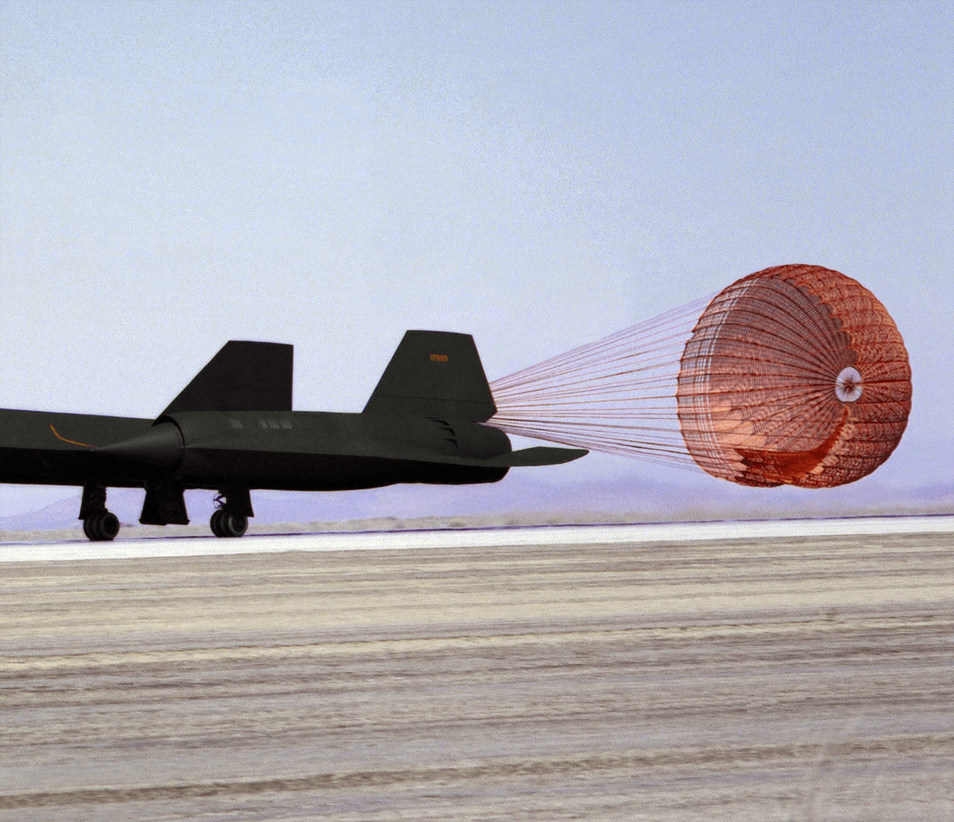
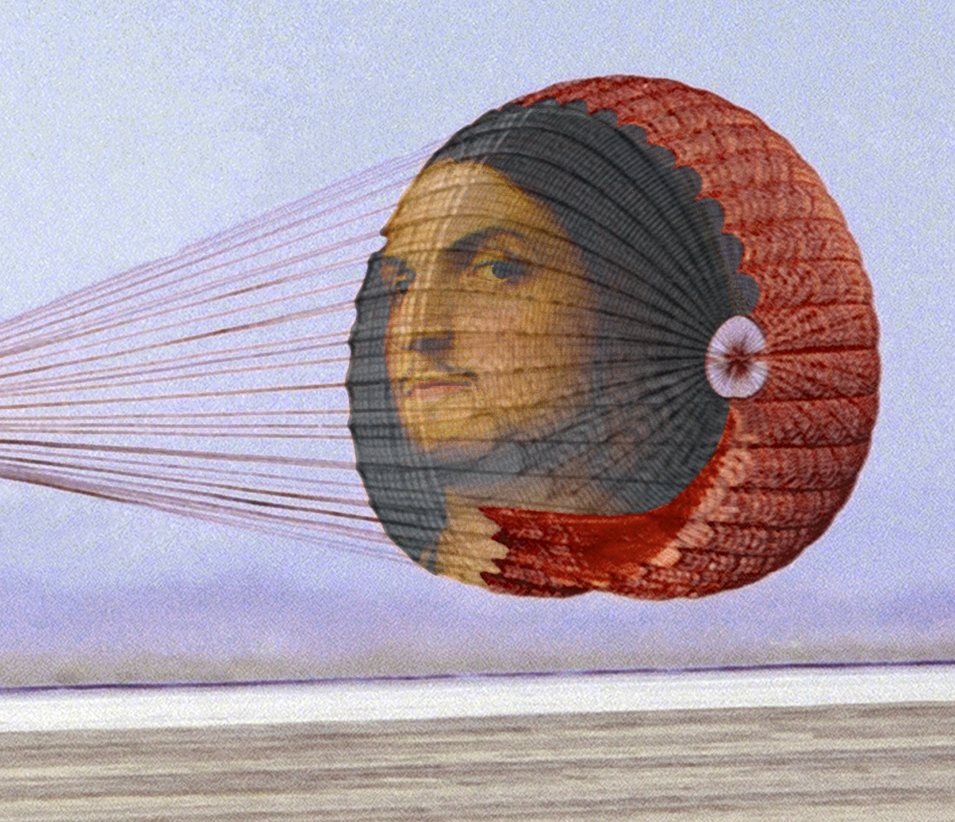
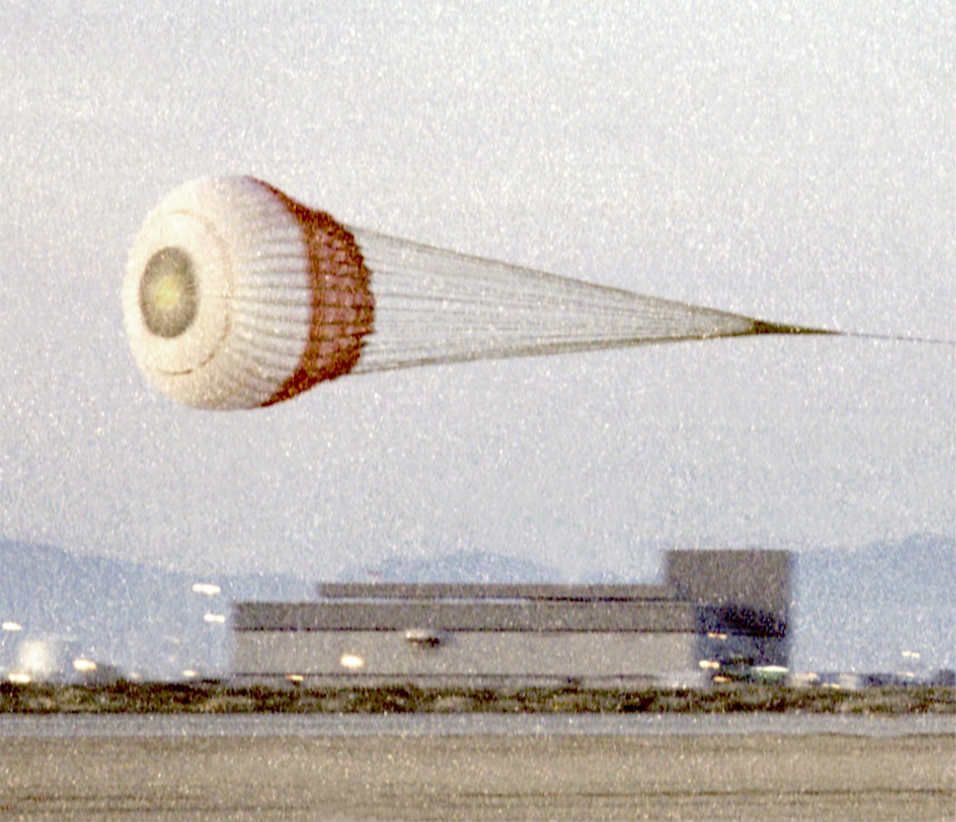
A new body of work – the first of 2009 – is now online.
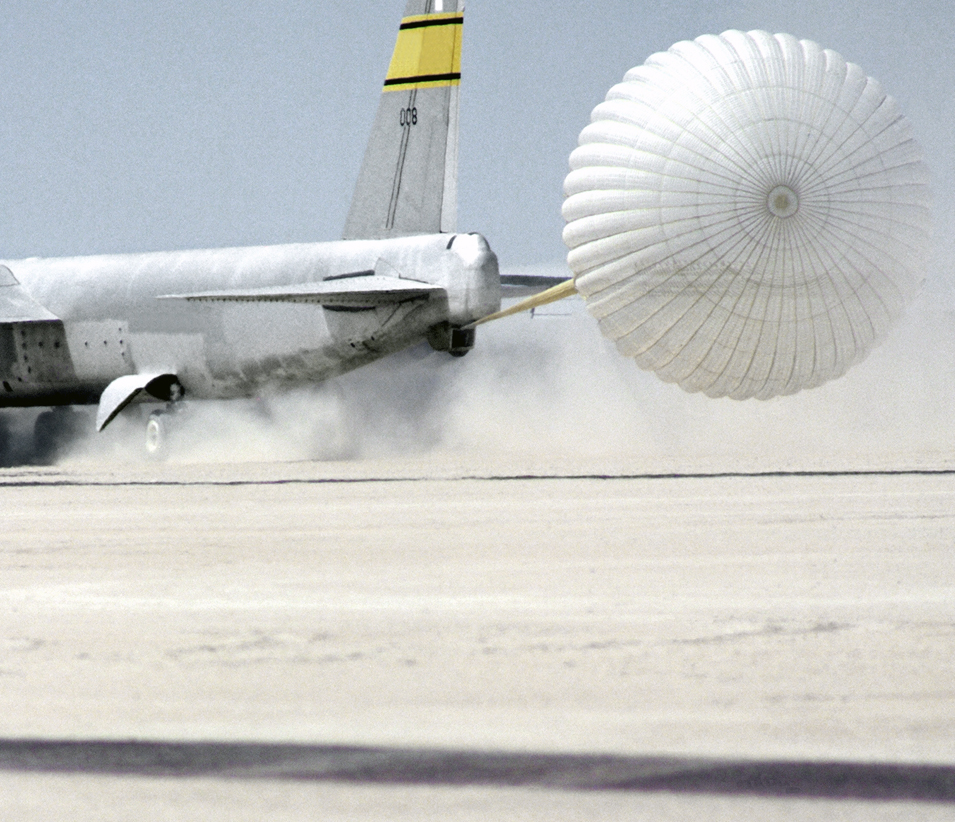
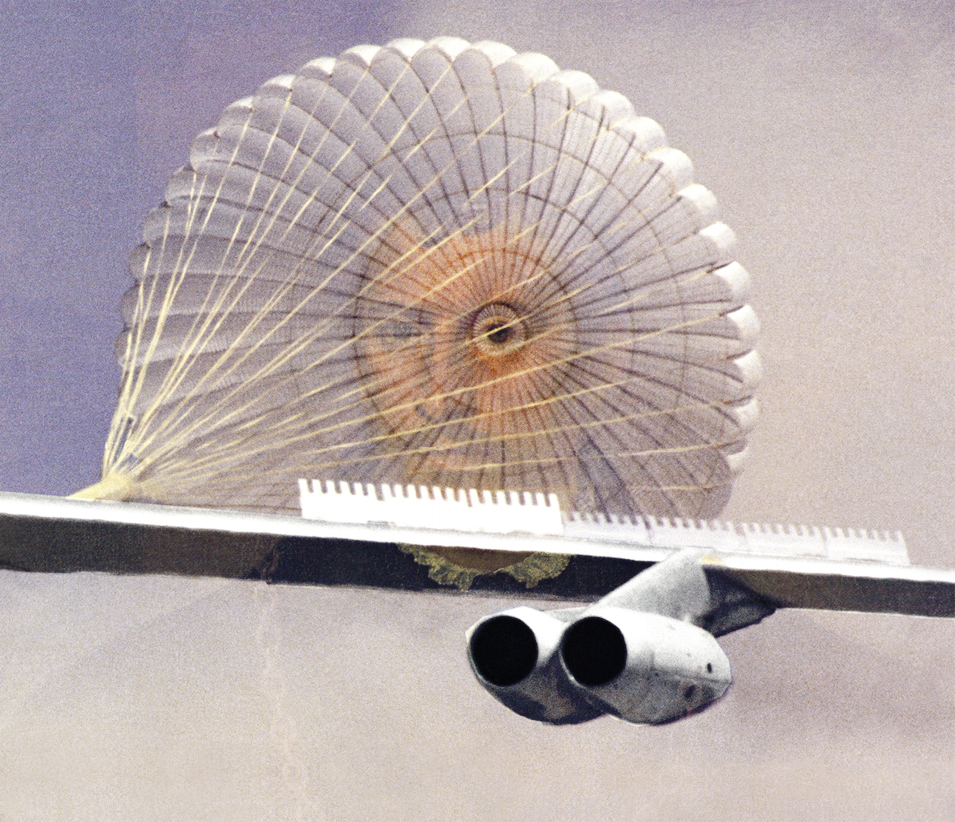
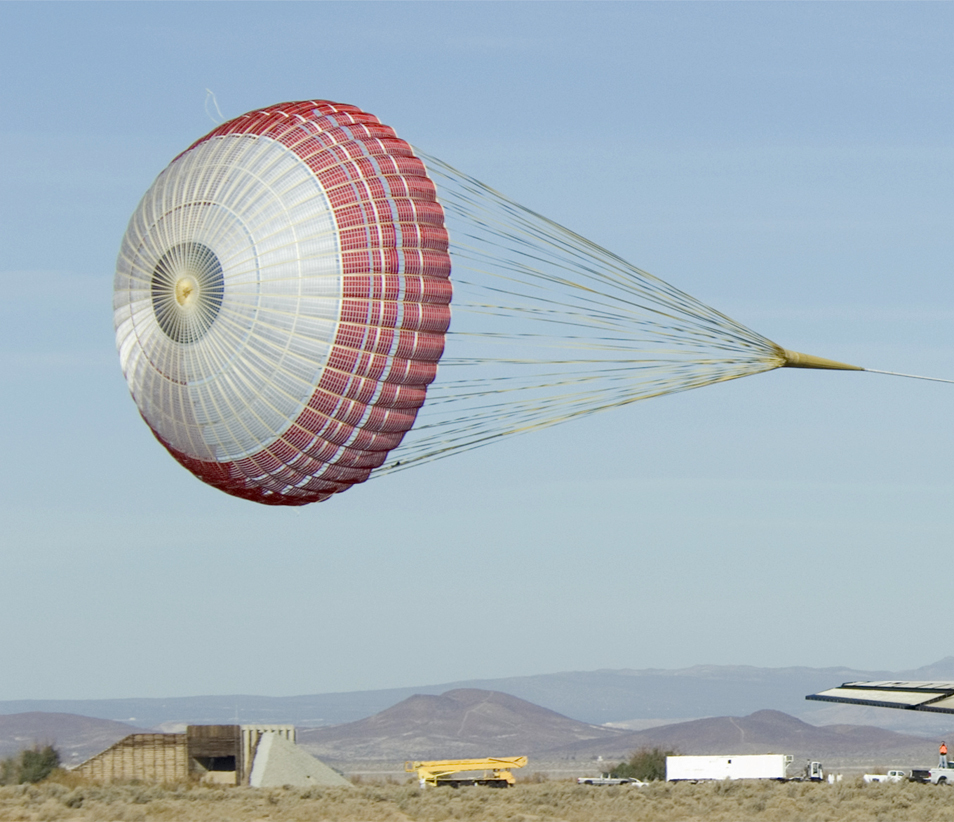
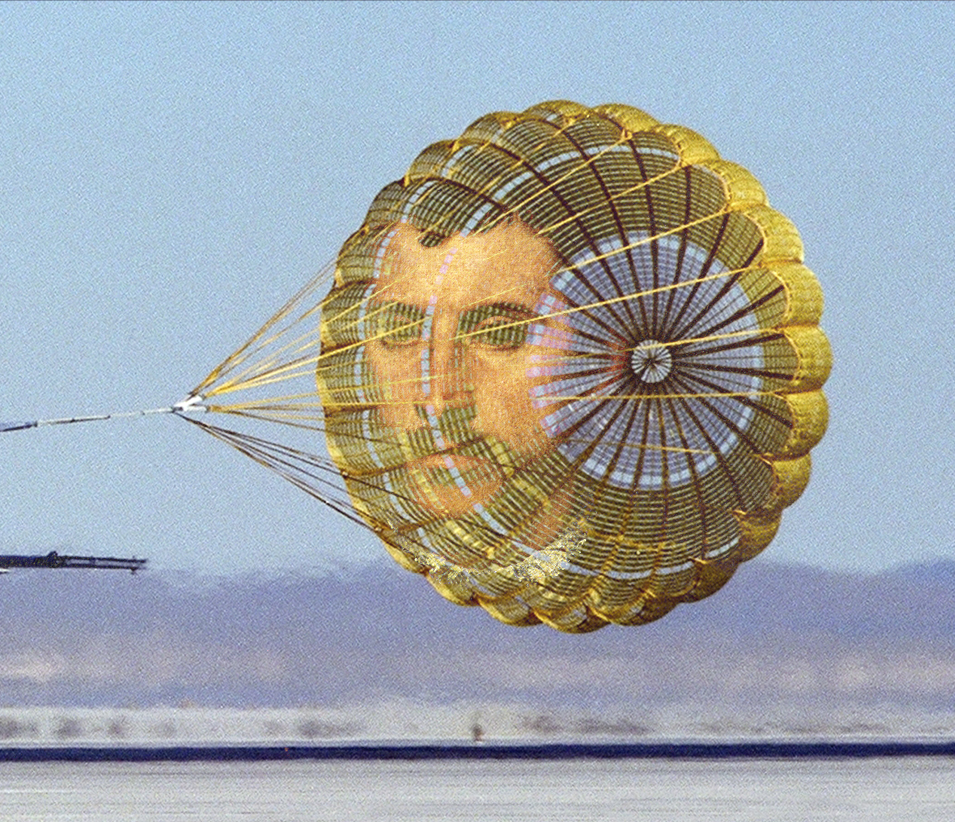
Found copyright-free images digitally supplemented by portraits of men by the Italian painter Titian (1490-1576). The fluidity of space, time, movement, identity, history.
Photographs are available from this series for purchase. As a guide, a digital colour 16″ x 20″ costs $1000 plus tracked and insured shipping. For more information please see my Store web page.
Marcus Bunyan (Australian, b. 1958) Untitled from the series Momentum 2009 Digital colour photograph
Marcus Bunyan (Australian, b. 1958) Untitled from the series Momentum 2009 Digital colour photograph
Marcus Bunyan (Australian, b. 1958) Untitled from the series Momentum 2009 Digital colour photograph
Marcus Bunyan (Australian, b. 1958) Untitled from the series Momentum 2009 Digital colour photograph
Marcus Bunyan (Australian, b. 1958) Untitled from the series Momentum 2009 Digital colour photograph
Marcus Bunyan (Australian, b. 1958) Untitled from the series Momentum 2009 Digital colour photograph
Please click on the photographs for a larger version of the image. Photographs are available from this series for purchase. As a guide, a digital black and white 16″ x 20″ print costs $1,000 plus tracked and insured shipping. For more information please see the Store web page.
Curator: Alison Nordström, Curator of Photographs at the George Eastman House International Museum of Photography and Film
George Davison (English, 1854-1930) The Onion Field 1889
George Davison (19 September 1854 – 26 December 1930) was an English photographer, a proponent of impressionistic photography, a co-founder of the Linked Ring Brotherhood of British artists and a managing director of Kodak UK. He was also a millionaire, thanks to an early investment in Eastman Kodak.
Pictorialism was simultaneously a movement, a philosophy, an aesthetic, and a style, resulting in some of the most spectacular photographs in the history of the medium. This exhibition shows the rise of Pictorialism in the late 19th century from a desire to elevate photography to an art form equal to painting, drawing, and watercolour, and extends the historical period generally associated with it by including its influential precursors, its persistent practitioners, and its seminal effect on photographic Modernism.
With 130 masterworks from such well-known photographers as Alvin Langdon Coburn, Edward Steichen, Alfred Stieglitz, Robert Demachy, Frederick Evans, and F. Holland Day, this remarkable exhibition will illustrate the Pictorialism movement’s progression from its early influences to its lasting impact on photography and art.
Text from the George Eastman House website [Online] Cited 26/01/2009. No longer available online. Used under fair use conditions for the purposes of education and research
Many thankx to George Eastman House for allowing me to publish the photographs in the posting. Please click on the photographs for a larger version of the image.
In this video, Phillips Collection curator Elsa Smithgall introduces special exhibition TruthBeauty: Pictorialism and the Photograph as Art, 1845-1945, on view at The Phillips Collection Oct. 9, 2010 through Jan. 9, 2011.
Julia Margaret Cameron (British born India, 1815-1879) Prayer 1866
Peter Henry Emerson (British, 1856-1936) Polling the Marsh Hay c. 1885
Henry Peach Robinson (English, 1830-1901) Carolling 1890
Fredrick Holland Day (American, 1864-1933) “I Thirst” 1898
Frederick Holland Day (American, 1864-1933) Ebony and Ivory 1899 Photogravure
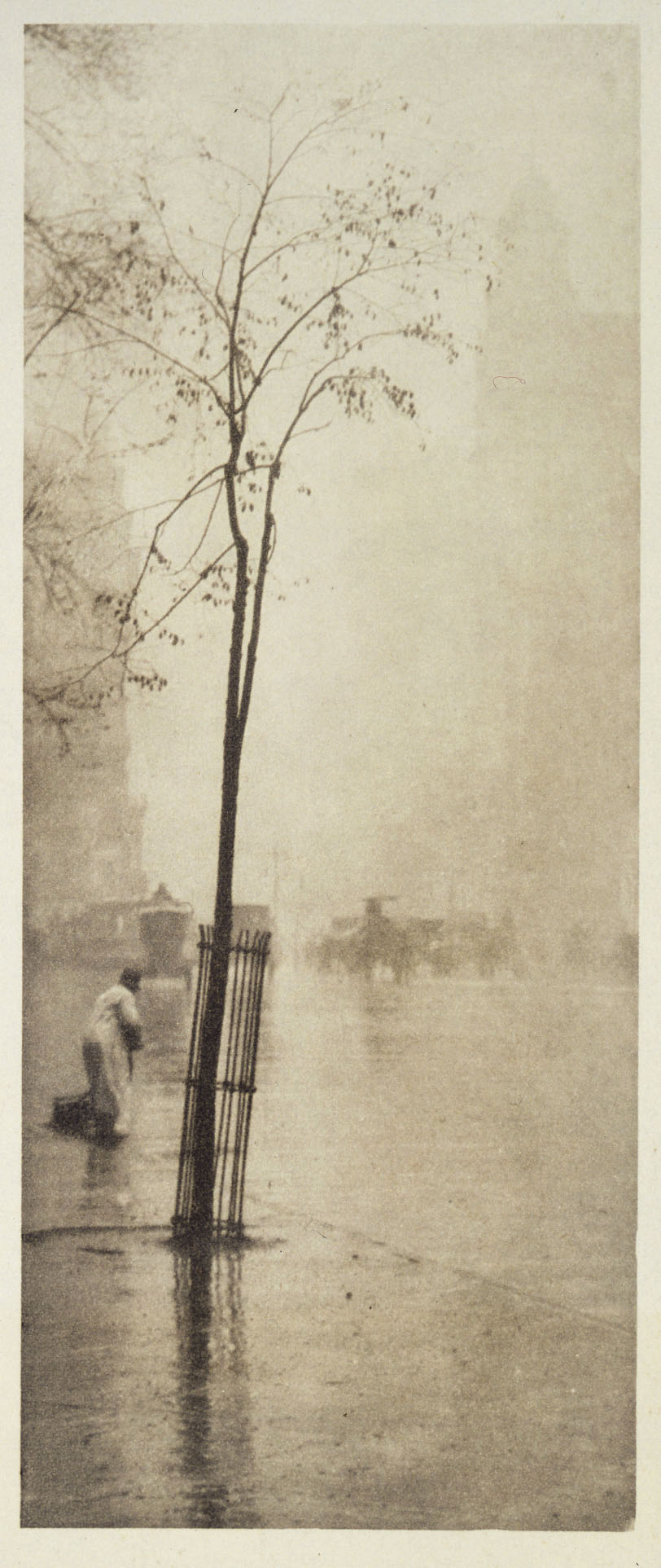
Alfred Stieglitz (American, 1864-1946) Spring Showers 1901
Alfred Steiglitz (American, 1864-1946) Snapshot – In the New York Central Yards Negative 1903; Printed 1910 Photogravure
This photograph of a train departing from Grand Central Terminal was probably made from the 48th Street foot bridge, which crossed over the railroad yard.
Edward Steichen (American, 1879-1973) The Pond – Moonlight Negative 1904; print 1906 Photogravure
The Pond – Moonlight (also exhibited as The Pond – Moonrise) is a pictorialist photograph by Edward Steichen. The photograph was made in 1904 in Mamaroneck, New York, near the home of his friend art critic Charles Caffin. The photograph features a forest across a pond, with part of the moon appearing over the horizon in a gap in the trees. The Pond – Moonlight is an early photograph created by manually applying light-sensitive gums, giving the final print more than one colour. Only three known versions of The Pond – Moonlight are still in existence and, as a result of the hand-layering of the gums, each is unique.
Edward Steichen (American, 1879-1973) Grand Prix at Longchamp, After the Races 1907 Photogravure
About the Exhibition
Photographic Pictorialism, an international movement, a philosophy, and a style, developed toward the end of the 19th century. The introduction of the dry-plate process, in the late 1870s, and of the Kodak camera, in 1888, made taking photographs relatively easy, and photography became widely practiced. Pictorialist photographers set themselves apart from the ranks of new hobbyist photographers by demonstrating that photography was capable of far more than literal description of a subject. Through the efforts of Pictorialist organisations, publications, and exhibitions, photography came to be recognised as an art form, and the idea of the print as a carefully hand-crafted, unique object equal to a painting gained acceptance.
The forerunners of Pictorialism were early photographers like Henry Peach Robinson and Julia Margaret Cameron. Robinson found inspiration in genre painting; Cameron’s fuzzy portraits and allegories were inspired by literature. Like Robinson and Cameron, the Pictorialists made photographs that were more like paintings and drawings than the work of commercial portraitists or hobbyists. Pictorialist images were heavily dependent on the craft of nuanced printing. Some photographers, like Frederick H. Evans, a master of the platinum print, presented their work like drawings or watercolours, decorating their mounts with ruled borders filled with watercolour wash, or printing on textured watercolour paper, like Austrian photographer Heinrich Kühn. Kühn achieved painterly effects by using an artist’s brush to manipulate watercolour pigment, instead of silver or platinum, mixed with light-sensitised gum arabic.
The idea that the primary purpose of photography was personal expression lay behind Pictorialism’s “Secessionist” movement. Alfred Stieglitz’s “Photo-Secession” was the best-known secessionist group. Stieglitz and his magazine, Camera Work, with its high-quality photogravure illustrations, advocated for the acceptance of photography as a fine art.
Early in the 20th century, Pictorialism began losing ground to modernism: in 1911, Camera Work published drawings by Rodin and Picasso, and its final issue, in 1917, featured Paul Strand’s modernist photographs. Nevertheless, Pictorialism lived on. A second wave of Pictorialists included Clarence H. White, whose students included such photographers as Margaret Bourke-White, Paul Outerbridge, and Dorothy Lange. White’s colleague, Paul Anderson, continued the pictorial tradition until his death in 1956. Five prints of his Vine in Sunlight, 1944, display five different printing techniques, demonstrating how each process subtly shapes the viewer’s response to the image.
Organised by George Eastman House International Museum of Photography and Film, and Vancouver Art Gallery.
Text from the Phillips Collection website Nd [Online] Cited 10/06/2022. Used under fair use conditions for the purposes of education and research
Alvin Langdon Coburn (British born United States of America, 1882-1966) Fifth Avenue from the St. Regis c. 1905 Gum bichromate and platinotype on paper
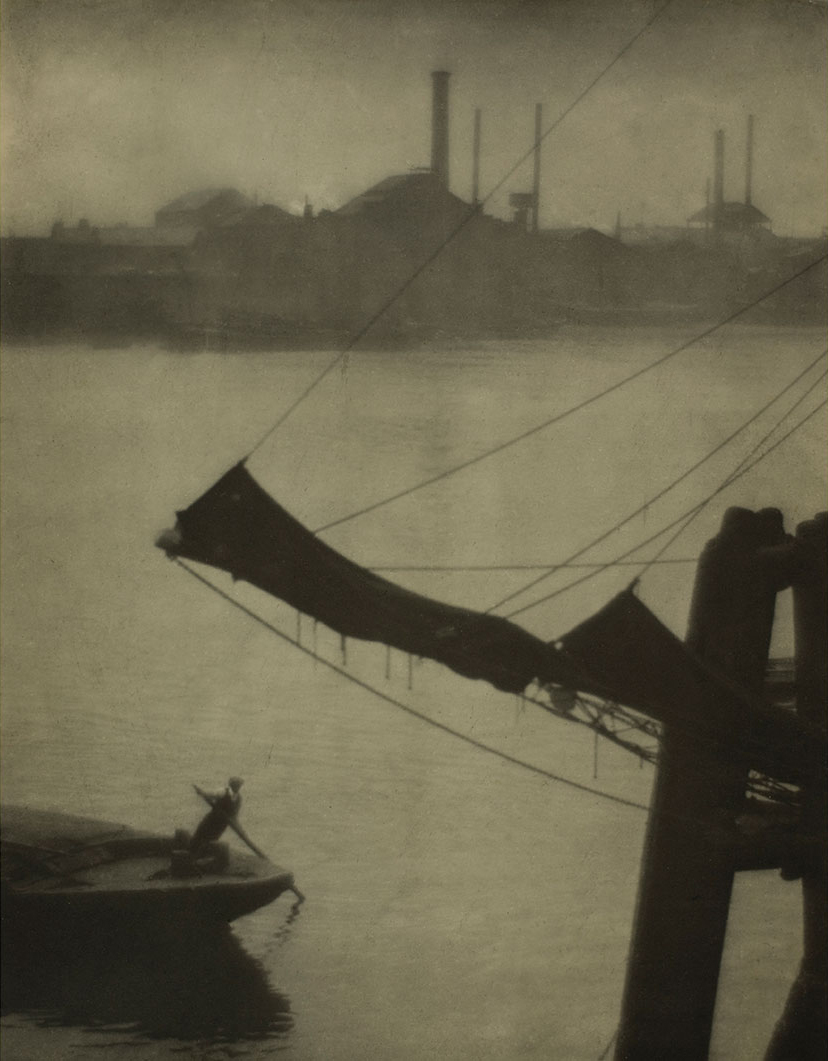
Alvin Langdon Coburn (British born United States of America, 1882-1966) Wapping 1904
Alvin Langdon Coburn (British born United States of America, 1882-1966) St. Paul’s and Other Spires 1908
Alvin Langdon Coburn (British born United States of America, 1882-1966) The Tunnel Builders 1908
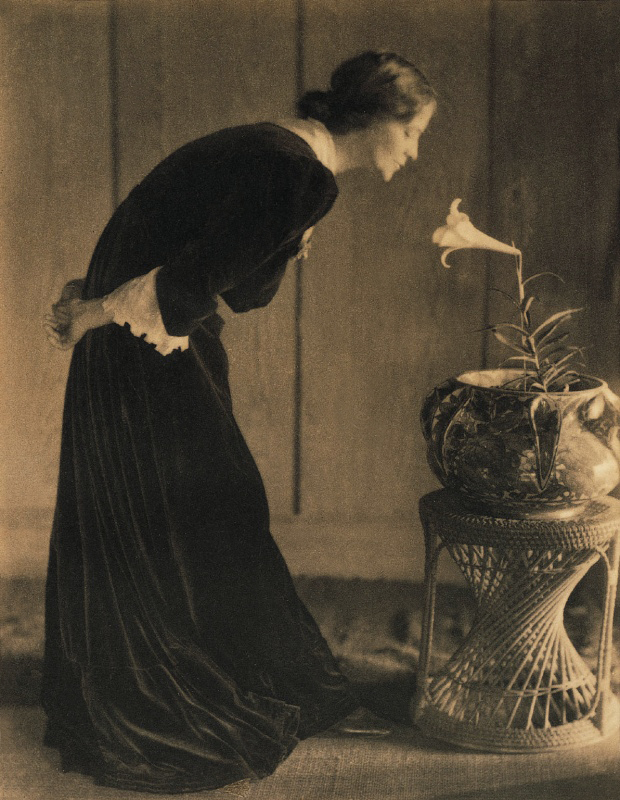
Eva Watson Schutze (American, 1867-1935) Woman with Lilly 1905
Eva Watson-Schütze (American, 1867-1935)
Eva Watson-Schütze (1867-1935) was an American photographer and painter who was one of the founding members of the Photo-Secession. …
Around the 1890s Watson began to develop a passion for photography, and soon she decided to make it her career. Between 1894 and 1896 she shared a photographic studio with Amelia Van Buren another Academy alumna in Philadelphia, and the following year she opened her own portrait studio. She quickly became known for her Pictorialist style, and soon her studio was known as a gathering place for photographers who championed this aesthetic vision.
In 1897 she wrote to photographer Frances Benjamin Johnston about her belief in women’s future in photography: “There will be a new era, and women will fly into photography.”
In 1898 six of her photographs were chosen to be exhibited at the first Philadelphia Photographic Salon, where she exhibited under the name Eva Lawrence Watson. It was through this exhibition that she became acquainted with Alfred Stieglitz, who was one of the judges for the exhibit.
In 1899 she was elected as a member of the Photographic Society of Philadelphia. Photographer and critic Joseph Keiley praised the work she exhibited that year, saying she showed “delicate taste and artistic originality”.
The following year she was a member of the jury for the Philadelphia Photographic Salon. A sign of her stature as a photographer at that time may be seen by looking at the other members of the jury, who were Alfred Stieglitz, Gertrude Kasebier, Frank Eugene and Clarence H. White.
In 1900 Johnston asked her to submit work for a groundbreaking exhibition of American women photographers in Paris. Watson objected at first, saying “It has been one of my special hobbies – and one I have been very emphatic about, not to have my work represented as ‘women’s work’. I want [my work] judged by only one standard irrespective of sex.” Johnston persisted, however, and Watson had twelve prints – the largest number of any photographer – in the show that took place in 1901.
In 1901 she married Professor Martin Schütze, a German-born and -trained lawyer who had received his Ph.D. in German literature from the University of Pennsylvania in 1899. He took a teaching position in Chicago, where the couple soon moved.
That same year she was elected a member of The Linked Ring. She found the ability to correspond with some of the most progressive photographers of the day very invigorating, and she began to look for similar connections in the U.S.
In 1902 she suggested the idea of forming an association of independent and like-minded photographers to Alfred Stieglitz. They corresponded several times about this idea, and by the end of the year she joined Stieglitz as one of the founding members of the famous Photo-Secession.
About 1903 Watson-Schütze began to spend summers in Woodstock at the Byrdcliffe Colony in the Catskill Mountains of New York. She and her husband later bought land nearby and built a home they called “Hohenwiesen” (High Meadows) where she would spend most of her summer and autumn months from about 1910 until about 1925.
In 1905 Joseph Keiley wrote a lengthy article about her in Camera Work saying she was “one of the staunchest and sincerest upholders of the pictorial movement in America.
Eva Watson Schutze (American, 1867-1935) Young girl seated on bench c. 1910
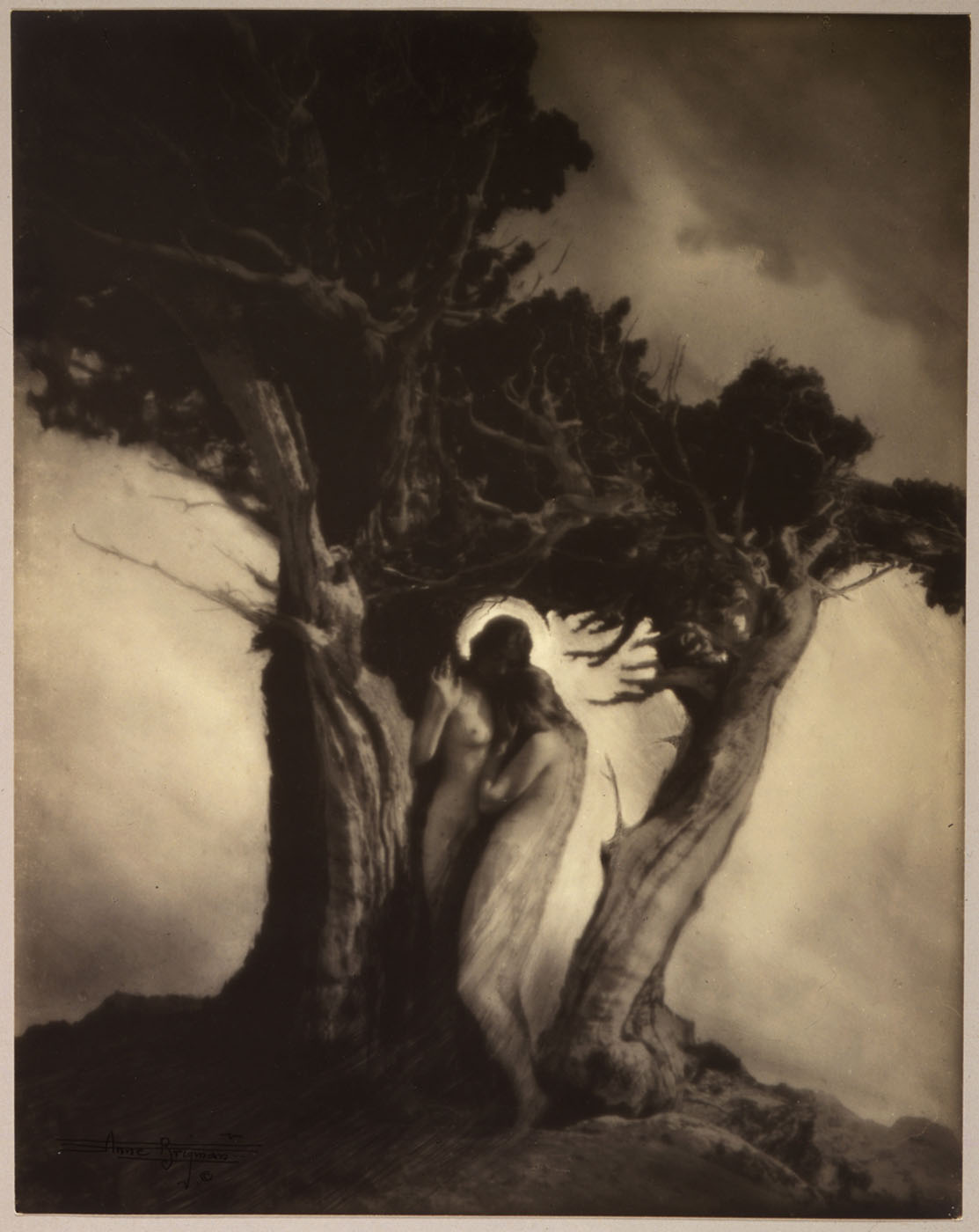
Anne Brigman (American, 1869-1960) The Heart of the Storm 1902
Anne Brigman (American, 1869-1960) The Pine Sprite 1911
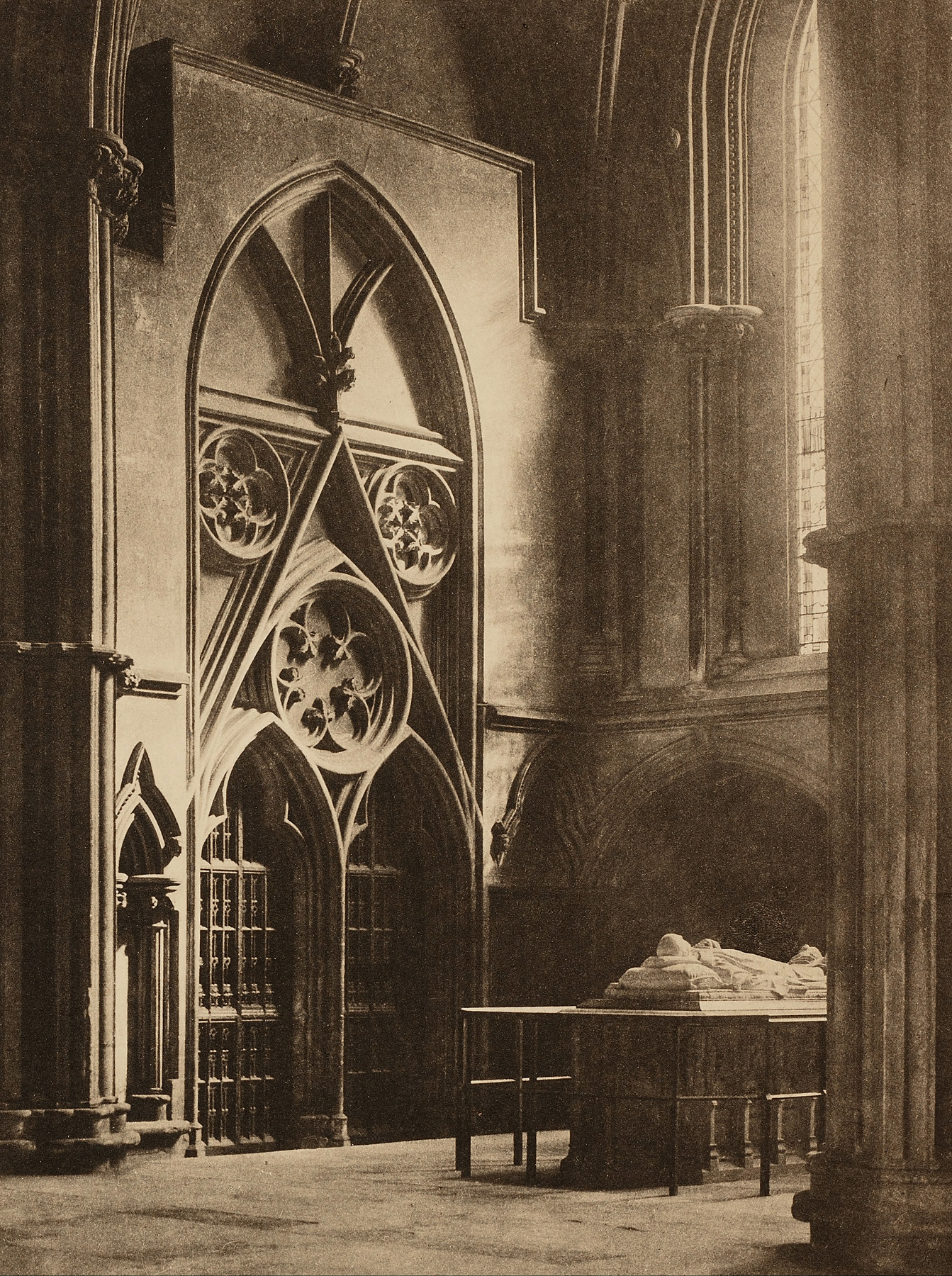
Frederick Evans (British, 1853-1943) York Minster: In Sure and Certain Hope 1903 Photogravure
Frederick H. Evans (British, 1853-1943)
Frederick H. Evans (26 June 1853, London – 24 June 1943, London) was a British photographer, primarily of architectural subjects. He is best known for his images of English and French cathedrals. Evans began his career as a bookseller, but retired from that to become a full-time photographer in 1898, when he adopted the platinotype technique for his photography. Platinotype images, with extensive and subtle tonal range, non glossy-images, and better resistance to deterioration than other methods available at the time, suited Evans’ subject matter. Almost as soon as he began, however, the cost of platinum – and consequently, the cost of platinum paper for his images – began to rise. Because of this cost, and because he was reluctant to adopt alternate methodologies, by 1915 Evans retired from photography altogether.
Evans’ ideal of straightforward, “perfect” photographic rendering – unretouched or modified in any way – as an ideal was well-suited to the architectural foci of his work: the ancient, historic, ornate and often quite large cathedrals, cloisters and other buildings of the English and French countryside. This perfectionism, along with his tendency to exhibit and write about his work frequently, earned for him international respect and much imitation. He ultimately became regarded as perhaps the finest architectural photographer of his, or any, era – though some professionals privately felt that the Evans’ philosophy favouring extremely literal images was restrictive of the creative expression rapidly becoming available within the growing technology of the photographic field.
Evans was also an able photographer of landscapes and portraits, and among the many notable friends and acquaintances he photographed was George Bernard Shaw, with whom he also often corresponded. Evans was a member of the Linked Ring photographic society.
Frederick Evans (British, 1853-1943) Kelmscott Manor: Attics c. 1896
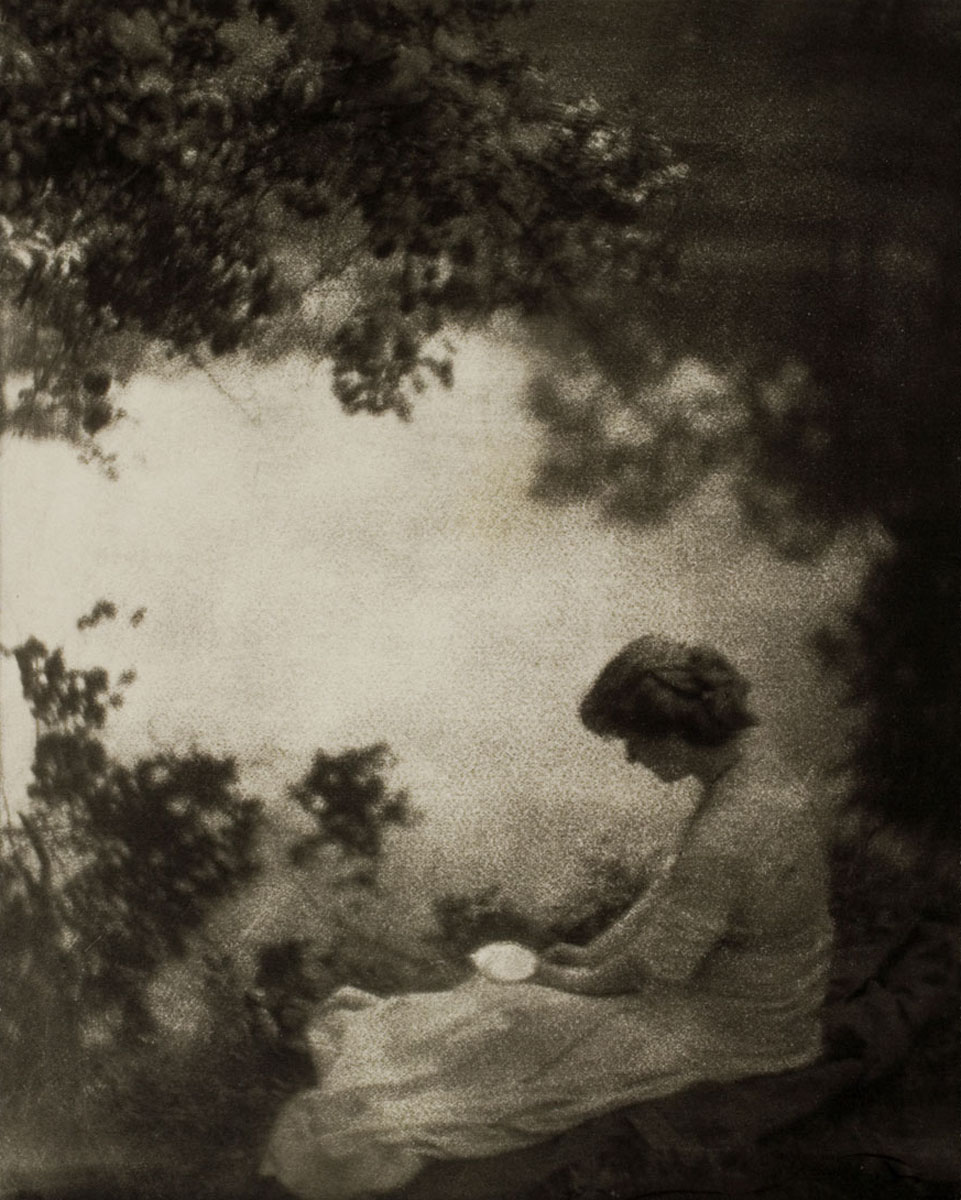
Getrude Käsebier (American, 1852-1934) Woman seated under a tree c. 1910
The hauntingly beautiful works of the Pictorialist movement are among the most spectacular photographs ever created. Beginning in the late nineteenth century, Pictorialist artists sought to elevate photography – until then seen largely as a scientific tool for documentation – to an art form equal to painting. Adopting a soft-focus approach and utilizing dramatic effects of light, richly coloured tones and bold technical experimentation, they opened up a new world of vision expression in photography. More than a hundred years later, their aesthetic remains highly influential.
TruthBeauty contains 121 stunning works by the form’s renowned artists, including Julia Margaret Cameron, Alvin Langdon Coburn, Robert Demachy, Peter Henry Emerson, Gertrude Käsebier, Heinrich Kühn, Edward Steichen and Alfred Stieglitz. Together, the collected works trace the evolution of Pictorialism over the three decades in which it predominated.
This is the only collection of Pictorialist photographs by artists from North America, the United Kingdom, continental Europe, Japan and Australia in a single publication. Scholarly essays, and a selection of historic texts by Pictoralist artists, complete this rich overview of the first truly international art movement.
Text from the Amazon website Nd [Online] Cited 10/06/2022
Robert Demachy (French, 1859-1936) Une Balleteuse 1900 Gum bichromate print
Demachy was, with Émile Joachim Constant Puyo, the leader of the French Pictorial movement in France. His aesthetic sophistication and skill with the gum bichromate technique, which he revived in 1894 and pressed into the service of fine art photography, were internationally renowned. With the gum medium, he was able to achieve the appearance of a drawing or printmaking process-in this photograph, he has added marks characteristic of etching during intermediate stages of development-in order to advocate photography’s membership in the fine arts by revealing the intervention of the photographer’s hand in the printmaking stage of the photographic process. The result attested to Demachy’s mastery of his medium, but also proved his ability to unify a composition and select significant details from the myriad of facts available in his negatives. In this picture, Demachy has gently elided the background and erased the features of the left third of the image in order to emphasise the grace and delicacy of the ballet dancer that is its subject.
Text from the Metropolitan Museum of Art website [Online] Cited 26/01/2009. used under fair use conditions for the purposes of education and research
John Kauffmann (Australian, 1864-1942) Waterlily, Nymphaea Alba c. 1930 Gelatin silver print National Gallery of Australia
John Kauffmann was born in South Australia in 1865 and initially trained as an architect. In 1887 he travelled to Europe and became well connected to London’s artistic set, including the young Frank Brangwyn RA. In London and later Vienna, Kauffmann painted and learnt to take and print photographs, exhibiting in various salons and working with a number of important studios. In Austria, he became an enthusiast of Pictorialist photography and pursued studies in photographic chemistry. He returned to Adelaide in 1897 and was championed as the pioneer of Pictorialism in Australia. By 1914, Kauffmann had moved to Melbourne and established his own studio in Collins Street. Kauffmann died in South Yarra, Melbourne in 1942.
Text from the Monash Gallery of Art website
John Kauffmann (Australian, 1864-1942) The Silent Watcher Plate in in John Kauffmann, The Art of John Kauffmann Melbourne: Alexander McCubbin, 1919 tipped-in plate (halftone) National Gallery of Australia Research Library, Canberra
Pictorialism in Australia was established when photographic journals, such as the Australian Photographic Journal (APJ), launched in 1892, and the Australasian Photo-Review (APR), begun in 1894, appeared.1
In addition to providing technical advice the magazines covered the controversies in Britain and other centres over the new art photography. Articles on poetic picture making by British artists Henry Peach Robinson and Alfred Horsley Hinton, whose names were often cited by Australian Pictorialist photographers as major influences, were also included.
These magazines featured work by both professional and amateur photographers, and their editors took pride in the artistic quality of their reproductions; they also encouraged and supported the growth of new societies devoted to art photography.
The Photographic Society of New South Wales was duly established in Sydney in 1894, joining the older South Australian Photographic Society in Adelaide at the forefront of Pictorialism. The next decades saw a remarkable level of activity in the growing Pictorialist circles. …
In the years leading up to the war there was growing sentiment that Australian photographers were overly reliant on British models and had failed to advance the art of pictorial photography within an Australian context. A number of the more prominent Australian photographers and art commentators were also increasingly vocal about what they felt to be a decline in the quality of artistic practice despite the feverish activity of exhibitions and proliferation of camera clubs.
In 1916 a group of artists including Cazneaux, Cecil W. Bostock, a graphic artist who had recently set up a photography studio in Sydney, and James Stening formed the Sydney Camera Circle. They signed a pledge “to advance pictorial photography and to show our own Australia in terms of sunlight rather than those of greyness and dismal shadows.”10 …
Although it had largely waned in Europe and the United States by then, Pictorialism continued in Australia during the 1920s and 1930s. There was a new generation of artists showing their work alongside that of their more established colleagues in two large Pictorialist salons held in Sydney in 1924 and 1926 accompanied by catalogues called Cameragraphs (designed by Bostock). Perhaps because of the Depression, these salons did not continue.
Beginning in the 1920s Pictorialist and Modernist photography existed side by side with the professional photographers bridging both movements. Pictorialist photography would remain popular, particularly with the amateur members of the camera clubs up to the 1940s, ironically becoming increasingly conservative and backward looking in subject and execution.
However, the ascendancy of Modernist photography was now evident, even in the work of Cazneaux and Bostock, who would become active in the 1920s in commercial spheres.
Extract from Gael Newton. “Australian Pictorial Photography – Seeing The Light,” in TruthBeauty – Pictorialism and the Photograph as Art, 1845-1945. Essay originally published in the 2008 catalogue for the Vancouver Art Gallery exhibition [Online] Cited 12/06/2022. Used under fair use conditions for the purposes of education and research
Cecil W. Bostock (Australian born England, 1884-1939) Nude Study c. 1916 Gelatin silver print
Cecil Westmoreland Bostock (1884-1939) was born in England. He emigrated to New South Wales, Australia, with his parents in 1888. His father, George Bostock, was a bookbinder who died a few years later in 1892.
Bostock had an important influence on the development of photography in Australia, initiating a response to the strong sunlight. He presided over the transition from Pictorialism to Modernism and was a mentor to several famous Australian photographers: notably Harold Cazneaux and Max Dupain.
The Sydney Camera Circle
On 28 November 1916, a group of six photographers met at Bostock’s ‘Little Studio in Phillip Street’ to form the Pictorialist “Sydney Camera Circle”. This initially included Cecil Bostock, James Stening, W. S. White, Malcolm McKinnon and James Paton, and they were later joined by Henri Mallard.
A “manifesto” was drawn up by Cecil and signed by all six attendees who pledged “to work and to advance pictorial photography and to show our own Australia in terms of sunlight rather than those of greyness and dismal shadows”. This established what was known as the ‘sunshine school’ of photography. The style of Pictorialism practiced by Australians was “concerned with the play of light, sunshine and shadow, and the attention to nature and the landscape, and had an affinity with the Heidelberg School of painters.”
Jack Cato (Australian, 1889-1971) Snorky 1924 Gelatin silver print
Jack Cato (1889-1971) was born in Tasmania and was introduced to photography by his cousin, renowned photographer John Watt Beattie. Cato trained and worked as a photographer in Launceston from 1901 to 1906 before establishing his own business in Hobart. He travelled to Europe in 1908 and worked in London as a theatre and society photographer from 1909 to 1914. He then spent six years photographing in South Africa. Cato received a fellowship at the Royal Photographic Society in 1917. He returned to Tasmania in 1920 and re-opened his portrait studio in Hobart. He moved his studio to Melbourne in 1927 and became known as a leader in Australian photography. Cato is particularly known for his pictorial portraits.
Olive Cotton (Australia 1911-2003) worked at Max Dupain’s Bond Street studio from 1934 to 1940. During this time she produced some of her best-known photographs. Her subjects ranged from nature to the built environment as well as still-life and portraiture. Cotton’s often geometric compositions reflect the modernist photographic styles of the time and illustrate her interest in light and shadow. She was included in the London Salon of Photography in 1935 and 1937, and in 1942 returned to the Bond Street studio as manager. She stayed until 1945 before moving to Koorawatha in country New South Wales where she raised her family. From 1964 to 1980, Cotton ran a small photographic studio in Cowra, New South Wales.
Text from the Monash Gallery of Art website
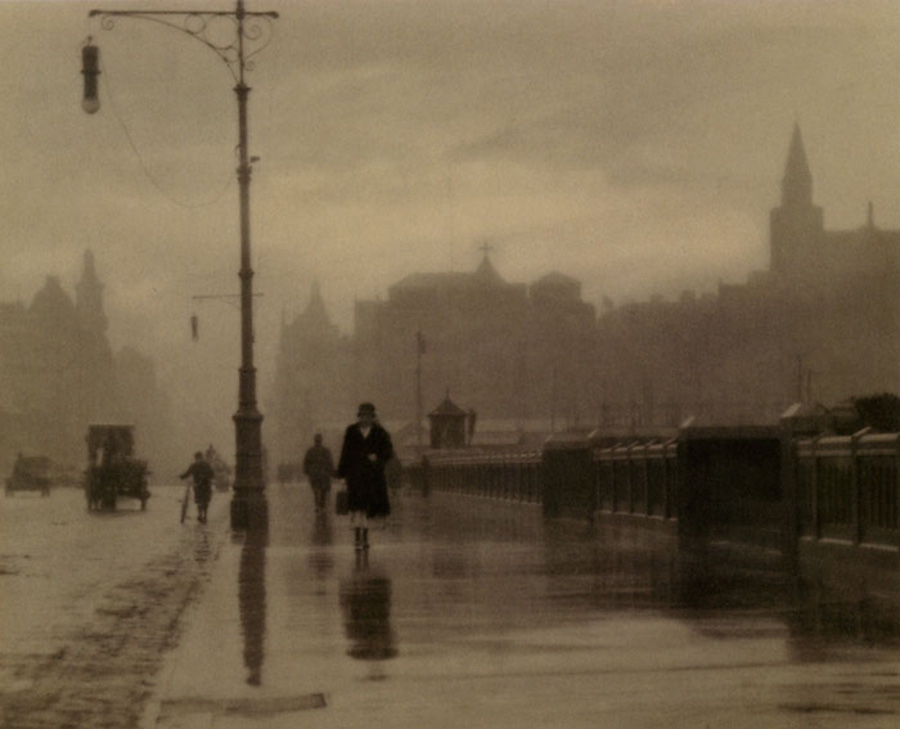
John B. Eaton (Australian born England, 1881-1966) Wet Day in Melbourne 1920 Gelatin silver print
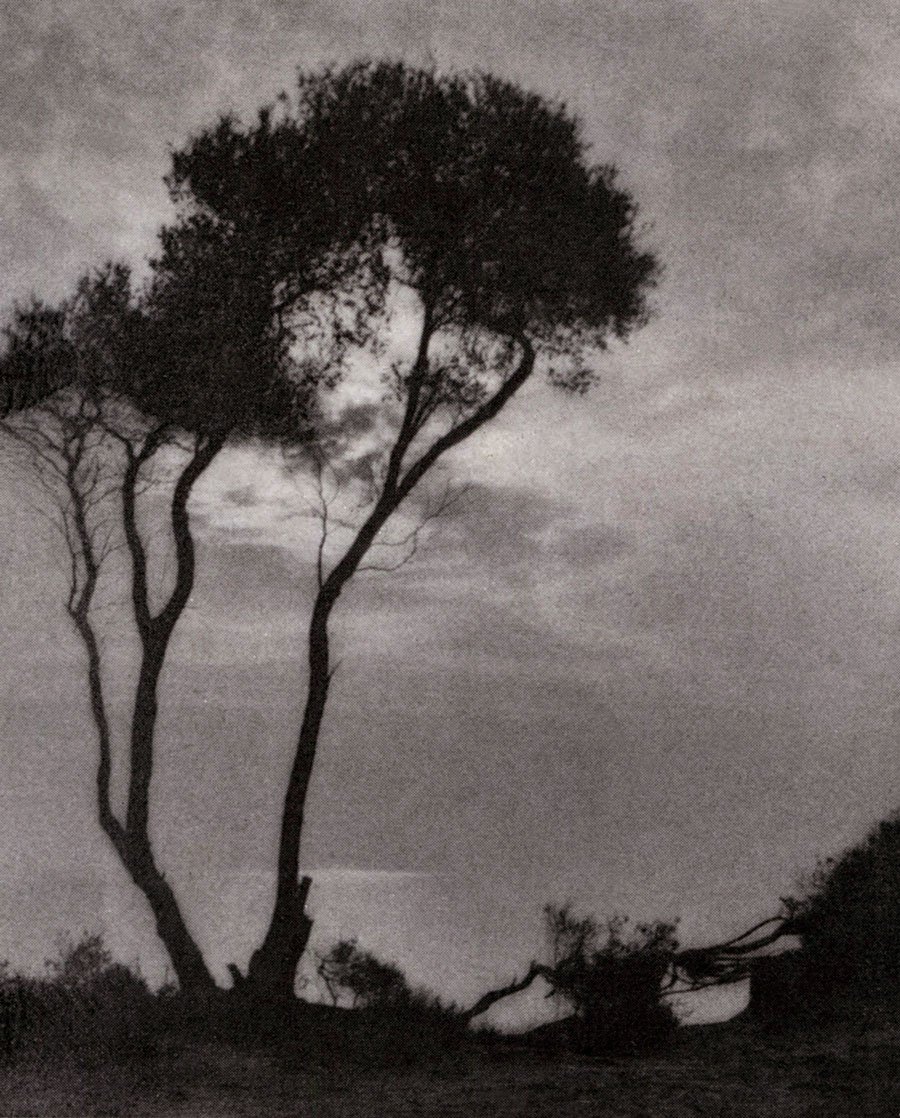
John Eaton (b. 1881 England, arrived 1888 Australia, d. 1966) is the most prolific Pictorialist photographer to be based in Melbourne during the early twentieth century. He worked in his father’s picture framing business from a young age and expanded the family business to include fine art prints as his amateur interest in photography developed. He began exhibiting his work in 1917 and was frequently commended for his contributions to international photography exhibitions throughout his life. Eaton is most well-known for his ‘portraits’ of gum trees and his appreciation of the bucolic Victorian countryside.
Text from the Monash Gallery of Art website
John Bertram Eaton was born in England and migrated to Australia with his family eight years later. His father ran a small gallery and framing shop in Melbourne, where Eaton began work. In the early 1920s his photographs were included in local and international exhibitions and in 1921 he joined the Victorian Pictorial Workers Society. Four years later he held a solo exhibition of 124 photographs, nearly all of them landscapes. At this time Cazneaux called him ‘a fairly new man amongst the Pictorialists of today’.1 He became a foundation member of the Melbourne Camera Club and remained a prolific exhibitor into the late 1940s.
Jack Cato called Eaton ‘the Poet of the Australian landscape’.2 Among his contemporaries he was considered one of the most gifted interpreters of the landscape. When this photograph was exhibited at the Victorian Salon in 1936, the reviewer claimed that it already was a ‘picture too well known to need description’.3 Eaton’s reputation as an interpreter of the Australian landscape extended overseas, with one English reviewer noting, ‘when it comes to Australian landscape, we in England regard John B Eaton as its interpreter’.4 Like the painter Elioth Gruner, Eaton frequently depicts wide, expansive landscapes, denuded of trees, with low receding hills in the distance. He was very skilled at rendering atmosphere and it was probably his aerial, rather than linear, perspective – that sense of distance given by atmosphere which seems to veil and lighten certain parts of the landscape – which appealed so strongly to his admirers here and overseas.
1/ Cazneaux, H. 1925, ‘Review of the pictures’, in Harrington’s Photographic Journal, 1 Apr p. 20 2/ Cato, J. 1955, The story of the camera in Australia, Georgian House, Melbourne p. 156 3/ Baillot, L. A. 1936, ‘The sixth international exhibition of the Victorian Salon of Photography’, in Australasian Photo-Review, 1 May p. 226 4/ Dudley, Johnston J. 1936, ‘London news and doings’, in Australasian Photo-Review, 2 Nov p. 541
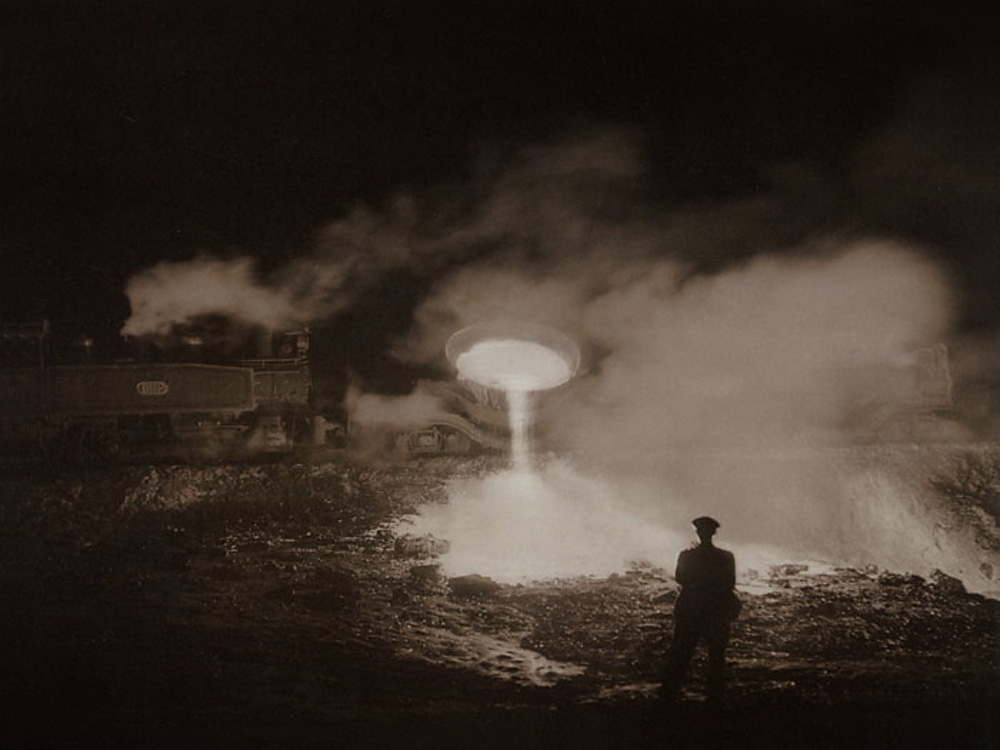
Harold Cazneaux (Australian born New Zealand, 1878-1953) Slag Dump, Newcastle (NSW) 1934 Gelatin silver print
Harold Cazneaux (b. New Zealand 1878; a. Australia 1889; d. 1953) was a key figure of the Pictorialist movement in Australia. His career began in photographic studios, first in Adelaide, then Sydney. In Sydney, Cazneaux exhibited in local photographic competitions and held his first solo exhibition in 1909. His photographs, which were mostly portraits, city views and landscapes, show his interest in natural light and reflect his belief that photography should be used as a form of artistic expression. He was a founding member of the Sydney Camera Circle and through his photography, writing and teaching made a significant contribution to Australian photography in the early twentieth century.
Text from the Monash Gallery of Art website
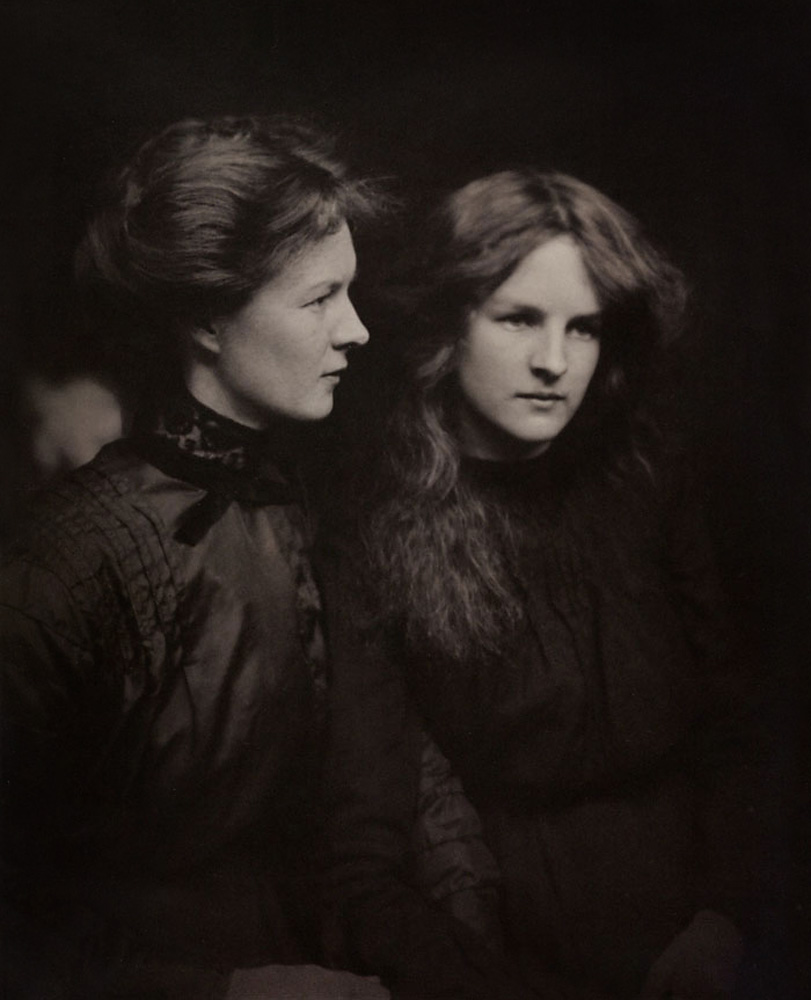
Harold Cazneaux (Australian born New Zealand, 1878-1953) The Orphan Sisters c. 1906 Gelatin silver print
May Moore (New Zealand, 1881-1931) and Mina Moore (New Zealand, 1882-1957) Portrait of an Actress (“Lily” Brayton) c. 1916 Gelatin silver print 19.9 x 15.2cm National Gallery of Australia Purchased 1989
May and Mina Moore were New Zealand-born photographers who made careers as professional photographers, first in Wellington, New Zealand, and later in Sydney and Melbourne, Australia. They are known for their Rembrandt-style portrait photography, and their subjects included famous artists, musicians, and writers of the era. …
In Australia
After only a few years, the sisters moved their business to Australia, running separate studios in Sydney (1910-1928) and Melbourne (1913-1918). May in Sydney continued to focus on studio portraits, while Mina in Melbourne moved into theatrical photography and portraits of interview subjects. Nonetheless, they continued to often cosign the work produced by their respective studios. Their photographs were frequently published in magazines such as Home and Triad.
Their styles were very consistent, and they used dramatic lighting to get the effect of making the subject’s face the centre of attention.
May in Sydney
In 1910, May took a holiday trip to Australia that resulted in her opening a new studio in Sydney. One of May’s notable images from the Sydney period was a portrait of cartoonist Livingston Hopkins.
May began writing articles for the Austral-Briton in 1916. In articles like “Photography for Women”, she encouraged more women to take up the medium. Her advocacy extended to her own business, where she mostly employed women. One exception to this rule was her husband, Henry Hammon Wilkes, a dentist whom she married on 13 July 1915 and who gave up his dental practice to help his wife with her photography business.
May was a member of the Lyceum Club, the Musical Association of New South Wales, the Society of Women Painters (Sydney), and the Professional Photographers’ Association of Australia.
Around 1928, May was forced into retirement by illness and turned her creative energies to painting landscapes. She died of cancer in her Pittwater home on 10 June 1931; her remains are at the Manly Cemetery. Six months after her death the Lyceum Club mounted a memorial exhibition of her work.
Mina in Melbourne
In 1913, Mina joined May in Australia, setting up shop in the Auditorium Building on Collins Street in downtown Melbourne and specialising in theatrical photography. Mina also formed an alliance with a freelance journalist, agreeing to photograph whomever the journalist planned to interview. These images were typically taken during the interview itself, affording a better opportunity to capture a subject’s natural expressions.
Mina married William Alexander Tainsh on 20 December 1916. When their daughter was born in 1918, Mina retired from professional photography. Her Auditorium Building studio was taken over by photographer Ruth Hollick. She came out of retirement briefly in 1927, when Shell commissioned her to do a series of portraits. At that point she was working out of a home darkroom and caring for an expanded family, so after the Shell series she decided against restarting her photography business.
Mina died in Croydon, Victoria on 30 January 1957. Her remains were cremated.
Elizabeth “Lily” Brayton (23 June 1876 – 30 April 1953) was an English actress and singer, known for her performances in Shakespeare plays and for her nearly 2,000 performances in the First World War hit musical Chu Chin Chow.
Mina and May Moore’s Actress Elizabeth ‘Lily’ Brayton [Mrs Oscar Asche]
Sisters Annie May (May) and Minnie Louise (Mina) Moore ran photographic studios, first in Wellington and then in Sydney and Melbourne. Their work was most often jointly stamped ‘May and Mina Moore’ and was remarkably consistent. They portrayed their subjects in head and shoulder shots, focusing attention exclusively on the face through the use of dramatic lighting and dark backgrounds.
From the 1880s until well after the turn of the century, women in photography were more commonly employed as retouchers and hand-colourists. The number of women running photographic studios, however, increased noticeably around 1910. This was an era in which the graceful and distant Edwardian ‘ladies’ shown in so many paintings of the late 19th and early 20th century were being replaced by the jazz age flappers and mass media celebrities. The Moore sisters were themselves typical ‘modern women’ of the 1910s-1930s in seeking their independence and social mobility through new types of careers in photography. They both mixed in artistic circles and May, in particular, was interested in the theatre. Their success surprised the critics even as late as the 1930s, when the Australian Worker in 1931 stated about May: ‘practically every artist, musician, critic, journalist, story-writer and poet of local celebrity was at some time or other a subject for her camera.’1
It is not clear which sister made this striking close-up of a stylish young woman (who may have been an actress or entertainer as the image was registered for copyright). She is shown in the recognisable Moore style but with particular verve as she stares straight into the camera, head slightly lowered in the femme fatale guise made popular in celebrity portraits and stills for the silent movies. Through the mass circulation of celebrity images everyone could have their favourite star for their wall.
“Here was a golden opportunity to try something fresh in terms of war as conflict – both in photography and painting – to frame the discourse in an eloquent, innovative manner.” Dr Marcus Bunyan
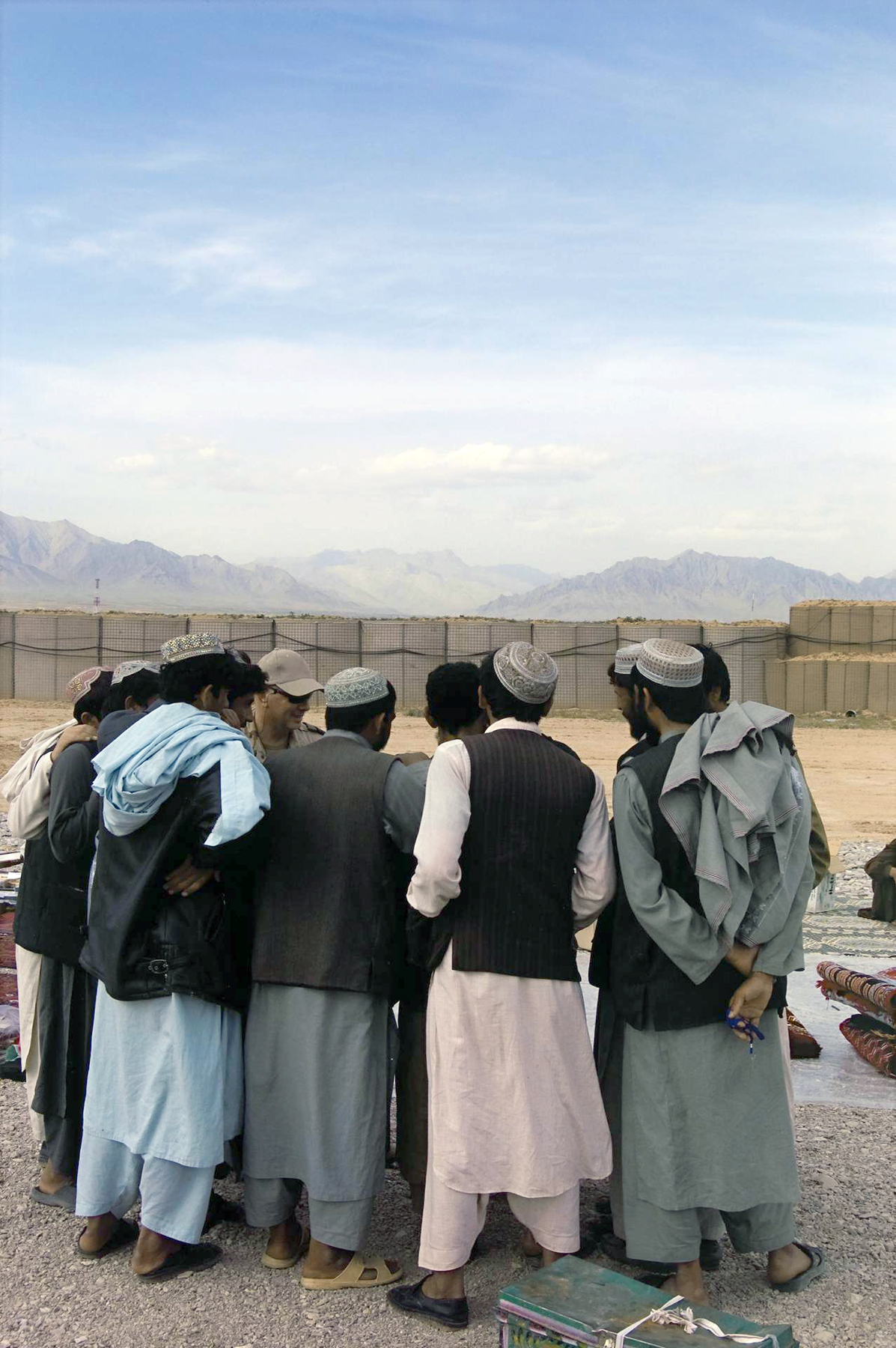
Lyndell Brown (Australian, b. 1961) and Charles Green (Australian, b. 1953) Afghan traders with soldiers, market, Tarin Kowt base, Uruzgan province, Afghanistan 2007-2008 From The approaching storm series 2007-2009 Digital colour inkjet photograph 155 x 107.5cm
Despite one brilliant photograph and some interesting small painted canvases this exhibition is a disappointment. No use beating around the figurative bush in the landscape so to speak, talking plainly will suffice.
Firstly, let’s examine the photographs. Thirteen large format colour photographs are presented in the exhibition out of an archive of “thousands of photographs Brown and Green created on tour”1 from which the paintings are derived.
Most of the photographs are inconsequential and need not have been taken. Relying on the usual trope of painters who take photographs they are shot at night, dusk or dawn when the shadows are long, the colours lush supposedly adding ‘mystique’ to the scene being portrayed. In some cases they are more like paintings than the paintings themselves. Perhaps this was the artist’s plan, the reverse marriage of photography and painting where one becomes the other, but this does little to advance photography as art.
There is nothing new or interesting here: sure, some of the photographs are beautiful in the formal representation of a vast and fractured landscape but the pre-visualisation is weak: bland responses to the machines, industry, people and places of the conflict. Go look at the Andreas Gursky photographs at the National Gallery of Victoria to see world-class photography taking reality to the limit, head on.
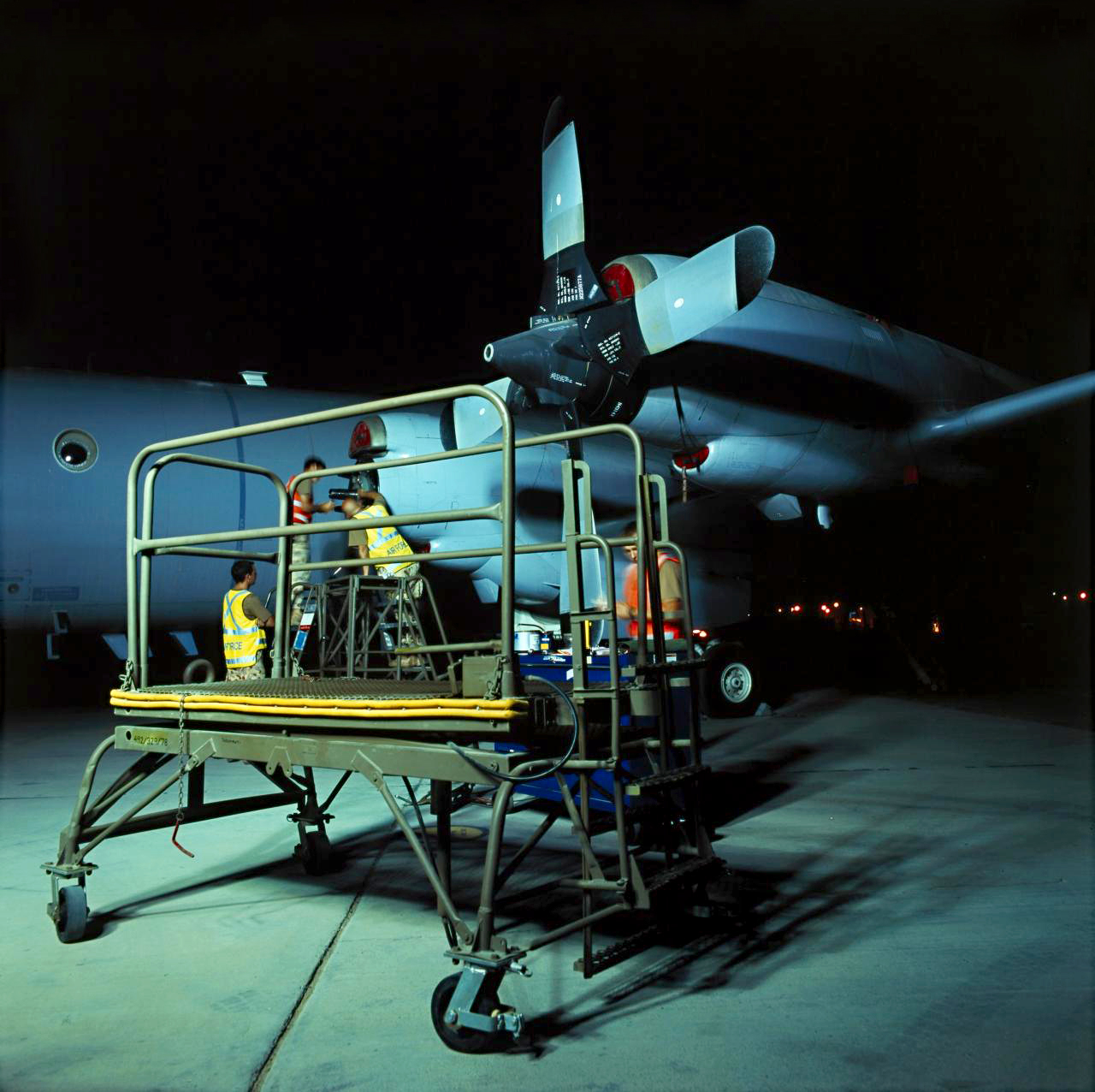
Too often in these thirteen images the same image is repeated with variants – three images of the an aircraft having it’s propeller changed show a lack of ideas or artefacts to photograph – presented out of the thousands taken seems incongruous. The fact that only one photograph is reproduced in the catalogue is also instructive.
Some images are just unsuccessful. For example the photograph Dusk, ship’s bridge with two sailors, northern Gulf is of a formulaic geometry that neither holds the viewers attention nor gives a deeper insight into their lives aboard ship and begs the question why was the photograph taken in the first place? The dark space has little physical or metaphysical illumination and seems purely to be an exercise in formalism. The photograph Dusk, ships’ bridge with sailor, northern Gulf is more successful in the use of light and shade as they play across the form of a sailor, his head resting pensively in his hand, red life vests adding a splash of colour to the bottom right of the photograph.
The brilliant photograph of the group is View from Chinook, Helmand province, Afghanistan. This really is a monstrous photograph. With the large black mass of the helicopter in the foreground of the image containing little detail, the eye is drawn upwards to the windscreen through which a mountain range rises, with spines like the back of a Stegosaurus. To the right a road, guarded by a desolate looking pillbox and yellow barrier, meanders into the distance. Dead flies on the windscreen look like small bullet holes until you realise what they are. This is the image that finally evidences a disquieting beauty present in the vast and ancient landscape.
Turning to the paintings we can say that some of the small 31cm x 31cm paintings work well. From an ‘original’ photograph the artist selects and crops a final image that they work up into a highly detailed oil painting. Distilled (as the artist’s like to put it) from the ‘original’ photographs, the paintings become a “merging of a contemporary sense of composition – borrowed from photography, film and video – with the textures and processes of traditional oil painting.”2
“These works were developed by the artists to be something akin to “Hitchcockian clues” which create the sense of looking out at a scene but being distanced from the action. To some degree the entire suite of small pictures participate in developing this intrigue, by showing an array of ambiguous scenes in which direct action is never present, or is obscured by limited perspectives … The artists noted that the war zones they witnessed were low in action but high in tension”3
To an extent this tension builds in some of the small paintings: the small size lends an intimate, intense quality and forces the viewer to engage with highly detailed renditions of textures of clothing, material, skin and hair and the distorted scale of the ships and aeroplanes portrayed. In these intense visions the painting seems less like a photograph and more like a new way of seeing. However, this occurs only occasionally within the group of small paintings.
If we think of a photograph in the traditional sense as a portrayal of reality, then a distillation of that photograph (the removal of impurities from, an increase in the concentration of) must mean that these paintings are a double truth, a concentrated essence of the ‘original’ photograph that changes that essence into something new. Unfortunately most of these small canvases show limited viewpoints of distilled landscapes that do not lead to ambiguous enigmas, but to the screen of the camera overlaid by a skein of paint, a patina of posing.
This feeling is only amplified in the three large ‘History’ paintings. The three paintings seem static, lifeless, over fussy and lacking insight into the condition of the ‘machine’ that they are attempting to portray. It’s a bit like the ‘Emperors New Clothes’, the lack of substance in the paintings overlaid with the semantics of History painting (“a traditional genre that focused on mythological, biblical, historical and military subjects”) used to confirm their existence and supposed insight into the doubled, framed reality. As Robert Nelson noted in his review of 2008 art in Melbourne in The Age newspaper it would seem that painting is sliding into terminal decline. These paintings only seem to confirm that view.
Here was a golden opportunity to try something fresh in terms of war as conflict – both in photography and painting – to frame the discourse in an eloquent, innovative manner.
Most of this work is not interesting because it does not seem to be showing, or being discursive about anything beyond a personal whim. Because an artist can talk about some things, doesn’t mean that he can make comments about other things that have any value. Although the artist was looking to portray landscapes of globalisation and entropy, there are more interesting ways of doing this, rather than the nature of the transcription used here.
“It is very good to copy what one sees: it is much better to draw what you can’t see any more but in your memory. It is a transformation in which imagination and memory work together. You only reproduce what struck you, that is to say, the necessary. That way your memory and your fantasy are freed from the tyranny of nature.”4
No thinking but the putting away of intellect and the reliance on memory and imagination, memory and fantasy to ‘distil’ the essence.
This is what needed to happen both in the photographs and paintings – leaving posturing aside (perhaps an ‘unofficial war artist’ would have had more success!) – to uncover the transformation of landscape that the theatre of this environment richly deserved.
Dr Marcus Bunyan
Footnotes
1/ Heywood, Warwick. Framing Conflict: Iraq and Afghanistan exhibition catalogue. Canberra: Australian War Memorial, 2008, p. 6 2/ Heywood, Warwick. Framing Conflict: Iraq and Afghanistan exhibition catalogue. Canberra: Australian War Memorial, 2008, p. 6 3/ Heywood, Warwick. Framing Conflict: Iraq and Afghanistan exhibition catalogue. Canberra: Australian War Memorial, 2008, p. 11 4/ Degas, Edgar quoted in Halligan, Marion. “Between the brushstrokes,” in A2 section, The Saturday Age newspaper, January 17th 2008, p. 18
Many thankx to The Ian Potter Museum of Art for allowing me to publish the photographs in the posting. Please click on the photographs for a larger version of the image.
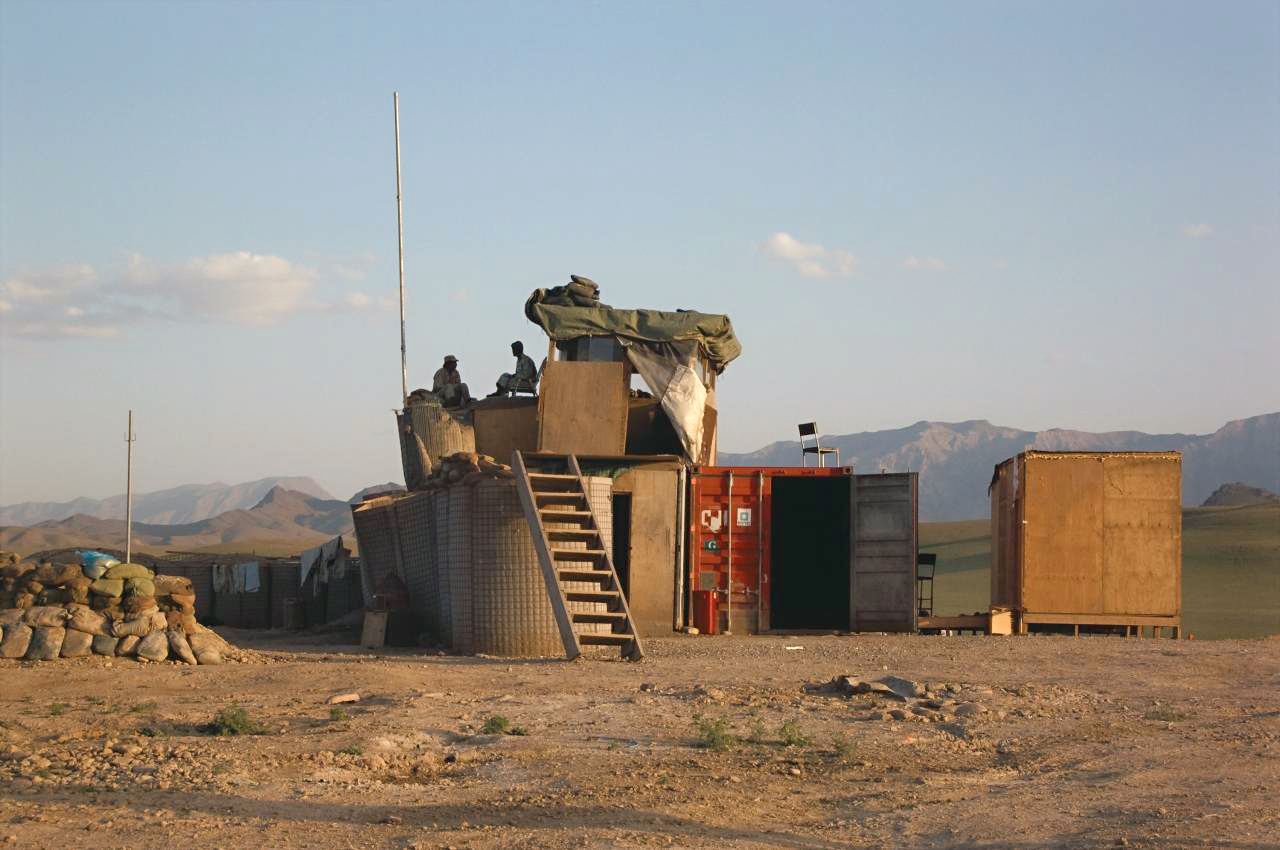
Lyndell Brown (Australian, b. 1961) and Charles Green (Australian, b. 1953) Afghan National Army perimeter post with chair, Tarin Kowt base, Uruzgan province, Afghanistan 2007-2008 From The approaching storm series 2007-2009 Digital colour inkjet photograph 111.5 x 151.5cm
Lyndell Brown (Australian, b. 1961) and Charles Green (Australian, b. 1953) Dusk, ship’s bridge with two sailors, northern Gulf 2007-2008 Digital colour inkjet photograph
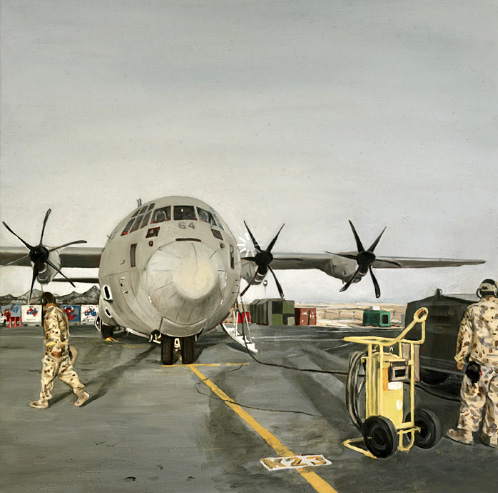
Lyndell Brown (Australian, b. 1961) and Charles Green (Australian, b. 1953) Late afternoon, flight line, military installation, Middle East 2007 Oil on linen
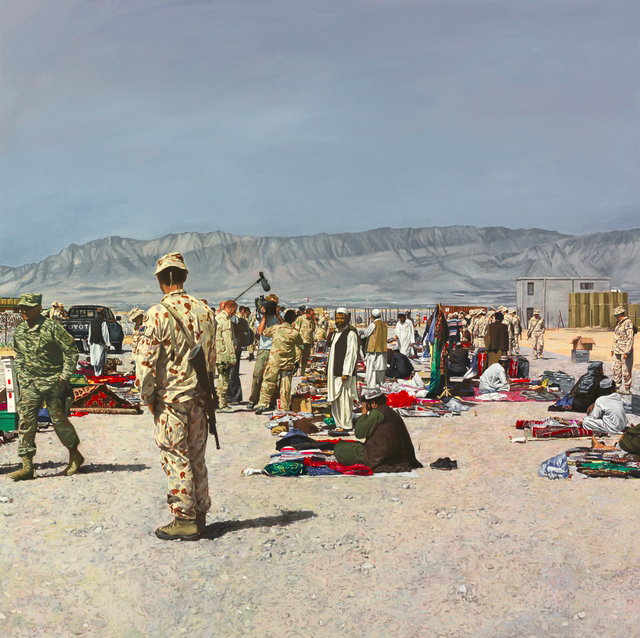
Lyndell Brown (Australian, b. 1961) and Charles Green (Australian, b. 1953) Market, Camp Holland, Tarin Kowt, Uruzgan province, Afghanistan 2007 Oil on linen
Lyndell Brown (Australian, b. 1961) and Charles Green (Australian, b. 1953) View from Chinook, Helmand province, Afghanistan 2007-2008 From The approaching storm series 2007-2009 Digital colour inkjet photograph 111.5 × 151.5cm
Lyndell Brown (Australian, b. 1961) and Charles Green (Australian, b. 1953) View from Chinook, Helmand province, Afghanistan 2007 Oil on linen
Lyndell Brown (Australian, b. 1961) and Charles Green (Australian, b. 1953) Trolley, propeller change, on flightline at night, military installation, Gulf 2007-2008 From The approaching storm series 2007-2009 Digital colour inkjet photograph 87.0 x 87.4cm
Lyndell Brown (Australian, b. 1961) and Charles Green (Australian, b. 1953) History painting: market, Tarin Kowt, Uruzgan province, Afghanistan 2007 Oil on linen
Installation view of photographs from the exhibition Framing Conflict at The Ian Potter Museum of Art, The University of Melbourne 2009
Installation view of paintings from the exhibition Framing Conflict at The Ian Potter Museum of Art, The University of Melbourne 2009
The Ian Potter Museum of Art The University of Melbourne, Corner Swanston Street and Masson Road Parkville, Victoria 3010
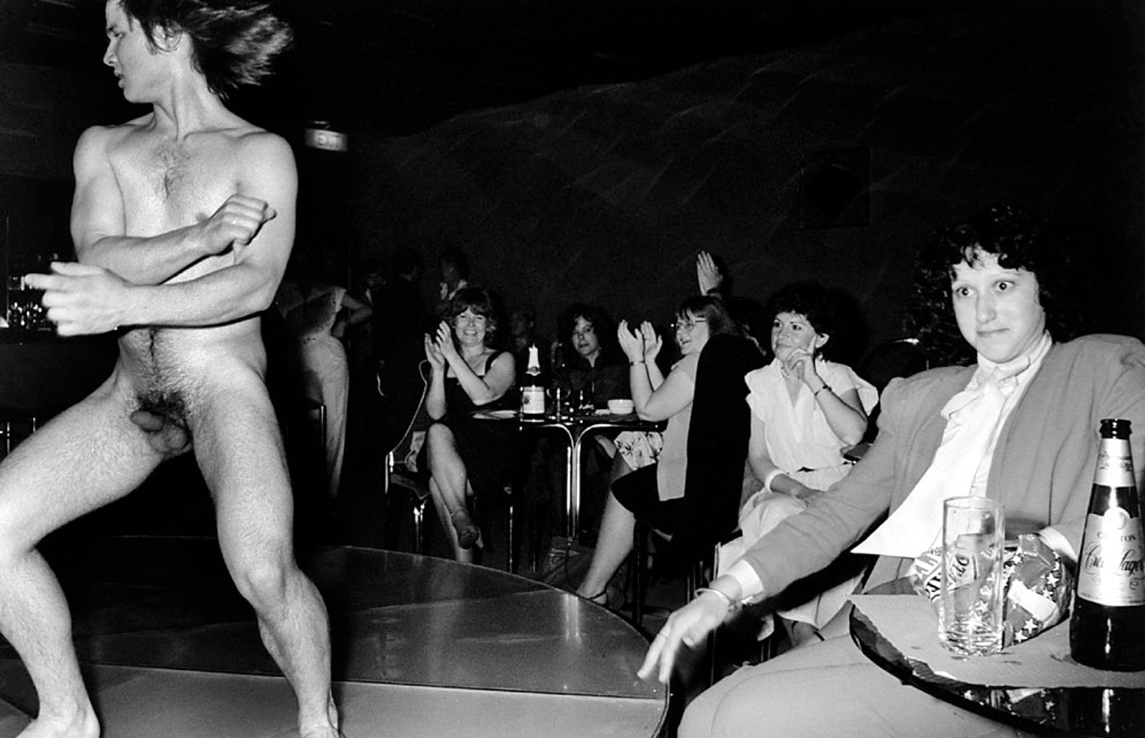
Rennie Ellis (Australian, 1940-2003) Girls’ Night Out, Prahran 1980 Silver gelatin, selenium toned fibre based print
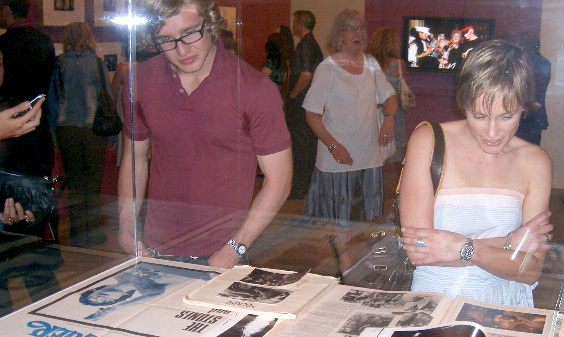
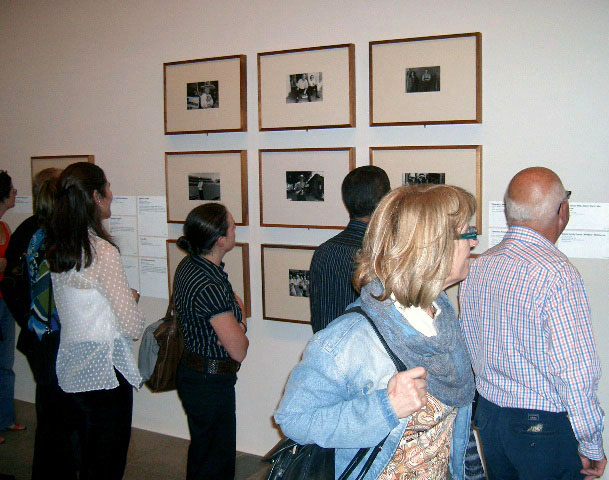
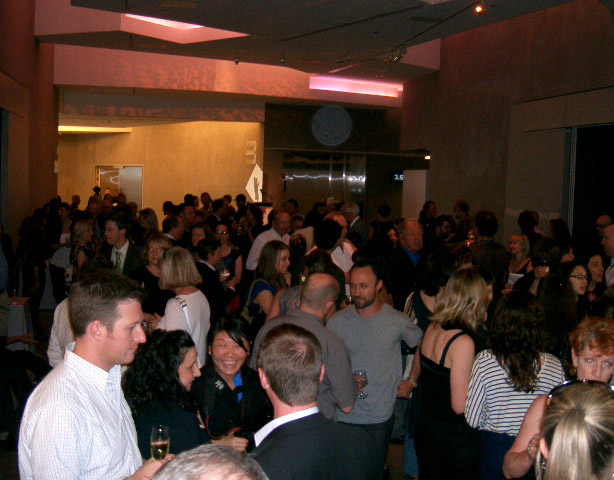
A very social and lively crowd gathered at The Ian Potter Centre: NGV Australia at Federation Square on the evening of 30th October to celebrate the life and work of the Australian social photographer Rennie Ellis.
After opening comments by the NGV Director Dr Gerard Vaughan there was a funny and erudite speech by Phillip Adams AO who had flown down from Sydney to open the exhibition. The crowd enjoyed the anecdotes about his relationship with Rennie and said he thought that dying was a good career move on Rennie’s behalf and that he would have loved the fact that he had a retrospective at the NGV. Adams observed that Ellis used to be everywhere, at every party and opening, using his astute eye to record and never to judge. Applause all round for a life well lived.
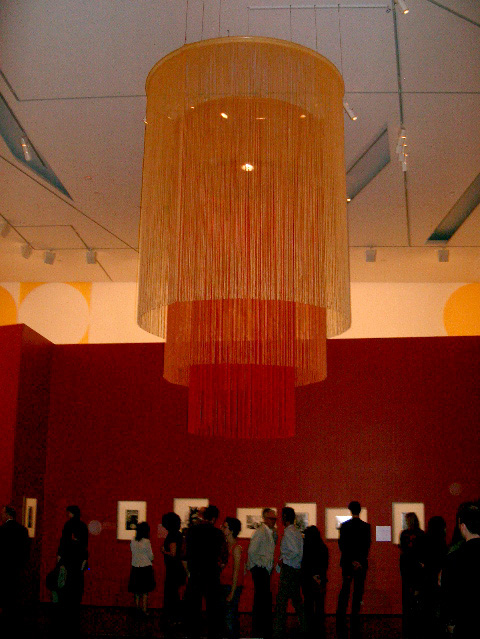
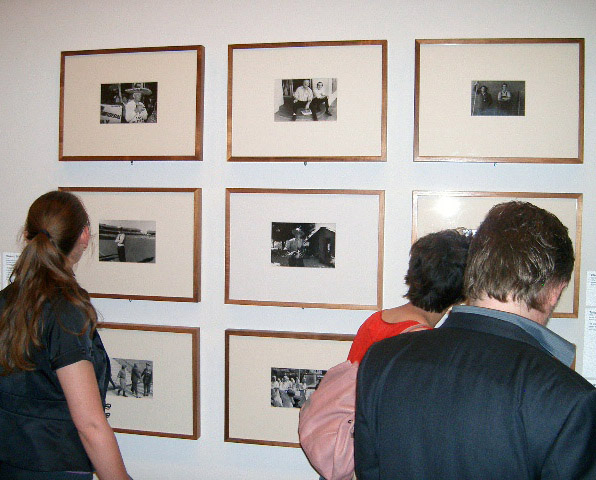
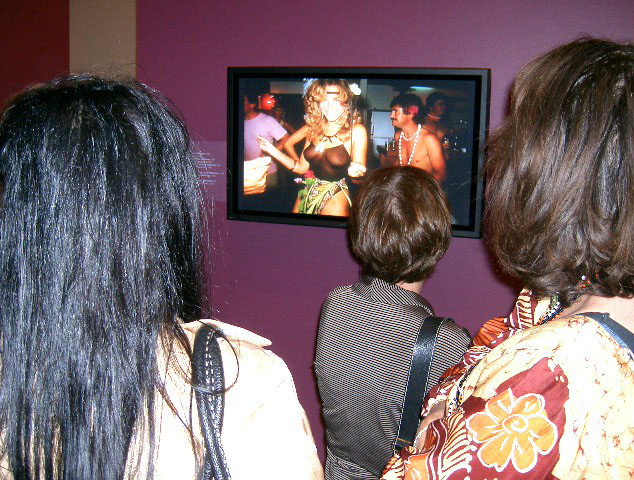
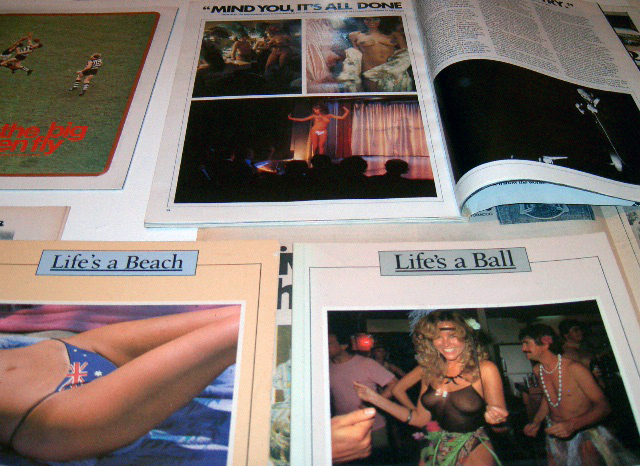
On entering the exhibition space viewers were treated to a simple but effective installation of his work, with overtones of the 1970’s-1980s interior decor with yellow and white circle graphics and hanging fabric chandelier. The curatorial staff at the NGV (notably Susan van Wyk) have chosen over 200 works from an archive of over half a million images for the exhibition in a process that has taken over two and a half years.
As an immigrant arriving in Australia in 1986 I remember 397 Club that used to be at 397 Swanston Street. After every other place had closed this club attracted people from every walk of life: pimps, prostitutes, drag queens, faggots, lesbians, straights and druggies. Rennie was probably there recording the scene. We were there just for a good time. It was fun and this is what Ellis’ photography captures.
Not burdened by overarching conceptual ideas Ellis recorded what he saw, balancing social commentary and spatial organisation in the construction of his images. The image Girls’ Night Out, Prahran 1980 (above) is a pearler (with the look on the woman’s face) and neatly encapsulates the magic of his image making.
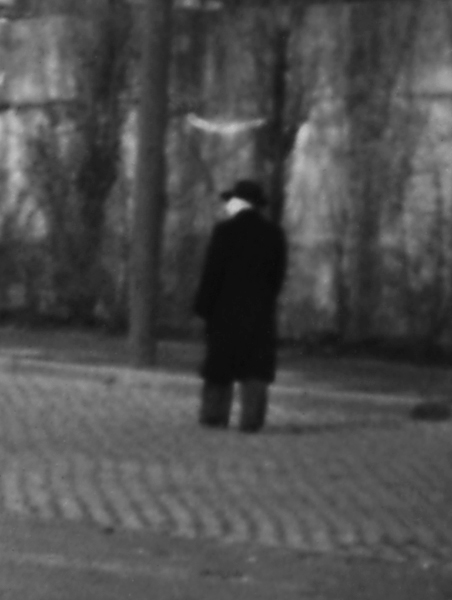
Marcus Bunyan (Australian, b. 1958) Cologne Cathedral 2-52 2008 From the series The Shape of Dreams Silver gelatin print
The title was written on the back of the photograph
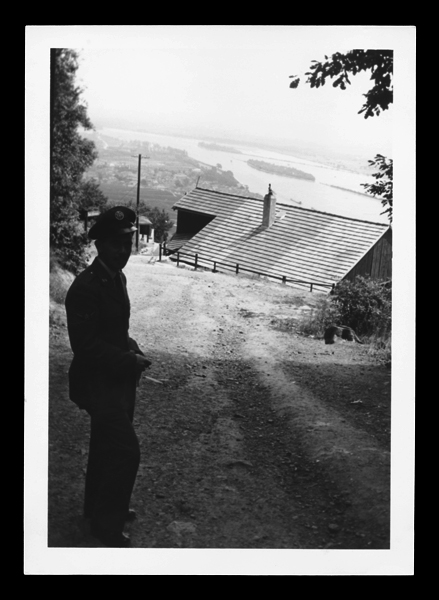
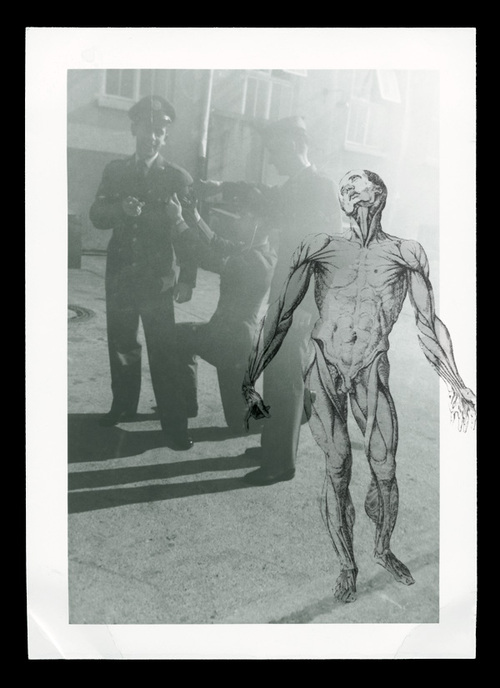
Marcus Bunyan (Australian, b. 1958) Untitled 2008 From the series The Shape of Dreams Silver gelatin print
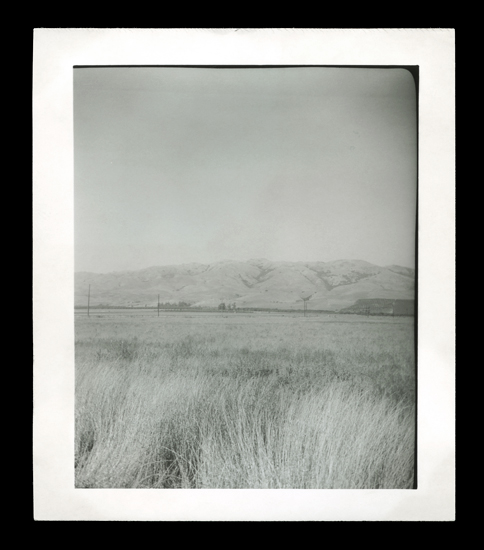
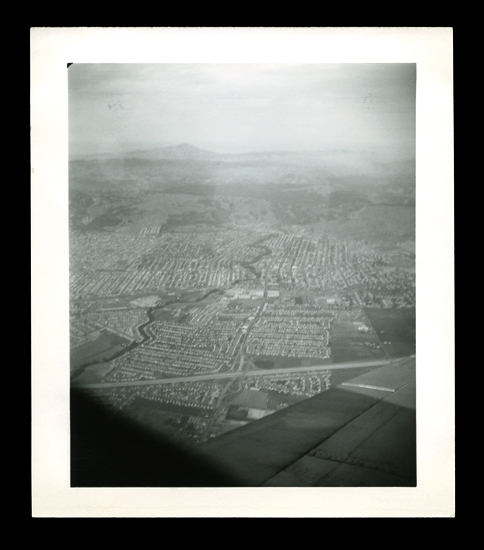
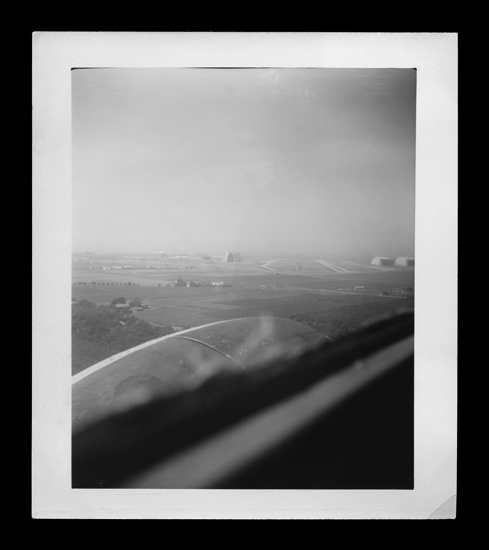
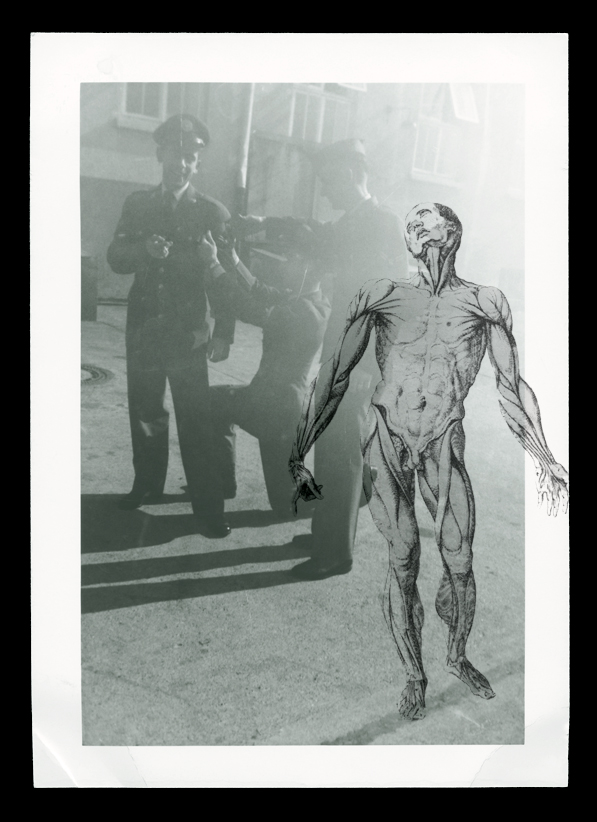
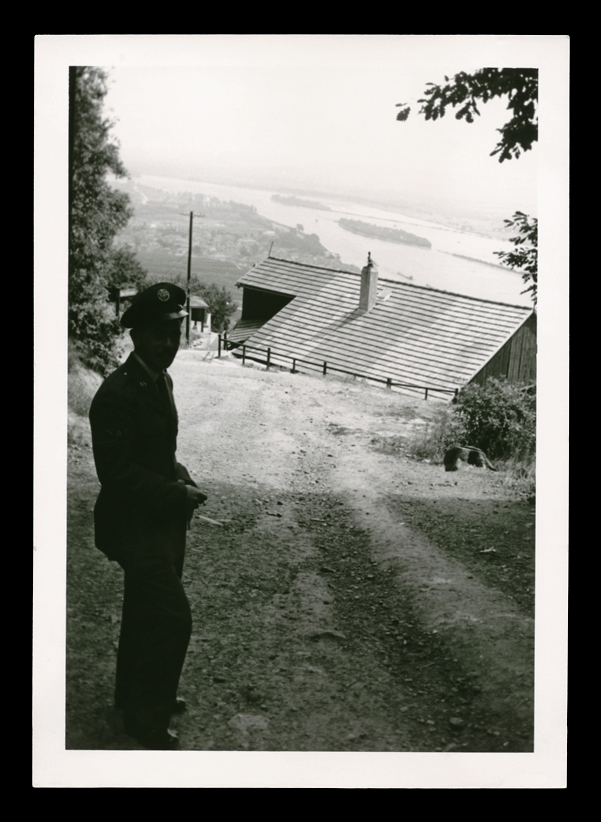
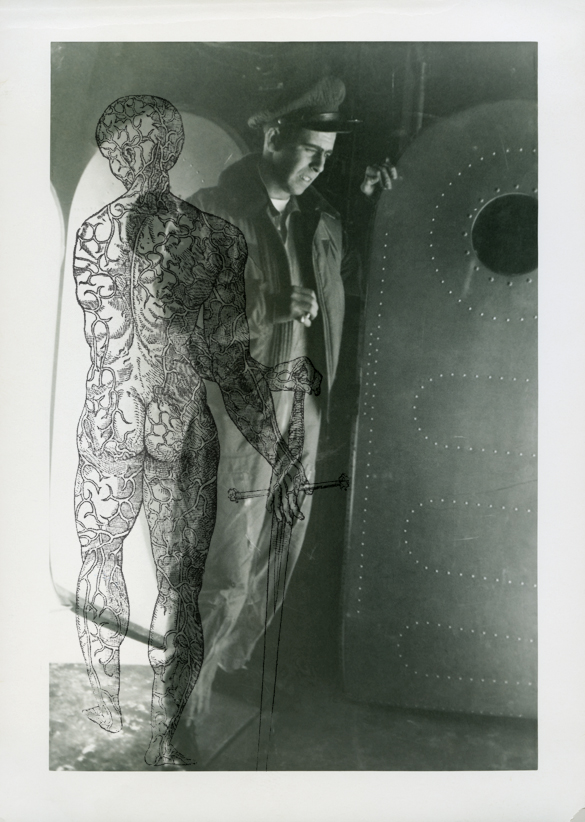
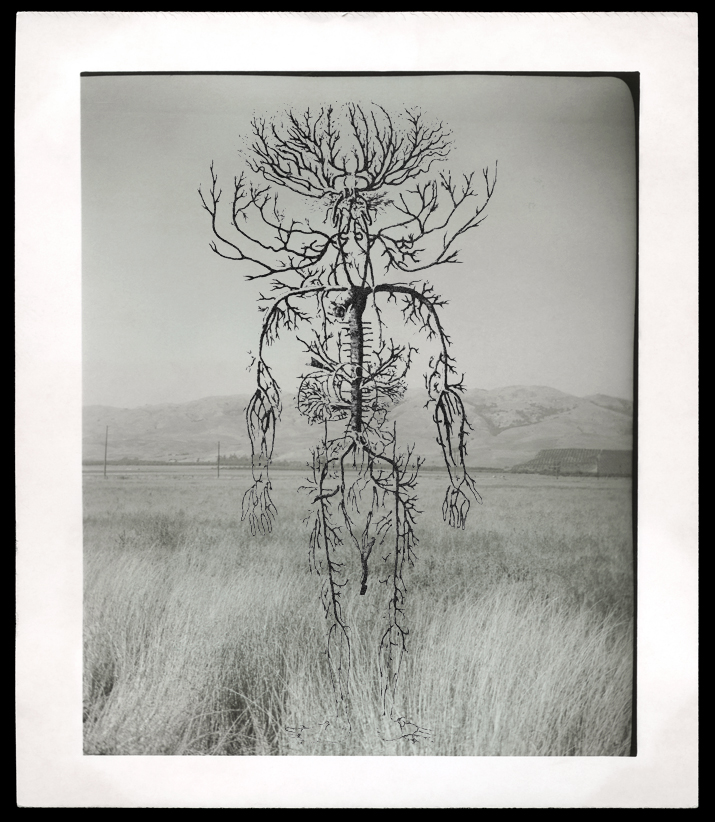
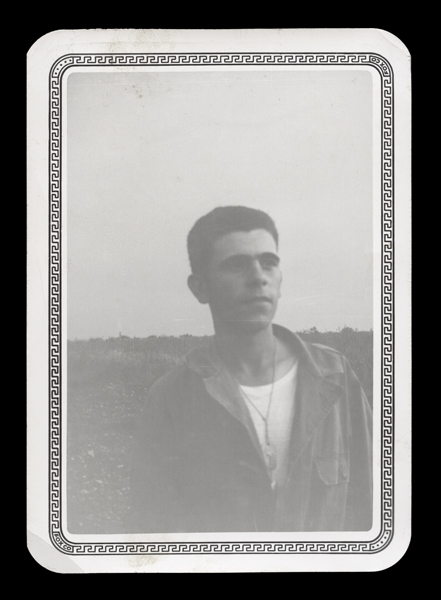
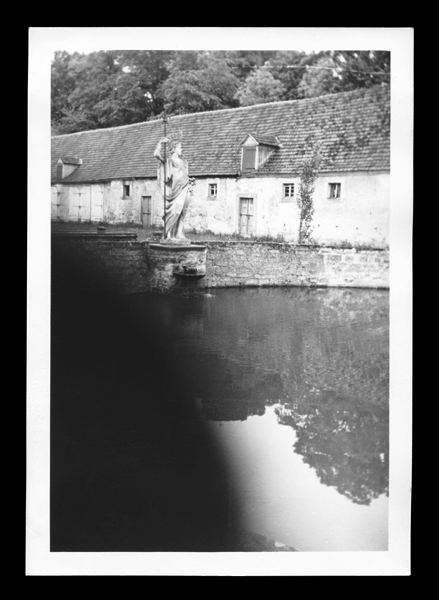
A new body of work has formed in my mind and is physically taking shape through working with the images.
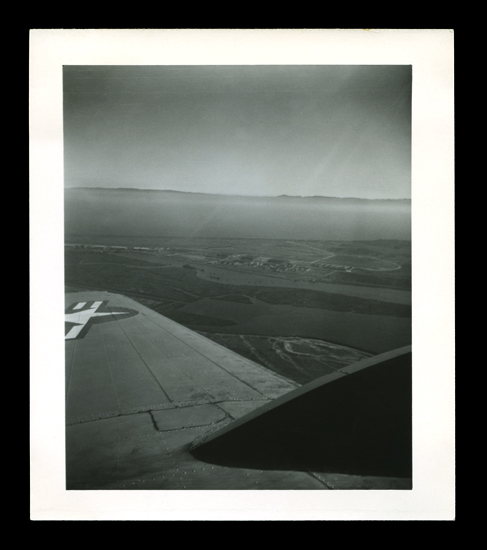
I purchased two black and white photo albums from the 1950s on eBay, both belonging to young soldiers, one on active duty in Korea and the other visiting Japan and Germany after the Second World War. These images are especially poignant to me as an artist and human being. These are snapshots of hope and happiness, of place and being in a time of turbulence. Glimpses of the earth through open aircraft doors, smiles that flit across faces contrast with figures wrapped in a shawl of darkness.
Their faces stare out at us across time yet their bodies are caught in the shadows.
They remind that humans still repeat the mistakes of the past, still list the war dead in columns of photographs inches long. So young and full of hope.

























You must be logged in to post a comment.