Some poignant photographs in this posting of young Australian men setting off to fight in the early stages of the Second World War. The message scrawled in chalk on the side of the train (below, at left) reads, “Berlin first stop. Look out Hitler, we’ll be there soon.” Little did they know it would be five long, hard years of fighting and countless deaths before that aphorism would come true.
The 6th division AIF troops first fought in North Africa against the Italians at Tobruk and was then sent to Greece to fight the German advance. About 39 per cent of the Australian troops in Greece on 6 April 1941 were either killed, wounded or became prisoners of war. The division then fought in the Pacific War on the Kokoda Trail campaign in the New Guinea theatre until the end of the war.
I wonder how many of the men, smiling and leaning out of the train carriage or departing on a troop ship, returned to these shores?
The last photograph in the posting is so very eloquent it actually moved me to tears. The women being hoisted aloft to kiss her loved one last time – clutching her handbag, complete with rumpled, lumpy stockings. To the right (and this is what caught my eye), a man looks straight at the camera while another right next to him has this distant melancholy look on his face as though he is not actually there. A portent of things to come.
Brave men, fighting in the only war that Australians have had to fight for their own freedom, not at the whim of a colonial power or overseas ally in some far of distant land. Brave men and women – we wouldn’t be here without them.
Dr Marcus Bunyan
Many thankx to the Museum of Sydney for allowing me to publish the photographs in the posting. Please click on the photographs for a larger version of the image.
Installation view of the exhibition Home Front: Wartime Sydney 1939-45 at the Museum of Sydney Historic Houses Trust of NSW Photos: Jenni Carter
Installation view of the exhibition Home Front: Wartime Sydney 1939-45 at the Museum of Sydney showing at centre, a detail of Members of the Wardens’ Women’s Auxiliary making for the scene of an incident (c. 1943, below) by an anonymous photographer Historic Houses Trust of NSW Photo: Jenni Carter
In May 1942 three Japanese midget submarines entered Sydney Harbour in an attempt to sink allied ships, bringing the once far away war to the shores of the harbourside city and shaking the country to its core. Coinciding with the 70th anniversary of the Japanese attack on Sydney Harbour, Home Front: Wartime Sydney 1939-45 a new exhibition opening 31 March at the Museum of Sydney, explores the experience of the women, men and children who rallied together to support the war effort from home.
Unprepared for another world war, Australians initially referred to the conflict as ‘the phoney war’, however it wasn’t long before propaganda posters were plastered around Sydney, censorship and food rationing became the norm, and tank traps and barbed wire replaced bronzed bodies on Sydney beaches. For six long years the world seemed to come to Sydney as soldiers, sailors and airmen from many nations called Sydney home, making wartime an exciting and thrilling period for some, while for others it was a long and lonely time interrupted by the occasional letter from a loved one serving overseas.
Almost 40,000 Australians lost their lives with the war leaving a lasting impact at home and transforming the lives of generations of Australians, in particular the lives of women, says Curator Annie Campbell. “As well as having to cope with war related anxieties and stress, many women were ‘manpowered’ to work in wartime industries such as ammunitions factories and aircraft construction. Everyone had to make sacrifices on the home front, however despite wartime shortages and rationing, women were expected and actively encouraged to look smart, which often involved some innovative thinking. One of my favourite objects in the exhibition is a wedding dress made out of parachute silk and mosquito net for a war bride, later worn by her sister and two girlfriends on their special days.
While the troops were busy on the battlefields, Sydneysiders prepared for the possibility of an enemy invasion on home soil. An anti-submarine boom net was installed across Sydney Harbour to keep out attacking forces, bomb shelters were constructed in Hyde Park and protective timbers were placed around landmark buildings. In 1942 blackout restrictions were introduced to limit the effectiveness of air raids, all Sydney lights were switched off and car, train and tram headlights were masked, giving the city a sinister feel. But it wasn’t all doom and gloom, large numbers of people were ready to have fun in Sydney and the Trocadero on George Street became a mecca for white American servicemen, while the Booker T Washington Club in Albion Street Surry Hills serviced the African-American GI’s,” says Campbell.
Highlights of the exhibition include the microphone used by Prime Minister Robert Menzies to announce that Australia was at war, remnants of the Japanese midget submarines that attacked Sydney, over 100 photographs and artworks depicting wartime Sydney, and a short documentary featuring historic footage. Over 200 wartime Sydney mementoes will also feature in the exhibition including propaganda posters, warden’s memorabilia, letters from soldiers serving overseas and a selection of wartime fashions.
Marcus Bunyan (Australian, b. 1958) Gryphon, Luna Park, St Kilda 1992-1994 Silver gelatin photograph
The titles from this period tend to be poetic, pragmatic or composed, like Japanese haiku. The two photographs How will it be when you have changed and Tell me your face before you were born (1994, below) were included in the seminal exhibition Don’t Leave Me This Way: Art in the Age of AIDS at the National Gallery of Australia in 1994.
The floater (1992-94) is one of the best black and white photographs I ever took.
I am scanning my negatives made during the years 1991-1997 to preserve them in the form of an online archive as a process of active memory, so that the images are not lost forever. These photographs were images of my life and imagination at the time of their making, the ideas I was thinking about and the people and things that surrounded me.
Photographs are available from this series for purchase. As a guide, a vintage 8″ x 10″ silver gelatin print costs $700 plus tracked and insured shipping. For more information please see my Store web page.
Marcus Bunyan (Australian, b. 1958) Paul, Windsor railway station 1992-1994 Silver gelatin photograph
Marcus Bunyan (Australian, b. 1958) Night, Windsor 1992-1994 Silver gelatin photograph
Marcus Bunyan (Australian, b. 1958) The dusty city Stillness blossoms and mist within 1992-1994 Silver gelatin photograph
Marcus Bunyan (Australian, b. 1958) Afterlife 1992-1994 Silver gelatin photograph
Marcus Bunyan (Australian, b. 1958) The face of man in the surface of Moon blinks 1992-1994 Silver gelatin photograph
Marcus Bunyan (Australian, b. 1958) How will it be when you have changed 1994 Silver gelatin photograph
Marcus Bunyan (Australian, b. 1958) Tell me your face before you were born 1994 Silver gelatin photograph
Marcus Bunyan (Australian, b. 1958) The floater 1992-1994 Silver gelatin photograph
Marcus Bunyan (Australian, b. 1958) Keyhole, Source, Form No. 1, Fredrick White 1993 Silver gelatin photograph
Marcus Bunyan (Australian, b. 1958) Gryphon and palms, St Kilda 1992-1994 Silver gelatin photograph
Marcus Bunyan (Australian, b. 1958) Untitled [divinity] 1992-1994 Silver gelatin photograph
Katrin Koenning (Australian born Germany, b. 1978) Untitled from the series Transit 2009
Transit is a stimulating body of work by Melbourne artist Katrin Koenning that documents mostly everyday journeys. As Koenning notes, “It is concerned with the space that lies between destinations, routines and obligations – the space between distances, if you so like,” where strangers are thrown together in an intimate space. The outcome of these encounters is mainly silence. In these works photography and the depiction of the lived world becomes the primer and reference point for a mediated existence, one based on longing, desire, reverie, absent presence and the phantasies of daydreams.
Compositionally the work is strong. Koenning shows an excellent understanding of the construction of the image plane and the use of colour, light and dark complements her intellectual enquiry. This much is given: these are excellent images that immerse the viewer in a visual dreamscape. What I am more interested in here is the transitional spaces of the journey, the traces of light that reflect back to us the concerns of the photographer and the conceptual ideas upon which the work is based.
Even when people are asleep in these photographs (which they sometimes are) it is as if an internal image, a day dream, a subconscious image is projected into/onto the external world in an act of scopophilic [the desire for pleasurable looking] voyeurism. It is as though our daydreams are inscribed in a physical location and we identify with this imaginary image and take it for reality.1 “This specific joy of receiving from the external world images that are usually internal… of seeing them inscribed in a physical location… of discovering in this way something almost realisable in them”2 becomes one reality of the journey. We become possessed, possessed by the phantasies of our daydreams, possessed by desire for this imaginary image.
Paradoxically these daydreams, the longing and yearning of the inner voice for a better place to be, for a holiday, for an escape from the drudgery of everyday life (for an imaginary, hallucinatory image) promote an escapism in the traveller and the absenting of presence that can be seen on any tram or train, any day of the week in cities throughout the world. The enactment of absent presence is usually performed through technology of some kind – a book, headphones, smart phones that connect to the internet, conversation on the mobile which is mainly gossip and texting – that distract people from having a quiet mind that leads to the contemplation of Self. The fear of silence is the fear of quietening the chattering voice in your head, being afraid of what you might find. The act of non-engagement is supplemented by the necessity of avoiding eye contact with fellow travellers, of making conversation, of engaging with strangers in any meaningful way. Hence the silence of forcibly intimate spaces.
The photographs that make up the series Transit form a theatrical space, a dramatic space where the people in them are separated from the outside world, neither here nor there, present but absent at one and the same time. This ritual of (non)spectatorship begins long before we begin our journey: the preparation, leaving the house with headphones and iPod, iPad, iPhone and I. This is followed by the ritual of buying a ticket (or not), boarding the train, tram, bus, plane or car being an effective way of transforming time and space. Our practices of mobility, that is our acts of moving are constituted in our acts of staying. What we take with us (for example our passport when we go overseas), always takes our place of residing, of staying, with us. Travel becomes the enactment or enfolding of bodies that move and bodies that stay, of stability.3
As Mary Louise Pratt has observed recently, the Western subject is an autonomous being with inherent conditions attached to its body and mobility is the privileged figure of its freedom, the proof and performance of its liberated state. In the metaphor of flow there is the enactment of freedom.4 Ironically, in the flow of travel envisaged in these photographs there is a dis/placement of desire onto the object of our (non)attention: in other words if we observe the world and desire it (as in the woman looking out of the window onto the distant view of the city, below) we displace our desire onto the object of our affection.
If, on the other hand, we ignore the distant vista (as in the man playing with his iPod while the world flashes past outside, below) we displace our own presence through non-attention and our desire becomes a narcissistic attraction to Self. The remainer (who remains) and the remainder (what is left) is dictated by the place and placedness of the encounter, the interdependent modalities along the points of un/freedom (displacement of desires onto other may, in fact, not be freedom at all!)
In a sense, and I use that word advisedly, these images become trans-sensual, hovering between one desirous place and the next, between one condition or possibility of becoming and another. Here I must note that I see a philosophical difference between ‘transit’ and ‘in transit’. ‘Transit’ suggests a pre-determined path between point A and point B: for example in the transit of Venus that recently took place the path that Venus would take was already mapped out, even before the event happened, even if Venus was absent. The DNA of the journey, its blueprint if you like, is already formed in the knowledge: we are going to Collins Street, Melbourne, the path immanent in the tabula rasa of the journey even before it has started.
‘In transit’ on the other hand, suggests an amorphous space that has no beginning and no end. There is no boundary that defines the journey, much as in these images “amorphous thinking in visual terms is inextricably bound up with sensation and perception. In many ways, how we think is how we see and vice versa.”5 Perhaps the series should have been called In Transit, for the images visualise a conception of boundary and form that is constantly in flux, emanating as it does from the subconscious desires of the traveller. These are scenarios for an intuitive vision of an amorphous space that image a lapse in time, where energy and information, light and shadow, harmony and form challenge an absolute identity, the pre-determined path.6
Projection of inner desires onto the actual world becomes the locality for the contemporary mythologies of values, beliefs, dreams and desires.7 In a Buddhist sense, in the longing of an individual to effect his or her liberation this flow of sense-desire must be cut completely. Instead of a desire to possess the object of their longing and then to be possessed by that desire (desire to possess / possessed by desire) we must learn, as Krishnamurti has insightfully observed, not to make images out of every word, out of every vision and desire. We must be attentive to the clarity of not making images – of desire, of prejudice, of flattery – and then we might become aware of the world that surrounds us, just for what it is and nothing more.8 Then there would be less need for the absenting of self into the technological ether or the day dreams of foreign lands or the desire for a better life.
The strength of this work is the trans-sensuality of the photographs. Their trans-sensuality initiates differently configured constructions of the world, one that will not allow the world to simply be displaced by a lack of awareness, a lack of presence in the world. The photographs physically queer the performative aspect of the actor upon the stage, allowing the viewer to understand the process that is happening within the photographs and then NOT construct alternate narratives of longing and desire if they so wish. What they do for the viewer is collapse the boundaries between the subjective and the objective, between the conscious and the subconscious, inducing in the viewer a glimpse of self-actualization,9 whereby the viewer has the ability to enjoy the experience of just being.
As the viewer becomes the person in the photograph (by understanding the experience of being, not by making an image) the permeability and lack of fixity of the boundaries between self and other, between self and amorphous space, between self and the physical world becomes evident. We become aware of the suspension of time and space in these momentary, (photographic) acts of transcendence. These wonderful, never ending moments.
Dr Marcus Bunyan July 2012
1/ Leonard, Richard. The Mystical Gaze of the Cinema: the Films of Peter Weir. Melbourne: Melbourne University Press, 2009, p. 23
2/ Metz, C. Essais Sémiotiques. Paris: Klincksieck, 1977, p. 136 quoted in Leonard, Op. cit.
3/ Pratt, Mary Louise. “On Staying.” Keynote speech presented at the international conference Travel Ideals: Engaging with Spaces of Mobility. July 18th 2012 at the University of Melbourne
4/ Ibid.,
5/ Navarro, Kevin. “An Amorphous Image Process,” on Rhizome: Image Theory website. January 19th 2010 [Online] Cited 29/07/2012
6/ Ibid.,
7/ Leonard Op. cit., p. 56
8/ Krishnamurti. Beginnings of Learning. London: Penguin, 1975, p. 131
9/ “It must be noted that self-actualization is not necessarily related to vocation or career choice … From Malsow’s (Maslow, A (1970) Motivation and Personality. New York, Harper & Row) standpoint, self-actualization is not primarily concerned with results of a particular kind of activity – it is concerned with the experience of the activity itself – not the composition but the composing – not the work of art but the creative process by which it is produced – not the taste of the food, but the creativity in the cooking of it. This is not to say that the product has no importance. What Maslow is emphasizing is the fact that the self-actualized persons is fulfilling his potentiatlities in the act itself. A byproduct of this creative act is a unique outcome. He may admire the result of this process. But the enjoyment of the process itself is also extremely important. The ability to enjoy the experience of being, therefore, is one of the essential capabilities of the healthy individual.” (My italics)
Benson, Lou. Images,Heroes and Self-Perceptions. Englewood Hills, New Jersey: Prentice Hall, 1974, pp. 352-354
Katrin Koenning (Australian born Germany, b. 1978) Untitled from the series Transit 2009
Transit documents people on mostly everyday journeys. It is concerned with the space that lies between between destinations, routines and obligations – the space between distances, if you so like. While I travel and observe, I write down snippets of overheard conversations. Old ladies talk about the weather, teenagers gossip, you hear laughter and bits of stories in amongst the monotonous sighing of the train or the mourning sound of an aching ship. Mostly, you hear silence – strangers are thrown together for a short while, forced to share an intimate space. They rarely talk.
Artist statement
Katrin Koenning (Australian born Germany, b. 1978) Untitled from the series Transit 2009
“The ABSOLUTE reason why you must see this exhibition is just one photograph, ‘David Barak at Coranderrk Aboriginal Station’ (c. 1876)” Dr Marcus Bunyan
Exhibition dates: 4th February – 8th July, 2012
Curator: Dr. Isobel Crombie, Senior Curator of Photography at the NGV
Please note: This posting may contain the names or images of people who are now deceased. Some Indigenous communities may be distressed by seeing the name, or image of a community member who has passed away.
Fred Kruger (born Germany 1831, arrived Australia 1860, died 1888) Winter scene, Lake Wendouree, from Botanic Gardens, Ballarat c. 1866-1888 Albumen silver photograph 13.3 x 20.2cm National Gallery of Victoria, Melbourne Gift of Mrs Beryl M. Curl, 1979
Fred and David
Fred Kruger: Intimate Landscapes is an interesting large-scale exhibition of the work of the one of Victoria’s leading early photographers. Accompanied by an erudite and well researched catalogue by Dr Isobel Crombie, Senior Curator, Photography, the exhibition and book provide the viewer with one of their first chances to interrogate German-migrant Kruger’s pictorial style, images that form an integral part of the National Gallery of Victoria’s nineteenth-century Australian collection.
Arriving in 1854 with his family from Berlin, Kruger changed profession from an upholsterer to a photographer in the mid-1860s, his work then widely ranging from picturesque views of Victoria (especially around his home town of Geelong) to portraits of properties both public and private and images that deal with topical events. Dr Crombie argues that it is his relationship with the landscape that shapes his creative vision, the origins of which are based on his childhood growing up in industrialised Berlin. “Kruger’s images offer a historical perspective on how European settlers altered the environment through farming and other developments, and also how they began to appreciate the picturesque qualities of the bush. Kruger’s images of the Aboriginal settlement of Corranderrk are a fascinating cased study in how photography was used to articulate and mythologise colonial race relations,” observes Dr Crombie. Above all, she continues, “… the range of Kruger’s photographs of Victoria tell a creative story of place: a distinct and intimate study of a region by a photographer whose command of the medium has a unique quality… Through his orchestration of people within the landscape, his images draw us into a particular experience of the landscape in specific, even self-conscious ways.”(Fred Kruger: Intimate Landscape, Photographs 1860s-1880s, p. 3)
The importance of Kruger’s visual actuity (his clearness of vision) and his place in the pantheon of Australian colonial photography are things that can be called into question. Personally I think that he has a lazy eye; the word that comes to mind when looking at most of his photographs is: banal. Claims made for his picturesque renditions of landscape – some of which remind me of Peter Henry Emerson’s Arcadian photographs of the Norfolk Broads (see Winter scene, Lake Wendouree, from Botanic Gardens, Ballarat, c. 1866-88, top) – and excursionists as “complex constructions embedded as much in the political and social circumstances in which he lived” require a contemporary structural exegesis.
When looking at the photographs without such theorising his images are mostly basic, straight forward photographs with few perceptive camera angles and which display an emotional and observational distance from the place being imaged. I felt most of the photographs lacked a unique insight into the essence of the land. Perhaps this emanates from an emotional detachment from, and lack of a relationship to, the land; a felt, emotional response to place. Certainly I did not get the feeling of an intimate relationship with the landscape.
There are exceptions to the rule of course: the best of the landscape photographs have nothing to do with Arcadian, pastoral life at all. For me Kruger’s photographs only start to come alive when he is photographing gum trees against the sky. Anyone who has tried to photograph the Australian bush knows how difficult it is to evince a “feeling” for the bush and Kruger achieves this magnificently in a series of photographs of gum trees in semi-cleared land, such as Bush scene near Highton (c. 1879, above). These open ‘park-like’ landscapes are not sublime nor do they picture the spread of colonisation but isolate the gum trees against the sky. They rely on the thing itself to speak to the viewer, not a constructed posturing or placement of figures to achieve a sterile mise-en-scène.
A view of the You Yangs, from Lara Plains (c. 1882, below) is a stunning photograph, locating the viewer in the expansionist world of late 19th century society. The ownership of the land is not displayed by the presence of people but by the occupation of the landscape – the fenced off domestic garden space delineated from the pastures beyond with their flock of sheep, buildings and water tower leading the eye to the distant vista of the You Yangs, all “taken” from the porch of the large homestead of the land owner. A beautiful, darkly-hued photograph of dis/possession, ownership and occupancy.
Fred Kruger (born Germany 1831, arrived Australia 1860, died 1888) David Barak at Coranderrk Aboriginal Station c. 1876 Albumen silver photograph Museum Victoria
Kruger’s most powerful and evocative photographs are, perversely, photographs of the people en situ at the Aboriginal settlement at Coranderrk near Healesville, Victoria. “Coranderrk was an Indigenous Australian mission station set up in 1863 to provide land under the policy of concentration, for Aboriginal people who had been dispossessed by the arrival of Europeans to the state of Victoria 30 years prior” (Wikipedia) which became victim of its own success (in growing hops) and institutional and social racism. “By 1874 the Aboriginal Protection Board (APB) were looking at ways to undermine Coranderrk by moving people away due to their successful farming practices. The general community also wanted the mission closed as the land was too valuable for Aboriginal people.” (Wikipedia)
Kruger was commissioned by the government to take photographs of Coranderrk to support an inquiry into the operation of the station (but secretly to support its dismantling). It is ironic that Kruger’s photographs, his only portraits of human beings in the exhibition, the thing he least liked photographing, have become his most memorable work and only through payment being made. Kruger photographs ‘real natives’ (“full-blood” Aboriginals) standing by their mia-mias (bark homes), their lived experience excised in favour of a traditional pre-contact re-creation. He then contrasts them with the European dressed natives at Coranderrk. These photographs, representing the “civilising” of the residents at Coranderrk, also suggest people’s survival strategies – and how this approach involved a loss of traditional culture. His static portrayals of life at the station and family groups (due to the long time exposures required by the film) deny the animated energy of the lived experiences of these strong people.
The photograph Aboriginal men in canoe, Coranderrk Aboriginal Station (c. 1883, below) is an example of this pre-contact re-creation. This dark print, the darkest (in terms of tonality) in the exhibition shows two Aboriginal men in a traditional canoe wrapped in possum skin cloaks. The sad, wrapped Aboriginal men (especially the man on the right) with the threatening, effusive bush behind lead to the original inhabitants of this land almost disappearing into the landscape, being occluded and swallowed up by the bush and by history (don’t forget at this time the Aboriginal people were thought to be on the point of extinction). A disturbing photograph.
The ABSOLUTE reason why you must see this exhibition is just one photograph, David Barak at Coranderrk Aboriginal Station (c. 1876, above). This small, carte de visite sized photograph says more to me than most of the other photographs in the exhibition put together. It is almost as though the photographer had a personal attachment and connection to the subject. This poignant (in light of following events) dark, brown-hued photograph shows the son of elder and leader William Barak about the age of 9 years old in 1876.
In 1882, David fell ill from tuberculosis and arrangements were made to admit him to hospital in Melbourne. These were thwarted by Captain Page, secretary of the Aboriginal Protection Board, and Barak had to carry his sick child all the way from Coranderrk to Melbourne and the home of his supporter Anne Bon. David was admitted to hospital but died soon after, with his father not even allowed to be by his bedside. After David’s death there is a heavy sadness noticeable in Barak’s eyes (see the book First Australians by Rachel Perkins, Marcia Langton, p. 104).
Unlike other photographs of family groups taken at Coranderrk, Kruger places David front on to the camera in the lower 2/3 rds of the picture plane on his own, framed by the symmetry of the steps and door behind. David glasps his hands in a tight embrace in front of him (nervously?), his bare feet touching the earth, his earth. The only true highlight in the photograph is a white neckerchief tied around his throat. There is an almost halo-like radiance around his head, probably caused by holding back (dodging) during the printing process. Small, timid but strong, in too short trousers and darker jacket, this one image – of a child, a human being, standing on the earth that was his earth before invasion – has more intimacy than any other image Kruger ever took, even as he tried to engender a sense of intimacy with the environment.
While claims will be made about the importance of Kruger’s photographs of the Australian landscape and their sense of ease in this environment, a relational concept predicated on security and familiarity, his photographs remain deeply detached from the reality of lived experience. To my eyes they are documents of their time that rarely rise above basic reportage despite claims of the importance of placing people within the environment and the unique vision of the photographer.
A sense of travel, one of the most important aspects of Kruger’s work as he journeyed around Victoria, is also absent in this exhibition, mainly because of the thematic nature of the sections of the exhibition and the hang. Sections such as buildings, places, homesteads, Coranderrk, for example, leave little sense of the adventure of travel and the integration of all of these things into a holistic whole. Perhaps a more inclusive hang would have disavowed this disjuncture and given a greater sense of the excitement of travel in colonial Victoria, the exploration of newly colonised spaces.
Only in the section on Coranderrk do I believe that we actually get a feeling for the enigmatic Kruger and his personal connection to other human beings and the land to which he migrated. The wonderful catalogue, a select group of beautiful photographs, the section on life at the Aboriginal settlement at Coranderrk and the small, intimate photograph of David Barak are the main reasons to travel this path in the 21st century. The last is especially poignant, moving and illuminating.
Well done to the National Gallery of Victoria for allowing us to see these rare photographs.
Dr Marcus Bunyan
Many thankx to the National Gallery of Victoria for allowing me to publish the photographs in the posting. Please click on the photographs for a larger version of the image.
“Kruger’s sweeping view shows his sophisticated understanding of how an image can be constructed to encourage viewing. He positions people strategically throughout the photograph and at a slight remove so that they are part of, rather than dominant figure in, an intricate visual imaging of the populated landscape. Kruger was also careful to articulate each element clearly, and this clarity greatly appealed to nineteenth-century tastes…
The expectation in the 1870s and, to a lesser degree, today is that the documentary nature of most early photographs makes them ‘transparent’ in meaning. However, this is invariably not the case. Kruger’s photographs are complex constructions embedded as much in the political and social circumstances in which he lived as formed by his own creative talents and imaginative attitudes towards his adopted homeland. It is this combination of rich context, strong sense of time and place, and distinctive creative expression that makes Kruger’s work so notable in the history of Australian photography, and which gives his photographs the potential to engage with us more than 130 years later.”
Dr Isobel Crombie. Fred Kruger: Intimate Landscape, Photographs 1860s-1880s. Melbourne: National Gallery of Victoria, 2012, pp. 122-125
Fred Kruger (born Germany 1831, arrived Australia 1860, died 1888) View of Mount Pleasant, as seen from School of Mines, Ballarat c. 1866 Albumen silver photograph 13.3 x 20.2cm National Gallery of Victoria, Melbourne Gift of Mrs Beryl M. Curl, 1979 Public domain
Fred Kruger (born Germany 1831, arrived Australia 1860, died 1888) Untitled (Victorian Aborigines and hunting implements) c. 1866-1887 Albumen silver photograph 13.2 x 20.0cm National Gallery of Victoria, Melbourne Gift of Mrs Beryl M. Curl, 1979 Public domain
Fred Kruger (born Germany 1831, arrived Australia 1860, died 1888) Aboriginal cricketers at Coranderrk c. 1877 Albumen silver photograph 13.3 x 18.6cm National Gallery of Victoria, Melbourne Gift of Mrs Beryl M. Curl, 1979
Fred Kruger (born Germany 1831, arrived Australia 1860, died 1888) Hop kiln, Coranderrk 1877 Albumen silver photograph 13.3 x 20.2cm National Gallery of Victoria, Melbourne Gift of Mrs Beryl M. Curl, 1979 Public domain
Fred Kruger (born Germany 1831, arrived Australia 1860, died 1888) View on the Moorabool River, Batesford c. 1879 Albumen silver photograph 18.4 x 27.2cm National Gallery of Victoria, Melbourne Gift of Mrs Beryl Curl, 1979
Fred Kruger (born Germany 1831, arrived Australia 1860, died 1888) Bush scene near Highton c. 1879 Albumen silver photograph 18.4 x 27.2cm National Gallery of Victoria, Melbourne Gift of Mrs Beryl Curl, 1979
Fred Kruger (born Germany 1831, arrived Australia 1860, died 1888) A view of the You Yangs, from Lara Plains c. 1882 Albumen silver photograph 18.4 x 27.2cm National Gallery of Victoria, Melbourne Gift of Mrs Beryl Curl, 1979
Fred Kruger (born Germany 1831, arrived Australia 1860, died 1888) View on the Werribee River, Werribee Park (Looking down the river) 1882 Albumen silver photograph National Gallery of Victoria, Melbourne Gift of Mrs Beryl M. Curl, 1979 Public domain
Fred Kruger (born Germany 1831, arrived Australia 1860, died 1888) Aboriginal men in canoe, Coranderrk Aboriginal Station c. 1883 Albumen silver photograph 19.9 x 27.1cm National Gallery of Victoria, Melbourne Gift of Mrs Beryl M. Curl, 1979
On 4 February the National Gallery of Victoria will open Fred Kruger: Intimate Landscapes, the first comprehensive survey of Fred Kruger’s (1831-1888) photographs ever to be mounted. Fred Kruger was one of the leading landscape photographers of the 19th century in Australia, working extensively throughout Victoria. Kruger migrated from Germany in 1860 and a few years later opened a photographic studio in Carlton, Melbourne before moving his thriving practice to Geelong.
Fred Kruger: Intimate Landscapes features over 100 works drawn predominantly from the NGV Collection and incorporates loans from Museum Victoria, the State Library of Victoria and private collections. Many of the photographs in this exhibition depict iconic locations that will be familiar to Victorians, providing visitors with a glimpse back more than 130 years to scenes at the You Yangs, the Esplanade at Queenscliff and Point Lonsdale among others. This compelling exhibition also showcases Kruger’s highly distinctive command of photographic language, providing a fascinating insight into the political and social life of Victoria in the 1800s. Kruger’s photographs show how European settlers altered the environment through farming and other developments while also depicting their growing appreciation of the picturesque qualities of the bush. The contrast between Kruger’s heavily industrialised home city of Berlin and the spaciousness of his adopted home country intrigued him as he pictured the Victorian landscape as an environment of prosperity, productivity and ease.
Isobel Crombie, Senior Curator, Photography said: “Kruger’s photographs draw us into an intimate experience of the landscape and are achieved through his orchestration of people within natural environments.”
Frances Lindsay, Deputy Director, NGV said: “Kruger’s photographs are complex constructions embedded as much in the political and social circumstances in which he lived, as they are formed by his own creative talents and imaginative attitudes towards the land that he had made his home.”
Kruger made the most of the photographic opportunities presented to him. From the late 1860s he drove a horse and cart around Victoria taking both scenic views and private commissions. His most political commission was to record life at the Aboriginal settlement of Coranderrk Station at the request of the Board for the Protection of Aborigines.
Working at a time of rebellion at the station, Kruger’s images highlighted colonial race relations and still have importance today. These photographs were also widely circulated at the time, being reproduced in illustrated newspapers, included in international exhibitions and sold as part of albums. It is this combination of rich context, strong sense of time and place and distinctive creative expression that makes Kruger’s work so notable in the history of Australian photography.
This exhibition is accompanied by a major publication comprehensively exploring Fred Kruger’s career. This exhibition may contain the names or images of people who are now deceased. Some Indigenous communities may be distressed by seeing the name, or image of a community member who has passed away.
Press release from the National Gallery of Victoria website
Fred Kruger (born Germany 1831, arrived Australia 1860, died 1888) Coast scene, Mordialloc Creek, near Cheltenham c. 1871 Albumen silver photograph 18.4 x 27.2cm National Gallery of Victoria, Melbourne Gift of Mrs Beryl M. Curl, 1979
Fred Kruger (born Germany 1831, arrived Australia 1860, died 1888) Yarra Street wharves, Geelong c. 1878 Albumen silver photograph 18.4 × 27.2cm National Gallery of Victoria, Melbourne Gift of Mrs Beryl M. Curl, 1979 Public domain
Fred Kruger (born Germany 1831, arrived Australia 1860, died 1888) View on Barwon River, Queen’s Park, Geelong c. 1880 Albumen silver photograph 18.4 x 27.2cm National Gallery of Victoria, Melbourne Gift of Mrs Beryl Curl, 1979
Fred Kruger (born Germany 1831, arrived Australia 1860, died 1888) Steamboat jetty and bathing houses, from Esplanade, Queenscliff c. 1878-1882 Albumen silver photograph 18.4 x 27.2cm National Gallery of Victoria, Melbourne Gift of Mrs Beryl M. Curl, 1979
Fred Kruger (born Germany 1831, arrived Australia 1860, died 1888) Wreck of the ship George Roper, Point Lonsdale 1883 Albumen silver photograph 18.4 x 27.2 cm National Gallery of Victoria, Melbourne Gift of Mrs Beryl M. Curl, 1979
The Ian Potter Centre: NGV Australia Federation Square Corner of Russell and Flinders Streets, Melbourne
“The lens of the camera becomes an extension of Self, the shutter his very existence and the digital screen on the back of the camera his tabula rasa, a “blank slate” upon which he writes his experience and perception, his knowledge of the world.” Dr Marcus Bunyan
Exhibition dates: 4th August – 18th August, 2012
Curator: Kate Martin
Andrew Follows (Australian, d. 2019) Untitled 2012 From the sequence Night’s Ocean Shore Digital inkjet print
This sequence is part of a joint exhibition by blind photographers Andrew Follows and Rosita McKenzie titled Through the Looking Glass Dimly to be held at The Old Ambulance Depot, Edinburgh in August 2012. The exhibition is part of the Edinburgh Art Festival.
On his first trip overseas Follows is travelling to Scotland with his trusty companion Eamon, his guide dog. The words below are an analysis of Andrew’s work, a photographer who only has 15% vision in one eye and is legally blind. This is the first time anyone has written about Andrew’s work in any depth. It has been great fun to work with Andrew on this project and it is a privilege to write some hopefully insightful words about his art practice.
The exhibition by Follows and McKenzie takes a twofold path. Firstly, work from both photographers will investigate the resilience of bush-fire prone landscapes in both Scotland and Australia. Secondly, work will portray the fluid spaces of the urban and natural landscape at night in both the Southern and Northern hemispheres. The exhibition is curated by Kate Martin from the Contemporary Art Exchange.
This is a beautiful, well resolved sequence that has a very intimate narrative, a journey of discovery from the stars in the night sky to our own star, the sun and on to the illumination of the earth at night. Under any circumstances, Follows’ vision is outstanding.
Dr Marcus Bunyan
Please click on the photographs for a larger version of the image. Many thankx to Andrew Follows for allowing me to publish the photographs in the posting.
Andrew Follows Night’s Ocean Shore sequence 2012
The Eye that sees the Sun: Andrew Follows and his Tabula rasa
“‘The world is my representation’: this is a truth valid with reference to every living and knowing being, although man alone can bring it into reflective, abstract consciousness. If he really does so, philosophical discernment has dawned on him. It then becomes clear and certain to him that he does not know a sun and an earth, but only an eye that sees a sun, a hand that feels the earth; that the world around him is there only as representation, i.e. only in reference to another, the representer, which is he himself.”
Arthur Schopenhauer. The World as Will and Representation 1818
Please close your left eye and place your left hand over it; now make a circle with the thumb and forefinger of your right hand and curl the rest of your fingers to make a tunnel; now place this hand to your right eye and close the aperture until you can only see a small amount of the world. Imagine, seeing the world through this one eye with only fifteen percent vision. This is the field of vision, the line of sight of artist Andrew Follows.
The artist’s visual acuity (the capacity of the eye to see fine detail, measured by determining the finest detail that can just be detected) has been with him since birth. He has always seen the world this way and does not regard it as a disability. In fact, his highly refined sense of “sight” enables spaces of poss/ability (not dis/ability) within his artistic practice. The development of an abnormal keen-sightedness helps him record his impression of the world via the medium of photography.
His is not the vision of im(pair)ment as the rest of us see the world, through two eyes, but the holistic vision of a monocular eye that becomes the root of his photography. The lens of the camera becomes an extension of Self, the shutter his very existence and the digital screen on the back of the camera his tabula rasa, a “blank slate” upon which he writes his experience and perception, his knowledge of the world. His experience of vision and the evidence of his photographs become both the beginning and the end of the work, a place in which his fundamental nature resides.
In today’s polyvocal world, with the proliferation of visual protheses (such as smart phones and digital cameras) we are now seeing the encoding of increasingly mental images of the material world. Follows’ photographs are an amalgamation of these mental images and what he can physically see on the screen, for when taking a photograph he cannot see details in the image he is taking. Follows takes the ‘I can see’ of sight, located within his field of vision, and through his organisation of the spatio-temporal field of vision and perception, he offers the viewer a unique ‘take’ on the world. His point of view is a collection of objects to which the eye is directed and on which it rests within a certain distance.
From a visual point of view this resting facilitates in Follows’ work a particular serenity and beauty. His skill as an artist is to combine his imagination with what he sees through the screens of camera and computer to create ‘other’ worlds. These other worlds are evidenced in Follows’ love of night time photography, as though his view of the environment, the spaces and places that surround him, is enhanced through a doubling of perception: of light, at night, through tunnel vision. Our eyes rest upon the effervescent lights of an oil refinery on the outskirts of Melbourne; the star trails blazing across the night sky; the reflections in water at Corio Bay, Geelong. Most importantly, it is the quality of light that imbues Follows’ work that enhances the narrative, the journey on which the artist takes us.
Follows’ shows us his world, and our world, as we have never seen it before. What is important in the work is that he asks us to embrace his vision and incorporate his photographs into our collective memory. The world is his representation, a truth valid with reference to every living and knowing being, brought by us into reflective, abstract consciousness. We the viewer become his eye, his only eye that sees Schopenhauer’s sun.
Dr Marcus Bunyan May 2012
Andrew Follows (Australian, d. 2019) Untitled From the sequence Night’s Ocean Shore 2012 Digital inkjet prints
Contemporary Art Exchange presents Through the Looking Glass Dimly a unique collaboration and exchange project between Australian and Scottish photographers Andrew Follows (Melbourne) and Rosita McKenzie (Edinburgh). Drawn together by their shared passion for photography, their experiences of visual impairment, and a desire to share their knowledge and skills globally, Andrew and Rosita have embarked on an ambitious visual arts project to raise awareness about visual impairment issues, celebrate recent artistic achievements and create the first international network for visually impaired artists.
Digital photography is an excellent medium for reflecting and exploring blind or vision impaired artists’ life experiences. For Rosita it provides ‘a voice’ and dispels the myth that totally blind people cannot possess vision and artistic imagination or participate fully in the visual arts. For Andrew, who has Retinitis Pigmentosa – a degenerative eye condition leaving him blind in one eye and with only fifteen percent vision in the other – it is a tool that enables him to see small glimpses of his fading world.
Andrew and Rosita have been collaborating to develop an exhibition of previous and new work. Since 2009, Andrew has documented the effects of, and resilience to, the devastating Black Saturday bushfires in the Victorian Highlands. Rosita, although having never ‘seen’ Andrew’s work, has responded to it by embarking on her own documentation of the effects of and regrowth after the unusual forest fires in the Scottish Highlands earlier this year. Andrew has also been experimenting with night photography and has developed a number of photographs capturing the Southern Hemisphere by night. In response, Rosita will develop a new body of work capturing the night sky from a Northern Hemisphere perspective. Both artists will also showcase examples from their wide range of photographs dealing with similar themes from natural and urban settings.
The project will be registered with the 2012 Edinburgh Art Festival and the Year of Creative Scotland. Through the Looking Glass Dimly will also coincide with other major international events taking place in Edinburgh during August such as the first International Cultural Summit, the Edinburgh International Festival, the Edinburgh Fringe Festival and the Festival of Politics at The Scottish Parliament.”
Text from the Contemporary Art Exchange
The Old Ambulance Depot 77 Brunswick Street Edinburgh EH7 5HS
Only open to the public during exhibitions and events
Jacqui Stockdale (Australian, b. 1968) Rama-Jaara the Royal Shepherdess 2012 Type C Print 100 x 78cm
After a slow start to the season there has be a veritable feast of excellent photography exhibitions in Melbourne over the last month or so, including John Gollings and Jane Brown at Edmund Pearce Gallery, the Fred Kruger and Light Worksexhibitions (at NGVA and NGVI respectively), Littoral by Kristian Laemmle-Ruff at Colour Factory (the next local review after this one) and this exhibition, The Quiet Wild by Jacqui Stockdale at Helen Gory Galerie.
This is a very strong exhibition by Jacqui Stockdale, the metre tall colour prints (printed by the Colour Factory) displaying magnificently in the large gallery at Helen Gory. The photographs remind me of a perverse take on the ethnographic cartes de visite that were produced during the colonial Victorian era in Australia, images of native peoples taken in studios with painted backdrops together with their cultural artefacts (which, coincidentally, can be seen in great detail and sadness in the Fred Kruger exhibition at NGVA).
Drawing on personal places and stories, Mexican carnival and wrestlers masks, Indian masks, Aboriginal names and locations, Velasquez’s Las Meninas, the ghost of Frida Kahlo, rituals, gods (such as Rama) and deities, Australian scenery, performance (the process of painting the models and the outcome of this interaction), Stockdale creates a wonderful melange of archetypal characters that subvert traditional identities and narratives. Her creations “shape-shift” and frustrate attempts at categorisation and assimilation.
Stockdale’s performative tactics and multiple modes of address, her polyvocal subject if you like, may be said to be an effect of textuality: “a conscious recognition and pursuit of an altogether different set of values and historical and cultural trajectories.”1 Undeniably this performative act (this “ritual spectacle”2) has links to the Bakhtin’s idea of the carnivalesque and the carnival paradigm, which accords to certain patterns of play. Stockdale inverts cultural stereotypes (which embody elements of fixity, repetition, and ambivalence) located within the realms of the fetish, the scopic, and the Imaginary in order to subvert the collective memory of viewers that have been inscribed with a stereotypical collective vernacular: her work transgresses the fantasy that plays a formative role in colonial exercises of power.3
“Bakhtin likens the carnivalesque in literature to the type of activity that often takes place in the carnivals of popular culture. In the carnival… social hierarchies of everyday life – their solemnities and pieties and etiquettes, as well as all ready-made truths – are profaned and overturned by normally suppressed voices and energies. Thus, fools become wise, kings become beggars; opposites are mingled (fact and fantasy, heaven and hell).”4
In Stockdale’s world, a “world upside-down” (quite appropriate for Australia), “Each new identity is one of inversion; man becomes woman, child becomes adult, animals transform into humans and vice-versa.” Another example of this inversion can be seen in the “branding” of her photographs. In colonial cartes de visite the sitter is, more often than not, unknown – unless it is an important person. It is the photographer’s name which is printed on the front and back of the card. In these photographs the photographers name is an illegible signature at bottom left, while the title of the person in the photograph is stamped into the work at bottom right.
Here Stockdale again inverts traditional textual readings, the titles of her “photographic portraits that embody a world of mystical characters in masquerade” indecipherable to the uninitiated: a coded language of identity and place – Lagunta Man, El Gato, Les Jumeaux, Dogboy of Gondwanan, Infanta Shamanta and Rama Jaara, The Royal Shepherdess. ‘Lagunta’ is Aboriginal for Tasmanian Tiger and ‘Leeawuleena’ for the land around Cradle Mountain. ‘El Gato’ is the cat, ‘Jaara’ being the Aboriginal name for the Long Gully region and ‘Gondwanan’ the name for the southernmost of two supercontinents (the other being Laurasia) before the world split apart into the structure that we known today.
These are incredibly humorous, magical and symbolic photographs. A thought came into my mind when I was in the gallery surrounded by the work: for me they represented a vision of the Major Arcana of the Tarot (for example Jaguar Hombre could be seen as an inverted version of the Hanged Man with his foot in a figure four, the Hanged Man symbolising the need to just be in the world, yielding his mind and body to the Universal flow).
The Major Arcana deal with the human condition, each card representing the joys and sorrows every man and woman can experience in a lifetime. In a way Stockdale offers us her own set of subversive Major Arcana, images that transgress the boundaries of the colonial vernacular, offering the viewer a chance to explore the heart of the quiet wild.
Dr Marcus Bunyan
1/ Fisher, Jean. “Witness for the Prosecution: The Writings of Coco Fusco,” in Fusco, Coco. The Bodies That Were Not Ours. London: Routledge, 2001, pp. 227-228
2/ Bakhtin, Mikhail. Rabelais and His World (trans. Helene Iswolsky). Cambridge: MIT Press, 1968, p. 5
3/ “According to Bhabha, stereotypes are located within the realms of the fetish, the scopic, and the Imaginary. He suggests that fantasy plays a formative role in colonial exercises of power. Bhabha describes the mechanism of cultural stereotypes as embodying elements of fixity, repetition, fantasy, and ambivalence, and suggests that if certain types of images are constantly presented in a range of different contexts, they will become imprinted onto the collective memory of viewers and inscribed within a collective vernacular.” Vercoe, Caroline. “Agency and Ambivalence: A Reading of Works by Coco Fusco,” in Fusco, Coco. The Bodies That Were Not Ours. London: Routledge, 2001, p. 240
4/ Anon. “Carnivalesque,” on Wikipedia. [Online] Cited 13/05/2012
Many thankx to Helen Gory Galerie for allowing me to publish the photographs in the posting. Please click on the photographs for a larger version of the image.
Jacqui Stockdale (Australian, b. 1968) Les Jumeaux 2012 Type C Print 100 x 78cm
Jacqui Stockdale (Australian, b. 1968) Crudellia de Mon Botanica 2012 Type C Print 100 x 78cm
Jacqui Stockdale (Australian, b. 1968) Carnivale of the Night 2012 Type C Print 100 x 78cm
In this modern world of distractions there is a wild nature that stirs inside of us. A desire for transcendence, to become someone else, dance part naked and chant our lost songs so that they can be heard above the sounds of cities and mobile ring tones.
The Quiet Wild is a series of photographic portraits that embodies a world of mystical characters in masquerade set against hand-painted landscapes. The portraits playfully mimic the genre of exotic postcards and historical paintings where a fanciful subject is formally positioned within a make-believe landscape. The hand-painted settings in my photographs feature Australian scenery from places around Australia that have meaning to me including my mother’s property in Bendigo, the Melbourne Botanical Gardens and Lake Saint Claire in Tasmania.
I paint the models bodies and combine costumes and props including my own collection of rare masks originally used in dances of Mexican Carnival. This new work responds to established portrayals of human identity and masquerade informed by my research into different aspects of folk Carnivals where the masquerades are a fusion of clandestine voodoo, ancestral memory and personal revelation ritual and performance. Performance also plays a part in my photographic process where I interact with the models and allow the process to greatly determine the outcome. Each new identity is one of inversion; man becomes woman, child becomes adult, animals transform into humans and vice-versa.
The difference between painting the human subject and taking their portrait with a camera it is that during a photo shoot there is more of an element of performance. The subject, over a period of many hours often becomes a new character, extending a side of them that is not prevalent in daily life or invents a new identity. This is brought about by what I dress them in and how I direct them, provoking certain ideas, strengths about an animal power or super natural deity. I begin with an idea of character and a selection of costumes and them work intuitively as though in the dark or with eyes part open. I rarely end up with what I first imagined and revel in the surprise or discovery of a combined effort.
The inspiration for this series of work has come from a unique, rich and beautiful form of human expression that is found in the ritual side of folk art in the cultures around the world but mostly in Mexico. The traditional dances of Mexican Carnival provide an opportunity to revive the primeval gods from the depths of our communal memory, since dance constitutes our remotest language and most primitive sacred offering. The masks I have used in this series are from these types of ritual dance. They are recontextualised and worn in the works Lagunta Man and El Gato, Les Jumeaux, Dogboy of Gonwanan, Infanta Shamanta and Carnival of the Night. Other influences come from images of Exotic Postcards, regarding the formal presentation of the models, the constructed settings and the borders and way of labelling the image. Luchadora Botanica was influenced by a Goya Painting, Negro Returno – I wanted to bring one of my recent collages to life, See ‘to return’.
What I have done is imagined my own family as part ritualistic characters, setting in them in a landscape that I have visited.”
Artist statement by Jacqui Stockdale 2012
Jacqui Stockdale (Australian, b. 1968) Jaguar Hombre 2012 Type C Print 100 x 78cm
Jacqui Stockdale (Australian, b. 1968) Lagunta Man, Leeawuleena 2012 Type C Print 100 x 78cm
Jacqui Stockdale (Australian, b. 1968) El Gato, Leeawuleena 2012 Type C Print 100 x 78cm
Jacqui Stockdale (Australian, b. 1968) Araneus 2012 Type C Print 100 x 78cm
Jacqui Stockdale (Australian, b. 1968) Princess Eucalypt 2012 Type C Print 100 x 78cm
Jacqui Stockdale (Australian, b. 1968) Infanta Shamanta 2012 Type C Print 100 x 78cm
The ghost of Frida Kahlo is a haunting one that permeates many artists consciousness bringing with it not just a tragic story but intoxicating aromas of Mexican exotic, masks, Voo-Doo, bloody Mayan rituals and Catholicism gone troppo.
This is clearly evidenced in Jacqui Stockdale’s latest exhibition at Helen Gory Galerie in works such as Negro-Returno, Long Gully. The white lacy heart-shaped overlay of ghostly trees conceals a part-portrait of Frida here depicted in front of Long Gully Bendigo, the Stockdale property, after the Black Saturday bush fire three years ago. This haunting shadowy backdrop appears again in Rama Jaara, The Royal Shepherdess, ‘Jaara’ being the Aboriginal name for the Long Gully region. It is a personal aside of something that obviously touched this artist deeply, one to which she has bought her troupe of tableau vivant players to. Here, a Mauritian girl called Mimi, standing at attention, arms akimbo, dressed in remnants of regal colonial attire. The pose reminiscent of that of the Infanta Margarita in Velasquez’s Las Meninas. The dog has moved from bottom right to bottom left, here a small spotted Chinese Joss paper effigy made for the journey to the afterlife, rather than a great bounding Spanish mastiff. Our young self-possessed Mimi stares directly out of the picture space not as an Infanta, but as one of nature’s children, a shepherdess, her hairstyle resembling a ram’s head, informing that part of the title, ‘Rama’ a play on words.
Both the artists brothers are also players in this tableau: the younger as Lagunta Man, Leeawuleena and the artist’s twin as El Gato, van Diemonia. ‘Lagunta’ is Aboriginal for Tasmanian Tiger and ‘Leeawuleena’ for the land around Cradle Mountain. ‘El Gato’ is the cat, and both carrying a filmic reference to the recent movie The Hunter, filmed around Cradle Mt in Northern Tasmania. While the compositional phrasing has more than a nostalgic whiff of 19th century still studio photography, seen here such staged manners marry well to popular cinematic culture.
As this exhibition unfolds certain characterising concerns appear and reappear. Decapitation, and cross-cultural iconography make this a lavish art dining at the high table of pictorial fusion cuisine. Mexican masks, Joss paper, skulls, rites of passage tit-bits mix it with popular culture on the shag pile to produce a totally new hybrid. Folk memories merge with diaristic experiences, found objects flirt with finely painted trompe-oeil effects in an almost self-regulating metamorphosis.
In this Stockdale becomes a sort of gatekeeper, a ring master choreographer who will both mystify and amaze you with her family carnivale. Picture by picture, costume by costume, the staged imagined and the real, combine into a most fascinating enticement I find impossible to resist.
Catalogue essay by Jeff Makin, 2012
Jacqui Stockdale (Australian, b. 1968) Bala Opuntia 2012 Type C Print 100 x 78cm
Jacqui Stockdale (Australian, b. 1968) Dogboy of Gondwanan 2012 Type C Print 100 x 78cm
Jacqui Stockdale (Australian, b. 1968) Negro Returno, Long Gully 2012 Type C Print 100 x 78cm
Jacqui Stockdale (Australian, b. 1968) Luchadora Botanica 2012 Type C Print 100 x 78cm
“These images unsettle our idea of Oztraliana, our perceived sense of Self and our place in the world.” Dr Marcus Bunyan
Exhibition dates: 25th April – 12th May, 2012
Curator: the artist
Jane Brown (Kuwait, Australia, b. 1967) Big Trout, New South Wales 2010 Museo silver rag print 59 x 46cm
As you should know by now, this archive tries to promote the work of less well known artists and subject matter. So instead of concentrating on the wonderful aerial bushfire photographs of the well-known artist John Gollings (showing in the same gallery in different spaces with the work of Michael Norton) I have decided to do a posting on the exhibition Australian Gothic by Jane Brown.
This is a good exhibition of small, darkly hewn, traditionally printed silver gelatin photographs, beautifully hung in the small gallery at Edmund Pearce and lit in the requisite, ambient manner. There are some outstanding photographs in the exhibition.
The strongest works are the surrealist tinged, film noir-ish mise-en-scènes, the ones that emphasise the metaphorical darkness of the elements gathered upon the stage. Photographs such as Big Trout, The Female Factory, Adelong, New South Wales and Captain’s Flat Hotel, New South Wales really invoke a feeling of unhomely (or unheimlich), where nature is out of kilter.
These images unsettle our idea of Oztraliana, our perceived sense of Self and our place in the world. They disrupt normal transmission; they transmutate the seen environment, transforming appearance, nature and form.
Less successful in this quest are the bushfire landscapes. I feel these add little to the narrative thread of the exhibition and could have easily been left out in a judicious cull of the photographs. This would have made the overarching story line stronger still.
One of the best photographs in the exhibition is Lathamstowe (2011, below). This dark, brooding, intense photograph is a beautifully realised visualisation, one that balances scale, tone, light, form and darkness to create a haunting image that stays with you a long time after you have seen it. This one images says it all: the artist has talent. More please!
Dr Marcus Bunyan
Many thankx to Edmund Pearce Gallery for allowing me to publish the photographs in the posting. Please click on the photographs for a larger version of the image.
Jane Brown (Kuwait, Australia, b. 1967) Bushfire Landscape I 2011 Fibre based, silver gelatin print 16.5 x 20.5cm
Jane Brown (Kuwait, Australia, b. 1967) Bushfire Landscape II, Lake Mountain, Victoria 2010 Fibre based, silver gelatin print 16.5 x 19.5cm
Jane Brown (Kuwait, Australia, b. 1967) The Female Factory (convict women’s prison), Ross, Tasmania 2009 Fibre based, silver gelatin print 15.8 x 19.5cm
Jane Brown (Kuwait, Australia, b. 1967) Front Bar, Wonthaggi Hotel, Victoria 2012 Fibre based, selenium toned, gelatin silver print
Jane Brown (Kuwait, Australia, b. 1967) Bush Christmas, Victoria 2011 Fibre based, selenium toned, gelatin silver print
Jane Brown (Kuwait, Australia, b. 1967) Lathamstowe 2011 Fibre based, silver gelatin print 16.5 x 16.5cm
“I find it interesting how monochrome is used to differentiate the living and the dead, the past and the present. It has an ability to transcend the constraints of time, memory and death. I examine this a lot in my work – landscapes seem to have vestiges or traces of past life and memorials become otherworldly.”
Jane Brown. ‘Weekend Australian Review’, August 2011
“The antipodes was seen as a world of reversals, the dark subconscious of Britain. It was for all intents and purposes Gothic par excellence.”
Gary Turcotte. “Australian Gothic,” in Marie Mulvey-Roberts (ed.). The Handbook to Gothic Literature. 1998
Comprising photographs taken in rural New South Wales, the ACT, Victoria and Tasmania, this exhibition takes its cue from the gothic imaginings of colonial Australia. We see images of a convict past, the bush Christmas, unforgiving landscapes and melancholic hotels. It carries echoes of the cinema of Wake in Fright (1971) and the Cars that Ate Paris (1974). Rendering visible the themes of the melancholic and the uncanny, Australian Gothic manifests itself in rural isolation – where the homely becomes unhomely (or unheimlich) and where nature is out of kilter.
Jane Brown (Kuwait, Australia, b. 1967) Adelong, New South Wales 2011 Fibre based, silver gelatin print 16.5 x 20.5cm
Jane Brown (Kuwait, Australia, b. 1967) Tumbarumba, New South Wales 2012 Fibre based, silver gelatin print 16.5 x 19.5cm
Jane Brown (Kuwait, Australia, b. 1967) One Way, Hobart, Tasmania 2009 Fibre based, silver gelatin print 16.5 x 19.5cm
Jane Brown (Kuwait, Australia, b. 1967) Unheimlich, French Island, Victoria 2010 Fibre based, silver gelatin print 19 x 16cm
Jane Brown (Kuwait, Australia, b. 1967) Captain’s Flat Hotel, New South Wales 2012 Fibre based, silver gelatin print 21.5 x 17.5cm
While Anthony Friedkin has documented subjects as diverse as the marginalised gay community of San Francisco, convicts at Folsom Prison, and brothels in New York, it is the Southern California coastline that has remained a recurrent theme throughout his forty-five-year career. The Los Angeles native took up photography about the same time he learned to surf. His images of waves deftly communicate the primordial power and elusive mysteries that he ascribes to the ocean. This photograph of surfer Rick Dano on an early morning drive up the coast conveys a mood of quiet, anticipatory harmony.
Text from Pacific Standard Time at the Getty
I have never particularly liked Los Angeles as a city. There seems to be something unappealing about the place, some energy lurking just beneath the surface that you can’t quite put your finger on. Maybe it is the comparison with the vivacious San Francisco just up the coast, the awful public transport or, more spookily, the lack of people on the street. People never walk anywhere in LA, it’s a car town. When I did walk on the street I felt vulnerable and surveyed with suspicion by people in cars, like a rabbit caught in the headlights.
These photographs confirm this feeling. Unlike the visual acoustics of the architectural photographs of Julius Shulman (photographs that mythologised this urban metropolis and then exported that idealised presence and Californian mid-century design to the rest of the world) these photographs have an unbelievably desolatory nature to them. They seem to be joyless and sorrowful, devoid of warmth, comfort, or hope – as though the human and the city were separated, as if we are separated from a loved one.
The row after row of tinderbox houses, the ubiquitous cars, the sense of emptiness, hopelessness and menace (see Gary Winogrand Los Angeles 1964, below – if looks could kill this would be it, the bandaged broken nose just perfect for the photograph) all paint a picture of despair. Even the supposedly quiet, anticipatory harmony of the photograph of surfer Rick Dano by Anthony Friedkin (1978, below top) is, to me, full of unresolved tension. The mist in the background hanging over the rocks, blocking out the view, the filthy hands and the bandaged little finger of the right hand, the downcast eyes, the impossibly long cigarette handing from his lips and most importantly the empty distance between the figure and the safety of the automobile. The tension in that distance and the downcast eyes says nothing to me of harmony but of isolation, sadness and regret.
Los Angeles is not my favourite city but it is a fascinating place none the less, as these photographs attest.
Dr Marcus Bunyan
Many thankx to the J. Paul Getty Museum for allowing me to publish the photographs in the posting. Please click on the photographs for a larger version of the image.
Hernandez started photographing what he refers to as “automotive landscapes” in 1977, using a 35mm camera until he realised that a large-format camera loaded with 5 x 7-inch negative film would provide the detail he desired. Taken from a slightly elevated vantage point, Hernandez’s image of an immobilised truck and its lone mechanic in front of a repair shop presents a sobering view of Los Angeles’s car-dominant culture.
This image of a couple seated in a parked convertible in front of a nightclub on Sunset Boulevard simultaneously captures the glamour and seediness associated with Hollywood. Evoking a 1940s or ’50s film noir crime drama, a seeming tough guy and femme fatale continue their heated conversation, apparently oblivious to the traffic around them – and to the photographer observing them. A native of New York City, Winogrand studied painting at Columbia University and photography at the New School for Social Research before doing freelance commercial work. He photographed incessantly, using a 35mm camera to create wide-angled or tilted shots that are densely composed and layered with meaning. More than 2,500 rolls of film remained undeveloped at the time of his death in 1984.
Text from Pacific Standard Time at the Getty
As part of the region-wide Pacific Standard Time: Art in L.A., 1945-1980 initiative, The J. Paul Getty Museum presents In Focus: Los Angeles, 1945-1980, an exhibition of photographs from the permanent collection made by artists whose time in Los Angeles inspired them to create memorable images of the city, on view at the Getty Center from December 20, 2011 – May 6, 2012.
This exhibition features both iconic and relatively unknown work by artists whose careers are defined by their association with Los Angeles, who may have lived in the city for a few influential years, or who might have visited only briefly,” said Virginia Heckert, curator, Department of Photographs, the J. Paul Getty Museum, and curator of the exhibition.
The photographs are loosely grouped around the themes of experimentation, street photography, architectural depictions, and the film and entertainment industry. Works featured in the exhibition are from artists such as Jo Ann Callis, Robert Cumming, Joe Deal, Judy Fiskin, Anthony Friedkin, Robert Heinecken, Anthony Hernandez, Man Ray, Edmund Teske, William Wegman, Garry Winogrand, and Max Yavno. Two of the works in the exhibition by Anthony Hernandez and Henry Wessel Jr. were acquired with funds from the Getty Museum Photographs Council. Drawn from the Museum’s permanent collection, including several recent acquisitions inspired by the Pacific Standard Time initiative, the exhibition offers visitors the opportunity to familiarise themselves with a broad range of approaches to the city of Los Angeles as a subject and to the photographic medium itself.
One of the most well-known works in the exhibition is Garry Winogrand’s photograph of two women walking towards the landmark theme building designed by Charles Luckman and William Pereira that has come to symbolise both Los Angeles International Airport and mid-century modern architecture in popular culture. Though a quintessential New Yorker, Winogrand made some of his most memorable photographs in Los Angeles, where he chose to settle in the final years of his life. Also included in the exhibition is Diane Arbus’ dreamily lit photograph of Sleeping Beauty Castle at Disneyland park in Anaheim. Although technically not located in either the city or the county of Los Angeles, Disneyland – and Arbus’ photograph – continues to capture the notion of entertainment and fantasy that has come to be so intrinsically associated with the city.
Other photographers in the In Focus: Los Angeles exhibition who produced the majority of their most creative work in the city include Edmund Teske, with his experimentation in the darkroom and his complex double solarisation process; Robert Heinecken, with images that are equally complex but often incorporate existing printed materials, such as negatives; Anthony Hernandez, whose portraits of Angelenos on the street emphasise the isolation of the individual in an urban environment; and Anthony Friedkin, who combines his passions for surfing and the Southland beaches in his photographs. The inclusion of three photographs from Judy Fiskin’s earliest photographic series, Stucco (1973-1976), provided the impetus for a monographic presentation of the artist’s complete photographic work by Getty Publications. Entitled Some Aesthetic Decisions: The Photographs of Judy Fiskin and featuring an introductory essay by curator Virginia Heckert, the book will be published concurrently with this exhibition.
Press release from the J. Paul Getty Museum website
The reduced scale and regular spacing of shapes lend a toy-like quality to Garnett’s suite of prints depicting construction phases of tract housing in the Los Angeles County suburb of Lakewood. The deep shadows, overall patterning, and dramatic diagonals that slice through each composition introduce a sophisticated sense of design and abstraction. After studying photography at Art Center College of Design and military service during World War II, William Garnett learned to fly so that he could photograph his subjects from his Cessna 170-B airplane. Although he was hired by developers to document the construction of 17,500 affordable single-family residences in Lakewood, the majority of his aerial photographs depict the beauty of America’s landscape.
After working for ten years as a commercial photographer, Sydney native Grant Mudford received funding from the Australia Council for the Arts, enabling him to travel throughout the United States to pursue personal work. Mudford’s love of architecture – particularly the vernacular, often anonymous structures of urban America – is evident in the photographs he produced. His head-on depictions of the façades of simple commercial buildings are enlivened by signage, the play of light and shade, the placement of doors and windows, or, as in this image, the rich variety of textures.
Joe Deal rose to prominence in the mid-1970s when work he made as a graduate student at the University of New Mexico was included in the exhibition New Topographics: Photographs of a Man-Altered Landscape (1975). From 1976 to 1989, he taught photography at the University of California, Riverside, where he was instrumental in establishing a photography program and developing the university-affiliated California Museum of Photography. His photographs of Diamond Bar feature backyards of this primarily residential suburb located at the junction of the Pomona and Orange freeways in eastern Los Angeles County. Deal’s implementation of a slightly elevated perspective that eliminates the horizon line and provides a view into neighbouring yards effectively conveys the close quarters of life in a master-planned community.
“It is immediately apparent that no city has ever been produced by such an extraordinary mixture of geography, climate, economics, demography, mechanics and culture; nor is it likely that an even remotely similar mixture will ever occur again.” ~ Reyner Banham, Los Angeles: The Architecture of Four Ecologies, 1971
This exhibition features photographs – made between 1945 and 1980 – from the Museum’s collection that represent diverse responses to the city of Los Angeles as a subject and to photography as a medium for documentary and creative expression. It is loosely grouped around the themes of experimental photography, vernacular architecture, car culture, and fantasy and the film industry.
Both iconic and relatively unknown works are included. One of the best known is Garry Winogrand’s image of two women walking towards the Theme Building at L.A. International Airport (see image above). Though a quintessential New Yorker, Winogrand settled in Los Angeles near the end of his life.
Experimental Photography
With its reclining figure set against a patterned background, Robert Heineken’s image recalls the odalisques of French painter Henri Matisse (see image above). To Heineken, however, traditional subjects and techniques were of little interest. He created this camera-less photograph by using a page torn from a magazine as the negative. This allowed light to pass through and merge depictions on both sides of the page into a single image with reversed tones.
In 1963, Heineken founded the photography program at the University of California, Los Angeles. He forged new directions in photography, utilising strategies of manipulation and appropriation to address themes of consumer culture and sexual politics.
Vernacular Architecture
Judy Fiskin’s propensity to backlight her subjects makes it difficult to read the details in the modest examples of vernacular architecture found in Westside neighbourhoods of Los Angeles that she photographed for her Stucco series. Viewers may be inclined to squint against the harsh light of Southern California that Fiskin makes so palpable. Nevertheless, the small scale of her images, contained by the black edges of the negative, encourages close viewing.
After completing graduate studies in art history at UCLA, Fiskin joined the faculty of the California Institute of Arts in 1977.
Car Culture
A native of Los Angeles, following two years of study at East Los Angeles College and two years of service in the U.S. Army, Anthony Hernandez took up photography in earnest around 1970.
For this image, Hernandez preset his 35mm camera so that objects within a specific range would be in focus. Then, while walking the streets of downtown Los Angeles, he swung the camera to his eye for a fraction of a second to capture fellow pedestrians as well as the ambient mood of a city more typically experienced from the driver’s seat (see image below).
Fantasy and the Film Industry
Los Angeles native Anthony Friedkin took up photography about the same time he learned to surf, and was already an accomplished photographer by age 16. He then studied at Art Center College of Design and the University of California, Los Angeles.
Friedkin began working as a still photographer for motion pictures in 1975. His depiction of row after row of film cans might be viewed as a historical document of a medium that has been replaced by new technology (see image below).
Following two years of study at East Los Angeles College and two years of service in the U.S. Army, Anthony Hernandez took up photography in earnest around 1970. For this image, he preset his 35mm camera so that objects within a specific range would be in focus. Then, while walking the streets of downtown Los Angeles, he swung the camera to his eye for a fraction of a second to capture fellow pedestrians as well as the ambient mood of a city more typically experienced from the driver’s seat. A native of Los Angeles, Hernandez has continued to photograph the city, addressing issues of community, shelter, and survival in his work.
Anthony Friedkin began taking photographs at a young age and had already published his work by the time he was 16. He nonetheless found it important to study photography seriously and did so at Art Center College of Design and the University of California, Los Angeles. Employment as a still photographer for motion pictures beginning in 1975 undoubtedly prepared him to create a portfolio of images of Universal Studios a few years later. His depiction of row after row of film cans might be viewed as a historical document of a medium that has been replaced by new technology. Friedkin’s continued commitment to shooting black-and-white film that he develops and prints in his own darkroom has become increasingly rare.
After completing his undergraduate degree in design at the University of California, Los Angeles, Darryl Curran entered the school’s newly established photography program, studying with Robert Heinecken, who is positioned toward the center of this image in a black turtleneck. The repeated printing of two frames is typical of Curran’s approach to the photographic medium and the ease with which he employs techniques and strategies derived from his background in printmaking and design. Another form of “mirroring” occurs in the placement of a Heineken beer bottle opposite Heinecken the artist. Curran founded the Department of Photography at California State University, Fullerton, where he taught from 1967 to 2001.
Henry Wessel began taking photographs while majoring in psychology at Pennsylvania State University in the mid-1960s. Travel throughout the United States in subsequent years led him to direct his gaze increasingly to details of human interaction with the natural and man-made environment. Wessel’s move to the West Coast in the early 1970s inspired him to incorporate light and climate into his work. His inclusion in the seminal exhibition New Topographics: Photographs of a Man-Altered Landscape, organised in 1975 by the George Eastman House in Rochester, New York, solidified his reputation as a keen observer of the American topography. In this image, electrical and telephone lines tether a row of modest residences to a single utility pole.
Text from Pacific Standard Time at the Getty
The J. Paul Getty Museum 1200 Getty Center Drive Los Angeles, California 90049
Marcus Bunyan (Australian, b. 1958) Two faces 1991 Gelatin silver print
I am scanning my negatives made during the years 1991-1997 to preserve them in the form of an online archive as a process of active memory, so that the images are not lost forever. These photographs were images of my life and imagination at the time of their making, the ideas I was thinking about and the people and things that surrounded me.
Photographs are available from this series for purchase. As a guide, a vintage 8″ x 10″ silver gelatin print costs $700 plus tracked and insured shipping. For more information please see my Store web page.
Marcus Bunyan (Australian, b. 1958) Fred and Andrew smoking a joint in Paris 1992 Gelatin silver print
Marcus Bunyan (Australian, b. 1958) Unknown landscape 1991-1992 Gelatin silver print
Marcus Bunyan (Australian, b. 1958) Base 1991 Gelatin silver print
Marcus Bunyan (Australian, b. 1958) Shower room, Punt Road, South Yarra 1991 Gelatin silver print
Marcus Bunyan (Australian, b. 1958) Keep Clear, Virgin Girl 1992 Gelatin silver print
Marcus Bunyan (Australian, b. 1958) Two torsos 1991 Gelatin silver print
Marcus Bunyan (Australian, b. 1958) Standing stove, plant and broom 1991 Gelatin silver print
Marcus Bunyan (Australian, b. 1958) Suspended kitchen 1991 Gelatin silver print
Marcus Bunyan (Australian, b. 1958) Bring me the head of John the Baptist / Man with Big Ears 1992 Gelatin silver print
Marcus Bunyan (Australian, b. 1958) The Windmills of Don Q 1992 Gelatin silver print
Marcus Bunyan (Australian, b. 1958) Where the stars are (after Manuel Alvarez Bravo) 1991 Gelatin silver print
Marcus Bunyan (Australian, b. 1958) Fred and Andrew, Sherbrooke Forest 1992 Gelatin silver print
Marcus Bunyan (Australian, b. 1958) Jeff standing on his Chrysler, Studley Park, Melbourne, Victoria, 1992 1991-1992 Gelatin silver print
“These neophytes on the path of life, both old/wise, young/hidden pass through (into?) our dreams.” Dr Marcus Bunyan
Exhibition dates: 28th March – 5th May, 2012
Curator: the artist
Polixeni Papapetrou (Australian, 1960-2018) The Wanderer No. 3 2012 From The Dreamkeepers Pigment print 105 x 105cm
I absolutely love these. The colours, the spaces, the ambiguous vistas, the fantastical archetypes, the fables. What springs to mind, with the use of masks to disguise youth positioned within the decorous landscape, is the notion of “passing”. Passing on (as in dying), passing through (as in travelling), in passing (as in an aside) and just “passing” (passing yourself off as someone or something else) to hide your true character or feelings. Gay men did this in the 1950s and 60s all the better to fit into society, for if it was found that you were homosexual you could loose your job, your apartment and even your life. Of course, there is also the passing of time, the longing for misspent youth in these masked ephebes and adolescent women. Age shall not weary them…
Wandering, dreaming, remembering, keeping, collecting, counting. These neophytes on the path of life, both old/wise, young/hidden pass through (into?) our dreams. Papapetrou creates visions that elude the senses, visions that slip between dreaming and waking, between conscious and subconscious realms. As John Berger and Jean Mohr have observed,
“Cameras are boxes for transporting appearances. Are the appearances which a camera transports a construction, a man-made cultural artefact, or are they, like a footprint in the sand, a trace naturally left by something that has passed? The photographer choses the events he photographs. This choice can be thought of as a cultural construction. The space for this construction is, as it were, cleared by his rejection of what he did not choose to photograph.”1
As an artist Papapetrou has the intelligence to leave this nature/nurture question open in her photographs. Her skill as an artist is in choosing the right things to photograph. This enables her creatures to pass through liminal spaces, the space of our consciousness. Through this process a trace will always be left with us, for this is a strong body of work, well realised, in passing.
Dr Marcus Bunyan
1/ Berger, John and Mohr, Jean. Another Way of Telling. New York: Pantheon Books, 1982, pp. 92-93.
Many thankx to Stills Gallery for allowing me to publish the photographs in the posting. Please click on the photographs for a larger version of the image.
Polixeni Papapetrou (Australian, 1960-2018) The Wave Counter 2011 From The Dreamkeepers Pigment print 105 x 105cm
Polixeni Papapetrou (Australian, 1960-2018) The Mystical Mothers 2011 From The Dreamkeepers Pigment print 105 x 105cm
Polixeni Papapetrou (Australian, 1960-2018) The Lantern Keeper 2012 From The Dreamkeepers Pigment print 105 x 105cm
“These transitional places in one’s life are often the most creative, and as we grapple for answers and clarity what is often realized is ambiguity and confusion that reigns supreme. Like fairy stories, Papapetrou uses absurdity to make symbolic sense of world she struggles to understand.”
Susan Bright. Between Worlds catalogue 2009
In Polixeni Papapetrou’s work there is identification with the world of children that is rare and remarkable. She sees children themselves as ‘between worlds’, between infancy and adulthood. Yet she does more than identify, creating fantastical worlds that only adults can truly understand and relate to.
A man in blue striped pyjamas stands on a rock by the sea, leaning into the wind. His body seems young yet he supports himself with a walking frame. His face is old, oversized, a little grotesque. He is The Wavecounter. Like the other characters in Polixeni Papapetrou’s series The Dreamkeepers, he is lithe in body yet gnarly of physiognomy, both young and old. Gazing out in contemplation these dream keepers look with anticipation to the future, or is it with nostalgia to the past? The timeless backdrops of shoreline or hilltop reflect this ambiguity, echoing through landscape the collapsing of thresholds and blurring of boundaries.
Papapetrou’s art practice has involved collaboration with her children and their friends for over 10 years. As they have grown and transformed so too have the roles they perform and spaces they inhabit. It is the awkward evolution of adolescence that informs the in-between space of The Dreamkeepers. To parallel the cripplingly self-conscious yet powerfully self-realising period of our lives, Papapetrou engages part reality, part fantasy from which a space of unreality emerges, the space of archetype. Here the anonymity afforded by masks separates her adolescent actors from who they really are, and allows them to stand in for us all. In this way, Papapetrou asks us to consider how masks, whether symbolic or literal, not only conceal identity, but also expand and transform it.
The aged masks do so in The Dreamkeepers by confounding adolescence, as the characters exude a quiet lack of self-consciousness, despite their disturbing appearance. They arouse a gentle pathos, reminding us of our own shapeshifting, of time playing out on our bodies and minds. The abstract meeting of these two ages may indicate the latent wisdom and self-acceptance that only realises with maturity, or the cyclical nature of our life spans that inevitably brings us back to the vulnerability of youth. In either case the work is a powerful testament to the surrendering of childhood.
Also on exhibition is a small selection of works from Papapetrou’s current work in progress. Using ghillie suits, she transforms her actors into animate objects – rocks with life and seaweed with attitude.
Press release from the Stills Gallery website
Polixeni Papapetrou (Australian, 1960-2018) The Holiday Makers 2011 From The Dreamkeepers Pigment print 105 x 105cm
Polixeni Papapetrou (Australian, 1960-2018) The Mender 2011 From The Dreamkeepers Pigment print 105 x 105cm
Polixeni Papapetrou (Australian, 1960-2018) The Joy Pedlars 2011 From The Dreamkeepers Pigment print 105 x 105cm
Polixeni Papapetrou (Australian, 1960-2018) The Shell Collectors 2012 From The Dreamkeepers Pigment print 105 x 105cm
Polixeni Papapetrou (Australian, 1960-2018) The Lighthouse Keepers 2011 From The Dreamkeepers Pigment print 105 x 105cm
Polixeni Papapetrou (Australian, 1960-2018) The Photographer 2011 From The Dreamkeepers Pigment print 105 x 105cm

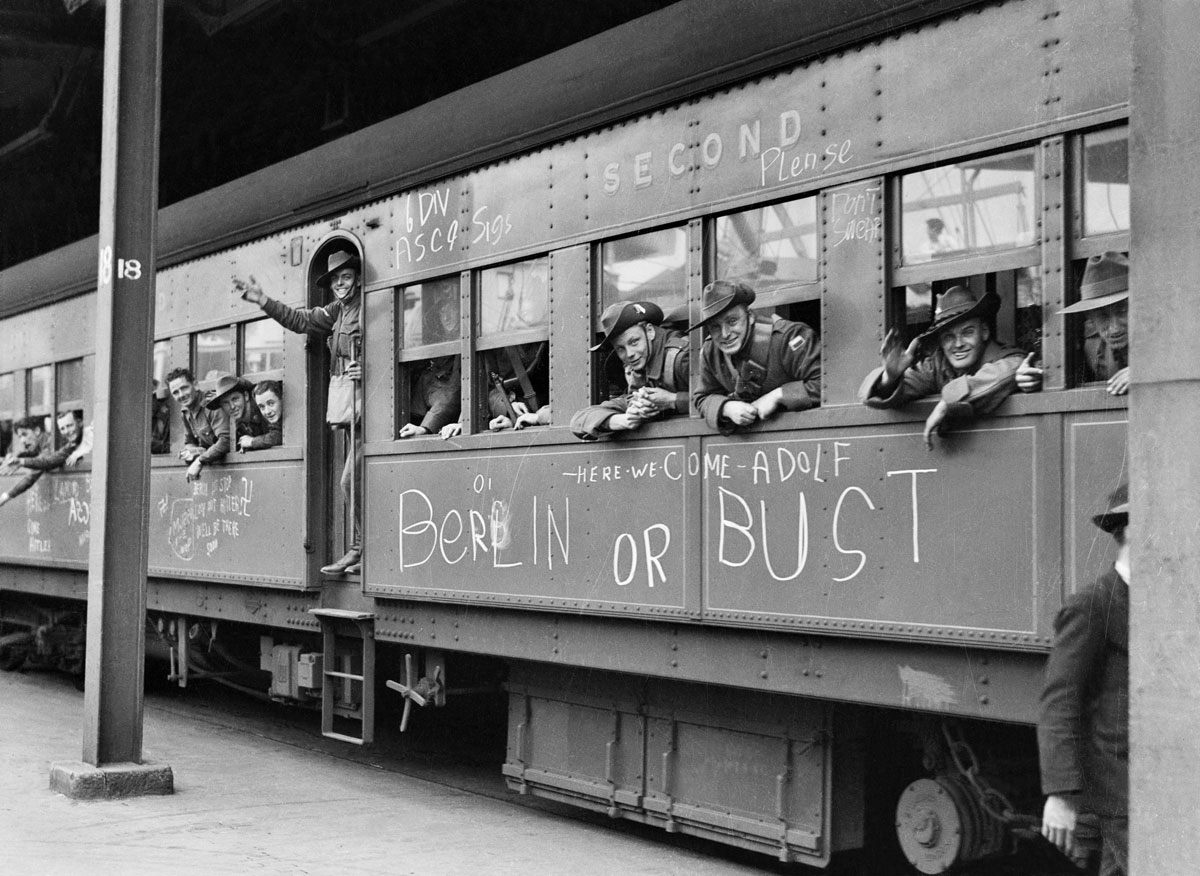
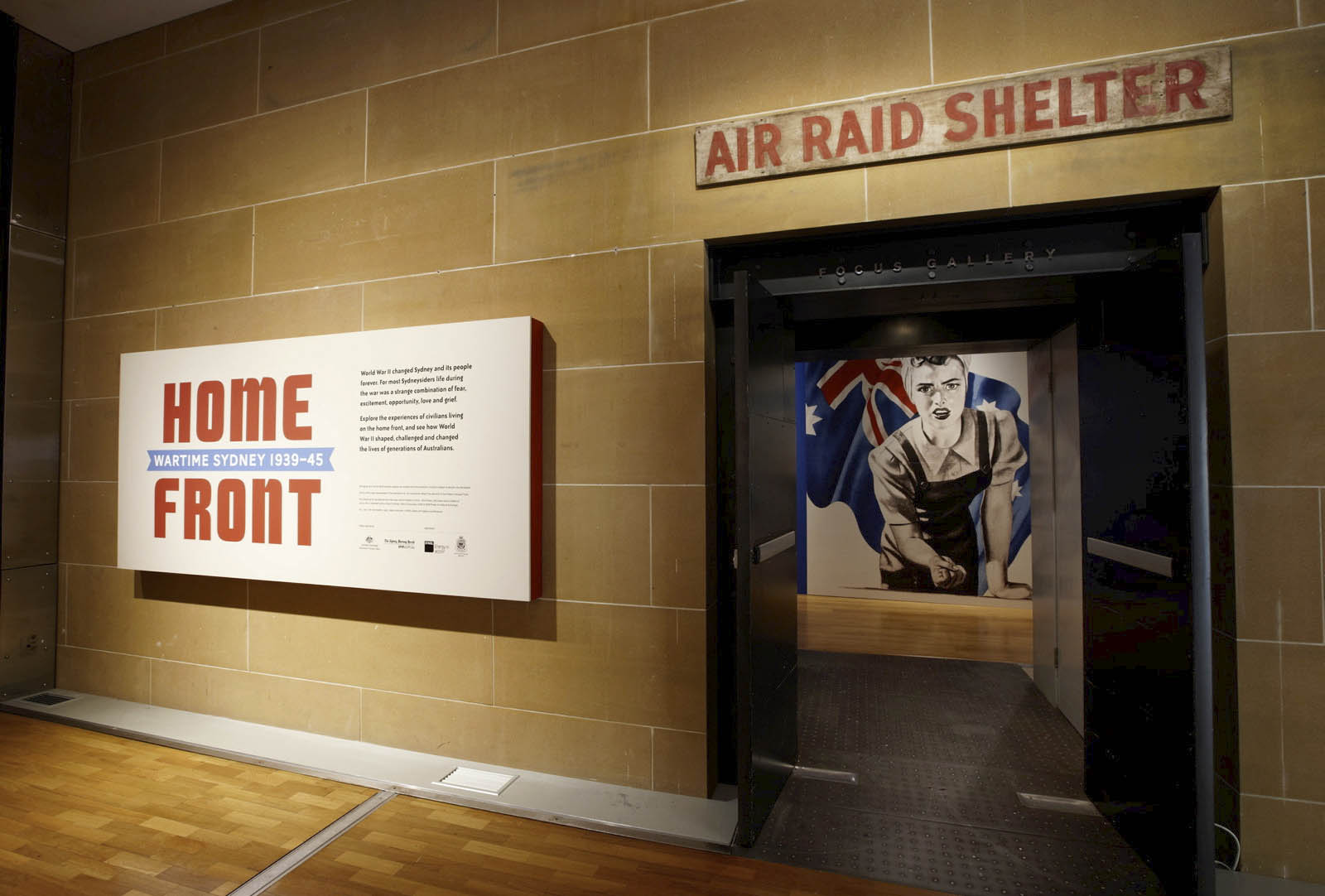
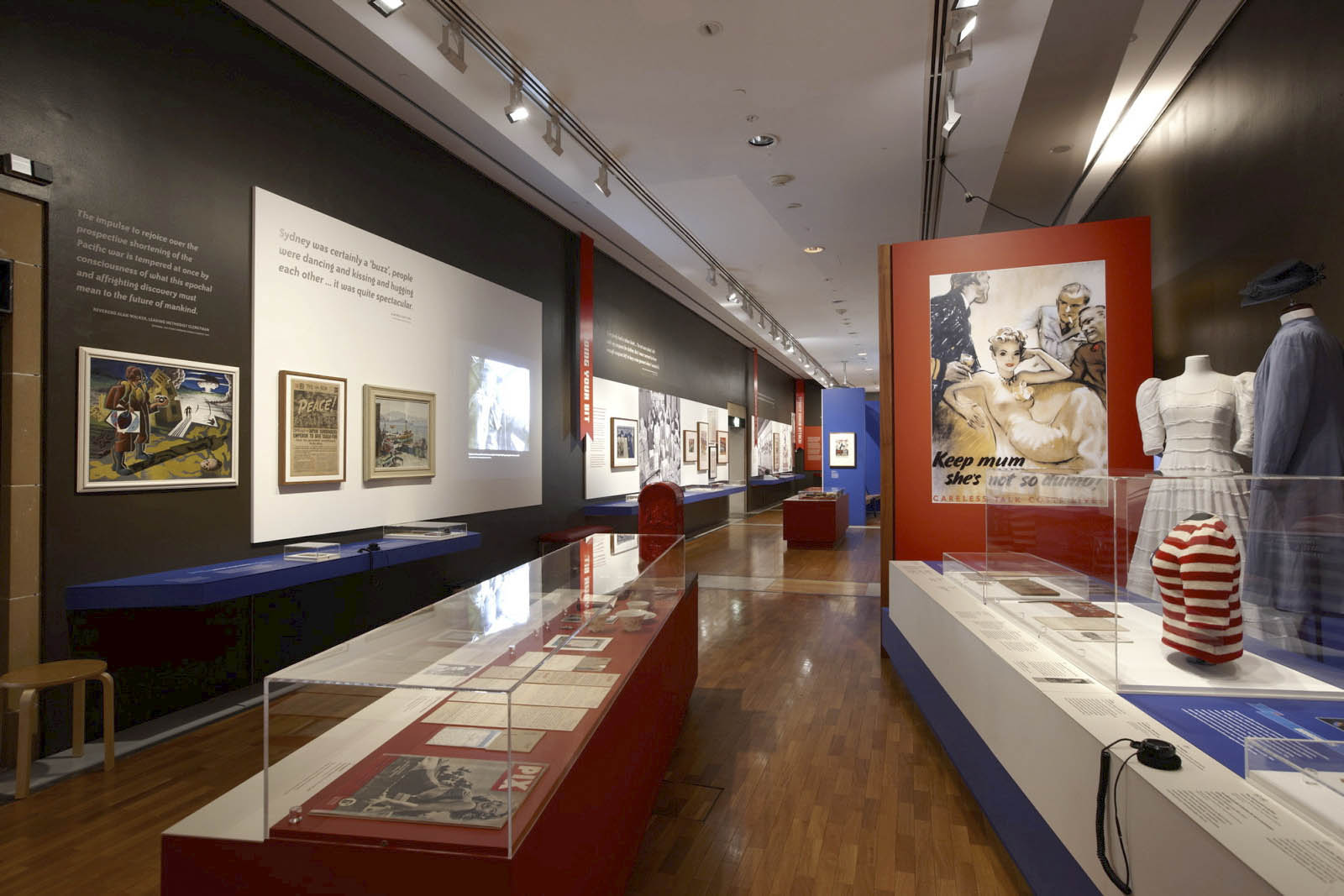
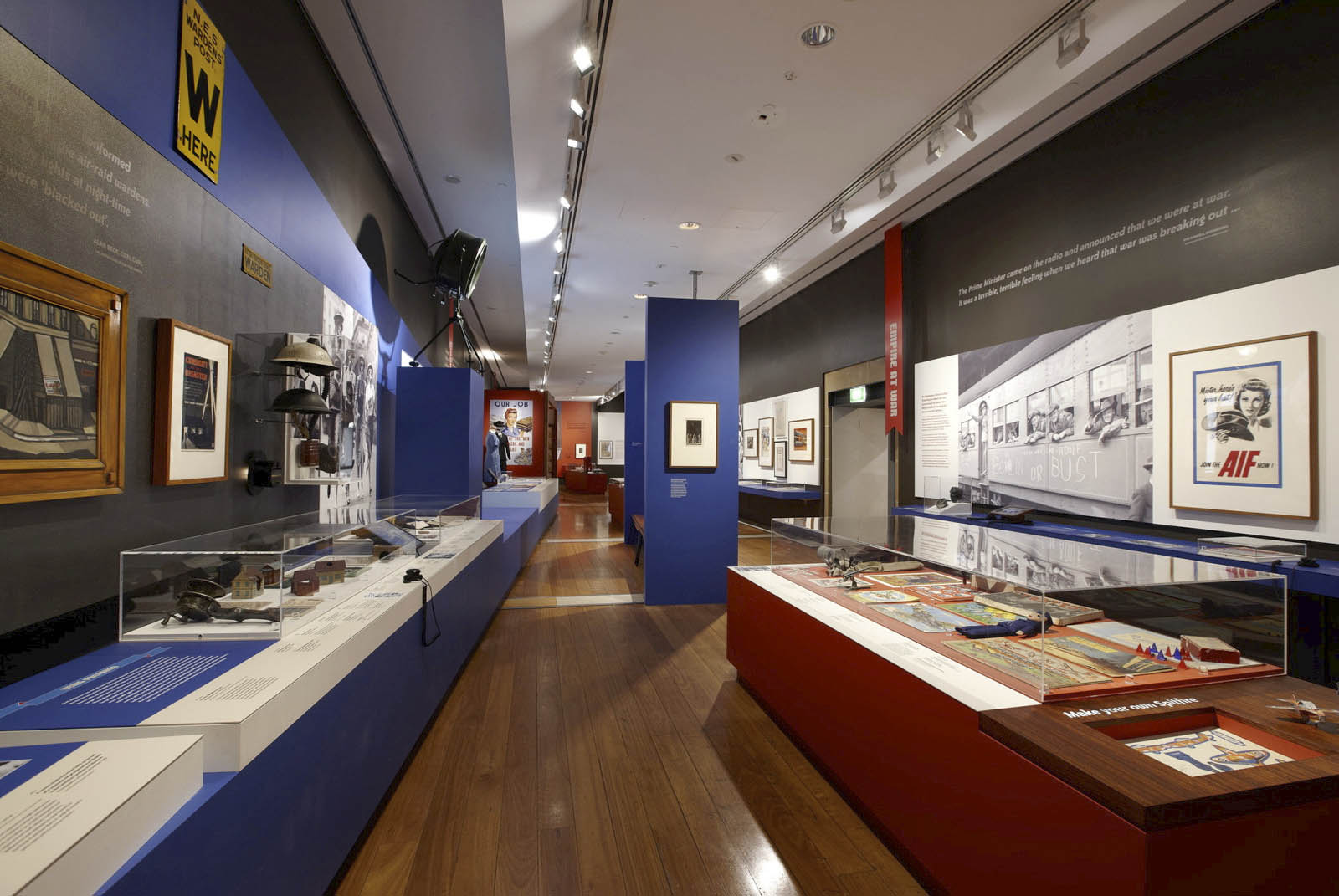
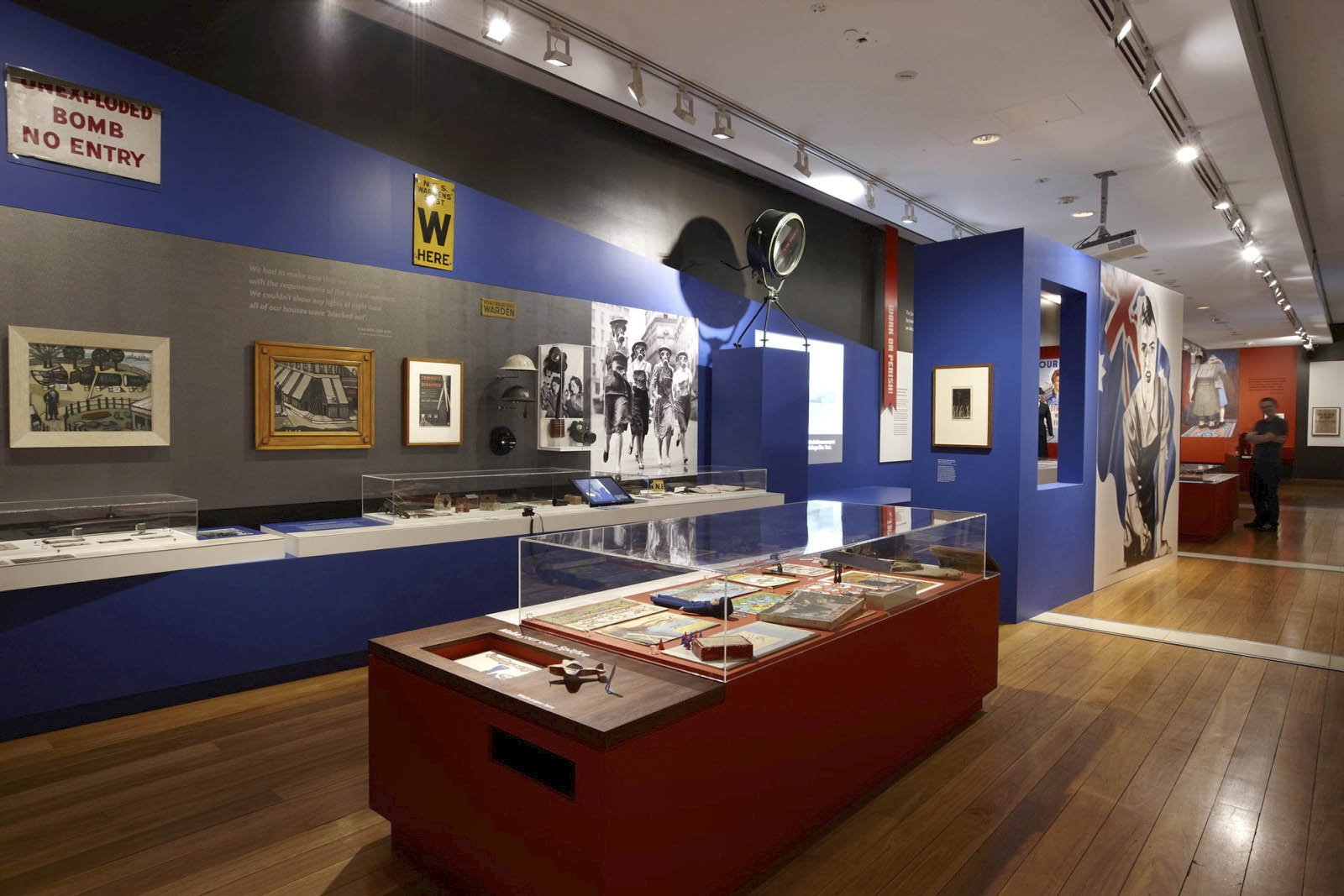
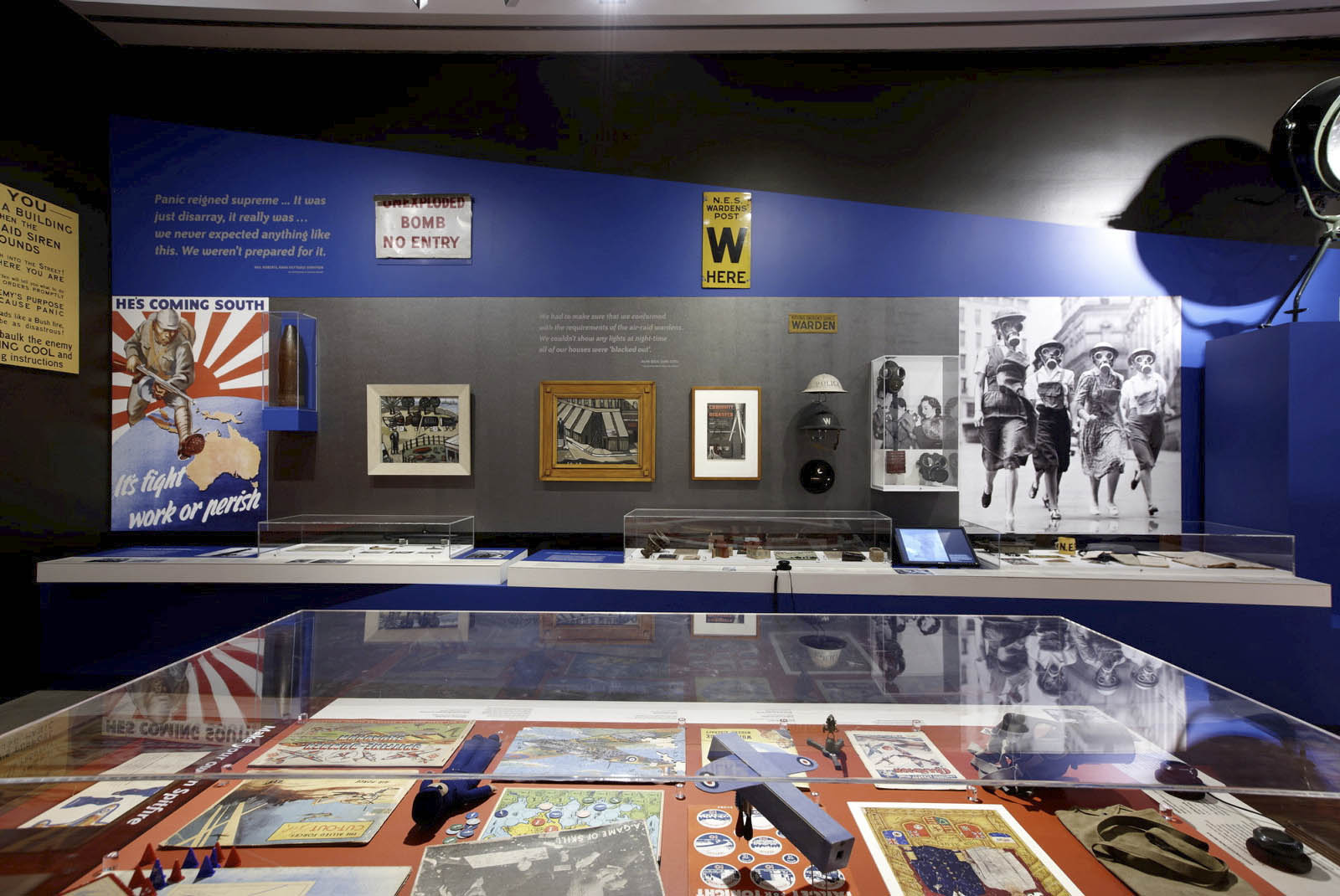

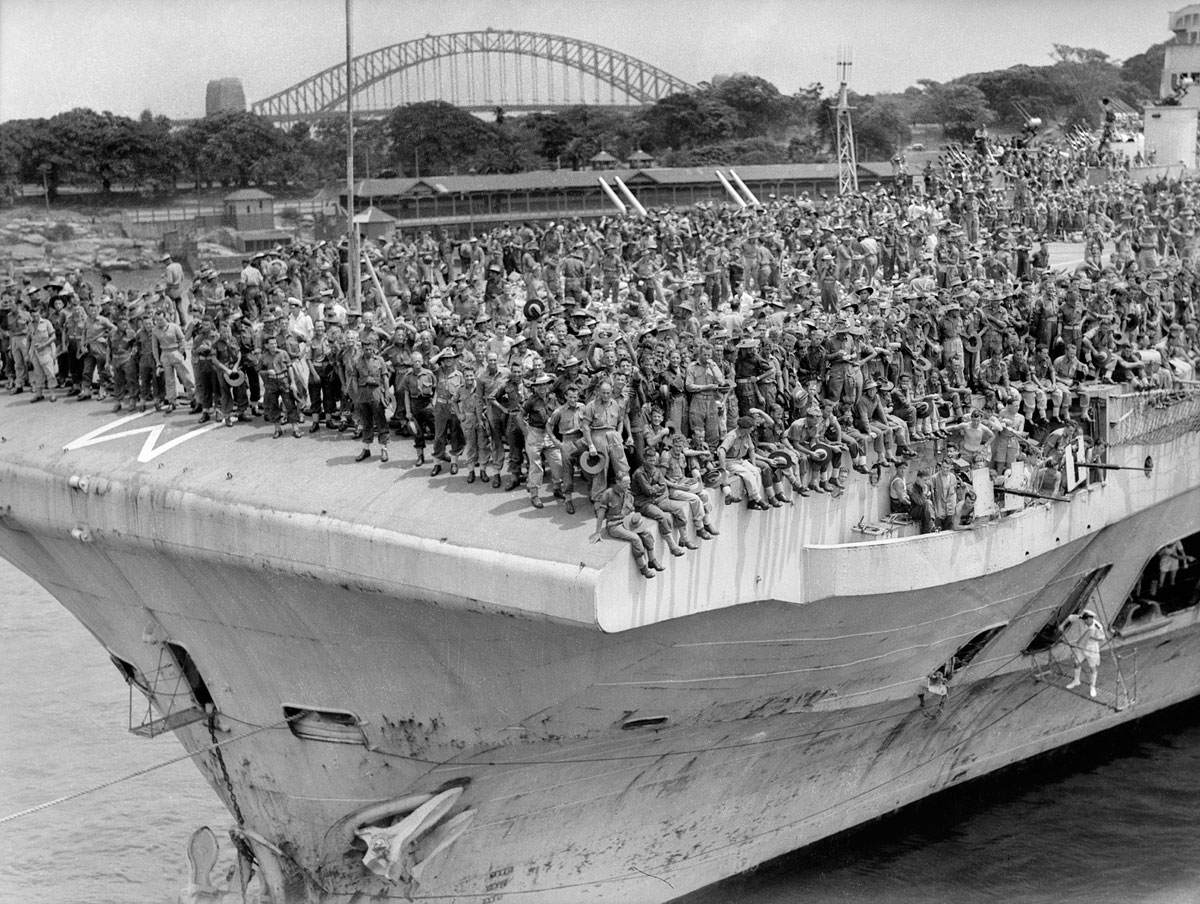
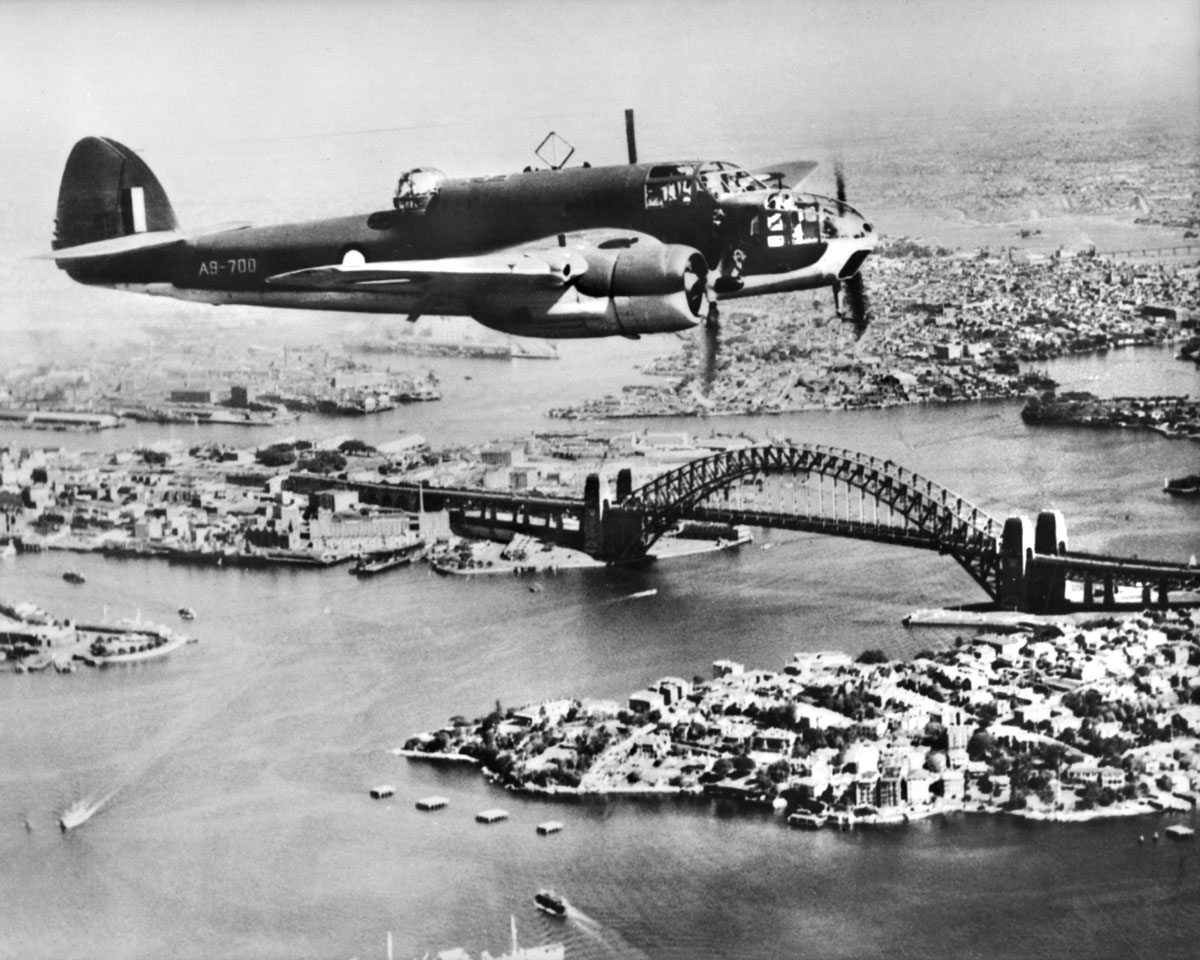
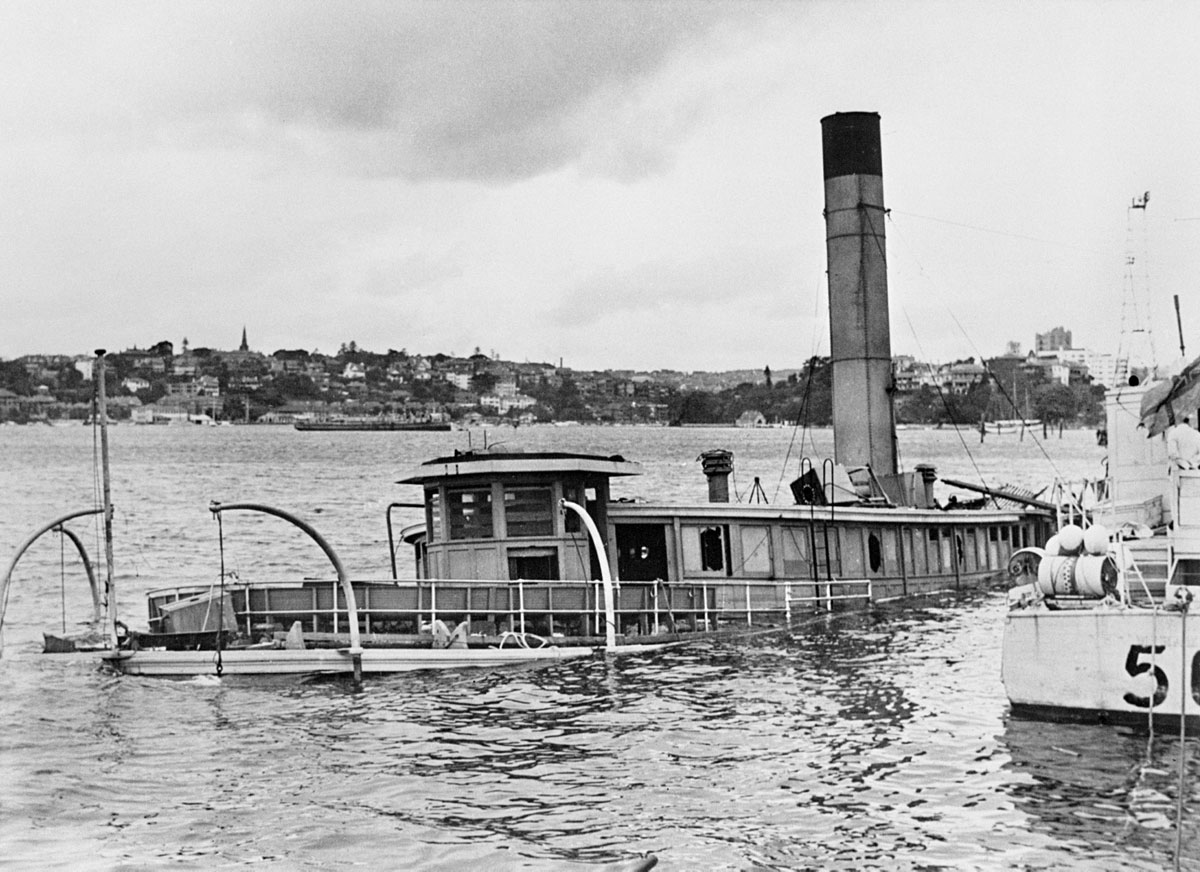

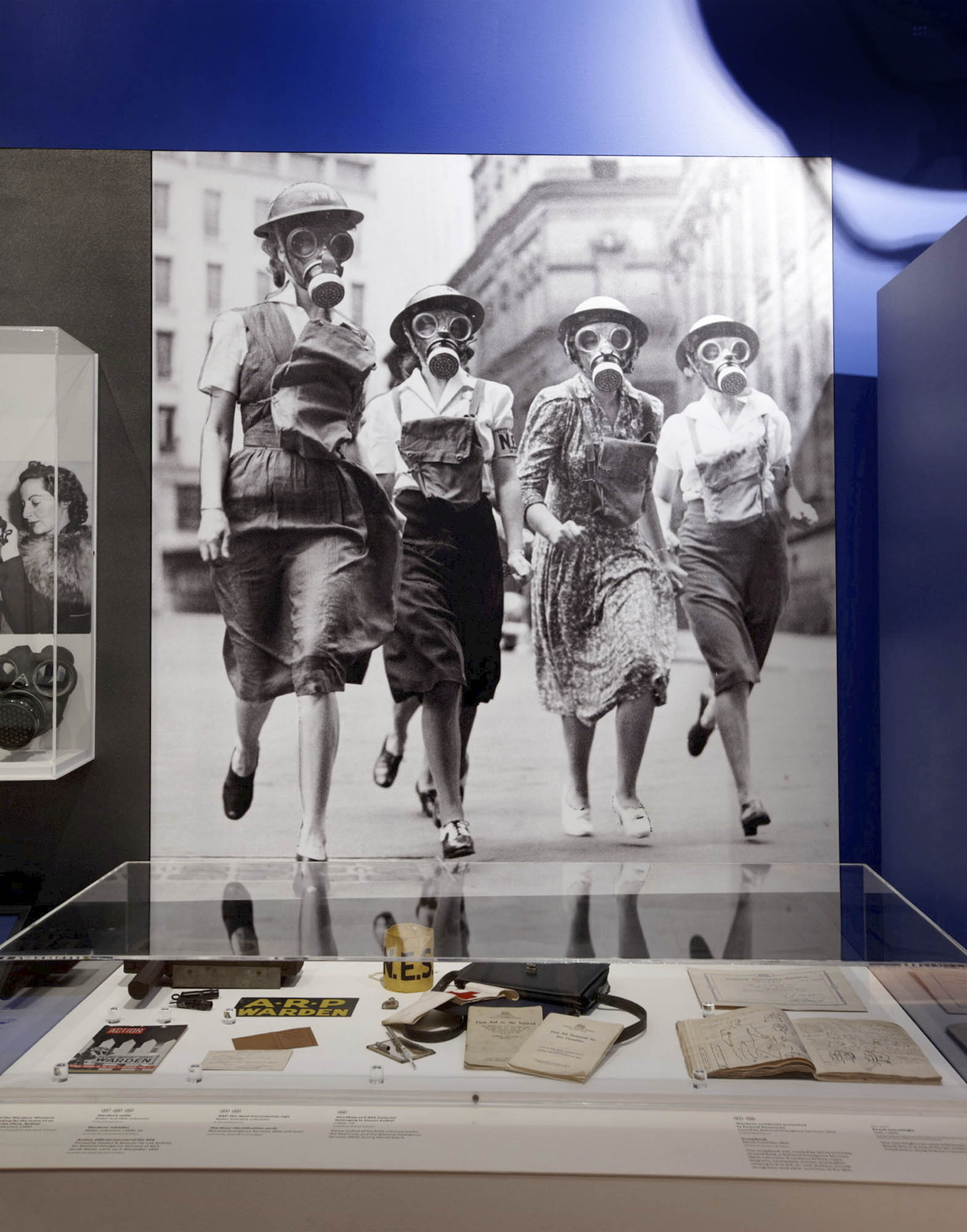
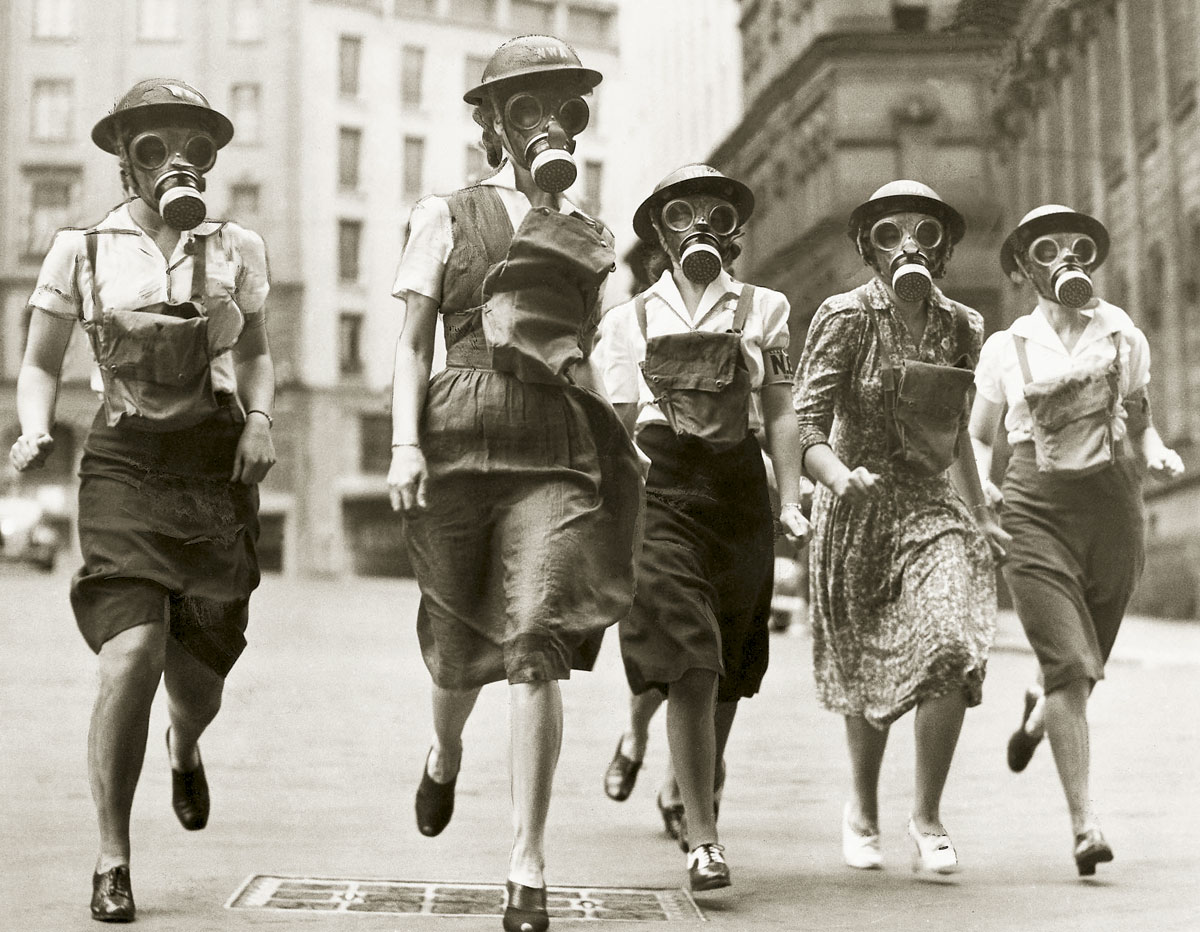


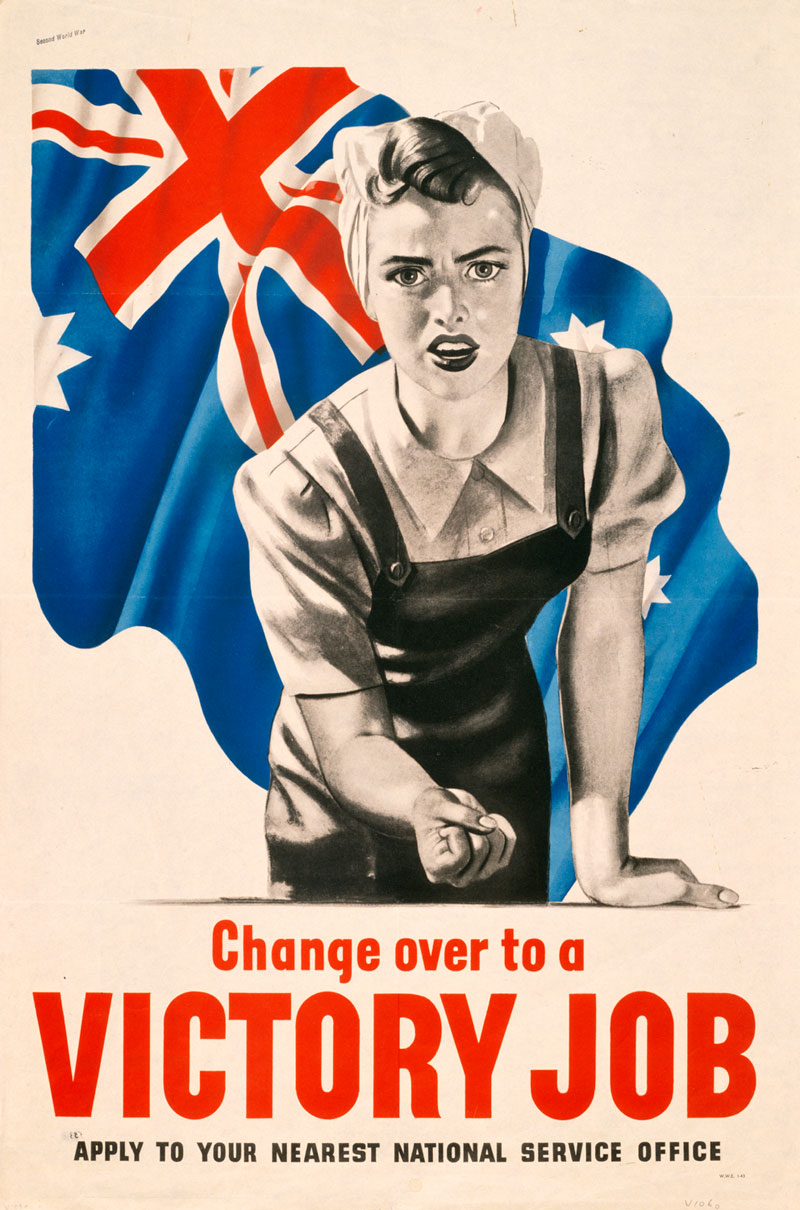
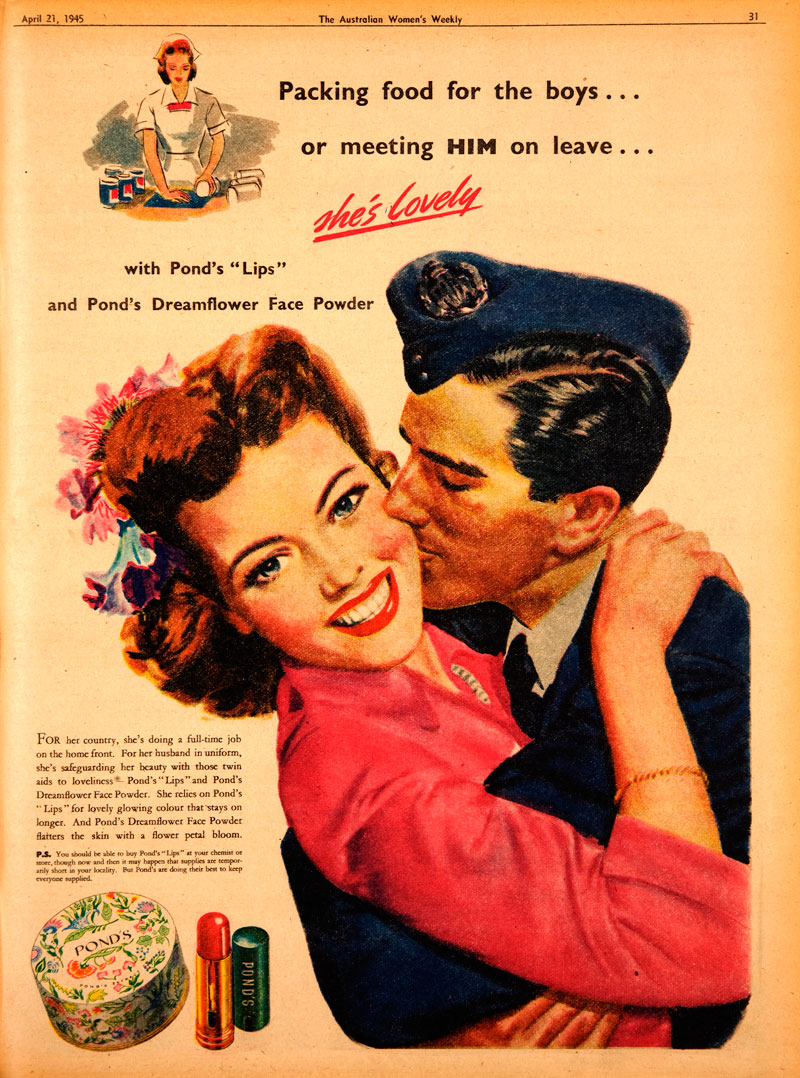
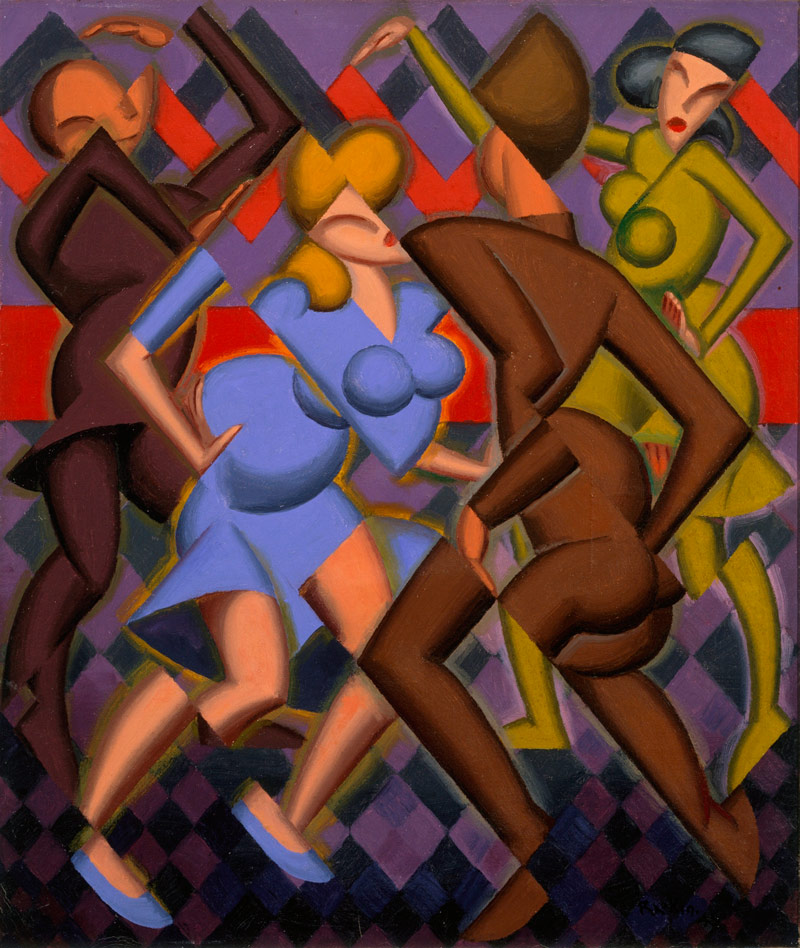
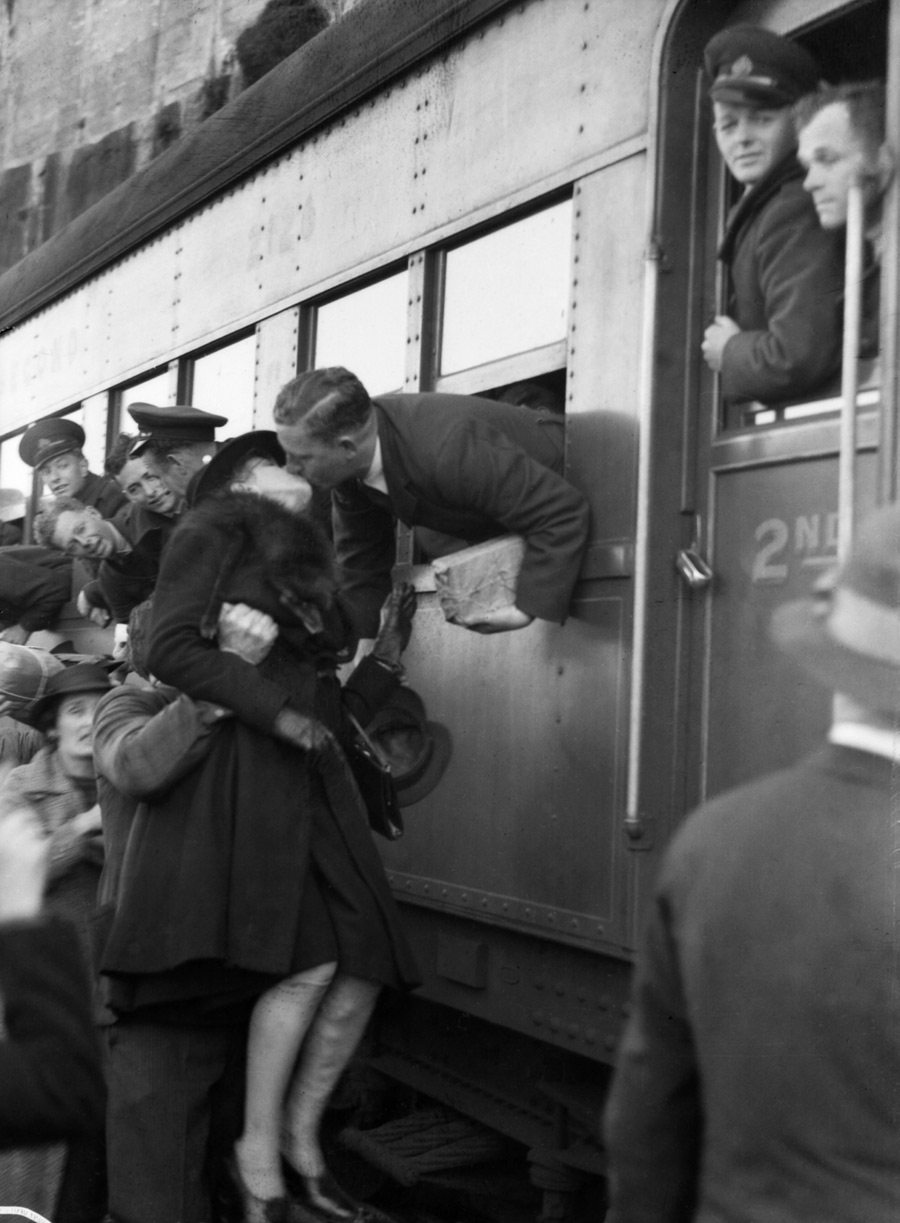


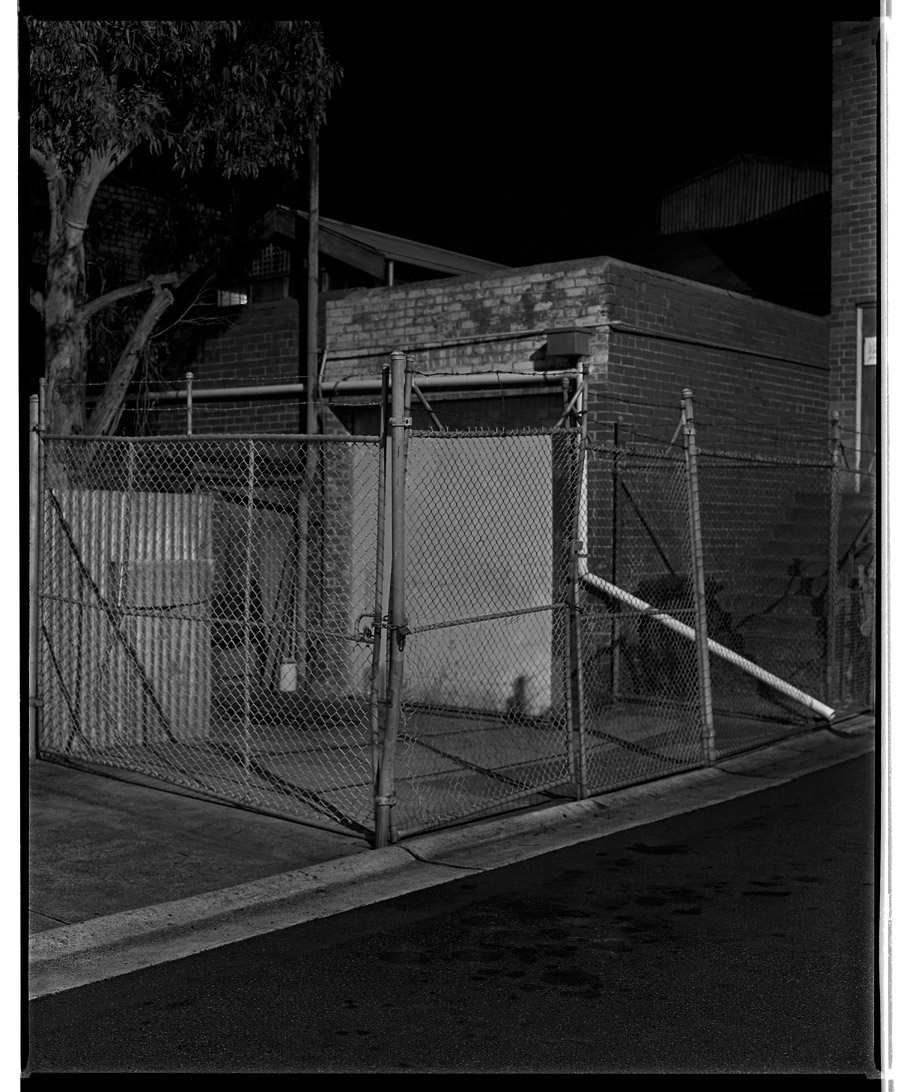


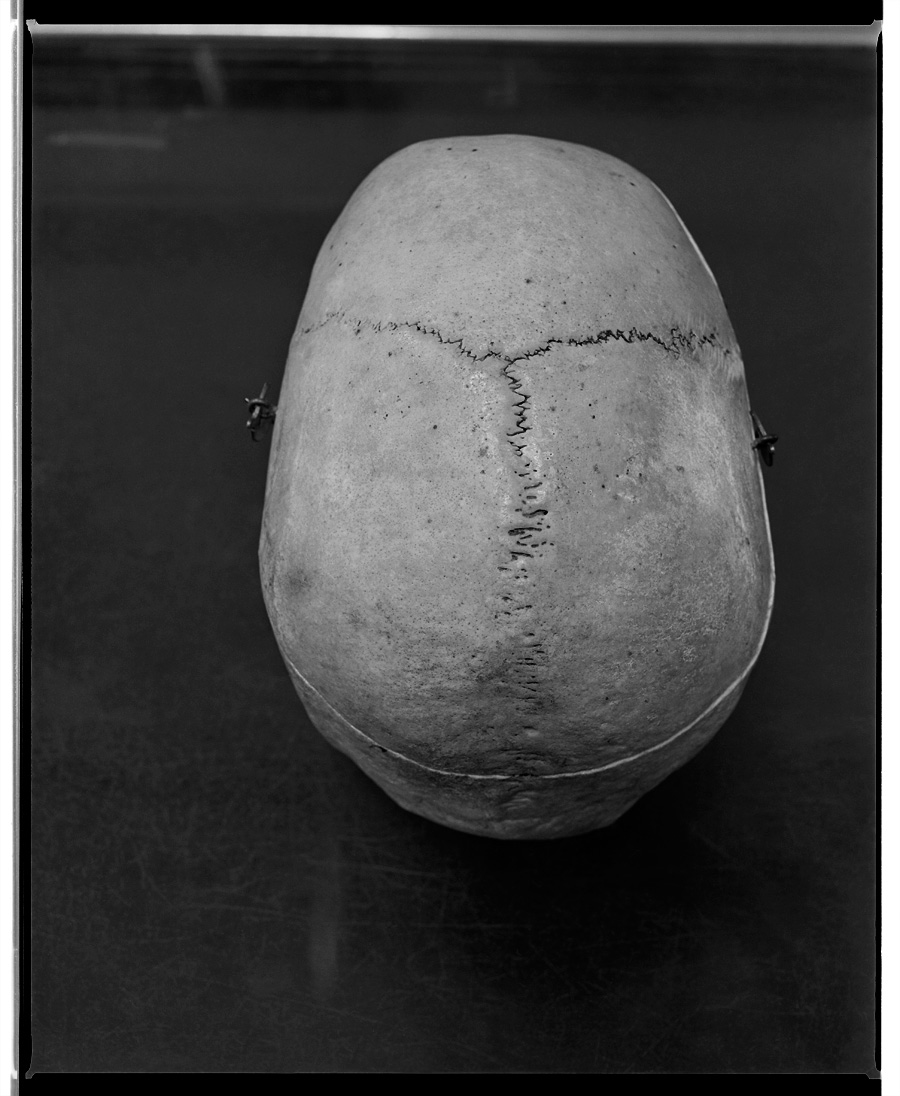
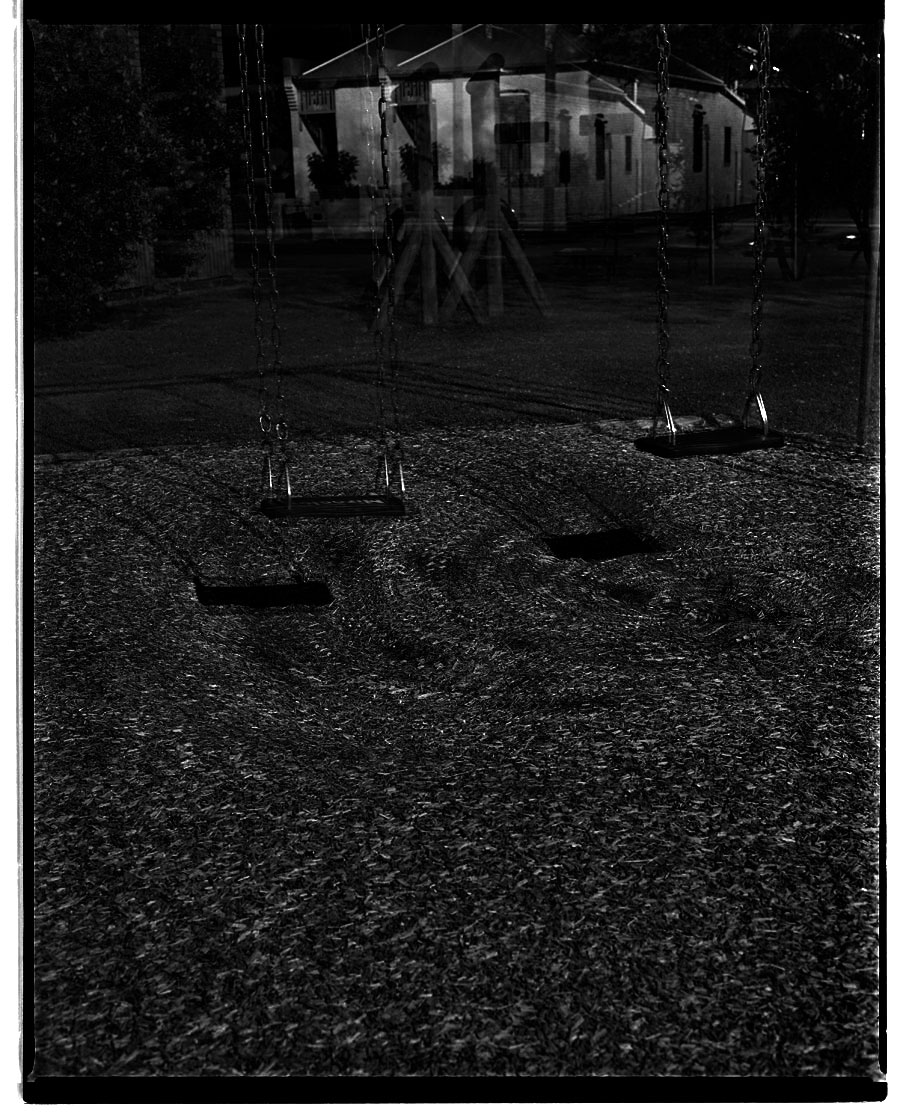
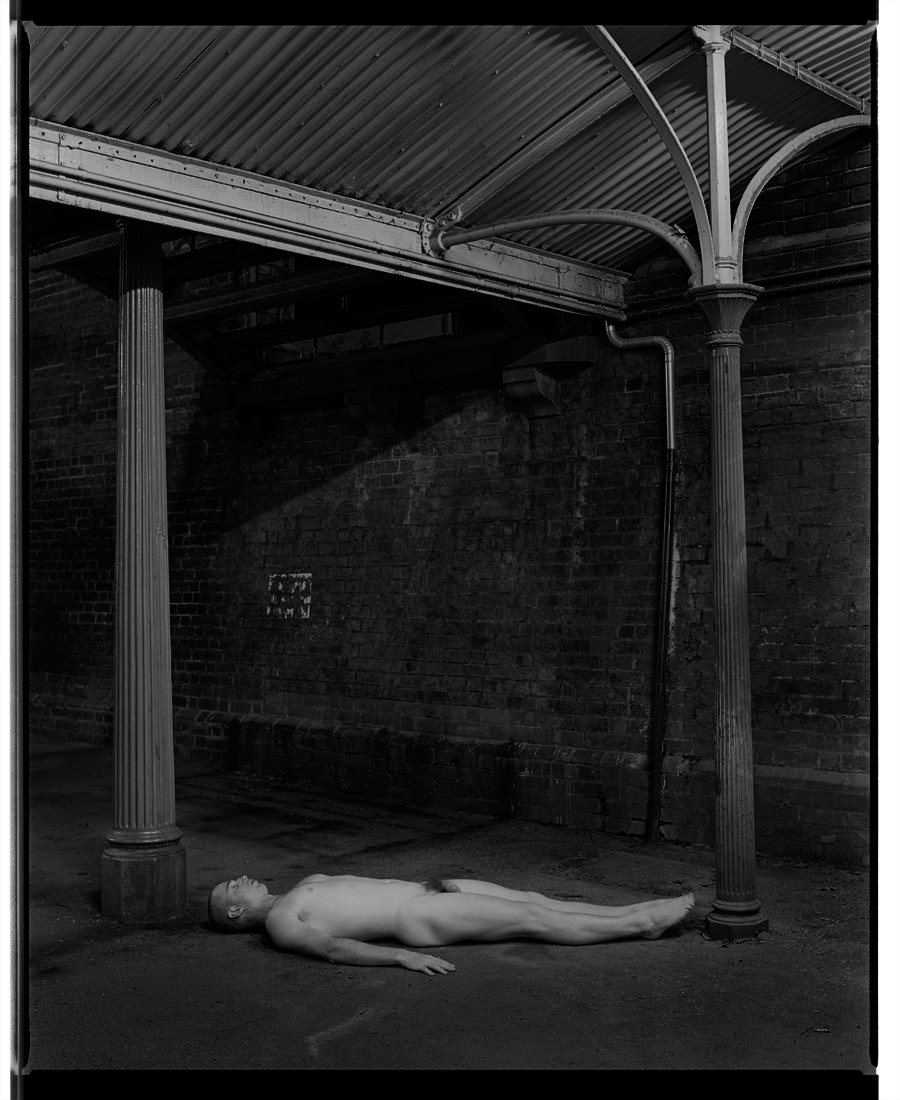
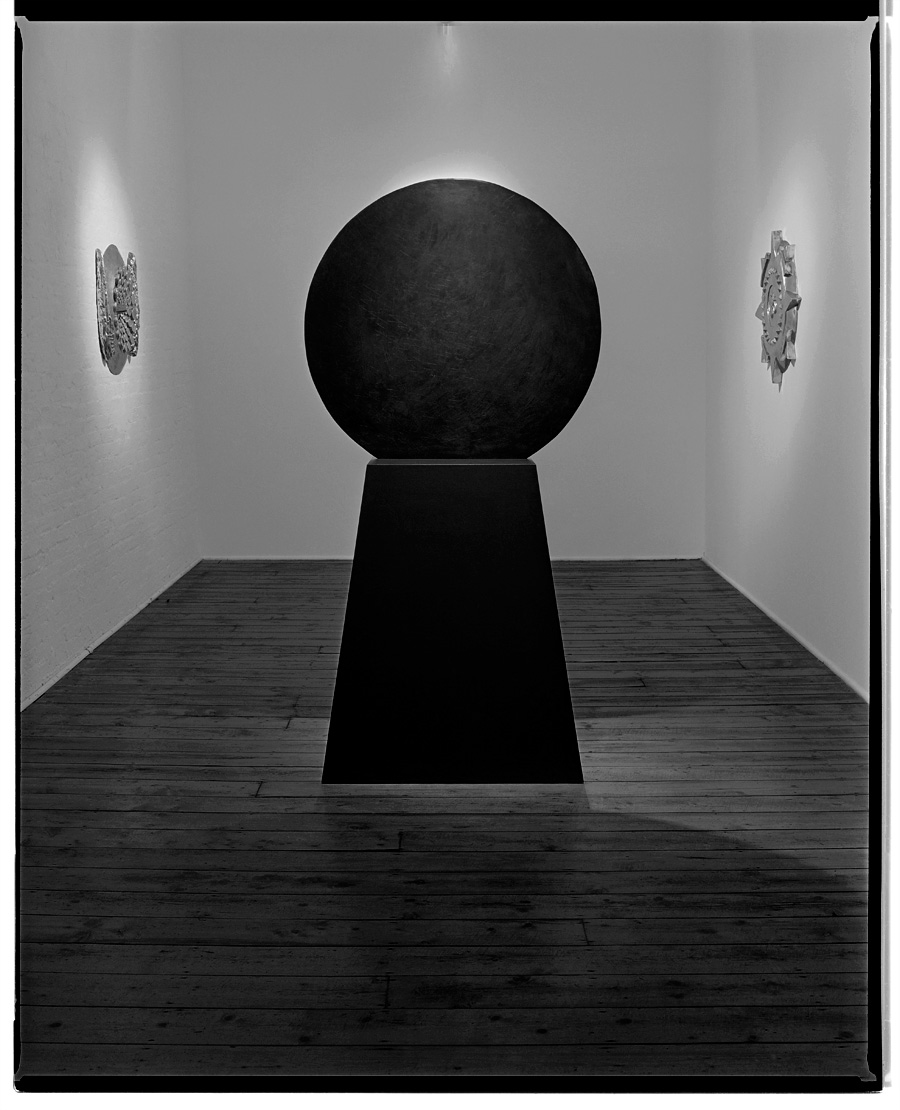

![Marcus Bunyan (Australian, b. 1958) 'Untitled [divinity]' 1992-94](https://artblart.com/wp-content/uploads/2012/08/metal-sculpture.jpg "Marcus Bunyan (Australian, b. 1958) 'Untitled [divinity]' 1992-94")
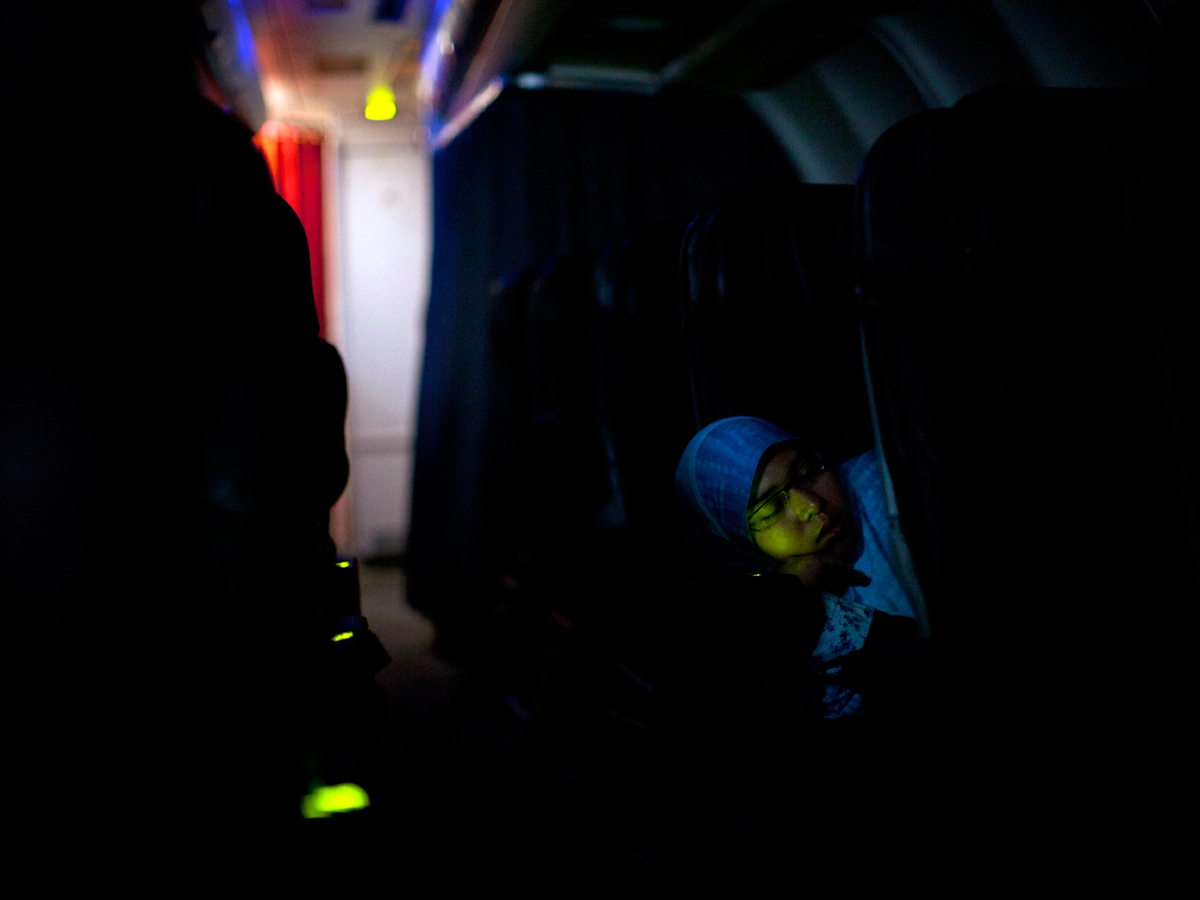
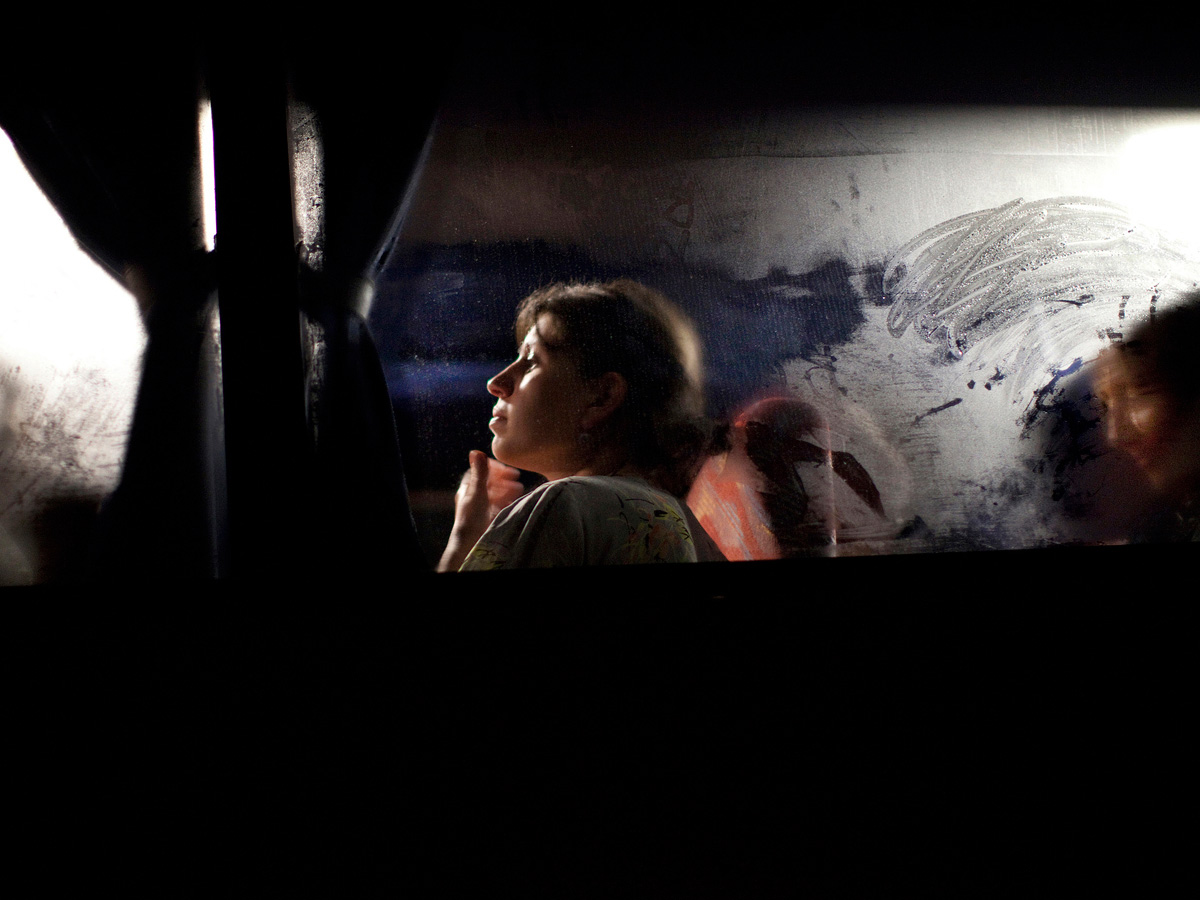
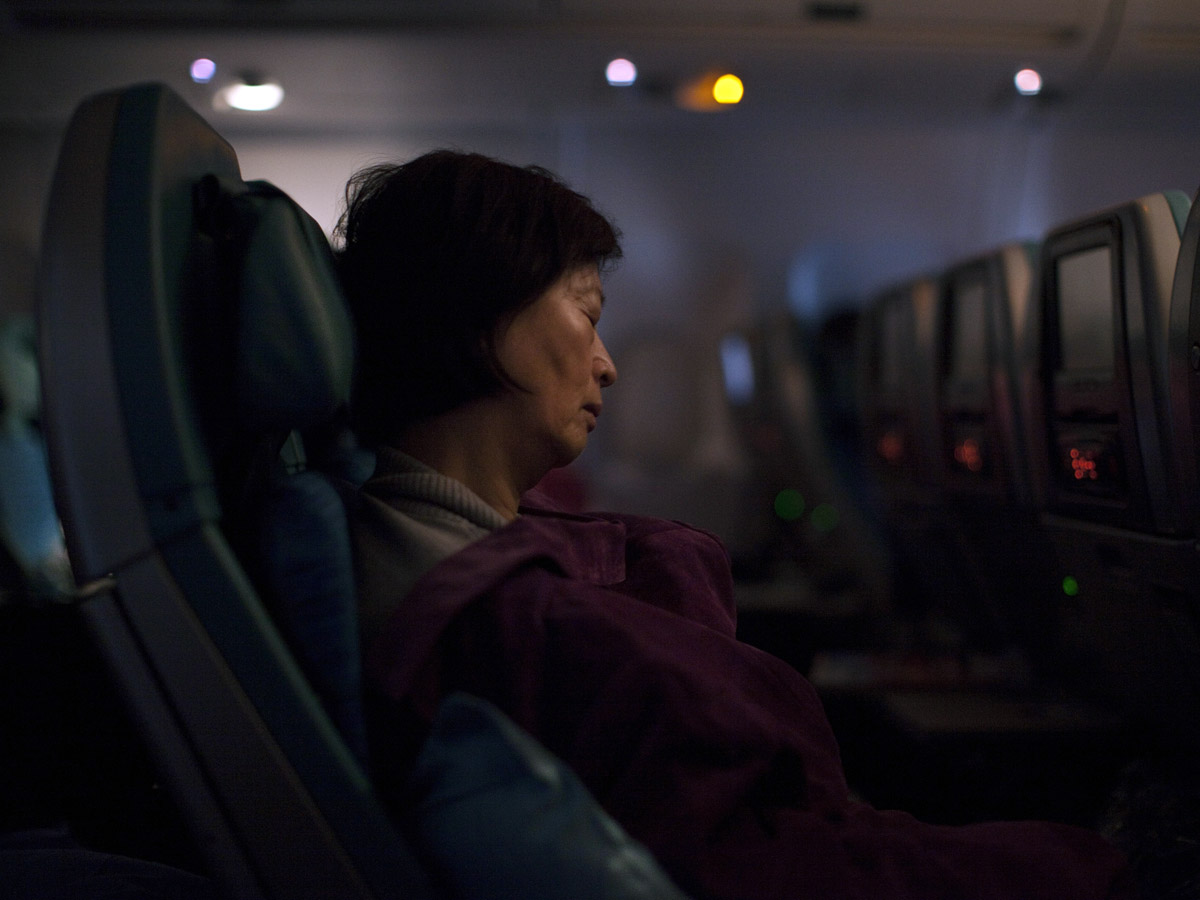
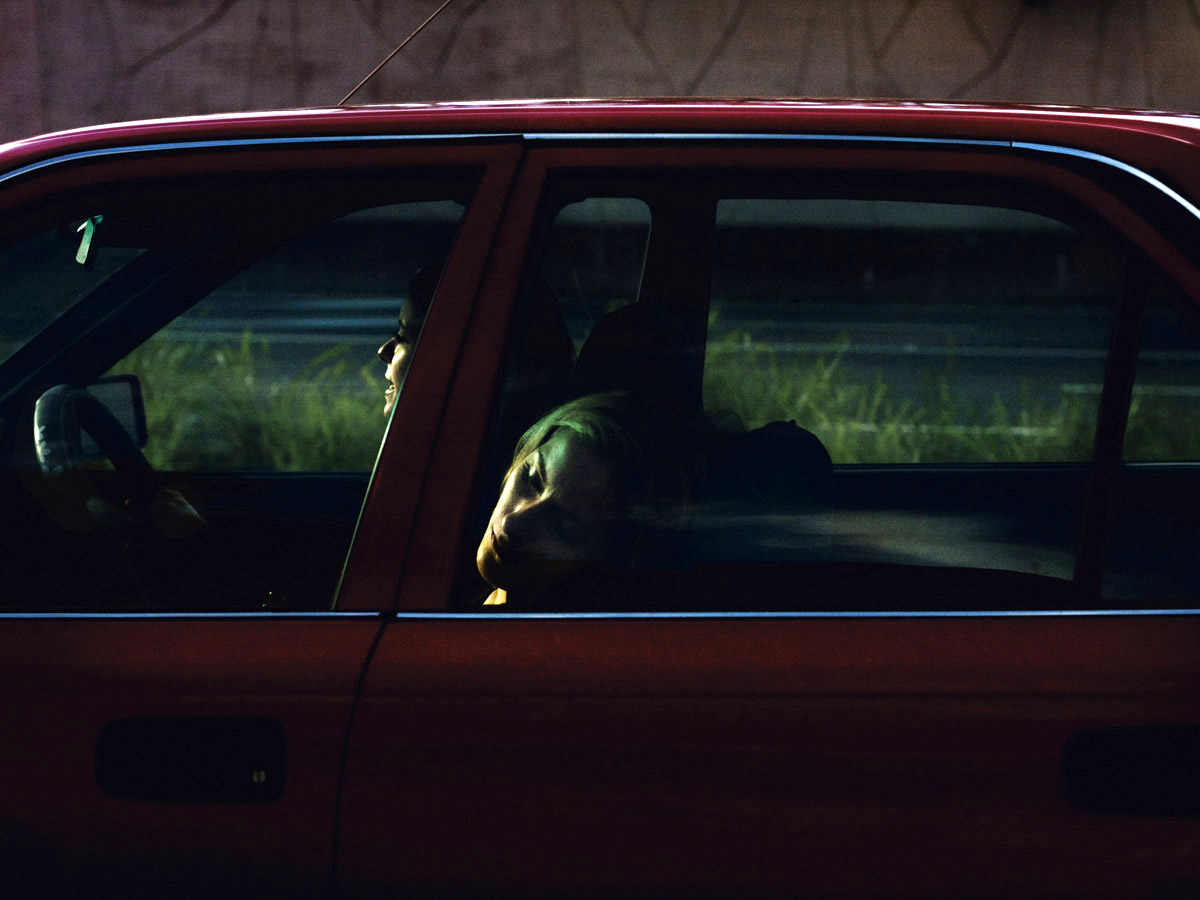
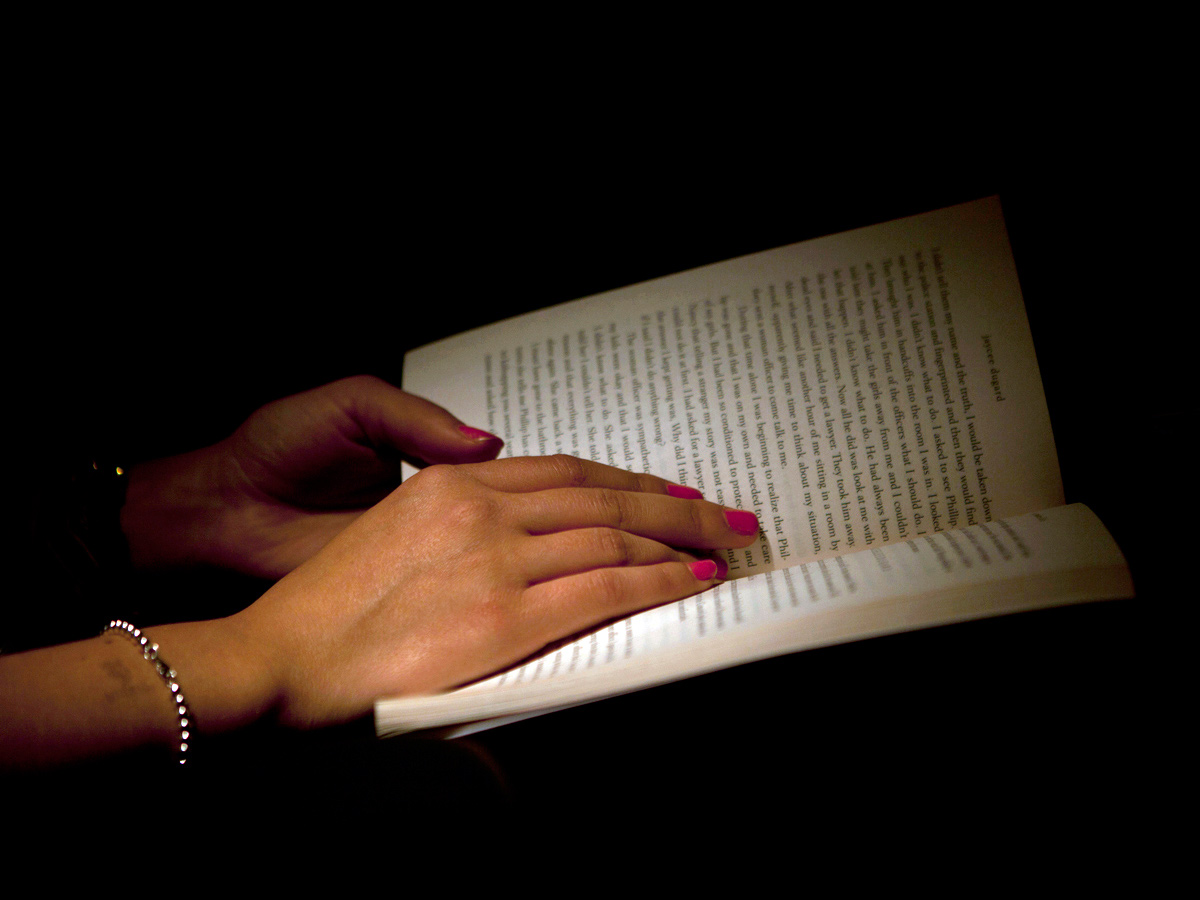
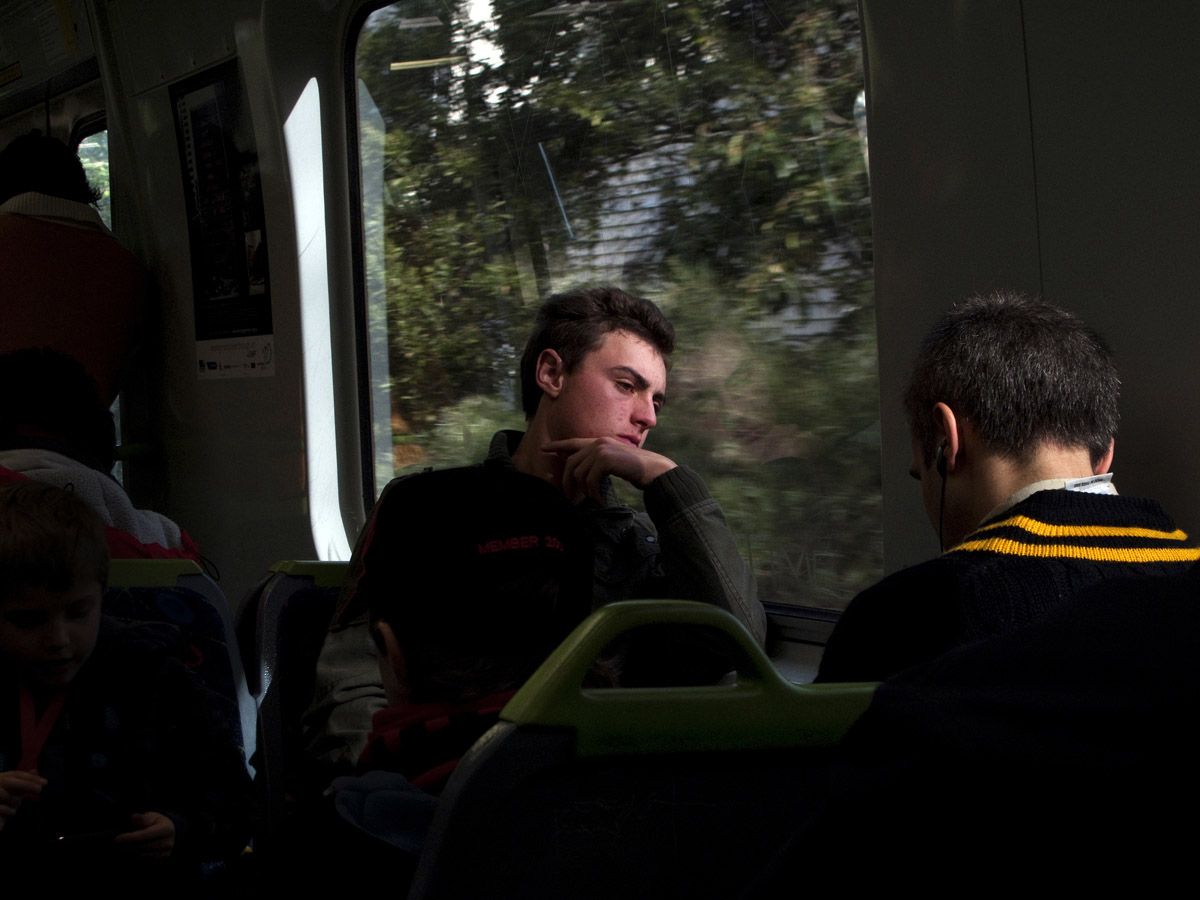
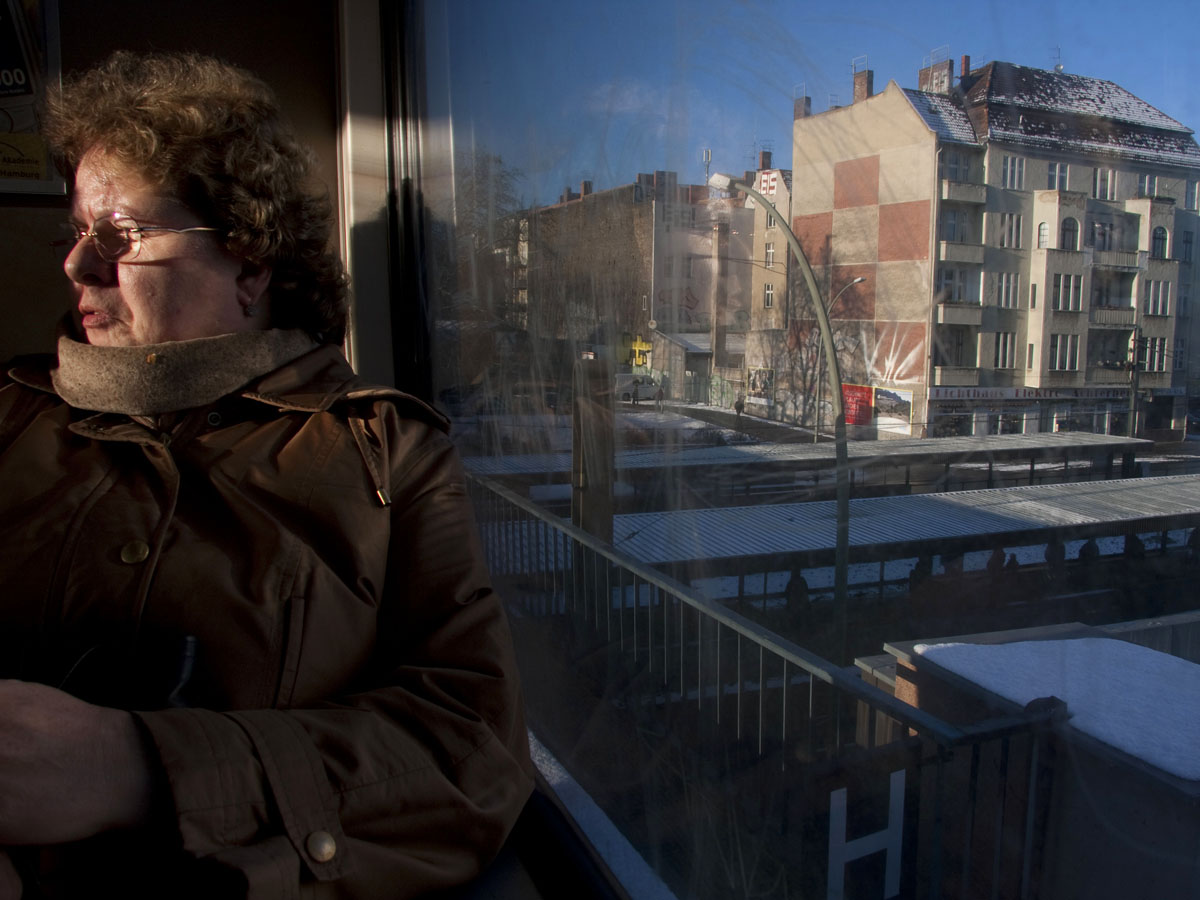
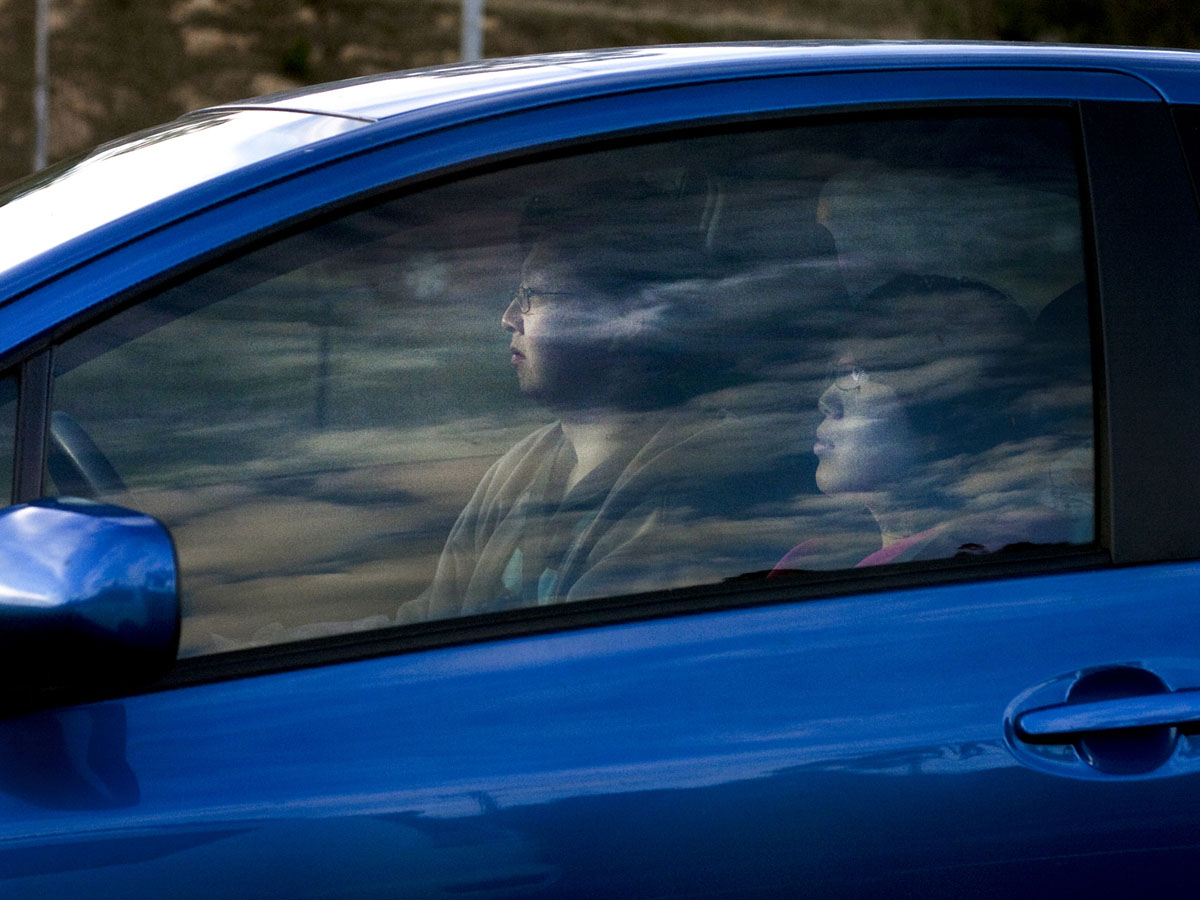
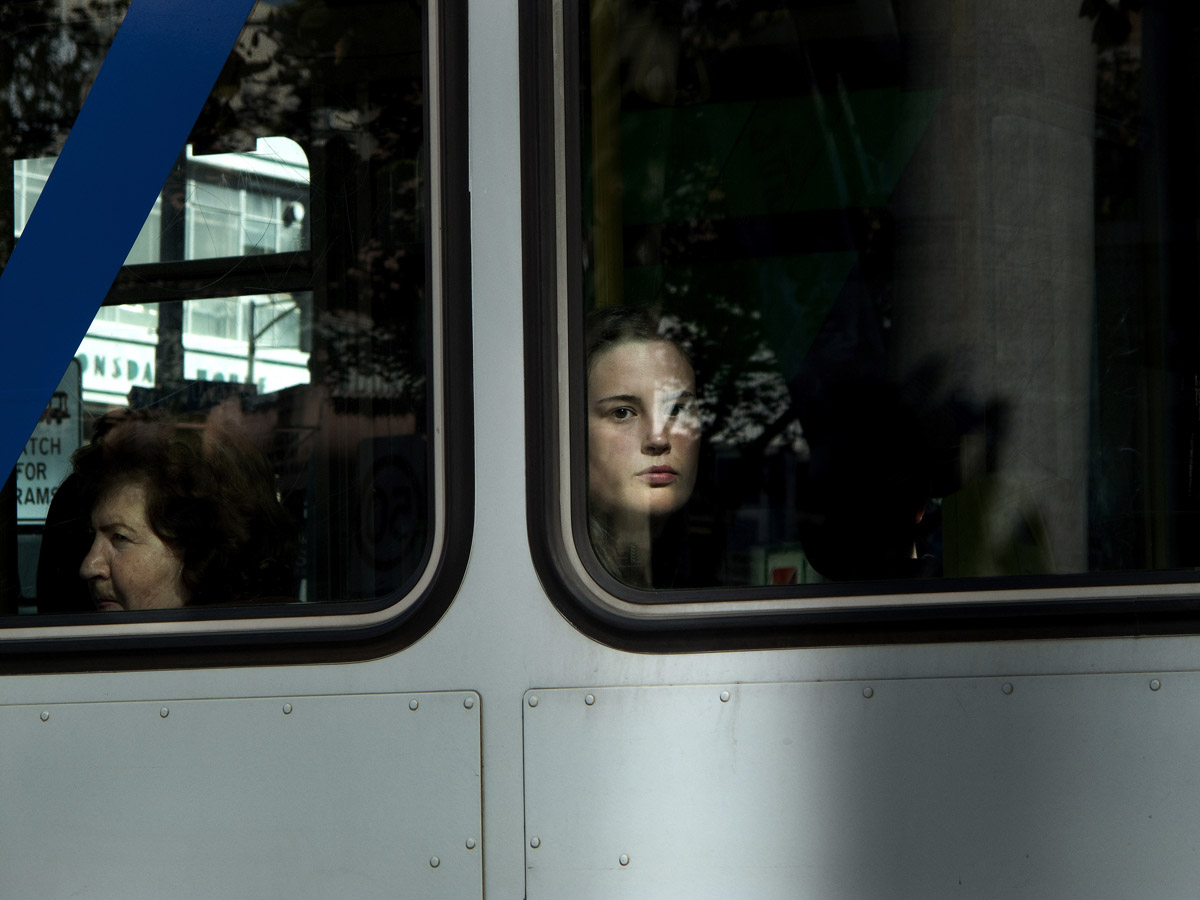
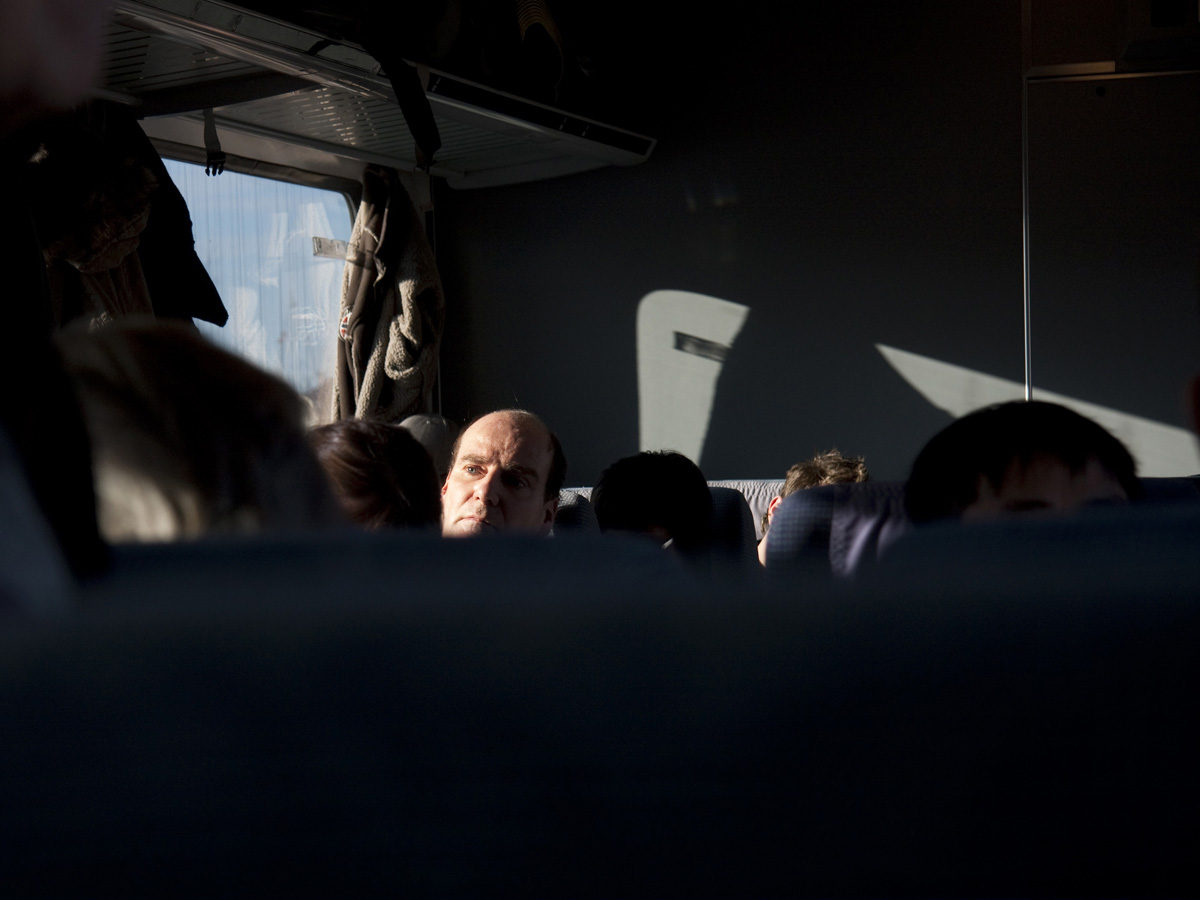
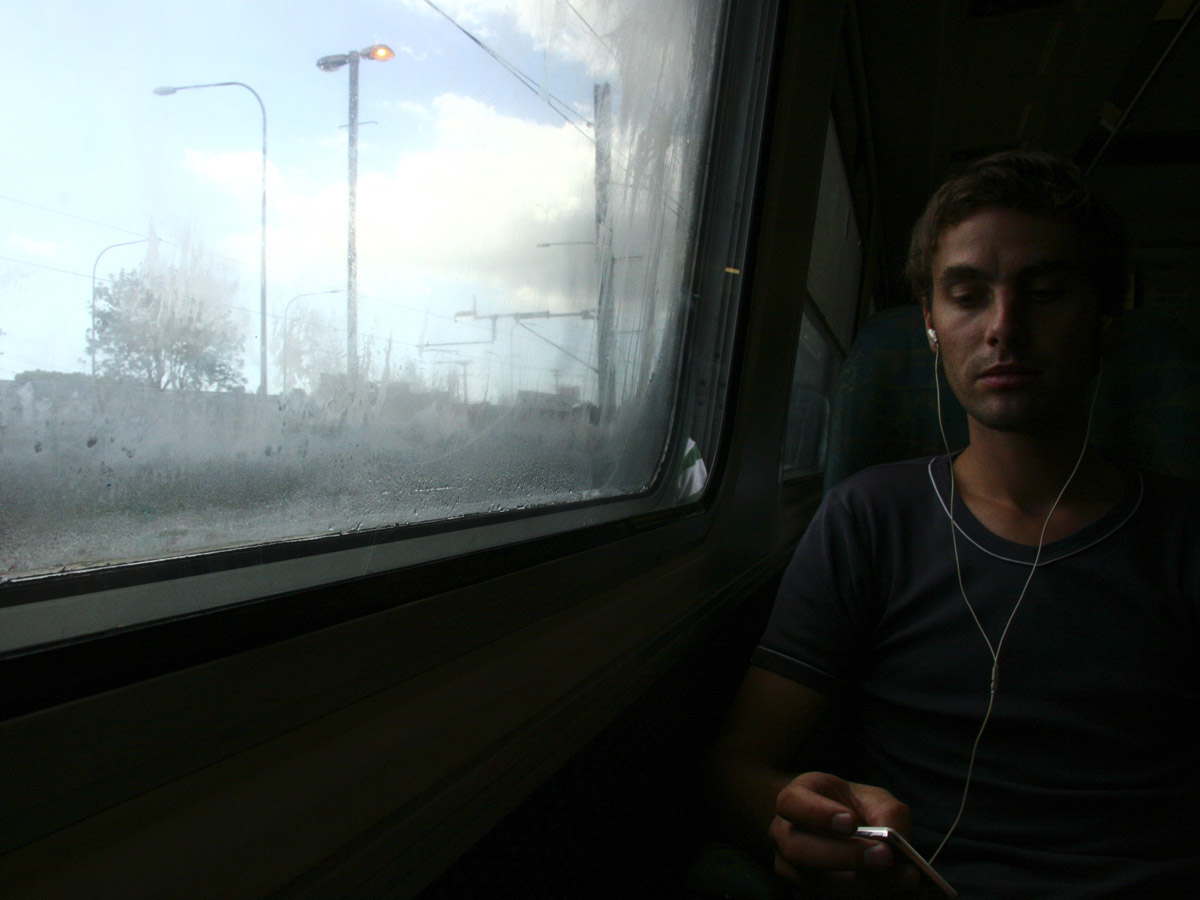
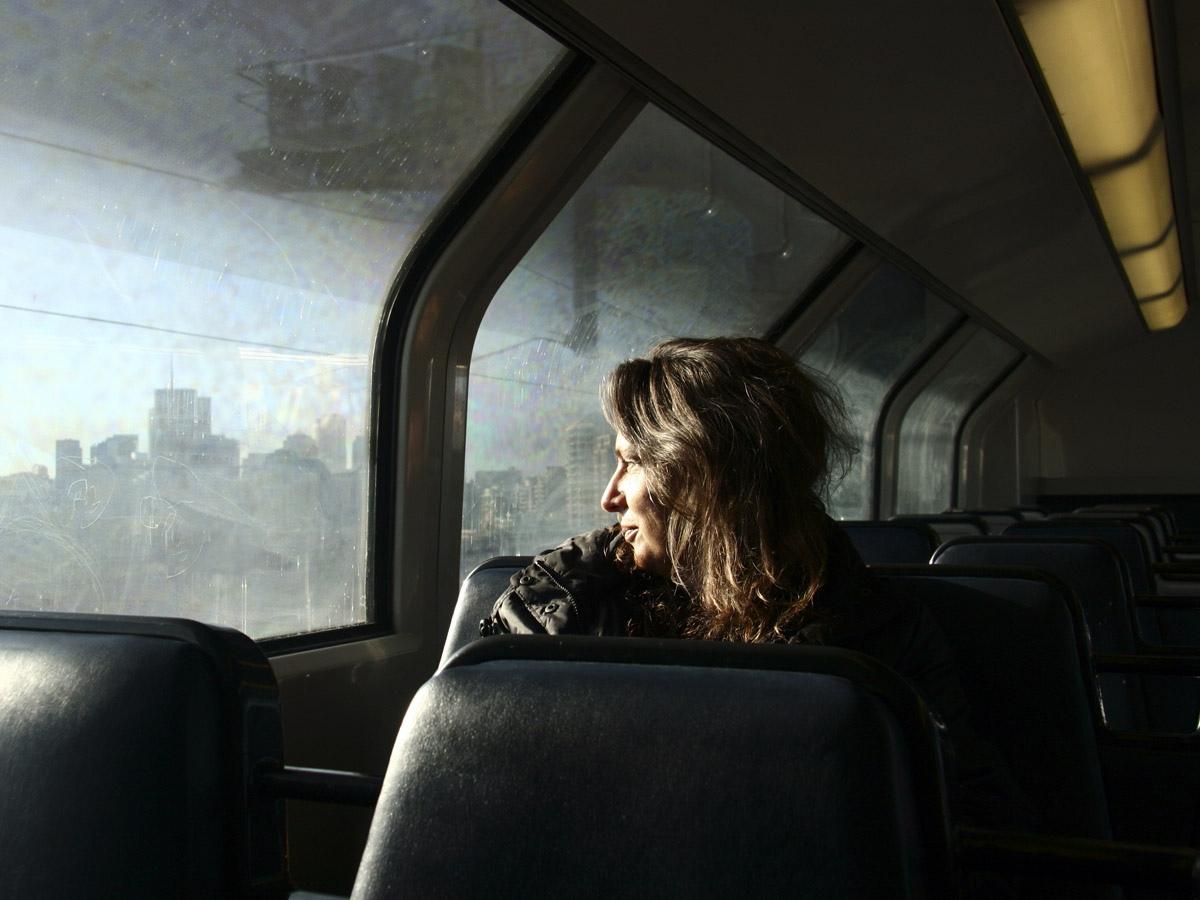
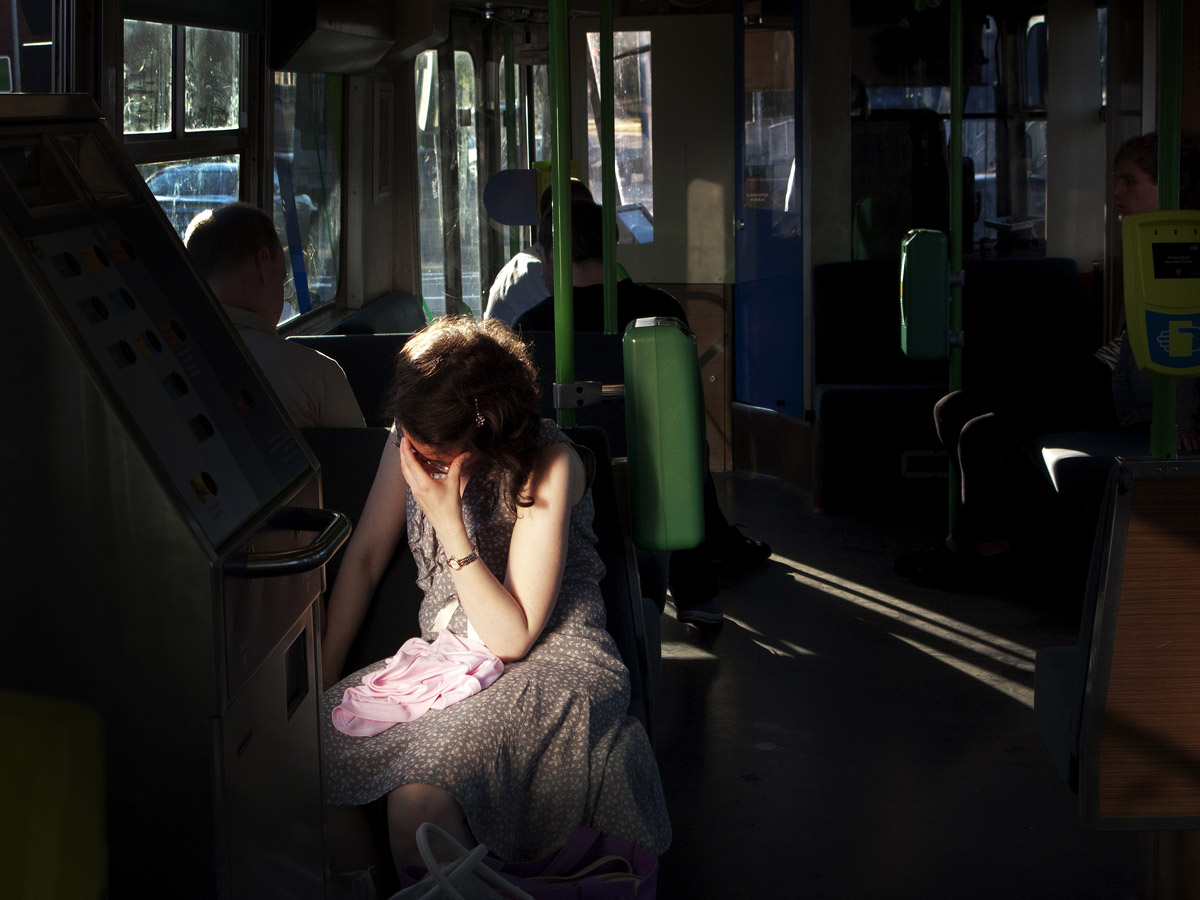


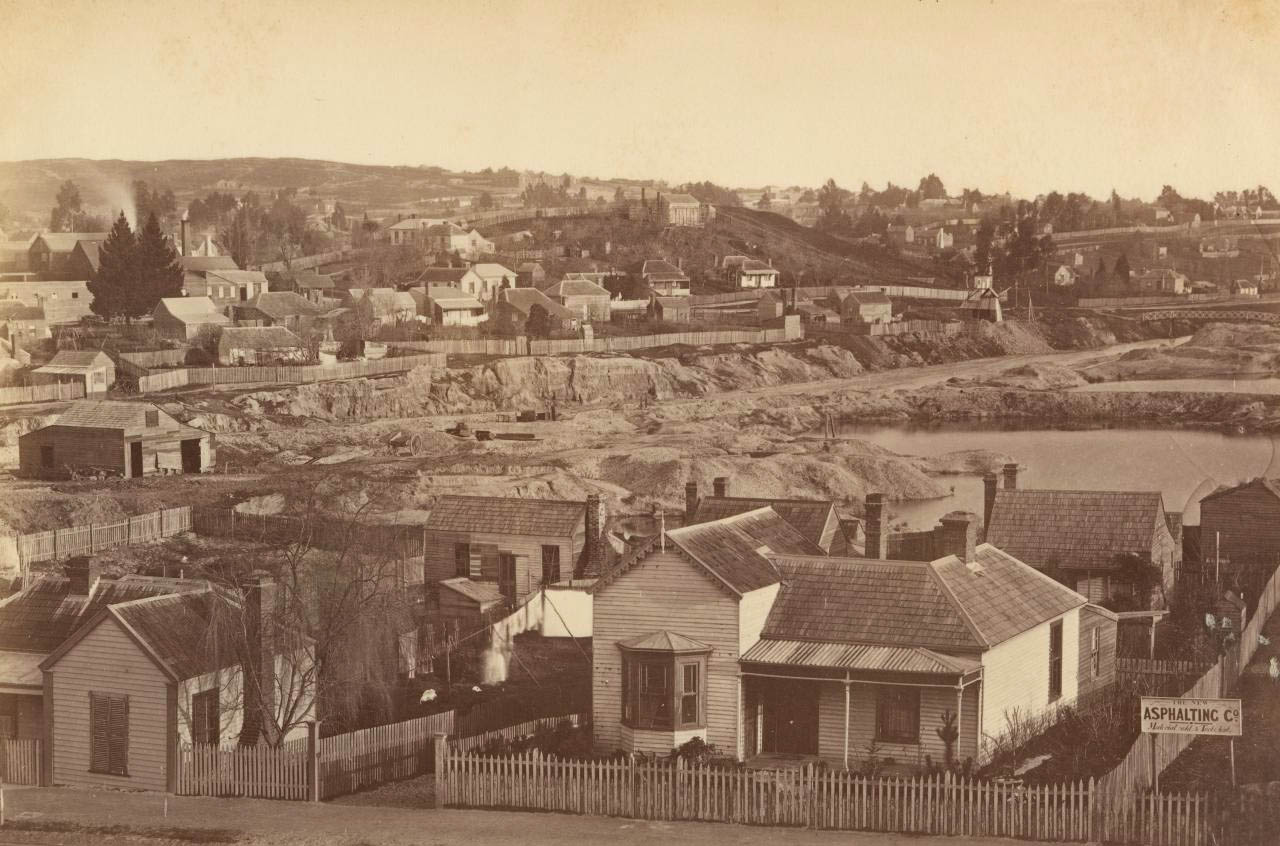
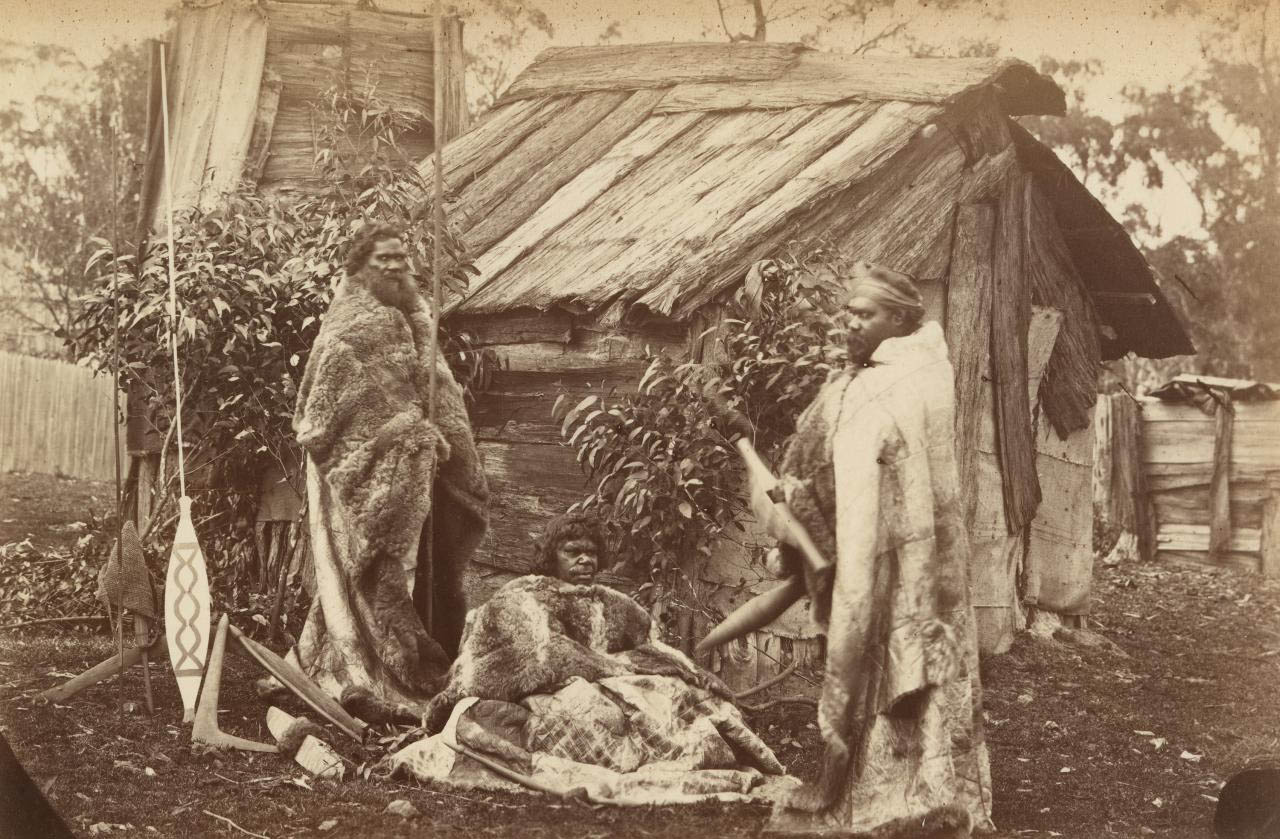

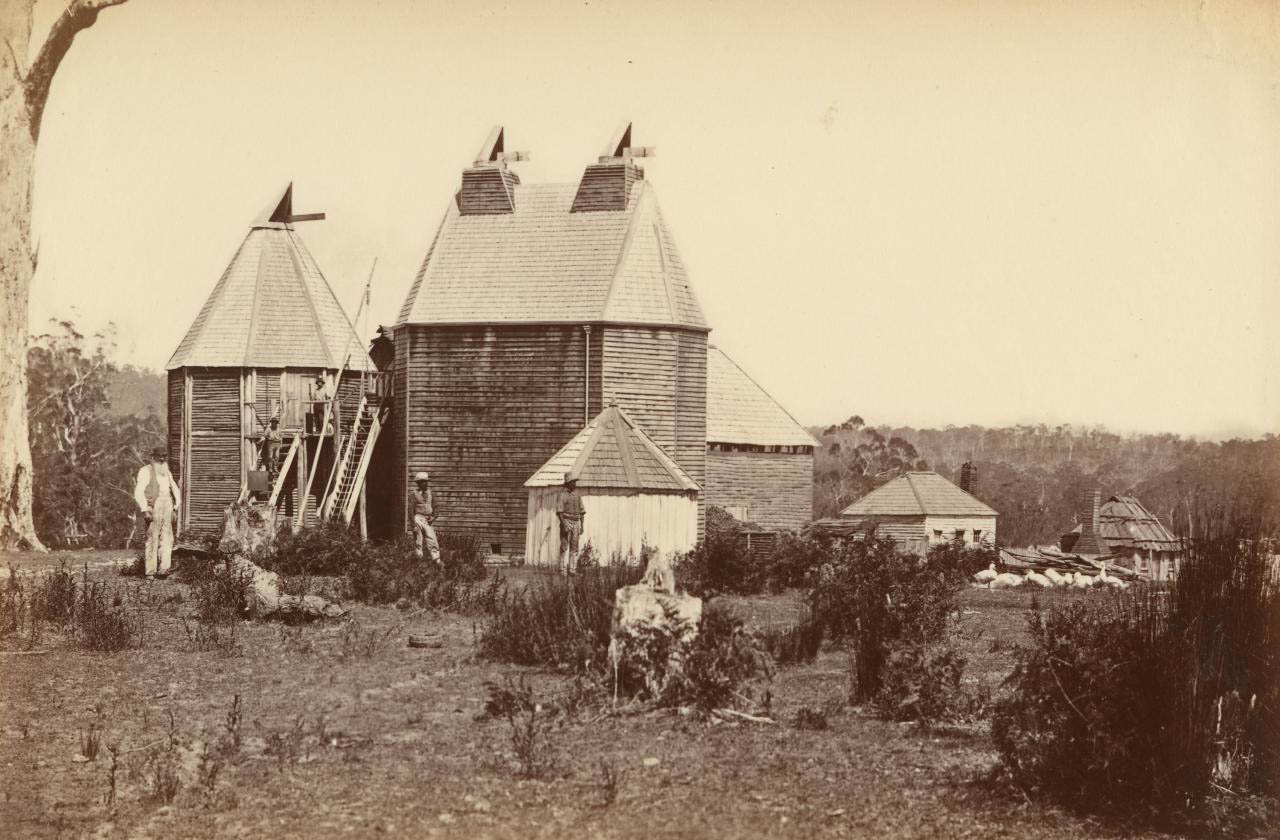


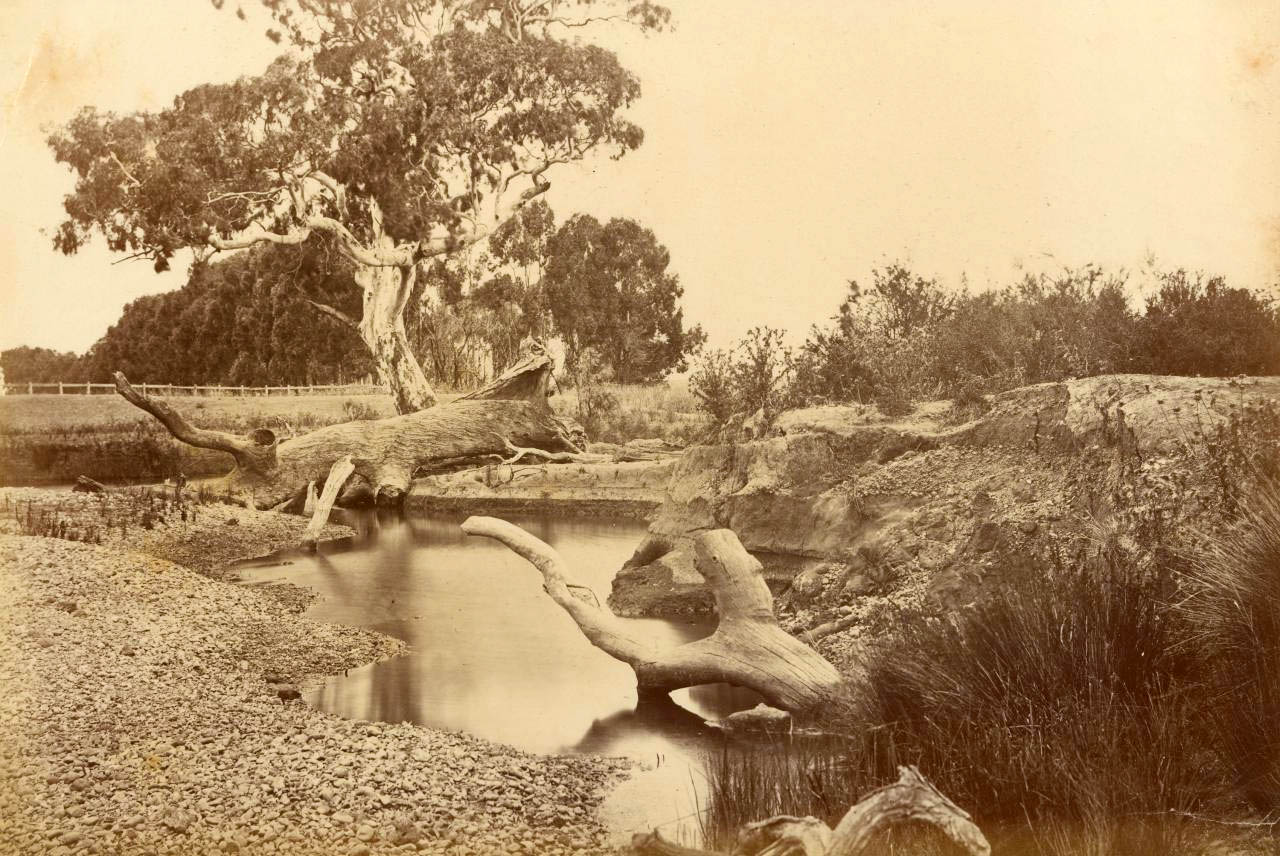
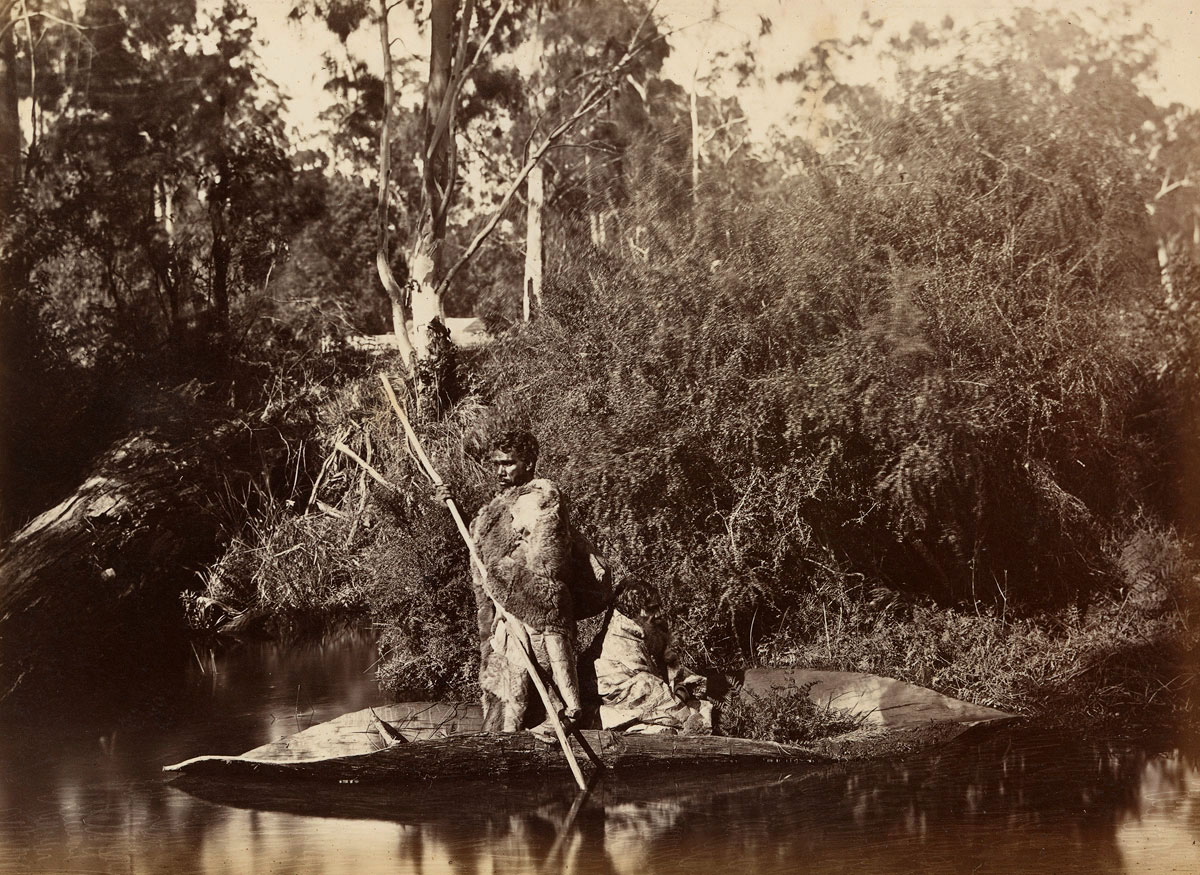

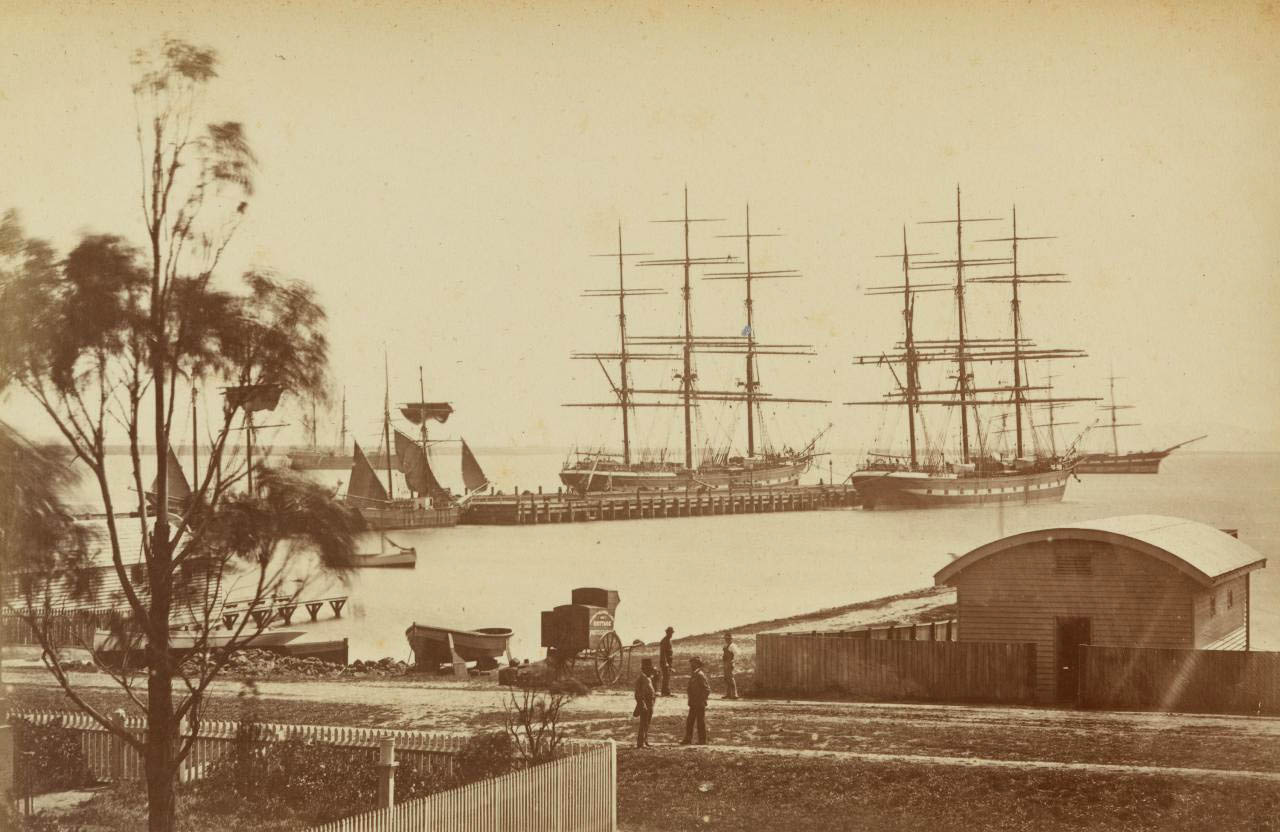
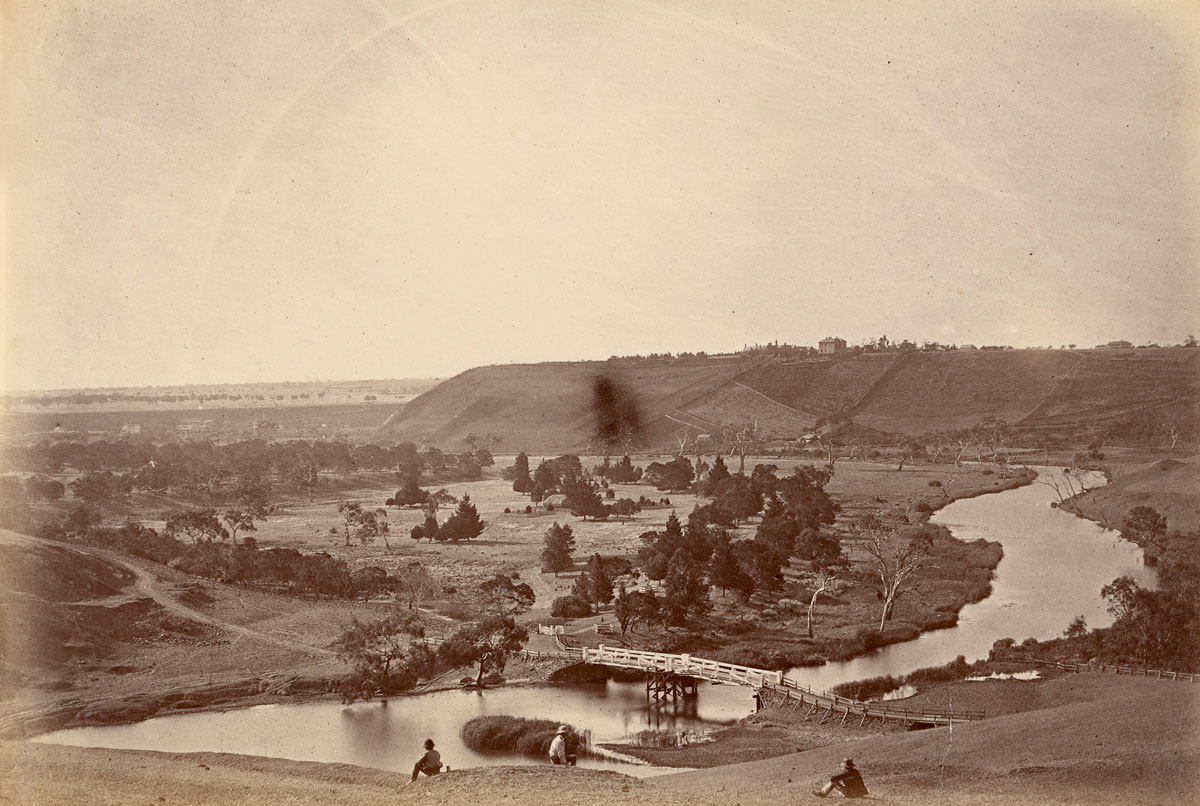


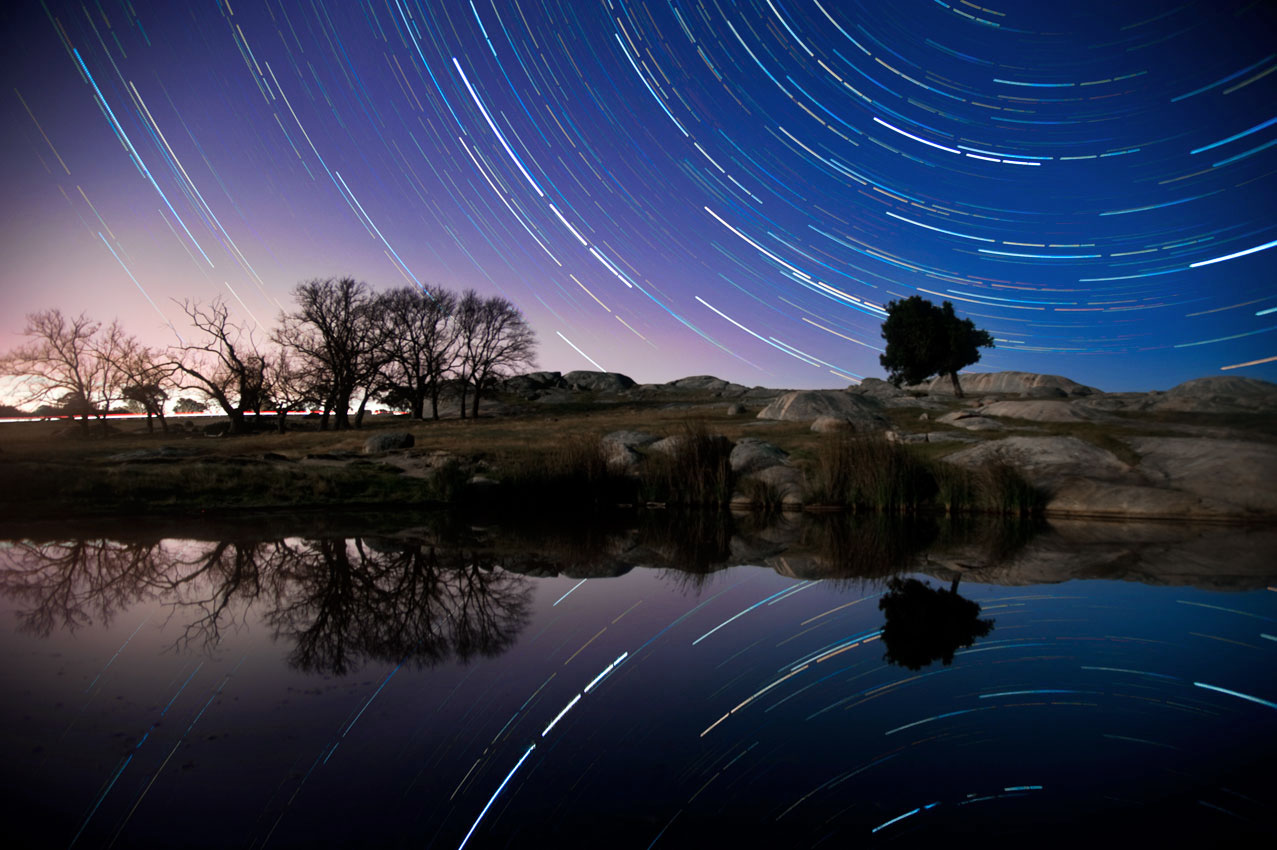


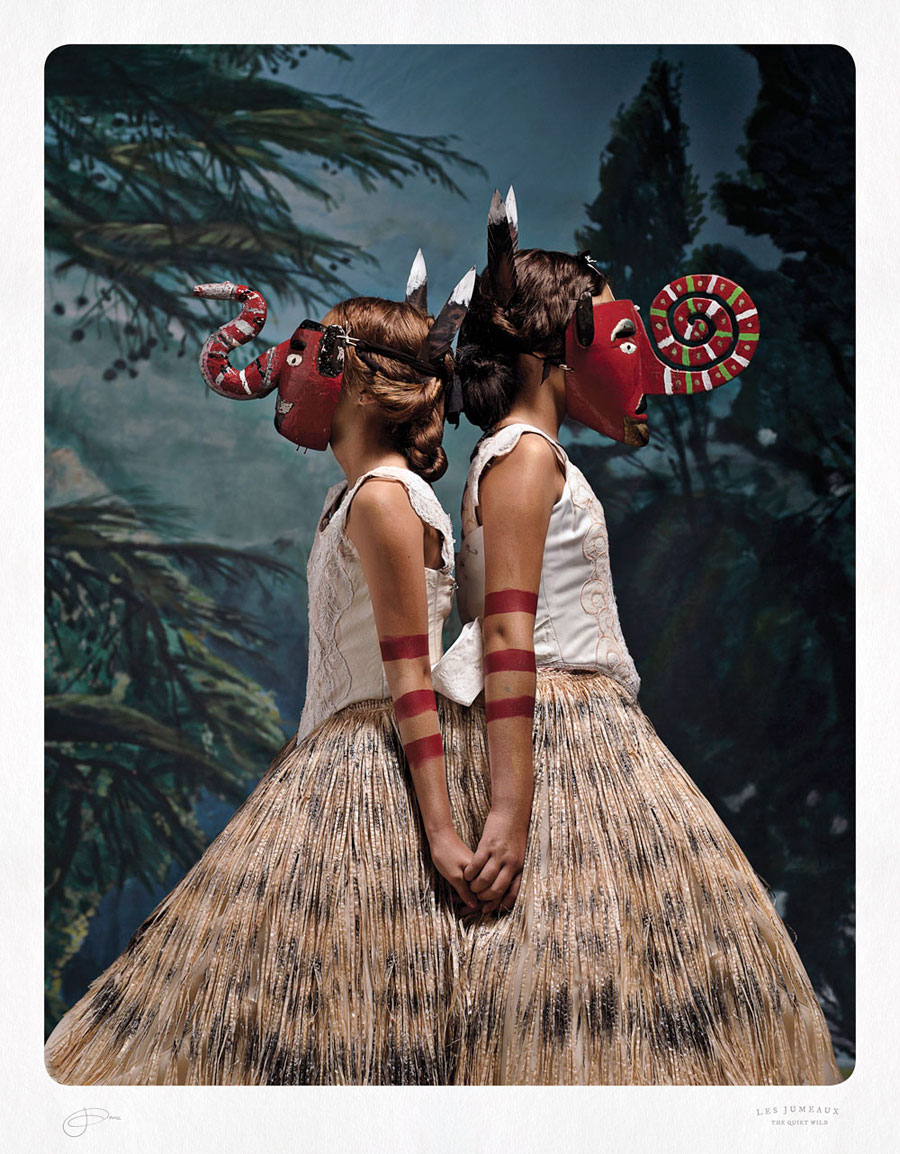
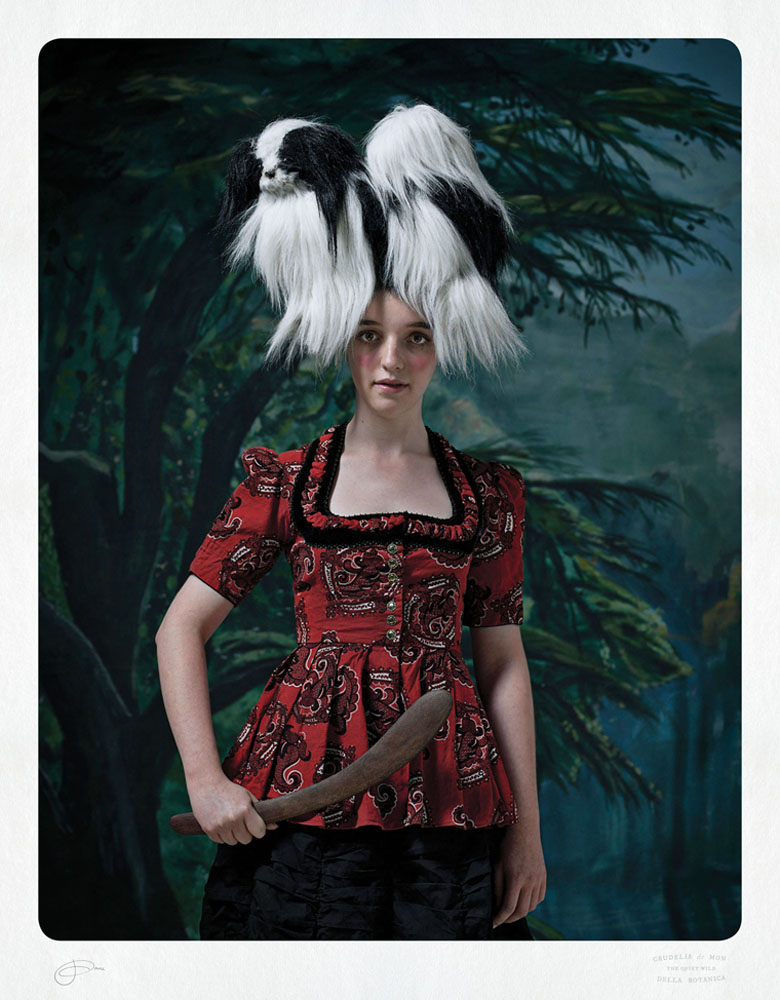
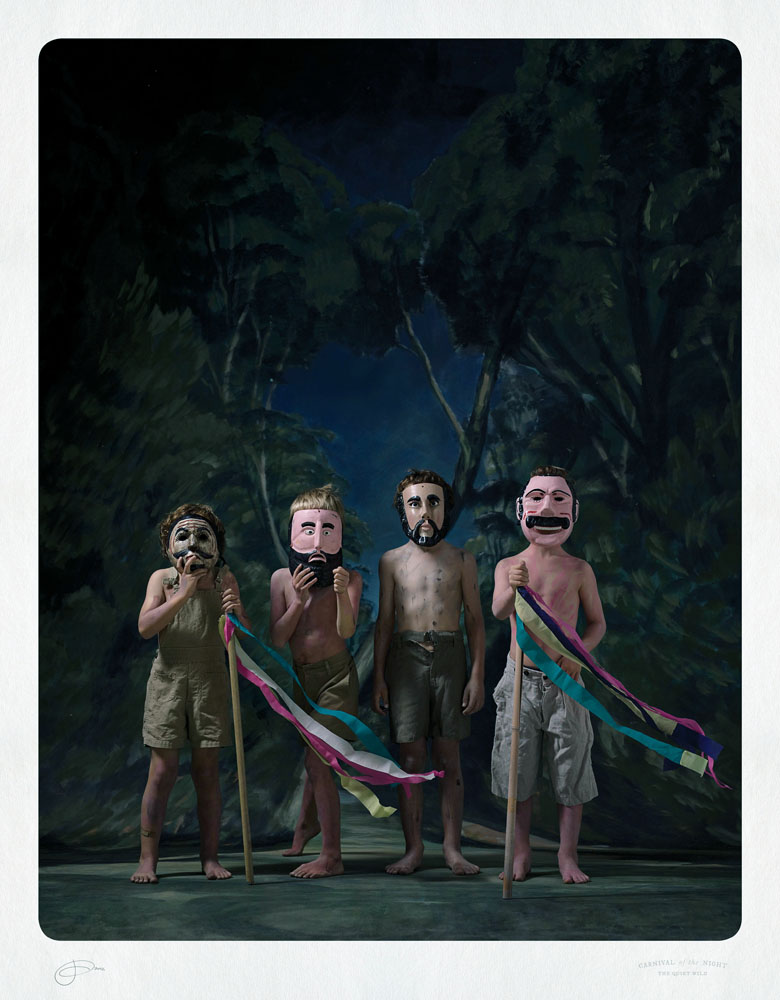
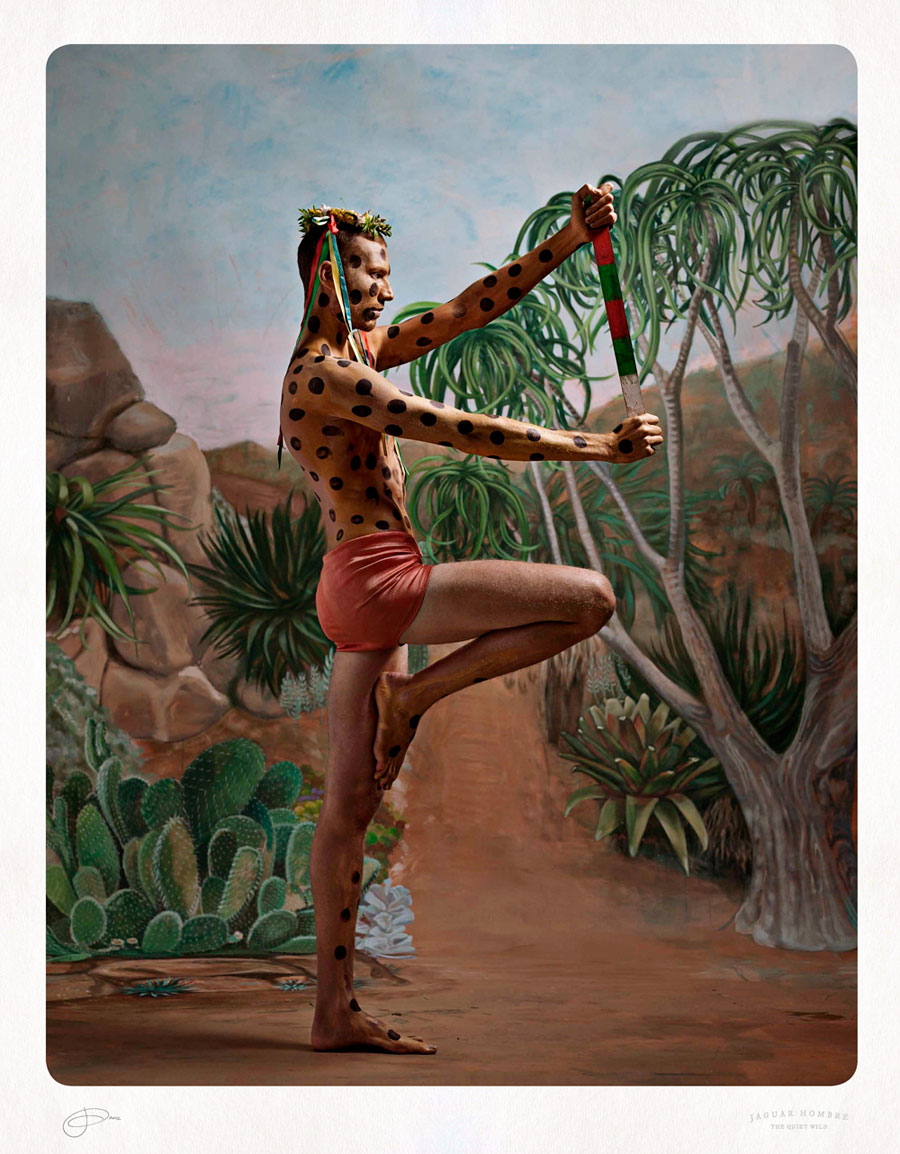

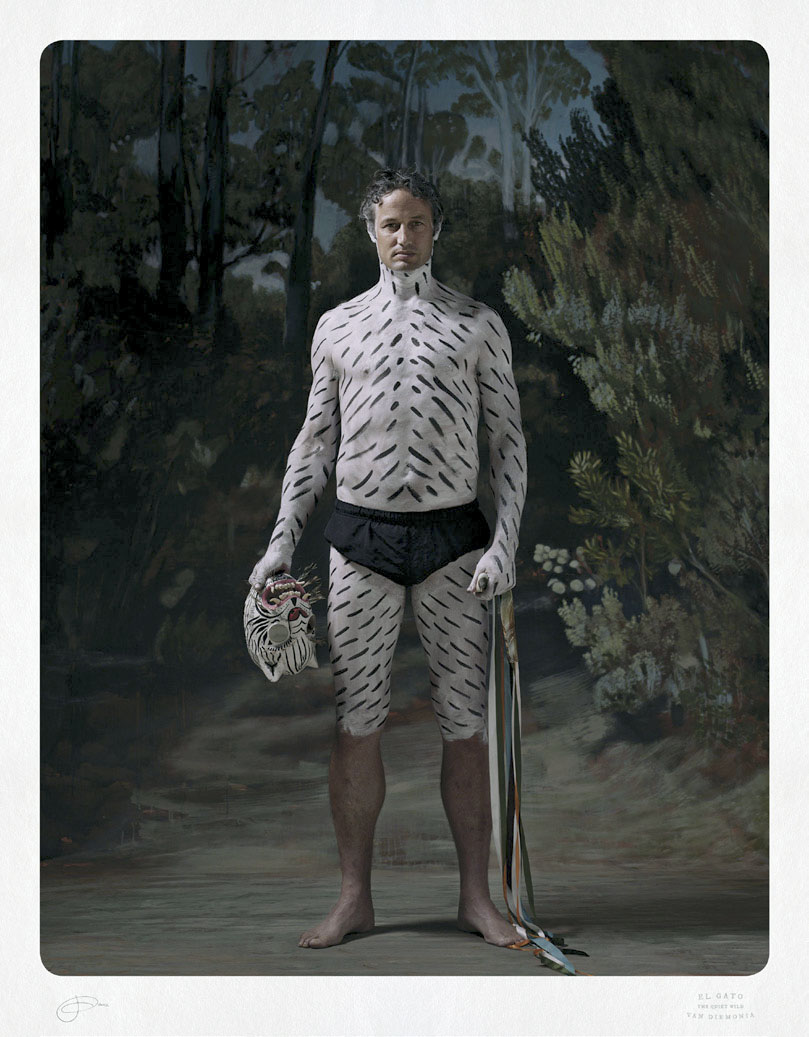
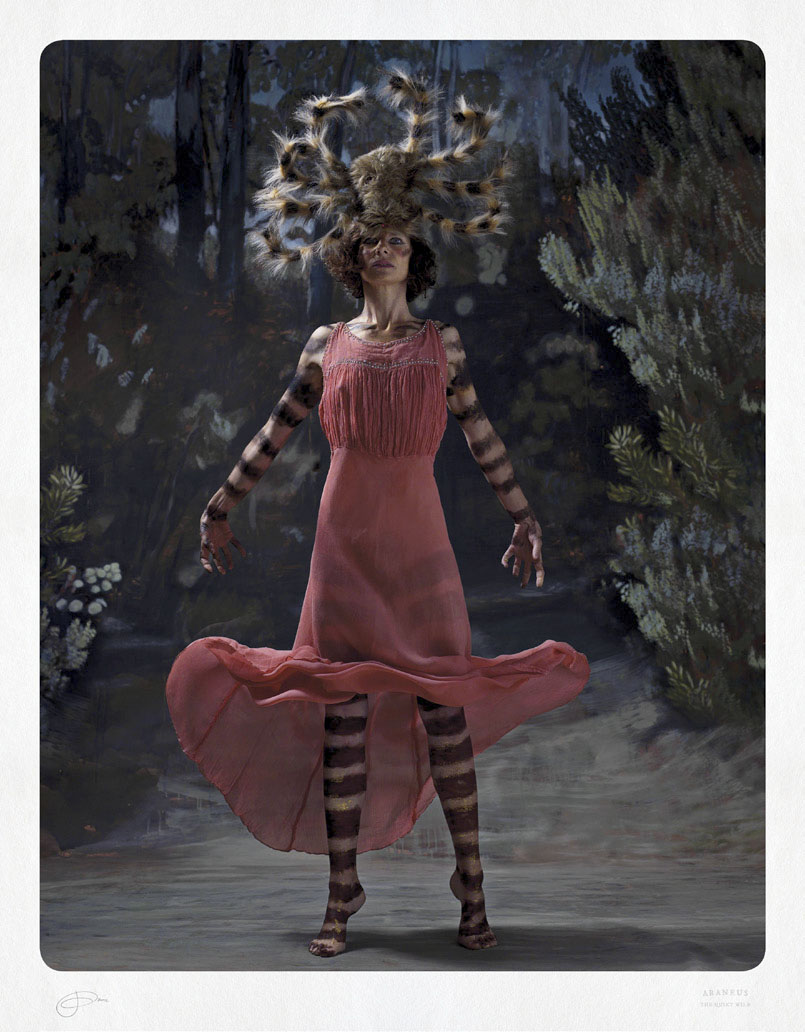
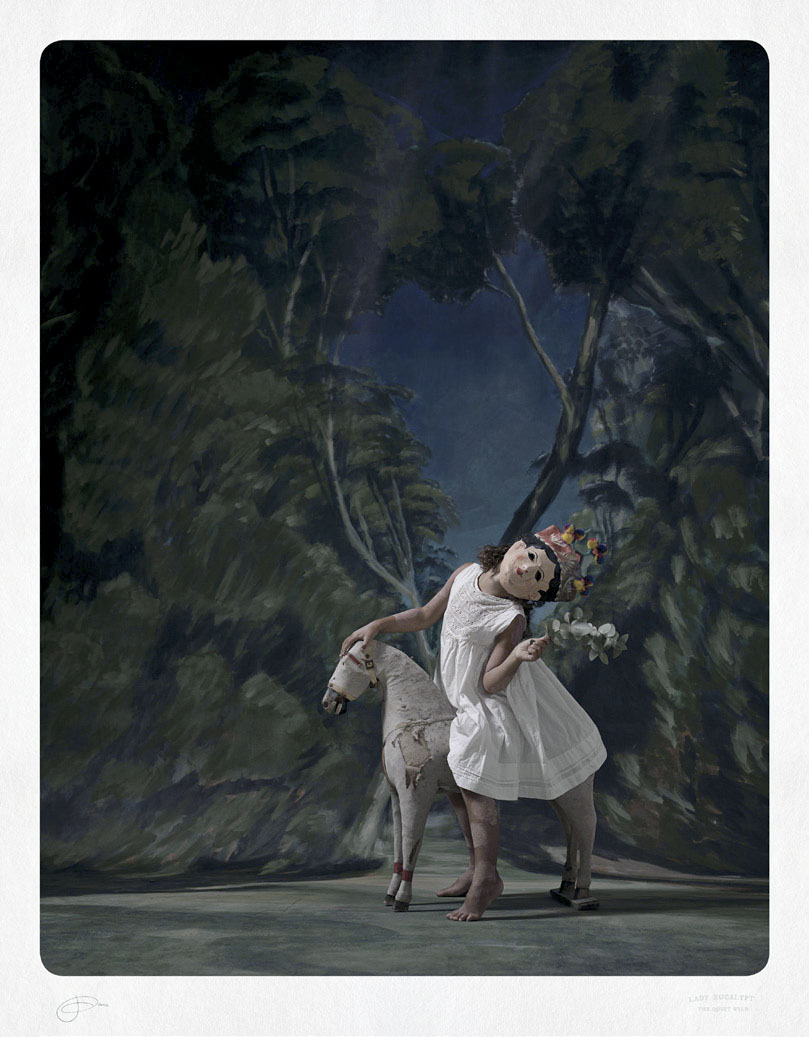
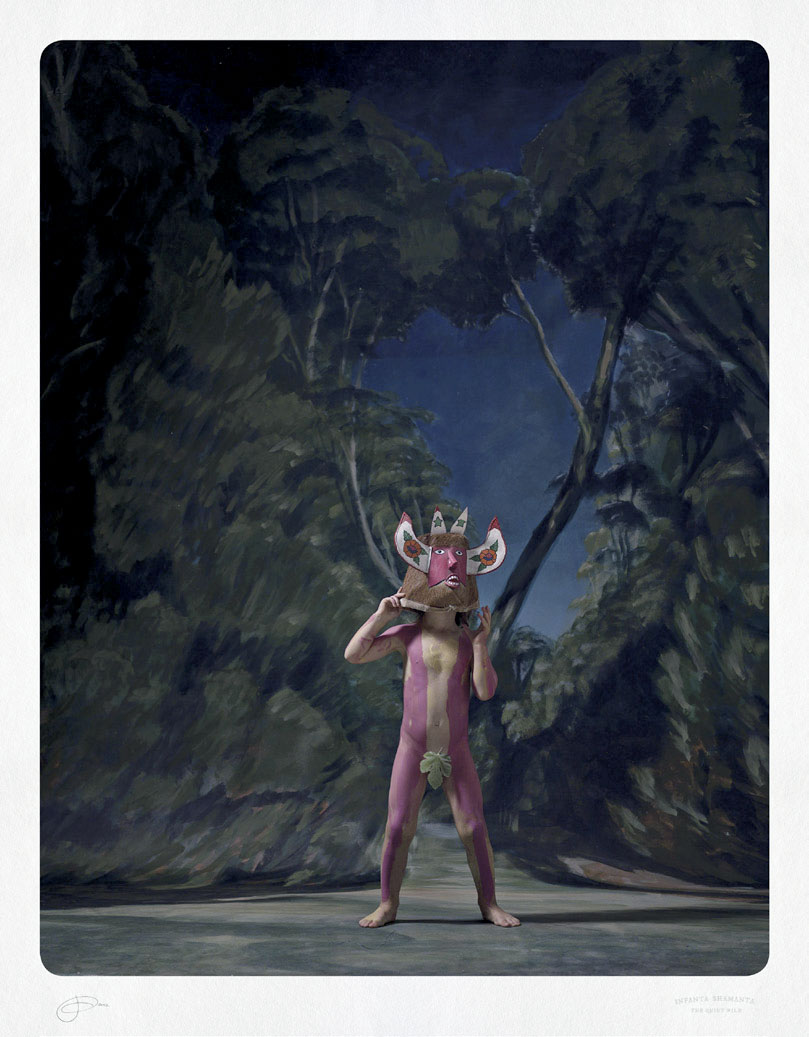
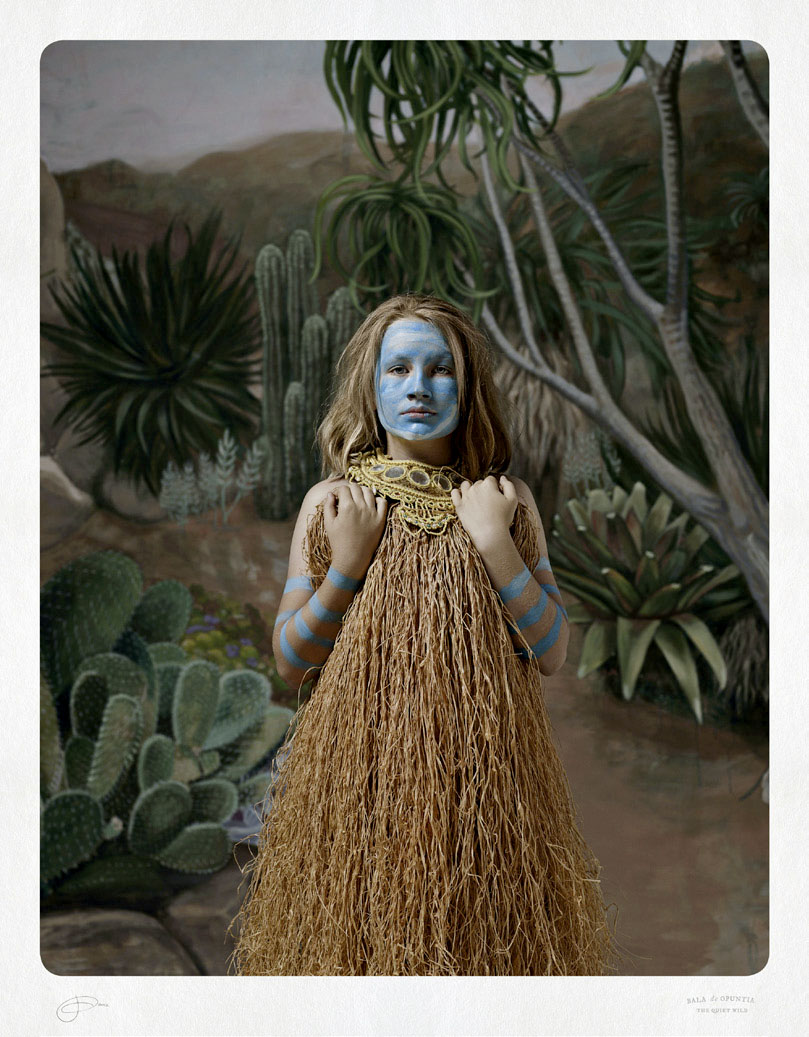


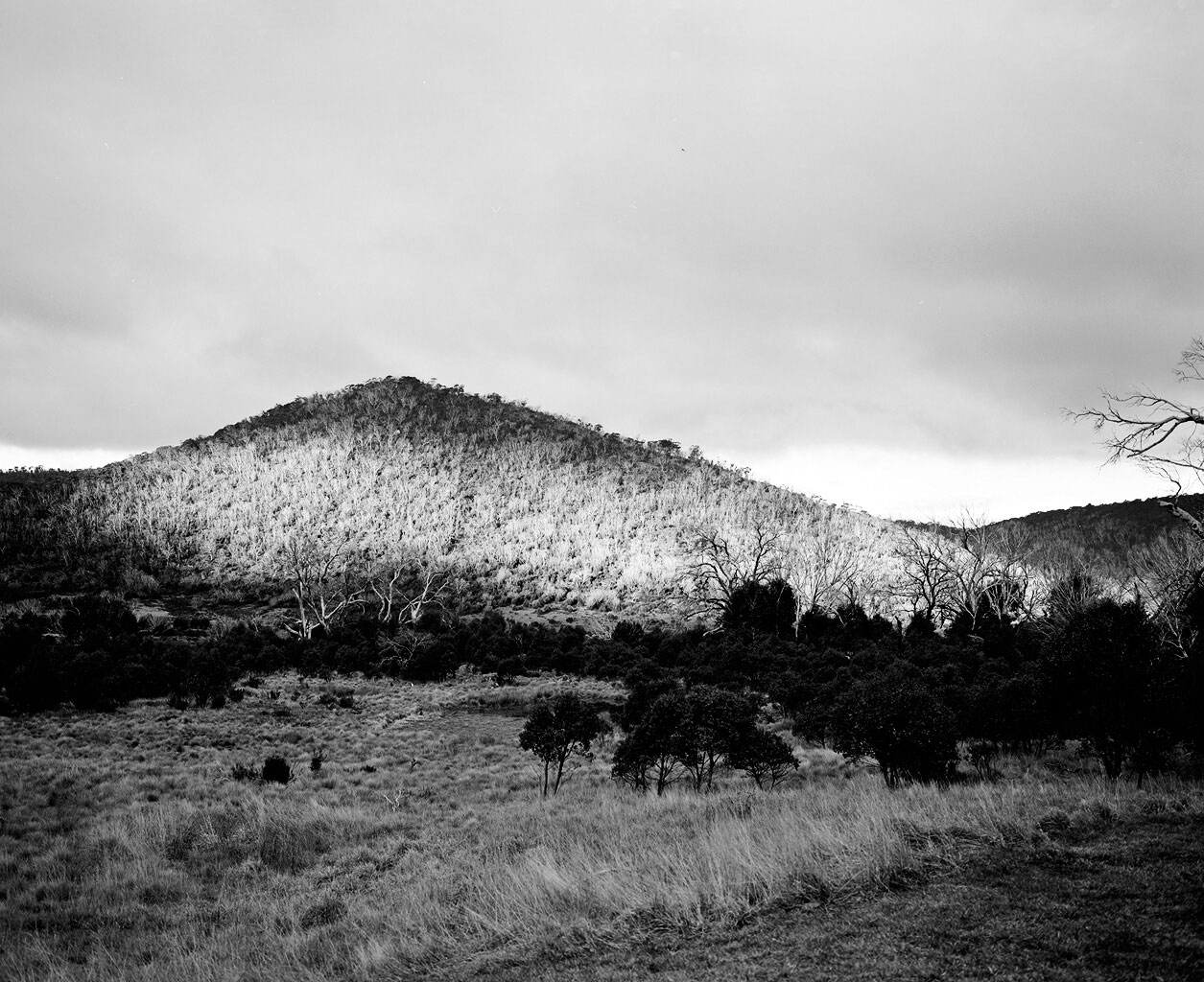
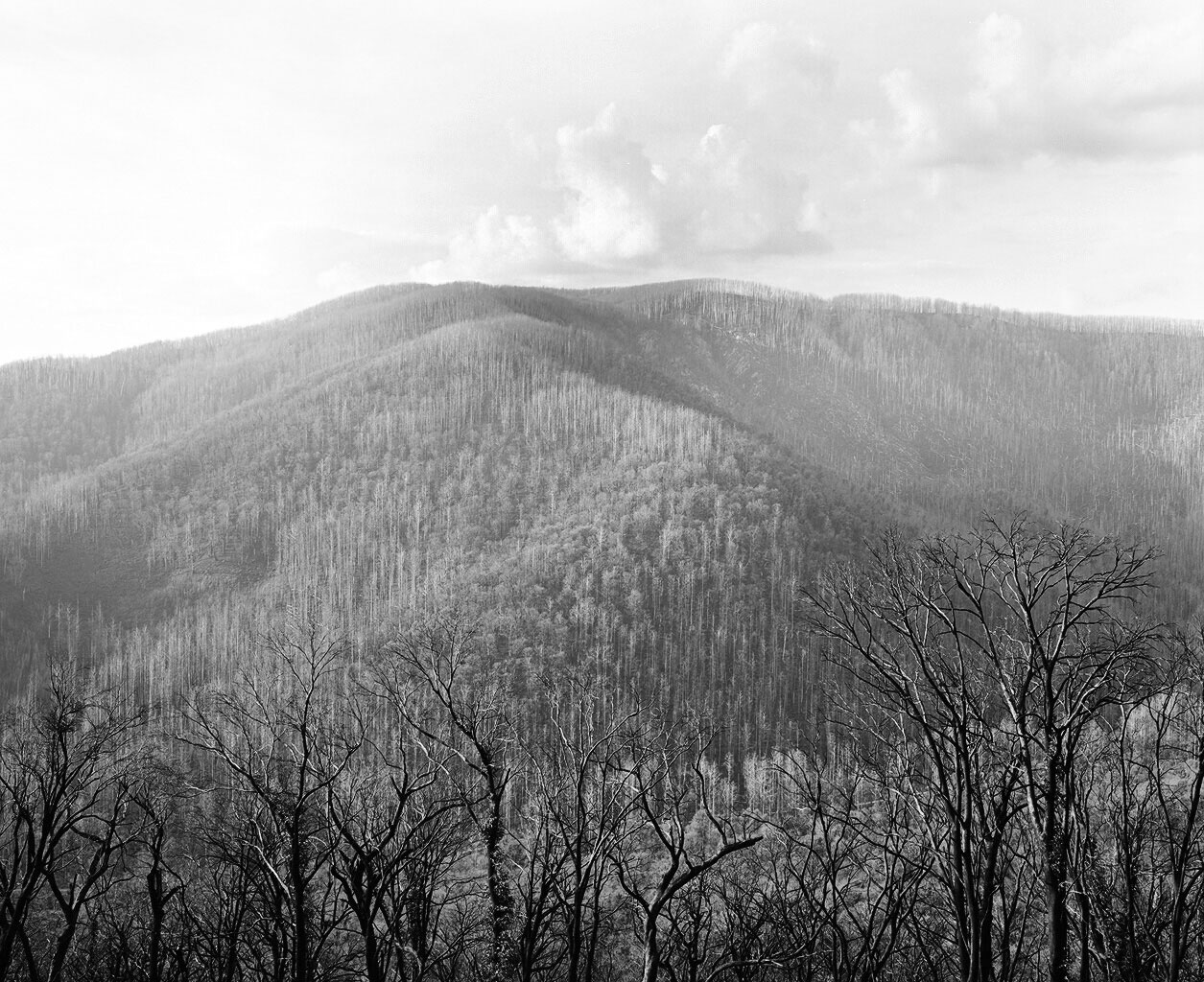
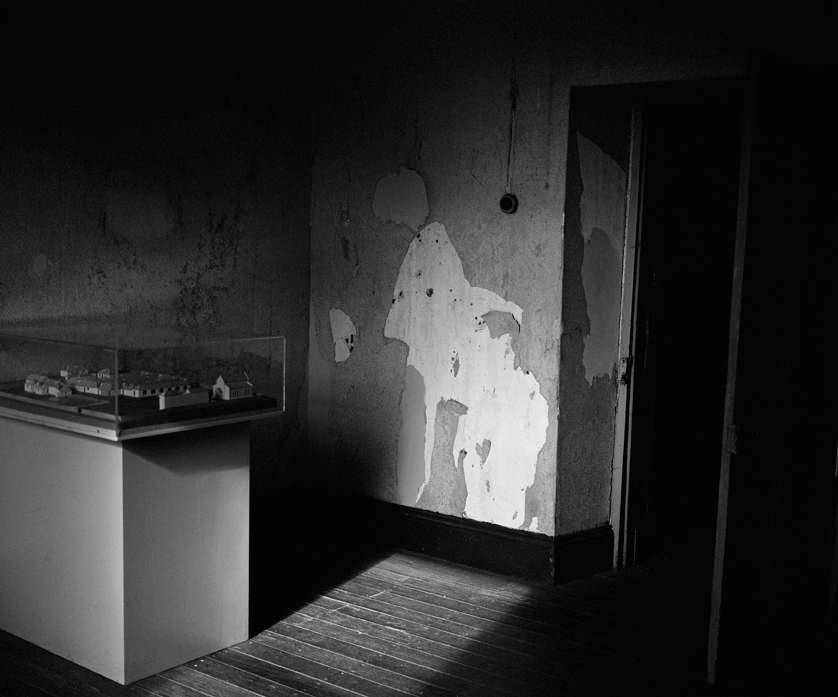
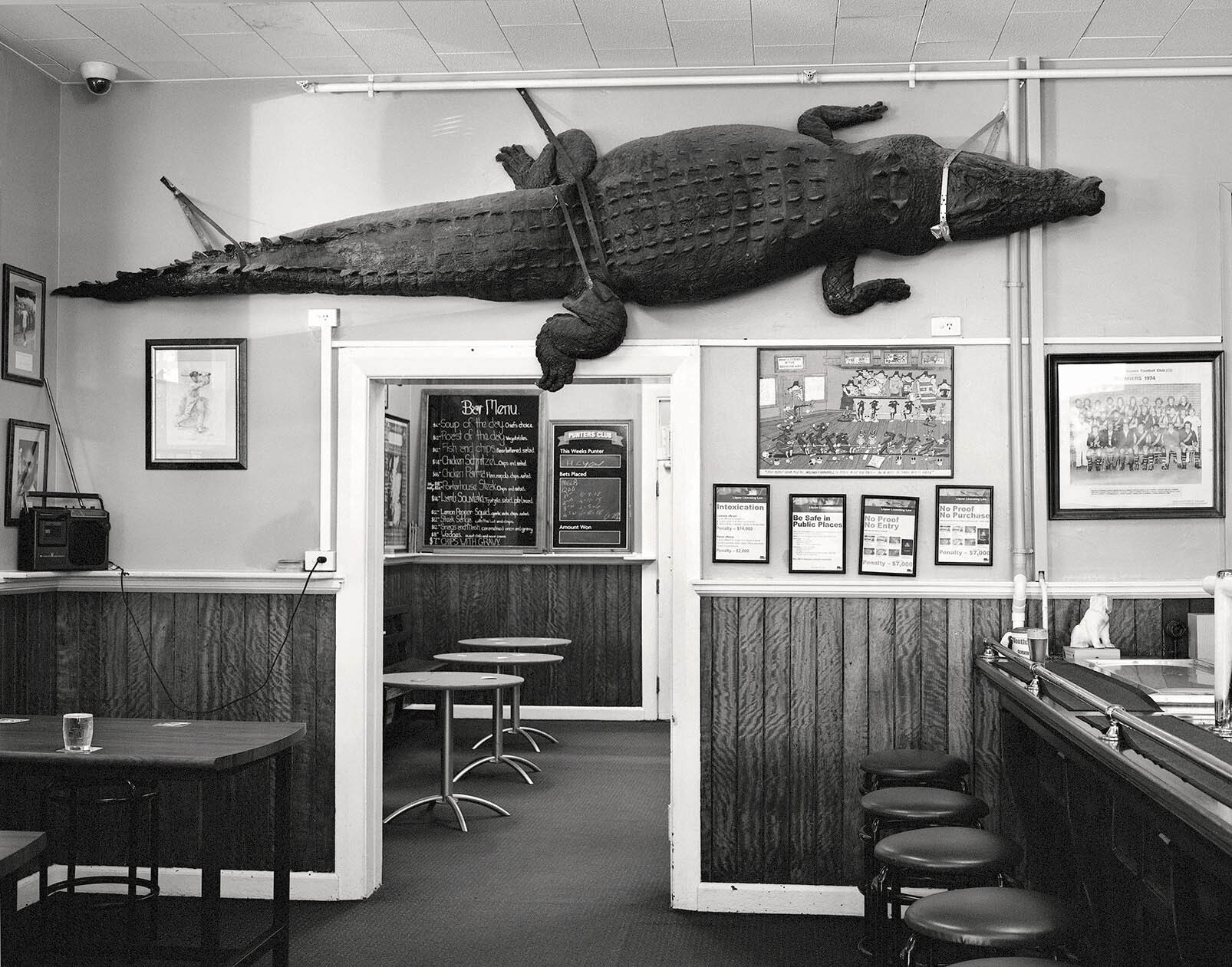
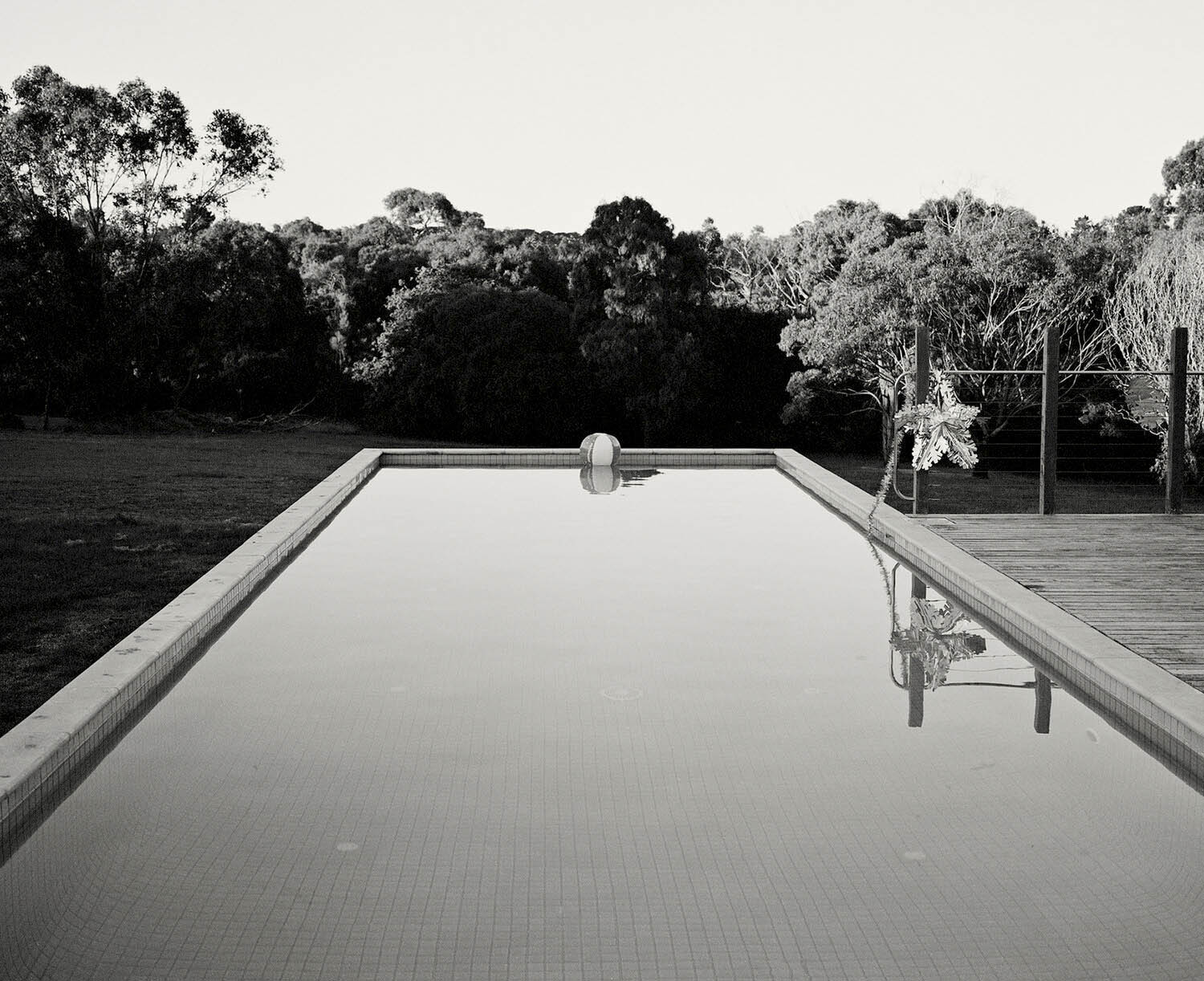
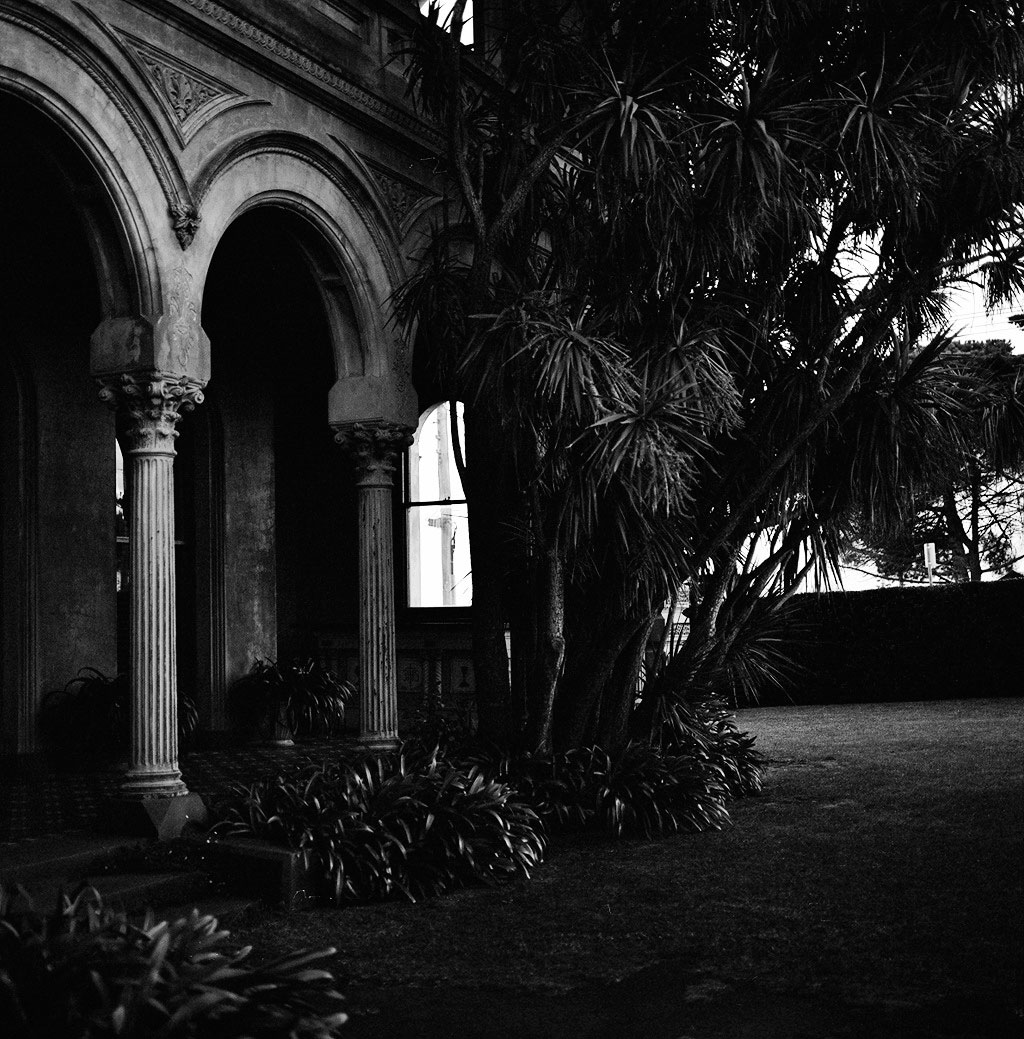


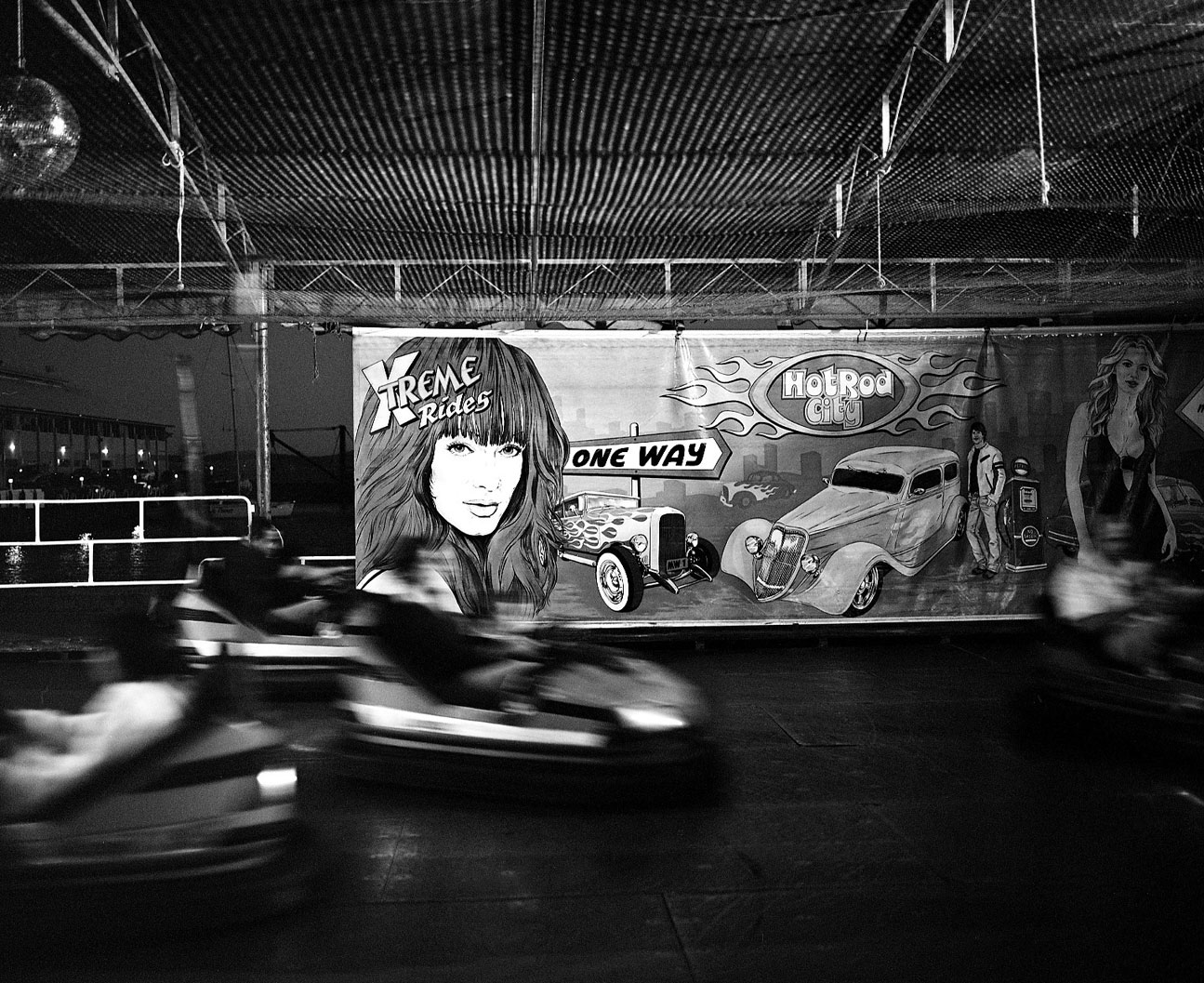

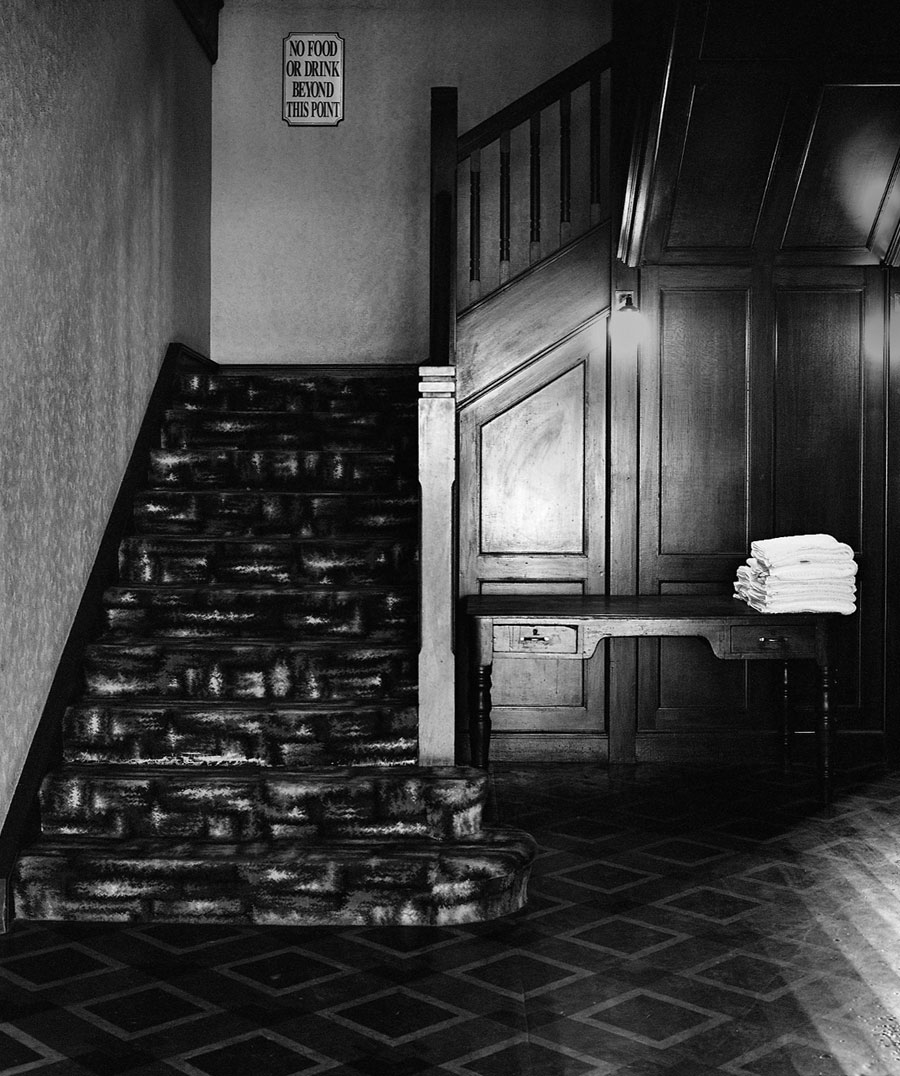

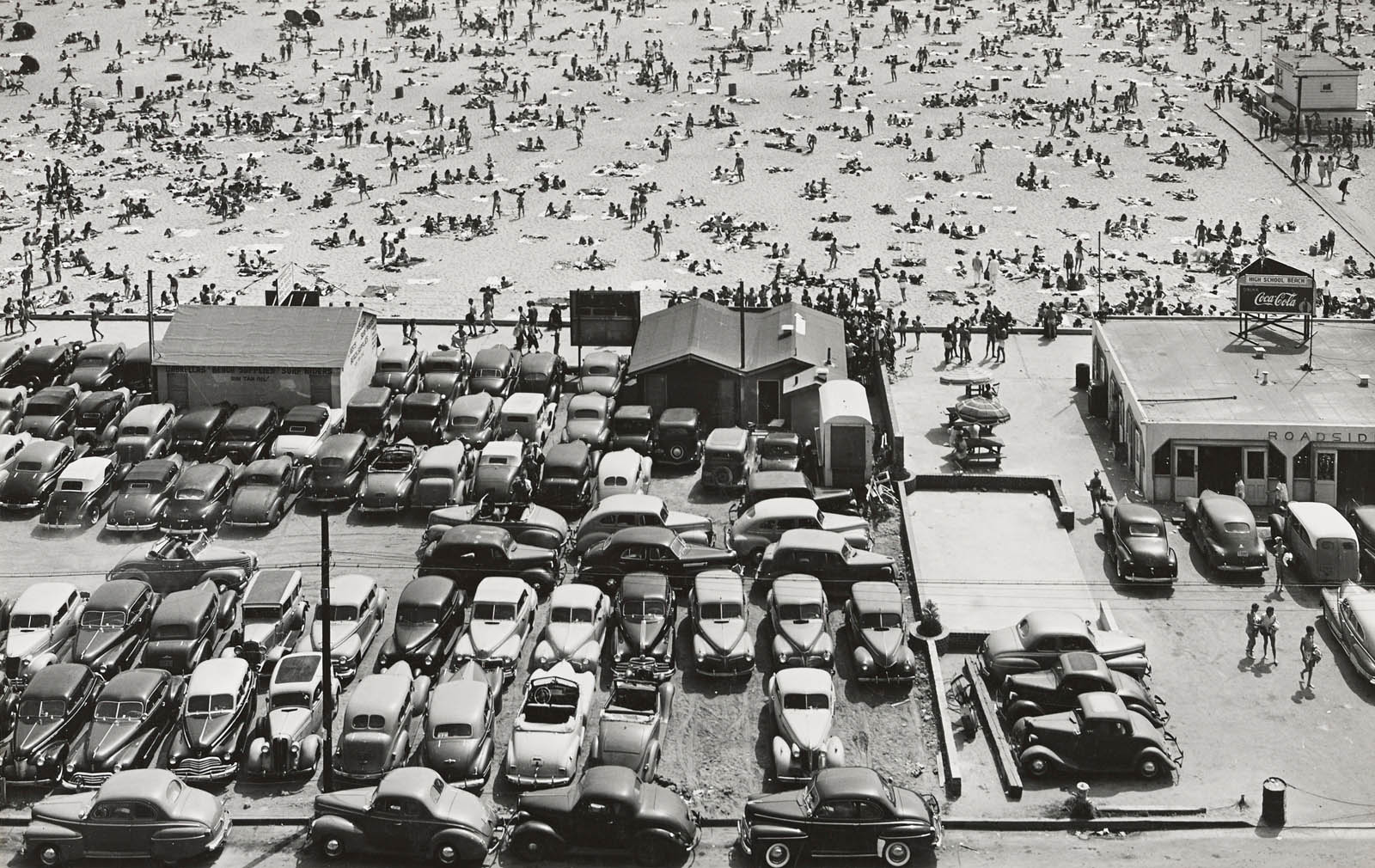
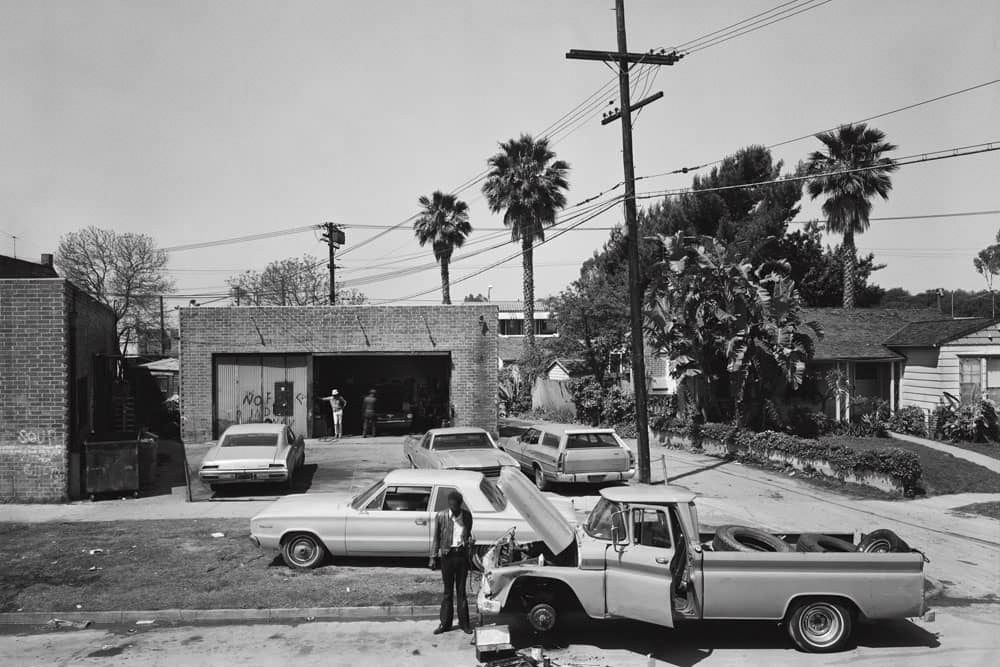

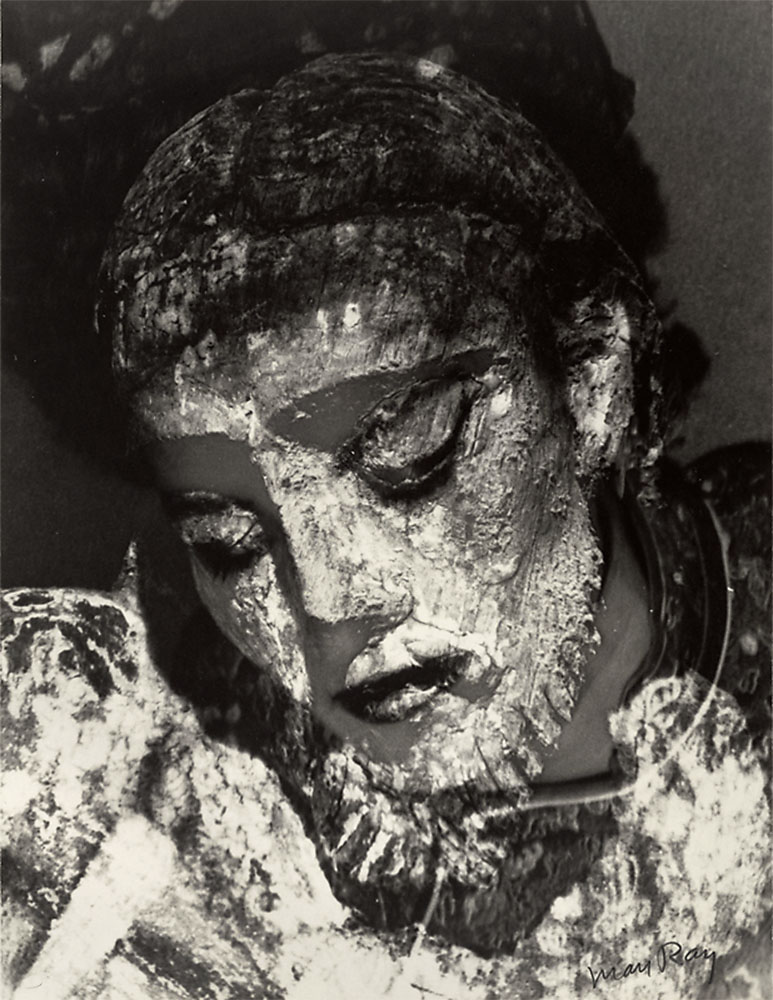
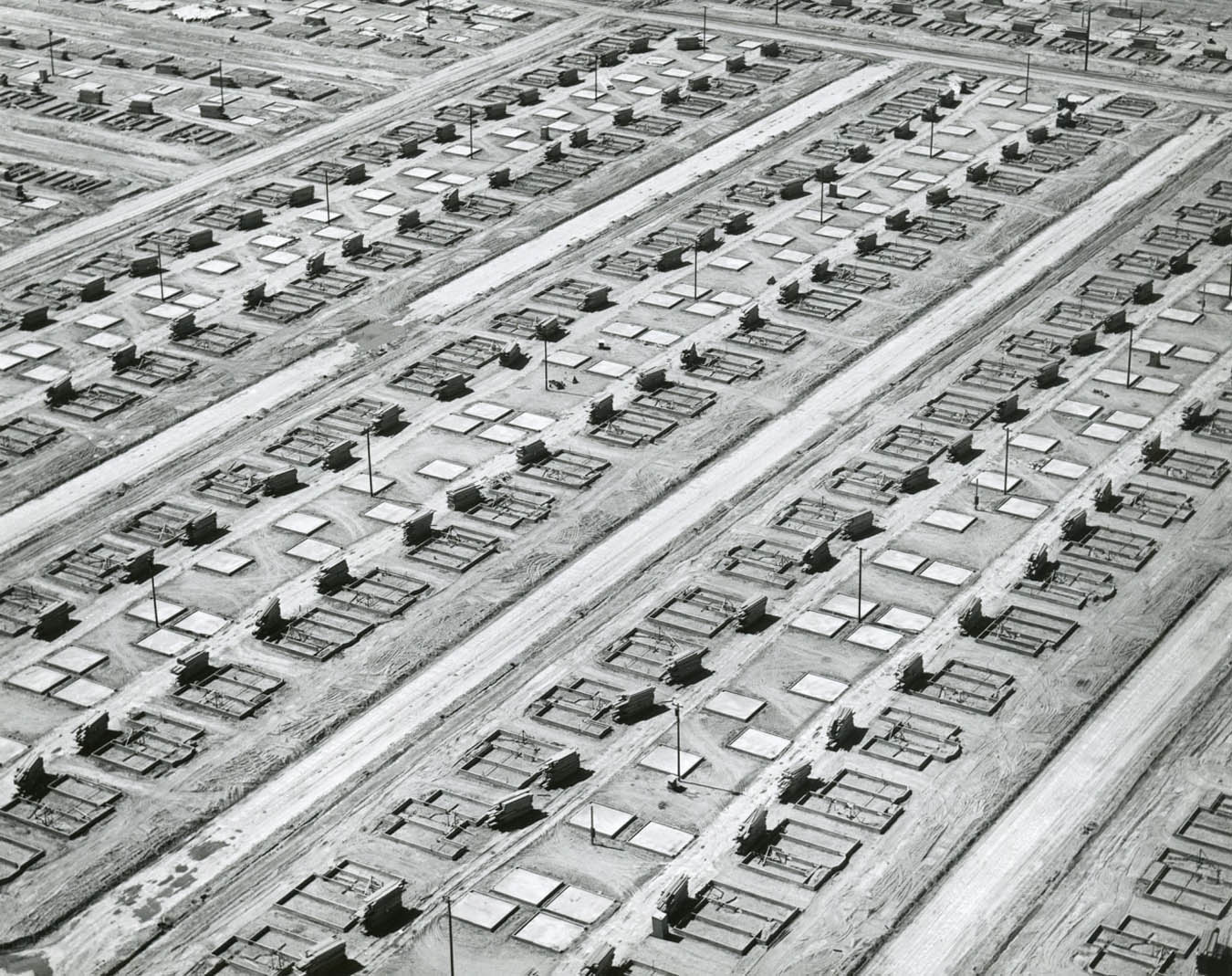
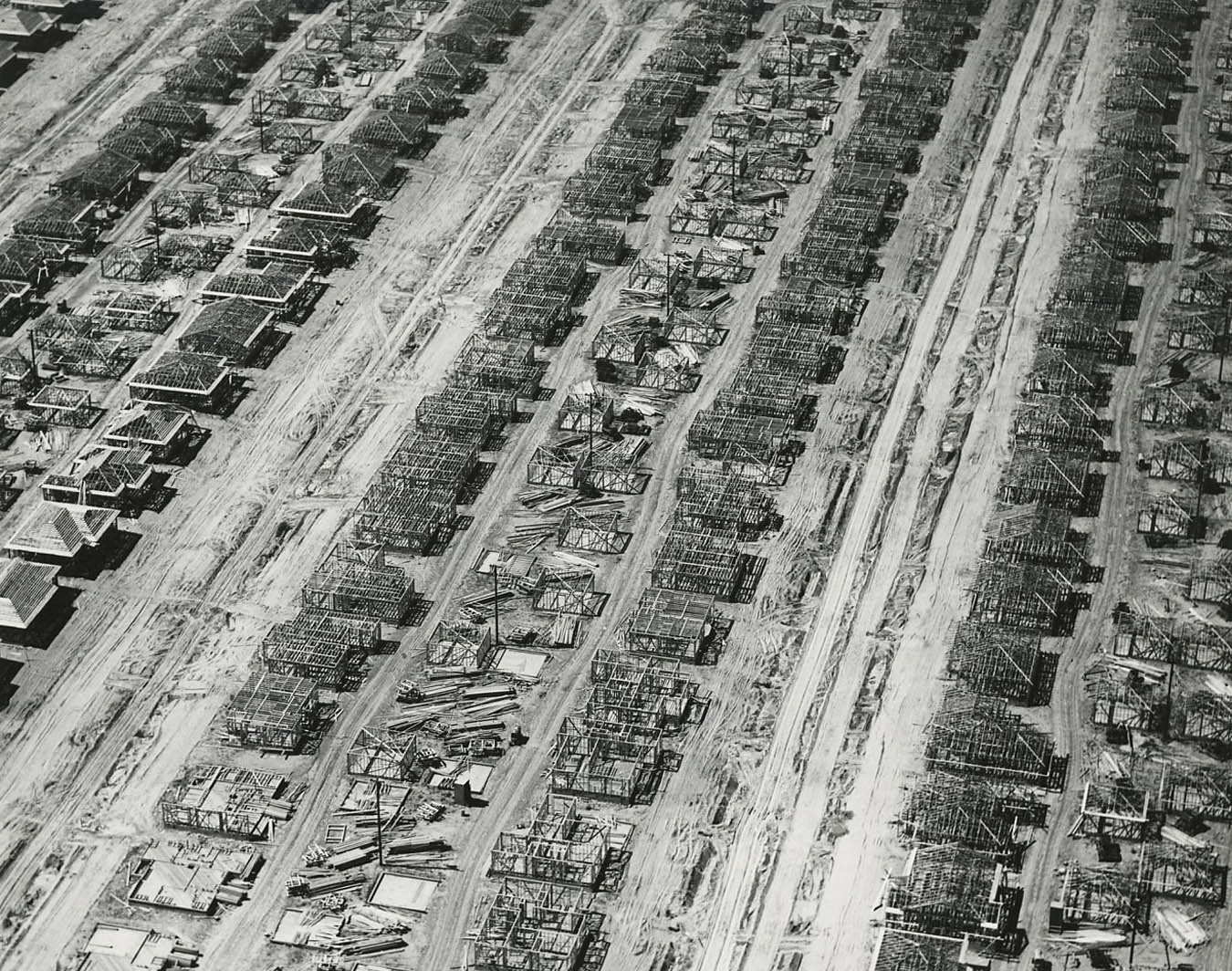
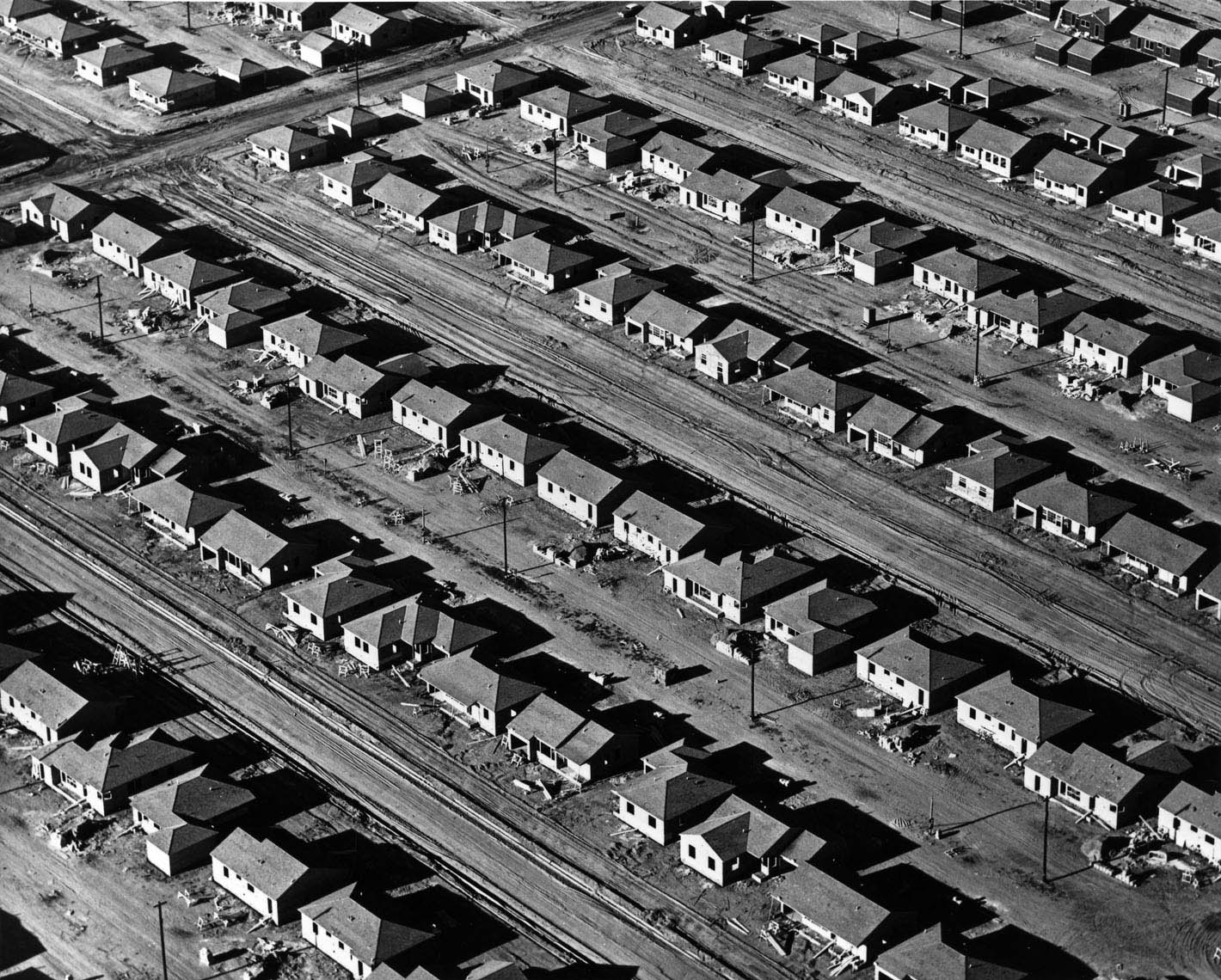
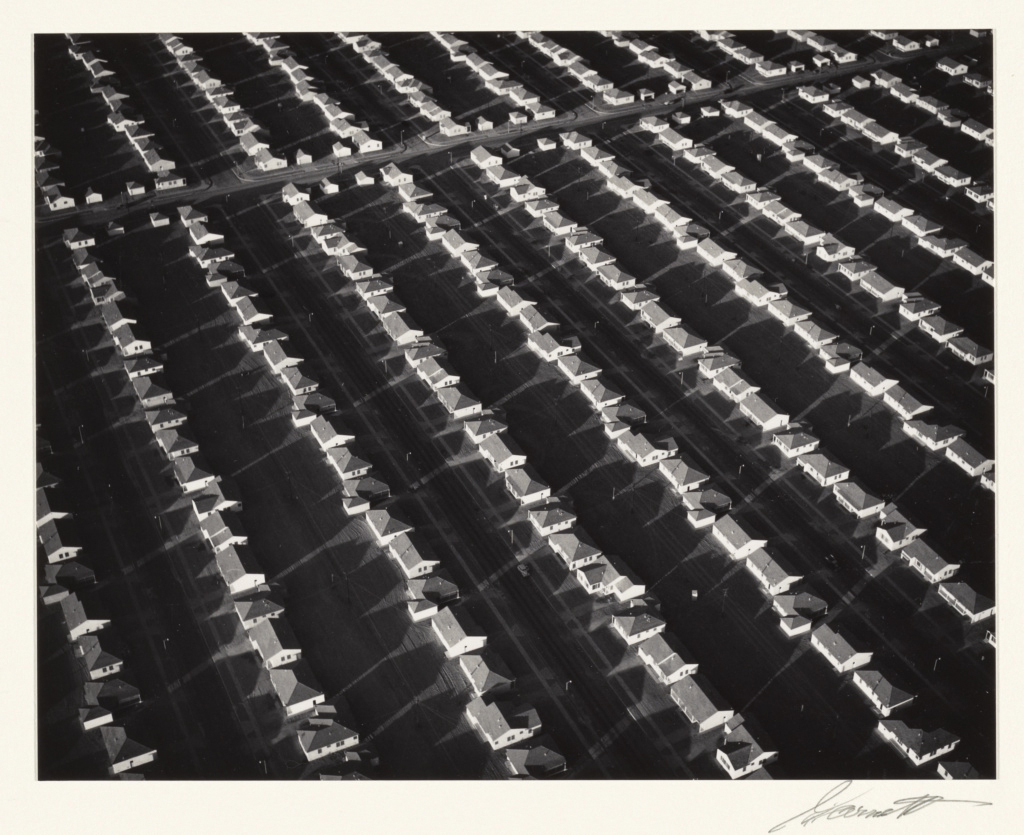
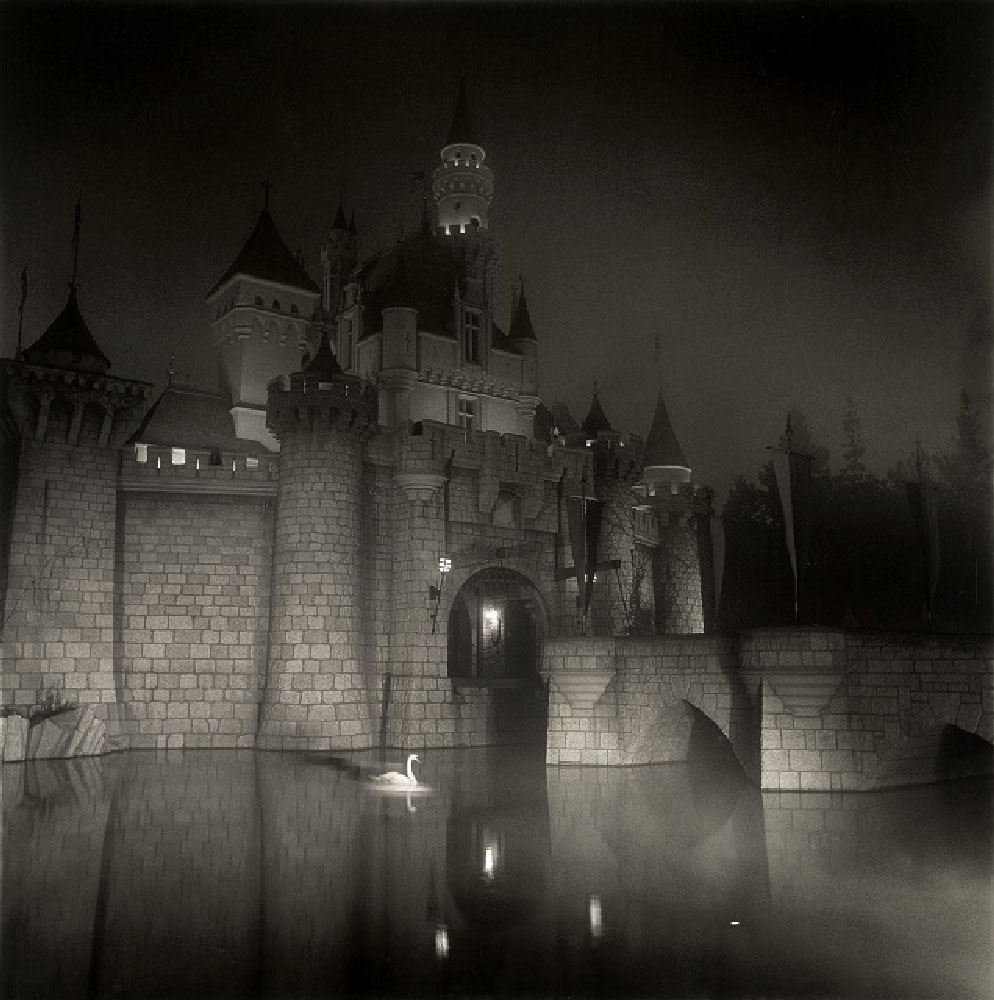
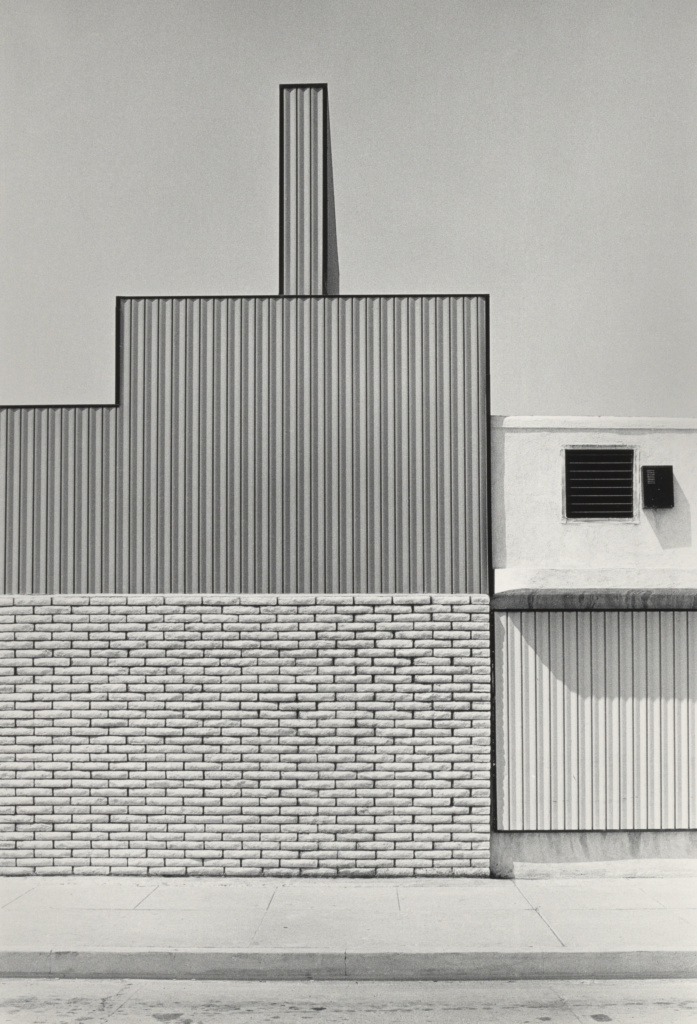

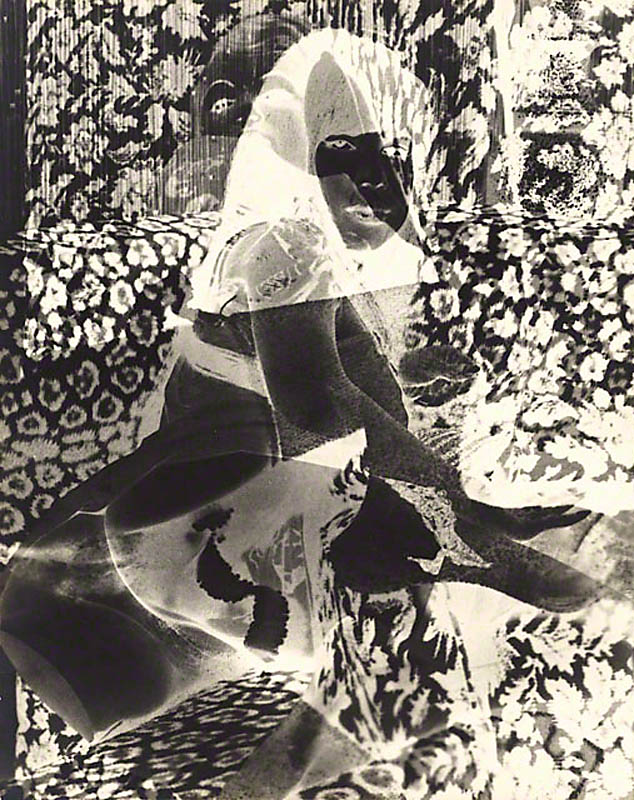
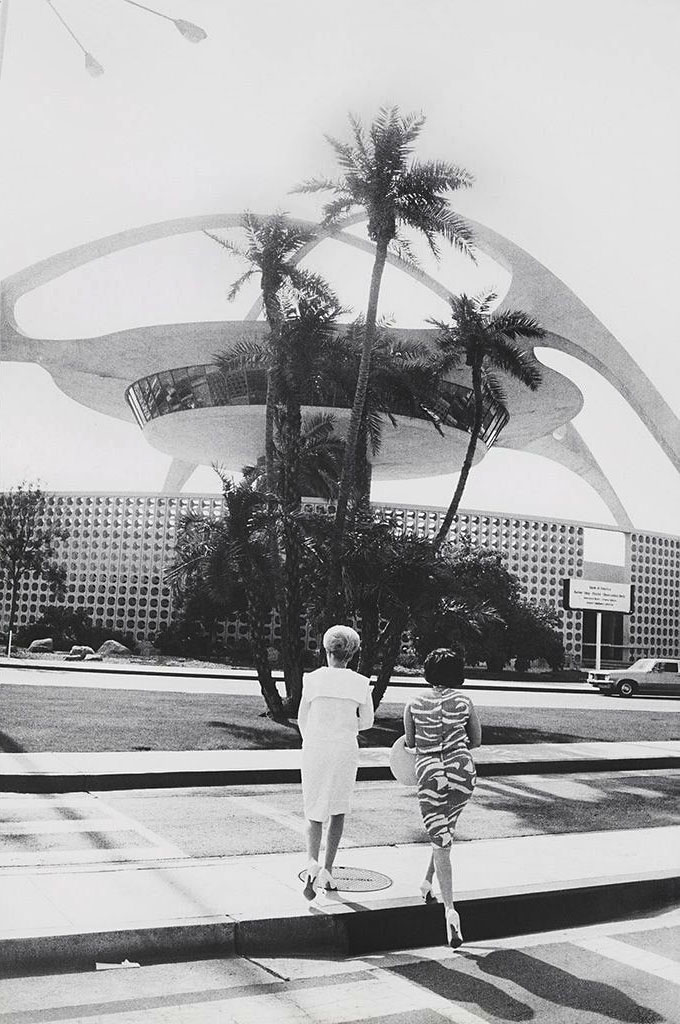
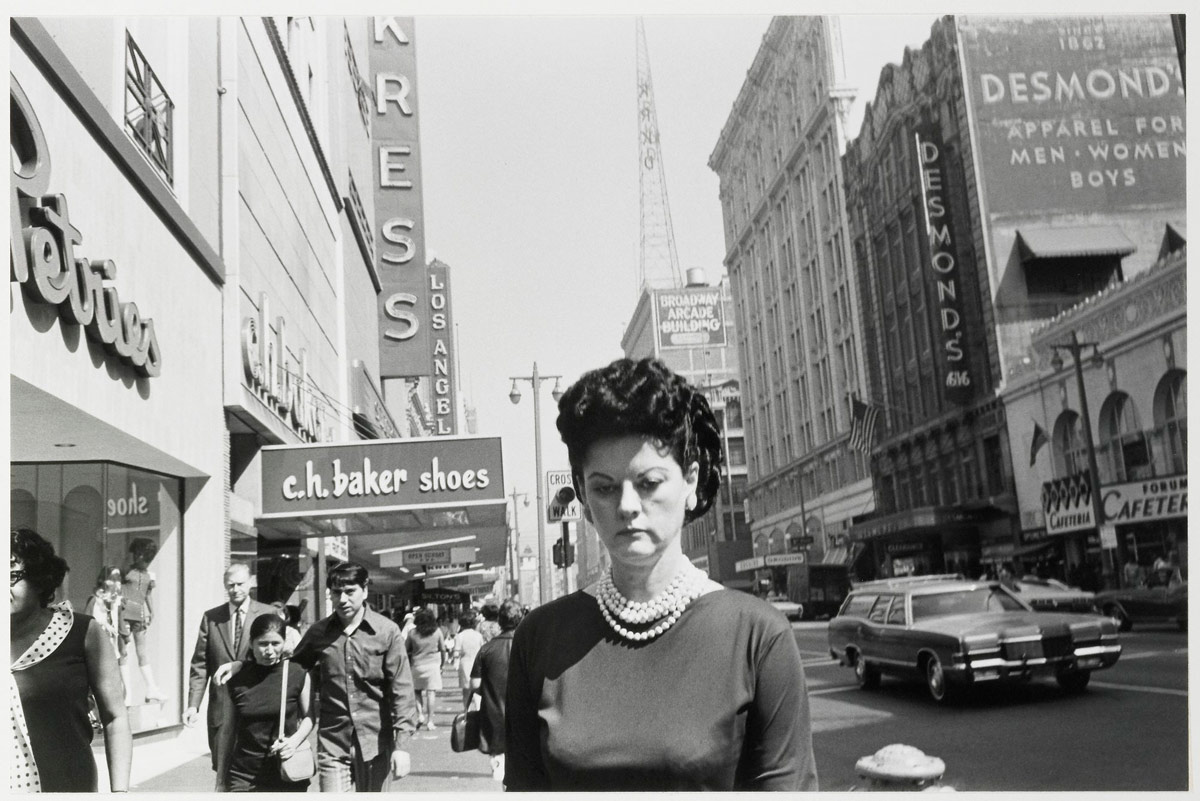


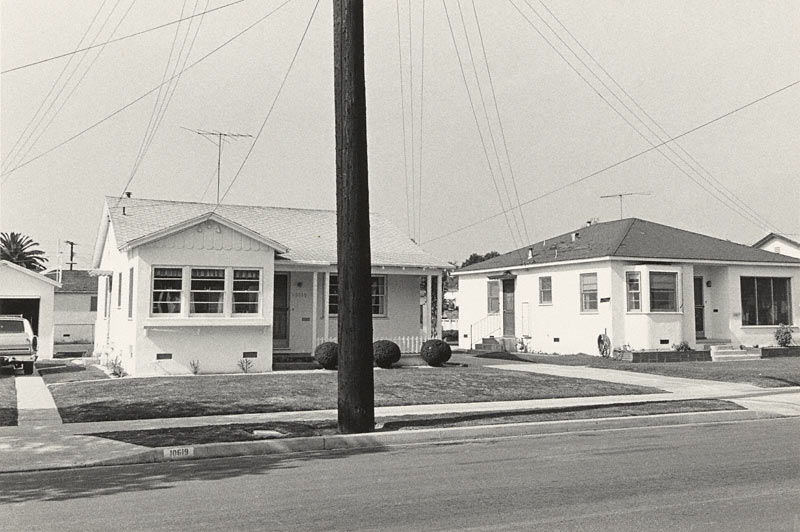
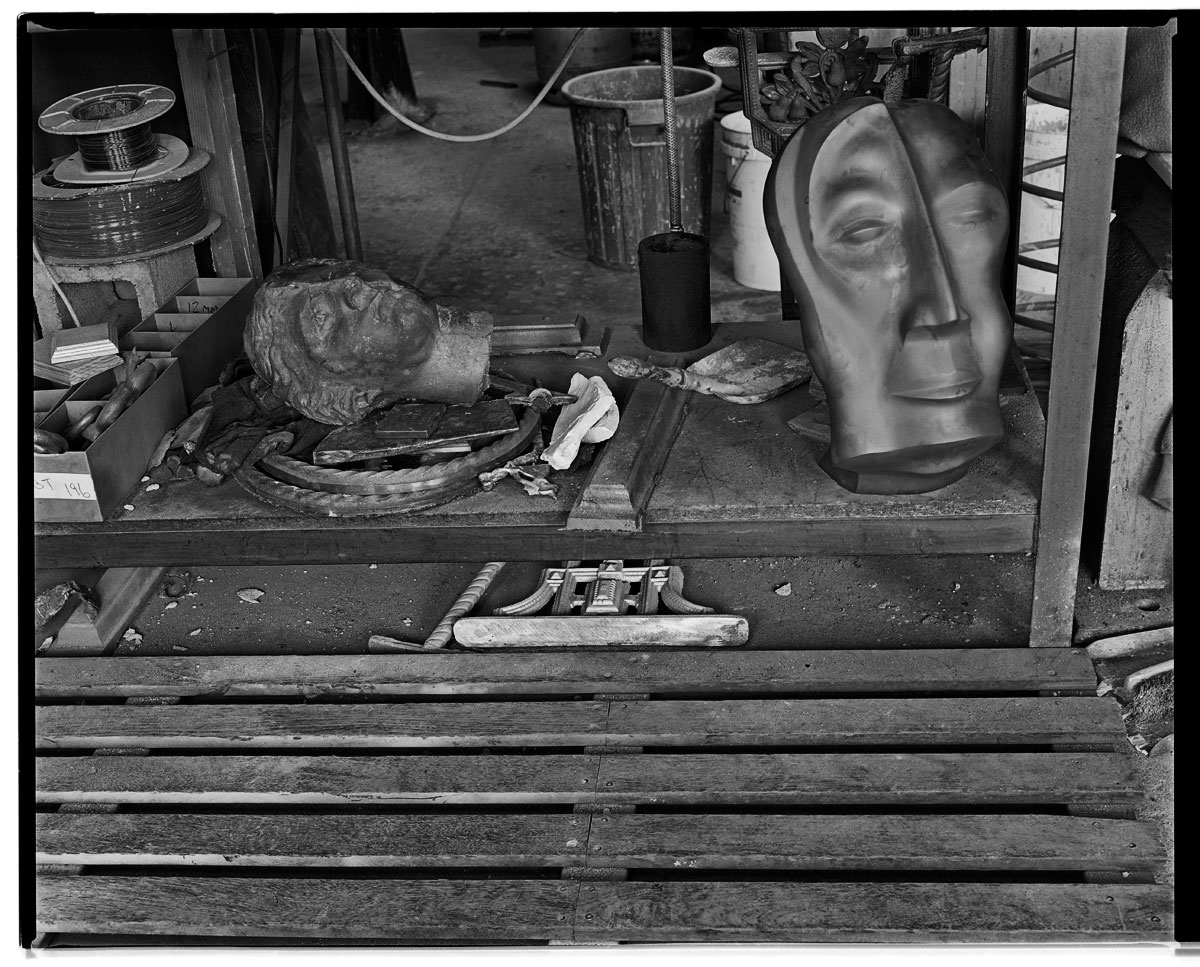


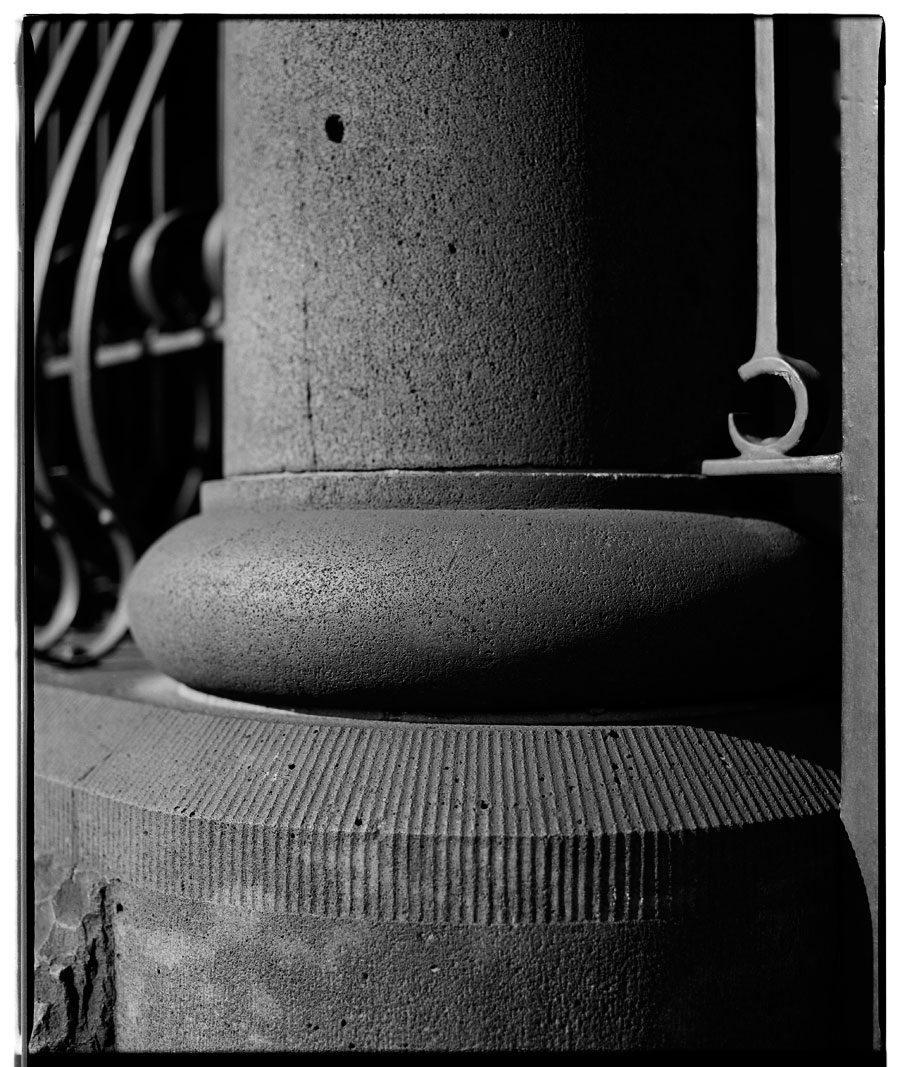
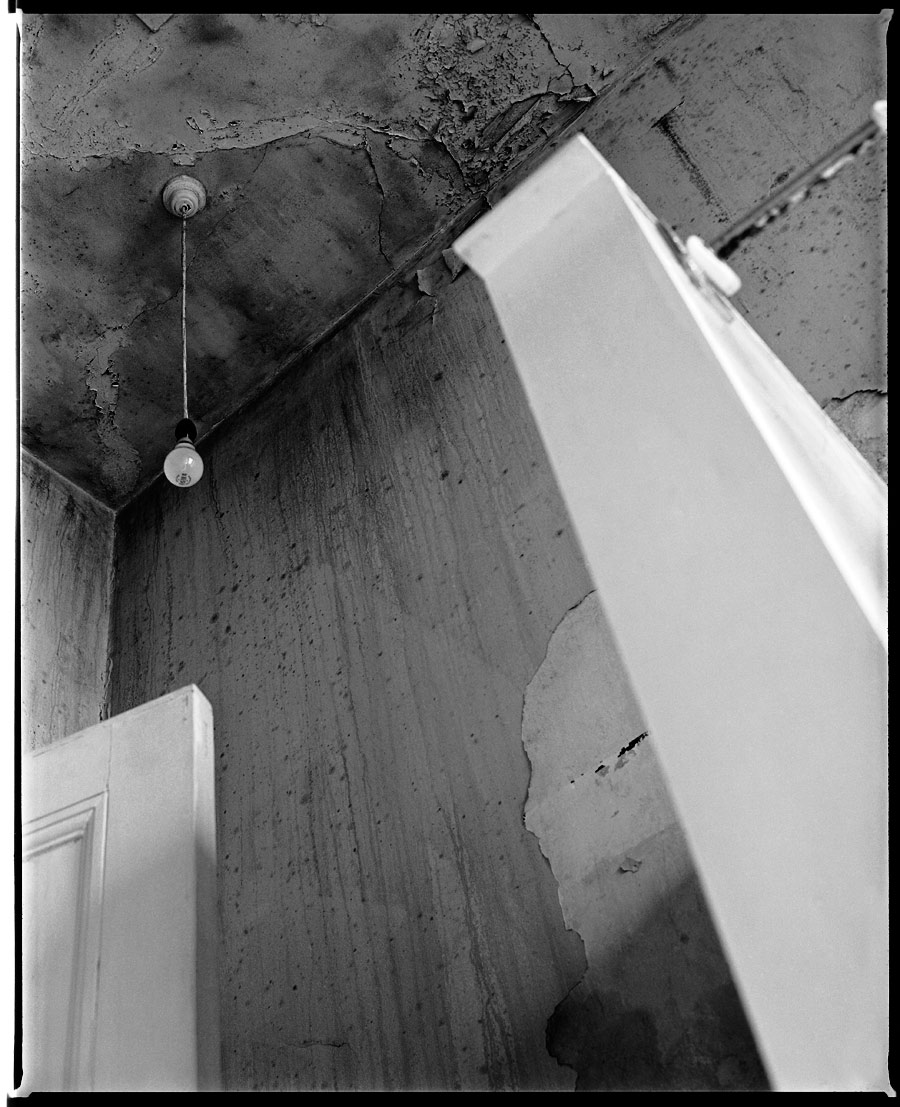
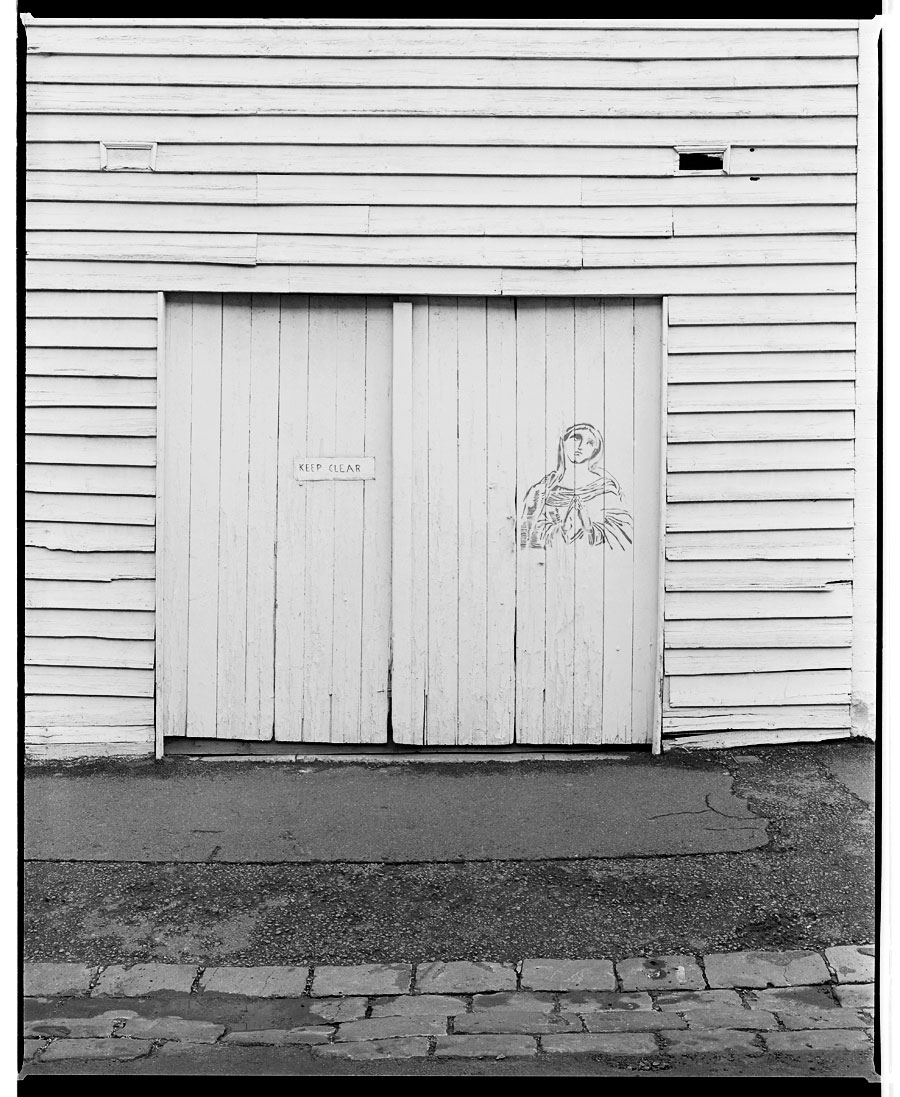

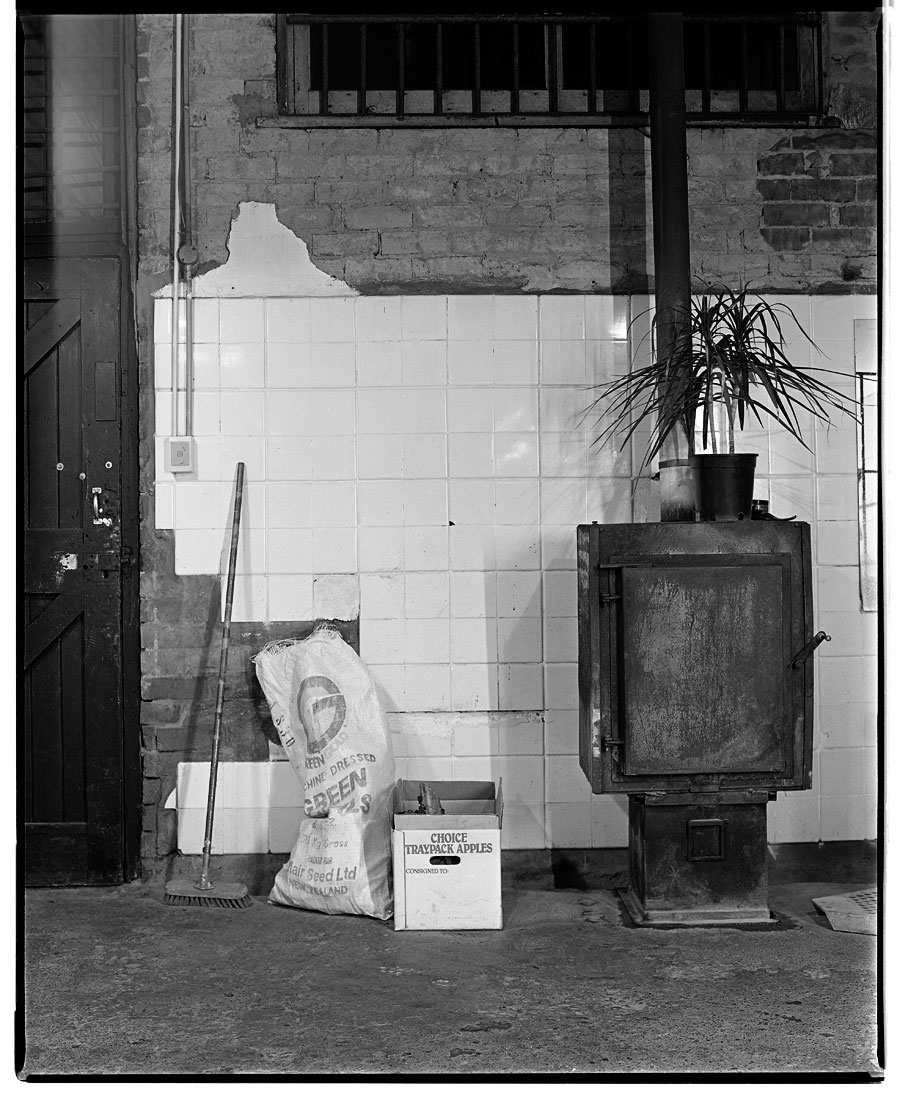

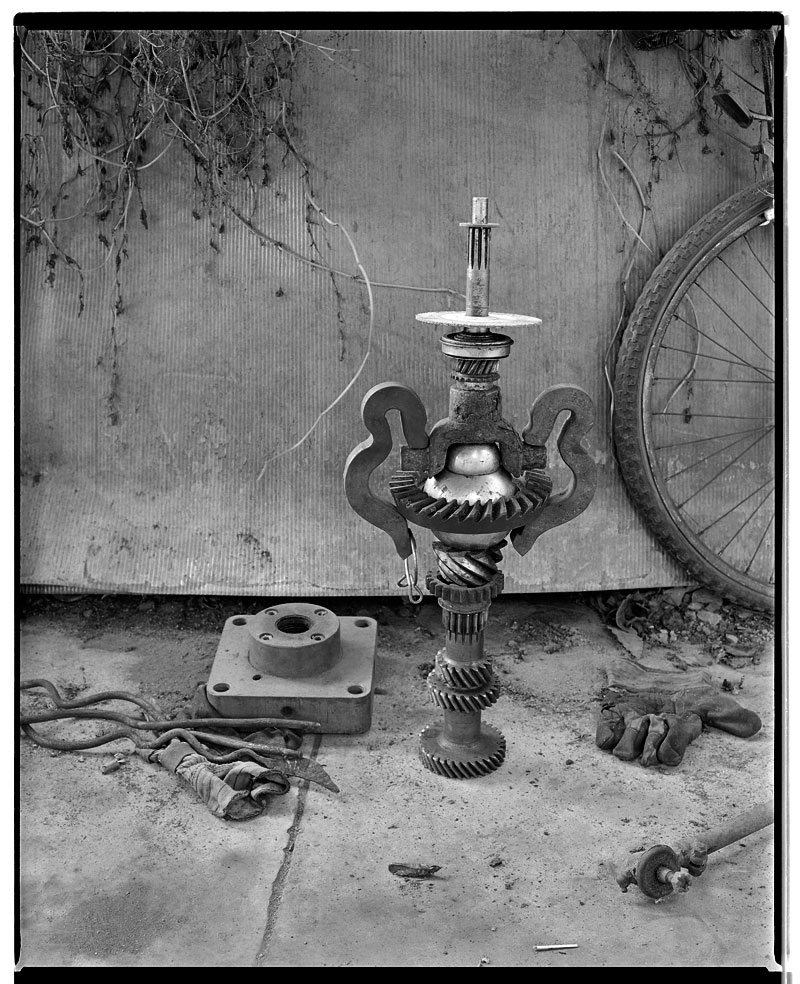


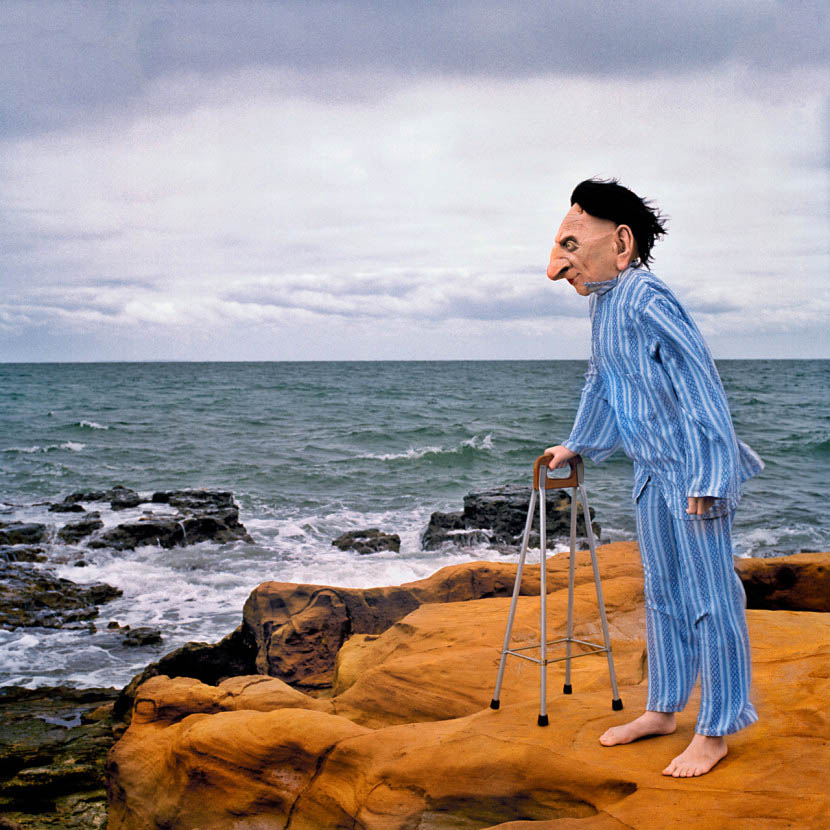
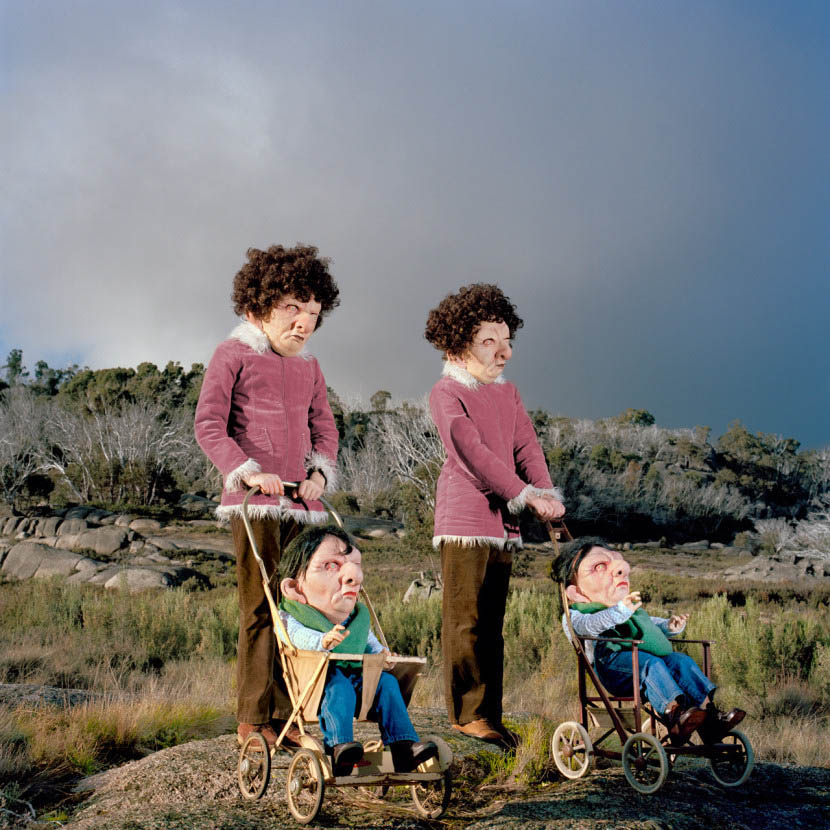
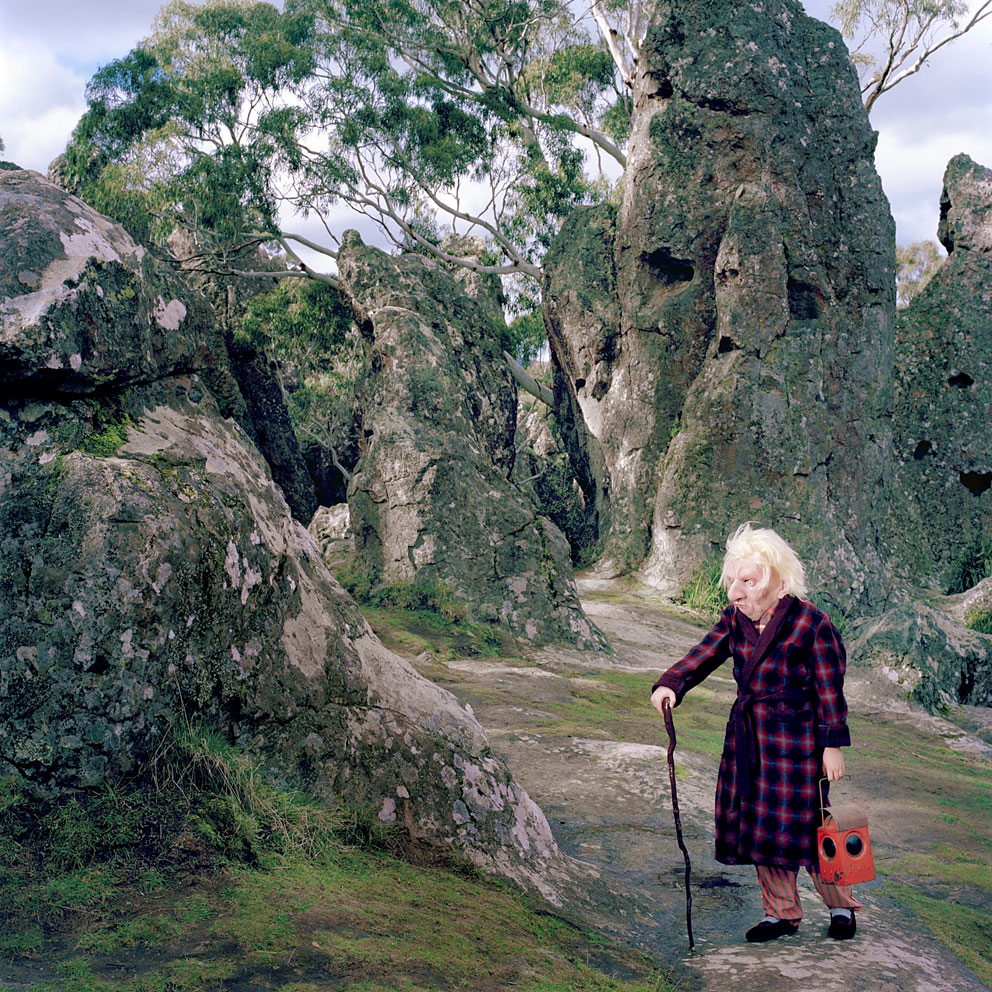
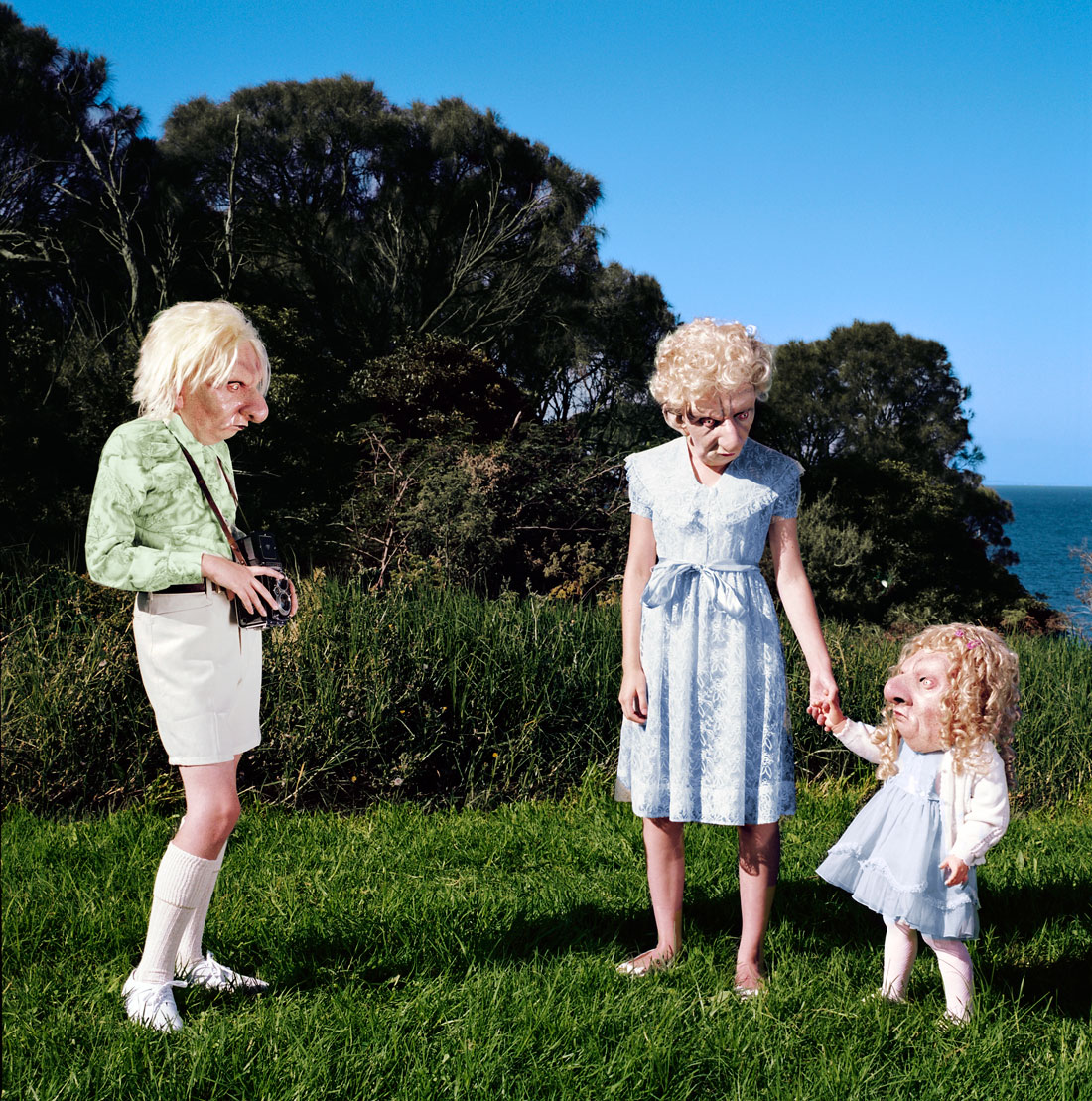


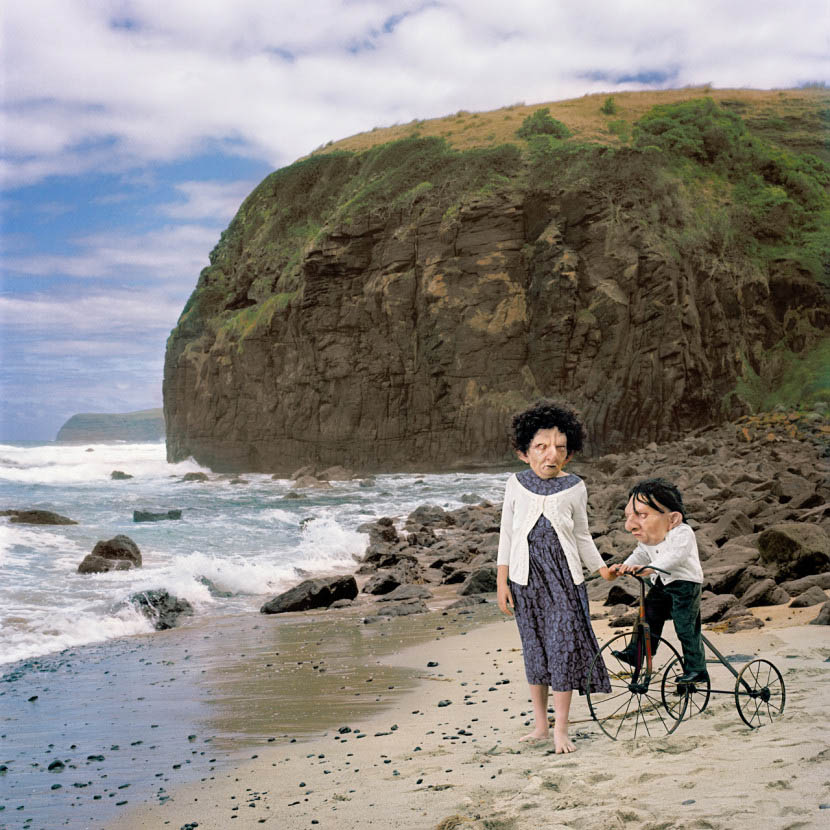

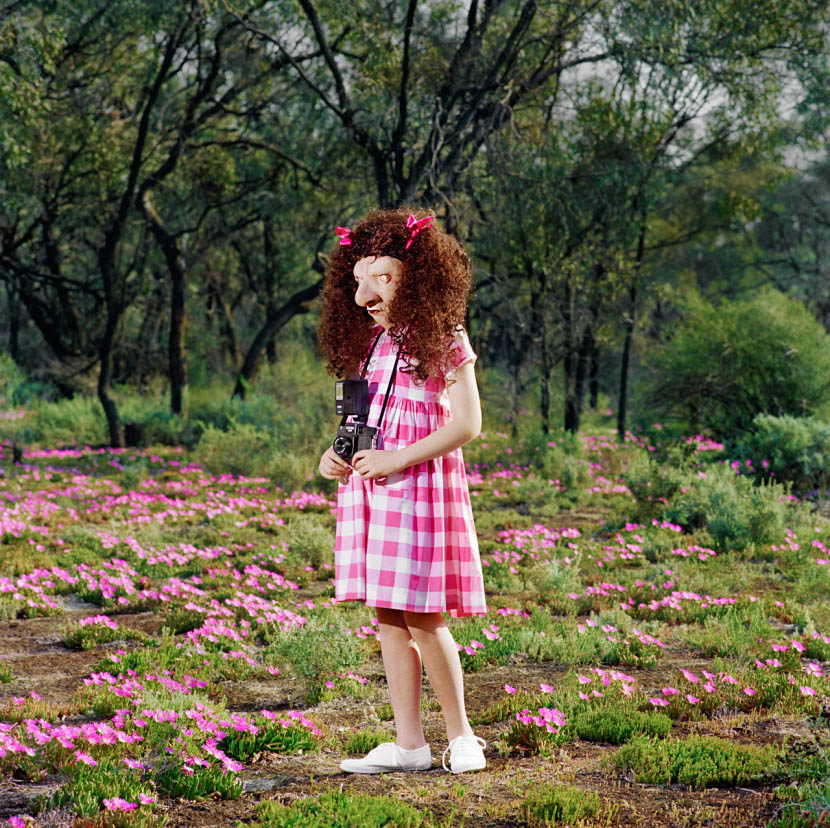


You must be logged in to post a comment.