Curator: Lauren Hinkson, Associate Curator of Collections at the Guggenheim Museum in New York
Organised by The Solomon R. Guggenheim Foundation, New York
Josef Albers (American born Germany, 1888-1976) Study for Homage to the Square, Closing 1964 Acrylic on Masonite Solomon R. Guggenheim Museum, New York, Gift, The Josef Albers Foundation, Inc., 1996
It is fascinating to see “the influence and connectivity between the work of Josef Albers and the abstracted geometric vocabulary of pre-Columbian art, architecture and material culture” … and the press release might add, between Albers, architecture and the flattened, geometric vocabulary of his photographs.
The lesser-known photographs and collages are “a visual conversation Albers created in response to his frequent visits to Mexico to view archaeological sites as early as the 1930s, illustrating the nuanced relationship between the geometry and design elements of pre-Columbian monuments and the artist’s iconic abstract canvases and works on paper.”
But these photographic collages stand as works of art in their own right, for they are music not just notation. Just look at the elegance and tension between the lower images in Mitla (1956, below). You don’t group photographs together like this so that they sing, so that the ‘ice-fire’ as Minor White would say (that space between each image that acts as tension between two or more images), enacts powerful attractors of light, form and energy (or spirit, if you like) … without knowing what you are doing, without feeling the presence of what you are photographing.
While artists have used photographs as “models” for other forms of art for years (for example Atget’s “documents for artists”), and we acknowledge that purpose, these images stand on their own two feet as visually nuanced, cerebral and finished works of art.
Dr Marcus Bunyan
Many thankx to the Heard Museum for allowing me to publish the photographs in the posting. Please click on the photographs for a larger version of the image.
Josef Albers (American born Germany, 1888-1976) Study for Sanctuary 1941-1942 Ink on paper The Josef and Anni Albers Foundation, Bethany, Connecticut, 1976
Josef Albers (American born Germany, 1888-1976) Ballcourt at Monte Alban, Mexico c. 1936-1937 Gelatin silver print The Josef and Anni Albers Foundation, Bethany, Connecticut, 1976
Josef Albers (American born Germany, 1888-1976) Tenayuca I 1942 Oil on Masonite The Josef and Anni Albers Foundation, Bethany, Connecticut, 1976
Josef Albers (American born Germany, 1888-1976) The Pyramid of the Magician, Uxmal 1950 Gelatin silver print Solomon R. Guggenheim Museum, New York, Gift, The Josef Albers Foundation, Inc., 1996
Josef Albers (American born Germany, 1888-1976) Governor’s Palace, Uxmal 1952 Gelatin silver print Solomon R. Guggenheim Museum, New York, Gift, The Josef Albers Foundation, Inc., 1996
Josef Albers (American born Germany, 1888-1976) Luminous Day 1947-1952 Oil on Masonite The Josef and Anni Albers Foundation, Bethany, Connecticut, 1976
Josef Albers (American born Germany, 1888-1976) Platform of the Eagles, Chichen Itza 1952 Gelatin silver print The Josef and Anni Albers Foundation, Bethany, Connecticut, 1976
The Heard Museum is presenting Josef Albers in Mexico. The exhibition demonstrates the influence and connectivity between the work of Josef Albers (German, 1888-1976) and the abstracted geometric vocabulary of pre-Columbian art, architecture and material culture. The Heard Museum is the third and final stop of the exhibition which opened in New York in 2017 then traveled to the Peggy Guggenheim Collection in Venice in 2018.
Josef Albers in Mexico is organised by the Solomon R. Guggenheim Foundation, and curated by Lauren Hinkson, Associate Curator of Collections at the Guggenheim Museum in New York. Drawing from the collections of the Solomon R. Guggenheim Museum and the Josef and Anni Albers Foundation, Josef Albers in Mexico presents an opportunity to learn about a little-known aspect of the artist’s practice and the influences he absorbed in his travels.
“Through his close attention to ancient architecture, Josef Albers developed new modes of seeing the modern world,” says Lauren Hinkson. “This exhibition of his celebrated paintings, along with lesser-known photographs and collages, reveals the complex and often surprising roles of place, time, and spirituality in Albers’s body of work.”
Included in the exhibition are rarely seen early paintings by Albers, including Homage to the Square and Variant / Adobe series, works on paper, and a rich selection of photographs and photocollages, many of which have never before been on view. The photographic works reveal a visual conversation Albers created in response to his frequent visits to Mexico to view archaeological sites as early as the 1930s, illustrating the nuanced relationship between the geometry and design elements of pre-Columbian monuments and the artist’s iconic abstract canvases and works on paper. Accompanying the artworks are a series of letters, personal photographs, studies and other ephemera.
Josef Albers was born in Bottrop, Germany in 1888 and was a fixture at the pioneering school of art, architecture, and design, the Bauhaus, until its forced closure by the Nazis. Albers and his wife, Anni Albers (1899-1994), an accomplished artist and textile designer, relocated to the United States in 1933, where he first accepted a position as head of the department of art at Black Mountain College outside of Asheville, North Carolina, a position he held until 1949. He then went on to be the head of the design department at Yale University in New Haven, Connecticut. Josef and Anni Albers traveled often to Latin America with particular interest in Mexico – visiting the country more than a dozen times from the 1930s to the 1960s. Albers’ fascination with the visual culture of Mexico left an indelible mark on his own artistic production and methodology, with sites like Teotihuacán, Chichén Itza, Monte Albán, and Mitla resonating within his paintings and stimulating new experiments in his photography.
The Heard also produced a series of public programs co-curated by the Heard Museum’s Fine Arts Curator, Erin Joyce. Topics include explorations of colour theory with some of todays’ leading artists, designers, and architects; the influence of Indigenous art and aesthetics on broader visual art, the role it has on informing artistic production and investigations into formalism and politics. Josef Albers in Mexico runs through Monday, May 27, 2019 at the Heard Museum.
Press release from the Heard Museum website [Online] Cited 25/02/2019
Josef Albers (American born Germany, 1888-1976) Mitla 1956 Gelatin silver prints and postcards, mounted to paperboard The Josef and Anni Albers Foundation, Bethany, Connecticut, 1976
Josef Albers (American born Germany, 1888-1976) Mitla (detail) 1956 Gelatin silver prints and postcards, mounted to paperboard The Josef and Anni Albers Foundation, Bethany, Connecticut, 1976
Josef Albers (American born Germany, 1888-1976) Mitla (detail) 1956 Gelatin silver prints and postcards, mounted to paperboard The Josef and Anni Albers Foundation, Bethany, Connecticut, 1976
Josef Albers (American born Germany, 1888-1976) Mitla (detail) 1956 Gelatin silver prints and postcards, mounted to paperboard The Josef and Anni Albers Foundation, Bethany, Connecticut, 1976
Josef Albers (American born Germany, 1888-1976) Mitla (detail) 1956 Gelatin silver prints and postcards, mounted to paperboard The Josef and Anni Albers Foundation, Bethany, Connecticut, 1976
Anni Albers (American born Germany, 1899-1994) Josef Albers, Mitla 1935-1939 The Josef and Anni Albers Foundation, Bethany, Connecticut, 1976
Heard Museum 2301 N. Central Avenue Phoenix, Arizona 85004
“Varble’s total irreverence is no more evident than in his willingness to “cross party lines,” as he did when he wore his Suit of Armor, constructed with gold VO labels from Seagram’s boxes, to both the 1975 Easter Parade and to West Village leather bars! He was an equal opportunity offender, rubbing up against conformity in all forms.”
Bob Nickas. “Stephen Varble: Now More Than Ever,” on the Affidavit website [Online] Cited 10/04/2019
Confusing queen reigns, on parade
I love doing these posts on artists that certainly I, and I suspect a lot of the readers of this website, would have never have heard of. Artists full of spunk, full of daring-do, artists who rise to challenge the patrons of patriarchy, and the colluders of capitalism (Varble became ever-more critical of commodification and capitalism). Artists who declaim the value of the individual, who shine a light on the plight of the downtrodden and those discriminated against. Can you not once bring yourself to utter the word “AIDS” you bigoted president?
In an era of reactionary religious and right wing hypocrisy – Christian sleaze and paedophilia anyone, anti-Muslim and anti-gay Facebook posts in the Australian election, murderous right wing rampage in New Zealand – now more than ever, we need artists like Stephen Varble (American, 1946-1984). Human beings that speak up and speak out against bigotry, discrimination, and awful men in high places.
“Varble made the recombination of signs for gender a central theme in his increasingly outrageous costumes and performances… [He] sought to make a place for himself outside of art’s institutions and mainstream cultures all the while critiquing them both.” Australian artists such as Leigh Bowery and Brenton Heath-Kerr have a lot to thank Varble for.
He might have risen from the gutter, but his intentions were full of stars.
Dr Marcus Bunyan
Many thankx to the ONE Gallery for allowing me to publish the photographs in the posting. Please click on the photographs for a larger version of the image.
Varble’s work wasn’t drag in the conventional cross-dressing sense, or “gay art,” which was often defined from a predominantly masculine perspective in the immediate post-Stonewall years. His intention was to stretch and break down the very idea of binary identities, confuse the concept of gender, leave it optional. And this goal puts him well in the framework of queer and transgender thinking now. …
For a series of mid-1970s performances he called “Gutter Art,” he would arrive, elaborately dressed, by limousine (paid for by a Japanese patron, Miyazaki Morihiro) in front of luxury stores on the Upper East Side. Once parked, he unloaded old kitchen utensils from the trunk and started washing them with black ink, as if referring to the domestic life of sweatshop labor. He soon gained notoriety as a kind of cultural terrorist. (Tiffany’s hired guards to keep him out.) He turned up, uninvited, at red carpet events – film premieres, the Met’s Costume Institute gala – to dazzle and deride the guests.
“A chauffeured Rolls Royce glides glacially to the curb in front of the Chemical Bank at New York’s Sheridan Square. The uniformed driver, out in an instant, holds open the passenger door. Rather than a well-heeled person to which such a car would belong, a more hallucinatory sight will emerge, equally glamorous and ridiculous. Two legs appear, only one of which has a shoe. The full length of the body gradually appears, improbably covered in netting and not much else, the entwined nets adorned with crumpled bills. What seem to be bare breasts droop from the chest of a figure of otherwise unidentifiable gender, further confused by a toy fighter jet, poised for takeoff, at crotch level. While no words are spoken, a cartoon speech bubble overhead proclaims, cheerily but with a disgruntled undertow: Even Though You May Be Forged, Chemical Still Banks Best!”
Bob Nickas. “Stephen Varble: Now More Than Ever,” on the Affidavit website [Online] Cited 10/04/2019
The Chemical Bank Protest was Varble’s most notorious and widely reported disruption, and it encapsulated his disdain for commerce, capitalism, and propriety. To contest a forgery against him, Varble went to the Sheridan Square bank to demand his money returned. He created his Demonstration Costume with Only One Shoe from Christmas tree packaging, gold leaf wrappers, and fake money. His costumes often combined different signs of gender, and here he wore tow condoms filled with cow’s blood for breasts and a toy jet fighter as a codpiece. The toy referenced the plane ticket the forger purchase with the money, and one shoe was missing to “symbolise his economic loss.” Hovering over his head, a speech bubble touted, “Even Though You May Be Forged, Chemical Still Banks Best!”
Varble’s performances often affected an ironic enthusiasms for his targets (be it a bank, a boutique, a gallery, or a presidential candidate), and his insincere flattery was meant to provide cover for his disruption of business as usual.
Arriving in a borrowed limousine, Varble boldly entered to make his demands as the line of customers at the teller window gawked. On being told by the manager that he could not be helped, Varble punctured the blood-filled condoms and dipped a pen in the spilled blood to write checks (for “none-million dollars”) in his dramatic, mime-like movements before sweeping out to the sound of applause from the customers.
Wall text from the exhibition
“Varble began to truly set himself apart from other gender-focused 1970s performance artists with his outré 1976 performance at Chemical Bank in Sheridan Square. After hearing that someone had forged his signature and emptied out his bank account, Varble walked into the bank dressed in fake money, with breasts made out of condoms and filled with cow’s blood. He demanded his money back. When the bank teller could not comply, Varble punctured his condom-breasts, spilling blood all over the floor, and wrote checks in blood for “none-million dollars,” which he addressed to his companion at the bank, Peter Hujar. The exhibition includes a photograph Hujar took that day, evoking a time when the lax security in banks allowed artists to perform and express themselves, however outrageously (although Varble was then escorted out of the cow’s blood-filled bank by security).”
Installation views of the exhibition The Gutter Art of Stephen Varble: Genderqueer Performance Art in the 1970s, photographs by Greg Day at ONE Gallery
Installation view of the exhibition The Gutter Art of Stephen Varble: Genderqueer Performance Art in the 1970s, photographs by Greg Day at ONE Gallery showing, at left top, Greg Day’s Stephen Varble with the Enormous Pink Satin and baby Doll (1975); left below Stephen Varble Performing in a Garbage Can at his Loft on Franklin Street (1975); and at centre, Closing Party with Varble’s Enormous Pink Satin Skirt (1975)
Franklin Street Exhibition and Party Performance
in 1976, Varble organised an exhibition of his own work in the loft her share with Jim McWilliams on Franklin Street. He painted the interiors pink, built large decorations, and displayed all his costumes on cut-out mannequins mounted on the walls. The largest piece in the exhibition was a new work the Enormous Pink Satin Skirt, some fifteen feet in length. The object played a central role in the “Gala Ending” party that closed the exhibition, as can be seen in the photograph (main above). For this major event Varble enlisted the help of established gender non-conforming performers such as Mario Montez, Jackie Curtis, and Taylor Mead to act as living mannequins for his most iconic costumes. Modelling Varble’s art they paraded with his satin silhouette dolls through the crowd and did impromptu performances – such as when Agusta Machado enacted a campy drama of claustrophobia in Varble’s refrigerator. Day was there to capture the wild party, managing to take individual portraits of some of the major performers in attendance…
In the midst of the playful chaos, Varble gathered these Warhol stars and others (such as Paul Ambrose and New York drag personality Ruth Truth) inside the Enormous Pink Satin Skirt, and at a designated time they al burst forth dancing. As the exhibition gave attendees a retrospective view of his output the performance provided a testament to Varble’s place in the queer performance culture of New York. As the art critic Gregory Battock remarked, “It was the kind of event only Stephen Varble could have planned: chaotic, meandering, spurious and very New York […] Even though invitations were hard to come by, everybody was there.”
Wall text from the exhibition
Installation view of the exhibition The Gutter Art of Stephen Varble: Genderqueer Performance Art in the 1970s, photographs by Greg Day at ONE Gallery with, at left, Greg Day’s Stephen Varble Destroying his Blue and Green Corrugated Paper Dress from the Camera (October 1975); at second left, Stephen Varble in the Elizabethan Farthingale; and at third left, Stephen Varble in the Suit of Armor (October 1975)
Installation view of the exhibition The Gutter Art of Stephen Varble: Genderqueer Performance Art in the 1970s, photographs by Greg Day at ONE Gallery
Stephen Varble, Gutter Art flyer [recto] 1975 Xerographic print on paper Courtesy Greg Day and the Leslie-Lohman Museum Photo: Courtesy Greg Day and the Leslie-Lohman Museum
Installation view of the exhibition The Gutter Art of Stephen Varble: Genderqueer Performance Art in the 1970s, photographs by Greg Day at ONE Gallery
In costumes made from street trash, food waste, and stolen objects, Stephen Varble (1946-1984) took to the streets of 1970s New York City to perform his “Gutter Art.” With disruption as his aim, he led uninvited costumed tours through the galleries of SoHo, occupied Fifth Avenue gutters, and burst into banks and boutiques in his gender-confounding ensembles. Varble made the recombination of signs for gender a central theme in his increasingly outrageous costumes and performances. While maintaining he/him as his pronouns, Varble performed gender as an open question in both his life and his work, sometimes identifying as a female persona, Marie Debris, and sometimes playing up his appearance as a gay man. Only later would the term “genderqueer” emerge to describe the kind of self-made, non-binary gender options that Varble adopted throughout his life and in his disruptions of the 1970s art world.
At the pinnacle moment of Varble’s public performances, the photographer Greg Day (b. 1944) captured the inventiveness and energy of his genderqueer costume confrontations. Trained as an artist and anthropologist and with a keen eye for documenting ephemeral culture as it flourished, Day took hundreds of photographs of Varble’s trash couture, public performances, and events in 1975 and 1976. Varble understood the importance of photographers, and Day was his most important photographic collaborator. This exhibition brings together a selection of Day’s photographs of Varble performing his costume works and also includes Day’s photographs of Varble’s friends and collaborators such as Peter Hujar, Jimmy DeSana, Shibata Atsuko, Agosto Machado, and Warhol stars Jackie Curtis, Taylor Mead, and Mario Montez.
Varble sought to make a place for himself outside of art’s institutions and mainstream cultures all the while critiquing them both. The story of Varble told through Day’s photographs is both about their synergistic artistic friendship and about the queer networks and communities that made such an anti-institutional and genderqueer practice imaginable. Together, Varble and Day worked to preserve the radical potential of Gutter Art for the future.
The Gutter Art of Stephen Varble builds upon the 2018 retrospective exhibition of Stephen Varble’s work at the Leslie-Lohman Museum of Gay and Lesbian Art, New York, titled Rubbish and Dreams: The Genderqueer Performance Art of Stephen Varble, as featured in the New York Times on January 11, 2019. The new ONE Gallery exhibition, with its focus on the collaboration of Varble with the photographer Greg Day, will explore the ways in which Varble’s disruptive guerrilla performance art has lived on primarily through vibrant photographs that captured his inventive costumes, transformed trash, and public confrontations.
The Gutter Art of Stephen Varble: Genderqueer Performance Art in the 1970s photographs by Greg Day is curated by David J. Getsy, Goldabelle McComb Finn Distinguished Professor of Art History at the School of the Art Institute of Chicago. The Gutter Art of Stephen Varble is organised by the ONE Archives Foundation, Inc. Generous support is provided by the City of West Hollywood.
About the ONE Archives Foundation, Inc.
The ONE Archives Foundation, Inc. is an independent 501(c)(3) dedicated to telling the accurate and authentic stories of LGBTQ people, history and culture through public exhibitions, educational projects and trainings, and community outreach programs. Our exhibitions, school programs, and community outreach programs are free. We depend entirely on members of the public and private foundations for support.
Press release from the ONE Gallery [Online] Cited 10/04/2019
Installation view of the exhibition The Gutter Art of Stephen Varble: Genderqueer Performance Art in the 1970s, photographs by Greg Day at ONE Gallery showing, at left, a still from Stephen Varble’s video Journey to the Sun (1978-1983); and at right Greg Day’s Stephen Varble in the Piggy Bank Dress (1975)
Stephen Varble (American, 1946-1984) Journey to the Sun 1978-1983 U-matic video transferred to digital, 2018 Courtesy David J. Getsy
Varble receded from the art world and from street performance around 1977, becoming ever-more critical of commodification and capitalism. As he told an interviewer that year, “This is the age of pornography and contempt. The dollar is good. […] The end of capitalism is coming.” Varble instead began to develop private performances and videos about his private mythologies and messianic dreams. His last five years were consumed with working on an epic, operatic work of video art: Journey to the Sun. It started in 1978 as a performance about the mythology of Greta Garbo, and Varble invited friends to his Riverside Drive apartment to view his monologues accompanied by project slides. His ambitions soon outgrew this format, and he turned to video for its ability to combine text, image and performance. He considered these videos to be revivals of illuminated Medieval manuscripts with their rich visual play between words and pictures, and he called his group of collaborators in the video the “Happy Arts School of Manuscript Illumination.” The aim of the “school” was to promote Varble’s vision of societal transformation through the making of modern fables in the form of videos, books, and prints. His “video books,” as he called the tapes, offered an “antidote to nature’s ruin on this heavenly globe.”
Journey to the Sun tells the story of a musician, the Grey Crowned Warbler, who undergoes tribulation and metamorphosis on a journey to transcendence. The tale is a loosely autobiographical fable of an artist who encounters a stern mystical teacher, Sage Purple Pythagoras (played by his partner, Daniel Cahill) who tests the Warbler. Many of Varble’s iconic costumes feature in the video, and he combined elements of his own history with references to literature, religion, and popular culture (notably, Garbo). Combining heavily scripted monologues with improvised performances. Journey to the Sun does not offer a tidy or easily understood narrative. Rather, it sketches a fantastic and surreal visual world in which dreams are realised through the transformations of everyday objects, popular imagery, and rubbish.
To make this “rodeo-paced” video, Varble filled his apartment with drawings and writings on the walls, blacked out the windows, and began filming scenes both scripted and improvised with collaborators. Journey to the Sun is remarkable for its time due to the complexity and density of the video editing – all of which was done by Varble in his apartment. He only completed about thirty percent of his planned work before his death from AIDS-related complications in January 1984. This screening copy presents a continuous segment of around 80 minutes that has been selected from the three surviving U-matic master tapes, but no changes have been made other than the choice of where to begin and end this combined excerpt. This is but a fragment of the much longer video epic Varble hoped would be his major contribution.
Wall text from the exhibition
Installation view of the exhibition The Gutter Art of Stephen Varble: Genderqueer Performance Art in the 1970s, photographs by Greg Day at ONE Gallery showing Stephen Varble’s Blue Boy
“One afternoon, Stephen invited me to accompany him to a performance in midtown Manhattan. He bought Blue Boy with him. We took the F train uptown from Washington Square. Sitting on the subway car bench and wearing his Chemical Bank Protest attire. Stephen hugged, kissed, fondled and poked Blue Boy. He spoke to him in an affectionate and sometimes argumentative language of moans, “ohs” and clicks. I sat across from him and watched as people entered the car. They stared, laughed, gasped, and made disparaging remarks about his sanity before moving to another part of the subway car. Even riding the train was an opportunity for Stephen to shock.”
Please click on the photographs for a larger version of the image.
Unknown photographer (American) Photograph Depicting an Exhumed Coffin c. 1870s-1890s Albumen print
“Iron coffins are fascinating artefacts of a time when friction between technology and tradition created a spiritual crisis in the early days of the United States… Iron coffins were created to mitigate some of the negative effects of long-distance steam transportation on a traditionally sedentary society. The benefits of steam travel are many and obvious; however, there were also downsides that began to seep into the most personal corners of American life. One unintended consequence was that steam travel enabled unprecedented numbers of people to head out, die and be buried by strangers far from home. This was considered one of the most regrettable circumstances that could befall a family during this profoundly spiritual period. A distant death denied families and loved ones participation in funeral rituals and the privilege of assisting in the commencement of the greatest spiritual journey one could make. On a societal level, the absence of a funeral disrupted a central pattern of American life and weakened the bonds of local communities. This unfortunate situation befell the family of Almond Dunbar Fisk; however, Fisk, a Manhattan stove designer had the skills and vision to remedy an important part of this tragedy, and in the process helped redefine death’s place within American life.
The catalyst for the coffins was the death of Fisk’s brother, William, in the spring of 1844 in Oxford, Mississippi. Before refrigeration or embalming, there was no practical way to return William’s body to the Fisk family plot in upstate New York for a proper Christian burial. Their father, a minister, was particularly upset by this fact, so Fisk, well versed in the principles of airtight stoves and boilers, redirected his mastery of cast iron to create an airtight coffin capable of naturally preserving a body that could be safely and sanitarily transported long distance or stored for long periods even in the hottest weather. In addition to their airtight design, preservation was achieved by making the coffins as form-fitting to the body as possible, minimising the air inside and depriving the microbes of sufficient oxygen to survive and decompose the body. He received a patent for his ‘metallic burial case’ on November 14, 1848. Partnering with his father-in-law, he formed the company Fisk & Raymond and set up shop at 401 Broadway – just in time for the California Gold Rush. His coffins were first adopted by the nation’s political elite, who had the means and desire to avoid spending eternity buried in Washington DC. The cast iron caskets caught the public’s eye in 1849 when beloved former first lady Dolley Madison was laid out in one in a large public funeral ceremony. Soon, many other politicians and presidents followed suit, making the coffins an item of status and prestige in the eyes of the growing middle class. Rocketed to fame by such high-profile funerals, Fisk’s days of glory were – alas – brief. He died the following year at age 32 at his home in Queens and his body was shipped back upstate for burial in the family plot. His brother-in-law, William Mead Raymond, took over the family business and oversaw the creation of several new coffin models until his retirement in the 1870s. While the iron coffin industry didn’t survive past the 19th century, Fisk’s invention was the beginning of a trend away from wood coffins and can be credited as the progenitor of the metal caskets used today.”
Unknown photographer (American) Photograph Depicting an Exhumed Coffin c. 1870s-1890s Albumen print
Coffin Example, Canton Historical Museum
The Coffins
The coffins were created by Almond Dunbar Fisk in 1848 in Queens, NY and marketed as Fisk Metallic Burial Cases.
Fisk’s iron coffins – modern marvels of their day – were specifically designed to naturally preserve their occupants. The coffins were developed in response to some of the inadvertent challenges that had resulted from the introduction of steam transportation in the preceding decades.
In a time before embalming or refrigeration, these coffins provided a sanitary means to transport the dead long distances in any season or preserve a body long enough for kin to travel to a distant funeral. In addition, they also provide a way to quarantine a body suspected of dying of a contagious disease (such as cholera which was first delivered from Europe via steamship in 1832).
Costing up to twenty-five dollars or more, the coffins were as expensive as they were practical. Fashioned after an Egyptian sarcophagus, these ‘mummiform’ coffins, first attracted the attention of the political elite beginning with the funeral of First Lady Dolley Madison and followed by the likes of Henry Clay, Daniel Webster and President Zachary Taylor, to name a few. However, their style and practicality also attracted those outside of Washington DC, and they became a mark of status for the upper and middle classes during the early years of consumer culture and the nascent funeral industry. The gold rush, and western expansion in general, also helped expand the market beyond the elite urban deceased.
Exhibition dates: 15th February – 12th April, 2019
Arnold Kramer (American, 1944-2017) Interior view 1977 Gelatin silver print 11 x 14 inches
I really like these.
While I disagree with some of the statements in the press release – I don’t see much Minor White in these photographs except for the occasional door / window, some small whiteness in these photographs, and his negatives aren’t that good – these photographs evidence Arnold Kramer’s unique way of seeing the world.
A dash of Walker Evans, a little Lewis Baltz (with the added smooth high values and distinct cool drama of a cold light head enlarger), a bit of Diane Arbus and her settings, and very much New Topographics for the interior space, they capture an original vision of these domestic scenes.
It’s the concept, high key, light, use of flash, wide angle lens and clinical presence that gets me in. As the press release correctly observes, “Kramer has a unique way of creating a three dimensional scene within the sheet of a two dimensional photographic paper: In his photographs of rooms, objects and patterns that can appear to look haphazard and random are flattened out and pieced together to create a marvellous kind of collage effect.”
This piecing together can be seen in the last photograph in the posting, where I analyse Kramer’s construction of pictorial space. He loves shapes thrusting in from the bottom of the image, or falling from the top, creating this complex assemblage flattened on the page. Very frontal, formal, banal as beauty (or the other way round), structured.
Ralph Gibson says: “I’m lucky to have a subconscious really” – Weston, Evans, and White can join in on that. But not Kramer. He doesn’t need the subconscious… for these images, with their paired back aesthetic, are almost scientific in their analytical probing. It’s as though the subconscious has been banished to be replaced by the cerebral.
A gesture of denial and concern at one and the same time – denial of the actual human inhabitants, and concern for their in/habitation – their habits and habitats.
Dr Marcus Bunyan
Many thankx to Joseph Bellows Gallery for allowing me to publish the photographs in the posting. Please click on the photographs for a larger version of the image.
Arnold Kramer (American, 1944-2017) Interior view 1977 Gelatin silver print 11 x 14 inches
Arnold Kramer (American, 1944-2017) Interior view 1977 Gelatin silver print 11 x 14 inches
Arnold Kramer (American, 1944-2017) Interior view 1977 Gelatin silver print 11 x 14 inches
Arnold Kramer (American, 1944-2017) Interior view 1977 Gelatin silver print 11 x 14 inches
Arnold Kramer (American, 1944-2017) Interior view 1977 Gelatin silver print 11 x 14 inches
Arnold Kramer (American, 1944-2017) Interior view 1977 Gelatin silver print 11 x 14 inches
These black and white photographs, with their sharp eye for the pattern and details of domestic settings, established Kramer as a distinct talent whose avoidance of “romantic bombast” and “emphasis on formal clarity,” made his pictures particularly fresh, when they were exhibited by Jane Livingston at the Corcoran Gallery of Art in 1978. In their emphasis on emotionally restrained, frontal views of rooms they look back and reference the work of Walker Evans, especially Evans’ Message From the Interior. In their attention to pattern and line as visual motifs within everyday spaces, he reveals his bond with another 20th century photographic master, his mentor Minor White.
Kramer has a unique way of creating a three dimensional scene within the sheet of a two dimensional photographic paper: In his photographs of rooms, objects and patterns that can appear to look haphazard and random are flattened out and pieced together to create a marvellous kind of collage effect. “I try to strike a balance between commitment to craft and commitment to seeing,” Kramer once explained.
The impact of this thinking is evident in his seductive series of interiors, which began with pictures made in the Baltimore home of his wife’s parents. The range of interiors expanded to include settings in homes of friends, family and others that spanned Baltimore, Washington and his hometown of Boston/Cambridge.
“These places transcend their own banality to become rather fabulously beautiful,” Kramer aptly asserted. For Kramer, meeting Minor White was pivotal. He enrolled in one of White’s classes while earning a Master’s Degree in Electric Engineering at the Massachusetts Institute of Technology (completed in 1968). On the basis of some pictures he had made for his high school yearbook, White allowed him to enter his advanced class in photography at M.I.T. and ultimately became Kramer’s mentor. He studied with White for five years beginning in 1967 and it was White’s insistence that his students strive for original vision in their work as much as excellent technique that was crucial to Kramer’s development as an artist.
He was the recipient of fellowships from the National Endowment for the Arts in both 1975 and 1979. From 1970 until 1981, Kramer was on the faculty of the School of Architecture at the University of Maryland, teaching undergraduate and graduate courses in still photography. During the 1980s, he also had a flourishing practice as an architectural and commercial photographer in Washington, D.C. He has served on the staff of the United States Holocaust Memorial Museum since 1987, heading up its Information Office and overseeing its technological initiatives for exhibitions and national outreach, as well as creating photographs for its archives and exhibits. Among collections in which Arnold Kramer is represented include: Birmingham Museum of Art, Corcoran Gallery of Art, National Museum of American Art, Addison Gallery of American Art and The Baltimore Museum of Art.
Press release from the Joseph Bellows Gallery Cited 04/03/2019
Arnold Kramer (American, 1944-2017) Interior view 1977 Gelatin silver print 11 x 14 inches
Arnold Kramer (American, 1944-2017) Interior view 1977 Gelatin silver print 11 x 14 inches
Arnold Kramer (American, 1944-2017) Interior view 1977 Gelatin silver print 11 x 14 inches
Arnold Kramer (American, 1944-2017) Interior view 1977 Gelatin silver print 11 x 14 inches
Arnold Kramer (American, 1944-2017) Interior view 1977 Gelatin silver print 11 x 14 inches
Arnold Kramer (American, 1944-2017) Interior view 1977 Gelatin silver print 11 x 14 inches
Arnold Kramer (American, 1944-2017) Interior view 1977 Gelatin silver print 11 x 14 inches
Arnold Kramer (American, 1944-2017) Interior view 1977 Gelatin silver print 11 x 14 inches
Arnold Kramer (American, 1944-2017) Interior view 1977 Gelatin silver print 11 x 14 inches
Arnold Kramer (American, 1944-2017) Interior view 1977 Gelatin silver print 11 x 14 inches
Arnold Kramer (American, 1944-2017) Interior view 1977 Gelatin silver print 11 x 14 inches
Arnold Kramer picture construction graphic
Joseph Bellows Gallery 7661 Girrard Avenue La Jolla, California Phone: 858 456 5620
Opening hours: Tuesday – Saturday 11am – 5pm and by appointment
What an absolute privilege it is to be able to publish these magnificent photographs by George Platt Lynes from the Kinsey Institute. It’s a pity there aren’t more of his stunning male nude photographs in the posting, but we are happy for small mercies.
I studied GPL’s photographs at The Kinsey as part of my PhD research Pressing the Flesh: Sex, Body Image and the Gay Male, research which examined, in part, the history of photographic images of the muscular male body, starting with the formation of ‘The Cult of Muscularity’ in the last decade of the 19th century which was a reaction to the perceived effeminisation of heterosexual masculinity. Intertwined with this stream of photographs of masculine men are photographs of youthful male bodies (ephebes) such as appear in the works of Fredrick Holland Day and Baron von Gloeden, later to be followed by the photographs of Horst P. Horst and Herbert List.
Frederick Holland Day’s photographs of the male body concentrated on mythological and religious subject matter. In these photographs he tried to reveal a transcendence of spirit through an aesthetic vision of androgynous physical perfection. He revelled in the sensuous hedonistic beauty of what he saw as the perfection of the youthful male body. In Europe Wilhelm von Gloeden’s photographs of young ephebes (males between boy and man) have a much more open and confronting sexual presence. Using heavily set Sicilian peasant youths with rough hands and feet von Gloeden turned these bodies into heroic images of Grecian legend, usually photographing his nude figures in their entirety.
In the early male nude photographs of GPL the form of the male is usually that of the ephebe, while in the latter stages of his life the male figure is, as a general rule, heavier set, the lighting more brooding, the sexuality more open. This can be seen in the photographs in this posting, the chaste photograph from the 1930s (above) relying on light and form, whereas in the photographs from the 1950s the sexual frisson is much in evidence – the opened fly on the trousers of the sailor (1954, below) and the pubic hair and jocks in the male in profile (1955), the year GPL died of cancer.
“As Lynes became more despondent with his career as a fashion photographer his private photographs of male nudes tended to take on a darker and sharper edge. After a period of residence in Hollywood he returned to New York nearly penniless. His style of photographing the male nude underwent a revision. While the photographs of his European colleagues still relied on the sun drenched bodies of young adolescent males evoking memories of classical beauty and the mythology of Ancient Greece the later nudes of Platt Lynes feature a mixture of youthful ephebes and heavier set bodies which appear to be more sexually knowing. The compositional style of dramatically lit photographs of muscular torsos of older men shot in close up … were possibly influenced by a number of things – his time in Hollywood with its images of handsome, swash-buckling movie stars with broad chests and magnificent physiques; the images of bodybuilders by physique photographers that George Platt Lynes visited; the fact that his lover George Tichenor had been killed during WWII; and the knowledge that he was penniless and had cancer. There is, I believe, a certain sadness but much inner strength in his later photographs of the male nude that harnesses the inherent sexual power embedded within their subject matter.
The monumentality of body and form was matched by a new openness in the representation of sexuality. There are intimate photographs of men in what seem to be post-coital revere, in unmade beds, genitalia showing or face down showing their butts off. Some of the faces in these later photographs remain hidden, as though disclosure of identity would be detrimental for fear of persecution. The above photograph is very ‘in your face’ for the conservative time from which it emerges, remembering it was the era of witch hunts against communists and subversives (including homosexuals). This photograph is quite restrained compared to one of the most striking series of GPL’s photographs that I saw at The Kinsey Institute which involves an exploration the male anal area. A photograph from the 1951 series can be found in the book titled George Platt Lynes: Photographs from The Kinsey Institute (1993). This image is far less explicit than other images of the same model from the same series that I saw during my research into GPL’s photographs at The Kinsey Institute, in particular one which depicts the model with his buttocks in the air pulling his arse cheeks apart. After Lynes found out he had cancer he started to send his photographs to the German homoerotic magazine Der Kries under the pseudonym Roberto Rolf, and in the last years of his life he experimented with paper negatives, which made his images of the male body even more grainy and mysterious.
Personally I believe that Lynes understood, intimately, the different physical body types that gay men find desirable and used them in his photographs. He visited Lon of New York (a photographer of beefcake men) in his studio and purchased photographs of bodybuilders for himself, as did the German photographer George Hoyningen-Huene. It is likely that these images of bodybuilders did influence his later compositional style of images of men; it is also possible that he detected the emergence of this iconic male body type as a potent sexual symbol, one that that was becoming more visible and sexually available to gay men.”
Marcus Bunyan. “Historical Pressings: George Platt Lynes II,” from Pressing the Flesh: Sex, Body Image and the Gay Male. Melbourne: RMIT University PhD thesis publication, 2001 [Online] Cited 22/02/2019. No longer available online
Some of the more openly erotic GPL photographs can be seen in my posting from 2014, Photographs and text: George Platt Lynes and the male nude. Here you can see the photographs of butts and cocks, men looking down on other men on a bed, legs spread, his use of paper negatives, and photographs of beautiful men George Tooker and Tex Smutney.
Whether this current exhibition of GPL’s photographs from the Kinsey covers this territory is unknown to me, because I have not seen the exhibition and the media images give little clue. I sent a request to the media representative at Newfields with these questions but got no reply. There are no mythological photographs in the media images, nor any of his more overt sexual images, photographs that were never exhibited or published during his lifetime for obvious reasons. It just depends how “liberal” a view has been taken as to what can be displayed publicly, especially in the United States of America. That these photographs cannot be published and exhibited does the photographer a great injustice, for it is part of his strongest body of work. ALL his work on the male nude deserves to be more widely known, accepted and praised. Here is a sensual counterpoint to the later classical coldness of the person known as Mapplethorpe. If GPL only knew how these photographs of his private world now give great pleasure to many around the world.
Dr Marcus Bunyan
Many thankx to the Indianapolis Museum of Art at Newfields for allowing me to publish the photographs in the posting. Please click on the photographs for a larger version of the image.
Explore the artistic legacy of renowned American photographer George Platt Lynes through this exhibition of photographs from the collection of the Kinsey Institute, Indiana University. Lynes’ visionary work catapulted him to notoriety as a New York-based commercial fashion and ballet photographer, but resulted in his drift from the spotlight when it was revealed that he photographed male nudes as well. Lynes also turned his lens on his social circle – the artistic and literary minds of the mid-20th century – who accepted him as a gay man during a period of harsh anti-LGBT laws in America. Learn about Lynes’ groundbreaking work with lighting and darkroom manipulation and his personal passion, the male nude, considered taboo and illegal in the 1930s and ’40s.
Organised by the Indianapolis Museum of Art at Newfields and the Kinsey Institute, Indiana University.
Explore the artistic legacy of renowned American photographer George Platt Lynes through this exhibition of photographs from the collection of the Kinsey Institute, Indiana University. Sensual/Sexual/Social: The Photography of George Platt Lynes runs from September 30 through February 24, 2019 at the Indianapolis Museum of Art at Newfields.
Lynes’ visionary work catapulted him to notoriety as a New York-based commercial fashion and ballet photographer, but he drifted from the spotlight when it was revealed that he also photographed male nudes. Lynes also turned his lens on his social circle, many of the artistic and literary minds of the mid-20th century, who accepted him as a gay man during a period of harsh anti-LGBT oppression in America.
“This timely exhibition explores the life of an artist who was marginalised by society for being gay and places him where he should be, at the forefront of the history of photography, alongside his more famous peers,” said Dr. Charles L. Venable, The Melvin & Bren Simon Director and CEO. “We at Newfields are passionately driven by efforts like this that add context and depth to art and the world we live in today.”
George Platt Lynes (1907-1955) grew up in New Jersey and attended boarding school in western Massachusetts where he first met Lincoln Kirstein, who later co-founded the New York City Ballet. In the early 1920s, Lynes travelled to Paris where he connected with members of the Parisian avant-garde, including the couple Gertrude Stein and Alice B. Toklas, who welcomed him into their social circle. During this time Lynes started to photograph his new friends and their shared life experiences.
After returning to the United States in the late 1920s, Lynes inherited a friend’s photographic equipment, which inspired him to spend more time photographing. Many important figures in the art world, several of whom were his close friends, agreed to sit for portraits including artists Paul Cadmus, Pavel Tchelitchew and Marc Chagall.
In 1935, Lynes became the first photographer for the American Ballet, later renamed the New York City Ballet, and remained their primary photographer for 20 years. The photographs that resulted from the personal and professional relationship between Lynes and Lincoln Kirstein are considered some of the finest ballet photographs ever made. Lynes was passionate about beauty and refinement and proved to be incredibly skillful at documenting dancers’ bodies in light and space.
The following year, Lynes was invited to participate in the Museum of Modern Art’s exhibition, Fantastic Art, Dada, and Surrealism. His surrealist photograph, The Sleepwalker, was exhibited alongside his peers and fellow modern masters, such as Salvador Dali, Max Ernst and René Magritte.
Lynes was a rising star in New York City’s photography scene, celebrated for both his fine art and commercial work. He photographed for renowned fashion magazines such as Vogue and Harper’s Bazaar and created ad campaigns for Barneys and Henri Bendel. As a Vogue photographer, Lynes had the opportunity to create portraits of numerous writers and performers, including author / entertainer Kay Thompson (creator of the Eloise children’s books) and playwright Tennessee Williams.
During a time of restricted societal norms and repression of homosexuality, Lynes and his gay friends created a tight-knit community where they could express themselves. Support from this community allowed Lynes to explore his interest in the male nude as a photographic subject, something that was considered radical, as the female body was generally the only acceptable subject in the nude at this time. When Lynes began photographing nudes in the 1930s, he understood how the male form had historically been represented in fine art. His interest in Greek classical representations of the male body grounded these photographs and presented the male form as beautiful and desirable.
Lynes was fully aware of the personal risk he took during this time and took measures to protect the identity of his subjects and body of work. Outside of the relative safety of his social circle in New York City, the country was not a safe place to live life as a gay man or to be a male nude model. Lynes and the men who modelled for him took considerable risks to produce these photographs during a period when those who engaged in perceived gay activities, like male nude photography, risked imprisonment and rejection from mainstream society.
In the late 1940s, Dr. Alfred Kinsey was working on his 1948 book Sexual Behavior in the Human Male at Indiana University, in Bloomington, Indiana. Kinsey was in the process of building his research institute and its art collection and wanted examples of the male nude, particularly photographs that illuminated gay lifestyles. It was Lynes’ nuanced photographs of the male form that brought the artist and Kinsey together. Kinsey was a crucial supporter of Lynes and the two men coordinated the donation of many of Lynes’ photographs and negatives to the Kinsey Institute.
The simple act of sending the photographs and negatives to Indiana from New York City was extremely risky. At this time, the law prohibited sending materials deemed obscene through the United States Postal Service. Kinsey and Lynes took extreme measures to ensure that his male nude photographs in particular were not transferred through the USPS by arranging numerous cross-country trips. The transfer of photographs to Indiana was successful and Lynes’ legacy and work has been preserved at the Kinsey Institute for nearly 70 years.
“We are excited to be working with an esteemed institution like Newfields to share the work of this wonderful artist, George Platt Lynes,” said Sue Carter, Kinsey Institute Director. “The Kinsey Institute Special Collections preserve art and artefacts that document the richness and variation of human sexual expression and relationships. Collaborations like this allow us to bring wider visibility to those artistic voices and life experiences that might otherwise be lost to history.”
In the exhibition guests are invited to explore Lynes’ personal and professional life through a multi-layered timeline. Midway through the experience, guests can learn about the large format printing process by viewing a 200 sq. ft. studio recreation, play a photo negative game, watch a step-by-step video and touch vintage darkroom tools. Guests will also have the opportunity to listen to a narration of the letters Alfred Kinsey and George Platt Lynes exchanged and craft their own letter using a typewriter.
Sensual/Sexual/Social: The Photography of George Platt Lynes is curated by Rebecca Fasman, of the Kinsey Institute, and Robin Lawrence and Anne M. Young of Newfields. Prior to Newfields, Young was the photographic archivist at the Kinsey Institute and worked on digitising and condition reporting their collection of more than 2,300 George Platt Lynes vintage negatives.
Press release from the Indianapolis Museum of Art at Newfields
Jean Babilée (real name Jean Gutman(n); 3 February 1923 – 30 January 2014) was a prominent French dancer and choreographer of the latter half of the 20th century. He is considered to have been one of modern ballet’s greatest performers, and the first French dancer to gain international acclaim. Babilée has been called the “enfant terrible of dance.”
Tamara Toumanova (Georgian: თამარა თუმანოვა; 2 March 1919 – 29 May 1996) was a Russian-born Georgian-American[1][2] prima ballerina and actress. A child of exiles in Paris after the Russian Revolution of 1917, she made her debut at the age of 10 at the children’s ballet of the Paris Opera.
She became known internationally as one of the Baby Ballerinas of the Ballet Russe de Monte Carlo after being discovered by her fellow émigré, balletmaster and choreographer George Balanchine. She was featured in numerous ballets in Europe. Balanchine featured her in his productions at Ballet Theatre, New York, making her the star of his performances in the United States. While most of Toumanova’s career was dedicated to ballet, she appeared as a ballet dancer in several films, beginning in 1944. She became a naturalised United States citizen in 1943 in Los Angeles, California.
Ansel Adams (American, 1902-1984) The Golden Gate Before the Bridge, San Francisco 1932 Gelatin silver print 49.5 x 69.9cm (19 1/2 x 27 1/2 in.) Gift of Saundra B. Lane The Lane Collection Museum of Fine Arts, Boston
Ansel Adams is a wonderful classical, (clinical?), formal photographer… but a photographer of people, Native Indians, Indian dances and the urban landscape, he ain’t. Simply put, he’s not much good at these subjects. In this posting, best stick with what he’s really good at – beautifully balanced art and environmental activist photographs. Oh, the light and form! Images that teeter towards the sublime held in check by F64, perspective and objectivity.
Interesting to have the historical work to riff off, and “contemporary artists whose modern-day concerns centred on the environment, land rights, and the use and misuse of natural resources point directly to Adams’ legacy” … but as with so many exhibitions that try to place an artist within a historical and contemporary context, their work is not necessary. In fact, it probably diminishes the utopian vision of one of the world’s best known photographers.
Dr Marcus Bunyan
Many thankx to the Museum of Fine Arts Boston for allowing me to publish the photographs in the posting. Please click on the photographs for a larger version of the image.
Ansel Adams (American, 1902-1984) Lone Pine Peak, Sierra Nevada, California 1948 Gelatin silver print 38.8 x 49.1cm (15 1/4 x 19 5/16 in.) Gift of Saundra B. Lane The Lane Collection Museum of Fine Arts, Boston
Ansel Adams in Our Time traces the iconic visual legacy of Ansel Adams (1902-1984), presenting some of his most celebrated prints, from a symphonic view of snow-dusted peaks in The Tetons and Snake River, Grand Teton National Park, Wyoming (1942) to an aerial shot of a knotted roadway in Freeway Interchange, Los Angeles (1967). The exhibition looks both backward and forward in time: his black-and-white photographs are displayed alongside prints by several of the 19th-century government survey photographers who greatly influenced Adams, as well as work by contemporary artists whose modern-day concerns centred on the environment, land rights, and the use and misuse of natural resources point directly to Adams’ legacy.
While crafting his own modernist vision, Adams was inspired by precursors in government survey and expedition photography such as Carleton Watkins (1829-1916), Eadweard Muybridge (1830-1904), Timothy O’Sullivan (1840-1882) and Frank Jay Haynes (1853-1921), who worked with large bulky cameras and glass-plate negatives and set off into the wilderness carrying their equipment on mules. In some cases, Adams replicated their exact views of the Yosemite Valley, Canyon de Chelly, and Yellowstone, producing images that would become emblematic of the country’s national parks. In Clearing Winter Storm, Yosemite National Park (about 1937), the granite crags of the Yosemite Valley are wreathed in clouds after a sudden storm. Executed with unrivalled sensitivity and rigorous exactitude, the artist’s photographs popularised the notion that the American West was a pristine, and largely uninhabited, wilderness.
Ansel Adams in Our Time also brings Adams forward in time, juxtaposing his work with that of contemporary artists such as Mark Klett (born 1962), Trevor Paglen (born 1974), Catherine Opie (born 1961), Abelardo Morell (born 1948), Victoria Sambunaris (born 1964), and Binh Danh (born 1977). The more than 20 present-day photographers in the exhibition have not only been drawn to some of the same locations, but also engaged with many of the themes central to Adams’ legacy: desert and wilderness spaces, Native Americans and the Southwest, and broader issues affecting the environment: logging, mining, drought and fire, booms and busts, development, and urban sprawl.
Adams’ stunning images were last on view at the MFA in a major exhibition in 2005; this new, even larger presentation places his work in the context of the 21st century, with all that implies about the role photography has played – and continues to play – in our changing perceptions of the land. The Adams photographs in the exhibition are drawn from the Lane Collection, one of the largest and most significant gifts in MFA history.
Text from the MFA website
Ansel Adams (American, 1902-1984) Marion Lake, Kings River Canyon, California (from Parmelian Prints of the High Sierras) c. 1925; print date: 1927 Gelatin silver print 14.6 x 19.8cm (5 3/4 x 7 13/16 in.) Gift of Saundra B. Lane The Lane Collection Museum of Fine Arts, Boston
Ansel Adams (American, 1902-1984) Early Morning, Merced River Canyon, Yosemite National Park c. 1950 Gelatin silver print Image/Sheet: 39.4 x 49.7cm (15 1/2 x 19 9/16 in.) Gift of Saundra B. Lane The Lane Collection Museum of Fine Arts, Boston
Ansel Adams (American, 1902-1984) Cliff Palace, Mesa Verde National Park, Colorado 1941 Gelatin silver print Image/Sheet: 19.1 x 23.8cm (7 1/2 x 9 3/8 in.) Gift of Saundra B. Lane The Lane Collection Museum of Fine Arts, Boston
Ansel Adams (American, 1902-1984) Thunderstorm, Ghost Ranch, Chama River Valley, Northern New Mexico 1937; print date: about 1948 Gelatin silver print 16.6 x 22.9cm (6 9/16 x 9 in.) Gift of Saundra B. Lane The Lane Collection Museum of Fine Arts, Boston
Ansel Adams (American, 1902-1984) Freeway Interchange, Los Angeles 1967 Gelatin silver print 37.2 x 34.8cm (14 5/8 x 13 11/16 in.) Gift of Saundra B. Lane The Lane Collection Museum of Fine Arts, Boston
Ansel Adams (1902-1984) is the rare artist whose works have helped to define a genre. Over the last half-century, his black-and-white photographs have become, for many viewers, visual embodiments of the sites he captured: Yosemite and Yellowstone National Parks, the Sierra Nevada, the American Southwest and more. These images constitute an iconic visual legacy – one that continues to inspire and provoke. Organised by the Museum of Fine Arts, Boston (MFA), Ansel Adams in Our Time offers a new perspective on one of the best-known and most beloved American photographers by placing him into a dual conversation with his predecessors and contemporary artists. While crafting his own modernist vision, Adams followed in the footsteps of 19th-century forerunners in government survey and expedition photography such as Carleton Watkins, Eadweard Muybridge, Timothy O’Sullivan and Frank Jay Haynes. Today, photographers including Mark Klett, Trevor Paglen, Catherine Opie, Abelardo Morell, Victoria Sambunaris and Binh Danh are engaging anew with the sites and subjects that occupied Adams, as well as broader environmental issues such as drought and fire, mining and energy, economic booms and busts, protected places and urban sprawl. Approximately half of the nearly 200 works in the exhibition are photographs by Adams, drawn from the Lane Collection – one of the largest and most significant gifts in the MFA’s history, which made the Museum one of the major holders of the artist’s work. The photographs by 19th-century and contemporary artists are on loan from public institutions, galleries and private collectors. Ansel Adams in Our Time is on view in the Ann and Graham Gund Gallery from December 13, 2018 through February 24, 2019. Visitors are encouraged to use #AnselAdamsInOurTime to share their exhibition experiences on social media, as well as submit Adams-inspired landscape photos on Instagram for a chance to win an MFA membership, Ansel Adams publication and a private curatorial tour. Ansel Adams in Our Time is presented with proud recognition of The Wilderness Society and the League of Conservation Voters, made possible by Scott Nathan and Laura DeBonis. Sponsored by Northern Trust. Additional support from the Robert and Jane Burke Fund for Exhibitions, and Peter and Catherine Creighton. With gratitude to the Phillip Leonian and Edith Rosenbaum Leonian Charitable Trust for its generous support of Photography at the MFA.
“Ansel Adams is a larger-than-life figure in the field of photography, and the generous gift of more than 450 of his prints from the Lane Collection has inspired me to revisit his work. With this exhibition, I hope to open up new conversations around this seminal artist, by looking both backward and forward in time,” said Karen Haas, Lane Curator of Photographs. “I invite our visitors to explore the role that photography has historically played in our changing perceptions of the American West, as well as to consider Adams’ legacy of environmental activism – one that still speaks to us today.”
Exhibition overview
Capturing the View
Organised both thematically and chronologically into eight sections, the exhibition begins where Adams’ own photographic life began. Perhaps no place had a more lasting influence on him than Yosemite National Park, in his native California. Adams first visited Yosemite at age 14, bringing along a Kodak Box Brownie camera given to him by his father, and returned almost every year for the rest of his life. It was not only where he honed his skills, but also where he came to recognise the power of photographs to express emotion and meaning. Showcasing its spectacular granite peaks, lakes, rivers and waterfalls, Adams’ photographs of Yosemite have become virtually synonymous with the park itself. Adams, however, was not the first to take a camera into the mountains of California. He acknowledged his debt to the earliest photographers to arrive in the Yosemite Valley, including Carleton Watkins, who in the 1860s began to record scenic views with a cumbersome large-format camera and fragile glass plate negatives processed in the field. Watkins’ 19th-century photographs helped to introduce Americans “back east” to the nation’s dramatic western landscapes, while Adams’ 20th-century images made famous the notion of their “untouched wilderness.” Today, photographers such as Mark Klett are grappling with these legacies. Klett and his longtime collaborator Byron Wolfe have studied canonical views of Yosemite Valley by Adams and Watkins, using the latest technology to produce composite panoramas that document changes made to the landscape over more than a century, as well as the ever-growing presence of human activity.
Marketing the View
As a member of the Sierra Club, which he joined in 1919 at age 17, Adams regularly embarked on the environmental organisation’s annual, month-long “High Trips” to the Sierra Nevada mountains. He produced albums of photographs from these treks, inviting club members to select and order prints. This precocious ingenuity ultimately led to the Parmelian Prints of the High Sierras (1927) – one of the earliest experiments in custom printing, sequencing and distributing fine photographs. Sixteen of the 18 prints from the portfolio, including the iconic Monolith – The Face of Half Dome, are on view in the second gallery of the exhibition, which connects Adams’ innovations in marketing his views of the western U.S. to those of his predecessors. In the 19th century, an entire industry of mass-marketing and distributing images of “the frontier” emerged, catering to a burgeoning tourist trade. In addition to engravings and halftones published in books, magazines and newspapers, photographs such as Valley of the Yosemite from Union Point, No. 33 (1872) by Eadweard Muybridge were circulated through stereo cards, which allowed armchair travellers to experience remote places in three dimensions when viewed through a stereoscope. Today, photography remains closely linked with scenic vistas of the American West. Creating works in extended series or grids, artists including Matthew Brandt, Sharon Harper and Mark Rudewel seem to be responding to the earlier tradition of mass-marketing western views, using photography as a medium to call attention to the passage of time and the changing nature of landscapes.
San Francisco – Becoming a Modernist
The third section of the exhibition focuses on Adams’ hometown of San Francisco, which has long captured photographers’ imaginations with its rolling hills and dramatic orientation toward the water. The city’s transformation over more than a century – including changes made to the urban landscape following the devastating earthquake and fire in 1906 and the rise of skyscrapers in the later 20th century – can be observed in the juxtaposition of panoramas by Eadweard Muybridge and Mark Klett, taken from the same spot 113 years apart. Adams’ images of San Francisco from the 1920s and 1930s trace his development into a modernist photographer, as he experimented with a large-format camera to produce maximum depth of field and extremely sharp-focused images. During the Great Depression, Adams also took on a wider range of subjects, including the challenging reality of urban life in his hometown. He photographed the demolition of abandoned buildings, toppled cemetery headstones, political signs and the patina of a city struggling during difficult times. One sign of hope for the future at the time was the construction of the Golden Gate Bridge, which began in 1933. Adams’ The Golden Gate before the Bridge (1932), taken near his family home five years before the bridge’s opening in 1937, is displayed alongside four contemporary prints from the Golden Gate Bridge project (Private Collection, Cambridge) by Richard Misrach, taken from his own porch in Berkeley Hills. Placing his large-format camera in exactly the same position on each occasion, Misrach recorded hundreds of views of the distant span, at different times of the day and in every season. The series, photographed over three years from 1997 to 2000, was reissued in 2012 to mark the 75th anniversary of the Golden Gate’s landmark opening. The vast expanses of sky in Misrach’s works echo the focus on the massive cumulus cloud in the earlier photograph by Adams, who was fascinated with changing weather and landscapes with seemingly infinite space.
Adams in the American Southwest
Adams produced some of his most memorable images – among them, Moonrise, Hernandez, New Mexico (1941; print date: 1965-1975) – during his frequent travels to the American Southwest. He was intrigued by the region’s distinctive landscape, brilliant sunlight and sudden dramatic storms, as well as its rich mix of cultures. Shortly after his first trip to New Mexico in 1927, Adams collaborated with author Mary Hunter Austin on the illustrated book Taos Pueblo (1930, Harvard Art Museums), for which he contributed 12 photographs that reflect his interest in Taos Pueblo’s architecture and activities. Adams shared Austin’s concern that the artistic and religious traditions of the Pueblo peoples were under threat from the increasing numbers of people traveling through or settling in the region. In contrast to the indigenous peoples of Yosemite, who had been forced out of their native lands many years earlier, Pueblo peoples were still living in their ancestral villages. On his return visits to the American Southwest, Adams often photographed the native communities, their dwellings and their ancient ruins. He also photographed Indian dances, which had become popular among tourists who came by train and automobile to be entertained and to buy pottery, jewellery and other souvenirs. Adams’ images of dancers, which emphasise their costumes, postures and expressions, therefore have a complex legacy, as he was one of the onlookers – though he carefully cropped out any evidence of the gathered crowds. Today, indigenous artists including Diné photographer Will Wilson, are creating work that responds to and confronts past depictions of Native Americans by white artists who travelled west to “document” the people who were viewed as a “vanishing race” in the late 19th and early 20th centuries.
Picturing the National Parks
The largest section of the exhibition examines the critical role that photography has played in the history of the national parks. In the 19th century, dramatic views captured by Carleton Watkins and other photographers ultimately helped convince government officials to take action to protect Yosemite and Yellowstone from private development. Adams, too, was aware of the power of the image to sway opinions on land preservation. In 1941 Harold Ickes, Secretary of the Interior, hired Adams to make a series of mural-sized photographs of the national parks for the capital’s new Interior Building. Although his government funding was cut short by America’s entry into World War II and the murals were never realised, Adams felt so strongly about the value of the project that he sought financial assistance on his own. He secured Guggenheim Foundation grants in 1946 and 1948, which allowed him to travel to national parks from Alaska to Texas, Hawaii to Maine. Marked by a potent combination of art and environmental activism, the photographs he made spread his belief in the transformative power of the parks to a wide audience. Many contemporary artists working in the national parks acknowledge, as Adams did, the work of the photographers who came before them. But the complicated legacies of these protected lands have led some – including Catherine Opie, Arno Rafael Minkkinen, Binh Danh and Abelardo Morell – to take more personal and political approaches to the work they are making in these spaces.
The Other Side of the Mountains
Adams made his reputation mainly through spectacular images of “unspoiled” nature. Less well known are the photographs he produced of the more forbidding, arid landscapes in California’s Death Valley and Owens Valley, just southeast of Yosemite. Here, on the other side of the Sierra Nevada, Adams’ work took a dramatic detour. Fellow photographer Edward Weston introduced Adams to Death Valley, where he captured images of sand dunes, salt flats and sandstones canyons. Owens Valley, located to the west, was once verdant farmland, but was suffering by the 1940s, its water siphoned off to supply the growing city of Los Angeles. In 1943, Adams also traveled to nearby Manzanar, where he photographed Japanese Americans forcibly relocated to internment camps shortly after the U.S. entered World War II. Trevor Paglen, Stephen Tourlentes and David Benjamin Sherry are among the contemporary photographers who continue to find compelling subjects in these remote landscapes. Some are drawn to them as “blank slates” upon which to leave their mark, while others explore the raw beauty of the desolate terrain and the many, sometimes unsettling ways it used today – including as a site for maximum-security prisons and clandestine military projects.
The Changing Landscape
Adams’ photographs are appreciated for their imagery and formal qualities, but they also carry a message of advocacy. The last two sections of the exhibition examine the continually changing landscapes of the sites once captured by Adams. In his own time, the photographer was well aware of the environmental concerns facing California and the nation – thanks, in part, to his involvement with the Sierra Club and Wilderness Society. As his career progressed, Adams began to move away from symphonic and pristine wilderness landscapes in favour of images that showed a more nuanced vision. He photographed urban sprawl, freeways, graffiti, oil drilling, ghost towns, rural cemeteries and mining towns, as well as quieter, less romantic views of nature, such as the aftermath of forest fires – subjects that resonate in new ways today. For contemporary photographers working in the American West, the spirit of advocacy takes on an ever-increasing urgency, as they confront a terrain continually altered by human activity and global warming. Works by artists including Laura McPhee, Victoria Sambunaris, Mitch Epstein, Meghann Riepenhoff, Bryan Schutmaat and Lucas Foglia bear witness to these changes, countering notions that natural resources are somehow limitless and not in need of attention and protection.
Press release from the MFA
Carleton E. Watkins (American, 1829-1916) Printed by Taber & Co. (American, active in 1850-1860) The Yosemite Falls 1861, printed 1880-1890 Albumen print Image/Sheet: 39.8 x 51.2cm (15 11/16 x 20 3/16 in.) A. Shuman Collection – Abraham Shuman Fund
Eadweard J. Muybridge (American, 1830-1904) Valley of the Yosemite from Union Point, No. 33 1872 Albumen print Image/Sheet: 42.5 x 54.2cm (16 3/4 x 21 5/16 in.) Gift of Charles T. and Alma A. Isaacs Museum of Fine Arts, Boston
Abelardo Morell (American born Cuba, b. 1948) Tent‑Camera Image on Ground: View of Mount Moran and the Snake River from Oxbow Bend, Grand Teton National Park, Wyoming 2011 Inkjet print Museum of Fine Arts, Boston
Adam Clark Vroman (American, 1856-1916) Publisher Lazarus and Melzer (American) Four of Hearts (Bashful) c. 1894 Playing card with halftone print 8.9 x 6.4cm (3 1/2 x 2 1/2 in.) Gift of Lewis A. Shepard Museum of Fine Arts, Boston
Trevor Paglen (American, b. 1974) Untitled (Reaper Drone) 2015 Pigment print Museum of Fine Arts, Boston Courtesy of the artist and Metro Pictures, New York
Exhibition dates: 26th October, 2018 – 7th April, 2019
Curator: Keith F. Davis, Senior Curator, Photography
Ralston Crawford (American, 1906-1978) Unloading the Cargo c. 1942 Gelatin silver print 4 1/2 × 7 inches Gift of Neelon Crawford
Fascinated as he was “by the purified geometry of man-made things,” the best of these photographs from Ralston Crawford evidence a disciplined eye in the quest to portray a structured vision of the industrial world. While photographically there is nothing ground breaking here, these are strong images of abstract spaces – “precise and geometric, emphasising bold, simple forms.” What is of more interest is how “he applied a painter’s eye to the challenge of making interesting photographs.”
It is still amazing to me to think that anyone can just pick up a camera and call themselves a photographer, especially in today’s media saturated environment where everyone has a camera attached to their phone. You wouldn’t think of calling yourself a painter without years of experimentation and exploration of the medium and it’s abilities. And the same applies to being a photographic artist. To me, being an image maker takes years of looking, of understanding the medium, its history and its abilities, the construction of the picture plane, the light, the physicality of the print, the aura of the object.
Are these photographs well seen, framed and printed? Yes.
Are they memorable? Do they impinge on the consciousness like great photographs do and take you to a different plane of existence? No they don’t.
These are experiments, sketches, in light and form, static in their painting, immobile in their resilience.
Dr Marcus Bunyan
Many thankx to The Nelson-Atkins Museum of Art for allowing me to publish the photographs in the posting. Please click on the photographs for a larger version of the image.
Structured Vision: The Photographs of Ralston Crawford
Fascinated by the purified geometry of man-made things, Ralston Crawford (1906-1978) worked in a consistently formal, or abstract, manner across a variety of mediums. His photographs provide an essential look at a vital era of abstraction in American art, and at the cultural scenes and subjects from which that creative sensibility arose.
Crawford used the camera as a tool of both documentary and artistic expression. Some photographs served as studies for later paintings or prints. Most, however, were created and appreciated purely as photographs. His subjects ranged from urban and industrial themes to ships and sailing, jazz, the people and culture of New Orleans, bullfighting and religious processions in Spain, and the destructive power of the atomic bomb.
Ralston Crawford (American, 1906-1978) Dock Workers 1938 Gelatin silver print 6 1/2 × 8 15/16 inches Gift of Hallmark Cards, Inc.,
Ralston Crawford (American, 1906-1978) Grain Elevators, Buffalo c. 1942 Gelatin silver print 6 5/16 × 9 1/2 inches Gift of Neelon Crawford
Ralston Crawford (American, 1906-1978) Staging Area, Coulee Dam 1972 Gelatin silver print 13 × 19 1/8 inches Gift of Hallmark Cards, Inc.,
Ralston Crawford (American, 1906-1978) Grain Elevators with Shadows c. 1942 Gelatin silver print 9 1/8 × 7 3/16 inches Gift of the Hall Family Foundation
Ralston Crawford (American, 1906-1978) Flower Vases on Tomb, New Orleans c. 1959 Gelatin silver print 9 11/16 × 7 13/16 inches Gift of Neelon Crawford
Ralston Crawford (American, 1906-1978) Third Avenue Elevated 1948 Gelatin silver print 13 7/16 × 9 1/16 inches Gift of Hallmark Cards, Inc.,
Ralston Crawford (American, 1906-1978) Door with Striped Pole and Striped Wall, New Orleans 1967 Gelatin silver print 13 5/16 × 8 15/16 inches Gift of Neelon Crawford
Ralston Crawford, who celebrated the modern American industrial landscape in a precisionist style and captured the vitality of New Orleans jazz culture, is the subject of a photography exhibition opening at The Nelson-Atkins Museum of Art in Kansas City Oct. 26 through April 7, 2019. Structured Vision: The Photographs of Ralston Crawford, showcases the museum’s deep holdings of his work.
“Ralston Crawford’s photographs have a profound energy,” said Julián Zugazagoitia, Menefee D. and Mary Louise Blackwell CEO and Director of the Nelson-Atkins. “Throughout his career he juxtaposed creation and destruction, form and chaos. His body of work is wonderfully varied and reflects how complicated and rich one artistic sensibility can be.”
George Ralston Crawford (1906-1978) was born in Canada but grew up in Buffalo, New York, where his interest in docks, shipyards, bridges, and grain elevators blossomed. He was a sailor as a young adult and began studying art in the late 1920s, painting characteristically American subjects such as highways, bridges, and machines. His work was precise and geometric, emphasising bold, simple forms.
“Ralston Crawford is an important artist in the Nelson-Atkins collection because he applied a painter’s eye to the challenge of making interesting photographs,” said Keith F. Davis, Senior Curator, Photography. “There is enormous variety in his work, from industrial subjects to street life and cemeteries of New Orleans. Some of his pictures are about pure geometry; others celebrate the improvisational vitality of everyday life. Ultimately, all of Crawford’s work is about the interrelationship of structure and change.”
Crawford worked actively from the 1930s through the 1970s. He absorbed and expressed the basic energies of the mid-twentieth century, from the era’s industrial might to the destructive power of war and the atomic bomb. He celebrated the most basic of forces: creation, decay, time, and change. He travelled extensively throughout his life to paint, produce lithographs, take photographs, and teach. In addition to key gifts from the Hall Family Foundation, the artist’s son, Neelon Crawford, was instrumental in increasing the Nelson-Atkins’s holdings of his father’s photographs.
The exhibition is accompanied by a new book, The Photographs of Ralston Crawford, written by Davis, providing a fresh, comprehensive look at Crawford’s photographs from 1938 through the mid-1970s, including both well-known works and previously unpublished images. This volume, published by Yale University Press, is distributed for the Hall Family Foundation in association with the Nelson-Atkins.
Press release from The Nelson-Atkins Museum of Art
Ralston Crawford (American, 1906-1978) John “Papa” Joseph, Outside Barbershop, New Orleans 1958 Gelatin silver print 7 11/16 × 9 9/16 inches Gift of Neelon Crawford
Ralston Crawford (American, 1906-1978) Dancer and Meyer Kennedy at the Caravan Club, New Orleans 1953 Gelatin silver print, 9 1/2 × 7 9/16 inches Gift of Neelon Crawford
Ralston Crawford (American, 1906-1978) Tuxedo Brass Band, New Orleans 1959 Gelatin silver print 6 7/16 × 9 1/2 inches Gift of Neelon Crawford
Ralston Crawford (American, 1906-1978) Women in Sunday School Parade, New Orleans 1958 Gelatin silver print 6 3/16 × 9 9/16 inches Gift of Neelon Crawford
Ralston Crawford (American, 1906-1978) Bow and Rope 1972 Gelatin silver print 11 3/16 × 16 5/8 inches Gift of Neelon Crawford
Curator: Ann Shumard, Senior Curator of Photographs at the Smithsonian National Portrait Gallery, Washington, DC
Bishop & Gray Studio (American, active c. 1843) Dr. Rufus Priest c. 1843 Sixth-plate daguerreotype 8.3cm x 7cm (3 1/4″ x 2 3/4″) National Portrait Gallery, Smithsonian Institution; gift of David Becker
What strong faces these people have, especially in the three-quarter or slightly oblique profile view with the subject not staring at the camera.
There is something incredibly powerful about these one off, cased mausoleum portraits that today’s throwaway representations struggle to match. As Montgomery P. Simons opines, “The delicacy, durability and wonderful minutiae of the daguerreotype has never been approached by any of the improved pictures recently introduced.” The contemporary Philadelphia daguerreotypist Marcus Aurelius Root paid them this praise: “Their style, indeed, is peculiar to themselves; presenting beautiful effects of light and shade, and giving depth and roundness together with a wonderful softness or mellowness. These traits have achieved for them a high reputation with all true artists and connoisseurs.” Indeed, their jewel-like aura seems to emanate from within.
I have added bibliographic details about the sitters and the photographers where possible to the posting, as well as artwork – paintings, illustrations, writing, postcards and drawings – and enlarged details of the daguerreotypes. Pictured are the great and good of the land. Surgeon, cardinal, poet, artist, actress, entrepreneur, president, social reformer, general, commodore, nurse and advocate for the mentally ill with minimal acknowledgement of Native American people (Seneca Chief Governor Blacksnake). This “man of rare intellectual and moral power” died on a reservation in December 1859.
Dr Marcus Bunyan
Many thankx to the Smithsonian National Portrait Gallery for allowing me to publish the photographs in the posting. Please click on the photographs for a larger version of the image.
Marcus Aurelius Root (American, 1808-1888) Thomas Buchanan Read (March 12, 1822 – May 11, 1872) c. 1850 Half-plate daguerreotype National Portrait Gallery, Smithsonian Institution; gift of Miss Eunice Chambers
Thomas Buchanan Read (American, 1822-1872)
Thomas Buchanan Read (March 12, 1822 – May 11, 1872), was an American poet and portrait painter. Read was born in Corner Ketch, a hamlet close to Downingtown, in Chester County, Pennsylvania on March 12, 1822.
Beside painting, Read wrote a prose romance, The Pilgrims of the Great St. Bernard, and several books of poetry, including The New Pastoral, The House by the Sea, Sylvia, and A Summer Story. Some of the shorter pieces included in these, e.g., Sheridan’s Ride, Drifting, The Angler, The Oath, and The Closing Scene, have great merit. Read was briefly associated with the Pre-Raphaelite Brotherhood. His greatest artistic popularity took place in Florence. Among portraits he painted were Abraham Lincoln, Henry Wadsworth Longfellow, Alfred Tennyson, Elizabeth Barrett Browning, Robert Browning and William Henry Harrison. Read died from injuries sustained in a carriage accident, which weakened him and led him to contract pneumonia while on shipboard returning to America.
Marcus Aurelius Root (1808-1888) was a writing teacher and photographer. He was born in Granville, Ohio and died in Philadelphia, Pennsylvania.
On 20 June 1846, he bought John Jabez Edwin Mayall’s Chestnut Street photography studio that was in the same building as Root’s residence in Philadelphia, Pennsylvania. Root had success as a daguerreotypist working with his brother, Samuel Root. The Root Brothers had a gallery in New York City from 1849 to 1857. Marcus Aurelius Root authored an important book on photography entitled The Camera and the Pencil.
Beckers and Piard (American) Alexander Beckers (American born Germany, 1815-1905, active 1842-1869) Victor Piard (American born France, 1825-1901) Matthew Calbraith Perry (April 10, 1794 – March 4, 1858) c. 1855 Half-plate daguerreotype National Portrait Gallery, Smithsonian Institution
Alexander Beckers (American born German, 1815-1905)
Alexander Beckers first saw a daguerreotype in Philadelphia, and subsequently went to work there for photographer Frederick David Langenheim in 1843. The following year he moved to New York, where he is credited with the first whole-plate daguerreotypes made in that city. Within months Beckers opened the Langenheim & Beckers studio in New York, which became Beckers & Piard in 1849. In 1857 he patented a revolving stereograph viewer and shortly thereafter sold his daguerreotype business in order to concentrate his attention on the manufacture of stereograph viewers.
Anonymous text. “Alexander Beckers,” on the J. Paul Getty Museum website [Online] Cited 15/03/2022
Matthew Calbraith Perry (American, 1794-1858)
Matthew Calbraith Perry (April 10, 1794 – March 4, 1858) was a Commodore of the United States Navy who commanded ships in several wars, including the War of 1812 and the Mexican-American War (1846-1848). He played a leading role in the opening of Japan to the West with the Convention of Kanagawa in 1854.
Perry was interested in the education of naval officers, and assisted in the development of an apprentice system that helped establish the curriculum at the United States Naval Academy. With the advent of the steam engine, he became a leading advocate of modernising the U.S. Navy and came to be considered “The Father of the Steam Navy” in the United States.
[Several] daguerreotypes of Matthew Calbraith Perry (1794-1858) [were] made in New York City, in the months following Commodore Perry’s triumphant return from Japan in January of 1855. The seminal achievement of his long naval career, Perry’s shrewd and persistent negotiations with Japan opened that isolated nation to the West for the first time in its history.
[These] portraits can be dated to 1855-1856, based on the date of Perry’s return to the United States and the years the Beckers & Piard studio operated at 264 Broadway. A variant, more conventional, portrait from this same sitting, previously unattributed, exists in three identical half-plates, one in the National Portrait Gallery (above), one in the New-York Historical Society, and one sold at Swann Galleries, New York, in 1988 (Sale 1468, Lot 186). In addition, there is a half-plate profile study of Perry in the U. S. Naval Academy Museum in Annapolis, also made by Beckers & Piard, that was the model for a commemorative medal struck in Perry’s honour in 1856; and a half-plate seated portrait of Perry in his full uniform and regalia, also owned by the New-York Historical Society.
The portraits can be dated to 1855 or 1856 based upon Perry’s arrival in New York, from Japan, in 1855, and by the address of the daguerreotypists stamped on the portrait’s mat. Alexander Beckers and Victor Piard were active at 264 Broadway, the address on the mat, from 1853 to 1856. At some point in 1856, the studio moved across the street to 261 Broadway. This portrait would, therefore, have to have been made in 1855 or 1856.
Anonymous text. “Catalogue note,” on the Sotheby’s website 2012 [Online] Cited 28/11/2018.
Unknown artist (Japanese) Gasshukoku suishi teitoku kōjōgaki (Oral statement by the American Navy admiral) c. 1854 Library of Congress Public domain
A Japanese print showing three men, believed to be Commander Anan, age 54; Perry, age 49; and Captain Henry Adams, age 59, who opened up Japan to the west. The text being read may be President Fillmore’s letter to Emperor of Japan. This is a somewhat extensive restoration, meant to keep focus on the artwork, instead of the damage.
Unidentified artist (American) Dorothea Lynde Dix c. 1849 Half-plate daguerreotype National Portrait Gallery, Smithsonian Institution
Dorothea Lynde Dix (American, 1802-1887)
Dorothea Lynde Dix (April 4, 1802 – July 17, 1887) was an American advocate on behalf of the indigent mentally ill who, through a vigorous and sustained program of lobbying state legislatures and the United States Congress, created the first generation of American mental asylums. During the Civil War, she served as a Superintendent of Army Nurses. (Wikipedia)
What a human being… read her full Wikipedia entry. A champion of the poor and mentally ill, Dix and her nurses cared for the wounded from both sides of the American Civil War.
Unidentified artist (American) Dorothea Lynde Dix (detail) c. 1849 Half-plate daguerreotype National Portrait Gallery, Smithsonian Institution
Unidentified artist (American) Charlotte Cushman c. 1850 Half-plate daguerreotype National Portrait Gallery, Smithsonian Institution
Charlotte Saunders Cushman (July 23, 1816 – February 18, 1876) was an American stage actress. Her voice was noted for its full contralto register, and she was able to play both male and female parts. She lived intermittently in Rome, in an expatriate colony of prominent artists and sculptors, some of whom became part of her tempestuous private life.
Unidentified artist (American) Charlotte Cushman (detail) c. 1850 Half-plate daguerreotype National Portrait Gallery, Smithsonian Institution
Mathew Brady (American, 1822-1896) Charlotte Saunders Cushman between 1855 and 1865 Wet collodion glass negative Library of Congress Prints and Photographs Division. Brady-Handy Photograph Collection Public domain
Library of Congress description: “Charlotte Cushman as Meg Merriles”
Henry B. Hull (American, active c. 1855) Stonewall Jackson (Thomas Jonathan Jackson, 21 Jan 1824 – 10 May 1863) 1855 Sixth-plate daguerreotype Image: 8.4 x 7.2cm (3 5/16 x 2 13/16″) Case Open: 9.4 x 16.5 x 1.1cm (3 11/16 x 6 1/2 x 7/16″) National Portrait Gallery, Smithsonian Institution
Born Clarksburg, West Virginia
When future Confederate general Stonewall Jackson sat for this likeness in 1855, his emergence as one of the South’s most brilliant military tacticians lay six years away. A West Point graduate, Jackson had served with distinction in the Mexican American War, earning more citations for valour than any other American officer. He joined Virginia Military Institute as a professor of artillery tactics and natural philosophy in 1851, and later commanded the corps of VMI cadets that guarded the gallows at John Brown’s execution. Jackson had this daguerreotype made as a memento for his aunt and uncle while visiting them in the summer of 1855.
Text from the Smithsonian National Portrait Gallery website
Unidentified artist (American) Robert Dale Owen c. 1847 Sixth-plate daguerreotype National Portrait Gallery, Smithsonian Institution; gift of Andrew Oliver
Robert Owen Dale (American, 1801-1877)
Robert Dale Owen (November 7, 1801 – June 24, 1877) was a Scottish-born social reformer who immigrated to the United States in 1825, became a U.S. citizen, and was active in Indiana politics as member of the Democratic Party in the Indiana House of Representatives (1835-1839 and 1851-1853) and represented Indiana in the U.S. House of Representatives (1843-1847). As a member of Congress, Owen successfully pushed through the bill that established Smithsonian Institution and served on the Institution’s first Board of Regents. Owen also served as a delegate to the Indiana Constitutional Convention in 1850 and was appointed as U.S. chargé d’affaires (1853-1858) to Naples.
Owen was a knowledgeable exponent of the socialist doctrines of his father, Robert Owen, and managed the day-to-day operation of New Harmony, Indiana, the socialistic utopian community he helped establish with his father in 1825. Throughout his adult life, Robert Dale Owen wrote and published numerous pamphlets, speeches, books, and articles that described his personal and political views, including his belief in spiritualism. Owen co-edited the New-Harmony Gazette with Frances Wright in the late 1820s in Indiana and the Free Enquirer in the 1830s in New York City. Owen was an advocate of married women’s property and divorce rights, secured inclusion of an article in the Indiana Constitution of 1851 that provided tax-supported funding for a uniform system of free public schools, and established the position of Indiana Superintendent of Public Instruction. Owen is also noted for a series of open letters he wrote in 1862 that favoured the abolition of slavery and supported general emancipation, as well as a suggestion that the federal government should provide assistance to freedmen.
Unidentified artist (American) Robert Dale Owen (detail) c. 1847 Sixth-plate daguerreotype National Portrait Gallery, Smithsonian Institution; gift of Andrew Oliver
Southworth & Hawes (American, active 1843-1862) Albert Sands Southworth (12 Mar 1811 – 3 Mar 1894) Josiah Johnson Hawes (20 Feb 1808 – 7 Aug 1901) Franklin Pierce (23 Nov 1804 – 8 Oct 1869) c. 1852 Quarter-plate daguerreotype Image: 8.8 x 6.8cm (3 7/16 x 2 11/16″) Case Closed: 11.9 x 9.4cm (4 11/16 x 3 11/16″) Case Open: 11.9 x 18.7 x 1.2cm (4 11/16 x 7 3/8 x 1/2″) National Portrait Gallery, Smithsonian Institution
Franklin Pierce (American, 1804-1869)
Franklin Pierce (November 23, 1804 – October 8, 1869) was the 14th President of the United States (1853-1857), a northern Democrat who saw the abolitionist movement as a fundamental threat to the unity of the nation. He alienated anti-slavery groups by championing and signing the Kansas-Nebraska Act and enforcing the Fugitive Slave Act; yet he failed to stem conflict between North and South, setting the stage for Southern secession and the American Civil War.
Pierce was born in New Hampshire, and served in the U.S. House of Representatives and the Senate until he resigned from the Senate in 1842. His private law practice in New Hampshire was a success, and he was appointed U.S. Attorney for his state in 1845. He took part in the Mexican-American War as a brigadier general in the Army. He was seen by Democrats as a compromise candidate uniting northern and southern interests and was nominated as the party’s candidate for president on the 49th ballot at the 1852 Democratic National Convention. He and running mate William R. King easily defeated the Whig Party ticket of Winfield Scott and William A. Graham in the 1852 presidential election.
Southworth & Hawes was an early photographic firm in Boston, 1843-1863. Its partners, Albert Sands Southworth (1811-1894) and Josiah Johnson Hawes (1808-1901), have been hailed as the first great American masters of photography, whose work elevated photographic portraits to the level of fine art. Their images are prominent in every major book and collection of early American photography.
Southworth & Hawes worked almost exclusively in the daguerreotype process. Working in the 8 1/2 x 6 1/2 inch whole plate format, their images are brilliant, mirror-like, and finely detailed. Writing in the Photographic and Fine Art Journal, August 1855, the contemporary Philadelphia daguerreotypist Marcus Aurelius Root paid them this praise: “Their style, indeed, is peculiar to themselves; presenting beautiful effects of light and shade, and giving depth and roundness together with a wonderful softness or mellowness. These traits have achieved for them a high reputation with all true artists and connoisseurs.” He further noted that the firm had devoted their time chiefly to daguerreotypes, with little attention to photography on paper. …
During their 20 years of collaboration, Southworth & Hawes catered to Boston society and the famous. Their advertisements drew a distinction between the appropriate styles for personal versus public portraiture. “A likeness for an intimate acquaintance or one’s own family should be marked by that amiability and cheerfulness, so appropriate to the social circle and the home fireside. Those for the public, of official dignitaries and celebrated characters admit of more firmness, sternness and soberness.” Among their sitters were Louisa May Alcott, Lyman Beecher, Benjamin Butler, William Ellery Channing, Rufus Choate, Cassius Marcellus Clay, Charlotte Cushman, Richard Henry Dana, Jr., Dorothea Dix, Ralph Waldo Emerson, Edward Everett, William Lloyd Garrison, Grace Greenwood, Oliver Wendell Holmes, Sam Houston, Thomas Starr King, Louis Kossuth, Jenny Lind, Henry Wadsworth Longfellow, Horace Mann, Donald McKay, Lola Montez, George Peabody, William H. Prescott, Lemuel Shaw, Harriet Beecher Stowe, Charles Sumner, Daniel Webster, John Greenleaf Whittier, and Robert C. Winthrop.
Unidentified artist (American) Brady’s New Daguerreotype Saloon, New York Jun 11, 1853 Wood engraving on paper 36.6 × 24cm (14 7/16 × 9 7/16″) National Portrait Gallery, Smithsonian Institution
During the 1850s, Manhattan continued to extend north, and Mathew Brady followed suit with the opening of a new gallery, elegantly furnished, at number 359 Broadway. On June 11, 1853, the New York newspaper Illustrated News published a view of the interior of the gallery with the following comment: “The reception room is furnished with richness and artistic taste. Adorning its walls an extensive collection of daguerreotypes of remarkable figures, excellently executed, which is well worth a visit by anyone who wishes to contemplate American and European celebrities. Residents and foreigners alike will enjoy observing the great progress of the art exhibited here, and we convey to Mr. Brady our cordial wishes for success in his new venture.”
Text from the Smithsonian National Portrait Gallery website
Mathew B. Brady (American, 1823? – 15 Jan 1896) Thomas Cole (1 Feb 1801 – 11 Feb 1848) c. 1845 Half-plate daguerreotype on silver-coated copper plate Plate: 13.7 x 10.2cm (5 3/8 x 4″) Case Open: 15.8 × 24.4 × 1cm (6 1/4 × 9 5/8 × 3/8″) Case Closed: 15.8 × 12.3 × 2.7cm (6 1/4 × 4 13/16 × 1 1/16″) National Portrait Gallery, Smithsonian Institution; gift of Edith Cole Silberstein
Born Bolton-le-Moors, Lancashire, England
Artist Thomas Cole was a founding member of the Hudson River School of American painting, which sought to capture the sublime grandeur of the nation’s natural landscape. Believing that the best art also conveyed a moral lesson, Cole achieved his greatest fame with two series of allegorical paintings entitled The Course of Empire (1836) and The Voyage of Life (1841).
From the outset of his career, Mathew Brady courted major artists and welcomed the opportunity to daguerreotype them. This portrait is one of two known copies Brady made of his original daguerreotype of Cole, which is now in the collection of the Library of Congress.
Text from the Smithsonian National Portrait Gallery website
The Course of Empire is a series of five paintings created by Thomas Cole in the years 1833-1836. It is notable in part for reflecting popular American sentiments of the times, when many saw pastoralism as the ideal phase of human civilisation, fearing that empire would lead to gluttony and inevitable decay. The theme of cycles is one that Cole returned to frequently, such as in his The Voyage of Life series. The Course of Empire comprises the following works: The Course of Empire – The Savage State; The Arcadian or Pastoral State; The Consummation of Empire; Destruction; and Desolation. All the paintings are 39.5 inches by 63.5 inches (100cm by 161cm) except The Consummation of Empire which is 51″ by 76″ (130cm by 193cm).
The series of paintings depicts the growth and fall of an imaginary city, situated on the lower end of a river valley, near its meeting with a bay of the sea. The valley is distinctly identifiable in each of the paintings, in part because of an unusual landmark: a large boulder is situated atop a crag overlooking the valley. Some critics believe this is meant to contrast the immutability of the earth with the transience of man.
Thomas Cole (American, 1801-1848) The Savage State 1834 From The Course of Empire Oil on canvas Height: 39.5 in (100.3cm) Width: 63.5 in (161.2cm) New-York Historical Society
Thomas Cole (American, 1801-1848) The Consummation of Empire 1836 From The Course of the Empire Oil on canvas Height: 51 in (129.5cm) Width: 76 in (193cm) New-York Historical Society
The Voyage of Life is a series of paintings created by Thomas Cole in 1842, representing an allegory of the four stages of human life: childhood, youth, manhood, and old age. The paintings depict a voyager who travels in a boat on a river through the mid-19th-century American wilderness. In each painting the voyager rides the boat on the River of Life accompanied by a guardian angel. The landscape, each reflecting one of the four seasons of the year, plays a major role in conveying the story. With each instalment the boat’s direction of travel is reversed from the previous picture. In childhood, the infant glides from a dark cave into a rich, green landscape. As a youth, the boy takes control of the boat and aims for a shining castle in the sky. In manhood, the adult relies on prayer and religious faith to sustain him through rough waters and a threatening landscape. Finally, the man becomes old and the angel guides him to heaven across the waters of eternity.
Cole’s renowned four-part series traces the journey of an archetypal hero along the “River of Life.” Confidently assuming control of his destiny and oblivious to the dangers that await him, the voyager boldly strives to reach an aerial castle, emblematic of the daydreams of “Youth” and its aspirations for glory and fame. As the traveler approaches his goal, the ever more turbulent stream deviates from its course and relentlessly carries him toward the next picture in the series, where nature’s fury, evil demons, and self-doubt will threaten his very existence. Only prayer, Cole suggests, can save the voyager from a dark and tragic fate.
From the innocence of childhood, to the flush of youthful overconfidence, through the trials and tribulations of middle age, to the hero’s triumphant salvation, The Voyage of Life seems intrinsically linked to the Christian doctrine of death and resurrection. Cole’s intrepid voyager also may be read as a personification of America, itself at an adolescent stage of development. The artist may have been issuing a dire warning to those caught up in the feverish quest for Manifest Destiny: that unbridled westward expansion and industrialisation would have tragic consequences for both man and the land itself.
Thomas Cole (American, 1801-1848) The Voyage of Life: Youth 1842 Oil on canvas 134 × 194cm (53 in × 76 in) National Gallery of Art
Thomas Cole (American, 1801-1848) The Voyage of Life: Manhood 1842 Oil on canvas 132.8 × 198.1cm (52.3 in × 78.0 in) National Gallery of Art
Unidentified artist (American) Julia Catherine Seymour Conkling 1848 Sixth-plate daguerreotype Plate: 8.2 x 6.8cm (3 1/4″ x 2 11/16″) National Portrait Gallery, Smithsonian Institution
In addition to being the wife of Senator Roscoe Conkling, Julia Seymour was the sister of New York Governor and 1868 Democratic presidential nominee Horatio Seymour. In 1893 Julia Conkling founded the Oneida Chapter of the Daughters of the American Revolution, the fourth chapter formed after the 1890 founding of the national D.A.R.
A linen postcard of Conkling House, #3 Rutger Park, Rutger Street, Utica NY (The Landmarks Society of Greater Utica)
The first commercially viable form of photography, daguerreotypes brought portraiture within reach of average Americans in the mid-1800s. Today, they are an essential part of the museum’s collection. Daguerreotypes: Five Decades of Collecting celebrates the Portrait Gallery’s tradition of collecting with this intimate exhibition of 13 small-scale, one-of-a-kind portraits of early American influencers. The exhibition opens June 15 and will be on display on the museum’s first floor through June 2, 2019.
The presentation, organised by Ann Shumard, senior curator of photographs, celebrates the museum’s golden anniversary and highlights its extraordinary collection. With more than 23,000 objects, the Portrait Gallery holds some of the most important photographic portraits, including prized glass-plate negatives by Mathew Brady and the acclaimed 2017 acquisition of an 1843 daguerreotype likeness of President John Quincy Adams by artist Philip Haas, on permanent view in the museum’s America’s Presidents gallery.
The Portrait Gallery’s first photographic acquisition was a daguerreotype, which arrived as a gift in 1965 – three years before the museum opened its doors to the public. The image was a portrait by Marcus Aurelius Root of poet, painter and sculptor Thomas Buchanan Read, whose equestrian portrait of Union army general Philip Sheridan is on exhibit in the museum’s Civil War galleries.
When an Act of Congress established the National Portrait Gallery in 1962, the new museum was not initially authorised to collect photographs. An exception was made to accommodate gifts to its Support Collection. This enabled the Portrait Gallery to accept several significant daguerreotype portraits before 1976, when its charter was amended to allow for the acquisition of photographs. The museum’s collection now includes more than 150 daguerreotypes representing individuals as diverse in their achievements as showman P.T. Barnum, Seneca Nation leader Blacksnake, actress Charlotte Cushman, humanitarian Dorothea Dix, surgeon Thomas D. Mütter, U.S. Navy Commodore Matthew C. Perry and writer Henry David Thoreau.
“These daguerreotypes are remarkable artefacts from the dawn of American photography,” Shumard said. “Each is truly, as Oliver Wendell Holmes Sr. said, a ‘mirror with a memory.'”
A daguerreotype is a one-of-a-kind, direct-positive image produced on a sensitised plate of silver-clad copper. The process was introduced by French artist Louis-Jacques-Mandé Daguerre, but American practitioners were the ones who recognised the daguerreotype’s potential as a portrait medium. Through technical innovations, they transformed it from an experimental process into a commercially viable one within months of its introduction in August 1839. For nearly 20 years, the daguerreotype flourished in the United States as Americans flocked to studios in communities large and small to pose for their portraits.
Press release from the Smithsonian National Portrait Gallery
Alfred R. Waud (Alfred Rudolph) (American, 1828-1891) Kennesaw’s Bombardment, 64 June 27, 1864 Drawing on light gray paper: pencil, Chinese white, and black ink wash Digitised from original Library of Congress Public domain
Jeremiah Gurney (American, 17 October 1812 – 21 April 1895) Alfred R. Waud c. 1852 Half-plate daguerreotype National Portrait Gallery, Smithsonian Institution
Alfred Rudolph Waud (wōd) (October 2, 1828 – April 6, 1891) was an American artist and illustrator, born in London, England. He is most notable for the sketches he made as an artist correspondent during the American Civil War.
Jeremiah Gurney (American, 1812-1895)
Jeremiah Gurney (October 17, 1812 – April 21, 1895), was an American daguerreotype photographer operating in New York.
Gurney worked in the jewellery trade in Little Falls, New York, but soon moved his business to New York City and shortly after turned to photography, having been instructed and inspired by Samuel Morse. He was one of the pioneering practitioners of the daguerreotype process, opening the first American photo gallery at 189 Broadway in 1840, and charging $5 for a portrait.
He created remarkably detailed portraits, using to the full the remarkable tonal rendition of the process. He selected his clients from New York’s society elite, calling them “Distinguished Persons of the Age” and eschewing the political and entertainment figures favoured by his rival, Mathew Brady. The quality of Gurney’s portraits soon ensconced him as the finest daguerreotypist in Gotham.
Gurney’s photographic skills received numerous accolades, including a write-up in the Scientific American of 5 December 1846. The New York Illustrated News, in an 1853 article, wrote that his establishment at 349 Broadway “consisted of nine spacious rooms, devoted exclusively to this art.” In the 1840s Gurney showed his images at numerous exhibitions such as the American Institute Fair and later at the Crystal Palace in London, achieving international renown. His business flourished and in 1858 he built a three-story white marble studio at 707 Broadway to house his pictures, and it was the first building built for the sole purpose of photography in the United States.
Gurney played a leading role in the training of the first wave of pioneering photographers such as Mathew Brady, who made a name for himself as a civil war photographer. Brady had been employed as a journeyman making jewellery cases for E. Anthony & Co., and also made display cases for Gurney’s daguerreotypes. One of the things Gurney is best known for is having taken the only known photograph of Abraham Lincoln in death.
Jeremiah Gurney (American, 17 October 1812 – 21 April 1895) Alfred R. Waud (detail) c. 1852 Half-plate daguerreotype National Portrait Gallery, Smithsonian Institution
Leslie & Hooper (engravers) Gurney’s Daguerreian Saloon at 349 Broadway, NYC 12 November, 1853 From Frank Leslie’s Illustrated Newspaper Public domain
Samuel Root and Marcus Aurelius Root (American) Samuel Root (American, c. 1820-1889) Marcus Aurelius Root (American, 1808-1888) P.T. Barnum and General Tom Thumb c. 1850 Half-plate daguerreotype National Portrait Gallery, Smithsonian Institution
Samuel Root (American, c. 1820-1889) Marcus Aurelius Root (American, 1808-1888)
Samuel Root, was born circa 1820. Marcus spent his childhood in Ohio and briefly attended Ohio University before contracting pleurisy forced him to drop out. After working briefly as a portrait artist, Marcus began teaching penmanship at the encouragement of painter Thomas Sully, and opened his own school in Philadelphia in 1835. During this period, he wrote several books on penmanship, including Philosophical Theory and Practice of Penmanship (1842).
Marcus Root‘s interest in daguerreian art began when Louis Daguerre’s process was introduced in Philadelphia in 1839. He studied under famed daguerreian Robert Cornelius. For him, daguerreotype was more than just a new art form; it was an expression of nationalist ideals. After opening a series of galleries in various locations, he returned to Philadelphia, where he was joined by his younger brother Samuel, to whom he taught the daguerreian art. Together, the siblings opened a gallery at 363 Broadway in New York City in 1849, which Samuel managed. Marcus eventually sold his interest in the gallery to Josiah W. Thompson so that he could concentrate on the Philadelphia gallery.
By the 1850s, Marcus Root had become one of America’s most respected daguerreians, and Samuel Root’s artistry was also receiving national attention. He completed the first daguerreotype of Swedish opera singer Jenny Lind and such prominent political officials as Henry Clay and George M. Dallas. When major daguerreotype dealer Edward Anthony held the first national photographic contest, Samuel Root received the second prize, a pair of goblets.
After selling the Philadelphia gallery in 1856, Marcus Root heavily invested in the Mount Vernon Hotel in Cape May, New Jersey. However, shortly thereafter, the uninsured structure was destroyed in a fire. His misfortunes continued when he was seriously injured in a train accident while preparing for a New York City gallery opening. His one leg was crushed, and despite undergoing a lengthy and arduous recovery, Marcus Root remained crippled for the rest of his life. Samuel Root was also enduring his share of hardship. His first wife died, leaving him with a young son. He married Harriet Furman in 1856, and the couple settled in Dubuque, Iowa, where Samuel opened a gallery at 166 Main Street. He became a respected member of the community, and published several photographic texts on Dubuque, including Views of Dubuque and Stereoscopic Views of Dubuque and Surrounding Scenery.
During his long recovery, Marcus Root worked on an exhaustive history of American photography, which was later published as The Camera and the Pencil; Or the Heliographic Art. He was well enough to exhibit his daguerreotype portraits of famous people at the 1876 Centennial Celebration, but a serious fall from a streetcar in 1885 ended his active life, which was spent in relative seclusion until his death on April 12, 1888 at the age of 79. Samuel Root was not one to let adversity get him down, and after a hailstorm destroyed his gallery’s skylight, he photographed and sold the four-inch hailstones. He sold his Dubuque gallery on May 27, 1887, and while on a visit to his sister-in-law in New York, Samuel Root died suddenly of a cerebral haemorrhage on March 11, 1889. The Root brothers were two of America’s earliest and most commercially successful photographic pioneers.
Anonymous text. “Marcus and Samuel Root,” on the Historic Camera website 07/11/2013 [Online] Cited 15/03/2022
Charles Sherwood Stratton “General Tom Thumb” (American, 1838-1883)
Charles Sherwood Stratton (January 4, 1838 – July 15, 1883), better known by his stage name “General Tom Thumb”, was a dwarf who achieved great fame as a performer under circus pioneer P.T. Barnum. …
Phineas T. Barnum, a distant relative (half fifth cousin, twice removed), heard about Stratton and after contacting his parents, taught the boy how to sing, dance, mime, and impersonate famous people. Barnum also went into business with Stratton’s father, who died in 1855. Stratton made his first tour of America at the age of five, with routines that included impersonating characters such as Cupid and Napoleon Bonaparte as well as singing, dancing and comical banter with another performer who acted as a straight man. It was a huge success and the tour expanded.
A year later, Barnum took young Stratton on a tour of Europe, making him an international celebrity. Stratton appeared twice before Victoria of the United Kingdom of Great Britain and Ireland. He also met the three-year-old Prince of Wales, who would become King Edward VII. In 1845, he triumphed at the Théâtre du Vaudeville (France) in the play Le petit Poucet of Dumanoir and Clairville. The tour was a huge success, with crowds mobbing him wherever he went. After his three-year tour in Europe, Stratton began his rise to stardom in the United States. Stratton’s fame grew at an astonishing rate, and his popularity and celebrity surpassed that of any actor within his lifetime. …
Stratton’s first performances in New York marked a turning point in the history of freak show entertainment. Prior to Stratton’s debut, the presentation of ‘human curiosities’ for the purpose of entertainment was deemed dishonourable and seen as an unpleasing carnival attraction. However, after viewers were introduced to Stratton and performances, he was able to change the perception people held toward freak shows. Stratton’s lively and entertaining performances made these types of carnival shows one of the most favoured forms of theatrical entertainment in the United States.
Southworth & Hawes (American, active 1843-1862) Albert Sands Southworth (12 Mar 1811 – 3 Mar 1894) Josiah Johnson Hawes (20 Feb 1808 – 7 Aug 1901) Jonas Chickering (April 5, 1798 – December 8, 1853) 1853 Whole-plate daguerreotype National Portrait Gallery, Smithsonian Institution
Jonas Chickering (April 5, 1798 – December 8, 1853) was a piano manufacturer in Boston, Massachusetts.
Southworth & Hawes (American, active 1843-1862) Albert Sands Southworth (12 Mar 1811 – 3 Mar 1894) Josiah Johnson Hawes (20 Feb 1808 – 7 Aug 1901) Gaetano Bedini 1853 Whole-plate daguerreotype National Portrait Gallery, Smithsonian Institution
Gaetano Bedini (Italian, 1806-1864)
Gaetano Bedini (15 May 1806 – 6 September 1864) was an Italian ecclesiastic, Cardinal and diplomat of the Catholic Church.
On 15 March 1852 he was named titular Archbishop of Thebes, and, three days after, Apostolic Nuncio in Brazil. Once he received the archiepiscopal order on 4 July 1852 from cardinal Luigi Lambruschini, he decided to leave for Brazil, but he could not enter the country because of a plague epidemic, so he went to the United States. He was the first Papal Nuncio in the United States.
He arrived in New York on 30 June 1853. He became the target of attacks by non-Catholics because of his role in overthrowing the Anti-Papal Roman Republic in 1849, and his visit triggered the Cincinnati Riot of 1853 in which several hundred men marched in protest against his visit.
While travelling, Bedini met the president of the United States, Franklin Pierce, to whom he delivered a letter from the Pope, and the American Secretary of State, William L. Marcy. He ordained some new bishops, amongst whom were James Roosevelt Bayley, archbishop of the Archdiocese of Newark, John Loughlin, bishop of the Diocese of Brooklyn, and Louis De Goesbriand, bishop of the Diocese of Burlington. After visiting New York, Pittsburgh, Louisville, Baltimore and Philadelphia, he returned to Rome from New Orleans in January 1854.
F. C. Flint (American) Seneca Chief Governor Blacksnake c. 1850 Quarter-plate daguerreotype National Portrait Gallery, Smithsonian Institution
Governor Blacksnake (Tah-won-ne-ahs, born c. 1737-1760 – died 1859)
Tah-won-ne-ahs or Thaonawyuthe “The Nephew” (born between 1737 and 1760, died 1859), known in English as either Governor Blacksnake or Chainbreaker, was a Seneca war chief and leader. Along with other Iroquois war chiefs (most notably Mohawk leader Joseph Brant), he led warriors to fight on the side of the British during the American Revolutionary War from 1777 to 1783. He was prominent for his role at the Battle of Oriskany, in which the Loyalist and allied forces ambushed a force of rebels (now called Patriots). After the war he supported his maternal uncle Handsome Lake, as a prominent religious leader. Governor Blacksnake allied with the United States in the War of 1812 and later encouraged some accommodation to European-American settlers, allowing missionaries and teachers on the Seneca reservation.
Importantly, he also led a successful postwar struggle in New York in the 1850s after white men illegally bought reservation land. He helped gain a New York State Appeals Court ruling in 1861 that restored the Oil Springs Reservation to the Seneca. …
Blacksnake died on the Allegany Reservation in Cattaraugus County, New York in late December 1859. He is remembered by the Seneca Nation as “a man of rare intellectual and moral power.”
Montgomery P. Simons (American, 1817-1877, active Philadelphia, Pennsylvania 1840s-1870s) Dr. Thomas Dent Mutter (1811-1858) 1846 Half-plate daguerreotype National Portrait Gallery, Smithsonian Institution; purchased through the Marc Pachter Acquisitions Fund, Jon and Lillian Lovelace; partial gift of Stanley B. Burns, MD and The Burns Archive
Thomas Dent Mutter (American, 1811-1858)
Born in Richmond Virginia in 1811, Thomas Dent Mutter lost his brother, mother, father, and guardian grandmother to illness by the time he was seven. As a sickly orphan, Mutter developed an interest in medicine, enrolling in the University of Pennsylvania medical school at age 17.
Then as now, Philadelphia was the leading city in the nation for medical education. Founded in 1765, Mutter’s alma mater was the first hospital and medical school in North America. Today, Penn is one of five med schools in the city educating nearly 20% of all doctors in America. Visitors to Philadelphia can still see the stately Pennsylvania Hospital building at 8th and Spruce streets.
After graduating from Penn, young Mutter followed the path of many American doctors of the time and continued his education among the surgeons of Paris, France. There he learnt the innovative techniques of les operations plastiques (plastic surgery): cosmetic procedures to repair skin and tissue damaged by burns, tumors, or congenital defects.
In Paris, Mutter obtained an item since seen by thousands of museum-goers: a wax head-cast of a “horned” lady, a young woman with a thick brown protrusion extending from her forehead to below her chin. It was the first of many wax models, skeletons, and preserved body parts he would collect over the next few decades.
On returning to Philadelphia, Mütter (as he now styled himself, adding an umlaut to appear more European) became a prominent plastic surgeon. He was soon named chair of surgery at Jefferson Medical College, the city’s second-oldest medical school (now Thomas Jefferson University). There, he used his growing collection of one-of-a-kind medical specimens as a teaching tool to demonstrate the varied maladies which could affect the human body. “He wanted a well-rounded collection,” says Robert Hicks, director of the Mütter Museum. “One that reflected what a physician might see in practice.”
At Jefferson, Mütter built a reputation as a flamboyant and popular lecturer, a precocious young doctor at the forefront of a wave of new surgical techniques. He was an early adopter of anaesthesia and sterilisation, developments which made operations significantly less painful and risky. Tickets to his public surgeries were a hot commodity, and aspiring students praised his teaching skills and the specimens from his growing collection, which he wove into his lectures “so as to impress yet not confuse,” as he wrote at the time.
The later years of Mütter’s life were plagued by illness, including painful attacks of gout – a swelling of the joints often caused by poor nutrition – which made it impossible for the doctor to perform surgeries. Seeing that his days were numbered, the physician sought a permanent home for his extensive holdings of pathological specimens, waxworks, and diagrams so that they would be useful to future generations of doctors.
Extract from Christopher Munden. “A Weird History: Dr. Thomas Dent Mütter and his peculiar museum,” on the Phindie website May 23, 2016 [Online] Cited 01 November 2018
Montgomery P. Simons (American, 1817-1877) Photography in a nut shell; or, The experience of an artist in photography, on paper, glass and silver : with illustrations 1858 King & Baird, printer
Benjamin D. Maxham (American, 1821-1899, active 1848-1858) Henry David Thoreau (July 12, 1817 – May 6, 1862) 1856 Ninth-plate daguerreotype Height: 63mm (2.48 in) Width: 47mm (1.85 in) National Portrait Gallery, Smithsonian Institution; gift of anonymous donor
Calvin R. Greene was a Thoreau “disciple” who lived in Rochester, Michigan, and who first began corresponding with Thoreau in January 1856. When Greene asked for a photographic image of the author, Thoreau initially replied: “You may rely on it that you have the best of me in my books, and that I am not worth seeing personally – the stuttering, blundering, clodhopper that I am.” Yet Greene repeated his request and sent money for the sitting. Thoreau must have kept this commitment to his fan in the back of his mind for the next several months. On June 18, 1856, during a trip to Worcester, Massachusetts, Henry Thoreau visited the Daguerrean Palace of Benjamin D. Maxham at 16 Huntington Street and had three daguerreotypes taken for fifty cents each. He gave two of the prints to his Worcester friends and hosts, H.G.O. Blake and Theophilius Brown. The third he sent to Calvin Greene in Michigan. “While in Worcester this week I obtained the accompanying daguerreotype – which my friends think is pretty good – though better looking than I,” Thoreau wrote.
Benjamin D. Maxham (American, 1821-1899, active 1848-1858) Henry David Thoreau (July 12, 1817 – May 6, 1862) (detail, restored) 1856 Ninth-plate daguerreotype National Portrait Gallery, Smithsonian Institution; gift of anonymous donor
Henry David Thoreau (American, 1817-1862)
Henry David Thoreau (July 12, 1817 – May 6, 1862) was an American essayist, poet, philosopher, abolitionist, naturalist, tax resister, development critic, surveyor, and historian. A leading transcendentalist, Thoreau is best known for his book Walden, a reflection upon simple living in natural surroundings, and his essay “Civil Disobedience” (originally published as “Resistance to Civil Government”), an argument for disobedience to an unjust state.
Thoreau’s books, articles, essays, journals, and poetry amount to more than 20 volumes. Among his lasting contributions are his writings on natural history and philosophy, in which he anticipated the methods and findings of ecology and environmental history, two sources of modern-day environmentalism. His literary style interweaves close observation of nature, personal experience, pointed rhetoric, symbolic meanings, and historical lore, while displaying a poetic sensibility, philosophical austerity, and Yankee attention to practical detail. He was also deeply interested in the idea of survival in the face of hostile elements, historical change, and natural decay; at the same time he advocated abandoning waste and illusion in order to discover life’s true essential needs.
He was a lifelong abolitionist, delivering lectures that attacked the Fugitive Slave Law while praising the writings of Wendell Phillips and defending the abolitionist John Brown. Thoreau’s philosophy of civil disobedience later influenced the political thoughts and actions of such notable figures as Leo Tolstoy, Mahatma Gandhi, and Martin Luther King Jr.
Thoreau is sometimes referred to as an anarchist. Though “Civil Disobedience” seems to call for improving rather than abolishing government – “I ask for, not at once no government, but at once a better government” – the direction of this improvement contrarily points toward anarchism: “‘That government is best which governs not at all;’ and when men are prepared for it, that will be the kind of government which they will have.”
Transcendentalism
A core belief of transcendentalism is in the inherent goodness of people and nature. Adherents believe that society and its institutions have corrupted the purity of the individual, and they have faith that people are at their best when truly “self-reliant” and independent.
Transcendentalism emphasises subjective intuition over objective empiricism. Adherents believe that individuals are capable of generating completely original insights with little attention and deference to past masters.
Curator: Peter Barberie, The Brodsky Curator of Photographs, Alfred Stieglitz Center
Arnold Newman (American, 1918-2006) Isamu Noguchi c. 1941-1945 Gelatin silver print Image: 7 7/16 × 9 1/2 inches Sheet: 7 15/16 × 10 inches Mount (primary): 9 × 11 inches Mount (secondary): 16 15/16 × 13 7/8 inches Philadelphia Museum of Art: Gift of R. Sturgis and Marion B. F. Ingersoll, 1945
Arnold Newman (American, 1918-2006)
Isamu Noguchi (野口 勇 Noguchi Isamu, November 17, 1904-December 30, 1988) was a Japanese American artist and landscape architect whose artistic career spanned six decades, from the 1920s onward. Known for his sculpture and public works, Noguchi also designed stage sets for various Martha Graham productions, and several mass-produced lamps and furniture pieces, some of which are still manufactured and sold.
In 1947, Noguchi began a collaboration with the Herman Miller company, when he joined with George Nelson, Paul László and Charles Eames to produce a catalog containing what is often considered to be the most influential body of modern furniture ever produced, including the iconic Noguchi table which remains in production today. His work lives on around the world and at the Noguchi Museum in New York City. …
Upon his return to New York, Noguchi took a new studio in Greenwich Village. Throughout the 1940s, Noguchi’s sculpture drew from the ongoing surrealist movement; these works include not only various mixed-media constructions and landscape reliefs, but lunars – self-illuminating reliefs – and a series of biomorphic sculptures made of interlocking slabs. The most famous of these assembled-slab works, Kouros, was first shown in a September 1946 exhibition, helping to cement his place in the New York art scene.
No much to see here. A couple of interesting images but other than that the images are stylised and static, offering little insight into the “public personas of their creative subjects.” I have added biographical information to the posting to add some context to the photographs.
Dr Marcus Bunyan
Many thankx to the Philadelphia Museum of Art for allowing me to publish the photographs in the posting. Please click on the photographs for a larger version of the image.
Billie Holiday with her pit bull. Jacob Lawrence in his Coast Guard uniform. Georgia O’Keeffe with her Model A Ford. See how photographers helped craft the public personas of their creative subjects in this stunning collection of rare photographs from the Museum’s collection. The exhibition features works by Dorothy Norman, Man Ray, Richard Avedon, Alice O’Malley, and many others who captured some of the most fascinating artists and performers of the past 150 years.
Arnold Newman (American, 1918-2006) Jacob Lawrence 1944 Gelatin silver print Image and sheet: 9 1/2 × 4 inches Sheet: 16 9/16 × 13 11/16 inches Philadelphia Museum of Art: Gift of R. Sturgis and Marion B. F. Ingersoll, 1945
Jacob Lawrence (American, 1917-2000)
Jacob Lawrence (September 7, 1917 – June 9, 2000) was an African-American painter known for his portrayal of African-American life. As well as a painter, storyteller, and interpreter, he was an educator. Lawrence referred to his style as “dynamic cubism”, though by his own account the primary influence was not so much French art as the shapes and colours of Harlem. He brought the African-American experience to life using blacks and browns juxtaposed with vivid colours. He also taught and spent 15 years as a professor at the University of Washington.
Lawrence is among the best-known 20th-century African-American painters. He was 25 years old when he gained national recognition with his 60-panel Migration Series, painted on cardboard. The series depicted the Great Migration of African-Americans from the rural South to the urban North. A part of this series was featured in a 1941 issue of Fortune. The collection is now held by two museums: the odd-numbered paintings are on exhibit in the Phillips Collection in Washington, D.C., and the even-numbered are on display at MoMA in New York. Lawrence’s works are in the permanent collections of numerous museums, including the Philadelphia Museum of Art, the Museum of Modern Art, the Whitney Museum, the Phillips Collection, Metropolitan Museum of Art, the Brooklyn Museum, and Reynolda House Museum of American Art. He is widely known for his modernist illustrations of everyday life as well as epic narratives of African American history and historical figures
Arnold Newman (American, 1918-2006) Milton Avery 1944 Gelatin silver print Image and sheet: 7 11/16 × 9 11/16 inches Mount: 16 15/16 × 14 inches Philadelphia Museum of Art: Gift of R. Sturgis and Marion B. F. Ingersoll, 1945
Milton Avery (American, 1885-1865)
Milton Clark Avery (March 7, 1885 – January 3, 1965) was an American modern painter. Born in Altmar, New York, he moved to Connecticut in 1898 and later to New York City. According to painter Mark Rothko,
“What was Avery’s repertoire? His living room, Central Park, his wife Sally, his daughter March, the beaches and mountains where they summered; cows, fish heads, the flight of birds; his friends and whatever world strayed through his studio: a domestic, unheroic cast. But from these there have been fashioned great canvases, that far from the casual and transitory implications of the subjects, have always a gripping lyricism, and often achieve the permanence and monumentality of Egypt.”
Art critic Hilton Kramer said, “He was, without question, our greatest colourist… Among his European contemporaries, only Matisse – to whose art he owed much, of course – produced a greater achievement in this respect.”
Arnold Abner Newman (3 March 1918 – June 6, 2006) was an American photographer, noted for his “environmental portraits” of artists and politicians. He was also known for his carefully composed abstract still life images. …
Newman found his vision in the empathy he felt for artists and their work. Although he photographed many personalities – Marlene Dietrich, John F. Kennedy, Harry S. Truman, Piet Mondrian, Pablo Picasso, Arthur Miller, Marilyn Monroe, Ronald Reagan, Mickey Mantle, and Audrey Hepburn – he maintained that even if the subject is not known, or is already forgotten, the photograph itself must still excite and interest the viewer.
Newman is often credited with being the first photographer to use so-called environmental portraiture, in which the photographer places the subject in a carefully controlled setting to capture the essence of the individual’s life and work. Newman normally captured his subjects in their most familiar surroundings with representative visual elements showing their professions and personalities. A musician for instance might be photographed in their recording studio or on stage, a Senator or other politician in their office or a representative building. Using a large-format camera and tripod, he worked to record every detail of a scene.
“I didn’t just want to make a photograph with some things in the background,” Newman told American Photo magazine in an interview. “The surroundings had to add to the composition and the understanding of the person. No matter who the subject was, it had to be an interesting photograph. Just to simply do a portrait of a famous person doesn’t mean a thing.”
This summer, the Philadelphia Museum of Art presents a unique selection of photographic portraits of artists, from the French painter Henri Matisse to American writer Eudora Welty and the great jazz singer Ella Fitzgerald as well as many other figures in the world of the visual, literary, performing arts. Ranging in date from the late nineteenth century to the present, the compelling images in Face to Face reveal the expressive ways in which artists have used photography not only to portray their subjects but also to promote or shape their own celebrity. Many of the photographs in this exhibition represent artists whose work can be seen in Modern Times: American Art 1910-1950, on view concurrently at the Museum. Among these are portraits of Berenice Abbott, George Biddle, Arthur B. Carles, Jacob Lawrence, Georgia O’Keeffe, and Alfred Stieglitz.
Of special note are several groups of pictures of artists, such as Marcel Duchamp, Thomas Eakins, Frida Kahlo, O’Keeffe and Stieglitz, who skilfully crafted their public personae through photography. Stieglitz and O’Keeffe realised the power of photographs to shape their public reputation, and over time were the subjects of many portraits. By contrast, most of the images of Kahlo in the Museum’s collection are from a single session with her art dealer and friend Julien Levy, who produced what appears to be a collaborative and intimate exploration of her artistic identity. Another photograph from this same session, recently discovered, shows Levy’s future wife, Muriel Streeter, wearing some of Kahlo’s clothes, adding another dimension to this intriguing series.
Consisting of over one hundred works, the exhibition is centred around two groups of portraits by Arnold Newman and Carl Van Vechten that are foundational to the Museum’s photography collection. Newman’s portraits were featured in the Museum’s inaugural photography exhibition in 1945, titled Artists Look Like This. Among the subjects depicted are such well-known figures as cartoonist Saul Steinberg and painter Piet Mondrian, as well as illustrator Peggy Bacon and painter Robert Gwathmey. The sitters captured by Van Vechten – a novelist and artistic patron who photographed those he knew well – include Ella Fitzgerald and Zora Neale Hurston, Bessie Smith and Ethel Waters. Writer James Baldwin, sculptor Richmond Barthé and painter Aaron Douglas are also highlights of this group.
Peter Barberie, The Brodsky Curator of Photographs, Alfred Stieglitz Center, said: “We are delighted to share these portraits of some of the most creative people of the past century and to take this opportunity to explore an important aspect of our collection.”
Press release from the Philadelphia Museum of Art website
Carl Van Vechten (American, 1880-1964) Zora Neale Hurston April 3, 1935 Gelatin silver print Image and sheet: 9 5/8 × 7 1/8 inches Philadelphia Museum of Art: Gift of John Mark Lutz, 1965
Zora Neale Hurston (American, 1891-1960)
Zora Neale Hurston (January 7, 1891 – January 28, 1960) was an influential author of African-American literature and anthropologist, who portrayed racial struggles in the early 20th century American South, and published research on Haitian voodoo. Of Hurston’s four novels and more than 50 published short stories, plays, and essays, her most popular is the 1937 novel Their Eyes Were Watching God.
Hurston was born in Notasulga, Alabama, and moved to Eatonville, Florida, with her family in 1894. Eatonville would become the setting for many of her stories and is now the site of the Zora! Festival, held each year in Hurston’s honour. In her early career, Hurston conducted anthropological and ethnographic research while attending Barnard College. While in New York she became a central figure of the Harlem Renaissance. Her short satires, drawing from the African-American experience and racial division, were published in anthologies such as The New Negro and Fire!! After moving back to Florida, Hurston published her literary anthropology on African-American folklore in North Florida, Mules and Men (1935) and her first three novels: Jonah’s Gourd Vine (1934); Their Eyes Were Watching God (1937); and Moses, Man of the Mountain (1939). Also published during this time was Tell My Horse: Voodoo and Life in Haiti and Jamaica (1938), documenting her research on rituals in Jamaica and Haiti.
Hurston’s works touched on the African-American experience and her struggles as an African-American woman. Her novels went relatively unrecognised by the literary world for decades, but interest revived after author Alice Walker published “In Search of Zora Neale Hurston” in the March 1975 issue of Ms. Magazine. Hurston’s manuscript Every Tongue Got to Confess (2001), a collection of folktales gathered in the 1920s, was published posthumously after being discovered in the Smithsonian archives. Her nonfiction book Barracoon was published posthumously in 2018.
Carl Van Vechten (American, 1880-1964) Ella Fitzgerald January 19, 1940 Gelatin silver print Image and sheet: 9 15/16 × 7 15/16 inches Philadelphia Museum of Art: Gift of John Mark Lutz, 1965
Carl Van Vechten (American, 1880-1964)
Carl Van Vechten (June 17, 1880 – December 21, 1964) was an American writer and artistic photographer who was a patron of the Harlem Renaissance and the literary executor of Gertrude Stein. He gained fame as a writer, and notoriety as well, for his novel Nigger Heaven. In his later years, he took up photography and took many portraits of notable people. Although he was married to women for most of his adult life, Van Vechten engaged in numerous homosexual affairs over his lifetime.
By the start of the 1930s and at age 50, Van Vechten was finished with writing and took up photography, using his apartment at 150 West 55th Street as a studio, where he photographed many notable persons.
Alfred Stieglitz (American, 1864-1946) Georgia O’Keeffe – After Return from New Mexico 1929 Gelatin silver print Image/Sheet/Mount: 3 1/16 × 4 11/16 inches Mount (secondary): 13 1/2 × 10 11/16 inches 125th Anniversary Acquisition The Alfred Stieglitz Collection, purchased with the gift (by exchange) of Dr. and Mrs. Paul Todd Makler, the Lynne and Harold Honickman Fund for Photography, the Alice Newton Osborn Fund, and the Lola Downin Peck Fund, with funds contributed by Mr. and Mrs. John J. F. Sherrerd, Lynne and Harold Honickman, John J. Medveckis, and M. Todd Cooke, and gift of The Georgia O’Keeffe Foundation, 1997
Peter A. Juley & Son (American) Diego Rivera and Frida Kahlo with Lucile and Arnold Blanch at Coyoacán c. 1930 Gelatin silver print Image and sheet: 9 1/2 x 7 1/2 inches Philadelphia Museum of Art: Gift of Carl Zigrosser, 1975
Peter A. Juley & Son collection at The Smithsonian
The Juleys photographed the work of turn-of-the-century painters such as Childe Hassam, Thomas Eakins, and Albert Pinkham Ryder; ash can school artists such as Robert Henri and John Sloan; the avant-garde group associated with Alfred Stieglitz; regionalists of the 1930 and 1940s such as Thomas Hart Benton and Grant Wood; abstract expressionists such as Hans Hoffman and Robert Motherwell; and sculptors such as Daniel Chester French and William Zorach.
The Juley collection also holds some 4,700 photographic portraits of artists. These images capture some of the best-known artists of the twentieth century, including Thomas Hart Benton, Alexander Calder, Stuart Davis, Edward Hopper, Frida Kahlo, Jacob Lawrence, Barnett Newman, Diego Rivera, and Grant Wood. Many of the portraits depict artists at work in their studios or at home with their families and offer glimpses into the artistic and social climate of the period.
Group photography by the Juley firm records the histories of the National Academy of Design and Art Students League and documents important summer art colonies at Provincetown, Massachusetts; Woodstock, New York; Old Lyme, Connecticut; and Ogunquit, Maine. In addition to the negatives produced by the Juley’s, the firm also acquired valuable negatives from other fine arts photographers, including Myra Albert, A. B. Bogart, George C. Cox, Walter Russell, A. E. Sproul, and De Witt Ward, to broaden its holdings.
George Biddle (January 24, 1885 – November 6, 1973) was an American painter, muralist and lithographer, best known for his social realism and combat art. A childhood friend of President Franklin D. Roosevelt, he played a major role in establishing the Federal Art Project (1935-1943), which employed artists under the Works Progress Administration. …
Some factors that contributed to Biddle’s artwork are the many art movements that he was involved in. Biddle was involved in “French Impressionism; the American Ashcan School; the School of Paris and Cubism during those early and exciting days when it first exploded on the world; Regionalism, the Mexican Mural Movement, and the New Deal Subsidy of Art”. He also was involved in the “post war currents of contemporary art”. Many of his works of art were contemporary. Another factor that contributed to Biddle’s artwork were his friendships with many great “painters, sculptors, and critics of the past generation and his life-long activity in behalf of fellow artists”. He borrowed many of the other artists’ styles and turned them into his own by using different techniques and images to get a different effect. Biddle believed that everyone’s life should be influenced by every “fact with which one comes in contact, until one ceases to grow or is, actually dead”. This is the reason why Biddle became such a successful American artist; he had his own style, and expressed real actual events.
Irving Penn (American, 1917-2009) Elsa Schiaparelli 1948 (negative), c. 1948 (print) Gelatin silver print Image and sheet: 10 1/8 × 8 1/8 inches Philadelphia Museum of Art: Gift of the artist, 2005
Elsa Schiaparelli (Italian, 1890-1873)
Elsa Schiaparelli (1890-1973) was an Italian fashion designer. Along with Coco Chanel, her greatest rival, she is regarded as one of the most prominent figures in fashion between the two World Wars. Starting with knitwear, Schiaparelli’s designs were heavily influenced by Surrealists like her collaborators Salvador Dalí and Jean Cocteau. Her clients included the heiress Daisy Fellowes and actress Mae West. Schiaparelli did not adapt to the changes in fashion following World War II and her couture house closed in 1954.
Sonia Katchian (American born Lebanon, b. 1947) Muhammed Ali 1974 Gelatin silver print Image: 11 7/8 x 8 inches Sheet: 13 15/16 x 11 inches Philadelphia Museum of Art: 125th Anniversary Acquisition. The Lynne and Harold Honickman Gift of the Julien Levy Collection, 2001
Sonia Katchian immigrated to the U.S. from Beirut, Lebanon, where she was born to Armenian parents. She is a Barnard College graduate. A New Yorker for 23 years, she was the first woman photographer hired by The N.Y. Post, was affiliated with Black Star photo agency, and was a founding member of the Soho Photo Gallery. She worked for W. Eugene Smith. In 1982 she established Photo Shuttle: Japan, moving her photo business to Tokyo, where she shuttled between NY and Tokyo for 12 years. She is currently based outside Chapel Hill, NC, where she produces fine-art portfolios, consults and shoots documentary and commercial projects – both still and video.
Dorothy Norman (American, 1905-1997) John Cage 1970s Gelatin silver print 2 15/16 × 2 3/4 inches (7.4 × 7cm) Philadelphia Museum of Art From the Collection of Dorothy Norman, 1984
Dorothy Norman (American, 1905-1997)
Dorothy Norman (28 March 1905 – 12 April 1997) was an American photographer, writer, editor, arts patron and advocate for social change. …
Norman never worked as a professional photographer, instead capturing images of friends, loved ones and prominent figures in the arts and in politics. People she photographed include Jawaharlal Nehru, Indira Gandhi, Thomas Mann (with his wife Katia, or Katy), John Cage, Marcel Duchamp, Bernard Berenson, Albert Einstein, Theodore Dreiser, Elia Kazan, Lewis Mumford and Sherwood Anderson. She also photographed special sites, special trees, special harbours, special churches and buildings. She detailed the interior of An American Place, Stieglitz’s last gallery. She created an extended portrait study of Stieglitz (he returned the favour by creating a similar study of Norman).
Norman’s photographic work is noted for its clarity of vision, masterful mix of light and shading, and professional-quality printing techniques. Norman chose provocative aphorisms by contemporary and historical writers, male and female, and from various cultures, to accompany the thematic groups of photographs in sections of MoMA’s world-touring exhibition The Family of Man for its curator Edward Steichen, a long-term associate of Alfred Stieglitz.
John Milton Cage Jr. (September 5, 1912 – August 12, 1992) was an American composer and music theorist. A pioneer of indeterminacy in music, electroacoustic music, and non-standard use of musical instruments, Cage was one of the leading figures of the post-war avant-garde. Critics have lauded him as one of the most influential composers of the 20th century. He was also instrumental in the development of modern dance, mostly through his association with choreographer Merce Cunningham, who was also Cage’s romantic partner for most of their lives.
Cage is perhaps best known for his 1952 composition 4’33”, which is performed in the absence of deliberate sound; musicians who present the work do nothing aside from being present for the duration specified by the title. The content of the composition is not “four minutes and 33 seconds of silence,” as is often assumed, but rather the sounds of the environment heard by the audience during performance. The work’s challenge to assumed definitions about musicianship and musical experience made it a popular and controversial topic both in musicology and the broader aesthetics of art and performance. Cage was also a pioneer of the prepared piano (a piano with its sound altered by objects placed between or on its strings or hammers), for which he wrote numerous dance-related works and a few concert pieces. The best known of these is Sonatas and Interludes (1946-1948).
Henry Horenstein (American, b. 1947) Mother Maybelle Carter, Lone Star Ranch, Reeds Ferry, NH 1973 Gelatin silver print 9 × 5 15/16 inches (22.9 × 15.1cm) Philadelphia Museum of Art Purchased with funds contributed in memory of Judith Taylor, 2013
Henry Horenstein (born 1947, New Bedford, Massachusetts) is an American artist / photographer. He studied history at the University of Chicago and earned his BFA and MFA at Rhode Island School of Design (RISD), where he is now professor of photography. He has worked as a professional photographer, teacher, and author since the early 1970s. A student of photographers / teachers Harry Callahan, Aaron Siskind, and Minor White, Horenstein is the author of over 30 books, including a series of instructional textbooks that have been used by hundreds of thousands of photography students over the past 40 years.
“Mother” Maybelle Carter (born Maybelle Addington; May 10, 1909 – October 23, 1978) was an American country musician. She is best known as a member of the historic Carter Family act in the 1920s and 1930s and also as a member of Mother Maybelle and the Carter Sisters.
Texts from the Wikipedia website
Philadelphia Museum of Art 26th Street and the Benjamin Franklin Parkway Philadelphia, PA 19130
Curators: Simon Baker, Senior Curator, International Art (Photography) and Shoair Mavlian, Assistant Curator, Tate Modern, with Emmanuelle de l’Ecotais, Curator for Photographs
Pierre Dubreuil (French, 1872-1944) Interpretation Picasso, The Railway 1911 Gelatin silver print on paper 238 x 194mm Centre Pompidou, Paris Musée National d’Art Moderne / Centre de Création Industrielle Purchased, 1987
An interesting premise –
“a premise is an assumption that something is true. In logic, an argument requires a set of (at least) two declarative sentences (or “propositions”) known as the premises or premisses along with another declarative sentence (or “proposition”) known as the conclusion” (Wikipedia)
– that the stories (the declarative sentences) of abstract art and abstract photography are intertwined (the conclusion). The two premises and one conclusion forms the basic argumentative structure of the exhibition.
Unfortunately in this exhibition, the abstract art and abstract photographs (declarations), seem to add up to less than the sum of its parts (conclusion).
Why is this so?
The reason these two bedfellows sit so uncomfortably together is that they are of a completely different order, one to the other.
Take painting for example. There is that ultimate linkage between brain, eye and hand as the artist “reaches out” into the unknown, and conjures an abstract representation from his imagination. This has a quality beyond my recognition. The closest that photography gets to this intuition is the cameraless Photogram, as the artist paints with light, from his imagination, onto the paper surface, the physical presence of the print.
Conversely, we grapple with the dual nature of photography, its relation to reality, to the real, and its interpretation of that reality through a physical, mechanical process – light entering a camera (metal, glass, digital chips, plastic film) to be developed in chemicals or on the computer, stored as a physical piece of paper or in binary code – but then we LOOK and FEEL what else a photograph can be. What it is, and what else it can be.
Initially, to take a photograph is to recognise something physical in the world which can then be abstracted. Here is a tree, a Platonic ideal, now here is the bark of the tree, or cracks in dried mud, or Aaron Siskind’s Pleasures and Terrors of Levitation in which, in our imagination, the body is no longer human. This archaeology of photography is a learnt behaviour (from the world, from abstract paintings) where ones learns to turn over the truth to something else, a recognition of something else. Where one digs a clod of earth, inspects it, and then turns it over to see what else it can be.
We can look at something in the world just for what it is and take a photograph of it, but then we can look at the same object for what else it can be (for example, Man Ray’s image Dust Breeding (1920), which is actually dust motes on the top of Duchamp’s Large Glass). Photographers love these possibilities within the physicality of the medium, its processes and outcomes. Photographers love changing scale, perspective, distortion using their intuition to perhaps uncover spiritual truths. Here I are not talking about making doodles – whoopee look what I can make as a photographer! it’s important because I can do it and show it and I said it’s important because I am an artist! the problem with lots of contemporary photography – it is something entirely different. It is the integrity of the emotional and intellectual process.
Not a reaching out through the arm and hand, but an unearthing (a reaching in?) of the possibilities of what else photography can be (other than a recording process). As Stieglitz understood in his Equivalents, and so Minor White espoused through his art and in one of his three canons:
When the image mirrors the man And the man mirrors the subject Something might take over
And that revelation is something completely different from the revelation of abstract art.
Dr Marcus Bunyan
Many thankx to the Tate Modern for allowing me to publish the art work in the posting. Please click on the photographs for a larger version of the image.
“Despite its roll call of stellar names, the show’s adrenaline soon slumps. A rhythm sets in, as each gallery offers perhaps a single non photographic work and dozens of medium format black and white abstracts arranged on an allied theme: extreme close ups, engineered structures, worms’ and birds’ eye views, moving light, the human body, urban fabric.
Individually each photograph is quite wonderful, but they echo each other so closely in their authors’ attraction to diagonal arrangements, rich surface textures, dramatic shadows, odd perspectives and close cropping, that the same ‘point’ is being made a dozen times with little to distinguish between the variants. …
By the present day, abstract photography has given in to its already Ouroboros-like tendencies, and swallowed itself whole, offering abstract photographs about the process of photography, and the action of light on its materials. This is a gesture I relished in Wolfgang Tillmans’s show in the same space this time last year, when it was broken up by a plethora of other ideas and perspectives on photography. Here it feels like another level of earnest self-absorption with a century-long backstory.”
Hettie Judah. “By halfway round I actually felt faint,” on the iNews website May 5th 2018 [Online] Cited 14/07/2018. No longer available online
For the first time, Tate Modern tells the intertwined stories of photography and abstract art. The birth of abstract art and the invention of photography were both defining moments in modern visual culture, but these two stories are often told separately.
Shape of Light is the first major exhibition to explore the relationship between the two, spanning the century from the 1910s to the present day. It brings to life the innovation and originality of photographers over this period, and shows how they responded and contributed to the development of abstraction.
Key photographs are brought together from pioneers including Man Ray and Alfred Stieglitz, major contemporary artists such as Barbara Kasten and Thomas Ruff, right up to exciting new work by Antony Cairns, Maya Rochat and Daisuke Yokota, made especially for the exhibition.
Shape of Light | First Look
Tate Curator, Simon Baker, meets Caroline von Courten from leading photography Magazine, Foam. Together they explore the exhibition Shape of Light: 100 Years of Photography and Abstract Art at Tate Modern.
Exhibition Review – Shape of Light: 100 years of Photography and Abstract Art at Tate Modern
Percy Wyndham Lewis (18 November 1882 – 7 March 1957) was a British writer, painter, and critic. He was a co-founder of the Vorticist movement in art and edited BLAST, the literary magazine of the Vorticists.
His novels include Tarr (1918) and The Human Age trilogy, composed of The Childermass (1928), Monstre Gai (1955) and Malign Fiesta (1955). A fourth volume, titled The Trial of Man, was unfinished at the time of his death. He also wrote two autobiographical volumes: Blasting and Bombardiering (1937) and Rude Assignment: A Narrative of my Career Up-to-Date (1950).
László Moholy-Nagy (Hungarian, 1895-1946) K VII 1922 Oil paint and graphite on canvas Frame: 1308 x 1512 x 80mm Tate Purchased 1961
The ‘K’ in the title of K VII stands for the German word Konstruktion (‘construction’), and the painting’s ordered, geometrical forms are typical of Moholy-Nagy’s technocratic Utopianism. The year after it was painted, he was appointed to teach the one year-preliminary course at the recently founded Bauhaus in Weimar. Moholy-Nagy’s appointment signalled a major shift in the school’s philosophy away from its earlier crafts ethos towards a closer alignment with the demands of modern industry, and a programme of simple design and unadorned functionalism.
László Moholy-Nagy (Hungarian, 1895-1946) Photogram c. 1925 Gelatin silver print on paper Photo: Jack Kirkland Collection, Nottingham
Wassily Kandinsky (Russian, 1866-1944) Swinging 1925 Oil paint on board 705 x 502mm Tate
Edward Steichen (American, 1879-1973) Bird in Space (L’Oiseau dans l’espace) 1926 Gelatin silver print on paper 253 x 202mm Bequest of Constantin Brancusi, 1957 Centre Pompidou, Paris Musée National d’Art Moderne / Centre de Création Industrielle
Luigi Veronesi (Italian, 1908-1998) Construction 1938 Gelatin silver print on paper 286 x 388mm Tate Accepted under the Cultural Gifts Scheme by HM Government from Massimo Prelz Oltramonti and allocated to Tate 2015
Luigi Veronesi (Italian, 1908-1998) Photo n.145 1940, printed 1970s Gelatin silver print on paper 310 x 280mm Tate Accepted under the Cultural Gifts Scheme by HM Government from Massimo Prelz Oltramonti and allocated to Tate 2015
Luigi Veronesi (Italian, 1908-1998) Photo n.152 1940, printed 1970s Gelatin silver print on paper 320 x 298mm Tate Accepted under the Cultural Gifts Scheme by HM Government from Massimo Prelz Oltramonti and allocated to Tate 2015
A major new exhibition at Tate Modern will reveal the intertwined stories of photography and abstract art. Shape of Light: 100 Years of Photography and Abstract Art will be the first show of this scale to explore photography in relation to the development of abstraction, from the early experiments of the 1910s to the digital innovations of the 21st century. Featuring over 300 works by more than 100 artists, the exhibition will explore the history of abstract photography side-by-side with iconic paintings and sculptures.
Shape of Light will place moments of radical innovation in photography within the wider context of abstract art, such as Alvin Langdon Coburn’s pioneering ‘vortographs’ from 1917. This relationship between media will be explored through the juxtaposition of works by painters and photographers, such as cubist works by George Braque and Pierre Dubreuil or the abstract expressionism of Jackson Pollock and Otto Steinert’s ‘luminograms’. Abstractions from the human body associated with surrealism will include André Kertesz’s Distorsions, Imogen Cunningham’s Triangles and Bill Brandt’s Baie des Anges, Frances 1958, exhibited together with a major painting by Joan Miró. Elsewhere the focus will be on artists whose practice spans diverse media, such as László Moholy-Nagy and Man Ray.
The exhibition will also acknowledge the impact of MoMA’s landmark photography exhibition of 1960, The Sense of Abstraction. Installation photographs of this pioneering show will be displayed with some of the works originally featured in the exhibition, including important works by Edward Weston, Aaron Siskind and a series by Man Ray that has not been exhibited since the MoMA show, 58 years ago.
The connections between breakthroughs in photography and new techniques in painting will be examined, with rooms devoted to Op Art and Kinetic Art from the 1960s, featuring striking paintings by Bridget Riley and installations of key photographic works from the era by artists including Floris Neussis and Gottfried Jaeger. Rooms will also be dedicated to the minimal and conceptual practices of the 1970s and 80s. The exhibition will culminate in a series of new works by contemporary artists, Tony Cairns, Maya Rochat and Daisuke Yokota, exploring photography and abstraction today.
Shape of Light is curated by Simon Baker, Senior Curator, International Art (Photography) and Shoair Mavlian, Assistant Curator, Tate Modern, with Emmanuelle de l’Ecotais, Curator for Photographs, Musée d’Art Moderne de la Ville de Paris. The exhibition will be accompanied by a fully illustrated catalogue from Tate Publishing and a programme of talks and events in the gallery.
Press release from Tate Modern
Otto Steinert (German, 1915-1978) Composition of Forms 1949 Gelatin silver print on paper 290 x 227mm Jack Kirkland Collection, Nottingham
Untitled c.1950s is a black and white photograph by the French photographer Guy Bourdin. The entirety of the frame is taken up by a close-up of peeling paint. The paint sections fragment the image into uneven geometric shapes, which are interrupted by a strip of the dark surface beneath that winds from the top to the bottom of the frame. There is little sense of scale or contextual detail, resulting in a near-abstract composition.
Bourdin is best known for his experimental colour fashion photography produced while working for French Vogue between 1955 and 1977. This photograph belongs to an earlier period of experimentation, before he began to use colour and work in fashion. Taken outside the studio, it shows Bourdin’s sensitivity to the natural world and his attempt to transform the everyday into abstract compositions, bridging the gap between surrealism and subjective photography. Bourdin’s early work was heavily influenced by surrealism, as well as by pioneers of photography as a fine art such as Edward Weston, Paul Strand and Bill Brandt. His surrealist aesthetic can be attributed to his close relationship with Man Ray, who wrote the foreword to the catalogue for Bourdin’s first solo exhibition of black and white photographs at Galerie 29, Paris, in 1952.
This and other early works in Tate’s collection (such as Untitled (Sotteville, Normandy) c. 1950s, Tate P81205, and Solange 1957, Tate P81216) are typical of Subjektive Fotografie (‘subjective photography’), a tendency in the medium in the late 1940s and early 1950s. Led by the German photographer and teacher Otto Steinert, who organised three exhibitions under the title Subjektive Fotografie in 1951, 1954 and 1958, the movement advocated artistic self-expression – in the form of the artist’s creative approach to composition, processing and developing – above factual representation. Subjektive Fotografie’s emphasis on, and encouragement of, individual perspectives invited both the photographer and the viewer to interpret and reflect on the world through images. Bourdin’s interest in this can be seen in his early use of texture and abstraction, evident in close-up studies of cracked paint peeling off an external wall or a piece of torn fabric. These still lives were often dark in subject matter and tone, highlighting Bourdin’s interest in surrealist compositions and the intersection between death and sexuality. The works made use of the photographer’s urban environment, with deep black and high contrast printing techniques employed to create a sombre mood.
This approach was also important for Bourdin’s early portraiture, which anticipated his subsequent work in fashion. The subject of his portraits – often Solange Gèze, to whom the artist was married from 1961 until her death in 1971 – is usually framed subtly, rarely appearing in the centre or as the main focus of the image. In these works the figure is secondary, showing how Bourdin let the natural or urban environment frame the subject and integrate the body into its immediate surroundings. Bourdin was meticulous about the creative process from start to finish, sketching out images on paper and then recreating them in the landscape, using the natural environment as a stage set for his work.
The Jazzmen is a section of what Jacques Villeglé termed affiches lacérées, posters torn down from the walls of Paris. These particular ones were taken on 10 December 1961. Following his established practice, Villeglé removed the section from a billboard and, having mounted it on canvas, presented it as a work of art. In ‘Des Réalités collectives’ of 1958 (‘Collective Realities’, reprinted in 1960: Les Nouveaux Réalistes, pp. 259-60) he acknowledged that he occasionally tore the surface of the posters himself, although he subsequently restricted interventions to repairs during the mounting process. The large blue and green advertisements for Radinola (at the top right and lower left) provide the main visible surface for The Jazzmen. These establish a compositional unity for the accumulated layers. Overlaid are fragmentary music posters and fly-posters, some dated to September 1961, including the images of the red guitarists that lend the work its title. The artist’s records give the source as rue de Tolbiac, a thoroughfare in the 13th arrondissement in south-east Paris. Villeglé usually uses the street as his title, but has suggested (interview with the author, February 2000) that the title The Jazzmen may have been invented for the work’s inclusion in the exhibition L’Art du jazz (Musée Galliera, Paris 1967).
Villeglé worked together with Raymond Hains (b. 1926) in presenting torn posters as works of art. They collaborated on such works as Ach Alma Manetro, 1949 (Musée nationale d’art moderne, Centre Georges Pompidou, Paris), in which typography dominates the composition. They first showed their affiches lacérées in May 1957 at the Galerie Colette Allendy, Paris, in a joint exhibition named Loi du 29 juillet 1881 ou le lyrisme à la sauvette (The Law of 29 July 1881 or Lyricism through Salvage) in reference to the law forbidding fly-posting. Villeglé sees a social complexity in the developments in the style, typography and subject of the source posters. He also considers the processes of the overlaying and the pealing of the posters by passers-by to be a manifestation of a liberated art of the street. Both aspects are implicitly political. As Villeglé points out, anonymity differentiates the torn posters from the collages of the Cubists or of the German artist Kurt Schwitters. In ‘Des Réalités collectives’ Villeglé wrote: ‘To collages, which originate in the interplay of many possible attitudes, the affiches lacérées, as a spontaneous manifestation, oppose their immediate vivacity’. He saw the results as extending the conceptual basis of Marcel Duchamp’s readymades, whereby an object selected by an artist is declared as art. However, this reduction of the artist’s traditional role brought an end to Villeglé’s collaboration with Hains, who held more orthodox views of creative invention.
In 1960 Villeglé, Hains and François Dufrêne (1930-1982), who also used torn posters, joined the Nouveaux Réalistes group gathered by the critic Pierre Restany (b.1930). Distinguished by the use of very disparate materials and techniques, the Nouveaux Réalistes – who also included Arman (b.1928), Yves Klein (1928-1962) and Jean Tinguely (1925-1991) – were united by what Villeglé has called their ‘distance from the act of painting’ as characterised by the dominant abstraction of the period (interview February 2000). In this way, Klein’s monochrome paintings (see Tate T01513) and Villeglé’s affiches lacérées (lacerated posters) conform to the group’s joint declaration of 27 October 1960: ‘The Nouveaux Réalistes have become aware of their collective singularity. Nouveau Réalisme = new perceptual approaches to reality.’ The Jazzmen, of the following year, embodies Villeglé’s understanding of his ‘singularity’ as a conduit for anonymous public expression.
Process is at the core of Yokota’s photographs. For his black-and-white work, such as the series Linger or Site/Cloud, Yokota sifts through an archive of more than 10 years of photographs in his Tokyo apartment. When he finds something that speaks to him – a nude figure, a chair, a building, a grove of trees – he makes a digital image of it, develops it, and rephotographs the image up to 15 times, until it becomes increasingly degraded. He develops the film in ways that are intentionally “incorrect,” allowing light to leak in, or singeing the negatives, using boiling water, or acetic acid. The purported subject fades, and shadows, textures, spots and other sorts of visual noise emerge. For his recent colour work, trippy, sensual abstractions, the process is similar, except that it is cameraless; he doesn’t start with a preexisting image. “I wanted to focus on the emulsion, on the different textures, more than on a subject being photographed,” says Yokota.
IN THE STUDIO Daisuke Yokota By Jean Dykstra
November – December 2015. No longer available online


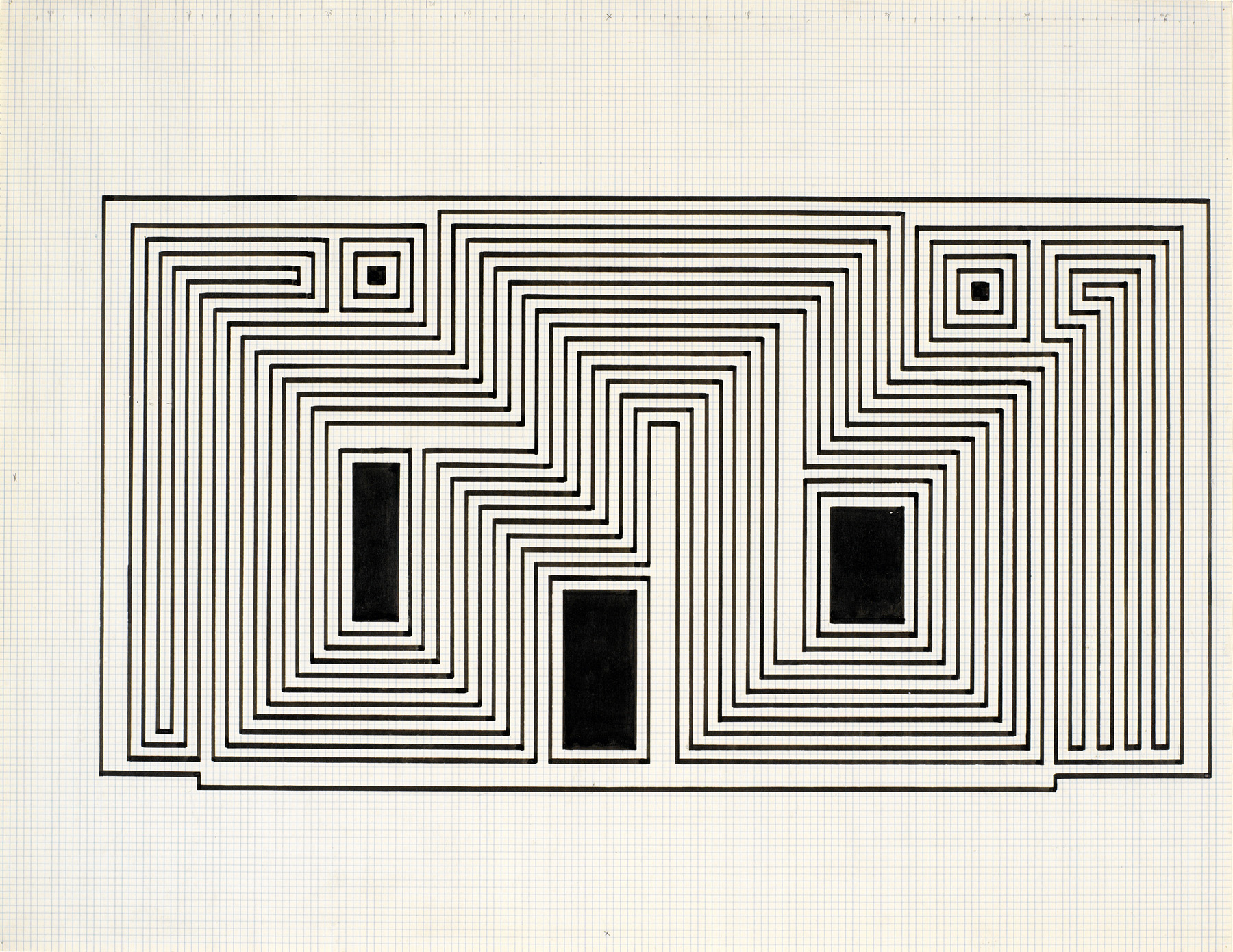
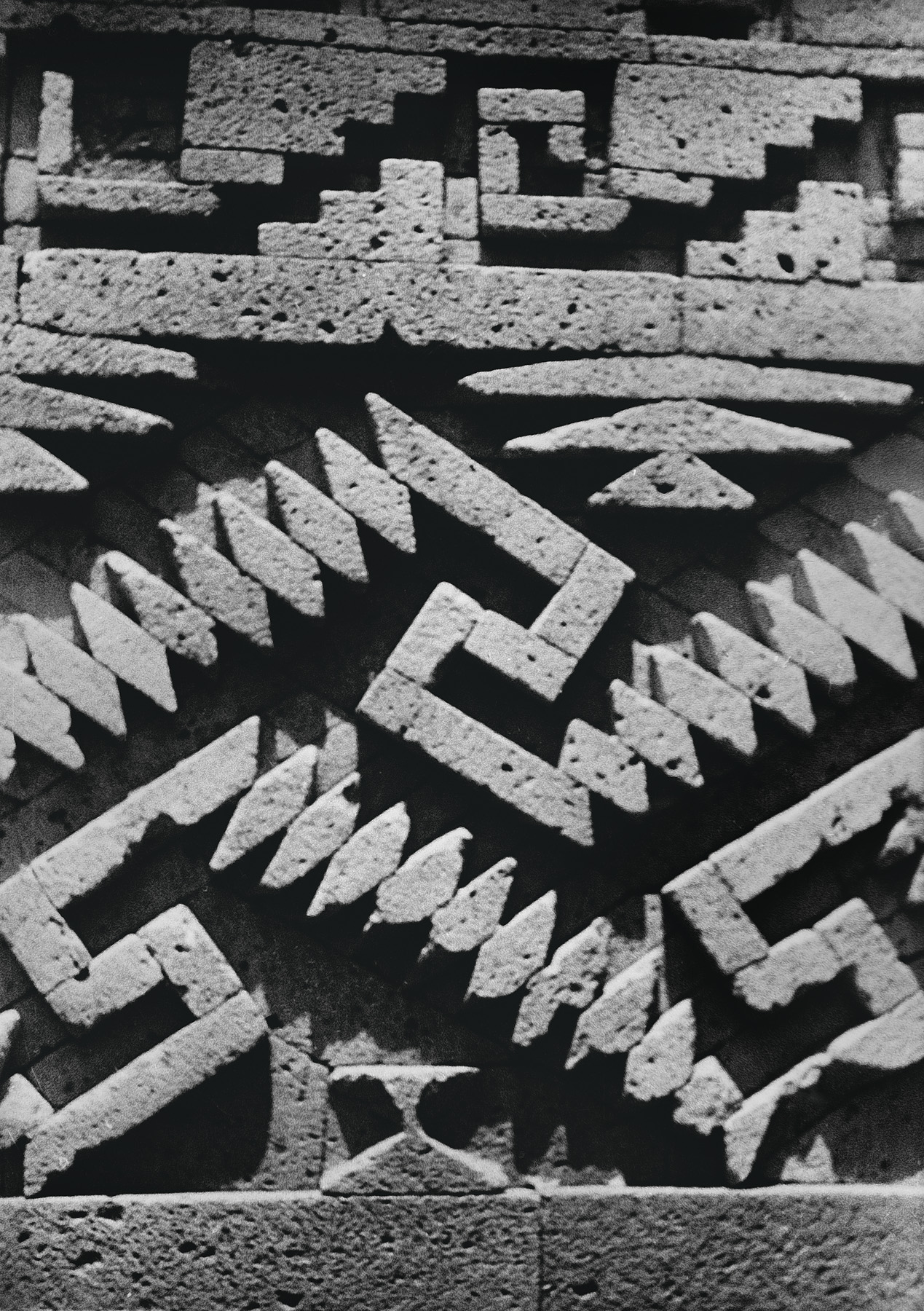

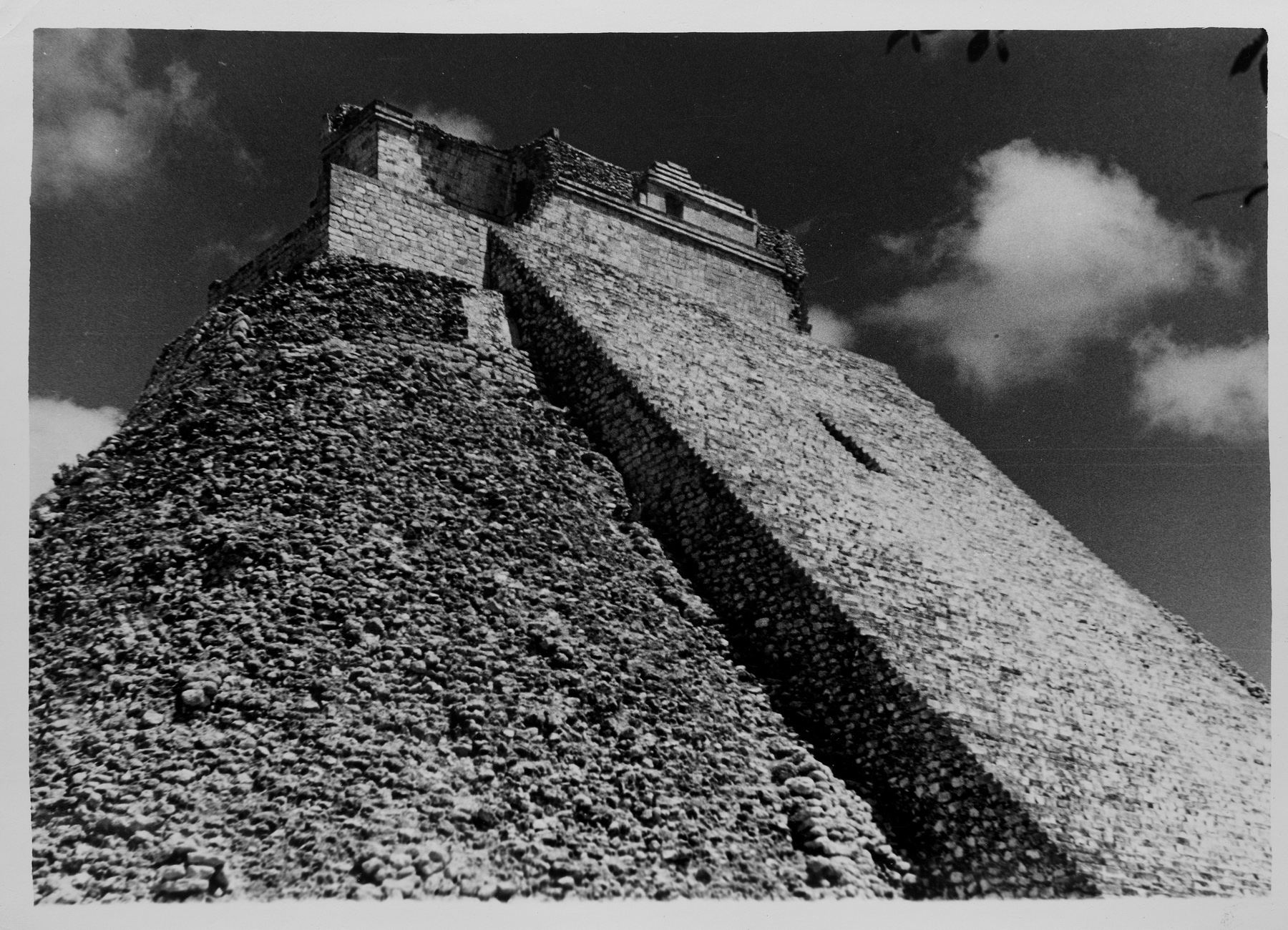
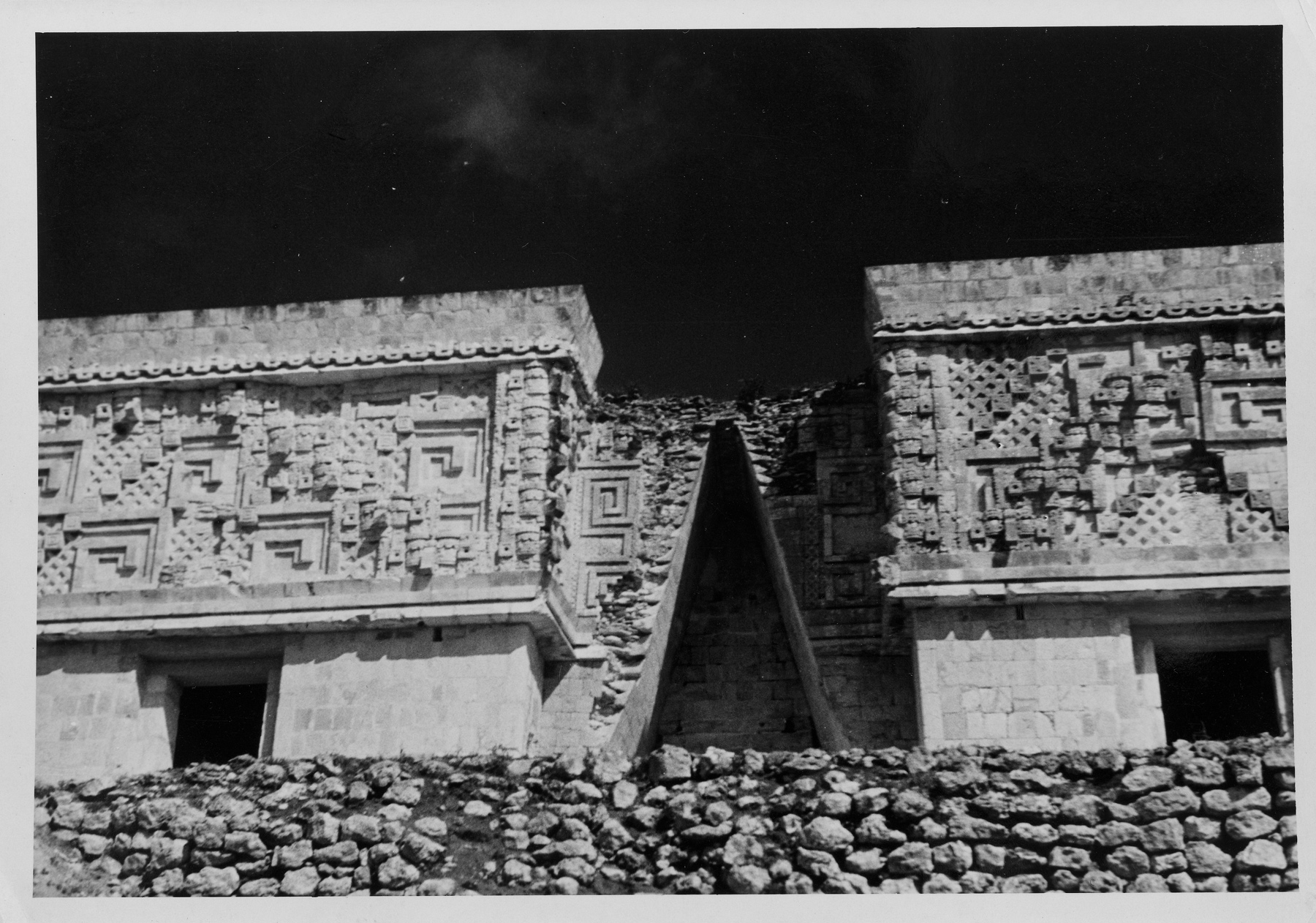
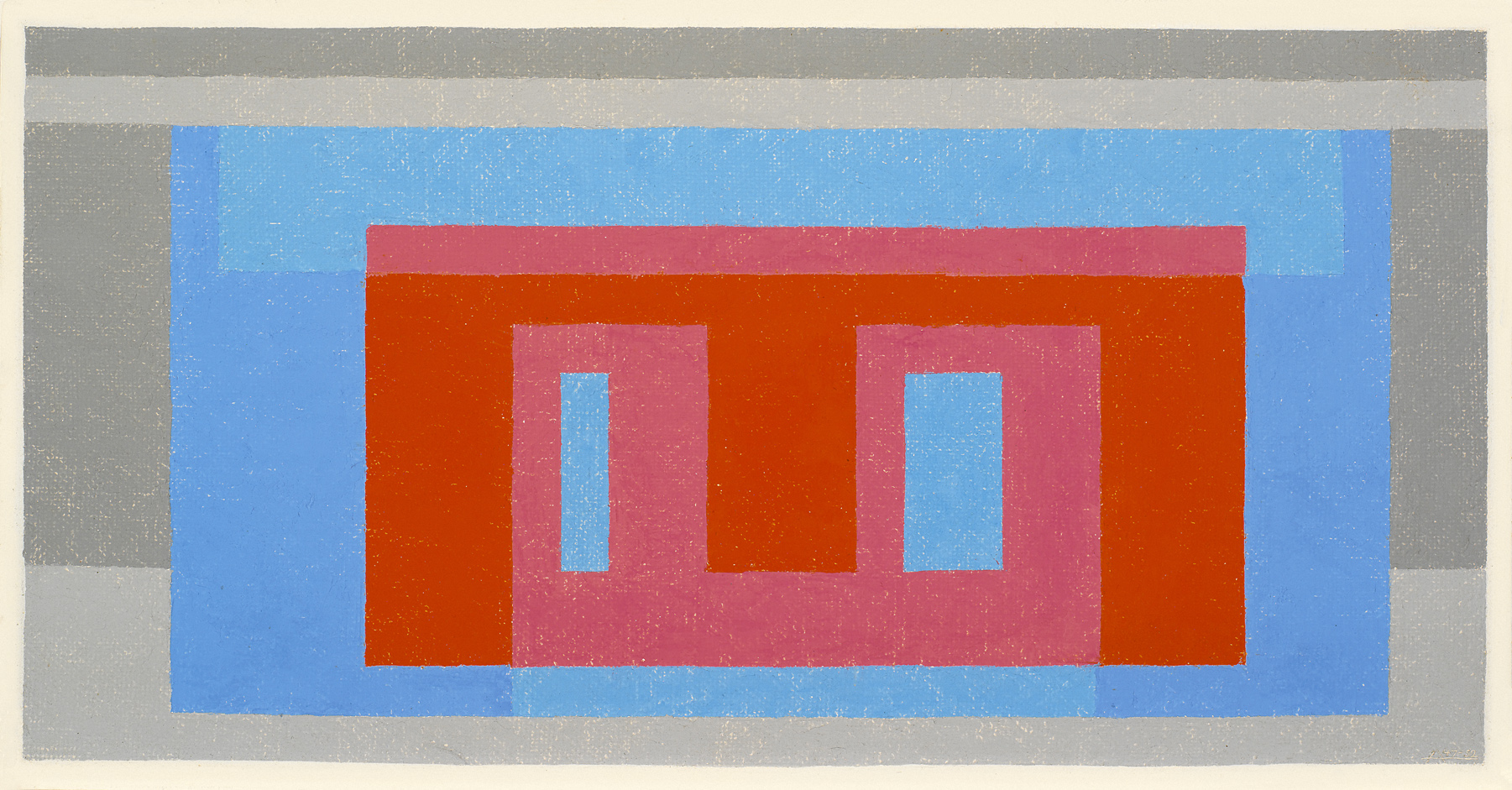
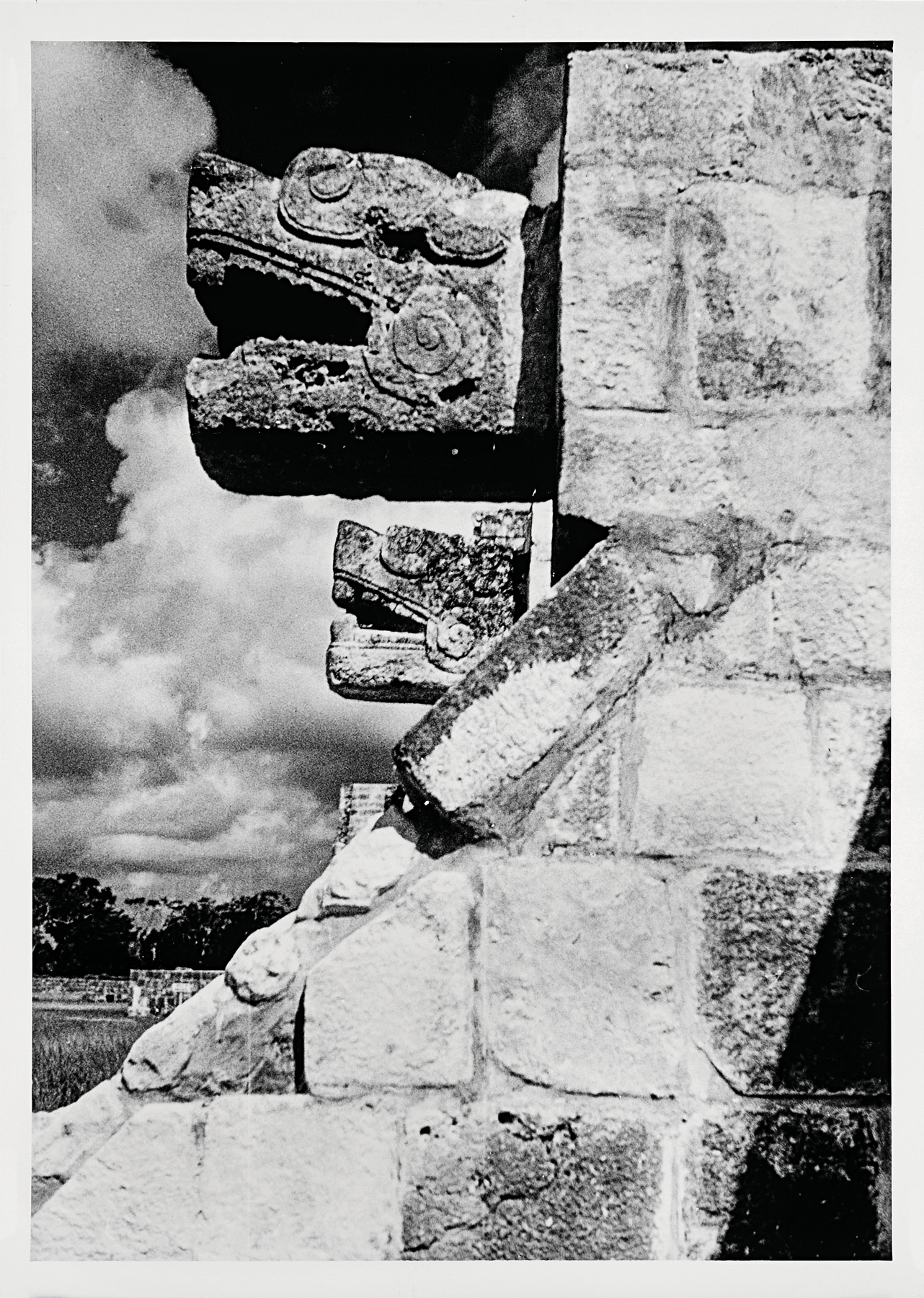
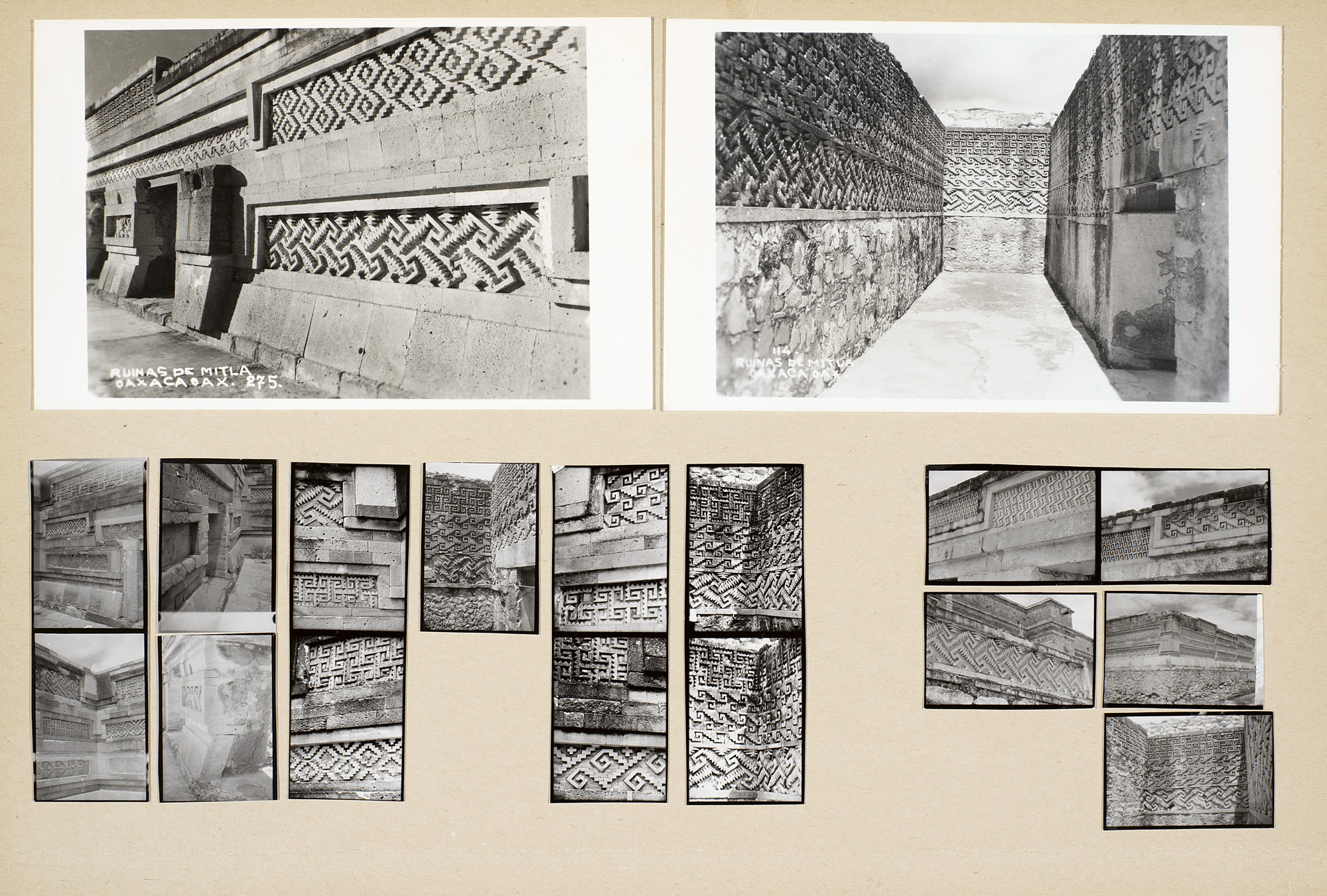

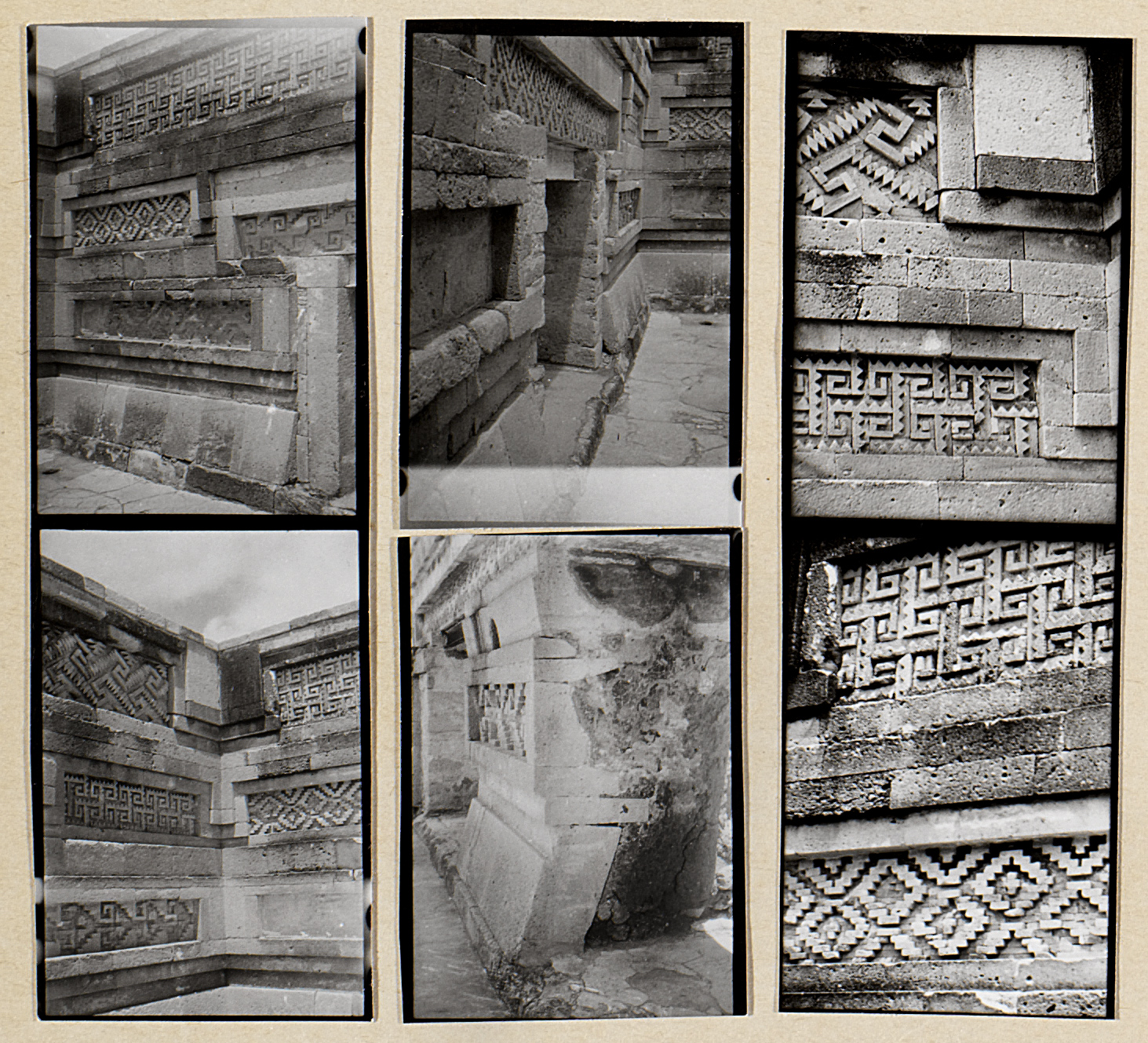
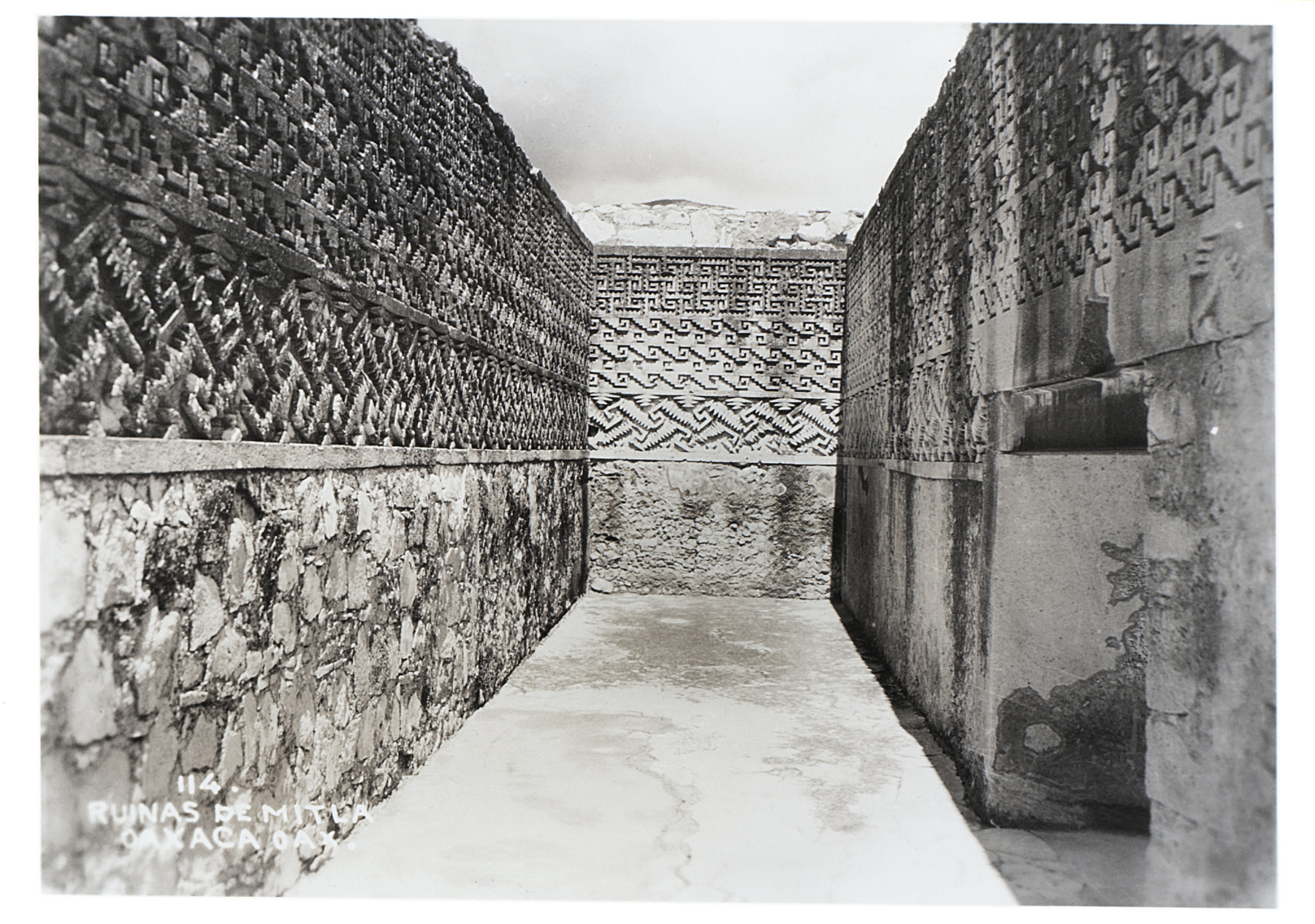
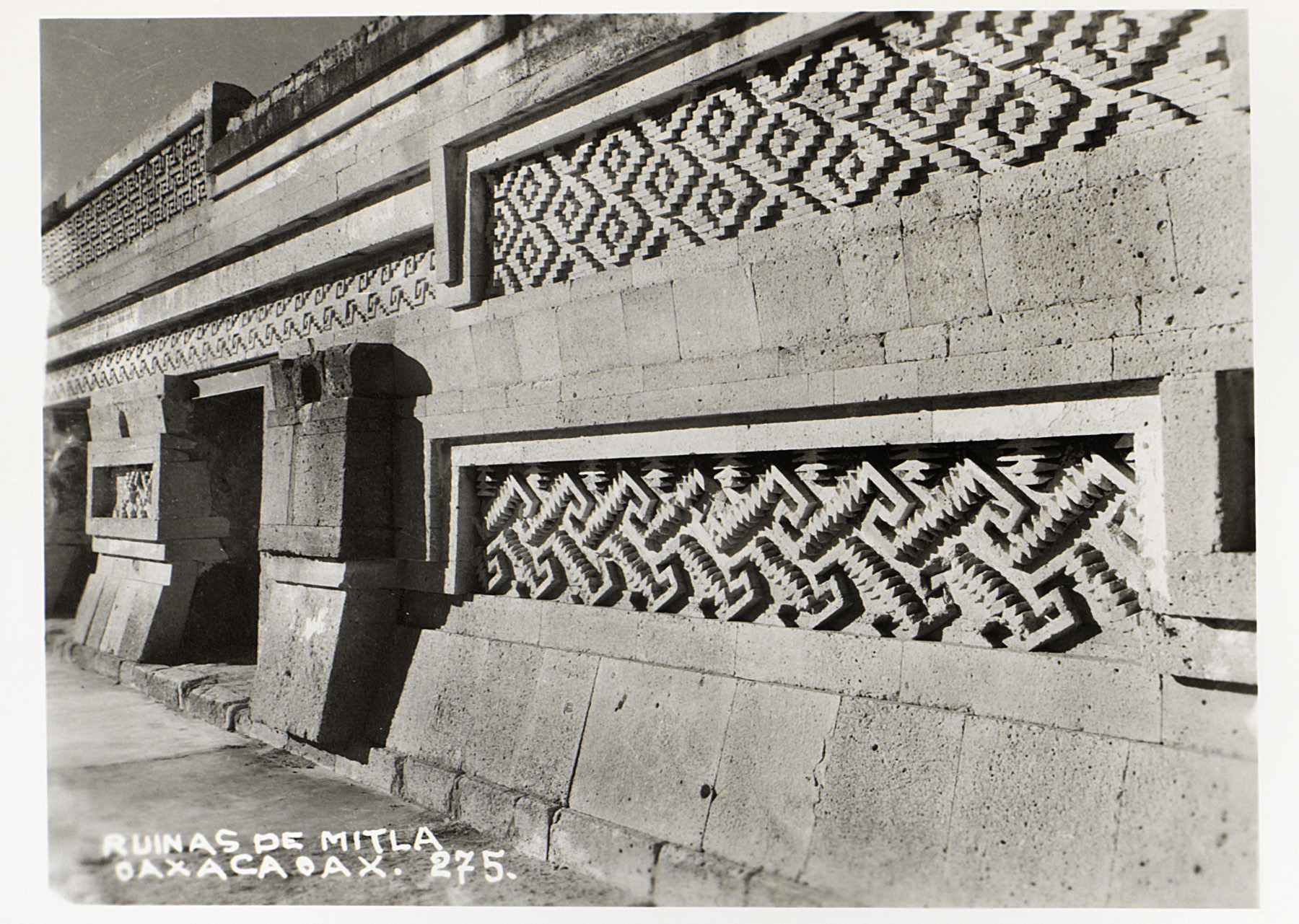

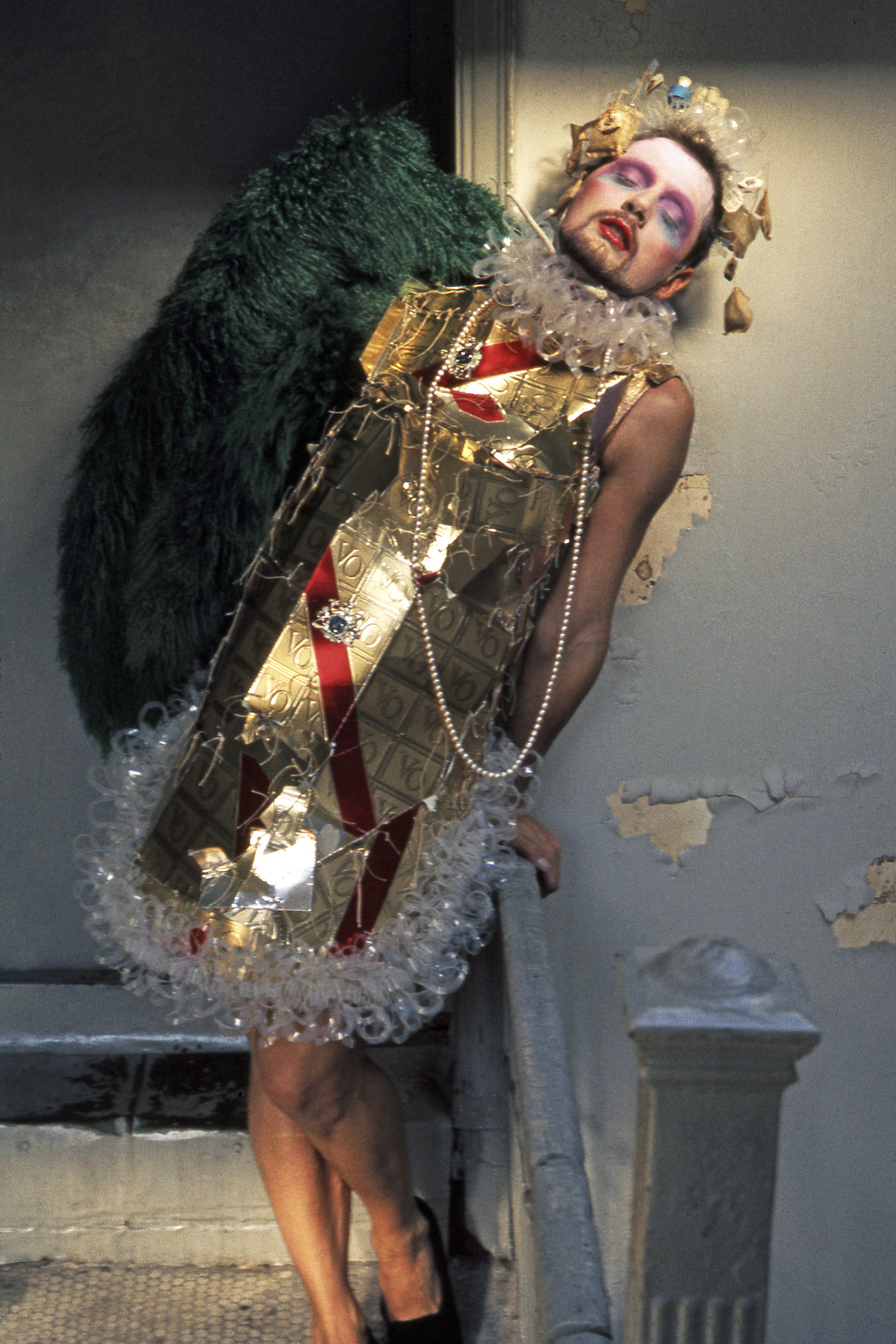
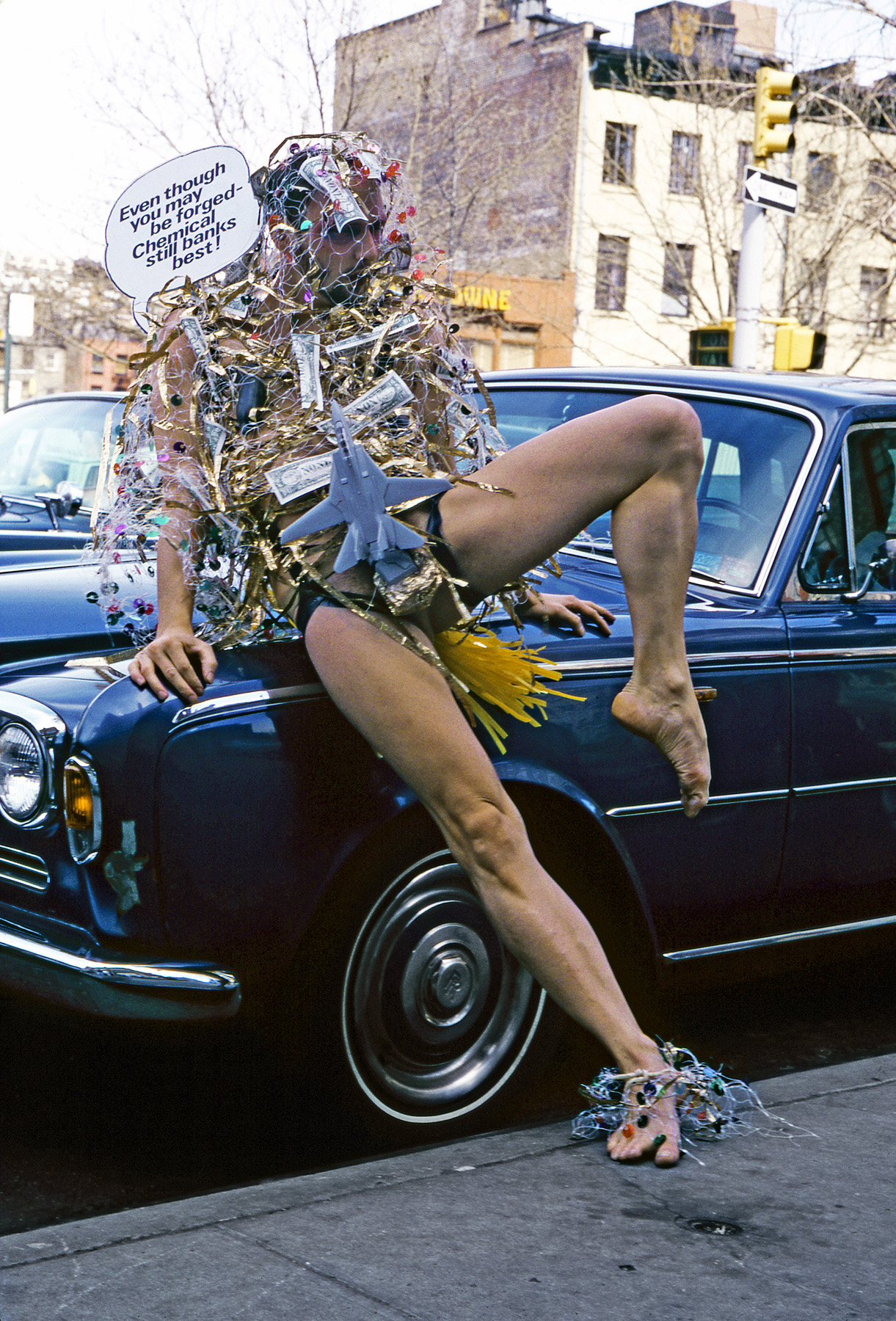
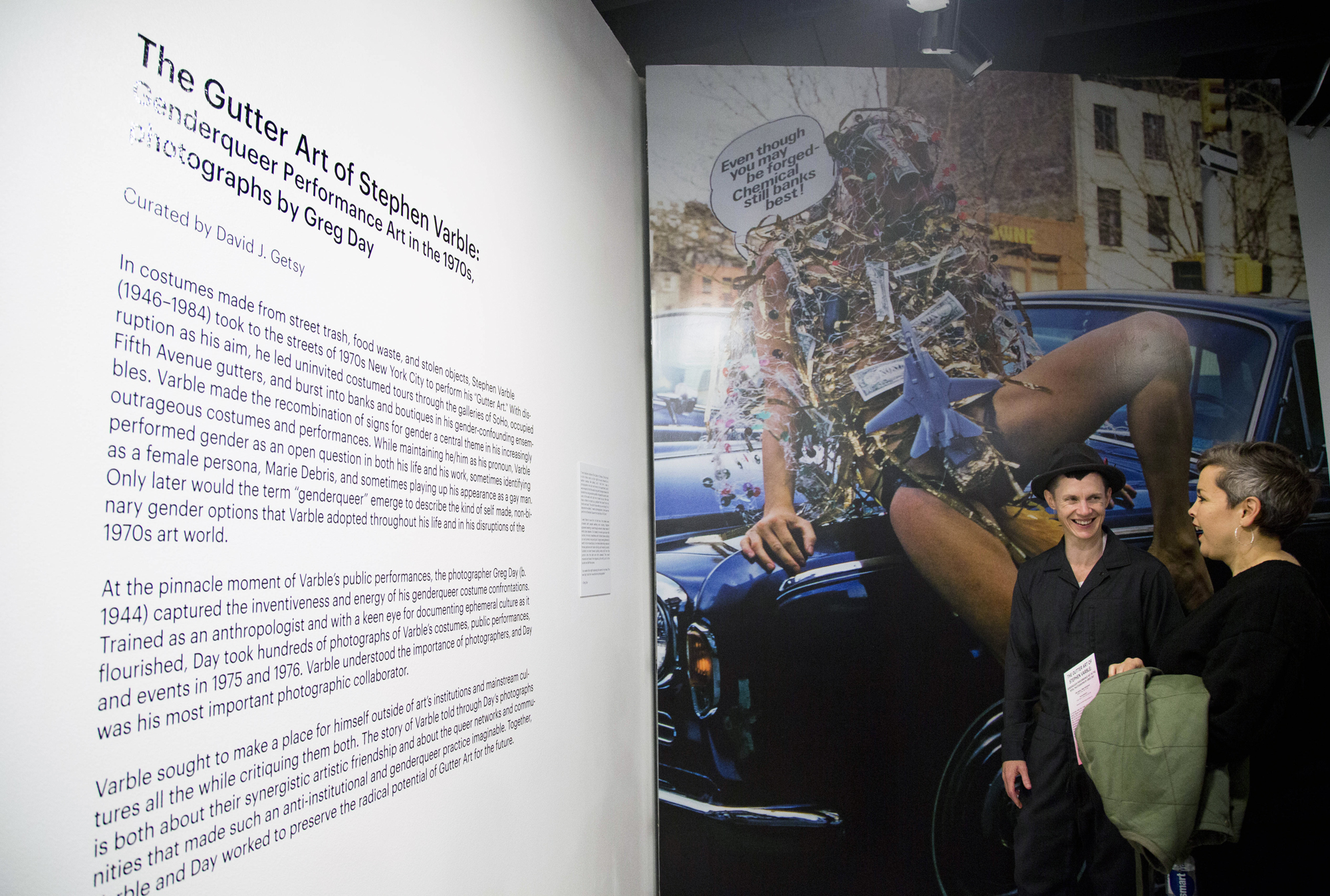
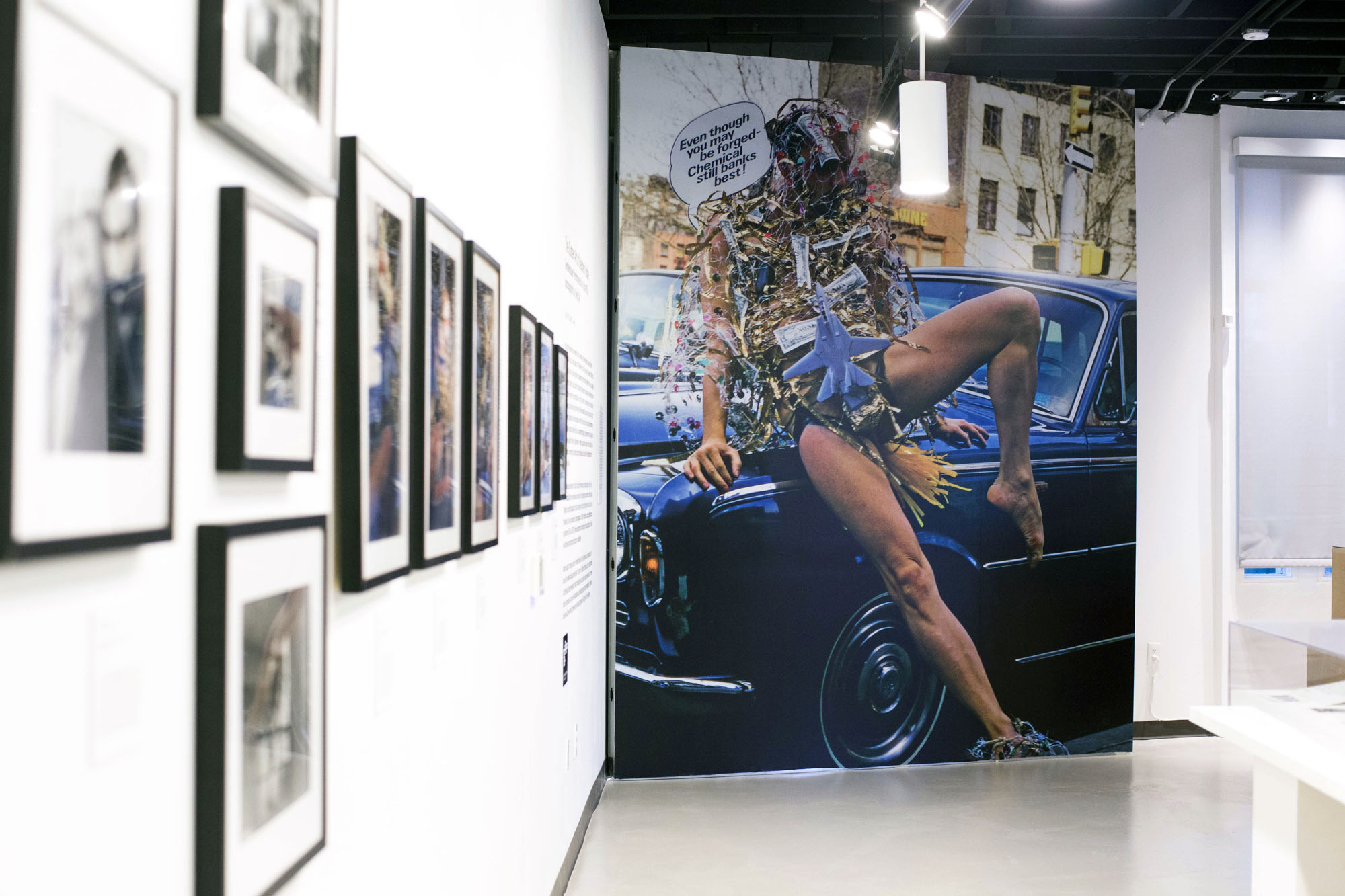
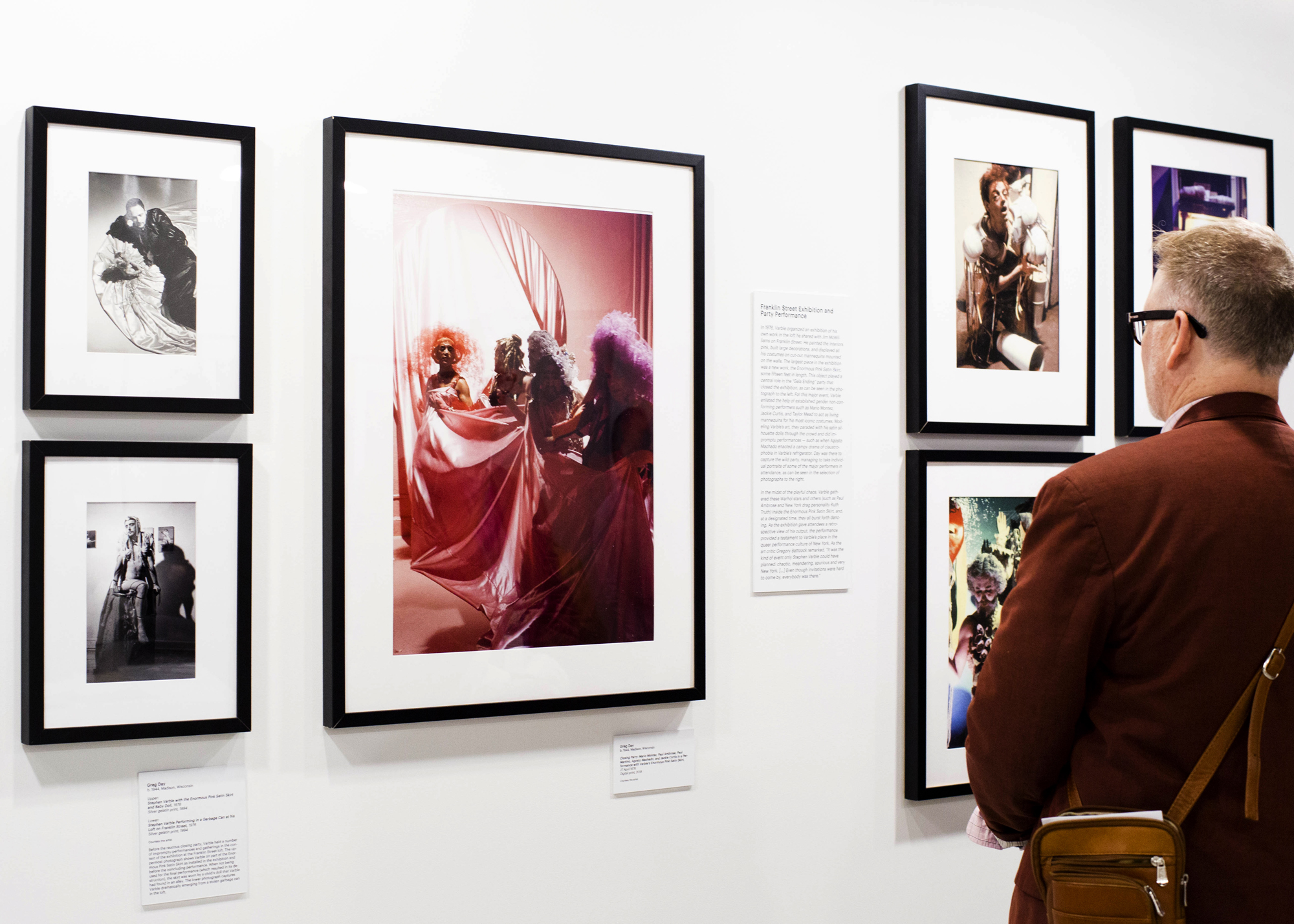
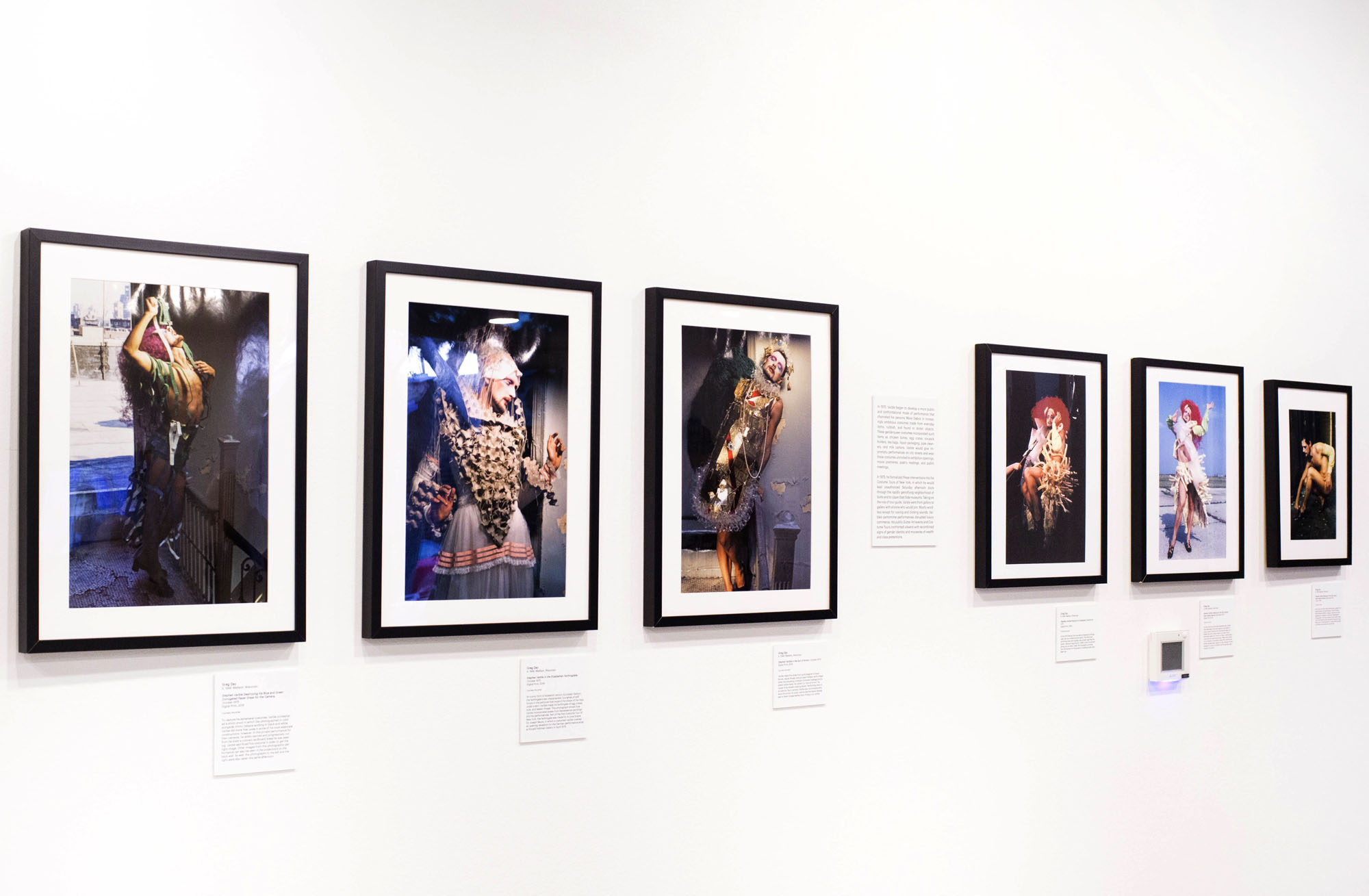
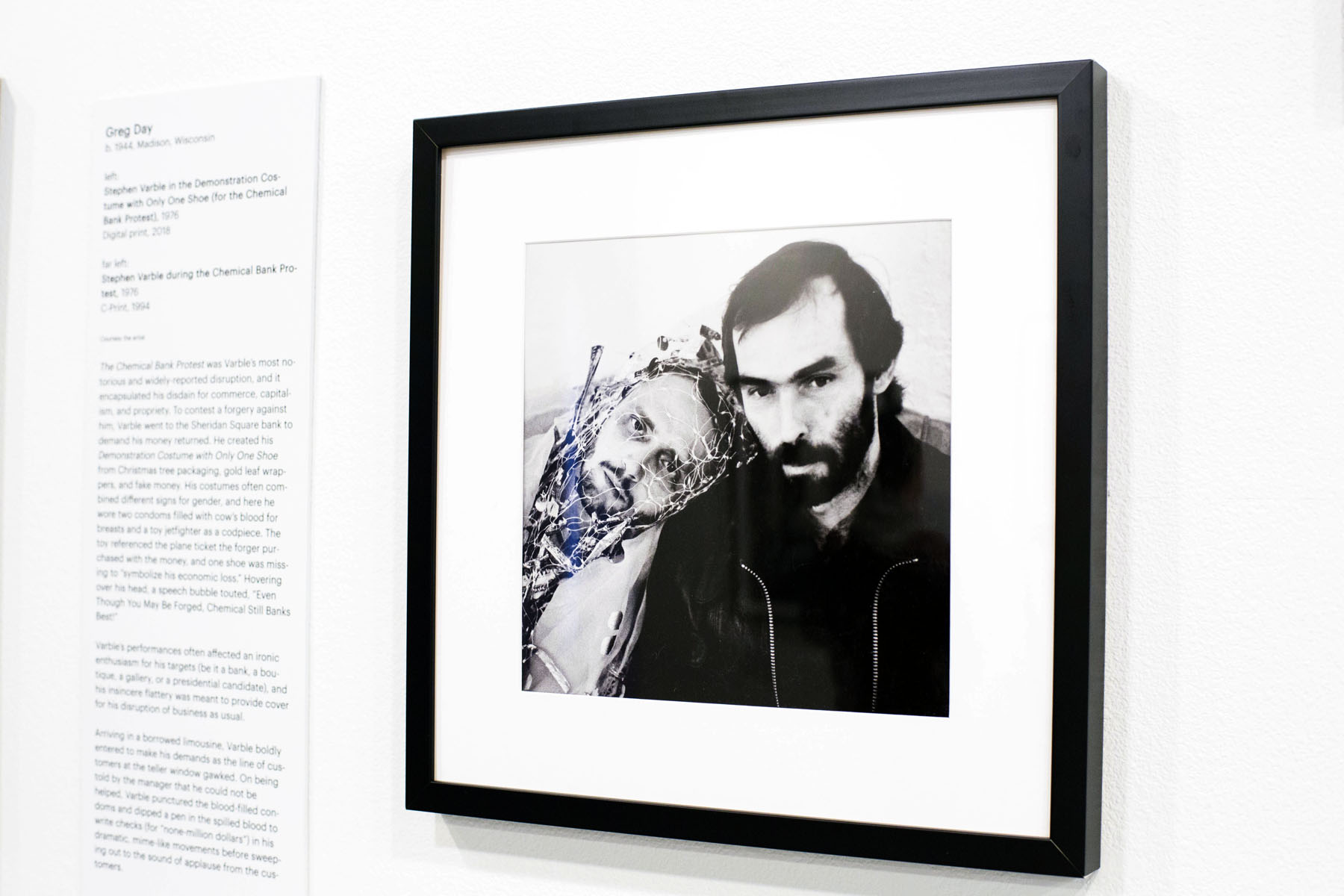
!['Stephen Varble, Gutter Art flyer' [recto] 1975](https://artblart.com/wp-content/uploads/2019/05/stephen-varble-in-the-gutter-web.jpg "'Stephen Varble, Gutter Art flyer' [recto] 1975")
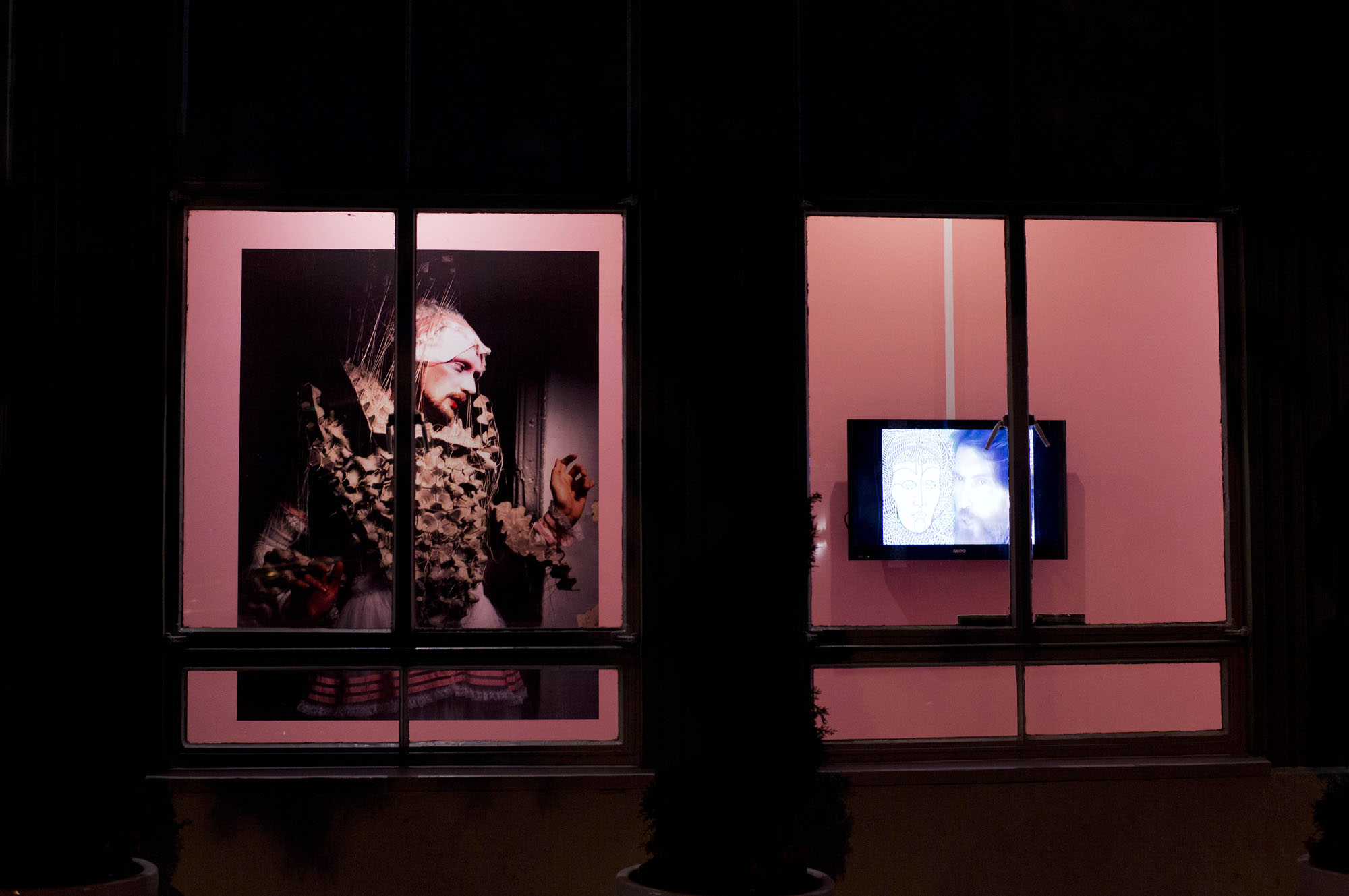
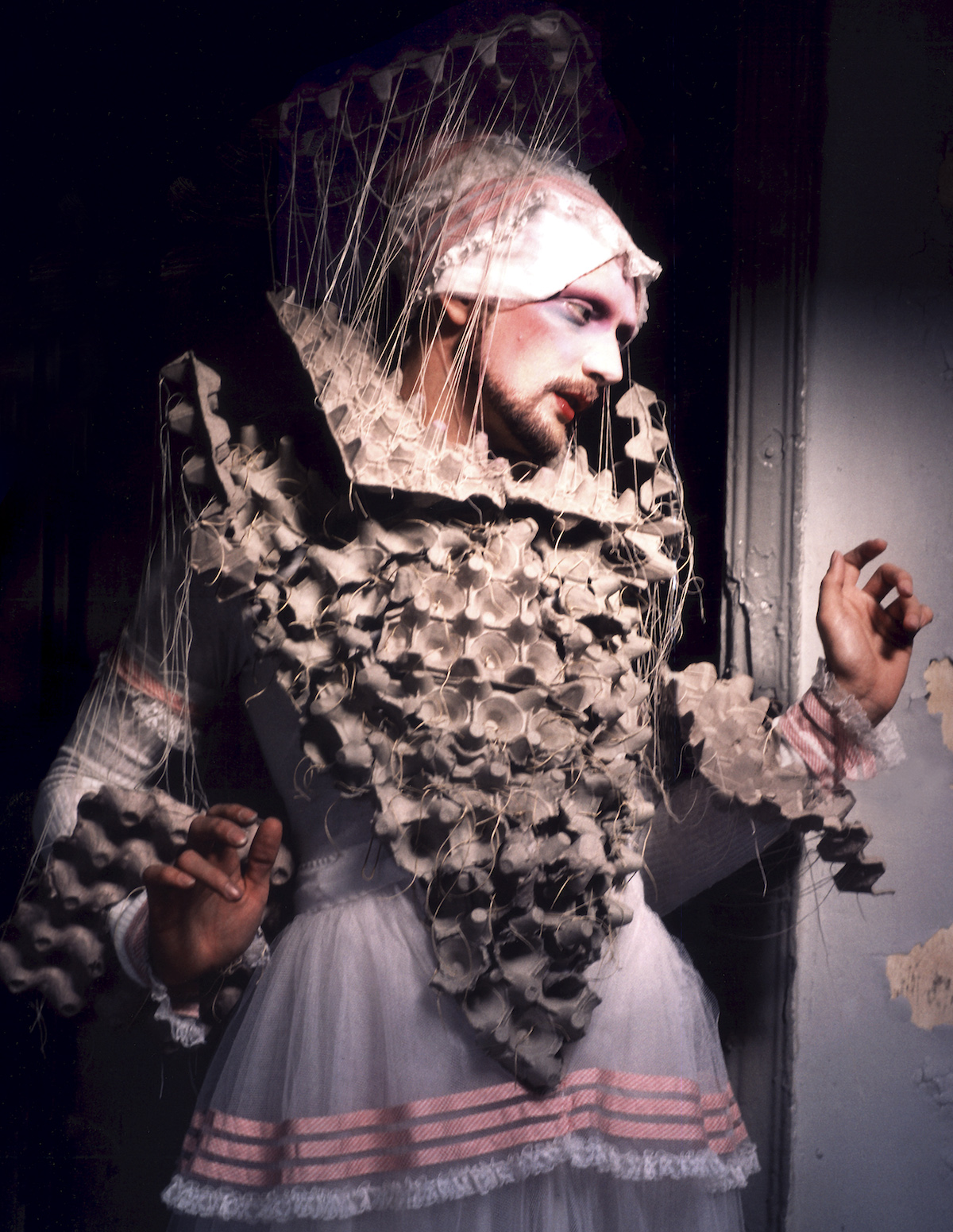
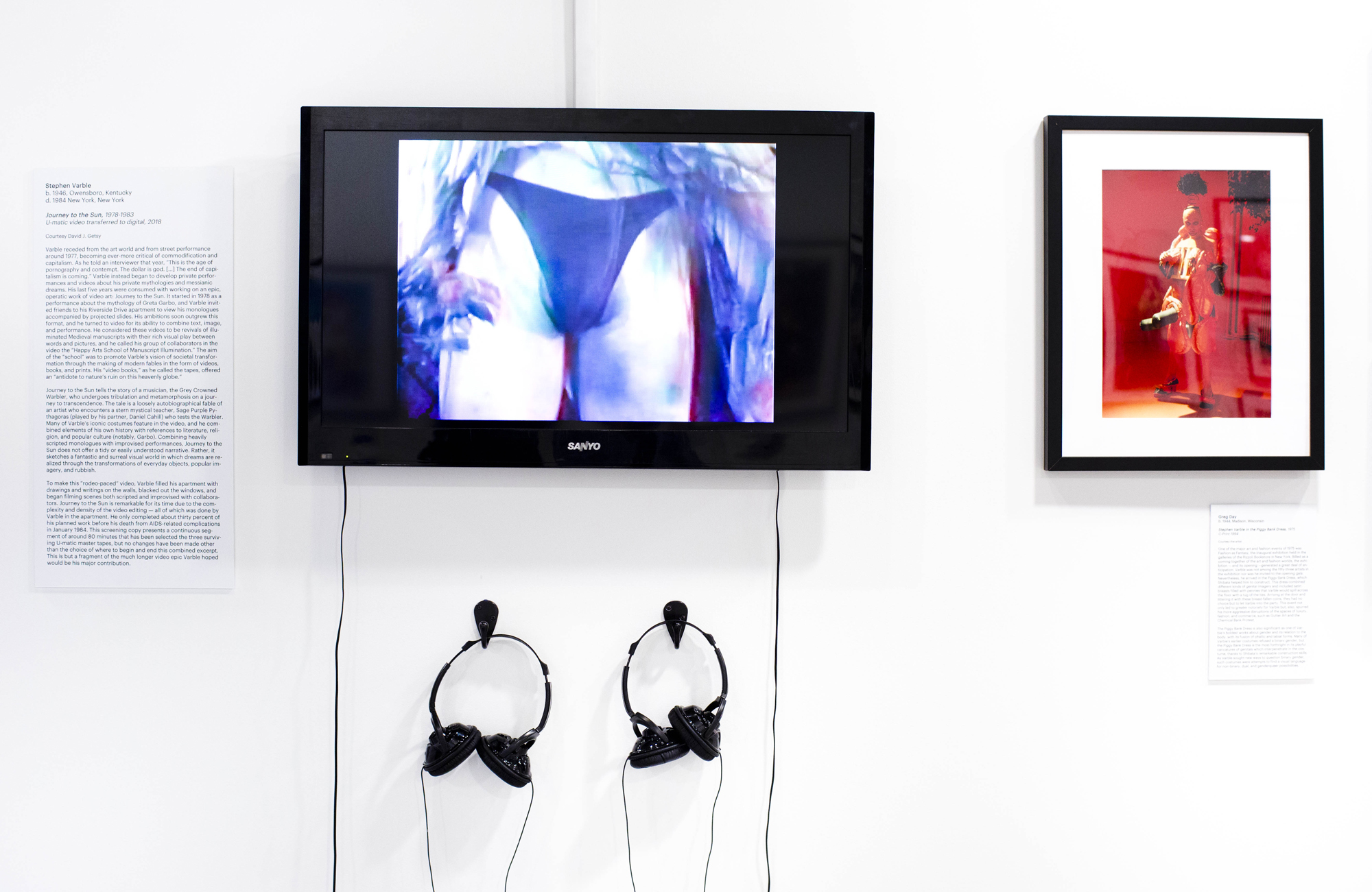
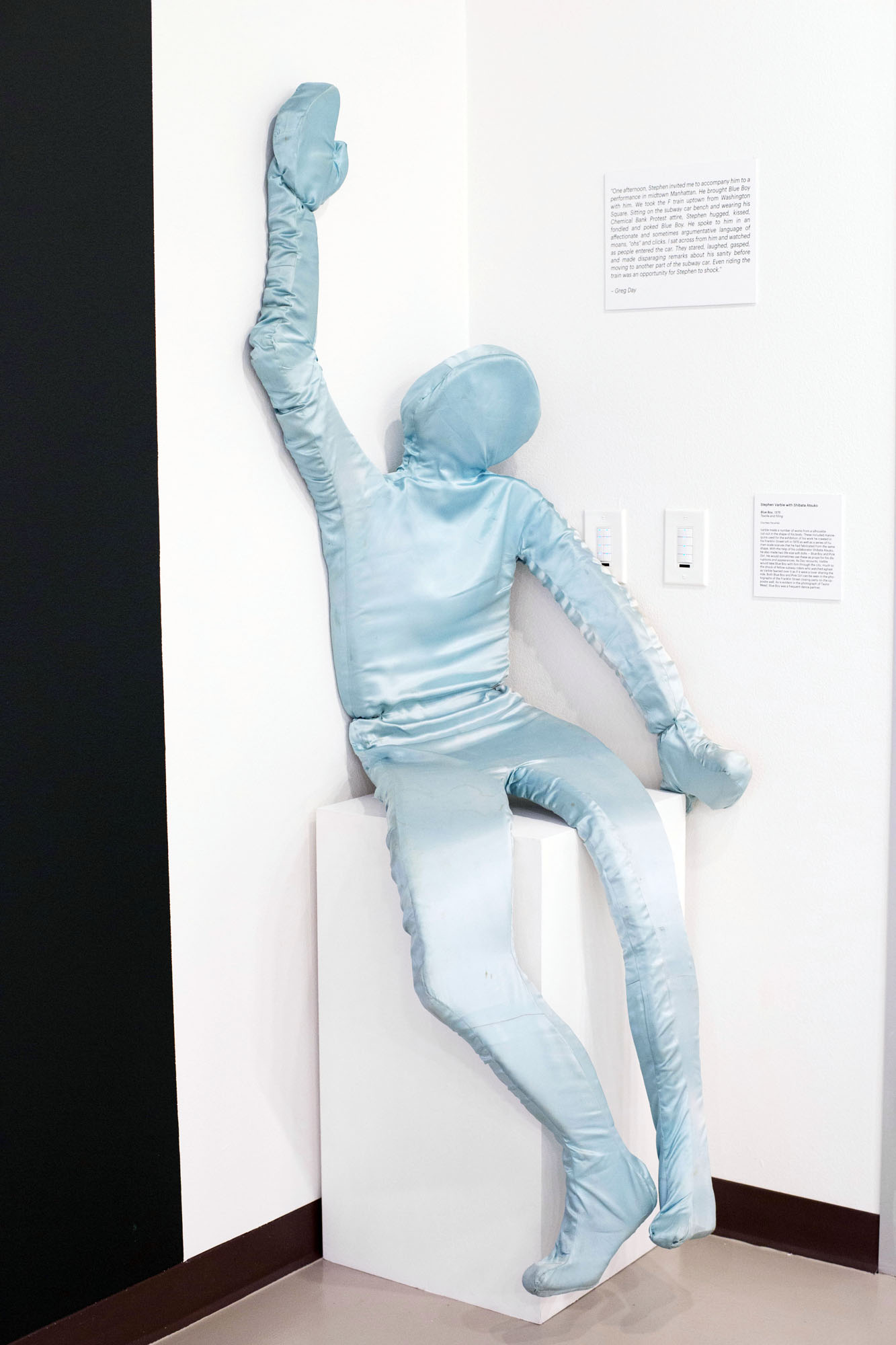
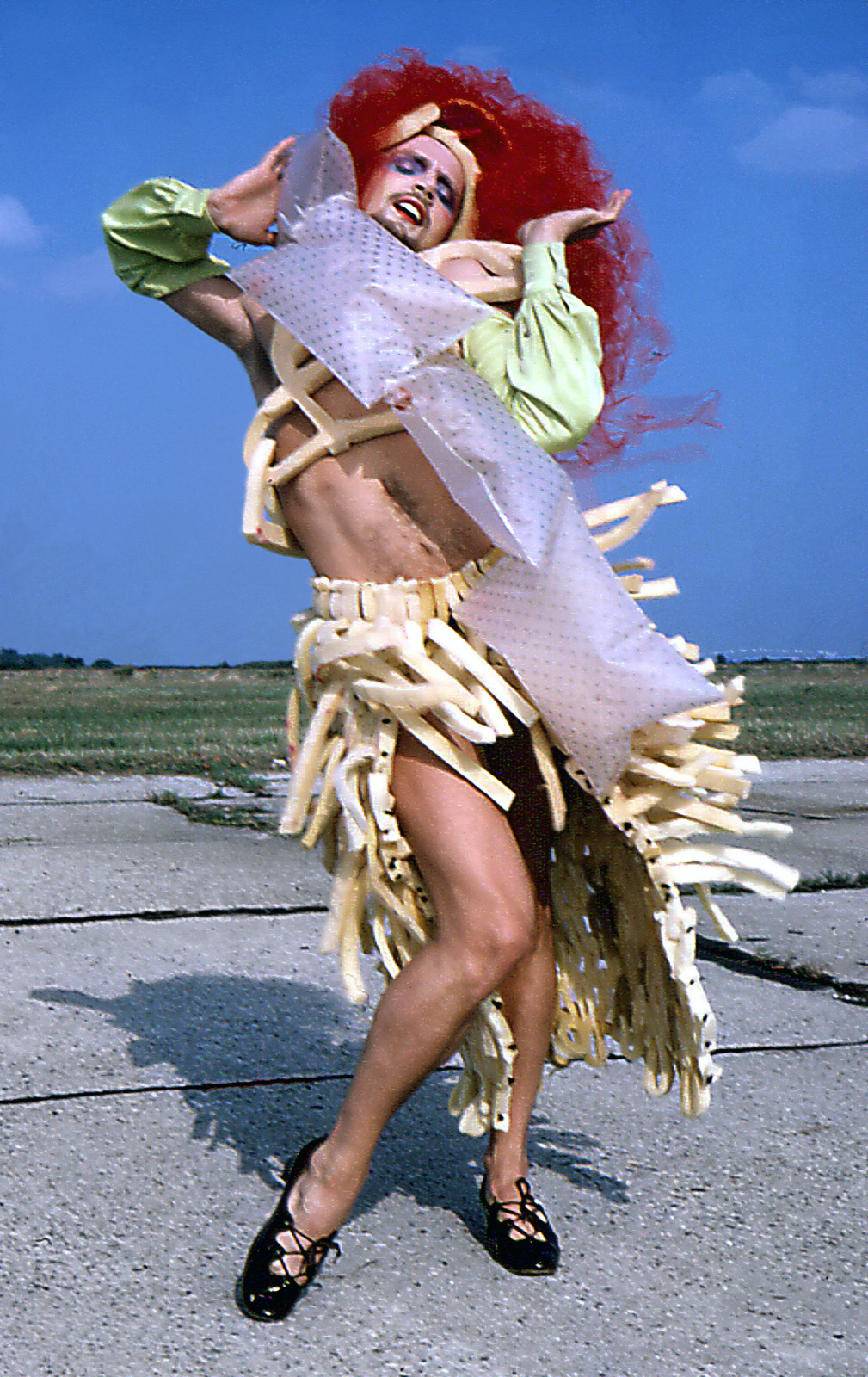


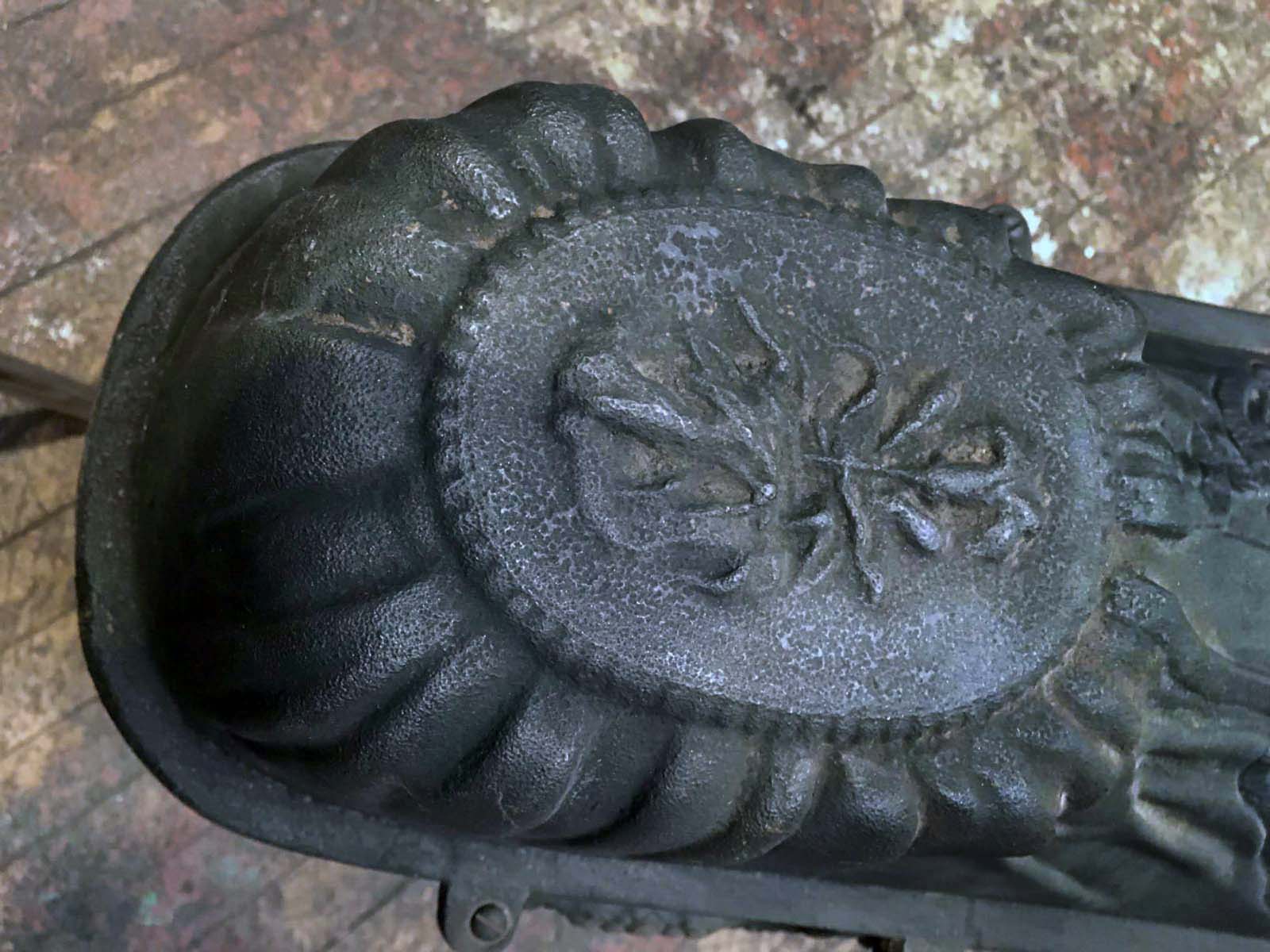
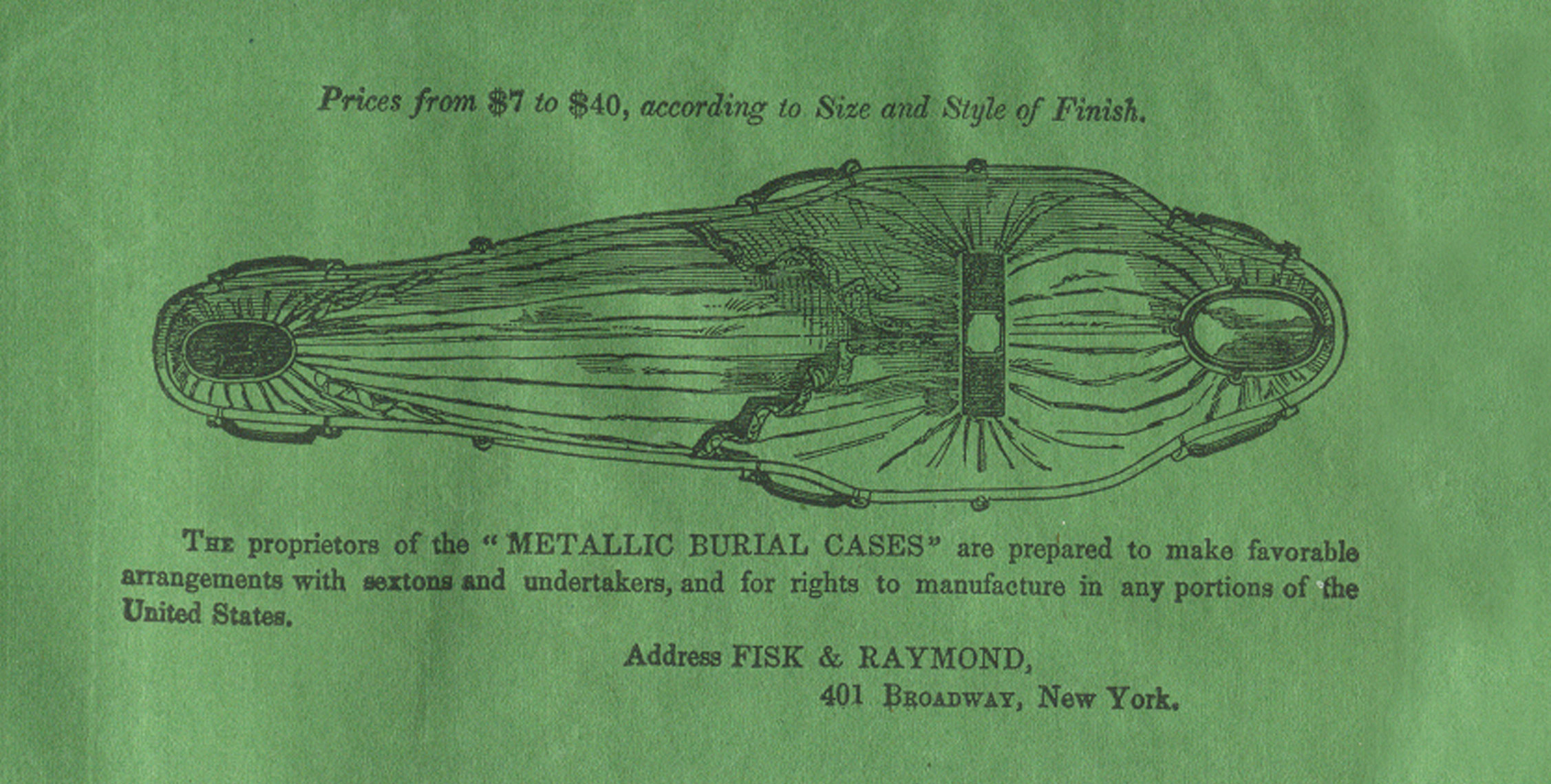
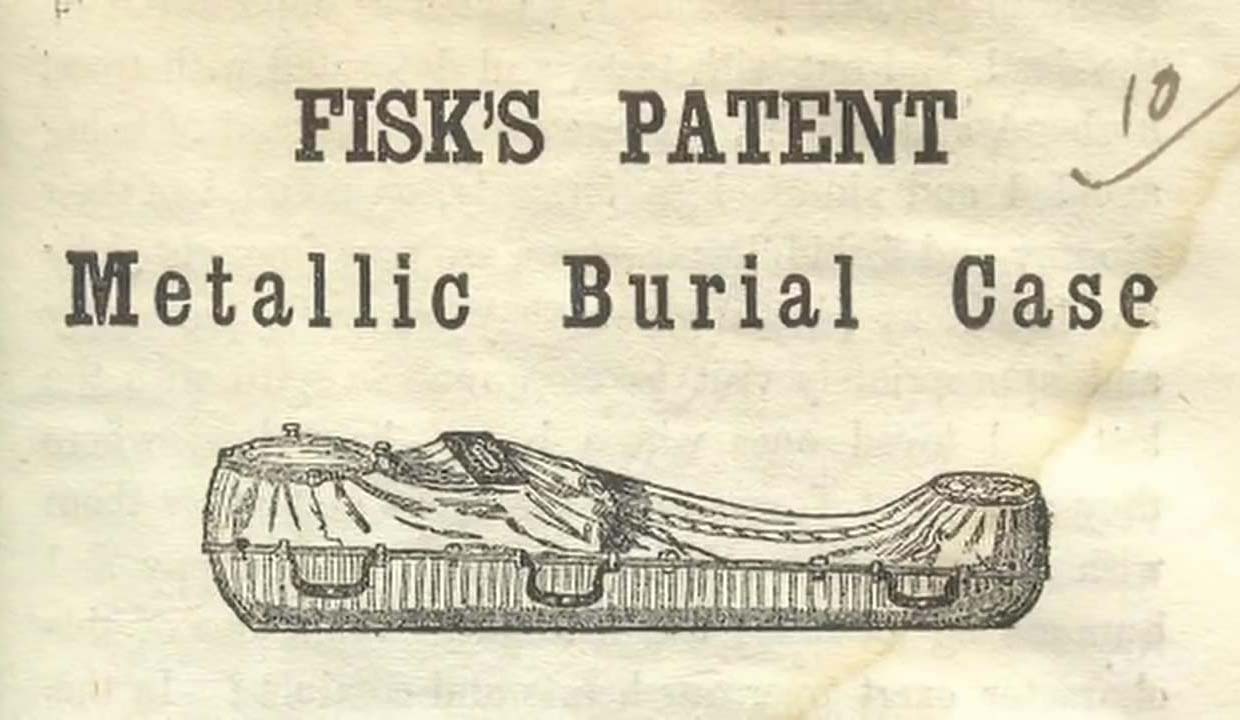
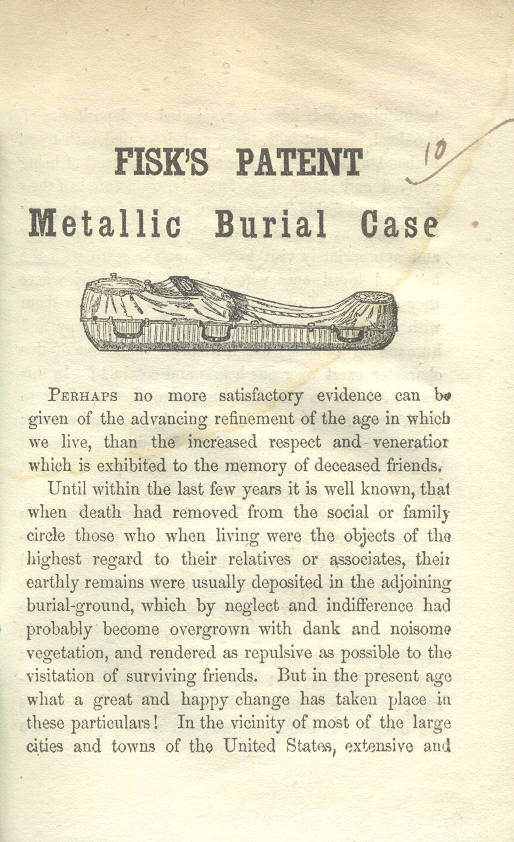
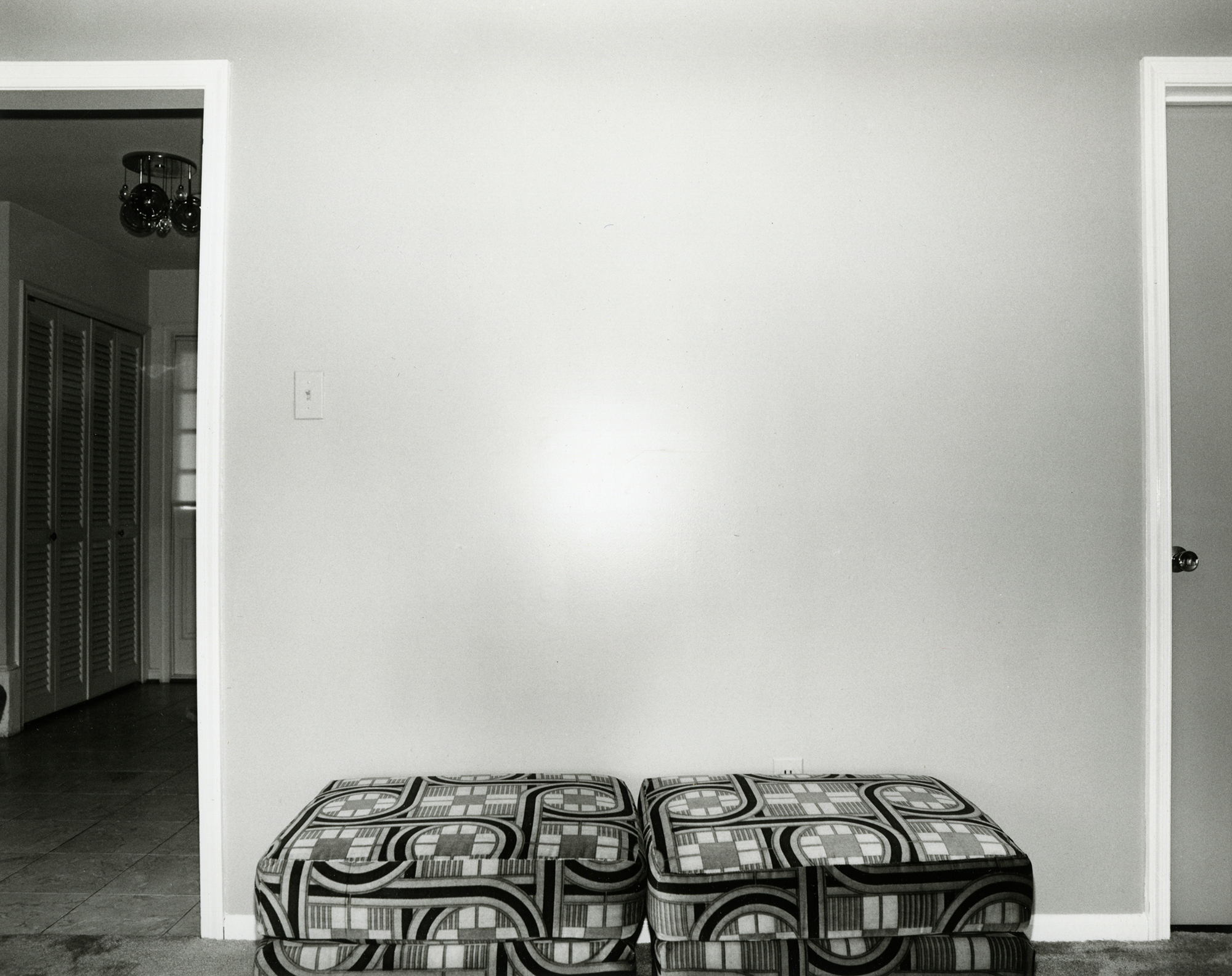
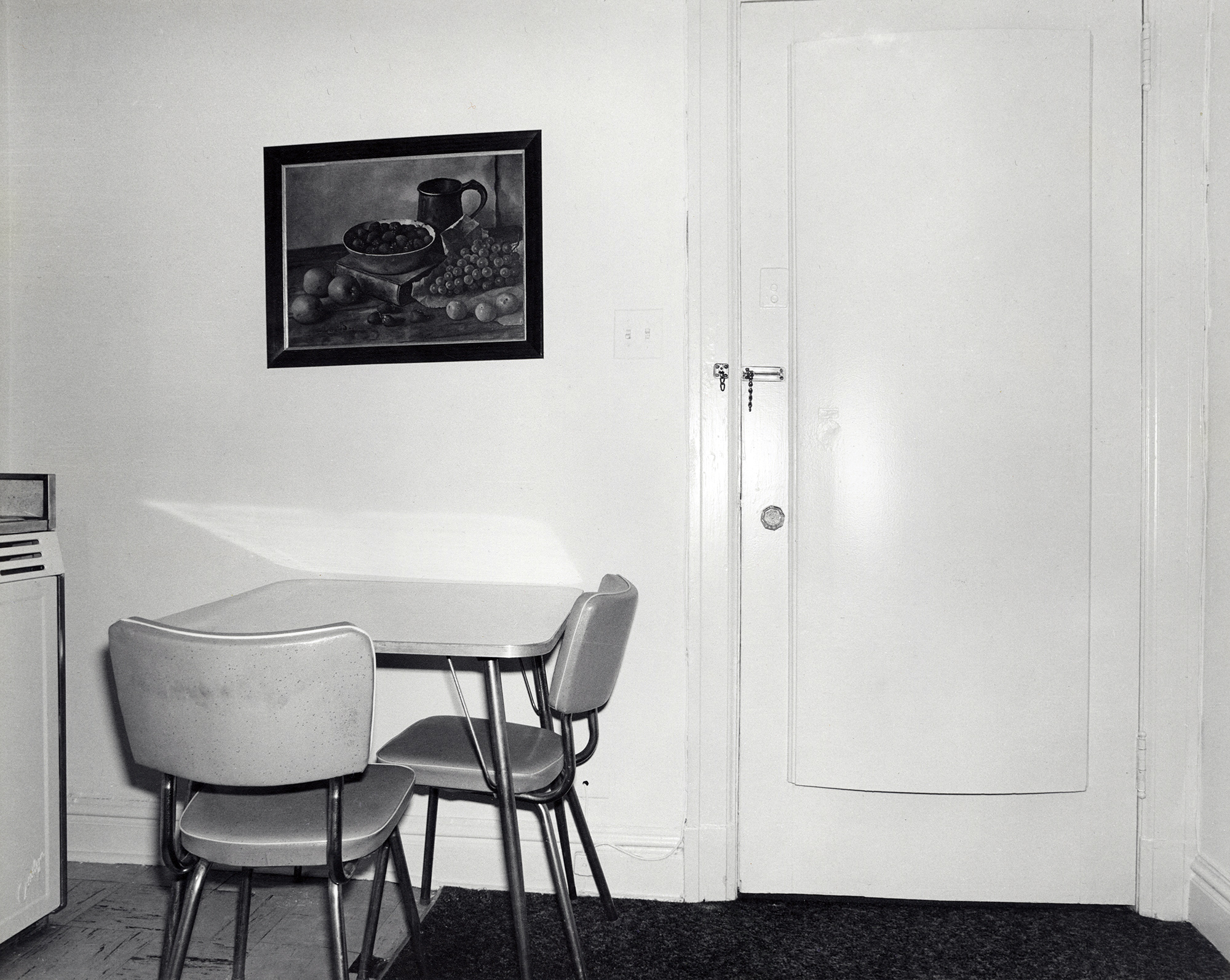
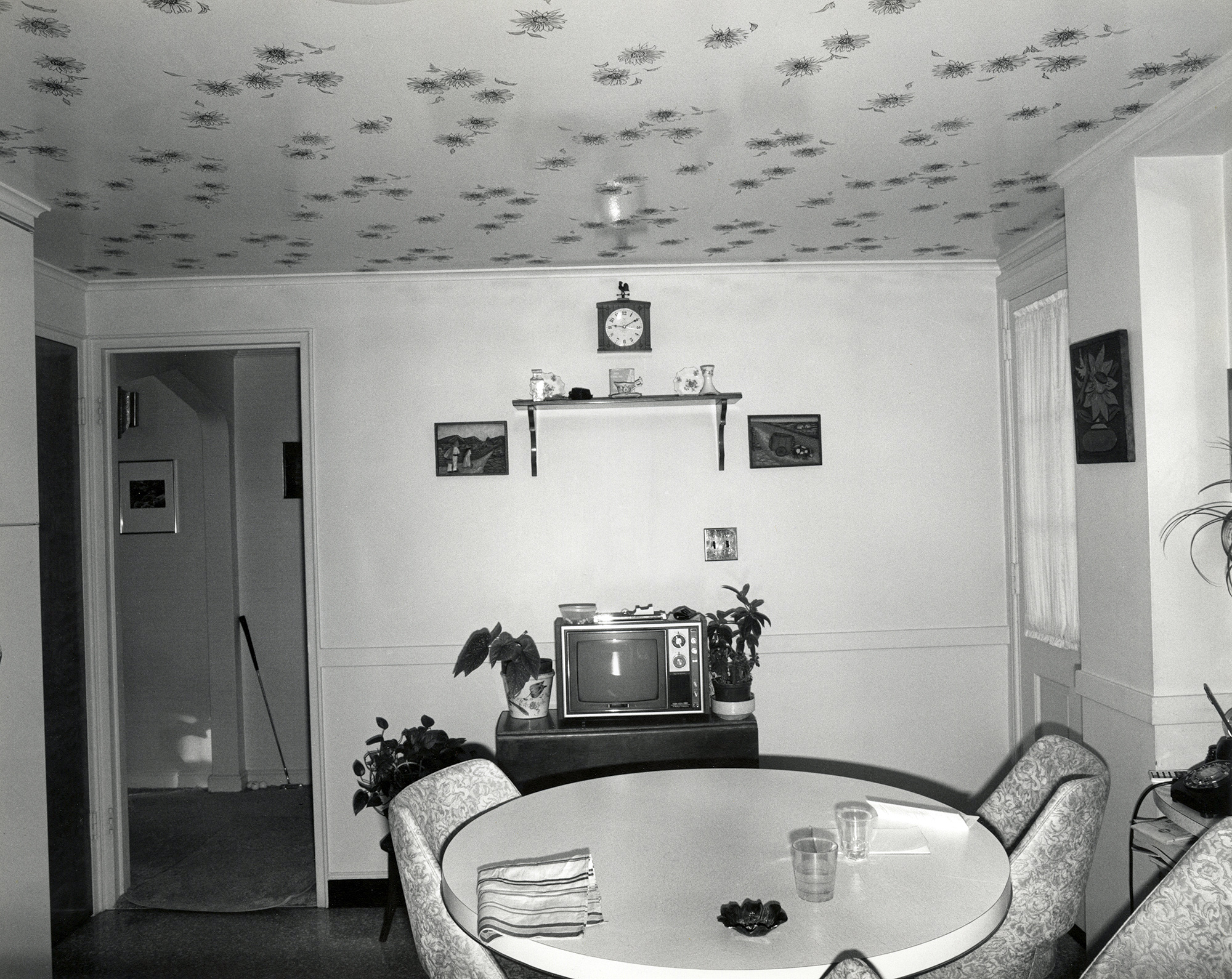
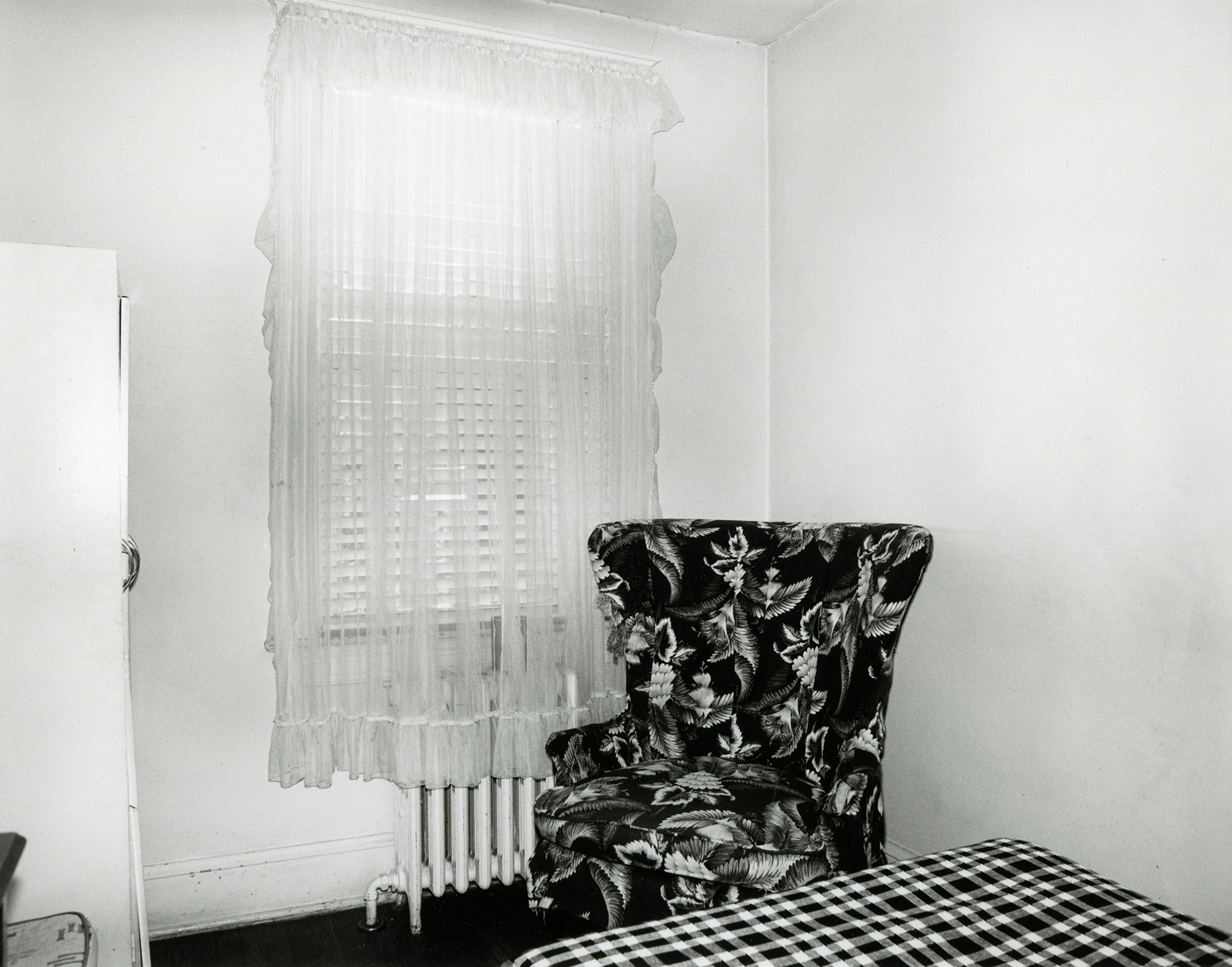
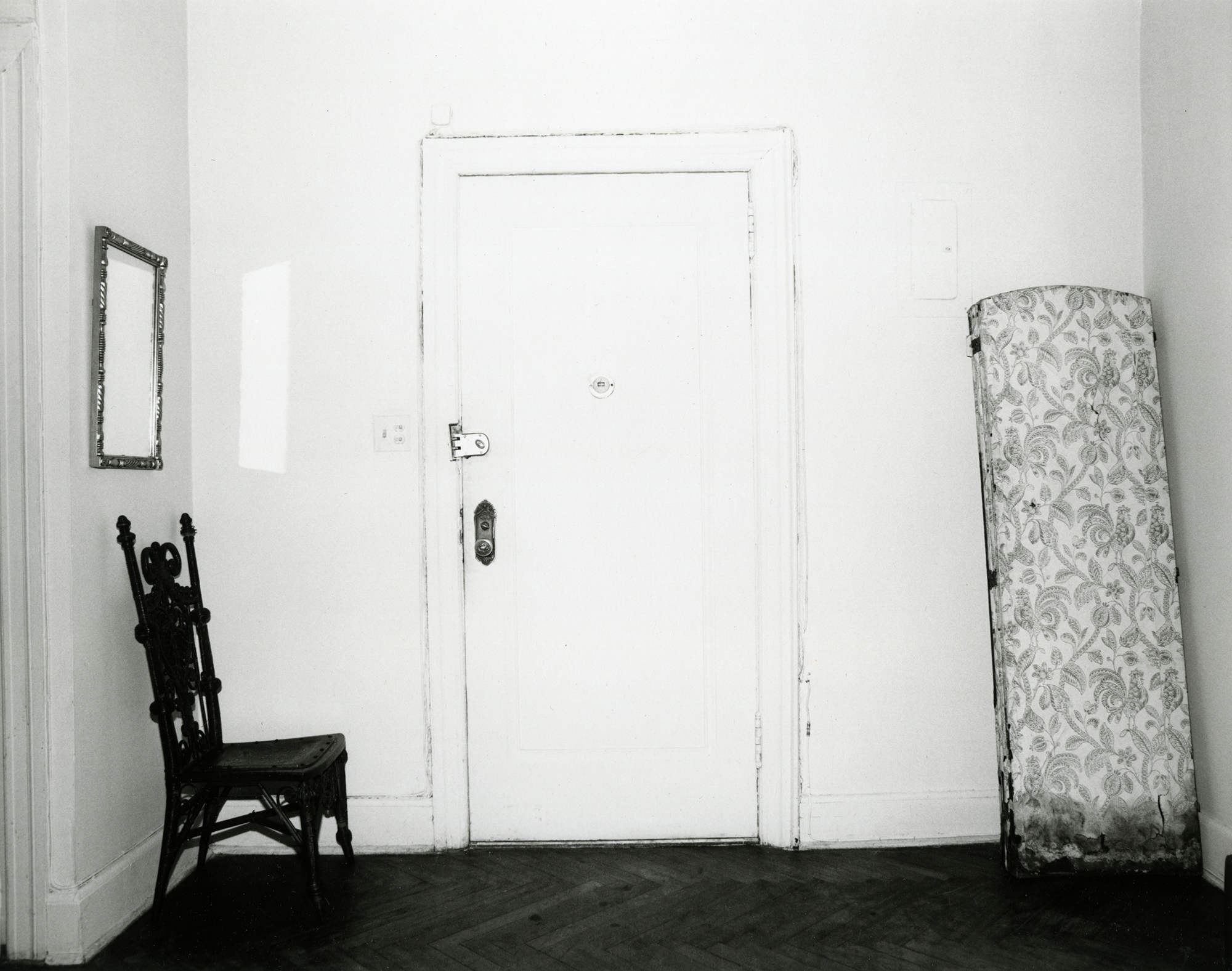
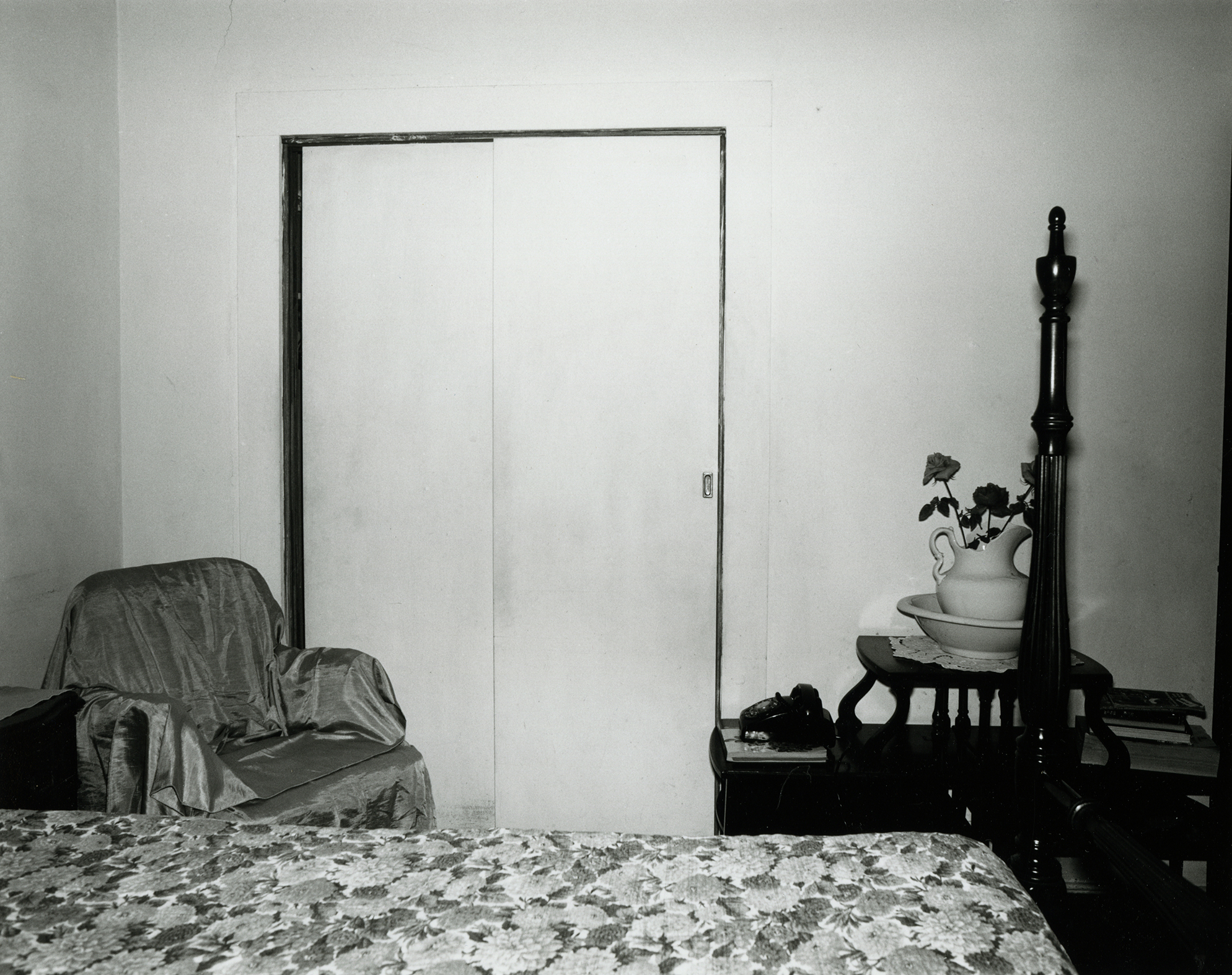
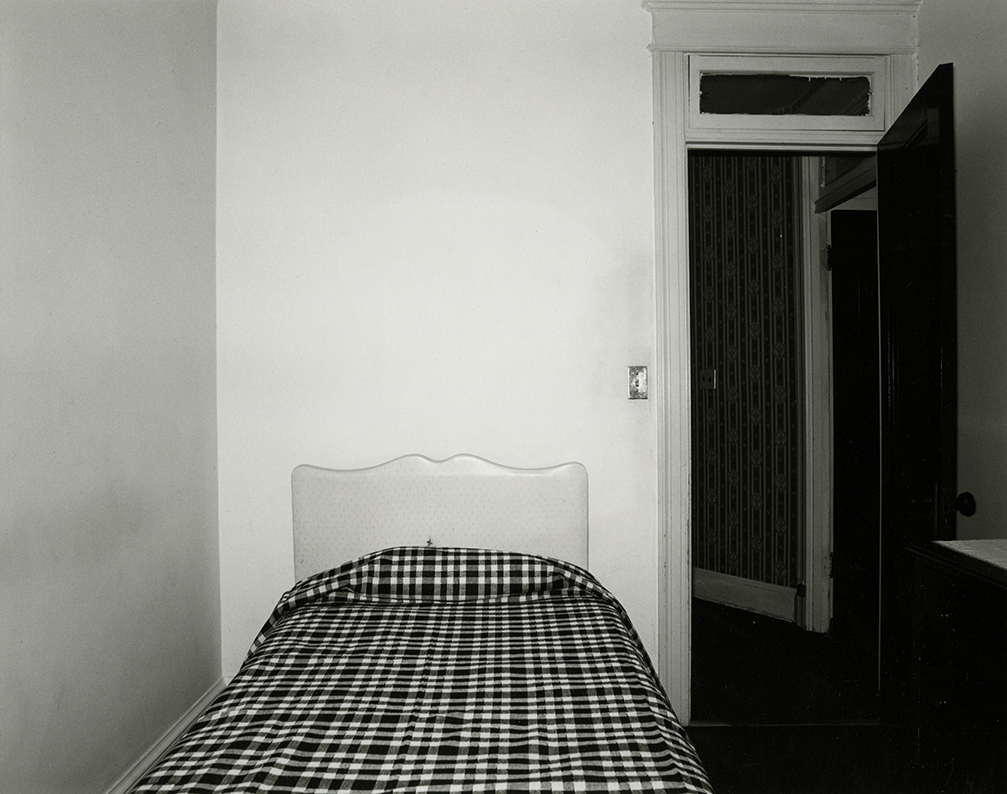
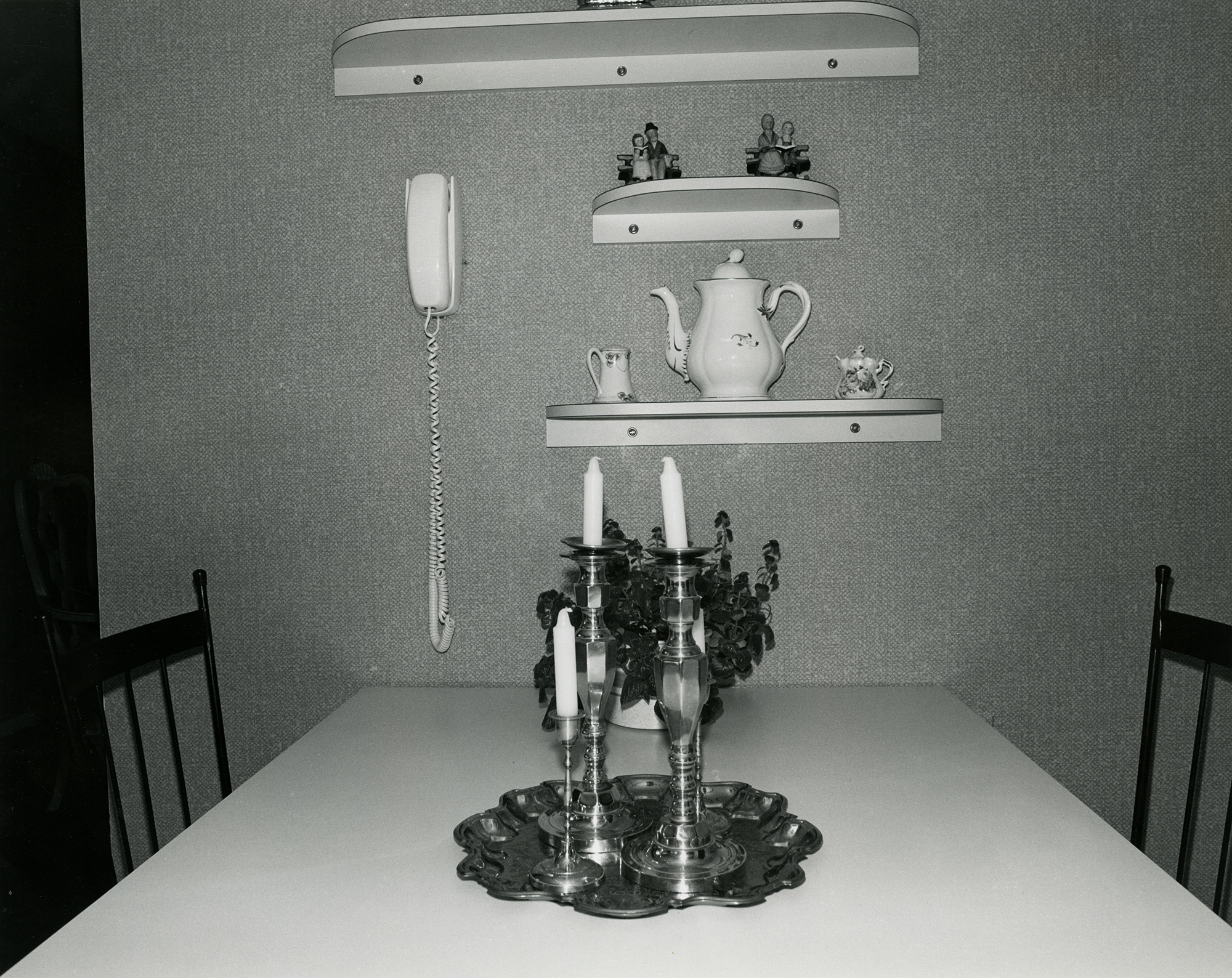
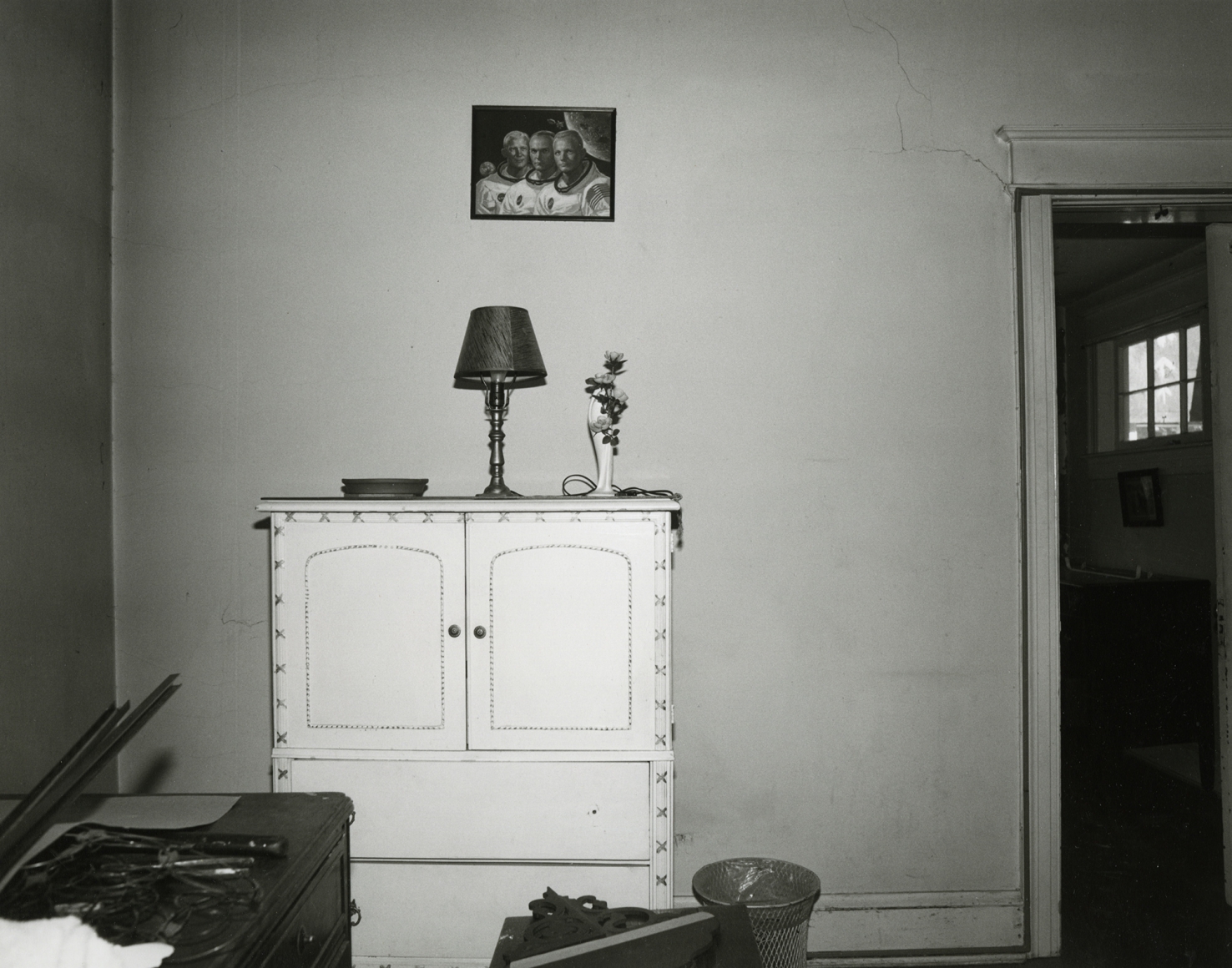
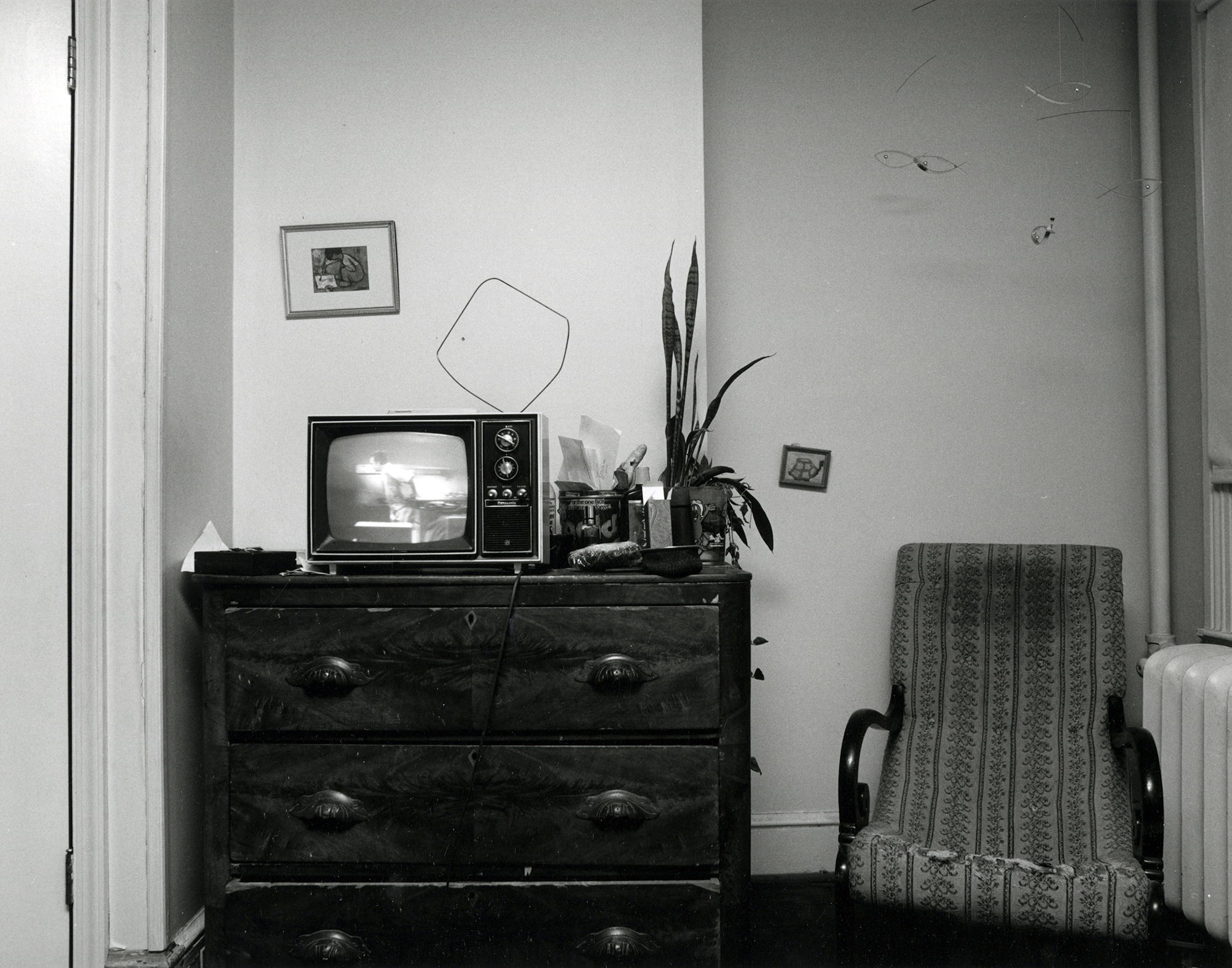
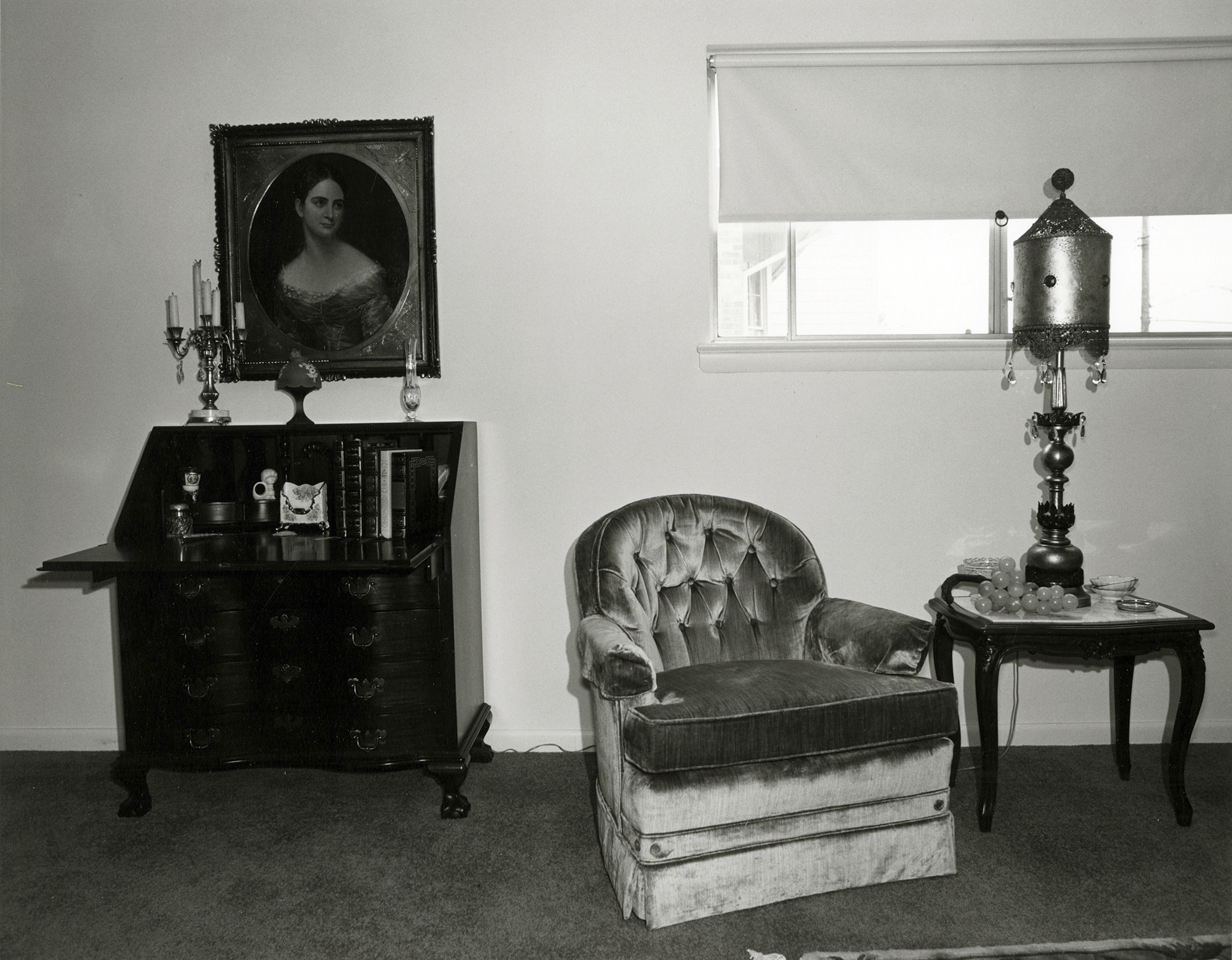
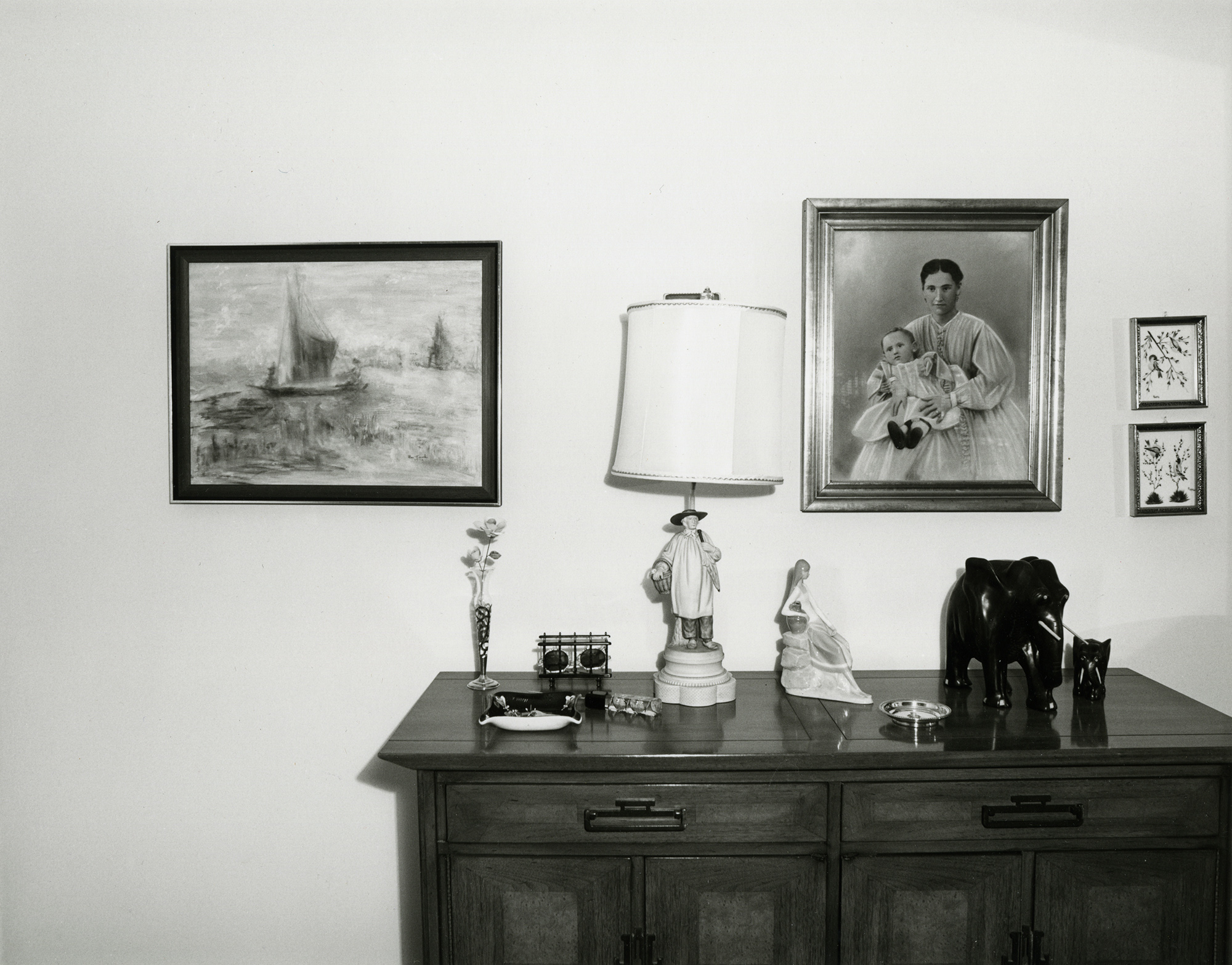
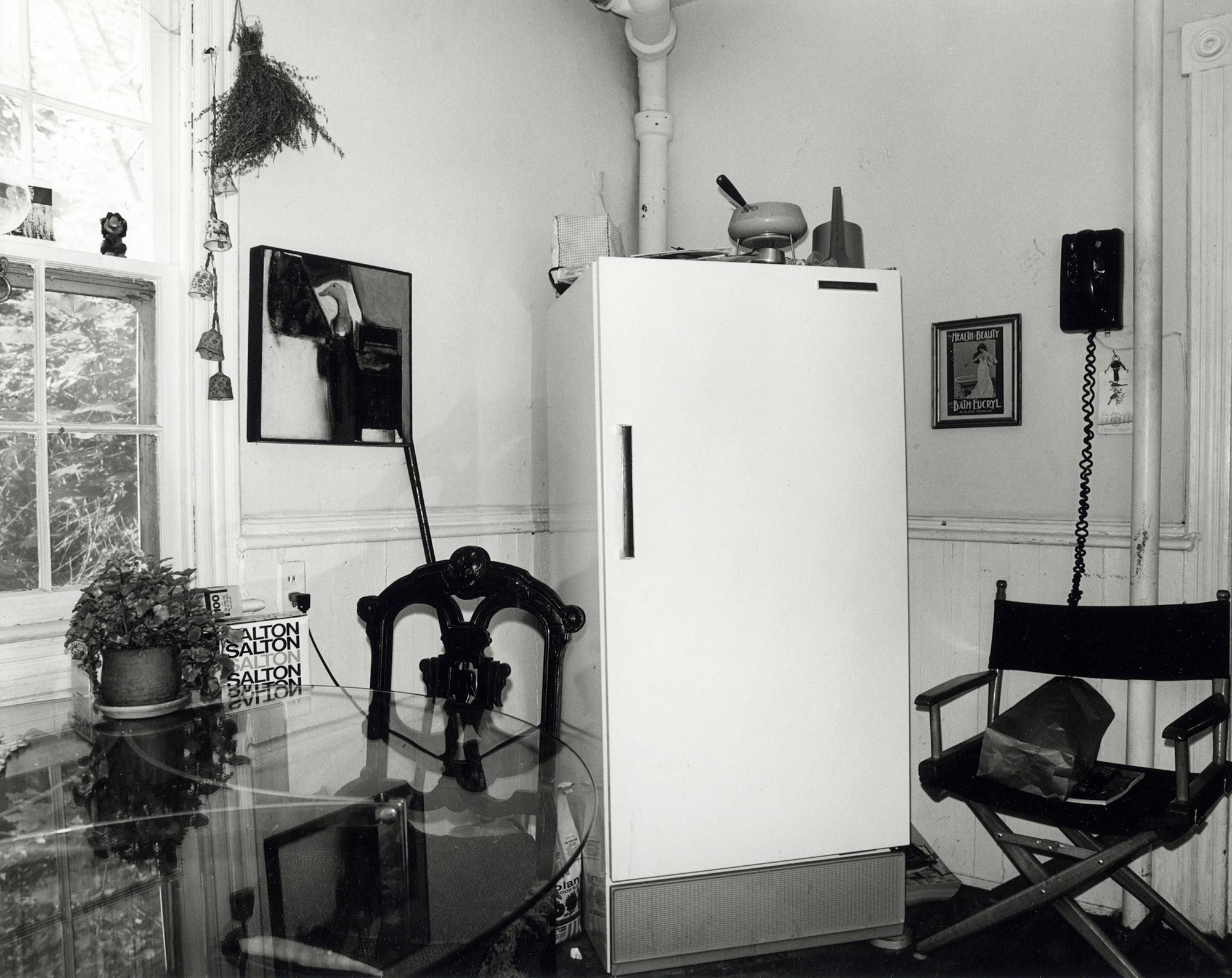
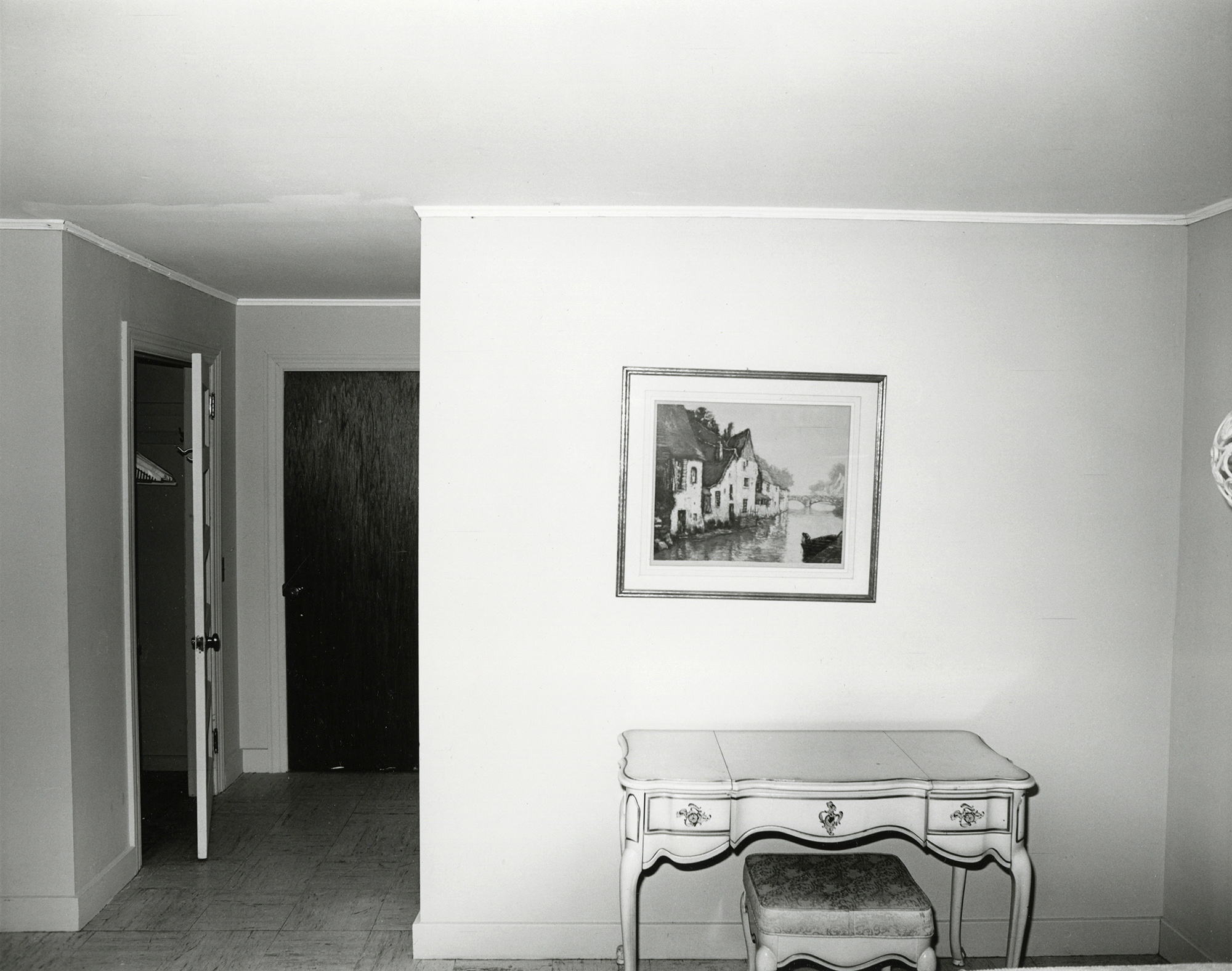
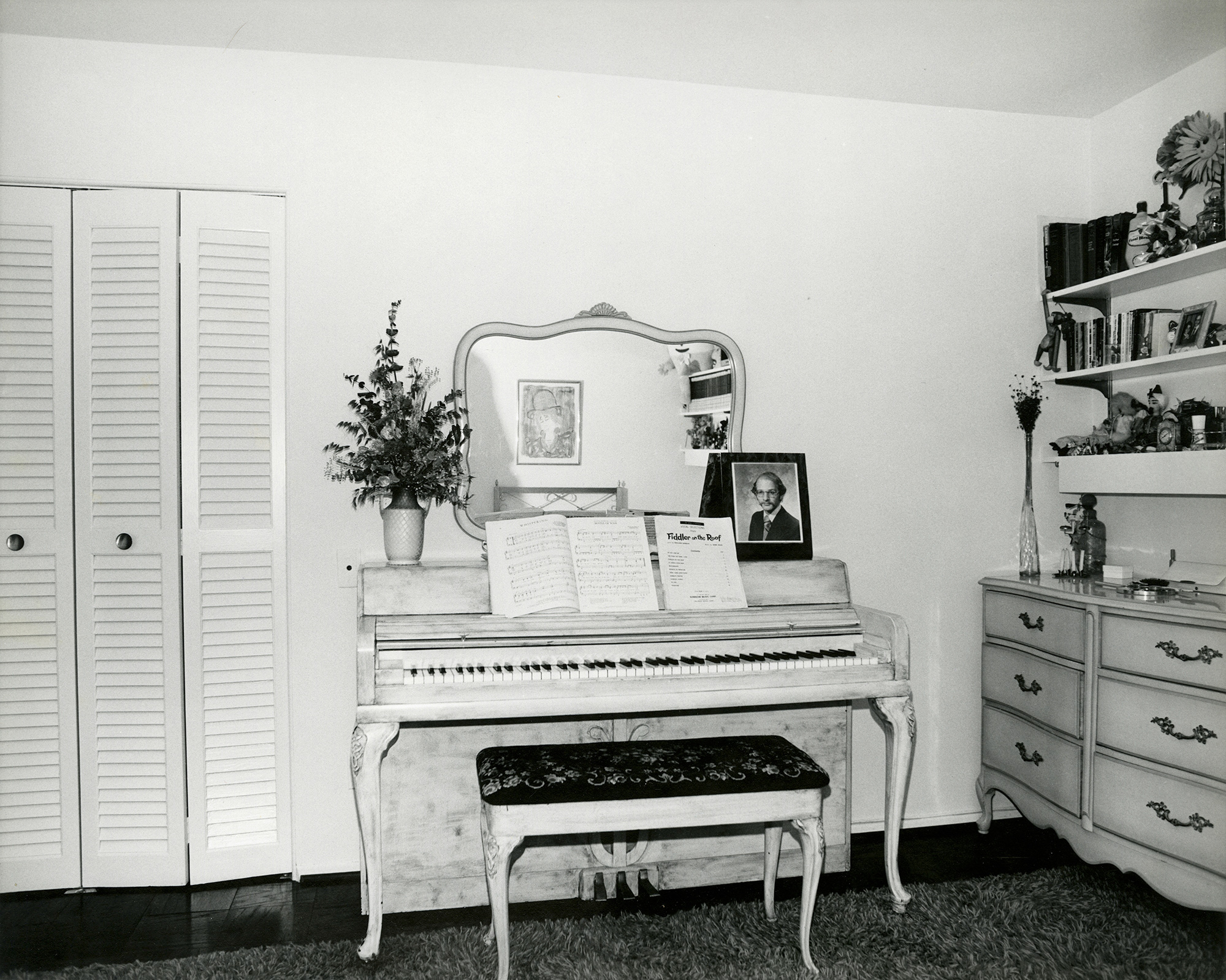
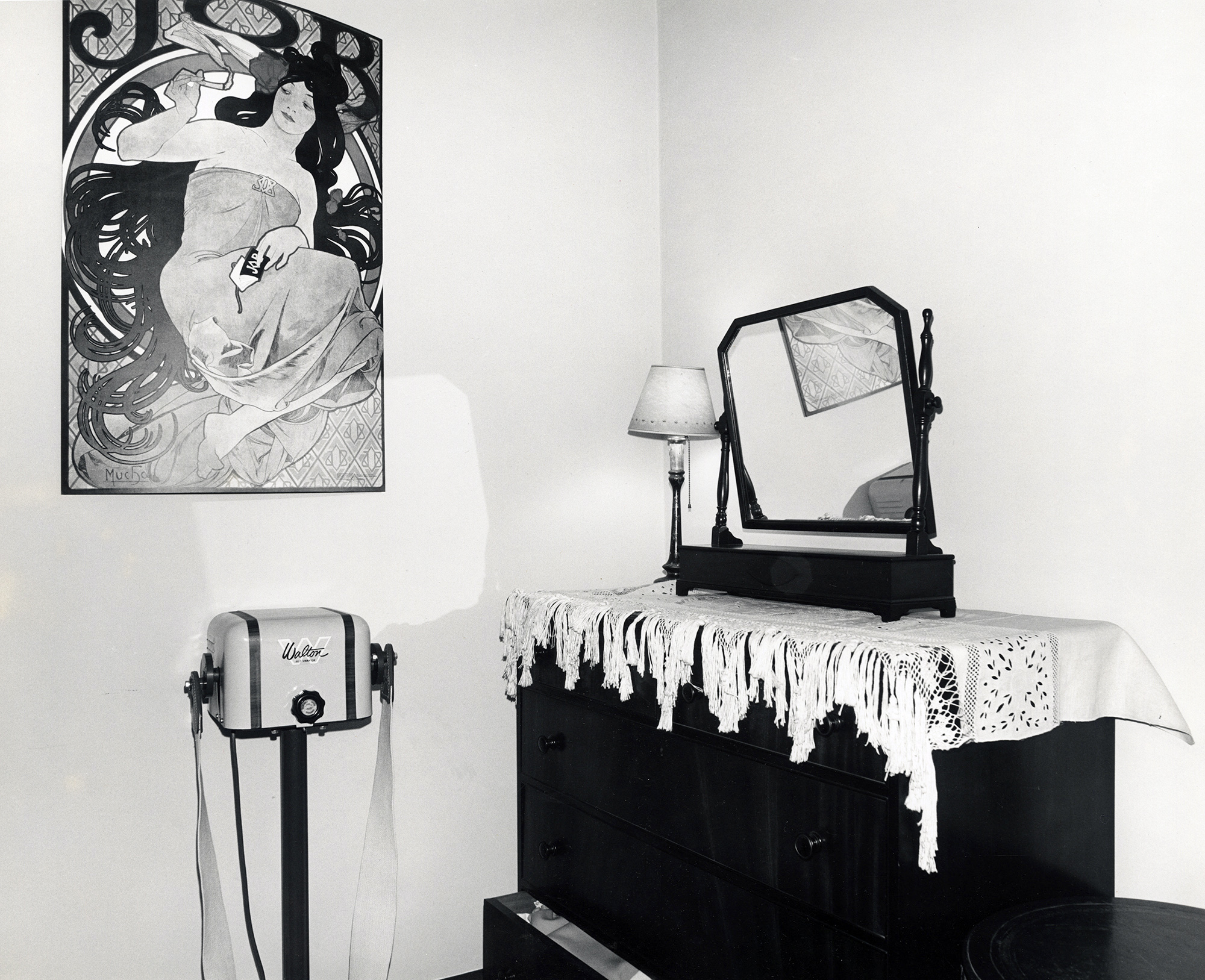
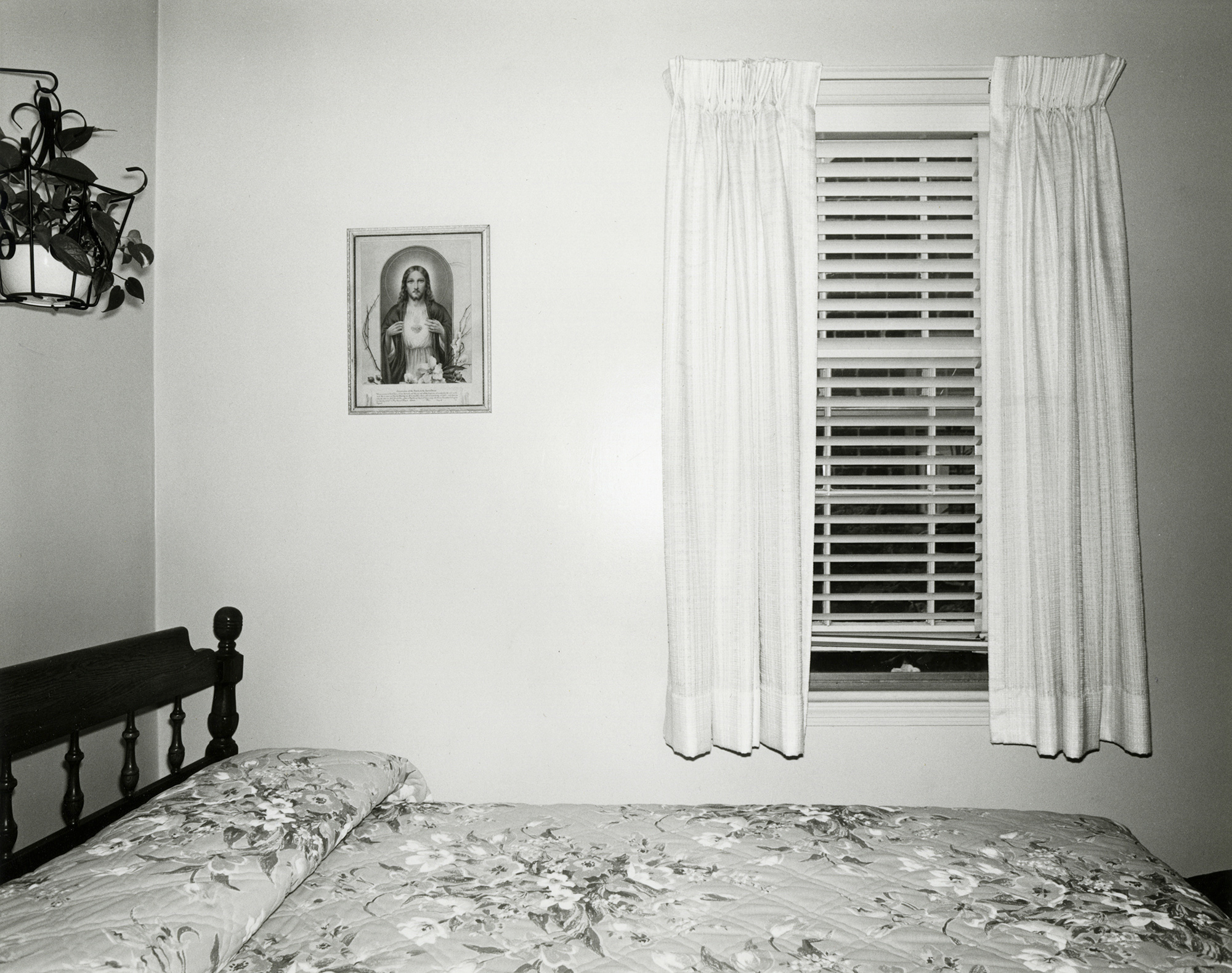
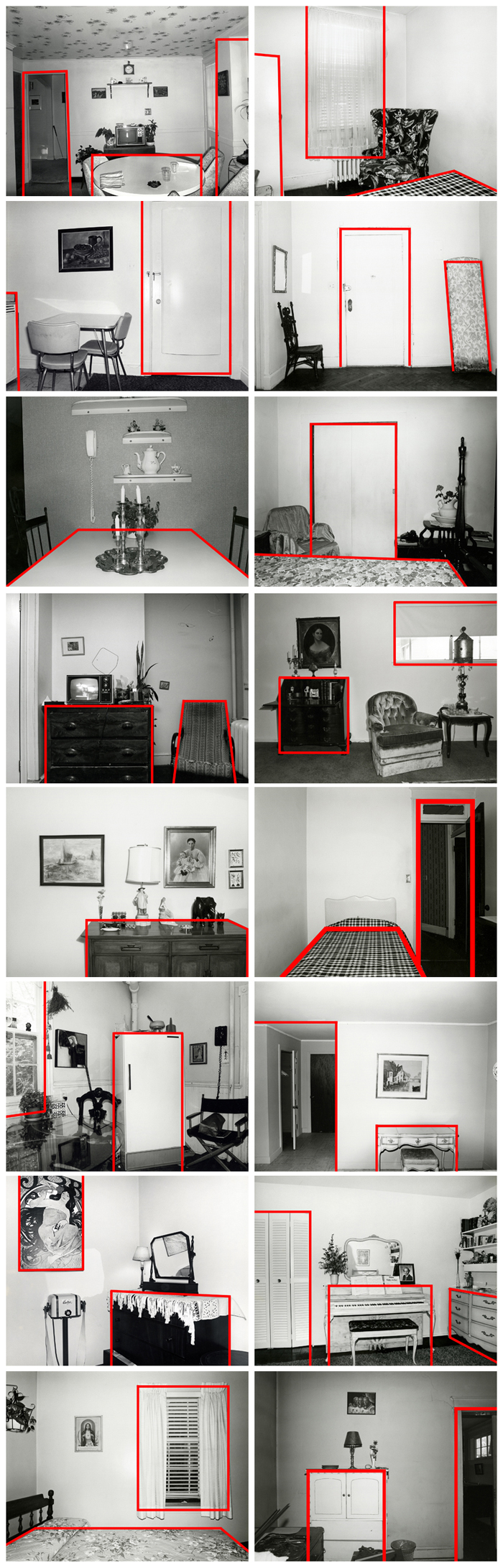

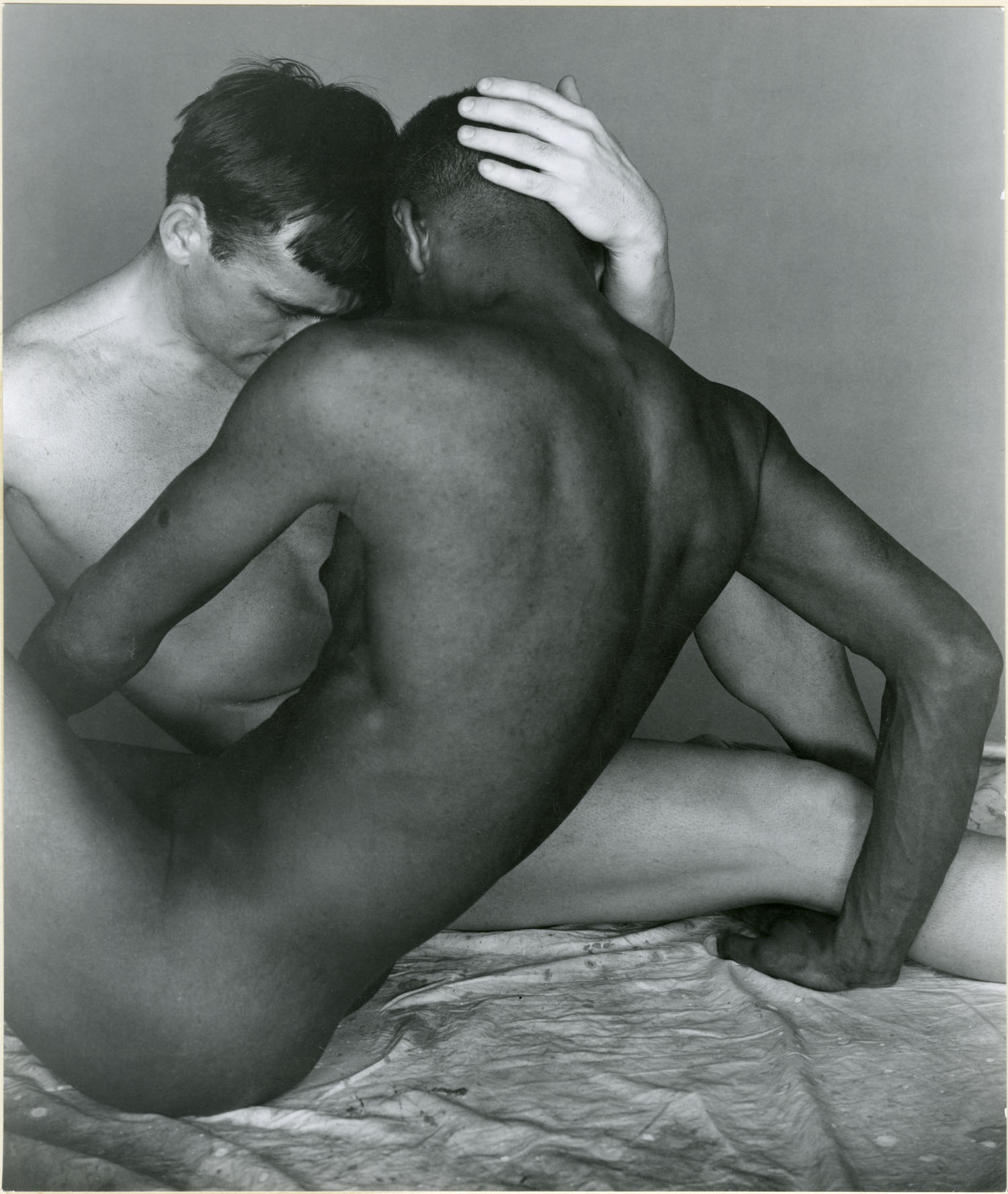


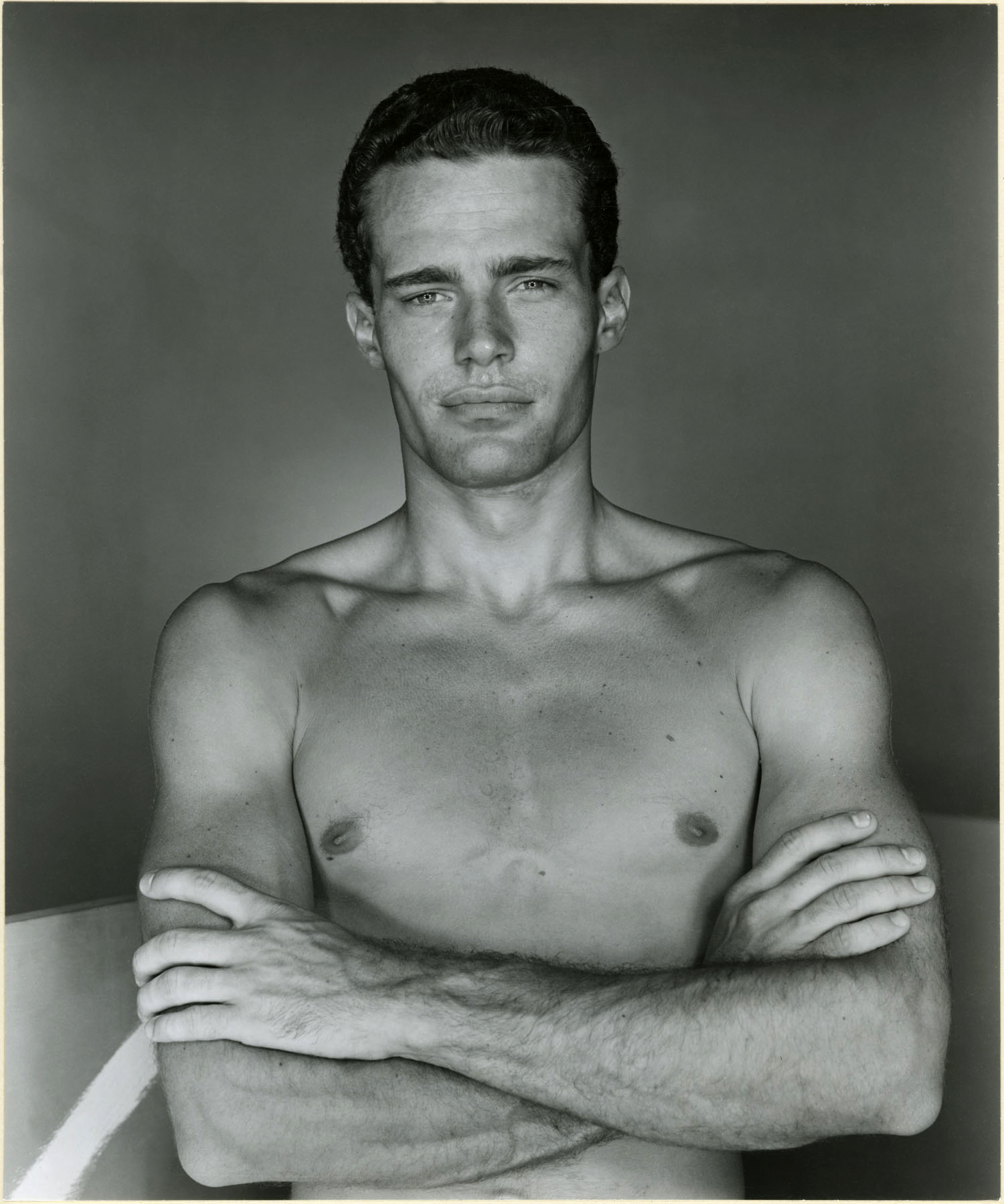


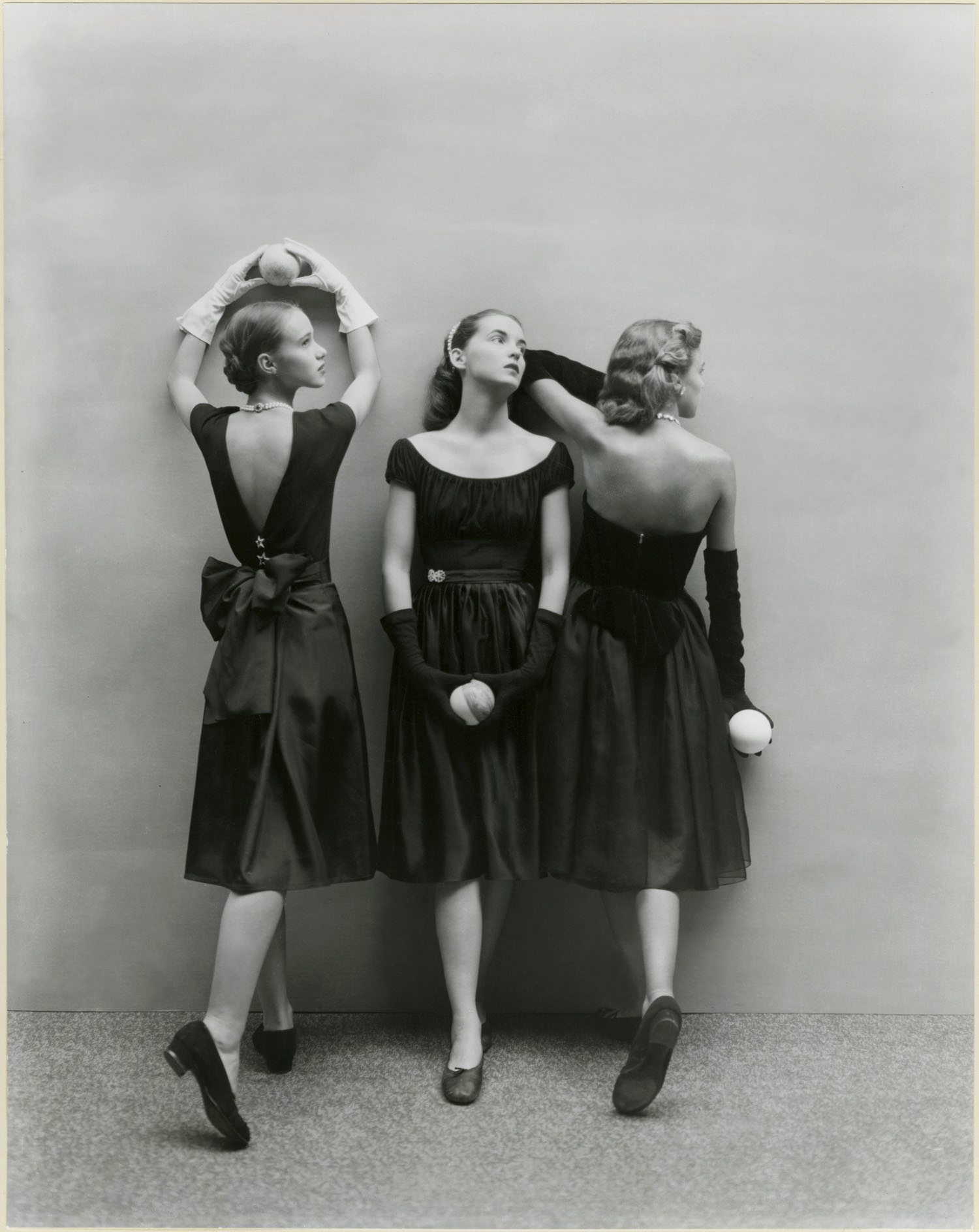


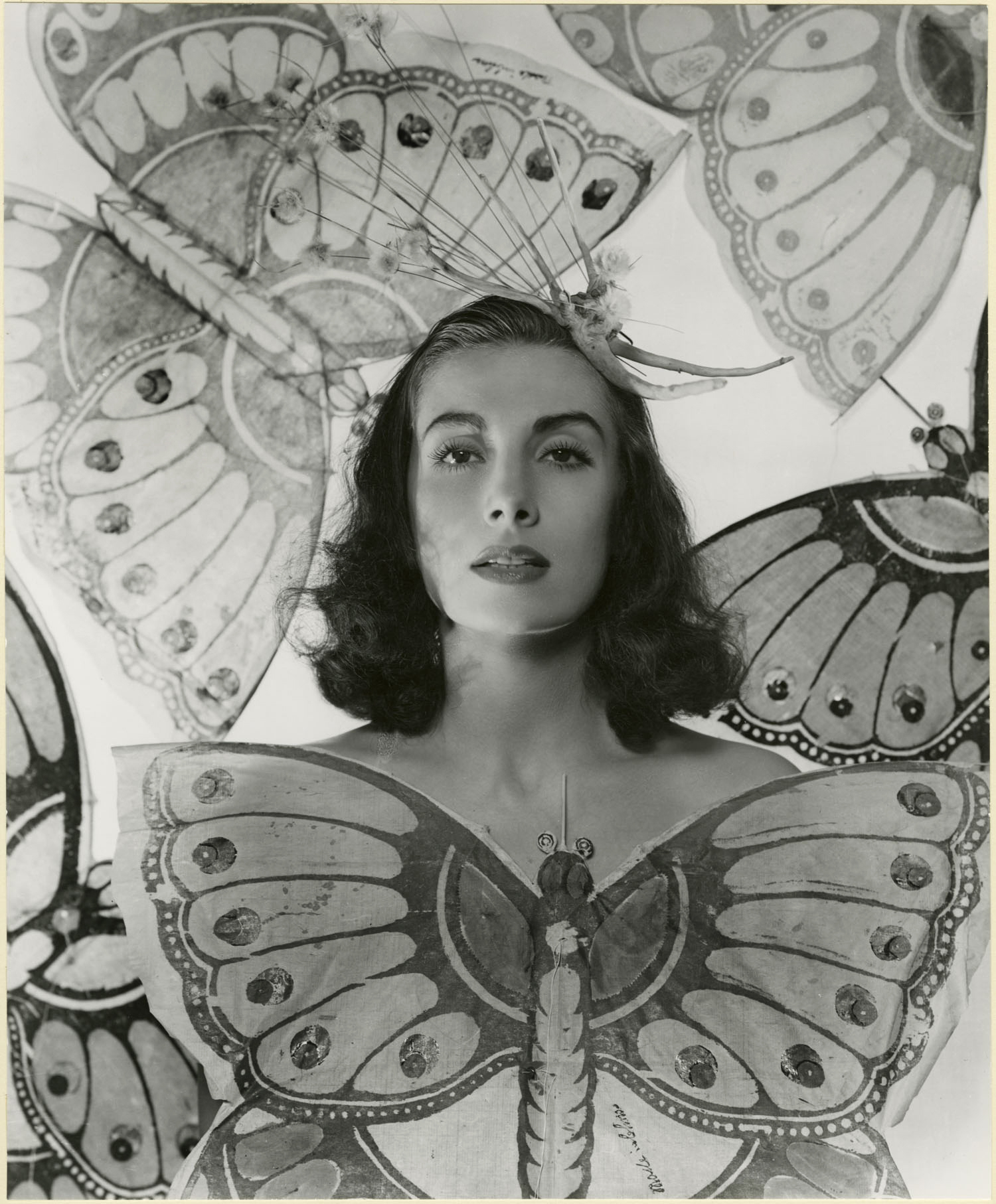
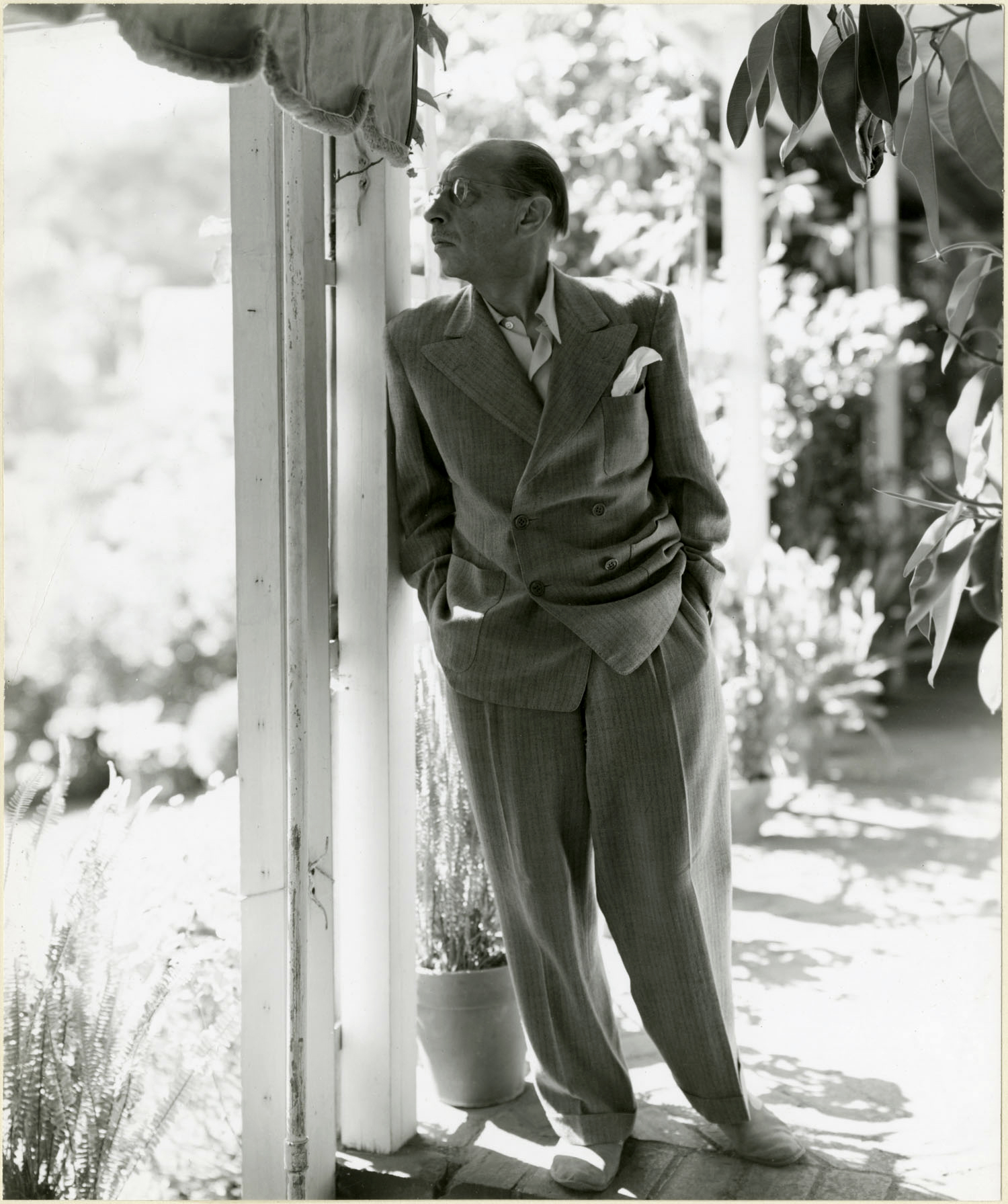
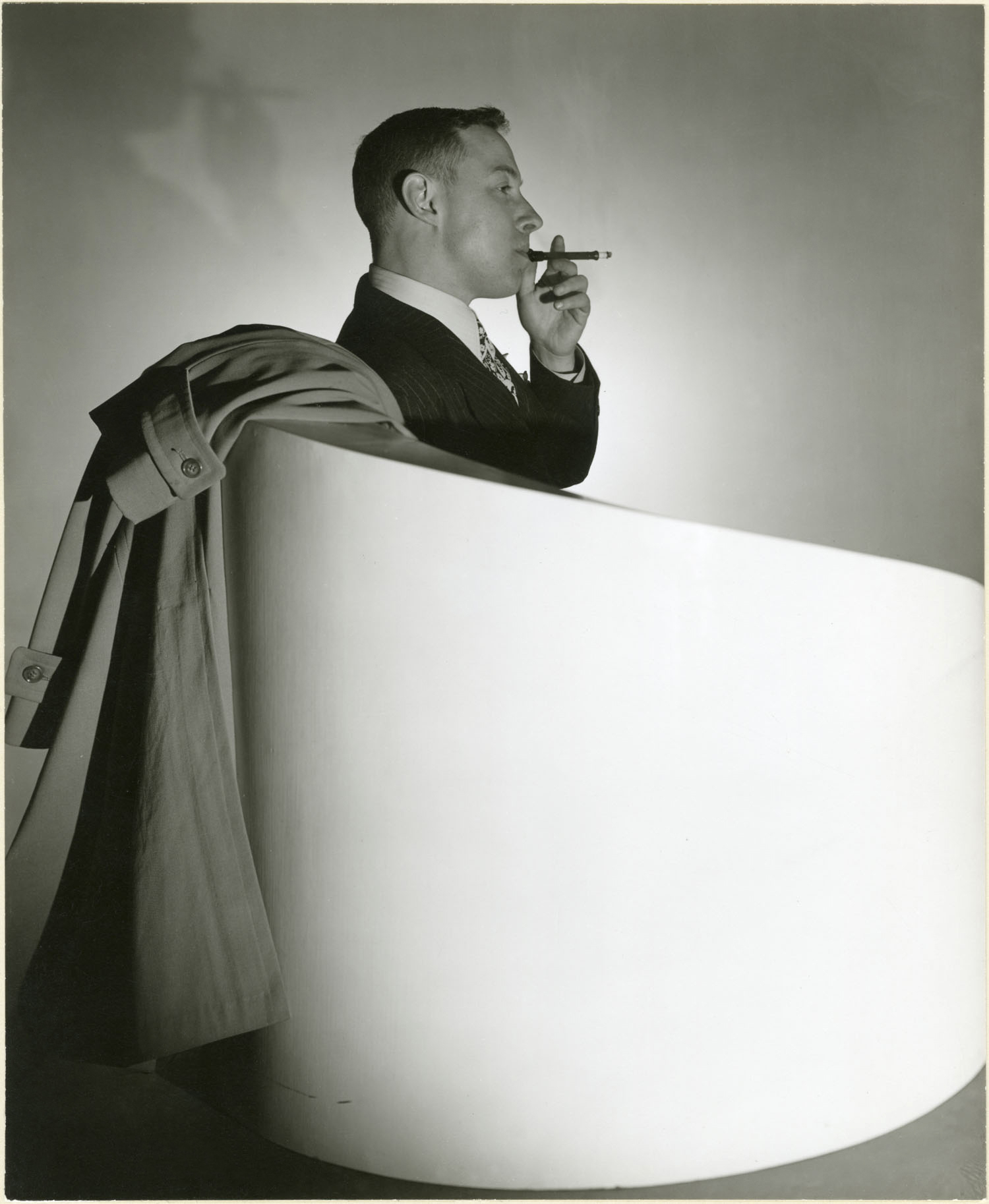


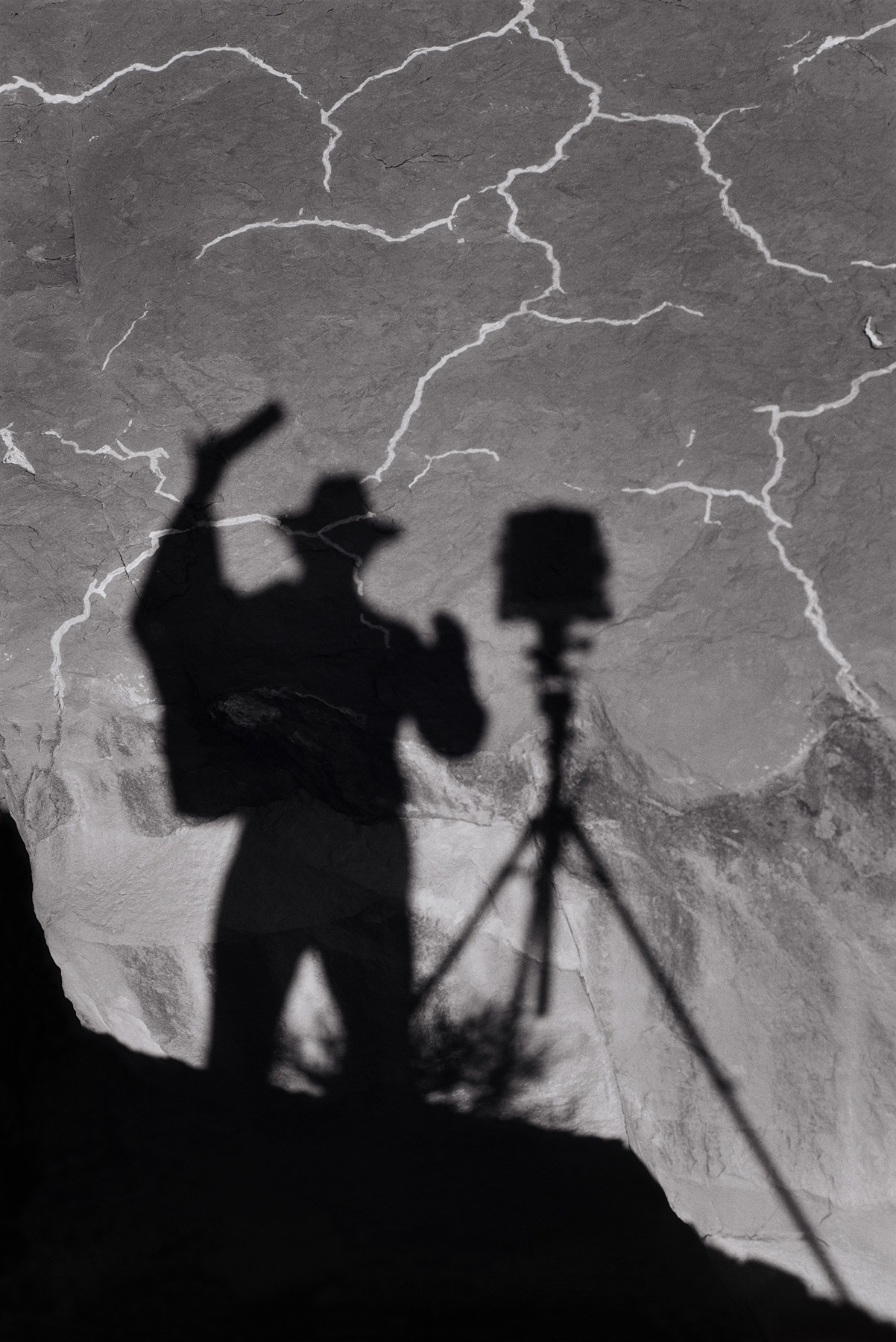
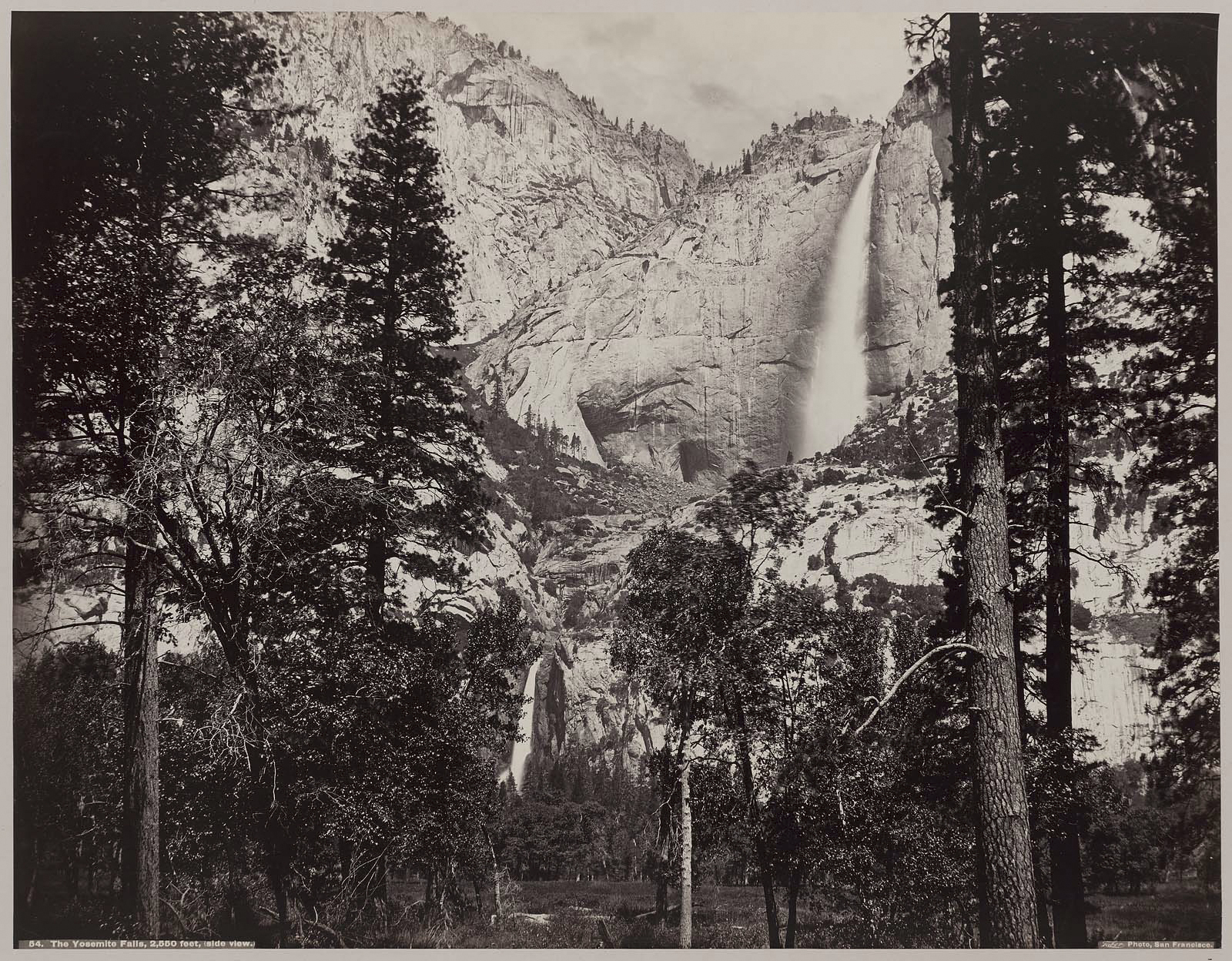

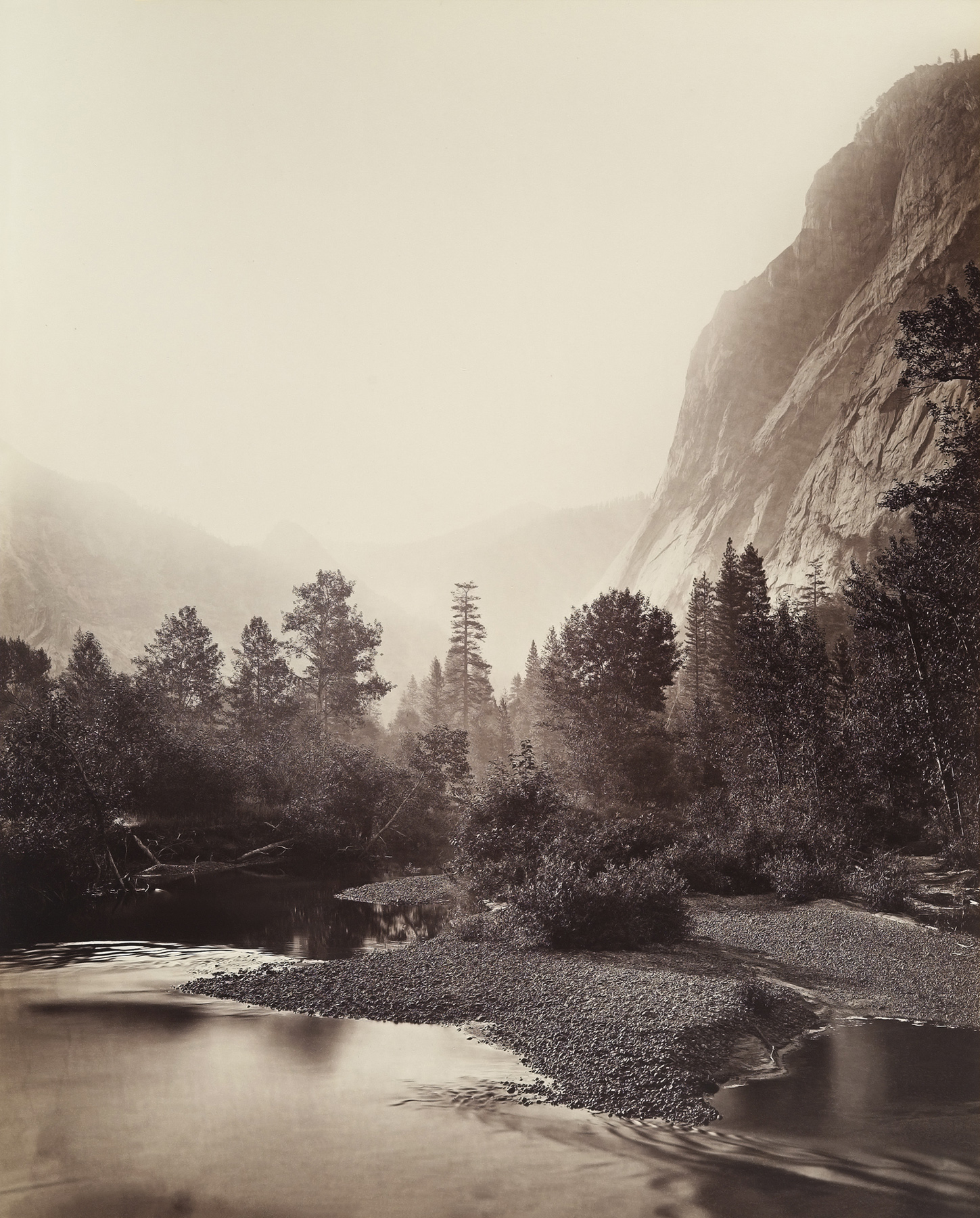
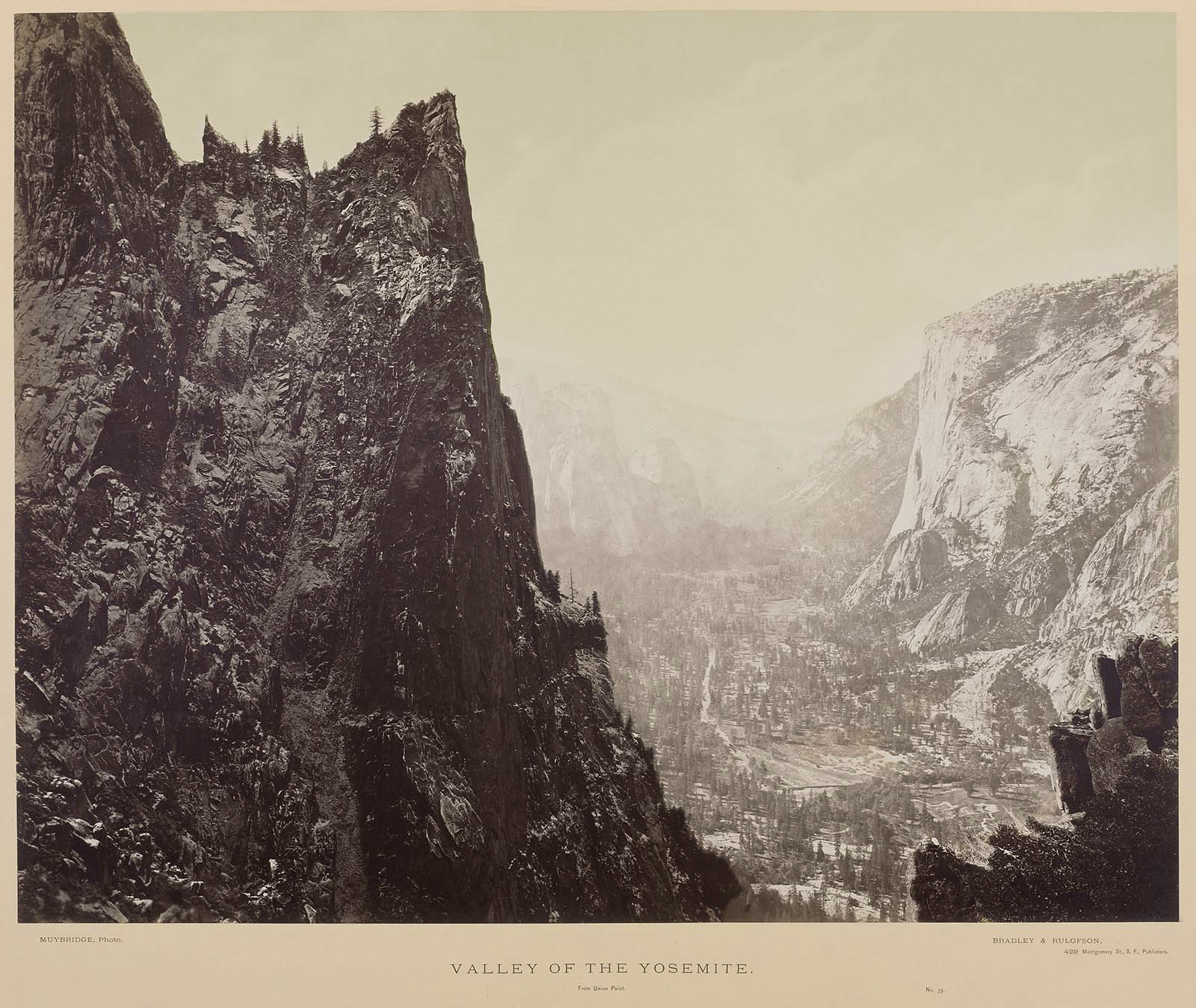


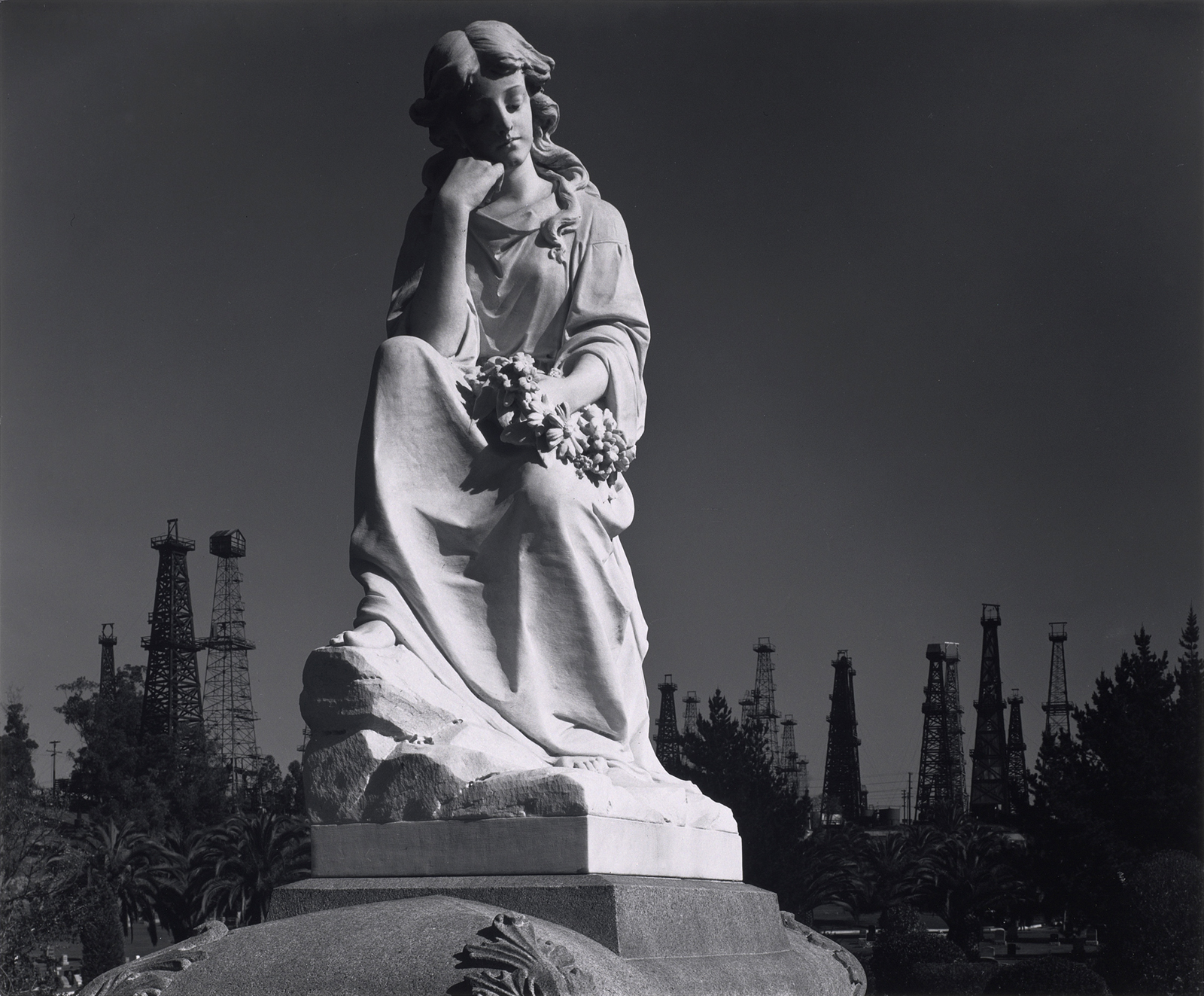


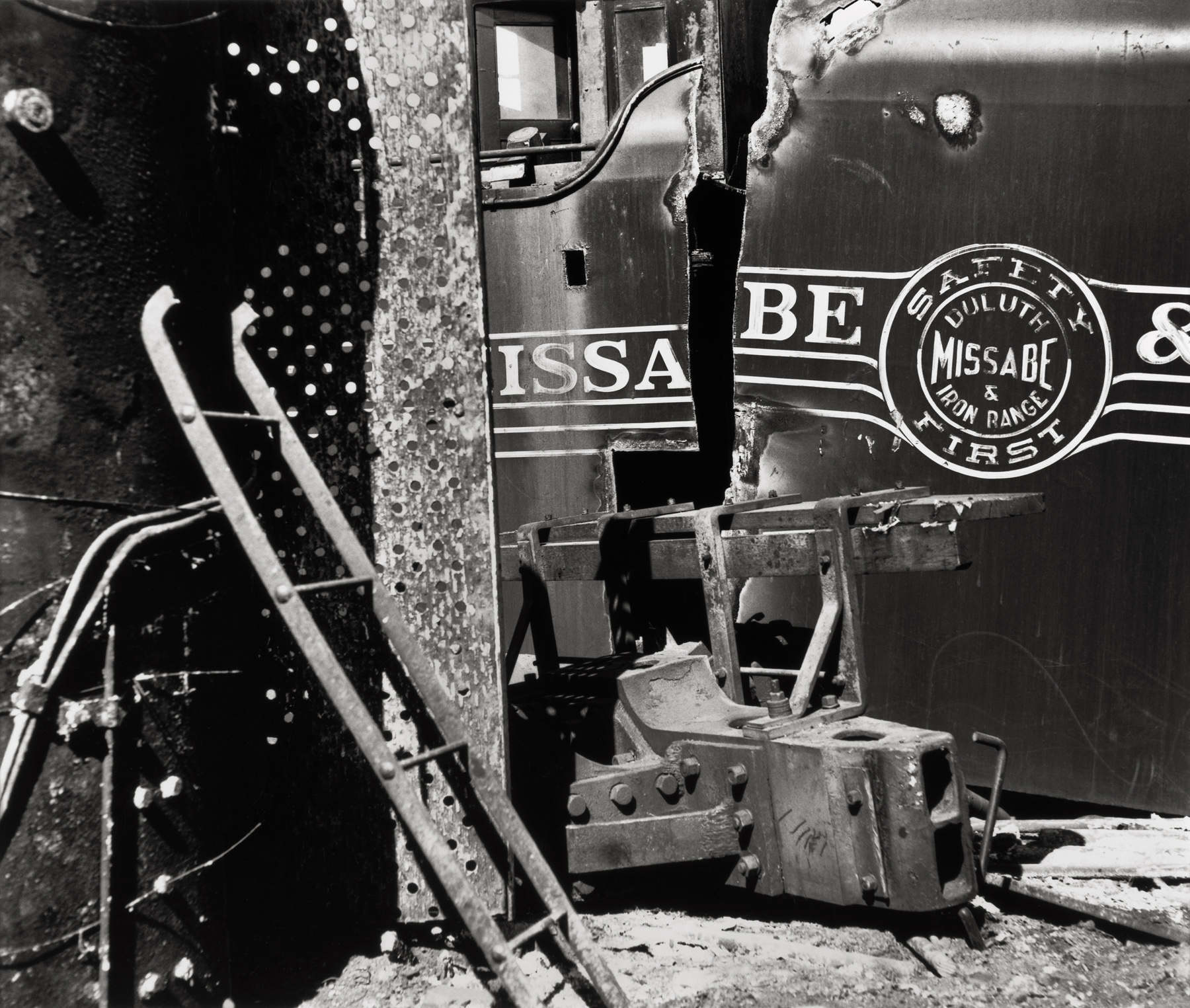








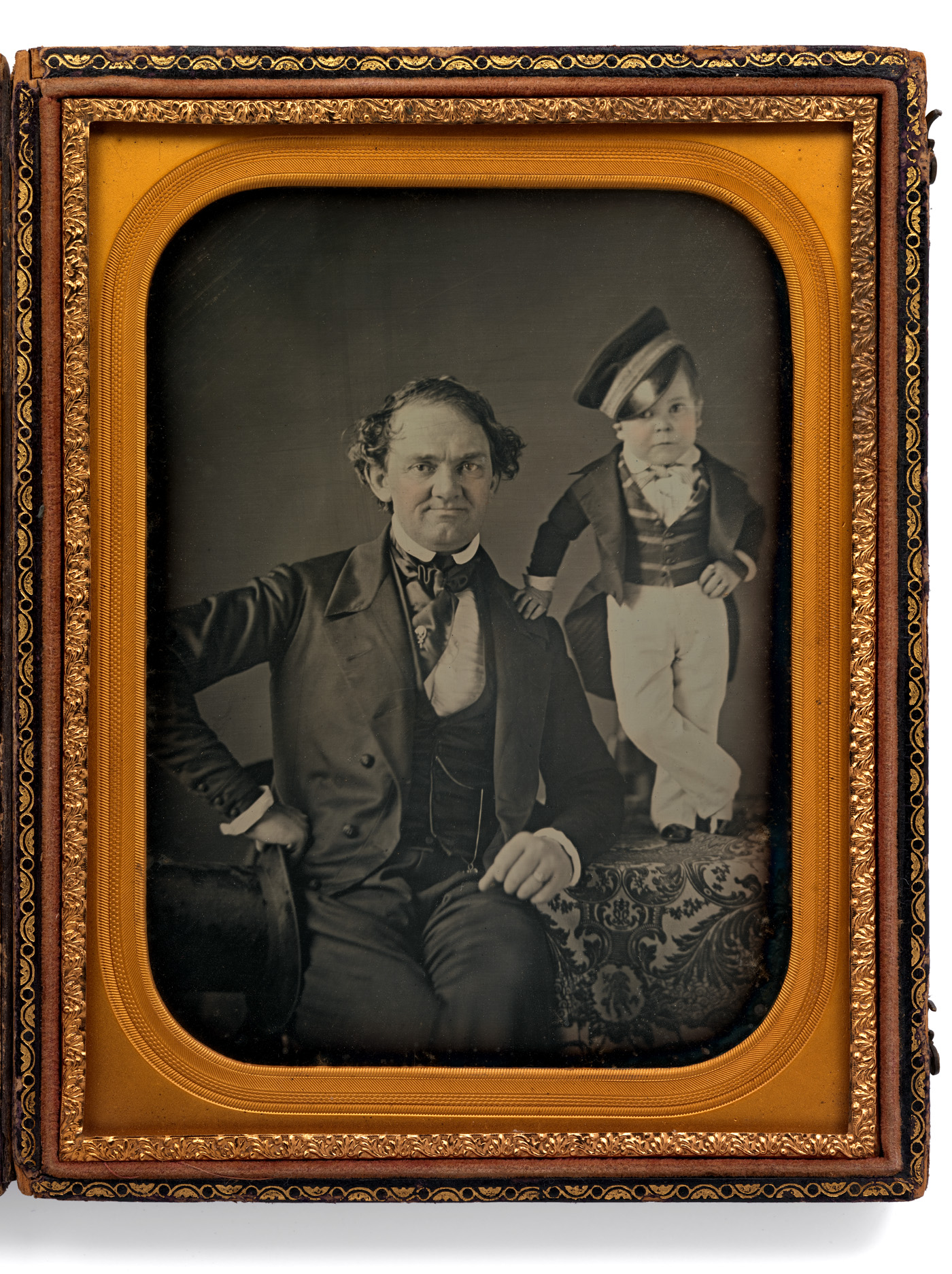


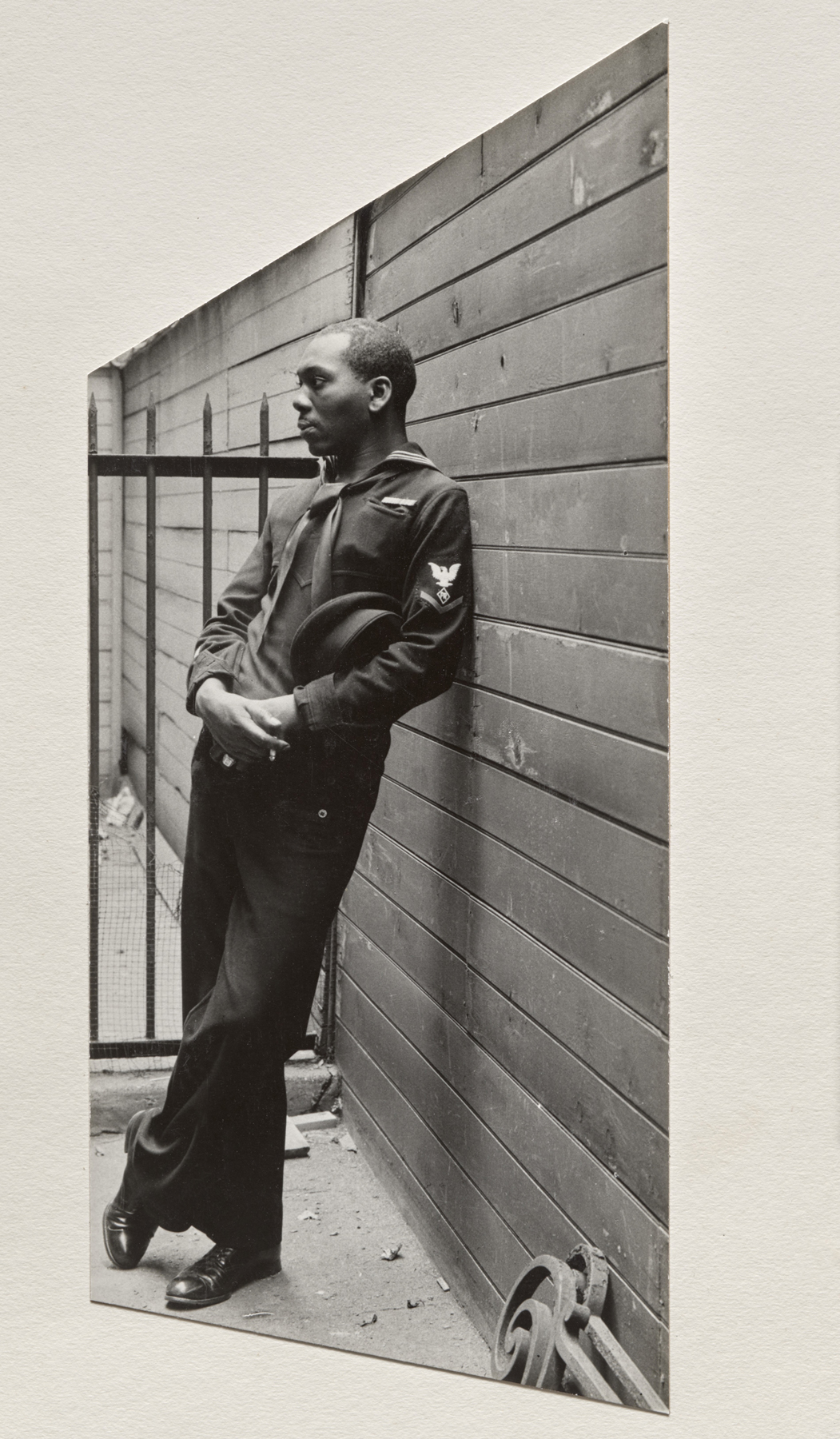
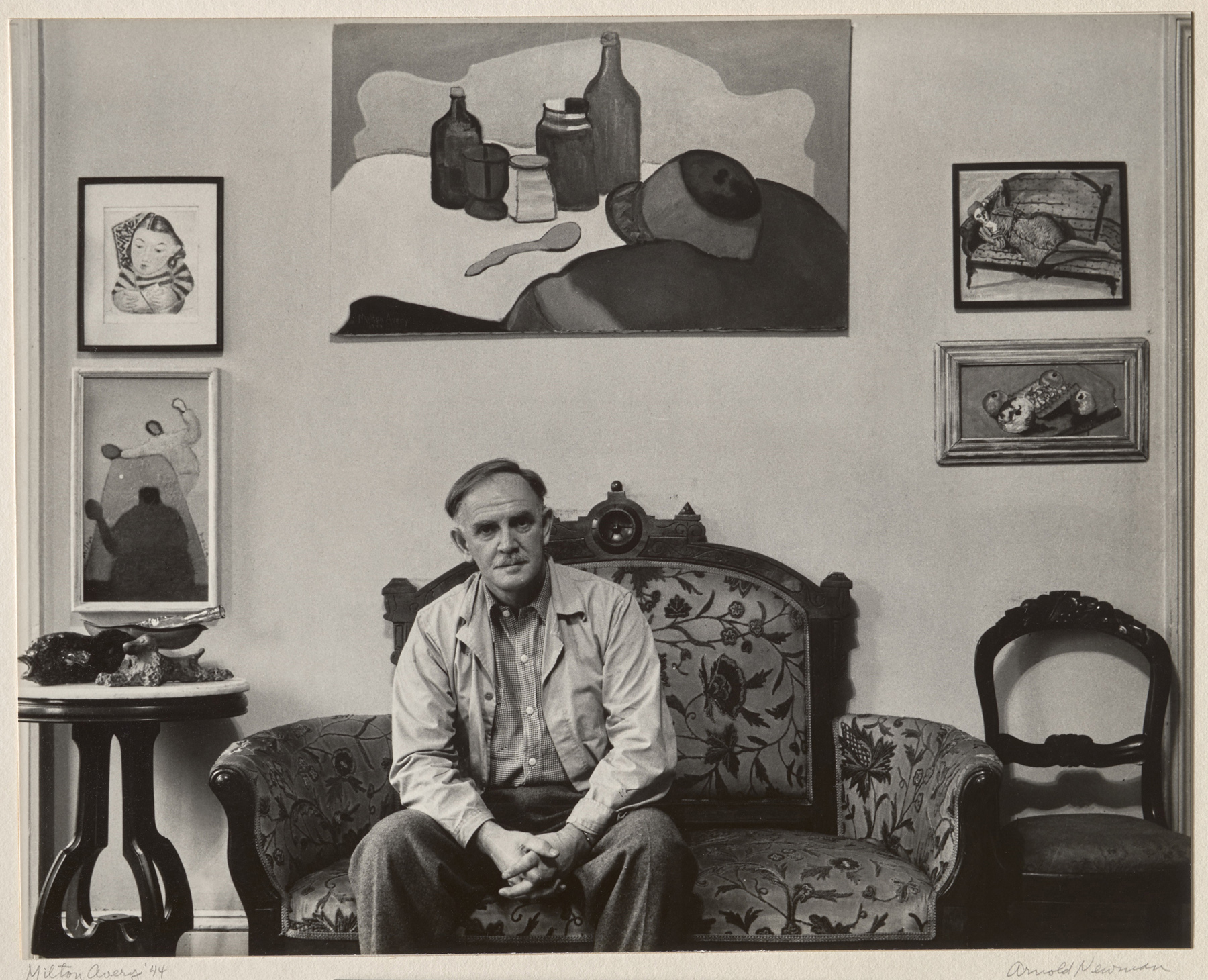
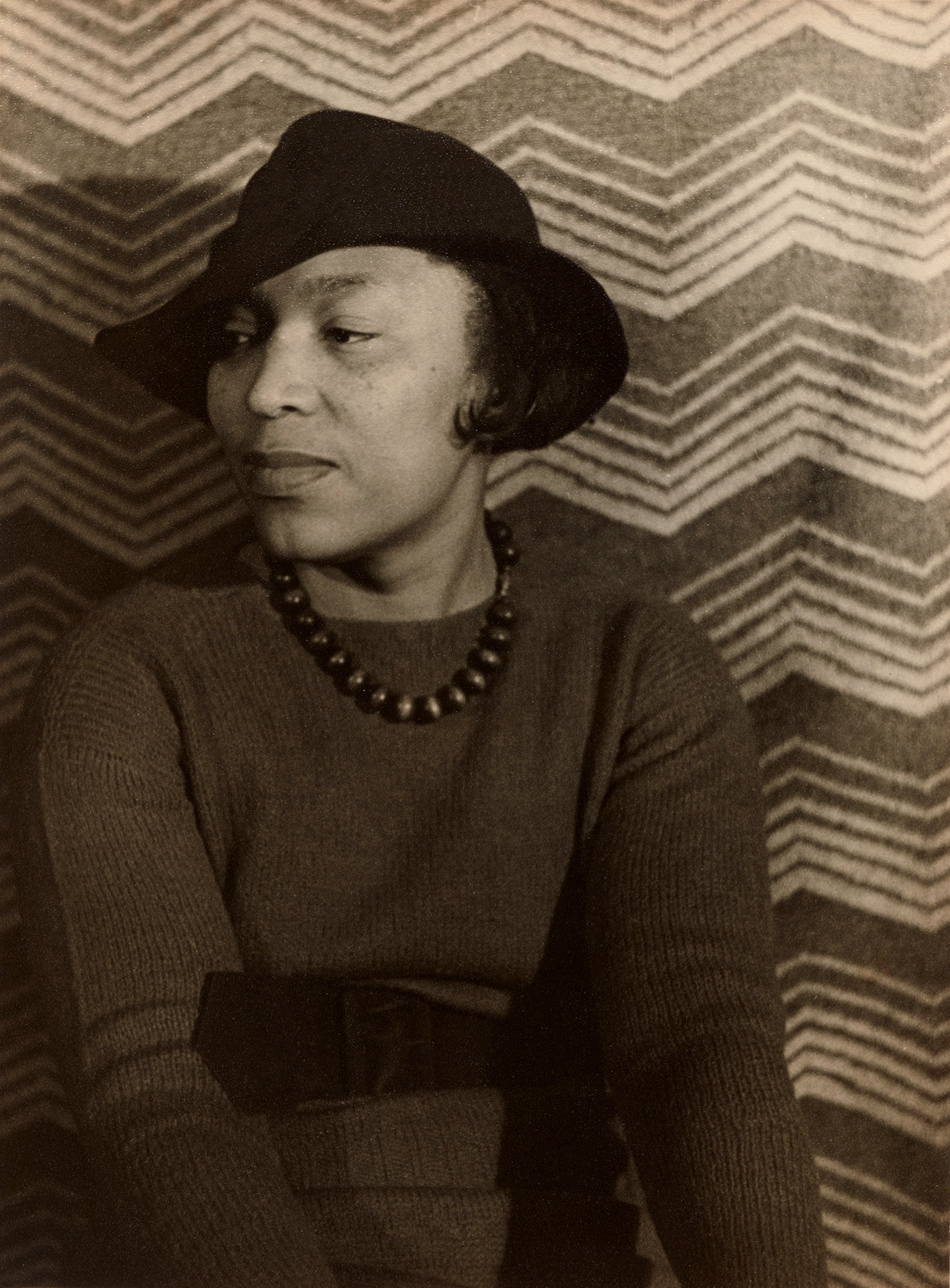


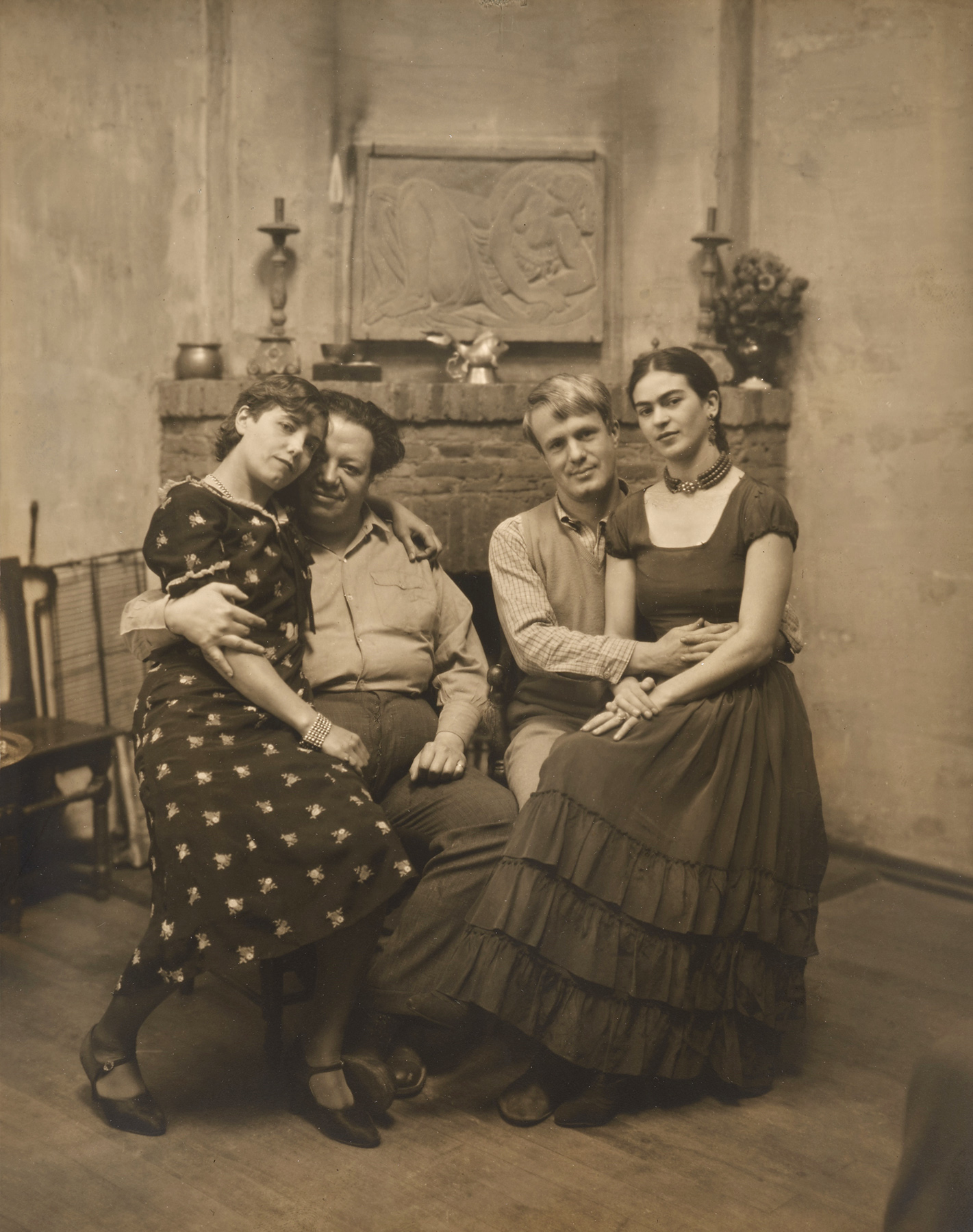


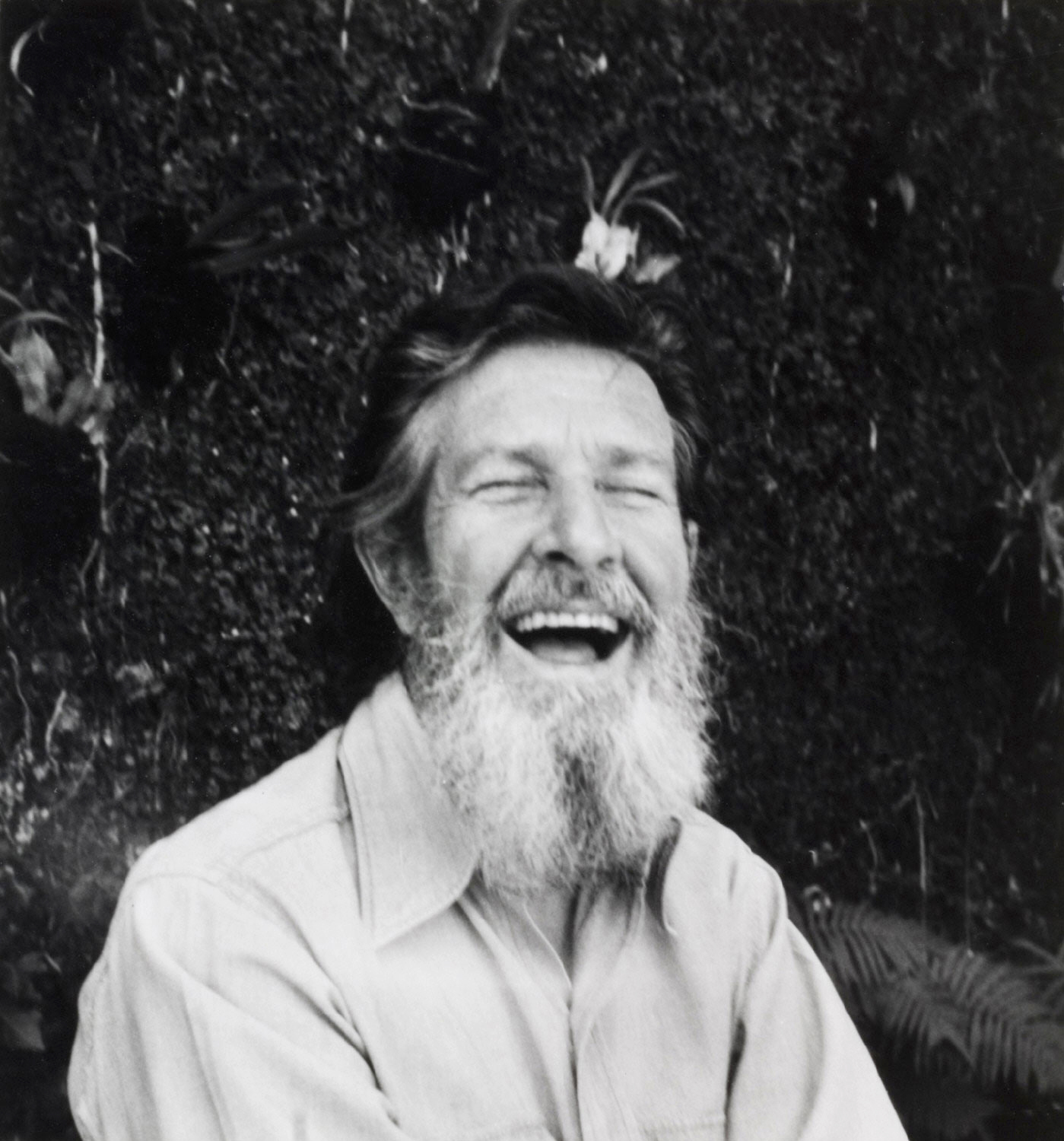
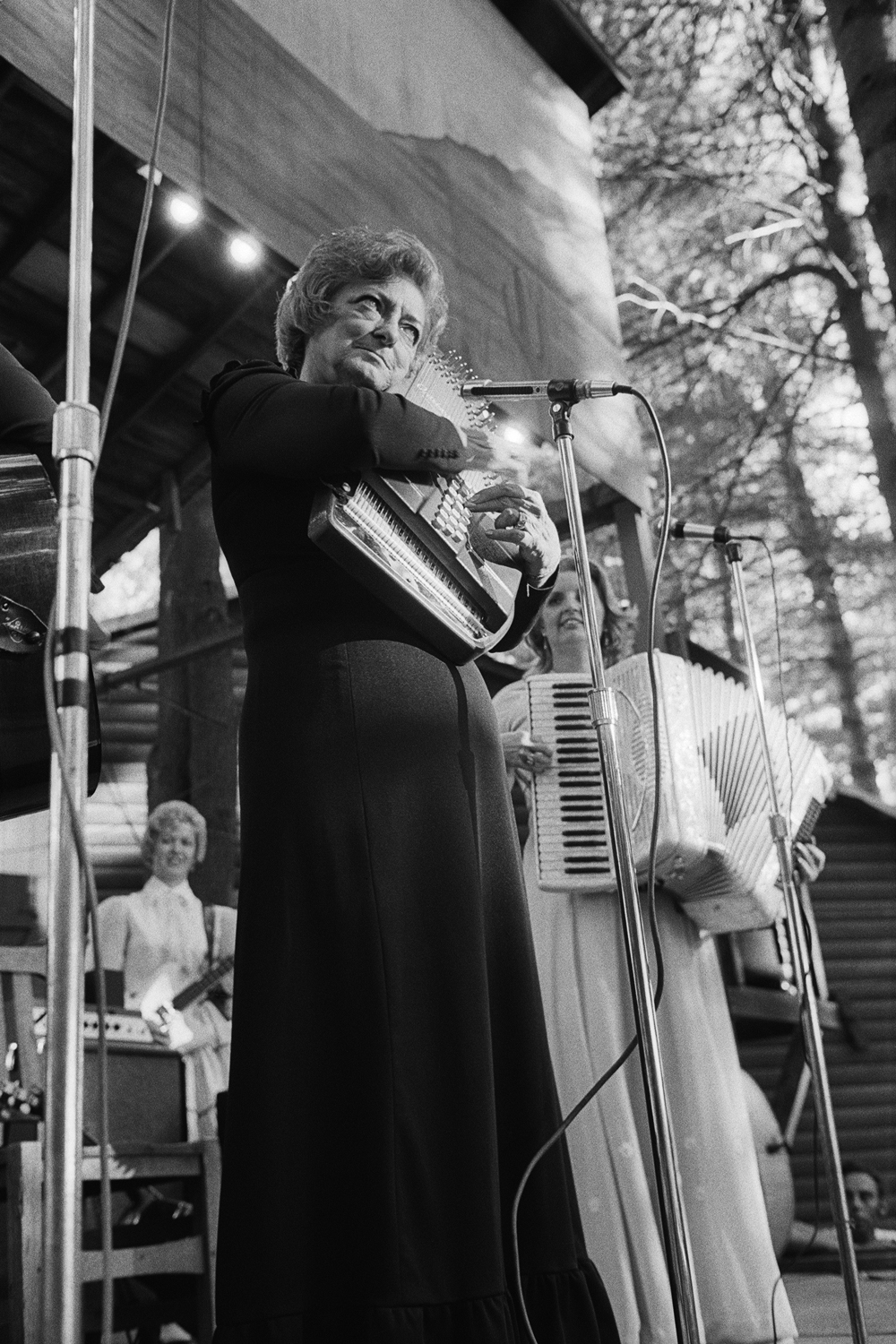


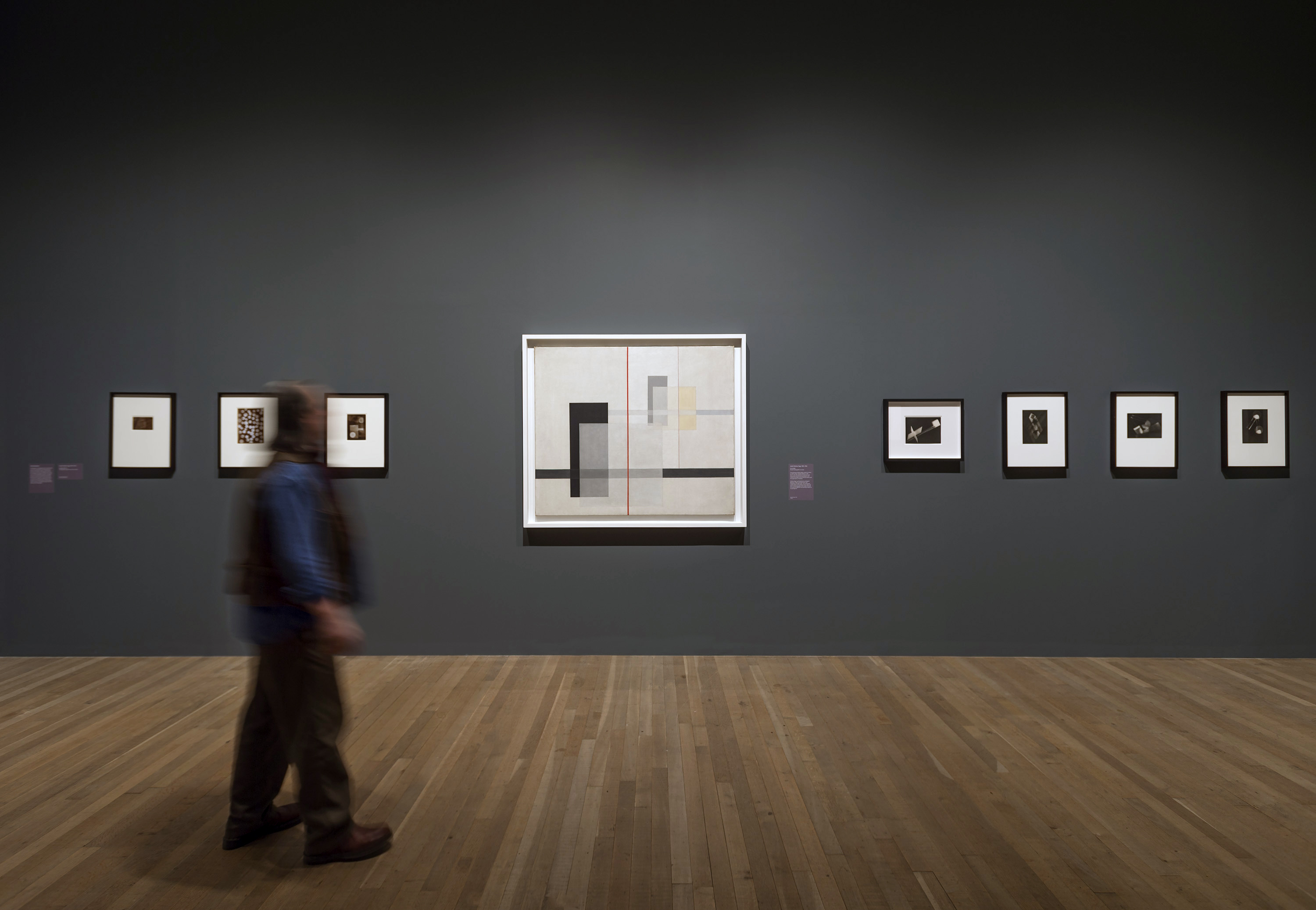


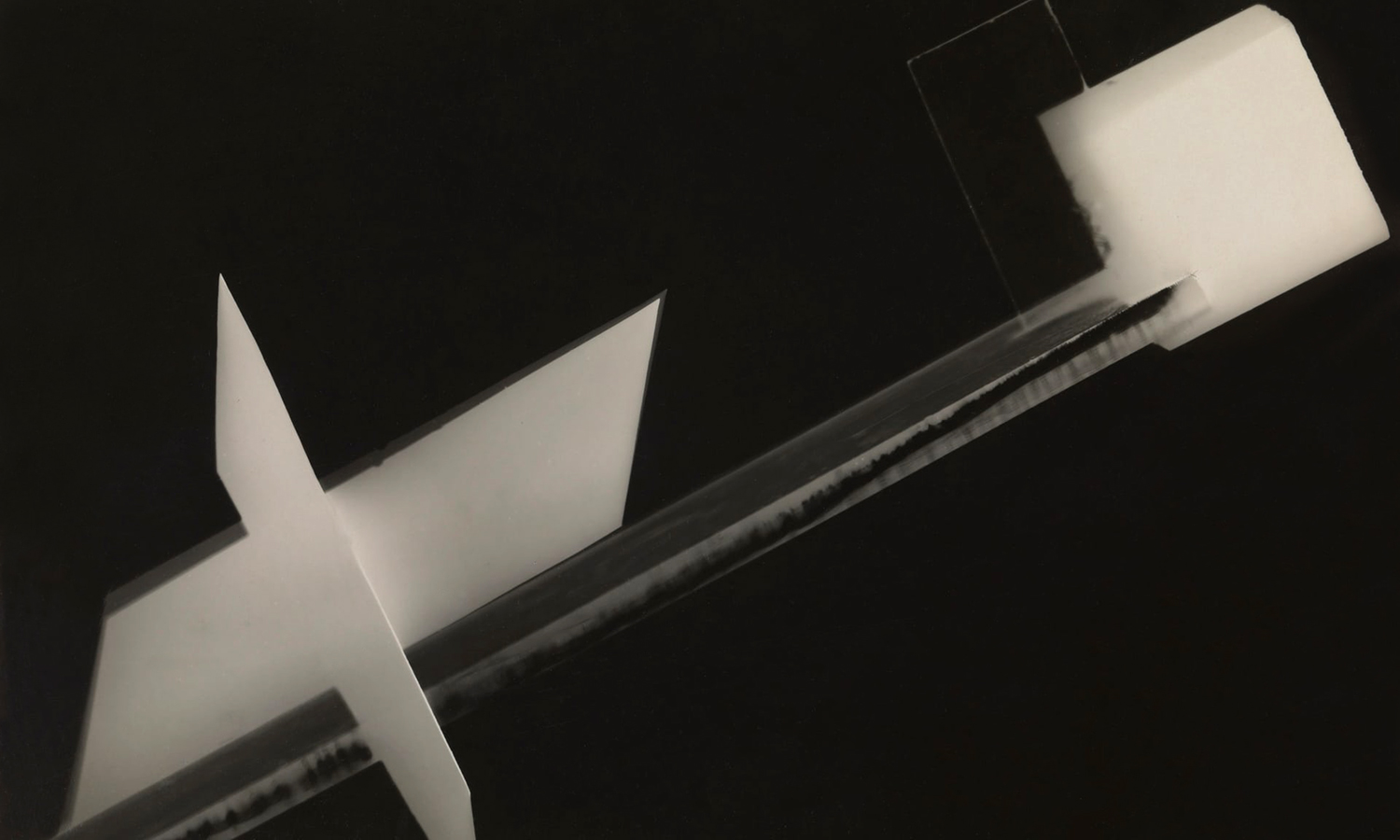

![Edward Steichen (American, 1879-1973) 'Bird in Space' [L'Oiseau dans l'espace] 1926](https://artblart.com/wp-content/uploads/2018/07/edward-steichen-bird-in-space-sculpture-by-brancusi-1926-web.jpg "Edward Steichen (American, 1879-1973) 'Bird in Space' [L'Oiseau dans l'espace] 1926")
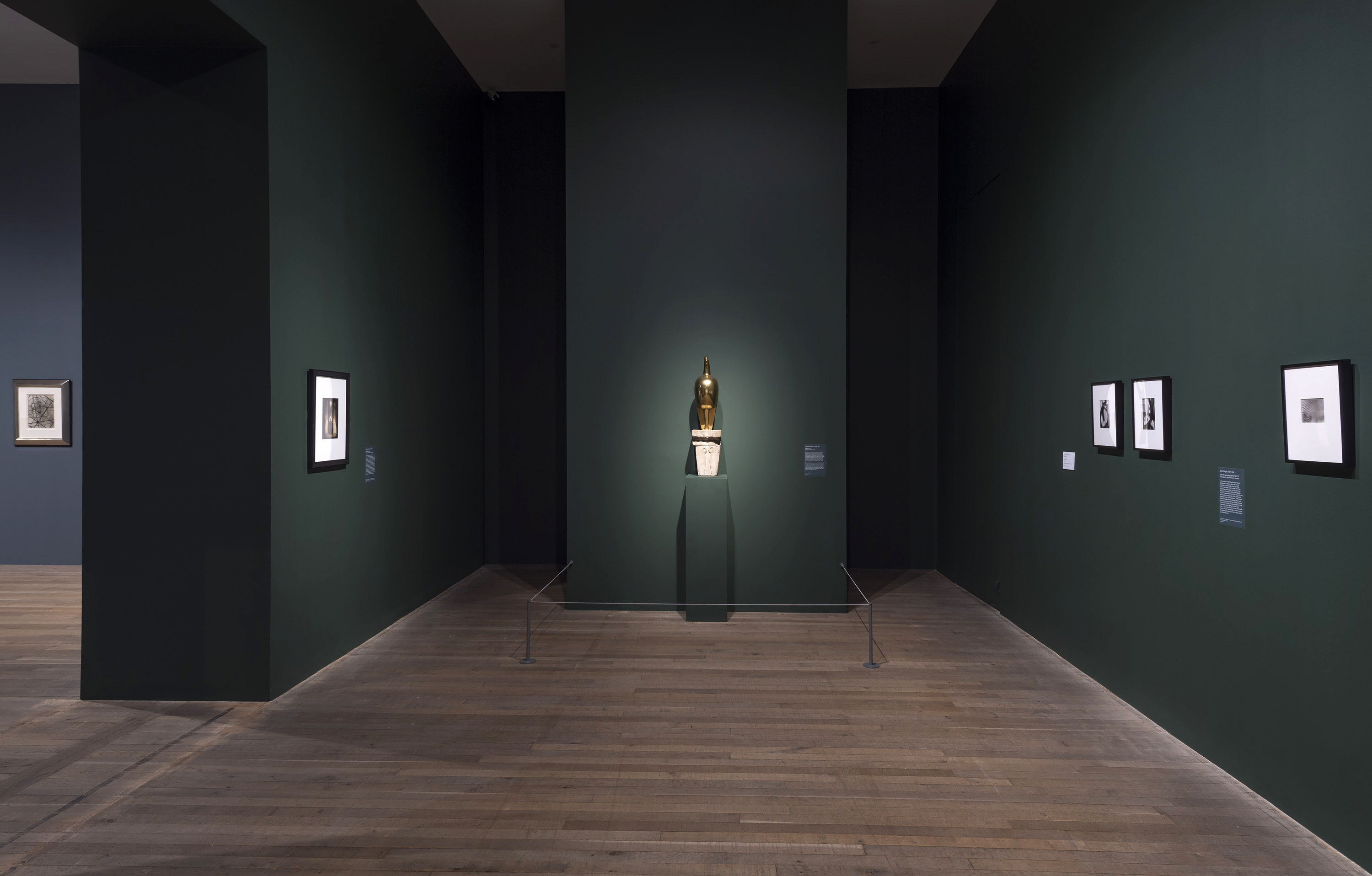

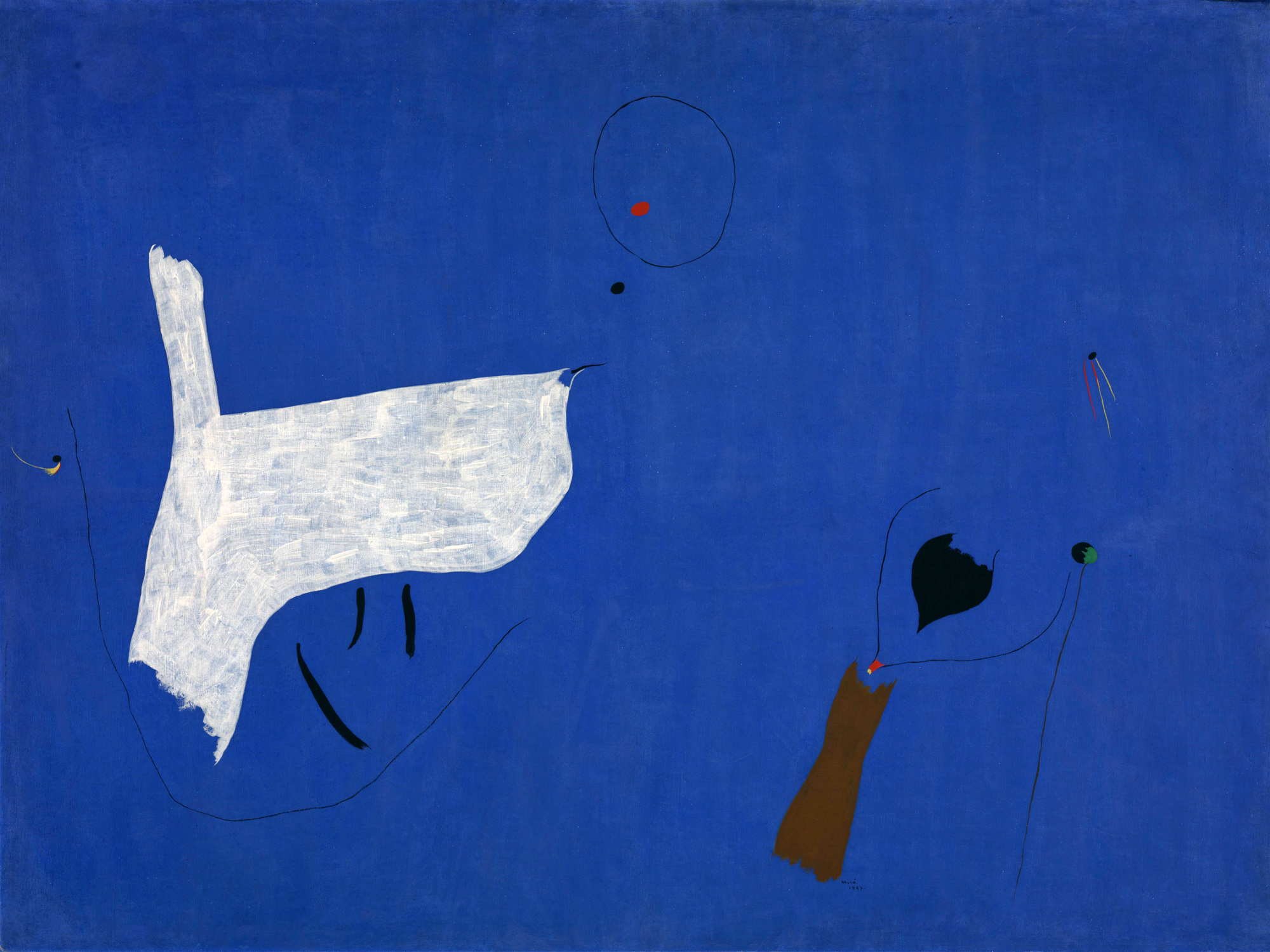

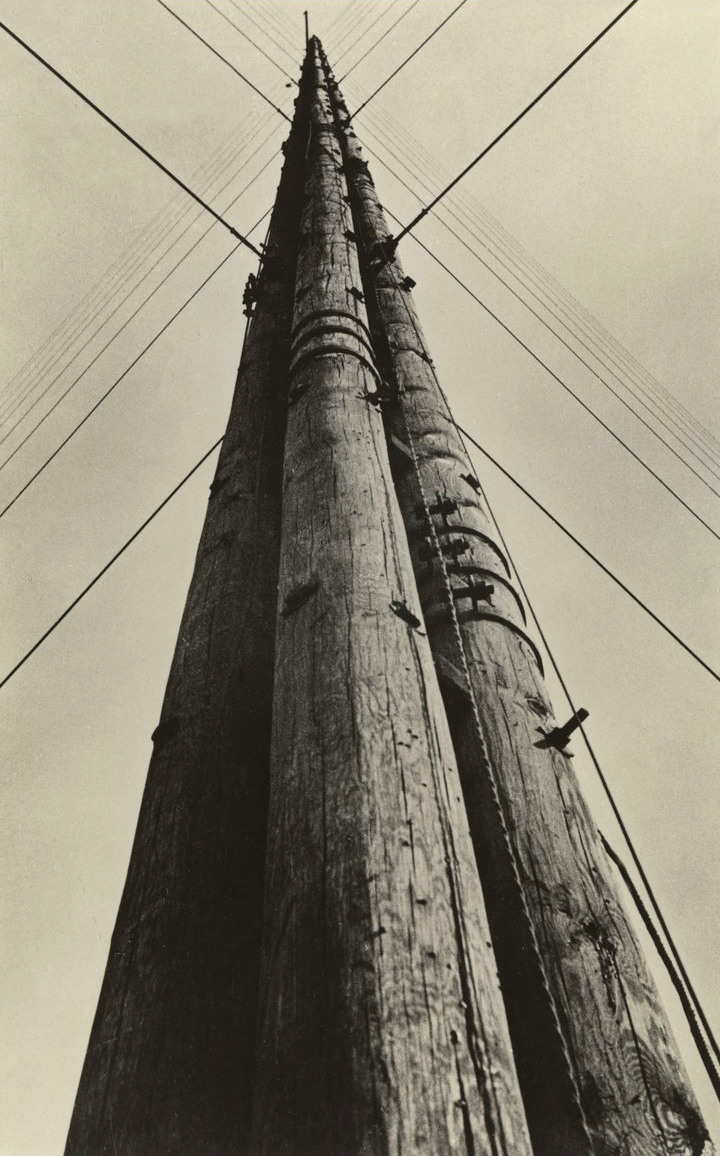








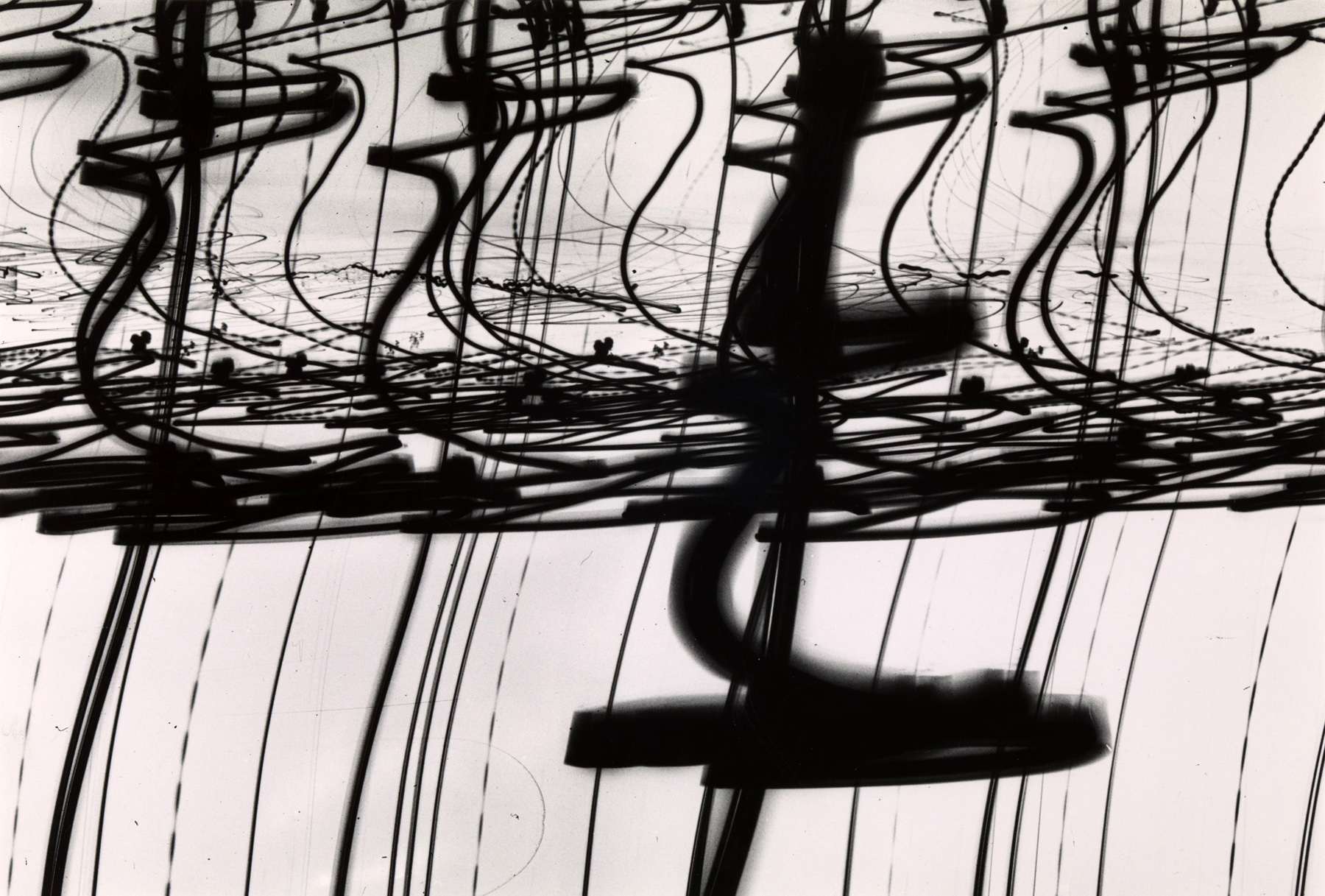
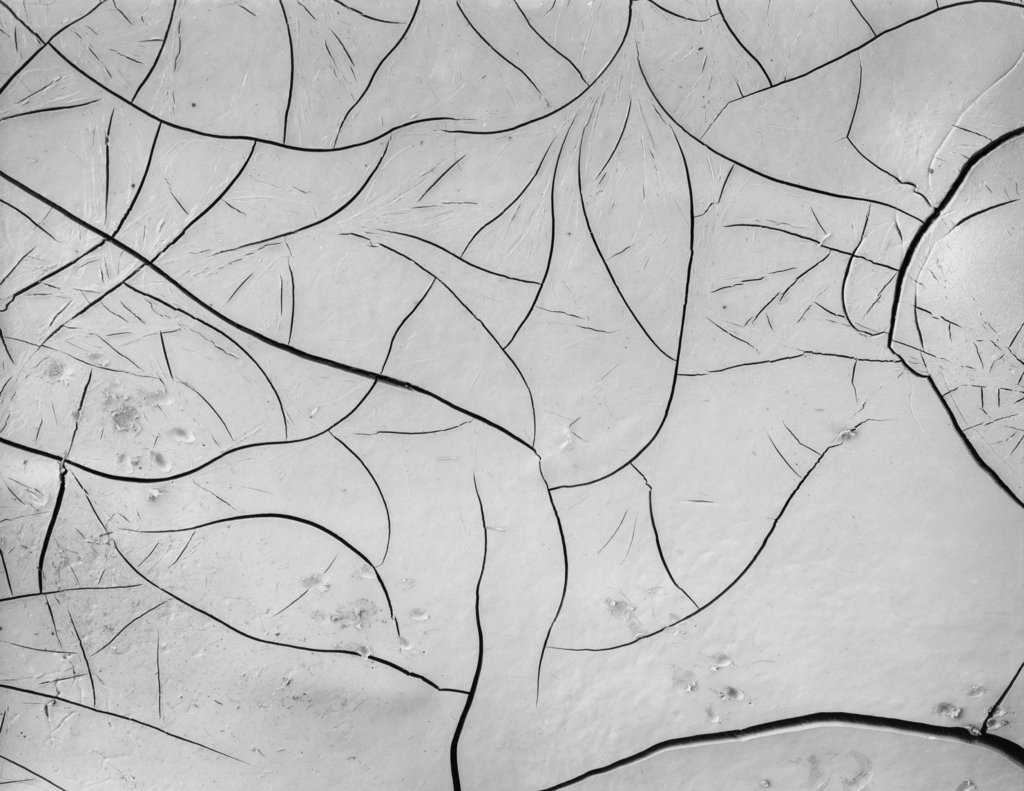


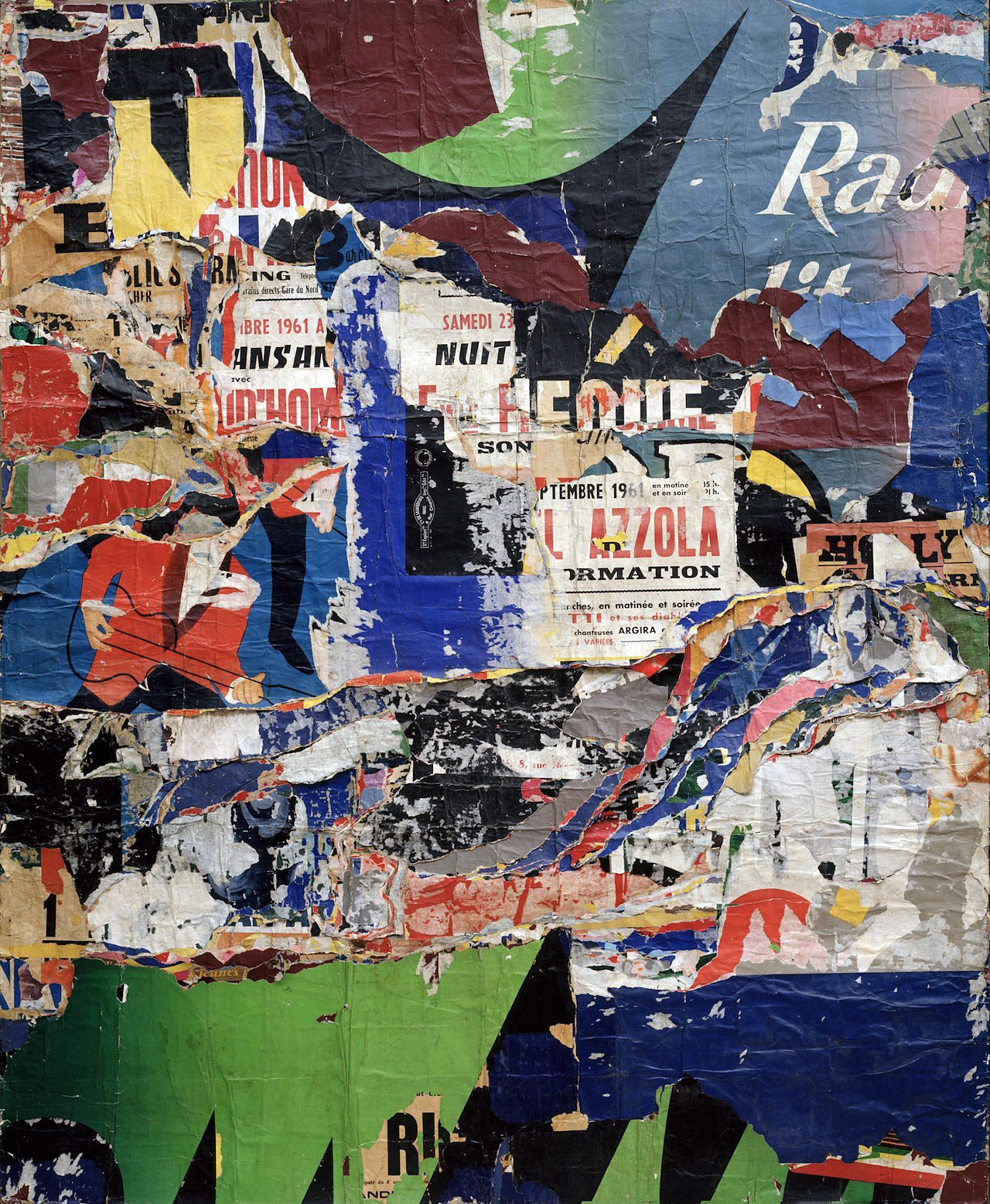

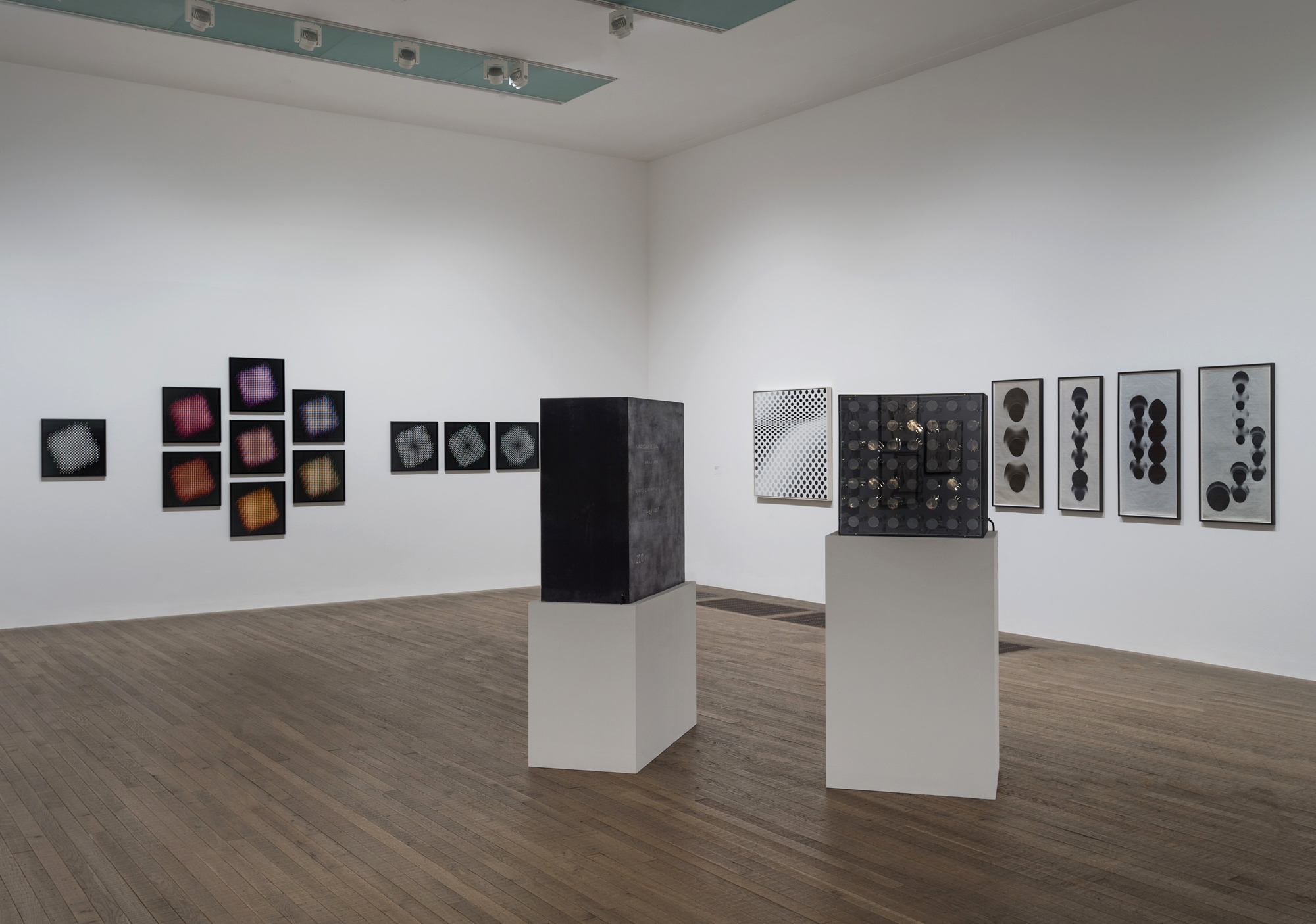
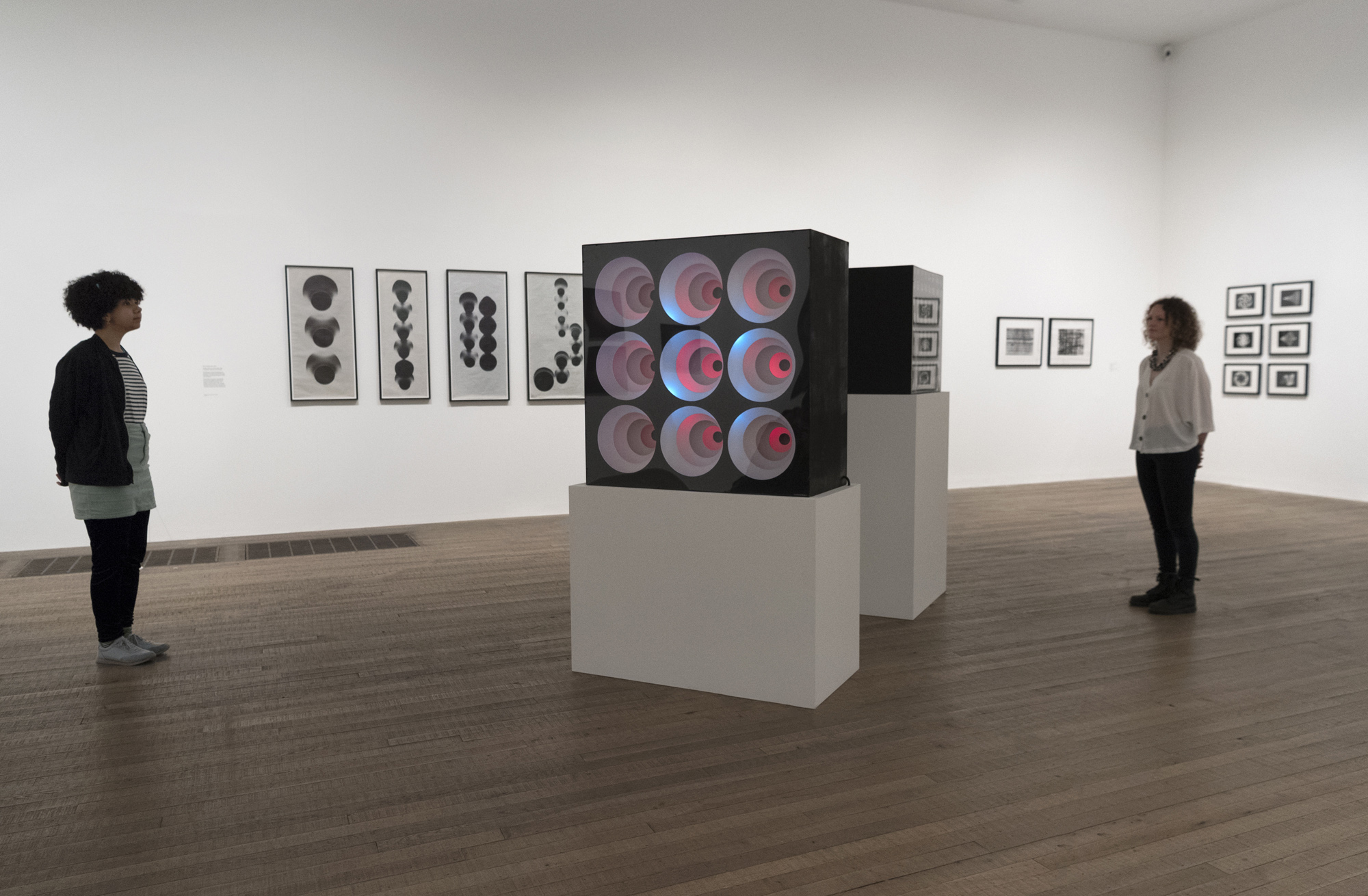

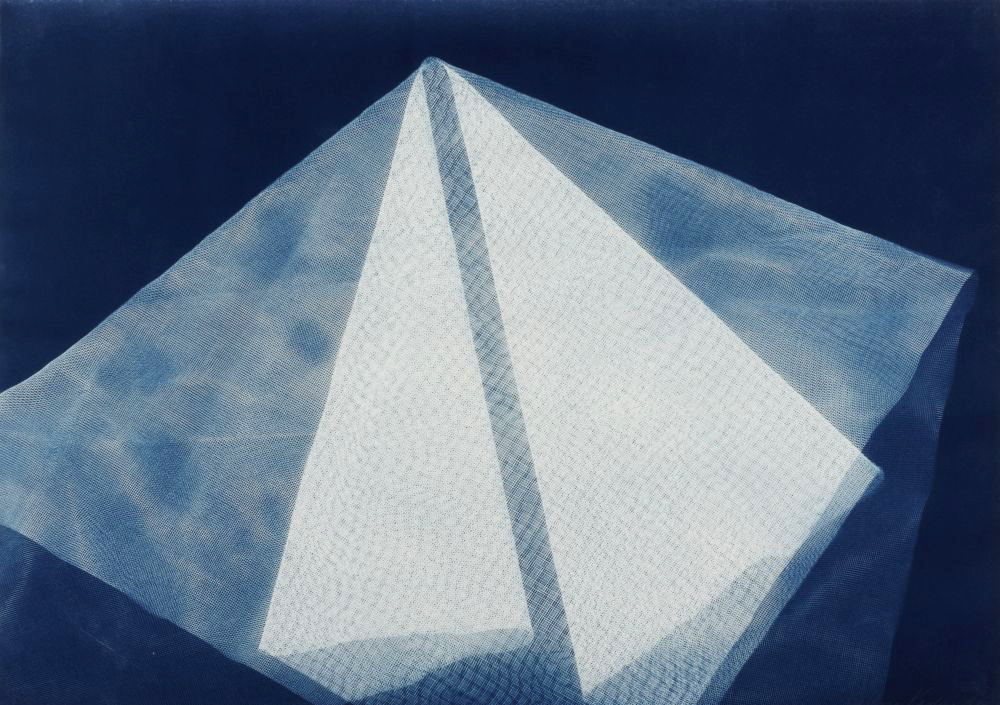


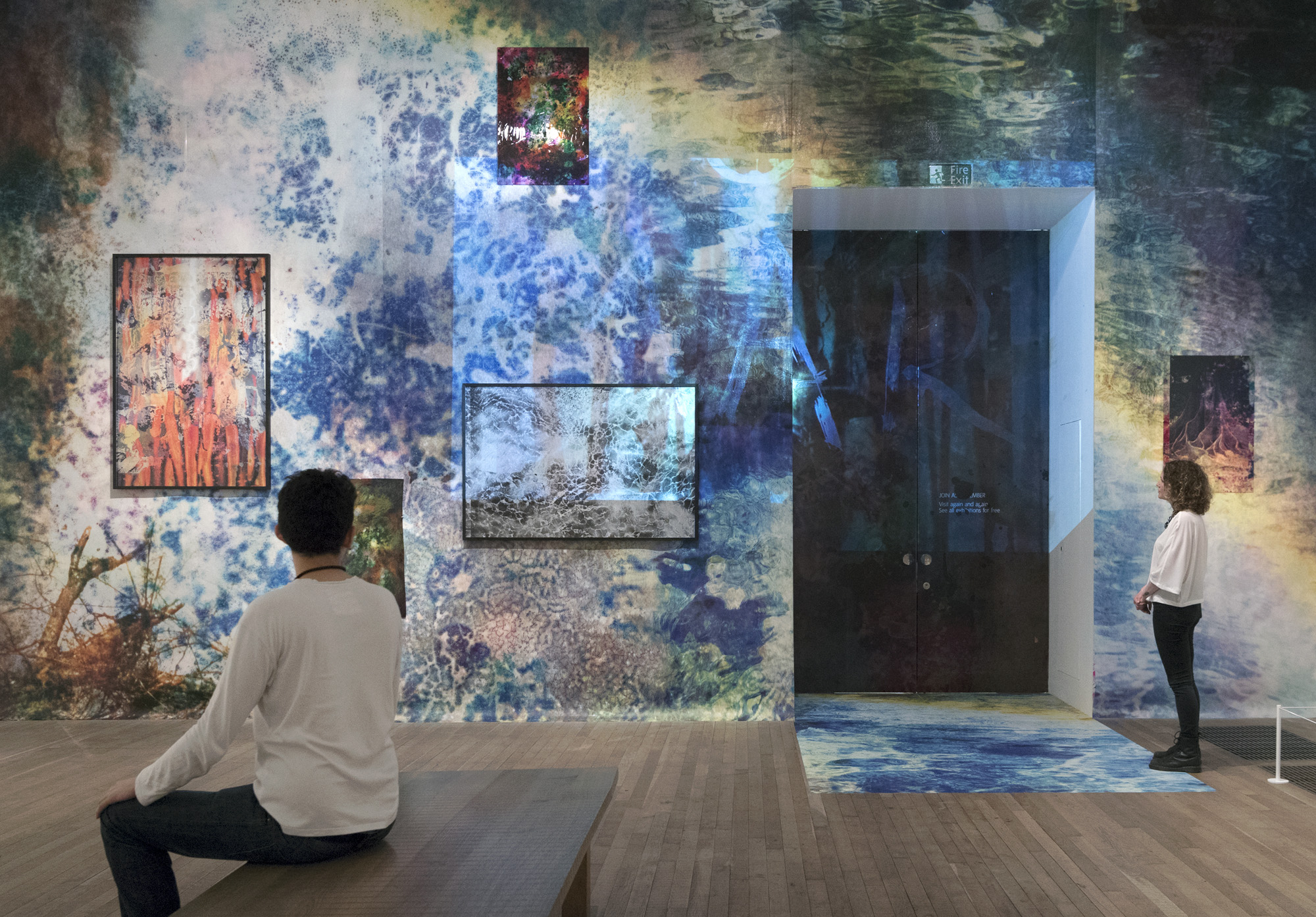
 Art Blart _ art and cultural memory archive
You must be logged in to post a comment.