It’s going to be really hot in Melbourne for the next few days so I won’t be able to get into the computer room to work – so a posting today, Friday 22 January, and the next one on Wednesday next week.
These iconic Walker Evans New York subway portraits of anonymous travellers (both physically and mentally) are remarkably unprepossessing. They just are. They exist. Taken with a hidden 35mm camera, they picture human beings in (allegedly) unposed, unguarded moments, unaware that they are being photographed. But un/aware in another sense – un/aware of their surroundings, the person opposite them, or the time, un/aware of their dreams – of past, present and future. Engrossed in reading, staring vacantly into space, deep in thoughtful repose, or possessing a sadness beyond belief, now, they impinge on our consciousness through their very facticity.
You could make up stories about their lives: the boy above in his postal cap(?), gay, nervous, lonely in the big city; the man with the spectacles staring down at his paper, an accountant, or a watchmaker, working all his life to support his family. The black man with his immaculate dress, coat, scarf and Fedora battling for his place in society; and the two woman together, polar opposites, she, clasping her bag, possibly an immigrant arrived through Ellis Island from Eastern Europe, and she, fur edged coat and steepling hat, severe, dour, rich, matronly.
Here they are, this panoply of archetypes, clothed in complete protection for spiritual warfare. Unguarded moments to the photographer they may be, but the mask is definitely not off. In my observation, human beings on public transport are always un/guarded, always protecting themselves from the stranger next to them, the unknown threat, or wandering off in daydreams to another time and place, absenting themselves so that only the shell, the husk, is left. Here and there, present but absent, absent but present, these creatures of the underground still roam the corridors of human consciousness.
Dr Marcus Bunyan
All photographs are used under fair use conditions for the purpose of educational research and informed comment. Please click on the photographs for a larger version of the image.
“Although the setting was public, he found that his subjects, unposed and lost in their thoughts, displayed a constantly shifting medley of moods and expressions – by turns curious, bored, amused, despondent, dreamy, and dyspeptic. “The guard is down and the mask is off,” he remarked. “Even more than in lone bedrooms (where there are mirrors), people’s faces are in naked repose down in the subway.””
Anonymous text from the Metropolitan Museum of Art website [Online] Cited 22/01/2021
The Unguarded Moment ~ The Church
So hard finding inspiration I knew you’d find me crying Tell those girls with rifles for minds That their jokes don’t make me laugh They only make me feel like dying In an unguarded moment So long, long between mirages I knew you’d find me drinking Tell those men with horses for hearts That their jibes don’t make me bleed They only make me feel like shrinking In an unguarded moment So deep, deep without a meaning I knew you’d find me leaving Tell those friends with cameras for eyes That their hands don’t make me hang They only make me feel like breathing In an unguarded moment
As photographic technology advanced – cameras became more portable and film more sensitive to light, requiring shorter exposure times – people were no longer required to stay still for pictures. Walker Evans was among the photographers who capitalised on this flexibility. Between 1938 and 1941, he took his camera underground, where he photographed subway riders in New York City. “The guard is down and the mask is off,” he wrote, “even more than when in lone bedrooms (where there are mirrors). People’s faces are in naked repose down in the subway.” (Walker Evans, quoted in Belinda Rathbone. Walker Evans. Boston: Houghton Mifflin, 1995, 170-71)
In order to discreetly capture these candid Subway Portraits, Evans came up with an undercover method of taking photographs. He concealed his 35-millimeter Contax camera by painting its shiny chrome parts black and hiding it under his topcoat, with only its lens peeking out between two buttons. He rigged its shutter to a cable release, whose chord snaked down his sleeve and into the palm of his hand, which he kept buried in his pocket. For extra assurance, he asked his friend and fellow photographer Helen Levitt to join him on his subway shoots, believing that his activities would be less noticeable if he was accompanied by someone. With these methods, Evans managed to capture people immersed in conversation, reading, or seemingly lost in their own thoughts and moods. His subjects’ faces display a range of emotions. He also succeeded in accomplishing a difficult challenge in making truly unposed portraits.
Anonymous text from the MoMA website [Online] Cited 22/01/2021
Walker Evans’ book Many Are Called is a three-year photographic study of people on the New York subway. Using a camera hidden in his jacket and a cable release running down his sleeve, Evans snapped unsuspecting passengers while they traveled through the city. Evans said that these photographs were his “idea of what a portrait ought to be,” he wrote, “anonymous and documentary and a straightforward picture of mankind.” As photographic technology advanced – cameras became more portable and film more sensitive to light, requiring shorter exposure times – people were no longer required to pose for pictures. In an effort to capture candid images of people in public places, Walker Evans affixed a right angle viewfinder to his camera to make it look as if he was pointing it off to the side rather than directly at his subjects. For his Subway Portraits, he went even further and concealed his camera by painting its shiny chrome parts black and hiding it under his topcoat, with only its lens peeking out between two buttons. He rigged its shutter to a cable release, whose chord snaked down his sleeve and into the palm of his hand, which he kept buried in his pocket. As a result, these portraits show people in unguarded moments.
Text from ‘Seeing Through Photographs’ online course, Coursera, 2016.
Edvard Munch (Norwegian, 1863-1944) Self-Portrait in Åsgårdstrand 1904 Silver gelatin contact print
The camera is located so close to Munch that his looming head is out of focus. Reversing photographic norms, the background is in sharp focus, revealing a chest that had been given to the artist by his on-and-off-girlfriend Tulla Larsen, and a lithograph tacked to the wallpaper above it – a bitterly satirical commentary on their relationship.
Munch says to a woman friend – “What do you think of me?” She says, “I think you are the Christ”
Peter Watkins (director) Edvard Munch (film) 1974
The semi-transparent self
What a fascinating study of an artist in motion – physically and spiritually.
Through his informal, experimental photographs, Munch explores issues of identity and self-representation, friendship, work and location. In his photographs, he “assumes a range of personalities, from the vulnerable patient at the clinic to the vital, naked artist on the beach”, many of which undermine “the function of a camera as a straight-forward documentary tool.”
“Faulty” focus, distorted perspectives and eccentric camera angles combined with low and selective depth of field allow Munch to create a body of self-images in which “the artist himself appears in some pictures as a shadow or a smear rather than a physical presence.” There is a subtle mystery to much of the artist’s photographic work, a sense of loneliness and isolation trading off visions of heroic creatures; mirror images questioning the stability of him/self playing off the vitalism of male body culture; and variations of melancholy opposing a better life which lay in nature and good health, stages in the theatre of life.
His ghost-like, semi-transparent self-image appears as if seen in a far off dream – flickering images in light – out of space and time / asynchronous with the effects of time and motion.
What strong, e-motionless photographs of self these are. Here is observation but not self pity. Here is Munch investigating, probing, the mirror stage of “the formation of the Ego via the process of identification, the Ego being the result of identifying with one’s own specular image.”1 (Lacan). Munch explores the tension between the subject and the image, between the whole and fragmented body as revealed in psychoanalytic experience, seeking access to representations of the unified self, in order to understand the human condition, of becoming. Who am I? How am I represented to myself, and to others?
The attempt to locate a fixed subject proves ever elusive. “The mirror stage is a drama… which manufactures for the subject, caught up in the lure of spatial identification, the succession of phantasies that extends from a fragmented body-image to a form of its totality.” (Écrits 4). With its link to a belief in spiritualism (popular in his day), Munch speculates that if we had different eyes we would be able to see our external astral casing, our different shapes. The exhibition text notes, “It is easy to read his layered, flickering images in light of such speculation.” Indeed it is. But the spectres that haunt Munch’s photographs are as much grounded in the reality of the everyday struggle to live a life on earth as they are in the spirit world. They are of the order of something, something that haunts and perturbs the mind, a questioning as to the nature of the self: am I a good person, am I worthy of a good life, where does the path lead me. I have been there, I am still there, I know his joy and pain.
Dr Marcus Bunyan
1/ The specular image refers to the reflection of one’s own body in the mirror, the image of oneself which is simultaneously oneself and other – the “little other”.
Many thankx to the National Nordic Museum for allowing me to publish the photographs in the posting. Please click on the photographs for a larger version of the image.
Edvard Munch (Norwegian, 1863-1944) Caricature: The Assault 1903 Lithograph printed in black on medium heavy cream paper Sheet: 237 x 487mm Image: 180 x 415mm
Internationally celebrated for his paintings, prints, and watercolours, Norwegian artist Edvard Munch (1863-1944) also took photographs. This exhibition of his photographs, prints, and films emphasises the artist’s experimentalism, examining his exploration of the camera as an expressive medium. By probing and exploiting the dynamics of “faulty” practice, such as distortion, blurred motion, eccentric camera angles, and other photographic “mistakes,” Munch photographed himself and his immediate environment in ways that rendered them poetic. In both still images and in his few forays with a hand-held moving-picture camera, Munch not only archived images, but invented them.
On loan from the Munch Museum in Oslo, Norway, the 46 copy prints in the exhibition and the continuous screening of the DVD containing Munch’s films are accompanied by a small selection of prints from private collections, as well as contextualising panels and others that examine Munch’s photographic exploration. Similar to the ways in which the artist invented techniques and approaches to painting and graphic art, Munch’s informal photography both honoured the material before his lens and transmuted it into uncommon motifs.
” … these photographic images of the artist rise to the level of what Munch called “selfscrutinies”: emotional but hard-edged, and pierced with a dread of modern life that has outlived the Modernist era.” ~ New York Times
” … an unfinished playfulness with technical manipulation and subject matter that is not as readily seen in Munch’s more well-known work” ~ Hyperallergic
Edvard Munch (Norwegian, 1863-1944) Nurse at the Clinic, Copenhagen 1908-1909 Scan from negative
One of the nurses at Daniel Jacobson’s clinic in Copenhagen posed in a fontal manner that mirrors representations of women throughout Munch’s work. The slight movement of the camera blurs the figure and her surroundings, undermining the function of a camera as a straight-forward documentary tool.
Edvard Munch (Norwegian, 1863-1944) Nurse at the Clinic, Copenhagen 1908-09 Silver gelatin contact print
After a successful run at New York’s Scandinavia House that received great reviews from New York Times and others, the photography of Edvard Munch is currently on display at the National Nordic Museum in Seattle now through January 31, 2021. Curated by distinguished Munch scholar, Dr. Patricia Berman of Wellesley College, The Experimental Self: Edvard Munch’s Photography presents works from the rich collection of Oslo’s Munch Museum and shares new research on one of the most significant artists of his day.
“After displaying the journalistic photography of Jacob Riis this spring and discussing a picture’s power to change lives, it is wonderful to host another celebrated Nordic artist whose photography reflects the artistic potential found in the camera of the late 19th and early 20th century,” said Executive Director / CEO Eric Nelson.
Internationally celebrated for his paintings, prints, and watercolours, Norwegian artist Edvard Munch (1863-1944) experimented with both still photography and early motion picture cameras. The Experimental Self: Edvard Munch’s Photography displays his photographs and films in a way that emphasises the artist’s exploration of the camera as an expressive medium. By probing and exploiting the dynamics of “faulty” practice, such as distortion, blurred motion, eccentric camera angles, and other photographic “mistakes,” Munch photographed himself and his immediate environment in ways that rendered them poetic.
“In many ways, these works reveal an unknown Munch,” said Leslie Anne Anderson, Director of Collections, Exhibitions, and Programs at the National Nordic Museum. “The photographs were never displayed during the artist’s lifetime, and this exhibition invites visitors to peer into the keyhole of Munch’s private life.”
Press release from the National Nordic Museum
Ragnvald Vaering Munch in his Winter Studio in Ekely on his seventy fifth birthday 1938 Silver gelatin contact print
Introduction: The Experimental Self
Edvard Munch was among the first artists in history to take “selfies.” Like his paintings, prints and writings, his amateur photographs are often about self-representation. Munch assumes a range of personalities, from the vulnerable patient at the clinic to the vital, naked artist on the beach. Sometimes he staged himself and people around him almost theatrically. Munch pursued his informal photography as an experimental medium, just like his paintings and prints. The artist himself was more than often the experimental subject. This exhibition, containing around 60 photographs and movie fragments in dialogue with graphic works, highlights the connection between Munch’s amateur photography and his more recognised work as an artist.
Munch took up photography in 1902, months before he and his lover Tulla Larsen ended a multi-year relationship with a pistol shot that mutilated one of his fingers. This event, and an accelerating career, triggered a period of increasing emotional turmoil that culminated in a rest cure in the private Copenhagen clinic of Dr. Daniel Jacobson in 1908-09. After a pause of almost two decades, Munch picked up the camera again in 1927. This second period of activity lasted into the mid-1930s and was bracketed by triumphant retrospective exhibitions in Berlin and Oslo but also by a haemorrhage in his right eye, temporarily impairing his vision. This was also the time that Munch tried his hand at home movies.
Unlike his prints and paintings, however, Munch did not exhibit his tiny, copy-printed photographs. Yet he wrote in 1930, “I have an old camera with which I have taken countless pictures of myself, often with amazing results … Some day when I am old, and I have nothing better to do than write my autobiography, all my self-portraits will see the light of day again.”
The Amateur Photographer
Munch’s photographs are often out of focus, and the artist himself appears in some pictures as a shadow or a smear rather than a physical presence. As an amateur photographer, he seems to have exploited the expressive potential in photographic “mistakes” such as “faulty” focus, distorted perspectives and eccentric camera angles. By including the platforms on which he stabilised his small, hand-held camera, he created out-of-focus, undefined areas cutting across the foreground. What may have begun as accidents, eventually became a habitual element in his work.
In many of his self-portrait photographs, Munch moved during the camera’s exposure time, transforming his own body into a ghost-like figure. In the photographs from his studio, Munch and his work seem to exist out of space and time with one another. He often experimented with such effects: “Had we different, stronger eyes,” wrote Munch, “we would be able, like X-rays … to see our external astral casing – and we would have different shapes.” It is easy to read his layered, flickering images in light of such speculation. On the other hand, Munch also regarded his self-images with humour. Writing to his relative Ludvig Ravensberg in June 1904, he confessed: “When I saw my body photographed in profile, I decided, after consulting with my vanity, to dedicate more time to throwing stones, throwing the javelin, and swimming.”
Edvard Munch (Norwegian, 1863-1944) Self-Portrait on a Valise in the Studio, Berlin 1902 Collodion contact print
Munch took up photography in 1902, the same year that this picture was taken. There are three preserved versions of the motif, with subtle variations. Munch sent two of the images to his aunt Karen in Norway with the description: “Here are two photographs taken with a little camera I procured. You can see that I have just shaved off my moustache.”
Edvard Munch (Norwegian, 1863-1944) Self-Portrait on a Valise in the Studio, Berlin 1902 Collodion contact print
The artist stages himself amidst his paintings (see below) in the studio he rented in Berlin at the time. The valise doubles as furniture and a symbol of Munch’s restless nature – he was often on the move.
Edvard Munch (Norwegian, 1863-1944) Evening on Karl Johan 1892 Oil on canvas 84.5cm (33.2 in) x 121cm (47.6 in) KODE, Rasmus Beyers samlinger Public domain
Edvard Munch (Norwegian, 1863-1944) The Back Yard at 30B Pilestredet, Kristiania 1902(?) Silver gelatin contact print
Edvard Munch (Norwegian, 1863-1944) The Courtyard at 30B Pilestredet, Kristiania 1902(?) Silver gelatin contact print
This is assumed to be one of Munch’s earliest photographs, taken in one of his childhood homes. An inscription on the back reads “Outhouse window. 30-40 years old. Photograph of Pilestredet 30. A swan on the wall.” The swan that Munch refers to is actually a stain on the wall by the door. Can you see it? In moving the camera during the exposure, Munch erased the communal outhouse of his childhood and transformed it into a kind of dream image. This effect was later explored in avant-garde photography.
Edvard Munch (Norwegian, 1863-1944) Karen Bjølstad and Inger Munch on the steps of 2 & 4 Olaf Ryes Plass, Kristiania 1902(?) Silver gelatin contact print
Munch has photographed his aunt Karen and his sister Inger on the steps of one of his childhood homes in Oslo. The camera is stabilised on a flat surface that dominates the foreground of the image. This is the case in several of Munch’s photographs, perhaps to mark the camera’s position, create a sense of distance and frame the subjects. What likely began as the accident of an amateur eventually became an aesthetic choice.
In the summer of 1904, Munch organised an informal “health vacation” for several of his friends in Åsgårdstrand by the Oslo fjord. Munch had owned a small fisherman’s cabin there since 1898. In that period, he worked on the painting Bathing Young Men. Munch described to his relative and close associate Ludvig Ravensberg “a huge canvas … ready to be populated by the strong men wandering among the waters. Here we train our muscles by swimming, boxing, and throwing rocks.”
Edvard Munch (Norwegian, 1863-1944) Ludvig Ravensberg in Åsgårdstrand 1904 Collodion contact print
Ludvig Ravensberg was Munch’s close friend and relative who helped him organise exhibitions and get other practical work done. He also assisted Munch when the artist took some of his self-portraits in Åsgårdstrand. Here Ravensberg gets to pose in front of the camera himself.
Edvard Munch (Norwegian, 1863-1944) Self-Portrait in the Garden, Åsgårdstrand 1904 Collodion contact print
Was this picture taken by Munch himself or another person? The filtered light, the human shadow projected onto Munch’s body and the dynamics of his pose help set the stage for the subtle mystery.
Edvard Munch (Norwegian, 1863-1944) Self-Portrait in a Room on the Continent 1906(?) Silver gelatin contact print
This photograph exists in two versions. One mirrors the other, probably a result of Munch flopping the negative as he developed the picture. The mirroring of motifs is something Munch often explored in his graphic work, such as the woodcuts Evening. Melancholy and Melancholy III – perhaps a dynamic he wanted to emulate in his photography. Chemical stains on the print testify to Munch’s hands-on approach to development and printing. In contrast to the products of a commercial printing house, he was not terribly concerned with a perfect print.
Edvard Munch (Norwegian, 1863-1944) Self-Portrait in a Room on the Continent (mirrored) 1906(?) Silver gelatin contact print
Edvard Munch, Berlin (Norwegian, 1863-1944) M.W. Lassally, Berlin (printer) Evening. Melancholy I (Aften. Melankoli I) 1896 Woodcut Composition: 16 1/4 x 18″ (41.2 x 45.7cm) Sheet: 16 15/16 x 21″ (43 x 53.3cm)
Edvard Munch (Norwegian, 1863-1944) Melancholy III (Melankoli III) 1902 Woodcut with gouache additions Composition: 14 3/4 x 18 9/16″ (37.5 x 47.2cm) Sheet: 20 1/2 x 25 7/8″ (52 x 65.8cm)
Variations of Melancholy
Edvard Munch made his first woodcuts and lithographs in 1896. He mastered an innovative technique in which he used the wood grain to emphasise his own lines. Using this technique, he created a number of related woodcuts on the theme of melancholy, including Evening. Melancholy I (1896), in which the brooding figure sits facing right, under an imposing crimson sky.
Edvard Munch (Norwegian, 1863-1944) Edvard Munch and Ludvig Ravensberg, Åsgårdstrand 1904 Collodion contact print
Munch used himself and his friends as models for his canvas Bathing Men. Here is a description by his friend Christian Gierløff: “The sun baked us all day and we let it do so. Munch worked a little on a painting of bathers, but for most of the day, we lay, overcome by the sun, in the sand by the water’s edge, between the large boulders, and we let our bodies drink in all of the sun they could. No one asked for a bathing suit.”
Edvard Munch (Norwegian, 1863-1944) The Painting “Bathing Young Men” in the Garden, Åsgårdstrand 1904 Collodion contact print
Several photographs from the summer of 1904 picture Munch’s painting Bathing Young Men. Shadows cast by leaves at the upper left of the painting seem integral to canvas and have the effect of linking the painting to its natural surroundings. Ludvig Ravensberg stands on the extreme right, seemingly holding the painting. The out-of-focus foreground, the painted figures, and the living man holding the canvas aloft document not only the painting but, playfully, photographic representation itself.
Edvard Munch (Norwegian, 1863-1944) Bathing Young Men 1904 Oil on canvas Munch Museum Public domain
Bathers were a popular subject around the turn of the last century. Sojourns at health spas were fashionable and people pursued sports, nudism and the healthful effects of the natural environment. It was seen as cleansing to bathe in the sea, while the sun constituted a rejuvenating force of life.
In this painting we see a virile, muscular, naked man emerging from the cool, turquoise sea after a swim. The picture can be read as a reflection of the period’s “vitalism” – a world view that assumed all living things to be suffused with a magical life force. This philosophy found its pictorial expression in particular in dynamic motifs of naked men and youths.
As a cultural phenomenon, vitalism was a reaction against the decadence of the period, and against industrialism, with the great cities and ways of life it brought with it. Instead of cool-headed rationalism and scientific technology, vitalism preferred to emphasise instinct and intuition – and believed the key to a better life lay in nature and good health.
Text from the National Museum website
Edvard Munch (Norwegian, 1863-1944) Exhibition at Blomqvist, Kristiania 1902 Collodion contact print
Munch took this image of his one-man exhibition at the influential art dealer Blomqvist in 1902. He also recorded himself, standing in the background, out of focus, hands in his pockets, facing directly into the camera.
Edvard Munch (Norwegian, 1863-1944) Model in the Studio, Berlin 1902 Collodion contact print
This is among the few photographs that directly relate to Munch’s work in paint and graphic media. There are two versions of the motif, and subtle variations suggest that the photographer himself might have offered some instructions.
Edvard Munch (Norwegian, 1863-1944) Nude with Long Red Hair 1902 Oil on canvas
A Record of Healing
Munch often photographed in times and places where he struggled with his health and sought new energy. The pictures from the town of Warnemünde on Germany’s Baltic Coast show him as part of male body culture and include images of the artist naked and semi-naked on the beach. Munch also took tourist shots with his female models on the sand during the summers he spent there in 1907 and 1908.
In autumn 1908, Munch checked into a private clinic in Copenhagen managed by the physician Daniel Jacobson and his nurses. Munch was broken down by exhaustion, distress and alcoholism. The clinic became his home for over half a year. Within its walls, he painted, drew, created graphic motifs, organised exhibitions and took photographs in which he consistently appears semi-transparent. In the pictures of Munch’s room at the clinic we often get a glimpse of his paintings and prints. Sometimes he seems to have staged his body in postures that echo these paintings.
Edvard Munch (Norwegian, 1863-1944) Rosa Meissner at Hotel Rohn, Warnemünde 1907 Silver gelatin contact print
Most of Munch’s photographs cannot be firmly associated with specific artworks. This photograph is however closely related to the motif Weeping Woman, which Munch rendered in several oil versions, a lithograph and a sculpture. While the foreground figure has remained static, the figure in the background has moved. Blurred movement is specific to photography and film, a phenomenon that Munch exploited repeatedly in his photographs. The effect of motion reproduces the appearance of spirit photographs – the spectral bodies of the departed allegedly registered on photographic plates and film. Munch expressed interest in such photographs in the 1890s. Ghosts and spectres also began to appear in cinema in the medium’s infancy.
Edvard Munch (Norwegian, 1863-1944) Edvard Munch and his Housekeeper, Warnemünde 1907 Collodion contact print
In this picture, Munch has exploited the effects of movement and time. His housekeeper in Warnemünde has moved during exposure and is out of focus. Munch himself is sharply rendered in the background, and at the same time barely present. He has perched on a dark sofa long enough to be registered in detail and then moved out of the camera’s range. He now appears almost as a ghost where both the couch and the back wall are visible through his body. This effect mirrors his experimentation with layered woodblock printing in his graphic work, in which figures appear embedded in wood graining.
Edvard Munch (Norwegian, 1863-1944) Edvard Munch with Model on the Beach, Warnemünde 1907 Collodion contact print
This photograph stages the beach at Warnemünde as Munch’s outdoor studio. The painter is strategically covered beside his monumental canvas Bathing Men. The naked man is one of Munch’s models holding a pose depicted in the painting.
Edvard Munch (Norwegian, 1863-1944) Bathing Men 1907-1908 Oil on canvas 206 x 227cm
Edvard Munch (Norwegian, 1863-1944) Canal in Warnemünde 1907 Collodion contact print
Edvard Munch (Norwegian, 1863-1944) Self-Portrait with a Valise c. 1906 Collodion contact print
Back lit and smudged with chemicals, this photograph deviates from the instructions that accompanied the popular Kodak cameras intended for amateur use. Munch’s bodily envelopment by darkness and the light that dissolves the window in the background make this a staged image of isolation and longing. It echoes the mood and composition of the woodcut Evening. Melancholy I (above).
Edvard Munch (Norwegian, 1863-1944) Edvard Munch and Rosa Meissner on the Beach, Warnemünde 1907 Collodion contact print
Munch posed for this photograph with Rosa Meissner, a model with whom he had worked in Berlin and later in in Warnemünde. Rosa’s sister Olga Meissner, who appears in another photograph in the same location, may have taken the image. A similar picture exists with double exposure, perhaps as a result of instructions given by Munch himself.
Edvard Munch (Norwegian, 1863-1944) Edvard Munch and Rosa Meissner, Warnemünde (mirrored) 1907 Collodion contact print
By flopping the negative Munch demonstrated a curiosity with the dynamics of motif. This is something he explored over many years when he translated one of his painted motifs into a graphic image – the result was always mirrored. Sometimes Munch went even further and mirrored the motif itself on the printing stone or block – just as he did with this negative.
Edvard Munch (Norwegian, 1863-1944) Self-Portrait at the Clinic, Copenhagen 1908-09 Silver gelatin contact print
In the autumn of 1908 Munch suffered a psychological and physical collapse and sought treatment at the private Copenhagen clinic of Dr. Daniel Jacobson. He remained there for over half a year. Some years earlier, he had been wounded by a shot from his own pistol in a quarrel with his then lover Tulla Larsen. Munch’s voluminous writings attribute this event to the beginning of the decline for which he sought treatment. Here, the wounded hand is sharply focused in the foreground. Towards the end of his stay at the clinic, Munch painted a self-portrait which is related in posture and gesture, if not in mood, with this photograph.
Edvard Munch (Norwegian, 1863-1944) Self-Portrait in the Clinic 1909 Oil on canvas KODE, Rasmus Meyers samlinger
Edvard Munch (Norwegian, 1863-1944) Edvard Munch à la Marat at the Clinic, Copenhagen 1908-09 Silver gelatin contact print
Munch has staged himself semi-naked next to a bathtub, suggesting a reference to Jacques-Louis David’s canonical painting of the murdered French revolutionary Jean-Paul Marat. Munch made several paintings with the title The Death of Marat. The photograph can also be seen in relation to Munch’s painting On the operating table, which he made following the accident that wounded his hand. Unlike in his heroically staged nude self-portraits from Åsgårdstrand and Warnemünde, Munch appears softened and vulnerable. Whether this is a homage or satire, we can only imagine.
Edvard Munch (Norwegian, 1863-1944) The Death of Marat 1907 Oil on canvas
The starting point for The Death of Marat was the harrowing break-up with Tulla Larsen, who Munch was engaged to from 1898 to 1902. During a huge quarrel at his summer house at Aagaardsstrand in 1902, a revolver went off by accident, injuring Munch’s left hand. Munch laid the lame on Tulla Larsen and the engagement was broken off. The episode developed into a trauma which was to haunt Munch for many years, and which he worked on in several paintings, such as The Death of Marat I and The Death of Marat II, also called The Murderess.
The title Death of Marat refers to the murder of the French revolutionary Jean Paul Marat who, in 1793, was murdered by Charlotte Corday when he was lying in the bathtub. This was a motif many artists had treated up through the years. Marat was often presented as a hero, whilst Corday was regarded as a traitor.
Text from the Google Arts and Culture website
Edvard Munch (Norwegian, 1863-1944) Self-portrait on the Operating Table 1902-03 Oil on canvas
Edvard Munch (Norwegian, 1863-1944) Self-Portrait with a Sculpture Draft, Kragerø 1909-10 Silver gelatin contact print
Following his return to Norway in 1909, Munch tried his hand at designing a monument for the centennial of Norway’s constitution. He identified this composition as “Old Mother Norway and Her Son.” It is one of the few informal images that picture the artist at work, or posing as though in the process of making his art.
Munch’s Selfies
When Munch picked up the camera again in 1927, after a pause of over fifteen years, he often posed in and around his life’s work at his home. The small size and flexibility of the popular camera models that he had chosen – about the size of a smartphone – made it easy to hold the apparatus in one hand and take a picture. Munch’s “selfies”, sometimes playful and always self-analytical, reveal a public life lived in private. They show us the artist outside of public scrutiny, as his camera recorded both staged and spontaneous moments of his everyday life. In his many self-portraits, we might recognise our own daily practices as we turn the camera back on ourselves.
In the late spring of 1930, Munch suffered a haemorrhage in his right eye, seriously compromising his vision. In that year, he created a series of “selfies.” In one photograph of great pathos, Munch closed his eyes, transforming his camera into both mirror and eye. “The camera cannot compete with brush and palette as long as it cannot be used in Heaven or in Hell,” Munch had written. With Munch’s eye closed and his aperture open, his own camera – disclosing both humour and pain – surely came close.
Edvard Munch (Norwegian, 1863-1944) Edvard Munch’s Housekeeper, Ekely 1932 Silver Gelatin
In the years 1927-1932, during Munch’s second period of photographic activity, the artist almost exclusively took photographs of himself and his work. This is a rare exception. Munch’s housekeeper is posing in a doorway and is doubled as a reflection on the shiny table on which the artist placed the camera. In fact, the woman is tripled, as a light, located behind her, throws her shadow onto the door to her left. The shadowing and expressive use of the foreground seem to have been strategic – an electrical plug and cord, snaking around the door jamb, appear to lead to a light source behind the model.
Edvard Munch (Norwegian, 1863-1944) Self-Portrait with Paintings, Ekely 1930 Silver gelatin contact print
In several of Munch’s pictures, his body is transparent or ghosted as he moved his body during a time exposure. The images in the background (below), on the other hand, are rendered sharply. Perhaps the photograph tells us something about how volatile a human life is, while art endures.
Edvard Munch (Norwegian, 1863-1944) Woman with a Samoyed 1929-30 Watercolour
Edvard Munch (Norwegian, 1863-1944) Self-Portrait with Paintings, Ekely 1930 Silver gelatin contact print
Edvard Munch (Norwegian, 1863-1944) Fips on the Veranda, Ekely 1930 Silver gelatin contact print
This “self-portrait” with the artist’s dog together with his own shadow exploits the effects of architectural space and direct and reflected light. Charmingly, Fips’s head and right paw are perfectly aligned with the shadow of a wall and light thrown through its mullioned window. Munch often photographed motifs with his back to the sun, causing his shadow to fall into the frame. A similar exploration of shadows appears in his painting and prints, sometimes with foreboding or pathos, and sometimes, as seen here, with humour.
Edvard Munch (Norwegian, 1863-1944) Double Exposure of “Charlotte Corday”, Ekely c. 1930 Silver gelatin contact print
In this photograph of the painting Charlotte Corday, Munch appears almost as a ghost. To achieve this affect, he used double exposure, taking two pictures on top of each other. Shadow figures such as this were emblematic of an absent presence, a kind of haunting, in Munch’s work. What began as a “mistake” in amateur snapshot photography became a common motif in experimental photography of the 1920s and ’30s as well as macabre effects in horror films from the same period.
Edvard Munch (Norwegian, 1863-1944) Charlotte Corday 1930 Oil on canvas
Edvard Munch (Norwegian, 1863-1944) Self-Portrait at Ekely 1930 Silver gelatin contact print
This is one of several prints that carries the words: “Photo: E. Munch 1931. After the eye disease.”
Edvard Munch (Norwegian, 1863-1944) Self-Portrait at Ekely 1930 Silver gelatin contact print
In this image Munch is a spectral presence through which his well-lit paintings materialise. A similar union of body and material is found in the paintings and graphics, where figures become enmeshed in paint drips or wood grain patterning. Here the artist seems to stage himself as a figure in Evening. Melancholy (see above), embodying the contemplative state of mind conveyed by the title.
Edvard Munch (Norwegian, 1863-1944) Still Life with Cabbage and other Vegetables 1926-30 Oil on wooden panel
Edvard Munch (Norwegian, 1863-1944) Self-Portrait in front of “Metabolism”, Ekely 1931-32 Silver gelatin contact print
Munch stretches his arm outward and moves slightly to render himself out-of-focus. He appears almost transparent in this self-portrait at the feet of the figures in the painting Metabolism.
Edvard Munch (Norwegian, 1863-1944) Metabolism 1898-99 Oil on canvas
Munch’s Films
Munch’s short films can best be described as the charming experiments of an amateur. This was, however, an amateur with a long-term exploration of motion in art and photography. Electrified by cinema, Munch had even announced his intention of opening his own movie house. The short sequences he shot both mirror popular cinema, such as the films of Charlie Chaplin, and explore the industrial aesthetic of Dziga Vertov’s silent documentary Man with a Movie Camera from 1929.
Munch shot his “home movies” in the summer of 1927 using a Pathé-Baby camera that he had purchased in Paris. The portable device, which had come on the market in 1922, had helped to spark a surge of amateur home movies all over the world. The 9.5 mm projector that accommodated the film, and which Munch also owned, was likewise inexpensive and marketed for home projection. “Every decade extends the influence of cinema, enlarges its domain and multiplies its applications,” stated the Pathé promotional literature, ” …Today, in order to enter our home, it has made itself small, simple, affordable.”
Munch’s camera had a spring-loaded drive, rather than a hand-driven crank, allowing for a uniform recording speed and simplifying his act of filming. His fascination with the effects of time and motion are played out with humour and deliberation in his few forays into motion pictures. The artist peering into his own lens is a performance knowingly looking at a self that will be projected later, an actor in his large body of self-images.
Munch’s Films 1927 3:40
Munch’s short amateur films, stitched together in this video, were shot in Dresden, Oslo and on his property Ekely. One segment, a panning shot in a park, includes a man and woman seated on a bench, echoing Munch’s 1904 painting Kissing Couples in the Park. The high-angle shot of the boys looking through a fence, as we watch them, points to the artist’s canny and humorous analysis of point of view. Munch’s fragmentary films share the experimental camerawork with the genre of “city symphony” films of the 1920s.
Munch’s cameras
Munch purchased his first camera in Berlin in February 1902. This was most likely a Kodak Bulls-Eye No. 2, a simple and hugely popular amateur’s model. Because his later prints exist in three additional formats, he probably owned or borrowed other cameras. The first Kodak hand-held film camera was marketed in 1888. Successive innovations by Kodak made picture taking increasingly simple and inexpensive, establishing a mass market of amateur photographers. Early amateur photography was marketed as “fun” and “sport.” Munch was an early and eccentric practitioner.
The photographic manuals instructed amateurs to avoid mistakes such as out-of-focus or tilted images, ghosted figures, or shadows laid across the subjects. These were the very photographic elements that Munch repeated, turning the rules of good picture taking upside down.
Munch likely made his own contact prints using an Eastman Kodak-marketed kit outfitted for home use. There are both fingerprints and chemical spills on some of the images. He occasionally double-exposed his photographs or flopped the negative to achieve mirror-image prints, demonstrating a curiosity about the printing process itself. Munch’s exploration of the means and materials of amateur photography extends his groundbreaking strategies in lithography and woodcut.
Kodak Bulls-Eye No. 2
This popular portable model seems to have been the type that Munch had as his first camera. Because the camera used light-proof film cartridges, had a fixed focus lens, and a small window indicating the exposure number, Kodak advertised this model as “Easy Photography,” suitable for the unskilled amateur. An instruction manual from the Eastman Kodak Company was sold with each camera. It included helpful graphics to guide the aspiring amateur and warnings against “absolute failure” to follow instructions. These “failures” were the effects that Munch seemed to favour.
Kodak Vest-Pocket Autographic
This small, lightweight camera could be folded to fit a shirt pocket. Released during the Great War, it was advertised by Kodak to be “as accurate as a watch and as simple to use.” Requiring just a small pressure on the shutter release, the modest size and flexibility of the camera was well suited to some of the intimate images taken by Munch in the 1920s and 1930s.
Kodak No. 3A Series III
Eastman Kodak issued the No. 3A, its first postcard format camera, between 1903 and 1915. The company produced variants such as the Series III until 1943. A bellows that collapsed into a folding bed made the camera portable.
Kodak No. 3 Series III Folding Pocket Camera
Munch took most of the “selfies” at Ekely using this model. First produced from 1900 to 1915, and then with variants issued though the early 1940s, it was a camera that, like the No. 3A, could be operated by direct touch or via a pneumatic release.
Pathé Baby Ciné Camera
This is one of the first cinema cameras intended for home use. The lightweight apparatus had a built-in clockwork which enabled amateurs such as Munch to make hand-held films. Pathé’s projectors made it possible to view the results at home.
Unknown photographer Portrait of Edvard Munch Nd
Edvard Munch (Norwegian, 1863-1944)
Edvard Munch (Norwegian, 12 December 1863 – 23 January 1944) was a Norwegian painter. His best known work, The Scream, has become one of the most iconic images of world art.
His childhood was overshadowed by illness, bereavement and the dread of inheriting a mental condition that ran in the family. Studying at the Royal School of Art and Design in Kristiania (today’s Oslo), Munch began to live a bohemian life under the influence of nihilist Hans Jæger, who urged him to paint his own emotional and psychological state (‘soul painting’). From this emerged his distinctive style.
Travel brought new influences and outlets. In Paris, he learned much from Paul Gauguin, Vincent van Gogh and Henri de Toulouse-Lautrec, especially their use of colour. In Berlin, he met Swedish dramatist August Strindberg, whom he painted, as he embarked on his major canon The Frieze of Life, depicting a series of deeply-felt themes such as love, anxiety, jealousy and betrayal, steeped in atmosphere.
The Scream was conceived in Kristiania. According to Munch, he was out walking at sunset, when he ‘heard the enormous, infinite scream of nature’. The painting’s agonised face is widely identified with the angst of the modern person. Between 1893 and 1910, he made two painted versions and two in pastels, as well as a number of prints. One of the pastels would eventually command the fourth highest nominal price paid for a painting at auction.
As his fame and wealth grew, his emotional state remained insecure. He briefly considered marriage, but could not commit himself. A breakdown in 1908 forced him to give up heavy drinking, and he was cheered by his increasing acceptance by the people of Kristiania and exposure in the city’s museums. His later years were spent working in peace and privacy. Although his works were banned in Nazi Germany, most of them survived World War II, securing him a legacy.
If ever there were a time in history that I would like to go back to and work as an artist, it is most definitely the interwar years in Paris, or Berlin up until 1933 when the Nazis took control of German culture. I would have revelled in the freedom of expression, freedom of identity, sexuality, gender, New Objectivity (Neue Sachlichkeit), New Woman, news ways of experimentation, and new ways of thinking about the human condition (Jung, Freud, Benjamin). I would have been empowered as an artist to push the boundaries of conservative society, to break prescriptive and outdated cultural norms.
And so with Max Beckmann. There is a basic and fundamental feeling to his paintings, a primordial feeling, in which the artist breaks the boundaries of the taboo fully aware that there may be consequences for doing so. In his paintings Beckmann crafts his stories of passion, desire, mythology and the jouissance of everyday life, expressed through ever more delineated black-outlined caricatures which feature elongated claw-like hands, distorted bodies and mobile, multiple perspectives (see Das Bad (The bathroom) 1930, below). These paintings so generate and compose their own existence (their presence) – one which opposes conventional classical portraiture – that the Nazis labelled them De/generate Art. “Although not Jewish, he was beleaguered by the Nazis, who dismissed him from his teaching post in Frankfurt in 1933 and removed his “degenerate” work from public collections.” (NY Times)
As with any artist, the journey is the key to the development of the work. Look at the assured, slightly fey, well-dressed man in Beckmann’s classical Self-portrait, Florence (1907, below) and then compare it to his Self-Portrait with Horn (1938, below). In the first self-portrait Beckmann is aged 23, seemingly untouched by the vicissitudes of life, debonair, staring straight at the camera, ooh I mean mirror – sorry, canvas – the mouth held in a small thin line, eyes almost blank, cigarette in nonchalantly curled hand. Thirty one years later, age/d 54, Beckmann’s features (having lived through the desolation of the First World War, famine, revolution, the Great Depression, assassination, violence) are gnarled and wizened, his expression grim, his clothing that of a concentration camp inmate, his horn silent and occluded, reminding me of the hearing trumpet of the composer Beethoven. Unable to hear, not wanting to face, the clamour of the onrushing maelstrom.
Dr Marcus Bunyan
Many thankx to the Hamburger Kunsthalle for allowing me to publish the photographs in the posting. Please click on the photographs for a larger version of the image.
Max Beckmann (German, 1884-1950) Self-Portrait with Horn 1938 Oil on canvas 101 x 110cm Neue Galerie New York and Private Collection Used under fair use conditions
Max Beckmann: feminine-masculine is the first exhibition to examine in detail the often contradictory roles played by women and men in the works of Max Beckmann (1884-1950), one of the great artists of modernism and a potent interpreter of his times. With some 140 paintings, sculptures and works on paper, the show demonstrates the impressive breadth of this subject area in the artist’s oeuvre while enabling viewers to come to a deeper understanding of Beckmann’s multifaceted art. Important loans from public and private collections in Germany and abroad – including the Max Beckmann Estate, the Städel Museum, Frankfurt on the Main, the Saint Louis Art Museum, Missouri / USA, and the Stedelijk Museum in Amsterdam – supplement the Hamburger Kunsthalle’s extensive Beckmann holdings.
The exhibition explores both the historical significance of Beckmann’s paintings as well as their relevance in today’s world. His incisive self-portraits, his double portraits with his wives, the stately likenesses of his sponsors and patrons as well as his mythological and biblical figure paintings compellingly evoke basic constants of human togetherness: desire, devotion and conflict, power and powerlessness, the urge for freedom and the longing to become one with another human being.
Beckmann both exaggerated and blurred gender roles; he discovered tenderness in both female and male figures, power in the heroine as well as the hero. Fascinated by the myths of different cultures, he was familiar with the age-old notion that male and female once split off from a single, androgynous gender and are doomed to yearn forever to be reunified. The artist also read and commented on contemporary writings by Carl Gustav Jung and Otto Weininger that are still the subject of frequent discussion today and which explain individuality as a combination of female and male elements. Beckmann nonetheless liked to style himself as a manfully resolute interpreter of the world, an image that to this day dominates the reception of his work, hindering a more open understanding of his many-layered art.
Accompanying the exhibition are a richly illustrated scholarly catalogue (Prestel Verlag, Munich), an audio guide and regular theme-based guided tours (Saturdays at 3 pm). The museum education offerings uncover multiple perspectives on Beckmann’s art and enable visitors to take part in an on-site dialogue between the curator and further experts (for example on gender research). On 15 January 2021, the Kunsthalle will also host a public, international symposium on Beckmann’s multifaceted examination of the topic of “femaleness and masculinity”.
The exhibition Max Beckmann: feminine-masculine is a true highlight on the Hamburger Kunsthalle’s agenda for 2020. It represents a further instalment in a series of highly acclaimed exhibitions devoted to Beckmann’s art, including Self-Portraits (1993), Landscape as Stranger (1998) and Max Beckmann: The Still Lifes (2014).
Max Beckmann addresses the relationship between man and woman as the starting point for the repetitive torments of human existence. In this question too, he is inspired by the archetype of the fairy tale Messingstadt “Brass City”. (From “The Thousand and One Nights” or “Arabian nights”) In this story it is the hero Musa who manages to get inside the brass city. He enters a palace where he discovers a girl as “beautiful as the shining sun”. At the same time, he realises that it’s just her lifeless body.
Note:The Thousand and One Nights, also called The Arabian Nights, Arabic Alf laylah wa laylah, collection of largely Middle Eastern and Indian stories of uncertain date and authorship. Its tales of Aladdin, Ali Baba, and Sindbad the Sailor have almost become part of Western folklore, though these were added to the collection only in the 18th century in European adaptations.
Max Carl Friedrich Beckmann (February 12, 1884 – December 27, 1950) was a German painter, draftsman, printmaker, sculptor, and writer. Although he is classified as an Expressionist artist, he rejected both the term and the movement. In the 1920s, he was associated with the New Objectivity (Neue Sachlichkeit), an outgrowth of Expressionism that opposed its introverted emotionalism. His work became full of horrifying imagery and distorted forms with combination of brutal realism and social criticism.
Life
Max Beckmann was born into a middle-class family in Leipzig, Saxony. From his youth he pitted himself against the old masters. His traumatic experiences of World War I, in which he volunteered as a medical orderly, coincided with a dramatic transformation of his style from academically correct depictions to a distortion of both figure and space, reflecting his altered vision of himself and humanity.
He is known for the self-portraits painted throughout his life, their number and intensity rivalled only by those of Rembrandt and Picasso. Well-read in philosophy and literature, Beckmann also contemplated mysticism and theosophy in search of the “Self”. As a true painter-thinker, he strove to find the hidden spiritual dimension in his subjects (Beckmann’s 1948 Letters to a Woman Painter provides a statement of his approach to art).
Beckmann enjoyed great success and official honours during the Weimar Republic. In 1925 he was selected to teach a master class at the Städelschule Academy of Fine Art in Frankfurt. Some of his most famous students included Theo Garve, Leo Maillet and Marie-Louise von Motesiczky. In 1927 he received the Honorary Empire Prize for German Art and the Gold Medal of the City of Düsseldorf; the National Gallery in Berlin acquired his painting The Bark and, in 1928, purchased his Self-Portrait in Tuxedo. By the early 1930s, a series of major exhibitions, including large retrospectives at the Städtische Kunsthalle Mannheim (1928) and in Basel and Zurich (1930), together with numerous publications, showed the high esteem in which Beckmann was held.
His fortunes changed with the rise to power of Adolf Hitler, whose dislike of Modern Art quickly led to its suppression by the state. In 1933, the Nazi government called Beckmann a “cultural Bolshevik” and dismissed him from his teaching position at the Art School in Frankfurt. In 1937 the government confiscated more than 500 of his works from German museums, putting several on display in the notorious Degenerate Art exhibition in Munich. The day after Hitler’s radio speech about degenerate art in 1937, Beckmann left Germany with his second wife, Quappi, for the Netherlands.
For ten years, Beckmann lived in self-imposed exile in Amsterdam, failing in his desperate attempts to obtain a visa for the United States. In 1944 the Germans attempted to draft him into the army, although the sixty-year-old artist had suffered a heart attack. The works completed in his Amsterdam studio were even more powerful and intense than the ones of his master years in Frankfurt. They included several large triptychs, which stand as a summation of Beckmann’s art.
In 1948, Beckmann moved to the United States. During the last three years of his life, he taught at the art schools of Washington University in St. Louis (with the German-American painter and printmaker Werner Drewes) and the Brooklyn Museum. He came to St. Louis at the invitation of Perry T. Rathbone, who was director of the Saint Louis Art Museum. Rathbone arranged for Washington University in St. Louis to hire Beckmann as an art teacher, filling a vacancy left by Philip Guston, who had taken a leave. The first Beckmann retrospective in the United States took place in 1948 at the City Art Museum, Saint Louis. In St. Louis, Morton D. May became his patron and, already an avid amateur photographer and painter, a student of the artist. May later donated much of his large collection of Beckmann’s works to the St. Louis Art Museum. Beckmann also helped him learn to appreciate Oceanian and African art. After stops in Denver and Chicago, he and Quappi took an apartment at 38 West 69th Street in Manhattan. In 1949 he obtained a professorship at the Brooklyn Museum Art School.
He suffered from angina pectoris and died after Christmas 1950, struck down by a heart attack at the corner of 69th Street and Central Park West in New York, not far from his apartment building. As the artist’s widow recalled, he was on his way to see one of his paintings at the Metropolitan Museum of Art. Beckmann had a one-man show at the Venice Biennale of 1950, the year of his death.
Themes
Unlike several of his avant-garde contemporaries, Beckmann rejected non-representational painting; instead, he took up and advanced the tradition of figurative painting. He greatly admired not only Cézanne and Van Gogh, but also Blake, Rembrandt, and Rubens, as well as Northern European artists of the late Middle Ages and early Renaissance, such as Bosch, Bruegel, and Matthias Grünewald. His style and method of composition are partially rooted in the imagery of medieval stained glass.
Engaging with the genres of portraiture, landscape, still life, and history painting, his diverse body of work created a very personal but authentic version of modernism, one with a healthy deference to traditional forms. Beckmann reinvented the religious triptych and expanded this archetype of medieval painting into an allegory of contemporary humanity.
From his beginnings in the fin de siècle to the period after World War II, Beckmann reflected an era of radical changes in both art and history in his work. Many of Beckmann’s paintings express the agonies of Europe in the first half of the 20th century. Some of his imagery refers to the decadent glamour of the Weimar Republic’s cabaret culture, but from the 1930s on, his works often contain mythologised references to the brutalities of the Nazis. Beyond these immediate concerns, his subjects and symbols assume a larger meaning, voicing universal themes of terror, redemption, and the mysteries of eternity and fate.
His Self-Portrait with Horn (1938), painted during his exile in Amsterdam, demonstrates his use of symbols. Musical instruments are featured in many of his paintings; in this case, a horn that the artist holds as if it were a telescope by which he intends to explore the darkness surrounding him. The tight framing of the figure within the boundaries of the canvas emphasise his entrapment. Art historian Cornelia Stabenow terms the painting “the most melancholy, but also the most mystifying, of his self-portraits”.
Exhibition dates: 8th December 2020 – 9th May 2021
Curator: Alexander Moore
The exhibition will include work by the following 41 artists (in alphabetical order):
Nobuyoshi Araki, Anna Atkins, Alois Auer, Cecil Beaton, Karl Blossfeldt, Adolphe Braun, Jan Brueghel the Elder, Mat Collishaw, Imogen Cunningham, Roger Fenton, Adam Fuss, Ori Gersht, Cecilia Glaisher, Joy Gregory, William Henry Fox Talbot, Sir John Herschel, Gyula Holics, Jan van Huysum, Henry Irving, Charles Jones, Sarah Jones, André Kertész, Nick Knight, Lou Landauer, Richard Learoyd, Pradip Malde, Robert Mapplethorpe, John Moffat, Sarah Moon, James Mudd, Kazumasa Ogawa, T Enami, Dr Albert G Richards, Scowen & Co., Scheltens & Abbenes, Helen Sear, Edward Steichen, Josef Sudek, Lorenzo Vitturi, Edward Weston, Walter Woodbury.
What a wonderful selection of photographs to start the year 2021.
As Laura Cumming observes, there is a profound connection between photography and photosynthesis – both created through light, both constructed and political. For the photograph is ALWAYS the choice of the photographer, and the landscape has ALWAYS been shaped and constructed since human beings emerged on this earth. Nothing in the natural world is ever “natural” but always mediated by time, space, context, power and desire. Desire to control the direction of a river, desire for food and shelter, desire for Lebensraum or living space as a practice of settler colonialism, desire to celebrate the “natural” world, desire to procreate, desire to propagate the (genetically modified) vegetable. A desire to desire.
Photography’s symbiotic relationship with the natural world is the relationship of photography and transmutation (the action of changing or the state of being changed into another form), photography and transmogrification (the act or process of changing or being changed completely). The natural world, through an action (that of being photographed), changes its state (flux) and, further, changes its state to a completely different form (fixed in liquid fixer; fixed, saved, but fluid, in the digital pixel). Flowers and vegetables are alive then wither and die, only to remain “the same” in the freeze frame of the death-defying photograph.
Photography’s fluidity and fixity – of movement, time, space, context, representation – allows “the infinite possibility of experimentation” not, as Cumming argues, “without the interference of humanity, accident, sound or movement” but through their very agency. It is the human hand that arranges these pyramidal broccoli, the accident of light in the photogram that allows us to pierce a clump of Bory’s Spleenwort root structure. It is human imagination, the movement of the human mind, that allows the artist Charles Jones to darken the Bean Longpod cases so that these become seared in the mind’s eye, fixed in all time and space as iconic image: the “transformation of an earthy root vegetable into an abstracted object worthy of adulation.”
While the process of photographing flower and vegetable may well be due to the interference of humanity, accident, sound or movement, contemplation or decisive moment, the final outcome of the image – the representation of the natural in the physicality of the print – usually attempts to hide these processes in images that are frozen in time, images that play on the notion of memento mori and the transient nature of life. In the presence of a triple death (ie. the death of the plant or flower, the time freeze or death moment of the photograph, and our knowledge that these plants and flowers in the photograph have already died), it is the abstraction of the death reality in images of flowers, plants and vegetables that allows for a touch of the soul. These photographs “provide a glimpse into the terrain of the unseen, or what German philosopher and cultural critic Walter Benjamin coined the “optical unconsciousness”.”1 Here, photography allows us to capture the realm of the unseen and also allows us to glimpse the expansive terrain of the human imaginary. The camera reveals aspects of reality that register in our senses but never quite get processed consciously. (Is there anything “real” about Cunningham’s Two Callas 1929 other than a vibration of the energy of the cosmos?)
Still, still, still we are (unconsciously) aware of all that is embedded within a photograph for photography makes us feel, makes us remember “that which lies beyond the frame, or what photographs compel us to remember and forget, what they enable us to uncover and repress…”. Like any great work of art, when we look at a great photograph it is not what we BELIEVE that matters when we look, but how the art work makes us FEEL, how it touches the depths of our soul. These are the roots of photography, un/earthed, in the languages of image – (sub)conscious stories of the human imagination which seek to make sense of our roots in Earth.
Dr Marcus Bunyan
Footnotes
1/ A different nature presents itself to the movie camera than to the naked eye. Instead of being something we enter into unconsciously or vaguely, in film we enter nature analytically. While a painter lovely caresses the surfaces of nature, the cameraman chucks a piece of dynamite at it, then reassembles the pieces:
“Our taverns and our metropolitan streets, our offices and furnished rooms, our railroad stations and our factories appeared to have us locked up hopelessly. Then came the film and burst this prison-world asunder by the dynamite of the tenth of a second, so that now, in the midst of its far-clung ruins and debris, we calmly and adventurously go travelling.”
A movie camera can be mounted on a speeding locomotive, dropped down a sewer, or secreted in a valise and carried surreptitiously around a city. The camera reveals aspects of reality that register in our senses but never quite get processed consciously. Film changed how we view the least significant minutiae of reality just as surely as Freud’s Psychopathology of Everyday Life changed how we look at incidental phenomenon like slips of the tongue. In other words, film serves as an optical unconscious. Benjamin asserts the film camera “introduces us to unconscious optics as does psychoanalysis to unconscious impulses.
“Richard Prouty. “The optical unconsciousness,” on the One-Way Street website Oct 16, 2009 [Online] Cited 03/01/2021
Many thankx to the Dulwich Picture Gallery for allowing me to publish the artwork in the posting. Please click on the photographs for a larger version of the image.
“The Dulwich show amounts to a political history of photography by other means. Should it aspire to nothing more than the fictions of painting? Should it be a catalogue, a document, a celebration of the natural life? Where Glaisher records the precise difference between two varieties of fern, Jones observes the Sputnik-like eccentricity of a plucked turnip. Where Imogen Cunningham sees the perfect abstraction of a calla lily, Edward Weston anthropomorphises a pepper, so that it momentarily resembles the torso of a body-builder. …
Perhaps the desire to photograph the vegetable world brings its own peace, as well as the infinite possibility of experimentation without the interference of humanity, accident, sound or movement. But perhaps it also has something to do with the profound connection between photography and photosynthesis. The very light that gives life to a rose, before its petals drop, is the same light that preserves it in a death-defying photograph.”
Laura Cumming. “Unearthed: Photography’s Roots review – cauliflowers saying cheese…” on the Guardian website Sun 29 Nov 2020 [Online] Cited 23/12/2020
Anna Atkins (English, 1799-1871) Ceylon [examples of ferns] c. 1850 Cyanotype
After publishing her own book of cyanotype photograms of British algae in the 1840s, Atkins collaborated with her childhood friend and fellow scholar Anna Dixon on a second book of photograms. The book, Cyanotypes of British and Foreign Ferns, was published in 1853 and now resides in the J. Paul Getty Museum in Los Angeles.
This particular image [above] is a selection from Cyanotypes of British and Foreign Ferns. A collection of four distinct ferns, it’s simply captioned “Ceylon”. At the time these cyanotypes were being made, the island of Ceylon – modern day Sri Lanka – was under British rule. It would be nearly another century before the island declared independence from Atkins’ home country. Despite the abundant difficulties of travel in the 1850s, Atkins’s many scientific and business connections no doubt helped her obtain several foreign specimens for this book of fern cyanotypes.
Anonymous text on the 20 x 200 website [Online] Cited 24/12/2020
This unique camera-less photograph was part of an extensive project to document plants from Great Britain and British colonies like Ceylon (now Sri Lanka), and illustrates an early example of how important photography would become in our attempts to learn about and protect the natural world. Anna Atkins (British, 1799-1871) was a trained botanist who adopted photographic processes in order to describe, analyse, and, in a manner of speaking, preserve plant specimens from around the world. She is widely considered the first person to use photographs to illustrate a book, her British Algae: Cyanotype Impressions published in 1843. This particular photograph was produced with Anna Dixon for a later compilation: Cyanotypes of British and Foreign Flowering Plants and Ferns in 1854. With these and other projects, Atkins helped establish photography as an important tool in scientific and ecological observation. …
Atkins made all of her cyanotypes in England, often receiving specimens through imperial trade. This image, therefore, was produced over 5,000 miles away from where the plant originated
Brian Piper. “Object Lesson: Ceylon cyanotype by Anna Atkins,” on the New Orleans Museum of Art website March 23, 2020 [Online] Cited 24/12/2020.
Anna Atkins (English, 1799-1871) Plate 55 – Dictyota dichotoma, in the young state and in fruit 1853 From Photographs of British Algae: Cyanotype Impressions Volume 1 (Part 1) Cyanotype Photo copyright Horniman Museum and Gardens
Cecilia Glaisher (British, 1828-1892) Bory’s Spleenwort (Asplenium onopteris) c. 1853-1856 Salted paper print
Cecilia Glaisher (British, 1828-1892)
Cecilia Glaisher (20 April 1828 – 28 December 1892) was an English amateur photographer, artist, illustrator and print-maker, working in the 1850s world of Victorian science and natural history. …
The British Ferns – Photographed from Nature by Mrs Glaisher was planned as an illustrated guide to identifying ferns, with the entomologist Edward Newman (1801-1876), a fern expert and publisher. Made using William Henry Fox Talbot’s photogenic drawing process during what has come to be known as the Victorian fern craze, it was to be published in a number of parts and intended to appeal to the growing number of fern collectors whose enthusiasm was fuelled by increasingly informative and magnificently illustrated fern publications. The use of photography, according to the printed handbill produced by Newman to promote the work, would allow fern specimens to be “displayed with incomparable exactness, producing absolute facsimiles of the objects, perfect in artistic effect and structural details”. A portfolio of ten prints, in mounts embossed with Newman’s publishing details, was presented by him to the Linnean Society in London in December 1855. However, perhaps due to an inability to raise sufficient subscriptions, or difficulties in producing prints in consistent quantities, the project appears to have been abandoned by 1856.
Roger Fenton (British, 1819-1869) Fruit and Flowers 1860 Albumen print from a collodion negative Victoria & Albert Museum
In tackling still lifes, Roger Fenton gave form to his ardent belief that no subject was off limits to photography, even one intimately linked to the history of painting and seemingly so dependent on colour. Faced with terrible weather in 1860 that curtailed his ability to photograph landscapes, Fenton drew upon the skills he had perfected earlier in the decade while photographing the collection of the British Museum and trained his lens on carefully balanced still-life arrangements. Cleverly massing and juxtaposing forms and tonal values, and brazenly taking advantage of photography’s ability to convey detail, Fenton quickly produced a series of unprecedented vivaciousness that convincingly demonstrated why photography should be counted as an art. Fruit and Flowers is among the last images this towering figure in the history of photography made before quitting photography for good at age 41.
Fruit and Flowers is an ebullient, in-your-face celebration of summer’s bounty. Shot head on and close up, the densely packed arrangement seems ready to tumble from the large, glossy 14- by nearly 17-inch albumen print made from a collodion negative. Dozens of juicy, sensuous grapes flank a tall, centred vase decorated with a tendril pattern; the vase holds pansies at its top while plums nestle at the base. At right, a few grapes dangle over the edge of a marble tabletop, falling into the viewer’s space, as does a striped, tasseled cloth at left. Star-shaped hoyas are reflected in a chased silver goblet, and two immense lilies, their stems obscured, appear to hover untethered above. The lilies are balanced compositionally by a large rose that faces the viewer, while a second rose, near the bottom, separates the grapes and a nude figurine. Ferns and lily of the valley complete the floral medley.
The prominent roses and lilies may allude to the sacred, as both are associated with the Virgin Mary, but myriad wine references, such as the grapes, the chalice decorated with grape vines, and especially the impish figurine, whose physical attributes link him to bacchanalian Roman festivals, point decidedly to the profane. At the same time, the withering rose, drooping leaves, and tired-looking plums remind the viewer that such pleasures are ephemeral.
Anonymous. “Fruit and Flowers: Roger Fenton,” on the National Gallery of Art website [Online] Cited 24/12/2020.
In Bean Longpod (1895-1910), now on view in “Unearthed,” the titular plant cuts through the centre of the composition, leaving little room for anything else. Other works play with their subjects’ placement: Broccoli Leamington (1895-1910), for instance, finds large broccoli heads sitting atop one another in a pyramid-like formation. The overall effect of this unusual treatment, notes the Michael Hoppen Gallery, is the “transformation of an earthy root vegetable into an abstracted” object worthy of adulation. …
According to the Michael Hoppen Gallery, which hosted a 2015 exhibition on Jones, “[t]he extraordinary beauty of each Charles Jones print rests in the intensity of focus on the subject and the almost portrait-like respect with which each specimen is treated.”
Ogawa Kazumasa (Japanese, 1860-1929) Iris Kaempferi c. 1894 From Some Japanese Flowers Chromo-collotype Hand-coloured photograph Photo copyright Dulwich Picture Gallery
Ogawa Kazumasa (Japanese, 1860-1929) Japanese Lilies c. 1894 From Some Japanese Flowers Chromo-collotype Hand-coloured photograph Photo copyright Dulwich Picture Gallery
Ogawa Kazumasa lived from the 1860s to almost the 1930s, surely one of the most fascinating 70-year stretches in Japanese history. Ogawa’s homeland “opened” to the world when he was a boy, and for the rest of his life he bore witness to the sometimes beautiful, sometimes strange, sometimes exhilarating results of a once-isolated culture assimilating seemingly everything foreign – art, technology, customs – all at once. Naturally he picked up a camera to document it all, and history now remembers him as a pioneer of his art. During the 1890s he published Some Japanese Flowers, a book containing his pictures of just that.
The following year, Ogawa’s hand-coloured photographs of Japanese flowers also appeared in the American books Japan, Described and Illustrated by the Japanese, edited by the renowned Anglo-Irish expatriate Japanese culture scholar Francis Brinkley and published in Boston, the city where Ogawa had spent a couple of years studying portrait photography and processing.
Ogawa’s varied life in Japan included working as an editor at Shashin Shinpō (写真新報), the only photography journal in the country at the time, as well as at the flower magazine Kokka (国華), which would certainly have given him the experience he needed to produce photographic specimens such as these. Though Ogawa invested a great deal in learning and employing the highest photographic technologies, they were the highest photographic technologies of the 1890s, when colour photography necessitated adding colours – of particular importance in the case of flowers – after the fact.
… Even as everything changed so rapidly all around him, as he mastered the just-as-rapidly developing tools of his craft, Ogawa nevertheless kept his eye for the natural and cultural aspects of his homeland that seemed never to have changed at all.
Colin Marshall. “Beautiful Hand-Colored Japanese Flowers Created by the Pioneering Photographer Ogawa Kazumasa (1896),” on the Open Culture website March 22nd, 2019 [Online] Cited 24/12/2020.
The stunning floral images … are the work of Ogawa Kazumasa, a Japanese photographer, printer, and publisher known for his pioneering work in photomechanical printing and photography in the Meiji era. Studying photography from the age of fifteen, Ogawa moved to Tokyo aged twenty to further his study and develop his English skills which he believed necessary to deepen his technical knowledge. After opening his own photography studio and working as an English interpreter for the Yokohama Police Department, Ogawa decided to travel to the United States to learn first hand the advance photographic techniques of the time. Having little money, Ogawa managed to get hired as a sailor on the USS Swatara and six months later landed in Washington. For the next two years, in Boston and Philadelphia, Ogawa studied printing techniques including the complicated collotype process with which he’d make his name on returning to Japan.
In 1884, Ogawa opened a photographic studio in Tokyo and in 1888 established a dry plate manufacturing company, and the following year, Japan’s first collotype business, the “K. Ogawa printing factory”. He also worked as an editor for various photography magazines, which he printed using the collotype printing process, and was a founding member of the Japan Photographic Society.
Anonymous. “Ogawa Kazumasa’s Hand-Coloured Photographs of Flowers (1896),” on The Public Domain Review website [Online] Cited 24/12/2020.
Ogawa Kazumasa (Japanese, 1860-1929) Chrysanthemum c. 1894 From Some Japanese Flowers Chromo-collotype Hand-coloured photograph Photo copyright Dulwich Picture Gallery
Ogawa Kazumasa (Japanese, 1860-1929) Morning Glory c. 1894 From Some Japanese Flowers Chromo-collotype Hand-coloured photograph Photo copyright Dulwich Picture Gallery
A central focus for the show and a truly rare opportunity for visitors will be a display of 11 works by the inventor and pioneer, Kazumasa Ogawa, whose effectively coloured photographs were created 30 years before colour film was invented. Ogawa combined printmaking and traditions in Japan to create truly original and pioneering photographs. By developing up to 16 different colour plates per image from expertly hand coloured prints he made Japan the world’s leading producer of coloured photographs, the display of which is hoped to be a revelation for many.
A year later, during a four-day period from August 2-6, 1930, Weston took at least thirty more negatives of peppers. He first tried again with plain muslin or a piece of white cardboard as the backdrop, but for these images he thought the contrast between the backdrop and the pepper was too stark. On August 3 he found a large tin funnel, and, placing it on its side, he set a pepper just inside the large open end. He wrote:
It was a bright idea, a perfect relief for the pepper and adding reflecting light to important contours. I still had the pepper which caused me a week’s work, I had decided I could go no further with it, yet something kept me from taking it to the kitchen, the end of all good peppers. I placed it in the funnel, focused with the Zeiss, and knowing just the viewpoint, recognizing a perfect light, made an exposure of six minutes, with but a few moments’ preliminary work, the real preliminary was on in hours passed. I have a great negative, – by far the best!
It is a classic, completely satisfying, – a pepper – but more than a pepper; abstract, in that it is completely outside subject matter. It has no psychological attributes, no human emotions are aroused: this new pepper takes one beyond the world we know in the conscious mind.
To be sure, much of my work has this quality… but this one, and in fact all of the new ones, take one into an inner reality, – the absolute, – with a clear understanding, a mystic revealment. This is the “significant presentation” that I mean, the presentation through one’s intuitive self, seeing “through one’s eyes, not with them”: the visionary.”
By placing the pepper in the opening of the funnel, Weston was able to light it in a way that portrays the pepper in three dimensions, rather than as a flat image. It is this light that gives the image much of its extraordinary quality.
Edward Weston (1961). Nancy Newhall (ed.,). The Day-books of Edward Weston, Volume II. NY: Horizon Press. p. 180 quoted on the Wikipedia website.
Trace the history of photography from the 1840s to present day, as seen through depictions of nature. In Summer 2020, we present our first major photography exhibition, tracing the rich history of the medium told through depictions of nature, bringing together over 100 works by 25 leading international photographers.
This autumn, Dulwich Picture Gallery will present the first exhibition to trace the history of photography as told through depictions of nature, revealing how the subject led to key advancements in the medium, from its very beginnings in 1840 to present day. Unearthed: Photography’s Roots will be the first major photography show at Dulwich Picture Gallery, bringing together over 100 works by 35 leading international photographers, many never seen before.
Presenting just one of the many possible histories of photography, this exhibition follows the lasting legacy of the great pioneers who made some of the world’s first photographs of nature, examining key moments in the medium’s history and the influences of sociological change, artistic movements and technological developments, including Pictorialism through to Modernism, experiments with colour and contemporary photography and new technologies.
Arranged chronologically and with a focus on botany and science throughout, the exhibition will highlight the innovations of some of the medium’s key figures, including William Henry Fox Talbot (1800-1877), Imogen Cunningham (1883-1976) and Robert Mapplethorpe (1946-1989) as well as several overlooked photographers including Japanese artist, Kazumasa Ogawa (1860-1929) and the English gardener, Charles Jones (1866-1959). It will be the first show to publicly exhibit work by Jones, whose striking modernist photographs of plants remained unknown until 20 years after his death, when they were discovered in a trunk at Bermondsey Market in 1981.
Questioning the true age of photography, the exhibition will open with some of the first known Victorian images by William Henry Fox Talbot, positioning his experimentation with paper negatives as the very beginning of photography. It will also introduce a key selection of cyanotypes by one of the first women photographers, Anna Atkins (1799-1871), who created camera-less photograms of the algae specimens found along the south coast of England. Displayed publicly for the first time, these works highlight the ground-breaking accuracy of Atkins’ approach, and the remarkably contemporary appearance of her work which has inspired many artists and designers.
The exhibition will also foreground the artists who produced unprecedented photographic art in the twentieth century without artistic intention. The medium allowed for quick documentation of nature’s infinite specimens, making it an important tool for scientists and botanists such as the German photographer and teacher Karl Blossfeldt (1865-1932) who captured close-up views of plant specimens in order to study and share an understanding of nature’s ‘architecture’. A selection of Blossfeldt’s ‘study aids’ will be displayed alongside work by the proud gardener Charles Jones, who used a glass plate camera to keep a meticulously illustrated record of his finest crops. Seen together for the first time, the two artists will be examined for their pragmatic approach that set them apart from the romanticised style of their time.
A central focus for the show and a truly rare opportunity for visitors will be a display of 11 works by the inventor and pioneer, Kazumasa Ogawa, whose effectively coloured photographs were created 30 years before colour film was invented. Ogawa combined printmaking and traditions in Japan to create truly original and pioneering photographs. By developing up to 16 different colour plates per image from expertly hand coloured prints, he made Japan the world’s leading producer of coloured photographs, the display of which is hoped to be a revelation for many.
Unearthed: Photography’s Roots will aim to highlight how nature photography has remained consistently radical, inventive and influential over the past two centuries with the final rooms in the exhibition dedicated to more recent advancements in the medium. A selection of work by the renowned symbolist photographers Imogen Cunningham and Robert Mapplethorpe will highlight the coded language of nature in photography. Both artists used nature to tackle the oppression experienced in their lives by channelling the strength and the sexuality of the natural subjects they photographed. This powerful symbolism, in works such as Mapplethorpe’s Tulips (1984) and Cunningham’s Agave Design I (1920s), allowed both artists to express themselves at a time when homosexuality was criminalised and women artists fought for recognition.
The final room culminates with contemporary works that reveal the enduring influence of early forms of photography and still life, with a spotlight on the artists today who are re-shaping the definition of these mediums through digital processes. Mat Collishaw’s (b.1966) Auto-Immolation (2010) combines new technology and ancient religious ideals, whilst Richard Learoyd’s (b.1966) camera-obscura photographs present a new dimension in the traditional still life genre pioneered by the artists of the Dutch Golden Age. The Gallery’s Mausoleum will host On Reflection (2014), by renowned Israeli video artist, Ori Gersht (b.1967), displayed publicly for the first time in the UK. An homage to the work of Flemish still-life painter Jan Brueghel the Elder, this ambitious work uses modern technolgy to capture the dynamic explosion of mirrored glass reflecting meticulously detailed floral arrangements by the Old Master. Brueghel’s Still Life A Stoneware Vase of Flowers, 1607-08, will also be included in the exhibition, on loan from St John’s College, Oxford for the first time in 300 years.
Unearthed: Photography’s Roots is curated by Alexander Moore, Creative Producer at Dulwich Picture Gallery, and former Head of Exhibitions for Mario Testino. He said:
“I am thrilled to present this extensive survey of photography which celebrates botany in its various guises – from Robert Mapplethorpe’s beautifully shot tulips, to Anna Atkins’ algae specimens. There is beauty to be found in all of the works in the exhibition, which includes some new discoveries. More than anything though, this exhibition reveals nature as the gift that keeps on giving – a conduit for the development of photography, it is also a force for hope and well-being that we have come to depend on so much in recent months. I hope the energy of this timely exhibition provides visitors with a new perspective on the power of the natural world – and perhaps the encouragement to take some pictures themselves!”
The exhibition will include a number of major loans from public and private collections, many never displayed publicly before. Lenders include The Horniman Museum, the Museum of Domestic Design and Architecture, Michael Hoppen Gallery and Blain Southern. A catalogue will accompany featuring essays by Alexander Moore and art historian and 17th-century still life painting specialist, Dr Fred Meijer.
Press release from the Dulwich Picture Gallery
Mat Collishaw (English, b. 1966) Auto Immolation 002 (still) 2010 Hard Drive, LCD Screen, Steel, Surveillance Mirror, Wood 300 x 113.5 x 52cm
Ori Gersht explores the binary oppositions of attraction and repulsion by capturing the moment when “destruction in the exploding mirrors becomes… the moment of creation.”
In the adjacent exhibition rooms, viewers are faced with ten enlarged video stills from the film presented as archival pigment prints. The images somewhat reverse the symbolic value of still-life paintings, or the idea that they are meant to immortalise the experience of nature. Frozen in time, images of the explosion also plays on the notion of memento mori and the transient nature of life. Thanatotic [the name chosen by Freud to represent a universal death instinct] undertones are also seen in the fine network of cracks in the mirrors, which are especially noticeable in On Reflection, Material E01 and On Reflection, Material B02 (both 2014). Gersht’s works provide a glimpse into the terrain of the unseen, or what German philosopher and cultural critic Walter Benjamin coined the “optical unconsciousness.” The outcome is a powerful reminder of the fragility of existence.
Crystal Tong. “On Reflection: Ori Gersht,” on the ArtAsiaPacific website [Online] Cited 24/12/2020.
Installation view of the entrance to the exhibition Alberto Giacometti at the Trade Fair Palace, National Gallery Prague Photo: Marcus Bunyan
The last posting for this year. What an excellent way to finish off what has been an incredibly long, stressful and tragic time. I am thinking of all my readers and sending them good energies for the year ahead. I saw this exhibition during my European sojourn last September… it seems a long time ago now.
The revelations
The beauty, darkness and intensity of Giacometti’s paintings. Most unexpected.
The fecundity, malleability and darkness of his busts of men.
The highlight
The large Walking Man I (1960)
The disappointment
That there was only one Walking Man in the exhibition (Giacometti cast six numbered editions plus four artist proofs). I wanted to see a whole forest of them!
“In my finished work I find transformed and relocated images, impressions, events that deeply affected me (often without me realising it), forms that are very close to me, even if I am often not able to name them, which makes them even more mysterious.”
Alberto Giacometti
The retrospective presents the works by one of the major 20th-century artists, sculptor and painter Alberto Giacometti (1901-1966) for the first time in the Czech milieu.
His main theme was the human figure. He became well-known for compelling elongated figures done after World War II, but no less important are his artworks from the interwar period, when he was a key member of the Paris avant-garde. The National Gallery Prague prepares this exhibition in cooperation with the Paris-based Fondation Giacometti, which administers the estate of Annette and Alberto Giacometti. The selection of the exhibits from its collections, which is shown in the Trade Fair Palace, includes more than one hundred sculptures (including rare originals of plaster), paintings and drawings from all Giacometti’s creative periods, from the 1920s to 1960s.
Installation views of the opening of the exhibition Alberto Giacometti at the Trade Fair Palace, National Gallery Prague Photos: Marcus Bunyan
A family of artists
Installation views of the exhibition Alberto Giacometti at the Trade Fair Palace, National Gallery Prague Photos: Marcus Bunyan
Alberto Giacometti (Swiss, 1901-1966) Large Head of Mother (installation view) 1925 Plaster Fondation Giacometti, Paris Photo: Marcus Bunyan
Alberto Giacometti (Swiss, 1901-1966) Head of Father (Round II) (installation view) 1927-1930 Plaster Fondation Giacometti, Paris Photo: Marcus Bunyan
For the very first time in the Czech Republic, the National Gallery Prague presents the work of one of the most important, influential and beloved artists of the 20th century, the sculptor and painter Alberto Giacometti (1901-1966).
This extensive retrospective exhibition maps Giacometti’s artistic development across five decades. It follows its course from the artist’s early years in the Swiss town of Stampa, through his avant-garde experiments in inter-war Paris and up to its culmination in the unique manner of figural representation for which the artist is known best. His impressive elongated figures, which Giacometti created after World War II and which carry a sense of existential urgency, reflect his sense for the fragility and vulnerability of the human being.
Thanks to a joint collaboration with the Fondation Giacometti in Paris, who administers the estate of Annette and Alberto Giacometti, we are able to present over one hundred sculptures, including a series of valuable plaster statuettes, to the Czech audience. The exhibition will also feature several of Giacometti’s key paintings and drawings that testify to the breadth of his technical ability and thematic ambit,” says Julia Bailey, the exhibition’s curator from the NGP’s Collection of Modern and Contemporary Art. The exhibition at the Trade Fair Palace will feature such notable examples of Giacometti’s works as Walking Man, Standing Woman or his Women of Venice, which intrigued audiences at the famous Italian Biennale in 1956, as well as several other of his iconic works such as Spoon Woman, Woman with Chariot, Nose and valuable miniature plaster sculptures, intimate portraits of the artist’s family and friends who have been Giacometti’s favourite models all life long.
Giacometti, whom Jean-Paul Sartre described as one of the most important existential artists, refused strictly realistic representation because he perceived an insurmountable abyss between reality and art. “The originality of Giacometti’s work lies in the fact that it is situated on the very edge of this chasm. He internalised his earlier struggle with representation to such an extent that it became a motive force for his art,” explains Catherine Grenier, director of the Fondation Giacometti, President of the Giacometti Institute, and co-curator of the show.
The exhibition Alberto Giacometti, prepared by the National Gallery in collaboration with the Fondation Giacometti in Paris, will open on 18 July 2019 on the first floor of the Trade Fair Palace and run until 1 December 2019. It will be complemented by a rich accompanying programme as well as a companion volume.
Press release from the National Gallery Prague
Installation view of the exhibition Alberto Giacometti at the Trade Fair Palace, National Gallery Prague Photo: Marcus Bunyan
Alberto Giacometti (Swiss, 1901-1966) Gazing Head (installation view) 1929 Plaster Fondation Giacometti, Paris Photo: Marcus Bunyan
Installation view of the exhibition Alberto Giacometti at the Trade Fair Palace, National Gallery Prague showing at centre, Suspended Ball 1930-1931 Photo: Marcus Bunyan
Alberto Giacometti (Swiss, 1901-1966) Suspended Ball (installation view) 1930-1931 Plaster, metal and string Fondation Giacometti, Paris Photo: Marcus Bunyan
In the magazine Le Surréalisme au service de la Révolution, Salvador Dalí presented this work as the prototype “object with a symbolic function”. The potential swinging of the ball on the crescent simultaneously suggests the softness of a caress and the violence of an incision. The erotic dimension is obvious, reinforced by the idea of movement. It is the first example of Giacometti’s “cage” works.
Installation view of the exhibition Alberto Giacometti at the Trade Fair Palace, National Gallery Prague showing at left in the top photograph, Cubist figures / couples, and at right in the bottom photograph, Pocket-Tray 1930-1931 Photo: Marcus Bunyan
Alberto Giacometti (Swiss, 1901-1966) Pocket-Tray (installation view) 1930-1931 Painted plaster Fondation Giacometti, Paris Photo: Marcus Bunyan
Left
Alberto Giacometti (Swiss, 1901-1966) Cubist Figure I (installation view) c. 1926 Plaster Fondation Giacometti, Paris
Right
Alberto Giacometti (Swiss, 1901-1966) The Couple (installation view) 1926 Plaster Fondation Giacometti, Paris Photo: Marcus Bunyan
Left
Alberto Giacometti (Swiss, 1901-1966) Composition (known as Cubist I, Couple) (installation view) 1926-1927 Plaster Fondation Giacometti, Paris
Right
Alberto Giacometti (Swiss, 1901-1966) Composition (known as Cubist II, Couple) (installation view) c. 1927 Plaster Fondation Giacometti, Paris Photo: Marcus Bunyan
For the first time in history the Trade Fair Palace presented to Czech visitors the work of one of the most important, most influential and also most popular 20th century artists. Alberto Giacometti was not only a sculptor, but also a painter. The exhibition offered a new interpretation of Giacometti’s work focused on the human figure. The works, which had not yet been exhibited or are not exhibited often, included iconic pieces from each period of his career. More than 170 statues, pictures and graphics were on display. The retrospective exhibition was divided into nine chronological, topical units. They mapped Giacometti’s journey through the decades, from growing up in Stampa, Switzerland, to avant-garde experiments in interwar Paris and the climax in his unique displaying of the body. It is the impressive, existential figures that he created during the Second World War and that reflect the author’s feeling for the fragility and vulnerability of a human being that made the artist most famous. The individual groups included a whole number of large photographs with Giacometti, the exhibition also contained a video in which the artist spoke of his work and an interactive studio. The cherry on top was, at the end of the exhibition, the bronze Walking Man from 1960. The statue was placed against a white background, so the dark silhouette stood out, and illuminated so that it cast several shadows. This gave rise to a multiform image of one item.
Anonymous text from the Lexxus Norton website 20th September 2019 [Online] Cited 19/12/2020
Installation view of the exhibition Alberto Giacometti at the Trade Fair Palace, National Gallery Prague showing at left Very Small Figurine (1937-1939), and at right Woman with Chariot (1943-1945) Photo: Marcus Bunyan
Tiny sculptures
During the war, Giacometti left for Geneva and produced tiny works in a hotel room that he transformed into his studio. Those motifs in miniature were placed on pedestals integrated into the sculpture, for which he experimented with variations in form and size.
He worked from memory on figures seen from afar, in an attempt to sculpt “the distance”. The Very Small Figurine in plaster [at left in the above photograph] was made from memory of Isabel Delmer in the distance on a Parisian boulevard. It barely measures a few centimetres but it is as monumental as Woman with Chariot, the only piece Giacometti sculpted in a large dimension during the war [at right in the above photograph].
Alberto Giacometti (Swiss, 1901-1966) Woman with Chariot (installation view detail) 1943-1945 Plaster and wood Fondation Giacometti, Paris Photo: Marcus Bunyan
Alberto Giacometti (Swiss, 1901-1966) Tall Woman Seated (installation view) 1958 Bronze Fondation Giacometti, Paris Photo: Marcus Bunyan
Left
Alberto Giacometti (Swiss, 1901-1966) Bust of Annette X (installation view) 1965 Plaster Fondation Giacometti, Paris
Right
Alberto Giacometti (Swiss, 1901-1966) Bust of Annette, Venice (installation view) 1962 Plaster Fondation Giacometti, Paris Photo: Marcus Bunyan
Annette Arm met Giacometti in Genova in 1943, and became his wife in 1949. She was to be one of Alberto’s favourite models. The representations of Annette evolved throughout the years and transformed in line with the artist’s state of mind and according to his vision of the moment. Annette’s attitude is often solemn, her eyes fixed in front of her. For Giacometti the gaze was the absolute sign of life: “When I manage to capture the expression in the eyes, everything else follows.”
Installation view of the exhibition Alberto Giacometti at the Trade Fair Palace, National Gallery Prague Photo: Marcus Bunyan
Alberto Giacometti (Swiss, 1901-1966) Bust of a Man (known as New York I) (installation view) 1965 Bronze Fondation Giacometti, Paris Photo: Marcus Bunyan
Alberto Giacometti (Swiss, 1901-1966) Bust of a Man (known as New York II) (installation view) 1965 Bronze Fondation Giacometti, Paris Photo: Marcus Bunyan
Alberto Giacometti (Swiss, 1901-1966) Bust of Diego (installation view) 1962 Bronze Fondation Giacometti, Paris Photo: Marcus Bunyan
Alberto Giacometti (Swiss, 1901-1966) Bust of a Man (installation view) 1956 Bronze Fondation Giacometti, Paris Photo: Marcus Bunyan
Installation view of the exhibition Alberto Giacometti at the Trade Fair Palace, National Gallery Prague showing Tall Thin Head 1954 Photo: Marcus Bunyan
Alberto Giacometti (Swiss, 1901-1966) Tall Thin Head (installation views) 1954 Bronze Fondation Giacometti, Paris Photos: Marcus Bunyan
This bust of Diego gathers two very different views into a single one. Worked with the “blade of a knife”, the facial features are aligned according to a slightly askew axis, with the extreme narrowness provoking the sensation of disappearing into space. Seen in profile, the compact form defines the craggy contours of the nose, the half open mouth and the chin, all dominated by a skull stretched upwards.
Installation view of the exhibition Alberto Giacometti at the Trade Fair Palace, National Gallery Prague showing some of his paintings Photo: Marcus Bunyan
Installation view of the exhibition Alberto Giacometti at the Trade Fair Palace, National Gallery Prague showing at right centre, The Cage 1950-1951 (bronze, Fondation Giacometti, Paris) Photo: Marcus Bunyan
The Cage, 1950-1951
Between 1949 and 1951, Giacometti went back to the device of the cage invented for Suspended Ball. The legs raise to a certain height the table on which the figures are presented: two characters, arranged on a board, a spindly woman, and a male character, reduced to a bust directly placed on the floor. The cage is used to define the space and frame the scene.
Installation view of the exhibition Alberto Giacometti at the Trade Fair Palace, National Gallery Prague showing at centre left, Four Women on a Base 1950 (bronze, Fondation Giacometti, Paris) Photo: Marcus Bunyan
Alberto Giacometti (Swiss, 1901-1966) Four Women on a Base (installation view) 1950 Bronze Fondation Giacometti, Paris Photo: Marcus Bunyan
Installation views of the exhibition Alberto Giacometti at the Trade Fair Palace, National Gallery Prague showing Women of Venice 1956 (plaster and painted plaster, Fondation Giacometti, Paris) Photos: Marcus Bunyan
Women of Venice, 1956
The Women of Venice owe their name to the Venice Biennale, where six plaster sculptures from the series were exhibited in 1956. Giacometti made nudes in clay, which were cast by his brother Diego as he proceeded. The plaster pieces were then reworked with a knife and enhanced with paint. The aspect of the women owes a lot to the use of soft clay imprinted with the marks of the artist’s fingers.
Installation view of the exhibition Alberto Giacometti at the Trade Fair Palace, National Gallery Prague with The Glade 1950 in the foreground with Women of Venice 1956 in the background Photo: Marcus Bunyan
Alberto Giacometti (Swiss, 1901-1966) The Glade (installation view) 1950 Bronze Fondation Giacometti, Paris Photo: Marcus Bunyan
Alberto Giacometti (Swiss, 1901-1966) The Forest (installation view) 1950 Bronze Fondation Giacometti, Paris Photo: Marcus Bunyan
The Forest, 1950
Giacometti said that one day he place some figures on the floor of the studio to make room on his worktable. Chance organised them in positions that he kept and then rear-arranged in two separate works, The Glade and The Forest. This sculpture reminded him of a place in the forest visited during childhood, where trees made him think of characters talking to one another, immobilised in the act of walking.
Making a portrait
Installation views of the exhibition Alberto Giacometti at the Trade Fair Palace, National Gallery Prague showing in the bottom image at second left Isaku Yanaihara 1956-1957, and at right Yanaihara in Profile 1956 Photos: Marcus Bunyan
Alberto Giacometti (Swiss, 1901-1966) Isaku Yanaihara (installation view) 1956-1957 Oil on canvas Fondation Giacometti, Paris Photo: Marcus Bunyan
Professor of Philosophy at the University of Osaka in Japan, Isaku Yanaihara met Giacometti in 1955 at an interview. Fascinated by his face, the artist made him one of his main models. The philosophy returned almost every summer between 1956 and 1961 to sit for two sculpted busts, twenty or so painted portraits and numerous drawn portraits.
Alberto Giacometti (Swiss, 1901-1966) Yanaihara in Profile (installation view) 1956 Oil on canvas Fondation Giacometti, Paris Photo: Marcus Bunyan
Alberto Giacometti (Swiss, 1901-1966)
Alberto Giacometti (10 October 1901 – 11 January 1966) was a Swiss sculptor, painter, draftsman and printmaker. Beginning in 1922, he lived and worked mainly in Paris but regularly visited his hometown Borgonovo to see his family and work on his art.
Giacometti was one of the most important sculptors of the 20th century. His work was particularly influenced by artistic styles such as Cubism and Surrealism. Philosophical questions about the human condition, as well as existential and phenomenological debates played a significant role in his work. Around 1935 he gave up on his Surrealistic influences in order to pursue a more deepened analysis of figurative compositions. Giacometti wrote texts for periodicals and exhibition catalogues and recorded his thoughts and memories in notebooks and diaries. His self-critical nature led to great doubts about his work and his ability to do justice to his own artistic ideas but acted as a great motivating force.
Between 1938 and 1944 Giacometti’s sculptures had a maximum height of seven centimetres (2.75 inches). Their small size reflected the actual distance between the artist’s position and his model. In this context he self-critically stated: “But wanting to create from memory what I had seen, to my terror the sculptures became smaller and smaller”. After World War II, Giacometti created his most famous sculptures: his extremely tall and slender figurines. These sculptures were subject to his individual viewing experience – between an imaginary yet real, a tangible yet inaccessible space.
In Giacometti’s whole body of work, his painting constitutes only a small part. After 1957, however, his figurative paintings were equally as present as his sculptures. His almost monochromatic paintings of his late work do not refer to any other artistic styles of modernity.
Installation views of the exhibition Alberto Giacometti at the Trade Fair Palace, National Gallery Prague showing at left in the bottom photograph, Stele III 1958 Photos: Marcus Bunyan
Alberto Giacometti (Swiss, 1901-1966) Stele III (installation view detail) 1958 Plaster Fondation Giacometti, Paris Photo: Marcus Bunyan
Alberto Giacometti (Swiss, 1901-1966) The Nose (installation view) 1947 Bronze, painted metal and cotton string Fondation Giacometti, Paris Photo: Marcus Bunyan
This extraordinary head suspended in a void is the representation of a nightmare that deeply upset the artist following a traumatic experience in 1921. After witnessing the death of Pieter van Meurs, whom he had met while travelling, Giacometti became fascinated by the nose that appeared to be growing continually even after life had left his body. [See also the gaping mouth of the sculpture Head on a Rod 1947]
1921: At the beginning of the summer he travels yet again to Italy, and on the train he meets a mysterious man, an old Dutchman named Peter van Meurs, who would later contact Giacometti with an invitation to become his travel companion. Giacometti, hungry for adventure and wanting to avoid wasting time in school, which he resented, he was finally given permission by his parents, reluctantly, to embark on the adventure. He was only 19, years of age. However, as fate would have it, the adventure was cut short by the unexpected death of the old Dutchman.
The Death of van Meurs
The following story is told by James Lord in his excellent book: Giacometti, ABiography:
“Van Meurs was not handsome. He had thick fleshy features … If he was a homosexual there is no reason to assume he was an active or even conscious one. … The travellers set out on September 3, 1921 … they went to the Grand Hotel ds Alpes, built on the ruins of an ancient monastery.
The following day was Sunday. Rain was falling on the mountainsides, on the forest, and on the fields around the hotel. It was cold. Van Meurs awoke unwell and in sever pain. He suffered from kidney stones … The hotel luckily had a doctor attached to the staff. He was called, examined van Meurs, and gave him an injection to ease the pain.
Alberto remained by the bedside of the elderly Dutchman. Having brought with him a copy of Flaubert’s Bouvard et Pecuchet, he began to read the introductory essay by Guy de Maupassant. In it there is a passage which may have seemed striking to the impressionable young artist as he sat by the bed of this sick man whom he barley knew.
Speaking of Flaubert, Maupassant says:
“Those people who are altogether happy, strong and healthy: are they adequately prepared to understand, to penetrate, and to express this life we live, so tormented, so short? Are they made, the exuberant and outgoing, for the discovery of all those afflictions and all those sufferings which beset us, for the knowledge that death strikes without surcease, every day and everywhere, ferocious, blind, fatal? So it is possible, it is probable, that the first seizure of epilepsy made a deep mark of melancholy and fear upon the mind of this robust youth. It is probable that thereafter a kind of apprehension toward life remained with him, a manner somewhat more somber of considering things, a suspicion of outward events, a mistrust of apparent happiness.”
Outside the window, rain continued to fall … but [van Meurs] showed no sign of improving. On the contrary. His cheeks had become sunken, and he was barely breathing through his open mouth.
Alberto took paper and pencil and began to draw the sick man “to see him more clearly, to try to grasp and hold the sight before his eyes, to understand it, to make something permanent of the experience of the moment.” He drew the sunken cheeks, the open mouth, and the fleshy nose which even as he watched seemed bizarrely to be growing longer and longer. Then it suddenly occurred to him that van Meurs was going to die. All alone in that remote hotel, with rain pouring on the rocky mountaintops outside, Alberto was seized by blind fear.
Toward the end of the afternoon, the doctor returned and examined the sick man again. Taking Alberto aside, he said, “Its finished. The heart’s failing. Tonight he’ll be dead.”
Nightfall came. Hours passed. Peter van Meurs died.
In that instant everything changed for Alberto Giacometti forever. He said so, and never ceased saying so. The subsequent testimony of his lifetime showed that it was the truth. Till then he had had no idea, no inkling of what death was. He had never seen it. He had thought of life as possessing a force, a persistence, a permanence of its own, and of death as a fateful occurrence which might somehow enhance the solemnity, and even the value, of life. Now he had seen death. It had been present for an instant before his eyes with a power which reduced life to nothingness. He had witnessed the transition from being to non-being. Where there had formerly been a man, now there remained only refuse. What had once seemed valuable and solemn was now visibly absurd and trivial. He had seen that life is frail, uncertain, transitory.
In that instant, everything seemed as vulnerable as van Meurs. Everything was threatened in the essence of its being. From the most infinitesimal speck of matter to the great galaxies and the whole universe itself, everything was precious, perishable. Human survival above all appeared haphazard and preposterous.
James Lord then quotes Giacometti’s own words: … “For me it was an abominable trap. In a few hours van Meurs had become an object, nothing. Then death became possible at every moment for me, for everyone. It was like a warning. So much had come about by chance: the meeting, the train, the advertisement [placed by van Meurs in the newspaper]. As if everything had been prepared to make me witness this wretched end. My whole life certainly shifted in one stroke on that day. Everything became fragile for me.”
Alberto did not rest well that night. He did not dare go to sleep for fear he might never wake. He was so afraid of the dark, as if the extinction of light were the extinction of life, as if the loss of sight were the loss of everything. All night, he kept the light burning. [and every night of his life thereafter]. He shook himself repeatedly to try to stay awake. … Then suddenly it seemed to him in his half-sleep that his mouth was hanging open like the mouth of the dying man, and he started awake in terror.”
James Lord quoted in Steven D. Foster. “Homage to Giacometti Part 5: Regarding His Fear of Death,” on the Steven D. Foster – Photographs: The Departing Landscape website September 10, 2017 [Online] Cited 20/12/2020.
Alberto Giacometti (Swiss, 1901-1966) Head on a Rod (installation view) 1947 Painted plaster and metal Fondation Giacometti, Paris Photo: Marcus Bunyan
Standing Figures
Installation views of the exhibition Alberto Giacometti at the Trade Fair Palace, National Gallery Prague showing in the bottom photograph at left, Woman Leoni 1947-1958 Photos: Marcus Bunyan
Alberto Giacometti (Swiss, 1901-1966) Woman Leoni (installation view detail) 1947-1958 Painted plaster Fondation Giacometti, Paris Photo: Marcus Bunyan
Alberto Giacometti (Swiss, 1901-1966) Standing Nude on a Cubic Base (installation view) 1953 Painted plaster Fondation Giacometti, Paris Photo: Marcus Bunyan
Installation views of the exhibition Alberto Giacometti at the Trade Fair Palace, National Gallery Prague showing Walking Man I 1960 Photos: Marcus Bunyan
Alberto Giacometti (Swiss, 1901-1966) Walking Man I (installation view) 1960 Bronze Fondation Giacometti, Paris Photo: Marcus Bunyan
THE LAST ART WORK IN THE EXHIBITION
In 1959, the architect Gordon Bunshaft commissioned a monumental sculpture for the plaza of the Chase Manhattan Bank in New York. Giacometti chose three figures that sum up his work in a definitive manner: a standing woman, a head and a walking man. Unsatisfied with the result he decided to abandon the project. However, the work gave life to several sculptures that the artist had cast in bronze from 1960, including two versions of Walking Man.
Installation view of the exhibition Alberto Giacometti at the Trade Fair Palace, National Gallery Prague showing Photos: Marcus Bunyan
This is one of my favourite photo essays of all time. The story Davidson tells of this male-orientated Brooklyn gang and its culture through his photographs is one of brotherhood, friendship, rivalry, love, longing, agony, depression and death at a time of utter poverty and rock ‘n roll rebellion. He produced “unflinchingly honest images of these American youths.” Now, all these years later, the photographs possess a powerful nostalgia for the era mixed with the desolation of destroyed lives and lost youth.
Davidson gets under the skin of his subjects, embeds himself firmly in their milieu. The subjects allow him to photograph their most intimate moments, seemingly free from worry or anxiety. There is an insouciance to their attitude, a knowing insouciance. In one photograph inside Helen’s Candy Store, Bob Powers stares directly and disarmingly at the camera while the girl playing with the yo-yo and the youth in the background also stare directly into the lens, forming a strong compositional triangle of the gaze. Powers said he was voted “most likely to die before I was 21 years old.” He lived with his seven siblings and alcoholic parents in a three-bedroom apartment that had a coal-powered cookstove and no hot water or central heating.
There is a dark undertone to the narrative. While there are moments of joy and happiness, you can sense the isolation and despair of these disaffected youths. Cathy O’Neal, seen in front of a cigarette machine at Coney Island, committed suicide by shotgun. Jimmie and his family were wiped out by drugs. Junior Rice became a heroin dealer. Lefty od’d in bed at 19. “He was the first in the group to die from a drug overdose… within a few years, drugs would claim the lives of many in the gang and in the neighbourhood.” In picturing their lives, the photographs gather moments (in time), enunciating how the gang members railed against the conformity and materialism of 1950s America whilst imbibing its rebellious iconography. Only occasionally does the artist pull back to show us the wider picture, the context of the action, with photographs of New York skyscrapers seen in the distance and the Statue of Liberty.
Davidson does not let his spontaneity slip. He is informed, aware, absent (but present) in all of these photographs waiting for that special moment. In the photograph above, a bird-like creature swoops down on something invisible on the ground. In informal yet tightly focused photographs – of sunbathing or walking the boardwalks of Coney Island, gang members fixing their hair, rolling up their sleeves, dead beat(s) in the back of the bus, making out in the back seat of a car, walking in the park or hooning around on the Metro – Davidson is there to capture the off-beat moments of gang existence and the members relationship to each other.
Through a superb eye, a feeling, a sensibility and connection towards the gang members desperation and isolation, universally acknowledged by the photographer himself, Davidson sets them all on the path to immortality. Do not forget, these photographs seem to be saying. For a few brief moments these people did exist, their lives were valuable, these rebels with a cause.
Dr Marcus Bunyan
Many thankx to the Cleveland Museum of Art for allowing me to publish the photographs in the posting. Please click on the photographs for a larger version of the image.
One of Davidson’s best-known series, Brooklyn Gang was inspired by a news story he read about a teenage gang called the Jokers.
Davidson contacted the Jokers, one of Brooklyn’s roughest gangs, through their social worker. In the summer of 1959, Davidson roamed the streets of New York with these teens, loitered in stores that the Jokers called their own, and sunbathed with them on the beach at Coney Island. Eventually they allowed him to photograph even their most intimate, private moments. He responded by producing unflinchingly honest images of these American youths.
Gang membership was exclusively male, but the members’ girlfriends appear frequently in Davidson’s photographs. Some of the pictures depict the teenagers exploring lust and love and the boys struggling to define and prove their masculinity. Looking back at the series in 1998, Davidson said that he felt “the reason that body of work has survived is that it’s about emotion. That kind of mood and tension and sexual vitality, that’s what those pictures were really about.”
The pleasures and agonies of teenage romance are captured in Bruce Davidson’s photographs of the gang’s dance parties, which were held variously in Brooklyn’s Prospect Park, at a neighbourhood school, and in members’ homes. The basement wallpaper seen here – with its fairy-tale figures, including horses, queens, knights, marionettes, and jokers – suggests a domestic setting. The event could have been a farewell party for an older gang member going off to join the army, which was a common occurrence.
This rooftop view in Park Slope, Brooklyn, was taken from a building in the gang’s “turf,” which was a block anchored by the intersection of 17th Street and 8th Avenue. Davidson spent the summer hanging out with the gang and photographing them. Describing his process, the artist said, “I stay a long time. … I am an outsider on the inside.” Park Slope, now one of New York’s most desirable neighbourhoods, was then a poor, mostly Irish area.
Davidson contacted the Jokers, one of Brooklyn’s roughest gangs, through their social worker. In the summer of 1959, Davidson roamed the streets of New York with these teens, loitered in stores that the Jokers called their own, and sunbathed with them on the beach at Coney Island. Eventually they allowed him to photograph even their most intimate, private moments. He responded by producing unflinchingly honest images of these American youths.
The pleasures and agonies of teenage romance are captured in Bruce Davidson’s photographs of the gang’s dance parties, which were held variously in Brooklyn’s Prospect Park, at a neighbourhood school, and in members’ homes.
Childhood pastimes like playing yo-yo were a thing of the distant past for 15-year-old Bob Powers, a Joker seen here leaning against a fixture in Helen’s Candy Store. He had already been in and out of the court system numerous times by 1959. Powers stabbed someone when he was 12 and had been incarcerated for bringing zip guns (homemade firearms) and chains to school, where, Powers said, he was voted “most likely to die before I was 21 years old.”
The gang members, most of whom were 15 or 16 years old, thought tattoos made them look older and might help them get served at bars. Tattoos were also a demonstration of masculinity and a rite of passage. Bob Powers, seen here at age 15 displaying his first tattoo, recalled years later that “the first time you get a tattoo it’s scary. I was sitting back with a cigarette like it’s nothing. Meanwhile, it was killing me. … I got ‘Bobby’ with stars around it. … They said, ‘Get your name.’ … I hated it forever.”
One of the gang members – Bob Powers – suggested that Davidson follow him to a rooftop on the gang’s block. “I remember thinking,” said Davidson, “‘This kid’s going to throw me off the roof and then rob me,’ but he’s pointing down at the stickball game (an informal form of baseball played in the street) and saying, ‘Get that,’ and saying: ‘Oh, there’s the Statue of Liberty. You can see it through all these television antennas.'”
The gang members were very concerned with their appearance, although they did not have much money to spend on grooming or clothes. “If you see a picture of me,” said former gang member Bob Powers, “the broken tooth, my teeth were green because I didn’t go to the dentist. We never had any money even though my father worked. … We used Vaseline petroleum jelly to make our hair stick like iron in a pompadour. We combed our hair constantly, wore sunglasses, and all thought we were Marlon Brandos.”
The Jokers’ slicked-back pompadours … and their clothing echoed the greaser style, a rebellious youth subculture that was promoted by cinematic antiheroes of the era. Role models included Marlon Brando’s portrayal of a motorcycle gang member in The Wild One (1953) and James Dean as a troubled teen in Rebel without a Cause (1955). The “bad boy” image flouted the aspirational role model of the time, the upwardly mobile white-collar worker in a business suit and short haircut.
Petey, a Jokers member who looks out the second-story window here, was injured in that fight. Petey’s best friend, fellow Jokers member Bob Powers, walks by the house. Housing in the gang’s neighbourhood, the then-impoverished Park Slope, Brooklyn, was overcrowded and rundown. Powers lived with his seven siblings and alcoholic parents in a three-bedroom apartment that had a coal-powered cookstove and no hot water or central heating.
One of the most highly respected and influential American documentary photographers of the past half century, Bruce Davidson spent several months photographing the daily lives of a teenage street gang for his 1959 series Brooklyn Gang. A new exhibition in the Cleveland Museum of Art’s Mark Schwartz and Bettina Katz Photography Gallery, Bruce Davidson: Brooklyn Gang features 50 black-and-white photographs from that series, which are part of a recent anonymous gift to the museum of extensive selections from the artist’s archives. The exhibition is on view now through February 28, 2021.
Brooklyn Gang was Davidson’s first major project after joining the distinguished photo agency Magnum and was the fruit of several months spent immersing himself in the daily lives of the Jokers, one of the many teenage street gangs worrying New York City officials at the time. He recorded the teenagers’ pleasures and frustrations as they attempted to define masculinity and mimic adult behaviour. The photographs reflect the group’s camaraderie but also their alienation from societal norms. While many officials and commentators at the time saw the gangs as evidence of social deterioration resulting from poverty, others regarded them as the most visible manifestations of a socially disengaged generation of males – rebels without a cause.
“Bruce Davidson: Brooklyn Gang presents an intimate portrayal of the teens’ lives,” said William Griswold, director of the Cleveland Museum of Art. “Davidson was an outsider, but one who spent so much time with the gang that he became, as he liked to say, ‘an outsider on the inside.’ Davidson offered an independent look at the lives of these disadvantaged youths; this view of society was quite different from the age of visual and social homogenisation of the 1950s presented in mainstream magazines such as Life and Look and predicts the social turmoil of the 1960s.”
The images reflect the time Davidson spent with the teens hanging out on street corners and in the local candy store and accompanying them to the beach at Coney Island with their girlfriends. Included are several sets of variant images, affording a rare glimpse into Davidson’s working process.
“Despite a more than ten-year age difference, Davidson describes recognising his own repression in his subjects and feeling a connection to their desperation,” said Barbara Tannenbaum, the CMA’s chair of prints, drawings, and photographs and curator of photography.
The museum owns several groups of images from the series taken during the same shoot at Coney Island. They provide a rare glimpse of the artist’s selection process (see 2018.688, 2018.696, 2018.697, 2018.701, 2018.706, and 2018.735). The size of these prints, and the fact that the artist printed them long after they were shot, suggest he considered all four images worthwhile. In an exhibition print, the white marks on the woman’s cheek here, made by dust on the negative, would have been covered up with ink or dye, a process known as spotting. This may be a work print, made to aid in decisions on exactly how to print this picture. It has become one of the better-known images from Brooklyn Gang.
In this photograph, gang member Bob Powers talks with friends in one of the many Coney Island bathhouses where people could change, shower, or swim in pools. “We’d come down on a Friday and sometimes we’d stay the whole weekend till Monday, down on the beach, me, Lefty, Junior,” Powers recalled. “The girls would stay too… We would light fires and bury all the cans of beer. I remember stealing cars and driving down there. We’d drive the car under the boardwalk and bring it right onto the bay and leave it there.”
Shown here on the Coney Island boardwalk, from left to right, are gang members Junior Rice, Bob Powers, and Lefty, who “was a pretty tough guy in the gang and then he went to jail for about a year,” according to Powers. “He came out and he just lost it. He wasn’t the same guy. Something happened and nobody knew what. … We protected him a bit, but he caught a couple of bad beatings and lost his reputation. He ate a lot of pills one night and never woke up. His mother found him dead. OD’d in bed at 19. He was the first in the group to die from a drug overdose.”
This print is vintage – made soon after the picture was shot – and its 8 x 10-inch size was typical of the period and preferred for making reproductions for magazines and books. As photography began gaining acceptance into the gallery and museum world in the 1980s, larger prints became the norm. The museum also owns an unusually large print of the same image, made in the 1990s or 2000s, which was created to be exhibited in galleries and museums. The two may look the same on the computer screen, but do not feel the same when viewed in real life.
After a day at the beach at Coney Island, the teens “would take the long bus ride back to their neighbourhood,” remembered Bruce Davidson. “As they sat in the rear of the bus, the sunlight burned through the windows, giving them an angelic glow. They would drift into their dreams and awake alert to the mean streets awaiting them.”
Bruce Davidson
Barbara Tannenbaum
Curator of Photography
A hot topic in the 1950s, gangs were avidly analysed by sociologists, the press, and artists. Gordon Parks’s photographs of a young black Harlem gang leader were published in Life magazine in 1948. The musical West Side Story, which pitted a Polish gang against a Puerto Rican one, debuted on Broadway in 1957. The following year, a seven-part series in the New York Times analysed the social, economic, and psychological causes of this juvenile delinquency.
In the summer of 1959, Bruce Davidson went to Brooklyn to meet and photograph a teenage street gang called the Jokers. Davidson’s series Brooklyn Gang provided an in-depth view into the daily activities of an Irish and Polish gang whose turf was a block in the impoverished Park Slope neighbourhood. The Jokers were teenagers who were mostly students at the neighbourhood Catholic school or dropouts. They shoplifted and fought with members of rival gangs in rumbles that involved bricks, bats, knives, and occasionally zip (homemade) guns.
At age 25, Davidson was an outsider to them. He had been raised in a Jewish family in suburban Chicago and held an MFA in photography from Yale University. His images were being published in major magazines, and he had just joined Magnum, a distinguished, artist-run photographic agency. The Jokers’ role models were the greasers, a rebellious youth subculture promoted by cinematic antiheroes such as Marlon Brando’s motorcycle gang member in The Wild One (1953) and James Dean’s troubled teen in Rebel without a Cause (1955). The gang members’ “bad boy” image, replete with Vaseline-slicked pompadours and blue-collar clothing, flouted the era’s aspirational role model of an upwardly mobile white-collar worker in a business suit and short haircut.
Davidson did not sport a pompadour, but making a living as a freelance photojournalist was itself a rebellion against the nine-to-five office world. He spent the summer with the Jokers, hanging out on street corners, in the local candy store, and on the beach at Coney Island. His images reflect their alienation and anxieties but also their camaraderie. The boys explore male bonding rituals and act out their visions of maleness and adulthood. They may roughhouse, but gang ethics dictated that they were not to hurt each other. Real violence was reserved for rival gangs and, like their criminal acts, was not shown by Davidson.
He did capture the teens’ early experiences with lust and love. The Lothario in the back seat of a car is Lefty, of whom Bob Powers, a gang member who wrote a memoir 40 years later, remarked, “We never thought he was good-looking, but all the girls loved him.” This well-known image of Lefty is joined in the exhibition by three others from that same make-out session. Together they form an almost cinematic progression. Several other groups of related images of events are also included in the exhibition. These rare glimpses into the artist’s shooting and editing processes are all drawn from the recent anonymous gift to the museum of 367 works from Davidson’s archive, selections that span his 70-year career.
Davidson was careful not to pass judgment in his Brooklyn Gang photographs. The youngsters’ hairstyles, tattoos, and underage drinking, smoking, and sex were considered ruinous behaviour at the time. The memoirs of Bob Powers and the reminiscences of other members give the Jokers’ story a dark tone. The best-known image in the series, taken in front of a cigarette machine at Coney Island, shows Artie Giammarino, who later became a transit police detective, and Cathy O’Neal, whom the boys considered “beautiful like Brigitte Bardot.” Cathy is seen here at age 13 or 14, around the time she began dating the “coolest” of the gang, Junior Rice. At 14 she got pregnant. Though they were both under the legal age, they married. They later divorced, and Junior became a heroin dealer and user; within a few years, drugs would claim the lives of many in the gang and in the neighbourhood. Years after their divorce, Cathy committed suicide by shotgun.
Davidson would always remain an outsider to the gang, but his working process allowed for intimacy and trust to grow between the gang members and the photographer. By the end of the summer, Davidson realised that he and the Jokers were all considered outsiders in the conformist, materialistic 1950s. “I could see my own repression in them, and I began to feel a connection to their desperation,” he remembered. “I began to feel their isolation and even my own.”
Although most of the gang members’ time was spent in their neighbourhood of Park Slope, Brooklyn, the Jokers sometimes took excursions. Few had access to cars, so most travel was by bus and subway. The subway fare of 15 cents – the equivalent of $1.33 today – would take them anywhere in New York City. Here a gang member and his girlfriend wait for a train on the neighbourhood subway platform. The beach at Coney Island was a favourite summer destination for the gang.
“We used to hang out in [Brooklyn’s] Prospect Park all the time,” recalled Jokers member Bob Powers. “We did a lot of drinking and sleeping overnight in the park. … The cops with their bats would push us along, tell us to move. We were very defiant. If we moved, we moved ten feet. Then they had to tell us to move another ten feet. We’d kind of like move around in a circle and come back to where we originally started. The cops were mean at that time, but then we weren’t the best of kids either.”
The Jokers roughhoused and fought among themselves but were not allowed to hurt each other. Real violence was reserved for those in other gangs or occasionally for civilians. “Did we fight with chains and pipes and knives? Yeah,” gang member Bob Powers reminisced years later. “Did people get stabbed? Yeah, people got stabbed. And people got their heads cracked open with bats.”
The gang member making out in the back seat of a car on the way home from Coney Island is Lefty, identifiable by his tattoo. “We always wondered why the girls liked him,” recalled Jokers member Bob Powers. “We never thought he was good-looking, but all the girls loved him. It was amazing.”
Jimmie, an older member of the gang, watched over the younger members with his brother Johnny. In 1998, Jokers member Bob Powers recalled, “Later, the whole family, all six of them … died, wiped out, mostly from drugs. It’s amazing because at this particular time, if you see Jimmie, he’s like the ‘Fonz,’ like James Dean – handsome. He was good-looking, he had the women, and he was always working on cars.”
Cleveland Museum of Art 11150 East Boulevard Cleveland, Ohio 44106
Exhibition dates: 30th September – 21st December, 2019, posted December 2020
Installation view of the exhibition Cy Twombly: Sculpture at Gagosian, London Photo: Marcus Bunyan
Recovered time
For my friend and mentor Ian Lobb, who is a Twombly aficionado. I posted him back three Twombly posters from the pop up shop…
“Twombly made his sculptures from found materials such as plaster, wood, and iron, as well as objects that he habitually used and handled in the studio. Often modest in scale, they embody his artistic language of handwritten glyphs and symbols, evoking narratives from antiquity and fragments of literature and poetry.”
“This thought, that within each piece there is an underlying poetry, an underlying history, to be uncovered, elucidates the potential within each sculpture.”
“I would like to think in the sculptures there is a tendency towards the fundamental principle in Homer’s world. That poetry belongs to the defeated and to the dead.”
“White paint is my marble.”
Cy Twombly
Installation views of the exhibition Cy Twombly: Sculpture at Gagosian, London Photos: Marcus Bunyan
Gagosian is pleased to present an exhibition of Cy Twombly’s sculptures, in association with the Cy Twombly Foundation. The exhibition marks the publication of the second volume of the catalogue raisonné of sculptures, edited by Nicola Del Roscio, President of the Cy Twombly Foundation, and published by Schirmer/Mosel.
Twombly made his sculptures from found materials such as plaster, wood, and iron, as well as objects that he habitually used and handled in the studio. From 1946 onward, he created many assemblages, though they were rarely exhibited before the 1997 publication of the first volume of his catalogue raisonné. Often modest in scale, they embody his artistic language of handwritten glyphs and symbols, evoking narratives from antiquity and fragments of literature and poetry.
Many of Twombly’s sculptures are coated in white paint, which unifies and neutralises the assembled materials and renders the newly formed object into a coherent whole. In referring to white paint as his “marble,” Twombly recalls traditions of Egyptian, Greek, and Roman sculpture while also subverting marble’s classical connotation of perfection through his roughly painted surfaces. The intimate scale of these works, together with their textural coats of paint, underscores their fundamentally haptic nature.
Some of Twombly’s sculptures allude to architecture, geometry, and Egyptian and Mesopotamian statuary, as in the rectangular pedestals and circular structures of Untitled (1977) and Chariot of Triumph (1990-98). Untitled (In Memory of Álvaro de Campos) (2002) comprises a rounded wooden trough stacked with a rectangular box, an elongated mound, and a vertical wooden board – all accumulating into a form that resembles a headstone or cenotaph. Thickly daubed in white, the sculpture bears the titular inscription scrawled in the graffiti-like hand so typical of Twombly’s drawings and paintings, and below it, the words “to feel all things in all ways.” Drawn from a poem by Álvaro de Campos (one of Portuguese poet Fernando Pessoa’s pseudonyms), the inscription suggests the legibility of the sculpture itself, and positions the three-dimensional object as a surface to be worked on.
In 1979, Twombly began casting some of his assemblages in bronze. The first iteration of Untitled (2002), on view in this exhibition, was made in 1955, soon after his return to New York from Europe and North Africa. Like other works from this period, this sculpture makes reference to the ancient artefacts the artist encountered in his travels. Consisting of bundled sticks, it evokes an object of private devotion or fetish. By casting this work in bronze in 2002, Twombly literally and figuratively substantiated the small sculpture into something like an archeological treasure recovered from the past.
A fully illustrated catalogue will accompany this exhibition.
Press release from the Gagosian website [Online] Cited 08/11/2020
Twombly made his sculptures from found materials such as plaster, wood, and iron, as well as objects that he habitually used and handled in the studio. Often modest in scale, they embody his artistic language of handwritten glyphs and symbols, evoking narratives from antiquity and fragments of literature and poetry.
Cy Twombly (American, 1928-2011) Untitled (In Memory Of Babur) (installation view) 2009 Bronze Photo: Marcus Bunyan
Babur (14 February 1483 – 26 December 1530), born Zahīr ud-Dīn Muhammad, was the founder of the Mughal Empire and first Emperor of the Mughal dynasty (r. 1526-1530) in the Indian subcontinent. He was a descendant of Timur and Genghis Khan through his father and mother respectively.
Installation view of the exhibition Cy Twombly: Sculpture at Gagosian, London showing from left to right, Herat (1998) and Batrachomyomachia (1998) Photo: Marcus Bunyan
The Batrachomyomachia or Battle of the Frogs and Mice is a comic epic, or a parody of the Iliad, commonly attributed to Homer, although other authors have been proposed.
In Greek mythology, Aoede was one of the three original Boeotian muses, which later grew to five before the Nine Olympian Muses were named. Her sisters were Melete and Mneme. She was the muse of voice and song. According to Greek mythology, she is the daughter of Zeus, the King of the Gods, and Mnemosyne, the goddess of memory.
She lends her name to the moon Jupiter XLI, also called Aoede, which orbits the planet Jupiter.
Gagosian is pleased to announce a pop-up shop devoted to Cy Twombly at Gagosian, Davies Street, London, to open on the occasion of the exhibition Cy Twombly: Sculpture at Gagosian, Grosvenor Hill, London.
The shop will celebrate the newly published Cy Twombly: Catalogue Raisonne of the Sculpture, vol. 2, 1998-2011, and Cy Twombly: Homes & Studios, both from Schirmer / Mosel, and will feature an extensive selection of historically important reference books on the artist. Rare ephemera from many of Twombly’s exhibitions in Italy from the 1960s will also be included, alongside vintage and contemporary posters and a selection of prints and photographs by the artist.
Text from the Gagosian website [Online] Cited 08/11/2020
Cy Twombly Shop Photo: Marcus Bunyan
Cy Twombly Shop Photo: Marcus Bunyan
Cy Twombly Shop interior showing posters Photo: Marcus Bunyan
Heiner Bastian (ed.,). Cy Twombly: The Printed Graphic Work Catalogue Raisonné 2017 book cover
Along with his celebrated drawings, paintings, sculptures, and photographs, Cy Twombly has left an imposing body of graphic work as well. As early as 1984, the Berlin-based art writer and Twombly expert, Heiner Bastian, compiled the first catalogue raisonné of the artist’s printed graphics which has been out of print for 18 years. Now back in print for the first time, this new edition of the catalogue raisonné has been updated and includes the graphic works Twombly created since 1984 until his death in 2011.
Cy Twombly’s graphic oeuvre is characterised by a variety of graphic and printing techniques. Along with monotypes, etchings, lithographs, and silkscreens, the artist tested his expertise using offset lithographs and the combination of various print and reproduction techniques.
Cy Twombly: Camino Real 2010 catalogue front cover
Published in 2010, on the occasion of the exhibition “Cy Twombly: Camino Real” at Gagosian Gallery Paris Text by Marie-Laure Bernadac 10 7/8 x 13 1/2 inches (27.6 x 34.3cm); 32 pages; Fully illustrated Designed by Graphic Thought Facility, London; Printed by Shapco Printing, Minneapolis, MN
Carlos Basualdo. Cy Twombly: Fifty Days at Iliam, 2018 book cover.
This revelatory publication provides a comprehensive and multifaceted account of Cy Twombly’s masterpiece Fifty Days at Iliam (1978), a series of ten paintings based on Alexander Pope’s 18th-century translation of Homer’s Iliad. Essays by a team of both art historians and scholars of Greco-Roman studies explore topics including the paintings’ literary and cultural references to antiquity and Twombly’s broader engagement with the theme of the Trojan War, which first appeared in his work in the early 1960s and was a subject to which he would return throughout his career. Firsthand accounts of the artist at work complement the essays. Images of the canvases and related drawings and sculptures are joined by previously unpublished photographs showing Fifty Days at Iliam in the artist’s studio at the time of their completion.
Eva Keller and Heiner Bastian. Audible Silence: Cy Twombly at Daros 2002
Cy Twombly Gaeta Sets 1987 Hine Editions 28.2 x 23.8cm (11.1 x 9.4 in.)
Colour photolithographs throughout. (4to) original cream wrappers, slipcase. One of 1500 copies
Installation views of the Cy Twombly Shop at Gagosian, London Photos: Marcus Bunyan
Edmund De Waal. Cy Twombly – Photographs. Gagosian Gallery, 2012 and Mary Jacobus. Cy Twombly – Photographs Volume II. Gagosian Gallery, 2015 book covers
Cy Twombly. Fotografie di Gaeta. Published by Fondazione Nicola Del Roscio, 2014.
Published on the occasion of the exhibition Cy Twombly. Fotografie di Gaeta on view at the Museo Diocesano, Gaeta (July 5 – September 28, 2014)
Vincent Katz. Cy Twombly: Photographs 1951-1999. Schirmer Mosel, 2004.
This world premiere is an aesthetic sensation. Since his student days in the early 50s, American painter and sculptor Cy Twombly, one of the greatest artists alive today, has concerned himself with photography. In this volume, he presents his photographic work of 50 years to the public for the first time ever. Taking up 19th-century Pictorialist traditions, Twombly’s photographs are, just like his paintings, drawings and sculptures, documents of a profound personal poetry. Studio shots, details of his own statuary, sculptures from his collection, romantic landscapes, flowers, and portraits of friends constitute the cosmos of his photographic oeuvre. Printed with matte colours on matte paper, a special “dryprint” process lends these images a velvety, porous, almost grainy quality. On the stage of today’s art, they touch long-lost chords. Resonant of the concepts of fin de siècle art they are, yet, thoroughly contemporary in their minimalism, creating an aesthetic vision by the commonest means.
Ever since his student days, Cy Twombly has concerned himself with photography, but only in recent years has he turned it into a unique artistic concept – and an aesthetic sensation. Twombly’s photographic pieces are documents of a fascinatingly enigmatic and personal poetry. His studios in Lexington and Gaeta, details of his own sculptures and collected sculptural items, landscape motifs, fruits and flowers appear in a mysteriously transformed manner on these delicate sheets. Printed in matte colours on matte paper using a dry-print process that imbues them with velvet and an almost grainy hue, the images are vaguely reminiscent of the pictorialist tradition in fin de siecle photography. In their minimalist way, however, generating aesthetic visions by the simplest of means, they are utterly contemporary. Photographs 1951-2007 presents Twombly’s photographic works of over fifty years- full of surprises and breathtaking beauty.
Hubertus von Amelunxen. Cy Twombly: Photographs 1951-2010. Schirmer Mosel, 2011.
Cy Twombly’s photographs are a late revelation. The painter, world-famous for his scribbled abstract paintings and his nervous drawings, has been a prolific photographer from his early student days. In this late stage of his career, he unveils his poetic treasures step by step. The new volume Photographs III brings together early works and combines them with flower studies and studio interiors. Most interesting are Twombly’s photographic studies on his own paintings and sculptures, casting a special light on the interpretation of these works. The book features some 130 hitherto unpublished photographs. It accompanies an exhibition that starts off in Munich in 2011 and will then travel through Europe. With an essay by art and photo historian Hubertus Von Amelunxen.
As his final creative surprise, Cy Twombly, one of the greatest 20th-century artists, has given to the world a huge body of photographic works emphasising his unique artistic vision. Contrary to his sharp and teeming drawings his photographs are not sharp at all. They are colourful, soft, and warm and generate a painterly impression. Their colouring is as unique as their fine sense of composition. The photographs reveal the artist’s vision embedded both in the world of objects and the nature that surrounds him. His own artistic creations and collection of art objects in his various homes are a favourite subject of his photographic studies. Twombly’s photographic work offers a new dimension for understanding the artist’s paintings, drawings, and sculptures. The new book features some 120 photographic prints from the Cy Twombly Estate in Gaeta, most of them previously unpublished.
Nicholas Cullinan et al. Le Temps Retrouvé: Cy Twombly photographe & artistes invites. Collection Lambert en Avignon musée d’art contemporain. Actes Sud, 2012.
Although world-famous for his paintings and sculptures, Cy Twombly (1928-2011) was also a photographer, and his practice of photographing interiors, the sea and still lifes, as well as his paintings and sculptures, spanned the duration of his 60-year career. This massive two-volume catalogue gathers this lesser-known aspect of the artist’s output, contextualising it through an exhibition that Twombly himself curated at the Collection Lambert in Avignon. His selection of works was both original and revealing: Jacques Henri Lartigue’s albums, the marine horizons of Hiroshi Sugimoto, the serial photographs of Ed Ruscha and Sol Lewitt, and the portraits of Diane Arbus and his close friend Sally Mann. With this publication, Twombly also draws a direct lineage between himself and earlier photographer-artists such as Édouard Vuillard and Edgar Degas (a lineage that provides this catalogue’s Proustian subtitle). The two volumes are held together with a blue printed ribbon.
Gagosian 20 Grosvenor Hill London w1k 3qd Phone: +44 20 7495 1500
Opening hours: Tuesday – Saturday 10am – 6pm by appointment only
Max Dupain (Australian, 1911-1992) (Seven Yachts in the Bay) Nd Gelatin silver print 29 x 37cm (11.4 x 14.6 in.)
A second tranche of photographs from the Australian photographer Max Dupain. This means that Art Blart has one of the largest groups of his work online with larger images.
In this posting I have grouped the images through ships and boats; surf and beach; nudes / montage / surrealism; city and Harbour Bridge; dance and abstraction; portraits and Pictorialism – finishing with two stunning bromoil landscapes.
All images are used under fair use conditions for the purpose of educational research. Please click on the photographs for a larger version of the image.
Max Dupain (Australian, 1911-1992) Hero Towing Pamir to Sydney Heads c. 1940s Gelatin silver print 41 x 39.5cm
Pamir was a four-masted barque built for the German shipping company F. Laeisz. One of their famous Flying P-Liners, she was the last commercial sailing ship to round Cape Horn, in 1949. By 1957, she had been outmoded by modern bulk carriers and could not operate at a profit. Her shipping consortium’s inability to finance much-needed repairs or to recruit sufficient sail-trained officers caused severe technical difficulties. On 21 September 1957, she was caught in Hurricane Carrie and sank off the Azores, with only six survivors rescued after an extensive search.
Text from the Wikipedia website
A model of Pamir, a four-masted barque that was one of the famous Flying P-Liner sailing ships of the German shipping company F. Laeisz
Max Dupain (Australian, 1911-1992) Rigging Sails Nd Gelatin silver print 25.5 x 25cm
Max Dupain (Australian, 1911-1992) Life at the Spit Nd Gelatin silver print 23.5 x 22cm
Max Dupain (Australian, 1911-1992) (Aerial of Waters Edge) 1930s Gelatin silver print 26 x 24cm
Max Dupain (Australian, 1911-1992) (Aerial View of Manly Beach) 1938 Gelatin silver print 23 x 31cm
Max Dupain (Australian, 1911-1992) (Life Guards Marching with Reel) Nd Gelatin silver print 34.5 x 30cm
Max Dupain (Australian, 1911-1992) (Sunbaking by the Wall) Nd Gelatin silver print 30.5 x 32cm
Max Dupain (Australian, 1911-1992) (Surfboard, Umbrella and Crowds) Nd Gelatin silver print 29 x 25.5cm
Max Dupain (Australian, 1911-1992) Stiff Nor’Easter 1940s Gelatin silver print 38 x 40.5cm
Max Dupain (Australian, 1911-1992) Beach Watchers, Bondi 1940s Gelatin silver print 28.5 x 25.5cm
Max Dupain (Australian, 1911-1992) Surf Race Start 1947 Gelatin silver print 36 x 37cm
Max Dupain (Australian, 1911-1992) Picnicker Leaving the Beach Nd Gelatin silver print 30 x 34.5cm
Max Dupain (Australian, 1911-1992) Beach Play 1937 Gelatin silver print 30.5 x 36cm
Max Dupain (Australian, 1911-1992) (Nude Figures) 1930s Gelatin silver print 24 x 20cm
Max Dupain (Australian, 1911-1992) (Nude in Shadow on the Sand) 1937 Gelatin silver print 35.5 x 30cm
Max Dupain (Australian, 1911-1992) (Nude Montage) 1930s Gelatin silver print 34.5 x 33cm
Max Dupain (Australian, 1911-1992) (Standing Nude on Sand) 1930s Gelatin silver print 39 x 33.5cm
Max Dupain (Australian, 1911-1992) (Nude Sunbaker) 1939 Gelatin silver print 35 x 46.5cm
Max Dupain (Australian, 1911-1992) (Rhythmic Form) 1935 Gelatin silver print
Max Dupain (Australian, 1911-1992) Debussy Quartet in G 1937 Gelatin silver print 30.5 x 23.5cm
Max Dupain (Australian, 1911-1992) (Solarised Nude and Rays of Light) 1935 Gelatin silver print 12.5 x 9.5cm
Max Dupain (Australian, 1911-1992) (Nude and Pole) 1934 Gelatin silver print 45.5 x 36cm
Max Dupain (Australian, 1911-1992) Little Nude 1938 Gelatin silver print 41 x 31cm
Max Dupain (Australian, 1911-1992) Spontaneous Composition 1935 Gelatin silver print 38 x 41cm
Max Dupain (Australian, 1911-1992) (Moira in the Mirror) 1931 Gelatin silver print 25.5 x 28cm
Max Dupain (Australian, 1911-1992) (Elizabeth Street, Melbourne) Nd Gelatin silver print 40.5 x 39cm
Max Dupain (Australian, 1911-1992) (Angel Statue, 392 Bus and Terraces) Nd Gelatin silver print 28 x 38cm
Max Dupain (Australian, 1911-1992) (Australian Hotel, The Rocks) Nd Gelatin silver print 31 x 38cm
Max Dupain (Australian, 1911-1992) (Hickson Road) Nd Gelatin silver print 39 x 50.5cm
Max Dupain (Australian, 1911-1992) Darling Harbour from Studio Window 1940s Gelatin silver print 32 x 45cm
Max Dupain (Australian, 1911-1992) Brooms for Sale 1950 Gelatin silver print 31.5 x 44.5cm
Max Dupain (Australian, 1911-1992) George Street Silhouette 1940 Gelatin silver print 30.5 x 29.5cm
Max Dupain (Australian, 1911-1992) Central Station, Sydney 1939 Gelatin silver print 40 x 39cm
Max Dupain (Australian, 1911-1992) Collins Street, Melbourne 1946 Gelatin silver print 42 x 39.5cm
Max Dupain (Australian, 1911-1992) Morning, Kings Cross Ice Wagon Nd Gelatin silver print 45 x 40.5cm
Max Dupain (Australian, 1911-1992) Parking, Macquarie Street 1930s Gelatin silver print 39 x 48.5cm
Max Dupain (Australian, 1911-1992) Suburban Terraces Nd Gelatin silver print 28 x 38cm
Max Dupain (Australian, 1911-1992) Hobart Siesta 1947 Gelatin silver print 38.5 x 38cm
Max Dupain (Australian, 1911-1992) Diver, Northbridge Baths Nd Gelatin silver print 23 x 18.5cm
Max Dupain (Australian, 1911-1992) (Milson’s Point) Nd Gelatin silver print 30.5 x 32.5cm
Max Dupain (Australian, 1911-1992) (Harbour Bridge at Dusk) Nd Gelatin silver print 31 x 28.5cm
Max Dupain (Australian, 1911-1992) Sydney from South Pylon 1938 Gelatin silver print 38 x 50.5cm
Max Dupain (Australian, 1911-1992) (Harbour Bridge Closed at Night) 1946 Gelatin silver print 18 x 24cm
Max Dupain (Australian, 1911-1992) (Harbour Bridge with Traffic, Buses and Policeman) 1940-1950s Gelatin silver print 17.5 x 24cm
Max Dupain (Australian, 1911-1992) Observatory Hill, Looking North to the Sydney Harbour Bridge 1940 Gelatin silver print 40.5 x 40cm
Max Dupain (Australian, 1911-1992) (Four Graces) Nd Gelatin silver print 37 x 48cm
Max Dupain (Australian, 1911-1992) (Four Graces) Nd Gelatin silver print 24 x 30.5cm
Max Dupain (Australian, 1911-1992) Design – Suburbia 1933 Gelatin silver print 29.5 x 23cm
Max Dupain (Australian, 1911-1992) Design in Barred Light Nd Gelatin silver print 25 x 18.5cm
Max Dupain (Australian, 1911-1992) (Timelapse Nude Figure) Nd Gelatin silver print 23.5 x 29.5cm
Max Dupain (Australian, 1911-1992) (Nude Figure and Light) 1930s Gelatin silver print 30.5 x 36cm
Max Dupain (Australian, 1911-1992) (Portrait and Shadows) Nd Gelatin silver print 50 x 40cm
Max Dupain (Australian, 1911-1992) Domestic Poem, Douglas Stewart Nd Gelatin silver print 27 x 26cm
Max Dupain (Australian, 1911-1992) Jean 1936-1937 Gelatin silver print 37 x 31cm
Max Dupain (Australian, 1911-1992) Tired Soldier in Queensland Train 1943 Gelatin silver print 45 x 40.5cm
Max Dupain (Australian, 1911-1992) Hostel Breakfast Nd Gelatin silver print 31 x 41cm
Max Dupain (Australian, 1911-1992) (Three Men at Work) 1940s Gelatin silver print 52 x 49cm
Max Dupain (Australian, 1911-1992) Waiting for the Queen 1954 Gelatin silver print 38.5 x 39.5cm
Max Dupain (Australian, 1911-1992) (Waiting for the Queen) Nd Gelatin silver print 24.5 x 24cm
Max Dupain (Australian, 1911-1992) Enter The Queen 1954 Gelatin silver print 50 x 50cm
Max Dupain (Australian, 1911-1992) Gloucester Landscape 1951 Gelatin silver print 40.5 x 50.5cm
Max Dupain (Australian, 1911-1992) Sundown, Mona Vale Marshes 1932 18.5 x 24cm
Max Dupain (Australian, 1911-1992) The Flight of the Spectres 1932 Bromoil 27.5 x 29cm
This tiny but iconic masterpiece of twentieth-century photography is the second earliest work in the exhibition, and a gem in the Tenenbaum and Lee collection. Made while André Kertész was convalescing from a gunshot wound received while serving in the Austro-Hungarian army during World War I, it prefigures by some fifteen years his renowned mirror distortions produced in Paris. Displaying both Cubist and Surrealist influences, the photograph reveals the artist’s commitment to the spontaneous yet analytic observation of fleeting commonplace occurrences – one of the essential and most idiosyncratic qualities of the medium.
It’s a mystery
There are some eclectic photographs in this posting, many of which have remained un/seen to me before.
I have never seen the above version of Kertész’s Underwater Swimmer, Esztergom, Hungary (1917), with wall, decoration and water flowing into the pool at left. The usual image crops these features out, focusing on the distortion of the body in the water, and the lengthening of the figure diagonally across the picture frame. That both images are from the same negative can be affirmed if one looks at the patterning of the water. Even as the exhibition of Kertész’s work at Jeu de Paume at the Château de Tours that I saw last year stated that their version was a contact original… this is not possible unless the image has been cropped.
Other images by Alfred Stieglitz, Paul Outerbridge Jr., Eugène Atget, Walker Evans, Pierre Dubreuil, Ilse Bing, Bill Brandt, Dora Maar, Joseph Cornell, Nan Goldin, Laurie Simmons, Robert Gober, Rachel Whiteread, Zanele Muholi have eluded my consciousness until now.
What I can say after viewing them is this.
I am forever amazed at how deep the spirit, and the medium, of photography is… if you give the photograph a chance. A friend asked me the other day whether photographs had any meaning anymore, as people glance for a nano-second at images on Instagram, and pass on. We live in a world of instant gratification was my answer to him. But the choice is yours if you take / time with a photograph, if it possesses the POSSIBILITY of a meditation from its being. If it intrigues or excites, or stimulates, makes you reflect, cry – that is when the photographs pre/essence, its embedded spirit, can make us attest to the experience of its will, its language, its desire. In our presence.
The more I learn about photography, the less I find I know. The lake (archive) is deep – full of serendipity, full of memories, stagings, concepts and realities. Full of nuances and light, crevices and dark passages. To understand photography is a life-long study. To an inquiring mind, even then, you may only – scratch the surface to reveal – a sort of epiphany, a revelation, unknown to others. Every viewing is unique, every interpretation different, every context unknowable (possible).
Dr Marcus Bunyan
PS. When Minor White was asked, what about photography when he dies? When he is no longer there to influence it? And he simply says – photography will do what it wants to do. This is a magnificent statement, and it shows an egoless freedom on Minor White’s part. It is profound knowledge about photography, about its freedom to change.
Many thankx to the Metropolitan Museum of Art for allowing me to publish the photographs in the posting. Please click on the photographs for a larger version of the image.
This exhibition will celebrate the remarkable ascendancy of photography in the last century, and Ann Tenenbaum and Thomas H. Lee’s magnificent promised gift of over sixty extraordinary photographs in honour of The Met’s 150th anniversary in 2020. The exhibition will include masterpieces by the medium’s greatest practitioners, including works by Paul Strand, Dora Maar, Man Ray, and László Moholy-Nagy; Edward Weston, Walker Evans, and Joseph Cornell; Diane Arbus, Andy Warhol, Sigmar Polke, and Cindy Sherman.
The collection is particularly notable for its breadth and depth of works by women artists, its sustained interest in the nude, and its focus on artists’ beginnings. Strand’s 1916 view from the viaduct confirms his break with the Pictorialist past and establishes the artist’s way forward as a cutting-edge modernist; Walker Evans’s shadow self-portraits from 1927 mark the first inkling of a young writer’s commitment to visual culture; and Cindy Sherman’s intimate nine-part portrait series from 1976 predates her renowned series of “film stills” and confirms her striking ambition and stunning mastery of the medium at the age of twenty-two.
Text from the Metropolitan Museum of Art website
Alfred Stieglitz (American, 1864-1946) Georgia O’Keeffe 1918 Platinum print 9 1/2 × 7 1/2 in. (24.1 × 19.1cm) Ann Tenenbaum and Thomas H. Lee Collection The Metropolitan Museum of Art
This photograph marks the beginning of the romantic relationship between Alfred Stieglitz and Georgia O’Keeffe, which transformed each of their lives and the story of American art. The two met when Stieglitz included O’Keeffe, a then-unknown painter, in her first group show at his gallery 291 in May 1916. A year later, O’Keeffe had her first solo show at the gallery and exhibited her abstract charcoal No. 15 Special, seen in the background here. In the coming months and years, O’Keeffe collaborated with Stieglitz on some three hundred portrait studies. In its physical scope, primal sensuality, and psychological power, Stieglitz’s serial portrait of O’Keeffe has no equal in American art.
Paul Outerbridge Jr. (American, 1896-1958) Telephone 1922 Platinum print 4 1/2 × 3 3/8 in. (11.4 × 8.5cm) Promised Gift of Ann Tenenbaum and Thomas H. Lee, in celebration of the Museum’s 150th Anniversary The Metropolitan Museum of Art
A well-paid advertising photographer working in New York in the 1930s, Paul Outerbridge Jr. was trained as a painter and set designer. Highly influenced by Cubism, he was a devoted advocate of the platinum-print process, which he used to create nearly abstract still lifes of commonplace subjects such as cracker boxes, wine glasses, and men’s collars. With their extended mid-tones and velvety blacks, platinum papers were relatively expensive and primarily used by fine-art photographers like Paul Strand, Edward Steichen, and Alfred Stieglitz. This modernist study of a Western Electric “candlestick” telephone attests to Outerbridge’s talent for transforming banal, utilitarian objects into small, but powerful sculptures with formal rigour and startling beauty.
Edward Weston moved from Los Angeles to Mexico City in 1923 with Tina Modotti, an Italian actress and nascent photographer. They were each influenced by, and in turn helped shape, the larger community of artists among whom they lived and worked, which included Diego Rivera, Jean Charlot, and many other members of the Mexican Renaissance. In fall 1925 Weston made a remarkable series of nudes of the art critic, journalist, and historian Anita Brenner. Depicting her body as a pear-like shape floating in a dark void, the photographs evoke the hermetic simplicity of a sculpture by Constantin Brancusi. Brenner’s form becomes elemental, female and male, embryonic, tightly furled but ready to blossom.
Eugène Atget (French, 1857-1927) Boulevard de Strasbourg 1926 Gelatin silver print 8 7/8 in. × 7 in. (22.5 × 17.8cm) Ann Tenenbaum and Thomas H. Lee Collection The Metropolitan Museum of Art
Eugène Atget became the darling of the French Surrealists in the mid-1920s courtesy of Man Ray, his neighbour in Paris, who admired the older artist’s seemingly straight forward documentation of the city. Another American photographer, Walker Evans, also credited Atget with inspiring his earliest experiments with the camera. A talented writer, Evans penned a famous critique of his progenitor in 1930: “[Atget’s] general note is a lyrical understanding of the street, trained observation of it, special feeling for patina, eye for revealing detail, over all of which is thrown a poetry which is not ‘the poetry of the street’ or ‘the poetry of Paris,’ but the projection of Atget’s person.”
Walker Evans (American, 1903-1975) Self-portrait, Juan-les-Pins, France, January 1927 1927 Promised Gift of Ann Tenenbaum and Thomas H. Lee, in celebration of the Museum’s 150th Anniversary The Metropolitan Museum of Art
Walker Evans (American, 1903-1975) Shadow, Self-Portrait (Right Profile, Wearing Hat), Juan-les-Pins, France, January 1927 1927 Film negative Promised Gift of Ann Tenenbaum and Thomas H. Lee, in celebration of the Museum’s 150th Anniversary The Metropolitan Museum of Art, New York
Like many other European and American photographers, Pierre Dubreuil was indifferent to the industrialisation of photography that followed the invention and immediate global success of the Kodak camera in the late 1880s. A wealthy member of an international community of photographers loosely known as Pictorialists, he spurned most aspects of modernism. Instead, he advocated painterly effects such as those offered by the bromoil printing process seen here. What makes this photograph exceptional, however, is the modern subject and the work’s title, The Woman Driver. Dubreuil’s wife, Josephine Vanassche, grasps the steering wheel of their open-air car and stares straight ahead, ignoring the attention of her conservative husband and his intrusive camera.
Florence Henri (French, born America 1893-1982) Windows 1929 Gelatin silver print 14 1/2 × 10 1/4 in. (36.8 × 26cm) Promised Gift of Ann Tenenbaum and Thomas H. Lee, in celebration of the Museum’s 150th Anniversary The Metropolitan Museum of Art
A peripatetic French American painter and photographer, Florence Henri studied with László Moholy-Nagy at the Bauhaus in Germany in summer 1927. Impressed by her natural talent, he wrote a glowing commentary on the artist for a small Amsterdam journal: “With Florence Henri’s photos, photographic practice enters a new phase, the scope of which would have been unimaginable before today… Reflections and spatial relationships, superposition and intersections are just some of the areas explored from a totally new perspective and viewpoint.” Despite the high regard for her paintings and photographs in the 1920s, Henri remains largely under appreciated.
Ilse Bing trained as an art historian in Germany and learned photography in 1928 to make illustrations for her dissertation on neoclassical architecture. In 1930 she moved to Paris, supporting herself as a freelance photographer for French and German newspapers and fashion magazines. Known in the early 1930s as the “Queen of the Leica” due to her mastery of the handheld 35 mm camera, Bing found the old cobblestone streets of Paris a rich subject to explore, often from eccentric perspectives as seen here. She moved to New York in 1941 after the German occupation of Paris and remained here until her death at age ninety-eight.
Bill Brandt (British, 1904-1983) Soho Bedroom 1932 Gelatin silver print 8 7/16 × 7 5/16 in. (21.4 × 18.5cm) Ann Tenenbaum and Thomas H. Lee Collection The Metropolitan Museum of Art
Bill Brandt challenged the standard tenets of documentary practice by frequently staging scenes for the camera and recruiting family and friends as models. In this intimate study of a couple embracing, the male figure is believed to be either a friend or the artist’s younger brother; the female figure is an acquaintance, “Bird,” known for her beautiful hands. The photograph appears with a different title, Top Floor, along with sixty-three others in Brandt’s second book, A Night in London (1938). After the book’s publication, Brandt changed the work’s title to Soho Bedroom to reference London’s notorious Red Light district and add a hint of salaciousness to the kiss.
When Dora Maar first traveled to Barcelona in 1932 to record the effects of the global economic crisis, she was twenty-five and still finding her footing as a photographer. To sustain her practice, she opened a joint studio with the film designer Pierre Kéfer. Working out of his parents’ villa in a Parisian suburb, he and Maar produced mostly commercial photographs for fashion and advertising – projects that funded Maar’s travel to Spain. With an empathetic eye, she documents a mother and her child peering out of a makeshift shelter. Adapting an avant-garde strategy, she chose a lateral angle to monumentalise her subjects.
The nude as a subject for the camera would occupy Edward Weston’s attention for four decades, and it is a defining characteristic of his achievement and legacy. This physically small but forceful, closely cropped photograph is a study of the writer Charis Wilson. Although presented headless and legless, Wilson tightly crosses her arms in a bold power pose. Weston was so stunned by Wilson when they first met that he ceased writing in his diary the day after he made this photograph: “April 22 [1934], a day to always remember. I knew now what was coming; eyes don’t lie and she wore no mask… I was lost and have been ever since.” Wilson and Weston immediately moved in together and married five years later.
The exhibition Photography’sLast Century: The Ann Tenenbaum and Thomas H. Lee Collection celebrates the remarkable ascendancy of photography in the last hundred years through the magnificent promised gift to The Met of more than 60 extraordinary photographs from Museum Trustee Ann Tenenbaum and her husband, Thomas H. Lee, in honour of the Museum’s 150th anniversary in 2020. The exhibition will feature masterpieces by a wide range of the medium’s greatest practitioners, including Diane Arbus, Richard Avedon, Ilse Bing, Joseph Cornell, Walker Evans, Robert Frank, Andreas Gursky, Helen Levitt, Dora Maar, László Moholy-Nagy, Jack Pierson, Sigmar Polke, Man Ray, Laurie Simmons, Alfred Stieglitz, Paul Strand, Cindy Sherman, Andy Warhol, Edward Weston, and Rachel Whiteread.
The exhibition is made possible by Joyce Frank Menschel and the Alfred Stieglitz Society.
Max Hollein, Director of The Met, said, “Ann Tenenbaum brilliantly assembled an outstanding and very personal collection of 20th-century photographs, and this extraordinary gift will bring a hugely important group of works to The Met’s holdings and to the public’s eye. From works by celebrated masters to lesser-known artists, this collection encourages a deeper understanding of the formative years of photography, and significantly enhances our holdings of key works by women, broadening the stories we can tell in our galleries and allowing us to celebrate a whole range of crucial artists at The Met. We are extremely grateful to Ann and Tom for their generosity in making this promised gift to The Met, especially as we celebrate the Museum’s 150th anniversary. It will be an honour to share these remarkable works with our visitors.”
“Early on, Ann recognised the camera as one of the most creative and democratic instruments of contemporary human expression,” said Jeff Rosenheim, Joyce Frank Menschel Curator in Charge of the Department of Photographs. “Her collecting journey through the last century of picture-making has been guided by her versatility and open-mindedness, and the result is a collection that is both personal and dynamic.”
The Tenenbaum Collection is particularly notable for its focus on artists’ beginnings, for a sustained interest in the nude, and for the breadth and depth of works by women artists. Paul Strand’s 1916 view from the viaduct confirms his break with the Pictorialist past and establishes the artist’s way forward as a cutting-edge modernist; Walker Evans’s shadow self-portraits from 1927 mark the first inkling of a young writer’s commitment to visual culture; and Cindy Sherman’s intimate nine-part portrait series from 1976 predates her renowned series of “film stills” and confirms her striking ambition and stunning mastery of the medium at the age of 22.
Ms. Tenenbaum commented, “Photographs are mirrors and windows not only onto the world but also into deeply personal experience. Tom and I are proud to support the Museum’s Department of Photographs and thrilled to be able to share our collection with the public.”
The exhibition will feature a diverse range of styles and photographic practices, combining small-scale and large-format works in both black and white and colour. The presentation will integrate early modernist photographs, including superb examples by avant-garde American and European artists, together with work from the postwar period, the 1960s, and the medium’s boom in the late 1970s and early 1980s, and extend up to the present moment.
Photography’s Last Century: The Ann Tenenbaum and Thomas H. Lee Collection is curated by The Met’s Jeff L. Rosenheim, Joyce Frank Menschel Curator in Charge of the Department of Photographs.
Joseph Cornell is celebrated for his meticulously constructed, magical shadow boxes that teem with celestial charts, ballet stars, parrots, mirrors, and marbles. Into these tiny theatres he decanted his dreams, obsessions, and unfulfilled desires. Here, his subject is the Russian prima ballerina Tamara Toumanova. Known for her virtuosity and beauty, the dancer captivated Cornell, who met her backstage at the Metropolitan Opera and thereafter saw her as his personal Snow Queen and muse.
Tamara Toumanova (Georgian 2 March 1919 – 29 May 1996) was a Georgian-American prima ballerina and actress. A child of exiles in Paris after the Russian Revolution of 1917, she made her debut at the age of 10 at the children’s ballet of the Paris Opera.
She became known internationally as one of the Baby Ballerinas of the Ballet Russe de Monte Carlo after being discovered by her fellow émigré, balletmaster and choreographer George Balanchine. She was featured in numerous ballets in Europe. Balanchine featured her in his productions at Ballet Theatre, New York, making her the star of his performances in the United States. While most of Toumanova’s career was dedicated to ballet, she appeared as a ballet dancer in several films, beginning in 1944. She became a naturalised United States citizen in 1943 in Los Angeles, California.
Text from the Wikipedia website
Richard Avedon (American, 1923-2004) Noto, Sicily, September 5, 1947 September 5, 1947 Gelatin silver print 6 × 6 in. (15.2 × 15.2cm) Promised Gift of Ann Tenenbaum and Thomas H. Lee, in celebration of the Museum’s 150th Anniversary The Metropolitan Museum of Art
Richard Avedon believed this early street portrait of a young boy in Sicily was the genesis of his long fashion and portrait career. On the occasion of The Met’s groundbreaking 2002 exhibition on the artist, curators Maria Morris Hambourg and Mia Fineman described the work as “a kind of projected self-portrait” in which “a boy stands there, pushing forward to the front of the picture. … He is smiling wildly, ready to race into the future. And there, hovering behind him like a mushroom cloud, is the past in the form of a single, strange tree – a reminder of the horror that split the century into a before and after, a symbol of destruction but also of regeneration.”
Lee Friedlander (American, b. 1934) Philadelphia 1961 Gelatin silver print 12 1/16 × 17 15/16 in. (30.7 × 45.5cm) Promised Gift of Ann Tenenbaum and Thomas H. Lee, in celebration of the Museum’s 150th Anniversary The Metropolitan Museum of Art
Philadelphia is the earliest dated photograph from a celebrated series of television sets beaming images into seemingly empty rooms that Lee Friedlander made between 1961 and 1970. The pictures provided a prophetic commentary on the new medium to which Americans had quickly become addicted. Walker Evans published a suite of Friedlander’s TV photographs in Harper’s Bazaar in 1963 and noted: “The pictures on these pages are in effect deft, witty, spanking little poems of hate… Taken out of context as they are here, that baby might be selling skin rash, the careful, good-looking woman might be categorically unselling marriage and the home and total daintiness. Here, then, from an expert-hand, is a pictorial account of what TV-screen light does to rooms and to the things in them.”
This intentionally mundane work by the Los Angeles–based painter and printmaker, Ed Ruscha, appears in Twentysix Gasoline Stations (1963), the first of sixteen landmark photographic books he published between 1963 and 1978. The volume established the artist’s reputation as a conceptual minimalist with a mastery of typography, an appreciation for seriality and documentary practice, and a deadpan sense of humour. Early on, he was influenced by the photographs of Walker Evans. “What I was after,” said Ruscha, “was no-style or a non-statement with a no-style.”
While still in college, Nan Goldin spent two years recording performers at the Other Side, a Boston drag bar that hosted beauty pageants on Monday nights. This black-and-white study of Ivy, Goldin’s friend from the bar, walking alone through the Boston Common is one of the artist’s earliest photographs. The portrait evokes the glamorous world of fashion photography and hints at its loneliness. In all of her photographs, Goldin explores the natural twinning of fantasy and reality; it is the source of their pathos and rhythmic emotional beat. A decade after this elegiac photograph, she conceived the first iteration of her 1985 breakthrough colour series, The Ballad of Sexual Dependency, which was presented as an ever-changing visual diary using a slide projector and synchronised music.
Laurie Simmons began her career in 1976 with a series of enchantingly melancholic photographs of toy dolls set up in her apartment. The accessible mix of desire and anxiety in these early photographs resonates with, and provides a useful counterpoint to, Cindy Sherman’s contemporaneous “film stills” such as Untitled Film Still #48 seen nearby. Simmons and Sherman were foundational members of one of the most vibrant and productive communities of artists to emerge in the late twentieth century. Although they did not all see themselves as feminists or even as a unified group of “women artists,” each used the camera to examine the prescribed roles of women, especially in the workplace, and in advertising, politics, literature, and film.
Cindy Sherman (American, b. 1954) Untitled Film Still #48 1979 Gelatin silver print 6 15/16 × 9 3/8 in. (17.6 × 23.8cm) Promised Gift of Ann Tenenbaum and Thomas H. Lee, in celebration of the Museum’s 150th Anniversary The Metropolitan Museum of Art
A lone woman on an empty highway peers around the corner of a rocky outcrop. She waits and waits below the dramatic sky. Is it fear or self-reliance that challenges the unnamed traveler? Does she dread the future, the past, or just the present? So thorough and sophisticated is Cindy Sherman’s capacity for filmic detail and nuance that many viewers (encouraged by the titles) mistakenly believe that the photographs in the series are reenactments of films. Rather, they are an unsettling yet deeply satisfying synthesis of film and narrative painting, a shrewdly composed remaking not of the “real” world but of the mediated landscape.
Robert Mapplethorpe (American, 1946-1989) Coral Sea 1983 Platinum print 23 1/8 × 19 1/2 in. (58.8 × 49.5cm) Promised Gift of Ann Tenenbaum and Thomas H. Lee, in celebration of the Museum’s 150th Anniversary The Metropolitan Museum of Art
This study of a Midway-class aircraft carrier shows a massive warship not actually floating on the ocean’s surface but seemingly sunken beneath it. The rather minimal photograph is among the rarest and least representative works by Robert Mapplethorpe, who is known mostly for his uncompromising sexual portraits and saturated flower studies, as well as for his mastery of the photographic print tradition. Here, he chose platinum materials to explore the subtle beauty of the medium’s extended mid-grey tones. By rendering prints using the more tactile platinum process, Mapplethorpe hoped to transcend the medium; as he said it is “no longer a photograph first, [but] firstly a statement that happens to be a photograph.”
Although Robert Gober is not often thought of as a photographer, his conceptual practice has long depended on a camera. From the time of his first solo show in 1984 Gober has documented temporal projects in hundreds of photographs, and today many of his site-specific installations survive as images. His photography resists classification, seeming to split the difference between archival record and independent artwork. Here, across three frames, flimsy white dresses advance and recede into a deserted wood. Gober sewed the garments from fabric printed by the painter Christopher Wool in the course of a related collaboration. Seen together, Gober’s staged photographs record an ephemeral intervention in an unwelcoming, almost fairy-tale landscape.
Hiroshi Sugimoto (Japanese, b. 1948) Imperial Montreal 1995 Gelatin silver print 20 × 24 in. (50.8 × 61cm) Ann Tenenbaum and Thomas H. Lee Collection The Metropolitan Museum of Art
A self-taught expert on the history of photography and Zen Buddhism, Hiroshi Sugimoto posed a question to himself in 1976: what would be the effect on a single sheet of film if it was exposed to all 172,800 photographic frames in a feature-length movie? To visualise the answer, he hid a large-format camera in the last row of seats at St. Marks Cinema in Manhattan’s East Village and opened the shutter when the film started; an hour and a half later, when the movie ended, he closed it. The series (now forty years in the making) of ethereal photographs of darkened rooms filled with gleaming white screens presents a perfect example of yin and yang, the classic concept of opposites in ancient Chinese philosophy.
To produce this quasi-architectural study of a barren luxury store display, Andreas Gursky used newly available software both to artificially stretch the underlying chemical image and to digitally generate the billboard-size print. At ten feet wide, the work is a Frankensteinian glimpse of what would transform the medium of photography over the next two decades. Gursky seems to have fully understood the Pandora’s box he had opened by using digital tools to manipulate his pictures, which put into question their essential realism: “I have a weakness for paradox. For me… the photogenic allows a picture to develop a life of its own, on a two-dimensional surface, which doesn’t exactly reflect the real object.”
How might one solidify water other than by freezing it? In New York in June 1998, a translucent 12 x 9-foot, 4 1/2-ton sculpture created by Rachel Whiteread landed like a UFO atop a roof at the corner of West Broadway and Grand Street. The artist described the work – a resin cast of the interior of one of the city’s landmark wooden water tanks – as a “jewel in the Manhattan skyline.” This print is a poetic trace of the massive sculpture, which was commissioned by the Public Art Fund. The original work of art holds and refracts light just like the acrylic resin applied to the surface of this print.
Gregory Crewdson (American, b. 1962) Untitled 2005 Chromogenic print 57 × 88 in. (144.8 × 223.5cm) Promised Gift of Ann Tenenbaum and Thomas H. Lee, in celebration of the Museum’s 150th Anniversary The Metropolitan Museum of Art
Gregory Crewdson describes his highly scripted photographs as single-frame movies; to produce them, he engages teams of riggers, grips, lighting specialists, and actors. The story lines in most of his photographs centre on suburban anxiety, disorientation, fear, loss, and longing, but the final meaning almost always remains elusive, the narrative unfinished. In this photograph something terrible has happened, is happening, and will likely happen again. A woman in a nightgown sits in crisis on the edge of her bed with the remains of a rosebush on the sheets beside her. The journey from the garden was not an easy one, as evidenced by the trail of petals, thorns, and dirt. Even so, the protagonist cradles the plant’s roots with tender regard.
Catherine Opie (American, b. 1961) Football Landscape #8 (Crenshaw vs. Jefferson, Los Angeles, CA) 2007 Chromogenic print 48 × 64 in. (121.9 × 162.6cm) Ann Tenenbaum and Thomas H. Lee Collection The Metropolitan Museum of Art
High school football is not a conventional subject for contemporary artists in any medium. Neither are freeways nor surfers, each of which are series by the artist Catherine Opie. A professor of photography at the University of California, Los Angeles, Opie spent several years traveling across the United States making close-up portraits of adolescent gladiators as well as seductive, large-scale landscape views of the game itself. Poignant studies of group behaviour and American masculinity on the cusp of adulthood, the photographs can be seen as an extension of the artist’s diverse body of work related to gender performance in the queer communities in Los Angeles and San Francisco.
Zanele Muholi (South African, b. 1972) Vukani II (Paris) 2014 Gelatin silver print 23 1/2 in. × 13 in. (59.7 × 33cm) Promised Gift of Ann Tenenbaum and Thomas H. Lee, in celebration of the Museum’s 150th Anniversary The Metropolitan Museum of Art
The South African photographer Zanele Muholi is a self-described visual activist and cultural archivist. In the artist’s hands, the camera is a potent tool of self-representation and self-definition for communities at risk of violence. Muholi has chosen the nearly archaic black-and-white process for most of their portraits “to create a sense of timelessness – a sense that we’ve been here before, but we’re looking at human beings who have never before had an opportunity to be seen.” Challenging the immateriality of our digital age, Muholi has restated the importance of the physical print and connected their work to that of their progenitors. In this recent self-portrait, Muholi sits on a bed, sharing a quiet moment of reflection and self-observation. The title, in the artist’s native Zulu, translates loosely as “wake up.”
The Metropolitan Museum of Art 1000 Fifth Avenue at 82nd Street New York, New York 10028-0198 Phone: 212-535-7710
Max Dupain (Australian, 1911-1992) Sydney Harbour Crepuscule 1937 Gelatin silver print 32.5 x 47cm
Noun. crépuscule m (plural crépuscules) twilight, dusk (the time of the day when the sun sets)
Iv’e been saving up these images for some time. This, the first of a two-part posting, features many images that are rare online, especially in a large size.
Dupain was a master of the use of light and form (Tea Towel Trio, 1934), an early proponent of Modernist photography in Australia (Silos at Pyrmont; Silos through windscreen, both 1935), an expert in night photography (Mosman Bay at dusk, 1937) and the use of chiaroscuro (Passengers Disembarking from Ferry, 1950s; Newsstand, Nd). He was an innovator in surrealist photography (Night with her train of stars and her gift of sleep, 1936-37), photomontage (Nude Figure with Shell Transposed, 1936), and advertising photography. His nude studies evidence an experimentation towards the representation of the human body (Jean with Wire Mesh, 1938; Nude Figure behind Wire Mesh, 1930s), his portraits possess a sensitivity and feeling towards subject matter (Portrait of Boy in Sunlight, 1936), while his portrayal of Australian culture – the body as architecture (Bondi, 1939); the myth of the surf lifesaver (Life Guards with Flag and Reel March, Nd); and the bustling metropolis (Rush Hour, Kings Cross, 1938) address the burgeoning self confidence of the Australian nation in the 1930s.
Seemingly, there was nothing that Dupain could not turn his hand too, that he could not photograph.
What strikes me most when looking at his photographs is the precision of his visual inquiry. His focus, his previsualisation, in knowing exactly what he wanted to say in that image – even while shifting genres and points of view. Like the subtle camera positioning of Atget where the angles are not what you would expect, Dupain rarely puts his camera where a mere mortal would stand to take a photograph. He looks, down (Manly, 1940s), up (crouching on his haunches to make the Life Guards and the Bondi couple seem monumental) and across – framing his compositions with diagonals, arches, and waves of people, almost like musical annotation. Everything looks simple and eloquent, elegant, but beneath the surface these are sophisticated images.
Far from being nostalgic, I look at Dupain’s body of work, and then at an individual photograph like Buses, Eddy Avenue (Nd) – and marvel at Dupain’s contemporary rendition (rending?) of time and space. Placing his camera as far to the right as he dared, Dupain captures the diagonal line of the parked buses in sunlight framed by the dark arch of the tunnel, the tram passing from left to right, the perfectly positioned clocktower and willowy flag giving a sense of movement… and then that man, that man, standing stock still at right with his shadow falling in front of him. IF he was not there, the whole focus of the image, the punctum, would be gone. It would just be a serviceable image. But he IS there and Dupain recognised that!
Similarly, in one of my favourite photographs by Dupain, At Newport (1952) “Dupain’s viewpoint turns the top of the wall into a taught line across the picture and his five bathers are strung out along it and held in tension like forms on a wire. As one prepares to dive, his counterweight, the sinewy young man, descends on the dry side. At the picture’s edges, the girls in bathing caps counterbalance the boy with hunched shoulders.” Birds on a wire, notes on a musical stave. Can you imagine being Dupain standing there and recognising that composition and the distorted shadow, in that very instance of its emergence, its flowering, for that ever so brief second in the existence of the cosmos….
Simply put, Max Dupain is the greatest Australian male photographer that has ever lived.
All images are used under fair use conditions for the purpose of educational research. Please click on the photographs for a larger version of the image.
Max Dupain (Australian, 1911-1992) Mosman Bay at dusk 1937 Gelatin silver print 28 x 37.5cm
Max Dupain (Australian, 1911-1992) Night with her train of stars and her gift of sleep 1936-37 Gelatin silver print 30 x 36cm
Max Dupain (Australian, 1911-1992) (Rhythmic Form) 1935 Gelatin silver print 22.5 x 30.5cm
Max Dupain (Australian, 1911-1992) (Nude Figure with Trombone Shadow) 1930s Gelatin silver print 25 x 17.5cm
Max Dupain (Australian, 1911-1992) (Nude Figure with Shell Transposed) 1936 Gelatin silver print 50 x 35.5cm
Max Dupain (Australian, 1911-1992) Two forms 1939 Gelatin silver print 50.5 x 38.5cm
This photograph relates conceptually to Dupain’s experiments with photographs of nudes. According to the vitalist philosophies of the time, the spiralling rounded shell being shaped by nature is feminine, while the hard metallic tool is man-made and represents the masculine principle. Photographed on a plain surface and lit with raking light, the sense of space is ambiguous. Dupain retained an interest in still-lifes throughout his career, returning to them particularly towards the end of his life. In the 1930s his most well-known still-life was Shattered intimacy 1936 (AGNSW collection) where an image of broken glass and a broken classical statue has been solarised, producing a powerful narrative. Two forms is a more contemplative image as the shell and the head of a hammer lie side by side and are of similar scale. Interestingly, the two forms are distant from each other, rather than close together, and their scale gives them equality. It is not known whether Dupain necessarily subscribed to the contemporaneous anxiety about the ‘new woman’, but certainly one can read this image as an examination of difference.
Max Dupain (Australian, 1911-1992) Tea Towel Trio 1934 Gelatin silver print 29.5 x 22cm
Max Dupain (Australian, 1911-1992) Still Life 1935 Gelatin silver print 29.5 x 21.5cm
Max Dupain (Australian, 1911-1992) Blankets Nd Gelatin silver print 31 x 24cm
Max Dupain (Australian, 1911-1992) (Male Nude with Discus) Nd Gelatin silver print 39 x 32cm
Max Dupain (Australian, 1911-1992) Dart 1935 Gelatin silver print 50 x 37.5cm
Max Dupain (Australian, 1911-1992) Dart 1935 Gelatin silver print
Max Dupain (Australian, 1911-1992) Sleeping Boy 1941 Gelatin silver print
Max Dupain (Australian, 1911-1992) Portrait of Boy in Sunlight 1936 Gelatin silver print 29 x 26cm
Max Dupain (Australian, 1911-1992) Jean with Wire Mesh 1938 Gelatin silver print 49.5 x 39.5cm
In 1937, [Jean] Bailey posed for Jean with wire mesh, which some experts hail as the single most powerful image ever taken by Max Dupain, generally regarded as Australia’s greatest lensman.
It’s more subtle than his most famous image, Sunbaker, also shot in 1937. It’s less frozen in time than his striking scenes of wartime Australians serving in New Guinea. It’s more universal than his evocative tableaux of shearers, cattle drovers, miners and “six o’clock swillers”. And it’s less contrived than the commissioned portraits he took of wealthier women for the equivalent of today’s social pages.
Of all the many women who posed for his camera, Bailey was regarded as Dupain’s muse. Even by her own admission, she was not the most beautiful woman in 1930s Sydney.
In some pictures, by other photographers, she looks quite plain. …
But Dupain saw something special in her, though even Bailey does not know what it was.
“It’s not enormously erotic,” says [Alan] Davies. “But it is incredibly sensual, masterful in its use of light and shade. To photograph someone with her forehead in full sunlight and the rest of her figure cloaked in shadow is an extraordinary technical achievement. Most photographers would regard it as professional suicide. They wouldn’t attempt it.”
The image, he says, “is an astonishing masterpiece of chiaroscuro”. Unlike so many of Dupain’s images, this – and another outstanding work in the exhibition of an unknown model called Nude with pole – are timeless, betraying none of the nostalgia for which Dupain is so often noted.
White, who under Dupain’s tutelage became an accomplished photographer herself, says simply, “I think Jean with wire mesh is his most beautiful image. It leaves Sunbaker for dead.”
Anonymous. “Portrait of a lady,” on The Sydney Morning Herald website, July 12, 2003 [Online] Cited 24/10/2020
Max Dupain (Australian, 1911-1992) (Nude Figure behind Wire Mesh) 1930s Gelatin silver print 50.5 x 40 cm
Max Dupain (Australian, 1911-1992) Hands of a Dancer 1935 Gelatin silver print 29 x 27.5cm
Max Dupain (Australian, 1911-1992) Artist and Model 1938 Gelatin silver print 35.5 x 30.5cm
Max Dupain (Australian, 1911-1992) (Super-Imposed Woman and Night Cityscape) 1937 Gelatin silver print 46 x 35cm
Max Dupain (Australian, 1911-1992) Fire Stairs at Bond Street Studio (Solarised) 1935 Gelatin silver print 30 x 21.5cm
Max Dupain (Australian, 1911-1992) Fire Stairs at Bond Street Studio 1930s Gelatin silver print 24.5 x 9cm
Max Dupain (Australian, 1911-1992) (Olive Cotton in Wheat Fields) Nd Gelatin silver print 30 x 30cm
Max Dupain (Australian, 1911-1992) (Fire Stairs at Bond Street) 1934 Gelatin silver print 26 x 21cm
Max Dupain is Australia’s most celebrated modernist photographer. Born in the Sydney, Dupain practiced photography as a teenager, receiving his first camera in 1924. In 1929 he joined the New South Wales Photographic Society, and in 1930 was employed in the studio of prominent Pictorialist Cecil Bostock, where he received solid training in all aspects of photography. He established his own studio in Sydney in 1934, servicing commercial clients and producing still lifes, figure photography and portraits. In his personal work, he explored the surrealist aesthetic of Man Ray, experimenting with formal abstraction and montage. With the outbreak of World War II, Dupain worked with the Camouflage Unit in 1941, travelling to New Guinea and the Admiralty Islands. His photography of the 1960s and 70s was shaped by architectural interests and he fostered working relationships with several prominent architects, most notably Harry Seidler.
Text from the Art Gallery of New South Wales website [Online] Cited 24/10/2020
Max Dupain (Australian, 1911-1992) Silos through windscreen 1935 Gelatin silver print 40 x 43cm
While cars and machinery were rarely Max Dupain’s personal choice of forms to photograph, his Silos through windscreen 1935 embraces the new age from a new perspective. It is an uncharacteristically complex composition. The view of the silos from the front seat shows off the car’s smart dashboard; at the same time his camera records a fragment of a brick factory reflected in the rear vision mirror.
Max Dupain (Australian, 1911-1992) Silos at Pyrmont 1935 Gelatin silver print 49 x 37cm
Pyrmont silos is one of a number of photographs that Dupain took of these constructions in the 1930s. In all cases Dupain examined the silos from a modernist perspective, emphasising their monumentality from low viewpoints under a bright cloudless sky. Additionally, his use of strong shadows to emphasise the forms of the silos and the lack of human figures celebrates the built structure as well as providing no sense of scale. Another photograph by Dupain in the AGNSW collection was taken through a car windscreen so that the machinery of transport merges explicitly with industrialisation into a complex hard-edge image of views and mirror reflections. There were no skyscrapers in Sydney until the late 1930s so the silos, Walter Burley Griffin’s incinerators and the Sydney Harbour Bridge were the major points of reference for those interested in depicting modern expressions of engineering and industrial power.
Dupain was the first Australian photographer to embrace modernism. One of his photographs of the silos was roundly criticised when shown to the New South Wales Photographic Society but Dupain forged on regardless with his reading, thinking and experimentation. Some Australian painting and writing had embraced modernist principles in the 1920s, but as late as 1938 Dupain was writing to the Sydney Morning Herald:
“Great art has always been contemporary in spirit. Today we feel the surge of aesthetic exploration along abstract lines, the social economic order impinging itself on art, the repudiation of the ‘truth to nature criterion’ … We sadly need the creative courage of Man Ray, the original thought of Moholy-Nagy, and the dynamic realism of Edouard [sic] Steichen.”1
1/ Dupain, M. 1938, ‘Letter to the editor’, Sydney Morning Herald, 30 March
Max Dupain (Australian, 1911-1992) Bondi 1939 Gelatin silver print 37 x 37.5cm
Dupain was one of the first Australian photographers to embrace Modernism. The simplicity of form and unusually low vantage point of this picture reflect the influence of German photography that he saw in the journal Das Deutsche Lichtbild. At first Dupain preferred another version of the image; when it was published in 1948, the photograph shows the woman standing with her arms folded. Here, she leans toward the man, their bodies slightly overlapping. Standing parallel to the picture plane, their bodies and those of the young men at their sides form a pyramid – one of Dupain’s preferred forms at this time.
Max Dupain (Australian, 1911-1992) At Newport 1952 Gelatin silver print 25 x 29cm
There is a strong sense of masculinity found in many of Dupain’s beach works. In At Newport this is emphasised by the strong, angular lines of the figures, an image that seems to capture the essence of male youth at the beach. In this image, three male swimmers are positioned in the foreground of a beachside pool setting. The long shadows of the late summer sun place further emphasis on the angularity and thus the masculinity that is a feature of this image.
Text from the Annette Larkin Fine Art website
Max Dupain (Australian, 1911-1992) At Newport 1952 Gelatin silver print 45.0 x 40.0cm National Gallery of Australia Purchased 1976
Dupain took At Newport in 1952 at the Newport Baths, as it was then known, a sea-water pool next to the Pacific Ocean about 20 miles north of Sydney. It’s an ambiguous photograph in more ways than one because the angle of the shot makes it seem as if the tremendous weight of the sea is being held back by nothing stronger than a low wall, with the water rising almost to the brim. Dupain’s viewpoint turns the top of the wall into a taught line across the picture and his five bathers are strung out along it and held in tension like forms on a wire. As one prepares to dive, his counterweight, the sinewy young man, descends on the dry side. At the picture’s edges, the girls in bathing caps counterbalance the boy with hunched shoulders. The distant pillars along the side of the pool duplicate these intervals. There appears to be some indecision, though, about the crop Dupain intended on the right. A print in his archive shows space between the right-hand girl and the edge, which is better, while a print in a national collection omits her entirely. Losing her disembodied head and intense concentration on the diver weakens the photograph. (There is also a second picture of bathers from the same group (below))
At Newport can be straightforwardly construed as another celebration by Dupain the dedicated modernist of the vitalising power of sunlight and the exuberant Australianness of the beach, but there is an alternative way of reading it. An essay in Dupain’s Sydney (1999) notes that the photographer didn’t like people very much, valued solitude, and would rather be doing something than have to talk. (He was remarkably industrious, leaving an archive of more than a million pictures.) This group of bathers is together but disconnected. Two faces are hidden and unknowable, looking down at the water, and the others are half-concealed in shadow, lost in their own thoughts. Then there is the ungainly shape cast by the young man’s long legs, which serves as a foil to the dark tones of the rising land. The shadow introduces an element of discord and adds to the mood of subtle disquiet.
Rick Poynor. “Exposure: Newport Baths by Max Dupain,” on the Design Observer website 23/06/2015 [Online] Cited 24/10/2020
Max Dupain (Australian, 1911-1992) Newport Baths I 1952 Gelatin silver print 23.5 x 25.5cm
Max Dupain (Australian, 1911-1992) Bondi Couple 1950s Gelatin silver print 20.5 x 20.5cm
Max Dupain (Australian, 1911-1992) Manly 1940s Gelatin silver print 47 x 37.5cm
From 1938, and throughout the late 1940s after his return from the war, Dupain took many photographs of Manly beach from the high vantage point offered by its iconic shark tower. These landscapes often found striking diagonal obliques in the convergence of incoming surf, the activities of lifesavers, the lines of beachgoers, and the surrounding modernist architecture, including promenades. These photographs tell us as much about Dupain’s leisure time as they do his artistic interests: the beach was ‘how I used to spend my weekends’, Dupain later wrote. More than its convenience, Manly offered a very local experience of modernity. Dupain strongly believed in and advocated for a contemporary photography, that it was important to consciously be part of the age into which one was born.
Max Dupain (Australian, 1911-1992) (Life Guards with Flag and Reel March) Nd Gelatin silver print 26 x 26.5cm
Max Dupain (Australian, 1911-1992) (Life Savers at Attention in a Row) 1940s Gelatin silver print 25.5 x 30 cm
Max Dupain (Australian, 1911-1992) Lifesavers 1940s Gelatin silver print 36.5 x 47.5cm
Max Dupain (Australian, 1911-1992) (Passengers Disembarking from Ferry) 1950s Gelatin silver print 30.5 x 30.5cm
Max Dupain (Australian, 1911-1992) (Male Commuters departing Ferry) Nd Gelatin silver print 27 x 26cm
Max Dupain (Australian, 1911-1992) (Newsstand) Nd Gelatin silver print 36 x 30.5cm
Max Dupain (Australian, 1911-1992) Meat Queue, Sydney 1946 Gelatin silver print 40.5 x 50.5cm
Meat queue, Sydney was one in a series of pictures Sydney photographer Max Dupain undertook for the Department of Information. When interviewed by curator Helen Ennis in 1991 Dupain said:
“We were doing a story on queues after the war. They were all over the place – queues for buses, vegetables, fruit. I just happened to come across this butcher shop in Pitt Street, I think it was. Here they were all lined up, and I went around it, took a number of pictures, ultimately ending up with this sort of architectural approach with four of five females all dressed in black with black hats, not looking too happy about the world. Suddenly one of them breaks the queue when I’m focused up all ready to go, pure luck.”1
The solidity of the linear figures taken from mid distance beneath a meat coupon scale which will weigh a proportion of meat with the allowable coupons democratises the women. The picture is given a sudden focus as the central figure decides to move from the queue and unwanted contact is made with the woman ahead. Described as both a documentary photograph, but not necessarily a social comment, the economic food-rationing of postwar Australia is shown in this clear modernist image of black-and-white shapes in shallow space. Form rather than content defines this image. The central figure in a lighter coloured coat is balanced on either side by the darker coats as the black hats, which make a wave along the horizontal, parallel the line of meat hooks.
1/ Ennis, H. 1991, Max Dupain: photographs, Australian National Gallery, Canberra p. 18.

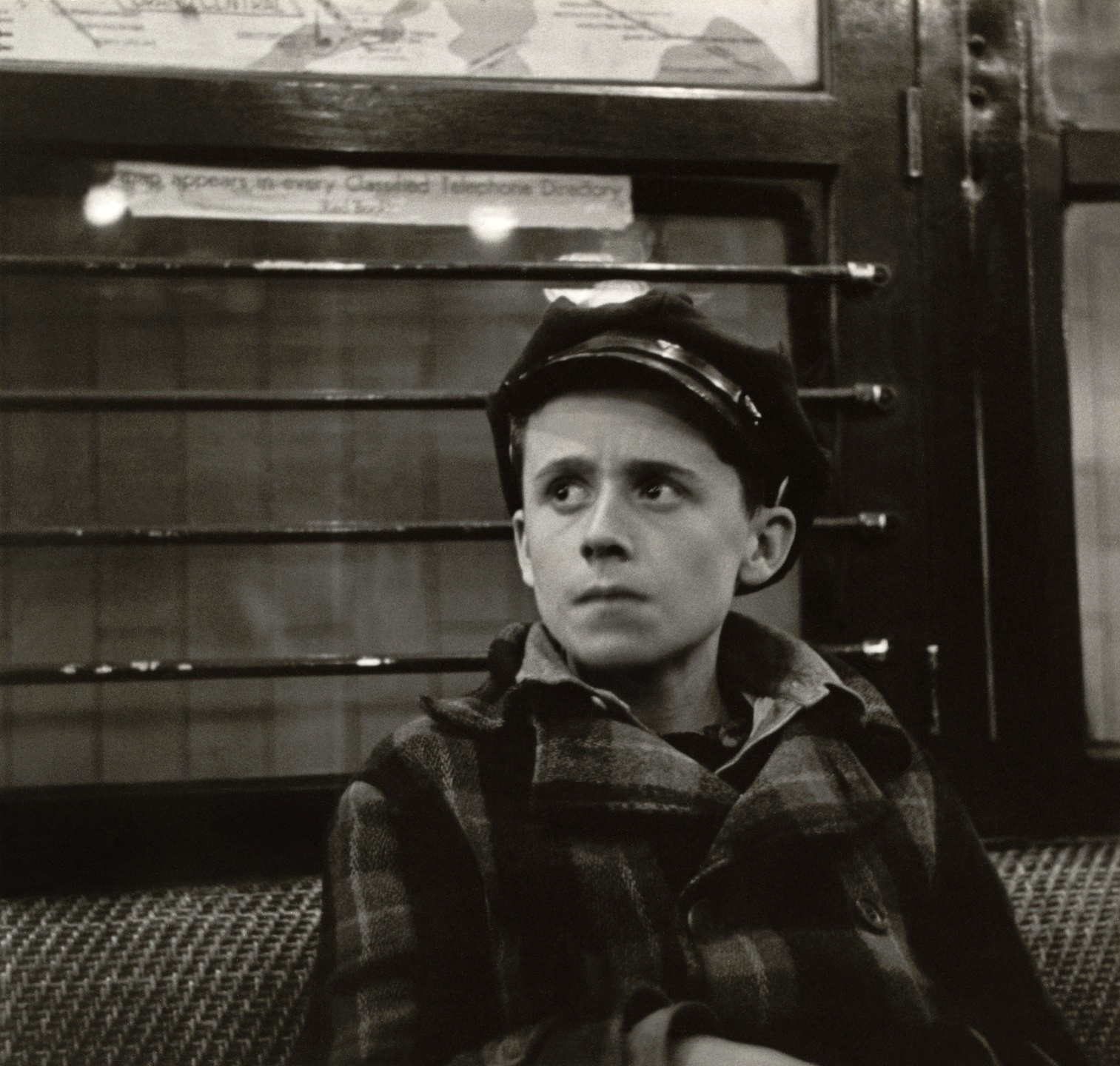


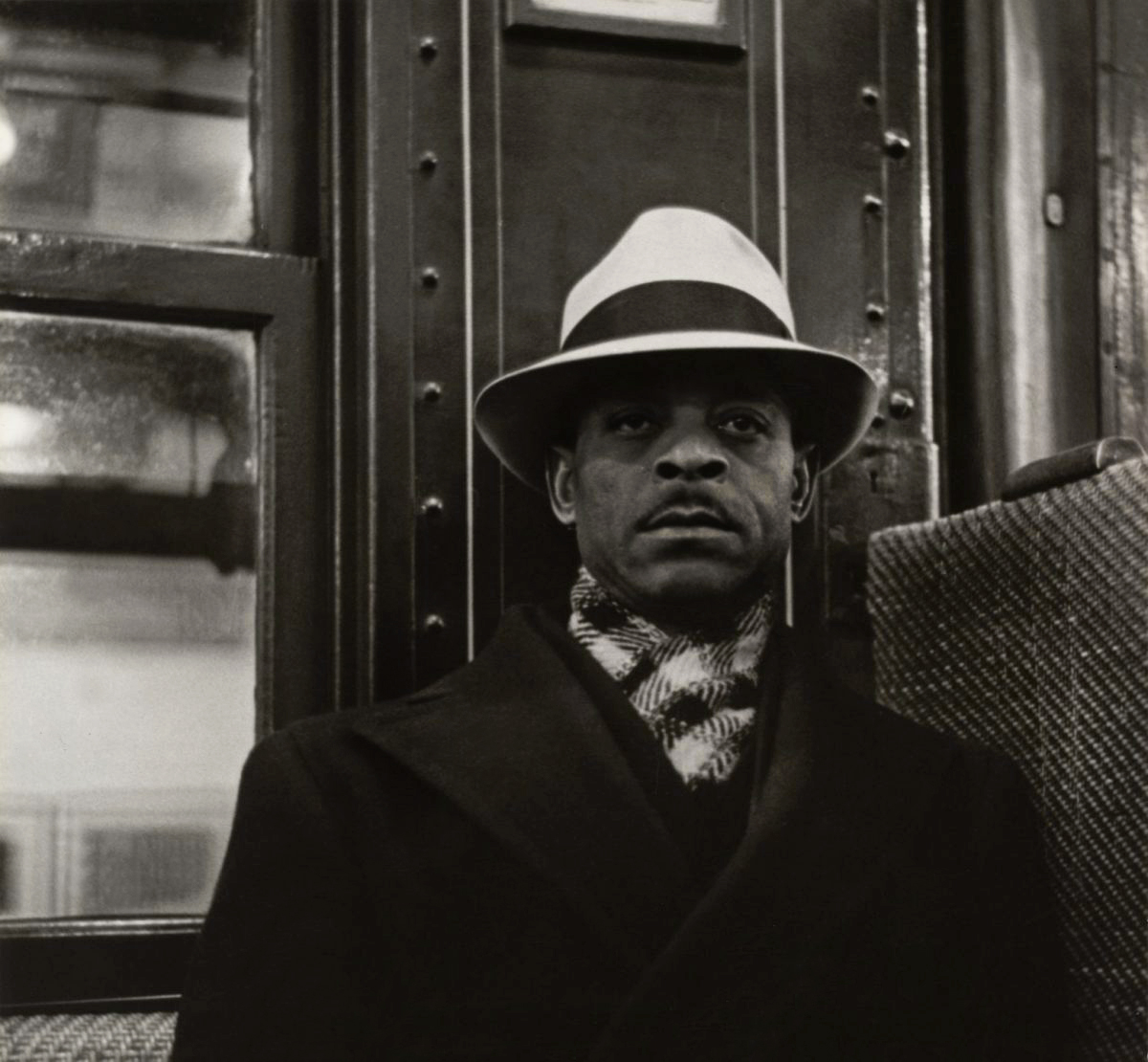
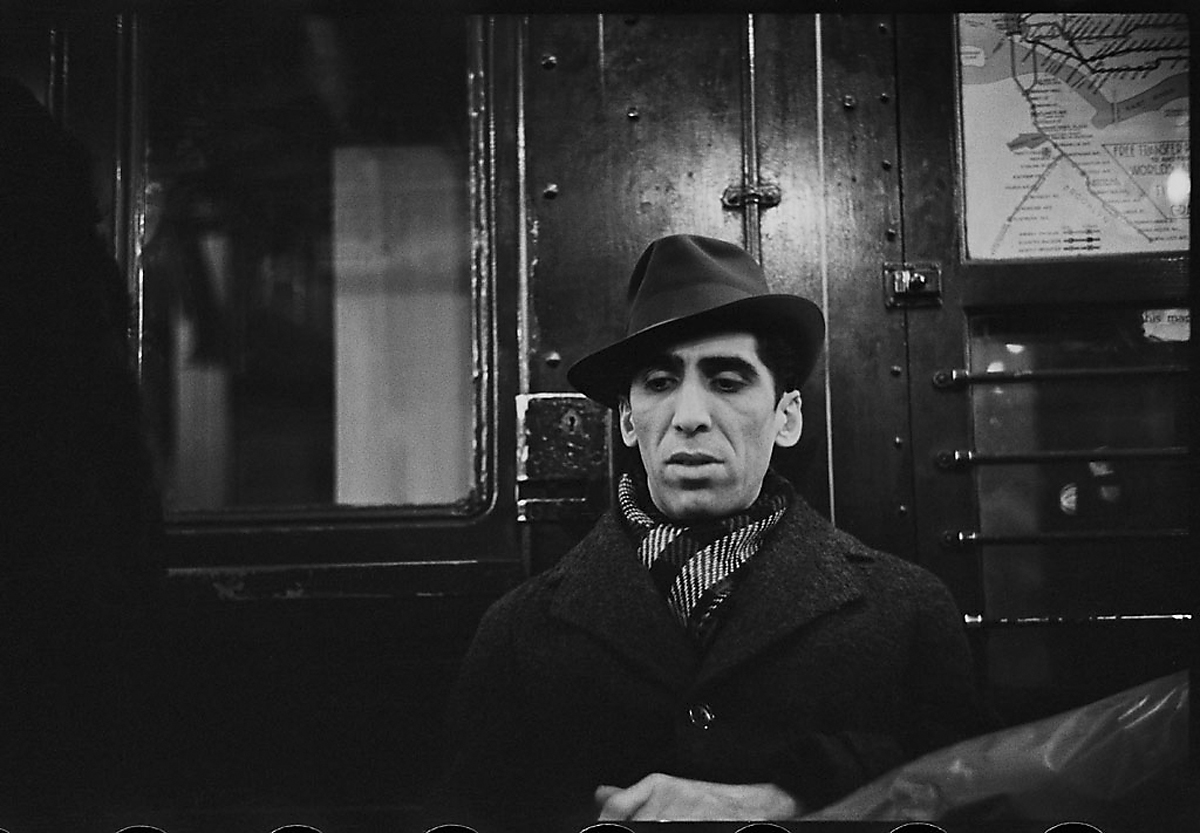
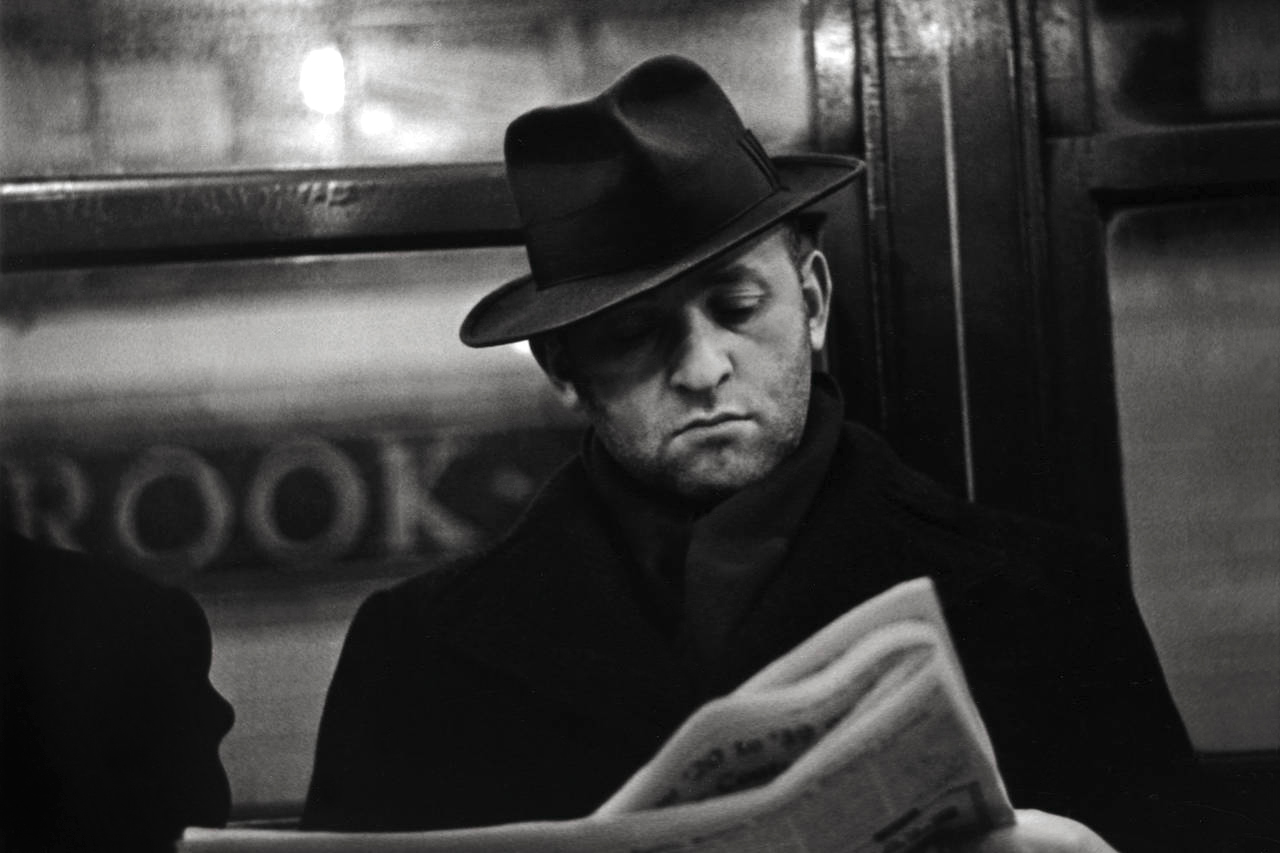


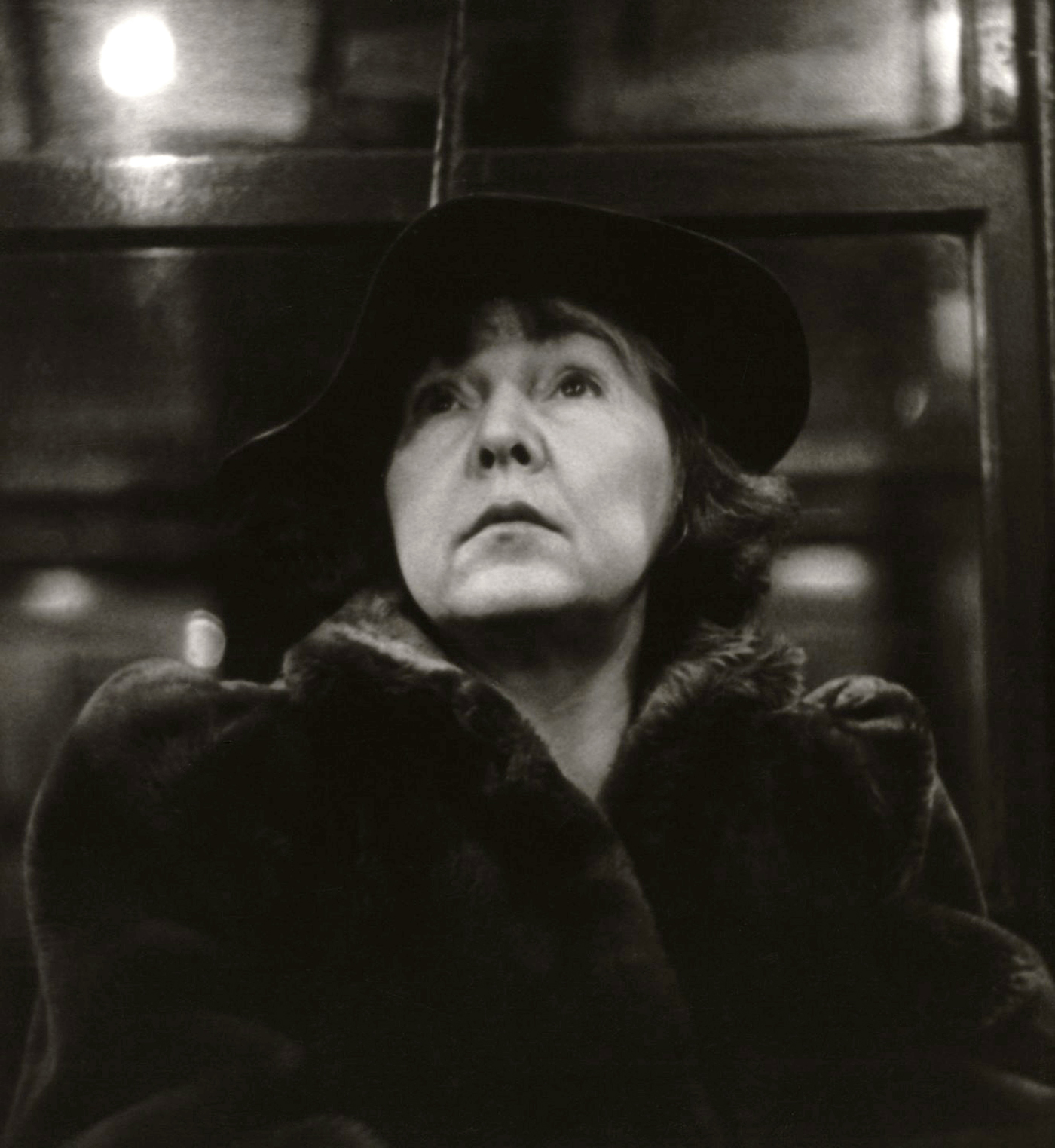


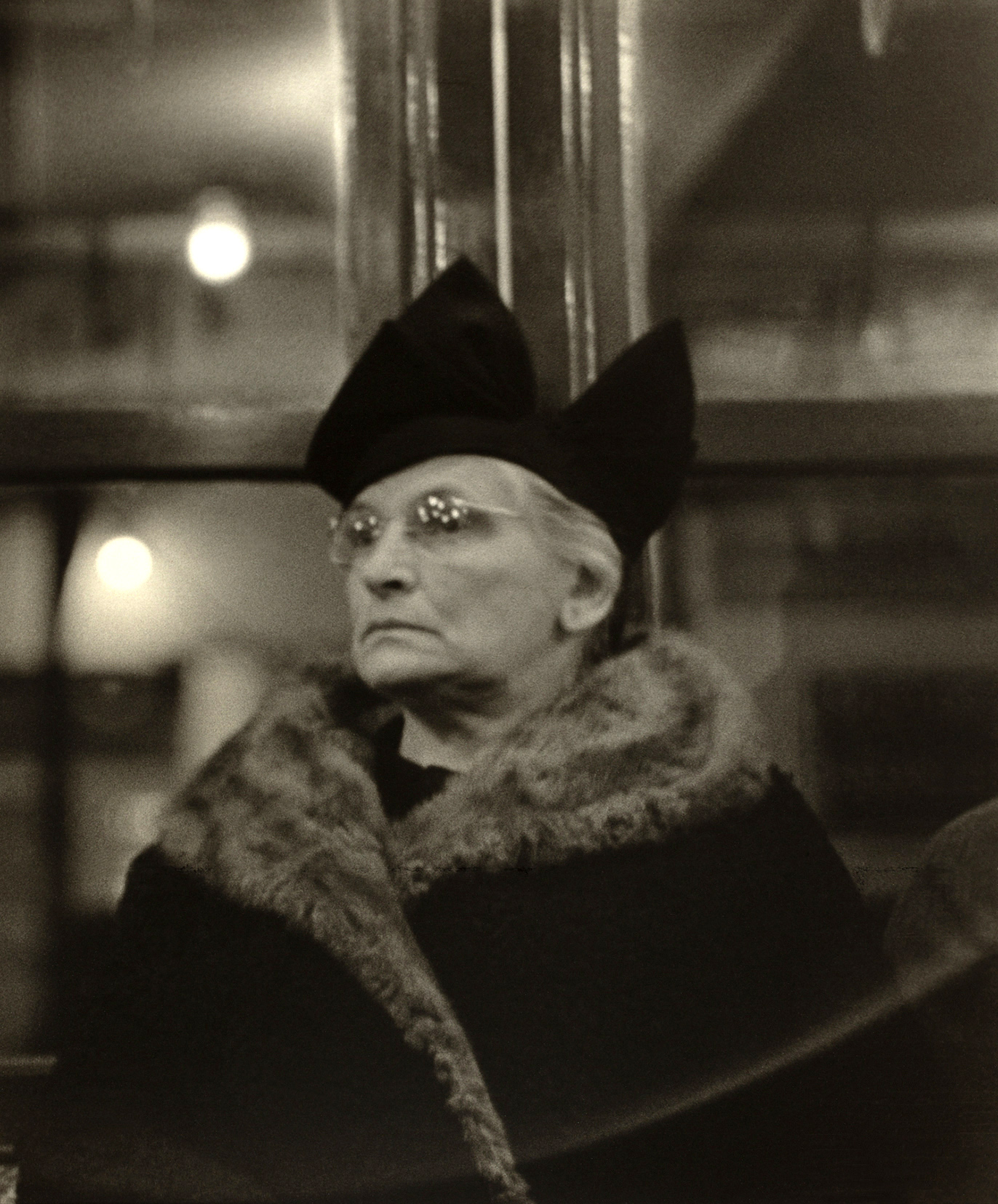


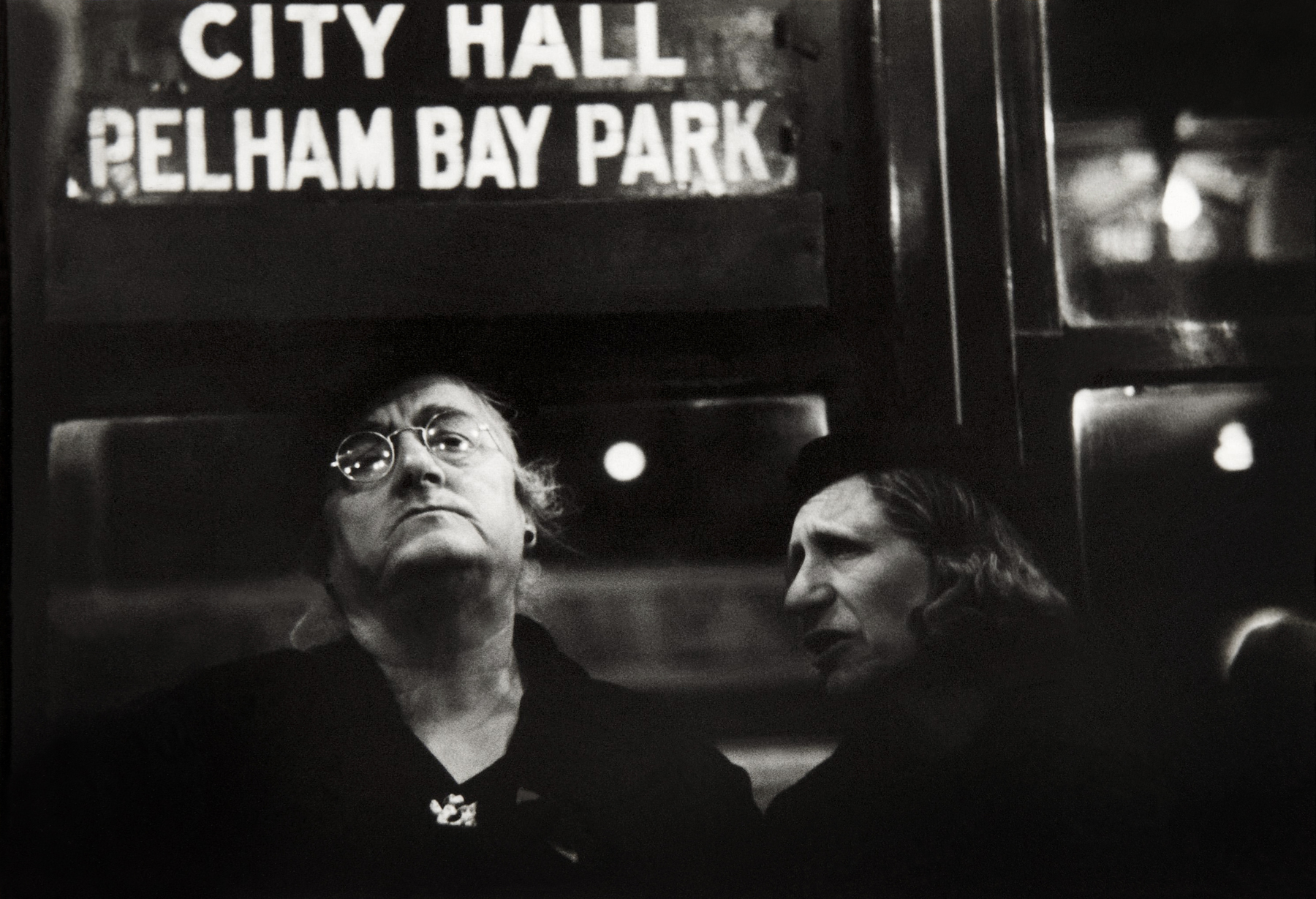
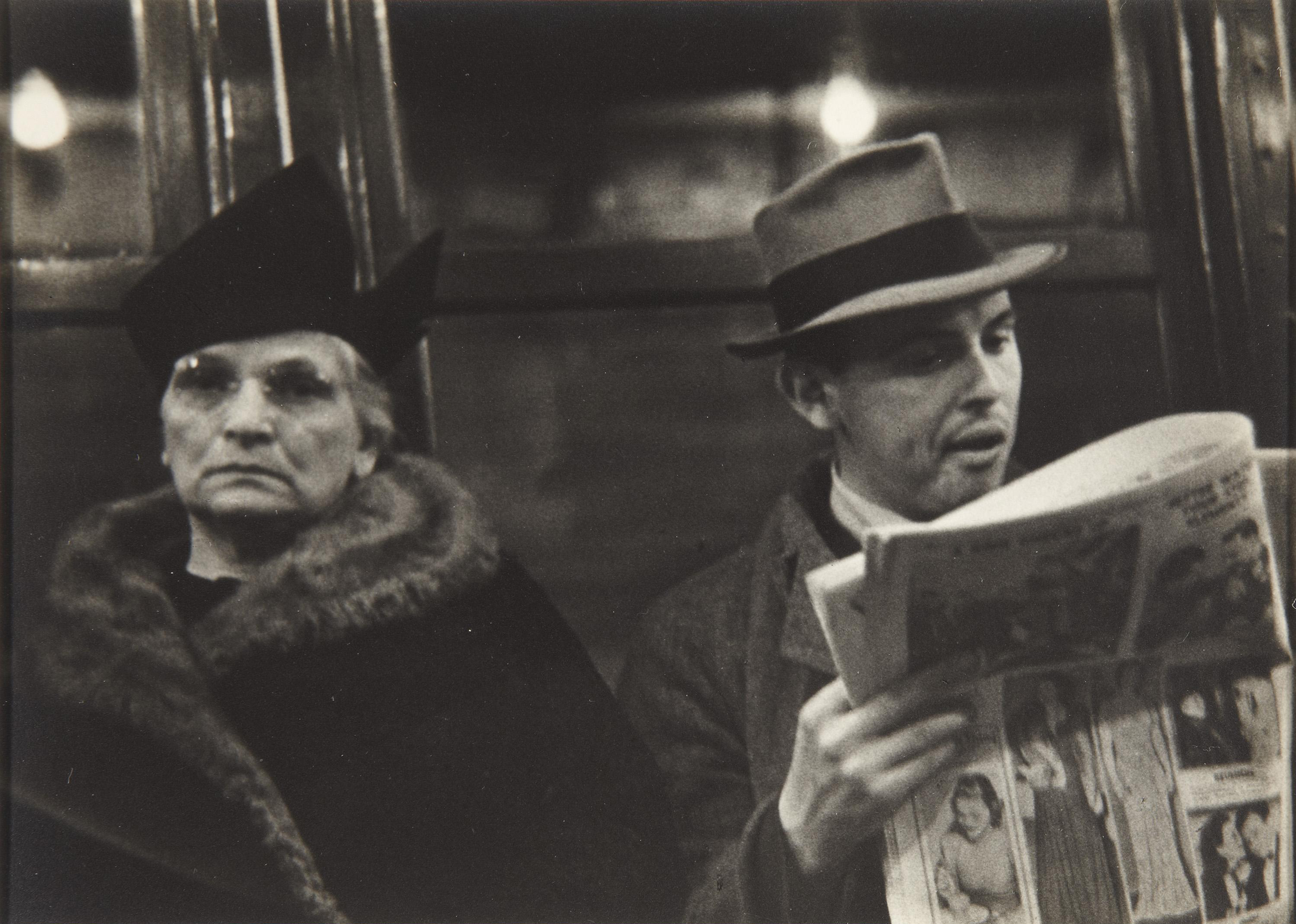


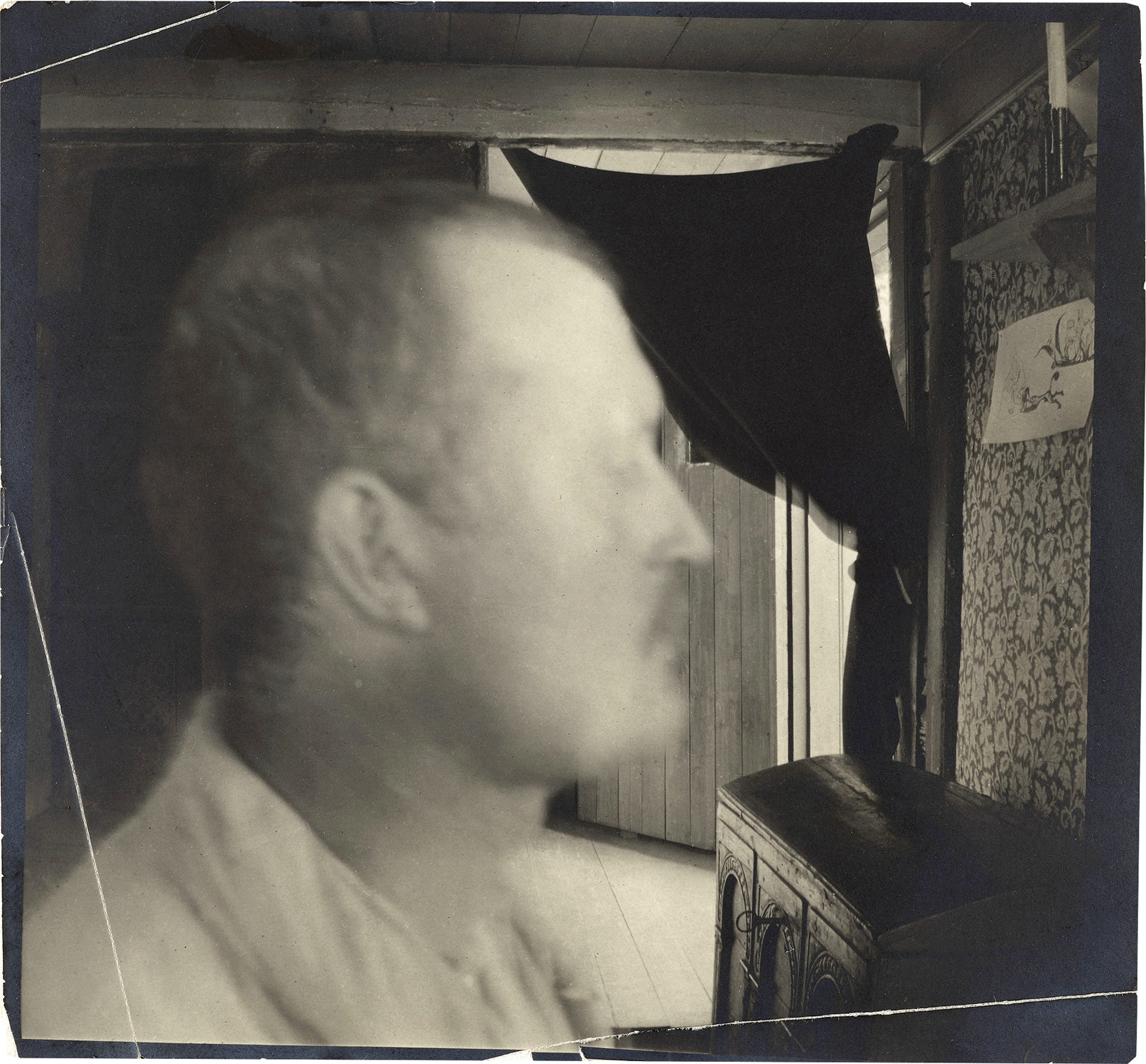
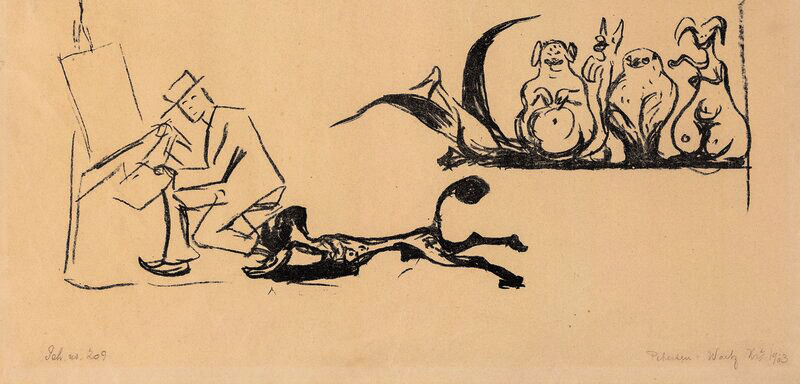
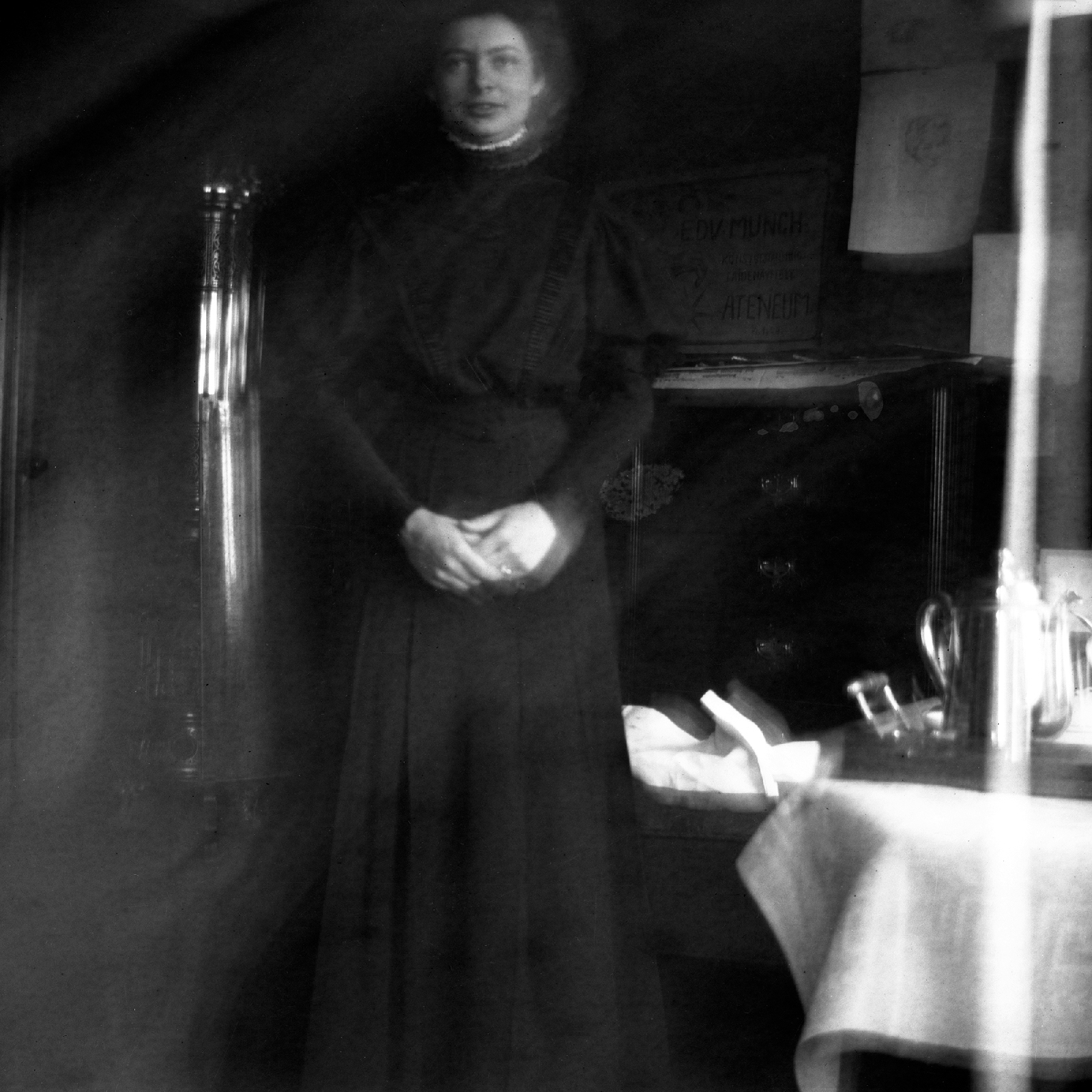
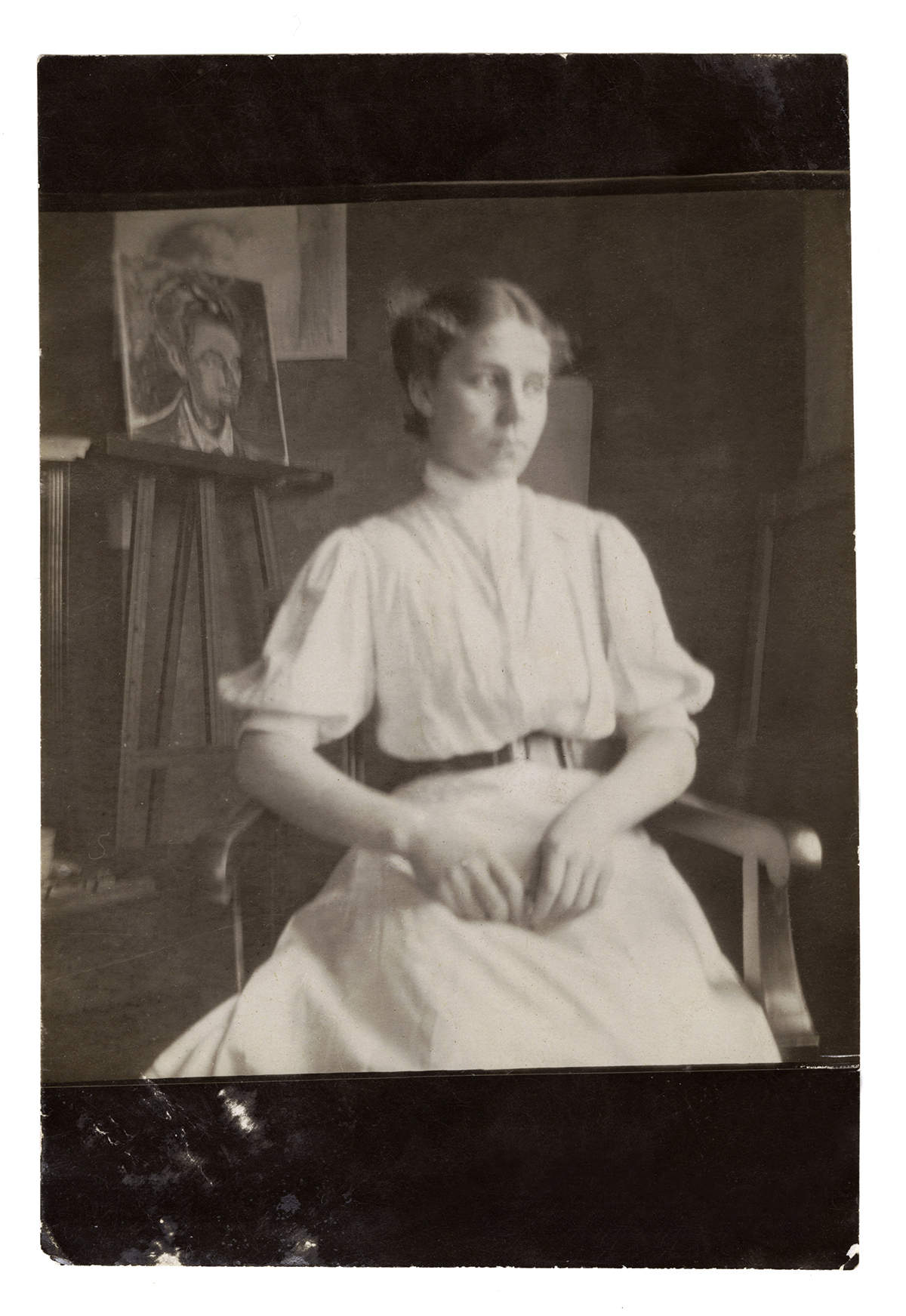
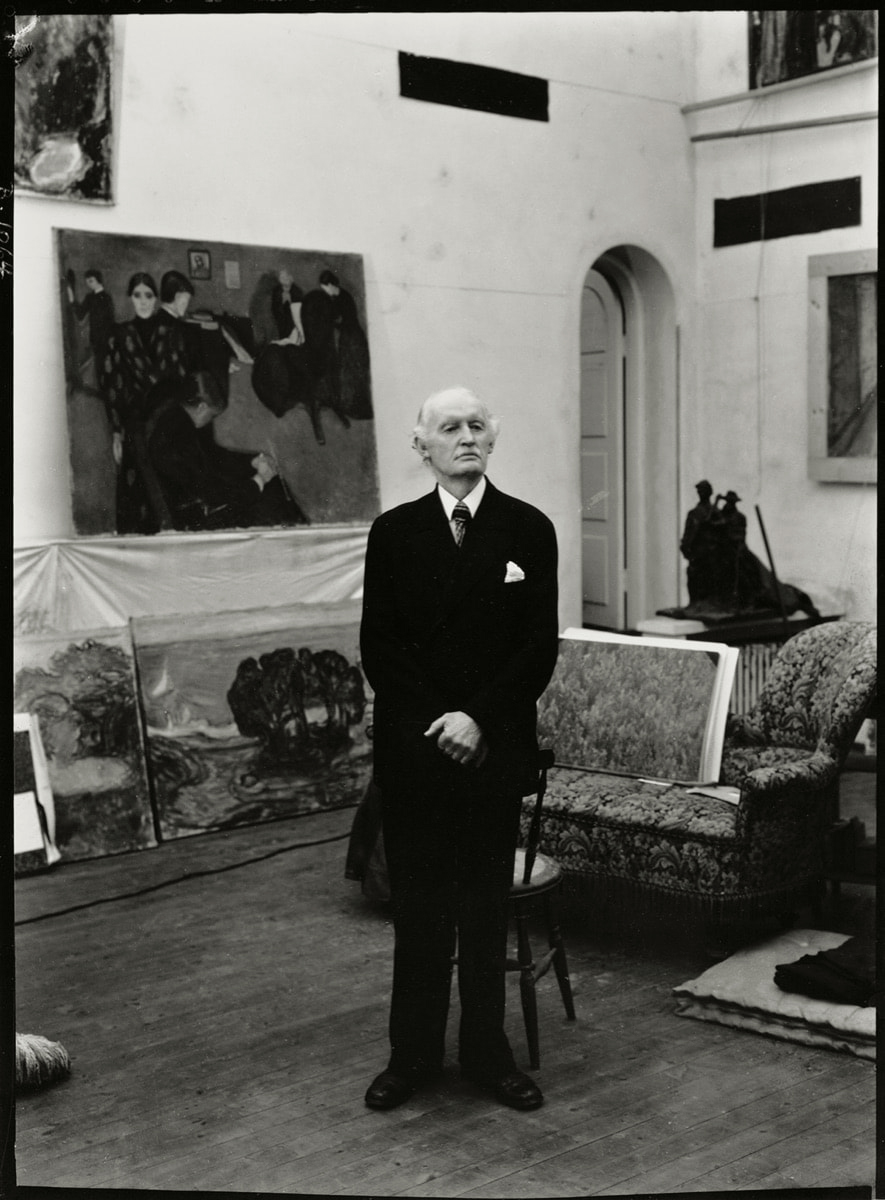
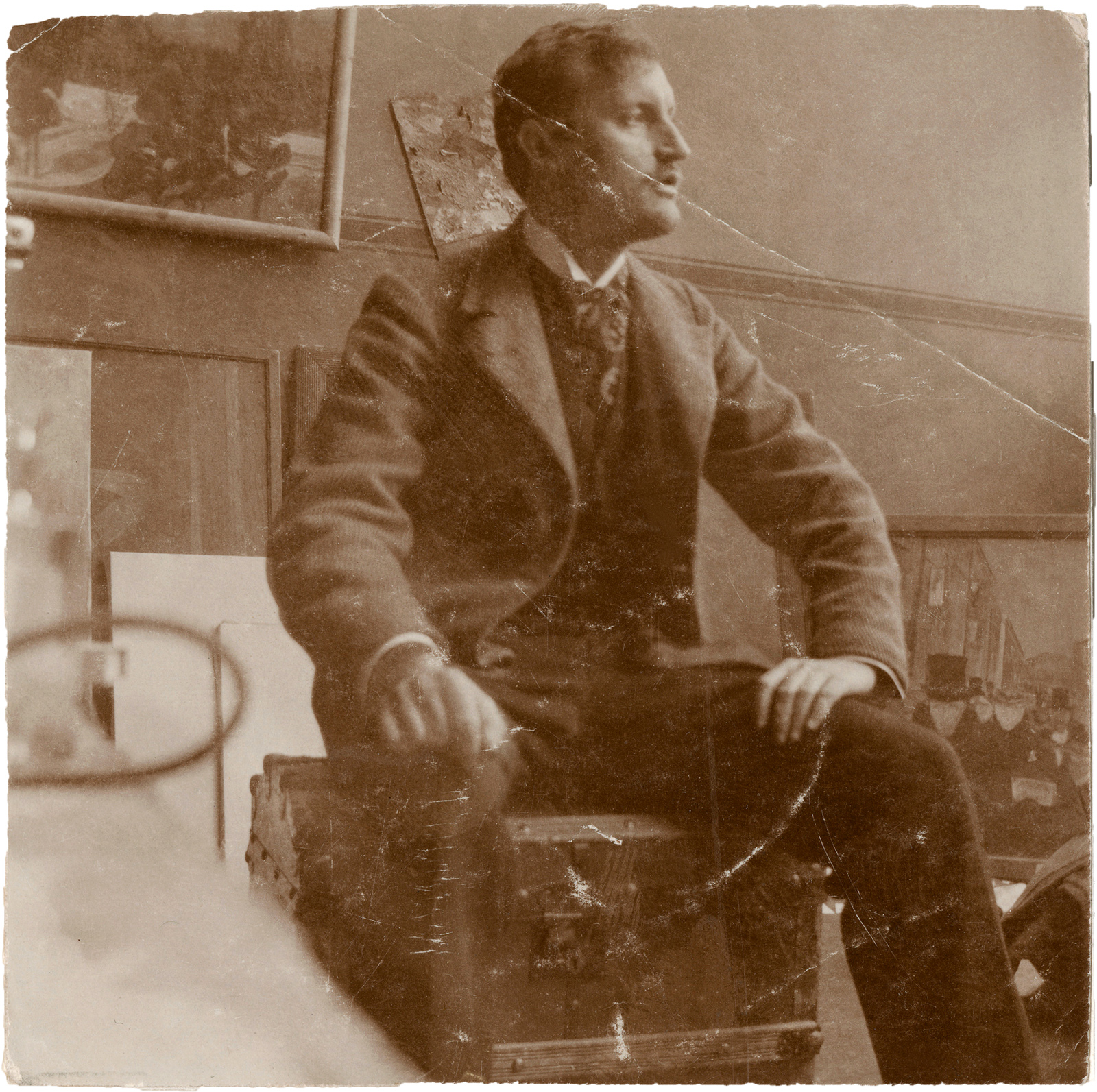
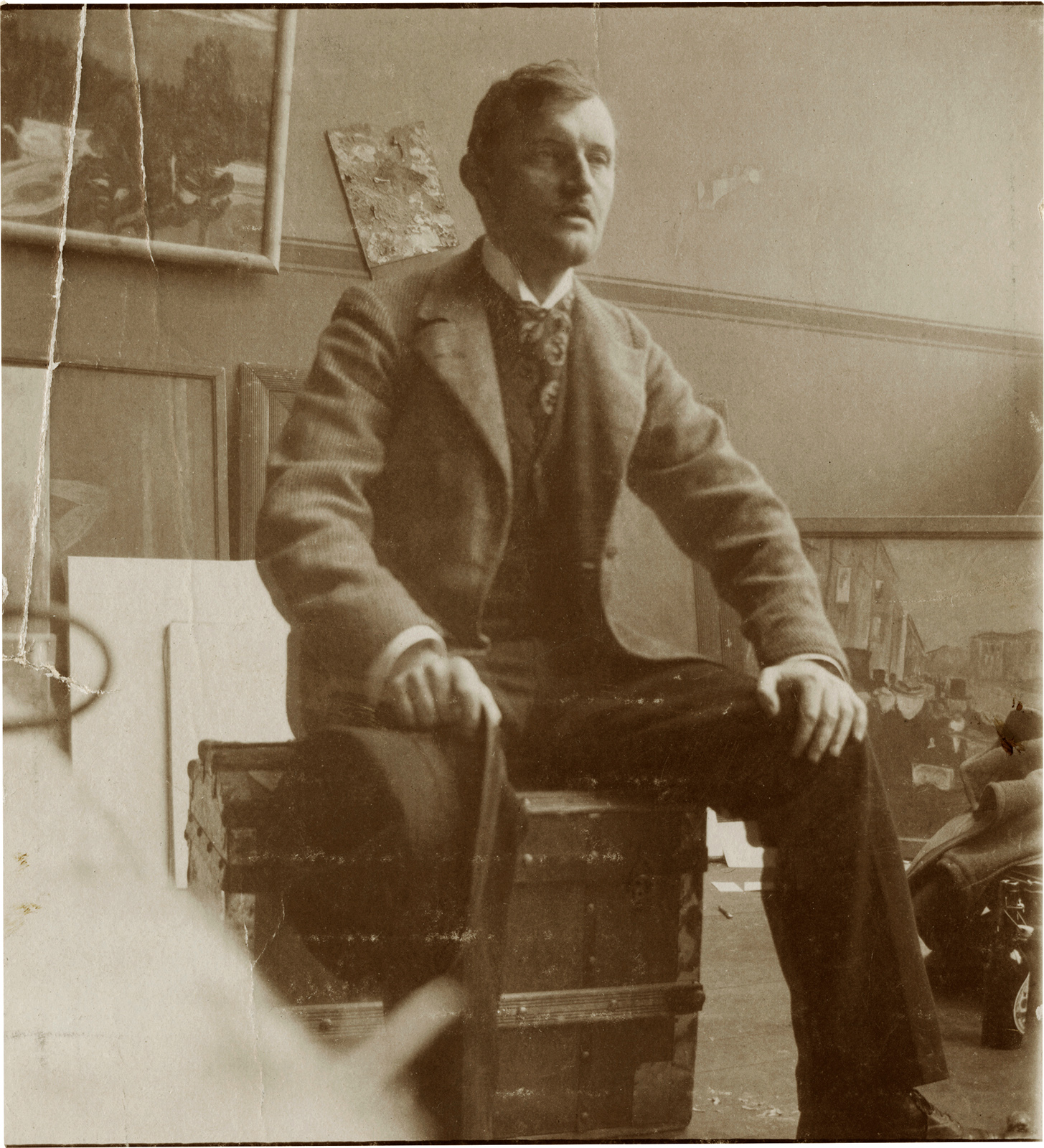
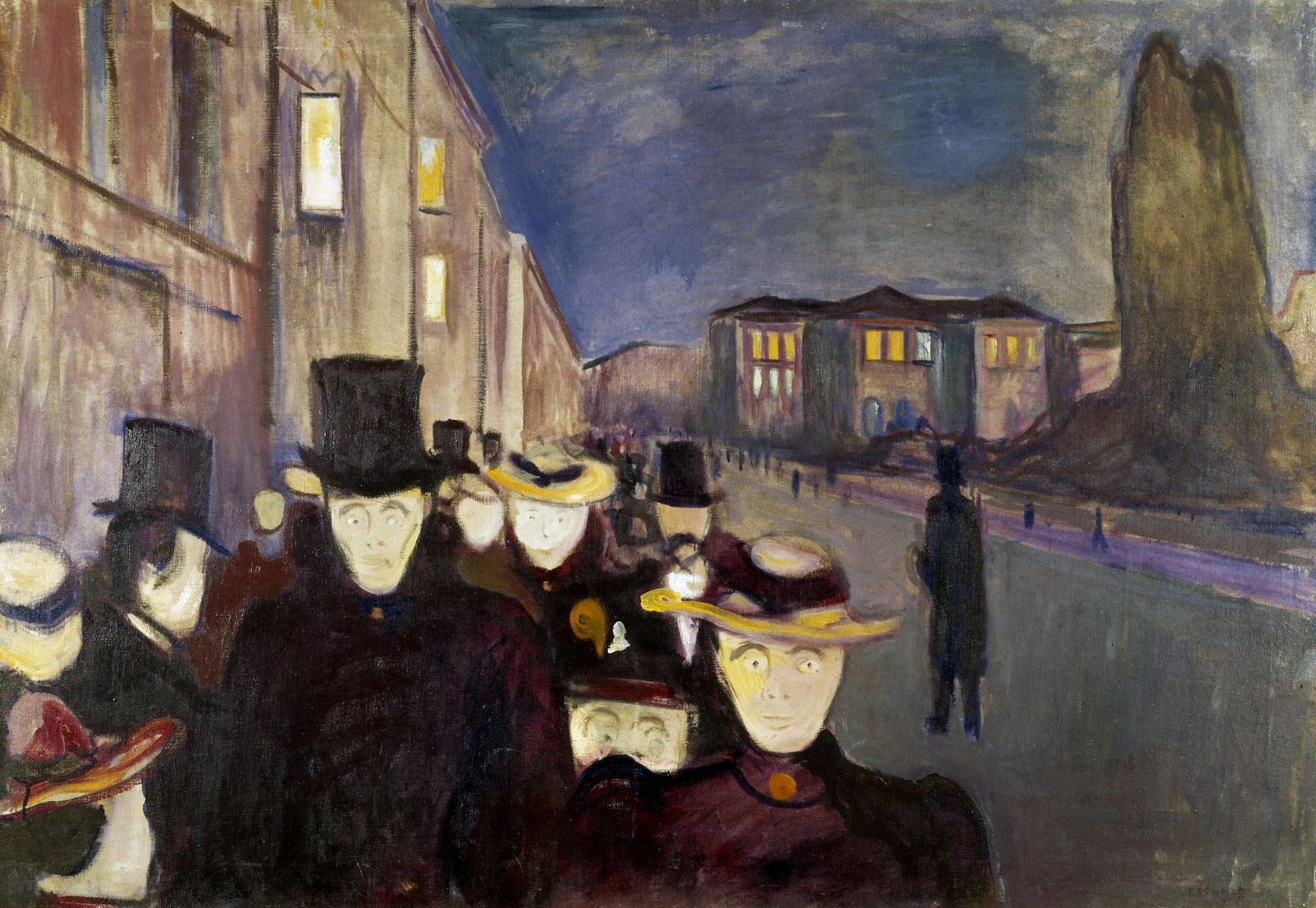
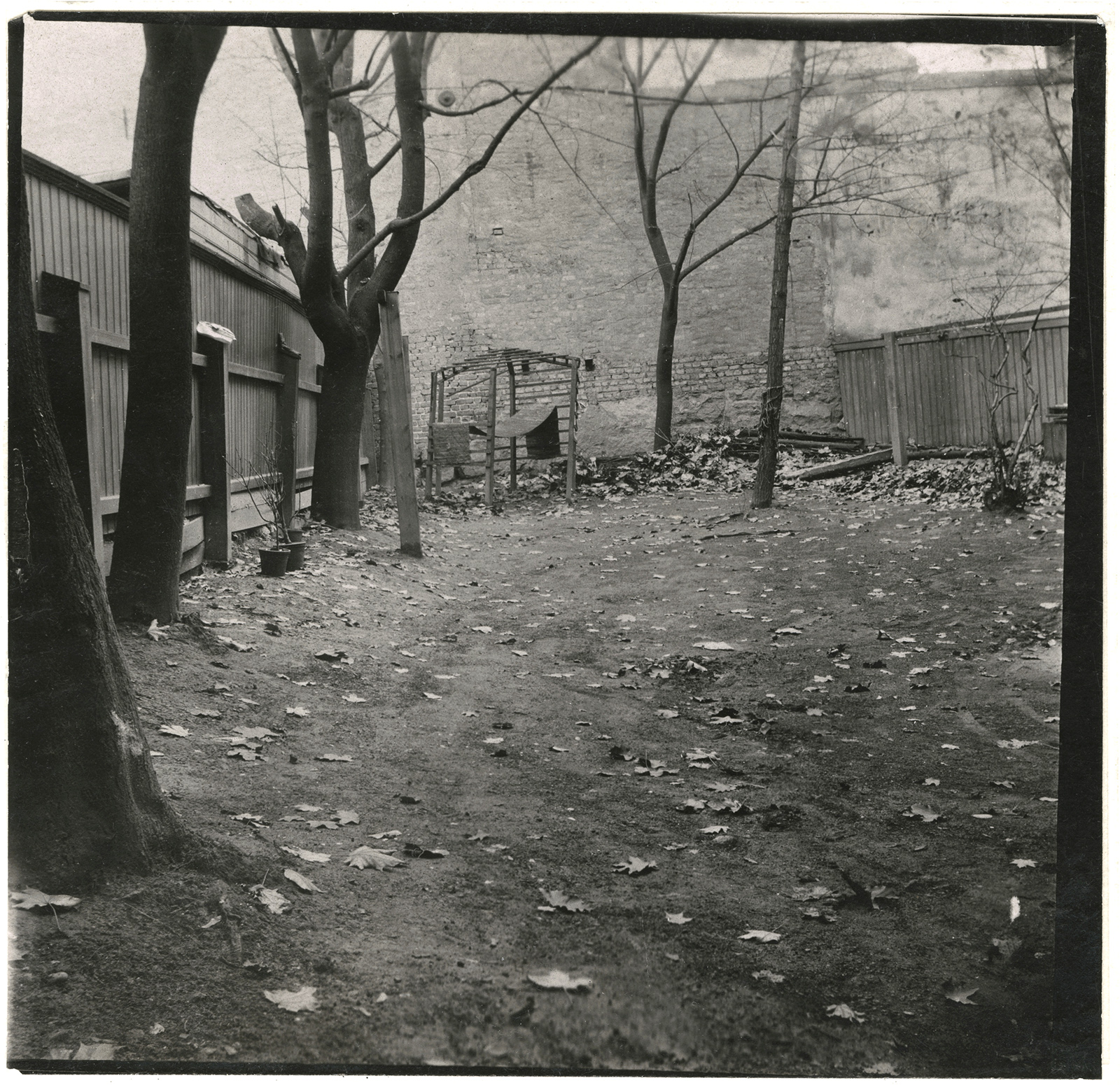
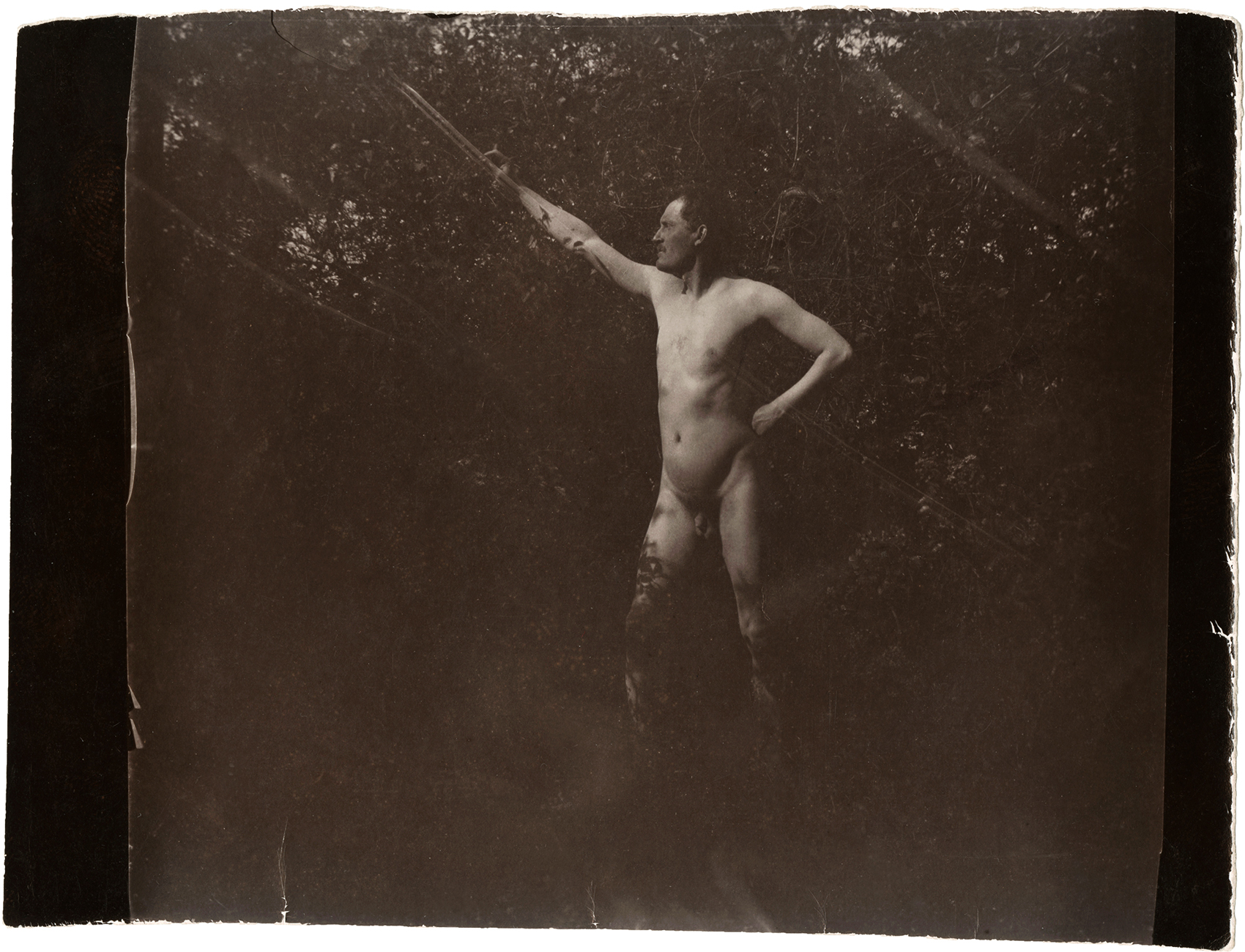
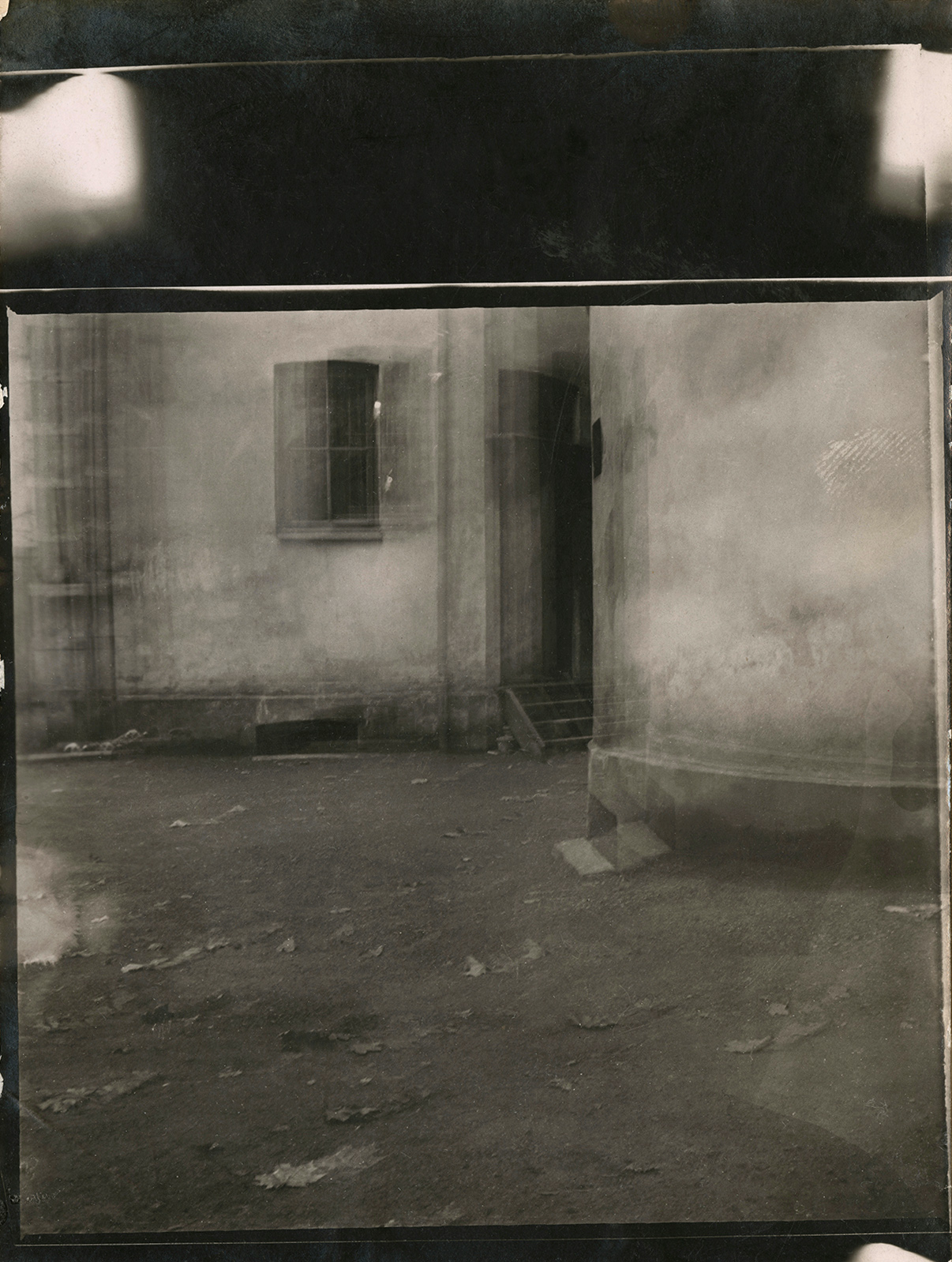
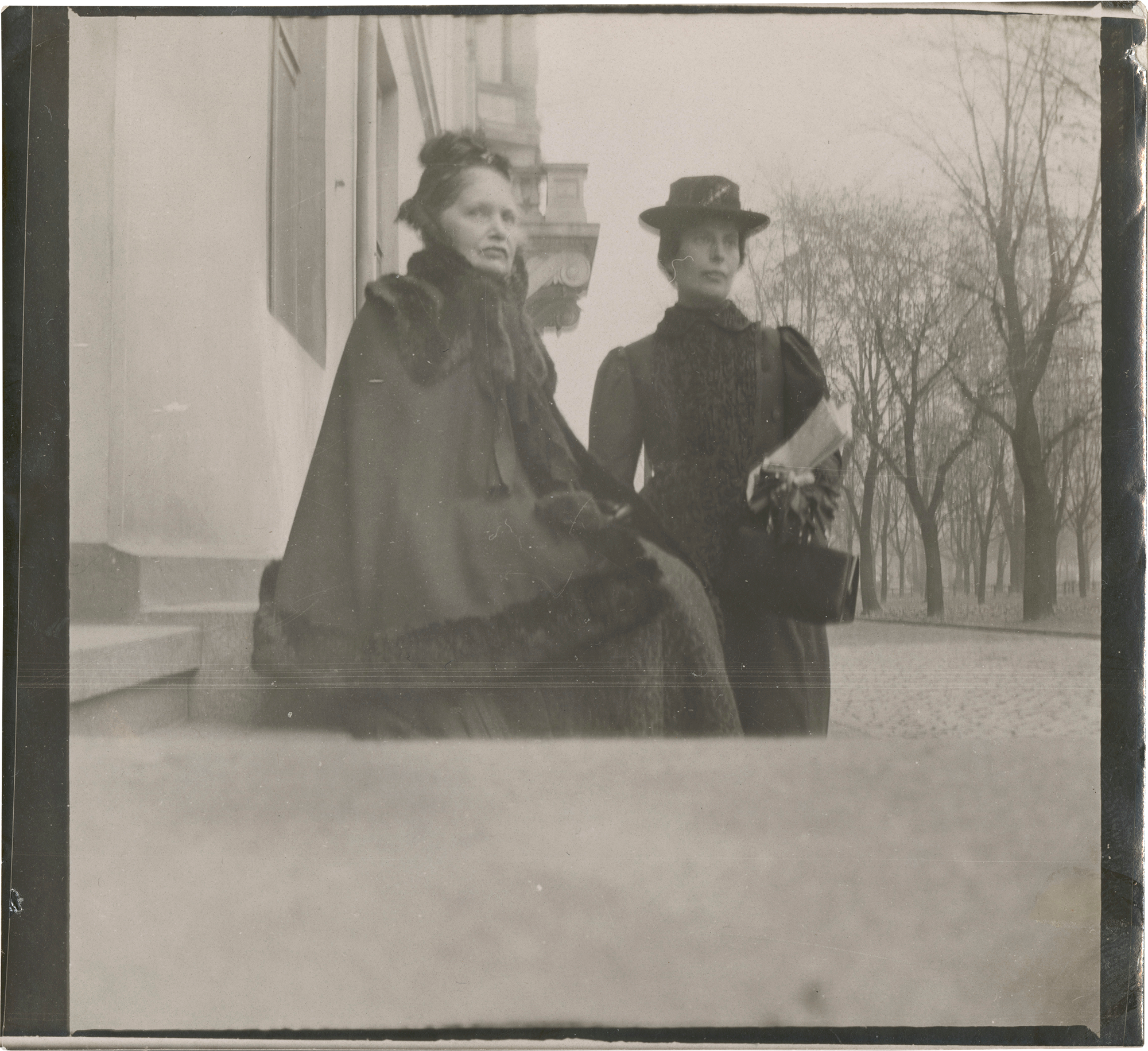
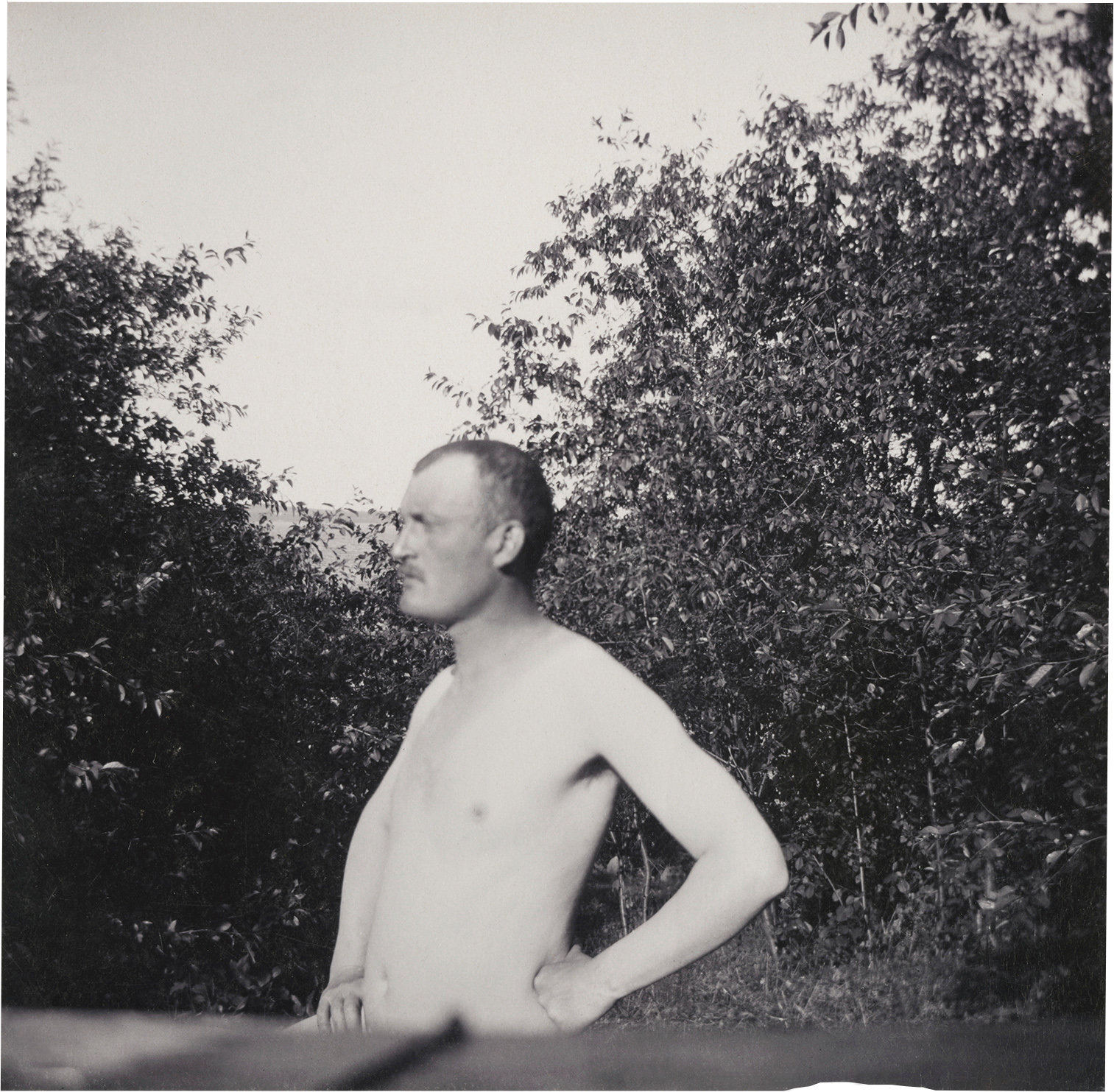
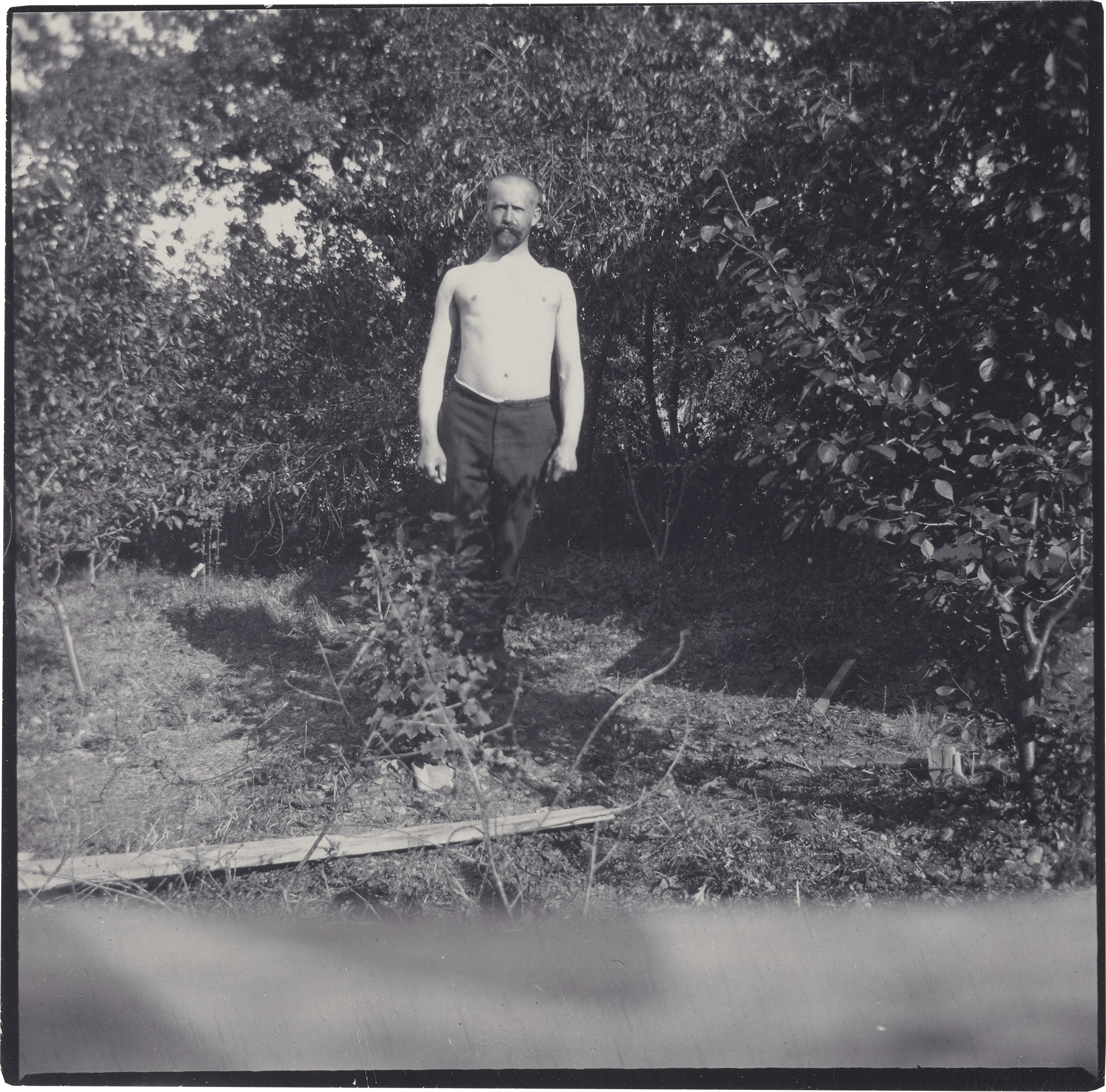
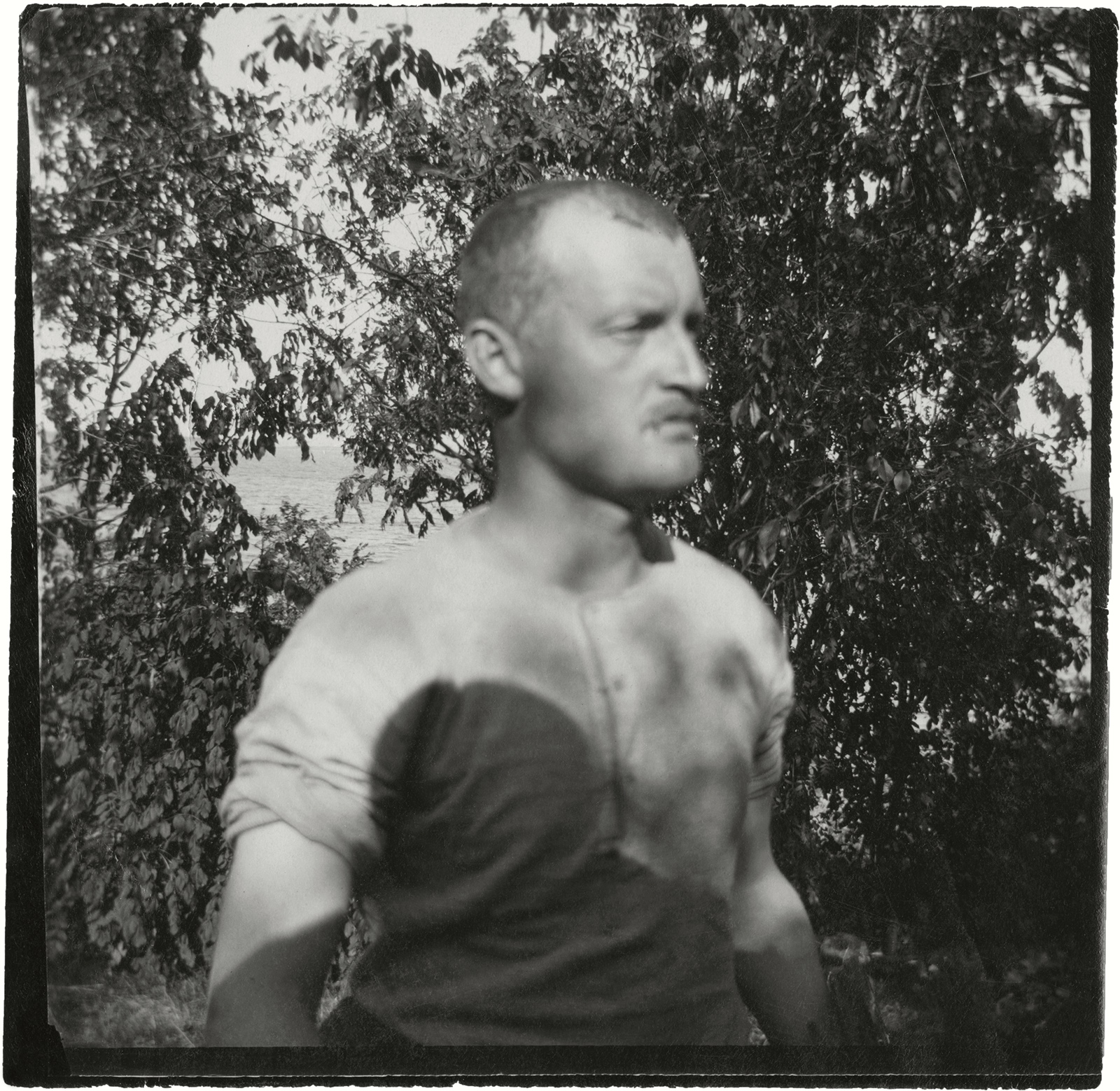
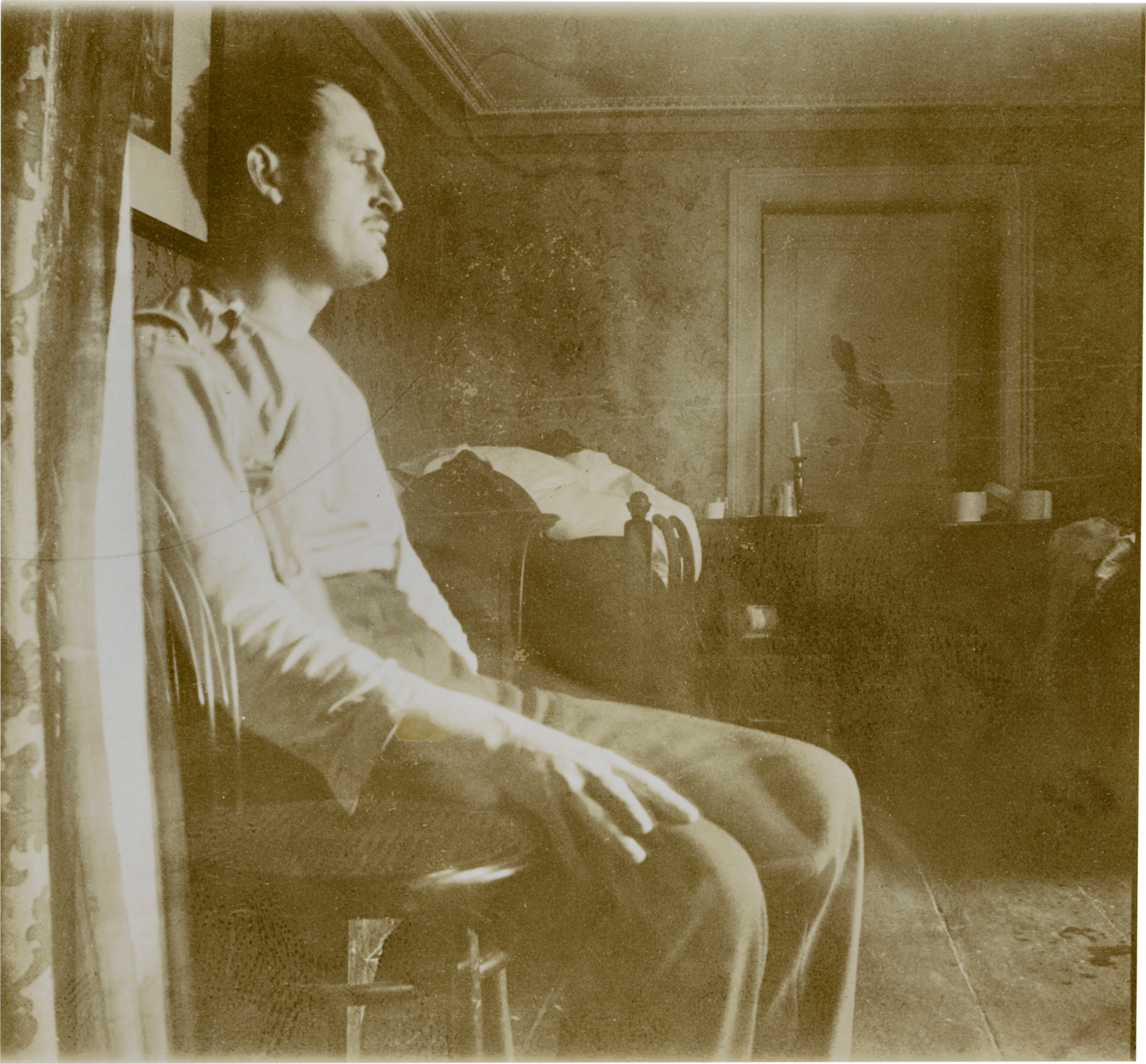
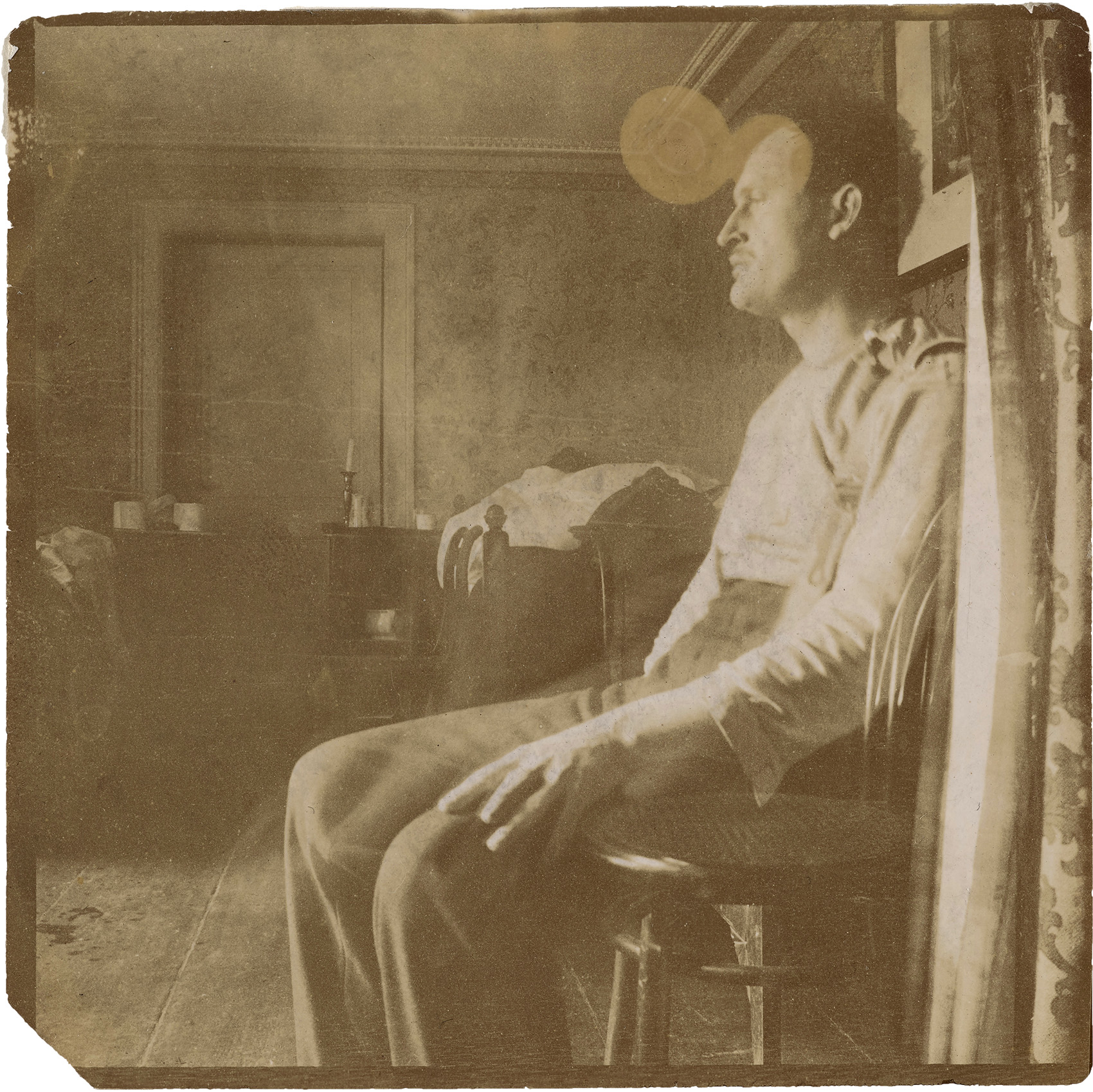
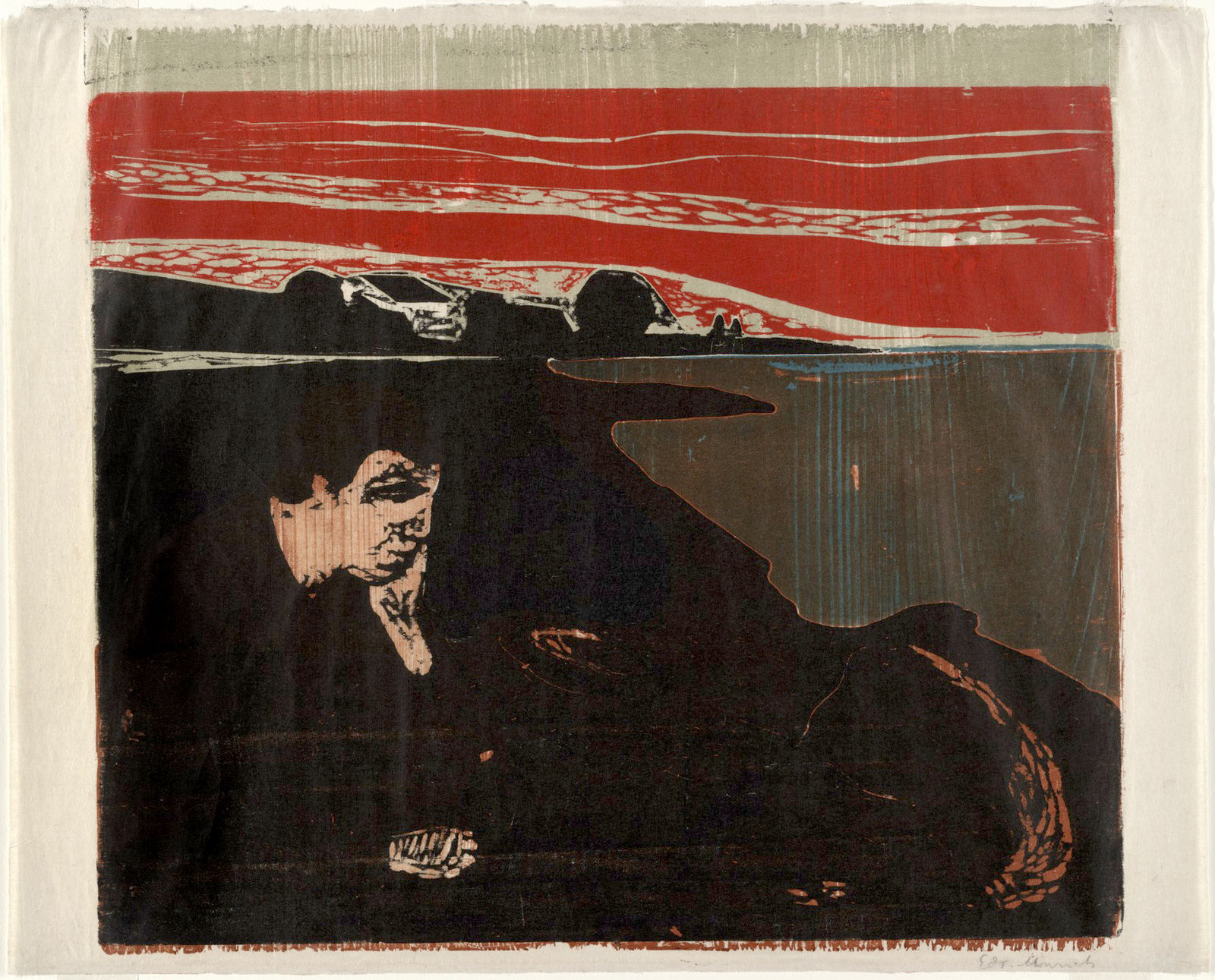
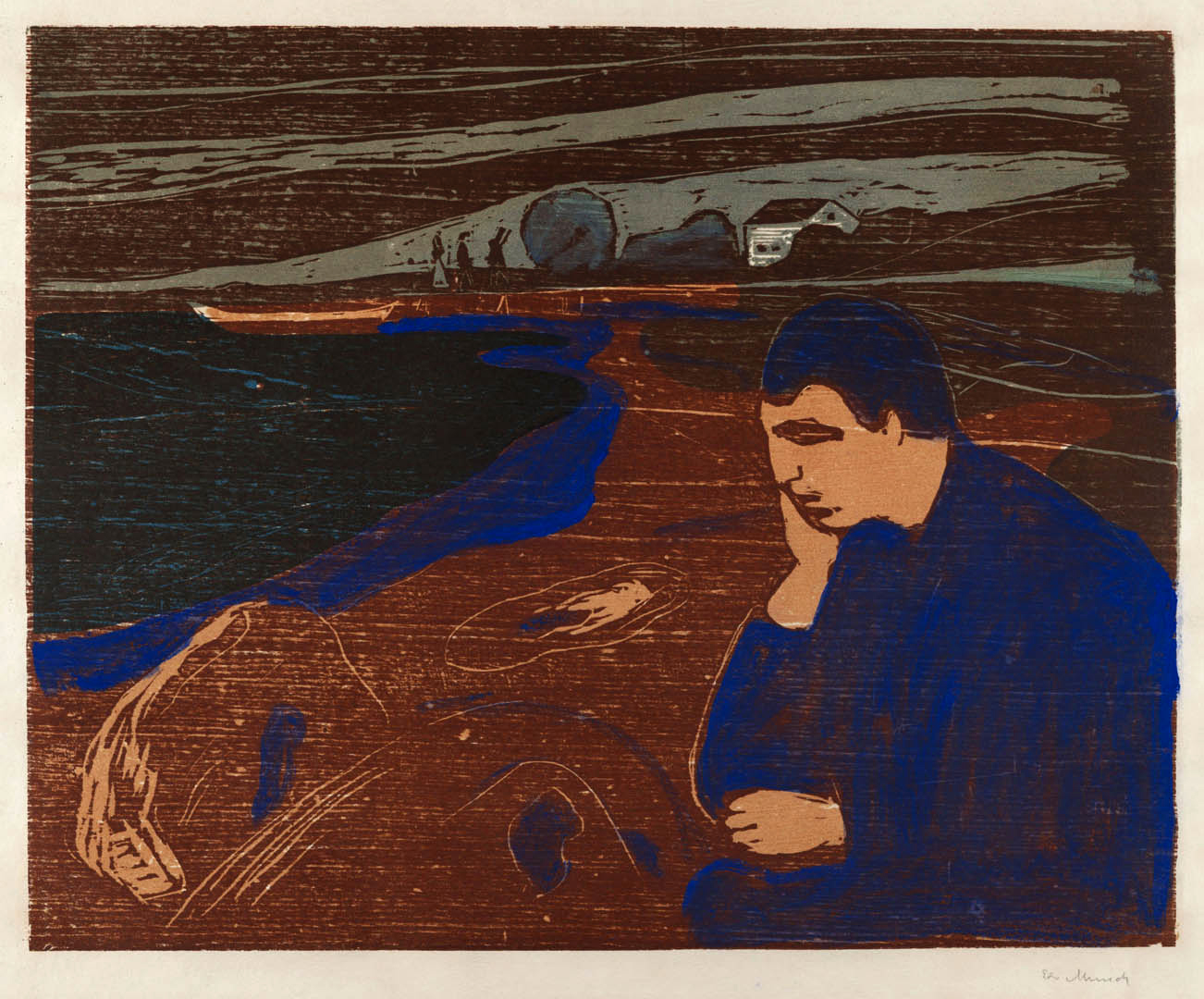
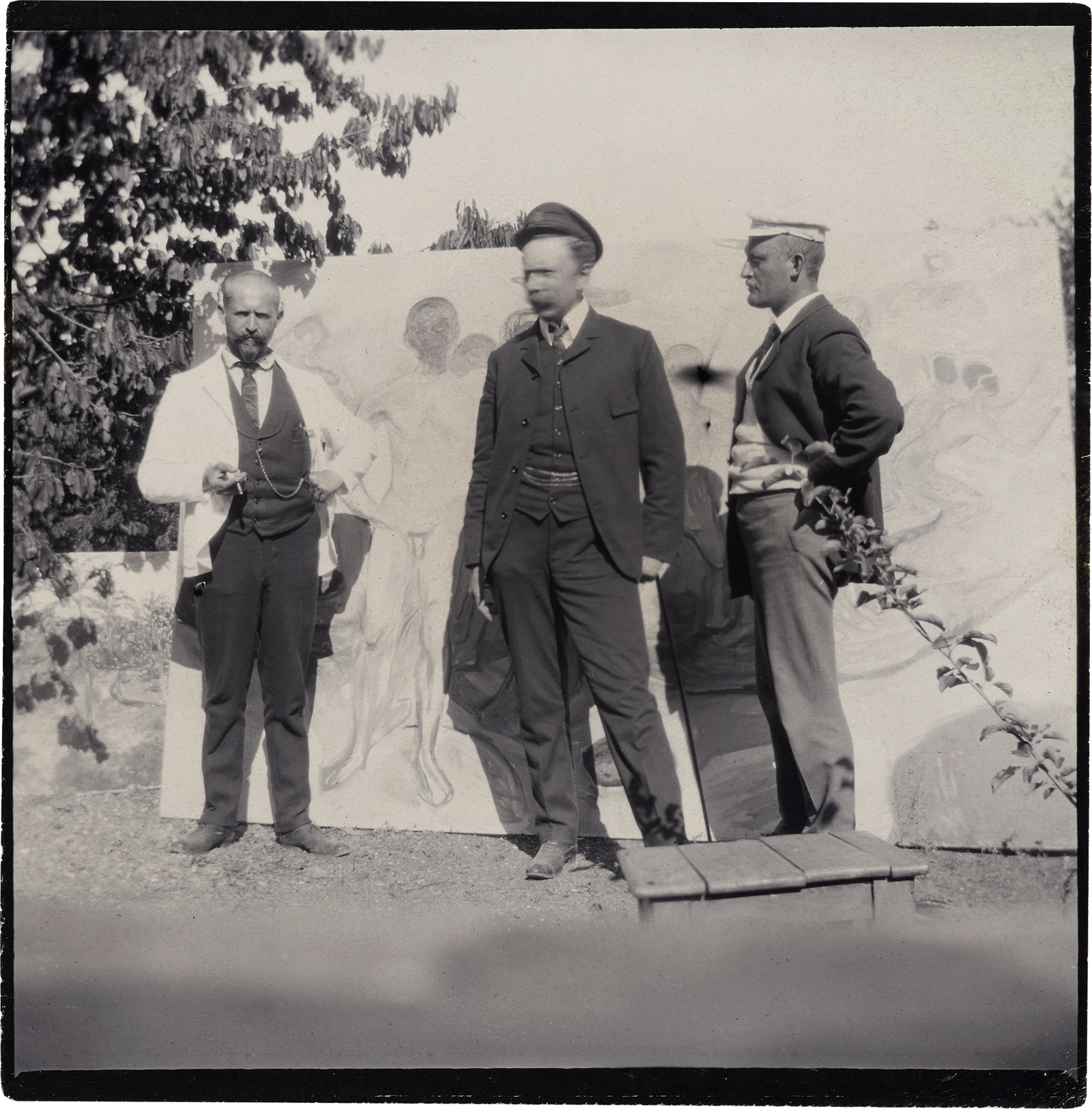
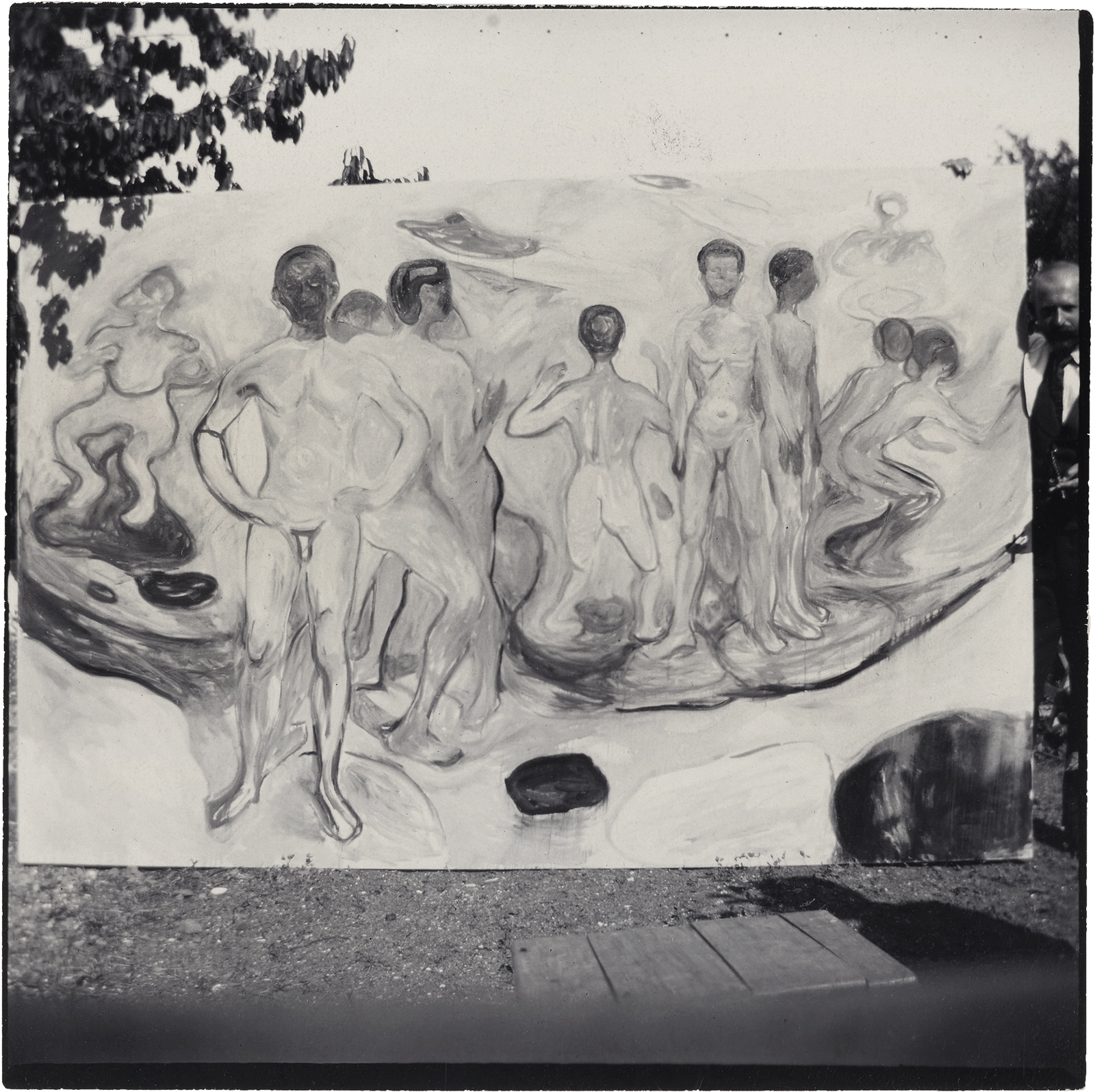
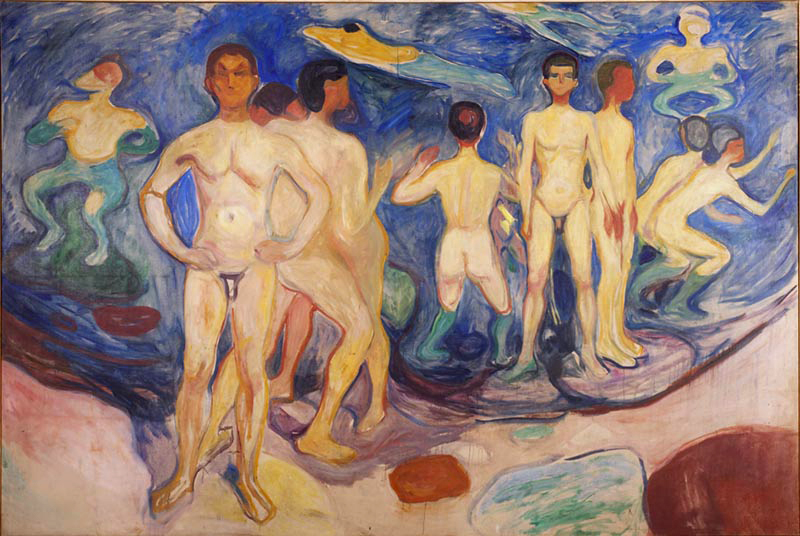
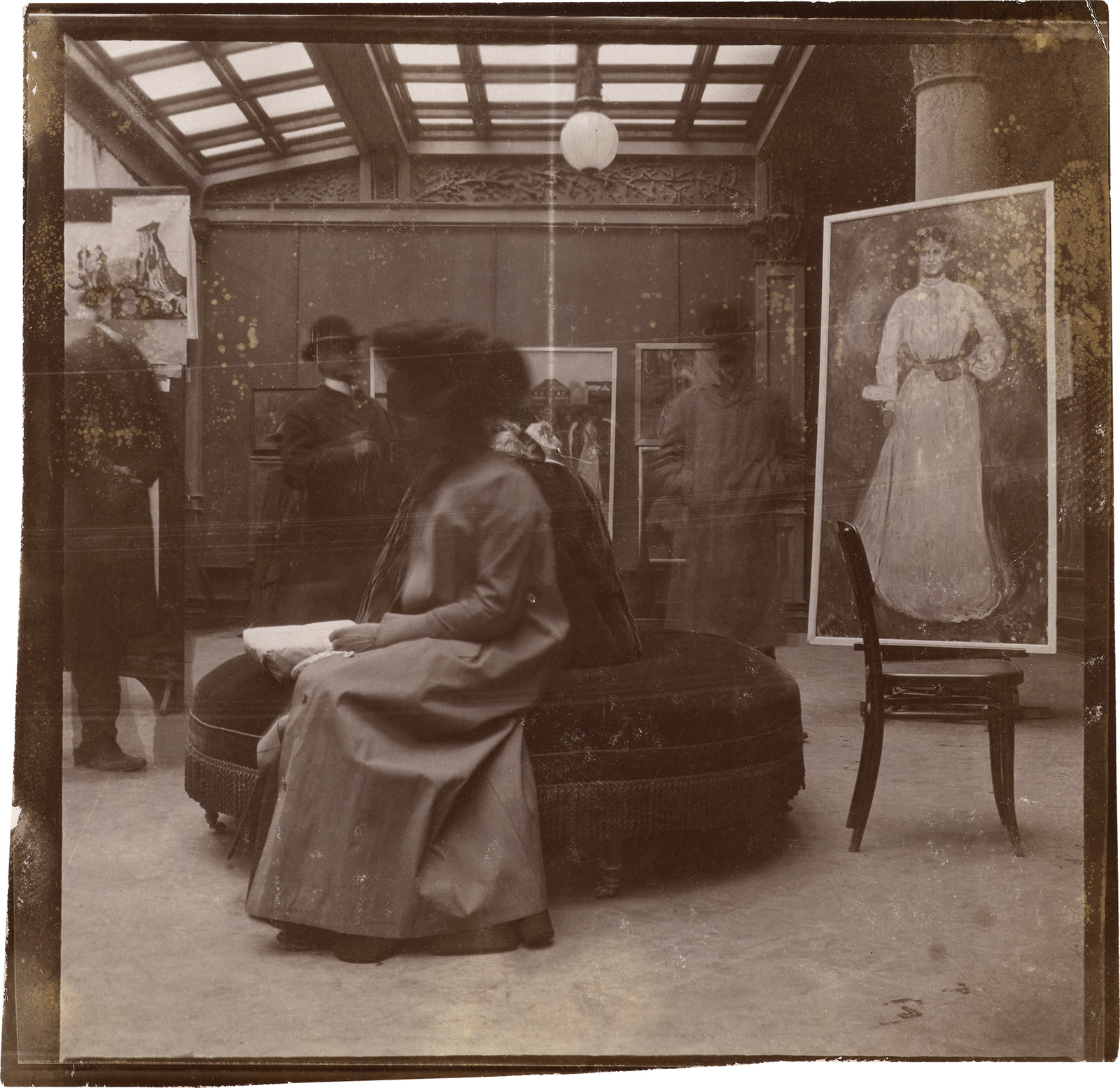
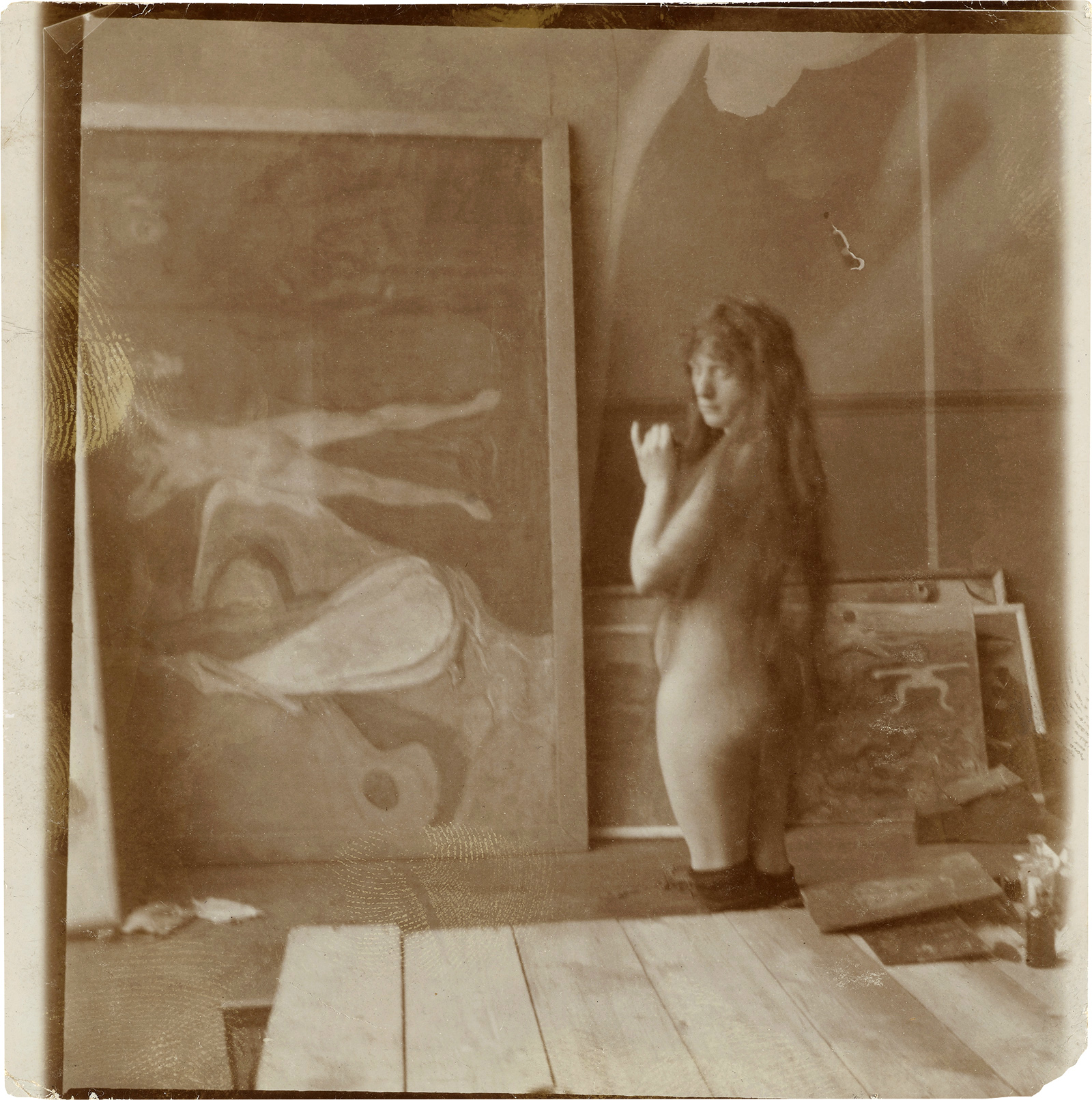
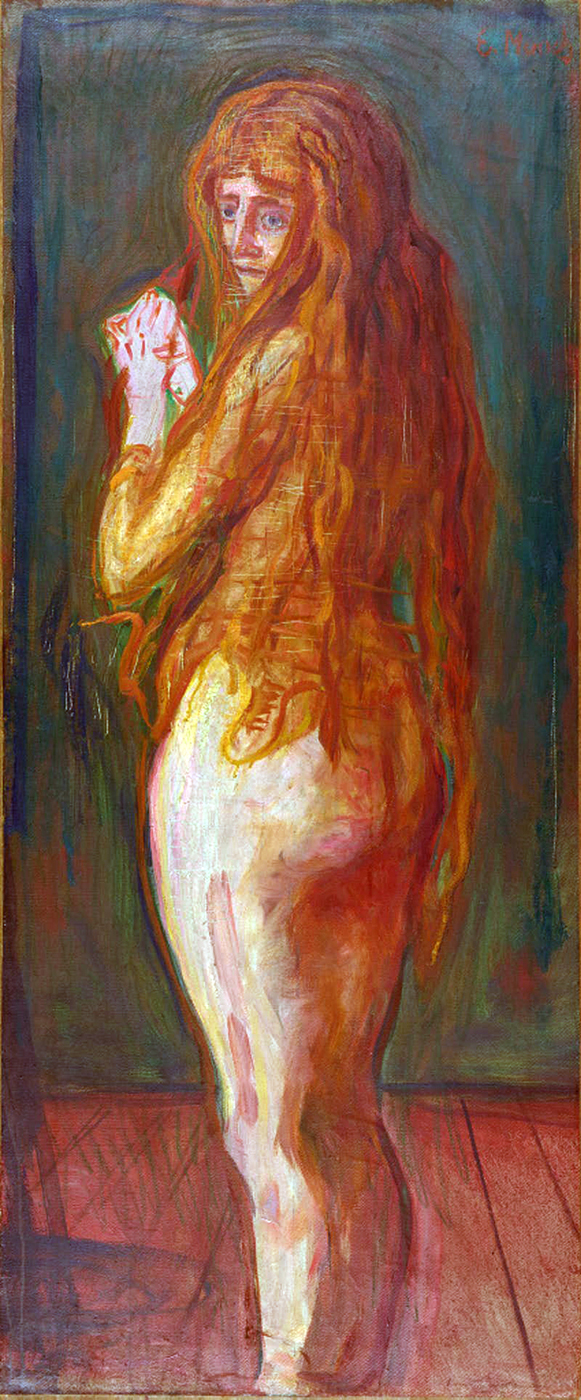
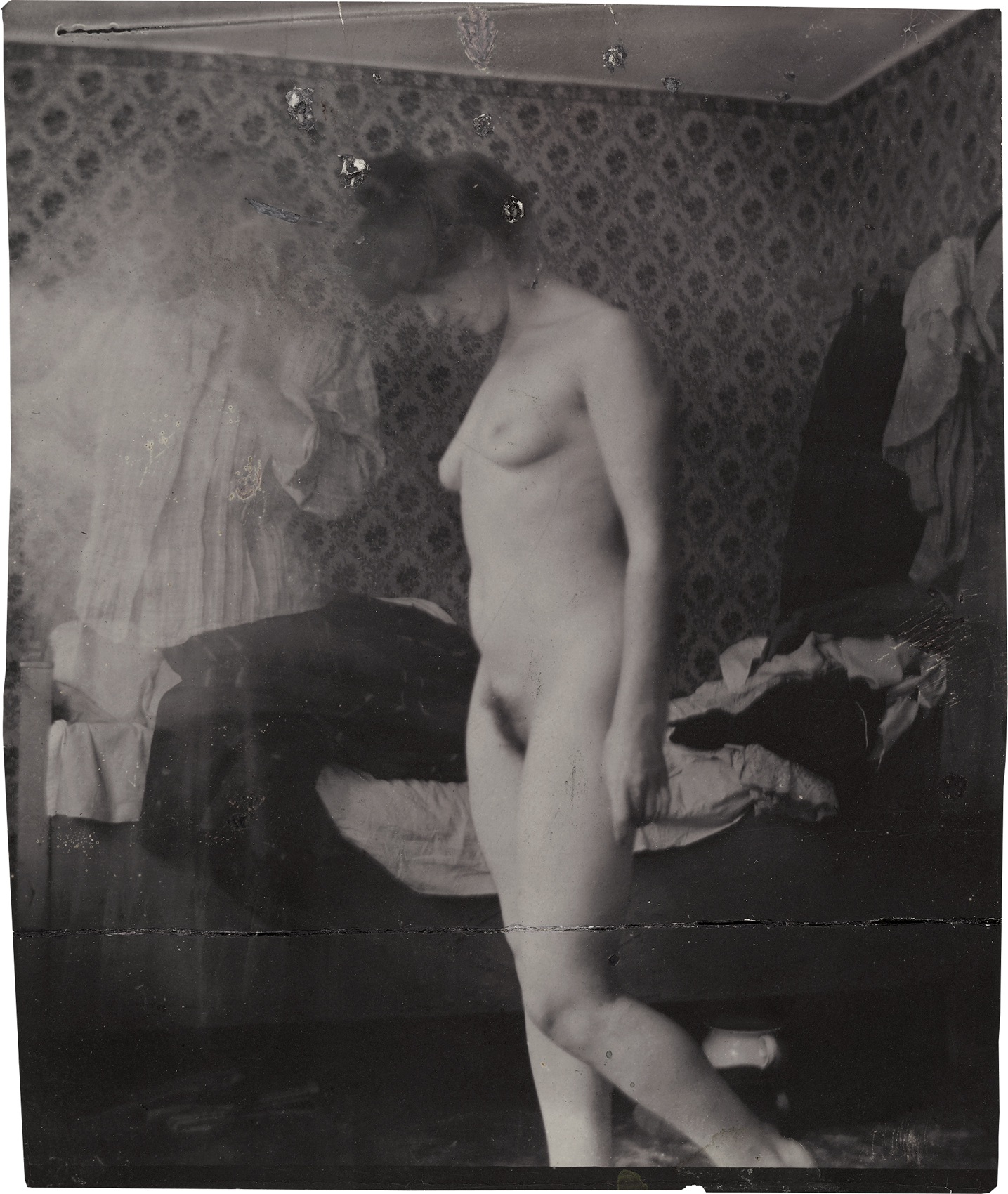
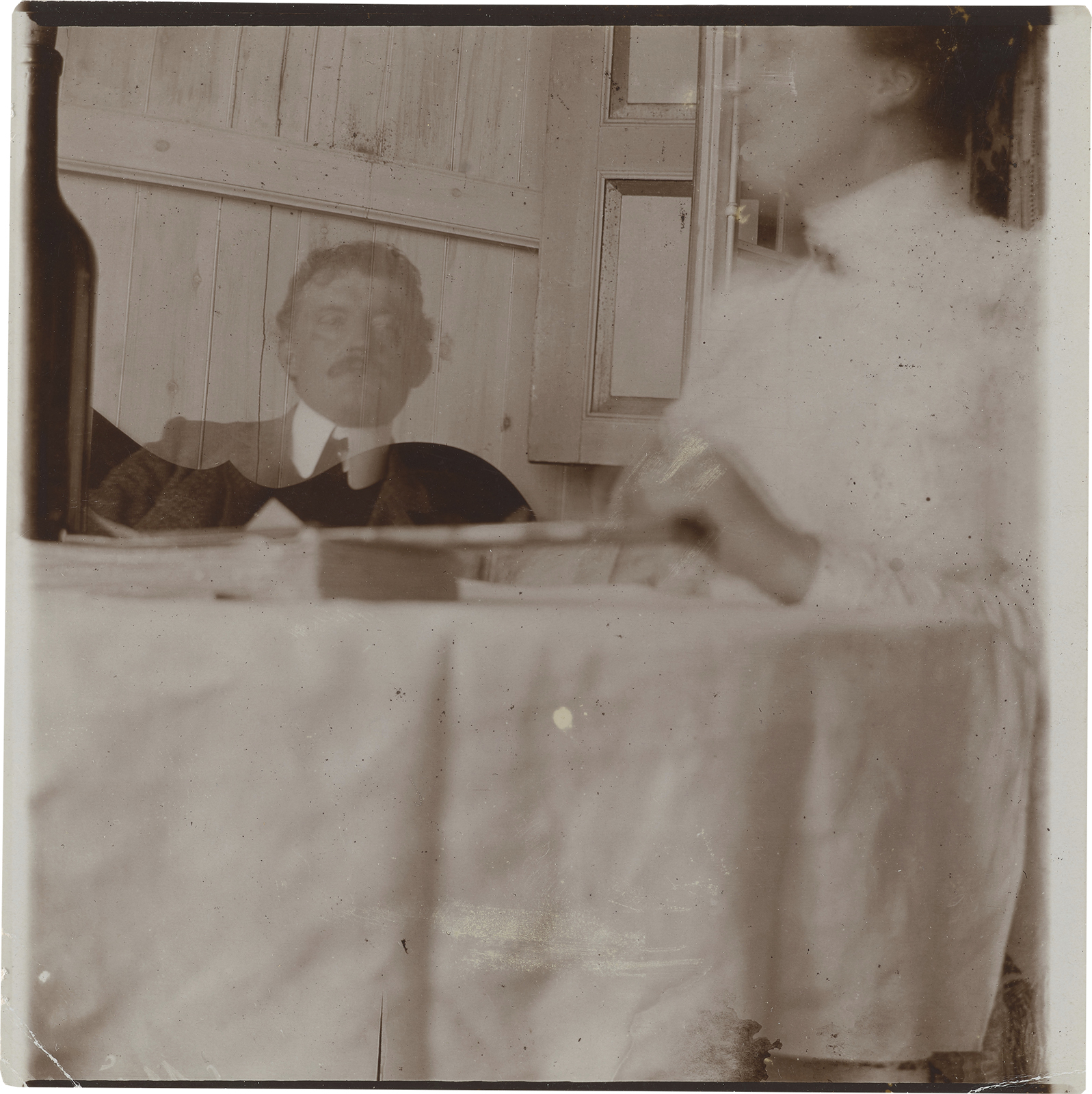
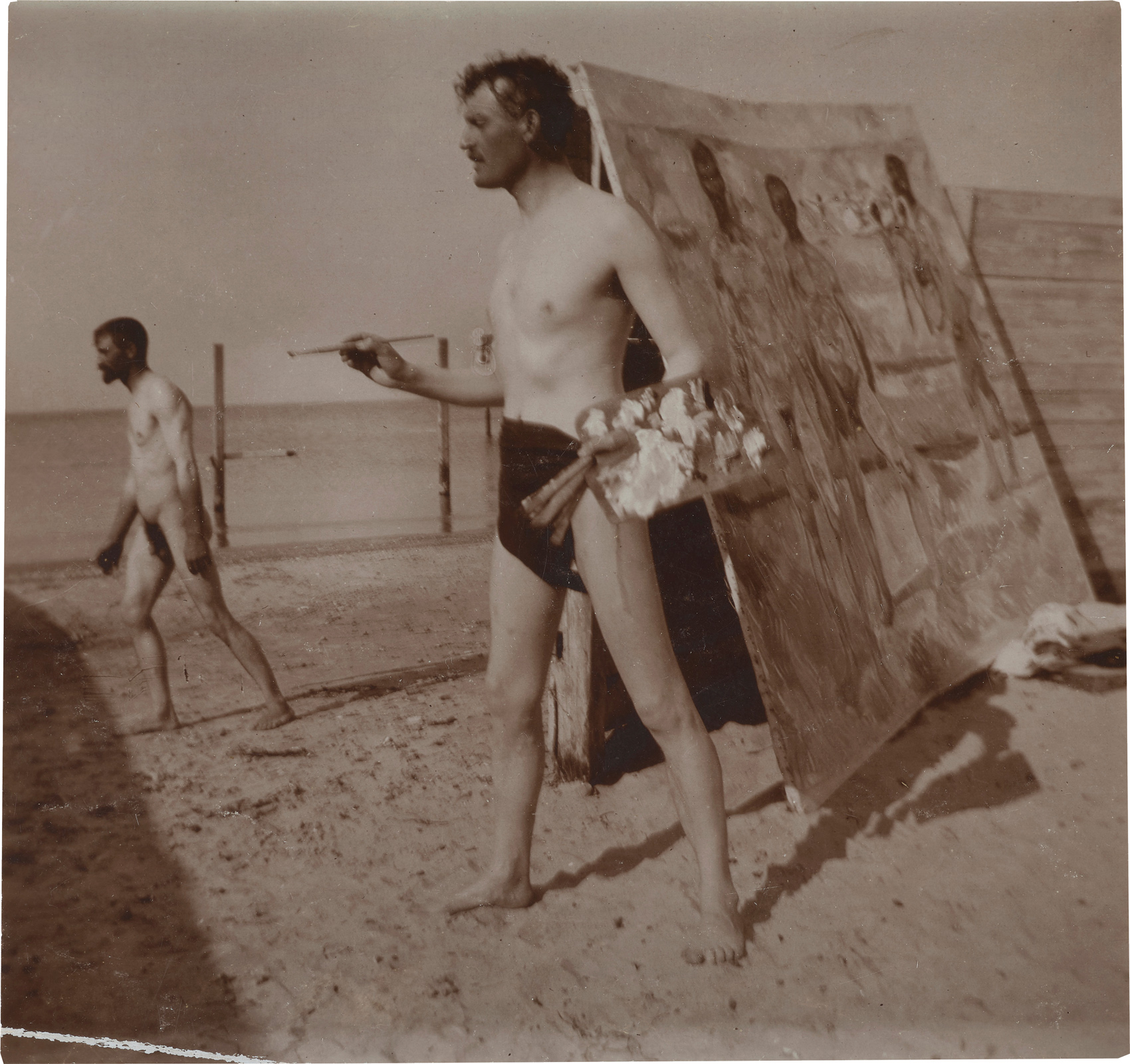
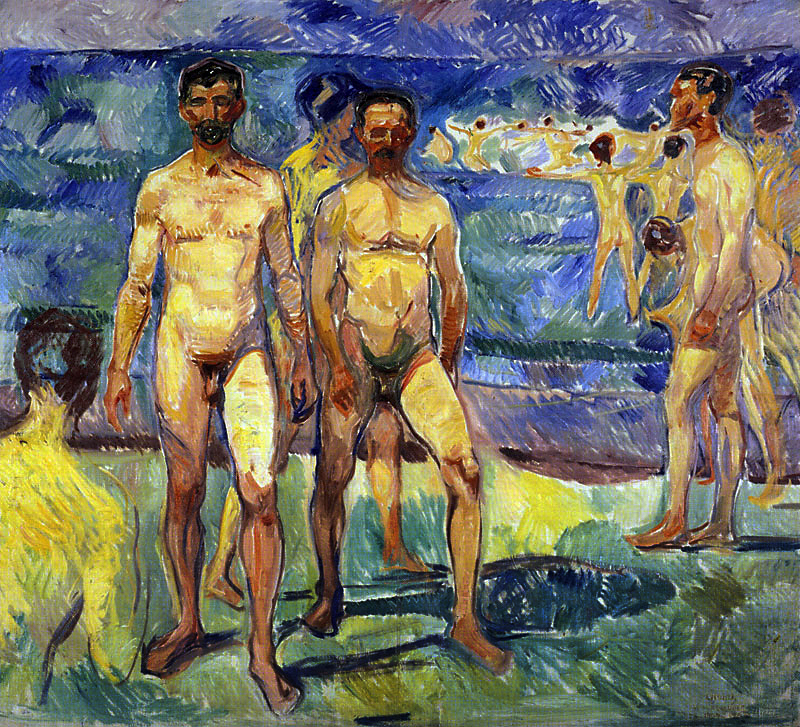
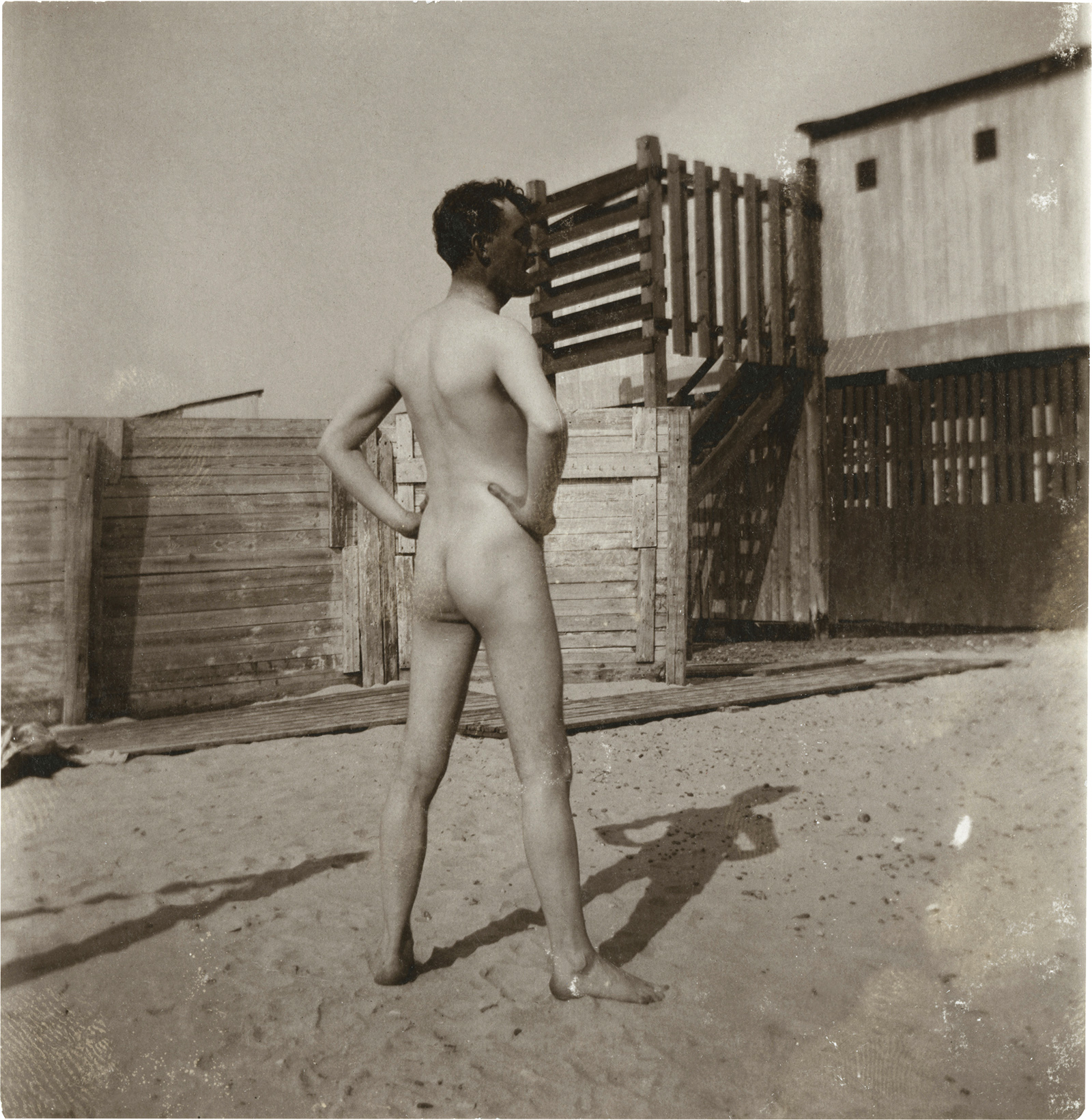
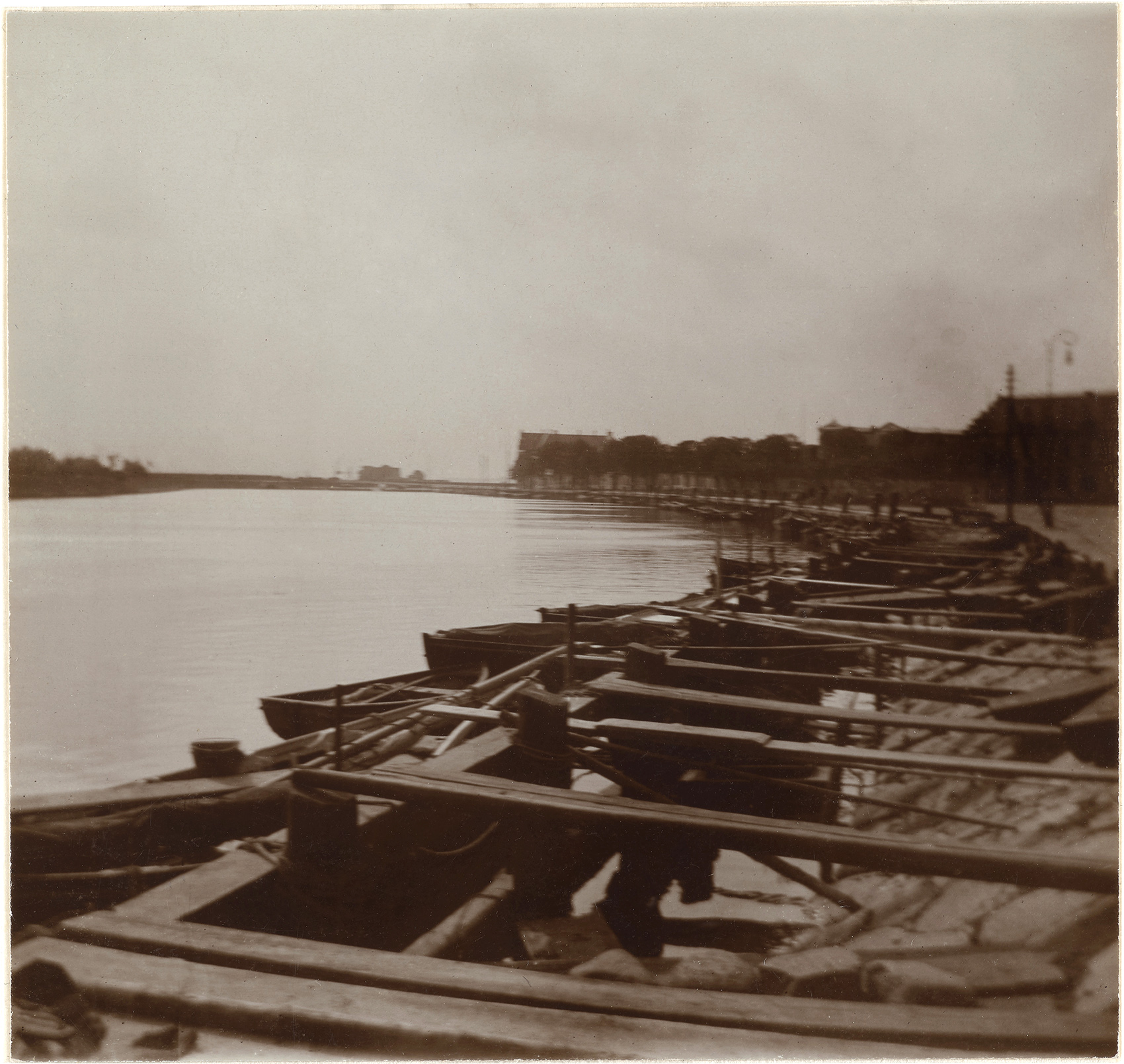
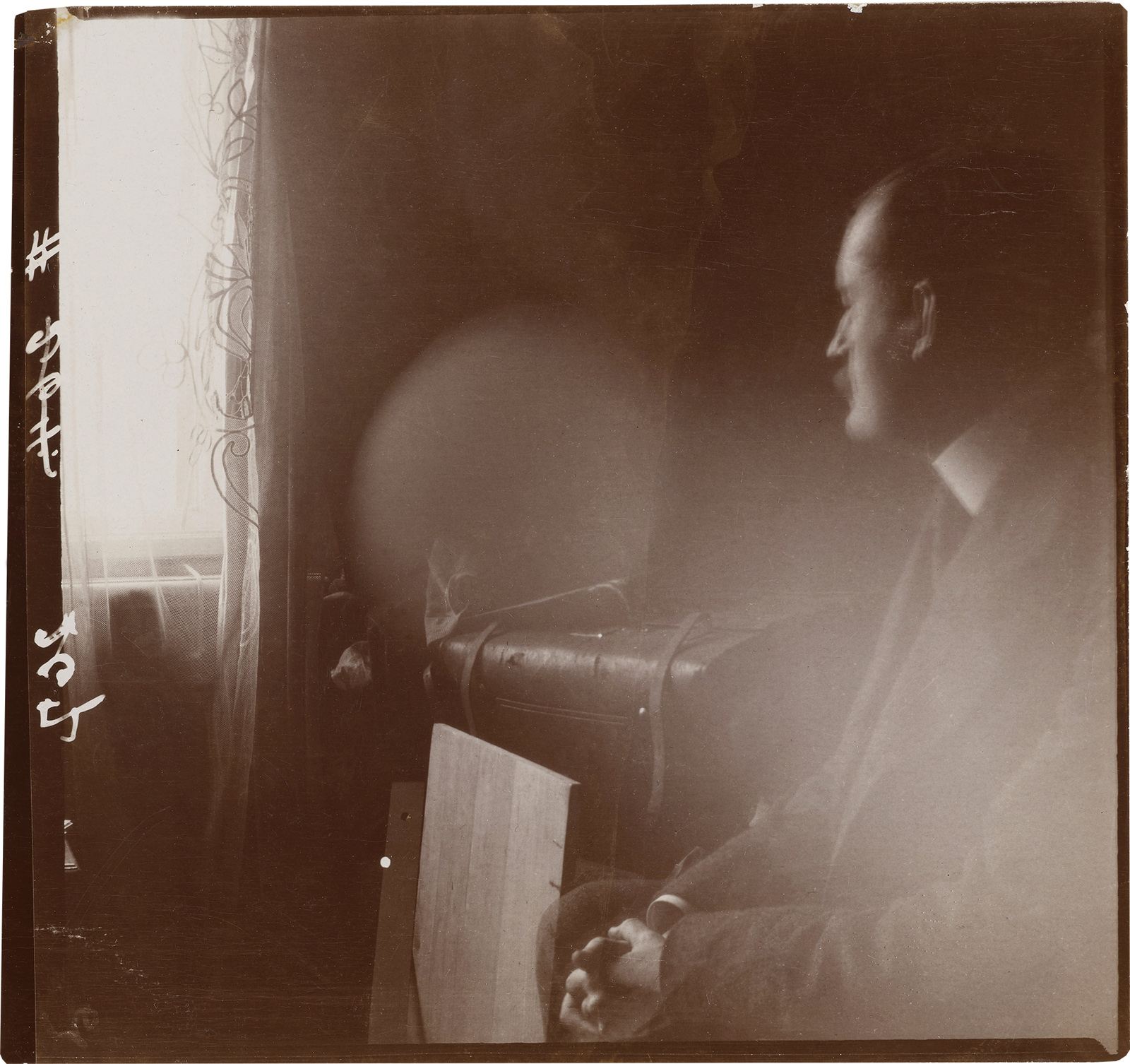
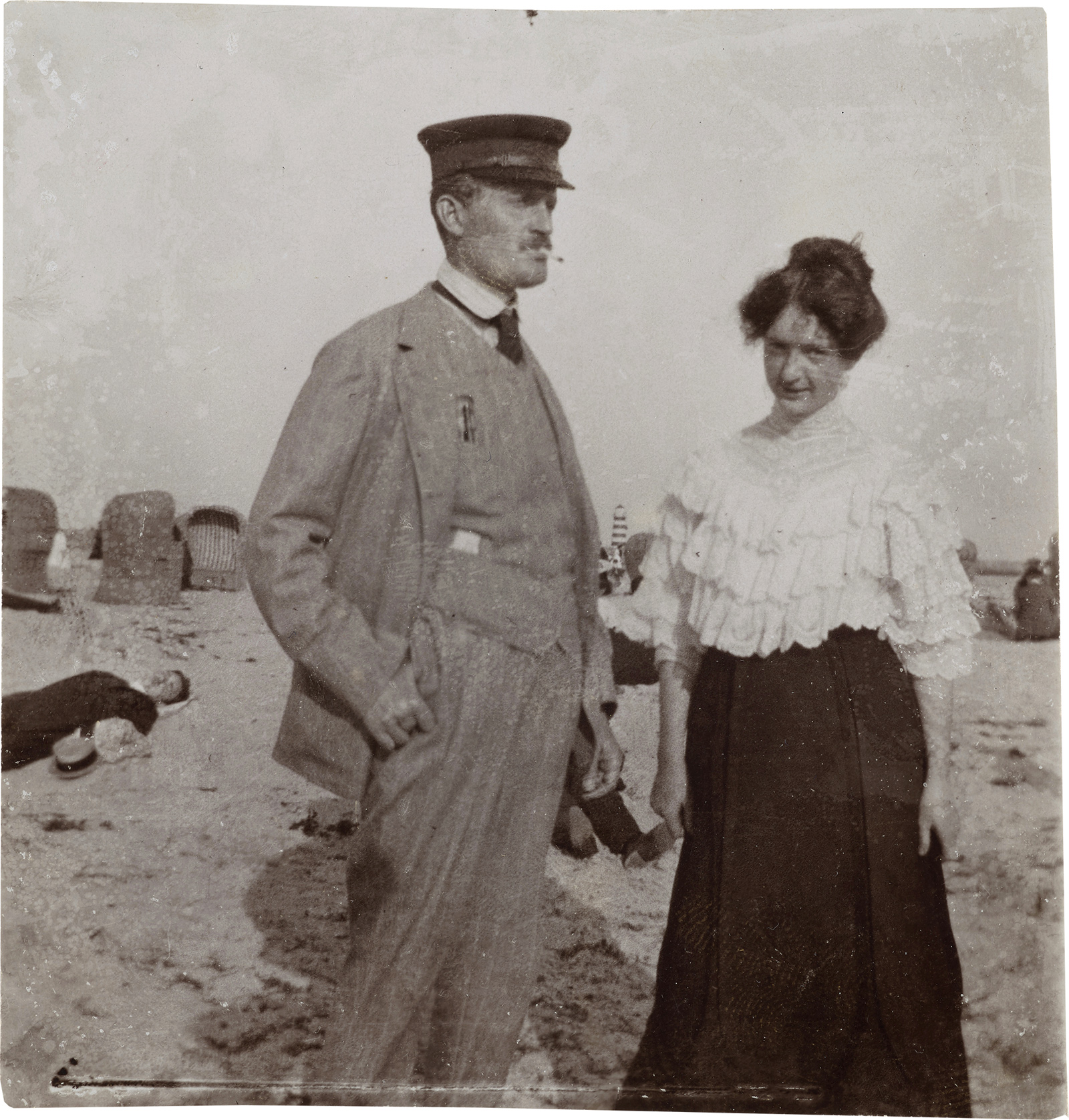
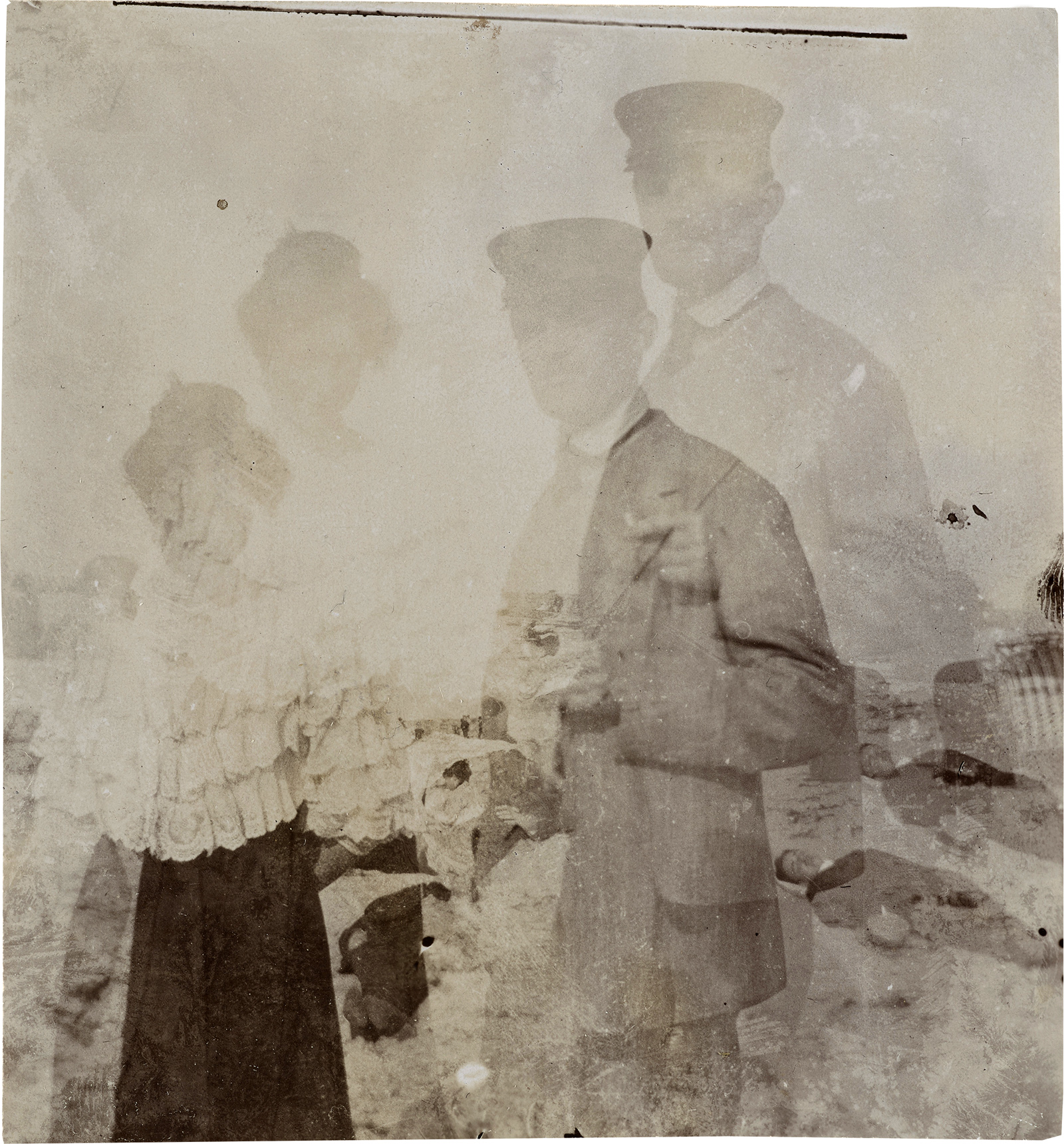
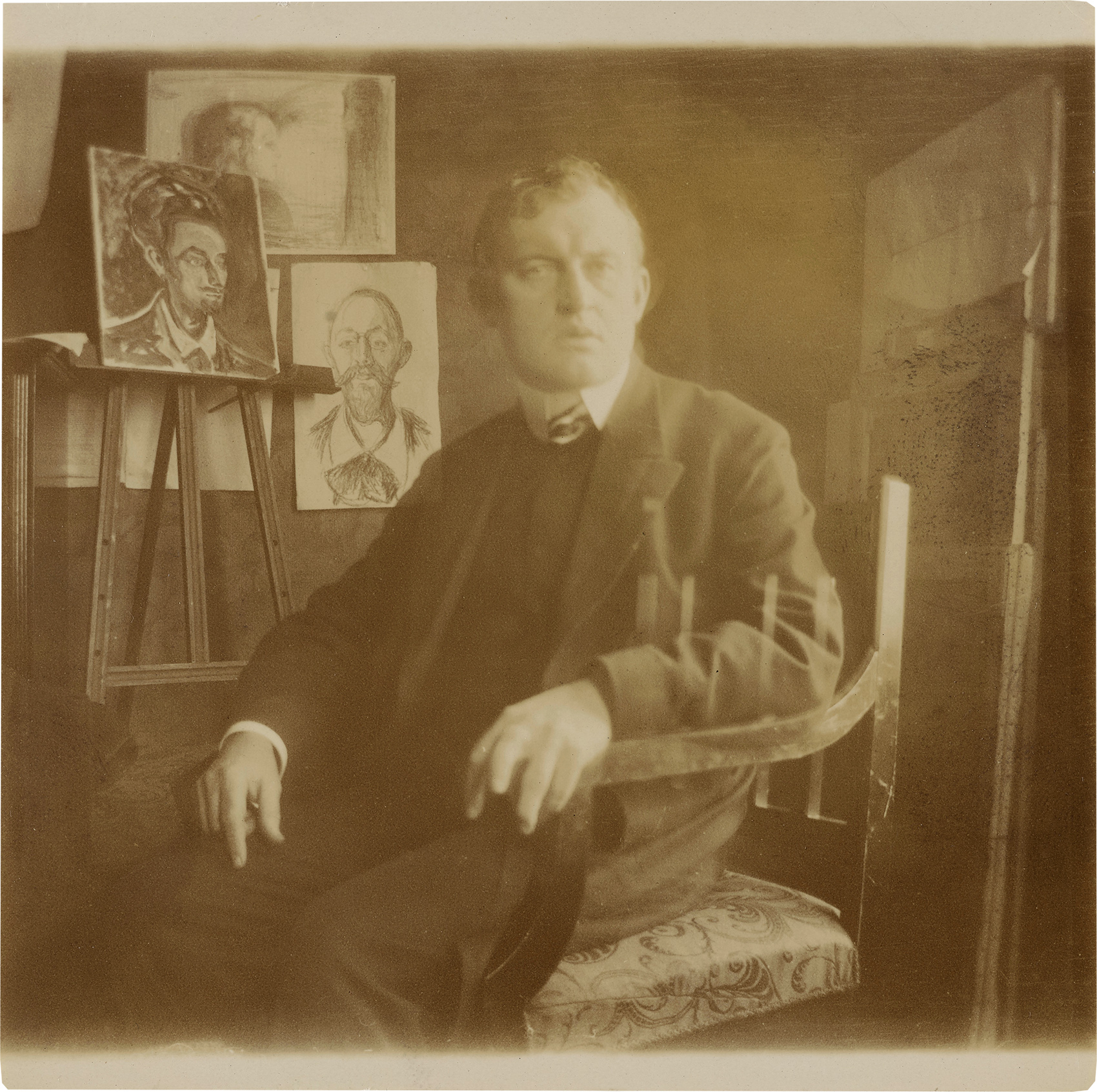
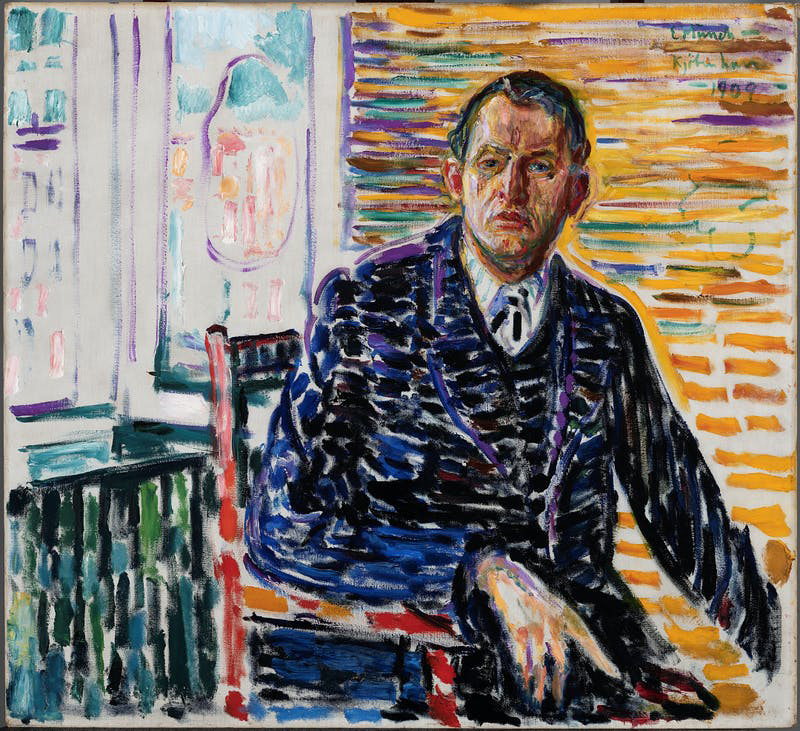
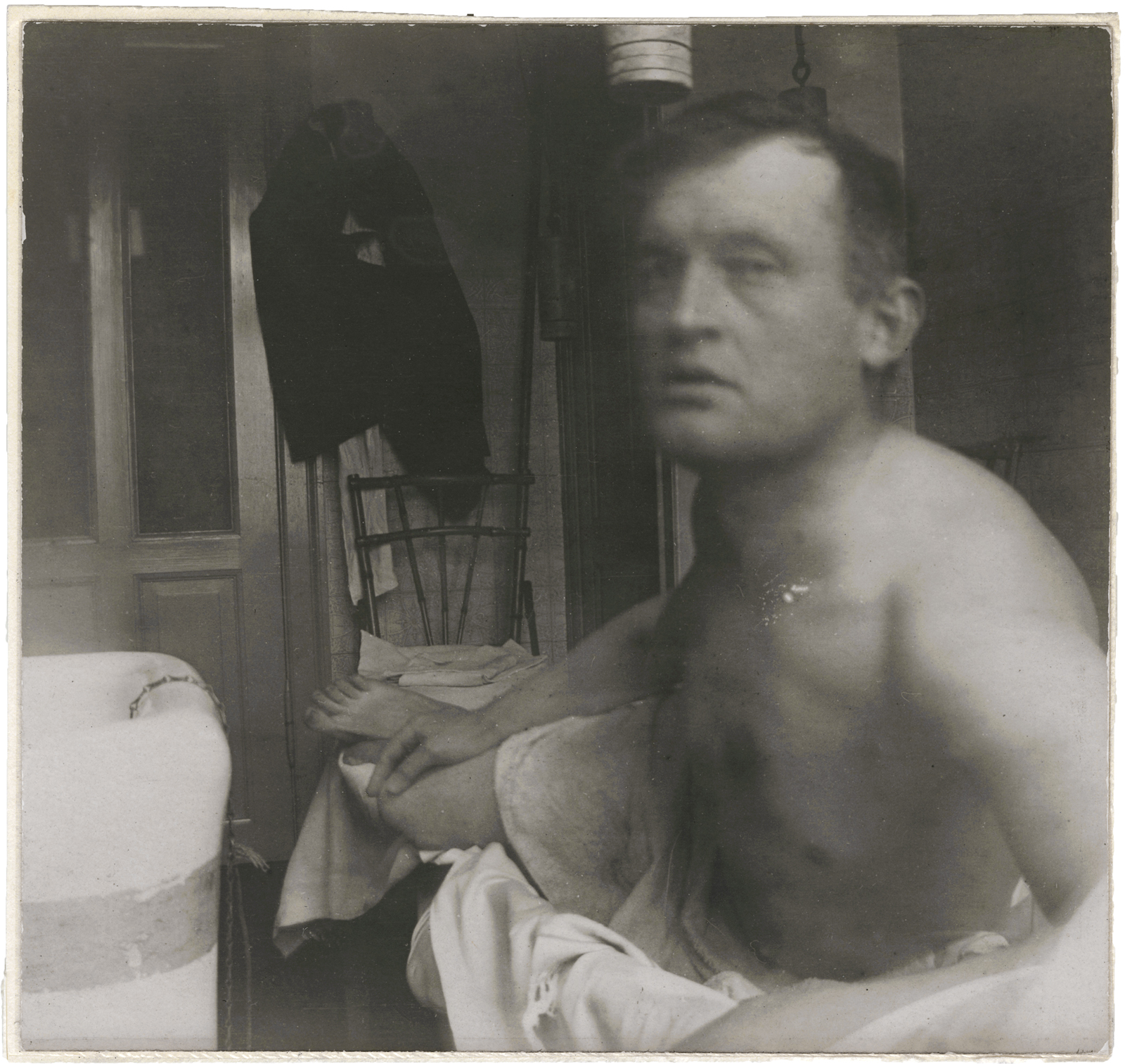
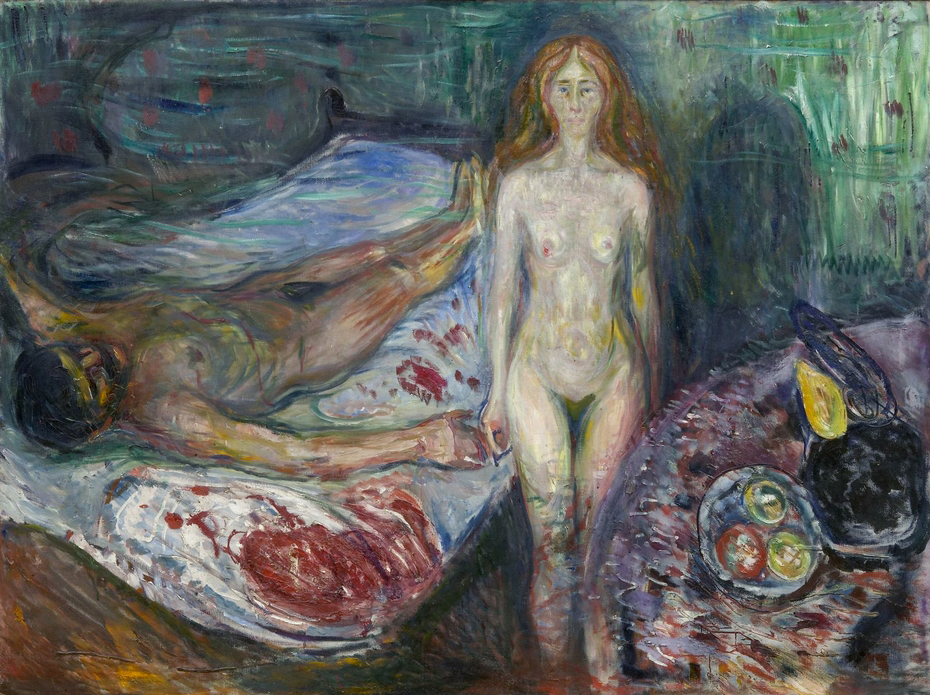
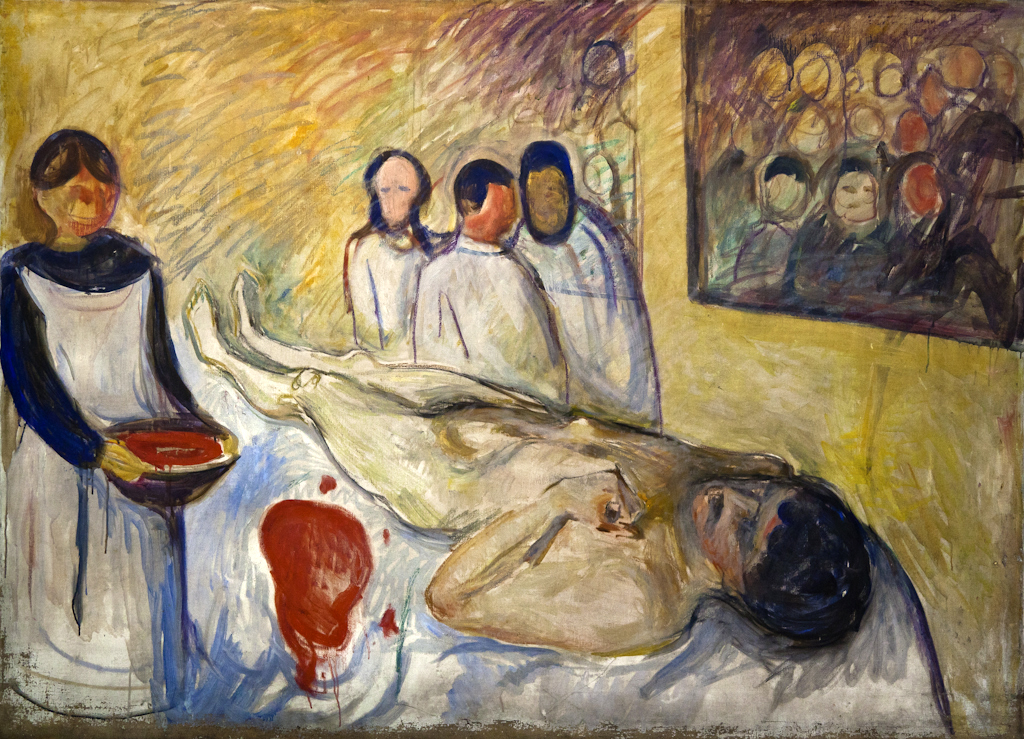
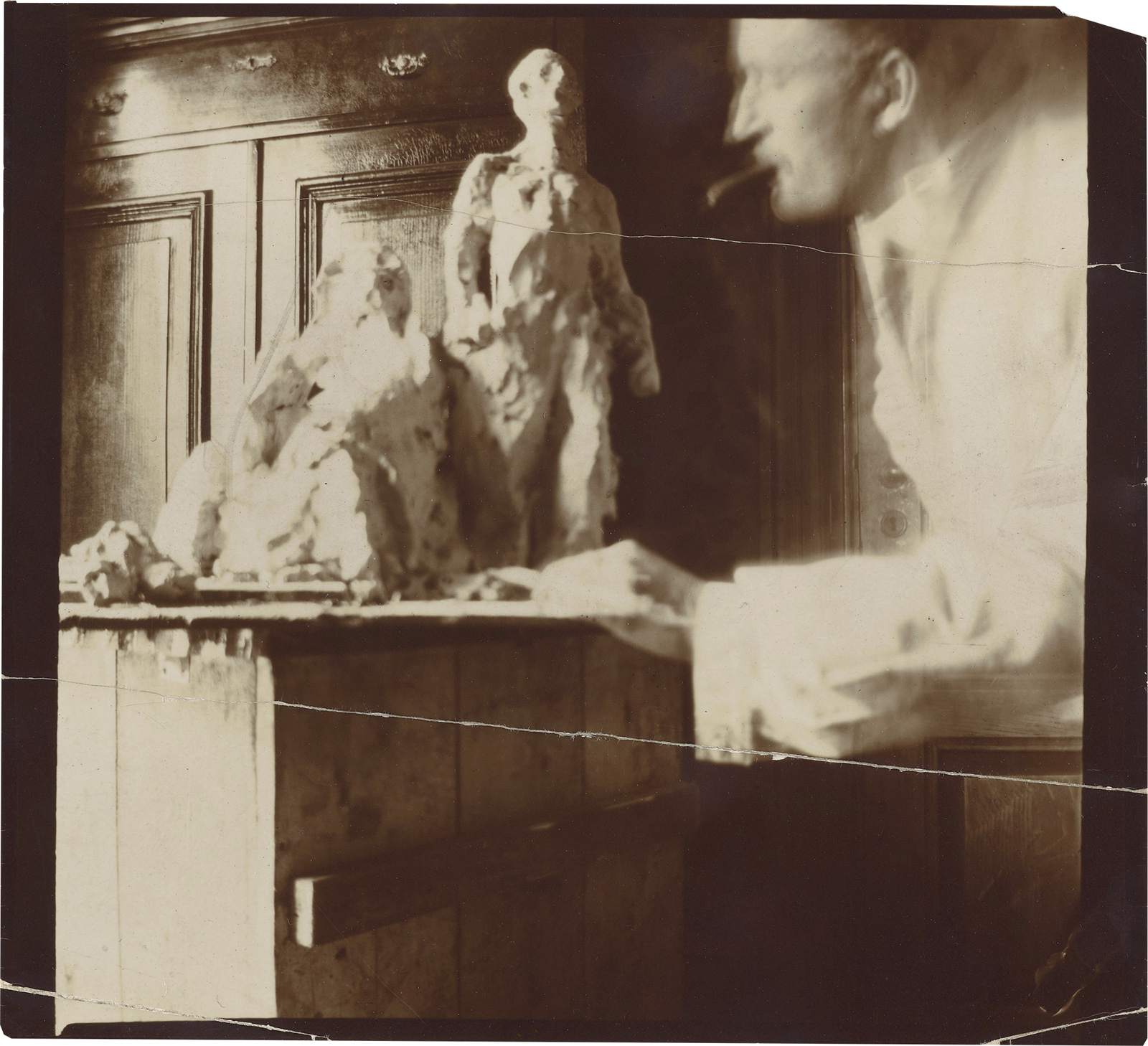
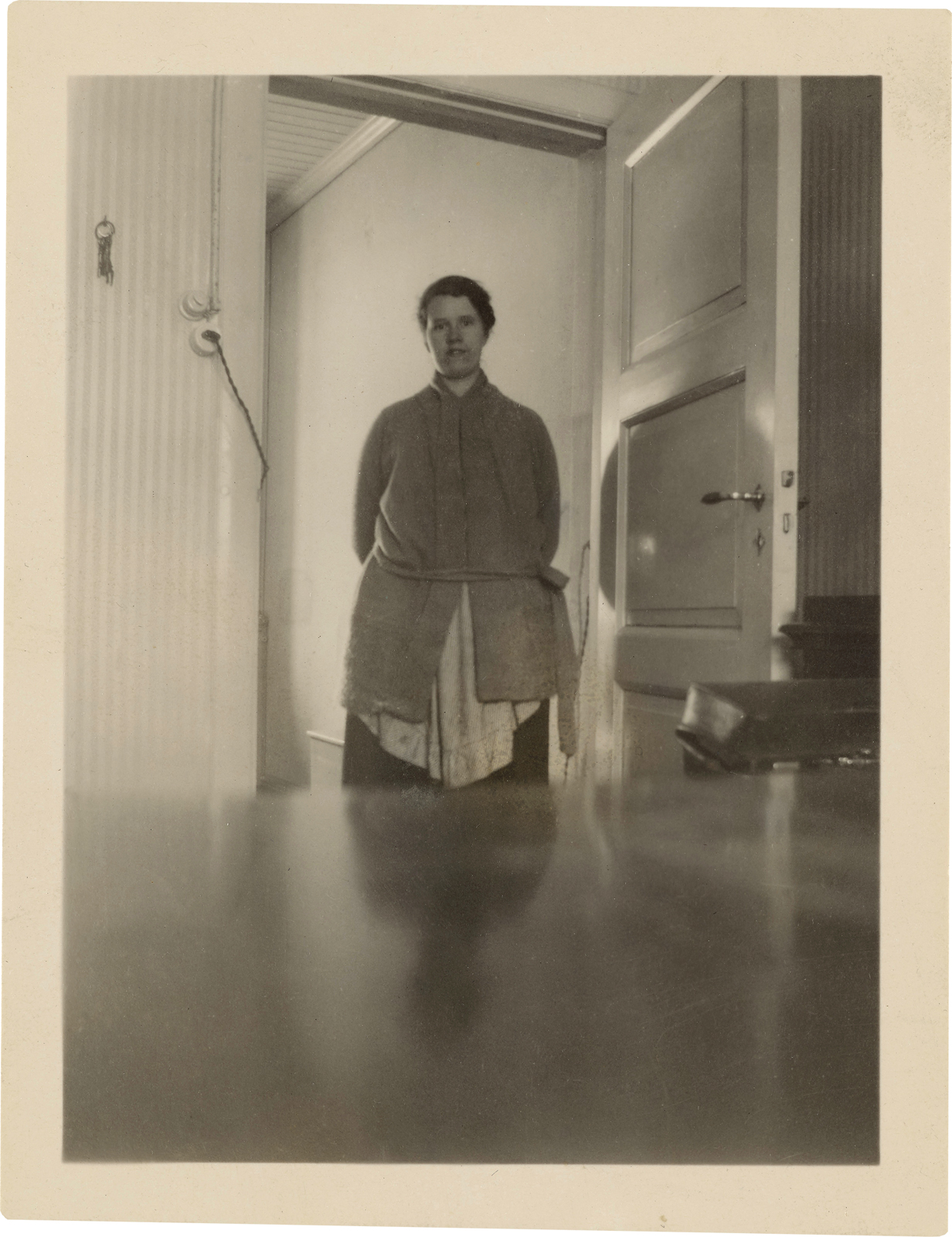
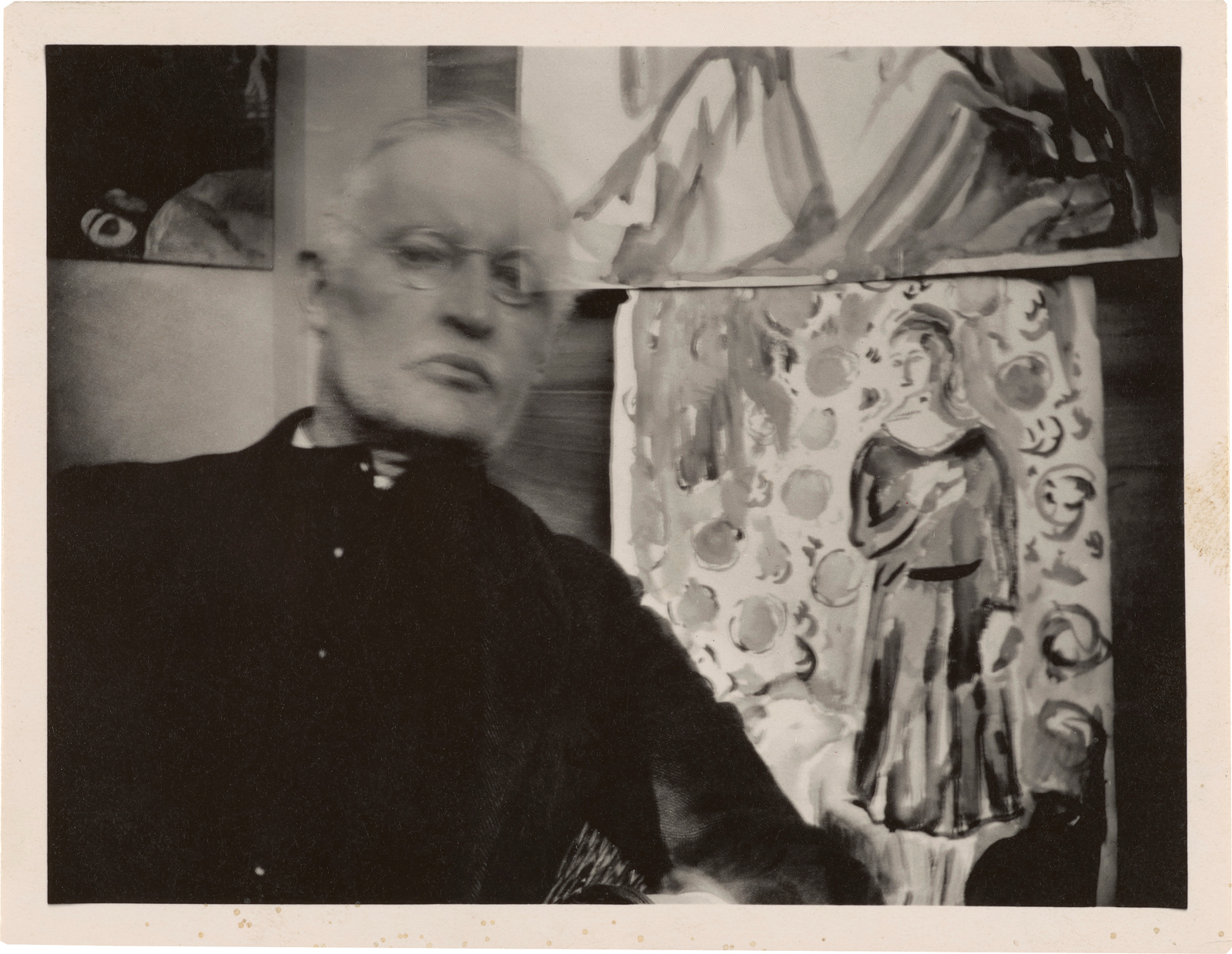
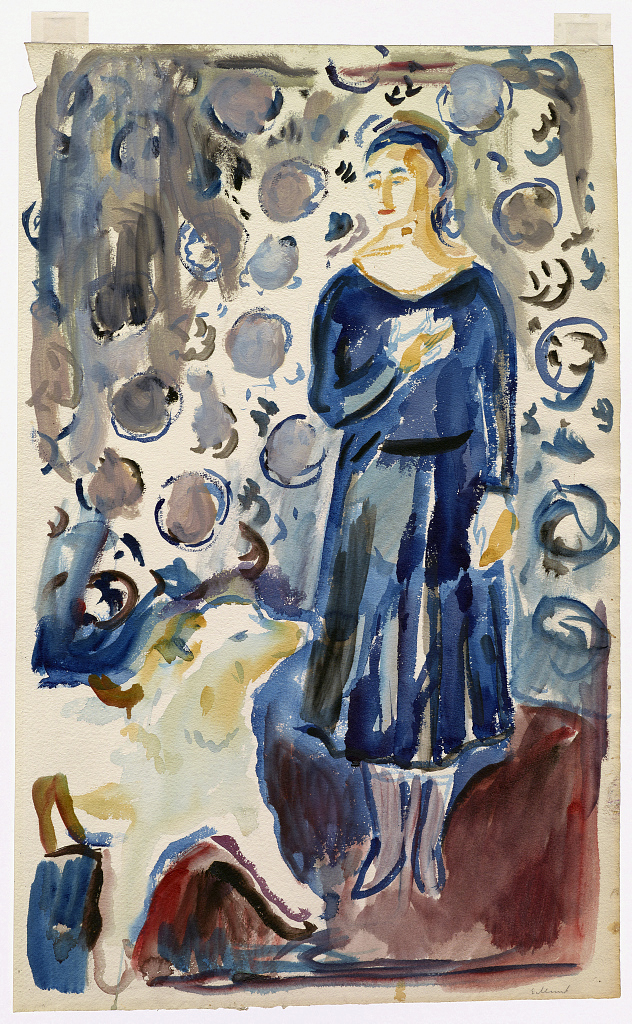
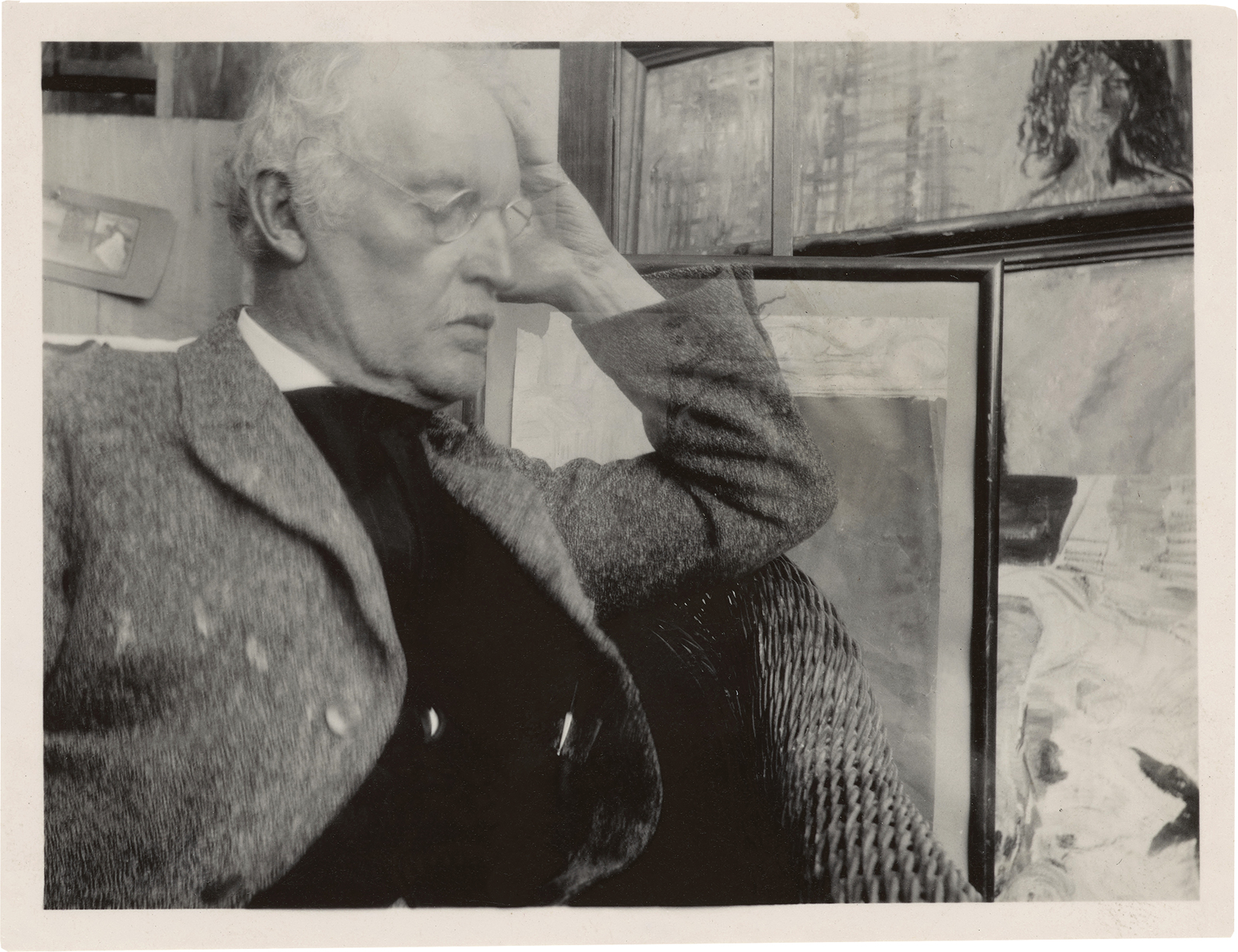
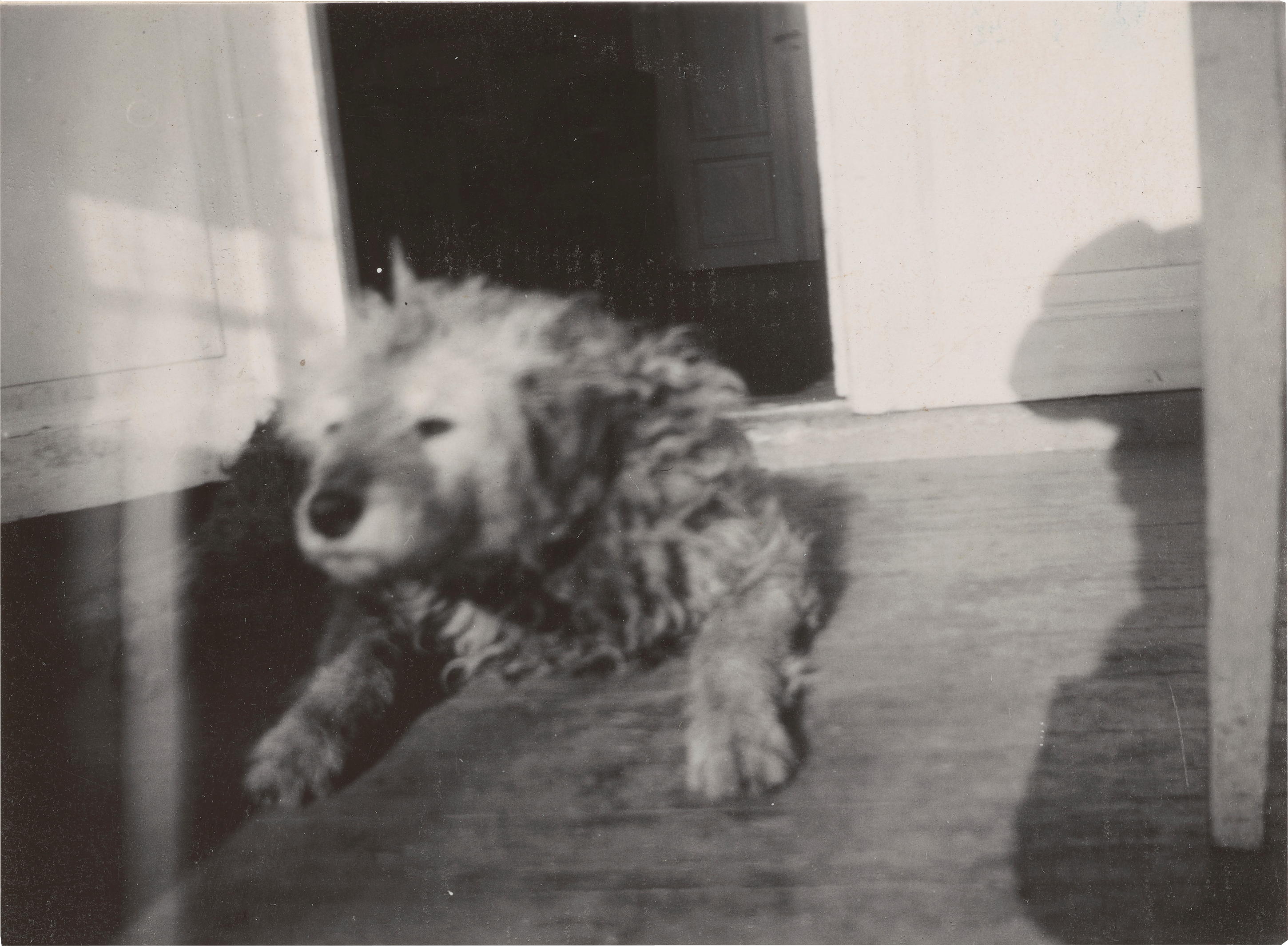
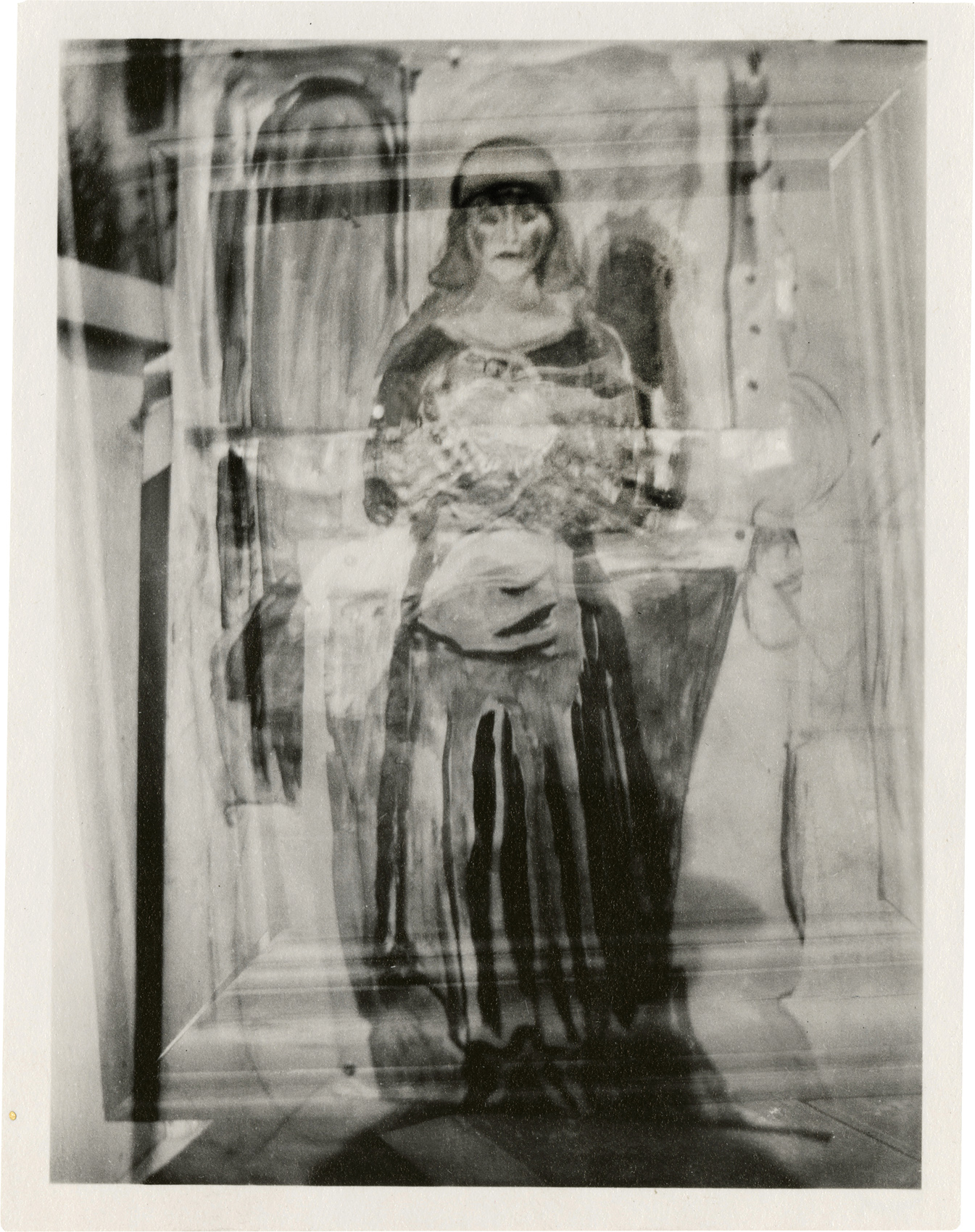
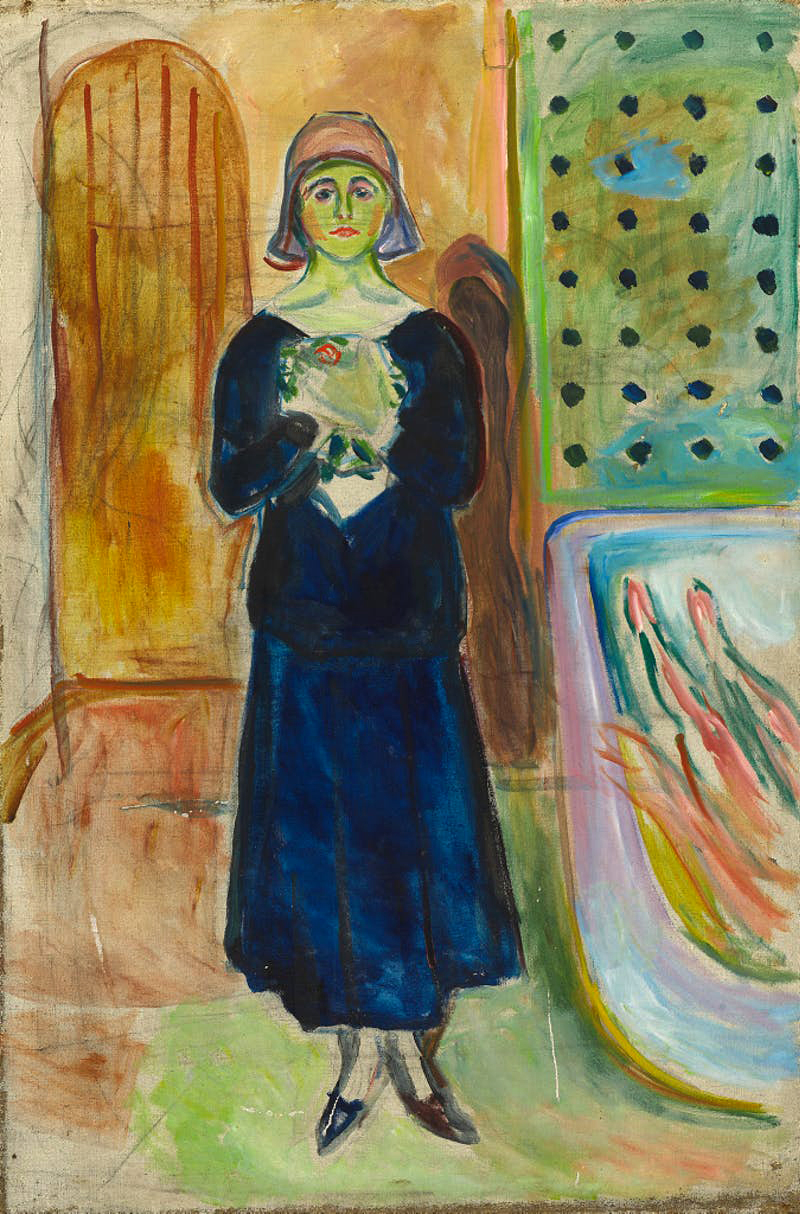
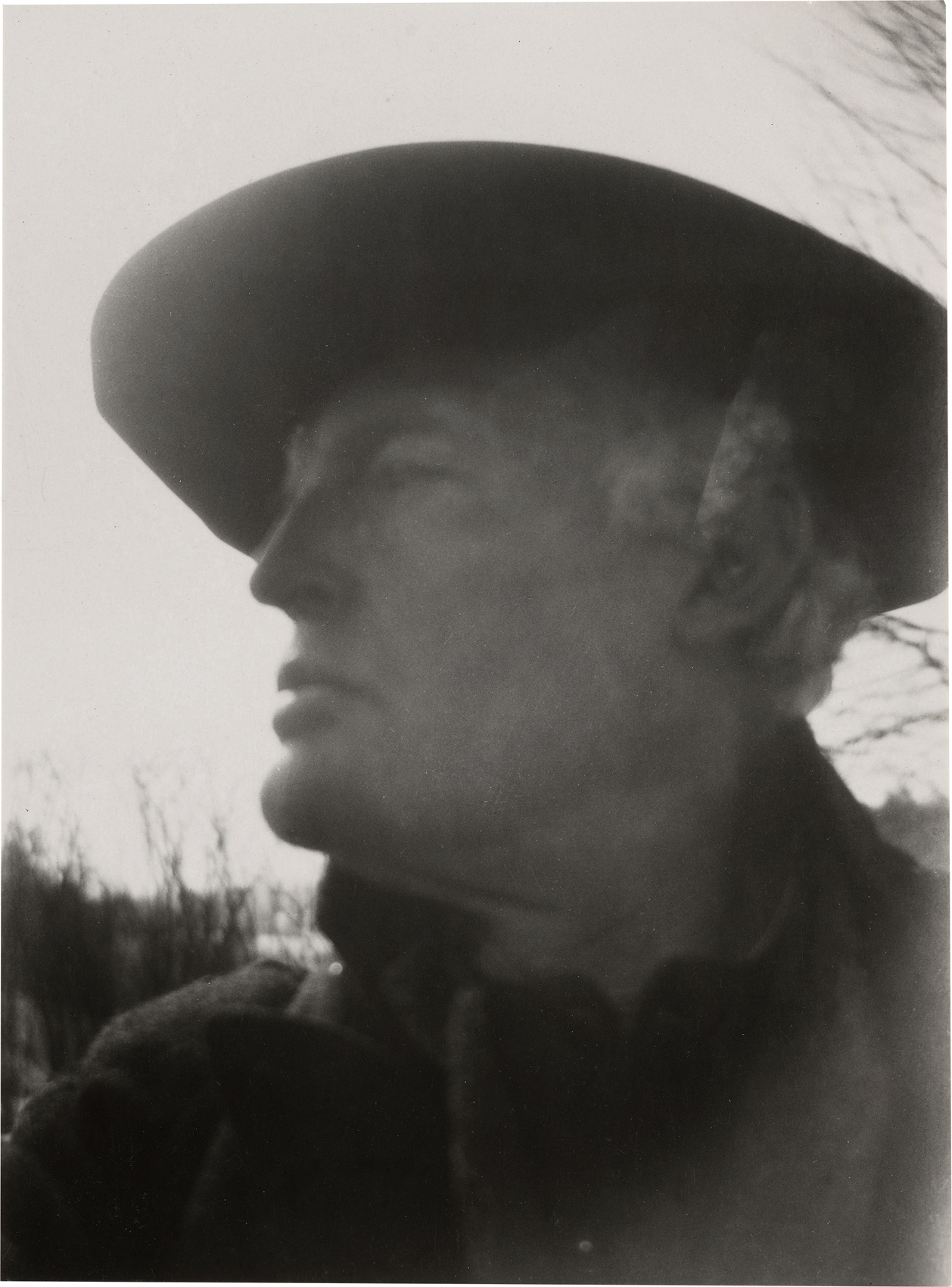
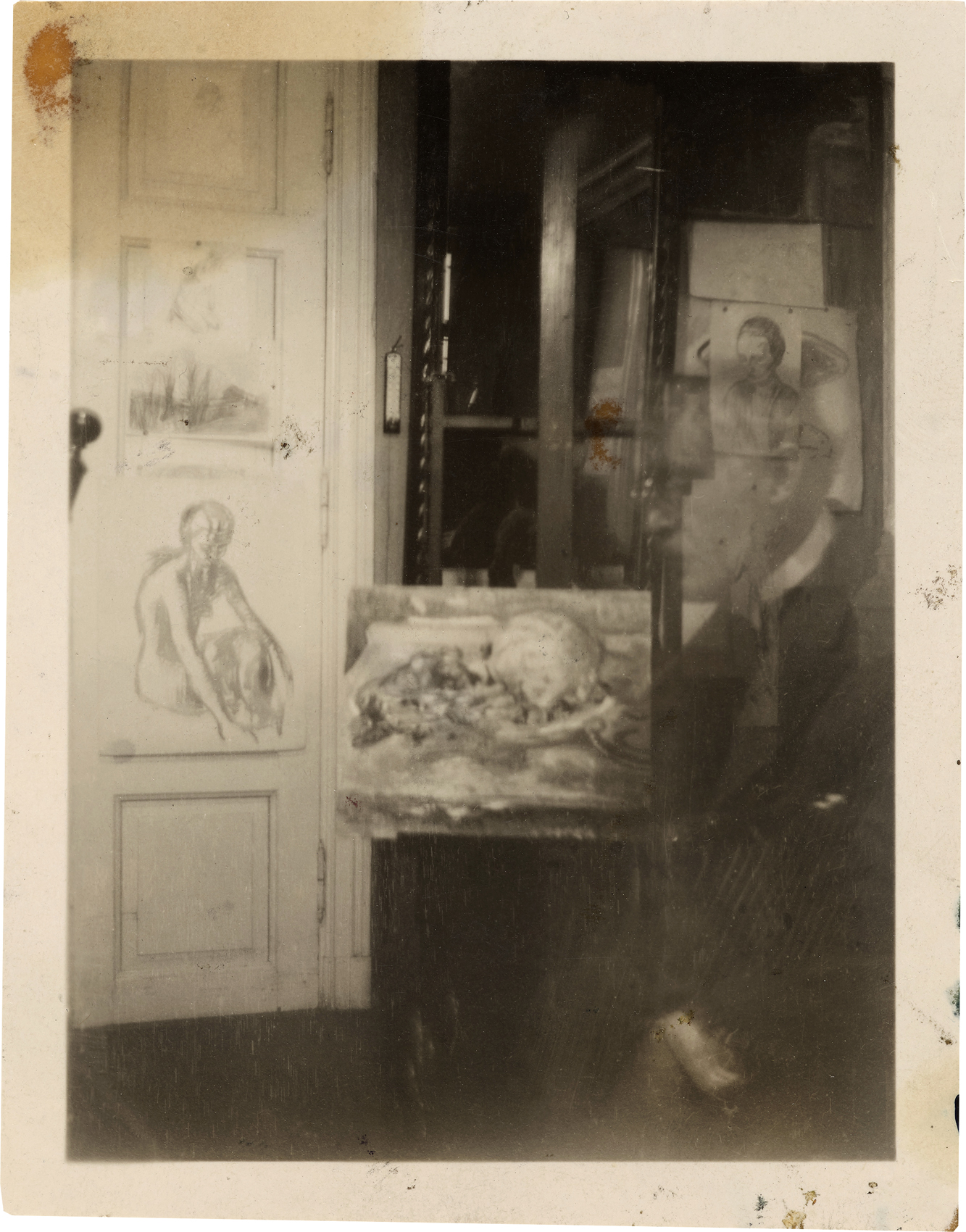
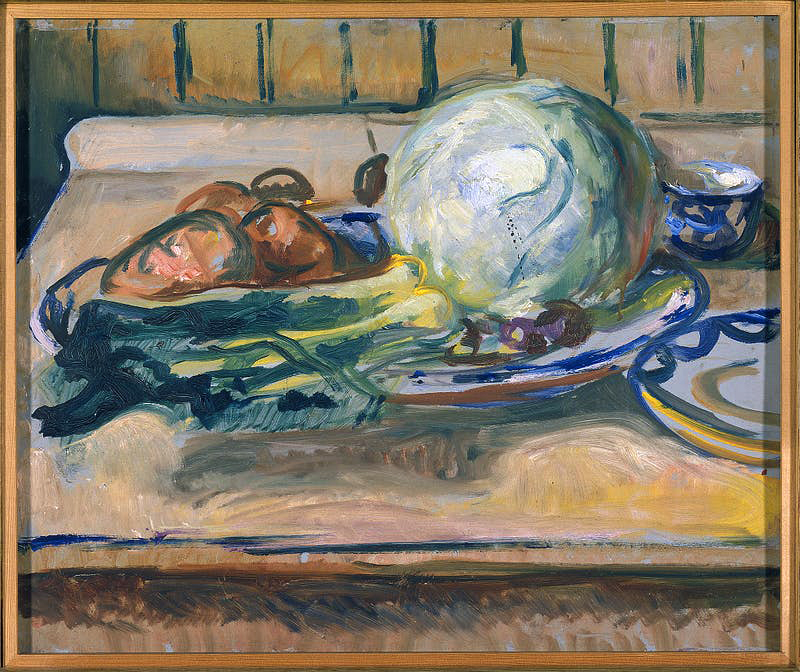
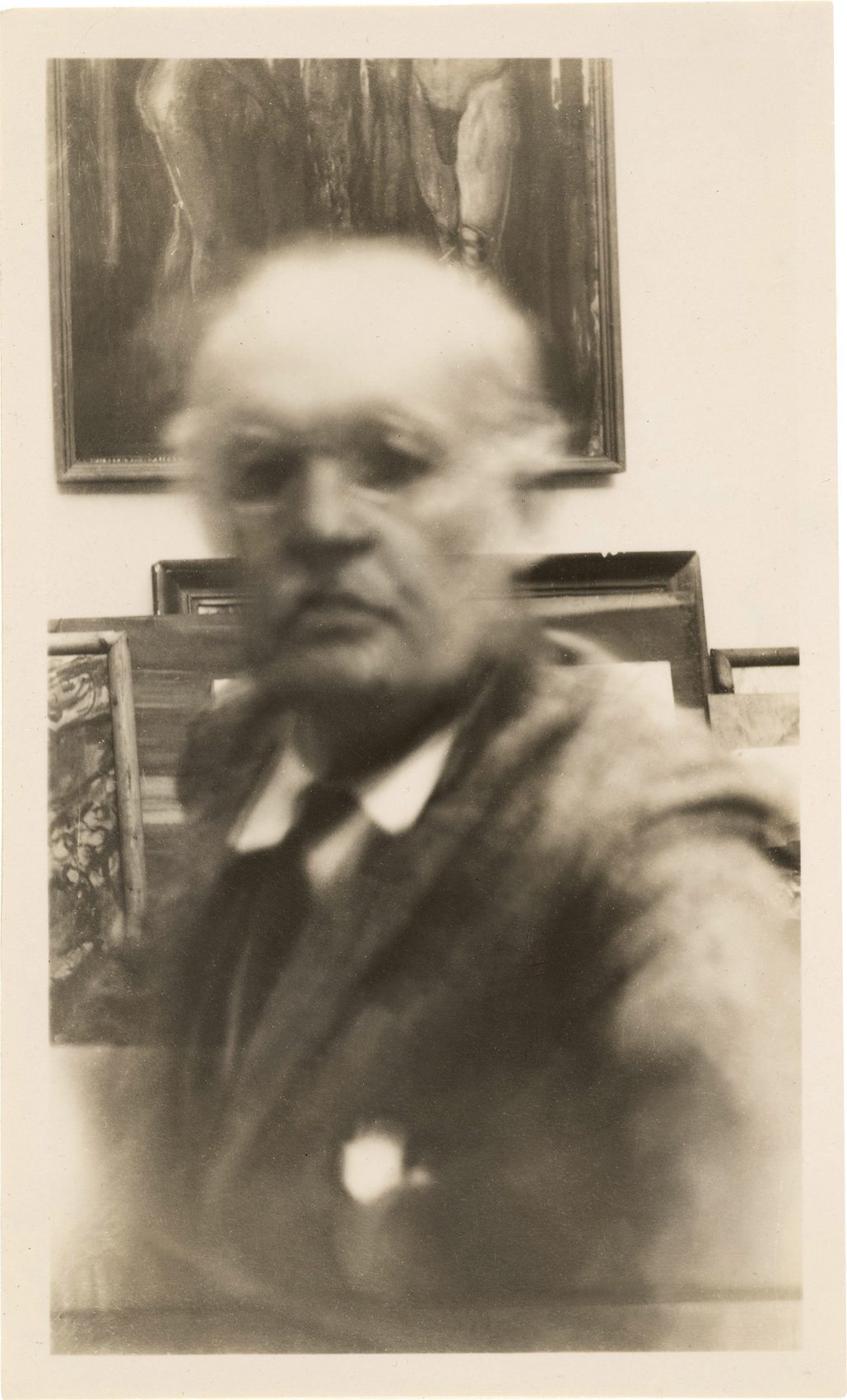
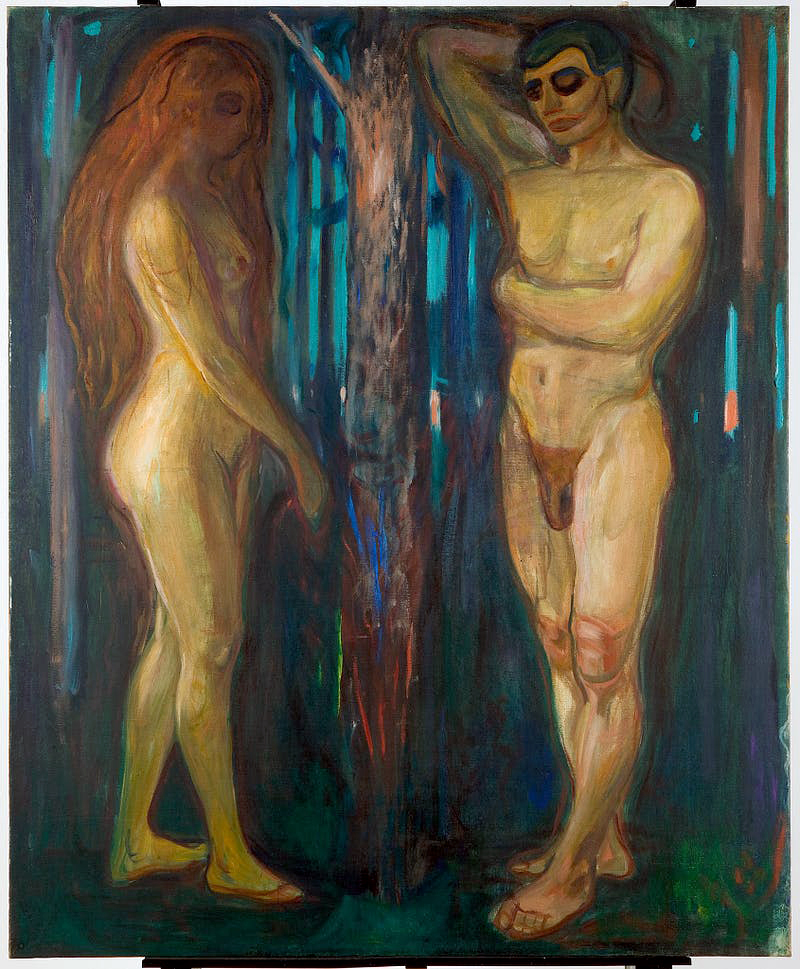
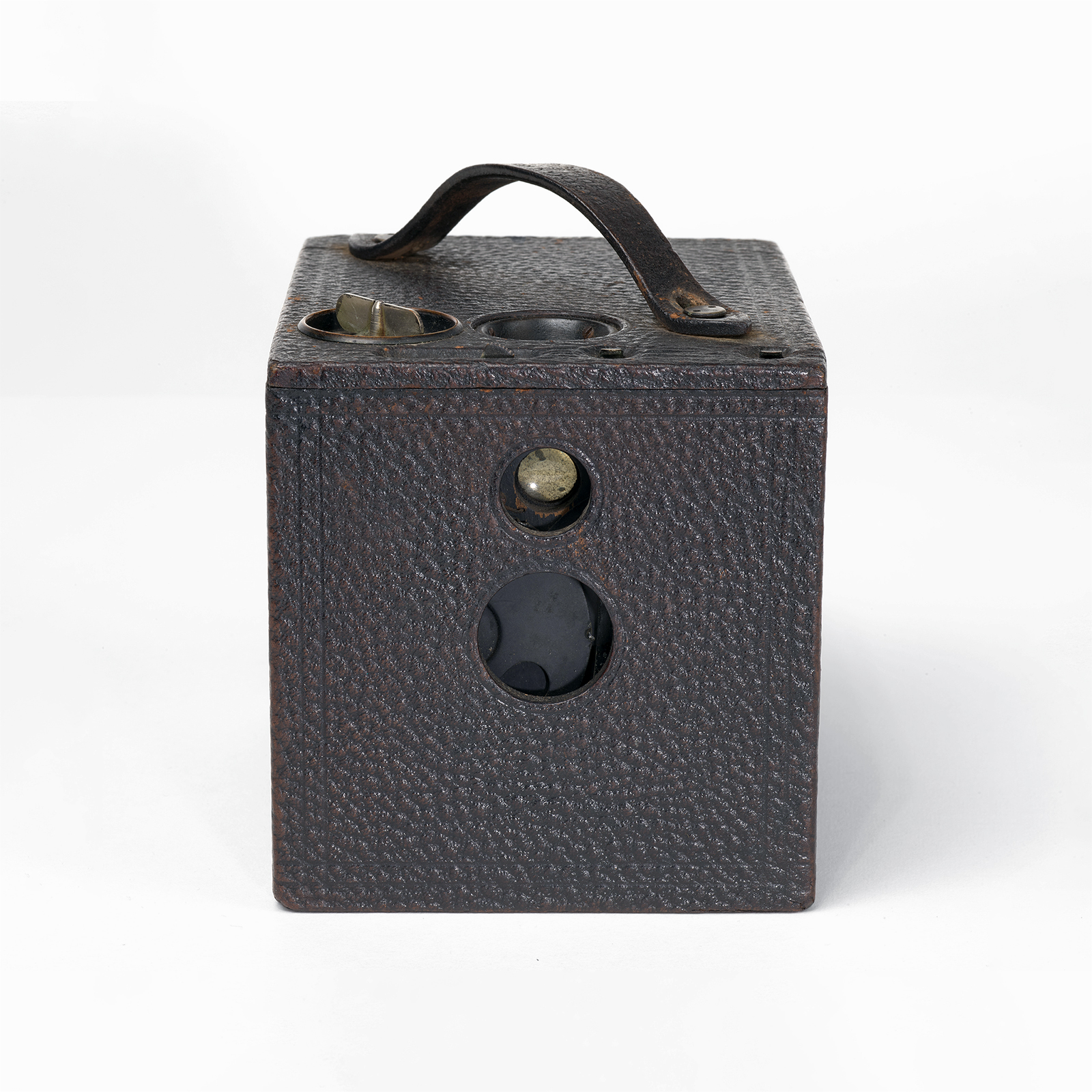
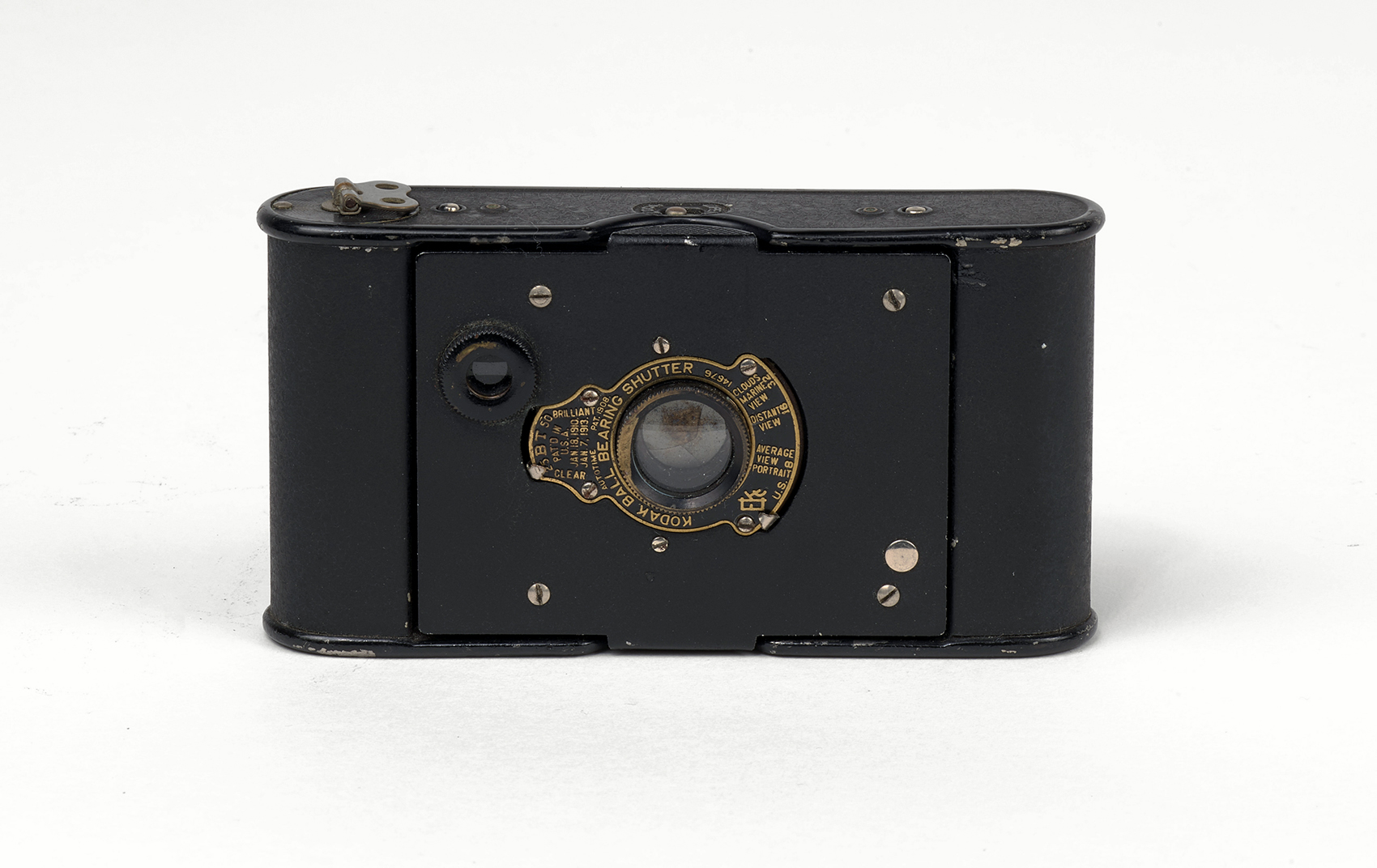
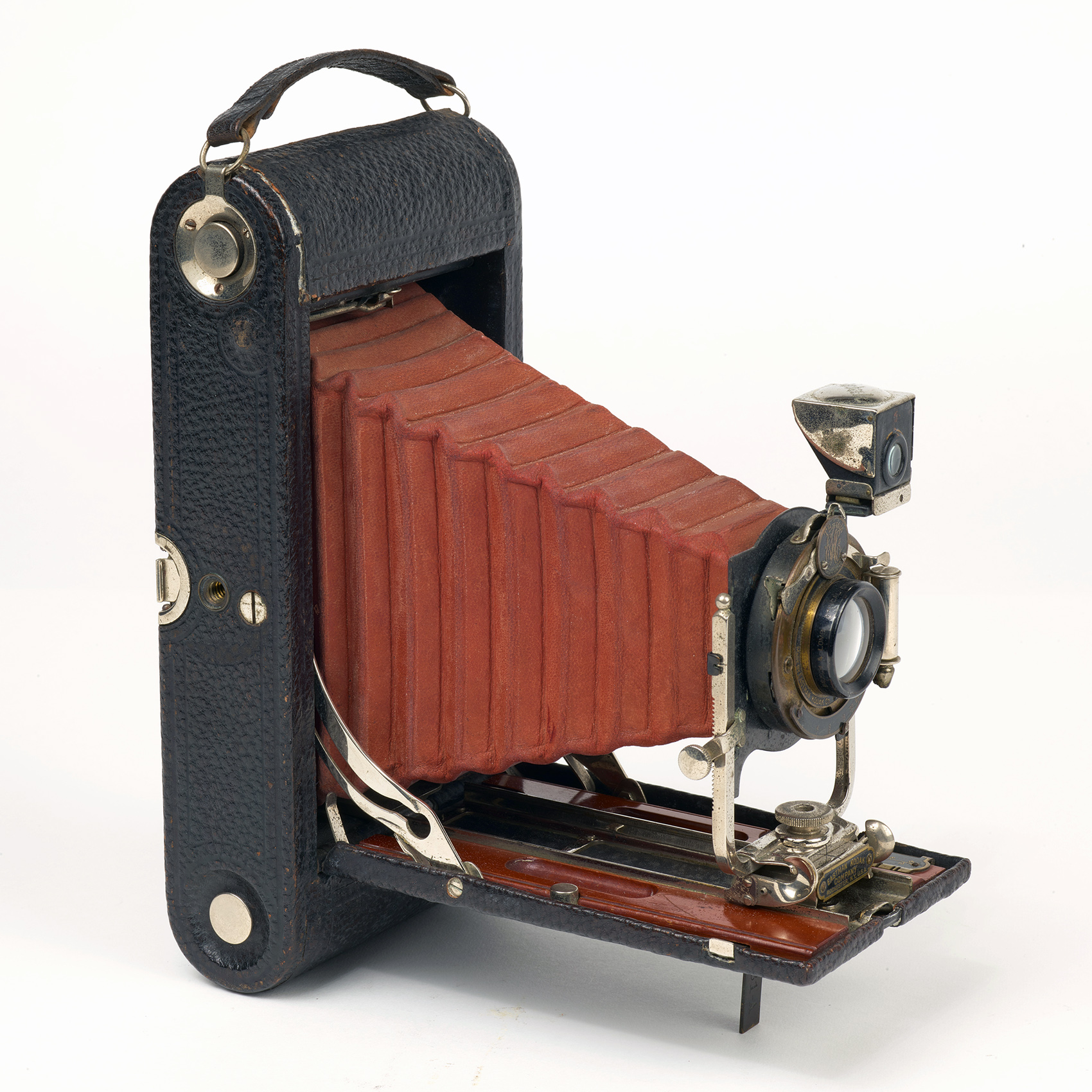
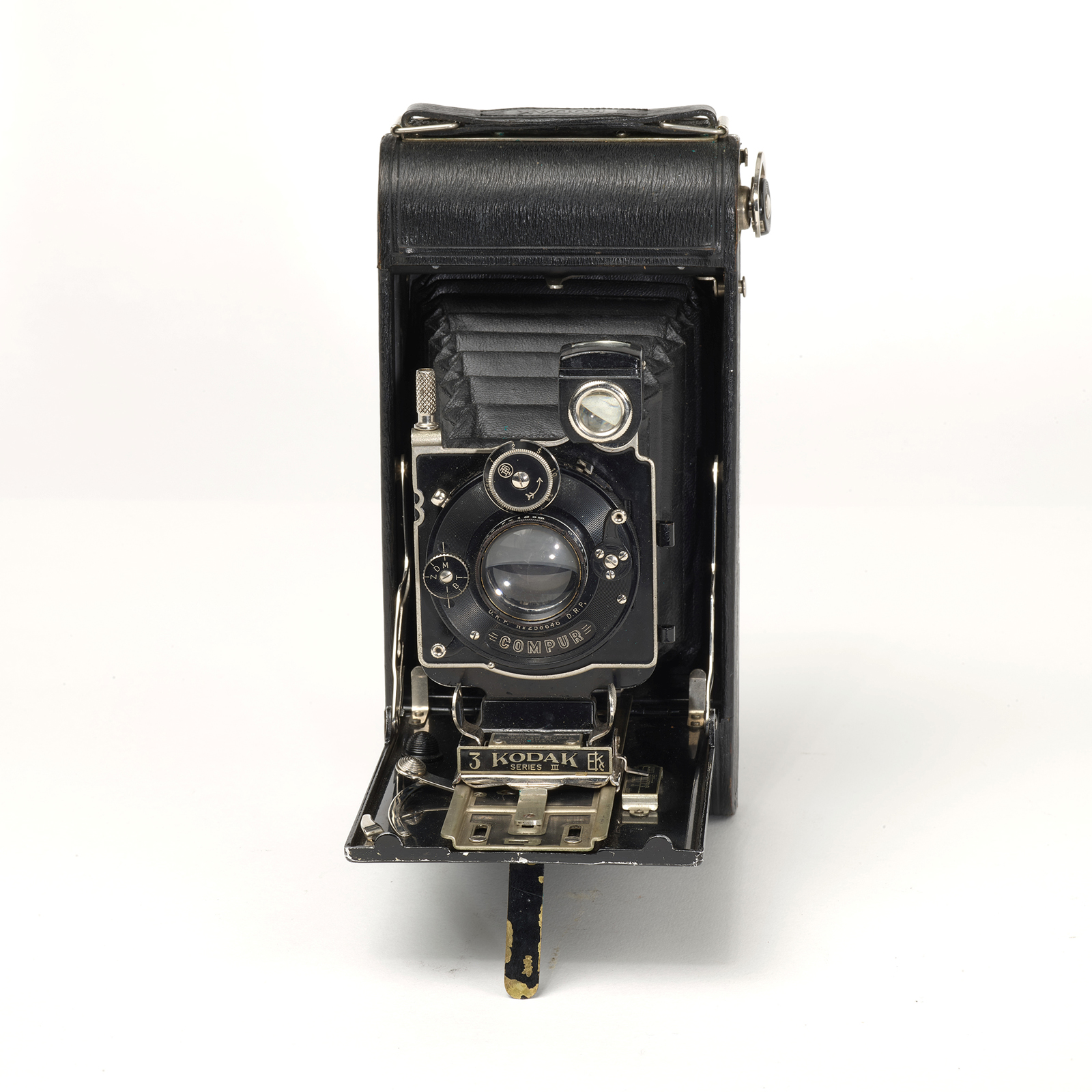
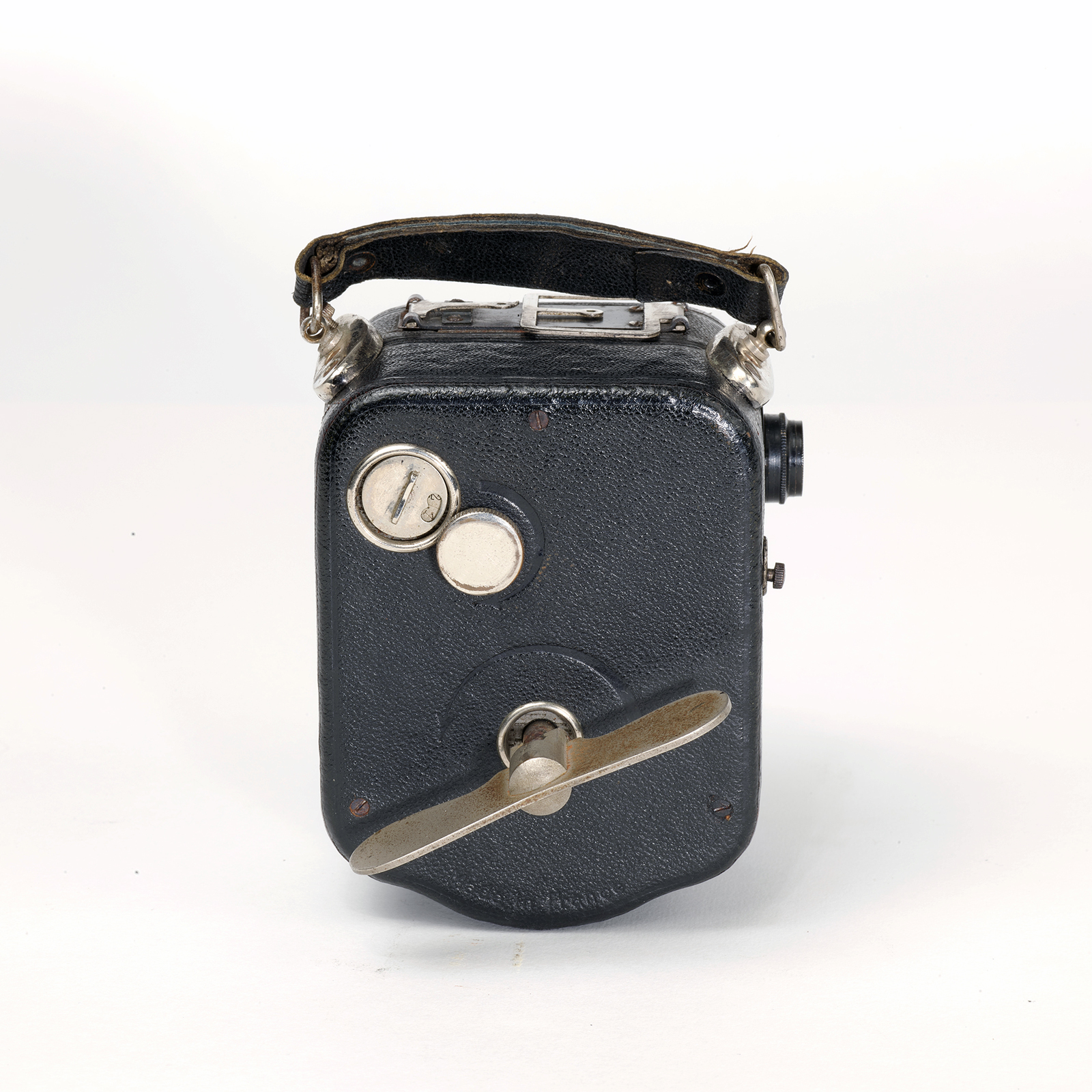
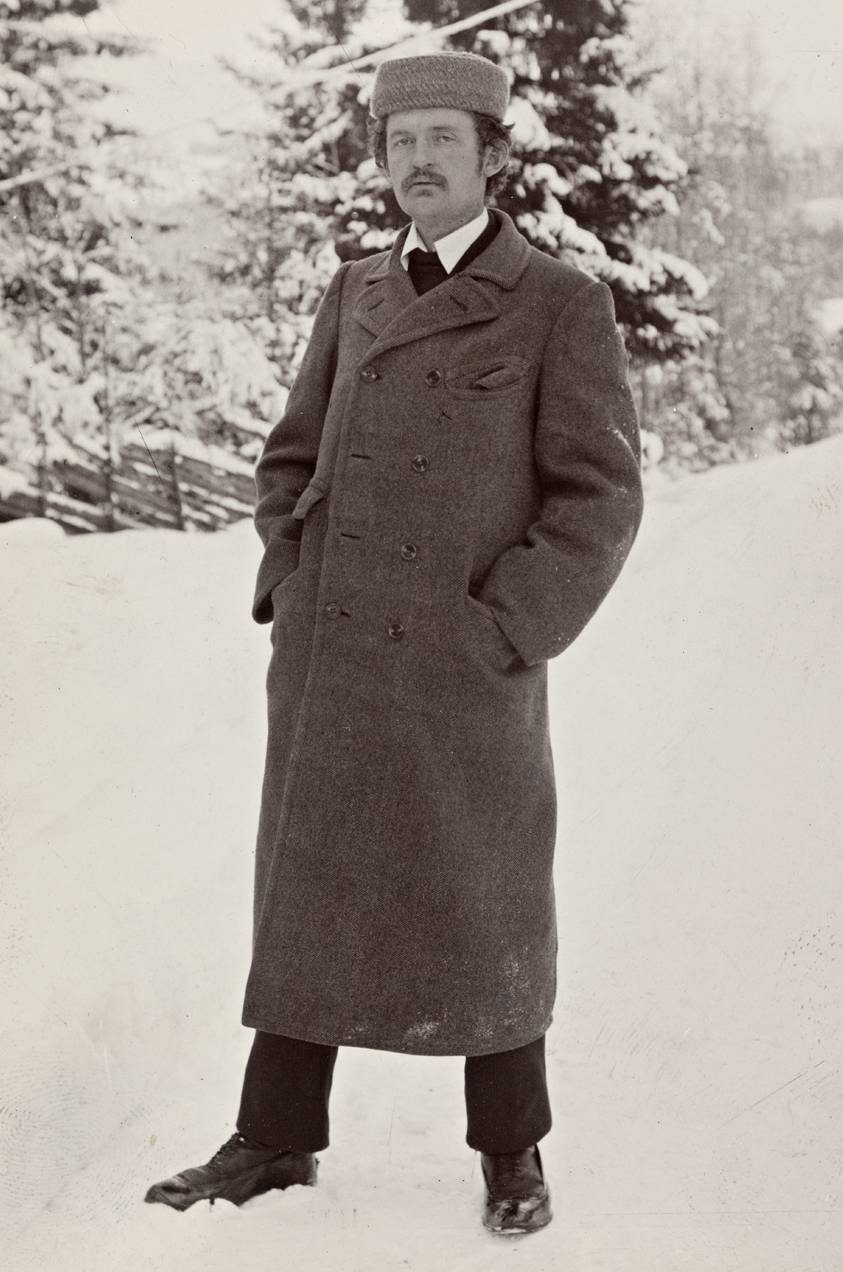
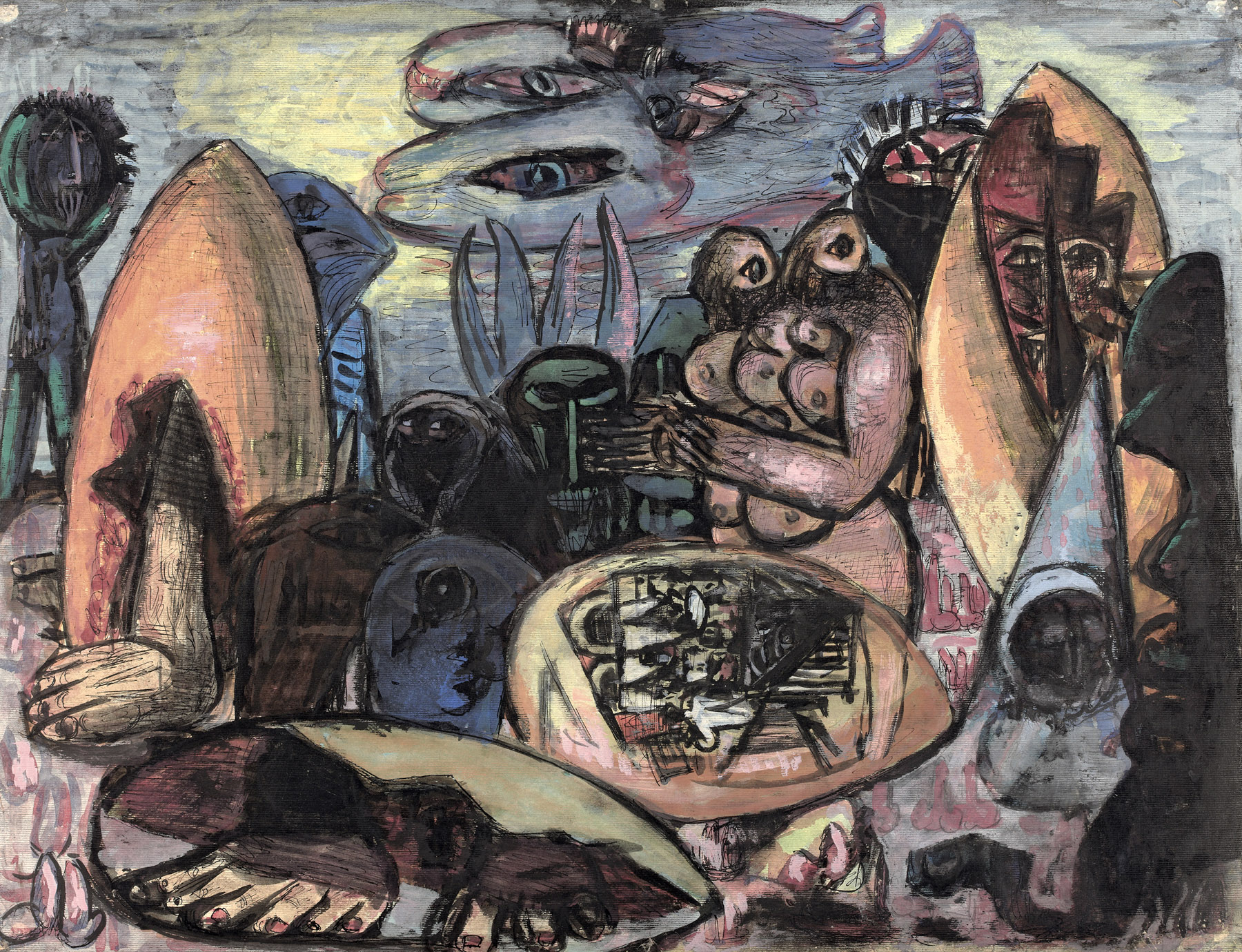
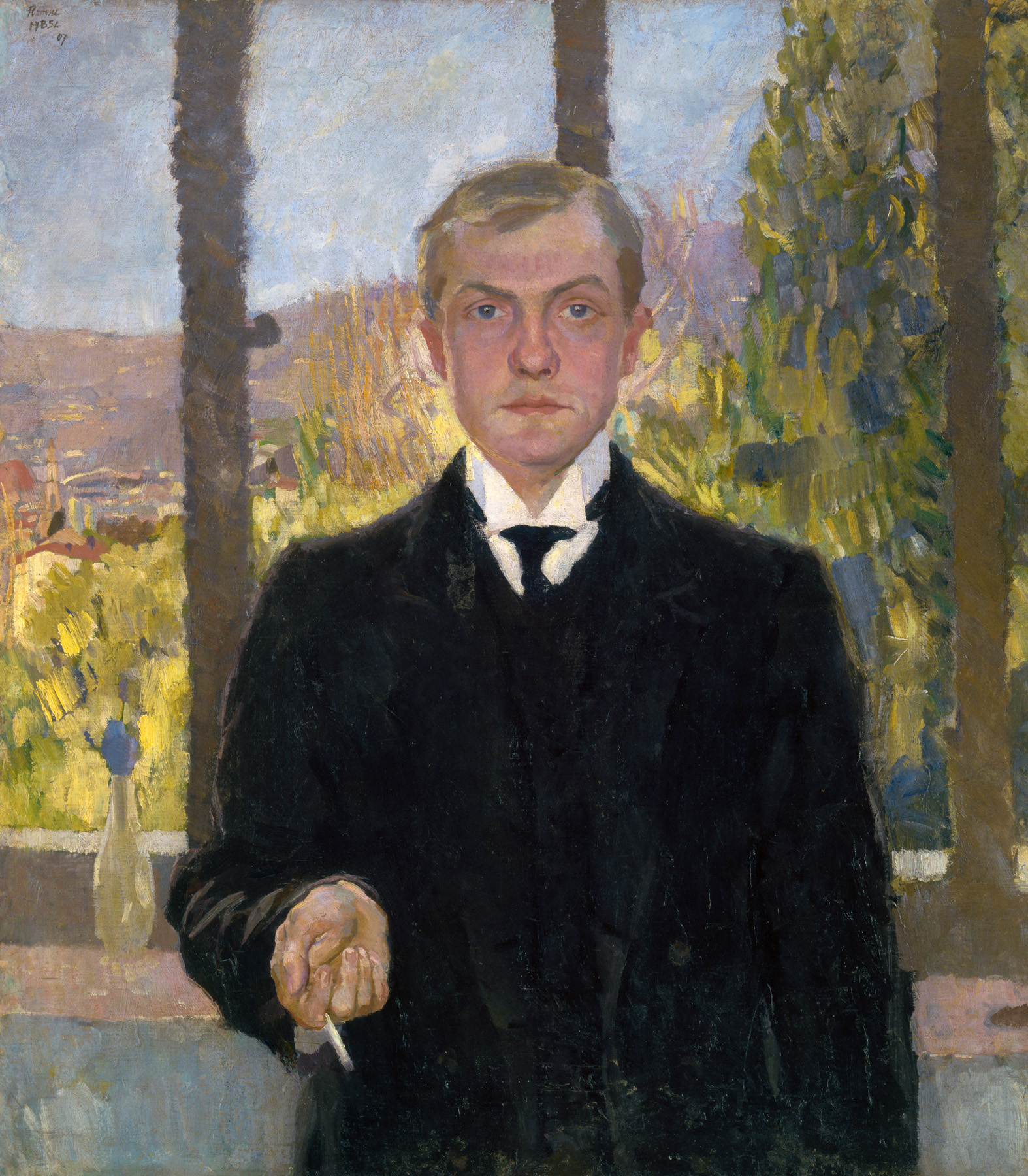


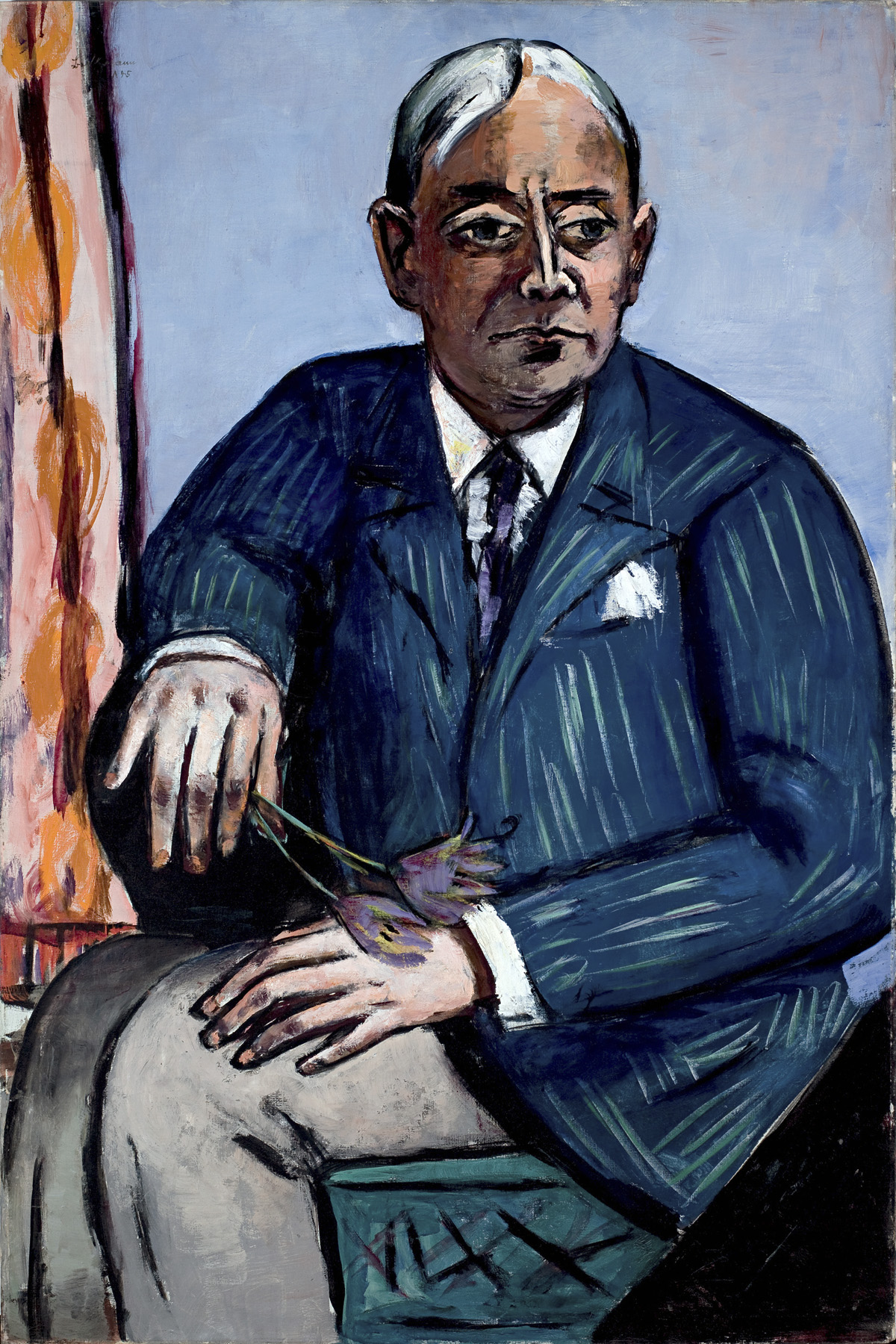

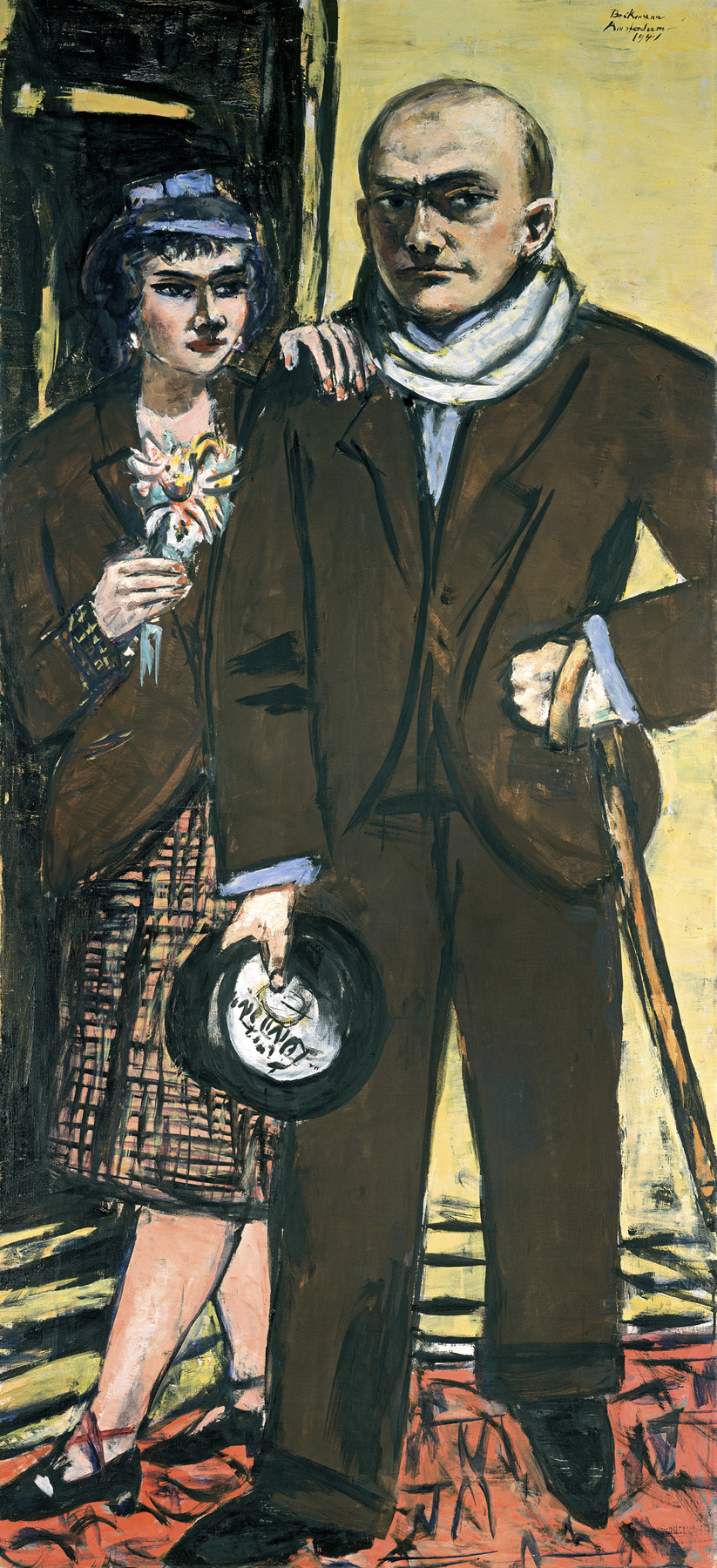
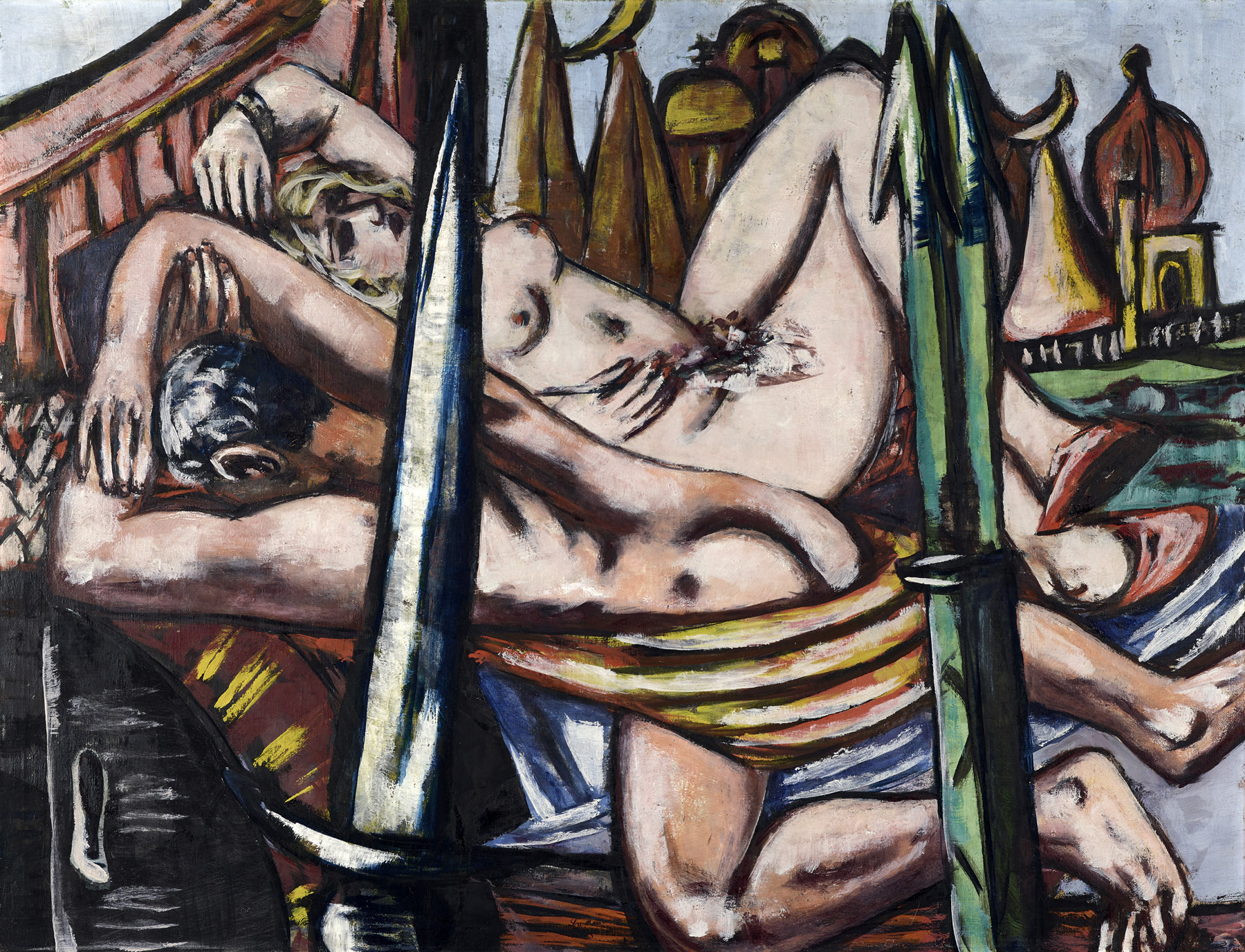
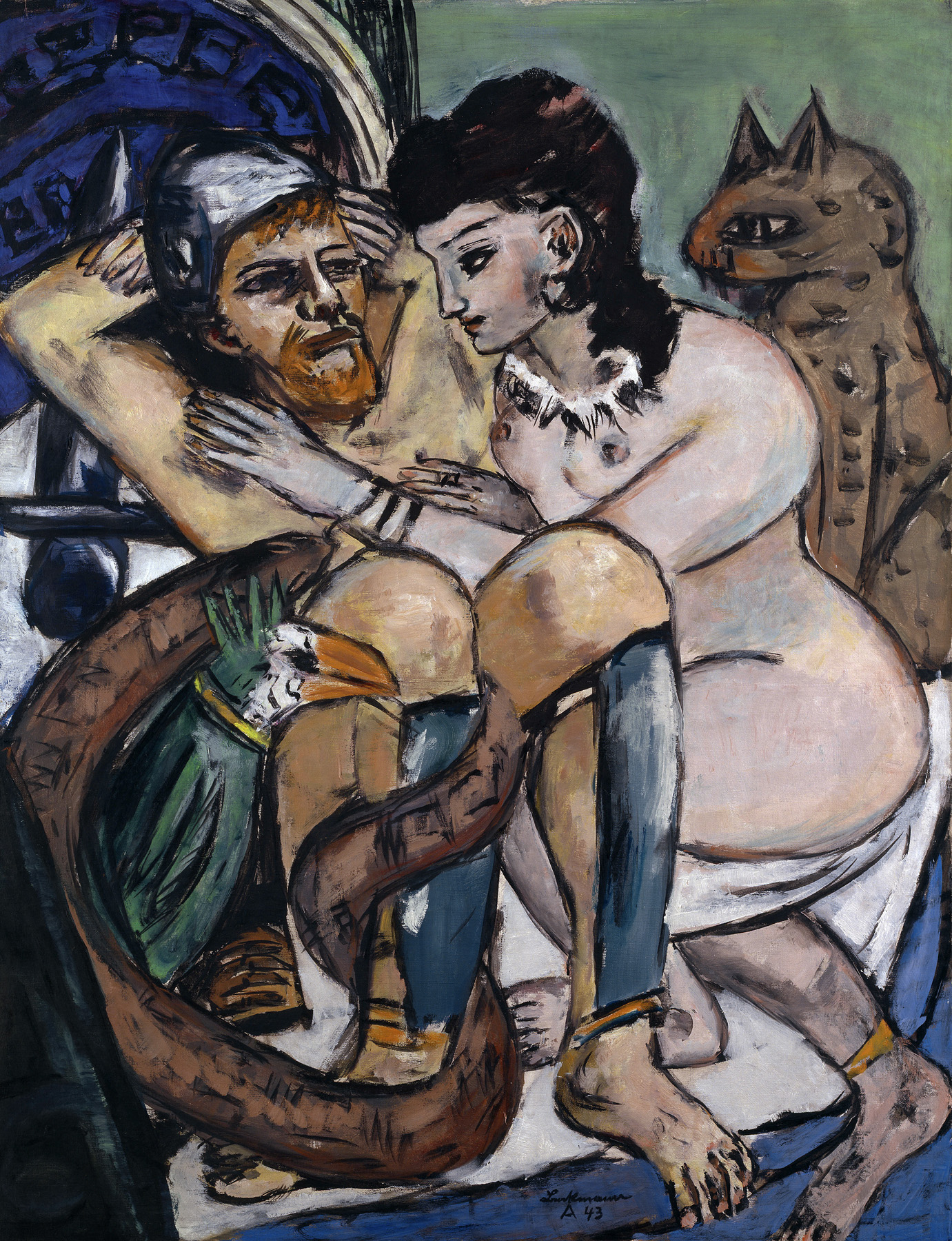
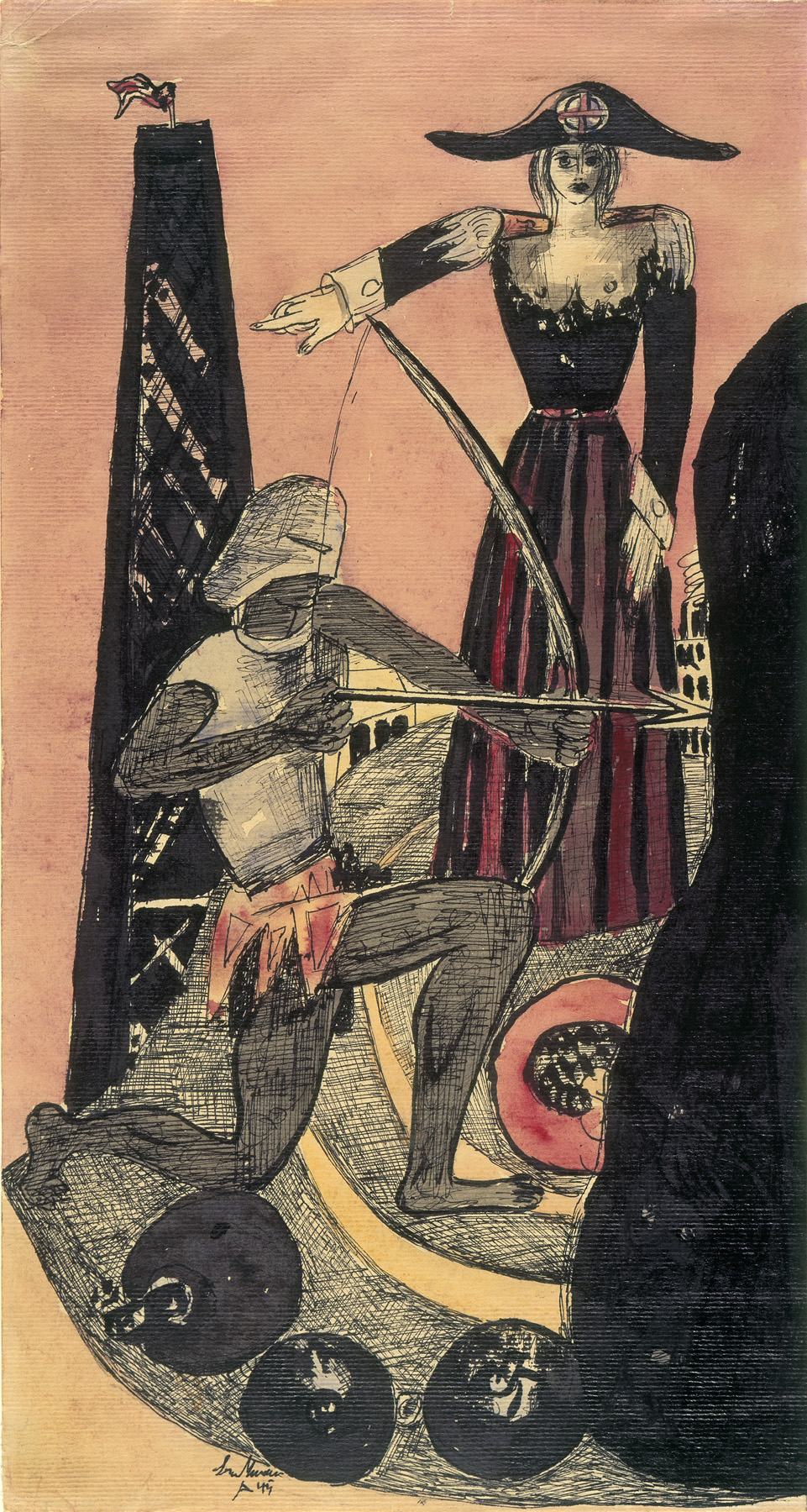

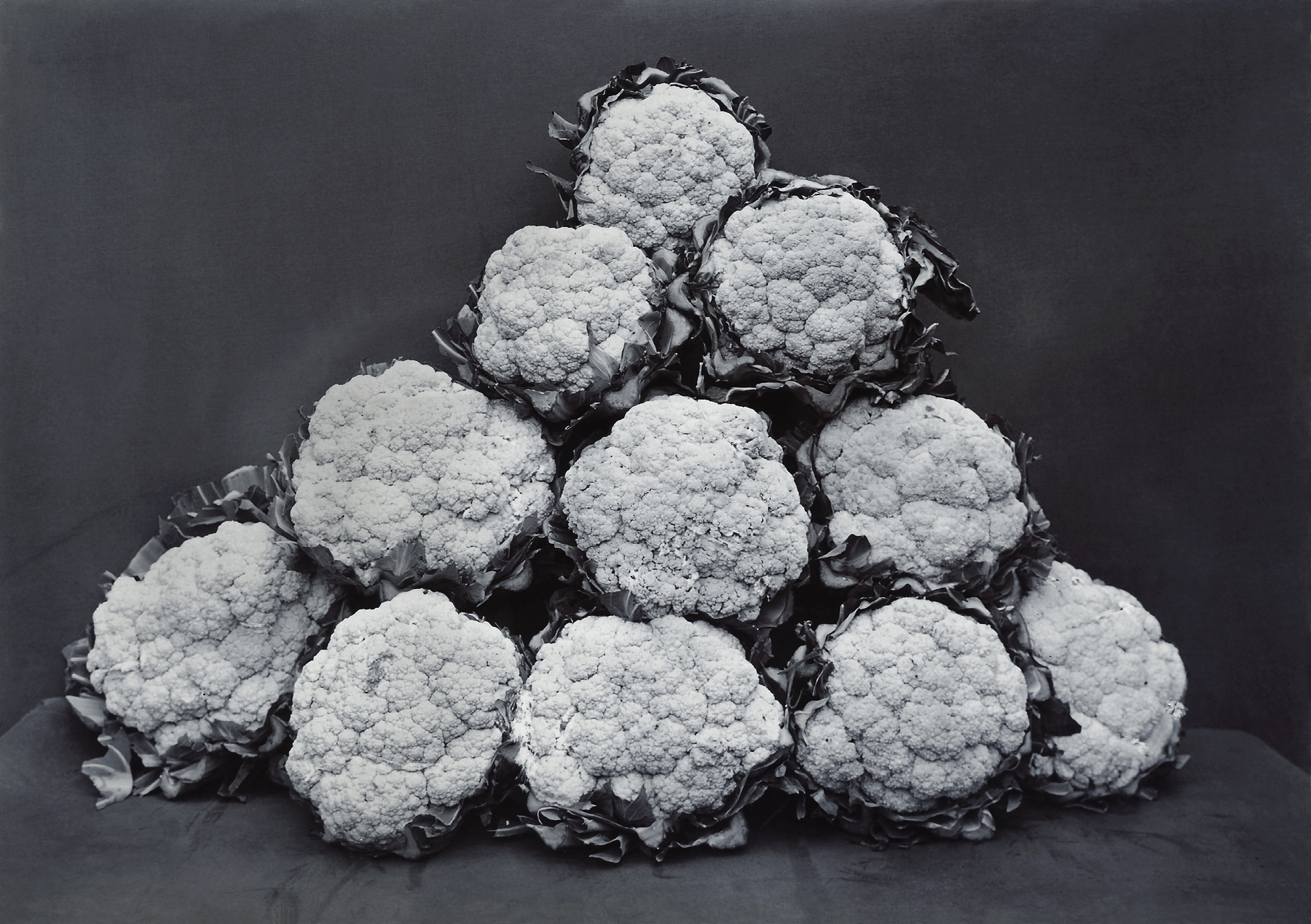
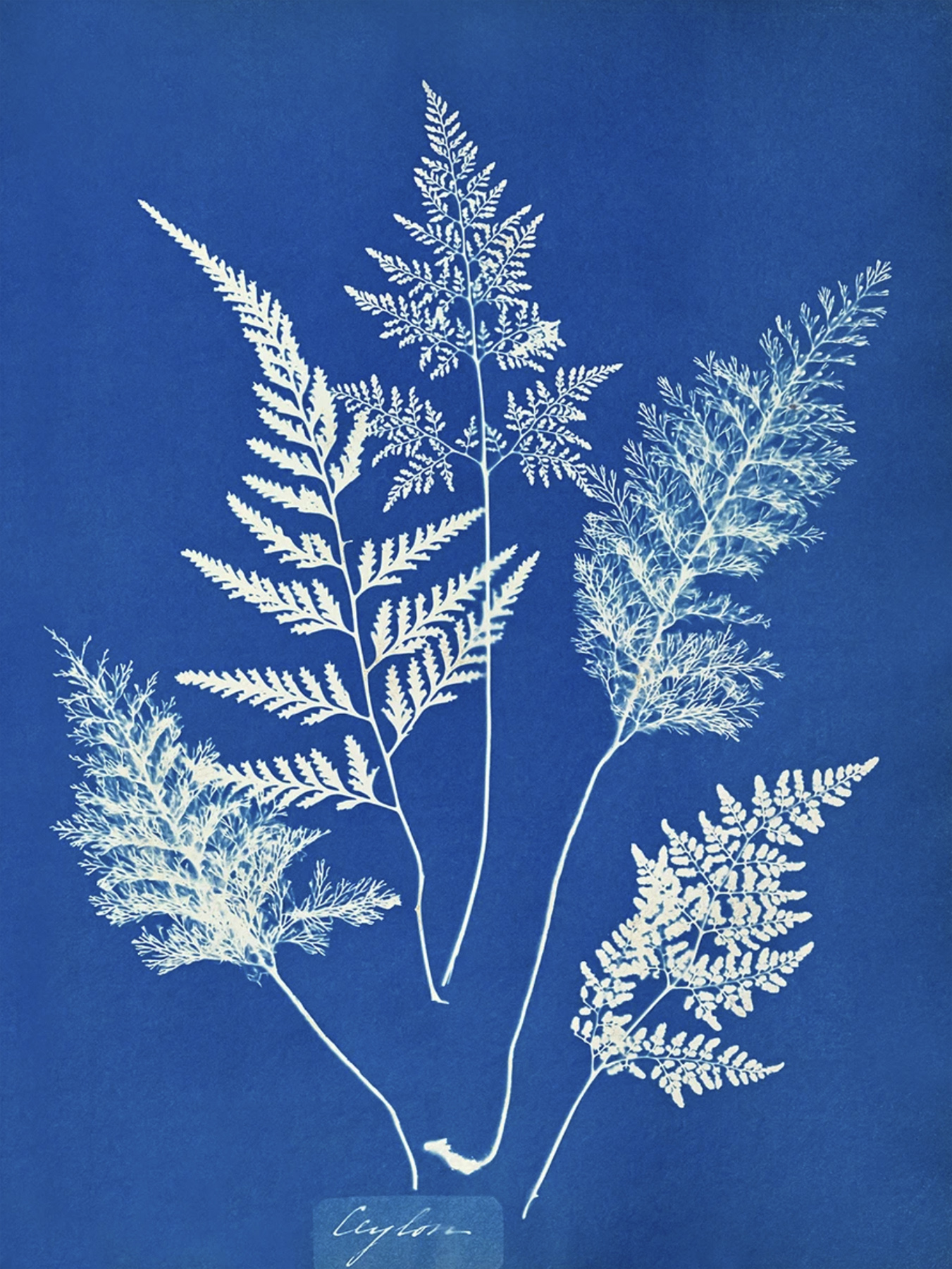


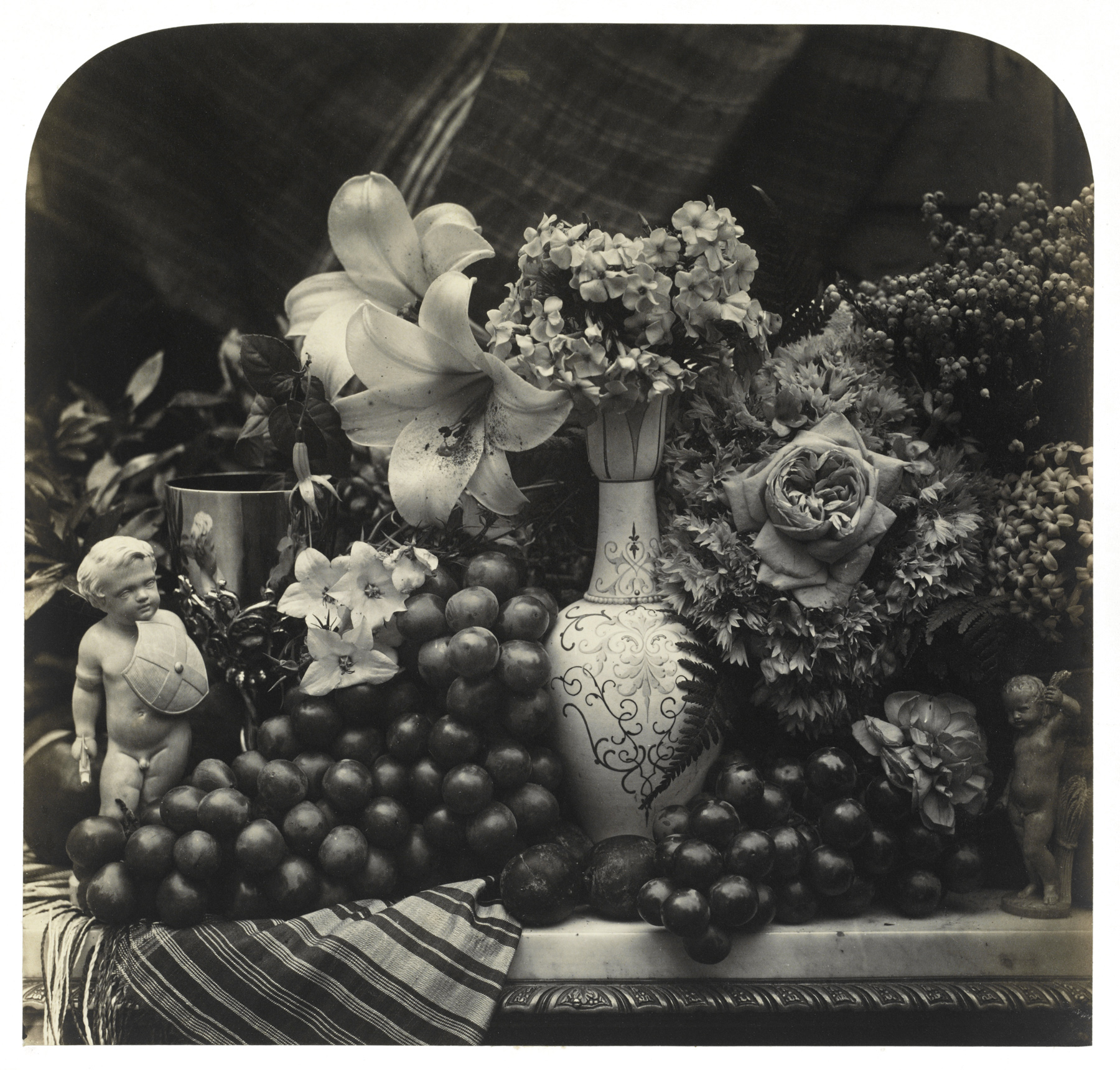
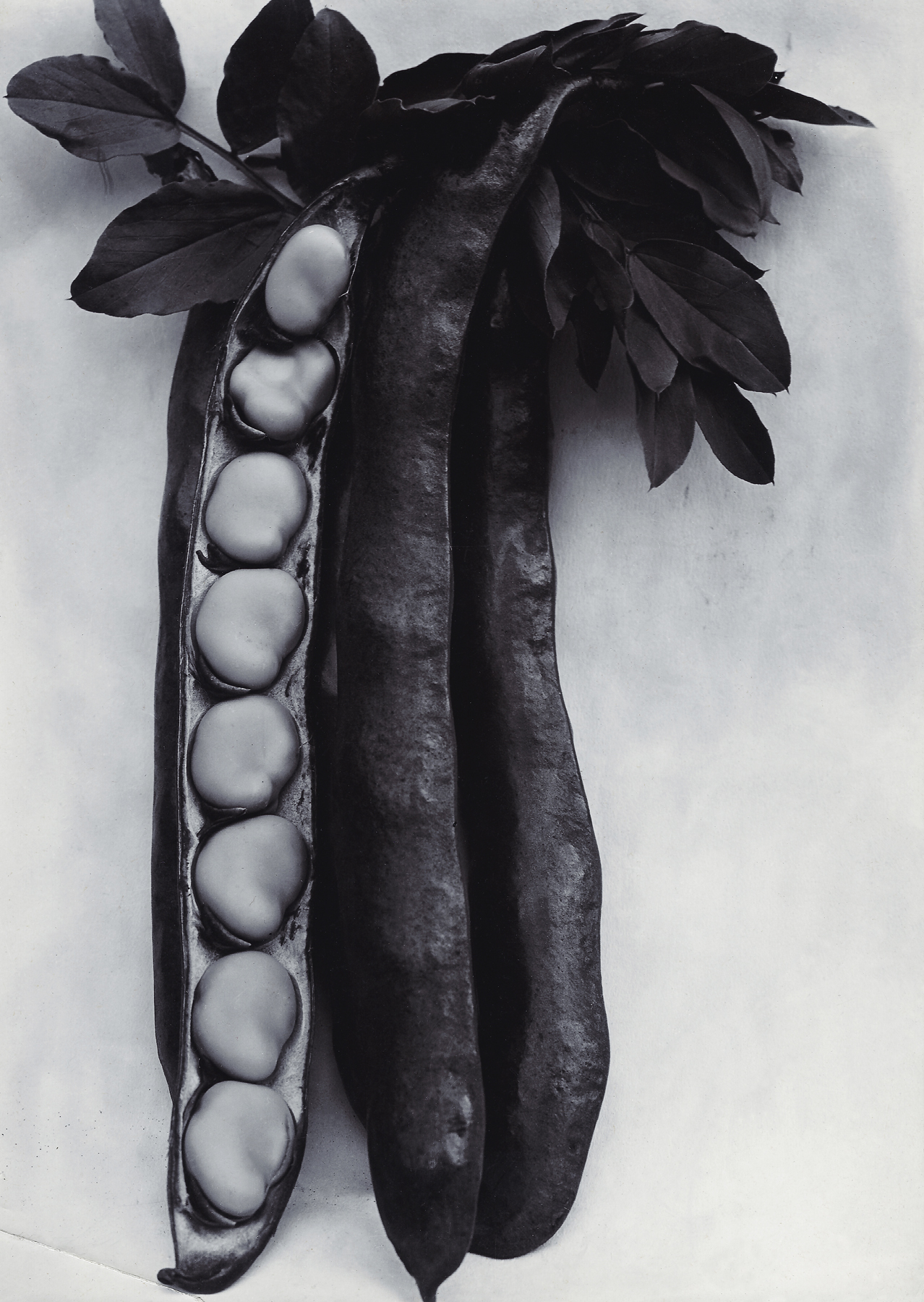

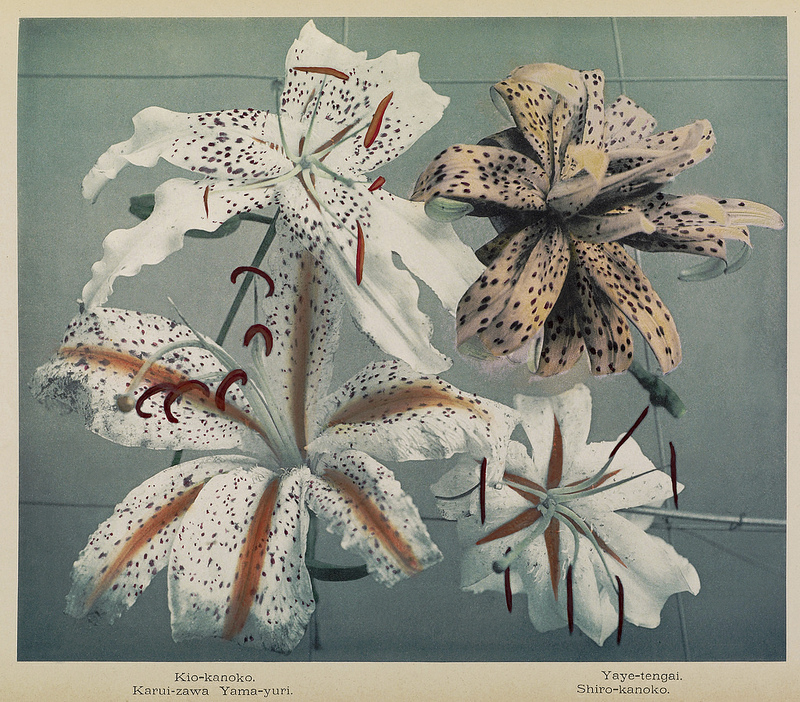

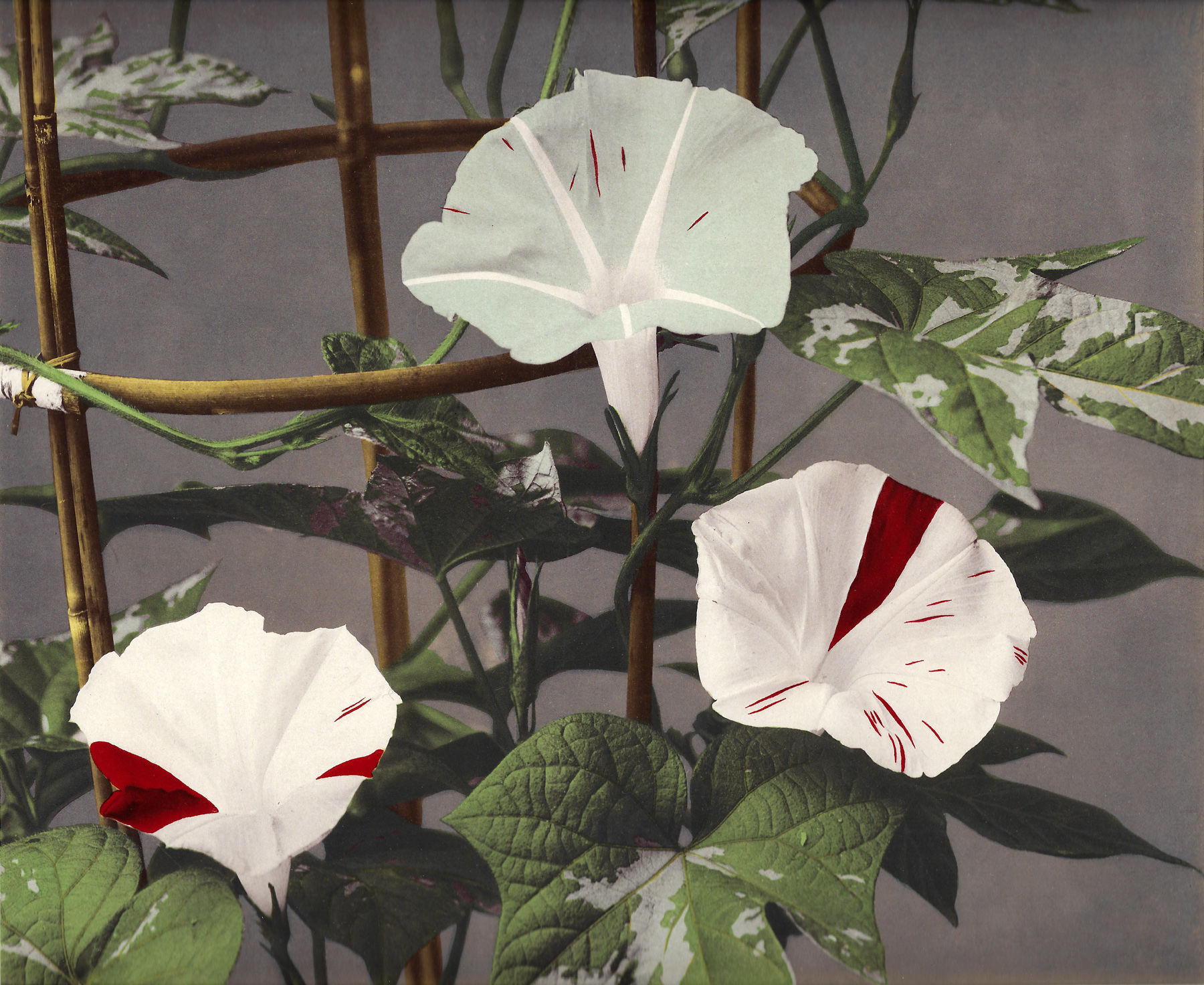


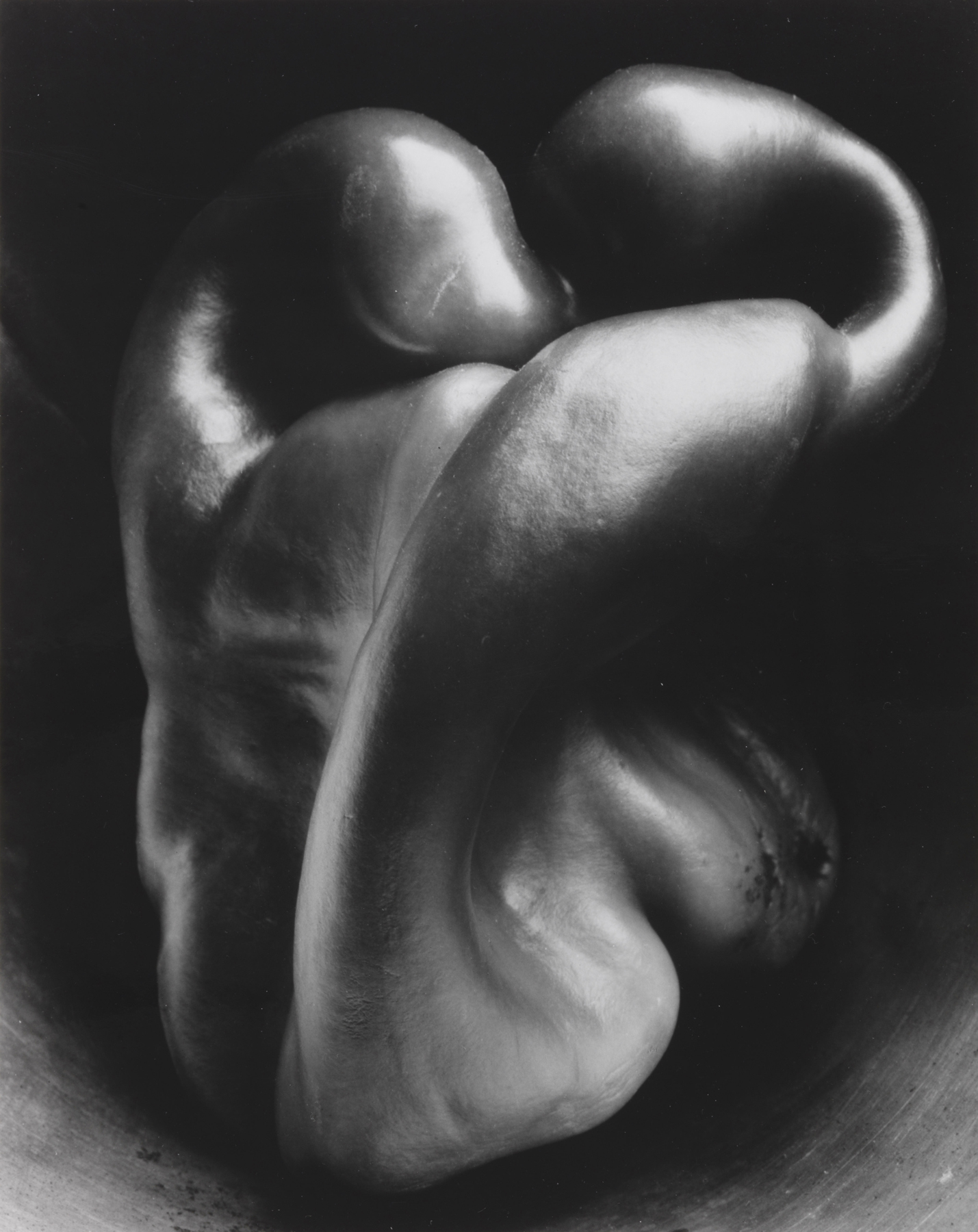


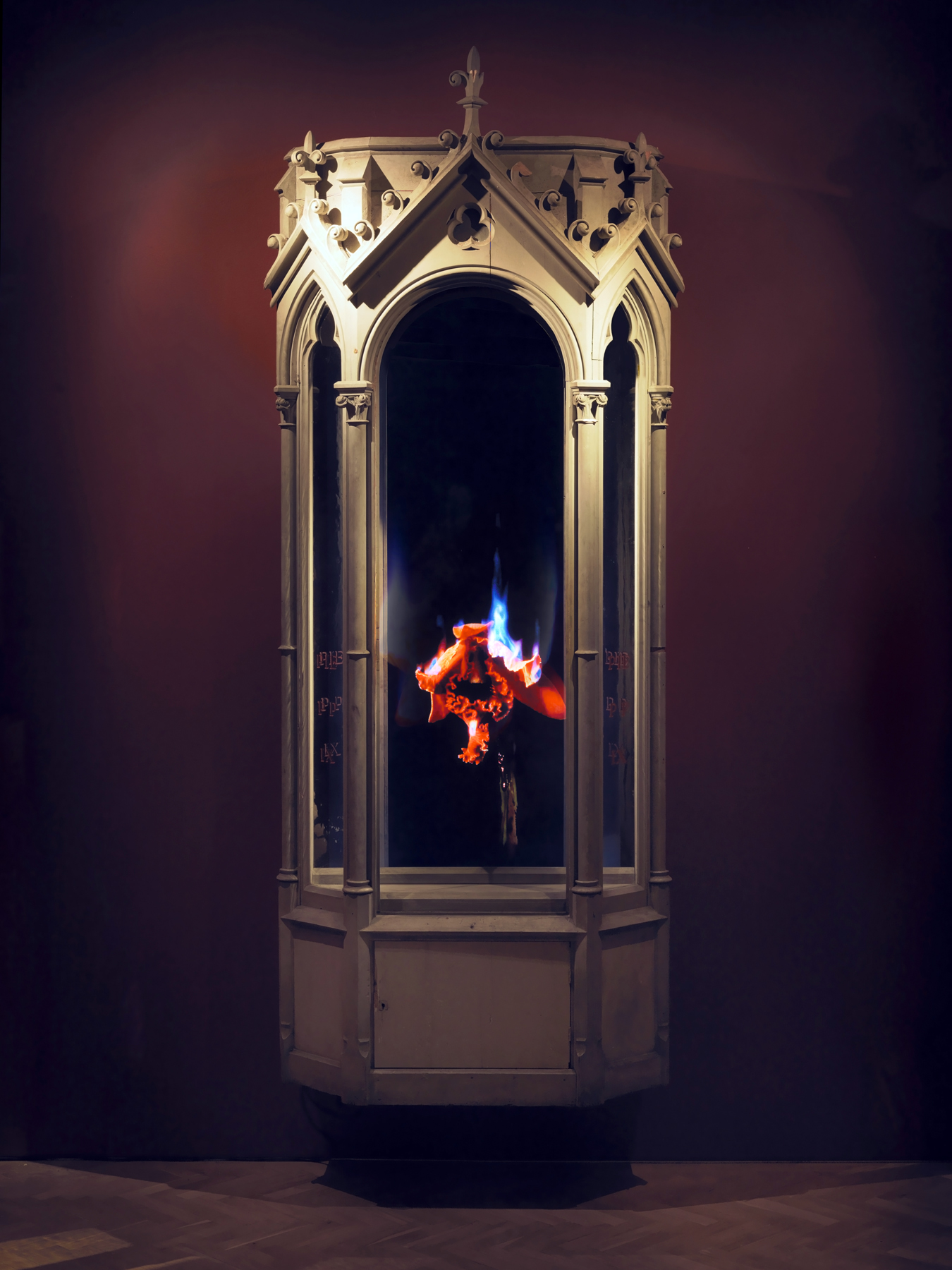
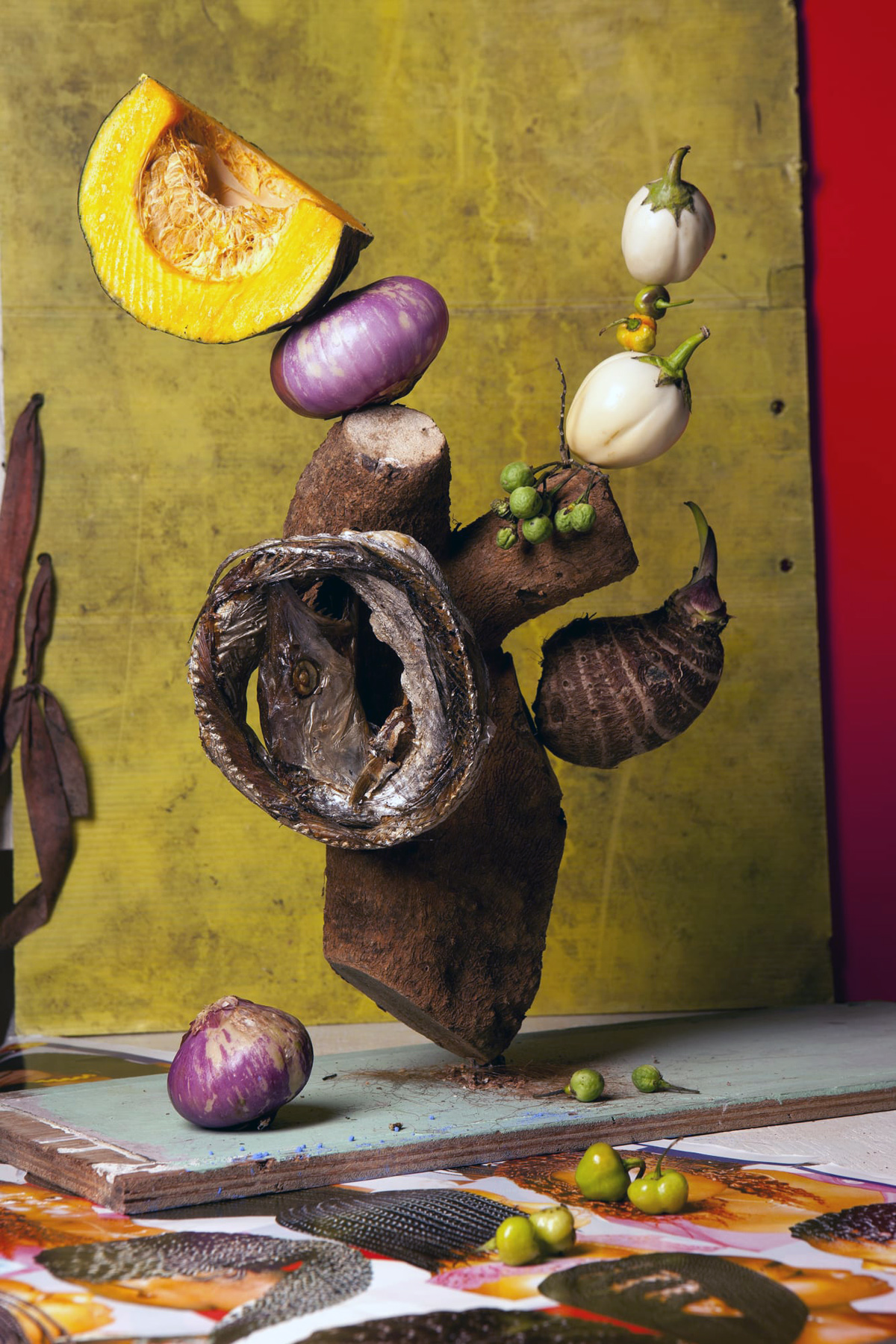
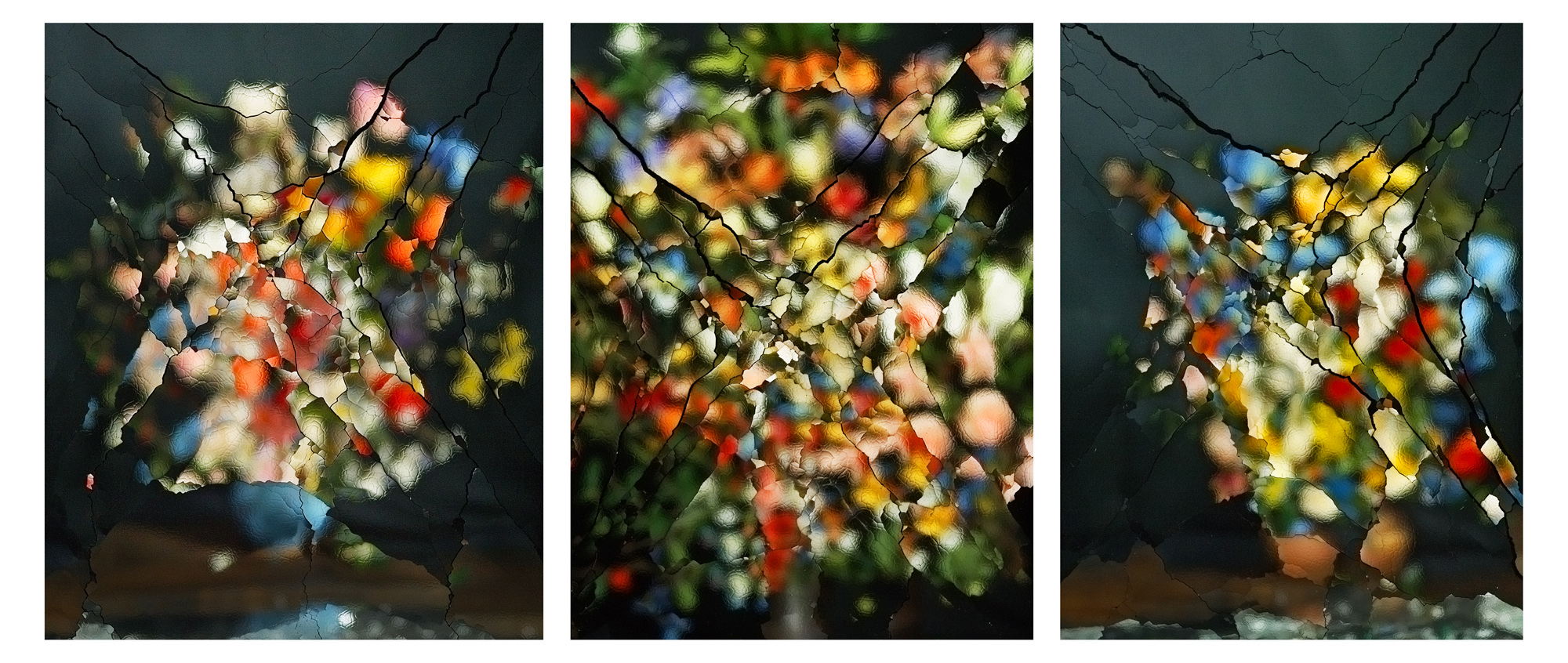
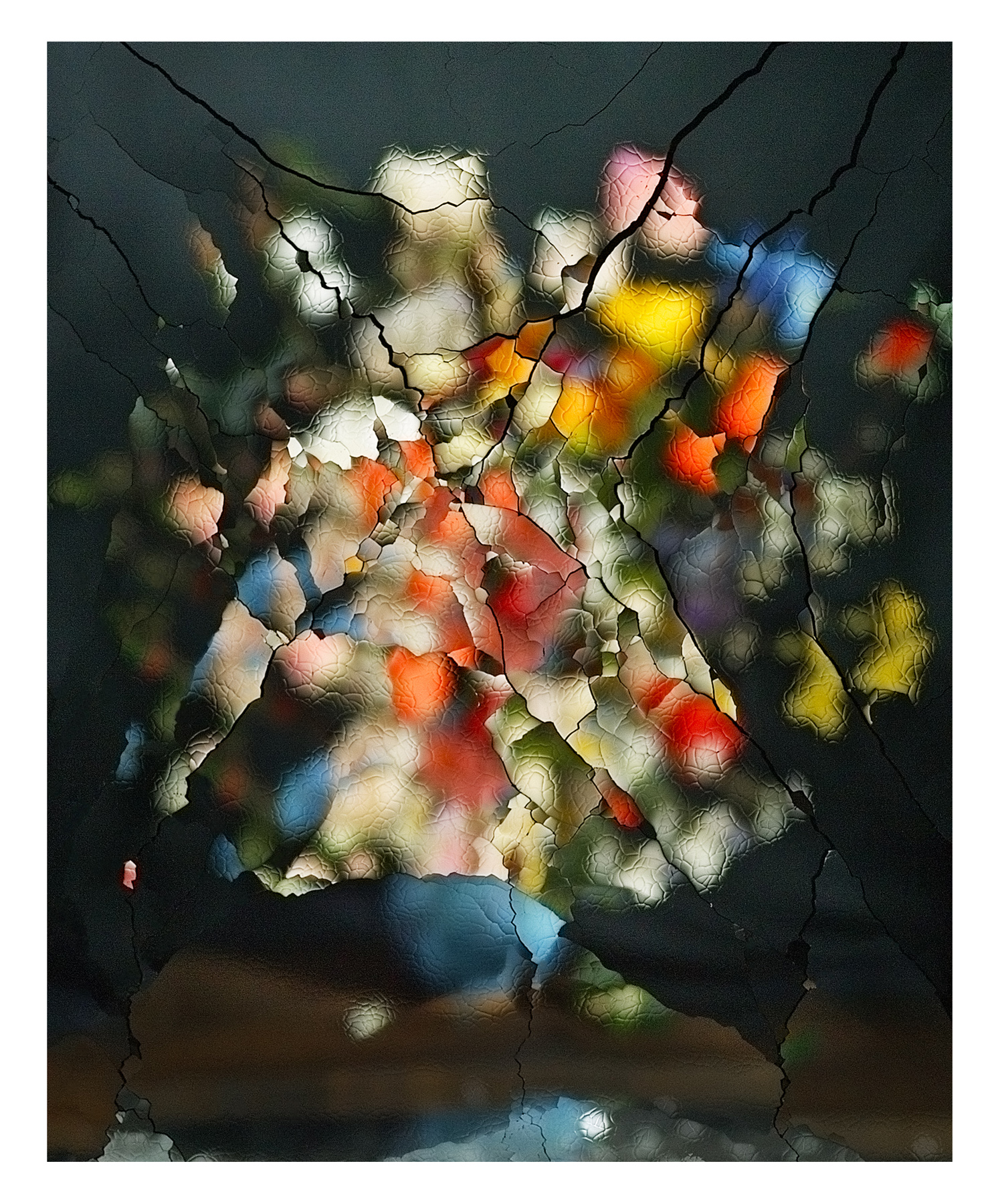
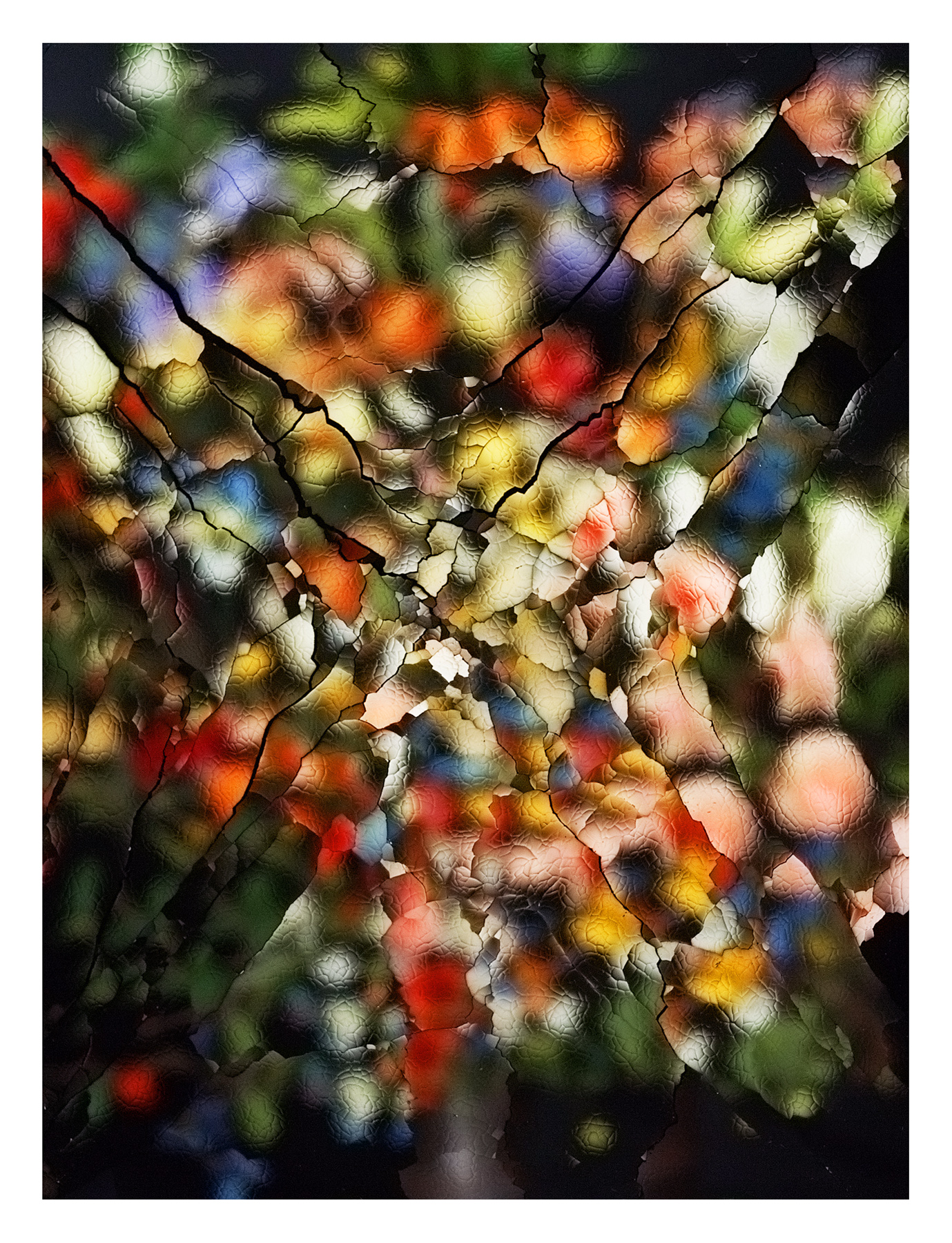
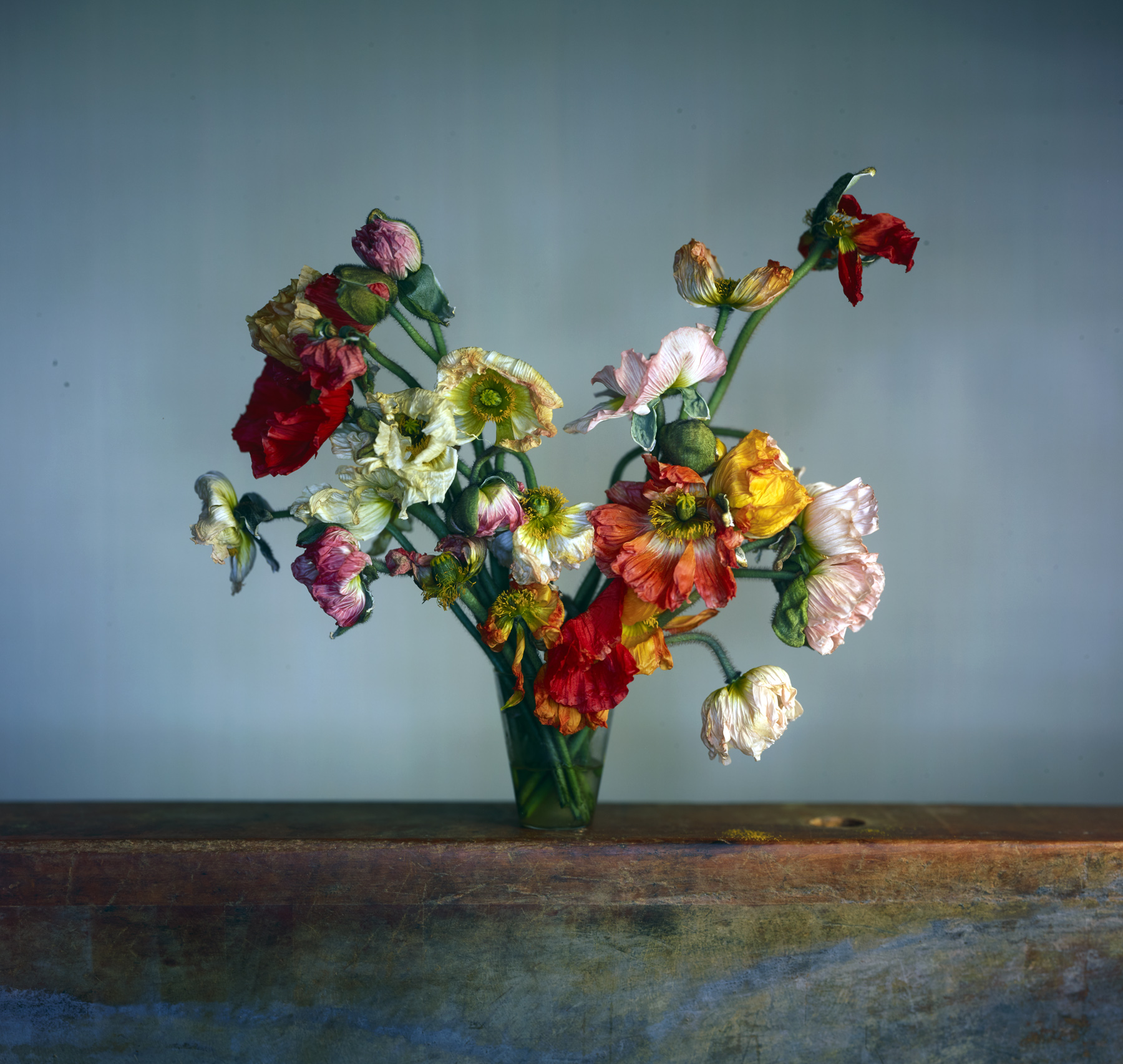
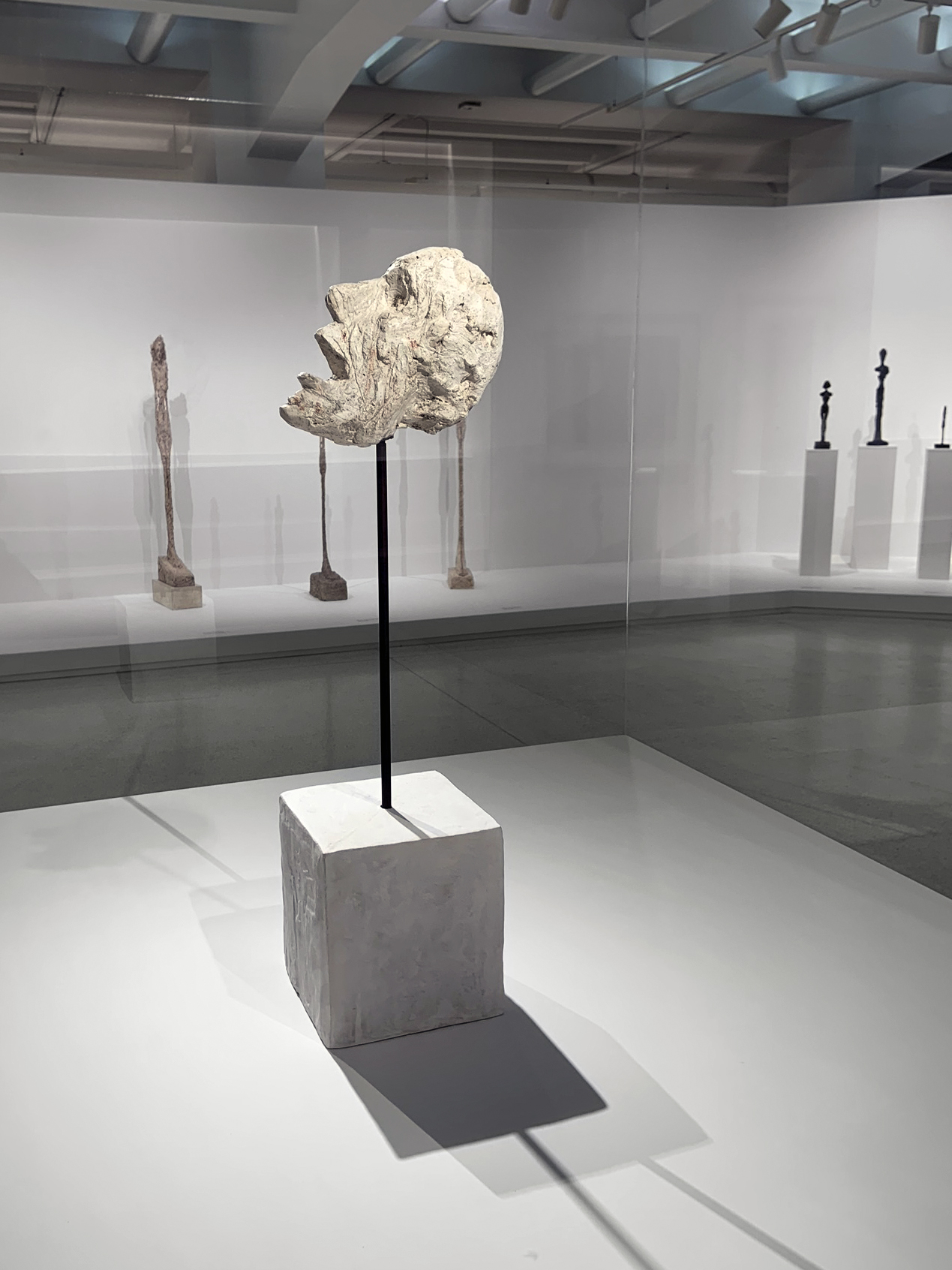
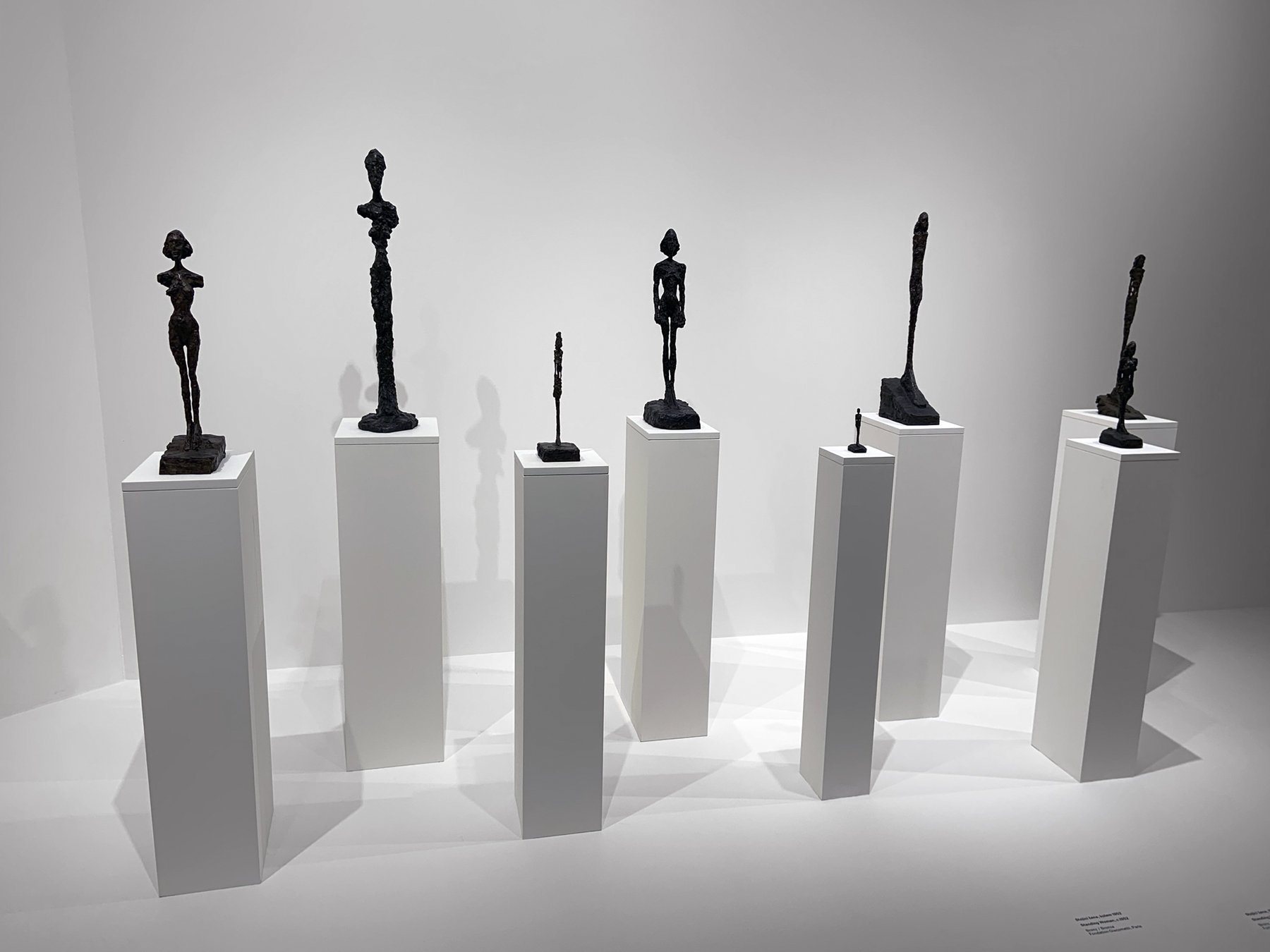
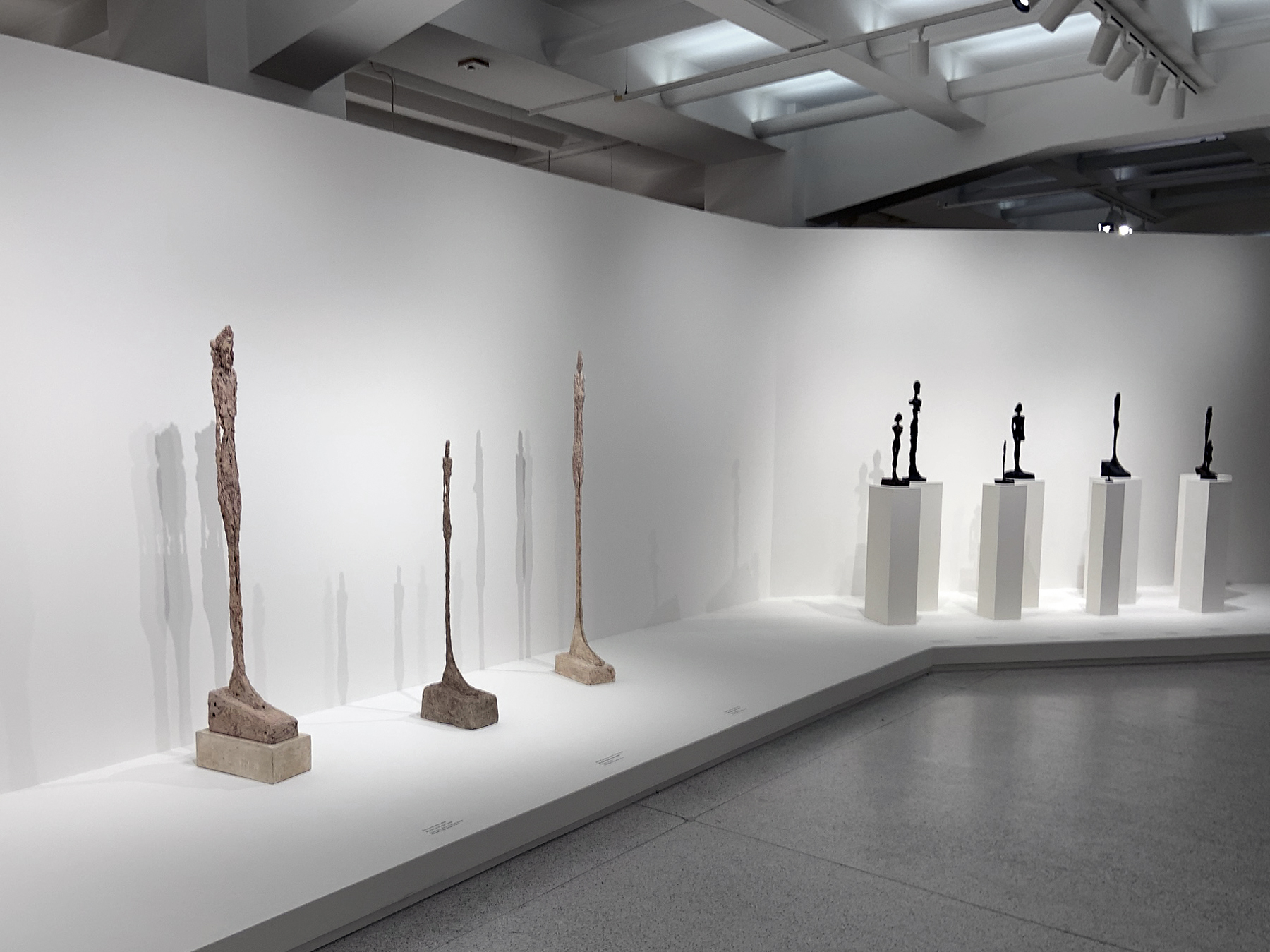
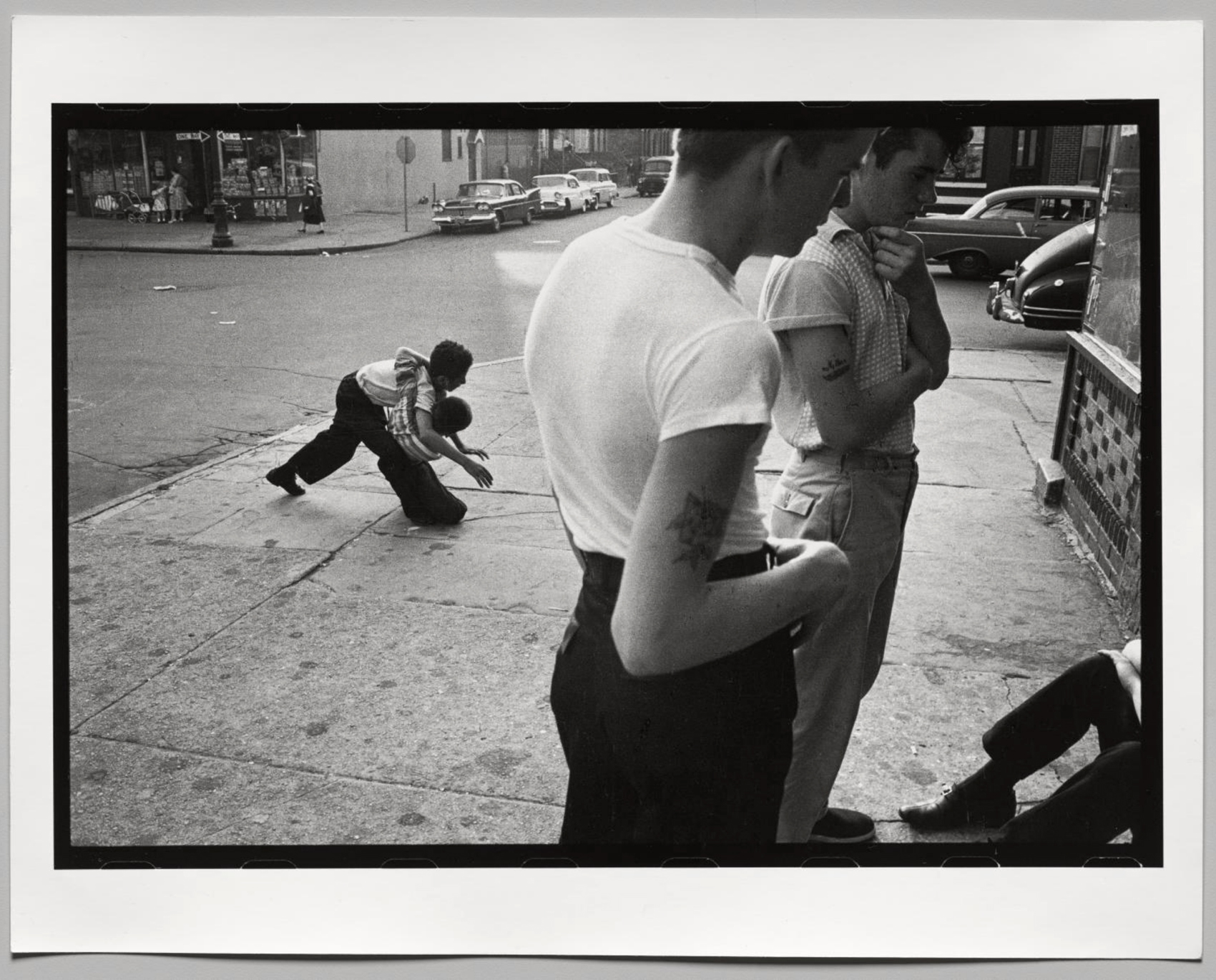
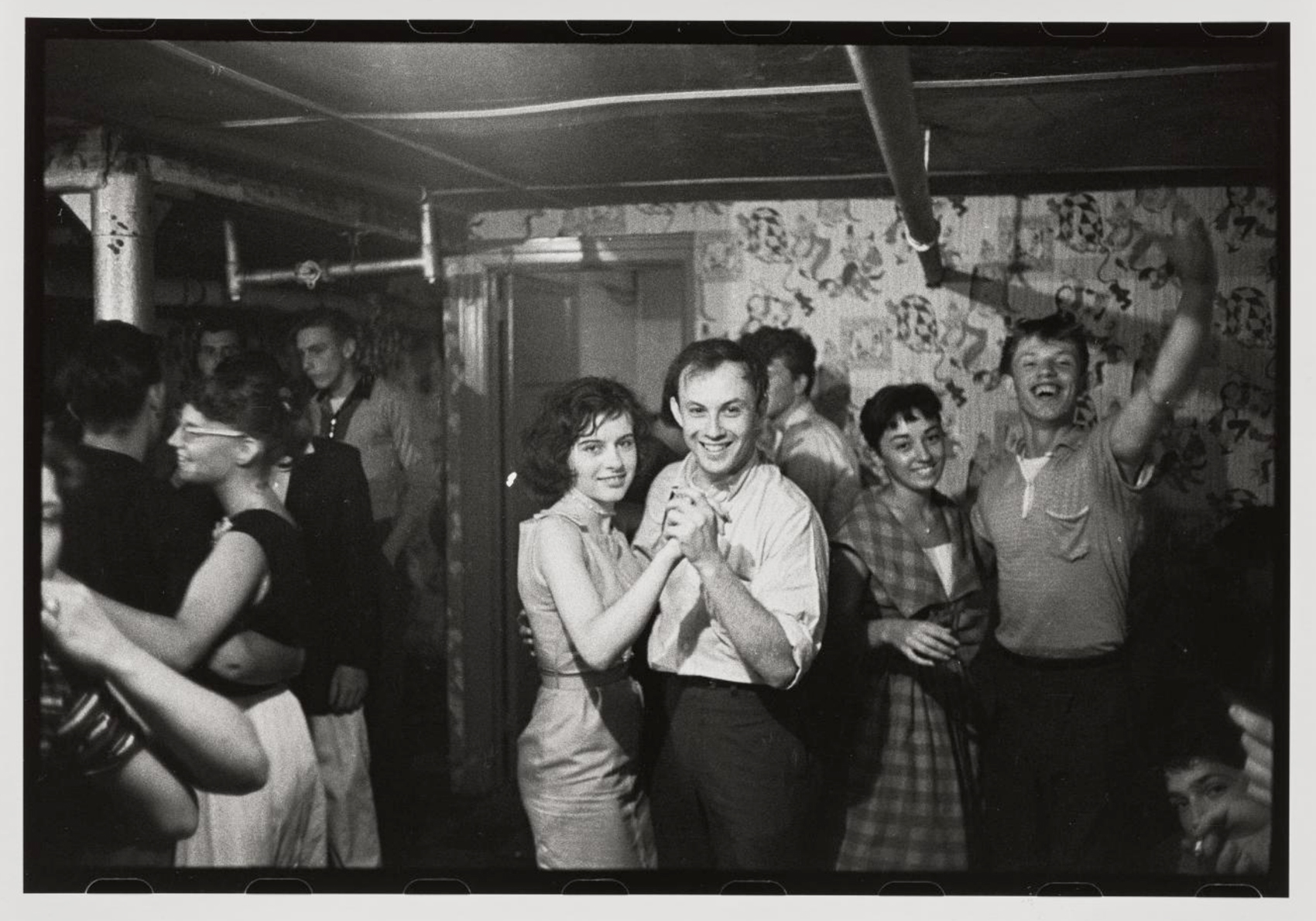
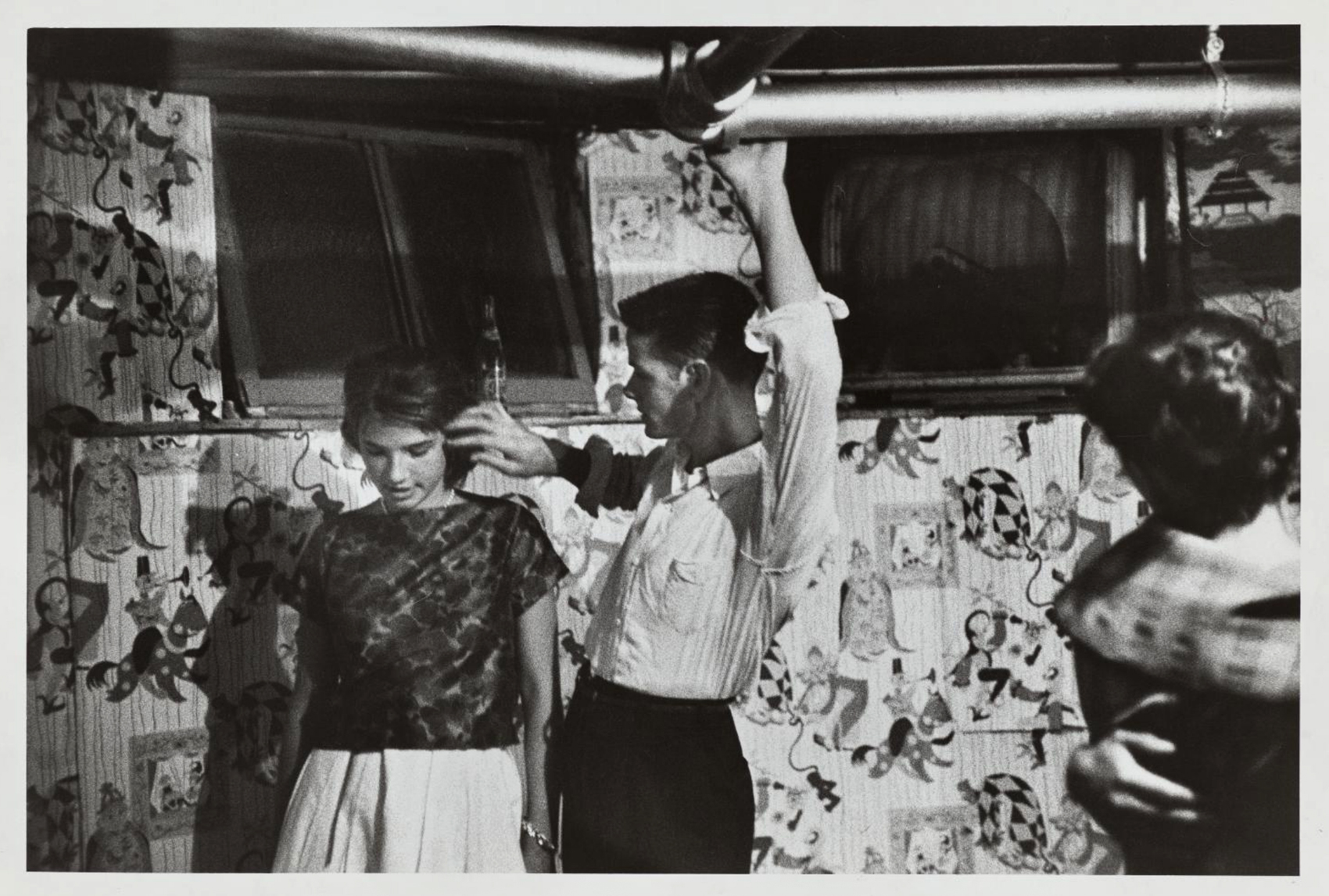
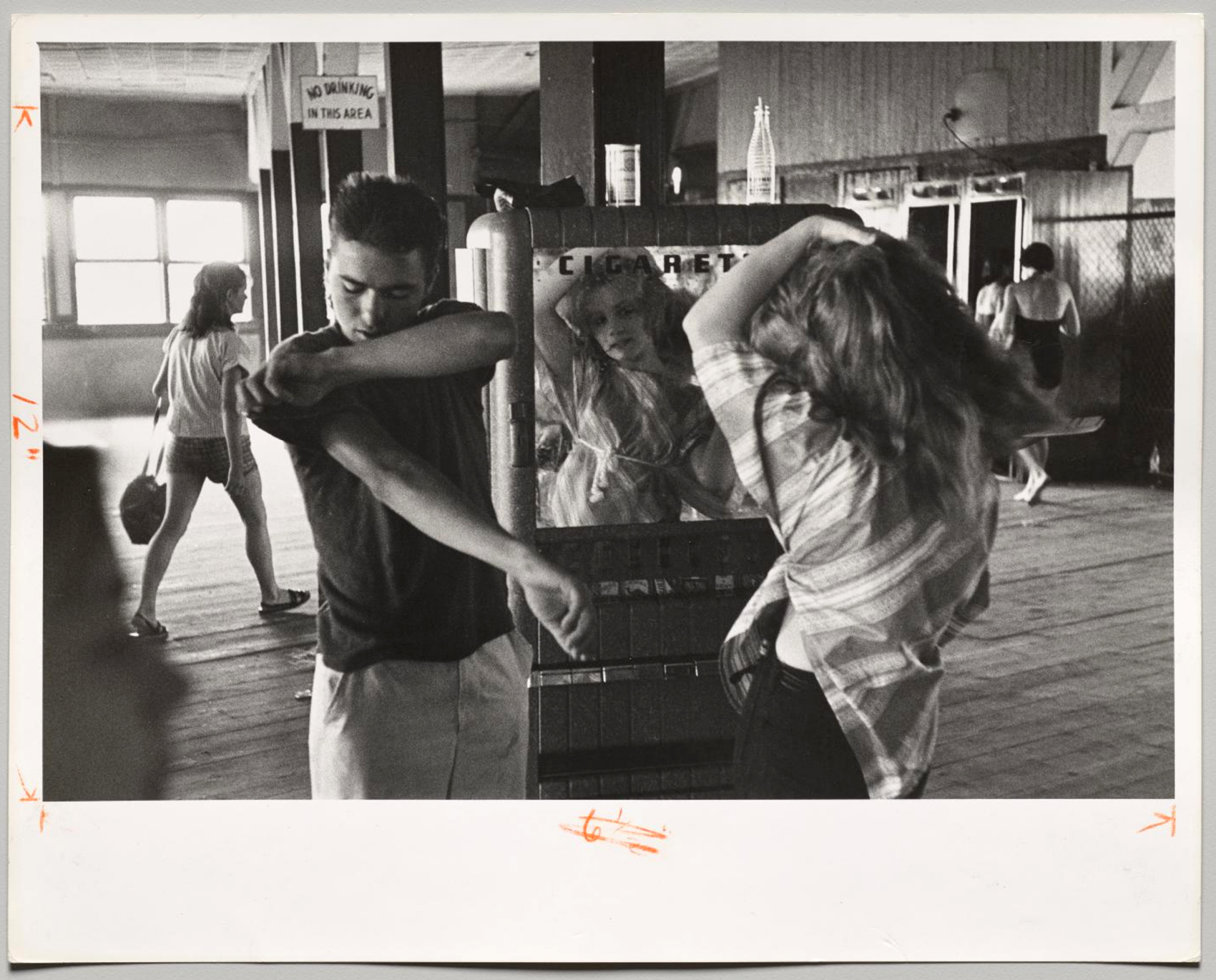
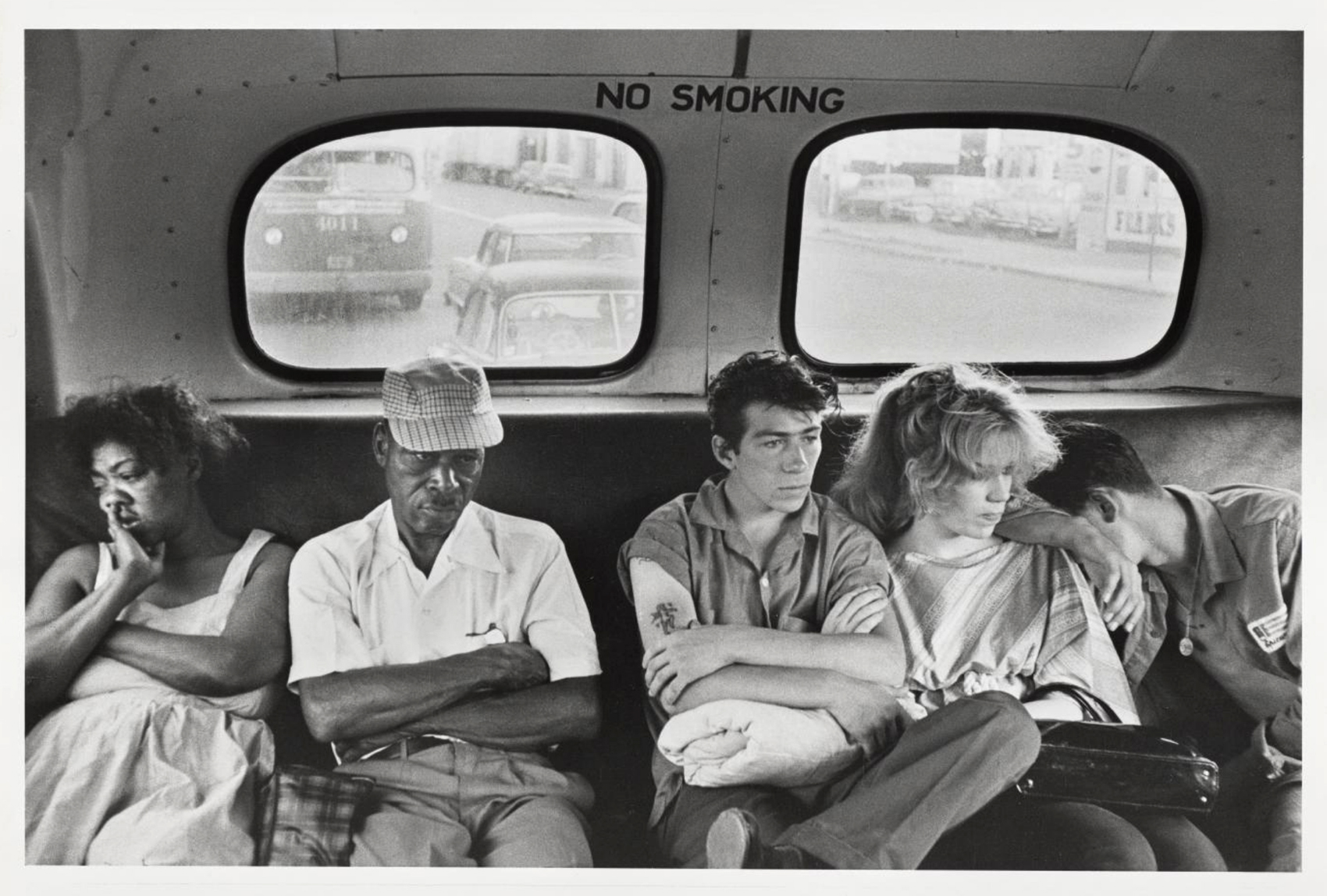
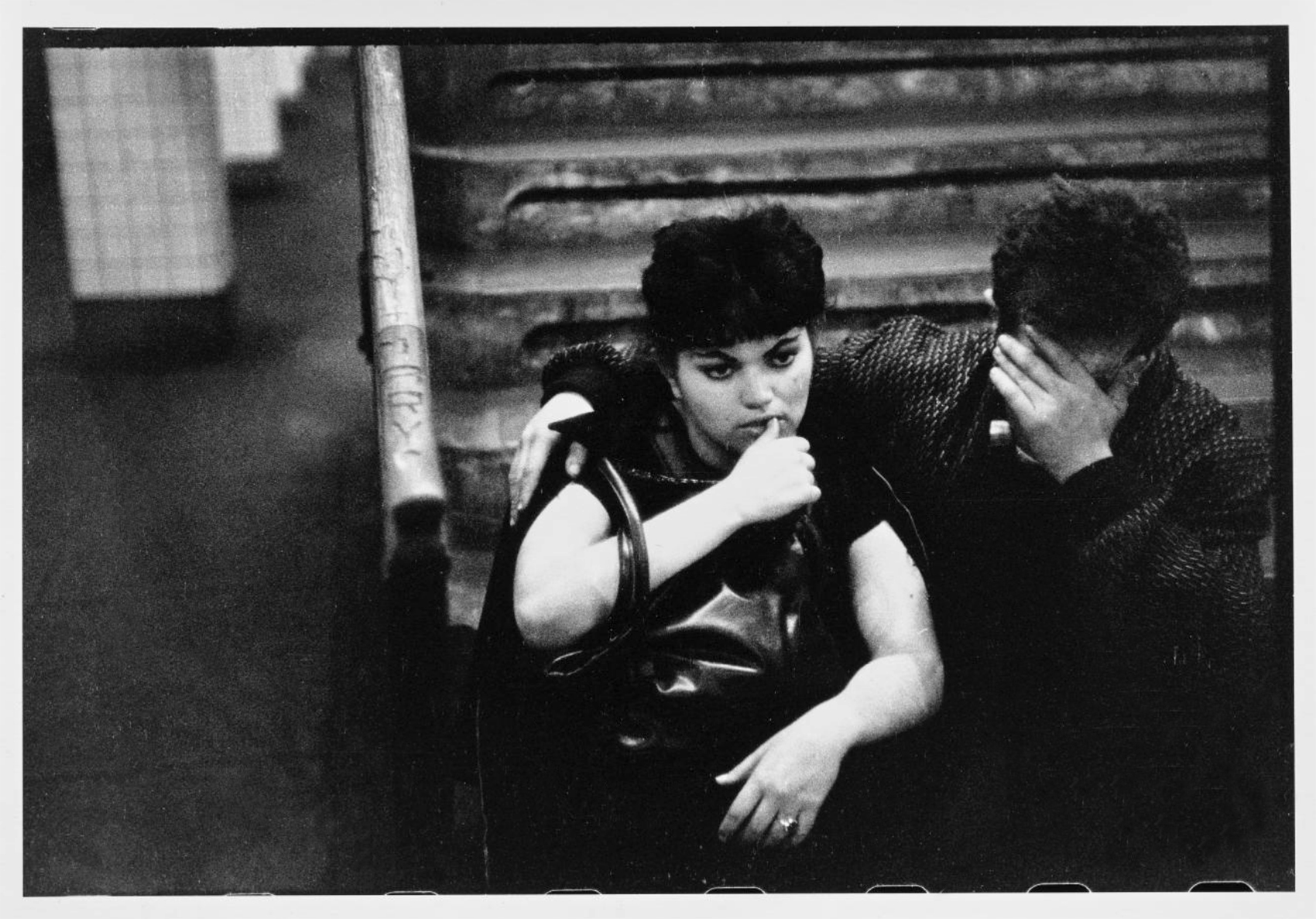
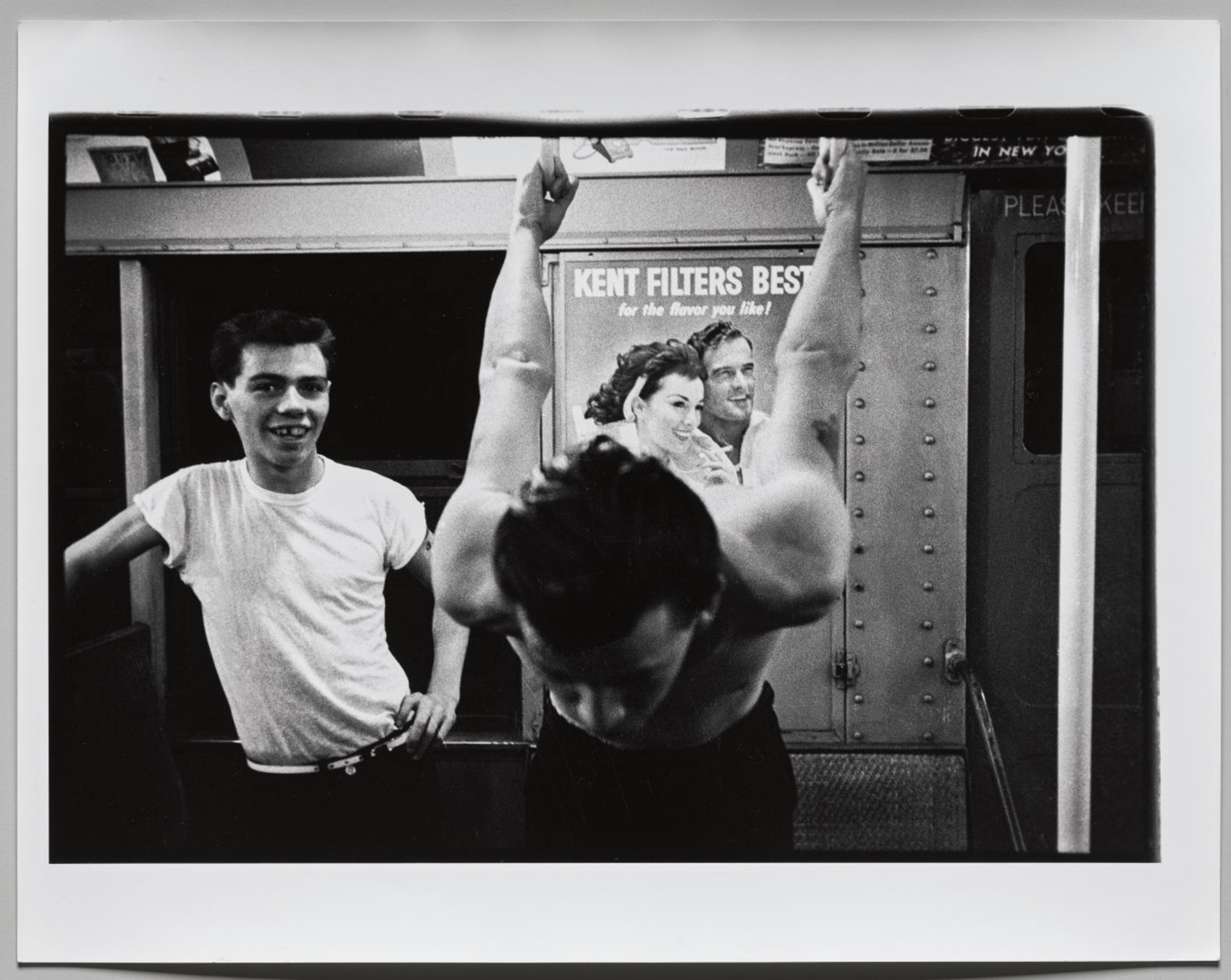

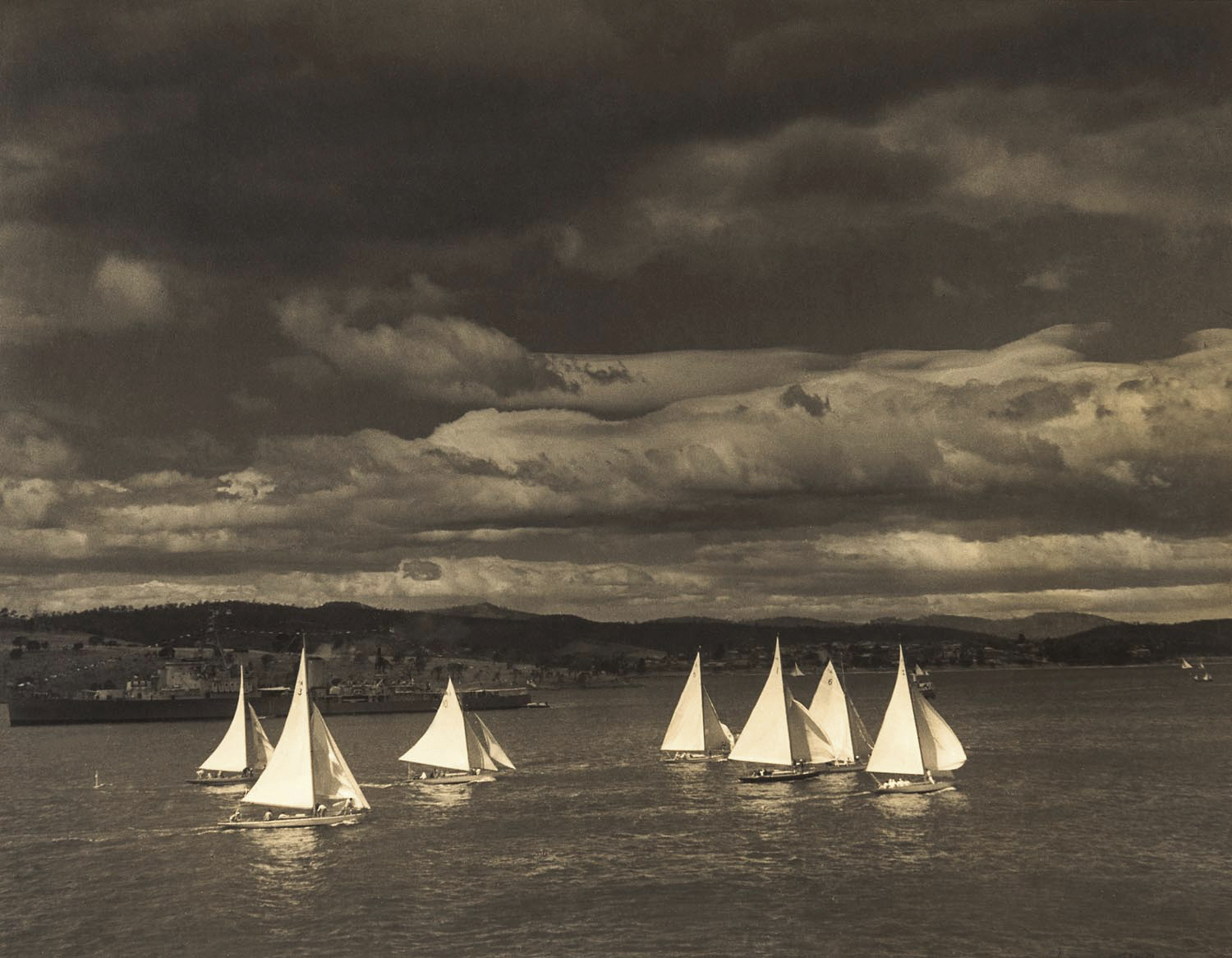
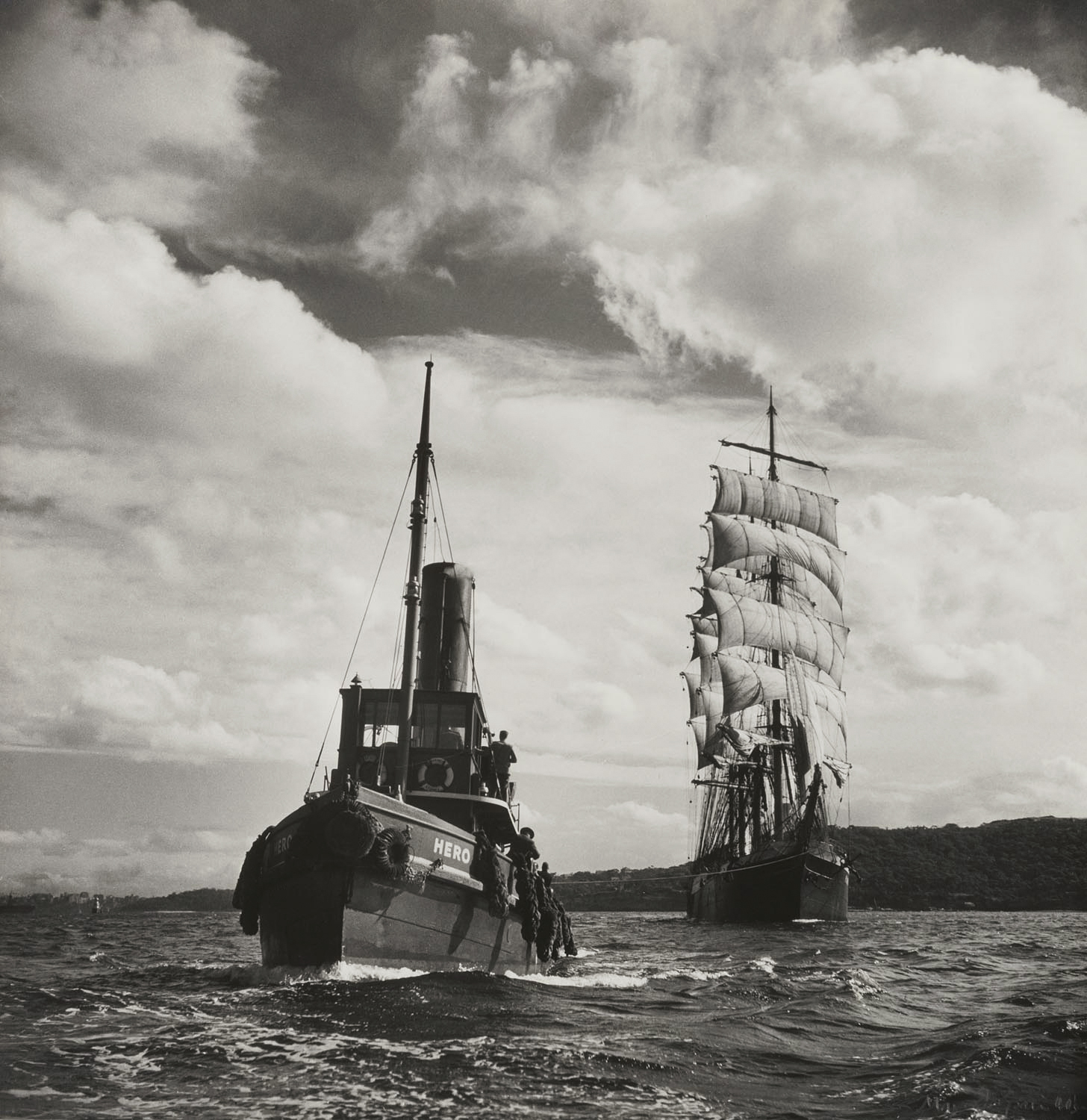
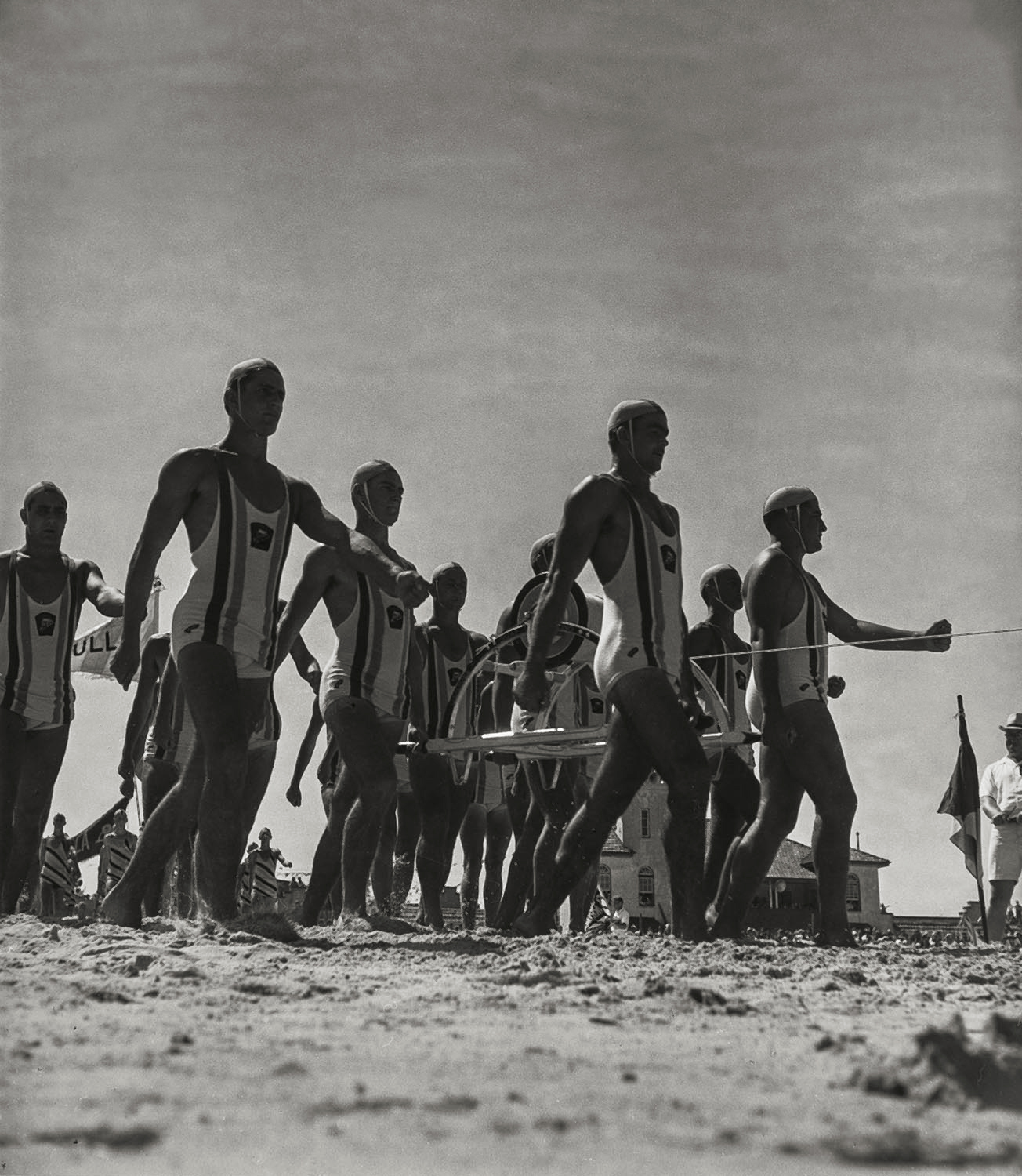
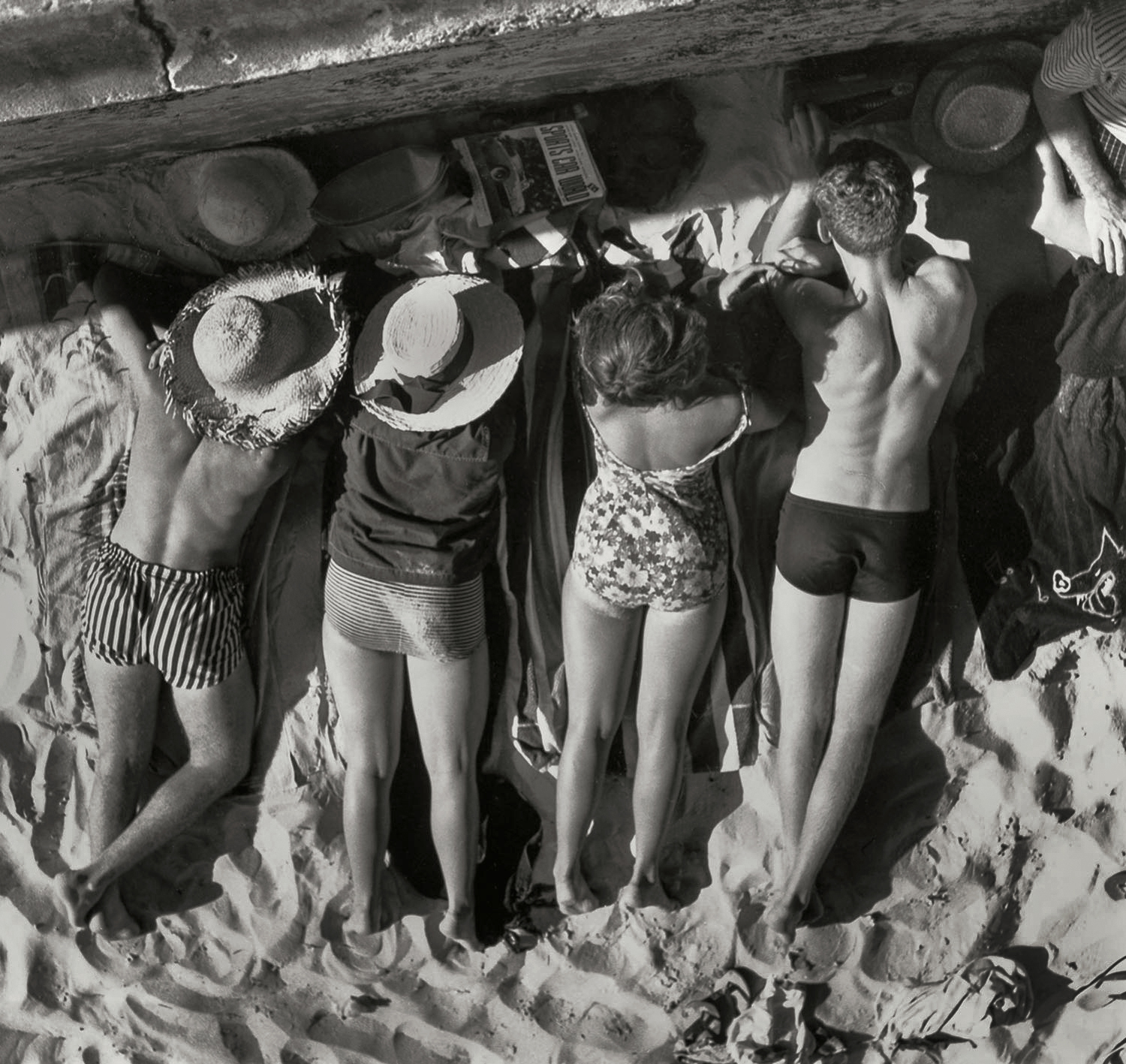
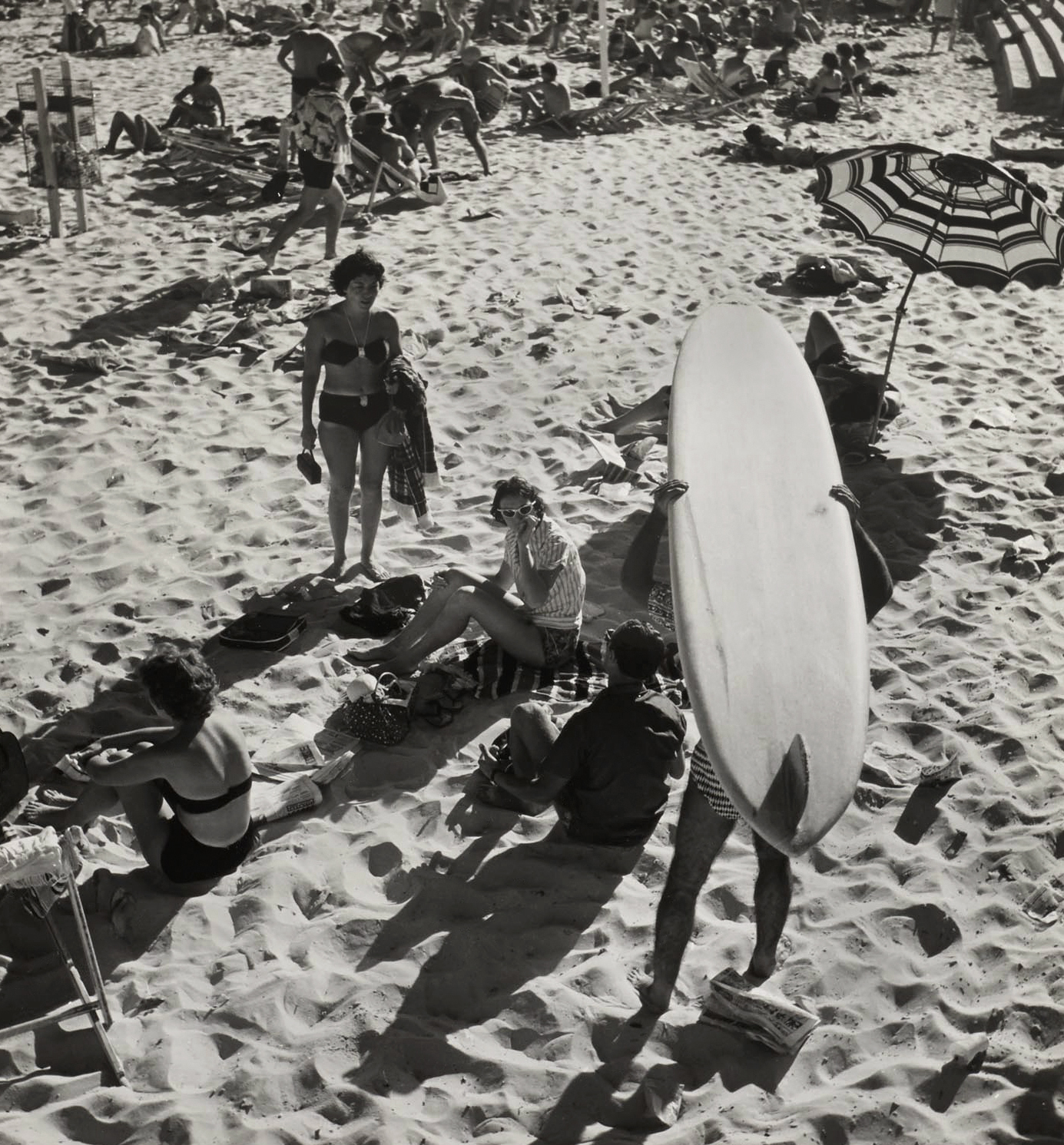
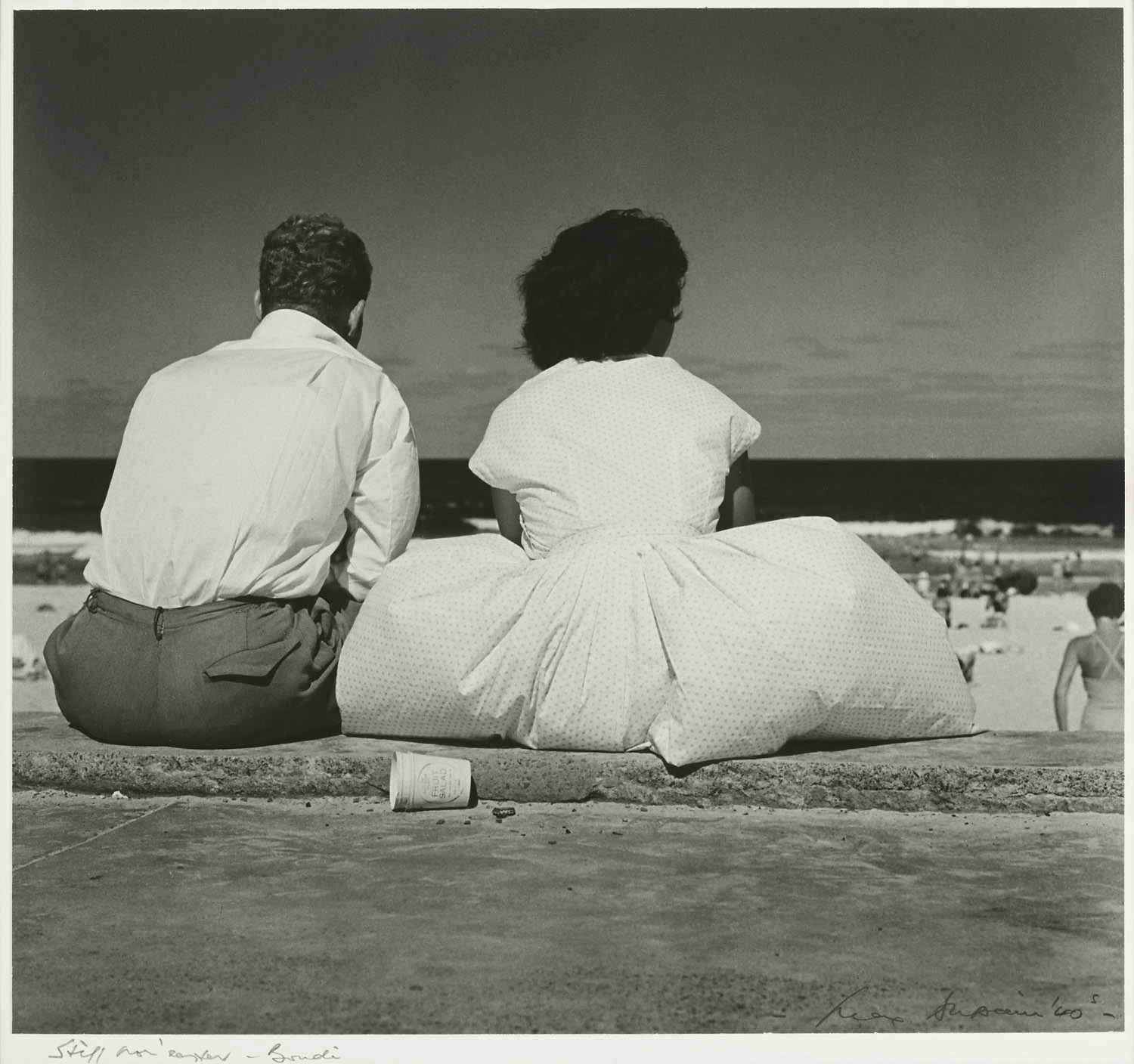
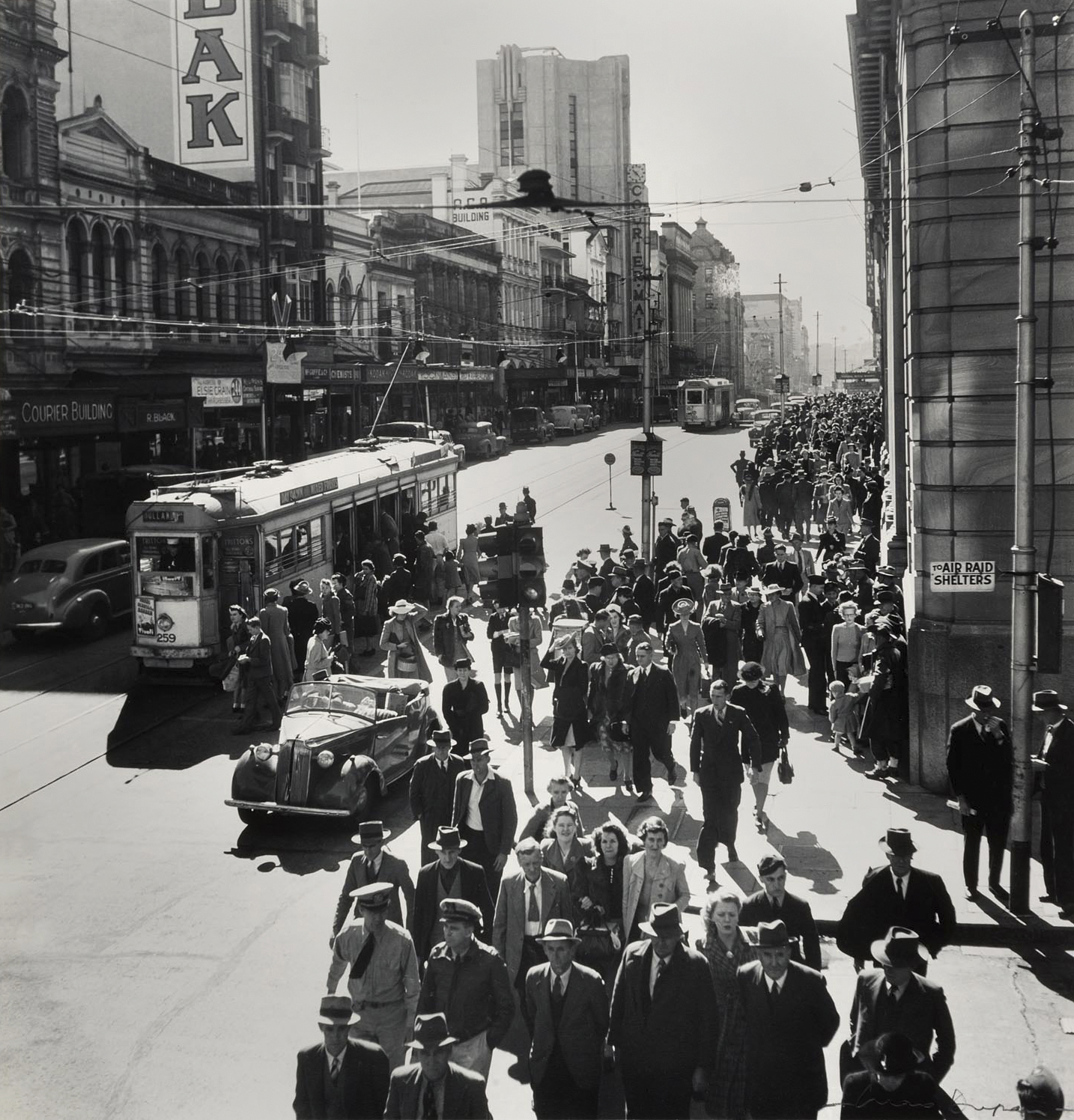
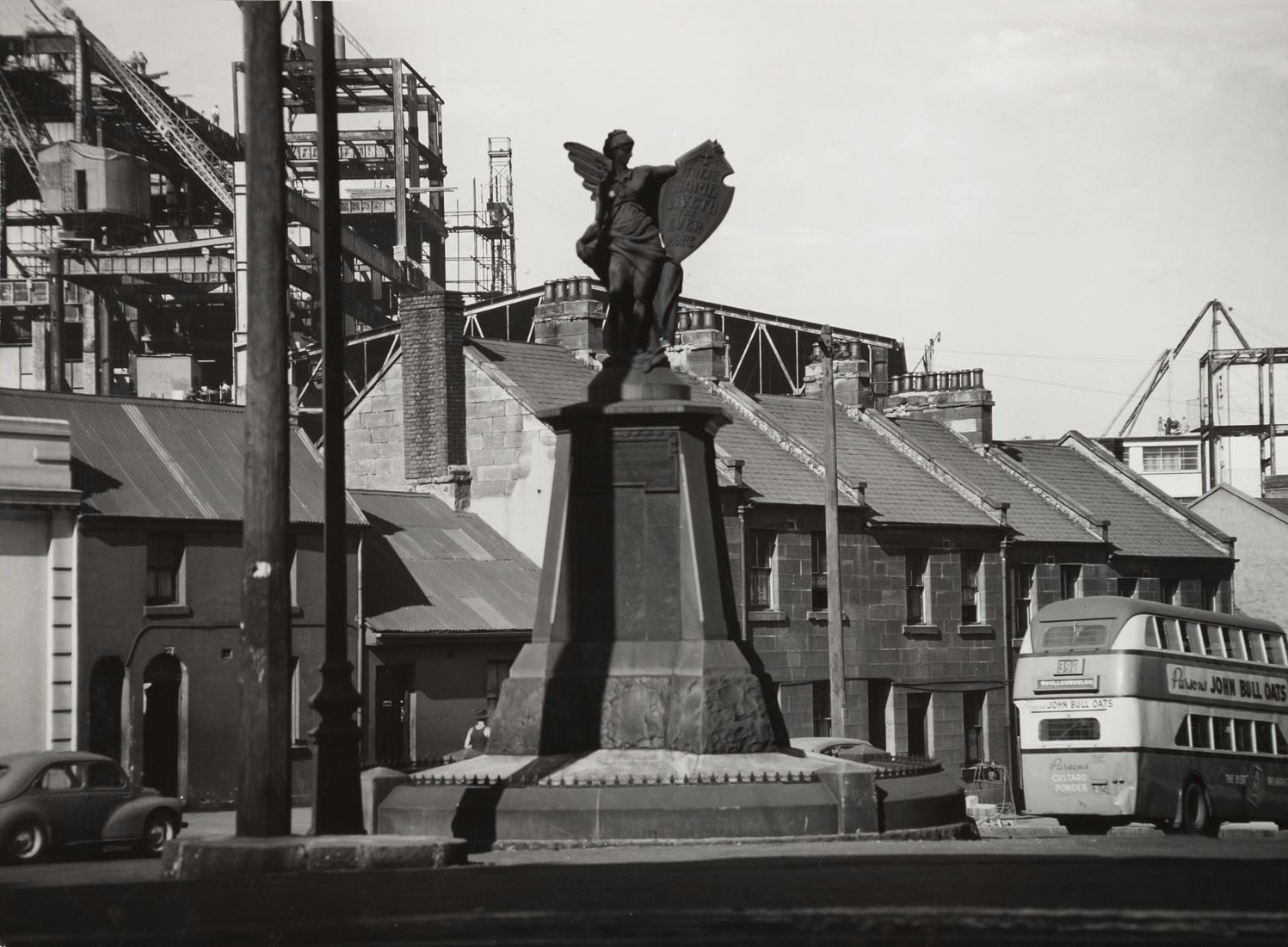
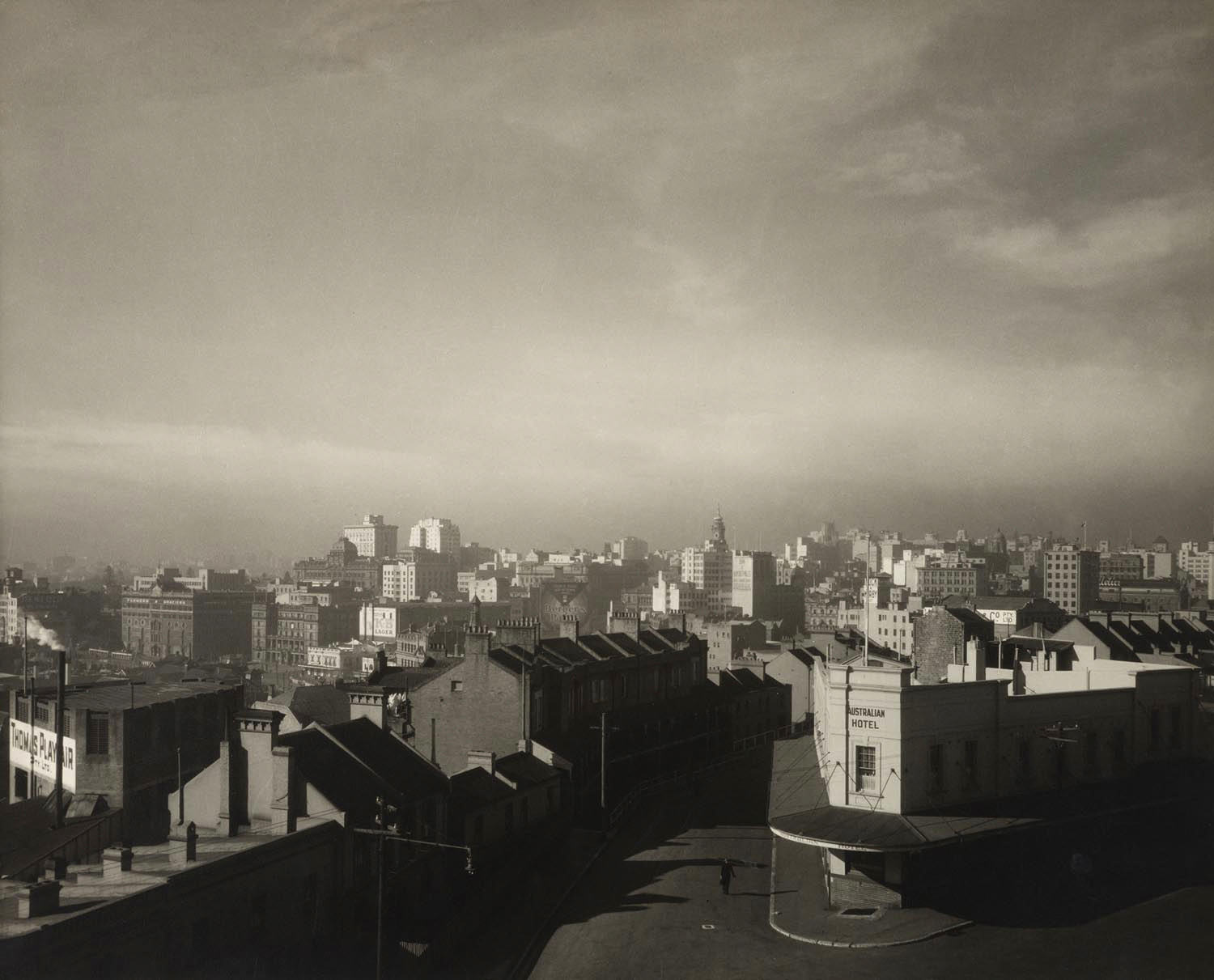
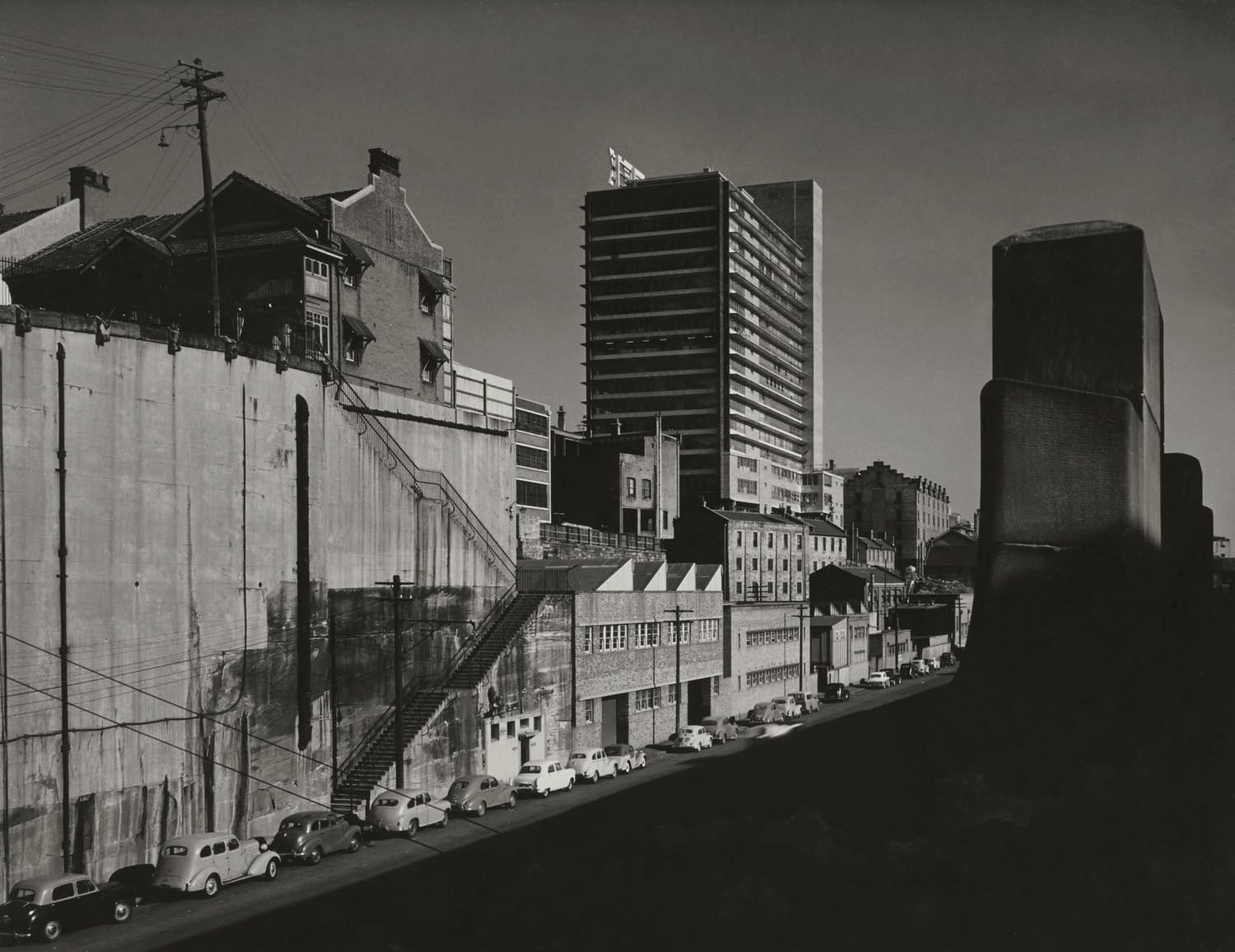
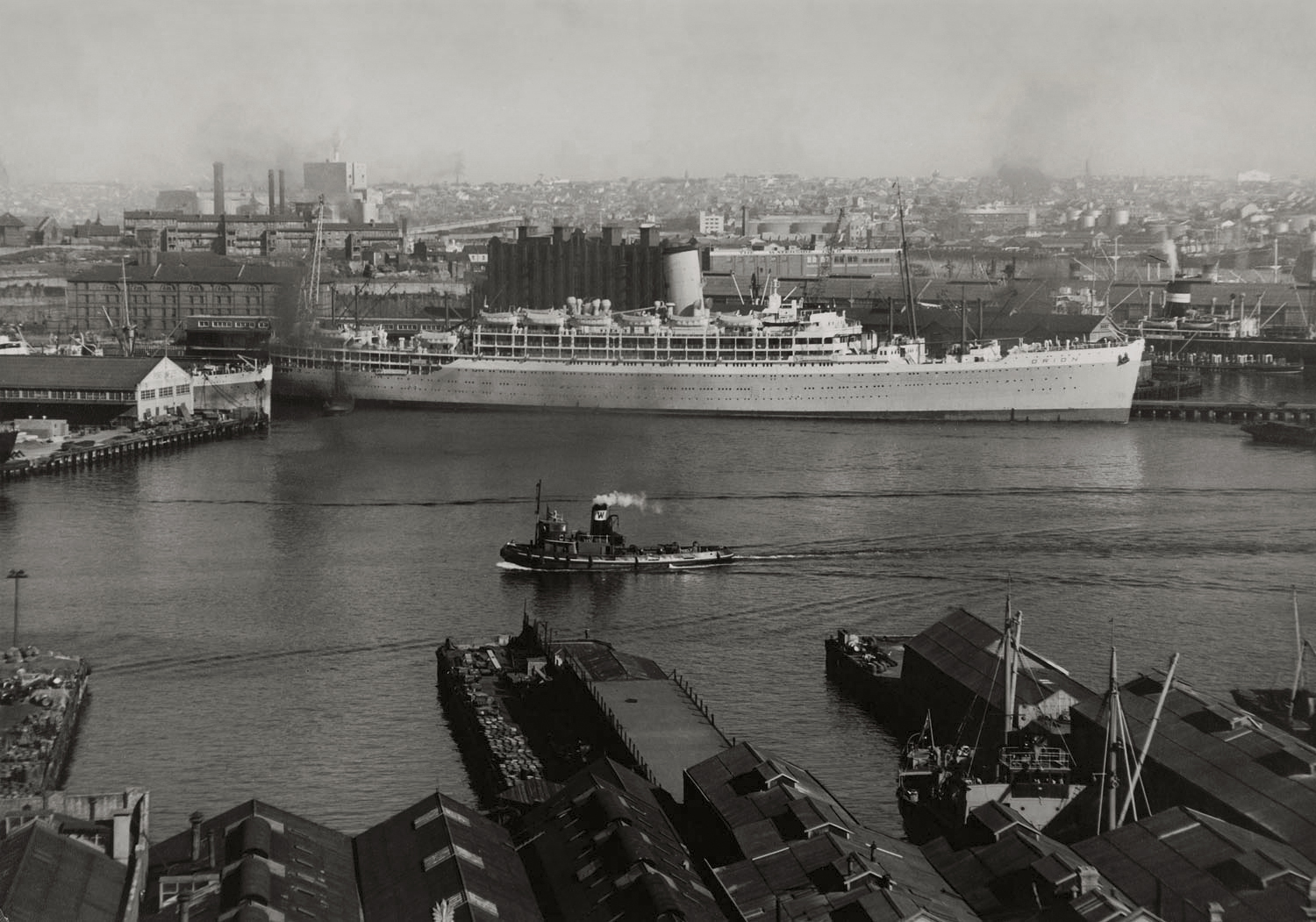
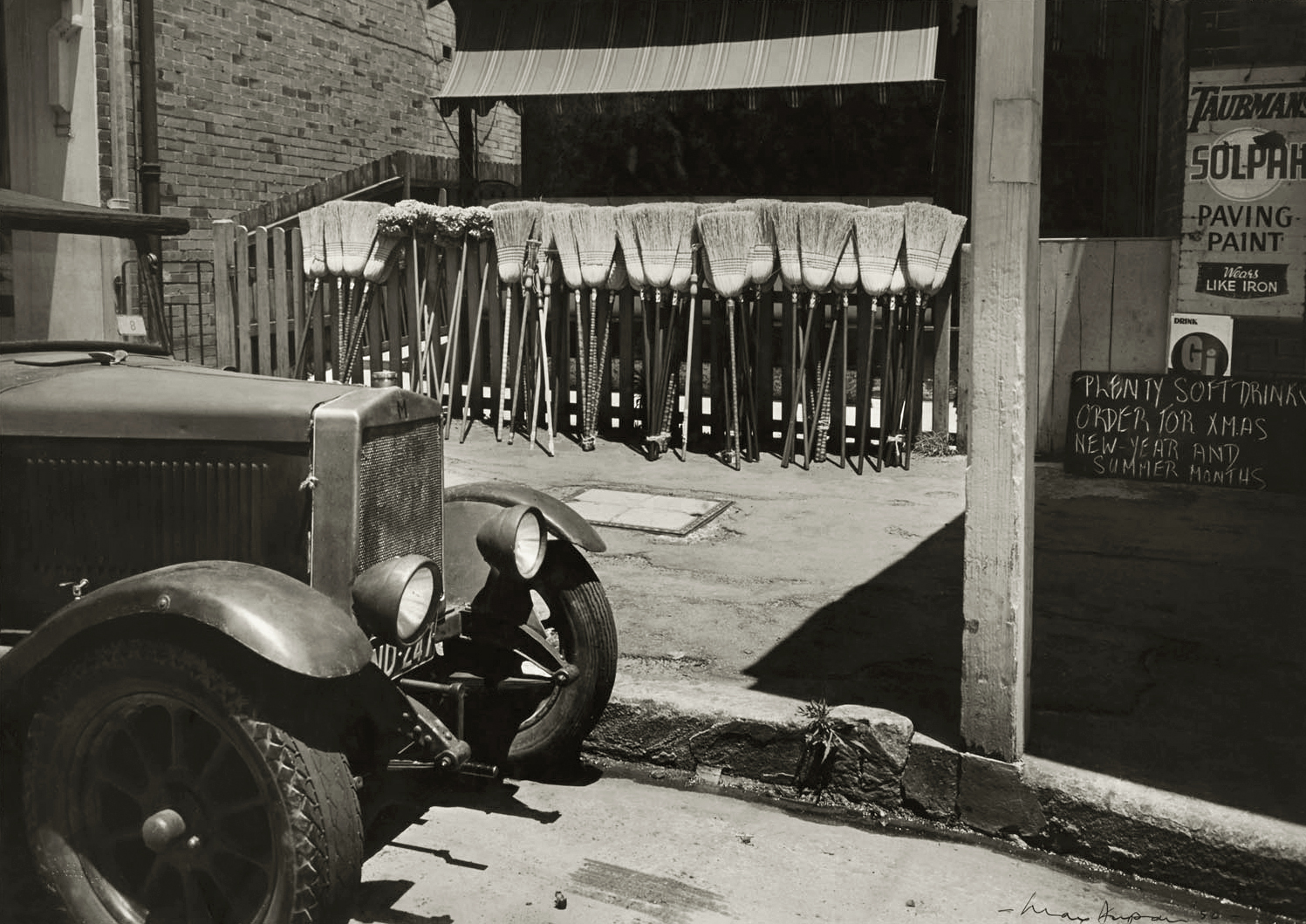
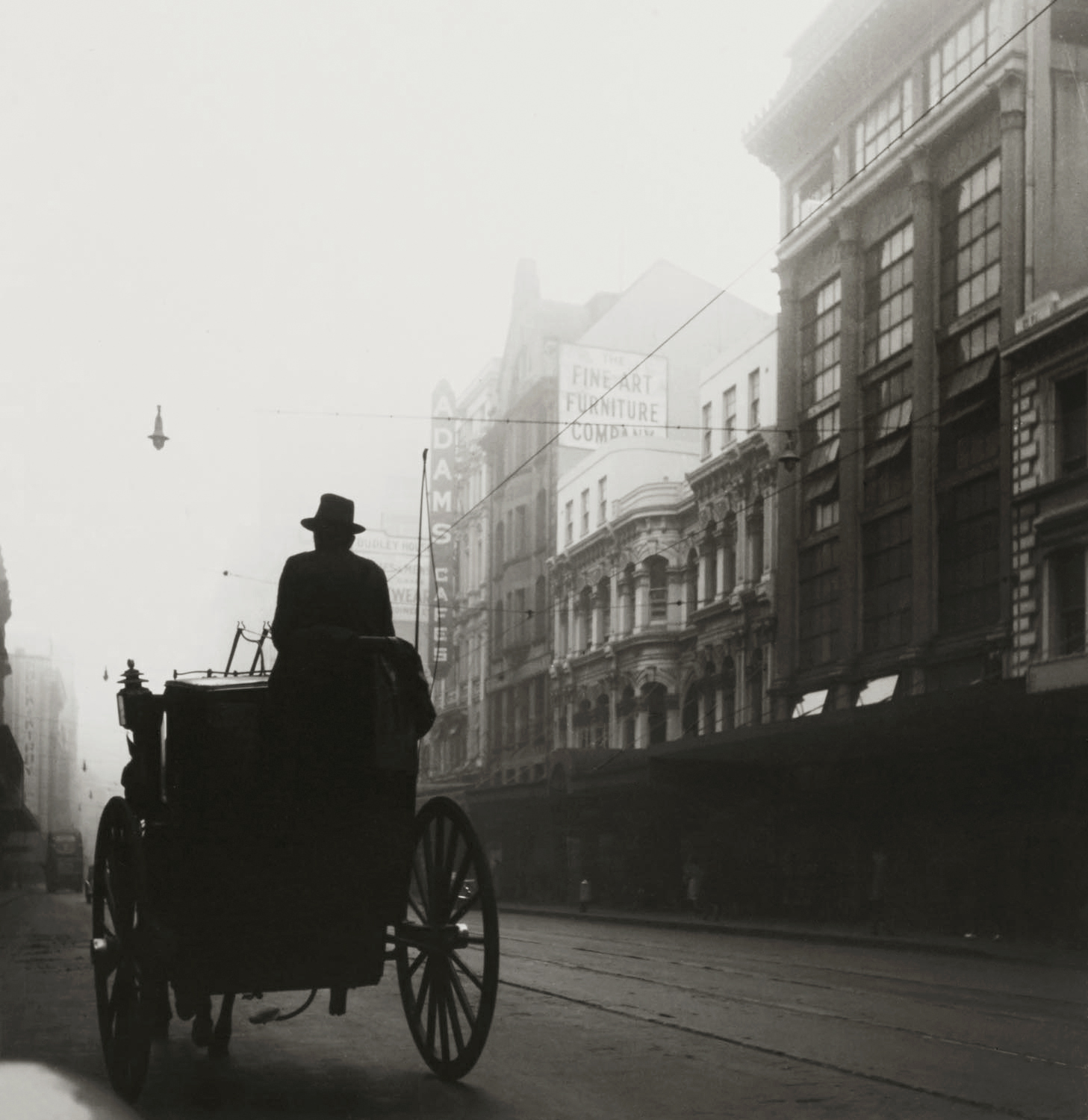
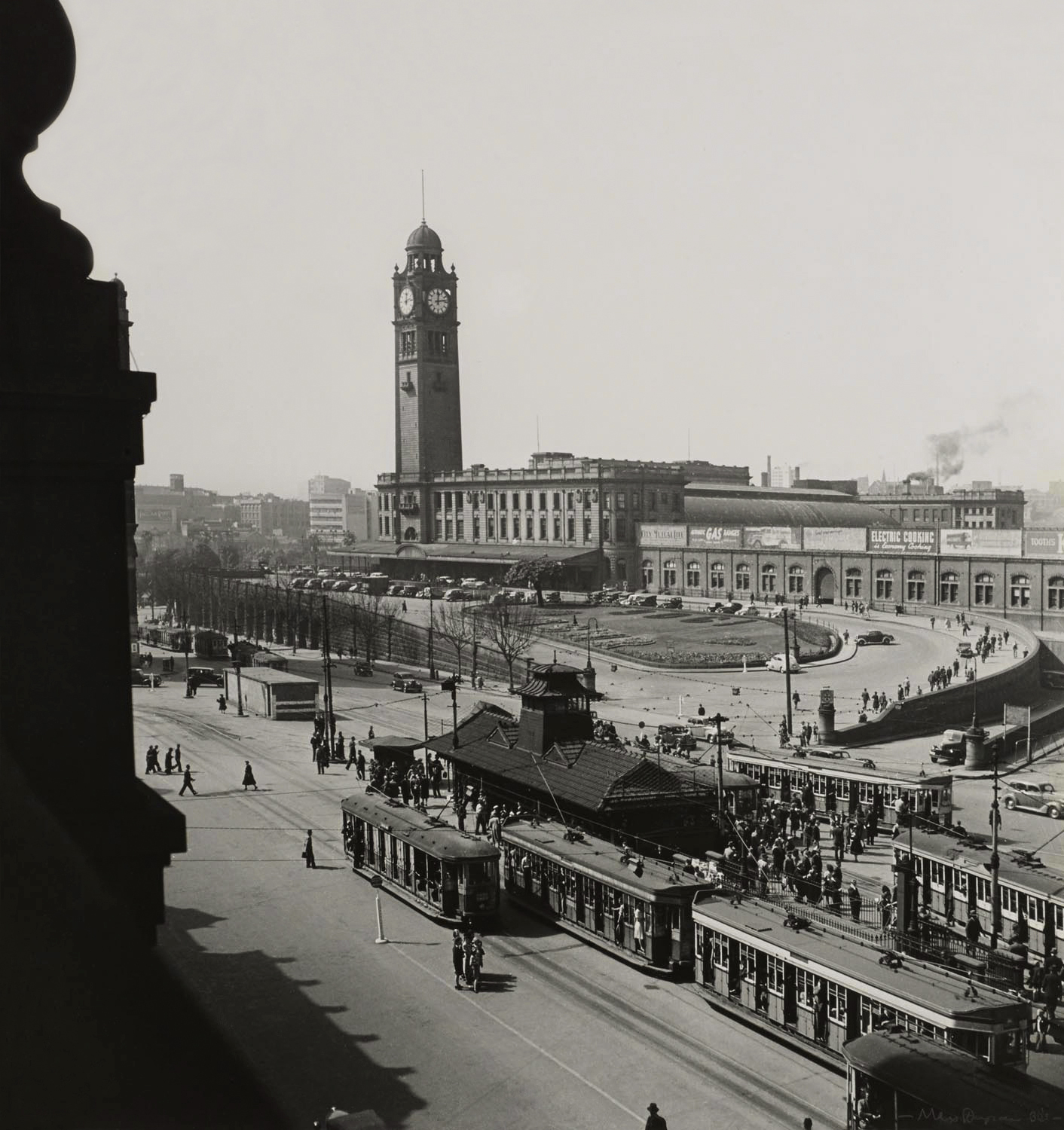
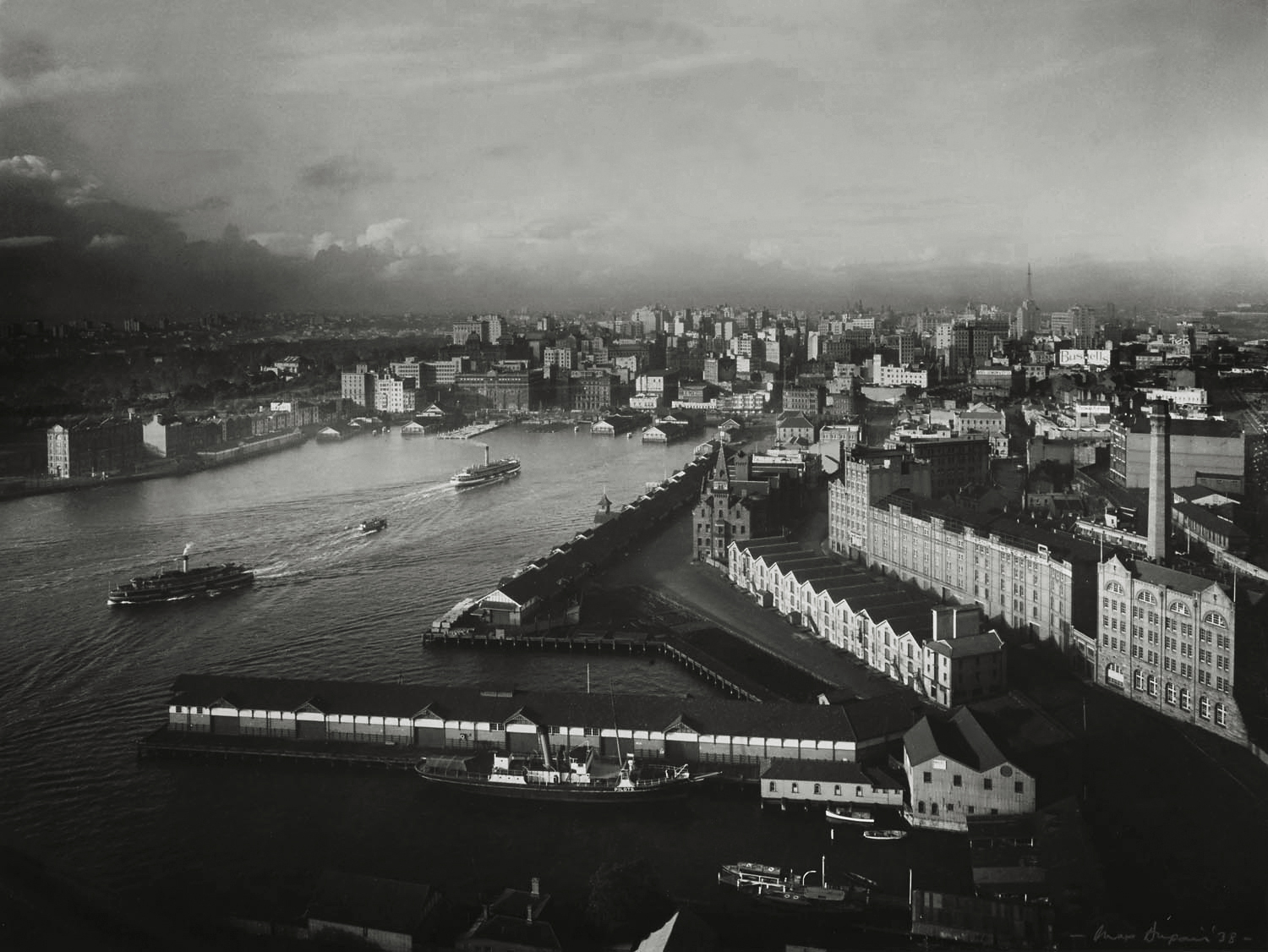
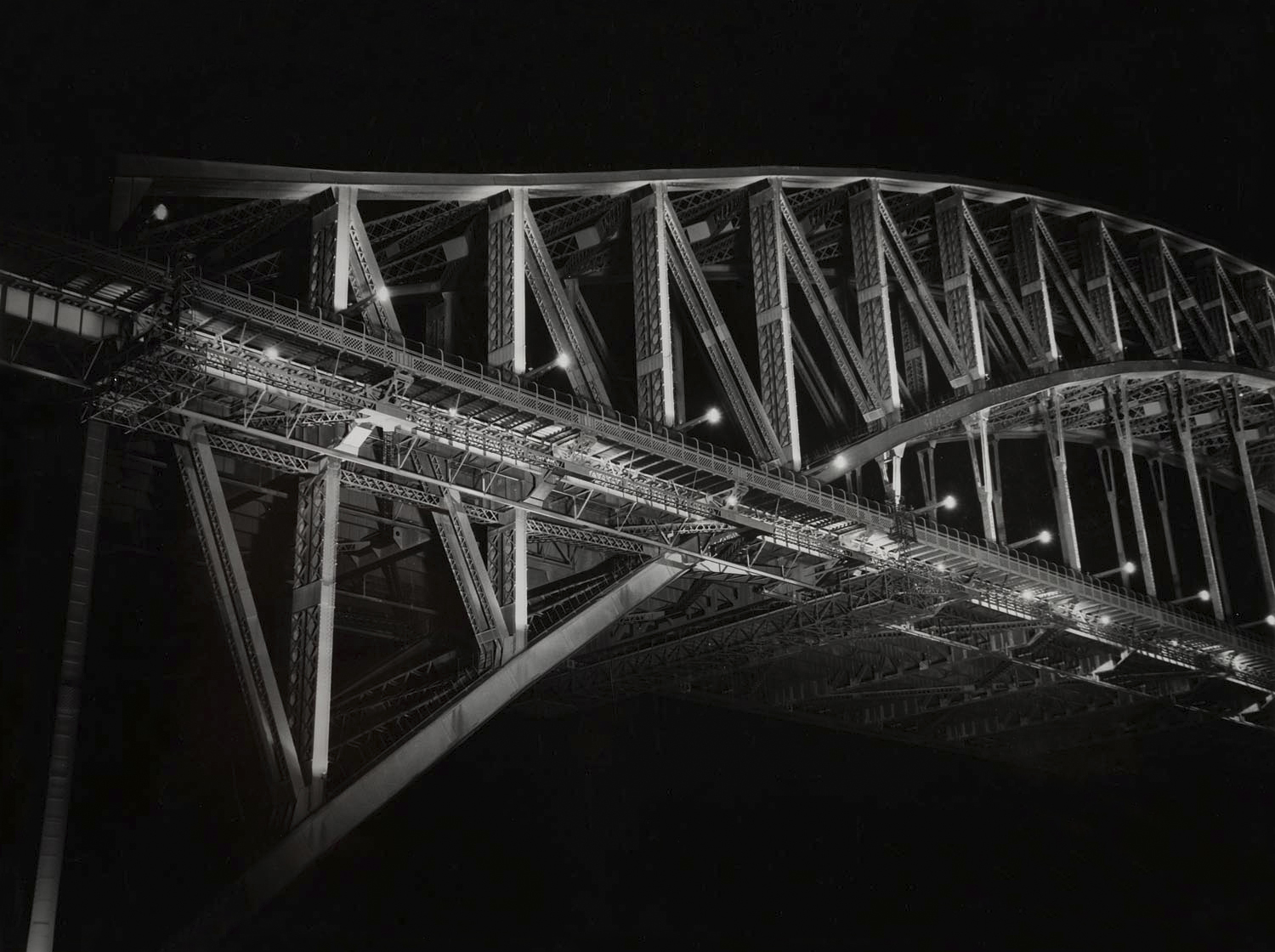
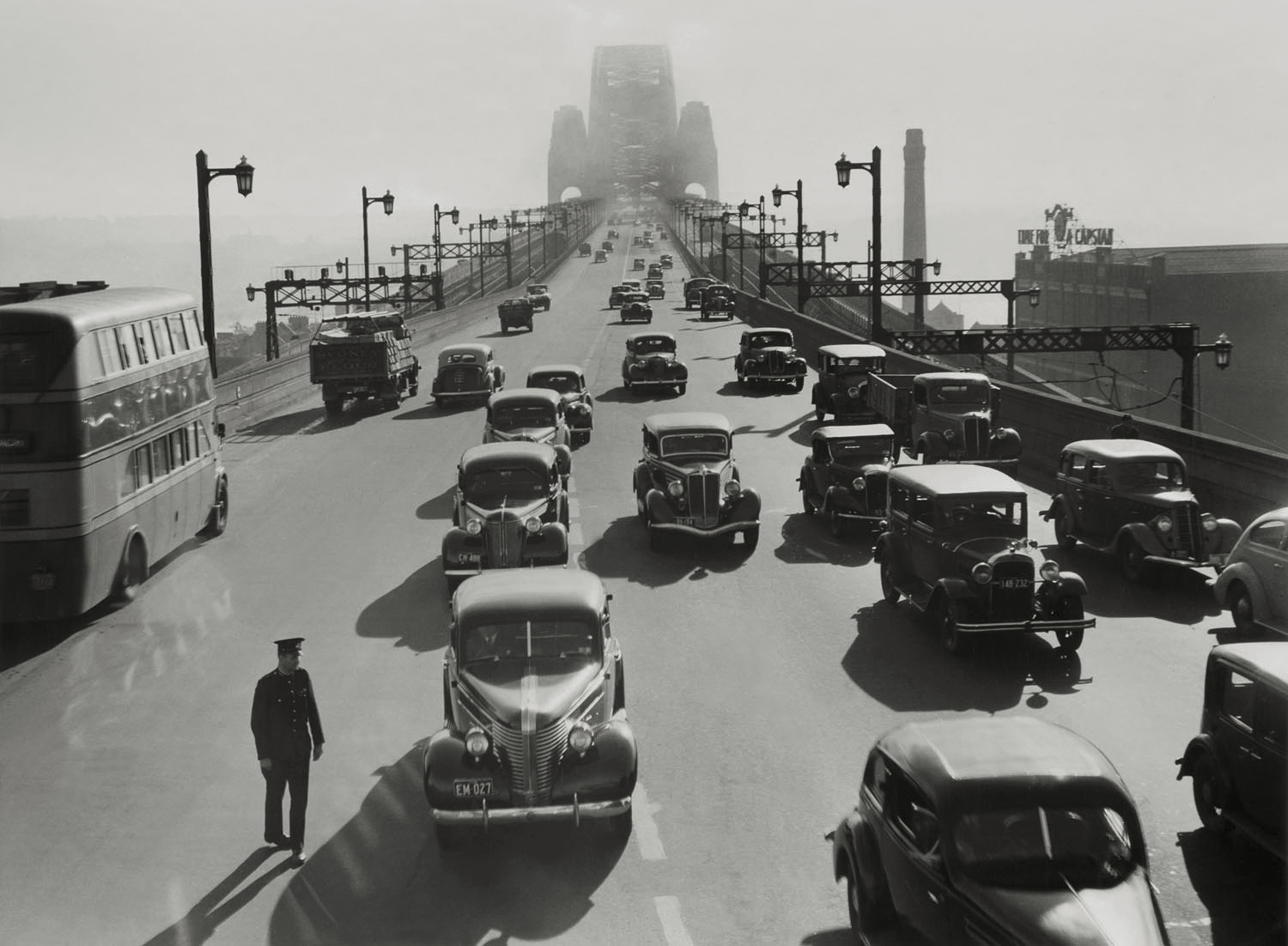
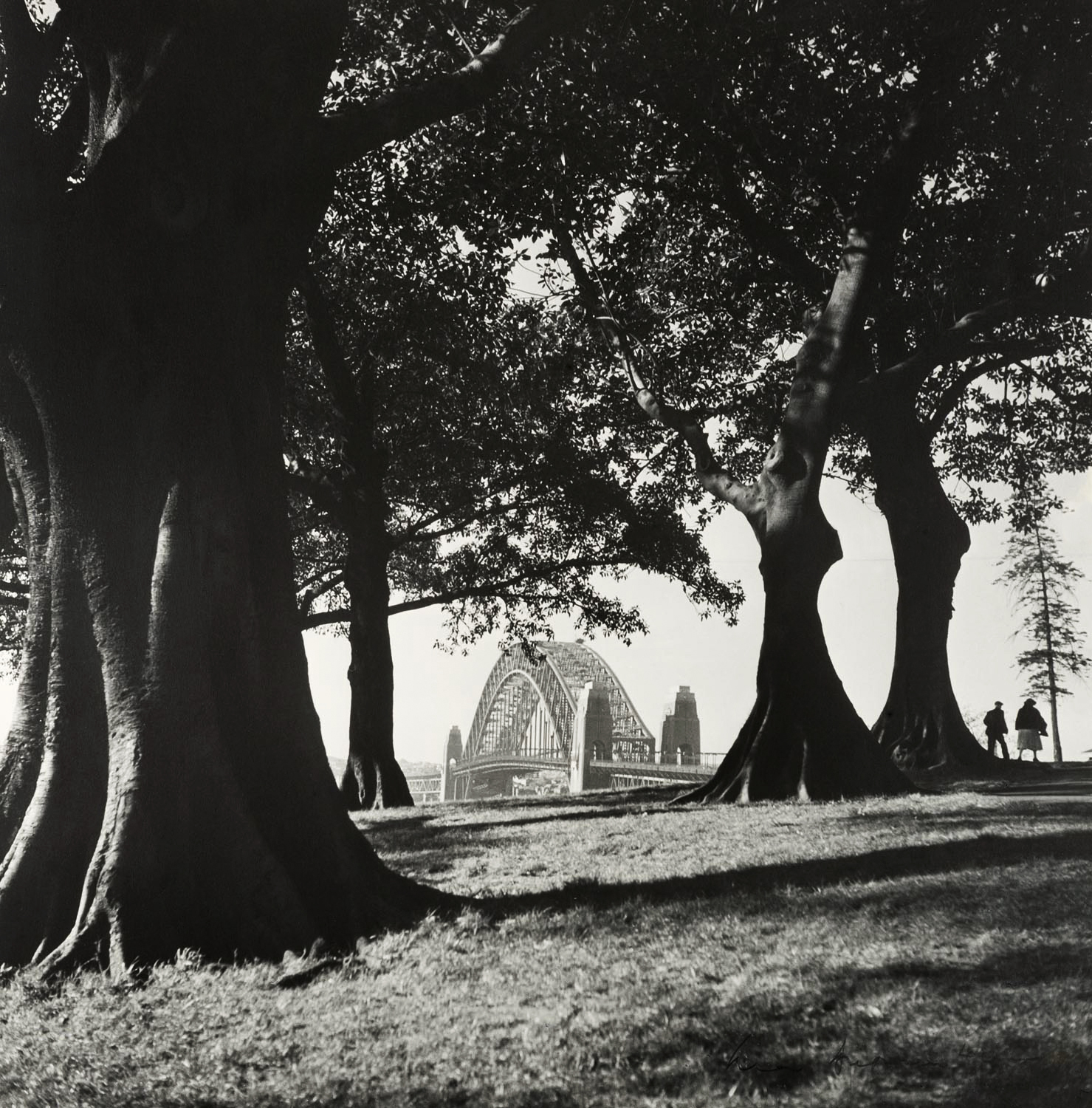


![Ilse Bing (German, 1899-1998) '[Rue de Valois, Paris]' 1932](https://artblart.com/wp-content/uploads/2020/11/ilse-bing-rue-de-valois-paris-1932.jpg "Ilse Bing (German, 1899-1998) '[Rue de Valois, Paris]' 1932")

![Dora Maar (French, 1907-1997) '[Woman and Child in Window, Barcelona]' 1932-1934](https://artblart.com/wp-content/uploads/2020/11/dora-maar-woman-and-child-in-window-barcelona.jpg "Dora Maar (French, 1907-1997) '[Woman and Child in Window, Barcelona]' 1932-1934")
















 Art Blart _ art and cultural memory archive
You must be logged in to post a comment.