Many thankx to the Alte Pinakothek for allowing me to reproduce the photographs in the posting. Please click on the photographs for a larger version of the image.
Marcus
Cabinet Frame German, around 1680 Image: Paul Troger, Simeons Lobgesang
Golden frame, Auricle or Lutmarahmen Dutch, around 1660 Image: Caspar Netscher, Shepherd’s Scene
Foliage frame German, around 1639 Image: Anonymous artist
The Bayerische Staatsgemäldesammlungen do not just own vast holdings of framed pictures but also a huge collection of frames. For this exhibition, however, the selection was not made in the frame depot but solely in the painting depot at the Alte Pinakothek. It is only there in the museum’s holdings that the history of collecting frames and pictures can be traced. Some 4000 frames and pictures were sifted through and recorded, from which a selection of 92 frames was made. This exhibition focuses on the art and history of frames from four centuries, encompassing 16th-century case frames to Classicist and Empire style frames. This presentation covers all types of frame, from highly elaborate ones to miniature versions. Of particular note are the Dutch cabinet and Lutma frames, as well as inlaid examples and trophies from the Rococo period.
Artistic highlights in the exhibition are the frames made by Paul Egell (1691-1752), Melchior Hefele (1716-98) and Johann Wolfgang von der Auwera (1708-58). Frames by and after Joseph Effner (1687-1745), François Cuvilliés the Elder (1695-1768), Karl Albrecht von Lespilliez (1723-96) and Leo von Klenze (1784-1864) provide a fulminant conclusion to the exhibition.
Exploring the holdings of the Alte Pinakothek led the curator to impressive exponents of the art of the frame that originally came from the following galleries and cabinets: from the Grune Galerie at the Residenz in Munich, from the castles and palaces of Schleißheim, Nymphenburg, Ansbach, Bayreuth, Mainz, Passau and Wurzburg, and from the collections in Dusseldorf, Mannheim and Zweibrucken.
The picture-framer, Karl Pfefferle, shows the various techniques used in making and gilding frames by looking at selected examples. The exhibition also provides an overview of the history of frames in the Bayerische Staatsgemäldesammlungen which, thanks to the provenance of some of the works, are of particular interest as well as displaying an incredibly variety.
A comprehensive 264-page catalogue accompanies the exhibition and includes a number of contributions on the production of frames, the depiction of frames in paintings and the history of frame collecting in the Bayerische Staatsgemäldesammlungen. An essay by Verena Friedrich provides an insight into the most recent research on the history of frames carried out in Wurzburg.”
Press release from the Alte Pinakothek website [Online] Cited 11/03/2010 no longer available online
Mannerist framework South German, around 1600 Image: Bartholomew Spranger, Lamentation of Christ 1546-1611
Ornamental frame in the style of the Rococo Mannheim, around 1750 Image: Adriaen van der Werff, Nocturnal Children’s Swarm
Rococo style Ansbach, around 1740 Image: Johann Christian Sperling, Margrave Carl Wilhelm Friedrich of Brandenburg-Ansbach as a 13-year-old boy
Alte Pinakothek Barer Straße 27 D-80799 Munich Phone: +49 (0)89 23805 216
Camilla Tadich: Slabalong and Mark Hislop: Drawing at Sophie Gannon Gallery; Simon Obarzanek at Karen Woodbury Gallery; Kent Wilson Higher Breeds and Alice Wormald Wayside and Hedgerow at Shifted
Camilla Tadich: Slabalong and Mark Hislop: Drawing at Sophie Gannon Gallery, 2 Albert Street, Richmond March 2nd – March 27th 2010 Sophie Gannon Gallery website
Simon Obarzanek at Karen Woodbury Gallery, 4 Albert Street, Richmond March 3rd – March 27th 2010 This gallery is now closed
Kent Wilson Higher Breeds and Alice Wormald Wayside and Hedgerow at Shifted, Level 1, 15 Albert Street, Richmond This gallery is now closed
All photos by Marcus Bunyan
Sophie Gannon Gallery opening Photo: Marcus Bunyan
Sophie Gannon Gallery opening – Mark Hislop Drawing Photos: Marcus Bunyan
Camilla Tadich (Australian, b. 1982) Bordertown 2010 Photo: Marcus Bunyan
Sophie Gannon Gallery opening – Camila Tadich Slabalong Photo: Marcus Bunyan
Karen Woodbury Gallery opening – Simon Obarzanek Photo: Marcus Bunyan
Simon’s photographs come from observing the physical movements of people pushing through the space around them in a city. He senses a universal language through movement and is drawn to this rather than their faces, as he normally is.
He noted that the “strained movements against gravity struck me with force… When I see a person creating a shape with their body in the street I do not sense the individual but a part, a piece of a larger performance. Each individual connects with others to create a visual language. I did not want faces to interrupt this larger work.”
Simon collects the movements on his camera, as photographic sketches, then he rephotographs the movement using friends and family as models. Removed from the busy streets, dislocated, his subject is isolated and framed against a dark background. Some twist away from the camera, or stagger against an unseen wind, sheltering their face from rain that is not falling. Simon does not show their faces, which emphasises the movement and makes the figures anonymous. These photographs are theatrical and mysterious, emphasising the loneliness and alienation that can be encountered living in a big city.
Daido Moriyama (Japanese, b. 1938) Quilt 1977 Gelatin silver print
Daido Moriyama (Japanese, b. 1938) Hokkaido 1978 Gelatin silver print
Daido Moriyama (Japanese, b. 1938) Tono 1974 Gelatin silver print
Luhring Augustine is pleased to present its first exhibition featuring the work of Daido Moriyama, one of Japan’s leading figures in photography. Witness to the spectacular changes that transformed postwar Japan, his photographs express a fascination with the cultural contradictions of age-old traditions that persist within modern society. Providing a harsh, crude vision of city life and the chaos of everyday existence, strange worlds, and unusual characters, his work occupies the space between the objective and the subjective, the illusory and the real.
Moriyama takes pictures with a small hand-held camera that enables him to shoot freely while walking or running or through the windows of moving cars. Taken from vertiginous angles or overwhelmed by closeups, his blurred images are charged with a palpable and frenetic energy that reveal a unique proximity to his subject matter. Snapshots of stray dogs, posters, mannequins in shop windows, and shadows cast into alleys present the beauty and sometimes-terrifying reality of a marginalised landscape. His anonymous and detached approach enables him to capture the “visible present” made up of accidental and uncanny discoveries as he experiences them.
Moriyama emerged as a photographer in the 1960’s at the tail end of the VIVO collective, a revolutionary and highly influential group of Japanese artists who reexamined the conventions of photography during the tumultuous postwar period. William Klein’s loose, Beat style images of New York City in the 1960s also served as a major turning point for Moriyama, who found inspiration in Klein’s free-form photographic style. Taken by these innovative approaches at home and abroad, Moriyama ultimately went on to forge his own radical style.
Hawaii, Moriyama’s most recent body of work, was produced over a period of three years and presents his distinct perspective on the daily lives of the people living on the islands of Hawaii and Oahu. Returning to the island five times before feeling prepared to shoot these surroundings, Moriyama’s overall approach is purposeful and considered despite his loose and informal style. The series was recently exhibited at the Tokyo Metropolitan Museum of Photography and published in a volume by the institution.
Daido Moriyama was born in Osaka in 1938. He has had museum shows around the world including the San Francisco Museum of Modern Art, the Fotomuseum Winterthur, Switzerland, the Fondation Cartier pour l’Art Contemporain, Paris and the Tokyo Metropolitan Museum of Photography. His work is part of many major public collections such as the Museum of Modern Art, New York, the Centre Pompidou, Paris, the Metropolitan Museum of Art, New York, the Los Angeles County Museum, the San Francisco Museum of Modern Art, the Museum of Fine Arts, Boston and the Getty in Los Angeles.
Press release from the Luhring Augustine website [Online] Cited 24/02/2010 no longer available online
Installation views of the exhibition Hawaii by Daido Moriyama at Luhring Augustine, New York, February – March, 2010
A total of 52 black and white photographs, hung in the entry, main gallery, and one of the back rooms. 29 of the images are from the recent Hawaii series, taken / printed between 2007 and 2010…
What if Sander had taken portraits in India or China? (Another recent example of this phenomenon would be Eggleston’s images of Paris, here.) The effect is somewhat like musicians making covers, taking someone else’s songs and making them their own; sometimes the mashup creates something wholly original and unexpected, and sometimes the combination doesn’t quite work.
This exhibit extends this line of thinking, with the Japanese photographer Daido Moriyama making pictures of Hawaii, using a group of the artist’s vintage images of Japan as a counterweight for comparison. The older works provide a reminder of Moriyama’s powerful visual vocabulary: dark shadowy images, with skewed off-kilter angles, harsh contrasts, and a rawness that often mixes the gloomy and the menacing. His best images uncover the dark underbelly of the streets, capturing the cultural nuances of Japan in gritty, grainy blackness.
The island life of Hawaii, with its shakas and mellow aloha spirit, presents a surprising challenge for Moriyama: where can a visitor find the brooding or sinister in this paradise? Moriyama does his best to apply his trademark darkness to palm trees and ferns, beaches and hotels, jungles and clouded hills, tourist shops and conch shells, but the overall effect lacks the malignant edginess that haunts his images of Tokyo; he has found some unexpected surface oddities, but the subjects feel a bit too obvious and superficial. Visually, the big prints (roughly 3 by 5 feet) and their shadowy palette make for a jarring view of the easy going, sunny destination, but the subject matter just doesn’t lend itself all that well to deep psychological probing. The real culture of Hawaii is hidden somewhere else, far from the welcoming hula girls, tiki fabrics, and flowers offered to visitors.
“Curiosity is a vice that has been stigmatized in turn by Christianity, by philosophy and even by a certain conception of science. Curiosity, futility. I like the word however. To me it suggests something all together different: it evokes concern; it evokes the care one takes for what exists or could exist; an acute sense of the real which, however, never becomes fixed; a readiness to find our surroundings strange and singular; a certain restlessness in ridding ourselves of our familiarities and looking at things otherwise; a passion for seizing what is happening now and what is passing away; a lack of respect for traditional hierarchies of the important and the essential.”
Michel Foucault 1
“Swallow is at his best when he’s exploring ways to communicate through the innate qualities of materials … This is always going to be more affecting than glib post-modernism, but he just can’t help himself sometimes. So my deep dislike for portentous and ironic titles bristled up immediately here. ‘Salad Days’ and ‘Killing Time’ are only two of the jokey puns, the problem is that art that simply supports two meanings isn’t very smart or complex. There’s no room for subtext. Irony is not the complex and neutral form that ambiguity is. It doesn’t invite engagement or interpretation. Art ought to aspire to infinite meanings, or maybe even only one. Irony doesn’t make for good art, when irony is the defense mechanism against meaning, masking an anxiety about sincerity.”
John Matthews 2
Let’s cut through the hyperbole. This is not the best exhibition since sliced bread (“the NGV highlight of 1609, 2009 and possibly 2109 too” says Penny Modra in The Age) and while it contains a few strong individual pieces this is not even a particularly good exhibition by Ricky Swallow at NGV Australia.
Featuring bronzes, watercolours and sculptures made from 2004-2009 that are sparingly laid out in the gallery space this exhibition comes as close to the National Gallery of Victoria holding a commercial show as you will find. Using forms such as human skeletons, skulls, balloons encrusted with barnacles, dead animals and pseudo death masks that address issues of materials and memory, time and space, discontinuity and death, Swallow’s sculptures are finely made. The craftsmanship is superb, the attention to detail magnificent and there is a feeling of almost obsessional perfectionism to the pieces. This much is given – the time and care taken over the construction, the hand of the maker, the presentation of specimen as momento mori is undeniable.
After seeing the exhibition three times the standout pieces for me are a life size dead sparrow cast in bronze (with the ironic title Flying on the ground is wrong 2006) – belly up, prostrate, feet curled under – that is delicate and poignant; Caravan (2008), barnacle encrusted bronze balloons that play with the ephemerality of life and form – a sculpture that is generous of energy and spirit, quiet yet powerful; Bowman’s record (2008), found objects of paper archery targets cast in bronze, the readymade solidified, the marks on paper made ambiguous hieroglyph of non-decaying matter, paper / bronze pierced by truth = I shot this, I was here (sometime); and Fig.1 (2008), a baby’s skull encased in a paper bag made of carved wood – the delicacy of surfaces, folds, the wooden paper collapsing into the skull itself creating the wonderful haunting presence of this piece. In these sculptures the work transcends the material state to engage the viewer in a conversation with the eternal beyond.
Swallow seeks to evidence the creation of meaning through the humblest of objects where the object’s fundamental beauty relies on the passing of time for its very existence. In the above work he succeeds. In other work throughout the exhibition he fails.
There seems to be a spare, international aesthetic at work (much like the aesthetic of the Ron Mueck exhibition at NGV International on St. Kilda Road). The art is so kewl that you can’t touch it, a dude-ish ‘Californication’ having descended on Swallow’s work that puts an emotional distance between viewer and object. No chthonic nature here, no dirt under the fingernails, no blood on the hands – instead an Apollonian kewlness, all surface and show, that invites reflection on life as discontinuous condition through perfect forms that seem twee and kitsch.
In Tusk (2007) two bronze skeletal arms hold hands in an undying bond but the sculpture simply fails to engage (the theme was brilliantly addressed by Louise Bourgeois in the first and only Melbourne Arts Biennale in 1999 with her carving in granite of two clasped hands); in History of Holding (2007) the icon of the Woodstock festival designed in 1969 is carved into a log of wood placed horizontally on the floor while a hand holding a peeled lemon (symbolising the passing of time in the still life genre) is carved from another log of wood placed vertically. One appreciates the craftmanship of the carving but the sentiments are too saccharin, the surfaces too shallow – the allegorical layering that Swallow seeks stymied by the objects iconic form. A friend of mine insightfully observed about the exhibition: “Enough of the blond wood thing – it’s so Space Furniture!”
As John Matthews opines in the above quotation from his review of the exhibition there seems to be a lack of sincerity and authenticity of feeling in much of Swallow’s work. Irony as evidenced in the two major pieces titled Salad Days (2005) and Killing Time (2003-2004) leaves little room for the layering of meaning: “Irony is not the complex and neutral form that ambiguity is. It doesn’t invite engagement or interpretation.” Well said.
Killing Time in particular adds nothing to the vernacular of Vanitas paintings of the 17th century, adds nothing to the mother tongue of contemporary concerns about the rape of the seas, fails to update the allegories of the futility of pleasure and the inevitability of death – in fact the allegories in Swallow’s sculpture, the way he tries to twist our conception of the real, seem to have lost the power to remind us of our doom. The dead wooden fish just stare back at us with doleful, hollow eyes. The stilted iconography has no layering; it does not destroy hierarchies but builds them up.
In his early work Swallow was full of curiosity, challenging the norms of culture and creation. I always remember his wonderful series of dioramas at the Melbourne Biennale that featured old record players and animated scenes (see the photograph of Rooftop shoot out with chimpanzee (1999) below). Wow they were hot, they were fun, they made you think and challenge how you viewed the world! As Foucault notes in his excellent quotation at the top of the posting, curiosity promotes “an acute sense of the real which, however, never becomes fixed; a readiness to find our surroundings strange and singular; a certain restlessness in ridding ourselves of our familiarities and looking at things otherwise; a passion for seizing what is happening now and what is passing away; a lack of respect for traditional hierarchies of the important and the essential.”
While Swallow’s ‘diverse gestures of memorialisation’ still address the fundamental concerns of Foucault’s quotation his work seems to have become fixed in an Apollonian desire for perfection. He has forgotten how his early work challenged traditional hierarchies of existence; now, even as he twists and turns around a central axis, the conceptualisation of life, memory and death, his familiarity has become facsimile (a bricoleur is a master of nothing, a tinkerer fiddling at the edges). His lack of respect has become sublimated (“to divert the expression of (an instinctual desire or impulse) from its unacceptable form to one that is considered more socially or culturally acceptable”), his tongue in cheek has become firmly fixed, his sculptures just hanging around not looking at things otherwise.
Dr Marcus Bunyan
1/ Foucault, Michel. “The Masked Philosopher” in Politics, philosophy, culture: interviews and other writings, 1977-1984. London: Routledge, 1988, p. 328
Ricky Swallow (born Australia 1974, lived in England 2003-06, United States 2006- ) Rooftop shoot out with chimpanzee 1999 From the series Even the odd orbit Cardboard, wood, plastic model figures and portable record player 53.0 h x 33.0 w x 30.0 d cm Collection of the National Gallery of Australia Gift of Peter Fay 2001
Please note: This art work is not in the exhibition
Ricky Swallow (born Australia 1974, lived in England 2003-06, United States 2006- ) Tusk (detail) 2007 Patinated bronze, brass Edition of 3 plus 1 Artist’s Proof 50 x 105 x 6cm National Gallery of Australia, Canberra Gift of the Prescott Family Foundation, 2008
Ricky Swallow (born Australia 1974, lived in England 2003-06, United States 2006- ) The Man from Encinitas 2009 Plaster, onyx, steel
Ricky Swallow’s sculptures address fundamental issues that lie at the core of who we are. Things have lives. We are our things. We are things. When all is said and done it is our things – our material possessions – that outlive us. Anyone who has lost a family member or close friend knows this: what we have before us once that person is gone are the possessions that formed a life. Just as we are defined and represented by the things that we collect over time, we are ultimately objects ourselves. When we are dead and decomposed what remains are our bones, another type of object. And then there is social science. Archaeology, a subfield of anthropology, is entirely based on piecing together narratives of human relations based on material culture, that is, objects both whole and fragmentary. It may seem obvious but it is worth stressing here that our understanding of cultures from the distant past, those that originated before the advent of writing, is entirely based on the study of objects and skeletal remains. Swallow’s art addresses these basic yet enduring notions and reminds us of our deep symbiotic relationship to the stuff of daily life.
Like the bricoleur put into popular usage by anthropologist Claude Levi-Strauss in his seminal book The Savage Mind, Ricky Swallow creates works of art often based on objects from his immediate surroundings. His method, however, is more of a second order bricolage: his sculptures are not assemblages of found objects, but rather elegantly crafted things. Handcarved from wood or plaster or cast in bronze, these humble objects are transformed into memorials to both the quotidian and the passage of time.
Still life
The still life has been an important touchstone throughout Swallow’s recent practice as it is an inspired vehicle for the exploration of how meaning is generated by objects. Several sculptures in the exhibition reference the still-life tradition in which Swallow updates and personalises this time-honoured genre, in particular the vanitas paintings of 17th century Holland. Vanitas still lifes, through an assortment of objects that had recognisable symbolism to a 17th-century viewer, functioned as allegories on the futility of pleasure and the inevitably of death. Swallow’s embrace of still life convention, however, is non-didactic, secular and open-ended. Swallow is not obsessed by death. On the contrary, his focus on objects is about salvaging them from the dust bin of history and honouring their continued resonance in his life. Killing time, 2003-2004, and Salad days, 2005, depict animals that Swallow and his family either found or caught when he was young and best highlight how the artist reclaims the still life genre to explore personal narrative. Killing time, which depicts a bounty of fish and crustaceans spread across a table modelled after the Swallow family kitchen table of the artist’s youth, is rife with autobiographical association. It not only references an object from Swallow’s past, but also the profession of his father, a fisherman, and the fact that Swallow was raised by the sea. Salad days is another autobiographical work depicting a range of animals such as birds, a rabbit, mice and a fox skull. Like many boys growing up in rural environments, Swallow recalls shooting magpies, encountering nesting birds in his garage or discovering dead lizards or trapping live ones in an attempt to keep them as pets.
While not an overt still life, History of holding, 2007, suggests the genre in its fragmentary depiction of a musical instrument and the appearance of a lemon with falling rind. The hand holding / presenting a peeled lemon as the rind winds around the wrist in bracelet-like fashion is based on a cast of Swallow’s own hand, insinuating himself into this antiquated tradition. It is as if Swallow is announcing to us his deep interest in the temporality of objects through the presentation of the peeled lemon, which symbolises the passing of time and also appears in Killing time. The second component of History of holding is a sculptural interpretation of the Woodstock music festival icon designed by Arthur Skolnick in 1969, which still circulates today. History of holding, then, also references music, a leitmotif in Swallow’s art that appears both within the work itself, and also through Swallow’s use of titles.
Body fragments
Tusk, 2007 among several other works in the exhibition, explores the theme of body as fragment. Much has been discussed about Swallow’s use of the skeleton as a form rich in meaning within both the traditions of art history as well as popular culture (references range from the Medieval dance macabre and the memento mori of the still life tradition to the skeleton in rock music and skateboard art iconography). Tusk represents two skeletal arms with the hands clasped together in eternal union. A poignant work, Tusk is a meditation on permanence: the permanence of the human body even after death; the permanence of the union between two people, related in the fusion of the hands into that timeless symbol of love, the heart.
Swallow calls his watercolours “atmospheric presentations,” in contradistinction to his obviously more physical sculptures, and he sees them as respites from the intensity of labour and time invested in the sculptural work. They also permit experimentation in ways that sculpture simply does not allow. One nation underground, 2007, is a collection of images based on rock / folk musicians, several who had associations to 1960s Southern California, Swallow’s current home. Most of the subjects Swallow has illustrated in this work are now deceased; several experienced wide recognition only after their deaths. Like many of his sculptures, this group of watercolours tenderly painted with an air of nostalgia has the sensibility of a memorial – or as Swallow has called it “a modest monument”. The title of the work is based on a record album by another under-heralded rock band from the 1960s, Pearls Before Swine, and is a prime example of Swallow’s belief in the importance of titles to the viewing experience as clues or layers of meaning. In this case, the title hints at the quasi-cult status of the musicians and singers depicted. The featured musicians are Chris Bell (Big Star), Karen Dalton (a folk singer), Tim Buckley (legendary singer whose style spanned several genres and father to the late Jeff Buckley), Denny Doherty (The Mamas & the Papas ), Judee Sill (folk singer), Brian Jones (Rolling Stones), Arthur Lee (Love), John Phillips (The Mamas & the Papas ), Skip Spence (Jefferson Airplane and Moby Grape) and Phil Ochs (folk singer).
Killing time, 2003-2004, and Salad days, 2005, depict animals that Swallow and his family either found or caught when he was young and best highlight how the artist reclaims the still life genre to explore personal narrative. Killing time, which depicts a bounty of fish and crustaceans spread across a table modelled after the Swallow family kitchen table of the artist’s youth, is rife with autobiographical association. It not only references an object from Swallow’s past, but also the profession of his father, a fisherman, and the fact that Swallow was raised by the sea. Salad days is another autobiographical work depicting a range of animals such as birds, a rabbit, mice and a fox skull. Like many boys growing up in rural environments, Swallow recalls shooting magpies, encountering nesting birds in his garage or discovering dead lizards or trapping live ones in an attempt to keep them as pets.
“I’ve always been interested in how an object can be remembered and how that memory can be sustained and directed sculpturally, pulling things in and out of time, passing objects through the studio as a kind of filter returning them as new forms.”
Ricky Swallow in Goth: Reality of the Departed World. Yokohama: Yokohama Museum of Art, 2007
A new exhibition featuring the work of internationally renowned Australian artist Ricky Swallow will open at The Ian Potter Centre: NGV Australia on 16 October 2009.
Ricky Swallow: The Bricoleur is the artist’s first major exhibition in Australia since 2006. This exhibition will feature several of the artist’s well‐known intricately detailed, carved wooden sculptures as well as a range of new sculptural works in wood, bronze and plaster. The exhibition will also showcase two large groups of watercolours, an aspect of Swallow’s practice that is not as well known as his trademark works.
Salad days (2005) and Killing time (2003‐2004), which were featured in the 2005 Venice Biennale and are considered Swallow icons, will strike a familiar chord with Melbourne audiences.
Sculptures completed over the past year include bronze balloons on which bronze barnacles seamlessly cling (Caravan, 2008); a series of cast bronze archery targets (Bowman’s Record, 2008) that look like desecrated minimalist paintings; and carved wooden sculpture of a human skull inside what looks like a paper bag.
A highlight of the show will be Swallow’s watercolour, One Nation Underground (2007), recently acquired by the NGV. The work presents a collection of images based on 1960s musicians including Tim Buckley, Denny Doherty, Brian Jones and John Phillips.
Alex Baker, Senior Curator, Contemporary Art, NGV said the works in this exhibition explore the themes of life and death, time and its passing, mortality and immortality.
“Swallow’s art investigates how memory is distilled within the objects of daily life. His work addresses the fundamental issues that lie at the core of who we are, reminding us of our deep symbiotic relationship to the stuff of everyday life.”
“The exhibition’s title The Bricoleur refers to the kind of activities performed by a handyman or tinkerer, someone who makes creative use of whatever might be at hand. The Bricoleur is also the title of one of the sculptures in the exhibition, which depicts a forlorn houseplant with a sneaker wedged between its branches,” said Dr Baker.
Gerard Vaughan, Director, NGV, said this exhibition reinforces the NGV’s commitment to exhibiting and collecting world‐class contemporary art.
“The NGV has enjoyed a long and successful relationship with Ricky Swallow, exhibiting and acquiring a number of his works over the years. His detailed and exquisitely crafted replicas of commonplace objects never fail to inspire visitors to the Gallery.”
Ricky Swallow was born in Victoria in 1974 and currently lives and works in Los Angeles, California. His career has enjoyed a meteoric rise since winning the NGV’s prestigious Contempora5 art prize in 1999. Since then, Swallow has exhibited in the UK, Europe and the United States, and represented Australia at the 2005 Venice Biennale.
Ricky Swallow (born Australia 1974, lived in England 2003-2006, United States 2006- ) The Bricoleur (detail) 2006 Jelutong (Dyera costulata) 122 x 25 x 25cm Private collection
The Ian Potter Centre: NGV Australia Federation Square Corner of Russell and Flinders Streets, Melbourne
All images are featured in the exhibition. Many thankx to the Schirn Kunsthalle for allowing me to publish the photographs in the posting. Please click on the photographs for a larger version of the image.
The Hungarian artist László Moholy-Nagy (1895-1946) became known in Germany through his seminal work as a teacher at the Staatliches Bauhaus in Weimar and Dessau (1923-1928). His pioneering theories on art as a testing ground for new forms of expression and their application to all spheres of modern life are still of influence today. Presenting about 170 works – paintings, photographs and photograms, sculptures and films, as well as stage set designs and typographical projects – the retrospective encompasses all phases of his oeuvre. On the occasion of the ninetieth anniversary of the foundation of the Bauhaus, it offers a survey of the enormous range of Moholy-Nagy’s creative output to the public for the first time since the last major exhibition of his work in Kassel in 1991. Never having been built before 2009, the artist’s spatial design Raum der Gegenwart (Room of Today), which brings together many of his theories, will be realised in the context of the exhibition.
No other teacher at the Bauhaus in Weimar and Dessau, nor nearly any other artist of the 1920s in Germany, an epoch rich in utopian designs, developed such a wide range of ideas and activities as László Moholy-Nagy, who was born in Bácsborsód in Southern Hungary in 1895. His oeuvre bears evidence to the fact that he considered painting and film, photography and sculpture, stage set design, drawing, and the photogram to be of equal importance. He continually fell back upon these means of expression, using them alternately, varying them, and taking them up again as parts of a universal concept whose pivot was the alert, curious, and unrestrained experimental mind of the “multimedia” artist himself. Long before people began to talk about “media design” and professional “marketing,” Moholy-Nagy worked in these fields, too – as a guiding intellectual force in terms of new technical, design and educational instruments. “All design areas of life are closely interlinked,” he wrote about 1925 and was, despite his motto insisting on “the unity of art and technology,” no uncritical admirer of the machine age, but rather a humanist who was open-minded about technology. His basic attitude as an artist, which exemplifies the idealistic and utopian thinking of an entire era, may be summed up as aimed at improving the quality of life, avoiding specialisation, and employing science and technology for the enrichment and heightening of human experience.
After having graduated from high school, Moholy-Nagy began to study law in Budapest in 1913, but was drafted in 1915. During the war, he made his first drawings on forces mail cards and began dedicating himself exclusively to art after having been discharged from the army in 1918. Moholy-Nagy moved to Vienna in 1919 and to Berlin the following year, kept in close contact with Kurt Schwitters, Raul Hausmann, Theo van Doesburg, and El Lissitzky, and immersed himself in Merzkunst, De Stijl, and Constructivism. He achieved successes as an artist with his solo presentation in the Berlin gallery “Der Sturm” (1922), for example. In spring 1923, he was offered the post of a Bauhaus master in Weimar by Walter Gropius. Taking responsibility for the preliminary course and the metal workshop, he decisively informed the Constructivist and social reorientation of the Bauhaus. Interlinking art, life, and technology and underscoring the visual and the material aspects in design were key issues of his work and resulted in a modern, technology-oriented language of forms. His didactic approaches as a Bauhaus teacher still present themselves as up-to-date as his work as an artist. For him, education had to be primarily aimed at bringing up people to become artistically political and creative beings: “Every healthy person has a deep capacity for bringing to development the creative energies found in his/her nature … and can give form to his/her emotions in any material (which is not synonymous with ‘art’),” he wrote in 1929.
In spite of his manifold activities and inventions in the sphere of so-called applied art, Moholy-Nagy by no means advocated abolishing free art. Before, during, and long after his years at the Bauhaus, he produced numerous paintings, drawings, collages, woodcuts, and linocuts, as well as photographs and films as autonomous works of art. Like his design solutions, his works in the classical arts, in painting and sculpture, also reveal his aesthetically and conceptually radical approach. His Telephone Pictures, whose execution he controlled by telephone, exemplify this dimension: using a special graph paper and a colour chart, he worked out the composition and colours of the pictures and had them realised according to his telephonic instructions by technical assistants. He also pursued new paths with his famous Light-Space Modulator of 1930, conceiving his gesamtkunstwerk [“total work of art”] composed of colour, light, and movement as an “apparatus for the demonstration of the effects of light and movement.” It was equally new territory he conquered in the fields of photography and film: considering his cameraless photography, his photograms, and his abstract films such as Light Play Black, White, Gray (1930), Moholy-Nagy must still be regarded as one of the most important twentieth-century photographers and key figures for today’s media theories.
Thanks to his experiments with photography and the photogram, László Moholy Nagy was one of the first typographers of the 1920s to recognise the new possibilities offered by the combination of typeface, surface design, and pictorial signs with recent photographic techniques. As a Bauhaus teacher for typography, he designed almost all of the 14 Bauhaus books published between 1925 and 1929 and – besides co-editing them with Walter Gropius – took care of the entire presentation of the books’ contents and the organisation of their production. With its dynamic cycles and bars and concentration on a few, clear colours, their design resembled the Constructivist artists’ paintings and drawings. While Moholy-Nagy’s early typographic works are frequently still characterised by hand-drawn typefaces, he later strove for a “mechanized graphic design” also suited for commercial advertising through their systematisation and standardisation. After he had left the Bauhaus in 1928, he founded his own office in Berlin, where he, among other things, developed advertising solutions for Wilhelm Wagenfeld’s designs for the Jena Glassworks. Faced with the Nazis’ seizure of power, Moholy-Nagy emigrated to the United States via Amsterdam and Great Britain and founded the New Bauhaus in Chicago in 1937 and, after it had been closed, the Chicago School (and later Institute) of Design in 1939, where he continued to champion an integration of art, science, and technology. László Moholy-Nagy died of leukaemia in Chicago on 24 November 1946.
The exhibition at the Schirn also presents the Raum der Gegenwart (Room of Today), which offers a concise summary of Moholy-Nagy’s work. The sketches for this environment, which assembles many of his theories, date back as far as 1930. Not having been built before 2009, the Raum der Gegenwart (Room of Today) is now realised in the Schirn on the occasion of the Bauhaus anniversary 2009.
Press release from the Schirn Kunsthalle website [Online] Cited 20/01/2010. No longer available online
László Moholy-Nagy (Hungarian, 1895-1946) Light Play Black, White, Gray 1930
The sculpture Light-Space Modulator is a key work in the history of kinetic art and even the art of new media and, therefore, one of the most important works of art of its time. Conceived initially by Moholy-Nagy at the beginning of the twenties of the last century and built between 1928 and 1930…
Light-Space Modulator was exhibited in 1930 in a show organised in Paris on the work of the German Werkbund. From the point of view of the object, it forms a complex as well as beautiful set of elements of metal, plastic and glass, many of them mobile by the action of an electric motor, surrounded by a series of coloured lights.
Moholy-Nagy used it to produce light shows that he photographed or filmed, as in the case of the film shown here. Although in black and white, the film manages to capture the kinetic brightness of the sculpture.
László Moholy-Nagy (Hungarian, 1895-1946) Photogramm No.II 1929 Silver gelatin photograph 95.5 x 68.5cm Courtesy Galerie Berinson, Berlin Photo: Friedhelm Hoffmann, Berlin
László Moholy-Nagy (Hungarian, 1895-1946) Marseille, Port View 1929 Silver gelatin photograph 48.7 x 37.9cm Courtesy Collection of George Eastman House
Many thankx to the Stellan Holm Gallery for allowing me to publish the photographs in the posting. Please click on the photographs for a larger version of the image.
Marcus
David Levinthal (American, b. 1949) Untitled from the series IED 2008 Archival Pigment Print on Polyester Film
David Levinthal (American, b. 1949) Untitled from the series IED 2008 Archival Pigment Print on Polyester Film
Stellan Holm Gallery is presenting I.E.D.: War in Afghanistan and Iraq, an exhibition of photographs by David Levinthal. The exhibition runs through February 13, 2010. This is the first solo exhibition of works by David Levinthal on view at Stellan Holm Gallery.
I.E.D.: War in Afghanistan and Iraq features eighteen colour photographs by renowned photographer, David Levinthal, which seek to examine the way in which our society looks at war. The idea for this series was conceived when Levinthal recognised a flood of figurines and models available to the American consumer, depicting the ongoing conflicts in Iraq and Afghanistan. Through the use of these miniature soldiers, civilians and armoured vehicles, Levinthal constructs extremely realistic dioramas that recreate the horrors of contemporary warfare. However, these photographs do not simply recreate scenes from a foreign war. Instead they bring a new perspective to the discourse about war, how it is broadcast in real time and how it relates to American society as a whole. Without interjecting his own prejudgments, David Levinthal asks the viewer to reconsider their own perceptions of reality.
Released by powerHouse Books, the publication, I.E.D.: War in Afghanistan and Iraq, compiles the entirety of Mr. Levinthal’s series of photographs. The book features seventy colour photographs along with an introduction by the artist. It is accompanied by a series of writings culled by David Stanford, editor of The Sandbox, an online military blog that posts writings from troops deployed in Iraq and Afghanistan. This ‘boots-on-the-ground’ testimony adds a powerful voice to the compelling and harrowing photographs constructed by Levinthal.
Born in 1949 in San Francisco, CA, David Levinthal has been exploring and confronting various social issues through the playful use of toy figurines since 1972. He has released numerous publications including, Hitler Moves East: A Graphic Chronicle, 1941-43, Bad Barbie, and Blackface. He was the recipient of the John Simon Guggenheim Foundation Fellowship in 1995 and the National Endowment for the Arts, Visual Artists Fellowship in 1990-1991. His works are featured in numerous, notable public collections including the Whitney Museum of American Art, the Metropolitan Museum of Art, and the Museum of Modern Art.
Text from the Stellan Holm Gallery website [Online] Cited 16/01/2010 no longer available online
David Levinthal (American, b. 1949) Untitled from the series IED 2008 Archival Pigment Print on Polyester Film
David Levinthal (American, b. 1949) Untitled from the series IED 2008 Archival Pigment Print on Polyester Film
David Levinthal (American, b. 1949) Untitled from the series IED 2008 Archival Pigment Print on Polyester Film
Many thankx to Sprüth Magers London for allowing me to publish the photographs in the posting. Please click on the photographs for a larger version of the image.
Barbara Kruger (American, b. 1945) Untitled (Money can buy you love) 1983 Collage 19.5 x 17.5cm Courtesy of the artist and Sprüth Magers London Berlin
Barbara Kruger (American, b. 1945) Untitled (Your misery loves company) 1985 Collage 18 x 17.3cm Courtesy of the artist and Sprüth Magers London Berlin
Barbara Kruger (American, b. 1945) Untitled (Our prices are insane!) 1987 Collage Courtesy of the artist and Sprüth Magers London Berlin
Barbara Kruger (American, b. 1945) Untitled (We will no longer be seen and not heard) 1985 17.8 x 18.5cm Courtesy of the artist and Sprüth Magers London Berlin
Sprüth Magers London is delighted to present a survey of early work by acclaimed American artist Barbara Kruger. Using contrasting layers of text and image, Kruger’s work has for almost three decades probed the nature of a media-saturated society in late capitalism, and the significance of highly evolved cultures of consumerism and mass politics to the experience and making of social identities. In addition to offering acute, indeed often piquant cultural insights, Kruger’s work also presents a serious conceptual exploration into the relationship between language and image, and their dynamics as collaborators and antagonists in the bearing of meaning. The artist’s unique blend of conceptual sophistication and wry social commentary has made Kruger one of the most respected and admired artists of her generation, and this timely reappraisal of her early practice reveals the ingenuity and precision of her craft.
The early monochrome pre-digital works assembled in the exhibition, known professionally as ‘paste ups’, reveal the influence of the artist’s experience as a magazine editorial designer during her early career. These small scale works, the largest of which is 11 x 13 inches, are composed of altered found images, and texts either culled from the media or invented by the artist. A negative of each work was then produced and used to make enlarged versions of these initial ‘paste ups’. The influence of Kruger’s magazine publishing training extends far beyond technique however. The linguistic and typographic conventions of consumer culture, and an understanding of the inherent potential of a single image, are appropriated and subverted by Kruger, as the artist explores the power of the soundbite and the slogan, and the method and impact of ‘direct address’ on the consumer/viewer.
Although Kruger’s practice is embedded in the visual and political culture of mass media and advertising, the work moves beyond simple appropriation and the ironic meditation on consumerism which animated earlier movements such as Pop art. The emblazoned slogans are often slightly yet meaningfully adjusted clichés of common parlance and the commercial world, and are overlaid on contrasting images which range from the grotesque to the banal. The juxtaposition of pictorial and linguistic modes of communication on the same plane thereby begs conceptual questions of human understanding, and the means by which messages are transmitted and distorted, recognised and received.
Barbara Kruger was born in Newark, New Jersey in 1945. She currently lives in both Los Angeles, California and New York and teaches at the University of California, Los Angeles. She has been the subject of many one-person exhibitions, including a comprehensive retrospective at the Museum of Contemporary Art in Los Angeles in 1999, which travelled to The Whitney Museum of American Art, New York in 2000. More recently, she has exhibited large-scale installations at the Moderna Museet in Stockholm, Tramway in Glasgow, Scotland, the Australian Centre for Contemporary Art in Melbourne, Australia, and at BCAM at the Los Angeles County Museum of Art, among others. She was honoured with the “Golden Lion” award for Lifetime Achievement at the Venice Biennale in 2005.
Press release from the Sprüth Magers London website [Online] Cited 25/05/2019 no longer available online
Barbara Kruger (American, b. 1945) Untitled (We won’t be our own best enemy) 1986 Collage 18 x 22cm Courtesy of the artist and Sprüth Magers London Berlin
Barbara Kruger (American, b. 1945) Untitled (Surveillance is their busywork) 1988 Collage 11.1 x 22cm Courtesy of the artist and Sprüth Magers London Berlin
Barbara Kruger (American, b. 1945) Untitled (You are a very special person) 1995 Collage (colour) 13.6 x 19.1cm Courtesy of the artist and Sprüth Magers London Berlin
Barbara Kruger (American, b. 1945) Don’t be a jerk 1984 Screenprint on vinyl 250 x 388.5cm Courtesy of the artist and Sprüth Magers London Berlin
Exhibition dates: 24th November, 2009 – 8th April, 2010
Jean Appleton (Australian, 1911-2003) Painting IX 1937 Whitworth/Bruce Collection
Perfect summer fare out at Heide at the moment – relax with a lunch at the new Cafe Vue followed by some vibrantly fresh art in the galleries. In a nicely paced exhibition, Cubism & Australian Art takes you on a journey from the 1920s to the present day, the art revealing itself as you move through the galleries.
There are too many individual works to critique but some thoughts and ideas do stand out.
Cezanne’s use of passage (A French term (pronounced “pahsazh”) for a painting technique characterised by small, intersecting planes of patch-like brushwork that blend together to create an image), the transition between adjacent shapes, where solid forms are fused with the surrounding space was an important starting point for the beginnings of Cubism. Simultaneity – movement, space and the dynamism of modern life – was matched to Cubism’s new forms of pictorial organisation. The geometries of the Section d’Or (or the Gold Mean), that magical ratio found in all forms, also sounds an important note as it flows through the rhythmic movement and the sensations of temporal reality.
In the work from the 1920s/30s presented in the exhibition the palette of most of the works is subdued, the form of circles and geometrics. There are some beautiful paintings by one of my favourite Australian artists Roy de Maistre and others by Eric Wilson, Sam Atyeo and Jean Appleton (see image above). The feeling of these works is quiet and intense.
Following
There are some evocative works from the 1940s/50s including Godfrey Miller’s Still Life with Musical Instruments (1958, below), Graham King’s Industrial Landscape (1959) and Ralph Balson’s Constructive painting (1951). The Charcoal Burner (1959) by Fred Williams (see image below) is the Australian landscape seen through Cubist eyes, surface and space perfectly commingled in reserved palette, delineated planes. Grace Crowley’s Abstract Painting (1947, see image below) is a symphony of colour, plane and form that I would willingly take home any day of the week!
Now
It is the contemporary work that is of most interest in this exhibition. Spatio-temporal reality is distorted as artists push the boundaries of dimensionality. The parameters of reality are blurred and extended through the use of multiple viewpoints and lines of sight. Fresh and spatially aware (like an in joke because everyone recognises the fragmented ‘nature’ of contemporary existence) we have the sublime Milky Way (1995, see image below) by Rosalie Gascoigne and for me the two standout pieces in the exhibition, Bicycles (2007, below) by James Angus and Static No.9 (a small section of something larger) (2005, below) by Daniel Crooks.
Though difficult to see in the photograph of the work (below), Bicycles fuses three bicycles into one. “A photo finish made actual, a series of frames at the conclusion of a race transferred permanently into three dimensions.” You look and then look again: three frames into one, three tyres into one, three stands into one, three chains the only singular – like a freeze frame of a motor drive on a camera
Snap Snap Snap
or the slight difference of the two images of a Victorian stereoscope made triumvirate (the 3D world of Avatar comes to mind). Static, the bicycle can never work, is redundant, but paradoxically moves at the same time.
Even more mesmerising is the video work Static No.9 (a small section of something larger) by Daniel Crooks. Unfortunately I cannot show you the video but a still from the video can be seen below as well as a link to a trailer of the work. Imagine this animated like swirling DNA (in actual fact it is people walking across an intersection at different distances and speeds to the camera – and then sections taken out of the video and layered). Swirling striations through time and space fragment identity so that people almost become code, the sound track the distorted beep beep beep of the buzzer at the crossing. I could have sat there for hours watching the performance as it crackles with energy and flow – with my oohs and aahs! The effect is magical, beautiful, hypnotic.
A great summer show – fresh, alive and well worth the journey if only to see that static in all its forms has never looked so good.
Dr Marcus Bunyan
Many thankx to the Heide Museum of Modern Art for allowing me to publish the art work in the posting. Please click on the photographs for a larger version of the image.
Alfred Barr’s Cubism diagram – original cover of Cubism and Abstract Art, Museum of Modern Art, New York, exhibition catalogue, 1936
Ralph Balson (Australian, 1890-1964) Painting no. 17 1941 Oil and metallic paint on cardboard 91.7 x 64.8cm Hassall Collection
By 1941 Ralph Balson had abandoned the figure for a completely abstract style. He announced this breakthrough in a solo exhibition at the Fine Art Galleries at Anthony Hordern and Sons in Sydney with paintings that evolved in part out of Albert Gleizes’s style of Cubism: uninflected surfaces, essential forms, respect for the two-dimensionality of the picture surface and the sense of a search for a deeper, universal truth.
Though at the time unusual for Australian art, such developments were concurrent with advancements in abstraction in the UK and US. This new mode of painting was to preoccupy Balson and Crowley, and to a lesser extent Frank Hinder, for the rest of the decade.
Balson’s ‘constructive’ pictures became sophisticated and intricate, characterised by Constructive painting (1945), with its overlapping translucent planes and array of discs, squares and rectilinear shapes in an animated state of flux, and perhaps culminating in Constructive painting (1951). This work has a different kind of luminosity, as if the picture has an inner light. As Balson himself said of such images, they are ‘abstract from the surface, but more truly real with life’.
Heide Education Resource p. 15.
Dorrit Black (Australian, 1891-1951) The bridge 1930 Oil on canvas on board 60 x 81cm Art Gallery of South Australia, Adelaide Bequest of Dorrit Black, 1951
Roy de Maistre (Australian, 1894-1968) The football match 1938 Oil on canvas 71.5 x 92cm The Janet Holmes à Court Collection
Eric Wilson (Australian, 1911-1946) Theme for a mural 1941 Oil on plywood on corrugated iron 53.2 x 106.8cm National Gallery of Victoria, purchased 1958
Sidney Nolan (Australian, 1917-1992) Rimbaud royalty 1942 Synthetic polymer paint on composition board 59.5 x 90cm Heide Museum of Modern Art Bequest of John and Sunday Reed
Grahame King (Australian 1915-2008) Industrial Landscape 1960 Oil on board 91.00 x 122.00cm Charles Nodrum Gallery
Daniel Crooks (New Zealand, b. 1973) Portrait #2 (Chris) 2007 Lambda photographic print 102 cm x 102cm Heide Museum of Modern Art Purchased with funds from the Robert Salzer Foundation 2012
“With these portraits I’m attempting to make large detailed images of people in their own surroundings, images of people very much in and of their time that are both intriguing and beautiful. As with a lot of my work the portraits also seek to render the experience of time in a more tangible material form, blurring the line between still and moving images and looking to new post-camera models of spatiotemporal representation.”
Daniel Crooks
Portrait #2 (Chris) forms part of Daniel Crooks’s Scanlines, a series of moving image works and prints made using digital collage techniques. This involves digitally slicing images then reassembling them sequentially, across the screen or picture plane, to create rhythmic and spatial effects through which Crooks seeks to explore ideas and themes related to our understandings of time and motion.
Elizabeth Gower found a new relevance for Cubism in her abstract series Shaped works (1978-1984) … Cubist collage combined with feminist ideas to inspire her use of everyday materials such as newsprint and garment patterns. Transparent rice paper adds a delicacy and lightness to the work. The dynamic overlap of flat planes and juxtaposition of contrasting shapes, textures and patterns relates directly to the legacy of Synthetic Cubism. The work of Sonia Delaunay was also a particular inspiration for Gower.
Cubism & Australian Art, one of the most ambitious and extensive exhibitions Heide has undertaken, shows the impact of the revolutionary and transformative movement of Cubism on Australian art from the early twentieth century to the present day. It uncovers a little-known yet compelling history through works by over eighty artists, including key examples of international Cubism drawn from Australian collections – by André Lhote, Albert Gleizes, Fernand Léger, Alexander Archipenko, Ben Nicholson and others – and nine decades of Australian modern and contemporary art that demonstrate a local evolution of cubist ideas.
The exhibition documents the earliest incorporation of cubist principles in Australian art practice in the 1920s, when artists such as Grace Crowley and Anne Dangar, who studied overseas under leading cubist artists, began to transform their art in accordance with late cubist thinking. It examines the influence of Cubism on artists associated with the George Bell School in Melbourne and the Crowley-Fizelle School in Sydney; and on those who participated in the cubist movement abroad including James Cant and John Power.
While its distortions and unconventional perspectives served individual styles such as the expressionism of Albert Tucker or the experimental landscapes of Sidney Nolan and Fred Williams, Cubism’s most enduring influence on postwar Australian art has been in abstraction. This exhibition traces its reverberations in 1950s abstract art by Roger Kemp, Robert Klippel and Ron Robertson-Swann and others, through to works by younger artists such as Stephen Bram, Gemma Smith and Justin Andrews.
Cubism’s formal and conceptual innovations and its investigations into the representation of time, space and motion have continuing relevance for artists today, who variously adapt, develop, quote and critique aspects of cubist practice. In this exhibition, Cubism’s shifting, multi-perspectival view of reality takes on new form in moving-image works by John Dunkley-Smith and Daniel Crooks, in paintings by Melinda Harper and sculptures by James Angus. The use of found objects and recycled materials by Madonna Staunton, Rosalie Gascoigne and Masato Takasaka extends ideas originating in cubist sculpture and collage. Other artists are critical of Cubism, bringing Indigenous and non-european perspectives to bear on its modernist history, particularly its appropriation of so-called ‘primitive art’.
Text from the Heide Museum of Modern Art website [Online] Cited 10/01/2010 no longer available online
Grace Crowley (Australian, 1890-1979) Abstract painting 1947 Oil on board 63.2 x 79.0cm Private Collection, Sydney
Cubism & Australian Art considers the impact of the revolutionary and transformative movement of Cubism on Australian art from the early twentieth century to the present day. Cubism was a movement that changed fundamentally the course of twentieth-century art, and its innovations – the shattering of the traditional mimetic relationship between art and reality and investigations into the representation of time, space and motion – have continuing relevance for artists today. Works by over eighty artists, including key examples of international Cubism drawn from Australian collections, are displayed in the exhibition.
The exhibition examines not only the period contemporaneous with Cubism’s influence within Europe, but also the decades from then until the present day, when its reverberations continue to be felt. In the first part of the century, Cubism appeared through a series of encounters and dialogues between individuals and groups resulting in a range of fascinating adaptations, translations and versions alongside other more programmatic or prescriptive adoptions of cubist ideas. The exhibition traces the first manifestations of Cubism in Australian art in the 1920s, when artists studying overseas under leading cubist artists began to transform their art in accordance with such approaches. It examines the transmission of cubist thinking and its influence on artists associated with the George Bell School in Melbourne and the Crowley-Fizelle School in Sydney. By the 1940s, artists working within the canon of modernism elaborated on Cubism as part of their evolutionary process, and following World War II Cubism’s reverberations were being felt as its ideas were revisited by artists working with abstraction.
In the postwar years and through to the 1960s, the influence of Cubism became more diffuse, but remained significant. In painting, cubist ideas provided an underlying point of reference in the development of abstract pictorial structures, though they merged with other ideas current at the time, relating in the 1950s, for example, to colour, form, musicality and the metaphysical. For many artists during this decade, Cubism provided the geometric basis from which to seek an inner meaning beneath surface appearances, to explore the spiritual dimension of painting and to understand modernism.
The shift from a Cubist derived abstraction in Australia in the 1950s to a mild reaction against Cubism in the Colour field and hard-edged painting of the mid to latter 1960s reflected a new recognition of New York as the centre of the avant-garde. Cubism’s shallow pictorial space, use of trompe l’oeil and fragmentation of parts continued to inform the work of certain individuals who adapted them in ways relevant to the new abstraction. Cubist ideas and precepts also found some resonance in an emphasis on the flatness of the canvas, particularly as articulated in the formalist criticism of Clement Greenberg.
The influence of Cubism on Australian art from 1980s to 2000s is subtle, varied and diffuse as contemporary artists variously quote, adapt, develop and critique aspects of cubist practice. Cubism’s decentred, shifting, multi-perspectival view of reality takes on new form, in moving-image works and installations, as well as being further developed in painting and sculpture. Post-cubist collage is used both as a method of constructing artworks – paintings, sculptures, assemblages – and as an intellectual strategy, that of the postmodern bricoleur. Several artists imagine alternative cubist histories and lineages, revisiting cubist art from an Indigenous or non-European perspective and drawing out the implications of its primitivism. Others pay homage to local versions of Cubism, or look through its lens at art from elsewhere.
Cubism played a fundamental role in Fred Williams’s pictorial rethinking of the Australian landscape and through him, Cubism has affected the way Australians view their natural surroundings.
Patrick McCaughey writes in the catalogue for this exhibition:
The charcoal burner, with its reserved palette and briskly delineated planes, is one of his most accomplished essays in seeing the Australian landscape through cubist eyes. Already looking for the ‘bones’ of the landscape, Williams was drawn to the early phase of Cubism, as it gave structure to the unspectacular landscape – the bush in the Dandenongs; the coastal plain around the You Yangs.
Just as Braque in his cubist landscapes of 1908-1909 eschewed ‘view’ painting and disdained the picturesque, so Williams in turn generalised the landscape, constructing it and rendering it taut, modern and vivid. In his landscapes Braque made the important pictorial discovery of passage, fusing solid forms with the surrounding space. Williams exploits this innovation in The charcoal burner, where surface and space are perfectly commingled.
Heide Education Resource p. 1.
Robert Rooney (Australian, 1937-2017) After Colonial Cubism 1993 Synthetic polymer paint on canvas 122 x 198.3cm Heide Museum of Modern Art Purchased through the Heide Foundation with the assistance of the Heide Foundation Collectors’ Group and the Robert Salzer Fund 2008. Courtesy of the artist
Robert Rooney’s painting After Colonial Cubism (1993) shows a vibrant streetscape rendered in deliberate and self-conscious cubist style that declares itself to be a second-hand quotation of Cubism, rather than an example of the original style. The streetscape has not been drawn from life but is a faithfully scaled-up version of a much earlier gouache sketch Buildings (1953) that Rooney did as a young student in Melbourne. The sketchbook page is indicated in the painting by the vertical bands on either side of the image which effectively serve as quotation marks.
In highlighting the second-hand nature of the image in his painting, Rooney more broadly comments on the dispersal of cubist ideas from Paris, Cubism’s place of origin, to more local contexts such as Australia. The painting carries with it the artist’s memories of his student days, of learning about Cubism through magazines and books. Rooney remembers visiting exhibitions of cubist works by Australian artists and being fascinated by how these ideas were translated locally. Further meaning in the work derives from its title which refers to the painting Colonial Cubism 1954, by Stuart Davis, an American artist whose cubist works are a further instance of the dispersal of the style to localities outside of France.
Heide Education Resource p. 29.
Rosalie Gascoigne (Australian, born New Zealand 1917-1999) Milky Way (detail) 1995 Mixed media
Rosalie Gascoigne is renowned for her sculptural assemblages of great clarity, simplicity and poetic power. Using natural or manufactured objects, sourced from collecting forays, that evoke the lyrical beauty of the Monaro region of New South Wales, her work radically reformulated the ways in which the Australian landscape is perceived. …
“My country is the eastern seaboard. Lake George and the Highlands. Land that is clean scoured by the sun and frost. The record is on the roadside grass. I love to roam around, to look and hear … I look for things that have been somewhere, done something. Second hand materials aren’t deliberate; they have had sun and wind on them. Simple things. From simplicity you get profundity. The weathered grey look of the country gives me a great emotional upsurge. I am not making pictures, I make feelings.”
Rosalie Gascoigne
Extract from Anonymous. “Biography (Roaslie Gascoigne),” on the Art Gallery of New South Wales website [Online] Cited 21/05/2019
Daniel Crooks (New Zealand, b. 1973) Static No.9 (a small section of something larger) (still) 2005 Single channel digital video, colour, sound Duration: 00:13:29 min, aspect ratio: 16:9
James Angus (Australian, b. 1970) Bicycles 2007 Chromed steel, aluminium, polyeurethane, enamel paint
“An object which is entirely solid yet blurry; a sculpture-in-motion that vibrates between plural and singular.” ~ James Angus
For this handcrafted sculpture, Angus melded the frames of three bicycles into one, creating a kind of platonic ideal of bike design which resolves slight differences in thickness of truss, angles of frame and fork, shape of saddle and handlebar position into an ideal form – one that seems to shift between the plural and the singular. Traces of all three bikes inhabit this final rendition, with its tripled wheel spokes and chain drive, contoured saddle and ridged handlebars.
Hovering between three sets of dimensions and proportions, the sculpture presents a visual experience akin to looking at lenticular imagery or to a stereoscopic gaze, in which two sets of slightly disparate visual information are resolved into the one three-dimensional image. These subtle differences, inhabiting the one object, speak of the slight variations between not only bikes but individual riders, for whom the bike is an extension of their body shape, size and movement. In keeping with his other works, which have distorted, shifted and played with elements of design from architecture to automobiles, Angus disrupts our expectations of an everyday object. By making us look again he reminds us that a bicycle, like a racing car, is a moving sculpture.
Text from the Museum of Contemporary Art website [Online] Cited 21 May 2019
Justin Andrews (Australian, b. 1973) Acid yellow 3 2008 Acrylic and enamel on composition board 75 x 60cm Courtesy of the artist and Charles Nodrum Gallery, Melbourne
Masato Takasaka (Australian, b. 1977) Return to forever (productopia) 2009 Cardboard, wood, plastic, mdf, acrylic, paint, paper, soft-drink cans, tape and discarded product packaging installation Dimensions variable Courtesy of the artist
Heide Museum of Modern Art 7 Templestowe Road, Bulleen, Victoria 3105
Opening hours: (Heide II & Heide III) Tuesday – Sunday, Public holidays 10am – 5pm
An interesting discussion of the life and work of Lisette Model (and her influence on Diane Arbus and vice versa) can be found on the AMERICANSUBURB X: THEORY website in an article by Elsa Dorfman titled “Ann Thomas on Lisette Model”. More photographs by Lisette Model can be found on the Masters of Photography website including some fabulous “Running Legs” images.
Dr Marcus Bunyan
Many thankx to Fundacion MAPFRE for allowing me to publish the photographs in the posting. Please click on the photographs for a larger version of the image.
“New images surround us everywhere. They are invisible only because of sterile routine convention and fear.”
“Photography starts with the projection of the photographer, his understanding of life and himself into the picture.”
“New images surround us everywhere. They are invisible only because of sterile routine convention and fear. To find these images is to dare to see, to be aware of what there is and how it is. The photographer not only gets information, he gives information about life.”
If Lisette Model took up photography as a way of earning a living, it is also true that she always fought for her own subjects, rather than simply carry out the assignments given by editors. She believed that for a photograph to be successful its subject had to be something that “hits you in the stomach.” This could be something familiar or something unfamiliar. For Model, the camera was an instrument for probing the world, a way of capturing aspects of a permanently changing reality that otherwise we would fail to see.
Model always said that she looked but did not judge. Yes, her photographs of the Promenade des Anglais in Nice were published by the left-wing journal Regards, in 1935, but she was not interested exclusively either in the rich or in the poor, and her images are much more about human relations. Her work evinces empathy, curiosity, compassion and admiration, and reflects the photographer’s attraction to voluminous forms, energy and liveliness, to emphatic gesture and expression: the world as stage. The critic Elizabeth McCausland has described Model’s camerawork as expressing “a subconscious revolt against the rules.”
This exhibition of some 120 of Lisette Model’s most representative photographs illustrates the very bold and direct approach to reality that made her one of the most singular proponents of street photography, the particular form of documentary photography that developed in New York during the 1940s, through the camerawork of such as Helen Levitt, Roy de Carava and Weegee.
Alongside the photographs, archive film and sound recordings of Lisette Model will evoke the photographer’s life, and there will be copies of magazines to which she contributed (Regards, Harper’s Bazaar, etc.).
Exhibition organised by Jeu de Paume and Fundación MAPFRE, Madrid.
Text from the Jeu de Paume website [Online] Cited 01/01/2010 no longer available online
Michelangelo Merisi da Caravaggio (Italian, 1571-1610) David with the Head of Goliath c. 1610 Oil on canvas 125 cm × 101cm (49 in × 40 in)
Two of my favourite artists together for the first time!
Individually they are dazzling but the curatorial nous to bring these two great painters together – fantastic.
Imagine going back to the time of Caravaggio – his paintings in the churches of the powerful (not the rich, see, because the rich can never enter the kingdom of heaven) – lit by candlelight, all huge thrusting buttocks at eye level as you enter, the rich velvety colours, the drama, the dirty feet, the voluptuous forms stretched across the canvas.
Now imagine taking Bacon back to the same period. His sinuous, tortured bodies lit by candlelight – no a single electric light bulb (remember!) – innards spreading effusively, effluently along the floor. Can you imagine the gloomy interiors with Bacon’s figures looming out of the darkness? His Head VI screaming in the darkness …
Instinctively, intellectually we know how the paintings of a Baroque artist of the early 17th century affect how we look at the paintings of Bacon. This exhibition offers the reverse, in fact it rewrites how we look at Caravaggio – through the benediction of Bacon. Those rough house homosexuals sure knew a thing or two about painting, flesh, desire and the eroticism of the human body. God bless em!
PS. I have arranged the paintings below to illustrate some of the confluences and divergences between the two great artists, hopefully much as the actual exhibition will have done.
Dr Marcus Bunyan
Many thankx to the Gallery Borghese for allowing me to publish the art work in the posting. Please click on the photographs for a larger version of the image.
Michelangelo Merisi da Caravaggio (Italian, 1571-1610) The Conversion of Saint Paul c. 1600-1601 Oil on canvas
Francis Bacon (British, 1909-1992) Study of George Dyer 1969 Oil on canvas
Michelangelo Merisi da Caravaggio (Italian, 1571-1610) Saint John the Baptist in the Wilderness 1604 Oil on canvas
“I have always aspired to express myself in the most direct and crudest way possible, and maybe, if something is transmitted directly, people find it horrifying. Because, if you say something in the most direct way to a person, the latter sometimes takes offence, even if what you said is a fact. Because people tend to take offence at facts, or at what was once called truth.”
~ Francis Baon
This is how the Irish genius Francis Bacon justified his modus operandi, his propensity for a disquieting and sometimes grotesque distortion of the form. His works, placed next to those of another “damned” painter of the history of art, the great Caravaggio, will be exhibited from 1st October 2009 to 24th January 2010 at the Galleria Borghese in Rome. On the occasion of the fourth centenary of Caravaggio’s death, and of the centenary of Bacon’s birth, the figures of these eccentric artists, who are considered excessive – each one in their own way in their own period – are interweaved and narrated for the first time at the Galleria Borghese, which will also have prestigious loans from the most important museums in the world. By Caravaggio, already familiar with the Galleria Borghese thanks to his relation with cardinal Scipione Borghese, six masterpieces will be on view, synthesising his entire production: Boy with basket of fruit, Sick little Bacchus, Madonna and Child with St. Anne (dei Palafrenieri), David with the head of Goliath, Saint Jerome writing and Saint John the Baptist. Other key works of his artistic career will be added to these pieces of the permanent collection: Peter’s denial (Metropolitan in New York), Saul’s fall (Santa Maria del Popolo in Rome), The Martyrdom of St. Orsola (Palazzo Zevallos Stigliano in Naples) and the Portrait of Antonio Martelli, Knight of Malta (Palazzo Pitti). About twenty works by Bacon, loaned by the most prestigious museums, will be placed next to Caravaggio’s masterpieces.
The exhibition has the objective, with an unusual style and combining for the first time the two authors, not so much to immerse visitors in a historical-critical reconstruction, as much as to suggest an alternative aesthetic experience generated by the confrontation between the two expressive idioms which are so far yet so close. To tell the truth, the comparison between the two artists betrays Bacon’s grammar, as he did not love to be measured against the great masters of the past, even with those he esteemed the most: he ingeniously looked at the great “pillars” of the history of art filtering them through photography, which convulsively stimulated his perception and guided his creativity, until he conceived works that were very far from their original source of inspiration. Yet Caravaggio and Francis Bacon have something in common: in their linguistic, formal and temporal diversity they are both undisputed paladins of the human figure, they were able to seize the arcane undertones of life and art, and translate them into representations of ruthless frankness. Through the truth of flesh, what emerges are existential anxieties and a careful analysis of the human soul. In Caravaggio it happens thanks to his realism taken to obsession, in which the rigorous plasticity of bodies and theatrical illumination do not reveal only pleasant and harmonious shapes, they do not spare the spectators’ eyes from the crudeness of the distressing and deformed aspect of a subject. For Bacon physical deformation is enslaved to the ferocious narration of the human condition. Therefore, the password of this “strange couple” of artists is “truth,” of purposes and/or of means.
Therefore, the true stars of the exhibition are the spectators, it is up to them to contemplate the works and find links and discrepancies between the two artists, according to their own sensibility and regardless of the conditions originally foreseen by the painters for their creations. Those pieces live, in the museum context of Villa Borghese, an autonomous existence, free from their first generated status. The exhibition “Caravaggio – Bacon” is curated by Anna Coliva, Director of the Galleria Borghese, Claudio Strinati, Special Superintendent for the PSAE and for the Museum Pole of the city of Rome and by Michael Peppiatt, biographer and close friend who knew very well Francis Bacon, organised by MondoMostre and made possible thanks to the support of BG Italia, ENEL and Vodafone.
Press release from the Gallery Borghese website [Online] Cited 12/12/2009. No longer available online
Michelangelo Merisi da Caravaggio (Italian, 1571-1610) Saint Jerome Writing c. 1605-1606 Oil on canvas 112 × 157cm (44 in × 62 in)
Michelangelo Merisi da Caravaggio (Italian, 1571-1610) Young Sick Bacchus c. 1593 Oil on canvas 67 × 53cm (26 in × 21 in)
Michelangelo Merisi da Caravaggio (Italian, 1571-1610) John the Baptist (John in the Wilderness) c. 1610 Oil on canvas 159 × 124cm (63 in × 49 in)
Francis Bacon (British, 1909-1992) Triptych in Memory of George Dyer 1971 Oil on canvas
Francis Bacon (British, 1909-1992) Central panel of the Triptych in Memory of George Dyer 1971 Oil on canvas
Francis Bacon (British, 1909-1992) Right panel of the Triptych in Memory of George Dyer 1971 Oil on canvas
Francis Bacon (British, 1909-1992) Triptych August 1972 Oil on canvas
Michelangelo Merisi da Caravaggio (Italian, 1571-1610) The Denial of Saint Peter 1610 Oil on canvas 94 × 125.4cm (37 in × 49.4 in)
Francis Bacon (British, 1909-1992) Triptych of George Dyer 1973 Oil on canvas
Francis Bacon (British, 1909-1992) Central panel of the Triptych of George Dyer 1973 Oil on canvas
Francis Bacon (British, 1909-1992) Head VI 1949 Oil on canvas
Michelangelo Merisi da Caravaggio (Italian, 1571-1610) Boy with a Basket of Fruit c. 1593-1594 Oil on canvas 70 × 67cm (28 in × 26 in)
Michelangelo Merisi da Caravaggio (Italian, 1571-1610) Madonna and Child with St. Anne (dei Palafrenieri) 1606 Oil on canvas 292 × 211cm (115 in × 83 in)
Michelangelo Merisi da Caravaggio (Italian, 1571-1610) The portrait of Antonio Martelli, Knight of Malta 1608-1609 Oil on canvas 118.5 × 95.5cm (46.7 in × 37.6 in)



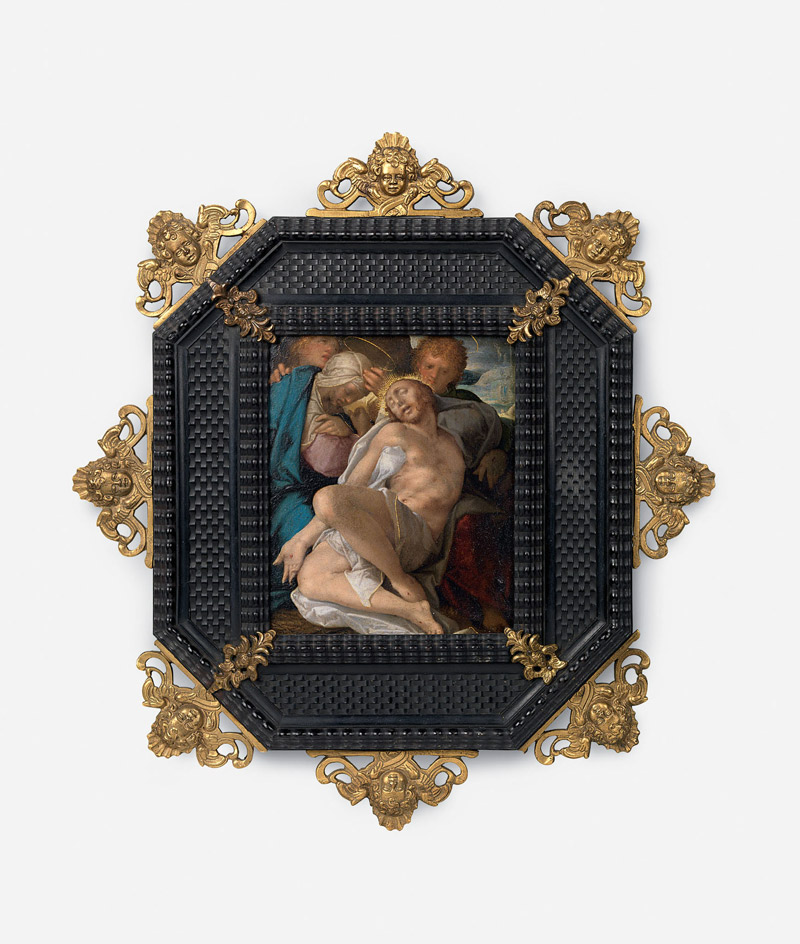
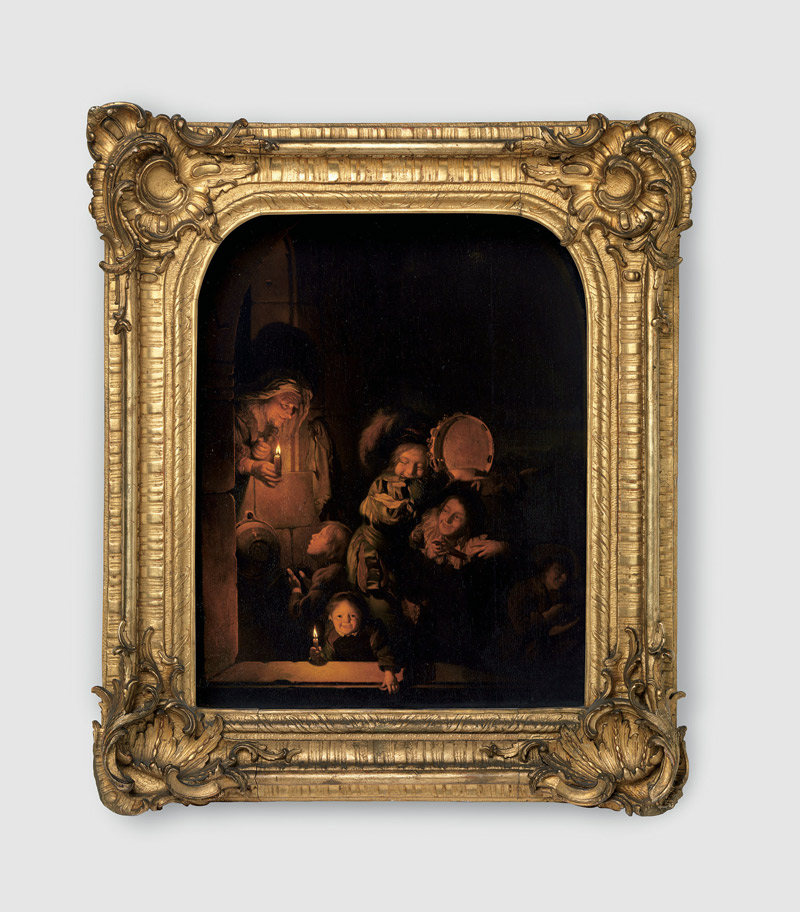


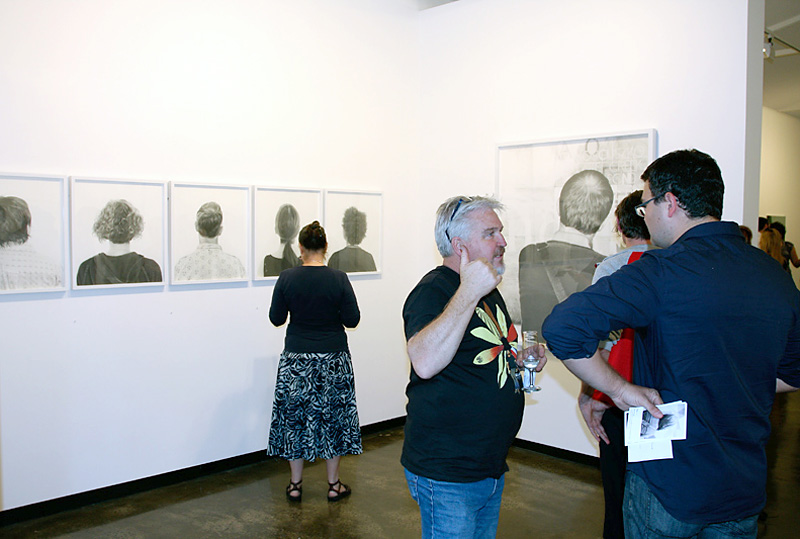


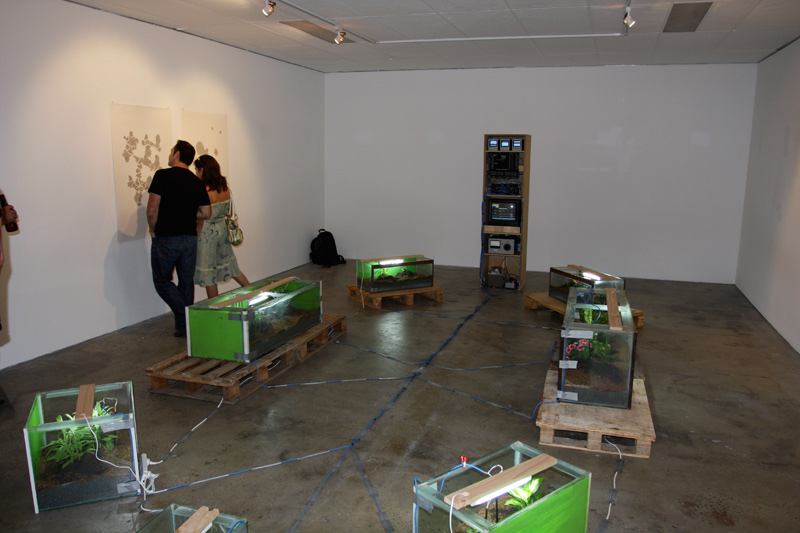


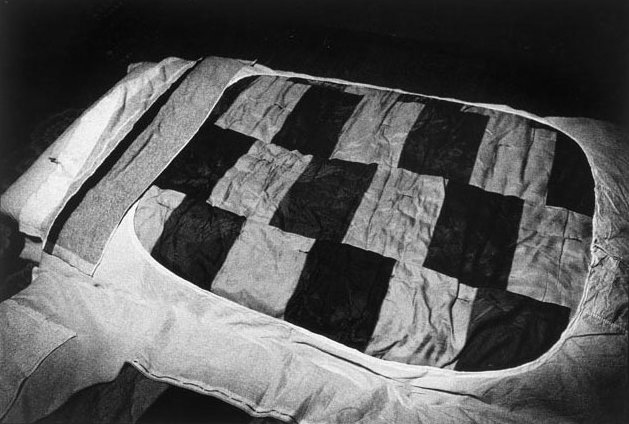
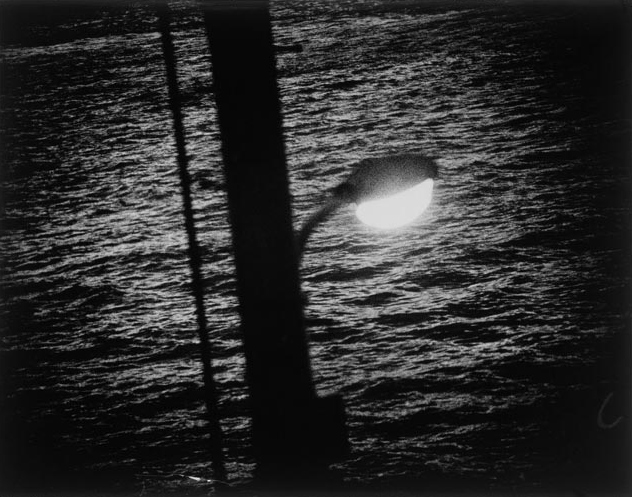
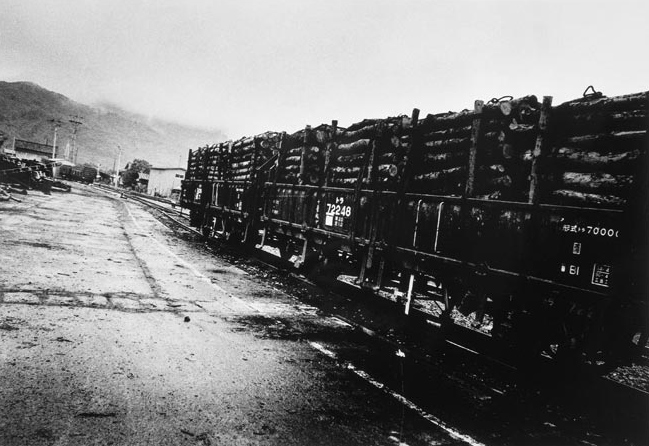
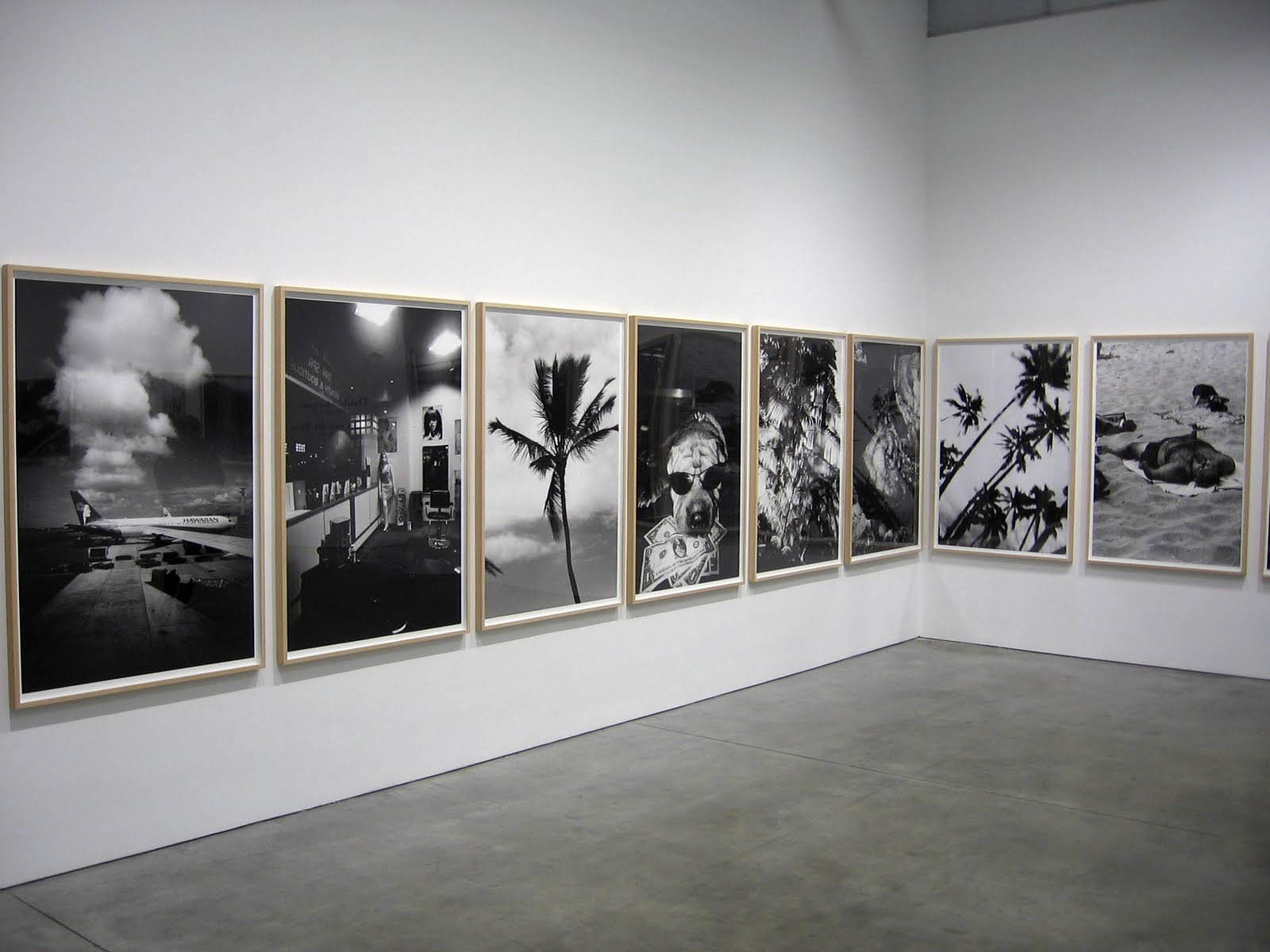

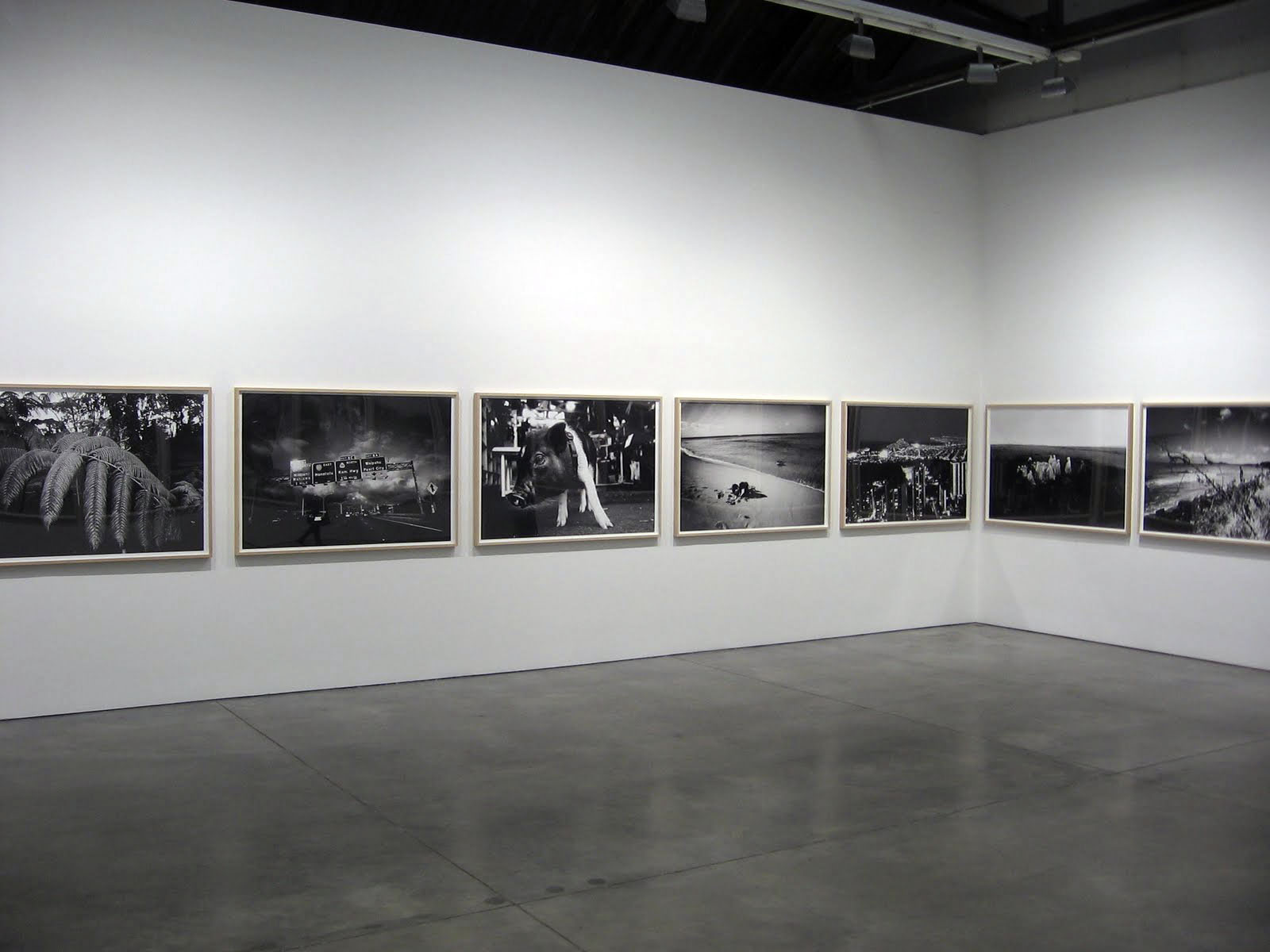
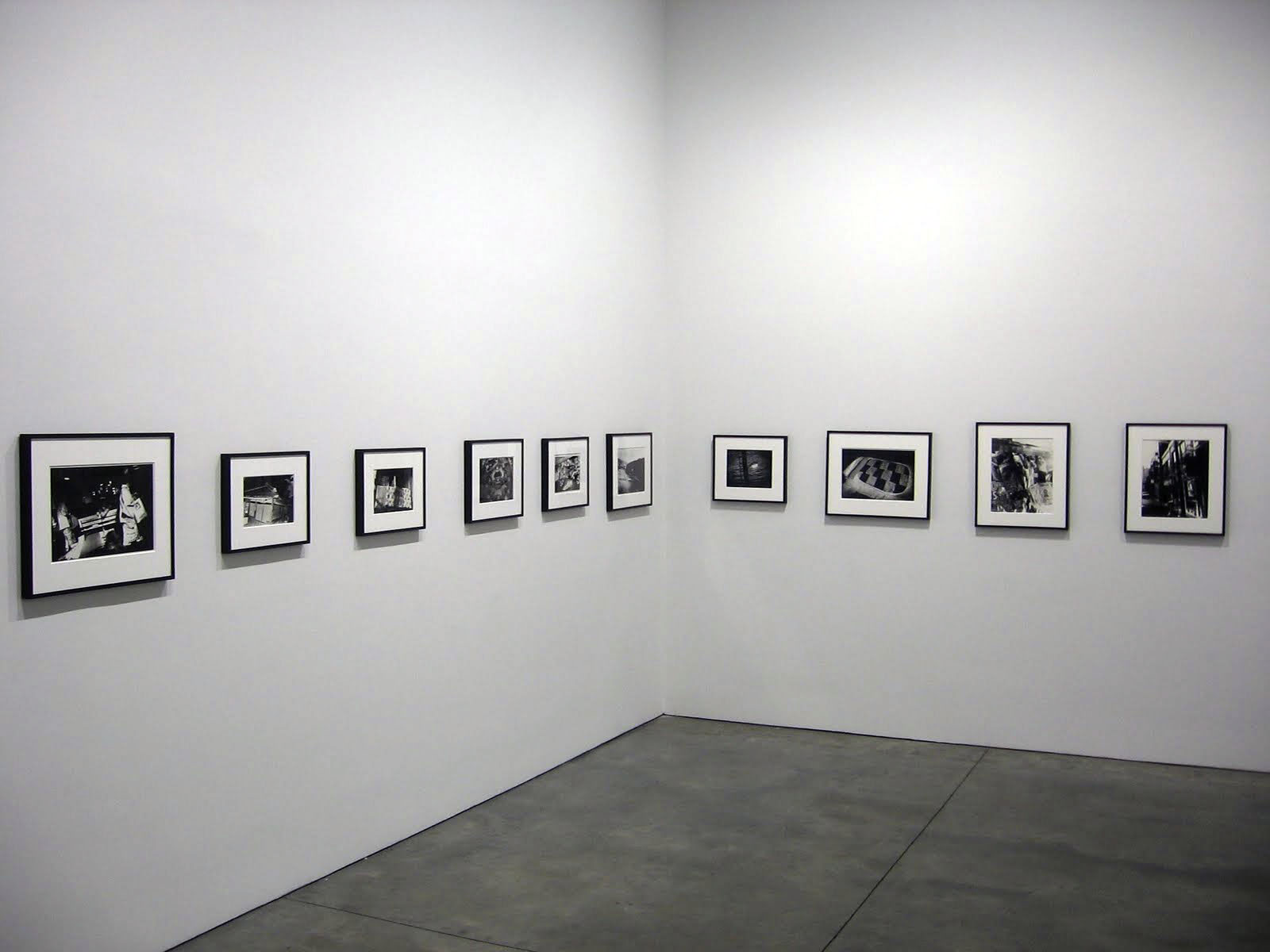
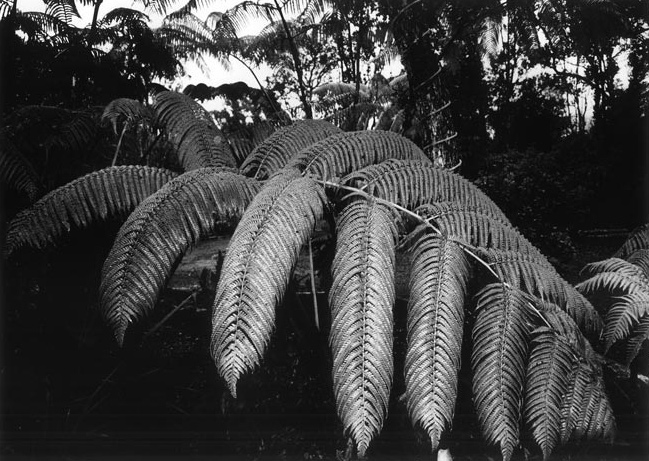
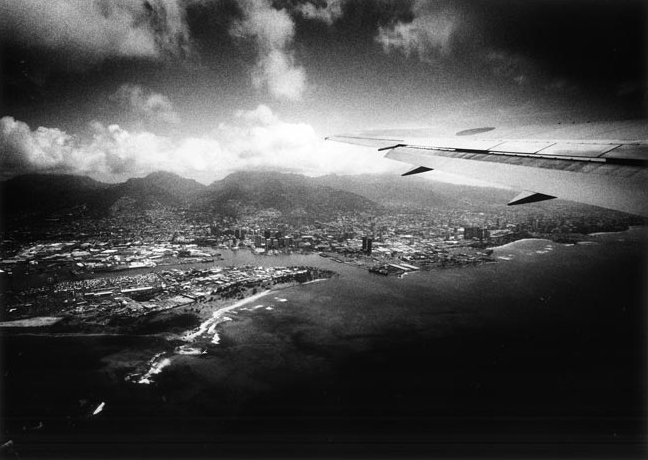
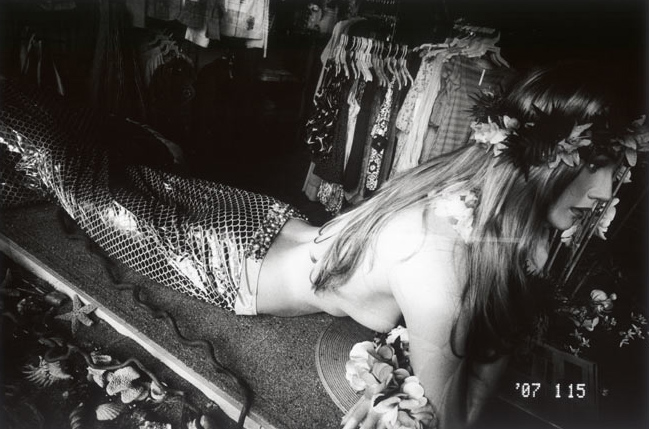
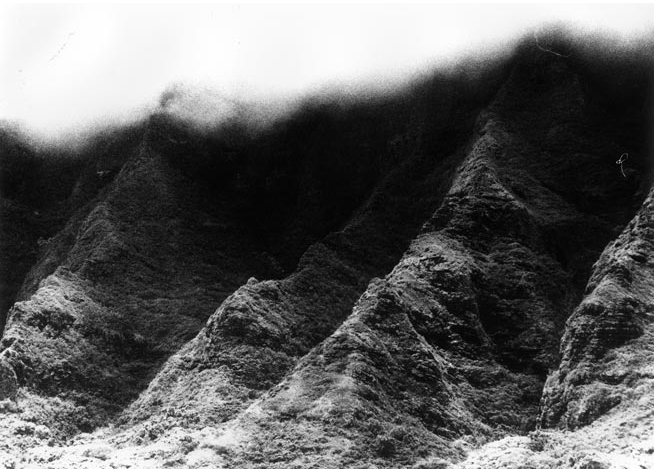
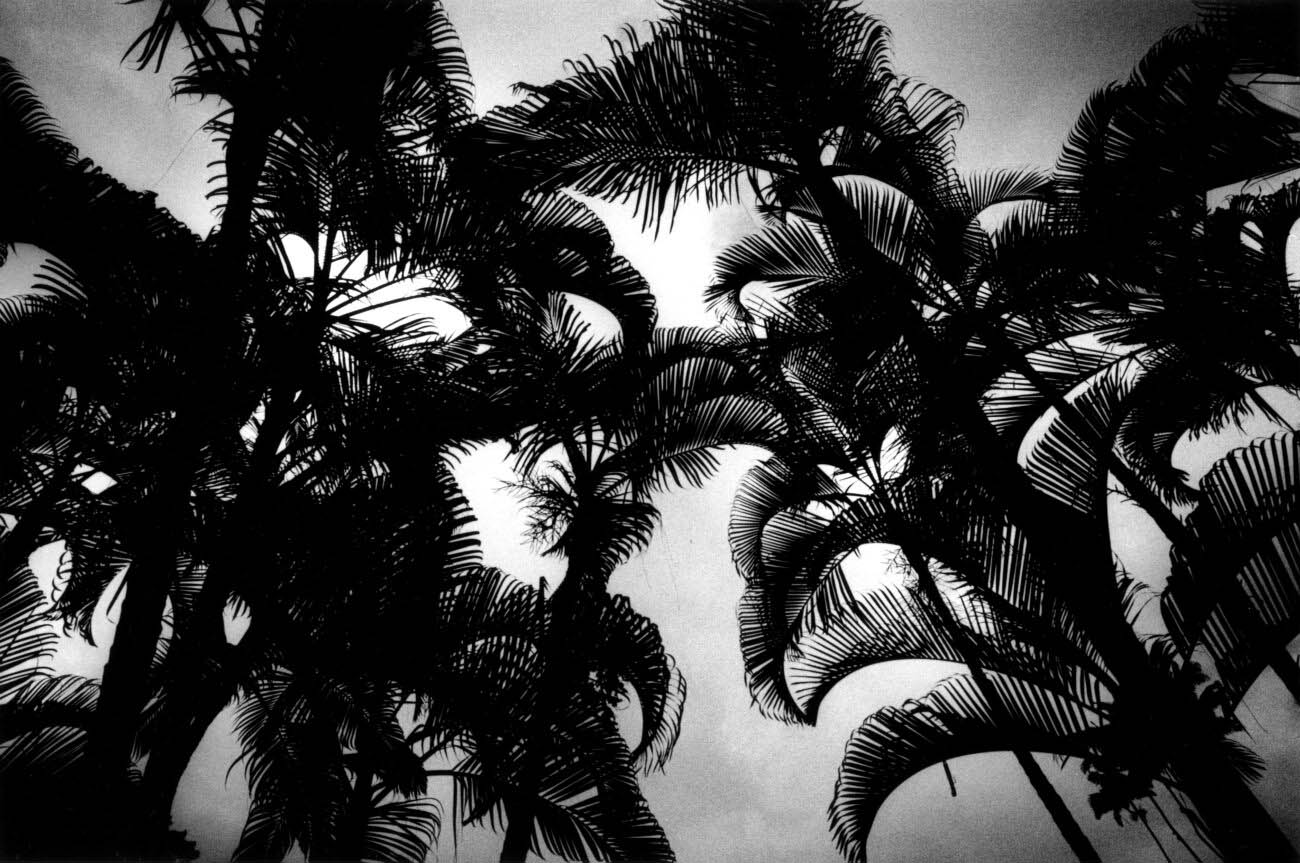
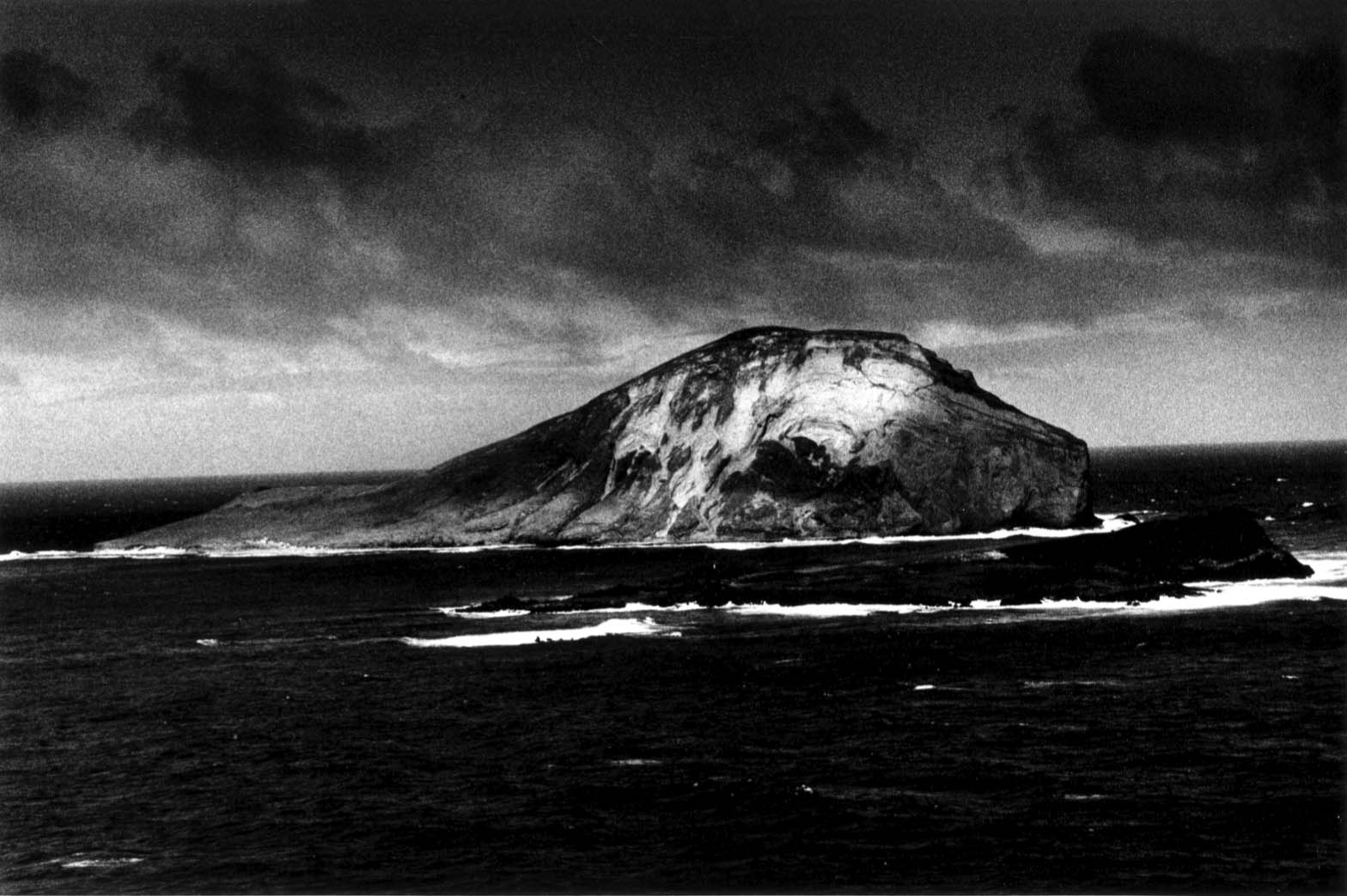
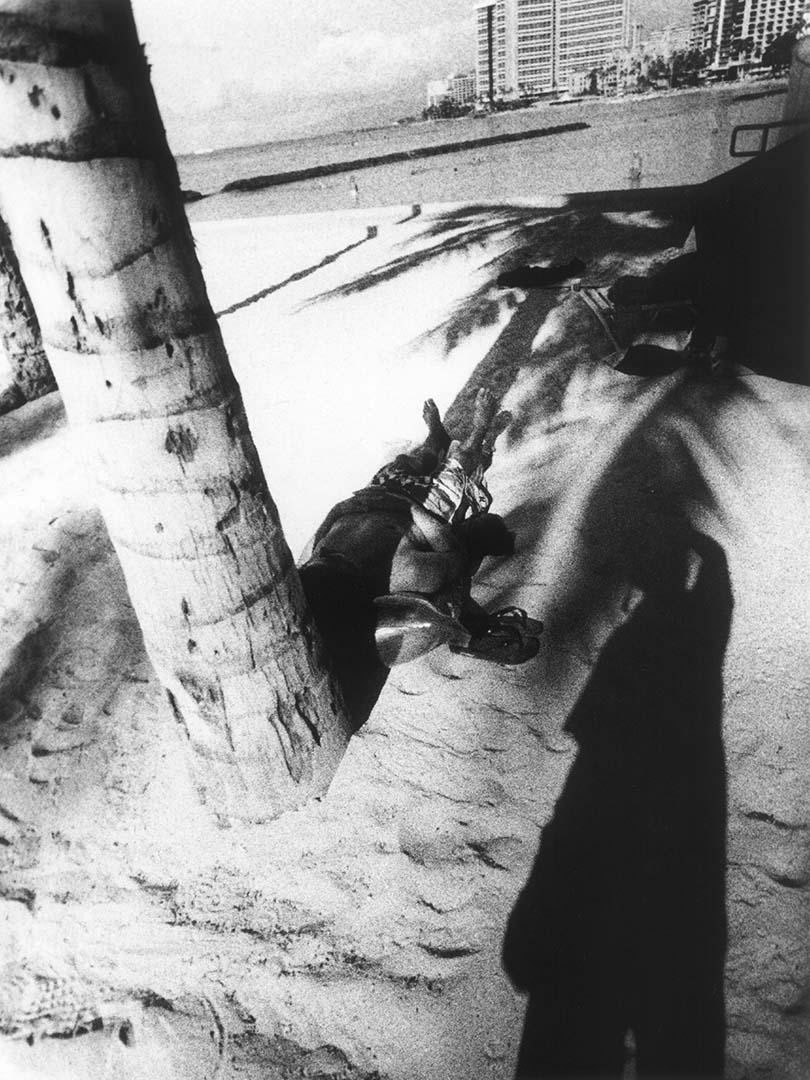
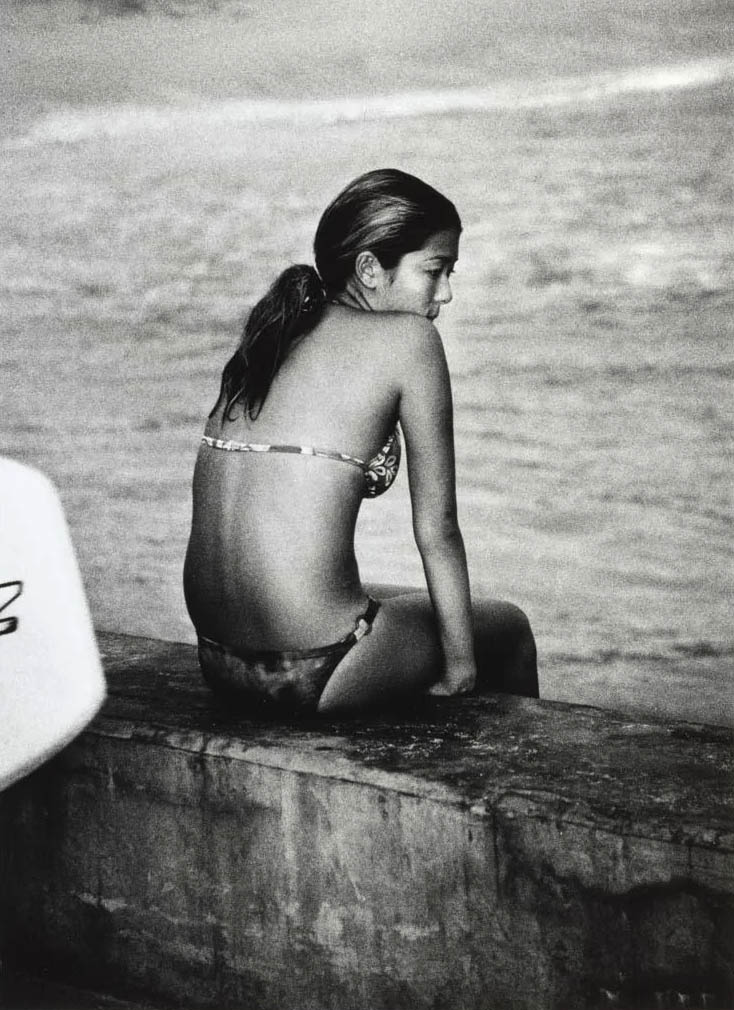

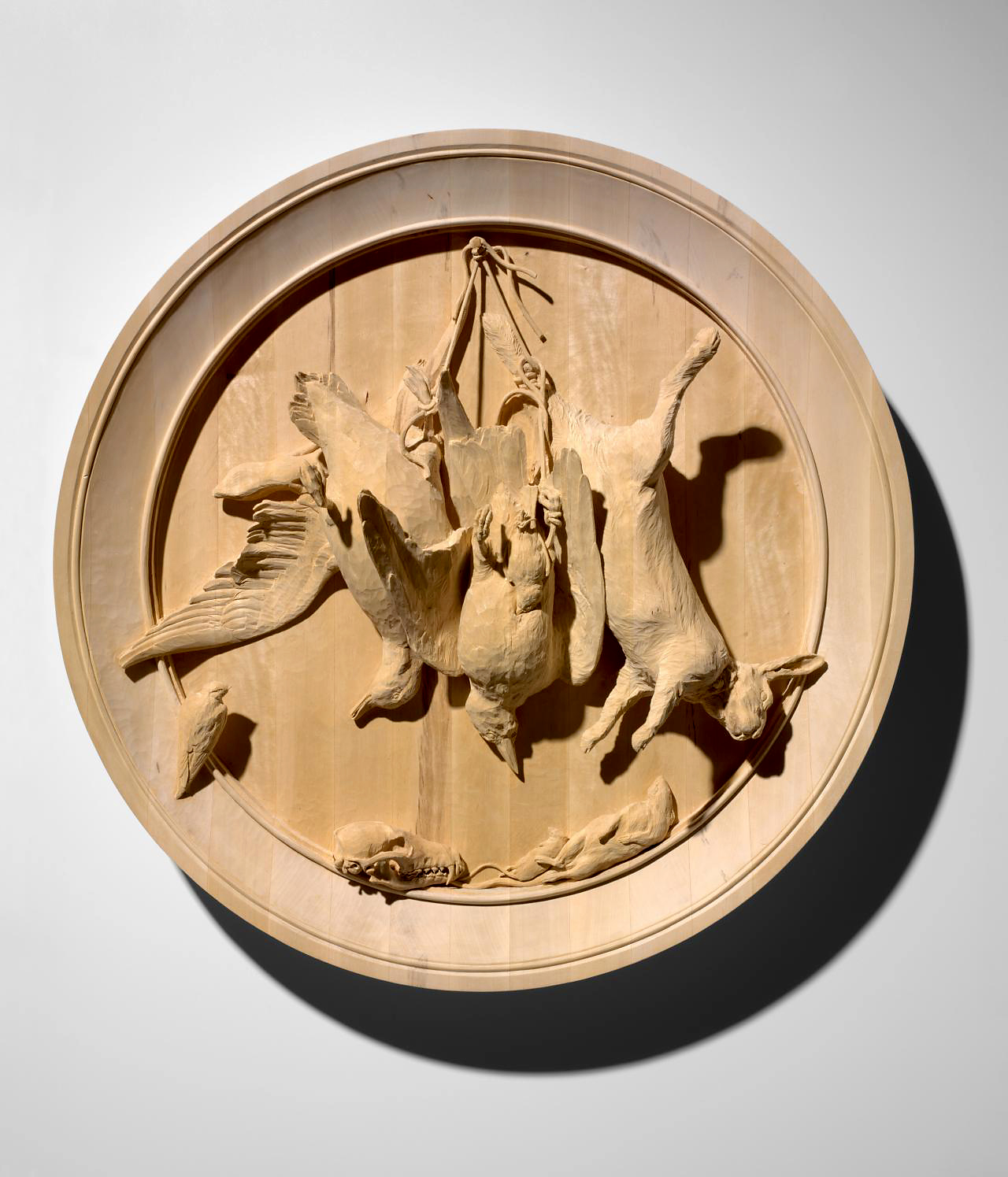

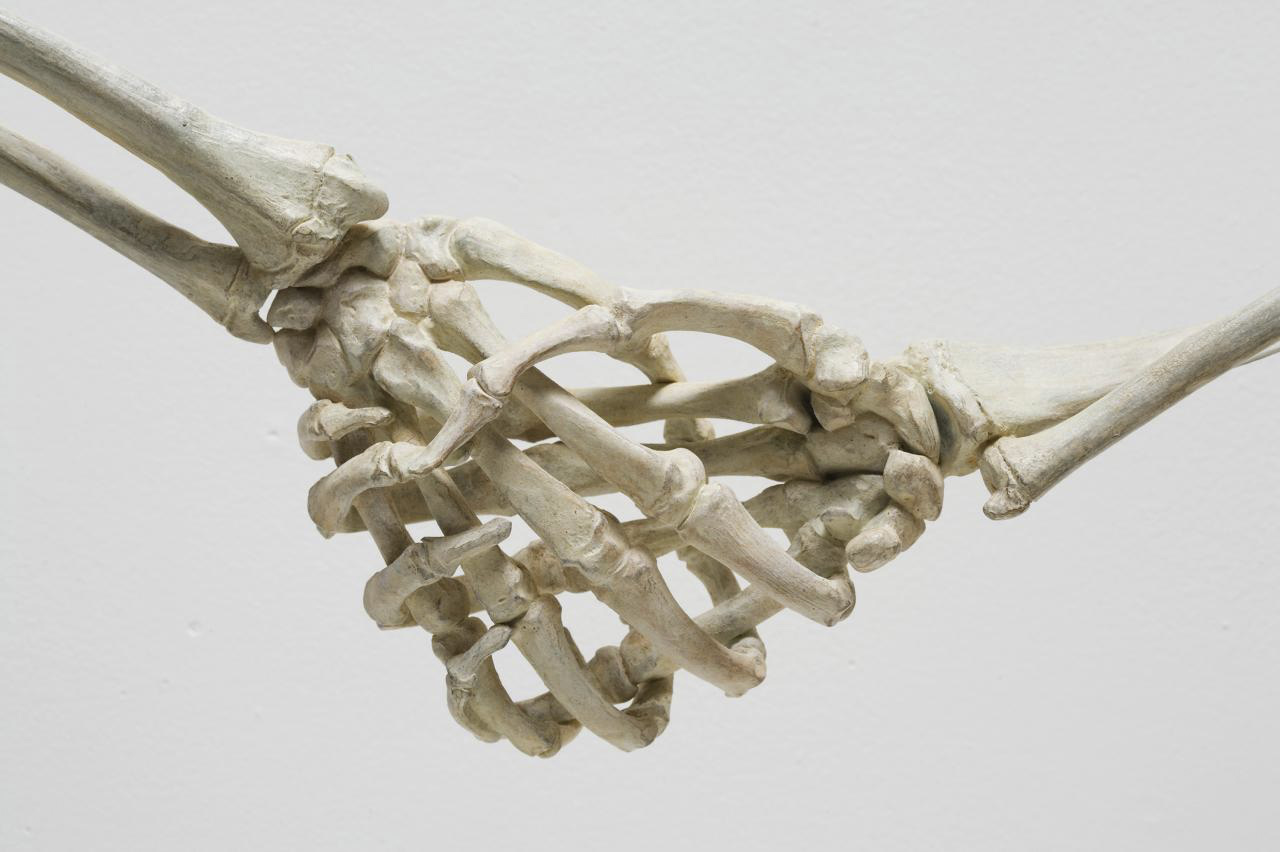


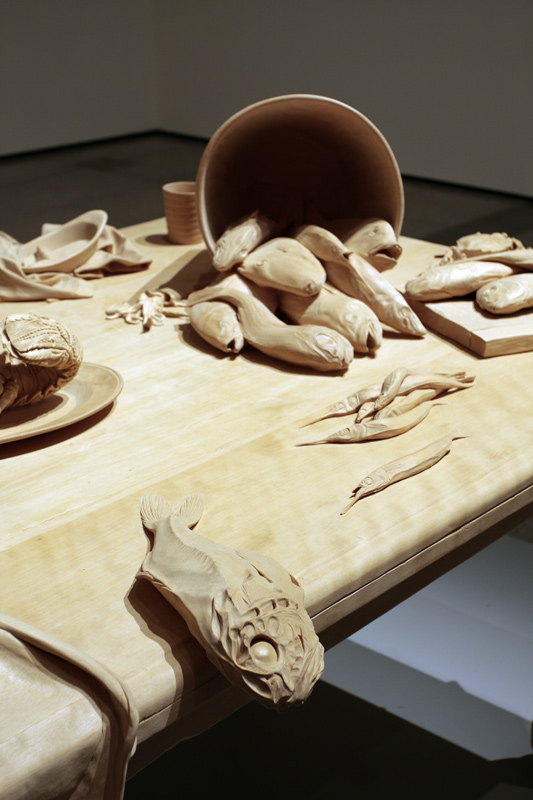

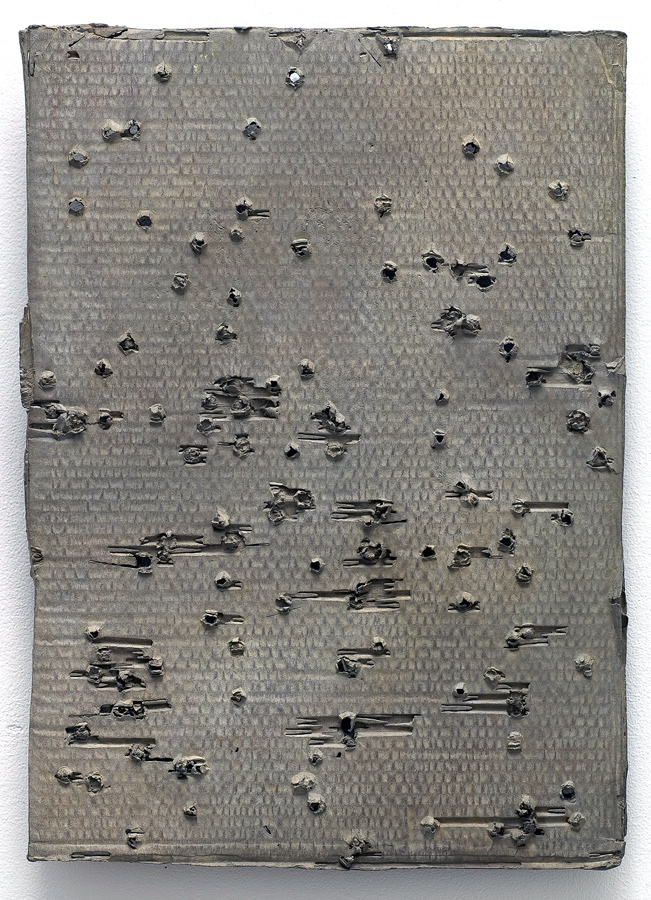
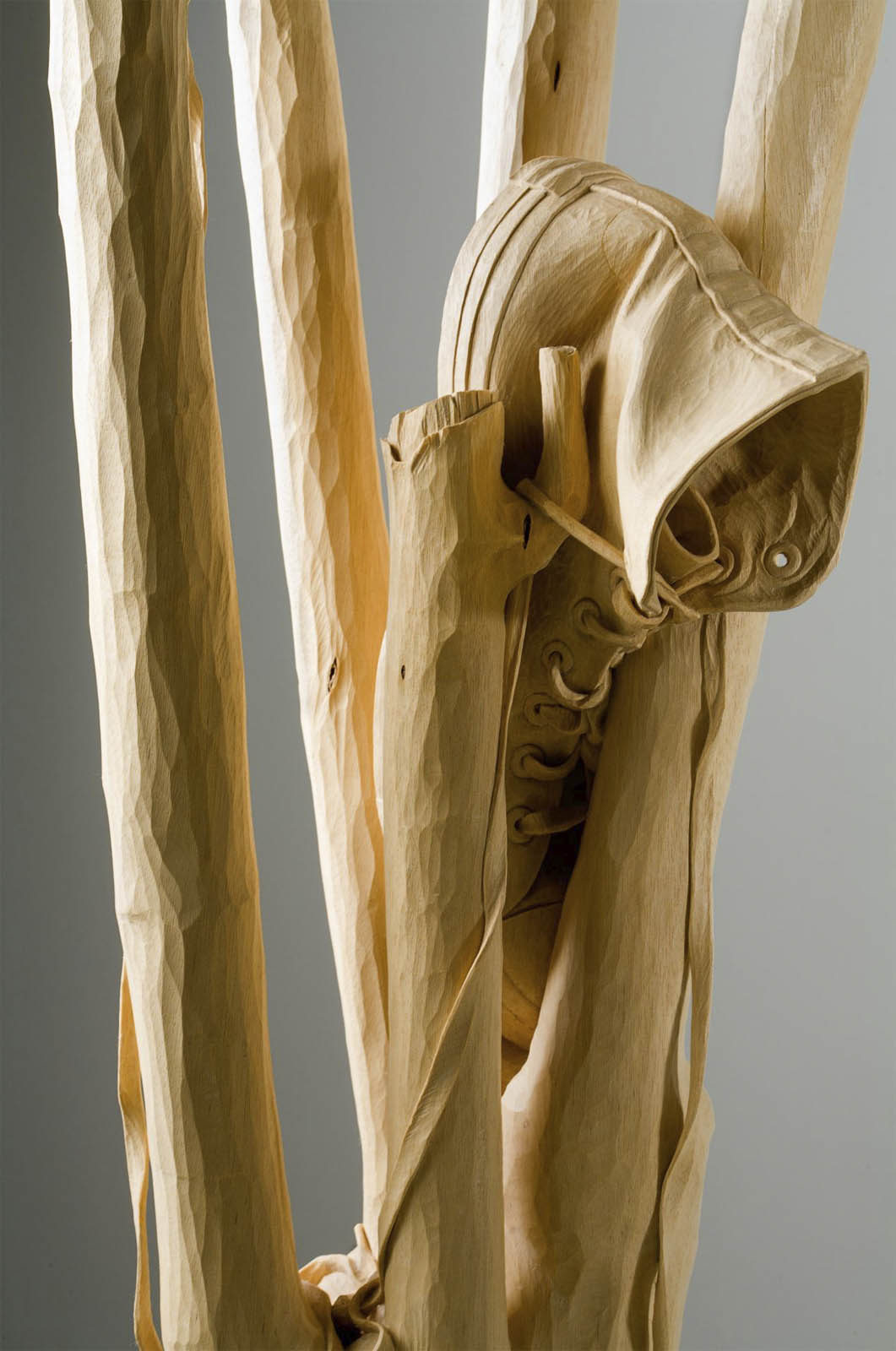


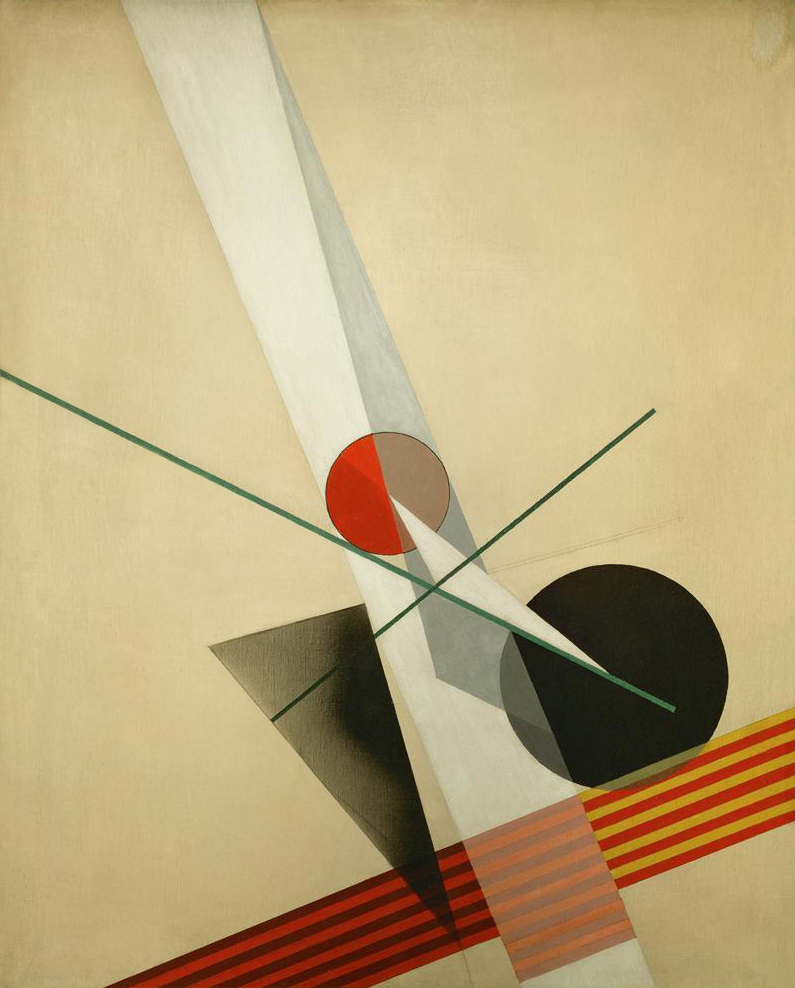
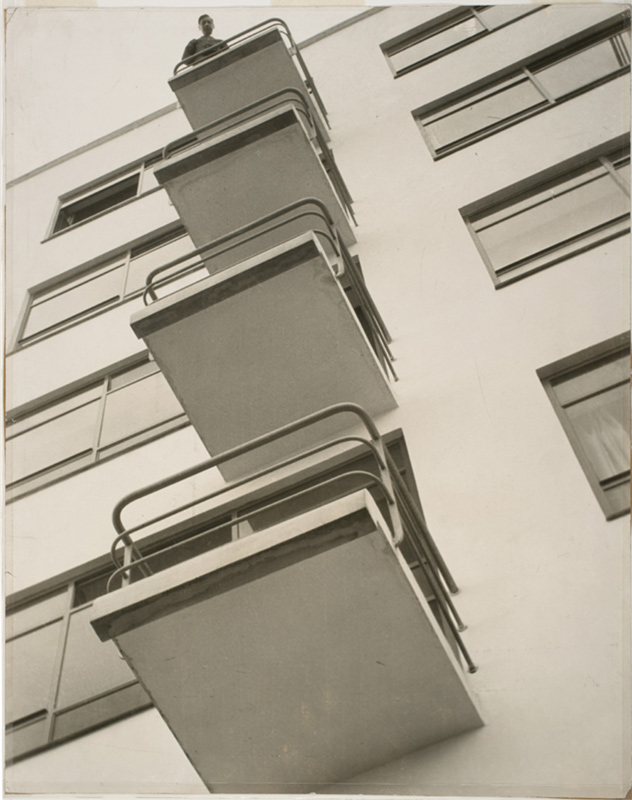
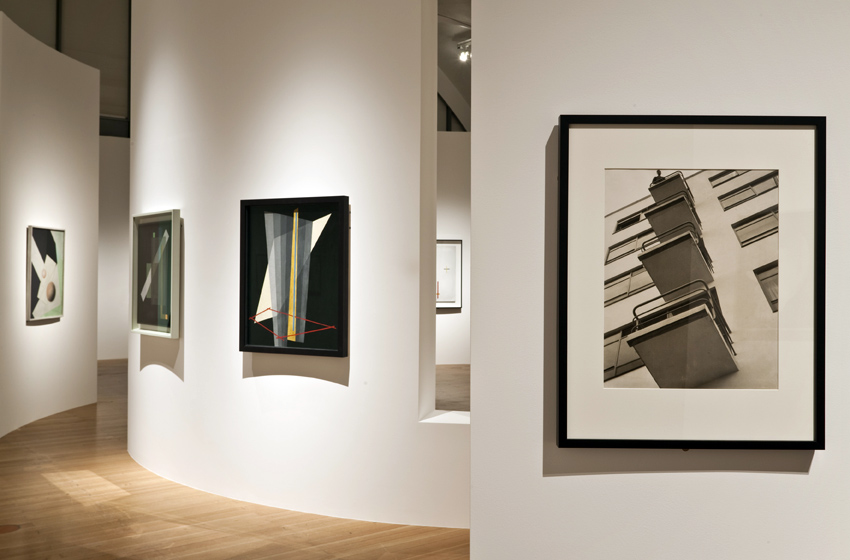
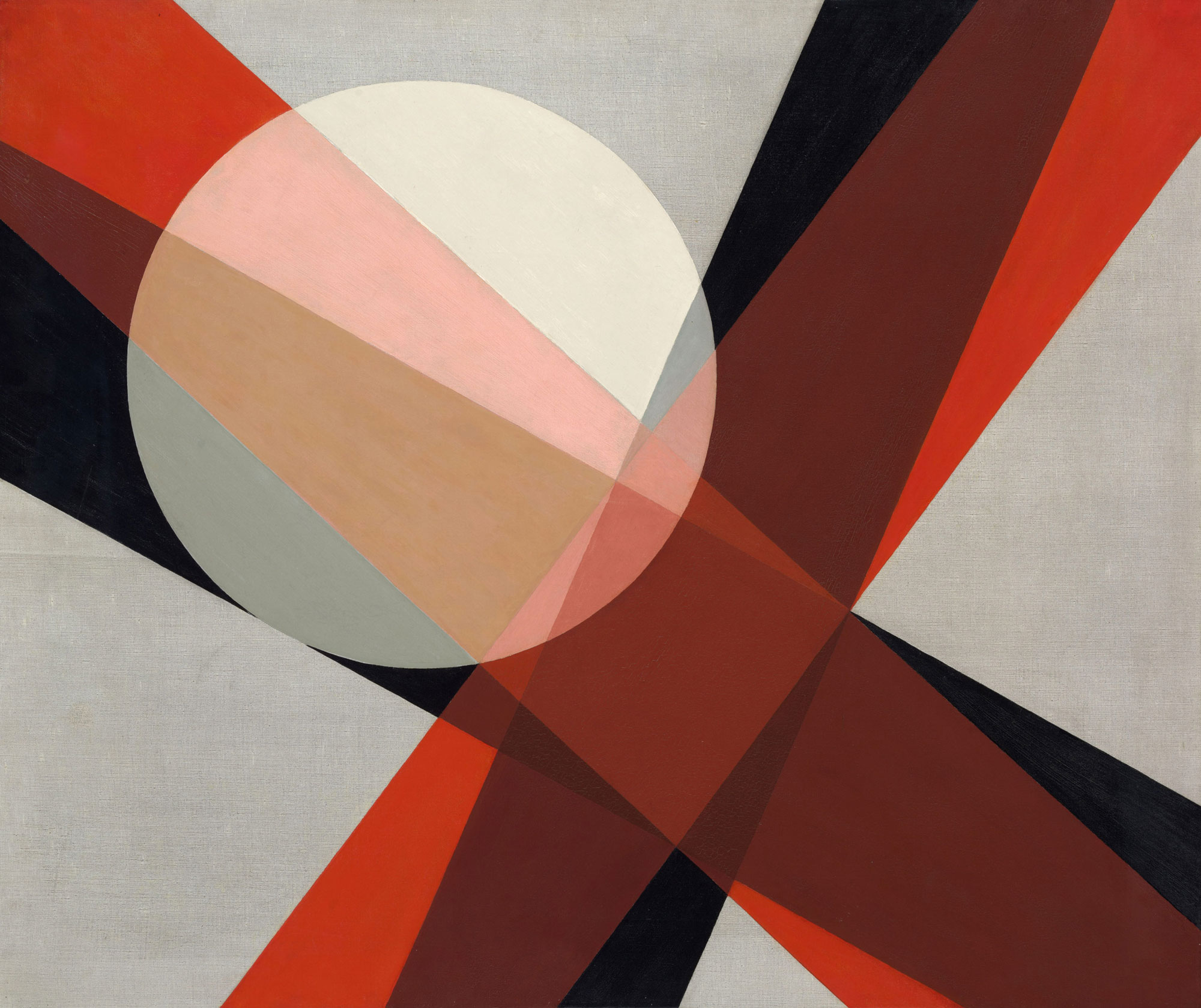
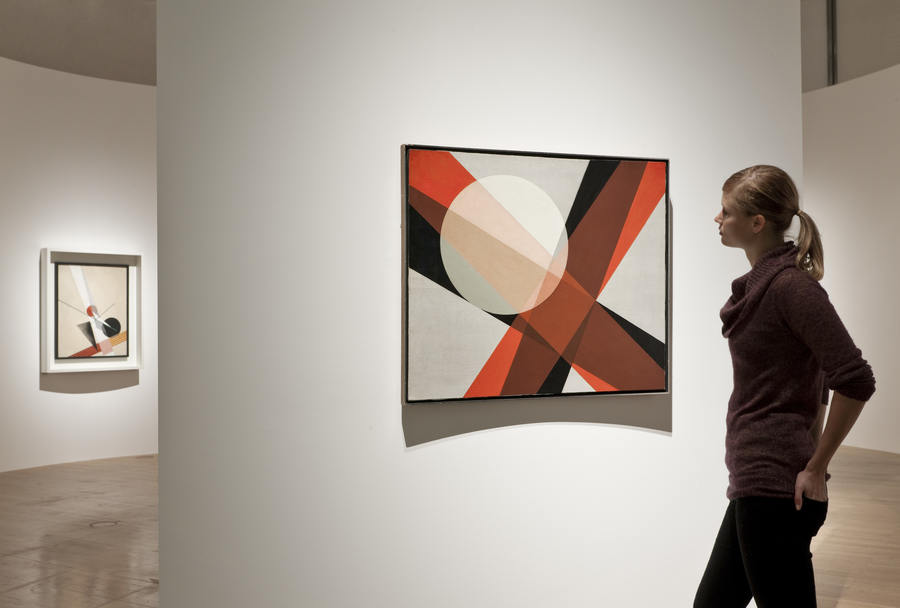
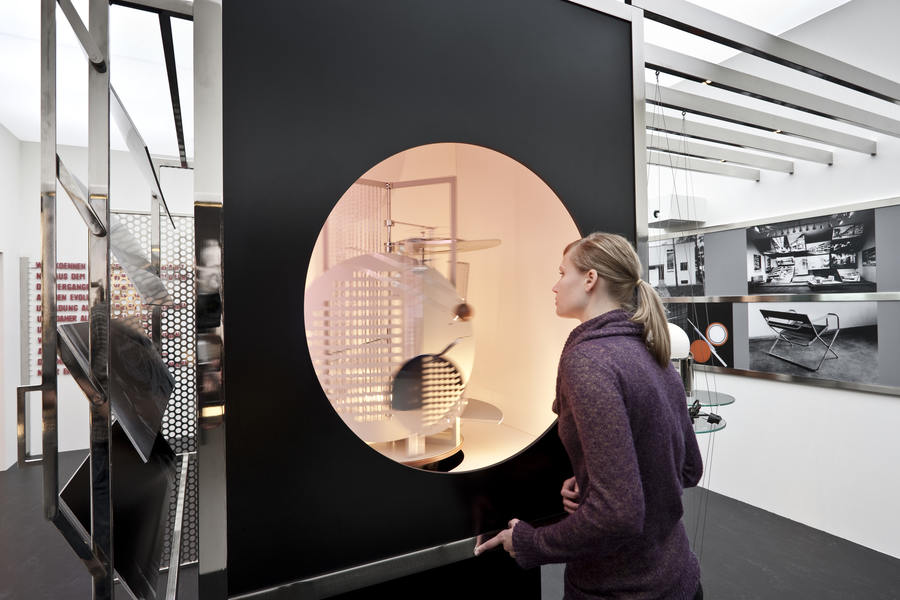

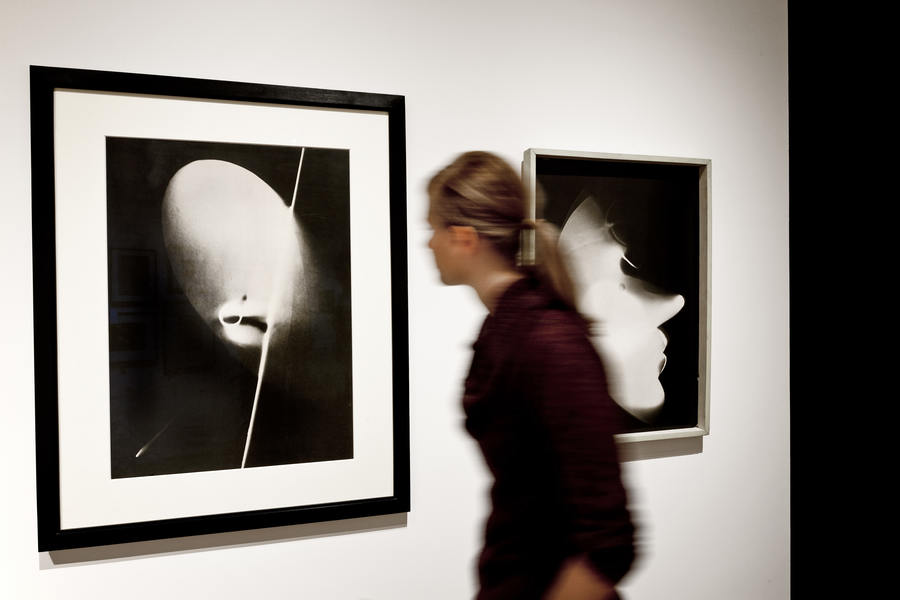


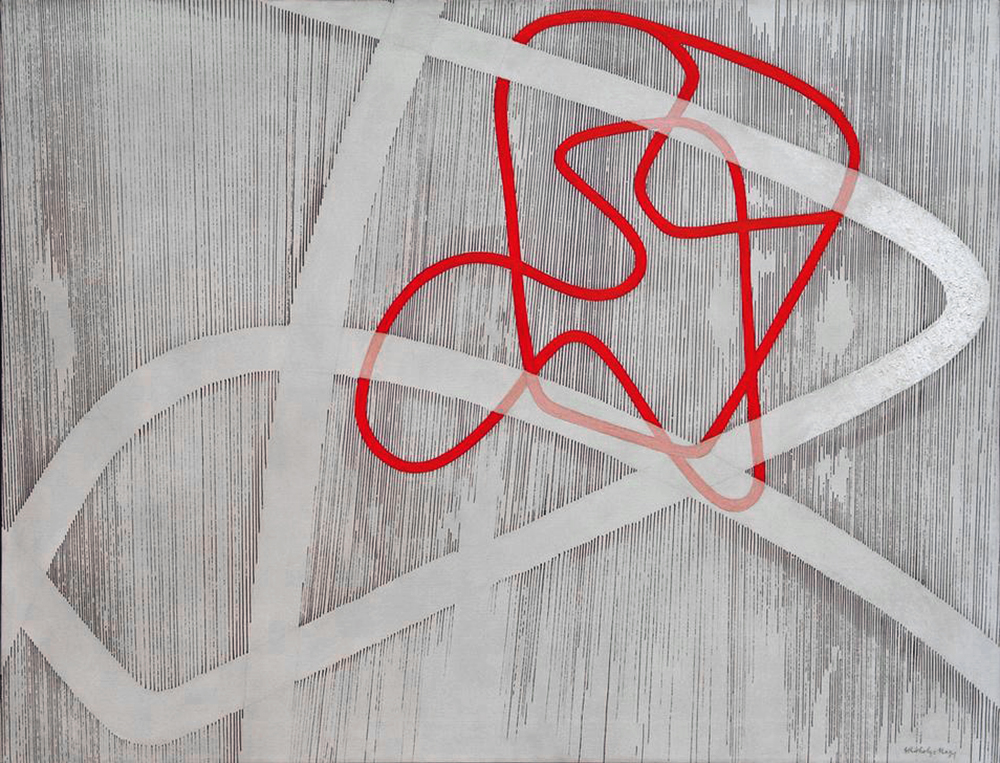


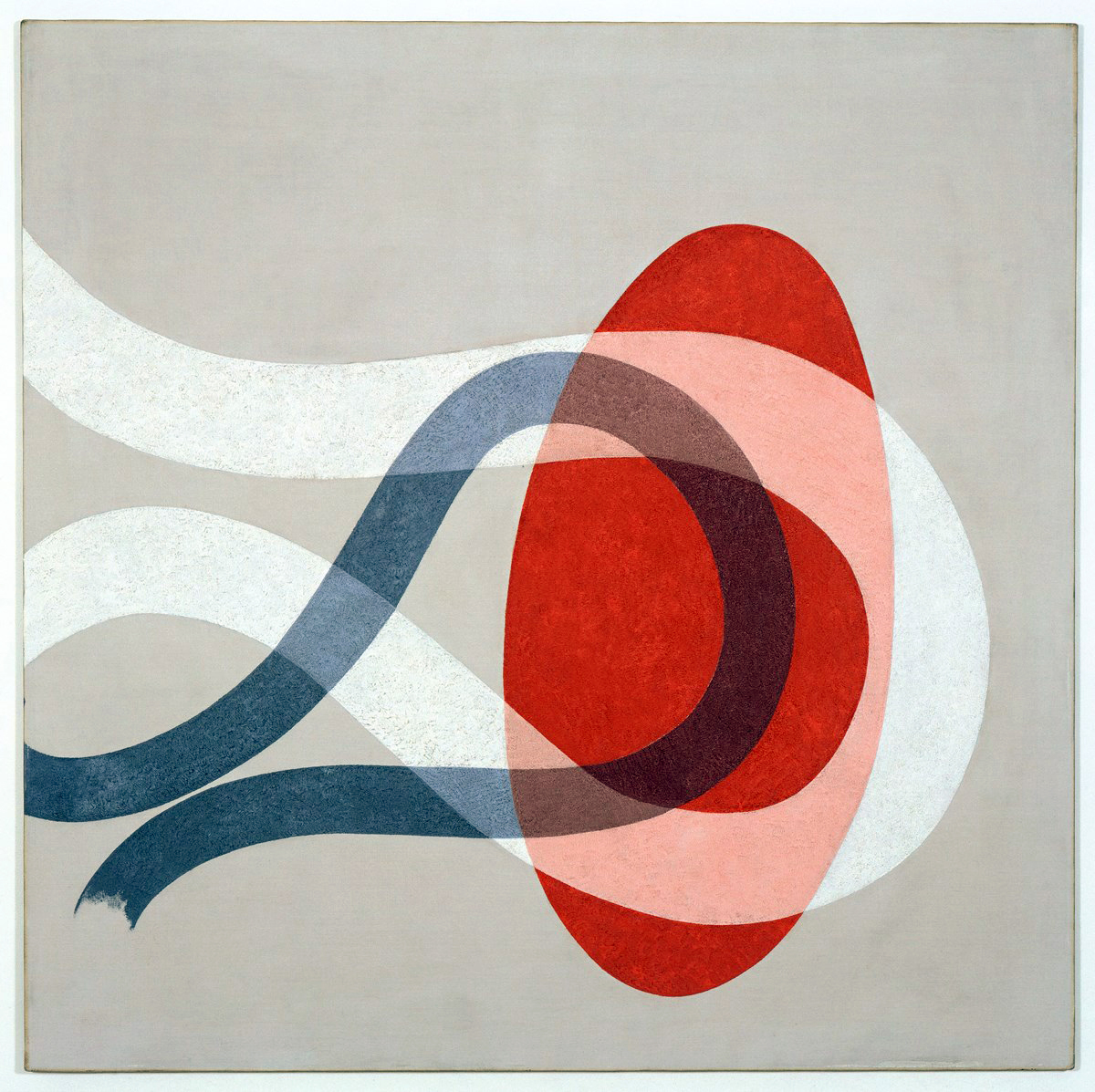
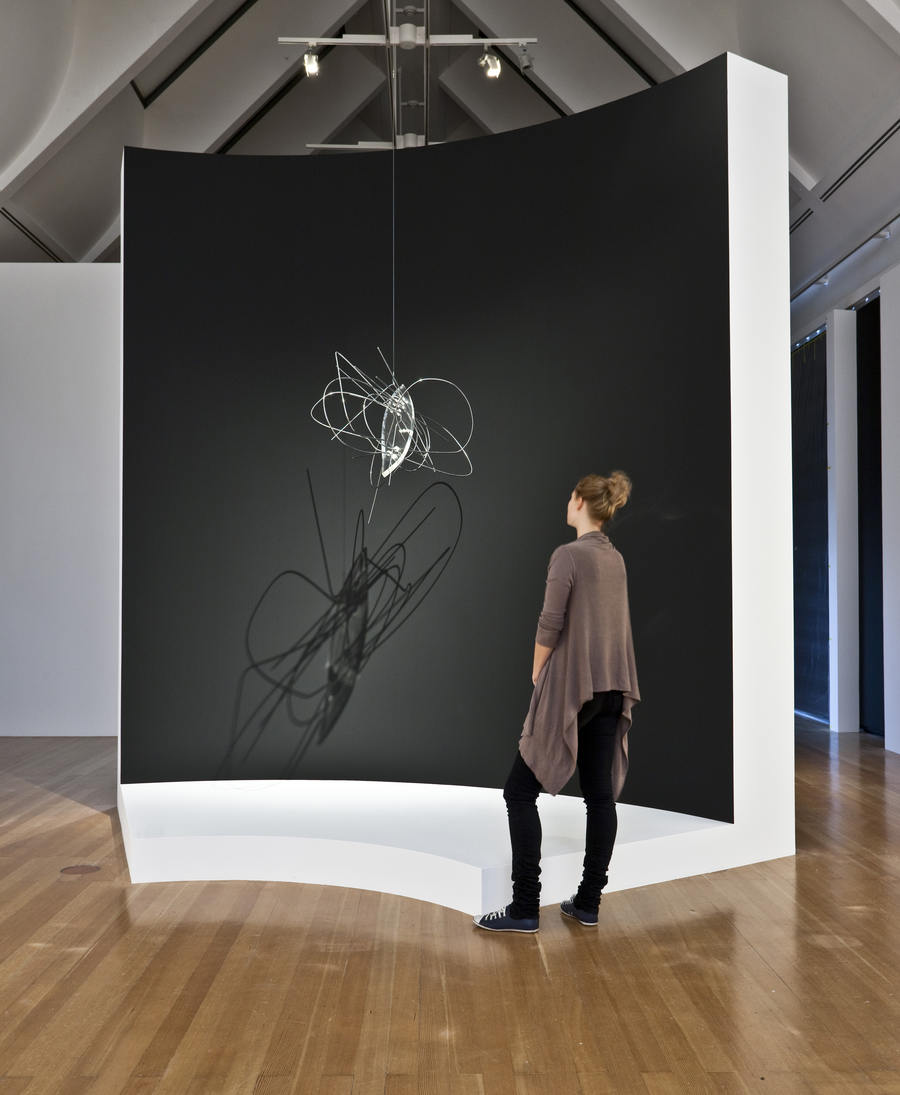
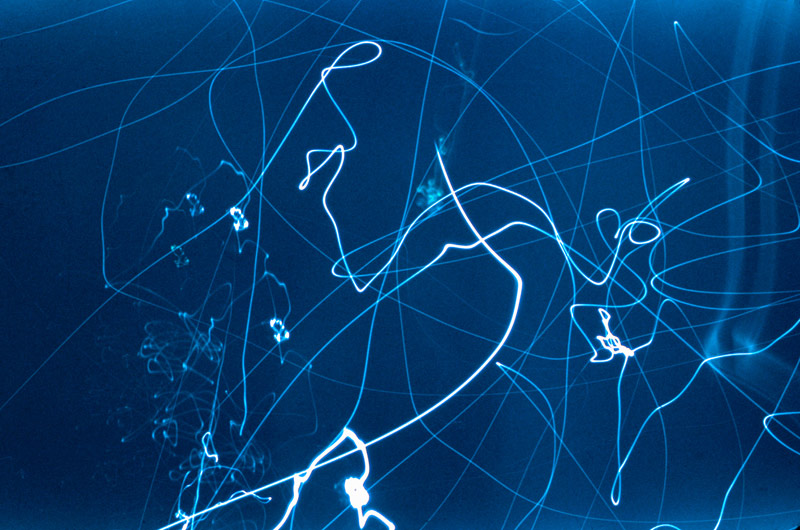
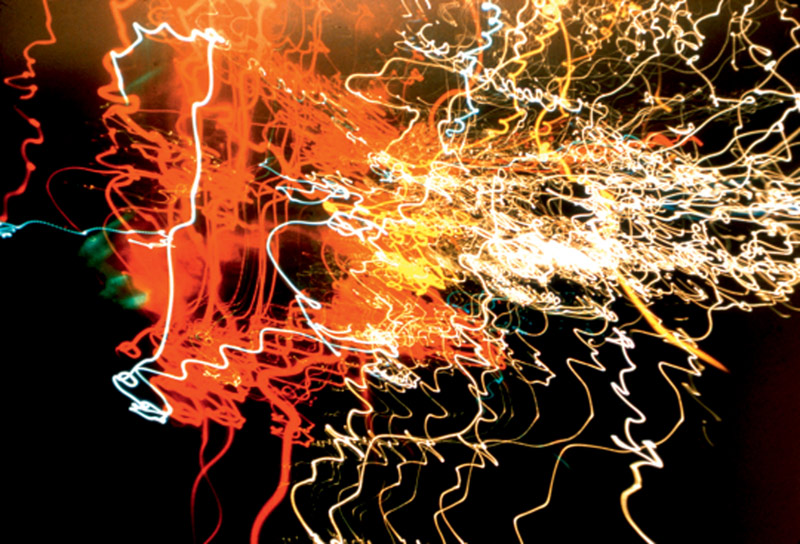
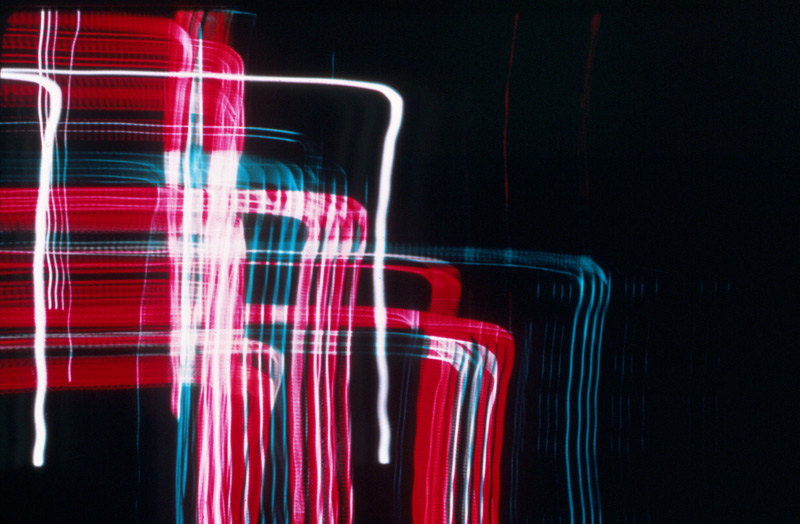
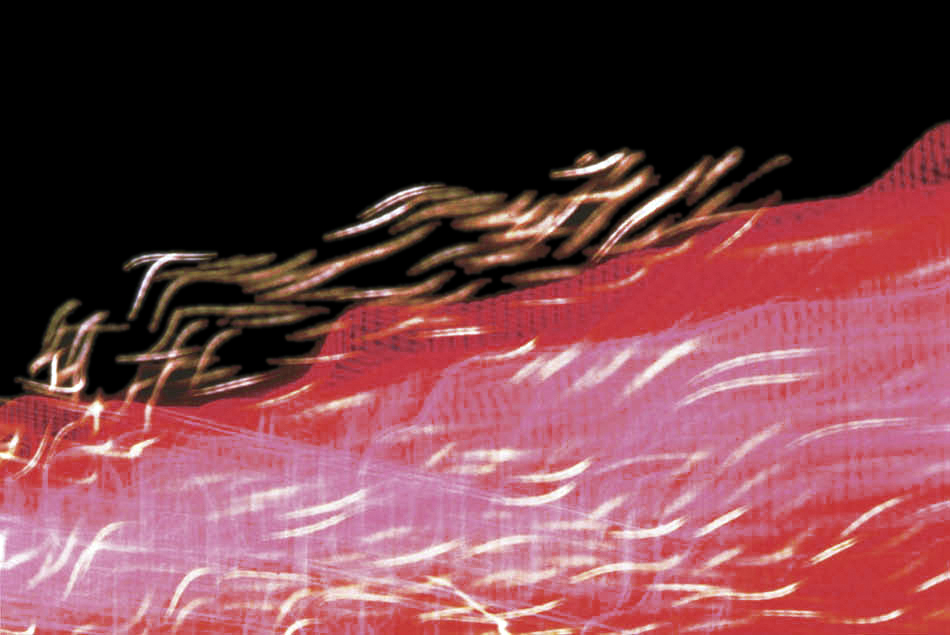


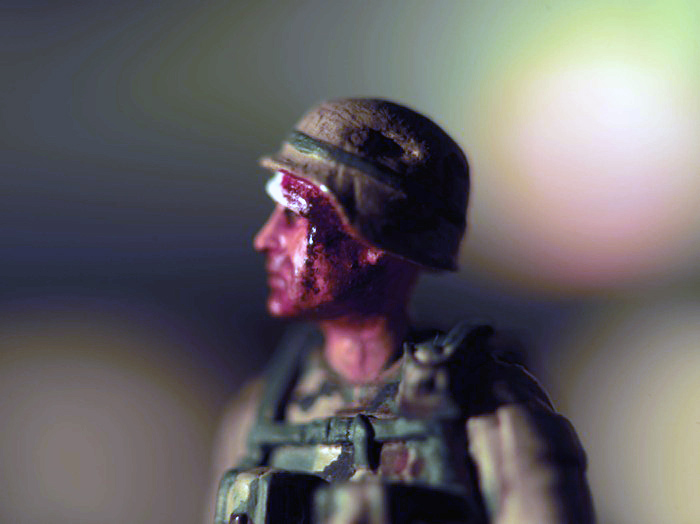
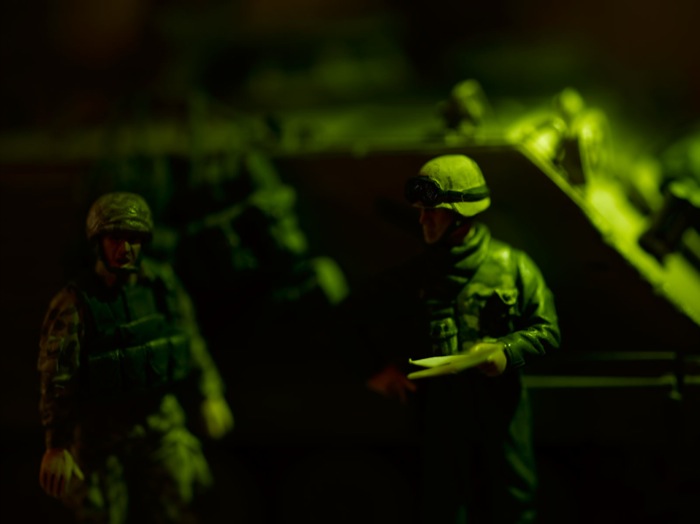




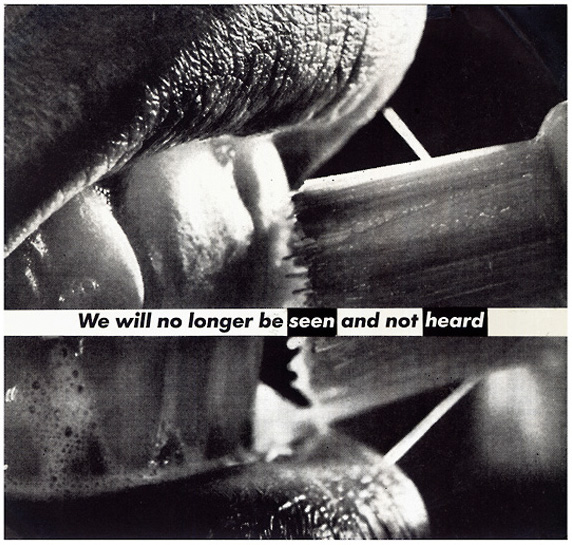
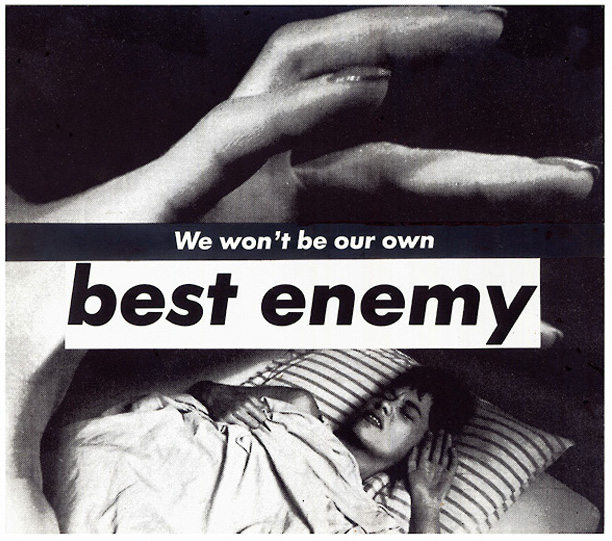
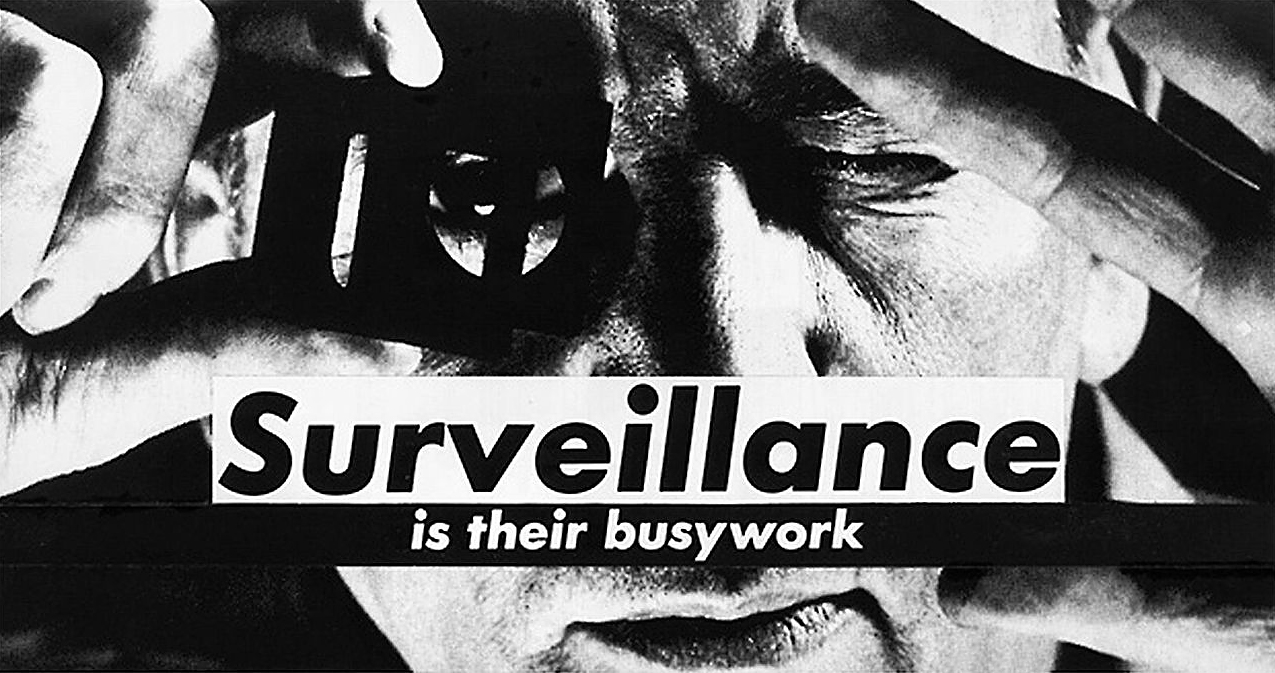

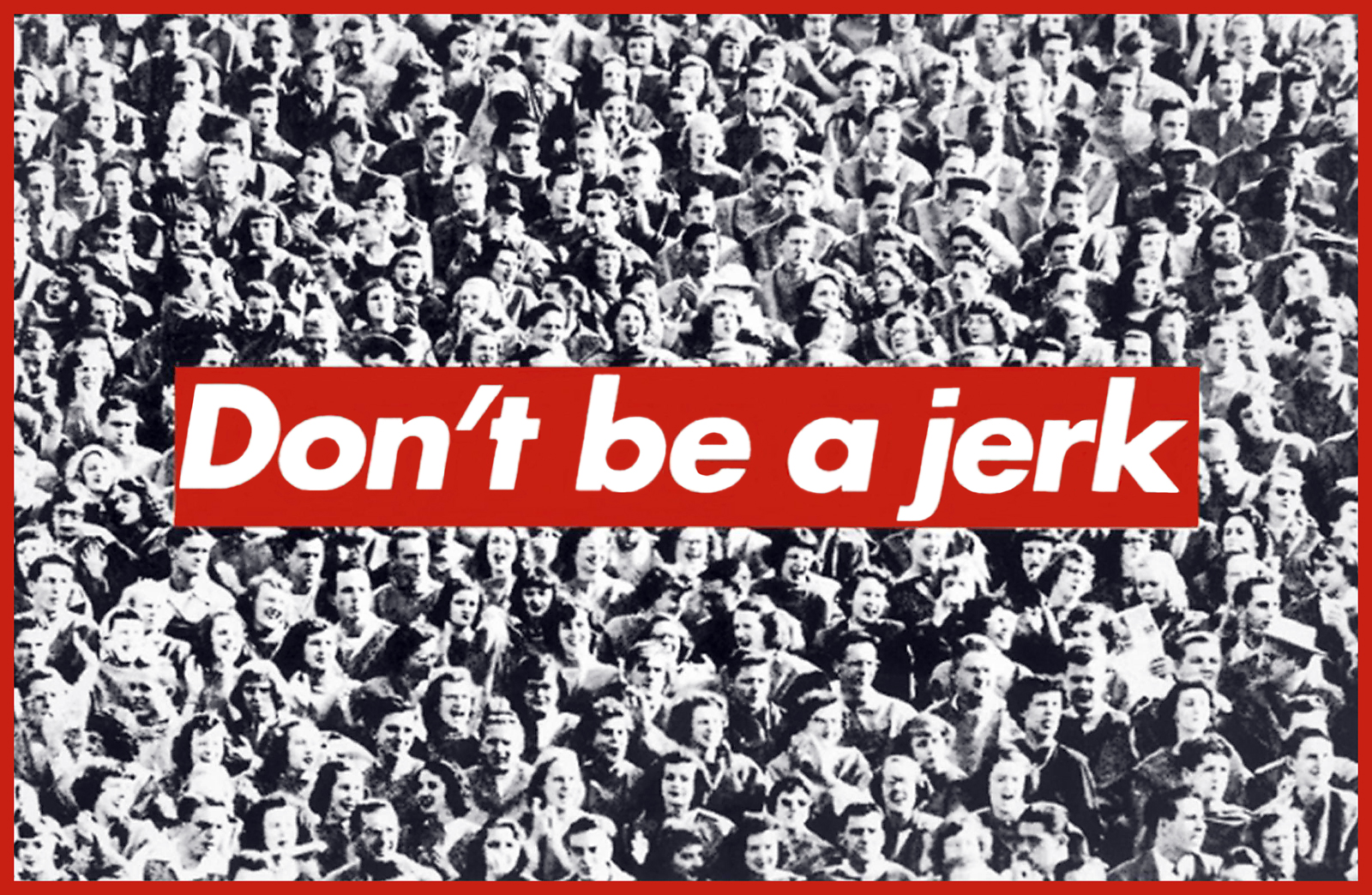


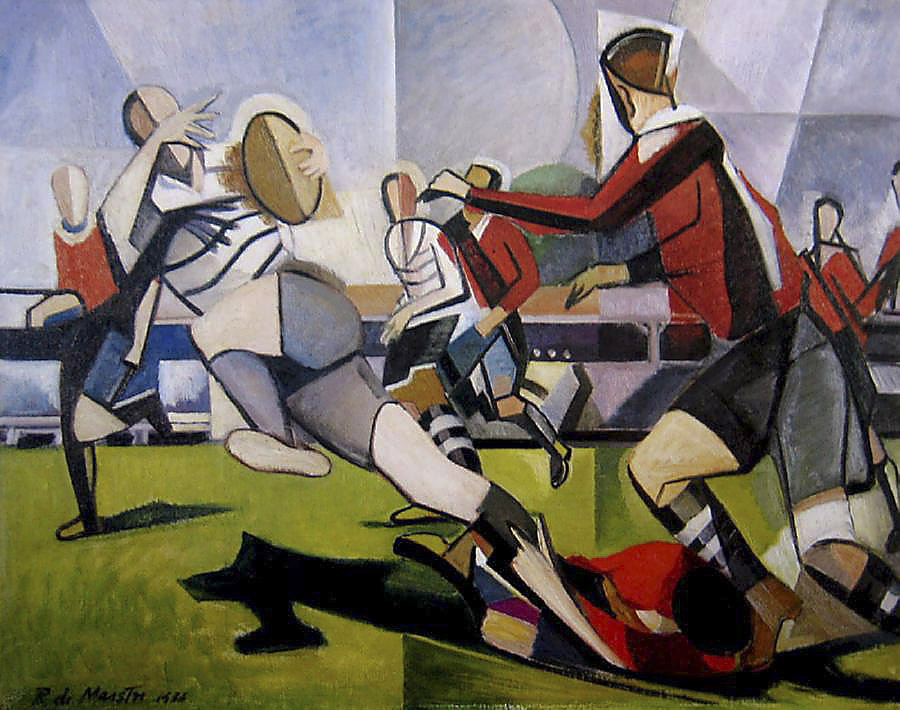


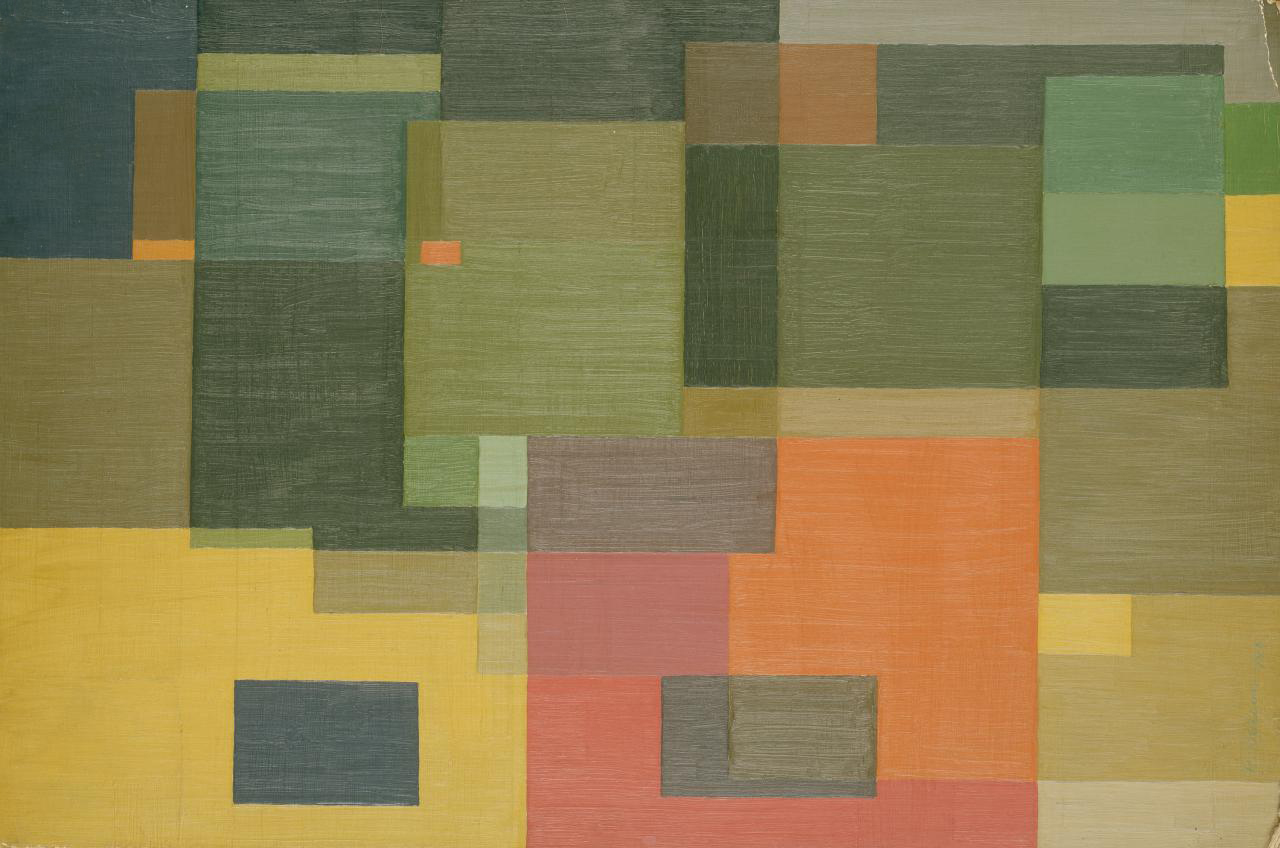


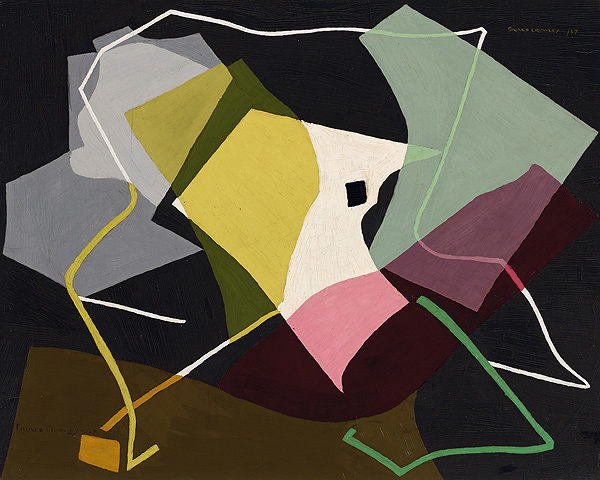


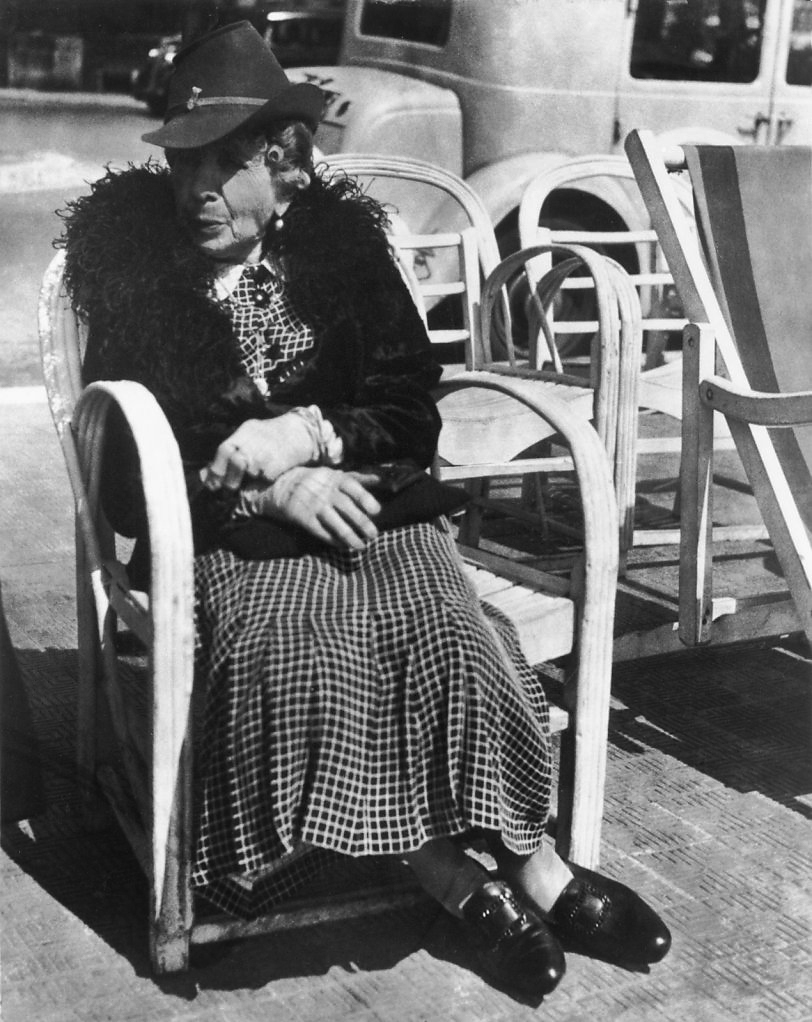

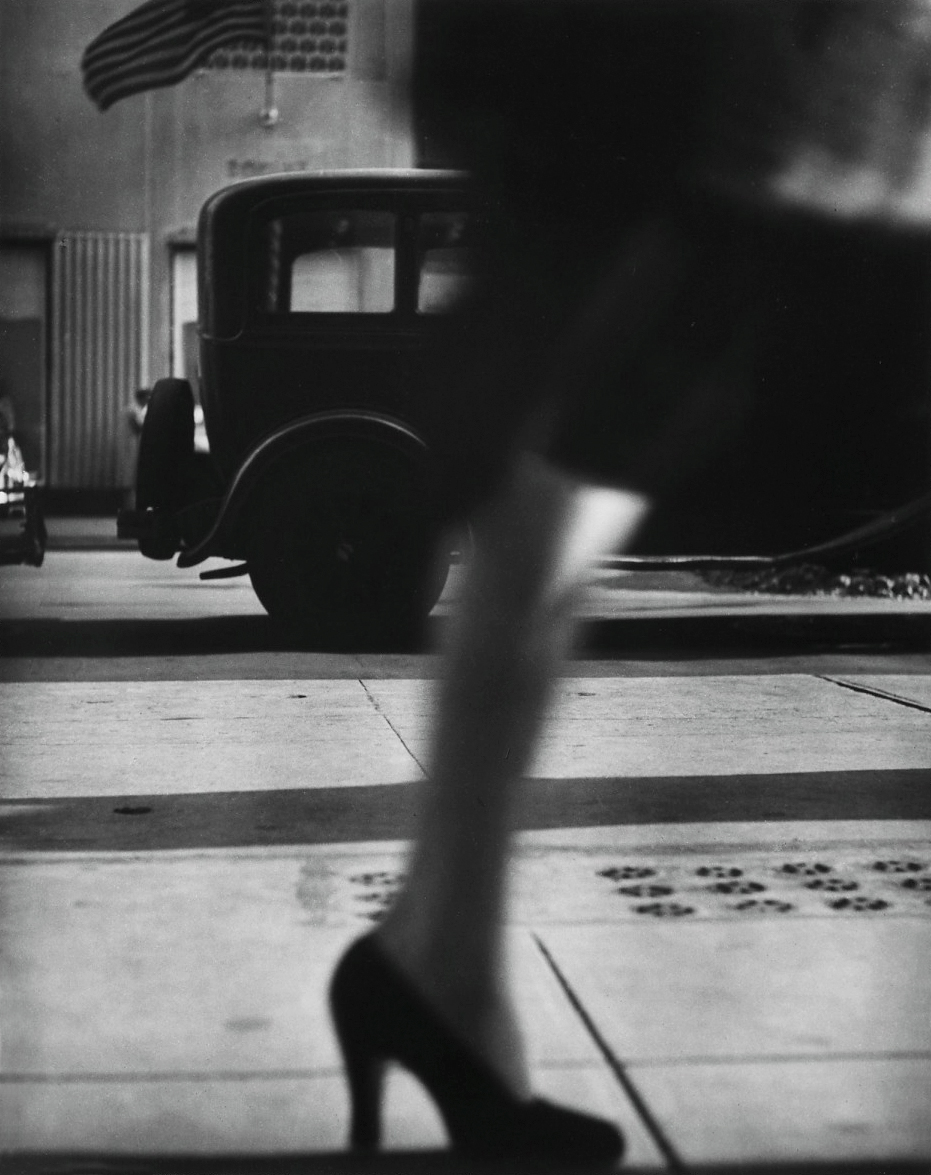

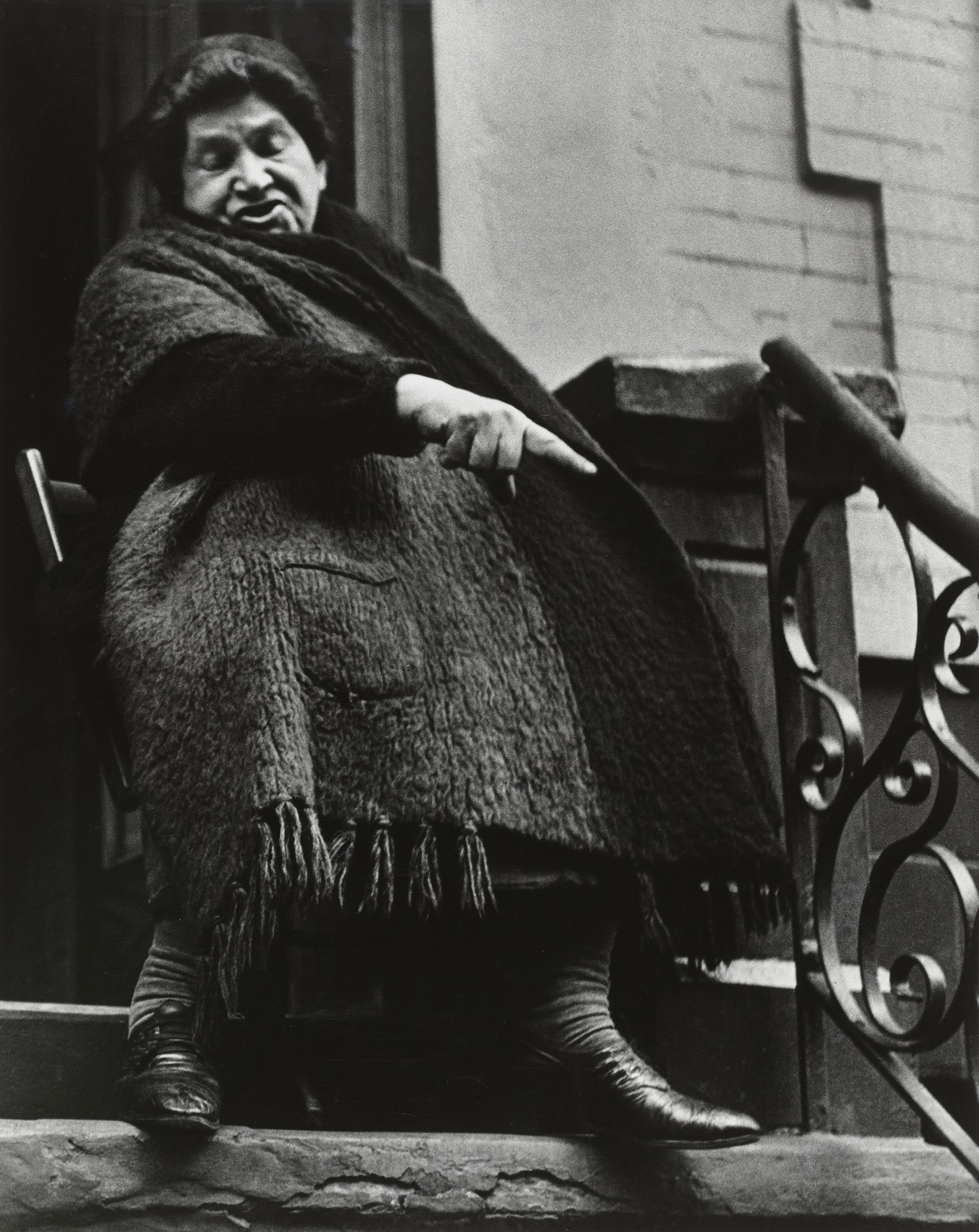

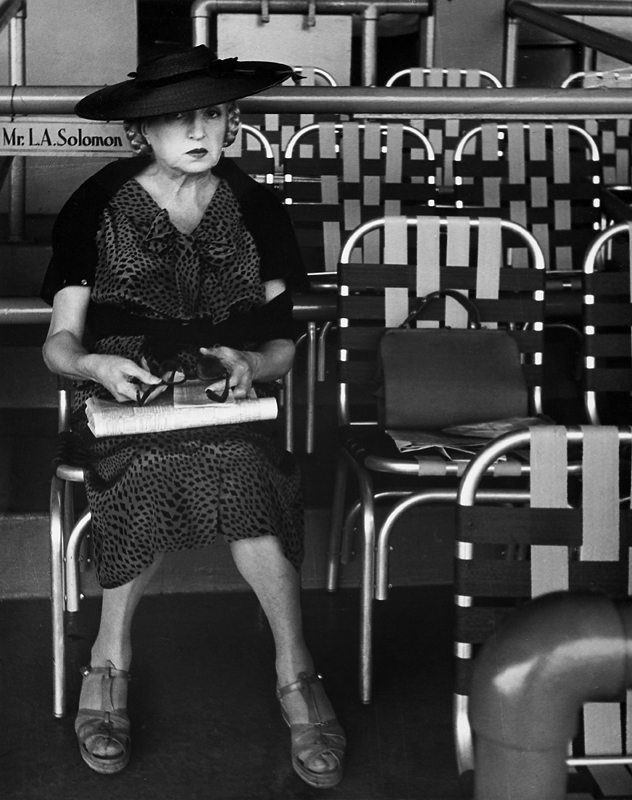
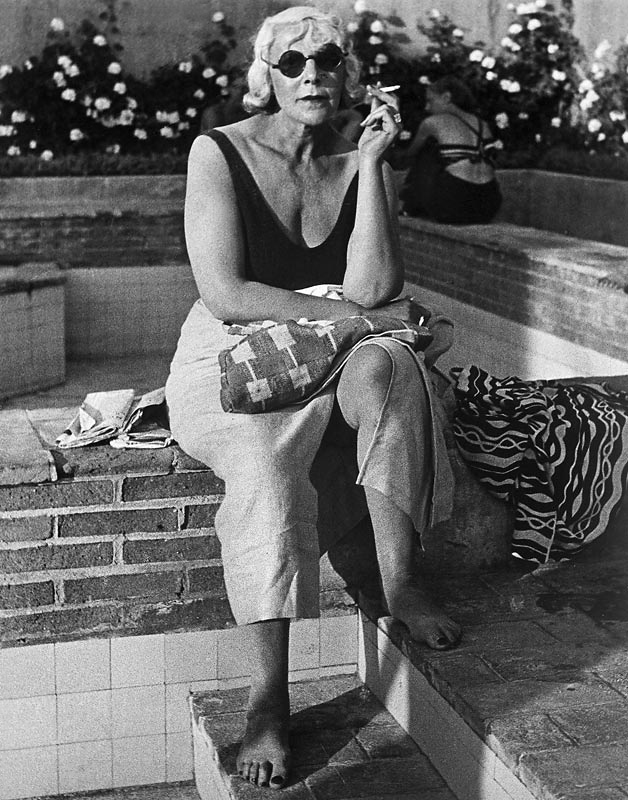
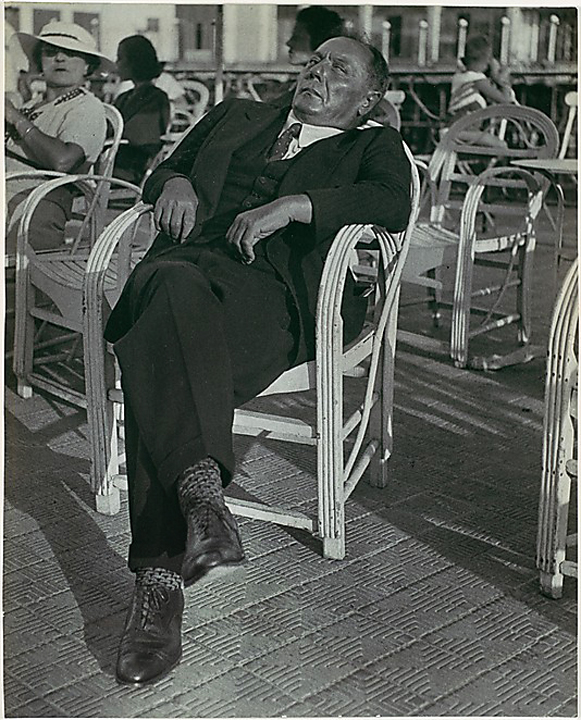
![Lisette Model (American born Austria, 1901-1983) 'Coney Island Bather, New York' [Baigneuse, Coney Island] c. 1939-1941](https://artblart.com/wp-content/uploads/2010/01/model-coney-island-bather-web.jpg "Lisette Model (American born Austria, 1901-1983) 'Coney Island Bather, New York' [Baigneuse, Coney Island] c. 1939-1941")
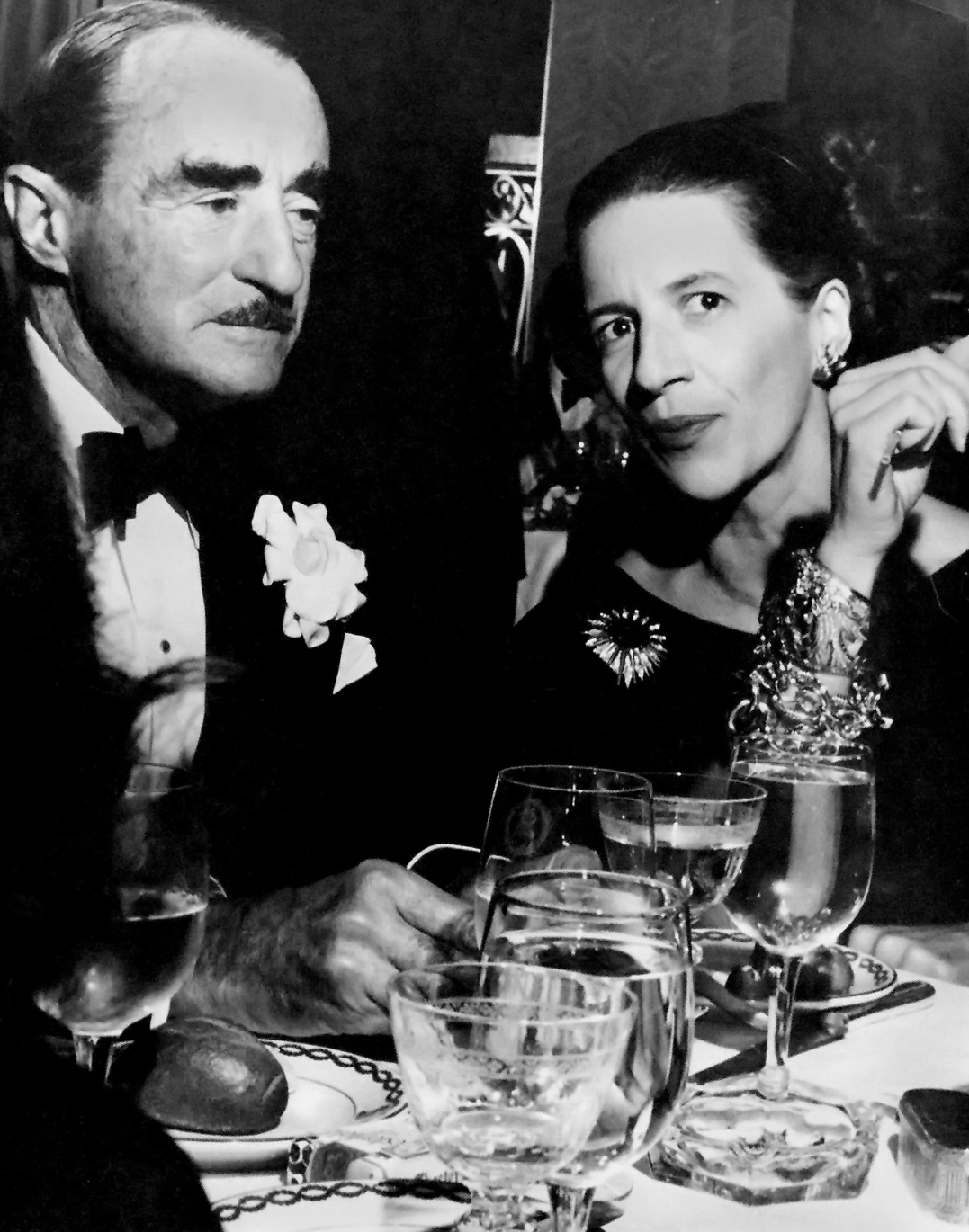
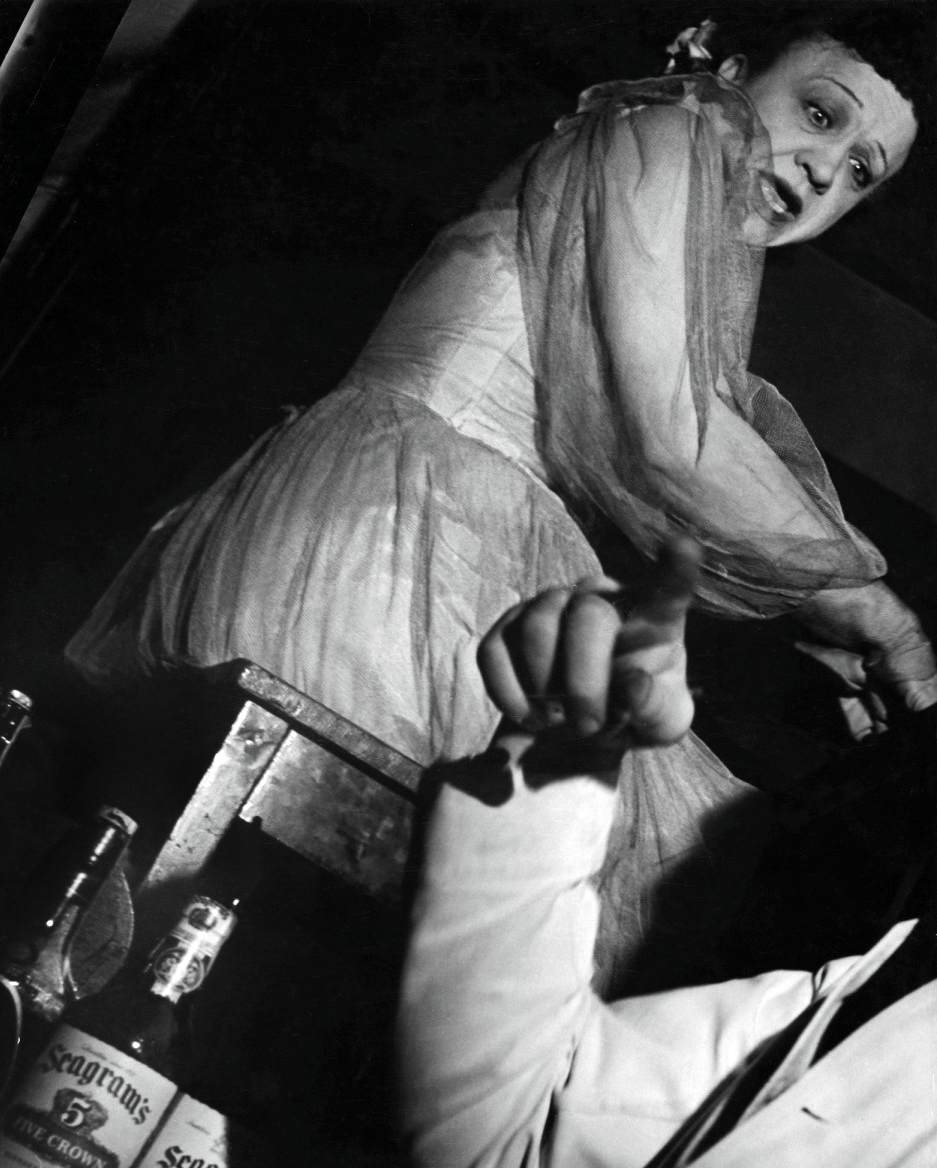
![Lisette Model (American born Austria, 1901-1983) 'Reflections' [Reflets] c. 1939-1945](https://artblart.com/wp-content/uploads/2010/01/model-reflections-new-york-web.jpg "Lisette Model (American born Austria, 1901-1983) 'Reflections' [Reflets] c. 1939-1945")
![Lisette Model (American born Austria, 1901-1983) 'Reflection' [Reflet] c. 1939-1945](https://artblart.com/wp-content/uploads/2010/01/model-reflection-web.jpg "Lisette Model (American born Austria, 1901-1983) 'Reflection' [Reflet] c. 1939-1945")


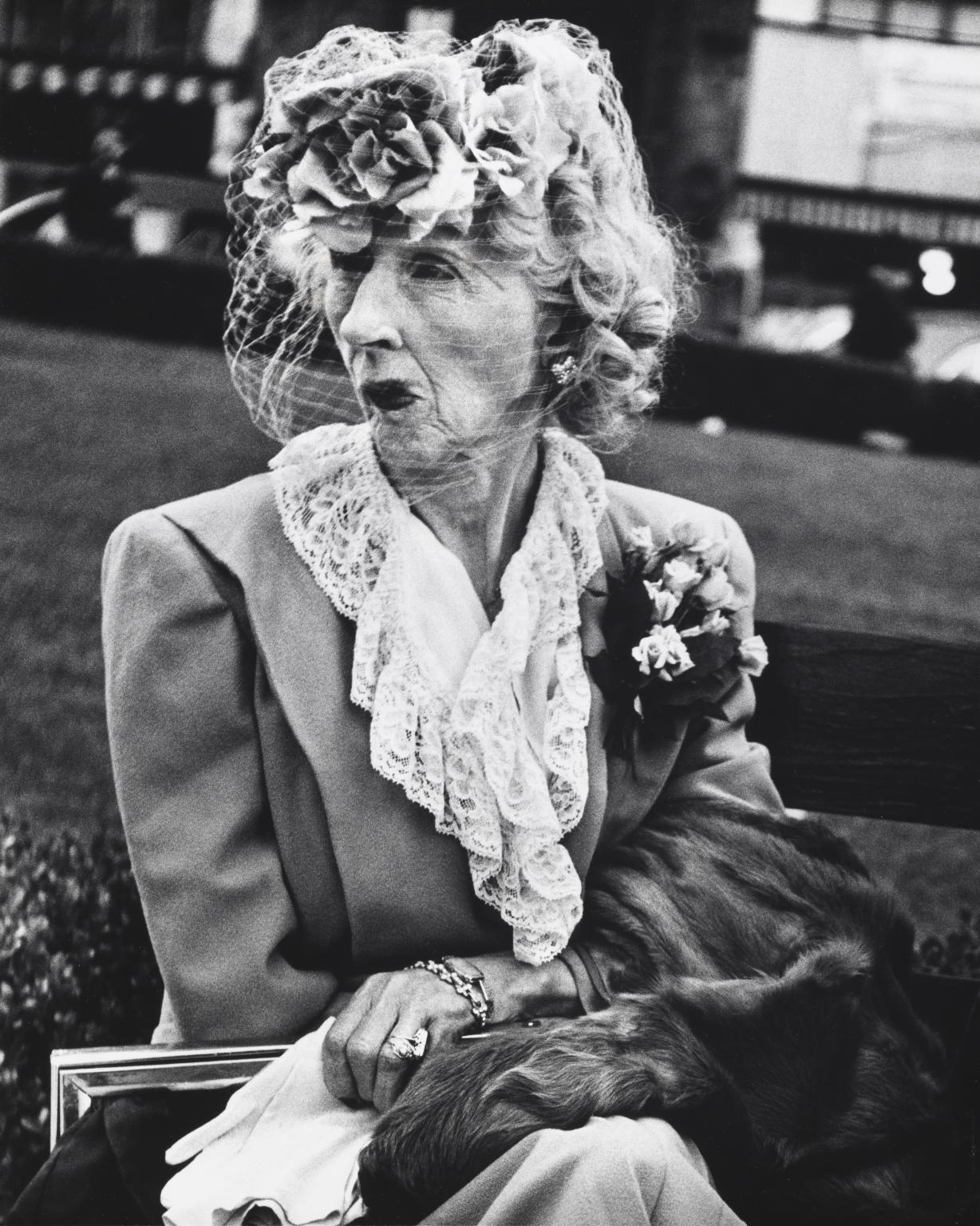
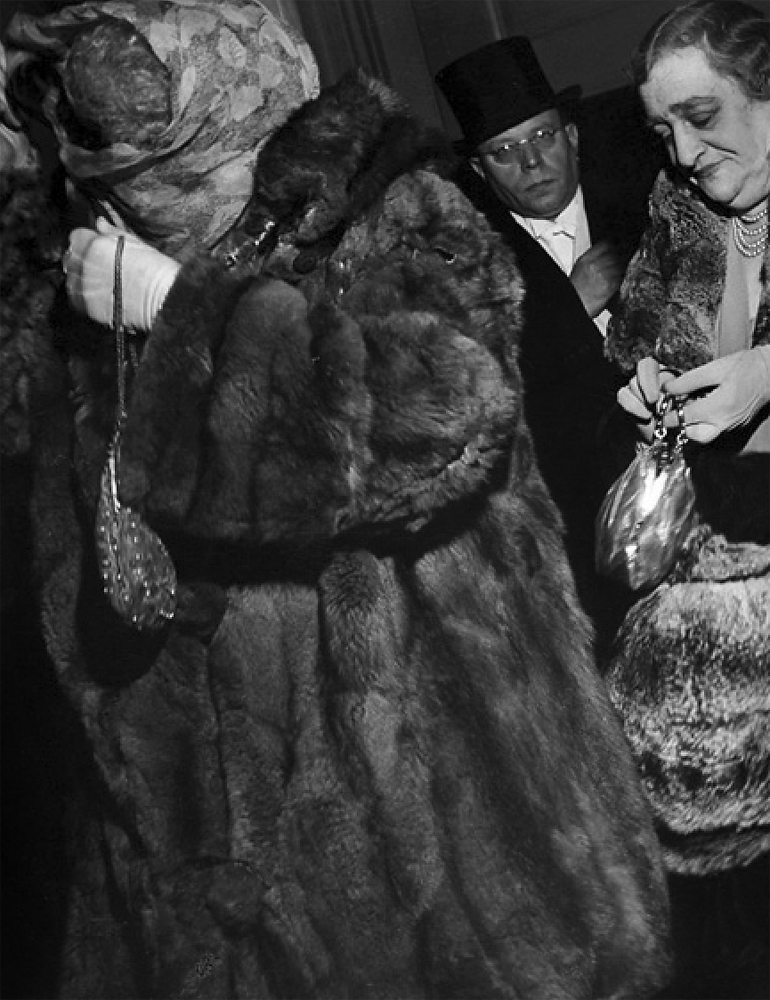


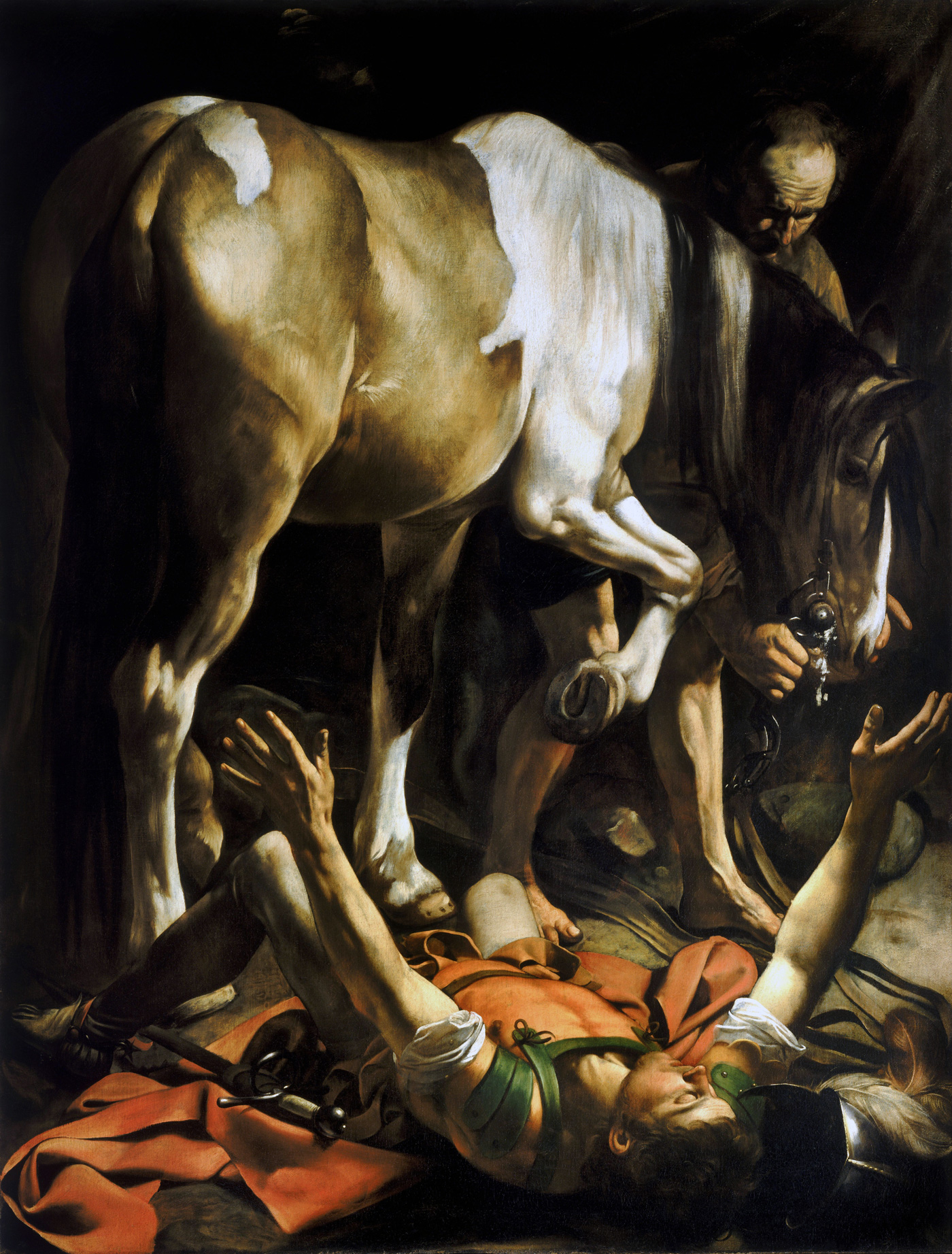


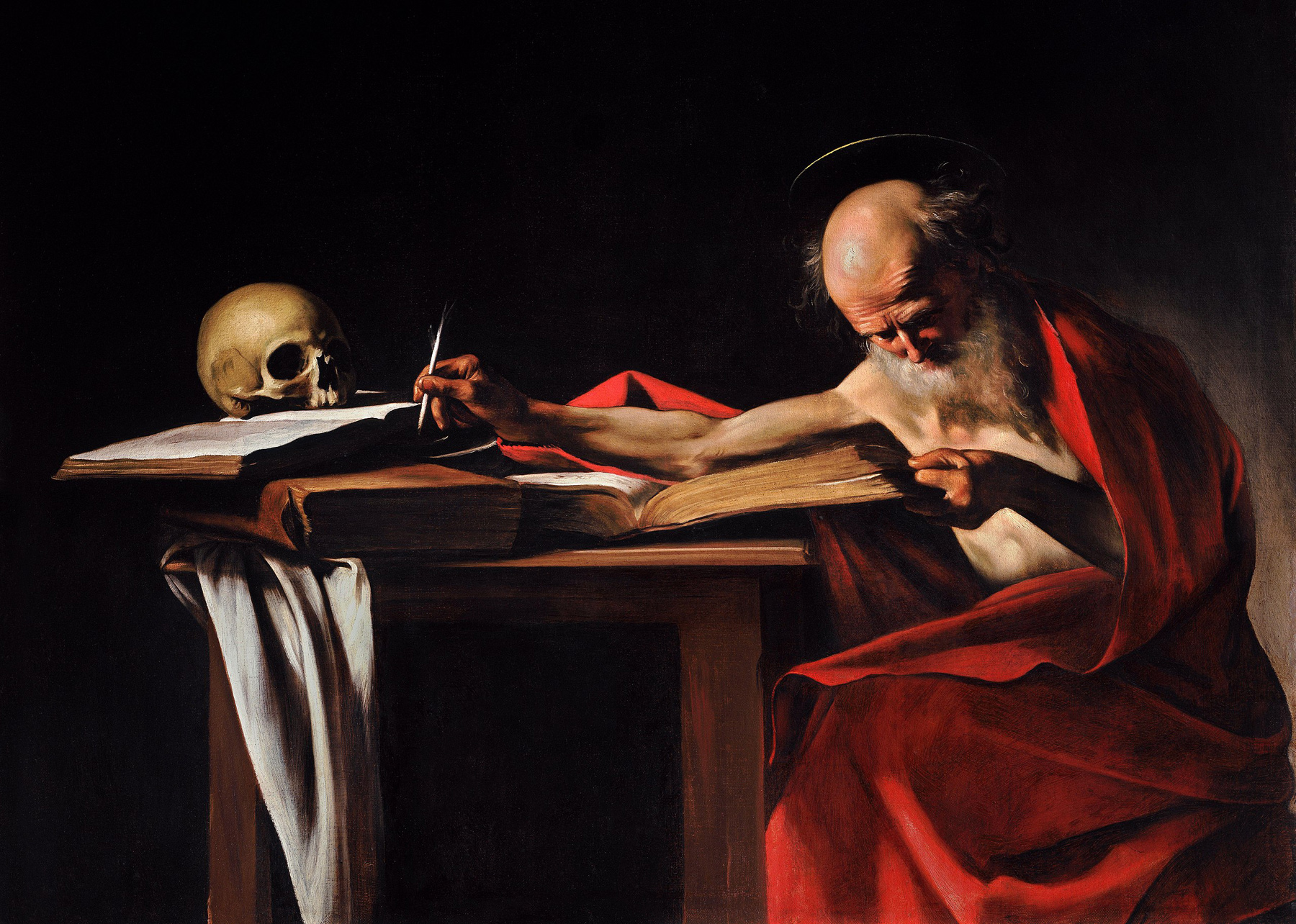


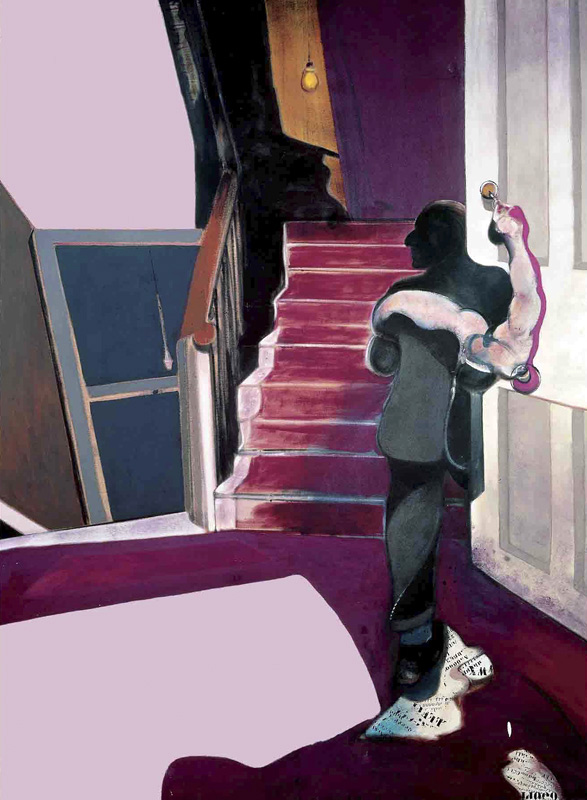
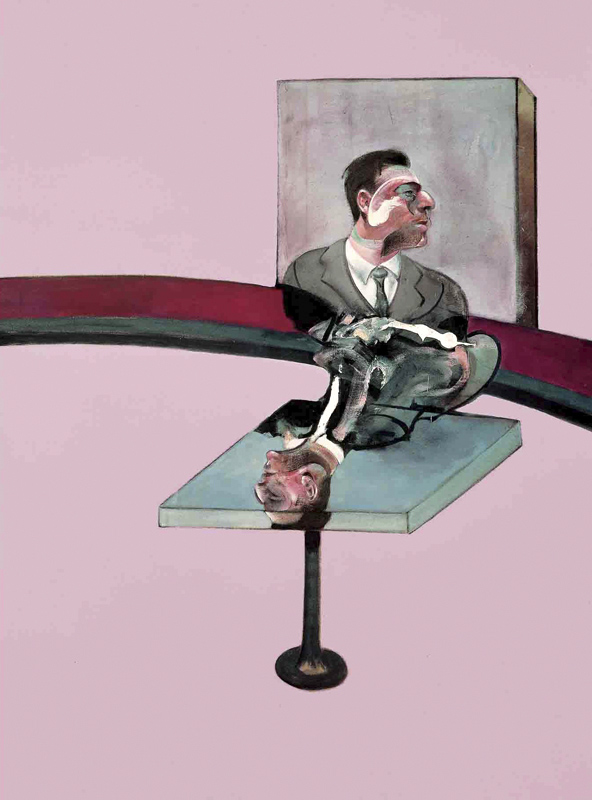


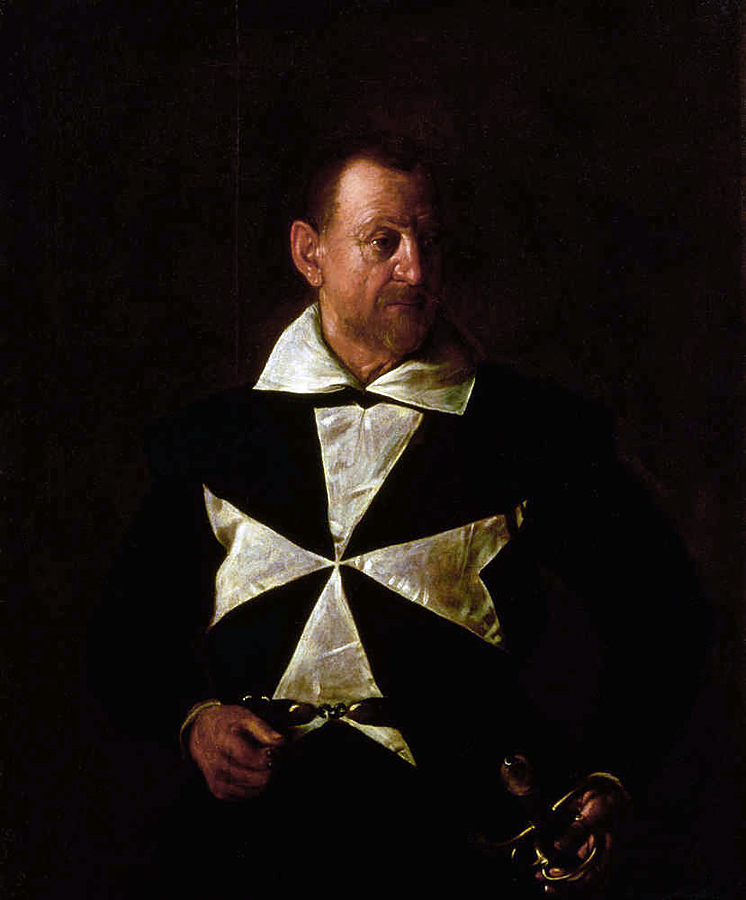


You must be logged in to post a comment.