Curator: Pascal Rousseau, Professor of Contemporary History of Art at the University of Paris I Panthéon Sorbonne
Louis Darget (French, 1847-1923) Fluidic Thought-Image Photography 1896
(L) Inscribed: “Photo… of thought. Head obtained by Mr. Henning, having a plate wrapped in black paper on his forehead while he played the piano. Opposite him on the piano was a portrait of Beethoven. Could this be that [same] portrait reflected by the brain onto the plate through the black paper. Comt. Darget”
(R) “Photograph of a Dream: The Eagle.” 25 June, 1896. Inscribed: “Obtained by placing a photographic plate above the forehead of Mme Darget while she was asleep.”
Telepathic art in the 20th century. What a fascinating subject for a spiritual, phantasmagoric exhibition which explores artists’ fascination with the direct transmission of thought and emotion. A lot of phenomena – for example telepathy, X-rays, psychoanalysis – were named or discovered in the last half of the nineteenth century or are concepts and things that began to gain popularity in the collective consciousness at that time, such as the unconscious mind, the anima and animus, the study of signs, photographs of thought, photographs of hysteria (Charcot) and notes and photographs on unexplained paranormal experiences.
“The exhibition enables the spectator to understand how, throughout the 20th century, attempts to give material and visible form to thought processes coincide with the experiments of avant-garde artists. This fantasy of a direct projection of thought not only had a decisive impact on the birth of abstraction but also influenced surrealism and its obsession with the collective sharing of creation and, in the post war period, it gave rise to numerous visual and sound installations inspired by the revolution in information technology, leading to the declaration of “the dematerialisation of art” in conceptual practices.”
Love the work of Émile Cohl and Len Lye, both a revelation to me.
Dr Marcus Bunyan
Many thankx to the Centre Pompidou-Metz for allowing me to publish the photographs in the posting. Please click on the photographs for a larger version of the image.
When conceived in 1880 in its original size (approx. 70cm) as the crowning element of The Gates of Hell, seated on the tympanum, The Thinker was entitled The Poet. He represented Dante, author of the Divine Comedy which had inspired The Gates, leaning forward to observe the circles of Hell, while meditating on his work. The Thinker was therefore initially both a being with a tortured body, almost a damned soul, and a free-thinking man, determined to transcend his suffering through poetry. The pose of this figure owes much to Carpeaux’s Ugolino (1861) and to the seated portrait of Lorenzo de Medici carved by Michelangelo (1526-31).
While remaining in place on the monumental Gates of Hell, The Thinker was exhibited individually in 1888 and thus became an independent work. Enlarged in 1904, its colossal version proved even more popular: this image of a man lost in thought, but whose powerful body suggests a great capacity for action, has became one of the most celebrated sculptures ever known. Numerous casts exist worldwide, including the one now in the gardens of the Musée Rodin, a gift to the City of Paris installed outside the Panthéon in 1906, and another in the gardens of Rodin’s house in Meudon, on the tomb of the sculptor and his wife.
Text from the Rodin Museum website [Online] Cited 22/03/2016. No longer available online
Cosa Mentale is a unique exhibition that offers a re-reading of the history or art from 1990 to modern day by exploring artists’ fascination with the direct transmission of thought and emotion. It invites the spectator to re-live one of the unexpected adventures of modernity: telepathic art in the 20th century. This exhibition traces a chronological path from symbolism to conceptual art with a collection of some one hundred works by major artists, ranging from Edvard Munch to Vassily Kandinsky, and from Joan Miró to Sigmar Polke. These artists provide innovative ways of communicating with spectators that take us beyond conventional linguistic codes.
The exhibition enables the spectator to understand how, throughout the 20th century, attempts to give material and visible form to thought processes coincide with the experiments of avant-garde artists. This fantasy of a direct projection of thought not only had a decisive impact on the birth of abstraction but also influenced surrealism and its obsession with the collective sharing of creation and, in the post war period, it gave rise to numerous visual and sound installations inspired by the revolution in information technology, leading to the declaration of “the dematerialisation of art” in conceptual practices.
The exhibition begins with the invention of the term “telepathy” in 1882, at a time when the study of psychology interacted with rapid developments in telecommunications. Endeavours ranged from the creation of “photographs of thought” in 1895 to the first “encephalograms” in 1924 (the year when the Surrealist Manifesto was published) and it was the actual activity of the brain which was to be shown in all its transparency, which encouraged artists to reject the conventions of representation by suppressing all restrictions of translation. Telepathy was far from remaining an obscure paranormal fantasy and consistently intrigued and enthralled artists throughout the 20th century. Always present in the world of science fiction, it resurfaced in psychedelic and conceptual art in the period from 1960 to 1970 before reappearing today in contemporary practices enraptured by technologies of “shared knowledge” and the rapid development of neuroscience.
Curator
Pascal Rousseau, professor of contemporary history of art at the University of Paris I Panthéon Sorbonne. Pascal Rousseau has also curated Robert Delaunay exhibitions: From impressionism to abstraction, 1906-1914, at the Centre Pompidou (1999) and To the origins of abstraction (1800-1914) at the Musée d’Orsay (2003).
Len Lye (New Zealand/America, 1901-1980) Tusalava 1929 Film 10 min. 5 sec.
As a student, Lye became convinced that motion could be part of the language of art, leading him to early (and now lost) experiments with kinetic sculpture, as well as a desire to make film. Lye was also one of the first Pākehā artists to appreciate the art of Māori, Australian Aboriginal, Pacific Island and African cultures, and this had great influence on his work. In the early 1920s Lye travelled widely in the South Pacific. He spent extended periods in Australia and Samoa, where he was expelled by the New Zealand colonial administration for living within an indigenous community.
Working his way as a coal trimmer aboard a steam ship, Lye moved to London in 1926. There he joined the Seven and Five Society, exhibited in the 1936 International Surrealist Exhibition and began to make experimental films. Following his first animated film Tusalava, Lye began to make films in association with the British General Post Office, for the GPO Film Unit. He reinvented the technique of drawing directly on film, producing his animation for the 1935 film A Colour Box, an advertisement for “cheaper parcel post”, without using a camera for anything except the title cards at the beginning of the film. It was the first direct film screened to a general audience. It was made by painting vibrant abstract patterns on the film itself, synchronising them to a popular dance tune by Don Baretto and His Cuban Orchestra. A panel of animation experts convened in 2005 by the Annecy film festival put this film among the top ten most significant works in the history of animation (his later film Free Radicals was also in the top 50).
A room of the exhibition features ten blackboards by Rudolf Steiner. They are the instructions of a new design language that the artist wants to develop. Steiner believes in the development of a supersensible consciousness, a big change for the future of humanity. He gives many lectures in which he details his research on the concept of transmission and its influence on the social. Whether true or not, artists such as Piet Mondrian, Wassily Kandinsky and others are interested in the complex graphics of Steiner and his research. Mondrian will even write: “Art is a way of development of mankind.”
Text from the Culture Box website translated from the French
The exhibition starts with a version of the famous figure of Rodin’s Thinker, set off against a sequence of seven photographs from the start of the century, in which the Pictorialist dimension seems to attempt to show lighting emissions produced by the cerebral concentration of the subject. This collection is presented opposite TV Rodin, a video installation created by the artist Nam June Paik who, in the 1970s, reinterpreted electromagnetic animation of closed-circuit thought, when interest in cybernetics was at its peak.
Auras
The direct visualisation of thought and emotional states and the impact of this on the beginnings of abstraction at the start of the 20th century.
The first room focuses on the passion during the century for “photography of thought.” As a direct response to the discovery of radiography by Röntgen, in 1895, numerous amateur researchers attempted to produce images of the brain on photosensitive plates. Since it was possible to see through opaque bodies, why not try to see through the skull, which was now transparent? A curiosity cabinet presents the photographic experiments of Hippolyte Baraduc and Louis Darget with “psychic ones” or “images of thought.” This selection of photographs interacts with two film animation extracts by Émile Cohl, showing, with some humour, the direct projection of thought onto the big screen with the arrival of the cinema.
In the second room, a collection of engravings from the theosophical works of Annie Besant and Charles Leadbeater, presented by the American artist Christian Sampson, reveals the close relationship between the representation of emotional states (thought-patterns) and early abstract painting. They inspired many pioneers of abstract painters, including Kupka and Kandinsky. A group of auras and halos is shown, associated with a colour code for different effects, captured by Kandinsky in order to paint authentic abstract (auto) portraits. In the same vein, paintings by Wilhelm Morgner, Janus de Winter and Jacob Bendien present “psychic portraits” which illustrate a psychological range of emotions by means of chromatic signs.
The third room presents a sequence of ten “blackboards” by Rudolph Steiner, the founder of anthroposophy (the “science of the mind” that was a major influence on some of the members of the avant-garde abstract movement), showing how he developed his theories of the “mental body” and “psychic force”. Next to this is a collection of watercolours by the Swedish painter Hilma af Klint, a pioneer of abstract art. Around this area a multimedia installation by the artist Tony Oursler has been specially created for this exhibition reinterpreting the historical imagination of these “mental projections”.
Magnetic fields
The spread of telepathy in the inter-war period and its influence on surrealism.
In 1924, André Breton published the Surrealist Manifesto (1924) just when the neurologist Hans Berger invented the first electroencephalogram as a result of experimental research into telepathy: this being a less than accidental coincidence, relating to automated transcriptions of the mind. The “exquisite corpses” or “communicated drawings” of the surrealists are linked to experiments that took place at that time into the telepathic transfer of images.
The first room presents a sequence of photographs of the surrealist group in poses in which heads and bodies communicate with each other to produce a collective work under the mysterious influence of “magnetic fields.” Tusalava (1929), a film by the Australian artist Len Lye, illustrates the cinematographic solution found to make mental activity visible, in the form of abstract ideograms taken from aboriginal language.
The second room shows a collection of photographs from the 1920s, some of which are presented by the artist Frédéric Vaesen, relating to the materialisation of psychic entities, the famous “ectoplasms” which give a more tangible reality to imponderable thought. Next to this is a series of works by Joan Miró, in which the painter depicts coloured auras, including a mental map of emotional states, a “photograph of his dreams”.
Mind expander
With the reconstruction of the post war period, divided between the cybernetic model and psychedelic liberation, telepathy remained more than ever a creative horizon for artists in search of perception extended to the electromagnetic manifestations of consciousness.
The New Age spirit of the 1960s witnessed the curious revival of “photographs of thought” (Ted Serios and Salas Portugal), which influenced experimental cinema and psychedelic video (Jordan Belson), a well as some photographic practices (Anna and Bernhard Blume, Dieter Appelt, Suzanne Hiller, John Baldessari and Sigmar Polke).
Under the influence of psychotropic drugs or immersed in highly intense audiovisual devices, electric thought in motion is captured with a penetrating eye. Experimental and radical architectural patterns embody “expanded consciousness”, as is seen in the Mind Expander project (1967) by the Austrian group Haus Rucker Co, which invites the spectator to venture into “superception.” Music has its role here, with the rise in “biomusic” at the end of the 1960s, led by Alvin Lucier, Pierre Henry and David Rosenboom, who produced authentic “brain symphonies,” by means of the sound transcription of the activity of electric waves emitted by the brain, directly captured by electrodes.
Telepathy
The establishment of telepathic art in the 1970s influenced by conceptual practices.
On the margins of pop art, avant-garde artists in the 1970s produced a critique of both form and the art market, by means of strategies that emphasised language and sociological discourse. This also involved a major project in the dematerialisation of art works in which telepathy could be an ideal model for a new non-standard form of communication.
The American artist Robert Morris produced his own Autoportrait in the form of an encephalogram (EEG Portrait) at the same time as his compatriot Robert Barry, a central figure in conceptual art, produced Telepathic Pieces (1969) and Vito Acconci explored extra sensory perception through the form of video (Remote Control, 1971). Against this backdrop, we see considerable new interest in a utopia of shared creation (Robert Filliou and Marina Abramovic) in the era of global communication and the “noosphere” prophetically declared by Teilhard de Chardin and Marshall McLuhan.
The exhibition ends with a vast installation by the artist Fabrice Hyber, a major figure of contemporary art in France, with experimental telepathic booths, paintings, drawings and “prototypes of operating objects” (POF). Hyber invites the spectator to participate, alone or in groups, in an experience which has several surprises, reminding us how, today, under the influence of information networks, neuroscience and the globalised internet, telepathy (ultra democratic and utopian yet also obscure) is more topical than ever and can be explored by artists with the same spirit of derision or anticipation.
Press release from the Centre Pompidou-Metz
Haus-Rucker-Co (Viennese, founded 1967) Laurids, Zamp and Pinter with Environment Transformern (Flyhead, Viewatomizer and Drizzler) 1968 From the Mind Expander project Photo: Gert Winkler
Taking their cue from the Situationist’s ideas of play as a means of engaging citizens, Haus-Rucker-Co created performances where viewers became participants and could influence their own environments, becoming more than just passive onlookers. These installations were usually made from pneumatic structures such as Oase No. 7 (1972), which was created for Documenta 5 in Kassel, Germany. An inflatable structure emerged from the façade of an existing building creating a space for relaxation and play, of which contemporary echoes can be found in the ‘urban reserves’ of Santiago Cirugeda. The different versions of the Mind Expander series (1967-1969), consisted of various helmets that could alter the perceptions of those wearing them, for example the ‘Fly Head’ disoriented the sight and hearing of the wearer to create an entirely new apprehension of reality; it also produced one of their most memorable images.
Haus-Rucker-Co’s installations served as a critique of the confined spaces of bourgeois life creating temporary, disposable architecture, whilst their prosthetic devices were designed to enhance sensory experience and highlight the taken-for-granted nature of our senses, seen also in the contemporaneous work of the Brazilian artist Lygia Clark. Contemporary versions of such work can be found in the pneumatic structures favoured by Raumlabor and Exyzt.
Installation view of Haus-Rucker-Co, Mindexpander 1 1967 in the exhibition Cosa mentale at the Centre Pompidou-Metz. Photo Pompidou Centre. MNAM CCI-distrib. RMN / G. Meguerditchian.
In 1968, the Austrian collective Haus-Rucker-Co designed the Mind Expander as an immersive capsule propelling the audience into a new mode of perception of reality: the “Superception”. This, then, is a synthesis of avant-garde utopias, throughout the twentieth century, influenced by the imagination that gave rise to the development of telecommunications, seeking to develop a way of live transmission of emotion. Its aim was to invent a new, immediate, relationship between the artist and the viewer.
Haus-Rucker-Co (Viennese, founded 1967) Mind Expander 1967 Vienna Epreuve gélatino-argentique Photo: Michael Plitz. Haus-Rucker-Co.
Pianist-composer J.B. Floyd, a long-time collaborator with David Rosenboom is seen with electrodes attached to his head while performing a solo version of Rosenboom’s brainwave music composition Portable Gold and Philosophers’ Stones at Centre Culturel Americain in Paris on 7 January 1975. The equipment shown includes a brainwave monitoring device and an ARP 2600 Synthesizer. The performance occurred simultaneously with a lecture given by David Rosenboom in a presentation titled Biofeedback and the Arts. Artist Jacqueline Humbert, who also participated in the performance, is seated off to the right of the picture frame.
Nam June Paik (American, 1932-2006) TV Rodin (detail) 1976-1978 Plaster, video camera, tripod, monitor, pedestal 132 x 110 x 115 cm
Long considered the most important video artist since the advent of the form in the late 1960s, Nam June Paik’s TV Rodin is one of several related works that involve sculpture – in this case, a cast of Auguste Rodin’s Thinker, studying itself in a small video monitor via closed circuit television. As museum visitors walk around the work and look over the sculpture’s shoulder, their image also appears on the screen. Paik’s influential vision of television as a global cultural force found intelligent and witty form in his videotapes, video sculptures, and intercontinental satellite performances.
Text from the Carnegie Museum of Art website [Online] Cited 22/03/2016.
Nam June Paik (American, 1932-2006) TV Rodin 1976-1978 Plaster, video camera, tripod, monitor, pedestal 132 x 110 x 115cm Photo: Primae / Claude Germain. The Estate of Nam June Paik
It was a flying visit to Sydney to see the Julia Margaret Cameron exhibition at the Art Gallery of New South Wales. The trip was so very worthwhile, for I had never seen JMC’s large contact photographs “in the flesh” before, let alone over 100 vintage prints from the Victoria and Albert Museum collection. They did not disappoint. This exhibition is one of the photographic highlights of the year.
When you think about it, here is one the world’s top ten photographers of all time – a woman, taking photographs within the first twenty five years of the birth of commercial photography, using rudimentary technology and chemicals – whose photographs are still up there with the greatest ever taken. Still recognisable as her own and no one else’s after all these years. That is a staggering achievement – and tells you something about the talent, tenacity and perspicacity of the women… that she possessed and illuminated such a penetrating discernment – a clarity of vision and intellect which provides a deep understanding and insight into the human condition.
Annie; ‘My first success’ (1864, below) points the way to the later development of her mature style. Although not entirely successful, the signature low depth of field and wonderful use of light are already present in this image. Compare this to Lady Adelaide Talbot (1865, below), only a year later, and you can see that her development as an artist is phenomenal. JMC pushes and pulls the face of the sitter within the image plane. In a sequence from the exhibition (enlarge the installation image, below) we have (from left to right), female in profile facing right with light from right Sappho (1865); female lower 2/3rds right with light from front above Christabel (1866); female looking at camera, soft, dark moody lighting hitting only one the side of the face and embroidered cap Zoe / Maid of Athens (1866); now a different tilt of the jaw, lighter print Beatrice (1866, below); a frontal portrait with dark background, pin sharp face and hair to the front and back of the face out of focus Julia Jackson (1867, below), then female portraits facing left, the head filling the upper left corner; looking down in three-quarter profile with light from the right, filling the frame; and then upper right, small face, with the rest falling off into darkness.
There is something so magical about how JMC can frame a face, emerging from darkness, side profile, filling the frame, top lit. Soft out of focus hair with one point of focus in the image. Beautiful light. Just the most sensitive capturing of a human being, I don’t know what it is… a glimpse into another world, a ghostly world of the spirit, the soul of the living seen now before they are dead.
While it is very interesting to see her failures, or what she perceived as her failures – not so much a failure of vision but mainly a failure of technique: cracking of the plates, under development, defective unmounted impressions – presented in the exhibition, plus all her techniques for developing and amending the photograph – double printing, reverse printing, scratching onto the negative and painting on the print (all techniques later used by the Pictorialists) – it is the low depth of field, wonderful tones and the quality of the light that so impresses with her work. Her portraits have a real but very fluid and ethereal presence. Material, maternal, touch, sublime, religious, allegorical, mythological, and beautiful. She would focus her lens until she thought the subject was beautiful “instead of screwing on the lens to the more definite focus which all other photographers insist upon.”
She has, of course, been seen as a precursor to Pictorialism, but personally I do not get that feeling from her photographs, even though the artists are using many of the same techniques. Her work is based on the reality of seeing beauty, whereas the Pictorialists were trying to make photography into art by emulating the techniques of etching and painting. While the form of her images owes a lot to the history of classical sculpture and painting, to Romanticism and the Pre-Raphaelites, she thought her’s was already art of the highest order.She did not have to mask its content in order to imitate another medium. Others, such as the curator of the exhibition Marta Weiss, see her as a proto-modernist, precursor to the photographs of Stieglitz and Sander and I would agree. There is certainly a fundamental presence to JMC’s photographs, so that when you are looking at them, they tend to touch your soul, the eyes of some of the portraits burning right through you; while others, others have this ambiguity of meaning, of feeling, as if removed from the everyday life.
Unfortunately, her legacy and her baton has not been taken up in contemporary photography, other than through her love child Sally Mann. One of the main problems with contemporary portrait photography, perhaps any type of contemporary photography, is that anything goes. And what goes is usually linked to the photographer’s desire. It is not about the reality of the subject, but just a refraction of the desires of the photographer reflected in the subject. Many photographers today are not real photographers at all… they are just a pimp to their own ideas. There is a 100% co-relation between their vision and their work which leaves no room for ambiguity. There is no longer the interesting and lovely space between what is attempted and how the photographer would like it to be, as in JMC. Where the shortcomings are welcomed (she embraced flaws, cracks, thumb prints) and it all seems a marvellous activity. She was dedicated to the task of extracting the beauty of this ambiguity, through taking hours preparing plates, through sitting, developing and washing. She took her shortcomings and folded them back into her work so that there seems to be a type of perfection to it. Of course, there isn’t. “These fulfilled her photographic vision, a rejection of ‘mere conventional topographic photography – map-making and skeleton rendering of feature and form’ in favour of a less precise but more emotionally penetrating form of portraiture.”1 By contrast, the surface in contemporary “topographic” photography is just a paper thin reflection of the photographer themselves, nothing more.
The road to spirituality is the road less travelled. It is full of uncertainty and confusion, but only through exploring this enigma can we begin to approach some type of inner reality. Julia Margaret Cameron, in her experiments, in her dogged perseverance, was on a spiritual journey of self discovery. In Philip Roth’s Exit Ghost, he suggests Richard Strauss’ Four Last Songs as the ideal music for a scene his character has written:
“Four Last Songs. For the profundity that is achieved not by complexity but by clarity and simplicity. For the purity of the sentiment about death and parting and loss. For the long melodic line spinning out and the female voice soaring and soaring. For the repose and composure and gracefulness and the intense beauty of the soaring. For the ways one is drawn into the tremendous arc of heartbreak. The composer drops all masks and, at the age of eighty-two, stands before you naked. And you dissolve.”
These words are an appropriate epithet for the effect of the photographs of Julia Margaret Cameron in this year 2015, the 200th anniversary of her birth.
Dr Marcus Bunyan
PS. It would have been great to see more of the later work as this exhibition mainly focuses on the period 1864-1869 (probably the bulk of what is in the Victoria and Albert Museum collection). Also, in the expansive, open galleries, some colour on the walls would have been good. When JMC exhibited her work it would have been on coloured walls, probably with multiple mounts of different colours as well. It would also have been nice to see some of the signatures on the work, as some of them reveal intimate facts about the sitter/theme.
Many thankx to the AGNSW and the Victoria and Albert Museum for allowing me to publish the photographs in the posting. Please click on the photographs for a larger version of the image.
When Cameron photographed her intellectual heroes such as Alfred Tennyson, Sir John Herschel and Henry Taylor, her aim was to record ‘the greatness of the inner as well as the features of the outer man.’
‘When I have such men before my camera my whole soul has endeavoured to do its duty towards them in recording faithfully the greatness of the inner as well as the features of the outer man. The photograph thus taken has been almost the embodiment of a prayer’.
Julia Margaret Cameron 1867
‘When … coming to something which, to my eye, was very beautiful, I stopped there instead of screwing on the lens to the more definite focus which all other photographers insist upon’.
Julia Margaret Cameron’s powerful portraits of her niece and goddaughter Julia Jackson depict her as herself, rather than a religious or literary character. Cameron generally reserved this approach for her male sitters. This is one of a series of portraits in which the dramatically illuminated Jackson fearlessly returns the camera’s gaze. Cameron’s niece, here given her married name, once again regards the camera directly, but with an air of sadness rather than confidence. Her husband had died after just three years of marriage. Cameron inscribed one version of this photograph ‘My own cherished Niece and God Child / Julia Duckworth / a widow at 24’.
Julia Margaret Cameron was 48 when she received a camera as a gift from her daughter and son-in-law. It was accompanied by the words, ‘It may amuse you, Mother, to try to photograph during your solitude at Freshwater.’ Cameron had compiled albums and even printed photographs before, but her work as a photographer now began in earnest. Cameron made this portrait of Annie Philpot, the daughter of a local family, within a month of receiving her first camera. She inscribed some prints of it ‘My first success’ and later wrote of her excitement, ‘I was in a transport of delight. I ran all over the house to search for gifts for the child. I felt as if she entirely had made the picture.’
Cameron’s mentor and friend, the artist G.F. Watts wrote to Cameron, ‘Please do not send me valuable mounted copies … send me any … defective unmounted impressions, I shall be able to judge just as well & shall be just as much charmed with success & shall not feel that I am taking money from you.’ This is one of approximately 67 in the V&A’s collection that was recently discovered to have belonged to him. Many are unique, which suggests that Cameron was not fully satisfied with them. Some may seem ‘defective’ but others are enhanced by their flaws. All of them contribute to our understanding of Cameron’s working process and the photographs that did meet her standards.
In this close-up profile, Lady Talbot gazes out of the frame with determination. Instead of a tangle of branches and leaves, the background is neutral. The focus is soft and the light coming from the right traces the sitter’s profile. This photograph looks more distinctively like the work of Julia Margaret Cameron and shows the development of her signature style.
Here Lady Adelaide Talbot appears not as herself, but as Melancholy, the personification of pensive sadness, that John Milton evoked in his poem Il Penseroso (about 1631). Draped in a shawl that hides her everyday clothing, her hands form a V on her chest, in a theatrical gesture. Cameron inscribed this print with two lines from the poem, ‘Come pensive Nun, devout and pure, / Sober, stedfast, and demure’.
Christiana Fraser-Tytler modelled for other Julia Margaret Cameron photographs together with her sisters. One of them, Mary, an artist and designer, later married the artist G.F. Watts. This print originally belonged to either Watts or his wife. It came from the Watts estate, which was sold after Mary’s death in 1938.
In late 1865 Julia Margaret Cameron began using a larger camera, which held a 15 x 12-inch glass negative. Early the next year she wrote to Henry Cole with great enthusiasm – but little modesty – about the new turn she had taken in her work. Cameron initiated a series of large-scale, close-up heads. These fulfilled her photographic vision, a rejection of ‘mere conventional topographic photography – map-making and skeleton rendering of feature and form’ in favour of a less precise but more emotionally penetrating form of portraiture.
This striking version of Sappho is in keeping with Cameron’s growing confidence as an artist. Mary Hillier’s classical features stand out clearly in profile while her dark hair merges with the background. The decorative blouse balances the simplicity of the upper half of the picture. Cameron was clearly pleased with the image since she printed multiple copies, despite having cracked the negative.
The title refers to a poem by Samuel Taylor Coleridge about a virtuous maiden who is put under a spell by an evil sorceress. Cameron wrote of photographs such as this, ‘when … coming to something which, to my eye, was very beautiful, I stopped there instead of screwing on the lens to the more definite focus which all other photographers insist upon’.
Cameron based the pose, drapery, and sad expression of her model on a painting attributed to Guido Reni. The subject is the 16th-century Italian noblewoman Beatrice Cenci who was executed for arranging the murder of her abusive father. One review admired Cameron’s soft rendering of ‘the pensive sweetness of the expression of the original picture’ while another mocked her for claiming to have photographed a historical figure ‘from the life’.
Cameron’s powerful portraits of her niece and goddaughter Julia Jackson depict her as herself, rather than a religious or literary character. Cameron generally reserved this approach for her male sitters. This is one of a series of portraits in which the dramatically illuminated Jackson fearlessly returns the camera’s gaze.
Cameron’s good friend Anne Thackeray Ritchie recalled in 1893, ‘Sitting to her was a serious affair, and not to be lightly entered upon. We came at her summons, we trembled (or we should have trembled had we dared to do so) when the round black eye of the camera was turned upon us, we felt the consequences, what a disastrous waste of time and money and effort, might ensue from any passing quiver of emotion.’
Installation views of the exhibition Julia Margaret Cameron: from the Victoria and Albert Museum, London at the Art Gallery of New South Wales, Sydney Photos: Marcus Bunyan
Julia Margaret Cameron’s career as a photographer began in 1863 when her daughter gave her a camera. Cameron began photographing everyone in sight. Because of the newness of photography as a practice, she was free to make her own rules and not be bound to convention. The kinds of images being made at the time did not interest Cameron. She was interested in capturing another kind of photographic truth. Not one dependent on accuracy of sharp detail, but one that depicted the emotional state of her sitter.
Cameron liked the soft focus portraits and the streak marks on her negatives, choosing to work with these irregularities, making them part of her pictures. Although at the time Cameron was seen as an unconventional and experimental photographer, her images have a solid place in the history of photography.
Most of Cameron’s photographs are portraits. She used members of her family as sitters and made photographs than concentrated on their faces. She was interested in conveying their natural beauty, often asking female sitters to let down their hair so as to show them in a way that they were not accustomed to presenting themselves. In addition to making stunning and evocative portraits both of male and female subjects, Cameron also staged tableaux and posed her sitters in situations that simulated allegorical paintings.
Julia Margaret Cameron’s earliest photographic subjects were family and friends, many of whom were eminent literary figures. These early portraits reveal how she experimented with dramatic lighting and close-up compositions, features that would become her signature style. In May 1865 Cameron used her sister’s London home, Little Holland House, as her photographic headquarters. Her sister Sara Prinsep, together with her husband Thoby, had established a cultural salon there centred around the artist George Frederic Watts, who lived with them. Cameron photographed numerous members of their circle on the lawn. These included artists, writers and collectors and Henry Cole, the director of the South Kensington Museum.
Cameron clothed Lady Elcho in flowing draperies to suggest a character out of Dante, author of the 14th-century poem the Divine Comedy. Cameron wears the same large, paisley-edged shawl in the portrait by her son. The fragmented female figure at the far left of the frame may have been assisting Cameron.
Many of the photographs purchased by the South Kensington Museum (now the Victoria and Albert Museum) from Julia Margaret Cameron were ‘Madonna Groups’ depicting the Virgin Mary and the infant Christ. Her housemaid Mary Hillier posed as the Virgin Mary so often she became known locally as ‘Mary Madonna’. Like many of her contemporaries, Cameron was a devout Christian. As a mother of six, the motif of the Madonna and child held particular significance for her. In aspiring to make ‘High Art’, Cameron aimed to make photographs that could be uplifting and morally instructive.
As in many of Cameron’s depictions of the subject, the Madonna is holding a sleeping child. This had practical advantages as the infant was less likely to move during the long exposure. It was also suggestive of death, a grim reality for many Victorian families and a reference to the Pietà, a subject in Christian art in which the Virgin Mary cradles the dead Christ.
With the addition of a small wooden cross and female model in drapery, Cameron transformed a portrait of her sleeping grandson into an image of the Virgin Mary and the infant Christ. The mother leaning over the child prefigures Mary mourning over the body of her son, who had died on the cross. The framed pictures and curtain in the background reveal the setting as a domestic interior.
In this unusual horizontal composition, the close-up figures of the sleeping Christ child and the Madonna nearly fill the frame. The title suggests both Christian concepts and the theme of motherhood. Next to the title Cameron wrote: ‘From Life My Grand child age 2 years & 3 months’, making the image simultaneously a religious study and a family portrait.
This image may have been inspired by poems by Alfred Tennyson and John Keats based on the legend that virgins dream of their future husbands on St Agnes Eve (20 January). To suggest the night, Julia Margaret Cameron printed the photograph dark and added a moon by hand. The sitter is Mary Hillier, Cameron’s housemaid and one of her ‘most beautiful and constant’ models.
In 1869, Julia Margaret Cameron wrote to Sir Henry Cole, the founding director of the South Kensington Museum (now the Victoria and Albert Museum) of the ‘cruel calamity … which has over taken 45 of my Gems – a honey comb crack extending over the picture appearing at any moment and beyond any power to arrest.’ Cameron blamed her ‘fatally perishable’ photographic chemicals, while members of the Photographic Society suspected the damp climate of the Isle of Wight. Today’s theory is that failure to sufficiently wash the negatives after fixing them caused the problem.
John Milton’s poem On his deceased Wife (about 1658) tells of a fleeting vision of his beloved returning to life in a dream. On this mount she included G. F. Watts’ assessment: ‘quite divine’. Cameron was particularly distraught by the crackling that befell this negative. She seemed not to be bothered, however, by the two smudged fingerprints in the lower right, which form a kind of inadvertent signature.
When Julia Margaret Cameron photographed her intellectual heroes such as Alfred Tennyson, Sir John Herschel and Henry Taylor, her aim was to record ‘the greatness of the inner as well as the features of the outer man.’ Another motive was to earn money from prints of the photographs, since her family’s finances were precarious. Within her first year as a photographer she began exhibiting and selling through the London gallery Colnaghi’s. She used autographs to increase the value of some portraits.
For this portrait of her close friend, the playwright and poet Taylor, Cameron broke from her practice of photographing male heads emerging from darkness. As with some of her female heads, the sitter’s face fills the frame, while his sleeve and beard flow beyond its confines.
The naturalist Charles Darwin and his family rented a cottage in Freshwater from the Camerons in the summer of 1868. By 27 July, Colnaghi’s was advertising, ‘we are glad to observe her gallery of great men enriched by a very fine portrait of Charles Darwin’. Due to the sitter’s celebrity, Cameron later had this portrait reprinted as a more stable carbon print. When Cameron photographed her intellectual heroes such as Alfred Tennyson, Sir John Herschel and Henry Taylor, her aim was to record ‘the greatness of the inner as well as the features of the outer man.’
Herschel was an eminent scientist who made important contributions to astronomy and photography. Cameron wrote of this sitting, ‘When I have such men before my camera my whole soul has endeavoured to do its duty towards them in recording faithfully the greatness of the inner as well as the features of the outer man. The photograph thus taken has been almost the embodiment of a prayer.’
Art Gallery of New South Wales Art Gallery Road, The Domain Sydney NSW 2000, Australia
Opening hours: Open every day 10am – 5pm except Christmas Day and Good Friday
I’m heading up to Sydney on Thursday night, especially to see this exhibition on Friday at the Art Gallery of New South Wales = excitement. I’ll limit my words here until I have seen the exhibition and give you some fuller thoughts next weekend. Suffice it to say, that I consider JMC to be one of the top ten photographers of all time.
Dr Marcus Bunyan
Many thankx to the AGNSW for allowing me to publish the photographs in the posting. Please click on the photographs for a larger version of the image.
The Art Gallery of New South Wales is delighted to bring to Sydney a superb exhibition of works by one of the most influential and innovative photographers of the nineteenth century – Julia Margaret Cameron (1815-1879). Drawn from the extensive collection of London’s Victoria and Albert Museum, the exhibition features over 100 photographs that trace Cameron’s early ambition and mastery of the medium. A series of letters will also be on display, along with select photographs sourced from Australian institutions.
Judy Annear, Senior Curator of Photographs at the Art Gallery of NSW, said it was a privilege to be able to bring such a fine selection of Cameron’s photographs to Australia. “Using the camera to convey both tenderness and strength, Cameron introduced an emotive sensibility to early photographic portraiture. At the time, her work was controversial and her unconventional techniques attracted both praise and criticism,” Annear said. “It is timely to reflect upon Cameron’s significant contribution to art photography, with this year marking the bicentenary of her birth and 150 years since her first exhibition was held at the South Kensington Museum, now the Victoria and Albert Museum,” Annear added.
Across her brief but prolific career, Cameron produced penetrating character studies that memorialised the intellectual and artistic elite of Victorian England, including the poet laureate Alfred Lord Tennyson, scientists Charles Darwin and Sir John Herschel, and Julia Jackson, Cameron’s niece and the mother of Virginia Woolf. To this pantheon of intellectuals Cameron added housemaids and local children who were enlisted as cherubs, Madonnas and Christ figures in photographic tableaux that re-staged allegorical scenes derived from literary and biblical narratives.
Embracing imperfection, Cameron would leave fingerprints, streak marks and swirls of collodion on her negatives. Her use of soft focus and shallow depth of field defined the painterly tone of her aesthetic signature. Cameron took up photography at the age of 48 after she was given a camera by her daughter Julia in December 1863. She transformed her house into her workspace, converting a henhouse into a studio and a coalhouse into a darkroom. While Cameron had no interest in establishing a commercial studio, concentrating instead on elevating photography as high art, she nonetheless operated as an astute businesswoman, fastidiously marketing, publishing and exhibiting her work.
Within two years of taking up photography, she had both donated and sold work to the South Kensington Museum, London. She corresponded frequently with the museum’s founding director Henry Cole. Cameron’s self-promotion was not restricted to England. In 1874, 20 of her photographs were displayed in the Drawing Room of NSW Government House. Julia Margaret Cameron: from the Victoria and Albert Museum, London will be on display at the Art Gallery of New South Wales from 14 August – 25 October 2015 after touring from Moscow and Ghent. The exhibition is organised by the Victoria and Albert Museum, London.
Dr Marta Weiss, Cameron expert and curator of the exhibition, will be visiting Sydney for the exhibition’s opening and will give a public lecture at the Gallery on Saturday 15 August 2015. The exhibition is accompanied by the book Julia Margaret Cameron: Photographs to electrify you with delight and startle the world, by Marta Weiss. Published by Mack in partnership with V&A Publishing.
Exhibition dates: 19th June – 20th September, 2015
A project for the Triennial of Photography Hamburg 2015
Curators: Dr des. Esther Ruelfs and Teresa Gruber
Invited artists: Laia Abril, Ai Weiwei, Regula Bochsler, Natalie Bookchin, Heman Chong, Aurélien Froment, David Horvitz, Trevor Paglen, Doug Rickard, Taryn Simon, Jens Sundheim, Penelope Umbrico | From the Photography and New Media Collection of the MKG: Fratelli Alinari, Hanns-Jörg Anders, Nobuyoshi Araki, Francis Bedford, Félix Bonfils, Adolphe Braun, Natascha A. Brunswick, Atelier d’Ora / Benda, Minya Diez-Dührkoop, Rudolf Dührkoop, Harold E. Edgerton, Tsuneo Enari, Andreas Feininger, Lotte Genzsch, Johann Hamann, Theodor und Oscar Hofmeister, Thomas Höpker, Lotte Jacobi, Gertrude Käsebier, Kaku Kurita, Atelier Manassé, Hansi Müller-Schorp, Eardweard Muybridge, Arnold Newman, Terry Richardson, Max Scheler, Hildi Schmidt-Heins, Hiromi Tsuchida, Carl Strüwe, Léon Vidal, and more
A fascinating exhibition about the processes of archiving and transferring images and the associated interaction, combining historic and contemporary images to illuminate various chapters: “Sharing a Portrait,” “Sharing a Group,” “Sharing Memories,” “Sharing a Product,” “Sharing Lust,” “Sharing Evidence,” “Sharing Knowledge,” “Sharing the World,” “Sharing a Collection,” and “Sharing Photographs”.
“The chapters juxtapose historical and contemporary works in order to illuminate how the use and function of photographic images have changed and which aspects have remained the same despite the digital revolution. The exhibition begins with photography used in the service of people: to record a life, create a sense of community, or share memories. The following chapters deal with applied contexts, such as advertising photographs, erotic photography, photojournalism, scientific photography, and travel photos.”
“Conceived in archive format, the exhibition explores the archive’s possible forms and uses. The featured works from the collection were selected from the MKG’s holdings of some 75,000 photographs to show how different photographic practices have been assimilated over the years. The springboard for our reflections was the question of how the digital era of picture sharing has changed the function of a museum collection of photography, seeing as today digital image collections are just a mouse click away on online archives such as Google Images.”
But it could have been so much more, especially with 75,000 photographs to choose from. Looking at the plan for the exhibition and viewing the checklist would suggest that the small amount of work in each of the ten chapters leaves little room for any of the themes to be investigated in depth. Any one of these chapters would have made an excellent exhibition in its own right. What an opportunity missed for a series of major exhibitions that examined each important theme.
Dr Marcus Bunyan
Many thankx to the Museum für Kunst und Gewerbe Hamburg for allowing me to publish the photographs in the posting. Please click on the photographs for a larger version of the image.
Text in the posting is from the booklet When We Share More Than Ever.
Editors: Sabine Schulze, Esther Ruelfs, Teresa Gruber Text editors: Esther Ruelfs, Teresa Gruber Authors: Teresa Gruber (TG), Beate Pittnauer (BP), Esther Ruelfs (ER), Sven Schumacher (SS), Annika Sellmann (AS), Taryn Simon (TS), Johan Simonsen (JS), Emma Stenger (ES) Grafikdesign Graphic design exhibition and booklet: Studio Mahr Translation German-English: Jennifer Taylor
Sharing memories
Creating mementoes is one of the central functions of photography. In David Horvitz’s case, it is the mobile phone camera that gives two people a feeling of togetherness. The bond is created through an action. On two different continents, both people stand at the seaside at the same time, recording and sending images of the sunrise and sunset with their iPhones.
Photography connects us with the subject or the person depicted – even beyond the bounds of the time. The photo is an imprint; it transmits to us something that was once really there. Like a fingerprint or a footprint, it remains closely related to what it captures. This special quality of photography predestined it from the start to be a medium of memory. The daguerreotype of a little girl presented in the exhibition is framed by a braid of the child’s hair. The idea of carrying part of a loved one with us and thus generating a special feeling of closeness is reflected in the practice of making friendship or mourning jewellery out of hair – and in the way we treasure portrait photographs as keepsakes of those we love.
Emotional relationships can also be expressed by a certain photographic motif or by the body language of the sitters. The arms of the sisters in the photo by Gertrude Käsebier are closely intertwined, as are the hands of the couple in the daguerreotype by Carl Ferdinand Stelzner. The relationship between photographer and subject may also be the focus of the work. Natascha Brunswick as well as Rudolf Dührkoop and Käsebier use the camera, for example, to capture and hold onto intimate moments with their own families.
With artworks in the form of books, photographs, installations, and actions, David Horvitz often explores varying conceptions of time and space, as well as interpersonal relationships and the dissemination of images via the internet. His work The Distance of a Day brings together all of these topics. With reference to the linguistic origin of the word “journey,” which defined the distance a traveler could cover in a day, Horvitz looks for two places located at opposite ends of the globe that are exactly one day apart. While his mother watches the sun set on a beach in his native California, the artist observes the sun rising over a Maldives island. Both document their simultaneous impressions with an iPhone, a device that today serves both for temporal and spatial orientation and which, as a communication medium, enables us to overcome the limits of space and time. Because it is a conceptual part of the performance, the iPhone is also used in the exhibition as a playback device.
“Maxime carried portraits of actresses in every pocket. He even had one in his cigarette case. From time to time he cleared them all out and moved the ladies into an album (…) which already contained the portraits of Renee’s friends.”
This scene from Émile Zola’s The Kill testifies to the fad that started in the 1860s for mass-produced photographic calling cards, or “cartes de visite.” Contemporaries spoke of “cartomania” – long before anyone could imagine an artist like Ai Weiwei, who has posted 7,142 photographs on his Instagram profile since 2014. With the “invasion of the new calling card pictures,” photography left the private sphere of the middle-class family and fostered new social relationships. The demand for images of celebrities from politics, art, and literature grew as well.
“Galleries of contemporaries” and artist portraits like those produced by Lotte Jacobi and Arnold Newman responded to an avid interest in the physical and physiognomic appearance of well-known people. The photographers tried to capture not only the person’s likeness but also his character, whether inclose-ups that zero in on individual facial expressions or in staged portraits in which the surroundings give clues to the sitter’s personality.
What has changed since then is above all how we handle such images. The photographs that Minya Diez-Dührkoop took of the upper-class daughter Renate Scholz trace her growth and development in pleasingly composed studio portraits. In today’s Internet communities and on smartphones by contrast we encounter the portrait as a profile picture. This signature image, changeable at any time, may be a selfie or selected from a steadily growing pool of snapshots shared among friends.
The photography pioneer William Henry Fox Talbot (1800-1877) notes in his serialised book The Pencil of Nature, published in six parts between 1844 and 1846: “Groups of figures take no longer time to obtain than single figures would require, since the camera depicts them all at once, however numerous they may be.” For groups such as the middle-class family, colleagues in a profession or company, or leisure-time clubs – all of which took on renewed importance in the 19th century – the new technology provided an affordable way to preserve their feeling of community for posterity. The professional photographer was able to stage for the camera a picture designed to convey the self-image of the group. The Hamburg-based photographer Johann Hamann and the Studio Scholz were active around the turn of the 19th century, when the demand for professional group and family portraits reached a high point.
The classic commissioned group portrait still persists today in the form of class photos. These document each individual’s curriculum vitae while serving both as nostalgic souvenirs and as a basis for building a relationship network that can be maintained via websites such as stayfriends.com. On the Internet and especially on Facebook, new types of groups are being generated whose members share specific interests or traits. The artist Natalie Bookchin delves into the phenomenon of the virtual group in her work Mass Ornament, for which she collected amateur videos from YouTube showing people dancing alone and arranged them into an ensemble. She thus examines the possibilities offered by the World Wide Web to bring together crowds of people who are in reality each alone in front of their own screen.
Natalie Bookchin borrowed the title for her video from the prominent sociologist and film theorist Siegfried Kracauer. In his 1927 essay The Mass Ornament, Kracauer described the American dance troupe known as the Tiller Girls as the embodiment of capitalist production conditions after the First World War. He equated the automaton-like movements of the anonymous, interchangeable dancers with the assembly-line work in the factories. Bookchin’s work can likewise be understood as social commentary. She collects video clips of people dancing in front of webcams set up in their homes, which are posted on YouTube for all the world to see. The montage of such clips into a group choreography with almost synchronous dance moves paints a picture of individuals who share favourite songs, idols, and yearnings.
Instead of using today’s pop songs as soundtrack, Bookchin revives the movie music from Busby Berkeley’s Gold Diggers and Leni Riefenstahl’s Triumph of the Will (both from 1935). She thus generates an alienating effect while also reflecting on both the positive and negative connotations of movement in a group and of mass media.
The Hamburg photographer Johann Hamann opened his first daylight studio in 1889 in Hamburg’s Gängeviertel but is better known for his work outside the studio. By using a magnesium powder flash, he succeeded in portraying individuals and especially groups in a natural environment even in poor lighting conditions. Butchers, cobblers, and gymnasts posed with their props and wearing their specific “uniforms” before his camera. From 1899 to 1906, Hamann produced a complete set of photos of ship captains working for the Hamburg-based shipping line HAPAG, on behalf of which he also photographed the emigration halls on Veddel Island in the Elbe River. His group photographs provide insights into the working life and club activities in the Hanseatic city around the turn of the century, and are often characterised by situational humour.
Teresa Gruber
Sharing knowledge
A droplet whirling off a rotating oil can, the impact of a falling drop of milk, or a bullet in flight are phenomena whose speed makes them imperceptible to the naked eye. With the help of a telescope or microscope, we can look into the distance and observe things that are too far away, or enlarge things that are too small to see, and with the aid of photography these things can then be captured in images that can be shared.
The objects of artist Trevor Paglen’s interest are military spy satellites, which he locates based on information on amateur websites and then captures using elaborate special cameras. His work draws on the aesthetics of scientific photography, inquiring into our faith in the objectivity of such images – a credibility that runs through the entire history of photography.
With the positivist mood pervading the 19th century, photography was associated much more closely with science than with art. Surveying and recording were central functions assigned to the new medium. The photographic work of Eadweard J. Muybrigde, Harold E. Edgerton, and Impulsphysik GmbH Hamburg-Rissen is associated with this applied context.
Already during the 19th century, however, the confidence invested in photography as a medium for capturing reality was being challenged by the exploration of borderline areas verging on the irrational and by metaphysical speculations. Myth and science overlapped here, especially when it came to recording invisible phenomena such as ultraviolet light, heat rays, and X-rays. These trends are evident in Carl Strüwe’s photomicrographs, which in his proclaimed “New Order” combine the aesthetics of scientific photography with esoteric notions of the archetype.
One year after the invention of the daguerreotype in 1839, a photographic image was already made of the moon. The first stereographic photographs were presented by the chemist and amateur astronomer Warren de la Rue in 1858. Stereo images, which enjoyed great popularity in the latter half of the 19th century, consist of two photographs, which display a scene from slightly different perspectives, thus imitating the viewing angle of the human eyes and generating a spatial impression of the subject when viewed through a stereoscope.
Because the moon is too far from the earth to be able to photograph it from two different angles at once, a stereo photograph is only possible by taking into account optical libration, or the apparent “oscillation” of the moon. Due to the earth’s elliptical orbit, the half of the moon visible from earth is not always exactly the same. For a stereo photograph like the one the publisher Griffith & Griffith offered – certainly not as a scientific document – the shots that were combined were taken at an interval of several months.
More pictures are being taken and digitised than ever before, innumerable snapshots pile up on hard disks and in clouds, are shared via the Internet and commented on. But portals such as Facebook and Flickr as well as professional databases only supersede older forms of archiving, transferring material, and interaction. For the Triennial of Photography Hamburg 2015, the Museum für Kunst und Gewerbe Hamburg (MKG) is examining these new collections and forms of usage. The MKG sees the future-oriented motto of the Triennial, “The Day Will Come,” as an opportunity to reflect on the sharing of images, under the title: When We Share More Than Ever. The exhibition shows how today’s rampant exchange of digital photos links in with the history of the analogue medium. In fact, photography has been a means of capturing, storing, and communicating visual impressions ever since its early days in the 19th century. In ten chapters, selected contexts are examined in which collecting and sharing images has played – and still plays – a role. More than 200 historical works from the MKG’s collection are set in counterpoint against twelve contemporary artistic projects. The present-day artists reflect in their works on the ways digital photography is used as well as on the mechanisms and implications of new media. They focus on the Internet as a new picture archive, with collections of images such as Apple Maps or photos on eBay, and on images such as those exchanged via mobile phones. Important aspects are the digital image collection as a research resource and inspiration for contemporary art, and the relevance of the classic analogue collection in relation to today’s often-invoked image overkill.
The exhibition is conceived as a kind of archive in order to explore the archive’s possible forms and uses. The featured works from the collection were selected from the MKG’s holdings of some 75,000 photographs to show how different photographic practices have been assimilated over the years. Rather than being a collection of only art photography, the MKG archive reflects the everyday uses of the medium. It gathers together various photographic applications, whether the scientific photos taken at an institute for impulse physics, the fashion spread created by Terry Richardson for Sisley, or Max Scheler’s report on Liverpool’s club scene for Stern magazine.
The chapters “Sharing a Portrait,” “Sharing a Group,” “Sharing Memories,” “Sharing a Product,” “Sharing Lust,” “Sharing Evidence,” “Sharing Knowledge,” “Sharing the World,” “Sharing a Collection,” and “Sharing Photographs” juxtapose historical and contemporary works in order to illuminate how the use and function of photographic images have changed and which aspects have remained the same despite the digital revolution. The exhibition begins with photography used in the service of people: to record a life, create a sense of community, or share memories. The following chapters deal with applied contexts, such as advertising photographs, erotic photography, photojournalism, scientific photography, and travel photos.
We share memories: While in the old days a manageable number of photographs found their way into albums, which were then taken out and perused on special family occasions, on today’s sharing platforms thousands of images are constantly being shared and “liked” around the clock. The works on view include pictures of Renate Scholz, whose affluent parents had the studio photographer Minya Diez-Dührkoop record each stage of her growth and development for fifteen years in annual portrait sessions. Studio portraits have been replaced today by snapshots, while the family photo album is complemented by the Internet portal Instagram. Ai Weiwei began in 2006 to post his diary photos in a text/image blog, which was taken offline by the Chinese authorities in 2009. Since 2014 he has been publishing daily picture messages on Instagram which are readable across language barriers.
We share the world: Starting in 1860, the Fratelli Alinari produced photographs that brought the art treasures of Italy to living rooms everywhere. As an armchair traveler, the 19th-century burgher could feel like a conqueror of far-off lands. Today, the same kind of cultural appropriation takes place instead on computer screens. Regula Bochsler and Jens Sundheim explore landscapes and cities via webcams and Apple Maps. And instead of traveling like a photojournalist to real-world hotbeds of social ferment, Doug Rickard journeys to the dark reaches of the YouTube universe. He shows us ostensibly private scenes not meant for public consumption – drug abuse, racial and sexual violence. The low-resolution, heavily pixelated stills excerpted from mobile phone videos suggest authenticity and turn us into silent witnesses and voyeurs.
We share knowledge: From its earliest days, photography has been indispensable for storing and sharing the results of scientific research and military expeditions. Trevor Paglen uses powerful precision astronomical telescopes to make “invisible” things visible, for example the American “Misty 2” stealth satellites used for reconnaissance, or a dummy put in place by the military intelligence service. In order to locate these satellites, Paglen actively participates in various networks set up by amateur satellite observers.
We share image collections: Before the invention of Google Image Search, analogue photo collections provided an opportunity to compare images. Museum archive cabinets can be seen as a precursor to today’s digital image databases. The Internet is increasingly taking on the function of a picture library, opening up new possibilities for classification and research. Artists like Taryn Simon investigate image collections to ascertain their ordering systems and their implications. Who controls what images we get to see and which ones vanish in the depths of the archives? Part of this chapter is the project “Sharing Blogs“.
The exhibition is dedicated to the broader question of how the function of a museum collection of photography has changed in the digital era, when vast digital image archives are only a mouse click away thanks to Google Image Search. The exhibits are arranged on a horizontal axis, in keeping with modern notions of how a database is set up. Everything is thus presented on a “neutral” plane, and the visitors are tasked with placing the images in context with the help of a “search aid” in the form of a booklet.”
Press release from Museum für Kunst und Gewerbe Hamburg
Sharing the World
Google Earth and the 3D Flyover feature of the Apple Maps software make the world accessible to all of us through images. The idea of a comprehensive photographic world archive that would be available to the general public began to spread soon after the invention of photography. In parallel with the expansion of the railway network in the mid-19th century, photographic societies were founded in France and the United Kingdom with plans to make, archive, and preserve pictures of cities, cultural heritage, and landscapes. Governments organised expeditions to photograph their dominions, and photographers and companies began specialising in producing picturesque scenes echoing the tradition of painted landscapes and engraved vedutes, developing a successful business model with international sales channels. Views of popular tourist attractions – for example famous buildings in Italy – were offered as an early form of souvenir. At the same time, such pictures allowed the Biedermeier burgher back home in his living room to become an armchair traveler without taking on the exertions and expense of visiting far-off places – just as the Internet surfer is able to do today.
Artistic works such as those by Regula Bochsler confront representations of reality on the World Wide Web that are ostensibly democratic and yet are in fact controlled by corporations. Bochsler has culled subjective images from the liquefied, constantly updated parallel universe and given them a lasting material form.
For her project The Rendering Eye, the historian Regula Bochsler has been traveling through a virtual parallel universe since 2013 using the 3D flyover feature in Apple Maps. Unlike Google Streetview, Apple Maps gives the viewer a volumetric impression of cities and landscapes. In order to create these views, the mapped zones are scanned from an airplane using several cameras aligned at different angles. With the help of vector graphics as well as actual maps and satellite images, the software then automatically merges the countless overlapping photographs into a realistic view. The program was developed for the purpose of steering military rockets by the Swedish defence company Saab, which sold it to Apple in 2011 for around 240 million dollars. Under the pressure of competition from Google, Apple released its app before some major development bugs could be fixed. In her surreal-looking, carefully composed views of American cities, Bochsler preserves for posterity the image errors ( so-called “glitches”) in the program, which are gradually being corrected and disappearing, as well as the still-visible areas where photographs taken at different times are patched together. The result is an apocalyptic vision of a world of technoid artificiality and absolute control.
Catastrophes and events are documented today by eyewitnesses at close range and communicated over the Internet. Mobile phone cameras even enable images to be transmitted directly: people involved in the incidents can share their perspective with a wide audience, the poor quality of the pixelated images often being perceived as a guarantee of their authenticity and credibility. The artist Doug Rickard also relies on this effect when he provides inside glimpses of marginal areas of American society on YouTube, assembling them to create picture stories that can be compared to classic photo reportage. By the early 1900s, photographic images were already established as evidence and information material that could be printed in newspapers. During World War II, the suitability of the medium as a means for objective documentation was then fundamentally called into question as photos were exploited for political propaganda purposes. Nevertheless, photojournalism experienced a heyday in the 1960s and 70s, before serious competition in the form of television posed a threat to print media and many magazines discontinued publication. Photographers such as Thomas Hoepker and Max Scheler supplied personal picture essays to Stern magazine in Hamburg that gave readers a look at different countries and told of the destinies of various individuals. With today’s citizen journalism, the evidential value of the photographic image seems to have once again regained its importance.
In 1859, Charles Baudelaire derided the “thousands of greedy eyes” indulging in the shameless enjoyment of “obscene” photographs. He was referring in particular to stereoscopic images, which convey a realistic corporeal impression of piquant subjects when seen through a special optical device. In parallel with the spread of the photographic medium, the sales of erotic and pornographic pictures grew into a lucrative business. European production centres for such material were located around 1900 in the cities of Paris, Vienna, and Budapest. Illegal pictures could be had from vendors operating near train stations or through discreet mail-order. Two daguerreotypes in the Photography and New Media Collection bear witness to the early days of this pictorial tradition.
Starting in the 1910s, the new vogue for magazines and pin-ups coming out of the USA served to democratise and popularise erotic imagery. Studio Manassé in Vienna, for example, supplied numerous magazines with such photographs. While erotic imagery was increasingly co-opted by advertising, a new industry arose: the pornographic film, which increasingly competed with print media. Today, the spread of pornographic imagery on the Internet has taken on immense proportions, while digital technology has led to a boom in the sharing of amateur photos and films, as well as their commercialisation. Laia Abril shows by-products of this online marketing of private sex in her video work Tediousphilia.
Fragmented through artfully knotted ropes, the nude bodies of young women in Nobuyoshi Araki’s photographs are turned into objects of voyeuristic curiosity. Critical opinions in the literature are divided, with some emphasising the pictorial character of the images and others accusing the photographer of a sexist point of view catering to the exotic tastes of the European public. Araki’s photographs have thus set off a discussion on where to draw the line between pornography and art.
Araki’s photos were exhibited in the West for the first time in 1992. The show featured views of Tokyo, still lifes, and female nudes that dealt with love, loss, and sexuality – all intertwined into a very personal narration. From that point forward, the perception of Araki’s images became very selective, and at the latest with Tokyo Lucky Hole (1997) the obscene aspect came to the fore. In the 1980s, the photographer explored the escalating sex and entertainment boom in Tokyo. Araki himself insists on varied applications for his photographs. He displays them in a wide range of exhibition venues, from soup kitchens to museums, and publishes his images in art books as well as in porn magazines, S&M periodicals, and popular calendars. The images in the collection of the MKG were acquired in the mid-1980s, at a time when Araki was still unknown in Europe. The choices made already anticipate the selective perception of his work in the 1990s.
Laia Abril’s series Tediousphilia shows young couples who set up a webcam in their bedroom in order to earn money by giving customers an intimate peek at their ostensibly private sex lives. This online peepshow concept is a phenomenon of the commercialisation of private sex on the internet. Abril is interested in the moments before the sexual act, taking a look behind the scenes, as it were, where the couples succumb to the lethargy of waiting while the camera is already rolling. The title is thus composed of the word tedious and the Greek term philia, indicating a preference or inclination, referring to the embracing of boredom before the impending performance. These “pre-intimate” moments seem almost more real and personal than what we imagine the pseudo-private performances must be like. The images of the waiting lovers illuminate the voyeuristic relationship between audience and performer, between private and public, focusing, as in other works by Abril, on themes such as sexuality, intimacy, and the media representation of human bodies.
Emma Stenger
Sharing products
Since the 1920s, consumer products have been advertised primarily through photographic images. Fuelled by the rapidly developing field of advertising and by advances in printing techniques, advertising photos began to proliferate in newspapers and magazines and on billboards. Advertisers increasingly relied on the suggestive power of the photographic images rather than on text or drawings as before.
Johannes Grubenbecher had his students take pictures of objects of daily use as a way of preparing them for work in the advertising field. The arrangement of object shots demonstrates the form and materiality of the items and reflect the image language of the 1920s, which focused on functionality and faithfulness to materials. By contrast, the commercial photographs by Hildi Schmidt-Heins and Arthur Benda from the 1930s stylise the objects as consumer fetishes. Benda has draped a silk nightgown as though it had just slipped off a woman’s shoulders and onto the floor in order to whet the observer’s desires, which he should then transfer onto the goods.
Today, nothing has changed in the fetishisation of merchandise through professional product photography. New, however, are the non-professional snapshots on consumer-to-consumer platforms such as eBay. Household items that are no longer needed are photographed by the owners themselves for sale to others. Penelope Umbrico uses this imagery in her work. She has collected photographs of tube televisions – an outdated technique – and presents them as a comment on the changes in our use of images brought about by inexpensive and ubiquitous digital photography, making pictures easy to upload to the appropriate platforms.
The sandwich boards created by Hildi Schmidt-Heins for the Stuhr Coffee Roastery and the Gartmann Chocolate Factory appeared as still images on Hamburg’s movie screens in 1937. She used open packaging so that potential customers could see the food product inside and also recognise it easily in the store. Her few commissions for advertisements came from her photography lecturer Johannes Grubenbecher during her studies at the Hansa Academy for Visual Arts. Schmidt-Heins focused in her studies on typeface design, attending the class conducted by the graphic designer Hugo Meier-Thur. Her silver gelatin prints with tempera lettering present a method of visual communication that fuses typography with product photography. Later, the photographer dedicated herself to the documentation of workspaces, taking pictures of workshops.
In her tableau Signals Still, Penelope Umbrico presents a collection of six sets of eleven photographs each of illuminated, imageless screens. The product photos were taken by the owners of the devices in order to provide proof of their working order to potential buyers. Umbrico scours consumer-to-consumer marketplaces like eBay and Craigslist for such images and groups them into individual types. By transforming the intangible pixel images into C-prints on Kodak paper, Umbrico then distances them from their original function as digital communication media. The artist appropriates the found material and imposes on it a shift in meaning. Minimal deviations in the angle of the shot and variations in the forms and colours of the monochromatic snowy light surfaces combine to form a collective template. The promise of modern technology – progress and mass availability – is juxtaposed with its somber flip side of obsolescence and superfluity. Umbrico’s use of contemporary digital media unites the tired flicker of the television screens into a chorus singing the requiem of an era.
Annika Sellmann
Sharing collections
“According to which criteria should a collection be organised? Perhaps by individual lectures, by masters, chronologically, topographically, or by material?” asked the curator Wilhelm Weimar in 1917. His query was prompted by the production of a slide cabinet holding 7,600 slides. His solution was to furnish each image carrier with a numerical code, so that they could be cross-referenced with a card catalogue in which the objects were filed under various keywords. His search aid was an early form of database.
Like this slide collection, the photographic reproductions created by Léon Vidal and Adolphe Braun to record and disseminate art treasures can also be understood as precursors to digital databases. Today, search engines such as Google Images are available to anyone with an Internet connection, presenting with their infinite number of comparison pictures a plethora of new possibilities for ordering and research, and supplanting the function of the photographic collection as image database. Photographs are no longer bound as physical media to a single storage location but have become immaterial and thus available anytime, anywhere. Images that once slumbered in archives, organised by strict criteria for ease of retrieval, become in Aurélien Froment’s film weightless ephemera. A magician moves them through space with a sweep of his hand, just as the modern user swipes his pictures across the digital interface.
Taryn Simon is also interested in such image ordering systems and how the images in them are accessed. By entering identical search terms in various national image search engines in her Image Atlas and then examining the standardised search results, she inquires into what the new archives remember and what they forget.
In the late 1890s, photography’s triumphant advance also had an impact on the everyday work of the MKG. Under Justus Brinckmann, the museum’s first director, the objects in the collection were regularly recorded for the files with the help of a camera. The self-taught photographer Wilhelm Weimar, initially employed by the museum as a draftsman, thus managed in the course of fifteen years to produce some 1,700 shots of pieces in the collection. The prints were mounted on cardboard and filed according to functional groups. In case of theft or suspected counterfeiting, the object photos also served Brinckmann as evidence hat could be sent by post within a network of museums.
Art history as an academic discipline worked from the outset with photographic reproductions, which made it possible to compare far-flung works and to bring them together in a shared historical context. In his essay Le Musée imaginaire, author André Malraux even makes the claim that the history of art has been tantamount since the 19th century to the “history of the photographable.” The over 7,000 slides the museum has preserved of its own holdings and other objects, together with architectural images and exhibition photographs, were assembled for use in slide presentations, compellingly illustrating this idea of a museum without walls which can be rearranged at will according to prevailing contemporary thinking.
The work Théâtre de Poche (2007) showcases in a seemingly infinite black space a contemporary form of magic with images. A magician in a trance-like state pushes photographs across an invisible surface like an iPhone user swiping through information on his touch screen. His sweeping motions pass through thin air, like those of a player at a Wii station. Froment thus connects these gestures, obviously influenced by contemporary electronic user interfaces, with a centuries old magic technique. The images, consisting of family photos, playing cards, found film stills, reproductions of non-European art, and arts and crafts items, are rearranged in new juxtapositions. They are resorted, lined up, and rethought, recalling Aby Warburg’s panels for his Mnemosyne Atlas. The artist is interested here in the discrepancy between sign and meaning, exploring how it shifts when the images are placed in new contexts and new, weightless archives.
Dr des. Esther Ruelfs
Sharing photographs
At the end of the 19th century, more and more amateur and professional photographers came together in the major cities of Europe to form groups. They shared the conviction that photography should be seen as an independent artistic medium, and they sought a forum in which to present their works. Magazines such as Camera Work, which was distributed internationally, as well as joint exhibitions, encouraged lively exchanges about stylistic developments and technical procedures while serving to expand and strengthen the network. The Pictorialists saw their pictures not as a mere medium for communicating information or as illustrations: they instead shared the photographs themselves as pictures in their own right, with a focus on their composition and the details of their execution.
The Hofmeister brothers put their artworks into circulation as photo postcards. The artist Heman Chong picks up on this popular tradition of collecting and sharing images by reproducing his numerous photographs as cards, taking recourse to the “old” medium of the postcard to highlight the fact that photographs are today mainly immaterial images shared via the Internet.
Platforms like Instagram and Flickr define themselves as global “photo communities” with millions of users and thousands of uploads per second. Image data is archived there, groups founded, albums curated, and an interactive space created through keywording with tags and comment functions. For the exhibition When We Share More Than Ever, examples of such virtual galleries are presented with commentary on the blog http://sharingmorethanever.tumblr.com/.
Theodor and Oscar Hofmeister, one a merchant and the other a judicial employee, discovered their passion for photography in the 1890s. Upon viewing international photography exhibitions at the Hamburger Kunsthalle, they became acquainted with the Viennese Pictorialists and were inspired to adopt similarly picturesque imagery coupled with advanced technical implementation. Starting in 1895, they began to exhibit their work and were soon recognised internationally as specialists in the multicolour gum bichromate printing process. Some of their large-format one-off images are found in the collection of the MKG.
A good idea of the brothers’ prodigious productivity and clever marketing is however supplied by their landscape scenes, which Munich publisher Hermann A. Wiechmann reproduced using the rotogravure process. He published these scenes taken on rambles through the countryside, meant to reflect the “characteristic effect” of various parts of the country and hence the “German soul,” in over twenty “homeland books,” combining them with poems by German authors, as well as in portfolios and as “Hofmeister picture postcards.” The Hofmeister brothers themselves amassed an extensive collection of postcards of their own making – addressed in some cases to family members – as well as copies of postcards by other photographers.
In his conceptual works, the artist, writer, and curator Heman Chong often deals with social practices and different kinds of archives. The installation God Bless Diana presents 550 postcards as if in a museum shop display. The artist is alluding here to the contemporary flood of commercial and private photographs, inviting the viewer to respond and make his own selections. Chong offers viewers scenes evoking ephemeral traces and grotesque situations he has filtered out of the daily big-city jungle in Beijing, London, New York, and Singapore and captured on analogue 35mm film. In contrast to the data in an Internet image archive, the postcards are actual material objects: for one euro, as symbolic antipode to the exorbitant art market prices, the exhibition visitor can purchase his favourites among these works, take them home with him, and use them to curate his own “show” or as the bearer of a written message, thus sharing them with friends.
Teresa Gruber
Museum für Kunst und Gewerbe Hamburg Steintorplatz, 20099 Hamburg
Curator: Andrea Nelson, Assistant Curator, Department of Photographs, National Gallery of Art
Alfred Stieglitz (American, 1864-1946) The Last Joke – Bellagio 1887 Platinum print Sheet (trimmed to image): 11.7 x 14.7cm (4 5/8 x 5 13/16 in.) National Gallery of Art, Washington, Alfred Stieglitz Collection
I am too sick at the moment to really say anything constructive about platinum prints except one word: wow.
You only have to look at the tonality and the sensuality of the prints to understand their appeal.
Driftwood, Maine, 1928 by Paul Strand is my favourite in this posting.
Dr Marcus Bunyan
Many thankx to the National Gallery of Art for allowing me to publish the photographs in the posting. Please click on the photographs for a larger version of the image.
Laura Gilpin (American, 1891-1979) Ghost Rock, Colorado Springs 1919 Platinum print 24.2 x 19.1cm (9 1/2 x 7 1/2 in.) National Gallery of Art, Washington, The Marvin Breckinridge Patterson Fund
Renowned for her landscape photographs of the American Southwest, Gilpin was mentored by Gertrude Käsebier and trained at the Clarence H. White School of Photography in New York. This luminous photograph exemplifies Gilpin’s skill in producing expressive works with a wide spectrum of tonal values.
Frederick H. Evans (British, 1853-1943) York Minster, North Transept: “In Sure and Certain Hope” 1902 Platinum print 27.46 x 19.69cm (10 13/16 x 7 3/4 in.) National Gallery of Art, Washington, Carolyn Brody Fund and Pepita Milmore Memorial
Evans was known as the master of the unmanipulated platinum print. For him, a perfect photograph was one that “gives its beholder the same order of joy that the original would.” In this work, light, more than architecture, is his subject. As light fills the space of York Minster Cathedral it dissolves the weight of the massive stone, creating a reverential, timeless mood. Evans also took great care in the presentation of his photographs, often embellishing his mounts with hand-ruled borders and watercolour washes.
Text from the National Gallery of Art website
Evans was described by Alfred Stieglitz as ‘the greatest exponent of architectural photography’. Evans aimed to create a mood with his photography; he recommended that the amateur ‘try for a record of emotion rather than a piece of topography’. He would spend weeks in a cathedral before exposing any film, exploring different camera angles for effects of light and means of emotional expression. He always tried to keep the camera as far as possible from the subject and to fill the frame with the image completely, and he used a small aperture and very long exposure for maximum definition. Equally important to the effect of his photographs were his printing methods; he rejected the fashion for painterly effects achieved by smudging, blowing or brushing over the surface of the gum paper print. His doctrine of pure photography, ‘plain prints from plain negatives’, prohibited retouching.
Text from the MoMA website
Karl Struss (American, 1886-1981) Columbia University, Night 1910 Gum dichromate over platinum print processed with mercury 24 x 19.4cm (9 7/16 x 7 5/8 in.) National Gallery of Art, Washington, Horace W. Goldsmith Foundation through Robert and Joyce Menschel
Alfred Stieglitz (American, 1864-1946) From the Back-Window – 291 1915 Platinum print 24.1 x 19.1cm (9 1/2 x 7 1/2 in.) National Gallery of Art, Washington, Alfred Stieglitz Collection
Influenced by Peter Henry Emerson’s understanding of photography as an independent art form, Stieglitz became the driving force behind the development of art photography at the turn of the century. He founded the Photo-Secession group in 1902 with the aim to “advance photography as applied to pictorial expression.” This view of the buildings in New York behind Stieglitz’s famed Little Galleries of the Photo-Secession at 291 Fifth Avenue is an exceptional example of a platinum print with rich, neutral grey and black tones. The diffuse glow of the lights is enhanced by Stieglitz’s choice of a smooth printing paper with a subtle surface sheen. (NGA)
Around 1915, Stieglitz began photographing the view out of the window of his gallery, a practice he continued through two relocations of his business. In this photograph made from the window of Stieglitz’s first gallery (known as “291” for its address on Fifth Avenue), the legacy of Pictorialism hovers in the rich, evocative atmosphere he coaxes from the nighttime scene, even as the play of angular forms declares the modernist impulse for the exposure. (Text from Metropolitan Museum of Art)
Paul Strand (American, 1890-1976) Driftwood, Maine 1928 Platinum print 24.3 x 19.2cm (9 9/16 x 7 9/16 in.) National Gallery of Art, Washington, Southwestern Bell Corporation Paul Strand Collection
Strand was a committed advocate of the platinum process and made platinum photographs well into the 1920s and early 1930s. Driftwood, Maine is printed on Japine paper, a photographic paper with a chemically altered surface, which resembles parchment. First introduced by William Willis’ Platinotype Company in 1906, Japine platinum paper provided deep blacks and a lustrous surface sheen that Strand found ideal for his modernist abstractions.
Rare platinum photographs that played a pivotal role in establishing photography as a fine art will be presented at the National Gallery of Art. On view in the West Building from October 5, 2014 through January 4, 2015, A Subtle Beauty: Platinum Photographs from the Collection will include two dozen works from the Gallery’s renowned collection of photographs. Presented in conjunction with a symposium organised by the National Gallery of Art and sponsored by the Foundation of the American Institute for Conservation of Historic and Artistic Works, this exhibition features compelling prints by Alfred Stieglitz (1864-1946), Edward Steichen (1879-1973), Gertrude Käsebier (1852-1934), and other prominent Pictorialist photographers.
“Photographers in the late 19th and early 20th centuries were captivated by the lush appearance and rich atmospheric effects they were able to create through the platinum print process,” said Earl A. Powell III, director, National Gallery of Art. “With their extraordinary tonal range – capable of capturing the deepest blacks, warmest sepias, and creamiest of whites – platinum prints quickly became the preferred process of the era.”
Exhibition highlights
Featuring 24 outstanding photographs from the 1880s to the 1920s, this exhibition reveals the artistic qualities and subtle nuances of the platinum process. Major artists such as Peter Henry Emerson (1856-1936), Frederick H. Evans (1853-1943), Alvin Langdon Coburn (1882-1966), and Clarence H. White (1871-1925), revered platinum prints for their permanence, delicate image quality, and surface textures that could range from a velvety matte to a lustrous sheen.
Focused on the aesthetic and technical aspects of platinum photographs, highlights include Stieglitz’s From the Back-Window – 291 (1915), an exceptional print with neutral grey and black tones capturing the diffuse glow of lights in the buildings behind the artist’s galleries at 291 Fifth Avenue; Evans’ superb York Minster, North Transept: “In Sure and Certain Hope” (1902), an affective work whose subject is light more than architecture; and Steichen’s evocative Rodin (1907), combining platinum with gum dichromate to create a painterly, multilayered portrait.
Press release from the National Gallery of Art website
Clarence H. White (American, 1871-1925) Mrs. White – In the Studio 1907 Palladium print, printed later 24.4 x 19.3cm (9 5/8 x 7 5/8 in.) National Gallery of Art, Washington, Horace W. Goldsmith Foundation through Robert and Joyce Menschel and R. K. Mellon Family Foundation
Alvin Langdon Coburn (American, 1882-1966) Clarence H. White c. 1905 Platinum print 24.2 x 19.4cm (9 1/2 x 7 5/8 in.) National Gallery of Art, Washington, Patrons’ Permanent Fund
Coburn presents fellow photographer Clarence H. White holding a tube of platinum paper in much the same manner as a painter would hold a palette. Because the paper support contributed greatly to the overall appearance of the platinum print, photographers experimented with a range of handmade and mass-produced papers that varied in texture and colour.
Clarence H. White (American, 1871-1925) George Borup 1909 Platinum print 25 x 20cm (9 13/16 x 7 7/8 in.) National Gallery of Art, Washington, Patrons’ Permanent Fund
A self-taught photographer from Ohio, White became an important leader of the Pictorialist movement. A member of the Photo-Secession, he exhibited widely and later founded the Clarence H. White School of Photography in New York in 1914, a school that helped define and establish Pictorialist ideals. White took this portrait of geologist and explorer George Borup the year he returned from an expedition to the North Pole.
Frederick H. Evans (British, 1853-1943) Aubrey Beardsley 1894 Platinum print 13 x 90.2cm (5 1/8 x 35 1/2 in.) National Gallery of Art, Washington, Paul Mellon Fund
A major figure in British Pictorialism and a driving force of its influential society The Linked Ring, Frederick Evans is best known for his moving interpretations of medieval cathedrals rendered with unmatched subtlety in platinum prints. Until 1898, Evans owned a bookshop in London where, according to George Bernard Shaw, he was the ideal bookseller, chatting his customers into buying what he thought was right for them. In 1889, Evans befriended the seventeen-year-old Aubrey Beardsley, a clerk in an insurance company who, too poor to make purchases, browsed in the bookshop during lunch hours. Eventually, Evans recommended Beardsley to the publisher John M. Dent as the illustrator for a new edition of Thomas Malory’s “Le Morte d’Arthur.” It was to be Beardsley’s first commission and the beginning of his meteoric rise to fame.
Evans probably made this portrait of Beardsley (1872-1898) in 1894, at the time the young artist was achieving notoriety for his scandalous illustrations of Oscar Wilde’s “Salomé” and “The Yellow Book,” two publications that captured the irreverent, decadent mood of the European fin de siècle. A lanky, stooped youth who suffered from tuberculosis and would die of the disease at the age of twenty-five, Beardsley, conscious of his awkward physique, cultivated the image of the dandy. Evans is reported to have spent hours studying Beardsley, wondering how best to approach his subject, when the artist, growing tired, finally relaxed into more natural poses. In the platinum print, Evans captured the inward-looking artist lost in the contemplation of his imaginary world, his beaked profile cupped in the long fingers of his sensitive hands.
Text from the Metropolitan Museum of Art
Gertrude Käsebier (American, 1852-1934) Alfred Stieglitz 1902 Platinum print 30.5 x 21.2cm (12 x 8 3/8 in.) National Gallery of Art, Washington, R. K. Mellon Family Foundation, Diana and Mallory Walker Fund, and Horace W. Goldsmith Foundation through Robert and Joyce Menschel
Featured in the 1903 inaugural issue of Alfred Stieglitz’s seminal journal Camera Work, Gertrude Käsebier was hailed by him as “the leading portrait photographer in the country.” To manipulate the tones of this print, Käsebier masked sections of the negative and then used a brush to selectively apply the developing solution to the printing paper. The final result resembles a beautifully hand-worked watercolour.
Heinrich Kühn (American, 1866-1944) Walther Kühn 1911 Gum dichromate over platinum print 29.7 x 23.7cm (11 11/16 x 9 5/16 in.) National Gallery of Art, Washington, Horace W. Goldsmith Foundation through Robert and Joyce Menschel
A photographer, writer, and scientist, Heinrich Kühn was a central figure in the international development of Pictorialist photography. Known for his intimate portraits, scenes of rural life, and still-life photographs, he was actively involved in groups – both in Great Britain and Austria – that espoused an alternative to a purely technical view of photography.
Edward Steichen (American, 1879-1973) Rodin 1907 Gum dichromate over platinum print 37.94 x 26.67cm (14 15/16 x 10 1/2 in.) National Gallery of Art, Washington, Pepita Milmore Memorial Fund
Steichen positioned Auguste Rodin in a contemplative pose reminiscent of the sculptor’s most recognised work, The Thinker. By adding gum dichromate (a mixture of light-sensitive salts, pigment and a gum arabic binder) over a platinum print, Steichen enhanced the soft-focus appearance and tonality of his portrait.
Steichen was an important link between European and American artistic circles during the first decade of the twentieth century. A member of the Photo-Secession, Steichen encouraged the group’s founder, Alfred Stieglitz, to open a gallery in New York to promote the club’s work. The Little Galleries of the Photo-Secession (later known as “291” from its address at 291 Fifth Avenue) opened in 1905. Soon, the gallery’s scope extended beyond photography to include other currents in modern art, such as the exhibition of Rodin’s watercolours and drawings that Steichen organised in 1908.
Alfred Stieglitz (American, 1864-1946) Hodge Kirnon 1917 Satista print Alfred Stieglitz Collection
One of the least well known and most beautiful of Stieglitz’s portraits, this photograph depicts Hodge Kirnon, a man Stieglitz saw in passing every day. When preparing to close his historic gallery “291” in 1917 as a result of World War I, Stieglitz assessed his work and life and saw that Kirnon – who operated the elevator that transported the gallery’s visitors, its critics, and its provocative modern art – had been a true fellow passenger on the momentous trip.
Satista prints refer to a print that is a composed of a mixture of silver and platinum. This is a very old process, invented by William Willis published in Sensitive Photographic Paper and Process of Making. The process was intended to be more economical then platinum printing, but being able to produce results that looked like pure platinum prints and being as permanent.
Edith R. Wilson (American, 1864-1924) Portrait of a Family 1922 Palladium print R.K. Mellon Family Foundation
With the onset of World War I, platinum metal was needed for military purposes, raising its price and severely limiting its use in commercial applications. This led to the advancement of new photographic products that relied on the more readily available and less expensive precious metals of silver and palladium. Wilson made this portrait on palladium paper during a summer course offered by the Clarence H. White School of Photography. Intended to replicate the look of platinum prints, palladium papers came in various surface textures and tonal values; however, they were never fully embraced by photographers, who questioned both their quality and permanence.
Harry C. Rubincam (American, 1871-1940) The Circus 1905 Platinum print The Sarah and William L Walton Fund
After years of working for insurance and wholesale grocery companies in New York City, Rubincam moved to Denver, Colorado, where he learned photography from a retired professional. His participation in several exhibitions brought his work to the attention of Alfred Stieglitz, who invited Rubincam in 1903 to be a member of the Photo-Secession, an elite group of photographers whose aim was to advance photography as a fine art. This photograph of a circus performance is unusual among art photographs from this time for its spontaneity.
National Gallery of Art National Mall between 3rd and 7th Streets Constitution Avenue NW, Washington
Exhibition dates: 15th November, 2014 – 6th April, 2015
The artists: Eugène Atget – Herbert Bayer – Hans Bellmer – Aenne Biermann – Brassaï – František Drtikol – Jaromír Funke – Florence Henri – André Kertész – Germaine Krull – Herbert List – Man Ray – László Moholy-Nagy – Albert Renger-Patzsch – August Sander – Josef Sudek – Maurice Tabard – Raoul Ubac – Umbo – Wols – and others
And what an appropriate word “conjure” is to illuminate these images :
: to charge or entreat earnestly or solemnly
: to summon by or as if by invocation or incantation
: to affect or effect by or as if by magic
: to practice magical arts
: to use a conjurer’s tricks
: to make you think of (something)
: to create or imagine (something)
For what is photography, if not magic?
These images are conjured from both the imagination of the artist… and reality itself. One cannot live, be magical, without the other.
“Beneath the surface of visible things the irrational, the magical, and the contradictory could be discovered and explored.”
Still waters run deep.
Dr Marcus Bunyan
Many thankx to the Kunstmuseum Wolfsburg for allowing me to publish the photographs in the posting. Please click on the photographs for a larger version of the image.
Installation views of the exhibition RealSurreal at the Kunstmuseum Wolfsburg showing at bottom right in the bottom image, Erwin Blumenfeld’s Skull 1932/1933
Is a photograph a true-to-life reproduction of reality, or is it merely a staged image? This year – the 175th anniversary of the invention of photography – the Kunstmuseum Wolfsburg responds to this question with a comprehensive survey of avant-garde photography between 1920 and 1950. The exhibition RealSurreal presents around 200 masterpieces from the eminent Siegert Collection in Munich. This collection, which has never been shown in its entirety, contains photographs from the Neues Sehen (New Vision) movement, covering everything from New Objectivity to Surrealism in Germany, France, and Czechoslovakia.
Das Neue Sehen (New Vision)
Notions about photography’s visual veracity are as old as the art itself. As early as the nineteenth century there were arguments as to whether or not photography – with its mechanical ability to record ‘reality’ – was better suited to portray life more comprehensively and truthfully than other visual arts of the period. An inevitable reaction to what were considered photography’s shortcomings was Pictorialism, which approached photography according to the conventions of painting, in an attempt to lend it more artistic credibility. But around 1920 a new generation of international photographers began reconsidering the specific characteristics of photography as tools for developing it into a more modern method of appropriating reality. Rapid progress in technologising modern society affected the adoption of and attitudes toward photography: convenient cameras that used rolls of film came onto the market in greater numbers, making it easy for even the greenest of amateurs to take photographs. Photographs were increasingly used as illustrations in mass media, and in advertising, leading to a rising demand for accomplished images and professional image makers. These developments also changed the public’s visual habits, so that the New Vision arose as an expression of the perception of this new media-fabricated reality. Positions ranged from the precise recordings of what was seen in portrait and industrial photography, via the use of new framings and perspectives at the Bauhaus, all the way to the photomontage and technical experiments such as the photogram and solarisation, as well as Surrealism’s staged images.
The Mechanical Eye
Photographers of the Neue Sachlichkeit (New Objectivity) movement wanted to show the world as it was. For Albert Renger-Patzsch, photography was the “most dependable tool” for objectively reproducing the visible things of this world, especially the results of modern technology, and in this respect, it was superior to the subjective perception of the human eye. László Moholy-Nagy went a step further, with his famous verdict that “the illiterate of the future will be the person ignorant of the use of the camera as well as the pen.” To the camera he attributed the crucial function of technically expanding human perception. Whilst adequately depicting machines, mass society, and modern metropolitan life: “the photographic apparatus can perfect or supplement our Photographs were increasingly used as illustrations in mass media.” Unusual aspects and viewpoints led to striking images. From a bird’s-eye perspective, buildings and streets became compositions made up of lines and planes, while a low-angle shot could create an unforeseen dynamic and greatly enlarging an object resulted in magical dissociations.
The Real and the Surreal
Ultimately, the Surrealists identified in the “realistic” recording tool of photography yet another artistic means of “écriture automatique,” which André Breton also described as “thought photography.” Beneath the surface of visible things the irrational, the magical, and the contradictory could be discovered and explored. Documentary photographers such as Eugène Atget and Karl Blossfeldt became inspirational figures in this movement. Their work was printed in the Surrealist magazines, because a plant, staged and isolated in a photograph, could trigger all kinds of magical associations beyond its botanical context. Meanwhile manipulated and staged photographs benefitted from the truthfulness of “this is the way it was,” since they could only reinforce their mysterious statements. One of Surrealism’s most important artistic means – the combinatory creation (including, of course, the photomontage) – was particularly effective because heterogeneous visual elements were joined to form new, surprising contexts of meaning. Like Brassaï’s photographs of a nocturnal Paris, Karel Teige’s collages have a surreal quality which can also be found in a different form in Man Ray’s dreamlike photograms. Both staged photography and – with many experiments with photographic techniques, such as multiple exposures, negative printing, and solarisation – strove to achieve the melding of dream and reality, a goal postulated by Breton in his first Surrealist manifesto. In New Vision photography this could generally result in images that could “go either way,” depending on the viewpoint of the real/surreal photographer and observer; they could be seen as sober, objective reproductions of the visible world, or as imaginary, subjective reflections of reality.
The exhibition RealSurreal leads the visitor through Neues Sehen in Germany, Surrealism in Paris, and the avant-garde in Prague, alongside themes such as portraits, nudes, objects, architecture, and experimental. Opening with a prologue of exemplary nineteenth-century photographs which are compared and contrasted with Neues Sehen, one can literally experience the Neues Sehen in the Kunstmuseum Wolfsburg via rare original prints by notable photographers, while rediscovering the broad spectrum and complexity of photographs from real to surreal. Besides approximately 200 photographs, the exhibition contains historical photography books and magazines, as well as rare artists’ books and examples of avant-garde cover design, making it possible to experience this new view of the world.
RealSurreal also features several famous clips from key films by Luis Buñuel, László Moholy-Nagy, Hans Richter, and others, shown continuously in a 45-minute loop, which highlight the fruitful interplay between avant-garde photography and the-then contemporary cinema. Important photographs and photo installations by Nobuyoshi Araki, Gilbert & George, Paul Graham, Andreas Gursky, Cindy Sherman, Jeff Wall, and James Welling, from the Kunstmuseum Wolfsburg’s collection, will also demonstrate that the artistic questions posed by Neues Sehen are still relevant today.
Press release from the Kunstmuseum Wolfsburg website
Brave man, hanging over the side of a rickety biplane at 15,000 feet taking aerial photographs during World War One but just look at the images he brought back, especially the hellish Untitled (Vaux) (1918-1919, below). I’m still not that convinced by his portraiture. The technical proficiency is magnificent (lighting, set, costume) but they are just too styled for me – the cat in the top left corner of Noel Coward (1932, below), the bowler hat of Charles Chaplin (1931, below) and the double shadow of Fred Astaire in Funny Face (1927, below) coupled with bands of light/dark and tons of “atmosphere” (certainly not sharp and clear!) which echo the mannerisms of Pictorialism. I see little modernist aesthetics and advertising tactics in these photographs. They are beautiful but they leave me unengaged. I much prefer the advertising photography in the next posting, much more angular and modern. You will have to wait and see what it is!
Dr Marcus Bunyan
Many thankx to The Art Institute of Chicago for allowing me to publish the photographs in the posting. Please click on the photographs for a larger version of the image.
At the start of World War I in 1914, Edward Steichen was a pioneering champion of art photography – catapulting to fame as a leading member of the Photo Secessionists and as cofounder of the trailblazing magazine Camera Work. Yet by the early 1920s, Steichen had rejected the soft focus, dreamy landscapes and portraits of his early years in favour of realist photographs made for informational purposes or popular consumption. This turning point was first marked by his role in World War I as chief of the Photographic Section of the American Expeditionary Forces from 1917 to 1919; and was fully realised in his subsequent work as lead photographer at Condé Nast publications from 1923 to 1937.
While on military duty, Steichen helped adapt aerial photography for intelligence purposes, implementing surveillance programs that had a lasting impact on modern warfare. He later reflected: “The wartime problem of making sharp, clear pictures from a vibrating, speeding airplane ten to twenty thousand feet in the air had brought me a new kind of technical interest in photography… Now I wanted to know all that could be expected from photography.” Steichen began to value photography’s capacity to transmit and encode information, and he soon proved his savvy as a collaborator and producer rather than a solitary auteur – new skills that enabled his subsequent groundbreaking career in magazines. Upon his return to New York in 1923, Steichen joined Condé Nast publications, creating iconic fashion photographs and celebrity portraits for Vogue and Vanity Fair. Over a period of nearly 15 years he created images that redefined the field through their clever use of modernist aesthetics and advertising tactics, becoming an influential impresario who promoted photography as a mass-media tool.
Focusing on rarely seen Steichen photographs drawn from the Art Institute’s collection, this exhibition includes a unique album of over 80 World War I aerial photographs assembled and annotated by Steichen himself as well as a group of iconic glamour portraits and fashion photographs done for Condé Nast, featuring notable figures such as Greta Garbo, Fred Astaire, and Gloria Swanson.
Throughout his extensive career, famed photographer Edward Steichen (1879-1973) championed photography’s multiple roles – from his earliest efforts to promote American photography as an equal among the modern fine arts, to his groundbreaking work for the magazine industry. A new exhibition at the Art Institute of Chicago, Sharp, Clear Pictures: Edward Steichen’s World War I and Condé Nast Years, on view from June 28 – September 28, 2014, in Galleries 1-4, examines a crucial period in Steichen’s career, when he rejected the painterly Pictorialist aesthetic of his early years in favour of a straight, information-based approach. This turning point was first signalled by Steichen’s role in World War I, as chief of the Photographic Section of the American Expeditionary Forces from 1917 to 1919, and was fully realised in his work as lead photographer at Condé Nast Publications from 1923 to 1937.
Focusing on rarely seen Steichen photographs drawn from the Art Institute’s collection, this exhibition includes a unique album of over 80 World War I aerial photographs assembled and annotated by Steichen himself as well as a group of iconic glamour portraits and fashion photographs done for Condé Nast, featuring such early Hollywood royalty as Mary Pickford, Greta Garbo, Fred Astaire, Charlie Chaplin and Gloria Swanson, as well as key historical figures like Winston Churchill.
Prior to WWI, Edward Steichen was a pioneering champion of art photography – he had a leading reputation in the Photo Secession movement in New York, and, along with his mentor Alfred Stieglitz, had cofounded its trail-blazing fine-art journal Camera Work. Together, they opened the Little Galleries of the Photo-Secession, later 291, which first presented Picasso, Bråncusi, and a range of progressive photographers to the American public. In 1906, seeking a change, Steichen moved to Voulangis, France, with his family, where he immersed himself in European modern art. They remained there until the outbreak of the war in 1914, when, under the threat of advancing German troops, they fled home to the United States.
In July 1917, Steichen entered active duty with the goal of becoming “a photographic reporter, as Mathew Brady had been in the Civil War,” but he quickly abandoned this romantic notion to help implement the newest weapon of war – aerial photography. While on military duty, Steichen helped adapt aerial photography for intelligence purposes, implementing surveillance programs that had a lasting impact on modern warfare. He later reflected: “The wartime problem of making sharp, clear pictures from a vibrating, speeding airplane ten to twenty thousand feet in the air had brought me a new kind of technical interest in photography… Now I wanted to know all that could be expected from photography.” Steichen began to value photography’s capacity to transmit and encode information, and he soon proved his savvy as a collaborator and producer rather than a solitary auteur – new skills that enabled his subsequent groundbreaking career in magazines.
Following his military discharge in 1919, Steichen returned to Voulangis, where for a period of three years he created work that embraced clear focus, close cropping, and other techniques of modernist photography. Upon his return to New York in 1923, Steichen joined Condé Nast Publications, creating iconic fashion photographs and celebrity portraits for Vogue and Vanity Fair. In undertaking this challenging endeavour, the organisational and technical skills Steichen gained during his time in the military and in Voulangis proved invaluable.
Steichen championed the cultural and economic potential of celebrity, fashion, and advertising photography, creating images that became the foundation for contemporary magazine photography. Over a period of nearly 15 years he created images that redefined the field through their clever use of modernist aesthetics and advertising tactics, becoming an influential impresario who promoted photography as a mass-media tool.
Press release from The Art Institute of Chicago website
Eugène Atget (French, Libourne 1857-1927 Paris) Quai d’Anjou, 6h du matin
1924
Albumen silver print from glass negative
17.7 x 22.8cm (6 15/16 x 8 15/16 in.)
Gilman Collection, Purchase, William Talbott Hillman Foundation Gift, 2005
If there is one city in the world in which I would really like to live, it would be Paris. I have loved her since first going there as a teenager and she has never foresaken that love: always romantic, beautiful, intriguing, Paris is my kind of city. As a flâneur there is much to observe, much to digest and assimilate through periods of reflection.
Where do you start? Steichen, Stieglitz, Fox Talbot, Marville, Brassaï, Jeanloup Sieff, Cartier-Bresson, Jacques-Mandé Daguerre, Nadar, any photographer of note but above all Atget – all acquiescent to her charms. Strange as it may seem, it is not that the photographer takes photos of Paris (as though possessing an object of desire), but that the city allows these revelations to occur as a kind of benediction, a kind of divine blessing. Am I making any sense here? Perhaps I am just too much in love, but having photographed in Pere-Lachaise Cemetery for example, there is nothing quite like the feeling I get when in the City of Light.
The photographs in this posting are magnificent. The intimacy of the Brassaï, the tonality of the Steichen; the dankness of the Marville and the informality of the Stieglitz. The first two Atget are cracking images. Note how the auteur éditeur uses the darkness of the tree trunks to divide the picture plane, better than anyone has done before or since. It is a pleasure to be able to show you Atget’s Work Room with Contact Printing Frames (c. 1910, below), an image I have never seen before in all the years I have been looking at his work. Make sure you enlarge the image to see all the details including the simplicity of the trestle table: “On the table are the wooden frames the photographer used to contact print his glass negatives; at right are several bins of negatives stacked vertically; below the table are his chemical trays; on the shelves above are stacks of paper albums – a shelf label reads escaliers et grilles (staircases and grills).”
I am particularly taken by the feather duster, the parcels wrapped in newspapers and tied with string, and intrigued by the print of a moonrise(?) over a bridge high up, tacked to the wall (see detail image below). Obviously this image meant a lot to him because it is the only one in the room and it would have taken a bit of an effort to put it up there. I wonder whose image it is, and what bridge it is of…
Dr Marcus Bunyan
Many thankx to The Metropolitan Museum of Art for allowing me to publish the photographs in the posting. Please click on the photographs for a larger version of the image.
“Oysters and a glass of wine, a corner café, the Sunday bird market on the Île de la Cité, a lover’s stolen kiss: Paris has loomed large in the imagination of artists, writers, and architects for centuries. For 175 years, it has attracted photographers from around the world who have succumbed to its spell and made it their home for part, if not all, of their lives.
Paris as Muse: Photography, 1840s-1930s (January 27 – May 4, 2014) celebrates the first 100 years of photography in Paris and features some 40 photographs, all drawn from the Museum’s collection. Known as the “City of Light” even before the birth of the medium in 1839, Paris has been muse to many of the most celebrated photographers, from Louis-Jacques-Mandé Daguerre (one of the field’s inventors) and Nadar to Charles Marville, Eugène Atget, and Henri Cartier-Bresson. The show focuses primarily on architectural views, street scenes, and interiors. It explores the physical shape and texture of Paris and how artists have found poetic ways to record its essential qualities using the camera.”
Text from The Metropolitan Museum of Art website
Eugène Atget (French, Libourne 1857-1927 Paris) Nôtre Dame
1922
Albumen silver print from glass negative
18.2 x 22.1cm (7 1/8 x 8 11/16 in.)
Gilman Collection, Purchase, Joseph M. Cohen Gift, 2005
Atget likely avoided Nôtre Dame during his early career as it was already well documented by other photographers. In his old age, however, he worked more for his own pleasure and during the last five years of his life photographed the cathedral regularly. He always viewed it in an eccentric way – either in the distance, as here, or in detail.
Eugène Atget (French, Libourne 1857-1927 Paris) Untitled [Atget’s Work Room with Contact Printing Frames]
c. 1910
Albumen silver print from glass negative
20.9 x 17.3cm (8 1/4 x 6 13/16 in.)
Purchase, The Horace W. Goldsmith Foundation Gift, through Joyce and Robert Menschel, 1990
This straightforward study by Atget of his own work room offers a rare glimpse of the inner sanctum of an auteur éditeur, as he described his profession. On the table are the wooden frames the photographer used to contact print his glass negatives; at right are several bins of negatives stacked vertically; below the table are his chemical trays; on the shelves above are stacks of paper albums – a shelf label reads escaliers et grilles (staircases and grills). Atget used these homemade albums to organise his vast picture collection from which he sold views of old Paris to clients.
Eugène Atget (French, Libourne 1857-1927 Paris) Untitled [Atget’s Work Room with Contact Printing Frames] (detail)
c. 1910
Albumen silver print from glass negative
20.9 x 17.3cm (8 1/4 x 6 13/16 in.)
Purchase, The Horace W. Goldsmith Foundation Gift, through Joyce and Robert Menschel, 1990
Eugène Atget (French, Libourne 1857-1927 Paris) Marchand de Vin, Rue Boyer, Paris
1910-1911
Albumen silver print from glass negative
21.5 x 17.6cm (8 7/16 x 6 15/16 in.)
Gilman Collection, Purchase, Joseph M. Cohen Gift, 2005
Eugène Atget (French, Libourne 1857-1927 Paris) Boulevard de Strasbourg, Corsets, Paris
1912
Gelatin silver print from glass negative
22.4 x 17.5cm (8 13/16 x 6 7/8 in.)
The Metropolitan Museum of Art, New York, Gilman Collection
Purchase, Ann Tenenbaum and Thomas H. Lee Gift, 2005
Atget found his vocation in photography in 1897, at the age of forty, after having been a merchant seaman, a minor actor, and a painter. He became obsessed with making what he termed “documents for artists” of Paris and its environs and compiling a visual compendium of the architecture, landscape, and artefacts that distinguish French culture and history. By the end of his life, Atget had amassed an archive of more than eight thousand negatives, which he organised into such categories as Parisian Interiors, Vehicles in Paris, and Petits Métiers (trades and professions).
In Atget’s inventory of Paris, shop windows figure prominently and the most arresting feature mannequin displays. In the 1920s the Surrealists recognised in Atget a kindred spirit and reproduced a number of his photographs in their journals and reviews. Antiquated mannequins such as the ones depicted here struck them as haunting, dreamlike analogues to the human form.
Marie-Charles-Isidore Choiselat (French, 1815-1858) Stanislas Ratel (French, 1824-1904) Untitled [The Pavillon de Flore and the Tuileries Gardens]
1849
Daguerreotype
15.2 x 18.7cm (6 x 7 3/8 in.)
Gilman Collection, Purchase, The Horace W. Goldsmith Foundation Gift, through Joyce and Robert Menschel, 2005
Taken in September 1849 from a window of the École des Beaux-Arts, this daguerreotype exhibits the dazzling exactitude and presence that characterise these mirrors of reality. True to the daguerreotype’s potential, stationary objects are rendered with remarkable precision; under magnification one can clearly discern minute architectural details on the Pavillon de Flore, features of statuary and potted trees in the Tuileries Gardens, even the chimney pots on the buildings in the background along the rue de Rivoli.
Daguerre himself had chosen a nearly identical vantage point in 1839 for one of his earliest demonstration pieces, and it may well have been with that archetypal image in mind that Choiselat and Ratel made this large daguerreotype a decade later. Choiselat and Ratel, among the earliest practitioners to utilise and improve upon Daguerre’s process, first published their methods for enhancing the sensitivity of the daguerreotype plate in 1840 and had achieved exposure times of under two seconds by 1843. Unlike Daguerre’s long exposure, which failed to record the presence of moving figures, this image includes people (albeit slightly blurred) outside the garden gates, on the Pont Royal, and peering over the quai wall above the floating warm-bath establishment moored in the Seine. Still more striking is the dramatic rendering of the cloud-laden sky, achieved by the innovative technique of masking the upper portion of the plate partway through the exposure.
William Henry Fox Talbot (British, 1800-1877) The Boulevards at Paris
May-June 1843
Salted paper print from paper negative
15.1 x 19.9cm (5 15/16 x 7 13/16 in. )
Gilman Collection, Purchase, The Horace W. Goldsmith Foundation Gift, through Joyce and Robert Menschel, 2005
Talbot traveled to Paris in May 1843 to negotiate a licensing agreement for the French rights to his patented calotype process and, with Henneman, to give first hand instruction in its use to the licensee, the Marquis of Bassano.
No doubt excited to be traveling on the continent with a photographic camera for the first time, Talbot seized upon the chance to fulfil the fantasy he had first imagined on the shores of Lake Como ten years before. Although his business arrangements ultimately yielded no gain, Talbot’s views of the elegant new boulevards of the French capital are highly successful, a lively balance to the studied pictures made at Lacock Abbey. Filled with the incidental details of urban life, architectural ornamentation, and the play of spring light, this photograph, unlike much of the earlier work, is not a demonstration piece but rather a picture of the real world. The animated roofline punctuated with chimney pots, the deep shopfront awning, the line of waiting horse and carriages, the postered kiosks, and the characteristically French shuttered windows all evoke as vivid a notion of mid-nineteenth-century Paris now as they must have when Talbot first showed the photographs to his friends and family in England.
A variant of this scene, taken from a higher floor in Talbot’s Paris hotel, appeared as plate 2 in The Pencil of Nature.
Alfred Stieglitz (American, Hoboken, New Jersey 1864 – 1946 New York) A Snapshot, Paris
1911, printed 1912
Photogravure
13.8 x 17.4cm (5 7/16 x 6 7/8 in.)
Gift of J. B. Neumann, 1958
Born in Hoboken, New Jersey, Stieglitz trained to be an engineer in Germany and moved to New York in 1890. His lifelong ambition as an artist (and advocate for the arts) was to prove that photography was as capable of artistic expression as painting or sculpture. As the editor of Camera Notes, the journal of the Camera Club of New York, and then later Camera Work (1902-1917), Stieglitz espoused his belief in the aesthetic potential of the medium. He published work by photographers who shared his conviction alongside European modernists such as Auguste Rodin, Pablo Picasso, Constantin Brancusi, and Francis Picabia.
The Belgian painter, poet, designer, and art critic Seuphor moved to Paris in 1925 and entered the artistic community of such expatriate artists as Wassily Kandinsky, Piet Mondrian, and Theo van Doesburg. Little is known about his work with the camera except that this photograph was made the year Seuphor founded Cercle et Carré (Circle and Square), a group dedicated to abstraction that would include Kandinsky, Mondrian, Jean Arp, Kurt Schwitters, and Le Corbusier.
Marie-Charles-Isidore Choiselat (French, 1815-1858) Stanislas Ratel (French, 1824-1904) Défilé sur le Pont-Royal
May 1, 1844
Daguerreotype
Gilman Collection, Gift of The Howard Gilman Foundation, 2005
In January 1839 the Romantic painter and printmaker Louis-Jacques-Mandé Daguerre (1787-1851) showed members of the French Académie des Sciences an invention he believed would forever change visual representation: photography. Each daguerreotype (as Daguerre dubbed his invention) is an image produced on a highly polished, silver-plated sheet of copper.
Using an “accelerating liquid” of their own devising, the daguerreotypists Choiselat and Ratel were able to reduce exposure times from minutes to seconds, which allowed them to capture events as they happened. Here the mounted guards stationed along one of Paris’s most famous bridges registered clearly on the daguerreotype plate, but even with a short exposure time the moving crowds and rolling carriages became a blur of activity.
Charles Marville (French, Paris 1813 – 1879 Paris) Rue Traversine (from the Rue d’Arras)
c. 1868
Albumen silver print from glass negative
34.8 x 27.5cm (13 11/16 x 10 13/16 in. )
Gift of Howard Stein, 2010
Born in Transylvania, Gyula Halász studied painting and sculpture in Hungary and moved to Paris in 1924 to work as a journalist. About 1930 he changed his name to Brassaï and took up photography. The camera became a constant companion on his nightly walks through the city’s seamier quarters, where he aimed his lens at showgirls, prostitutes, ragpickers, transvestites, and other inhabitants of the demimonde. His first and most famous book of photographs, Paris de nuit (Paris by Night), published in 1933, includes a variation of this scene of three masked women tempting men into a sideshow.
Edward J. Steichen (American born Luxembourg, Bivange 1879 – 1973 West Redding, Connecticut) Untitled [Brancusi’s Studio]
c. 1920
Gelatin silver print
24.4 x 19.4cm (9 5/8 x 7 5/8 in.)
Gift of Grace M. Mayer, 1992
Reprinted with permission of Joanna T. Steichen.
Steichen lived in Paris on and off from 1900 to 1924, making paintings and photographs. A cofounder with Alfred Stieglitz of the Photo-Secession, Steichen offered his former New York studio to the fledgling organisation as an exhibition space in 1905. Known first as the Little Galleries of the Photo-Secession and later simply by its address on Fifth Avenue, 291, the gallery introduced modern French art to America through the works of Rodin, Matisse, Cézanne, and, in 1914, Constantin Brancusi.
Steichen and Brancusi, who met at Rodin’s studio, became lifelong friends. This view of a corner of Brancusi’s studio on the impasse Roncin shows several identifiable works, including Cup (1917) and Endless Column (1918). The photograph’s centrepiece is the elegant polished bronze Golden Bird (1919), which soars above the other forms. Distinct from Brancusi’s studio photographs – subjective meditations on his own creations – Steichen’s view is more orchestrated, geometric, and objective. Golden Bird is centred, the light modulated, and the constellation of masses carefully balanced in the space defined by the camera. A respectful acknowledgment of the essential abstraction of the sculpture, the photograph seems decidedly modern and presages the formal studio photographs Steichen made in the service of Vanity Fair and Vogue beginning in 1923.
The Metropolitan Museum of Art
1000 Fifth Avenue at 82nd Street
New York, New York 10028-0198 Phone: 212-535-7710
Warning: Aboriginal and Torres Strait Islander viewers should be aware that the following posting may contain images of deceased persons.
Installation photographs of Wildcards: Bill Henson shuffles the deck at the Monash Gallery of Art Photos: Marcus Bunyan
1/ stygian gloom
2/large grouping of 14 works by Wesley Stacey
Unknown photographer Untitled
c. 1900
Cyanotype print
Monash Gallery of Art, City of Monash Collection
Acquired 2012
vapid [vap-id] adjective lacking or having lost life, sharpness, or flavour
Origin: 1650-60; Latin vapidus; akin to va·por [vey-per] noun a visible exhalation, as fog, mist, steam, smoke diffused through or suspended in the air; particles of drugs that can be inhaled as a therapeutic agent
This is an unexceptional exhibition, one that lacks jouissancein the sense of a transgressive kind of enjoyment, an investigation of the subject that gives pleasure in taking you to unexpected places. At times I felt like a somnambulist walking around this exhibition of photographs from the Monash Gallery of Art collection curated by Bill Henson, pitched into stygian darkness and listening to somewhat monotonous music. It was a not too invidious an exercise but it left me with a VAPID feeling, as though I had inhaled some soporific drug: the motion of the journey apparently not confined by a story, but in reality that story is Henson’s mainly black and white self-portrait. The photographs on the wall, while solid enough, seemed to lack sparkle. There were a couple of knockout prints (such as David Moore’s Himalaya at dusk, Sydney, 1950 below; the Untitled cyanotype c. 1900, above; and Mark Hinderaker’s delicate portrait of Fiona Hall, 1984 below) and some real bombs (the large Norman Lindsay photographs, modern reproductions printed many times their original size were particularly nauseous). And one has to ask: were the images chosen for how they were balanced on the wall or were they chosen for content?
Henson states that there was no concept or agenda when picking the 88 photographs for this exhibition, simply his INTENSITY of feeling and intuition, his intuitive response to the images when he first saw them – to allow “their aesthetics to determine their presence… our whole bodies to experience these photographs – objects as pictures as photographs.”1 Henson responded as much as possible to the thing which then becomes an iconography (which appeals to his eye) as he asks himself, why is one brush stroke compelling, and not another? The viewer can then go on a journey in which MEANING comes from FEELING, and SENSATIONS are the primary stuff of life.
One of Henson’s preoccupations, “is an interest in the photograph as an object, in the physical presence of the print or whatever kind of technology is being used to make it.”2 He would like us to acknowledge the presence and aura (Walter Benjamin) of the photograph as we stand in front of it, responding with our whole bodies to the experience, not just our eyes. He wants us to have an intensity of feeling towards these works, responding to their presence and how he has hung the works in the exhibition. “There are no themes but rather images that appeal to the eye and, indeed, the whole body. Because photographs are first and foremost objects, their size, shape grouping and texture are as important as the images they’re recording.”3
Henson insists that there was no preconceived conceptual framework for picking these particular photographs but this is being disingenuous. Henson was invited to select images from the MGA collection with the specific idea of holding an exhibition, so this is the conceptual jumping off point; he then selected the images intuitively only to then group and arrange then intuitively/conceptually – by thinking long and hard about how these images would be grouped and hung on the wall of the gallery. I would like to believe that Henson was thinking about MUSIC when he hung this exhibition, not photography. Listen to Henson talk about the pairing of Leonie Reisberg’s Portrait of Peggy Silinski, Tasmania (c. 1976, below) and Beverley Veasey’s Study of a Calf, Bos taurus (2006, below) in this video, and you will get the idea about how he perceives these photographs relate to each other, how they transcend time and space.
This is one of the key elements of the exhibition: how Henson pushes and pulls at time and space itself through the placing of images of different eras together. The other two key elements are how the music rises and falls through the shape of the photographs themselves; and how the figures within the images are pulled towards or pushed away from you. With regard to the rise and fall, Henson manipulates the viewer through the embodiedness of both horizontal and vertical photographs, reminding me of a Japanese artist using a calligraphy brush (see the second installation image above, where the photographs move from the vertical to the square and then onto panoramic landscape). In relation to the content of the images, there seems to be a preoccupation (a story, a theme?) running through the exhibition with the body being consumed by the landscape or the body being isolated from the landscape but with the threat of being consumed by it. Evidence of this can be seen in Wesley Stacey’s Willie near Mallacoota (1979, below) where the body almost melts into the landscape and David Moore’s Newcastle steelworks (1963, below) where the kids on the bicycles are trying to escape the encroaching doom that hovers behind them.
One of the key images in the exhibition for me also reinforces this theme – a tiny Untitled Cyanotype (c. 1900, above) in which two Victorian children are perched on a bank near a stream with the bush beyond – but there are too many of this ilk to mention here: either the figures are pulled towards the front of the frame or pushed back into the encroaching danger, as though Henson is interrogating, evidencing un / occupied space. Overall, there is an element of control and lyrical balance in how he has grouped and hung these works together, the dark hue of the gallery walls allowing the photographs to exist as objects for themselves. Henson puts things next to each other in sequences and series to, allegedly, promote UNEXPECTED conversations and connections through a series of GESTURES.
As Henson notes,
“Maybe it’s the fact that the photographs have the ability to suggest some other thing and that’s what draws you in – that’s that feeling, the thing that slips away from thought. These are really the same things that apply to our meetings with any work of art, whether it’s a piece of music or a sculpture or anything else. There’s something compelling, there’s something there that sort of animates your speculative capacity, causes you to wonder. Other times, or most of the time, that’s not the case. Certainly most of the time that’s not the case with photography.”4
. For me, there was little WONDER in this exhibition, something that you would go ‘oh, wow’ at, some way of looking at the world that is interesting and insightful and fractures the plaisir of cultural enjoyment and identity. While the photographs may have been chosen intuitively and then hung intuitively/conceptually, I simply got very little FEELING, no ICE/FIRE (as Minor White would say) – no frisson between his pairings, groupings and arrangements. It was all so predictable, so ho-hum. Everything I expected Henson to do… he did!
There were few unexpected gestures, no startling insight into the human and photographic condition. If as he says, “Everything comes to you through your whole body, not just through your eyes and ears,”5 and that photographs are first and foremost objects, their size, shape, grouping and texture as important as the images they’re recording THEN I wanted to be moved, I wanted to feel, to be immersed in a sensate world not a visible exhalation (of thought?), a vapor that this exhibition is. Henson might have painted an open-ended self-portrait but this does not make for a very engaging experience for the viewer. In this case, the sharing of a story has not meant the sharing of an emotion.
Dr Marcus Bunyan
1/ Interview with Bill Henson by Toby Fehily posted 01 Feb 2014 on the Art Guide Australia website [Online] Cited 18/02/2014. No longer available online
2/ Ibid.,
3/ Fiona Gruber. “Review of Wildcards, Bill Henson Shuffles the Deck” on the Guardian website, Wednesday 12 February 2014 [Online] Cited 16/03/2014
4/ Fehily op. cit.,
5/ Fehily op. cit.,
Many thankx to the Monash Gallery of Art for allowing me to publish the photographs in the posting. Please click on the photographs for a larger version of the image.
MGA Collection: Bill Henson on Leonie Reisberg and Beverley Veasey
Bill Henson talks about the photographs of Leonie Reisberg and Beverley Veasey from the MGA Collection in WILDCARDS: BILL HENSON SHUFFLES THE DECK, Monash Gallery of Art, 1 February to 30 March 2014.
John Eaton (born United Kingdom 1881; arrived Australia 1889; died 1967) Sheep in clearing
c. 1920s
Gelatin silver print
15.6 x 23.8cm
Monash Gallery of Art, City of Monash Collection
Donated by Janice Hinderaker through the Australian Government’s Cultural Gifts Program 2003
Fred Kruger (born Germany 1831; arrived Australia 1860; died 1888) Queen Mary and King Billy outside their mia mia
c. 1880
Albumen print
13.4 x 20.8cm
Monash Gallery of Art, City of Monash Collection acquired 2012
David Moore (Australia 1927-2003) Himalaya at dusk, Sydney
1950
Gelatin silver print, printed 2005
24.5 x 34.25cm
Monash Gallery of Art, City of Monash Collection donated by the Estate of David Moore 2006
Courtesy of the Estate of David Moore (Sydney)
Wesley Stacey (Australia, b. 1941) Willie near Mallacoota
1979
From the series Koorie set
Gelatin silver print
Monash Gallery of Art, City of Monash Collection
Donated through the Australian Government’s Cultural Gifts Program by Christine Godden 2011
Published under fair use for the purpose of art criticism
David Moore (Australia, 1927-2003) Newcastle steelworks
1963
Gelatin silver print
Monash Gallery of Art, City of Monash Collection
Acquired 1981
Published under fair use for the purpose of art criticism
One of those preoccupations is an interest in the photograph as an object, in the physical presence of the print or whatever kind of technology is being used to make it. Part of the reason for that is that photography, more than any other medium, suffers from a mistake or misunderstanding people have when they’ve seen a reproduction in a magazine or online: they think they’re seeing the original. A certain amount of photography is made with its ultimate intention being to be seen in a magazine or online, but most photography, historically, ended up in its final form as a print – a cyanotype, or a tin type or a daguerreotype or whatever it might be.”
Interview with Bill Henson by Toby Fehily posted 01 Feb 2014 on the Art Guide Australia website [Online] Cited 18/02/2014. Used under fair use for the purpose of art criticism. No longer available online.
Leonie Reisberg (Australia, b. 1955) Portrait of Peggy Silinski, Tasmania
c. 1976
Gelatin silver print
Monash Gallery of Art, City of Monash Collection
Donated by Janice Hinderaker through the Australian Government’s Cultural Gifts Program 2003
Beverley Veasey (Australia, b. 1968) Study of a Calf, Bos taurus
2006
Chromogenic print
Monash Gallery of Art, City of Monash Collection
Acquired 2006
I think when you look through any collection, you’re often struck by the kind of pointlessness and banality of photography. It doesn’t matter which museum in the world you look at. It’s like, “is there any need for this thing to exist at all?”. It probably comes back to the capacity of the object, the image to suggest things, the suggestive potential rather than the prescriptive, which is a given in photography of course, the evidential authority of the medium preceding any individual reading we have of particular pictures. Maybe it’s the fact that the photographs have the ability to suggest some other thing and that’s what draws you in – that’s that feeling, the thing that slips away from thought. These are really the same things that apply to our meetings with any work of art, whether it’s a piece of music or a sculpture or anything else. There’s something compelling, there’s something there that sort of animates your speculative capacity, causes you to wonder. Other times, or most of the time, that’s not the case. Certainly most of the time that’s not the case with photography.
Interview with Bill Henson by Toby Fehily posted 01 Feb 2014 on the Art Guide Australia website [Online] Cited 18/02/2014. Used under fair use for the purpose of art criticism. No longer available online.
Axel Poigant (born United Kingdom 1906; arrived Australia 1926; died 1986) Jack and his family on the Canning Stock Route
1942
Gelatin silver print, printed 1986
Monash Gallery of Art, City of Monash Collection
Acquired 1991
Tim Johson (Australia, b. 1947) Light performances
1971-1972
Gelatin silver print
Monash Gallery of Art, City of Monash Collection
Acquired 2011
Cherine Fahd (Australia, b. 1974) Alicia
2003
From the series A woman runs
Gelatin silver print
Monash Gallery of Art, City of Monash Collection
Donated through the Australian Government’s Cultural Gifts Program 2011
Wesley Stacey (Australia, b. 1941) Untitled
1973
From the series Friends
Gelatin silver print
Monash Gallery of Art, City of Monash Collection
Donated by Bill Bowness 2013
That was one of the things that interested me and continues to interest me about photography: how these things inhabit the world as objects. And indeed we read them not just with our eyes but with how our whole bodies read and encounter and negotiate these objects, which happen to be photographs. And that’s very much a thing that interests me in the way that I work. I feel sometimes that I only happen to make photographs myself and that it’s a means to an end… So there’s a sense in which I’m interested in these objects that happen to be photographs and the way that they inhabit the same space that our bodies inhabit. Everything comes to you through your whole body, not just through your eyes and ears – it’s a vast amount of information. Watching something get bigger as you draw closer to it, not just matters of proximity, but texture or the way objects sit in a space when they’re lit a certain way – all of this is very interesting to me, always has been.”
Interview with Bill Henson by Toby Fehily posted 01 Feb 2014 on the Art Guide Australia website [Online] Cited 18/02/2014. Used under fair use for the purpose of art criticism. No longer available online.
Mark Hinderaker (born United States of America 1946; arrived Australia 1970; died 2004) Fiona Hall
1984
Gelatin silver print
Monash Gallery of Art, City of Monash Collection
Donated by Janice Hinderaker through the Australian Government’s Cultural Gifts Program 2003
Lionel Lindsay (Australia 1874-1961) Norman Lindsay and Rose Soady, Bond Street studio
c. 1909
Gelatin silver print, printed 2000
Monash Gallery of Art, City of Monash Collection
Donated by Katherine Littlewood 2000
Mark Strizic (born Germany 1928; arrived Australia 1950; died 2012) BHP steel mill, Port Kembla, 1959
1959
Gelatin silver print, printed 1999
Monash Gallery of Art, City of Monash Collection
Donated by the Bowness Family through the Australian Government’s Cultural Gifts Program 2008
Monash Gallery of Art 860 Ferntree Gully Road, Wheelers Hill
Victoria 3150 Australia Phone: + 61 3 8544 0500
Exhibition dates: 13th November 2013 – 10th March 2014
Félix Thiollier (French, 1842-1914) Emma Thiollier painting on top of one of the towers of Notre Dame, photographed by her father Félix Thiollier
1907
“Why is the price of justice so high?”
Maheude, Germinal
“Beneath the blazing of the sun, in that morning of new growth, the countryside rang with song, as its belly swelled with a black and avenging army of men, germinating slowly in its furrows, growing upwards in readiness for harvests to come, until one day soon their ripening would burst open the earth itself.”
Émile Zola. Germinal (1885)
This is the biggest collection of photographs by the French photographer Félix Thiollier available on the Internet. I spent hours cleaning up the images to a presentable standard (mixing them with appropriate paintings by Corot and Francois-Auguste Ravier), so I hope you enjoy the posting.
While the bucolic photographs of ruins, pastoral landscapes and shepherdess (bucolic – via Latin from Greek boukolikos, from boukolos ‘herdsman’) are relatively straight forward, it is Thiollier’s sensitive portrayal of the “industrial image” – of the mines and factories of Forez – that hold weight here. Thiollier emphasises the theatrical aspects of the landscape (he loved shooting at dusk), finding new subject matter among the photogenic nature of industrial sites “his last images… extolling these new “worthless” locations that included scrapheaps, wasteland and abandoned pitheads, such were the ruins of modern Forez, that met his melancholy and clear-sighted gaze.”
His photographs of the “black city” are atmospheric, vivid and powerful. Post-Romantic lyricism is still present in these images but is now coupled with a unique vision that has more earthy, psychological overtones. The anonymous figures of workers or coal pickers toiling away in oppressive landscapes are never better realised than in the line of figures silhouetted against the dying light in Mining Landscape, Saint-Etienne (1895-1910, below); the solitary figure caught in the rising dust on the side of the hill in Mining Landscape, Saint-Etienne (1895-1910, below – enlarge the image to see the figure). The desolation of an industrial revolution mining town is also perfectly captured in Mining Landscape, The Chatelus Pit at Saint-Etienne (1907-1912, below).
All three images remind me of the epic film Germinal staring Gerard Depardieu, based on the novel of the same name by Émile Zola. I’m sure that Thiollier would have been familiar with the book, it being a sensation upon original publication (1885). The book may well have appealed to Thiollier because he was a wealthy man, an industrialist who had reinvented himself as a gentleman farmer, who finally leaves the picturesque behind to photograph, “atmospheric phenomena studies, the architectural and mineral landscape created by the hard work of men, and how the human figure related to this.” In all its hope and misery.
Thiollier becomes so much more than an amateur photographer. His impressions of a dark, hidden drama beating at the heart of industrial, fin de siècle France provided him with the opportunity to become a progenitor of modernism, “ten years before the photogenic nature of industrial sites would be elevated into a credo of photographic modernism.” (Fin de siècle has connotations of both the closing and onset of an era, as the end of the 19th century was felt to be a period of degeneration, but at the same time a period of hope for a new beginning).
Finally, despite his willingness to remain on the sidelines, Thiollier may well be getting the approbation he deserves.
Dr Marcus Bunyan
Please click on the photographs for a larger version of the image.
Émile Zola (French, 1840-1902) Germinal
Title page of the 1885 edition
Although the talent of photographer Félix Thiollier was still unrecognised twenty years ago, this is mainly because it never occurred to him to seek recognition as such. When, at the age of 35, he decided to live off his private income, this ribbon manufacturer from Saint-Étienne intended to devote himself to art and archaeology. But feeling restricted in his role as scholar of the local area, Thiollier very quickly started publishing illustrated books. This enterprise, intended to promote both the rich natural environment and cultural heritage of Forez and the work of his artist friends, seemed to take up most of his energy, when he was not otherwise involved with initiatives to protect the local heritage of Saint-Étienne or promote the culture of the area.
It was his activities in these two latter fields that brought him both regional and national recognition, and until recently his reputation was based on these activities alone. Today, his resolute determination to remain on the fringes of the photographic circles of his time seems consistent with Thiollier’s passion for this medium that he would practise continuously for over half a century. In addition to showing the rich variety of subjects that inspired him, this exhibition seeks to give the viewer an appreciation of the originality of an approach based wholly on an inexhaustible passion for the picturesque: guiding his photographical machine, this mechanics of looking would lead him from bucolic landscapes and scenes of rural life to sensitive images of an industrial environment largely ignored by the amateur photographers at the turn of the 20th century.
“At an age when I deluded myself into believing that it was possible to combine the picturesque and archaeology…”
Thiollier’s intellectual and aesthetic background was typical of that section of the provincial elite in the 19th century who took a keen interest in art and archaeology, and had a great love of books. When, at the end of the 1850s, senior figures encouraged him to take photographs of notable sites and monuments in the Forez area, they already had a project in mind to produce a book about this ancient province which, celebrated by Honoré d’Urfé in L’Astrée (1607-1627), extended right across the department of the Loire into parts of the Haute-Loire and Puy-de-Dôme. They were all steeped in the Romantic tradition of the illustrated picturesque book, a tradition that would flourish in the second half of the century through many regional publications, like many local responses in this search for the identity of the regions of France. Illustrated with his early and more recent photographs, Thiollier’s Le Forez pittoresque et monumental, published in 1889, is one of the last and most outstanding examples of these.
Perpetuating the rustic ideal
In leaving the town and his activities as an industrialist, Thiollier did not just move closer to the monuments and landscapes he had undertaken to describe. Having acquired two modest country estates – a hunting lodge near the ponds around Précivet, and the former commandery of the Order of Saint John of Jerusalem at Verrières – he also reinvented himself as a gentleman farmer in the heart of this arcadian Forez countryside, which, in his view, was under threat. Heavily influenced by the example of the Barbizon artists whose paintings he collected along with those of his naturalist painter friends, he never tired of capturing the disappearing traces of traditional skills and ways of life with the eye of a painter. However, it required a certain poetic detachment for photographs to complete this grief. This was usually achieved with the loyal help of his daughter, who appeared in his photographs whenever he wanted to draw attention to the timeless nature of peasant genre scenes.
“Stylistic Landscapes”
Although Thiollier had nursed an ambition to become a landscape photographer before he met Ravier in 1873, it is essential to recognise the influence of this painter from Morestel – who had been practising photography since the 1850s – in order to understand why Thiollier moved towards a more committed, if unrevealed, artistic approach to the medium. After many sessions spent “photographicking” together, their shared vision is expressed in the resulting images of autumnal and winter landscapes, which, devoid of any human presence, offer many light-filled variations on the handful of motifs chosen by the painter: still pools or the banks of streams, solitary outlines of dead trees, undergrowth and country paths, it is a complete repertoire of images of the Dauphiné region that stimulated Thiollier’s desire to extol the natural beauty of the Forez. Although he had to include riverscapes and mountain panoramas to reflect the true variety of this beautiful area, he almost always concentrate on the sky and studies of clouds, ideally enhanced by reflections playing on the still water.
The range of effects Thiollier developed, although intended in part to transpose the Post-Romantic lyricism which, in Ravier’s work, was conveyed through blazing colours and highly skilful brush- work, nonetheless indicates that his images of the countryside were produced with a perfect understanding of his medium. In pushing for a rapprochement with contemporary artistic photography, the main feature of his style was thus the expressiveness of the contrasts in values. It is this preference for representing nature in monochrome that partly explains his liking for snowscapes, and also prompted him to undertake almost systematic research into contre-jour, the most appropriate effect for both synthesising his motifs and revealing the theatrical aspects of the landscape. Indeed, the all-revealing clarity of broad daylight was far less of an inspiration to Thiollier than the atmosphere of solitude and silence that came with the dusk. As he often noted in his descriptions, it was when the shadows were at their most dramatic that the countryside cast its strongest spell over him.
Territories of intimacy
Alongside the search for effects that so often excited this landscape photographer, Thiollier’s solitary wanderings too were a source of more physical, more earthy themes that reveal a personal shift in the sensitive approach towards the territory. Although the traditional picturesque approach, which he had adopted until the 1880s, had been fuelled by Romanticism, it was also partly because it implied a way of considering the environment as a spectacle and thus relied heavily on the subjectivity of the first viewer that chose to depict it.
It was this look at the landscape that Thiollier now seems to stage, finding that this, far more than the self-portrait, offered him a way to incorporate himself into the landscape that he claimed as his own, and in doing so, into his work. Admittedly, the natural world he shows us is always uninhabited, but this makes it now all the better to fill with the presence of the photographer: the bleaker his selected locations, in relation to the accepted picturesque aesthetic, the more personal these choices turn out to be. Swept along by the rapid improvements in photographic techniques, the snap shot practitioner was freed from the pictorial tradition that restricted him to this side of Alberti’s “window”: his images are those of someone taking a stroll into the heart of the countryside, or more precisely, pausing at some point, seized by the desire to capture forever the emotion that had prompted him to set up his equipment right in the middle of the pathway, or, as often happened, in a quiet corner of his garden.
The picturesque as developer: the photogeneity of the black city
Forty years after having made the first important choices of his life, learning photography at the same time when he renounced a career as a mine engineer, the former ribbon manufacturer discovered a photographic passion for Saint-Étienne, “a lively and animated city (…) to which the local industries brought a special picturesque character”. It was not easy to break away from a code of aesthetic appreciation, which, at a deeper level, was also a way of recognising the world.
The mines and factories in the cradle of the first French industrial revolution were, moreover, particularly appropriate subjects for what came to absorb him more than ever: atmospheric phenomena studies, the architectural and mineral landscape created by the hard work of men, and how the human figure related to this. It was as if the anonymous figures of workers or coal pickers had come just at the right moment, not only to enhance that “impression (…) of a sort of hidden drama” that best reveals the continuing influence of Ravier in his work, but also to fuel his inexhaustible desire for the picturesque. Besides, how could the poor people of this black town have concealed the exotic charm of their poverty from the lens of this bourgeois citizen who, in spite of himself, was still Thiollier?
Although Thiollier’s interest in photography gradually developed until eventually it became much more than the project to promote the natural and archaeological treasures of the area, it was perhaps because this industrialist turned gentleman farmer had realised intuitively that “machine art” (Delacroix) could be the way to resolve, in images, this tension between two worlds that lived side by side – the rural and traditional on one side and the industrial and contemporary on the other – and he belonged to both. The union of the picturesque and photography was sealed and could not be broken until his project as the editor of Le Forez pittoresque et monumental was completed, and this meant the aesthetic appropriation of the mental and identitarian territory of Forez as he saw it, reconciled with itself in the context of the “industrial image”. The choice of medium, precisely because Thiollier officially refused to give it any artistic legitimacy, would not however be made without consequences.
By admitting the creative superiority of the eye over the hand, the mechanised tool for reproducing images would gradually enable him to establish an independent vision, with a boldness that would burst into colour: ten years before the photogenic nature of industrial sites would be elevated into a credo of photographic modernism, his last images were extolling these new “worthless” locations that included scrapheaps, wasteland and abandoned pitheads, such were the ruins of modern Forez, that met his melancholy and clear-sighted gaze.
Text from the Musée d’Orsay website
Félix Thiollier (French, 1842-1914) 4 am Roche-La-Moliere, Forez (4H du matin vers Roche-La-Moliere, Forez)
c. 1870
Félix Thiollier (French, 1842-1914) Landscape with Ruin
c. 1870
Biography
1842
Maurice Félix Thiollier is born in Saint-Étienne into a wealthy family of ribbon manufacturers who espouse the values of social Catholicism.
1847
The Thiollier family moves to Paris. A French priest, l’abbé Paul Lacuria, is engaged as a tutor for Félix’s older brothers.
1851-52
The Thiollier family returns to Saint-Étienne. Félix Thiollier goes to school at the Collège Saint-Thomas d’Acquin in Oullins near Lyon.
1858
Eligible to take the competitive entrance test for the École des Mines de Saint-Étienne, Félix Thiollier chooses to train at the ribbon factory. He takes up photography, and possibly receives technical advice at this time from Stéphane Geoffray, a photographer from Roanne.
1867
At the age of 25, he sets up his own ribbon factory in Saint-Étienne.
1869
Through the painter Henri Baron, his father’s cousin, he is offered a place in the studio of the painter Louis Français, which he turns down for family reasons.
1870
Marries Cécile Testenoire-Lafayette, daughter of Claude-Philippe Testenoire-Lafayette, a lawyer and local scholar from Saint-Étienne, and president of La Diana – the Historical and Archaeo-logical Society of Forez (1870-1879).
1873
Meets the Dauphinois painter Auguste Ravier and soon gives up hope of becoming a professional painter.
1879
Decides to live off his private income. Becomes a member of La Diana.
1881
Publication of the first book to be illustrated with his photographs, Le Poème de l’âmeby his friend the painter Louis Janmot.
1885
First exhibition of his photographs, presented in the great hall belonging to La Diana in Montbrison, on the occasion of the 52nd congress of the Société Française d’Archéologie. Becomes a member of this society, which awards him its silver medal.
1886
Publication of Château de la Bastie d’Urfé et ses seigneurs.
1889
Publication of Forez pittoresque et monumental. Receives a silver medal for his illustrated books at the universal exhibition in Paris.
1894
Becomes a non-resident member of the Committee for Historic and Scientific Works at the Ministry for Public Instruction.
1895
Receives the Légion d’Honneur for his work as a photographer.
1897
Receives the title of honorary curator of the Saint-Étienne Museum of Art and Industry.
1900
Receives another silver medal for his illustrated books at the universal exhibition in Paris.
1902
Publication of L’Histoire de Saint-Etienne by Claude-Philippe Testenoire Lafayette, illustrated with photographs by Félix Thiollier.
1914
Death of Félix Thiollier on 12 May at Saint-Étienne.
1917
Publication of his biography by Sébastien Mulsant.
Musée d’Orsay 62, rue de Lille
75343 Paris Cedex 07
France


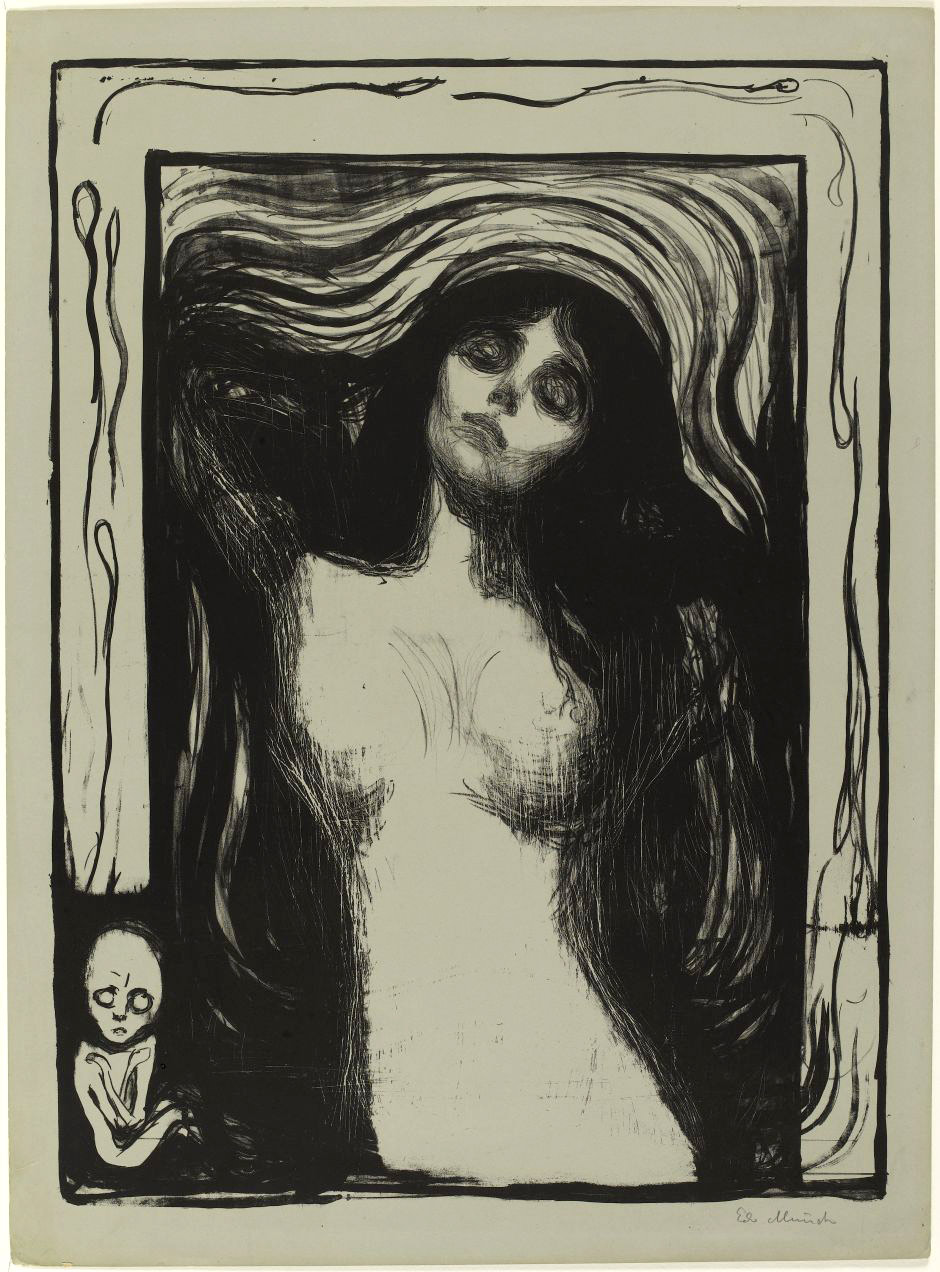
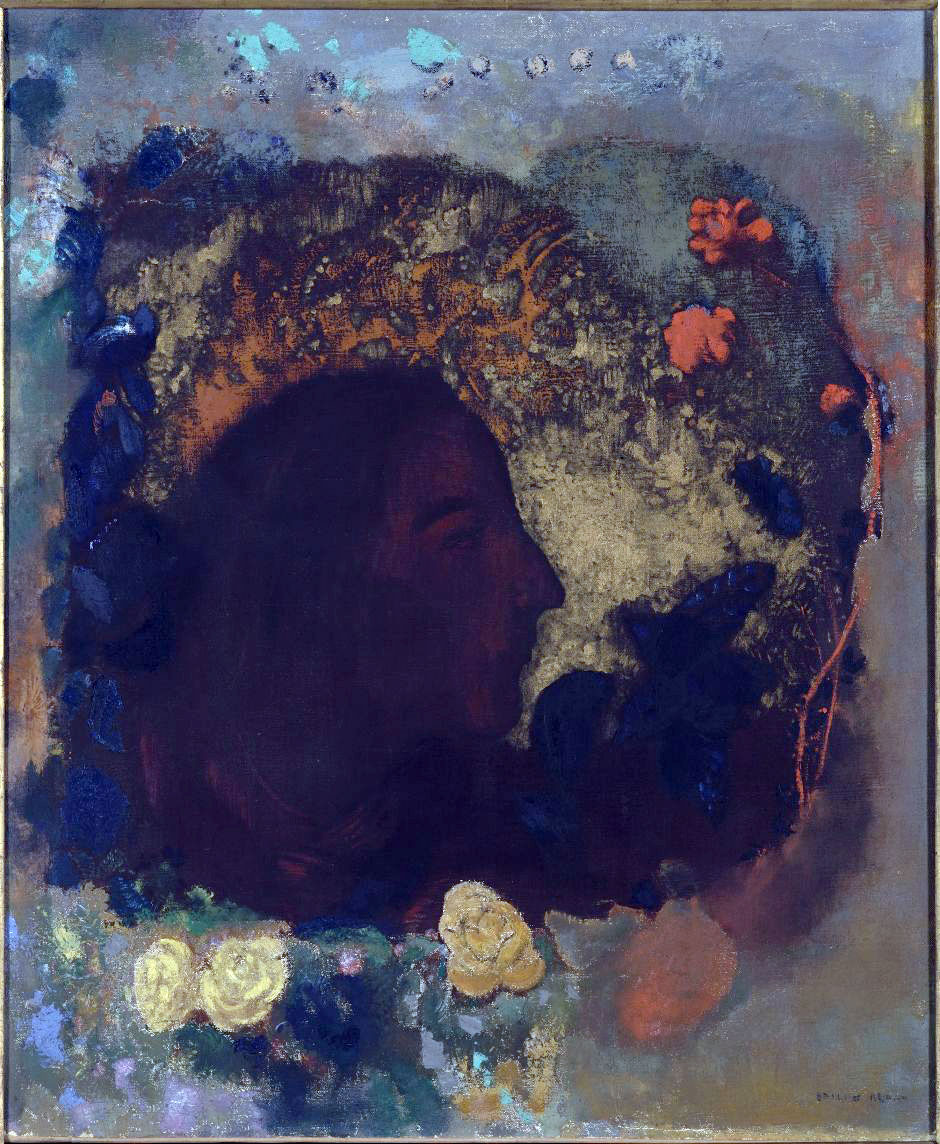
![Auguste Rodin (French, 1840-1917) 'Le Penseur [The Thinker]' 1903](https://artblart.com/wp-content/uploads/2016/03/rodin-le-penseur-web.jpg "Auguste Rodin (French, 1840-1917) 'Le Penseur [The Thinker]' 1903")
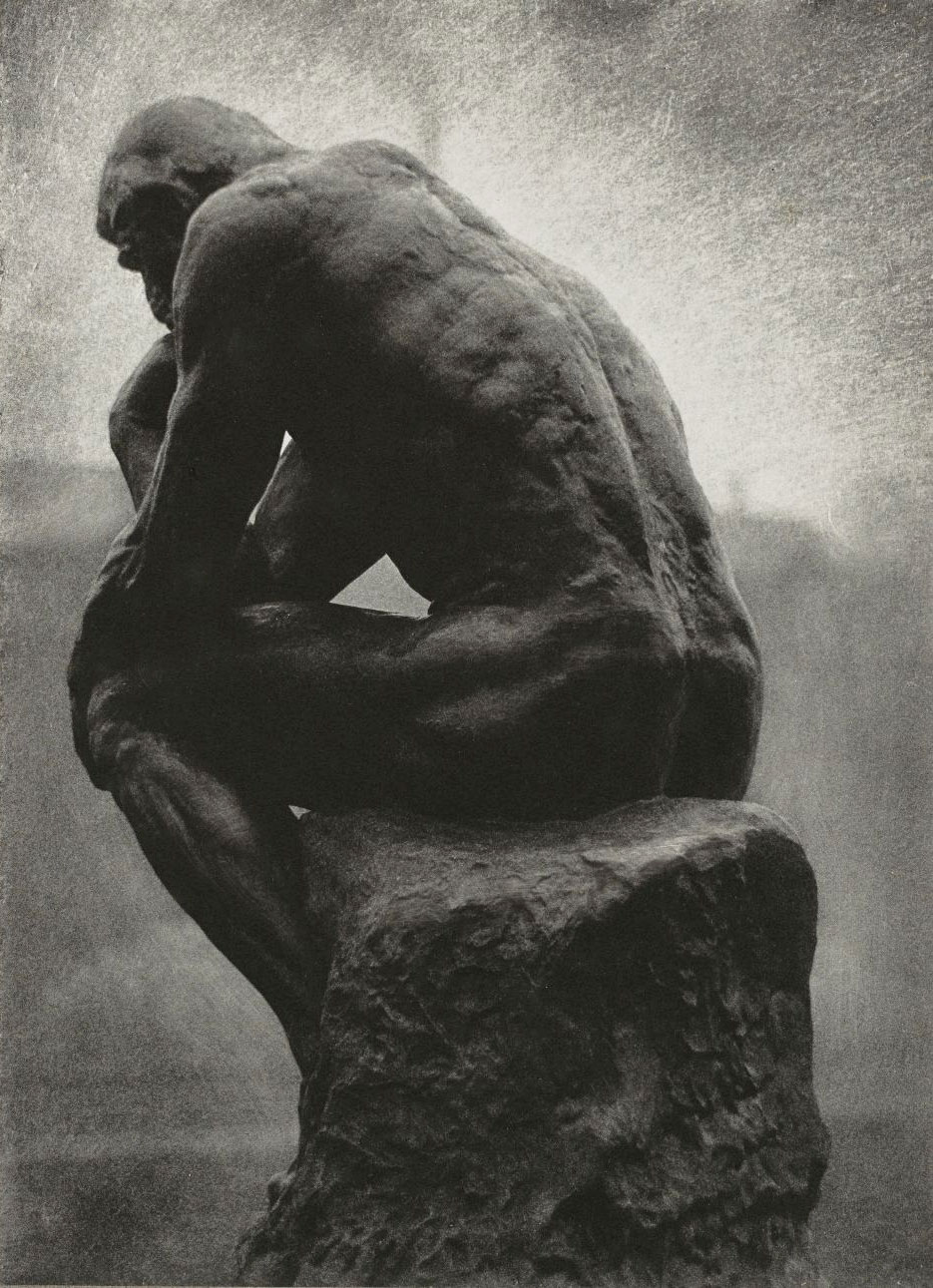
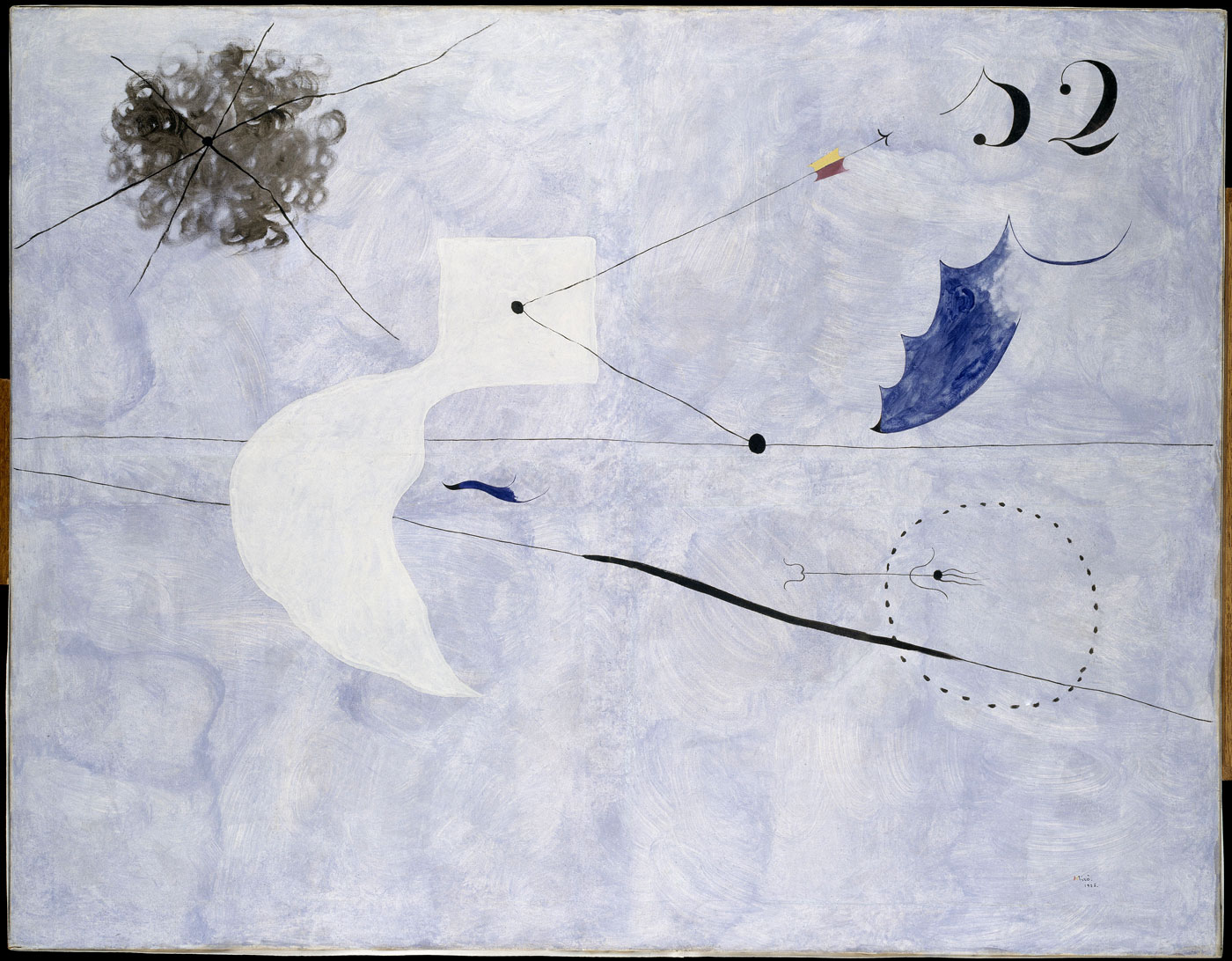
![Vassily Kandinsky (Russian, 1866-1944) 'Bild mit rotem Fleck [Tableau à la tache rouge / Image with red spot]' 25 February 1914](https://artblart.com/wp-content/uploads/2016/03/kandinsky-bild-mit-rotem-fleck-web.jpg "Vassily Kandinsky (Russian, 1866-1944) 'Bild mit rotem Fleck [Tableau à la tache rouge / Image with red spot]' 25 February 1914")
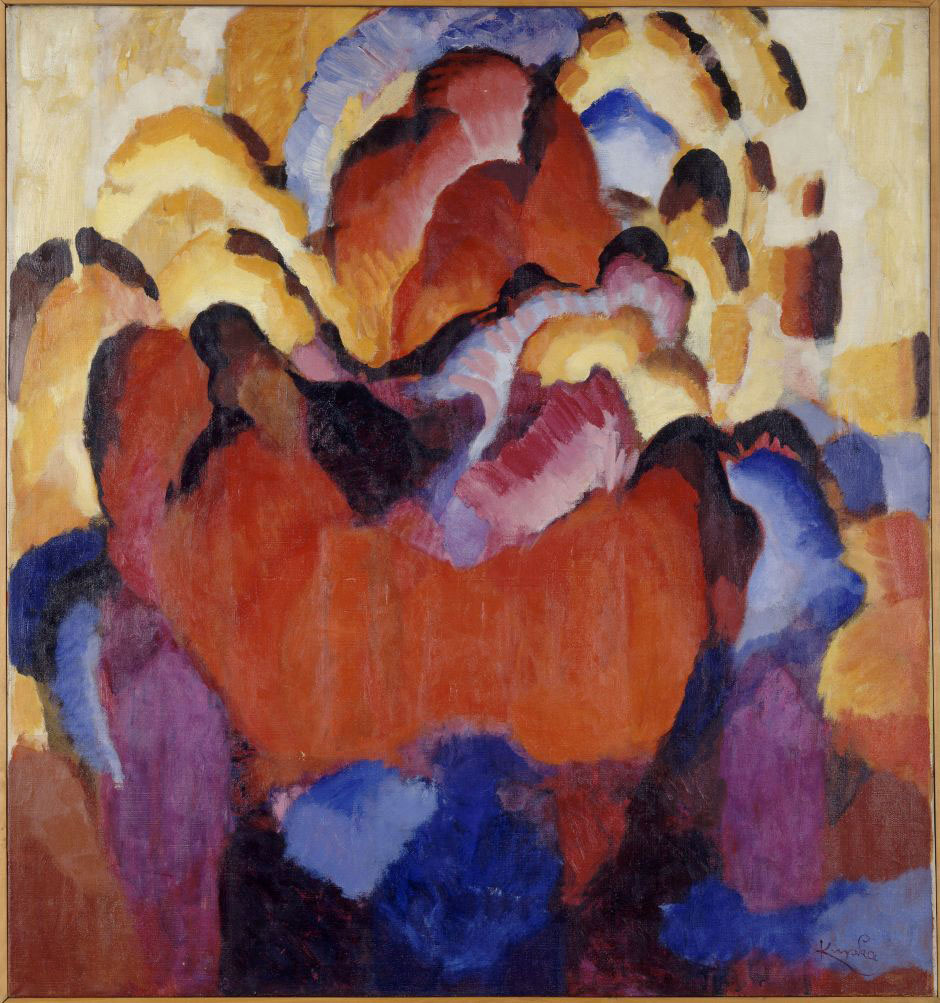

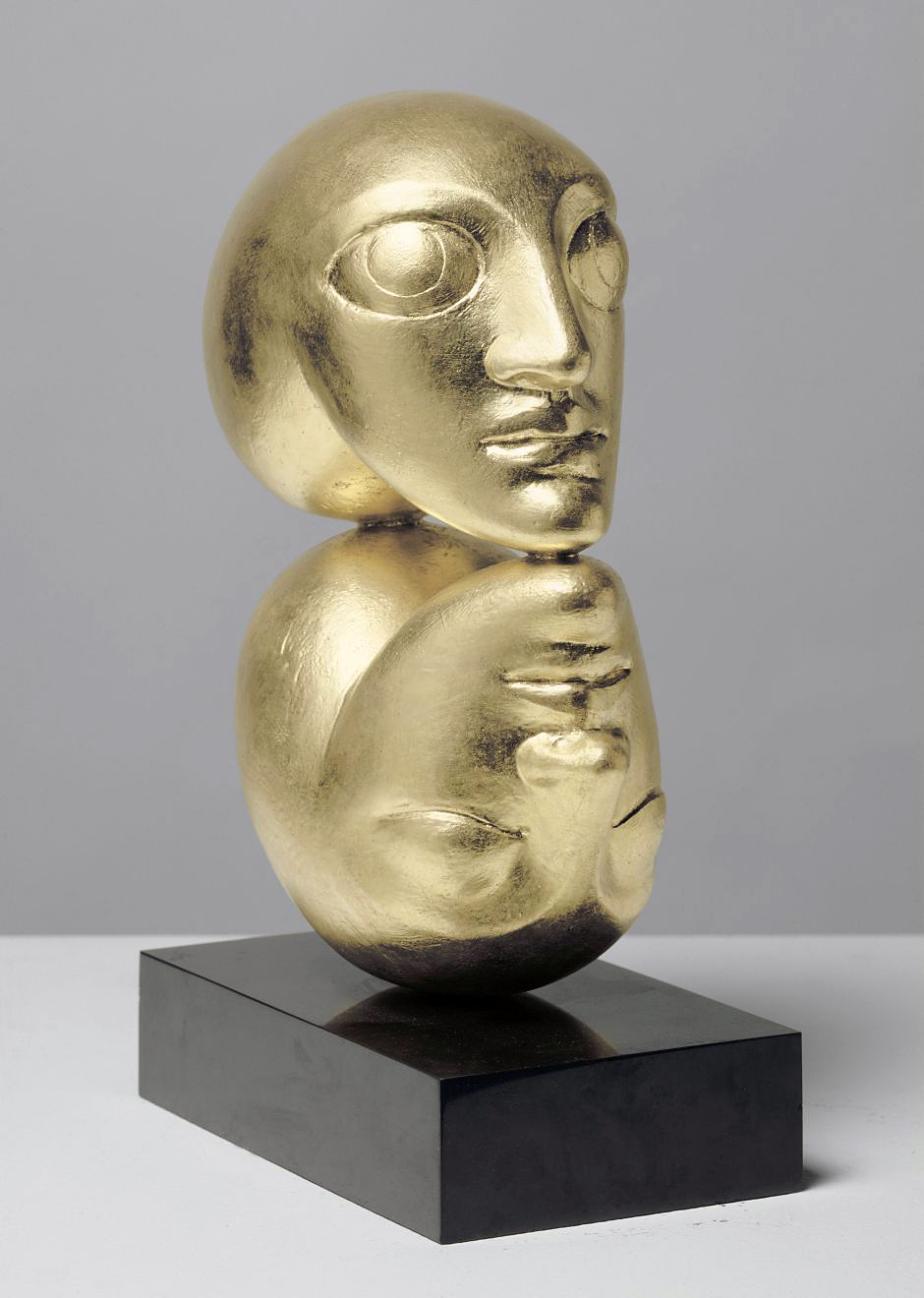

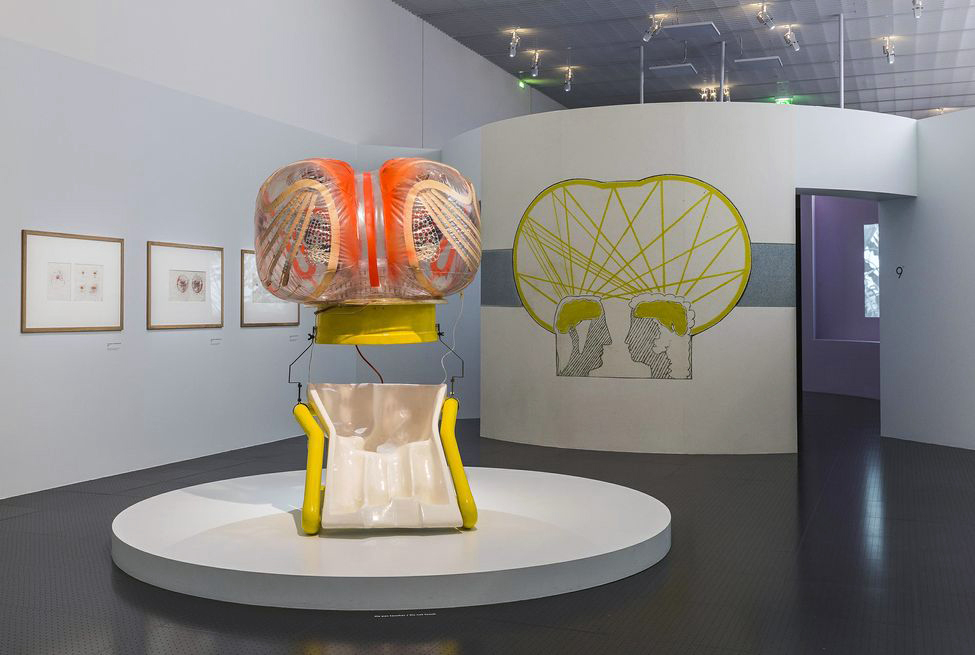
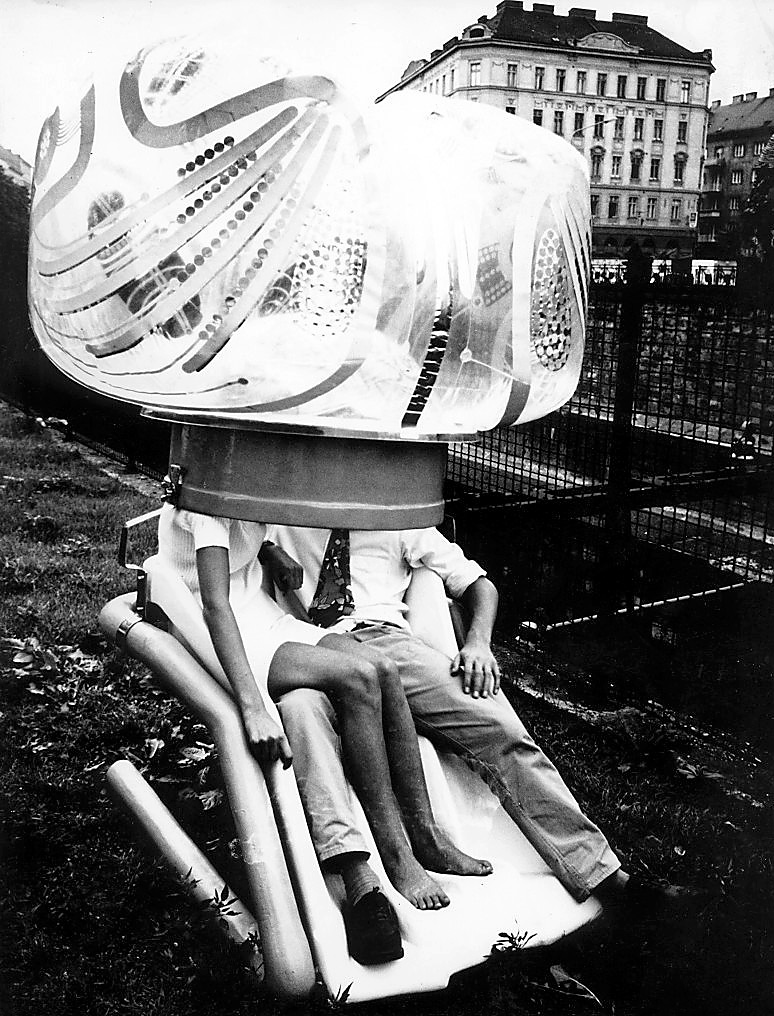

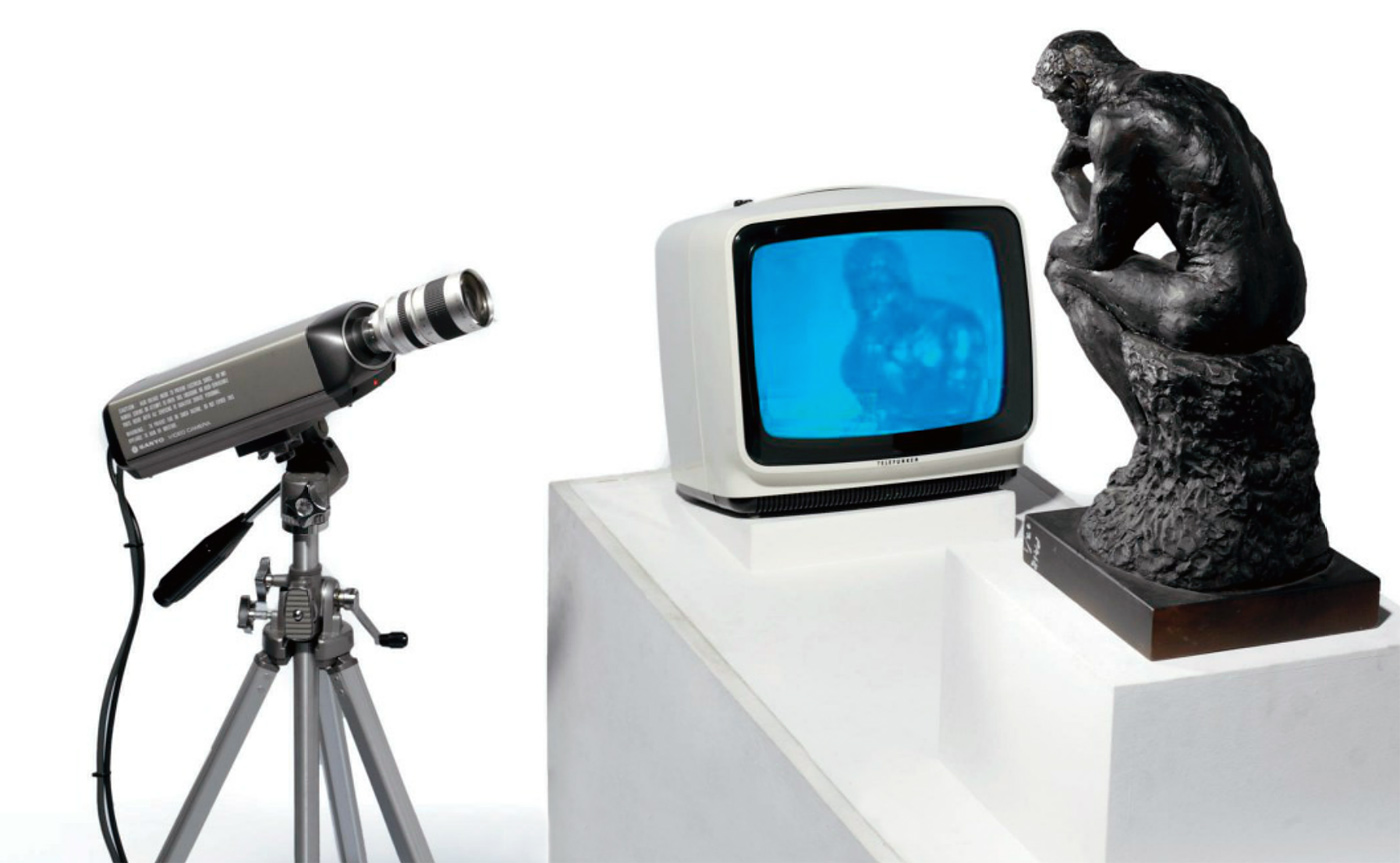

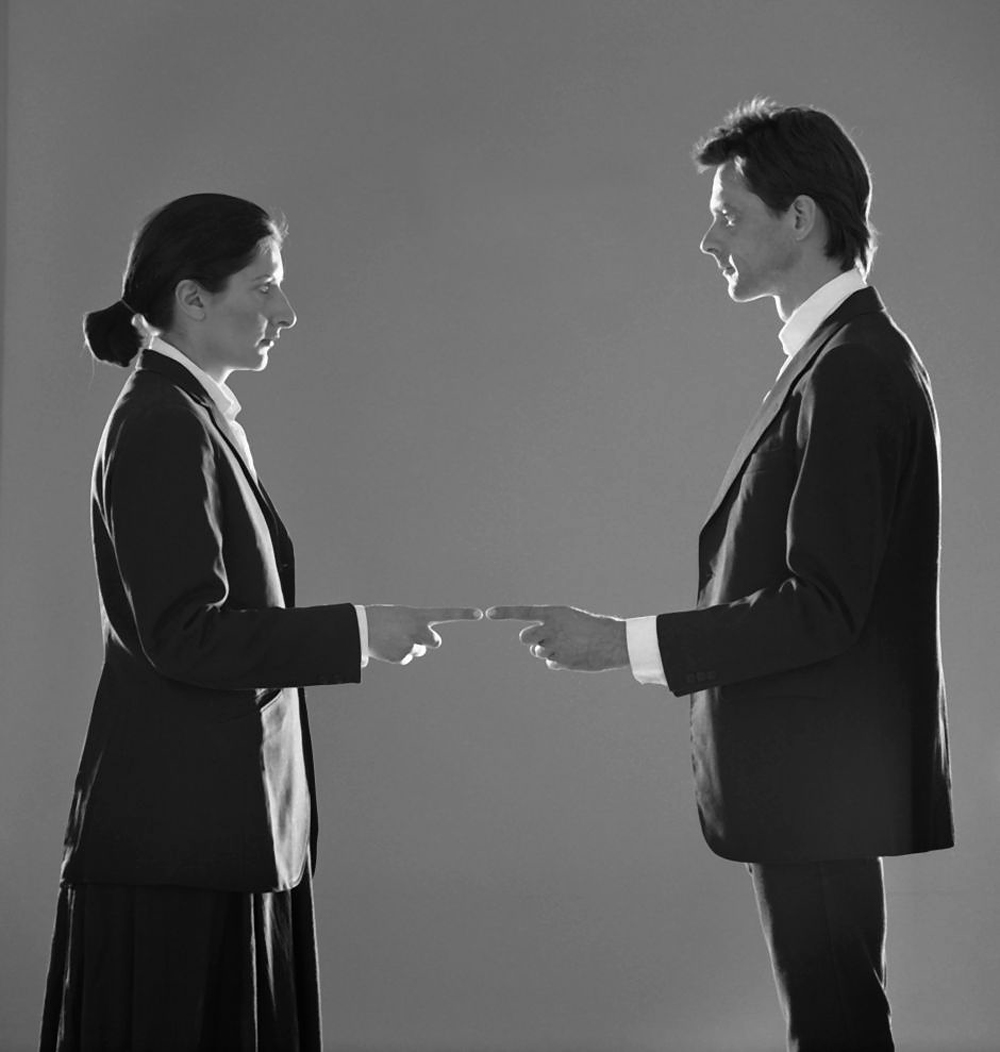
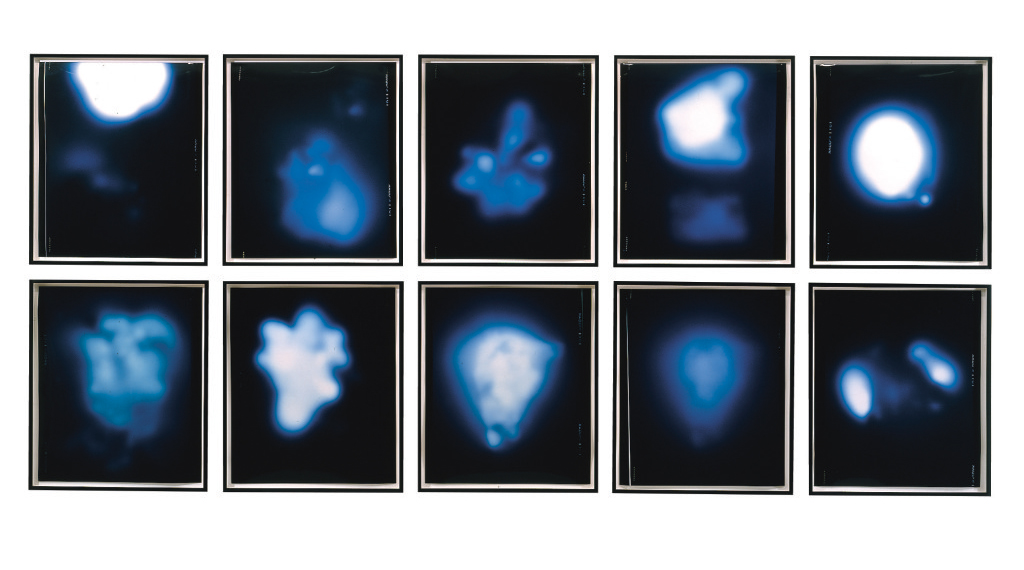

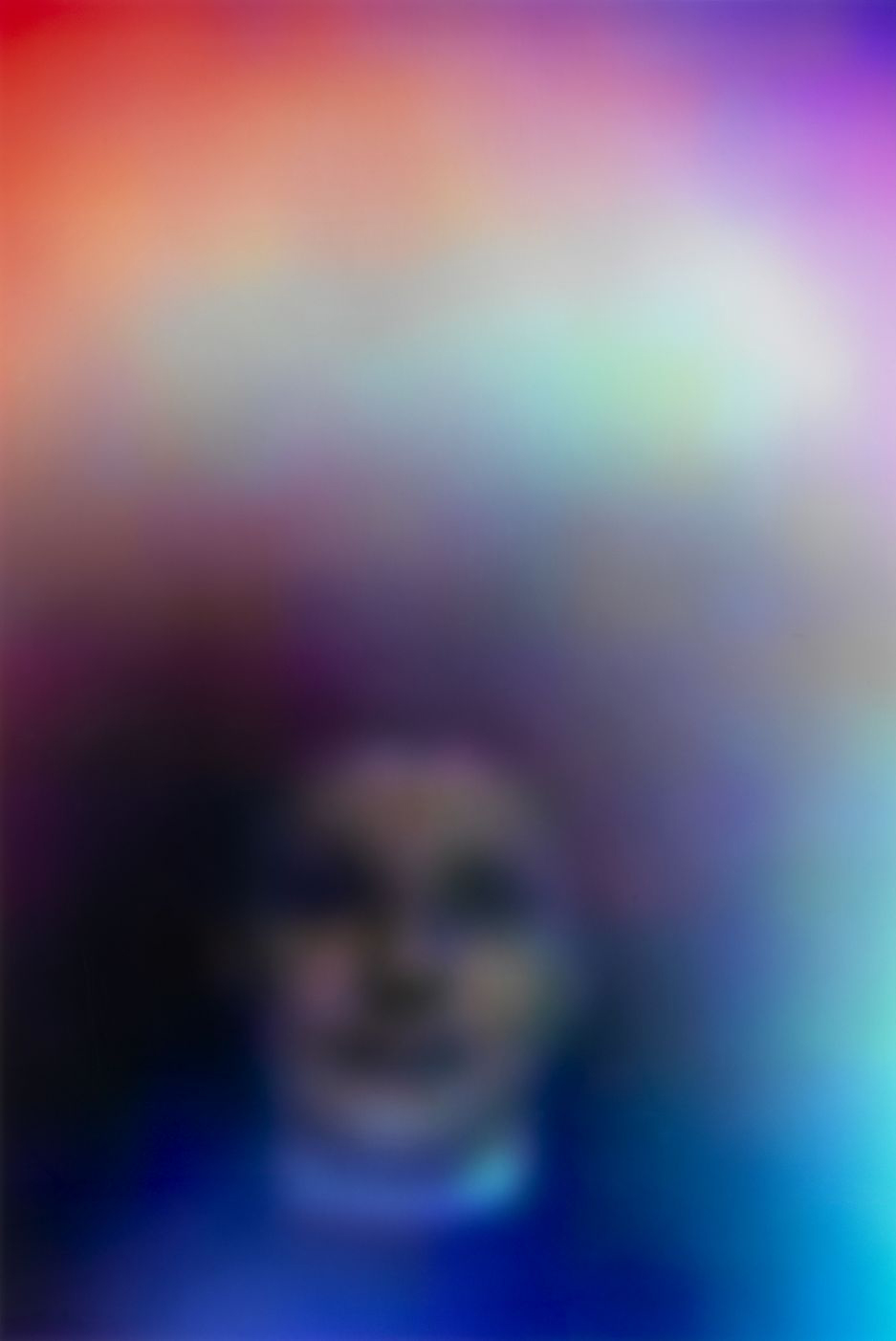
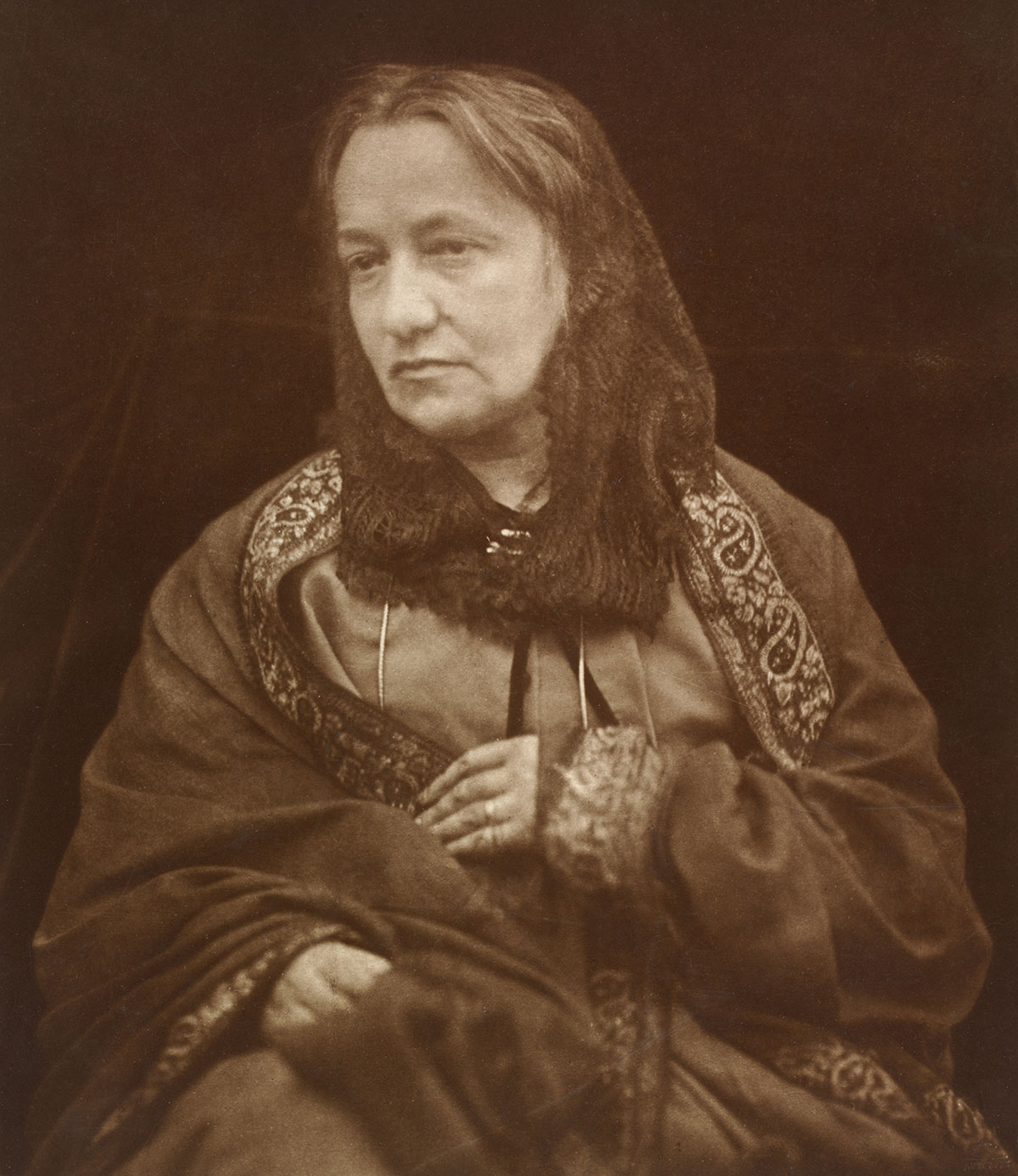

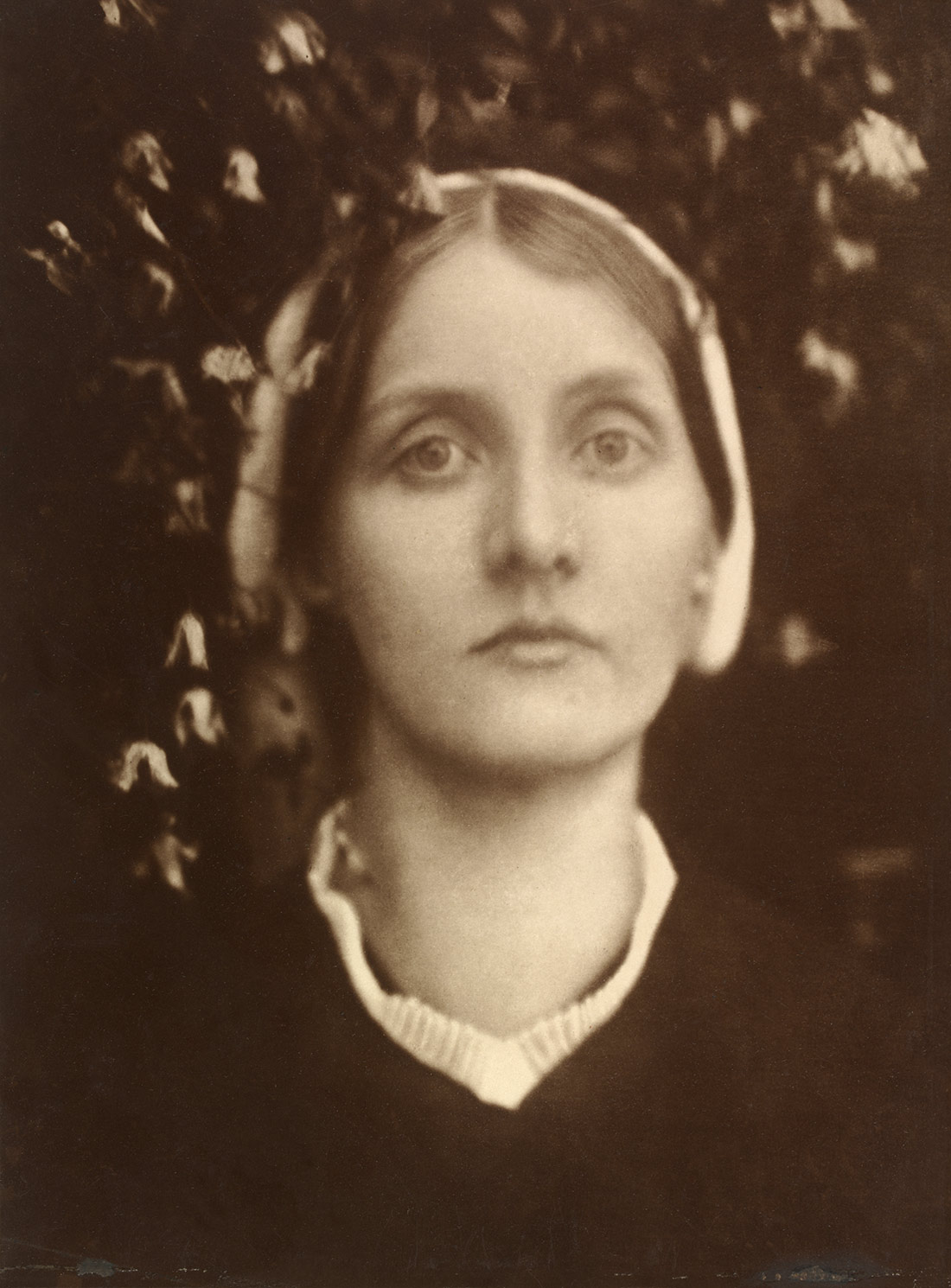
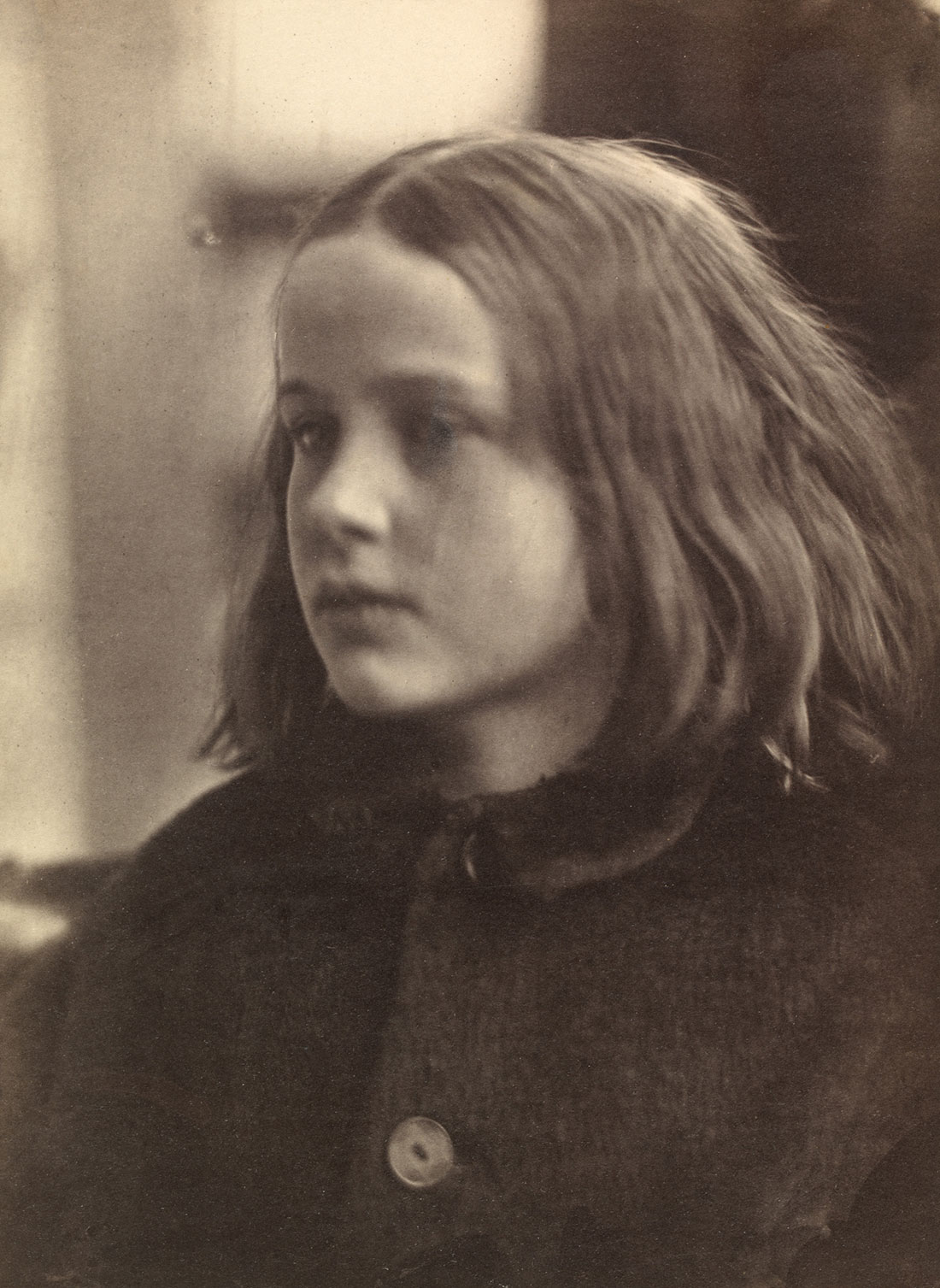
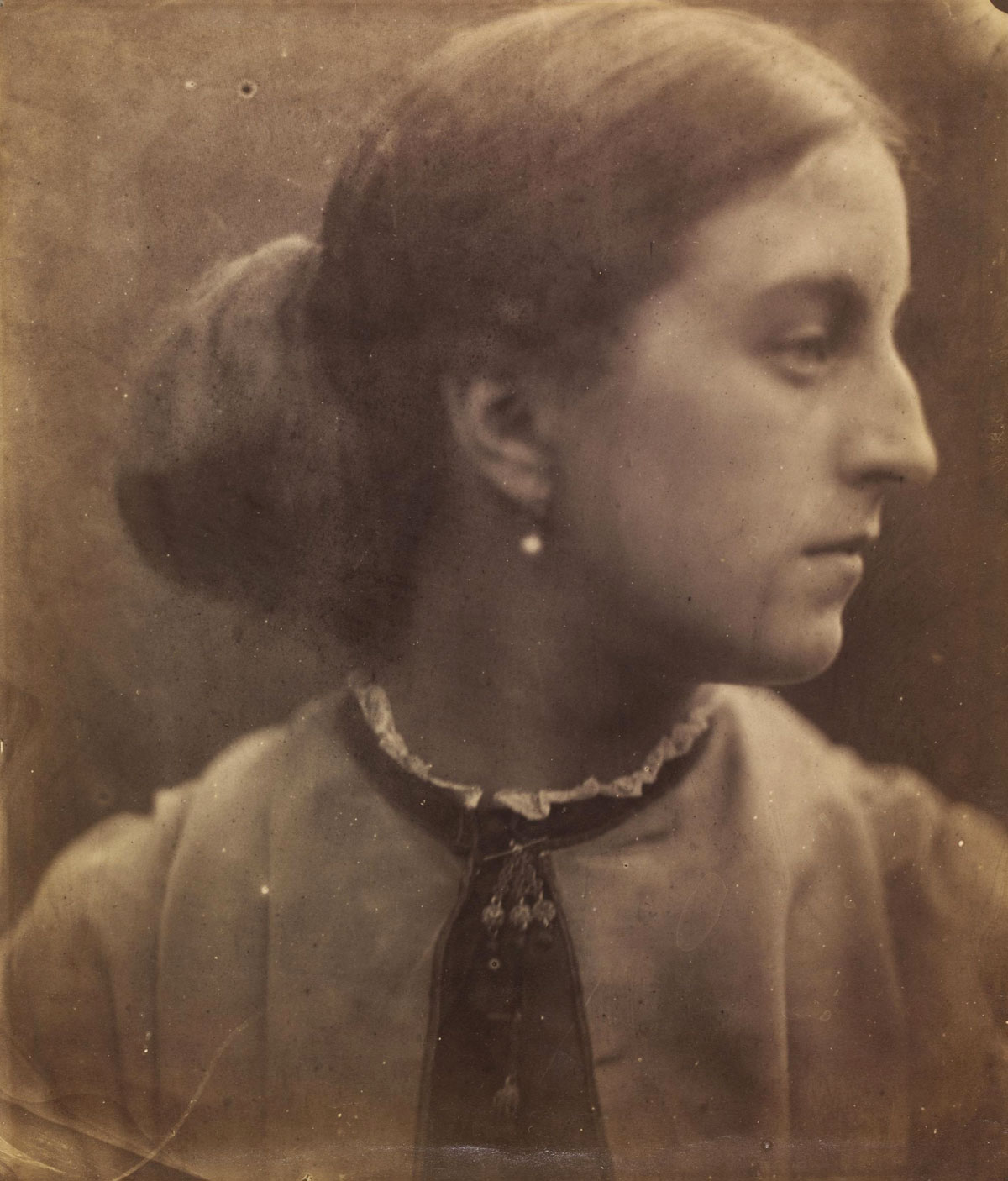
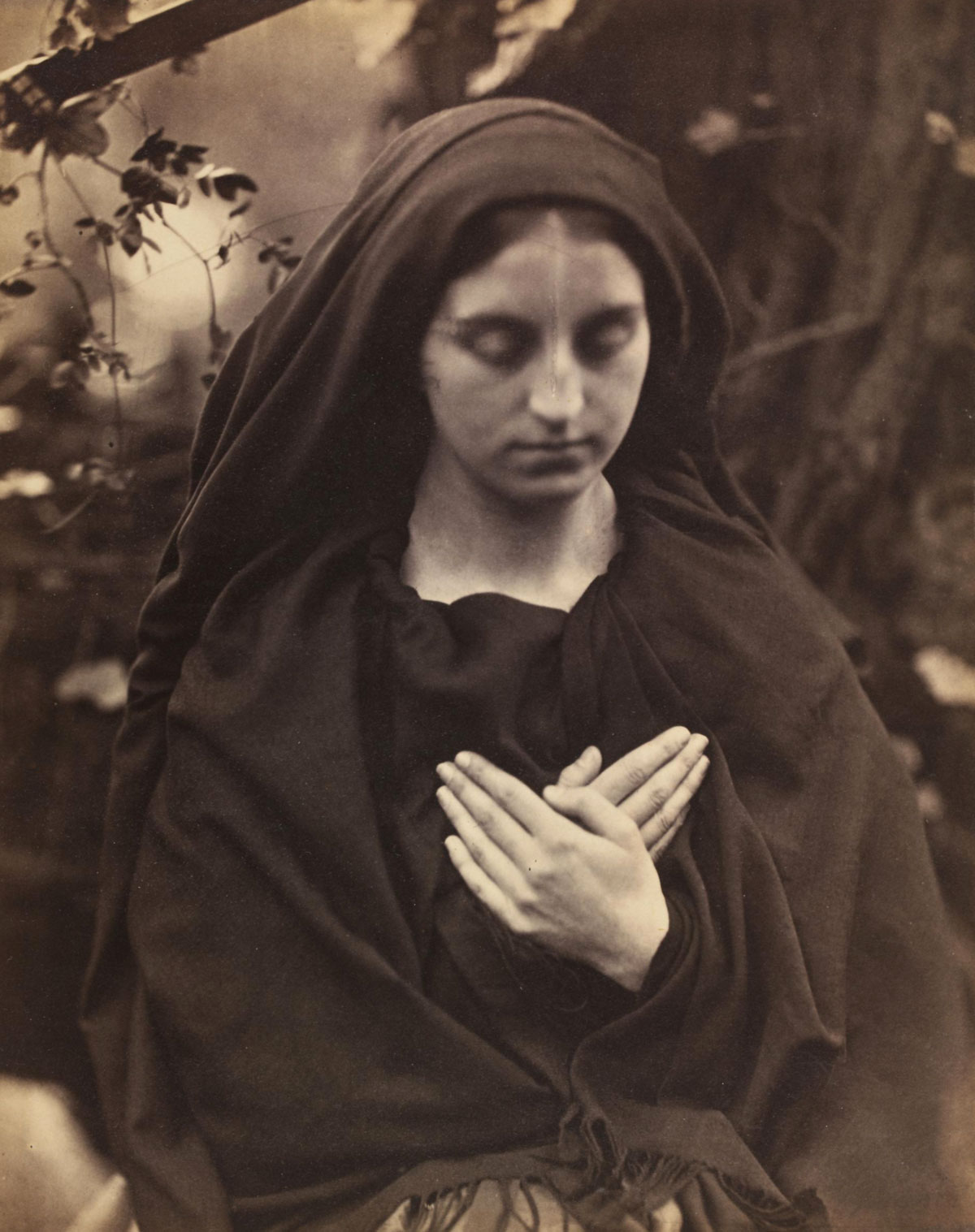
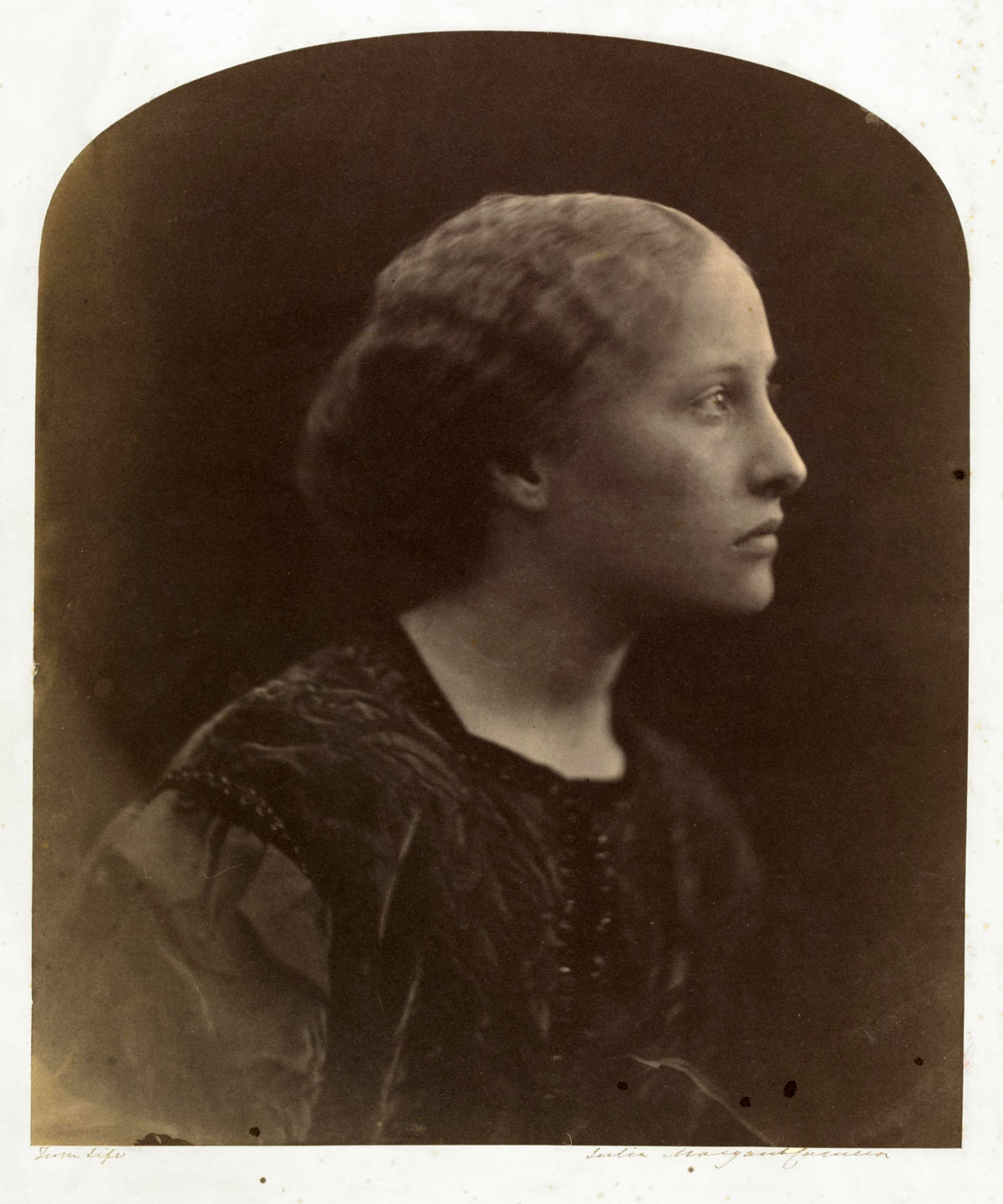
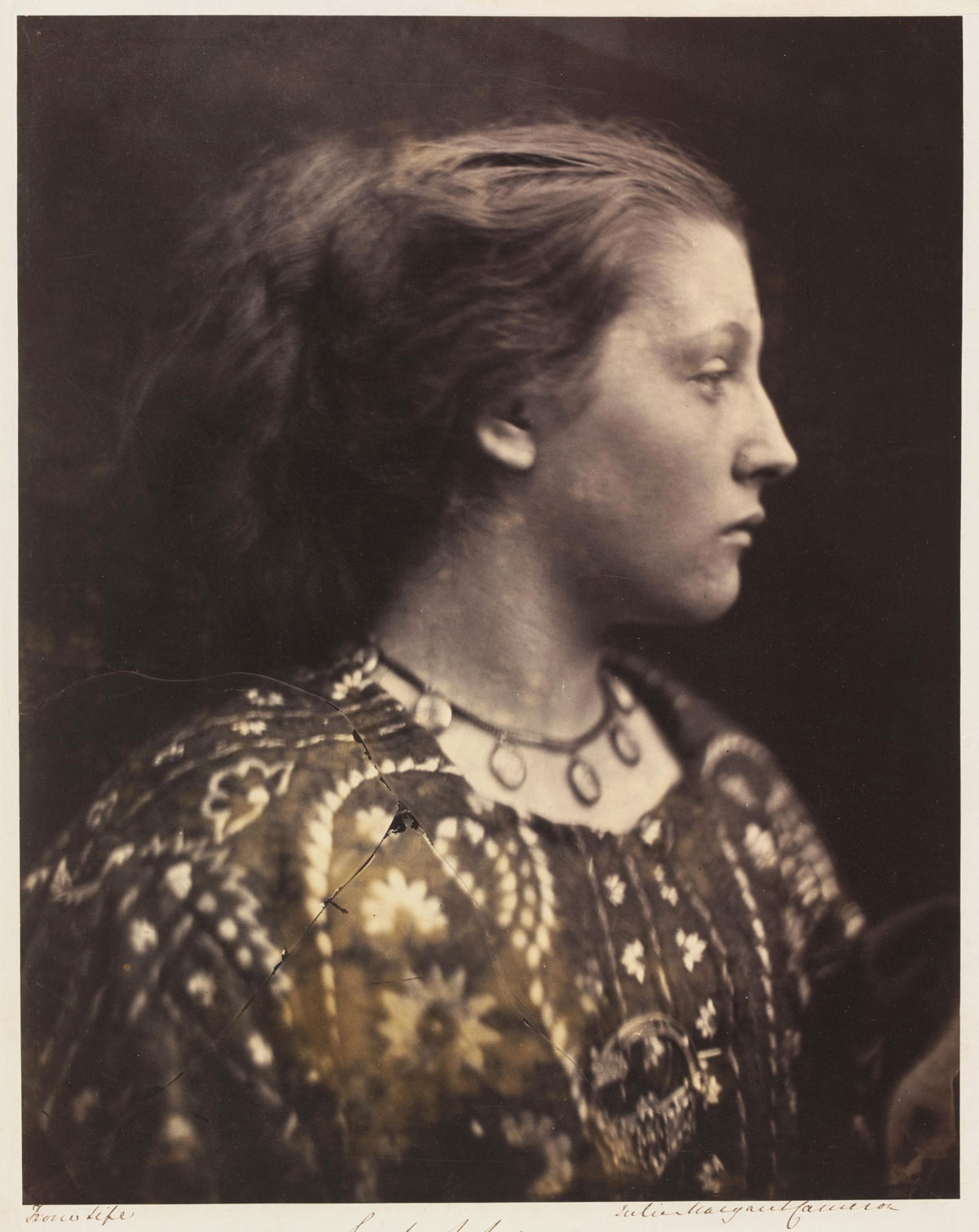
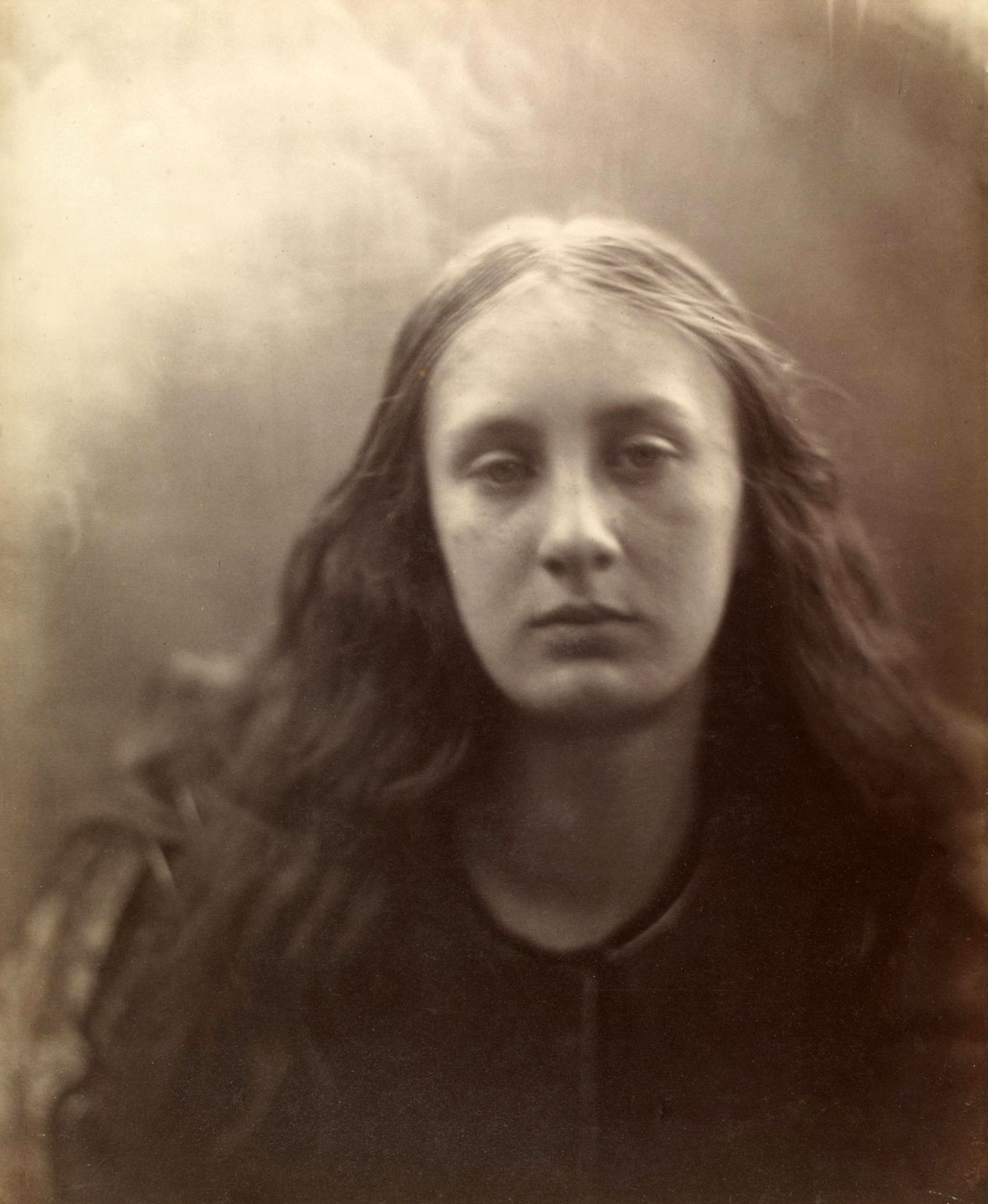
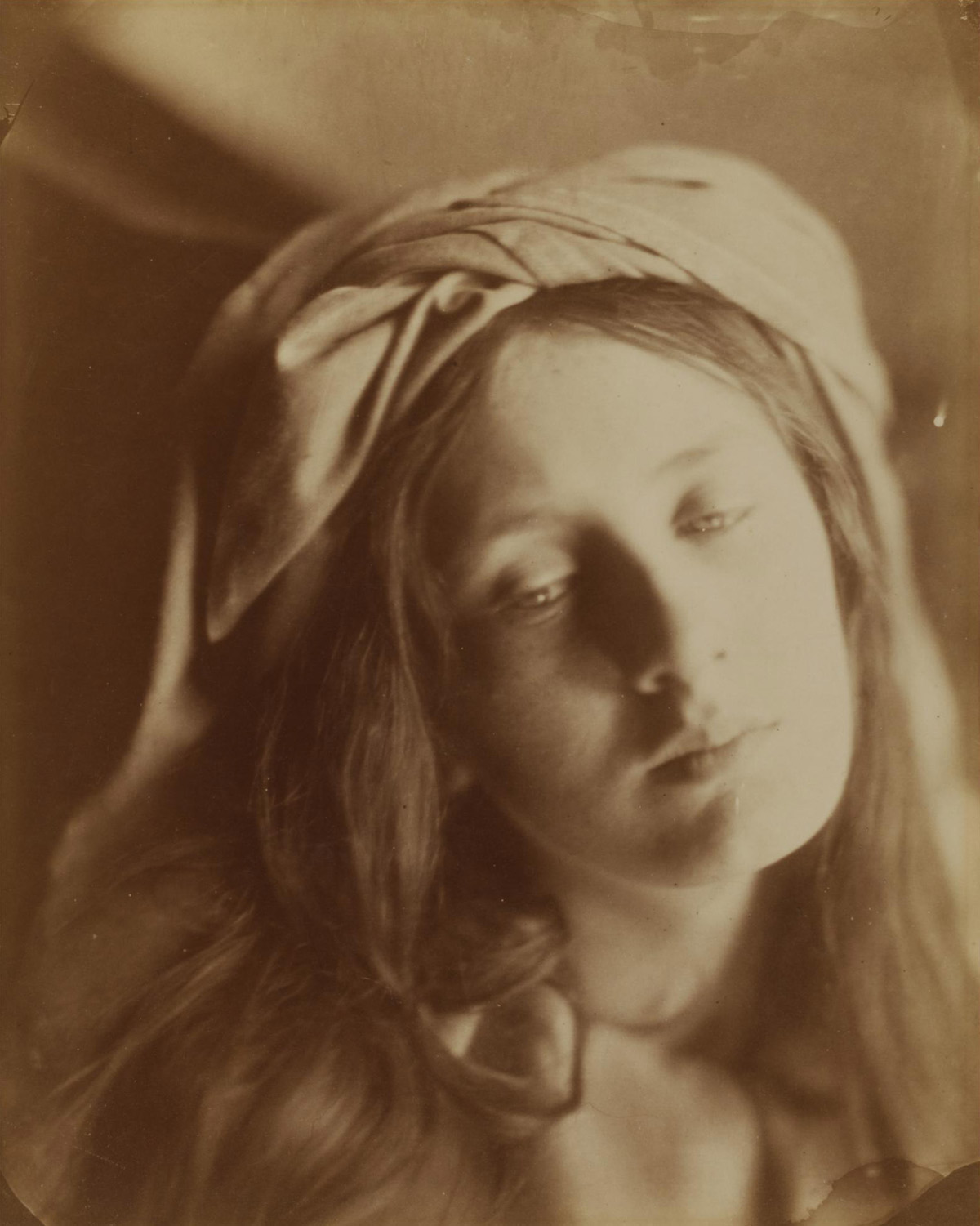
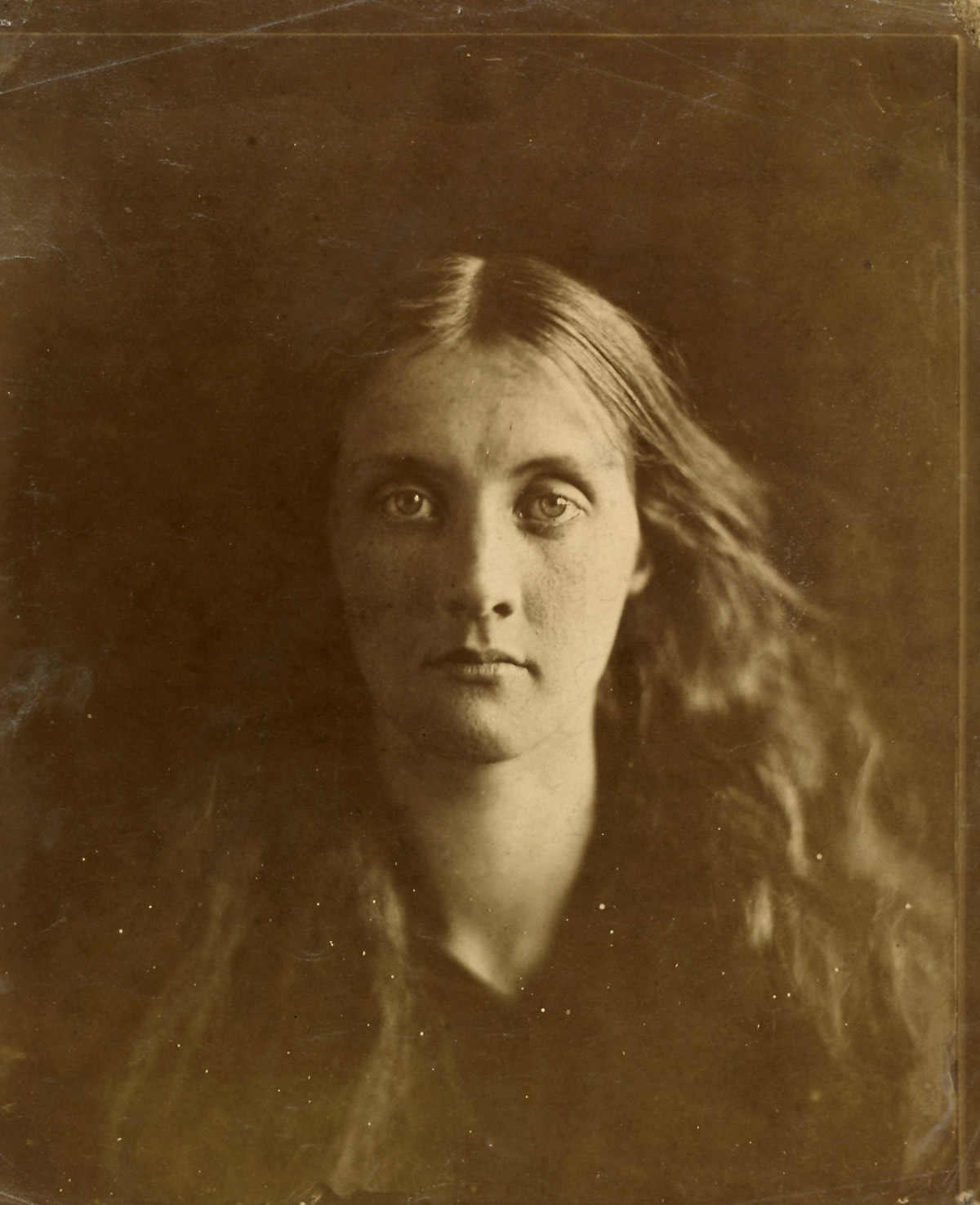
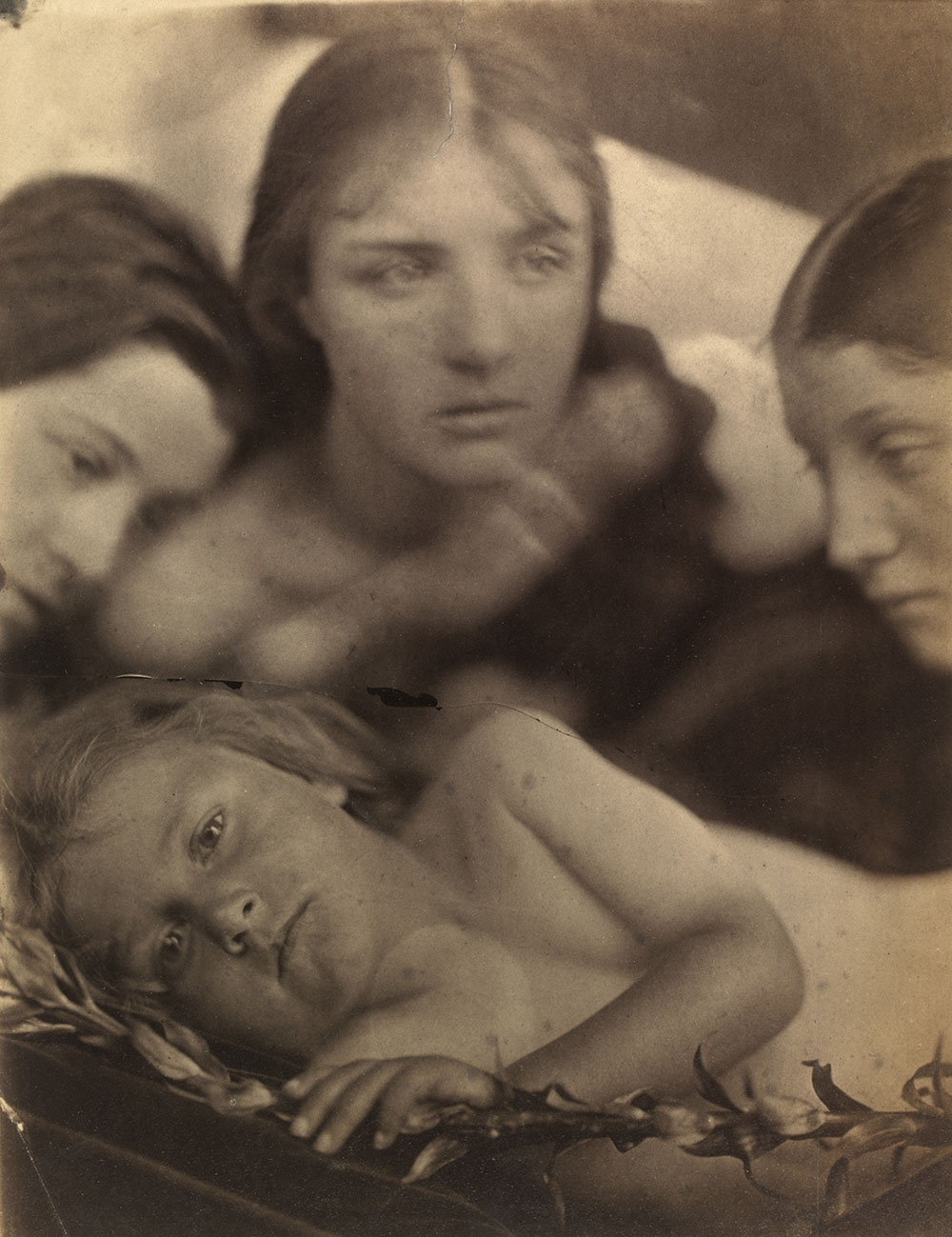
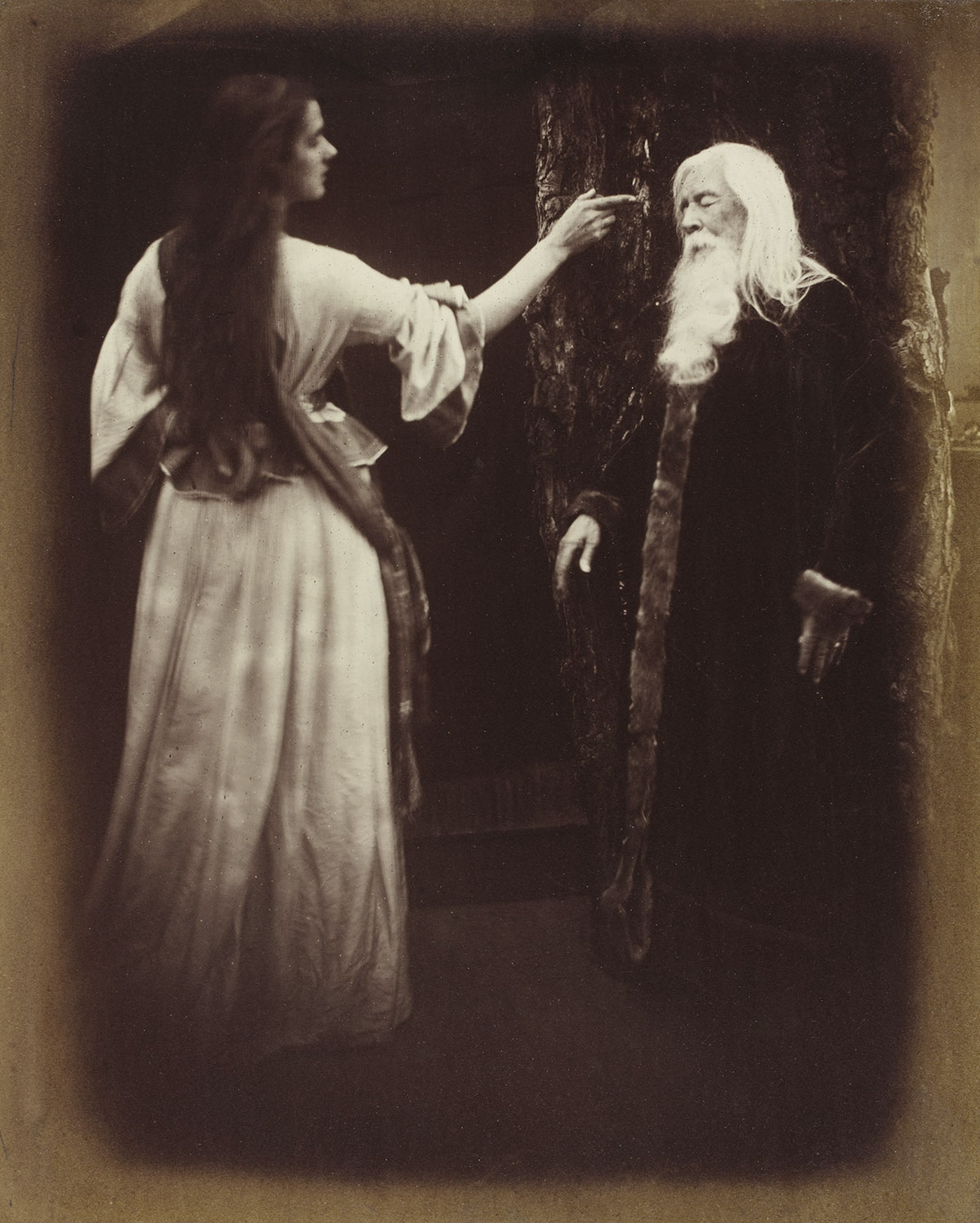
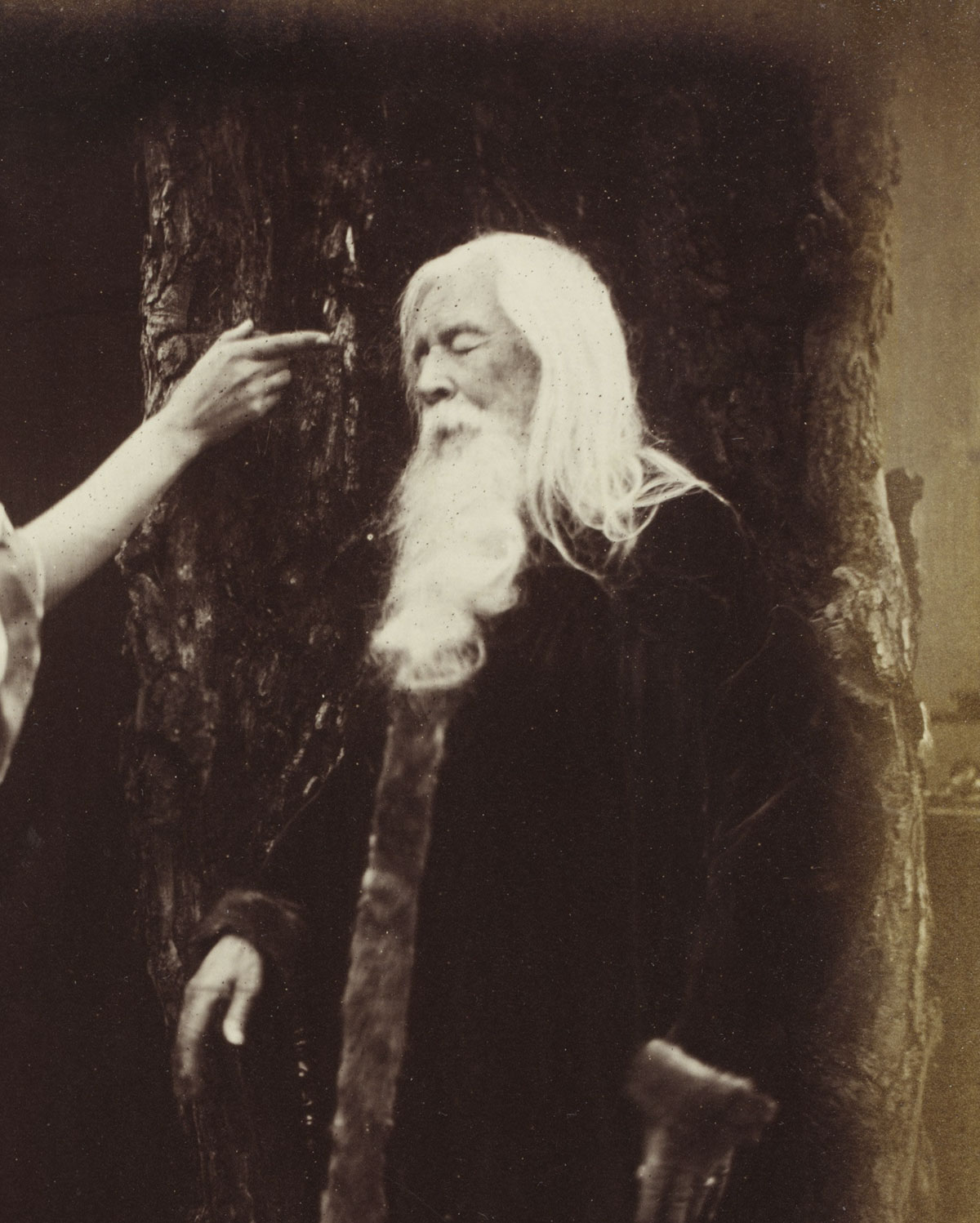
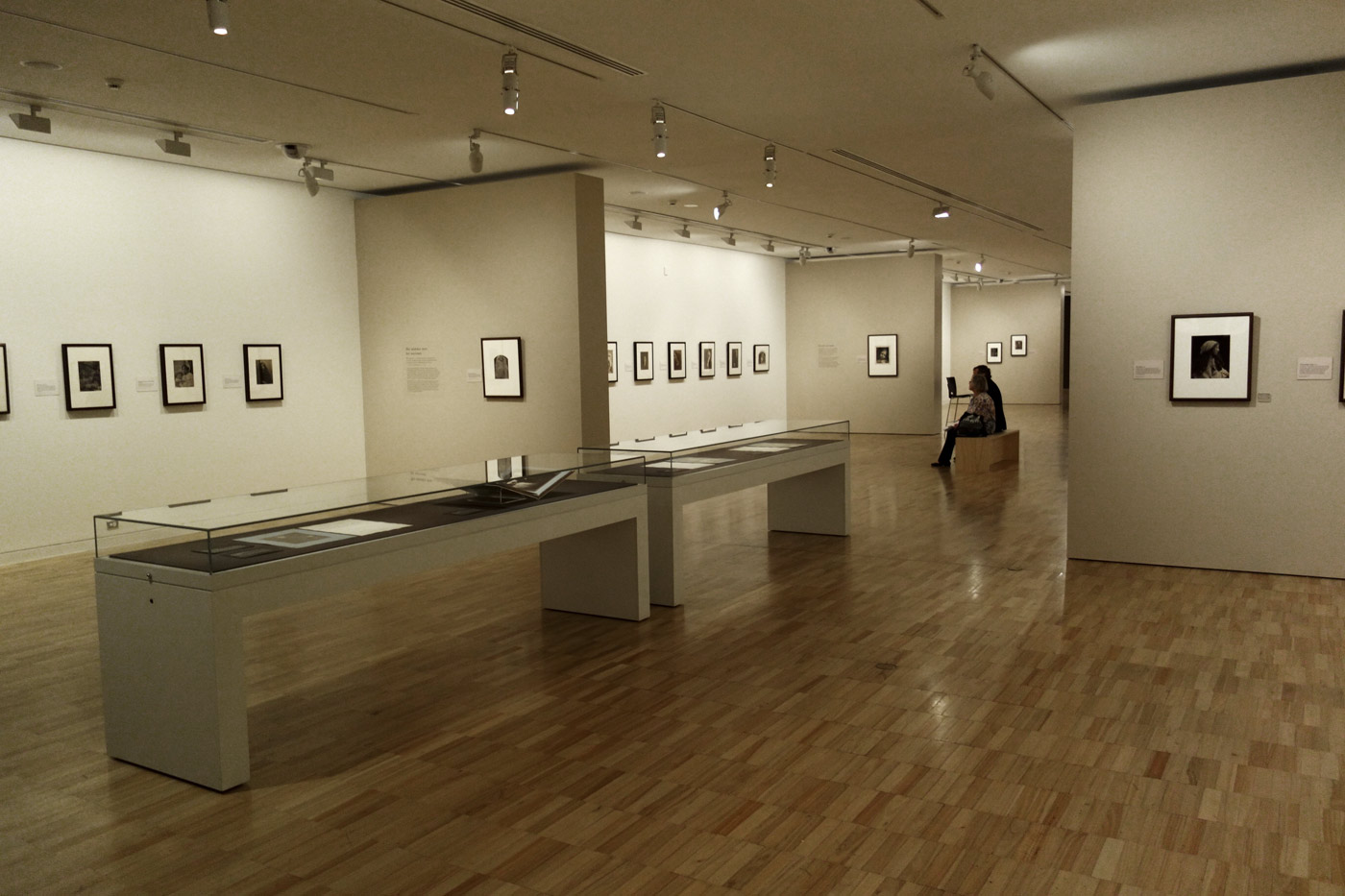
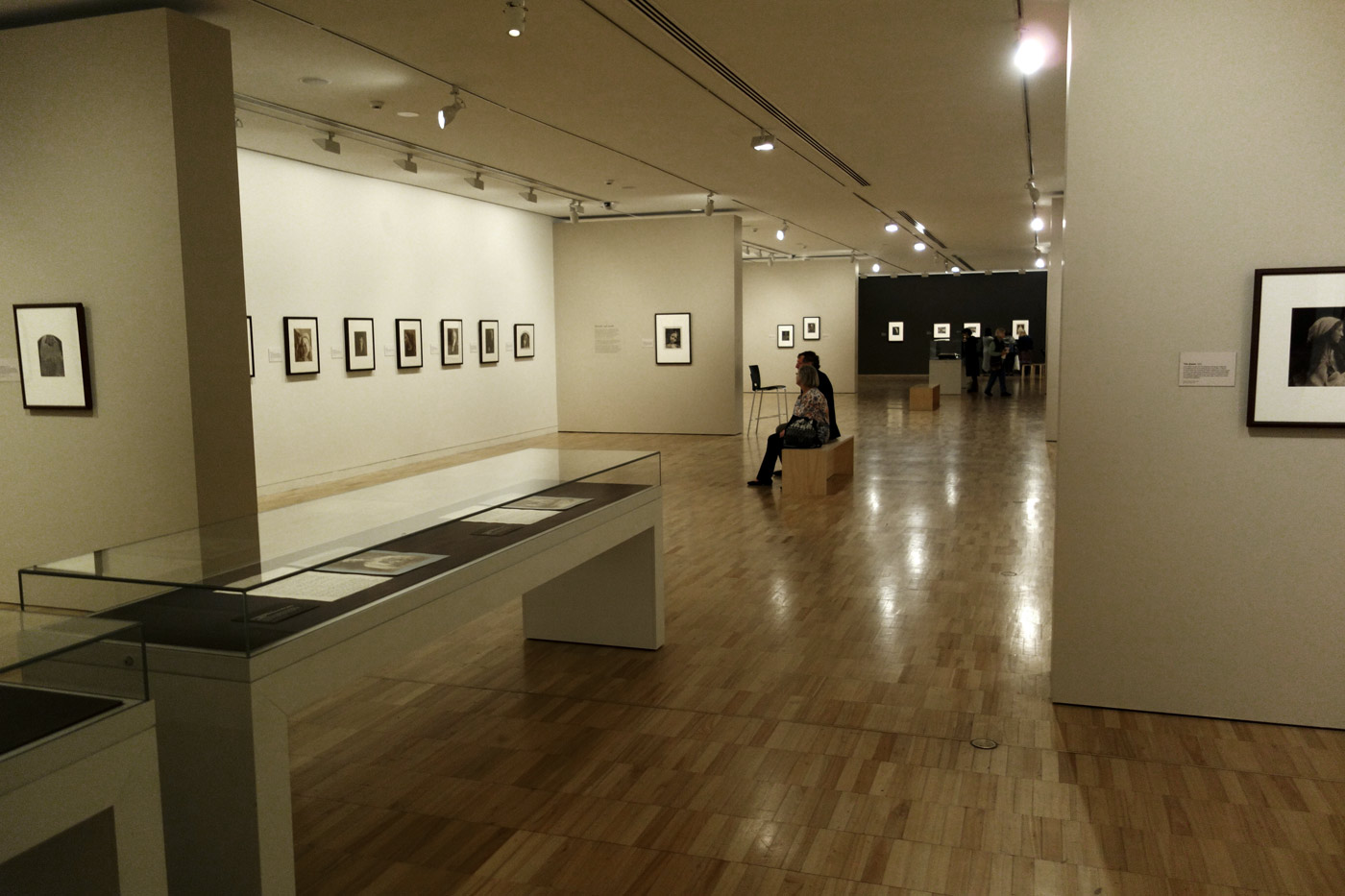
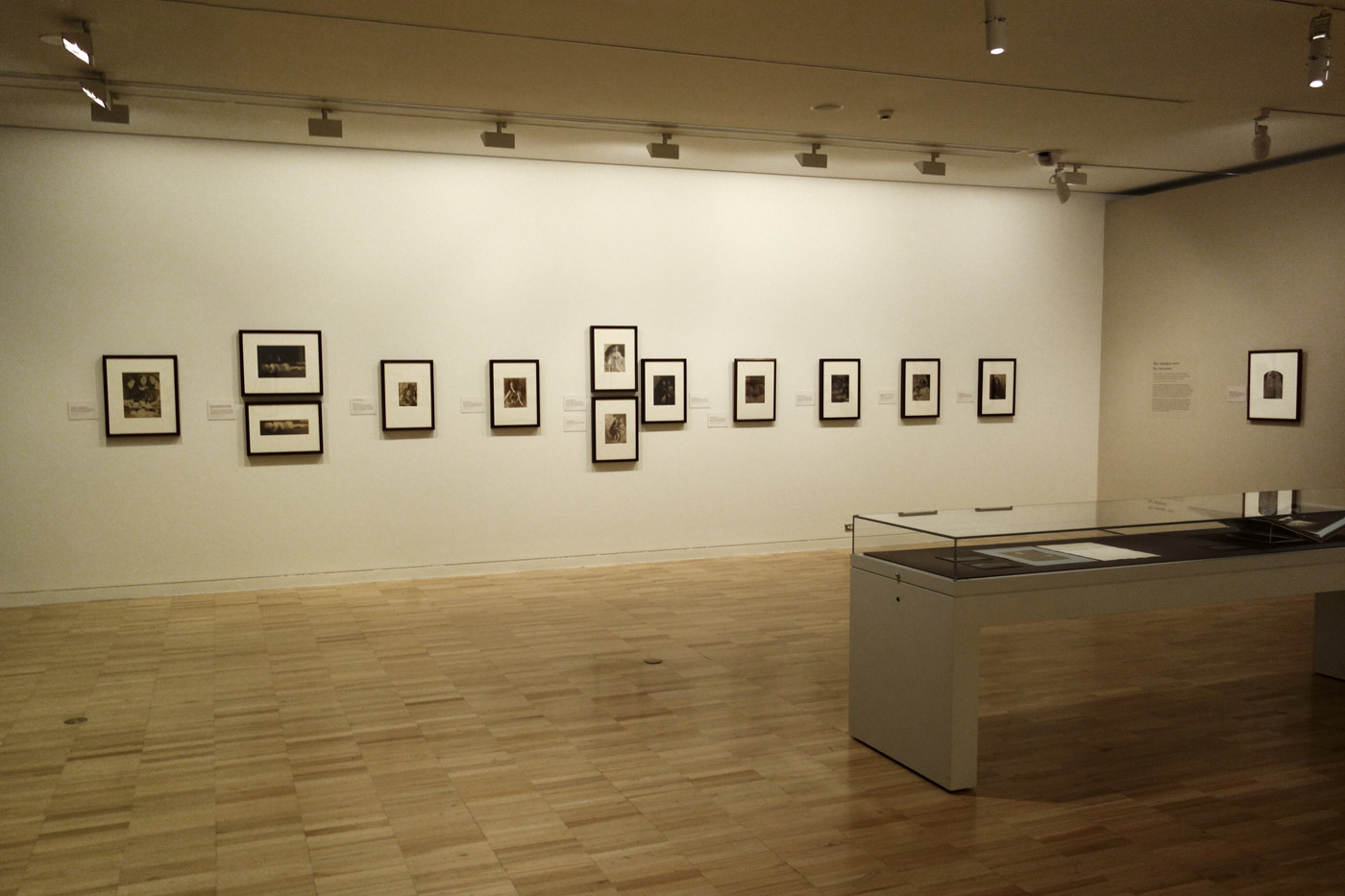
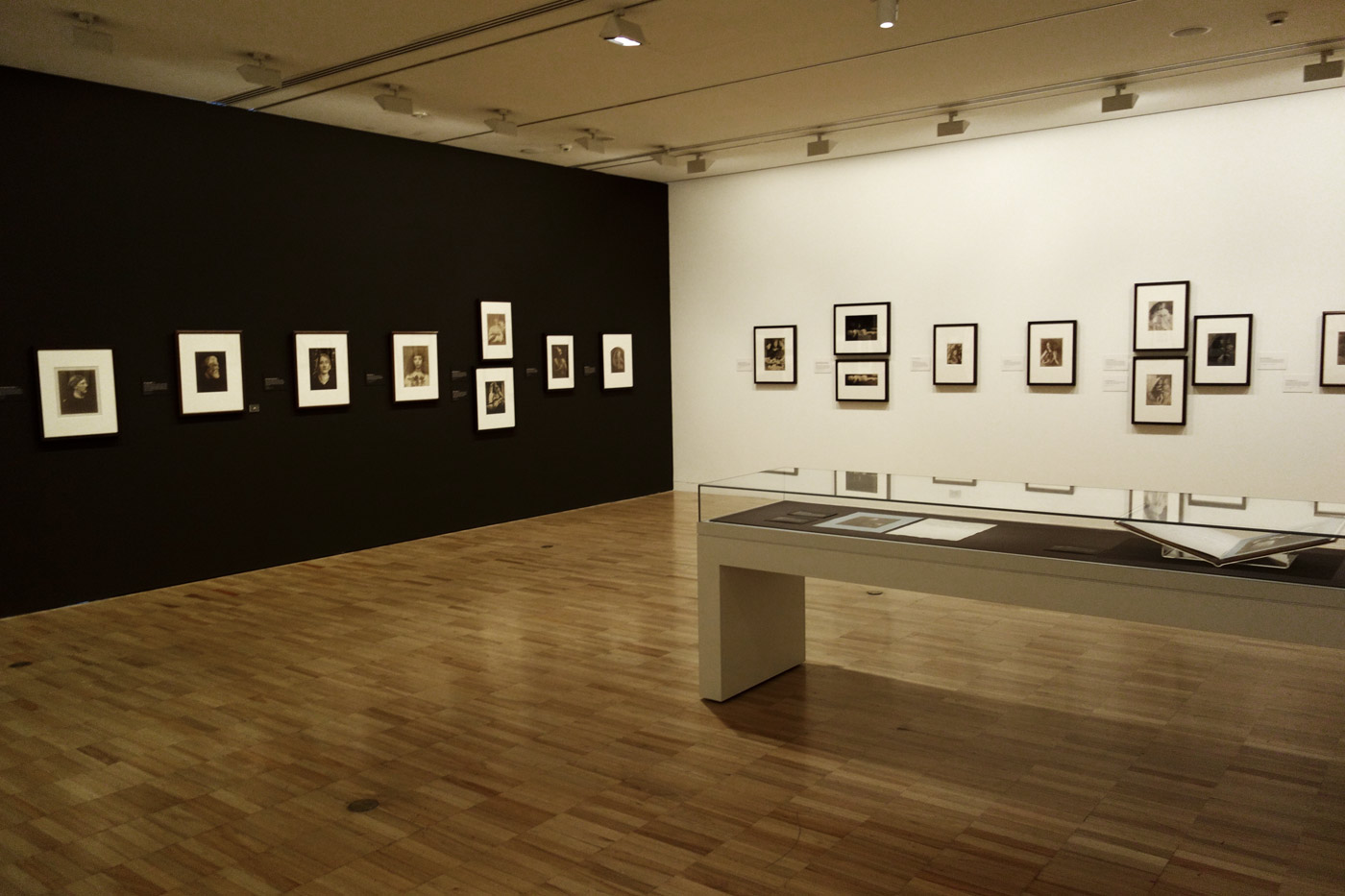
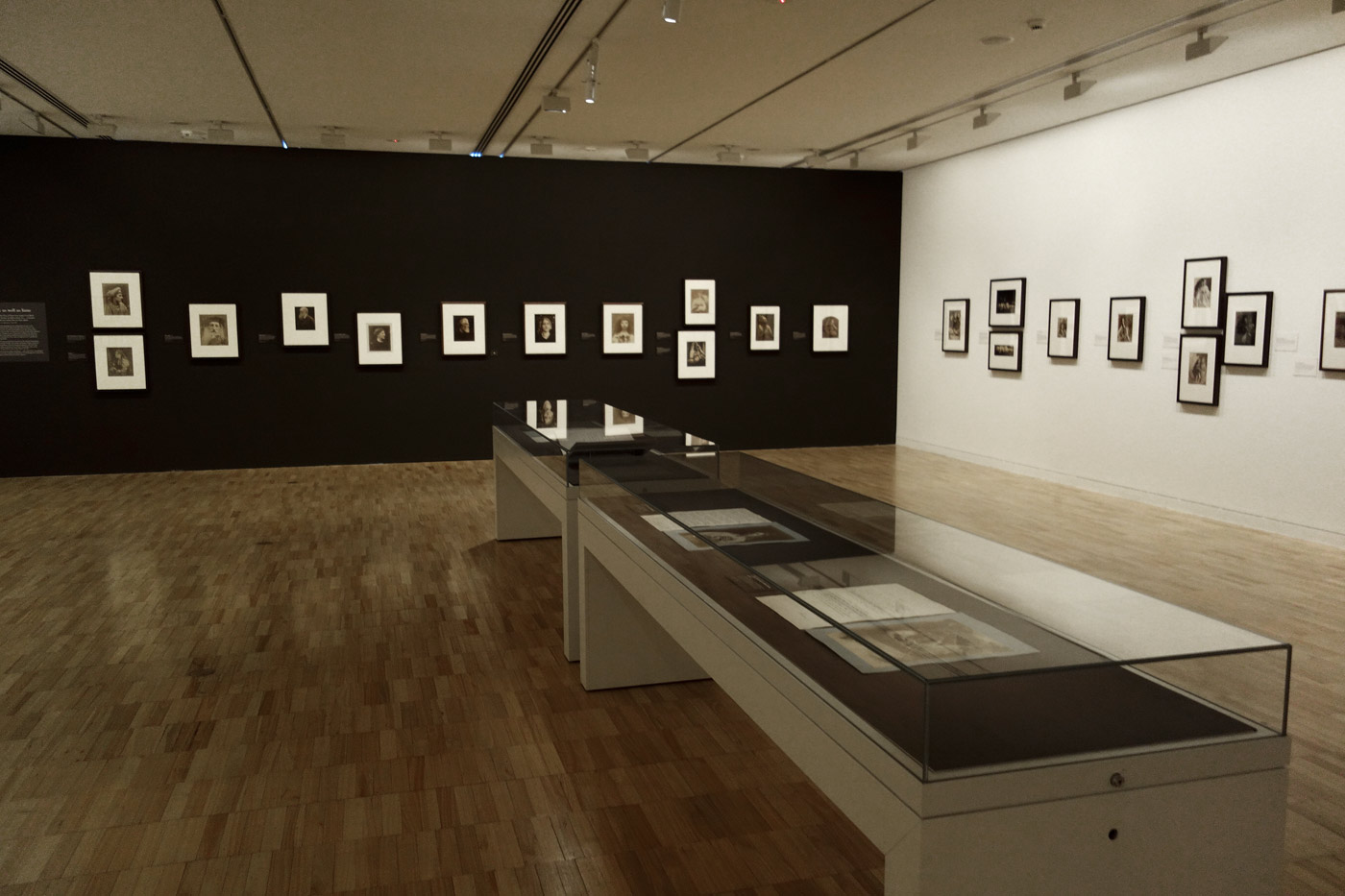
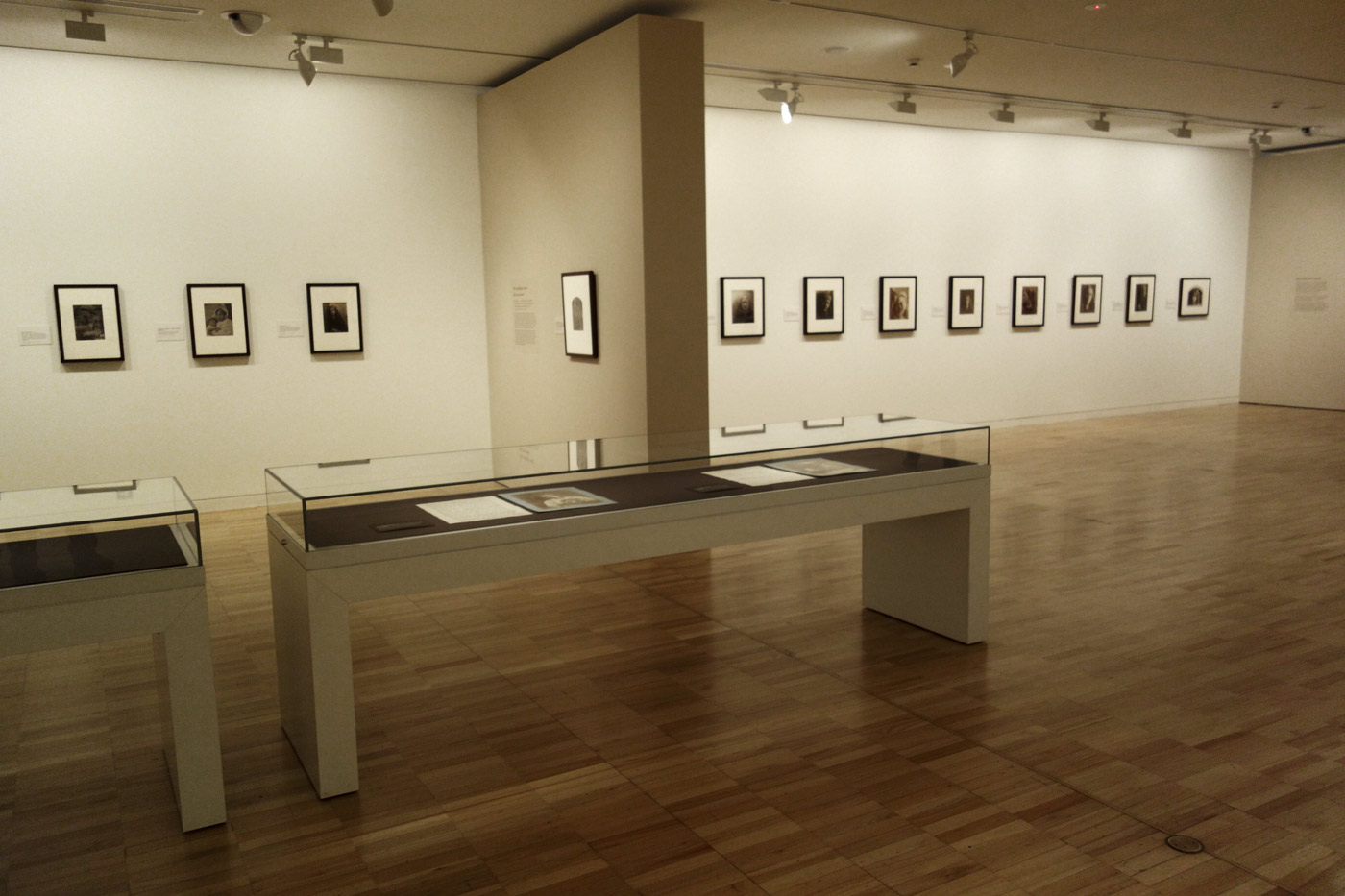
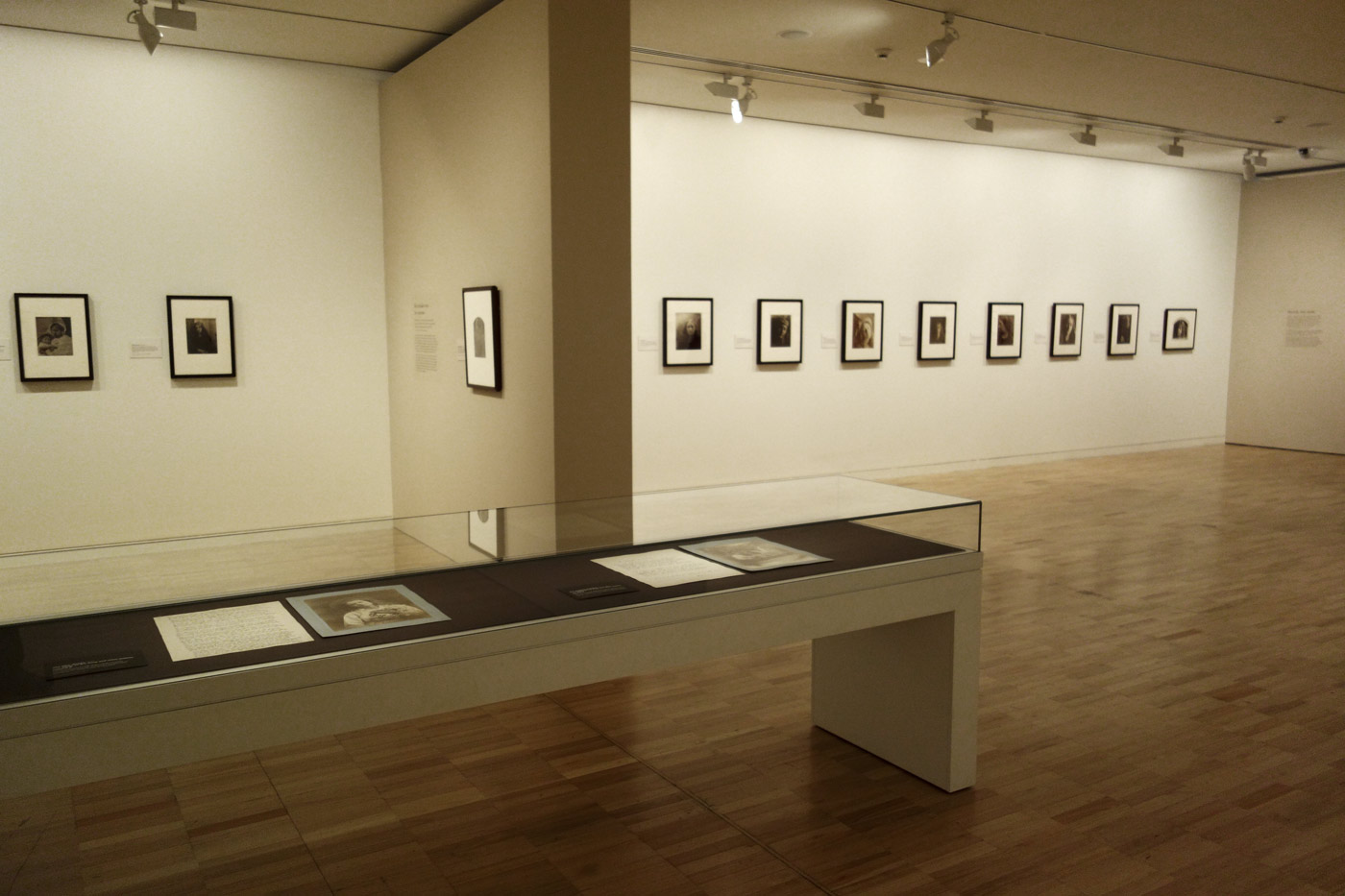
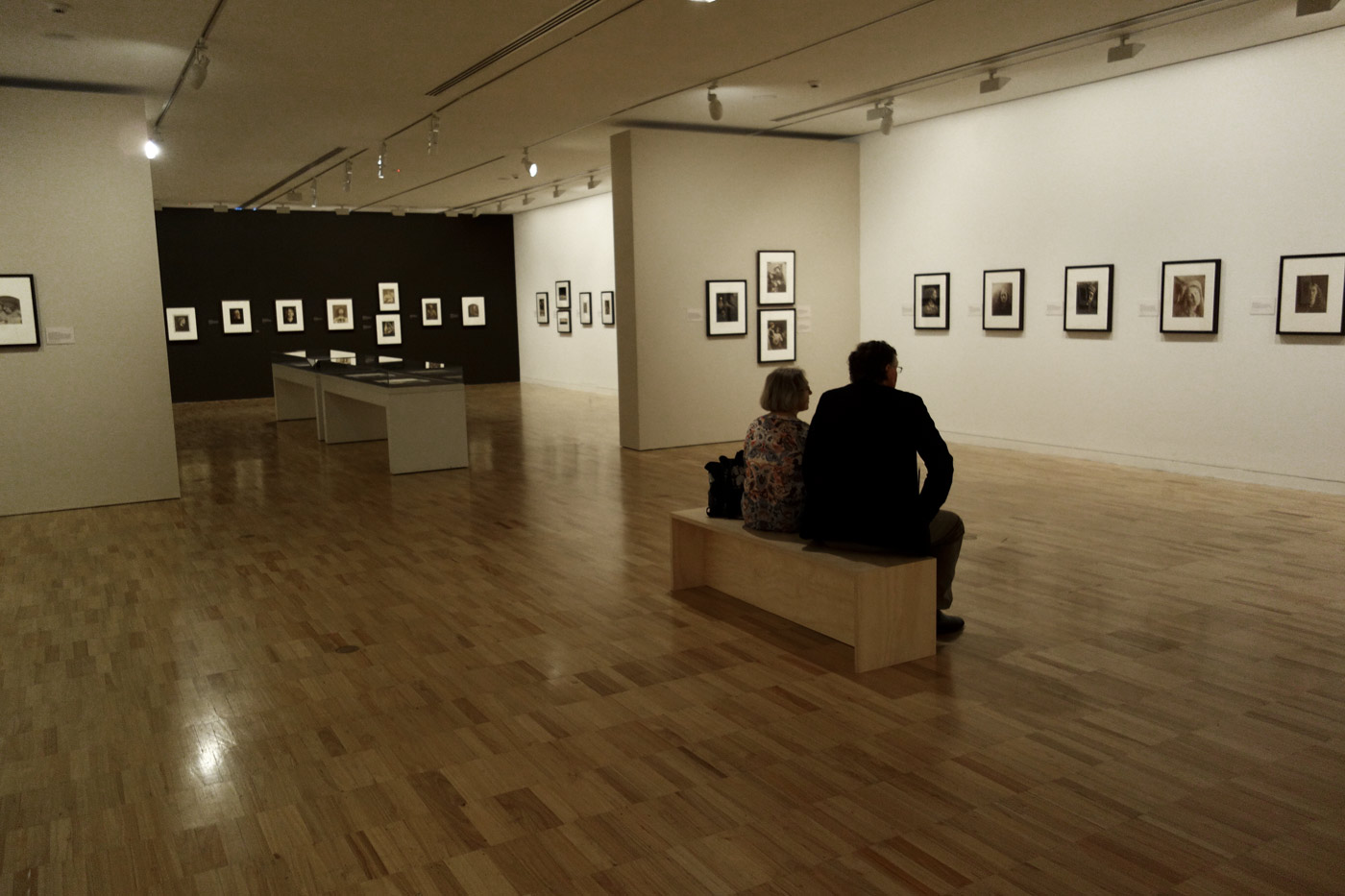
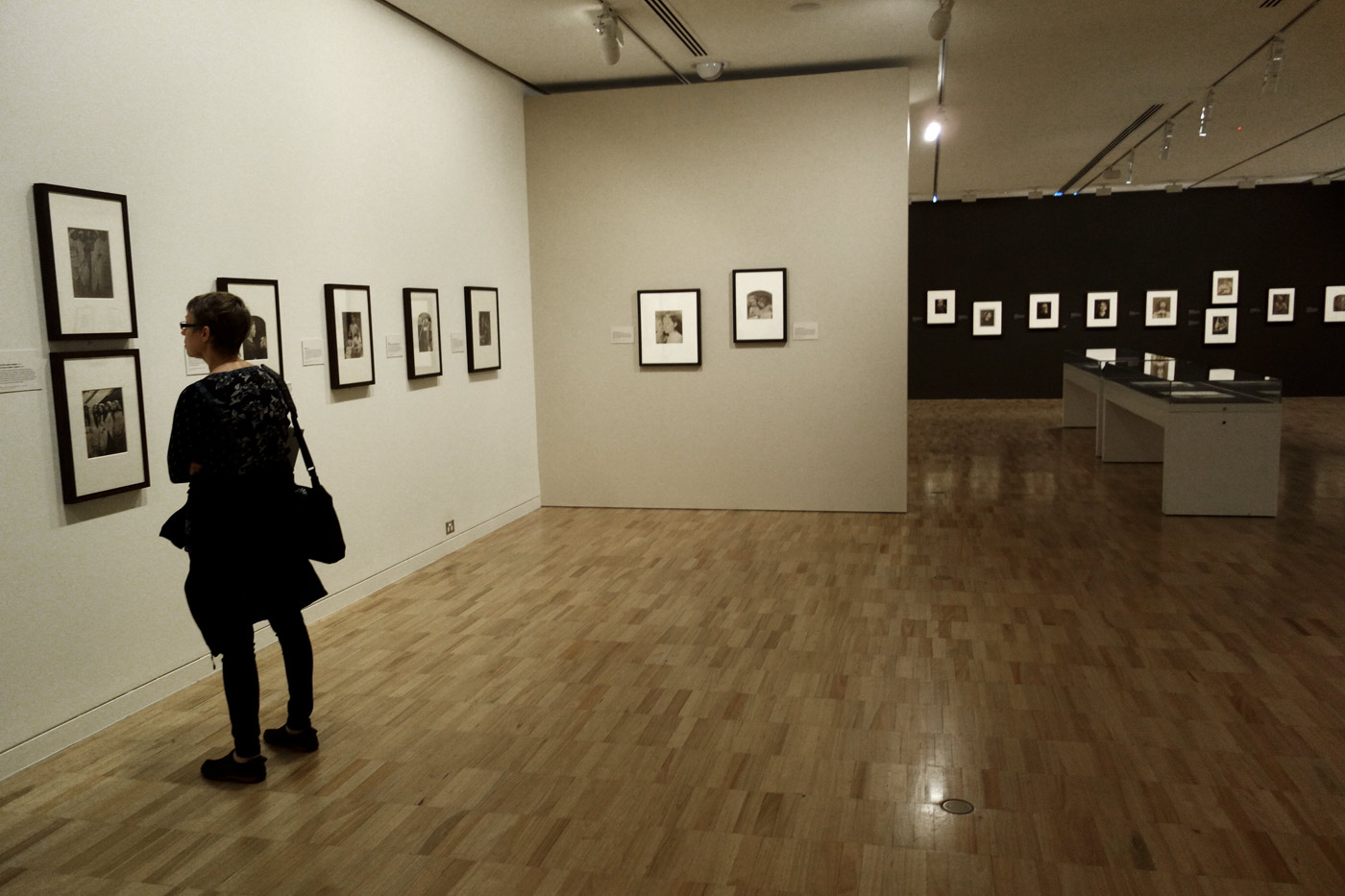
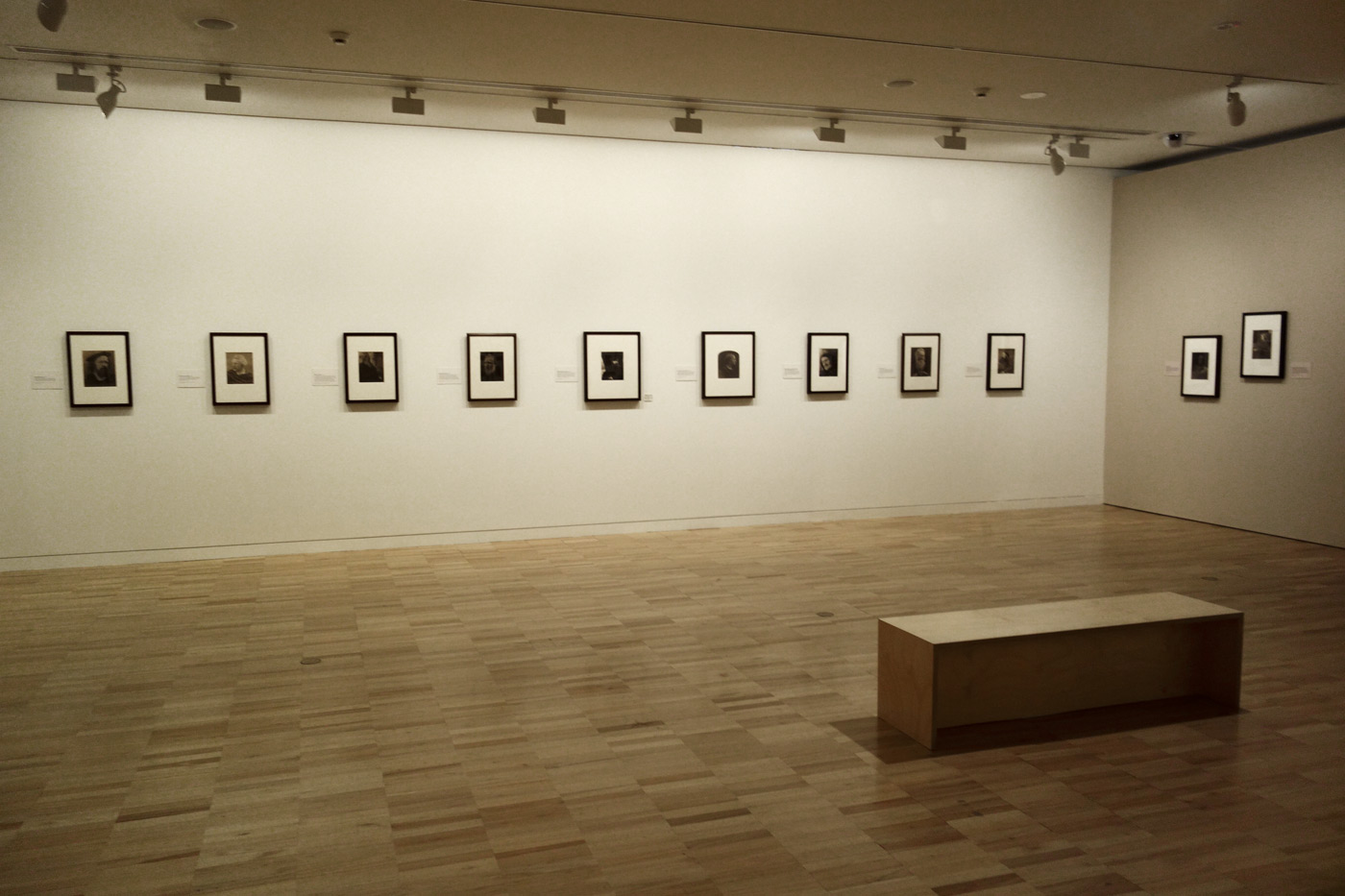
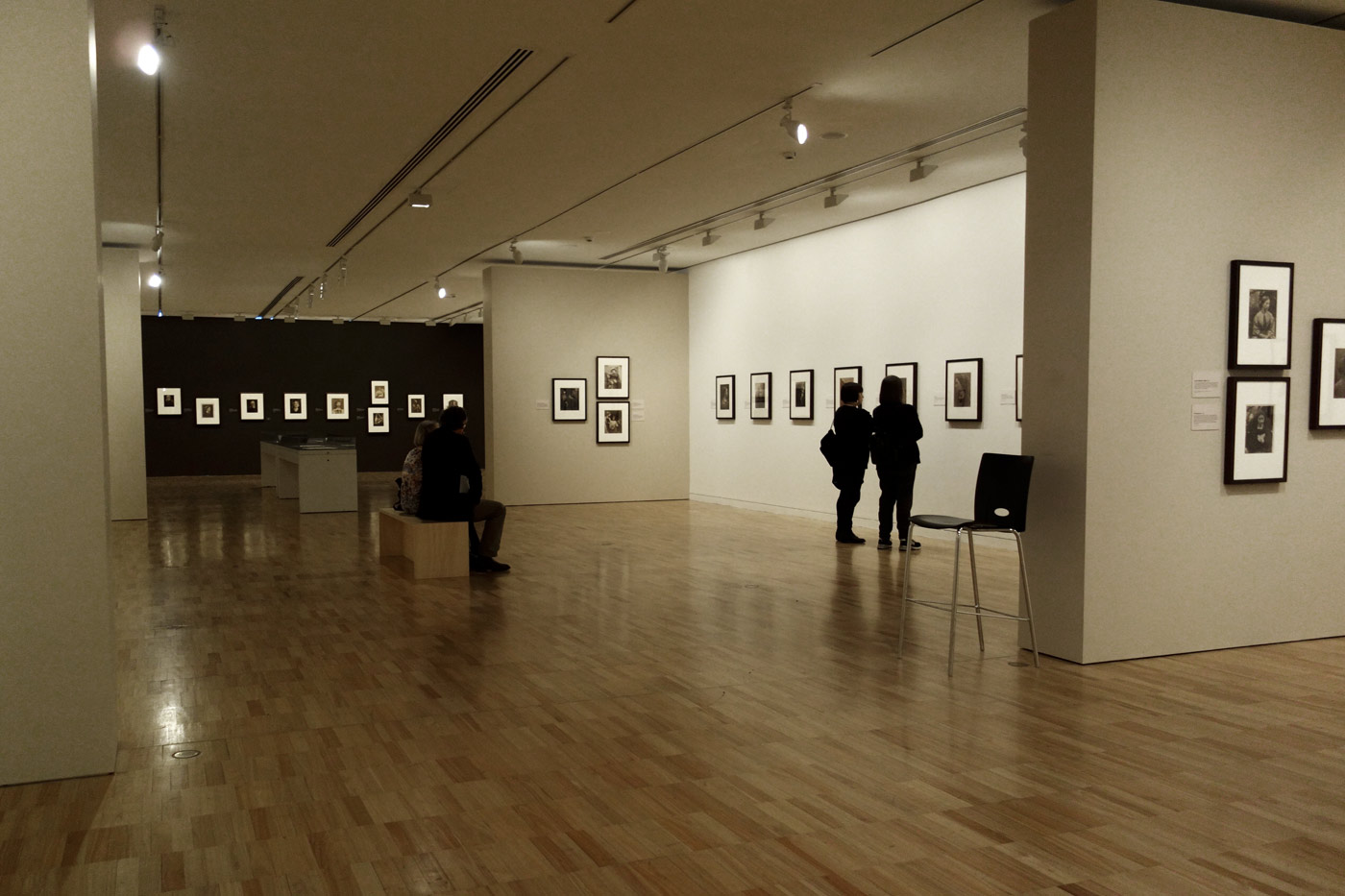
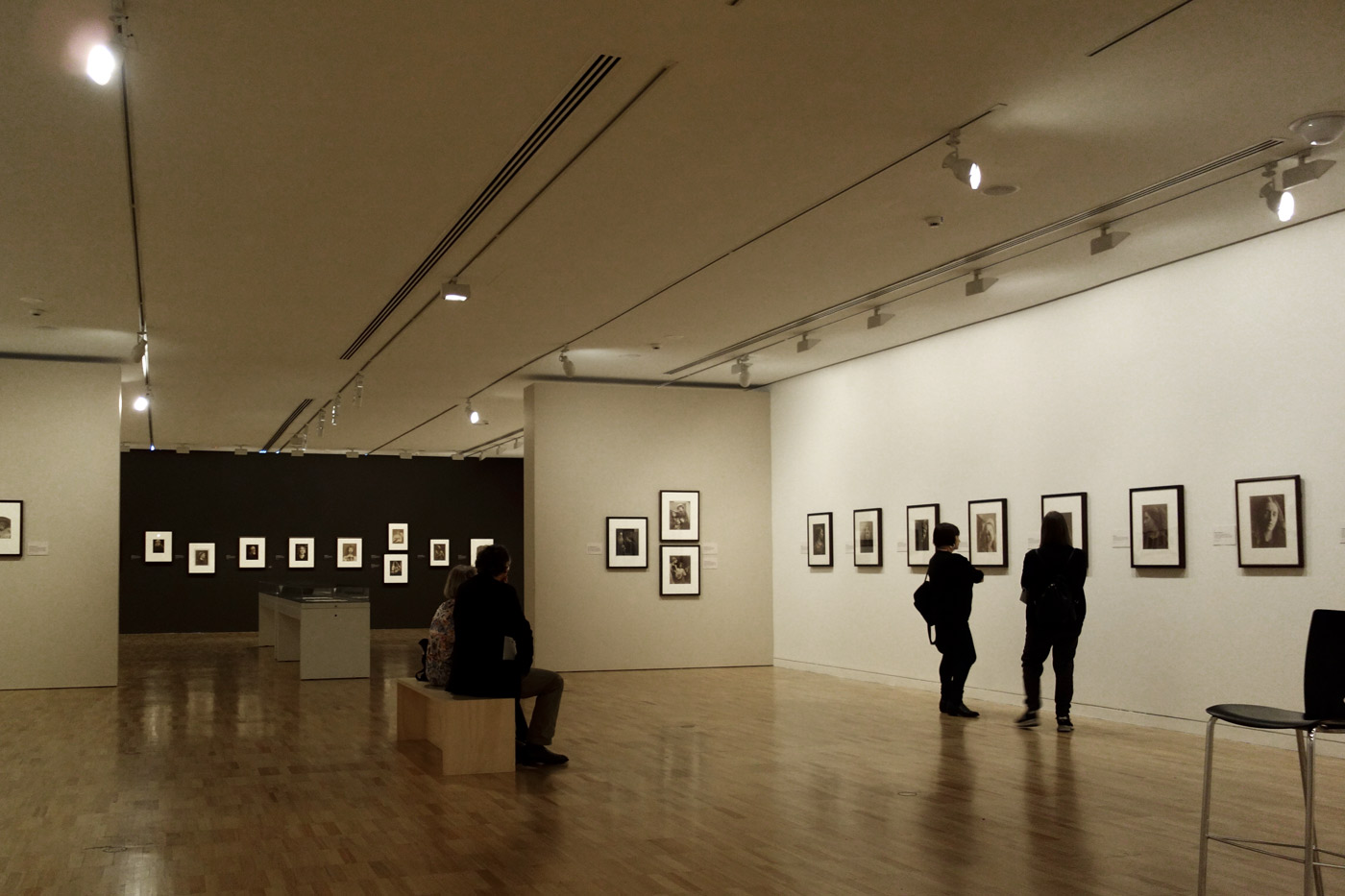
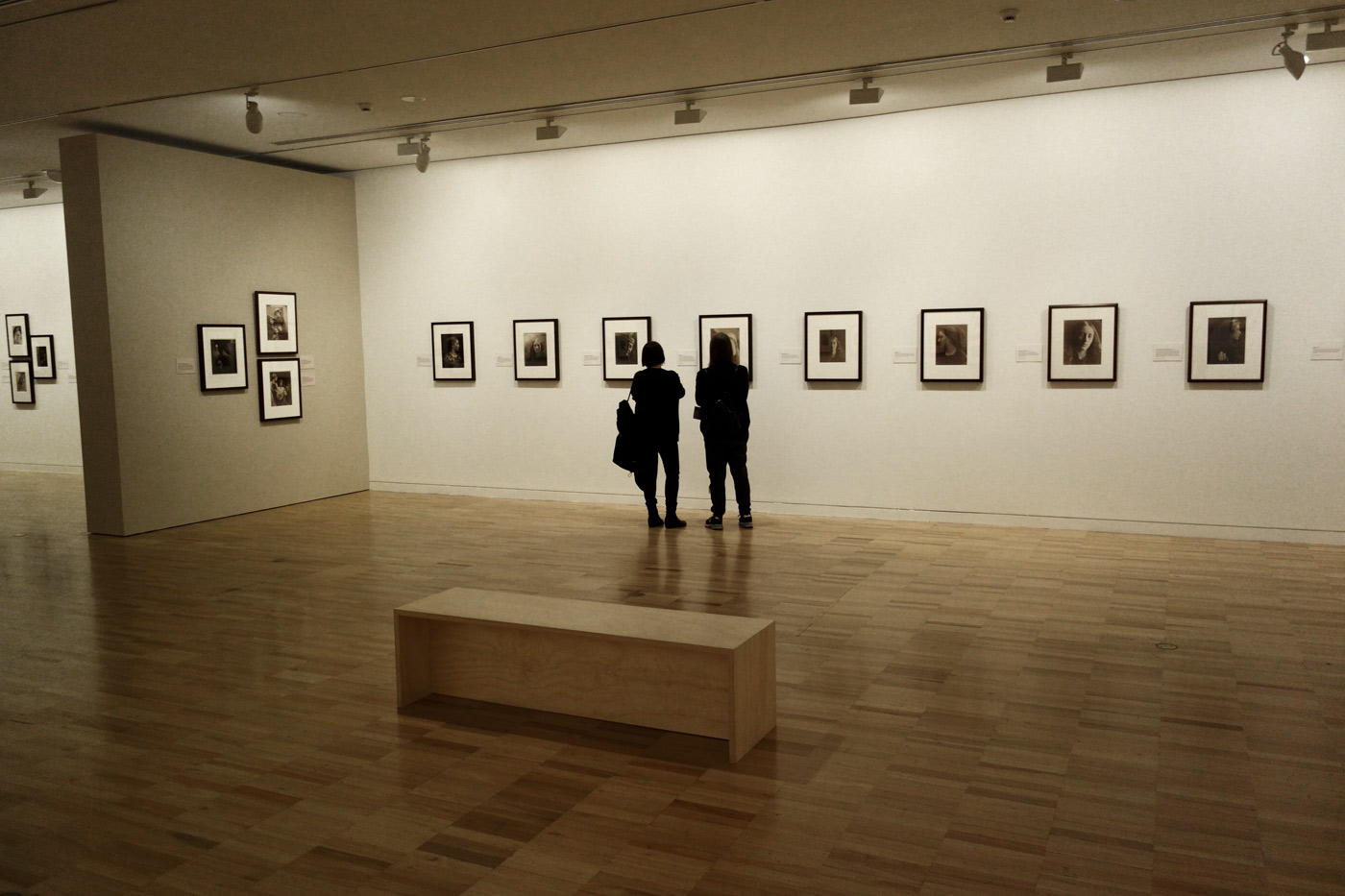
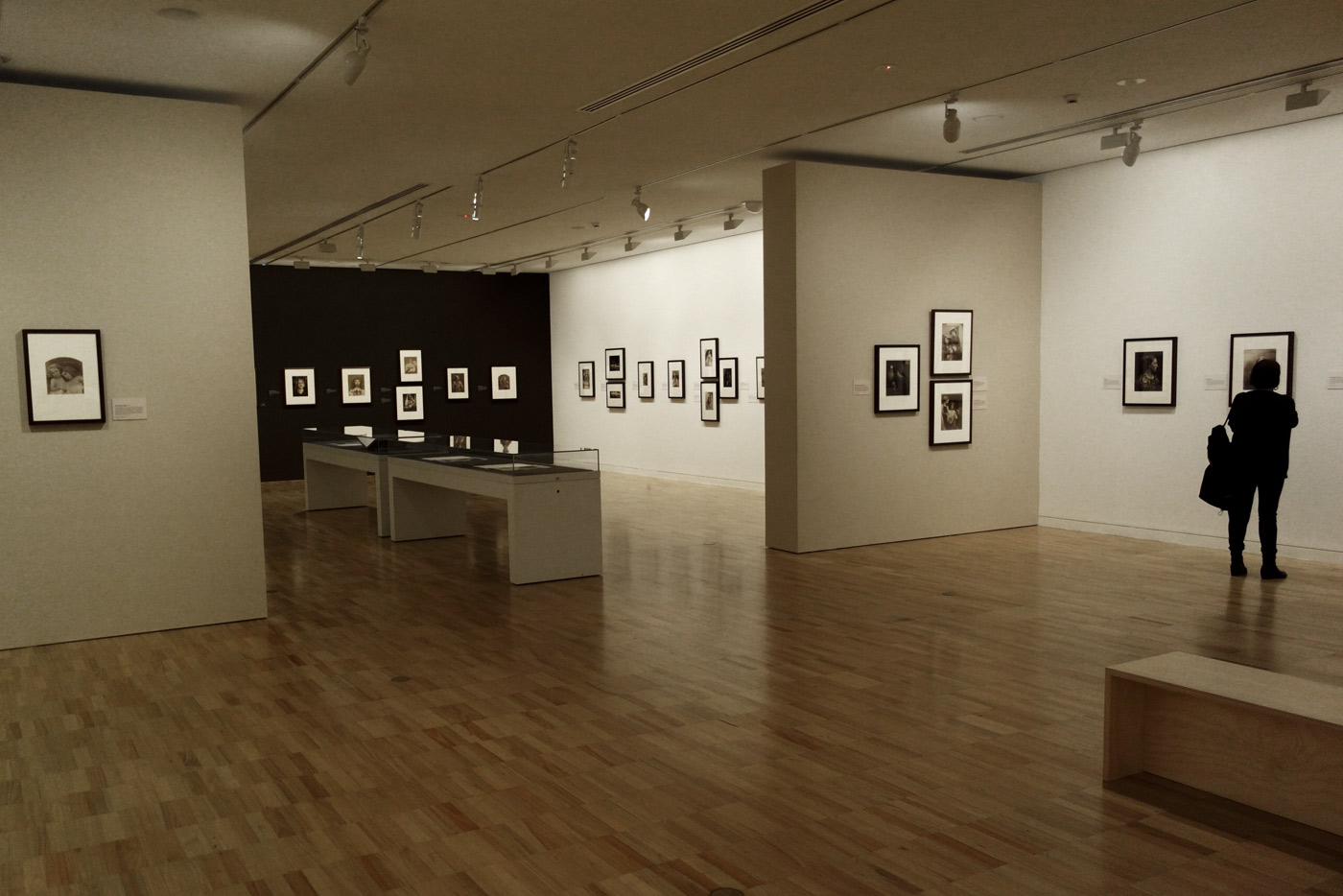
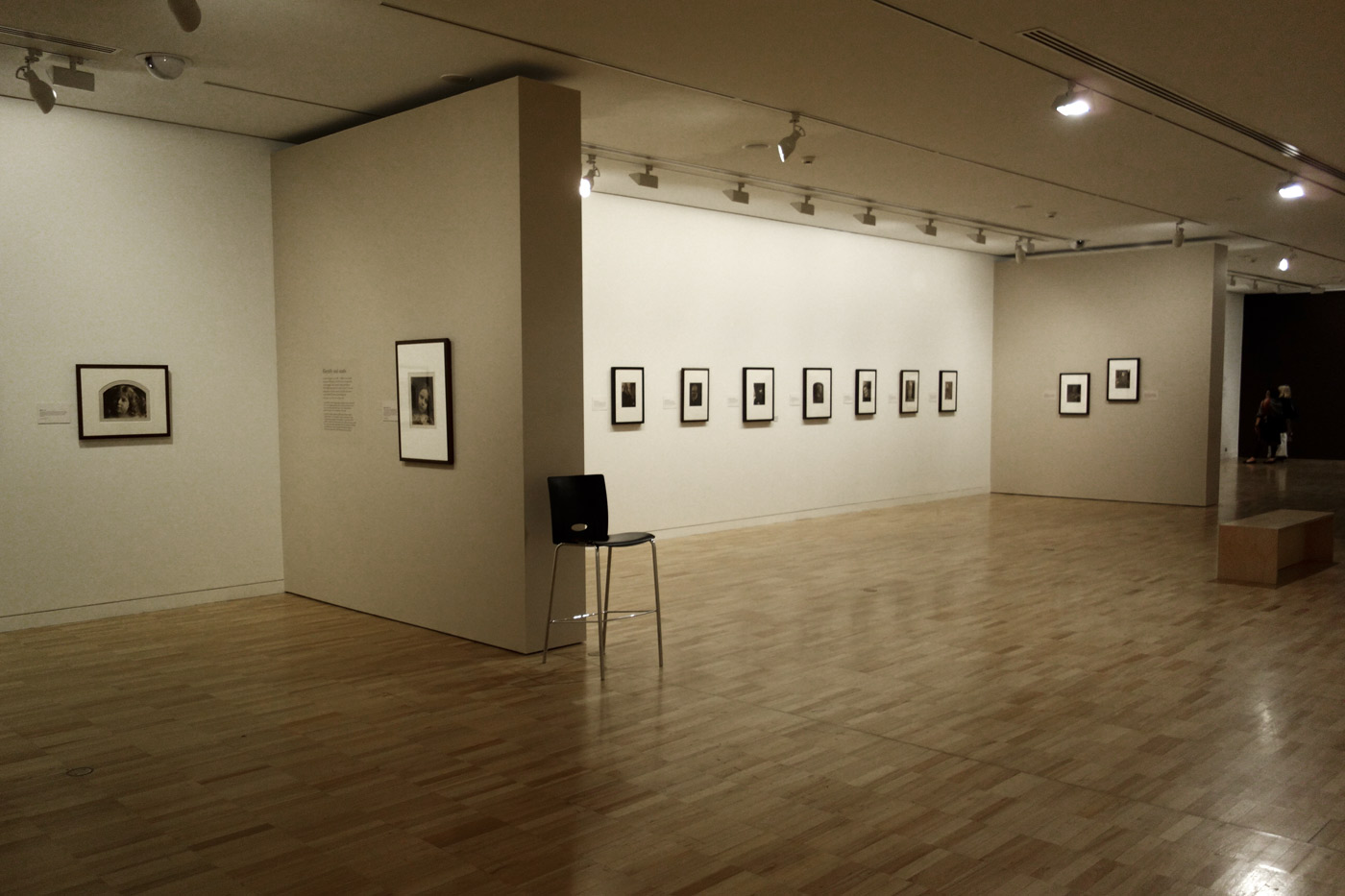
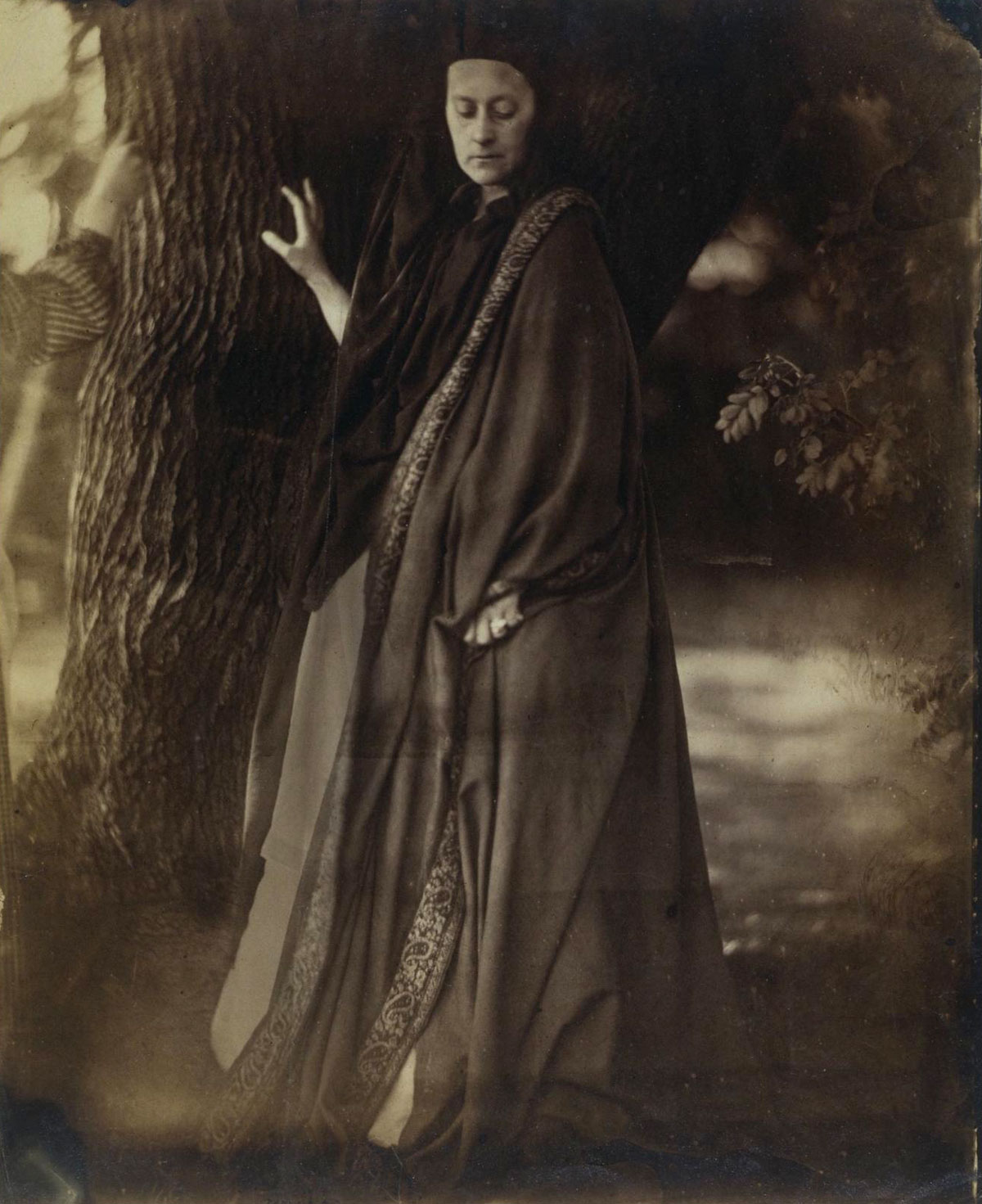
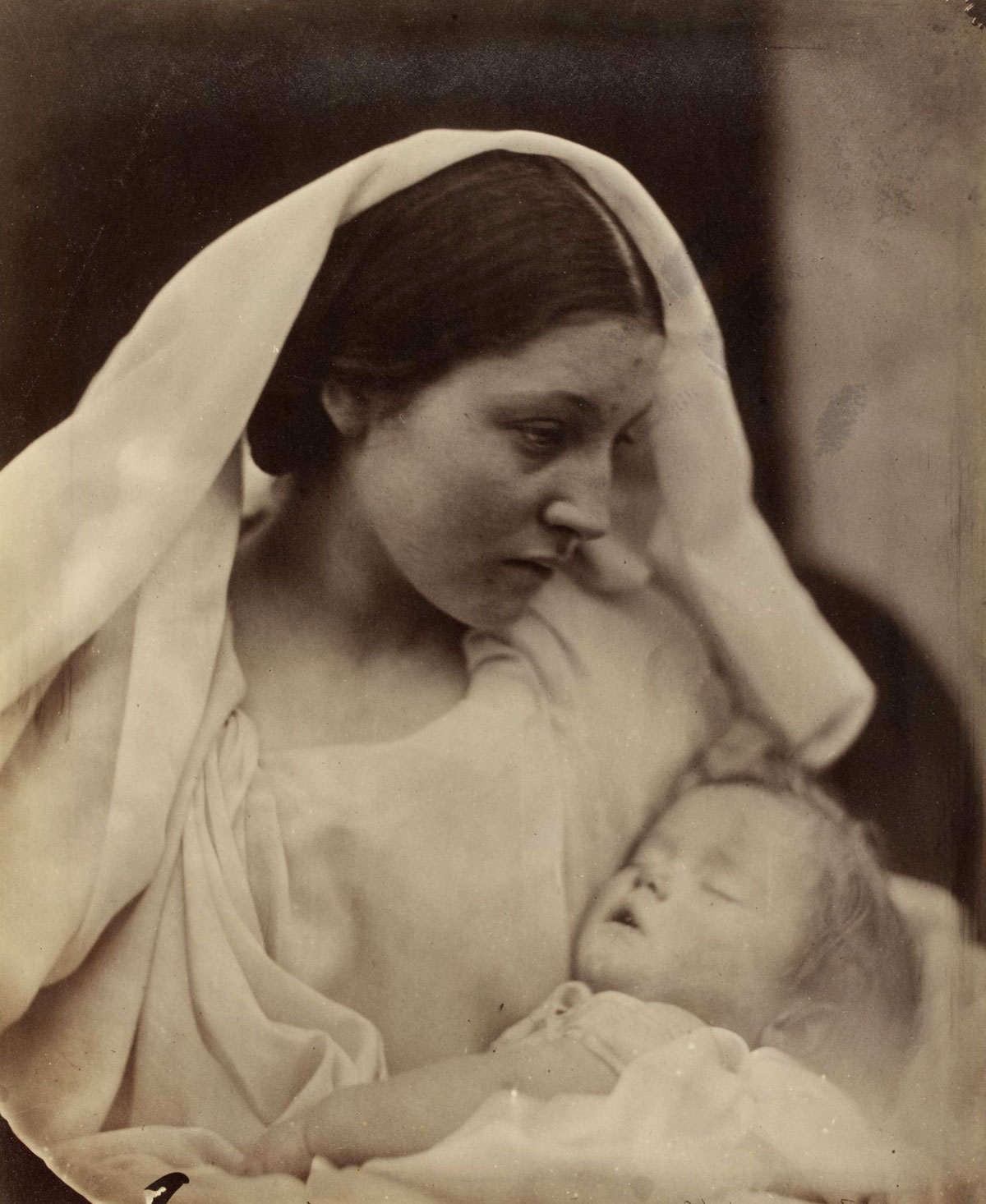
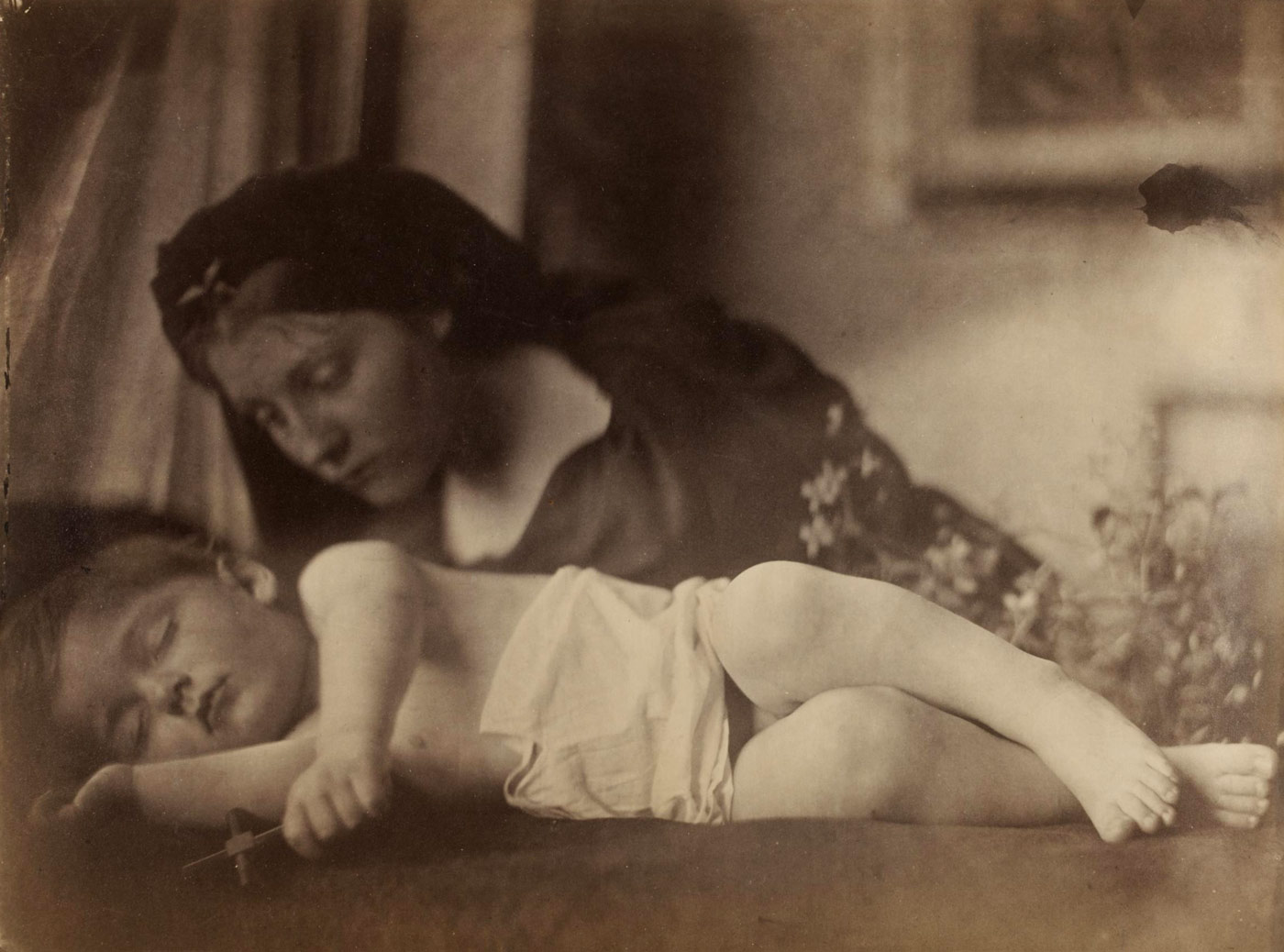
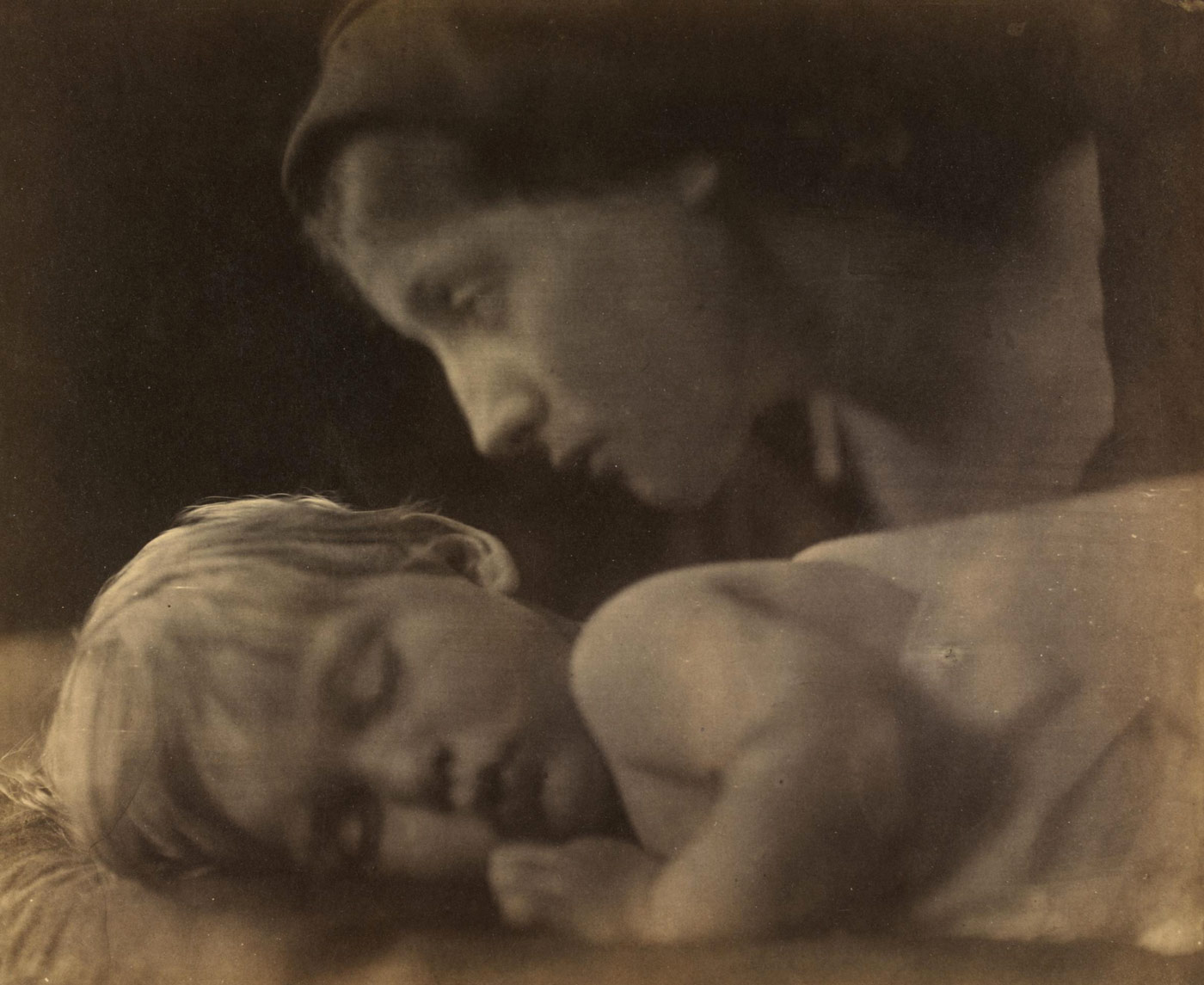
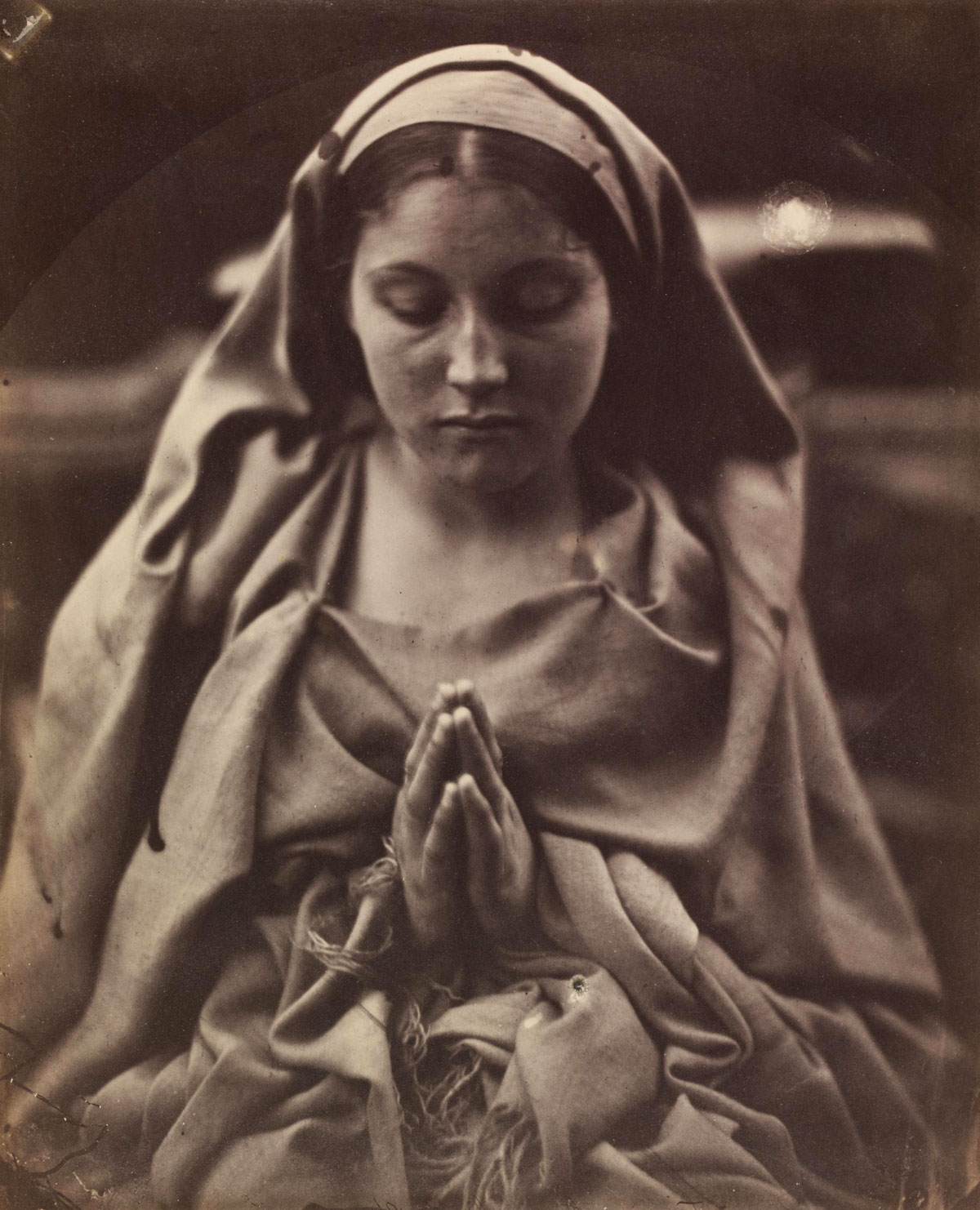
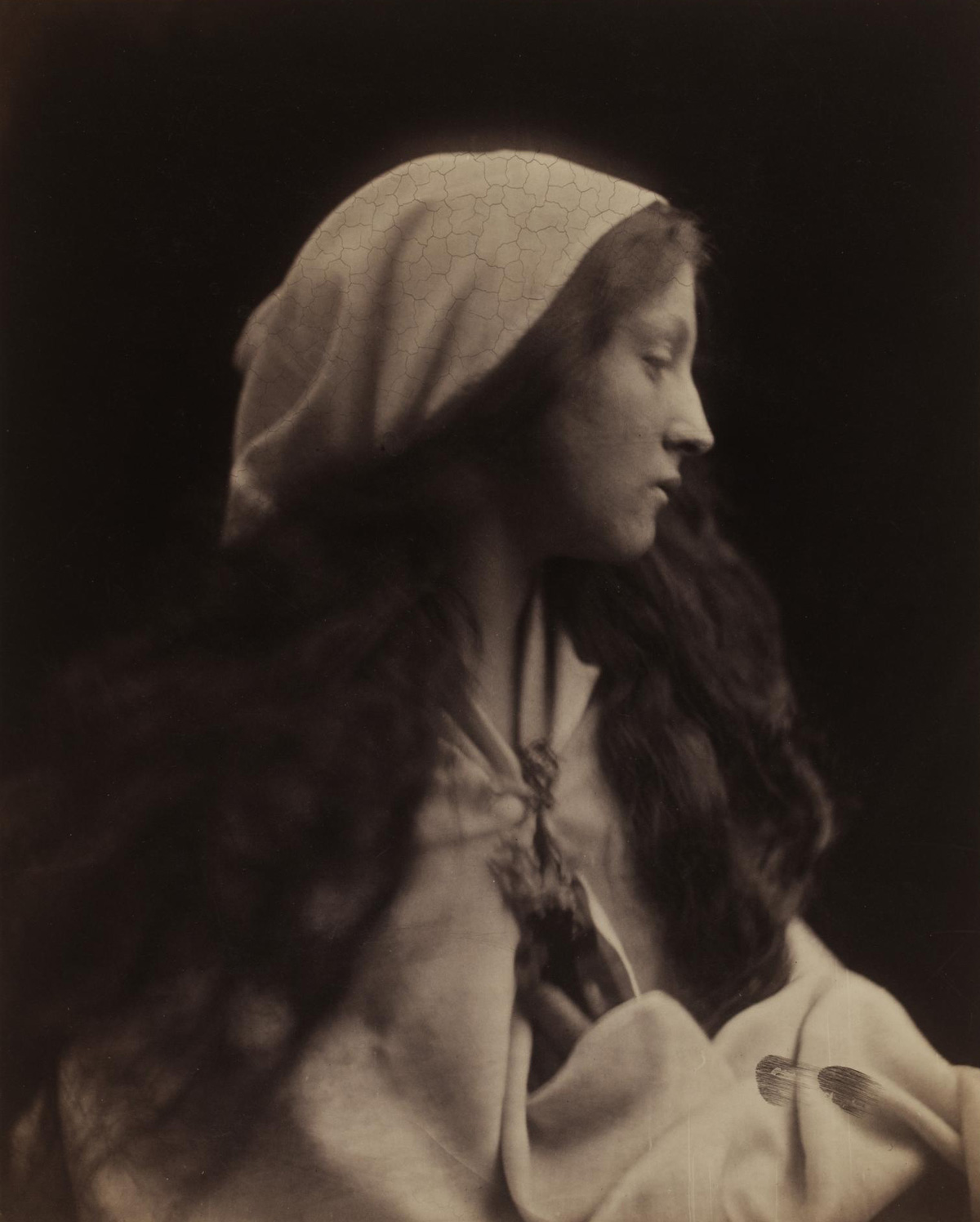
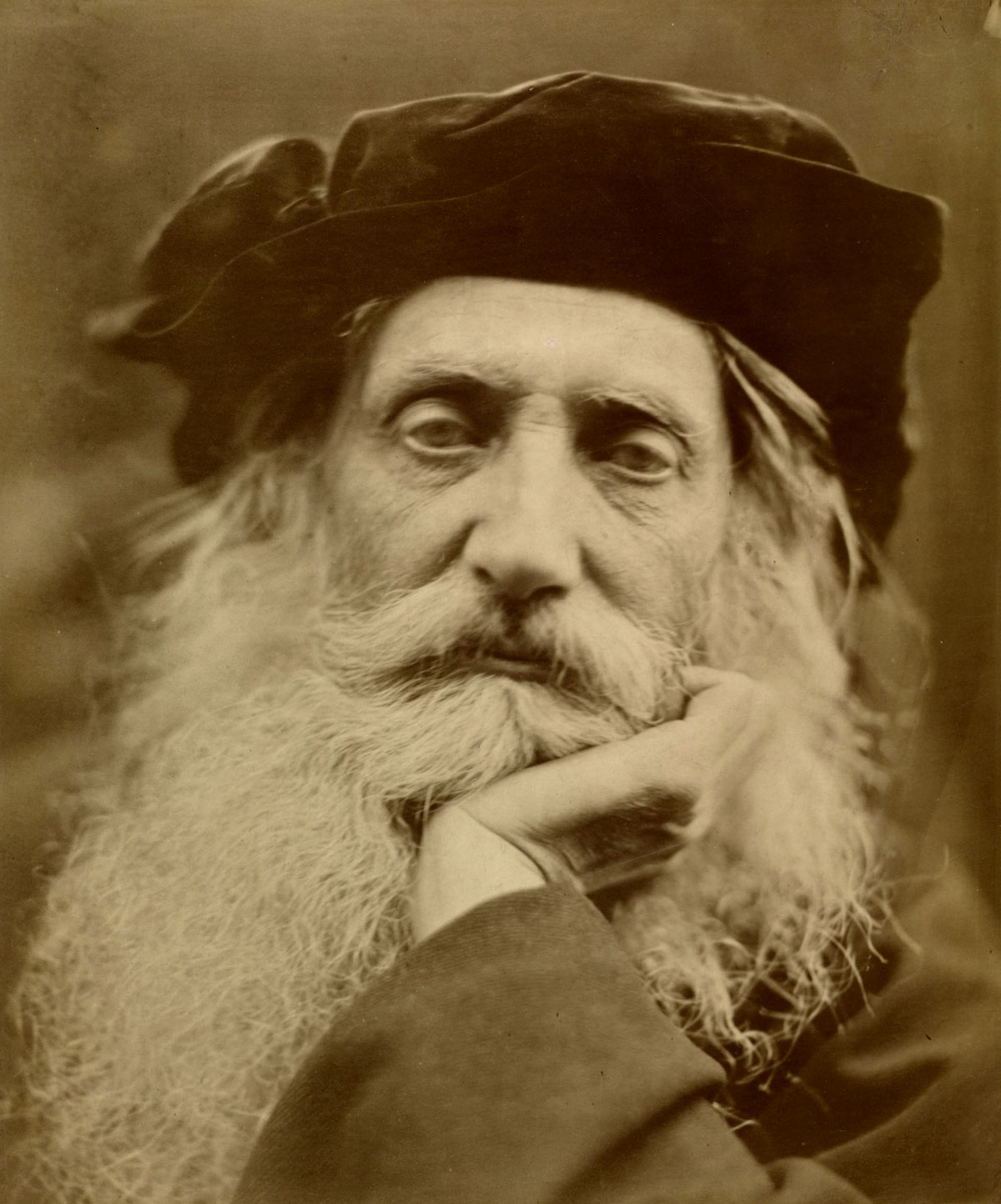
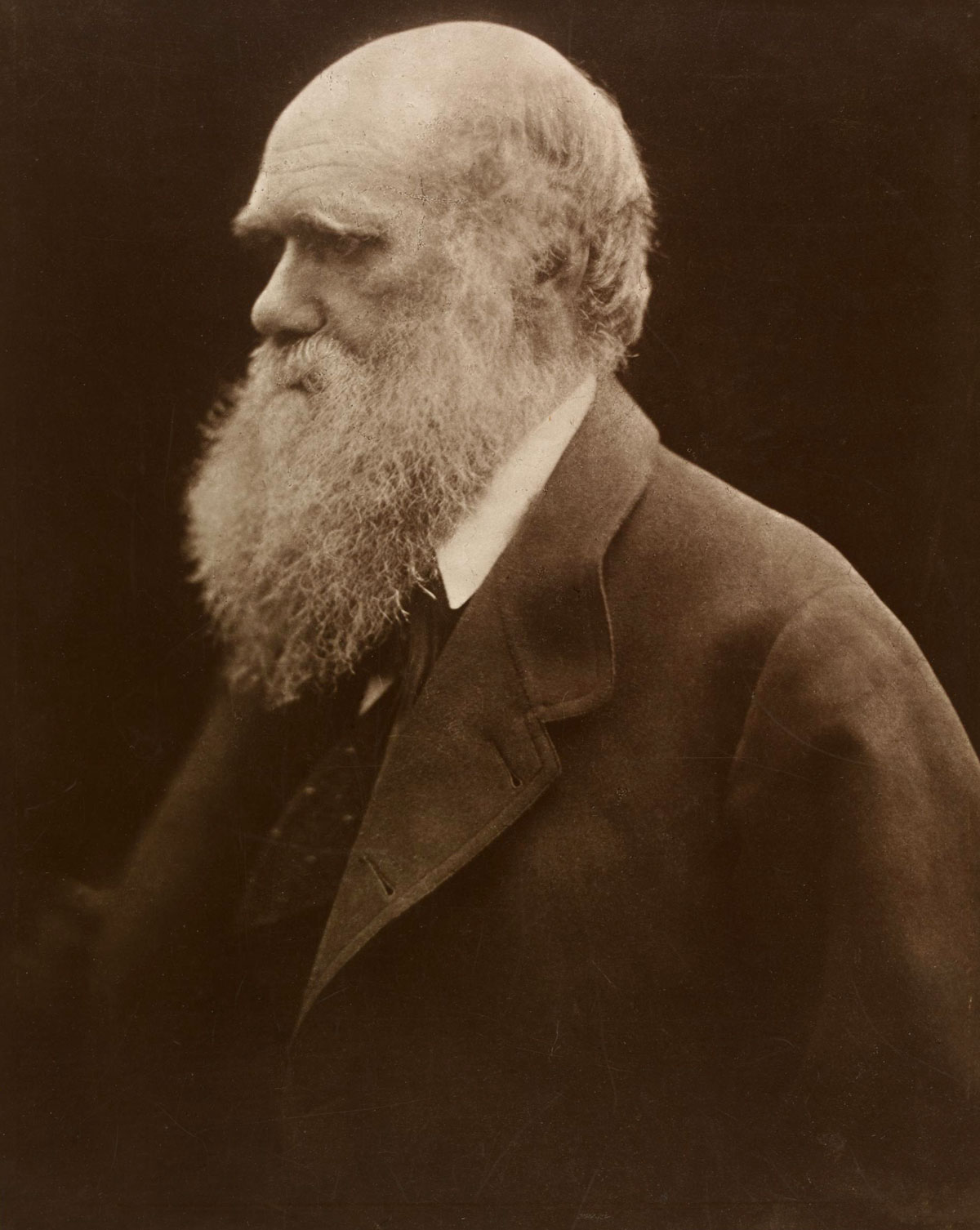
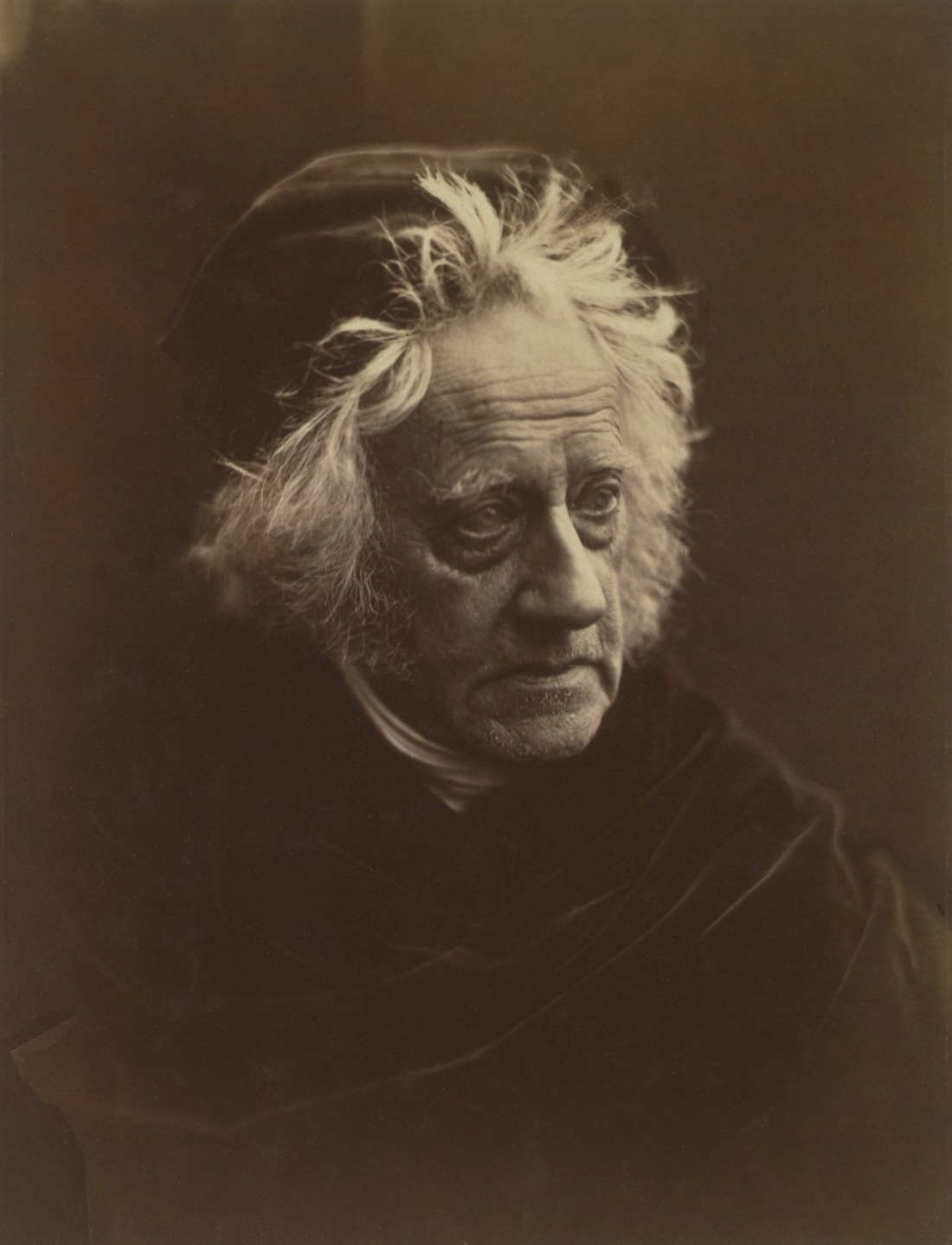
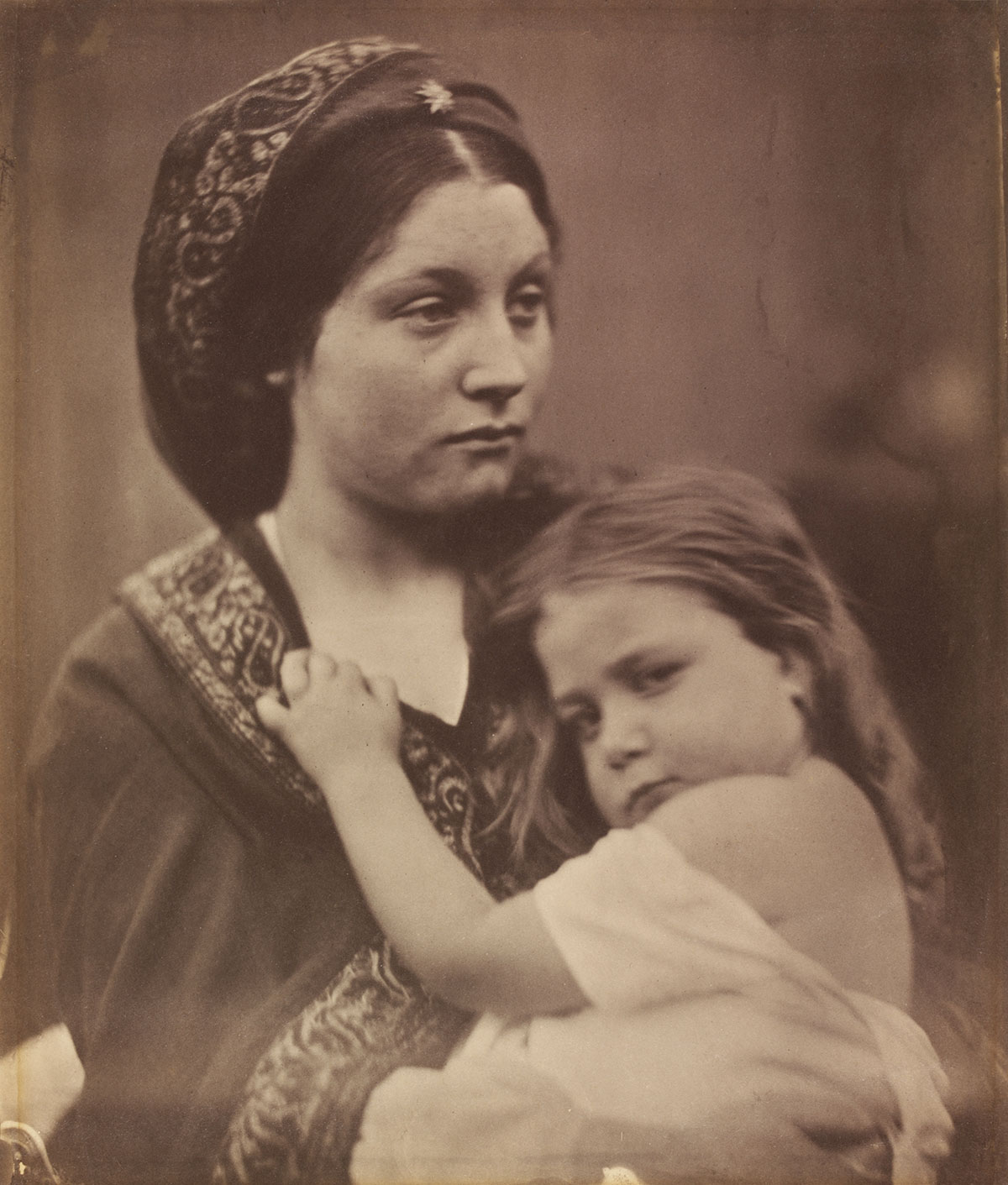
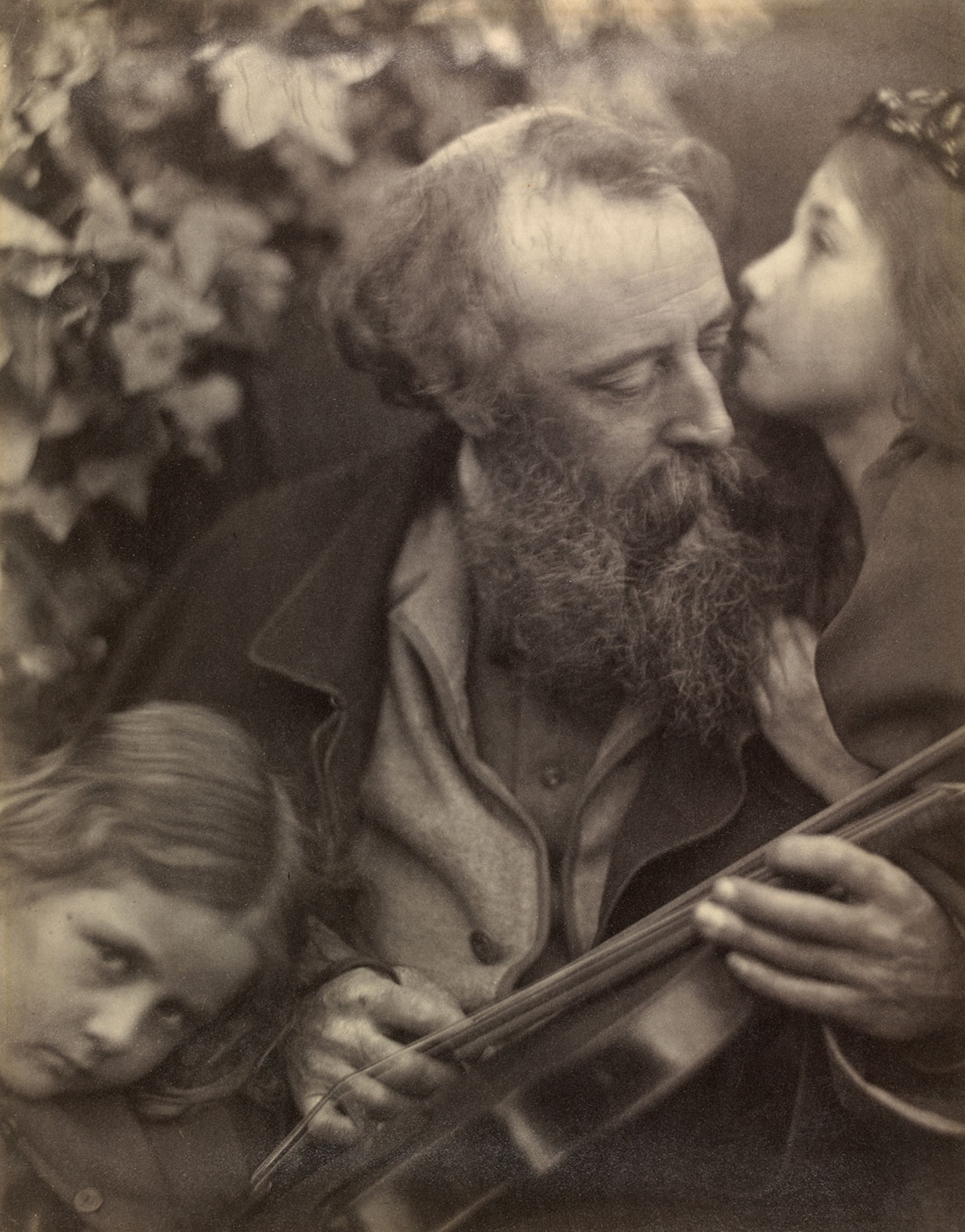
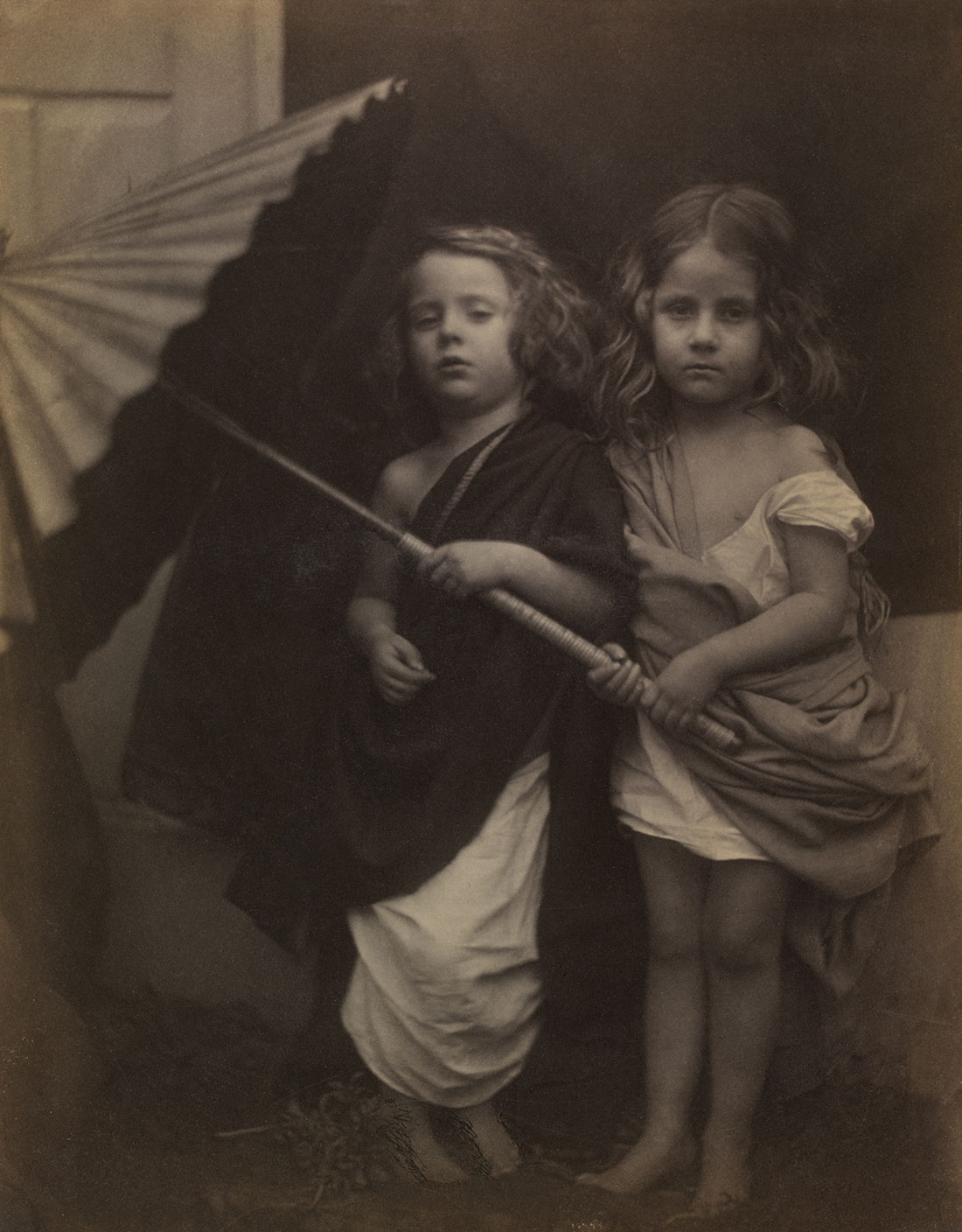
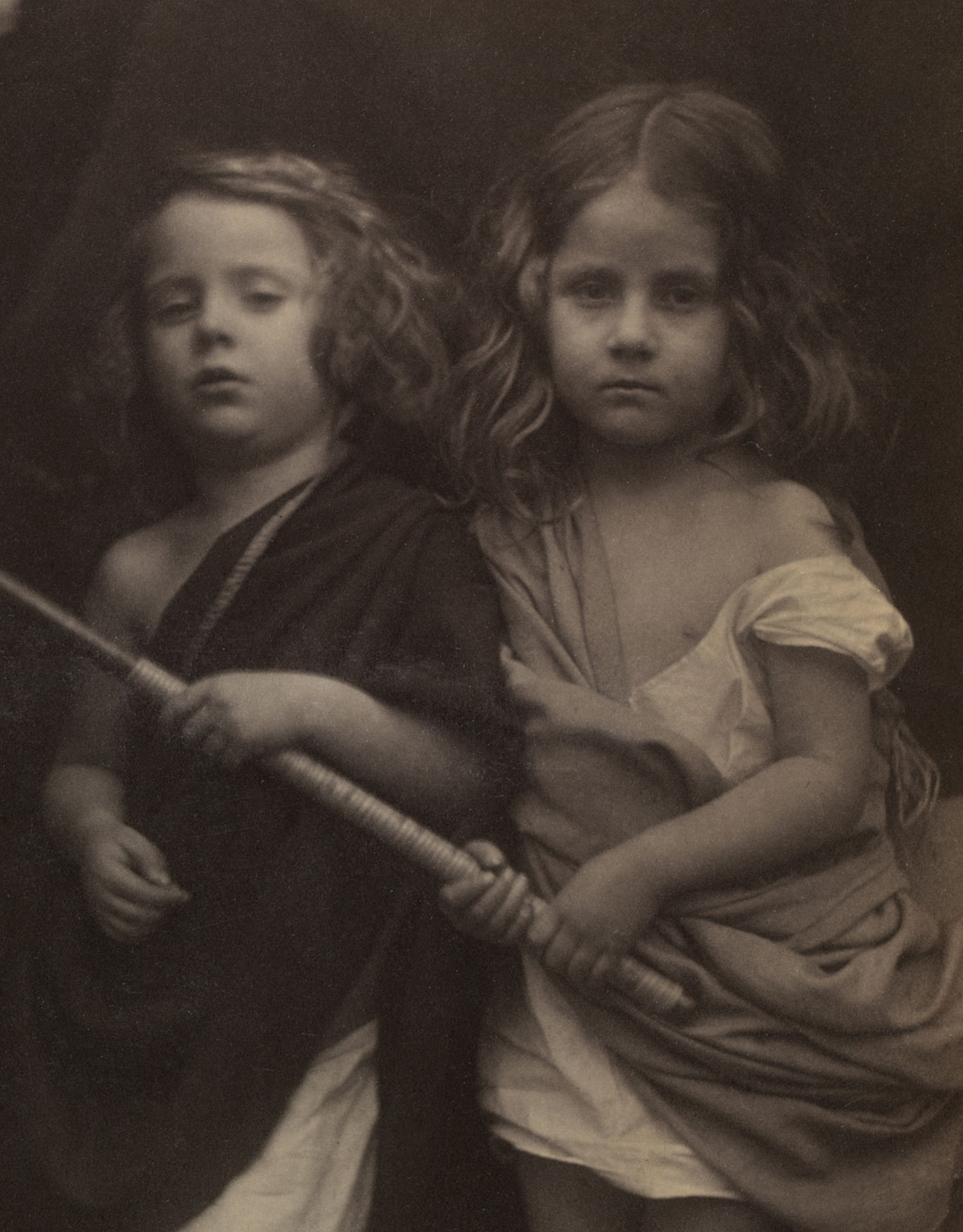


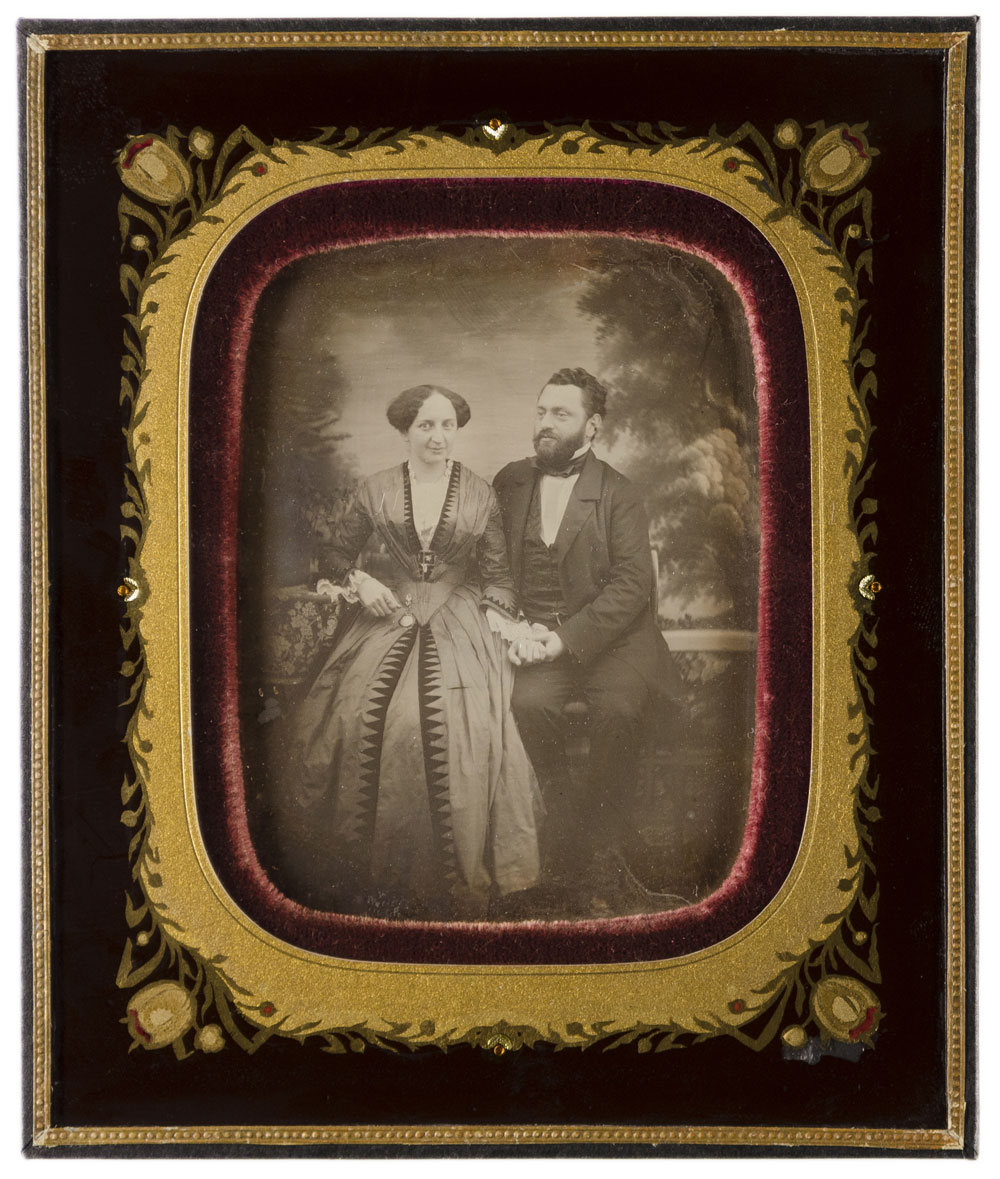


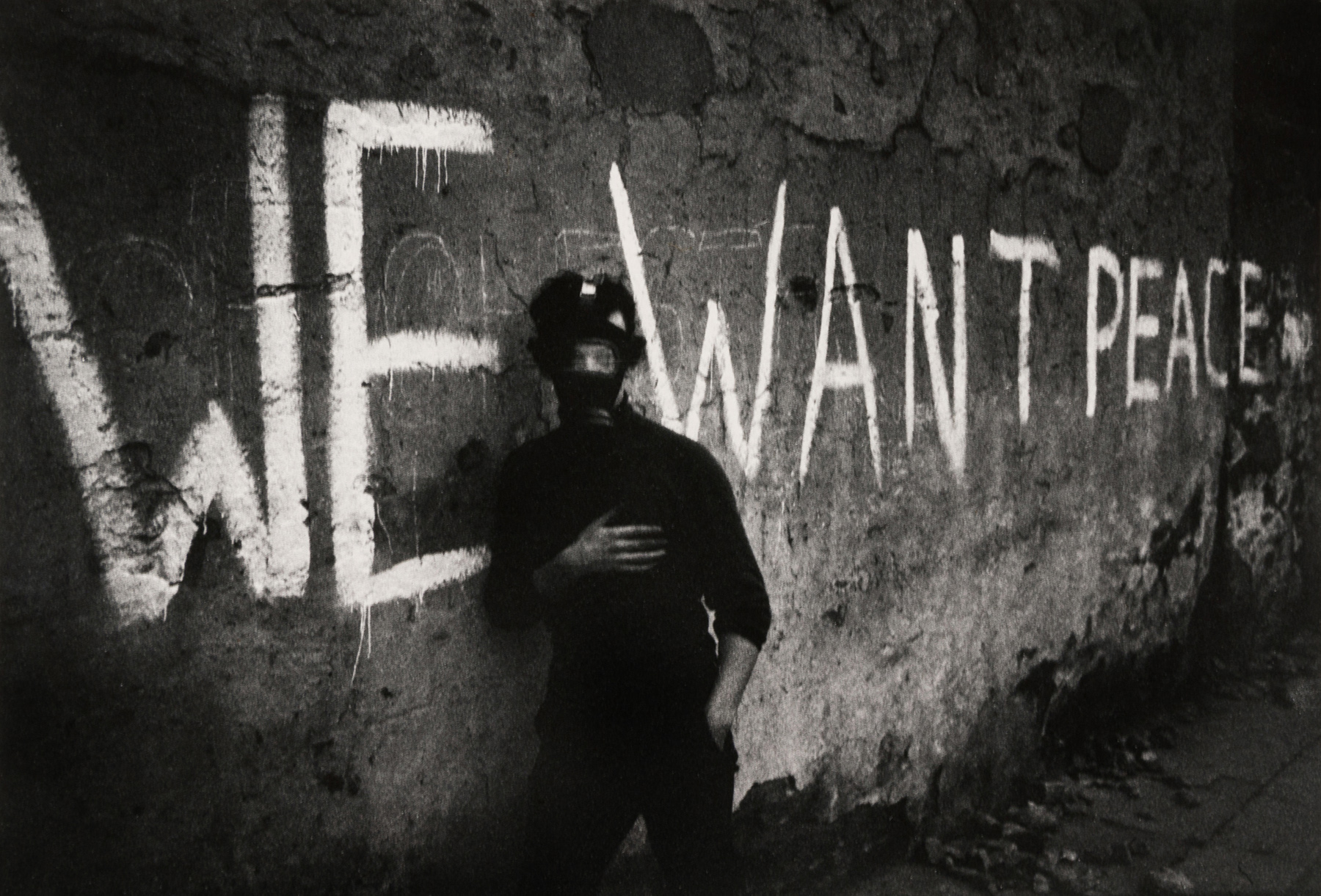


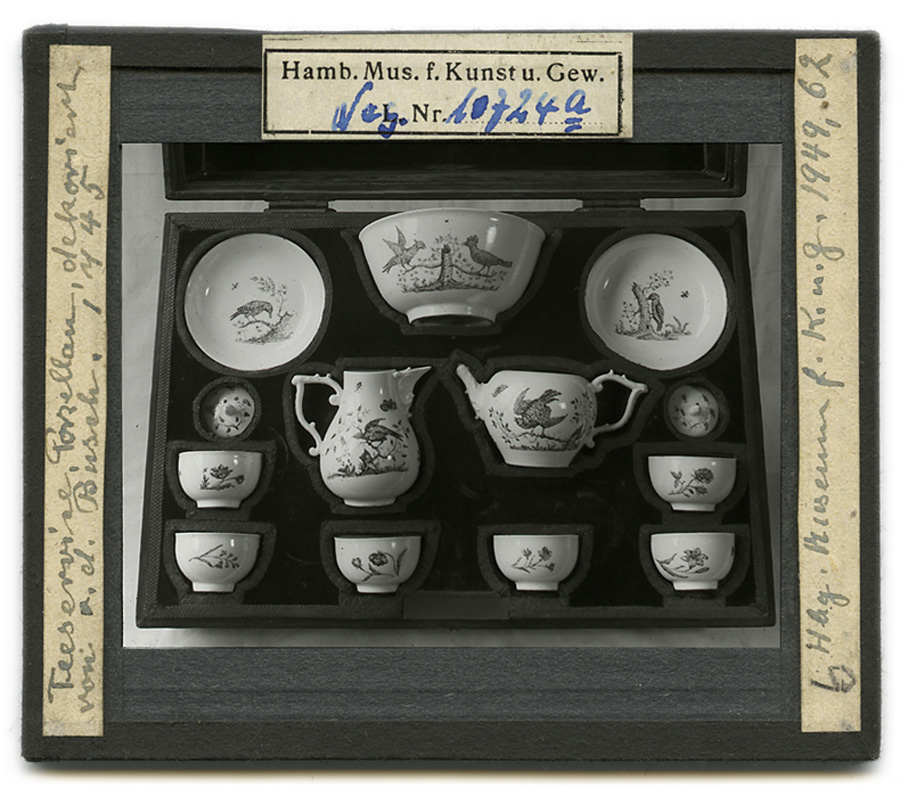


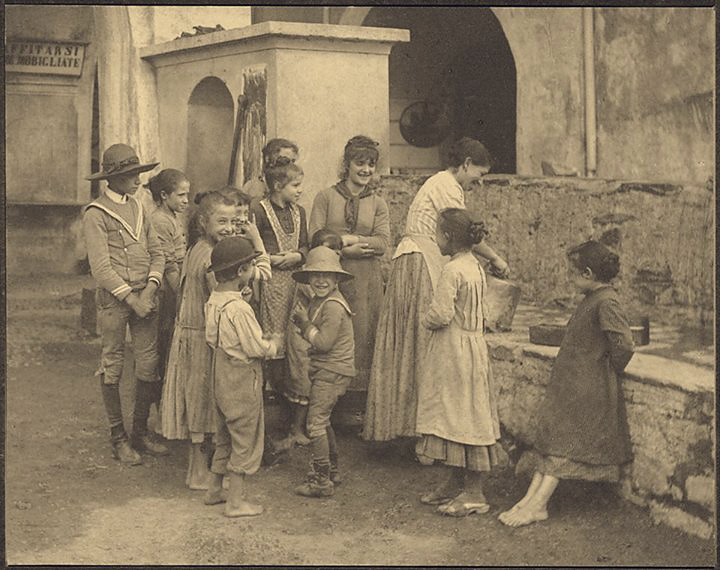


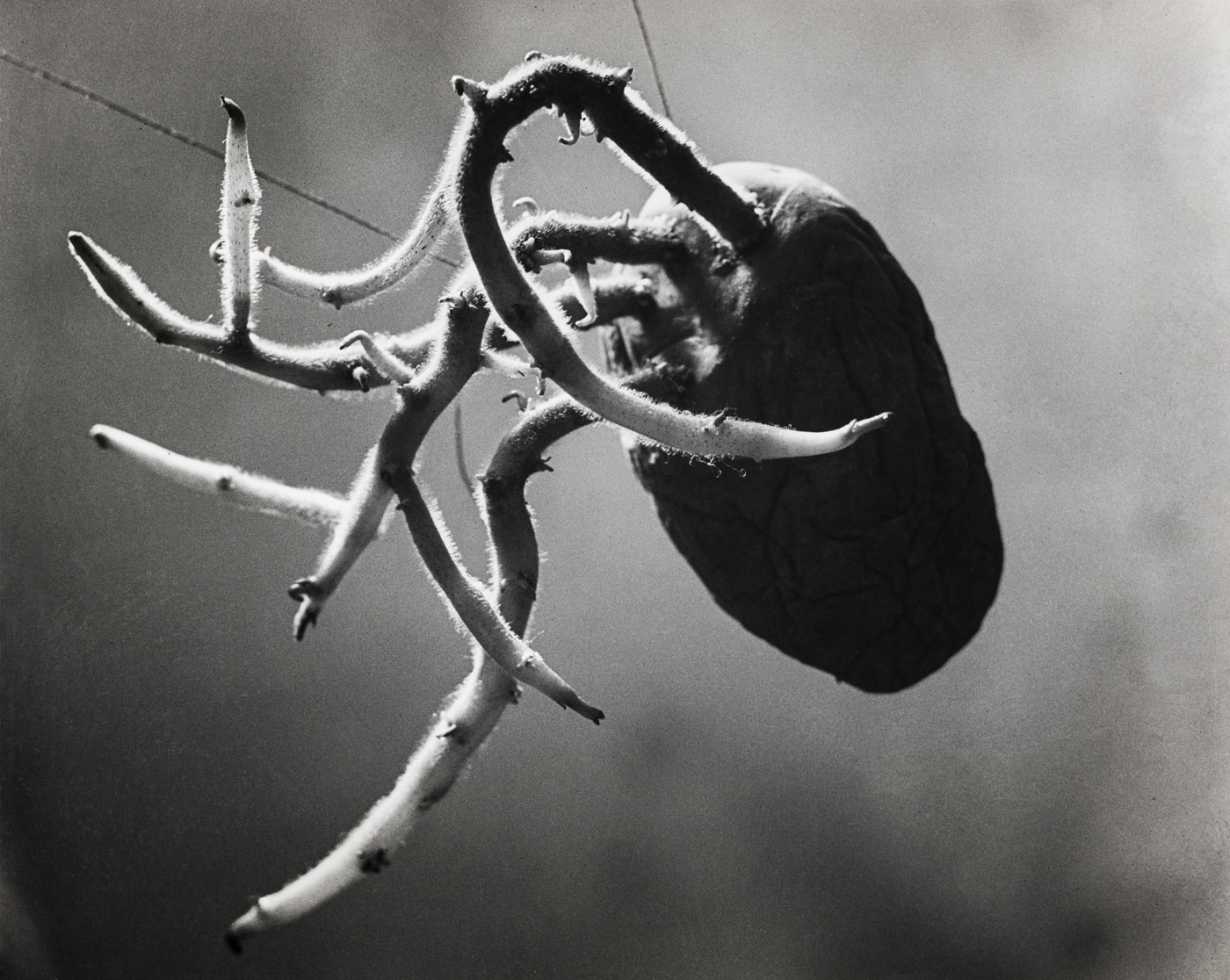


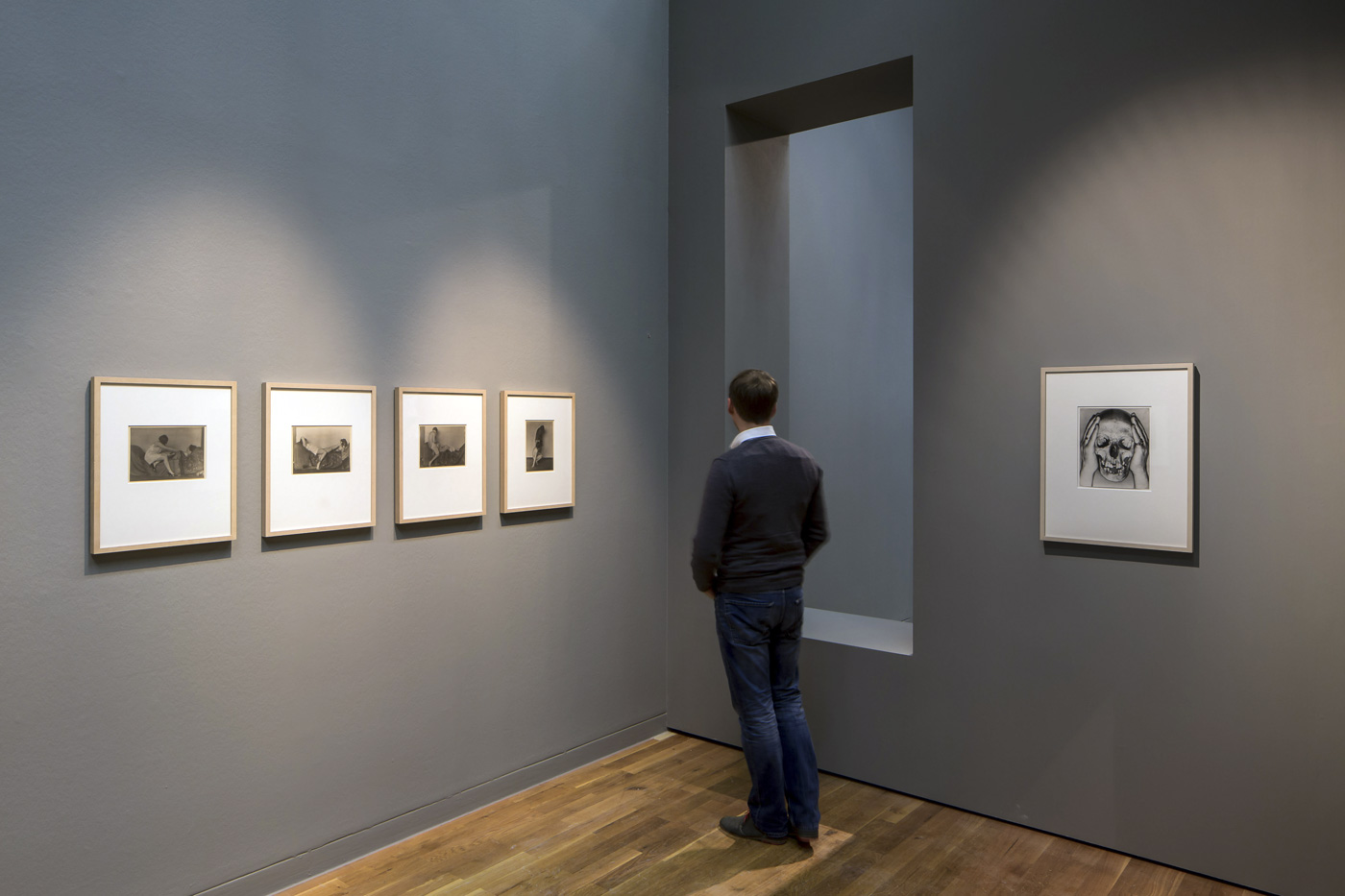

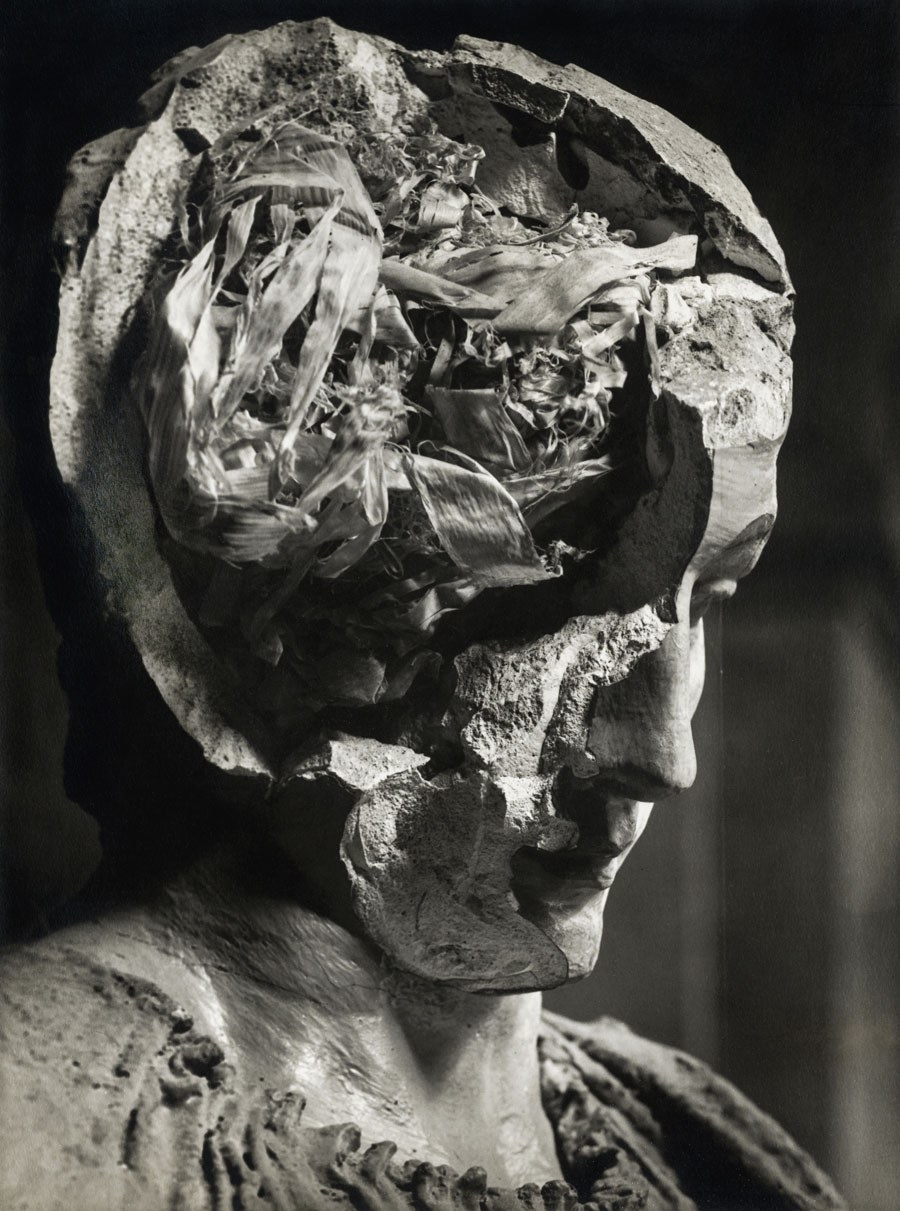

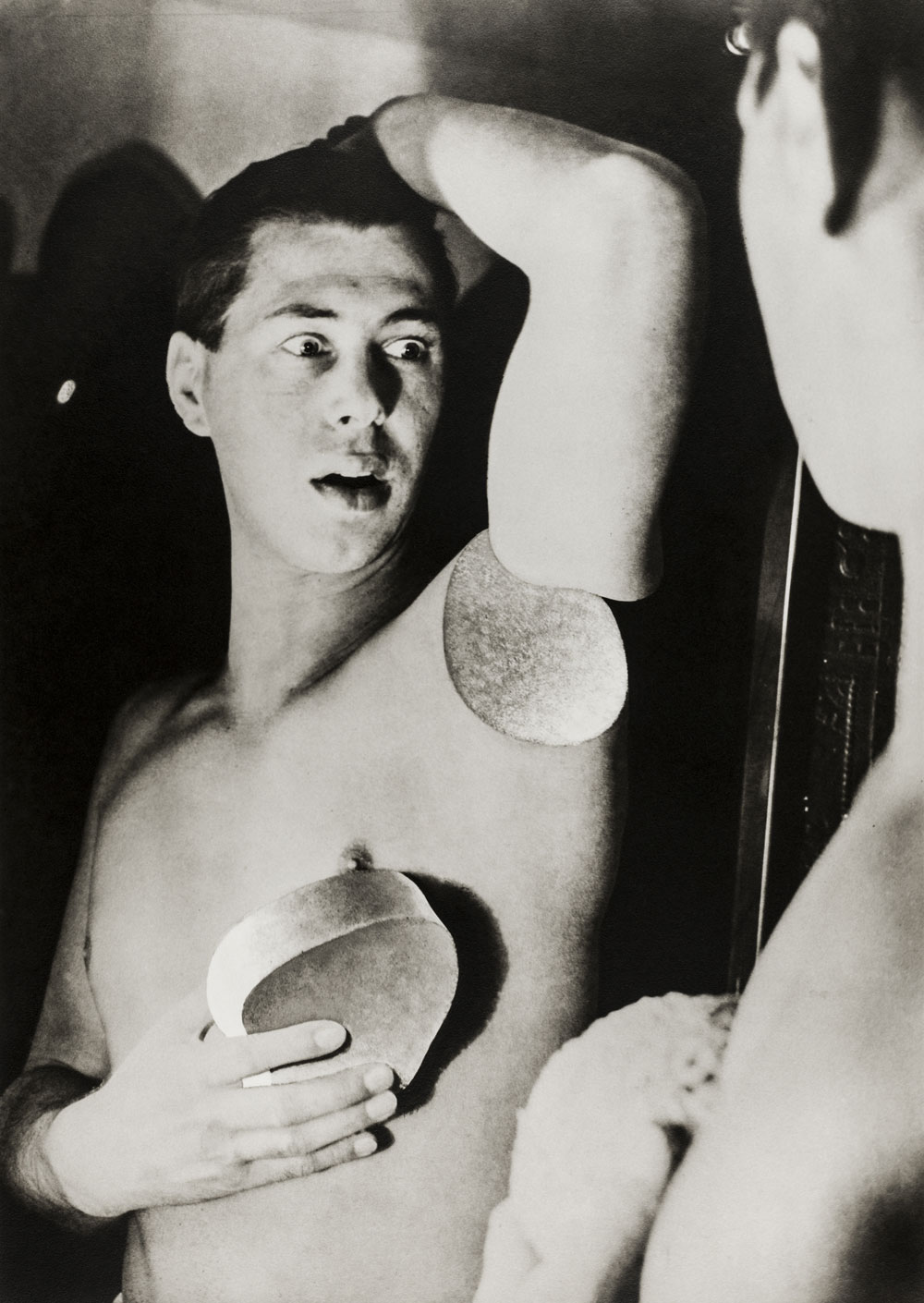


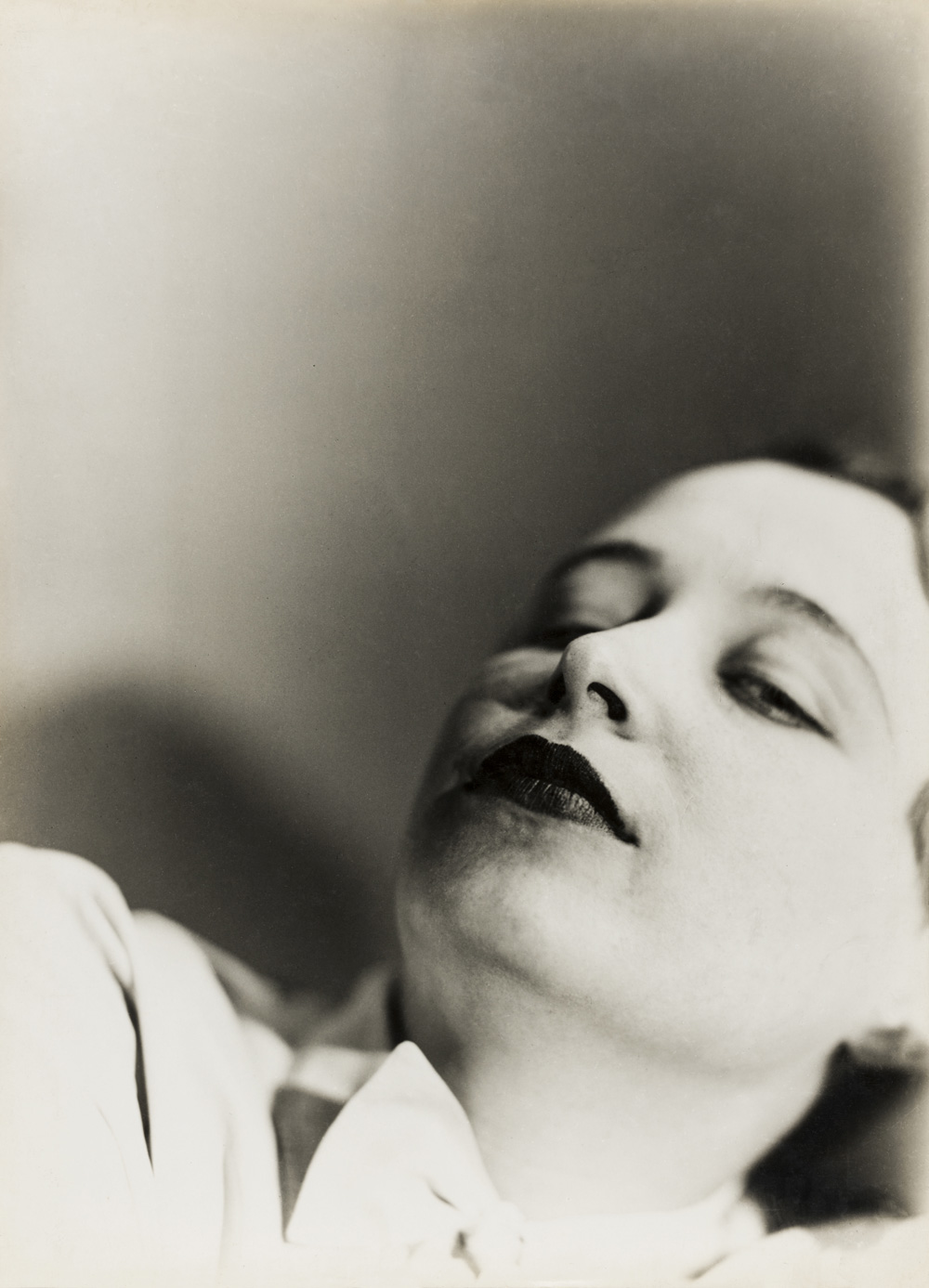


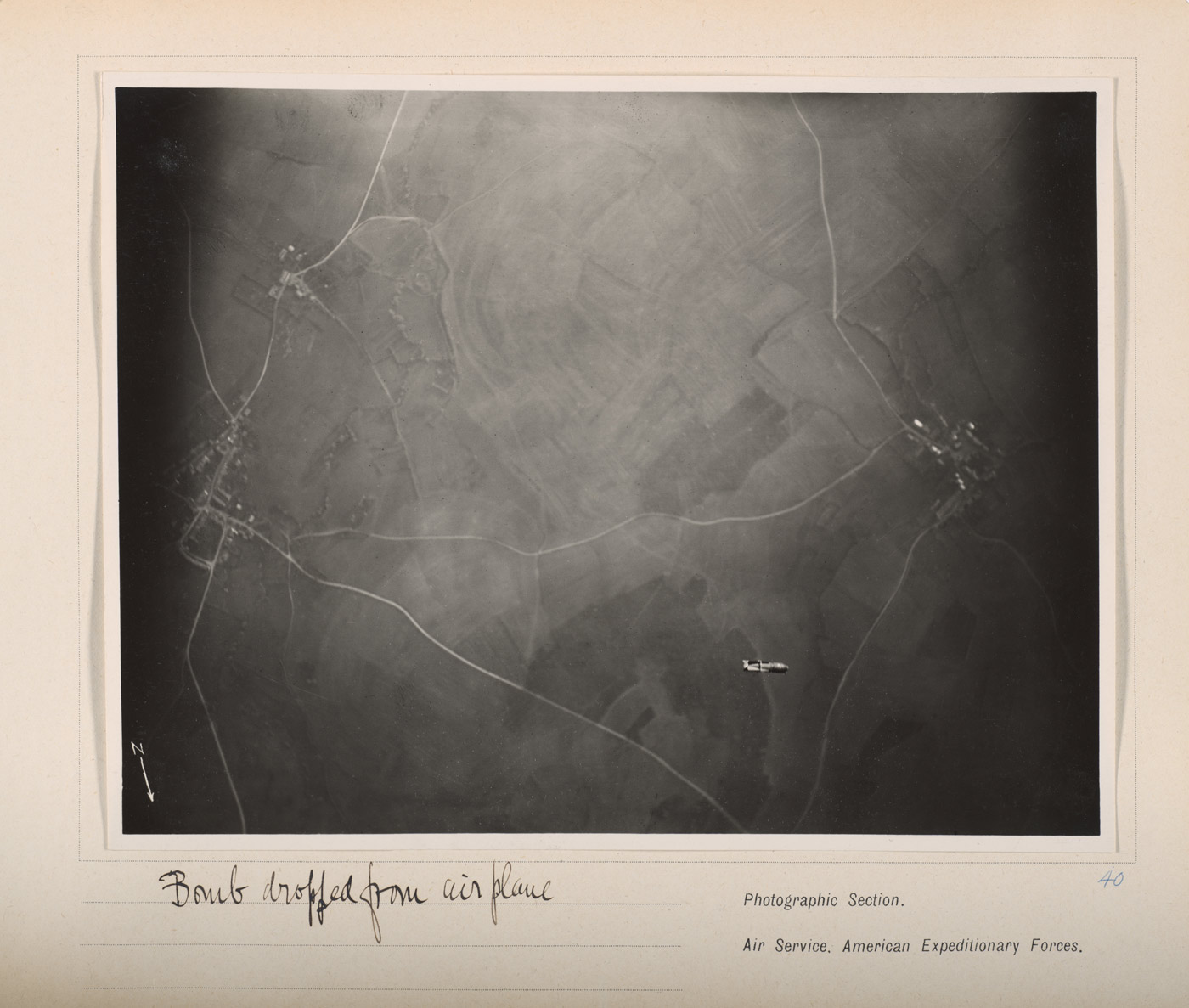
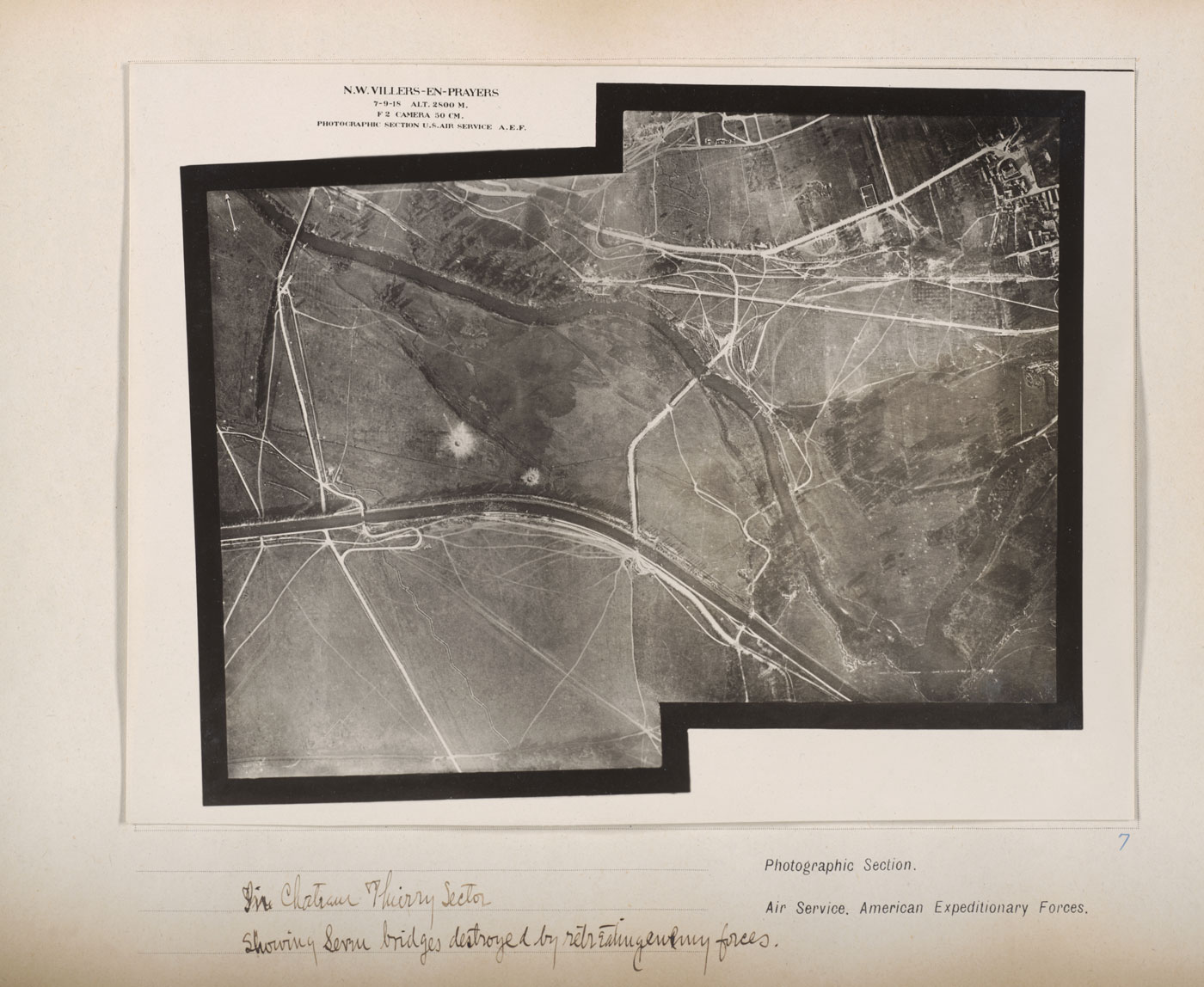
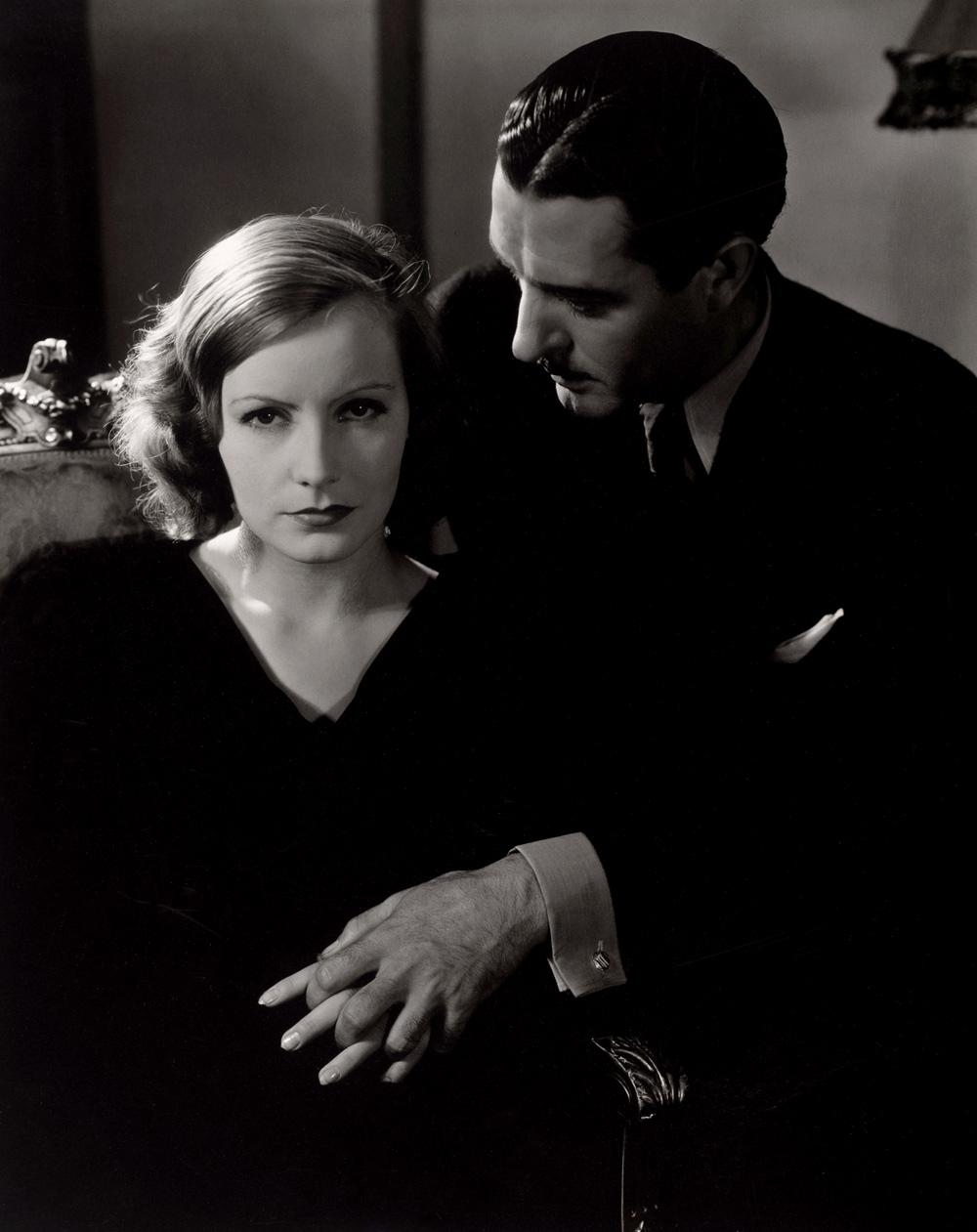


![Eugène Atget (French, Libourne 1857-1927 Paris) 'Untitled [Atget's Work Room with Contact Printing Frames]' c. 1910](https://artblart.com/wp-content/uploads/2014/04/atgets-work-room-web1.jpg "Eugène Atget (French, Libourne 1857-1927 Paris) 'Untitled [Atget's Work Room with Contact Printing Frames]' c. 1910")
![Eugène Atget (French, Libourne 1857–1927 Paris) 'Untitled [Atget's Work Room with Contact Printing Frames]' c. 1910 (detail)](https://artblart.com/wp-content/uploads/2014/04/atget-workroom-detail-web.jpg "Eugène Atget (French, Libourne 1857–1927 Paris) 'Untitled [Atget's Work Room with Contact Printing Frames]' c. 1910 (detail)")

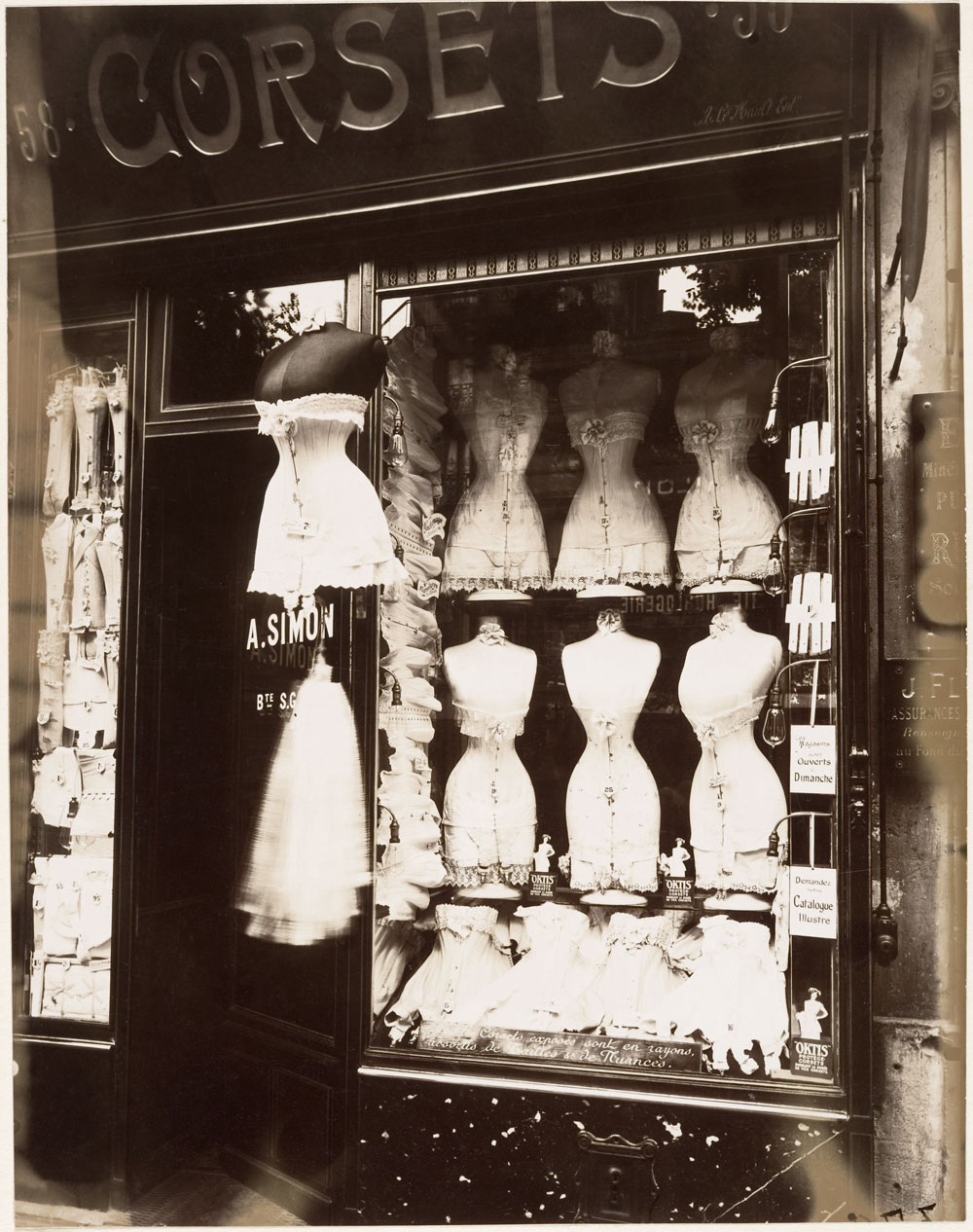
![Marie-Charles-Isidore Choiselat (French, 1815-1858) Stanislas Ratel (French, 1824-1904) 'Untitled [The Pavillon de Flore and the Tuileries Gardens]' 1849](https://artblart.com/wp-content/uploads/2014/04/the-pavillon-de-flore-web.jpg "Marie-Charles-Isidore Choiselat (French, 1815-1858) Stanislas Ratel (French, 1824-1904) 'Untitled [The Pavillon de Flore and the Tuileries Gardens]' 1849")


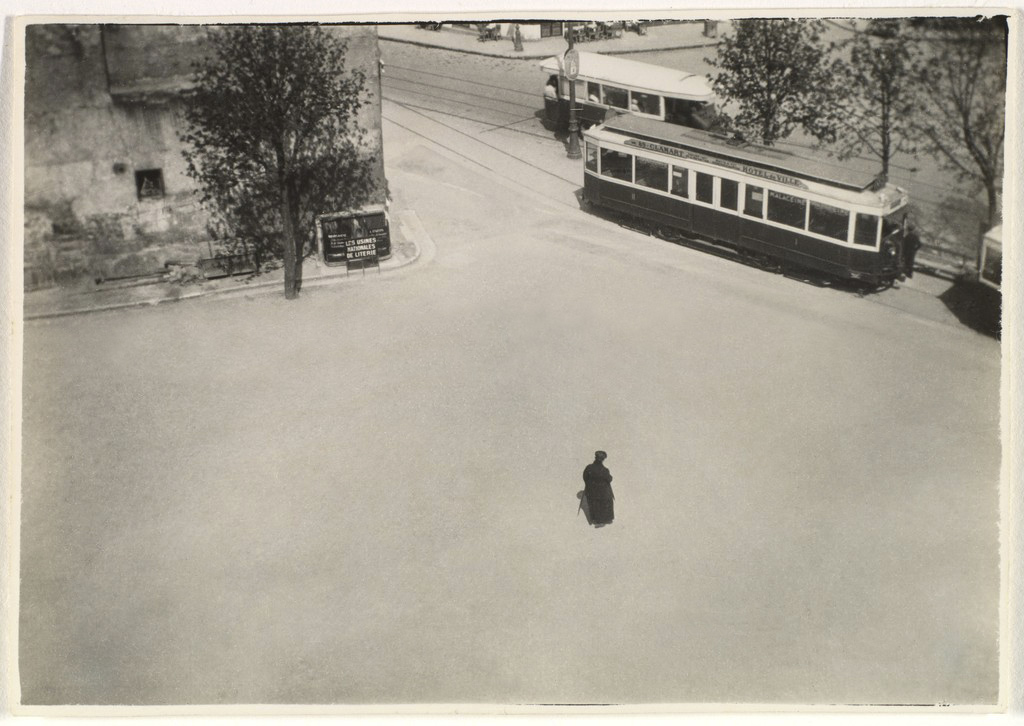


![Edward J. Steichen (American born Luxembourg, Bivange 1879 - 1973 West Redding, Connecticut) 'Untitled [Brancusi's Studio]' c. 1920](https://artblart.com/wp-content/uploads/2014/04/edward_steichen_brancusis_studio_1920-web.jpg "Edward J. Steichen (American born Luxembourg, Bivange 1879 - 1973 West Redding, Connecticut) 'Untitled [Brancusi's Studio]' c. 1920")

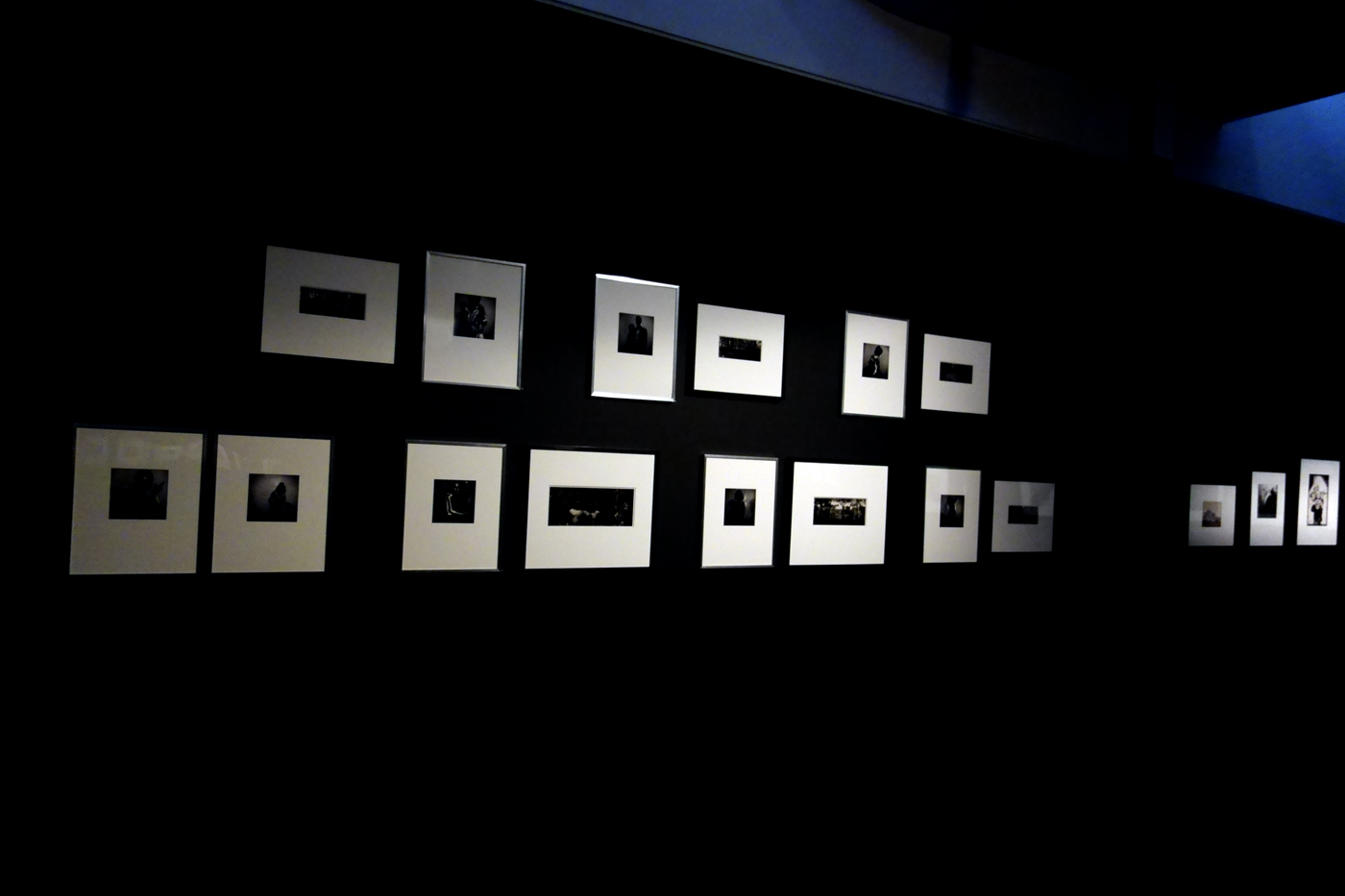

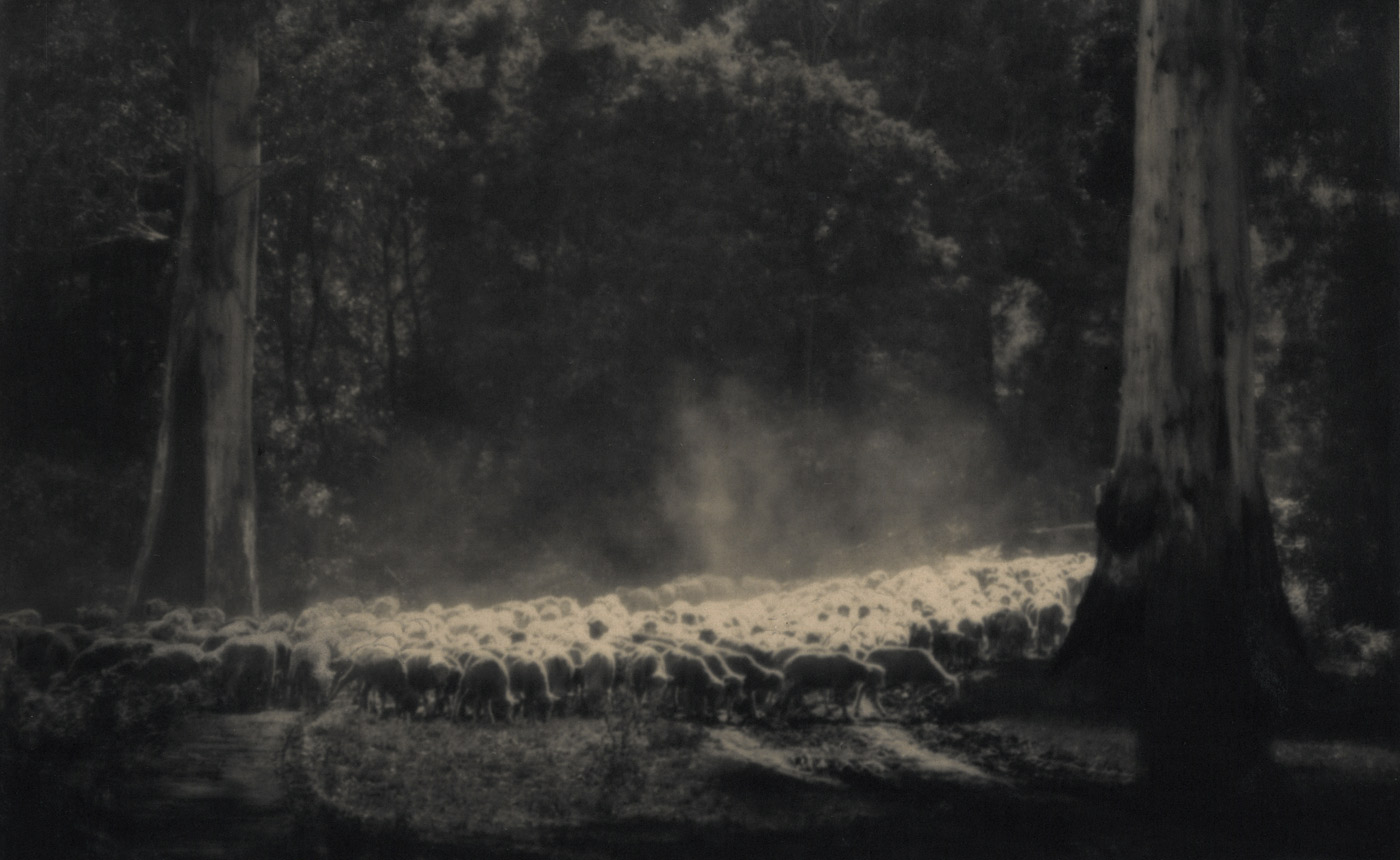


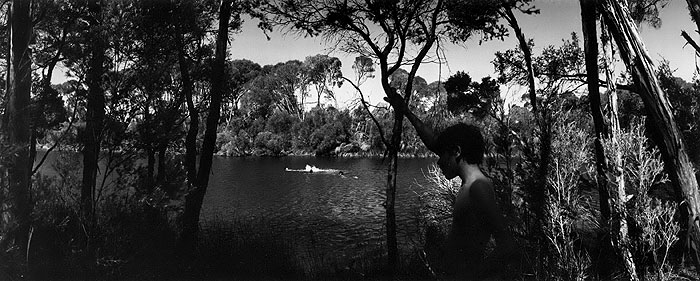


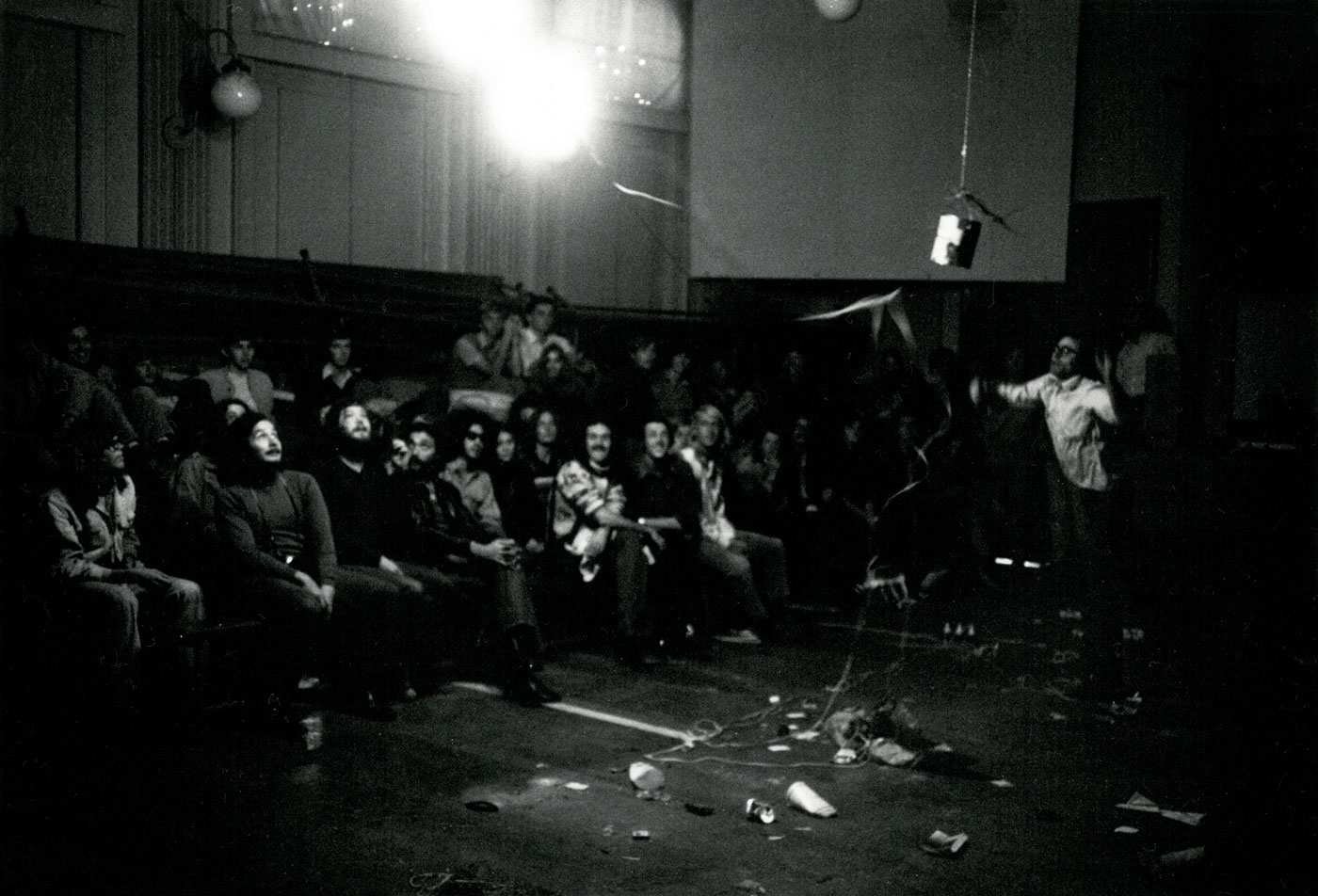


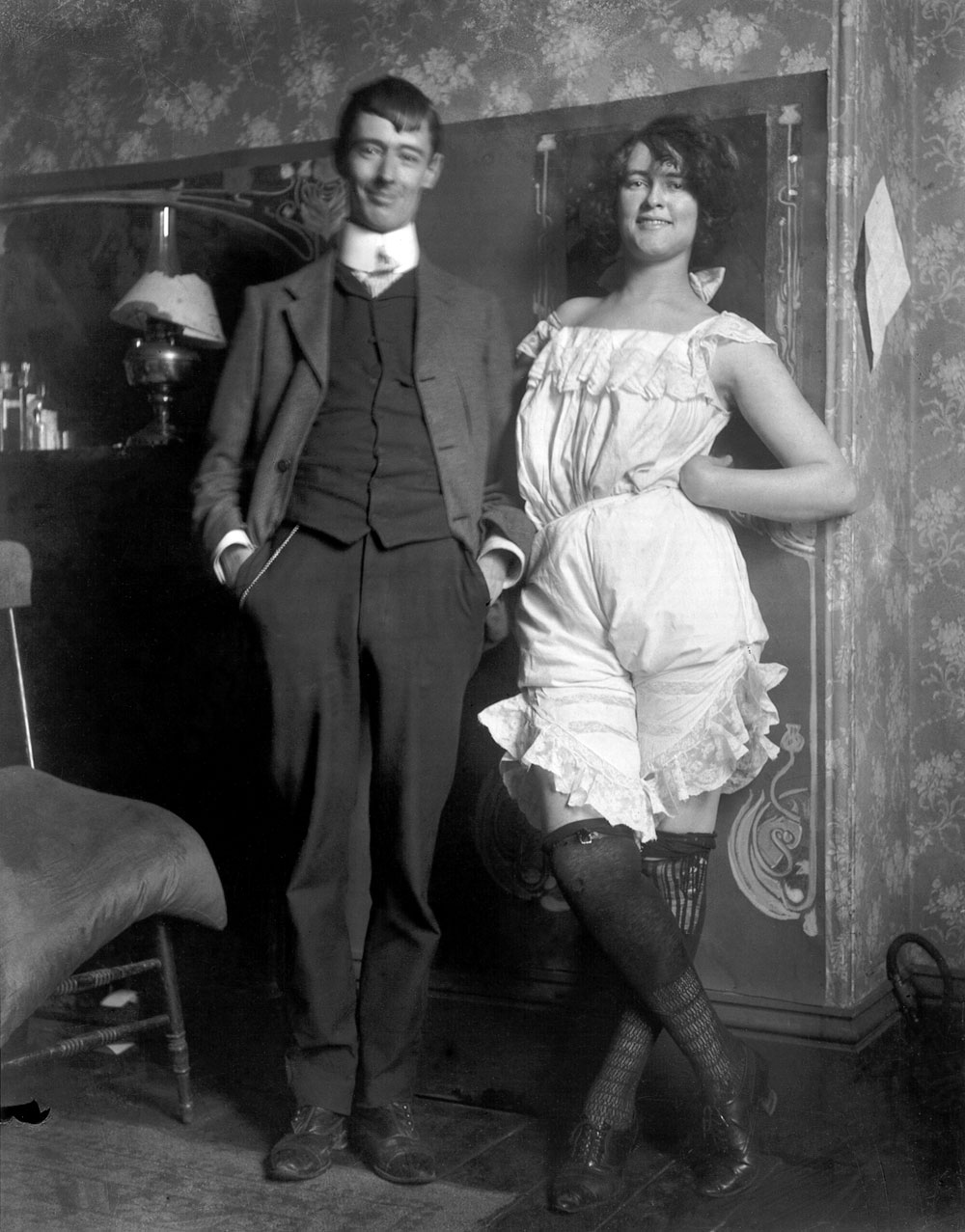
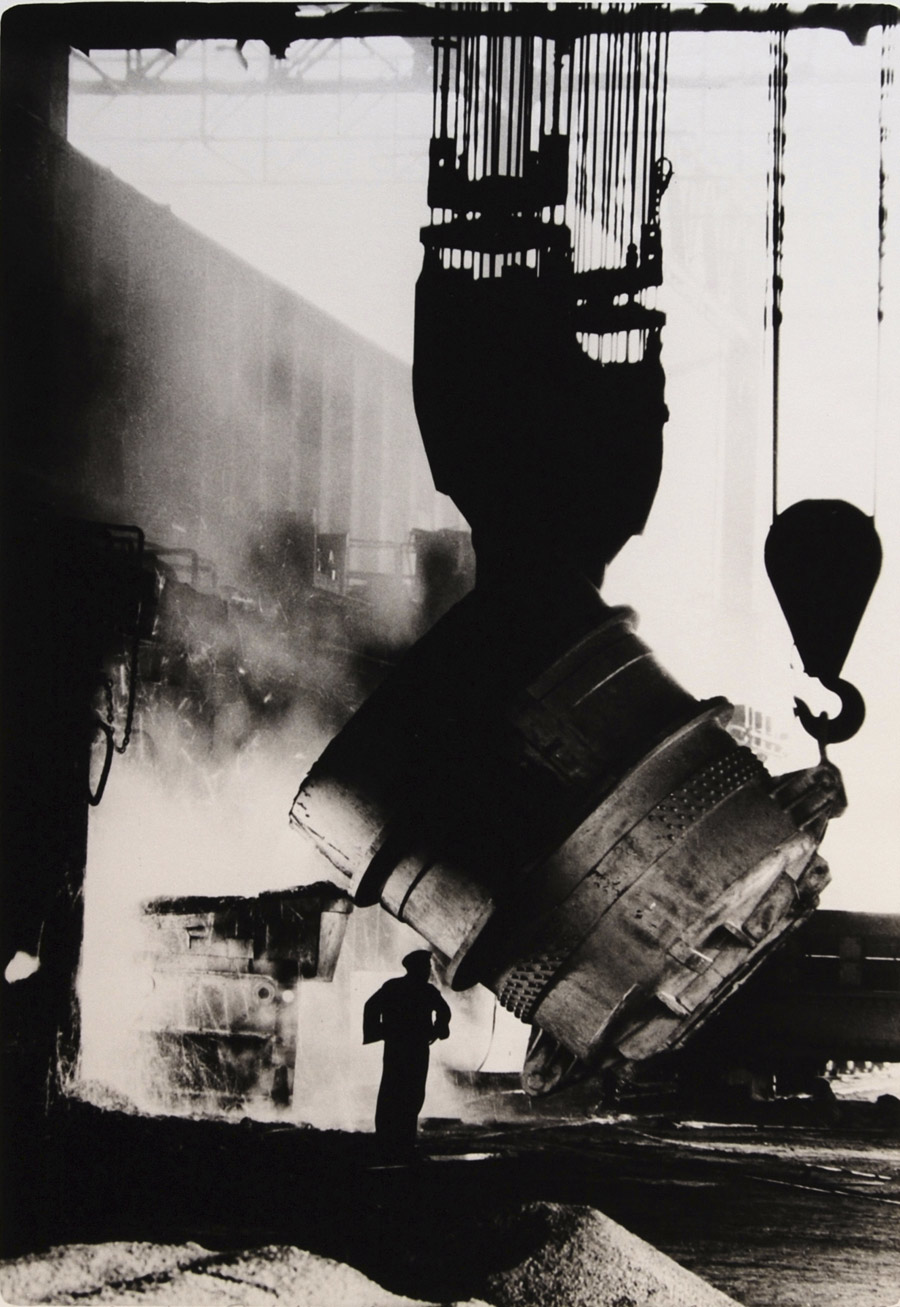
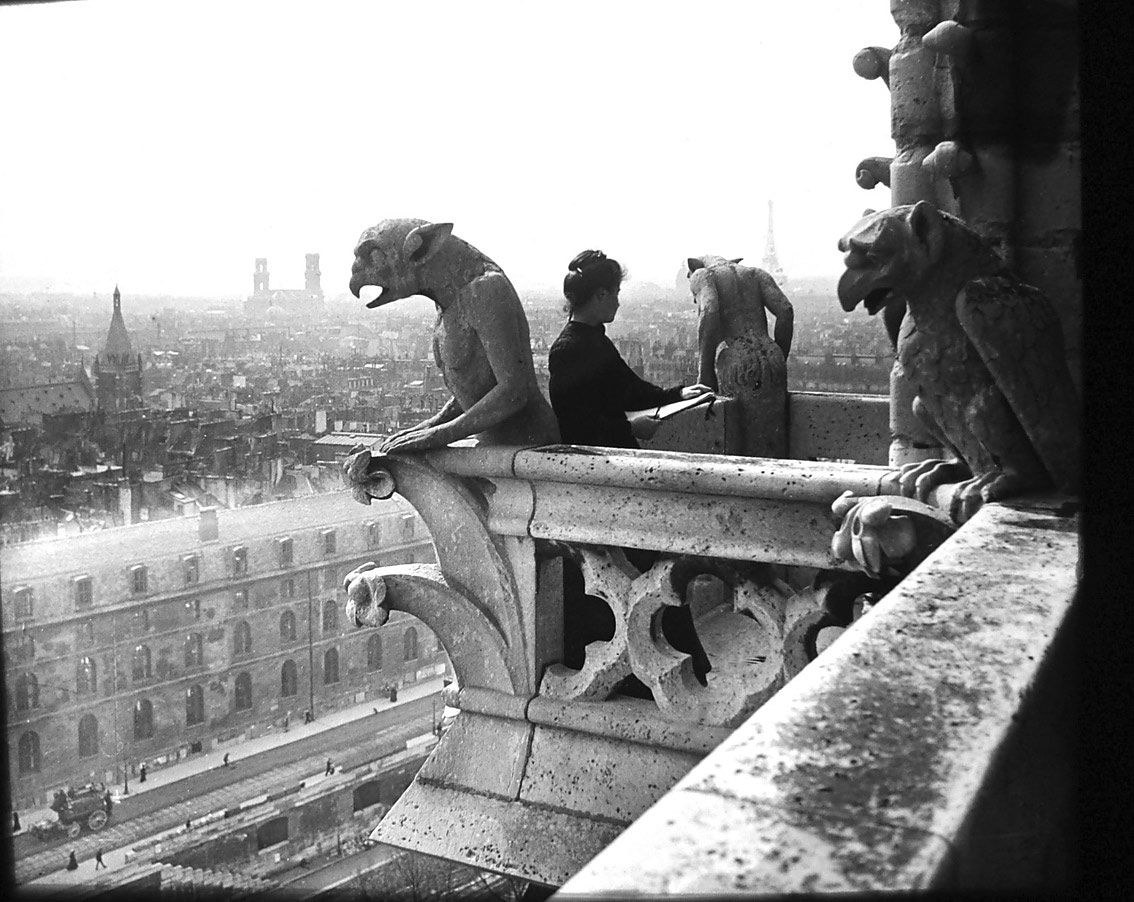
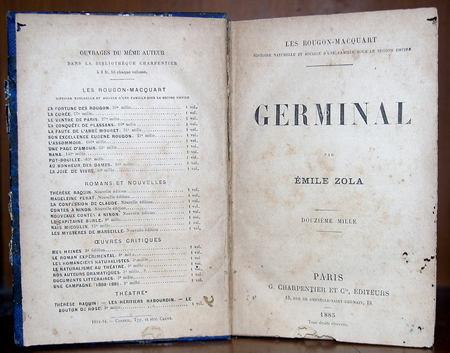
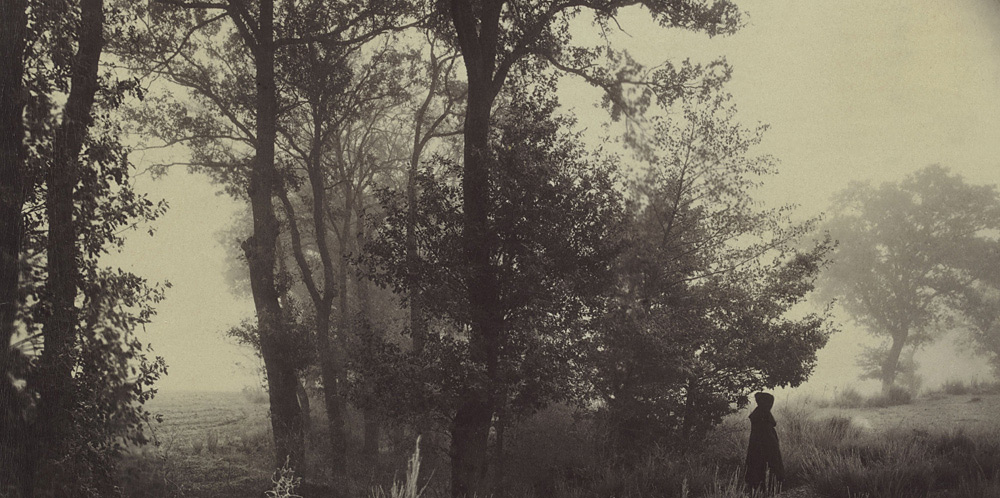
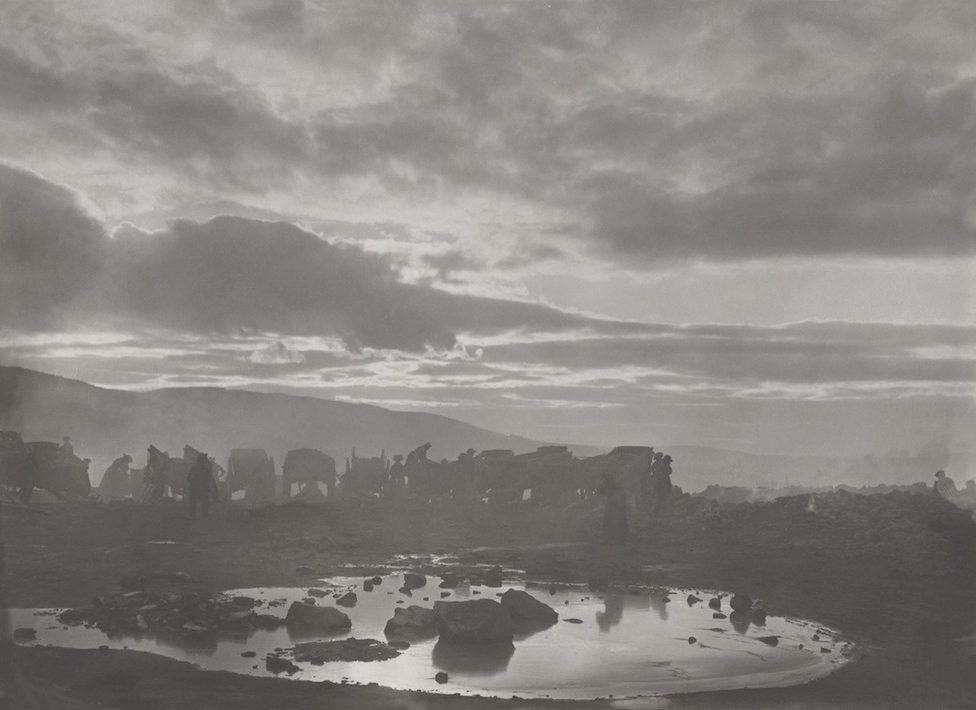
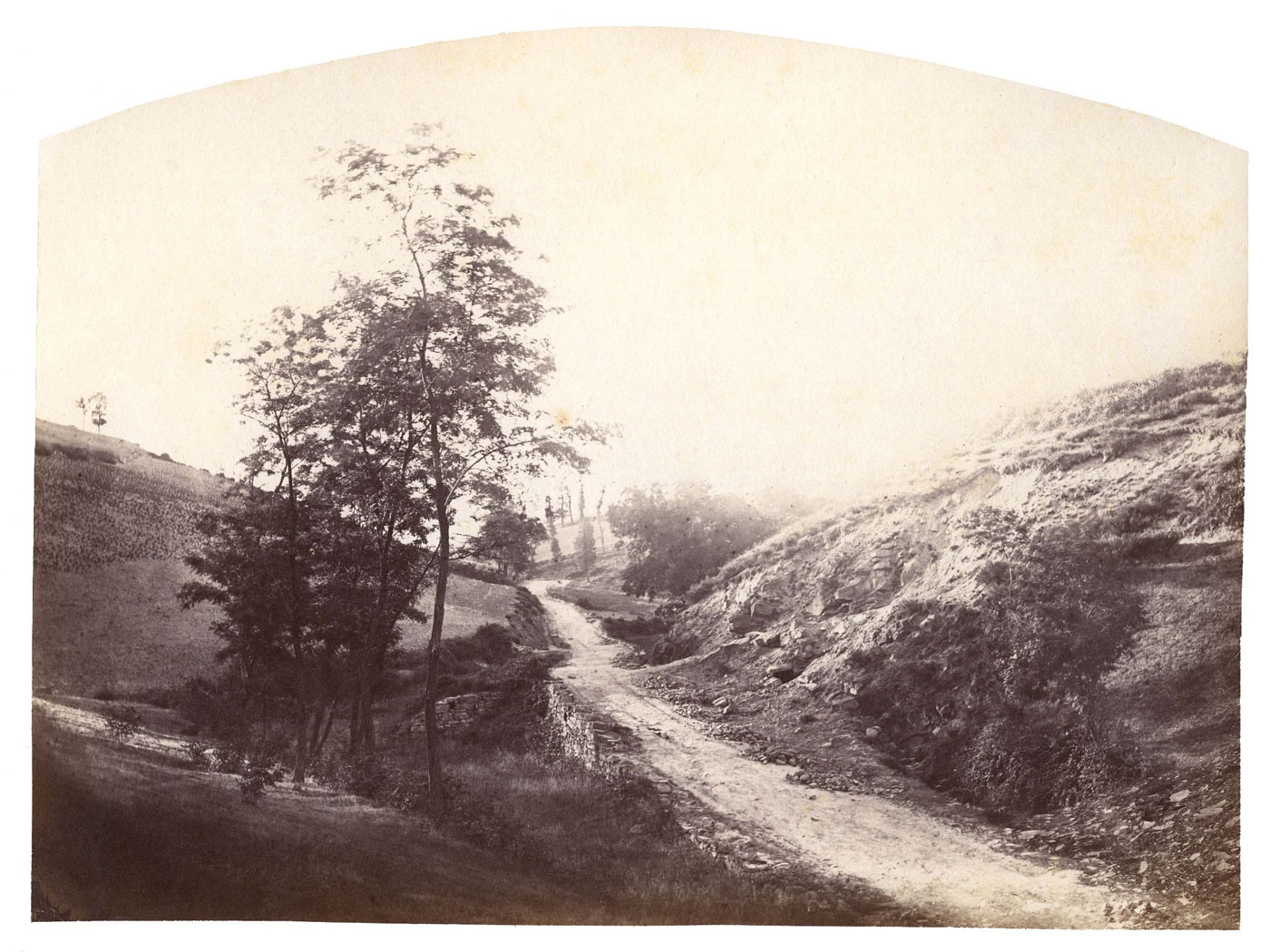
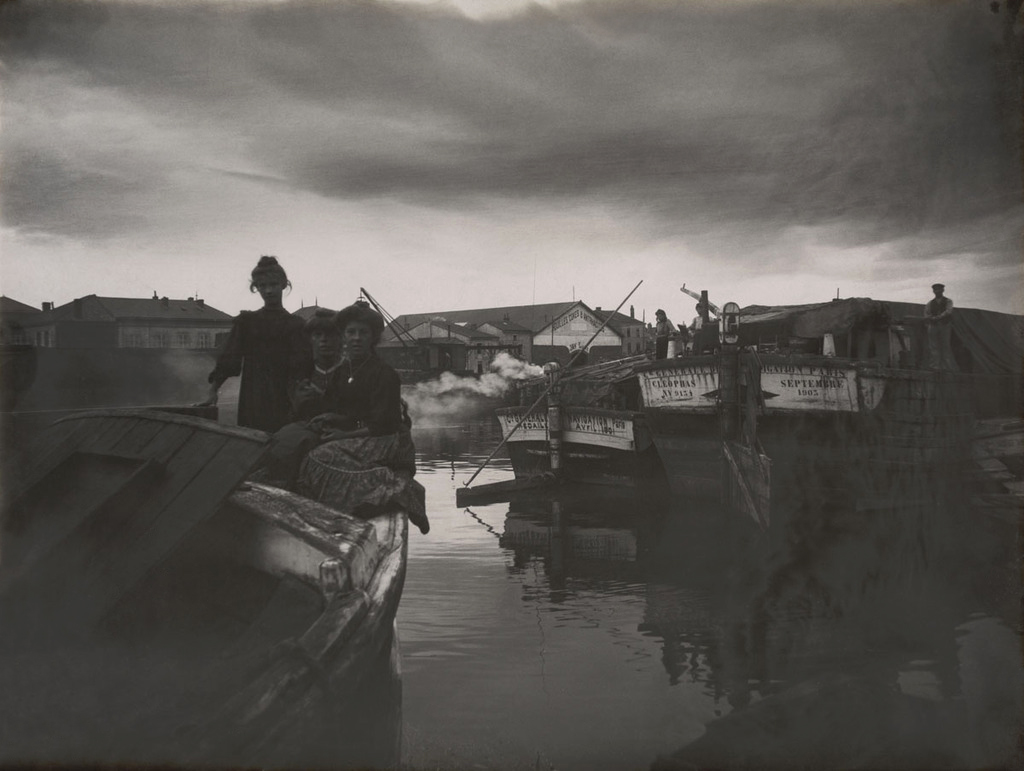
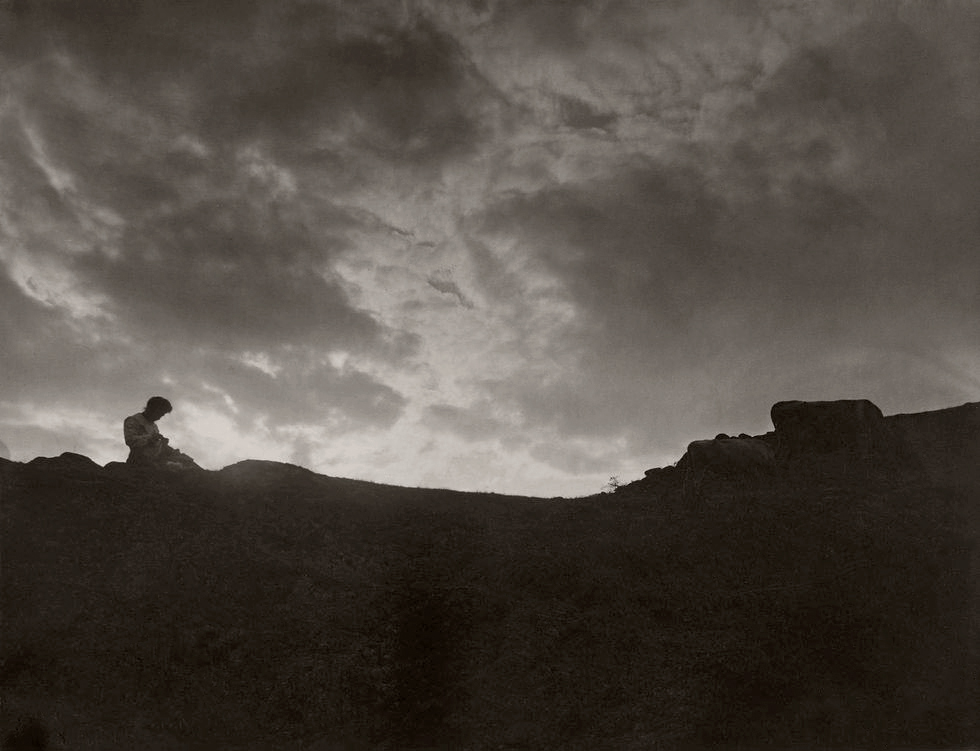
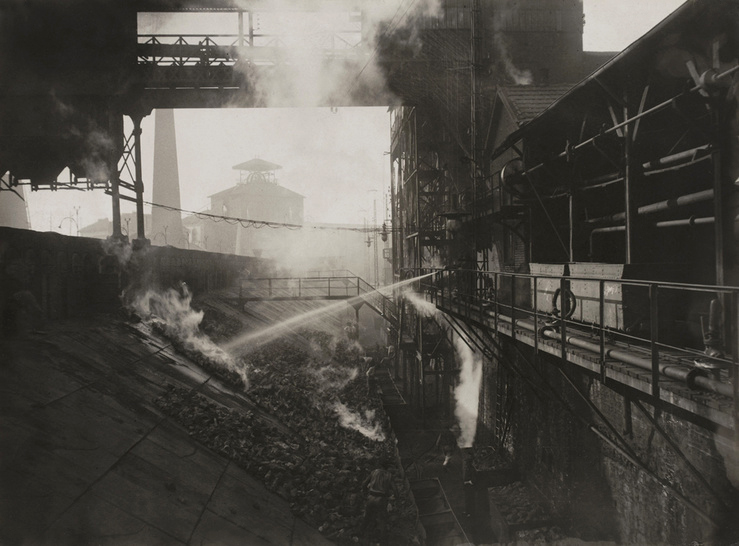
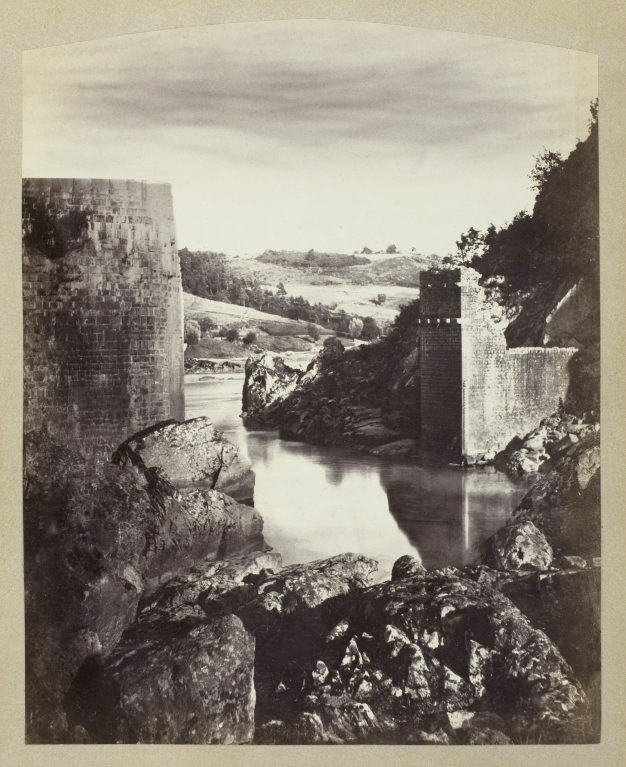
 Art Blart _ art and cultural memory archive
You must be logged in to post a comment.