Bearing witness – in private, in public, through creative judgement, editing and the selection process
“Bearing witness is a term that, used in psychology, refers to sharing our experiences with others, most notably in the communication to others of traumatic experiences. Bearing witness is a valuable way to process an experience, to obtain empathy and support, to lighten our emotional load via sharing it with the witness, and to obtain catharsis. Most people bear witness daily, and not only in reaction to traumatic events. We bear witness to one another through our writing, through art, and by verbally simply sharing with others.
In legal terms, witness is derived from a root meaning “to bear in mind;” “to remember;” “to be careful.” A witness in this light can be defined as one who has knowledge of something by recollection and experience, and who can tell about it accurately. By this definition, we are all witnesses for one another, whether or not by choice. Some instances of bearing witness, whether legally or psychologically, do not require the permission of the witness. At other times, the witness is a willing and active participant.
Art is a wonderful avenue for us to bear witness…”
Many thankx to Museum für Kunst und Gewerbe Hamburg for allowing me to publish the photographs in the posting. Please click on the photographs for a larger version of the image.
The exhibition DELETE at the Museum für Kunst und Gewerbe Hamburg (MKG) explores the production conditions under which photojournalists work and the selection processes their photographs go through before journals and magazines print them. How do publishers, editors, authors, and graphic designers influence the photographers’ work and the expressive force of their pictures? What requirements do the commissioned reports have to fulfil? What mechanisms determine which photos are shown and which never see the light of day? What then ends up being remembered, and what is forgotten? Guided by these questions, the MKG takes a look at four reportages from 1968 to 1983. On view are some 60 reportage photographs, four photo-spreads from the magazines, Stern, Playboy, Kristall, and Der Bote für die evangelische Frau, and four interview films which the photographers made for the exhibition. By comparing and contrasting the published photo-spreads with the original contact sheets as well as with the pictures selected by the photographers for the museum collection, and based on the photographers’ own accounts, viewers can discover the background behind the selection process, how journalists work, and what scope photographers are given to exercise their own creative judgement. The historical works by Thomas Hoepker, Ryūichi Hirokawa, Günter Hildenhagen, and Hanns-Jörg Anders are supplemented by a contemporary art film by Sirah Foighel Brutmann and Eitan Efrat that illuminates the selectivity of memory from an artistic perspective.
The exhibition DELETE is part of the 7th Triennial of Photography Hamburg, which is taking place from 8 June until 25 November 2018 under the motto Breaking Point.
Text from the Museum für Kunst und Gewerbe Hamburg website
“It was 1963 and I was on the staff of Kristall magazine in Germany when the editor asked me if I would be interested in taking a road trip across America with a writer friend of mine. I said, “Of course, but what do you want us to report on?” He simply answered, “show us the United States outside of the big cities and the well-known tourist spots. Show us what it’s like to live there for ordinary people.”
“This was a typical assignment in that period. It was still post-war Germany; people had not traveled widely, television was in its infancy and the magazine’s readers simply wanted to see and read about foreign countries. So we rented a car and drove it from New York to Los Angeles and back, looking at Middle America. The trip took us three months. My pictures were later printed in Kristall, covering twenty-five pages in five consecutive issues.”
The Sabra and Shatila massacre (also known as the Sabra and Chatila massacre) was the killing of between 460 and 3,500 civilians, mostly Palestinians and Lebanese Shiites, by a militia close to the Kataeb Party, also called Phalange, a predominantly Christian Lebanese right-wing party in the Sabra neighbourhood and the adjacent Shatila refugee camp in Beirut, Lebanon. From approximately 18.00 on 16 September to 08.00 on 18 September 1982, a widespread massacre was carried out by the militia under the eyes of their Israeli allies. The Phalanges, allies to the Israeli Defence Forces (IDF), were ordered by the IDF to clear out Palestine Liberation Organization (PLO) fighters from Sabra and Shatila, as part of the IDF manoeuvring into West Beirut. The IDF received reports of some of the Phalanges atrocities in Sabra and Shatila but failed to stop them.
The massacre was presented as retaliation for the assassination of newly elected Lebanese president Bachir Gemayel, the leader of the Lebanese Kataeb Party. It was wrongly assumed by the Phalangists that Palestinian militants had carried out the assassination. In June 1982, the Israel Defense Forces had invaded Lebanon with the intention of rooting out the PLO. By mid-1982, under the supervision of the Multinational Force, the PLO withdrew from Lebanon following weeks of battles in West Beirut and shortly before the massacre took place. Various forces – Israeli, Phalangists and possibly also the South Lebanon Army (SLA) – were in the vicinity of Sabra and Shatila at the time of the slaughter, taking advantage of the fact that the Multinational Force had removed barracks and mines that had encircled Beirut’s predominantly Muslim neighbourhoods and kept the Israelis at bay during the Beirut siege. The Israeli advance over West Beirut in the wake of the PLO withdrawal, which enabled the Phalangist raid, was considered a violation of the ceasefire agreement between the various forces. The Israeli Army surrounded Sabra and Shatila and stationed troops at the exits of the area to prevent camp residents from leaving and, at the Phalangists’ request, fired illuminating flares at night.
According to Alain Menargues, the direct perpetrators of the killings were the “Young Men”, a gang recruited by Elie Hobeika, a prominent figure in the Phalanges, the Lebanese Forces intelligence chief and liaison officer with Mossad, from men who had been expelled from the Lebanese Forces for insubordination or criminal activities. The killings are widely believed to have taken place under Hobeika’s direct orders. Hobeika’s family and fiancée had been murdered by Palestinian militiamen, and their Lebanese allies, at the Damour massacre of 1976, itself a response to the 1976 Karantina massacre of Palestinians and Lebanese Muslims at the hands of Christian militants. Hobeika later became a long-serving Member of the Parliament of Lebanon and served in several ministerial roles. Other Phalangist commanders involved were Joseph Edde from South Lebanon, Dib Anasta, head of the Phalangist Military Police, Michael Zouein, and Maroun Mischalani from East Beirut. In all 300-400 militiamen were involved, including some from Sa’ad Haddad’s South Lebanon Army.
In 1983, a commission chaired by Seán MacBride, the assistant to the UN Secretary General and President of United Nations General Assembly at the time, concluded that Israel, as the camp’s occupying power, bore responsibility for the violence. The commission also concluded that the massacre was a form of genocide.
In 1983, the Israeli Kahan Commission, appointed to investigate the incident, found that Israeli military personnel, aware that a massacre was in progress, had failed to take serious steps to stop it. The commission deemed Israel indirectly responsible, and Ariel Sharon, then Defense Minister, bore personal responsibility “for ignoring the danger of bloodshed and revenge”, forcing him to resign.
The four historical reportages deal with such diverse themes as the situation of blacks in the USA around 1963, the escalation of the conflict in Northern Ireland in 1969, the Sabra and Shatila massacre in Beirut in 1982, and the relationship of a disabled homosexual couple in a care facility from 1976 to 1999. These topics have lost nothing of their pertinence today – we need only think of the continuing racial conflicts in the USA, the renewed concerns about Northern Ireland with the prospect of the Brexit, or the treatment of the physically and mentally disabled. The exhibition does not aim to delve in depth into the complex historical incidents pictured, however, but rather to shed light on the power structures that determine what we remember about them. According to Michel Foucault, it is the limitations of the speakable that establish and define the discourse on what a society remembers and what is forgotten. The focus of the exhibition is thus on the mechanisms and processes of image selection and exclusion, with the aim of sensitising viewers to just how selective the contents of media reporting really are.
Thomas Hoepker (b. 1936) presents an epoch-making photo report on the USA, which he put together in the autumn of 1963 for the magazine Kristall. Several of his photos show black children growing up in poverty and desolation. Hoepker thus addresses racial segregation, one of the most pressing social problems facing the USA, and yet hardly any space was devoted to this issue in the photo-spreads printed across a total of 56 pages in six issues of Kristall during the year 1964. Although in the interview Hoepker describes selecting photos for the magazine as a collaborative effort between the author, photographer, and picture editors, the editor-in-chief always had the last word. The reportage photos that Hoepker handed over to MKG reflect his consuming interest in the situation of blacks in America. This discrepancy illustrates how events and situations may be evaluated very differently by photographers and editorial departments, and shows that photographers, although working on commission, view themselves as independent authors with their own agenda.
Thomas Hoepker taught himself photography and worked from 1960 alternately freelance and as a staff photographer for magazines, from 1962 for Kristall and from 1964 for Stern. He produced television documentaries in the 1970s. From 1978 to 1981, he was editor-in-chief of Geo magazine and from 1986 to 1989 art director at Stern. Hoepker has been a member of Magnum Photos since 1989.
Hanns-Jörg Anders (b. 1942) documented for Stern magazine the escalation of violence between Catholics and Protestants in Northern Ireland in 1969. He was working as a staff photographer for the magazine and largely left the selection of images for the report up to the picture editors. Anders’s colleague Gilles Caron took the rolls of film he had shot to Paris and sent them from there to the magazine in Hamburg. By the time Anders returned from his trip, the picture editors at Stern had already selected three photos for publication. The report focused on the street fighting in Belfast and Londonderry, showing demonstrators throwing stones, smoke, and heavily armed policemen – visuals that have dominated media coverage from the Prague Spring to the G20 summit. The photos in which Anders documented the social consequences of the civil war were passed over. Among them was the image We Want Peace, which Anders only discovered while subsequently reviewing his contact sheets, submitting it that same year to the World Press Photo Award contest. The picture shows a man wearing a gas mask leaning against a dark wall which is emblazoned with large white letters spelling “We Want Peace.” The photo won the award and is today an iconic image expressing the despair of people caught up in civil wars. In the interview film, Anders looks back on photojournalists’ work process in the days of analogue photography and the pre-eminence of the picture editors. As the exposed film was often not developed until it reached the editorial departments, photographers had no way of reviewing their own shots on site and thus no say in the selection of motifs for publication.
Hanns-Jörg Anders did commercial training and began working as a self-taught photographer in 1967. He was hired by Stern in 1968 and traveled the world doing reports for the magazine until retiring in 2002.
The Japanese journalist Ryūichi Hirokawa (b. 1943) photographed the scenes of the 1982 Sabra and Shatila massacre in Beirut on his own initiative, bringing to light the murder of hundreds of Palestinian refugees during the Lebanese Civil War. Hirokawa portrayed desperate survivors but mainly focused his lens on the numerous corpses strewn across the streets. He confronts the viewer with shocking images of the maimed faces and bodies of the victims. His report thus raises a question that still remains unanswered today: What role should be given in media coverage to photos that are meant to shock, and what should or must one be willing to expose viewers to? Hirokawa attaches great importance to retaining control over his images. He therefore decided against selling these photos to the Associated Press agency so that he could choose for himself how they would be used and published. Hirokawa’s Israel-critical photos were published in Yomiuri Shimbun, one of the most widely read Japanese daily papers at the time, in the magazine Shagaku, and in the Japanese Playboy.
Ryūichi Hirokawa was active in the Japanese student movement and uses the camera to express his political convictions. In 1967, he worked in an Israeli kibbutz and conceived a book about destroyed Palestinian villages, which was published in Japan in 1970. After returning to Japan, Hirokawa was a staff member in the Japanese office of the Palestine Liberation Organization (PLO).
Günter Hildenhagen (b. 1935) has been active as a freelance photojournalist since the mid-1960s, taking photos at hospitals, care facilities, and charitable organisations. He concentrates on portraits of individuals and images showing people relating to one another on equal terms. In 1976, the Wittekindshof, a care facility for the physically and mentally disabled, hired Hildenhagen and the journalist Maria Urbanczyk to portray the institute. Among the residents of the home, the photographer’s attention was drawn especially to a deaf Iranian named Mehri and his partner Karlheinz, who suffered from spastic paralysis. The two men had been living at the Wittekindshof since their youth and had become friends in the late 1950s, and ultimately also lovers. Hildenhagen was fascinated by how the friends had found their own form of communication, which remained incomprehensible to outsiders. He put these strengths and the personal story of his subjects at the centre of his reportage, thus going far beyond what his contemporaries were generally willing to acknowledge about disabled people, their abilities, their needs, and their sexuality. Unable to find a magazine willing to publish his story, Hildenhagen chose the exhibition format as a way to present his pictorial account to the public.
Günter Hildenhagen apprenticed with Pan Walther and then studied photography with Otto Steinert. He has been working as a freelance photojournalist since 1965. Hildenhagen started specialising in social issues early on, working for charitable organisations such as Diakonie and the German Caritas association.
The artist duo Sirah Foighel Brutmann (b. 1983) and Eitan Efrat (b. 1983) explore in their film Printed Matter (2011) the archive of the press photographer André Brutmann (1947-2002), who worked in Israel and Palestine from the early 1980s until 2002. On the basis of contact sheets and negatives that are placed one after the other on a light table, the viewer learns in chronological order of the events of the years 1982 to 2002. The material gives us an in-depth look at the day-to-day work of a photojournalist. The documented events range from politicians’ speeches, to fashion shows, to the battles of the first and second Intifadas in Israel (1987-1993, 2000-2005) and the assassination of Israeli Prime Minister Yitzhak Rabin in 1995. In the film, André Brutmann’s partner Hanna Foighel comments on the contact sheets, which are repeatedly interrupted by pictures of family life. Political history is thus interwoven with the private realm. The film presents the photographer as a chronicler of the times but at the same time questions the notion of the photojournalist as a neutral observer, underlining how he is wrapped up in both his own private life and the events of the day.
Sirah Foighel Brutmann and Eitan Efrat collaborate on audiovisual projects. They deal in their works with the spatial and temporal aspects of reading images. Printed Matter, too, addresses in this way the relationship between spectators and history as well as the time-bound nature of narratives and memories.
Text from the Museum für Kunst und Gewerbe Hamburg website
NICARAGUA. Esteli. 1979. Sandinistas at the walls of the Esteli National Guard headquarters
The second of a double header from Jeu de Paume, Paris.
Whatever you write or say doesn’t matter. It’s the images that matter, the work before you.
Meiselas’ work offers respect, that is the key word, respect for the individuality of the people she photographs. You can feel it in her images; it is what gives them their power. Unlike the previous posting on the work of Raoul Hausmann, where it was all about the photographer, here the work is authored but the photographs are all about the subject: their place in the world, their trials and tribulations.
Meiselas’ photographs are very strong – graphic work (in form and declaration) balanced with an existential, human touch. Meiselas questions the nature of the original photograph and photographic process in order to understand how the photograph and its ongoing testimonies change in specific times and places, by developing multilayered narratives which integrate the participation of her subjects into her works. As such they are as much meditations on the human condition as much as mediations between place, her role as witness, storytelling, and how the meaning of images changes according to the context of their diffusion, which is facilitated by technology.
On the compilation of her visual histories, I can’t put it better than the text below:
“Lauded documentary photographer Susan Meiselas has been working at the nexus of history, politics, ethnography, art, and storytelling throughout her prolific career, producing multi-layered photographic narratives about individuals and societies across the U.S. and the world. Sensitive to both the potential and limitations of images, the 1992 MacArthur Fellow approaches her projects aware of their inevitable impartiality and incompleteness, supplementing her own photographs with texts, interviews, archival images, and other forms of documentation. “My projects are authored but I’d like to think they are not authoritative,” she says.”1
Dr Marcus Bunyan
1/ Anonymous text. “About Susan Meiselas” on the Artsy website Nd [Online] Cited 14/02/2022
Many thankx to Jeu de Paume for allowing me to publish the photographs in the posting. Please click on the photographs for a larger version of the image.
“It is important to me – in fact, it is central to my work – that I do what I can to respect the individuality of the people I photograph, all of whom exist in specific times and places.”
“This photograph is for whom. And so, for a long time that’s been the question motivating almost everything that I do.”
Susan Meiselas
A member of Magnum Photos since 1976, Susan Meiselas questions documentary practice. She became known through her work in conflict zones of Central America in the 1970s and 1980s in particular due to the strength of her colour photographs. Covering many subjects and countries, from war to human rights issues and from cultural identity to the sex industry, Meiselas uses photography, film, video and sometimes archive material, as she relentlessly explores and develops narratives integrating the participation of her subjects in her works. The exhibition highlights Susan Meiselas’ unique personal as well as geopolitical approach, showing how she moves through time and conflict and how she constantly questions the photographic process and her role as witness.
Susan Meiselas: Mediations at Jeu de Paume on Vimeo
USA. Essex Junction, Vermont. 1973. Lena after the show
“Meiselas is known for her searing, visceral photographs of civil unrest and political revolution around the world, from Central America to Kurdistan. However, it is her “Carnival Strippers” that defines her career for many.”
Meiselas’s first major photographic essay focused on the lives of women performing striptease at New England country fairs, whom she photographed during three consecutive summers while teaching photography in New York City public school classrooms. Carnival Strippers was originally published in 1976 with a new edition of the book (which included a CD of the audio recordings) produced by Steidl / Whitney in 2003. In 1976, Meiselas was invited to join the photographic cooperative Magnum Photos. Beginning in 1976, she photographed a group of young girls living in her neighbourhood of Little Italy, New York. Entitled Prince Street Girls, they inspired an on-going relationship.
Meiselas is best known for her coverage of the insurrection in Nicaragua and her documentation of human rights issues in Latin America for over a decade. In 1978 Meiselas made her first trip to Nicaragua, and that year one of her iconic images was published on the cover of the New York Times Magazine. In 1981, she published Nicaragua: June 1978-July 1979, reprinted in 2008 (with a DVD of the film “Pictures from a Revolution”) and in 2016 (with a customise AR app, to trigger film clips from the photographs). Her image of Pablo Jesús Aráuz, the ‘Molotov Man’, made on July 16, 1979 just before the triumph of the Sandinistas, has become an icon of the revolution. The image is shown recontextualised in the installation The Life of an Image: ‘Molotov Man’, 1979-2009. Meiselas served as an editor for two collaborative projects, both of which support and highlight the work of regional photographers. The first, El Salvador: The Work of Thirty Photographers, Writers and Readers, 1983, also features her own images. The second project, Chile from Within, W. W. Norton, 1991, focuses on work by photographers living under the Pinochet regime. Meiselas has also co-directed four films: Living at Risk: The Story of a Nicaraguan Family, 1986 ; Voyages, on her work in Nicaragua produced in collaboration with director M. Karlin, Pictures from a Revolution, 1991, with R. P. Rogers and A. Guzzetti; and Reframing History, 2004.
In 1992, Meiselas produced Kurdistan: In the Shadow of History, Random House, 1997; University of Chicago Press, 2008. The book was produced along with akaKURDISTAN, 1998, an online archive of collective memory, currently shown as a physical map with story books made by contributors from the Kurdish diaspora worldwide. Pandora’s Box, Trebruk/Magnum Editions, 2003, is an exploration of an underground New York S&M club that began in 1995. Both projects are shown as exhibition works.
The retrospective devoted to the American photographer Susan Meiselas (b. 1948, Baltimore) brings together a selection of works from the 1970s to the present day. A member of Magnum Photos since 1976, Susan Meiselas questions documentary practice. She became known through her work in conflict zones of Central America in the 1970s and 1980s in particular due to the strength of her colour photographs. Covering many subjects and countries, from war to human rights issues and from cultural identity to the sex industry, Meiselas uses photography, film, video and sometimes archive material, as she relentlessly explores and develops narratives integrating the participation of her subjects in her works. The exhibition highlights Susan Meiselas’s unique personal as well as geopolitical approach, showing how she moves through time and conflict and how she constantly questions the photographic process and her role as witness.
Her early works already illustrate her interest for documentary photography. Her very first project, 44 Irving Street (1971), was a series of black and white portraits. Here, she used her camera as a means of interacting with the other tenants of the boarding house where she lived during her time as a student. For Carnival Strippers (1972-1975), Meiselas followed strippers working in carnivals in New England over the course of three consecutive summers. The reportage is completed with audio recordings of the women, their clients and managers.
From this period originates also Prince Street Girls (1975-1992), which was shot in the district known as Little Italy, in New York, where Susan Meiselas still lives. She photographed a group of young girls over several years, capturing the changes that took place in their lives as they were growing up, constituting a chronicle of the evolving relationship between the young girls and the photographer.
Three important series represent the center of the exhibition: Nicaragua, El Salvador and Kurdistan. Made between the late 1970s and 2000, the works reveal the way in which the artist challenges and practises photography. During the course of her extensive travels in Latin America, over a number of decades, in times of war and peace, Meiselas returns to the sites where she took the original photographs, using the images to find the people she had met in order to pursue a record of their testimonies. With her project Mediations (1982), Susan Meiselas reveals how the meaning of images changes according to the context of their diffusion. Her novel approach is almost prophetic in a world where the diffusion of the image is facilitated by technology.
As from 1997, Meiselas addresses each conflict in a different way according to the context. Kurdistan: In the Shadow of History (1997) is an archive of the visual history of a people without a nation. Meiselas, who gathered those elements all around the world in collaboration with Kurdish people, constructed her work as an installation composed of a compilation of documents, photographs and videos.
In 1992, Meiselas, asked to contribute to an awareness campaign exposing domestic violence, began by photographing crime scenes, accompanying a team of police investigators, and then selected a number of documents with photographs from the archives of the San Francisco Police Department. This research led her to create Archives of Abuse, collages of police reports and photographs, exhibited in the city’s public spaces as posters on bus shelters.
For the retrospective at the Jeu de Paume, Susan Meiselas has created a new work, begun in 2015, based on her involvement with Multistory, a regional arts organisation based in the United Kingdom. This last series A Room of Their Own was made collaboratively in a refuge for women and focuses on domestic violence. The installation includes five narrative video works, featuring Meiselas’s photographs, first-hand testimonies, collages and drawings.
The exhibition of the Jeu de Paume is the most comprehensive retrospective of her work ever held in France. It retraces her trajectory since the 1970s as a visual artist who associates her subjects to her approach and questions the status of images in relation to the context in which they are perceived.
In the late 1970s, without an assignment of any sort, Susan Meiselas went to Nicaragua to cover the popular insurrection following the assassination of the editor of the opposition newspaper La Prensa. She became one of the most celebrated photojournalists in the world for her colour photographs of the Sandinista Popular Revolution. Some of them became icons of the Nicaraguan revolution. She didn’t see the insurrection as a series of isolated news events as a photojournalist would, but rather a historical process that was unfolding every day. Her approach was specific to the context of the conflict and the terrain.
With Mediations, 1982, the project that lends its title to this retrospective exhibition, Meiselas revealed the effects that the circulation of images produces on their meaning. At a time when, thanks to new technologies, photography has become the object of an all-reaching exchange, Meiselas’s attitude becomes unprecedented, while her archival projects constitute a valuable precedent. Two of them, the ones devoted to Nicaragua and Kurdistan, are widely represented in this exhibition.
NORTHERN IRAQ. Kurdistan. June, 1992. Widow at mass grave found in Koreme
The retrospective emphasises the development of Susan Meiselas’ photographic practice from the 1970s onwards. In most of her early work, she addresses the subjects of her portrait-based images by including them in one way or another in the process of her work. In 44 Irving Street, (1972), she asks the persons portrayed to comment on their representation and in Carnival Strippers (1975), a sound recording of the context in which the photographs are taken gives further perspective on the strippers lives. In addition to this aspect, her interest in archival documentation and the compilation of visual histories can also be traced back to this period (Lando, 1975) and one can see this develop in her research work on Kurdistan. Her treatment of images reveals that, in her artistic practice, she considers the photographic frame as a moment in time complementary to other forms of framing and capturing reality, which may be seen and reviewed over time.
I have posted on this exhibition before, when it was at the Centre Pompidou in Paris, but this iteration at SFMOMA is the exclusive United States venue for the Walker Evans retrospective exhibition – and the new posting contains fresh media images not available previously.
I can never get enough of Walker Evans. This perspicacious artist had a ready understanding of the contexts and conditions of the subject matter he was photographing. His photographs seem easy, unpretentious, and allow his sometimes “generally unaware” subjects (subway riders, labor workers) to speak for themselves. Does it matter that he was an outsider, rearranging furniture in workers homes while they were out in the fields: not at all. Photography has always falsified truth since the beginning of the medium and, in any case, there is never a singular truth but many truths told from many perspectives, many different points of view. For example, who is to say that the story of America proposed by Robert Frank in The Americans, from the point of view of an outsider, is any less valuable than that of Helen Levitt’s view of the streets of New York? For different reasons, both are as valuable as each other.
Evans’ photographs for the Farm Security Administration (FSA) documenting the effects of the Great Depression on American life are iconic because they are cracking good photographs, not because he was an insider or outsider. He was paid to document, to enquire, and that is what he did, by getting the best shot he could. It is fascinating to compare Floyd and Lucille Burroughs, Hale County, Alabama (1936, below) with Alabama Tenant Farmer Floyd Bourroughs (1936, below). In the first photograph the strong diagonal element of the composition is reinforced by the parallel placement of the three feet, the ‘Z’ shape of Lucille Burroughs leg then leading into her upright body, which is complemented by the two vertical door jams, Floyd’s head silhouetted by the darkness beyond. There is something pensive about the clasping of his hands, and something wistful and sad, an energy emanating from the eyes. If you look at the close up of his face, you can see that it is “soft” and out of focus, either because he moved and/or the low depth of field. Notice that the left door jam is also out of focus, that it is just the hands of both Floyd and Lucille and her face that are in focus. Does this low depth of field and lack of focus bother Evans? Not one bit, for he knows when he has captured something magical.
A few second later, he moves closer to Floyd Burroughs. You can almost hear him saying to Floyd, “Stop, don’t move a thing, I’m just going to move the camera closer.” And in the second photograph you notice the same wood grain to the right of Floyd as in the first photograph, but this time the head is tilted slightly more, the pensive look replaced by a steely gaze directed straight into the camera, the reflection of the photographer and the world beyond captured on the surface of the eye. Walker Evans is the master of recognising the extra/ordinary. “The street was an inexhaustible source of poetic finds,” describes Chéroux. In his creation of visual portfolios of everyday life, his “notions of realism, of the spectator’s role, and of the poetic resonance of ordinary subjects,” help Evans created a mythology of American life: a clear vision of the present as the past, walking into the future.
With the contemporary decline of small towns and blue collar communities across the globe Evans’ concerns, for the place of ordinary people and objects in the world, are all the more relevant today. As the text from the Metropolitan Museum observes, it is the individuals and social institutions that are the sites and relics that constitute the tangible expressions of American desires, despairs, and traditions. And not just of American people, of all people… for it is community that binds us together.
Dr Marcus Bunyan
Many thankx to the San Francisco Museum of Modern Art for allowing me to publish the text and photographs in the posting. Please click on the photographs for a larger version of the image.
Walker Evans is one of the most influential artists of the twentieth century. His elegant, crystal-clear photographs and articulate publications have inspired several generations of artists, from Helen Levitt and Robert Frank to Diane Arbus, Lee Friedlander, and Bernd and Hilla Becher. The progenitor of the documentary tradition in American photography, Evans had the extraordinary ability to see the present as if it were already the past, and to translate that knowledge and historically inflected vision into an enduring art. His principal subject was the vernacular – the indigenous expressions of a people found in roadside stands, cheap cafés, advertisements, simple bedrooms, and small-town main streets. For fifty years, from the late 1920s to the early 1970s, Evans recorded the American scene with the nuance of a poet and the precision of a surgeon, creating an encyclopaedic visual catalogue of modern America in the making. …
Most of Evans’ early photographs reveal the influence of European modernism, specifically its formalism and emphasis on dynamic graphic structures. But he gradually moved away from this highly aestheticised style to develop his own evocative but more reticent notions of realism, of the spectator’s role, and of the poetic resonance of ordinary subjects. …
In September 1938, the Museum of Modern Art opened American Photographs, a retrospective of Evans’ first decade of photography. The museum simultaneously published American Photographs – still for many artists the benchmark against which all photographic monographs are judged. The book begins with a portrait of American society through its individuals – cotton farmers, Appalachian miners, war veterans – and social institutions – fast food, barber shops, car culture. It closes with a survey of factory towns, hand-painted signs, country churches, and simple houses – the sites and relics that constitute the tangible expressions of American desires, despairs, and traditions.
Between 1938 and 1941, Evans produced a remarkable series of portraits in the New York City subway. They remained unpublished for twenty-five years, until 1966, when Houghton Mifflin released Many Are Called, a book of eighty-nine photographs, with an introduction by James Agee written in 1940. With a 35mm Contax camera strapped to his chest, its lens peeking out between two buttons of his winter coat, Evans was able to photograph his fellow passengers surreptitiously, and at close range. Although the setting was public, he found that his subjects, unposed and lost in their own thoughts, displayed a constantly shifting medley of moods and expressions – by turns curious, bored, amused, despondent, dreamy, and dyspeptic. “The guard is down and the mask is off,” he remarked. “Even more than in lone bedrooms (where there are mirrors), people’s faces are in naked repose down in the subway.”
Extract from Department of Photographs. “Walker Evans (1903-1975),” in Heilbrunn Timeline of Art History. New York: The Metropolitan Museum of Art, 2000 on the Metropolitan Museum of Art website October 2004 [Online] Cited 08/02/2022
“These are not photographs like those of Walker Evans who in James Agee’s account in Let Us Now Praise Famous Men tookhis pictures of the bare floors and iron bedsteads of the American mid-western sharecroppers while they were out tending their failing crops, and who even, as the evidence of his negatives proves, rearranged the furniture for a ‘better shot’. The best shot that Heilig could take was one that showed things as they were and as they should not be. …
To call these ‘socially-conscious documentary’ photographs is to acknowledge the class from which the photographer [Heilig] comes, not to see them as the result of a benign visit by a more privileged individual [Evans], however well-intentioned.”
Extract from James McCardle. “Weapon,” on the On This Day In Photography website [Online] Cited 29/01/2018
Exhibition Displays Over 400 Photographs, Paintings, Graphic Ephemera and Objects from the Artist’s Personal Collection
The San Francisco Museum of Modern Art (SFMOMA) will be the exclusive United States venue for the retrospective exhibition Walker Evans, on view September 30, 2017, through February 4, 2018. As one of the preeminent photographers of the 20th century, Walker Evans’ 50-year body of work documents and distills the essence of life in America, leaving a legacy that continues to influence generations of contemporary photographers and artists. The exhibition will encompass all galleries in the museum’s Pritzker Center for Photography, the largest space dedicated to the exhibition, study and interpretation of photography at any art museum in the United States.
“Conceived as a complete retrospective of Evans’ work, this exhibition highlights the photographer’s fascination with American popular culture, or vernacular,” explains Clément Chéroux, senior curator of photography at SFMOMA. “Evans was intrigued by the vernacular as both a subject and a method. By elevating it to the rank of art, he created a unique body of work celebrating the beauty of everyday life.”
Using examples from Evans’ most notable photographs – including iconic images from his work for the Farm Security Administration (FSA) documenting the effects of the Great Depression on American life; early visits to Cuba; street photography and portraits made on the New York City subway; layouts and portfolios from his more than 20-year collaboration with Fortune magazine and 1970s Polaroids – Walker Evans explores Evans’ passionate search for the fundamental characteristics of American vernacular culture: the familiar, quotidian street language and symbols through which a society tells its own story. Decidedly popular and more linked to the masses than the cultural elite, vernacular culture is perceived as the antithesis of fine art.
While many previous exhibitions of Evans’ work have drawn from single collections, Walker Evans will feature over 300 vintage prints from the 1920s to the 1970s on loan from the important collections at major museums including the Metropolitan Museum of Art, the Getty Museum, the Museum of Modern Art, the Art Institute of Chicago, the National Gallery of Art, Washington, D.C., the National Gallery of Canada, the Musée du Quai Branly and SFMOMA’s own collection, as well as prints from private collections from around the world. More than 100 additional objects and documents, including examples of the artist’s paintings; items providing visual inspiration sourced from Evans’ personal collections of postcards, graphic arts, enamelled plates, cut images and signage; as well as his personal scrapbooks and ephemera will be on display. The exhibition is curated by the museum’s new senior curator of photography, Clément Chéroux, who joined SFMOMA in 2017 from the Musée National d’Art Moderne of the Centre Pompidou, Paris, organiser of the exhibition.
While most exhibitions devoted to Walker Evans are presented chronologically, Walker Evans‘ presentation is thematic. The show begins with an introductory gallery displaying Evans’ early modernist work whose style he quickly rejected in favour of focusing on the visual portfolio of everyday life. The exhibition then examines Evans’ captivation with the vernacular in two thematic contexts. The first half of the exhibition will focus on many of the subjects that preoccupied Evans throughout his career, including text-based images such as signage, shop windows, roadside stands, billboards and other examples of typography. Iconic images of the Great Depression, workers and stevedores, street photography made surreptitiously on New York City’s subways and avenues and classic documentary images of life in America complete this section. By presenting this work thematically, the exhibition links work separated by time and place and highlights Evans’ preoccupation with certain subjects and recurrent themes. The objects that moved him were ordinary, mass-produced and intended for everyday use. The same applied to the people he photographed – the ordinary human faces of office workers, labourers and people on the street.
“The street was an inexhaustible source of poetic finds,” describes Chéroux.
The second half of the exhibition explores Evans’ fascination with the methodology of vernacular photography, or styles of applied photography that are considered useful, domestic and popular. Examples include architecture, catalog and postcard photography as well as studio portraiture, and the exhibition juxtaposes this work with key source materials from the artist’s personal collections of 10,000 postcards, hand-painted signage and graphic ephemera (tickets, flyers, logos and brochures). Here Evans elevates vernacular photography to art, despite his disinclination to create fine art photographs. Rounding out this section are three of Evans’ paintings using vernacular architecture as inspiration. The exhibition concludes with Evans’ look at photography itself, with a gallery of photographs that unite Evans’ use of the vernacular as both a subject and a method.
About Walker Evans
Born in St. Louis, Walker Evans (1903-1975) was educated at East Coast boarding schools, Williams College, the Sorbonne and College de France before landing in New York in the late 1920s. Surrounded by an influential circle of artists, poets and writers, it was there that he gradually redirected his passion for writing into a career as a photographer, publishing his first photograph in the short-lived avant-garde magazine Alhambra. The first significant exhibition of his work was in 1938, when the Museum of Modern Art, New York presented Walker Evans: American Photographs, the first major solo exhibition at the museum devoted to a photographer.
In the 50 years that followed, Evans produced some of the most iconic images of his time, contributing immensely to the visibility of American culture in the 20th century and the documentary tradition in American photography. Evans’ best known photographs arose from his work for the Farm Security Administration (FSA), in which he documented the hardships and poverty of Depression-era America using a large-format, 8 x 10-inch camera. These photographs, along with his photojournalism projects from the 1940s and 1950s, his iconic visual cataloguing of the common American and his definition of the “documentary style,” have served as a monumental influence to generations of photographers and artists.
Charles DeForest Fredricks (American, 1823-1894) Inmigrantes alemanes en Buenos Aires jugando cartas / German Immigrants in Buenos Aires Playing Cards c. 1852 Daguerreotype Courtesy of Carlos G. Vertanessian
Charles DeForest Fredricks (American, 1823-1894)
Charles DeForest Fredricks (December 11, 1823 – May 25, 1894) was an American photographer.
Charles D. Fredricks was born in New York City on December 11, 1823. He learned the art of the daguerreotype from Jeremiah Gurney in New York, while he worked as a casemaker for Edward Anthony. In 1843, at the suggestion of his brother, Fredricks sailed for Angostura, today Ciudad Bolívar, Venezuela. His business took him to Pará, Rio Grande do Sul, Montevideo, Buenos Aires. He enjoyed great success in South America, remaining there until some time in the early 1850s.
Following a brief period in Charleston, South Carolina, Fredricks moved to Paris in 1853. Here he became the first photographer to create life-sized portraits, which artists (like Jules-Émile Saintin) were hired to colour using pastel.
On his return to New York City, he rejoined Jeremiah Gurney, though it is not clear whether he was initially a partner or an employee. By 1854, he had developed an early process for enlarging photographs. His partnership with Gurney ended in 1855.
During the latter half of the decade he operated a studio in Havana. Here he received awards for his photographic oil colours and watercolours. During the 1860s he operated a studio on Broadway that was noted for its cartes de visites. In the early 1860s, Charles Fredricks personally photographed John Wilkes Booth (the assassin of President Lincoln) on several occasions at his studio.
He retired from photography in 1889 and died in Newark, New Jersey, five years later, on May 25, 1894.
Charles DeForest Fredricks (American, 1823-1894) Inmigrantes alemanes en Buenos Aires jugando cartas / German Immigrants in Buenos Aires Playing Cards (detail) c. 1852 Daguerreotype Courtesy of Carlos G. Vertanessian
I knew very little about Argentinian photography before researching for this posting.
Such a rich historical photographic archive – Indigenous, political, activist, performative – engaged in the dissection of national identity construction. Lots of German émigrés, lots of strong women photographers e.g. Grete Stern, Annemarie Heinrich, Julio Pantoja and Graciela Sacco.
There is a deep probing in Argentinian photography. There is the irony of the not quite right and an investigation of the dark side, of danger, fear and violence, of loss, grief, rage and resignation. As one of the sections of the exhibition is titled, of Civilisation and Barbarism. A quotation in the posting observes, “One of the most effective means to exercise control of populations in contemporary capitalism is the production of fear.” Drop dead fear.
The bloodlines of the collective consciousness of the Argentinian people run very deep. The dead ones are still there…
Apologies for the lack of photographs in The Aesthetic Gesture section, there were just no good images available.
Dr Marcus Bunyan
Many thankx to the J. Paul Getty Museum for allowing me to publish the photographs in the posting. Please click on the photographs for a larger version of the image.
From its independence in 1810 until the economic crisis of 2001, Argentina was perceived as a modern country with a powerful economic system, a strong middle class, a large European-immigrant population, and an almost nonexistent indigenous culture. This perception differs greatly from the way that other Latin American countries have been viewed, and underlines the difference between Argentina’s colonial and postcolonial process and those of its neighbours. Comprising three hundred works by sixty artists, this exhibition examines crucial periods and aesthetic movements in which photography had a critical role, producing – and, at times, dismantling – national constructions, utopian visions, and avant-garde artistic trends.
This exhibition is part of Pacific Standard Time: LA/LA, a far reaching and ambitious exploration of Latin American and Latino art in dialogue with Los Angeles, taking place from September 2017 through January 2018 at more than 70 cultural institutions across Southern California. Pacific Standard Time is an initiative of the Getty. The presenting sponsor is Bank of America.
Contradiction and Continuity examines the complexities of Argentina’s history over 160 years, stressing the creation of contradictory narratives and the role of photography in constructing them. The exhibition concentrates on photographs that are fabricated rather than found, such as narrative tableaux and performances staged for the camera. However, it also includes examples of what has been considered documentary photography but can be interpreted as imagery intended as political propaganda or expressions of personal ideology.
The exhibition comprises seven sections: Civilization and Barbarism; National Myths: The Indigenous People; National Myths: The Gaucho; National Myths: Evita and the Modern City; The Aesthetic Gesture; The Political Gesture; and Fissures. These themes were chosen to emphasise crucial historical moments and aesthetic movements in Argentina in which photography played a critical role.
Civilisation and Barbarism
In 1845 Domingo Sarmiento (1811-1888), a prominent Argentine intellectual, published the novel Facundo, subtitled Civilization and Barbarism. Sarmiento, who would later be elected president, presented his political ideas in terms of an opposition between civilisation, represented by the capital city of Buenos Aires and European culture, and barbarism, represented by colonial customs, the gauchos, and the indigenous peoples. This section of the exhibition employs these antagonistic themes to introduce some of the complexities of Argentina’s history and culture. Nineteenth-century albums show the growth and advancement of the country through views of Buenos Aires and images that refer to progressive strategies initiated during this period, including railroad construction and the development of the educational system. In contrast, the work of several contemporary artists embodies the lifestyle and popular culture of the vast interior provinces of Argentina.
Like Sarmiento, Juan Bautista Alberdi (1810-1884), another influential intellectual, viewed immigration as a definitive measure for modernising the country. In Bases, published in 1853, he addressed the necessity of implementing policies to encourage immigration. The studio photographs in this section depict the growing presence of immigrant communities. Immigration is a key component to understanding Argentine society that continues to inspire contemporary artists.
Esteban Gonnet (French, 1830-1868) Recuerdos de Beunos Ayres / Memories of Beunos Aires 1864 Page opening: La pirámide / The Pyramid Albumen print
Benito Panunzi (Italian, 1835-1896) Monument to General San Martín c. 1860-1869 Albumen print
National Myths: The Gaucho
The National Myths section of the exhibition focuses on the construction of specific state symbols, including indigenous people, the gaucho, First Lady Eva Perón, and the city of Buenos Aires. Around 1880, coinciding with increasing waves of immigration and efforts at modernisation, an avid debate on national identity arose among Argentine intellectuals and politicians.
By 1910, when the Centennial of Independence was celebrated, the gaucho emerged as an emblematic figure in the national iconography. The gaucho was already a common theme in Costumbrista (customs and character types) paintings of the eighteenth and nineteenth centuries. Criollismo (native culture), a movement of the late nineteenth century, stimulated a wider interest in gaucho-themed art, fiction, theatre, and photographs.
José Hernández’s epic narrative poem Martín Fierro (1872) and Eduardo Gutiérrez’s novel Juan Moreira (1879) were major influences. About 1890, amateur photographer Francisco Ayerza staged a series of romanticised photographs meant to illustrate a later edition of Fierro. Commercial studios accommodated women and children who wanted to be pictured as gauchos. More than a national symbol, the gaucho embodied the idealised masculinity of the virile Argentine man; the contemporary fashion photographs of Gustavo Di Mario present a queer interpretation of the gauchesque.
Francisco Ayerza (Argentinian, 1860-1901) Estudio para la edición de “Martín Fierro,” gaucho con caballo / Study for an edition of Martín Fierro, Gaucho with Horse c. 1890, print about 1900-1905 Gelatin silver print Courtesy of a private collection
Francisco Ayerza (1860 – Buenos Aires, Argentina – 1901), was a photographic artist founding member of the Argentine Photographic Society. He formed an artistic movement in Latin America .
At the end of the 19th century, Doctor Francisco Ayerza cultivated the still new photographic art as an amateur. He was one of the organizers of the Argentine Amateur Photographic Society, the first entity of the genre created in that country.
It was at Francisco Ayerza’s house (1266 Piedad Street) where a group of gentlemen met “with the aim of forming a society of photography amateurs”, which ultimately constituted the Argentine Amateur Photographic Society (1889). The following participated in the first session: Leonardo Pereyra, who was elected president; Germán Kühr, Francisco Ayerza (secretary), José María Gutiérrez, Roberto Wernicke, Ricardo N. Murray, Fritz Büsch, Juan Quevedo, Isidro Calderón de la Barca Piñeyro, Daniel MacKinglay, Leonardo Pereyra Iraola, Fernando Steinius and Fernando Denis. …
An aspect of the immediate reality that seduced Francisco Ayerza and his friends for its picturesque appearance was the Pampa, whose geography began to be altered by machinism and immigration, as documented by some prints. From this interest in the Argentine countryside and its customs was born the idea of photographically illustrating the Martín Fierro and, although they made many shots, it could not be finished, despite the efforts made by the authors in such an exhausting task, and although the selected field to photograph was the Estancia San Juan de Pereyra, very close to Buenos Aires.
Malambo was born in the Pampas around the 1600. Malambo is a peculiar native dance that is executed by men only. Its music has no lyrics and it is based entirely on rhythm. The malambo dancer is a master of tap dancing wearing gaucho’s boots. Among the most important malambo moves are: “la cepillada” (the foot sole brushes the ground), “el repique” (a strike to the floor using the back part of the boot) and the “floreos”. Malambo dancers’ feet barely touch the ground but all moves are energetic and complex. Together with tap dancing, malambo dancers use “boleadoras” and other aids such as “lazos”. Like “Payadas” for gauchos (improve singing), malambo was *the* competition among gaucho dancers.
While the gaucho became a national myth, “official” images rarely addressed the existence of indigenous peoples. The practice of recording their presence in photography, however, was well established by the late nineteenth century. It began in the portrait studios of Buenos Aires when native caciques (chiefs) visited the capital for peaceful negotiations, or when they were brought in as prisoners and made to pose in traditional garb. Later, photographers would travel by train or wagon to Native American settlements or plantations where indigenous people worked.
These staged compositions, as in the rest of Latin America, portrayed indigenous people as exotic and passive, objectifying them and emphasising their “otherness.” Sitters were always isolated from signs of the “civilised” or “Christian” world. The iconography found in these nineteenth- and early twentieth century photographs corresponds to a nostalgic image of a backward and subjugated group ignored by progress. Modernist and contemporary artists, such as Grete Stern and Guadalupe Miles, presented a different and more accurate view of these people. Both Stern and Miles immersed themselves in indigenous communities, portraying their subjects as individuals rather than stereotypes.
Esteban Gonnet (French, 1830-1868) Cacique Tehuelche Casimiro Biguá / Tehuelche Chief, Casimiro Biguá 1864 Albumen print 14.1 x 9.7cm Courtesy of the Daniel Sale Collection Photo: Javier Augustín Rojas
Born in Grenoble, France, Esteban Gonnet moved to Argentina from Newcastle, England, in 1857. Gonnet became a photographer after arriving in Buenos Aires in 1857. He was a surveyor, working with his cousin Hippolyte Gaillard, also a surveyor.
Gonnet’s work reflected the rural lifetime and customs, showing the life and customs of Aboriginal people and paisanos of that era, although Gonnet also took photographies in urban places. In most of his photography he tried to show the typical image of the creole, stereotyping Argentine customs, and using objects as symbols that would create iconic images of the era. His photos were then sold abroad (mostly in Europe), when photography of travels or distant places where gaining in popularity. Gonnet’s innovative style of work consisted of the use of negative system rather than daguerreotype (that was the most common technique by then). Furthermore, Gonnet usually chose to take pictures outdoors instead of working at a studio, which was also his hallmark.
Antonio Pozzo (Argentinian born Italy, 1829-1910) Cacique Pincén (Chief Pincén) 1878 Printed by Samuel Rimathé, Swiss, born Italy, 1863-unknown Albumen print 20.2 x 14cm (7 15/16 x 5 1/2 in.) Collection of Diran Sirinian
Antonio Pozzo (Argentinian born Italy, 1829-1910) Cacique Pincén (Chief Pincén) Negative 1878; print c. 1900 Unknown printer, active Argentina, c. 1900 Hand-coloured halftone postcard 13.7 x 8.7cm Courtesy of the Daniel Sale Collection Photo: Javier Augustín Rojas
Sociedad Fotográfica Argentina de Aficionados (Argentine, active 1889-1926) India yagán u ona tejiendo una canasta / Yagán or Ona Woman Weaving a Basket c. 1890s Printing-out paper 21 x 17cm Courtesy of the Daniel Sale Collection Photo: Javier Augustín Rojas
Attributed to Carlos R. Gallardo (Argentinian, 1855-1938) Esperando el ataque / Waiting for the Attack 1902 Gelatin silver print 15.5 x 22cm Courtesy of the Diran Sirinian Photo: Javier Augustín Rojas
Grete Stern (9 May 1904 – 24 December 1999) was a German-Argentinian photographer. Like her husband Horacio Coppola, she helped modernise the visual arts in Argentina, and in fact presented the first exhibition of modern photographic art in Buenos Aires, in 1935. (Wikipedia)
In Berlin in 1927, Stern began taking private classes with Walter Peterhans, who was soon to become head of photography at the Bauhaus. A year later, in Peterhans’s studio, she met Ellen (Rosenberg) Auerbach, with whom she opened a pioneering studio specialising in portraiture and advertising. Named after their childhood nicknames, the studio ringl + pit embraced both commercial and avant-garde loyalties, creating proto-feminist works. In Buenos Aires during the same period, Coppola initiated his photographic experimentations, exploring his surroundings and contributing to the discourse on modernist practices across media in local cultural magazines. In 1929 he founded the Buenos Aires Film Club to introduce the most innovative foreign films to Argentine audiences. His early works show the burgeoning interest in new modes of photographic expression that led him to the Bauhaus in 1932, where he met Stern and they began their joint history.
Following the close of the Bauhaus and amid the rising threat of the Nazi powers in 1933, Stern and Coppola fled Germany. Stern arrived first in London, where her friends included activists affiliated with leftist circles and where she made her now iconic portraits of German exiles, including those of Bertolt Brecht and Karl Korsch. After traveling through Europe, camera in hand, Coppola joined Stern in London, where he pursued a modernist idiom in his photographs of the fabric of the city, tinged alternately with social concern and surrealist strangeness.
In the summer of 1935, Stern and Coppola embarked for Buenos Aires [the had married in the same year, divorcing in 1943], where they mounted an exhibition in the offices of the avant-garde magazine Sur, announcing the arrival of modern photography in Argentina. The unique character of Buenos Aires was captured in Coppola’s photographic encounters from the city’s centre to its outskirts, and in Stern’s numerous portraits of the city’s intelligentsia, from feminist playwright Amparo Alvajar to essayist Jorge Luis Borges to poet-politician Pablo Neruda.
Photography contributed substantially to the construction of the myths of Buenos Aires as the “Modern City” and Evita as the symbol of Peronism. From the 1930s into the 1950s, the capital, like other advanced cosmopolitan metropolises, continued to expand. Some of the emblematic streets and monuments of the city, such as the Obelisk (1936), Avenida 9 de Julio (begun 1935), and Avenida Corrientes (1936), were built or renovated during this period. Buenos Aires became a model of progress for photographers like Horacio Coppola and Sameer Makarius, who produced series reinforcing this view.
Photography was among the propagandistic strategies deployed by the populist Perón administration (1946-1955). Eva Duarte de Perón (1919-1952), known as Evita, had an important role during the first presidency of her husband, Juan Perón (1895-1974), and became the most enduring image of Peronist ideology. Numerous photographers contributed to building an image of Evita as both an elegant celebrity and a compassionate politician. While Juan Di Sandro, considered the father of photojournalism in Argentina, made her political life accessible through views of official events, Annemarie Heinrich helped create her “new” femininity in glamorous studio portraits. Jaime Davidovich’s installation Evita, Then and Now: A Video Scrapbook (1984) and Santiago Porter’s Evita (2008) offer contrasting – critical as well as multidimensional – views of this complex figure.
Annemarie Heinrich (9 January 1912 – 22 September 2005) was a German-born naturalised Argentine photographer, who specialised in portraits and nudity. She is known for having photographed various celebrities of Argentine cinema, such as Tita Merello, Carmen Miranda, Zully Moreno and Mirtha Legrand; as well as other cultural personalities like Jorge Luis Borges, Pablo Neruda and Eva Perón.
Heinrich was born in Darmstadt and moved to Larroque, Entre Ríos Province, with her family in 1926, her father having been injured during the First World War. In 1930 she opened her first studio in Buenos Aires. Two years later she moved to a larger studio, and began photographing actors from the Teatro Colón. Her photos were also the cover of magazines such as El Hogar, Sintonía, Alta Sociedad, Radiolandia and Antena for forty years.
Heinrich’s work was shown in New York for the first time in 2016 at Nailya Alexander Gallery in the show “Annemarie Heinrich: Glamour and Modernity in Buenos Aires.” Heinrich is considered one of Argentina’s most important photographers.
Sameer Makarius was without doubt one of the most prolific photographers in Buenos Aires during the 1950s and 60s. Almost every weekend, he ventured out taking along with him his two cameras, a Leica and an Olympus, to record his new home town. Makarius arrived in Buenos Aires in 1953 and the city must have made a real impact on him. Europe was scarred and slowly recuperating, but things were completely different here. A bustling, modern, elegant plus very confident capital was waiting to be explored. Taking photographs probably helped him to find his bearings and get to know the customs of the city’s inhabitants really well. But then, everybody’s past often determines both their present and their future. Makarius had studied art in Hungary and – being an artist – was inclined to a visual approach. He started out as a painter and abstraction, in all its various ramifications, was one of the main tendencies at the time, with Makarius following suit. Still, when he came to Argentina he was already principally interested in photography. At some stage, probably between the mid and late nineteen forties, a major shift had thus taken place and it is interesting to speculate why. Maybe, Makarius switched to photography because of practical reasons. Cameras were not only widely available at the time, but also coincided perfectly with his wandering life after the end of the war. Before moving to Argentina, he visited and lived in many countries, for example France and Switzerland. And, last but not least, because of his artistic background, he already knew how to deal with composition, light and shadow.
Marjan Groothuis. “Sameer Makarius,” on the Arte Aldia website Nd [Online] Cited 03/02/2022
The gesture of “pointing out” had its origin in conceptual Argentine photography of the 1960s and 1970s. The artistic act evolved into radical actions as the sociopolitical situation in Argentina deteriorated. This section of the exhibition investigates photographs of political gestures provoked by the last dictatorship of 1976-83, in relation to the earlier conceptual practice presented in the adjacent gallery, “The Aesthetic Gesture.”
The action of showing a photograph of a person who was kidnapped or “disappeared” during the dictatorship was employed by the activist group Madres de Plaza de Mayo. In their weekly marches, the Mothers always wore white head scarves and carried photographs of their children on homemade signs demanding they “Return Alive.” With the arrival of democracy and Nunca Más (Never Again), the official 1984 report of crimes against humanity, trials of the military leaders began. However, over the next fifteen years, many of those who were culpable operated with impunity due to such regulations as the Full Stop Law (1986), the Law of Due Obedience (1987), and the Pardons Act (1990). During this time, activist artist groups, such as Grupo Etcétera… and Escombros, emerged to remind the public of crimes and atrocities, pointing out those assassins who had hoped to remain anonymous.
Born in Buenos Aires in 1937, García Uriburu began painting at an early age and, in 1954, secured his first exhibition at the local Müller Gallery. He enrolled at the University of Buenos Aires, where he received a degree in architecture, and relocated to Paris with his wife, Blanca Isabel Álvarez de Toledo, in 1965. He would later father a child named “Azul” with Blanca. His Three Graces, a sculpture in the pop art style, earned him a Grand Prize at the National Sculpture Salon in 1968. Venturing into conceptual art, he mounted an acrylic display at the Iris Clert Gallery, creating an artificial garden that set a new direction for García Uriburu’s work towards environmental activism.
He was invited to the prestigious Venice Biennale in June 1968, where García Uriburu dyed Venice’s Grand Canal using fluorescein, a pigment which turns a bright green when synthesised by microorganisms in the water. Between 1968 and 1970, he repeated the feat in New York’s East River, the Seine, in Paris, and at the mouth of Buenos Aires’ polluted southside Riachuelo.
A pioneer in what became known as land art, he created a montage in pastel colours over photographs of the scenes in 1970, allowing the unlimited photographic reproduction of the work for the sake of raising awareness of worsening water pollution, worldwide. In addition to environmental conservation he also produced works of art that showcased humanistic naturalism and an antagonism between society and nature, such as: Unión de Latinoamérica por los ríos (Latin America Union for Rivers), and No a las fronteras políticas (No to Political Borders).
Grupo Escombros was born in 1988, in full hyperinflation, as a group of street art or public art as it is usually defined. In that Argentina where the economic value of things changed hour by hour, everything seemed to collapse, including democracy reconquered at the cost of 30,000 missing and collective wounds that may never close.
When analysing this social, political and economic situation, the founding artists of the group asked themselves what would be left of the country. The answer was: “the rubble.” That day the group acquired its name. A name that today is more current than ever, because Argentina continues to collapse, relentlessly. Next to the name, and beyond the inevitable changes, there are characteristics that remained intact:
Most of the works were made outdoors, one street, a square, a cellar, an urban stream
They always express the sociopolitical reality that the country lives at that moment
It is expressed through all possible forms of communication: installations, manifestos, murals, objects, posters, poems, prints, talks, visual poems, graffiti, postcards, net art
Its members come from various disciplines: plastic, journalism, design, architecture. Their works are always collective, annulling the individualities that compose it. They do not belong to any political party or religious creed in particular. Despite constantly denouncing the conditions of absolute injustice in which the men, women and children of Argentina and Latin America live, it is a mistaken simplification to say that it is only a protest group.
Anonymous text from the Grupo Escombros website Nd [Online] 24/01/2018. No longer available online
Etcétera is a multi-disciplinary collective created in Buenos Aires in 1997. It is made up of artists with a background in poetry, theater, visual arts and music. Its original purpose was to bring artistic expression closer to places of social conflict and shift these problems to cultural production spaces. These experiences take place at contemporary art venues such as museums, galleries and cultural centres, but also in the streets, at festivals, during protests and demonstrations, using different strategies including contextual and ephemeral public interventions. They consider themselves part of the “committed art” movement. In 2005, they created the Fundación del Movimiento Internacional Errorista (International Errorist Movement Foundation) with other artists and activists. This international organisation seeks to consolidate error as a life philosophy. The co-founders of the collective, Loreto Garín Guzmán y Federico Zukerfeld, are responsible for coordinating all activities, archives and other initiatives since 2007.
Escrache: Intimidatory action by citizens against persons in the political, administrative or military sphere, which consists in disseminating information about the abuses committed during their administration to their private homes or to any public place where they are identified.
Graciela Sacco (Argentina, Rosario, 1956 – November 5, 2017) was a visual artist and teacher from Argentina. She worked mainly with photography, video and installation.She received great recognition for the wide participation of his work in individual and collective exhibitions in his country, fairs and international biennials as those in Mexico, Venice and Shanghai , the most important worldwide… She was an artist committed to the problems of her country. …
Through light, shadows, space, time and movement, she captures the themes he addresses, builds, dialogues and discusses in his works; her first technical interest was photography as a visual language to portray time in a certain space, a certain context lived in a fixed image, navigating analogue and digital media, working with techniques such as Heliography , through which she transfers images to the surface of objects chosen for their compositions, which have been previously emulsified with photosensitive substances which allows their printing and thus provide wooden blocks, acrylic sheets, PVC, paintings, windows, suitcases, dishes, spoons, knives of new meanings and meanings that speak beyond their own meaning; how to use an empty spoon with the “reflection” of the mouth that will eat from it to talk about a society that goes hungry and needs, because as she herself has said: “we are individuals different from each other in their personal growth, but with shared or unresolved needs that unite us and relate”. For this reason Bocanada (1993-2014) and “Body to Body” (1996-2014) become an active work as long as the situation is repeated or is not solved (societies with hunger and ignored basic needs), will remain valid, in force and it can be traced and displayed as many times as necessary.
The first was a set of images reproduced and multiplied, a technique that took from the media and its means to advertise and promote ideas, events, news and products, but through art, taking advantage of the reproducibility of the same product, worth the redundancy, of modernity in the technification and technological evolution of the visual arts. It was born from the urban interventions that Sacco practiced in schools and public squares in Argentina, Brazil and European cities, in which she painted the streets with the image repeated hundreds of times of open mouths, which portray the hunger of the world, the poverty, the need, humility, problems that affect much of the world and that are of human and universal interest, anyone can understand or arouse.
Hence, the work can be reinterpreted anywhere in the world, alluding to the context in which it is presented. As in the second work mentioned in which is not hunger but protests and public demonstrations to claim rights and welfare of student and civil communities, then take advantage of public space as the space of free thought where they can be transformed, evidence and manifest the plurality of ideas and get the support or rejection of their listeners.
During the 1960s and 1970s, the art scene in Argentina fostered a radical break with traditional forms of art. The opening of new spaces dedicated to experimental art, most notably the Instituto Torcuato di Tella and CAyC (Centro de Arte y Comunicación), gave rise to conceptual art and the engagement of intellectual artists, who began to generate works in unconventional forms, including performances, actions, and installations.
Among these innovations was the “aesthetic gesture,” in which artists used actions and performances to “point out” or signal everyday life events, objects, and people, thus transforming them into works of art. Documented primarily with photographs, these pieces sought to invoke viewers as active participants in artistic actions, erasing the divisions between art and life. In his 1962 Vivo-Dito manifesto, for example, Alberto Greco advocated for “a living art”; and in his Signaling series of 1968, Edgardo Antonio Vigo “pointed out” common objects and events with the intention of producing aesthetic experiences. The difficult political climate of repression in the early 1970s, which culminated in the dictatorship period, provoked artists to undertake increasingly political productions.
The democracy restored to Argentina in 1983 followed a neoliberal model, one that favoured free-market capitalism. The implementation of neoliberalism, during the presidency of Carlos Menem (1989-99), together with the catastrophic economic collapse of 2001, provoked the questioning of long-held national ideals. The works in this section utilise architecture to highlight aspects of national history in relation to current sociopolitical issues. Santiago Porter’s photographs reflect the prosperity of the past in contrast to the present fiscal situation. Similarly, Nuna Mangiante’s graphite-altered pictures revolve around the 2001 crisis and, specifically, the corralito (when citizens were not allowed to withdraw their money from banks).
The works in this section stress inequality and its consequences in contemporary Argentina. SUB, Photographic Cooperative’s series A puertas cerradas (Behind Closed Gates) documents the comfortable life of a wealthy family in a gated neighbourhood outside Buenos Aires, while Gian Paolo Minelli’s photographs focus on people living in Barrio Piedrabuena, an impoverished neighbourhood in the capital city. Ananké Asseff’s portraits of middle-class citizens with their guns attest to rising fear and paranoia in contemporary Argentine society.
In the mid-nineteenth century, Argentina opened up to several waves of immigration, mostly European, which arrived through the port of Buenos Aires. The country also experienced strong waves of emigration: the first was in the 40s and was followed by two of a more political nature. One during the political persecution at universities under the dictatorship of Juan Carlos Onganía and the second following the coup in 1976. None however compared with the emigration that took place as from December 2001, when unemployment reached 22%.
Black-and-white TV began to be broadcast during Peron’s regime. The inaugural transmission showed Evita’s speaking from Plaza de Mayo. Color TV arrived under the military dictatorship of 1978, in time to broadcast soccer’s World Cup.
Alessandra Sanguinetti (1968, New York, New York) is an American photographer. Born in New York, Sanguinetti moved to Argentina at the age of two and lived there until 2003. Sanguinetti has stated that she began taking photographs to create a sense of permanence in her life after realising that “everything is transitory.” Currently, she lives in San Francisco, California.
Her most involved project is a documentary photography project about two cousins – Guillermina and Belinda – as they grow up outside of Buenos Aires. The project began in 1999 when Sanguinetti visited her grandmother, Juana, in Argentina. She intended to take pictures of the animals which occupied her grandmother’s rural farm. However, she saw potential in her cousins, whom she had previously disregarded. Sanguinetti recounts this, “I was shooting them without even thinking it was work. My first idea was to just do a single story trying to figure out what they imagined life to be, just so I could get into their world.” Titled The Adventures of Guille and Belinda and the Enigmatic Meaning of their Dreams, the project follows them as they fantasise about becoming adults, early motherhood, and becoming young women while their relationship changes. In this particular collection of photographs, Alessandra makes commentaries about feminine conventions of beauty and behaviour, as well as gender roles and gender identity. She occasionally ridicules social expectations through her images, which are often satirical in nature. These commentaries are best typified in Petals (2000) and The Couple (1999). Her images focus on the lives of young women and children. Sanguinetti told Vice reporter, Bruno Bayley, “Children are fascinating… As a society, we project so much of our hopes, frustrations, denials, and aspirations on children, and they are so transparent in how they reflect everything that is thrust upon them. How could I not photograph them?”
One of the most effective means to exercise control of populations in contemporary capitalism is the production of fear.
To talk about one of my projects, in “Potential” I worked on the reaction of contemporary society when facing fear, and I got involved with Argentinian society more directly when I photographed the middle and upper classes with weapons in their houses. In this country, this is not something socially accepted, on the contrary. The embedded image of people carrying weapons is something associated with low-income earners and criminals. I put into question the prototype of the “suspect” that is generated by each society, but this issue, like all the other aspects that make up this project, goes beyond Argentinian society. It is something that involves us on a global level. At the time I made this work, people talked exhaustively about the lack of safety in Argentina and terrorism around the world. At the time I lived in Germany for a while (I got a scholarship from KHM) and the sense of insecurity was evident there as well, the weariness before someone unknown approaching or the presence of a stranger (a feeling that was much stronger if the other person looked like they were from the Middle East). Everything was exacerbated and worsened by the obsession of the mass media which propagated fear and terror in society. How awake we had to be (and still have to be) to avoid succumbing to these manipulations!
As Leonor Arfuch says, “certain registers of contemporary communication, certain topics and media obsessions allow the defining, and building, of tendentious trends and consensus, shared beliefs and feelings that invade our intimate and family structures, thus spreading easily into our personal history.”
Fear is a feeling that’s experienced individually but built within a society.
Scheidegger & Spiess (publisher) Walter Mittelholzer Revisited from the photo archive of Walter Mittelholzer (front cover) Edited by Michael Gasser and Nicole Graf 1st edition, 2017 Pictorial Worlds: Photographs from the image Archive, ETH-Bibliothek Volume 6 Text English and German Hardback 192 pages, 47 colour and 158 b/w illustrations 20 x 26cm ISBN 978-3-85881-543-9
Do you have a new book fetish? I know I do!
I just love the feel of a brand new, unopened book. The density and quality of the boards, the dynamics of the graphics on the cover… and then, opening the book for the first time, the thickness of the paper, the typography and layout, and the quality of the photographic printing. But above all, it is the smell of a new book that is so intoxicating. I like nothing better than to stick my nose into a new book and savor the smell.
Every new book is different. Each has their own unique aroma, which is caused by a number of chemical reactions used when they are manufactured. “The smell of new books can be attributed to three factors: the paper itself (it smells good because of the chemicals used to manufacture it), the ink used to print the book, and the adhesives used in the process of book-binding.” Which brings me to the book under review today, Walter Mittelholzer Revisited from the photo archive of Walter Mittelholzer, published by Scheidegger & Spiess (2017).
This just under A4 sized hardback book is handsomely produced by Scheidegger & Spiess, No. 6 in the Pictorial Worlds: Photographs from the image Archive, ETH-Bibliothek series. It feels good and solid in the hand. The 23cm thick book has a plain white cover with minimal text. Inset into an embossed area of the cover is a photographic print of Mittelholzer’s Flugplatz in Addis Abeba [Airfield in Addis Ababa] c. 1934. This is an elegant opening statement (see above).
Thick boards lead to plain, light grey endpapers, and on to the pages of the book themselves: excellent quality paper with a slightly textured surface with eminently readable typography. The Editors Foreword and Introduction (with bibliography), printed in both German and English, takes up the first 47 pages of the 192 page book. Images on these pages are rather small and are inset into the text with titles underneath; footnotes are at the bottom of each page.
As for the images themselves, the are well printed within the body of the book, mainly four horizontal images per page with vertical images one to a page. Colour saturation and reproduction is excellent with the images moving from cool, blue tones to warmer yellows and browns. Contrary to what the name suggests, black and white photography is never truly black and white and there are many variations of colour in black and white prints including split toning (a mixture of cool and warm tones together). The printing in this book perfectly captures the colour tonality of the original photographs. Large photographs are printed across the gutter of the book. In the main this works reasonably well, but on occasion (such as the photograph on p. 110 of an African sitting on the ground in camp), the gutter runs right through the subjects’ body, rending the image almost unreadable. In this instance, a fold out of the photograph with the fold repositioned to avoid the figure would have been a desirable outcome.
In terms of the work itself, one cannot underestimate the determination and courage that Mittelholzer possessed in undertaking dangerous journeys through various continents early in the 20th century to document the life of people and place. The reliability of the aircraft, and the hostility of some of the population were constant threats: you only have to look at the photograph Captain Wood and Wegmann still found a cozy spot in the cabin filled with gasoline and oil barrels (1930-31, below) to understand the inherent dangers of flying in those days, surrounded by gasoline and oil barrels. While it could be said that these photographs are just “tourist” photos and Mittelholzer a keen media entrepreneur, marketing “the pictures of his travels to Spitsbergen, Persia or Abyssinia on all channels: in books, films and in the press” – they rise above the purely commercial in their use of aerial photography to transcend and abstract the landscape into pattern and form. The “airplane eye,” a symbiosis of man and machine, was a way of collapsing space… “The verticals that had hitherto defined the artistic gaze had suddenly become obsolete. The tilting of viewer space and oblique perspectives from both above and below were elevated to a new program for both architecture and art.” (p. 35)
Less savoury is Mittelholzer’s patronising view of Africa and its peoples and cultures, even as he and his fellow travellers constantly searched for the most “natural”, the most “authentic” Africa (in their eyes). From a contemporary perspective, these photographs must always be looked at through the prism of colonialism, for this is a white, European male view of these continents and their people. Today, the colonial stereotypes implicit in the photographs are as strong as ever: black / white, male / female, empowered / disempowered seen through the male gaze. More troubling still, and something the Introduction does not shy away from, is Mittelholzer’s connections to the National Socialist party in Germany, the Nazis.
“His images also won approval of the Fascists. His contribution to the German anthology Flug und Wolken published after the Nazis seized power in fact comprised not just photographs but also one of the three prefaces, the other two being the work of Herman Göring, the “Third Reich’s” commander-in chief of the Luftwaffe, and Italo Balbo, Fascist Italy’s aviation minister. Göring for his part lavished praised on the “high artistic appeal” of a book showing the beauty of the “conquered world of the clouds.” (p. 35) You could also add, the conquered lands of the people – for Germany, Britain, Italy and France all had colonies in Africa. His flights in 1924 to Spitsbergen to assist Polar explorer Roald Amundsen and a year later to deliver a plane to Persia were both undertaken for the German aircraft manufacturer Junkers.
Reading between the lines, Mittelholzer seems to have been untroubled by his relationship with the Nazis, perhaps even sympathetic to their cause? His celebrity status allowed him access to elite circles, people such as Baron Louis von Rothschild, socialites, bankers and publishers to fund his expeditions. This state of affairs reminds me of that celebrated German photographer, Leni Riefenstahl – climbing on the back of ambition and closeness to power, whilst denying that she did anything wrong or knew of the despicable acts that were being perpetrated under the National Socialist regime. In the end it’s all about ambition and ego and what you are willing to sacrifice to achieve your goals. Bear that in mind when you are looking at these images.
Dr Marcus Bunyan
Many thankx to Scheidegger & Spiess for the review copy of the book, and for allowing me to publish the photographs in the posting. Please click on the photographs for a larger version of the image.
Pictures from Cape Town to Spitsbergen: How aviation pioneer and photographer Walter Mittelholzer became a media entrepreneur.
Walter Mittelholzer (Swiss, 1894-1937) Castell in Aleppo 1925 Persia flight 1924-1925 Silver gelatin photograph 12 x 17 cm
Entrance to the citadel of Aleppo, 1925. The citadel is one of the oldest fortresses in the world; its origins can be traced back to the 3rd millennium B.C. The ongoing Syrian Civil War has left it badly damaged.
The Citadel of Aleppo is a large medieval fortified palace in the centre of the old city of Aleppo, northern Syria. It is considered to be one of the oldest and largest castles in the world. Usage of the Citadel hill dates back at least to the middle of the 3rd millennium BC. Subsequently occupied by many civilizations including the Greeks, Byzantines, Ayyubids and Mamluks, the majority of the construction as it stands today is thought to originate from the Ayyubid period. An extensive conservation work took place in the 2000s by the Aga Khan Trust for Culture in collaboration with Aleppo Archeological Society. Dominating the city, the Citadel is part of the Ancient City of Aleppo, a UNESCO World Heritage Site since 1986. The Citadel has received significant damage in the ongoing Syrian Civil War.
Walter Mittelholzer (2 April 1894 – 9 May 1937) was a Swiss aviation pioneer. He was active as a pilot, photographer, travel writer, as well as of the first aviation entrepreneurs. Mittelholzer was born on 2 April 1894 in St. Gallen, the son of a baker, earned his private pilot’s license in 1917. In 1918 he completed his instruction as a military pilot.
On 5 November 1919 he co-founded an air-photo and passenger flight business, Comte, Mittelholzer, and Co. In 1920 this firm merged with the financially stronger Ad Astra Aero. Mittelholzer was the director and head pilot of Ad Astra Aero, which later became Swissair.
He made the first north-south flight across Africa. It took him 77 days. Mittelholzer started in Zürich on 7 December 1926, flying via Alexandria and landing in Cape Town on 21 February 1927. Earlier, he had been the first to do serious aerial reconnaissance of Spitsbergen, in a Junkers monoplane, in 1923. On 08 January 1930 he became the first person to fly over Mount Kilimanjaro; he planned to fly over Mount Everest later in 1930. In 1931, Mittelholzer was appointed technical director of the new airline called Swissair, formed from the merger of Ad Astra Aero and Balair. Throughout his life he published many books of aerial photographs and marketed his expeditions through films and the media as well. He died in 1937 in a climbing accident on an expedition in the Hochschwab massif in southwest face of Stangenwand in Styria, Austria.
Walter Mittelholzer (Swiss, 1894-1937) Buschehr aus 800 m Höhe 1925 Persia flight 1924-1925 Silver gelatin photograph 12 x 17cm
The peninsula with Bushehr on the Persian Gulf, 1925
Walter Mittelholzer (Swiss, 1894-1937) Flugplatz Isfahan mit A 20 am Boden [Airfield Isfahan with A 20 on the ground] 1925 Persia flight 1924-1925 Silver gelatin photograph 12 x 17cm
Isfahan, historically also rendered in English as Ispahan, Sepahan, Esfahan or Hispahan, is the capital of Isfahan Province in Iran, located about 340 kilometres (211 miles) south of Tehran.
Walter Mittelholzer (Swiss, 1894-1937) Wilde Schlussszene des Opfertanzes [Wild final scene of the sacrificial dance] 1926-1927 Silver gelatin photograph
Walter Mittelholzer (Swiss, 1894-1937) Die Expeditionsteilnehmer: René Gouzy, Arnold Heim, Walter Mittelholzer, Hans Hartmann 1926-1927 Silver gelatin photograph
Walter Mittelholzer (Swiss, 1894-1937) Dornier Merkur, CH-171 “Switzerland” der Ad Astra Aero AG auf dem Zürichsee vor dem Afrikaflug [Dornier Merkur, CH-171 “Switzerland” of Ad Astra Aero AG on Lake Zurich before the Africa flight] c. 1926 Silver gelatin photograph 13 x 18cm
Walter Mittelholzer (Swiss, 1894-1937) Westabsturz des Mokattamgebirge mit Niltal [Western Plateau of the Mokattam Mountains with Nile Valley] 1929 Silver gelatin photograph 9 x 12cm
The plateau of Mokattam near Cairo, 1930. The balloonist Eduard Spelterini also photographed this landscape from the air during his 1904 expedition to Egypt.
Walter Mittelholzer (Swiss, 1894-1937) Fremdenverkehr vor der Sphinx [Tourism in front of the Sphinx] 1929 Silver gelatin photograph 9 x 12cm
The Pyramids of Giza with the Sphinx and tourists, 1930. The archaeological excavations there began with Napoleon’s Egyptian campaign of 1798.
Walter Mittelholzer (Swiss, 1894-1937) Totentempel Ramses III., Theben [Mortuary temple of Ramses III, Thebes] 1929 Silver gelatin photograph 9 x 12cm
Walter Mittelholzer (1894-1937) was a pioneering aviator and cofounder of Switzerland’s legendary airline Swissair. From his earliest flights, he was also an avid aerial photographer, and his spectacular views of the Swiss Alps have been popular ever since he began publishing them in the 1920s. Mittelholzer also participated in expeditions to more distant locations, supporting his activities by selling photographs and receiving donations from patrons. Today, the Mittelholzer archive is part of the vast image archive at ETH Bibliothek, the main library at the Swiss Federal Institute of Technology (ETH Zurich).
The sixth volume in Scheidegger & Spiess’s Pictorial Worlds series, Walter Mittelholzer Revisited reproduces two hundred of the most striking and historically significant photographs from the archive. Together, the photographs document Mittelholzer’s extensive travels, including trips to what is today Iran, Ethiopia, and the Svalbard Islands of northern Norway, as well as his 1926-7 trip to Africa on the seaplane Switzerland, which made Mittelholzer a household name both in aviation and photography. Rounding out the book is an essay that revisits Mittelholzer’s activities from a contemporary perspective, with a focus on the issue of colonialism and his patronising view of Africa and its peoples and cultures. The book will appeal to anyone interested in the history of photography.
Walter Mittelholzer (1894-1937), aviation pioneer and one of the co-founders of Swissair, is best known as a great aerial photographer. In particular, his photographs of the Swiss Alps are still present today. Less well known are Mittelholzer’s flight expeditions abroad, with which he also proved to be a keen media entrepreneur. He marketed the pictures of his travels to Spitsbergen, Persia or Abyssinia on all channels: in books, films and in the press. The breakthrough came Mittelholzer with the Africa flight 1926/27 in the seaplane Switzerland from Zurich to Cape Town. Mittelholzer’s flights were financially supported by important industrialists and bankers of the time and had the declared intention of making aviation popular in Switzerland.
The new volume of the series Bilderwelten sheds light on 200 media images and an essay on Mittelholzer’s media presence, inquires into the African image of the aviation and photo pioneer and tells how Swissair stood out against a largely colonialistic backdrop.
Pictorial Worlds: Photographs from the Image archive, ETH-Bibliothek, Vol. 6
Edited by Michael Gasser and Nicole Graf 1st edition, 2017 Text English and German Hardback 192 pages, 47 colour and 158 b/w illustrations 20 x 26 cm ISBN 978-3-85881-543-9
Imagery. Photographs from the image archive of the ETH-Bibliothek. Volume 6
Text from the Scheidegger & Spiess website
Walter Mittelholzer (Swiss, 1894-1937) Krater des Kibo Teil des Kilimanjaro-Massivs [Part of the Kilimanjaro massif] 1930 Silver gelatin photograph 13 x 18cm
On his Kilimanjaro flight Mittelholzer flew over both Mount Kibo (this image) and Mount Kenya, one of Africa’s highest peaks, 1930.
Mount Kilimanjaro with its three volcanic cones, “Kibo”, “Mawenzi”, and “Shira”, is a dormant volcano in Tanzania. It is the highest mountain in Africa, and rises approximately 4,900 metres (16,100 ft) from its base to 5,895 metres (19,341 ft) above sea level. The first persons known to have reached the summit of the mountain were Hans Meyer and Ludwig Purtscheller in 1889. The mountain is part of the Kilimanjaro National Park and is a major climbing destination. The mountain has been the subject of many scientific studies because of its shrinking glaciers and disappearing ice fields.
Text from the Wikipedia website
Walter Mittelholzer (Swiss, 1894-1937) Tanken in Mongalla [Refuelling in Mongalla] 1930 Silver gelatin photograph 9 x 12cm
Refuelling stop at Mongalla, Sudan, 1930. Oil and gasoline were supplied to the various way stations by the Anglo-Dutch company Shell.
Mongalla or Mangalla is a community in Jubek State in South Sudan, on the east side of the Bahr al Jebel or White Nile river. It lies about 75 km by road northeast of Juba. The towns of Terekeka and Bor lie downstream, north of Mongalla.
During the colonial era, Mongalla was capital of Mongalla Province, which reached south to Uganda and east towards Ethiopia. On 7 December 1917 the last of the northern Sudanese troops were withdrawn from Mongalla, replaced by Equatorial troops. These southern and at least nominally Christian troops remained the only permanent garrison of the town and province until their mutiny in August 1955. Mongalla and the surrounding province was then absorbed into Equatoria Province in 1956. The town was taken and retaken more than once during the Second Sudanese Civil War (1983-2005).
Text from the Wikipedia website
Walter Mittelholzer (Swiss, 1894-1937) Massaifrauen mit Kupferringen als Schmuck [Massai women with copper rings as jewellery] 1930 Silver gelatin photograph 9 x 12cm
The Maasai are a Nilotic ethnic group inhabiting southern Kenya and northern Tanzania. They are among the best known local populations due to their residence near the many game parks of the African Great Lakes, and their distinctive customs and dress. The Maasai speak the Maa language (ɔl Maa), a member of the Nilo-Saharan family that is related to Dinka and Nuer. They are also educated in the official languages of Kenya and Tanzania, Swahiliand English. The Maasai population has been reported as numbering 841,622 in Kenya in the 2009 census…
Text from the Wikipedia website
Walter Mittelholzer (Swiss, 1894-1937) In der mit Benzin- und Ölfässern gefüllten Kabine haben Captain Wood and Wegmann doch noch ein gemütliches Plätzchen gefunden [Captain Wood and Wegmann still found a cozy spot in the cabin filled with gasoline and oil barrels] 1930-1931 Silver gelatin photograph 9 x 12cm
Mittelholzer always flew with a copilot so that he could take photographs while in the air. Here, he himself is at the controls. Seated in the cabin alongside the oil drums are the mechanic Werner Wegmann and the expedition organiser Georg Wood, 1930/31.
Walter Mittelholzer (Swiss, 1894-1937) Marrakech aus 200 m Höhe 1930-1931 Silver gelatin photograph 9 x 12cm
Like many Moroccan cities, Marrakesh comprises an old fortified city packed with vendors and their stalls (the medina), bordered by modern neighbourhoods, the most prominent of which is Gueliz. Today it is one of the busiest cities in Africa and serves as a major economic centre and tourist destination. Tourism is strongly advocated by the reigning Moroccan monarch, Mohammed VI, with the goal of doubling the number of tourists visiting Morocco to 20 million by 2020. Despite the economic recession, real estate and hotel development in Marrakesh has grown dramatically in the 21st century. Marrakesh is particularly popular with the French, and numerous French celebrities own property in the city. Marrakesh has the largest traditional market (souk) in Morocco, with some 18 souks selling wares ranging from traditional Berber carpets to modern consumer electronics. Crafts employ a significant percentage of the population, who primarily sell their products to tourists.
Text from the Wikipedia website
Walter Mittelholzer (Swiss, 1894-1937) Kano 1930-1931 Silver gelatin photograph 9 x 12cm
Kano is the state capital of Kano State in North West, Nigeria. It is situated in the Sahelian geographic region, south of the Sahara. Kano is the commercial nerve centre of Northern Nigeria and is the second largest city in Nigeria, after Lagos. The Kano metropolis initially covered 137 square kilometres (53 square miles), and comprised six local government areas (LGAs) … The total area of Metropolitan Kano is now 499 square kilometres (193 square miles), with a population of 2,828,861 as of the 2006 Nigerian census. The principal inhabitants of the city are the Hausa people. As in most parts of northern Nigeria, the Hausa language is widely spoken in Kano. The city is the capital of the Kano Emirate.
Text from the Wikipedia website
Walter Mittelholzer (Swiss, 1894-1937) Typen aus dem Atlas: der rastlose Händler [Types from the Atlas: the restless dealer] 1930-1931 Silver gelatin photograph 9 x 12cm
Berbers at a cattle market in the High Atlas, 1930/31
Walter Mittelholzer (Swiss, 1894-1937) Felsgrab Khazne al-Firaun, Petra [Rock Tomb Khazne al-Firaun, Petra] 1934 Silver gelatin photograph 6 x 6cm
Four-day visit to the ancient, rock-hewn city of Petra, 1934. Petra was rediscovered for the Europeans by the Basel adventurer Jean Louis Burckhardt in 1812. Mittelholzer often followed the routes taken by earlier explorers of Asia and Africa and saw his own “expeditions” as continuing their tradition.
Walter Mittelholzer (Swiss, 1894-1937) Kaiser Haile Selassie, Addis Abeba c. 1934 Silver gelatin photograph 6 x 6 cm
Haile Selassie I (23 July 1892 – 27 August 1975), born Tafari Makonnen Woldemikael, was Ethiopia’s regent from 1916 to 1930 and emperor from 1930 to 1974. He also served as Chairperson of the Organisation of African Unity from 25 May 1963 to 17 July 1964 and 5 November 1966 to 11 September 1967. He was a member of the Solomonic Dynasty. …
Among the Rastafari movement, whose followers are estimated at between two and four million, Haile Selassie is revered as the returned messiah of the Bible, God incarnate. Beginning in Jamaica in the 1930s, the Rastafari movement perceives Haile Selassie as a messianic figure who will lead a future golden age of eternal peace, righteousness, and prosperity. Haile Selassie was an Ethiopian Orthodox Christian throughout his life. He is a defining figure in Ethiopian history. Haile Selassie died on 27 August 1975 at the age of 83, following a coup d’état.
Text from the Wikipedia website
Walter Mittelholzer (Swiss, 1894-1937) Itu-Mann vom Südosten Abessiniens [Itu man from southeastern Abyssinia] c. 1934 Silver gelatin photograph 6 x 6cm
Walter Mittelholzer (Swiss, 1894-1937) Dankali-Mädchen [Dankali girl] c. 1934 Silver gelatin photograph 6 x 6cm
Walter Mittelholzer (Swiss, 1894-1937) Flugplatz in Addis Abeba [Airfield in Addis Ababa] c. 1934 Silver gelatin photograph 6 x 6cm
Walter Mittelholzer (Swiss, 1894-1937) Übergabe von Schild und Degen an Walter Mittelholzer [Handover of shield and sword to Walter Mittelholzer] c. 1934 Silver gelatin photograph 6 x 6cm
Walter Mittelholzer (Swiss, 1894-1937) Sudanesischer Kolonialsoldat des englischen Imperiums [Sudanese colonial soldier of the English Empire] c. 1934 Silver gelatin photograph 6 x 6cm
James Barnor (Ghanaian based in London, b. 1929) Mike Eghan at the BBC Studios, London (installation view) 1967, printed 2010 Gelatin silver on paper Gift of Eric and Louise Franck London Collection 2013 Photo: Marcus Bunyan
This was the best photography exhibition which wasn’t an exhibition – because it was a “display” – that I saw on my recent trip to Europe.
Why was it the best? Because this is what strong, insightful photography can do: it can capture life; it can document different cultures; and it can be a powerful agent for social change.
I remember London in the 1970s. I lived in Clapham (Claiff-ham Heights) and Stockwell (we called it St. Ockwell) near Brixton at the time. I remember the Brixton riot of 1981, as I was living in my little room down the road, as the cars burnt and the buildings were smashed. “Brixton in South London was an area with serious social and economic problems. The whole United Kingdom was affected by a recession by 1981, but the local African-Caribbean community was suffering particularly high unemployment, poor housing, and a higher than average crime rate.” (Wikipedia) People felt oppressed by recession, racism, the police, and by the establishment, for this was the era of Margaret Thatcher and her bullies. But as these photographs show, there was such a vibrant sense of community in these areas as they sought to ‘stand firm in England’ because it was their home.
It is our great privilege that we have the images of this very talented group of photographers who documented Black communities in London during this time: Raphael Albert, Bandele ‘Tex’ Ajetunmobi, James Barnor, Colin Jones, Neil Kenlock, Dennis Morris, Syd Shelton and Al Vandenberg. And I find it heartening that all of these photographers were documenting their community at the same time. The African-Caribbean diaspora is part of the genetic makeup of the UK and multiculturalism, from where ever it emanates, should be valued in societies around the world. It enriches contemporary culture through an understanding and acceptance of difference.
Against racism; against fascism; against discrimination. For freedom from oppression and the right to be heard.
Dr Marcus Bunyan
PS. There were no media images so I took iPhone installation photographs of the display, so please excuse any reflection of the gallery in the images. I have cleaned and balanced them as much as possible.
James Barnor (Ghanaian based in London, b. 1929) Drum Cover Girl Erlin Ibreck, London (installation view) 1966, printed 2010 C-print on paper Gift of Eric and Louise Franck London Collection 2013 Photo: Marcus Bunyan
“The picture of a young woman leaning against a shiny grey Jaguar was taken in Kilburn, north London, in 1966. The pastel minidress, heavy fringe and costume jewellery feel instantly familiar as belonging to the era, but while we’re used to seeing a pallid Twiggy or Penelope Tree striding about London in fashion shoots from the same time, we rarely see images in which the model is black.
The pictures shown here of young women with 1960s-style beehives and miniskirts were shot as fashion stories for Drum , an influential anti-apartheid magazine based in Johannesburg, and Africa’s first black lifestyle magazine. …
Erlin Ibreck, the model in the main photograph who was 19 at the time, remembers Barnor asking her to pose in Trafalgar Square while flocks of excited pigeons landed on her. ‘I was more nervous about the pigeons than people around us who were staring.’
Some of the models were professional, but Ibreck was someone Barnor spotted in a bus queue at Victoria station. Ibreck was living in Cheshire but visiting her sister, who lived in London. Barnor asked if she would like to be photographed for Drum magazine and eventually she agreed.
Encouraged by Barnor, Ibreck enrolled at the Lucie Clayton modelling school in Manchester, but finding work as a black model in the 1960s was not easy.
‘It was very tough as there were very few black models,’ she says. ‘I was selected by Lucie Clayton to model De Beers diamonds – a South African company, and this was during apartheid. When they discovered that I was black De Beers cancelled the booking and chose a white model.
‘That booking would have enhanced my career, so it was a very painful experience to have been rejected on the basis of my colour. This experience made me realise what I was up against.’ After two years Ibreck gave up modelling and moved to New York.”
Although Barnor says he wasn’t consciously attempting to chronicle ‘black culture’ in England, and was simply taking photographs of things that interested him and the readers of Drum, the effect was, none the less, an optimistic suggestion that these cosmopolitan young African women were part of the exciting new, multicultural society in London that people were talking about.
Barnor’s memories of the time seem to be largely positive, and he says he doesn’t remember experiencing any overt racism. ‘I moved in enlightened circles so I did not have to put up with most of what other black people had to go through, though I did notice when I sat on a bus many people didn’t want to sit next to me’.”
Kate Salter. “Colour me beautiful: James Barnor’s photographs for Drum magazine,” on the Telegraph website 07 December 2010 [Online] Cited 08/10/2017. No longer available online
James Barnor (Ghanaian based in London, b. 1929) Wedding Guests, London (installation view) 1960s, printed 2010 Gelatin silver on paper Gift of Eric and Louise Franck London Collection 2013 Photo: Marcus Bunyan
James Barnor (Ghanaian based in London, b. 1929) Eva, London 1960s, printed 2010 Gelatin silver on paper Gift of Eric and Louise Franck London Collection 2013
This display brings together works from the 1960s and 1970s by eight photographers who documented Black communities in London: Raphael Albert, Bandele ‘Tex’ Ajetunmobi, James Barnor, Colin Jones, Neil Kenlock, Dennis Morris, Syd Shelton and Al Vandenberg.
The photographs reveal the many and varied experiences of individuals who travelled from the Caribbean region and West Africa to live in London, from everyday family life to political engagement. They show people as they respond to, react against and move beyond the racial tension and exclusion that were part of life for Black communities in the British capital. The title of the display, ‘Stan Firm inna Inglan’, is taken from the poem It Dread inna Inglan by Linton Kwesi Johnson, who in the 1970s gave a voice and poetic form to the Afro-Caribbean diaspora and its resistance in the face of racism. The poem expresses in Jamaican patois (creole) the resolve of African, Asian and Caribbean immigrants to ‘stand firm in England’, asserting the determination of Black British communities to remain in Britain and declare it as their rightful home.
The work of most of the photographers has gained prominence in recent years through the research and curatorial work of Autograph ABP, which was established in London in 1988 to advocate the inclusion of historically marginalised photographic practices. All works in the display have been gifted to the Tate collection and form part of the Eric and Louise Franck London Collection, an important collection of photography which was assembled over more than 20 years.
This display has been curated by Elena Crippa, Allison Thompson and Susana Vargas Cervantes. Alison and Susana worked at Tate as part of the Brooks International Fellowship programme for three months in 2016, fully funded by the Rory and Elizabeth Brooks Foundation and in partnership with the Delfina Foundation.
Text from the Tate Britain website
Dennis Morris (British, b. 1960) ‘Mother’s Pride’, Hackney (installation view) 1976, printed 2012 Gelatin silver print on paper Gift of Eric and Louise Franck London Collection 2016 Photo: Marcus Bunyan
Dennis Morris (British, b. 1960) Young Gun, Hackney (installation view) 1969, printed 2012 Gelatin silver print on paper Gift of Eric and Louise Franck London Collection 2016 Photo: Marcus Bunyan
Bandele Ajetunmobi (British, 1921-1994) Couple Kissing, Whitechapel, London (installation view) 1960s, printed 2012 Gelatin silver print on paper Gift of Eric and Louise Franck London Collection 2016 Photo: Marcus Bunyan
“Bandele Ajetunmobi – widely known as Tex – took photographs in the East End for almost half a century, starting in the late forties. He recorded a tender vision of interracial camaraderie, notably as manifest in a glamorous underground nightlife culture yet sometimes underscored with melancholy too – creating poignant portraits that witness an almost-forgotten era of recent history.
In 1947, at twenty-six years old, he stowed away on a boat from Nigeria – where he found himself an outcast on account of the disability he acquired from polio as a child – and in East London he discovered the freedom to pursue his life’s passion for photography, not for money or reputation but for the love of it.
He was one of Britain’s first black photographers and he lived here in Commercial St, Spitalfields, yet most of his work was destroyed when he died in 1994 and, if his niece had not rescued a couple of hundred negatives from a skip, we should have no evidence of his breathtaking talent. …
“He did all this photography yet he didn’t do it to make money, he did it for pleasure and for artistic purposes. He was doing it for art’s sake.He had lots of books of photography and he studied it. He was doing it because those things needed to be recorded. You fall in love with a medium and that’s what happened to him. He spent all his money on photography. He had expensive cameras, Hasselblads and Leicas. My mother said, ‘If you sold one, you could make a visit to Nigeria.’ But he never went back, he was probably a bit of an outcast because of his polio as a child and it suited him to be somewhere people didn’t judge him for that. …
He used to do buying and selling from a stall in Brick Lane. When he died, they found so much stuff in his flat, art equipment, pens, old records and fountain pens. He had a very good eye for things. Everybody knew him, he was always with his camera and they stopped him in the street and asked him to take their picture. He was able to take photographs in clubs, so he must have been a trusted and respected figure. Even if the subjects are poor, they are strutting their stuff for the camera. He gave them their pride and I like that.” (Victoria Loughran)
Bandele Ajetunmobi (British, 1921-1994) East End, London (installation view) c. 1975, printed 2012 C-print on paper Gift of Eric and Louise Franck London Collection 2016 Photo: Marcus Bunyan
Al Vanbenberg (American, 1932-2012) Untitled (installation view) c. 1975-1980 From the series On a Good Day Gelatin silver print on paper Gift of Eric and Louise Franck London Collection 2013 Photo: Marcus Bunyan
Al Vanbenberg (American, 1932-2012) Untitled c. 1975-1980 From the series On a Good Day Gelatin silver print on paper Gift of Eric and Louise Franck London Collection 2013 Photo: Marcus Bunyan
Al Vanbenberg (American, 1932-2012) Untitled (installation view) c. 1975-1980 From the series On a Good Day Gelatin silver print on paper Gift of Eric and Louise Franck London Collection 2013 Photo: Marcus Bunyan
Colin Jones (English, 1936-2021) From the series The Black House, 571 Holloway Road, London (installation views) 1976, printed 2012 Gelatin silver print on paper Gift Eric and Louise Franck London Collection 2016 Photo: Marcus Bunyan
Syd Shelton (British, b. 1947) Southhall Carnival against the Nazis (installation view) 1979, printed 2012 Gelatin silver print on paper Gift Eric and Louise Franck London Collection 2016 Photo: Marcus Bunyan
Syd Shelton (British, b. 1947) Jubilee Street, Stepney, London (installation view) 1977, printed 2012 Gelatin silver print on paper Gift Eric and Louise Franck London Collection 2016 Photo: Marcus Bunyan
Syd Shelton (British, b. 1947) Bagga (Bevin Fagan), Hackney, East London (installation view) 1979, printed 2012 Gelatin silver print on paper Gift Eric and Louise Franck London Collection 2016 Photo: Marcus Bunyan
Syd Shelton (British, b. 1947) Skinheads, Petticoat Lane, East London (installation view) 1979, printed 2012 Gelatin silver print on paper Gift Eric and Louise Franck London Collection 2016 Photo: Marcus Bunyan
Syd Shelton (British, b. 1947) Anti racist Skinheads, Hackney, London (installation view) 1979, printed 2012 Gelatin silver print on paper Gift Eric and Louise Franck London Collection 2016
Neil Kenlock (British born Jamaica, b. 1950) The Bailey Sisters in Clapham (installation view) c. 1970, printed 2010 Gelatin silver print on paper Presented by Tate Members 2013 and forming part of the Eric and Louise Franck London Collection Photo: Marcus Bunyan
Neil Kenlock (British born Jamaica, b. 1950) Demonstration outside Brixton Library (installation view) 1972, printed 2010 Gelatin silver print on paper Presented by Tate Members 2013 and forming part of the Eric and Louise Franck London Collection Photo: Marcus Bunyan
Neil Kenlock (British born Jamaica, b. 1950) ‘Keep Britain White’ graffiti, Balham (installation view) 1972, printed 2010 Gelatin silver print on paper Presented by Tate Members 2013 and forming part of the Eric and Louise Franck London Collection Photo: Marcus Bunyan
Raphael Albert (British born Grenada, 1935-2009) The Golden Chip, Hammersmith, London (installation view) c. 1970, printed 2012 Gelatin silver print on paper Gift Eric and Louise Franck London Collection 2016 Photo: Marcus Bunyan
Raphael Albert (British born Grenada, 1935-2009) Hammersmith, London (installation view) 1960s, printed 2012 Gelatin silver print on paper Gift Eric and Louise Franck London Collection 2016
Raphael Albert (British born Grenada, 1935-2009) The Harder They Come, Hammersmith Apollo (installation view) c. 1972, printed 2012 Gelatin silver print on paper Gift Eric and Louise Franck London Collection 2016
Raphael Albert (British born Grenada, 1935-2009) Holley posing at Blythe Road, London (installation view) c. 1974, printed 2012 Gelatin silver print on paper Gift Eric and Louise Franck London Collection 2016 Photo: Marcus Bunyan
Tate Britain Millbank, London SW1P 4RG United Kingdom Phone: +44 20 7887 8888
Installation view of the exhibition Brave New World: Australia 1930s at NGVA Photo: Eugene Hyland
Brave New World: Australia 1930s at NGV Australia, Melbourne is a small but stylishly designed exhibition that presents well in the gallery spaces. The look and feel of the exhibition is superb, and it was a joy to see so many works in so many disparate medium brought together to represent a decade in the history of Australia: photography, sculpture, painting, drawing, ceramic art, magazine art, travel posters, Art Deco radios, film, couture, culture, Aboriginal art, and furniture making, to name but a few.
The strong exhibition addresses most of the concerns of the 1930s – The Great Depression, beach and body culture, style, fashion, identity, culture, prelude to WW2, dystopian and utopian cities etc., – but it all felt a little cramped and truncated. Such a challenging time period needed a more expansive investigation. What there is was excellent but one display case on slums or magazine art was not substantive enough. The same can be said for most of the exhibition.
There needed to a lot more about the impact of the Great Depression and people living in poverty, for you get the feeling from this exhibition that everyone was living the Modernist high-life, wearing fashionable frocks and smoking cigarettes sitting around beautifully designed furniture surrounded by geometric textiles. The reality is that this paradigm was the exception rather than the rule. Many people struggled to even feed themselves due to The Great Depression, and it was a time of extreme hardship for people in Australia. Life for many, many people in Australia during the 1930s was a life of disenfranchisement, assimilation, oppression, social struggle, poverty, hunger and a hand to mouth existence.
“After the crash unemployment in Australia more than doubled to twenty-one per cent in mid-1930, and reached its peak in mid-1932 when almost thirty-two per cent of Australians were out of work… The Great Depression’s impact on Australian society was devastating. Without work and a steady income many people lost their homes and were forced to live in makeshift dwellings with poor heating and sanitation.” (Text from “The Great Depression,” on the Australian Government website [Online] Cited 06/10/2017. No longer available online)
New artists and designers may have been emerging, new skyscrapers being built and the new ‘Modern Woman’ may have made her appearance but the changes only affected white, middle and upper social classes. Migrants, particularly those from Italy and southern Europe, were resented because they worked for less wages than others; and only brief mention is made of the White Australia policy in the exhibition but not by name (see text under Indigenous art and culture below). This section was more interested in how white artists appropriated Aboriginal design during this period for their own ends.
With this in mind, it is instructive to read sections of the illustrated handbook (see cover below, handbook not in the exhibition) produced by the National Museum of Victoria (in part, the forerunner of the NGV) to accompany a special exhibition of objects illustrating Australian Aboriginal Art in 1929:
“The subject of aboriginal Art – in this case the Art of the Australian Aboriginal – has to be approached with the utmost caution, for, though it comes directly within the domain of anthropology, it is in an indirect way a very important question in psychology and pedagogies. We possess some knowledge of our own mentality through the kind of offices of psychology; but though we have some – many in certain classes – material relics of our primitive and prehistoric ancestor, the only evidence of evolution of thought and the development of his powers of abstract conception must be derived from his art…
Still it appears possible that the study of primitive man, as represented by our Australian black, will throw some new light on the subject, and even if not more important than the old world pictographs themselves, his art work will enable the efforts of the Aurignacian and Magdalenian artists [cultures of the Upper Paleolithic in western Europe] to be better comprehended, and their import understood. But, for that study to achieve even a modicum of success, it is essential that the inquiring psychologist divest his mind of all civilized conceptions and mentality and assume those of the prehistoric man – or of the infant of the present day.”1
This is the attitude towards Aboriginal art that pervaded major art institutions right across Australia well into the 1950s. That the white has to “divest his mind of all civilised conceptions and mentality and assume those of the prehistoric man” – in other words, he has to become a savage – in order to understand Aboriginal art. It says a lot that the Trustees of the National Museum of Victoria then decided to reprint the illustrated handbook in 1952 without amendment, reprinting the publication originally used for the Exhibition in 1929. Nothing had changed in 22 years!
Other small things in the exhibition rankle. The preponderance of the work of photographer Max Dupain is so overwhelming that from this exhibition, it would seem that he was the only photographer of note working in Australia throughout the decade. While Dupain was the first Modernist photographer in Australia, and a superb artist, Modernist photography was very much on the outer during most of the 1930s… the main art form of photography being that of Pictorialism. None of this under appreciated style of photography makes an appearance in this exhibition because it does not fit the theme of “Brave New World”. This dismisses the work of such people as Cecil Bostock, Harold Cazneaux, Henri Mallard, John Eaton et al as not producing “brave”, or valuable, portraits of a country during this time frame. This is a perspective that needs to be corrected.
Highlights in this exhibition included an earthenware vase by Ethel Blundell; a painting by that most incredible of atmospheric painters, Clarice Beckett (how I long to own one of her paintings!); a wonderful portrait by the underrated Cybil Craig; two stunning Keast Burke photographs; two beautiful stained glass windows of a male and female lifesaver; the slum photographs of F. Oswald Barnett (more please!); and the graphic covers of mostly short-lived radical magazines.
These highlights are worth the price of admission alone. A must see before the exhibition closes.
Dr Marcus Bunyan
Footnotes
1/ A. S. Kenyon. “The Art of the Australian Aboriginal.” in Australian Aboriginal Art. Melbourne: Trustees of the National Museum of Victoria, (1929) reprinted 1952, p. 15.
National Museum of Victoria Australian Aboriginal Art (cover) 1952 (reprint of 1929 illustrated handbook) Brown, Prior, Anderson Pty. Ltd., Melbourne (publishers) Trustees of the National Museum of Victoria 39 pages
The 1930s was a turbulent time in Australia’s history. During this decade major world events, including the Depression and the rise of totalitarian regimes in Europe, shaped our nation’s evolving sense of identity. In the arts, progressive ideas jostled with reactionary positions, and artists brought substantial creative efforts to bear in articulating the pressing concerns of the period. Brave New World: Australia 1930s encompasses the multitude of artistic styles, both advanced and conservative, which were practised during the 1930s. Included are commercial art, architecture, fashion, industrial design, film and dance to present a complete picture of this dynamic time.
The exhibition charts the themes of celebrating technological progress and its antithesis in the nostalgia for pastoralism; the emergence of the ‘New Woman’ and consumerism; nationalism and the body culture movement; the increasing interest in Indigenous art against a backdrop of the government policy of assimilation and mounting calls for Indigenous rights; the devastating effects of the Depression and the rise of radical politics; and the arrival of European refugees and the increasing anxiety at the impending threat of the Second World War. Brave New World: Australia 1930s presents a fresh perspective on the extraordinary 1930s, revealing some of the social and political concerns that were pertinent then and remain so today.
Text from the NGV website
Harold Cazneaux (New Zealand 1878 – Australia 1953, Australia from 1886) No title (Powerlines and chute) c. 1935 Gelatin silver photograph National Gallery of Victoria, Melbourne Purchased through The Art Foundation of Victoria with the assistance of the H. J. Heinz II Charitable and Family Trust, Governor, 1993
In 1934 BHP (Broken Hill Proprietary Company Limited) commissioned leading pictorialist photographer Harold Cazneaux to record their mining and steel operations for a special publication to mark their fiftieth anniversary in 1935. Cazneaux’s dramatic industrial images blended a soft, atmospheric focus with a modernist sense of space, form and geometry. In 1935-36 Australia exported close to 300,000 tonnes of iron ore to Japan; however, after Japan’s invasion of China in 1937 fear of its expansionist aims in the Pacific increased and soon afterwards the federal government announced a ban on the export of all iron ore to Japan.
Fred Ward (designer) (Australian, 1900-1990) E. M. Vary, Fitzroy, Melbourne (attributed to) (manufacturer) active 1920s-1940s
Sideboard c. 1932 Mountain ash (Eucalyptus sp.), painted wood, painted plywood, steel (a-e) 84.0 x 119.7 x 48.7cm (overall) Proposed acquisition
Side table c. 1932 Mountain ash (Eucalyptus sp.), jarrah (Eucalyptus marginata), steel 55.7 x 66.0 x 49.2cm Proposed acquisition
Tray table c. 1932 Mountain ash (Eucalyptus sp.), blackwood (Acacia melanoxylon), steel (a-b) 52.0 x 60.9 x 42.5cm (overall) Proposed acquisition
A new generation of artists and designers
While modern art was a source of debate and controversy throughout the 1930s, modernism in architecture, interior design, industrial design and advertising became highly fashionable. In Melbourne a small group of designers pioneered modern design in Australia. Furniture designer Fred Ward first designed and made furniture for his home in Eaglemont, where he had established a studio workshop. It was admired by friends and he was encouraged to produce furniture for sale. In 1932 Ward opened a shop in Collins Street, Melbourne. There he offered his furniture, as well as linens and Scandinavian glass. The fabrics for curtains and upholstery were printed by Australian designer Michael O’Connell with bold designs that shocked some but were favoured by a new generation looking to create modern interiors.
More than in most periods, in the 1930s art, design and architecture were closely integrated with the changing realities of contemporary life. It was a time when the last vestiges of the conservative art establishment were swept away by a new generation of artists and designers who were to drive Australian art in the second half of the twentieth century.
Installation views of the exhibition Brave New World: Australia 1930s at NGVA with Max Dupain’s Illustration for Kelvinator advertisement at left and Ethel Blundell’s Vase centre on sideboard Photos: Courtesy NGV Photographic Services
Fred Ward was one of the first and most important designers of modern furniture in Australia. He began making furniture around 1930, and in 1932 opened a shop in Collins Street selling his furniture, as well as textiles by Michael O’Connell and other modern design pieces. In 1934 Ward went into partnership with Myer Emporium and established the Myer Design Unit, for which he designed a line of modular ‘unit’ furniture for commercial production. Ward’s simple, functional aesthetic and use of local timbers with a natural waxed finish was in contrast to the luxurious materials and decorative motifs of the contemporary Art Deco style.
The armchair, sideboard and occasional tables were designed by Fred Ward and purchased by Maie Casey in the early 1930s. The wife of R. G. Casey, federal treasurer in the Lyons Government, Maie was a prominent supporter of modern art and design. Moving to Canberra in 1932, she furnished her house at Duntroon in a modern style with furniture by Ward and textiles by Michael O’Connell. The design of Ward’s armchair closely resembles a 1920s armchair by German Bauhaus furniture designer Erich Dieckmann, who was known for his standardised wooden furniture based on geometric designs.
Michael O’Connell designer (England 1898-1976, Australia 1920-1937) Textile c. 1933 Block printed linen National Gallery of Victoria, Melbourne Purchased, 1988
Michael O’Connell pioneered modernist textiles in Melbourne and was an influential advocate of modern design. Working with his wife Ella from his studio in Beaumaris, O’Connell used woodblocks and linocuts to hand print onto raw linens and silks, which were used for fashion garments and home furnishing. O’Connell’s boldly patterned and highly stylised designs were considered startlingly modern. Some of his early fabrics featured ‘jazz age’ scenes of nightclubs and dancing, while later motifs were based on Australian flora and fauna, or derived from Oceanic and Aboriginal art.
Sam Atyeo (Australian, 1910-1990) Album of designs: tables c. 1933 – c. 1936 Album: watercolour, brush and coloured inks, coloured pencils, 14 designs tipped into an album of 16 grey pages, card covers, tape and stapled binding 30.0 x 19.2 cm (page) 30.0 x 20.8 x 0.8cm (closed) National Gallery of Victoria, Melbourne Gift of the artist, 1988
Sam Atyeo was a leading figure in Melbourne’s emerging modernist circles in the early 1930s, the partner of artist Moya Dyring and lover of Sunday Reed. He had studied at the National Gallery School, where he was a brilliant and rebellious student. Around 1932 Atyeo became friendly with Cynthia Reed, who managed Fred Ward’s furniture shop and interior design consultancy on Collins Street. After she opened Cynthia Reed Modern Furnishings in Little Collins Street, Atyeo designed furniture for Reed, that was strongly influenced by Ward’s designs.
Max Dupain (Australia 1911-1992) Illustration for Kelvinator advertisement 1936 Gelatin silver photograph 32.8 x 25.3cm Art Gallery of New South Wales, Sydney Purchased with funds provided by the Photography Collection Benefactors’ Program 2000
Modernity reflected what was new and progressive in Australian urban life. The image of the city became an allegory for this in art, and efficiency and speed became watchwords for modernity. Many artists celebrated the city and technological advancements in works utilising a modern style of hard-edged forms, flat colours and dynamic compositions. The engineering marvel of the Sydney Harbour Bridge, which opened in 1932, was an ongoing source of fascination for artists, as were images of building the city, industry and modern modes of transport.
The skyscraper was also a powerful symbol of modern prosperity, especially when the Great Depression cast doubt on the inevitability of progress; hence the advent of tall buildings in Australian cities was hailed with relief and optimism. In 1932, at the peak of the Depression, the tallest building in Melbourne was opened: the Manchester Unity Building at the corner of Swanston and Collins streets. With its ornamental tower and spire taking its overall height to 64 metres, the building was welcomed by The Age newspaper as ‘a new symbol of enterprise and confidence, undaunted by the “temporary eclipse” of the country’s economic fortune’.
Installation view of the exhibition Brave New World: Australia 1930s at NGVA with Seventh city of the Empire – Melbourne, Victoria at left; and Evening dress at right Photo: Eugene Hyland
Percy Trompf (Australian, 1902-1964) Seventh city of the Empire – Melbourne, Victoria 1930s Colour lithograph printed by J. E. Hackett, Melbourne State Library Victoria, Melbourne Gift of Mr Grant Lee, 2007
Percy Trompf’s poster celebrates Melbourne’s first skyscraper, the iconic Manchester Unity Building on the corner of Swanston and Collins streets. Designed by architect Marcus Barlow in the Art Deco ‘Gothic’ style, it was built at high speed between 1930 and 1932, and provided much needed employment during the Depression. At twelve storeys high and topped with a decorative tower it was Melbourne’s tallest building and contained the city’s first escalators. A powerful symbol of the city’s modernity, it was often featured in images of Melbourne.
Unknown, Australia Evening dress c. 1935 Silk 144cm (centre back), 36cm (waist, flat) National Gallery of Victoria, Melbourne Gift of Miss Irene Mitchell, 1975
Ethel Spowers (Australia 1890-1947, England and France 1921-1924) The works, Yallourn 1933 Colour linocut, ed. 3/50 National Gallery of Victoria, Melbourne The Joseph Brown Collection Presented through the NGV Foundation by Dr Joseph Brown AO OBE, Honorary Life Benefactor, 2004
Ethel Spowers and Eveline Syme were leading figures in modern art in Melbourne. In the 1920s they studied with modernist Claude Flight at the Grosvenor School in London, where they learnt to make colour linocuts that followed Flight’s principles of rhythmic design combined with flat colour. In April 1933 Spowers and Syme visited the Yallourn Power Station in Gippsland, which had been opened in 1928 and was the largest supplier of electricity to the state.
Clarice Beckett (Australian, 1887-1935) Taxi rank c. 1931 Oil on canvas on board Kerry Stokes Collection, Perth
Installation view of Herbert Badham’s George Street, Sydney (1934) from the exhibition Brave New World: Australia 1930s at NGVA Photo: Dr Marcus Bunyan
After serving in the Royal Australian Navy during the First World War, Herbert Badham studied at the Sydney Art School and began exhibiting in 1927. In his paintings he was a keen observer of everyday urban life: streets with shoppers, city workers on their lunch break and drinkers in the pub were painted in a contemporary, hard-edged realist style.
Max Dupain (Australian, 1911-1992) Rush hour in King’s Cross 1938, printed c. 1986 Gelatin silver photograph 41.2 x 40.3cm National Gallery of Victoria, Melbourne Purchased through The Art Foundation of Victoria with the assistance of Mr A.C. Goode, Fellow, 1987
During the 1930s the city provided a rich source of imagery for artists working in modern styles, who celebrated the speed and efficiency of modern transport technology and expanding road and rail networks. Yet as car ownership increased during the 1930s, larger cities began to suffer congestion and the rush hour became part of urban life. Throughout the decade the pace and stress of modern life became a topic of public debate, with conservative commentators decrying this transformation of the Australian lifestyle.
Installation view of the exhibition Brave New World: Australia 1930s at NGVA with Max Dupain’s Rush hour in King’s Cross at right Photo: Courtesy NGV Photographic Services
Installation view of the exhibition Brave New World: Australia 1930s at NGVA with Grace Cossington Smith’s The Bridge in-curve at right Photo: Courtesy NGV Photographic Services
The slow rise of the Sydney Harbour Bridge above the city was recorded by numerous painters, printmakers and photographers, including Sydney modernist Grace Cossington Smith. Her iconic The Bridge-in-curve depicts the bridge just before its two arches were joined in August 1930, and conveys the sense of wonder, achievement and hope that was inspired by this engineering marvel. By painting the emerging, rather than the complete bridge, Cossington Smith also focuses our attention on the energy and ambition required to create it.
Installation view of Frank Hinder’s Trains passing (1940) from the exhibition Brave New World: Australia 1930s at NGVA Photo: Dr Marcus Bunyan
Frank Hinder (Australian, 1906-1992, United States 1927-1934) Trains passing 1940 Oil on composition board National Gallery of Australia, Canberra Purchased 1974
Frank Hinder was one of the first abstract artists in Australia. After living and studying in the United States, Hinder and his wife, the American sculptor Margel, returned to Sydney in 1934. There they became part of a small avant-garde group that included Grace Crowley, Rah Fizelle, Ralph Balson and the German sculptor and art historian Eleanore Lange, all of whom were interested in Cubist, Constructivist and Futurist art. Hinder later said that this work was inspired by seeing Lange, sitting next to him on a train, reflected in the windows of a passing train.
Frank Hinder (Australia 1906-1992, United States 1927-1934) Commuters 1938 Tempera on paper on board Private collection
Victorian Railways, Melbourne (publisher) (Australia, 1856-1976) The Victorian Railways present The Spirit of Progress 1937 Booklet: colour photolithographs and letterpress, 12 pages, cardboard cover printed by Queen City Printers, Melbourne 20.8 x 26.8cm (closed) State Library Victoria, Melbourne
Launched in November 1937, The Spirit of Progress express passenger train was a source of immense pride to Victorians. Built in Newport, Victoria, the train featured many innovations, including all-steel carriages and full air-conditioning. Designed in the Art Deco, streamlined style by architectural firm Stephenson & Turner, the passenger carriages were fitted out to a level of comfort not previously seen in Australia, and included a full dining carriage. The train ran between Melbourne and the New South Wales state border at Albury, the longest non-stop train journey in Australia at that time, at an average speed of 84 kilometres per hour.
Installation view of Ivor Francis’ Speed! from the exhibition Brave New World: Australia 1930s at NGVA Photo: Dr Marcus Bunyan
Ivor Francis (England 1906 – Australia 1993, Australia from 1924) Speed! 1931 Colour process block print Art Gallery of South Australia Adelaide South Australian Government Grant 1986
Randille, Melbourne (maker) active 1930s Night gown c. 1938 Silk (a) 166cm (centre back) 38.9cm (waist, flat) (dress) (b) 121cm (centre back) 38cm (waist, flat) (slip) National Gallery of Victoria, Melbourne Presented by Mrs A. G. Pringle, 1982
Installation view of the exhibition Brave New World: Australia 1930s at NGVA with Max Dupain’s Rush hour in King’s Cross left and Frank Hinder’s Jackhammer third from right and Margel Hinder’s Man with jackhammer second right Photo: Courtesy NGV Photographic Services
Margel Hinder (United States 1906 – Australia 1995, Australia from 1934) Man with jackhammer 1939 Cedar National Gallery of Victoria, Melbourne Purchased through the NGV Foundation with the assistance of J. B. Were & Son, Governor, 2001
American-born Margel Hinder was one of Australia’s leading modernist sculptors. She had studied art in Boston, where she met and married Sydney artist Frank Hinder. In 1934 they moved to Australia and became an important part of Sydney’s small modern art scene. In Man with jackhammer Hinder has simplified and contained the figure within a square frame, the strong diagonal form of the jackhammer creating a sense of compressed energy and force. Man and machine have fused in this celebration of industry and progress.
In the 1930s the new ‘Modern Woman’ made her appearance as a more serious and emancipated version of the giddy 1920s ‘flapper’. A woman who worked, she often lived alone in one of the new city apartment buildings, visited nightclubs and showed less interest in traditional marriage and child rearing. A lean body type became fashionable and was enhanced by the lengthened hemlines and defined waists introduced by French couturier Jean Patou in 1929. This slender silhouette was supported by form-fitting foundation garments by manufacturers such as Berlei.
The Modern Woman became one of the most potent images of contemporary life, being celebrated in women’s magazines such as the ultra-stylish Home and the Australian Women’s Weekly, launched in 1933. While such magazines were congratulating her and promoting new consumer goods to the Modern Woman, at the same time she was criticised by conservative commentators. In 1937 photographer Max Dupain wrote: ‘There must be a great shattering of modern values if woman is to continue to perpetuate the race… In her shred of a dress and little helmet of a hat, her cropped hair, and stark bearing, the modern woman is a sort of a soldier… It is not her fault it is her doom’.
Installation view of the exhibition Brave New World: Australia 1930s at NGVA with Peter Purves Smith’s Maisie left, Cybil Craig’s Peggy second left and Peter Purves Smith’s Lucile at top right Photo: Eugene Hyland
Installation view of the exhibition Brave New World: Australia 1930s at NGVA with Cybil Craig’s Peggy second left and Lina Bryans The babe is wise at right Photo: Courtesy NGV Photographic Services
Peter Purves Smith (Australia 1912-1949, England 1935-1936, England and France 1938-1940) Maisie 1938-1939 Gouache National Portrait Gallery, Canberra Bequest of Lady Maisie Drysdale 2001
In 1937 the striking, auburn-haired Maisie Newbold was a student at the George Bell School in Melbourne, where she met fellow student Peter Purves Smith and his best friend Russell Drysdale. Maisie and Purves Smith were married in 1946, only three years before latter’s premature death from tuberculosis. Purves Smith painted this portrait at the start of their relationship. It depicts Maisie as a stylish woman wearing the latest fashion, the angularity of her features contrasted by the soft fur of her collar and feathers of her hat. Many years later Maisie married Drysdale.
Installation view of Sybil Craig’s work Peggy c. 1932 Photo: Dr Marcus Bunyan
Lina Bryans (Germany (of Australian parents) 1909 – Australia 2000, Australia from 1910) The babe is wise 1940 Oil on cardboard National Gallery of Victoria, Melbourne Gift of Miss Jean Campbell, 1962
Lina Bryans’s portrait of author Jean Campbell is titled after Campbell’s 1939 novel The Babe is Wise, a contemporary story set in Melbourne and in which the main protagonists are European migrants. A well-known figure in Melbourne’s literary circles, Campbell was noted for her ‘quick and slightly audacious wit’. Bryans had begun painting in 1937 with the support of William Frater. In the late 1930s she lived at Darebin Bridge House, which became an informal artists’ colony and meeting place for writers associated with the journal Meanjin.
Peter Purves Smith (Australian, 1912-1949, England 1935-1936, England and France 1938-1940) Lucile 1937 Oil on board Queensland Art Gallery, Brisbane Purchased 2011 with funds raised through the Queensland Art Gallery Foundation Appeal
Nora Heysen (Australian, 1911-2003, England and Italy 1934-1937) Self-portrait 1932 Oil on canvas National Gallery of Australia, Canberra Acquired with the assistance of the Masterpieces for the Nation Fund 2011
During the first decade of her life as a professional artist, Nora Heysen completed numerous self-portraits. In many of these she depicts herself in the act of drawing or painting, holding a palette and brush or with other accoutrements of the artist, and thereby asserting her professional identity. Yet these are also highly charged works in which Heysen scrutinises herself (and the viewer) with an unflinching and unsmiling gaze.
Installation view of the exhibition Brave New World: Australia 1930s at NGVA with Arthur Challen’s Miss Moira Madden above chair Photo: Eugene Hyland
The terrible physical losses and psychological traumas of the First World War changed Australian society and prompted anxious concerns about the direction of the nation. For some this meant an inward-looking isolationism, a desire that Australian culture should develop independently and untouched by the ‘degenerate’ influences of Europe.
The search for rejuvenation frequently involved explorations of the capabilities and vulnerabilities of the human body. In the hands of artists, corporeal forms came to symbolise nationhood, most often expressed through references to the art of Classical Greece and mythological subjects. The evolution of a new Australian ‘type’ was also proposed in the 1930s – a white Australian drawn from British stock, but with an athletic and streamlined shape honed by time spent swimming and surfing on local beaches.
This art often has a distinctive quality to it, which in the light of history can sometimes make for disquieting viewing. With the terrible knowledge of how the Nazi Party in Germany subsequently used eugenics in its systematic slaughter of those with so-called ‘bad blood’, the Australian enthusiasm for ‘body culture’ can now seem problematic. Images of muscular nationalism soon lost their cache in Australia following the Second World War, tainted by undesirable fascistic overtones.
Keast Burke (New Zealand 1896 – Australia 1974, Australia from 1904) Harvest c. 1940 Gelatin silver photograph (25.6 x 30.5cm) National Gallery of Victoria, Melbourne Gerstl Bequest, 2000
Keast Burke (New Zealand 1896 – Australia 1974, Australia from 1904) Husbandry 1 c. 1940 Gelatin silver photograph Art Gallery of New South Wales, Sydney Gift of Iris Burke 1989
Max Dupain (Australian, 1911-1992) Discus thrower 1937, printed (c. 1939) Gelatin silver photograph 38.5 x 37.5cm National Gallery of Victoria, Melbourne Purchased, 2003
Max Dupain (Australian, 1911-1992) Souvenir of Cronulla 1937 Gelatin silver photograph National Gallery of Victoria, Melbourne Purchased through The Art Foundation of Victoria with the assistance of National Australia Bank Limited, Honorary Life Benefactor, 1992
In the 1930s Max Dupain responded to Henri Bergson’s book Creative Evolution (1907) in which he considered creativity and intuition as central to the renewed development of society, and the artist as prime possessor of these powers. Vitalism, as this philosophy was termed, was believed to be expressed through polarised sexual energies. In this work Dupain focuses on the sexually differentiated ‘energies’ of men and women, associating women with the forces of nature.
Installation view of the exhibition Brave New World: Australia 1930s at NGVA with Daphne Mayo’s A young Australian in foreground Photo: Eugene Hyland
Installation view of the exhibition Brave New World: Australia 1930s at NGVA with Dorothy Thornhill’s Neo-classical nudes and Resting Diana at left; Tom Purvis’ Australia’s 150th Anniversary Celebrations (wall print) at centre rear; and Jean Broome-Norton’s Abundance on plinth at right Photo: Courtesy NGV Photographic Services
Tom Purvis (England, 1888-1959) Australia’s 150th Anniversary Celebrations c. 1938 Colour lithograph Courtesy of Josef Lebovic Gallery, Sydney
Installation view of Dorothy Thornhill’s Neo-classical nudes from the exhibition Brave New World: Australia 1930s at NGVA Photo: Dr Marcus Bunyan
Dorothy Thornhill (England 1910 – Australia 1987, New Zealand 1920-1929, Australia from 1929) Resting Diana 1931 Oil on canvas National Gallery of Australia, Canberra Purchased 1977
The invocation of the Classical body as a modern prototype was a powerful idea in the 1930s. The Graeco- Roman goddess Diana, the virgin patron goddess of the hunt, was popularly invoked as an ideal of female perfection, and represented with a slender and athletic physique. Dorothy Thornhill’s Diana is a remarkable visualisation of such a ‘modern Diana’, her angular body and defined musculature reflecting the masculinisation of female bodies at this time. She is a formidable presence, the quiver of arrows slung nonchalantly across her shoulders a trophy of her victory over the male gender.
Jean Broome-Norton (Australian, 1911-2002) Abundance 1934 Plaster, bronze patination National Gallery of Victoria, Melbourne Purchased through The Art Foundation of Victoria with the assistance of ICI Australia Limited, Fellow, 1994
“High-rise buildings, fast trains and engineering feats such as the Sydney Harbour Bridge jostled against the Great Depression, conservatism and a looming Second World War during the 1930s, one of the most turbulent decades in Australian history. The major exhibition at the NGV, Brave New World: Australia 1930s, will explore the way artists and designers engaged with these major issues providing a fresh look at a period characterised by both optimism and despair. The exhibition will present a broad-ranging collection of more than 200 works spanning photography, painting, printmaking, sculpture and decorative arts as well as design, architecture, fashion, graphics, film and dance.
Tony Ellwood, Director, NGV, commented, “Brave New World explores an important period of Australian art history during which Abstraction, Surrealism and Expressionism first emerged, and women artists arose as trailblazers of the modern art movement. It will offer an immersive look at the full spectrum of visual and creative culture of the period, from Max Dupain’s iconic depictions of the Australian body and beach culture to a vast display of nearly 40 Art Deco radios, which were an indispensable item for the Australian home during the 1930s.”
Presented thematically, Brave New World will show how artists and designers responded to major social and political concerns of the 1930s. The Great Depression, which saw Australia’s unemployment rate rise to 32% by 1932, is seen through the eyes of photographer F. Oswald Barnett in his powerful images of poverty-stricken inner Melbourne suburbs such as Fitzroy, Collingwood and Carlton, and in the works of Danila Vassilieff, Yosl Bergner, Arthur Boyd and Albert Tucker who were among the first artists to depict Australia’s working class and destitute.
In contrast, many other artists at the time chose to focus upon the vibrant city streets, cafes and buildings of contemporary Australian cities, such as renowned modernist Grace Cossington Smith with her energetic canvasses of flat colours and abstracted forms. Other artists featured in Brave New World including Hilda Rix Nicholas and Elioth Gruner concentrated on more traditional scenes of the Australian bush, which was seen as a place of respite from the frenetic pace of modern city life.
The exhibition will explore artists’ responses to the growing calls for Indigenous rights during the 1930s, which was accompanied by a rising interest in Aboriginal art and particularly the work of Albert Namatjira, the first Indigenous artist of renown in Australia; and the rise of the ‘modern woman’, a female who favoured urban living, freedom and equality over marriage and child rearing.
The 1930s also saw the idea of the ‘Australian body’, a tanned, muscular archetype shaped by sand and surf, come to the fore of the Australian identity. Artists who engaged with this idea, including Max Dupain, Charles Meere and Olive Cotton, will be presented in Brave New World. The exhibition will be accompanied by a fully-illustrated, 212-page hardback publication, featuring essays by leading writers on each of the exhibition themes. A series of public programs will also be offered including a major symposium, an Art Deco walking tour of Melbourne and a dance performance, recreating Demon machine (1924) by the Bodenweiser company that toured Australia in the late 1930s as well as an original solo by the choreographer, Carol Brown (NZ).
Press release from the NGV
Nanette Kuehn (Germany 1911 – Australia 1980, Australia from 1937) Borislav Runanine and Tamara Grigorieva in Jeux D’Enfants, original Ballets Russes, Australian tour 1939-1940 Gelatin silver photograph Performing Arts Collection, Arts Centre, Melbourne The Australian Ballet Collection. Gift of The Australian Ballet, 1998
The expressive body: dance in Australia
If modern art encapsulated the ideals and conflicting forces of the early twentieth century, then modern dance embodied its restless vitality and the quest for a different kind of subjectivity and expression. To many, modern dance is the pivotal art form for a mid twentieth century concerned with plasticity, the expressive body and tensions between the individual and its collective formation.
The decade of the 1930s is framed by the 1928-1929 tour of Anna Pavlova’s dance company and the three tours of the remnant Ballets Russes companies (1936-1937, 1938-1939,1939-1940) that excited many aspiring modernist artists. These tours sowed the seeds for subsequent ballet narratives in Australia, because the eruption of war in 1939 meant that Ballets Russes dancers, including Helene Kirsova and Edouard Borovansky, stayed in the country and established ballet companies. While trained in Russian dance technique, these artists were also influenced by the aesthetics of change in European art and dance that included new bodily techniques, dynamic movement patterns and modern technologies. It was the individual dancers of modern dance, however, including Louise Lightfoot and Sonia Revid, who produced the expressive intensity of a more autonomous art of movement.
Installation views of the exhibition Brave New World: Australia 1930s at NGVA featuring a wall print of Sonia Revid dancing on Brighton beach c. 1935 by an unknown Australian photographer Photos: Courtesy NGV Photographic Services
Australia, Unknown photographer Sonia Revid dancing on Brighton beach c. 1935 Courtesy of State Library Victoria, Melbourne
Sonia Revid was one of the leading proponents of modern interpretative dance in Melbourne. Born in Latvia, she studied with the great dancer Mary Wigman in Germany before coming to Australia in 1932. Revid is credited with introducing the ‘German Dance’ to Australian audiences, and in the mid 1930s established the Sonia Revid School of Art and Body Culture in Collins Street. She composed her own dances, one of the best known being Bushfire drama (1940), based on the 1939 Victoria Bushfires.
Max Dupain (Australian, 1911-1992) Ballet (Emmy Towsey and Evelyn Ippen, Bodenwieser Dancers performing Waterlilies) 1937, printed (c. 1939) Gelatin silver photograph 44.5 x 33.5cm National Gallery of Victoria, Melbourne Purchased, 2003
Jack Cato (Australia 1889-1971, England 1909-1914, South Africa 1914-1920) Helene Kirsova and Igor Youskevitch in Les Presages, Monte Carlo Russian Ballet 1936-1937 Gelatin silver photograph 24.8 x 19.4cm Performing Arts Collection, Arts Centre, Melbourne The Australian Ballet Collection Gift of The Australian Ballet, 1998
Choreographed by Léonide Massine in 1933, Les Presages (Destiny) was a popular and avant-garde work during the Ballets Russes tours to Australia in 1936-1937. It was one of the first contemporary ballets to be choreographed to an existing musical score, Tchaikovsky’s Fifth Symphony. Portrayed in this picture are two principal dancers from the Monte Carlo Ballets Russes: Hélène Kirsova, who remained in Australia and formed her own ballet company in Sydney in the early 1940s, and Igor Youskevitch, who became a leading American ballet dancer, appearing here in the role of the Hero.
Evelyn Ippen designer and maker active in Australia 1930s Dress for Slavonic Dances 1939 Cotton, silk (velvet) (appliqué), elastic, metal (zip) for a production of the Bodenwieser Ballet, choreographed by Gertrud Bodenwieser Performing Arts Collection, Arts Centre, Melbourne Bodenwieser Collection. Gift of Barbara Cuckson, 2000
The Slavonic Dances were choreographed by Gertrud Bodenwieser to represent what she described as the ‘vigour and passionate feelings of the Slavonic people’, and toured with her first company in Australia in 1939. Loosely using folk-dance motifs, this ensemble work would have been a stylish crowd-pleaser in contrast to more serious dances. The appliqué and colourful flower motifs on this dress are similar to designs by Natalia Goncharova for the Ballets Russes, although the simplified appeal of its ‘red bodice, long, swirling skirt, and gathered white sleeves’ were probably designed by one of the company dancers, Evelyn Ippen.
Max Dupain (Australian, 1911-1992) Tamara Tchinarova in Presages Published in Art in Australia, February 15, 1937 National Gallery of Victoria Melbourne Shaw Research Library
Australia Tunes Into The World
These radios comprise a selection of Australian designed and manufactured tabletop models from the 1930s at a time when this new method of communication became an integral part of every home. They reflect the rapid spread of the streamlined style to Australia from the United States, England and Europe, where industrial designers applied machine-age styling to everyday household appliances. The use of new synthetic plastics (Bakelite) and mass production helped to make radios affordable for ordinary people, even in the depths of the Depression, and radio transmission brought the world into every Australian home. As cheap alternatives to the expensive wooden console in the lounge room, these small, portable radios allowed individual family members to listen to serials, quizzes and popular music in other rooms such as the kitchen, bedroom and verandah, as well as in the workplace.
Radios of the 1930s are now appreciated as quintessential examples of Art Deco styling, and one of the first expressions of art meeting industry. These colourful and elegant radio sets were one of the first pieces of modern styling in the Australian home. They were also a symbol of modern technology and a new future.
Installation view of Australian Art Deco radios from the exhibition Brave New World: Australia 1930s at NGVA Photo: Eugene Hyland
Airzone (1931) Ltd, Sydney (manufacturer) Mullard (white) 1938 Collection of Peter Sheridan and Jan Hatch
Airzone (1931) Ltd, Sydney (manufacturer) Mullard (speckled green) 1938 Collection of Peter Sheridan and Jan Hatch
Installation views of Australian Art Deco radios from the exhibition Brave New World: Australia 1930s at NGVA Photos: Courtesy NGV Photographic Services
Sun and surf
The beach was a complex location in the Australian creative imagination. It was a democratic site in which the trappings of wealth and position were abandoned as people stripped down to their bathers. It was a place of hedonistic pleasures that offered sensuous engagement with sun and surf, and a primitive landscape where natural forces restored the bodies of those depleted by modern life. It was a playground for the tourist that was considered distinctively Australian. As war loomed again in the late 1930s, it was also a pseudo-militaristic zone in which the lifesaver was honed for ‘battle’ in the surf.
The lifesavers that helped protect the beach-going public were regularly praised as physical exemplars who could build the eugenic stock of the nation. As the Second World War approached, the connection of these trained lifesavers to military servicemen also became painfully apparent.
Male lifesavers were used by artists in promoting Australia to tourists: a poster commemorating the opening of the Sydney Harbour Bridge in 1932 positioned the lifesaver as the quintessential representative of Australian manhood. Douglas Annand and Arthur Whitmore’s virile lifesaver proudly gestures towards the new bridge, his muscles as strong and protective as the steel girders that span the harbour.
Max Dupain (Australian, 1911-1992) On the beach. Man, woman, boy 1938 Gelatin silver photograph 39.2 x 47.2cm National Gallery of Australia, Canberra Purchased 1982
Showing a naked family on the beach, Max Dupain’s work is a perfect illustration of social concerns of the times. As Australia moved closer to engagement in another world war, fears about the poor physical fitness of the population were debated, with a ‘national fitness’ campaign instituted by the government in 1938. Dupain’s father, George, was one of the country’s first physical educationalists, opening the Dupain Institute of Physical Education and Medical Gymnastics in 1900 and writing extensively on the subject of health and fitness. Max Dupain attended the gym and was well versed in contemporary concerns about fitness.
Installation view of the exhibition Brave New World: Australia 1930s at NGVA Photo: Eugene Hyland
Installation view of Male lifesaver, window and Female lifesaver, window (both c. 1935) from the exhibition Brave New World: Australia 1930s at NGVA Photo: Dr Marcus Bunyan
Unknown, Melbourne Male lifesaver, window c. 1935 Stained glass, lead 47.5 x 40.8cm Williamstown Swimming and Life Saving Club, Williamstown Donated by C. J Dennis
‘On golden and milky sands, bodily excellence is displayed the year round, clearly defined by the sun in an atmosphere as viewless and benign as the air of Hellas as described by Euripides.’
J. S. Macdonald, 1931
Unknown, Melbourne Female lifesaver, window c. 1935 Stained glass, lead 47.0 x 40.9cm Williamstown Swimming and Life Saving Club, Williamstown Donated by Councillor R. T. Bell
Although much was made of the ‘gods of the golden sand’, as one poet glowingly described lifesavers, lifesaving clubs were not entirely male in membership. Women lifesavers also made their mark, albeit in more limited numbers and with much less recognition. At the Williamstown Lifesaving Club in Melbourne a woman lifesaver was included in this fine and very rare stained glass window that, along with its counterpart featuring a male lifesaver, graced the newly established clubhouse around 1935.
Installation view of the exhibition Brave New World: Australia 1930s at NGVA with the male and female lifesavers (centre); Max Dupain’s The carnival at Bondi (fourth from right); Sydney Bridge celebrations (second right); and Douglas Annand and Max Dupain’s Australia (right) Photo: Courtesy NGV Photographic Services
Max Dupain (Australian 1911-1992) Sunbaker (1938), dated 1937, printed c. 1975 Gelatin silver photograph 38.0 x 43.1cm National Gallery of Victoria, Melbourne Purchased with the assistance of the Visual Arts Board, 1976
Taken on a camping trip near Culburra, on the Shoalhaven River in New South Wales, in January 1938, Max Dupain’s original version of the Sunbaker was a much darker image that existed at the time only in an album gifted to his friend Chris Van Dyke. Dupain lost the original negative and printed this variant version in 1975 for an exhibition. It is an image that is now considered an icon in Australian photography, and has come to represent key values of the interest in ‘body culture’, celebrating health and fitness in the context of the beach.
Max Dupain (Australian, 1911-1992) The carnival at Bondi 1938 Gelatin silver photograph National Gallery of Australia, Canberra Purchased 1982
‘The lifesaving teams … are splendid examples of the physique, resourcefulness and vitality of our youth and manhood. They are typical of the outdoor life which Australians lead and they are living testimonies to the value of surfing and the vigour and stamina of our race.’
DAILY EXAMINER, July 1935
Max Dupain (Australian, 1911-1992) Manly 1938, printed c. 1986 Gelatin silver photograph National Gallery of Victoria, Melbourne Purchased from funds donated by Hallmark Cards Australia Pty Ltd, 1987
Gert Sellheim (Russia (of German parents) 1901 – Australia 1970, Australia from 1926) The seaside calls – go by train – take a Kodak 1930s Colour lithograph Printed by F. W. Niven, Melbourne State Library Victoria, Melbourne Gift of Mr Grant Lee
Gert Sellheim was born to German parents in Estonia, at that time part of the Russian Empire. After studying architecture in Europe he travelled to Western Australia in 1926, before settling in Melbourne in 1931, where he began working as an industrial and commercial designer. Working for the Australian National Travel Association, Sellheim created a series of posters promoting beach holidays, which incorporated Art Deco motifs and typography. His most famous design is the flying kangaroo logo for Qantas, which he created in 1947.
Douglas Annand (attributed to) (Australian, 1903-1976) Follow the sun – Australia’s 150th Anniversary celebrations 1938 Colour lithograph and photolithograph Courtesy of Josef Lebovic Gallery, Sydney
The 1930s were the heyday of the travel poster. Posters were commissioned by railway and tourism groups or shipping companies and airlines to promote Australian holiday destinations, both at home and overseas. The Australian National Travel Association was formed in 1929 to promote Australia to overseas markets. As part of its strategy it commissioned posters from leading graphic artists, such as Percy Trompf, James Northfield and Douglas Annand. From the late 1920s Australia began to actively promote itself to the world by using the beach, sun and surf as motifs.
Installation views of the exhibition Brave New World: Australia 1930s at NGVA with the work of John Rowell, Hilda Rix Nicholas, Gert Sellheim and Percy Trompf on the far wall, and Robert E. Coates Photographs of Australian Pavilion at New York World’s Fair (1939) on the projector screen at left Photos: Courtesy NGV Photographic Services
The Australian Pavilion at the New York World’s Fair projected an image of Australia as a young and healthy nation, a place of industry, sport and tourism. Designed by John Oldham of Sydney architectural firm Stephenson & Turner, the modern design of the building was complemented by Douglas Annand’s interior displays featuring the latest graphic design, and audio-visual and photomontage techniques. These photographs of the Australian Pavilion at the New York World’s Fair were taken by commercial photographer Robert E. Coates.
Installation views of Robert E. Coates’ Photographs of Australian Pavilion at New York World’s Fair (1939) (digital images, looped) Photos: Dr Marcus Bunyan
Pastoral landscapes
Along with the beach, another national myth evolved around the Australian bush. Although most Australians lived in cities, in the years following the First World War the nation became increasingly informed by a mythology centred on the bush and the landscape. For those who considered the modern city a profoundly depleting force, the bush was a touchstone of traditional ‘values’. It was nostalgically conceived of as an idyllic natural realm whose soil, literally and metaphorically, sustained its people. Both the classical Pastoral ideal of a land in which only sheep and cattle roam, and the Georgic tradition, which celebrated the achievements of agriculture, became dominant themes in landscape art.
Pastoral landscapes were admired above all as representing the antithesis of ‘decadent’ modern life. As art critic and gallery director J. S. Macdonald wrote, such art would ‘point the way in which life should be lived in Australia, with the maximum of flocks and the minimum of factories’. With their emphasis on farming and pastoral industries, such works affirmed white landownership, with Indigenous people largely absent.
John Rowell (Australian, 1894-1973) Blue hills c. 1936 Oil on canvas National Gallery of Victoria, Melbourne Felton Bequest, 1936
Gert Sellheim (Russia (of German parents) 1901 – Australia 1970, Australia from 1926) Spring in the Grampians 1930s Colour photolithograph State Library Victoria, Melbourne Purchased 2000
Hilda Rix Nicholas (Australian, 1884-1961, Europe 1911-1918) The fair musterer c. 1935 Oil on canvas Queensland Art Gallery, Brisbane Purchased 1971
As a young artist Hilda Rix Nicholas had a successful career in France before returning to Australia after the First World War. In 1934, several years after the birth of her son, Rix Nicholas returned to painting and depicted her new life living on the family property Knockalong, on the Monaro Plains in New South Wales. Depicting the governess of her young son holding the reins of her horse, dog at her feet, and sheep in the distance, in The fair musterer Rix Nicholas claims for women an active role in the masculine world of pastoral Australia.
Hilda Rix Nicholas (Australian, 1884-1961, Europe 1911-1918) The shepherd of Knockalong 1933 Oil on canvas Collection of Peter Rix, Sydney Courtesy of Deutscher & Hackett
Depicting the artist’s husband and young son, The shepherd of Knockalong is a reminder of the traditional importance of the wool industry to the nation’s economy. With his legs firmly connected to the ground and pictured as a large figure dominating the landscape setting, the farmer is the benign owner and ‘shepherd’ of the land spreading out behind him, the presence of his young son ensuring dynastic succession. At a time when Aboriginal people were confined to reservations and denied citizenship, Hilda Rix Nicholas’s painting can also be considered as an assertion of the British colonisers’ right to ownership of Australia.
Percy Trompf (Australian, 1902-1964) Western Australia c. 1936 Colour lithograph Courtesy of Josef Lebovic Gallery, Sydney
Indigenous art and culture
During the 1930s Aboriginal people were often pejoratively referred to as a ‘dying race’. The Australian Government continued to enforce a ‘divide and rule’ assimilationist policy. Determined by eugenics, this entailed removing Aboriginal people of mixed descent from their families and reserves, and absorbing them into the dominant society, with consequent loss of their own language and customary ritual practices. Increasingly during this period, Aboriginal people formed their own organisations and agitated for full citizenship rights.
This was also a decade that saw increasing awareness of, and interest in, Indigenous art. Albert Namatjira astonished Melbourne audiences at his first solo exhibition at the Athenaeum Gallery in 1938. Comprising forty-one watercolour paintings, all of his works sold within three days of the opening. The following year the Art Gallery of South Australia purchased one of Namatjira’s works. Indigenous art also inspired non-Indigenous artists, including Margaret Preston and Frances Derham who appropriated design elements in their works. The idea of ‘Aboriginalism’, in which settlers sought an Australian identity in the context of Britishness and the Empire, saw artists travelling to the outback to paint and sketch subjects they believed connected them to Indigenous history.
Best known as a progressive educator and advocate of children’s art, Frances Derham was also an active member of the Arts and Crafts Society of Victoria, and with potter Allan Lowe shared Margaret Preston’s interest in the appropriation of Indigenous art. From the mid 1920s Derham began to incorporate Aboriginal motifs into her linocuts and in 1929, synchronous with the exhibition Australian Aboriginal Art at the Museum of Victoria, Derham presented a lecture to the Arts and Crafts Society, entitled ‘The Interest of Aboriginal Art to the Modern Designer’.
Frances Derham (Australian, 1894-1987, New Zealand and Ireland 1902-1908) Kangaroo (at the zoo) c. 1931 Linocut printed in brown ink on Chinese paper National Gallery of Victoria, Melbourne Gift of Mr Richard Hodgson Derham, 1988
Frances Derham (Australia 1894-1987, New Zealand and Ireland 1902-1908) The Aboriginal artist 1931 Colour linocut on Japanese paper National Gallery of Victoria, Melbourne Gift of Mr Richard Hodgson Derham, 1988
During the 1920s Margaret Preston considered Aboriginal art a source of good design in the decoration of household items. In the 1930s her study of Aboriginal culture intensified, as she developed a greater interest in its anthropological and cosmological elements. In 1940 Preston travelled to the Northern Territory to study Aboriginal art. On her return she developed a more explicit Aboriginal style in paintings featuring earthy tones, strong black outlines and patterns of dots and lines.
Unknown Walamangu active (1930s) Dhukurra dhaawu (Sacred clan story) c. 1935 Earth pigments on Stringybark (Eucalyptus sp.), resin 128.3 x 63.9cm The Donald Thomson Collection Donated by Mrs Dorita Thomson to the University of Melbourne and on loan to Museums Victoria, Melbourne
During the late nineteenth and early twentieth centuries, segregation was the main government policy regarding Aboriginal people. It was re-enforced by the 1909 Aborigines Protection Act, which gave the Aborigines Protection Board the power to control where Aboriginal people lived in New South Wales. In 1937 the Commonwealth Government adopted a policy of assimilation, whereby Aboriginal people of mixed descent were henceforth to be assimilated into white society, while others were confined to reserves. In 1931 Arnhem Land was declared an Aboriginal Reserve by the government and non-Indigenous entry into the region was restricted.
Tjam Yilkari Katani Liyagalawumirr active 1930s Wagilag dhaawu (Wagilag Sisters story) (installation view) 1937 Earth pigments on Stringybark (Eucalyptus sp.) The Donald Thomson Collection Donated by Mrs Dorita Thomson to the University of Melbourne and on loan to Museums Victoria, Melbourne Photo: Dr Marcus Bunyan
For Yolgnu people, painting on bark or objects is intimately connected with painting on the body, and the Yolgnu term barrawan means both ‘skin’ and ‘bark’. These paintings are transcriptions of the sacred designs that were painted onto men’s bodies and convey the power of the Yolgnu ancestors whose actions created their world. The Wagilag Sisters Dreaming story chronicles the creative acts of the sisters as they travelled across Arnhem Land. Such stories pass on important knowledge, cultural values and belief systems to later generations.
Arthur Murch (Australian, 1902-1989, Europe 1936-1940) Walila, Pintupi tribe 1934 Pencil National Gallery of Victoria, Melbourne Purchased, 1934
In 1933, on the invitation of Professor H. Whitridge Davies, Sydney artist Arthur Murch accompanied a research team from Sydney University to Hermannsburg Lutheran Mission, south-west of Alice Springs. Murch remained there for six weeks painting the landscapes and making portraits of Indigenous people. These were exhibited in Sydney soon after his return.
Percy Leason (Australia 1888 – United States 1959, United States from 1938) Thomas Foster (installation view) 1934 Oil on canvas State Library Victoria, Melbourne Gift of Mrs Isabelle Leason, 1969 Photo: Dr Marcus Bunyan
Thomas Foster was born at Coranderrk Station in 1882, the son of Edward Foster and Betsy Benfield. Foster’s was one of the last portraits painted by Leason as part of the unfortunately titled exhibition The Last of the Victorian Aborigines. These portraits were debuted on 11 September at the Athenaeum Gallery in Collins Street, Melbourne, to great public acclaim. Foster, like most of Leason’s subjects, appears shirtless, his arms folded behind his back, pushing forward his chest and clearly showing his scarification marks.
Gert Sellheim (Russia (of German parents) 1901 – Australia 1970, Australia from 1926) Corroboree Australia 1934 Colour lithograph printed by F. W. Niven, Melbourne State Library Victoria, Melbourne Gift of the Australian National Travel Association, 1934
Dystopian cities
Australia was hit hard by the Great Depression. The worst year was 1932, when unemployment reached nearly thirty-two per cent, and by the following year almost a third of all unemployed men had been without work for three years. With wages cut and unemployment rising, many families were left struggling to survive and this poverty was most evident in run-down, inner-city areas. Two émigrés, Danila Vassilieff and Yosl Bergner, were the first Australian artists to turn their attention to the plight of the urban poor and the disposed. Their powerful, expressive style was influential upon young artists, including Arthur Boyd and Albert Tucker.
Economic hardship fostered bitterness and political unrest, and membership of radical groups on both the left and right increased. Boundaries between political agendas and art production became porous in this decade, and many artists believed, like Bergner, ‘that by painting we would change the world’. The complex enmeshment of the creative and political became a defining feature of the decade, and art in Australia became increasingly political, with the political realm involving itself with art.
By the end of the decade the worsening political situation overseas and a sense that another world war was inevitable contributed to a growing sense of unease. Many artists expressed this anxiety and foreboding in their works.
Laurence Le Guay (Australian, 1917-1990) No title (War montage with globe) c. 1939 Gelatin silver photograph 30.4 x 24.9cm National Gallery of Victoria, Melbourne Purchased through the NGV Foundation with the assistance of Mrs Mem Kirby, Fellow, 2001
Max Dupain (Australian, 1911-1992) Hot rhythm! 1936 Silver gelatin photograph 24.7 x 17.8cm National Gallery of Victoria, Melbourne William Kimpton Bequest, 2016
In this work, Max Dupain has the shadow of a slide trombone seemingly bisect the naked body of a woman in a photograph that, in the context of his known views, is less an erotic celebration of modern jazz culture and nightlife than a comment on the disruptive nature of modernity.
Max Dupain (Australian, 1911-1992) Doom of youth 1937 Gelatin silver photograph National Gallery of Australia, Canberra Purchased 1982
In Doom of youth – a title taken from Wyndham Lewis’s 1932 polemical book of the same name – Max Dupain creates an allegorical photograph in which a naked male body represents his vision of modern Australia. Using symbols that suggest disempowerment, Dupain implies that the flywheel of mechanisation has doomed youth (the representatives of a nation’s future) to a bleak fate.
Max Dupain (Australian, 1911-1992) Night with her train of stars and her gift of sleep 1936-1937 Gelatin silver photograph National Gallery of Victoria, Melbourne William Kimpton Bequest, 2016
Referring to Edward Hughes’s 1912 Symbolist work of the same name, Max Dupain has replaced the painter’s dark-winged goddess of the night, who tries to calm the putti (or ‘stars’) that cling to her, with an updated modern version in which city lights replace starlight. The symbolism of the giant breast that towers over the electric lights of the urban landscape suggests an inversion of the natural for the man-made. The personification of night refers to the Greek goddess Nyx, a powerful force born of Chaos, and the mother of children including Sleep, Death and Pain. Given his often gloomy assessment of modernity, Dupain’s invocation of Nyx seems appropriate in the context.
Installation views of the exhibition Brave New World: Australia 1930s at NGVA with Herbert Badham’s Paint and morning tea second left and Albert Tucker’s Self-portrait third from right Photos: Courtesy NGV Photographic Services
Installation view of the exhibition Brave New World: Australia 1930s at NGVA with Albert Tucker’s Self-portrait (1937) at left Photo: Eugene Hyland
Installation view of Albert Tucker’s Self-portrait (1937)from the exhibition Brave New World: Australia 1930s at NGVA Photo: Dr Marcus Bunyan
In the late 1930s Albert Tucker’s contact with émigré artists Yosl Bergner and Danila Vassilieff was to provide important encouragement for him to pursue his artistic vocation and to make art that was responsive to the issues of his time. In 1938 Tucker was a founding member of the Contemporary Art Society, and he became one of the most articulate voices in the often bitter debates between modernists and conservatives. In the 1940s, together with his partner Joy Hester, Tucker was a key member of the group of artists and writers that formed around John and Sunday Reed at Heide.
From 1936 until the early 1940s Albert Tucker chronicled himself with numerous painted and drawn self-portraits. In these works we witness a harrowing disintegration of his physical self, which mirrored the artist’s overwrought emotional state. He recalled: ‘It was a period when the whole world, and all the people I knew, seemed to be seething with ideas and energies and experiences; and my own mind was a seething mess … The highly emotional, overwrought expressionist paintings suited my state at the time’.
Installation view of the exhibition Brave New World: Australia 1930s at NGVA with work by Danila Vassilieff on the centre black wall including Street scene with graffiti (left), Truth, Woolloomooloo (second left) and Young girl (Shirley) the large painting at right; and F. Oswald Barnett’s photographs of Melbourne slums in the display cabinet Photos: Courtesy NGV Photographic Services
Installation view of Danila Vassilieff ‘s Street scene with graffiti (1938) from the exhibition Brave New World: Australia 1930s at NGVA Photo: Dr Marcus Bunyan
Danila Vassilieff (Russia 1897 – Australia 1958, Australia from 1923, Central and South America, Europe, England 1929-1934) Truth, Woolloomooloo 1936 Oil on canvas Private collection
It is notable that the first artists to depict the poverty of inner-city slums were two recently arrived émigrés, Danila Vassilieff and Yosl Bergner. Russian-born Vassilieff, who had fought with the white Russian army, first arrived in Australia in 1923 before leaving again in 1929. On his return in 1935 he painted a series of dark streetscapes, depicting the inner suburban areas of Woolloomooloo and Surry Hills in Sydney. Moving to Melbourne, Vassilieff’s expressionist style influenced many young artists, including Lina Bryans, Albert Tucker, Arthur Boyd and Sidney Nolan.
Danila Vassilieff (Russia 1897 – Australia 1958, Australia from 1923, Central and South America, Europe, England 1929-1934) Young girl (Shirley) 1937 Oil on canvas on composition board National Gallery of Victoria, Melbourne National Gallery Society of Victoria Century Fund, 1984
F. Oswald Barnett (Australian, 1883-1972)
Fitzroy. View from the Brotherhood of St Lawrence Fitzroy. Rear view of house North Melbourne. Group of children in Erskine Place West Melbourne. A Dudley Mansion Carlton. Wash-house and bath-room, 48 Palmerston Street North Melbourne. No. 19 Byron Street West Melbourne rubbish tip
c. 1930 – c. 1935 Gelatin silver photograph and typewriting on card State Library Victoria, Melbourne F. Oswald Barnett Collection Gift of Department of Human Services, Victoria 2001
One of the most visible and lasting effects of the Great Depression was the housing crisis in the poor working class areas of Melbourne and Sydney. Many of the nineteenth-century houses had fallen into disrepair, overcrowding was endemic and a great number of families lived in squalid and unhealthy conditions. Throughout the decade ‘slum’ abolition movements in Melbourne and Sydney ran public campaigns to place public housing on the political agenda, leading to the creation of the first state Housing Commissions.
In Melbourne, Methodist layman F. Oswald Barnett led a campaign calling for slum demolition and the rehousing of residents in government-financed housing. He took hundreds of photographs that were used in public lectures and to illustrate the 1937 report of the Housing Investigation and Slum Abolition Board. This led to the creation of the Housing Commission of Victoria in 1938, with its first major project being the Garden City estate at Fishermans Bend. In Sydney a similar campaign led to the Housing Improvement Act of 1936 and the construction of the first fifty-six home units at Erskineville. (NGV)
The photographs in the F. Oswald Barnett Collection were taken by Barnett and other unidentified photographers in the 1930s. Many of them were used to illustrate a government report on slum housing and/or made into lantern slides for lectures in a public campaign. F. Oswald Barnett was born in Brunswick, Victoria. A committed Methodist and housing reformer, he led a crusade against Melbourne’s inner city slums. In 1936 he was appointed to the Slum Abolition Board and from 1938-1948 he was the vice-chair of the Housing Commission. In this position he attempted to shape compassionate public housing policy. He later protested vigorously against proposed high-rise housing (Monash Biographical Dictionary of 20th century Australia).
Scenes from Melbourne during the depression (extract) c. 1935 Black and white film transferred to media player 1 min. 51 sec. silent (looped) Courtesy of National Film and Sound Archive of Australia, Canberra Video: Dr Marcus Bunyan
While there is an abundance of newspaper and documentary photographs which document the 1930s shanty towns, slums, relief and charity works, there is very little moving image recordings available. Instead, the moving image medium at the time was primarily focused on providing entertainment that would allow the audience temporary relief from the Depression. This rare footage depicts slum areas of inner Melbourne, and provides great insight into the horrible living conditions that many Australian families experienced.
Ola Cohn (Australian, 1892-1964, England 1926-1930) The sundowner 1932 Painted plaster National Gallery of Victoria, Melbourne Gift of Jack and Zena Cohn, 2016
Ola Cohn studied sculpture with Henry Moore at the Royal College of Art in London in the 1920s. She returned to Melbourne in 1930, where the following year her solo exhibition established her as a leading proponent of modern sculpture. During the Depression the sight of ‘swagmen’ or ‘sundowners’ became commonplace as unemployed men travelled across the country in order to find work. In 1932 Cohn submitted this maquette of a sundowner to a competition for a full-scale sculpture to be erected in Fitzroy Gardens in Melbourne: unsurprisingly it was not chosen as the winning entry.
Installation view of the exhibition Brave New World: Australia 1930s at NGVA with Bernard Smith’s The advance of Lot and his Brethren at centre and Albert Tucker’s The futile city at right Photo: Eugene Hyland
Installation view of Bernard Smith’s The advance of Lot and his Brethren from the exhibition Brave New World: Australia 1930s at NGVA Photo: Dr Marcus Bunyan
Bernard Smith (Australian, 1916-2011, England and Europe 1948-1951) The advance of Lot and his Brethren 1940 Oil on canvas National Gallery of Australia, Canberra Gift of the artist, 2008
In the early 1930s, artists depicted the city as a modern utopia, a place of triumphant progress and aspiration later in the decades, a new radical iconography of the city as a place of moral decay and corruption appeared. Painted at the start of the Second World War, Lot and his brethren expresses Bernard Smith’s despair at the conflagration that the world had been plunged into. Based on the biblical story of Lot, who fled from God’s destruction of Sodom, Smith depicts Karl Marx as the saviour who leads his people from the burning city.
Albert Tucker (Australian, 1914-1999, Europe and United States 1947-1960) The futile city 1940 Oil on cardboard Heide Museum of Modern Art, Bulleen, Melbourne Purchased from John and Sunday Reed, 1980
At the start of the Second World War Surrealism was an important influence upon Albert Tucker, as were the writings of T. S. Eliot. The futile city was inspired by Eliot’s epic poem The Waste Land (1922): ‘I came on T. S. Eliot, and instantly I recognised a twin soul because here was horror, outrage, despair, futility, and all the images that went with them. He confirmed my own feelings and also became a source … because of the images that would involuntarily form while I was reading the poetry’.
Installation view of the exhibition Brave New World: Australia 1930s at NGVA with Yosl Bergner’s Citizen (c. 1940) at left Photo: Eugene Hyland
Installation view of Yosl Bergner’s Citizen (c. 1940) from the exhibition Brave New World: Australia 1930s at NGVA Photo: Dr Marcus Bunyan
Yosl Bergner was one of approximately 7000-8000 Jewish people, mainly from Germany, Austria and Czechoslovakia, who arrived in Australia between 1933 and 1939 fleeing Nazi persecution. This number included many artists, musicians, architects, writers and intellectuals who were to contribute greatly to Australia’s cultural life. However, government policy remained opposed to large-scale intake of Jewish refugees, and some were met with anti-Semitic sentiments upon their arrival.
Installation view of Yvonne Atkinson The tram stop (1937) from the exhibition Brave New World: Australia 1930s at NGVA Photo: Dr Marcus Bunyan
Max Dupain (Australian, 1911-1992) Brave New World 1938 Gelatin silver photograph 29 x 20cm National Gallery of Victoria, Melbourne William Kimpton Bequest, 2017
In 1935 Max Dupain referred to Aldous Huxley’s book Brave New World (1932) in his photograph of a woman trapped by technology. Dupain was attracted to this biting satire on the ethical dilemmas of social engineering because it appeared to endorse his own fervently held ideas of how modernity was affecting the individual and national body. At the time his choice to directly reference this book was surprisingly provocative: Brave New World had been banned by the Australian customs department, with existing copies rounded up and burned. Dupain returned again to the theme in 1938, producing this variant version.
Installation view of the exhibition Brave New World: Australia 1930s at NGVA with Max Dupain’s Brave New World (wall print) at centre rear with Sideboard and Chest of drawers at right Photo: Eugene Hyland
Installation view of Sideboard and Chest of drawers from the exhibition Brave New World: Australia 1930s at NGVA Photo: Eugene Hyland
Unknown, Australia Sideboard 1920s-1940s Painted wood, wood, tin National Gallery of Victoria, Melbourne Purchased NGV Foundation, 2013
Unknown, Australia Chest of drawers 1920s-1940s Painted wood, wood, tin National Gallery of Victoria, Melbourne Purchased NGV Foundation, 2013
Unknown, Australia Sideboard 1920s-1940s Painted wood, wood, tin National Gallery of Victoria, Melbourne Purchased NGV Foundation, 2013
Unknown, Australia Chest of drawers 1920s-1940s Painted wood, wood, tin National Gallery of Victoria, Melbourne Purchased NGV Foundation, 2013
Working-class people were the most affected by the high levels of unemployment during the Depression. By 1932 more than 60,000 men, women and children were dependent on the susso, a state-based sustenance payment that enabled families to buy only the bare minimum of food. Many families unable to pay their rent were evicted from their homes. For those suffering economic hardship, ‘making do’ became a way of life, and furniture would be constructed from found items such as kerosene tins and packing crates.
J. M. Harcourt (writer) (Australian, 1902-1971) John Long (publisher) Upsurge 1934 London, March 1934 State Library Victoria, Melbourne
Censorship of books was vigorously pursued by federal and state governments during the 1930s. Australia was one of only two countries in the world to ban Aldous Huxley’s Brave New World when it was first published in 1932. Australian author J. M. Harcourt’s novel Upsurge (1934) was the first book to be banned following a recommendation by the newly established Book Censorship Board in 1934. Portraying the lives of Western Australia’s working class during the Depression, it was described by one customs official as ‘thinly disguised propaganda on behalf of Communism and social revolution’.
Activism
During the 1930s a small number of artists became active in the militant working-class struggle through their involvement in social and cultural organisations affiliated with the Communist Party, such as the Friends of the Soviet Union, the Workers’ Art Club and the Workers’ Theatre Group, which were formed in Sydney, Melbourne and other metropolitan centres. A number of these artists were also involved with a variety of mostly short-lived radical magazines, helping with their production, as well as providing covers and illustrations. Linocuts were a preferred medium for these artists, as the materials were inexpensive and the images reproduced well.
Jack Maughan (illustrator) (Australia 1897-1980) Masses Cover illustration for Masses, vol. 1, no. 1, printed by Bright Printing Services, published by the Workers’ Art Club, Melbourne, November 1932 1932 Linocut printed in red and black ink State Library Victoria, Melbourne
Installation view of Herbert McClintock’s cover illustration for Strife, vol. 1, no. 1 (1930) from the exhibition Brave New World: Australia 1930s at NGVA Photo: Dr Marcus Bunyan
Edited by eighteen-year-old communist Judah Waten, with Herbert McClintock as art editor, Strife declared itself ‘an organ of the new culture, destructive and constructive’. The first issue was due for release in October 1930; however, a blasphemous poem by Brian Fitzpatrick published in the magazine prompted a police raid on the Strife office and the editor’s hasty destruction of (most) copies of the issue.
Installation view of cover illustration for Proletariat, vol. 2, no. 1 (1933) by an unknown illustrator from the exhibition Brave New World: Australia 1930s at NGVA Photo: Dr Marcus Bunyan
The Ian Potter Centre: NGV Australia Federation Square Corner of Russell and Flinders Streets, Melbourne
Following the relatively unknown photocollages of Josef Albers, a posting on one of the most famous artist books in the world, Images à la Sauvette (Images on the fly, Images on the run) – the American publishers Simon and Schuster choosing the punchier The Decisive Moment as the title of the American version.
While individual images are interesting, it is “the unique narrative form and the emphasis on the photographer’s text” in terms of the image layout and composition of the book that is so groundbreaking an aspect of the work. Cartier-Bresson sought not to capture one reality – the “decisive moment” – but a poetic reality based on the “impulsiveness of a desire, the personal anxiety in face of a moment to preserve.” It was his almost uncanny ability to pre-visualise the desire for a poetic moment (to visualise its emergence), and then translate that desire into images, that makes him such a great artist.
Agnès Sire observes in her text “De l’errance de l’oeil au moment qui s’impose, quelques pistes pour mieux voir,” (From the wandering of the eye to the right moment, a few ways to see better):
“In 1974, Cartier-Bresson would admit: “For me, the Leica is a sketchbook, a psychoanalyst’s couch, a machine gun, a big, hot kiss, an electromagnet, a memory, the mirror of memory.” There is no trace here of any supposed record of a reality, but rather, of memory (and thus the past), the psychoanalyst’s couch (to make the past re-emerge) and the mirror of memory (the image of the past). Clearly, this poetic accident does not lie within everyone’s reach but, through the camera, it presents itself to some, provided they are good at passing it on. And this is something which, according to Walker Evans, left no room for doubt in Cartier-Bresson’s case: “Cartier has always been a kind of spirit medium: poetry sometimes speaks through his camera.””
Thus the past, the image of the past and the transcendence of the past merge in the photography of Cartier-Bresson. In one image, and in the combination of images (much like the photocollages of Josef Albers), he lays out before us, “the significance of an event as well as of a precise organisation of forms which give that event its proper expression.” Instructive to this aim are the page layouts of the book at the bottom of the posting. Pages are divided into three or fours spaces. In the first layout you look down, you are drawn into, you move horizontally across; human figures are isolated, silhouetted with shadow, in shadow, against form.
In the second layout the shapes and emotions form a complex relationship: movement across with thick vibration of energy behind the ecstatic child (top left); a child’s eye view of the world with a constellation of stars behind (top right); a picture frame on a fragmented world (Seville, 1933, bottom left); and the tethered beasts and stick-like children (bottom right). Now squint your eyes and move them from one quadrant to another.
This is complex and thoughtful image making, on both a human and poetic scale. If the photographic lens let Cartier-Bresson “look into the rubble of the unconscious and of chance,” then it took an informed and intelligent mind to understand what the lens was seeing, even before the images were made evident, and to then give those events proper expression.
Dr Marcus Bunyan
Many thankx to the Fondation HCB for allowing me to publish the photographs in the posting. Please click on the photographs for a larger version of the image.
Magazines end up wrapping french fries, while books remain.
Henri Cartier-Bresson
André Breton taught me to let the photographic lens look into the rubble of the unconscious and of chance.
Henri Cartier-Bresson, 1995
“To me, photography is the simultaneous recognition, in a fraction of a second, of the significance of an event as well as of a precise organisation of forms which give that event its proper expression.”
Extract from the text by Henri Cartier-Bresson, The Decisive Moment, Simon and Schuster, 1952
Installation views of the exhibition Images à la Sauvette at the Fondation Henri Cartier-Bresson, Paris
From January 11 to April 23, 2017, the Foundation devotes an exhibition to Cartier-Bresson’s famous publication Images à la Sauvette. Initated by the French publisher Tériade, the project is finally achieved on October 1952 as a French-American co-edition, with the contribution of Matisse and the American publishers Simon and Schuster. The latter chose “The Decisive Moment” as the title of the American version, and unintentionally imposed the motto which would define Cartier-Bresson’s work. Since its publication in 1952, Images à la Sauvette has received an overwhelming success. It is considered as “a Bible for photographers” according to Robert Capa’s words. The innovative design of the publication struck the art world with its refined format, the heliogravure quality and the strength of the image sequences. The publication reveals the inherent duality of Cartier-Bresson’s work; between the photographer’s intimate interpretation and his documentary approach.
Images à la Sauvette is the fruit of joined efforts of a famous art publisher, Tériade, a talented photographer, a painter at the peak of his career, Matisse, and two American publishers, Simon and Schuster. From his beginnings, Cartier‑Bresson considers the book as the outcome of his work. In the thirties, he met the publisher of Verve, Tériade, who he would later likely acknowledge to be his mentor. They plan, at the time, to carry out a book project on large cities rough areas together with Eli Lotar, Bill Brandt and Brassaï, but this ambitious project will never see the light of day.
Twenty years later and after a trip of three years in Asia, the Images à la Sauvette project finally began to materialise. The French title has been thoroughly thought out with his brother-in-law and cinema historian Georges Sadoul and evokes the snatchers or street peddlers.
Cartier‑Bresson attested that the meaning of this idiomatic expression, the street vendors ready to run at the first request for a license, is very akin to his way of capturing images. Tériade would then prompt the Cardinal de Retz quote, the epigraph to Henri Cartier‑Bresson’s introductory text: “There is nothing in this world which does not have its decisive moment”. The American publisher hesitated to use a translation of the original French title and opted for something punchier, The Decisive Moment.
Images à la Sauvette established itself as an extremely pioneering work by its wish to claim the images strength as the unique narrative form and the emphasis on the photographer’s text. It proposes a daring purity, allowing the 24 x 36 to spread out on its very large format pages. A model of its kind with the heliogravure printing by the best craftsmen of the era, the Draeger brothers, and the splendid Matisse cover has been called “a Bible for photographers” by Robert Capa. In Spring 1951, Cartier-Bresson explains, “While our prints are beautiful and perfectly composed (as they should be), they are not photographs for salons […] In the end, our final image is the printed one.” This affirmation definitely proclaims Images à la Sauvette as an artist’s book.
Yet paradoxically, the book confirms a turning point in the life of the photographer who has co-founded Magnum Photos a few years earlier, in 1947, and which has contributed to guarantee the photographers authorship. The choice to separated the image portfolio before and after 1947 certifies this shift to the documentary. The significant size of the Reportage chapter in his introduction, as well as the recurrence of the plural pronoun evoking the cooperative, demonstrate this important change. The book structure in two definite parts reveals the inherent duality in Cartier‑Bresson’s work. Images à la Sauvette brings to light the photographer’s vision, which we thought to be torn between a very intimate interpretation of the inner world and, since the creation of Magnum, a more observational approach of the external world. Cartier-Bresson was fully aware of this coexistence and advocated a balance: “there is a reciprocal reaction between both these worlds which in the long run form only one. It would be a most dangerous over-simplification to stress the importance of one at the cost of the other in that constant dialogue.”
The exhibition presents a selection of vintage prints as well as numerous archival documents to recount the history of this publication, until its facsimile reprint by Steidl Verlag, in 2014. This edition comes with an additional booklet containing an essay by Clément Chéroux.
The great Henri Cartier-Bresson perfectly captured this decisive moment of petulant ingenue, Truman Capote. This photo was taken almost a year before Truman would publish his first novel, Other Voices, Other Rooms to great acclaim – a beautifully written story which is also partly autobiographical. He is about 22 years of age in this photo.
The unlikely couple met when contracted by Fortune Magazine to embark on a road trip together to the Deep South. Capote remembers Cartier-Bresson as… “dancing along the pavement like an agitated dragonfly, three Leicas winging from straps around his neck, a fourth one hugged to his eye … clicking away with a joyous intensity, a religious absorption.”
CHINA. Shanghai. December 1948-January 1949. As the value of the paper money sank, the Kuomintang decided to distribute 40 grams of gold per person. With the gold rush, in December, thousands came out and waited in line for hours. The police, equipped with the remnants of the armies of the International Concession, made only a gesture toward maintaining order. Ten people were crushed to death.
Extract from The Decisive Moment
I, like many another boy, burst into the world of photography with a Box Brownie, which I used for taking holiday snapshots. Even as a child, I had a passion for painting, which I “did” on Thursdays and Sundays, the days when French school children don’t have to go to school. Gradually, I set myself to try to discover the various ways in which I could play with a camera. From the moment that I began to use the camera and to think about it, however, there was an end to holiday snaps and silly pictures of my friends. I became serious. I was on the scent of something, and I was busy smelling it out.
Then there were the movies. From some of the great films, I learned to look, and to see. “Mysteries of New York, with Pearl White; the great films of D. W. Griffith – “Broken Blossoms”; the first films of Stroheim – “Greed”, Eisenstein’s “Potemkin”; and Dreyer’s “Jeanne d’Arc” – there were some of the things that impressed me deeply. Later I met photographers who had some of Atget’s prints. These I considered remarkable and, accordingly, I bought myself a tripod, a black cloth and a polished walnut camera three by four inches. The camera was fitted with – instead of a shutter – a lens-cap, which one took off and then put on to make the exposure. This last detail, of course, confined my challenge to the static world. Other photographic subjects seemed to me to be too complicated, or else to be “amateur stuff.” And by this time I fancied that by disregarding them, I was dedicating myself to Art with a capital “A.” Next I took to developing this Art of mine in my washbasin. I found the business of being a photographic Jack-of-All-Trades quite entertaining. […]
I had just discovered the Leica. It became the extension of my eye, and I have never been separated from it since I found it. I prowled the streets all day, feeling very strung-up and ready to pounce, determined to “trap” life – we preserve life in the act of living. Above all, I craved to seize the whole essence, in the confines of one single photograph, of some situation that was in the process of unrolling itself before my eyes. The idea of making a photographic reportage, that is to say, of telling a story in a sequence of pictures, was something which never entered my head at that time. I began to understand more about it later, as a result of looking at the work of my colleagues and at the illustrated magazines. In fact, it was only in the process of working for them that I eventually learned – bit by bit – how to make a reportage with a camera, how we make a picture-story.
I have travelled a good deal, though I don’t really know how to travel. I like to take my time about it, leaving between one country and the next an interval in which to digest what I’ve seen. Once I have arrived in a new country, I have an almost desire to settle down there, so as to live on proper terms with the country. I could never be a globe-trotter. […]
To me, photography is the simultaneous recognition, in a fraction of a second, of the significance of an event as well as of a precise organization of forms which give that event its proper expression.
I believe that, through the act of living, the discovery of oneself is made concurrently with the discovery of the world around us which can mould us, but which can also be affected by us. A balance must be established between these two worlds – the one inside us and the one outside us. As the result of a constant reciprocal process, both these worlds come to form a single one. And it is this world that we must communicate.
But this takes care only of the content of the picture. For me, content cannot be separated from form. By form, I mean a rigorous organization of the interplay of surfaces, lines, and values. It is in this organization alone that our conceptions and emotions become concrete and communicable. In photography, visual organization can stem only from a developed instinct.
Extract from the text by Henri Cartier-Bresson, in The Decisive Moment, Simon and Schuster, 1952.
FRANCE. The Val de Marne ‘departement’. Joinville-le-Pont, near Paris. 1938. “A newly-wed bride and groom at an outdoor café on the Marne. The couple were here for the entire afternoon with a full wedding party which included uncles, aunts and small children of the family.”
FRANCE. Nice. Cimiez district. February 1944. French painter Henri Matisse, with his model Micaela Avogadro.
The Decisive Moment: Trap or acme?
“There is nothing in this world which does not have its decisive moment.” This phrase, which comes from the memoirs of Cardinal de Retz first published in 1717, appears as the epigraph to Henri Cartier-Bresson’s introductory text for his first major book of photographs, Images à la Sauvette. It was his publisher, Tériade, the creator of the legendary Verve collection, who suggested using the quotation in 1952. At the time, Cartier-Bresson had no idea how important it would become. In fact, the book’s co-publisher in the United States, Richard Simon, from Simon & Schuster, hesitated to use a translation of the original French title – although this would have been quite possible – and sought something more impactful. In the end, Cartier-Bresson accepted The Decisive Moment, which would thus be handwritten by Matisse at the bottom of the paper cut-out the artist had created for the cover.
And so it is why, since that time, the concept of the “decisive moment” has practically always been associated with the name of Henri Cartier-Bresson. The expression gained such a following that it became a kind of definition of the photographic act for certain photographers, and one which would absolutely have to be overthrown afterwards. In the 1980s, the concept of the ‘decisive moment’ was contrasted with that of the “slack time” (temps faible), as brilliantly developed by French critic Alain Bergala in his essay accompanying Raymond Depardon’s Correspondance New-Yorkaise.
The error, the misunderstanding concerning this ‘decisive moment’ attached to the name of Henri Cartier-Bresson is that it has become a kind of standard, as if there were only one right moment, the one where everything falls into place in a geometric way. Many photographers have gone astray by attempting to imitate that balance; what often gets lost is the impulsiveness of a desire, the personal anxiety in face of a moment to preserve. The “decisive moment” has imposed itself and somewhat distorted, or in any case simplified, the way Cartier-Bresson’s work is seen, like a tree hiding the forest.
In 1974, Cartier-Bresson would admit: “For me, the Leica is a sketchbook, a psychoanalyst’s couch, a machine gun, a big, hot kiss, an electromagnet, a memory, the mirror of memory.” There is no trace here of any supposed record of a reality, but rather, of memory (and thus the past), the psychoanalyst’s couch (to make the past re-emerge) and the mirror of memory (the image of the past). Clearly, this poetic accident does not lie within everyone’s reach but, through the camera, it presents itself to some, provided they are good at passing it on. And this is something which, according to Walker Evans, left no room for doubt in Cartier-Bresson’s case: “Cartier has always been a kind of spirit medium: poetry sometimes speaks through his camera.”
Wouldn’t the ‘decisive moment’ be rather an ‘art of poetic accident’, knowing how to capture it in order to avoid the eternally ‘lost moment’: a mirror of memory, a moment saved by the artifice of the film’s light-sensitive surface?”
Extract from “De l’errance de l’oeil au moment qui s’impose, quelques pistes pour mieux voir,” (From the wandering of the eye to the right moment, a few ways to see better) Agnès Sire, Revoir Henri Cartier-Bresson, Textuel, 2009
There’s not much to say about this exhibition from afar, except to observe it seems pretty standard fare, with no outstanding revelations or insights into the conditions of the camera’s “becoming” in photographic images or an exploration of the limits of the lens’ seeing. As the Centre for Contemporary Photography notes in their current exhibition, An elegy to apertures, “The camera receives and frames the world through the lens. This aperture is a threshold that demarcates the distinction between the scene and its photographic echo. It is both an entrance and a point of departure.”
So what happens to this threshold when we fuse the photographer’s eye with the “oculus artificialis” of the camera? When we examine the way apertures, shadows and ghosts haunt photographic images long after the shutter has closed? If, as the text for this exhibition states, “Voyeurism is a recurring motif in photography, as the practice often involves observing and recording others,” what does this voyeurism say about the recording of the self as subject and the camera together – the self actualised, self-reflexive selfie?
An insightful text on the Based on truth (and lies) website (December 17, 2011) observes of a 1925 self-portrait by photographer Germaine Krull (1897-1985) (below):
“In 1925, Germaine Krull photographed herself in a mirror with a hand-held camera which half-covered her face. The camera is focused on the foreground of the image, such that the lens and the two hands holding the camera are sharp, while the face behind the camera is blurred. This self-portrait has given rise to many a feminist or professionally critical interpretation, ranging from the female domestication “of the masculinity of technical apparatus” through to the analogy of the camera with a weapon used by the photographer to “reduce the person opposite her […] to an impotent object”. However, if we attempt to interpret the photograph not so much in a figurative sense as in a concrete, phenomenal sense, we arrive at a completely opposite conclusion. By selecting the depth of field in such a way that only the camera and the hands are sharp, Germaine Krull has isolated her act of photographing from her subjectivity and individuality as the photographer. It is the technical apparatus, the camera, which is the focal point of the image and behind which the photographer’s face is blurred beyond recognition. We may assume that this physiognomical retreat behind the camera is less a typical feminine gesture of shyness and reticence than the characteristically ideological approach of a modernist photographer. There is one critical point in Krull’s portrait of herself as a photographer which gives us good reason to make this assumption, namely the fusion of the photographer’s eye with the “oculus artificialis” of the camera. The notion that the camera lens could not only replace the human eye as a means of capturing the world visually but also improve upon its ability to penetrate reality to its invisible depths was paradigmatic of the new, basically positivist photographic aesthetic of the 1920s. It is an aesthetic defined by the Bauhaus theorist László Moholy-Nagy in his manifesto “Painting Photography Film” in 1925 and visualised by countless collages, posters and book covers of the 1920s and 1930s depicting the camera lens as a substitute for the human eye. Germaine Krull’s self-portrait wholly identifies with this new photographic aesthetic, too. Indeed, her influential work “Métal”, a photographic eulogy of modern technology published in 1928, is its embodiment.”1
The highlight for me is that always transcendent image by Judy Dater, Imogen and Twinka at Yosemite (1974, below). I would hope in the exhibition there would be images by Diane Arbus, Edward Weston, Vivian Maier, Man Ray, Rodchenko and others. But you never know.
This photograph is not in the exhibition. It is used under “fair use” conditions for the purposes of education and research.
In the age of the mobile phone, the camera as a stand-alone device is disappearing from sight. Yet generations of photographers have captured the tools of their trade, sometimes inadvertently as reflections or shadows, and sometimes as objects in their own right.
Throughout the history of photography the camera has often made an appearance in its own image, from the glint of Eugène Atget’s camera in a Parisian shop window from the 1900s, to the camera that serves as an eye in Calum Colvin’s 1980s photograph of a painted assemblage of objects.
Many images of cameras exploit the instrument’s anthropomorphic qualities. Held up to the face, as in Richard Sadler’s portrait of Weegee, it becomes a mask, the lens a mechanical eye. It conceals the photographer’s features yet reinforces his or her identity. Set on a tripod, it can take on human form, appearing like a body supported by legs, and can stand in for the photographer.
Photographs that include cameras often draw attention to the inherent voyeurism of the medium by turning the instrument towards the viewer. Such images confront the viewer’s gaze, returning it with the cool, mechanical look of the lens. The viewer cannot help but be aware not only of seeing, but of being seen.
Anonymous text. “The camera as star,” on the V&A website Nd [Online] Cited 24/11/2021
Lady Clementina Hawarden, a noted amateur photographer of the 1860s, frequently photographed her children. Here, her second-eldest daughter Clementina Maude poses next to a mirror, in which a bulky camera is reflected. The camera seems to stand in for the photographer, making this a mother-daughter portrait of sorts.
This photograph gives a good idea of Lady Hawarden’s studio and the way she used it. It was situated on the second floor of her house at 5 Princes Gardens in the South Kensington area of London. Here her daughter Clementina poses beside a mirror. A movable screen has been placed behind it, across the opening into the next room. A side table at the left balances a desk at the right. The figure of the young girl is partially balanced and echoed by the camera reflected in the mirror and the embroidery resting on the table beside it.
Hawarden appears to have worked with seven different cameras. The one seen in the mirror is the largest. Possibly there is a slight suggestion of a hand in the act of removing and/or replacing the lens cap to begin and end the exposure.
Laelia Goehr (1908-2002), learned photography from Bill Brandt, who poses for this portrait with his newly-acquired Wide-Angle Kodak. This model was originally used by police to photograph crime scenes – the lens provides 110 degrees angle of view, equating approximately to a 14/15mm lens on a 35mm camera. Brandt experimented with it to produce his series Perspectives on Nudes, the same year as this portrait was taken. Brandt’s camera, which was made of mahogany and brass with removable bellows, was sold by Christie’s in 1997 for £3450.
French often left the actual release of the shutter to his assistants. On this occasion however, he inserted himself into the picture, kneeling behind a tripod-mounted Rolleiflex with the shutter release cable in his hand. His crouched, slightly rumpled presence gives a sense of behind-the scenes studio work and contrasts playfully with the polished elegance of the model beside him.
Coventry-based portrait photographer Richard Sadler (b. 1927)photographed the self-proclaimed ‘Weegee the Famous’ in 1963. Weegee was a New York press photographer who gained his nickname – a phonetic spelling of Ouija, the fortune-telling board game – for his reputation for arriving at crime scenes before the police. His fame was international by the time this portrait was taken. Weegee’s visit to Coventry coincided with ‘Russian Camera Week’ at the city’s Owen Owen department store. The camera Weegee holds up to his eye here is the Zenit 3M, a newly-introduced Russian model made by the Krasnogorsk Mechanic Factory between 1962 and 1970.
A few years later Weegee made a comparable self-portrait in which the camera (this time a recent Nikon model) obscures his right eye.
The camera pictured here is a Super Ikonta C 521/2 camera, produced by the German company Zeiss Ikon from about 1936 to 1960. It has been carefully lit and arranged on a velvet cloth as if it were a still-life subject, by an unknown photographer.
British fashion photographer Tim Walker (born 1970) has collaborated with the art director and set designer Simon Costin for over a decade, and Costin’s oversized props feature in many of Walker’s sparkling, magical scenes. Costin based the giant camera on Walker’s 35mm Pentax K1000. Walker found inspiration for this shoot in a 1924 fashion illustration by Vogue artist Benito. Benito depicted girls reading a magazine from which the models appear to be coming alive.
Every photograph in this display features at least one camera. From formal portraits to casual snapshots, still-lifes to collages, they appear as reflections or shadows, and sometimes as objects in their own right. This summer the V&A displays of over 120 photographs that explore the camera as subject. People are taking more photographs today than ever before, but as they increasingly rely on smartphones, the traditional device is disappearing from sight.
The Camera Exposed showcases works by over 57 known artists as well as many unidentified amateur photographers. From formal portraits to casual snapshots, and from still-lifes to cityscapes, each work features at least one camera. Portraits of photographers such as Bill Brandt, Paul Strand and Weegee, posed with their cameras, are on display alongside self-portraits by Eve Arnold, Lee Friedlander and André Kertész, in which the camera appears as a reflection or a shadow. Other works depict cameras without their operators. In the earliest photograph included in the display, from 1853, Charles Thurston Thompson captures himself and his camera reflected in a Venetian mirror. The most recent works are a pair of 2014 photomontages by Simon Moretti, created by placing fragments of images on a scanner.
The display showcases several new acquisitions, including a recent gift of nine 20th-century photographs. Amongst these are a Christmas card by portrait photographer Philippe Halsman, an image of photojournalist W. Eugene Smith testing cameras and a self-portrait in the mirror by the French photojournalist Pierre Jahan. On display also is a recently donated collection of 50 20th-century snapshots of people holding cameras or in the act of taking photographs. These anonymous photographs attest to the broad social appeal of the camera.
Many of the photographs in the display highlight the anthropomorphic qualities of the camera. Held up to the face like a mask, as in Richard Sadler’s Weegee the Famous, the lens becomes an artificial eye. In Lady Hawarden’s portrait of her daughter, a mirror reflection of the camera on a tripod takes on a human form, a body supported by legs.
Cameras in photographs can also emphasise the inherent voyeurism of the medium. Judy Dater explores this theme in her well-known image of the fully clothed photographer Imogen Cunningham posed as if about to snap nude model Twinka Thiebaud. In other photographs on display, the camera confronts the viewer with its mechanical gaze, drawing attention to the experience not only of seeing, but of being seen.
As early as 1853, Charles Thurston Thompson (1816-1868), the first official photographer to the South Kensington Museum (as the V&A was then called), recorded his reflection, along with that of his camera, in the glass of an ornate Venetian mirror. Loan objects such as the mirror were photographed so that photographic copies could be sold to designers, craftsmen and students, and also filed in the Museum’s library for study. By recording not only the frame’s intricate carvings but also his reflection and that of his box form camera and tripod, Thompson showed the very process by which he made the image. It gives us a vivid glimpse of a photographer at work outdoors in the early days of the Museum and the profession of Museum Photography.
The reflection of Eugène Atget’s (1857-1927) camera is an appealing detail in this photographic record of Parisian architecture from the turn of the century. Atget’s photographs had a primarily documentary role – this image was purchased by the V&A in 1903 as an illustration of Parisian ironwork. Yet it carries a strangeness which has fascinated 20th-century photographers. His photographs acquired artistic status in the mid-1920s when they were ‘discovered’ by artists associated with Surrealism.
This photograph is an albumen print, contact printed by Atget from a 24 x 18 glass negative. The dark shapes of two clips which held the negative in place on the right edge of the image are visible. This image was one of many photographs bought by the V&A directly from Atget, in this case, in 1903. This photograph would have been bought as simply an illustration of ironwork in Paris.
The albumen process was almost never used by the early 1900s, so the image can be dated to the 19th century. The use of this developing process also supports the non-art status intended for the photograph. There is, however, an ambiguity in the reading of this image and most strongly in the reflection in the door of the street and Atget with his camera. This is one of a number of Atget images where it is possible to see why his photographs have fascinated 20th-century photographers; it carries, whether intended or not, a strangeness which invests the image with potential meaning beyond its primarily documentary role.
Here, Jahan seems to have paused while cycling through the streets of Paris to snap himself in a mirror. His dangling cigarette and precarious perch on the bicycle suggest spontaneity, but the design of his camera demanded a deliberate approach. A Reflex-Korelle, manufactured in Dresden, it usually required the operator to hold it at waist level and look down into the viewfinder.
Pierre Jahan(French, 1909-2003)
Pierre Jahan (9 September 1909 – 21 February 2003) was a French photographer who often worked in a Surrealist style.
Born in Amboise and introduced to photography by his family at a very early age, Jahan received his first professional commission when he moved to Paris in 1933, through a meeting with ad-man Raymond Gid. In 1936 he joined the Rectangle group of photographers. This group, founded by Emmanuel Sougez, among others, encouraged him in his career as a photographer.
During the Occupation, he worked for the magazine Images de France, making portraits of celebrity figures such as Colette, and he produced large series of pictures such as “La mort et les statues,” published in 1946 with a text by Jean Cocteau. They also co-published a book in which Cocteau’s poem “Plain Chant” is illustrated by photographed nudes (1947).
A passionate experimenter with a strong interest in Surrealism, Jahan produced many collages and photomontages, which he used freely for the many advertising commissions that came his way after the end of World War II.
A committed activist for photographers’ rights, he helped to found the French federation of art photographers (FAPC), of which he became vice-chairman. In 1949 he joined the professional photographers’ association Le Groupe des XV alongside Robert Doisneau, Willy Ronis, and others, to lobby for the conservation of France’s photographic heritage. He took part in their exhibitions and in those held by the Salon National de la Photographie.
Vernacular portrait photograph of a woman in front of a fence, using a camera held at chest height. Photographer unknown, c. 1940s. Gelatin silver print, from the collection of Peter Cohen, given as part of a group of 50 photographs featuring cameras.
Elsbeth Juda (1911-2014) was a British fashion photographer who worked for more than 20 years as photographer and editor on The Ambassador magazine. This image was shot at an archaeological site in Cyprus for a story on British fashion abroad. The model appears to pose for a local tintype photographer with a homemade looking camera. Tintype, also called ferrotype, was an early photographic process which produced an underexposed negative using a thin metal plate. Tintype photography was around 100 years old when Juda took this shot.
Elsbeth Ruth Juda (née Goldstein) and known professionally as Jay (2 May 1911 – 5 July 2014), was a British photographer most notable for her pioneering fashion photographs and work as associate editor and photographer for The Ambassador magazine between 1940 and 1965.
The Ambassador
Hans and Elsbeth Juda originally opened a London satellite office for the Dutch trade magazine International Textiles. After 1940, however, when Amsterdam came under control of the Germany army, the magazine proved too difficult to continue. In March 1946 the Judas changed the name of the publication to The Ambassador and changed its focus to British industry, trade and exports. The magazine was influential from its inception and encouraged by the British Government, who helped by ensuring a continual supply of paper during the war. Indeed, The Ambassador, The British Export Magazine became the voice of British manufacturing for export when the nation’s trade was struggling to emerge after 1945. It was published monthly in four languages (English, German, French and Portuguese), had subscribers in over ninety countries, and a circulation of 23,000 copies.
Juda’s husband, Hans, coined the official motto “Export or Die” for The Ambassador. Later, as the magazine became an essential marketing and press journal for a Britain desperate to reestablish itself as a global exporter in the post-war era, the phrase would become a mantra for the national manufacturing industry. Throughout their work during the 1940s, 1950s and 1960s, Juda and her husband became two of the United Kingdom’s greatest champions for export, constantly promoting every facet of British manufacturing, culture and the arts and, in the process, coming into close contact with a host of distinguished artists, writers, designers and photographers. The critic Robert Melville described Ambassador as “the most daring and enterprising trade journal ever conceived… no other magazine… has so consistently and brilliantly demonstrated the relevance of works of art to the problems of industrial design.”
Juda’s shoots for The Ambassador combined elements of fashion, modernism and trade. Her series of photos of the famed British model Barbara Goalen modelling Scottish textiles among the heavy machinery of working textile factory are especially representative of her unique visual aesthetics. Together they built a considerable art collection from the many artists that they came in contact with at The Ambassador. It is a much wider circle of friends, however, which would allow Jay to capture every facet of a reemerging post-war Britain through the lens of her camera. The magazine was bought by Thomson Publications in 1961 and continued to be published until 1972.
Armet Francis was born in Jamaica in 1945 and moved to London at the age of ten. His photographic career began in his mid-teens when he worked as an assistant for a West End photographic studio. His early photographs show him experimenting with the camera as a technical device and a tool for self-representation. The camera in this self-portrait is a Yashica-Mat LM twin lens reflex, an all-mechanical model introduced in 1958, with an inbuilt light meter. It records his identity as a professional photographer, while the surrounding scene offers an intimate glimpse into his personal life.
Armet Francis is a Jamaican-born photographer and publisher who has lived in London since the 1950s. He has been documenting and chronicling the lives of people of the African diaspora for more than 40 years and his assignments have included work for The Times Magazine, The Sunday Times Supplement, BBC and Channel 4.
He has exhibited worldwide and his work is in collections including those of the Victoria & Albert Museum and the Museum of London. One of his best known photographs is 1964’s “Self Portrait in Mirror”.
Cameras in photographs can also emphasise the inherent voyeurism of the medium. Judy Dater explores this theme in her well-known image of the fully clothed photographer Imogen Cunningham posed as if about to snap nude model Twinka Thiebaud.
Dater met Imogen Cunningham, a prominent American photographer, in 1964. Cunningham acted as a mentor to Dater, and the two became close friends. This image is from Dater’s larger series addressing the theme of voyeurism, in particular the idea of someone clothed watching someone nude. Voyeurism is a recurring motif in photography, as the practice often involves observing and recording others.
Judy Dater(American, b. 1941)
Judith Rose Dater (née Lichtenfeld; June 21, 1941) is an American photographer and feminist. She is perhaps best known for her 1974 photograph, Imogen and Twinka at Yosemite, featuring an elderly Imogen Cunningham, one of America’s first woman photographers, encountering a nymph in the woods of Yosemite. The nymph is the model Twinka Thiebaud. The photo was published in Life magazine in its 1976 issue about the first 200 years of American women. Her photographs, such as her Self-Portraiture sequence, were also exhibited in the Getty Museum. …
Photography
Judy Dater uses photography as an instrument for challenging traditional conceptions of the female body. Her early work paralleled the emergence of the feminist movement and her work became strongly associated with it. At a time when female frontal nudity was considered risqué Dater pushed the boundaries by taking pictures of the naked female body. However, she did so in a way which did not objectify her subject which was in many cases, herself. Dater began taking photographs in the 1960s and she is still taking photographs today. Mark Johnstone, an Idaho resident whom Dater photographed in the early 80’s remarked that “During this time, she never got swayed by or indulged in trends, but moved with her own vision. She’s one of the few successful women in the art world, especially photography, who never depended on ongoing academic support to fuel and expand her artistic exploration.”
While her subject and message remained relatively constant throughout her career, Dater experimented with a variety of compositions as her career developed. Her photographs, and in particular, her portraits (which she specialises in) are taken in both black and white, and in colour. She has taken portraits in the Southwestern desert and also posed as female stereotypes in a more obvious display of activism. Her 1982 portrait “Ms. Clingfree” demonstrated the latter as Dater posed with an assortment of cleaning supplies.
She was influenced by the vital cultural intersection of photography and feminism, and the second wave of feminism which started in the 1960s and lasted up till the 1980s. In the 1980s, much has changed and the country as a whole became more conservative in areas of political life. The gains of the women’s movement began to slow, and many feminists became discouraged with the continuation of sexist attitudes and behaviour. Through her powerful photography and personal sense of style, Dater was able to surpass these conservative values and was able to effectively convey her views to her audience.
One of her famous photograph sequences taken in the 1980s, known as the Self-Portraiture sequence, exploited themes such as identity, feminism, and the human connection with nature. She effectively conveyed these themes and delivered, through her photography, the stories of women’s lives, relationships, and personal emotions. For example, in her photograph titled, My Hands, Death Valley, Dater presents the theme of feminism through the placement of the artist’s hands on the car’s glass window; her hands are crinkled, which is a sign of ageing. The theme of personal identity is explored in connection with the theme of feminism. The background is of the hazy Death Valley, the grounds are dry, her hands are weathered, and she’s trying to force open a car window. The theme of human’s connection with nature is exploited by taking the photograph in a natural landscape setting, and putting herself out there.
I seem to have a bit of a thing for film and photography at the moment!
More delicious film fascination, this time for the still camera. German Expressionism, film noir, science-fiction, horror, murder and mayhem – photographers using all manner of artistic techniques to get their message across. Now often found in fine art auction houses.
I love the heading “Intermediality and Self-Reflexivity” … “intermediate images” that unite aspects of both media (film and photography) and self-reflexive images that take on a life of their own, developing “a filmic work further in an independent manner, thereby allowing it to be regarded from new perspectives. Such stills often contain self-reflexive commentary on the work’s specifically “filmic” aspects.”
Sensitive, sensual, snapshot; stars and auteurism; murder and mayhem; avant-garde, beauty and sex – it has it all. Great stuff.
Dr Marcus Bunyan
PS. Look at the amazing colours in Horst von Harbou’s stills for Metropolis (1927) which were produced as transparent foils and elaborately coloured by hand. Never heard of such a thing before, coloured transparent foils.
Many thankx to the Albertina for allowing me to publish the photographs in the posting. Please click on the photographs for a larger version of the image.
Anonymous photographer La Passion de Jeanne d’Arc 1927 Karl Theodor Dreyer (Danish, 1889-1968) (director)
Carl Theodor Dreyer (3 February 1889 – 20 March 1968), commonly known as Carl Th. Dreyer, was a Danish film director. He is regarded by many critics and filmmakers as one of the greatest directors in cinema. His best known films include The Passion of Joan of Arc (1928), Vampyr (1932), Day of Wrath (1943), Ordet (1955), and Gertrud (1964) …
As a young man, Dreyer worked as a journalist, but he eventually joined the film industry as a writer of title cards for silent films and subsequently of screenplays. He was initially hired by Nordisk Film in 1913.
His first attempts at film direction had limited success, and he left Denmark to work in the French film industry. While living in France he met Jean Cocteau, Jean Hugo and other members of the French artistic scene and in 1928 he made his first classic film, The Passion of Joan of Arc. Working from the transcripts of Joan’s trial, he created a masterpiece of emotion that drew equally on realism and expressionism.
Who doesn’t know them: that picture from The Seven-Year Itch of a smiling Marilyn Monroe with her white dress blown upward by the air from a subway grate, or the photo of a conspiratorial James Stewart in Rear Window? Regardless of whether one has seen the actual movies, such images are familiar. It’s film stills like these that have burnt themselves into the collective memory and had a major impact on how their films are perceived.
Film stills embody visual traces of films as well as independent photographic images. Taken on set during production, they are based on an elaborate process in which film photographers re-stage film scenes for the still camera.
In the first-ever major exhibition devoted to this hybrid genre, the Albertina is showing 130 film stills taken between 1902 and 1975 in cooperation with the Austrian Film Museum. That was the period during which black-and-white film stills reached their highest level of technical and aesthetic quality, simultaneously covering a sweeping cross-section of various artistic movements from photographic and cinematic history such as Pictorialism and Expressionism. Employing pictures by Deborah Imogen Beer, Horst von Harbou, Pierluigi Praturlon, Karl Struss, and others, three aspects of this genre’s intermedial relationships are highlighted: the functions performed by film stills, the interfaces between photography and film with their breaks and couplings, and the additional artistic value of still photographs as such.
For the Media and the Press
The purpose of film stills is clearly defined: as material for the press and various types of advertising, they help to market films. And alongside their use in trailers, film journalism, and other marketing tools such as posters, film stills also represent a key ingredient of audience expectations pertaining to a film upon its release. Even so, it is the production of visually appealing images – rather than authentic reproduction of the film itself – that is important, here. In display windows and the media, still images visualise different aspects of a production ranging from key scenes to the actual filming work. This motivic variety corresponds to various film still categories: portrait photos of the actors and actresses taken by in-house studio photographers, as well as scene photos and making-of photos, are used in these contexts. And fed into numerous distribution processes, such photos also serve as models for posters, lobby cards, photo books, and press materials.
Intermediality and Self-Reflexivity
Film stills unite functional requirements with photographic and filmic intentions. And in fact, still photography is the only way in which to show visual traces of a production outside of the filmic event – the screening – itself. The challenges that photographers face in taking such shots lie in the difference between the media of moving (projected) film images and static (material) photography. In a complex and laborious process, they work on set to restage film scenes specifically for the still camera, thus transforming the film from a moving to a static medium.
The employment of various photographic strategies makes possible film stills’ “filmic” reception, with momentary photos that evoke a film’s dynamics being just as exemplary here as panoramic shots that require a longer look. Still photos thus repeat a film’s constituent elements, inscribing them onto a photographic medium in various ways and thus functioning as “intermediate images” that unite aspects of both media. They can be read not only as static views of a filmic reality, but also as independent types of photographic image. This quality is reinforced by the fact that stills frequently develop a filmic work further in an independent manner, thereby allowing it to be regarded from new perspectives. Such stills often contain self-reflexive commentary on the work’s specifically “filmic” aspects.
Film Stills at the Interface to Fine Art
Being situated between film and photography, many film stills also possess artistic qualities that are clearly photographic in nature. Here, composition plays a major role as it bears witness to a pictorial conception that differs from that of a filmic image. For while moving images are designed as horizontal arrangements, with the pictorial elements sequenced one after the other to effect their visual continuation, still photographers stage still photos according to the (static) central perspective governed by the camera’s vanishing point. This positions observers at that place which has been assigned them since the Renaissance – that is, looking straight down the picture’s central axis. Correspondingly, many stills exhibit reminiscences of the proscenium stage from traditional live theatre, favouring views that render scenes more immediate and thus more easily legible.
Photographers, in composing their images, often borrow iconographic and stylistic elements from various artistic movements: Expressionism, Art Nouveau, and Pictorialism are examples of these.
And in this way, still photographers depart from the original filmic work and realise their own pictorial ideas. Their photos thus refrain from “authentic” reproduction of a film’s various aspects, instead using these aspects to realise subjective artistic practices, thereby implying a reversal of the classic hierarchy between photography and film.
8½ (Italian title: Otto e mezzo) is a 1963 comedy-drama film directed by Federico Fellini. Co-scripted by Fellini, Tullio Pinelli, Ennio Flaiano, and Brunello Rondi, it stars Marcello Mastroianni as Guido Anselmi, a famous Italian film director. Shot in black-and-white by cinematographer Gianni di Venanzo, the film features a soundtrack by Nino Rota with costume and set designs by Piero Gherardi.
M (German: M – Eine Stadt sucht einen Mörder – “M – A city looks for a murderer”) is a 1931 German drama-thriller film directed by Fritz Lang and starring Peter Lorre. It was written by Lang and his wife Thea von Harbou and was the director’s first sound film. It concerns the manhunt for a serial killer of children, conducted by both the police and the criminal underworld. Now considered a classic, the film was deemed by Fritz Lang as his finest work.
Little Elsie Beckmann leaves school, bouncing a ball on her way home. She is approached by Hans Beckert, who is whistling “In the Hall of the Mountain King” by Edvard Grieg. He offers to buy her a balloon from a blind street-vendor [above] and walks and talks with her. Elsie’s place at the dinner table remains empty, her ball is shown rolling away across a patch of grass and her balloon is lost in the telephone lines overhead.
M – A City Searches for a Murderer (M – Eine Stadt sucht einen Mörder) 1931 – Public Domain Movies
M (German: M – Eine Stadt sucht einen Mörder, lit. M – A City Searches for a Murderer) is a 1931 German thriller film directed by Fritz Lang and starring Peter Lorre in his breakthrough role as Hans Beckert, a serial killer of children. An early example of a procedural drama, the film centers on the manhunt for Lorre’s character, conducted by both the police and the criminal underworld.
The film’s screenplay was written by Lang and his wife Thea von Harbou and was the director’s first sound film. It features many cinematic innovations, including the use of long, fluid tracking shots, and a musical leitmotif in the form of “In the Hall of the Mountain King” whistled by Lorre’s character. Now considered a timeless classic, the film was deemed by Lang to be his magnum opus. It is widely considered one of the greatest films of all time, and an indispensable influence on modern crime and thriller fiction.
Anonymous text from the YouTube website [Online] Cited 20/02/2017. No longer available online.
Unknown artist Poster for “M” 1931 Director: Fritz Lang (Austria, 1890-1976) Collection of La Cinémathèque française
Wall texts
Advertising pictures
Aimed at inviting the public to buy a ticket, film stills were used as advertising photographs in cinema lobbies and as press material for the media. Directors and production companies depended on them for promoting their movies, because the film as a projected moving image is immaterial and does not exist beyond the screen. Stills comprise various types of pictures that show different aspects of a movie’s production: scenes, portraits of its actresses and actors, as well as production photographs capturing its shooting.
The production of stills was based on a division of labor. In major production companies like those of Hollywood, still photographers were assigned to the companies’ advertising or publicity departments. Sometimes involving the director, these departments selected the photographs intended for publication. The promotion photographs for the movie palaces’ lobbies were published in sets of twenty to forty pictures each, which visualised characteristic aspects of the film. A wider selection of stills was used for the press. Picture editors adapted the photographs according to their purposes. We find instructions for the material’s reproduction and cropping marks indicating new image areas; retouches deleted undesired elements and changed the motif in line with the planned layout.
Anonymous photographer Still from The Night of the Hunter 1954 Silver gelatin print
The Night of the Hunter is a 1955 American film noir directed by Charles Laughton and starring Robert Mitchum, Shelley Winters and Lillian Gish. The screenplay by James Agee was based on the 1953 novel of the same name by Davis Grubb. The plot focuses on a corrupt reverend-turned-serial killer who attempts to charm an unsuspecting widow and steal $10,000 hidden by her executed husband.
The novel and film draw on the true story of Harry Powers, hanged in 1932 for the murder of two widows and three children in Clarksburg, West Virginia. The film’s lyrical and expressionistic style with its leaning on the silent era sets it apart from other Hollywood films of the 1940s and 1950s, and it has influenced later directors such as David Lynch, Martin Scorsese, Terrence Malick, Jim Jarmusch, Spike Lee, and the Coen brothers.
In 1992, The Night of the Hunter was deemed “culturally, historically, or aesthetically significant” by the United States Library of Congress and was selected for preservation in the National Film Registry. The influential film magazine Cahiers du cinéma selected The Night of the Hunter in 2008 as the second-best film of all time, behind Citizen Kane.
Anonymous photographer Still from the film Vertigo, Judy behind Madeleine 1957/1958 Director: Alfred Hitchcock (English, 1899-1980) Silver gelatin print
Regarded as the supreme discipline of still photography, the portraiture of stars was an integral part of the film industry’s elaborate promotion campaigns. Productions could be effectively marketed by using actresses and actors to project their image. With the emergence of the studio system, Hollywood perfected this business strategy from the 1920s on by employing specialised portrait photographers. These photographers worked in company-owned studios and – unlike set photographers who mostly remained anonymous – were known by name. Relying on sophisticated lighting and drastic retouching, they created the aesthetic of the glamour portrait. Don English perfectly translated the lighting as it had been exactly planned by Josef von Sternberg, the director, for his film in his portrait of Marlene Dietrich for Shanghai Express (1932). Generally, domestic production companies could not afford to run their own portrait studios and were thus unable to exercise any influence on photographic products from outside. This offered both the stars and the studios a certain degree of freedom when it came to the representation and interpretation of a certain look. The photograph taken of Hedy Kiesler (later Lamarr) in her role in Gustav Machatý’s Ecstasy (1933) by the renowned studio Manassé in Vienna is one of the rare portrait stills taken on the set at that time.
Don English (American, 1901-1964) Marlene Dietrich in Shanghai Express 1932 Director: Josef von Sternberg (American born Austria, 1894-1969) Silver gelatin print
Raymond Cauchetier(French, 1920-2021) Jean Paul Belmondo & Jean Seberg, Paris, 1959 1959 Still from the film Breathless Director: Jean-Luc Godard (French-Swiss, 1930-2022) Gelatin silver print
Breathless film poster 1960
Anonymous photographer Still from the film Breathless 1959 Director: Jean-Luc Godard (French-Swiss, 1930-2022) Gelatin silver print
Delphine Claire Beltiane Seyrig (10 April 1932 – 15 October 1990) was a Lebanese-born French stage and film actress, a film director and a feminist.
As a young woman, Seyrig studied acting at the Comédie de Saint-Étienne, training under Jean Dasté, and at Centre Dramatique de l’Est. She appeared briefly in small roles in the 1954 TV series Sherlock Holmes. In 1956, she returned to New York and studied at the Actors Studio. In 1958 she appeared in her first film, Pull My Daisy. In New York she met director Alain Resnais, who asked her to star in his film Last Year at Marienbad. Her performance brought her international recognition and she moved to Paris. Among her roles of this period is the older married woman in François Truffaut’s Baisers volés (1968).
During the 1960s and 1970s, Seyrig worked with directors including Truffaut, Luis Buñuel, Marguerite Duras, and Fred Zinnemann, as well as Resnais. She achieved recognition for both her stage and film work, and was named best actress at the Venice Film Festival for her role in Resnais’ Muriel ou Le temps d’un retour (1963). She played many diverse roles, and because she was fluent in French, English and German, she appeared in films in all three languages, including a number of Hollywood productions.
L’Année dernière à Marienbad (released in the US as Last Year at Marienbad and in the UK as Last Year in Marienbad) is a 1961 French-Italian film directed by Alain Resnais from a screenplay by Alain Robbe-Grillet.
Last Year at Marienbad is famous for its enigmatic narrative structure, in which truth and fiction are difficult to distinguish, and the temporal and spatial relationship of the events is open to question, even if it never quite ventures into surrealism. The film’s dreamlike nature has both fascinated and baffled viewers; many have hailed the work as a masterpiece, while others consider it incomprehensible.
At a social gathering at a château or baroque hotel, a man approaches a woman. He claims they met the year before at Marienbad and is convinced that she is waiting there for him. The woman insists they have never met. A second man, who may be the woman’s husband, repeatedly asserts his dominance over the first man, including beating him several times at a mathematical game (a version of Nim). Through ambiguous flashbacks and disorienting shifts of time and location, the film explores the relationships among the characters. Conversations and events are repeated in several places in the château and grounds, and there are numerous tracking shots of the château’s corridors, with ambiguous voiceovers. The characters are unnamed in the film; in the published screenplay, the woman is referred to as “A”, the first man is “X”, and the man who may be her husband is “M”.
L’Année dernière à Marienbad Japanese film poster 1961
Artistic pictures
Until the 1950s still photographers used large-format plate cameras, which projected an inverted image onto the focusing screen at the back of the body. These cameras produced technically brilliant pictures, yet were complicated to handle because of their size and comparatively long exposure times. The staging of stills had to be meticulously planned and was fundamentally different from the shooting of a film. While the film camera is geared to the story in motion and its visual continuation in the pictures to follow, actresses and actors posed for the photographer in tableaux-vivants-like arrangements using additional light. The resultant static and apparently artificial compositions mirroring the performative staging process are typical of this kind of photographs. Still photographers drew inspiration from works of art for their mise-en-scène. The anonymous photographer in charge of the stills for Henrik Galeen’s The Student of Prague (1926) quotes the Romantic painter Caspar David Friedrich’s works in his theatrical presentation of an atmospheric landscape. Horst von Harbou, who frequently worked with the director Fritz Lang, drew on Carl Otto Czeschka’s Jugendstil [Art Noveau] illustrations from 1908 for his stills accompanying the first part of Die Nibelungen (1924). Harbou translated ornamental motifs into two-dimensional pictures, as Czeschka had done before him. Presenting their pictures in exhibitions and providing fine-art prints, still photographers positioned their works as artistically independent achievements.
Anonymous photographer Werner Krauss in The Student of Prague 1926 Gelatin silver print Austrian Theatre Museum
Anonymous photographer Werner Krauss in The Student of Prague (detail) 1926 Gelatin silver print Austrian Theatre Museum
Intermediate pictures
The difficulty in capturing the scene of a movie in a still lies in the difference between the two media of (moving) film and (static) photograph. Still photographers employ intermedia strategies which facilitate a reading of the still in analogy to the experience of the film. Snapshots evoking the dynamics of the movie are as exemplary of this approach as are series of pictures rendering a sequence in the form of the movement’s individual phases captured at short intervals. Panorama pictures are also related to the film’s spatial and temporal dimensions, since a series of motifs resembling the chronological order of films successively “unwinds” in reading them. Informed by the interwar avant-garde, the photo montages for Walter Ruttmann’s experimental film Berlin – Symphony of a Great City (1927) show an extraordinary solution. They congenially transform the subjective modern filmic point of view by relating the motifs of the film to each other through illogical perspectives and proportions. Some of Horst von Harbou’s stills for Metropolis (1927) were produced as transparent foils and elaborately coloured by hand. Presented in backlight illumination, they established a self-reflexive reference to the cinema as films also reveal their ephemeral quality in their projection.
Berlin: Symphony of a Metropolis (German: Berlin: Die Sinfonie der Großstadt) is a 1927 German film directed by Walter Ruttmann, co-written by Carl Mayer and Karl Freund.
The film is an example of the city symphony film genre. A musical score for an orchestra to accompany the silent film was written by Edmund Meisel. As a “city symphony” film, it portrays the life of a city, mainly through visual impressions in a semi-documentary style, without the narrative content of more mainstream films, though the sequencing of events can imply a kind of loose theme or impression of the city’s daily life…
The film displays the filmmaker’s knowledge of Soviet montage theory. Some socialist political sympathies, or identification with the underclass can be inferred from a few of the edits in the film, though critics have suggested that either Ruttmann avoided a strong position, or else he pursued his aesthetic interests to the extent that they diminished the potential for political content. Ruttmann’s own description of the film suggests that his motives were predominantly aesthetic: “Since I began in the cinema, I had the idea of making something out of life, of creating a symphonic film out of the millions of energies that comprise the life of a big city.”
Some directors supported the production of stills that put characteristic aspects of their films into a new perspective. In his masterpiece Persona (1966) Ingmar Bergman reflects the support material of film by showing the film strip crack and burn up during the projection. This self-referentiality of the medium was visualised by adding perforations to the photographs so that they resembled film frames. The perforations only served to quote the film as a medium; the motifs were actually mounted in black frames afterwards. Elaborate montages not to be seen in the film were also produced for Alfred Hitchcock’s movies. Rear Window (1954) confronts us with a photographer who watches a man whom he suspects of having committed a murder with binoculars and through a long-focus lens. By mounting pictures of the persons in the lens whom Stewart watches from his window in the film, the still photographer emphasised the issue of voyeurism as a central subject of the movie. The Austrian silent movie director Erich von Stroheim used film stills for visualising contents of his films that were regarded as problematic. Because of their length and supposedly questionable sexual passages Stroheim’s movies were regularly cut down by censorship authorities and production companies. This is why stills continuing the movie were planned in advance. The sexual allusions in a scene of Foolish Wives (1922) in which Stroheim embodies a Don Juan figure about to indecently assault a sleeping woman, for example, manifested themselves in a still in which we see him kissing the sleeping woman’s foot.
Anonymous photographer Liv Ullman in Persona (detail) 1966 Director: Ingmar Bergman Silver gelatin print
Persona is a 1966 Swedish psychological drama film written and directed by Ingmar Bergman and starring Bibi Andersson and Liv Ullmann. Persona’s story revolves around a young nurse named Alma (Andersson) and her patient, a well-known stage actress named Elisabet Vogler (Ullmann), who has suddenly ceased to speak. The two move to a cottage, where Alma cares for and talks to Elisabet about intimate secrets, and becomes troubled distinguishing herself from her.
Bergman wrote the film with Ullmann and Andersson in mind for the lead parts, and some idea of exploring their identities, and shot the film in Stockholm and Fårö. Often categorised as a psychological horror, Persona deals with themes of duality, insanity, and personal identity…
Persona has lent itself to a variety of interpretations, with Professor Thomas Elsaesser remarking it “has been for film critics and scholars what climbing Everest is for mountaineers: the ultimate professional challenge. Besides Citizen Kane, it is probably the most written-about film in the canon.” Much of the focus has been on the resemblance of the characters, demonstrated in shots of overlapping faces, and the possibility that the two characters are one. If they are one person, there is a question if Alma is fantasising about the actress she admires, or if Elisabet is examining her psyche, or if the boy is trying to understand who his mother is. In a question of duality, Alma represents soul while Elisabet represents a stern goddess. Susan Sontag suggests that Persona is constructed as a series of variations on a theme of “doubling”. The subject of the film, Sontag proposes, is “violence of the spirit”.
Anonymous photographer Bibi Andersson and Liv Ullman in Persona (detail) 1966 Director: Ingmar Bergman (Swedish, 1918-2007) Silver gelatin print
Key pictures
Stills precede the presentation of a film, decisively informing the expectations held by the public at the time of its release. What is important for a movie’s later success (or failure) is presenting visually enticing pictures rather than conveying an authentic picture of the movie. The most famous example in this regard is Sam Shaw’s still showing a scene of Billy Wilder’s The Seven Year Itch (1955). Shaw highlighted the moment in which Marilyn Monroe stands on a subway grating far more pointedly than Wilder in the film, which neither shows the actress’s whole figure nor the dress billowing so clearly above her waist. The production company did its best for the promotion of the scene in the media: launching an elaborate publicity campaign, it fixed a special date for reporters and journalists to capture the sequence themselves. Such key images become characteristic signatures of a film with their dissemination by the media, sometimes inscribing themselves more deeply into the collective memory than the actual film scenes because of their iconic recognition value.
Anonymous photographer Werner Krauss, Conrad Veidt and Lil Dagover in The Cabinet of Dr. Caligari 1919 Director: Robert Wiene (German, 1873-1938) Gelatin silver print Austrian Theatre Museum
Anonymous photographer Werner Krauss, Conrad Veidt and Lil Dagover in The Cabinet of Dr. Caligari (detail) 1919 Director: Robert Wiene (German, 1873-1938) Gelatin silver print Austrian Theatre Museum
The Cabinet of Dr. Caligari (German: Das Cabinet des Dr. Caligari) is a 1920 German silent horror film, directed by Robert Wiene and written by Hans Janowitz and Carl Mayer. Considered the quintessential work of German Expressionist cinema, it tells the story of an insane hypnotist (Werner Krauss) who uses a somnambulist (Conrad Veidt) to commit murders. The film features a dark and twisted visual style, with sharp-pointed forms, oblique and curving lines, structures and landscapes that lean and twist in unusual angles, and shadows and streaks of light painted directly onto the sets…
The film presents themes on brutal and irrational authority; Dr. Caligari represents the German war government, and Cesare is symbolic of the common man conditioned, like soldiers, to kill. In his influential book From Caligari to Hitler, Siegfried Kracauer says the film reflects a subconscious need in German society for a tyrant, and it is an example of Germany’s obedience to authority and unwillingness to rebel against deranged authority. He says the film is a premonition of the rise of Adolf Hitler and the Nazi Party, and says the addition of the frame story turns an otherwise “revolutionary” film into a “conformist” one. Other themes of the film include the destabilised contrast between insanity and sanity, the subjective perception of reality, and the duality of human nature.
The European auteur cinema of the 1950s and 1960s produced films outside the rigid studio system that had been the rule until then. Formal means such as editing and montage were used in an experimental way, and handy cameras made the shooting process more spontaneous. The changes in the production of films went hand in hand with new conditions for still photographers. As the photographers did not belong to the staff of the companies’ promotion departments like their US colleagues, most of their names are known. Whereas Hollywood photographers relied on large-format plate cameras, small-format cameras were used in Europe during the shooting of the film or directly before or after it. This resulted in spontaneous snapshots alongside traditional tableau-like stills. In the wake of Henri Cartier-Bresson’s decisive moment, the constitutive act lay in the choice of the right moment. Still photographers such as Raymond Cauchetier and Angelo Novi had already tested this approach as photojournalists in reportages and documentaries before they started working on the set.
Pierluigi Praturlon (Italian, 1924-1999) Anita Ekberg as Sylvia in La Dolce Vita (The Sweet Life) 1959 Director: Federico Fellini (Italian, 1920-1993) Gelatin silver print Private Collection
La Dolce Vita (Italian for “the sweet life” or “the good life”) is a 1960 Italian comedy-drama film directed and co-written by Federico Fellini. The film follows Marcello Rubini, a journalist writing for gossip magazines, over seven days and nights on his journey through the “sweet life” of Rome in a fruitless search for love and happiness. La Dolce Vita won the Palme d’Or (Golden Palm) at the 1960 Cannes Film Festival and the Oscar for Best Costumes, and remains one of the most critically acclaimed films of all time.
Based on the most common interpretation of the storyline, the film can be divided into a prologue, seven major episodes interrupted by an intermezzo, and an epilogue. If the evenings of each episode were joined with the morning of the respective preceding episode together as a day, they would form seven consecutive days, which may not necessarily be the case.
Born in Berlin, Hans Natge began his career as a theatre photographer. In the 1920s, he turned to still photography. Taking pictures of Friedrich Wilhelm Murnau’s Faust (1926), he came to test a new photographic approach which he called “snapshot photography,” which was to revolutionise the tradition of static and artificial film stills. Using small-format cameras and doing without additional light, Natge photographed during the shooting of the film right next to the cameraman, which permitted him to produce spontaneous and dynamic pictures. As this form of still photography still resulted in blurred pictures and sometimes captured the actors to their disadvantage at that time, Natge also took conventional stills in the case of Faust.
Hans Natge (Germany, b. 1893) Still from the film Faust 1926 Director: Friedrich Wilhelm Murnau (German, 1888-1931) Gelatin silver print

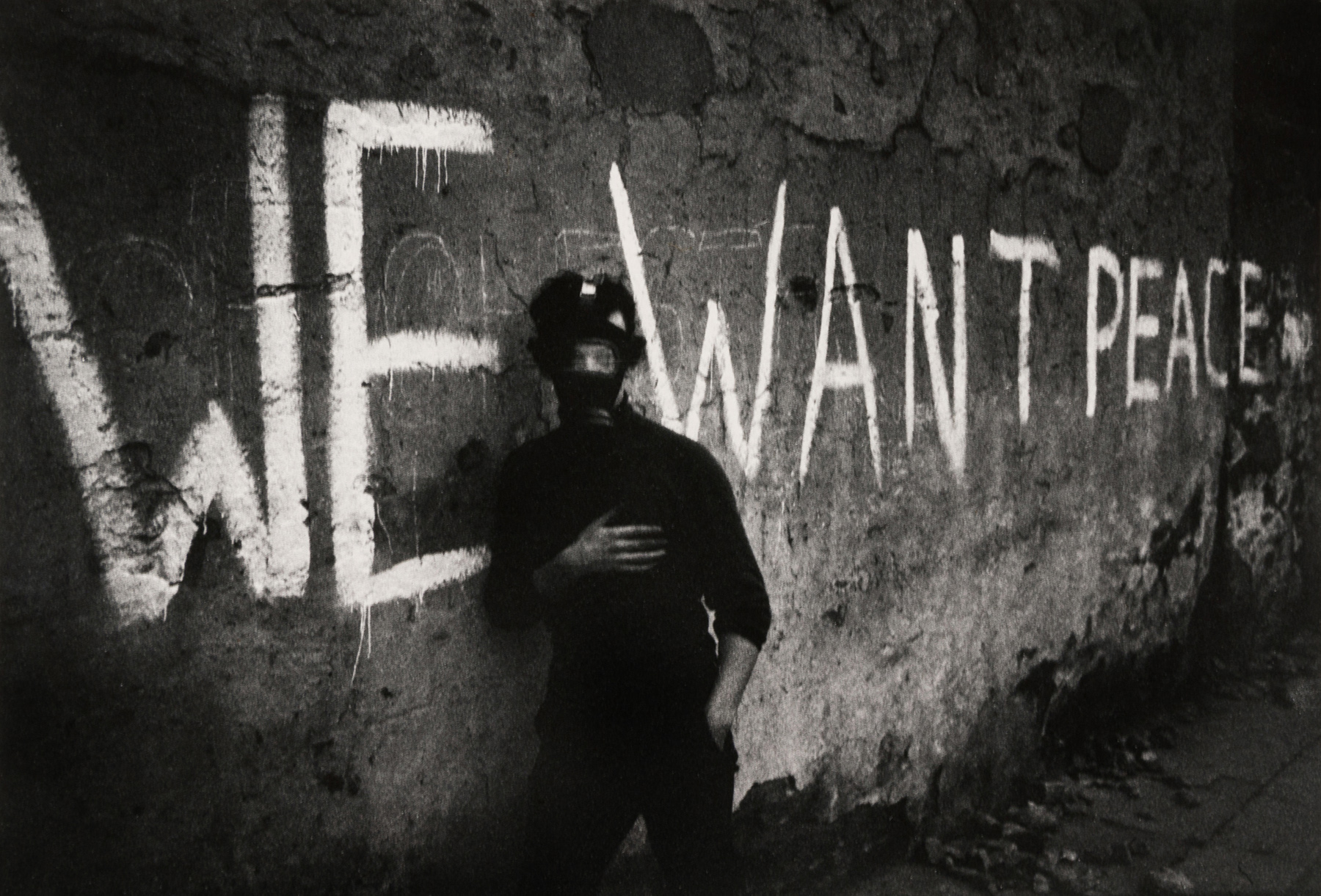
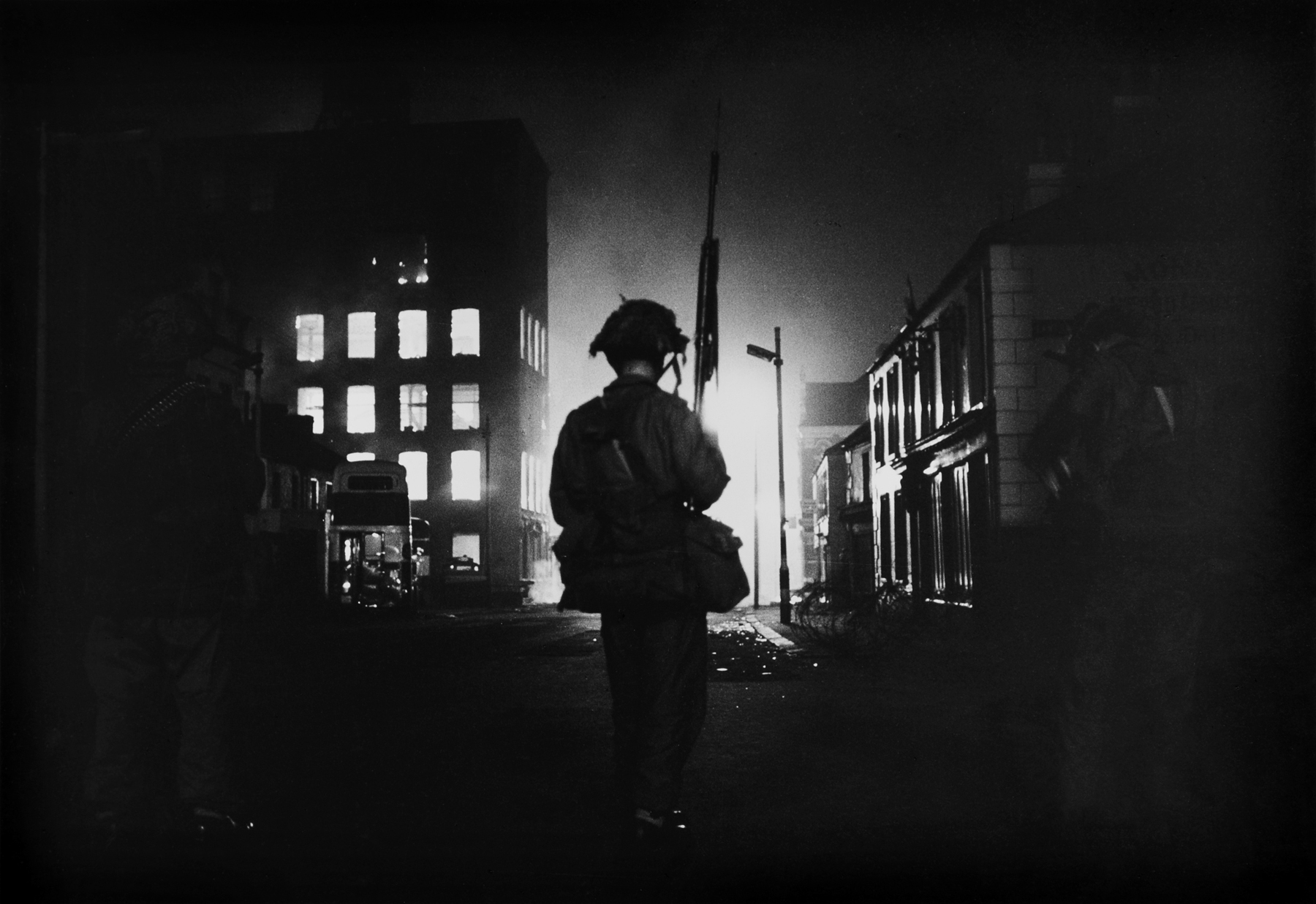
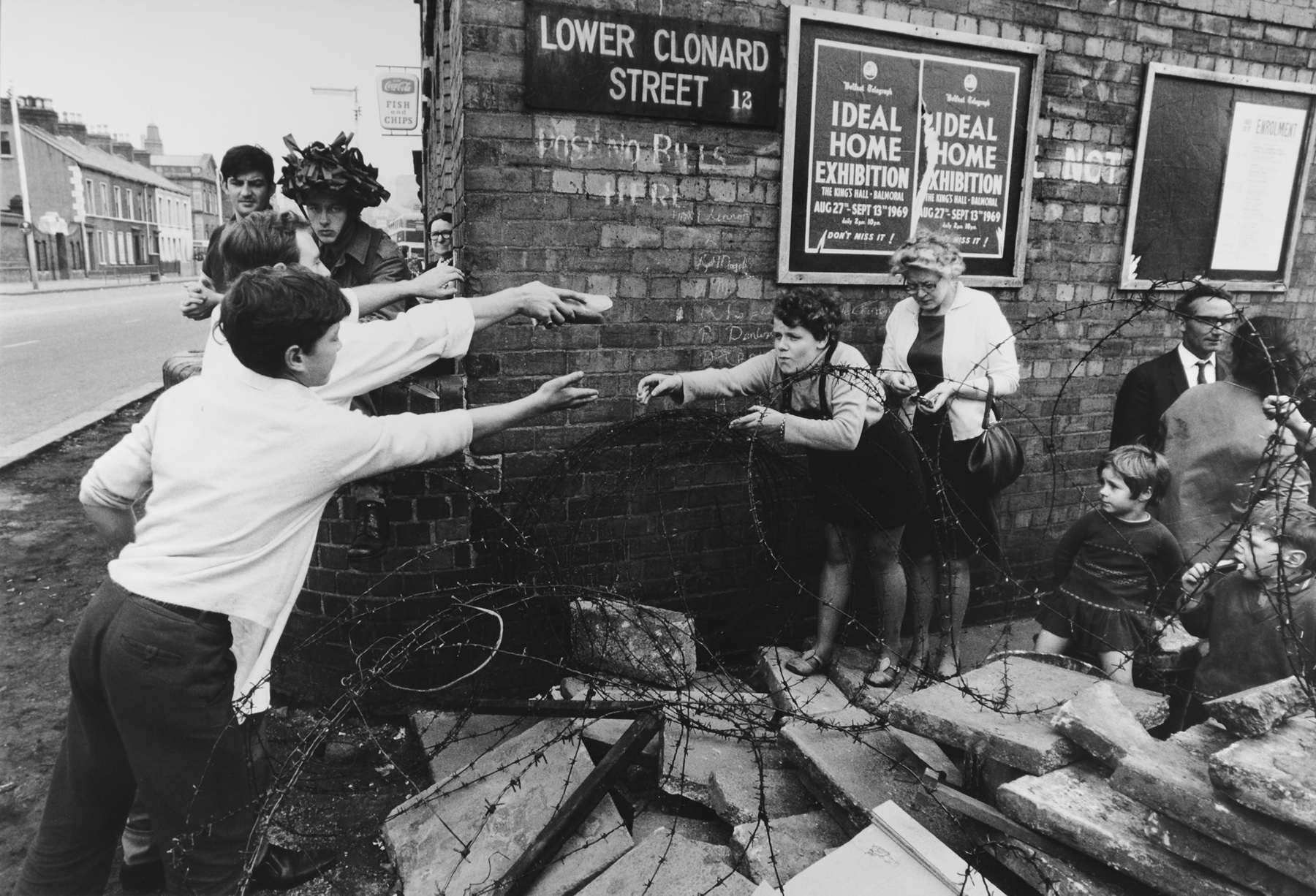
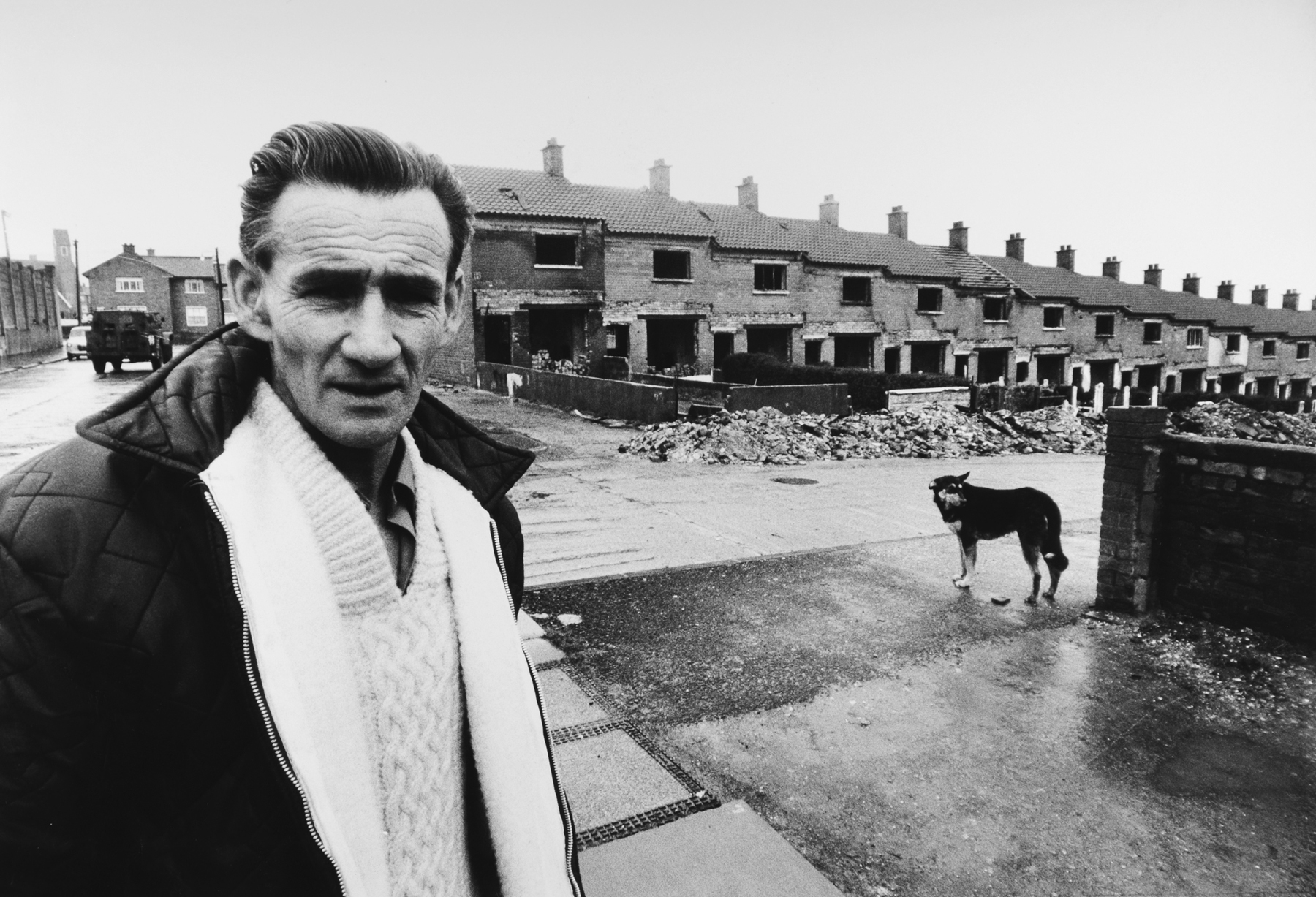
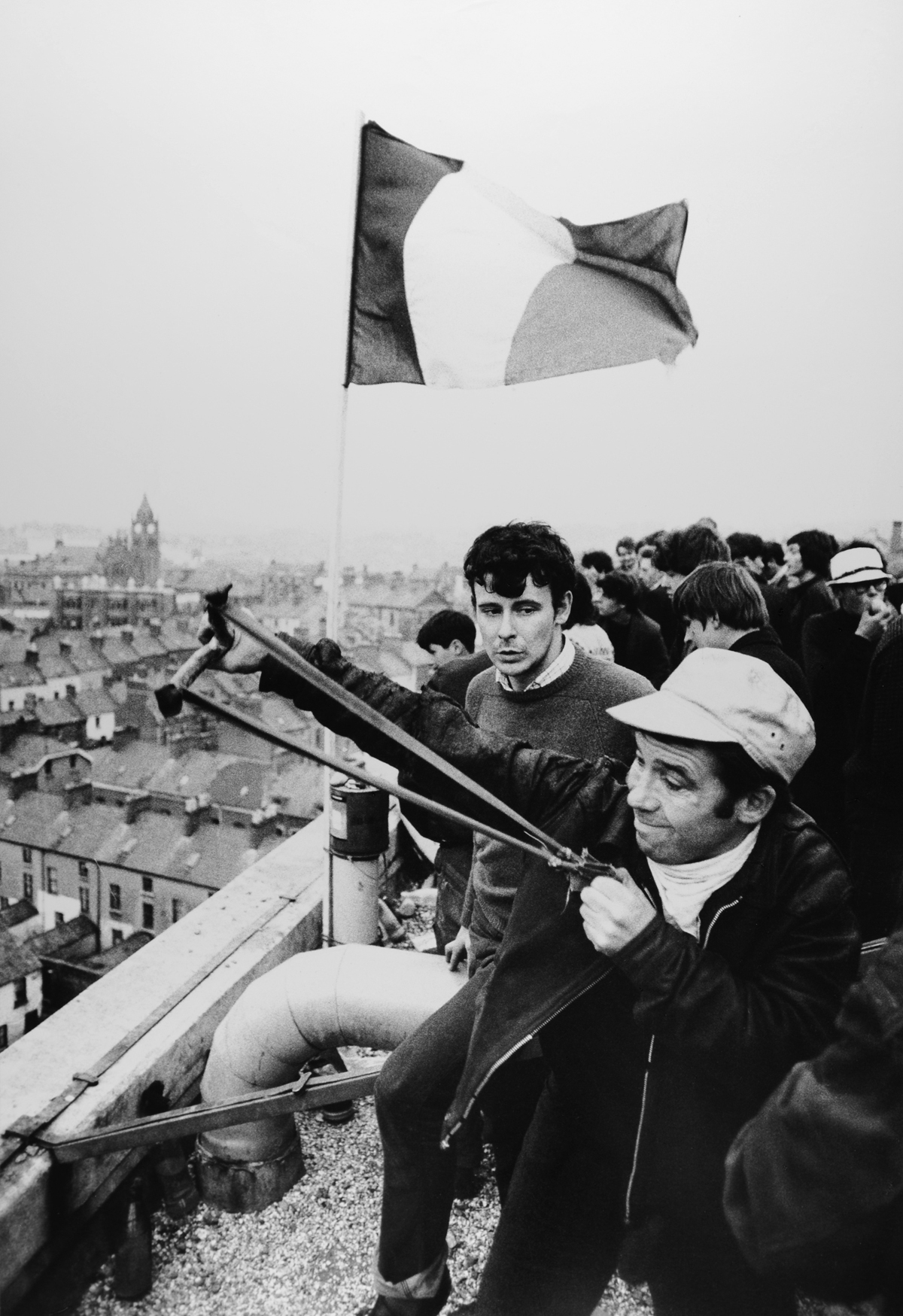
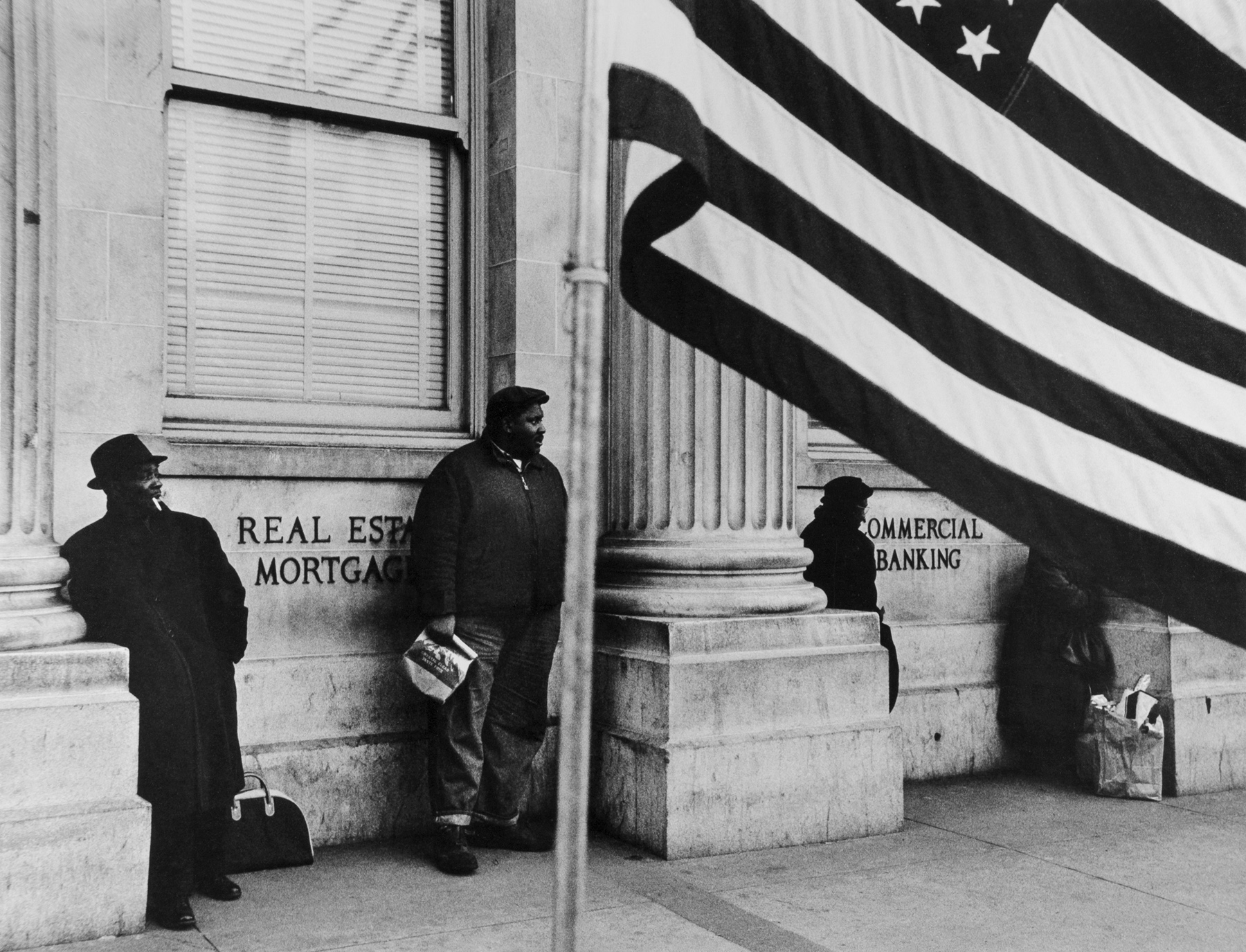
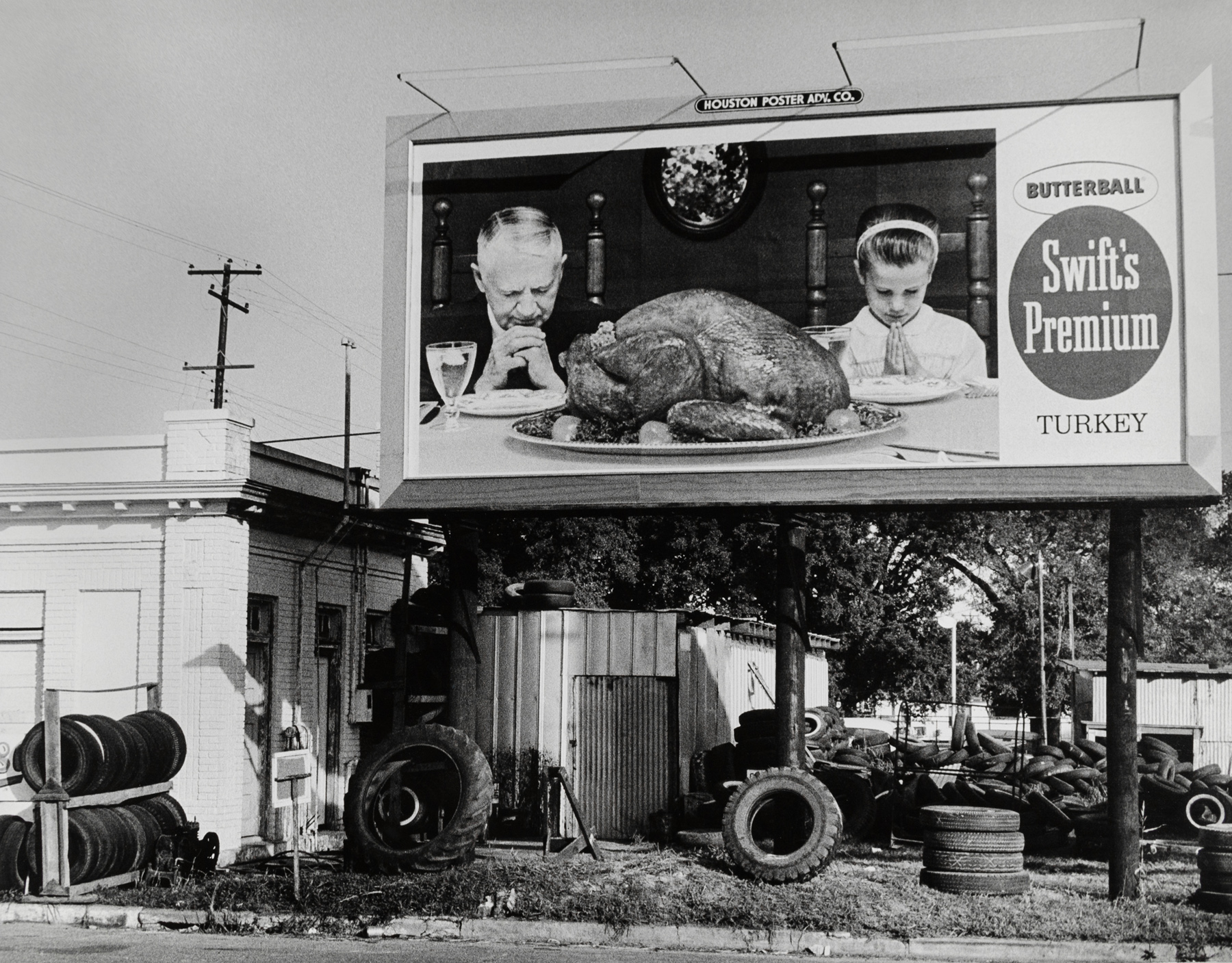
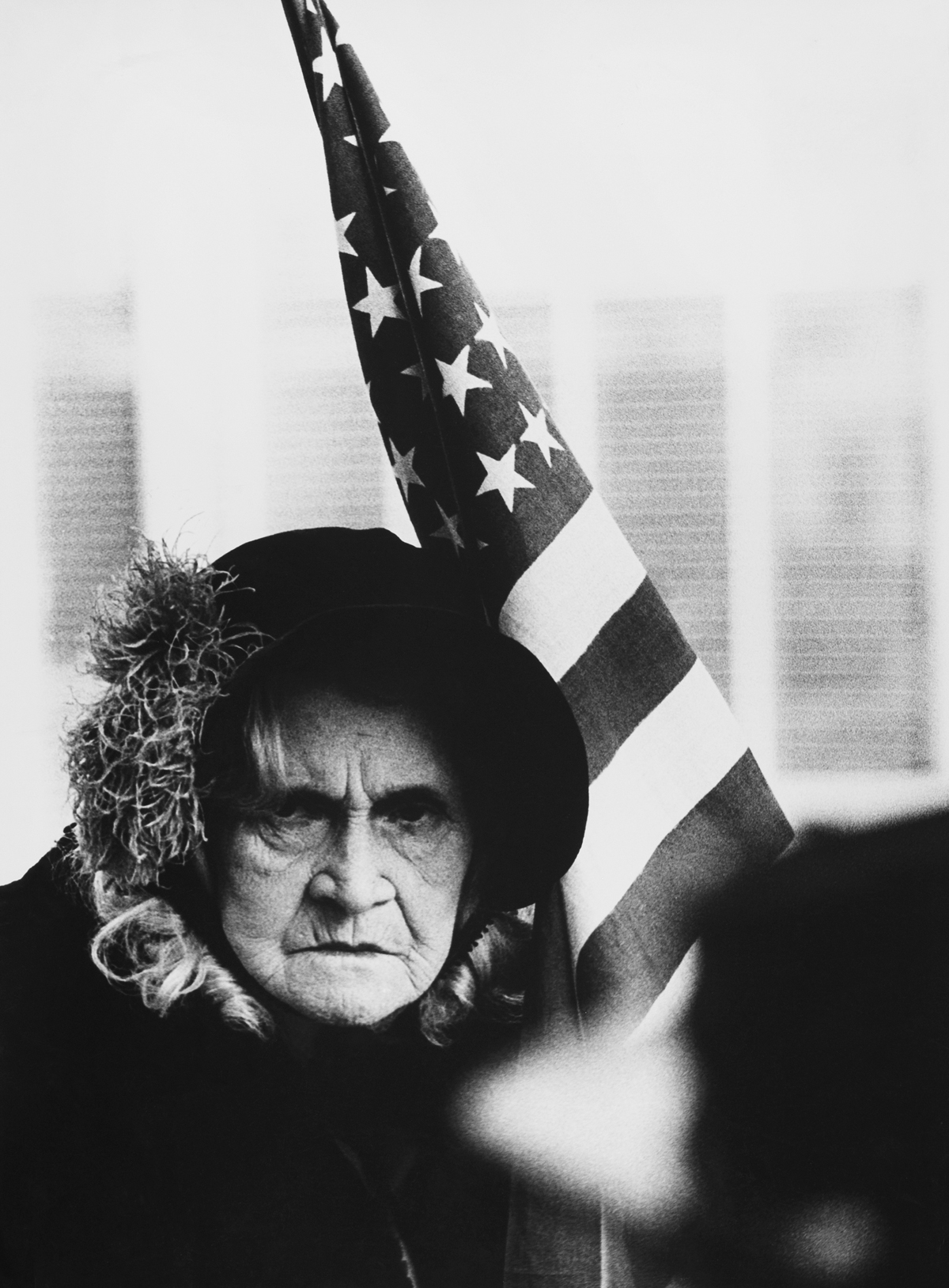
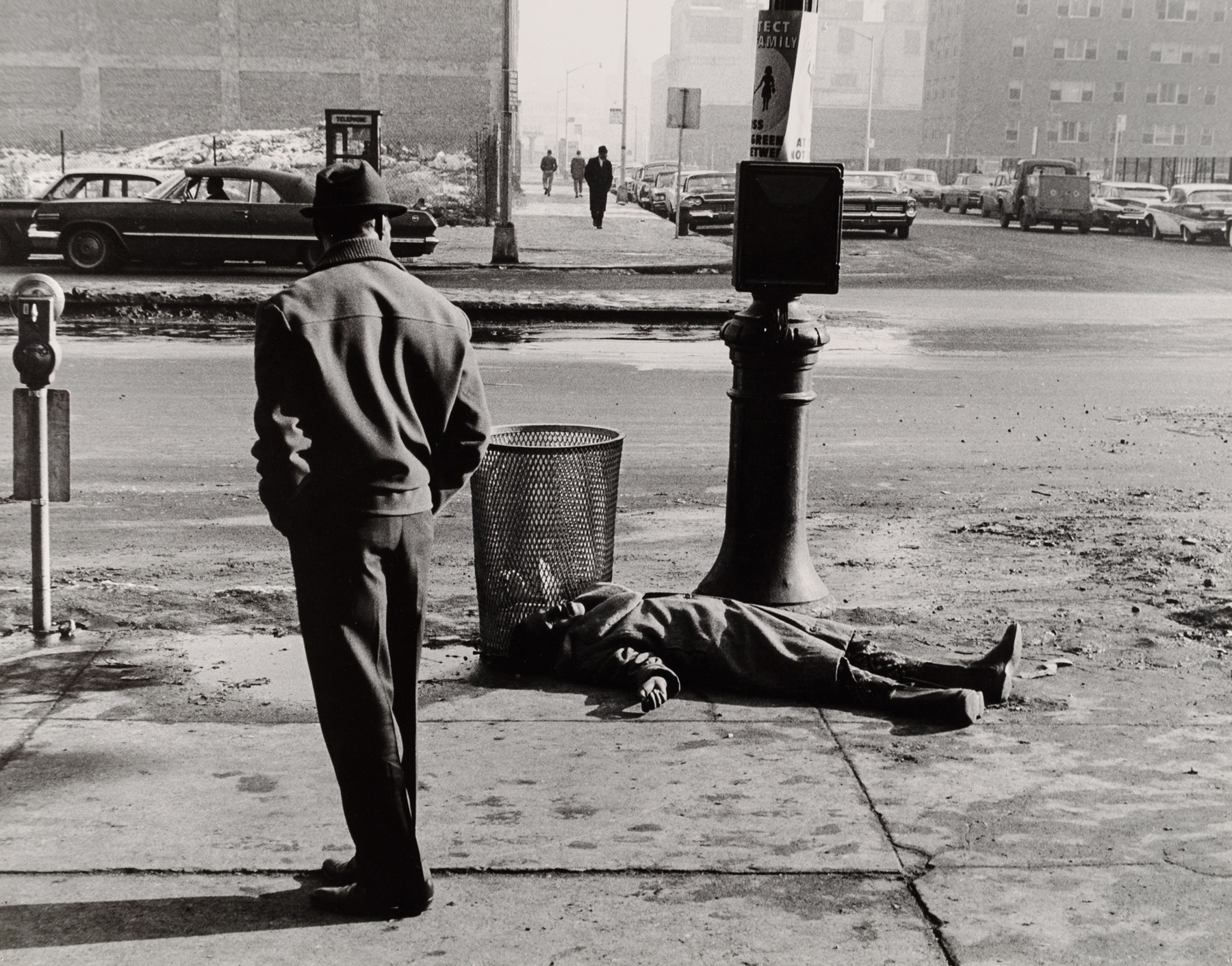
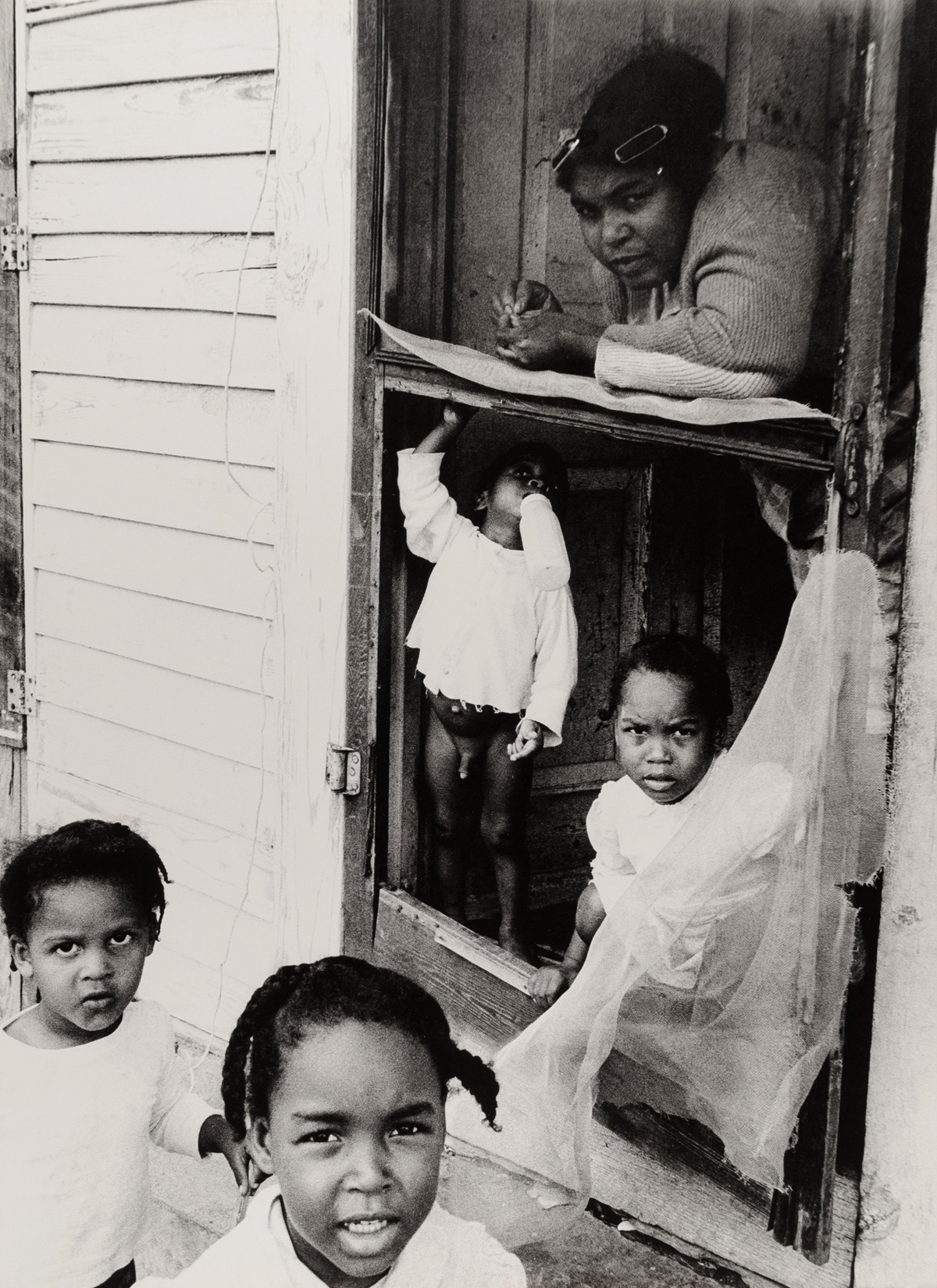
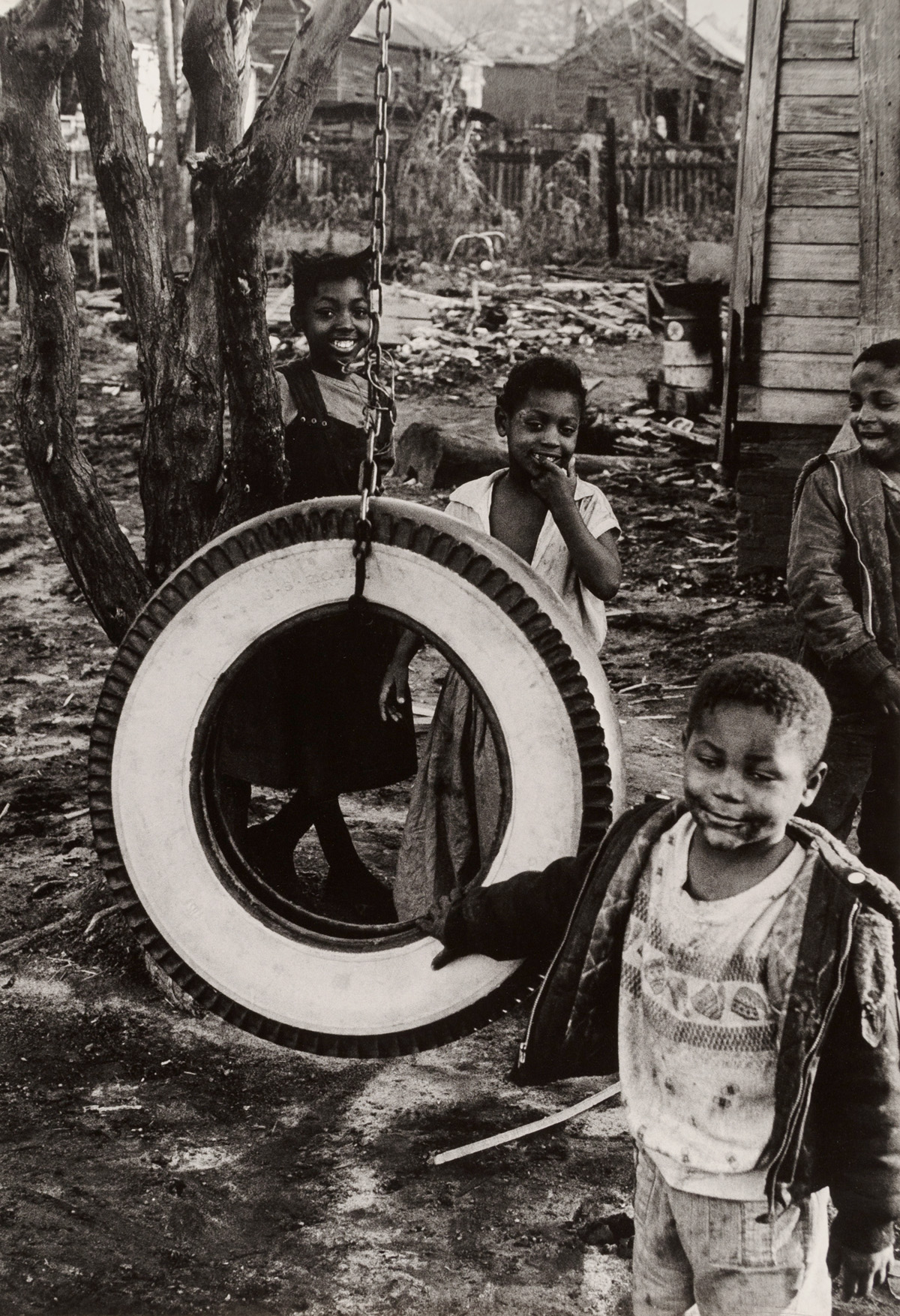
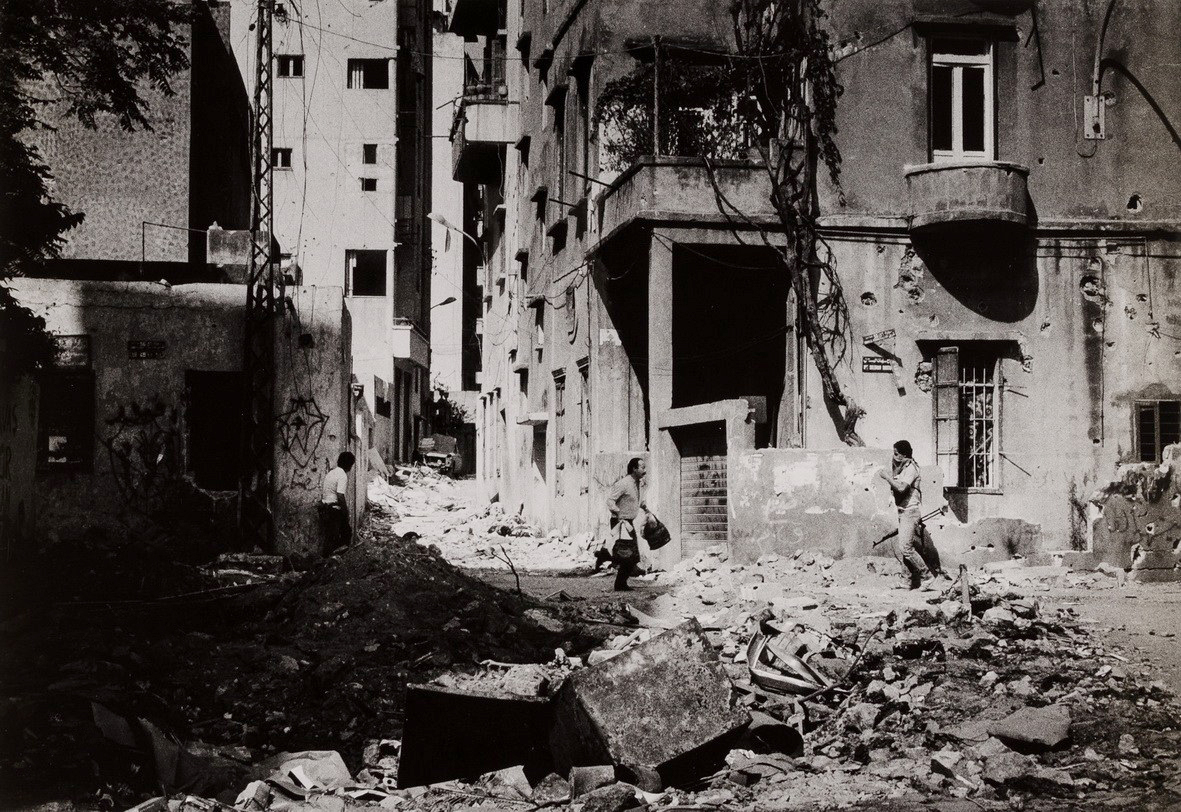
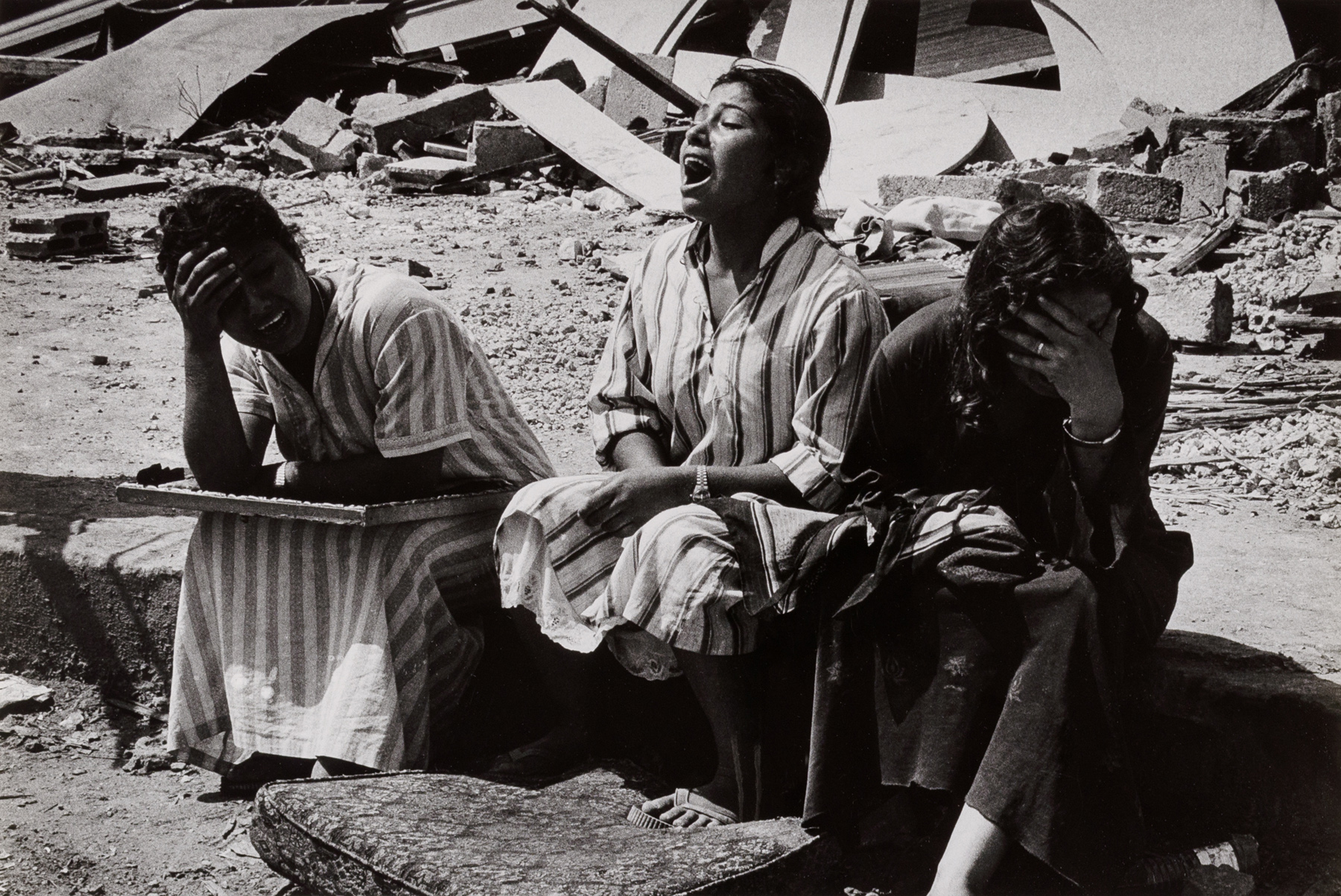
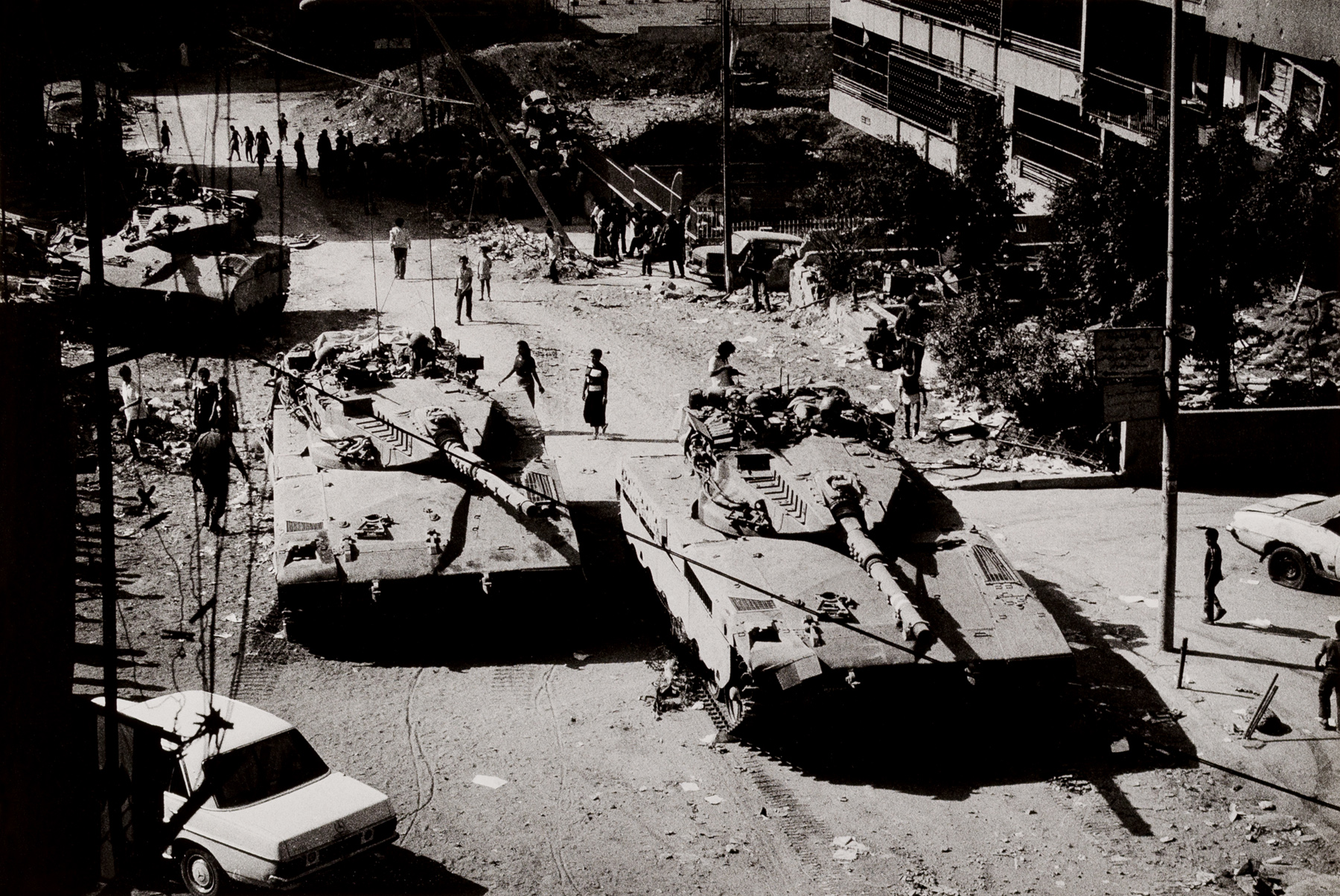
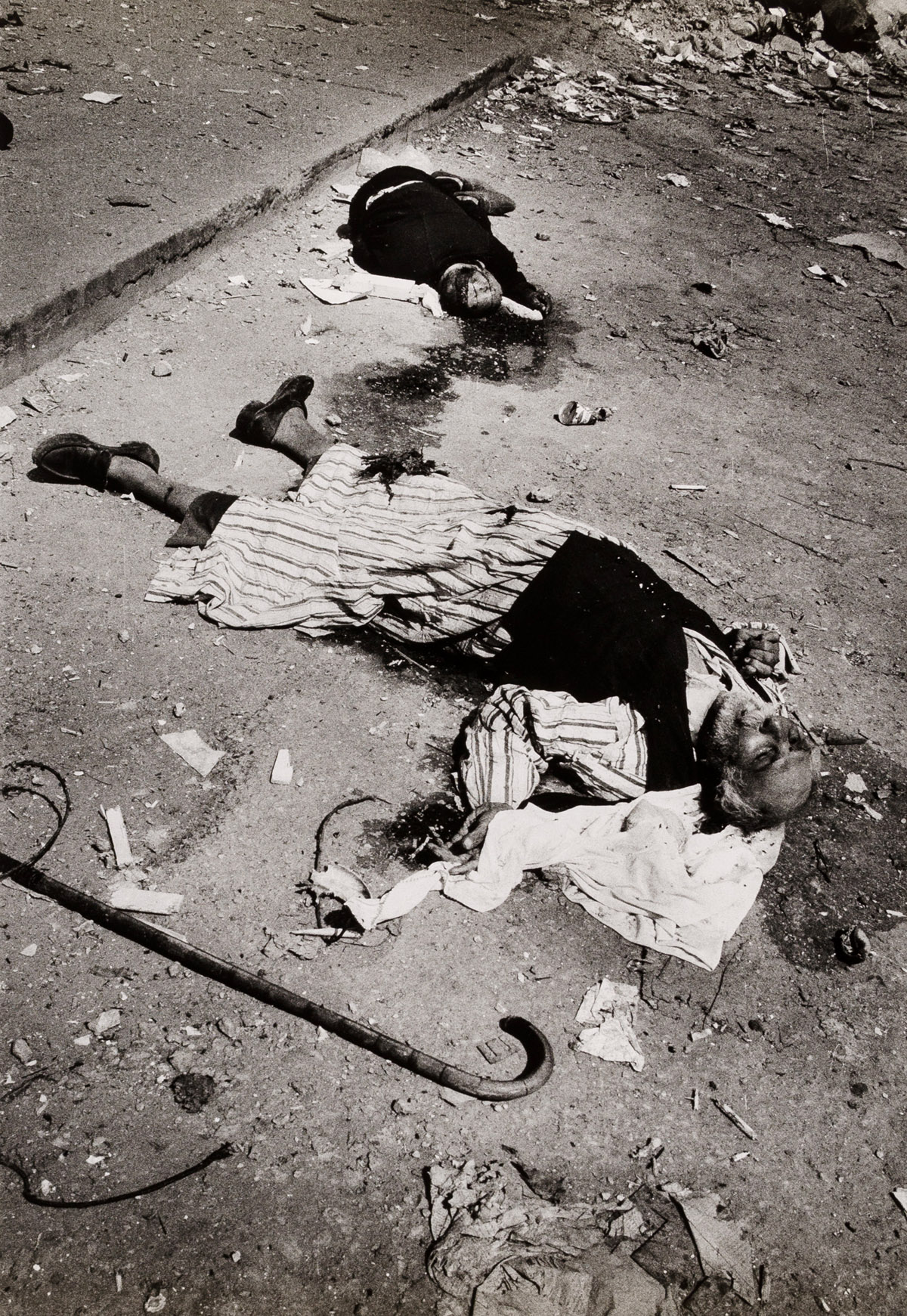
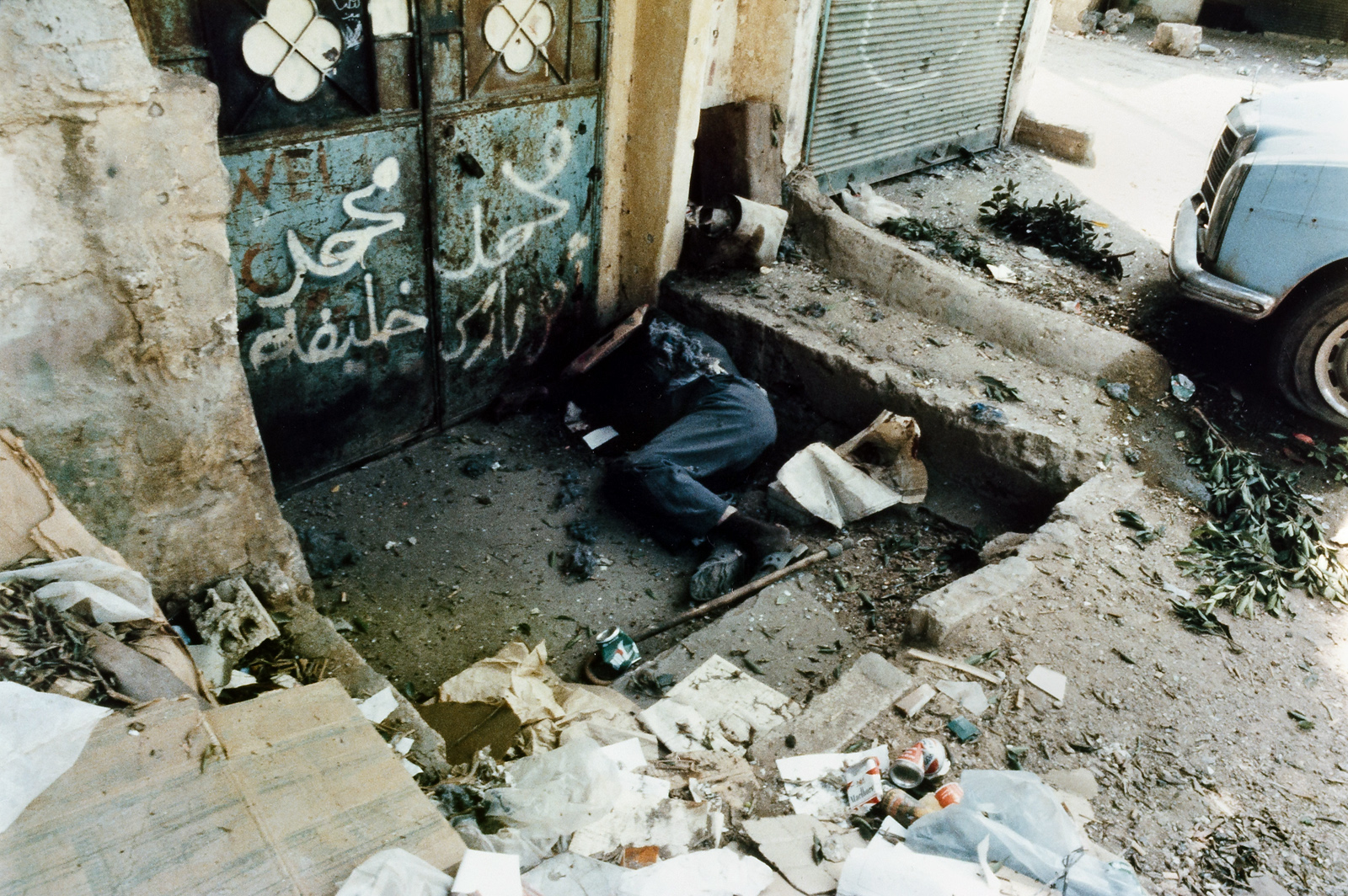
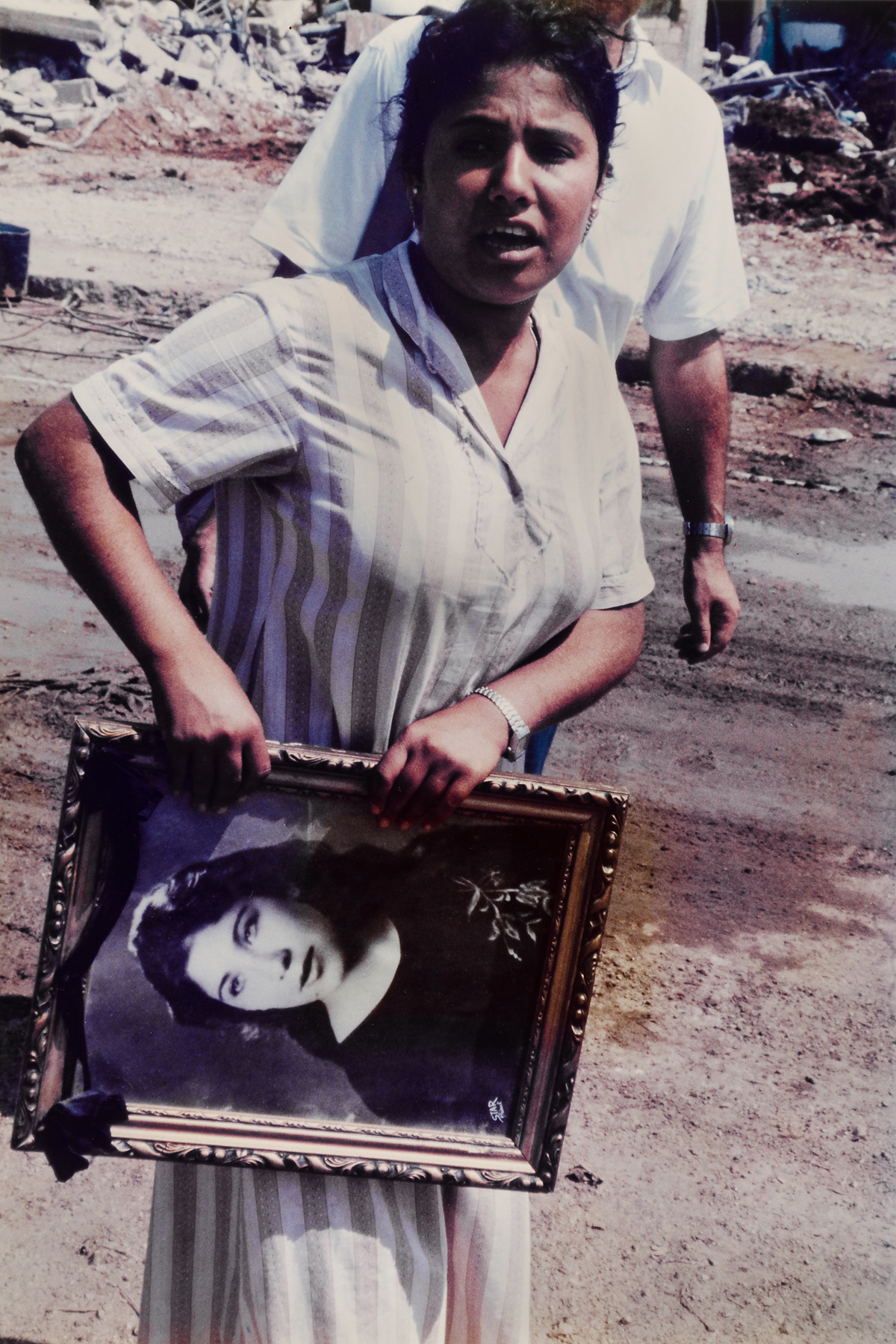
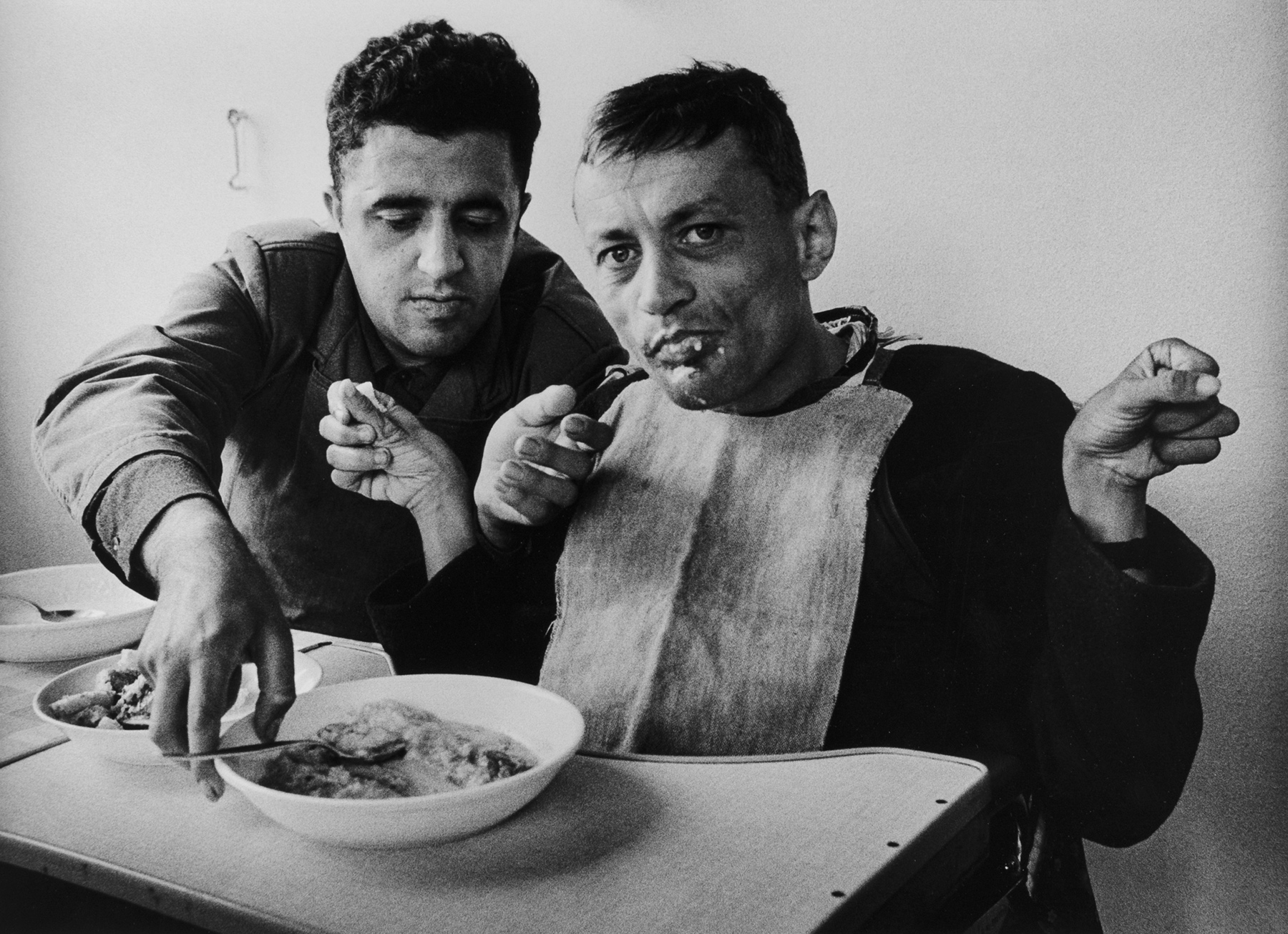
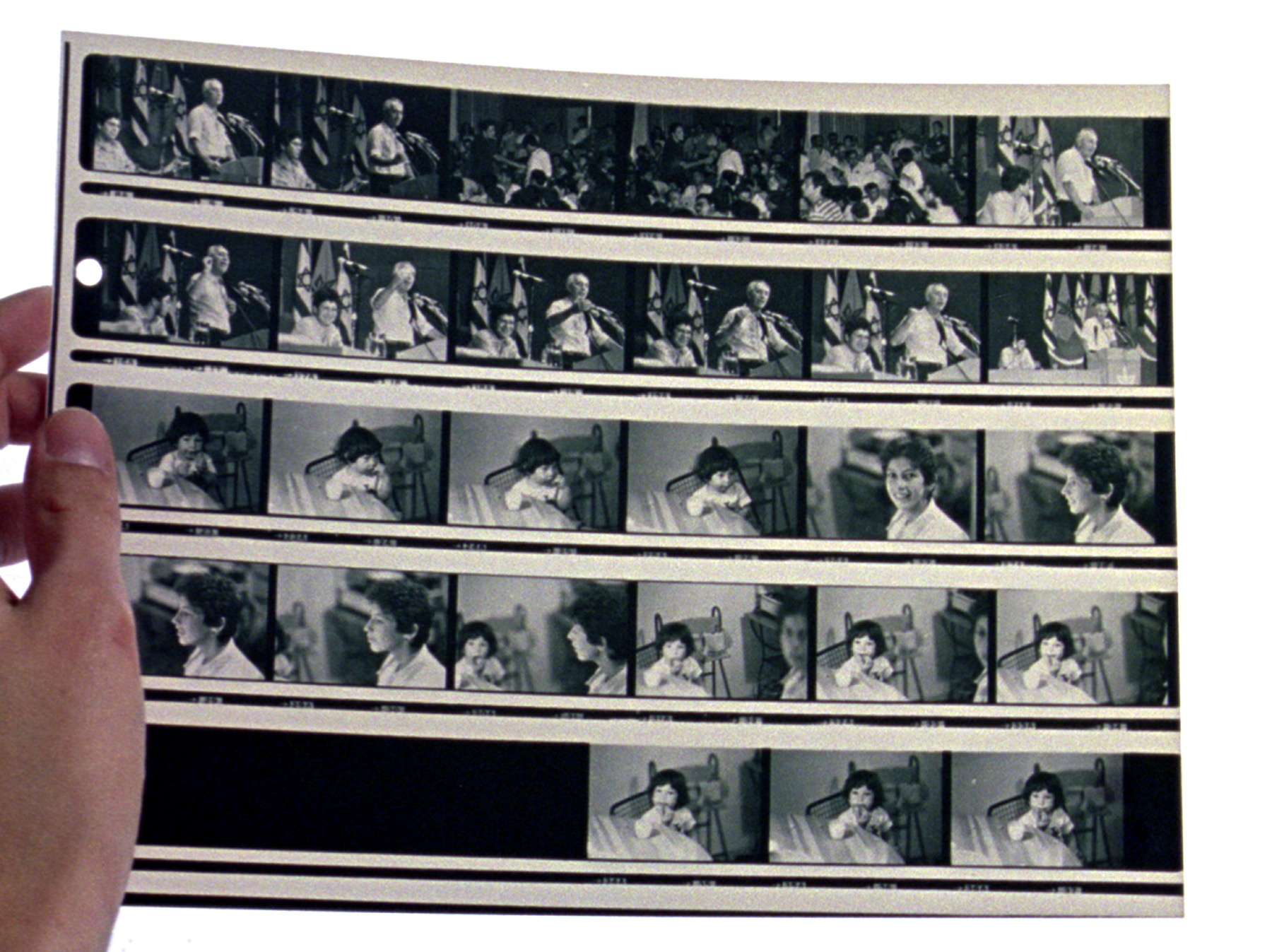
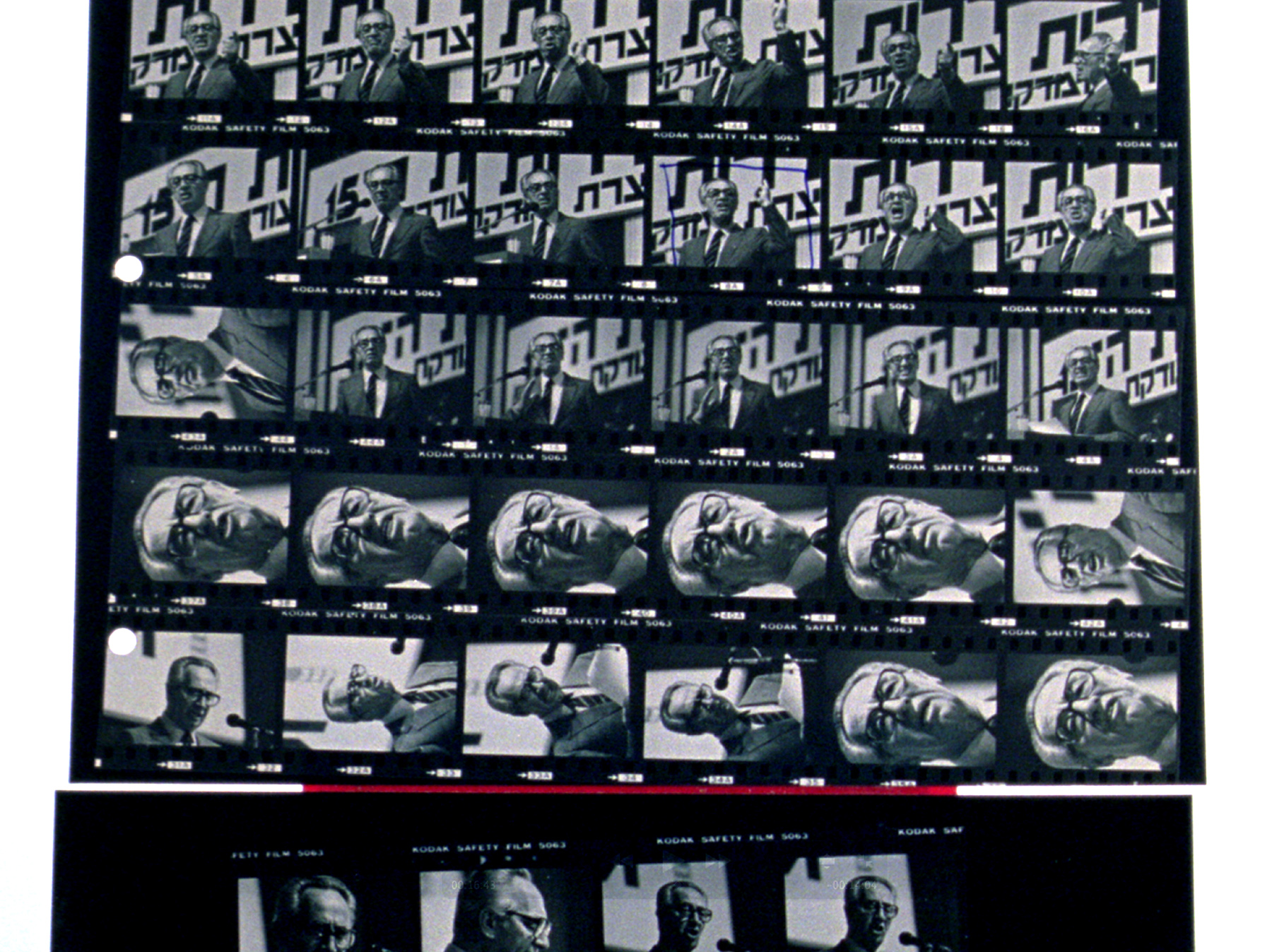
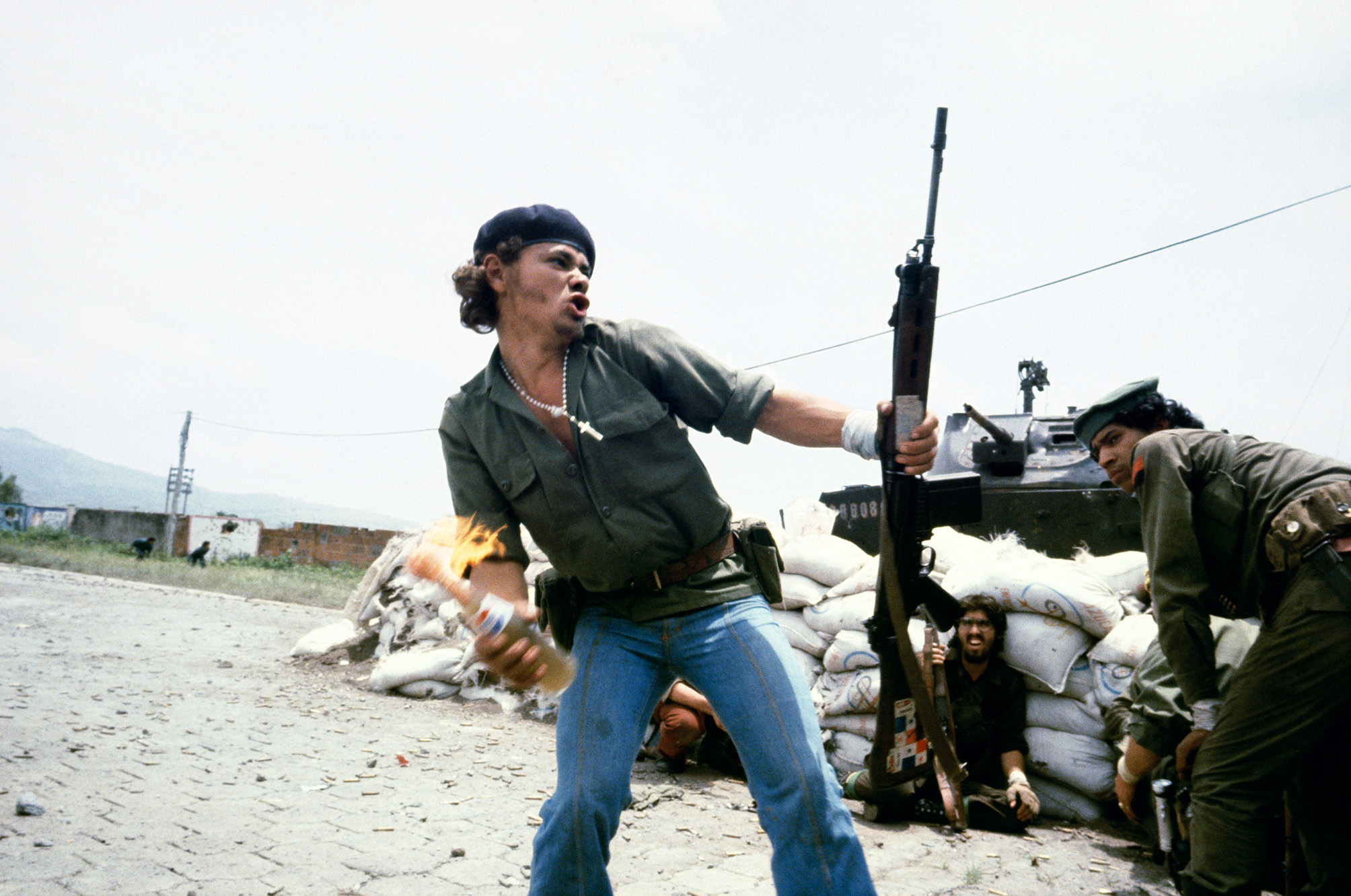


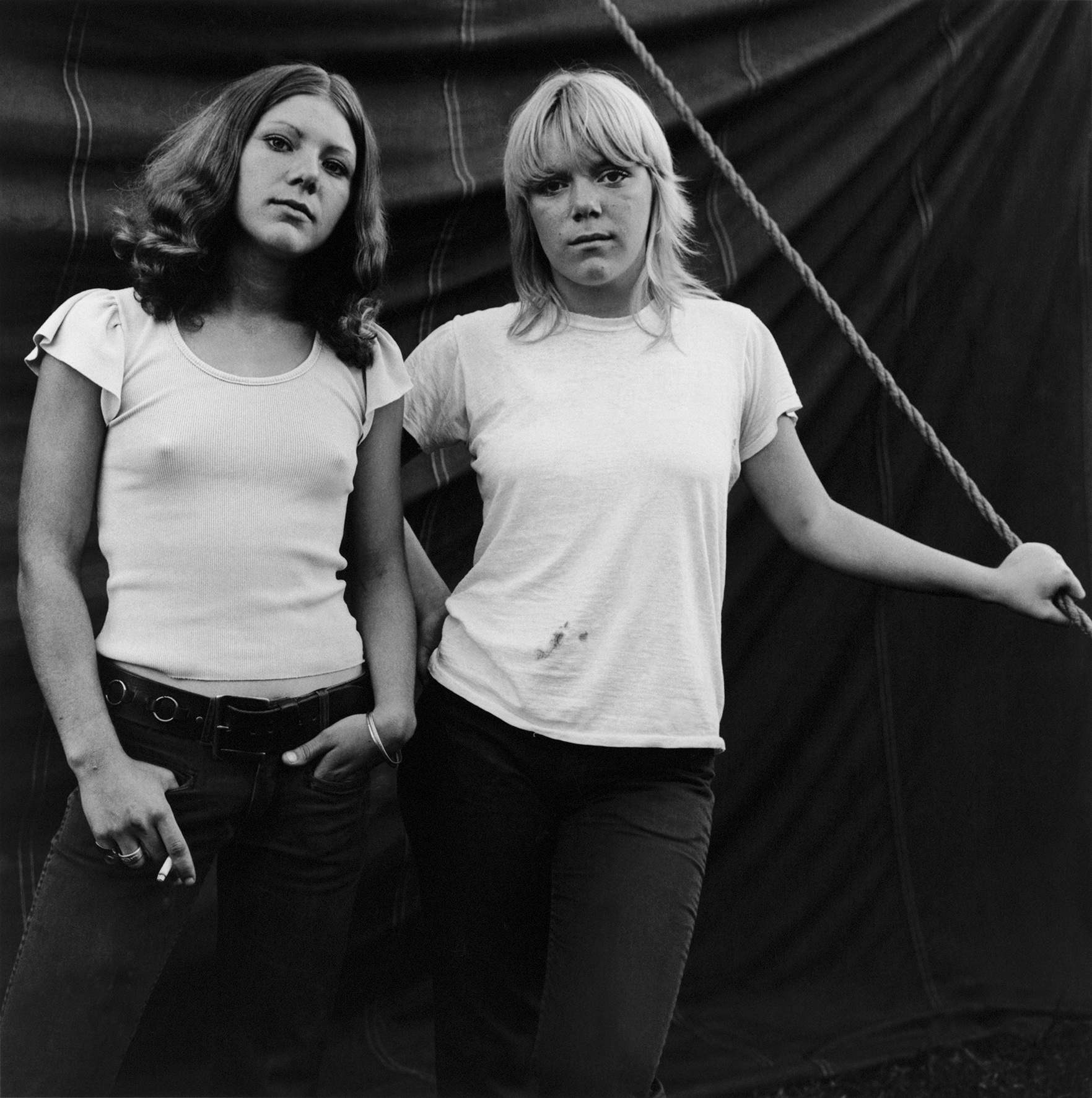


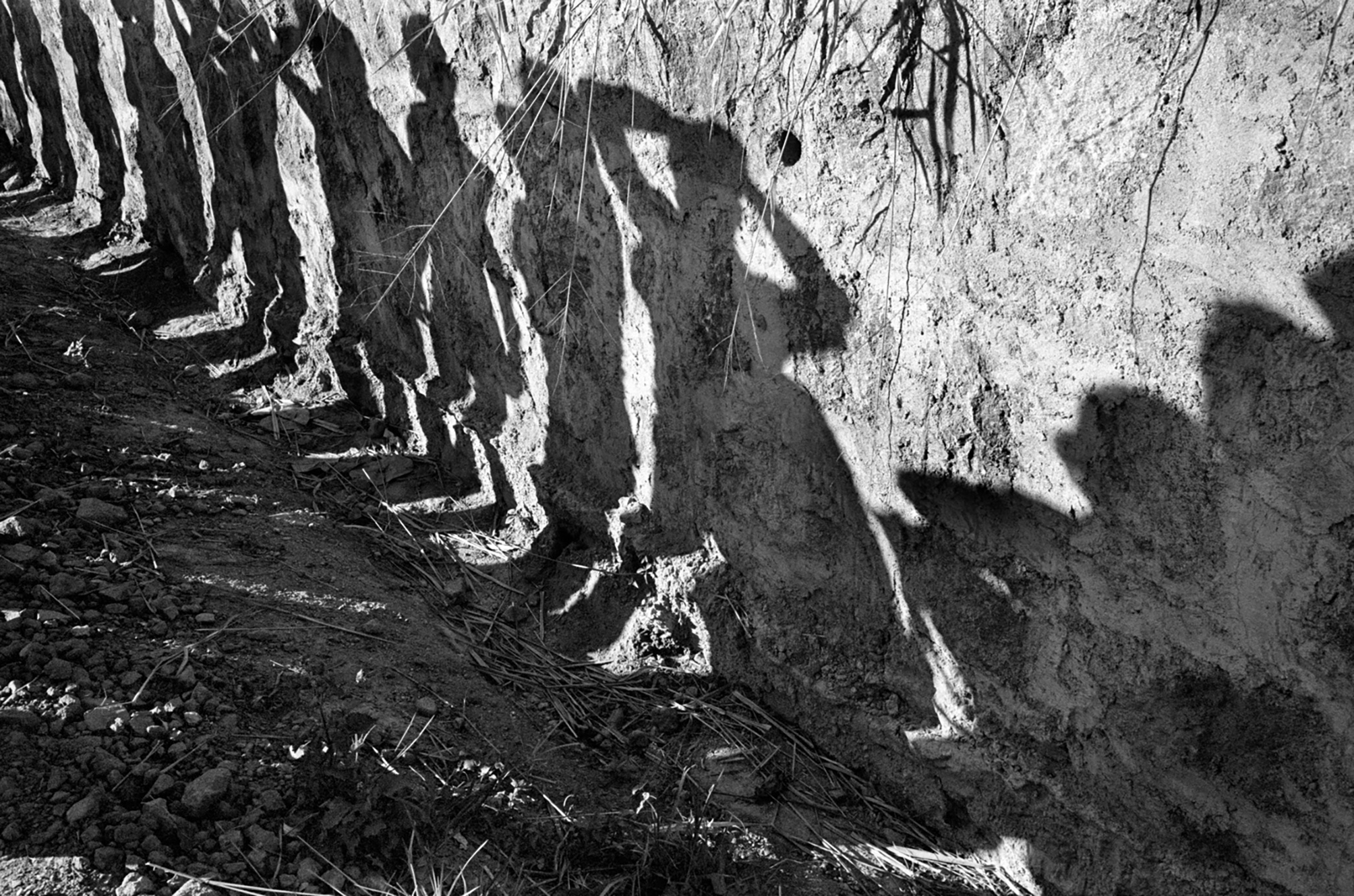


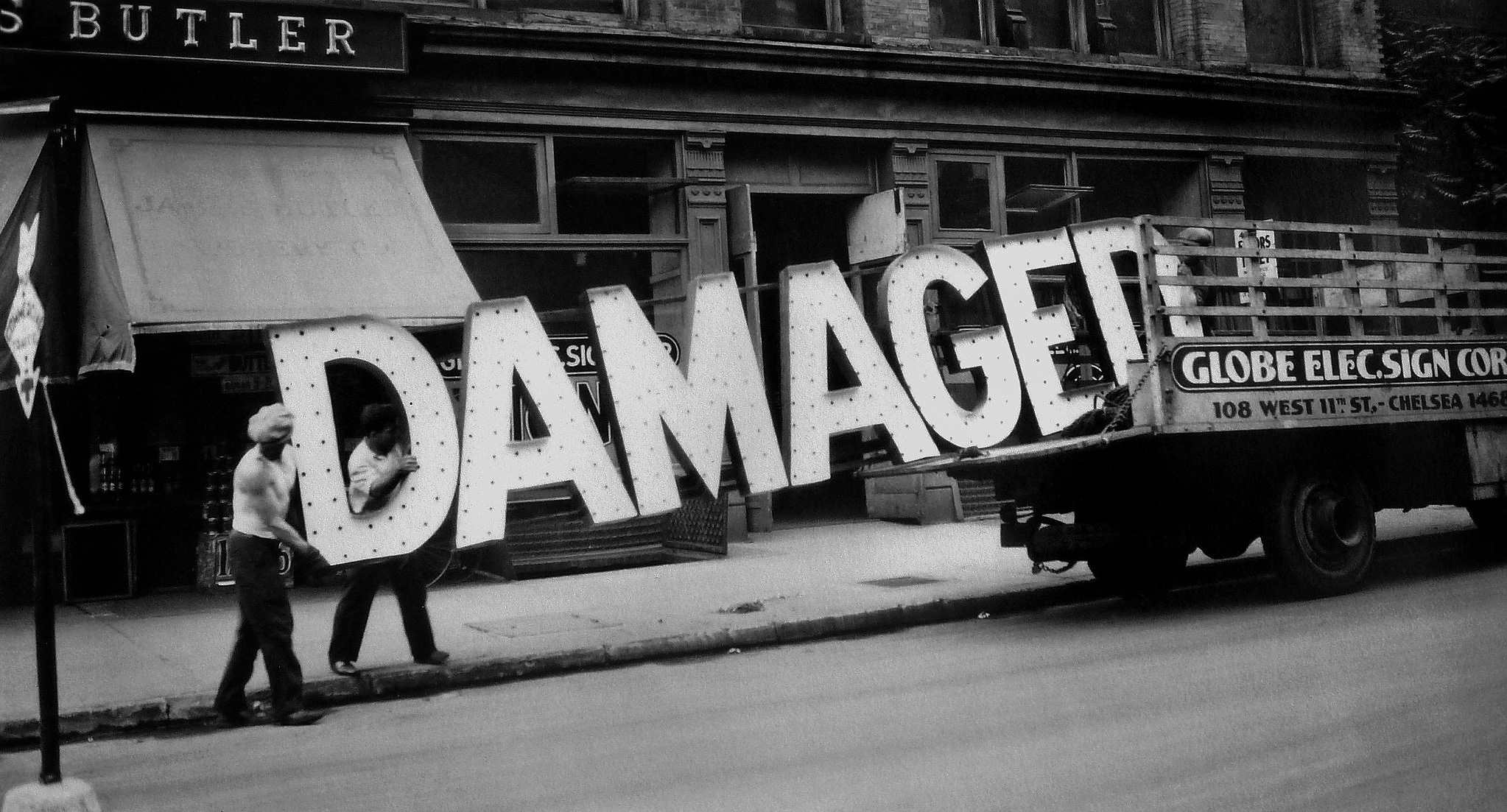


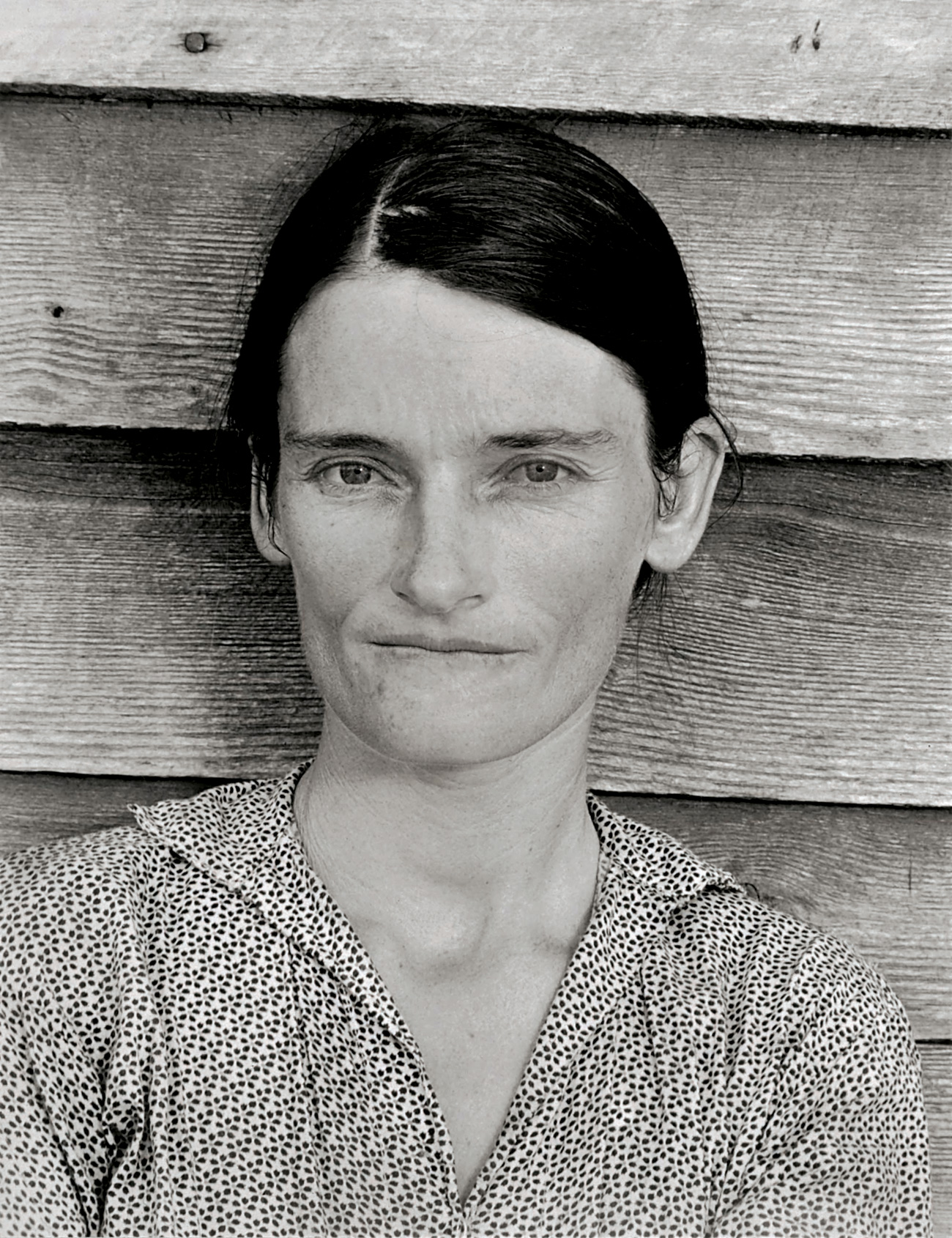


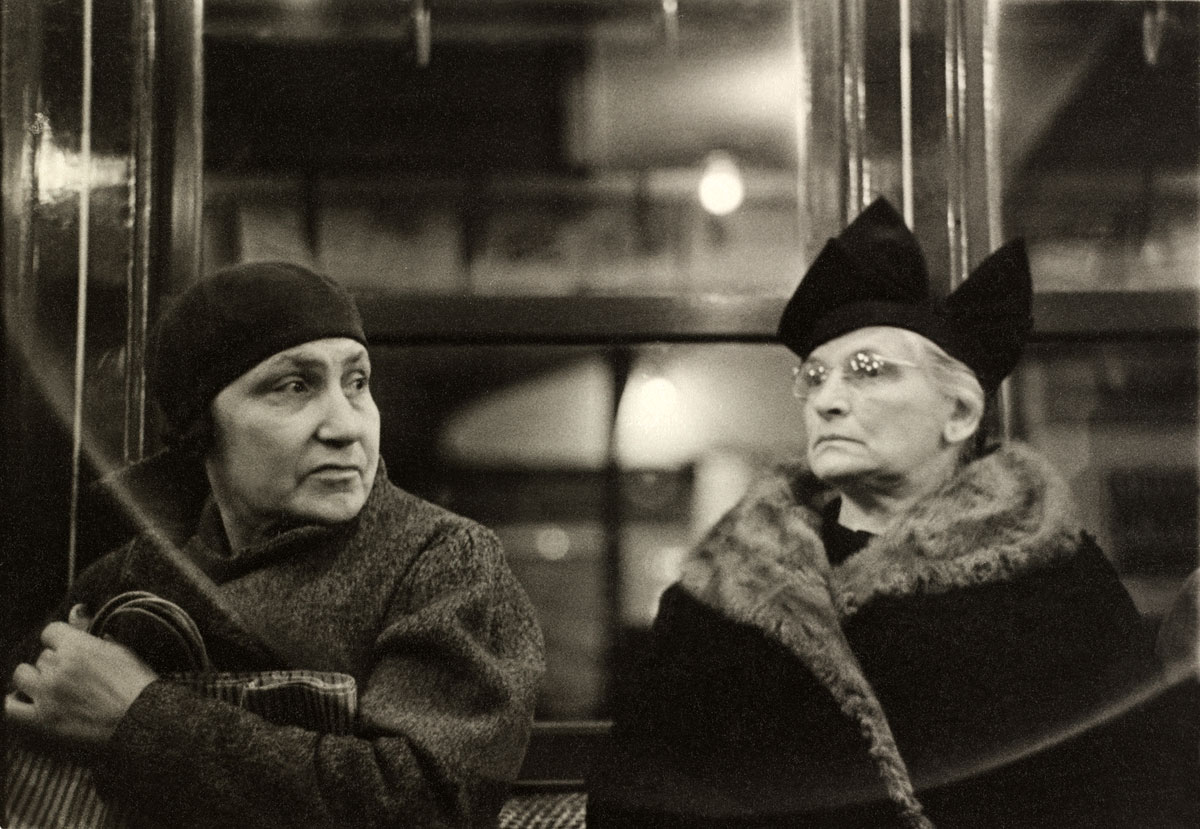

![Walker Evans (American, 1903-1975) '[Subway Passengers, New York City]' 1938](https://artblart.com/wp-content/uploads/2016/07/walker-evans-subway-passengers-new-york-city-web.jpg "Walker Evans (American, 1903-1975) '[Subway Passengers, New York City]' 1938")

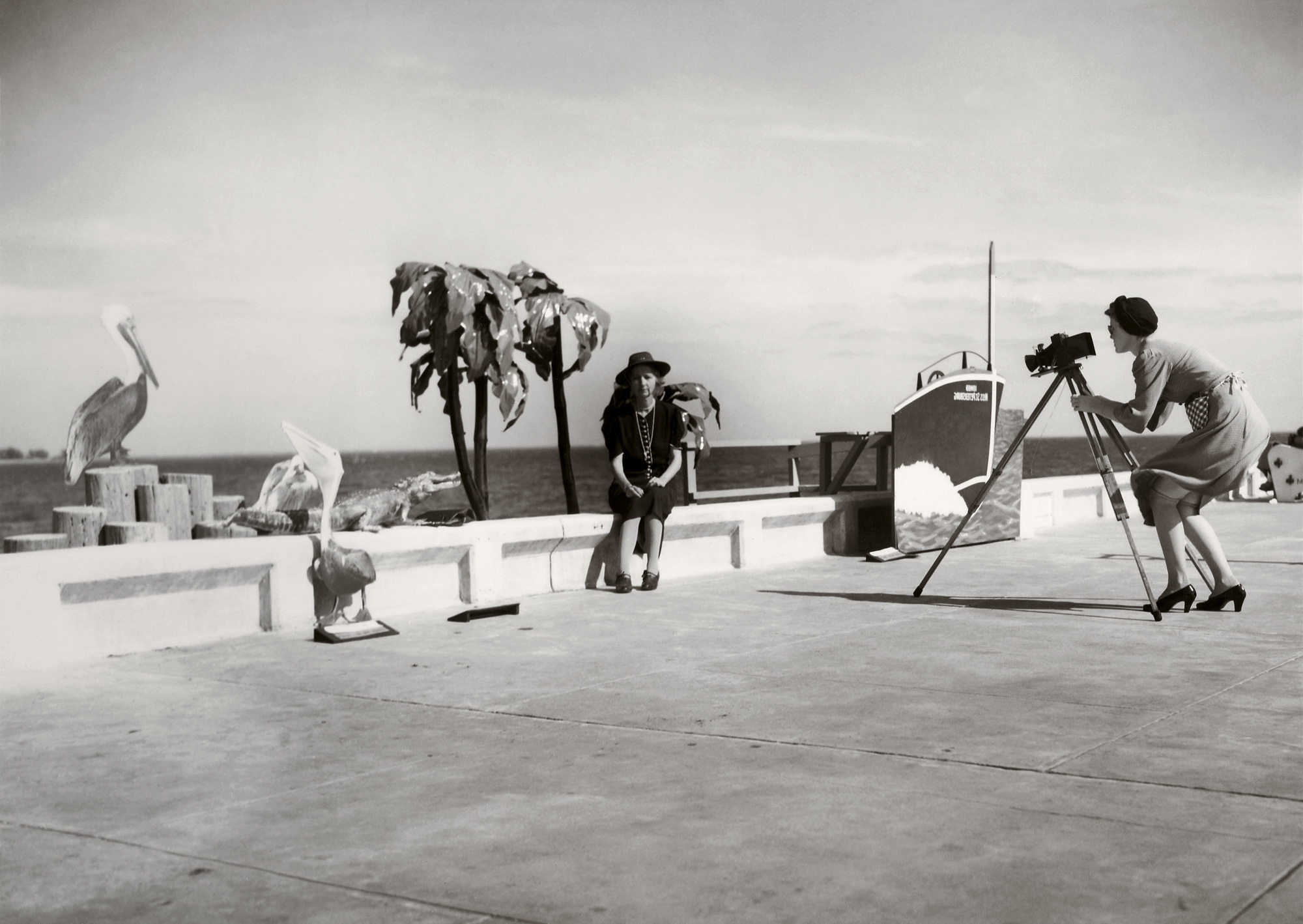
![Walker Evans (American, 1903-1975) 'Untitled [Street scene]' 1950s](https://artblart.com/wp-content/uploads/2018/01/walker-evans-untitled-web.jpg "Walker Evans (American, 1903-1975) 'Untitled [Street scene]' 1950s")

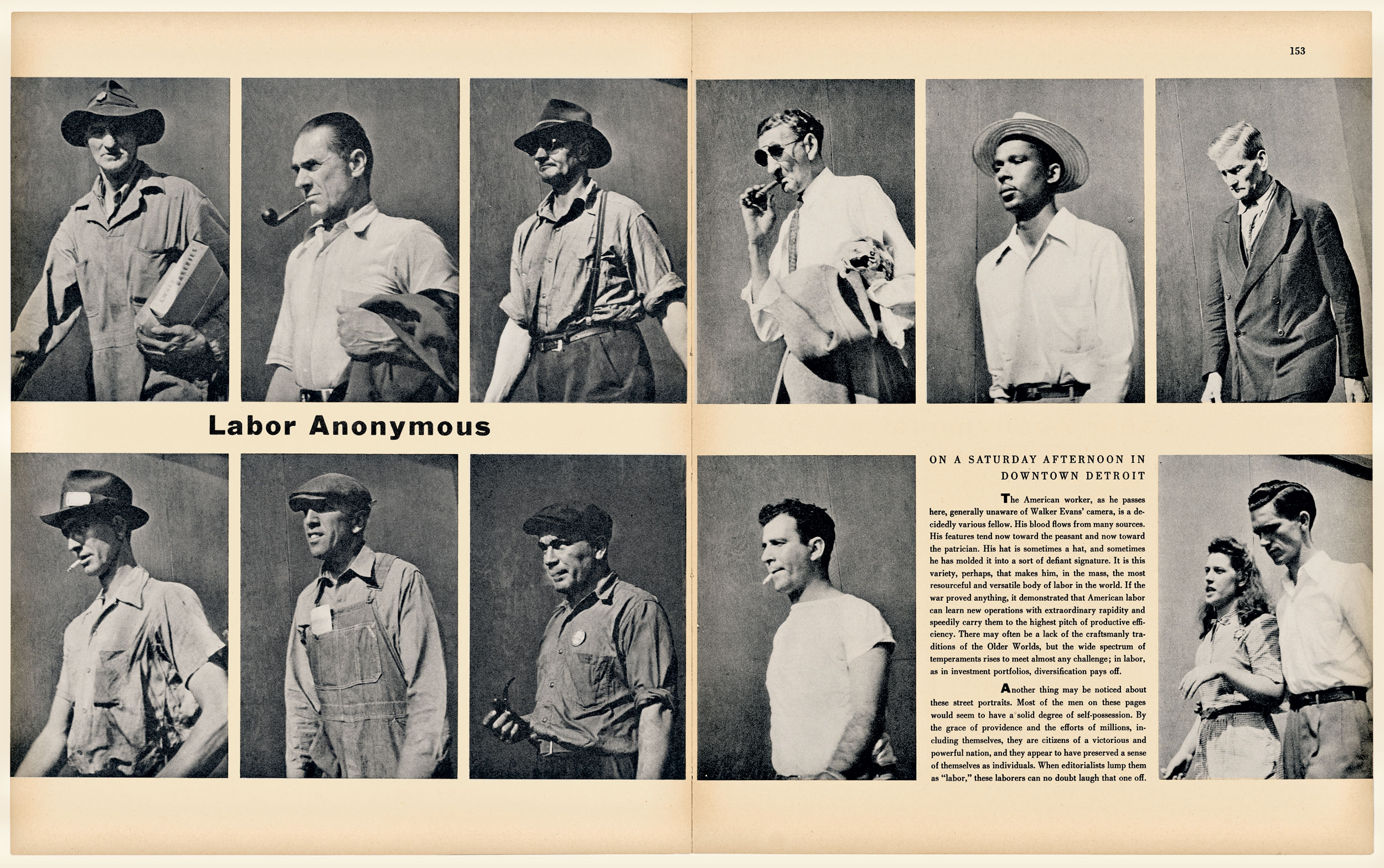


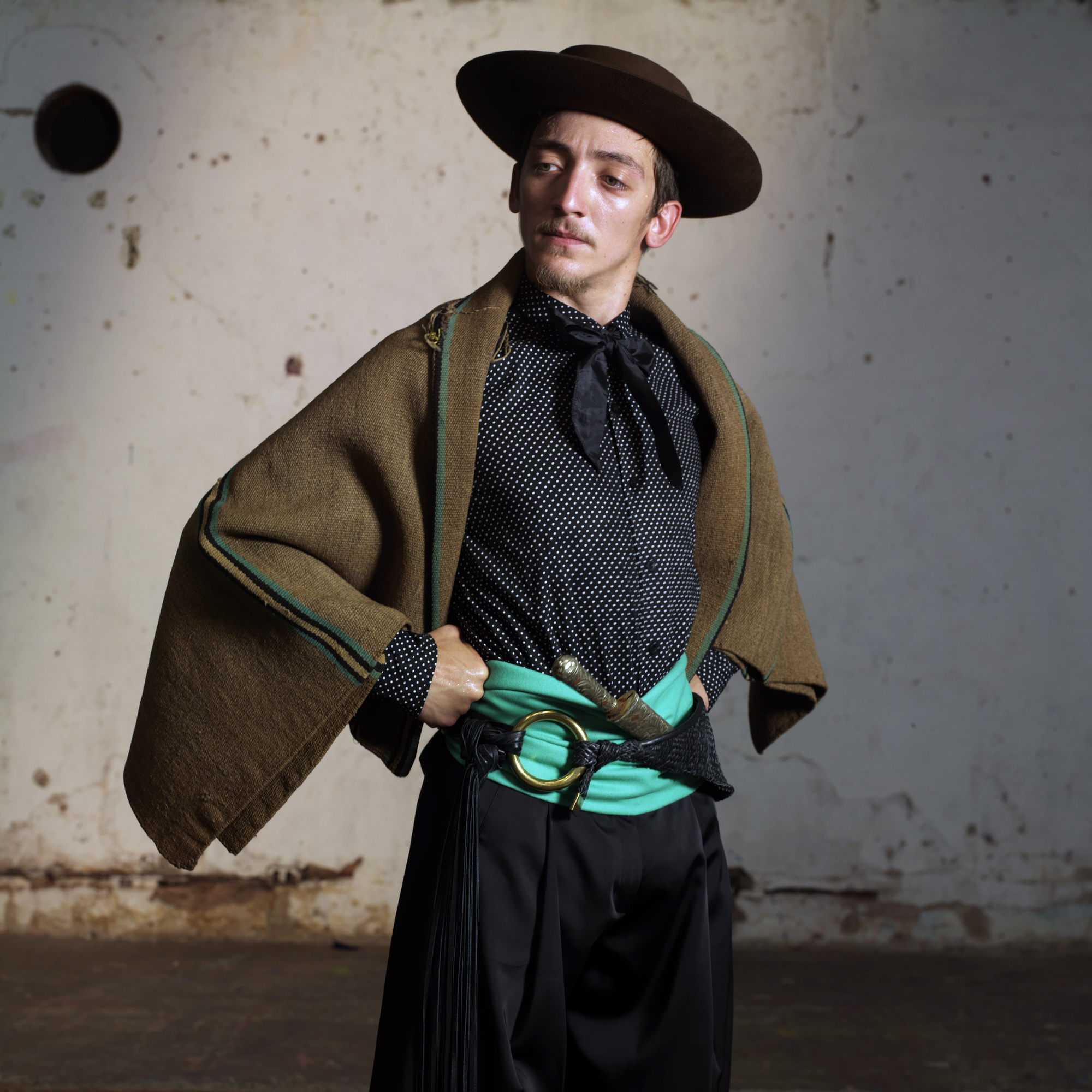
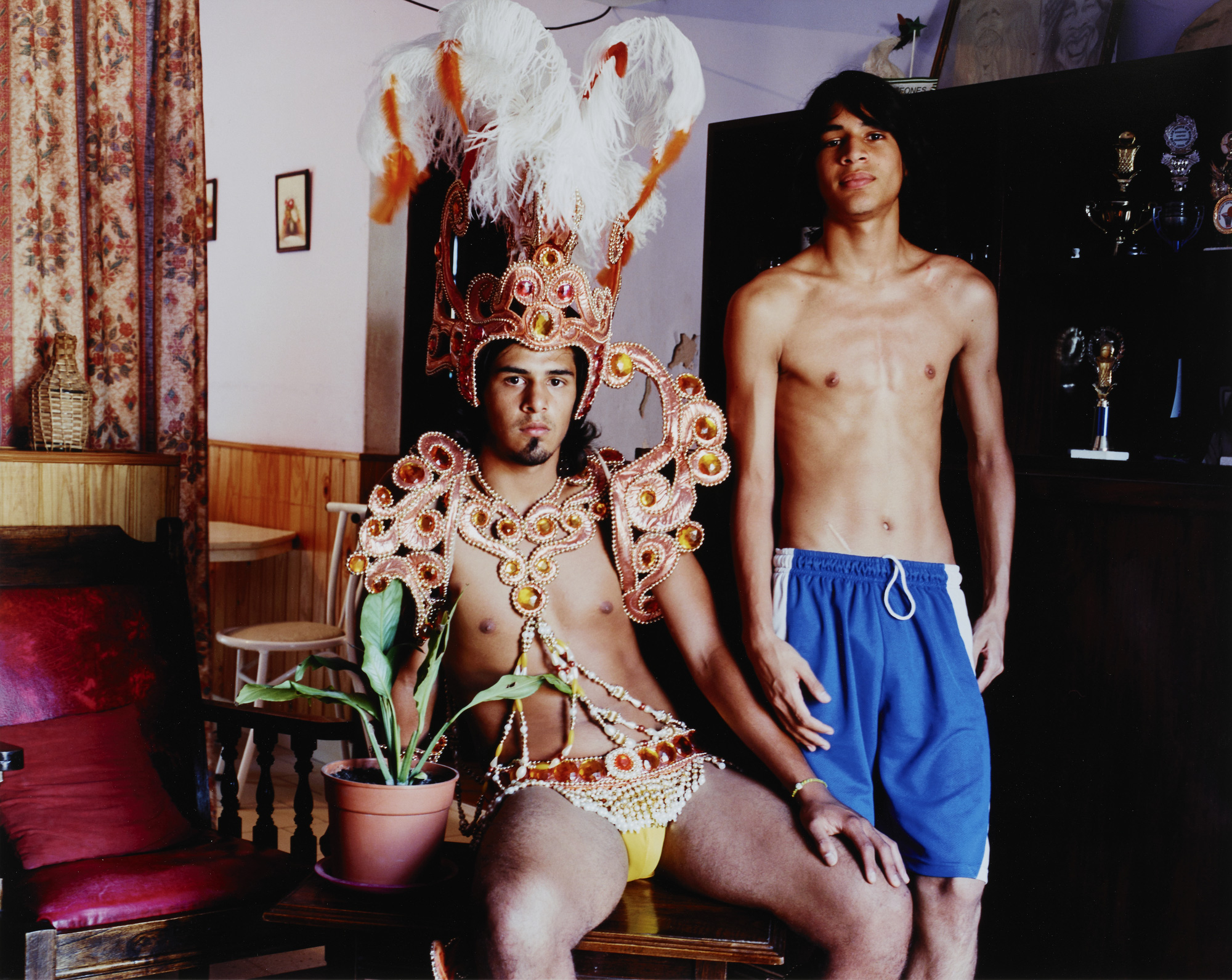

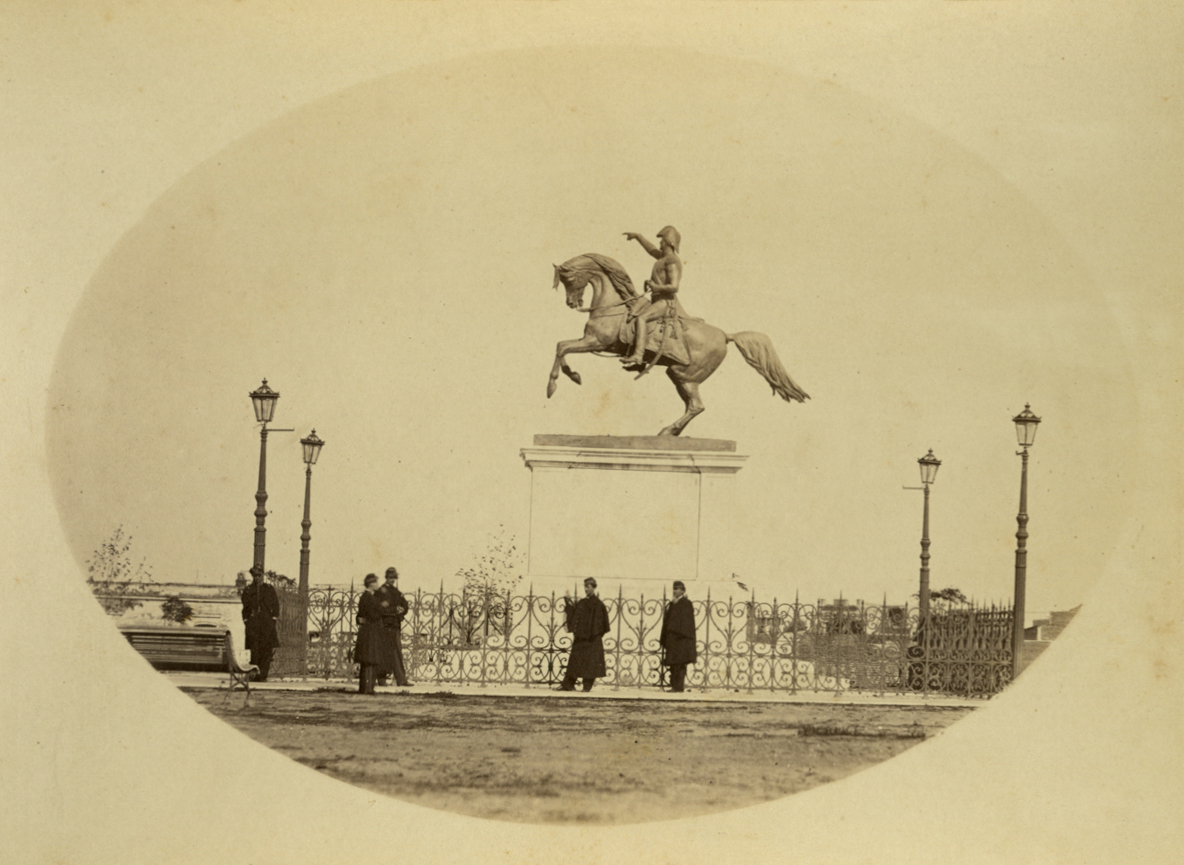


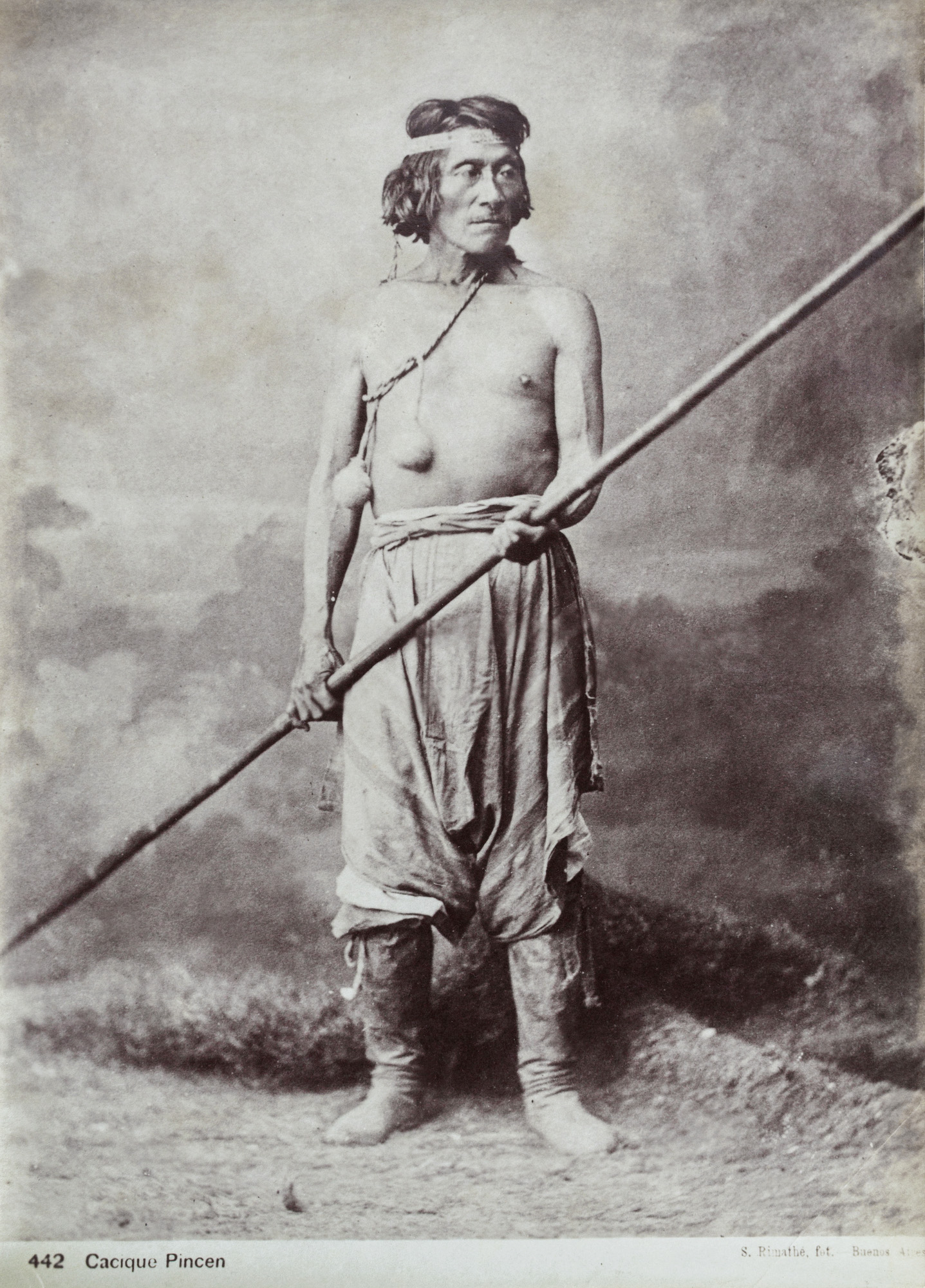
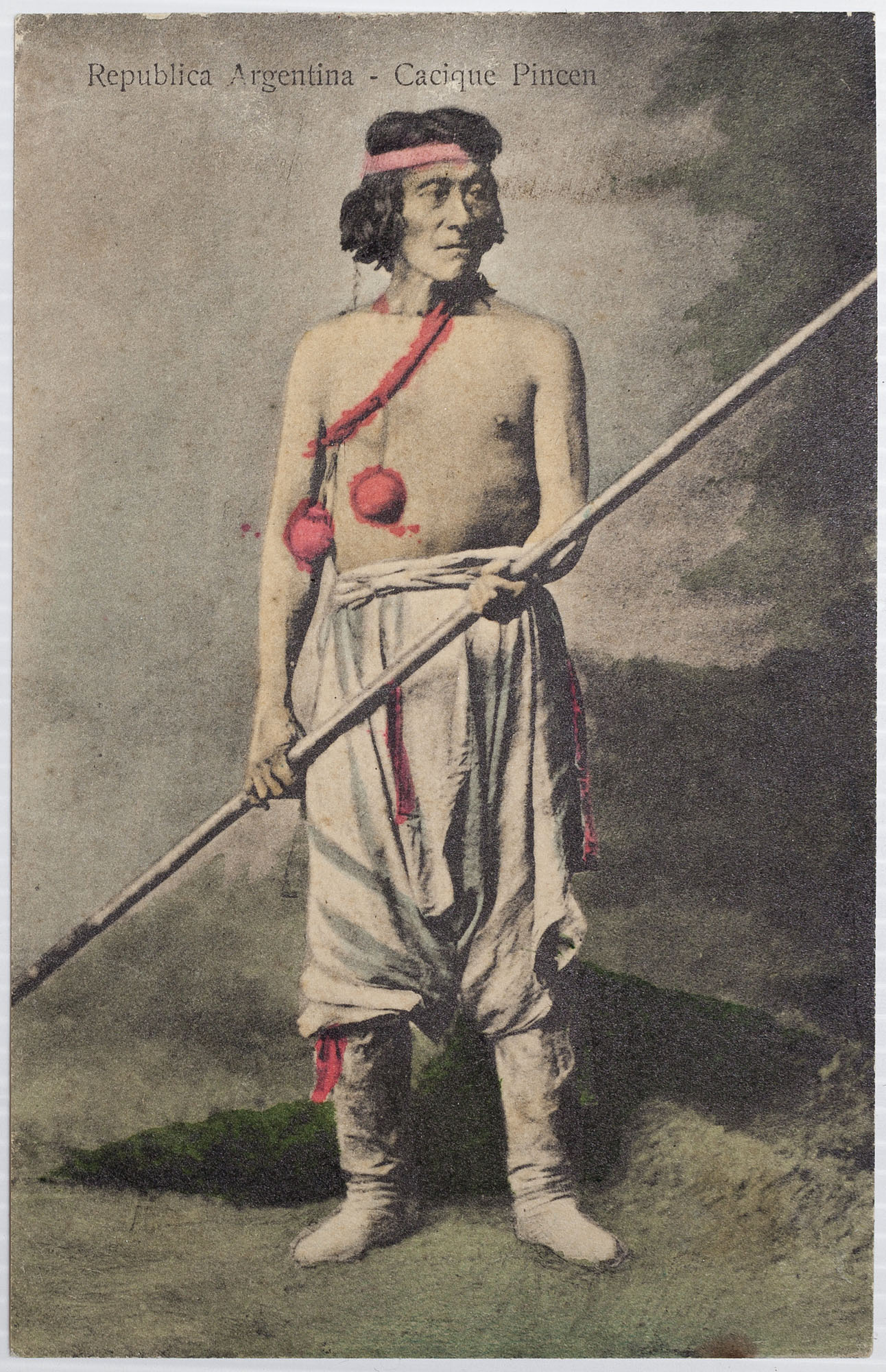


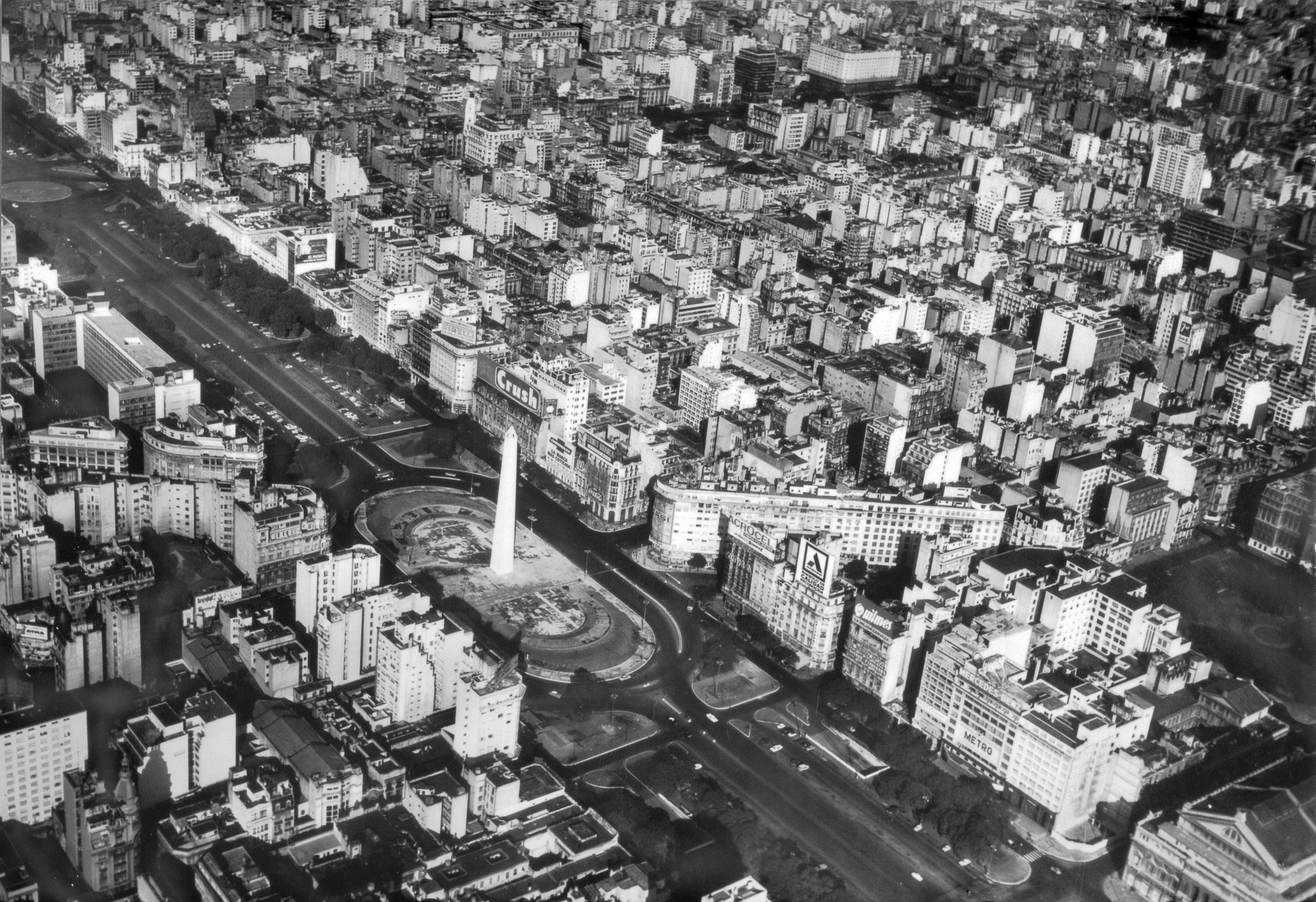

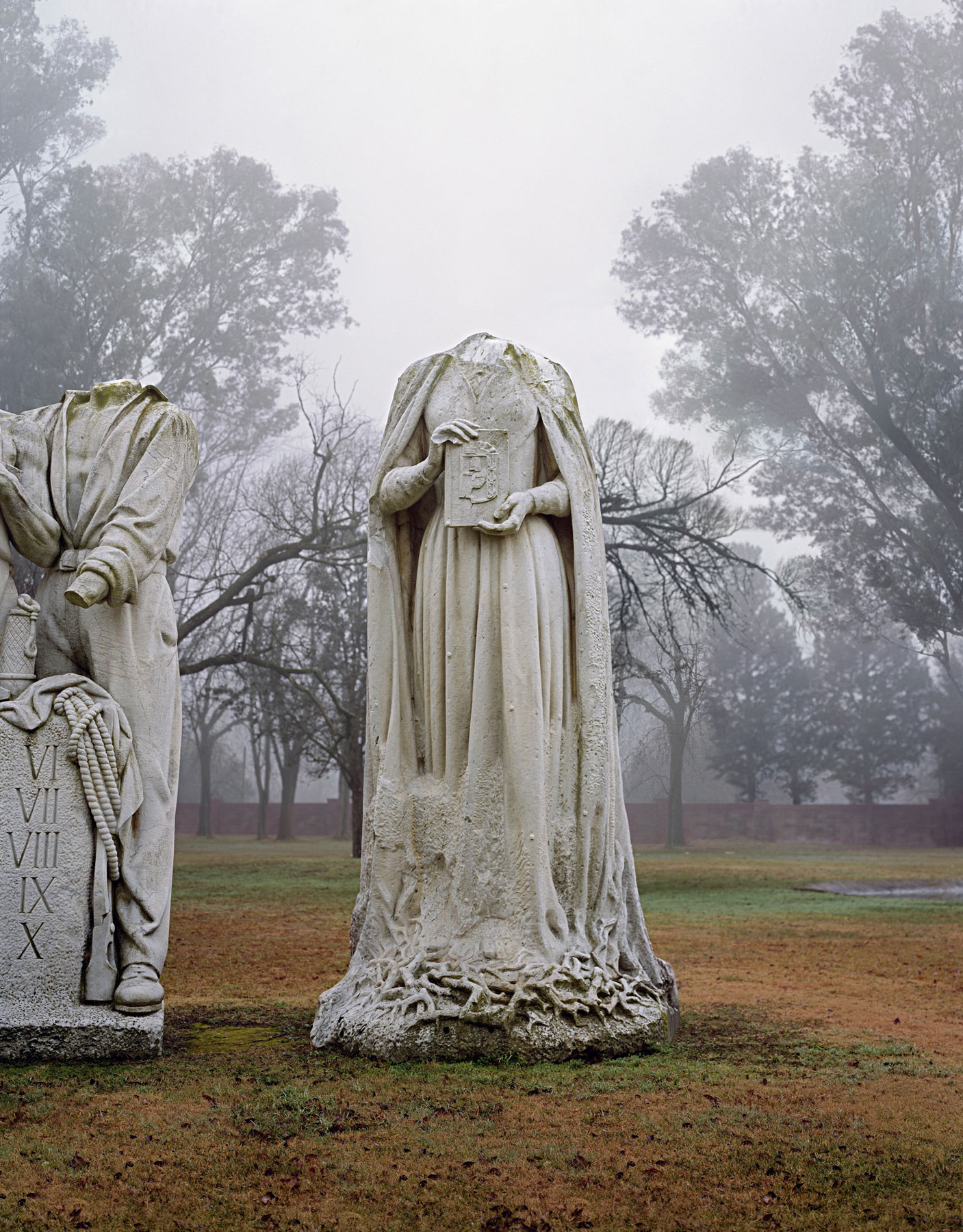
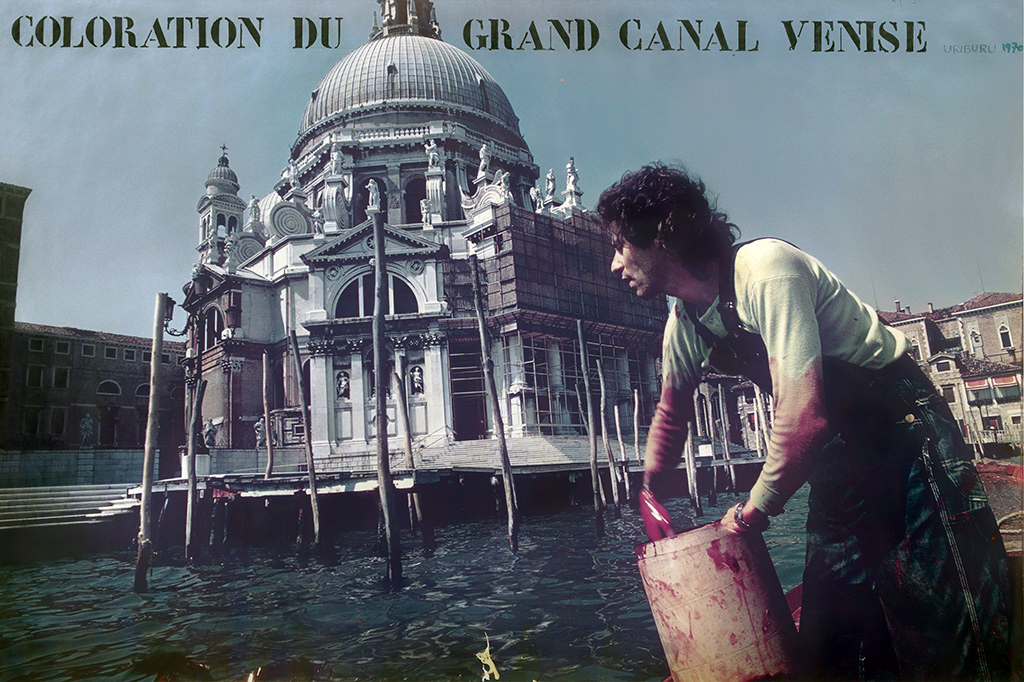


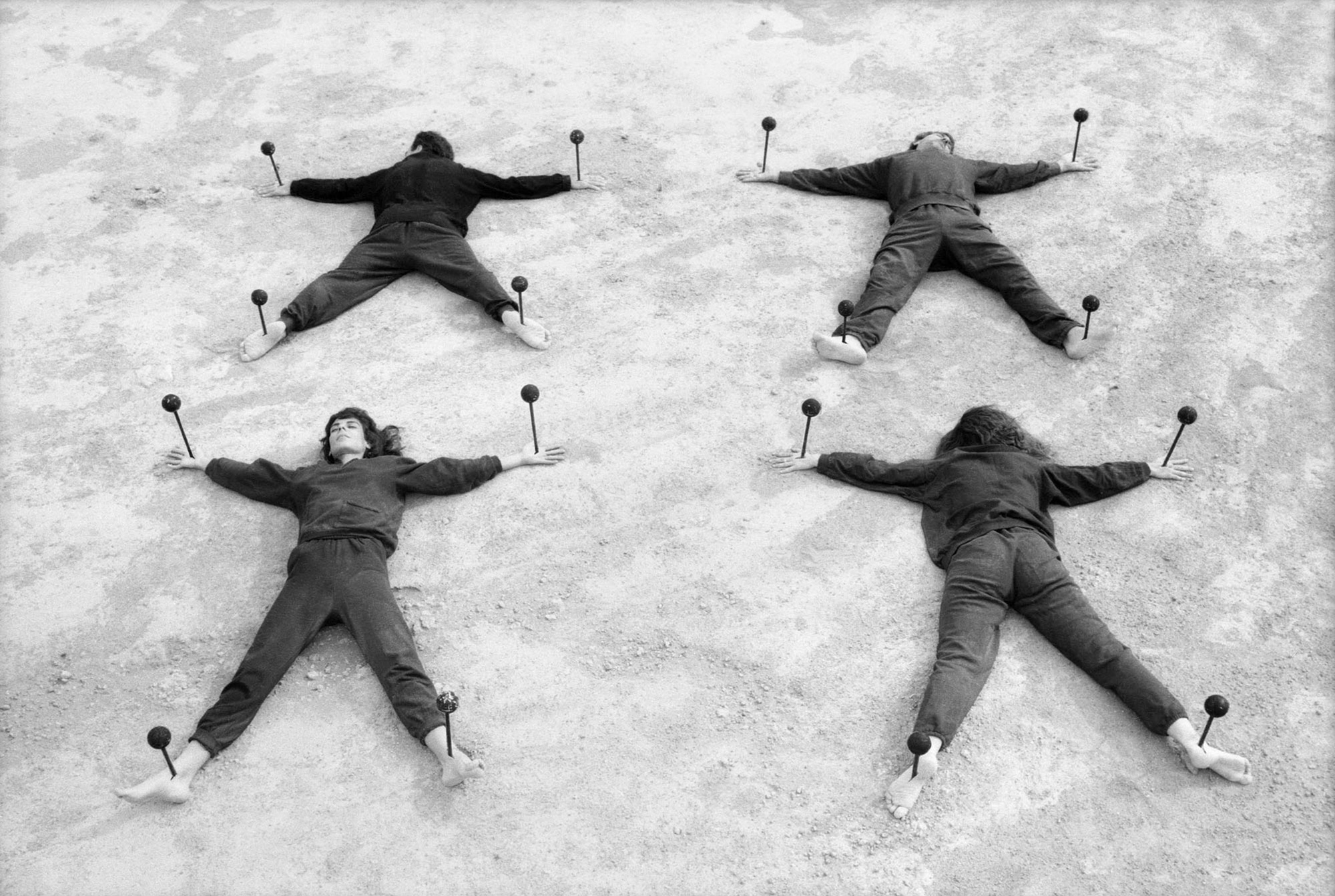
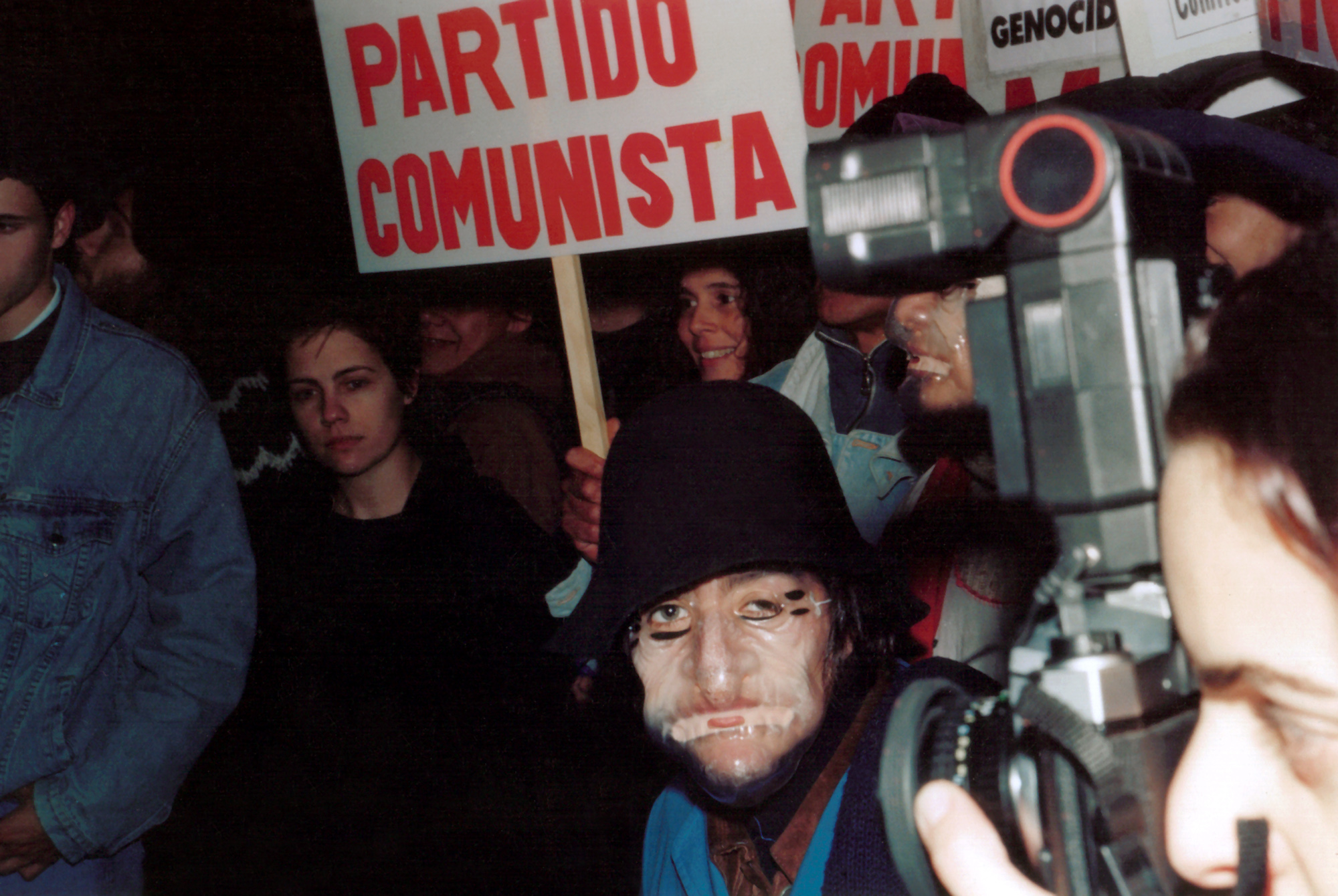


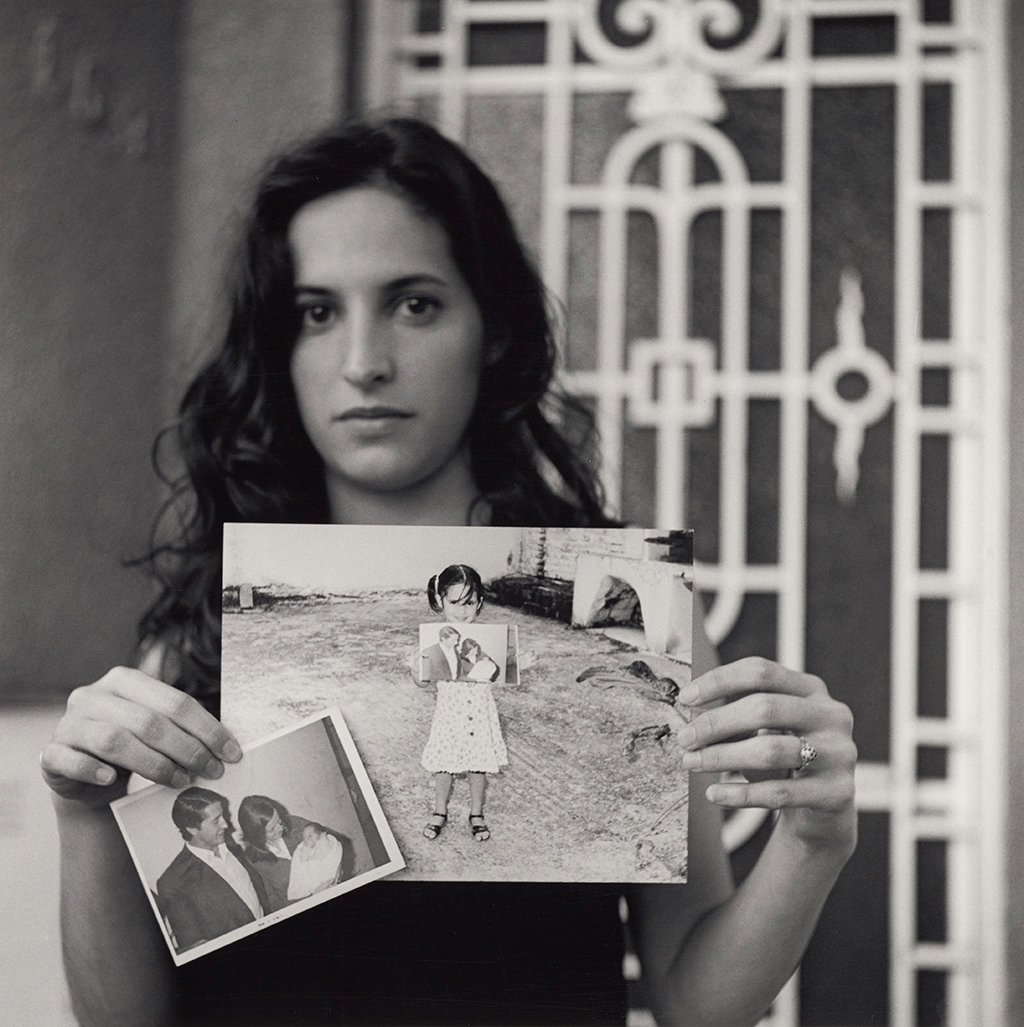
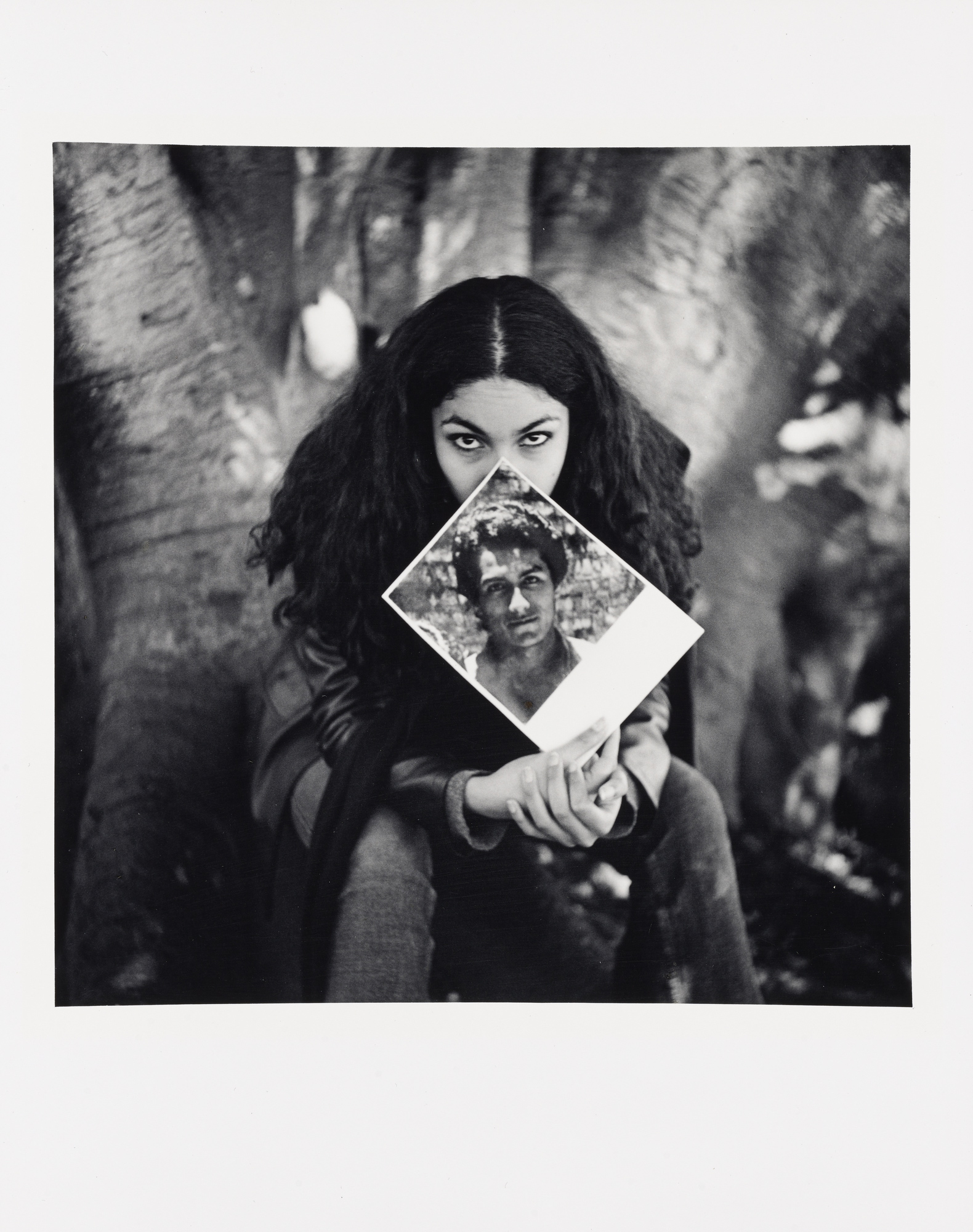


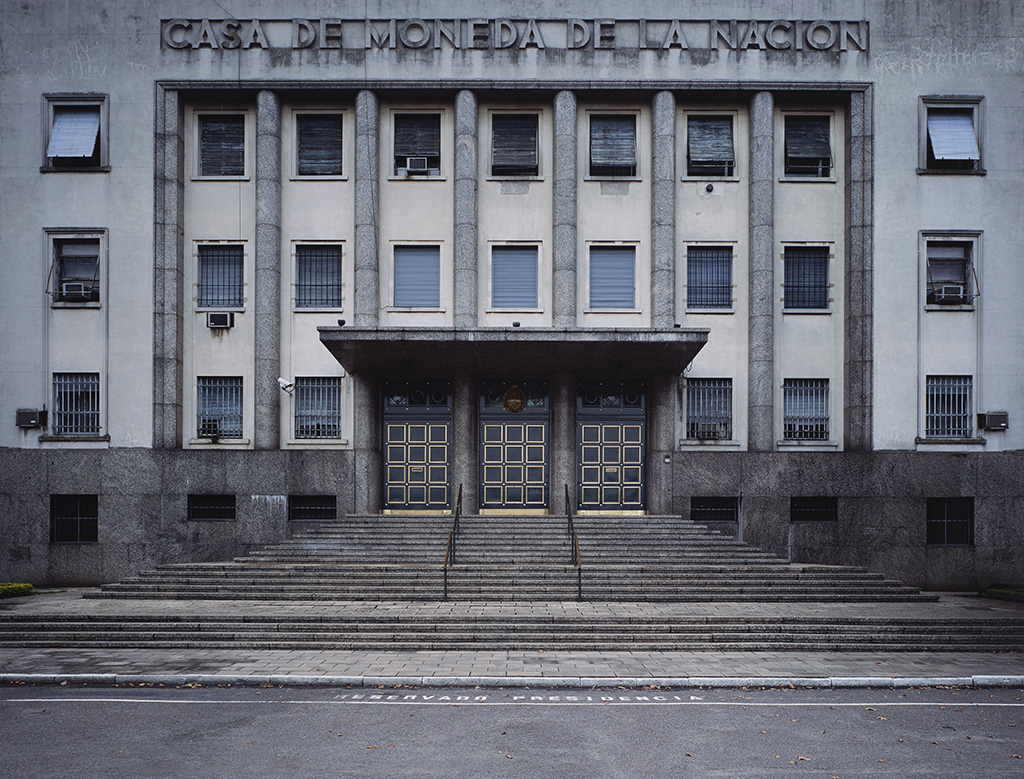

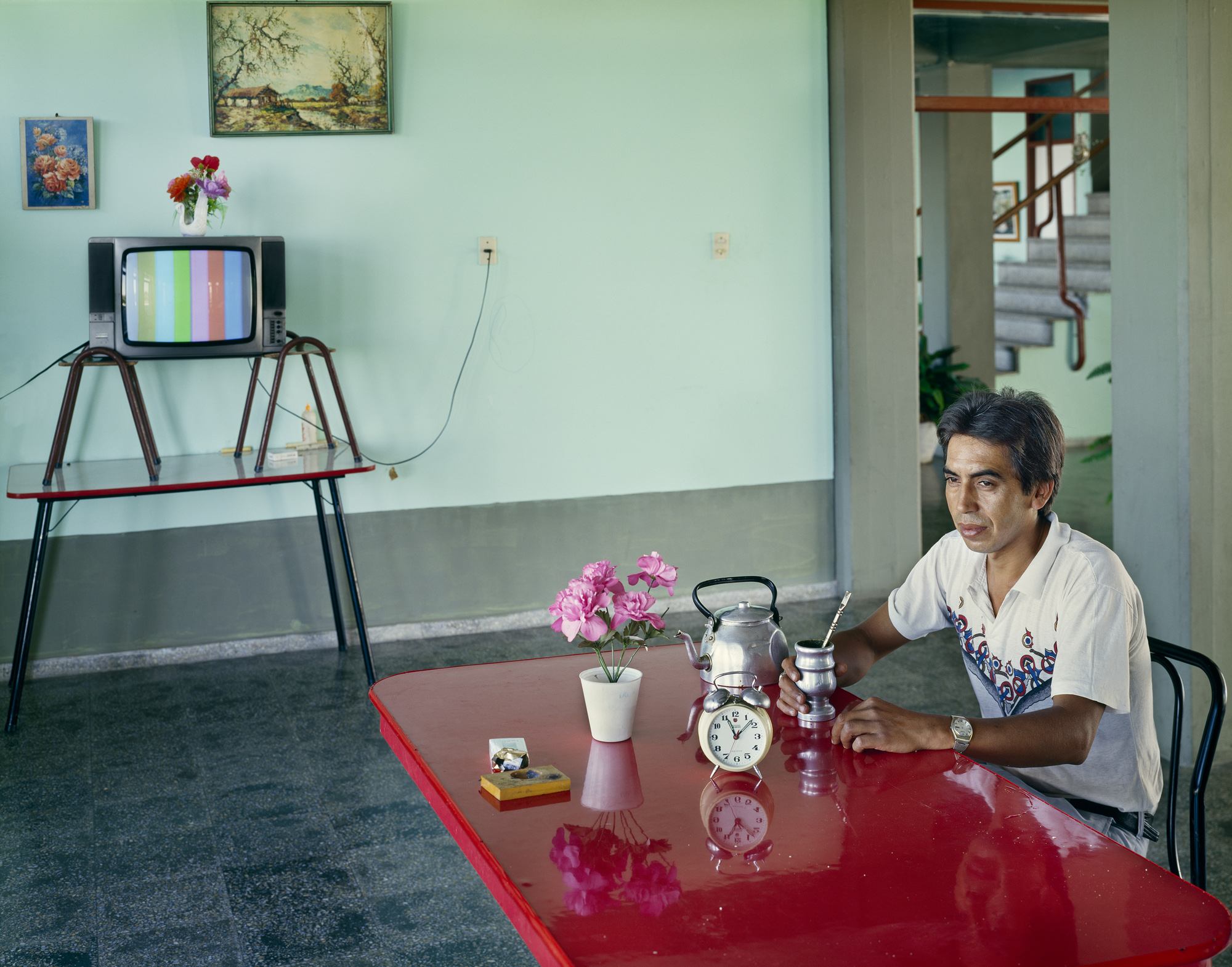



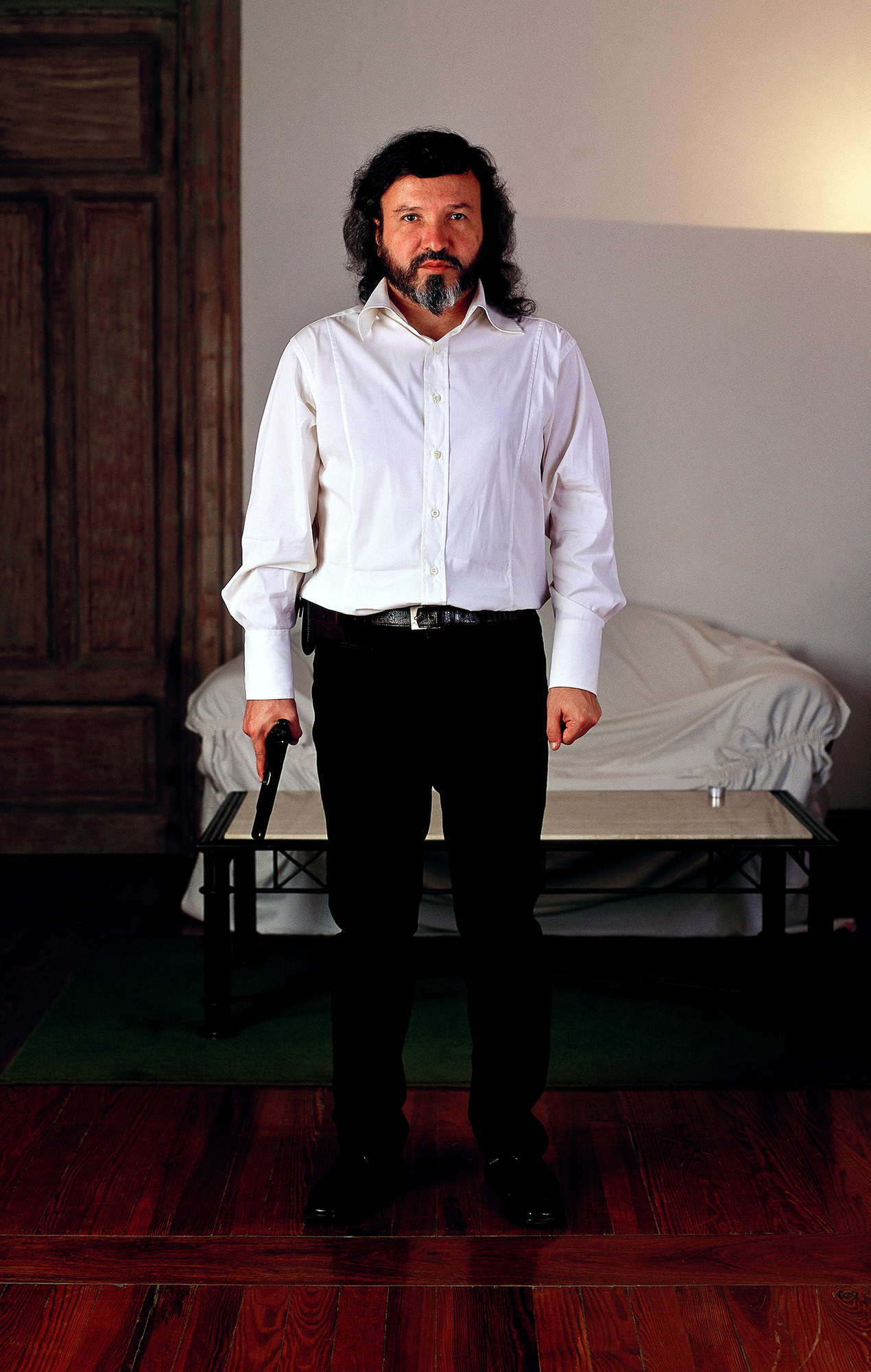


![Walter Mittelholzer (Swiss, 1894-1937) 'Wilde Schlussszene des Opfertanzes [Wild final scene of the sacrificial dance]' 1926-1927](https://artblart.com/wp-content/uploads/2017/11/lbs_mh02-03-0084-a-web.jpg "Walter Mittelholzer (Swiss, 1894-1937) 'Wilde Schlussszene des Opfertanzes [Wild final scene of the sacrificial dance]' 1926-1927")
![Walter Mittelholzer (Swiss, 1894-1937) 'Fremdenverkehr vor der Sphinx [Tourism in front of the Sphinx]' 1929](https://artblart.com/wp-content/uploads/2017/11/lbs_mh02-07-0161-web.jpg "Walter Mittelholzer (Swiss, 1894-1937) 'Fremdenverkehr vor der Sphinx [Tourism in front of the Sphinx]' 1929")
![Walter Mittelholzer (Swiss, 1894-1937) 'Itu-Mann vom Südosten Abessiniens [Itu man from southeastern Abyssinia]' c. 1934](https://artblart.com/wp-content/uploads/2017/11/lbs_mh02-22-0756-web.jpg "Walter Mittelholzer (Swiss, 1894-1937) 'Itu-Mann vom Südosten Abessiniens [Itu man from southeastern Abyssinia]' c. 1934")
![Walter Mittelholzer (Swiss, 1894-1937) 'Dankali-Mädchen [Dankali girl]' c. 1934](https://artblart.com/wp-content/uploads/2017/11/lbs_mh02-22-0775-web.jpg "Walter Mittelholzer (Swiss, 1894-1937) 'Dankali-Mädchen [Dankali girl]' c. 1934")
![Walter Mittelholzer (Swiss, 1894-1937) 'Flugplatz in Addis Abeba [Airfield in Addis Ababa]' c. 1934](https://artblart.com/wp-content/uploads/2017/11/lbs_mh02-22-0778-web.jpg "Walter Mittelholzer (Swiss, 1894-1937) 'Flugplatz in Addis Abeba [Airfield in Addis Ababa]' c. 1934")






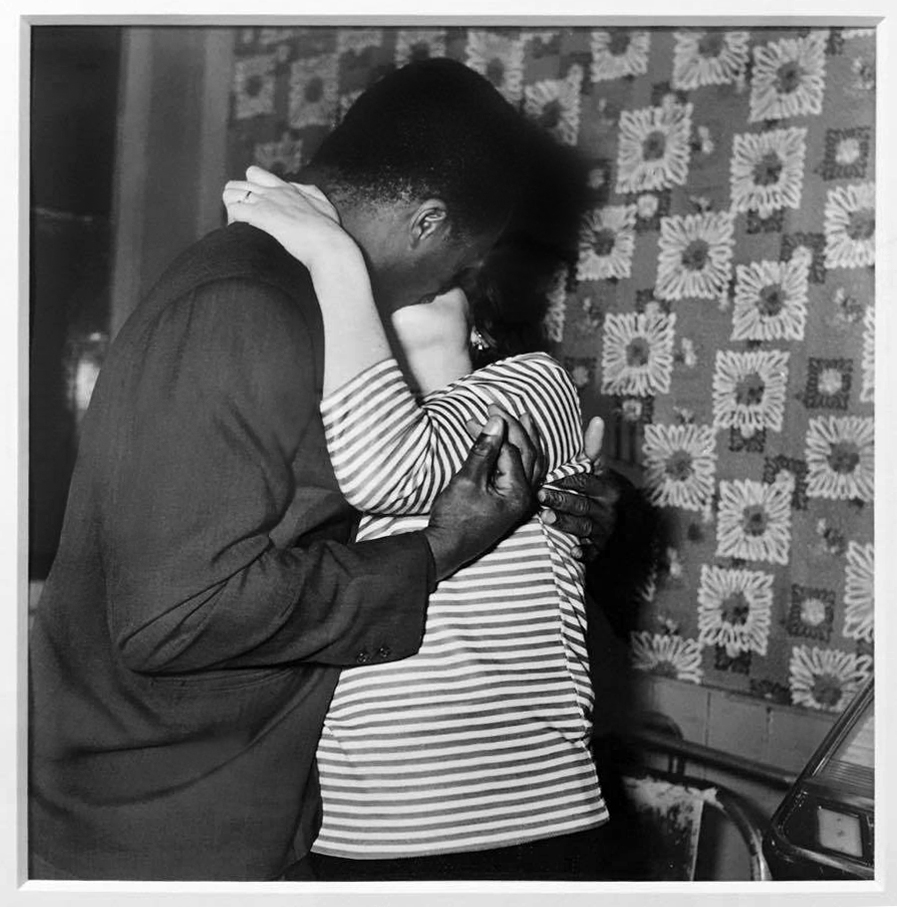
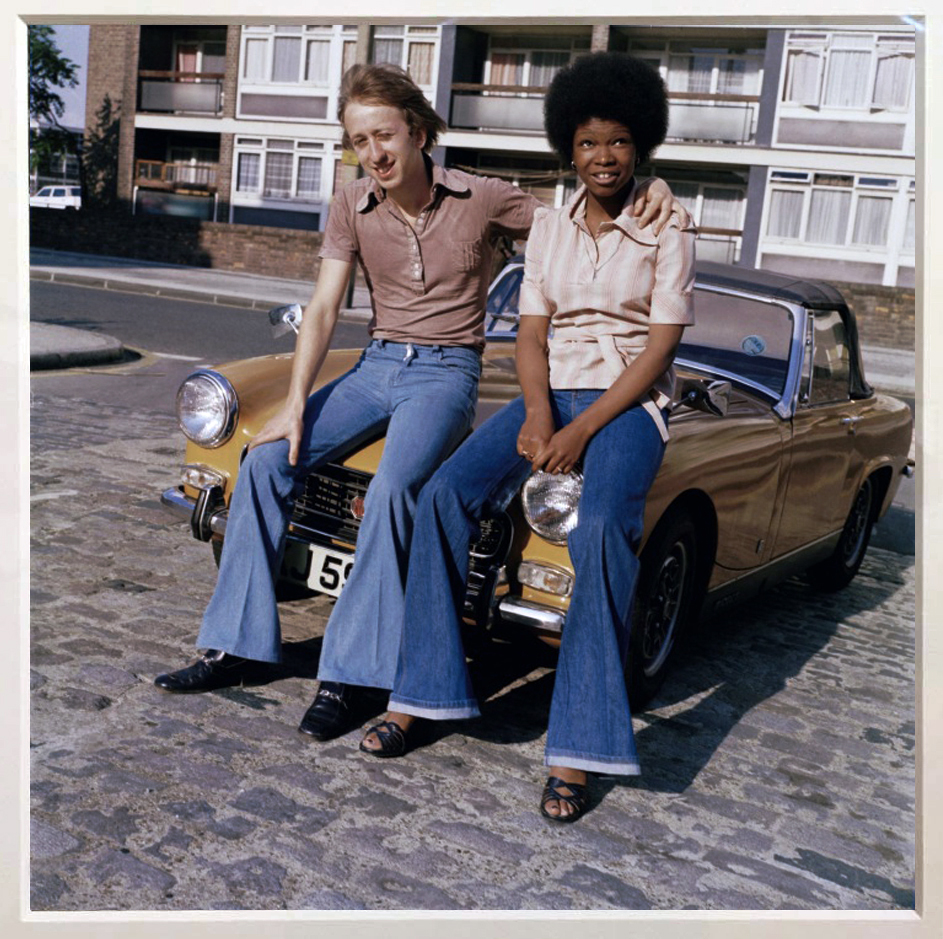
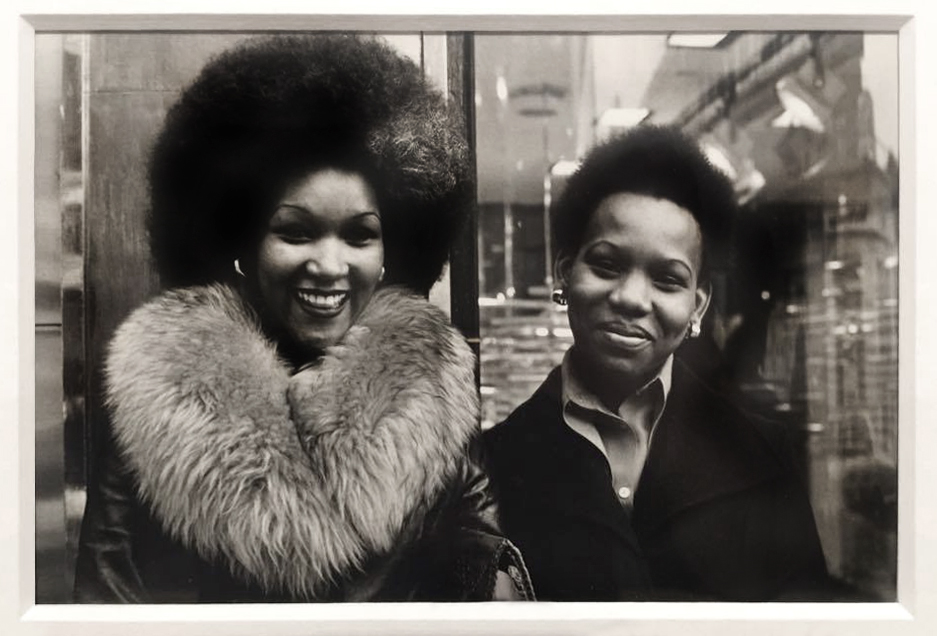

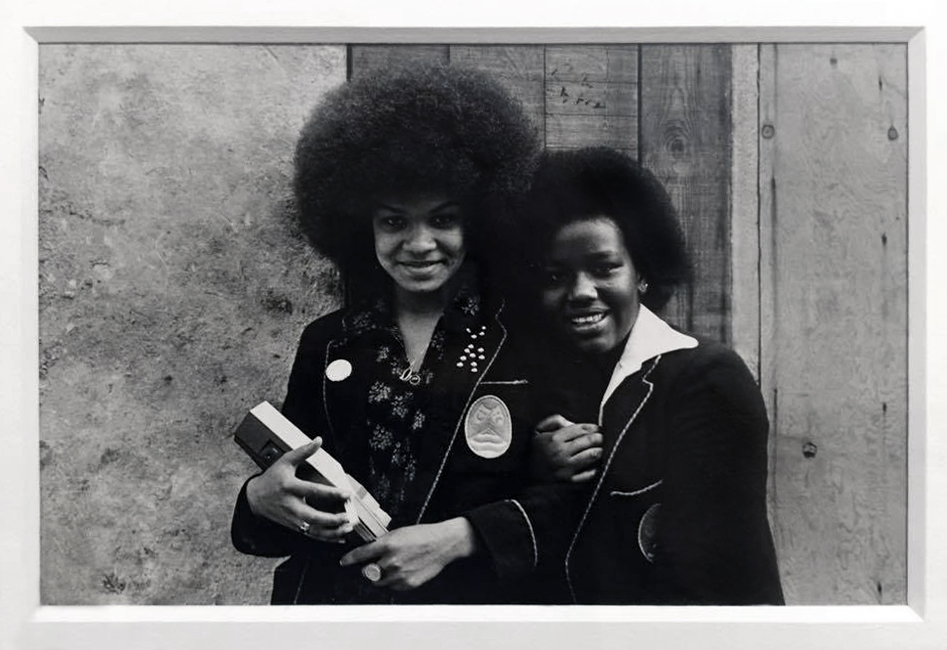


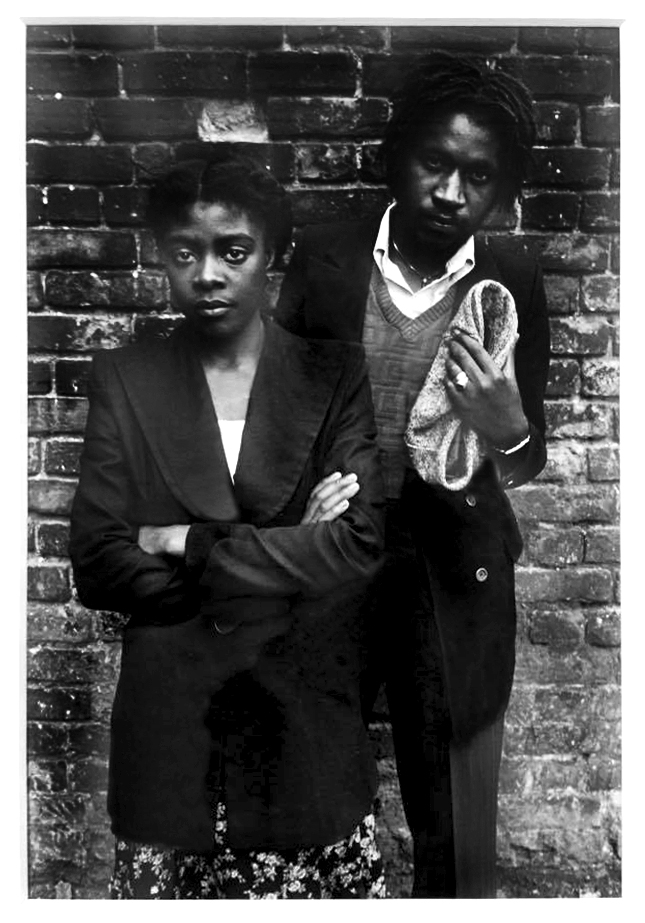
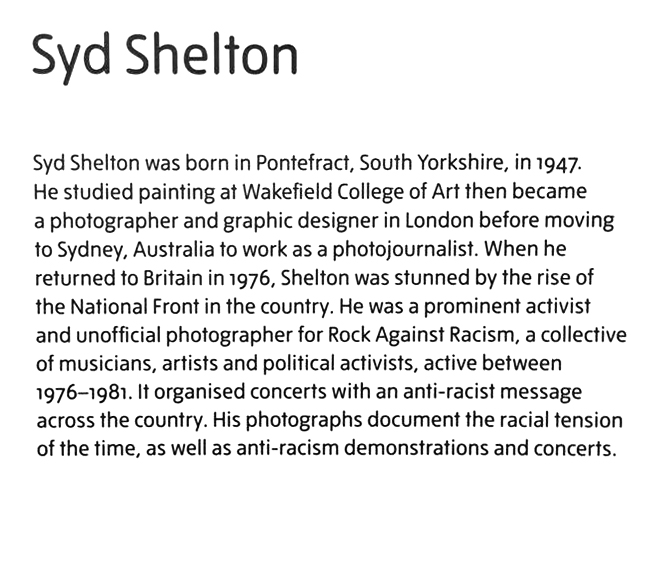
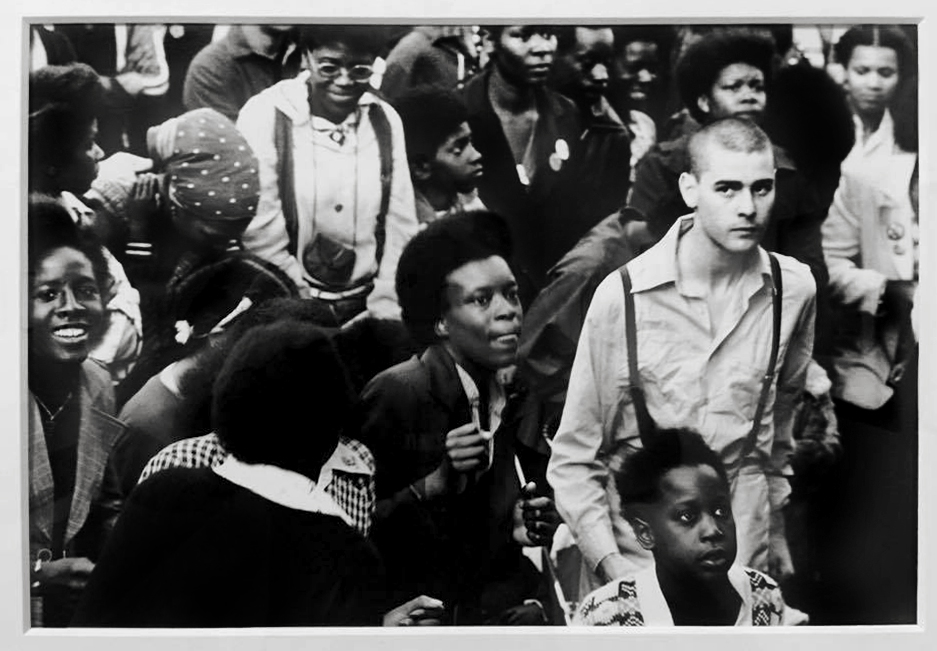
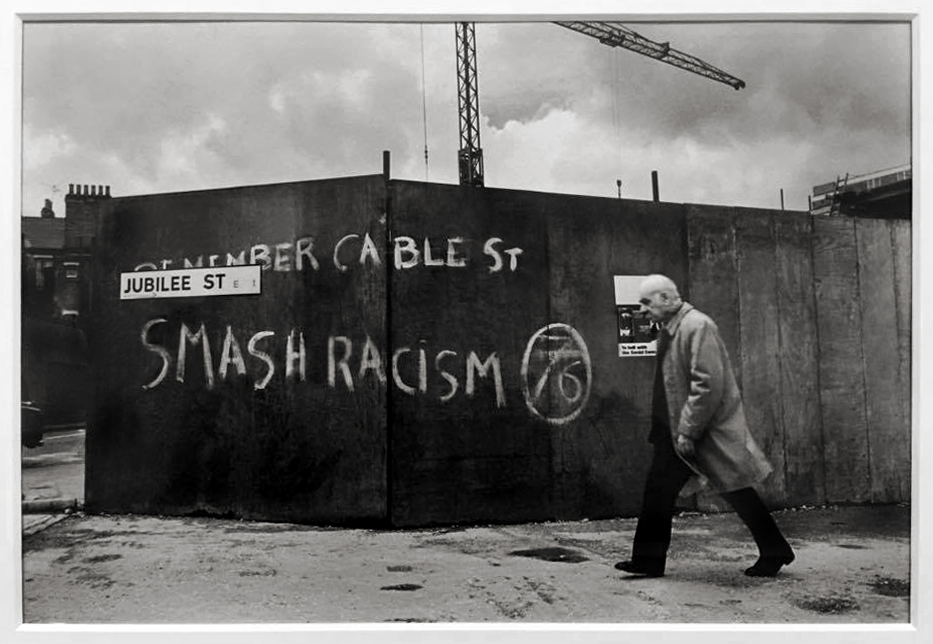

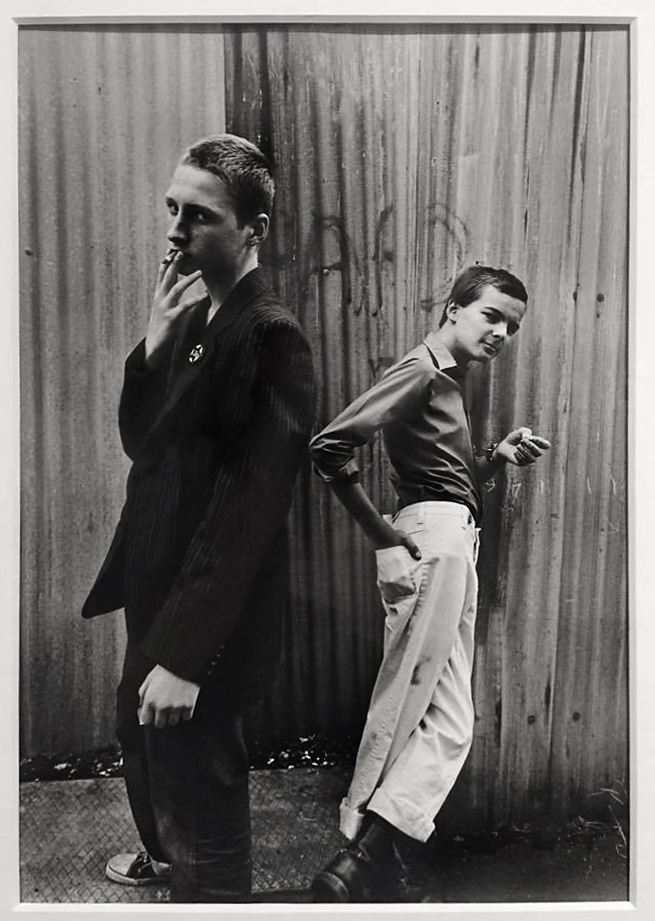



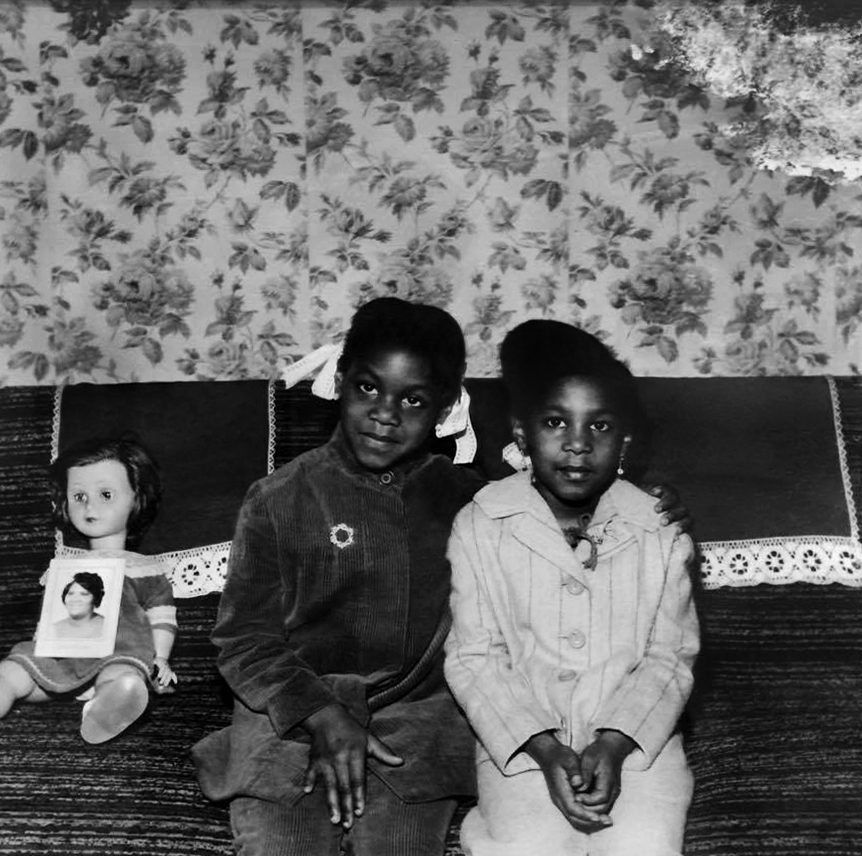


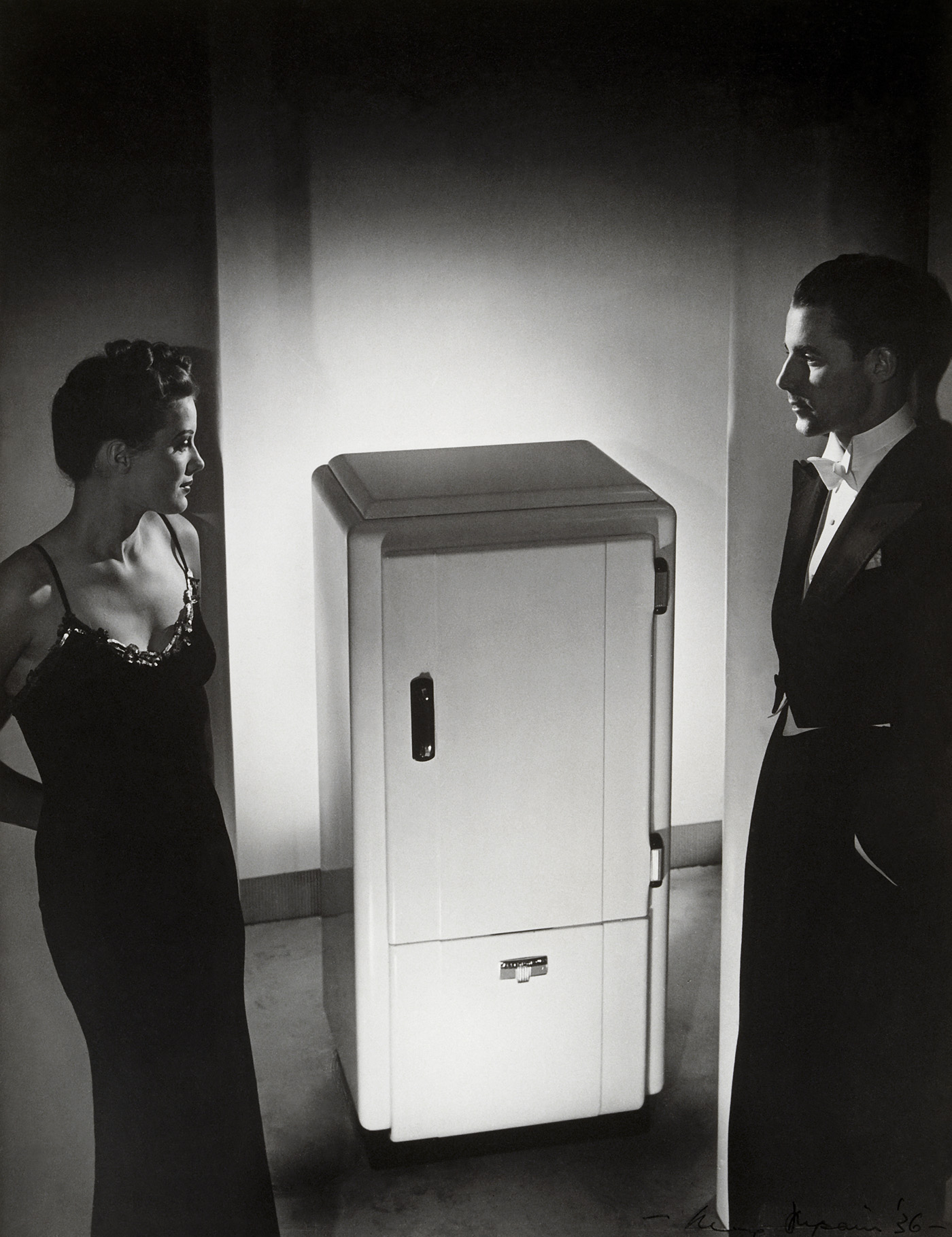

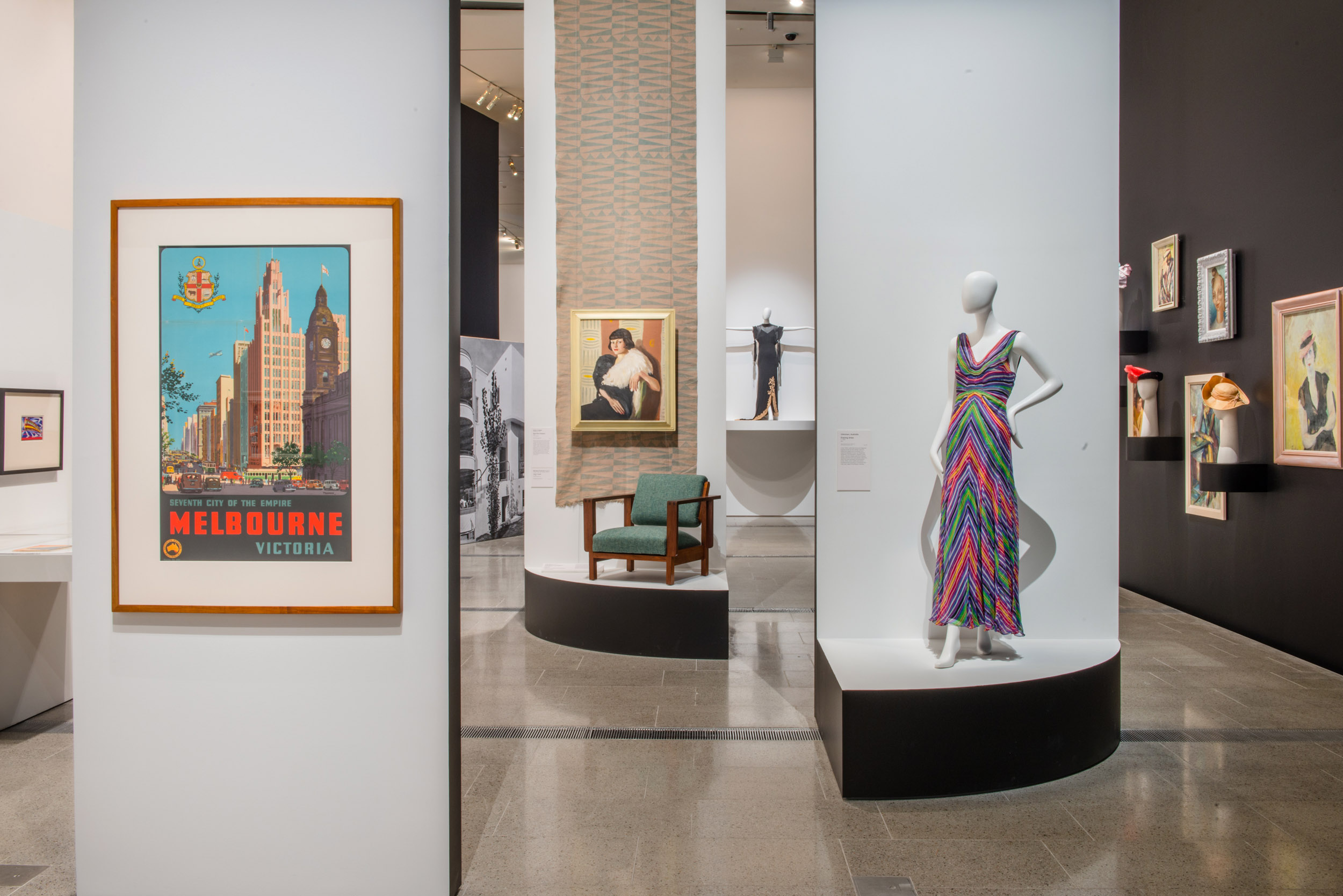


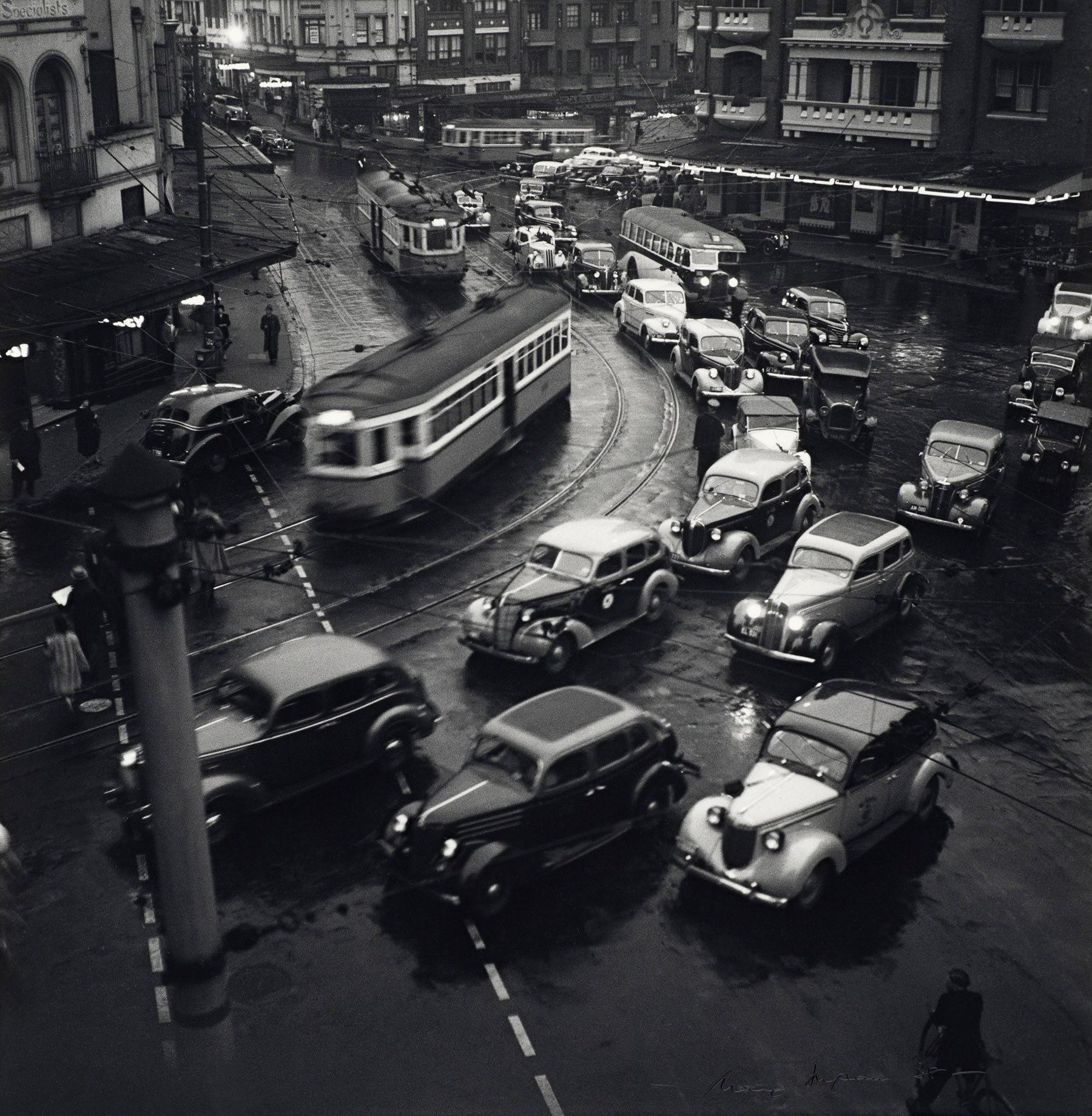






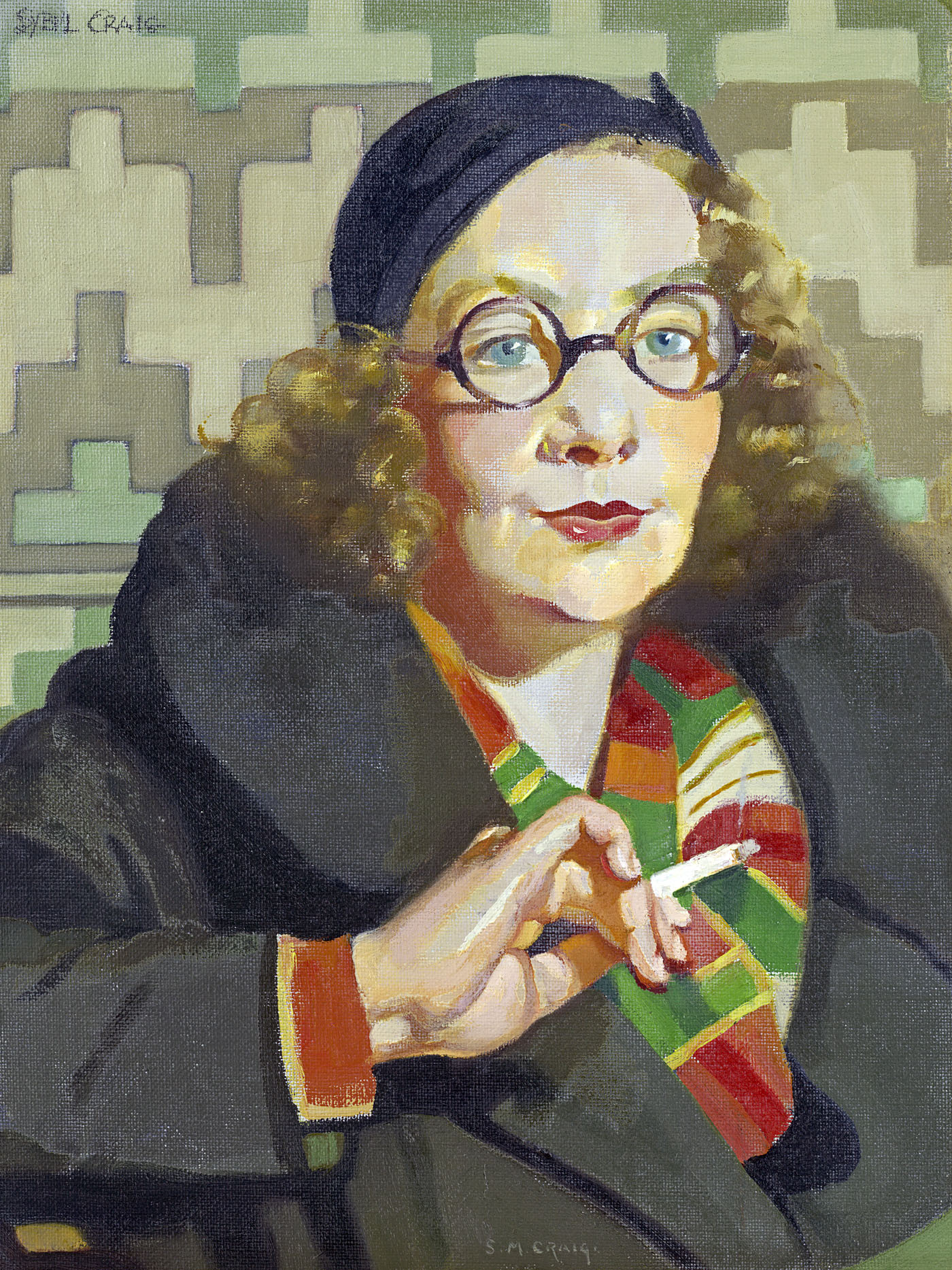


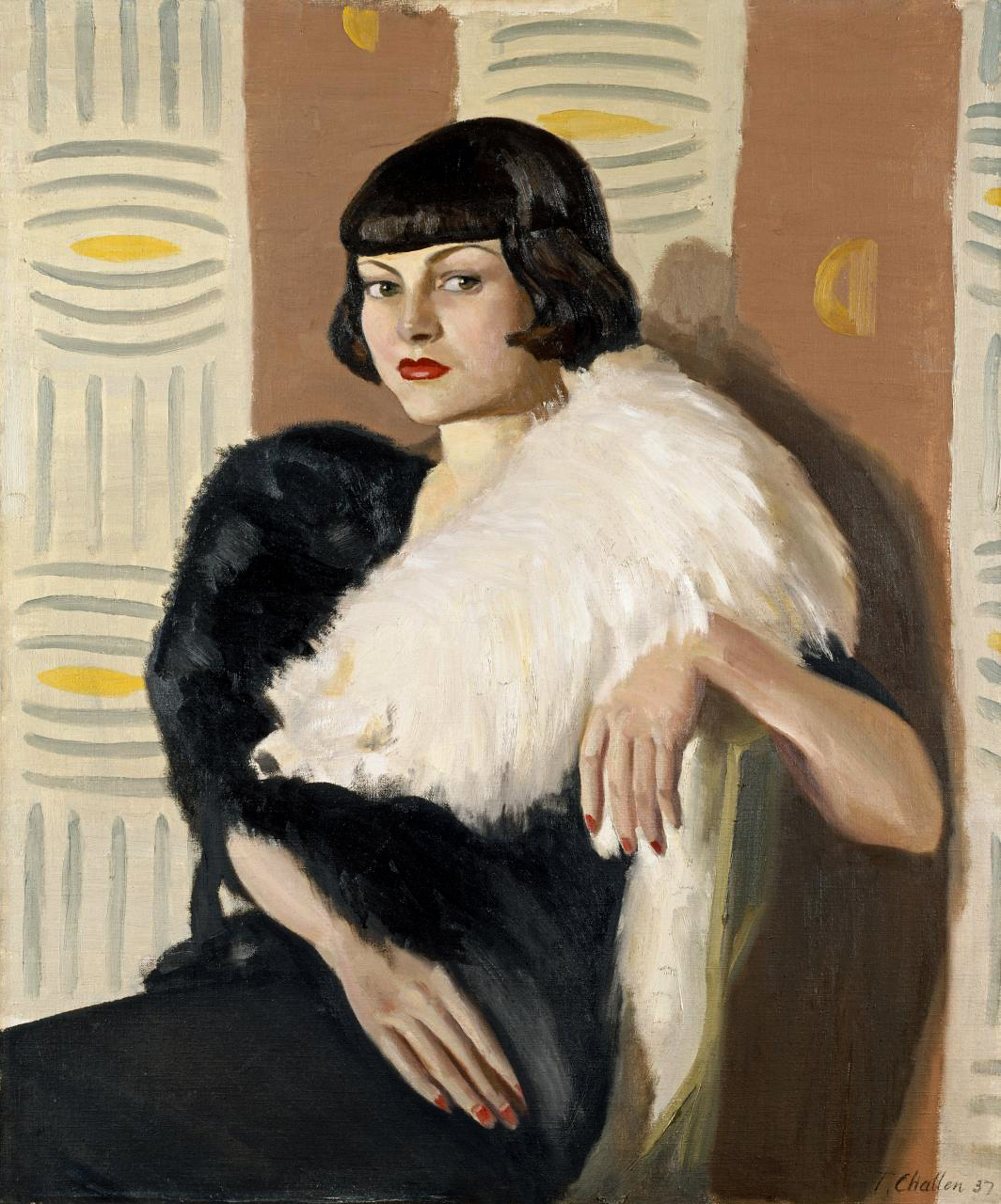
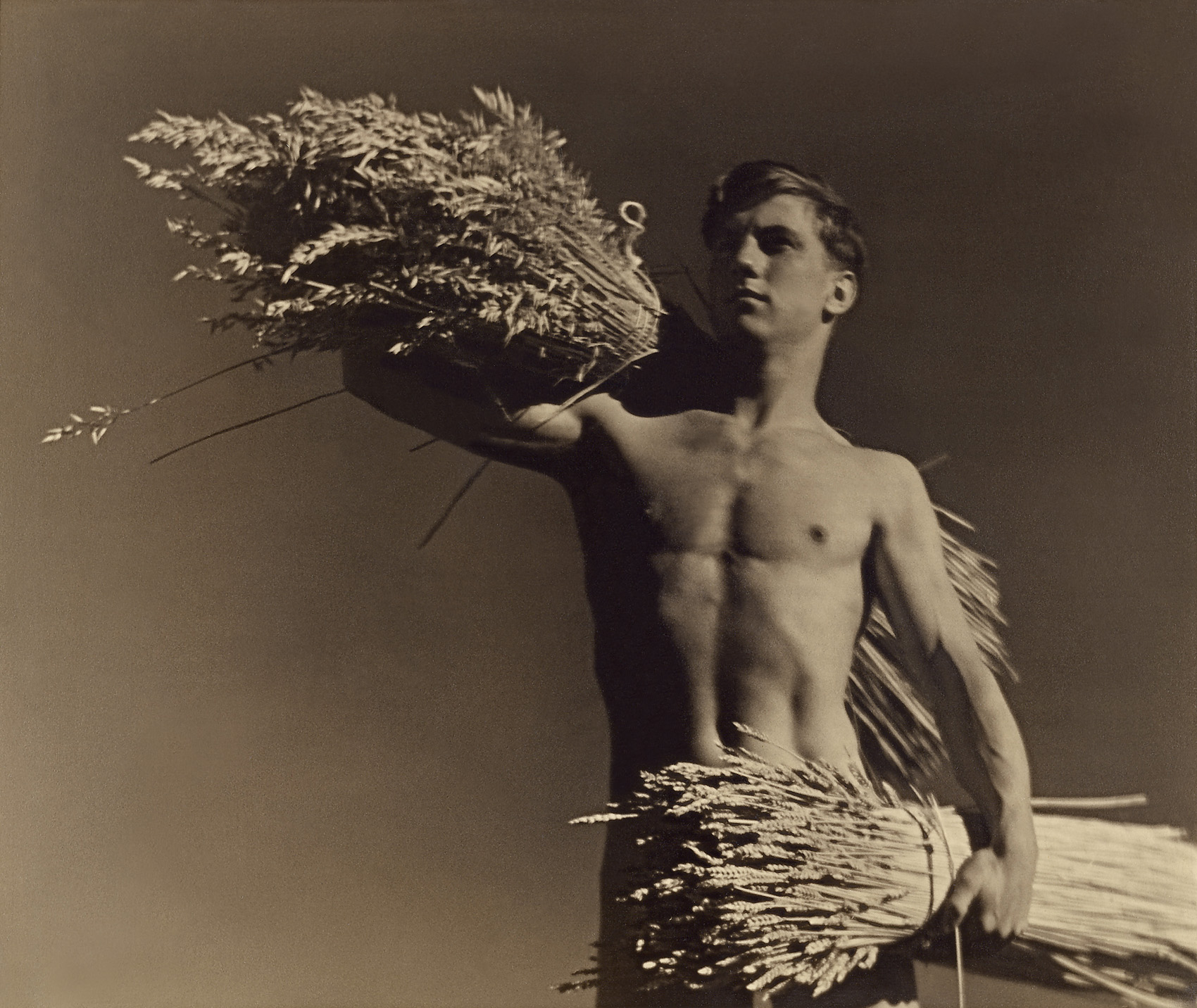
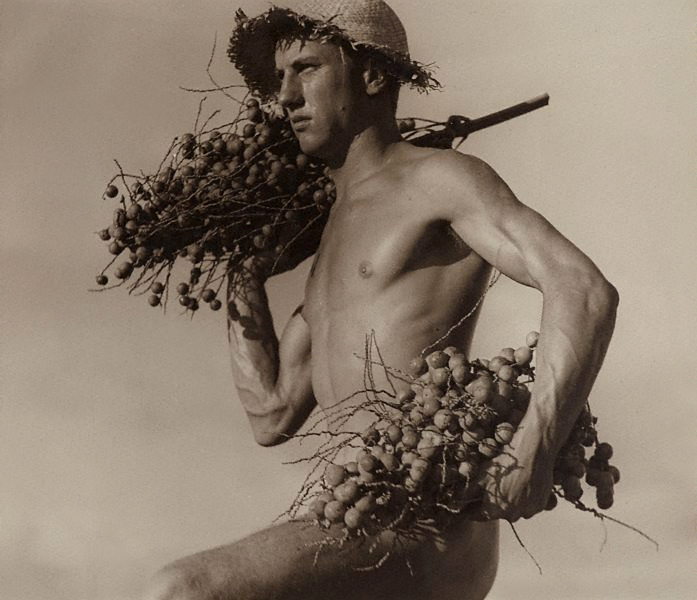

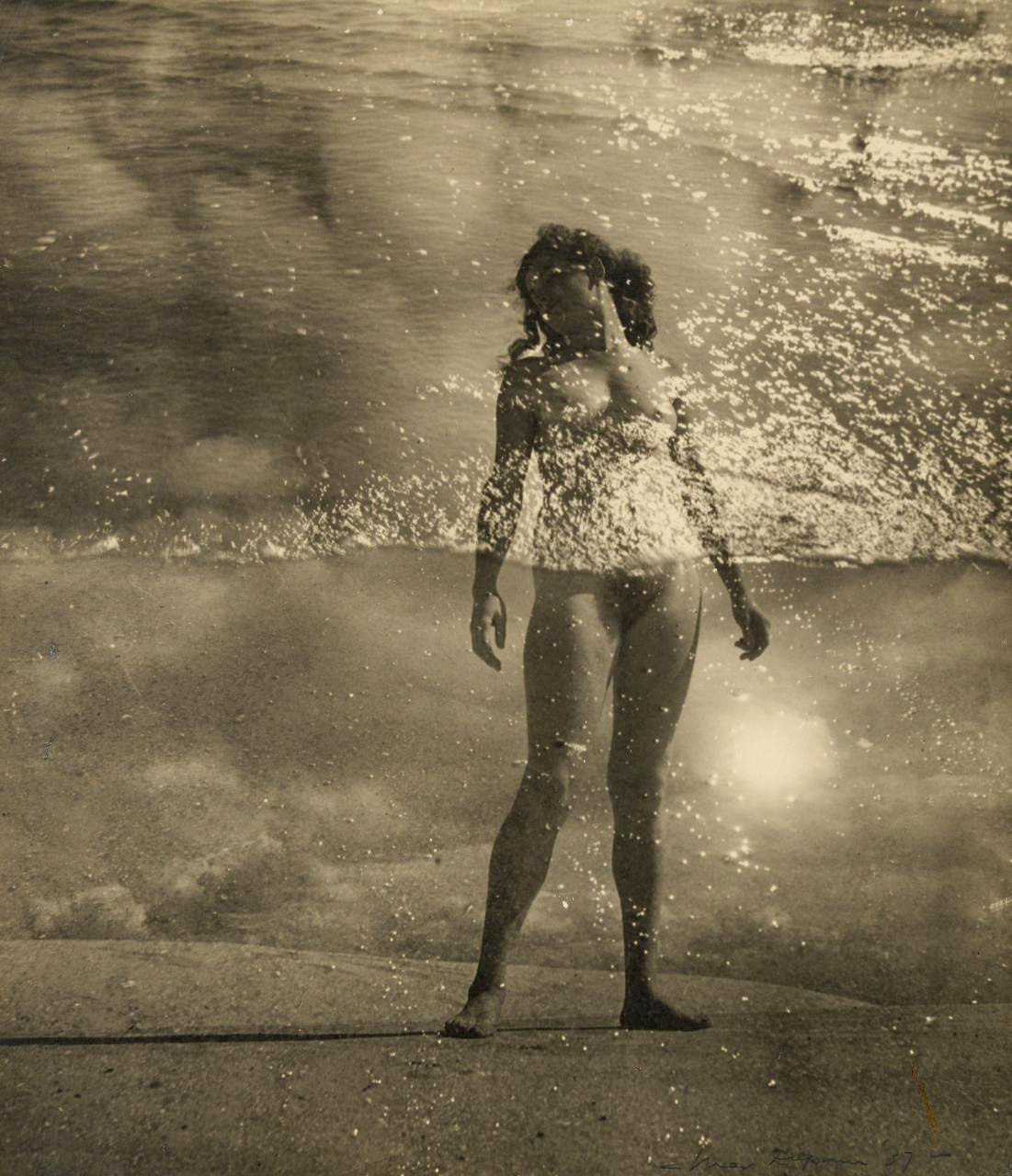
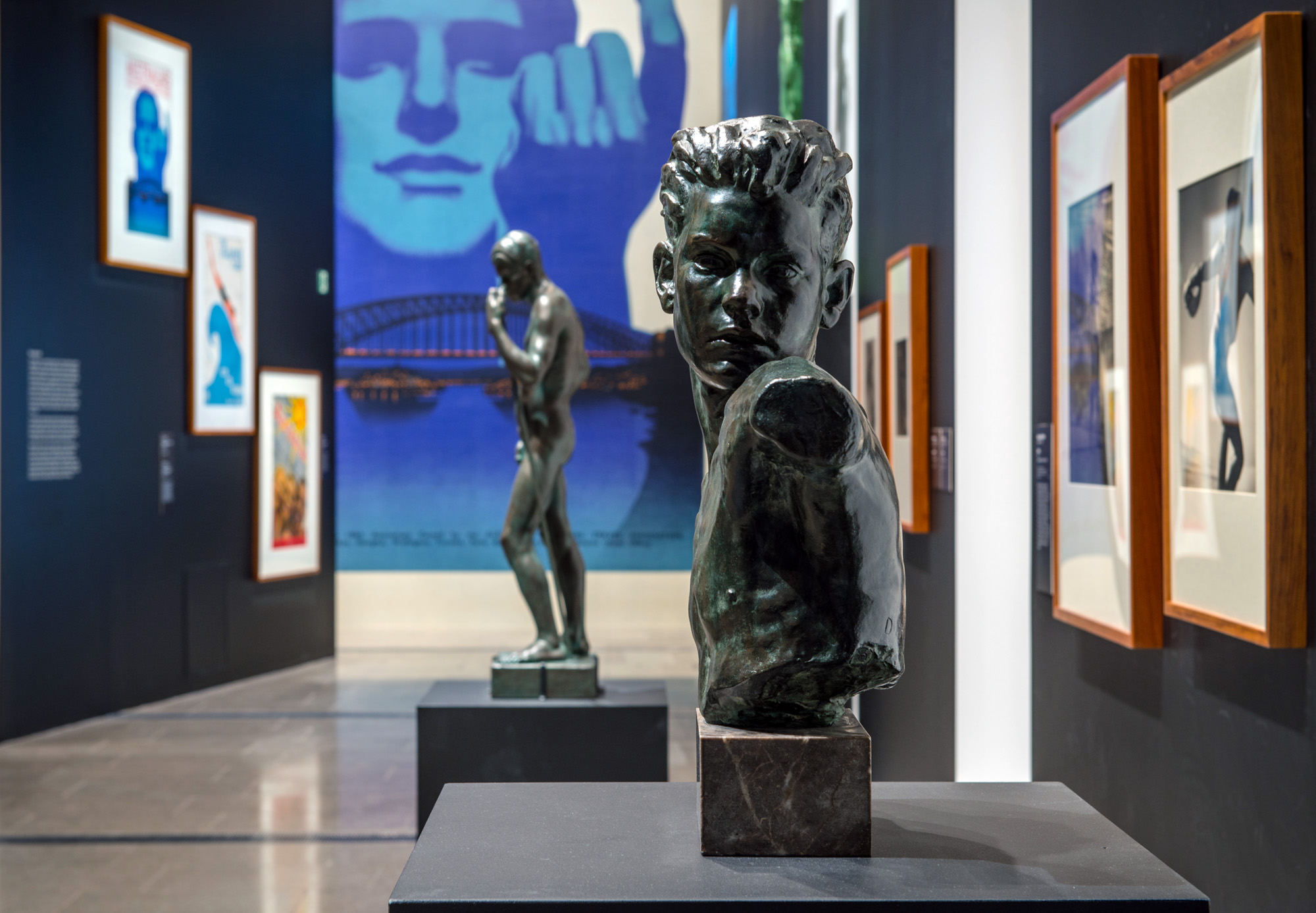
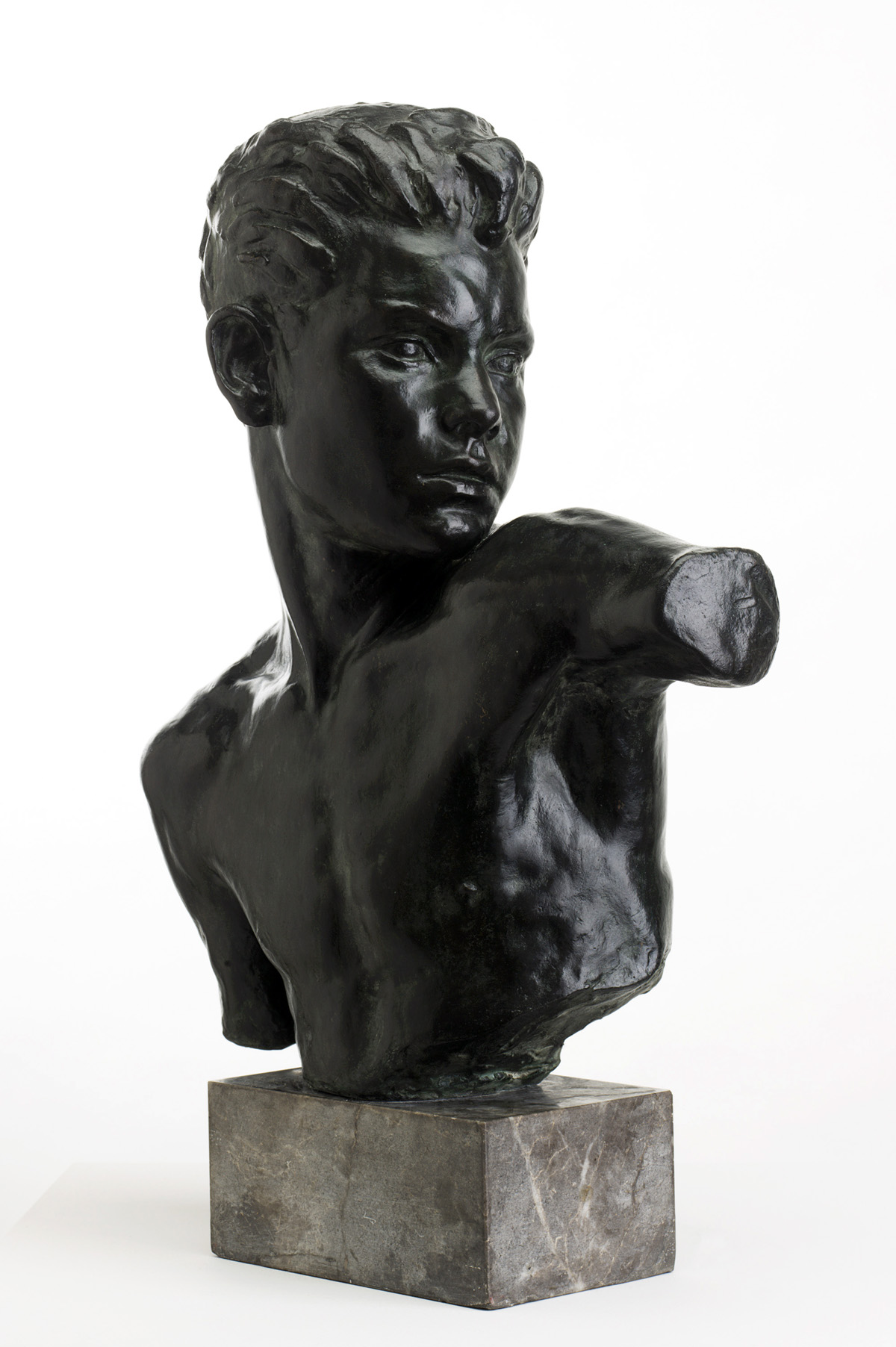


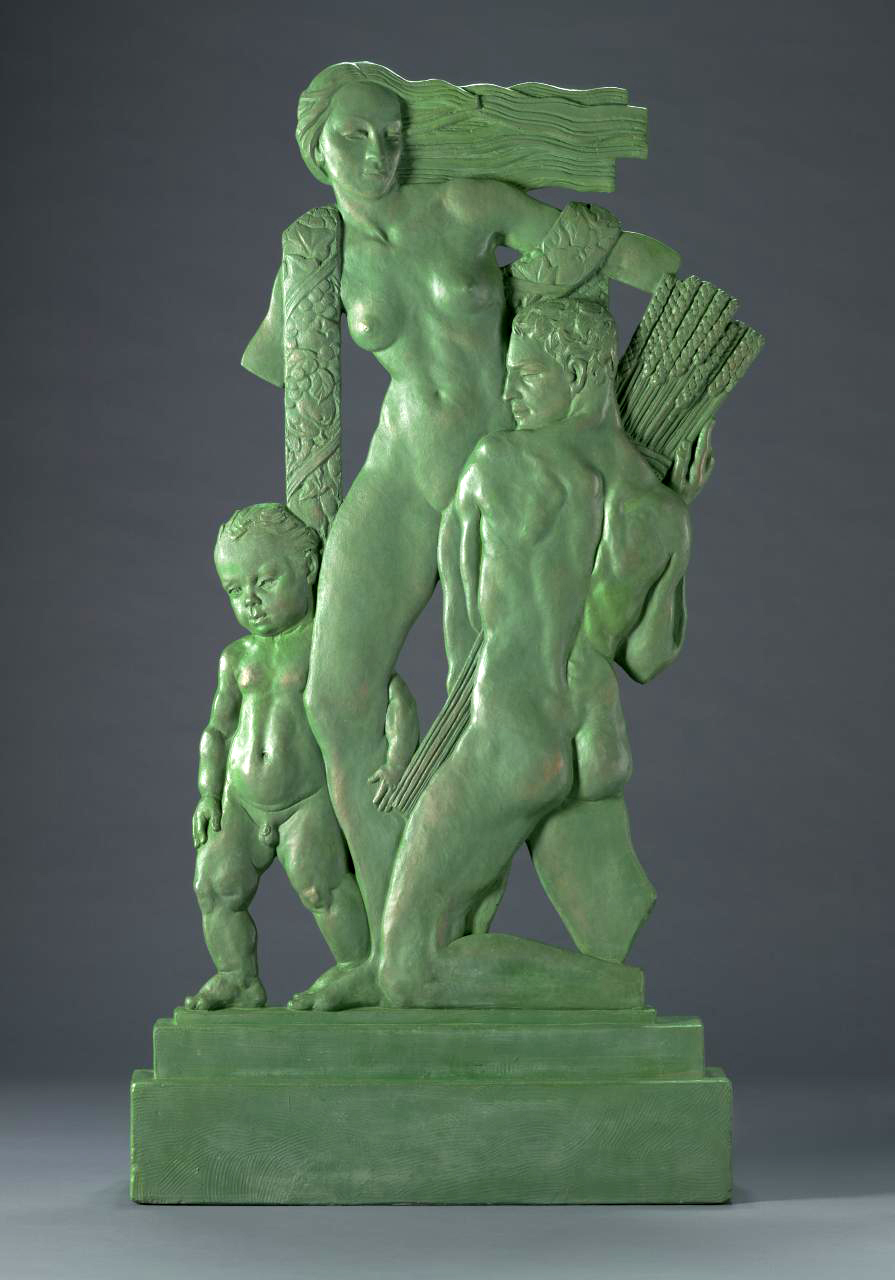






























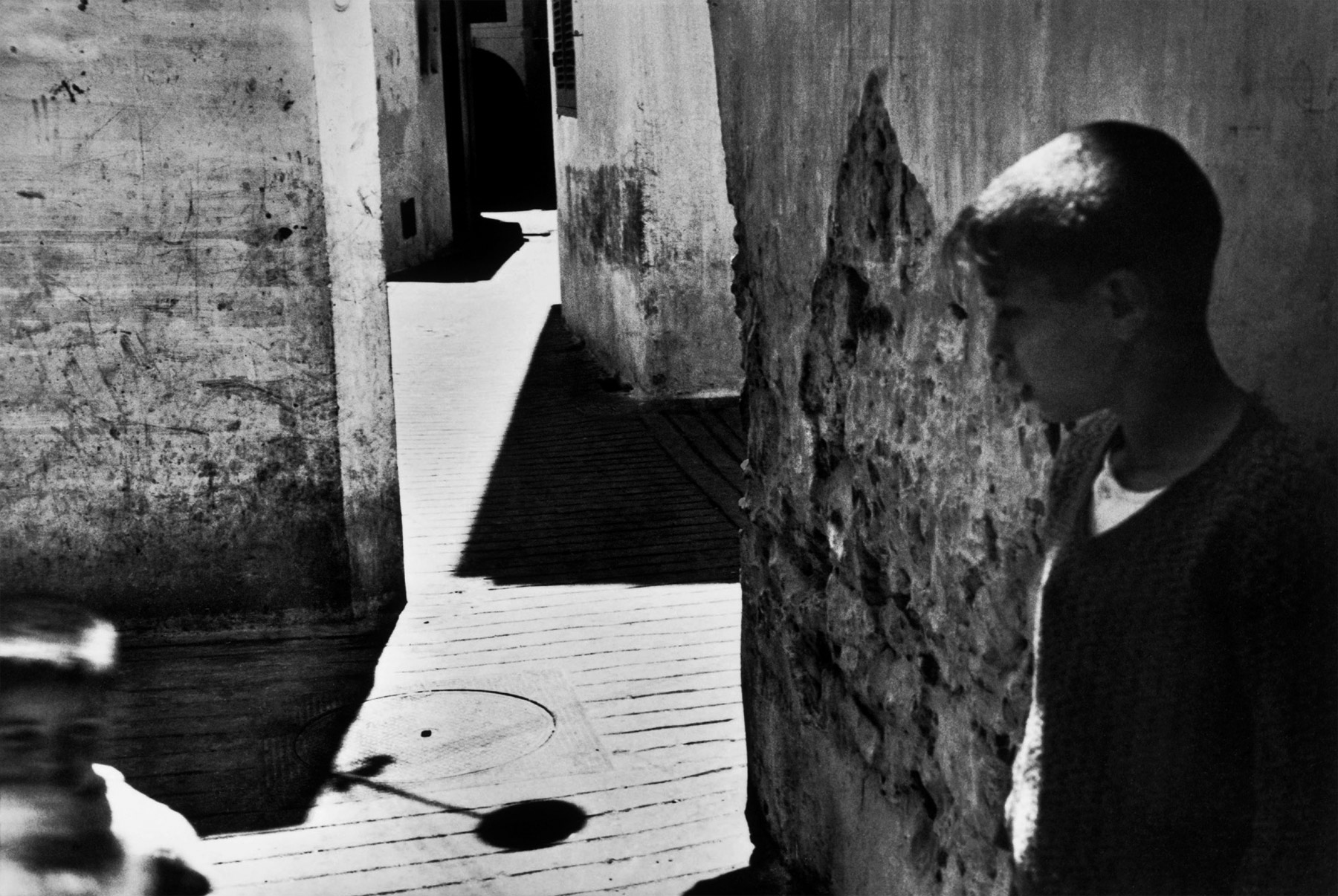


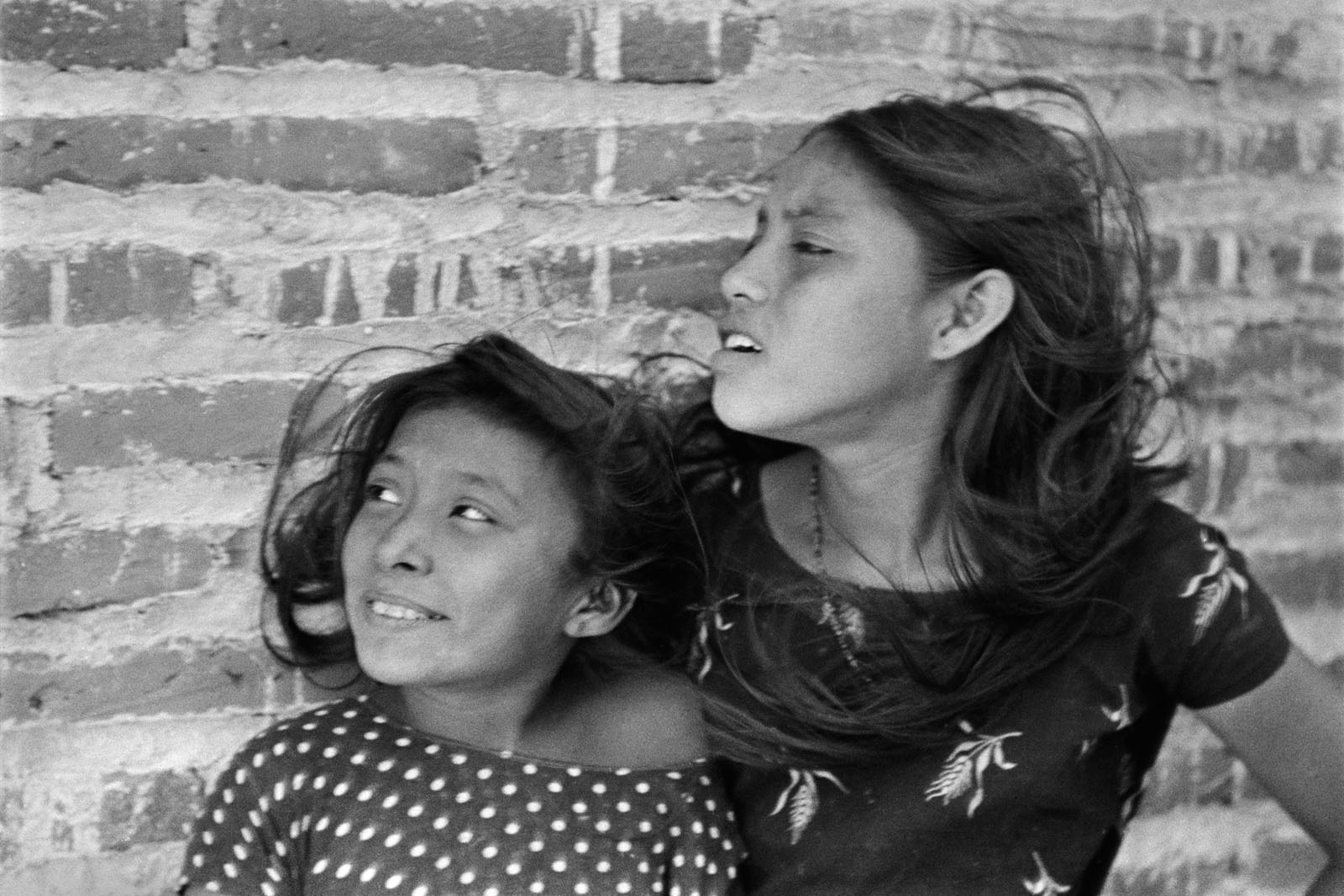
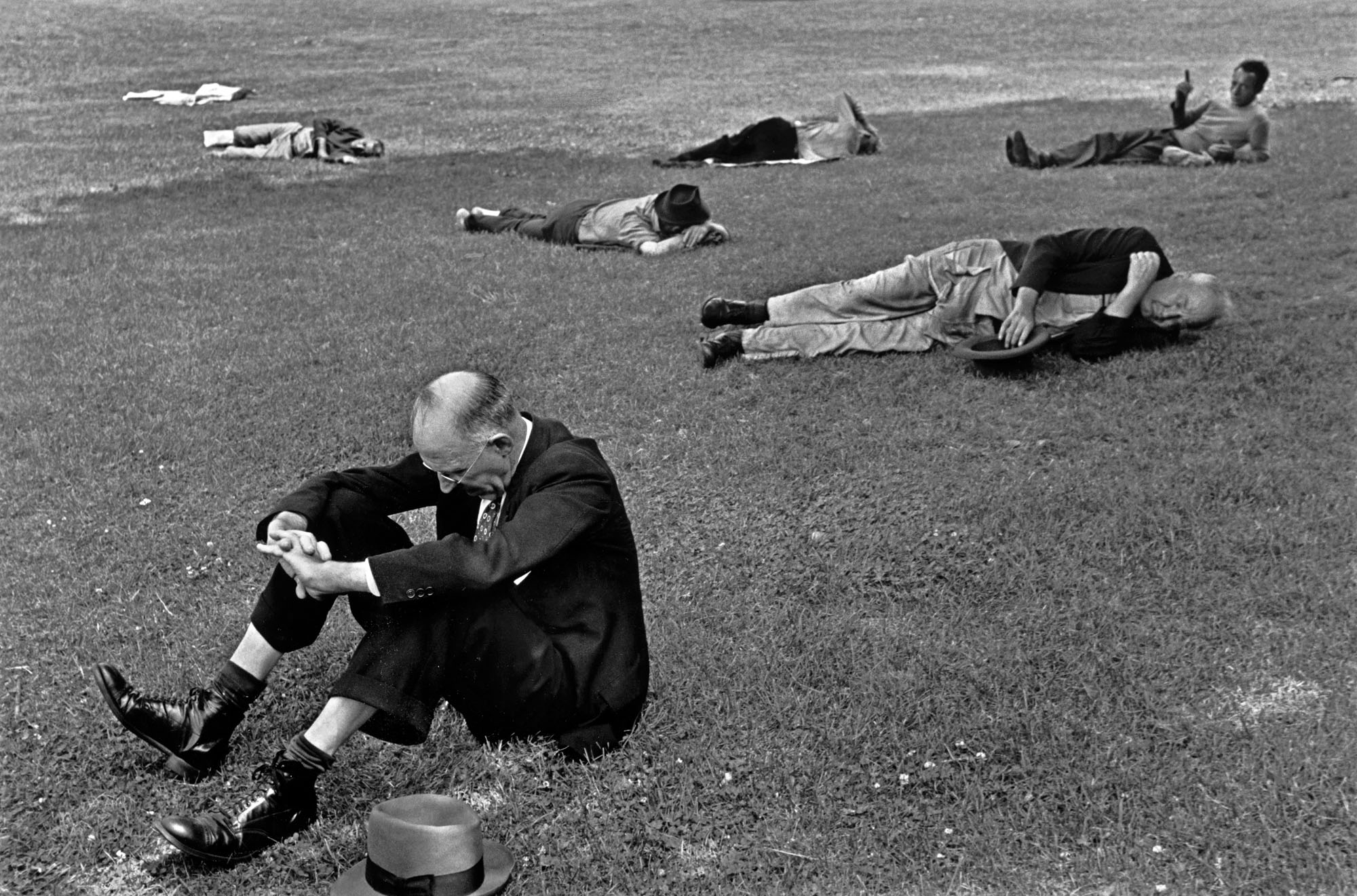
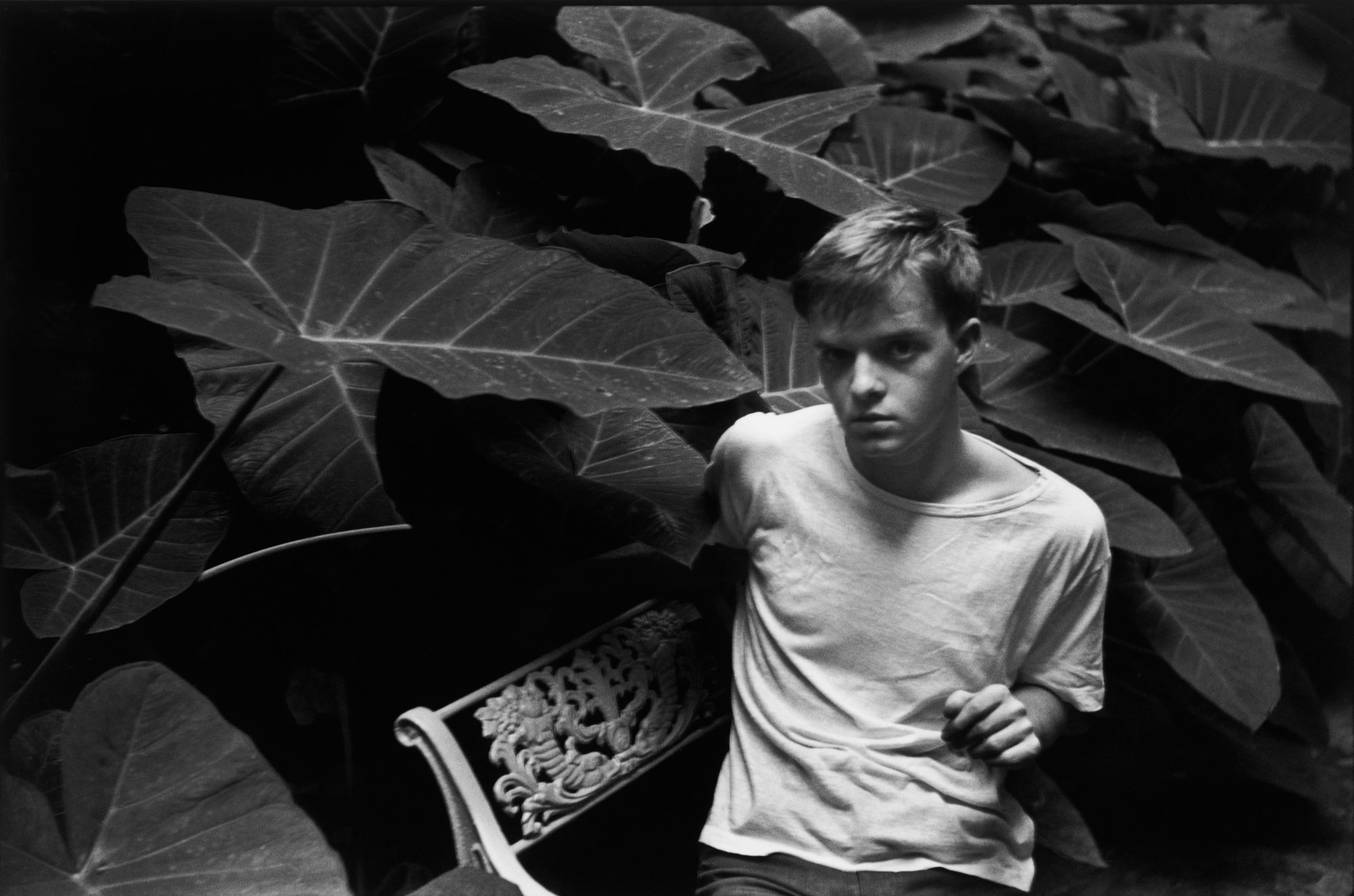


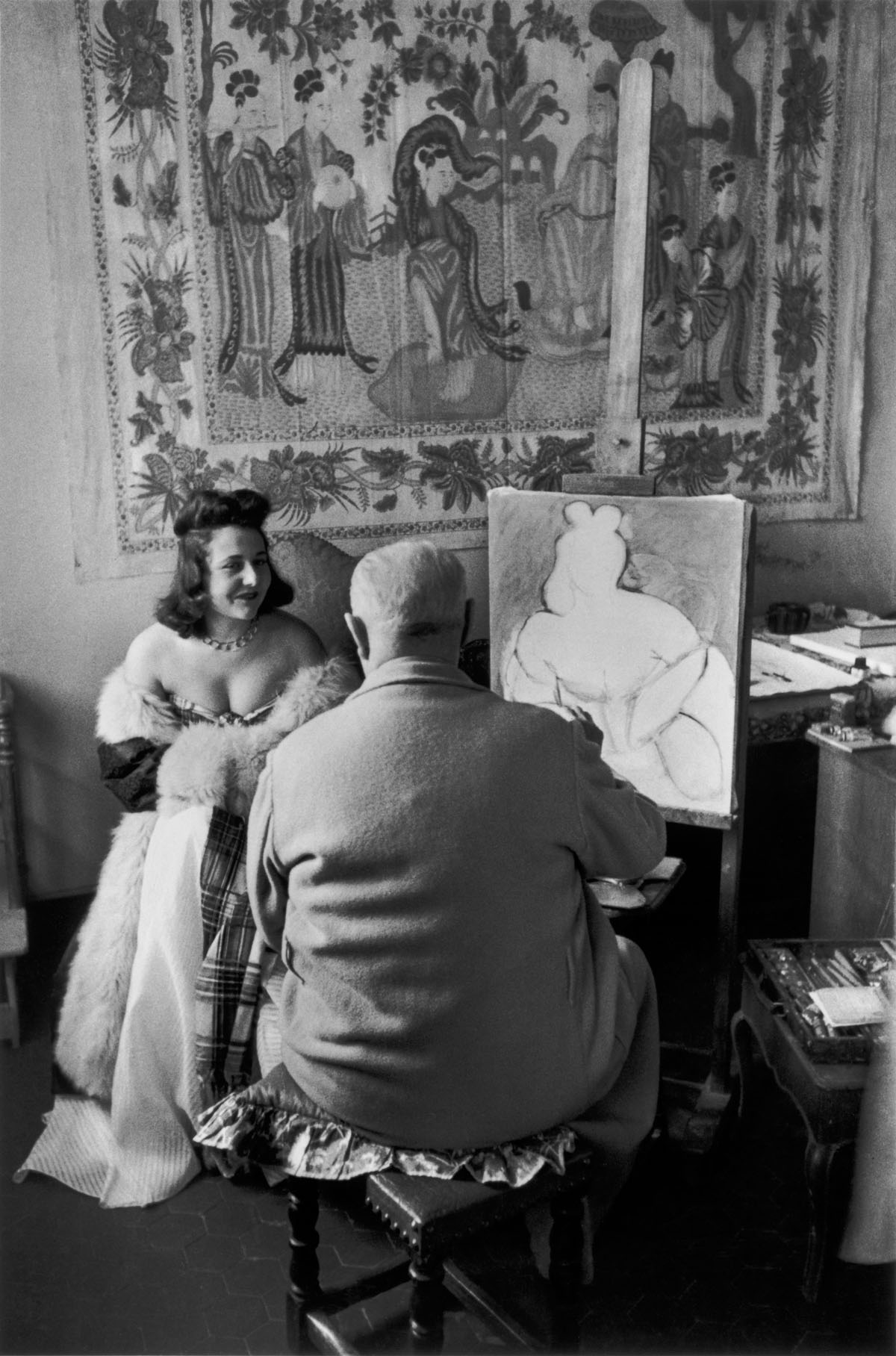
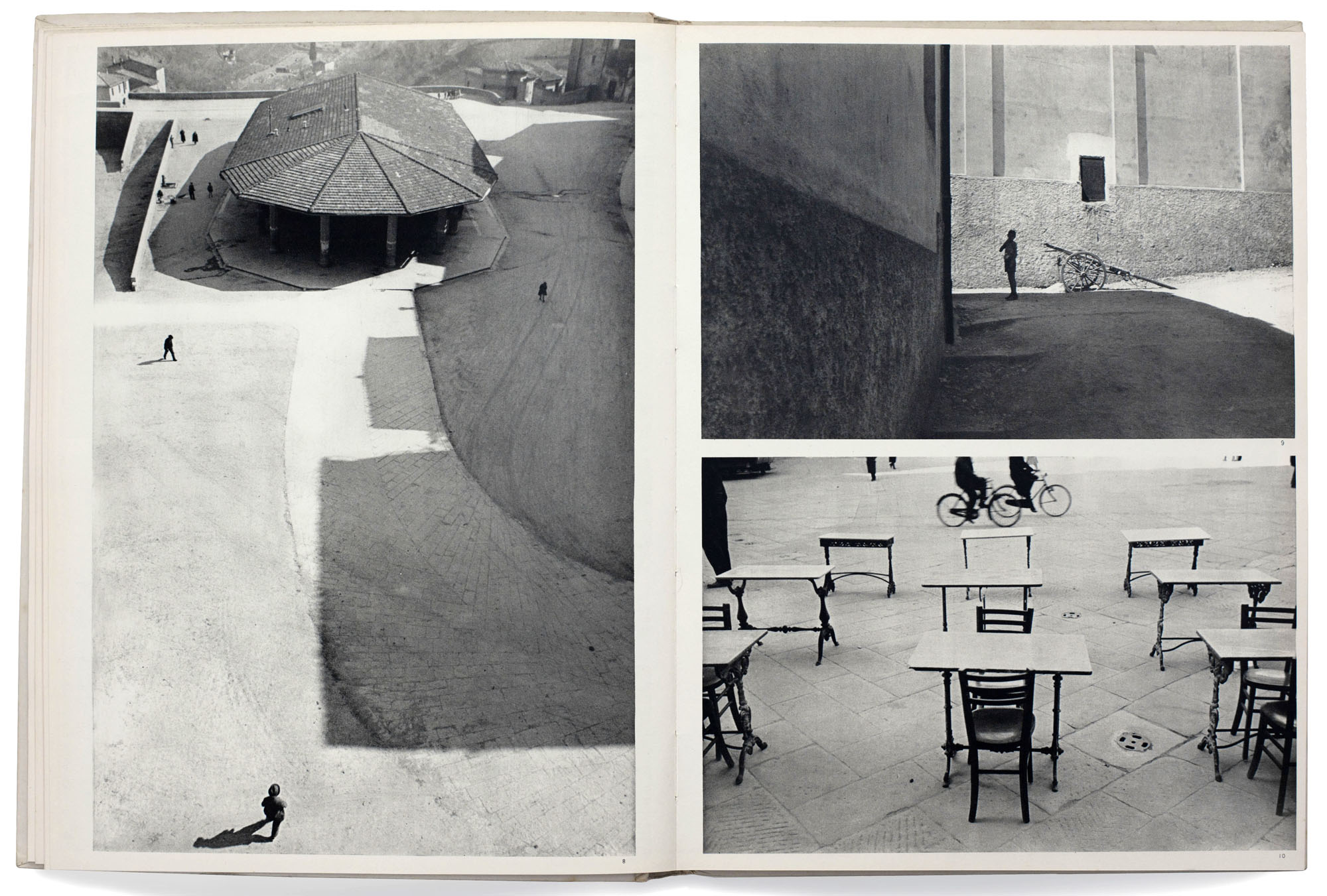
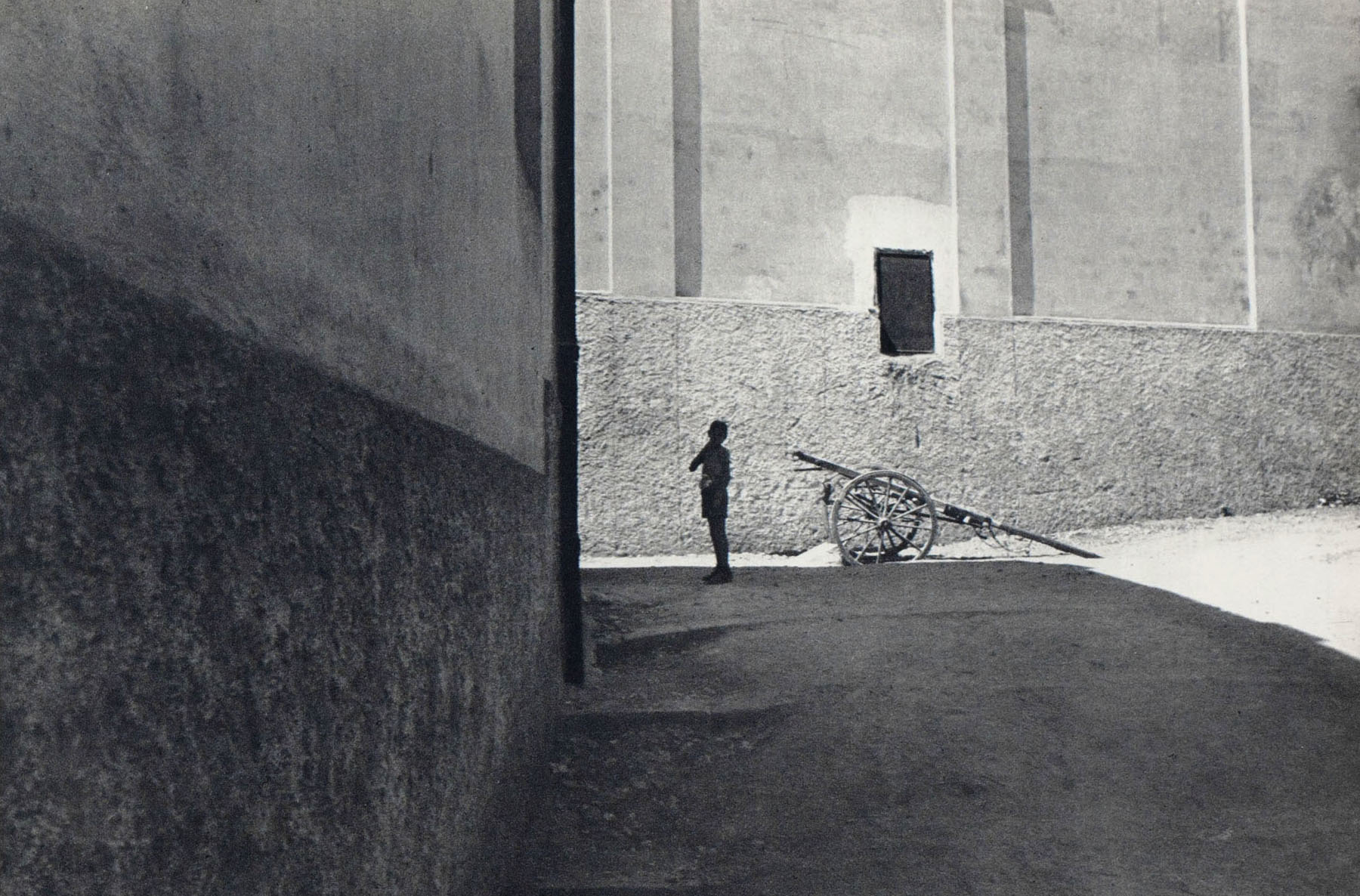
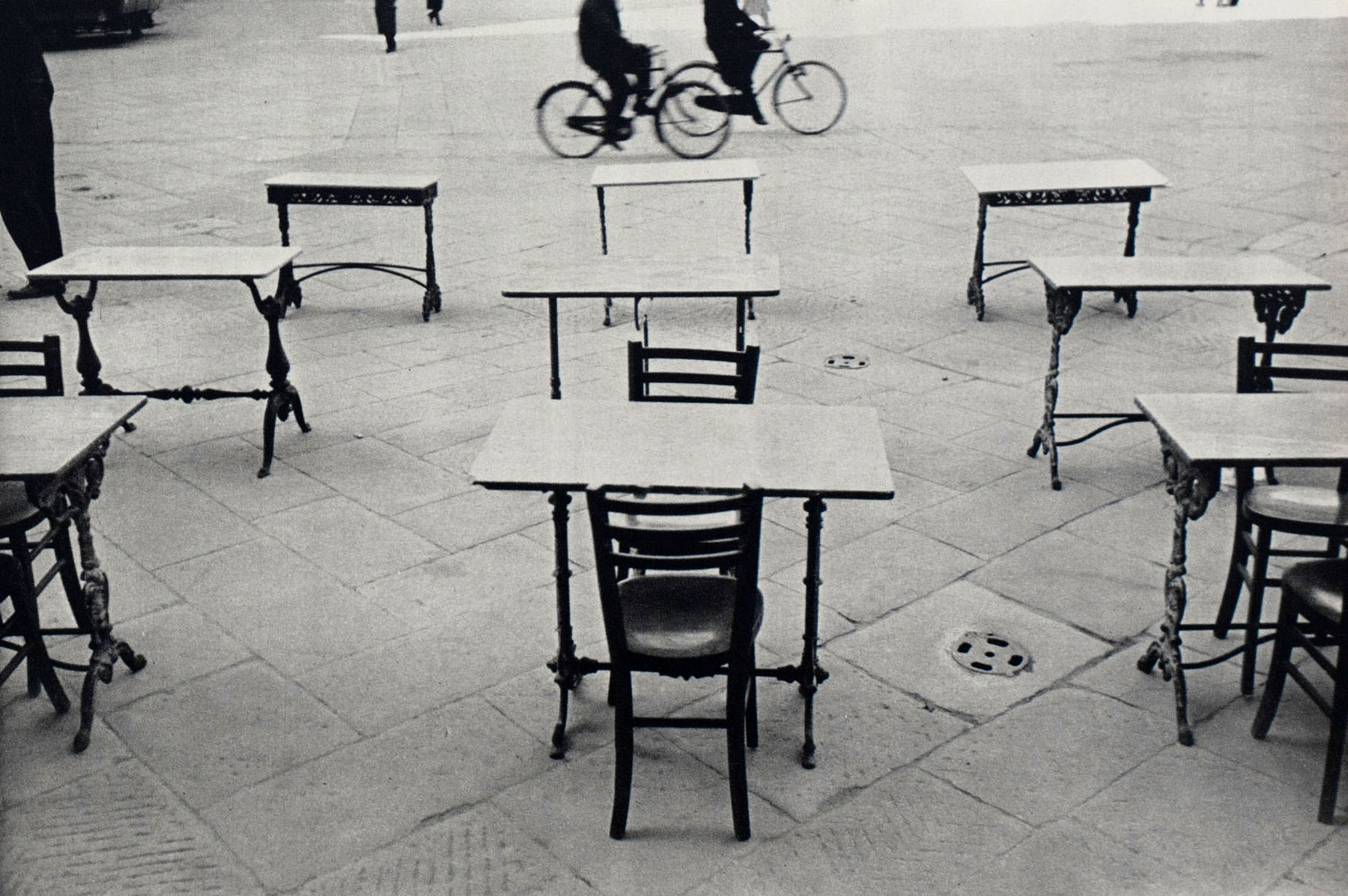
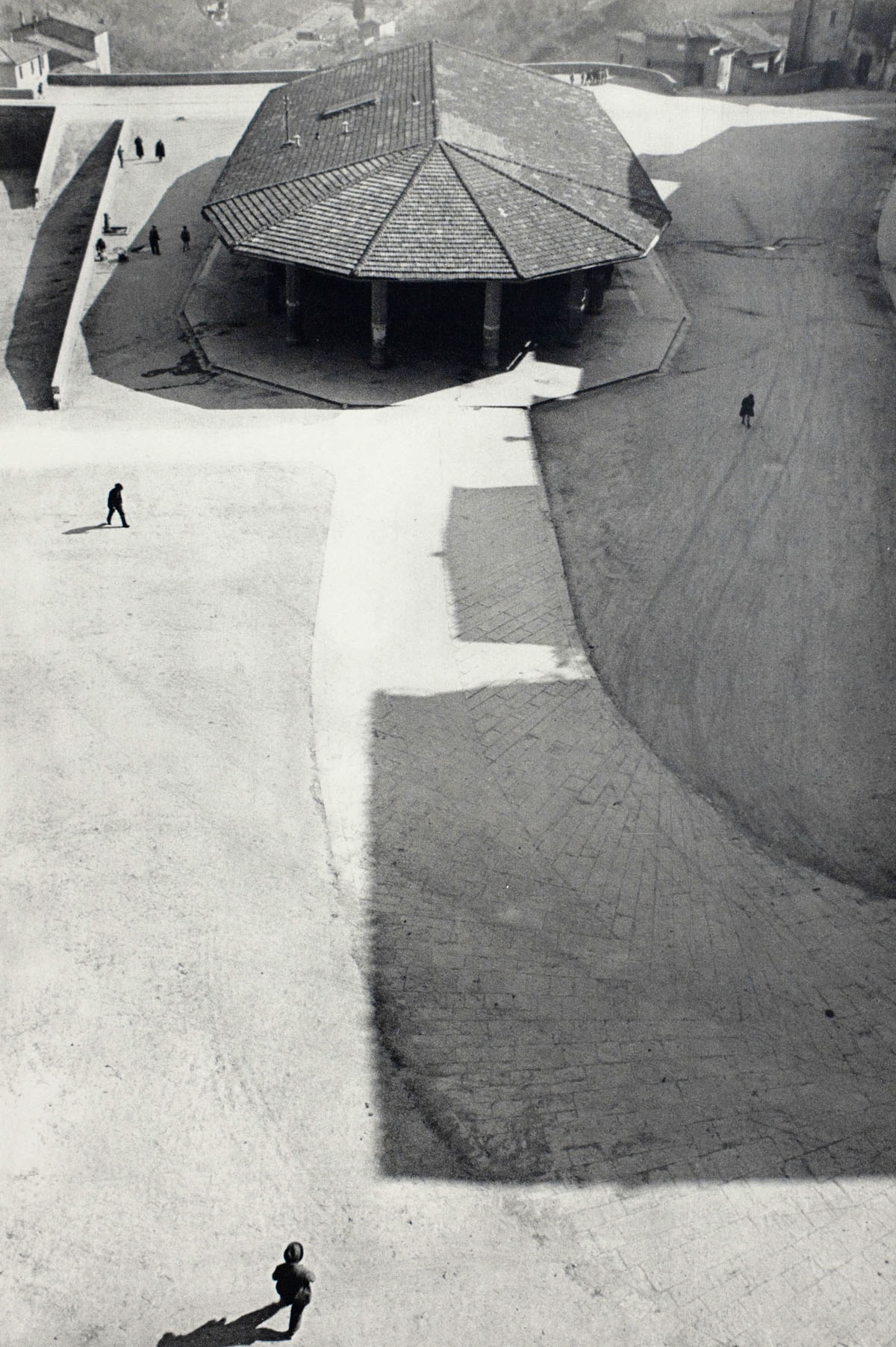


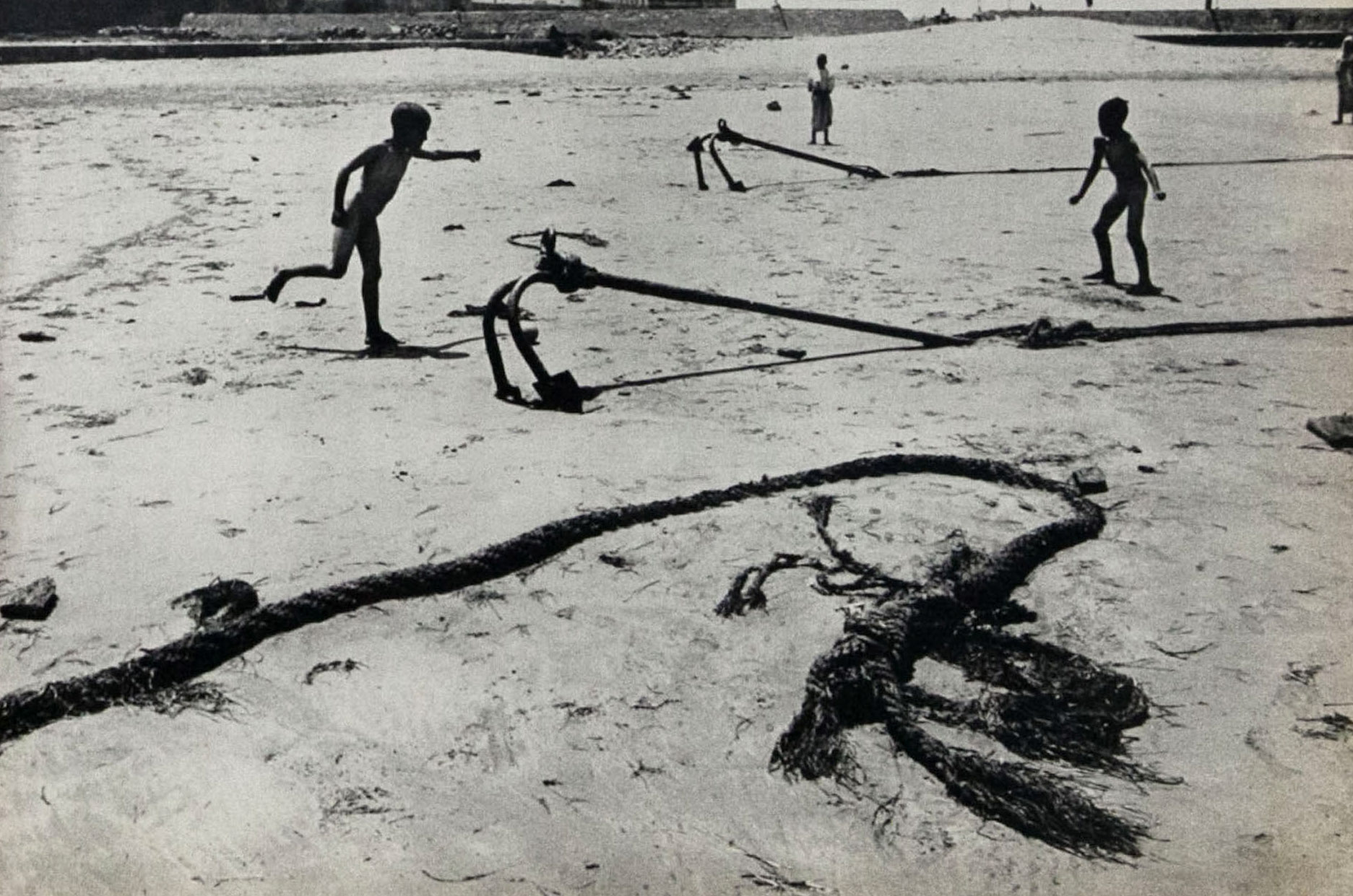
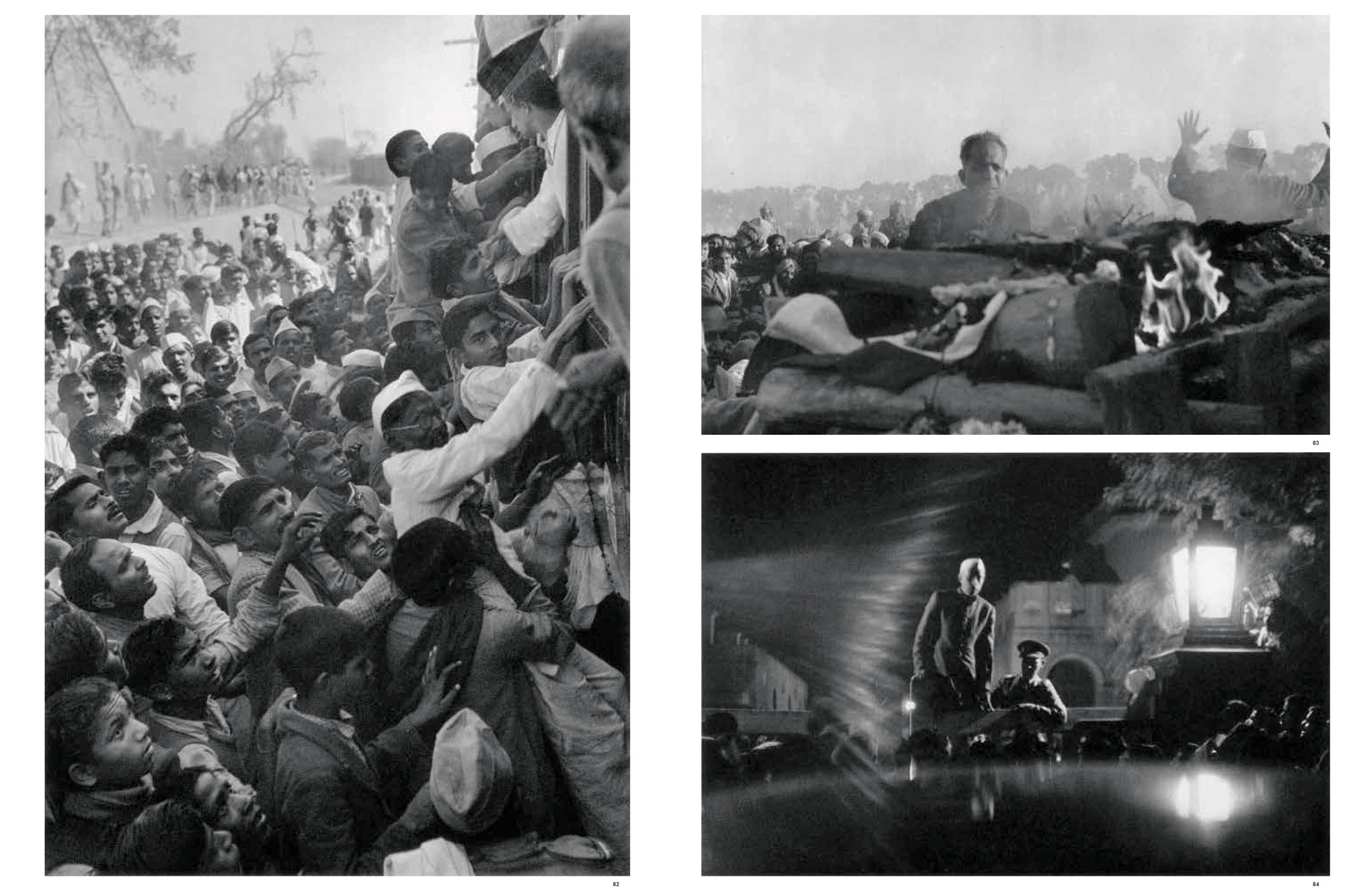

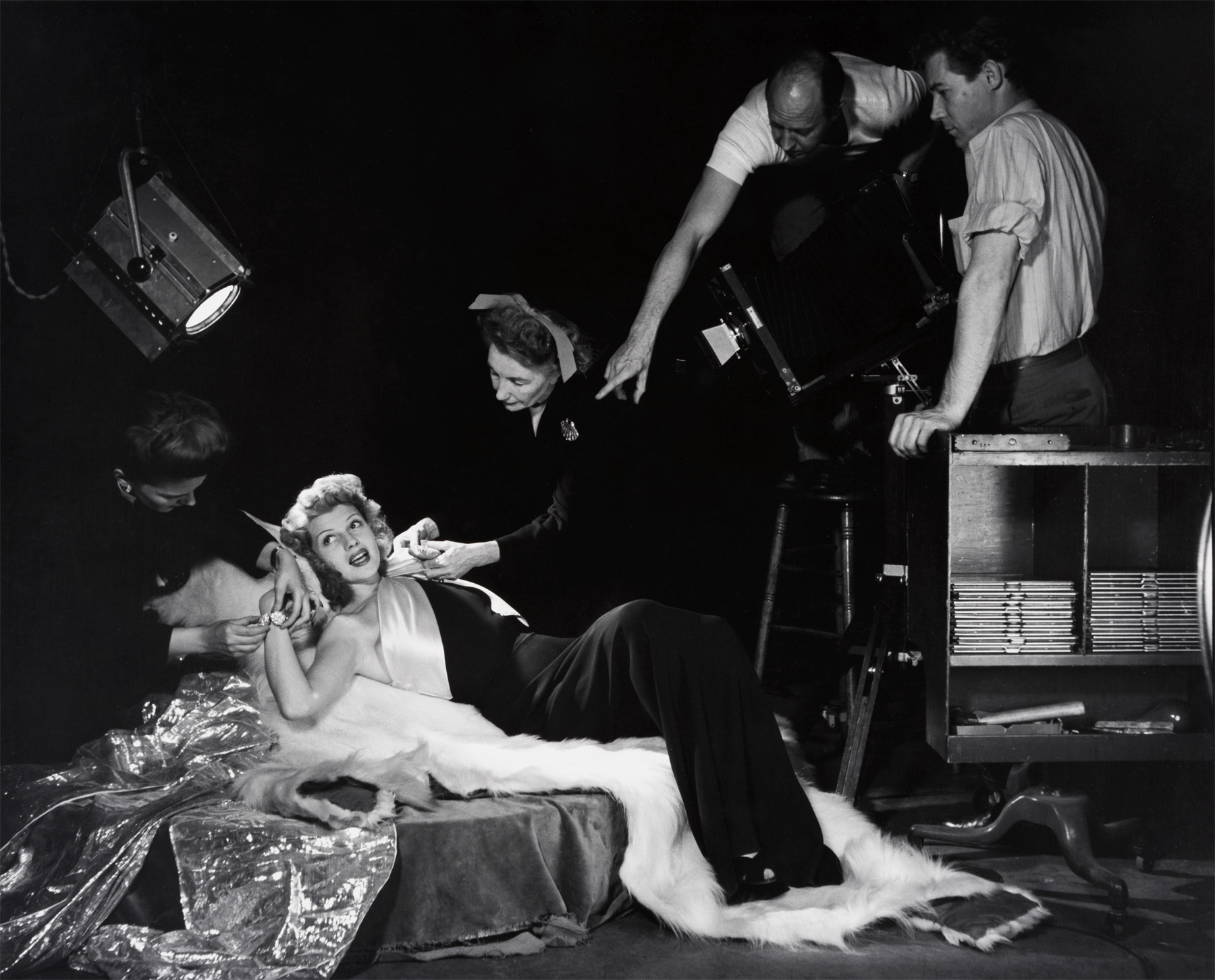



















 Art Blart _ art and cultural memory archive
You must be logged in to post a comment.