It is disappointing when you invite friends from Melbourne and interstate to an opening and one of them turns to you and says, “Well, what was all the fuss about?” The trick is to go with no expectation and you will never be disappointed and may even be pleasantly surprised. Unfortunately, not in this case.
Despite all the years, not to mention money, that have gone into the Crewdson-esque production of this small body of work, what emerges in my mind at least are three interesting and beautiful images (a ying / yang black circle / white circle and a red painted house) and not much else. The three images are outstanding in their psychological excoriation of suburban belonging. Through use of colour and form the images interrogate a sense of home, place, identity and ‘fitting in’ that suburbia promotes, though under the surface there bubbles away the heart of the malcontent (the film American Beauty is a perfect example of this paradigm). In their Zen-like intensity these are incisive, insightful images.
And that’s it. The rest of the exhibition is stocking-filled with a couple more images that don’t really work, a series of stills of a house being set on fire from a film of the same thing. The photos and film of the house being set on fire mean nothing, take me nowhere.* In a word this exhibition is ‘THIN’ to say the least.
While the NGV is to be congratulated for promoting contemporary art, including street art, there has to be at least some basis of depth to an artist’s work, not just the fact that they are”now a noted contemporary artist with a developing international standing.” This is not enough. When you really look at this work it is obvious it needs more matter, more substance. Like a house of cards its foundation is built on shifting sands, foundations that need time to develop and solidify, thoughts that needed greater time to be delineated and teased out. There is no rush with this kind of investigation and that’s what it feels like here – an interesting idea, painted over, over produced and not fully developed to the point where it becomes unmissable, unmistakable.
Dr Marcus Bunyan
* Look no further than Gregory Crewdson’s Untitled (House Fire)from the series Beneath the Roses (2004), for the use of a burning building to create an interesting narrative about hope and despair in suburbia.
The remarkable work of New York-based Australian artist Ian Strange will take centre stage at NGV Studio from 27 July. Suburban is the culmination of Strange travelling for two and a half years through neighbourhoods in the US. Working on a massive scale across key cities, Strange painted directly on to the surfaces and facades of suburban homes, and in some cases burnt them to the ground, to create a moving statement around Western ideas of home.
These unique interventions staged across the cities of Ohio, Detroit, Alabama, New Jersey, New York and New Hampshire were documented with a film crew and volunteers and will be shared at NGV Studio as part of Strange’s multifaceted photographic, film and installation work.
Cinematic in both tone and scale, Suburban investigates the iconography surrounding the family home and its place in the current economic climate. Through the work, Strange articulates his own conflicted relationship with suburbia he experienced growing up in the Australian suburbs, juxtaposed with living in New York City and the United States. Strange’s exploration of suburban experience articulates a distinctively Australian sensibility to a global audience.
David Hurlston, Curator of Australian Art, NGV, said that Strange was fast becoming recognised, both locally and internationally, for his distinctive practice and, in particular, for this new and unique body of work.
“We are excited to be able to present this ground-breaking exhibition of work by Ian Strange. From his early work as a street artist in Australia he is now a noted contemporary artist with a developing international standing. Strange is one of the most exciting young artists to have emerged from the street art genre in recent times,” Mr Hurlston said.
Suburban considers the status of the family home in the United States and Australia through nine large-scale photographic works and a dramatic multi-channel, surround sound video installation. Carefully selected fragments of the original houses will also be on display in the exhibition as both sculptural objects and social artefacts. Exhibiting artist Ian Strange said that Suburban was a culmination of more than two years’ work.
“This project has been all consuming for the past two and a half years of my life. I wanted to create a body of work that reacted to the icon of the suburban home and to the suburbs as a whole. The suburbs have played an important role in shaping who I am as a person and an artist. The suburbs have always been home, but I have always found suburbia isolating. Suburban is my reaction to that,” Mr Strange said.
Strange’s early artistic career evolved as a teenager growing up in the suburbs of Perth. Here he took on the name Kid-Zoom and from the late 1990s played an active role in Australia’s street art movement. After relocating to New York in 2010 under the mentorship of Ron English, he participated in the now legendary underground exhibition The Underbelly Project, before his first solo exhibition and pop-up show in the Meatpacking district, This City Will Eat Me Alive, which generated critical acclaim and attention from the art world. Now an internationally recognised artist living between the United States and Australia, Strange has more recently been exploring the notion of home and identity and exhibited in the inaugural Outpost Street Art Festival on Sydney Harbour’s Cockatoo Island with his work Home, a full-scale replication of his childhood house installed in the Turbine Hall.
Press release from the National Gallery of Victoria
On location in Detroit, July 2012 Photo: Jedda Andrews
Graffiti crosses the picket line
Dan Rule
Indeed, the works that populate the exhibition hardly fit the stylised representational or textual archetypes that have come to typify graffiti and street art. In this series, average suburban homes are immersed in monochrome-painted gestures and motifs or, in one case, flames. But while they bear a resemblance to impulse vandalism, their effect is allegorical rather than literal. In one work, a home in a Detroit street bears a bold, blood-red “X”, which could be read as a metaphor for the wave of loan foreclosures and socio-economic turmoil that has supplanted the city’s suburban dream. Another residence is coated in black paint but for an unpainted circular vacuum, a window into the psychological and emotional underpinnings behind the ideal of the weatherboard home on the spacious block.
And that’s precisely the level on which Strange sees the work operating. “There are some very strong political implications for this work … and I definitely acknowledge that,” he says. “But I was really careful not to make works that were just about these broken-down suburbs and this ‘ruin porn’ thing. I know that in Detroit they’re really sensitive about that kind of thing, and we were really aware of keeping this project focused on the idea of being a reaction to the icon of the house in the suburbs, rather than a reaction to some of those socio-economic factors.”
Curator: Dr Julie Decker, Chief Curator at the Anchorage Museum
Da-ka-xeen Mehner (Tlingit/N’ishga – American) Finding My Song Weapons
2012
Another interesting exhibition that this archive likes promoting, this time about mixed-race identity.
Dr Marcus Bunyan
Many thankx to The Craft & Folk Art Museum for allowing me to publish the art work in the posting. Please click on the images for a larger version of the art.
Da-ka-xeen Mehner (Tlingit/N’ishga – American) Finding My Song Weapons (detail)
2012
Da-ka-xeen Mehner (Tlingit/N’ishga – American) Finding My Song
2012
Da-ka-xeen Mehner (Tlingit/N’ishga – American) Finding My Song
2012
Da-ka-xeen Mehner (Tlingit/N’ishga – American) Finding My Song
2012
Projections on rawhide
Courtesy of the Anchorage Museum
Da-ka-xeen Mehner (Tlingit/N’ishga – American) Finding My Song
2012
Projections on rawhide
Courtesy of the Anchorage Museum
Da-ka-xeen Mehner (Tlingit/N’ishga – American) Finding My Song
2012
Projections on rawhide
Courtesy of the Anchorage Museum
Nicholas Galanin (Tlingit/Aleut – American, b. 1979) There is No “I” in Indian
Nd
Digital photograph
Nicholas Galanin (Tlingit/Aleut – American, b. 1979) White Carver
Nd
Performance and installation
Nicholas Galanin (Tlingit/Aleut – American, b. 1979) Indian Land
2012
Digital photograph
Courtesy of the artist
Nicholas Galanin (Tlingit/Aleut – American, b. 1979) Things Are Looking Native, Native’s Looking Whiter
2012
Digital photograph
Courtesy of the artist
The Craft & Folk Art Museum (CAFAM) in collaboration with the Anchorage Museum presents This Is Not A Silent Movie: Four Contemporary Alaska Native Artists, an exhibition centred around four acclaimed Alaska Native artists whose groundbreaking contemporary works question institutional methods of identifying Native heritage, examine their own mixed-race identities, and challenge perceptions and stereotypes about indigenous peoples. It will be on view from Sunday, May 26 through Sunday, September 8, 2013.
Through the language of contemporary visual art, Sonya Kelliher-Combs, Susie Silook, Da-ka-xeen Mehner, and Nicholas Galanin seek new and distinct ways to speak of tradition and mediate the serious and sometimes ironic conditions of art, identity, and history in the late 20th and early 21st century. Though each artist’s work is rooted in a lifelong immersion in their respective Alaska Native craft traditions, their multi-media installations dissolve the boundaries between contemporary and traditional arts.
Sonya Kelliher-Combs (Iñupiaq/Athabascan) utilises media such as polyurethane, Beluga intestine, and walrus stomach into her paintings, sculptures, and labor-intensive installations. These works often simulate skin, which is a point of investigation into her struggle for self-definition and identity. Nicholas Galanin’s (Tlingit/Aleut) video and photography installations object to the cultural appropriation and categorisation of indigenous peoples by popular culture. In Things are Looking Native, Native’s Looking Whiter, Galanin creates a split image that is a composite of one of photographer Edward Curtis’ Native American models with actress Carrie Fisher as Princess Leia in Star Wars. The image references the cross-pollination of the traditional butterfly whorl hairstyle that was worn by unmarried Hopi girls and the popular culture image. In 2013, Galanin received a major award from United States Artists.
Carver Susie Silook (Yupik/Iñupiaq) is a writer and sculptor. The ancestral ivory dolls of Saint Lawrence, traditionally carved by men, are the basis of her work. Silook also departs from tradition by depicting women in her carvings rather than the animals most commonly rendered by men. Her walrus tusk carvings add a distinctly feminist perspective to an otherwise male-dominated art form as they address the widespread incidence of sexual abuse and violence perpetrated against Native women. Silook received a United States Artists Fellowship in 2007. Da-ka-xeen Mehner’s installation Finding My Song (Tlingit/N’ishga) draws upon his family’s stories to take a personal look at the retention and reclamation of language. The installation is inspired partially by his grandmother, whose mouth was washed out with soap whenever she spoke her Tlingit language in school in order to “encourage” her to speak English. Mehner’s work examines his own multicultural heritage – and the social expectations and definitions that accompany each aspect of it.
The title This is Not A Silent Movie comes from a quote by Native American writer and filmmaker Sherman Alexie, who works to move audiences away from narrow and stereotypical views of Native people – a view that Native people had very little influence in shaping. The exhibition has been curated by Julie Decker, Ph.D., Chief Curator at the Anchorage Museum.
Press release from The Craft & Folk Art Museum website
Susie Silook (Yupik/Iñupiaq – American, b. 1960) Keeping My Heart
2008
Courtesy of Anchorage Museum Collection
This work is innately Freudian just in name, let alone in content. The Oedipus complex is one of the most well recognised components of Freudian theory and it is seen in this work names after it in many ways. The first is through the process of condensation. This can be seen as the bird headed man, which shows up in many of Ernst’s images: the association in this image between the man and the bird is the desire of man to be free from the inhibitions imposed upon him by society, and despite the fact that these two still retain their separate identities, they are consistent with Freud’s ideas. In the case of this work, the head is removed from the body, showing a detachment from true feeling and true understanding of life. Another Freudian idea is the use of the joke, which is seen in the treatment of several of the objects in this work. Such as the contrast and juxtaposition of the wall, the over-sized fingers, upside down eyes on the birds, and the balloon in the aft of the painted collage. Several other associations relating this work to Freud can be drawn as well.
This work has intense sexual undercurrents. The nut represents the female and the crack in the nut is a symbol for the vulva. The cracking of the nut by the hands of a male is a metaphor for sexual intercourse and also gender roles in traditional patriarchal cultures. The idea of the treatment of woman and of her place within society is also visible in another piece by Ernst, The Tottering Woman. In this piece, he addresses the constraints in which woman are held in the world and the patriarchy that she must deal with on a daily basis. It also touches upon the objectification of woman as well. Hoffman also theorises that the squeezing of the nut has implications of sadomasochistic roles as the nut is being dominated and crushed, the spike is punishing the hand equally and finally, once forced open, the “nut” could always snap back shut, injuring the index finger and thereby is a signifier of neurotic sexual attachment. The bird head towards the back of the picture plane is tethered by some sort of rope, which could be seen as societal restrictions on deviant sexuality and possibly is a reaction to the taboo associated with incest. Additionally, the arrow as it pierces the shell of the nut could be seen as a phallic signifier or also as a representation for the idea of love and then a refutation of the existence of love within the constraints of sexual desire and sexuality. The imagery in this piece by Ernst is intensely psychosexual in nature and content and can be seen mostly in those terms.
In defence of picking Oedipus Rex to write about in the context of collage, it is true that it is an oil painting, but its imagery was taken from print sources and then was transposed into the work by the act of painting them. The nut squeezing image was taken from an article entitled “Experience sur l’elasticite, faite avec une noix,” from the popular 19th century French Magazine La Nature.
Anonymous. “Ernst: Chance, Collage and the Study of Freud,” on the Center for Biological Computing, Indiana State University Department of Life Sciences website [Online] Cited 12/12/2020. No longer available online
This is one of the rare pictures by Max Ernst which refer directly to a political incident. He commented on this: “The Fireside Angel is a picture I painted after the defeat of the Republicans in Spain. This is, of course, an ironical title for a kind of clumsy oaf which destroys everything that gets in the way. That was my impression in those days of the things that might happen in the world. And I was right.” The Fireside Angel is depicted as an avenging character from the Bible. Its destructive potential is stressed by its aggressive colouring. In the figure of the angel, blind traumatising force is expressed, against which mankind is defenceless. Since there is no hope for negotiations with an inhuman force, the blind aggressor seems even more frightening.
With the exhibition of over 160 of his works at the Fondation Beyeler in cooperation with the Albertina, Vienna, the “artist of the century” Max Ernst (1891-1976) will be given the first comprehensive retrospective in Switzerland since his death as well as the first held in a German-speaking country since 1999.
Max Ernst is one of Modernism’s most versatile artists. After his beginnings as a rebellious Dadaist in Cologne, he moved to Paris in 1922, where he soon became one of the pioneers of Surrealism. He was interned twice as an enemy alien during the Second World but was released thanks to the intervention of the poet Paul Éluard, who was his friend. In 1941 Max Ernst fled to the USA, where he found new stimuli for his work as well as providing new impulses for the generation of young American artists. A decade later he returned to a Europe that had been devastated by the war and where the once highly esteemed Max Ernst seemed to have been forgotten, only to be rediscovered as one of the 20th century’s most multifaceted artists. In 1958, having renounced his German nationality in 1948 in order to take US citizenship, Max Ernst eventually became a French citizen.
Ernst was indeed one of the “artists of the century” – not only because of the high quality and wide range of his oeuvre but also because of the length of his creative career, which lasted around 60 years from 1915 to 1975. Active at a time of tremendous artistic, social, political and technical upheaval, he knew how to integrate these changes into his oeuvre, which therefore reflects key characteristics of the 20th century. The pleasure Max Ernst took in experimenting with different techniques made him a pioneer of multimedia expression. With no apparent effort, he combined in his work the themes, styles and techniques that were important to successive generations. His ceaseless quest for new forms of expression, questions and subjects is emblematic of modern man. Max Ernst appears to us as the artist who never wanted to find himself, as he once said: “A painter is lost when he finds himself”.
With his early Dadaist experience, his key position among the Surrealists and his prelude to action painting, Max Ernst travelled between worlds and cultures, moving to Paris from Cologne and from New York back to France. At a time of political unrest, he maintained his critical, creative gaze, seeking refuge in a country, the USA, which he scarcely knew but to which he nonetheless responded with curiosity and which provided him with important impulses for his late work. With exhibitions in New York, projects in Arizona and Touraine, participation in the Venice Biennale and Documenta, Max Ernst was an early 20th century example of the kind of “cultural and artistic nomad” who only later became a customary figure.
Collage
As early as 1919, Max Ernst started working with the technique of collage, which he used to design or simulate new pictorial realities. He created his collages from illustrations taken from various novels, textbook catalogues, natural science journals and 19th century sales catalogues. He excised the fragments from wood engravings, using a scalpel in order to achieve cut edges that were perfectly exact and smooth. In around 1929 / 1930 Max Ernst created his most famous collage novels La femme 100 têtes(Hundred-Headed Woman / Headless Woman) and Rêve d’une petite fille qui voulut entrer au Carmel (A little Girl dreams of taking the Veil), which are among Surrealism’s most fascinating, enigmatic works.
Frottage
In around 1925, Max Ernst began his Natural History series, in which he used the technique of frottage for the first time (the French word frotter means “to rub”) as a semi-automatic procedure. He placed objets trouvés he found outdoors, such as leaves and wood, under a sheet of paper and rubbed over them with a pencil. Then he took the structures that emerged and transformed them into fantastic pictures. In his frottages, Ernst breathes new life into lifeless objects, giving them another, to some extent uncustomary, significance. Max Ernst developed frottage while he was staying in Brittany. In his essay Beyond Painting he describes a kind of visionary revelation that caused him to use the wooden floor and other objects in his guest-house room as objects for his frottages.
Grattage
Grattage is an artistic technique used by Max Ernst in painting that he developed in around 1927 as an extension of frottage. In a first phase, he applied several superimposed layers of paint to a canvas. Underneath the painting ground that he prepared in that way, he placed objects such as metal grids, wooden boards and string, the relief of which could be seen through the canvas. In order to transfer those structures to the picture, he scratched away the top layers of paint (gratter is the French word for “to scratch”). In a subsequent phase, he reworked the patterns that had become visible, transforming them into forests, shellflowers, birds and petrified cities.
Decalcomania
Decalcomania is a transfer technique in which the damp pigment on a piece of glass or a sheet of paper is pressed against a canvas, leaving behind fine streaks, bubbles or marbled traces of paint when they are removed. In a subsequent phase, the artist reworks the complex surface structure. This artistic technique had already been developed in the 18th century and was used by other Surrealist artists too. Max Ernst adopted the technique in the late 1930s, using it to represent mysterious landscapes peopled by eery faces, figures and animals hiding in the thickets of nature.
Oscillation
In around 1942, while an exile in the USA, Max Ernst started developing the technique of oscillation. He let paint drip out of a tin perforated with a number of holes, which he attached to a long string and swung to and fro over the canvas. This largely uncontrollable and, once again, semi-automatic procedure created reticulated compositions of circles, lines and points on the surface that were reminiscent of planets’ orbits. Oscillation was an innovative technique that not only extended the range of Surrealism’s artistic repertoire but also heralded Jackson Pollock’s Drip Painting.
At the First Limpid Word is one such puzzle. A monumental work, it formed part of the decoration of the house that Max Ernst shared with Paul Éluard and his wife Gala (who later became Dalí’s muse). It was only in the 1960s that the wall painting, which had been painted over, was rediscovered. This painting, “an allegory of seduction,” is such a simple composition but is filled with symbolism in colour and subject.
Like many of Ernst’s paintings during his Paris period (1922-1941), Ubu Imperator resembles a collage in painted form. The artist’s knowledge of Freudian theories, familiarity with myth and extreme wit are reflected in this early painting, which is now considered proto-Surrealist due to its strange juxtapositions.
In Ubu Imperator (1923), an anthropomorphic top dances in a vast, empty landscape. Such works captured early on the surrealist notion of estrangement and commitment to the subconscious, but also they seem surprisingly contemporary. The red Ubu Imperator marked the entry of Ernst in the articulated stage of surrealism by his use of a literary narrative that was sometimes personal, sometimes political. In this seminal work a spinning top, a red carcass with iron reinforcement, and human hands express an astonishing image of the Ubu Father, a grotesque symbol of authority invented by Alfred Jarry. Other paintings suggest Ernst’s impressions of ancient Buddhist temples (à la Angkor Wat) as inspired from his trip to Asia following the breakup of his famous ménage à trois with Gala and Paul Eluard. This structure and thickly overgrown plants appear in many of his engravings and grattage [Grattage is a surrealist painting technique that involves laying a canvas prepared with a layer of oil paint over a textured object and then scraping the paint off to create an interesting and unexpected surface (Tate)] oil paintings, such as The Entire City (1935-1936) and The Petrified City (1935).
The Pleiades, companions of Artemis, were the seven daughters of the titan Atlas and the sea-nymph Pleione born on Mount Cyllene. They are the sisters of Calypso, Hyas, the Hyades, and the Hesperides. The Pleiades were nymphs in the train of Artemis, and together with the seven Hyades were called the Atlantides, Dodonides, or Nysiades, nursemaids and teachers to the infant Bacchus. There is some debate as to the origin of the name Pleiades. Previously, it was accepted the name is derived from the name of their mother, Pleione. However, the name Pleiades may derive from πλεῖν(to sail) because of their importance in delimiting the sailing season in the Mediterranean Sea. (Wikipedia)
For Ernst eroticism was another way of entering the unconscious, of escaping from convention, and possibly of tweaking bourgeois taste. But he was aware that adult sexuality had its limits, as is apparent in the exquisite Approaching Puberty… (1921). A photograph of a nude, faceless girl floats in a blue space stratified by horizontal lines, suggesting water or the sky. A few strangely disparate forms surround the girl, and the short text at the bottom ends, “The gravitation of the undulations does not yet exist.” The title, this line, and the fact that the girl floats in space rather than standing on the ground – as most of Ernst’s figures do – suggests that he sees in pubescence a kind of weightless freedom. In a related but nonsexual image, an Untitled c. 1921 collage, four schoolboys peer out of their classroom (from which a wall is missing) at a vast blue sky in which a hot-air balloon floats. A schoolmaster stands alone and ignored at his desk; next to him one of the boys balances a giant pencil on a pointer. What’s learned in school, Ernst seems to say, is far less important than visions of the sky.
In Max Ernst’s painting Napoleon in the Wilderness (1941), a strange whimsical trumpet appears in the hand of a female figure that seems to have sprung from the sinister rock and coral formations of a world in ruin. This painting formed part of suite of decalcomania [A transfer technique, developed in the 18th century, in which ink, paint, or another medium is spread onto a surface and, while still wet, covered with material such as paper, glass, or aluminium foil, which, when removed, transfers a pattern that may be further embellished upon. The technique was adopted by the Surrealists to create imagery by chance rather than through conscious control (MoMA)] works, in which Carrington’s semi-naked figure haunts a series of eerie landscapes, richly textured and abundant with mythological hybrid forms. Between periods of internment during the war, Ernst had managed to continue painting, producing haunting images of his abandoned lover in works that evoke his own sense of loss and grief in macabre scenes that promise both decay and renewal.
Text from Natalya Lusty, Surrealism, Feminism, Psychoanalysis. Ashgate Publishing, 2007.
The exhibition is a chronological presentation of all the major creative phases and groups of themes in Max Ernst’s work, opening with Capricorn, his most important sculpture. Max Ernst, who was born on 2 April 1891 in Brühl (Germany), first learnt about painting from his father. He had a conservative, middle-class upbringing, against which he soon rebelled. Starting in 1910, he studied art history as well as psychology, Romance languages and philosophy. Initially influenced by Expressionism and Futurism, he soon came in contact with other artists and art movements.
His early work City with Animals demonstrates this unique combination of different styles, displaying both Cubist and Futurist features. His encounter with Hans Arp (also represented in the Beyeler Collection along with the Surrealists Dalí, Giacometti and Miró) came at a time full of turmoil. Dada is born; the years after the First World War are a time of radical change, protest and experimentation.
Dada brings Max Ernst into contact with Surrealist artists. He ceases to be just a German artist and becomes a leading figure in the Surrealist art movement in Paris. There his works begin to acquire enigmatic qualities, for the unconscious and dreams are important elements of Surrealism, which it took over from psychoanalysis. Max Ernst remains an innovator, experimenting with frottage from the mid-1920s onwards. Hybrid creatures are created from different natural species; his interest in the natural sciences finds expression in his works.
At the First Limpid Word is one such puzzle. A monumental work, it formed part of the decoration of the house that Max Ernst shared with Paul Éluard and his wife Gala (who later became Dalí’s muse). It was only in the 1960s that the wall painting, which had been painted over, was rediscovered. The Blessed Virgin Chastising the Infant Jesus is an equally spectacular work, a scandal-provoking painting with blasphemous elements that deconstructs the traditional sacred image of the Madonna, representing a radical liberation from Ernst’s middle class roots. One whole room in the exhibition is developed to the theme of the forest, with a number of masterpieces from that series. Considerable importance is also attached to the series of Horde paintings from the late 1920s; the metamorphosed figures convey the theme of transformation. With the Flowers and Cities series (which focus on the antitheses of nature and culture), other important groups of themes are also presented.
Room 11 will contain a number of key works with the jungle paintings from the second half of the 1930s including Nature at Dawn with its dark, sinister character. Different traditions are echoed here, ranging from borrowings from Henri Rousseau to the Romanticism of a painter like Caspar David Friedrich. With The Robing of the Bride there is not only an obvious reference to Renaissance art but also a more differentiated context. The transformation of a woman into an animal and vice versa is an erotic motif that the painting conveys through a number of details. The Fireside Angel, on the other hand, thematises the Spanish Civil War of the late 1930s, with which many artists and intellectuals concerned themselves. With the brightly coloured, mask-like, terrifying dimension of its figure, which seems to fly towards the viewer as an unstoppable whirlwind between aggression and mockery, Max Ernst prefigures the political catastrophe that was to befall Europe.
Ernst’s late work displays thematic caesura – on the one hand, a poetical and sensuous contemplation using over-painting in the refined, technically innovative work The Garden of France and, on the other, Birth of a Galaxy, a splendid late work in which air, water, earth and light all rise into a starry firmament. As a free spirit – ironical, elegant and rebellious – and a man of many different facets, Max Ernst today remains an artist whose work is both accessible and complex. His works speak to us, evoking uncharted depths and hidden mysteries, as well as prompting reflection. Like mercury – which continuously changes shape in a fascinating way, hence being impossible to grasp – Max Ernst is still an exceptional artist almost forty years after his death, exemplary in his artistic independence and possessing an urge for freedom and a bold readiness for innovation in his work and life that preserve his oeuvre from stylistic opportunism and conventionality.
Max Ernst’s creativity in handling sources of imagery and inspiration, the breaks between his many phases and types of subject matter, are still capable of astonishing viewers today. Like a revolutionary of vision, he rearranged images and elements, and as a Surrealist established links between pictures and the viewer’s unconscious mind. What remained a constant was the persistence of Ernst’s rebellion. Like his life, he once said, his work was “not harmonious in the sense of classical composers.” A master of metamorphosis, Ernst was a searcher and discoverer, an honorary doctor of philosophy who increasingly expanded his range of investigation to include astronomy, ethnology, ornithology, mathematics and psychoanalysis, following up his love of the natural sciences and creative chance.
The Robing of the Bride (1939-1941; Venice, Guggenheim) employs Renaissance perspective devices and Cranach-like figures to represent a pagan marriage.
Dorothea Margaret Tanning (August 25, 1910 – January 31, 2012) was an American painter, printmaker, sculptor and writer. She created ballet sets and costumes for George Balanchine’s Night Shadow, at the Metropolitan Opera House and others. She also appeared in Hans Richter’s avant-garde films. As an artist she was influenced by Dada and Surrealism and married fellow Surrealist Max Ernst.
As she recounts in her memoirs, Birthday and Between Lives, when Ernst visited her studio in 1942, they played chess, fell in love, and embarked on a life together that soon took them to Sedona, Arizona, and later to France. They met at a party in 1942 and after he would drop by Dorothea’s studio where she painted for a Surrealist movement exhibition of art by women for Peggy Guggenheim’s Art of This Century. In that exhibition, Tanning’s work showed along with the work of Louise Nevelson and Gypsy Rose Lee. Soon after this encounter Ernst moved in with her.
They married in 1946, in a double wedding with Man Ray and Juliet Browner in Hollywood, after Ernst’s divorce from Peggy Guggenheim. They remained married for 30 years until his death. In 1949, Tanning and Ernst moved to France, where they divided their time between Paris, Touraine and later Provence. They would often host guest such as Balanchine, Henri Cartier-Bresson, Marcel Duchamp, Pavel Tchelitchew and Dylan Thomas. In 1957 Tanning and Ernst moved to France again because Max Ernst was denied citizenship as a German during the McCarthy era. When speaking on her relationship with Ernst in an interview, Tanning said: “I was a loner, am a loner, good Lord, it’s the only way I can imagine working. And then when I hooked up with Max Ernst, he was clearly the only person I needed and, I assure you, we never, never talked art. Never.”
After Max Ernst died in 1979 Dorothea Tanning returned to the United States.
Text from the Wikipedia website
Max Ernst with rocking horse, Paris 1938
2013, ProLitteris, Zurich Photo: Max Ernst Museum Brühl des LVR, Stiftung Max Ernst
Fondation Beyeler
Beyeler Museum AG
Baselstrasse 77, CH-4125
Riehen, Switzerland
Opening hours:
10 am – 6 pm daily, Wednesdays until 8 pm
Frederick Sommer (American, 1905-1999) Moon Culmination
1951
gelatin silver print
24.2 x 19.2cm (9 1/2 x 7 9/16 in.)
Gift of Frederick Sommer
Frederick Sommer is not as well known as others in the famous quintet (the others being Ansel Adams, Edward Weston, Minor White and Paul Strand). He is the (slightly) forgotten master. But for those that know his work, Frederick Sommer is the photographer’s photographer.
There is a visual and intellectual alchemy transmitted through his work. It is as if he was a magician, producing images out of thin air: paper cuts, smoke on glass, collage, found objects, rites, passages, cleavages, heroes, occultism (Paracelsus was a Renaissance physician, botanist, alchemist, astrologer, and general occultist). From the few photographs I have seen in the flesh his prints, like his thinking, have a volume to them that few other photographers can match. Here I must cede to the knowledge of my friend and photographer Ian Lobb who visited Sommer at his home in Prescott, Arizona.
“You will notice with FS prints that the only date given is the date of the negative. This is not unusual of course, but one of FS strengths is being interested in returning to a negative and print it with enthusiasm after looking at other versions for a very long time.
Another strength is a really simple strong way of working – according to Les Walkling, FS had a block of wood the same size as an 8 x 10 contact print. By placing the print on this base as he spotted, the print was always raised above his work environment and the chance of an accident was reduced. So simple – so elegant. I see this state of mind repeated – eg when he was out photographing with Siskind and he found a pile of X-rays and said that this was his work for the day.
Caponigro and Sommer are the ones that make their technical skill communicate in very unique ways. By chronology, Sommer is the first one who found that something beyond the f/64 Group vocabulary could be said. Whereas Edward Weston and Paul Strand are working at about 3/10 for their prints, Sommer is working at 9/10. He doesn’t always get there in every print but when he succeeds the results are beyond what any other classical photographer ever achieved in the physical presence of the photograph.
Venus, Jupiter and Mars was the first extended viewing of Sommer that arrived here (in Australia). It would have been at the Printed Image (bookshop) in 1981.”
Ian Lobb
Many thankx to the National Gallery of Art for allowing me to publish the photographs in the posting. Please click on the photographs for a larger version of the image.
Frederick Sommer (American, 1905-1999) Venus, Jupiter and Mars
1949
Gelatin silver print
23.8 x 19.1cm (9 3/8 x 7 1/2 in.)
National Gallery of Art, Washington, Gift of Frederick Sommer
Frederick Sommer (American, 1905-1999) Valise d’Adam
1949
Gelatin silver print
23.9 x 18.9cm (9 7/16 x 7 7/16 in.)
National Gallery of Art, Washington, Gift of Frederick Sommer
Against a backdrop of rusting metal, Frederick Sommer arranged a grouping of found objects. A clipboard clamp represents a head and shoulders while dirty, cracking doll’s arms and legs provide more literal context, defining the object as a human body. Within that fragmented body, Sommer places a complete doll with its head pointed downward, as if ready to be born. The photograph’s French title, Valise d’Adam, or as Sommer translated it, Adam’s Traveling Case, is a sly reference to the idea that man travels through woman into the world, and perhaps, woman even carries man through life.
Aaron Siskind (American, 1903-1991) Manzanillo, Mexico
1955
Gelatin silver print
35.6 x 27.8cm (14 x 10 15/16 in.)
National Gallery of Art, Washington, René Huyghe Collection
Image courtesy of the Aaron Siskind Foundation
Frederick Sommer (American, 1905-1999) Untitled
1947
Gelatin silver print
24.2 x 19.1cm (9 1/2 x 7 1/2 in.)
National Gallery of Art, Washington, Gift of Frederick Sommer
Frederick Sommer (American, 1905-1999) The Anatomy of a Chicken
1939
Gelatin silver print mounted on paperboard
24.1 x 19cm (9 1/2 x 7 1/2 in.)
National Gallery of Art, Washington, Gift of Frederick Sommer
Frederick Sommer (American, 1905-1999) Paracelsus
1957
Gelatin silver print
34.3 x 25.6cm (13 1/2 x 10 1/16 in.)
National Gallery of Art, Washington, Gift of Frederick Sommer
Paracelsus (1493/1494 – 24 September 1541), born Theophrastus von Hohenheim (full name Philippus Aureolus Theophrastus Bombastus von Hohenheim), was a Swiss physician, alchemist, lay theologian, and philosopher of the German Renaissance.
He was a pioneer in several aspects of the “medical revolution” of the Renaissance, emphasising the value of observation in combination with received wisdom. He is credited as the “father of toxicology”. Paracelsus also had a substantial impact as a prophet or diviner, his “Prognostications” being studied by Rosicrucians in the 1600s. Paracelsianism is the early modern medical movement inspired by the study of his works.
Frederick Sommer (American, 1905-1999) Cut Paper
1980
gelatin silver print
24.2 x 18.7cm (9 1/2 x 7 3/8 in.)
National Gallery of Art, Washington, Gift of Frederick Sommer
The National Gallery of Art explores the continuities in Frederick Sommer’s varied body of work and demonstrates the influence of his friendships with fellow artists in the exhibition A World of Bonds: Frederick Sommer’s Photography and Friendships, on view in the East Building from June 16 to August 4, 2013. Drawn from the Gallery’s significant holdings, which include a major 1995 gift from the artist himself, the exhibition showcases 27 works by Sommer, Edward Weston, Max Ernst, Man Ray, Aaron Siskind, and Charles Sheeler, including three pieces on loan from other museums and private collections.
“The Gallery is privileged to display this influential body of work, which illuminates Frederick Sommer’s interactions with his fellow artists,” said Earl A. Powell III, director, National Gallery of Art. “In addition to photographs drawn from our permanent collection, we are grateful to the lenders who have assisted us in revealing the continuities in Sommer’s broad range of work, as well as The Robert Mapplethorpe Foundation for its generous support.”
About the exhibition
The exhibition showcases the beauty and diversity of Sommer’s striking images and places them in the context of his formative friendships with such prominent contemporaries as Edward Weston, Max Ernst, Man Ray, Charles Sheeler, and Aaron Siskind.
As an artist, Frederick Sommer notoriously defies classification. Over the span of more than 60 years, he created paintings, drawings, and photographs, as well as collages, musical scores, poetry, and theoretical texts. Today, Sommer is best known for his photography, the medium in which he produced his most inventive visual experiments and which best suited the breadth of his visual interests. These ranged from disorienting desert landscapes to surrealistic arrangements of found objects, and to abstractions that brought together drawing and photography.
“All rare things should be lent away / and I have borrowed very freely,” Sommer wrote of his art. He also asserted that “the world is not a world of cleavages, it is a world of bonds.” This exhibition examines both claims, offering a glimpse into the ways in which Sommer shared ideas with his contemporaries while simultaneously creating a body of work uniquely his own.
About the artist
Just as he defied the bounds of medium and genre, Sommer, who lived in the small town of Prescott, Arizona, also never fully belonged to any artistic group or movement. His work reflects both wide-ranging personal interests and a broad scope of artistic affinities with artists as divergent as the surrealists and the members of the f/64 group of West Coast photographers.
Sommer’s circle of close artist-friends and mentors helps explain his idiosyncratic sensibilities. This circle included the photographer Edward Weston, whose precise attention to the details of the natural world inspired Sommer’s turn to photography. Equally important to Sommer, however, was his friendship with Max Ernst, the surrealist whose automatic painting techniques and uncanny imagery encouraged Sommer to reconfigure familiar objects into strange new creations. Aaron Siskind was yet another close friend and peer with whom Sommer shared a fascination with the abstract textures of everyday materials. Other artists represented in the exhibition who influenced Sommer’s approach to photographing assemblages and his exploration of photographic abstraction include Man Ray and Charles Sheeler.
Text from the National Gallery of Art website
Frederick Sommer (American, 1905-1999) Coyotes
1945
Gelatin silver print mounted on paperboard
19 x 24.2cm (7 1/2 x 9 1/2 in.)
National Gallery of Art, Washington, Gift of Frederick Sommer
John Cato (Australian, 1926-2011) Man tracks #9R
from the Mantracks series 1978-83
Gelatin silver photograph
42.9 x 35.2cm
Frederick Sommer (American, 1905-1999) Ondine
1950
Gelatin silver print mounted on paperboard
19.2 x 24.3cm (7 9/16 x 9 9/16 in.)
National Gallery of Art, Washington, Gift of Frederick Sommer
The nymph Ondine was an immortal water spirit who became human after falling in love for a man, marrying him, and having a baby. In one of the versions of the tale, when she caught her husband sleeping with another woman, she cursed him to remain awake in order to control his own breathing.
Frederick Sommer (American, 1905-1999) Taylor, Arizona
1945
Gelatin silver print
19.2 x 24.2cm (7 9/16 x 9 1/2 in.)
National Gallery of Art, Washington, Gift of Frederick Sommer
Frederick Sommer (American, 1905-1999) Max Ernst
1946
Gelatin silver print
19.05 x 24.13cm (7 1/2 x 9 1/2 in.)
Collection of Susan and Peter MacGill
Frederick & Frances Sommer Foundation
Frederick Sommer (American, 1905-1999) Untitled
1947
Gelatin silver print
19 x 24cm (7 1/2 x 9 7/16 in.)
National Gallery of Art, Washington, Gift of Frederick Sommer
Frederick Sommer (American, 1905-1999) Coyotes
1941
Gelatin silver print
19.1 x 24.1cm (7 1/2 x 9 1/2 in.)
National Gallery of Art, Washington, Gift of Frederick Sommer
Frederick Sommer (American, 1905-1999) Lacryma
1992
Collage of photomechanical reproductions of lithographic, relief and intaglio prints on
heavyweight wove paper
36 x 42.4cm (14 3/16 x 16 11/16 in.)
National Gallery of Art, Washington, Gift of Frederick Sommer
Lacryma, alternative form of lacrima – a tear (drop of liquid from crying)
Frederick Sommer (American, 1905-1999) Drawing
1948
Tempera on black wove paper
30.4 x 46.9cm (11 15/16 x 18 7/16 in.)
National Gallery of Art, Washington, Gift of Frederick Sommer
Frederick Sommer (American, 1905-1999) The Queen of Sheba
1992
Collage of photomechanical reproductions of relief and intaglio prints on heavyweight wove
paper
21.8 x 31.8cm (8 9/16 x 12 1/2 in.)
National Gallery of Art, Washington, Gift of Frederick Sommer
Eggleston photographs the obvious with such candour and vigour that simple things become something more: almost interior statements of his mind evidenced in the physicality of the photograph. He may be at war with the obvious, but these are complex thoughts told in simple, eloquent ways. They are only obvious if you know how to look for them.
The peaches thrown on the roof, the rusted speculum of ‘Wonder Bread’, the turned up shoes; the use of foreshortening, the low positioning of the camera (looking up or across at ground level), the formalism of colour, the light.
Eggleston understands the essence of each scene he photographs perfectly. The child’s eye-level view of the tricycle emphasising its gigantism will always be a favourite, as will the abstract expressionist colour field of Untitled (Greenwood, Mississippi) (1980, below). As with any virtuoso artist, Eggleston controls the tonality and mood of compositions beautifully: a case in point is Untitled (Memphis) (c. 1972, below) which will always remind me of a piece of Mozart piano music. It took me a while when I was growing up to like Mozart (as a concert pianist I loved the romantics such as Chopin and Debussy), but when you finally understand all the nuances contained in his music, when you finally grow to love him, you are just so full of admiration for his achievement.
Dr Marcus Bunyan
Many thankx to The Metropolitan Museum of Art for allowing me to publish the photographs in the posting. Please click on the photographs for a larger version of the image.
The American photographer William Eggleston (born 1939) emerged in the early 1960s as a pioneer of modern colour photography. Now, 50 years later, he is arguably its greatest exemplar. At War with the Obvious: Photographs by William Eggleston at The Metropolitan Museum of Art presents the work of this idiosyncratic artist, whose influences are drawn from disparate if surprisingly complementary sources – from Walker Evans and Henri Cartier-Bresson in photography to Bach and late Baroque music. Many of Eggleston’s most recognised photographs are lush studies of the social and physical landscape found in the Mississippi delta region that is his home. From this base, the artist explores the awesome and, at times, the raw visual poetics of the American vernacular.
The exhibition celebrates the fall 2012 acquisition of 36 dye transfer prints by Eggleston that dramatically expanded the Metropolitan Museum’s collection of this major American artist’s work. It added the entire suite of Eggleston’s remarkable first portfolio of colour photographs, 14 Pictures (1974), 15 superb prints from his landmark book, William Eggleston’s Guide (1976), and seven other key photographs that span his career.
Eggleston wrote that he was “at war with the obvious,” a statement well-represented in works such as Untitled [Peaches!] (1970) – a roadside snapshot of rocks and half-eaten fruit thrown atop a sunlit corrugated tin roof capped with a sign announcing “PEACHES!” The exhibition features a number of the artist’s signature images, including Untitled [Greenwood, Mississippi] (1980), a study that takes full advantage of the chromatic intensity of the dye-transfer colour process that, until Eggleston appropriated it in the 1960s, had been used primarily by commercial photographers for advertising product photography; and Untitled [Memphis] (1970), an iconic study of a child’s tricycle seen from below. It was the cover image of the artist’s seminal book William Eggleston’s Guide, which accompanied his landmark show at the Museum of Modern Art in 1976.
As much as Eggleston was influenced by various sources, he, too, has proved influential. His inventive photographs of commonplace subjects now endure as touchstones for generations of artists, musicians, and filmmakers from Nan Goldin to David Byrne, the Coen brothers, and David Lynch.
Joan Ross (Australian, b. 1961) Mine
2013
hand painted pigment print on cotton rag paper
40 x 60cm
edition of 3
The claiming of things
The touching of things
The digging of land
The tagging of place
The taking over of the world
Tag and capture.
Tag and capture.
Shop, dig, spray, destroy.
An ironic critique of the pastoral, neo/colonial world, tagged and captured in the 21st century.
Excellent work. The construction, sensibility and humour of the videos is outstanding. I also responded to the two works Tag and capture and Shopping for butterfly (both 2013, below).
Dr Marcus Bunyan
Many thankx to Bett Gallery for allowing me to publish the photographs and videos in the posting. Please click on the photographs for a larger version of the image.
Joan Ross (Australian, b. 1961) I dig your land
2013
hand painted pigment print on cotton rag paper
31 x 50cm
Edition of 3
Joan Ross (Australian, b. 1961) Lassie come home
2013
hand painted pigment print on cotton rag paper
32 x 50cm
Edition of 3
Joan Ross (Australian, b. 1961) Tagging
2013
hand painted pigment print on cotton rag paper
33.5 x 60cm
Edition of 3
Joan Ross (Australian, b. 1961) Shopping for butterfly
2013
hand painted pigment print on cotton rag paper
51.5 x 50cm
Edition of 3
Joan Ross (Australian, b. 1961) Tag and capture
2013
hand painted pigment print on cotton rag paper
50 x 47cm
Edition of 3
Joan Ross (Australian, b. 1961) The naming of things
2013
hand painted pigment print on cotton rag paper
40 x 70cm
Edition of 3
Joan Ross (Australian, b. 1961) Together we can take over the world
2012
found ceramic and fluorescent reflector tape
50 x 24 x 20cm
Bett Galllery
369 Elizabeth Street
North Hobart Tasmania 7000
Australia Phone: +61 (0) 3 6231 6511
Edith Meisl Way to the Wailing Wall
c. 1965
Oil on canvas
I have been searching the world for another painting by Edith Meisl-Bernhard like the one I own here in Australia and now, from America, comes news of another work by this artist:
“I purchased this painting in 1996. It was in a small shop (Kirkland, Wa. USA) that sold donated household goods to support the charitable works of a local church. It is an oil, 12 x 16 inches and has a gallery tag on the back that gives very simple information. I can’t find a date on it anywhere. I love this little painting and I have often wondered about it and the artist that painted it. A friend of mine directed me to your amazing post – thank you for giving me such a gift! – I only wish I could have added something. I am very happy to be able to share this painting with you.
I love the subtle amethyst tones of the shadows and that exquisite patch of perfect blue sky. I knew I was looking at the creative power of a strong, mature talent – it is not easy to speak to colour, composition and emotional value within the confines of such a small canvas – but Edith managed it with a confidence and joy. Thank you again for your efforts on her behalf – there simply has to be more “out there” – we can hope.
Have a lovely evening! sincerely, M”
Thank you M for your wonderful email and for giving me permission to publish the images of your painting. As I said in my reply, the painting would seem to be from the same series as mine, probably from the same exhibition in 1965 in Jerusalem. Let’s hope we can find more. If anyone else out there in the wide world has a painting by the artist please get in touch. Please click on the paintings for a larger version of the image.
Dr Marcus Bunyan
Edith Meisl Way to the Wailing Wall (verso)
c. 1965
Oil on canvas
Edith Meisl Way to the Wailing Wall
c. 1965
Oil on canvas
I don’t often say this about an artist but OMG, I am in love!
Five years before Wassily Kandinsky (he of the book Concerning the Spiritual In Art1910), before Piet Mondrian and Kazimir Malevich, the images of Carl Jung (The Red Book) and Rudolf Steiner (Blackboard Drawings 1919-1924) – who dismissed her ideas as wrong – was this revolutionary artist and abstractionist, Hilma af Klint, possibly the first purely abstract painter to produced non-objective works in the early 1900’s. While her more conventional painting became the source of her financial income her ‘life’s work’ remained a quite separate practice and hidden from view. She worked in isolation with little knowledge of the Avant-garde movement in Europe and requested that her complex and articulate paintings not be shown until 20 years after her death.
“Through her work with the group “the Five” af Klint created experimental automatic drawing as early as 1896, leading her towards an inventive geometric visual language capable of conceptualising invisible forces both of the inner and outer worlds. Quite apart from their diagrammatic purpose the paintings have a freshness and a modern aesthetic of tentative line and hastily captured image: a segmented circle, a helix bisected and divided into a spectrum of lightly painted colours. She continued prolifically to add to the body of work amounting to over 1000 pieces until 1941. She requested that it should not be shown until 20 years after the end of her life. In 1970 her paintings were offered as a gift to Moderna Museet in Stockholm, which declined the donation.” (Text from Wikipedia)
Ironic then is it not, that this first major exhibition of Hilma af Klint’s life’s work is at Moderna Museet in Stockholm. How times and attitudes change. And yes, I have ordered the catalogue…
Dr Marcus Bunyan
Many thankx to Moderna Museet for allowing me to publish the artwork in the posting. Please click on the photographs for a larger version of the image.
Photographer unknown Portrait of Hilma af Klint Nd
“Negotiating around the masculine domain of art making by working through automatism and spiritual séances, Hilma af Klint appears to allow herself more freedom and reverence by working directly through ‘High Masters’ in their masculine form; through instructed spiritualist experience. Influenced heavily by the infamous Madame Blavatsky, the co-founder of The Theosophical Society and writer of ‘The Secret Doctrine’, af Klint’s ‘High Masters’ guided her hand in an attempt to gain spiritual knowledge of the self and of the universe…
Her occult diaries containing symbols of crosses, mystical vowels, dead sea scrolls, astral and metaphysical planes, mystical initials, strange vowels cross over to the larger works, continuing to make the viewer work hard at understanding what message is being sent. It is then that you notice the rest of the space with painting after painting hung mainly in series, working their way with fluidity around the many walls contained within the exhibiting space. Cubicles of watercolours denoting The Tree of Life, Studies of world religions, paintings for the temple, they are all there. It is clear that af Klint was prolific in her secretive world but it is hard to imagine how she managed to keep all these vast works hidden from view.
It is clear that Klint has some understanding of scientific breakthroughs in her time however her occult physics, chemistry and mathematical understanding appears ahead of its time. Her provocative nature appears to ask questions of sexuality, suggests male and female equality and is probably through this enquiry, still seen as revolutionary. In light of this, af Klint experienced continuous dismissal of her working practices and ideas linked to the scientific and mathematical study of spiritual knowledge. Her friends describe her work as ‘inappropriate’ and her contemporary Rudolph Steiner, founder of The Anthroposophical Society dismissed her ideas as wrong when asked by personal invitation to view them, claiming that she couldn’t have contact with spirits in that way although he doesn’t appear to state clearly for what reason.”
Open College for the Arts tutor Hayley Lock on the We Are OCA website [Online] Cited 20/05/2013
Hilma af Klint – A Pioneer of Abstraction | Introduction
In the spring of 2013, the Moderna Museet is showing Hilma af Klint (1862-1944) in a large format with many works that have never been shown before. This retrospective exhibition presents Hilma af Klint as one of the greatest Swedish artists.
Hilma af Klint was a pioneer in abstract art, as early as 1906 she left a representational painting behind. Between 1906 and 1915, nearly 200 abstract paintings of partly monumental formats were added. Similar to Wassily Kandinsky, Piet Mondrian and Kazimir Malevich, who until now have been regarded as the foreground figures of abstraction, Hilma af Klint was interested in spiritual currents of her time such as spiritualism, theosophy and later anthroposophy. Hilma af Klint’s art is about the consciousness of a spiritual dimension, something that was marginalized in an increasingly materialistically oriented world.
Moderna Museet’s retrospective exhibition presents Hilma af Klint’s most important abstract works as well as paintings and works on paper that have never been shown before.
In Spring 2013 Moderna Museet is dedicating a major exhibition to Hilma af Klint (1862-1944), featuring many works that have never before been shown in public. This retrospective exhibition of a Swedish pioneer of abstract art is Moderna Museet’s tribute to Hilma af Klint as one of the greatest Swedish artists. A woman artist whose work is still far too unknown to a wider public, Hilma af Klint eschewed representational painting as early as 1906. Between 1906 and 1915, she produced nearly 200 abstract paintings, some of which are in monumental formats.
Like Vassily Kandinsky, Piet Mondrian and Kazimir Malevich, who have previously been regarded as the main protagonists of abstract art, Hilma af Klint was influenced by contemporary spiritual movements, such as spiritism, theosophy and, later, anthroposophy. Hilma af Klint’s oeuvre builds on the awareness of a spiritual dimension of consciousness, an aspect that was being marginalised in an increasingly materialistic world. When she painted, she believed that a higher consciousness was speaking through her. In her astonishing works she combines geometric shapes and symbols with ornamentation. Her multifaceted imagery strives to give insights into the different dimensions of existence, where microcosm and macrocosm reflect one another.
Hilma af Klint’s groundbreaking images were created in the early years of the 20th century – before the dawn of abstract art in Russia and Europe. Her works are not concerned with abstraction of colour and shapes for its own sake, but are an attempt to portray that which is not visible. Kandinsky, Malevich and Mondrian also explored a spiritual dimension. Kandinsky moved away from Expressionism and gradually left visible reality behind. He had a great interest in the occult and published On the Spiritual in Art in 1911. Malevich arrived via Cubism and Futurism at his suprematist, abstract and exceedingly spiritual images. Mondrian successively turned his back on figurative portrayals of that which the eye can see, reducing his compositions to a play of vertical and horizontal lines, and to the primary colours red, yellow and blue, with white and black. As a theosophist, he was striving for a purely spiritual expression of the eternal ideas beyond the visible world. Spiritual searching was thus an essential element to many of the modernists who moved towards an abstract imagery. Unlike Hilma af Klint, Kandinsky, Malevich and Mondrian did not claim to be acting as mediums in their creative process. This was an experience, however, that she had in common with artists such as the artists František Kupka (1871-1957), Emma Kunz (1892-1963) and the writer Victor Hugo (1802-1885).
Hilma af Klint left more than 1,000 paintings, watercolours and sketches. Although she exhibited her early, representational works, she refused to show her abstract paintings during her lifetime. In her will, she stipulated that these groundbreaking works must not be shown publicly until 20 years after her death. She was convinced that only then would the world be fully and completely ready to understand their significance.
Moderna Museet’s retrospective exhibition presents Hilma af Klint’s most important abstract works, as well as paintings and works on paper that have never before been presented publicly, enhancing our understanding of her oeuvre. Her extensive diaries and notebooks have been included in the research for this exhibition, which comprises some 200 paintings and works on paper and will tour internationally in 2013-2015.
About the artist
Hilma af Klint (1862-1944) was a pioneer of art that turned away from visible reality. By 1906, she had developed an abstract imagery. This was several years before Wassily Kandinsky (1866-1944), Piet Mondrian (1872-1944) and Kazimir Malevich (1878-1935), who are still regarded as the pioneers of abstract 20th-century art. Hilma af Klint assumed that there was a spiritual dimension to life and aimed at visualising contexts beyond what the eye can see. When painting, she believed that she was in contact with a higher consciousness that spoke and conveyed messages through her. Like many of her contemporaries, she was influenced by spiritual movements, especially spiritualism, theosophy and later anthroposophy. Through her paintings, she sought to understand and communicate the various dimensions of human existence.
In her will, Hilma af Klint wrote that her abstract works must not be made accessible to the public until at least twenty years after her death. She was convinced that their full meaning could not be understood until then. One hundred years ago, Hilma af Klint painted pictures for the future.
A Woman Artist at the Turn of the Century
Hilma af Klint began her art studies at Tekniska Skolan in Stockholm and also had lessons in portrait painting. Between 1882 and 1887, she was a student at the Royal Academy of the Fine Arts. After graduating and until 1908, she had a studio at Kungsträdgården in central Stockholm. She painted and exhibited portraits and landscapes in a naturalist style. In the late 1870s, Hilma af Klint attended séances, where a medium contacted the dead. There was a great fascination for invisible phenomena at the time. This can be seen in relation to scientific discoveries, such as x-rays that could reveal internal human organs, and electromagnetic waves that led to the development of radio and telephony.
In 1896, Hilma af Klint and four other women formed the group “De Fem” [The Five]. They made contact with “high masters” from another dimension, and made meticulous notes on their séances. This led to a definite change in Hilma af Klint’s art. She began practising automatic writing, which involves writing without consciously guiding the movement of the pen on the paper. She developed a form of automatic drawing, predating the surrealists by decades. Gradually, she eschewed her naturalist imagery, in an effort to free herself from her academic training. She embarked on an inward journey, into a world that is hidden from most people.
Hilma af Klint’s imagery is full of symbols, letters and words. Symbols are like doors into another dimension. For Hilma af Klint, her entire work was about conveying the messages she received, and to shed light on the great existential issues.
It would be pointless to translate the symbols and letters in Hilma af Klint’s works into definite, unambiguous terms. They must always be seen in relation to the entire context. In her notebook Symboler, Bokstäver och Ord tillhörande Hilma af Klints målningar [Notes on Letters and Words pertaining to Works by Hilma af Klint] she attempts to clarify the complex meanings of the various signs. Here are a few general explanations:
The snail or spiral represents development or evolution. The eyelet and the hook,blue and yellow, and the lily and the rose represent femininity and masculinity respectively. W stands for matter, while U stands for spirit. The almond shape arising when two circles overlap is called the vesica piscis and is an ancient symbol for the development towards unity and completion. The swan represents the ethereal in many mythologies and religions and stands for completion in the alchemical tradition. In Christianity, the dove represents the holy spirit and love.
Terminology
Esoteric and occult denote “the science of the hidden dimensions”. Western esotericism is a mixture of Neoplatonism, Hermeticism, Jewish kabbalah and the three occult “sciences” of astrology, magic and alchemy.
Spiritualism shares the conviction that it is possible to make contact with the spirits of the deceased. Modern spiritism was spread thanks to the Fox sisters in the USA in 1848.
Theosophy is a general doctrine incorporating inspiration from various religions and spiritism. The religions are regarded as different expressions of one fundamental truth. Theosophy teaches that the origin of everything, divinity, is inherent in every being. The Theosophical Society was founded in New York in 1875 by Helena Blavatsky and others. There is also an older form of theosophy that is significantly different to the newer version.
Anthroposophy is a life philosophy that originated in theosophy. Rudolf Steiner, who was the leader of the German branch of the Theosophical Society, left theosophy in 1913 to set up the anthroposophical movement. The two philosophies have a great deal in common, but anthroposophy in general has a stronger Christian element.
According to legend, the Rosicrucians were an esoteric society in Germany who engaged in alchemy in the early 17th century. Today, there are many secret orders that claim to uphold the Rosicrucian traditions.
Hilma af Klint (Swedish, 1862-1944) Tree of Knowledge
1913
Moderna Museet is ten minutes away from Kungsträdgården, and twenty minutes from T-Centralen or Gamla Stan. Walk past Grand Hotel and Nationalmuseum on Blasieholmen, opposite the Royal Palace. After crossing the bridge to Skeppsholmen, continue up the hill. The entrance to Moderna Museet and Arkitekturmuseet is on the left-hand side.
Many thankx to the Harry Ransom Center for allowing me to publish the photographs in the posting. Please click on the photographs for a larger version of the image.
Arnold Newman Masterclass
Installation views of Arnold Newman: Masterclass at the Harry Ransom Center, The University of Texas at Austin
Photos by Pete Smith
Images courtesy of Harry Ransom Center
“The thing is, with Penn or Avedon, they control totally the situation in the studio, and I’m always taking a chance, wherever I go.”
“What’s the truth in a portrait? Who do you believe? Sometimes you cannot determine this in just one picture… The only way to determine whether you believe it or not is to look at my other pictures.”
“Form, feeling … structure and detail … technique and sensibility: it must all come together.”
Arnold Newman
Arnold Newman: Masterclass, the first posthumous retrospective of Arnold Newman (1918-2006), explores the career of one of the finest portrait photographers of the 20th century. The Harry Ransom Center, which holds the Arnold Newman archive, hosts the exhibition’s first U.S. showing February 12 – May 12, 2013.
The show, curated by FEP’s William Ewing, highlights 200 framed vintage prints covering Newman’s career, selected from the Arnold and Augusta Newman Foundation and the collections of major American museums and private collectors. Twenty-eight photographs from the Ransom Center’s Newman archive are featured in the exhibition.
“This retrospective is a real occasion for a reappraisal,” said Todd Brandow, founding director of FEP. “Newman was a great teacher, and he loved sharing his knowledge. It was these ‘lessons’ that led us to the concept of ‘Masterclass,’ the idea that, even posthumously, Newman could go on teaching all of us – whether connoisseurs or neophytes – a great deal.”
A bold modernist with a superb sense of compositional geometry, Newman, called the father of ‘environmental portraiture,’ is known for a crisp, spare style that placed his subjects in the context of their work environments. The exhibition includes work prints, prints with crop marks, rough prints with printing instructions and variants that reveal Newman’s process and attention to detail. “For me the professional studio is a sterile world,” said Newman in a 1991 interview. “I need to get out: Be with people where they’re at home. I can’t photograph ‘the soul,’ but I can show and tell you something fundamental about them.”
“Newman was never comfortable with the environmental term, and the backgrounds of Newman’s portraits would never be secondary aspects of his compositions,” said Ewing. “He had a masterful command of both sitter and setting.”
His subjects included world leaders, authors, artists, musicians and scientists – Pablo Picasso in his studio; Igor Stravinsky sitting at the piano; Truman Capote lounging on his sofa; and Otto Frank, father of Anne Frank, in the attic where his family hid from the Nazis for more than two years.
The exhibition takes stock of the entire range of Newman’s photographic art, showing many fine prints for the first time. The exhibition also includes Newman’s lesser-known and rarely exhibited still lifes, architectural studies, cityscapes and earliest portraits. While at the Ransom Center, the exhibition will be supplemented with holdings from the Center’s Newman archive, which contains all of Newman’s negatives, slides and colour transparencies, all of his original contact sheets and more than 2,000 prints, including examples of colour and collage work. The collection also includes Newman’s original sittings books, correspondence and business files, early sketchbooks and photographic albums.
Press release from the Harry Ransom Center website
Arnold Newman (American, 1918-2006) Igor Stravinsky
1945
Contact sheet of four negatives with Newman’s marks and cropping lines
Image courtesy of Harry Ransom Center
Cropping was also a practice Newman valued highly. His edges were determined with minute precision. Trained as a painter, Newman never had doubts about the virtues of cropping. His famed Stravinsky portrait would not have a fraction of its power without the stringent crop. As for printing, Newman was equally meticulous. He trusted few assistants, and those he did trust found that he would not accept a final print unless it was flawless in execution. (Wall text)
“Oh, people set up these nonsensical rules and regulations. You can’t crop, you can’t dodge your print, etc, etc., … But the great photographers that these people admire all did that!”
Many of Newman’s photographs show confident people, posing proudly before their accomplishments, directly engaging the viewer. But many betray a certain réticence – fragility, a hint of vulnerability, or doubt. Newman was aware that a successful artist’s career was not all roses – thorns were encountered along the path. He also regarded the act of portraiture was necessarily collaborative, or transactional; each side had their own kind of power – the sitter could resist the control of the photographer, the photographer could expose the sitter in an unflattering light. A successful portrait had to negotiate this psychological uncertainty. Sometimes Newman wanted to show supreme confidence as the mark of the man; at other times he wanted to show chinks in the armour.
“You show a certain kind of empathy with the subject – I don’t want to use the word ‘sympathy’, but you sort of let them know you’re on their side.”
During the second half of the 20th Century, there was no portrait photographer as productive, creative and successful as Arnold Newman. For almost seven decades Newman applied himself to his art and craft, never for a moment losing his zest for experimentation. His work was published in the most influential magazines of the day, and he was much interviewed, much quoted, and much respected. Several major solo exhibitions paid homage to his achievements during his lifetime, and his work can be found in many of the world’s most prestigious photography collections. No historical overview of portraiture would be complete without one or two Newman masterpieces, nor could any general history of the medium safely leave out his superb Stravinsky, Mondrian or Graham.
Surprisingly, many of Newman’s superb portraits have never been shown or published. This, his first posthumous retrospective, features a wide variety of such photographs. Moreover, it includes cityscapes, documentary photographs and still lifes that have rarely if even been exhibited. Even people already familiar with Newman’s work will find scores of unexpected images, rivalling the work the ‘icons’ they admire. Newman was never happy with the label, often applied, of ‘father of environmental portraiture’. He argued that his portraits were much more than simple records showing artists posing in their studios; there was a symbolic aspect too, and an emotional / psychological element, both fundamental to his approach. He asked critics to ignore all labels, and judge his portraits simply as they would any photographs.
Newman was also a great teacher, and he loved to share his knowledge and skills with aspiring photographers. As with all great artists, the pictures he made seem effortless, natural, but in fact they were the result of careful prior planning. Newman applied the same rigour to selecting the best of his ‘takes’, cropping them precisely, and then printing them with supreme skill. Highly self-critical, he admitted: “I was always my own worst art director.”
With Masterclass, we have endeavoured to give viewers some insights into Newman’s approach. Work prints, prints with crop marks, rough prints with printing instructions, and variants reveal Newman’s great attention to detail and careful consideration of every aspect of the photographic art.
One of Newman’s favourite strategies was to place the sitters in front of his or her own work. They seem to be saying: ‘Here is my work. This is what I do’. Architects pose beside buildings and models, a test pilot beside his jet, a photographer in front of his prints, a furniture designer in his chair, scientists in front of their equations… At first glance, the pictures appear natural, giving the impression that Newman had surprised his subjects at work, but in fact the set-ups were meticulous.
In the hands of a lesser talent, such a technique could have developed into a routine uniformity, but Newman’s curiosity and genuine interest in his subjects’ work guaranteed a freshness to his portraiture, year after year. To maintain freshness, Newman advised aspiring portrait photographers to do what he did: read up about the subject beforehand, know what he or she has achieved. You will then quickly spot which elements in the environment will be useful.
Wall text from the exhibition
Arnold Newman (American, 1918-2006) Notes on Artist’s [sic] series
c. 1942
Image courtesy of Harry Ransom Center
Newman writes about his encounters with artists in New York City, describing his first meeting with Alfred Stieglitz.
Arnold Newman (American, 1918-2006) Alfred Stieglitz in his An American Place Gallery, 1944 1944
Contact print
Image courtesy of Harry Ransom Center
Lumens
Newman preferred natural light, with ‘all its delightful, infinite varieties, indoors and out’. However, he felt that restricting oneself only to natural light had become a religion for many photographers, and artificial light was a taboo. Newman was pragmatic: if there wasn’t enough light to take the picture, he argued, it should be augmented; if it wasn’t the ‘right’ kind of light for the interpretation he desired, artificial lighting should be added. It was never a question of either/or. Newman often used spots and reflectors, but felt that strobes should be used only when absolutely necessary. Lighting effects in a Newman portrait are often subtle and sometimes dramatic. But they are always appropriate, and never excessive.
Newman might take 10, 20, 30 and in special cases even more than 50 individual photographs of a sitter, making minor adjustments each time. Sometimes the differences between the frames would be minuscule, though highly significant. We see this in two frames of Picasso: in Frame 54 (note that this one was used in several publications in error), we see that the artist seems distracted – his eyes are not focused, while his mouth is pinched, and his hand is placed awkwardly. In Frame 57, all these deficiencies have been corrected.
Newman never liked to work in a studio, preferring to see where and how his subjects worked and lived. Dance studios, home libraries, classrooms, offices, living rooms, gardens, the street, and even, on occasion, a vast urban panorama were settings he employed. Particularly close to painters in spirit, he was stimulated by the raw materials, the paintings or sculptures in progress, and even the general clutter he found in their studios. He liked the challenge of having to make quick decisions based on what he saw around him, and argued that this spontaneous approach was much harder – and riskier – than working in his own studio, where everything was familiar and tested. By focusing on a sitter’s habitat, Newman felt that he was providing more than a striking likeness – he was revealing personality and character not through physiognomy (the principle of classic portraiture) but through the things artists gathered around them.
“For me the professional studio is a sterile world. I need to get out; be with people where they’re at home. I can’t photograph ‘the soul’ but I can show tell you something fundamental about them.”
From his earliest days with the camera, Newman loved the geometry of space – with or without people. He never tired of photographing architecture that appealed to him. The linear and the curvilinear; contrasting blocks of black and white; ovals, triangles rectangles, strong diagonals… it was never just a question of making a pleasing background – like a kind of geometrically-patterned wallpaper – but rather the creation of a harmonious, dynamic whole in which the sitter was an integral part. It was Newman’s consummate skill that prevented the sitter from being merely an adjunct to the design.
“Successful portraiture is like a three-legged stool. Kick out one leg and the whole thing collapses. In other words, visual ideas combined with technological control combined with personal interpretation equals photography. Each must hold it’s own.”
Wall text from the exhibition
The Harry Ransom Center
21st and Guadalupe Streets
Austin, Texas 78712 Phone: 512-471-8944
Dr Marcus Bunyan with The Argument by Jackie Gorring
I journeyed up to Ballarat with my friend and fellow photographer Andrew Follows and his guide dog Eamon to judge the Arts for Kids’ Sake art award today. Art For Kids’ Sake is an inclusive art exhibition and art award to raise funds and awareness for the Daylesford Dharma School. As the first school in Australia to offer an education on Buddhist principles, the school provides an alternative academic curriculum informed by mindfulness, care for the environment and conflict resolution.
We had a great time with Kim Percy from Ballarat based graphic design firm designscope who were offering the major prize of $2,500 dollars worth of design services for web or print. I went to University with Kim many years ago studying at RMIT for my Bachelor of Arts and she was our wonderful guide and host for the day. Below are the three winners in the sections ‘Most resolved’ (major prize), ‘Most spiritual’ and ‘Best environmental’. The work The Argument, an etchingby artist Jackie Gorring was complex, mysterious, beautifully executed and resolved and touched close to home, coming as I do from a dysfunctional family where violence was never far from the surface. Let’s hope with the prize of design work by Kim’s company she can finally get a website to display her work online. Flowers by Amanda Holloway were made while sitting in front of the television. Three layers of hand cut, recycled paper with buttons at the centre were exquisitely executed. The time and patience to do this work – and they were selling in the exhibition for $2 each! Just beautiful. Finally the painting Macaw by Gav Barbey was visually arresting in how the intricately painted face of the macaw dissolved into this wondrous flight of fancy that was its plumage – totally enlightening.
A great day was had by all – thank you Kim for inviting Andrew and I to come up. Next time in Ballarat I will be opening the John Cato exhibition at the Ballarat International Foto Biennale and meeting Colombian artist Erika Diettes for whose exhibition Shrouds (Sudarios) I am writing the catalogue essay.
Dr Marcus Bunyan
Dr Marcus Bunyan looking at Flowers by Amanda Holloway

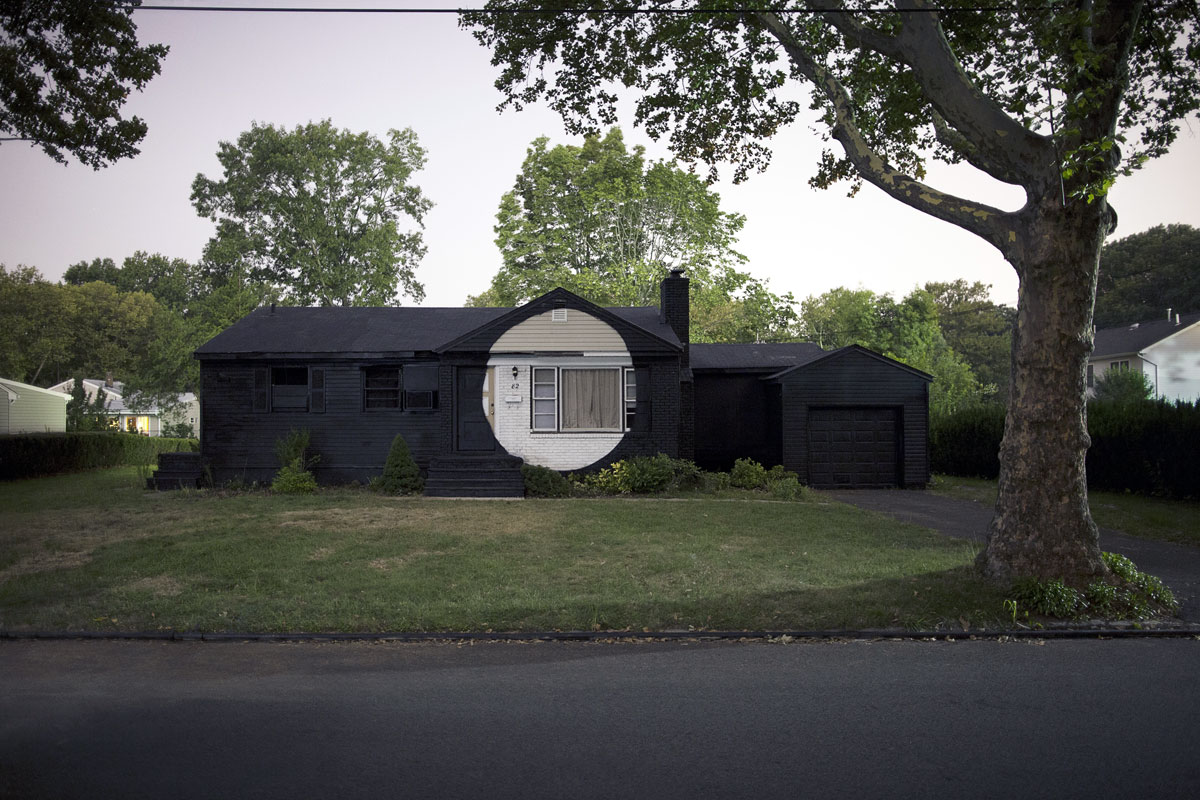


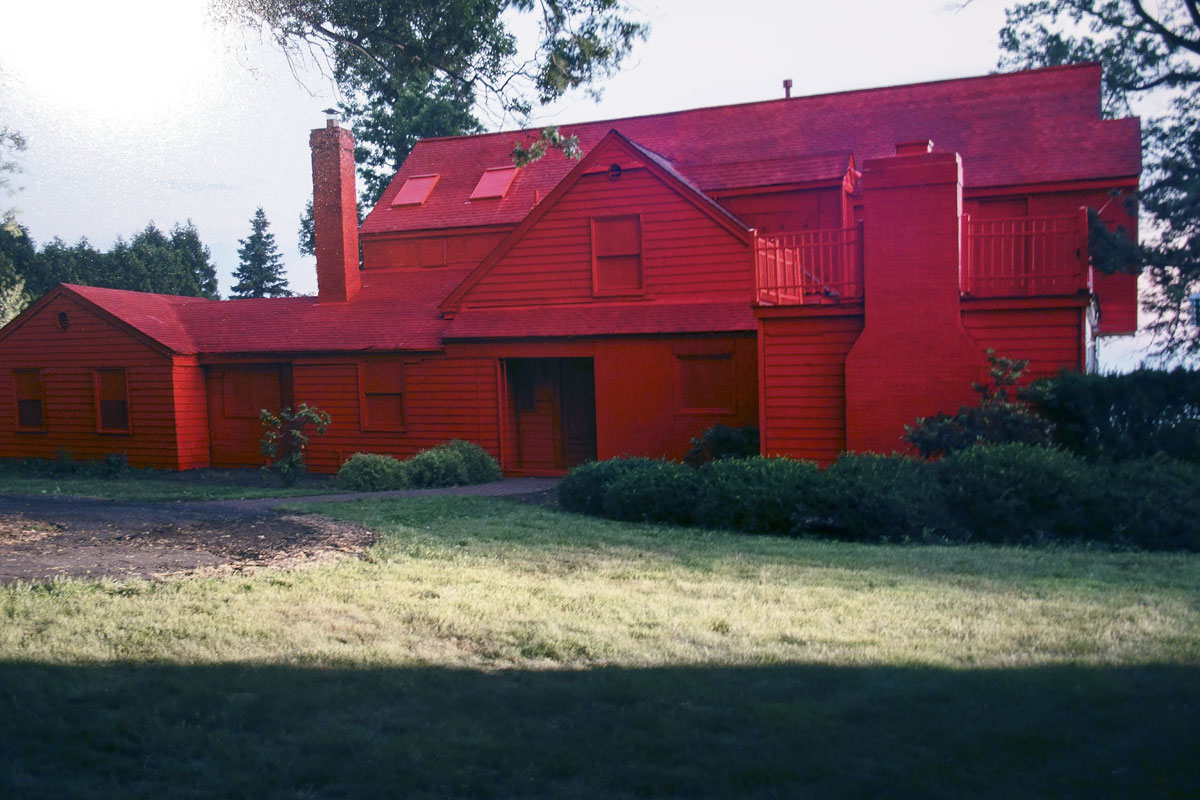
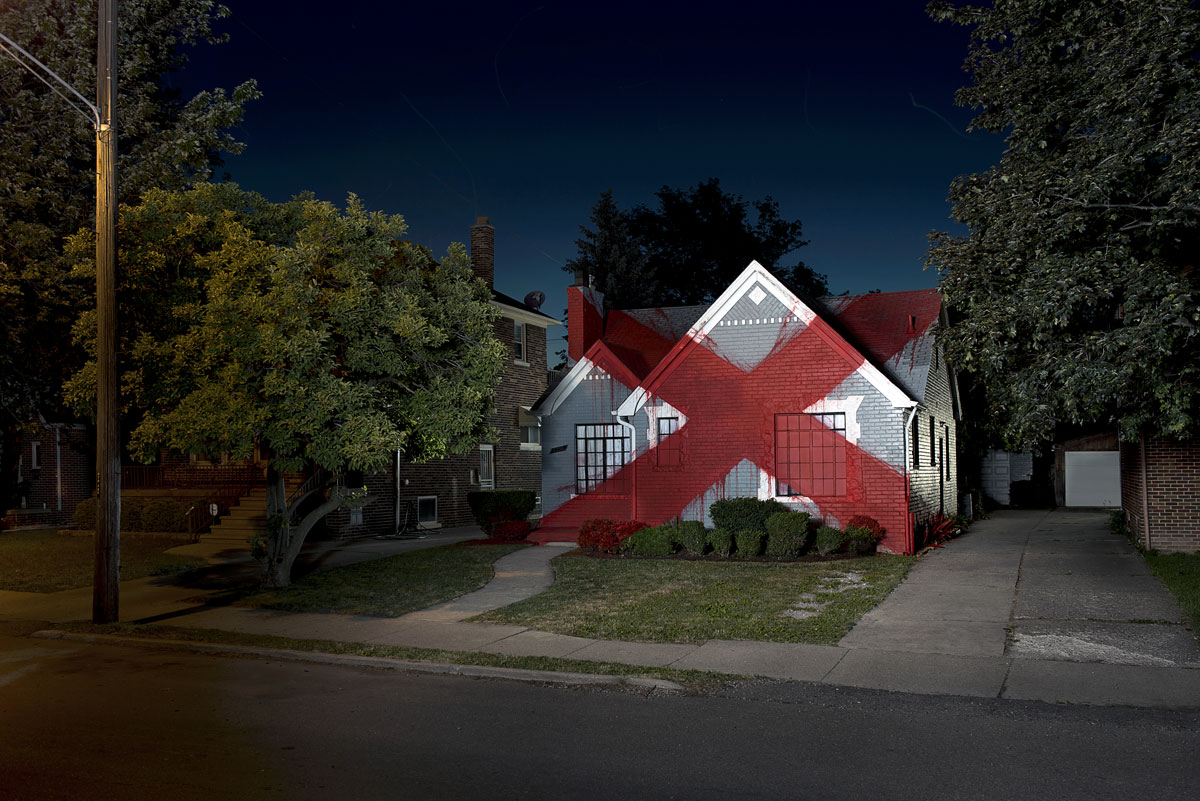

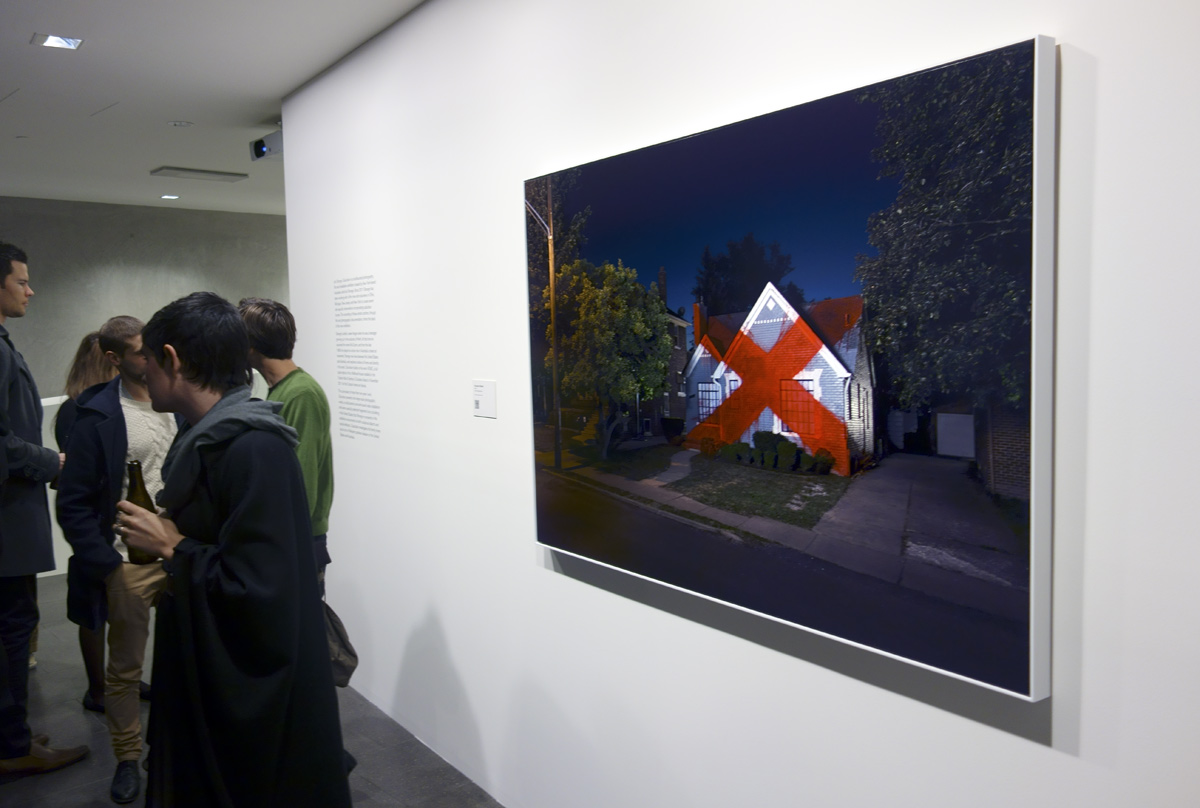
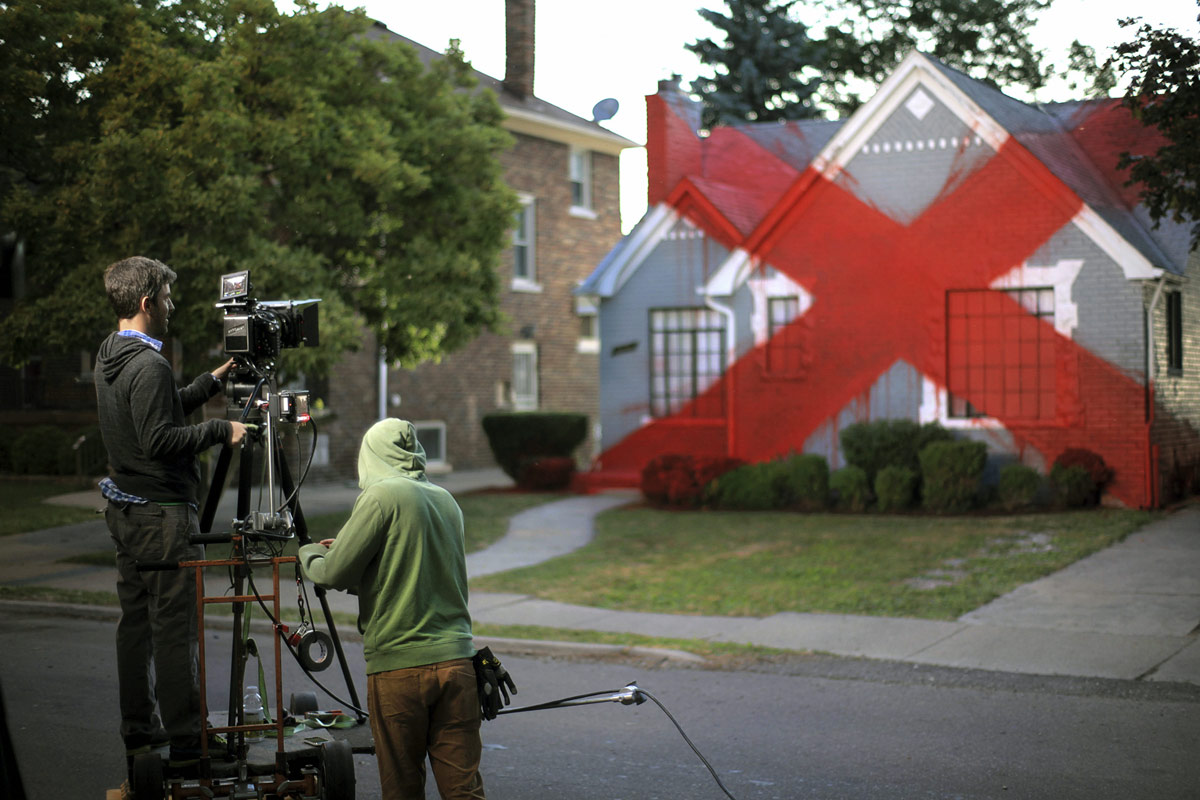
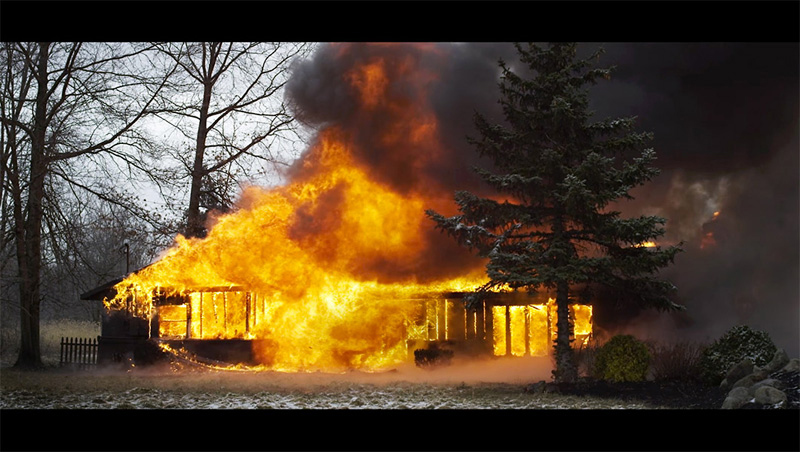


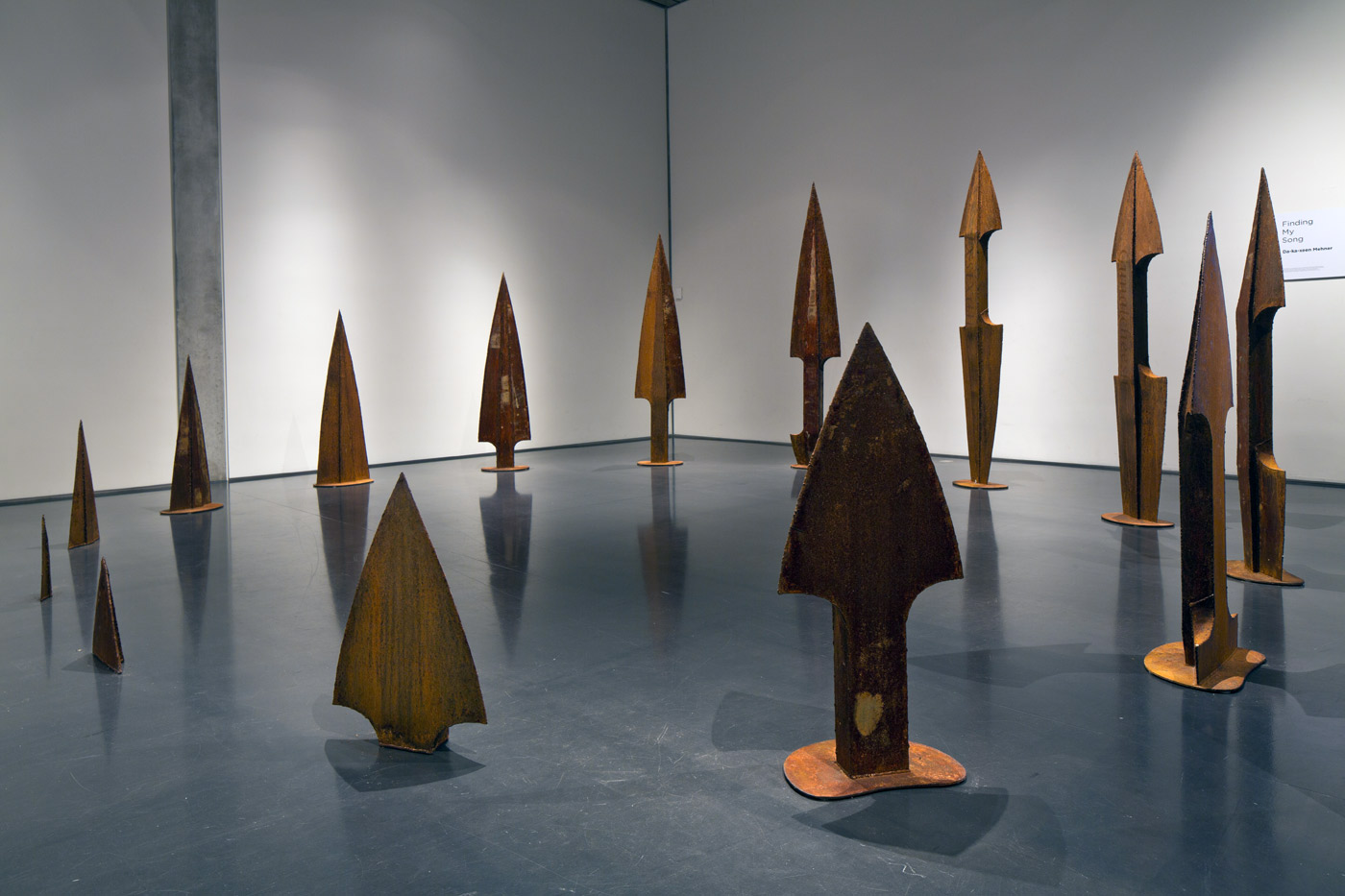
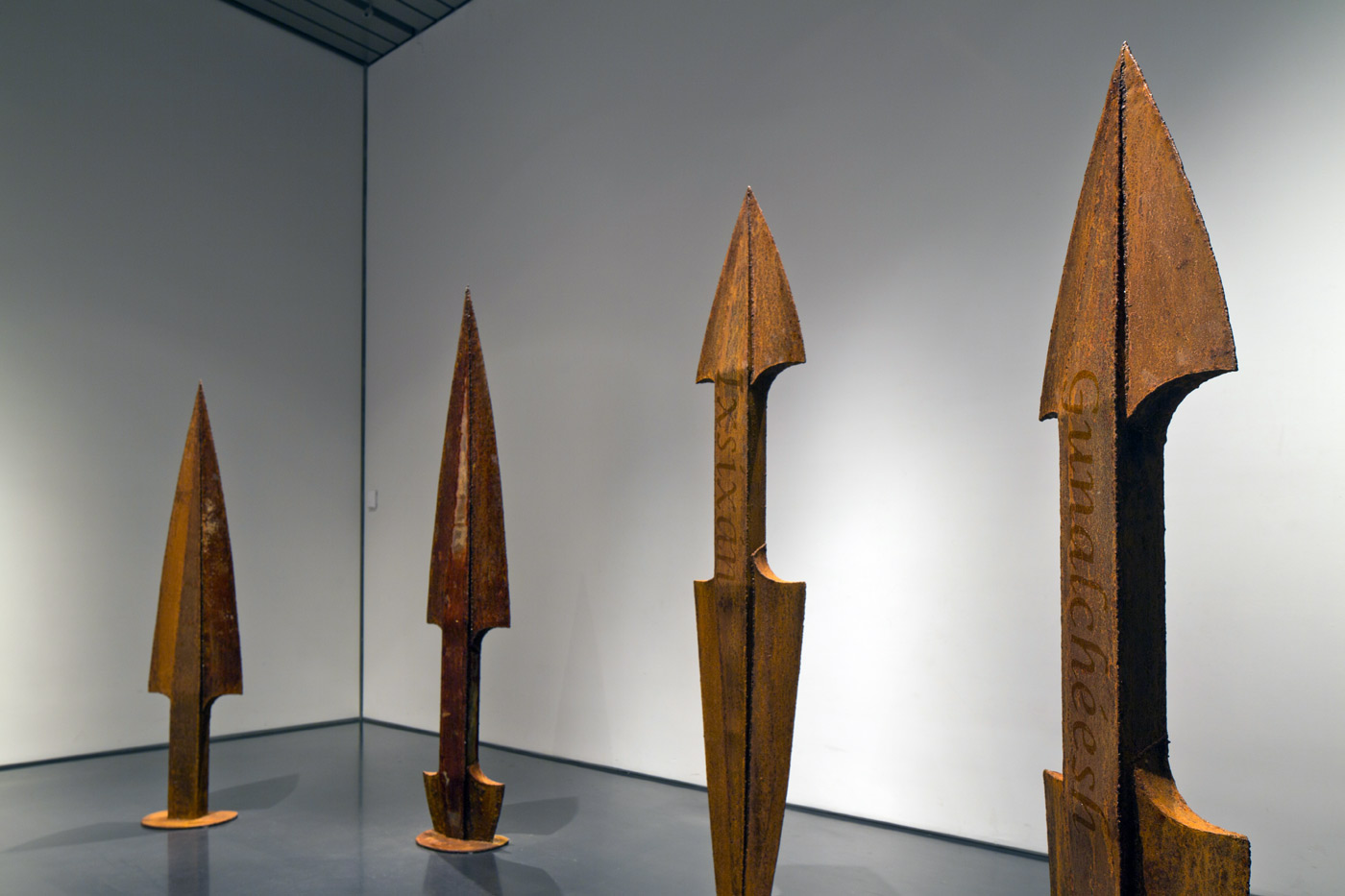
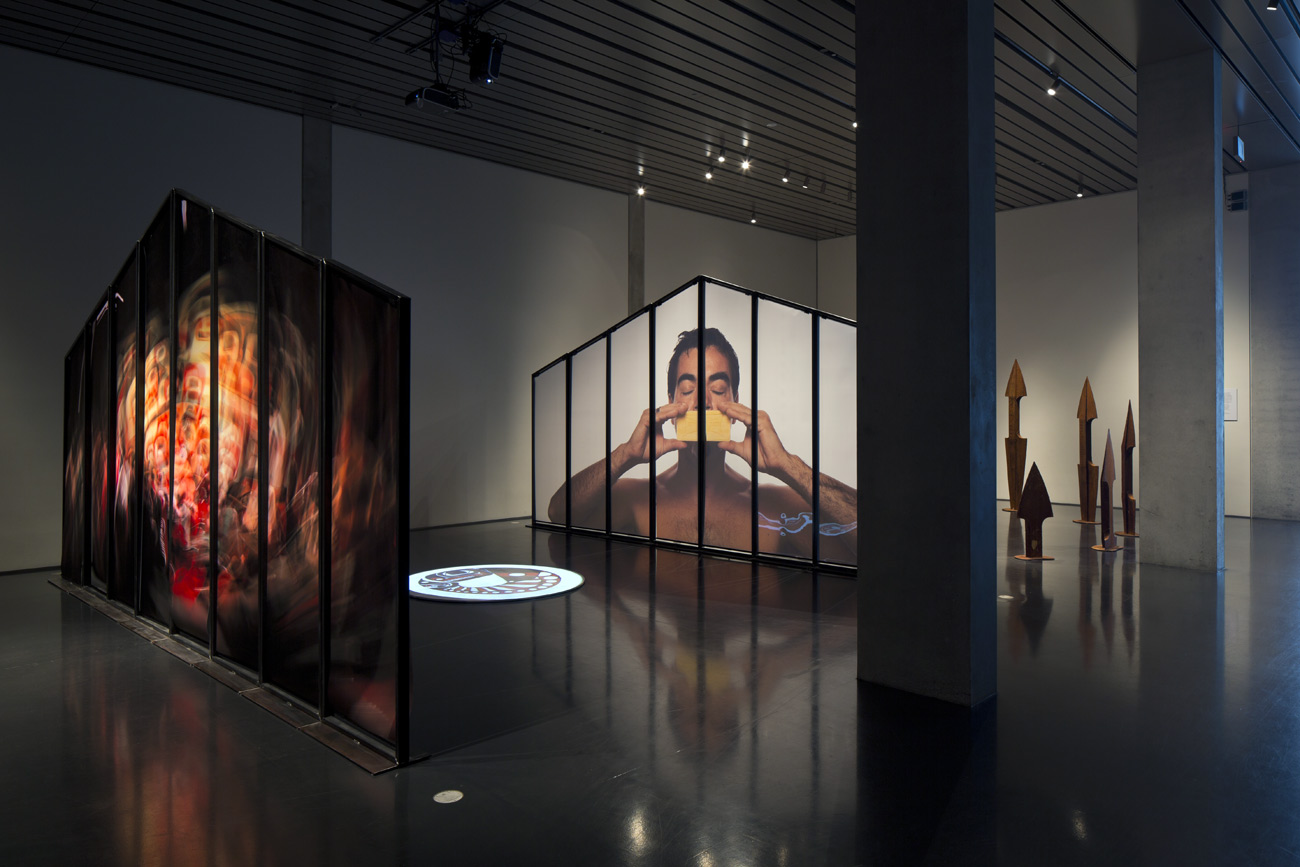
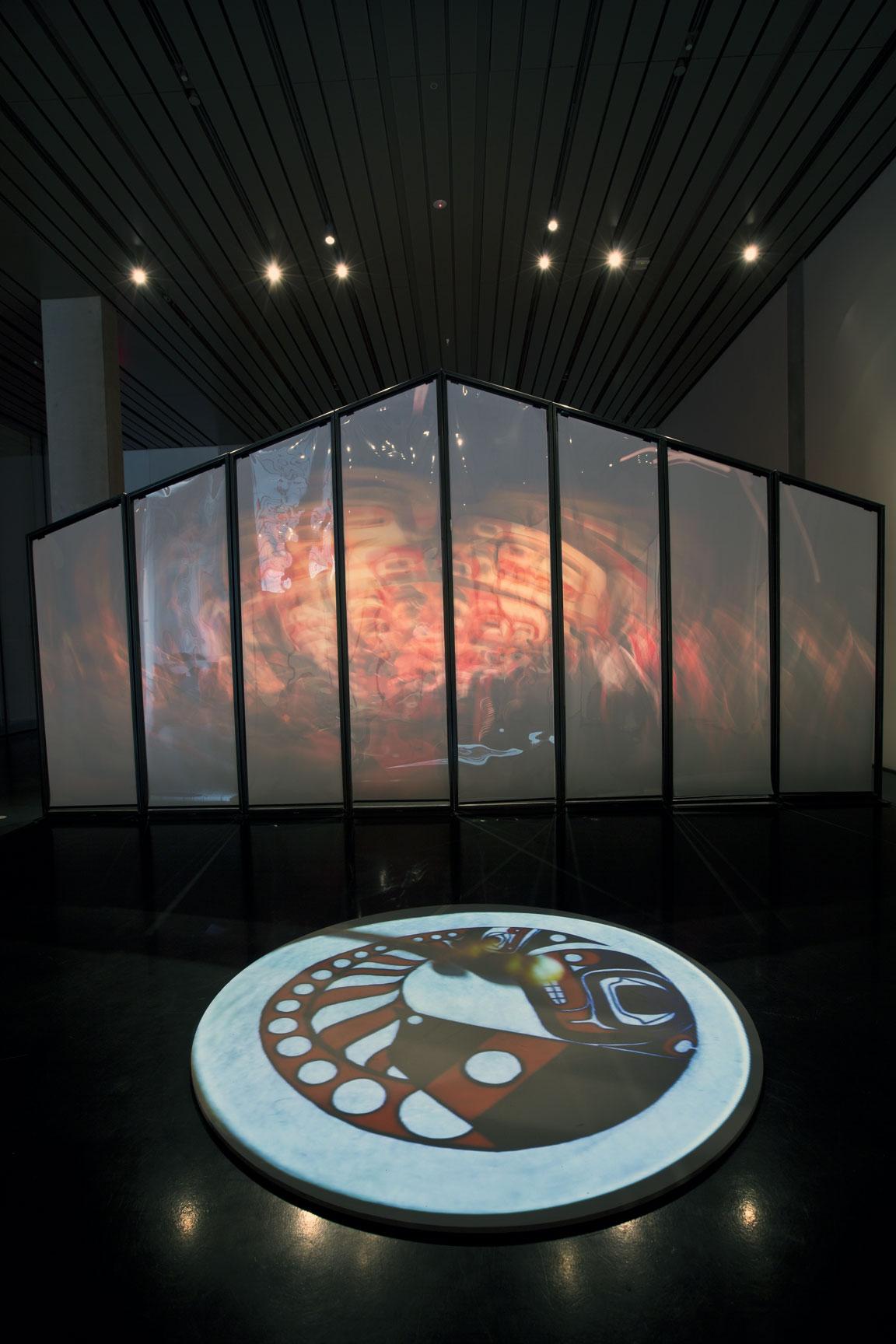
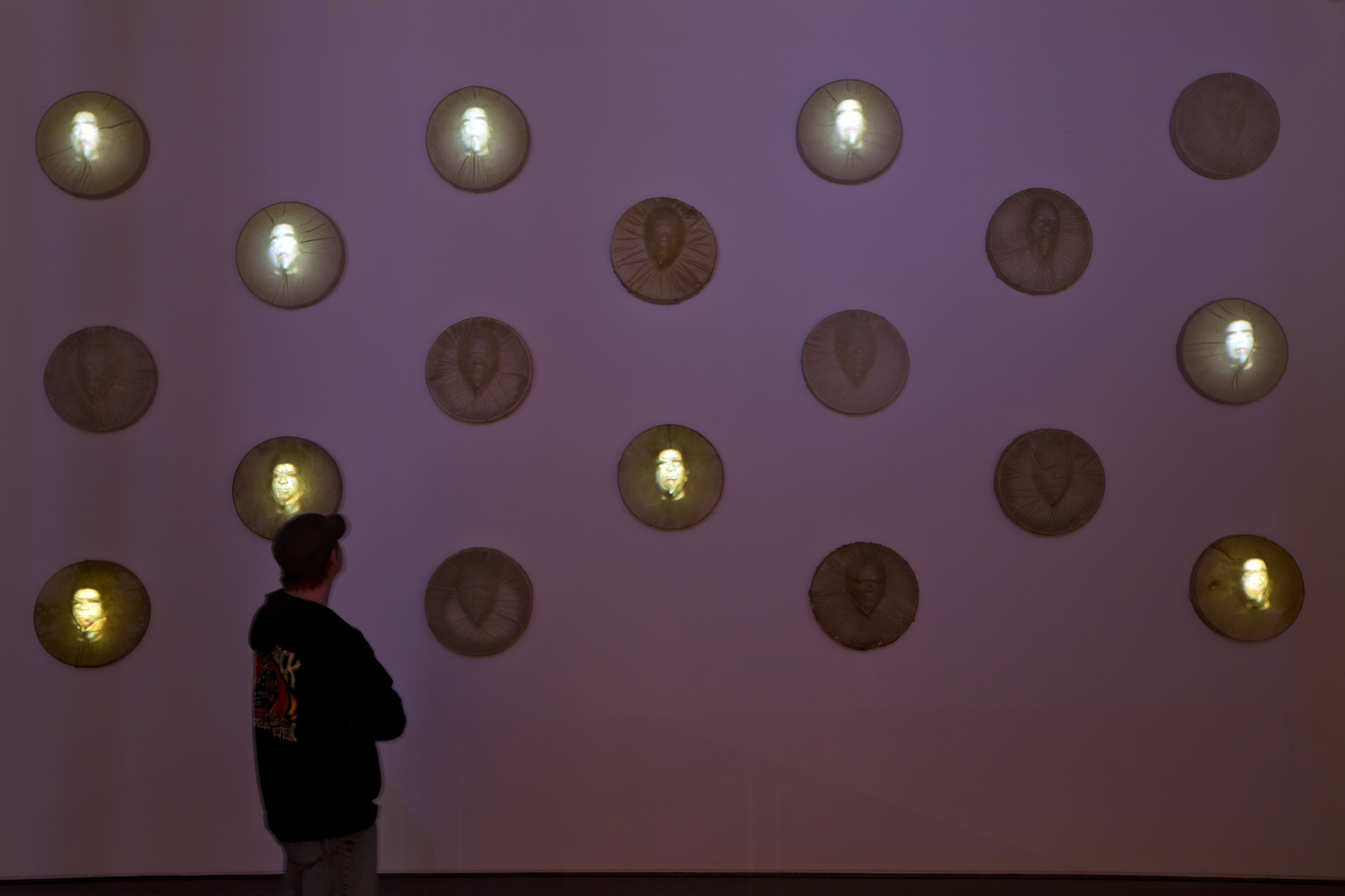
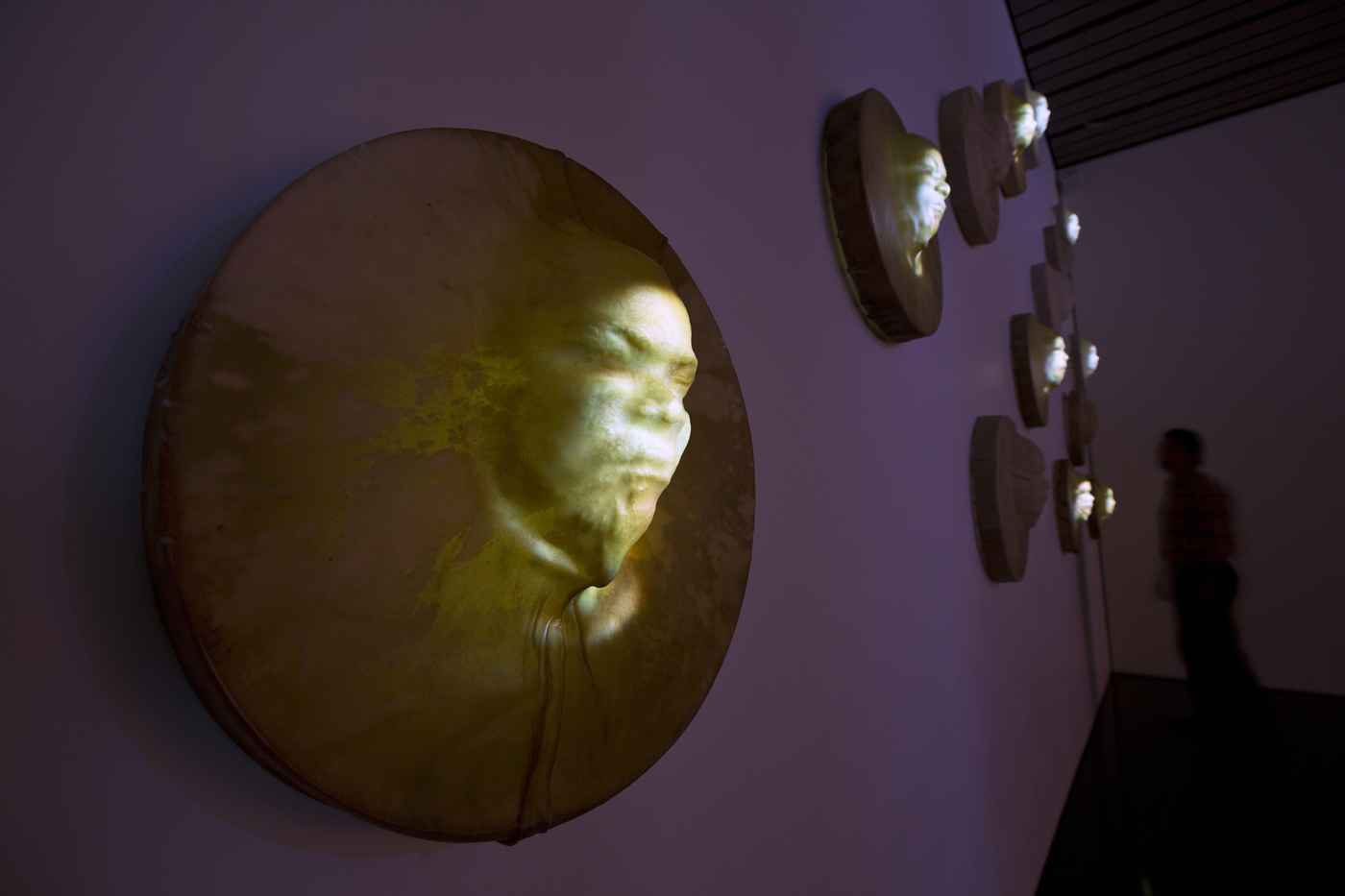
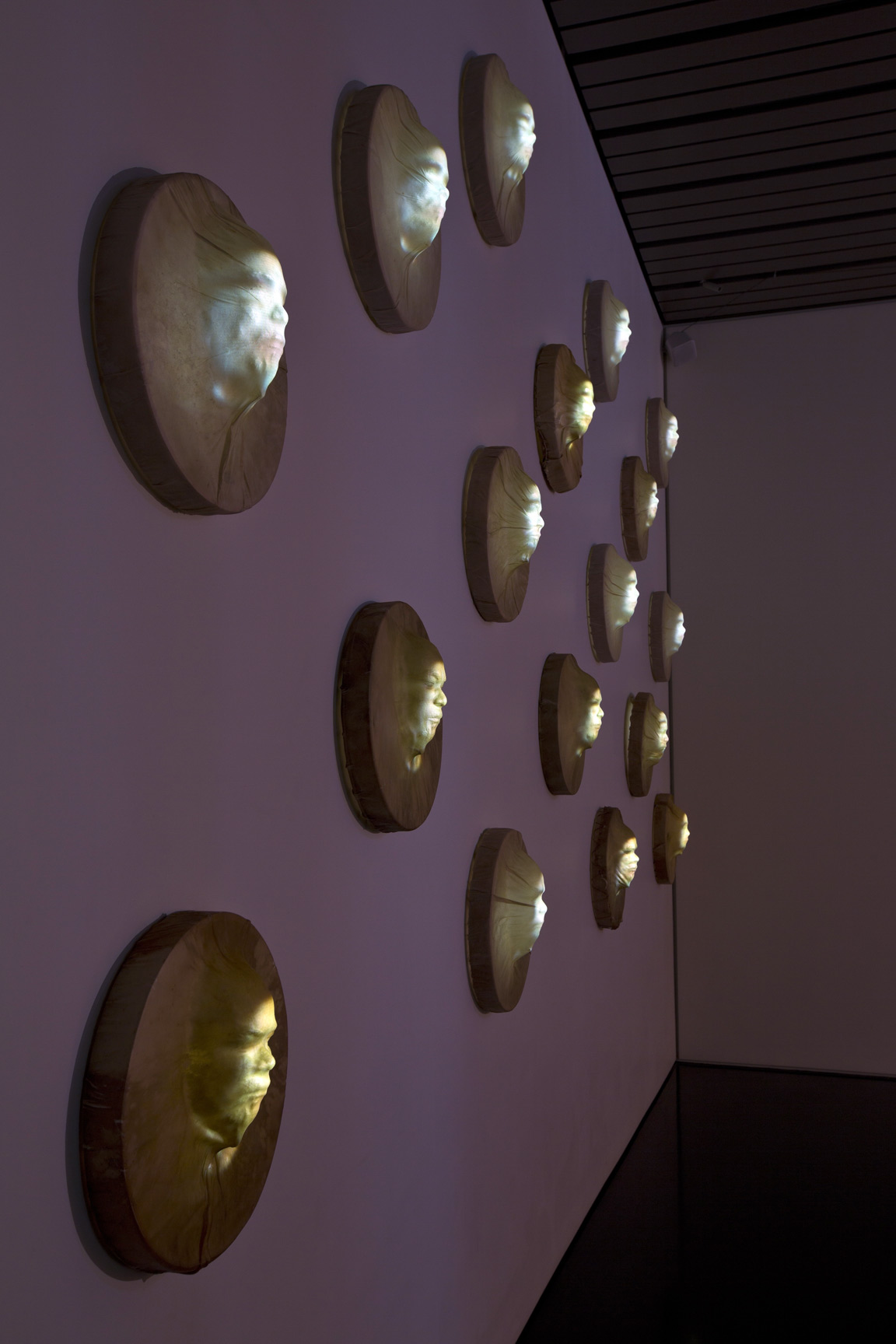

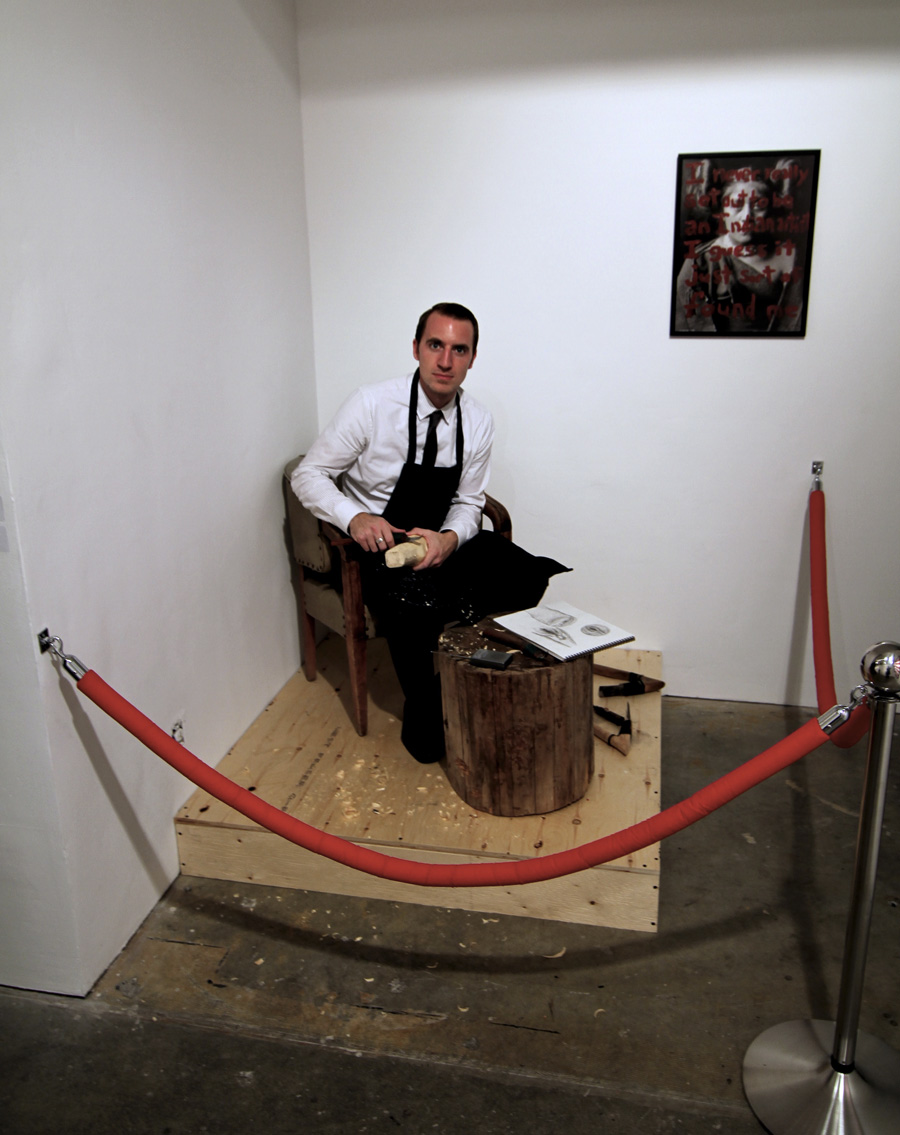

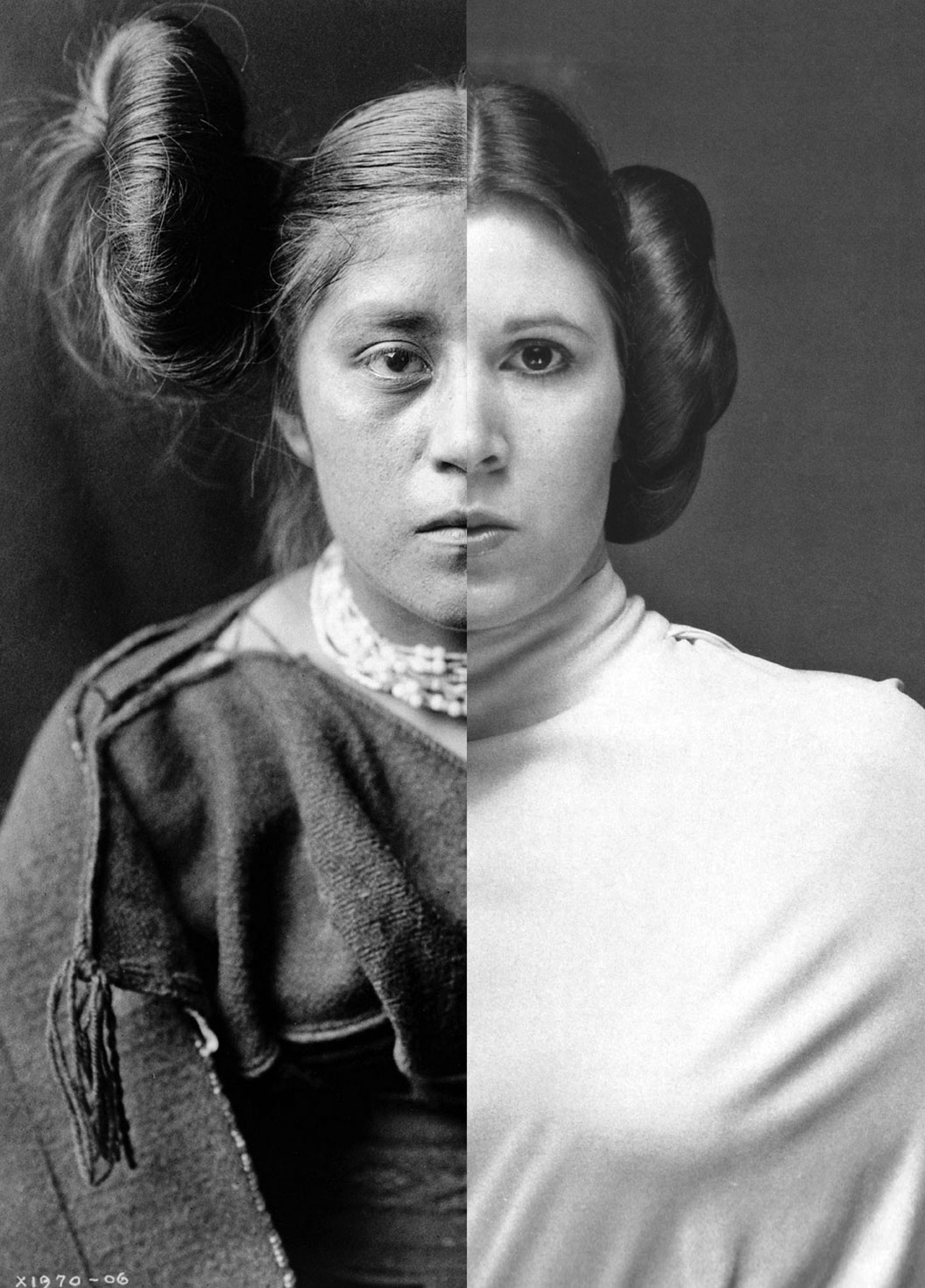
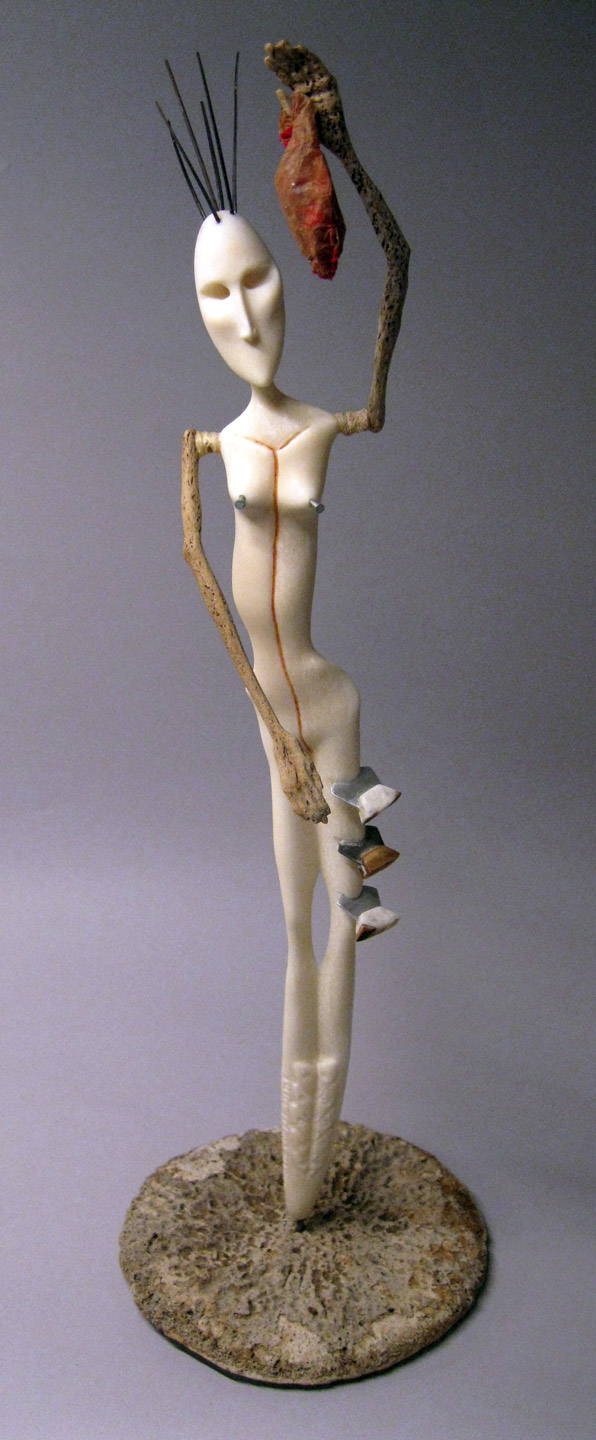
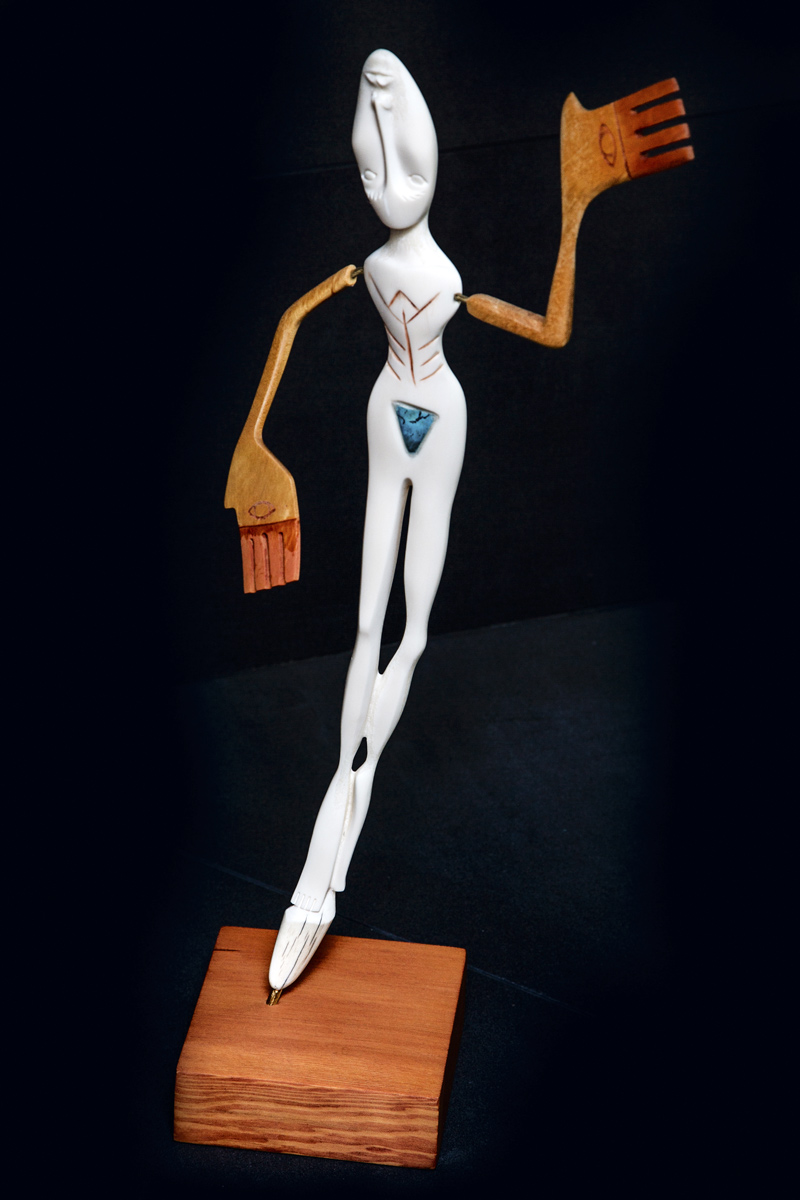


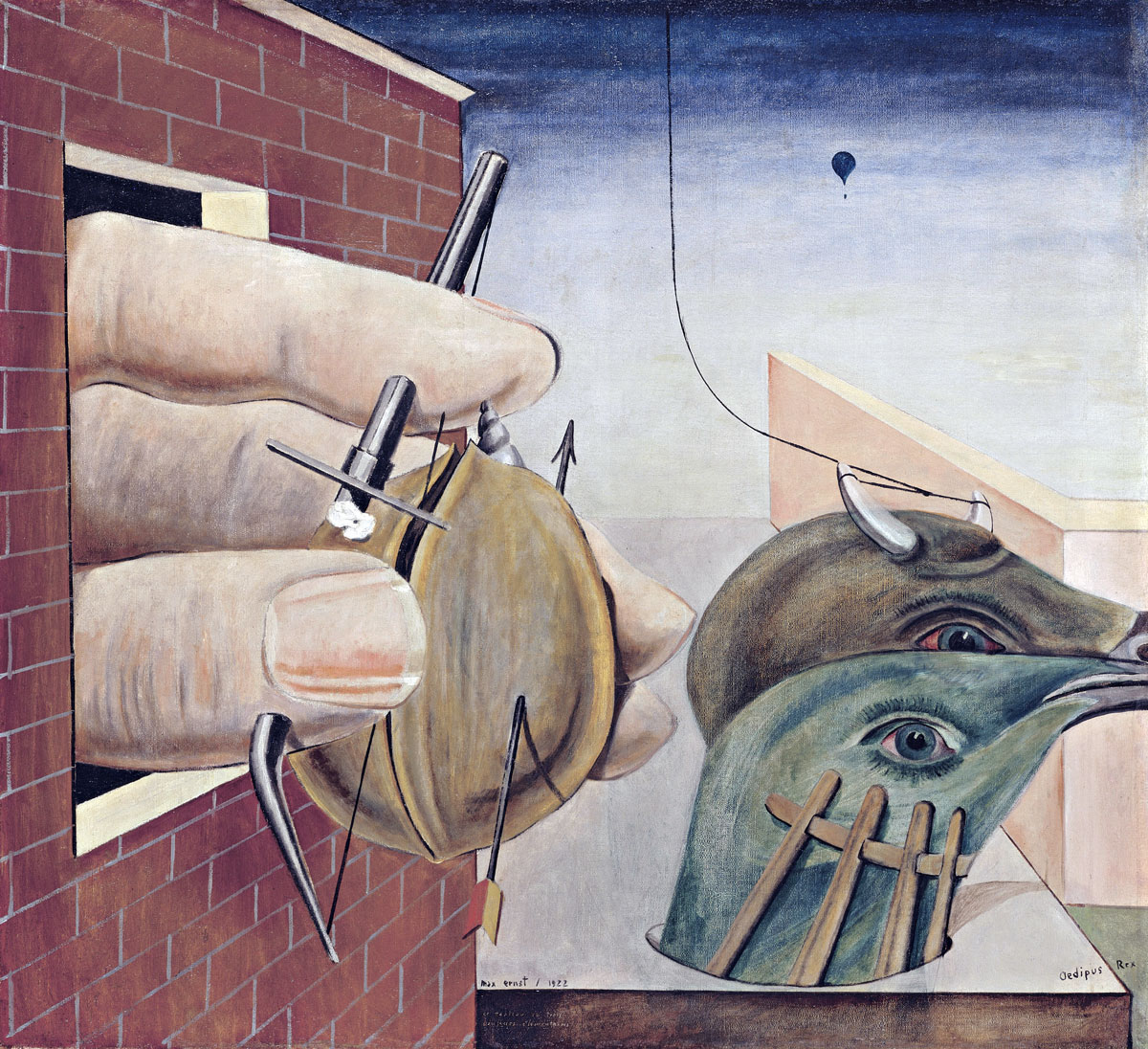


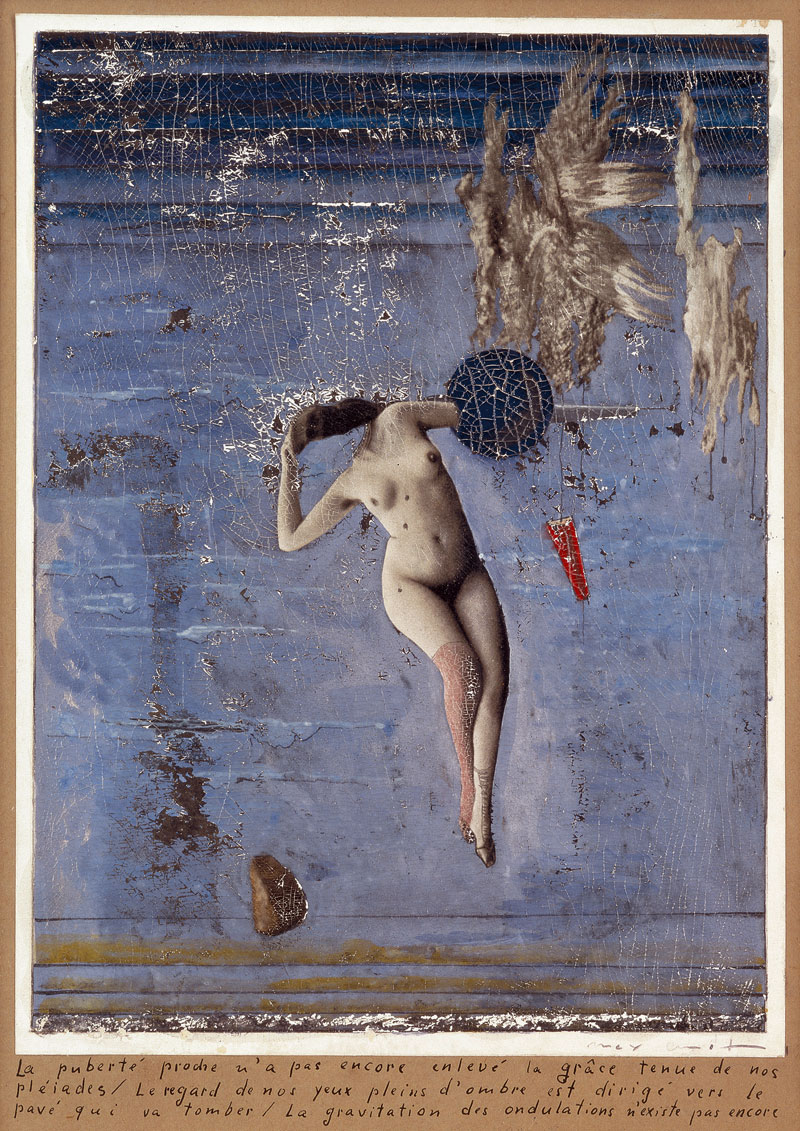


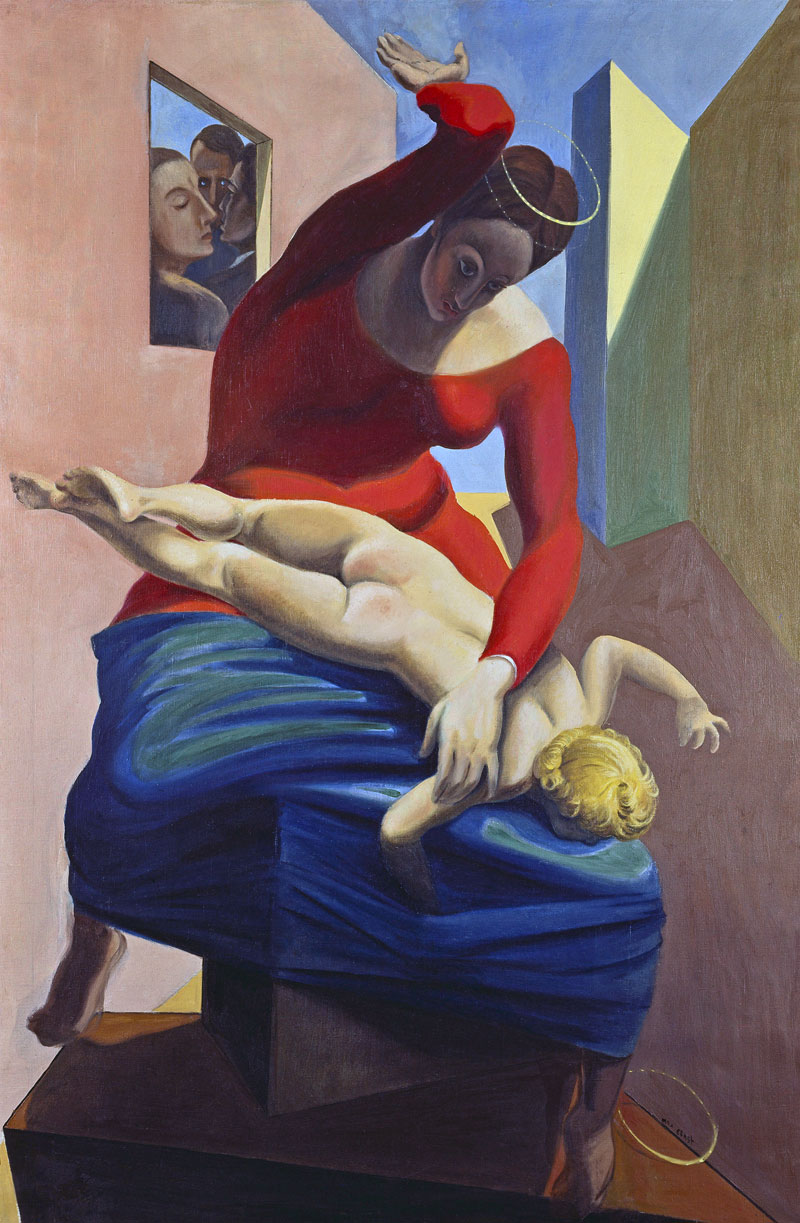


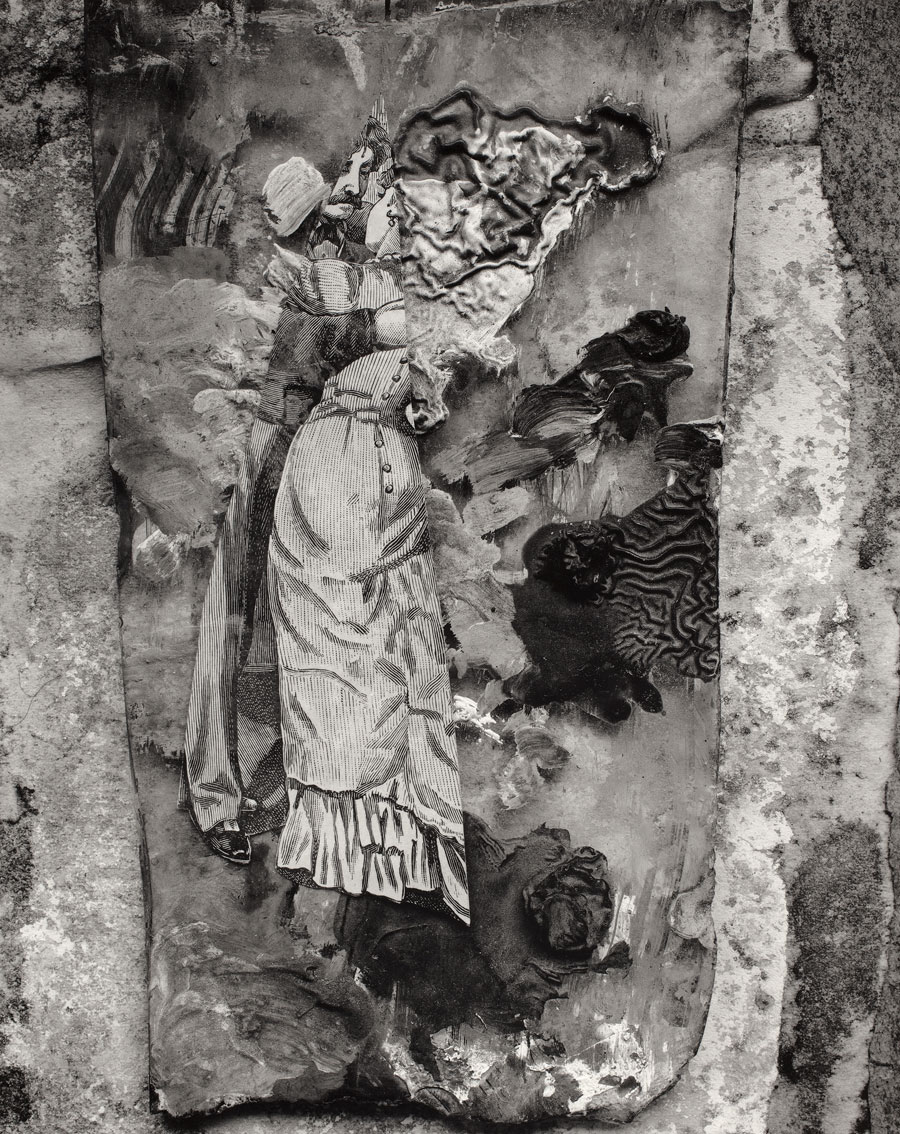
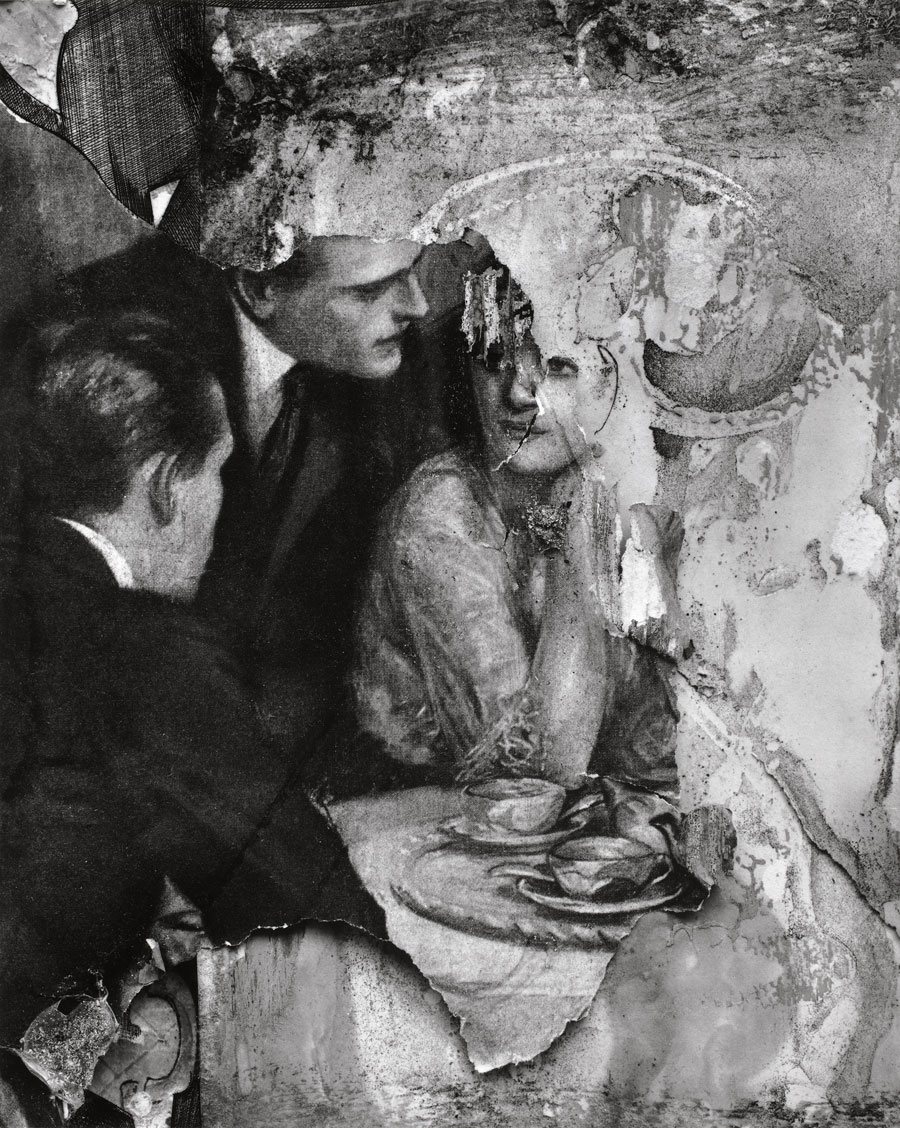
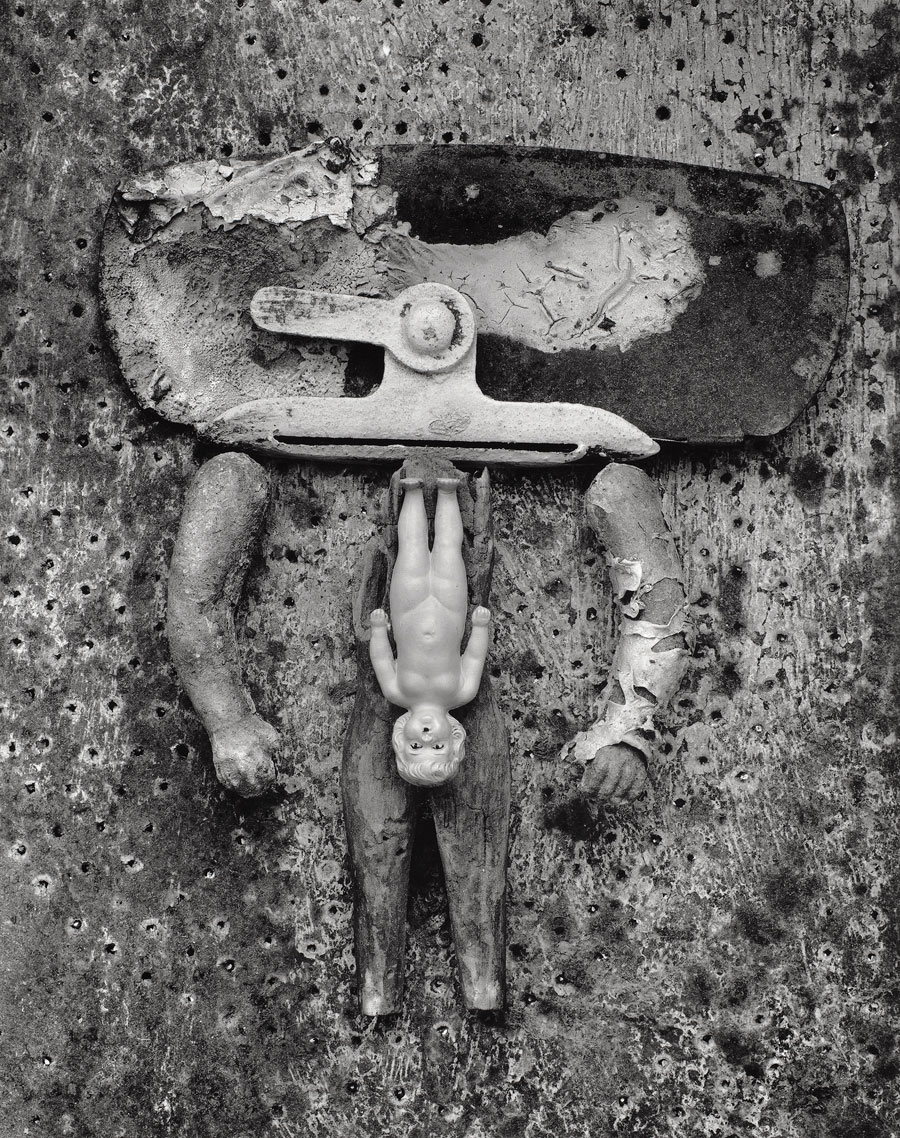
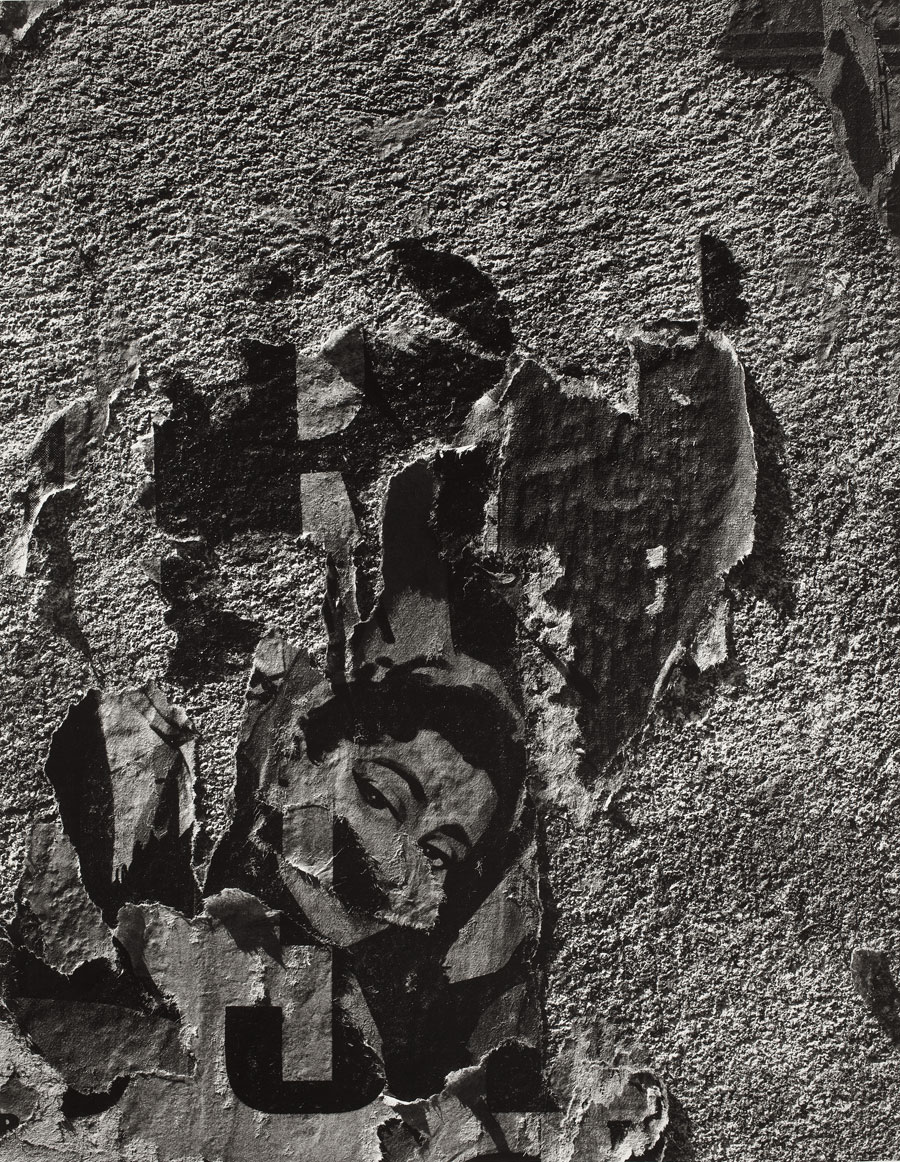
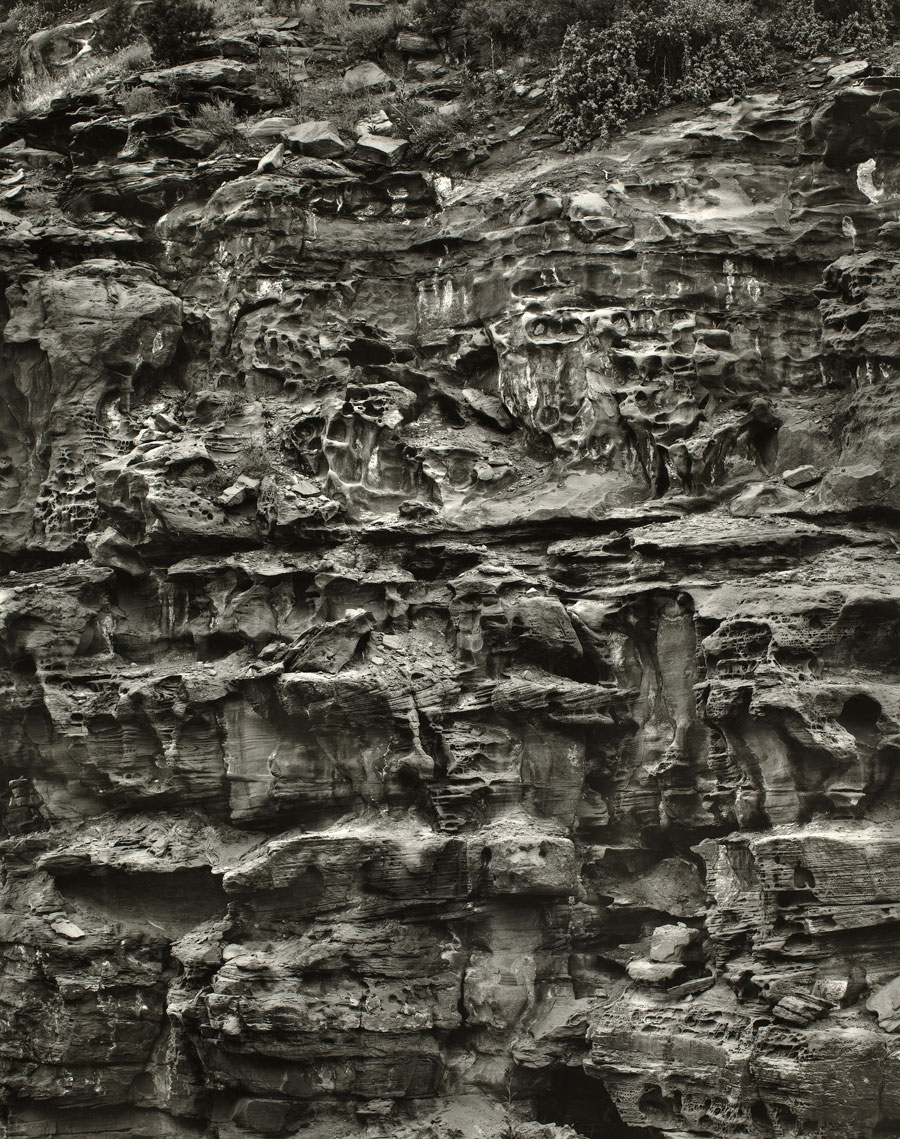
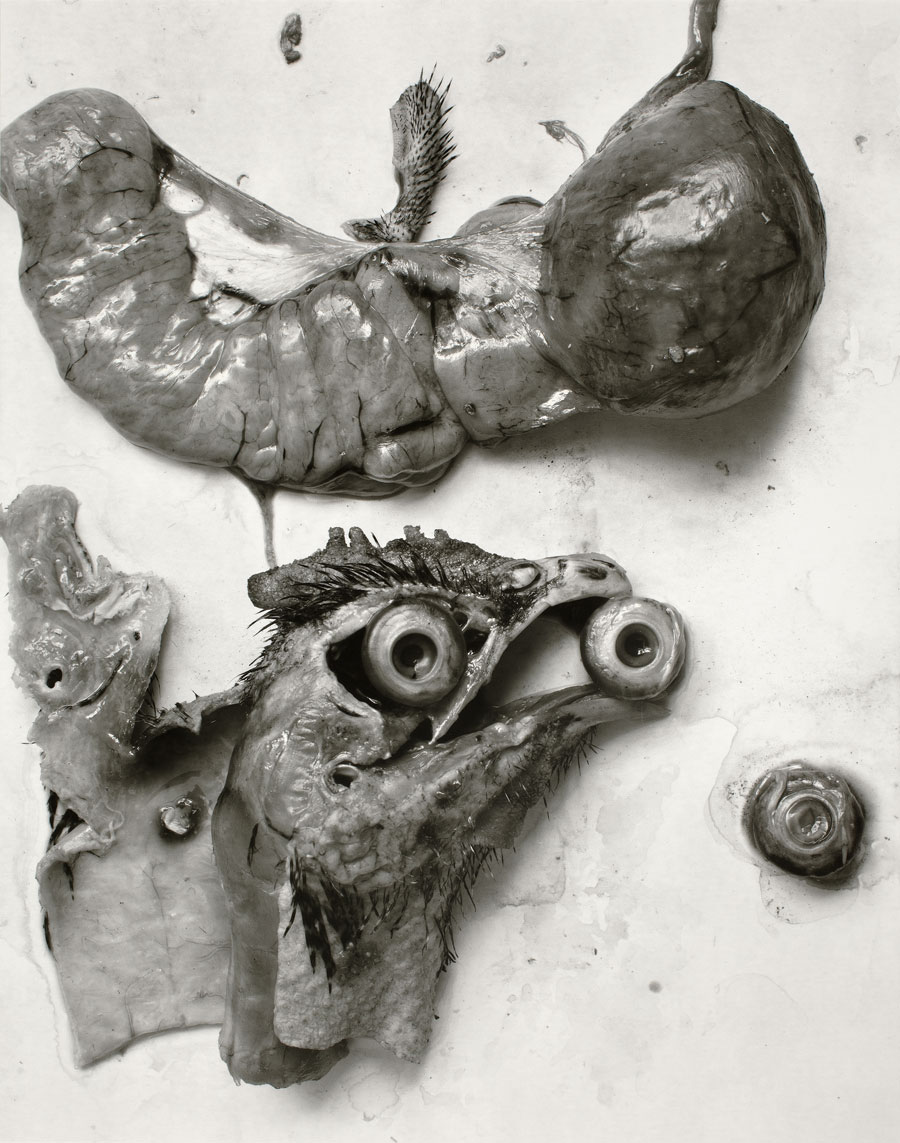
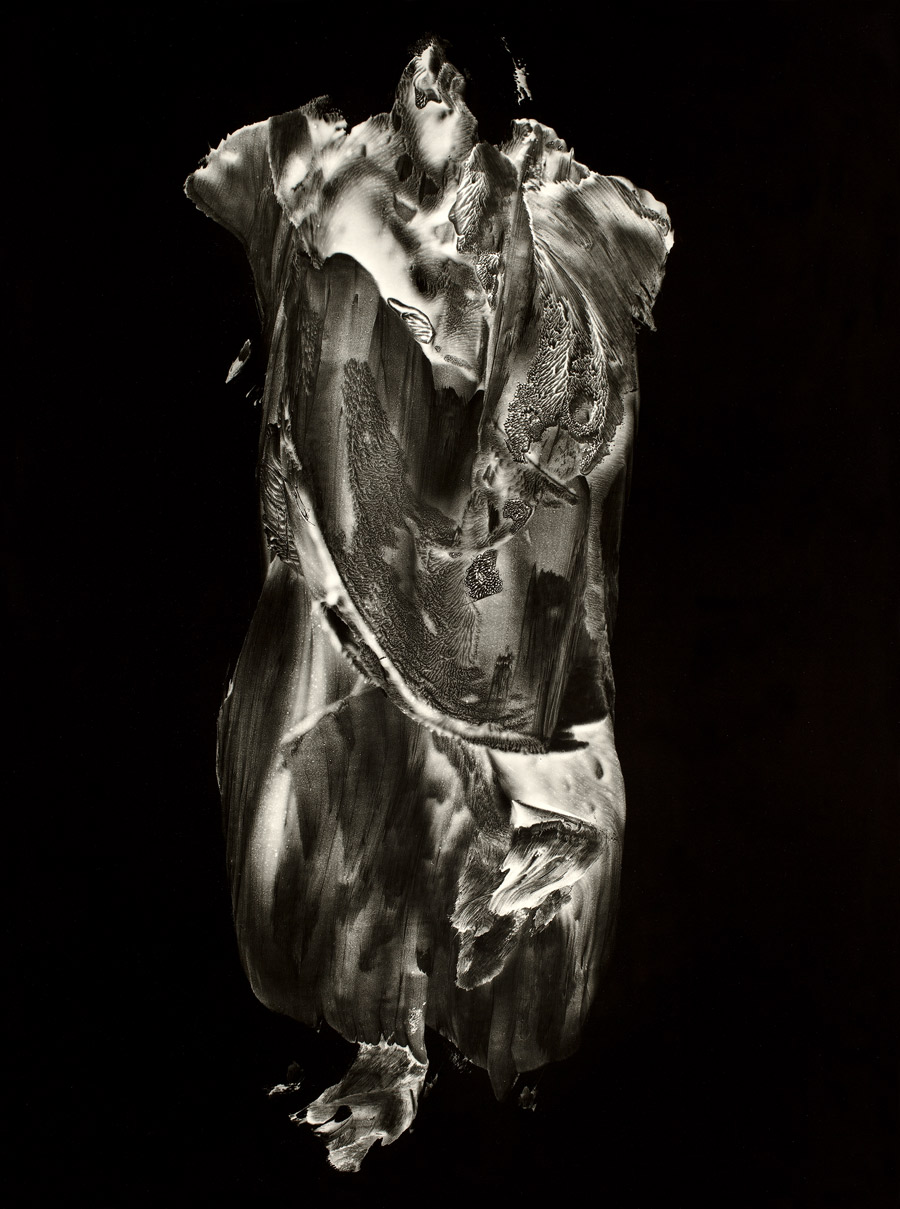
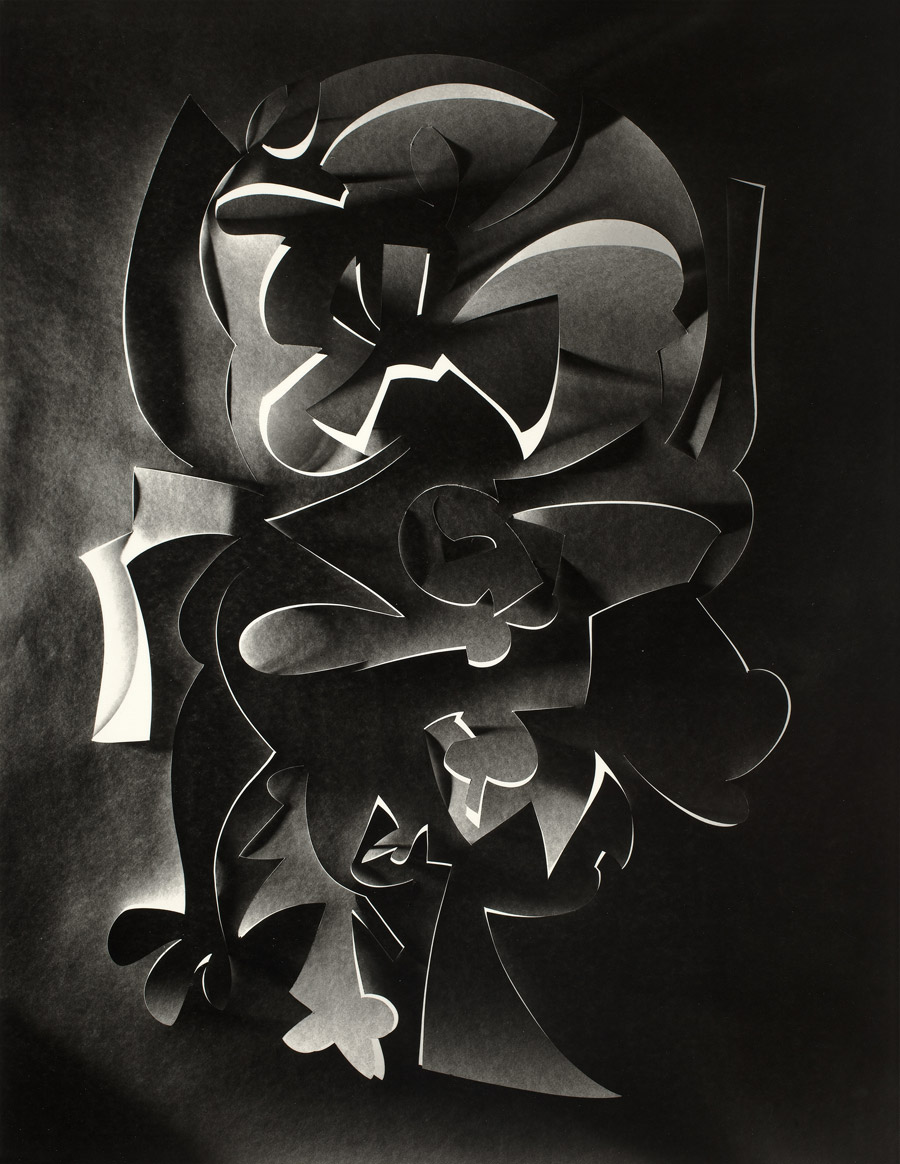
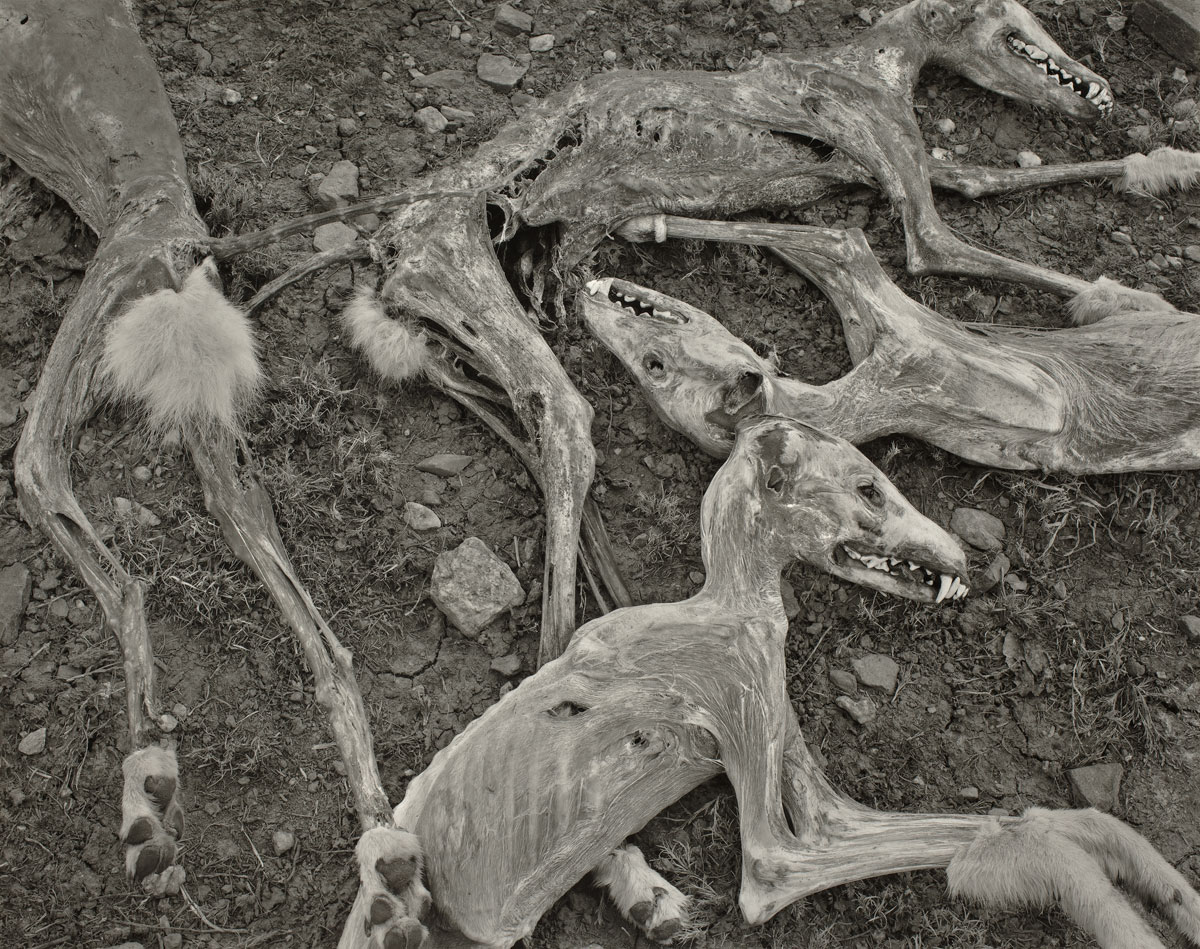
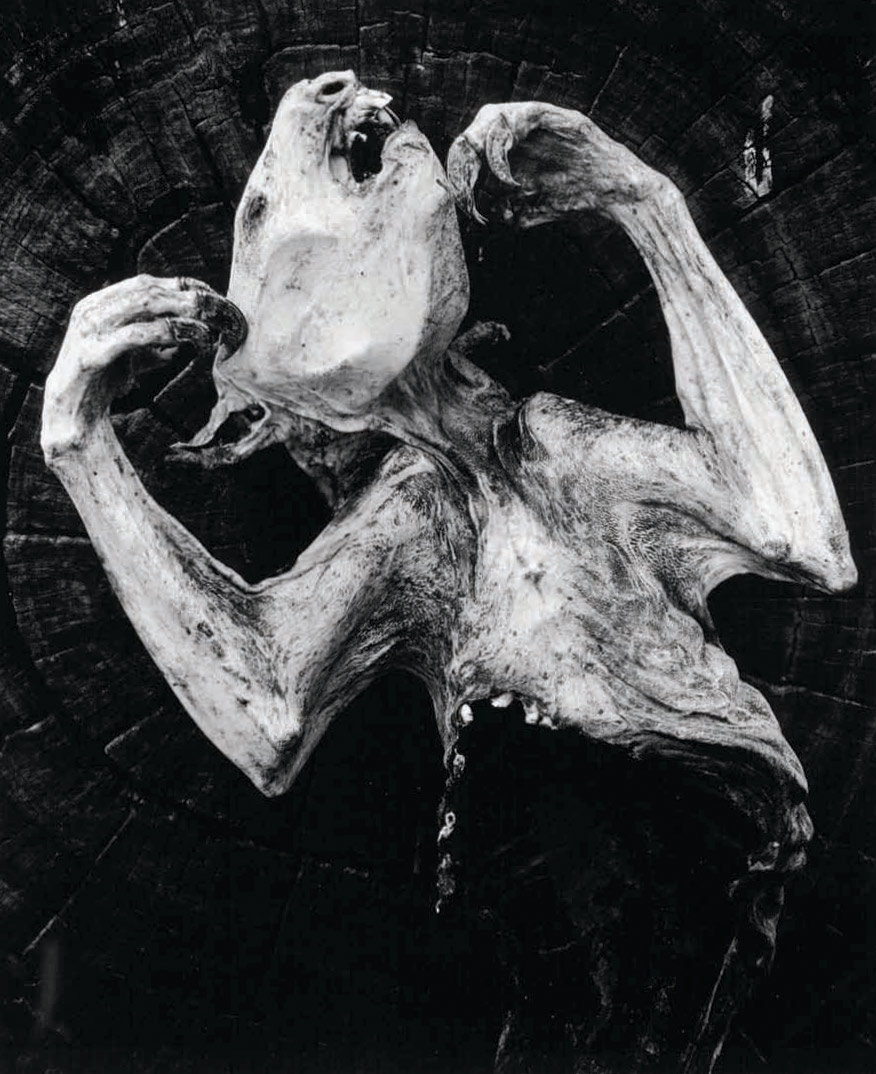
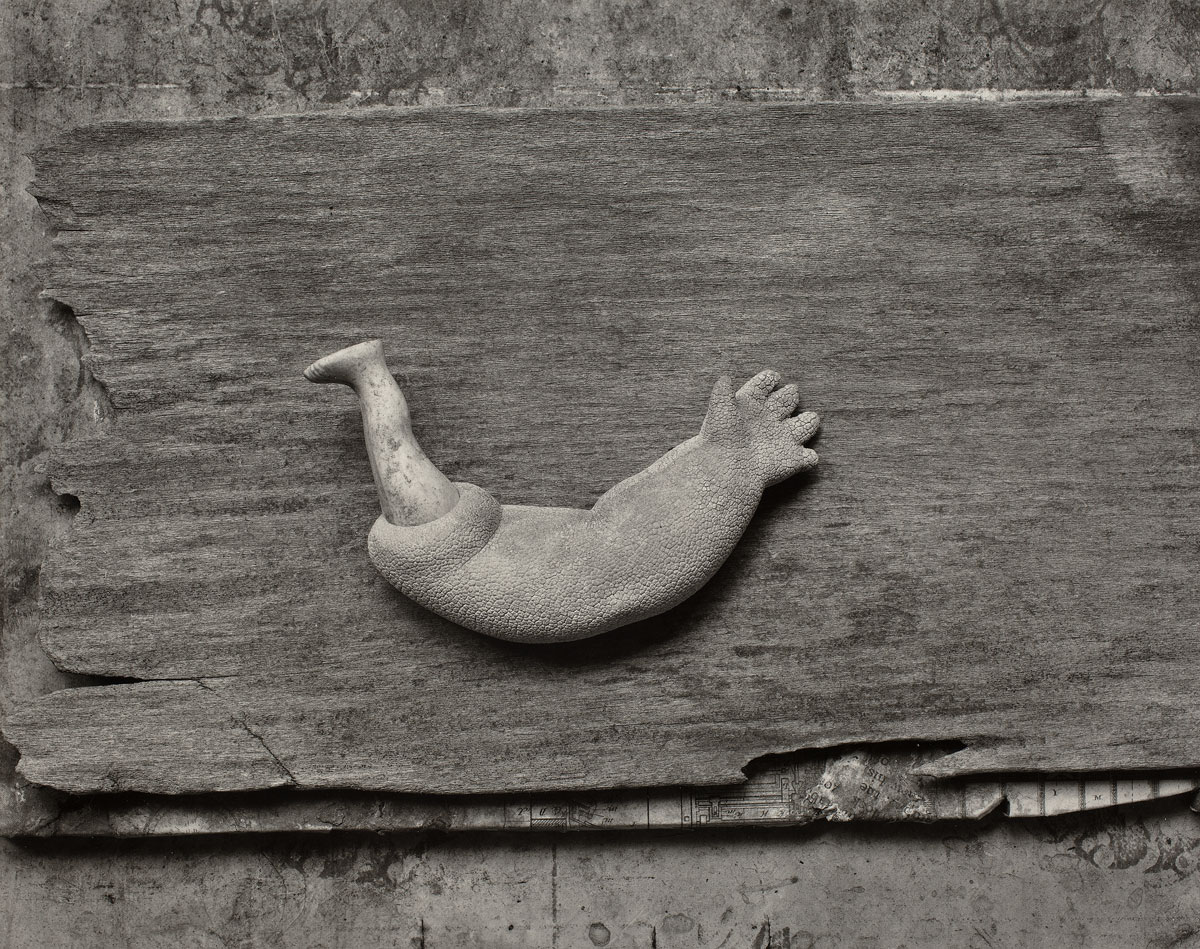
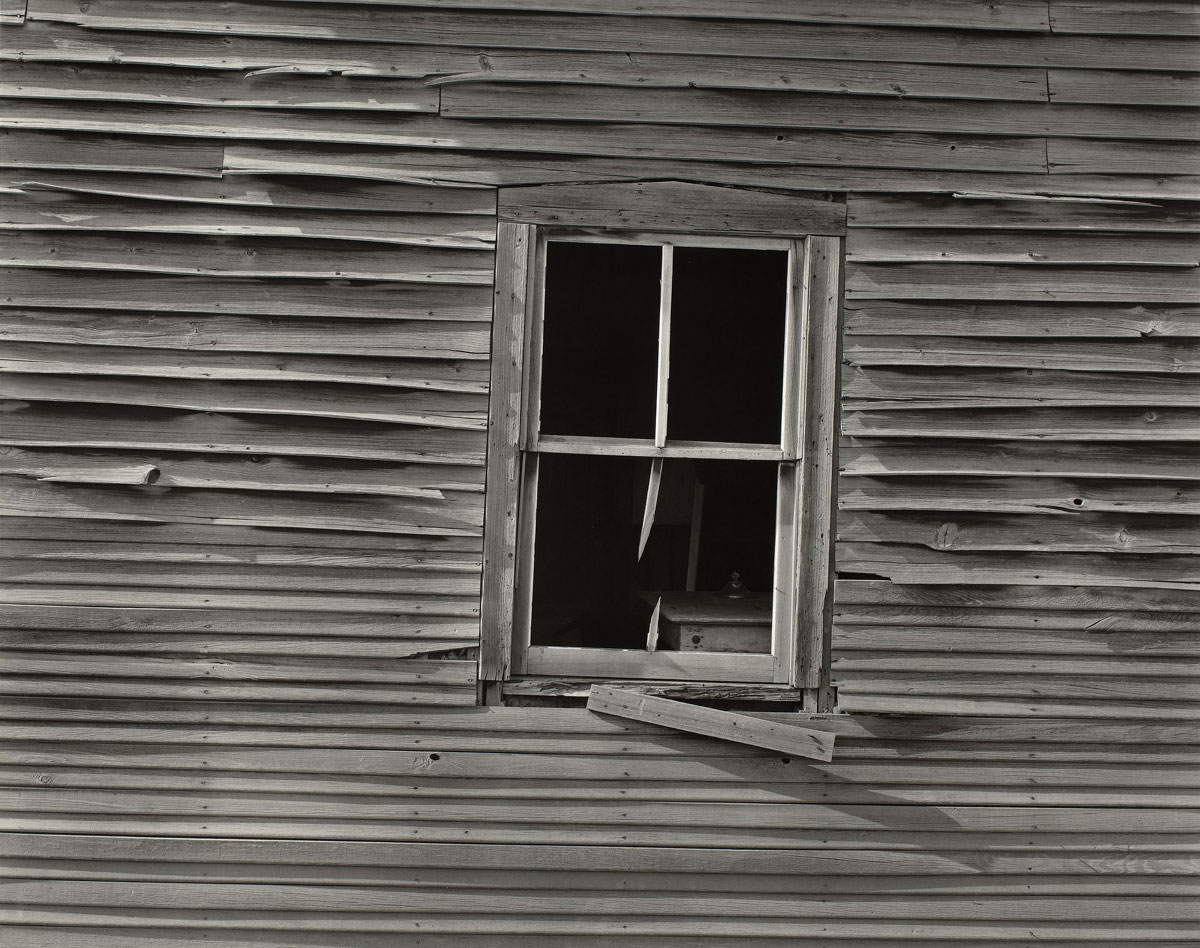
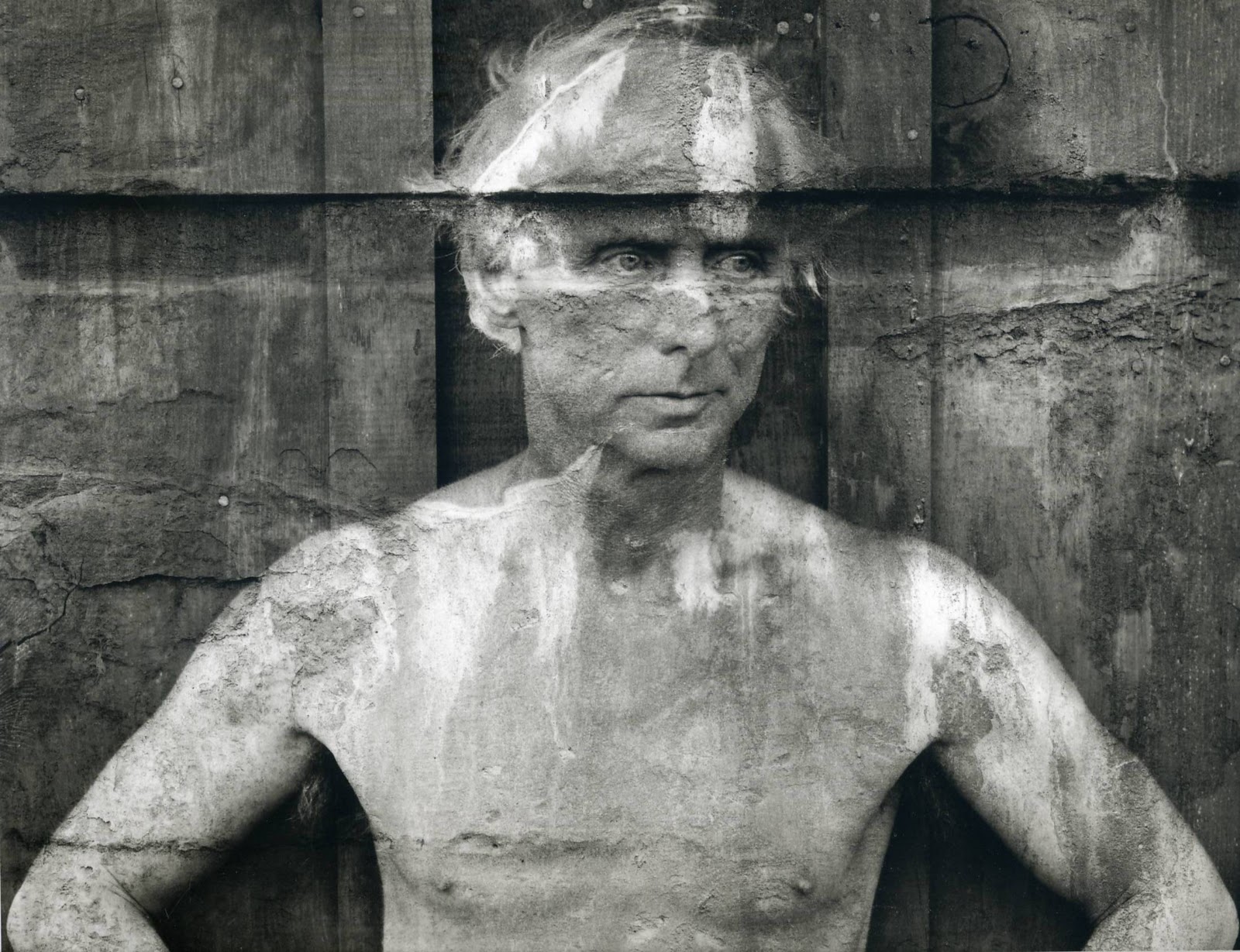
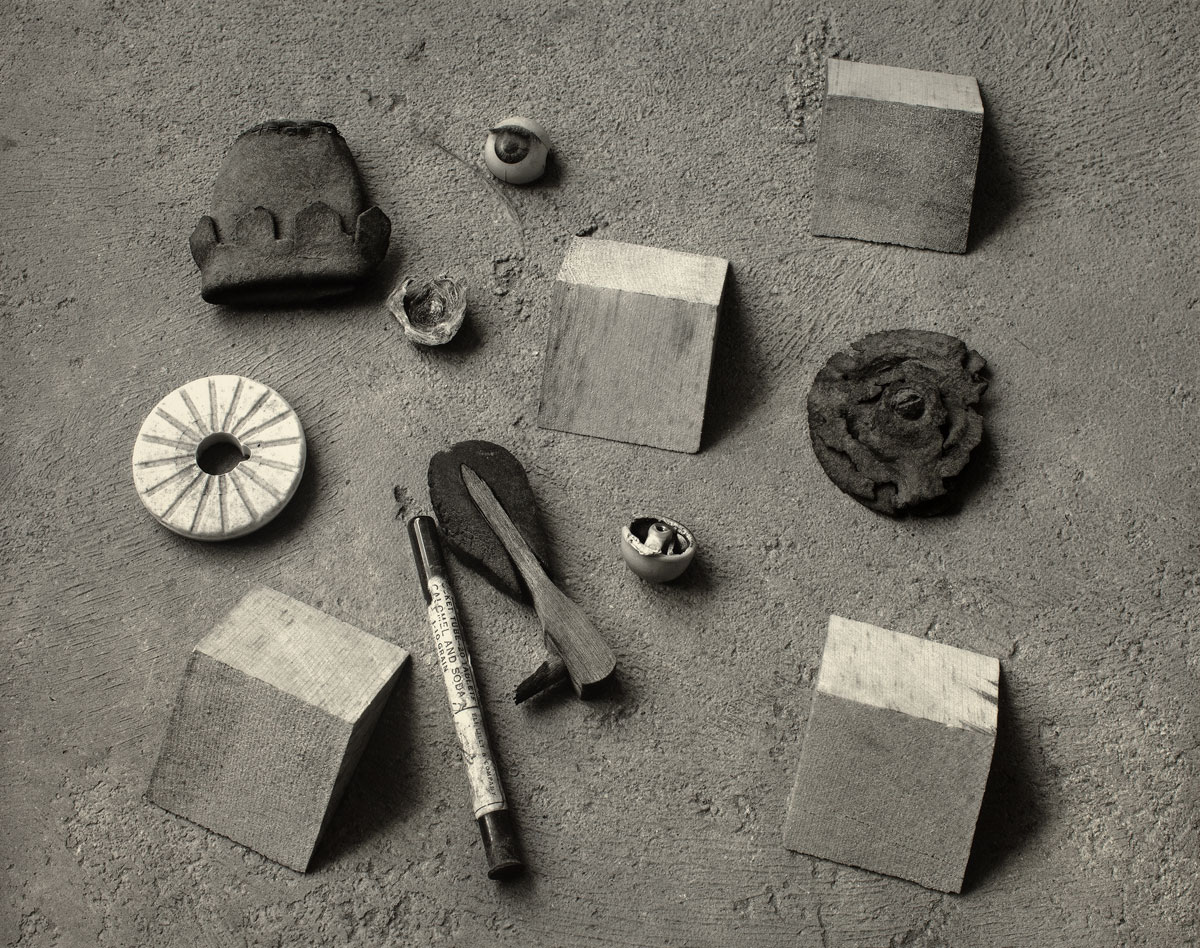
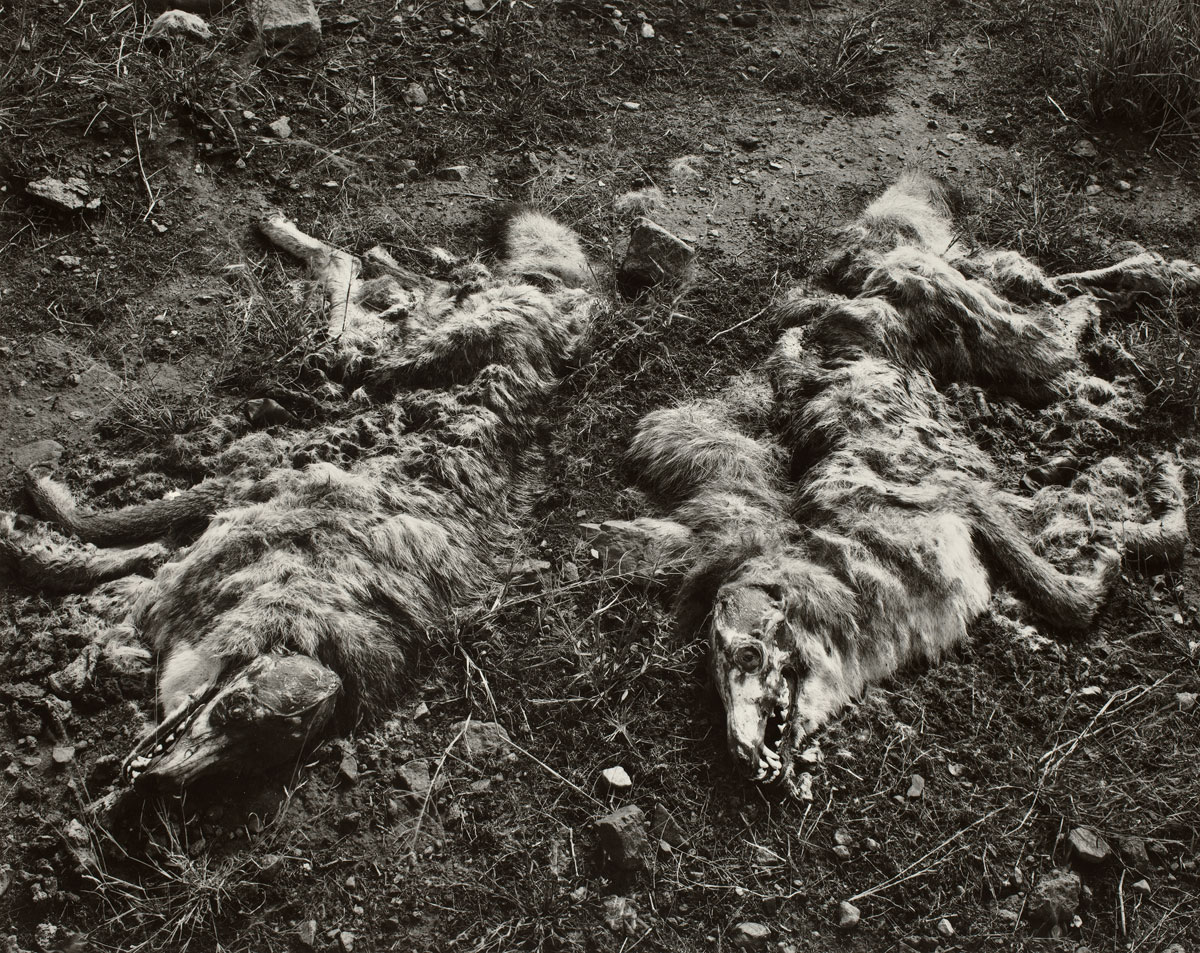
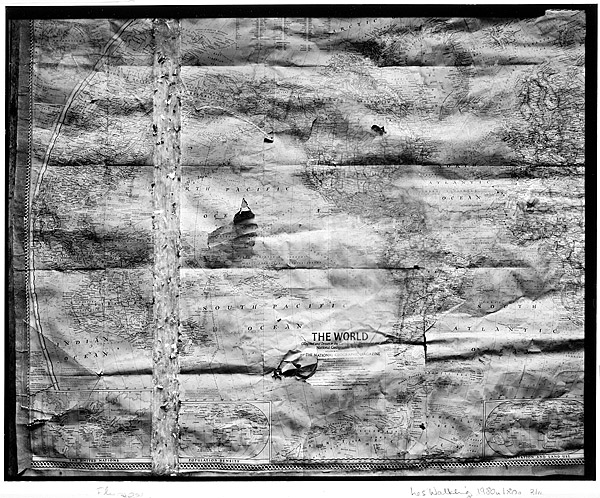
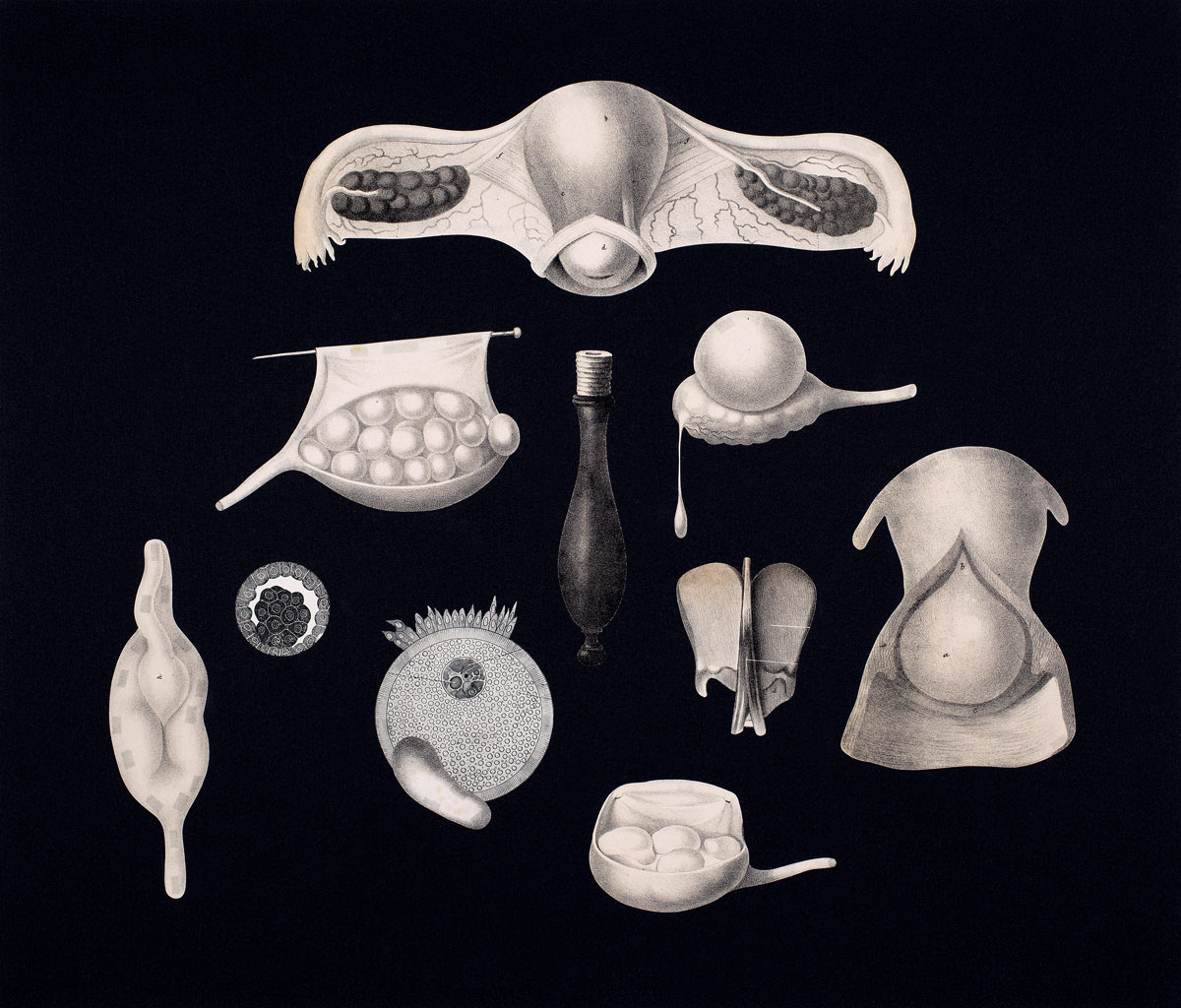
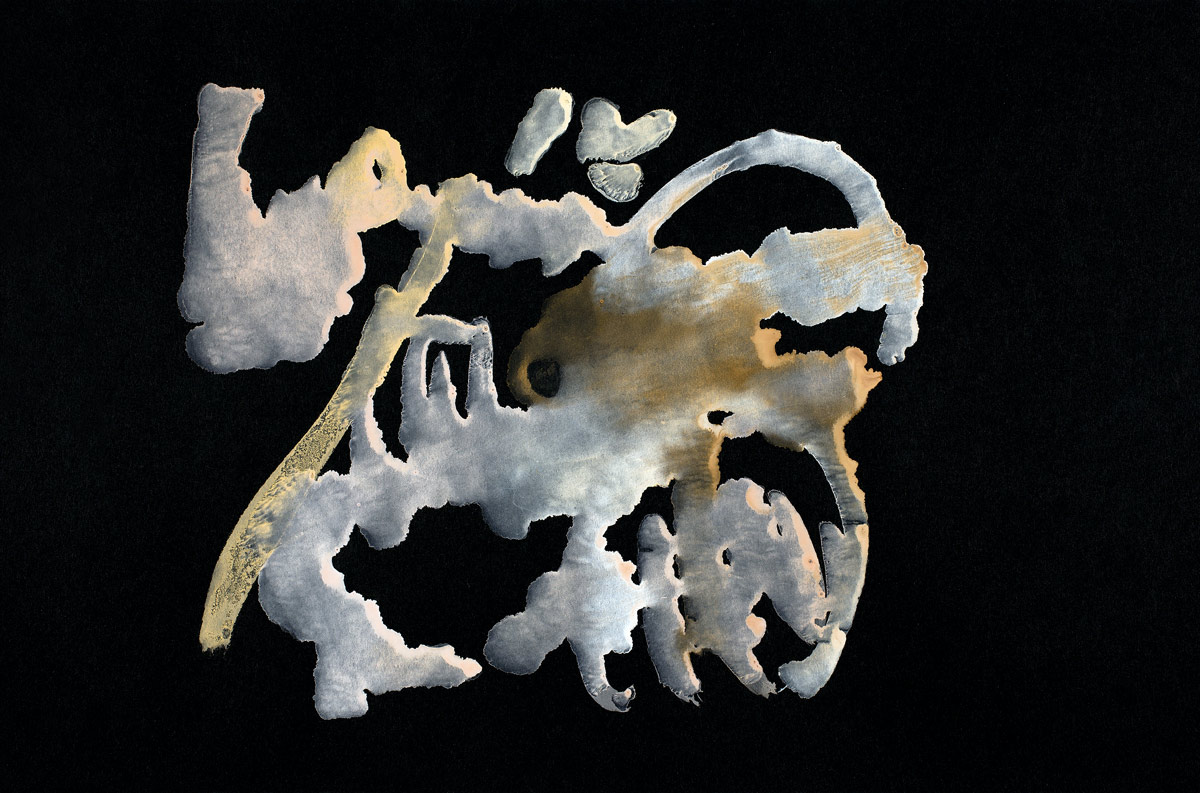
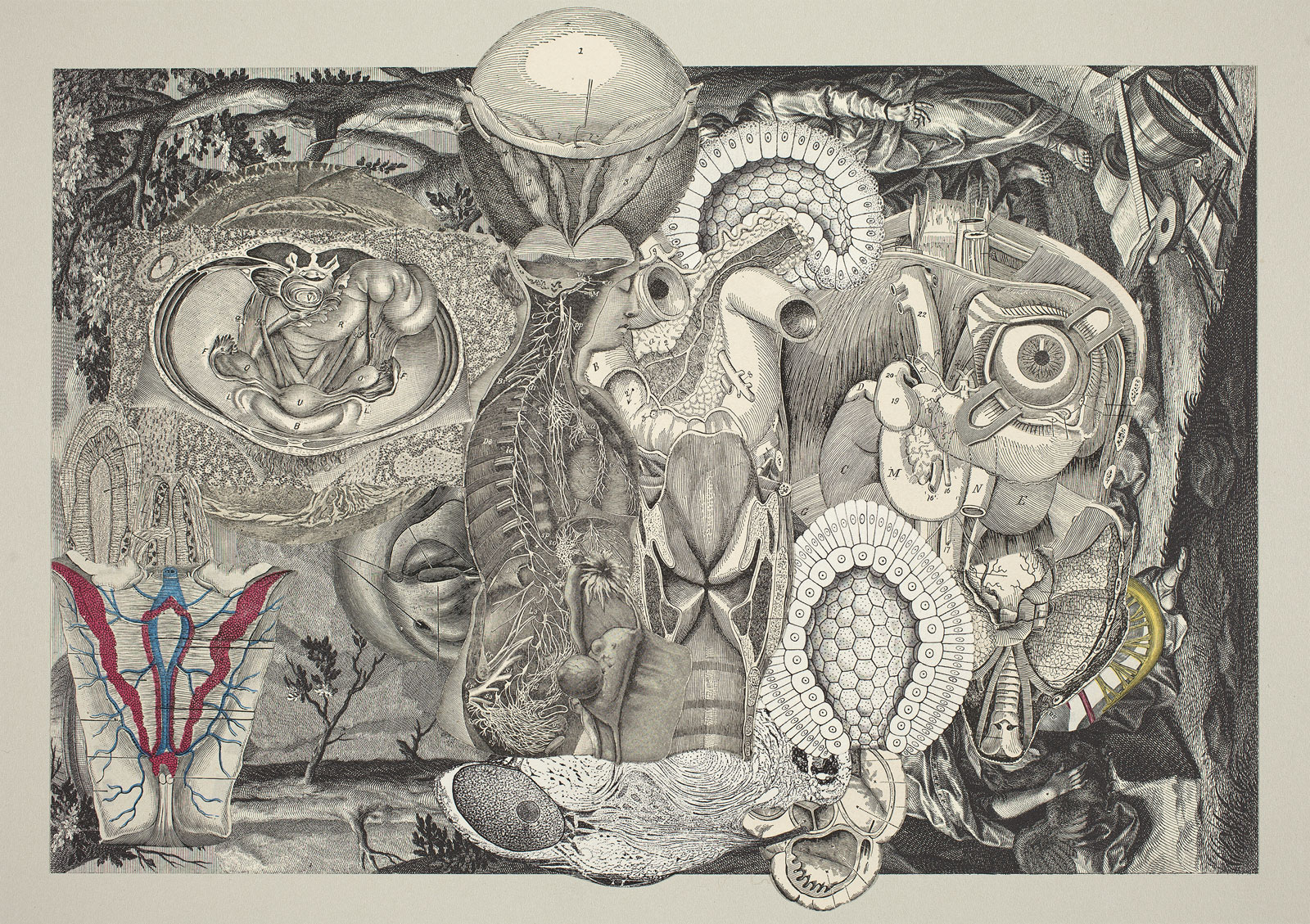
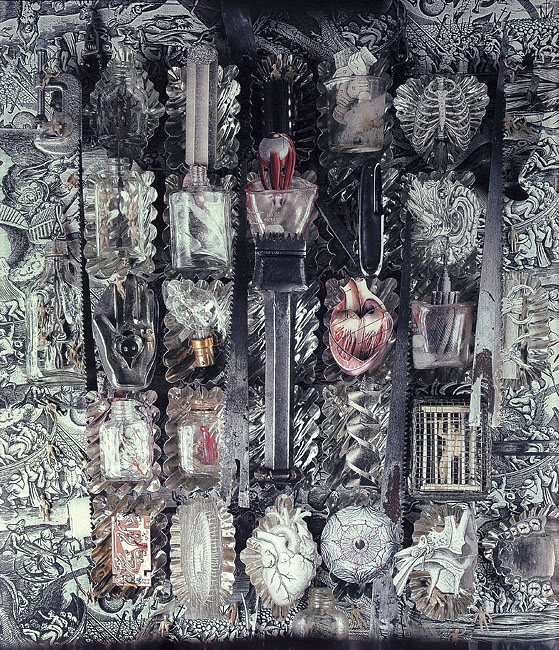


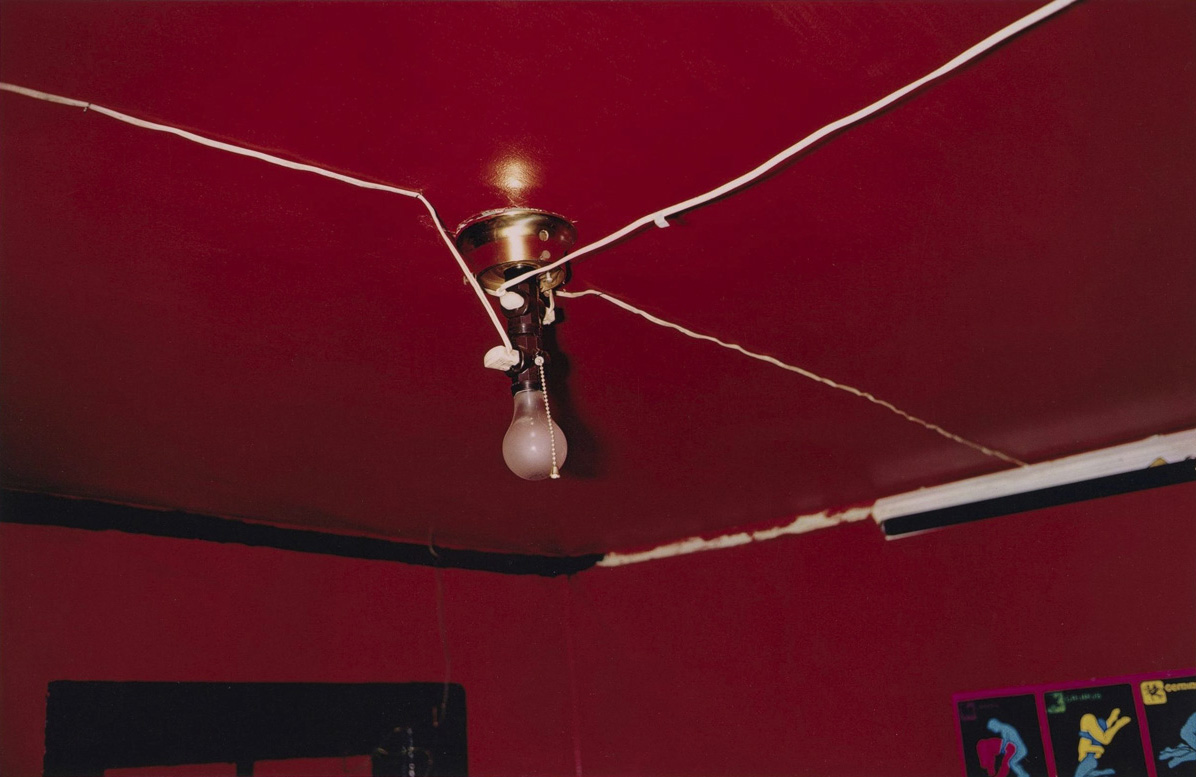


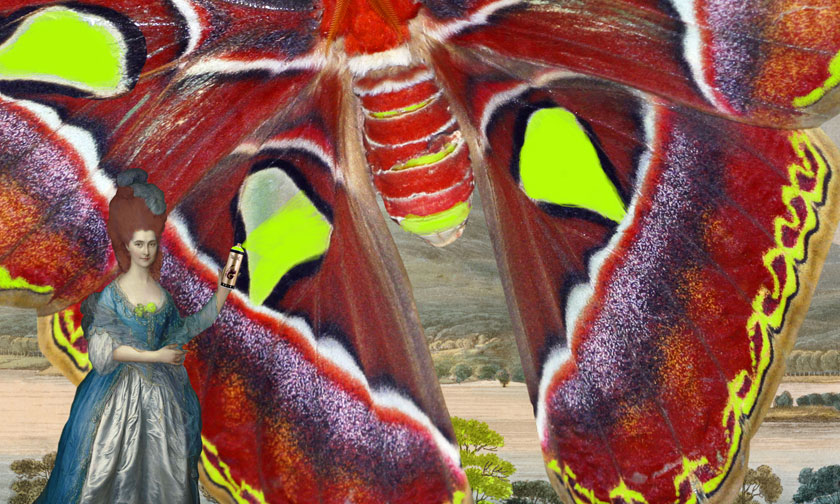
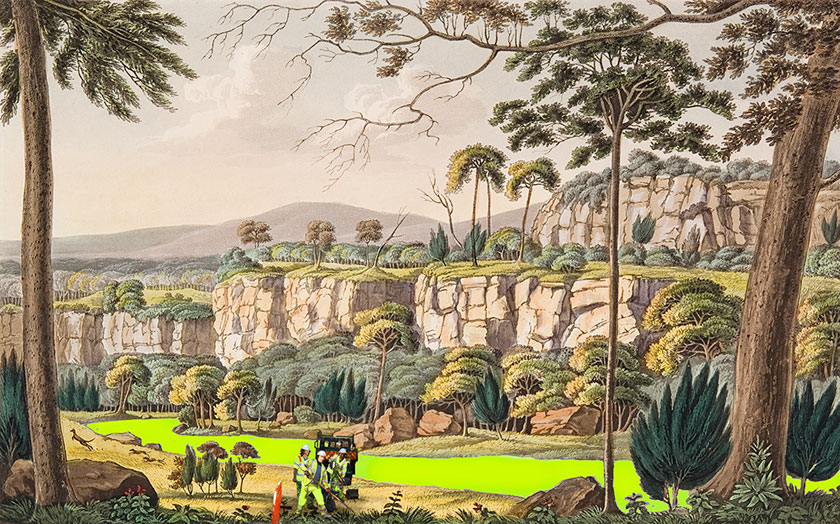
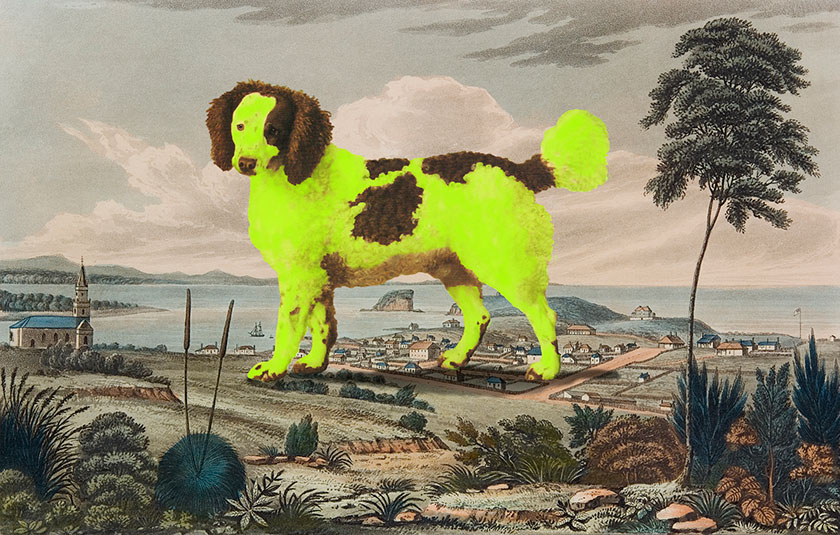
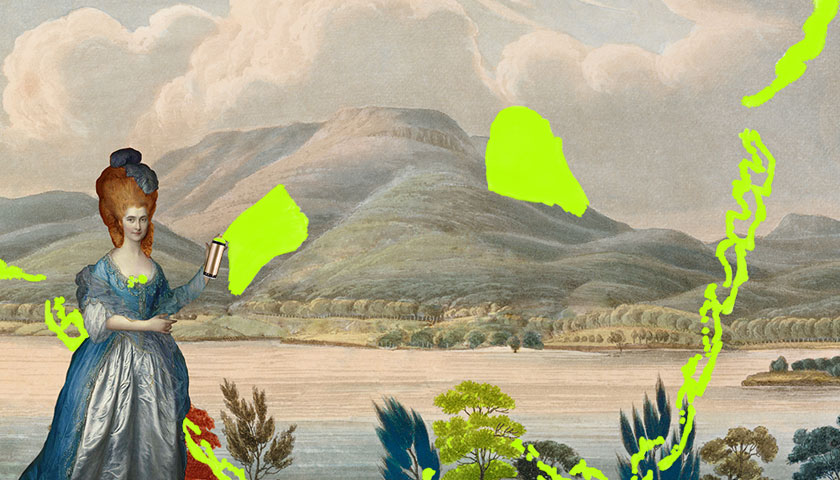


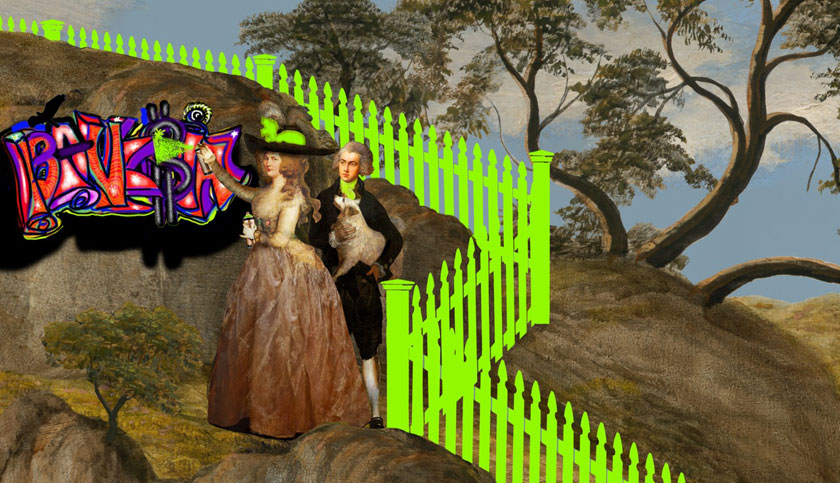
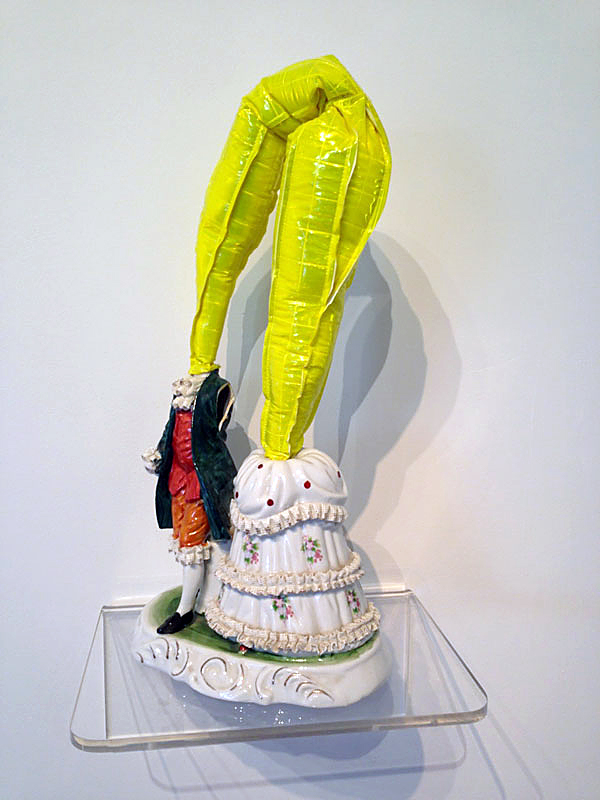
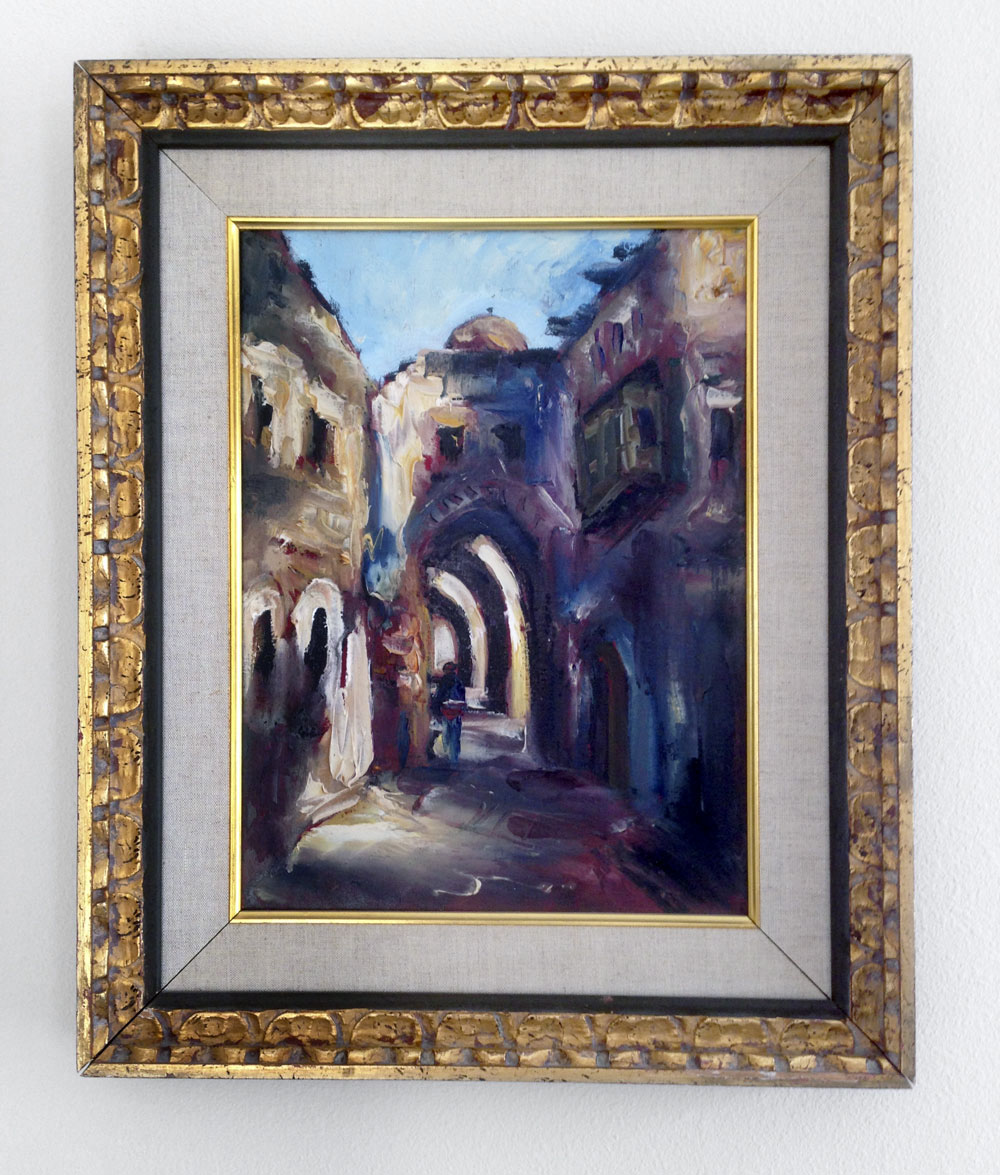
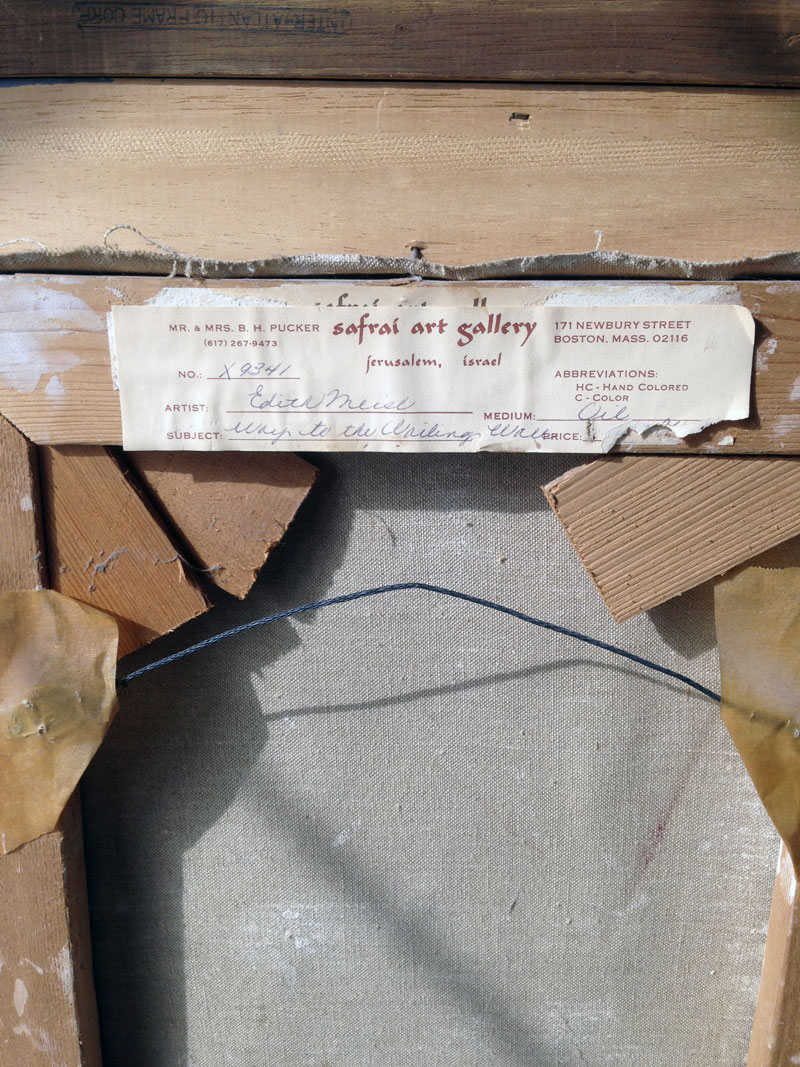
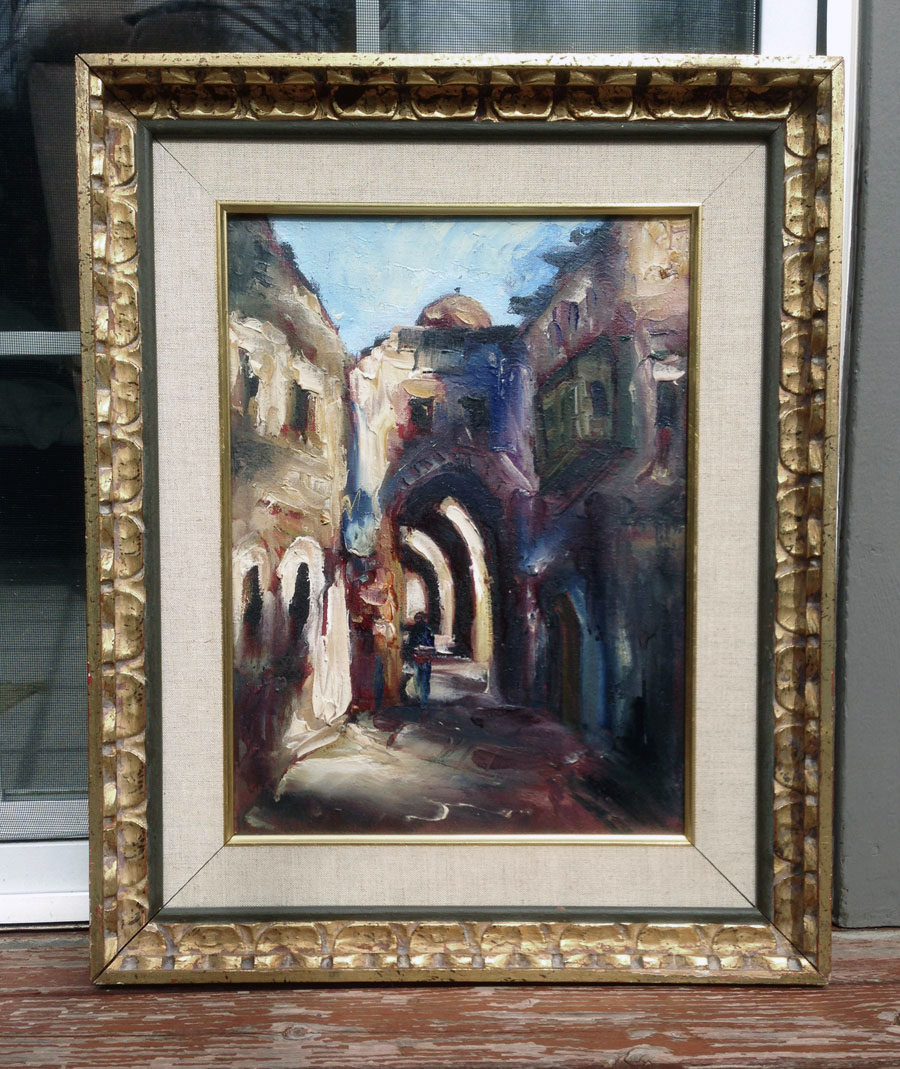

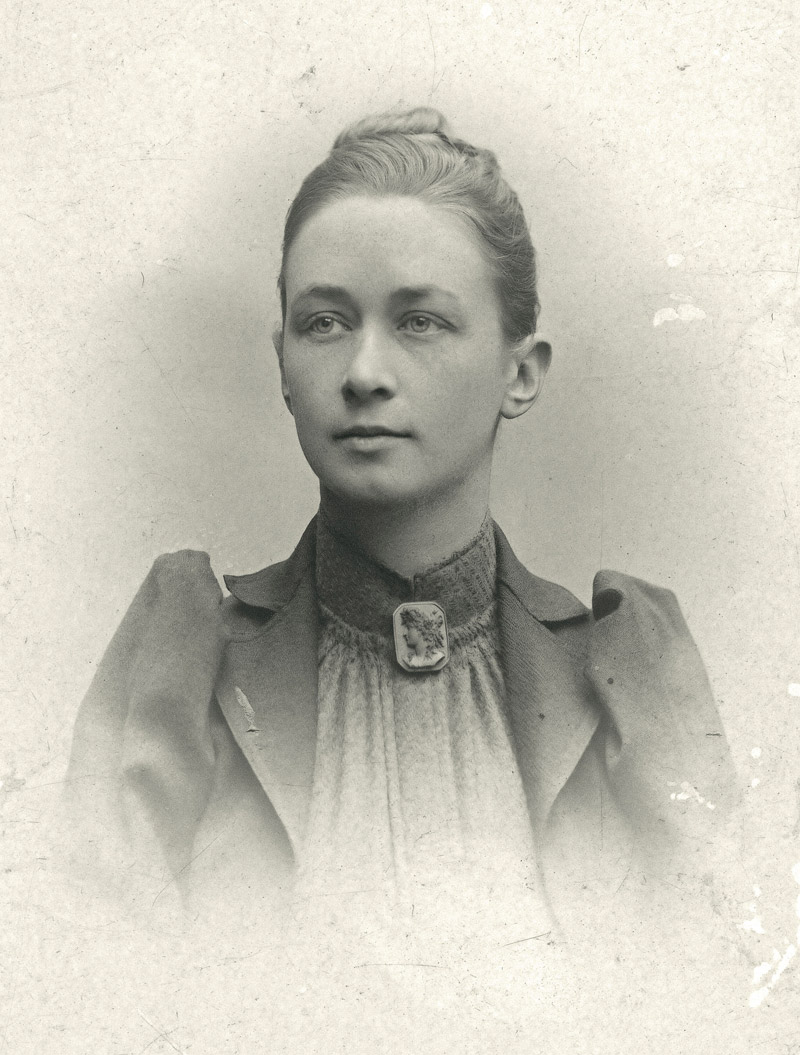


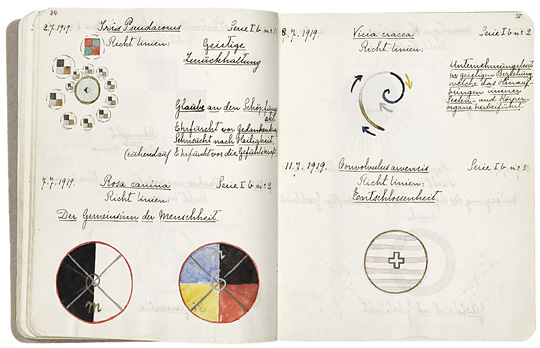


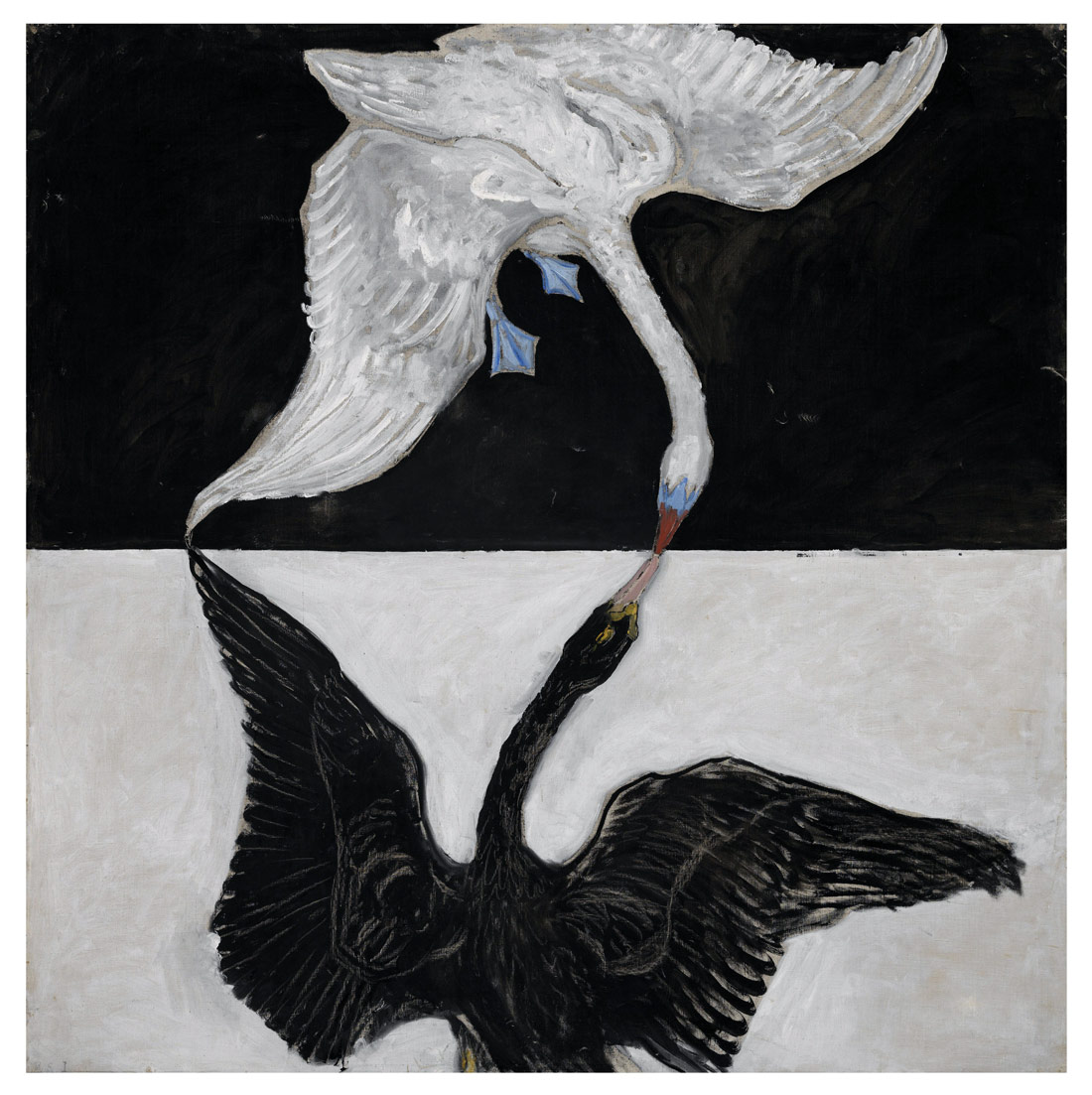

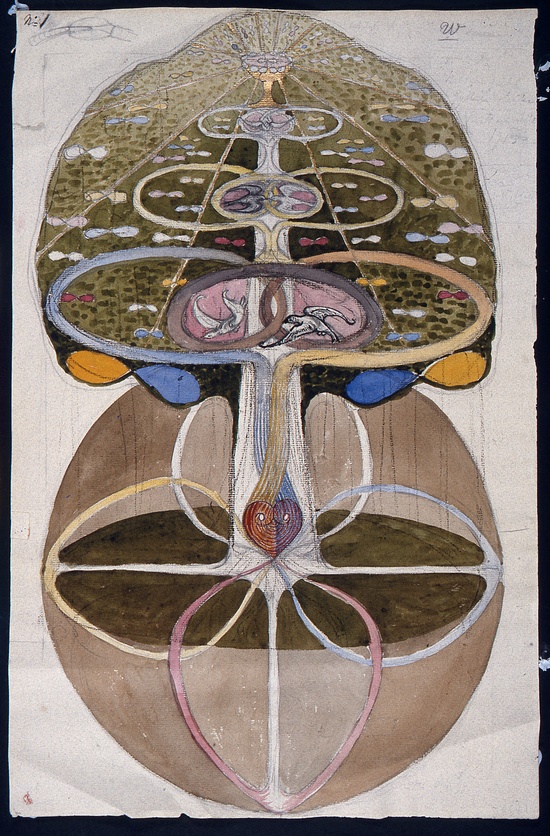


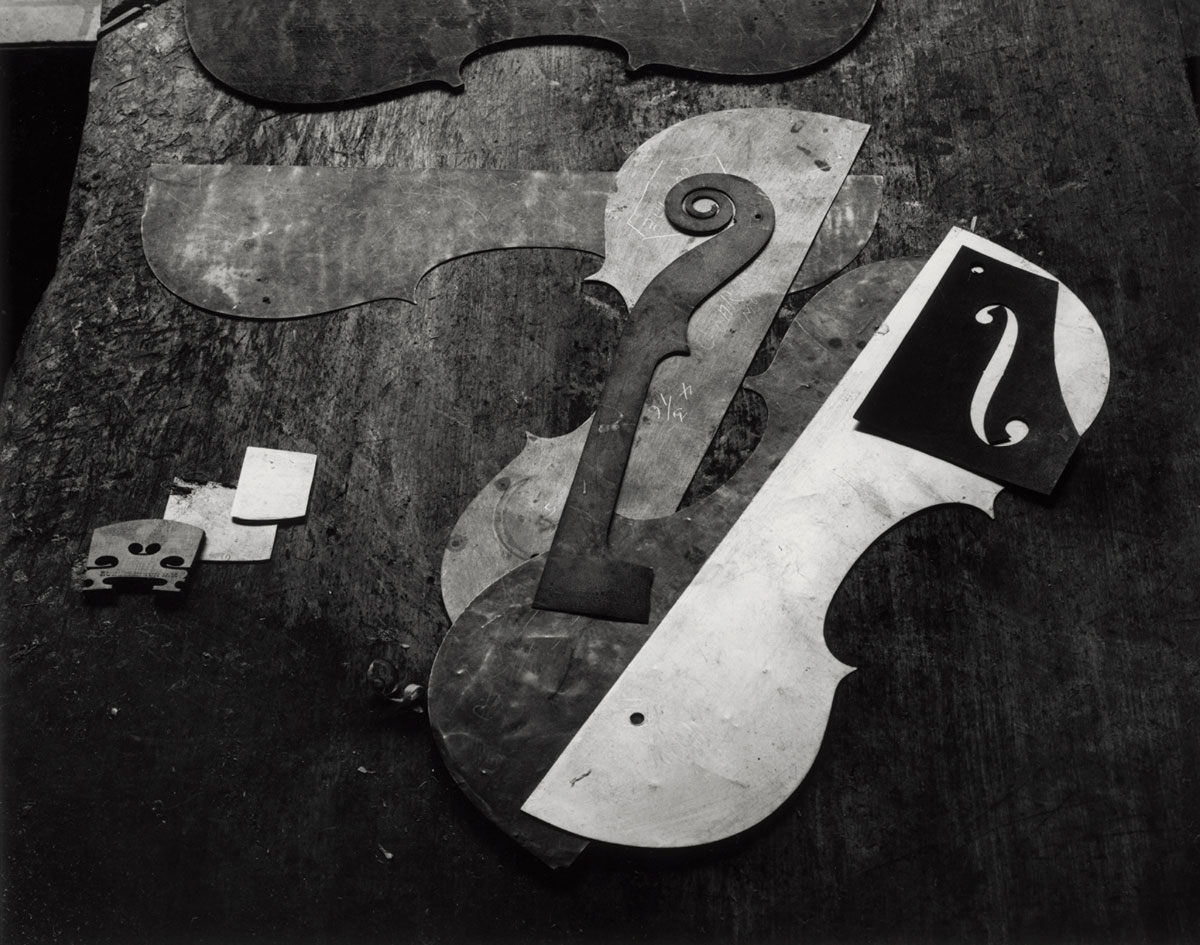


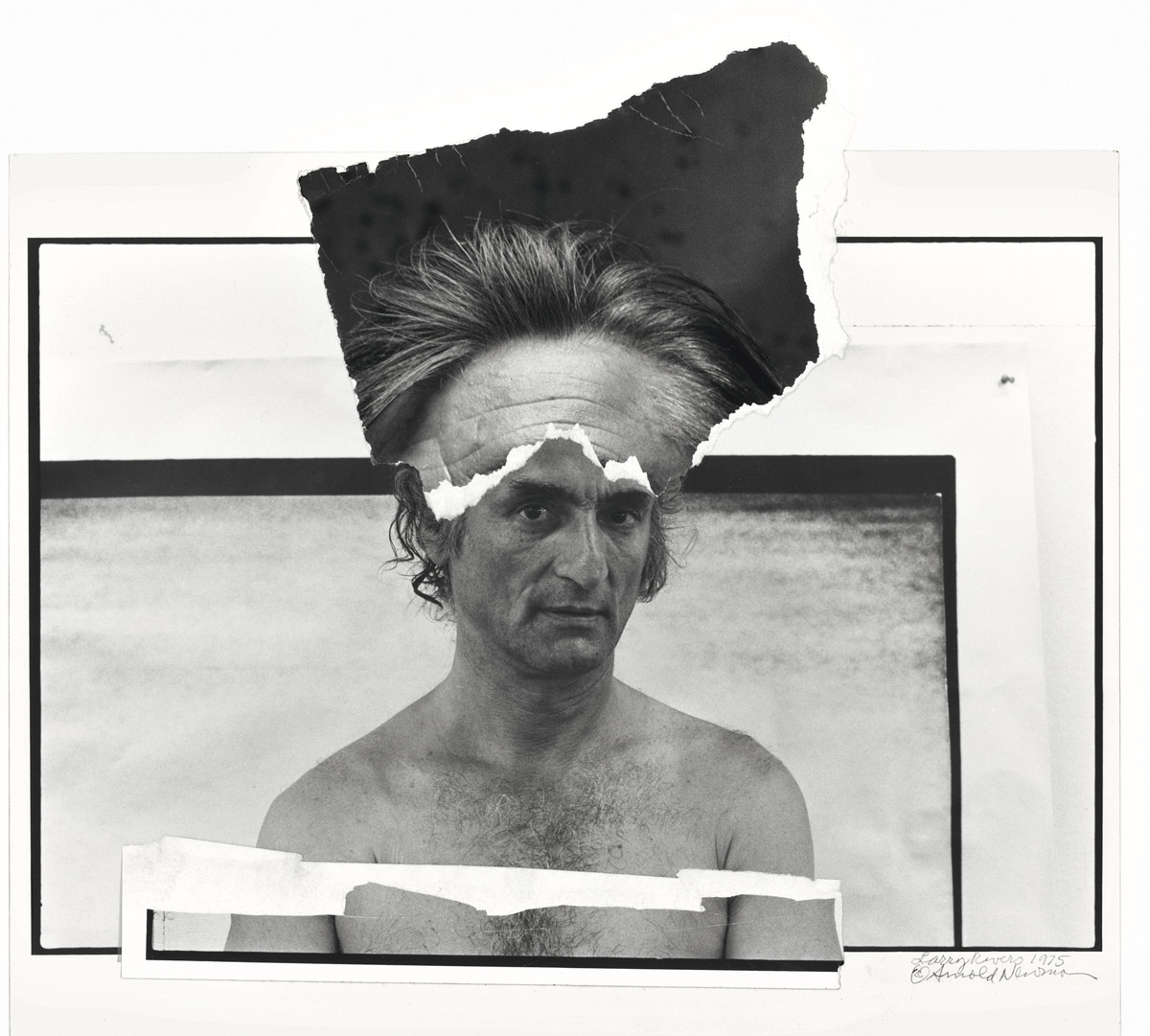
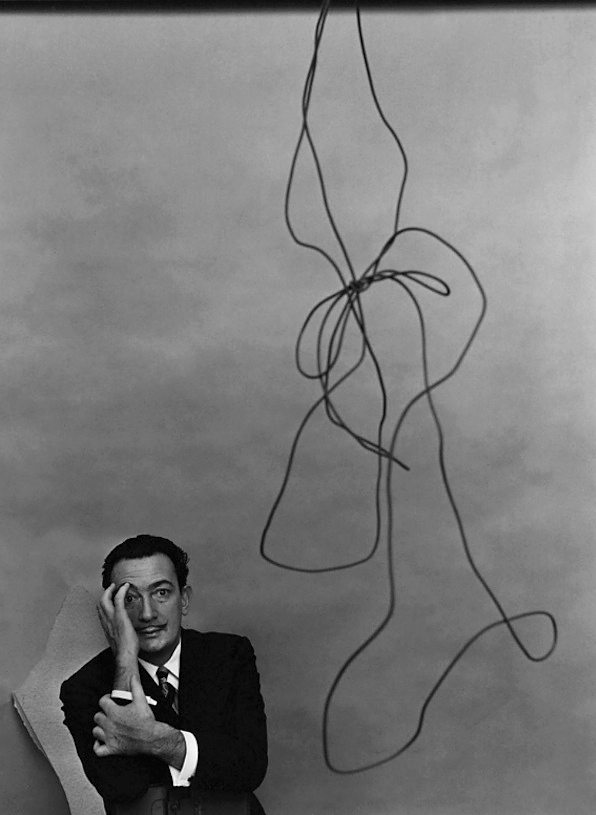
![Arnold Newman (American, 1918-2006) 'Notes on Artist's' [sic] series c. 1942](https://artblart.com/wp-content/uploads/2013/04/notes-on-artists-web.jpg "Arnold Newman (American, 1918-2006) 'Notes on Artist's' [sic] series c. 1942")
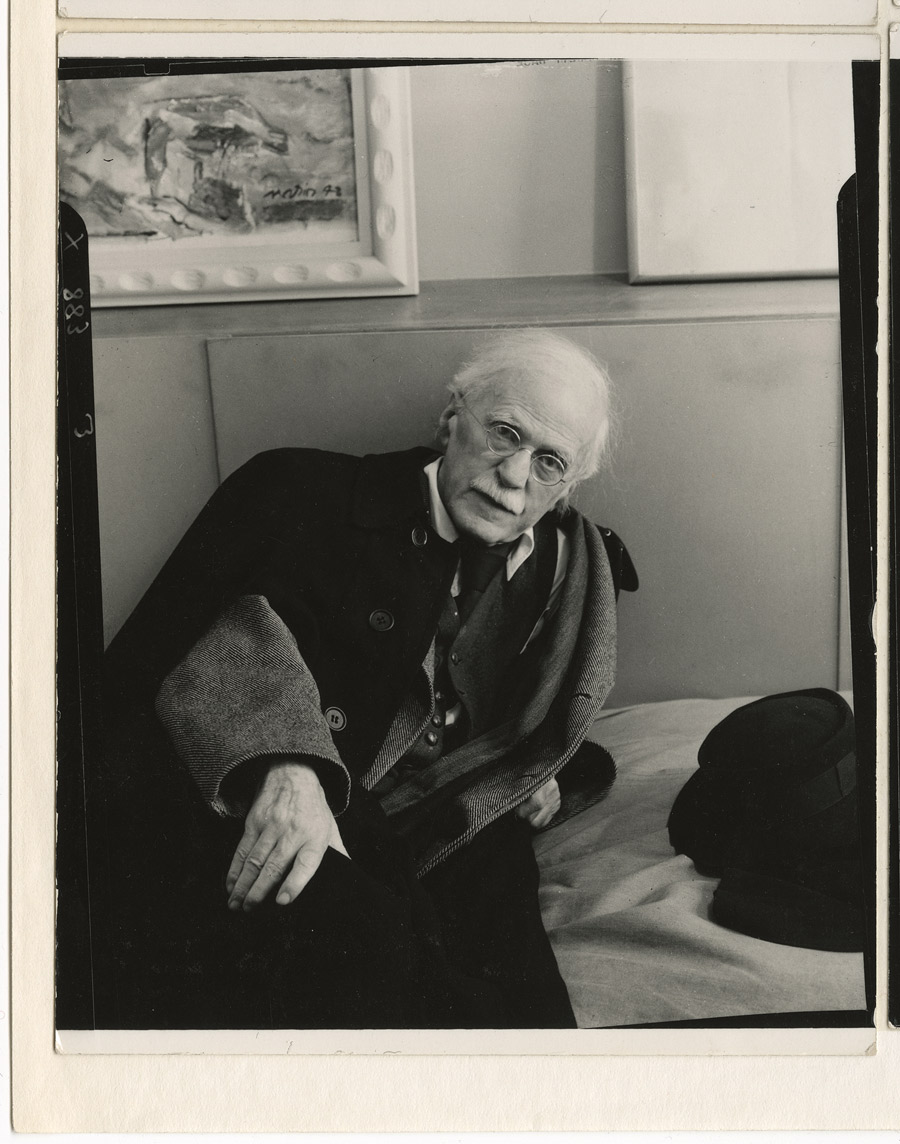
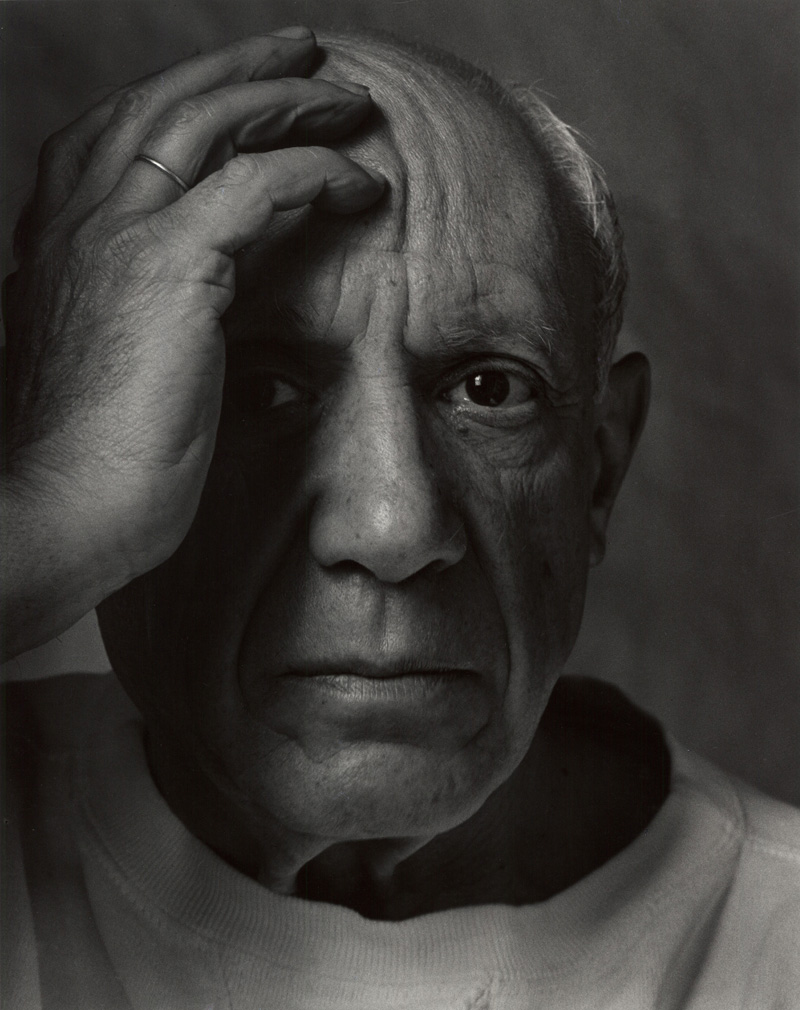


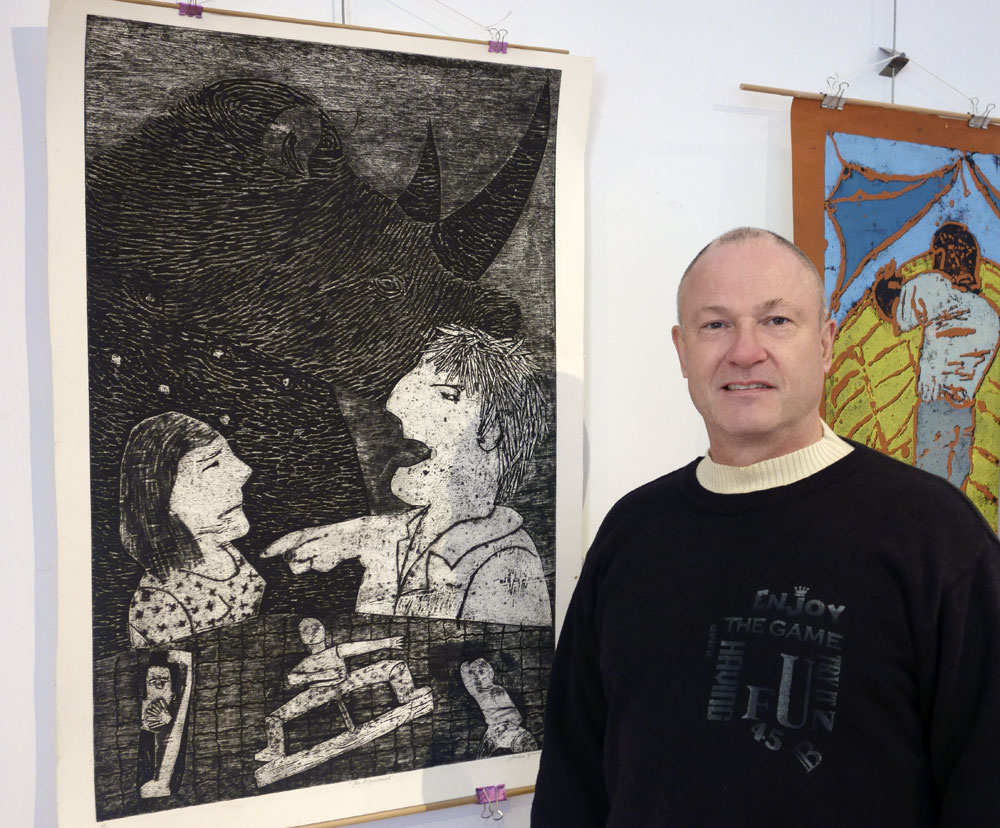
 Art Blart _ art and cultural memory archive
You must be logged in to post a comment.