Exhibition: ‘Summers Past: Golden Days in the Sun 1950-1970’ at The Victorian Archives Centre, North Melbourne

Exhibition dates:  15th November 2011 – 15th April 2012


Many thankx to The Victorian Archives Centre for allowing me to publish the photographs in the posting. Please click on the photographs for a larger version of the image.


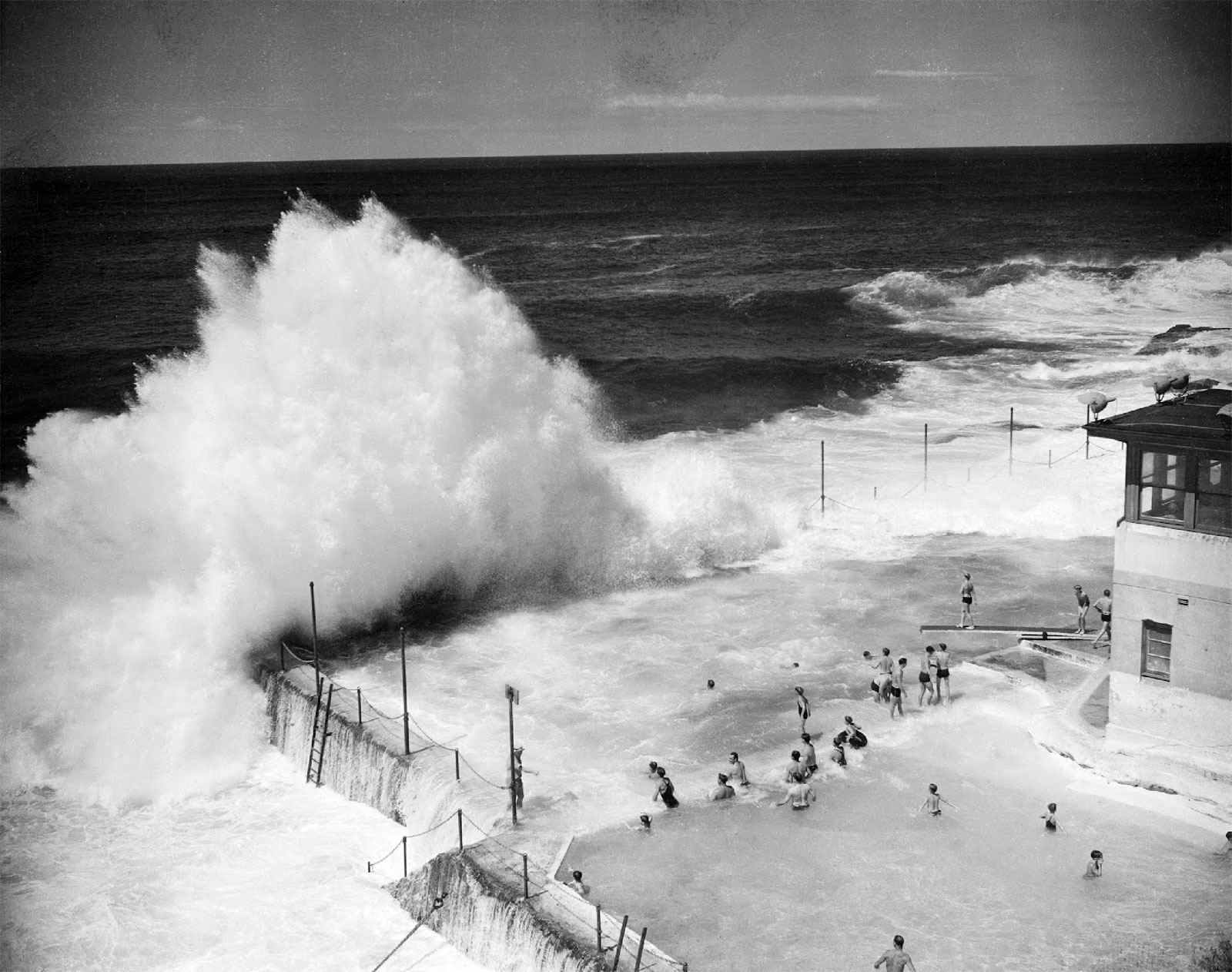
Unknown photographer (Australian) 'Waves breaking into the pool' 1945


Unknown photographer (Australian)
Waves breaking into the pool
1945
Australian News and Information Bureau collection
National Archives of Australia


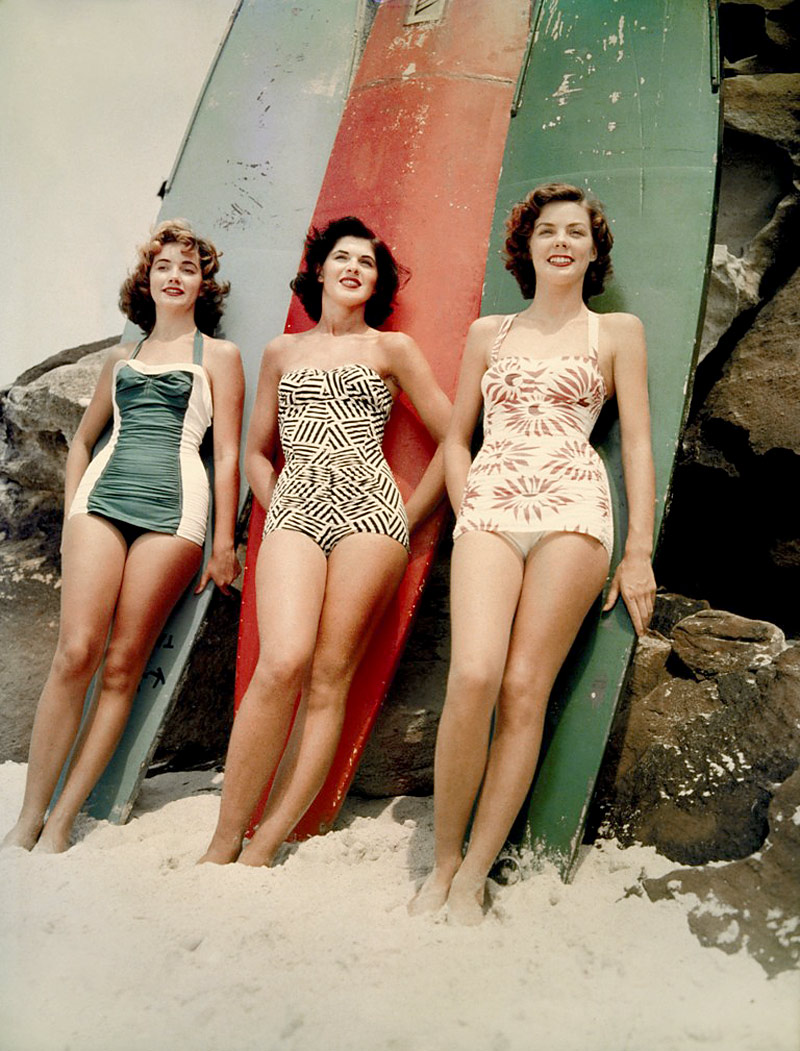
Anonymous photographer (Australian). '1952 Miss Pacific finalists Mary Clifton, Pamela Jansen and Judy Worrad, stand in front of surfboards on Bondi Beach, Sydney' 1952


Anonymous photographer (Australian)
1952 Miss Pacific finalists Mary Clifton, Pamela Jansen and Judy Worrad, stand in front of surfboards on Bondi Beach, Sydney
1952
National Archives of Australia


Anonymous photographer (Australian). 'Sunbathing, Sydney Beach, NSW' c. 1955


Anonymous photographer (Australian)
Sunbathing, Sydney Beach, NSW
c. 1955
National Archives of Australia


Cossies, togs and bathers

Until the 1940s, Australian women wore decidedly modest, albeit colourful, one-piece swimsuits. But the bikini was already in vogue overseas and by the early 1950s Australian women were daring to wear it. Discover the many fashion statements that could be made by wearing a favourite pair of cossies, togs or bathers!


Anonymous photographer (Australian). 'Christmas party on Bondi Beach, Sydney' 1959


Anonymous photographer (Australian)
Christmas party on Bondi Beach, Sydney
1959
National Archives of Australia


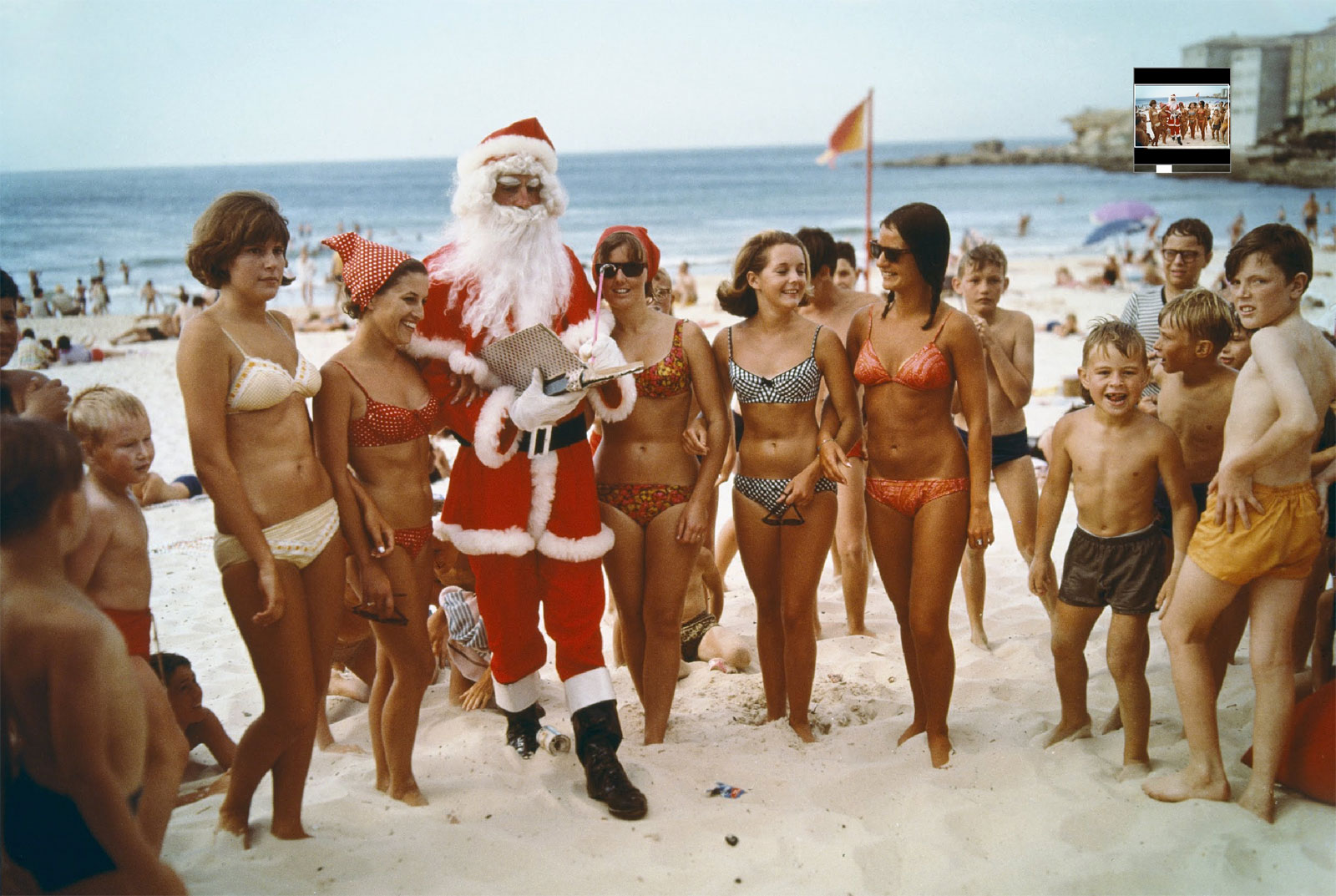
Anonymous photographer (Australian) 'Santa Claus visits a Sydney beach' 1969


Anonymous photographer (Australian)
Santa Claus visits a Sydney beach
1969
Australian News and Information Bureau collection
National Archives of Australia


At the beach

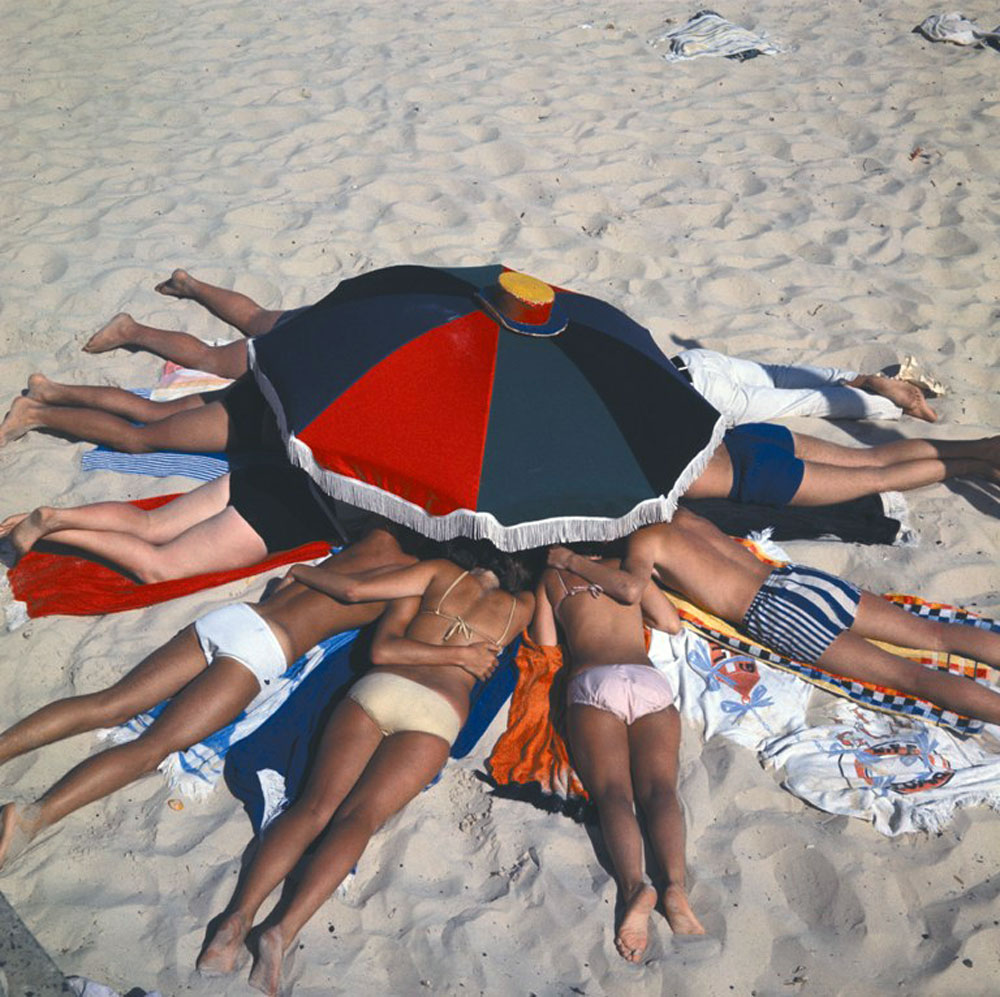
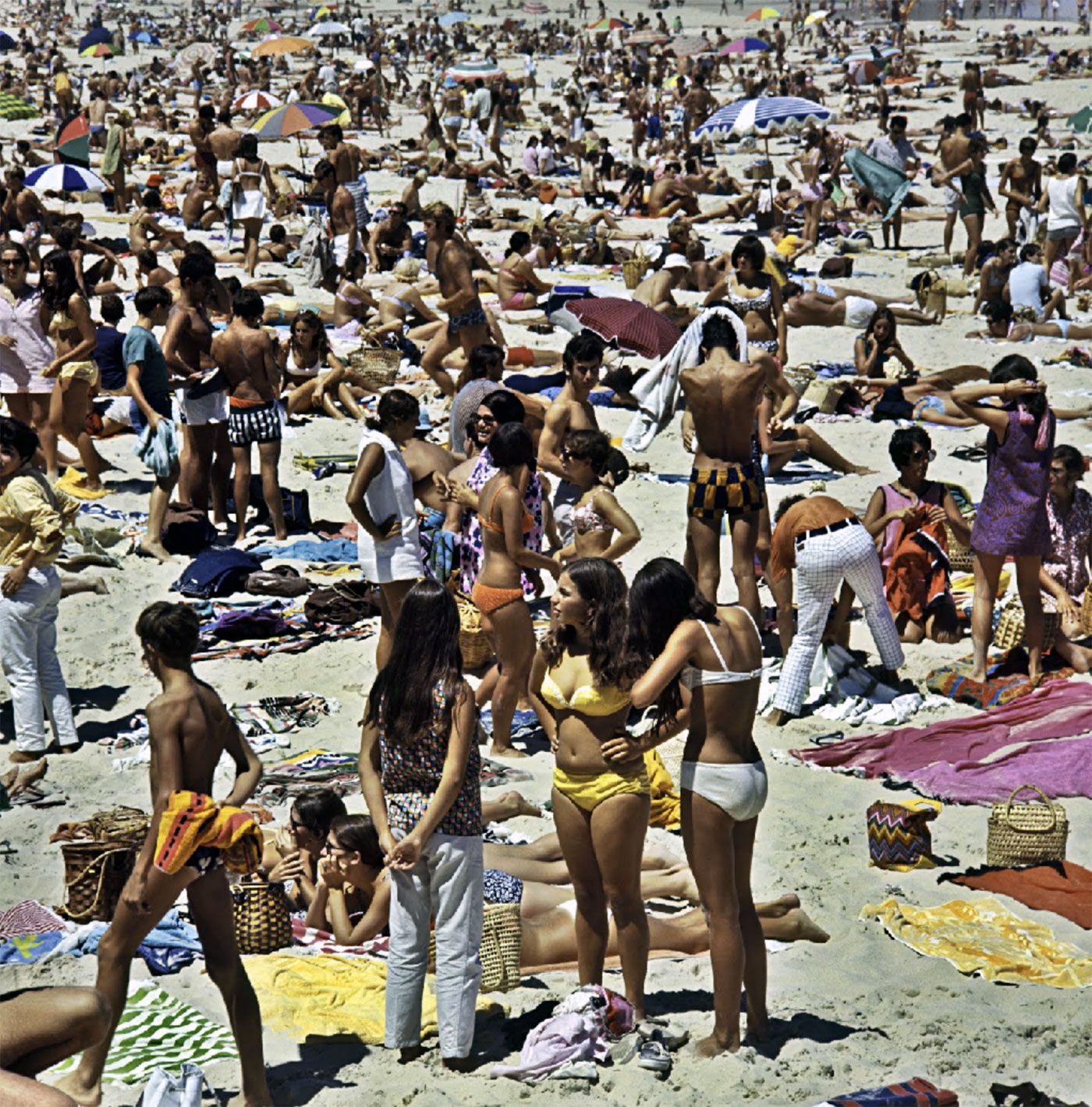
In the 1950s and 1960s, Christmas heralded the start of annual summer holidays for many Australian families. Those who didn’t already live near the coast usually headed towards it, mostly in Holdens and sometimes hauling a caravan. They made tracks to seaside places such as the Gold Coast, Manly, Byron Bay and Sorrento, plonking their bodies on the warm sand, transistors to their ears, to bake in the summer sun. Back then most people seemed unconcerned about sunburn and, as the images show, even beach umbrellas were in short supply.


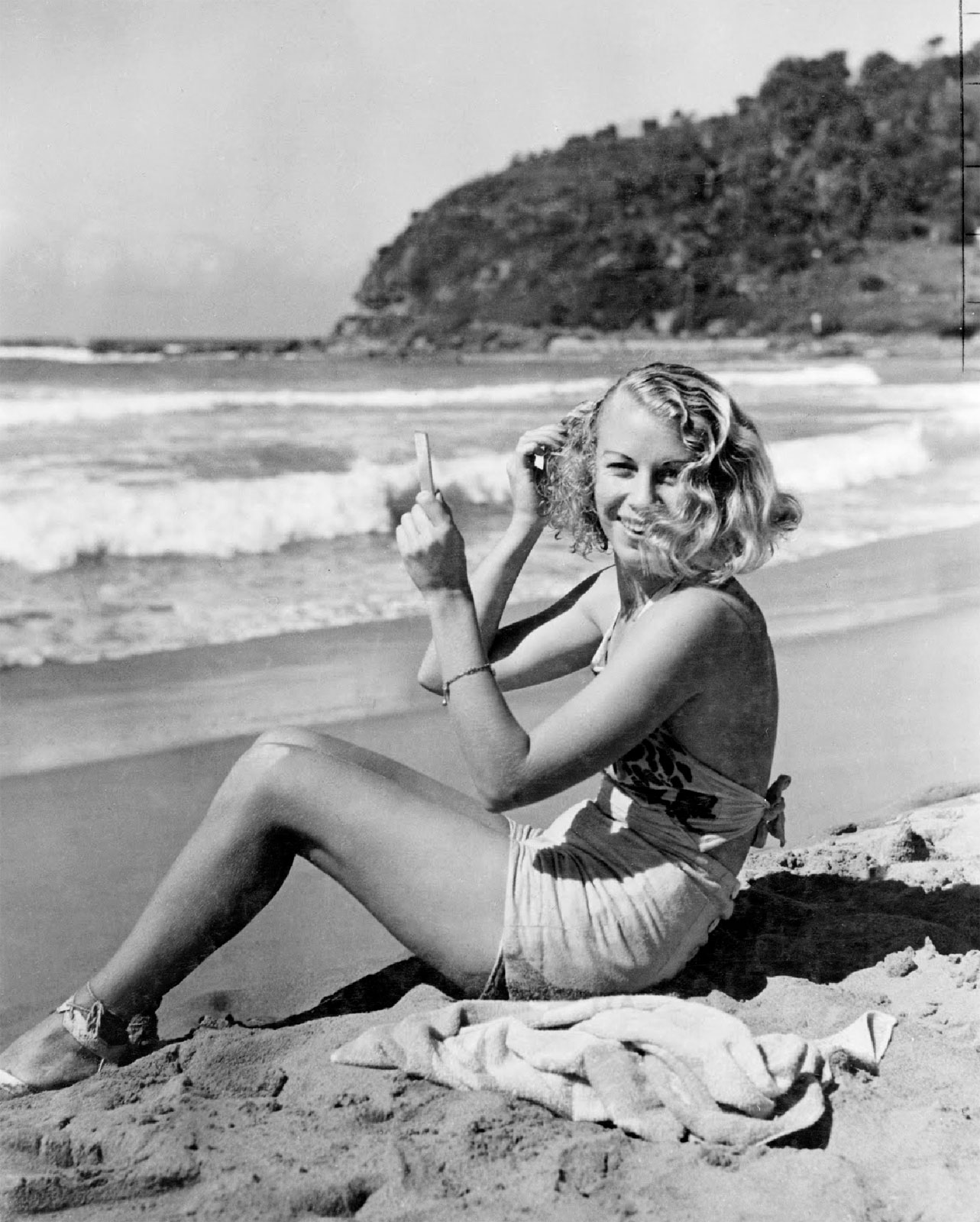
Anonymous photographer (Australian) 'Bathing beauty' 1955


Anonymous photographer (Australian)
Bathing beauty
1955
Australian Travel Industry Association collection
National Archives of Australia


This image comes from the Australian Travel Industry Association collection, now held in the National Archives. This series consists of black and white prints and negatives of photographs used in publications, notably Walkabout magazine, produced by the Australian National Travel Association (ANTA).


The Victorian Archives Centre plays host to regular displays of original records from our collection as well as touring exhibitions about Victorian stories. Over Summer, the Victorian Archives Centre will present Summers Past: Golden Days in the Sun 1950-1970, a fascinating photographic exhibition highlighting Australia’s fascination with the sun and sea.

Summers Past will explore our enduring love affair of all things summer, invoking memories of carefree sunny days at the beach in the 1950s, 1960s and 1970s. This is your last chance to view this exhibition before it returns to the National Archives of Australian in April 2012.

So slip on your cossie, slop on the sunscreen and head down to the Victorian Archives Centre this summer!

Summers Past: Golden Days in the Sun 1950-1970 will be on display until April 2012. Entry is free.


Anonymous photographer (Australian). 'Sunbathers relax under a low umbrella at Bondi, NSW' 1956


Anonymous photographer (Australian)
Sunbathers relax under a low umbrella at Bondi, NSW
1956
National Archives of Australia


Anonymous photographer (Australian) 'Sydney beach scene' 1969


Anonymous photographer (Australian)
Sydney beach scene
1969
Australian News and Information Bureau collection
National Archives of Australia


Anonymous photographer (Australian). 'Surfer and bikini girl on the sand' 1969


Anonymous photographer (Australian)
Surfer and bikini girl on the sand
1969
National Archives of Australia


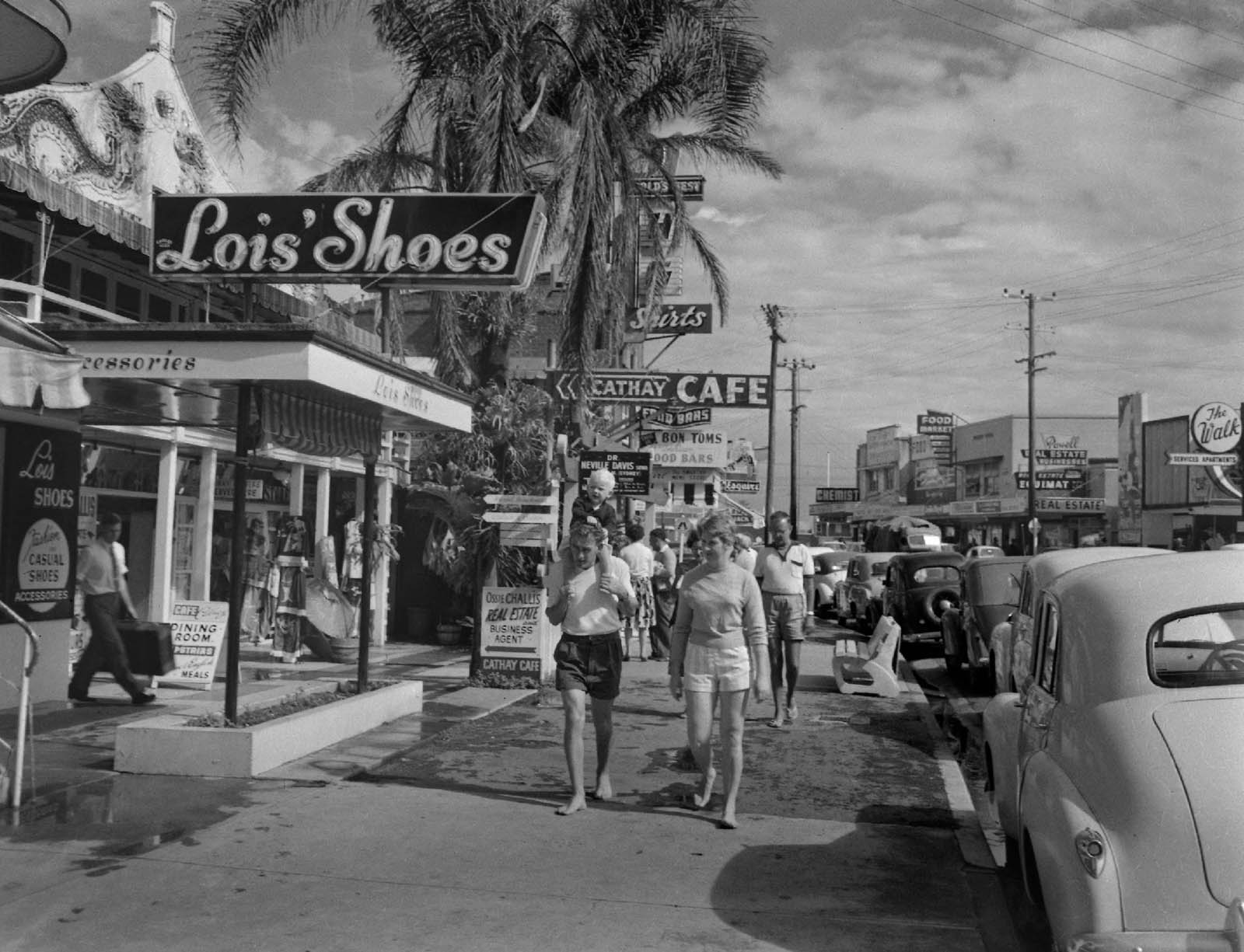
Anonymous photographer (Australian) 'Holiday makers at Surfers Paradise' 1959


Anonymous photographer (Australian)
Holiday makers at Surfers Paradise
1959
Australian News and Information Bureau collection
National Archives of Australia


Anonymous photographer (Australian). 'Snack bar, Surfers Paradise, QLD' 1971


Anonymous photographer (Australian)
Snack bar, Surfers Paradise, QLD
1971
National Archives of Australia


Out and about

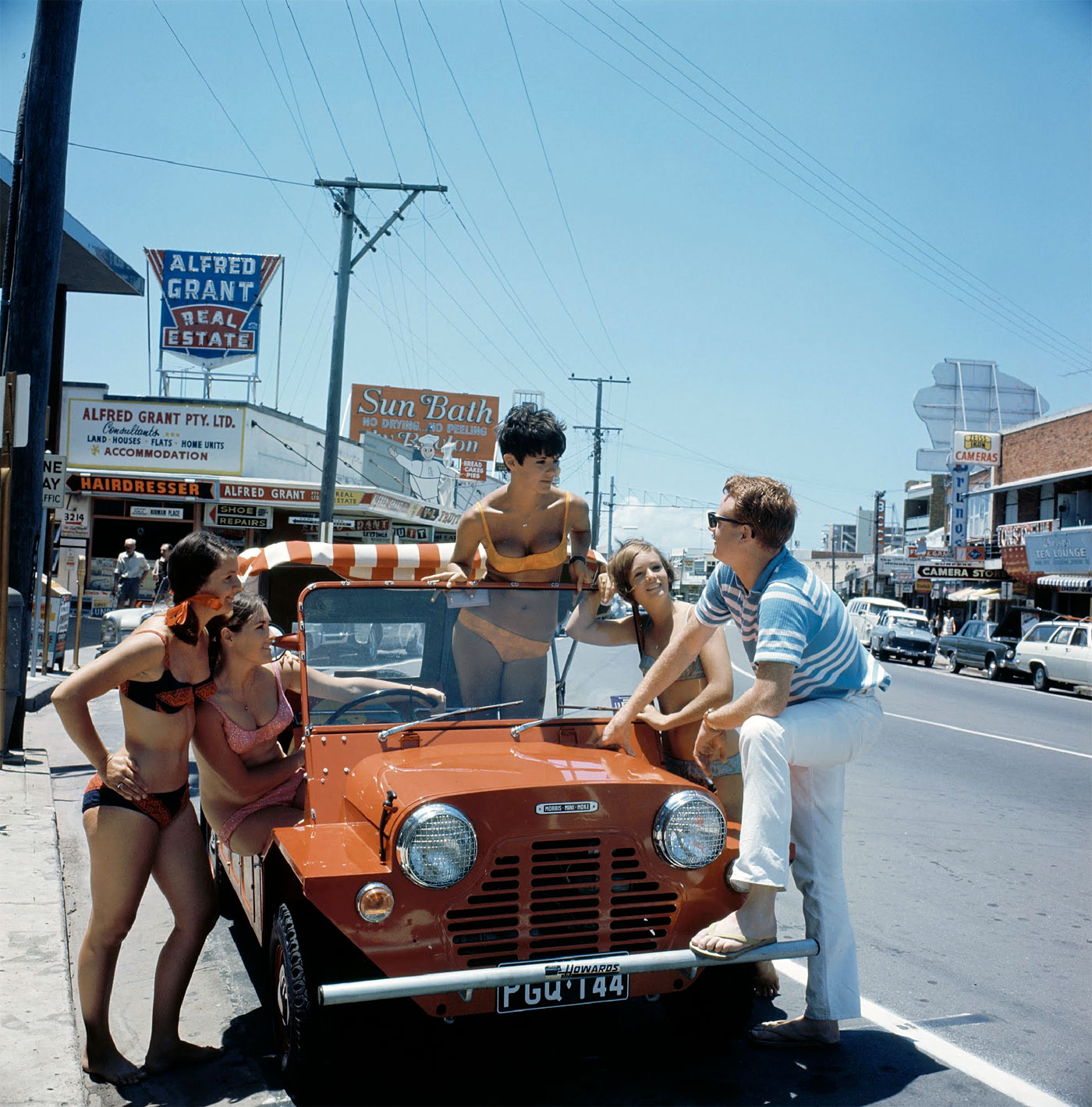
Australians have always been fairly laid back and never more so than in summer. Looking at these images from the 1950s and 1960s, it’s plain that sophistication was seldom a consideration when choosing what to wear. On holidays, most people preferred to be comfortable rather than trendy, and bare feet were common on coastal streets, as were unbuttoned shirts and even swimwear.


Anonymous photographer (Australian) 'Holiday makers gather around a car on a hot summer's day' 1964


Anonymous photographer (Australian)
Holiday makers gather around a car on a hot summer’s day
1964
Australian News and Information Bureau collection
National Archives of Australia


Anonymous photographer (Australian). 'Surf lifesaving, Bondi Beach' 1960


Anonymous photographer (Australian)
Surf lifesaving, Bondi Beach
1960
National Archives of Australia


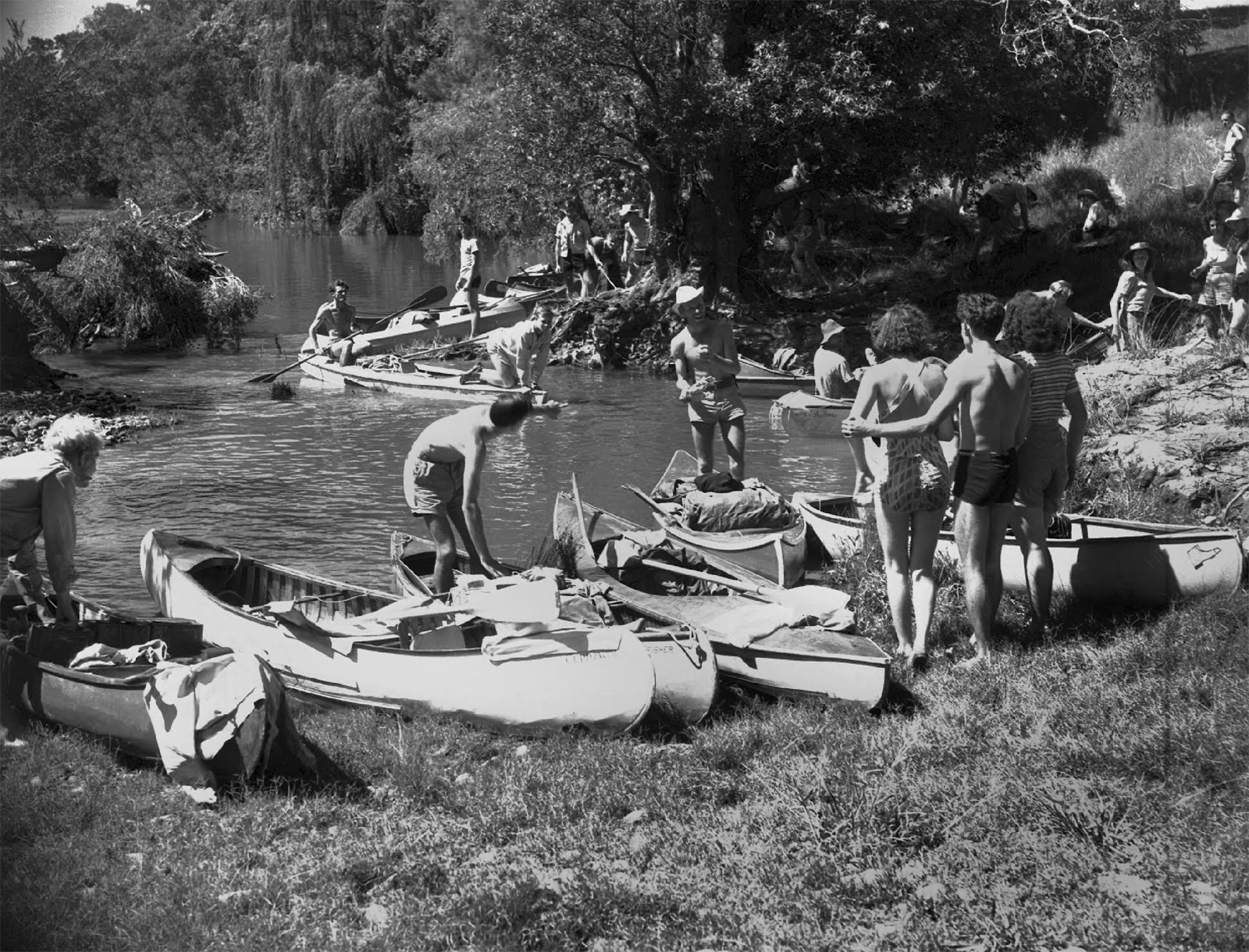
Cliff Bottomley (Australian, c. 1907-1981) 'Preparing canoes' 1948


Cliff Bottomley (Australian, c. 1907-1981)
Preparing canoes
1948
Australian News and Information Bureau collection
National Archives of Australia


This image comes from the Australian News and Information Bureau collection, now held in the National Archives. This vast archival resource is the legacy of nearly half a century’s work by Bureau photographers who captured hundreds of thousands of photographs of Australians at work and play.


Cooling off

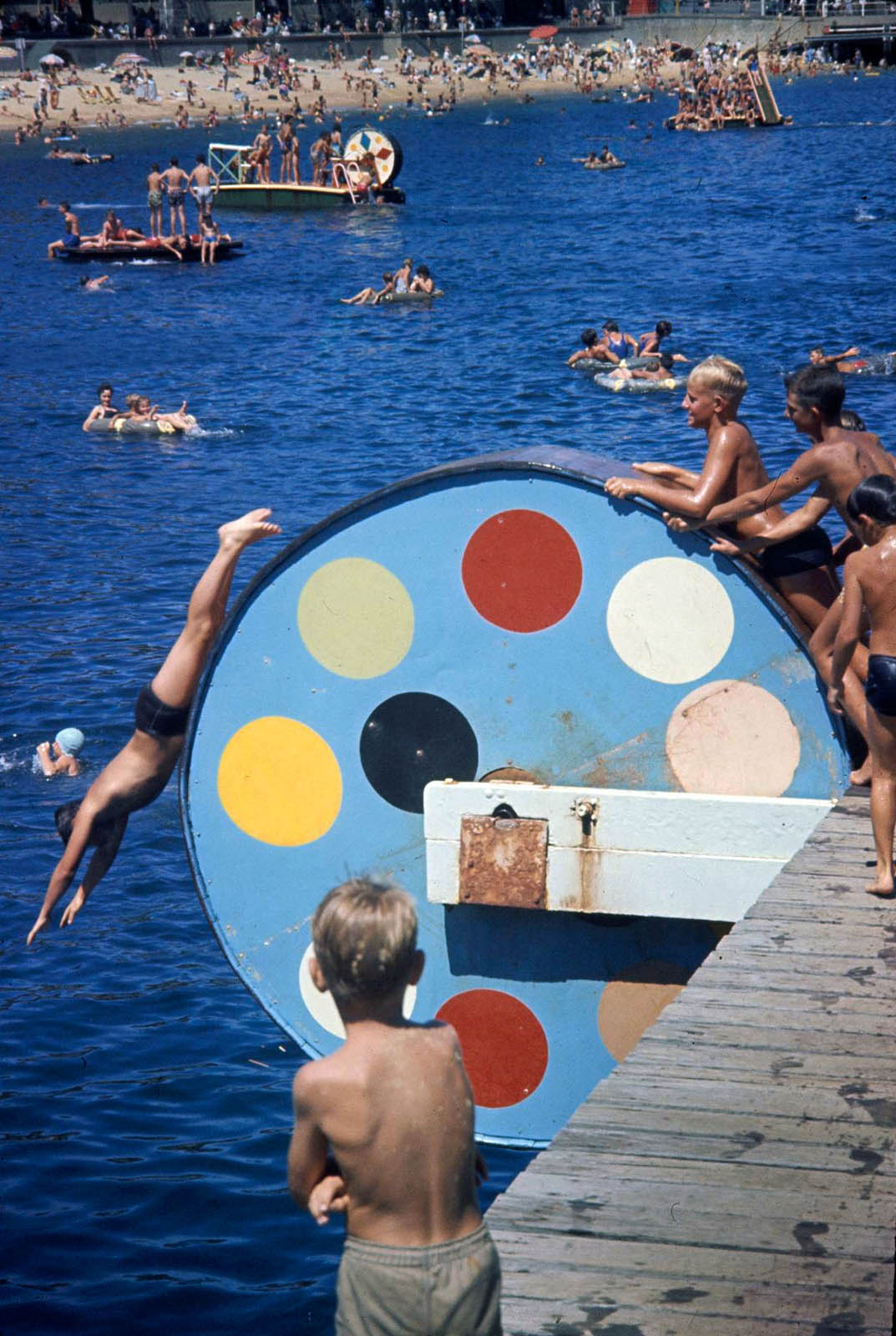
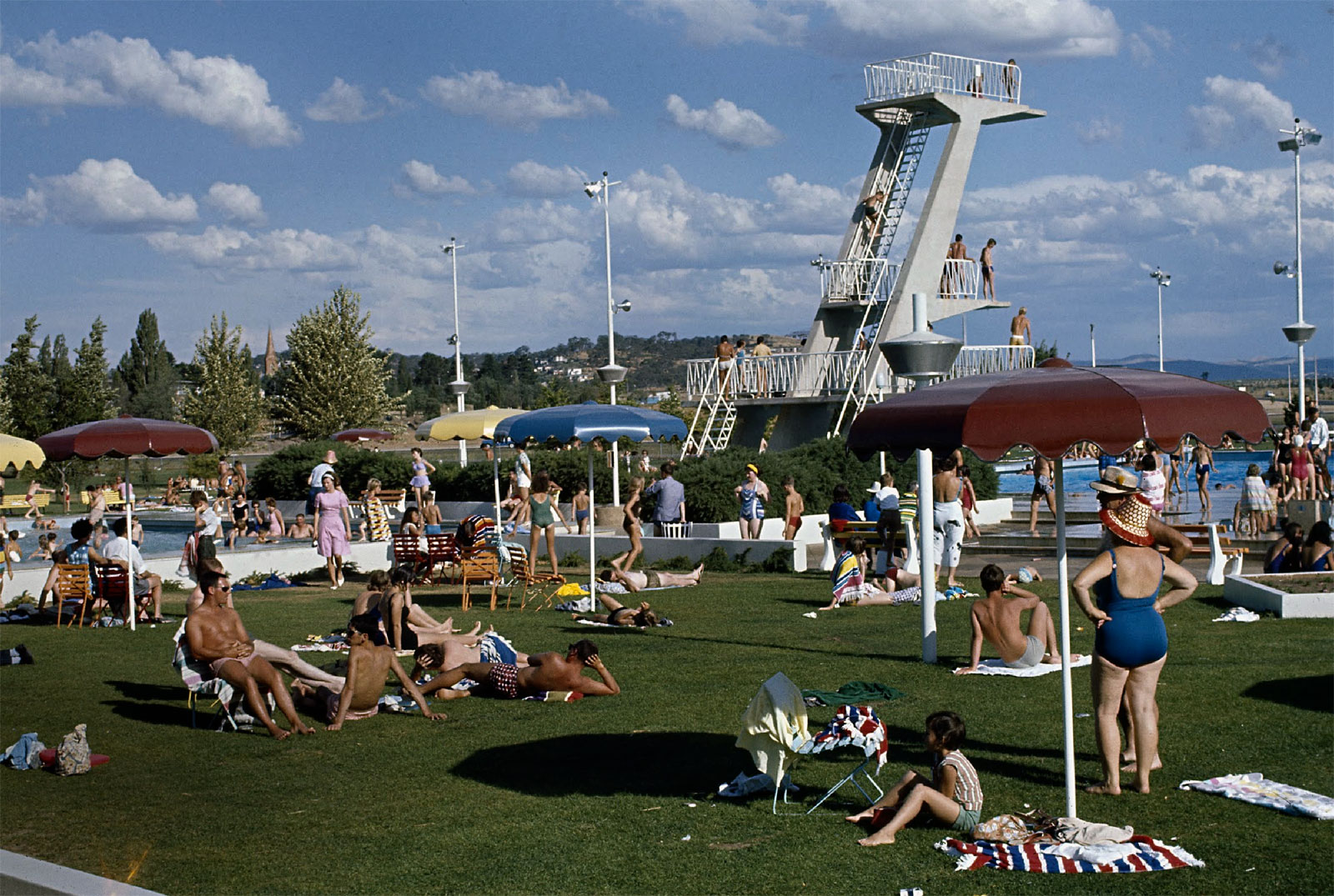
It’s no secret that Australia can be very hot, especially in summer. As the song says, we are girt by sea, and for 85 per cent of Australians a blissful dip in the ocean has always been less that two hours’ drive away. For those living further inland, sanctuary was found in a nearby river or lake, or the town’s public swimming pool.


Anonymous photographer (Australian) 'Harbour swimming pool, Manly, New South Wales' 1960


Anonymous photographer (Australian)
Harbour swimming pool, Manly, New South Wales
1960
Australian News and Information Bureau collection
National Archives of Australia


This image comes from the Australian News and Information Bureau collection, now held in the National Archives. This vast archival resource is the legacy of nearly half a century’s work by Bureau photographers who captured hundreds of thousands of photographs of Australians at work and play.


Anonymous photographer (Australian) 'Sunbathers relax on the lawn at the Olympic Pool, Canberra, Australian Capital Territory' 1966


Anonymous photographer (Australian)
Sunbathers relax on the lawn at the Olympic Pool, Canberra, Australian Capital Territory
1966
Australian News and Information Bureau collection
National Archives of Australia


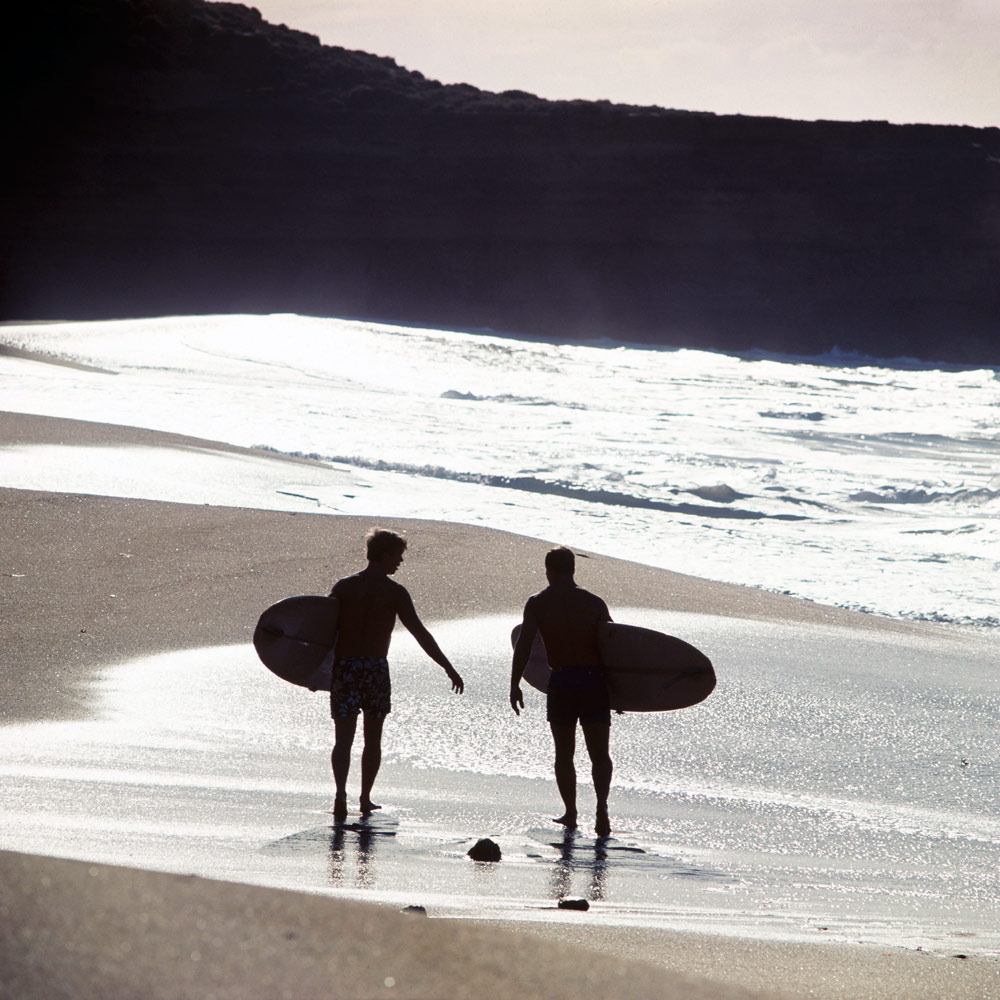
Anonymous photographer (Australian). 'Surf board riders, Torquay, VIC' 1967


Anonymous photographer (Australian)
Surf board riders, Torquay, VIC
1967
National Archives of Australia


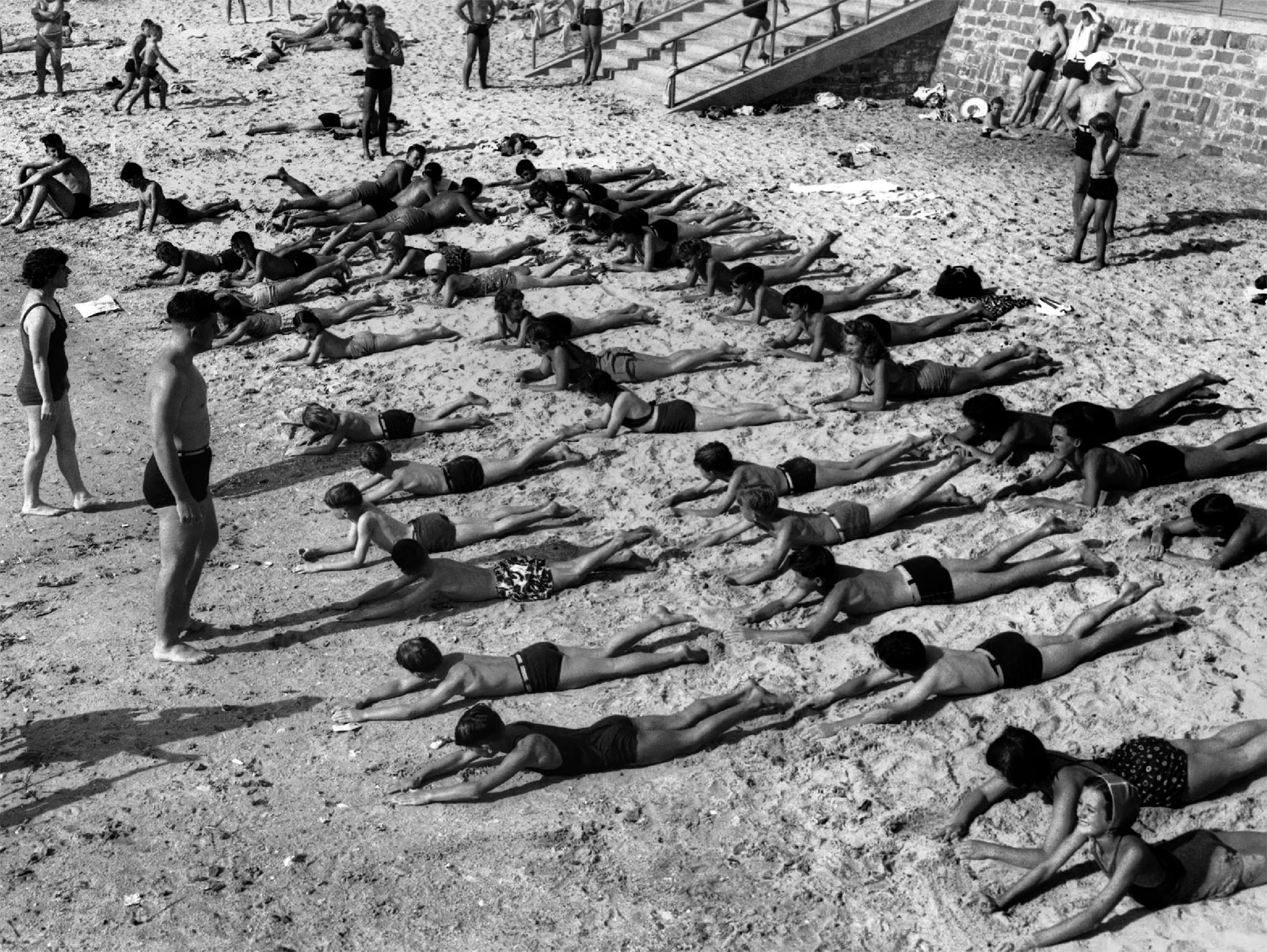
Anonymous photographer (Australian) 'Children learning to swim' 1945


Anonymous photographer (Australian)
Children learning to swim
1945
Australian News and Information Bureau collection
National Archives of Australia


Nice one, sport!

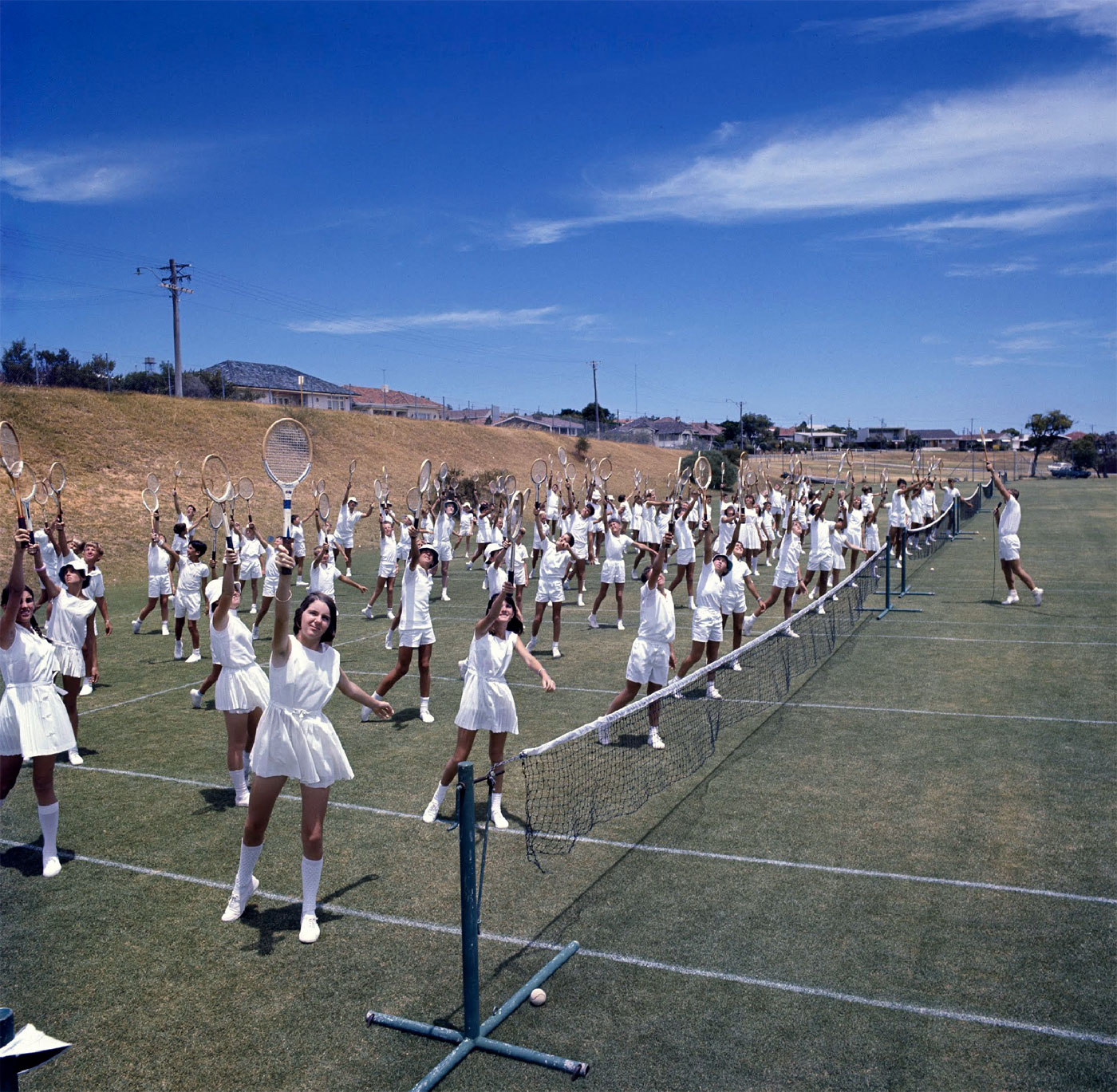
Between 1950 and 1970, Australia was triumphant in all the sports we loved. We dominated in the pool, won the Davis Cup a remarkable 15 times, and boasted an impressive record against every Test cricket nation. As these images show, Australian youngsters were keen to play the game, and on most summer Saturdays all around the country, boys and girls would play tennis or cricket, or swim like champions.


Anonymous photographer (Australian) 'Boys with kites' 1965


Anonymous photographer (Australian)
Boys with kites
1965
Australian News and Information Bureau collection
National Archives of Australia


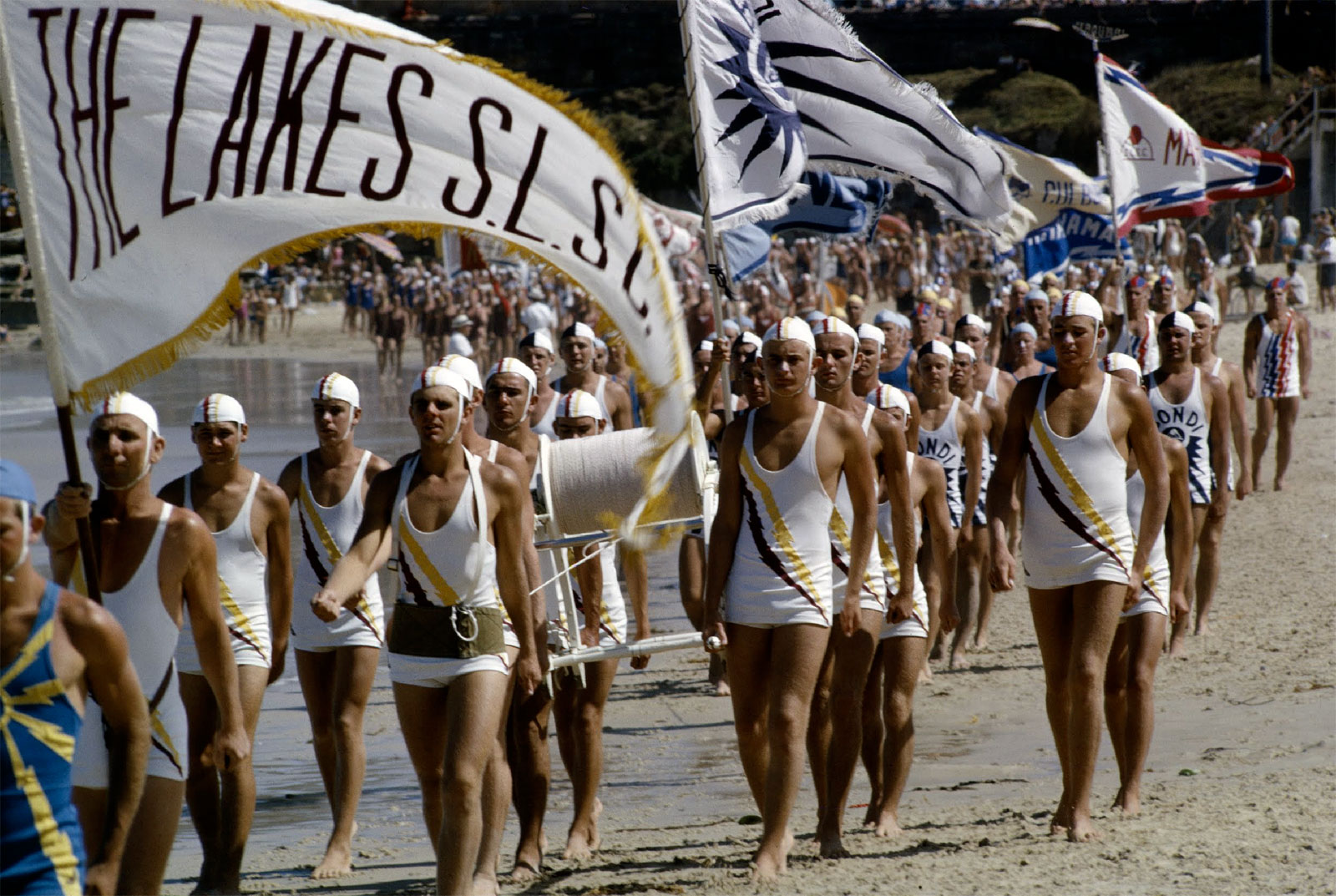
Anonymous photographer (Australian) 'Surf carnival' 1966


Anonymous photographer (Australian)
Surf carnival
1966
Australian News and Information Bureau collection
National Archives of Australia


Anonymous photographer (Australian) 'Mass tennis class' 1967


Anonymous photographer (Australian)
Mass tennis class
1967
Australian News and Information Bureau collection
National Archives of Australia


The Victorian Archives Centre
99 Shiel Street
North Melbourne, Victoria 3051
Australia

The Victorian Archives Centre website

LIKE ART BLART ON FACEBOOK

Back to top

Exhibition: ‘After the Gold Rush: Contemporary Photographs from the Collection’ at The Metropolitan Museum of Art, New York

Exhibition dates: 22nd March, 2011 – 2nd January, 2012


Many thankx to The Metropolitan Museum of Art, New York for allowing me to publish the photographs in the posting. Please click on the photographs for a larger version of the image.


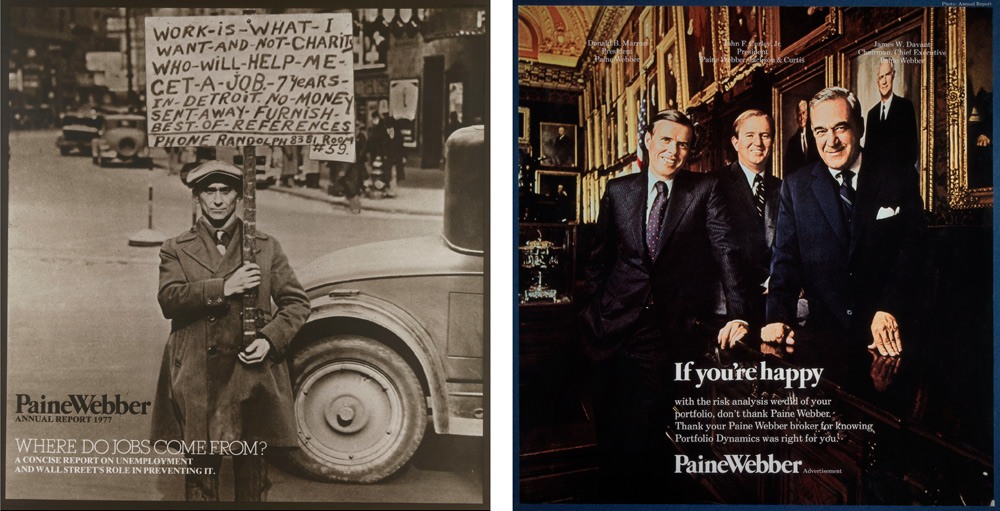
Hans Haacke (German, born 1936). 'Thank You, Paine Webber' 1979


Hans Haacke (German, b. 1936)
Thank You, Paine Webber
1979
Gelatin silver print and chromogenic print
The Metropolitan Museum of Art
Purchase, Vital Projects Fund Inc. Gift, through Joyce and Robert Menschel, 2010
© Hans Haacke


Since the early 1970s Haacke has taken on the intertwined political and corporate forces that use cultural patronage as a smokescreen to advance interests that are often antithetical to the vitality of free speech and expression in democracies. Haacke made this work just as the strategy of appropriation – lifting an image out of its original context and re-presenting it in critical fashion – began to make waves in the New York art world of the late 1970s. Like all effective appropriation, it exposes a prior instance of borrowing – in this case, how the investment firm Paine Webber used a documentary photograph to give its annual report the veneer of social concern. The artist then pointedly contrasted it with an image from the same annual report of a beaming trio of executives in a painting-lined gallery. As a counterpoint to the protestor’s signboard, Haacke dropped in text from a different Paine Webber ad campaign to show on whose backs the “risk management” is taking place – a biting indictment, the relevance of which has only increased since the recent economic downturn.

Wall text


Jeff Wall (Canadian, born 1946). 'The Storyteller' 1986


Jeff Wall (Canadian, b. 1946)
The Storyteller
1986
Silver dye bleach transparency in light box
The Metropolitan Museum of Art
Purchase, Charlene and David Howe, Henry Nias Foundation Inc., Jennifer and Robert Yaffa, Harriet Ames Charitable Trust, and Gary and Sarah Wolkowitz Gifts, 2006
Image courtesy of the artist
© Jeff Wall


Wall’s staged tableaux straddle the worlds of the museum and the street. His subjects are scenes of urban and suburban disarray that he witnessed firsthand – the kinds of things anyone might see while wandering around a city and its outskirts. Working like a movie director, he restages the scene using nonprofessionals as actors and presents his photographs as colour transparencies in light boxes such as those of large-scale public advertisements found at airports and bus stops. The scale and ambition of his pictures – scenes of everyday life shot through with larger intimations of political struggle – equally evoke the Salon paintings of nineteenth century French painters such as Gustave Courbet and Édouard Manet, which were themselves brazen combinations of canonical and contemporary subjects.

The Storyteller is set in a barren, leftover slice of land next to a highway overpass in Vancouver, where the artist lives. Various groupings of modern urban castaways – perhaps descendants of the Native Americans who occupied the land before the arrival of Europeans – are dispersed around the hillside, a mini-catalogue of art-historical reference. Like the upside-down, half-submerged figure of Icarus in the background of Brueghel’s Landscape with the Fall of Icarus, the woman speaking and gesticulating to the two men listening at the lower left becomes the key to unifying the fractured and alienating environment from which Wall’s picture is constructed.

Wall text


Laurie Simmons (American, b. 1949). 'Walking Gun' 1991


Laurie Simmons (American, b. 1949)
Walking Gun
1991
Gelatin silver print
The Metropolitan Museum of Art
Purchase, Anonymous Gift, 1998
© Laurie Simmons


The early 1990s marked the last moment when a wide swath of women artists responded to the sexism they saw as pervasive in the culture – from the rape trial of William Kennedy Smith to the Supreme Court nomination hearings for Clarence Thomas. A pioneer of set-up photography, Simmons dramatically expanded the scale of her constructed tableaux for a series of spotlighted puppet-like objects perched atop doll legs: revolvers, houses, cameras, and cakes. This armed and dangerous example refers to the old-movie cliché where a man carrying a gun is shown in shadow profile. Here, Simmons offers instead the death-dealing seductress – also familiar from film noir – in monumental miniature, a doll capable of turning on its master at a moment’s notice.

Wall text


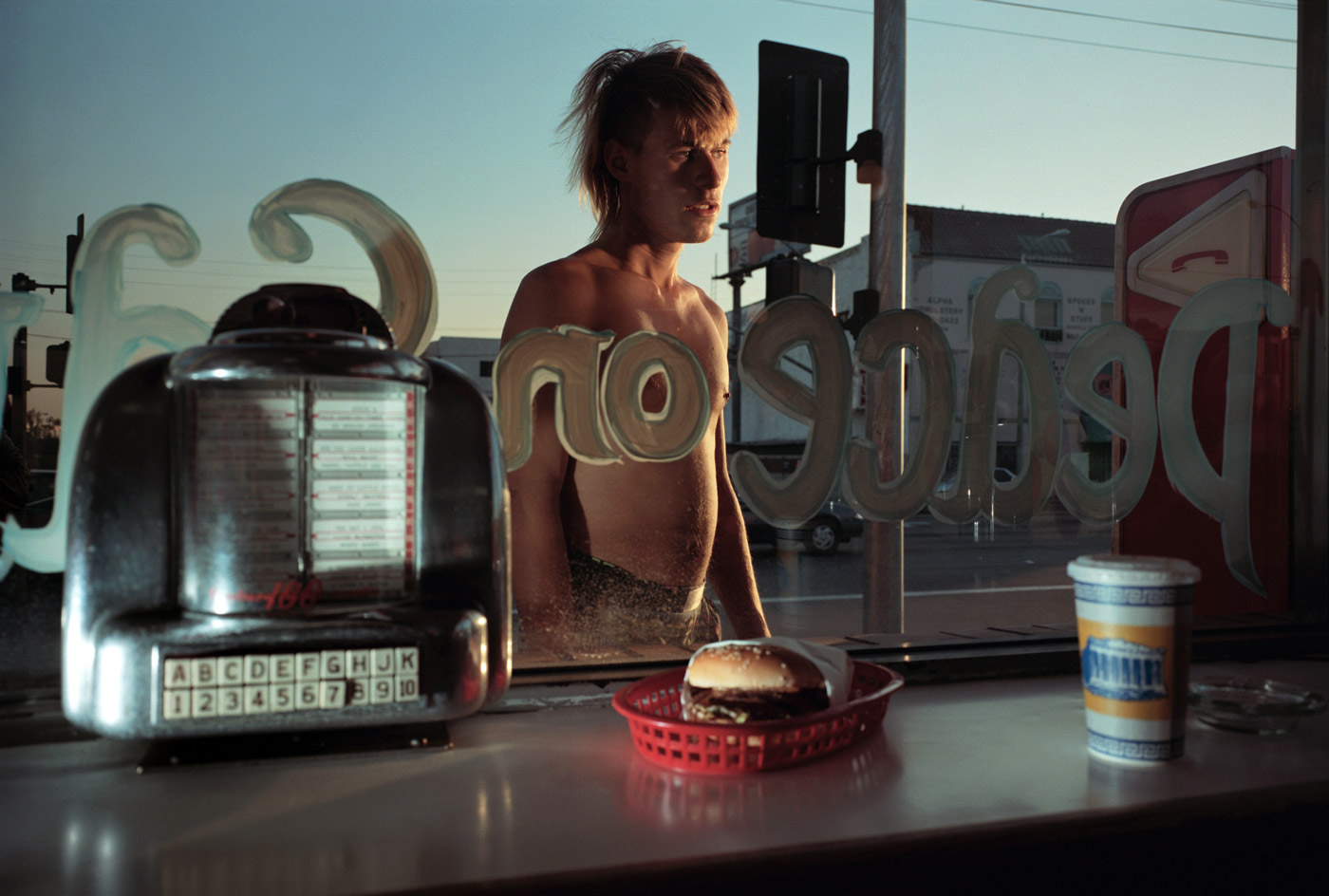
Philip-Lorca diCorcia (American, b. 1953). 'Todd M. Brooks, 22 Years Old, from Denver, Colorado, $40' 1991


Philip-Lorca diCorcia (American, b. 1953)
Todd M. Brooks, 22 Years Old, from Denver, Colorado, $40
1991
Chromogenic print
The Metropolitan Museum of Art
Purchase, The Horace W. Goldsmith Foundation Gift, through Joyce and Robert Menschel, 1991
Image courtesy the artist and David Zwirner, New York
© Philip-Lorca diCorcia


In the middle of the 1990’s, diCorcia gained international recognition for his large color photographs of street scenes and passersby. For an earlier series, he traveled to Los Angeles on a fellowship from the National Endowment for the Arts, and worked on a part of Santa Monica Boulevard frequented by male prostitutes and drug addicts. For each picture he made there, he carefully composed his setting, then asked young men to pose for him, giving them a small fee (from twenty to fifty dollars) that was negotiated each time.

At that time, NEA support of artists such as Robert Mapplethorpe was highly controversial, and diCorcia had to sign a document stating that he would not produce any “obscene” work while on his fellowship. He set up the whole negotiating procedure as a symbolic way of sharing his grant with people whose behavior would surely have been condemned by the censors. The titles always mention the name, the age and the origin of the model, as well as the amount paid. The staged situation interacts with the raw reality of the exchange of money, blurring the boundaries between documentary and fiction, yet preserving an authentic emotional charge.

Text from The Metropolitan Museum of Art website


Philip-Lorca diCorcia (American, b. 1953) 'Eddie Anderson, 21 Years Old, from Houston, Texas, $20' 1991


Philip-Lorca diCorcia (American, b. 1953)
Eddie Anderson, 21 Years Old, from Houston, Texas, $20
1991
Chromogenic print
Image: 39.2 x 57.8 cm (15 7/16 x 22 3/4 in.)
The Metropolitan Museum of Art
Purchase, The Horace W. Goldsmith Foundation Gift, through Joyce and Robert Menschel, 1991
Image courtesy the artist and David Zwirner, New York
© Philip-Lorca diCorcia


The Metropolitan Museum of Art will present After the Gold Rush: Contemporary Photographs from the Collection from March 22, 2011, through January 2, 2012, in the Joyce and Robert Menschel Hall for Modern Photography. Drawn entirely from the Museum’s permanent collection, the exhibition features 25 photographs dating from 1979 to the present by 15 contemporary artists.

The exhibition’s title, After the Gold Rush, is taken from a classic 1970 song by Neil Young, whose verses contrast a romanticised past with a present of squandered plenty and an uncertain future. Inspired by the recent political and economic upheavals in America and abroad, this selection juxtaposes new photographs that take the long view of the world’s current condition with prescient works from the 1980s and 1990s that remain startlingly relevant today.

This is the first occasion for the Museum to present recently acquired works by: Gretchen Bender, James Casebere, Moyra Davey, Katy Grannan, Hans Haacke, An-My Lê, Curtis Mann, Trevor Paglen, and Wolfgang Tillmans. Also featured are photographs by: Philip-Lorca diCorcia, Robert Gober, Adrian Piper, Laurie Simmons, Jeff Wall, and Christopher Williams.

After the Gold Rush begins with Hans Haacke’s Thank You, Paine Webber (1979) – the first work by this legendary provocateur of Conceptual art to enter the Metropolitan’s collection. Haacke’s biting photo-diptych is so pertinent to the recent economic downturn that it seems as if it could have been made yesterday. In this work, the artist appropriated images from the investment firm’s annual report to convey his viewpoint that big business provides a veneer of social concern to mask the brutal effects of the “risk management” they offer their clients.

Other works in After the Gold Rush use varying degrees of artifice and photographic realism to reflect on marginalised and repressed voices. Measuring over 14 feet long and presented as a backlit transparency in a light box, The Storyteller (1986) is Jeff Wall’s signature image and is typical of his method. Working from memory, the artist uses nonprofessional actors and real locations to meticulously restage a scene of urban blight that he witnessed in his native Vancouver. Wall plays this photographic verisimilitude against compositions and figural poses indebted to French painters such as Gustave Courbet, Edouard Manet, and Georges Seurat. A comparison of Wall’s Storyteller with Courbet’s Young Ladies of the Village (1852), on view in the Museum’s galleries for Nineteenth and Early Twentieth-Century European Paintings and Sculpture, reveals parallels: in both, a keenly observed moment of telling social interaction taking place on a sloping landscape. Each artist has combined a daringly modern subject with references to earlier art.

Philip-Lorca diCorcia is another key figure in the development of staged photography. In the early 1990s, the artist created a series of works in response to the political attacks on gays and federal funding of the arts in the U.S. DiCorcia hired male hustlers to pose for their portraits out on the streets – and paid them with grant money he received from the National Endowment for the Arts. At the same moment, a wide swath of women artists addressed issues of sexism and racism: examples of this politically pointed art are represented by Laurie Simmons’ Walking Gun (1991) – a spotlighted puppet of doll legs and a revolver that seems capable of turning on its master at a moment’s notice – and Adrian Piper’s 1992 work Decide Who You Are #24 (A Moving Target), which includes a childhood image of Anita Hill as part of a blistering meditation in word and image on racial politics. Such works are missives from a time not so long ago when artists regularly commented on present-day politics and culture through their art. (Because of light sensitivity, this work by Adrian Piper will be on view through Sunday, September 26.)

Although the recently made photographs in After the Gold Rush seem at first glance to be less overtly political than their predecessors, they nevertheless address vital issues about contemporary society. James Casebere’s epic vision of America, Landscape with Houses (Dutchess County, NY) #1, (2009), is based on a tabletop model that the artist spent 18 months building. The photograph shows a suburban subdivision of the kind recently ravaged by the foreclosure crisis, and its sunny sense of “Morning in America” comments ironically on the country’s future prospects. An-My Lê’s similarly sweeping five-part photographic piece Suez Canal Transit, USS Dwight Eisenhower, Egypt (2009) will also be featured. Lê is interested in the way in which U.S. armed forces come into contact with the rest of the world. This major new work – which seems at first to be a straightforward panorama of military might overseas – subtly undercuts the viewer’s expectations to question the current position of the U.S. on the global stage.

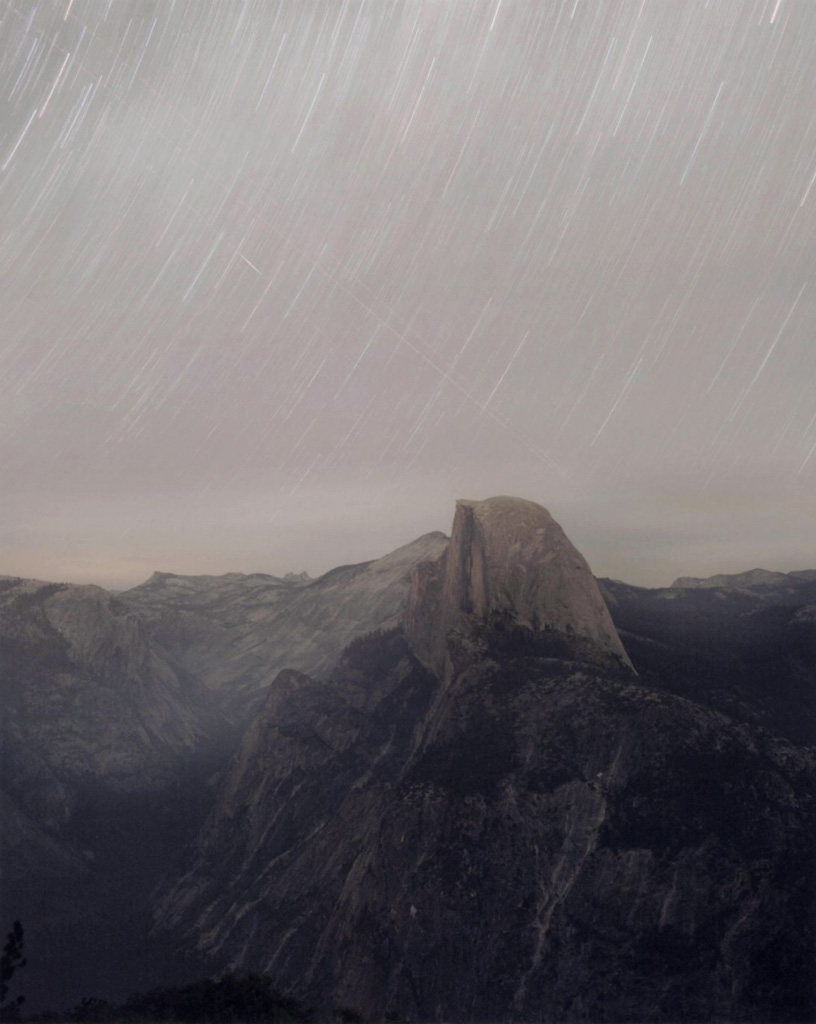
Trevor Paglen is a young artist whose works plot the “black world” of covert military operations, from telephoto images of predator drones taken from miles away, to software that follows planes used for the extraordinary rendition of suspected terrorists. Paglen’s 2008 photograph KEYHOLE IMPROVED CRYSTAL from Glacier Point (Optical Reconnaissance Satellite; USA 186) shows the ghostly white streak of an American reconnaissance satellite bisecting star trails above Yosemite’s Half Dome, a rock formation photographed in the 1860s by artists including Carleton Watkins. To make these and other photographs, Paglen collaborated with amateur astronomers who were originally trained by the U.S. government to look out for Soviet satellites during the Cold War, but turned their attention to American surveillance in recent years.

The final piece in After the Gold Rush is a suite of five recently acquired photographs from 2007-2009 by the celebrated photographer Wolfgang Tillmans. The grouping shifts focus from macro to micro: from expansive aerial views of Shanghai and Dubai to close ups that suggest the smallest increments of sustenance and regeneration. Taken together, they evoke the interconnectedness of all things and a grounding of the political in the personal as a way for an engaged yet expressive art.

Press release from The Metropolitan Museum of Art website


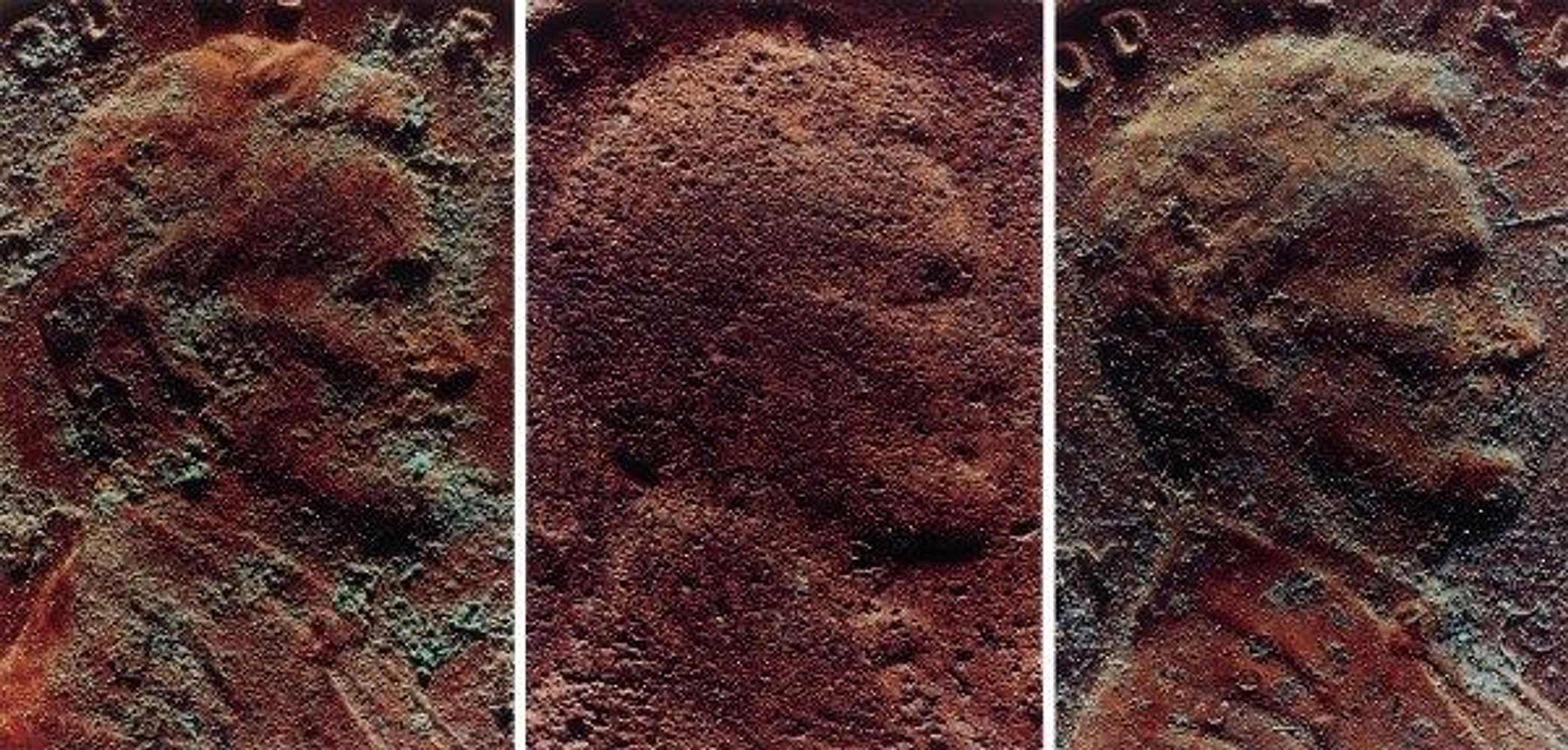
Moyra Davey (American born Canada, b. 1958) 'Copperhead Grid' 1990 (detail)


Moyra Davey (American born Canada, b. 1958)
Copperhead Grid (detail)
1990
Chromogenic prints
Image: 8 3/4 in. × 6 in. (22.3 × 15.3cm) each
Sheet: 10 × 8 in. (25.4 × 20.3cm) each
The Metropolitan Museum of Art
Purchase, Vital Projects Fund Inc. Gift, through Joyce and Robert Menschel, 2011
© Moyra Davey


It was in 1990 – at the height of a worldwide economic recession that also marked the end of the 1980s art bubble – that Davey began photographing the scratched, worn-away surfaces of pennies, the most devalued and lowest form of currency. Her accumulation of one hundred micro-photographic specimens is constructed around the readymade patterns of decay that countless anonymous owners have unconsciously wrought upon their surfaces; their base materiality is incisively contrasted with the most elevated of national symbols. As with all of Davey’s work, there is a melancholic sense of loss that connects subject and form: like pennies, photographs are objects of exchange imprinted by contact with the world around them.

Text from The Metropolitan Museum of Art website


Adrian Piper (American, born 1948). 'Decide Who You Are #24: A Moving Target' 1992


Adrian Piper (American, b. 1948)
Decide Who You Are #24: A Moving Target
1992
Photo-mechanical processes on three panels
The Metropolitan Museum of Art
Gift of Peter Norton Family Foundation, 1994
© Adrian Piper


Piper is an artist and a philosophy professor who works in a variety of media, including performance, video, sound pieces, photography, drawing, and writing. She often explores issues of autobiography, racism, and stereotyping. For her 1992 series Decide Who You Are, the artist used a triptych format in which a different appropriated photograph is flanked by an image of the “three wise monkeys” maxim advocating “See No Evil, Speak No Evil, Hear No Evil” at left, and at right a photograph of a young girl who, though not identified, is Anita Hill – who had recently been thrust into the spotlight for accusing then-nominee for Supreme Court Justice Clarence Thomas of sexual harassment. The verse in the left panel changes in each individual work in the series, while that on the right is unchanging – what the artist once described as “a comprehensive, textbook compendium of commonly invoked litanies of denial and intimidation, from the bland to the vaguely menacing” and “a must for novices and aspiring leaders in business, politics, and culture.”

Wall text


Christopher Williams (American, b. 1956). '3 White (DG's Mr. Postman) Fourth Race, Phoenix Greyhound Park, Phoenix, Arizona, August 22, 1994' 1994


Christopher Williams (American, b. 1956)
3 White (DG’s Mr. Postman) Fourth Race, Phoenix Greyhound Park, Phoenix, Arizona, August 22, 1994
1994
Gelatin silver print
The Metropolitan Museum of Art
Purchase, Charina Foundation Inc. and Jennifer and Joseph Duke Gifts, 2003
© Christopher Williams


Robert Gober (American, b. 1954) 'Page 12 / Untitled (Detail from 1978-2000)' 1978-2000


Robert Gober (American, b. 1954)
Page 12 / Untitled (Detail from 1978-2000)
1978-2000
Gelatin silver print
40.6 x 50.8cm (16 x 20 in.)
The Metropolitan Museum of Art
Purchase, Charina Foundation Inc. Gift, 2002
© Robert Gober


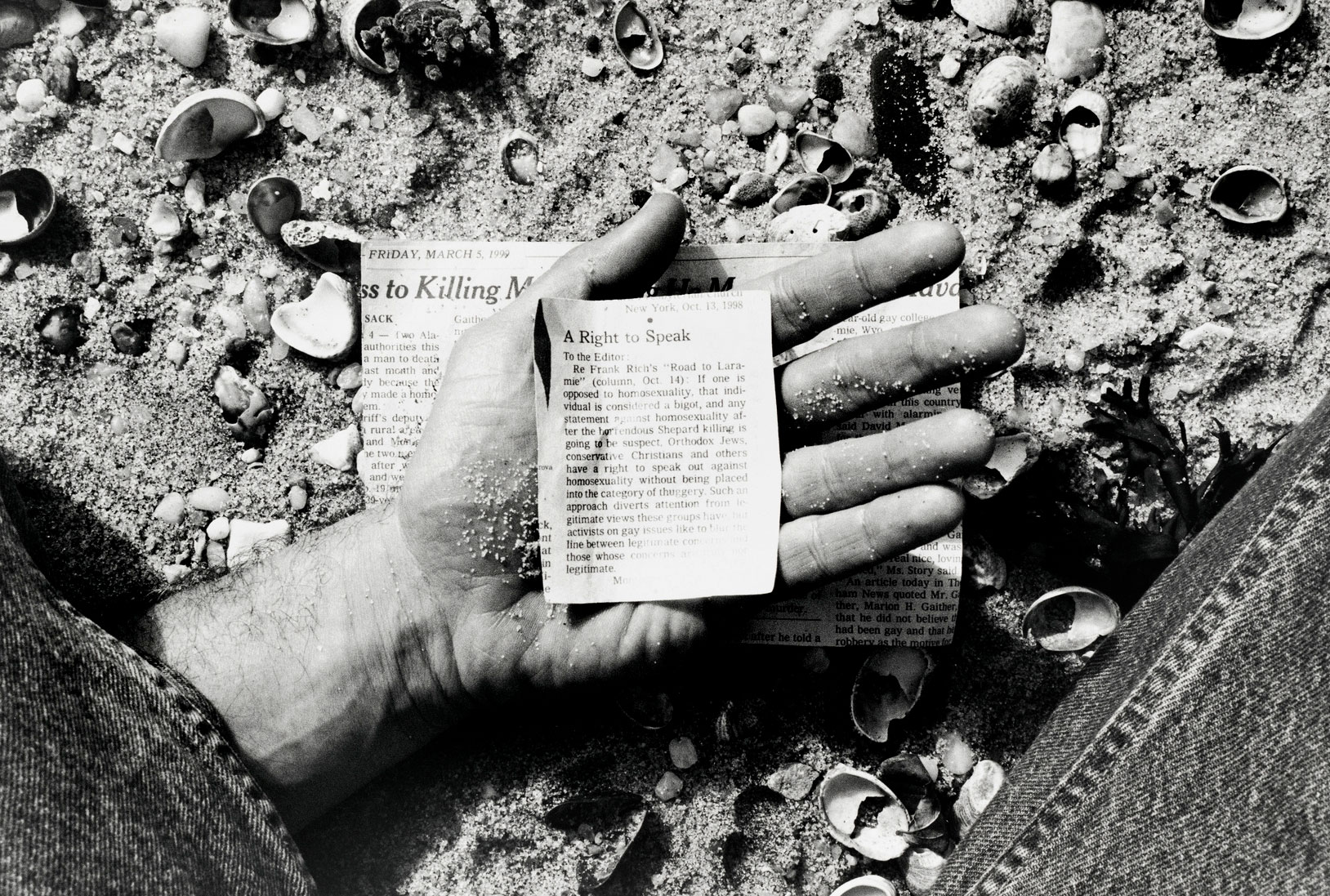
Robert Gober works primarily in sculpture, installations, and photography. He is perhaps best known for his delicate, ghostly hand crafted versions of domestic fixtures, such as drains, beds, doors, and sinks. Through these uncanny replicas, Gober invests mass produced objects with personal meaning – the private, unruly desires and memories of the individual. This image appeared in the book (his first in the genre) that Gober created to accompany his installation representing the United States at the 2000 Venice Biennale. In it, the artist interweaves his own journey to New York in 1978 as a young gay man with the toxic fallout of homophobic recrimination that accompanied the murder of the Wyoming college student Matthew Shepard twenty years later.

Text from The Metropolitan Museum of Art website


Robert Gober superimposes a man’s hand between two newspaper articles, clipped neatly and placed on a shell-strewn beach. Below his hand, the article refers to Matthew Shepard’s death. Above it, a letter to the editor argues that “Orthodox Jews, conservative Christians and others have a right to speak out against homosexuality without being placed in the category of thuggery.” While the piece obviously precedes Jonathan Rauch’s provocative and important piece in the December issue of the Advocate arguing that gay people should tolerate a certain amount of anti-gay sentiment as a sign that they’re legally and socially secure enough to practice tolerance, it’s a useful encapsulation of the dilemma behind that argument. It’s hard to cast off past threats if you’re not entirely sure they’re past.

Alyssa Rosenberg. “Gay Americans, Censorship, And ‘After The Gold Rush’ At The Metropolitan Museum Of Art,” on the Think Progress website November 28, 2011 [Online] Cited 11/12/2024


Robert Gober (American, b. 1954). 'Untitled (Detail from "1978-2000")' 2000


Robert Gober (American, b. 1954)
Untitled (Detail from “1978-2000”)
2000
Gelatin silver print
The Metropolitan Museum of Art
Purchase, Jennifer and Joseph Duke Gift, 2002
© Robert Gober


James Casebere (American, b. 1953). 'Landscape with Houses (Dutchess County, NY) #1' 2009


James Casebere (American, b. 1953)
Landscape with Houses (Dutchess County, NY) #1
2009
Chromogenic print
The Metropolitan Museum of Art
Purchase, Alfred Stieglitz Society Gifts, 2011
© James Casebere


Trevor Paglen (American, b. 1974) 'KEYHOLE IMPROVED CRYSTAL from Glacier Point (Optical Reconnaissance Satelltte; USA 186)' 2008


Trevor Paglen (American, b. 1974)
KEYHOLE IMPROVED CRYSTAL from Glacier Point (Optical Reconnaissance Satelltte; USA 186)
2008
Chromogenic print
Image: 95.3 x 76.2cm (37 1/2 x 30 in.)
Frame: 96.5 × 77.5cm (38 × 30 1/2 in.)
The Metropolitan Museum of Art
Purchase, Vital Projects Fund Inc. Gift, through Joyce and Robert Menschel, 2011
© Trevor Paglen


Trained as a geographer, Paglen is an artist who plots the topography of a new global and celestial space – the “black world” of covert military operations. Examples of his subjects include the supposed sites used for the extraordinary rendition of prisoners, which he shoots with specially designed cameras from up to forty miles away, and the network of private planes used to transport them under the radar. This image shows the ghostly white streak of an American reconnaissance satellite bisecting star trails above Yosemite’s Half Dome, a rock formation photographed in the 1860s by the photographer Carleton Watkins when the West was still being explored. In order to track such spacecraft, Paglen uses a database created by amateur astronomers who were trained by the U.S. government to search the skies for Soviet sputniks but continued their hobby after the end of the Cold War by tracking our own satellites. In this work, the artist brings into one composition two historically disparate moments in geographic and celestial colonisation.

Text from The Metropolitan Museum of Art website


Wolfgang Tillmans (German, b. 1968).' Oriental Pearl' 2009


Wolfgang Tillmans (German, b. 1968)
Oriental Pearl
2009
Inkjet print
The Metropolitan Museum of Art
Purchase, Vital Projects Fund Inc. Gift, through Joyce and Robert Menschel, 2010
Image courtesy the artist and Andrea Rosen Gallery, New York
© Wolfgang Tillmans


The Metropolitan Museum of Art
1000 Fifth Avenue at 82nd Street
New York, New York 10028-0198
Phone: 212-535-7710

Opening hours:
Sunday – Tuesday and Thursday: 10am – 5pm
Friday and Saturday: 10am – 9pm
Closed Wednesday

The Metropolitan Museum of Art website

LIKE ART BLART ON FACEBOOK

Back to top

Exhibition: ‘Robert Adams: The Place We Live, A Retrospective Selection of Photographs’ at the The Denver Art Museum (DAM)

Exhibition dates:  25th September 2011 – 1st January 2012


Many thankx to The Denver Art Museum for allowing me to publish the photographs in the posting. Please click on the photographs for a larger version of the image.


Robert Adams (American, b. 1937) 'Burning oil sludge, north of Denver, Colorado' 1973-1974


Robert Adams (American, b. 1937)
Burning oil sludge, north of Denver, Colorado
1973-1974
Gelatin silver print
Yale University Art Gallery, purchased with a gift from Saundra B. Lane, a grant from the Trellis Fund and the Janet and Simeon Braguin Fund


Robert Adams (American, b. 1937) 'North of Keota, Colorado' 1973


Robert Adams (American, b. 1937)
North of Keota, Colorado
1973 printed 1989
Gelatin silver print
Yale University Art Gallery, purchased with a gift from Saundra B. Lane, a grant from the Trellis Fund and the Janet and Simeon Braguin Fund


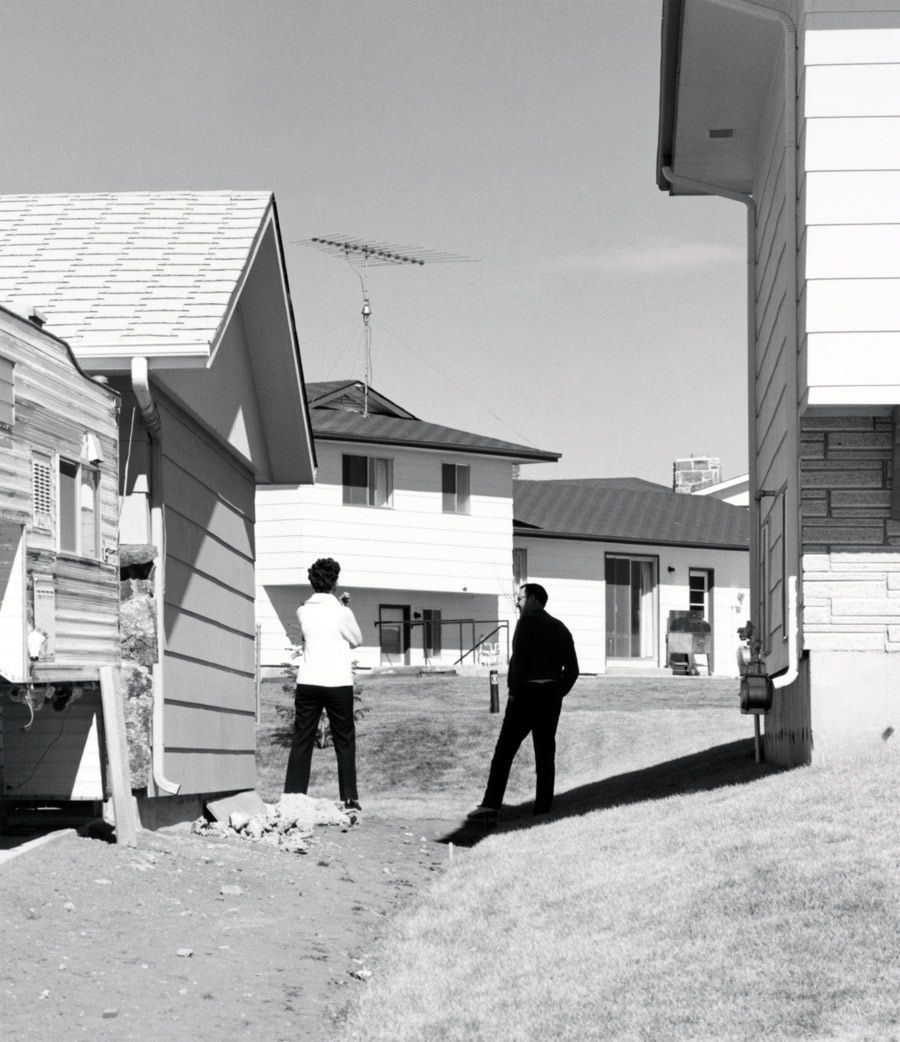
Robert Adams (American, b. 1937) 'Mobile home park, north edge of Denver, Colorado' 1973-1974


Robert Adams (American, b. 1937)
Mobile home park, north edge of Denver, Colorado
1973-1974
Gelatin silver print
Yale University Art Gallery, purchased with a gift from Saundra B. Lane, a grant from the Trellis Fund and the Janet and Simeon Braguin Fund


The Denver Art Museum (DAM) is the first U.S. venue for Robert Adams: The Place We Live, A Retrospective Selection of Photographs. The exhibition features more than 200 black-and-white photos spanning Adams’s 45-year career, showcasing the artistic legacy of the American photographer and his longstanding engagement with the contemporary Western landscape. Adams lived and worked in Colorado for nearly 30 years. Many of his most acclaimed images were taken in the Rocky Mountain region and will strike a familiar chord with visitors. The exhibition, organised by the Yale University Art Gallery, will be on view September 25, 2011 – January 1, 2012 in the museum’s Gallagher Family Gallery.

“We’re excited to host the work of one of the foremost photographers of our time,” said Eric Paddock, the DAM’s curator of photography. “Robert Adams’s striking yet quiet photos provoke thought about current economic, political and environmental issues Westerners confront every day. We think visitors will see something very familiar in his work.”

Since becoming a photographer in the mid-1960s, Adams has been widely regarded as one of the most significant and influential chroniclers of the American West. Adams’s photographs and writing insist that the realities of everyday landscapes are as beautiful as idealised scenes from nature. They ask questions about the ways people change and interact with nature, and what it means to live simply and quietly in today’s world. This commitment earned Adams prominence in photography’s “New Topographics” movement of the late 20th century and lends authority to his ongoing work. His photographs of Colorado suburban growth and clear cut forests in the Pacific Northwest, for example, express shock at mainstream social and economic values.

“The Denver Art Museum is pleased to be the first U.S. venue for The Place We Live, showcasing our continued commitment to our photography program,” said Christoph Heinrich, Frederick and Jan Mayer Director of the DAM. “Colorado has a rich photography history and we’re excited to have visitors engage with these artworks that provide a narrative to the American experience and take a fresh look at their surroundings.”

Featuring more than 200 gelatin silver prints, The Place We Live weaves together four decades of Adam’s work into a cohesive, epic narrative of American experience in the late 20th and early 21st centuries. Each of the photographer’s major projects is represented, from early pictures of quiet buildings and monuments erected by prior settlers of his native Colorado to his most recent images of forests and migratory birds in the Pacific Northwest.

Biography

Born in Orange, N.J., in 1937, Robert Adams moved with his family from Madison, Wis., to Denver, Colo., at the age of 15. He earned a doctorate degree from the University of Southern California and, intent on pursuing an academic career, returned to Colorado in 1962 as an assistant professor of English at Colorado College. Disturbed by the rapid transformation of the Colorado Springs and Denver areas, Adams began photographing a landscape transformed by tract housing, highways, strip malls and gas stations. “The pictures record what we purchased, what we paid and what we could not buy,” Adams wrote. “They document a separation from ourselves, and in turn from the natural world that we professed to love.” Since 1997, he has lived and worked in Oregon.”

Press release from The Denver Art Museum


Robert Adams (American, b. 1937) 'Lakewood, Colorado' 1968-1971


Robert Adams (American, b. 1937)
Lakewood, Colorado
1968-1971
Gelatin silver print
Yale University Art Gallery, purchased with a gift from Saundra B. Lane, a grant from the Trellis Fund and the Janet and Simeon Braguin Fund


Robert Adams (American, b. 1937) 'In a New Subdivision, Colorado Springs, Colorado' 1969


Robert Adams (American, b. 1937)
In a New Subdivision, Colorado Springs, Colorado
1969
Gelatin silver print
Yale University Art Gallery, purchased with a gift from Saundra B. Lane, a grant from the Trellis Fund and the Janet and Simeon Braguin Fund


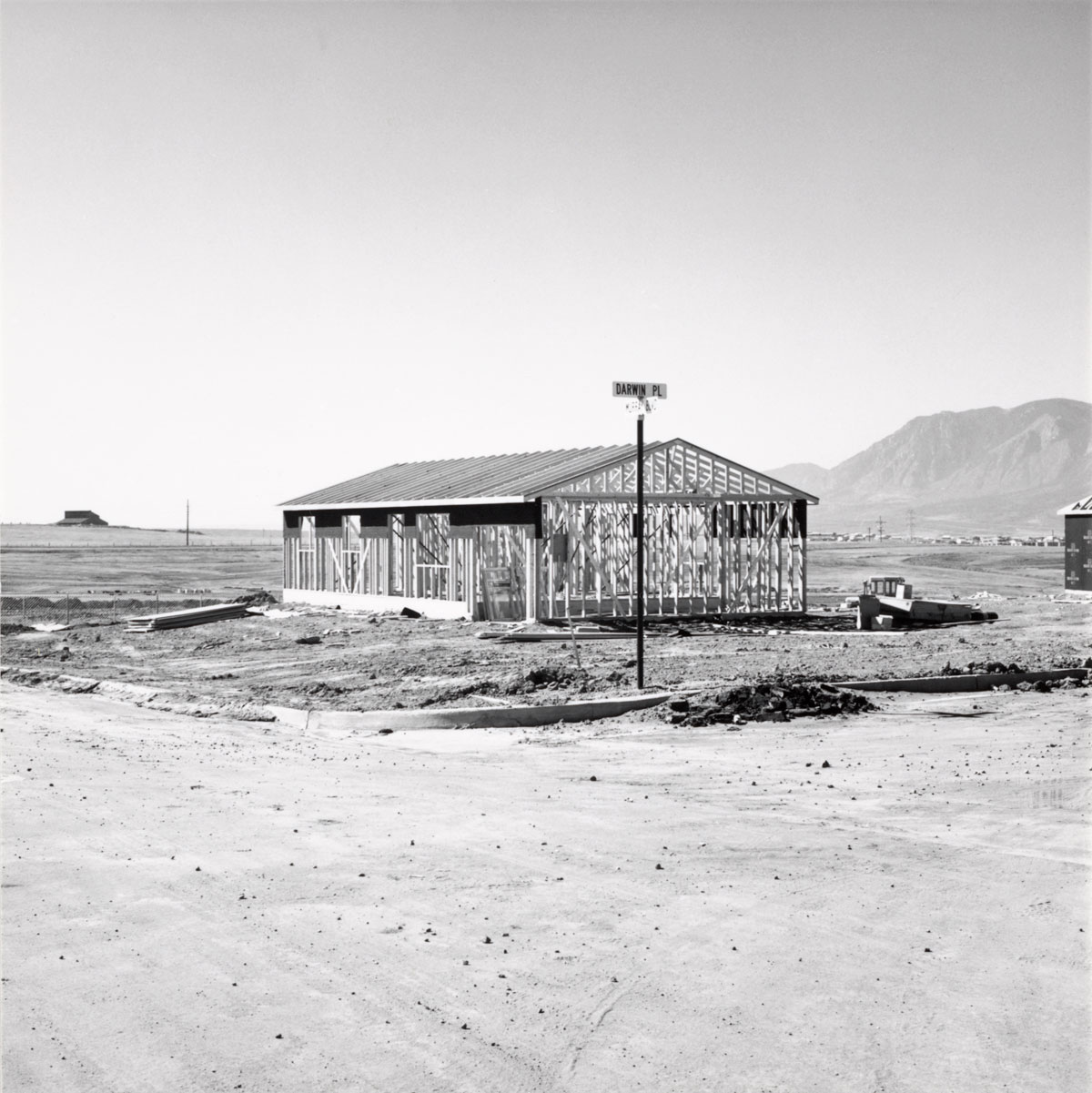
Robert Adams (American, b. 1937) 'Frame for a Tract House, Colorado Springs, Colorado' 1969


Robert Adams (American, b. 1937)
Frame for a Tract House, Colorado Springs, Colorado
1969
Gelatin silver print
Yale University Art Gallery, purchased with a gift from Saundra B. Lane, a grant from the Trellis Fund and the Janet and Simeon Braguin Fund


Robert Adams (American, b. 1937) 'Pikes Peak, Colorado Springs, Colorado' 1969


Robert Adams (American, b. 1937)
Pikes Peak, Colorado Springs, Colorado
1969
Gelatin silver print
Yale University Art Gallery, purchased with a gift from Saundra B. Lane, a grant from the Trellis Fund and the Janet and Simeon Braguin Fund


Robert Adams (American, b. 1937) 'Denver, Colorado' c. 1970


Robert Adams (American, b. 1937)
Denver, Colorado
c. 1970
Gelatin silver print
Yale University Art Gallery, purchased with a gift from Saundra B. Lane, a grant from the Trellis Fund and the Janet and Simeon Braguin Fund


Robert Adams (American, b. 1937) 'Longmont, Colorado' 1973-1974, printed 2007


Robert Adams (American, b. 1937)
Longmont, Colorado
1973-1974, printed 2007
Gelatin silver print
Yale University Art Gallery, purchased with a gift from Saundra B. Lane, a grant from the Trellis Fund and the Janet and Simeon Braguin Fund


Robert Adams (American, b. 1937) 'Eden, Colorado' 1968


Robert Adams (American, b. 1937)
Eden, Colorado
1968
Gelatin silver print
Yale University Art Gallery
Purchased with a gift from Saundra B. Lane, a grant from the Trellis Fund and the Janet and Simeon Braguin Fund


Robert Adams (American, b. 1937) 'Colorado Springs, Colorado' 1974


Robert Adams (American, b. 1937)
Colorado Springs, Colorado
1968
Gelatin silver print
Yale University Art Gallery
Purchased with a gift from Saundra B. Lane, a grant from Trellis Fund, and the Janet and Simeon Braguin Fund


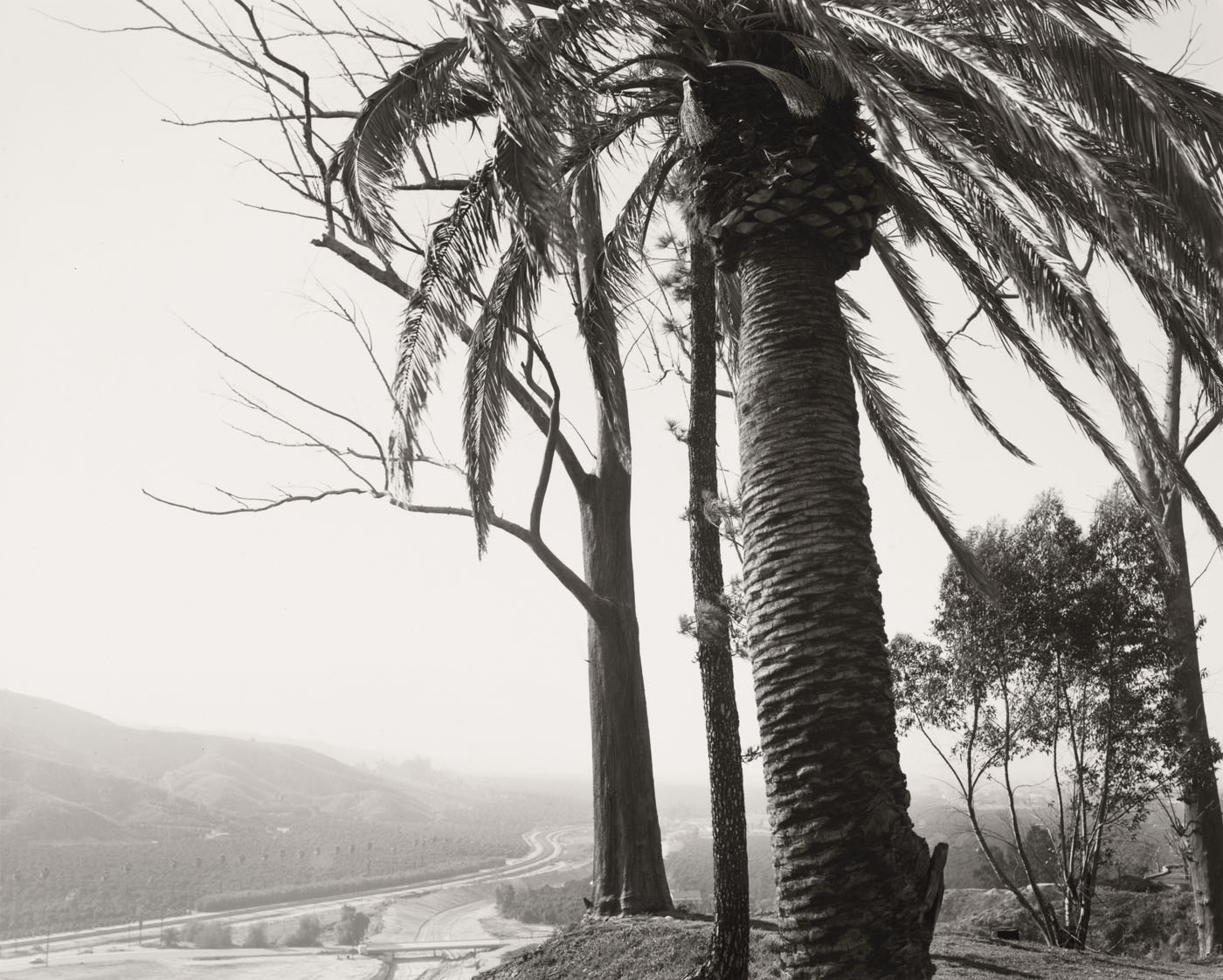
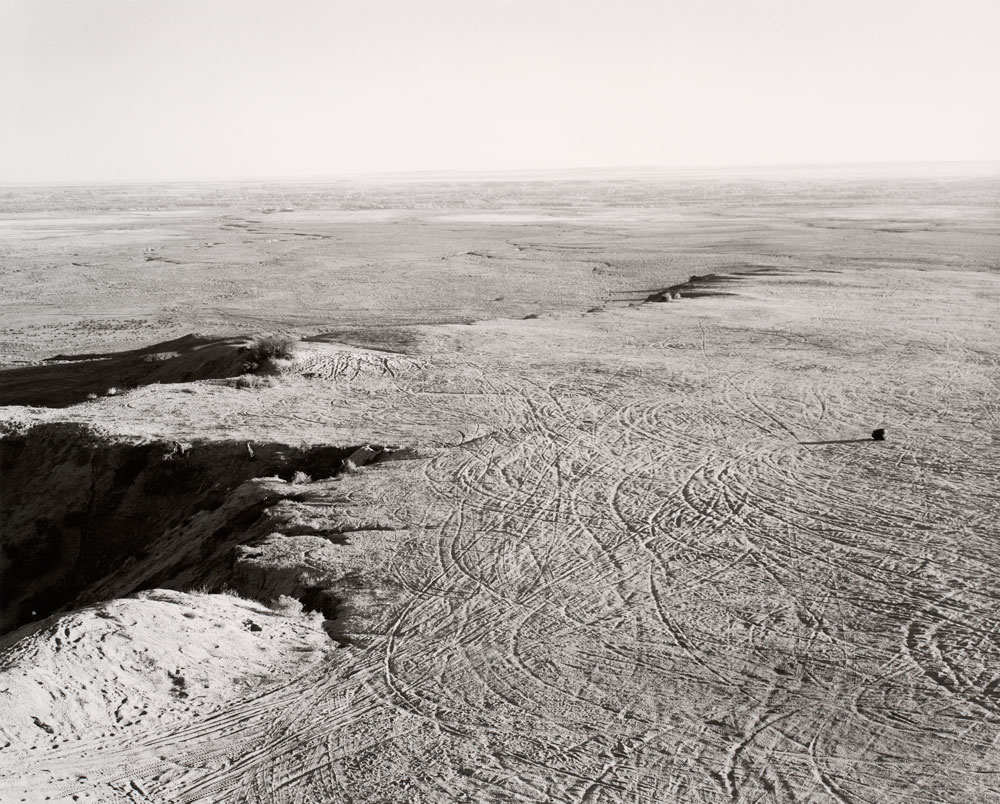
Robert Adams (American, b. 1937) 'Edge of San Timoteo Canyon, Redlands, California' 1978


Robert Adams (American, b. 1937)
Edge of San Timoteo Canyon, looking toward Los Angeles, Redlands, California
1978
Gelatin silver print
Yale University Art Gallery
Purchased with a gift from Saundra B. Lane, a grant from the Trellis Fund and the Janet and Simeon Braguin Fund


Robert Adams (American, b. 1937) 'Quarried Mesa Top, Pueblo County, Colorado' 1978


Robert Adams (American, b. 1937)
Quarried Mesa Top, Pueblo County, Colorado
1978
Gelatin silver print
Yale University Art Gallery
Purchased with a gift from Saundra B. Lane, a grant from Trellis Fund, and the Janet and Simeon Braguin Fund


Robert Adams (American, b. 1937) 'Longmont, Colorado' 1979, printed 1985


Robert Adams (American, b. 1937)
Longmont, Colorado
1979, printed 1985
Gelatin silver print
Yale University Art Gallery, purchased with a gift from Saundra B. Lane, a grant from the Trellis Fund and the Janet and Simeon Braguin Fund


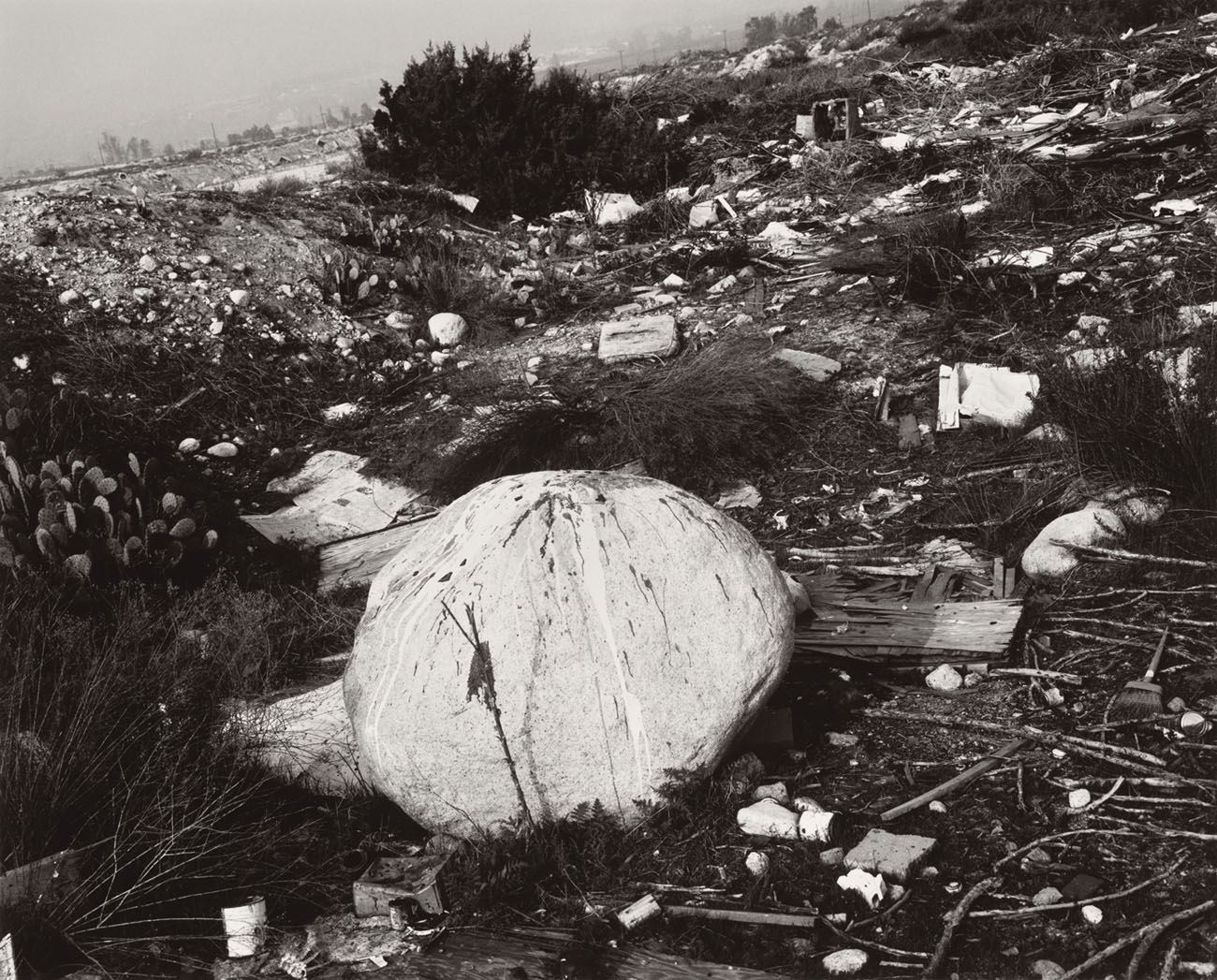
Robert Adams (American, b. 1937) 'Santa Ana Wash, Redlands, California' 1982


Robert Adams (American, b. 1937)
Santa Ana Wash, Redlands, California
1983, printed 1991
Gelatin silver print
Yale University Art Gallery, purchased with a gift from Saundra B. Lane, a grant from the Trellis Fund and the Janet and Simeon Braguin Fund


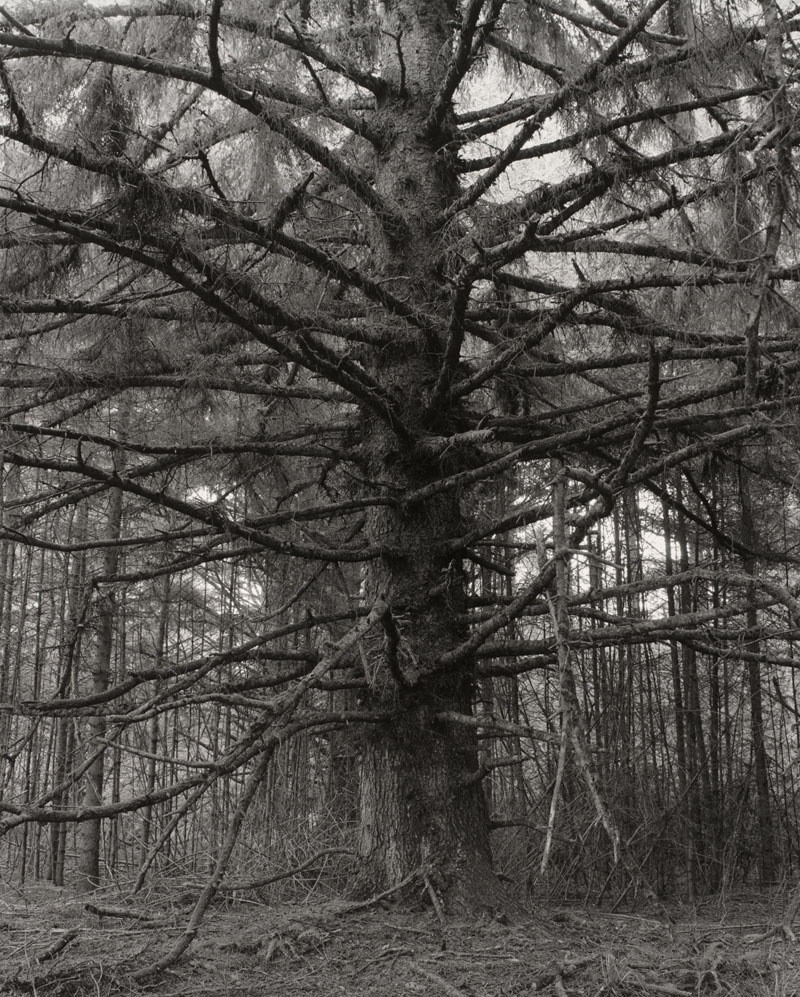
Robert Adams (American, b. 1937) 'Sitka spruce, Cape Blanco State Park, Curry County, Oregon' 1999-2000


Robert Adams (American, b. 1937)
Sitka spruce, Cape Blanco State Park, Curry County, Oregon
1999-2000
Gelatin silver print
Yale University Art Gallery, purchased with a gift from Saundra B. Lane, a grant from the Trellis Fund and the Janet and Simeon Braguin Fund


The Denver Art Museum
Civic Center Cultural Complex
located on 13th Avenue between Broadway and Bannock in downtown Denver

Opening hours:
Daily 10am – 5pm

The Denver Art Museum website

LIKE ART BLART ON FACEBOOK

Back to top

melbourne’s magnificent nine 2011

December 2011


Here’s my pick of the nine best exhibitions in Melbourne (with excursions to Bendigo and Hobart thrown in) that appeared on the Art Blart art and cultural archive in 2011. Enjoy!

Dr Marcus Bunyan


1/ Sidney Nolan: Drought Photographs at Australian Galleries, Melbourne, March 2011

Sidney Nolan (Australian, 1917-1992) 'Untitled (calf carcass in tree)' 1952


Sidney Nolan (Australian, 1917-1992)
Untitled (calf carcass in tree)
1952
archival inkjet print
23.0 cm x 23.0cm


This was a superb exhibition of 61 black and white photographs by Sidney Nolan. The photographs were shot using a medium format camera and are printed in square format from the original 1952 negatives.

The work itself was a joy to behold. The photographs hung together like a symphony, rising and falling, with shape emphasising aspects of form. The images flowed from one to another. The formal composition of the mummified carcasses was exemplary, the resurrected animals (a horse, for example, propped up on a fifth leg) and emaciated corpses like contemporary sculpture. The handling of the tenuous aspects of human existence in this uniquely Australian landscape was also a joy to behold. Through an intimate understanding of how to tension the space between objects within the frame Nolan’s seemingly simple but complex photographs of the landscape are previsualised by the artist in the mind’s eye before he even puts the camera to his face.


2/ Bill Henson at Tolarno Galleries, Melbourne, March – April 2011

This was an exquisite exhibition by one of Australia’s preeminent artists. Like Glenn Gould playing a Bach fugue, Bill Henson is grand master in the performance of narrative, structure, composition, light and atmosphere. The exhibition featured thirteen large colour photographs printed on lustre paper (twelve horizontal and one vertical) – nine figurative of adolescent females, two of crowd scenes in front of Rembrandt paintings in The Hermitage, St. Petersburg (including the stunning photograph that features The return of the prodigal son c. 1662 in the background, see below) and two landscapes taken off the coast of Italy. What a journey this exhibition took you on!

Henson’s photographs have been said by many to be haunting but his images are more haunted than haunting. There is an indescribable element to them (be it the pain of personal suffering, the longing for release, the yearning for lost youth or an understanding of the deprecations of age), a mesmeric quality that is not easily forgotten. The photographs form a kind of afterimage that burns into your consciousness long after the exposure to the original image has ceased. Haunted or haunting they are unforgettable.


Bill Henson (Australian, b. 1955) 'Untitled' 2009/10


Bill Henson (Australian, b. 1955)
Untitled
2009/10
CL SH767 N17B
Archival inkjet pigment print
127 x 180cm
Edition of 5


3/ Networks (cells & silos) at Monash University Museum of Art (MUMA), Caulfield, February – April 2011

This was a vibrant and eclectic exhibition at MUMA, one of the best this year in Melbourne. The curator Geraldine Barlow gathered together some impressive, engaging works that were set off to good effect in the new gallery spaces. I spent a long and happy time wandering around the exhibition and came away visually satiated and intellectually stimulated. The exhibition explored “the connections between artistic representation of networks; patterns and structures found in nature; and the rapidly evolving field of network science, communications and human relations.”


Installation photograph of one of the galleries in the exhibition 'NETWORKS (cells & silos)' at the newly opened Monash University Museum of Art (MUMA)


Installation photograph of one of the galleries in the exhibition NETWORKS (cells & silos) at the newly opened Monash University Museum of Art (MUMA) with Nick Mangan’s Colony (2005) in the foreground


4/ Monika Tichacek, To all my relations at Karen Woodbury Gallery, Richmond, May 2011

This was a stupendous exhibition by Monika Tichacek, at Karen Woodbury Gallery. One of the highlights of the year, this was a definite must see!

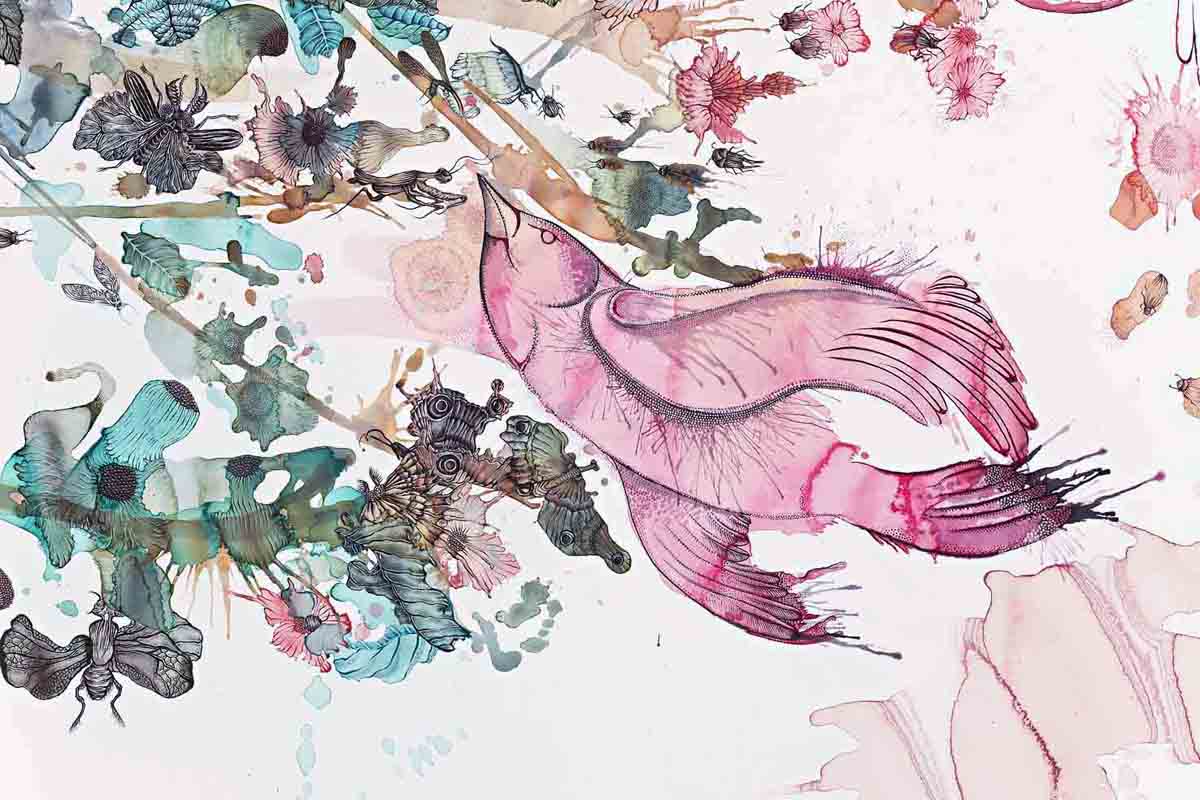
The work was glorious in it’s detail, a sensual and visual delight (make sure you click on the photographs to see the close up of the work!). The riotous, bacchanalian density of the work was balanced by a lyrical intimacy, the work exploring the life cycle and our relationship to the world in gouache, pencil & watercolour. Tichacek’s vibrant pink birds, small bugs, flowers and leaves have absolutely delicious colours. The layered and overlaid compositions show complete control by the artist: mottled, blotted, bark-like wings of butterflies meld into trees in a delicate metamorphosis; insects are blurred becoming one with the structure of flowers in a controlled effusion of life.


Monika Tichacek (Australian born Switzerland, b. 1975) 'To all my relations' 2011 (detail)


Monika Tichacek (Australian born Switzerland, b. 1975)
To all my relations (detail)
2011


5/ American Dreams: 20th century photography from George Eastman House at Bendigo Art Gallery, Victoria, April – July 2011

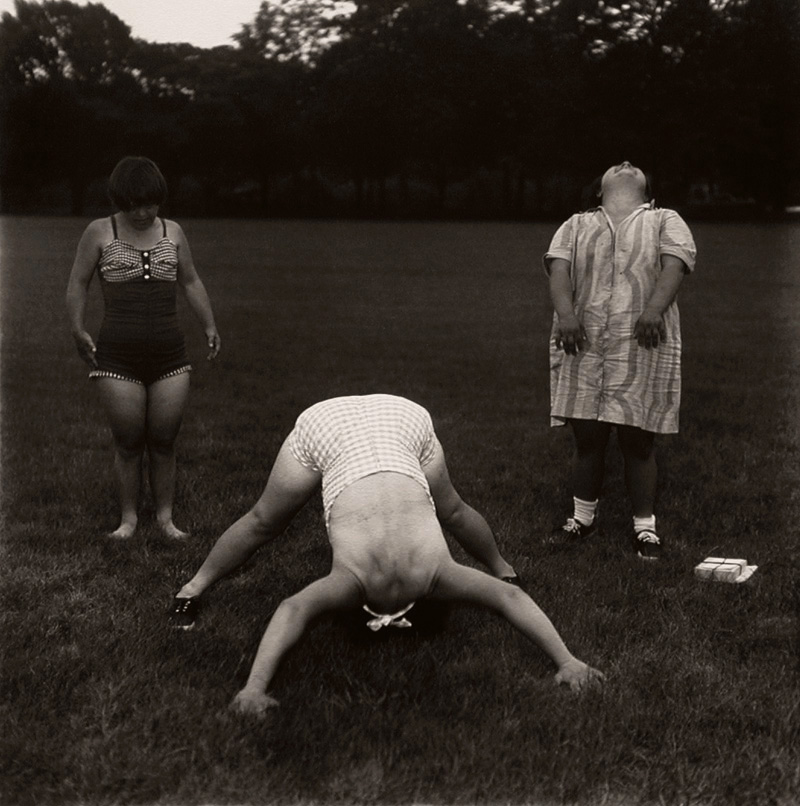
Diane Arbus (American, 1923-1971) 'Untitled (6)' 1971


Diane Arbus (American, 1923-1971)
Untitled (6)
1971
Gelatin silver print


This was a fabulous survey exhibition of the great artists of 20th century American photography, a rare chance in Australia to see such a large selection of vintage prints from some of the masters of photography. If you had a real interest in the history of photography then you hopefully saw this exhibition, showing as it is just a short hour and a half drive (or train ride) from Melbourne at Bendigo Art Gallery.


6/ Time Machine: Sue Ford at Monash Gallery of Art, Wheelers Hill, Victoria, April – June 2011

Sue Ford (Australian, 1943-2009) 'Self-portrait' 1976


Sue Ford (Australian, 1943-2009)
Self-portrait 1976
1976
From the series Self-portrait with camera (1960-2006)
Selenium toned gelatin silver print, printed 2011
24 x 18cm
courtesy Sue Ford Archive


This beautifully hung exhibition flowed like music, interweaving up and down, the photographs framed in thin, black wood frames. It featured examples of Ford’s black and white fashion and street photography; a selection of work from the famous black and white Time series (being bought for their collection by the Art Gallery of New South Wales); a selection of Photographs of Women – modern prints from the Sue Ford archive that are wonderfully composed photographs with deep blacks that portray strong, independent, vulnerable, joyous women (see last four photographs below); and the most interesting work in the exhibition, the posthumous new series Self-portrait with camera (1960-2006) that evidence, through a 47 part investigation using colour prints from Polaroids, silver gelatin prints printed by the artist, prints made from original negatives and prints from scanned images where there was no negative available, a self-portrait of the artist in the process of ageing.

Whether looking down, looking toward or looking inward these fantastic photographs show a strong, independent women with a vital mind, an élan vital, a critical self-organisation and an understanding of the morphogenesis of things that will engage us for years to come. Essential looking.


7/ The Museum of Old and New Art (MONA), Hobart, August 2011

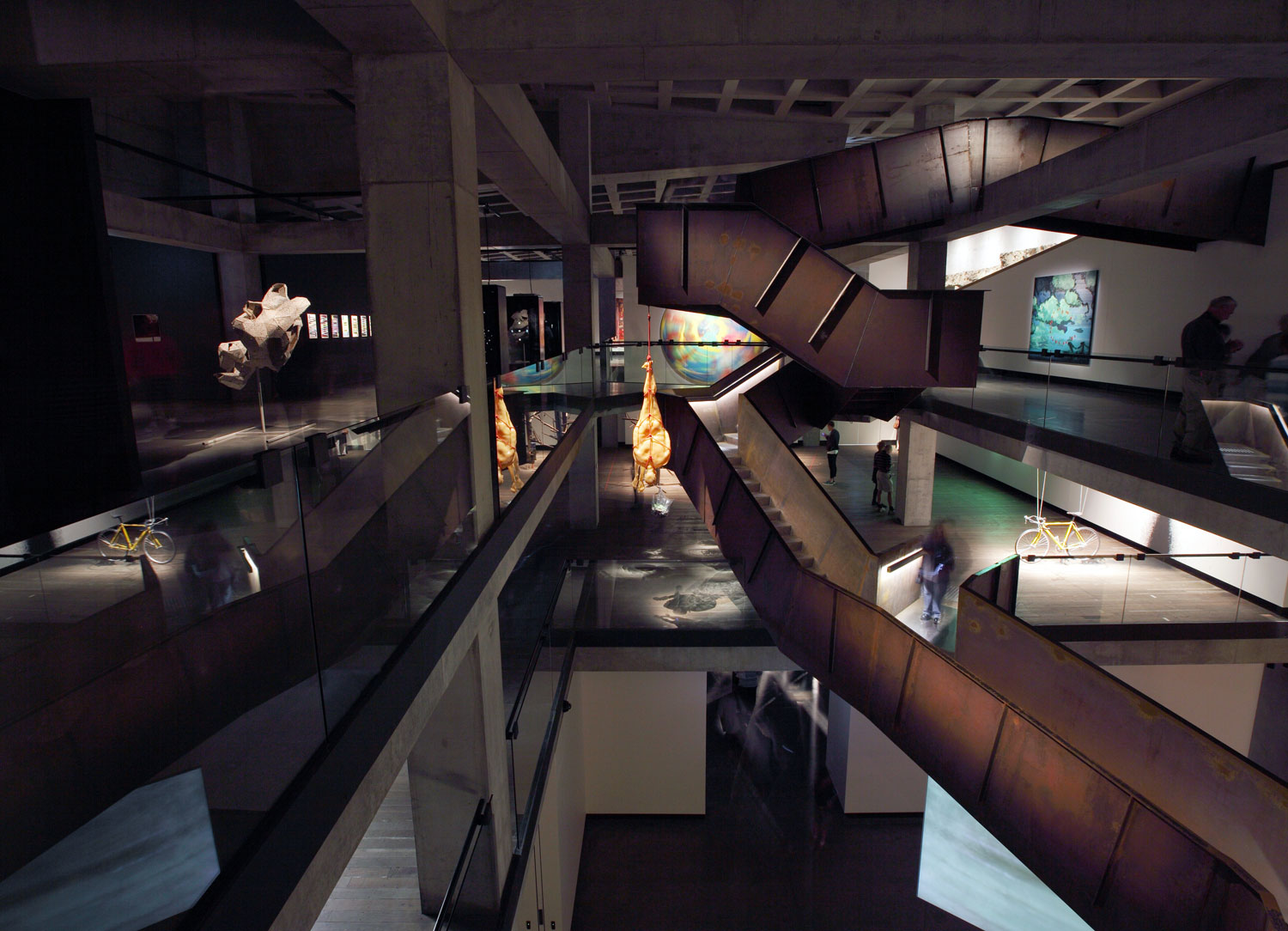
My analogy: you are standing in the half-dark, your chest open, squeezing the beating heart with blood coursing between your fingers while the other hand is up your backside playing with your prostrate gland. I think ringmeister David Walsh would approve. My best friends analogy: a cross between a car park, night club, sex sauna and art gallery.

Weeks later I am still thinking about the wonderful immersive, sensory experience that is MONA. Peter Timms in an insightful article in Meanjin calls it a post-Google Wunderkammer, or wonder chest. It can be seen as a mirabilia – a non-historic installation designed primarily to delight, surprise and in this case shock. The body, sex, death and mortality are hot topics in the cultural arena and Walsh’s collection covers all bases. The collection and its display are variously hedonistic, voyeuristic, narcissistic, fetishistic pieces of theatre subsumed within the body of the spectacular museum architecture …

Spectatorship and their attendant erotics has MONA as a form of fetishistic cinema. It is as if what Barthes calls “the eroticism of place” were a modern equivalent of the eighteenth century genius loci, the “genius of the place.” The place is spectacular, the private collection writ large as public institution, the symbolic power of the institution masked through its edifice. The art become autonomous, cut free from its cultural associations, transnational, globalised, experienced through kinaesthetic means; the viewer meandering through the galleries, the anti-museum, as an international flaneur. Go. Experience!


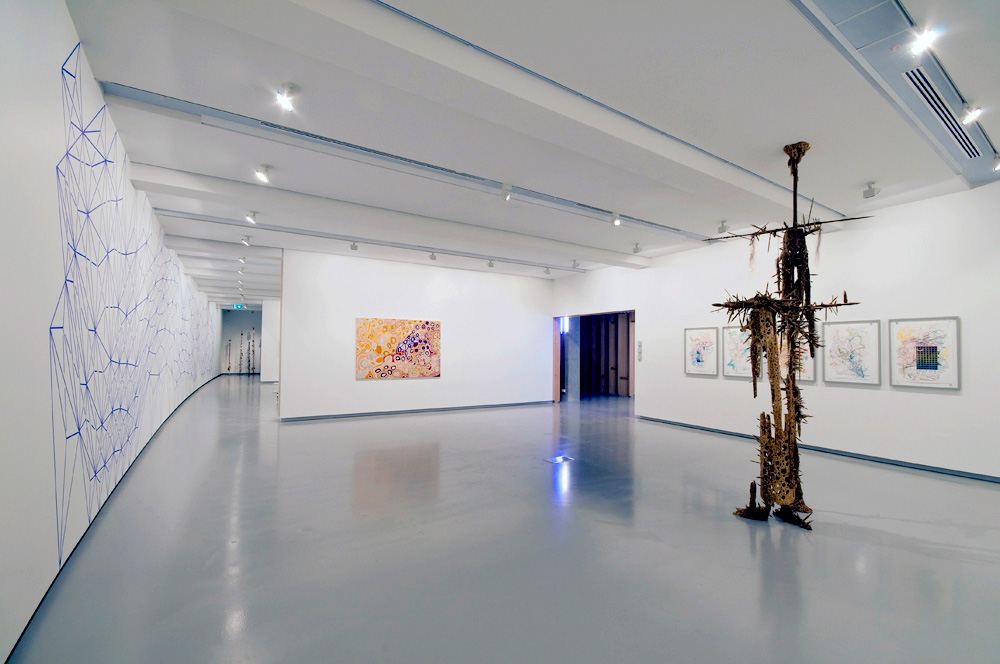
Corten Stairwell & Surrounding Artworks February 2011 Museum of Old and New Art – interior


Corten Stairwell & Surrounding Artworks
February 2011
Museum of Old and New Art – interior
Photo credit: MONA/Leigh Carmichael
Image Courtesy of MONA Museum of Old and New Art


8/ John Bodin: Rite of Passage at Anita Traverso Gallery, Richmond, August – September 2011

John Bodin (Australian) 'I Was Far Away From Home' 2009


John Bodin (Australian)
I Was Far Away From Home
2009
Type C print on metallic paper
80 x 110cm


The photographs become the surface of the body, stitched together with lines, markers pointing the way – they are encounters with the things that we see before us but also the things that we carry inside of us. It is the interchange between these two things, how one modulates and informs the other. It is this engagement that holds our attention: the dappled light, ambiguity, unevenness, the winding path that floats and bobs before our eyes looking back at us, as we observe and are observed by the body of these landscapes.

One of the fundamental qualities of the photographs is that they escape our attempts to rationalise them and make them part of our understanding of the world, to quantify our existence in terms of materiality. I have an intimate feeling with regard to these sites of engagement. They are both once familiar and unfamiliar to us; they possess a sense of nowhereness. A sense of groundlessness and groundedness. A collapsing of near and far, looking down, looking along, a collapsing of the constructed world.

Like the road in these photographs there is no self just an infinite time that has no beginning and no end. The time before my birth, the time after my death. We are just in the world, just being somewhere. Life is just a temporary structure on the road from order to disorder. “The road is life,” writes Jack Kerouac in On the Road.


9/ Juan Davila: The Moral Meaning of Wilderness at the Monash University Museum of Art (MUMA), Caulfield, August – October 2011

Simply put, this was one of the best exhibitions I saw in Melbourne this year.

I had a spiritual experience with this work for the paintings promote in the human a state of grace. The non-material, the unconceptualisable, things which are outside all possibility of time and space are made visible. This happens very rarely but when it does you remember, eternally, the time and space of occurrence. I hope you had the same experience.


Juan Davila (Chilean, b. 1946, emigrated Australia 1974) 'Wilderness' 2010


Juan Davila (Chilean, b. 1946, emigrated Australia 1974)
Wilderness
2010
© Juan Davila, Courtesy Kalli Rolfe Contemporary Art


10/ In camera and in public at the Centre for Contemporary Photography, Melbourne, September – October 2011

Kohei Yoshiyuki (Japanese, b. 1946) 'Untitled' 1971


Kohei Yoshiyuki (Japanese, b. 1946)
Untitled
1971
From the series The Park
Gelatin Silver Print
© Kohei Yoshiyuki, Courtesy Yossi Milo Gallery, New York


Curated by Naomi Cass as part of the Melbourne Festival, this was a brilliant exhibition at the Centre for Contemporary Photography, Melbourne. The exhibition explored, “the fraught relationship between the camera and the subject: where the image is stolen, candid or where the unspoken contract between photographer and subject is broken in some way – sometimes to make art, sometimes to do something malevolent.” It examined the promiscuity of gazes in public / private space specifically looking at surveillance, voyeurism, desire, scopophilia, secret photography and self-reflexivity. It investigated the camera and its moral and physical relationship to the unsuspecting subject.


11/ The Mad Square: Modernity in German Art 1910 – 37 at The National Gallery of Victoria, Melbourne, November 2011 – March 2012

This is one of the best exhibitions this year in Melbourne bar none. Edgy and eclectic the work resonates with the viewer in these days of uncertainty: THIS should have been the Winter Masterpieces exhibition!

The title of the exhibition, The mad square (Der tolle Platz) is taken from Felix Nussbaum’s 1931 painting of the same name where “the ‘mad square’ is both a physical place – the city, represented in so many works in the exhibition, and a reference to the state of turbulence and tension that characterises the period.”The exhibition showcases how artists responded to modern life in Germany in the interwar years, years that were full of murder and mayhem, putsch, revolution, rampant inflation, starvation, the Great Depression and the rise of National Socialism. Portrayed is the dystopian, dark side of modernity (where people are the victims of a morally bankrupt society) as opposed to the utopian avant-garde (the prosperous, the wealthy), where new alliances emerge between art and politics, technology and the mass media. Featuring furniture, decorative arts, painting, sculpture, collage and photography in the sections World War 1 and the Revolution, Dada, Bauhaus, Constructivism and the Machine Aesthetic, Metropolis, New Objectivity and Power and Degenerate Art, it is the collages and photographs that are the strongest elements of the exhibition, particularly the photographs. What a joy they are to see.


Albert Renger-Patzsch (American born Hungary, 1895-1946) 'Harbour with crane' c. 1927


Albert Renger-Patzsch (American born Hungary, 1895-1946)
Harbour with crane
c. 1927
Gelatin silver photograph
Printed image 22.7 h x 16.8 w cm
Purchased 1983
National Gallery of Australia, Canberra


LIKE ART BLART ON FACEBOOK

Back to top

Text: Peter Roebuck

December 2011


What a great piece of writing by Peter Roebuck (below). Such insight into the human condition, so eloquently expounded.

Wise words about life. His wisdom will be greatly missed.

Dr Marcus Bunyan


“We are, indeed, shadows passing across the mouth of a cave.”

“If perspective insists that our daily lives are not important, then it is a fool”


Marcus Bunyan (Australian, b. 1958) 'Woody's room, 226 Punt Road, Prahran' 1993


Marcus Bunyan (Australian, b. 1958)
Woody’s room, 226 Punt Road, Prahran
1993
Silver gelatin print


NOTHING is sadder than the extinguishing of a young life. Besides the loss itself, and the pain that follows, the premature ending of a life serves as a shock, reminds of the fragility and foolishness of our existences. When Princess Di died, her country temporarily became a better place. When David Hookes departed, the sorrow reached beyond his immediate circle and into the masses.

Not that it lasts. Still we complain about traffic wardens and shampoo bottles that will not open, and the weather, and the neighbours and taxes and noise and the rest of it. An then a child dies, or a friend is suddenly removed, or a familiar face vanishes, whereupon regret comes over us for the life unled.

Do not suppose your author is any wiser in these regards than anyone else. Everything works in theory and then a drill starts in a nearby house, or a traffic jam is encountered, or a queue, whereupon reason flies out the window. Rage resumes till someone is lost, a depressed youngster or an acquaintance amid a screeching of brakes, whereupon calm returns, for then the truth must be faced. We are, indeed, shadows passing across the mouth of a cave.

It is absurd that we take ourselves and our lives seriously when it all hangs by a thread. Yet it is likewise foolish to waste gifts, for they carry with them a certain responsibility. Without intensity, much less can be achieved. A man cannot spend his entire life with a gaga grin upon his face. Blood, sweat and tears are part of the human expression, part of our growth, and there is no need to regret their place in our lives. Mozart and Tendulkar have provided myriad delights because they dared to pursue their talents.

Often it is the striving that provided satisfaction and then follows the laughter and the strength. If perspective insists that our daily lives are not important, then it is a fool. Nevertheless, much can be missed along the way and it can take an untimely passing to remind us that we are, in so many ways, behaving like fools.

Edited extract of a piece penned by Peter Roebuck after the death of cricketer David Hookes in January 2004

Author and journalist Peter Roebuck fell to his death from a balcony in South Africa in November 2011


LIKE ART BLART ON FACEBOOK

Back to top

Review: ‘The mad square: Modernity in German Art 1910-37’ at The National Gallery of Victoria, Melbourne

Exhibition dates: 25th November 2011 – 4th March 2012


Irene Bayer (American, 1898-1991) 'No title (Man on stage)' c. 1927


Irene Bayer (American, 1898-1991)
No title (Man on stage)
c. 1927
Gelatin silver photograph
Printed image 10.6 h x 7.6 w cm
Purchased 1983
National Gallery of Australia, Canberra


This is one of the best exhibitions this year in Melbourne bar none. Edgy and eclectic the work resonates with the viewer in these days of uncertainty: THIS should have been the Winter Masterpieces exhibition!

The title of the exhibition, The mad square (Der tolle Platz) is taken from Felix Nussbaum’s 1931 painting of the same name where “the ‘mad square’ is both a physical place – the city, represented in so many works in the exhibition, and a reference to the state of turbulence and tension that characterises the period.” The exhibition showcases how artists responded to modern life in Germany in the interwar years, years that were full of murder and mayhem, putsch, revolution, rampant inflation, starvation, the Great Depression and the rise of National Socialism. Portrayed is the dystopian, dark side of modernity (where people are the victims of a morally bankrupt society) as opposed to the utopian avant-garde (the prosperous, the wealthy), where new alliances emerge between art and politics, technology and the mass media. Featuring furniture, decorative arts, painting, sculpture, collage and photography in the sections World War 1 and the Revolution, Dada, Bauhaus, Constructivism and the Machine Aesthetic, Metropolis, New Objectivity and Power and Degenerate Art, it is the collages and photographs that are the strongest elements of the exhibition, particularly the photographs. What a joy they are to see.

There is a small 2″ x 3″ contact print portrait of Hanna Höch by Richard Kauffmann, Penetrate yourself or: I embrace myself (1922) that is an absolute knockout. Höch is portrayed as the ‘new women’ with short bobbed hair and loose modern dress, her self-image emphasised through a double exposure that fragments her face and multiplies her hands, set against a contextless background. The ‘new women’ fragmented and broken apart (still unsure of herself?). The photograph is so small and intense it takes your breath away. Similarly, there is the small, intimate photograph No title (Man on Stage) (c. 1927) by Irene Bayer (see above) that captures performance as ‘total art’, a combination of visual arts, dance, music, architecture and costume design. In contrast is a large 16 x 20″ photograph of the Bauhaus balconies (1926) by László Moholy-Nagy (see below) where the whites are so creamy, the perspective so magnificent.

No title (Metalltanz) (c. 1928-1929) by T. Lux Feinenger, a photographer that I do not know well, is an exceptional photograph and print. Again small, this time dark and intense, the image features man as dancer performing gymnastics in front of reflective, metal sculptures. The metal becomes an active participant in the Metalltanz or ‘Dance in metal’ because of its reflective qualities. The print, from the J. Paul Getty Museum in Los Angeles is luminous. In fact all the prints from the Getty in this exhibition are of the most outstanding quality, a highlight of the exhibition for me. Another print from the Getty that features metal and performance is Untitled (Spiral Costume, from the Triadic Ballet) by T Grill c. 1926-1927 (see below) where the spiral costume becomes an extension of the body, highlighting its form. Also highlighting form, objectivity and detachment is a wonderful 3 x 5″ photograph of the New Bauhaus Building, Dessau (1926) by Lucia Moholy from the Getty collection, the first I have ever seen in the flesh by this artist. Outstanding.

Following, we have 4 photograms by Lucia’s husband, László Moholy-Nagy which display formalist experimentation “inspired by machine aesthetic, exploring a utopian belief that Constructivism and abstract art could play a role in the process of social reform.” Complimenting these photograms is a row of six, yes six! Moholy-Nagy including Dolls (Puppen) 1926-1927 (Getty), The law of the series 1925 (Getty), Lucia at the breakfast table 1926 (Getty), Spring, Berlin 1928 (George Eastman House), Berlin Radio Tower 1928 (Art Institute of Chicago) and Light space modulator 1930 (Getty). All six photographs explore the fascinating relationship between avant-garde art and photography, between they eye and perspective, all the while declaiming what Moholy-Nagy called the “new vision”; angles, shadows and geometric patterns that defy traditional perspective “removing the space from associations with the real world creating a surreal, disjointed image.” This topographic mapping flattens perspective in the case of the Berlin radio tower allowing the viewer to see the world in a new way.

Finally two groups of photographs that are simply magnificent.

First 8 photographs in a row that focus on the order and progressive nature of the modern world, the inherent beauty of technology captured in formalist studies of geometric forms. The prints range from soft pictorialist renditions to sharp clarity. The quality of the prints is amazing. Artists include the wonderful E. O. Hoppé, Albert Renger-Patzsch (an outstandingly beautiful photograph, Harbour with cranes 1927 that is my favourite photograph in the exhibition, see below), Two Towers 1937-1938 by Werner Mantz and some early Wolfgang Sievers before he left Germany for Australia in 1938 (Blast furnace in the Ruhr, Germany 1933, see below). These early Sievers are particularly interesting, especially when we think of his later works produced in Australia. Lucky were many artists who survived in Germany or fled from Nazi persecution at the last moment, including John Heartfield who relocated to Czechoslovakia in 1933 and then fled to London in 1938 and August Sander whose life and work were severely curtailed under the Nazi regime and whose son died in prison in 1944 near the end of his ten year sentence (Wikipedia).

August Sander. Now there is a name to conjure with. The second magnificent group are 7 photographs that are taken from Sander’s seminal work People of the 20th Century. All the photographs have soft, muted tones of greys with no strong highlights and, usually, contextless backgrounds. The emphasis is on archetypes, views of people who exist on the margins of society – circus performers, bohemians, artists, the unemployed and blind people. In all the photographs there is a certain frontality (not necessarily physical) to the portraits, a self consciousness in the sitter, a wariness of the camera and of life. This self consciousness can be seen in the two photographs that are the strongest in the group – Secretary at West German radio in Cologne, 1931 and Match seller 1927 (see below).

There is magic here. Her face wears a somewhat quizzical air – questioning, unsure, vulnerable – despite the trappings of affluence and fashionability (the smoking of the cigarette, the bobbed hair). He is wary of the camera, his face and hands isolated by Sander while the rest of his body falls into shadow. His right hand is curled under, almost deformed, his shadow falling on the stone at right, the only true brightness in this beautiful image the four boxes of matches he clutches in his left hand: as Sander titles him ironically, The Businessman.

Working as I do these days with lots of found images from the 1940s-1960s that I digitally restore to life, I wonder what happened to these people during the dark days of World War 2. Did they survive the cataclysm, the drop into the abyss? I want to know, I want to reach out to these people to send them good energy. I hope that they did but their wariness in front of the camera, so intimately ‘taken’ by Sander, makes me feel the portent of things to come. How differently we see images armed with the hindsight of history!

In conclusion, this is a fantastic exhibition that will undoubtedly be in my top ten of the year for Melbourne in 2011.

Dr Marcus Bunyan


Many thankx to Michael Thorneycroft for his help and The National Gallery of Victoria for allowing me to publish the accredited photographs in the posting. Please click on the photographs for a larger version of the image.


Felix Nussbaum (German, 1904 - after September 1944) 'The mad square' (Der tolle Platz) 1931


Felix Nussbaum (German, 1904 – after September 1944)
The mad square (Der tolle Platz)
1931
Oil on canvas
97 x 195.5cm
Berlinische Galerie
Public domain
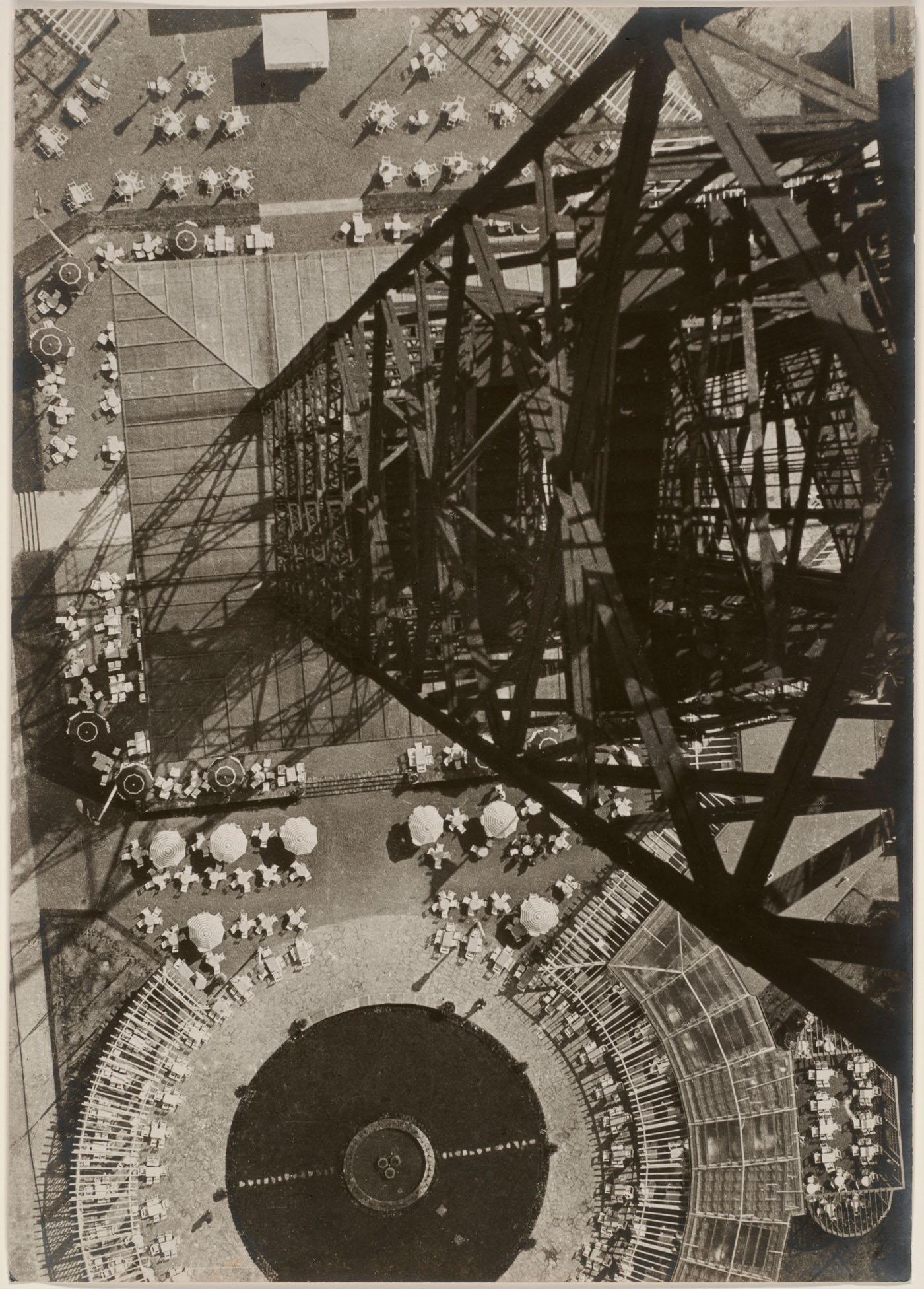
 

László Moholy-Nagy (American born Hungary, 1895-1946) 'Photograph (Berlin Radio Tower)' 1928/1929


László Moholy-Nagy (American born Hungary, 1895-1946)
Berlin Radio Tower
1928
Gelatin silver print
36 × 25.5cm
Julien Levy Collection, Special Photography Acquisition Fund
© 2018 Artists Rights Society (ARS), New York / VG Bild-Kunst, Bonn


Over the winter and spring of 1927-1928, Bauhaus professor László Moholy-Nagy took a series of perhaps nine views looking down from the Berlin Radio Tower, one of the most exciting new constructions in the German capital. Moholy had already photographed the Eiffel Tower in Paris from below, looking up through the tower’s soaring girders. In Berlin, however, Moholy turned his camera around and pointed it straight down at the ground. This plunging perspective showed off the spectacular narrowness of the Radio Tower, finished in 1926, which rose vertiginously to a height of 450 feet from a base seven times smaller than that of its Parisian predecessor (which opened in 1889). Moholy attached exceptional importance to this, his boldest image: he hung it just above his name in a room devoted to his work at the Berlin showing of Film und Foto, a mammoth traveling exhibition that he had helped to prepare. Moholy also chose this view and one other to offer Julien Levy, the pioneering art dealer, when Levy visited him in Berlin in 1930. The following year the pictures went on view at the Levy Gallery in New York, in Moholy’s first solo exhibition of photographs.

Text from the Art Institute of Chicago website
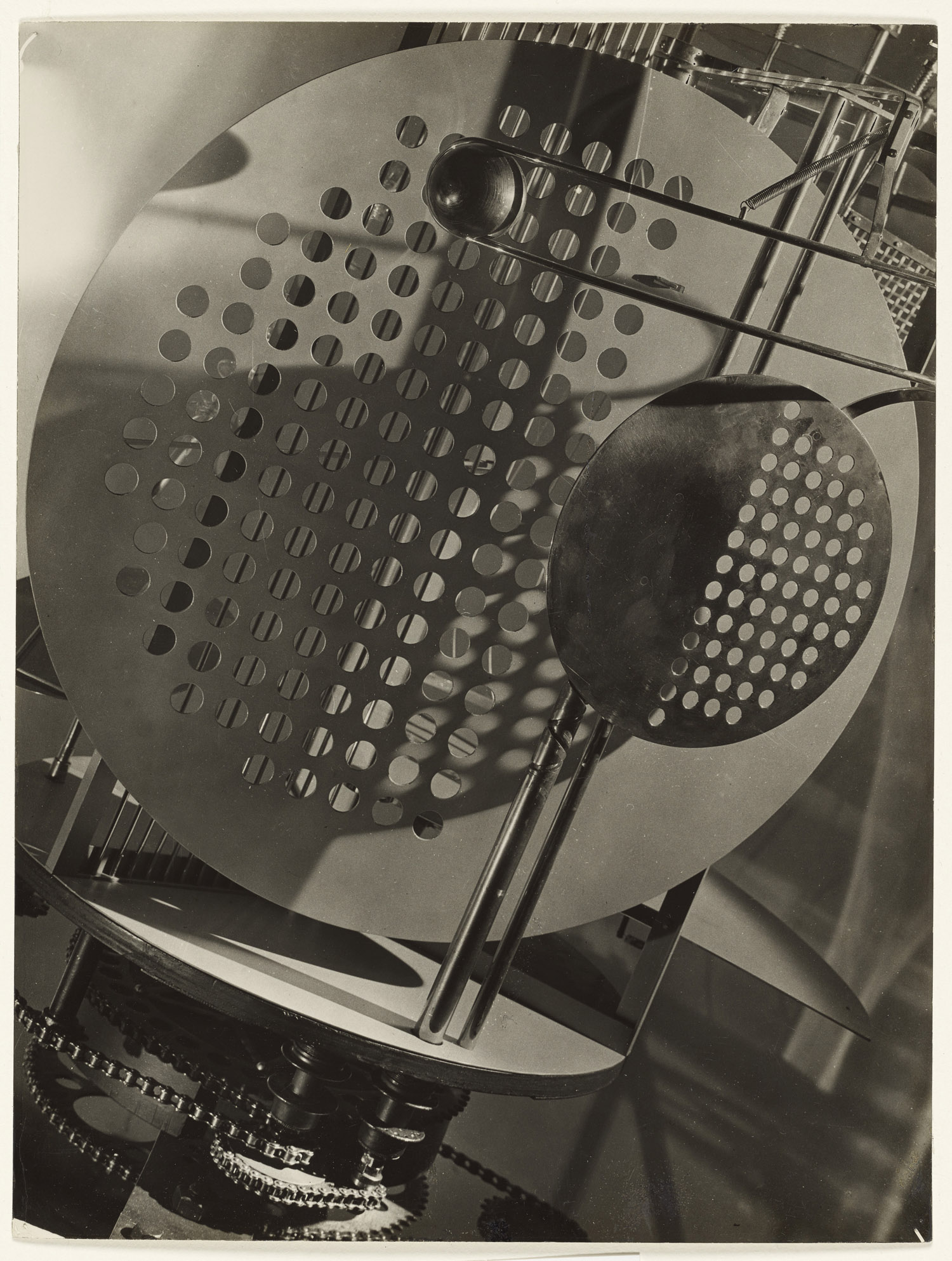
 

László Moholy-Nagy (American born Hungary, 1895-1946) 'Photograph (Light Prop)' 1930


László Moholy-Nagy (American born Hungary, 1895-1946)
Das Lichtrequisit (The light prop)
1930
Gelatin silver print
24 × 18.1cm (9 7/16 × 7 1/8 in.)
J. Paul Getty Museum, Los Angeles
© 2014 Estate of László Moholy-Nagy / Artists Rights Society (ARS), New York


The Light-Space Modulator is the most spectacular and complete realisation of László Moholy-Nagy’s artistic philosophy. Machine parts and mechanical structures began to appear in his paintings after his emigration from Hungary, and they are also seen in the illustrations he selected for the 1922 Buch neuer Künstler (Book of new artists), which includes pictures of motorcars and bridges as well as painting and sculpture. Many contemporary artists incorporated references to machines and technology in their work, and some, like the Russian Constructivist Vladimir Tatlin, even designed plans for fantastic structures, such as the ambitious Monument to the Third International, a proposed architectural spiral of glass and steel with moving tiers and audiovisual broadcasts. (See Tatlin’s Tower.)

In the Light-Space Modulator, Moholy-Nagy was able to create an actual working mechanism. Although he censured capitalism’s inhumane use of technology, he believed it could be harnessed to benefit mankind and that the artist had an important role in accomplishing this. Moholy had made preliminary sketches for kinetic sculptures as early as 1922 and referred to the idea for a light machine in his writings, but it was not until production was financed by an electric company in Berlin in 1930 that this device was built, with the assistance of an engineer and a metalsmith. It was featured at the Werkbund exhibition in Paris the same year, along with the short film Light Display Black-White-Gray, made by Moholy-Nagy to demonstrate and celebrate his new machine.

The Light-Space Modulator is a Moholy-Nagy painting come to life: mobile perforated disks, a rotating glass spiral, and a sliding ball create the effect of photograms in motion. With its gleaming glass and metal surfaces, this piece (now in the collection of the Busch-Reisinger Museum at Harvard University) is not only a machine for creating light displays but also a sculptural object of beauty, photographed admiringly by its creator.

Katherine Ware, László Moholy-Nagy, In Focus: Photographs from the J. Paul Getty Museum (Los Angeles: J. Paul Getty Museum, 1995), 80 © 1995 The J. Paul Getty Museum
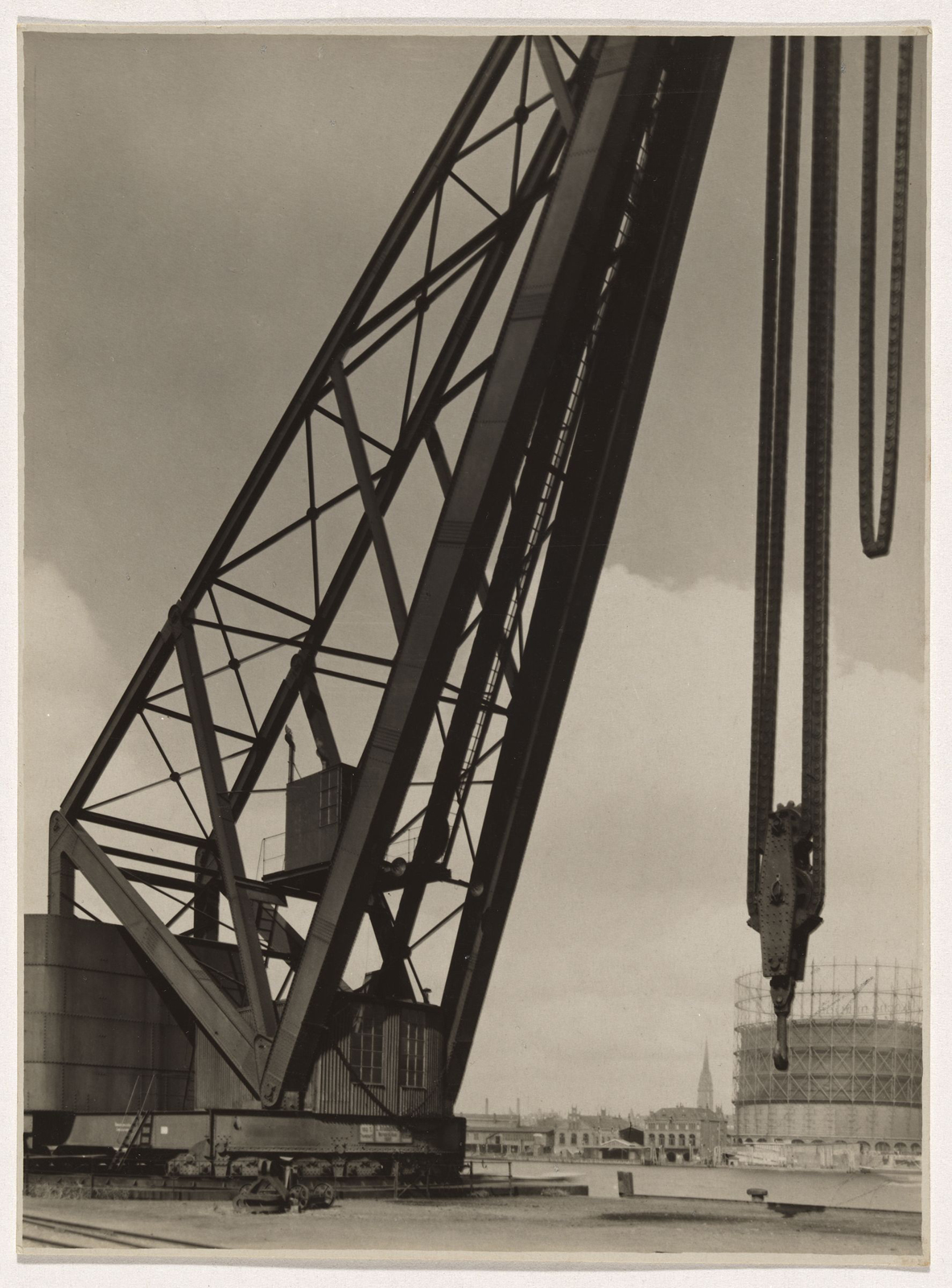
 

Albert Renger-Patzsch (American born Hungary, 1895-1946) 'Harbour with crane' c. 1927


Albert Renger-Patzsch (American born Hungary, 1895-1946)
Harbour with crane
c. 1927
Gelatin silver photograph
Printed image 22.7 h x 16.8 w cm
Purchased 1983
National Gallery of Australia, Canberra


Wolfgang Sievers (Germany 1913 - Australia 2007) 'Blast furnace in the Ruhr, Germany' 1933


Wolfgang Sievers (Germany 1913 – Australia 2007)
Blast furnace in the Ruhr, Germany
1933
Gelatin silver photograph
27.5 h x 23 w cm
Purchased 1988
National Gallery of Australia, Canberra


The Ruhr region was at the centre of the German acceleration of industry in pre-war Germany, with rapid economic growth creating a heavy demand for coal and steel. In keeping with Modernist trends in photography, Sievers shot this blast furnace – the mechanism that transforms ore into metal – from an unusual, dynamic angle. It dominates the frame, appearing menacing and strange. Despite being imprisoned and beaten by the Gestapo, Sievers studied and taught at a progressive private art school until graduation in 1938. In that year he escaped Germany after being called up for military service, ending up in Australia.

Text © National Gallery of Australia, Canberra
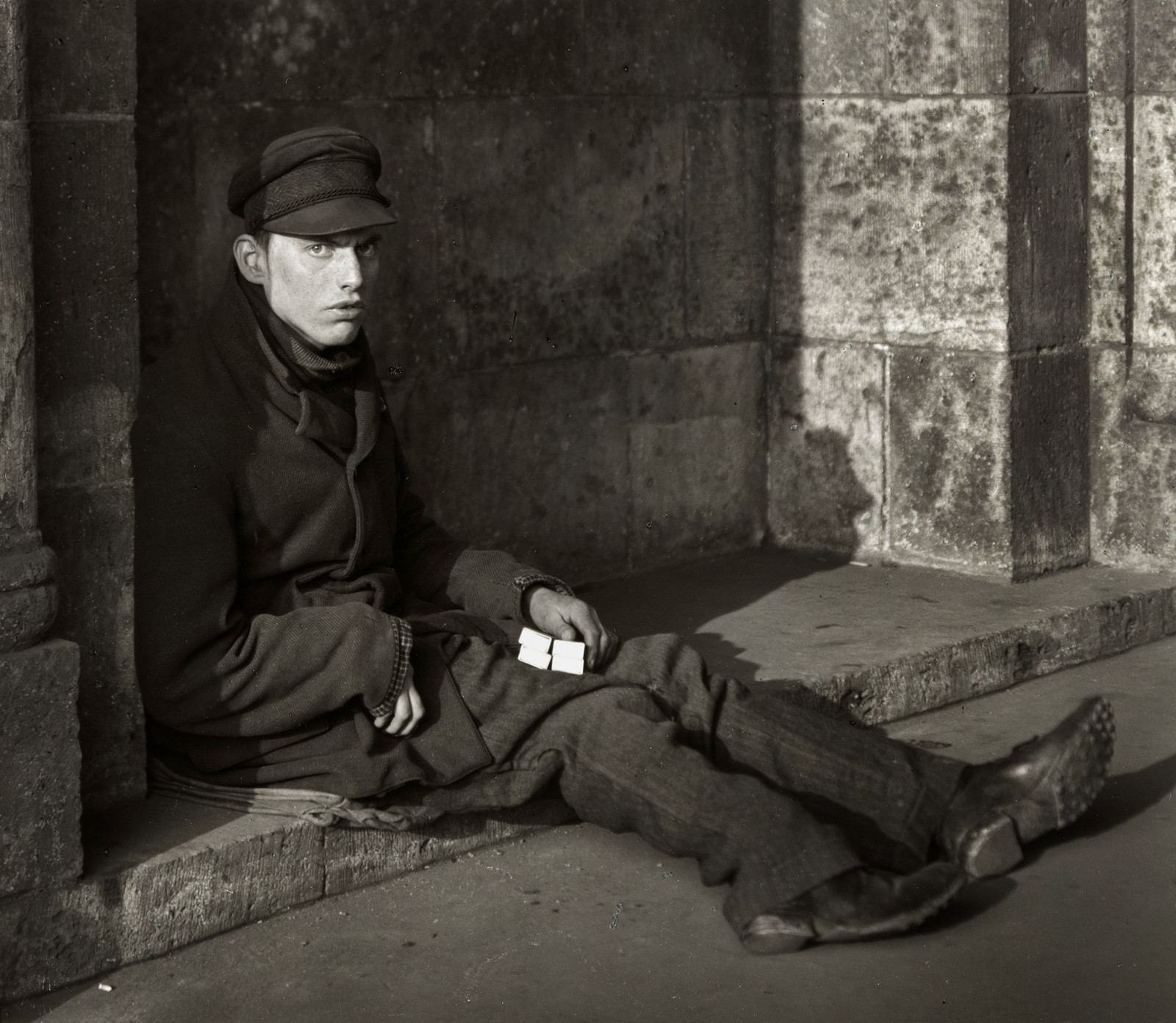
 

August Sander (German, 1876-1964) 'Match seller' 1927


August Sander (German, 1876-1964)
Match seller
1927
From the portfolio People of the 20th century, IV Classes and Professions, 17 The Businessman


Robert Wiene, Director (German 1873-1938) Still from the 'Cabinet of Dr Caligari' 1919


Robert Wiene, Director (German 1873-1938)
Still from from the Cabinet of Dr Caligari
1919
5 min excerpt, 35mm transferred to DVD, Black and White, silent, German subtitles
Courtesy Transit Film GmbH
Production still courtesy of the British Film Institute and Transit Film GmbH


Felix H Man (German, 1893-1985) 'Luna Park' 1929


Felix H Man (German, 1893-1985)
Luna Park
1929
Gelatin silver photograph
18.1 x 24cm
National Gallery of Australia, Canberra
Purchased, 1987
© Felix H Man Estate


Hannah Höch (German, 1889-1978) 'Love' 1931


Hannah Höch (German, 1889-1978)
Love
1931
From the series Love
Photomontage
21.8 x 21cm
National Gallery of Australia, Canberra
Purchased, 1983


Hannah Höch made some of the most interesting Dada collages and photomontages, including Love, an image of two strange composite female. Höch’s technique of pasting images together from magazine clippings and advertisements was a response to the modern era of mass media, and a way of criticising the bourgeois taste for ‘high art’. In many of her works, Höch explores the identity and changing roles of women in modern society.


The Mad Square takes its name from Felix Nussbaum’s 1931 painting which depicts Berlin’s famous Pariser Platz as a mad and fantastic place. The ‘mad square’ is both a physical place – the city, represented in so many works in the exhibition, and a reference to the state of turbulence and tension that characterises the period. The ‘square’ can also be a modernist construct that saw artists moving away from figurative representations towards increasingly abstract forms.

The exhibition features works by Max Beckman, Otto Dix, George Grosz, Christian Schad, Kurt Schwitters and August Sander. This group represents Germany’s leading generation of interwar artists. Major works by lesser known artists including Karl Hubbuch, Rudolf Schlichter and Hannah Höch are also presented in the exhibition in addition to works by international artists who contributed to German modernism.

The Mad Square brings together a diverse and extensive range of art, created during one of the most important and turbulent periods in European history, offering new insights into the understanding of key German avant‐garde movements including – Expressionism, Dada, Bauhaus, Constructivism, and New Objectivity were linked by radical experimentation and innovation, made possible by an unprecedented freedom of expression.

World War 1 and the Revolution

The outbreak of war in 1914 was met with enthusiasm by many German artists and intellectuals who volunteered for service optimistically hoping that it would bring cultural renewal and rapid victory for Germany. The works in this section are by the generation of artists who experienced war first hand. Depictions of fear, anxiety and violence show the devastating effects of war – the disturbing subjects provide insight into tough economic conditions and social dysfunction experienced by many during the tumultuous early years of the Weimar Republic following the abdication of the Kaiser

Dada

The philosophical and political despair experienced by poets and artists during World War 1 fuelled the Dada movement, a protest against the bourgeois conception of art. Violent, infantile and chaotic, Dada took its name from the French word for a child’s hobbyhorse or possibly from the sound of a baby’s babble. Its activities included poetry readings and avant‐garde performances, as well as creating new forms of abstract art that subverted all existing conditions in western art. Though short‐lived, in Germany the Dada movement has profoundly influenced subsequent developments in avant-garde art and culture. The impact of the Dada movement was felt throughout Europe – and most powerfully in Germany from 1917-21.

Bauhaus

The Bauhaus (1919‐1933) is widely considered as the most important school of art and design of the 20th century, very quickly establishing a reputation as the leading and most progressive centre of the international avant‐garde. German architect Walter Gropius founded the school to do away with traditional distinctions between the fine arts and craft, and to forge an entirely new kind of creative designer skilled in both the conceptual aesthetics of art and the technical skills of handicrafts. The Bauhaus was considered to be both politically and artistically radical from its inception and was closed down by the National Socialists in 1933

Constructivism and the Machine Aesthetic

Having emerged in Russia after World War I, Constructivism developed in Germany as a set of ideas and practices that experimented with abstract or non-representational forms and in opposition to Expressionism and Dada. Constructivists developed works and theories that fused art and with technology. They shared a utopian belief in social reform, and saw abstract art as playing a central role in this process.

Metropolis

By the 1920s Berlin has become the cultural and entertainment capital of the world and mass culture played an important role in distracting a society traumatised by World War 1, the sophisticated metropolis provided a rich source of imagery for artists, it also come to represent unprecedented sexual and personal freedom. In photography modernity was emphasised by unusual views of the metropolis or through the representation of city types. The diverse group of works in this section portray the uninhibited sense of freedom and innovation experienced by artists throughout Germany during the 1920s

New Objectivity

By the mid 1920s, a new style emerged that came to be known as Neue Sachlichkeit or New Objectivity. After experiencing the atrocities of World War 1 and the harsh conditions of life in postwar Germany, many artists felt the need to return to the traditional modes of representation with portraiture becoming a major vehicle of this expression, with its emphasis on the realistic representation of the human figure

Power and Degenerate Art

After the seizure of power by the National Socialists in 1933 modern artists were forbidden from working and exhibiting in Germany, with their works confiscated from leading museums and then destroyed or sold on the international art market. Many avant‐garde artists were either forced to leave Germany or retreat into a state of ‘inner immigration’.

The Degenerate art exhibition, held in Munich in 1937, represented the culmination of the National Socialists’ assault on modernism. Hundreds of works were selected for the show which aimed to illustrate the mental deficiency and moral decay that had supposedly infiltrated modern German art. The haphazard and derogatory design of the exhibition sought to ridicule and further discredit modern art. Over two million people visited the exhibition while in contrast far fewer attended the Great German art exhibition which sought to promote what the Nazis considered as ‘healthy’ art.


Karl Grill (German active Donaueschingen, Germany 1920s) 'Untitled [Spiral Costume, from the Triadic Ballet]' c. 1926-1927


Karl Grill (German active Donaueschingen, Germany 1920s)
Untitled (Spiral Costume, from the Triadic Ballet)
c. 1926-1927
Gelatin silver print
22.5 x 16.2cm
J. Paul Getty Museum, Los Angeles


In 1922, Oskar Schlemmer premiered his “Triadic Ballet” in Germany. He named the piece “Triadic” because it was literally composed of multiples of three: three acts, colours, dancers, and shapes. Concentrating on its form and movement, Schlemmer explored the body’s spatial relationship to its architectural surroundings. Although an abstract design, the spiral costume derived from the tutus of classical ballet.

Text from the J. Paul Getty Museum website


August Sander (German, 1876-1964) 'Secretary at West German radio in Cologne' 1931, printed by August Sander in the 1950s


August Sander (German, 1876-1964)
Secretary at West German radio in Cologne
1931, printed by August Sander in the 1950s
From the portfolio People of the 20th century, III The woman, 17 The woman in intellectual and practical occupation
Gelatin silver photograph
29 x 22cm
Die Photographische Sammlung /SK Stiftung Kultur, August Sander Archiv, Cologne (DGPH1016)
© Die Photographische Sammlung /SK  Stiftung Kultur – August Sander Archiv, Cologne. Licensed by Viscopy, Sydney


Timeline

1910

~ Berlin’s population doubles to two million people

1911

~ Expressionists move from Dresden to Berlin

1912

~ Social Democratic Party (SPD) the largest party in the Reichstag

1913

~ Expressionists attain great success with their city scenes

1914

~ World War I begins
~ George Grosz, Oskar Schlemmer, Otto Dix, Ludwig Hirschfeld Mack, Ernst Ludwig Kirchner, Max Beckmann and Franz Marc enlist in the army

1915

~ Grosz declared unfit for service, Beckmann suffers a breakdown and Schlemmer wounded

1916

~ Marc dies in combat
~ Dada begins at Cabaret Voltaire in Zurich

1917

~ Lenin and Trotsky form the Soviet Republic after the Tzar is overthrown

1918

~ Richard Huelsenbeck writes a Dada manifesto in Berlin
~ Kurt Schwitters creates Merz assemblages in Hanover
~ Revolutionary uprisings in Berlin and Munich
~ Kaiser Wilhelm II abdicates and flees to Holland
~ Social Democratic Party proclaims the Weimar Republic
~ World War I ends

1919

~ Freikorps assassinates the Spartacist leaders, Karl Leibknecht and Rosa Luxemburg
~ Bauhaus established in Weimer by Walter Gropius
~ Cologne Dada group formed
~ Treaty of Versailles signed

1920

~ Berlin is the world’s third largest city after New York and London
~ Inflation begins in Germany
~ National Socialist German Workers Party (NSDAP) founded
~ Kapp Putsch fails after right‐wing forces try to gain control over government
~ First International Dada fair opens in Berlin

1921

~ Hitler made chairman of the NSDAP

1922

~ Schlemmer’s Triadic ballet premiers in Stuttgart
~ Hyperinflation continues

1923

~ Hitler sentenced to five years imprisonment for leading the Beer Hall Putsch
~ Inflation decreases and a period of financial stability begins

1924

~ Hitler writes Mein Kampf while in prison
~ Reduction of reparations under the Dawes Plan

1925

~ New Objectivity exhibition opens at the Mannheim Kunsthalle
~ The Bauhaus relocates to Dessau

1926

~ Germany joins the League of Nations

1927

~ Fritz Lang’s film Metropolis released
~ Unemployment crisis worsens
~ Nazis hold their first Nuremburg party rally

1928

~ Bertolt Brecht and Kurt Weill’s The threepenny opera premieres in Berlin
~ Hannes Meyer becomes the second director of the Bauhaus

1929

~ Street confrontations between the Nazis and communists in Berlin
~ Young Plan accepted, drastically reducing reparations
~ Stock market crashes on Wall Street, New York
~ Thomas Mann awarded the Nobel Prize for literature

1930

~ Resignation of Chancellor Hermann Müller’s cabinet ending parliamentary rule
~ Minority government formed by Heinrich Brüning, leader of the Centre Party
~ Nazis win 18% of the vote and gain 95 seats in the National elections
~ Ludwig Miles van der Rohe becomes the third director of the Bauhaus
~ John Heartfield creates photomontages for the Arbeiter‐Illustrierte Zeitung (AIZ)

1931

~ Unemployment reaches five million and a state of emergency is declared in Germany

1932

~ Nazis increase their representation in the Reichstag to 230 seats but are unable to form a majority coalition
~ Miles van der Rohe moves the Bauhaus to Berlin
~ Grosz relocates to New York as an exile

1933

~ Hindenberg names Hitler as Chancellor
~ Hitler creates a dictatorship under the Nazi regime
~ The first Degenerate art exhibition denouncing modern art is held in Dresden
~ Miles van der Rohe announces the closure of the Bauhaus
~ Nazis organise book burnings in Berlin
~ Many artists including Gropius, Kandinski and Klee flee Germany
~ Beckmann, Dix and Schlemmer lose their teaching positions

1934

~ Fifteen concentration camps exist in Germany

1935

~ The swastika becomes the flag of the Reich

1936

~ Spanish civil war begins
~ Germany violates the Treaty of Versailles
~ Olympic Games held in Garmisch‐Partenkirchen and Berlin
~ Thomas Mann deprived of his citizenship and emigrates to the United States

1937

~ German bombing raids over Guernica in Spain in support of Franco
~ The Nazi’s Degenerate art exhibition opens in Munich and attracts two million visitors
~ Beckmann, Kirchner and Schwitters leave Germany
~ Purging of ‘degenerate art’ from German museums continues 1


1/ Timeline credit: Chronology compiled by Jacqueline Strecker and Victoria Tokarowski from the following sources:

~ Catherine Heroy ‘Chronology’ in Sabine Rewald, Glitter and Doom: German portraits from the 1920s, Metropolitan Museum of Art, New York, exh cat, 2006, pp. 39‐46
~ Anton Kaes, Martin Jay and Edward Dimendberg, eds, ‘Political chronology’, The Weimar Republic sourcebook, Berkely 1994, pp. 765‐71
~ Jonathan Petropoulos and Dagmar Lott‐Reschke ‘Chronology’ in Stephanie Barron, ‘Degenerate Art’: the fate of the avant‐garde in Nazi Germany, Los Angeles County Museum of Art, exh cat, 1991, pp. 391‐401
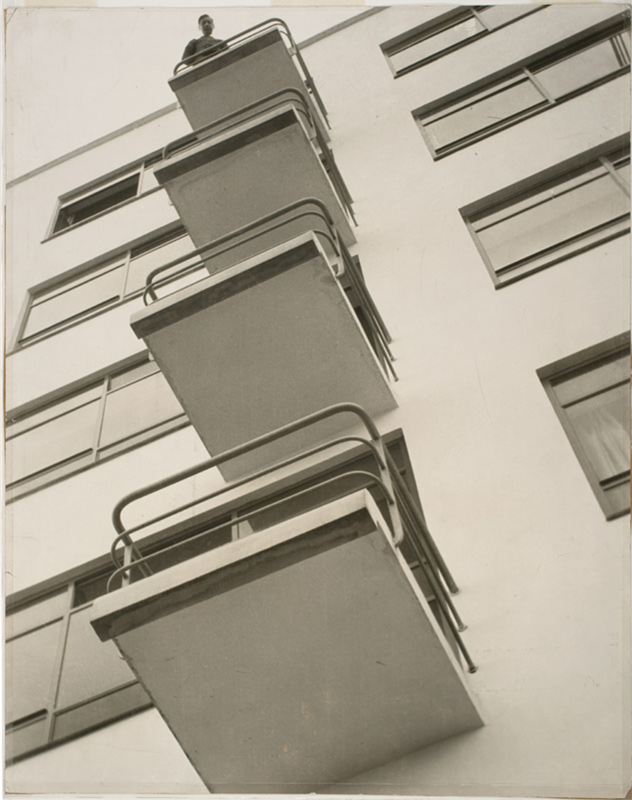
 

László Moholy-Nagy (American born Hungary, 1895-1946) ‘Bauhaus Balconies’ 1926


László Moholy-Nagy (American born Hungary, 1895-1946)
Bauhaus Balconies
1926
Silver gelatin photograph


John Heartfield (German, 1891-1968) 'Adolf, the superman: swallows gold and spouts rubbish' from the 'Workers Illustrated Paper', vol 11, no 29, 17 July 1932, p. 675


John Heartfield (German, 1891-1968)
Adolf, the superman: swallows gold and spouts rubbish
1932
From the Workers Illustrated Paper, vol 11, no 29, 17 July 1932, p. 675
Photolithograph
38 x 27cm
John Heartfield Archiv, Akademie der Künste zu Berlin
Photo: Akademie der Künste, Berlin, Kunstsammlung, Heartfield 2261/ Roman März
© The Heartfield Community of Heirs /VG Bild-Kunst, Bonn. Licensed by Viscopy, Sydney


John Heartfield’s photomontages expose hidden agendas in German politics and economics of the 1920s and 30s. This image was published six months before the National Socialist Party came to power, and shows Hitler with a spine made of coins and his stomach filled with gold. The caption says that he ‘swallows gold’, alluding to generous funding by right-wing industrialists, and ‘spouts rubbish’.
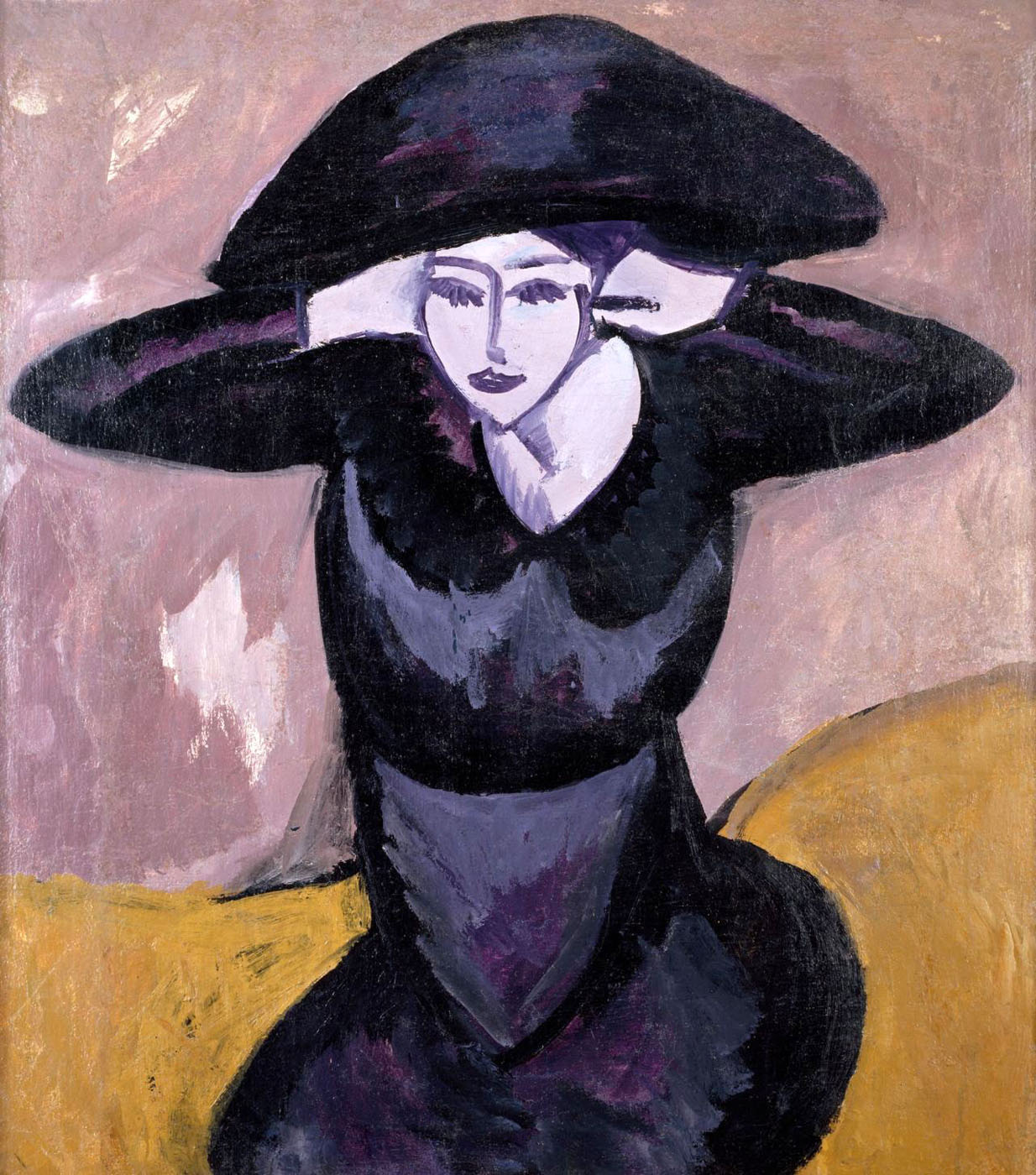
 

Ernst Ludwig Kirchner (German, 1880-1938) 'Woman in hat' 1911


Ernst Ludwig Kirchner (German, 1880-1938)
Woman in hat
1911
Oil on canvas
Art gallery of Western Australia, Perth
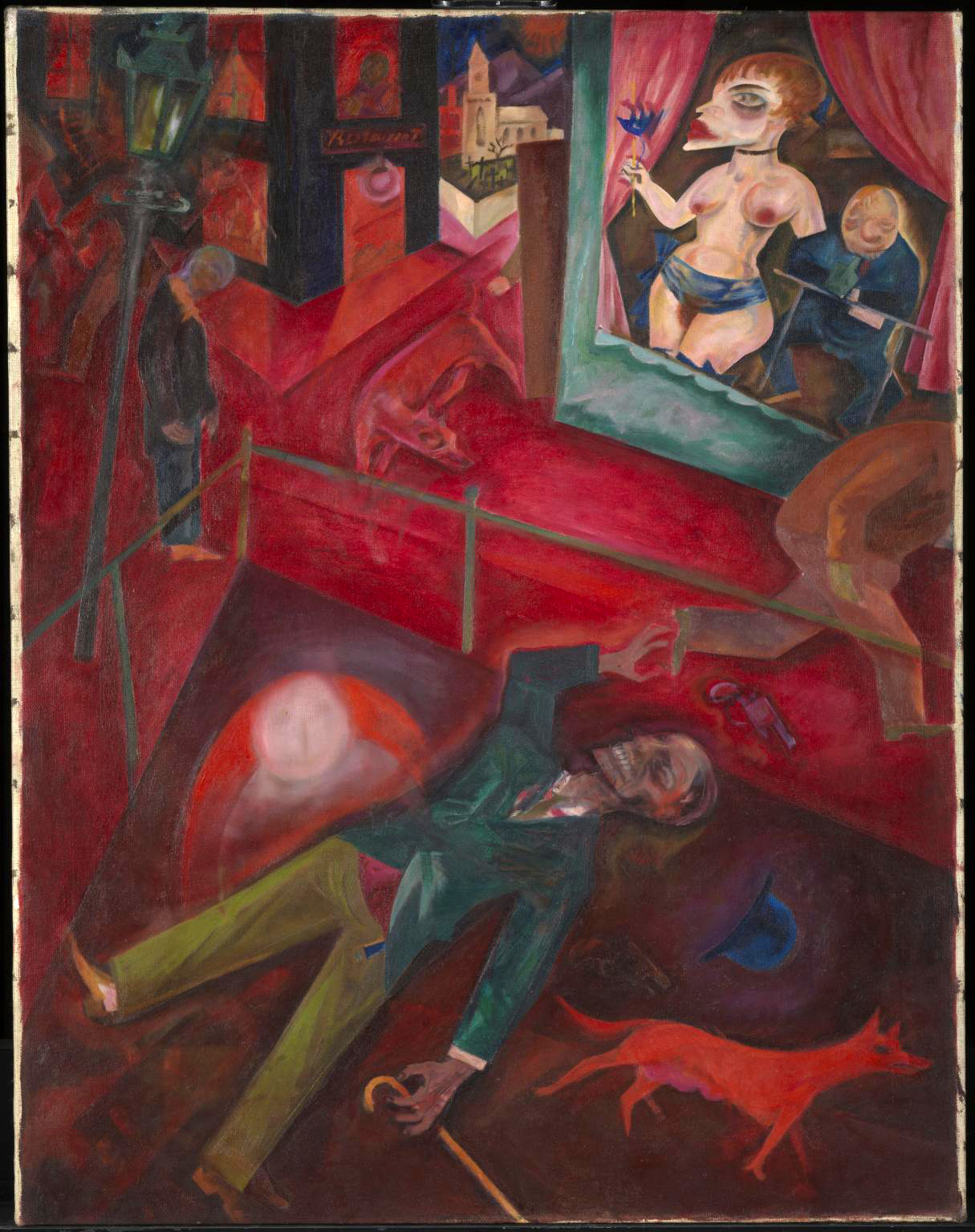
 

George Grosz (German, 1893-1959) 'Suicide' (Selbstmörder) 1916


George Grosz (German, 1893-1959)
Suicide (Selbstmörder)
1916
Oil on canvas
100 × 77.5cm
Tate Modern
Public domain
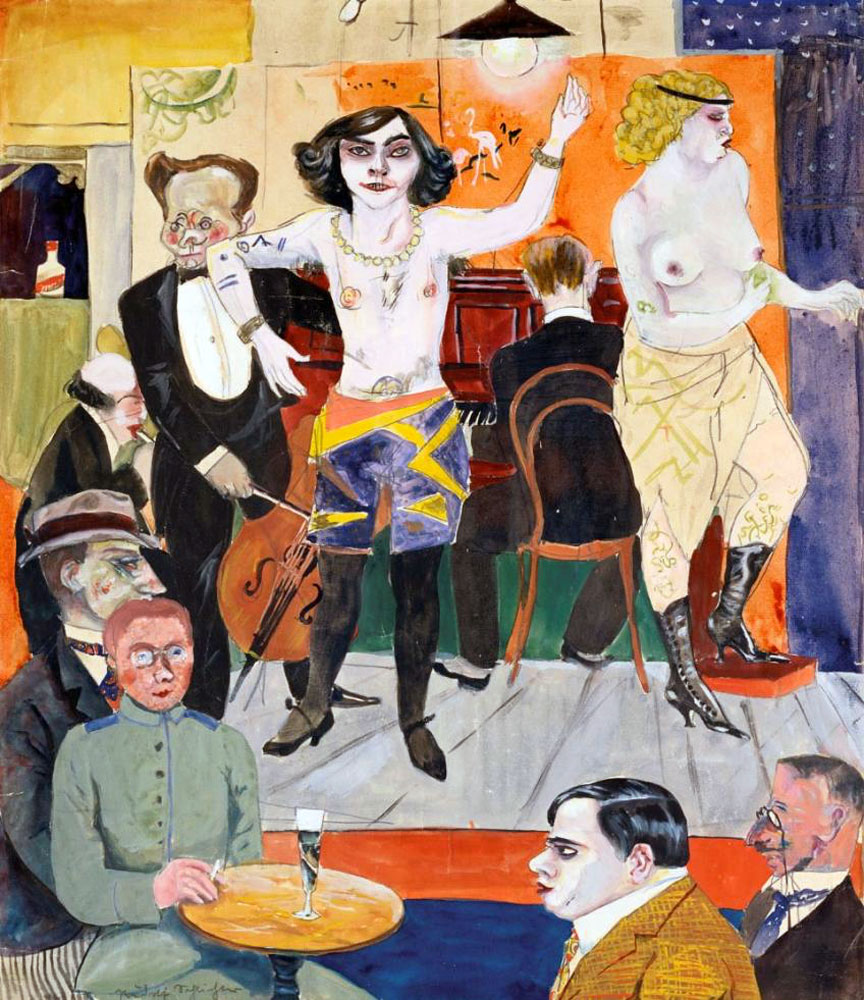
 

Rudolf Schlichter (German, 1890-1955) 'Tingle tangel' 1919-1920


Rudolf Schlichter (German, 1890-1955)
Tingle tangel
1919-1920
Oil on canvas
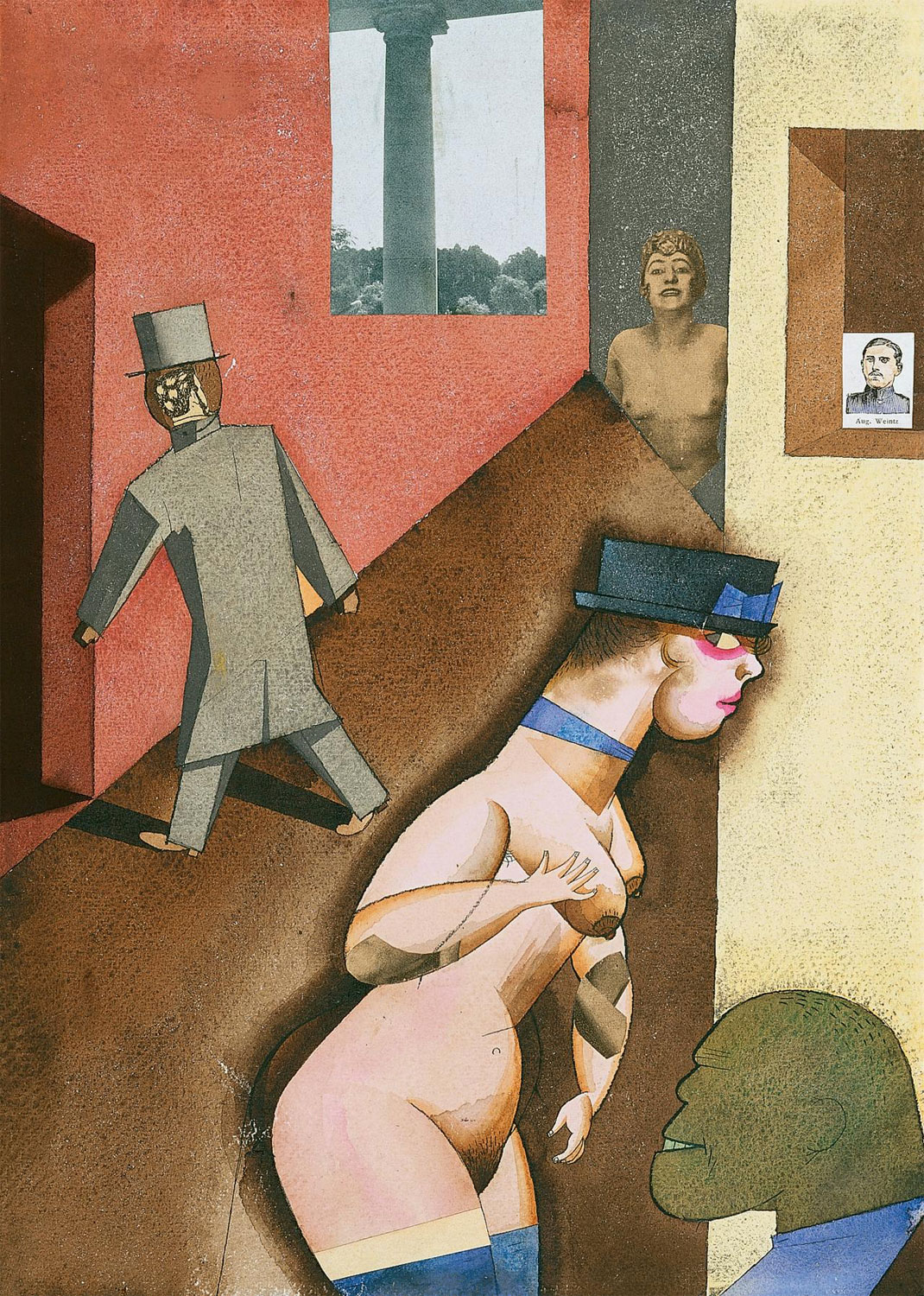
 

George Grosz (German, 1890-1945) 'Tatlinesque Diagram' 1920


George Grosz (German, 1890-1945)
Tatlinesque Diagram
1920
Watercolour, collage and ink on paper
41 x 29.2cm
Museo Nacional Thyssen-Bornemisza, Madrid


Otto Dix (German, 1891-1969) 'Dr Paul Ferdinand Schmidt' 1921


Otto Dix (German, 1891-1969)
Dr Paul Ferdinand Schmidt
1921
Oil on canvas
63 x 82cm
Staatsgalerie, Stuttgart, Germany


El Lissitzky (Russian, 1890-1941) 'New Man (Neuer)' 1923


El Lissitzky (Russian, 1890-1941)
New Man (Neuer)
1923
Color lithograph on wove paper
12 × 12 1/2 in. (30.5 × 31.8cm)
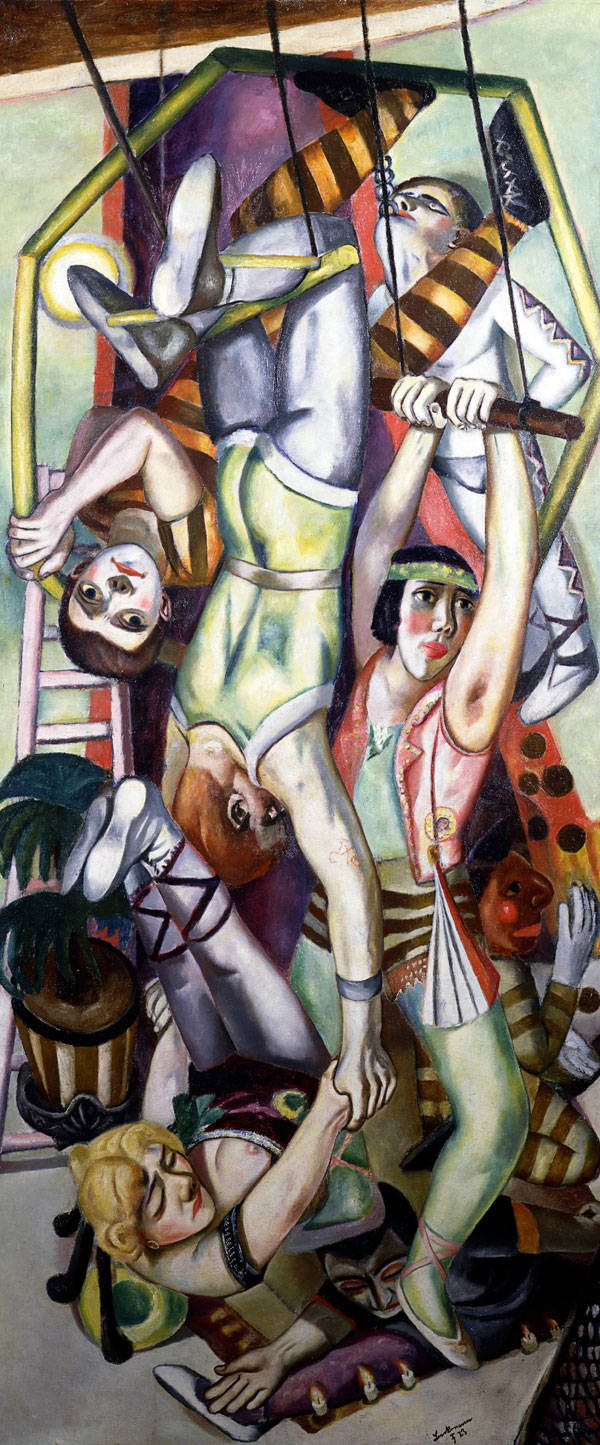
 

Max Beckmann (German, 1884-1950) 'The trapeze' 1923


Max Beckmann (German, 1884-1950)
The trapeze
1923
Oil on canvas
196.5 x 84cm
Toledo Museum of Art
Purchased with funds from the Libbey Endowment, Gift of Edward Drummond Libbey
Photo: Photography Incorporated, Toledo
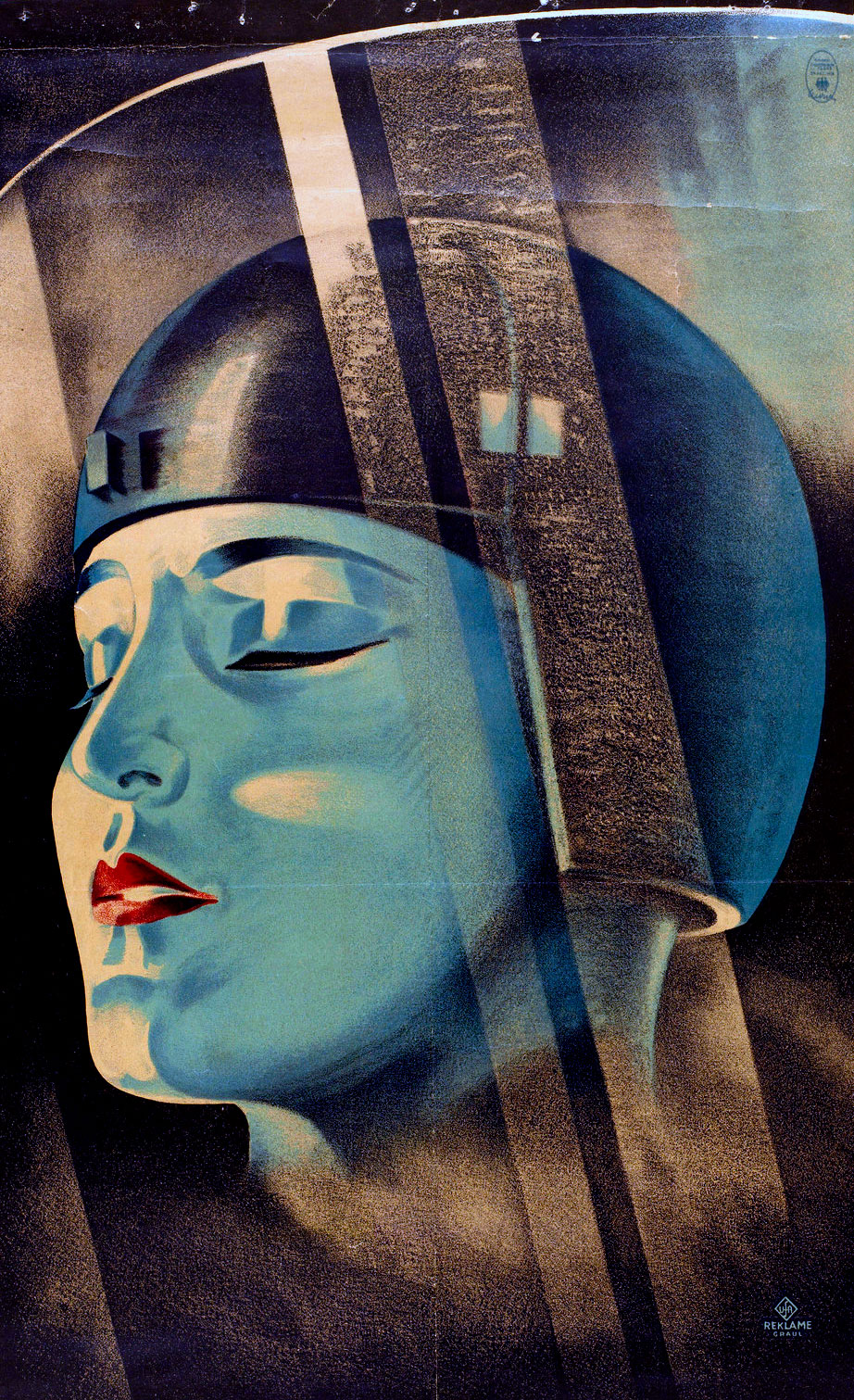
 

Werner Graul (German, 1905-1984) 'Metropolis'
1926


Werner Graul (German, 1905-1984)
UFA (Universum-Film-Aktiengesellschaft) (publisher)
Metropolis
1926
Lithographic poster
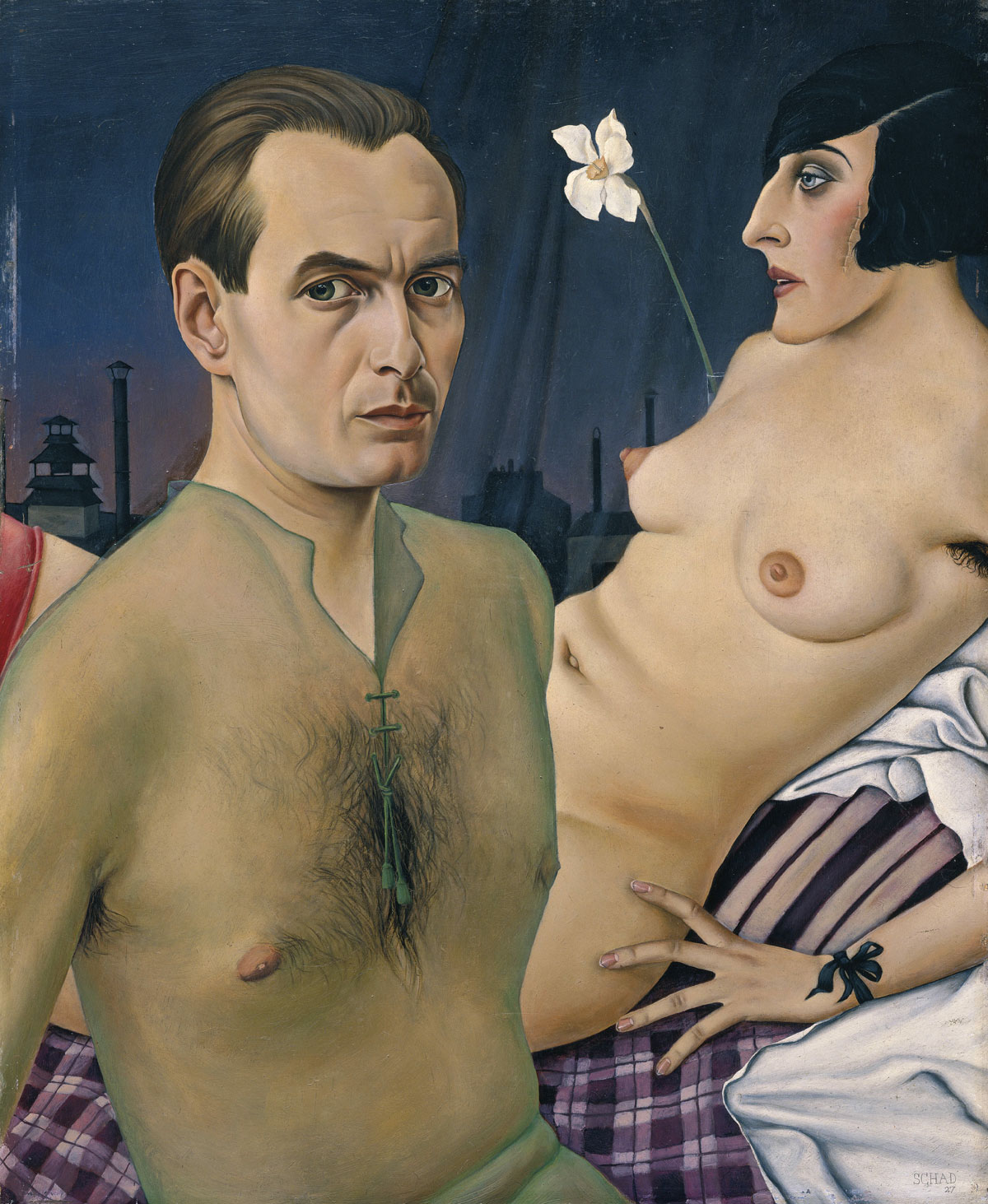
 

Christian Schad (German, 1894-1982) 'Self-Portrait' (Selbstbildnis mit Modell), 1927


Christian Schad (German, 1894-1982)
Self-Portrait with Model (Selbstbildnis mit Modell)
1927
Oil on wood
29 15/16 x 24 3/16 in. (76 x 61.5cm)
Private collection, courtesy of Tate
© 2015 Christian Schad Stiftung Aschaffenburg/Artists Rights Society (ARS), New York/VG Bild-Kunst, Bonn
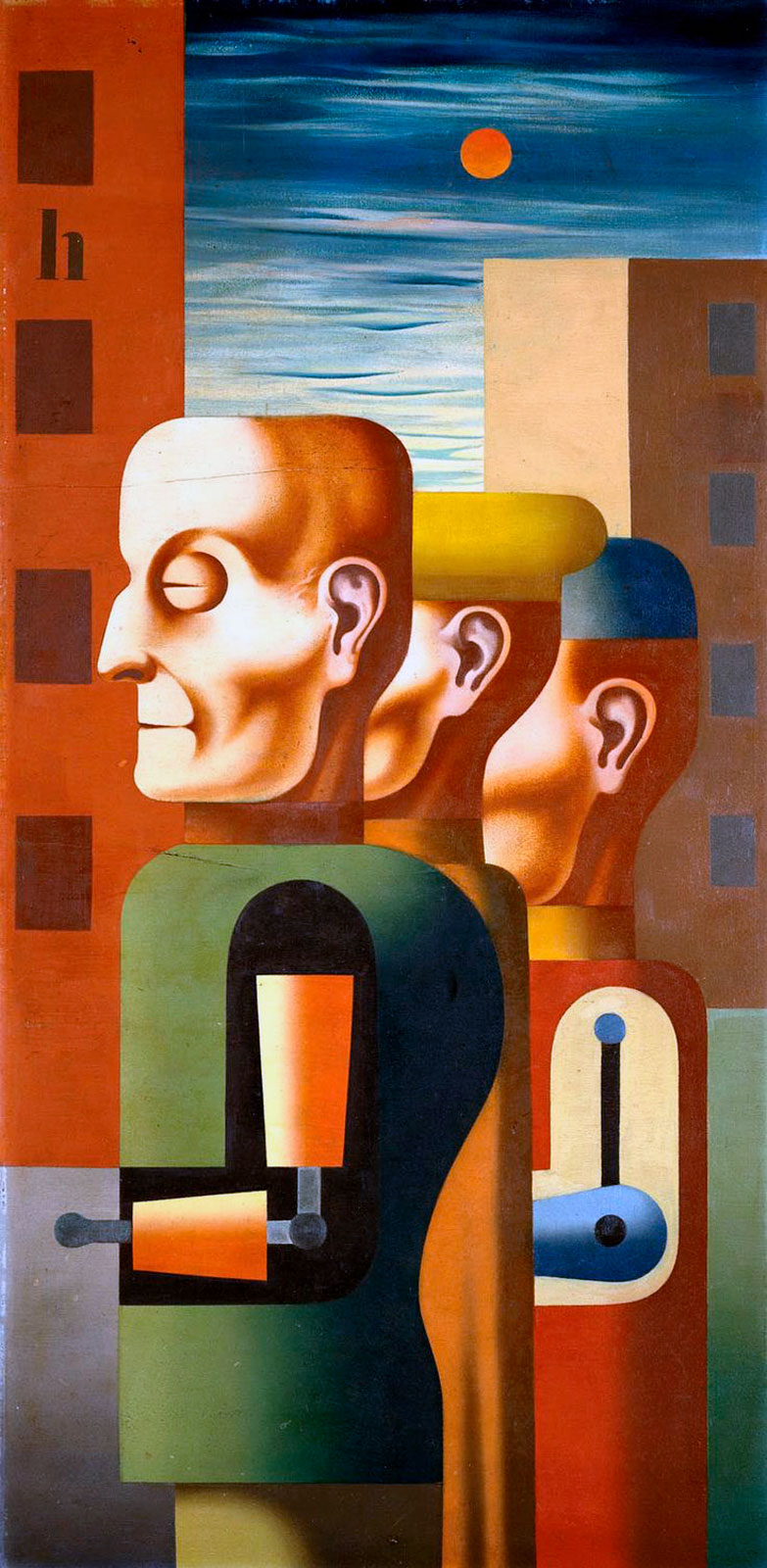
 

Heinrich Hoerle (German, 1895-1936) 'Three invalids' c. 1930


Heinrich Hoerle (German, 1895-1936)
Three invalids
c. 1930
Oil on canvas


NGV International
180 St Kilda Road

Opening hours:
Daily 10am – 5pm

National Gallery of Victoria website

LIKE ART BLART ON FACEBOOK

Back to top

Photographs: ‘Infinitesimal Residual Vibration of An Unknown Sound’ by Kaho Yu

December 2011


Kaho Yu. 'Untitled' from the series 'Infinitesimal Residual Vibration of An Unknown Sound' 2009 - 2011


Kaho Yu (Hong Kong)
Untitled
from the series Infinitesimal Residual Vibration of An Unknown Sound
2009-2011


I like these photographs. There is a stillness to them that is intoxicating. The wonderful quotation by Charles Babbage (the air as a form of perpetual palimpsest) coupled with Yu’s insight that he sought to capture – through long time exposure – those infinitesimal residual movements of voice and sound trapped in the diffused movements of all the particles in the atmosphere, compliment the work. These are intelligent, emotive, quiet photographs.

Dr Marcus Bunyan


Many thankx to Kaho Yu for allowing me to publish the photographs and text in the posting. Please click on the photographs for a larger version of the image. All photographs © Kaho Yu and courtesy of the artist.


Kaho Yu. 'Untitled' from the series 'Infinitesimal Residual Vibration of An Unknown Sound' 2009 - 2011


Kaho Yu (Hong Kong)
Untitled
From the series Infinitesimal Residual Vibration of An Unknown Sound
2009-2011


Kaho Yu. 'Untitled' from the series 'Infinitesimal Residual Vibration of An Unknown Sound' 2009 - 2011


Kaho Yu (Hong Kong)
Untitled
From the series Infinitesimal Residual Vibration of An Unknown Sound
2009-2011


Kaho Yu. 'Untitled' from the series 'Infinitesimal Residual Vibration of An Unknown Sound' 2009 - 2011


Kaho Yu (Hong Kong)
Untitled
Fom the series Infinitesimal Residual Vibration of An Unknown Sound
2009-2011


“The air is one vast library, on whose pages are for ever written all that man has ever said or woman whispered. There, in their mutable but unerring characters, mixed with the earliest, as well as the latest sighs of mortality, stand for ever recorded, vows unredeemed, promises unfulfilled, perpetuating in the unified movements of each particle, the testimony of man’s changeful will.”


Charles Babbage, 1837


The photographs in this series were taken during a period when I was feeling existentially bored. Instead of distracting myself with activities and accumulating new sensations, I decided to “look” at boredom, to study, and perhaps to understand it. The most natural strategy was to observe the immediate environments where my daily activities take place – train stations, cubicles, copy machines room, etc. I carried a medium format camera on a tripod and spent the odd hours wandering alone through those familiar spaces.

My “study” did not lead me to any revelation or answer. Instead, I found myself spending a lot of time waiting in a long silence, between the opening and the closing of the camera shutter.

Charles Babbage, a scientist in 1837, postulated that every voice and sound, once imparted on the air particles, does not dissipate but remains in the diffused movements of all the particles in the atmosphere. Thus, there might one day come a person equipped with the right mathematical knowledge of these motions who will be able to capture the infinitesimal vibrations and to trace back to their ultimate source.

Taking a long exposure, letting the light slowly accumulate an image on the celluloid surface, to me, is not unlike a sound seeker searching in the air particles, for the tiny residual movements that have been conveyed through the history of mankind, from the beginning of time.

Kaho Yu artist statement


Kaho Yu. 'Untitled' from the series 'Infinitesimal Residual Vibration of An Unknown Sound' 2009 - 2011


Kaho Yu (Hong Kong)
Untitled
From the series Infinitesimal Residual Vibration of An Unknown Sound
2009-2011


Kaho Yu. 'Untitled' from the series 'Infinitesimal Residual Vibration of An Unknown Sound' 2009 - 2011


Kaho Yu (Hong Kong)
Untitled
From the series Infinitesimal Residual Vibration of An Unknown Sound
2009-2011


Kaho Yu. 'Untitled' from the series 'Infinitesimal Residual Vibration of An Unknown Sound' 2009 - 2011


Kaho Yu (Hong Kong)
Untitled
From the series Infinitesimal Residual Vibration of An Unknown Sound
2009-2011


Kaho Yu. 'Untitled' from the series 'Infinitesimal Residual Vibration of An Unknown Sound' 2009 - 2011


Kaho Yu (Hong Kong)
Untitled
From the series Infinitesimal Residual Vibration of An Unknown Sound
2009 – 2011


Kaho Yu website

LIKE ART BLART ON FACEBOOK

Back to top
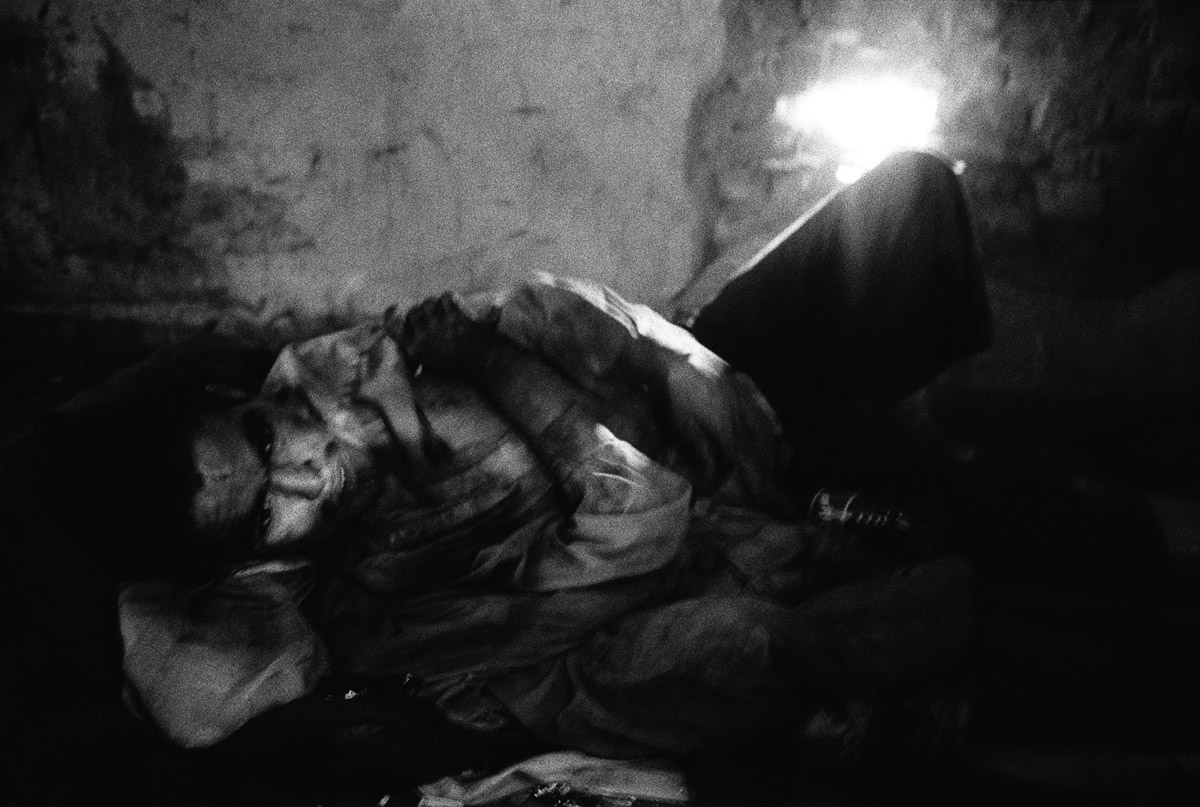
Exhibition: ‘In Focus: The Sky’ at the J. Paul Getty Museum, Getty Center, Los Angeles

Exhibition dates: 26th July – 4th December 2011


Col. Henry Stuart Wortley (British, 1832-1890) 'The Day is Done, and the Darkness Falls from the Wings of Night.' about 1862


Col. Henry Stuart Wortley (British, 1832-1890)
The Day is Done, and the Darkness Falls from the Wings of Night.,
about 1862
Albumen silver print
29.5 x 35.2cm (11 5/8 x 13 7/8 in.)
The J. Paul Getty Museum, Los Angeles


Many thankx to Melissa Abraham for her help and to the J. Paul Getty Museum for allowing me to publish the photographs in the posting. Please click on the photographs for a larger version of the image.


With its immensity, immateriality, and variability, the sky has been an enduring subject in art history, fascinating and challenging generations of artists. As soon as the medium of photography was introduced in 1839, photographers attempted to represent the sky and its natural phenomena.

Atmospheric light and its constant mutability have always been hard to capture, but by the 1850s the greater light sensitivity of collodion negatives (compared to the daguerreotype and calotype processes) allowed the spectacles of the sky to be more easily transposed to photography.

With further technical improvements such as the development of instantaneous processes in the 1880s and the advent of Kodachrome colour film around 1935, photographers have continued to explore this theme in diverse and imaginative ways.

Text from the J. Paul Getty Museum website


Gustave Le Gray (French, 1820-1884) 'Cloudy Sky – Mediterranean Sea' 1857


Gustave Le Gray (French, 1820-1884)
Cloudy Sky – Mediterranean Sea
1857
Albumen silver print
12 1/4 x 16 7/16 in.
The J. Paul Getty Museum, Los Angeles


Clouds

The collodion process (in which a syrupy, light-sensitive mixture was applied to glass-plate negatives) was advantageous for its short exposure time and sharpness, but its sensitivity to blue light could also pose a challenge. By the time the camera captured detail in the foreground, the sky was often overexposed and thus printed as blank space.

To create his sweeping seascape, Cloudy Sky – Mediterranean Sea, Gustave Le Gray combined two slightly overlapping negatives: one for the sky and one for the sea.

Text from the J. Paul Getty Museum website


Carleton Watkins (American, 1829-1916) '[Solar Eclipse]' January 1, 1889


Carleton Watkins (American, 1829-1916)
[Solar Eclipse]
January 1, 1889
Albumen silver print
16.5 × 21.6cm (6 1/2 × 8 1/2 in.)
The J. Paul Getty Museum, Los Angeles


Standing atop Mount Santa Lucia in northern California at approximately 3.50 p.m. on January 1, 1889, Carleton Watkins was able to make only one exposure during the instant of complete eclipse. Accompanied by professors from the newly created University of California and the United States Naval Observatory, Watkins waited slightly more than an hour for the moon to begin its movement and assume its temporary position directly in front of the sun. The radiating sun, its brilliance hidden by the black moon, lies suspended over a sea of clouds whose rippling waves dominate the sky. Only the inclusion of the treetops in the foreground serves to ground the image in a familiar reality.

Text from the J. Paul Getty Museum website


The J. Paul Getty Museum presents In Focus: The Sky, a thematically-installed exhibition of permanent collection photographs, on view at the Getty Center from July 26 – December 4, 2011.

“The sky has fascinated and challenged photographers since the invention of the medium,” said Anne Lyden, associate curator, Department of Photographs, the J. Paul Getty Museum, and curator of the exhibition. “This exhibition showcases a wide range of approaches to capturing the many moods and effects of the sky – things we usually take for granted.”

The selection of 22 artworks provides visitors with an opportunity to explore the Getty Museum’s world-renowned photographs collection through the pictorial subject of the sky, with the works loosely organised under four different themes: urban skies, clouds, dark skies, and colourful skies.

The exhibition features photographs by artists such as: Ansel Adams, John Divola, André Kertész, Joel Meyerowitz, Alfred Stieglitz, and Carleton Watkins, among others. The Getty’s collection includes exemplary objects that demonstrate both technological and aesthetic innovations in photography. Among the different processes highlighted are daguerreotypes, albumen silver prints, palladium prints, platinum prints, and more contemporary inkjet prints.

One of the most well-known works in the exhibition is Ansel Adams’ Moonrise, Hernandez, New Mexico, (negative made November 1, 1941; printed December 16, 1948). Traveling by car through New Mexico, Adams was inspired by light from the setting sun illuminating crosses in the graveyard at the side of the road. By carefully considering the composition, visualising the printed image before creating the photograph, understanding the required exposure needed in response to the available light, and exerting a certain degree of control in the printing process so that detail and shadows were retained, Adams succeeded in capturing the fleeting moment when the sun was setting and the bright moon appeared in the darkening sky.

The summer sky of Cape Cod features in Meyerowitz’s photograph Fence, Truro, negative 1976; printed 1992. Having recently acquired a large view camera, Meyerowitz spent two summers recording the structures and light of the coastal area that ultimately resulted in the 1978 book, Cape Light. Noting the shifting shadows as they played across the picket fence, his use of colour aptly describes the very subject of light itself.

Included in the exhibition is a selection from John Divola’s Zuma Beach series. In the fall of 1977, after discovering an abandoned lifeguard headquarters at Zuma Beach, California, Divola began visiting the site mornings and evenings to photograph. Bringing paints, using flash, and depending on the Pacific Ocean and the ever-changing sky for a dramatic backdrop, he created spontaneous scenes in this seaside theatre.

Also on view is a small group of three photographs by Alfred Stieglitz. From 1922 to 1934, Stieglitz photographed clouds and created a series of abstract configurations which reflected the fluctuation of his subjective state. By simply titling each piece Equivalent, he invited an open reading of the images and their content.

In Focus: The Sky is the ninth installation of the ongoing In Focus series of exhibitions, thematic presentations of photographs from the Getty’s permanent collection.

Press release from the J. Paul Getty Museum website


Alfred Stieglitz (American, 1864-1946) 'Songs of the Sky' 1924


Alfred Stieglitz (American, 1864-1946)
Songs of the Sky
1924
Gelatin silver print
11.7 x 9.2cm (4 5/8 x 3 5/8 in.)
The J. Paul Getty Museum, Los Angeles
© J. Paul Getty Trust


Edward Weston (American, 1886-1958) 'Cloud, Mexico' 1926


Edward Weston (American, 1886-1958)
Cloud, Mexico
1926
Palladium print
14.9 × 24cm (5 7/8 × 9 7/16 in.)
© 1981 Arizona Board of Regents, Center for Creative Photography


The first image with artistic intention that Edward Weston made in Mexico was of a cloud. Stopped in the port of Mazatlan on his way to Mexico City in 1923, Weston, for the first time in his career, was moved to photograph the sky, a theme that would occupy him intermittently throughout his entire sojourn in Mexico. Working with his Graflex, which allowed for greater flexibility than his tripod-mounted eight-by-ten-inch camera, he shot clouds spontaneously and maintained a personal collection of prints that he referred to as his “cloud series.” He noted in his daybook, “Next to the recording of a fugitive expression, or revealing the pathology of some human being, is there anything more elusive to capture than cloud forms! And the Mexican clouds are so swift and ephemeral, one can hardly allow the thought, ‘Is this worth doing?’ or, ‘ls this placed well?’ – for an instant of delay and what was, is not!”

The economy of form achieved in this 1926 image through the isolation of a single strip of stratus clouds oriented diagonally within the frame was not new to Weston’s aesthetic; his 1924 picture of Tina Modotti (1896-1942) nude on the roof of their home (see 86.XM.710.8) employs a remarkably similar composition. If Mexico provided Weston the inspiration to explore and expand the range of his oeuvre, adding clouds, still lifes, and landscapes to his repertoire of portraits and nudes, it simultaneously served as the place where his visual approach to the world was honed. His time in Mexico came to an end the same year he made this picture, but many of the principles he developed there would last him throughout his career.

Brett Abbott. Edward Weston, In Focus: Photographs from the J. Paul Getty Museum (Los Angeles: J. Paul Getty Museum, 2005), 48. ©2005, J. Paul Getty Trust


Alfred Stieglitz (American, 1864-1946) 'Equivalent' 1926


Alfred Stieglitz (American, 1864-1946)
Equivalent
1926
Gelatin silver print
11.6 × 9.1cm (4 9/16 × 3 9/16 in.)
The J. Paul Getty Museum, Los Angeles
© Georgia O’Keeffe Museum


Alfred Stieglitz (American, 1864-1946) 'Equivalent' 1926


Alfred Stieglitz (American, 1864-1946)
Equivalent
1926
Gelatin silver print
11.7 × 9.2cm (4 5/8 × 3 5/8 in.)
The J. Paul Getty Museum, Los Angeles


Paul Strand (American, 1890-1976) 'Sangre de Cristo, New Mexico' 1930


Paul Strand (American, 1890-1976)
Sangre de Cristo, New Mexico
1930
Platinum print
9.2 × 11.9cm (3 5/8 × 4 11/16 in.)
© Aperture Foundation


Berenice Abbott (American, 1898-1991) 'Night View, New York City' 1932


Berenice Abbott (American, 1898-1991)
[The West Side, Looking North from the Upper 30s / Nightview]
1932
Gelatin silver print
33.8 × 26.8cm (13 5/16 × 10 9/16 in.)
© Estate of Berenice Abbott


“If [photography] is to be utterly honest and direct, it should be related to the pulse of the times – the pulse of today.” ~ Berenice Abbott

Nowhere is Berenice Abbott’s statement better demonstrated than in this photograph of the pulsating vibrancy of New York City, alive at night with thousands of glittering lights. The flashes of illumination perforate the frame, reflecting the dynamism of the world’s fastest-changing city. Abbott set about documenting New York when she returned there in 1929 after nine years spent in Europe. Abbott made this photograph from a high vantage point in the Empire State Building on Fifth Avenue looking north.

Text from the J. Paul Getty Museum website


André Kertész (American born Hungary, 1894-1985) 'The Lost Cloud, New York' negative 1937; print 1970s


André Kertész (American born Hungary, 1894-1985)
The Lost Cloud, New York
Negative 1937; print 1970s
Gelatin silver print
24.8 x 16.5cm
The J. Paul Getty Museum, Los Angeles
© Estate of André Kertész


Urban Skies

Soon after arriving in New York in October 1936, André Kertész spent time searching the city streets for fresh material, just as he had done in Paris for a decade. One afternoon he observed a solitary white cloud in a vast blue sky, dwarfed by the monolithic presence of the Rockefeller Center. Kertész later recounted that he was “very touched when he saw the cloud, as it “didn’t know which way to go” (Bela Ugrin, Dialogues with Kertész, ” 1978-1985, the Getty Research Institute) – a sentiment he strongly identified with as a new immigrant.

From the lyrical to the abstract, photography has often been an apt medium with which to capture the fleeting nature of skies.

Text from the J. Paul Getty Museum website


The impenetrable façade of Rockefeller Center in New York dominates the frame of this photograph, filling the lower and right sides of the image with its cold, hard, modern lines. The other third of the composition belongs to the sky, in which a lone puff of white cloud hangs isolated like a cotton ball, holding sway against the force of the skyscraper. The brilliant white form is “lost” in this scene that is otherwise devoid of natural, spirited shapes. The cloud possesses an innate impermanence; it will be gone with the next gust of wind, blown along on its path to some other expanse of sky. Andre Kertész’s juxtaposition of the whimsical cloud and unforgiving architecture seems to emphasise his own sense of isolation; the photograph was made soon after he had emigrated from Europe.

Text from the J. Paul Getty Museum website


Ansel Adams (American, 1902-1984) 'Moonrise, Hernandez, New Mexico' 1941


Ansel Adams (American, 1902-1984)
Moonrise, Hernandez, New Mexico
Negative November 1, 1941; print December 16, 1948
Gelatin silver print
34.9 × 44cm (13 3/4 × 17 5/16 in.)
© The Ansel Adams Publishing Rights Trust


Arguably Ansel Adams’s most famous image, this photograph is titled Moonrise rather than Sunset, even though the moon technically does not rise in the sky. As a scholar noted: The factuality and, moreover, the meaning of the setting sun were rejected by him in favour of the expressive symbolism of the rising moon; of the shining luminescence ablaze with greatness in its primal mystery, dramatically isolated in the infinity of darkness.

Instead of making an unmanipulated print from the negative, Adams selectively printed the sky black and the foreground dark in order to achieve a particular illumination and spiritual transcendence. The photographer’s skill and vision transformed the tiny town of Hernandez, dotted with glowing white cemetery and church crosses, into a spectral landscape.

Text from the J. Paul Getty Museum website


William A. Garnett (American, 1916-2006) 'Smog, Los Angeles' 1949


William A. Garnett (American, 1916-2006)
Smog, Los Angeles
1949
Gelatin silver print
25.2 × 34cm (9 15/16 × 13 3/8 in.)
© Estate of William A. Garnett


An ardent conservationist, Garnett became concerned about land use and air pollution in the early 1940s. He made this photograph in an attempt to raise public awareness. Over the years Garnett came to believe that he was more likely to inspire positive change by pointing out nature’s enduring beauty than by showing the ugliness caused by poor choices.

Text from the J. Paul Getty Museum website


Dorothea Lange (American, 1895-1965) 'Full Moon, Southwestern Utah' 1953


Dorothea Lange (American, 1895-1965)
Full Moon, Southwestern Utah
1953
Gelatin silver print
15.6 x 15.3cm (6 1/8 x 6 in.)
The J. Paul Getty Museum, Los Angeles, Gift of the John Dixon Collection
© Oakland Museum of California, the City of Oakland


Dorothea Lange suffered health problems in the late 1940s, but she wanted to travel again and be part of the current documentary effort. Since the federal government was no longer funding such projects, this meant working for the thriving picture magazines. Lange proposed to Life that she and Ansel Adams do a project in Utah. They would travel with her son Daniel, who would write text for the article, and her husband, who had a continuing interest in the survival of utopian communities. Their purpose was to record the landscape, built environment and inhabitants of three towns in southwestern Utah settled in the mid-nineteenth century by Mormons. The grandchildren of some of these pioneers were Lange’s subjects during her visit to Gunlock, Toquerville, and St. George in 1953.

Adapted from Judith Keller, Dorothea Lange, In Focus: Photographs from the J. Paul Getty Museum (Los Angeles: J. Paul Getty Museum, 2002), p. 64. © 2002 J. Paul Getty Trust


Joel Meyerowitz (American, b. 1938) 'Fence, Truro' negative 1976; print 1992


Joel Meyerowitz (American, b. 1938)
Fence, Truro
negative 1976; print 1992
Chromogenic print
59.7 x 47.3cm (23 1/2 x 18 5/8 in.)
The J. Paul Getty Museum, Los Angeles, Gift of Nancy and Bruce Berman
© Joel Meyerowitz, courtesy Edwynn Houk Gallery, NY


John Divola (American, b. 1949) 'Untitled' 1977 From the 'Zuma Beach' series


John Divola (American, b. 1949)
Untitled
From the Zuma Beach series
1977
Chromogenic print
24.8 x 30.4cm (9 3/4 x 11 15/16 in.)
The J. Paul Getty Museum, Los Angeles, Gift of Michael and Jane Wilson
© John Divola


Skies in Color

In the fall of 1977, after discovering an abandoned lifeguard headquarters at Zuma Beach, California, John Divola began visiting the site to photograph. Painting the walls, incorporating props, using flash, and depending on the Pacific Ocean and the sky for a dramatic backdrop, he created a series of makeshift scenes.

Discussing his work in 1980, Divola said, “These photographs are the product of my involvement with an evolving situation. The house evolving in a primarily linear way toward its ultimate disintegration, the ocean and light evolving and changing in a cyclical and regenerative manner.”

Text from the J. Paul Getty Museum website


John Divola (American, b. 1949) 'Untitled' 1977 From the 'Zuma Beach' series


John Divola (American, b. 1949)
Untitled
1977
From the Zuma Series
Chromogenic print
24.6 × 30.5cm (9 11/16 × 12 in.)
The J. Paul Getty Museum, Los Angeles, Gift of Michael and Jane Wilson
© John Divola


Robert Weingarten (American, b. 1941) '6:30 A.M. 10/06/03, #98, Malibu, CA' 2003


Robert Weingarten (American, b. 1941)
6:30 A.M. 10/06/03, #98, Malibu, CA
2003
Inkjet print
76.4 × 76.4cm (30 1/16 × 30 1/16 in.)
© Robert Weingarten
Gift of Alvin and Heidi Toffler


The horizon at dawn, looking southeast over Santa Monica Bay, from the artist’s home in Malibu.


The J. Paul Getty Museum
1200 Getty Center Drive
Los Angeles, California 90049

Opening hours:
Tuesday – Friday, Sunday 10am – 5.30pm
Saturday 10am – 8pm
Monday Closed

The J. Paul Getty Museum website

LIKE ART BLART ON FACEBOOK

Back to top
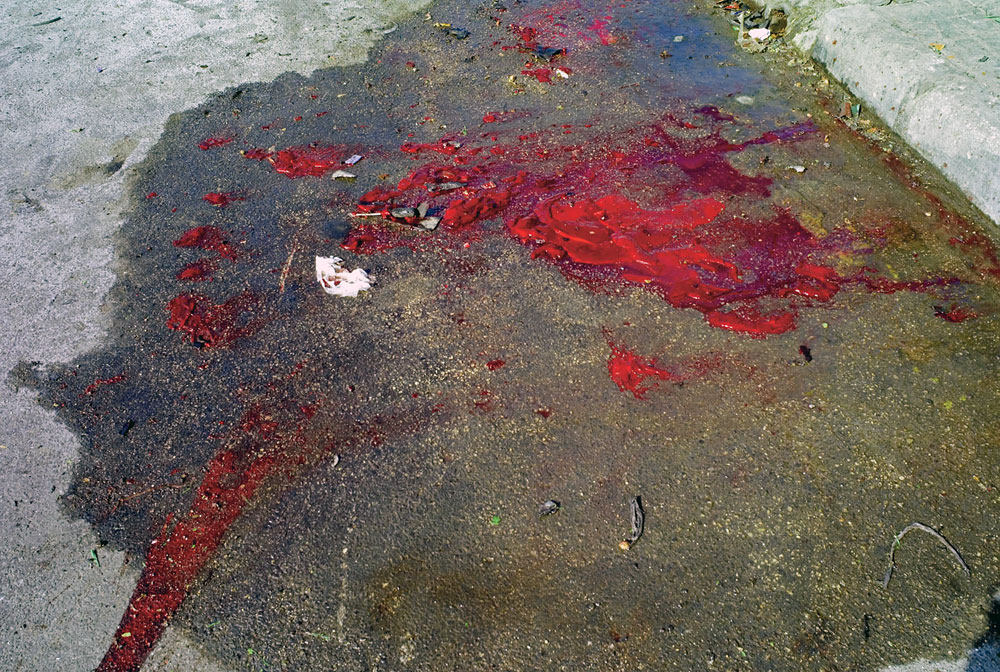
Exhibition: ‘Postwar Propliners in Miniature: Models from the Collection of Anthony J. Lawler’ at SFO Museum (SFOM), San Francisco International Airport

Exhibition dates: June 2011 – December 2011

Location: Aviation Museum and Library 1 – Front Wall Cases


Lockheed Aircraft Co., Burbank, California. 'American Overseas Airlines Lockheed L-049 Constellation' c. 1946


Lockheed Aircraft Co., Burbank, California
American Overseas Airlines Lockheed L-049 Constellation
c. 1946
Scale 1:44
Metal, paint
Collection of Anthony J. Lawler


One of my favourite postings in a long while. As an inveterate collector how I would love to have these in my collection. What beautiful aircraft; what graceful models; what simple, gorgeous photographs by photographer Chad Michael Anderson. The Lockheed Constellation has to be one of the most delicious aircraft ever made. But the model I would take is the gorgeous Air France Breguet 763 Provence, because of it’s aerodynamic beauty and angle of flight.

Dr Marcus Bunyan


Many thankx to John Hill, Assistant Director, Aviation for his help and to SFO Museum for allowing me to publish the text and the photographs. Attribution for the photographs is to the SFO Museum (actual photographer unknown). Please click on the photographs for a larger version of the image.


Lockheed Aircraft Co., Burbank, California. 'American Overseas Airlines Lockheed L-049 Constellation' c. 1946


Lockheed Aircraft Co., Burbank, California
American Overseas Airlines Lockheed L-049 Constellation
c. 1946
Scale 1:44
Metal, paint
Collection of Anthony J. Lawler


In 1945, in an effort to gain transatlantic routes to Europe, American Airlines purchased American Export Airlines (founded in 1937 as a subsidiary of the shipping company American Export Lines) and renamed it American Overseas Airlines (AOA). The airline then began purchasing suitable aircraft for its new subsidiary. The best choice for the lengthy route to Europe was the Lockheed Model 047 Constellation, one the longest-range and fastest airliners produced at the time. Like other airliner manufacturers, Lockheed had its own in-house model factory that constructed highly-accurately scaled models for its customers. It produced this 1:44 scale model for AOA in polished sheet aluminium and painted in the airline’s earliest livery scheme.

Text from the SFO Museum website


Maarten Matthys Verkuyl (Dutch). 'KLM (Koninklijke Luchtvaart Maatschappij) Royal Dutch Airlines Douglas DC-6' c. 1950


Maarten Matthys Verkuyl (Dutch)
KLM (Koninklijke Luchtvaart Maatschappij) Royal Dutch Airlines Douglas DC-6
c. 1950
Scale 1:48
Metal, paint
Collection of Anthony J. Lawler


KLM (Koninklijke Luchtvaart Maatschappij) Royal Dutch Airlines commenced service in 1920. After ceasing operations during World War II, the airline rapidly emerged to become a leading European and international carrier during the postwar era. KLM received its first deliveries of the Douglas DC-6, both freighter and passenger versions, in 1948. The DC-6 was the first American-produced airliner to be introduced after the war. The model represents the DC-6 Princess Juliana (Koningin Juliana), which was the second aircraft Douglas delivered of the passenger version. The Dutch model maker Maarten Matthys Verkuyl fabricated the model from sheet zinc for a KLM pilot around 1950. It is one of only two produced by Verkuyl of the type using this material during this period.

Text from the SFO Museum website


Shawcraft Models, Uxbridge, England. 'BEA Airspeed AS.57 Ambassador' 1950s


Shawcraft Models, Uxbridge, England
BEA Airspeed AS.57 Ambassador
1950s
Scale 1:48
Wood, metal, paint
Collection of Anthony J. Lawler


In 1946, BEA (British European Airways) was formed as the British flag carrier for domestic and Continental Europe flights. By 1947, a number of independent airlines, including Scottish Airways, had merged with the company. In 1948, BEA placed an order for twenty of the Ambassador, a Douglas DC-3 replacement that had been under development by Airspeed of Great Britain since the latter years of World War II. This high-wing, tripletail, two-engine, mid-range aircraft was introduced in 1952 and operated by the airline until 1958. Shawcraft of Great Britain crafted the model of wood during the same decade, which accurately represents the Ambassador RMA Elizabethan, the flagship of the fleet. BEA’s comfortable Ambassador service, which was named “Elizabethan Class,” became highly popular among commuters between Britain and the Continent.

Text from the SFO Museum website


Peter V. Nelson, Reading, England 'Ethiopian Air Lines Convair 240 model aircraft' Early 1950s


Peter V. Nelson, Reading, England
Ethiopian Air Lines Convair 240 model aircraft
Early 1950s
Scale 1:48
Metal, paint
Collection of Anthony J. Lawler


Ethiopian Air Lines was founded in 1946 and began operating out of Addis Ababa Airport in 1947, with administrative, managerial, and flight crew support from TWA (Transcontinental & Western Airlines). In 1950, the airline acquired three Convair 240s in order to expand its routes and offer international service to Europe and Asia. These aircraft were produced by Convair of San Diego, California and developed to replace the Douglas DC-3. The sand-casted metal model represents the first aircraft to be delivered, ET-T-20, and was crafted by Peter V. Nelson in Great Britain during the same period. It was accurately painted in Ethiopian Air Lines’ vibrant early livery with the national colours of red, yellow, and green, and the Lion of Judah, the symbol of Ethiopia’s former ruler Haile Selassie – whose family traces their origins to King Solomon. Selassie played a major role in establishing the national airline, which was considered vital to the modernisation of Ethiopia after World War II.

Text from the SFO Museum website


Walkers Westway Models, London, England 'Capital Airlines Vickers Viscount model aircraft' 1950s


Walkers Westway Models, London, England
Capital Airlines Vickers Viscount model aircraft
1950s
Scale 1:48
Metal, paint
Collection of Anthony J. Lawler


Capital Airlines originated out of a merger between Pennsylvania and Central Airlines to form Pennsylvania Central Airlines or PCA in 1936. In 1941, the airline moved its headquarters to the newly built Washington National Airport, and in 1948, changed its name to Capital Airlines. In 1955, in an effort to attract more passengers by offering technologically advanced aircraft, it became the first U.S. carrier to inaugurate turboprop-powered airliner service with the introduction of the British produced Vickers Viscount. The aircraft was originally introduced by BEA (British European Airways) in 1950, which made it the first of its kind to go into service, and moreover, it was years ahead of the introduction of other turboprop airliners. Capital purchased sixty of the aircraft and realised an increased market share nearly everywhere the Viscount flew. This sand-cast metal model was produced in the 1950s by Walkers Westway in London, England, and accurately painted in Capital’s iconic 1950s red, white, and blue livery with eagle logo.

Text from the SFO Museum website


La Maquette d'Etude et d'Exposition à Aubervilliers, France. 'Air France Breguet 763 Provence' 1950s


La Maquette d’Etude et d’Exposition à Aubervilliers, France
Air France Breguet 763 Provence
1950s
Scale 1:50
Wood, plastic, metal, paint
Collection of Anthony J. Lawler


Created in 1933 through a merger of several French aviation concerns, Air France became one of the largest airlines in Europe by the late 1930s, with routes throughout Europe and to French colonies in North Africa and Asia. During World War II, the carrier moved its base of operation to Morocco, and by 1946, became nationalized by the French government and opened its first terminal in central Paris. During the latter years of the war, the French aircraft manufacturer Breguet began designing a large capacity, mid-range airliner that would ultimately become the double deck (Deux Ponts in French), twin-tail, four-engine 763 Provence. Air France ordered twelve of the aircraft, which entered service in 1953 and were operated on routes to Algiers and Southern Europe for carrying both passengers and freight. Crafted from wood by the French model maker La Maquette d’Etude et d’Exposition à Aubervilliers, the model represents the first aircraft delivered to Air France, F-BASN.

Text from the SFO Museum website


Immediately following the end of World War II in 1945, airlines and passengers benefited from a surplus of inexpensive, advanced propeller-driven transport aircraft, or “propliners.” Over the next fifteen years, commercial aviation expanded rapidly as airlines persistently requested improved propliner designs to lower costs, attract new customers, and gain advantages over competitors. In meeting these demands the manufacturers of North America and Europe developed increasingly superior aircraft. These included the jet-powered turboprop airliners that flew successively faster, higher, and farther.

Making scale models of these airliners was an important part of the design, manufacturing, and marketing process during this period. Crafted by in-house model shops or independent model makers, they represented the new designs in miniature for convenient three-dimensional analysis. Accurately painted livery schemes on the models helped the airlines to imagine the new airliner operating within their fleet. Carriers also commissioned the making of models to promote their improved services in airline offices and travel agencies. During the late 1940s and early 1950s, they were usually made of sheet or cast metal and complemented with metal bases often formed into unique streamline shapes. By the late 1950s, models began to be produced from plastic, which was easier to mold into intricate shapes and reflected the proliferation of new synthetic resins.

These models represent the age of postwar propliners, which lasted until the 1960s when faster, more fuel-efficient and propeller-less turbojet airliners began to supersede them. They are from the collection of Anthony J. Lawler, an aviation industry professional and avid airplane model collector since first seeing the De Havilland Comet – the world’s first jetliner – fly over his boyhood home in Rhodesia. Mr. Lawler has spent decades assembling one of the finest collections of scale airliner display models, most of which were acquired while working as a senior sales representative for Airbus North America during the 1980s and 1990s. His collection spans a century of commercial aviation design innovation.

Text from the SFO Museum website


Raise-Up Models, Rotterdam, Netherlands. 'REAL (Redes Estaduais Aéreas Limitadas) Transportes Aéreos Lockheed 1049H Super Constellation' 1950s


Raise-Up Models, Rotterdam, Netherlands
REAL (Redes Estaduais Aéreas Limitadas) Transportes Aéreos Lockheed 1049H Super Constellation
1950s
Metal, paint
Collection of Anthony J. Lawler


In 1945, Vicente Mammana Netto and Linneu Gomes formed REAL (Redes Estaduais Aéreas Limitadas) Transportes Aéreos, as a small regional Brazilian airline. By the mid-1950s, the airline had grown substantially by acquiring numerous other Brazilian airlines and expanding its routes through South America. In 1958, in order to compete with its rival Varig, REAL acquired three long-range Lockheed 1049H Super Constellations. The next year, the airline inaugurated international service between Rio de Janeiro and Los Angeles with stops in Manaus-Ponta Pelada, Bogotá, and Mexico City. By 1960, REAL had expanded its Constellation service to include trans-pacific flights to Tokyo. Ultimately, however, the international service proved too costly for the airline, and in 1961, amid financial difficulties, it was acquired by Varig. Raise-Up Models of the Netherlands produced the cast-metal model of the REAL Super Constellation. It was painted in the airline’s eye-catching green livery of the late 1950s, with the slogan “Voe Pela REAL,” meaning, “Fly on REAL” in Portuguese.

Text from the SFO Museum website


Peter V. Nelson, Reading, England. 'Trek Airways Lockheed 1649 Starliner' early 1960s


Peter V. Nelson, Reading, England
Trek Airways Lockheed 1649 Starliner
Early 1960s
Scale 1:62
Metal, paint
Collection of Anthony J. Lawler


Founded in 1953, Trek Airways was a South African airline based out of Johannesburg with service to Northern Europe. Initially, Trek was equipped with Vickers Vikings, which required overnight stops on routes to Europe. By the early 1960s, the airline began acquiring long-range Lockheed 1649 Starliners from carriers like TWA (Trans World Airlines) and Lufthansa, which had begun to replace these models with jetliners such as the Boeing 707 and Douglas DC-8. The Starliner provided fast, smooth, and comfortable service, along with the range and speed necessary for limited stops on routes to Düsseldorf, Vienna, and Luxembourg. British model maker Peter V. Nielson crafted the Starliner model for the airline in the early 1960s. At the time of acquisition, the heavy, all-metal model was used as a doorstop for the airline’s storeroom.

Text from the SFO Museum website


Westway Models, London, England. 'BOAC Bristol Britannia 300' late 1950s


Westway Models, London, England
BOAC Bristol Britannia 300
Late 1950s
Scale 1:72
Metal, plastic, wood, paint
Collection of Anthony J. Lawler


In 1957, Britain’s long-haul international flag carrier BOAC (British Overseas Airways Corporation) introduced the Bristol Aircraft Company’s turboprop Britannia on its routes to South Africa and New York. Two years later, the airline inaugurated the first regular round-the-world Britannia service via San Francisco, Hong Kong, and Tokyo. The large capacity, long-range, jet-prop-powered airliner, nicknamed the “Whispering Giant,” was significantly quieter than piston-engine airliners of the period and provided smooth, fast service with comfortable accommodations. Due to many delays in its development, the airliner was introduced later than anticipated and only operated into the early 1960s, before it was replaced by faster jetliners with similar range and capacity, such as the Boeing 707. The all-metal model was crafted in England by Westway, a prominent builder of airliner models for the British aerospace industry during the 1950s.

Text from the SFO Museum website


Raise-Up Models, Rotterdam, the Netherlands 'Western Airlines Lockheed L-188 Electra model aircraft'
Late 1950s


Raise-Up Models, Rotterdam, the Netherlands
Western Airlines Lockheed L-188 Electra model aircraft
Late 1950s
Scale 1:40
Metal, paint
Collection of Anthony J. Lawler


Western Air Express was founded in 1925, and after several mergers and name changes, became Western Air Lines in 1941. During the postwar era, Western quickly grew as a regional airline serving routes from Minneapolis, Minnesota, to the West Coast. In 1959, the airline began receiving delivery of the Lockheed L-188 Electra, a new, revolutionary turboprop airliner developed and produced by Lockheed Aircraft of Burbank, California. With medium range, a cruise speed of nearly four hundred miles per hour, and a capacity for approximately one hundred passengers, the Electra was ideal for Western’s regional needs and, initially, was instrumental in attracting a larger customer base. This large-scale model was fabricated of metal by Raise-Up Models of Rotterdam, Holland, and was painted to represent one of the first aircraft received from Lockheed in Western’s late 1950s red-and-white livery with the Native American logo.

Text from the SFO Museum website


U.S.S.R. 'Aeroflot Tupolev Tu-114 Rossiya' early 1960s


U.S.S.R.
Aeroflot Tupolev Tu-114 Rossiya
Early 1960s
Scale 1:100
Metal, paint, plastic
Collection of Anthony J. Lawler


SFO Museum 
San Francisco International Airport
P.O. Box 8097
San Francisco, CA 94128 USA
Phone: 650.821.6700

SFO Museum website

LIKE ART BLART ON FACEBOOK

Back to top
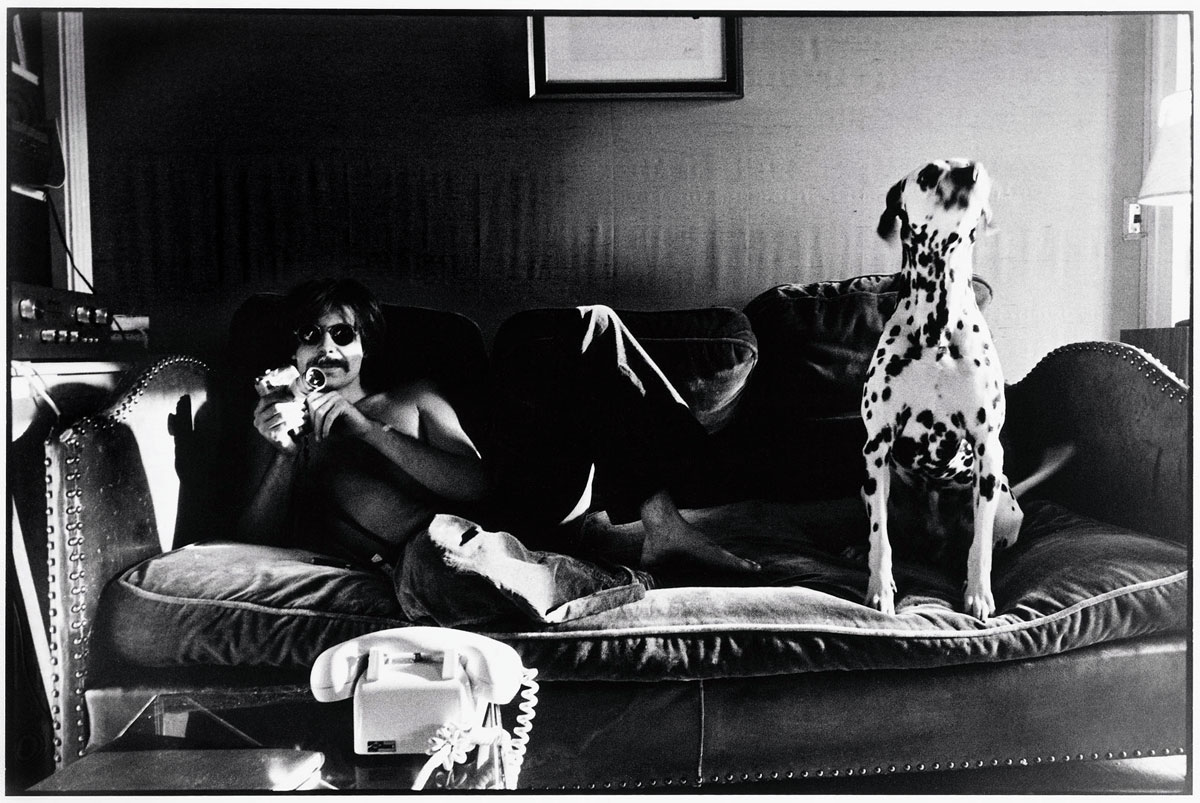
Exhibition: ‘W. Eugene Smith – Photographs A retrospective’ at Martin-Gropius-Bau, Berlin

Exhibition dates: 27th August – 27th November 2011


W. Eugene Smith (American, 1918-1978) 'Dance of the Flaming Coke' 1955


W. Eugene Smith (American, 1918-1978)
Dance of the Flaming Coke
1955
Gelatin silver print
20.6 x 33cm
Center for Creative Photography, University of Arizona: W. Eugene Smith Archive / Gift of the artist
© The Heirs of W. Eugene Smith, courtesy Black Star, Inc., New York


This man is legend. He created some of the most memorable and moving photographs in the history of the medium. Once seen, for example his seminal photograph Tomoko Uemura in Her Bath (1972, below), they are never forgotten. Look at the photographs, really look deeply at them. The compositions are flawless, peerless. Smith’s use of chiaroscuro makes his images sing and flow, like a Bach fugue. In spite of everything, “in spite of all the wars and all I had gone through that day, I wanted to sing a sonnet to life and to the courage to go on living it.”

Through that courage he left us a body of work that will live forever as masterpieces of the art of photography. Applause.

Dr Marcus Bunyan


Many thankx to the Martin-Gropius-Bau for allowing me to publish the photographs in the posting. Please click on the photographs for a larger version of the image.


W. Eugene Smith (American, 1918-1978) 'Albert Schweitzer, Aspen, Colorado' 1949


W. Eugene Smith (American, 1918-1978)
Albert Schweitzer, Aspen, Colorado
1949
Gelatin silver print
24.7 x 33.2cm
Center for Creative Photography, University of Arizona: W. Eugene Smith Archive / Gift of the artist
© The Heirs of W. Eugene Smith, courtesy Black Star, Inc., New York


W. Eugene Smith (American, 1918-1978) 'Guardia Civil, Spain' 1950


W. Eugene Smith (American, 1918-1978)
Guardia Civil, Spain
1950
Gelatin silver print
25.1 x 32.1cm
Center for Creative Photography, University of Arizona: W. Eugene Smith Archive / Gift of the artist
© The Heirs of W. Eugene Smith, courtesy Black Star, Inc., New York


W. Eugene Smith (American, 1918-1978) 'The Wake' 1950


W. Eugene Smith (American, 1918-1978)
The Wake
1950
Gelatin silver print
22.2 x 33.1cm
Center for Creative Photography, University of Arizona: W. Eugene Smith Archive / Gift of the artist
© The Heirs of W. Eugene Smith, courtesy Black Star, Inc., New York


W. Eugene Smith (American, 1918-1978) 'Steel Mill Worker, Pittsburgh' 1955


W. Eugene Smith (American, 1918-1978)
Steel Mill Worker, Pittsburgh
1955
Gelatin silver print
15.1 x 21.5cm
Center for Creative Photography, University of Arizona: W. Eugene Smith Archive / Gift of the artist
© The Heirs of W. Eugene Smith, courtesy Black Star, Inc., New York


W. Eugene Smith (American, 1918-1978) 'Untitled' 1954


W. Eugene Smith (American, 1918-1978)
Untitled
1955
Gelatin silver print
22.2 x 34cm
Center for Creative Photography, University of Arizona: W. Eugene Smith Archive / Gift of the artist
© The Heirs of W. Eugene Smith, courtesy Black Star, Inc., New York


W. Eugene Smith (American, 1918-1978) 'Tomoko Uemura in Her Bath' 1972


W. Eugene Smith (American, 1918-1978)
Tomoko Uemura in Her Bath Minamata, Japan
1972
Gelatin silver print
Center for Creative Photography, University of Arizona: W. Eugene Smith Archive / Gift of the artist
© The Heirs of W. Eugene Smith, courtesy Black Star, Inc., New York


One of the most well-known photojournalists in the 20th century, Eugene Smith, with his wife at that time Aileen, took this photograph of Tomoko Uemura bathed by her mother, Ryoko. Tomoko was severally disabled, as a result of mercury poisoning, through her mother who ate fish caught in the nearby bay, contaminated by industrial wastewater from a chemical factory. The Smiths lived in a small fishng village in Southern Japan for four years, and documented the human victims and the natural environments destroyed by industrial pollution.

This photograph was carefully posed and lit by the photographers to create a composition similar to that of Michelangelo’s Pietà, a sculpture in which Mary holds the dead body of her son Jesus. The Smiths created the photograph as a tool to raise the public’s awareness of mercury poisoning and to help the victims’ fight against the polluting corporation and ultimately the Japanese government.
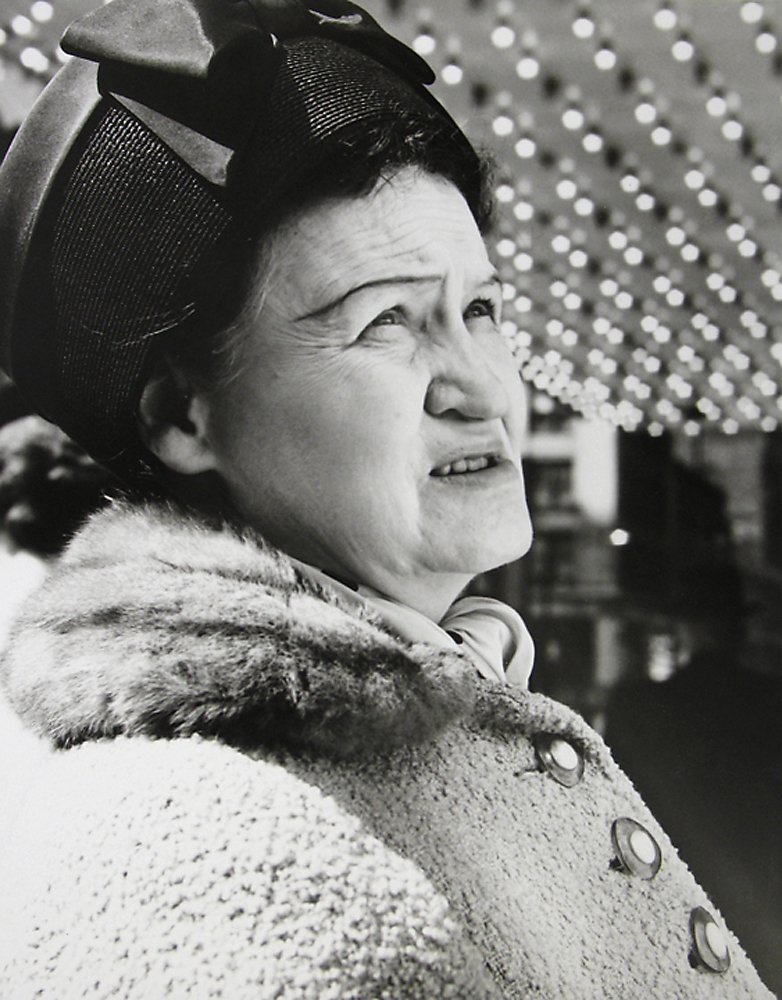
Text from the Minneapolis Institute of Art Collection website


W. Eugene Smith, who was born in 1918 in Wichita, Kansas, and died in 1978 in Tucson, Arizona, first made a name for himself as a politically and socially committed photojournalist in the USA in the 1940s. Many of his photographic reports appeared in Life, the leading picture magazine that had been launched in New York in 1936. Smith saw in photography more than just an illustration to a text and had often asked editors for a greater say in the composition of a photo-essay. His painstakingly researched and emotionally moving features set new standards of photojournalism in the 1940s and 1950s.

Smith had begun to take photographs as a fifteen-year-old, having been inspired by his mother, a keen amateur photographer. In 1936, following the suicide of his father as a result of the Great Crash, Smith initially enrolled at the University of Notre Dame, Indiana. But he dreamed of becoming a photographer and moved to New York, where he attended the New York Institute of Photography. He embarked on his professional career in 1937 as a photo reporter for Newsweek.

A year later he began to work as a freelance for the Black Star Agency, and his pictures appeared in Harper’s Bazaar, Collier’s, Time and Life. With Life he was to have a close association that went on for years.

When the USA found itself at war at the end of 1941 Smith initially took propaganda shots for the magazine Parade to support the American troops. Then, as a correspondent for Flying magazine, he took part in reconnaissance flights, taking photos from the air. In 1944 he was back on the staff of Life – this time as a war correspondent – documenting the battle of Saipan and the American landings on the islands of Iwo Jima and Okinawa. In the course of the fighting the style of his photos changed. Instead of being gung ho they tended to focus on the terrible sufferings of the civilian population and were shot in a way that involved the viewer emotionally. On 22 May 1945 Smith himself was seriously injured, forcing him to submit to a series of operations that went on until 1947.

His new lease of life was symbolised by the first photograph he took after his wound. A Walk to Paradise Garden depicts his two youngest children walking towards a sun-bathed clearing. “While I followed my children into the undergrowth and the group of taller trees – how they were delighted at every little discovery! – and observed them, I suddenly realized that at this moment, in spite of everything, in spite of all the wars and all I had gone through that day, I wanted to sing a sonnet to life and to the courage to go on living it.” (1954)

After his recovery he went back to work for Life again. Documentary features showing the dedicated work of ordinary people were particularly popular with readers. In The Country Doctor (1948) he accompanied a young country doctor from the Denver area on his rounds for several weeks. His report Nurse Midwife (1951) on the black midwife Maud Callen was produced against a background of racial discrimination and the brazen activities of the Ku Klux Klan in the Deep South. In developing the prints Smith adjusted the lighting so as to enhance the emotional atmosphere – during a birth, for example – and so arouse sympathy for the selfless efforts of the midwife. His social commitment, however, did not always meet with approval, as in the case of the unpublished report (1950) on the re-election campaign of Clement Attlee, the candidate of the British Labour Party.

Life intended the report to strengthen indirectly the position of the Conservatives by presenting the results of Attlee’s nationalisation policies in a critical light. Smith’s coverage, however, aroused sympathy for Attlee’s programme and the candidate himself. Smith had more success with his Spanish Village feature (1951). He wanted to convey an impression of living conditions under a fascist regime. After obtaining the necessary shooting permission, he spent two months studying the Spanish countryside before finally selecting a remote village in the Estremadura as his subject. Not a few of the photographs, with their chiaroscuro and clearly structured composition, are reminiscent of classical paintings and convey by means of this stylistic device a sense of the hardships but also the beauty of life there.

Smith’s feature on the work of Albert Schweitzer in Lambaréné was to be his last for Life whose refusal to give him a say in the selection and layout of pictures had become unacceptable, and he left the periodical after the appearance of his photo essay Albert Schweitzer – Man of Mercy in November 1955.

A career alternative offered itself in the shape of membership of Magnum, the photographers’ agency founded in 1947. Stefan Lorant commissioned Smith to do an extensive feature on the city of Pittsburgh and its iron foundries, which occupied him for the next few years and nearly exhausted his financial and personal resources. Instead of the 100 prints agreed with Lorant, there arose 13,000 shots out of which he wanted to compose an essay which would be entirely in line with his convictions. In 1958 88 photographs were published in Popular Photography’s Annual Guide, although the essay never appeared in its entirety.

In 1957 Smith, who was known for his excessive devotion to his work, had left his family and moved to 821 Sixth Avenue in New York. The house was visited and used for rehearsals by many well-known jazz musicians, and Smith, who was a passionate music lover, photographed and documented this creative milieu over the next few years, while also keeping an audio record on 1,740 tapes, which were only discovered among his posthumous effects in 1998. At the same time he photographed street scenes from his window while also working on the construction of a psychiatric clinic in Haiti.

In 1961 a commission from the Cosmos PR Agency to photograph the company Hitachi Ltd. took Smith to Japan for a year. This was followed in 1963 by a book which contrasted modern Japan with its deeply rooted traditions. A decade later he again turned to the forced modernisation of Japan and its grave consequences with a shocking series about the Minamata epidemic which had been triggered by the environmental pollution caused by the chemical concern Chisso, which had discharged mercurial waste into the sea near the town of Minamata. The Committee for the Defence of the Victims hired Smith to document the human and ecological dimensions of the catastrophe, and the photographer, who threw himself heart and soul into the project, moved with his second wife, Aileen Mioko Smith, to Minamata. In the course of his researches he was beaten up by company security guards and severely injured. The pictures he took, which appeared in Life and his book Minamata: A Warning to the World largely contributed to publicising the scandal.

By the early 1970s Smith’s photographic work was attracting the attention of museums. His photo A Walk to Paradise Garden had already been selected by Edward Steichen as a symbolic climax to the exhibition The Family of Man (1955), but it was not until 1971 that the first retrospective Let Truth Be the Prejudice was held in the Jewish Museum in New York. In 1977 Smith, by this time seriously ill, moved to Tucson, Arizona, to take up a teaching post at the university there in what was to be the last year of his life.

Text from the Martin-Gropius-Bau website


W. Eugene Smith (American, 1918-1978) 'A Walk to Paradise Garden' 1946


W. Eugene Smith (American, 1918-1978)
A Walk to Paradise Garden
1946
Gelatin silver print
Center for Creative Photography, University of Arizona: W. Eugene Smith Archive / Gift of the artist
© The Heirs of W. Eugene Smith, courtesy Black Star, Inc., New York


W. Eugene Smith (American, 1918-1978) 'Dr. Ernest Ceriani Following the Loss of a Mother and Child During Childbirth' 1948


W. Eugene Smith (American, 1918-1978)
Dr. Ernest Ceriani Following the Loss of a Mother and Child During Childbirth
1948
Gelatin silver print
28 x 20.2cm
Center for Creative Photography, University of Arizona: W. Eugene Smith Archive / Gift of the artist
© The Heirs of W. Eugene Smith, courtesy Black Star, Inc., New York


W. Eugene Smith (American, 1918-1978) 'Untitled' 1954


W. Eugene Smith (American, 1918-1978)
Untitled
1954
Gelatin silver print
33.5 x 23.6cm
Center for Creative Photography, University of Arizona: W. Eugene Smith Archive / Gift of the artist
© The Heirs of W. Eugene Smith, courtesy Black Star, Inc., New York


W. Eugene Smith (American, 1918-1978) 'The Spinner' 1950


W. Eugene Smith (American, 1918-1978)
The Spinner
1950
Gelatin silver print
32.4 x 23cm
Center for Creative Photography, University of Arizona: W. Eugene Smith Archive / Gift of the artist
© The Heirs of W. Eugene Smith, courtesy Black Star, Inc., New York


W. Eugene Smith (American, 1918-1978) 'Maude – Delivery' 1951


W. Eugene Smith (American, 1918-1978)
Maude – Delivery
1951
32.7 x 25cm
Gelatin silver print
Center for Creative Photography, University of Arizona: W. Eugene Smith Archive / Gift of the artist
© The Heirs of W. Eugene Smith, courtesy Black Star, Inc., New York


W. Eugene Smith (American, 1918-1978) 'Untitled' 1954


W. Eugene Smith (American, 1918-1978)
Untitled
1954
Gelatin silver print
34.6 x 25.2cm
Center for Creative Photography, University of Arizona: W. Eugene Smith Archive / Gift of the artist
© The Heirs of W. Eugene Smith, courtesy Black Star, Inc., New York


Martin-Gropius-Bau Berlin
Niederkirchnerstraße 7
Corner Stresemannstr. 110
10963 Berlin
Phone: +49 (0)30 254 86-0

Opening hours:
Wednesday to Monday 10 – 19 hrs
Tuesday closed

Martin-Gropius-Bau website

LIKE ART BLART ON FACEBOOK

Back to top