Marcus Bunyan (Australian, b. 1958) Self-portrait with gryphon and Joan Miró (Head of a Catalan Peasant) tattoo, both by Alex Binnie, London 1998
I have the five elements in tattoos. In the Head of a Catalan Peasant by Joan Miró featured in the posting, the red hat – in the form of a triangle – signifies ‘fire’ in Western occult mythology.
“Surrealism is not a movement. It is a latent state of mind perceivable through the powers of dream and nightmare.”
~ Salvador Dalí
“As beautiful as the chance encounter of a sewing machine and an umbrella on an operating table.”
~ Comte de Lautréamont
“A constant human error: to believe in an end to one’s fantasies. Our daydreams are the measure of our unreachable truth. The secret of all things lies in the emptiness of the formula that guard them.”
~ Floriano Martins
Many thankx to the Scottish National Gallery of Modern Art for allowing me to publish the art work in the posting. Please click on the photographs for a larger version of the image.
Joan Miró (Spanish, 1893-1983) Tête de Paysan Catalan [Head of a Catalan Peasant] 1925 Oil on canvas 92.4 x 73cm Collection: Scottish National Gallery of Modern Art Purchased jointly with Tate, with the assistance of the Art Fund 1999
Francis Picabia (French, 1879-1953) Fille née sans mère [Girl Born without a Mother] c. 1916-1917 Gouache and metallic paint on printed paper 50 x 65cm Collection: Scottish National Gallery of Modern Art, purchased 1990
René Magritte (Belgian, 1898-1967) Au seuil de la liberté (On the Threshold of Liberty) 1930 Oil on canvas 114 x 146cm Collection: Museum Boijmans Van Beuningen, Rotterdam (Formerly collection of E. James), purchased 1966
André Masson (French, 1896-1987) Massacre 1931 Oil on canvas Collection: Hamburger Kunsthalle, Hamburg/ Pietzsche Collection
Max Ernst (German, 1891-1976) La Joie de vivre [The Joy of Life] 1936 Oil on canvas 73.5 x 92.5cm Collection: National Galleries of Scotland Purchased with the assistance of the Heritage Lottery Fund and the Art Fund 1995
Max Ernst (German, 1891-1976) The Fireside Angel (The Triumph of Surrealism) L’ange du foyer (Le triomphe du surréalisme) 1937 Oil on canvas 114 cm x 146cm
Dorothea Tanning (American, 1910-2012) Eine Kleine Nachtmusik [A Little Night Music] 1943 Oil on canvas 40.7 x 61cm Collection: Tate (formerly collection of R. Penrose) Purchased with assistance from the Art Fund and the American Fund for the Tate Gallery 1997
Apart from three weeks she spent at the Chicago Academy of Fine Art in 1930, Tanning was a self-taught artist. The surreal imagery of her paintings from the 1940s and her close friendships with artists and writers of the Surrealist Movement have led many to regard Tanning as a Surrealist painter, yet she developed her own individual style over the course of an artistic career that spanned six decades.
Tanning’s early works – paintings such as Birthday and Eine kleine Nachtmusik (1943, Tate Modern, London) – were precise figurative renderings of dream-like situations. Like other Surrealist painters, she was meticulous in her attention to details and in building up surfaces with carefully muted brushstrokes. Through the late 1940s, she continued to paint depictions of unreal scenes, some of which combined erotic subjects with enigmatic symbols and desolate space. During this period she formed enduring friendships with, among others, Marcel Duchamp, Joseph Cornell, and John Cage; designed sets and costumes for several of George Balanchine’s ballets, including The Night Shadow (1945) at the Metropolitan Opera House; and appeared in two of Hans Richter’s avant-garde films.
Over the next decade, Tanning’s painting evolved, becoming less explicit and more suggestive. Now working in Paris and Huismes, France, she began to move away from Surrealism and develop her own style. During the mid-1950s, her work radically changed and her images became increasingly fragmented and prismatic, exemplified in works such as Insomnias (1957, Moderna Museet, Stockholm). As she explains, “Around 1955 my canvases literally splintered… I broke the mirror, you might say.”
Marcel Duchamp (French, 1887-1968) La Boîte-en-valise (Box in a Suitcase) 1935-1941 Sculpture, leather-covered case containing miniature replicas and photographs of Duchamp’s works 10 x 38 x 40.5cm Collection: Scottish National Gallery of Modern Art, presented anonymously 1989
Paul Delvaux (Belgian, 1897-1994) L’Appel de la Nuit (The Call of the Night) 1938 Oil on canvas 110 x 145cm Collection: Scottish National Gallery of Modern Art Purchased with the support of the Heritage Lottery Fund and the Art Fund 1995
Delvaux’s paintings of the late 1920s and early 1930s, which feature nudes in landscapes, are strongly influenced by such Flemish Expressionists as Constant Permeke and Gustave De Smet. A change of style around 1933 reflects the influence of the metaphysical art of Giorgio de Chirico, which he had first encountered in 1926 or 1927. In the early 1930s Delvaux found further inspiration in visits to the Brussels Fair, where the Spitzner Museum, a museum of medical curiosities, maintained a booth in which skeletons and a mechanical Venus figure were displayed in a window with red velvet curtains. This spectacle captivated Delvaux, supplying him with motifs that would appear throughout his subsequent work. In the mid-1930s he also began to adopt some of the motifs of his fellow Belgian René Magritte, as well as that painter’s deadpan style in rendering the most unexpected juxtapositions of otherwise ordinary objects.
Delvaux acknowledged his influences, saying of de Chirico, “with him I realised what was possible, the climate that had to be developed, the climate of silent streets with shadows of people who can’t be seen, I’ve never asked myself if it’s surrealist or not.” Although Delvaux associated for a period with the Belgian surrealist group, he did not consider himself “a Surrealist in the scholastic sense of the word.” As Marc Rombaut has written of the artist: “Delvaux … always maintained an intimate and privileged relationship to his childhood, which is the underlying motivation for his work and always manages to surface there. This ‘childhood,’ existing within him, led him to the poetic dimension in art.”
The paintings Delvaux became famous for usually feature numbers of nude women who stare as if hypnotised, gesturing mysteriously, sometimes reclining incongruously in a train station or wandering through classical buildings. Sometimes they are accompanied by skeletons, men in bowler hats, or puzzled scientists drawn from the stories of Jules Verne. Delvaux would repeat variations on these themes for the rest of his long life…
Photograph album: International Surrealist Exhibition, London 1936 Made 1936-1939 Images taken by Chancery. Images titled by Roland Penrose 32.00 x 26.00cm Collection: Scottish National Gallery of Modern Art Photo: Antonio Reeve
Leonora Carrington (Mexican born Britain, 1917-2011) The House Opposite 1945 Tempera on board 33 x 82cm West Dean College, part of the Edward James Foundation
“I painted for myself… I never believed anyone would exhibit or buy my work.”
Leonora Carrington was not interested in the writings of Sigmund Freud, as were other Surrealists in the movement. She instead focused on magical realism and alchemy and used autobiographical detail and symbolism as the subjects of her paintings. Carrington was interested in presenting female sexuality as she experienced it, rather than as that of male surrealists’ characterisation of female sexuality. Carrington’s work of the 1940s is focused on the underlying theme of women’s role in the creative process.
Masterpieces from four of the finest collections of Dada and Surrealist art ever assembled will be brought together in this summer’s major exhibition at the Scottish National Gallery of Modern Art (SNGMA). Surreal Encounters: Collecting the Marvellous will explore the passions and obsessions that led to the creation of four very different collections, which are bound together by a web of fascinating links and connections, and united by the extraordinary quality of the works they comprise.
Surrealism was one of the most radical movements of the twentieth century, which challenged conventions through the exploration of the subconscious mind, the world of dreams and the laws of chance. Emerging from the chaotic creativity of Dada (itself a powerful rejection of traditional values triggered by the horrors of the First World War) its influence on our wider culture remains potent almost a century after it first appeared in Paris in the 1920s. World-famous works by Salvador Dalí, Joan Miró, René Magritte, Leonora Carrington, Giorgio de Chirico, André Breton, Man Ray, Pablo Picasso, Max Ernst, Dorothea Tanning, Yves Tanguy, Leonor Fini, Marcel Duchamp and Paul Delvaux will be among the 400 paintings, sculptures, prints, drawings, artist books and archival materials, to feature in Surreal Encounters. The exhibition has been jointly organised by the SNGMA, the Museum Boijmans Van Beuningen, Rotterdam and the Hamburger Kunsthalle, where it will be shown following its only UK showing in Edinburgh.
Dalí’s The Great Paranoiac (1936), Lobster Telephone (1938) and Impressions of Africa (1938); de Chirico’s Two Sisters (1915); Ernst’s Pietà or Revolution by Night (1923) and Dark Forest and Bird (1927), and Magritte’s The Magician’s Accomplice (1926) and Not to be Reproduced (1937) will be among the highlights of this exceptional overview of Surrealist art. The exhibition will also tell the personal stories of the fascinating individuals who pursued these works with such dedication and discernment.
The first of these – the poet, publisher and patron of the arts, Edward James (1907-84) and the artist, biographer and exhibition organiser, Roland Penrose (1900-84) – acquired the majority of the works in their collections while the Surrealist movement was at its height in the interwar years, their choices informed by close associations and friendships with many of the artists. James was an important supporter of Salvador Dalí and René Magritte in particular, while Penrose was first introduced to Surrealism through a friendship with Max Ernst. The stories behind James’s commissioning of works such as Dalí’s famous Mae West Lips Sofa (1938) and Magritte’s The Red Model III (1937) and the role of Penrose in the production of Ernst’s seminal collage novel Une Semaine de Bonté (1934) will demonstrate how significant these relationships were for both the artists and the collectors. Other celebrated works on show that formed part of these two profoundly important collections include Tanning’s Eine Kleine Nachtmusik (1943); Magritte’s On the Threshold of Liberty (1937); Miró’s Head of a Catalan Peasant (1925); and The House Opposite (c. 1945) by Leonora Carrington.
While the Penrose and James collections are now largely dispersed, the extraordinary collection of Dada and Surrealist art put together by Gabrielle Keiller (1908-95), was bequeathed in its entirety to the SNGMA on her death in 1995, the largest benefaction in the institution’s history. Keiller devoted herself to this area following a visit to the Venice home of the celebrated American art lover Peggy Guggenheim in 1960, which proved to be a pivotal moment in her life. She went on to acquire outstanding works such as Marcel Duchamp’s La Boîte-en-Valise (1935-41), Alberto Giacometti’s Disagreeable Object, to be Thrown Away (1931) and Girl Born without a Mother (c. 1916-17) by Francis Picabia. Recognizing the fundamental significance of Surrealism’s literary aspect, Keiller also worked assiduously to create a magnificent library and archive, full of rare books, periodicals, manifestos and manuscripts, which makes the SNGMA one of the world’s foremost centres for the study of the movement.
The exhibition will be brought up to date by the inclusion of works from the collection of Ulla and Heiner Pietzsch, who have spent more than 40 years in their quest to build up an historically balanced collection of Surrealism, which they have recently presented to the city of Berlin, where they still live. The collection features many outstanding paintings by Francis Picabia, Pablo Picasso, André Masson, Leonor Fini, Ernst, Tanguy, Magritte and Miró; sculptures by Hans Arp and Hans Bellmer; and works by André Breton, the leader of the Surrealists. Highlights include Masson’s Massacre (1931), Ernst’s Head of ‘The Fireside Angel’ (c. 1937), Picasso’s Arabesques Woman (1931) and Arp’s sculpture Assis (Seated) (1937).
The exhibition’s curator in Edinburgh, Keith Hartley, who is Deputy Director of the SNGMA, has said, “Surrealist art has captured the public imagination like perhaps no other movement of modern art. The very word ‘surreal’ has become a by-word to describe anything that is wonderfully strange, akin to what André Breton, the chief theorist of Surrealism, called ‘the marvellous’. This exhibition offers an exceptional opportunity to enjoy art that is full of ‘the marvellous’. It brings together many important works which have rarely been seen in public, by a wide range of Surrealist artists, and creates some very exciting new juxtapositions.”
Max Ernst (German, 1891-1976) Pieta or Revolution by Night 1923 Oil on canvas
René Magritte (Belgian, 1898-1967) The Magician’s Accomplice 1926 Oil on canvas
René Magritte (Belgian, 1898-1967) L’Esprit comique (The Comic Spirit) 1928 Oil on canvas 75 x 60cm Collection: Hamburger Kunsthalle, Hamburg/ Pietzsche Collection
Pablo Picasso (Spanish, 1881-1973) Femme aux arabesques (Arabesque Woman) 1931 Oil on canvas, 100 x 81cm Hamburger Kunsthalle, Hamburg/ Pietzsche Collection
Max Ernst (German, 1891-1976) Jeune homme intrigué par le vol d’une mouche non-euclidienne [Young Man Intrigued by the Flight of a Non-Euclidean Fly] 1942-1947 Oil and paint on canvas 82 x 66cm Collection: Hamburger Kunsthalle, Hamburg/ Pietzsche Collection
Max Ernst (German, 1891-1976) Une semaine de bonté [A Week of Kindness] 1934 Collage graphic novel
Une semaine de bonté [A Week of Kindness] is a graphic novel and artist’s book by Max Ernst, first published in 1934. It comprises 182 images created by cutting up and re-organising illustrations from Victorian encyclopaedias and novels.
The 184 collages of Une semaine de bonté [A Week of Kindness] were created during the summer of 1933 while Max Ernst was staying at Vigoleno, in northern Italy. The artist took his inspiration from wood engravings, published in popular illustrated novels, natural science journals or 19th century sales catalogues. With infinite care, he cut out the images that interested him and assembled them with such precision as to bring his collage technique to a level of incomparable perfection. Without seeing the original illustrations, it is difficult to work out where Max Ernst intervened. In the end, each collage forms a series of interlinked images to produce extraordinary creatures which evolve in fascinating scenarios and create visionary worlds defying comprehension and any sense of reality.
After La Femme 100 têtes [The Woman with one Hundred Heads] (1929) and Rêve d’une petite fille qui voulut entrer au Carmel [A Little Girl dreams of taking the Veil] (1930), Une semaine de bonté was Max Ernst’s third collage-novel. Ernst had originally intended to publish it in seven volumes associating each book with a day of the week. Moreover, the title referred to the seven days in Genesis. Yet it was also an allusion to the mutual aid association ‘La semaine de la bonté’ [The Week of Kindness], founded in 1927 to promote social welfare. Paris was flooded with posters from the organisation seeking support from everyone. Like the elements making up the collages, the title was also “borrowed” by Max Ernst.
The first four publication deliveries did not, however, achieve the success that had been anticipated. The three remaining ‘days’ were therefore put together into a fifth and final book. The books came out between April and December 1934, each having been bound in a different colour: purple, green, red, blue and yellow. In the final version, two works were taken out. The edition therefore consists of only 182 collages.
Anonymous text from the Musée D’Orsay website [Online] Cited 07/09/2016. No longer available online
Yves Tanguy (French, 1900-1955) Sans titre, ou Composition surréaliste (Untitled, or Surrealist Composition) 1927 Oil on canvas 54.5 x 38cm Hamburger Kunsthalle, Hamburg/ Pietzsche Collection
Tanguy’s paintings have a unique, immediately recognisable style of nonrepresentational surrealism. They show vast, abstract landscapes, mostly in a tightly limited palette of colours, only occasionally showing flashes of contrasting colour accents. Typically, these alien landscapes are populated with various abstract shapes, sometimes angular and sharp as shards of glass, sometimes with an intriguingly organic look to them, like giant amoebae suddenly turned to stone.
Jean (Hans) Arp (French-German, 1886-1996) Assis (Seated) 1937 Limestone 29.5 x 44.5 x 16cm Collection: Hamburger Kunsthalle, Hamburg/ Pietzsche Collection
Joan Miró (Spanish, 1893-1983) Peinture (Painting) 1925 Oil on canvas 130 x 97cm Hamburger Kunsthalle, Hamburg/ Pietzsche Collection
Joan Miró (Spanish, 1893-1983) Peinture [Painting] 1927 Oil on canvas 33 x 24.1 cm Collection: National Galleries of Scotland Bequeathed by Gabrielle Keiller 1995
René Magritte (Belgian, 1898-1967) Le Modèle rouge III (The Red Model III) 1937 Oil on canvas 206 x 158 x 5cm Collection: Museum Boijmans Van Beuningen, Rotterdam (Formerly collection of E. James) Purchased with the support of The Rembrandt Association (Vereniging Rembrandt), Prins Bernhard Fonds, Erasmusstichting, Stichting Bevordering van Volkskracht Rotterdam Museum Boymans-van Beuningen Foundation 1979
Exhibition dates: 25th March – 4th September, 2016
Curator: Christine Macel
Artists include: Pawel Althamer/ Maja Bajević / Yto Barrada / Jean-Michel Basquiat / Taysir Batniji / Christian Boltanski / Erik Boulatov / Mohammed Bourouissa / Frédéric Bruly Bouabré / Sophie Calle and Greg Shephard / Mircea Cantor / Chen Zhen / Hassan Darsi / Destroy All Monsters / Atul Dodiya / Marlene Dumas / Ayşe Erkmen / Fang Lijun / Harun Farocki and Andrei Ujica / Samuel Fosso / Michel François / Coco Fusco und Paula Heredia / Regina José Galindo / Kendell Geers / Liam Gillick / Fernanda Gomes / Dominique Gonzalez-Foerster / Felix Gonzalez-Torres / Renée Green / Subodh Gupta / Andreas Gursky / Hans Haacke / Petrit Halilaj / Edi Hila / Gregor Hildebrandt / Thomas Hirschhorn / Nicholas Hlobo / Carsten Höller / Pierre Huyghe / Fabrice Hyber / Isaac Julien / Oleg Kulik / Glenn Ligon / Robert Longo / Sarah Lucas / Gonçalo Mabunda / David Maljković / Chris Marker / Ahmed Mater / Mike Kelley and Paul McCarthy / Annette Messager / Rabih Mroué / Zanele Muholi / Jun Nguyen-Hatsushiba / Roman Ondák / Gabriel Orozco / Damián Ortega / Philippe Parreno / Nira Pereg / Dan Perjovschi / Wilfredo Prieto / Tobias Putrih / Walid Raad / Sara Rahbar / Tobias Rehberger / Nick Relph und Oliver Payne / Pipilotti Rist / Chéri Samba / Anne-Marie Schneider / Santiago Sierra / Mladen Stilinović / Georges Tony Stoll / Wolfgang Tillmans / Rirkrit Tiravanija / Danh Vo / Marie Voignier / Akram Zaatari / Zhang Huan
Take your pick: some interesting, some not. My favourite: Annette Messager Mes voeux (1989, below) … such a strong, creative and inspiring artist.
I’m not writing so much as I have bad RSI in my left wrist at the moment.
Dr Marcus Bunyan
Many thankx to Haus der Kunst for allowing me to publish the art work in the posting. Please click on the photographs for a larger version of the image.
In 2016, two prominent exhibition projects explore the pressing question of which factors remain relevant to the writing of art history. While “Postwar – Art between the Pacific and Atlantic, 1945-1965” concentrates on the time immediately after World War II, “A History: Contemporary Art from the Centre Pompidou” provides an overview of contemporary art since the 1980s with 160 works by more than 100 artists.
The year 1989 marked a break with the past and the start of a new era. The fall of the Berlin Wall toppled divisions in the world of European art, while the events of Tiananmen Square focused attention on a new China. The ongoing globalisation allows for an unprecedented mobility. The static understanding of identity, once based on origin and nationality, has since given way to a more transnational and variable narrative. Contemporary artistic proposals, which arise from the new “decolonised subjectivity”, are also based on a new understanding of site-specificity. For example, in the 1960s and 1970s the protagonists of Land Art still understood landscapes primarily as post-industrial ruins. In contemporary artistic practice, however, space is defined above all socially and politically – by traumatic historical events, home country, exile, diaspora and hybrid identities, such as African-American, Latino, Turkish-German, African-Brazilian, and so forth. The new presentation of the Centre Pompidou contemporary collections at Haus der Kunst focuses particularly on this altered geography, notably the former Eastern Europe, China, Lebanon, and various Middle Eastern countries, India, Africa, and Latin America. This is the first time such a large-scale view of the Centre Pompidou collection has been presented outside France.
Lijun Fang (Chinese, b. 1963) Sans titre 2003 Woodcut on paper 400 x 854cm Each panel: 400 x 120cm Achat en 2004, Ankauf / Purchase Collection Centre Pompidou, Paris Musée national d’art moderne – Centre de création industrielle
Haus der Kunst is pleased to present A History: Contemporary Art from Centre Pompidou, an exhibition originally curated by Christine Macel at the Centre Pompidou, Paris. With approximately 160 works by more than 100 artists from across the world, “A History: Contemporary Art from the Centre Pompidou” provides an incisive overview of artistic positions since the 1980s in painting, sculpture, installation, video, photography, and performance.
The Centre Pompidou’s collection of contemporary art has rarely been presented so comprehensively outside France. The selected works on view date from the 1980s to the present raising two significant questions: What factors are relevant for ensuring that art history is written in a specific way, and what does an ever changing understanding of the term ‘contemporary’ mean for public museums and their collections? Still, the concentration on Euro- American domains, which many museums formerly pursued in the acquisition of works for their collections, can hardly be sustained today and is no longer the aspiration of most museums. Globalisation, with its expanded narratives, has recently become too determining for the position of contemporary art to ignore. Curator Christine Macel defines her intention accordingly: to present ‘one’ among many possible histories of contemporary art.
With the progression of globalisation – understood here as the consolidation of economic, technological and financial systems, but also the questioning of linear history, and hegemonic cultural narratives – our perception of identity has changed. Since the first globally-oriented biennial in Havana in 1986, exhibition organisers and larger museums in Europe and North America have strived to display art created beyond the Western artistic circuit. The static understanding of identity as something based in origins and a “home base” has largely given way to a transnational and variable one.
The turning point for Centre Pompidou was its 1989 exhibition “Les Magiciens de la Terre”, in which curator Jean-Hubert Martin aimed to confront the problematic phenomenon of “one hundred percent of exhibitions that ignore eighty percent of the world.” Half the participating artists came from non-Western countries, while the other half came from the West. In addition, all exhibiting artists were – without exception – still active, making the presentation truly contemporary. Since then, the Centre Pompidou, like many large museums, has had to confront the reality of the expanded circuits of contemporary art. Over the years the museum gradually changed its acquisition practices and has increasingly opened its focus toward Eastern Europe, China, Lebanon, the Middle East, India, Congo, Nigeria, South Africa, Cameroon, Mexico and Brazil.
Meanwhile, our understanding of the term “origins” has continued to evolve. Consequently, the definition of “site-specific” has also changed. In the 1960s and 70s, artists of the Land Art movement still essentially regarded landscapes as post-industrial ruins. By contrast, Okwui Enwezor, director of Haus der Kunst believes that, in today’s artistic practice, space is defined by impermanence, by the mutability of politically and socially grounded positions, by aesthetic pluralism, and by cultural differences. Furthermore, colonial and postcolonial experiences shaped by traumatic historical events, home, exile, diaspora produced hybrid identities – such as African-American, Euro- American, Latino, Turkish-German, French-Arabic, African-Brazilian, etc. Consequently new forms of cosmopolitanism and provincialism jostle next to one another. It is no coincidence that the exhibition practice of today can already look back on a number of shows that focused on borders and issues of migration.
Against this backdrop of dynamism and permanent transition the exhibition is divided into seven chapters:
The Artist as Historian
An interest in the historical document and a more general obsession with the past, have led to the nostalgic excavation and re-enactments of existing works of art. Artists from the Arab speaking world are increasingly present in the art world; having borne witness to the Gulf War in 1991, these artists have developed new practices around the examination of history.
The Artist as Archivist
A passion for the archive initially led to a demand for completeness and later to an acceptance of the fragmentary, resulting on the one hand in concurrence of taxonomic efforts and endless accumulation, and, on the other, in an insight into the accelerated loss of memory. On a higher level, both coincide: Archives are especially useful in helping to identify and address wounds in the collective memory.
Sonic Boom
Trying to capture the sensation of listening to music in an image has a long tradition. Yet, even for artists who take their works to the edge of physical dissolution, listening often moves to the fore. Further, changes in the music industry and music production have reinforced the permeability of art and composition.
The Artist as Producer: The “Traffic” Generation
The concept of artwork is transformed through its dematerialisation. An awareness of temporality, volatility, and process shifts to the foreground. Artists develop new forms of collaboration and collective creation, and make aesthetic use of clips, sampling, and film narrative (which is also regarded as an exhibition platform). As a result, copyright as an object of reflection has come into focus.
The Artist as Documentarist: As Close as Possible to the Real
The proliferation of the Internet in the context of a market economy and consumer society has led to a greater interest in the real, in the status quo of the observer and the reporter and generally in an engagement with all areas of human life. The artist takes on the role of a witness who accepts the subjectivity of his observations.
Artist and Object
Between 1980 and 1990, artists turned to an exploration of the everyday and the object; the 1990’s can be considered as the ultimate epoch of the aesthetic of the mundane. The now-famous video, “The Way Things Go” by Fischli and Weiss (1986-87) sings this song of songs to the everyday. No less iconic is Gabriel Orozco’s modified Citroën (La DS, 1993). The confrontation with consumer society is manifested in photography in detailed and richly coloured compositions like Gursky’s 99 Cent (1999), and in sculpture with the integration of found objects. The common denominator is the attention artists pay to excessive consumption – as an opportunity or as a fact.
The Artist and the Body
Video and photography seem to be particularly fitting mediums for artists whose works include a performative element. The theme of the human body – wounded or damaged by oppression – returns as a theme with a vengeance. Many works with erotic and sexual overtones emerge. New technical possibilities, either through plastic surgery or image manipulation, bring the grotesque into the fold.
Exhibition dates: 15th April – 4th September, 2016
Curator: Keith F. Davis, Senior Curator, Photography at The Nelson-Atkins Museum of Art
Unknown maker (American) Group at pond c. 1910s Gelatin silver print 3 × 4 inches The Nelson-Atkins Museum of Art, Kansas City, Missouri Gift of Peter J. Cohen
Dis/membering the snapshot
To say that I dislike the term “snapshot” is an understatement. The term snap/shot implies a lack of consideration in the physical act of taking the photograph. In a snap it was shot – like a snap of the fingers or a bolt out of the blue. But if we think about the photographs in this posting … and we then think about the photographs of Henri Lartigue, or Robert Frank and his travels across 1950s America, I would argue that the only difference between Lartigue, Frank and the former “Unknown makers” is that they were embarked upon a photographic project, and, latterly, were decreed artists.
I believe, and I have always believed, that the taking of photographs is a matter of intention on the part of the photographer.
If you look at these photographs from Unknown makers was it their intention to take this photograph, did they think about what they were doing before they pressed the shutter. And the answer is unequivocally, yes they did. Their aim, their purpose, was that they had the intention to take the photograph they did, they determined of their own free will how to frame these photos and at what split second to press the shutter so as to suit their aim, their thought about what they wanted to capture in the image. This is not a “snap” shot in contemporary parlance, but a considered action and intention.
To say, as Keith F. Davis, Senior Curator, Photography does in the press release, that “Snapshots represent a collective visual unconsciousness of 20th-century American culture,” could not be farther from the truth. They may represent a form of collective subconscious, where these images hover in collective memories and dreams waiting to be visualised, but a collective visual unconsciousness? I don’t think so.
Vernacular photography is about a conscious decision to take a photograph and, at its most poignant, it is about a collective movement that emerges from the subconscious of people all the way around the world – in order (a taxonomic state) to document the world around them.
The joy of the women on the bed, the man and women in the cornfield, the couple in love with the Christmas tree, the man riding the bucking horse bareback, even the close-up of child’s mouth – all of the photographs were taken with an inquiring mind, with an intention to look and see, to feel the memory of that event, that time and space – not as a snap/shot but as an expression of (everlasting) life.
“To see a world in a grain of sand and heaven in a wild flower Hold infinity in the palms of your hand and eternity in an hour.“
William Blake
Dr Marcus Bunyan
Many thankx to the The Nelson-Atkins Museum of Art for allowing me to publish the photographs in the posting. Please click on the photographs for a larger version of the image.
Unknown maker (American) Man and woman in corn c. 1930s Gelatin silver print 3 × 4 1/8 inches The Nelson-Atkins Museum of Art, Kansas City, Missouri Gift of Peter J. Cohen
Unknown maker (American) Couple with Christmas tree c. 1940s Gelatin silver print 3 × 3 inches The Nelson-Atkins Museum of Art, Kansas City, Missouri Gift of Peter J. Cohen
Unknown maker (American) Woman with drink on bed 1950s Gelatin silver print 3 1/8 x 4 inches Gift of Peter J. Cohen
Unknown maker (American) Close-up of child’s mouth 1956 Gelatin silver print 3 × 3 inches The Nelson-Atkins Museum of Art, Kansas City, Missouri Gift of Peter J. Cohen
Unknown maker (American) Superman with dumbbell 1972 Ektacolor print 3 1/8 × 3 1/8 inches The Nelson-Atkins Museum of Art, Kansas City, Missouri Gift of Peter J. Cohen
When photography was introduced in 1839, the making of even a single picture was difficult and painstaking. The medium was transformed in the 1880s with the introduction of easier processes and the simple Kodak camera. Amateur photography was born: images became casual and spontaneous, and they were called “snapshots.”
Amateur snapshots are highlighted in An Anonymous Art: American Snapshots from the Peter J. Cohen Gift, which opens at The Nelson-Atkins Museum of Art in Kansas City April 15. The Chicago-born Cohen, an investment manager who now lives in New York, bought his first snapshots at a flea market in 1991. Within 20 years he had amassed more than 50,000 of them, and has given away as many as 12,000 snapshots. Cohen gifted the Nelson-Atkins with 350 photos.
“This incredible exhibition of amateur snapshots depicts broadly shared aspects of everyday life,” said Julián Zugazagoitia, Menefee D. and Mary Louise Blackwell CEO and Director of the Nelson-Atkins. “It highlights the deep cultural importance of photography, a visual tradition that flourishes today in images that are made and shared in a variety of ways.”
There are snapshots of pets, baseball games, Christmas trees, amateur plays, vacation fun – and even subjects snapping themselves in mirrors, which could be considered the original selfies.
“The large themes of this exhibition have tremendous continuity,” said Keith F. Davis, Senior Curator, Photography. “Snapshots represent a collective visual unconsciousness of 20th-century American culture – a connection to basic human concerns that is both direct and mysterious.”
Each of the 238 snapshots in An Anonymous Art was hand-selected by Davis himself from an extensive survey of the Cohen collection. The exhibition suggests the medium’s profound social importance as well as its quirky and surprising nature. It features groupings of works illustrating key visual traits and cultural motifs, ranging from accidental multiple exposures to comic and play-acting images. An Anonymous Art runs through Sept 4.
Press release from The Nelson-Atkins Museum of Art
Unknown maker (American) Flying bi-plane c. 1920s Gelatin silver print 5 3/8 × 3 3/16 inches The Nelson-Atkins Museum of Art, Kansas City, Missouri Gift of Peter J. Cohen
Unknown maker (American) Whoa! 1928 Gelatin silver print 3 3/16 × 2 1/8 inches The Nelson-Atkins Museum of Art, Kansas City, Missouri Gift of Peter J. Cohen
“Especially poignant are the images captioned “Me,” depicting both adults and children. We may imagine a grown woman writing “me” at the bottom of her childhood photograph as a reminder that she was once a small, vulnerable girl. In Camera Lucida: Reflections on Photography, French theoretician Roland Barthes writes, “In front of the photograph of my mother as a child, I tell myself: she is going to die: I shudder … over a catastrophe which has already occurred. Whether or not the subject is already dead, every photograph is this catastrophe.”
And yet, despite Barthes’ melancholy, or our own sadness over images of loved ones who have died, each photograph exclaims and reclaims existence – that we have been here. The snapshot embodies an emotion that existed at the time as an agreement between the photographer and the photographed, and that experience bridges time’s distance. And while that may sound simplistic, it is part of the deeper social meaning of the photographic image as a souvenir of experience – a small, visual (auto)biography.
Barthes goes on to discuss his mother’s photograph, writing, “… [the] photograph was indeed essential, it achieved for me, utopically, the impossible science of the unique being.” The image of his mother as a child evinced for Barthes his mother’s true nature – kindness. Similarly, these anonymous photos perhaps reveal the essence of the subjects depicted … daredevil brothers, goofy friends and sisters, sedate parents, and so on.”
Unknown maker (American) Allen and Gladys c. 1930s Gelatin silver print 3 1/8 × 2 1/8 inches The Nelson-Atkins Museum of Art, Kansas City, Missouri Gift of Peter J. Cohen
Unknown maker (American) Dog being held by neck c. 1940 Gelatin silver print 3 1/2 × 2 1/2 inches The Nelson-Atkins Museum of Art, Kansas City, Missouri Gift of Peter J. Cohen
Unknown maker (American) Doris 1949 Gelatin silver print 3 1/8 × 2 1/8 inches The Nelson-Atkins Museum of Art, Kansas City, Missouri Gift of Peter J. Cohen
Unknown maker (American) Boy with bat c. 1950s Gelatin silver print 3 × 3 1/16 inches The Nelson-Atkins Museum of Art, Kansas City, Missouri Gift of Peter J. Cohen
The Nelson-Atkins Museum of Art 4525 Oak Street Kansas City, MO 64111
Curator: Tatyana Franck, Director, Musée de l’Elysée, assisted by Lydia Dorner and Emilie Delcambre
Artists: Takashi Arai / Israel Ariño / Anna Atkins / Patrick Bailly-Maître-Grand Pierre Cordier / Bernd and Hilla Becher / Martin Becka / Binh Danh /Jayne Hinds Bidaut John Dugdale / Jean-Gabriel Eynard / Joan Fontcuberta / Dennis Gabor / Loris Gréaud / JR Idris Khan / Laure Ledoux / Gustave Le Gray / Gabriel Lippmann / Vera Lutter / Christian Marclay / Mathew Brady / Vik Muniz / Oscar Muñoz / Eadweard Muybridge / France Scully Osterman and Mark Osterman Andreas / Andreas Müller-Pohle / Florio Puenter Benjamin Recordon / Dino Simonett / Jerry Spagnoli / Joni Sternbach / James Turrell Martial Verdier / Paul Vionnet / Pierre Wetzel / Victoria Will / Nancy Wilson-Pajic
Gabriel Lippmann (colour photography) and Dennis Gabor (holograms). Eadweard Muybridge (movement) and Pierre Cordier (chemigrams). Daguerreotypes, calotypes, negatives on dry waxed paper, tintypes, ambrotypes, cyanotypes. Heliogravure, ferrotype, collage and carbon printing. 3D digitisations that “light up” the image from every angle.
What’s old is new again. Then and now, here and there. The memory of future past.
Dr Marcus Bunyan
Many thankx to the Musée de l’Elysée for allowing me to publish the photographs in the posting. Please click on the photographs for a larger version of the image.
Oscar Muñoz’s work combines photography, engraving, drawing, installation, video and sculpture, defying all attempts at categorisation. Using non-conventional techniques, his work is a reflection on social concerns and addresses the themes of memory and forgetting, appearance and disappearance, loss and the insecurity of human life. In his work El Coleccionista, the artist uses a triple video projection to show a figure that is sorting, organising and grouping what appears to be personal archives. Oscar Muñoz evokes here the ability of images to be part of multiple narratives, from one image to another, from one context to another. These images propose multiple narrations that overlap and intermingle between the past and present, memory and time.
For Ante la Imagen, Muñoz uses the portrait of the chemist Robert Cornelius (1809-1893), known for having reduced the exposure time of the photographic process of the daguerreotype and for producing one of the first self-portraits, to demonstrate the effectiveness of his method. Muñoz reproduces this portrait by engraving it on a reflecting metallic surface, like a daguerreotype. With each manipulation, the viewer sees the portrait of Cornelius superimposed on his own. The work is composed and decomposed and questions the interior multiplicity of one and the same image. Muñoz replaces this frozen image by a constantly-changing one, vulnerable to deterioration under the effect of air, like life itself.
Professor of physics at the Sorbonne, a member of the French Academy of Sciences and author of many scientific works, the international renown of Gabriel Lippmann Is mainly due to his invention of colour photography using the interferential method. He was awarded the Nobel Prize in physics in 1908.
In 1891, he presented his invention, which would revolutionise photography, to the public. Lippmann developed the “wave theory of light”, which held that light bodies vibrate (like sound) and that light is propagated by waves of different speeds. The variations in wavelengths lead to changes in colour. To prove the validity of his theory, Lippmann worked for five years to find a method that would fix these interferences. To do so, he developed a device that made it possible to place a special photographic plate (made of layers proportional to the wavelengths) in contact with a mercury mirror, a very complicated process. The sensitive layer of an average wavelength, green, for example, has 4,000 bright points per millimetre in its thickness, separated by dark intervals. The Musée de l’Elysée has the largest collection of Lippmann prisms in the world.
Engineer and physicist, Dennis Gabor is known for having invented the hologram in 1947, for which he was awarded the Holweck prize in 1970, and then the Nobel Prize in physics in 1971. Fascinated by Abbé’s theory of the microscope and Gabriel Lippmann’s method of colour photography, he studied electron optics, which led him to propose the concept of holography that he referred to as “wavefront reconstruction” at the time. The initial project consisted of an electron microscope capable of visualising atom networks and the atoms themselves, but that was not put into practice until 20 years later, whereas the hologram as a photographic process would have to wait for the invention of the laser in the 1960s, the light source necessary for the hologram. Subsequently, Emmett Leith and Juris Upatnieks in the United States and Yuri Denisyuk in Russia contributed to the improvement of Gabor’s invention and presented three-dimensional holograms. Since then, holograms are widely know to the general public through advertising, the production of packaging materials and jewellery items.
The life-size version of the portrait of Gabor can be seen at the offices of the McDonnell Douglas Corporation in the United States, one of the first companies to have attempted to market the holograph. The reduced-size copy presented here was made several years later by Spindler & Hoyer, a German optical company.
A well-known filmmaker and multimedia artist, Christian Marclay made his mark on the contemporary art scene by combining the visual arts, film and musical culture. In 2007, he began a project that explores the interactions between sound and vision, as well as the manipulation and the conservation of different forms of recordings. He initiated a series together with the Graphicstudio, University of South Florida involving the use of two archaic recording systems – the cyanotype photography process and the audiotape.
He adopted and adapted the subject of the audiotape, which has become just about obsolete as a result of technological developments, and placed it at the center of his visual abstraction to capture the old soundtracks of hundreds of cassette tapes unfurled like so many streamers, using the cyanotype process. “We assume, because we’re able to capture sounds or images, that they will exist forever – when, in fact, obsolescence makes you feel the limit of those assumptions.” By combining these two mediums, the artist brilliantly explores the resonances between the past and present.
JR has “the largest art gallery in the world”. Thanks to the technique of photo collage, he freely exhibits his work on walls worldwide, thus attracting the attention of those who rarely or never go to museums. His work is a mixture of art and action and deals with commitment, freedom, identity and limits. After finding a camera in the Paris Metro in 2001, he travelled throughout Europe to meet other people whose mode of artistic expression involved the use of the walls and façades that give form to our cities. After observing the people he met and listening to their message, JR pasted their portraits up in streets and basements and on the roof tops of Paris.
JR thus creates “pervasive art” that he puts up on buildings in the Paris suburbs, on walls in the Middle East, on broken bridges in Africa and in the favelas of Brazil. These artistic actions make no distinction between the actors and the spectators. JR’s approach presented here is a mixture of the reinterpretation and recontextualisation of the icons of the history of photography taken from the collections of the Musée de l’Elysée of Lausanne, which he applies to the façades of buildings in the city of Vevey. He thus crops and enlarges the photos of Robert Capa, Man Ray, Gilles Caron and Helen Levitt so that the city becomes a gigantic open-air museum.
“Landscape is what defines me. When I am somewhere new or unfamiliar, I am constantly in dialogue with the past, present and my future self. When I am thinking about landscape, I am thinking about those who have stood on this land before me. Whoever they are, hopefully history recorded their makings on the land for me to study and contemplate.”
Born in Viet Nam, Binh Danh addresses themes of collective and personal memories, history, heritage and mortality. Known for printing his works on unconventional supports such as leaves or grass, he experiments with the photographic process of the daguerreotype in his most recent creations in order to document the history of the city of San Francisco.
Reminiscent of the work of photographic pioneers such as Eadweard Muybridge (1830-1904), Charles Marville (1813-1879) and Eugène Atget (1857-1927), Binh Danh explores the complexities of a constantly evolving city, from the first major expansion in recent years of Silicon Valley. He places San Francisco, cliché of the culture of technology and success, in another time space in order to incite the viewer to reflect on the rapid pace of changes in a city. By choosing the daguerreotype, the artist works on the reflecting surface of the process to incorporate the spectator into his work and to thus transform it into a shared experience.
With the exhibition The Memory of the Future. Photographic Dialogues between Past, Present and Future, the Musée de l’Elysée encourages contemporary artists to take a close look at photography as a medium, innovates as it reveals a 3D digitisation technology developed by a spin-off from Lausanne’s Swiss Federal Institute of Technology (EPFL), and displays its unique visual heritage.
The Memory of the Future. Photographic Dialogues between Past, Present and Future is the first exhibition that Director Tatyana Franck has curated at the Musée de l’Elysée. It opens up a dialogue between the work of the pioneers of photographic techniques (the past), those of contemporary artists that breathe new life into these skills (the present), and avant-garde technologies that update these early processes (the future). Works from the museum’s collections, contemporary artists and new technologies come face to face and join forces to give a brand new vision of the history of photography. The Memory of the Future aims to configure the present by reconfiguring the past in order to prefigure the future.
Techniques over time
First of all, early photographic processes such as ambrotypes, daguerreotypes, ferrotypes, cyanotypes, etc. are displayed next to works by contemporary artists who breathe life into them. The technical innovations of the past are fertile ground for contemporary art and design. The exhibition includes a waxed paper negative by Gustave Le Gray in dialogue with those by Martin Becka, while cyanotypes by Anna Atkins and Paul Vionnet converse with those by Christian Marclay, Nancy Wilson-Pajic and John Dugdale. Jean-Gabriel Eynard’s daguerreotypes from the museum’s collections are exhibited next to portraits by Takashi Arai and Patrick Bailly-Maître-Grand and landscapes by Binh Danh and Jerry Spagnoli. And as for contemporary ferrotypes, The Memory of the Future shows the work of Joni Sternbach and Jayne Hinds Bidaut as well as portraits taken by Victoria Will at the Sundance Independent Film Festival in 2014.
Works of two scientists who won a Nobel Prize and invented a photographic technique also have pride of place – a self portrait by Gabriel Lippmann (Nobel Prize in Physics in 1908) who invented color photography using the interferential method and a portrait of Dennis Gabor (Nobel Prize in Physics in 1971), the inventor of the holographic process, a photographic technique in relief – echoing a holographic picture by James Turrell, a contemporary artist primarily concerned with light. Lastly, and as a point of convergence for all these photographic processes to fix an image on to a support, the camera obscura is presented through the works of Florio Puenter, Dino Simonett and Vera Lutter. Loris Gréaud – an artist invited to present an original installation capturing the spirit of the Musée de l’Elysée by recording its shadows and light – also explores this technique.
Homage and metamorphosis
The exhibition also presents the “mise en abyme” of iconic pictures from the history of photography reinterpreted by contemporary artists whose works examine the very notion of time or memory.
The earliest photograph in history – by Nicéphore Niépce and dating back to 1826 – is thus transformed by Joan Fontcuberta (Googlegramme Niépce, 2005) using PhotoMosaïque freeware connected online to the Google search engine, and by Andreas Müller-Pohle (Digital Scores VI). The first photographic self portrait in history – by Robert Cornelius in 1839 – is reproduced on a series of mirrors by Oscar Muñoz in 2009 to examine the paradox of the aging of the photographic support, which is, however, supposed to record an image for eternity. While Pierre Cordier pays homage to Eadweard Muybridge’s photographic breaking down of movement, Idris Khan (who took part in the reGeneration exhibition in 2005) pays homage to the iconic photographs of Bernd and Hilla Becher.
Innovating to preserve and showcase
Having launched a campaign in 2014 to digitise its photography books – 1500 books have been scanned so far – the Musée de l’Elysée is continuing to explore techniques to dematerialise its visual heritage for conservation and promotion purposes. Launched in 2015 thanks to the Engagement Migros development fund, an ambitious three dimensional digitisation project puts the Musée de l’Elysée at the forefront of museum innovation.
A venue for exhibitions, conservation and now an experimentation, as part of the exhibition La Mémoire du futur the Musée de l’Elysée is proposing for the first time a space dedicated to the presentation of digitised virtual objects from its collections. This innovative project aims to introduce new collaborative and interactive experiences using the Museum’s collections to a wide range of audiences – whether they be photography enthusiasts, curators or researchers.
Thanks to the Engagement Migros development fund, Innovation partner of the Musée de l’Elysée, the public is invited to experimentally test the first 3D digitisations carried out in partnership with the start-up Artmyn, created at EPFL’s Audiovisual Communications Laboratory (LCAV) led by Martin Vetterli. It will thus be possible to look at the works in 3D with unprecedented precision, but above all, to make the different textures of which they are composed appear on screen by lighting up the digital replicas from any angle.
This new technology comes in the form of a scanner made up of a dome on which are fixed several small lamps of precisely-adjusted intensity that switch on and off in turn depending on each picture scanned. “We are returning to an ancient theory of vision that imagined the eye’s projection towards the world, allowing the spectator once again to become an actor in the photographic experience,” explains Martin Vetterli in the exhibition catalogue.
Preliminary work was carried out with the Collections Department to select the processes that would most benefit from this scanning technology – heliogravure, ambrotype, ferrotype, collage and carbon printing. The first results will be presented in the exhibition. A tactile device supplemented by a video tour of the work presents a collage by René Burri from the René Burri Foundation housed at the Musée de l’Elysée. Rendered in real time and very high resolution, the images that have been cut out and superimposed by the artist can be freely explored so that the visitor can appreciate the visual richness of the work. Visitor experience appraisal is an integral part of the project to optimise presentation techniques and create a digital experimentation area in the museum.
The active participation of visitors to the Museum is an essential step for this first test phase: the interactions and different perceptions of the benefits of the prototype presented will be taken into account for the purpose of developing teaching and learning tools that will subsequently be used to refine and expand the user’s experience and to develop a digital, educational discovery space within the exhibition areas.
Paul Vionnet, a local photographic pioneer, is at the origin of the Iconographic Collection of the Canton of Vaud. This collection, devoted to the history of the Vaud, is at the very foundation of the creation of the Musée de l’Elysée in 1985 as a museum dedicated to the image. During his childhood, Paul Vionnet spent his vacations at his grandparents’ home in Aubonne and was a frequent visitor of Adrien Constant Delessert (1806-1876), a neighbour and renowned Vaud photographer. During his stays there in 1845, Delessert taught him photographic techniques and the calotype.
Fascinated by the sciences, nature and his canton, Paul Vionnet took it upon himself to collect the greatest number of iconographic documents possible concerning the history, landscapes and monuments of the region for the purpose of enriching the collection of the Historical Monuments Service in Lausanne. The documents that he was not able to acquire himself were reproduced using photography. Following in his father’s footsteps, he was ordained pastor in 1856, and assigned to Granges de Sainte-Croix, near Aubonne, and then to Pampigny in 1858. He nevertheless continued to take photographs, having since adopted the wet collodion technique, documenting landscapes and monuments during his free time.
He retired in 1896 and founded the Collection historiographique vaudoise that would house his documents. In 1903, Paul Vionnet bequeathed his private collection to the canton of Vaud, forming the fifth section of the Musée Cantonal des Antiquités. He was named assistant curator, and several years later, the municipality commissioned him to take the photographs for Lausanne à travers les âges.
A British photographer considered to be the first woman to create a photograph, Anna Atkins is also known to have published the first books on botany illustrated with cyanotypes. Passionately interested in science and art, she became a member of the Botanical Society of London in 1839 and realised that the photographic process could be used to obtain precise and detailed botanical images and to provide information at all levels of a society increasingly eager for knowledge.
Anna Atkins drew her inspiration from the inventor of photography, William Henry Fox Talbot (1800-1877), and from a close family friend, John Herschel (1792-1871), a scientist known for the invention and the improvement of the cyanotype. She subsequently developed the process on her own that would allow her to obtain authentic and inexpensive photographic reproductions and that would make her part of the great tradition of her teachers. In 1843, she published her work, British Algae: Cyanotype Impressions, the first volume of which preceded the famous work of Talbot, The Pencil of Nature, by several months. In 1853, she applied the same process to ferns and published Cyanotypes of British and Foreign Ferns,a page of which is presented here.
This exhibition is an odyssey into the history of photography where different eras are juxtaposed and where artists and their methods dialogue with each other. Through a selection of historic photographic processes and the works of contemporary artists, the spectator is encouraged to observe the influence of the past on today’s artistic creations. The exhibition The Memory of the Future proposes a three-pronged vision: that of the past with the works of the pioneers of photographic techniques, that of the present with contemporary works that revive this know-how, and that of the future with technologies that give a new perspective on the works of the past.
Through century-old processes such as daguerreotypes, calotypes, negatives on dry waxed paper, tintypes, ambrotypes, cyanotypes and including holograms, The Memory of the Future celebrates the founding fathers of photographic techniques by establishing a dialogue between them and contemporary artists. From Gabriel Lippmann to James Turrell, including Robert Cornelius and Oscar Muñoz, this exhibition brings together for the first time some one hundred works whose common thread is their ability to withstand time. The Memory of the Future also proposes a selection of works from the Musée de l’Elysée’s collections that have never before been presented to the public.
After having launched a campaign to digitise its photography books in 2014 – 1,500 books have been digitised as of this time – the Musée de l’Elysée continues to explore techniques to dematerialise its visual heritage in order to preserve and enhance it. Consistent with its ambition to not only preserve works of value but to prospect for new ones, the Musée de l’Elysée has undertaken a 3D digitisation project of its works using a prototype developed by the EPFL (Ecole Polytechnique Fédérale de Lausanne). This technology of the future is presented in this exhibition in the form of a touch screen monitor.
Press release from the Musée de l’Elysée, Lausanne
John Dugdale’s interest in photography goes back to his childhood when he received his first camera at the age of 12 and dreamed of becoming one of the major photographers of the 20th century. After a brilliant career as a fashion photographer, the year 1993 marked the turning point in the life of the artist who lost his sight following a stroke and CMV retinitis. Dugdale nevertheless refused to give up photography and began to take an interest in 19th century photographic techniques, using his family and friends as assistants. He discovered the large format and decided to use the cyanotype process, considering it to be the most direct and the easiest to use.
In his blue works, he portrays his everyday life by reversing the roles. Dugdale poses with a simplistic spirituality that could appear to be in contradiction with the 21st century. Generally posing in the nude, he considers that “life is transient. Once you leave this world, you fly into the universe without clothes. I want people to learn you cannot protect yourself by hiding behind clothes.”
Thanks to its low toxicity, the use of this process allows him to be involved in the printing of his photographs. His sensitivity to historic techniques emphasises the poetry of his work and the transitory nature of time and place. In the hopes of sharing his experience and his healing, Dugdale creates a new body of art by “showing the beauty of life and how one should act around illness.
When the photographer Jerry Spagnoli discovered a daguerreotype at a flea market, he described it as the most perfect photograph he had ever seen, a discovery that would influence the rest of his work. After familiarising himself with the process in his studio in San Francisco, the artist experimented with it using equipment from the 19th century and studying the effects obtained in order to understand the technical aspects as well as the visual and expressive potential.
By studying the body and the roots of photographic imagination in his series Anatomical Studies, the portrait, objects and contemporary street scenes, events and non-events in his series The Last Great Daguerreian Survey of the Twentieth Century, Spagnoli attempts to highlight the qualities of the daguerreotype – uniqueness, richness of detail – through the four series presented here, in order to allow a contemporary public to rediscover its virtues. It is also a way for him to approach the optical essence of photography. “With other processes the material substrate of the image can be intrusive, but when you look at a daguerreotype, there is a transparency to the depiction as if you were looking through the lens itself.”
Vik Muniz (Brazilian, b. 1961) The Steerage (After Alfred Stieglitz) 2000 from the Pictures of Chocolate series
When the photographer Jerry Spagnoli discovered a daguerreotype at a flea market, he described it as the most perfect photograph he had ever seen, a discovery that would influence the rest of his work. After familiarising himself with the process in his studio in San Francisco, the artist experimented with it using equipment from the 19th century and studying the effects obtained in order to understand the technical aspects as well as the visual and expressive potential.
By studying the body and the roots of photographic imagination in his series Anatomical Studies, the portrait, objects and contemporary street scenes, events and non-events in his series The Last Great Daguerreian Survey of the Twentieth Century, Spagnoli attempts to highlight the qualities of the daguerreotype – uniqueness, richness of detail – through the four series presented here, in order to allow a contemporary public to rediscover its virtues. It is also a way for him to approach the optical essence of photography. “With other processes the material substrate of the image can be intrusive, but when you look at a daguerreotype, there is a transparency to the depiction as if you were looking through the lens itself.”
Pierre Cordier is a Belgian artist known as the father of the chemigram and for its development as a means of artistic expression. In 1956, writing a dedication with nail polish on photographic paper to a young German woman, Pierre Cordier discovered what he later called the chemigram. This technique “combines the physics of painting (varnish, oil, wax) and the chemistry of photography (photosensitive emulsion, developer and fixer), without the use of a camera or enlarger, and in full light.”
He worked for 30 years as a lecturer on the history of photography at the École Nationale des Arts Visuels in Brussels. When he gave up photography in 1968 to devote himself exclusively to the chemigram, he wanted to pay tribute to the great photography pioneers – Muybridge in 1972 and Marey in 1975. The Homage to Muybridge presented here was inspired by Allan Porter, chief editor of the Swiss revue Camera, one of the most prominent revues in the history of photography. In the issue of Camera of October 1972, we can read: “Cordier used Muybridge’s famous sequence, The Horse in Motion, which he transformed in three different ways: 1. Still subject and mobile camera. 2. Mobile subject and still camera. 3. Subject and camera, both mobile. He then combined the three sequences into one and treated it according to the photochemigram process.”
Andreas Muller-Pohle (German, b. 1951) Digital scores V (after Nicephore Niepce) 2001 Inkjet print Image: 10 7/8 in x 11 in Mat: 16 1/8 in x 20 1/8 in Paper: 12 1/8 in x 12 1/8 in
Andreas Müller-Pohle is one of the key figures involved in the ontological as well as the representational nature of photography. Since the 1990s, he has reflected on the radical changes in the essence of technical images. His first artistic project focused on questions of photographic perception and on the recycled photograph.
In the mid-1990s, Müller-Pohle began to explore the use of digital, genetic and political codes. He is one of the first artists to have broken down and translated the analog and the digital codes of images. In his series Digital Scores (after Nicéphore Niépce), he takes us back to the origin of analog photography by translating the photograph of Niépce, View from the Window at Le Gras (taken from a window of his house in 1826), into alphanumeric code. The complete binary transcription of this photograph is then distributed over eight panels.
After studying photography, Martin Becka worked as a print developer for the Sepia Agency before becoming an independent news photographer. As of the beginning of the 1980s, he began doing research on the history of photography and the pre-industrial photographic processes that he incorporated into his personal creative work. By using traditional processes to photograph ultramodern cities like Dubai and business districts such as La Défense in Paris, the artist proposes a sort of “archeology of the present”, making the spectator reflect on the period in which he lives, the future, and the multiplication of images at a time when their reproducibility is unlimited. He sees photography as a means to “bend time in every possible direction.”
In his installation Le Parc (the André Citroën Public Park in Paris), Becka establishes a dialogue between the past and the present by paying homage to the photographic work of Alfred-Nicolas Normand (1822-1909) and the dry waxed paper negative process developed in 1851 by Gustave Le Gray (1820-1884). By choosing this century-old technique that requires an approach to work that is radically different from those currently in vogue, he is able to obtain negatives with a density adapted to a presentation by transparency and to create and control movement and unique atmospheres. Becka thus encourages the spectator to reflect on the notion of the photographic object.
Bernd and Hilla Becher (German, 1931-2007/1934-2015) Gas Tank: Essen-Karnap D 1973 Gelatin silver print
Bernd and Hilla Becher (German, 1931-2007/1934-2015) Gasbehälter bei Wuppertal (Gas tank near Wuppertal) 1966 Gelatin silver print
Born during the period of industrial archeology, the Bechers’ work consists, in the words of Pierre Restany, “of an optical pilgrimage at the roots of the industrial world”. The couple proposes a way do see industrial architecture by taking an approach based on inventory methodology. Their work is a reflection on the creation of heritage and raises the question of the heritage value of industrial objects, which is inseparable from their artistic value.
With a focus on archiving and industrial memory, Bernd and Hilla Becher’s approach consists of establishing a detailed inventory and keeping track of industrial structures by photographing sites threatened by obsolescence and often abandoned. The series Gas Tanks includes nine photographs from the period between 1965 and 1973, taken according to the extremely stringent protocol that is characteristic of their work (frontal view, centring of the subject, mid-height, absence of light, etc.). The composition of each portrait is standardised and identical, with emphasis on the frontal aspect and the monumentality of industrial constructions classified according to their functionality and form.
Taking advantage of the extremely reproducible nature of the photograph, the Bechers reveal the massive diffusion and production of images that contribute to erasing our memories of their origins and their authors. In doing so, they observe a civilisation on the decline and highlight the production of an era, vestiges of the human imagination and life.
Idris Khan (British, b. 1978) Every … Bernd and Hilla Becher Spherical Type Gasholder One panel triptych, 2003 Lambda Digital C print mounted on aluminium 20 1/2 x 26 1/2 inches
Idris Khan (British, b. 1978) Every … Bernd and Hilla Becher Prison Type Gasholder 2004 Lambda Digital C print mounted on aluminium 80 × 65 inches
“I try to capture the essence of the building – something that’s been permanently imprinted in someone’s mind, like a memory.”
Idris Khan is fascinated by the photographic medium. Fuelled by images and influential theoretical essays on the history of photography, he re-appropriates the works that had an impact on him and subjects them to a series of transformations in order to see them from a different perspective. His work is a reflection on the passage of time, the accumulation of experiences and, as such, the decrease of unique moments. In his series Homage…, he presents rephotographed works, enlarged and superimposed in multiple layers. He uses digital tools to play with the opacity of the layers so as to strengthen the mystery of the original objects whose layering reveals new details. The work Homage to Bernd Becher shown here reproduces and compiles the photographs that correspond to the Bechers’ typology in order to celebrate the vestiges of these vanished industrial infrastructures.
Fascinated by the ability of the photographic medium to capture the soul as well as the body image, Idris Khan, in his series Rising Series… After Eadweard Muybridge “Human and Animal Locomotion”, pays homage to Muybridge’s early scientific experiments using the camera to sequentially record human and animal movement. Beyond the tribute paid to photography that is defined here as a compilation of knowledge, Idris Khan positions himself with respect to a medium laden with history and with a bright future ahead of it.
Kristen Stewart poses for a tintype (wet collodion) portrait at The Collective and Gibson Lounge, during the 2014 Sundance Film Festival in Park City, Utah. (Photo by Victoria Will/Invision/AP)
Victoria Will began her career as a staff photographer for the New York Post.Specialized at the time in portraits and fashion, her photographs were disseminated worldwide by the magazines W, the New York Times and Vogue. When she was invited for the fourth time to the Sundance Film Festival, an American independent film festival, she decided to try something new and to replace her digital reflex camera with the century-old tintype process to make portraits of movie stars. Following her success, she renewed the experience in the following years and gradually improved this complex technique.
Overcoming the difficulties of the process, its sensitivity to time and the danger of the chemical products involved, the photographer successively made portraits in 7 to 8 minutes of actors such as Vincent Cassel, Robert Redford, Jennifer Connelly, Spike Lee and Ethan Hawke. “What I love about the process is how raw it is,” says Victoria. “We live in an age of glossy magazines and overly retouched skin. But there is no lying with tintypes. You can’t get rid of a few wrinkles like in Photoshop.”
Both the photographer and her public “appreciate the honesty of these photographs. Development leaves a lot of room for the unexpected: we discover a face that we thought was familiar while being the contrary of digital portraits. The stages in the darkroom contribute to the idea of creating something unique and refreshing.”
The Musée de l’Elysée 18, avenue de l’Elysée CH - 1014 Lausanne Phone: + 41 21 316 99 11
Opening hours: Tuesday – Sunday, 11am – 6pm Closed Monday, except for bank holidays
To be frank, this handsomely installed exhibition of the work of Australian fashion photographer Henry Talbot is a bit of a let down. The images look terribly dated, and while historically they have some significance in terms of the time and context from which they emerged – the movement towards en plein air photography, taking the model from the studio to the street – most of the photographs are not very good. The prints are either commercial vintage prints with all their faults (dust, scratches, poor printing, over exposure, lack of burning in etc.) evidencing a lack of care and attention to detail, or modern inkjet reproductions from original negatives and even then some of the printing is poor: for example, the hair of the model in Fashion illustration for Blunden Wool, models Joan Crellin and Bruce Anderson (1961, below) is completely blown out with no detail retained in the highlights. Some of the angles in his images (the positioning of the figure) are just off, the cropping of the negatives (the space above and below the figure) often does not work and framing of the prints is also less than exemplary. But we must remember Talbot was a commercial photographer from the 1960s and that’s just what these photographs are: commercial fashion photographs that fulfil a client brief.
Talbot was no experimenter. Too often his images are really basic, a basic visualisation, and he has a fixed idea for a shot and goes with that idea and variations of it, even when it is evident that the photograph is not working. Any photographer worth their salt would recognise such a situation and be flexible enough to change it up but with Talbot this does not happen. Positioning his model centrally, he usually uses low depth of field so that everything falls out of focus behind. In this sense he still seems to possess a studio mindset. While professing his love of free-moving fashion, his photographs seem stilted and conformist, even as they are taken out of doors. His proof sheets are evidence of a “team” oriented focus in order to fulfil a client brief, but in these very proof sheets we see uneven exposures and severe cropping into the frame to get the final image. And while he was more romantic than the hard edged Helmut Newton, his photographs only ever project a surface and rarely show any true emotion. Without doubt his best two photographs are Fashion illustration for Fibremakers, model Maggi Eckardt (1966, below) taken at the Altona Petrochemical Company. The photographs are a symphony of form, movement and light. They possess a “feeling” a lot of his other photographs simply cannot, and do not, contain.
There is no catalogue to the exhibition so this posting will have to serve historically to document the exhibition and Talbot’s work. Thus, there is an in depth interview included with Australian curator, artist and photography collector Joyce Evans who ran Church Street Photographic Centre in Melbourne from 1976 and who showed Talbot’s work in her gallery. It is all very well that I have an opinion on the work but what I write needs to be an informed opinion, and the interview with Joyce provides valuable background with regard to the people, the era and the context from which these photographs emerged. One thing noted in the conversation is that Talbot photographed strong, independent women like Janice Wakeley and Maggie Taberer… something that is not mentioned at all in the wall text and press release that accompanies the exhibition. I would have thought it vital that a curator would have linked the presence of these independent women in fashion photography to the work of art photographers such as Australian artist Carol Jerrems who published her seminal book A Book About Australian Women in 1975.
Another insight into the times is provided by a friend Ian Lobb who knew Talbot:
“People said he was good, and he charged enough, but he just thought he was having fun, fun with a certain quality. I don’t think he had any grand ideas about his talent, but he was quite prepared to sell a print or sell his time if someone wanted to pay. Henry knew the fun he was having wasn’t going to last beyond his life. And now, it is weird and very country town that his work should be regurgitated. His work looks poor because people are making him into something he wasn’t.
There is a seminal incident that can help with the context of the Henry Talbot, Athol Shmith and Helmut Newton generation. Athol Shmith was giving a print critique at Prahran, and someone had left a glass of fixer on the shelf of the room. Athol finished his critique and drank it. Rushed to hospital of course. But think of that from all its angles. The world in which these photographers worked and the stories from those times reveal a world that was flying by the seat of its pants – just.”
Talbot is a solid photographer, no more. While the exhibition gives some sense of depth to the quality of work that was coming out of Melbourne at that time, perhaps it would have been best to let sleeping dogs lie.
In conversation with Australian curator, artist and photography collector Joyce Evans about the Australian photographer Henry Talbot
17/07/2016
MB: Just before we started this conversation you said to me Joyce that Talbot was a gentle man. Can you explain what you meant by that please?
JE: I use the word gentle in comparison to his one-time partner Helmut Newton, who I found to be an aggressive man.
MB: So they were in partnership together before Newton left for Europe
JE: Yes
MB: So Talbot was intelligent, he knew his field and understood the history of the genre that he was working in, he could speak well, and was well liked both by clients, models and the society in which he worked.
JE: Well, he was not a superficial person. When he spoke he researched things properly, he had the depth of knowledge which came from a sort of European intellect. This intellect was broadly read, and he was also a person that listened.
MB: And he was also a good teacher as well…
JE: In his commercial work, Henry photographed his women (as far as I could see), with the idea of having a client, and he was displaying clothes on the women, which was part of the old tradition. In an environment where, if you wanted to make a living, that’s what you had to do. If he had been, however, in a place like New York – which was avant-garde as compared to Melbourne, which was not avant-garde – he may well have gone the same way as Helmut Newton. The very big difference, though, is in the personality of the two men.
Helmut Newton went out and he was an aggressive man. He had charm, but it was an aggressive charm, it wasn’t a gentle charm. He had intelligence and he knew how to handle his women so that he got aggression out of his women, that’s what he wanted.
MB: Whereas Talbot was doing it for a job?
JE: Talbot A was doing it for a job and B, he had a gentle nature. He was not an aggressive man and actually if you look at those photographs you can see that he liked the women that he photographed and he lived in an environment where fashion was still, fairly soft, in many ways. You can see in things like the swimwear industry and the sports industry there was quite a lot of Australian independence, but he, combined with Athol Shmith in Melbourne, took his models out into the street, they interacted with the environment, and he did not depend on the studio.
MB: When I look at his photographs they are quite modernist, they are quite clean, but his vision seems to me to be quite limited… in the sense that he uses a central female figure (sometimes two central figures), low depth of field, out of focus background. And then you look at the proof sheets and you can see that he is not an experimenter. From shot to shot there is a slight change in angle of a hand or the tilt of a head but he really doesn’t push the boundaries of what he is trying to say with the image. He has his set idea (for the shot, for the location) and then he does slight variants in the proof sheet towards that idea. Very rarely do you get a feeling, a sense of atmosphere in his images – of the outdoors in the sense of the outdoors enveloping the model. The models seem to be isolated within their environment…
JE: But who does what is asked of him, at that time? You can compare him to Avedon or Athol Shmith, but you cannot compare him to today. You cannot ask someone to work outside of his own time. You can ask him to lead in his own time and the leading that occurred at that time, by both Shmith and Talbot, was that they took models out into the city and the environment and away from the studio. This was something that Avedon did and these two photographers did also. The big argument is, did Talbot do it effectively? Who chose his proofs? Which ones got published?
MB: But also, a quite organised and restricted view of the world, even though he was pushing the boundaries by taking fashion photography outdoors, he still seems to be in a studio mindset when he was outside.
JE: What you did in those days, is that you would do the shoot, you would come in with your proof sheets, and the art director would go over it with the red crayon with the team – it tended often to be team work. So he’s working to a brief …. and you are the instrument of the team. The art director sets everything up and you do the shoot. Now, when you get a name like Talbot had, you could start to begin to influence what the art director was doing. Now, how much and when and at what time and what effect – I really don’t know.
MB: Did he photograph strong women? You mentioned Maggie Taberer and Janice Wakeley.
JE: Maggie Taberer and Janice Wakeley – both educated women, well read women – Talbot would have chosen his own models and they were two of his favourites. Or been offered models, depending on the control of the art director and what they desired.
MB: Today, all we can do is try and understand the history of these photographs, and the time and context from which they emerged. From today’s standpoint they look rather dated and stilted.
JE: You have to see them from a decade earlier, looking at fashion photography in Australia from the 1930s and 1940s to see what was happening. The 1930s fashion stuff was very very largely in the studio. Very little of it was en plein air.
MB: But that doesn’t negate his aesthetic choices to shoot with so low a depth of field that the context of the outdoors becomes more or less irrelevant. Yes, you have the images of the oil refinery behind with the movement of the women, in my opinion some of his best photographs, that are more romantic in feel… and these tend to work better than other more prosaic shots.
JE: He was more of a romantic than Newton was. Newton was very hard edged and he managed to get that extra particular something out of his women…
MB: Even in his Melbourne images?
JE: Well, we don’t know Newton’s Melbourne images, because he has denied them all.
MB: Yes exactly, that’s the thing.
JE: Thinking about Talbot, he was part of a movement. He wasn’t the leader of it or the only one, but he was part of the early evolution of the movement.
MB: Does that mean his photographs stand up to scrutiny today?
JE: I have this feeling that when you only look at the top of the cake, you don’t know what the cake is all about. I don’t know whether I would put him as the fairy on top of the cake or one of the really nice pieces of icing. I think that Athol Shmith is a stronger photographer.
MB: What about the Australian photographer Bruno Benini? I find him incredibly strong in terms of his style, his lighting.
JE: My understanding of Bruno is that he is a decade younger that Talbot…
MB: So 1950s?
JE: Yes I think so
MB: So he has a more classical influence…
JE: It’s not that, he’s like John Eaton is to Pictorialism, he’s a very good photographer – but he’s not a groundbreaker, he’s not of the beginning of Pictorialism. I think Benini is a very good fashion photographer and I think he is working on other people’s shoulders. I think Athol Shmith is stronger and if I had a choice about having to show one, but I like the fact that we have shown Talbot, because it gives some sense of depth to the quality of work that was coming out of Melbourne. Places like Sportscraft were exceptionally good at encouraging talent, both in design and in photography.
MB: All I can do is understand the history and the context and what was going on at the time and then, as I was thinking the other day, all I can write is what I see.
JE: Compare this… Athol Shmith had Bambi. Bambi was the most exquisite women you would ever find in your whole life. I remember her when I was a teenager, me and my girlfriend were both sitting in a room and she was there, both in our late teens / early 20s, and I remember saying to my friend that I feel as though I have ten feet – and I am so clumsy when I look at her. She is so beautiful. Now Janice Wakeley was also a stunning looking women as was Maggie Taberer. But the number one model with Athol was Bambi and then there were really other top people that he had. And he, I think, had a much broader base to work with – not only his models, but his clientele was broader. Talbot was predominantly clothing as compared to Shmith who did a whole stack of things other than fashion. His love of music, he did a lot of musicians, he did some amazing portraiture. Shmith did H.G. Wells etc…
MB: His breadth was greater than Talbot. My concern with Talbot is 1/ the dating of the images, and 2/ his aesthetic choices when taking those photographs which may be a team decision but, the fact that he didn’t experiment that much. When looking at his proof sheets there are only slight changes to the positioning of the model…
JE: He’s got an idea and he goes for it.
MB: And that just really shows a lack of flexibility in his vision.
JE: No, I don’t think so I just think that it shows that he knows what he wants and that’s it.
MB: I think that is where we differ.
JE: He is very professional. How many shots of a person do you make at a time?
MB: I work on a ratio of 10 to 1, so if you take 10 shots you will get one, possibly two excellent shots. Talbot must have been thinking I need one good shot and he kept shooting and shooting, even though some of his exposures are poor, even though he radically crops the full frame image to get the final shot. It shows he was not as confident as you think about getting the shot, because he is hedging his bets with his in camera framing, relying on cropping later.
JE: He knows he wants her getting this feeling, and he goes bang, bang, bang, head turned slightly, arm down slightly and that’s it… and he knew what he wanted at the beginning and then he just saw the variations to fine tune it. And that’s what every photographer tends to do.
MB: And that’s where I really think there is a problem with his photography. Most of his images don’t really work – and yet he never recognised that fact at the time, when he was taking or setting up the shot, that it was not working. Any good photographer worth his salt, worth his previsualisation of the shot, must know how to adapt and be flexible enough to change on the run. He didn’t recognise that they weren’t working and change the idea. That’s the problem I have with him. It shows a fixed mindset in terms of not being able to see through the viewfinder when a shot is not working.
JE: That’s another story…
MB: Let’s leave it there. Thank you Joyce so very much for your thoughts.
“Well man, this is 1966 and in this game you have to be open to, and live, contemporary influences to a certain degree. The younger generation is very strong in fashion – very much in command. They’re spending a great deal of money in the garment industry, so fashion is geared to the young. There is, of course, in this “with it” idea itself, certain conformity to non-conformity, to a non-conformity standard. But, as a photographer, you must accept this idea as far as you can and that probably reflects to some extent in your own behaviour and dress.”
Henry Talbot, 1966
“I always tried to show models in a free-moving fashion. I avoided stiff poses and I tried to keep up with what the great fashion photographers overseas were doing”
Henry Talbot (Germany 1920 – Australia 1999, Australia from 1940) No title (Fashion illustration for Blunden Wool, models Joan Crellin and Bruce Anderson) (installation view) 1961, printed 2016 Photographed on location at the National Gallery of Victoria Inkjet print Henry Talbot Fashion Photography Archive
Henry Talbot (Germany 1920 – Australia 1999, Australia from 1940) No title (Fashion illustration for Blunden Wool, models Joan Crellin and Bruce Anderson) (installation view) 1961, printed 2016 Photographed on location at the National Gallery of Victoria Inkjet print Henry Talbot Fashion Photography Archive
Henry Talbot (Germany 1920 – Australia 1999, Australia from 1940) No title (Fashion illustration for Blunden Wool, models Joan Crellin and Bruce Anderson) (installation view) 1961, printed 2016 Photographed on location at the National Gallery of Victoria Inkjet print Henry Talbot Fashion Photography Archive
Henry Talbot (Germany 1920 – Australia 1999, Australia from 1940) No title (Fashion illustration for Watersun ski wear) (installation view) 1970, printed 2016 Inkjet print Henry Talbot Fashion Photography Archive
Henry Talbot (Germany 1920 – Australia 1999, Australia from 1940) No title (Fashion illustration for Watersun ski wear) (installation view) 1970, printed 2016 Inkjet print Henry Talbot Fashion Photography Archive
Henry Talbot (Germany 1920 – Australia 1999, Australia from 1940) No title (Fashion illustration for Watersun ski wear) (installation view) 1970, printed 2016 Inkjet print Henry Talbot Fashion Photography Archive
“There is little an Australian fashion photographer can do that has not been done overseas, and often better. But one thing they do not have is our Australian environment. I use it a great deal because the idea makes it possible to come up with something uniquely different.”
Henry Talbot 1966
“The striking and youthful fashion of 1960s Melbourne is the starring subject of more than eighty photographs by fashion photographer Henry Talbot, many of which have never been exhibited before. Showcasing the shifting face of fashion from a time that has captured popular imagination, many of the images have never been seen since their original publication 50 years ago and offer an insight into the styles and attitudes of the 1960s. The photographs on display have been carefully selected from an extraordinary archive of 35,000 negatives that Talbot gifted to the NGV in the 1980s.
“Henry Talbot’s photography captures the exuberance and changing times of a generation. His modern photographs depict an emerging youth culture and offer an insider’s look into a thriving cultural scene during the 1960s,” said Tony Ellwood, Director, NGV.
A European émigré artist from Germany, Talbot brought an invigorating internationalism to Australian photography and partnered with Helmut Newton. Their Flinders Lane studio was very successful enterprise and secured major clients including the Australian Wool Board and Sportscraft. It was during the 1960s that Talbot established his place as a dynamic force in Australian fashion photography and his work was regularly published in Australian Vogue.
The exhibition includes some of Talbot’s beautiful fashion spreads from 1960s Australian Vogue, providing a visual history that chronicles the magazine’s first decade in Australia. The photographs will be presented alongside a display of early edition Australian Vogue magazines, including those in which Talbot’s photographs originally appeared, offering an insight into the aspirational fashion and lifestyle choices of Australians living in this era. Talbot’s photography also highlights the public’s affinity with uniquely Australian brands, such as Qantas and Holden. Fast cars and air travel were aspirational luxury experiences in the 1960s and, as a result, airports, planes and brand new cars were the glamorous setting for many of Talbot’s photographs, demonstrating his astute understanding of current trends and consumer culture.
From an outback sheep station, to lamp-lit streets of Melbourne, Australian cityscapes and landscapes also provided the backdrop to some of Talbot’s most arresting photographs. Shot on location around Melbourne, these photographs showcase Talbot’s adventurous style and ability to transform 1960s Melbourne into scenes that looked like Paris, London, New York – a testament to his ‘international eye’. A photographer with an astute vision, Talbot also ingeniously transformed Altona Petrochemical Company into an intergalactic, futuristic setting that captured the public’s fascination with space travel during the ‘space race’ of the 1960s. This exciting suite of images demonstrates the ways in which space travel permeated popular culture, including space-age fashion trends.
The exhibition will open during the NGV’s landmark 200 Years of Australian Fashion exhibition and together, these two exhibitions will offer a comprehensive and fresh new look at Australian fashion in the 1960s.”
Press release from the National Gallery of Victoria
Henry Talbot (Australian born Germany, 1920-1999)
Henry Talbot was born in Germany in 1920. As a young man he studied graphic design and photography in Berlin and Birmingham. After leaving Germany in 1939, he arrived in Australia in 1940. Following a period of internment, Talbot then served in the Australian army. In the postwar years he left Australia, travelling to South America and Europe, before returning to Melbourne in 1950. At the time Melbourne was the most important centre of fashion in Australia because of the abundance of textile and garment manufacturing in Flinders Lane; boutiques in the Paris End of Collins Street, and major department stores around the city.
Talbot worked in some of the leading Melbourne photographic studios and quickly established a reputation as a major fashion photographer in Melbourne. In 1956 he was invited to go into partnership with Helmut Newton. Newton was already renowned for his innovate fashion images and this partnership offered Talbot recognition for his talent in this field. In 1973 Talbot closed his studio, and ten years later presented the NGV with what is now known as the Henry Talbot Fashion Photography Archive. Works in this exhibition at taken from this remarkable collection, comprising 35,000 black-and-white negatives, photographs and contact prints.
Wall text
Installation view of the National Gallery of Victoria’s Henry Talbot: 1960s Fashion Photographer exhibition at NGV Australia at Federation Square with at left, No title (Fashion illustration, model Janice Wakely) (1961, below) (installation view) Photo: Brooke Holm
Working with the right model was as important to the success of Talbot’s images as choosing the right location. Like most photographers he had his favourite models, and often worked with Janice Wakely, Maggie Tabberer, Helen Homewood, Maggi Eckardt and Margot McKendry.
Talbot’s philosophy was simple, as he explained it in 1995: “I’ve always held that if you can establish a definite emotional rapport with a model you’re halfway toward producing good photographs. My own favourite method of fashion working is to explain roughly what I am after then leave the model more or less free to interpret the garment she’s to show. A good model will absorb and become part of what she is wearing almost completely. Whilst shooting away I may suggest minor changes, the model senses what I’m after, and then really good shots happen.”
‘Forsaking city airs for cool country breezes, she previews the three day event at Oaklands Hunt Club which will finish the Melbourne Cup season, wearing a three-quarter oat of palest blue pearl lamb.’
Descriptive caption, 1966
Installation view of the National Gallery of Victoria’s Henry Talbot: 1960s Fashion Photographer exhibition at NGV Australia at Federation Square
The locations used by Talbot were an important aspect of his image making; they played a significant role in the implicit narratives he constructed in his fashion photography. Talbot’s work, like most fashion photographs, presents an aspirational ideal. In his case a picture of the modern woman – at an opening night; arriving at the airport; on the streets of London; visiting an art gallery; or in a beatnik coffee bar – who looks effortlessly up to date and glamorous because she has bought the perfect garment.
Despite Talbot’s assertion that using Australian settings gave his work an edge, some of his most successful photographs artfully disguise the familiar streets of Melbourne. The streets of the city are transformed in Talbot’s photographs to look like Fifth Avenue, New York or Hyde Park in London.
The 1960s was a period of social turbulence, when youth-led movements changed the world. In Australia it was a time of prosperity: employment rates were high and, for many, the opportunities seemed boundless. The fashions of the day, including mini skirts and hipster pants, reflected the “youthquake” that was shaking up the status quo. Photography studios made the transition to the 1960s by creating images with a fresh, contemporary edge, and increasingly worked on location rather than in the studio.
Henry Talbot began to work in fashion photography in the 1950s, but it was in the 1960s that he established himself as a leading force in Melbourne’s fashion industry. He worked for designers and manufacturers, department stores and boutiques, as well as on the job for the Australian Wool Bureau, taking photographs that showed Australian fashion to the world.
‘The magic carpet revisited: Classweave takes to the air. Classweave deny weaving the magic carpet, but [the] chic three disagree, find Classweave fabrics magic. Feel like flying,and choose Qantas.’
Advertising copy, Australian Vogue, 1963
Installation view of the National Gallery of Victoria’s Henry Talbot: 1960s Fashion Photographer exhibition at NGV Australia at Federation Square Photo: Brooke Holm
‘They’re going places, the Pelaco Pair – and riding the crest all the way. They live their life with a style and carefree assurance that many envy. They know and demand the best this modern world has to offer, a personal formula for success that shows in everything they do. You can see it in the clothes they wear (he doesn’t own a shirt that isn’t Pelaco; she collects Lady Pelaco, secretly feels they were created especially for her). You can see it in the cars they drive – always, a trim, taut, terrific Falcon.’
Advertising copy, Vogue Australia, April/May 1963
Murray Rose (Australian, 1939-2012)
Iain Murray Rose, AM (6 January 1939 – 15 April 2012) was an Australian swimmer, actor, sports commentator and marketing executive. He was a six-time Olympic medalist (four gold, one silver, one bronze), and at one time held the world records in the 400-metre, 800-metre, and 1500-metre freestyle (long course). He made his Olympic debut at the 1956 Summer Olympics as a 17-year-old and won three Olympic medals, all gold. Four years later, as a 21-year-old, he won three Olympic medals (one gold, one silver, one bronze) at the 1960 Summer Olympics.
At the age of 17, Rose participated in the 1956 Summer Olympics in Melbourne. He won the 400-metre and 1500-metre freestyle races and was a member of the winning team in the 4×200-metre freestyle relay. Winning three gold medals in his home country immediately made him a national hero. He was the youngest Olympian to be awarded three gold medals in one Olympic Games. Afterwards, Rose moved to the United States to accept an athletic scholarship at the University of Southern California where he received a Bachelor of Arts degree in Business/Communications.
He continued competing while at USC, and graduated in 1962. At the 1960 Summer Olympics in Rome, Italy, Rose again won an Olympic gold medal in the 400m freestyle, as well as a silver in the 1500m freestyle and a bronze in the 4 x 200m freestyle relay, bringing his haul to six Olympic medals. In addition to his Olympic medals, he won four gold medals at the 1962 Commonwealth Games in Perth, Australia. He eventually set 15 world records, including the world record in the 800-metre freestyle in 1962, which was not broken until Semyon Belits-Geiman set a new record in 1966. Rose continued to compete as a masters swimmer. During the 1960s, he also pursued an acting career, starring in two Hollywood films and making guest appearances on television shows.
In addition, Rose worked as an Australian sports commentator for the Nine Network, plus each of the major US networks, participating in seven consecutive Olympic Games.
Installation views of the National Gallery of Victoria’s Henry Talbot: 1960s Fashion Photographer exhibition at NGV Australia at Federation Square Photos: Brooke Holm
Maggie Tabberer AM (also known as Maggie T; born 11 December 1936 – died 6 December 2024) is a dual Gold Logie-winning Australian fashion, publishing and media / television personality. Maggie’s first modelling job was a one-off assignment at the age of 14, after a photographer spotted her at her sister’s wedding. She attended a modelling school in her early twenties, and at the age of 23 was discovered by photographer Helmut Newton, who mentored her and launched a highly successful modelling career. While living in Melbourne in 1960, she won ‘Model of the Year’, and moved to Sydney to take advantage of the modelling opportunities there, but she chose to end her modelling career at the age of 25 after she began to lose her slim figure.
Tabberer stayed well connected to the fashion industry, however. In 1967 she started a public relations company, Maggie Tabberer & Associates, which took on many fashion-related clients and assignments. In 1981, she launched a plus-size clothing label called Maggie T. A portrait of her by Australian artist Paul Newton was a finalist in the 1999 Archibald Prize.
Publishing work
Tabberer began working in publishing when she wrote a fashion column, “Maggie Says”, for Sydney’s Daily Mirror newspaper in 1963. She remained with the paper for sixteen years, until billionaire Kerry Packer asked her to become fashion editor of Australian Women’s Weekly magazine in 1981, and she soon became the public face of the magazine, frequently appearing on its cover and television advertising. Tabberer stayed with Women’s Weekly for fifteen years until 1996.
Television work
Tabberer began appearing on television in 1964, as the “beauty” on panel talk show Beauty and the Beast (the “beast” being the show’s host: Eric Baume until 1965, and then Stuart Wagstaff). Tabberer’s appearances on Beauty and the Beast made her a household name, and she began hosting her own daily chat show, Maggie, for which she won two consecutive Gold Logies, in 1970 and 1971. She was the first person to win back-to-back awards, although Graham Kennedy had already won three non-consecutive Gold Logies by 1970.
Since 2005, she has hosted her own television interview show, Maggie… At Home With on Australian pay TV channel Bio. (formerly The Biography Channel). On her show she “visits the homes of various Australian celebrities and elites to discuss their lives, careers, tragedies, and triumphs.”
“Fibres for fashions future. Its theme was fibres for the present and the future … pictures taken by Melbourne photographer Henry Talbot – a man who is as sophisticated as James Bond and always a jump ahead of ‘now’. The visiting ‘Venusians’ in Mr Talbot’s photographs (Maggi Eckardt and Jackie Holme) are gyrating at the Altona Petrochemical Company in Victoria.”
Maggi had been brought up on Sydney’s northern beaches and went to a ladies’ college in Manly. She had the proud, sultry looks of a flamenco dancer. Her distinctive appearance limited her potential in Australian modelling but she was heaven-sent for elegant Parisian designers such as Balenciaga and Givenchy and was transformed through the worshipping lens of American photographer Richard Avedon into an international icon. After seven years overseas, Maggi returned to Sydney in 1972 to be embraced as a TV personality and high-profile fashion adviser to David Jones.
Text from Gerald Stone. “The six wives of Singo,” on The Sydney Morning Herald website July 27, 2002 [Online] Cited 09/10/2021
During the 1960s Maggi Eckhardt was one of the world’s most sought after models. Her modelling career began in 1958 when she was selected to model for celebrated British designer Norman Hartnell. He offered her a job in his London salon and she never looked back. The brunette beauty rapidly shot to international fame modelling top designer brands including Dior and Balenciaga. She posed for a string of famous photographers such as Richard Avedon and Helmut Newton and graced the covers of Australian and French Vogue.
Text from “Australia’s 25 top models named” on the News.com.au website [Online] Cited 17/08/2016. No longer available online
Henry Talbot (Germany 1920 – Australia 1999, Australia from 1940) No title (Fashion illustration for Blunden Wool, models Joan Crellin and Bruce Anderson) (installation view) 1961, printed 2016 Photographed on location at the National Gallery of Victoria Inkjet print Henry Talbot Fashion Photography Archive
Henry Talbot (Germany 1920 – Australia 1999, Australia from 1940) No title (Fashion illustration for Blunden Wool, models Joan Crellin and Bruce Anderson) (installation view) 1961, printed 2016 Photographed on location at the National Gallery of Victoria Inkjet print Henry Talbot Fashion Photography Archive
Henry Talbot (Germany 1920 – Australia 1999, Australia from 1940) No title (Fashion illustration for Blunden Wool, models Joan Crellin and Bruce Anderson) (installation view) 1961, printed 2016 Photographed on location at the National Gallery of Victoria Inkjet print Henry Talbot Fashion Photography Archive
‘Discovering the hidden charms of New Guinea in the obvious attributes of Swiss cotton… she wears a cropped top and lean slack in sunny yellow, embroidered in diamond panels of white.’ Descriptive caption, 1966
‘Town and country, sport and travel are words enough to place this American style coat in the all-purpose group, and its colour is the outstanding feature – honey bamboo saddle stitched with white. Loose and casual it has fly-away cuffs on sleeves, hip, and breast pockets, and a tailored revere collar. By Stella Ricks.’ Descriptive caption, 1960s
Janice Wakely, fashion model and photographer, graduated from Sydney’s Mannequin Academy in 1952 and began her modelling career in Melbourne two years later. Dismissed as ‘too thin’ by various Australian agencies after working on a Department of Trade-sponsored fashion tour to New Zealand in 1956, she decamped for London. Within ten days, Wakely snared a shoot with Marie Claire in Paris and St Tropez; soon, she was dubbed ‘The Girl of the Moment’ with ‘The Look of 1958’.
The Australian Women’s Weekly reported that, in the competitive English market, her “fragile but tough and oh, so carefully casual” look had set her apart – for the time being – from “the thousands from Commonwealth countries who invade Britain each year to see something of the world before they settle down to marriage and the building of a home and family.”
Returning to Australia in 1958, Wakely commandeered the camera herself, proceeding to capture photographers such as Helmut Newton, Athol Shmith and Henry Talbot while they worked with models on location. During this time, Wakely maintained a strong presence in front of the camera. Photographed by Terence Donovan in London in 1960, in 1961 and 1962, she starred in the All-Australian Fashion Parades, was featured on the cover of The Women’s Weekly, was Model of the Year and wore the Gown of the Year.
Then, in 1963, she stepped down from the catwalk, establishing the Penthouse modelling agency and photographic studio in Flinders Lane, Melbourne with co-model Helen Homewood. After an overseas tour in 1965, Wakely returned to Melbourne and set up a studio with fashion photographer Bruno Benini, who, according to People magazine, had “given many other girls a helping hand up the ladder to success”.
Wakely commented in 1968 that “the Australian sense of fashion is appalling”.
Extract from “Treasure Trove: Janice Wakely, fashion icon,” on the ABC Canberra website 11 October, 2012 [Online] Cited 30/07/2016. No longer available online
The Ian Potter Centre: NGV Australia Federation Square Corner of Russell and Flinders Streets, Melbourne
HAND-COLOURED NEW ZEALAND: THE PHOTOGRAPHS OF WHITES AVIATION by Peter Alsop cover
A beautiful book by my New Zealand friend Peter Alsop about that countries hand coloured scenic photos. Whites Aviation changed the way New Zealanders viewed their country. Take a look inside this book.
Dr Marcus Bunyan
“A magical cocktail of aviation and photography … painted with cotton wool.”
“Nothing can change the authenticity and aesthetic of a hand-made craft.”
“This beautiful book follows Marcus King: Painting New Zealand for the World in providing another significant step towards understanding New Zealand’s art and design. However, for me, reading this book has been a transformational experience. In my youth, a Whites Aviation photograph, whether in a living room or office, represented the absence of other art in everyday Kiwi lives. Having read this book, I’ve come to realise that Whites’ hand-coloured photos were instead a harbinger; a forerunner, an object of contemporary art in thousands of New Zealand homes.”
Douglas Lloyd Jenkins, Art & Design Historian
Book blurb
Every single photo coloured by hand? Using cotton wool? Yes, such was the era of hand-coloured photography – a painting and photograph in one – the way you got a high-quality colour photo before colour photography became mainstream.
Some of New Zealand’s best hand-coloured photos were produced by Whites Aviation from 1945. For over 40 years, the glorious scenic vistas were a sensation, adorning offices and lounges around the land; patriotic statements within New Zealand’s emerging visual arts. Now, despite massive changes in society and photography, the stunning scenes and subtle tones still enchant, as coveted collectibles; decorations on screen; and as respected pieces of photographic art.
But, until now, this inspirational story has not been told; nor the full stories of Leo White (company founder); Clyde Stewart (chief photographer and head of colouring); and the mission-critical ‘colouring girls’. New Zealand’s first published collection of hand-coloured photography is also now enshrined, ready to enchant for decades more. Nothing, it seems, can change the appeal of an alluring hand-made craft.
The Colourist
Lovely 3 min doco on hand-coloured photography and Whites Aviation. Every photo coloured by hand.
HAND-COLOURED NEW ZEALAND: THE PHOTOGRAPHS OF WHITES AVIATION by Peter Alsop pages 31, 41 and 50.
Curators: Jeff L. Rosenheim (Curator in Charge of the Department of Photographs), with Doug Eklund (Curator and a key organiser) and Mia Fineman (Associate Curator), with Beth Saunders (Curatorial Assistant)
Unknown photographer (American) [Jeff Briggs, Robert Sims, Otis Hall, and Peter Pamphlet; Full-Length Mugshot from the Chicago Police Department] 1936 Gelatin silver prints Image: 5 15/16 × 9 1/8 in. (15.1 × 23.1cm) Sheet: 6 1/8 × 9 5/16 in. (15.6 × 23.6cm) Twentieth-Century Photography Fund, 2014
One wrong does not a life make
A very large posting on a fascinating subject, for an exhibition that examines “the numerous ways that photography has influenced that favourite human activity, speculating about crimes and the people who commit them.” As the press release notes, “Since the earliest days of the medium, photographs have been used for criminal investigation and evidence gathering, to record crime scenes, to identify suspects and abet their capture, and to report events to the public. This exhibition explores the multifaceted intersections between photography and crime…”
And all this history displayed in just two gallery spaces!
What the press release fails to note is that it is often the people in power (the police, judiciary, and even the photographer) who name and shame those whose likenesses are captured by the camera. In other words, the people in these photographs are already labelled – deviant, lifter, wife poisoner, forger, sneak thief; cracksman, pickpocket, burglar, highwayman; murderer, counterfeiter, abortionist – before their photograph is ever taken. They have already been dressed for the part.
This verdict is further reinforced when images, such as those by Weggee, appear in newspapers and, using Walker Evans phrase, the “Ladies and gentlemen of the jury” confirm what has been fed to them. As noted in the text in the posting about the photographs of Samuel G. Szabó, “Would the serious young man in the overcoat and silk top hat appear roguish without the caption “John McNauth alias Keely alias little hucks / Pick Pocket” below his portrait?” I think not (which is what the viewer does when confronted with the veracity of the photograph and the text supplied by those in a position of power)…
What strikes me about the “mugshot” photographs of Samuel G. Szabó and Alphonse Bertillon is the ordinariness of the people he captured – tailor, printer, accountant, photographer, seamstress – and how they have forever been labelled “anarchists”. Nothing is known of the rest of their lives and a search on the internet reveals nothing about them, except those people indelibly printed onto the fabric of history: Ravachol, murderer and anarchist who was bent on improving the conditions of the poor (no name or age under his photograph); and Félix Fénéon – head and eyes directed away from the camera whereas most others stare straight into the camera (upon direction) – all haughty superiority, as though the process of being photographed as an “anarchist” was beneath the witty critique (no name or age under his photograph as well). Only by this is it recorded that they are morally suspicious and this is done at the behest of the authorities. Whatever else they did in their life counts as if for nothing.
What also strikes me about the “en situ” photographs of the habitats of the murdered victims and the places where they were found, is again the mundanity of the interiors and places of execution. In the photographs that document the Assassination of Monsieur V. Lecomte, 74 Rue des Martyrs, 1902 we note the ephemera of human existence – the photographs standing on three-tiered wooden shelves, the open box on the table, the body on the floor – photographed from both directions, once with the camera pointing towards the windows, the other from 180 degrees, with the camera pointing into the room. And then we notice the mantlepiece photographed from another direction, with the open box on the table. And the bound and gagged man on the floor is still on the floor out of frame. And then another place of murder, that of the ending of a life, marked out in Bertillon’s photograph “Place where the corpse was found” by two pieces of wood laying on the ground and two pieces of wood propped at 45 degrees against the wall. As though this is all that is left of the existence of Mademoiselle Mercier along a street (Rue de l’Yvette) that still exists in Paris to this day … a photograph of pieces of wood and an empty space. Pace HEAD by Weggee.
It’s all about the stories, or the lack of them, that these photographs tell/sell. Weggee’s photographs of a sixteen-year old child killer, Frank Pape, are brutal in their exposure of this adolescent man. The way the horizontal negative has been cropped over and over again, to gain best effect, best value for the tabloid dollar, gives an idea of the pejorative pronunciation of guilt upon this individual before trial. What happened to Frank Pape? I’ve been digging, trying to find out… but nothing. Did he live, was he executed? What led him to that point and what happened to the rest of his life? This is the great unknown after the click of the shutter, the key in the lock, the silence of history. Here I am not advocating for the celebrity of the criminal, as in Richard Avedon’s photographs of the murderer Dick Hickock, but an acknowledgement that one wrong does not a life make.
But then again, for the victim, in shootings like that of Sen. Robert F. Kennedy – the pain of the photograph and the look in his eyes says it all. Here he is a victim, twice over (the victim of the assassin and the camera), and is to remain a victim for eternity, as long as people look at this photograph. This is such a sad and painful photograph. I remember the day it happened. I was ten years old at the time, and it’s one of those events that you will always remember the rest of you life, where you were, who you were with – like the moon landings or 9/11. I was in a car outside a small shop and the news came on the radio. Robert F. Kennedy had been shot – first aural, then visual on the black and white tv that night, then textual in the newspapers and then visual again with this photograph. The pain of the loss of those heady days of hope lessen not.
Today we live in a police state where surveillance and recognition are everything, where those in power seek to control and regulate ever more the freedom of the people, and the people are lost to anonymity and time.
Dr Marcus Bunyan
Word count: 1,046
Many thankx to the Metropolitan Museum of Art for allowing me to publish the photographs in the posting. Please click on the photographs for a larger version of the image.
“Crime Stories: Photography and Foul Play,” an exhibit currently on display at the Metropolitan Museum of Art, proposes to examine the numerous ways that photography has influenced that favorite human activity, speculating about crimes and the people who commit them. This would be an ambitious undertaking for a ten-room show; this one is limited to only two. The result is something of a hodgepodge, hemmed in by a vague set of constraints. The bulk of the photos were taken in the United States between the mid-nineteenth and mid-twentieth centuries, none after the seventies, and all are in black and white, as if to emphasize their historical remove from our own filtered times. But the aesthetic and ethical questions the exhibit raises – about the American attraction to criminal glamour, and our queasy, not always critical fascination with looking at violence – are the right ones to ask during the current vogue for “true crime,” that funny phrase we use for stories told in public about terrible things others suffer privately.
Since the earliest days of the medium, photographs have been used for criminal investigation and evidence gathering, to record crime scenes, to identify suspects and abet their capture, and to report events to the public. This exhibition explores the multifaceted intersections between photography and crime, from 19th-century “rogues’ galleries” to work by contemporary artists inspired by criminal transgression. The installation will feature some 70 works, drawn entirely from The Met collection, ranging from the 1850s to the present.
Among the highlights of the installation is Alexander Gardner’s documentation of the events following the assassination of President Lincoln, as well as rare forensic photographs by Alphonse Bertillon, the French criminologist who created the system of criminal identification that gave rise to the modern mug shot. Also on display is a vivid selection of vintage news photographs related to cases both obscure and notorious, such as a study of John Dillinger’s feet in a Chicago morgue in 1934; Jack Ruby shooting Lee Harvey Oswald in 1963; and Patty Hearst captured by bank surveillance cameras in 1974. In addition to exploring photography’s evidentiary uses, the exhibition will feature work by artists who have drawn inspiration from the criminal underworld, including Richard Avedon, Larry Clark, Walker Evans, John Gutmann, Andy Warhol, and Weegee.
This press photo of John Dillinger, the celebrity gangster from Chicago shot down at age 31, morbidly embodies the twentieth-century’s obsession with fame and hunger for physical contact with media personae. As the Depression era’s most successful bank robber, Dillinger had become a folk hero for his brash, cocky manner and disregard for authority. This unflinching view of Dillinger laid out on a slab in the Chicago morgue not only bares the facts but ironically recalls Mantegna’s The Lamentation Over the Dead Christ (c. 1490).
John Dillinger & “Baby Face” Nelson Hunted by FBI
Unknown photographer (American) [Jeff Briggs, Robert Sims, Otis Hall, and Peter Pamphlet; Full-Length Mugshot from the Chicago Police Department] 1936 Gelatin silver prints Image: 5 15/16 × 9 1/8 in. (15.1 × 23.1cm) Sheet: 6 1/8 × 9 5/16 in. (15.6 × 23.6cm) Twentieth-Century Photography Fund, 2014
The Chicago Police Department likely made these discarded file photographs when arrested suspects entered the precinct for booking. Each is accompanied by a typewritten caption recording the subjects’ names, vital statistics, and, in some cases, the crimes for which they were arrested (carrying concealed weapons, assault and robbery at gunpoint). With their subjects lined up theatrically against a dark velvet curtain, the images vividly evoke an era and milieu familiar to fans of film noir and hard-boiled detective fiction of the 1930s and 1940s.
A similar defiant dignity is evident in two booking photographs taken by the Chicago Police Department, part of a series made between 1936 and 1946. In the first, four black men in suits line up in front of what seems to be a theatre curtain. In the second, they strike the same pose, now in longer coats and with hats, as if auditioning for different parts in the same play. One of the men smiles affably, a flash of personality in a process meant to cloak it. The others look out evenly, returning the camera’s gaze and reminding whoever is behind the shutter that they, too, have the power to see.
“Ladies and gentlemen of the jury,” Evans called his unwitting subjects. In this example, a smirking, vaguely menacing young man is engrossed in his copy of the Daily News. PAL TELLS HOW GUNGIRL KILLS, reads the headline. An obese woman, obviously not an acquaintance, sits miserably beside him.
During the winter months between 1938 and 1941, Evans strapped a camera to his midsection, cloaked it with his overcoat, and snaked a cable release down his suit sleeve to photograph New York City subway passengers unawares. In his book of these unposed portraits, Many Are Called (1966), the artist referred to his quarry as “the ladies and gentlemen of the jury.” What he was after stylistically, though, was more in keeping with the criminal mug shot: frontal and without emotional inflection. In this photograph, the tabloid headline “PAL TELLS HOW GUNGIRL KILLED” across the newspaper nods to Evans’s interest in vernacular source material.
Inspired by the incisive realism of Honoré Daumier’s Third-Class Carriage, Walker Evans sought to avoid the vanity, sentimentality, and artifice of conventional studio portraiture. The subway series, he later said, was “my idea of what a portrait ought to be: anonymous and documentary and a straightforward picture of mankind.”
Walker Evans’ candid photos of 1930s subway passengers are early conceptual art | Art, Explained
“I think it is one of the first conceptual art projects that I’m aware of.”
Art, Explained invites 100 curators from across the Museum to talk about 100 works of art that changed the way they see the world.
In April 1960 Avedon traveled to Garden City, Kansas, to photograph the individuals connected with the savage murder of the four-member Clutter family in their remote farmhouse. He came at the request of his friend Truman Capote, who was there gathering material for his groundbreaking true-crime novel In Cold Blood (1966). Working with a handheld Rolleiflex camera, Avedon made this striking photograph of one of the killers, Richard “Dick” Hickcock, while he was in jail awaiting trial. The mug shot-like portrait captures Hickock’s sullen, lopsided face with mesmerising clarity, as if searching for physiognomic clues to his criminal pathology.
“One of the show’s most striking pictures is a Richard Avedon portrait of Dick Hickock, one of the two murderers immortalized in Truman Capote’s true-crime touchstone “In Cold Blood.” Hickock and Perry Smith, both ex-convicts out on parole, had set out to rob the home of Herbert Clutter, a farmer in Holcomb, Kansas; when they didn’t find the safe they’d been looking for, they killed Clutter, his wife, and his two children. Looking at Hickock’s mug shot, Capote writes, the wife of the case’s investigator is reminded “of a bobcat she’d once seen caught in a trap, and of how, though she’d wanted to release it, the cat’s eyes, radiant with pain and hatred, had drained her of pity and filled her with terror.” Here, Hickock gets the soft-focus celebrity treatment, the line between notoriety and fame as blurred as ever. Hickock, according to Capote, had always been self-conscious about his long, lopsided face. His nose juts out at a Picasso angle, and while his right eye meets Avedon’s lens straight on, his smaller left one seems to look inward. The result is a double portrait, part persona, part awkward, vulnerable self, both haunted by Capote’s own verbal portrait of Hickock’s victims, the Clutter family, at their funeral: “The head of each was completely encased in cotton, a swollen cocoon twice the size of an ordinary blown-up balloon, and the cotton, because it had been sprayed with a glossy substance, twinkled like Christmas-tree snow.”
“Richard Avedon is represented by his 1960 portrait of Dick Hickock, the Kansas murderer who was one of the subjects of Truman Capote’s In Cold Blood. In his typical style, Avedon presents a large-scale investigation of Hickock’s face: the black greased pompadour combed just so, the slightly fleshy nose, the disturbingly engaging eyes, all of it ever so slightly skewed by the impression of Hickock’s inscrutable lopsided grievance. (Hickock had suffered a brain injury in an automobile accident when he was nineteen.) As with Gardner’s 1865 portrait of Lewis Powell (who was also executed by hanging for his crime), you sense how seriously Hickock takes being photographed, his wish to give something of himself, to influence, if not control, the emanations of his image and how he is being portrayed.”
Michael Greenberg. “Caught in the Act,” on The New York Review of Books website, April 7, 2016 [Online] Cited 22/06/2016
Robert H. Jackson (American, born 1934) FATAL BULLET HITS OSWALD. Jack Ruby fires bullet point blank into the body of Lee Harvey Oswald at Dallas Police Station. Oswald grimaces in agony November 24, 1963 Gelatin silver print Image: 16.8 x 19.5 cm (6 5/8 x 7 11/16 in.) Sheet: 20.5 x 20.1 cm (8 1/16 x 7 15/16 in.) Twentieth-Century Photography Fund, 2011
Before today’s fast-paced twenty-four hour news cycle, an eager American public followed the development of criminal investigations through the grey tones of press photographs. News outlets used a wire service to send images via in-house or portable transmitters, converting black-and-white tones into electrical pulses that were instantaneously received and printed using the same technology. Mundane courtroom proceedings, such as arraignments and evidence display, became newsworthy through the immediacy of reportage. Every small detail was devoured by a public impatient for news about notorious bank robbers and murderers – some of whom, like John Dillinger, were elevated to the status of folk heroes. In other instances, such as the assassinations of Robert F. Kennedy and Lee Harvey Oswald, newspapers and television brought the drama and intensity of firsthand observation into people’s homes.
Boris Yaro (American, 1938-2020) LOS ANGELES. KENNEDY MOMENTS AFTER SHOOTING. Sen. Robert F. Kennedy Lies Gravely Wounded on the floor at the Ambassador Hotel in Los Angeles shortly after midnight today, moments after he was shot during a celebration of his victory in yesterday’s California primary election June 5, 1968 Gelatin silver print 17.2 x 21.1cm (6 3/4 x 8 5/16 in.) Twentieth-Century Photography Fund, 2010
June 5, 1968: “Presidential candidate Robert F. Kennedy lies on the floor at the Ambassador Hotel in Los Angeles moments after he was shot in the head. He had just finished his victory speech upon winning the California primary. Times photographer Boris Yaro was standing 3 feet from Kennedy when the shooting began. “The gunman started firing at point-blank range. Sen. Kennedy didn’t have a chance,” Yaro recounted in a June 6, 1968, story for The Times. The Democratic senator, 42, was alive for more than 24 hours and was declared dead on the morning of June 6. The shooter was later identified as Sirhan B. Sirhan, who was found guilty of Kennedy’s assassination on April 17, 1969. His motives remain a mystery and controversy to this day.”
1964 Pulitzer Prize, Photography, Robert Jackson, Dallas Times Herald November 22, 1963
Andy Warhol (American, Pittsburgh, Pennsylvania 1928 – 1987 New York) Electric Chair 1971 Printer: Silkprint Kettner, Zurich Publisher: Bruno Bischofberger Portfolio of ten screenprints 35 1/2 x 48 inches (90.2 x 121.9cm) Gift of Robert Meltzer, 1972
Assassination of Monsieur V. Lecomte, 74 Rue des Martyrs, 1902 (and detail)
Assassination of Monsieur V. Lecomte, 74 Rue des Martyrs, 1902 (and detail)
Assassination of Monsieur V. Lecomte, 74 Rue des Martyrs, 1902 (and detail)
Assassination of Monsieur V. Lecomte, 74 Rue des Martyrs, 1902 (and detail)
Murder of Madame Veuve Bol, Projection on a Vertical Plane (and detail)
1st November 1902. Assassination of Mademoiselle Mercier, Rue de l’Yvette á Bouvry la Reine. Photograph of the corpse.
Place where the corpse was found (and detail)
House of the victim (and detail)
Attributed to Alphonse Bertillon (French, 1853-1914) [Album of Paris Crime Scenes] 1901-1908 Gelatin silver prints Overall: 24.3 x 31cm (9 9/16 x 12 3/16in.) Page: 23 x 29cm (9 1/16 x 11 7/16 in.) Gilman Collection, Purchase, The Howard Gilman Foundation Gift, 2001
Alphonse Bertillon, the chief of criminal identification for the Paris police department, developed the mug shot format and other photographic procedures used by police to register criminals. Although the images in this extraordinary album of forensic photographs were made by or under the direction of Bertillon, it was probably assembled by a private investigator or secretary who worked at the Paris prefecture. Photographs of the pale bodies of murder victims are assembled with views of the rooms where the murders took place, close-ups of objects that served as clues, and mug shots of criminals and suspects. Made as part of an archive rather than as art, these postmortem portraits, recorded in the deadpan style of a police report, nonetheless retain an unsettling potency.
Samuel G. Szabó (Hungarian, active America c. 1854-1861) Rogues, a Study of Characters c. 1860 Salted paper prints from glass negatives From 8.8 x 6.6cm (3 7/16 x 2 5/8 in.) to 11.5 x 8.8cm (4 1/2 x 3 7/16 in.) Gilman Collection, Purchase, Ann Tenenbaum and Thomas H. Lee Gift, 2005 The Metropolitan Museum of Art
Lifter, wife poisoner, forger, sneak thief; cracksman, pickpocket, burglar, highwayman; murderer, counterfeiter, abortionist – each found a place in this gallery of rogues. Photography was first put to service for the identification and apprehension of criminals in the late 1850s. In New York, for example, 450 photographs of known criminals could be viewed by the public in a real rogues’ gallery at police headquarters, the portraits arranged by category, such as “Leading pickpockets, who work one, two, or three together, and are mostly English.”
Little is known of Samuel G. Szabó, his methods or his intentions. He appears to have left his native Hungary in the early or mid-1850s by necessity, but the reason for his exile remains a mystery.
In the United States Szabó moved frequently. Between May 1857 and his return to Europe in July 1861 he traveled to New Orleans, Cincinnati, Chicago, Saint Louis, Philadelphia, and New York, settling for a brief period in Baltimore, where he was listed in the city directory as a daguerreotypist. His whereabouts when he made this album are unknown. One may speculate that Szabó made these portraits while working for, or with the cooperation of, the police, and some of the 218 prints in the album appear to be copy prints made from other photographic portraits.
But this is more than a collection of mug shots; it is a study of characters by a “photogr[aphic] artist,” as Szabó signed the title page of this album. Just as Mathew Brady believed that portraits of America’s great men and women held clues to the nobility of their character and could serve as moral and political exemplars to those who contemplated them, others attempted to discern in photographs such as Szabó’s physical characteristics of the criminal psyche. Yet, as in Hugh Diamond’s portraits of the insane (no. 30), the reading of individual portraits is not always self-evident. Would the serious young man in the overcoat and silk top hat appear roguish without the caption “John McNauth alias Keely alias little hucks / Pick Pocket” below his portrait?
Eyebrows, eyelids, globes, orbits, wrinkles
Alphonse Bertillon (French, 1853-1914) Tableau synoptic des traits physionomiques: pour servir a l’étude du “portrait parlé” (and details) c. 1909 Gelatin silver print 39.4 x 29.5cm (15 1/2 x 11 5/8 in.) The Metropolitan Museum of Art, New York Twentieth-Century Photography Fund, 2009
Nineteenth-century police headquarters were host to disorganised “rogues’ galleries” swollen with photographic portraits of criminals, which turned even the simplest of searches into a Sisyphean labor. As a response, police clerk Alphonse Bertillon introduced a rigorous system of classification, or signalment, to help organise archives, a process that included not only quantitative anthropometric measurements of the head, body, and extremities but also qualitative descriptions of the face. Photography’s potential for exactitude made it a crucial tool for Bertillon’s system, and his portrait parlé – the basis for today’s mugshot – posited a powerful analogy between a photographic likeness and the ink fingerprint.
Akin to a cheat-sheet for police clerks, this composite photograph illustrates how the mugshot could yield a series of classifications, dividing the male criminal’s face into discrete units of information. Such points of identification include the precise differentiation between left ear and right, the angle of inclination of the chin, and the pattern of the folds on the brow. Although intended merely as a filing aide, this image of the human face in all its striations of repetition and difference renders surveillance as a terrifying manifestation of the modern sublime.
“Bertillon’s other major legacy in the field of forensics was his invention of the mug shot. In the mid-nineteenth century, criminal photography focussed on identifying types of offenders; the exhibit’s earliest images are from an album of “rogues,” taken around 1860 in the United States by the photographer Samuel G. Szabó, who sought to distinguish the physiognomy of a counterfeiter from that of a “sneak thief,” a burglar, and a pickpocket. (Whatever revealing differences Szabó may have discerned, his subjects all look mad as hell to be stuck in his perp pictures.) Bertillon countered this hypothetical typology with empirical method, taking “anthropometric” measurements – determining the length of a convict’s middle finger, for example – as well as making elaborate verbal descriptions of a subject’s physical aspect, covering everything from his wrinkles to his eyelids, and two standardised photographs of his face, one from the front, one in profile.”
Alphonse Bertillon (French, 1853-1914) Véret. 0ctave-Jean. 19 ans, né à Paris XXe. Photographe. Anarchiste. 2/3/94 1894 Albumen silver print from glass negative 10.5 x 7 x 0.5cm (4 1/8 x 2 3/4 x 3/16 in.) Gilman Collection, Museum Purchase, 2005
Alphonse Bertillon (French, 1853-1914) Beaulieu. Henri, Félix, Camille. 23 ans, né le 30/11/70 à Paris Ve. Comptable. Anarchiste. 23/5/94 1894 Albumen silver print from glass negative 10.5 x 7 x 0.5cm (4 1/8 x 2 3/4 x 3/16 in.) Gilman Collection, Museum Purchase, 2005
Alphonse Bertillon (French, 1853-1914) Soubrier. Annette (femme Chericotti). 28 ans, né Paris Ille. Coutiére. Anarchiste. 25/3/94 1894 Albumen silver print from glass negative 10.5 x 7 x 0.5cm (4 1/8 x 2 3/4 x 3/16 in.) Gilman Collection, Museum Purchase, 2005
Alphonse Bertillon (French, 1853-1914) Schulé. Armand. 21 ans, né le 28/2/73 Choisy-le-Roi. Comptable. Anarchiste. 2/7/94 1894 Albumen silver print from glass negative 10.5 x 7 x 0.5cm (4 1/8 x 2 3/4 x 3/16 in.) Gilman Collection, Museum Purchase, 2005
Alphonse Bertillon (French, 1853-1914) Roobin. Joseph. 40 ans, né Bourgneuf (Loire-Inférieure). Terrassier. Anarchiste. 2/3/94 1894 Albumen silver print from glass negative 10.5 x 7 x 0.5cm (4 1/8 x 2 3/4 x 3/16 in.) Gilman Collection, Museum Purchase, 2005
Alphonse Bertillon (French, 1853-1914) Robillard. Guillaume, Joseph. 24 ans, né le 17/11/68 Vaucresson. Fondeur en cuivre. Anarchiste. 2/7/94 1894 Albumen silver print from glass negative 10.5 x 7 x 0.5cm (4 1/8 x 2 3/4 x 3/16 in.) Gilman Collection, Museum Purchase, 2005
Alphonse Bertillon (French, 1853-1914) Ravachol. François Claudius Kœnigstein. 33 ans, né St-Chamond (Loire). Condamné le 27/4/92 1892 Albumen silver print from glass negative 10.5 x 7 x 0.5 cm (4 1/8 x 2 3/4 x 3/16 in.) Gilman Collection, Museum Purchase, 2005
Condemned 27/04/1892
François Claudius Koenigstein, known as Ravachol (1859-1892), was a French anarchist. He was born on 14 October 1859, at Saint-Chamond, Loire and died guillotined on 11 July 1892, at Montbrison.
François Koenigstein was born in Saint-Chamond, Loire as the eldest child of a Dutch father (Jean Adam Koenigstein) and a French mother (Marie Ravachol). As an adult, he adopted his mother’s maiden name as his surname, following years of struggle after his father abandoned the family when François was only 8 years old. From that time on he had to support his mother, sister, and brother; he also looked after his nephew. He eventually found work as a dyer’s assistant, a job which he later lost. He was very poor throughout his life. For additional income he played accordion at society balls on Sundays at Saint-Étienne.
Ravachol became politically active. He joined the anarchists as well as groups organising to improve working conditions. Labor unrest resulted in fierce reprisals by police. On 1 May 1891, at Fourmies, a workers demonstration took place for the eight-hour day; confrontations with the police followed. The Police opened fire on the crowd, resulting in nine deaths amongst the demonstrators. The same day, at Clichy, serious incidents erupted in a procession in which anarchists were taking part. Three men were arrested and taken to the commissariat of police. There they were interrogated (and brutalised with beatings, resulting in injuries). A trial (the Clichy Affair (fr)) ensued, in which two of the three anarchists were sentenced to prison terms (despite their abuse in jail.
In addition to these events, authorities kept up repression of the communards, which had continued from the time of the insurrection of the Paris Commune of 1871. Ravachol was aroused to take action in 1892 against members of the judiciary. He placed bombs in the living quarters of the Advocate General, Léon Bulot (executive of the Public Ministry), and Edmond Benoît, the councillor who had presided over the Assises Court during the Clichy Affair.
An informant told of his actions, and Ravachol was arrested on 30 March 1892 for his bombings at the Restaurant Véry. The day before the trial, anarchists bombed the restaurant where the informant worked. Ravachol was tried at the Assises Court of Seine on 26 April. He was convicted and condemned to prison for life. On 23 June, Ravachol was condemned to death in a second trial at the Assises Court of Loire for three murders. His participation in two of them is disputed (he confessed only to the murder of the hermit of Montbrison, claiming it was due to his own poverty). On 11 July 1892, Ravachol was publicly guillotined.
Cover page of “Le Petit Journal” illustrating the arrest of French anarchist and assassin Ravachol (1859-1892) Bibliothèque nationale de France
Alphonse Bertillon (French, 1853-1914) Rampin. Pierre. 3/7/94 1894 Albumen silver print from glass negative 10.5 x 7 x 0.5cm (4 1/8 x 2 3/4 x 3/16 in.) Gilman Collection, Museum Purchase, 2005
Alphonse Bertillon (French, 1853-1914) Peticolin. Henri. 23 ans, né le 8/6/71 Goersdorf (Bas-Rhin). Vernisseur. Anarchiste. 2/7/94 1894 Albumen silver print from glass negative 10.5 x 7 x 0.5cm (4 1/8 x 2 3/4 x 3/16 in.) Gilman Collection, Museum Purchase, 2005
Varnisher. Anarchist.
Alphonse Bertillon (French, 1853-1914) Olguéni Gustave. 24 ans, né à Sala (Suède) le 24-5-69. Artiste-peintre. Anarchiste. 14-3-94 1894 Albumen silver print from glass negative 10.5 x 7 x 0.5cm (4 1/8 x 2 3/4 x 3/16 in.) Gilman Collection, Museum Purchase, 2005
Olguéni Gustave. 24 years old, born in Sala (Sweden) on 24-5-69. Painter. Anarchist. 14-3-94
Alphonse Bertillon (French, 1853-1914) Adnet. Clotilde. 19 ans, née en décembre 74 à Argentant (Orne). Brodeuse. Anarchiste. Fichée le 7/1/94 1894 Albumen silver print from glass negative 10.5 x 7 x 0.5cm (4 1/8 x 2 3/4 x 3/16 in.) Gilman Collection, Museum Purchase, 2005
Embroiderer. Anarchist.
Alphonse Bertillon (French, 1853-1914) Nic. Celestin. 20 ans, né Conflans-St-Honorine (Seine & Oise). Emballeur. 26/2/94 1894 Albumen silver print from glass negative 10.5 x 7 x 0.5cm (4 1/8 x 2 3/4 x 3/16 in.) Gilman Collection, Museum Purchase, 2005
Alphonse Bertillon (French, 1853-1914) Mocquet. Georges, Gustave. 17 ans, né le 17/5/76 Paris IXe. Tapissier. Anarchiste. 6/1/94 1894 Albumen silver print from glass negative 10.5 x 7 x 0.5cm (4 1/8 x 2 3/4 x 3/16 in.) Gilman Collection, Museum Purchase, 2005
Alphonse Bertillon (French, 1853-1914) Feneon. Felix. Clerk of the Galerie Berheim Jeune 1894-1895 Albumen silver print from glass negative 10.5 x 7 x 0.5cm (4 1/8 x 2 3/4 x 3/16 in.) Gilman Collection, Museum Purchase, 2005
Félix Fénéon (22 June 1861, Turin, Italy – 29 February 1944, Châtenay-Malabry) was a Parisian anarchist and art critic during the late 19th century. He coined the term “Neo-Impressionism” in 1886 to identify a group of artists led by Georges Seurat, and ardently promoted them.
Felix Fénéon was a prominent literary stylist, art critic, and anarchist born in Turin, Italy in 1861.He was later raised in Burgundy, presumably because his father was a travelling salesman. After placing first in the competitive exams for jobs, Fénéon moved to Paris to work for the War Office where he achieved the rank of chief clerk.During his time in the war office he edited many works, including those of Rimbaud and Lautréamont, as well as helped to advance the fledgling pointillist movement under Georges Seurat.He was also a regular at Mallarmé’s salons on Tuesday evenings as well as active in anarchist circles.
Fénéon, ironically, worked 13 years at the War Office while remaining heavily active in supporting anarchist circles and movements.In March 1892 French police talked about Fénéon as an ‘active Anarchist’, and they had him shadowed.In 1894 Fénéon was arrested on suspicion of conspiracy because of an anarchist bombing of the Foyot restaurant, a popular haunt of politicians.He was also suspected of connection with the assassination of the French President, Sadi Carnot, by an Italian anarchist.He and twenty-nine others were arrested under charges of conspiracy in what became known as the “Trial of Thirty”. Fénéon was acquitted with many of the original thirty.However, the trial was a high point in publicity for Fénéon, normally behind the scenes, as he championed his wit to the amusement of the jury. Of the courtroom scene, Julian Barnes writes, “When the presiding judge put it to him that he had been spotted talking to a known anarchist behind a gas lamp, he replied coolly: Can you tell me, Monsieur le Président, which side of a gas lamp is its behind?”
After the trial, Fénéon became even more elusive. In 1890, the Neo-Impressionist Paul Signac asked to produce a portrait of the lauded critic. Fénéon refused several times before agreeing, on the condition that Signac produced a full face effigy. Signac naturally refused, painting instead a famous profile of Fénéon with his characteristic goatee, a picture that largely became a symbol of the movement, spawning many variations. Fénéon, though displeased, hung the picture on his wall until Signac’s death 45 years later. Aside from Novels in Three Lines that first appeared as clippings in the Parisian Le Matins in 1906 and later as a collection, only because his mistress Camille Pateel had collected them in an album, Fénéon published only a 43-page monograph in Les Impressionists (1886). When asked to produce Les Nouvelles en Trois Lignes as a collection, Fénéon famously replied with an angry “I aspire only to silence”.As Luc Sante points out, Fénéon, one might say, is invisibly famous, having affected so much without being recognisable to many.
Alphonse Bertillon (French, 1853-1914) Dupuis. Augustin. 53 ans, né le 24/6/41 Dourdan (Seine & Oise). Charron, forgeron. Anarchiste. 3/7/94 1894 Albumen silver print from glass negative 10.5 x 7 x 0.5cm (4 1/8 x 2 3/4 x 3/16 in.) Gilman Collection, Museum Purchase, 2005
Wheelwright, blacksmith. Anarchist.
Alphonse Bertillon (French, 1853-1914) Charrié. Cyprien. 26 ans, né le 7/10/67 Paris XVIlle. Imprimeur. Anarchiste 2/7/94 1894 Albumen silver print from glass negative 10.5 x 7 x 0.5cm (4 1/8 x 2 3/4 x 3/16 in.) Gilman Collection, Museum Purchase, 2005
Alphonse Bertillon (French, 1853-1914) Bellemans. Eugène (ou Michel). 23 ans, né à Gand (Belgique). Tailleur d’habits. Anarchiste. 9/3/94 1894 Albumen silver print from glass negative 10.5 x 7 x 0.5cm (4 1/8 x 2 3/4 x 3/16 in.) Gilman Collection, Museum Purchase, 2005
Born into a distinguished family of scientists and statisticians, Bertillon began his career as a clerk in the Identification Bureau of the Paris Prefecture of Police in 1879. Tasked with maintaining reliable police records of offenders, he developed the first modern system of criminal identification. The system, which became known as Bertillonage, had three components: anthropometric measurement, precise verbal description of the prisoner’s physical characteristics, and standardised photographs of the face.
In the early 1890s Paris was subject to a wave of bombings and assassination attempts carried out by anarchist proponents of “propaganda of the deed.” One of Bertillon’s greatest successes came in March 1892, when his system of criminal identification led to the arrest of an anarchist bomber and career criminal who went by the name Ravachol. The publicity surrounding the case earned Bertillon the Legion of Honor and encouraged police departments around the world to adopt his anthropometric system.
Unknown photographer (American) [Broadside for the Capture of John Wilkes Booth, John Surratt, and David Herold] Artist: Alexander Gardner (American, Glasgow, Scotland 1821 – 1882 Washington, D.C.) Photography Studio: Silsbee, Case & Company (American, active Boston) Photography Studio: Unknown April 20, 1865 Ink on paper with three albumen silver prints from glass negatives Sheet: 60.5 x 31.3cm (23 13/16 x 12 5/16 in.) Each photograph: 8.6 x 5.4cm (3 3/8 x 2 1/8 in.) Gilman Collection, Purchase, The Horace W. Goldsmith Foundation Gift, through Joyce and Robert Menschel, 2005
On the night of April 14, 1865, just five days after Lee’s surrender to Grant at Appomattox, John Wilkes Booth shot Lincoln at the Ford Theatre in Washington, D.C. Within twenty-four hours, Secret Service director Colonel Lafayette Baker had already acquired photographs of Booth and two of his accomplices. Booth’s photograph was secured by a standard police search of the actor’s room at the National Hotel; a photograph of John Surratt, a suspect in the plot to kill Secretary of State William Seward, was obtained from his mother, Mary (soon to be indicted as a fellow conspirator), and David Herold’s photograph was found in a search of his mother’s carte-de-visite album. The three photographs were taken to Alexander Gardner’s studio for immediate reproduction. This bill was issued on April 20, the first such broadside in America illustrated with photographs tipped onto the sheet.
The descriptions of the alleged conspirators combined with their photographic portraits proved invaluable to the militia. Six days after the poster was released Booth and Herold were recognised by a division of the 16th New York Cavalry. The commanding officer, Lieutenant Edward Doherty, demanded their unconditional surrender when he cornered the two men in a barn near Port Royal, Virginia. Herold complied; Booth refused. Two Secret Service detectives accompanying the cavalry, then set fire to the barn. Booth was shot as he attempted to escape; he died three hours later. After a military trial Herold was hanged on July 7 at the Old Arsenal Prison in Washington, D.C.
Surratt escaped to England via Canada, eventually settling in Rome. Two years later a former schoolmate from Maryland recognised Surratt, then a member of the Papal Guard, and he was returned to Washington to stand trial. In September 1868 the charges against him were nol-prossed after the trial ended in a hung jury. Surratt retired to Maryland, worked as a clerk, and lived until 1916.
Alexander Gardner (American, Glasgow, Scotland 1821 – 1882 Washington, D.C.) Lewis Powell [alias Lewis Payne] April 27, 1865 Albumen silver print from glass negative 22.4 × 17.4cm (8 13/16 × 6 7/8 in.) Gilman Collection, Purchase, The Horace W. Goldsmith Foundation Gift, through Joyce and Robert Menschel, 2005
Alexander Gardner’s 1865 portrait of Lewis Powell, a conspirator with John Wilkes Booth. At roughly the same time that John Wilkes Booth shot President Lincoln, Lewis Paine attempted unsuccessfully to murder Secretary of State William Seward. The son of a Baptist minister from Alabama, Paine (alias Wood, alias Hall, alias Powell) was one of at least five conspirators who planned with Booth the simultaneous assassinations of Lincoln, Vice President Andrew Johnson, and Seward. A tall, powerful man, Paine broke into the secretary’s house, struck his son Frederick with the butt of his jammed pistol, brutally stabbed the bedridden politician, and then escaped after stabbing Seward’s other son, Augustus.
Four days later, Paine was caught in a sophisticated police dragnet and arrested at the H Street boarding house of fellow conspirator Mary Surratt. Detained aboard two iron-clad monitors docked together on the Potomac, Paine and seven other presumed conspirators were photographed by Alexander Gardner on April 27. Gardner made full-length, profile, and full-face portraits of each of the men, presaging the pictorial formula later adopted by law-enforcement photographers. Of the ten known photographs of Paine, six show him against a canvas awning on the monitor’s deck, the others against the dented gun turret. In this portrait, Paine, towering more than a head above the deck officer, appears menacingly free of handcuffs. He was twenty years old.
Alexander Gardner (American, Glasgow, Scotland 1821 – 1882 Washington, D.C.) Execution of the Conspirators July 7, 1865 Albumen silver print from glass negative 16.8 x 24.2cm (6 5/8 x 9 1/2 in.) Gilman Collection, Purchase, The Horace W. Goldsmith Foundation Gift, through Joyce and Robert Menschel, 2005
Alexander Gardner’s intimate involvement in the events following President Lincoln’s assassination would have challenged even the most experienced twentieth-century photojournalist. In just short of four months, Gardner documented in hundreds of portraits and views one of the most complex national news stories in American history. The U.S. Secret Service provided Gardner unlimited access to individuals and places unavailable to any other photographer. Free to retain all but one of his negatives-a portrait of Booth’s corpse-Gardner attempted to sell carte-de-visite and large-format prints of the whole picture story. America, still wounded from the four-year war, was less than interested.
The photographs of the execution of Mary Surratt, Lewis Paine, David Herold, and George Atzerodt on July 7, 1865, were, however, highly sought after by early collectors of Civil War ephemera beginning in the 1880s. This photograph shows the final preparations on the scaffolding in the yard of the Old Arsenal Prison. The day was extremely hot and a parasol shades Mary Surratt, seated at the far left of the stage. (She would become the first woman in America to be hanged.) Two soldiers stationed beneath the stage grasp the narrow beams that hold up the gallows trapdoors. The soldier on the left would later admit he had just vomited, from heat and tension. Only one noose is visible, slightly to the left of Surratt; the other three nooses moved during the exposure and are registered by the camera only as faint blurs. Members of the clergy crowd the stage and provide final counsel to the conspirators. A private audience of invited guests stands at the lower left. Minutes after Gardner’s exposure, the conspirators were tied and blindfolded and the order was given to knock out the support beams.
Unknown photographer (American) Policeman Posing with Four “Collared” Thugs c. 1875 Tintype Image: 4 5/8 × 3 9/16 in. (11.7 × 9cm), visible Plate: 5 7/16 × 4 1/16 in. (13.8 × 10.3cm), approx. Gift of Stanley B. Burns, MD and The Burns Archive, in honour of Elizabeth A. Burns, 2016
This rare narrative tintype of a policeman posing with four criminals handcuffed to one another may be viewed as an occupational portrait of sorts. The officer’s police cap and gleaming badge indicate his profession, while his pose and central placement emphasise his authority.
Unknown photographer (American) [Five Members of the Wild Bunch] c. 1892 Tintype Image: 8.4 x 6.2cm (3 5/16 x 2 7/16 in.) Gilman Collection, Gift of The Howard Gilman Foundation, 2005
The Wild Bunch was the largest and most notorious band of outlaws in the American West. Led by two gunmen better known by their aliases, Butch Cassidy (Robert LeRoy Parker) and Kid Curry (Harvey Logan), the Wild Bunch was an informal trust of thieves and rustlers that preyed upon stagecoaches, small banks, and especially railroads from the late 1880s to the first decade of the twentieth century.
This crudely constructed tintype portrait of five members of the gang dressed in bowler hats and city clothes shows, clockwise, from the top left, Kid Curry, Bill McCarty, Bill (Tod) Carver, Ben Kilpatrick, and Tom O’Day. Without their six shooters and cowboy hats the outlaws appear quite civilised and could easily be mistaken for the sheriffs and Pinkerton agents who pursued them in a “Wild West” already much tamed by the probable date of this photograph. Gone was the open range – instead, homesteads and farms dotted the landscape and barbed-wire fences frustrated the cattleman’s drive to market. Gone too was the anonymity associated with distance, as the camera and the telegraph conspired to identify criminals. Bank and train robbery were still lucrative, but the outlaw’s chances for escape gradually shifted in favour of the sheriff’s chances for arrest and conviction.
By 1903 the Wild Bunch had disbanded. A few members of the gang followed Butch Cassidy to South America, while the majority remained in the West, trying to avoid capture. McCarty was shot dead in 1893, in a street in Delta, Colorado, after a bank robbery; Carver died in prison; Kilpatrick was killed during a train robbery in 1912; Tom O’Day was captured by a Casper, Wyoming, sheriff in 1903; and Kid Curry died either by his own hand in Parachute, Colorado, in 1904, or, as legend has it, lived until he was killed by a wild mule in South America in 1909. The photograph comes from the collection of Camillus S. Fly, a pioneer photographer in Tombstone, Arizona, in the 1880s and sheriff of Cochise County in the 1890s.
In spite of the universal ban on cameras in American death chambers, news editors have long recognised the public’s hunger for eyewitness images of high-profile executions. In January 1928 Tom Howard made tabloid history when he photographed, using a miniature camera strapped to his ankle, the electrocution of the convicted murderer Ruth Snyder at Sing Sing prison in Ossining, New York. The sensational picture ran under banner headlines on the front page of the New York Daily News two days in a row.
“In 1925, Snyder, a housewife from Queens Village, Queens, New York City, began an affair with Henry Judd Gray, a married corset salesman. She then began to plan the murder of her husband, enlisting the help of her new lover, though he appeared to be very reluctant. Her distaste for her husband apparently began when he insisted on hanging a picture of his late fiancée, Jessie Guishard, on the wall of their first home, and named his boat after her. Guishard, whom Albert described to Ruth as “the finest woman I have ever met”, had been dead for 10 years.
Ruth Snyder first persuaded her husband to purchase insurance, with the assistance of an insurance agent (who was subsequently fired and sent to prison for forgery) “signed” a $48,000 life insurance policy that paid extra (“double indemnity”) if an unexpected act of violence killed the victim. According to Henry Judd Gray, Ruth had made at least seven attempts to kill her husband, all of which he survived. On March 20, 1927, the couple garrotted Albert Snyder and stuffed his nose full of chloroform-soaked rags, then staged his death as part of a burglary.Detectives at the scene noted that the burglar left little evidence of breaking into the house; moreover, that the behaviour of Mrs. Snyder was inconsistent with her story of a terrorised wife witnessing her husband being killed.
Then the police found the property Ruth claimed had been stolen. It was still in the house, but hidden. A breakthrough came when a detective found a paper with the letters “J.G.” on it (it was a memento Albert Snyder had kept from former love Jessie Guishard), and asked Ruth about it. A flustered Ruth’s mind immediately turned to her lover, whose initials were also “J.G.,” and she asked the detective what Gray had to do with this. It was the first time Gray had been mentioned, and the police were instantly suspicious. Gray was found upstate, in Syracuse. He claimed he had been there all night, but eventually it turned out a friend of his had created an alibi, setting up Gray’s room at a hotel. Gray proved far more forthcoming than Ruth about his actions. He was caught and returned to Jamaica, Queens and charged along with Ruth Snyder.Dorothy Parker told Oscar Levant that Gray tried to escape the police by taking a taxi from Long Island to Manhattan, New York, which Levant noted was “quite a long trip.” According to Parker, in order “not to attract attention, he gave the driver a ten-cent tip.” …
Snyder became the first woman executed in Sing Sing since 1899. She went to the electric chair only moments before her former lover. Her execution (by “State Electrician” Robert G. Elliott) was caught on film, by a photograph of her as the electricity was running through her body, with the aid of a miniature plate camera custom-strapped to the ankle of Tom Howard, a Chicago Tribune photographer working in cooperation with the Tribune-owned New York Daily News. Howard’s camera was owned for a while by inventor Miller Reese Hutchison,then later became part of the collections of the Smithsonian’s National Museum of American History.”
Unknown photographer (French) Publisher: Le Petit Parisien (French, active 1876–1944) Marius Bourotte 1929 Gelatin silver print with applied colour 11.6 x 16.2cm (4 9/16 x 6 3/8 in.) Purchase, The Horace W. Goldsmith Foundation Gift, through Joyce and Robert Menschel, 1996
These photographs of thieves and assassins were heavily retouched with ink and gouache to facilitate their reproduction in illustrated newspapers and magazines. Although they were not conceived as typological studies, the cropping and retouching deliberately intensified their sinister aspect, producing caricatures of criminality that satisfied the sensationalism of the picture press.
Unknown photographer (American) [Automobile Murder Scene] c. 1935 Gelatin silver print 24.3 x 20.1cm (9 9/16 x 7 15/16 in.) Twentieth-Century Photography Fund, 2008
This picture is a master class in the aesthetics of the crime photograph. As the writer Luc Sante has noted, photography stops time, while crime photography shows the stopped time of an individual life cut short. The anonymous cameraman (whose shadow can be seen in the image) may have worked for the police but was more likely a newspaper photographer. His editors must have considered this an absolute bull’s-eye combination of titillation, voyeurism, and fig-leaf moralising that lets readers have their cake and eat it too. Most importantly, the stopped time of the crime photograph imparts a heightened significance to all the details within the frame, which could either be clues or random accident.
It is hard to decide which of the several mysteries contained in this macabre photograph is the most bizarre: the murder to which the title alludes, the headless bodies standing flat-footedly around a bodyless head, the “scriptboy” who enters at upper left, how the police photographer can be both rooted to the spot and levitating above it, why he wears his hat as he works, or where Weegee is standing.
Trained as a painter, Gutmann fled Germany for America in 1933. In need of money, the artist began photographing across the country as a foreign correspondent for the tremendously popular picture magazines of his homeland, which had an insatiable appetite for all things American. What began as an assignment in exile – travelling from New York, Chicago, and Detroit to New Orleans and San Francisco – became a remarkable lifelong career in a new medium and country.
One of the earliest and most inventive practitioners of street photography, Gutmann was one of the great poets and chroniclers of a particularly American kind of city life – the endless supply of characters and spontaneous dramas set against a backdrop of skyscrapers, signs, and graffiti.
Weegee Tells How
Arthur Fellig, better known as Weegee, was a New York city freelance news photographer from the 1930s to the 1950s. Here he talks about his career and gives advice to those wanting to become news photographers.
Working as a freelance press photographer in New York City during the mid-1930s and 1940s, Weegee achieved notoriety through sensational photographs of a crime-ridden metropolis. Although his nickname derived from an earlier job as a “squeegee boy” drying photographic prints in a professional darkroom, through brazen self-styling he designated himself a human Ouija board, who always seemed to know where the next big scoop would be. In fact, he lived across the street from police headquarters and used a department-issued radio. Here, Weegee distills the genre of the crime scene photograph into a minimalist trace: the camera’s flashbulb illuminates a hastily drawn chalk outline bearing the stark label “HEAD.”
PHOTOGRAPH NOT IN EXHIBITION. Taken prior to the famous image by Weggee below.
The first of these 8 by 10s (above), although not without its pleasures (the sad ambivalence registered on Pape’s face; the awkward delicacy with which he toys with his cap; the encroaching elbow at right announcing the crowdedness of the photographic field here), is utterly banal. It is “photojournalism” as generally understood, an ostensibly uncomplicated document relating the newsworthy event, its composition dictated only by the informational concern of Pape’s bittersweet apprehension in the wake of the false accusation of the victim’s older brother.
Weegee (Arthur Fellig) (American born Ukraine (Austria), Złoczów (Zolochiv) 1899 – 1968 New York) Frank Pape, Arrested for Homicide 1944 Gelatin silver print 33.6 x 26.4cm (13 1/4 x 10 3/8 in.) Anonymous Gift, 2005
“For Weegee… a photographic print was usually nothing more than a by-product. Weegee’s prints served as the matrices from which halftone and gravure printing plates were made (by others) for reproduction in magazines, books, and newspapers. Weegee intended these mass-produced multiples, and not the photographic prints themselves, to be the final forms of his imagery… He did not expect or intend his work to be experienced in the form of photographic prints.”
A. D. Coleman, “Weegee as Printmaker: An Anomaly in the Marketplace,” in Tarnished Silver: After the Photo Boom. New York: Midmarch, 1996, p. 28. (Emphasis added.) quoted in Jason E. Hill.
The subject of this photograph, a sixteen-year-old boy, confessed to tying up and strangling four-year-old William Drach in the Bronx on October 29, 1944, allegedly mimicking what he had seen in a movie. Here, Weegee adapts the traditional tropes of portraiture, in which the sitter’s hands and facial features are of the utmost importance, to present a caged criminal still armed with his weapons. Exploiting the cramped quarters of the police van, Weegee frames the boy’s placid face within the crisscross of the chain-linked fence. The boy’s hands – the presumed tools of his crime – are eerily dismembered from his body.
“On November 9, 1944, the American photographer Weegee made three exposures of Frank Pape, moments after the sixteen year old was arraigned on homicide charges for the accidental strangling death of a four-year-old neighbor and as he was escorted into a police wagon outside the Manhattan Police Headquarters, on Centre Market Place, en route to the 161st Street courthouse in the Bronx.1 Of these, the third expo- sure, which pictures the young Pape through the luminously articulated mesh of that police wagon’s grated rear window and is the basis for Frank Pape, Arrested for Homicide, November 10, 1944 in the Thomas Walther Collection, now stands among the photographer’s best-known and most widely collected and reproduced works.”
1/ On October 29, 1944, four-year-old Billy Drach was found by his father and eight-year-old brother, Bobby, bound and gagged in the basement of the apartment building where the family lived. Initially Bobby confessed that he had tied Billy up while playing “commando,” and the police ruled the death accidental. The Drach family, however, pressed for further investigation, which ultimately led to the confession of Pape, who lived nearby. Pape said that he had wanted to mimic a scene from a movie he had just seen, had found Billy drawing with chalk on the street, and had asked him, “Want to play tie-up?” As the tabloid story that accompanied the publication of Weegee’s photograph recounts (see fig. 9), Pape claimed he panicked when Billy began to struggle, and he left the younger boy bound with rope in the basement, with a handkerchief in his mouth and a burlap sack over his head. See “Neighbor Boy Admits Tying Bobby Drach,” PM, November 10, 1944, p. 15.
This print, made by Sid Kaplan in 1983, shows the entire view of Weegee’s original negative for the third exposure he took of Frank Pape in November 1944. Coloured frames indicate the cropping of prints, now in various collections, derived from the negative: Sid Kaplan’s portfolio of Weegee’s prints, International Center of Photography, New York (red); Frank Pape, Arrested for Homicide, J. Paul Getty Museum, Los Angeles (blue); Sixteen-Year-Old Boy Who Strangled a Four-Year-Old Child to Death, Museum of Fine Arts, Boston (dark green); Frank Pape, Arrested for Homicide, November 10, 1944, National Gallery of Art, Washington, D.C. (brown); Frank Pape, Arrested for Homicide, November 10, 1944, The Museum of Modern Art, New York (orange); Frank Pape, Arrested for Strangling Boy to Death, New York, International Center of Photography (yellow); the image as it was first published in PM (white); the image as it appeared in Weegee’s 1945 book, Naked City (light green).
William Klein (American, 1928-2022) Gun 1, New York 1954, printed 1986 Gelatin silver print 45.4 x 33.3cm (17 7/8 x 13 1/8 in.) Gift of the artist, in honor of his mother, Mrs. Helen Klein, 1987
Upon his return home in the late 1940s after eight years abroad in the army, Klein found his native New York City familiar but strange. Commissioned by Vogue to create a photographic book about the city, Klein recorded its vibrancy and grittiness, producing an uncompromising portrait that the magazine ultimately rejected. He subsequently took his photographs to Paris and published them under the title Life is Good & Good for You in New York. For this photograph, Klein asked two boys on Upper Broadway to pose. One pointed a gun at the camera, his face erupting with rage, mimicking the stereotypical poses of criminals in our image-saturated society.
United Press International (American) Person in Photograph: Patricia Hearst (American, b. 1954) SAN FRANCISCO. Fugitive newspaper heiress Patricia Hearst and three other members of the Symbionese Liberation Army (SLA) were reported captured in the Mission District here 9/18, bringing to an end one of the most bizarre criminal cases in U.S. History. In this photo released by the FBI 4/15/74, a girl resembling Miss Hearst is shown with a weapon in hand during a robbery of the Hibernia Bank 1974 Gelatin silver print 22.4 x 17.5cm (8 13/16 x 6 7/8 in.) Gift of Alan L. Paris, 2011
The newspaper heiress Patricia Hearst in a 1974 shot from a bank surveillance camera.
The kidnapping of newspaper heiress Patty Hearst by the Symbionese Liberation Army (SLA) was one of the most sensational news stories of the twentieth century. As part of its mission to dismantle the U.S. government and its capitalist values, the SLA abducted Hearst, an act that catapulted the terrorist group onto an international stage. A few months later, the SLA released tapes of Hearst declaring that she had joined their crusade, and within weeks she was photographed participating in a San Francisco bank robbery. The bank’s surveillance camera captured the photographs, vividly demonstrating the power of the medium to render a dramatic image of an event, even without a person behind the lens.
A child of Eisenhower’s strait laced and conformist 1950s America, Clark saw the camera as a way to “turn back the years” and photograph a younger crowd doing the kinds of things he either did or wanted to have done when he himself was a teenager – shooting drugs, shacking up with prostitutes, and committing all manner of crimes. Because of the nature of who and what he was photographing, almost all of Clark’s work from this period would become memorial in nature. This double portrait makes manifest the dangerous allure that is often attached to portrayals of criminality.
United Press International (American) [Bank Robber Aiming at Security Camera, Cleveland, Ohio] March 8, 1975 Gelatin silver print Image: 6 7/8 × 4 13/16 in. (17.4 × 12.2cm) Sheet: 7 1/2 × 5 7/8 in. (19.1 × 15cm) Twentieth-Century Photography Fund, 2015
This startling photograph captures a robber firing his pistol at a bank camera to prevent it from recording his identity. Although he and his accomplices absconded with $11,600 in the heist, the gunman was too slow for the ever-watchful eye of the security camera, which caught his face right before the shot rang out, enabling authorities to identify their suspect.
The Metropolitan Museum of Art 1000 Fifth Avenue at 82nd Street New York, New York 10028-0198 Phone: 212-535-7710
Opening hours: Sunday – Tuesday and Thursday: 10am – 5pm Friday and Saturday: 10am – 9pm Closed Wednesday
Pictorialism, Surrealism and Modernism: Light, geometry and atmosphere
This is the quintessential hung “on the line” exhibition from the National Gallery of Australia which features the work of two well respected Australian photographers, Max Dupain and Olive Cotton, showing over three gallery spaces at The Ian Potter Museum of Art, Melbourne. Of its type, it is a superb exhibition which rewards repeated viewing and contemplation of the many superb photographs it contains.
While Dupain may be the more illustrious of the two featured artists – notable for taking the most famous photograph in Australian photographic history (Sunbaker, 1937, below); for being the first Australian photographer to embrace Modernism; and for bringing a distinctly Australian style to photography (sun, sea, sand) – it is the artist Olive Cotton’s work that steals almost every facet of this exhibition through her atmospheric images.
Dupain’s importance in the history of Australian photography cannot be underestimated. He dragged Australian photography from Pictorialism to Modernism in a few short years and met fierce resistance from the conservative camera clubs, stuck in the age of Pictorialism, because of it. He was the first to understand what Modernism meant for the medium in Australia, and how photographers would in future picture the country. He wanted to see the world through ‘modern’ eyes. As he observed, ‘(photography) belongs to the new age … it is part and parcel of the terrific and thrilling panorama opening out before us today – of clean concrete buildings, steel radio masts, and the wings of the air line. But its beauty is only for those who themselves are aware of the ‘zeitgeist’ – who belong consciously and proudly to this age, and have not their eyes forever wistfully fixed on the past.’ Dupain’s awareness of the ‘zeitgeist’ of modernity was coupled with a keen eye for composition, light and form (what Dupain later termed ‘passing movement and changing form’), and an understanding of photography’s expressive potential. Over the next 50 years he captured many memorable images, some of the most famous images ever taken of this sun burnt country.
Dupain started to hit his straps with his early cross-over images which contained elements of both Pictorialism and Modernism. His 1930s series of three photographs of Fire Stairs at Bond Street Studio (one of which is feature in the exhibition), and images such as Design – suburbia (1933, below) and Still life (1935, below) still possess that soft, raking light that was so beloved by Pictorialists, coupled with an implicit understanding of form, geometry and light. As fellow photographer David Moore observes, by the time of photographs such as Pyrmont silos (1935, below) and Through the Windscreen (1935), ‘any return to sentimental Pictorialism was precluded’. That sense of the European avant-garde, the aesthetics of contemporary European photography, the strength of industrial forms, imbues Dupain’s photographs with a crisp, clean decisiveness, that ‘symphony of forms and textures’. Whether it be the monumentalism of silos, or the monumentalism of bodies (such as in the classic Bondi, 1939), Dupain relished the opportunity to merge aesthetics with representation, pushing the boundaries of what was thought possible within the medium, believing that both representation and aesthetics could exist within the same frame. Evidence of this merging of can be seen in photographs such as Untitled [Factory chimney stacks] (1940, below) and Backyard, Forster, New South Wales (1940, below). These images are silent in their formalism… they are very quiet, and still, and rather haunting, beautiful in their tonality (with lots of yellow in the 8 x 10 and perhaps even small prints).
Dupain and Cotton both revel “in photography’s great capacity to make sense of the relations of light, texture and form as they exist in the present,” and evidence “a modernist concern with line, form and space; documentary photography’s interest in realism and ‘the living moment’; and the pictorial and formal attributes of commercial photography.” But as the press release insightfully observes, “Comparisons articulate and make apparent Dupain’s more structured – even abstracted – approach to art and to the world; similarly, comparisons highlight Cotton’s more immersive relationship to place, with a particularly deep and instinctual love of light and its ephemeral effects.” And this is where the photographs of Olive Cotton are so much more engaging, and alive, than those of Max Dupain.
While Dupain was busy running a commercial studio (with Cotton his assistant and for a couple of years his wife), Olive seems to have had more freedom to experiment, to express herself in a less structured way than her erstwhile husband. Walking around this exhibition my initial thoughts were wow, Olive Cotton, you are an absolute star. Photographs such as The way through the trees (1938, below), while not possessing the technical brilliance of a Dupain, possess something inherently more appealing – a sensitivity and feeling for subject that nearly overwhelms the senses. Truly here is a symphony of texture, light and form. The composition is a subtle paean, a song of praise to the natural and modern world – a world of geometry, textures, light and form. The rendition of this image, a performance of interpretation, is simply magnificent in its sensitivity to subject matter. The print is also glorious in its delicacy and colour. For me, this is what is so appealing about the work of Olive Cotton, an innate sensitivity that all of her photographs seem to possess – in composition, in proportion, in printing and in colour. Cotton maintained an independent vision forged out of experimentation, creating spaces for erotic imaginings, spaces for action and spaces for quiet contemplation. Her use of light and shade, of body and shadow, of classical and modernist motifs … is superlative. While Dupain’s photographs are more structured and more dazzling in a technical sense, Cotton’s photographs possess more “atmosphere”, a complex and insightful way of seeing and imaging the world which has few equals in the annals of Australian photography.
Below is a short transcription of a voice memo I made on my phone as I toured around the exhibition for the third time:
“What a great show this is, the photographs of Max Dupain and Olive Cotton. But it is the photographs of Olive Cotton that are the wonder of this exhibition. Photographs such as Orchestration in light (1937, below), Sky submerged (c. 1937) and especially The way through the trees (1938, below) are just masterpieces of complex seeing. A sort of… mmmm … an intimate previsualisation where there are hints of Pictorialism – dappled light, moss on the trees – and yet there is a geometric form to the composition that marks it as definitively Modernist. As the wall text states, “this exceptional landscape appears at first glance like a classic Pictorialist view of the Australian bush but typical of Cotton’s best pictures, this landscape merges Pictorialism’s stylistic and formal codes with those of a cosmopolitan modernist sensibility. Cotton pays particular attention to the similarly angled tree trunks, as well as the all over pattern of the spotted gums and the dapples of light, not bound or hemmed in dogma, Cotton created a view of being completely immersed in the landscape.” The colour of the print, there are hints of pinks and greens and beiges. When was it taken and printed, it must have been an early one, 1938 … and then again the beautiful tonality of it. Wow!
As with all of her best work Cotton is constructing her environment – through music, through geometry, through light. Over the city (1940, below), the light over the city, the shadow of the city, the silhouette of the city in outline, followed by Grass at sundown (1939, below) shooting contre jour, into the light. In Max after surfing (1937, below) there is evidence of Cotton’s understanding of the play of form, of light, of shadow and the composition of the pictorial plane into triangles, horizontals and verticals. This creates a sense of mystery within the four walls of the photograph. As art historian Tim Bonyhady observes, it ‘is not just one of the most erotic Australian photographs, but possibly the first sexually charged Australian photograph by a woman of a man’. The sensuality and atmosphere of the Cotton’s are just gorgeous. Olive Cotton just has such a marvellous grasp of the construction of the picture plane using form, texture and shadow… and feeling. If had a choice I would take away most of the Cotton’s (laughs), because I think they are just amazing…”
There are so many great images in this exhibition, from both Cotton and Dupain, that is hard to know where to start. I haven’t even mentioned images such as Dupain’s sensual but commercial Jean with wire mesh (c. 1935, below), his seminal Street at Central (1939, below) with its raking light and abstraction, or Cotton’s most famous image Teacup ballet (1935, below). I could go on and on. The only disappointment with the exhibition is that, for the uninitiated, there is little to place both photographers works in the context of their time and place, other than a few The Home magazines in a couple of display cases and the wall text. There is little sense of what a tumultuous period this was in Australian history – between two world wars, during a depression, with the advent of modernity, freedom of movement through cars, White Australia policy in full swing, meat and four veg on the table, women’s place in the home, the rise of vitalism and the cult of the bronzed Aussie body and the worship of nature and the outdoors, mateship and the beach as a place of socialisation. But that is the nature of such a classic, hung “on the line” exhibition. It would have been great to see some large photographs, floor to ceiling, of the environment from which all these nearly contextless (as in a particular time and place) images emerged but this is a minor quibble. In the end, I restate that this is a stunning exhibition that is a must see for any aficionado of great Australian photography. Go see it before it closes.
“I like few people … to go into a room of strangers is a chore for me … I can effect a relationship, but afterwards, I think: was it worth it?”
Max Dupain
“Looking at the work of these two great Australian photographers together is enlightening; they were often shooting the same subjects, or pursuing subjects and pictorial effects in similar ways. Rarely do we get to see two great Australian artists working side-by-side in this way. And while Max Dupain’s reputation might now stand well above most other Australian photographers, this exhibition shows that Olive Cotton had a significant role to play in his development as a photographer, and was in many ways his equal.”
Olive Cotton (1911-2003) and Max Dupain OBE (1911-1992) were pioneering modernist photographers. Cotton’s lifelong obsession with photography began at age eleven with the gift of a Kodak Box Brownie. She was a childhood friend of Dupain’s and in 1934 she joined his fledgling photographic studio, where she made her best-known work, Teacup Ballet, in about 1935. Throughout the 1930s, Dupain established his reputation with portraiture and advertising work and gained exposure in the lifestyle magazine The Home. Between 1939 and 1941, Dupain and Cotton were married and she photographed him often; her Max After Surfing is frequently cited as one of the most sensuous Australian portrait photographs. While Dupain was on service during World War II Cotton ran his studio, one of very few professional women photographers in Australia. Cotton remarried in 1944 and moved to her husband’s property near Cowra, New South Wales. Although busy with a farm, a family, and a teaching position at the local high school, Cotton continued to take photographs and opened a studio in Cowra in 1964. In the 1950s, Dupain turned increasingly to architectural photography, collaborating with architects and recording projects such as the construction of the Sydney Opera House. Dupain continued to operate his studio on Sydney’s Lower North Shore until he died at the age of 81. Cotton was in her seventies when her work again became the subject of attention. In 1983, she was awarded a Visual Arts Board grant to reprint negatives that she had taken over a period of forty years or more. The resulting retrospective exhibition in Sydney in 1985 drew critical acclaim and has since assured her reputation.
Olive Cotton (Australian, 1911-2003) Only to taste the warmth, the light, the wind c. 1939 Gelatin silver photograph
PHOTOGRAPH NOT IN EXHIBITION
Only to taste the warmth, the light, the wind appears to have been the only print Cotton made of this image. It was found in the late 1990s and has been shown only once, in an exhibition at the AGNSW in 2000 where it was also used on the catalogue cover. It was unusual for Cotton to print so large, yet it is entirely fitting that this monumental head and shoulder shot of a beautiful young woman should be presented in this way. The subject was a model on a fashion shoot at which Cotton was probably assisting. Cotton often took her own photographs while on such shoots and used them for her private portfolio. The photograph transcends portraiture, fashion and time to become a remarkable image of harmony with the elements.
Cotton took the title for this photograph from an 1895 poem by English poet Laurence Binyon, ‘O summer sun’:
O summer sun, O moving trees! O cheerful human noise, O busy glittering street! What hour shall Fate in all the future find, Or what delights, ever to equal these: Only to taste the warmth, the light, the wind, Only to be alive, and feel that life is sweet?1
A photographer whose work straddles pictorialism, modernism and documentary, Cotton maintained an independent vision throughout her working life, based on the close observation of nature. Her understanding of the medium of photography was not to do with capture, but rather ‘drawing with light’.
1. 1915, ‘Poems of today’, English Association, London p 96
Olive Cotton (Australian, 1911-2003) Max c. 1935 Gelatin silver photograph 14.8 x 14.5cm National Gallery of Australia, Canberra Purchased 1998
In this highly abstracted portrait, Cotton seems to present Dupain as an athlete – perhaps, with his strangely extended arms, a hammer thrower, in an image that predates by at least two years Dupain’s own photographs of athletes outdoors. It is likely that Cotton photographed her friend in this way because of the graphic pictorial effect she wished to achieve. Cotton exploits the shape of the Rolleiflex camera’s square-format film: Dupain’s body cuts across the right-hand corner of the picture, from which his overstretched forearms (the shape and tone of which were the result of much dodging and burning in the darkroom) create a diagonal oblique angle that is classically modernist. A similar conflation of diagonal lines, which was common to the ways that modern life in Australia at the time was represented in advertising and architectural photography, can also be seen in pictures such as Surf’s edge and Teacup ballet.
Max Dupain put his lack of clannishness down to a temperament which inclined to the stoic and an early life as an only child. He relished the solitude of his darkroom, familiar places and routines and the early morning calm of Sydney Harbour, where he rowed his scull until prevented by ill health in the early 1990s. He was not a joiner or follower of teams; he was republican in politics and agnostic. Philosophically, Dupain mixed rationalism and a less defined alliance with the passionate exhortation to live directly in one’s environment, body and heart. This philosophy was espoused by poets and writers such as D.H Lawrence, from the movement known in the 1920s and 1930s as Vitalism.
Although he acknowledged that he was a bit of a loner by temperament, portraiture was a significant part of Max Dupain’s personal and professional work. He included some dozen or so portraits in his selection for his 1948 monograph, fifty plates showing ‘my best work since 1935’. Dupain’s images, including many portraits especially of the 1930s to 1960s, have stamped the public image of this era of rapid progress and increasing cultural sophistication in Australia. Portraiture was at the top stratum of Dupain’s first three decades of work but volume decreased markedly from the 1960s, when Max Dupain and Associates, his business, began to specialise in architectural and industrial commissions.
‘Vintage Max’ by Gael Newton, 1 June 2003
Max Dupain (Australian, 1911-1992) Sunbaker 1937 Gelatin silver photograph 37.7 x 43.2cm National Gallery of Australia, Canberra Gift of the Philip Morris Arts Grant 1982
Olive Cotton (Australian, 1911-2003) The photographer’s shadow (Olive Cotton and Max Dupain) c. 1935 Gelatin silver photograph 16.6 x 15.2cm National Gallery of Australia, Canberra
Olive Cotton (Australian, 1911-2003) The sleeper 1939 Gelatin silver photograph 29.2 x 25.0cm National Gallery of Australia, Canberra Purchased 1987
The sleeper 1939, Olive Cotton’s graceful study of her friend Olga Sharp resting while on a bush picnic, made around the same time as Max Dupain’s Sunbaker, presents a different take upon the enjoyment of life in Australia. The woman is relaxed, nestled within the environment. The mood is one of secluded reverie.
Max Dupain (Australian, 1911-1992) Untitled [Olive Cotton in Wheat Fields] Nd (probably late 1930s) Gelatin silver photograph
PHOTOGRAPH NOT IN EXHIBITION
Olive Cotton (Australian, 1911-2003) Max 1939 Gelatin silver photograph National Gallery of Australia, Canberra
Cotton shot this portrait of fellow Australian photographer, Max Dupain during their brief marriage at their home in Longueville on Sydney’s lower north shore. Dupain is captured affectionately in the portrait, represented as at once casual through pose and, as industrious on account of his rolled up sleeves and the Rolleiflex TLR camera which hangs from his neck. It is indicative of the combination of a working and personal relationship Cotton and Dupain shared during the late 1930s when they operated a commercial studio together. The couple separated in 1941 but Cotton went on to manage the Dupain Studio while Max was away serving as a camouflage officer during the Second World War 1.
1. Ennis H 2005, ‘Olive Cotton: photographer’, National Library of Australia, p. 6
Olive Cotton (Australian, 1911-2003) Max after surfing 1937 Gelatin silver photograph National Gallery of Australia, Canberra Purchased 2006
This intimate study of Dupain, who Cotton was romantically involved with at the time, first appeared in the mid-1990s; Cotton did not include it in her reassessment of her oeuvre in the mid-1980s that involved making prints of her best images. For many commentators, this remains a radical image in the history of Australian photography. For the art historian Tim Bonyhady, it ‘is not just one of the most erotic Australian photographs, but possibly the first sexually charged Australian photograph by a woman of a man’. This is the only known vintage print of the image, which inexplicably carries the signature and a message from the fashion photographer George Hoyningen‑Huene, who visited Sydney in December 1937 and spent time with Dupain. It suggests perhaps that Hoyningen-Huene was present when Cotton made the print.
Max after surfing is a portrait of Dupain taken in 1939, around the time of their brief marriage. While the photograph was taken indoors, the sharply delineated contrast and the dramatic interplay between light and shade evoke harsh sunlight. The work is loaded with suggestion and emotional intimacy. As art historian and curator Helen Ennis noted in 2000, the close vantage point and the tension between visible form and dense shadow ‘creates a space for erotic imaginings’.
A photographer whose work straddles Pictorialism, modernism and documentary, Cotton maintained an independent vision throughout her working life, based on the close observation of nature. Her understanding of the medium of photography was not to do with capture, but rather ‘drawing with light’.
Max Dupain (Australian, 1911-1992) Jean with wire mesh c. 1935 Gelatin silver photograph 46.0 x 34.5cm National Gallery of Australia, Canberra Purchased 2006
This portrait of Jean Lorraine, a close friend of Cotton, was one of many taken of her by Cotton and Dupain. This photograph is notable for its technical virtuosity – Dupain’s control of the variegated light across Jean’s body, beautifully lyrical and sensuous, is masterful. It also reflects Dupain’s active interest in the work of Man Ray, whose earlier Shadow patterns on Lee Miller’s torso (1930) was no doubt an influence. Like Man Ray’s image of his lover, Dupain’s portrait of Jean is also notable for its eroticism. While Dupain might have argued that this photograph was a study of light falling on surfaces, the light and shade take particular pleasure in the form of Jean’s naked torso. This eroticism has been underplayed throughout the history of the picture, not surprising given the nature of the relationships involved: when it was published in The Home in February 1936, Jean with wire mesh was known simply as a Photographic study. Dupain printed at least two versions of this shot, another with Jean’s eyes open.
Olive Cotton (Australian, 1911-2003) Girl with mirror 1938 Gelatin silver photograph Image 31.7 x 29.9cm Sheet 32.6 x 30.6cm Purchased 1987
The photographs Cotton took while attending Dupain’s fashion shoots often focussed on the graphic effects created by light rather than fashion or the dynamics of the shoot itself. Cotton’s role as assistant left her free to explore personal interests, without the imperative of getting a shot for the assignment. This image of a model attending to her make-up, seemingly absorbed in her own image, is primarily concerned with the patterns created by light falling on sand dunes and the way they contrast with the decorative print of her clothing. It is notable that the image we see in the mirror is not the model’s face, but the patterns created by light hitting the sand. As Cotton later remembered, ‘I took it mostly because I really liked the pattern in the sand and the contrasting pattern in the left-hand corner’, which includes a series of diagonal shadows cast by Dupain’s tripod.
Max Dupain (Australian, 1911-1992) The floater 1939 Gelatin silver photograph National Gallery of Australia Purchased 1976
Two versions of this image of a woman floating in water were printed by Dupain, so like Sunbaker it held particular interest for him. It acknowledges one of the great moments in avant-garde photography, André Kertész’s iconic study of underwater distortion Underwater swimmer (1917). As with Kertész, Dupain’s interest was with the visual effects created by light hitting the water and the impact of this on the contours of the swimmer. In his personal copy of the anthology Modern Photography (1931), Dupain highlighted the writer G.H. Saxon Mills’ claim that photography’s value existed in both its capacity to record the world and the optical effects it found or created – ‘its … symphony of forms and textures.’
Wall text
Olive Cotton (Australian, 1911-2003) Fashion shot, Cronulla sandhills (Max Dupain photographing model) 1937 Cronulla, Sydney, New South Wales, Australia Gelatin silver photograph Image 30.4 x 38.5cm Sheet 40.2 x 48.7cm National Gallery of Australia, Canberra Purchased 1988
As the studio assistant, Cotton accompanied Dupain on fashion shoots to attend to models, doing their make-up and helping with costume changes. She often used these opportunities to take her own photographs, including this wonderful image of Dupain photographing the model Noreen Hallard for David Jones. As well as producing a striking image of Dupain and Hallard at work, Cotton was interested in the landscape in which they operated, paying particular attention to the pattern created by their footsteps in the sand.
Olive Cotton and Max Dupain are key figures in Australian visual culture. They shared a long and close personal and professional relationship. This exhibition looks at their work made between 1934 and 1945, the period of their professional association; this was an exciting period of experimentation and growth in Australian photography, and Cotton and Dupain were at the centre of these developments.
This is the first exhibition to look at the work of these two photographers as they shared their lives, studio and professional practice. Looking at their work together is instructive; they were often shooting the same subjects, or pursuing subjects and pictorial effects in similar ways. Comparisons articulate and make apparent Dupain’s more structured – even abstracted – approach to art and to the world; similarly, comparisons highlight Cotton’s more immersive relationship to place, with a particularly deep and instinctual love of light and its ephemeral effects.
This exhibition focuses on the key period in each of their careers, when they made many of their most memorable images. Keenly aware of international developments in photography, Cotton and Dupain experimented with the forms and strategies of modernist photography, especially Surrealism and the Bauhaus, and drew upon the sophisticated lighting and compositions of contemporary advertising and Hollywood glamour photography.
They brought to these influences their own, close association with the rich context of Australian life and culture during the 1930s and ’40s. Their achievement can be characterised, borrowing terms they used in discussions of their work, as the development of a ‘contemporary Australian photography’: a modern photographic practice that reflected their own, very particular relationships to the world and to each other.
Lives
Cotton and Dupain’s friendship stretched back to childhood summers spent at Newport Beach, NSW, where their families spent summer holidays. They were both given their first cameras – Kodak Box Brownies – by relatives as young teenagers, and spent days together wandering around taking photographs. They shared a similar commitment to photography as teenagers and young adults: both made and published or exhibited photographs while at school, and in 1929 they became members of the Photographic Society of New South Wales. But their approach to achieving the ‘professional life’ of a photographer took different paths: Dupain undertook a formal apprenticeship with the Pictorialist master Cecil Bostock between 1930-33, while Cotton studied arts at Sydney University with the idea of becoming a teacher and photographed after hours.
Cotton and Dupain became romantically involved in 1928 and married in 1939; they separated in 1941 and eventually divorced in 1944. In spite of these personal vicissitudes, Cotton and Dupain remained professionally connected. Cotton managed the Dupain studio from late 1941-45, while he worked with the Department of Home Security’s Camouflage Unit during the Second World War. On his return, Cotton left Sydney and spent the rest of her life in relative isolation near Cowra, NSW, where she raised her family of two with husband Ross McInerney and, between 1964 and 1983, operated a small studio. And while Dupain returned from the war to develop his reputation and significance as Australia’s most recognised twentieth-century photographer, his work was deeply affected by his experience of the war and took on a completely different complexion to his work from the previous decade.
Studio
In 1934, Dupain opened a studio in a rented room at 24 Bond Street, Sydney; Cotton joined him as his assistant soon after. By 1936, the Dupain studio’s business had expanded to the extent that it moved into larger premises in the same building, before relocating in early 1941 to a whole floor of a building at 49 Clarence Street.
Their positions at the Dupain studio were clearly defined – he was the photographer, she the studio assistant. Even so, Cotton and Dupain each maintained distinct but in some ways closely aligned practices, both in and out of the studio. Cotton did not tend to take photographs commercially until after she took over the management of the Dupain studio in late 1941, when photographs were circulated in her name. Before then, she made use of the studio’s equipment after hours, including Dupain’s large Thornton Pickard camera; her work was exhibited and published on occasion, both locally and internationally.
At the same time, Dupain’s photographs became increasingly widely-seen and influential. Sydney Ure Smith’s iconic monthly magazine The Home regularly published Dupain’s portraits, documentary work, social photographs (often actually taken by Cotton), and fashion and product photographs made for clients such as David Jones. When Dupain went to war, the studio continued to operate successfully under Cotton’s management. While some long-standing clients such as David Jones took their business elsewhere, Cotton took some of her most important pictures in the early 1940s, and her increasing confidence at this time can be identified across images of the city, industry and labour.
Dialogue
Cotton and Dupain were active members of Sydney’s network of young artists and photographers, of which the Dupain studio was a centre. Along with their contemporaries, including figures like Geoffrey Powell, Damien Parer and Lawrence Le Guay, they staked a claim for photography as a vital part of contemporary culture, exhibiting photographs alongside other artworks at venues like Sydney’s David Jones Gallery.
Their networks included members of Sydney’s progressive architectural, design, publishing and advertising communities, with whom they often collaborated. The threads of influence within this complex network of making, exhibiting, publishing and commissions were intricate. It is possible, for example, to see Dupain’s strong visual style affect those around him. His interest in surrealist style, which really took hold in 1935, can be identified in work by other, often lesser photographers working at the time, and indeed in the design of The Home, which published his work in editorial and advertisements. There were also times when Cotton indicated certain directions for Dupain. For example, her images of bodies outdoors, which cleverly pulled together classical and modernist motifs, predate similar images by Dupain.
It is clear also that Cotton and Dupain were engaging in dialogue within their own work. Their shared interest in photographing form, texture and shadow is seen across many pictures throughout the mid- to late 1930s. Their pictures also engage critically with photography as a medium, in images that draw attention to the photograph as a double of its subject, and in pictures that seem to play with photograph’s stillness. As Dupain later remembered, together they ‘shared the problems of photography’.
Contemporary Australian Photography
What were ‘the problems of photography’ that Dupain and Cotton sought to settle? In the most straightforward sense, they involved the assumption that Australian photographers were yet to completely embrace or realise the medium’s potential, which rested in careful attention to its aesthetic possibilities, recognition of its mechanical origins, and negotiation of the particular way the medium engaged notions of objectivity and subjectivity. Their solution to these problems involved a progressive photographic practice that intended to release photography from the shackles of history and orthodoxy, and to revel in photography’s great capacity to make sense of the relations of light, texture and form as they exist in the present.
Cotton’s and Dupain’s solution to ‘the problems of photography’ was to make work that made a feature of the medium’s modernity, and the strange way that mechanics, physics and aesthetics come together in modern photography to look at the world and to find beauty in it. They did this in a way that remained firmly footed in their own, very particular place in the world and history. In terms of style, their solution integrated legacies of Pictorialism – especially its interest in the atmospheric effects found in landscape – with a range of other, often competing modes and styles: a modernist concern with line, form and space; documentary photography’s interest in realism and ‘the living moment’; and the pictorial and formal attributes of commercial photography.
It is possible that, for the first time, Australian photography found in the work of Cotton and Dupain a contemporary expression: a photographic practice that emerged from, responded to and expressed the mood, ambitions and sensibility of its time.
Press release from The Ian Potter Museum of Art
Max Dupain (Australian, 1911-1992) Street at Central 1939 Gelatin silver photograph 45.6 x 37.5cm National Gallery of Australia, Canberra Purchased 1976
Max Dupain (Australian, 1911-1992) Street at Central 1939 Gelatin silver photograph 45.6 x 37.5cm National Gallery of Australia, Canberra Purchased 1976
Two different versions of this photograph. Notice the different cropping and colour of each image, and how it adds emphasis to the light and to the shadows of the people.
Olive Cotton (Australian, 1911-2003) Teacup ballet 1935 Gelatin silver photograph 37.5 x 29.5cm National Gallery of Australia, Canberra Purchased 1983
‘This picture evolved after I had bought some inexpensive cups and saucers from Woolworths for our studio coffee breaks to replace our rather worn old mugs. The angular handles reminded me of arms akimbo, and that led to the idea of making a photograph to express a dance theme.
When the day’s work was over I tried several arrangements of the cups and saucers to convey this idea, without success, until I used a spotlight and realised how important the shadows were. Using the studio camera, which had a 6 ½ x 4 ½ inch ground glass focusing screen, I moved the cups about until they and their shadows made a ballet-like composition and then photographed them on a cut film negative. The title of the photograph suggested itself.
This was my first photograph to be shown overseas, being exhibited, to my delight, in the London Salon of Photography in 1935.’ Olive Cotton 1995 1
Olive Cotton and Max Dupain were childhood friends and, although she graduated in English and mathematics from the University of Sydney in 1934, her interest in photography led her to work in Dupain’s studio from this year. Cotton was employed as a photographer’s assistant in the studio, however she worked assiduously on her own work and continued to exhibit in photography salon exhibitions. Tea cup ballet is one of Cotton’s most well-known photographs and yet it is somewhat eccentric to her main practice, being at first glance typically modernist with its dramatic lighting and angular shapes. Her longstanding interest in organic forms provides a deeper reading. The abstraction of form by the lighting and the placement of the cups and saucers enables the relationship to dancers on a stage to become clear.
1. Ennis H 1995, ‘Olive Cotton: photographer’, National Library of Australia, Canberra p. 25
Among Cotton’s most famous photographs, Teacup ballet has very humble origins. It was taken after hours in the Dupain studio and used a set of cheap cups and saucers Cotton had earlier bought from a Woolworths store for use around the studio. As she later recounted: ‘Their angular handles suggested to me the position of “arms akimbo” and that led to the idea of a dance pattern’. The picture uses a range of formal devices that became common to Cotton’s work, especially the strong backlighting used to create dramatic tonal contrasts and shadows. The picture achieved instant success, and was selected for exhibition in the London Salon of Photography for 1935.
Olive Cotton (Australian, 1911-2003) Shasta daisies 1937 Gelatin silver photograph National Gallery of Australia, Canberra Purchased 1987
Celebrated Australian photographer Olive Cotton was given her first Box Brownie by her family for her eleventh birthday (1922) and continued to experiment with taking and developing pictures throughout the 1920s. By the early 1930s Cotton had mastered the Pictorialist style so popular at the time and was on her way to establishing her own approach which also incorporated Modernist principles. The recurrent themes of landscape and plant-life are important to the photographer’s approach, which photography scholar Helen Ennis describes as Cotton’s concern for the ‘potential for pattern-making’.
Shasta daisies is an interesting and rare combination of natural form and a highly-constructed scenario, the flowers having been photographed in Cotton’s studio and carefully arranged for the camera. Cotton, in the 1995 book, wrote of the photograph: “I chose to photograph these in the studio because out of doors I would have had less control of the lighting and background. I examined the composition very carefully through the studio camera’s large ground glass focussing screen and – the view from the camera’s position being slightly different to my own – made as many rearrangements to the flowers as seemed necessary. I then used (apart from a background light) one source of light to try and convey a feeling of outdoors.” Shasta daisies is important within Cotton’s oeuvre for uniting her interest in plants in their natural ‘outdoors’ environment with her enquiry into photographic form and space.
Text from the Art Gallery of New South Wales website
Max Dupain (Australian, 1911-1992) Homage to D.H. Lawrence 1937 Gelatin silver photograph 45.8 x 33.9cm National Gallery of Australia, Canberra Purchased 1982
Dupain admired vitalist philosophies, which argued that modern identity had become fragmented and asserted the importance of the integration of body and emotion, of sensual and emotional experience. He was attracted to the work of British writer D.H. Lawrence, especially his insistence on the ‘thingness’ of things as a way of embodying a properly integrated mind and body. This photograph uses surrealist juxtaposition to draw together a copy of Lawrence’s Selected poems, a flywheel (representing the modern world) and a classical bust, recalling the idealised relationship of natural and sensual worlds in ancient Greece and Rome. Other images incorporating classical busts appeared in the pages of the Modern Photography annuals, but Dupain makes them his own, lifted above mere pastiche.
Olive Cotton (Australian, 1911 – 2003) Orchestration in light 1937 Gelatin silver photograph Image 24.1 x 27.4cm Sheet 25.4 x 28.2cm Purchased with assistance from the Helen Ennis Fund National Gallery of Australia, Canberra
Cotton took this landscape early one morning at Wullumbi Gorge in the New England tablelands, during a camping trip with Dupain. It is remarkable for both the way the light transforms the landscape into quivering energy and the way Cotton makes sense of that enigmatic experience in pictorial form. As its title suggests, the photograph recalled for Cotton – who trained as a musician as a girl – a musical composition, particularly ‘the beautiful graduation in tone going from a bass tone to a high treble at the top of the picture’.
Olive Cotton (Australian, 1911-2003) The patterned road 1938 Gelatin silver photograph 24.6 x 28.8cm National Gallery of Australia, Canberra Purchased 1983
Max Dupain (Australian, 1911-1992) Bawley Point landscape 1938 Gelatin silver photograph 29 x 26.6cm National Gallery of Australia, Canberra Purchased 1982
This landscape, one of many taken by Dupain on the south coast of New South Wales, was made in the same year as Cotton’s similar study of shadow and landscape, The patterned road (above). These two landscapes share an interest in what Dupain later termed ‘passing movement and changing form’. Although Dupain rarely published or circulated his landscapes at this time, pictures such as Bawley Point landscape certainly relate to a broad range of other images, perhaps most notably still lifes and nudes, that articulated an Australian modernist photography through the interplay of light passing through openings. These images find monumental stillness in movement and strong shadows, which quite literally ‘double’ their subject.
Olive Cotton (Australian, 1911-2003) Over the city 1940 Gelatin silver photograph 32.2 x 30.3cm National Gallery of Australia, Canberra Purchased 1987
Olive Cotton (Australian, 1911-2003) Grass at sundown 1939 Gelatin silver photograph Primary Insc: Signed and dated l.l. pencil, “Olive Cotton ’39”. Titled l.r. pencil, “Grass at sundown”. Printed image 28.9 x 30.8cm Sheet 30.0 x 31.6cm National Gallery of Australia, Canberra Gift of the artist 1987
Max Dupain (Australia, 1911-1992) Design – suburbia 1933 Gelatin silver photograph 29.4 x 23.6cm National Gallery of Australia, Canberra Purchased 1982
This early image proudly displays the influence of the work of pictorialist photographers that Dupain knew well, most notably the Sydney-based photographer, Harold Cazneaux. At the time Dupain made this image, he was serving an apprenticeship in the commercial studio of Cecil Bostock, a Pictorialist and founding member with Cazneaux of the Sydney Camera Circle in 1916. Dupain’s interest in the pictorial effects created by light passing through apertures (here, the posts and beams of a suburban fence) seems to remember similar images of light streaming through blinds and pergolas by Cazneaux, who Dupain called ‘the father of modern Australian photography’. The fascination with capturing light as it passes through openings will stay with Dupain throughout his life, though the focus will sharpen as he moves away from the diffused effects favoured by art photographers in the early decades of the century.
Max Dupain (Australia, 1911-1992) Still life 1935 Gelatin silver photograph 29.0 x 20.8cm Purchased 1982
While the subject of this photograph seems to be a simple, lidded pail (which featured in a number of Dupain’s still lifes) seen in morning light, it is actually an exercise in abstraction. Of most interest to Dupain is the complex network of diagonal lines created by light, shadow and timber boards. The picture reflects the pleasure Dupain took in the pictorial effects created by light (he was fond of quoting the Belgian photographer Léonard Misonne’s dictum, ‘the subject is nothing, light is everything’), and at the same time expresses the fundamental principle upon which his photographic practice was always based. While the image of light passing through apertures is an analogy for the way the camera operates, the still life also embodies photography’s expressive potential. As Dupain later stated, ‘with still-life you can arrange or rearrange or do what you like, it becomes a very, very personal exercise that you have total control over’.
Max Dupain (Australian, 1911-1992) Pyrmont silos 1935 Gelatin silver photograph Printed image 25.2 x 19.2cm Sheet 31.2 x 26.2cm Mount 42.4 x 32.0 National Gallery of Australia, Canberra Purchased 1976
Max Dupain was the first Australian photographer to embrace Modernism, and took a number of photographs of Pyrmont silos in the 1930s. There were no skyscrapers in Sydney until the late 1930s so the silos, Walter Burley Griffin’s incinerators and the Sydney Harbour Bridge were the major points of reference for those interested in depicting modern expressions of engineering and industrial power. Olive Cotton’s Drainpipes 1937 shows the precisely formed circles and curves of the pipes, interspersed with slivers of light and long shadows.
In almost text-book fashion, this image reflects Dupain’s assimilation of the aesthetics of contemporary European photography, which he encountered in publications such as the Das Deutsche Lichtbild [The German photograph] and Modern Photography annuals, the 1932 edition of which was edited by Man Ray. While Dupain’s relationship to the contemporary world was complicated, he nonetheless advocated for the latest photographic trends out of Europe and America, and for photographing modern, industrial subjects; as he asserted in 1938, ‘great art has always been contemporary in spirit’. Writing in 1975 about this image for Dupain’s retrospective at the Australian Centre for Photography, fellow photographer David Moore, who had worked with Dupain in the late 1940s, saw it as a turning point in Dupain’s career, believing that here ‘his awareness of the strength of industrial forms was confirmed with confident authority … From this moment any return to sentimental Pictorialism was precluded’.
Pyrmont silos is one of a number of photographs that Dupain took of these constructions in the 1930s. In all cases Dupain examined the silos from a modernist perspective, emphasising their monumentality from low viewpoints under a bright cloudless sky. Additionally, his use of strong shadows to emphasise the forms of the silos and the lack of human figures celebrates the built structure as well as providing no sense of scale. Another photograph by Dupain in the AGNSW collection was taken through a car windscreen so that the machinery of transport merges explicitly with industrialisation into a complex hard-edge image of views and mirror reflections. There were no skyscrapers in Sydney until the late 1930s so the silos, Walter Burley Griffin’s incinerators and the Sydney Harbour Bridge were the major points of reference for those interested in depicting modern expressions of engineering and industrial power.
Dupain was the first Australian photographer to embrace modernism. One of his photographs of the silos was roundly criticised when shown to the New South Wales Photographic Society but Dupain forged on regardless with his reading, thinking and experimentation. Some Australian painting and writing had embraced modernist principles in the 1920s, but as late as 1938 Dupain was writing to the Sydney Morning Herald:
“Great art has always been contemporary in spirit. Today we feel the surge of aesthetic exploration along abstract lines, the social economic order impinging itself on art, the repudiation of the ‘truth to nature criterion’ … We sadly need the creative courage of Man Ray, the original thought of Moholy-Nagy, and the dynamic realism of Edouard [sic] Steichen.”1
1. Dupain, M 1938, “Letter to the editor,” in Sydney Morning Herald, 30 March
Max Dupain (Australian, 1911-1992) Backyard, Forster, New South Wales 1940 Gelatin silver photograph 30.5 x 30.5cm National Gallery of Australia, Canberra Purchased 1983
This highly formal view of the backyard of a hotel in the coastal town of Forster embodies Dupain’s sense of Australian modernist photography. The picture’s frontalism and overriding use of horizontals and verticals acknowledge that the camera faced its subject face-to-face and that the view has been consciously framed. But as the title of the photograph makes clear, it is also a record of a particular place. In his personal copy of G.H. Saxon Mills’ essay ‘Modern photography’, which greatly assisted Dupain to conceptualise his own sense of a contemporary photographic practice, Dupain highlighted and annotated with a question mark the following statement: ‘”modern” photography means photography whose aim is partly or wholly aesthetic, as opposed to photography which is merely documentary or representational.’ Dupain believed that both were possible within the same frame.
Max Dupain (Australian, 1911-1992) [Factory chimney stacks] 1940 Gelatin silver photograph 49.0 x 38.4cm National Gallery of Australia, Canberra Purchased 1983
Dupain highlighted the writer G.H. Saxon Mills’ claim that photography’s value existed in both its capacity to record the world and the optical effects it found or created – ‘its … symphony of forms and textures.’
These factory chimney stacks are reduced to their most simple and direct form, which is shown free of any distraction. As Dupain noted, borrowing from the great American architectural historian Lewis Mumford, the ‘mission of the photograph is to clarify the subject’. The choice of subject matter was influenced by an essay by the English journalist, G.H. Saxon Mills, written in 1931 and read by Dupain soon after: ‘(photography) belongs to the new age … it is part and parcel of the terrific and thrilling panorama opening out before us today – of clean concrete buildings, steel radio masts, and the wings of the air line. But its beauty is only for those who themselves are aware of the ‘zeitgeist’ – who belong consciously and proudly to this age, and have not their eyes forever wistfully fixed on the past.’
Olive Cotton (Australian, 1911-2003) The way through the trees 1938 Gelatin silver photograph 29.6 x 29.0cm National Gallery of Australia, Canberra Gift of the artist 1987
Max Dupain (Australian, 1911-1992) An old country homestead, Western Australia 1946 Gelatin silver photograph
PHOTOGRAPH NOT IN EXHIBITION
The Ian Potter Museum of Art The University of Melbourne, Corner Swanston Street and Masson Road Parkville, Victoria 3010
Blackwood’s Panorama of Sydney & Harbour from Government House 1858 front cover
We can only imagine the impact viewing this immense panorama (over 3m long) of eleven imperial size, wet plate photographs had on the populace of Sydney. They would have seen little like it before, and of such clarity and quality.
I have included text, additional photographs and paintings to help the viewer and researcher position the panorama historically within the context of time and place.
For example, note how illustriously and romantically the artist captures every detail in a painting such as Conrad Martens Campbell’s Wharf (1857, below), then notice how rough and ready the sections of this photographic panorama are even as they pertain to the veracity of the occasion. The length of each exposure can be estimated by the movement of the large sailing ship in the centre of section 7 of the panorama – at a guess probably just under a minute.
While larger individual images of the panorama can be found on the State Library of New South Wales website, the whole panorama photograph on that site is very small and gives little idea of how the individual sections concertina out. Some of the images also seem denuded, drained of their colour, probably due to the poor condition of the images (notably sections 2, 8, 9 and 11) .
Hopefully these images – which can be reproduced without getting permission from institutions – more fully reflect the beauty and sensitivity of the panorama.
It was a great pleasure to meet collector Dennis Joachim, the owner of this panorama, up at Mossgreen in Armadale, Victoria recently. What a remarkable man and such great energy!
Dr Marcus Bunyan
Please click on the long small image below to see the full panorama. Click again to enlarge and scroll from left to right.
William Blackwood (Australian, 1824-1897) Panorama of Sydney & Harbour from Government House 1858 12 albumen photoprints (comprising 1 panorama in 11 sections – 1 photoprint) in a leather and gold embossed album Images 19 x 29cm Panorama length 324.5cm
Olaf William Blackwood, also known as William Blackwood, was a portrait painter of Swedish and Scottish descent. It was, however as a professional photographer of panoramic Sydney views that he achieved the greatest success. By 1858, he had established a photographic studio in Woolloomooloo and began photographing surrounding street scenes, using the collodion wet-plate process. He took eleven imperial size, wet plate photographs from the roof of Government House which he then combined to form a large scale Panorama of Sydney Harbour, the first and largest produced in the colony. His panoramic views were met with critical acclaim, and were praised by The Sydney Morning Herald as ‘faultless’, ‘super-excellent’ and the ‘largest yet seen’1
By August, his 180 degree panorama of Sydney Harbour was again praised as ‘superior to anything of the kind we have seen. Nothing dim or smoky appears … no muddled trees – no hazy outlines – no hard sheets of glaring white for water’2 This was the most sophisticated and extensive panorama photography ever produced in Australia. Blackwood published another album that same year consisting of some of the earliest Australian architectural studies, and photographs of Sydney’s nine banks. From a technical point of view, Blackwood’s albums were an extraordinary achievement.
Large format views required extreme skill on the part of the photographer, and he coated his plates and processed them while still wet. In the early 1860s Blackwood worked in partnership with Henry Goodes and they created eight photographic views which were submitted to the New South Wales section of the 1862 London International Exhibition. Between 1862 and 1864, Blackwood worked with James Walker at Walker’s Pitt Street studio. Despite his early, energetic and entrepreneurial projects, little is known of Blackwood’s output after 1859 and he seems to have left photography after 1864.
1/ Sydney Morning Herald, 26 March 1858 2/ Sydney Morning Herald, 4 August 1858
Text from the Mossgreen website [Online] Cited 01/07/2016. No longer available online
Blackwood’s Panorama of Sydney & Harbour from Government House 1858 section 1
Entrance to Government House, Macquarie Street, city view including Customs House, Sydney Cove
Blackwood’s Panorama of Sydney & Harbour from Government House 1858 section 2
Entrance to Government House, Macquarie Street, city view including Customs House, Sydney Cove.
(The Customs House is horizontally left of the tall ship’s mast with the row of double windows)
Charles Percy Pickering (Australian, 1825-1908) Customs House 1872 New South Wales. Government Printing Office Collection of the State Library of New South Wales
Customs House
The Customs House is an historic Sydney landmark located in the city’s Circular Quay area. Constructed initially in 1844-1845, the building served as the headquarters of the Customs Service until 1990. The driving force behind the construction of the original sandstone edifice on Circular Quay was Colonel John George Nathaniel Gibbes, the Collector of Customs for New South Wales for a record term of 25 years from 1834 to 1859. Colonel Gibbes persuaded the Governor of New South Wales, Sir George Gipps, to begin construction of the Customs House in 1844 in response to Sydney’s growing volume of maritime trade. The building project also doubled as an unemployment relief measure for stonemasons and labourers during an economic depression which was afflicting the colony at the time.
The two-storey Georgian structure was designed by Mortimer Lewis and featured 13 large and expensive windows in the facade to afford a clear view of shipping activity in Sydney Cove. Colonel Gibbes, who dwelt opposite Circular Quay on Kirribilli Point, was able to watch progress on the Customs House’s construction from the verandah of his private residence, Wotonga House (now Admiralty House). The Customs House opened for business in 1845 and replaced cramped premises at The Rocks. It was partially dismantled and expanded to three levels under the supervision of the then Colonial Architect, James Barnet, in 1887. Various additions were made over the next century, particularly during the period of the First World War, but some significant vestiges of the original Gibbes-Lewis building remain.
Blackwood’s Panorama of Sydney & Harbour from Government House 1858 section 3
City view, Sydney Cove, The Rocks, Campbell’s Wharf and Dawes Point
Conrad Martens (England 1801 – Australia 1878; Australia from 1835) Campbell’s Wharf 1857 Watercolour with highlights in gum arabic Image: 46 x 66cm National Gallery of Australia
Campbell’s Wharf
From his arrival in 1835 until his death in 1878, Conrad Martens was the most celebrated artist in Sydney. Although a skilled painter in oils, his greatest works were executed in watercolour, and Campbell’s Wharf is among his most ambitious compositions. Commissioned by John Campbell in 1857, the work portrays the income source of the Campbell family, whose eighteenth and nineteenth century business interests encompassed wharfing, storing and merchant shipping.
On the right is Campbell’s Wharf and warehouses that stretched along the west side of Sydney Cove. To their left are the old Campbell residence and the new Mariners Church. In the centre of the painting rises the four-storied Miles Building, and to its left juts the Cumberland Place buildings along the skyline. All this is viewed through a jumble of trading vessels, the source of the Campbell family wealth. The painting is, however, more than a depiction of maritime industry and family property. Martens was well acquainted with the work of the British painter JMW Turner, whose romantic landscapes are suffused with delicate evocations of light. Silhouetted against a soft pink sky, Martens transforms an industrial setting into a picturesque landscape awash with luminous colour.
Blackwood’s Panorama of Sydney & Harbour from Government House 1858 section 4
City view, Sydney Cove, The Rocks, Campbell’s Wharf & Dawes Point
Dawes Point, New South Wales
By the 1840s the people of Dawes Point and Millers Point were a maritime community in which rich and poor mixed more than elsewhere in Sydney. Wharf owners and traders lived and worked beside those who worked on the wharves and bond stores, as well as those who arrived and left on ships. Only two of the merchant houses, built by and for the early wharf owners, survive. One is Walker’s 50-foot wide villa built around 1825 and now part of Milton Terrace at 7-9 Lower Fort Street; the other is the home and offices of Edwards and Hunter, built in 1833 above their wharves which is where the Wharf Theatre now stands.
The fortunes of Dawes Point and Millers Point fluctuated more than elsewhere in Sydney. Mostly prosperous in its early years, the area was less desirable by the 1890s, and in 1900 there was a catastrophic event that led to a complete reshaping of Millers Point. At the beginning of the 20th century the government compulsorily acquired all private wharves, homes and commercial properties in the Rocks, Dawes Point and Millers Point. Modern and efficient wharves with dual level access were built, as well as new accommodation for workers, such as the Workers Flats of Lower Fort Street designed by Government Architect Vernon.
Most people still believe this redevelopment can be attributed entirely to an outbreak of plague in 1900, with the government acting benevolently as it demolished homes as well as wharves, and not for the last time decimated a community, while presenting their actions as ‘slum clearance’. In the 1960s and ’70s the government tried again to clear the area and build high-rise offices, but this was thwarted by the Green Bans, supported community and unions. In 2016, the NSW Government is again ‘relocating’ the long-term community of Dawes Point, Millers Point and The Rocks, and only a handful of these residents remain, while the majority of houses and flats along Lower Fort Street and Trinity Avenue are vacant.
Blackwood’s Panorama of Sydney & Harbour from Government House 1858 section 5
Sydney Harbour, Fort Macquarie, views to the North Shore
North Shore
Before British settlement, the Lower North Shore was home to the Gorualgal (Mosman and southern Willoughby) and Cammeraygal (North Sydney and Eastern Lane Cove). After the establishment of Sydney in 1788, settlement of the North Shore of the harbour was quite limited. One of the first settlers was James Milson who lived in the vicinity of Jeffrey Street in Kirribilli, directly opposite Sydney Cove. The north shore was more rugged than the southern shore and western areas of the harbour and had limited agricultural potential. The early activities in the area included tree felling, boatbuilding and some orchard farming in the limited areas of good soil. The North Shore railway line was built in the 1890s. Access to the Sydney CBD, located on the southern shore of the harbour remained difficult until the completion of the Sydney Harbour Bridge in 1932. This led to commencement the development of suburbs on the North Shore.
Blackwood’s Panorama of Sydney & Harbour from Government House 1858 section 6
Sydney Harbour, Fort Macquarie (Bennelong Point/Opera House), views to the North Shore
Fort Macquarie (Bennelong Point/Opera House)
Fort Macquarie was a square castellated battlement fort built at Bennelong Point, Sydney, New South Wales, Australia, where the Sydney Opera House now stands. A half moon battery on the east point of Bennelong Point was constructed in May 1798 when the ship HMS Supply was withdrawn from service, Lieutenant William Kent and crew were assigned to man the battery. The battery consisted of some of the guns taken from HMS Supply.
Governor Lachlan Macquarie directed that a fort be built between December 1817 to February 1821 under the direction of Francis Greenway. The fort was named after Governor Lachlan Macquarie. It was a square fort with circular bastions at each corner and a castellated square tower. The battery consisted of fifteen pieces of ordnance: ten 24-pounders and five 6-pounders. Three sides of the fort abutted Sydney Harbour. The two-storey tower in the middle of the fort, housed a guardroom and storehouse. The tower was 27.4 m (90 ft) in circumference. A powder magazine capable of storing 350 barrels of gunpowder was constructed underneath and the tower could provide accommodation for a small military detachment of 1 officer and 18 men, with stores for the battery. A drawbridge, on the landward side, over a small channel leading to a gate beneath the tower provided entry to the fort.
Fort Macquarie was demolished in 1901 to make way for new electric tramway sheds named Fort Macquarie Tram Depot.
The point was originally a small tidal island, Bennelong Island, that largely consisted of rocks with a small beach on the western side. The island was located on the tip of the eastern arm of Sydney Cove and was apparently separated from the mainland at high tide. For a brief period in 1788, this relatively isolated protrusion into Port Jackson (Sydney’s natural harbour) was called Cattle Point as it was used to confine the few cattle and horses that had been brought from Cape Town by Governor Phillip with the First Fleet.
The area at that time was also strewn with discarded oyster shells from many long years of gathering by the local aboriginal women. Those shells were regathered by the newly arrived convict women and burnt to make lime for cement mortar. The point was called Limeburners’ Point for that reason, though those shells only furnished enough lime to make a single building, the two-storey government house. In the early 1790s, the Aborigine Bennelong – employed as a cultural interlocutor by the British – persuaded New South Wales Governor Arthur Phillip to build a brick hut for him on the point, giving it its name.
In the period from 1818 to 1821, the tidal area between Bennelong Island and the mainland was filled with rocks excavated from the Bennelong Point peninsula. The entire area was levelled to create a low platform and to provide suitable stone for the construction of Fort Macquarie. While the fort was being built, a large portion of the rocky escarpment at Bennelong Point was also cut away to allow a road to be built around the point from Sydney Cove to Farm Cove. This was known as Tarpeian Way. The existence of the original tidal island and its rubble fill were largely forgotten until the late 1950s when both were rediscovered during the excavations related to the construction of the Sydney Opera House. Prior to the Opera House’s construction, Bennelong Point had housed Fort Macquarie Tram Depot.
Kerry & Co. Fort Macquarie 1870 Albumen photograph From the collections of the Mitchell Library, State Library of New South Wales
Fort Macquarie was built on the end of Bennelong Point, where the Sydney Opera House now stands. Completed by convict labour in 1821 using stone from the Domain, the fort had 15 guns and housed a small garrison. The powder magazine beneath the tower was capable of storing 350 barrels of gunpowder. The fort was demolished in 1901 to make way for the tramway sheds that occupied the site until the construction of the Utzon masterpiece
Kerry & Co. Fort Macquarie 1870 Albumen photograph From the collections of the Mitchell Library, State Library of New South Wales
Anonymous photographer The tram shed at Bennelong Point before the Sydney Opera House was built 1952
Blackwood’s Panorama of Sydney & Harbour from Government House 1858 section 7
Sydney Harbour view, sailing ships, Fort Denison (to the far right in the distance), Garden Island, Lady Macquarie’s Chair
Anonymous photographer SS Nieuw Holland passing Fort Denison, Sydney Harbour c. 1930 Australian National Maritime Museum collection
Fort Denison was built on an island that was known to Indigenous people in the area as Muddawahnyuh, meaning ‘rocky island’. After European settlement in 1788 the island was called Pinchgut by convicts who were marooned there with meagre rations of bread and water as punishment for serious breaches of the peace. The island was originally a 15 metre sandstone rock, but during the 1800s it was excavated to provide sandstone to build Circular Quay, at that time the centre of shipping in Sydney.
Anonymous photographer Fort Denison c. 1930 Glass negative, quarter plate Tom Lennon Photographic Collection from the Powerhouse Museum
Fort Denison
In 1839, two American warships entered the harbour at night and circled Pinchgut Island. Concern with the threat of foreign attack caused the government to review the harbour’s inner defences. Barney, who had earlier reported that Sydney’s defences were inadequate, recommended that the government establish a fort on Pinchgut Island to help protect Sydney Harbour from attack by foreign vessels. Fortification of the island began in 1841 but was not completed. Construction resumed in 1855 because of fear of a Russian naval attack during the Crimean War, and was completed on 14 November 1857. The newly built fort then took its current name from Sir William Thomas Denison, the Governor of New South Wales from 1855 to 1861.
The fortress features a distinctive Martello tower, the only one ever built in Australia and the last one ever constructed in the British Empire. It was constructed using 8,000 tonnes (7,900 long tons) of sandstone from nearby Kurraba Point, Neutral Bay. The tower’s walls are between 3.3-6.7 metres (11-22 ft) thick at the base and 2.7 metres (8 ft 10 in) thick at the top. However, developments in artillery rendered the fort largely obsolete by the time it was completed. The tower itself had quarters for a garrison of 24 soldiers and one officer. Fort Denison’s armament included three 8-inch (200 mm) muzzle loaders in the tower, two 10-inch (250 mm) guns, one on a 360-degree traverse on the top of the tower and one in a bastion at the other end of the island, and twelve 32-pound (15 kg) cannons in a battery between the base of the tower and the flanking bastion. Eventually all the guns were removed, except for the three 8-inch (200 mm) muzzle-loading cannons in the gun room in the tower, which were installed before construction was complete.
George Roberts (Australian born United Kingdom, c. 1800-1865) [Mrs Macquarie’s chair] c. 1843-1865 Watercolour Mitchell Library, State Library of New South Wales
American & Australasian Photographic Company Mrs Macquarie’s Chair, Sydney (B. O. Holtermann seated at centre) c. 1870-1875 State Library of New South Wales
Bernhardt Otto Holtermann (Australian born Germany, 1838-1885)
Bernhardt Otto Holtermann (29 April 1838 – 29 April 1885) was a successful gold miner, businessman, sponsor of photography for the encouragement of immigration and member of parliament. Perhaps his greatest claim to fame is his association with the Holtermann Nugget, the largest gold specimen ever found, 1.5 meters (59 inches) long, weighing 286 kg (630 pounds), in Hill End, near Bathurst, and with an estimated gold content of 3000 troy ounces (93 kg).
Holtermann financed and possibly participated in photographer Beaufoy Merlin’s project to photograph New South Wales and exhibit the results abroad to encourage immigration. The work was taken up after Merlin’s death in 1873 by his assistant, Charles Bayliss. In 1875, Holtermann and Bayliss produced the Holtermann panorama, a series of “23 albumen silver photographs which join together to form a continuous 978-centimetre view of Sydney Harbour and its suburbs.”Some of the photographs, including the panorama, were displayed at the Philadelphia Centennial Exhibition, where they won a bronze medal.The panorama was also displayed at the 1878 Exposition Universelle Internationale in Paris.
Almost seventy years after Holtermann’s death, more than 3,000 of the glass negatives created by Merlin and Bayliss were retrieved from a garden shed in the Sydney suburb of Chatswood. The UNESCO-listed collection of negatives, known as The Holtermann Collection, is housed in the State Library of New South Wales.
Mrs Macquarie’s Chair (also known as Lady Macquarie’s Chair) is an exposed sandstone rock cut into the shape of a bench, on a peninsula in Sydney Harbour, hand carved by convicts from sandstone in 1810 for Governor Macquarie’s wife Elizabeth. The peninsula itself is named Mrs Macquarie’s Point, and is part of the The Domain, near the Royal Botanic Gardens. Mrs Macquarie was the wife of Major-General Lachlan Macquarie, Governor of New South Wales from 1810 to 1821. Folklore has it that she used to sit on the rock and watch for ships from Great Britain sailing into the harbour. She was known to visit the area and sit enjoying the panoramic views of the harbour.
Above the chair is a stone inscription referring to Mrs Macquarie’s Road. That road was built between 1813 and 1818, and ran from the original Government House (now the Museum of Sydney) to Mrs Macquarie’s Point. It was built on the instruction of Governor Macquarie for the benefit of his wife.There is no remaining evidence of the original road, other than a culvert over which the road ran.
Blackwood’s Panorama of Sydney & Harbour from Government House 1858 section 8
Sydney Harbour view, sailing ships, Fort Denison, Garden Island, Lady Macquarie’s Chair
Blackwood’s Panorama of Sydney & Harbour from Government House 1858 section 9
Farm Cove, views to Potts Point and Darlinghurst
Blackwood’s Panorama of Sydney & Harbour from Government House 1858 section 10
Farm Cove, views to Potts Point and Darlinghurst
Potts Point
Potts Point is named for Joseph Hyde Potts, who was employed by the Bank of New South Wales. He purchased six-and-a-half acres of harbourside land in an area then known as Woolloomooloo Hill – which he renamed Potts Point. Much of the area that today comprises Potts Point and the adjacent suburb of Elizabeth Bay, originally constituted part of a land grant to Alexander Macleay, who was the New South Wales Colonial Secretary from 1826 to 1837, and for whom Macleay Street is named. NSW Judge Advocate, John Wylde (for whom Wylde Street is named) was another 19th-century public servant who owned land in the area.
Blackwood’s Panorama of Sydney & Harbour from Government House 1858 section 11
The Government Domain, Government House Stables
Blackwood’s Panorama of Sydney & Harbour from Government House 1858
Government House with porte cochère
Government House
In 1845 the British government agreed that a new Government House in Sydney had become a necessity, and the royal architect, Edward Blore, was instructed to draw up plans. Construction commenced in 1837 and was supervised by colonial architect Mortimer Lewis and Colonel Barney of the Royal Engineers. Stone, cedar, and marble for the construction were obtained from various areas of New South Wales. A ball in honour of the birthday of Queen Victoria was held in the new building in 1843, although construction was not complete. The first resident, Governor George Gipps, did not move in until 1845.
Government House, with its setting on Sydney Harbour, has a garden area of 5 hectares and is located south of the Sydney Opera House, overlooking Farm Cove. It was designed in a romantic Gothic revival style – castellated, crenellated, turreted and is decorated with oil portraits and the coats of arms of its successive occupants. Additions have included a front portico in 1873, an eastern verandah in 1879 and extensions to the ballroom and governor’s study in 1900-01.
Definition of porte cochère. 1: a passageway through a building or screen wall designed to let vehicles pass from the street to an interior courtyard. 2: a roofed structure extending from the entrance of a building over an adjacent driveway and sheltering those getting in or out of vehicles.
John Paine (Australian born England, 1833-1908) The entrance gates of Government House, Sydney c. 1878 Albumen print 15 x 20.4cm Caroline Simpson Library & Research Collection
The Government House entrance gates and guardhouse, completed in 1848, are shown here in their original location on Macquarie Street. The elaborate iron gates were supported by six sandstone piers: in the centre was the ceremonial entrance, marked by metalwork lanterns complete with crowns, and this was flanked by two carriage gates and a pair of pedestrian gates. The design of the gates and guardhouse is attributed to the Colonial Architect Mortimer Lewis, the gatehouse being identical to the ‘Forest Gate Keeper’s Lodge’ illustrated in H B Zeigler’s ‘The Royal Lodges in Windsor Great Park’ (1839) The Gothic Revival guardhouse consisted of four rooms to accommodate the guard, with open verandahs on two sides, and it was to also serve the Treasury, completed on the opposite side of Macquarie Street c. 1850 (also designed by Lewis). The entrance gates and guardhouse, as a Gothic style entrance lodge, were consistent with Picturesque ideals for the entrance to a large estate and formed an appropriately imposing entrance to the vice regal residence.
Blackwood’s Panorama of Sydney & Harbour from Government House 1858 back cover
Last day for this exhibition from one of the masters of photography. Apologies to the gallery and the readers that I did not get the posting up earlier but I have just been so busy at work. At least we have a record of the exhibition online.
Some of the media images were in a really shocking state. I can’t believe that an artist of Paul Strand’s standing would ever have wanted his photographs distributed in such a state – for example, enlarge the unrestored Milly, John and Jean MacLellan, South Uist, Hebrides (1954, detail) below, and then look at the restored version above that I have digitally cleaned.
What can you say about Strand that has not already been said before? He is a seminal figure in the history of photography. His Wall Street, New York (1915, below) is still one of my favourite images of all time – for its light, foreboding, and incisive comment on capitalism and the worker. Follow this by one of the first truly “modernist” images, and one that changed the course of photography (and what a difference a year, and an image makes), White Fence, Port Kent, New York (1916, below) and you set the scene for a stellar career. To have that natural perspicaciousness: a penetrating discernment – a clarity of vision or intellect which provides a deep understanding and insight – is an element of wisdom that cannot be taught. As an artist, you’ve either got it or you haven’t.
As is observed in the Wikipedia entry on perspicacity, “In 17th century Europe René Descartes devised systematic rules for clear thinking in his work Regulæ ad directionem ingenii (Rules for the direction of natural intelligence). In Descartes’ scheme, intelligence consisted of two faculties: perspicacity, which provided an understanding or intuition of distinct detail; and sagacity, which enabled reasoning about the details in order to make deductions. Rule 9 was De Perspicacitate Intuitionis (On the Perspicacity of Intuition). He summarised the rule as
Oportet ingenii aciem ad res minimas et maxime faciles totam convertere, atque in illis diutius immorari, donec assuescamus veritatem distincte et perspicue intueri.
We should totally focus the vision of the natural intelligence on the smallest and easiest things, and we should dwell on them for a long time, so long, until we have become accustomed to intuiting the truth distinctly and perspicuously.”
Intuiting the truth distinctly and perspicuously… quick to pick out, from among the thousands of things he sees, those that are significant, and to synthesise observations. This is what Strand does so well. His photographs are honest, direct, without ego. They just are. They live and breathe the subject. How do you get that look, that presence such as in Young Boy, Gondeville, Charente, France (1951, below). That presence is repeated again and again – in rocks, tendrils, people, buildings, landscapes – and finally, in the last years of his life, in intimate, sensitive and complex images of his garden at Orgeval.
God bless that we have great artists like Paul Strand.
Dr Marcus Bunyan
Many thankx to the V&A for allowing me to publish the photographs in the posting. Please click on the photographs for a larger version of the image.
Installation photographs of the exhibition Paul Strand: Photography and Film for the 20th Century at the Victoria & Albert Museum, London
For the first time in the UK in 40 years a major retrospective on the American photographer Paul Strand (1890-1976) opens at the V&A. The exhibition is the first of its kind since Strand’s death in 1976 and shows how the pioneering photographer defined the way fine art and documentary photography is understood and practiced today.
Part of a tour organised by Philadelphia Museum of Art, in collaboration with Fundación MAPFRE and made possible by the Terra Foundation for American Art, the V&A exhibition reveals Strand’s trailblazing experiments with abstract photography, screens what is widely thought of as the first avant-garde film and shows the full extent of his photographs made on his global travels beginning in New York in 1910 and ending in France in 1976. Newly acquired photographs from Strand’s only UK project – a 1954 study of the island of South Uist in the Scottish Hebrides – are also on show, alongside other works from the V&A’s own collection.
Paul Strand: Photography and Film for the 20th Century encompasses over 200 objects from exquisite vintage photographic prints to films, books, notebooks, sketches and Strand’s own cameras to trace his career over sixty years. Arranged both chronologically and thematically, the exhibition broadens understanding of Strand as an international photographer and filmmaker with work spanning myriad geographic regions and social and political issues.
Martin Barnes, curator of the exhibition said: “The V&A was one of a handful of UK institutions to collect Paul Strand’s work during his lifetime and the Museum now houses the most extensive collection of his prints in the UK. Through important additional loans, the exhibition explores the life and career of Strand, but also challenges the popular perception of Strand as primarily a photographer of American places and people of the early 20th century.”
The exhibition begins in Strand’s native New York in the 1910s, exploring his early works of its financial district, railyards, wharves and factories. During this time he broke with the soft-focus and Impressionist-inspired ‘Pictorialist’ style of photography to produce among the first abstract pictures made with a camera. The influence of photographic contemporaries Alfred Stieglitz and Alvin Langdon Coburn as well European modern artists such as Braque and Picasso can be seen in Strand’s experiments in this period. On display are early masterpieces such as Wall Street which depicts the anonymity of individuals on their way to work set against the towering architectural geometry and implied economic forces of the modern city. Strand’s early experiments in abstraction, Abstraction, Porch Shadows and White Fence are also shown, alongside candid and anonymous street portraits, such as Blind Woman, made secretly using a camera with a decoy lens.
The exhibition explores Strand’s experiments with the moving image with the film Manhatta (1920-21). A collaboration with the painter and photographer Charles Sheeler, Manhatta was hailed as the first avant-garde film, and traces a day in the life of New York from sunrise to sunset punctuated by lines of Walt Whitman’s poetry. Strand’s embrace of the machine and human form is a key focus of the exhibition. In 1922, he bought an Akeley movie camera. The close-up studies he made of both his first wife Rebecca Salsbury and the Akeley during this time are shown alongside the camera itself. Extracts of Strand’s later, more politicised films, such as Redes (The Wave), made in cooperation with the Mexican government are featured, as well as the scarcely-shown documentary Native Land, a controversial film exposing the violations of America’s workforce.
Strand travelled extensively and the exhibition emphasises his international output from the 1930s to the late 1960s, during which time he collaborated with leading writers to publish a series of photobooks. As Strand’s career progressed, his work became increasingly politicised and focused on a type of social documentary alongside the desire to depict a shared humanity. The exhibition features Strand’s first photobook Time in New England (1950), alongside others including a homage to his adopted home France and his photographic hero Eugène Atget, La France de profil, which he made in collaboration with the French poet, Claude Roy. One of Strand’s most celebrated images, The Family, Luzzara, (The Lusetti’s) was taken in a modest agricultural village in Italy’s Po River valley for the photobook Un Paese, for which he collaborated with the Neo-Realist screen writer, Cesare Zavattini. On display, this hauntingly direct photograph depicts a strong matriarch flanked by her brood of five sons, all living with the aftermath of the Second World War.
From the late 1950s to the mid-1960s, Strand photographed in Egypt, Morocco and Ghana, all of which had gone through transformative political change. The exhibition shows Strand’s most compelling pictures from this period, including his tender portraits, complemented by street pictures showing public meetings and outdoor markets. The exhibition concludes with Strand’s final photographic series exploring his home and garden in Orgeval, France, where he lived with his third wife Hazel until his death in 1976. The images are an intimate counterpoint to Strand’s previous projects and offer a rare glimpse into his own domestic happiness.
Fred Zinnemann and Emilio Gómez Muriel (directors) Paul Strand (photography) Silvestre Revueltas (music) Redes / The Wave 1936 Filmada en Alvarado, Veracruz (México)
Paul Strand and Leo Hurwitz (directors) Paul Strand (photography) Native Land 1942 VOSE (Tierra Natal)
Ahead of the first UK retrospective on Paul Strand in over 40 years, the V&A has acquired nine rare photographs from the pioneering 20th century photographer’s only UK-based series. Taken in 1954 in the Outer Hebrides in Scotland, the photographs document the threat to traditional Gaelic life during the Cold War. The photographs will be unveiled for the first time together as part of the exhibition, Paul Strand: Photography and Film for the 20th Century, opening 19 March.
Paul Strand defined the way fine art and documentary photography is understood and practiced today through his revolutionary experiments with the medium. The major acquisition, purchased for the V&A with the assistance of its Photographs Acquisition Group, comprise an intimate set of nine exquisite black and white vintage prints originally made for Strand’s photobook Tir A’Mhurain (‘Land of Bent Grass’).
A committed Marxist, Strand fled McCarthyism in the U.S. in 1950, pursued by the FBI. He settled in France, and carried out work there and in Italy before arriving on the Hebridean island of South Uist in 1954. Inspired by a BBC radio programme on Gaelic song, and news that the island would become home to a testing range for America’s new nuclear missile, Strand raced to capture the sights, sounds and textures of the place steeped in the threatened traditions of Gaelic language, fishing and agricultural life of pre-Industrial times. The photographs reveal Strand’s meticulous and methodical approach to photography, much like a studio photographer in the open air. They capture not only a pivotal moment in time, but also the end of a particular way of life for the islanders.
The acquisition encompasses four portraits of islanders staring directly at the camera, exuding strength and dignity. Each was photographed in their own environment, usually in or around their home, and is framed by weathered walls, doors or window frames – devices used often by Strand and borrowed from his 19th century photographic heroes David Octavius Hill and Robert Adamson. The V&A has also acquired five of Strand’s evocative landscapes, revealing the island’s reliance on the land and sea.
John MacLellan was eight years’ old when he was photographed by Strand with his two sisters for the picture Milly, John and Jean MacLellan, South Uist (below). Of the experience, he said: “I was very young when I met Strand, but I knew he must have been a serious photographer because of the quality of his camera. Me and my sisters were lined up and knew to look at the camera. Looking at the picture, my mother had combed our hair and dressed us in our smartest clothes. I’ve since read that Strand was motivated to take these photographs by the idea that things would change. I know so many people in the photographs, it’s wonderful to be able to look at them now and remember the place I used to call home.”
Martin Barnes, Senior Curator of Photographs at the V&A said: “The photographs made by Strand in the Hebrides are for me a high point in his long and distinguished career. Strand worked slowly yet deliberately and with great poise in his pictures. By this time, his vision for his work had fully matured. His approach to sequencing and editing images in books such as ‘Tir A’Mhurain’ was informed by his collaborative experience making films for over twenty years. The Scottish book contains establishing panoramas of landscapes and the sea, a cast of characters with memorable faces, details of homes and workplaces and close-ups of the rocks, sands and grasses of the natural environment. The accompanying text by Basil Davidson is eloquent and informative about life on the islands, both in the past and at a pivotal time in the 1950s.The whole is a subtle sequence of meditative, revealing pictures and texts that avoid sentimentality and are yet full of empathy. These pictures make a surprising British link with this major American Modernist photographer and will have a satisfying legacy as part of the permanent collection at the V&A.”
Strand is an important figure in the history of photography not only because his career spanned much of the 20th century, but because he relentlessly trialled and pioneered myriad photographic approaches, subjects and technologies. Ironically it was his variety and failure to coin a signature style, and his belief in the integrity of the photographic print as an original artwork, that have seen him increasingly overlooked in the 40 years since his death. The V&A’s exhibition seeks to redress the balance, covering all aspects of Strand’s long career, from his trailblazing experiments in abstraction and dynamic views of New York in the 1910s to his final intimate pictures of his home and garden in France made during the 1970s.
He is making an image – his lower hand is about to go to the shutter button – the lens doesn’t have to be a camera lens, it could be an enlarger lens = note how the lens is tilted slightly forward to extend the depth of field… He has dressed up to take photos!!”
After I questioned holding a camera like this to take a photograph without using a tripod:
“Strand may not be making a picture – he may be just pretending. But he might be shooting @ f4. He might be showing off!!”
Victoria and Albert Museum Cromwell Road London SW7 2RL Phone: +44 (0)20 7942 2000


![Joan Miró (Spanish, 1893-1983) 'Tête de Paysan Catalan' [Head of a Catalan Peasant] 1925 from the exhibition 'Surreal Encounters: Collecting the Marvellous: Works from the Collections of Roland Penrose, Edward James, Gabrielle Keiller and Ulla and Heiner Pietzsch' at the Scottish National Gallery of Modern Art, Edinburgh, June- Sept, 2016](https://artblart.com/wp-content/uploads/2016/08/joan-mirc3b3-tc3aate-de-paysan-catalan-web.jpg "Joan Miró (Spanish, 1893-1983) 'Tête de Paysan Catalan' [Head of a Catalan Peasant] 1925 from the Collections of Roland Penrose, Edward James, Gabrielle Keiller and Ulla and Heiner Pietzsch' at the Scottish National Gallery of Modern Art, Edinburgh, June- Sept, 2016")
![Francis Picabia (French, 1879-1953) 'Fille née sans mère' [Girl Born without a Mother] c. 1916-1917 from the Collections of Roland Penrose, Edward James, Gabrielle Keiller and Ulla and Heiner Pietzsch' at the Scottish National Gallery of Modern Art, Edinburgh, June- Sept, 2016](https://artblart.com/wp-content/uploads/2016/08/francis-picabia-fille-nc3a9e-sans-mc3a8re-web.jpg "Francis Picabia (French, 1879-1953) 'Fille née sans mère' [Girl Born without a Mother] c. 1916-1917 from the Collections of Roland Penrose, Edward James, Gabrielle Keiller and Ulla and Heiner Pietzsch' at the Scottish National Gallery of Modern Art, Edinburgh, June- Sept, 2016")


![Max Ernst (German, 1891-1976) 'La Joie de vivre' [The Joy of Life] 1936](https://artblart.com/wp-content/uploads/2016/08/max-ernst-la-joie-de-vivre-1936-web.jpg "Max Ernst (German, 1891-1976) 'La Joie de vivre' [The Joy of Life] 1936")

![Dorothea Tanning (American, 1910-2012) 'Eine Kleine Nachtmusik' [A Little Night Music] 1943](https://artblart.com/wp-content/uploads/2016/08/dorothea-tanning-eine-kleine-nachtmusik-1943-web.jpg "Dorothea Tanning (American, 1910-2012) 'Eine Kleine Nachtmusik' [A Little Night Music] 1943")


![Salvador Dalí (Spanish, 1904-1989) 'Couple aux têtes pleines de nuages' [Couple with their Heads Full of Clouds] 1936](https://artblart.com/wp-content/uploads/2016/08/salvador-dalc3ad-couple-aux-tc3aates-pleines-de-nuages-web.jpg "Salvador Dalí (Spanish, 1904-1989) 'Couple aux têtes pleines de nuages' [Couple with their Heads Full of Clouds] 1936")


![Pablo Picasso (Spanish, 1881-1973) 'Tête' [Head] 1913](https://artblart.com/wp-content/uploads/2016/08/tc3aate-head-1913-by-pablo-picasso-web.jpg "Pablo Picasso (Spanish, 1881-1973) 'Tête' [Head] 1913")


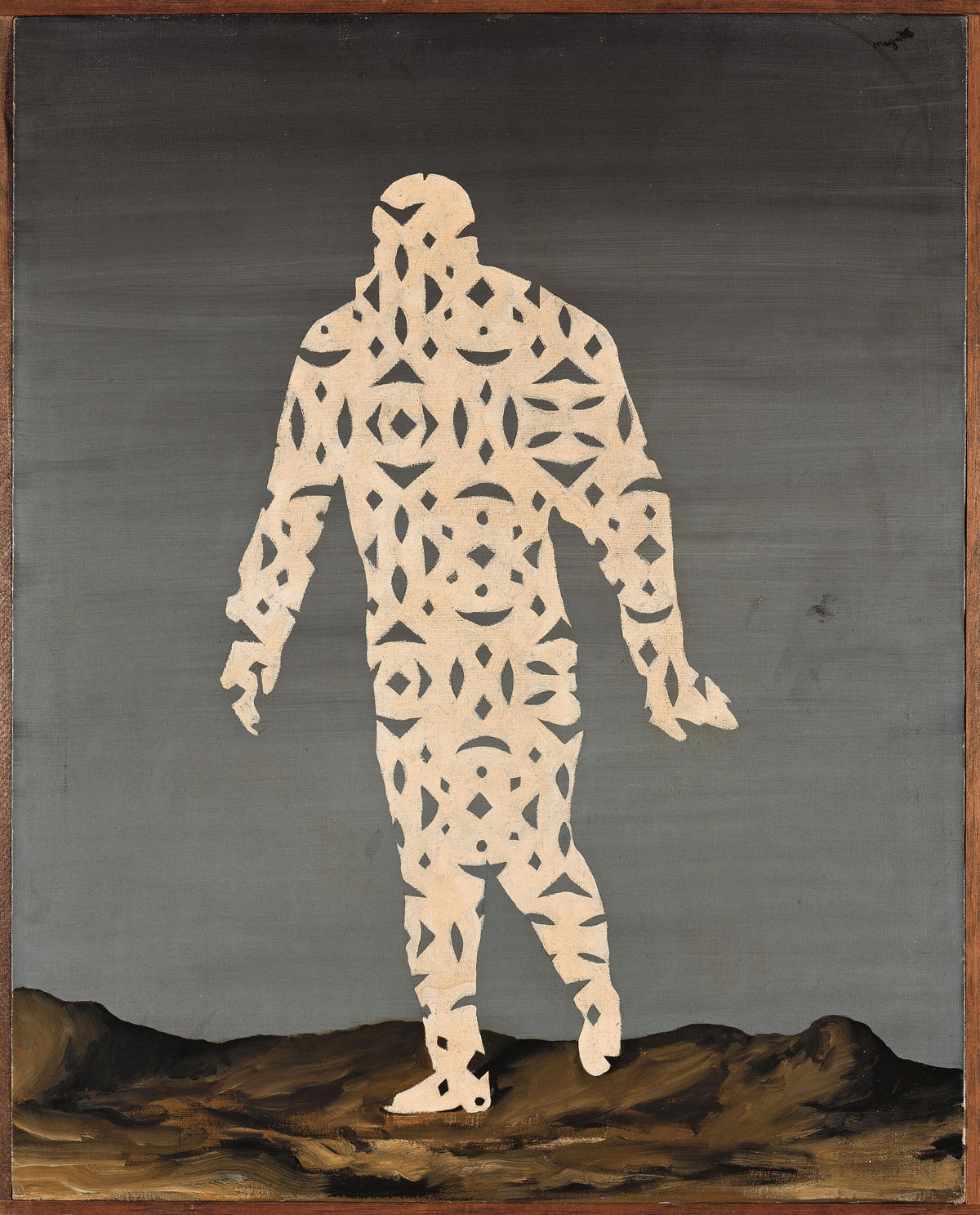
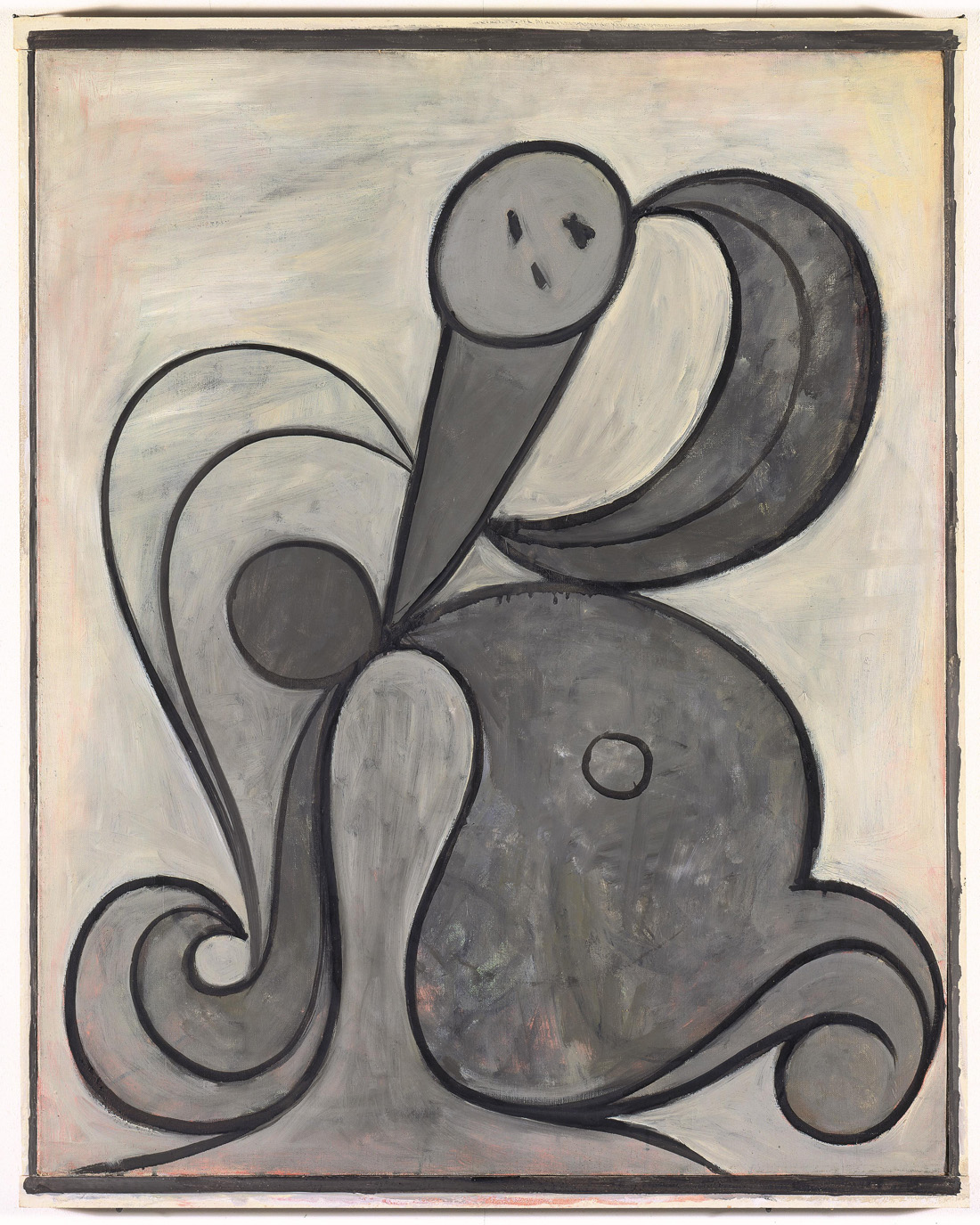
![Max Ernst (German, 1891-1976) 'Jeune homme intrigué par le vol d’une mouche non-euclidienne' [Young Man Intrigued by the Flight of a Non-Euclidean Fly] 1942–1947](https://artblart.com/wp-content/uploads/2016/08/32_ernst-max_jeune-homme-intriguc3a9-1942-47-web.jpg "Max Ernst (German, 1891-1976) 'Jeune homme intrigué par le vol d’une mouche non-euclidienne' [Young Man Intrigued by the Flight of a Non-Euclidean Fly] 1942–1947")
![Max Ernst (German, 1891-1976) 'Une semaine de bonté' [A Week of Kindness] 1934](https://artblart.com/wp-content/uploads/2016/08/ernst-une-semaine-de-bontc3a9-web.jpg "Max Ernst (German, 1891-1976) 'Une semaine de bonté' [A Week of Kindness] 1934")
![Max Ernst (German, 1891-1976) 'Une semaine de bonté' [A Week of Kindness] 1934](https://artblart.com/wp-content/uploads/2016/08/ernst-une-semaine-de-bontc3a9-web2.jpg "Max Ernst (German, 1891-1976) 'Une semaine de bonté' [A Week of Kindness] 1934")


![Alberto Giacometti (Italian, 1901-1966) 'Objet désagréable, à jeter' [Disagreeable Object, to be Thrown away] 1931](https://artblart.com/wp-content/uploads/2016/08/alberto-giacometti-objet-dc3a9sagrc3a9able-web.jpg "Alberto Giacometti (Italian, 1901-1966) 'Objet désagréable, à jeter' [Disagreeable Object, to be Thrown away] 1931")
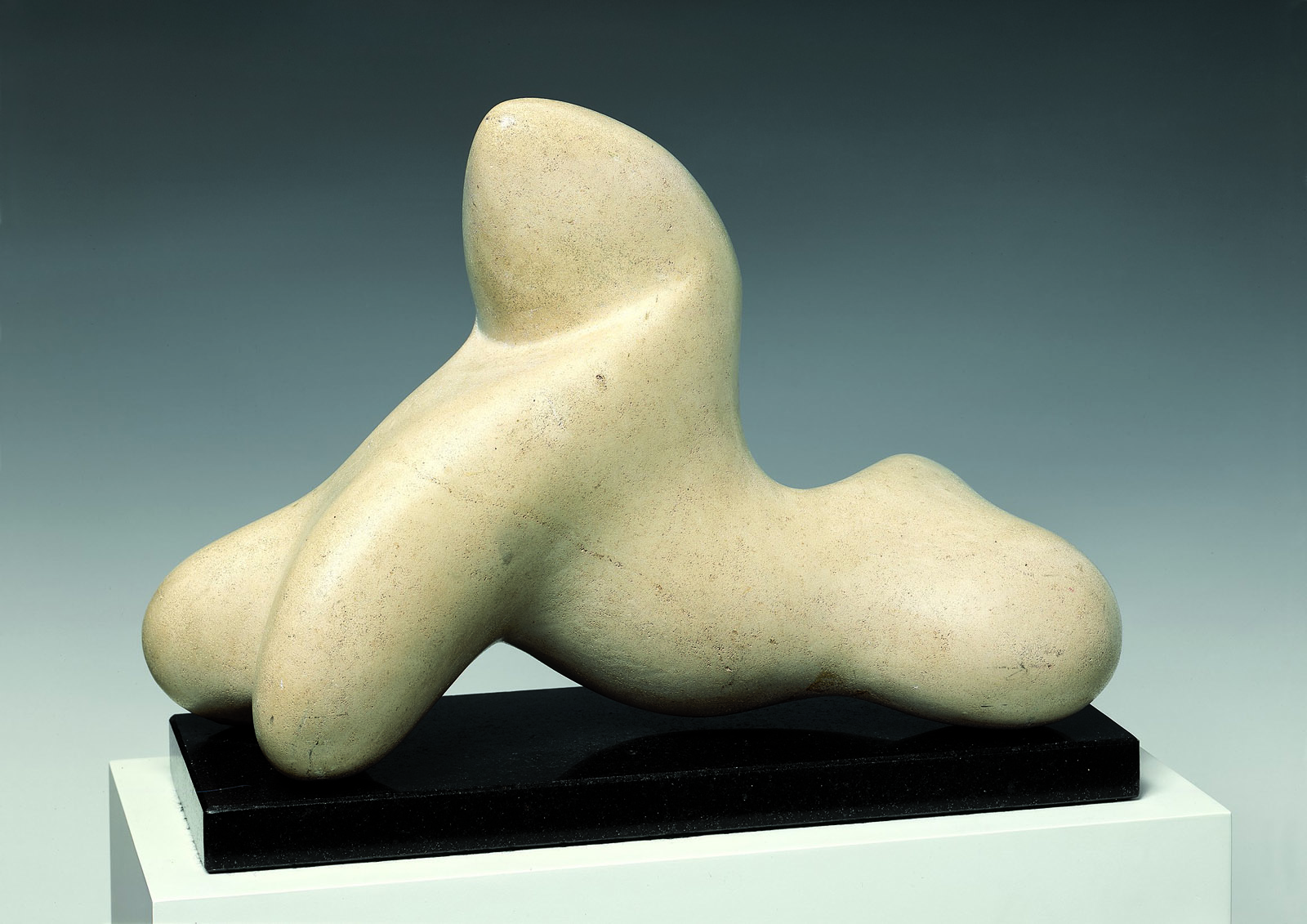


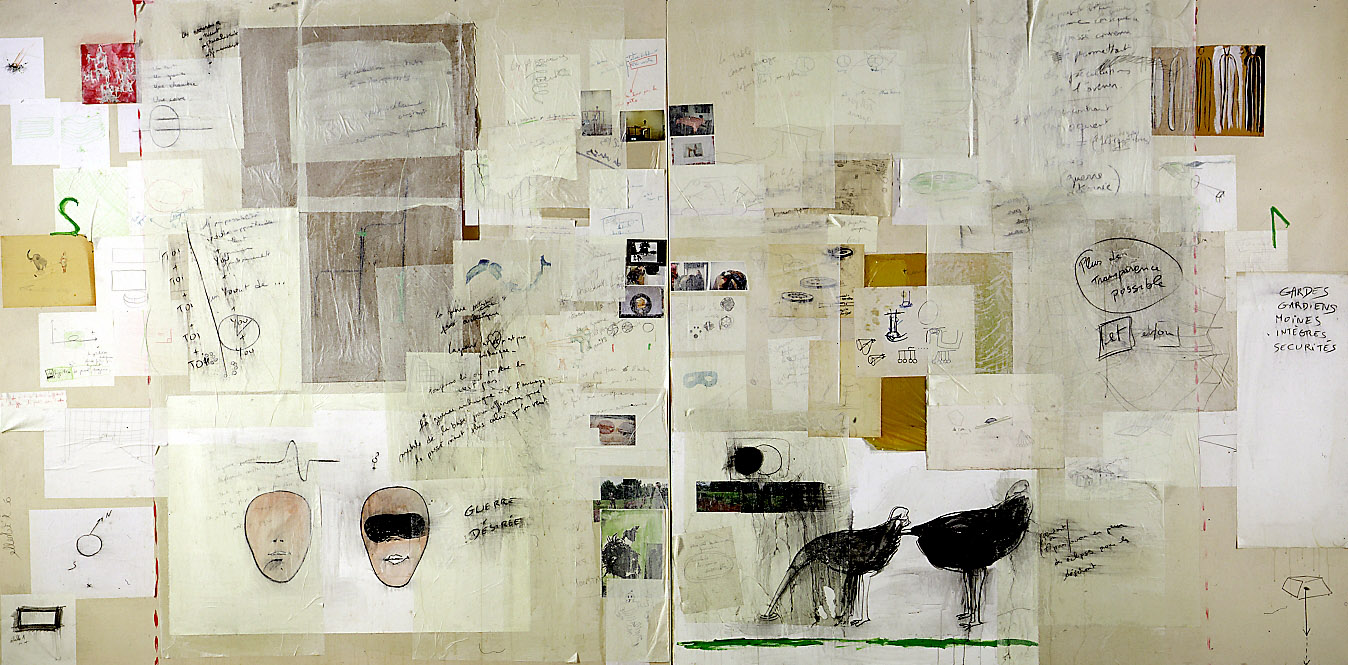
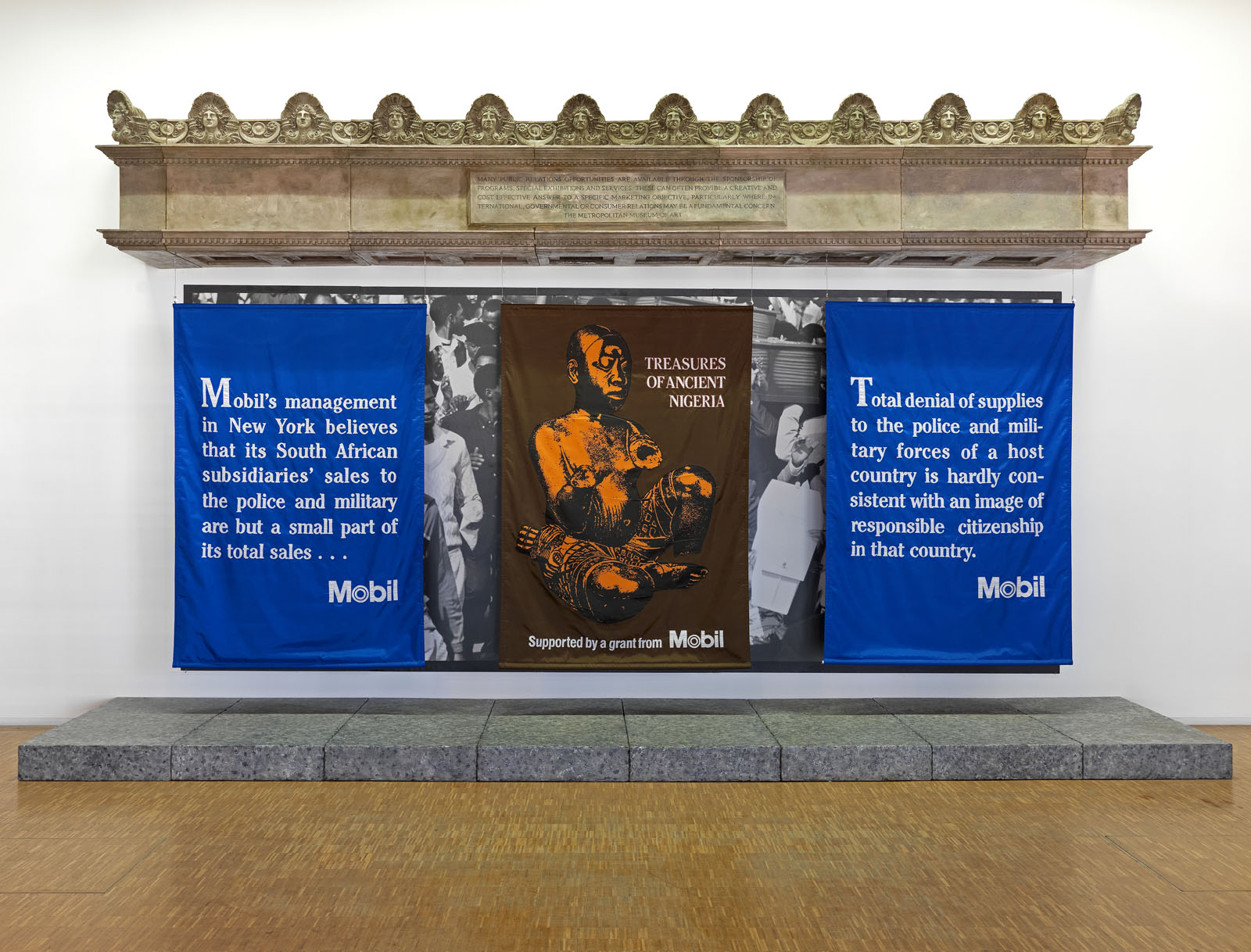
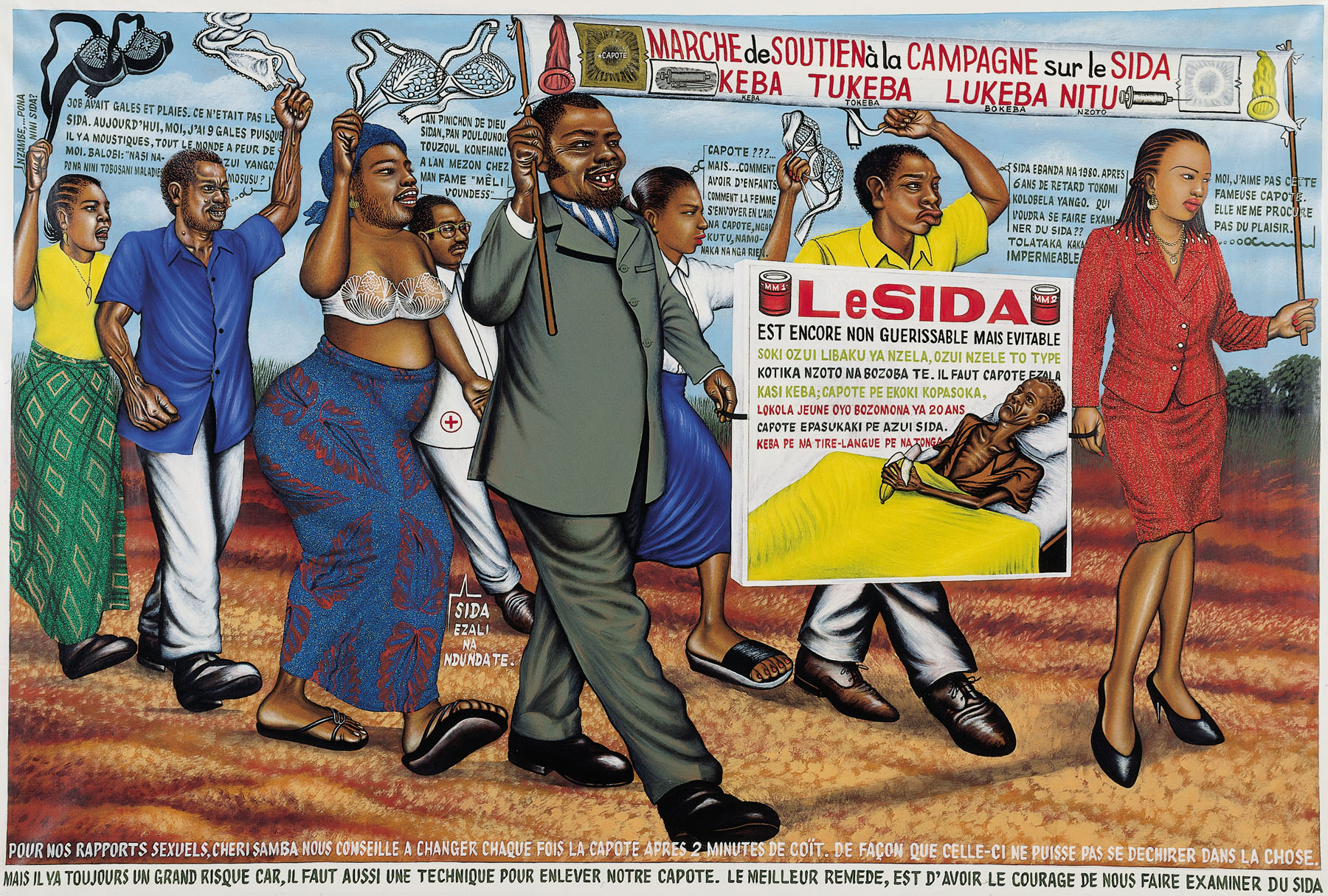


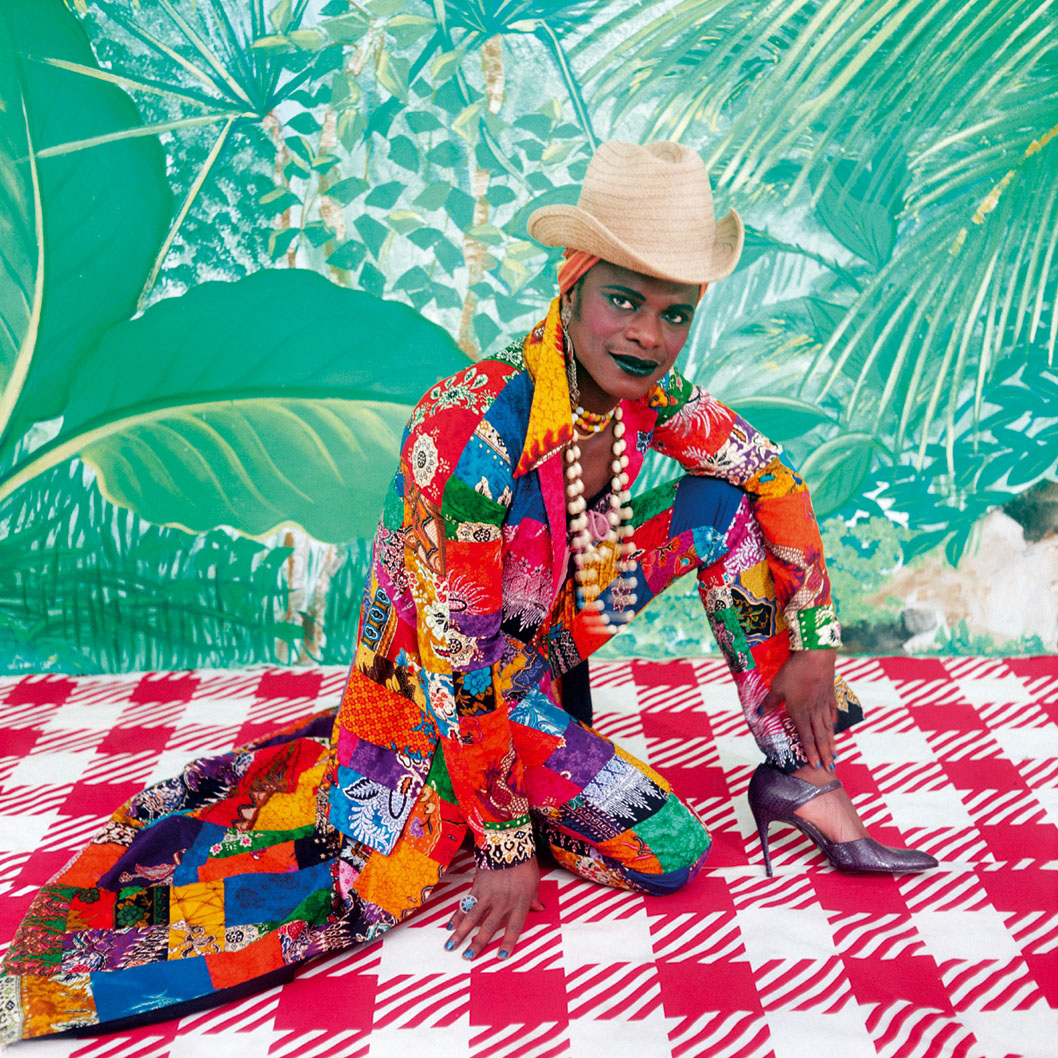
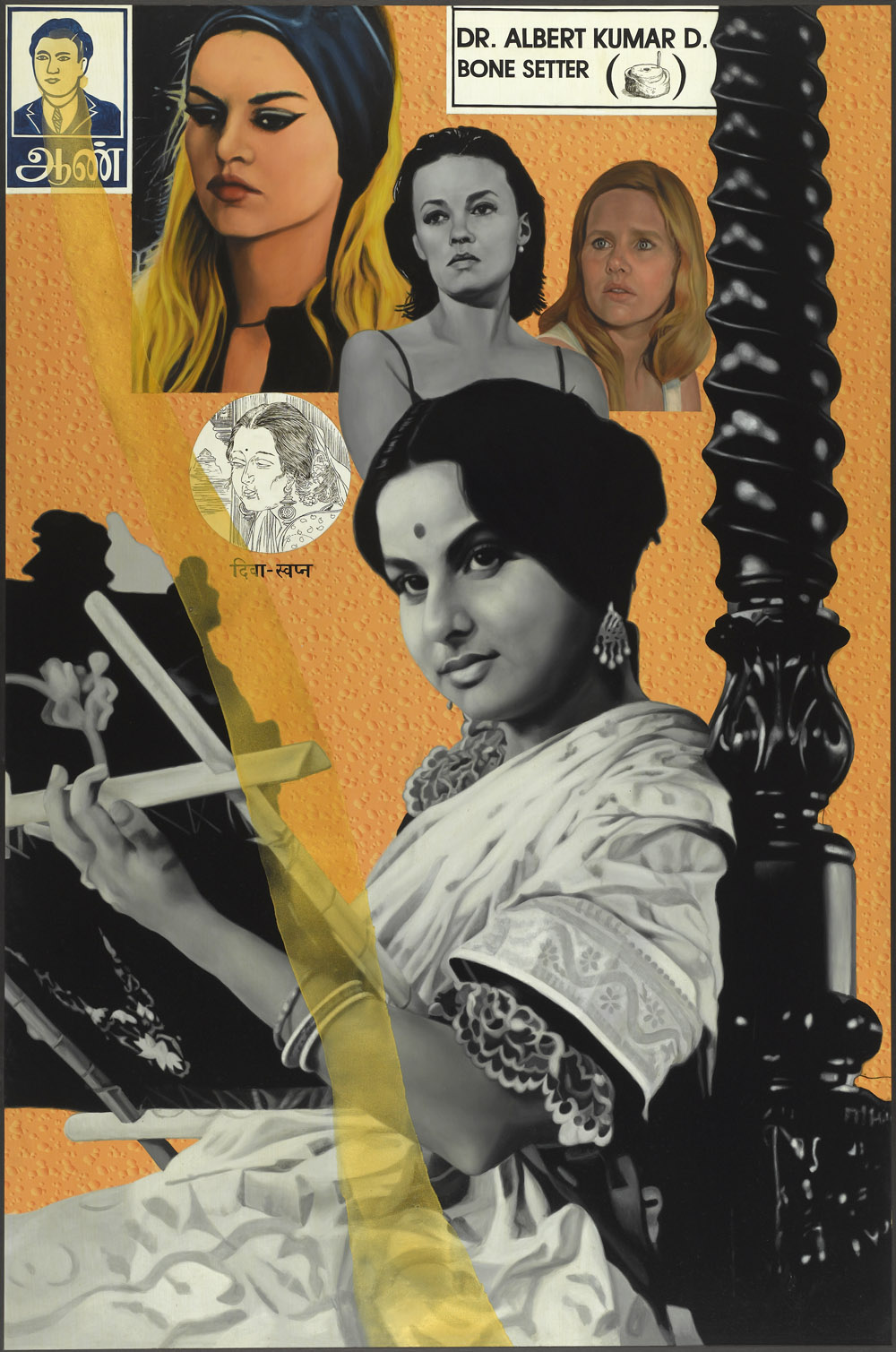
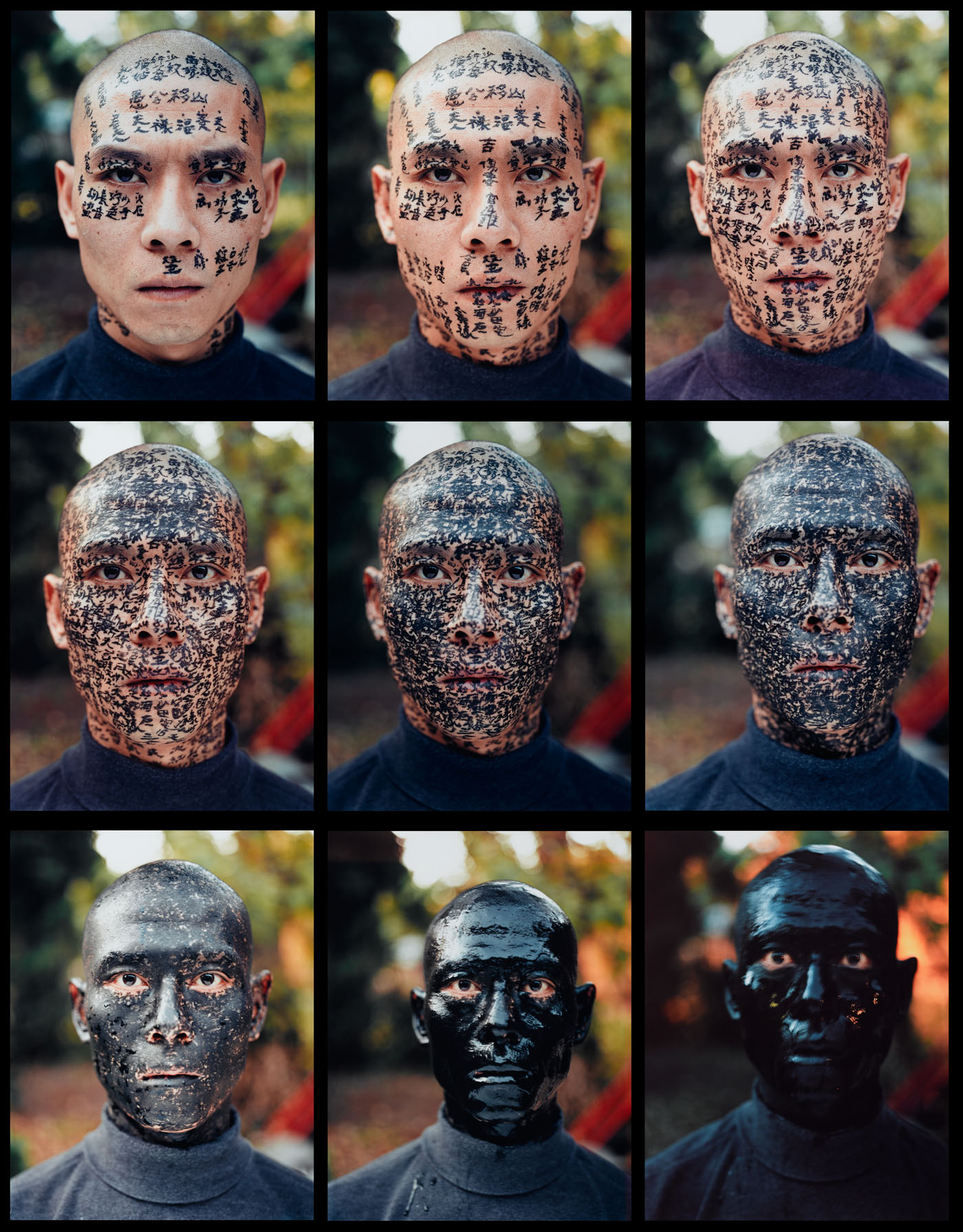
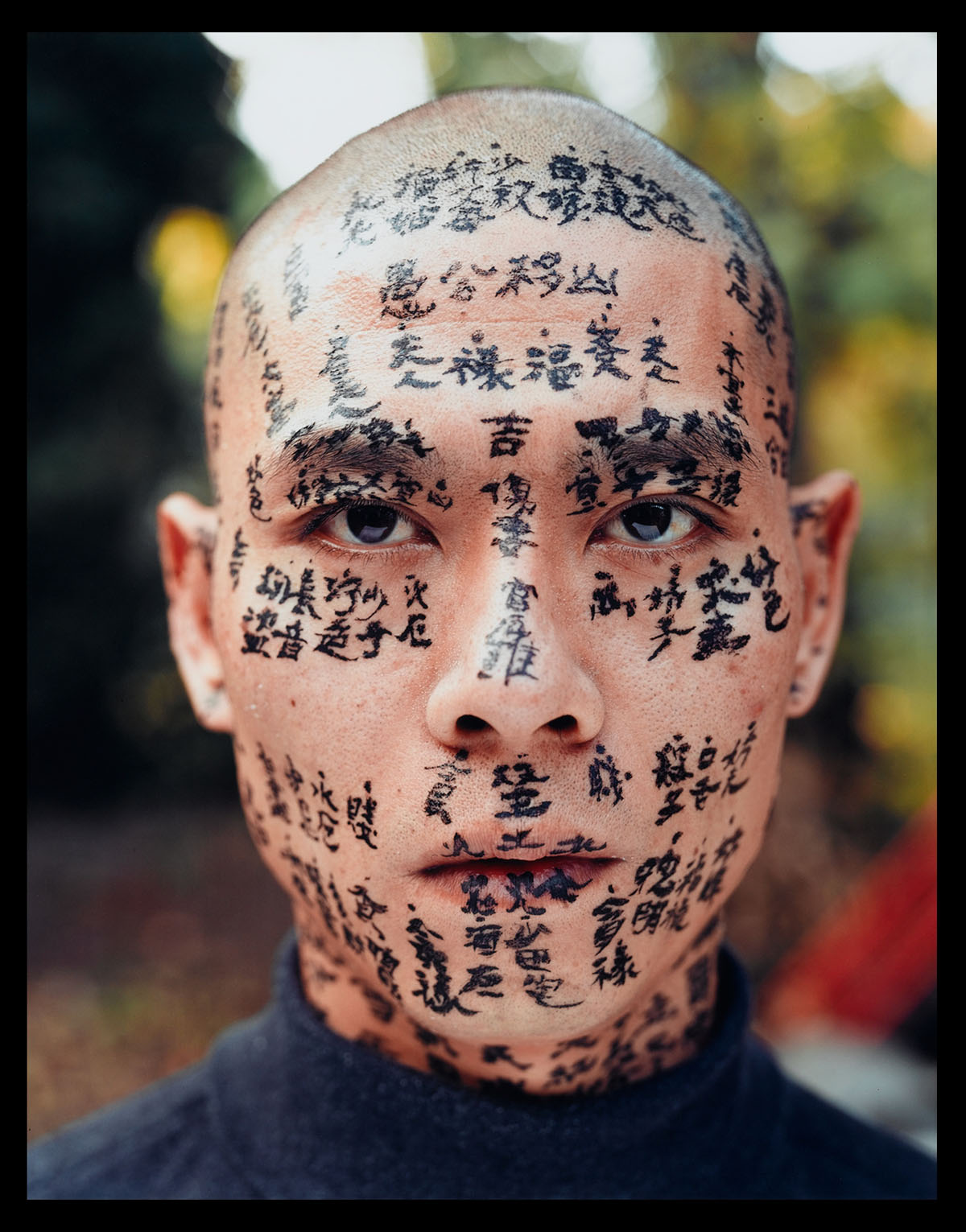
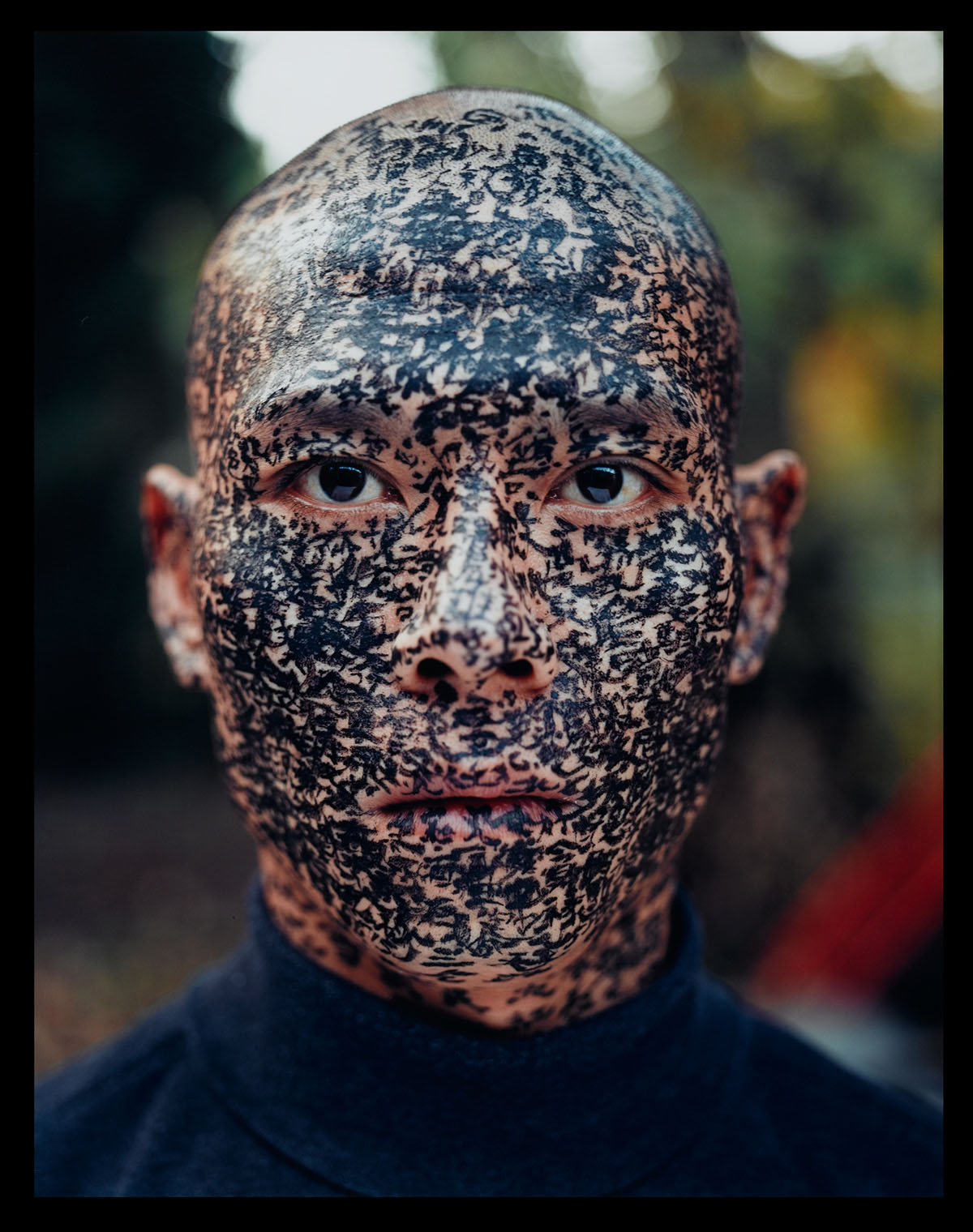
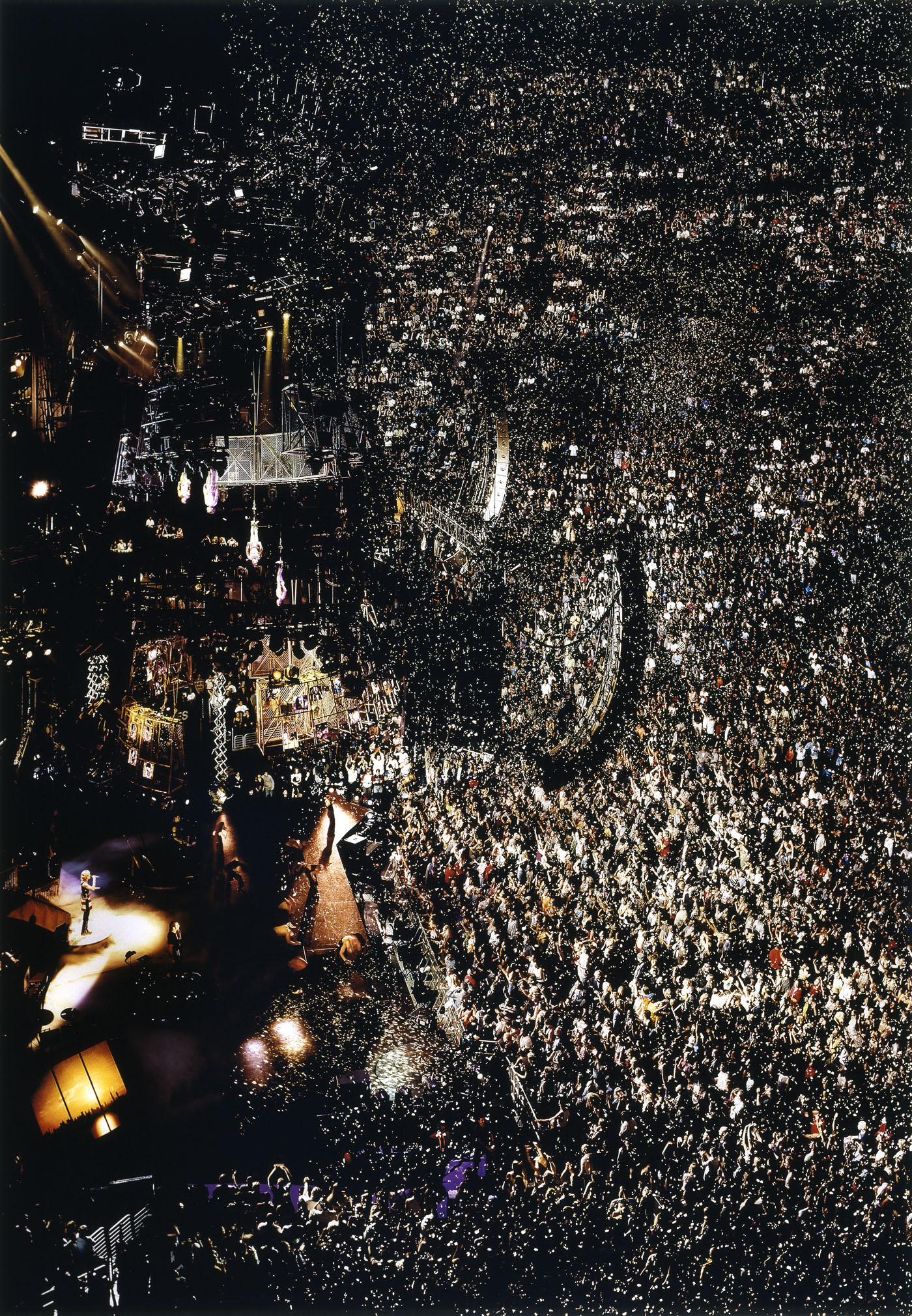
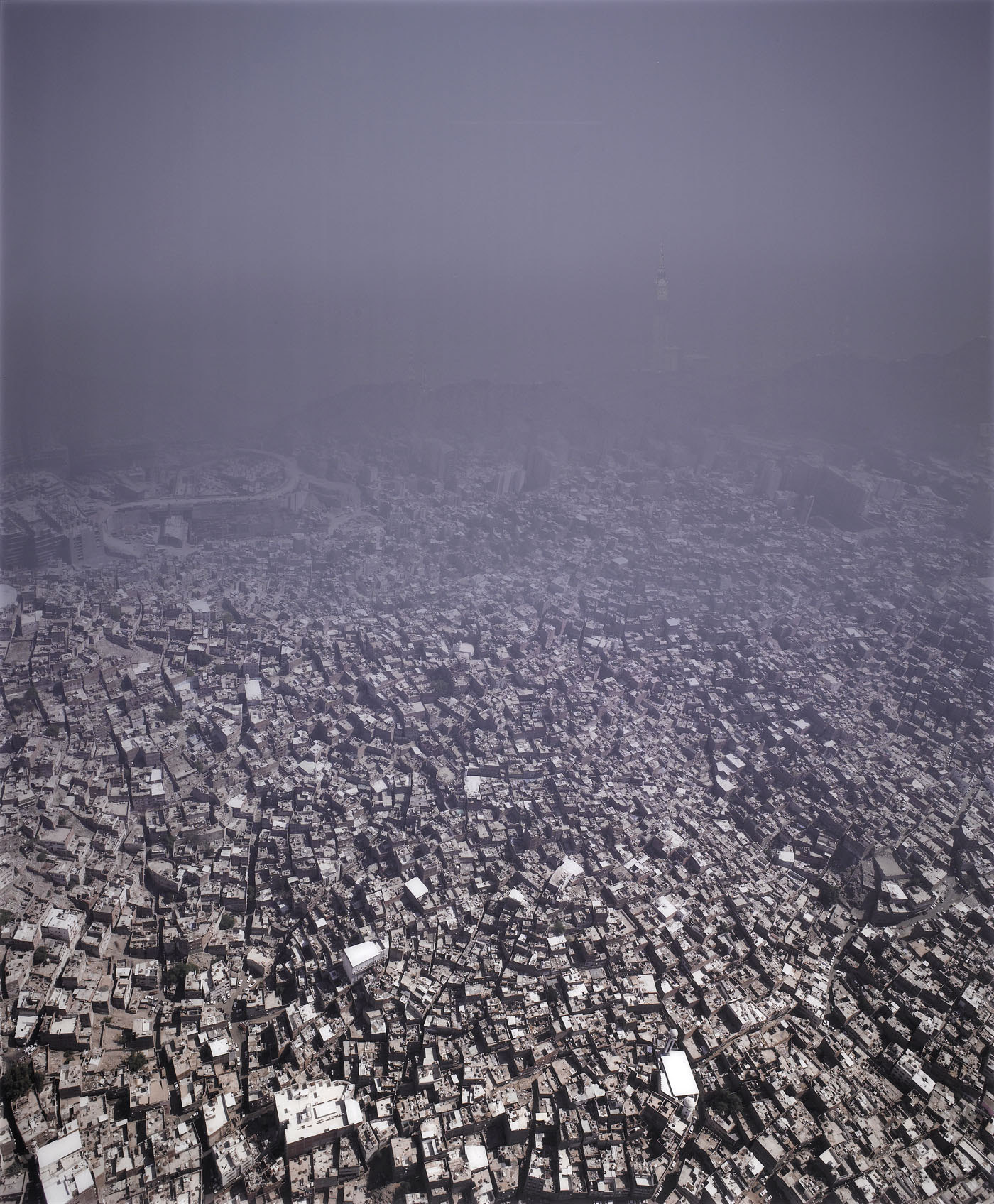
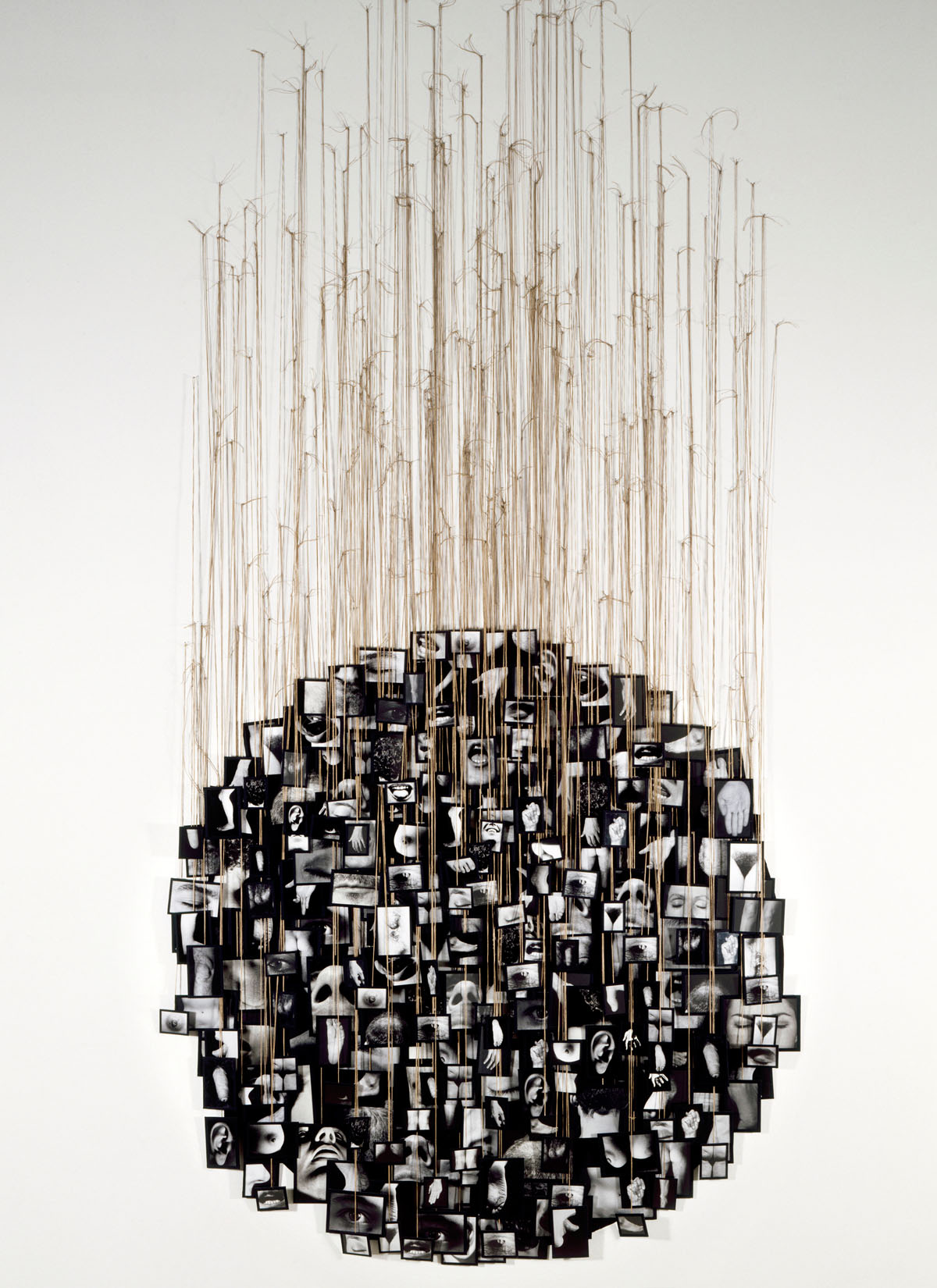
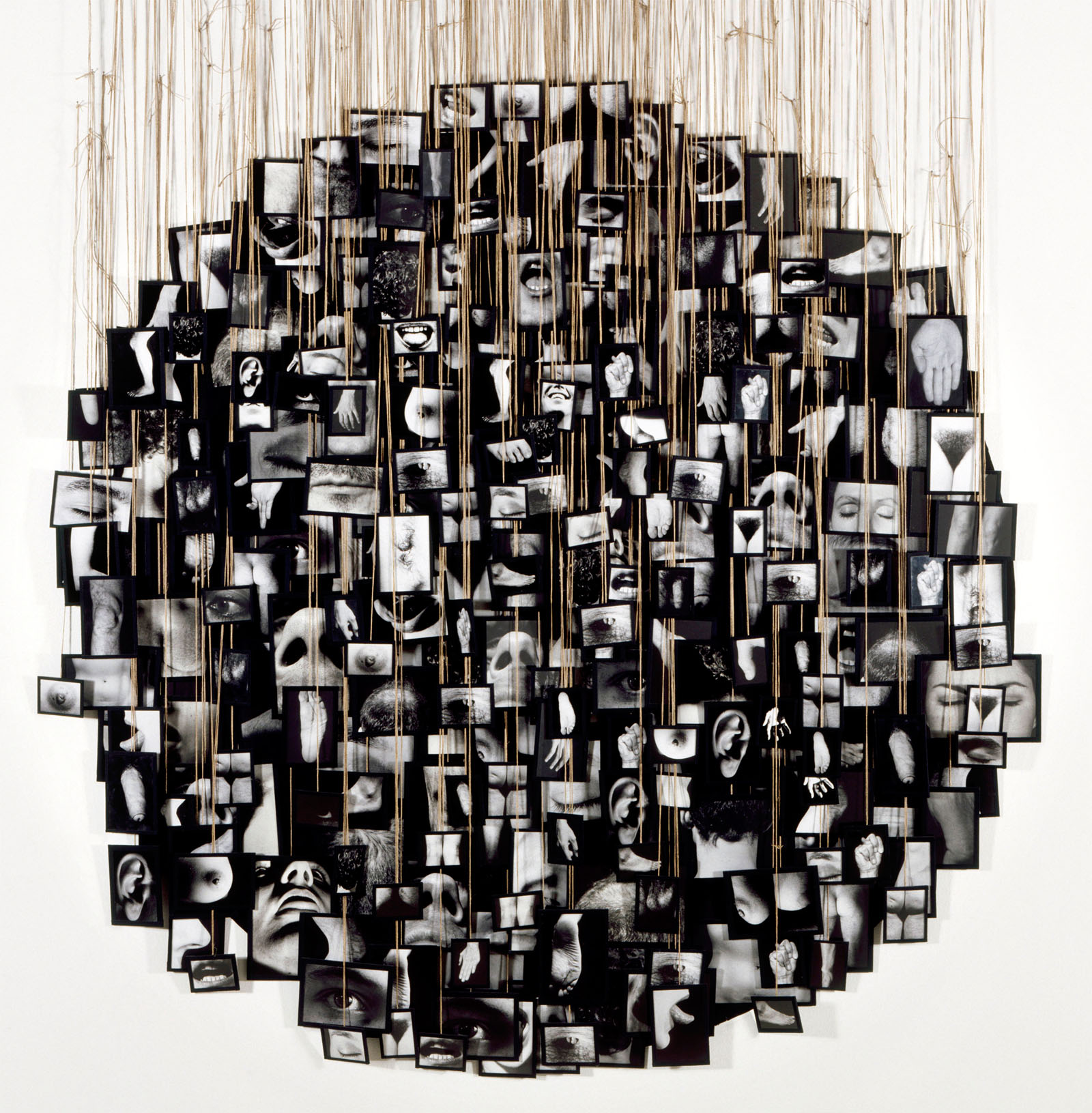
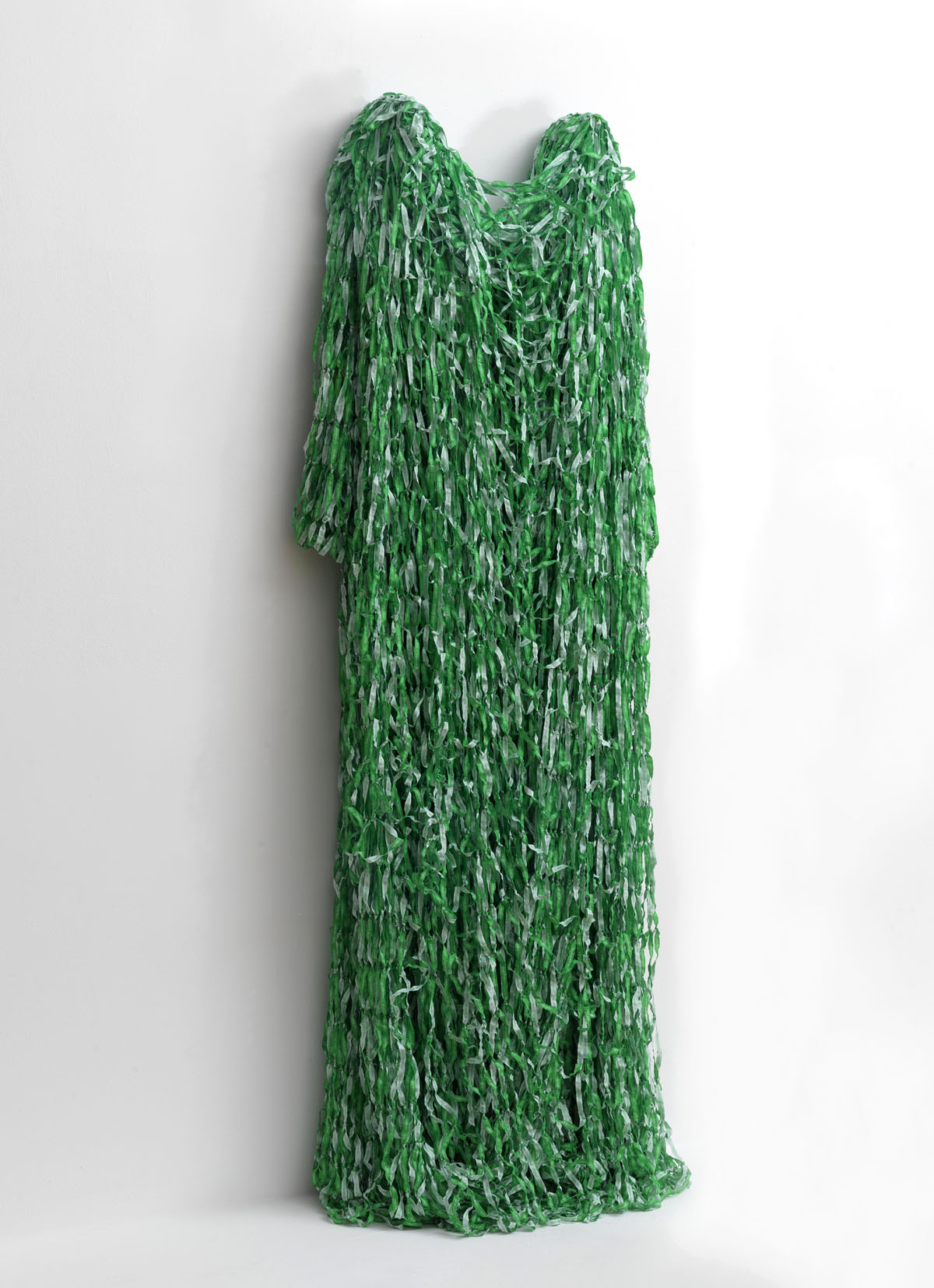
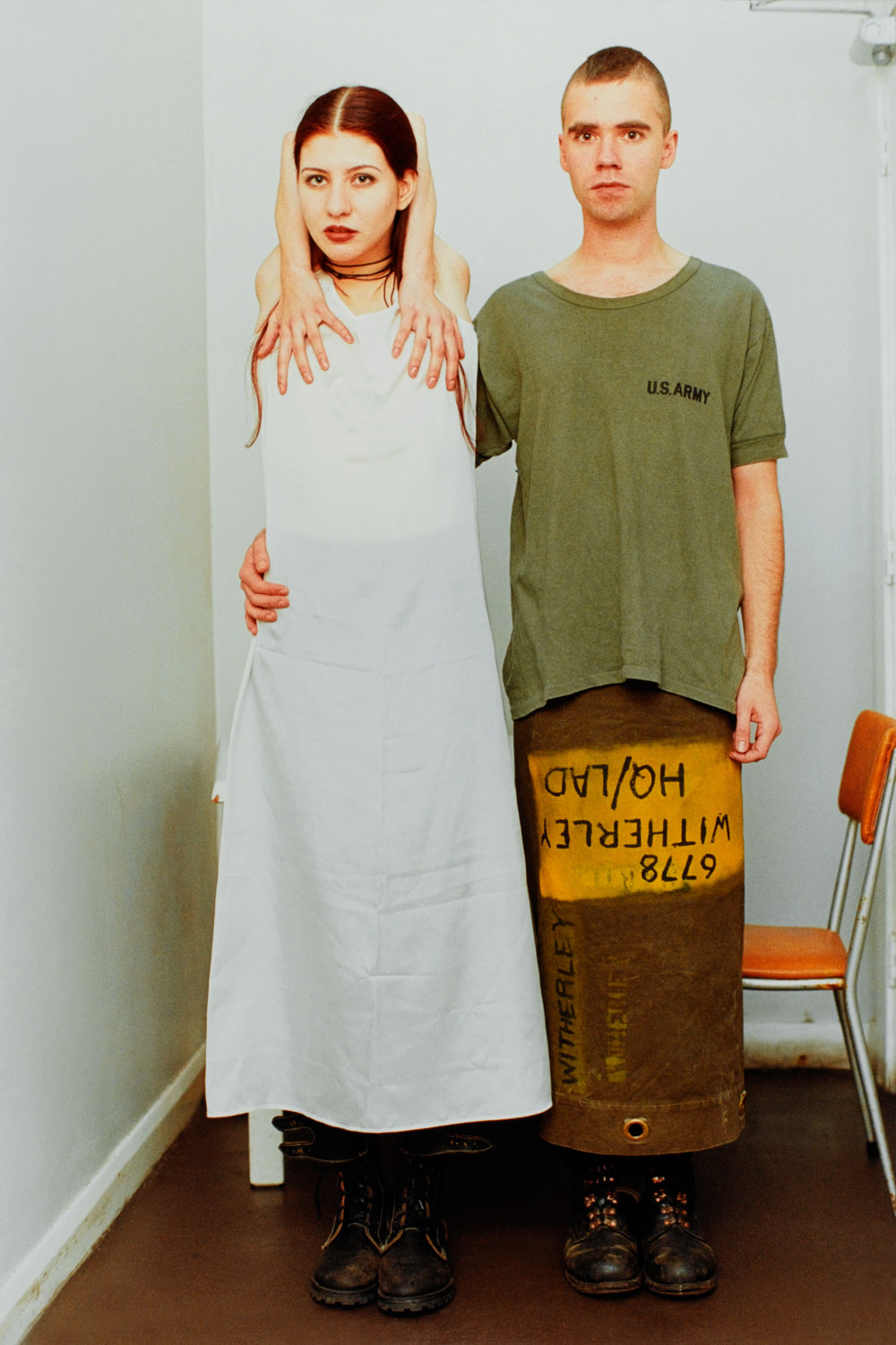


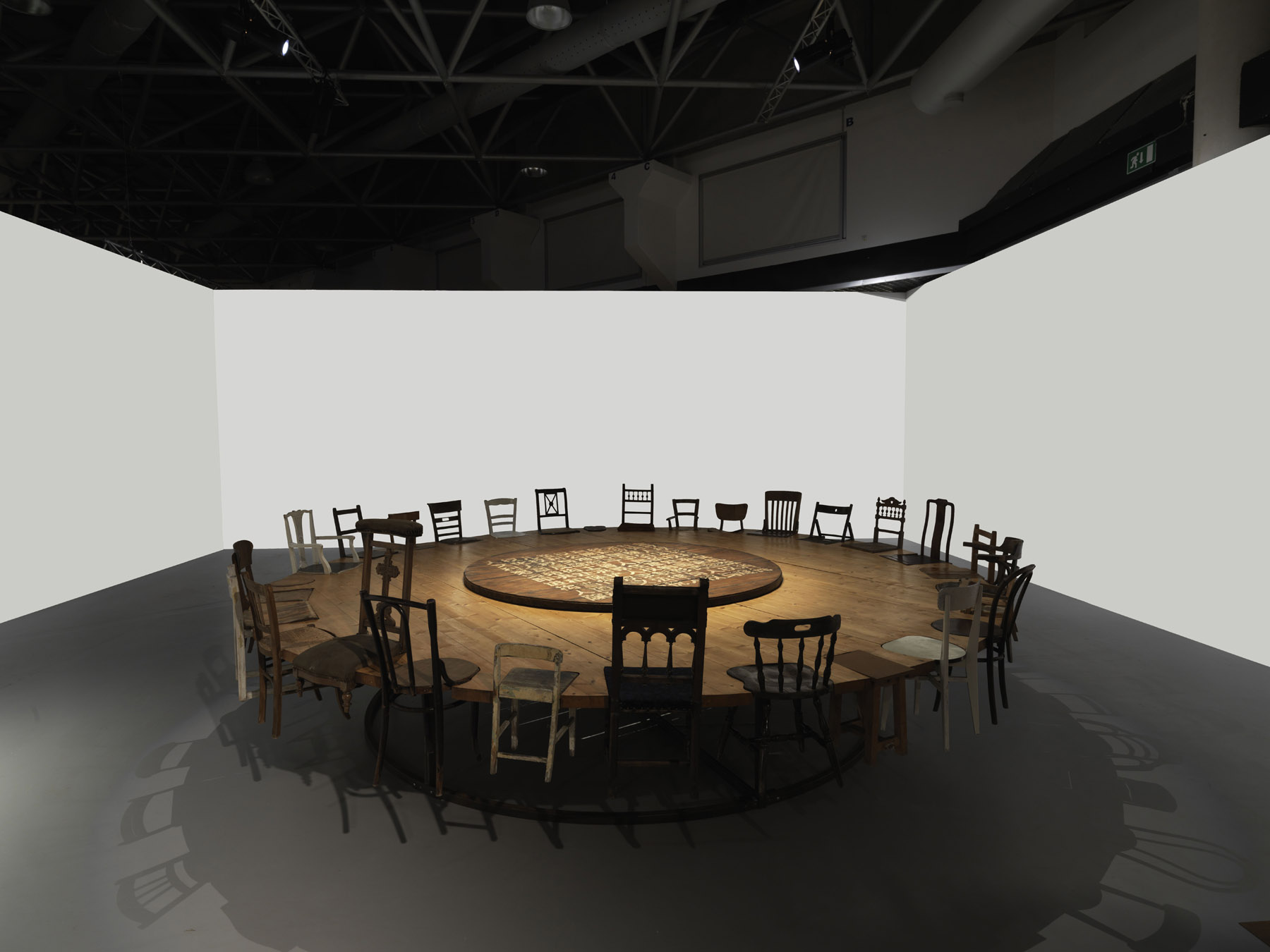
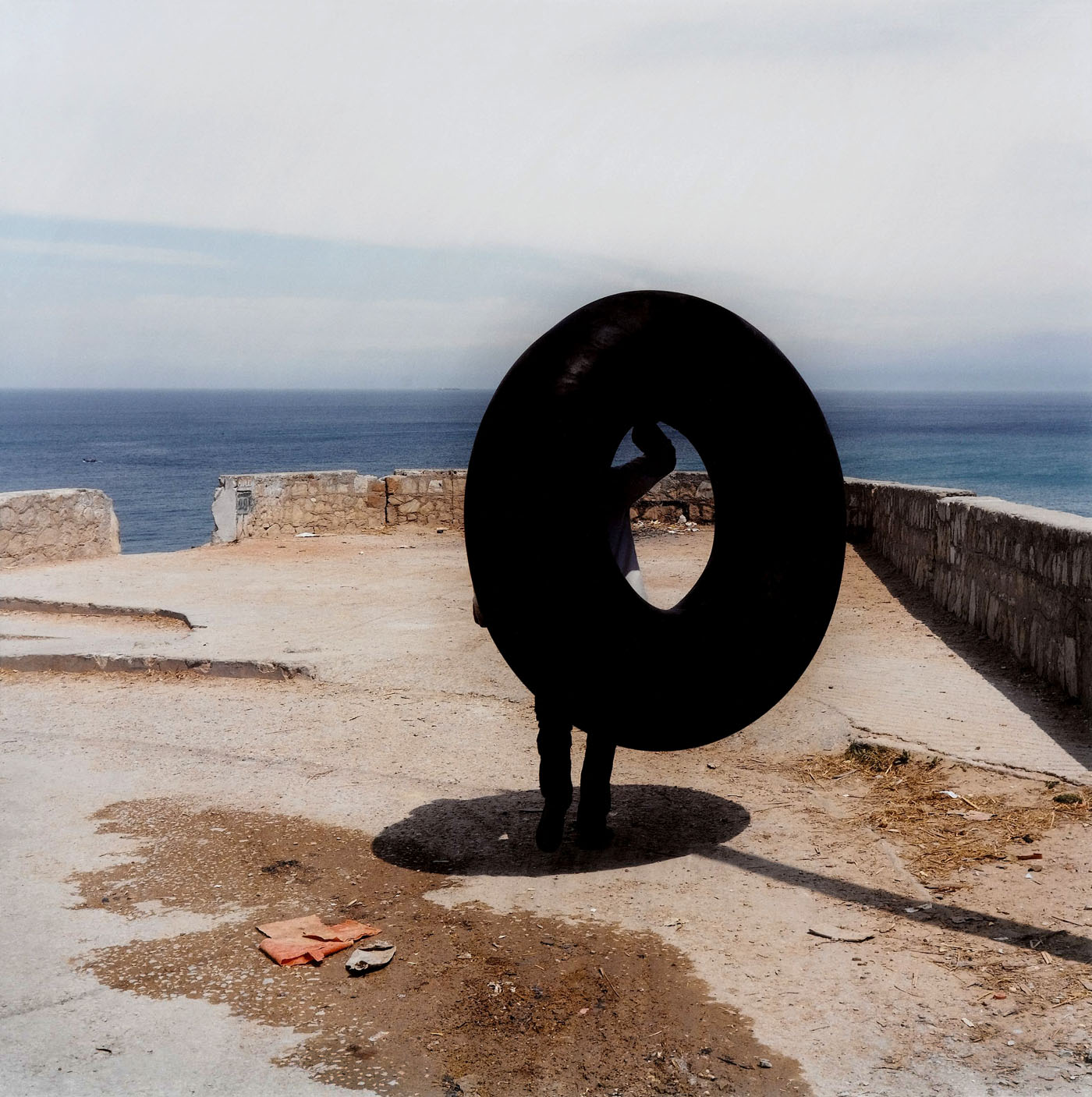
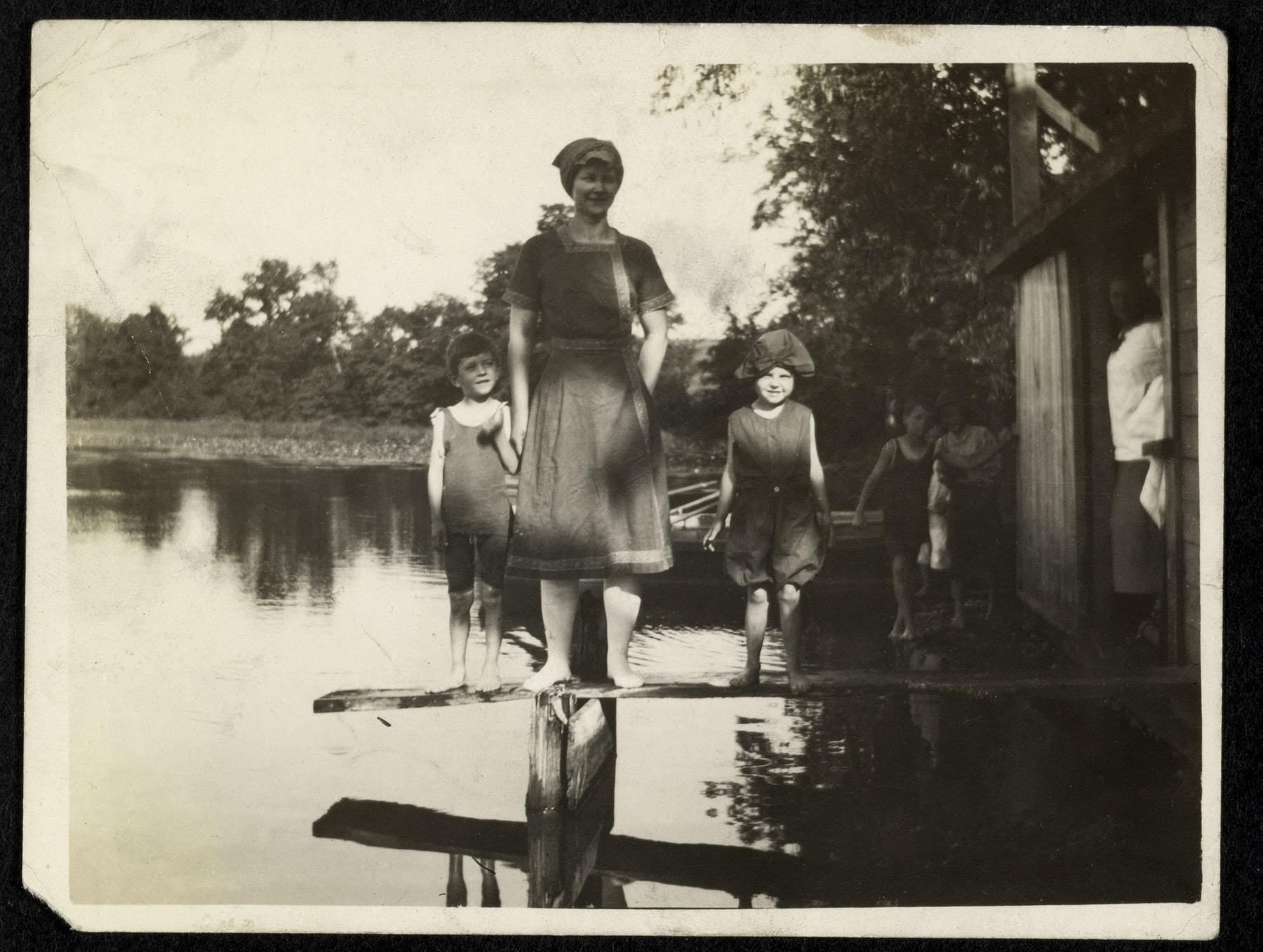


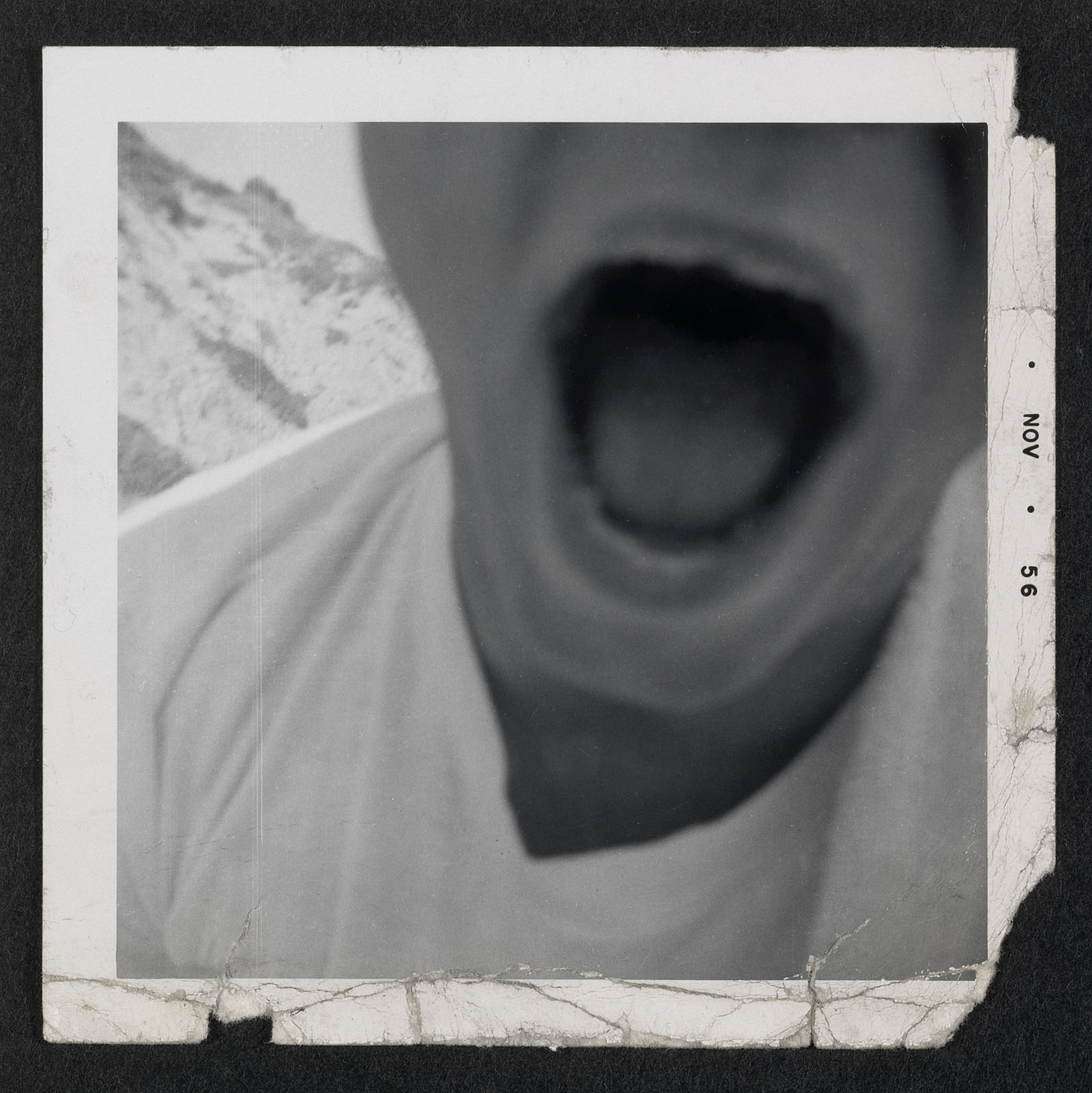
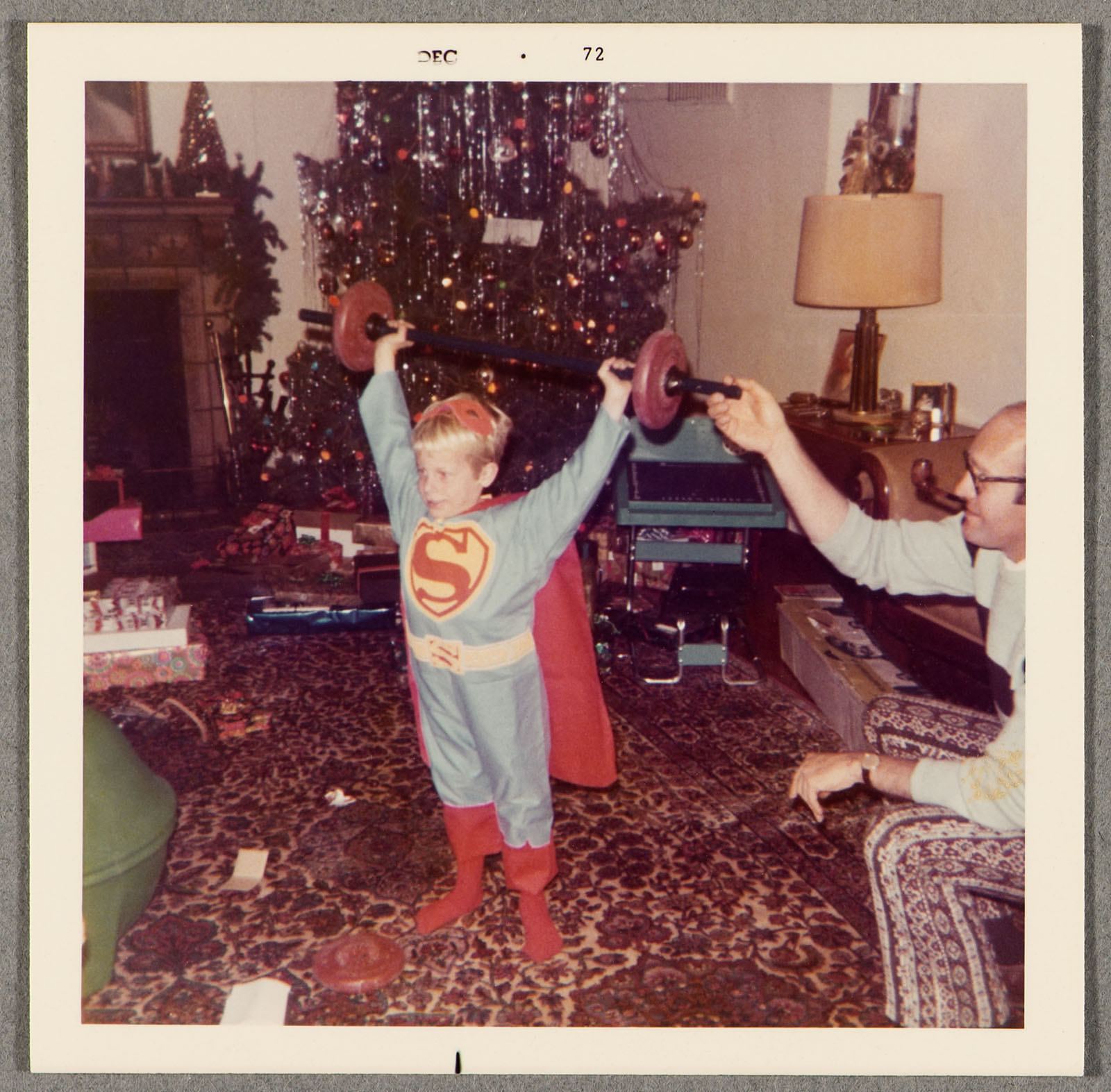
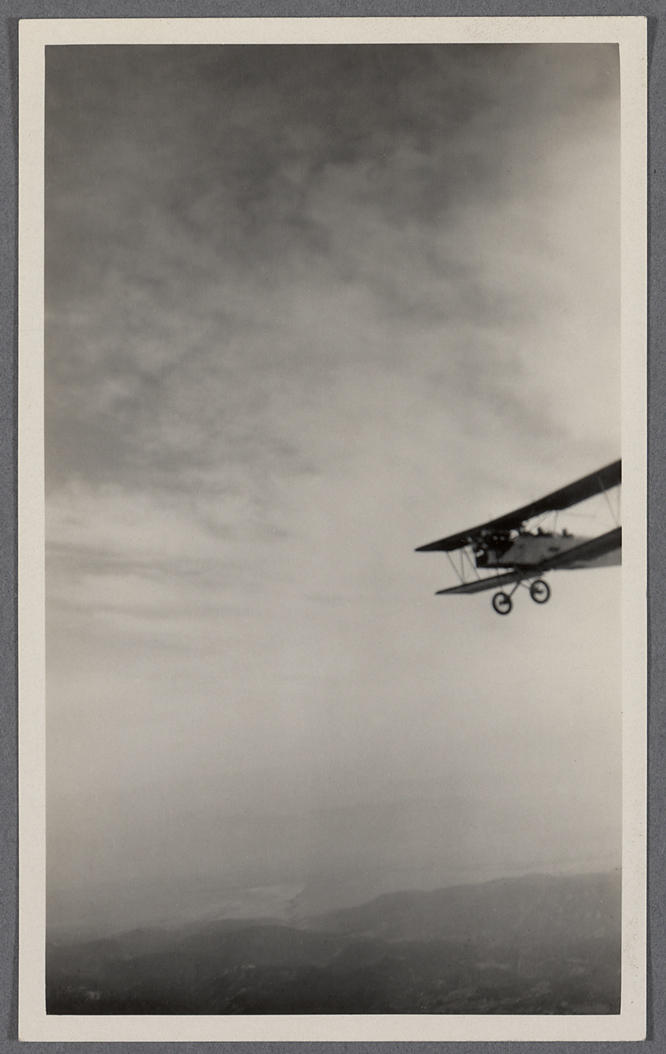
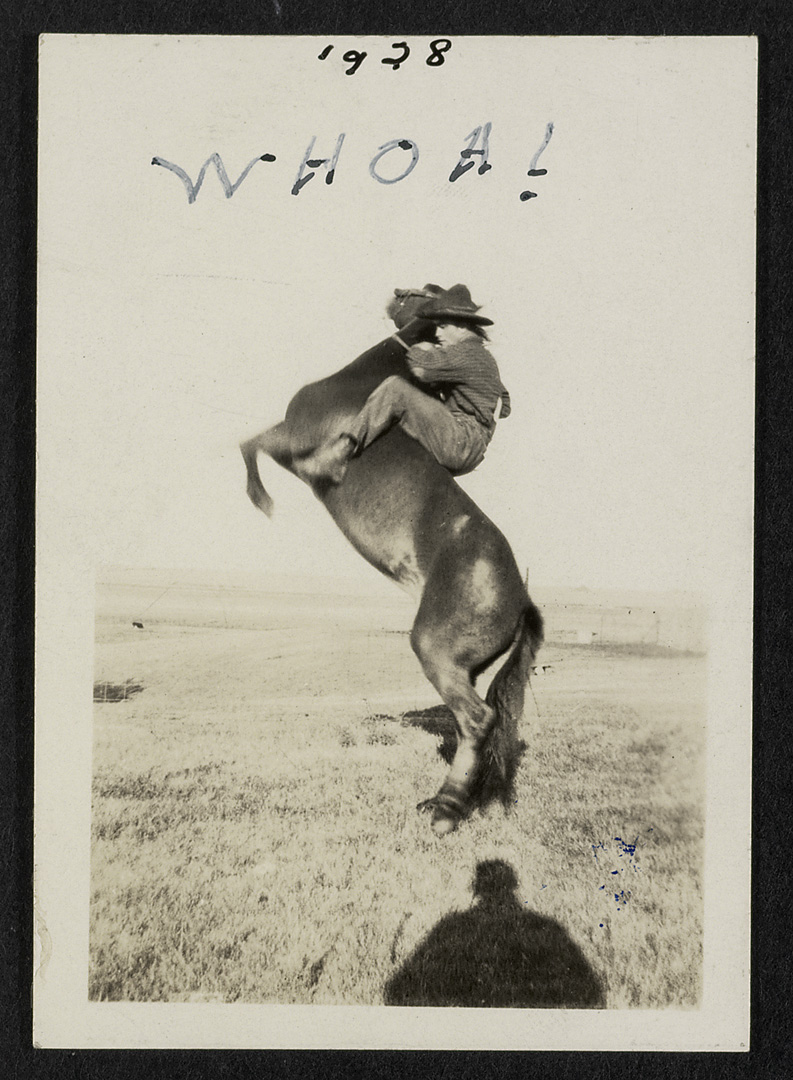
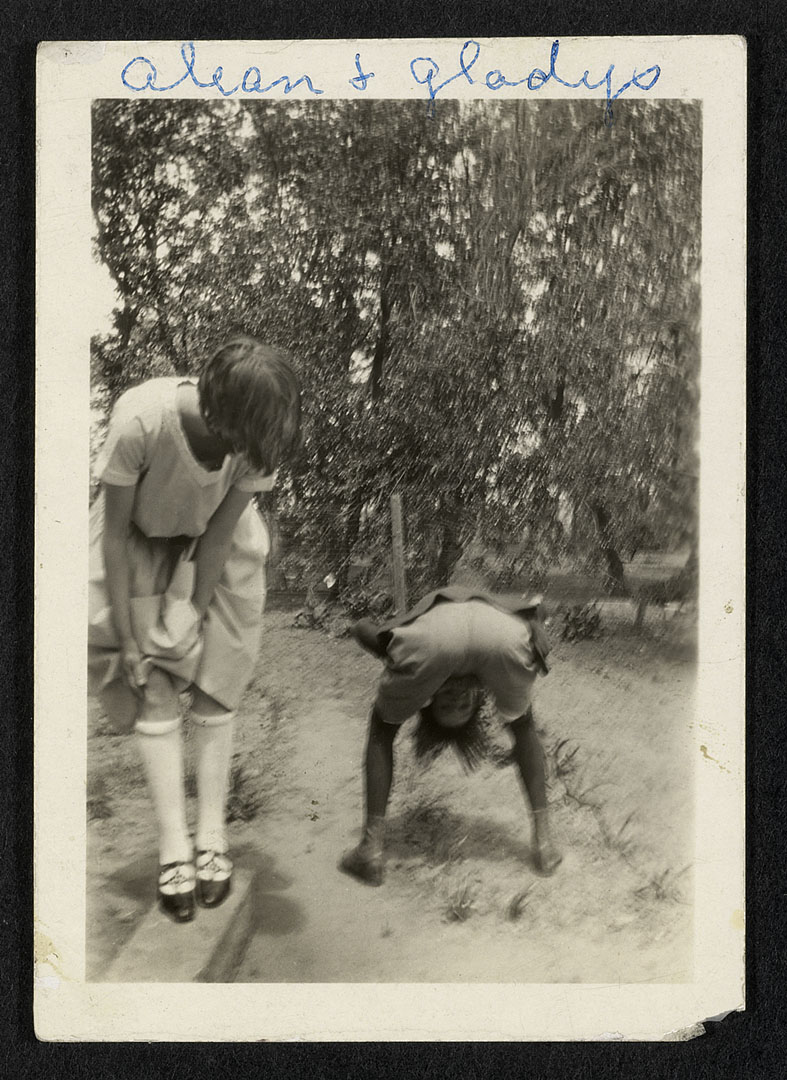
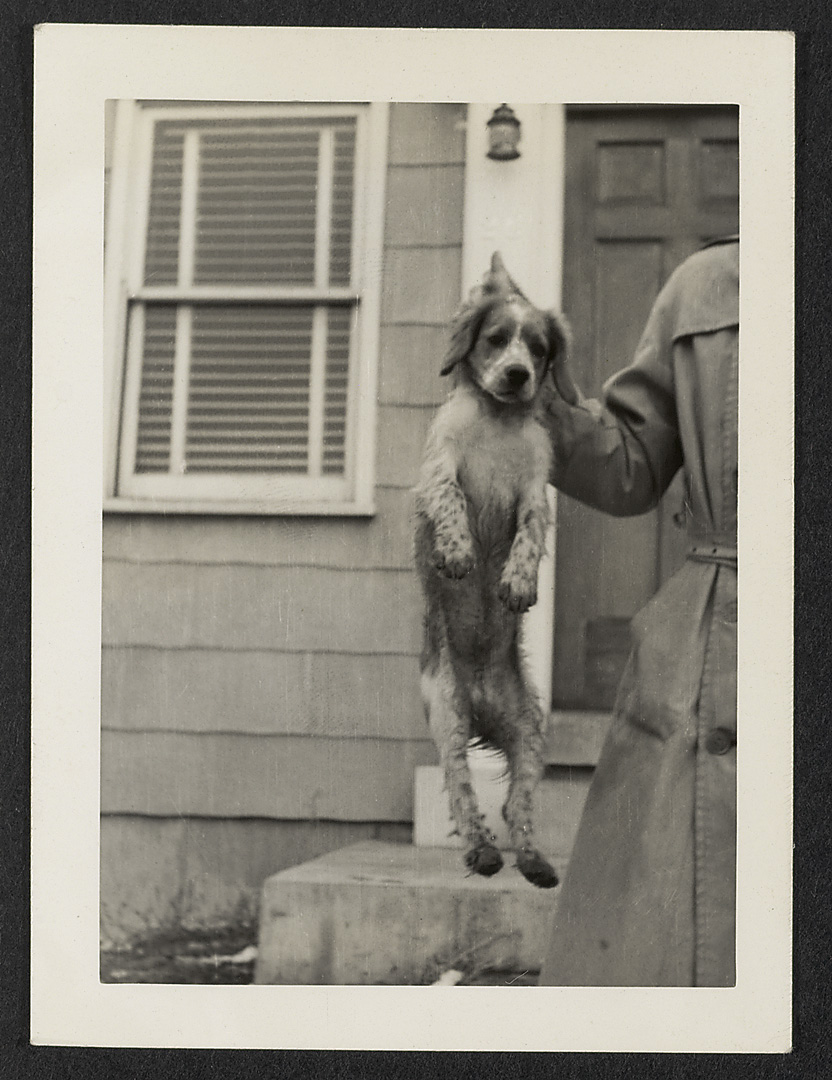
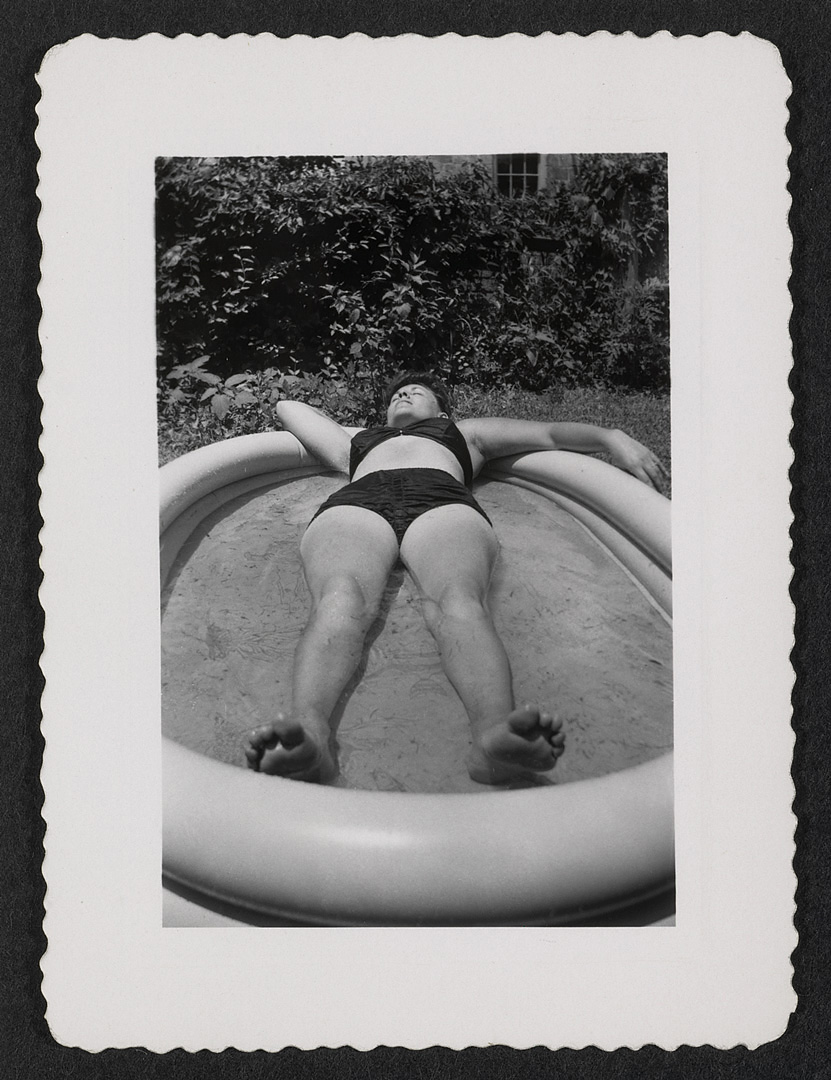
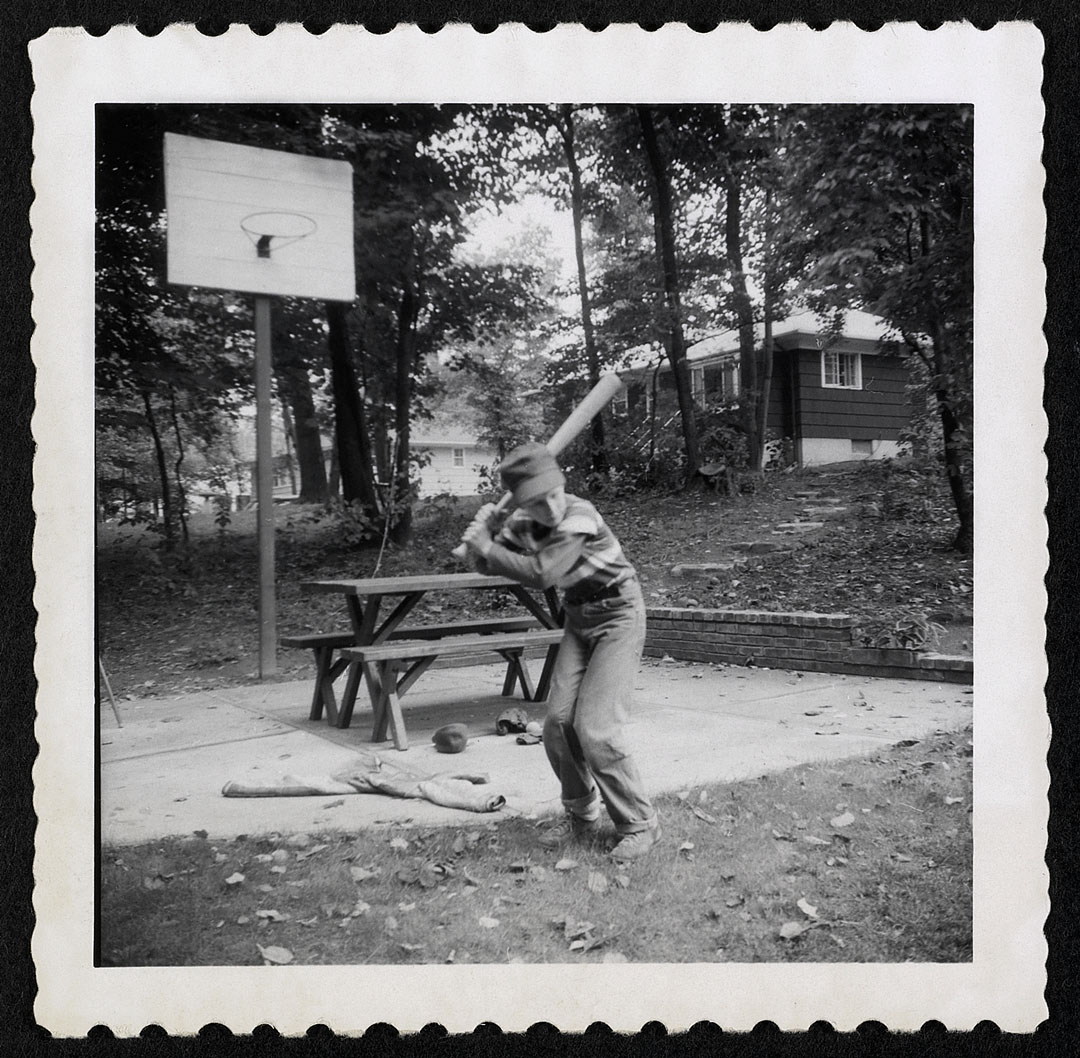
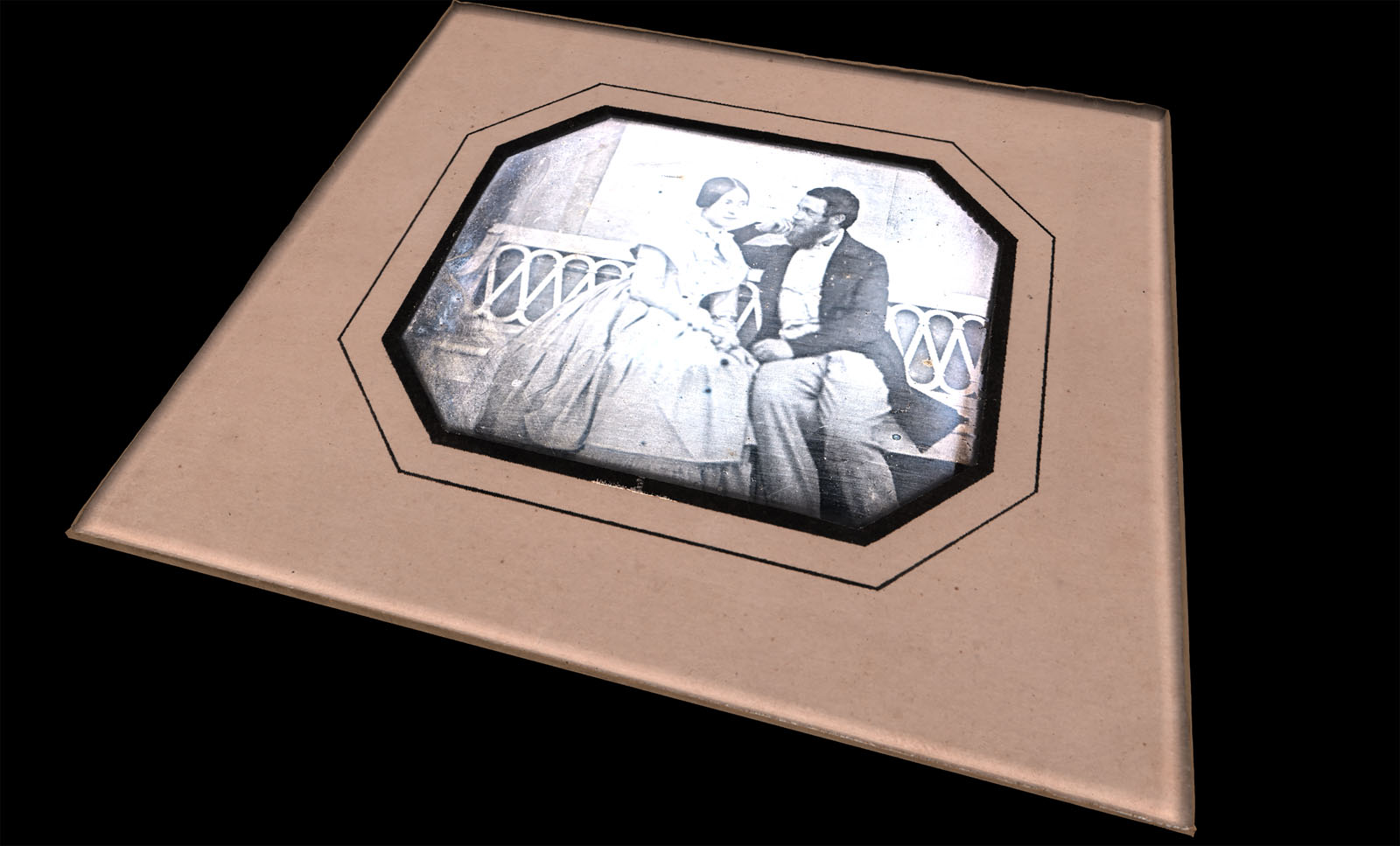

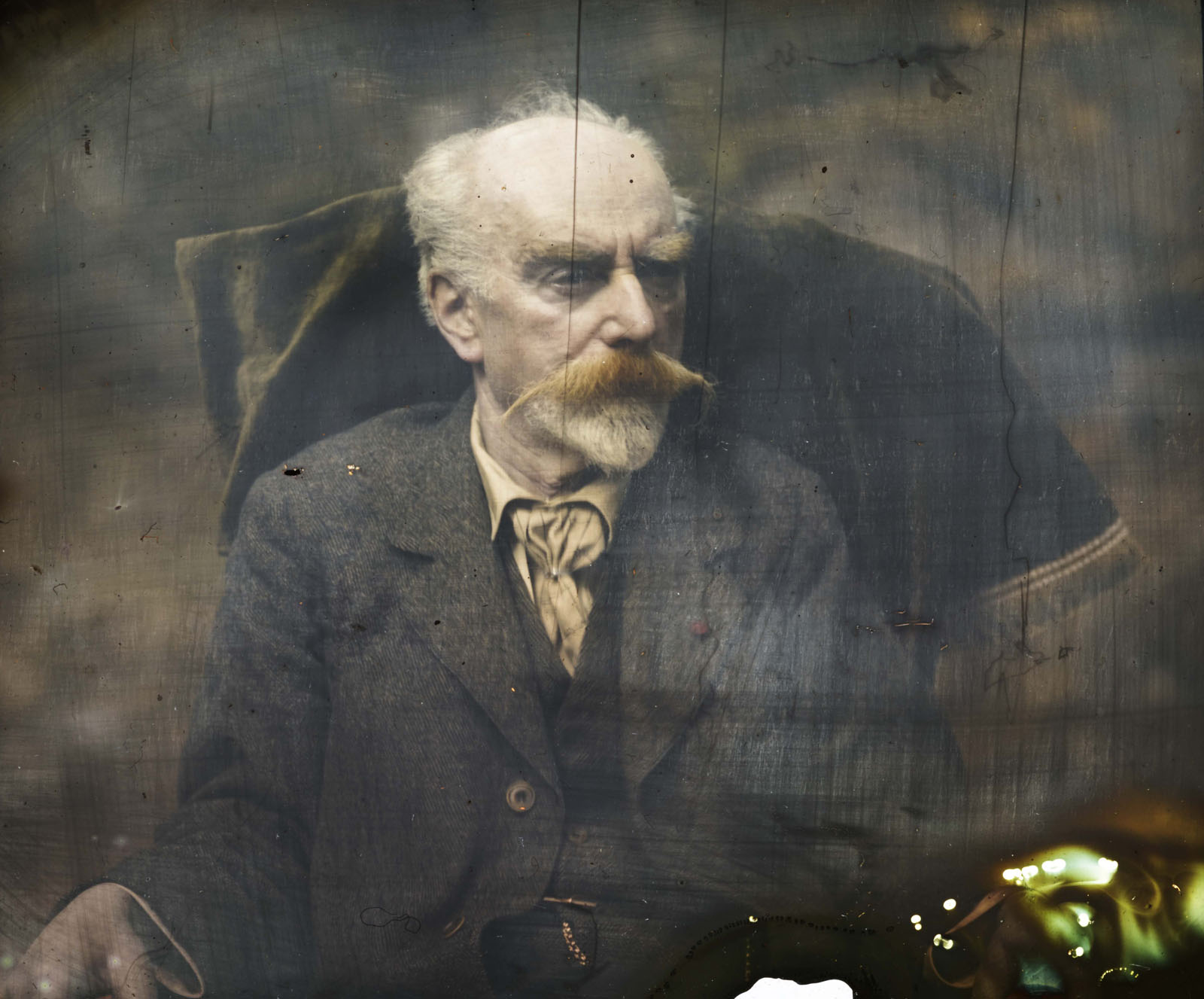
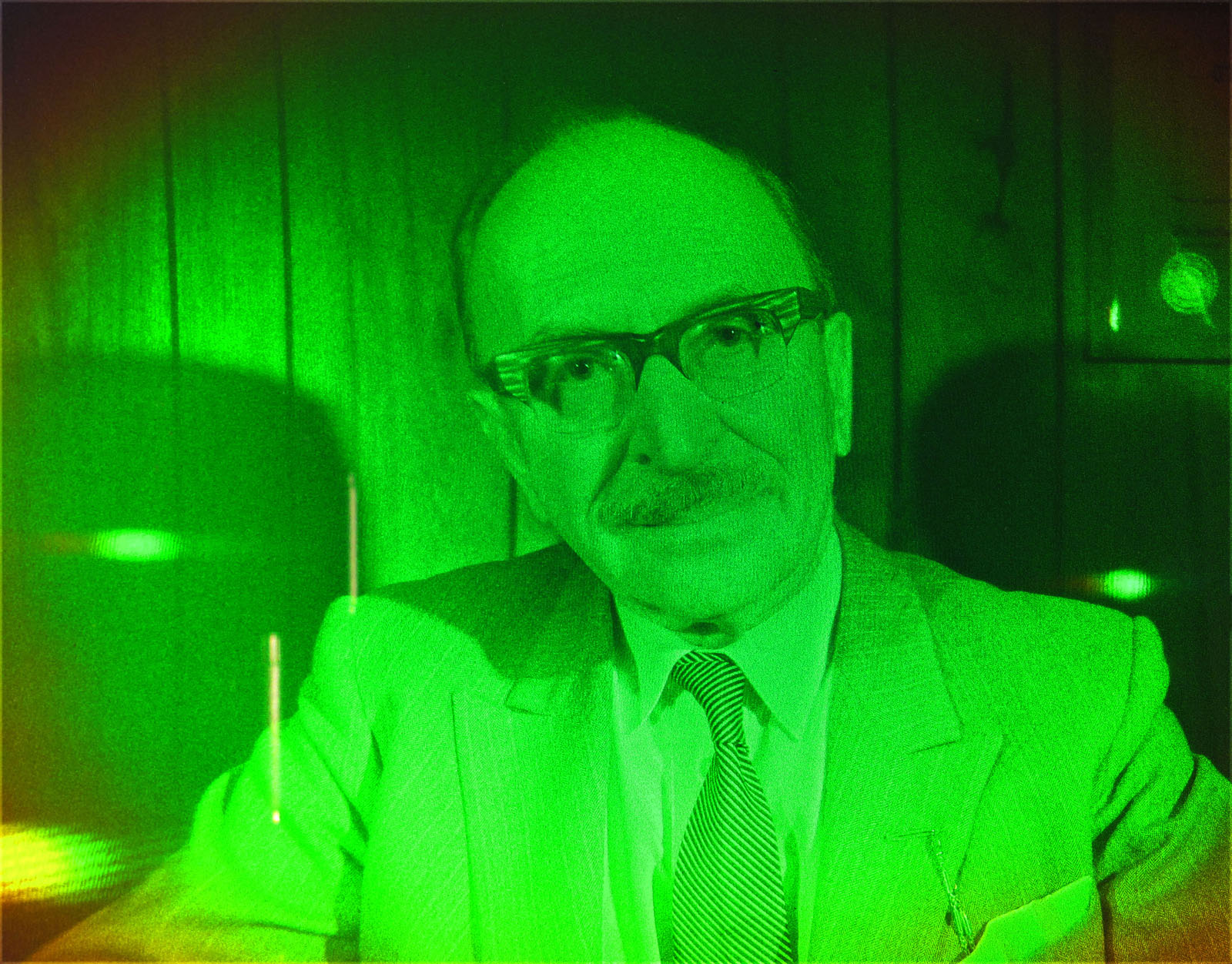

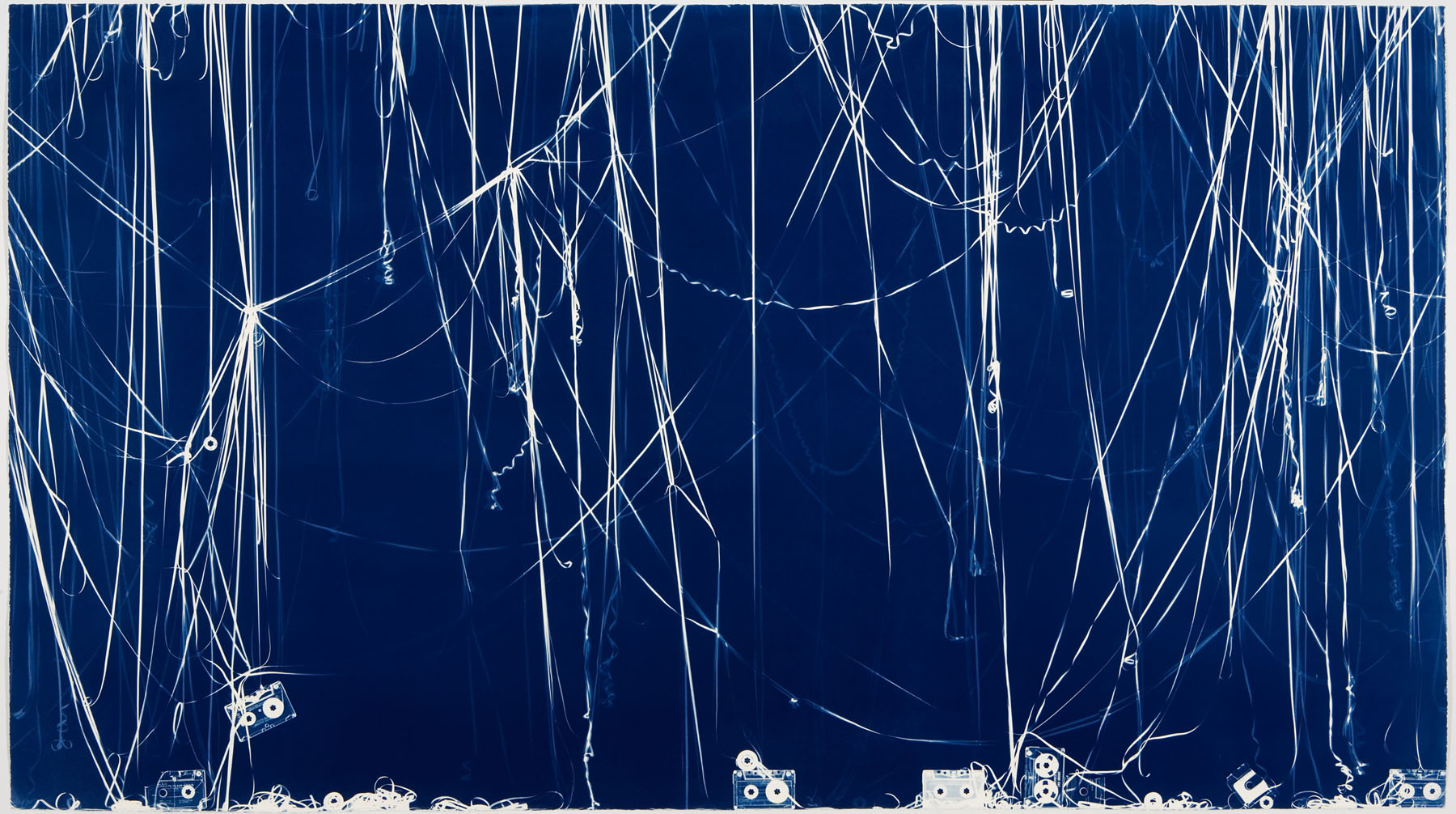
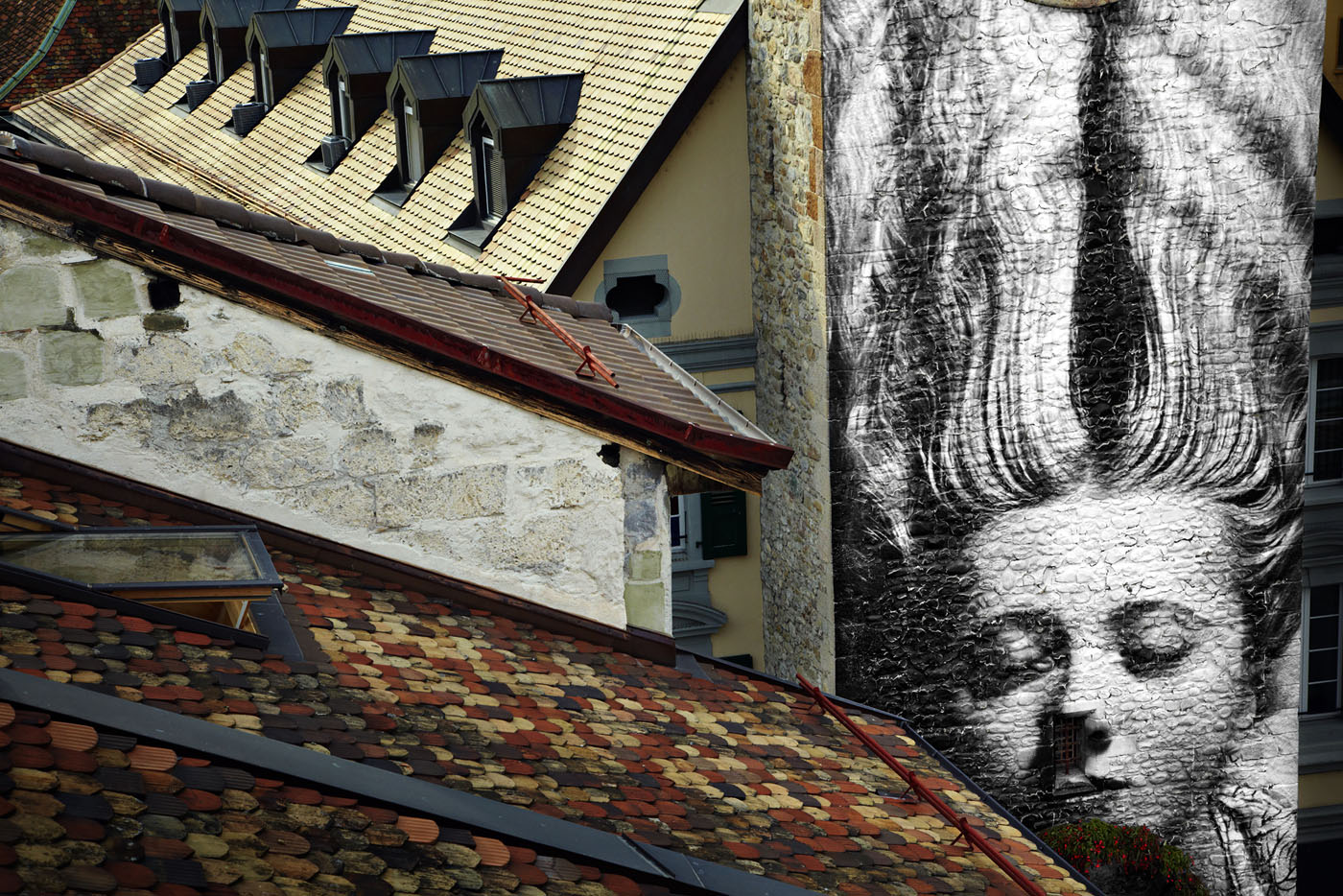
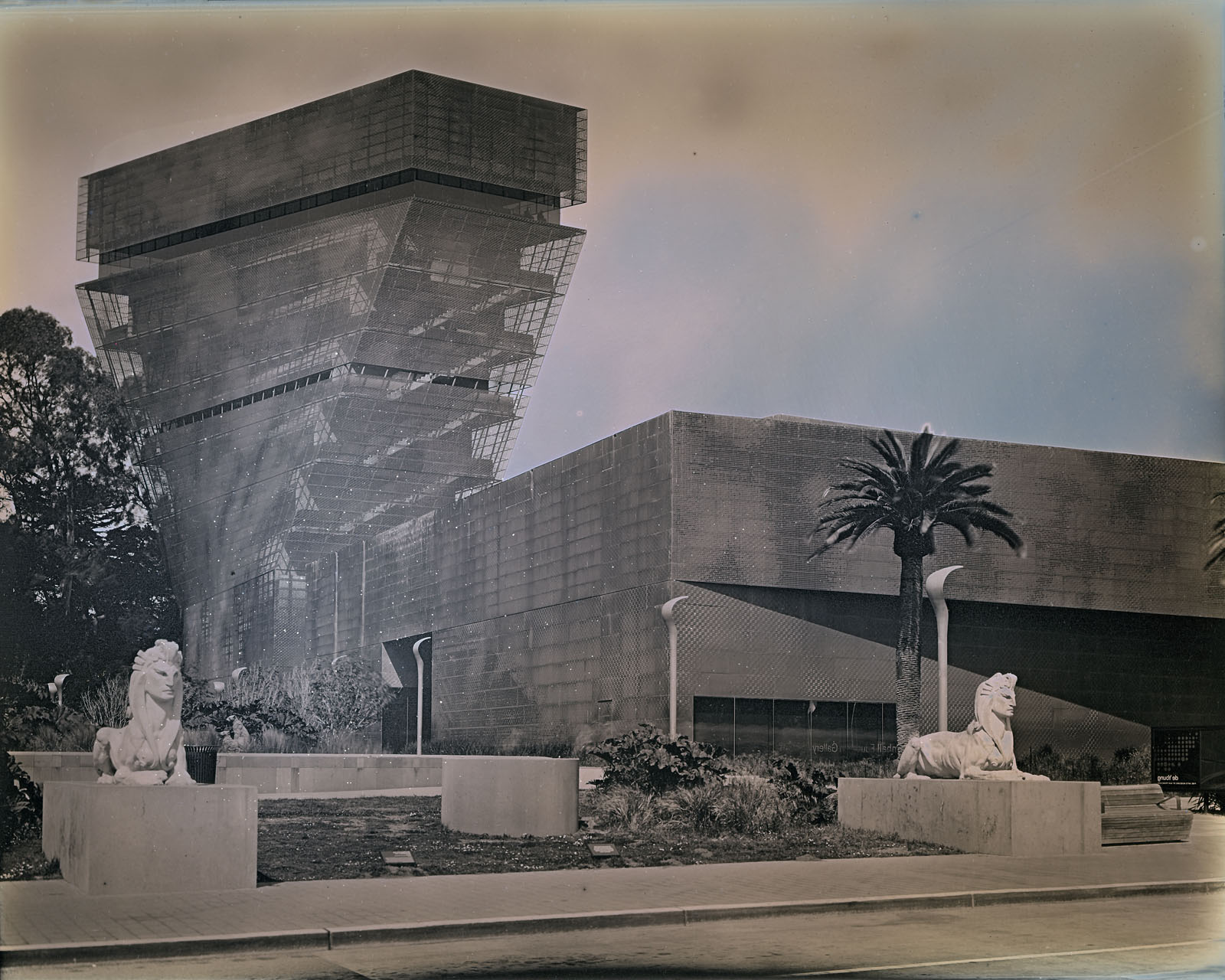
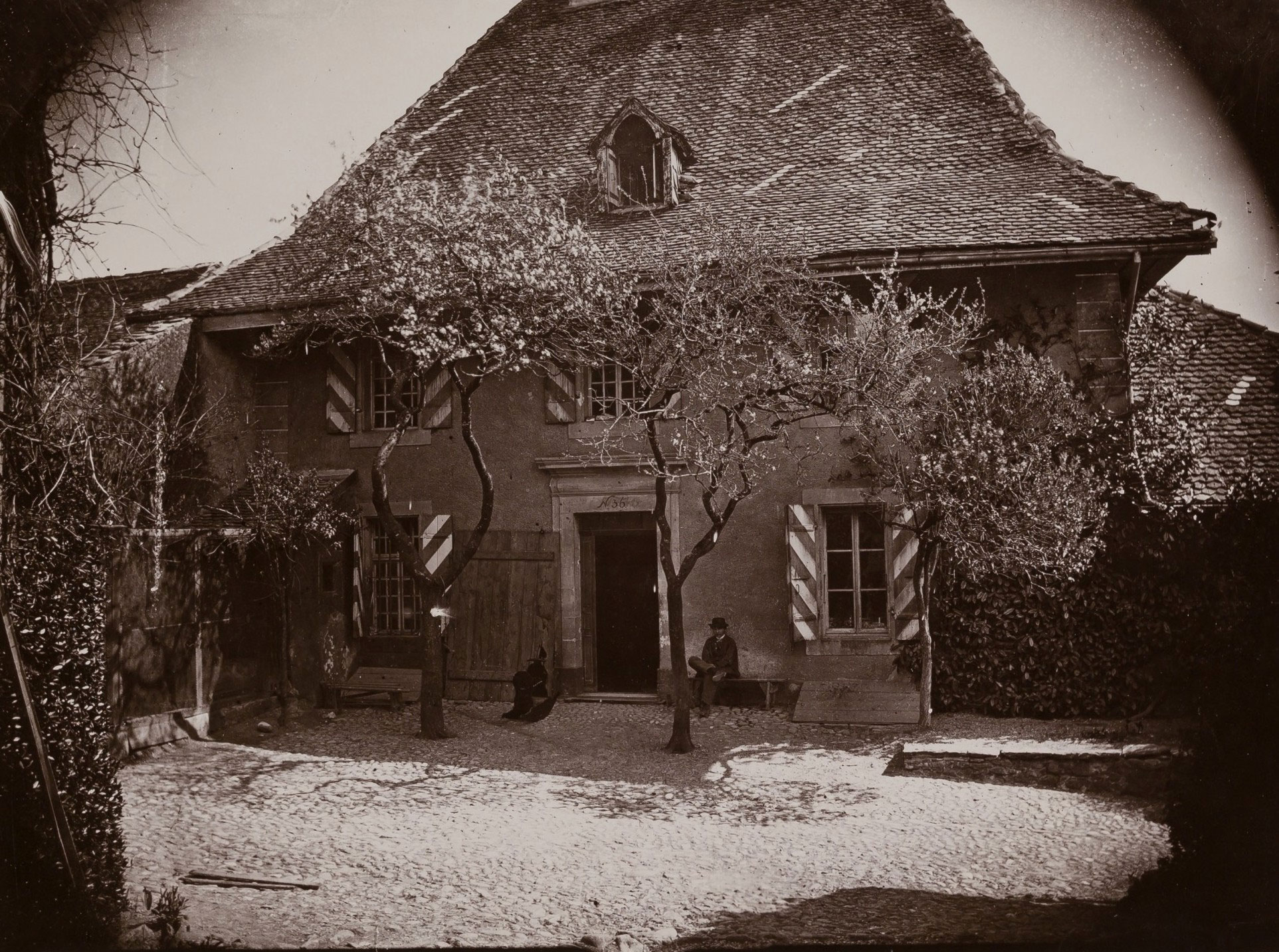
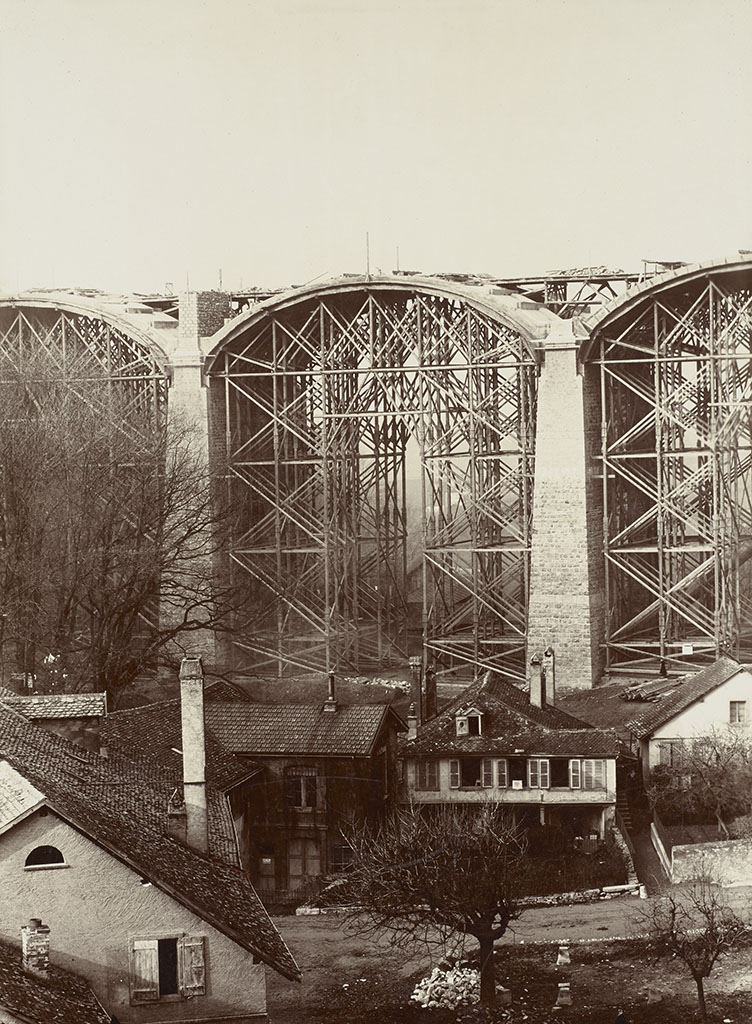

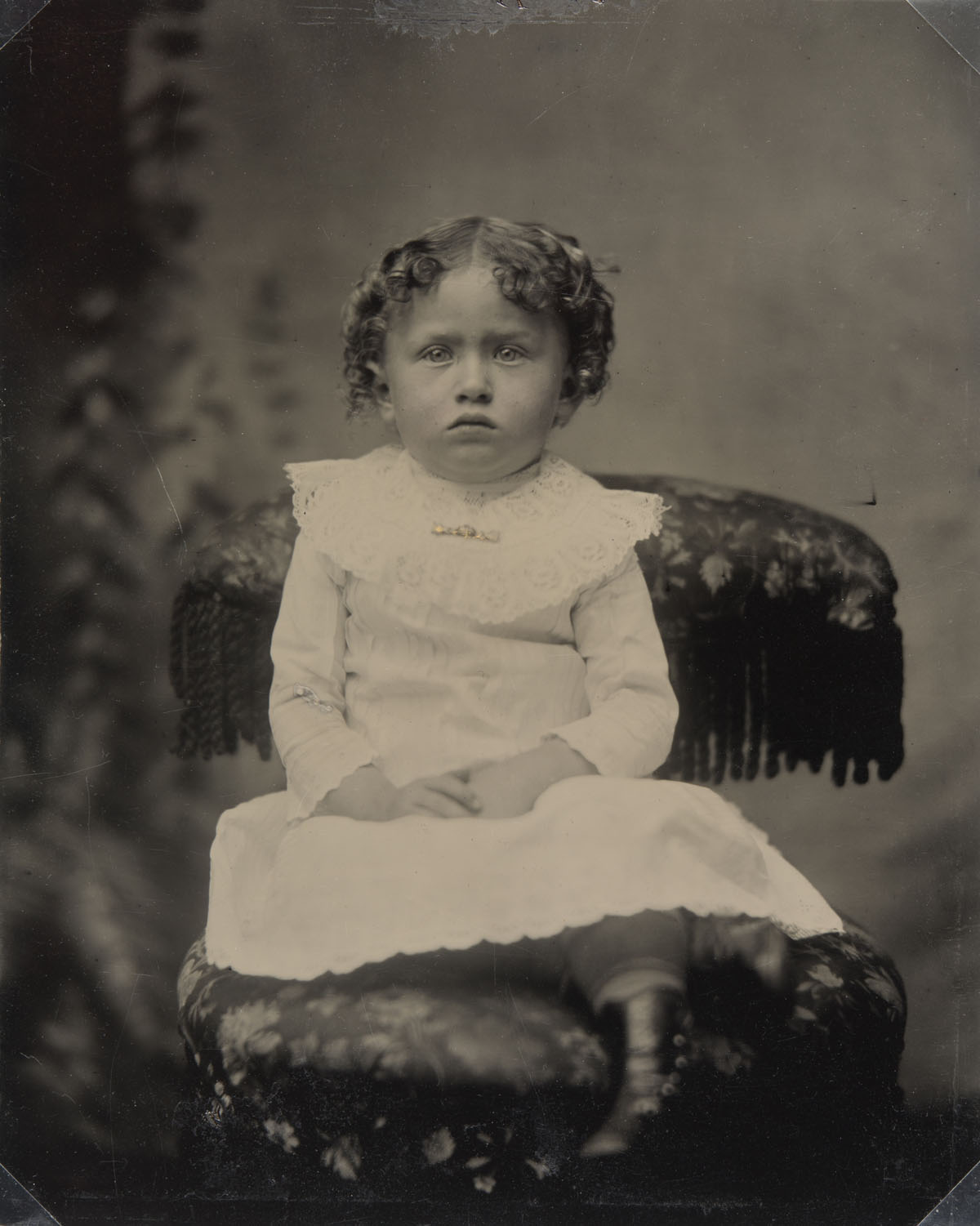
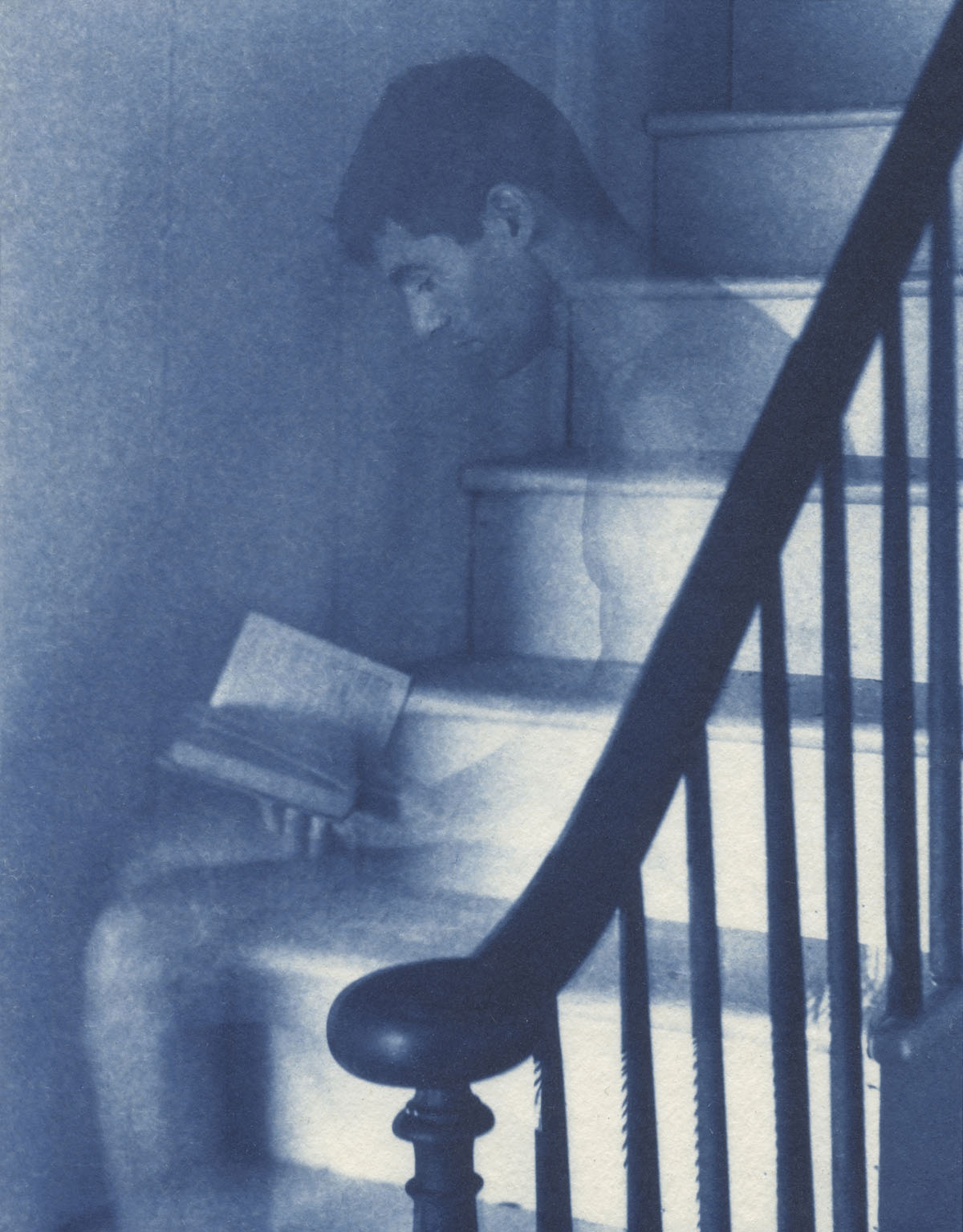
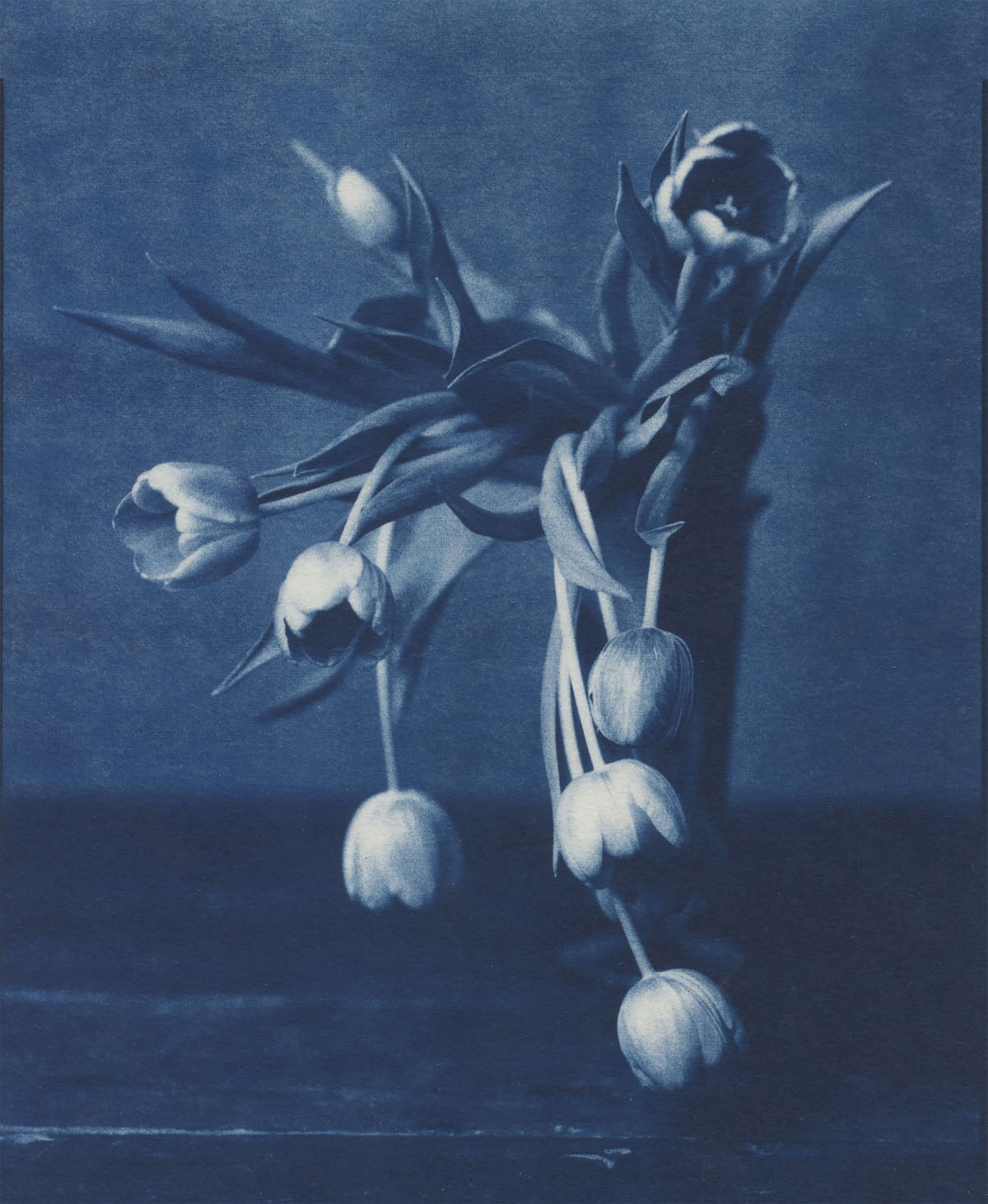
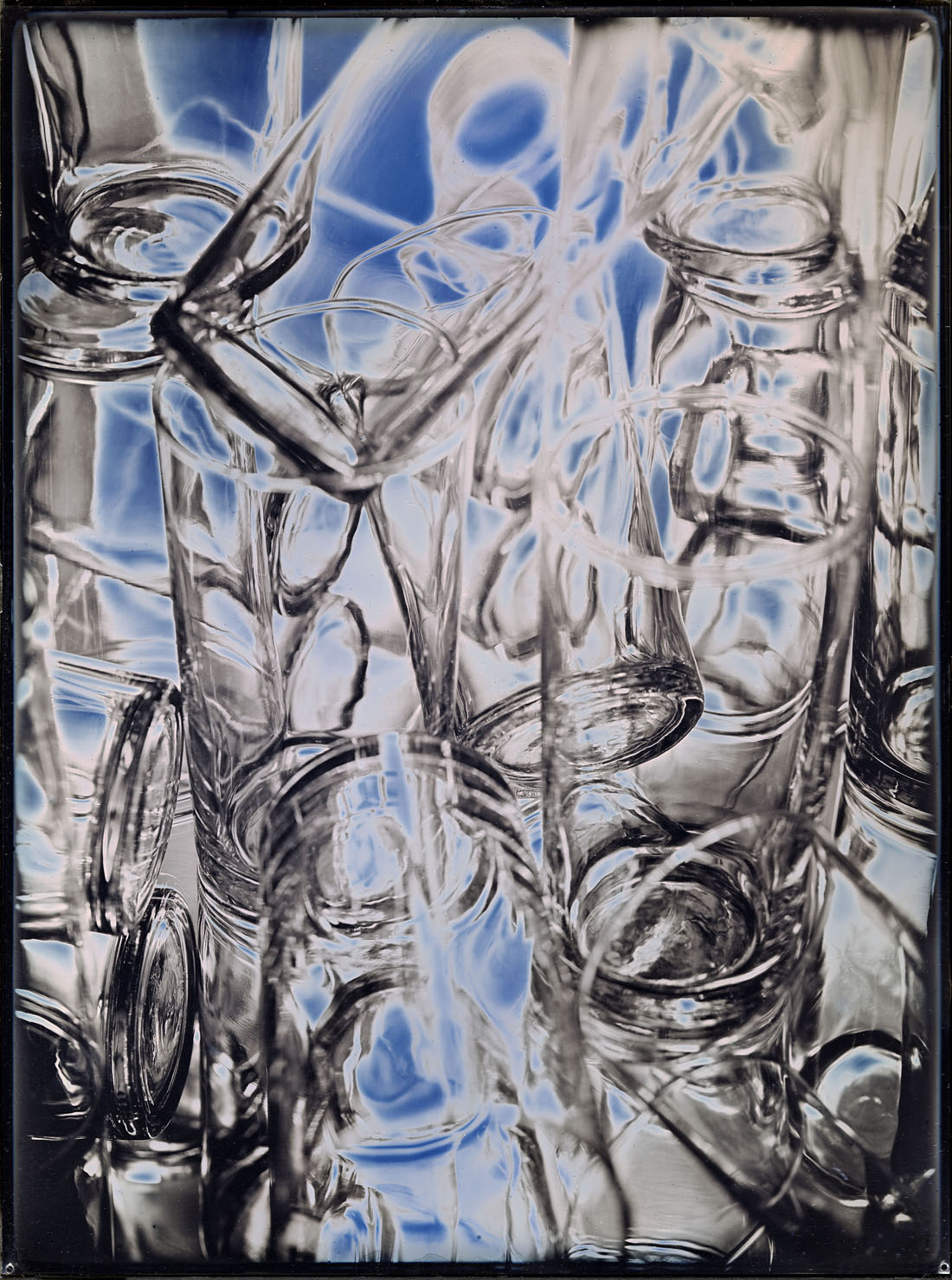
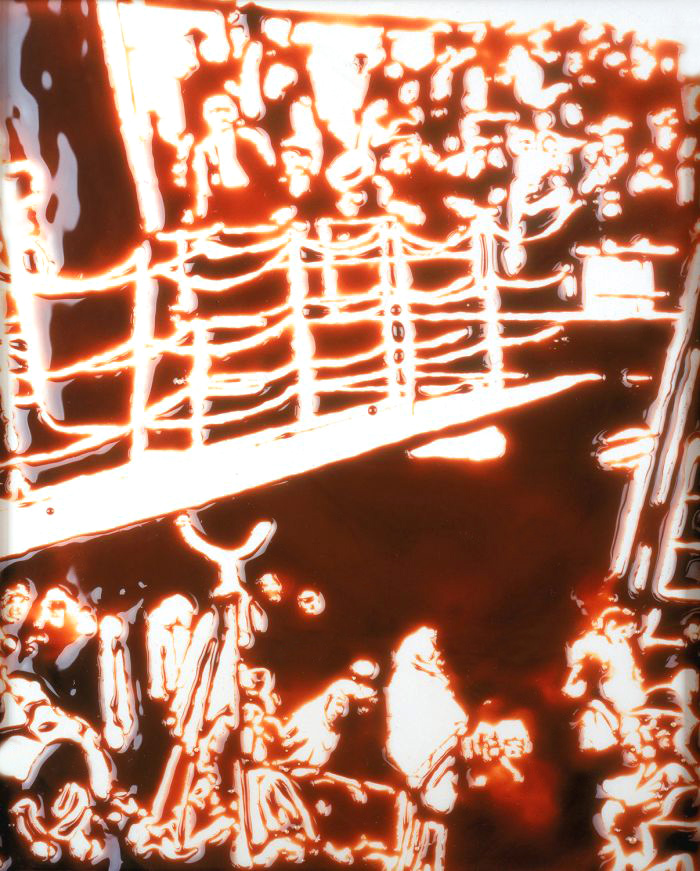
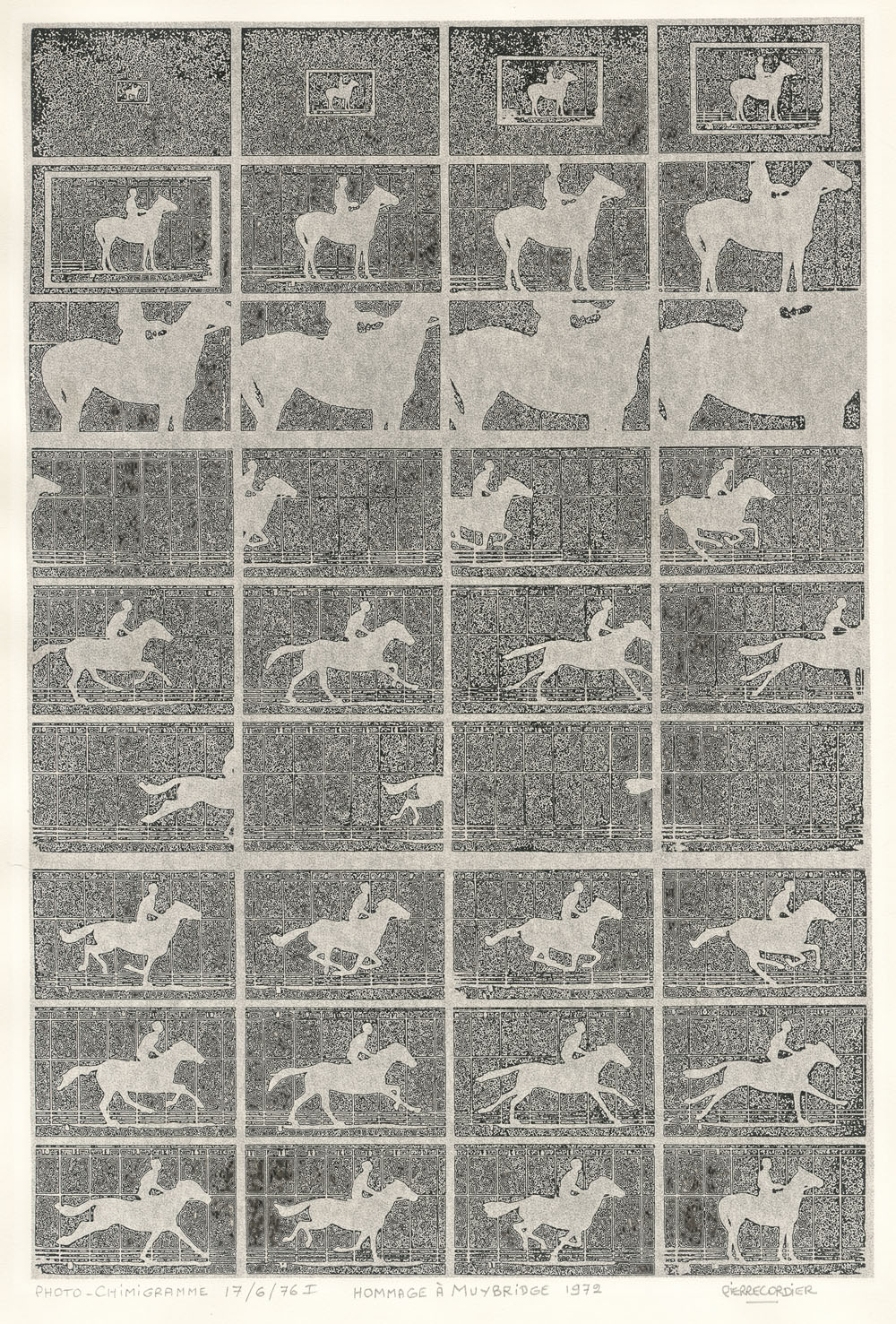

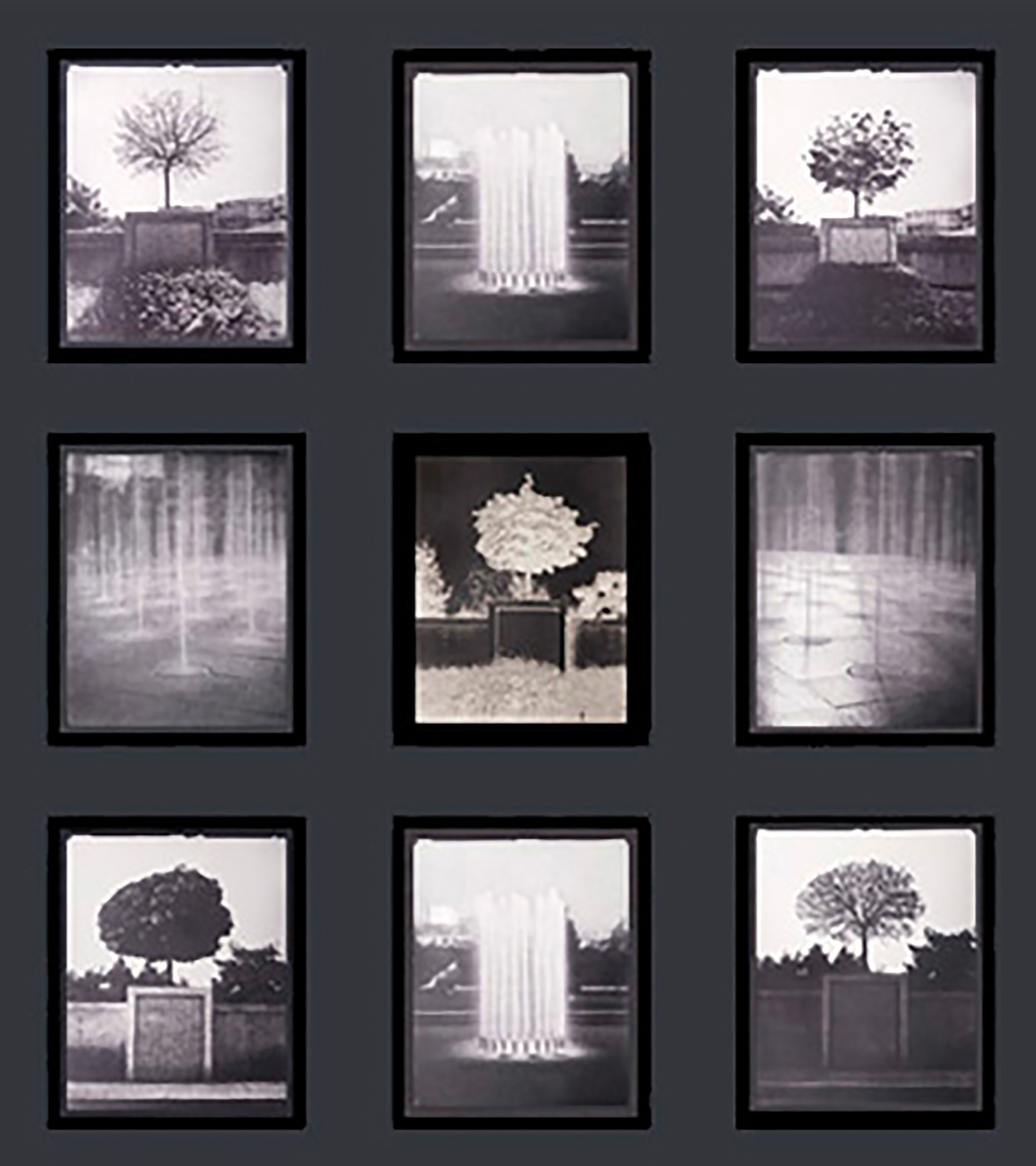
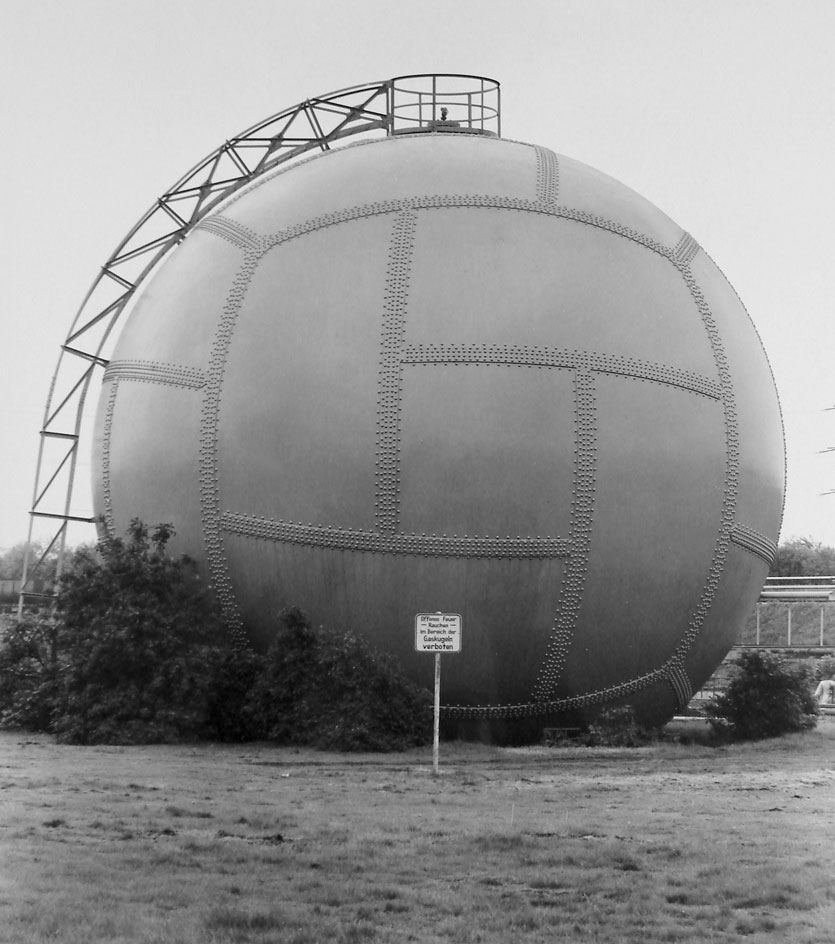
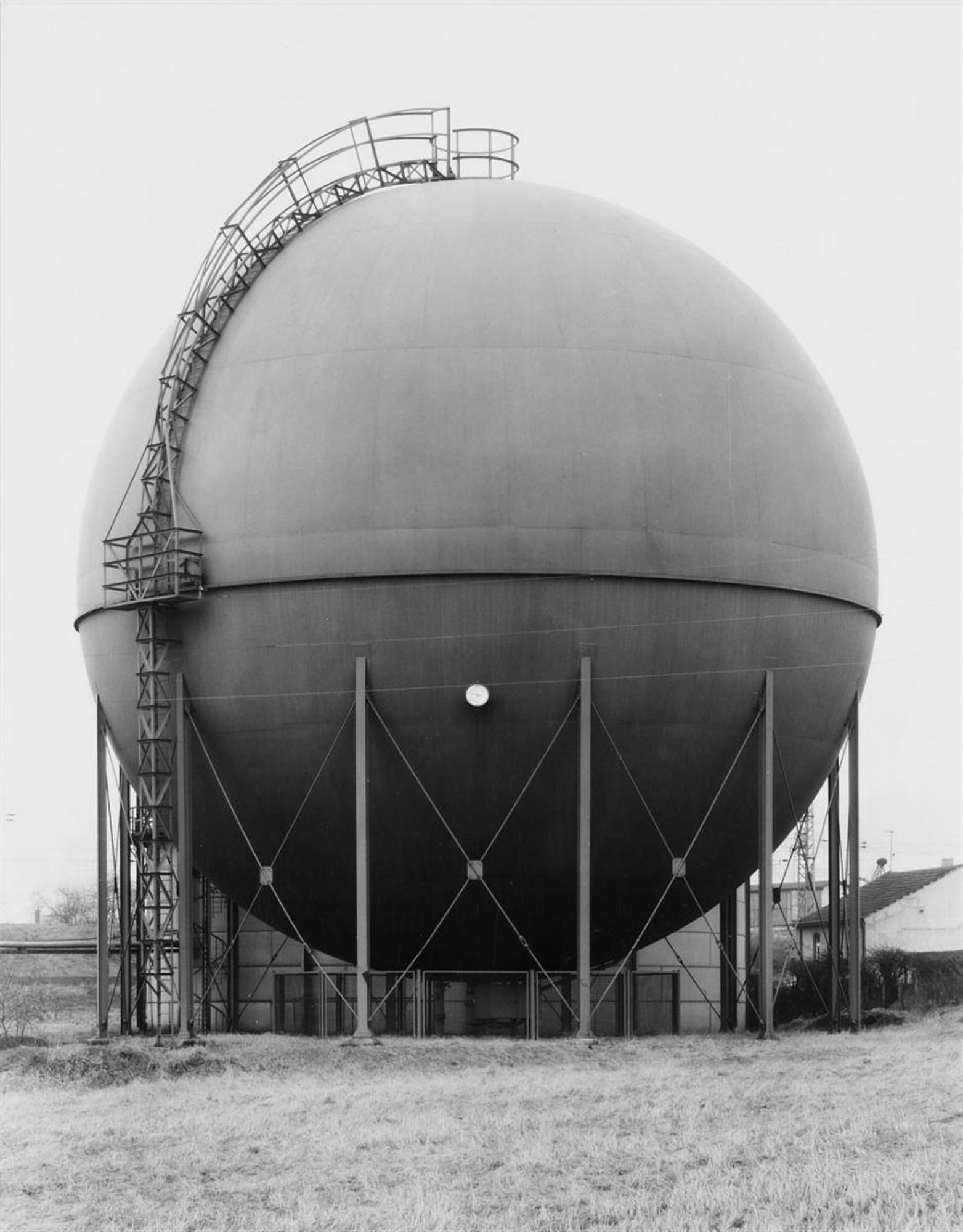
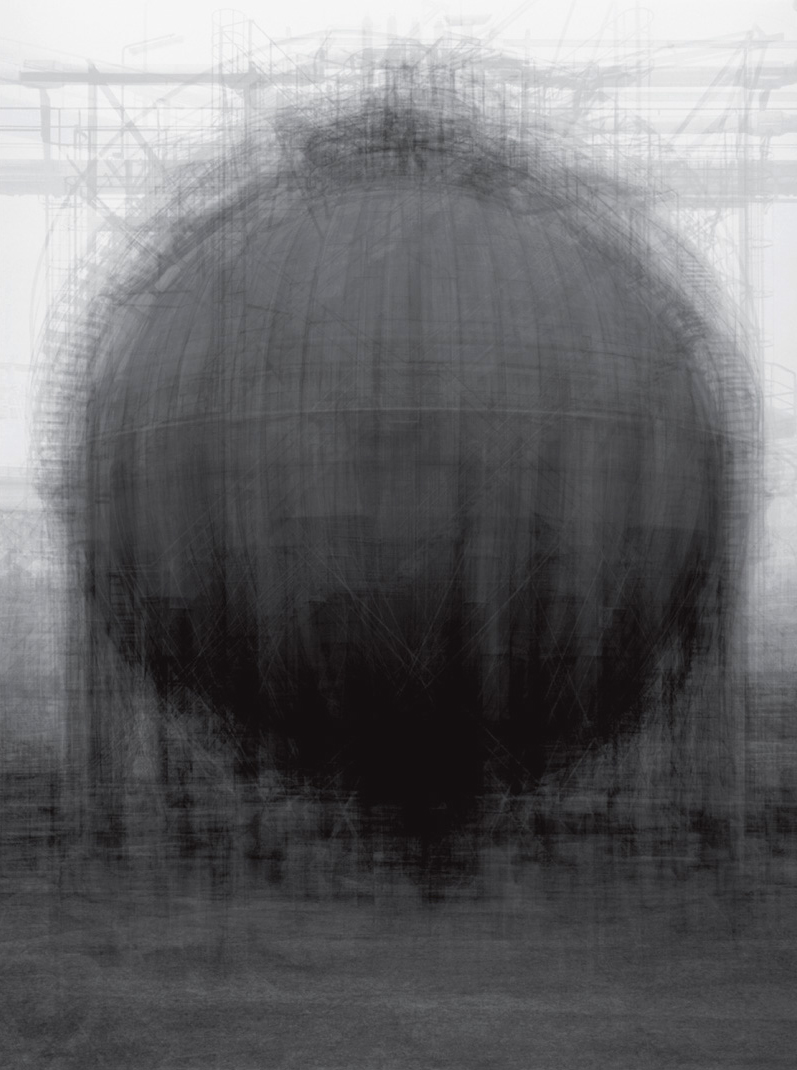
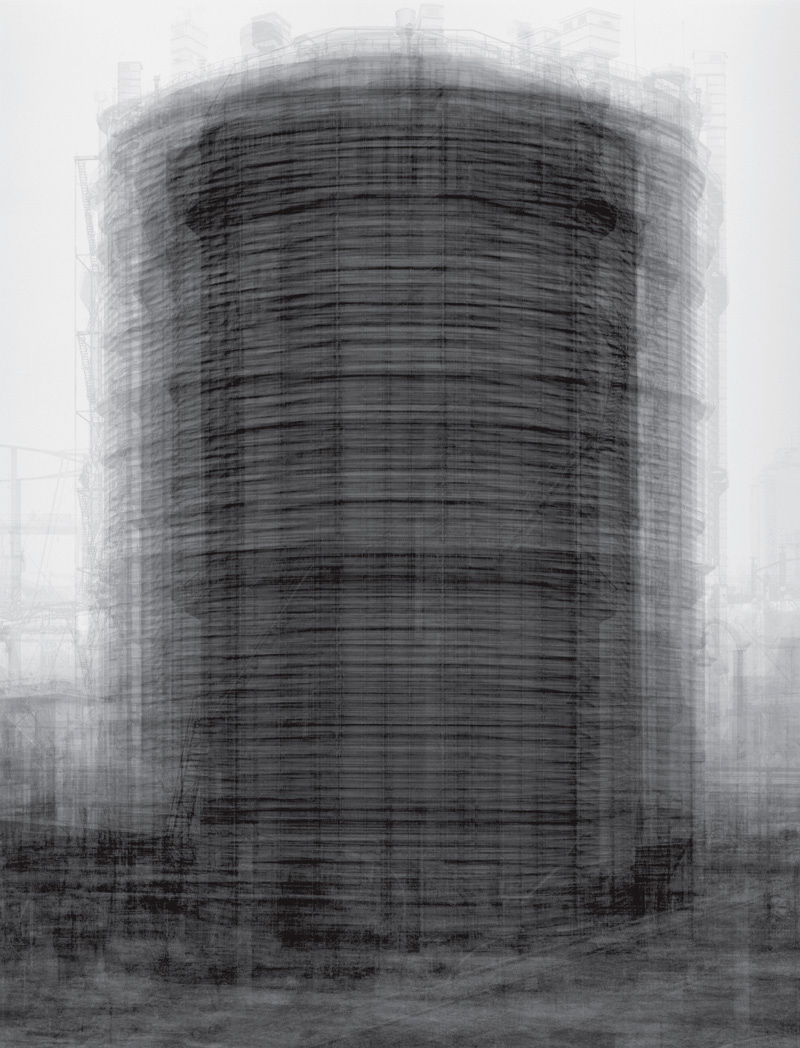

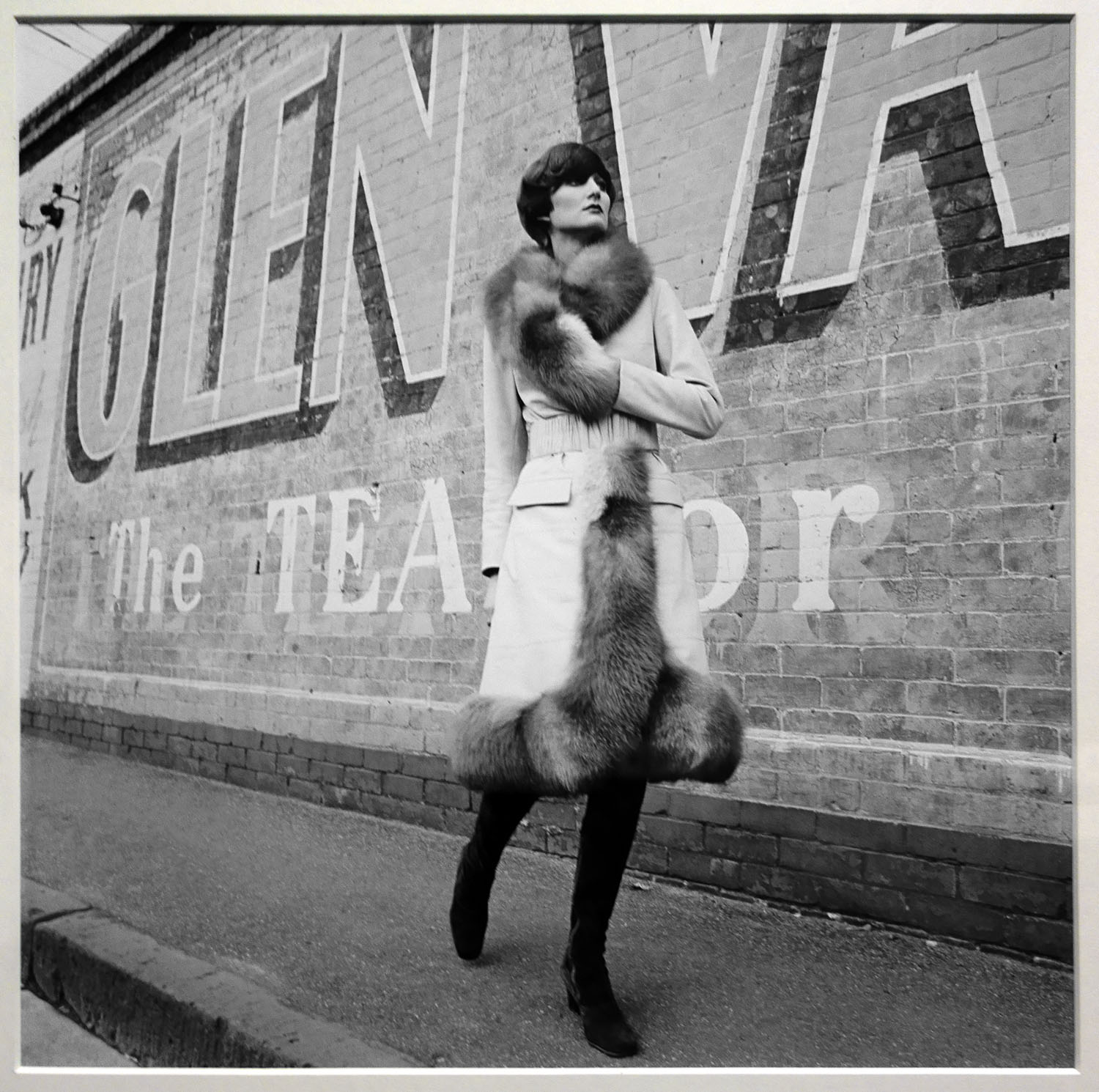


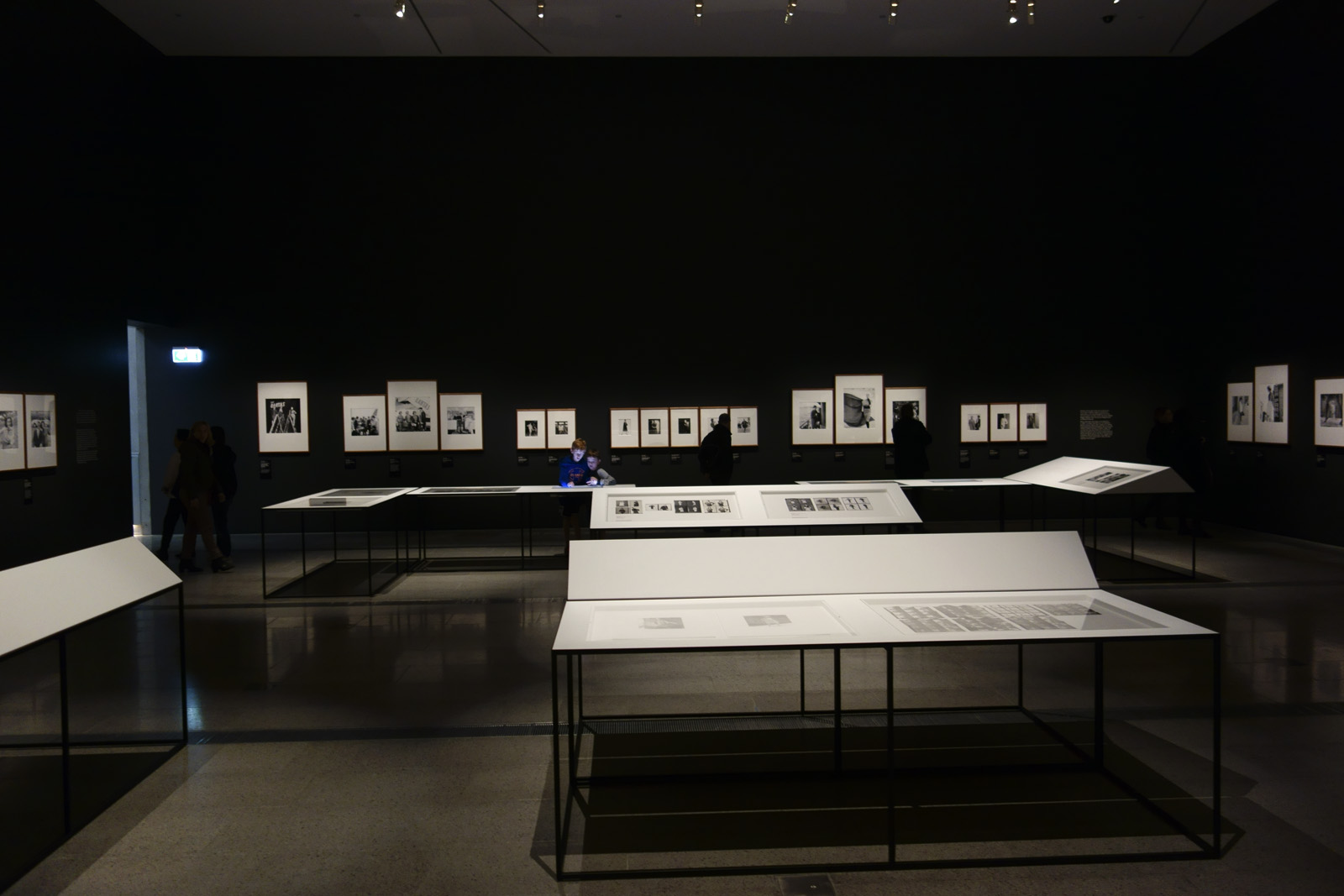


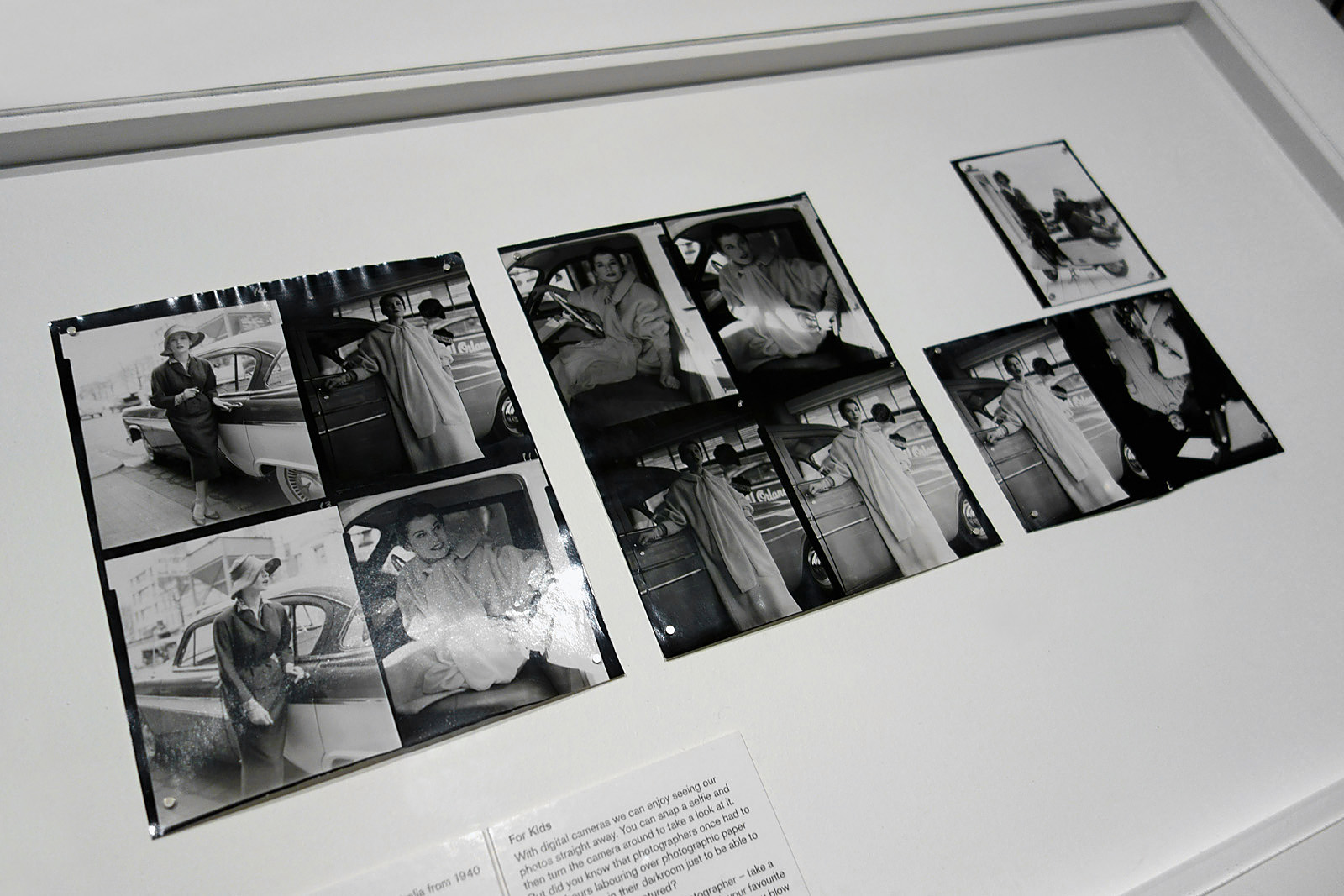


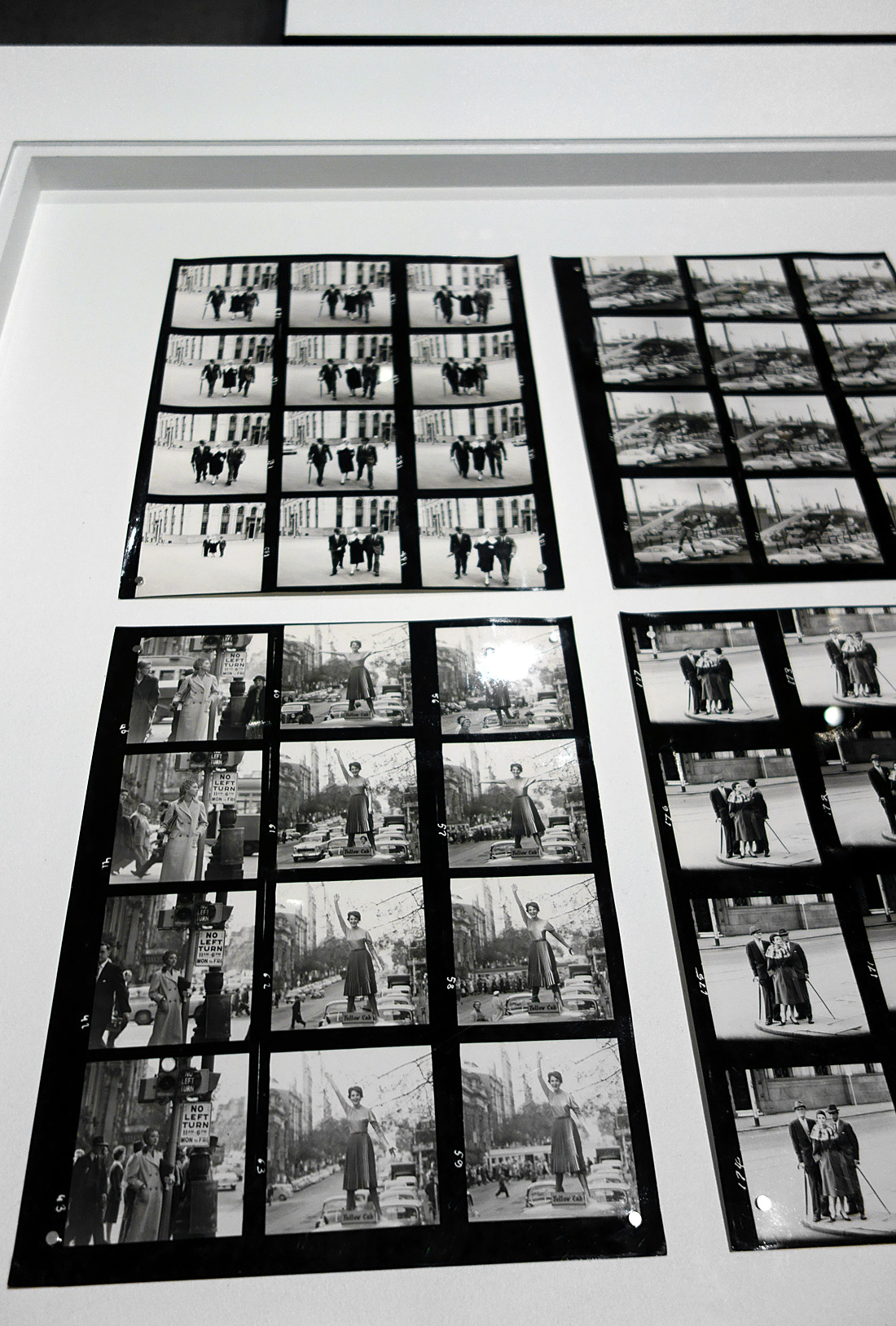

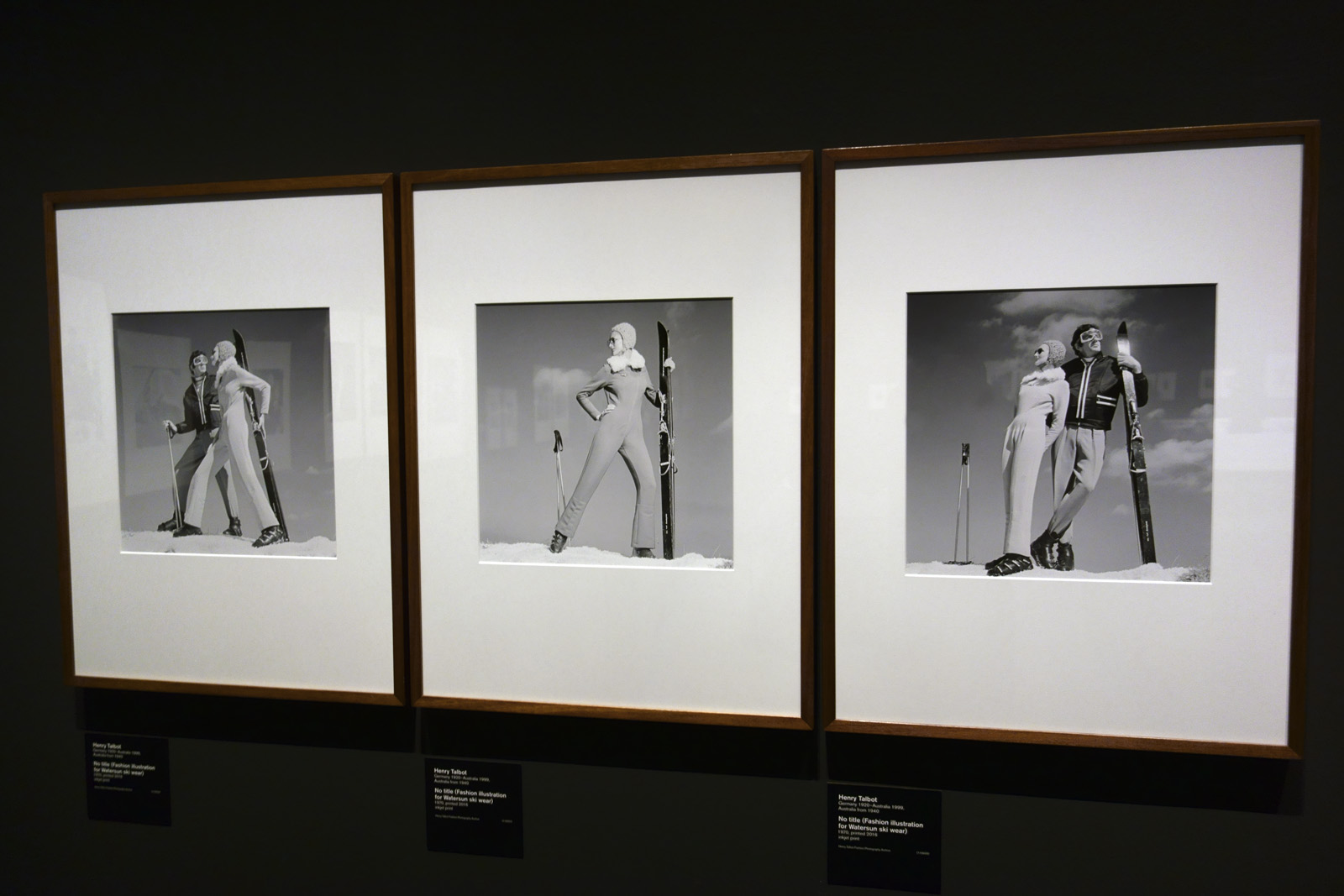
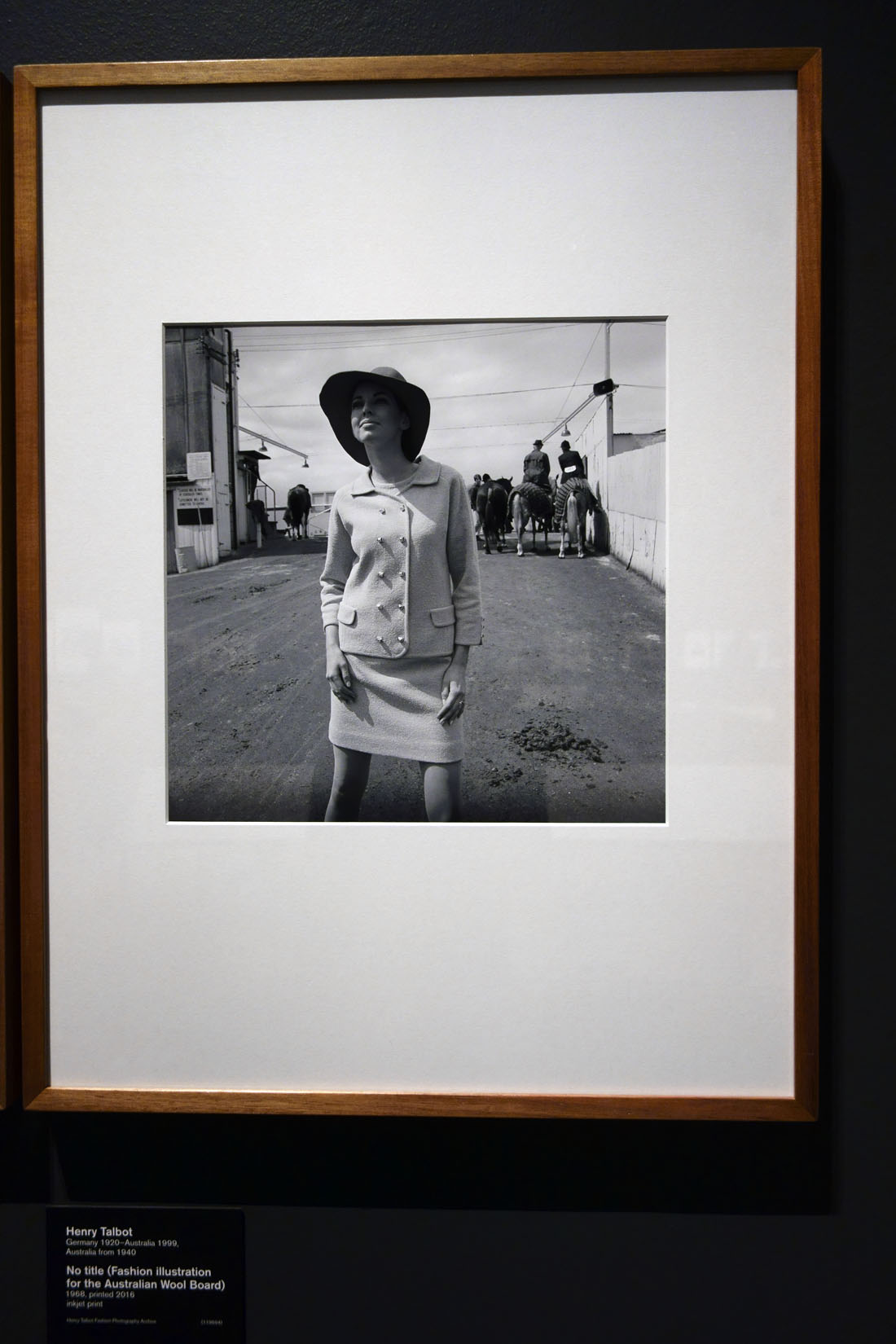

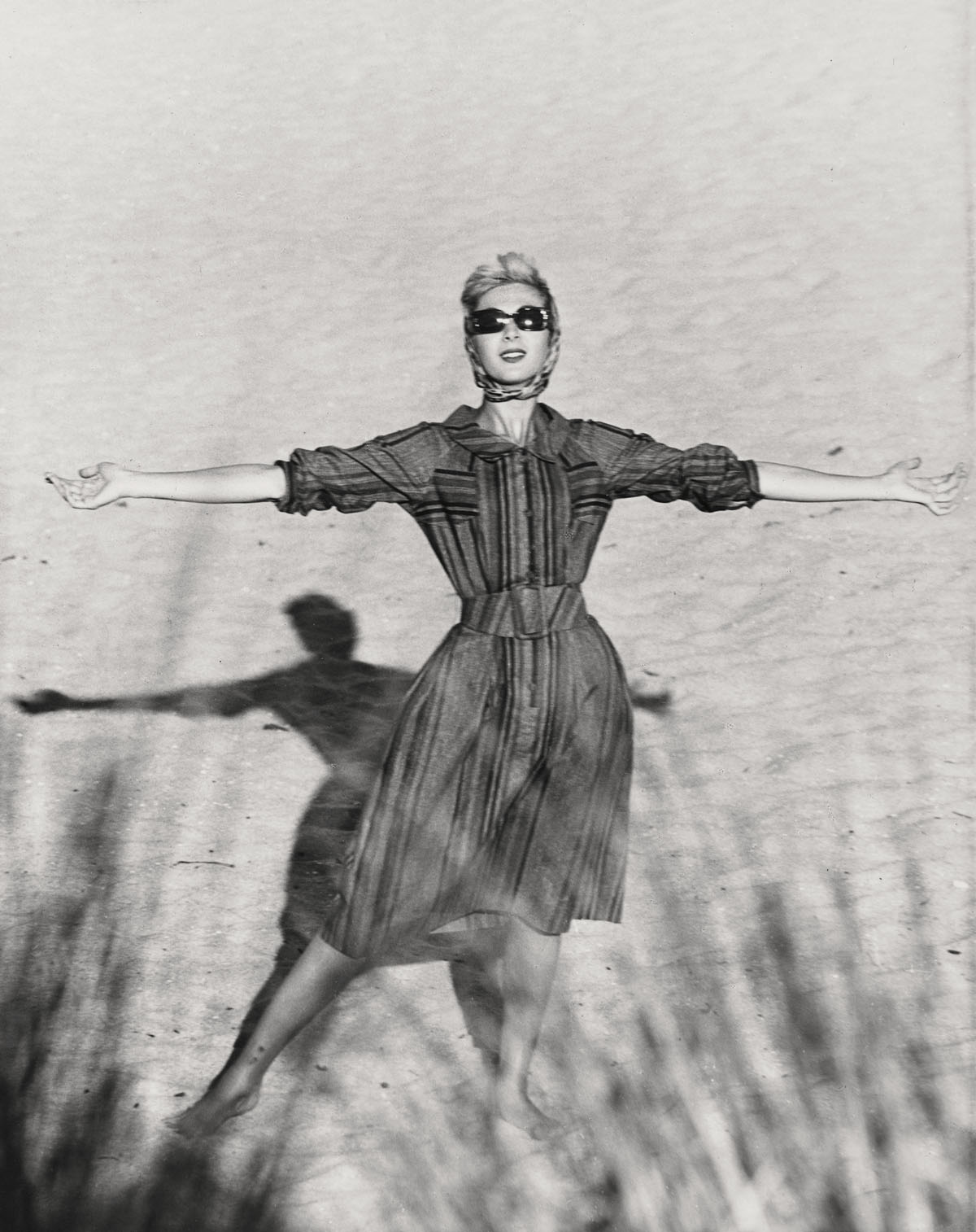
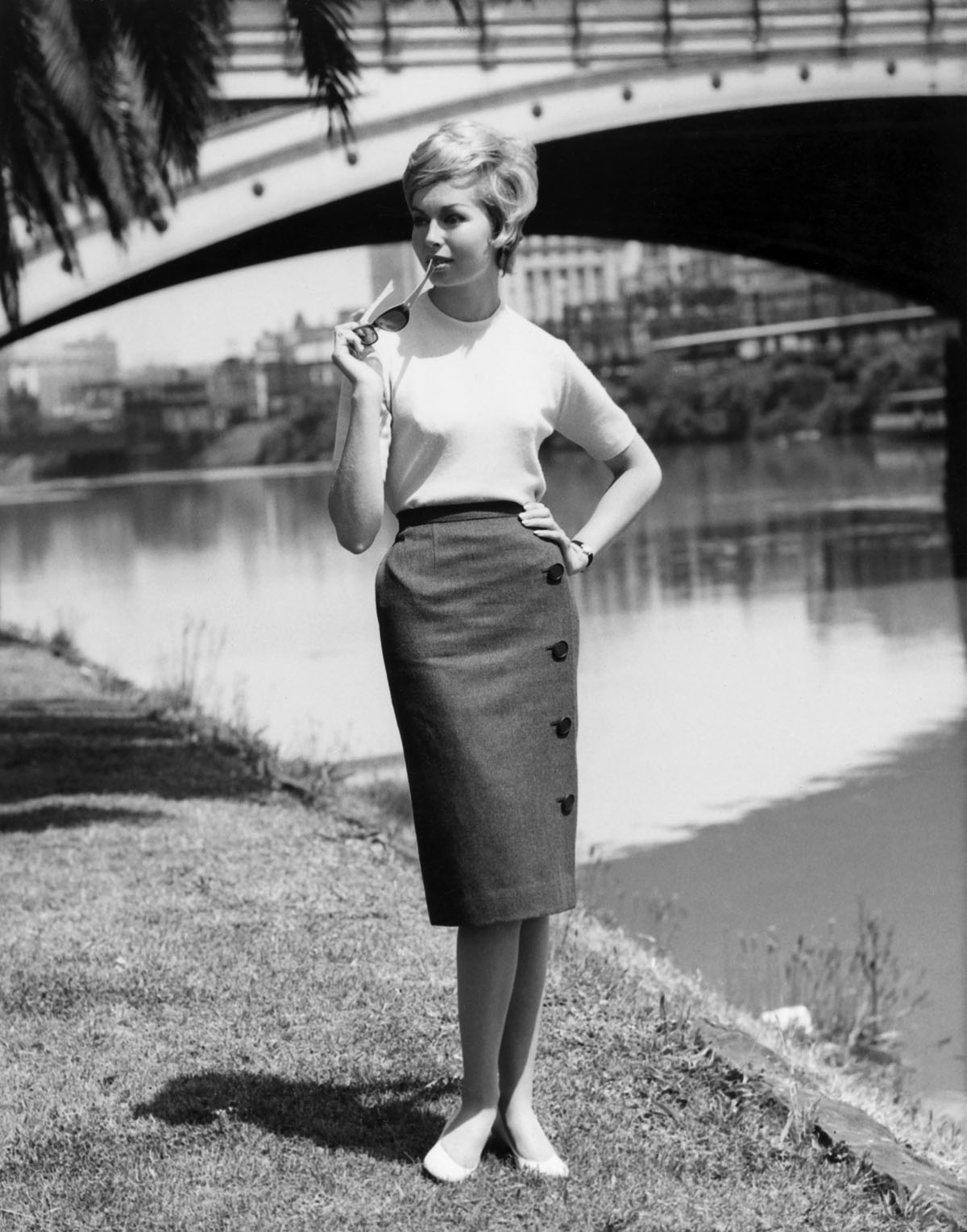
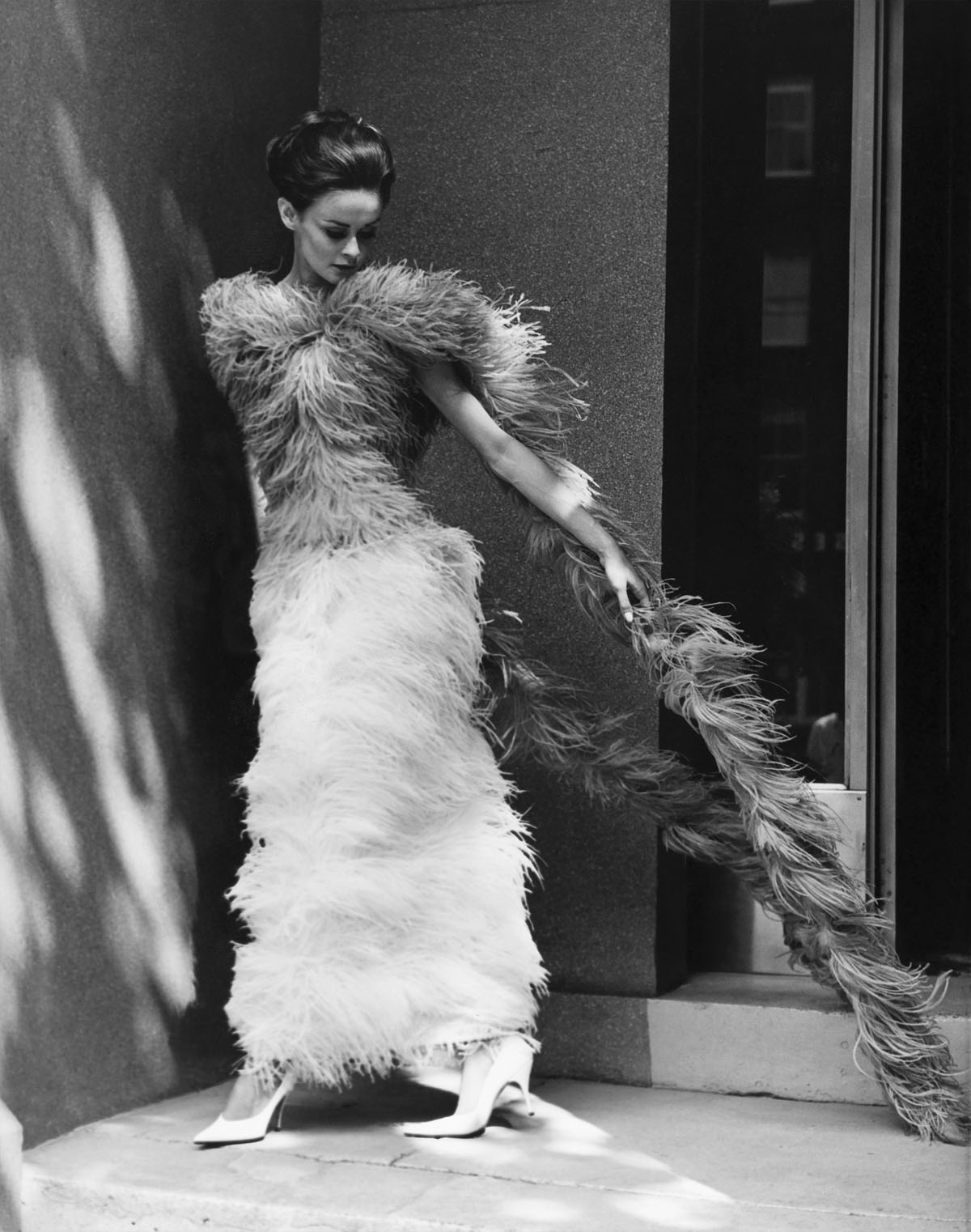
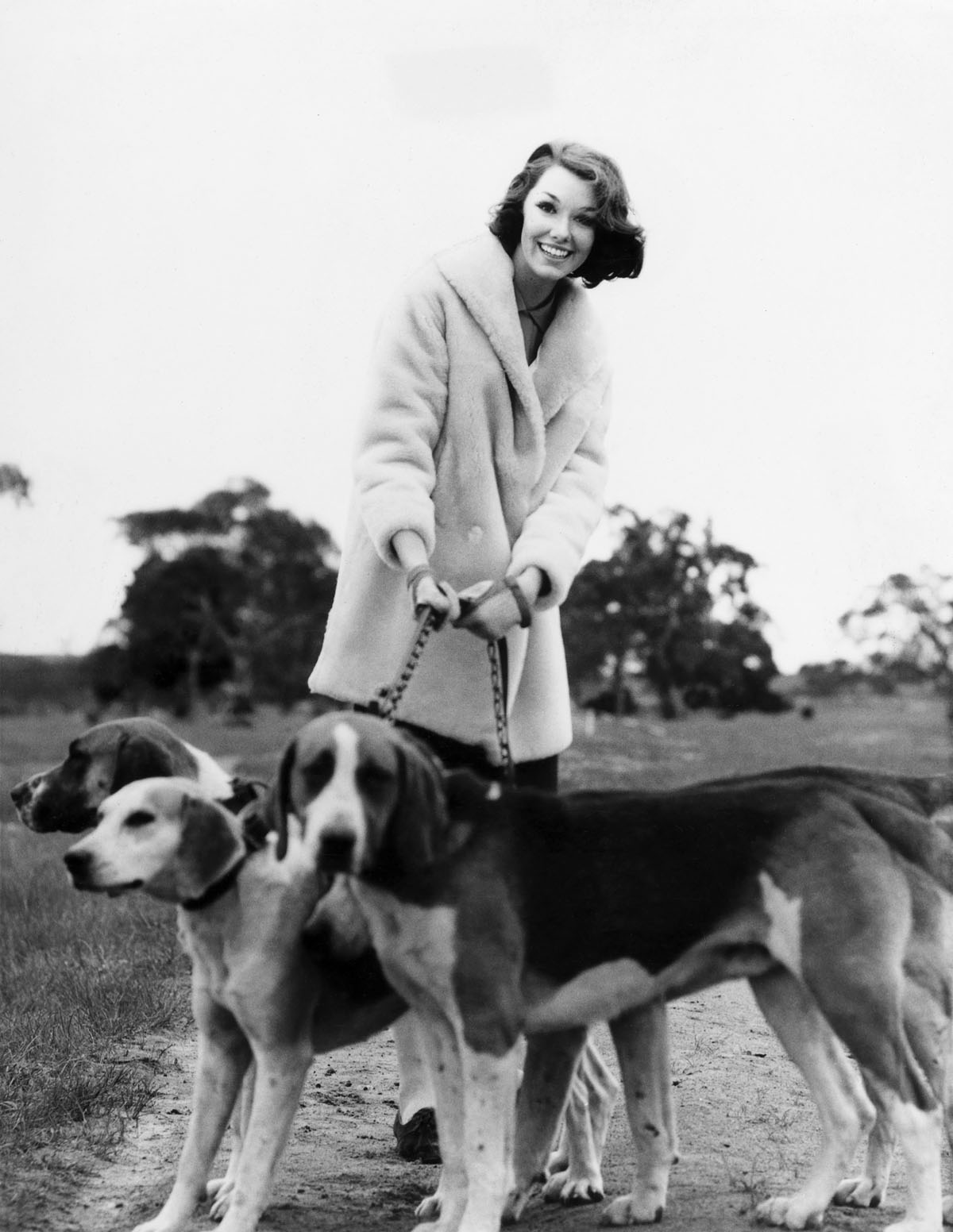

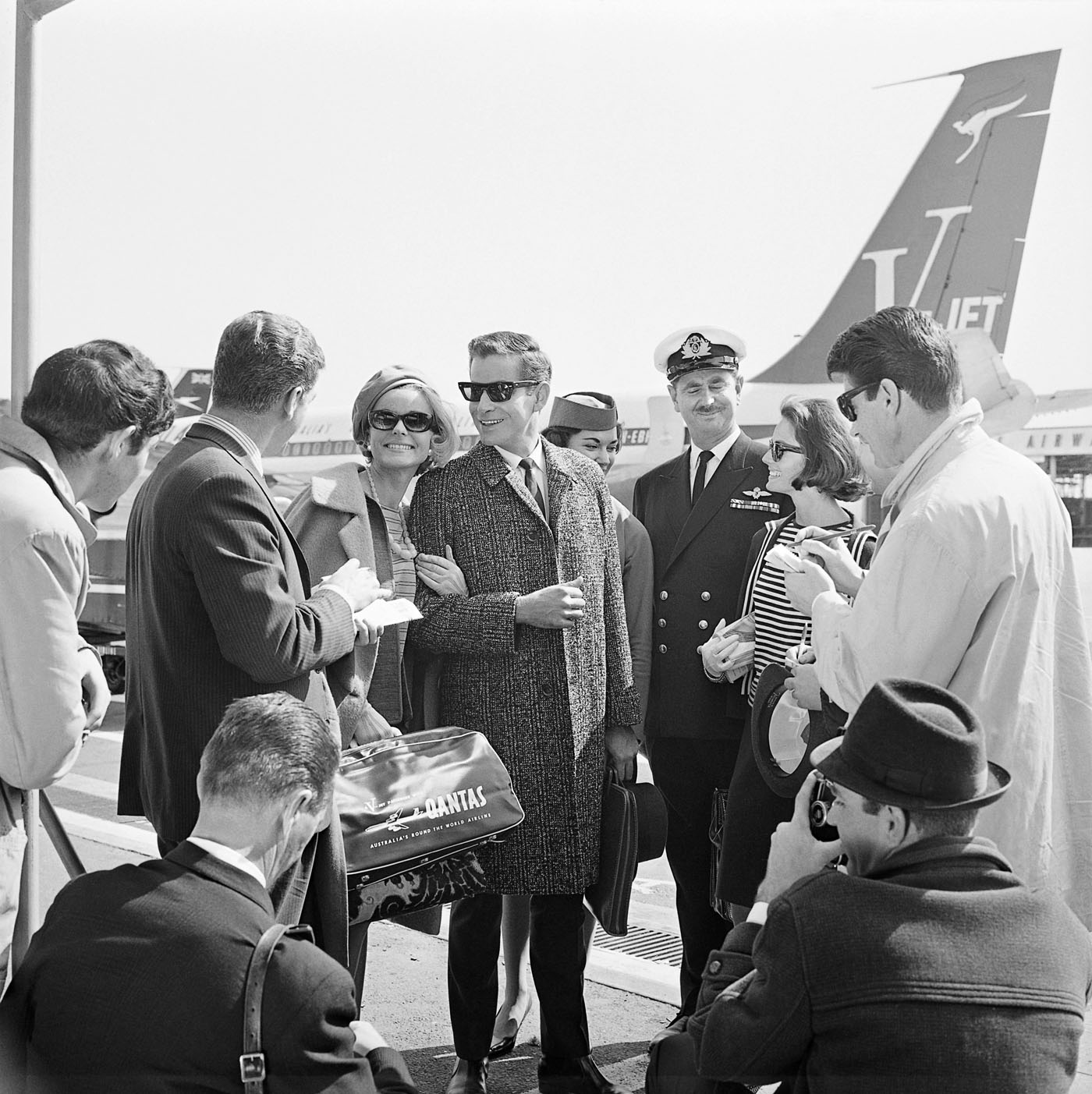
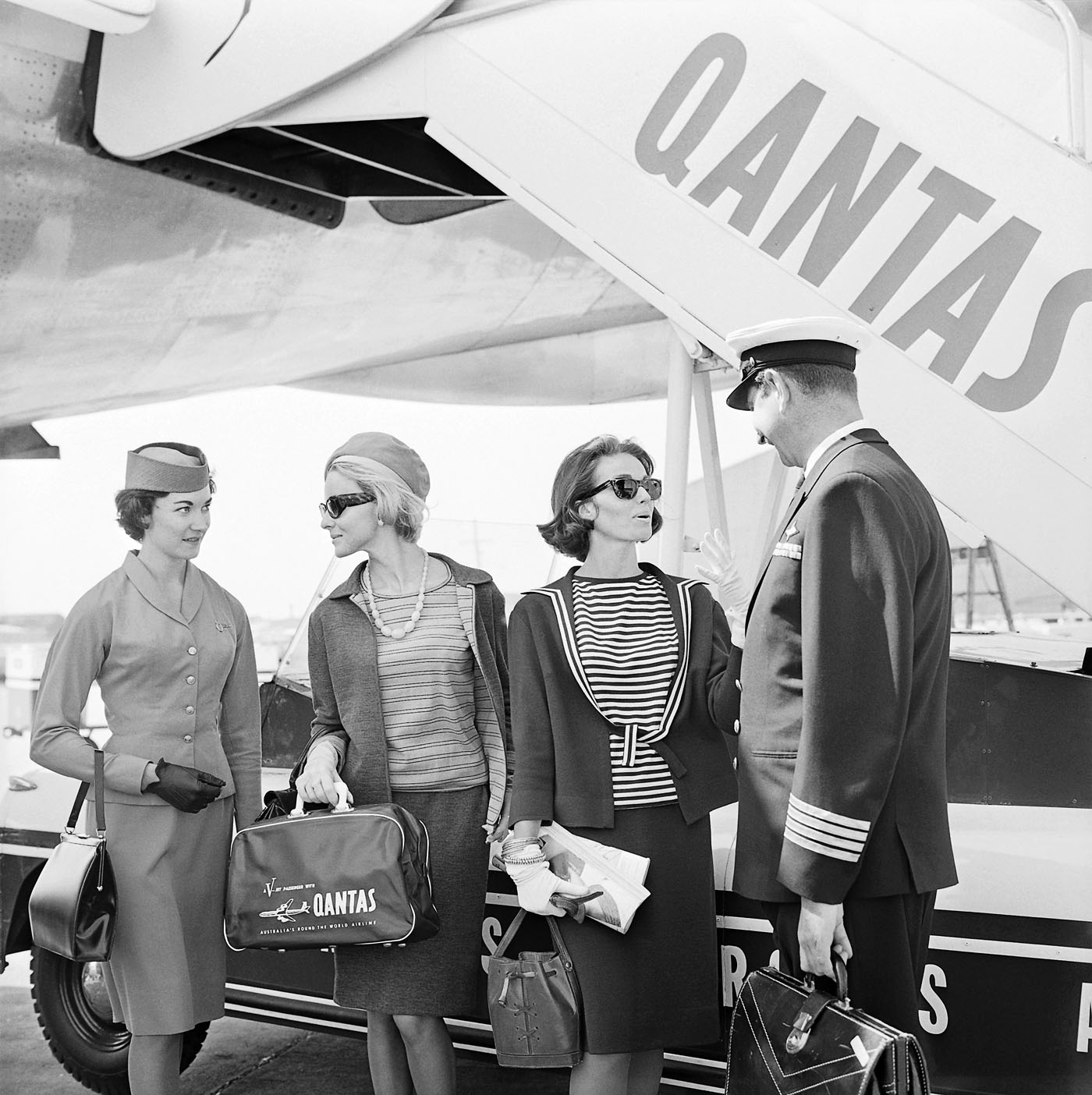
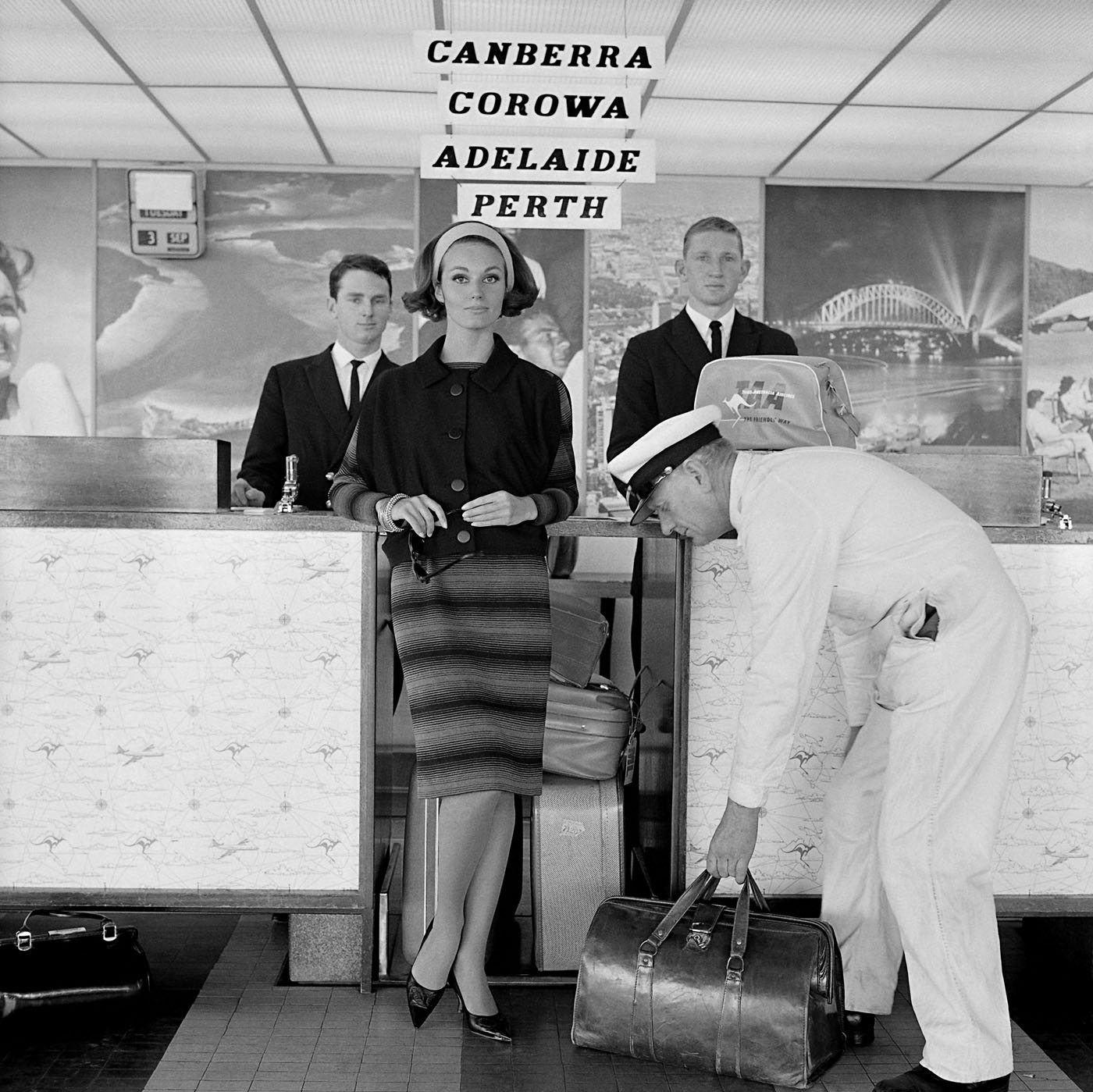
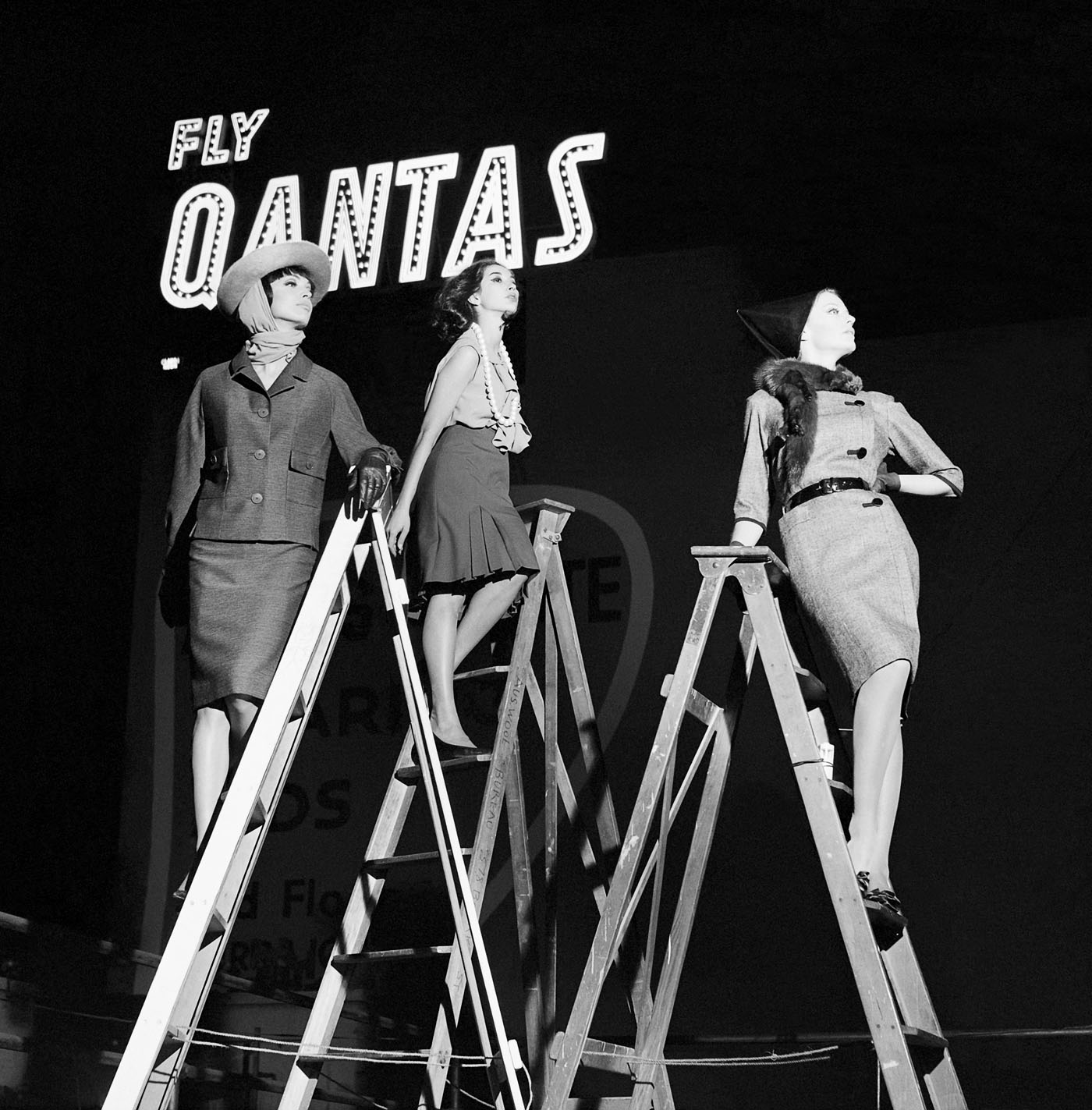
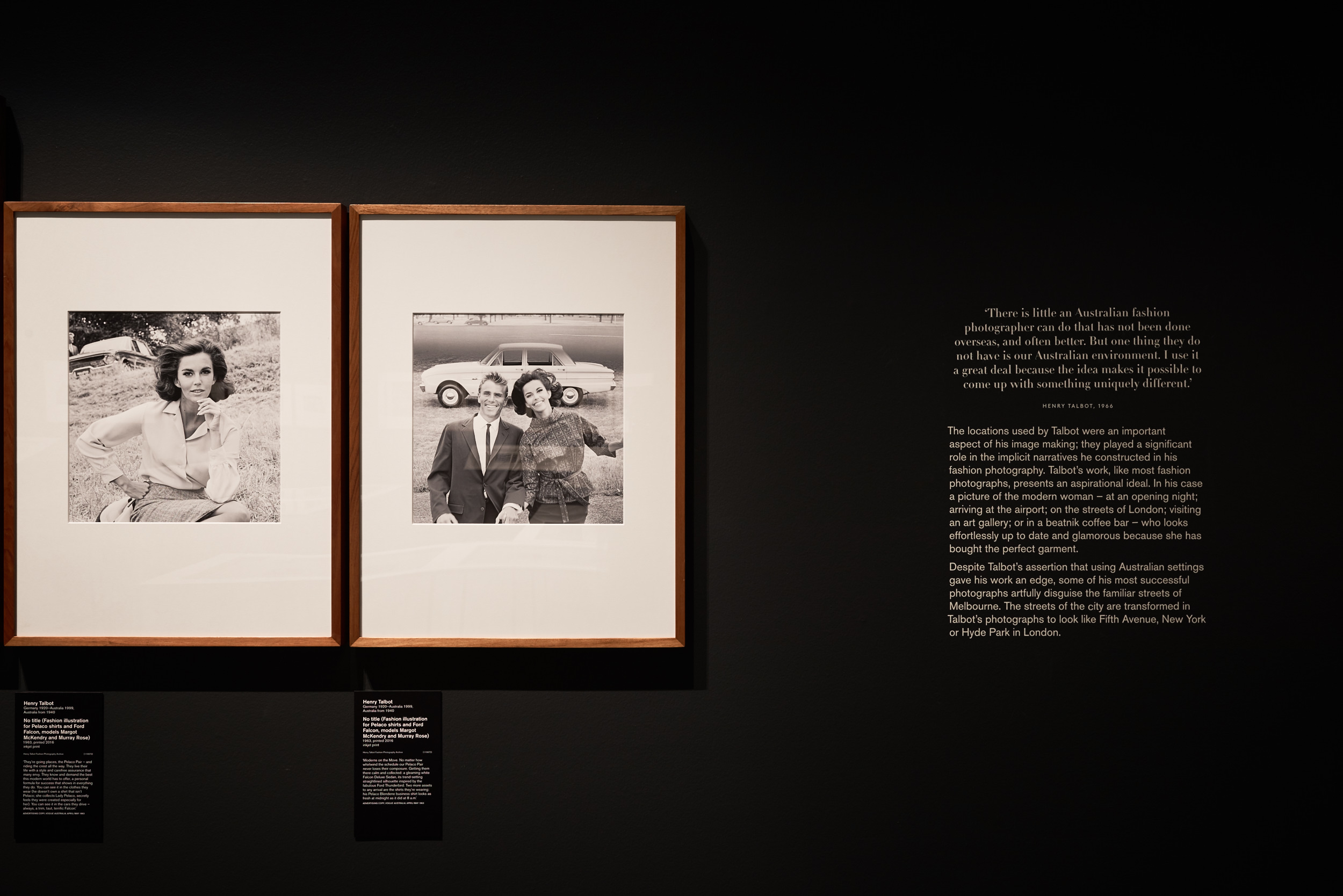
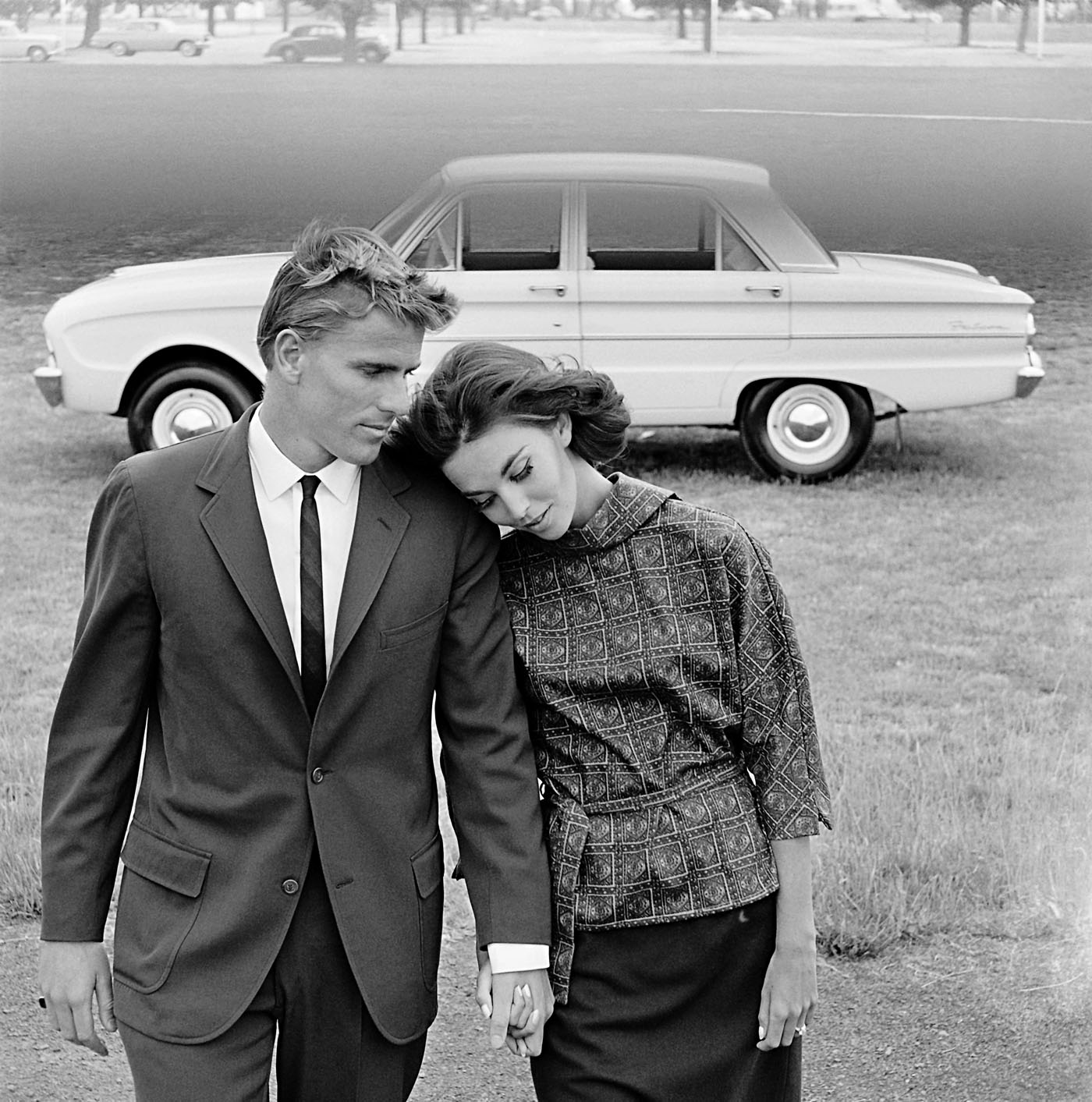


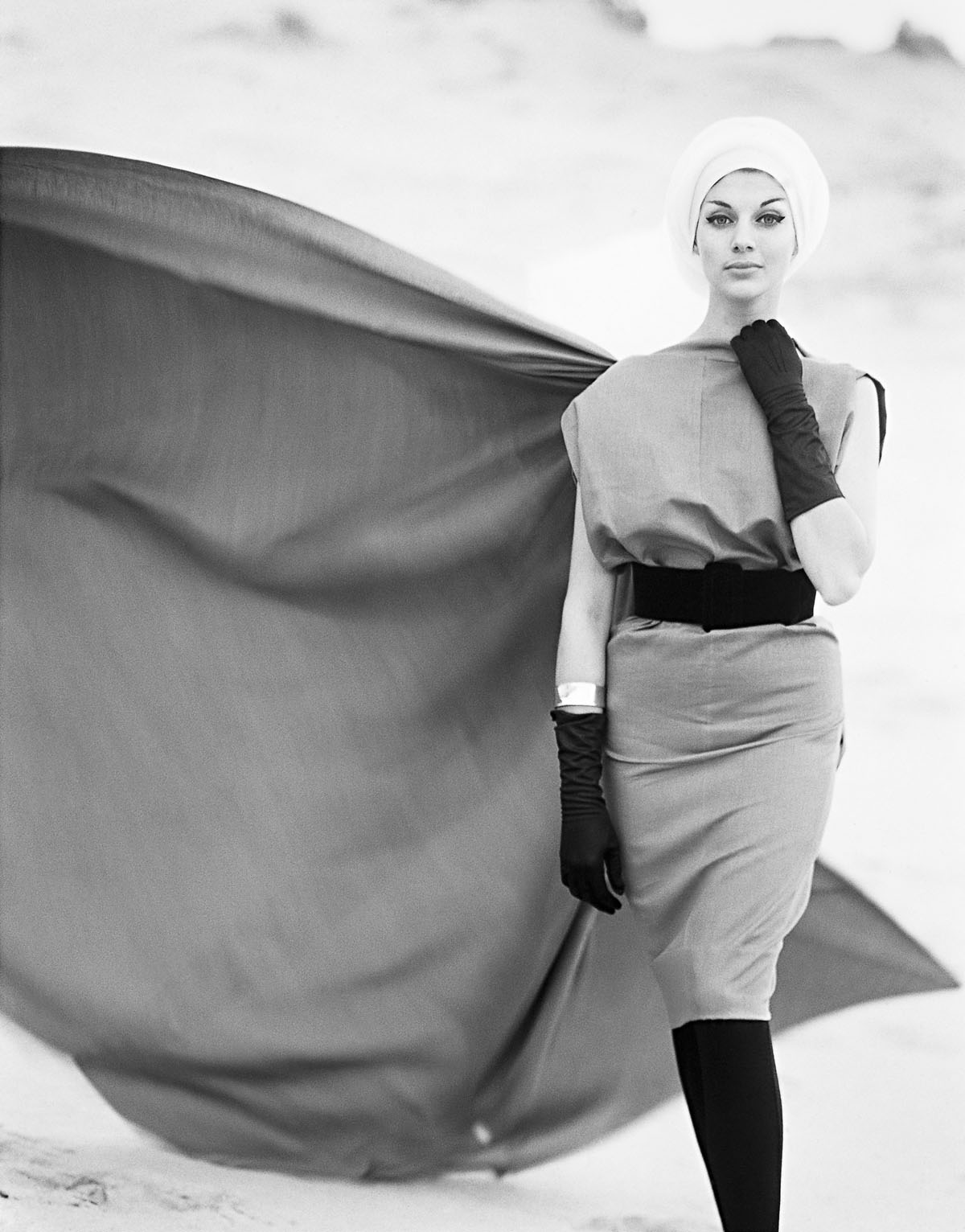
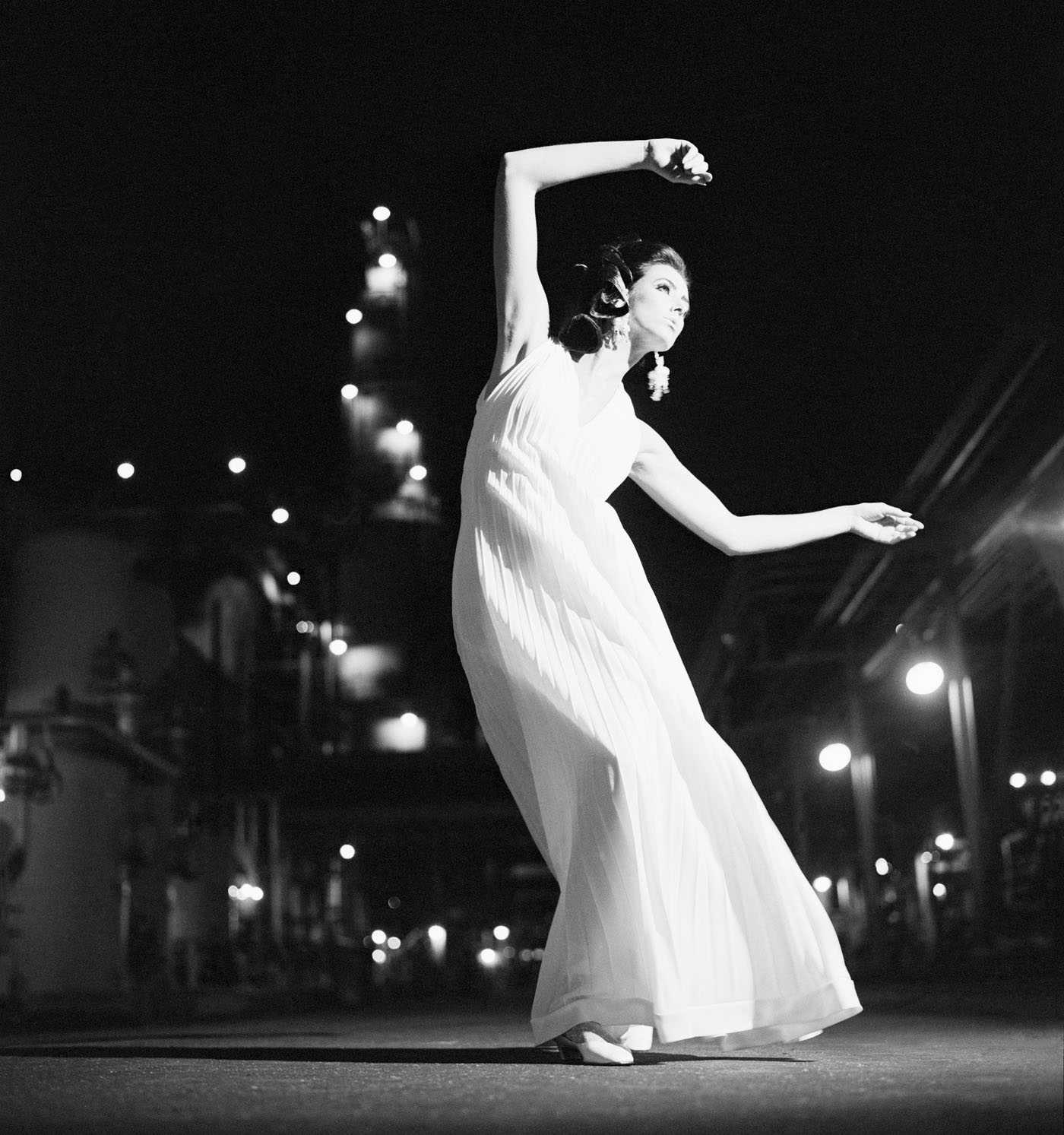
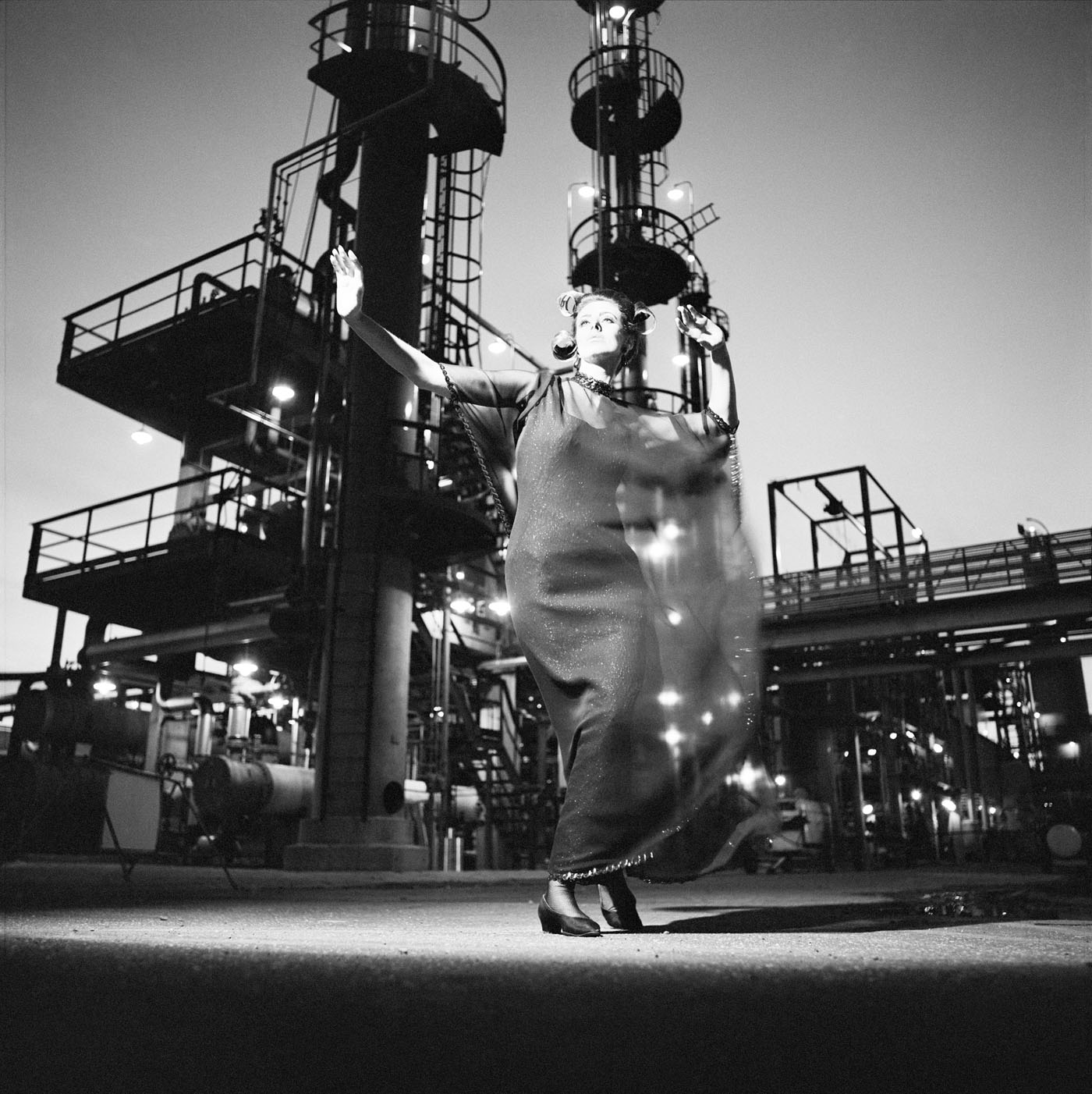


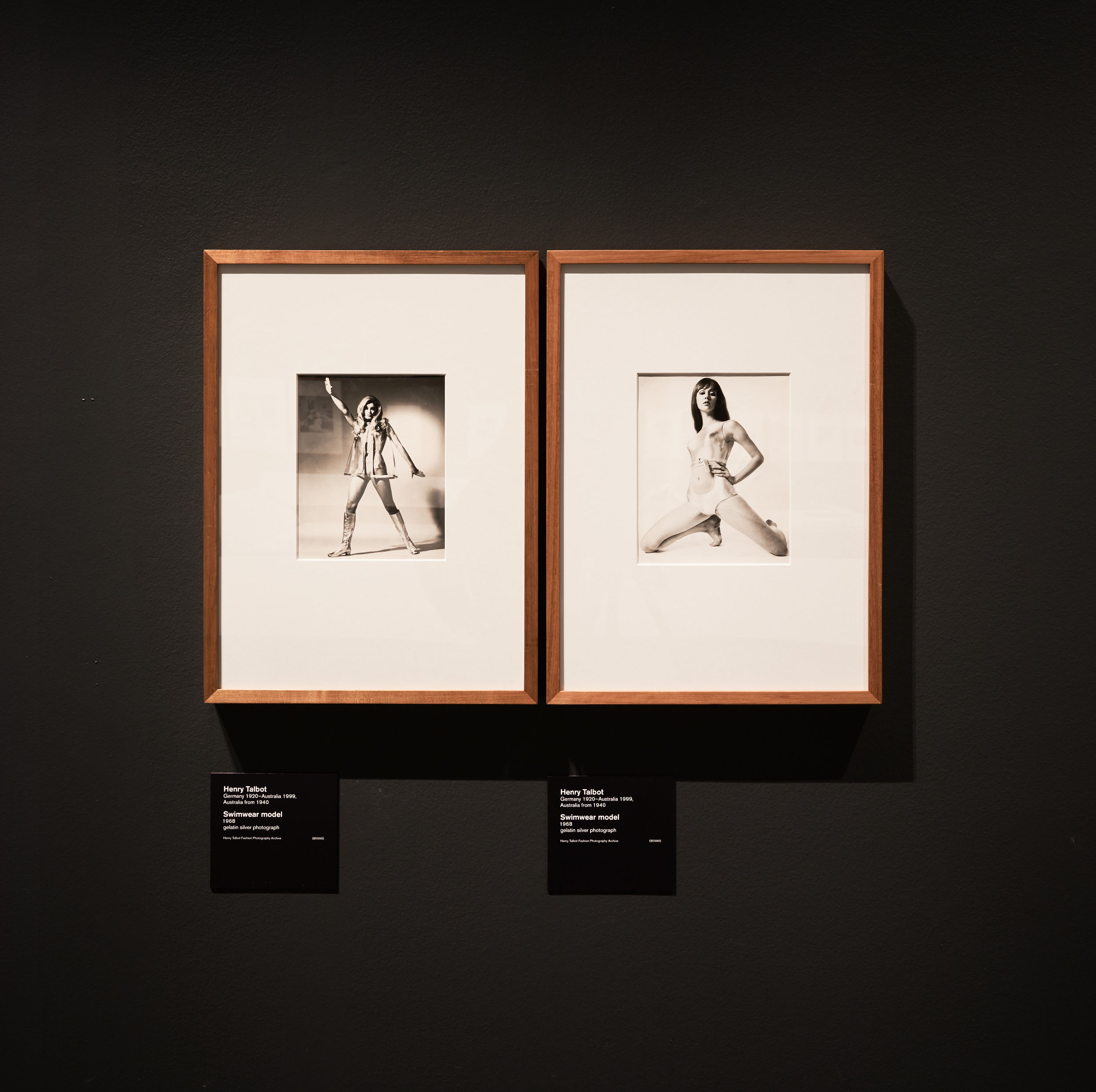
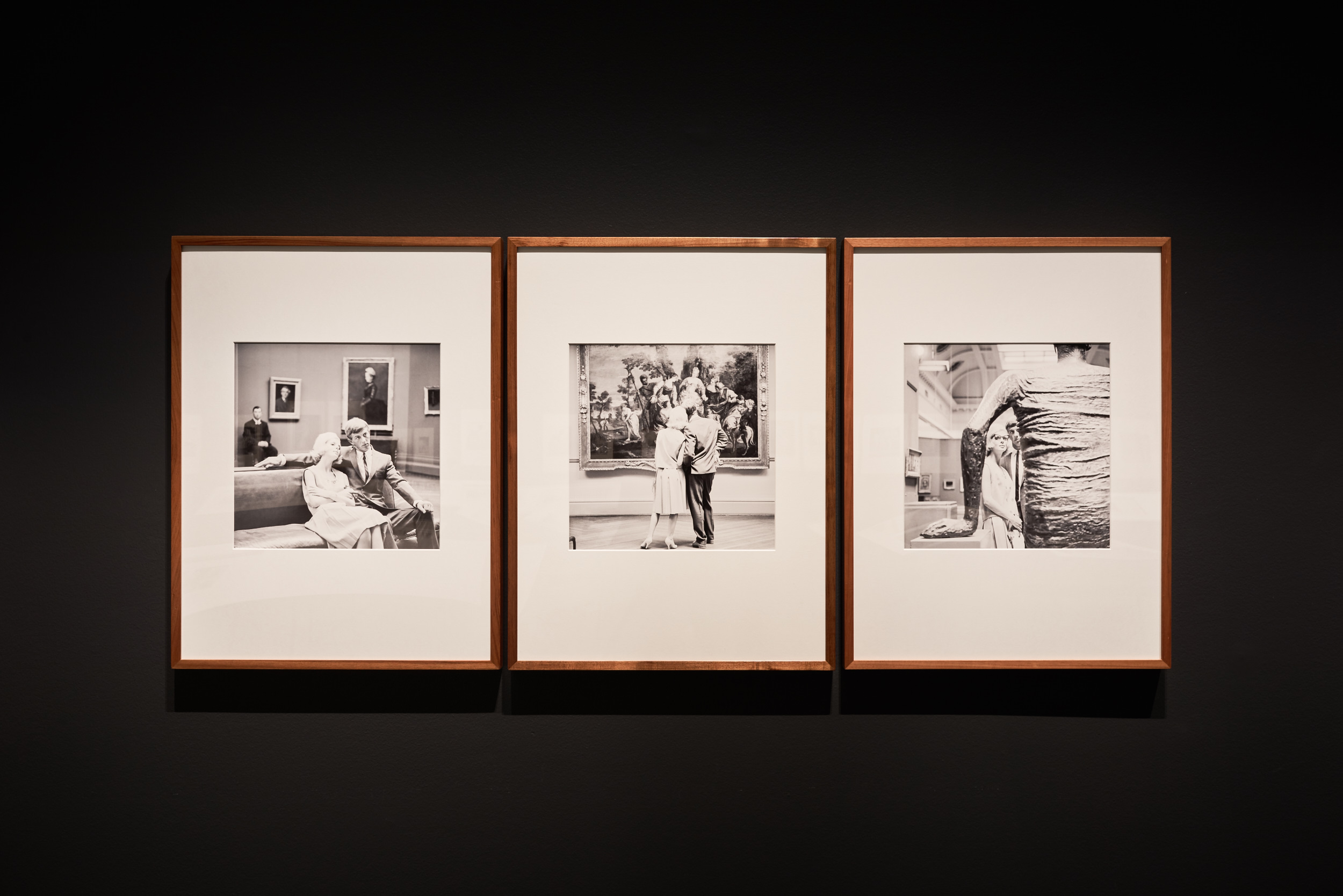
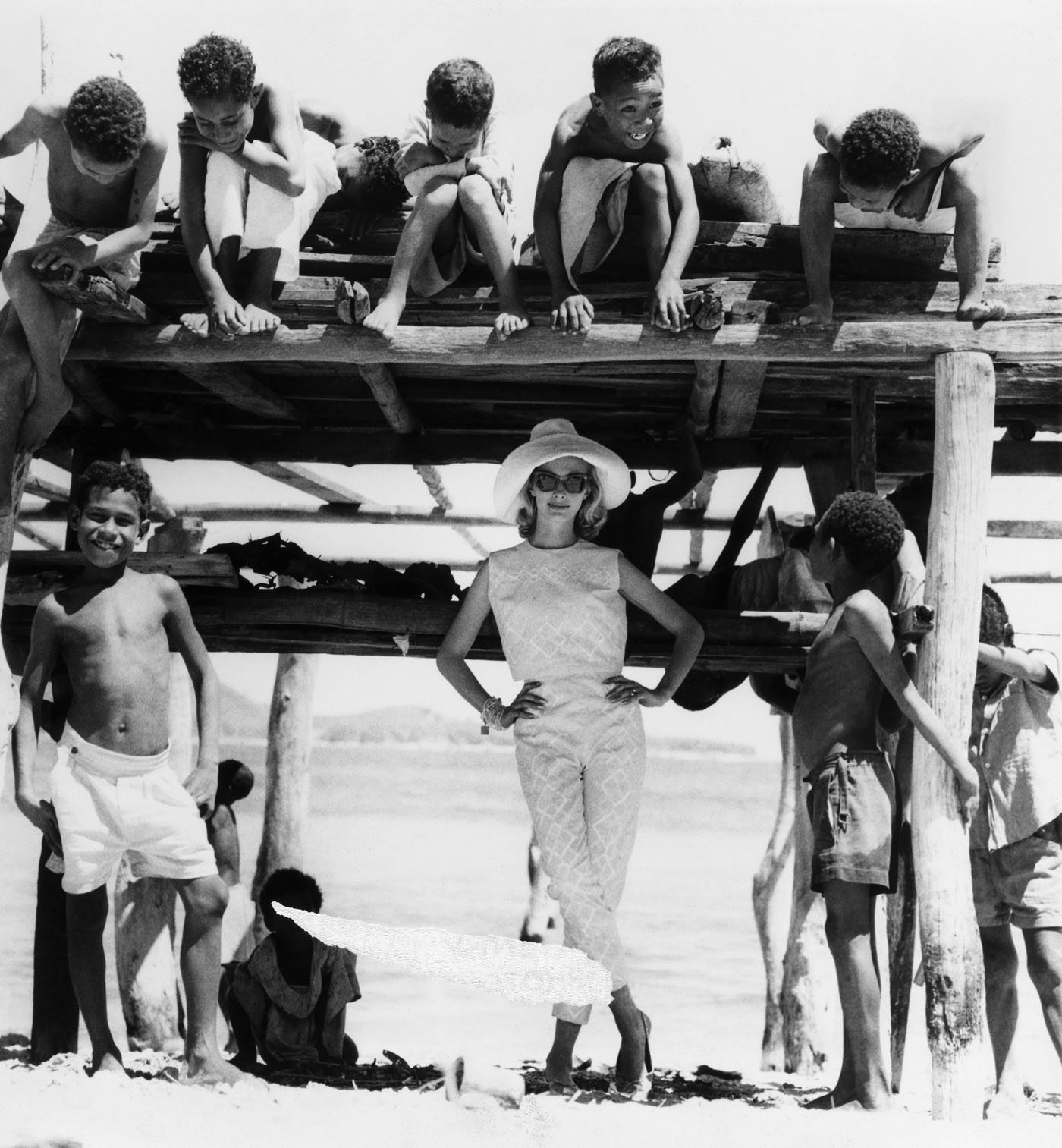
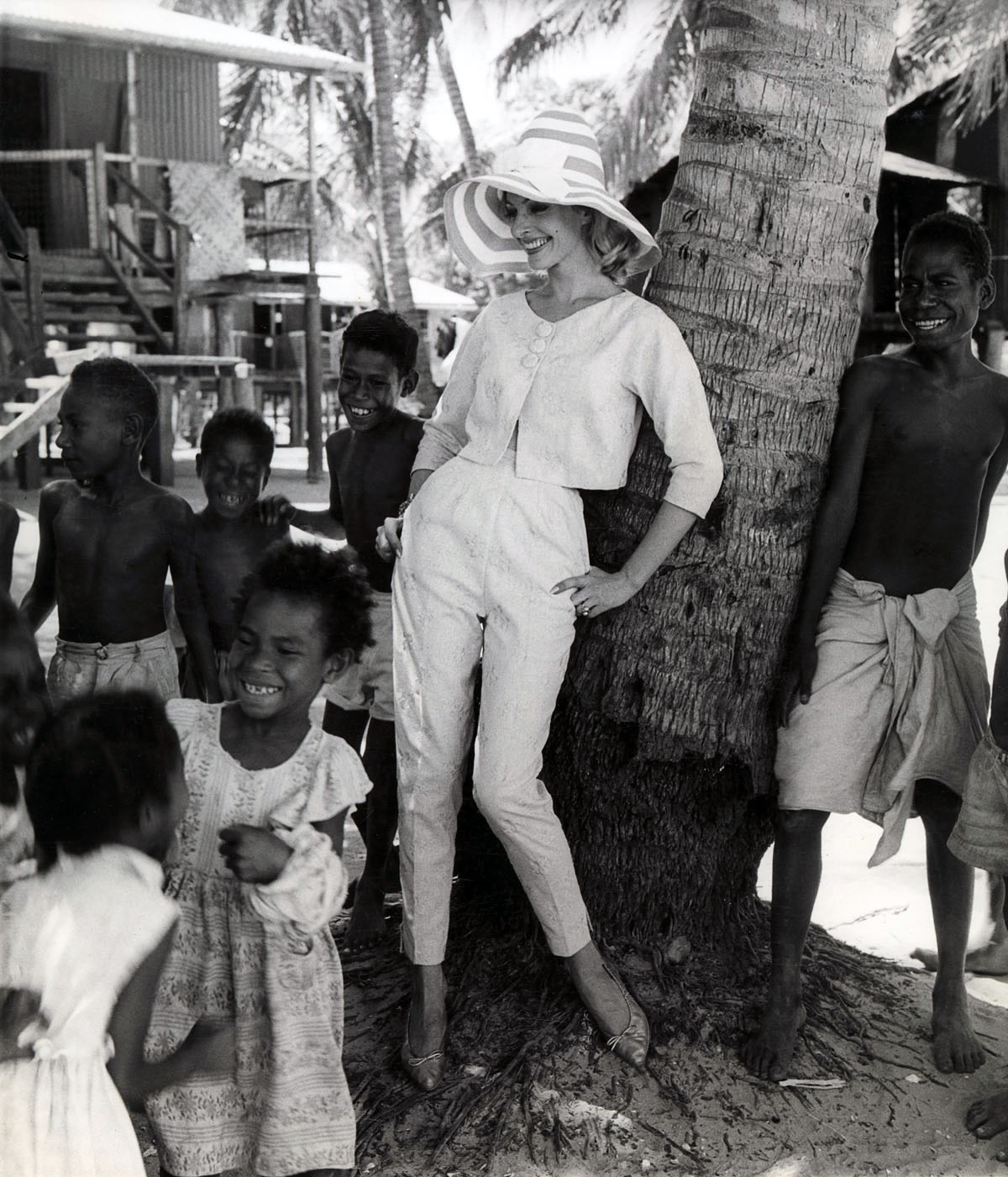
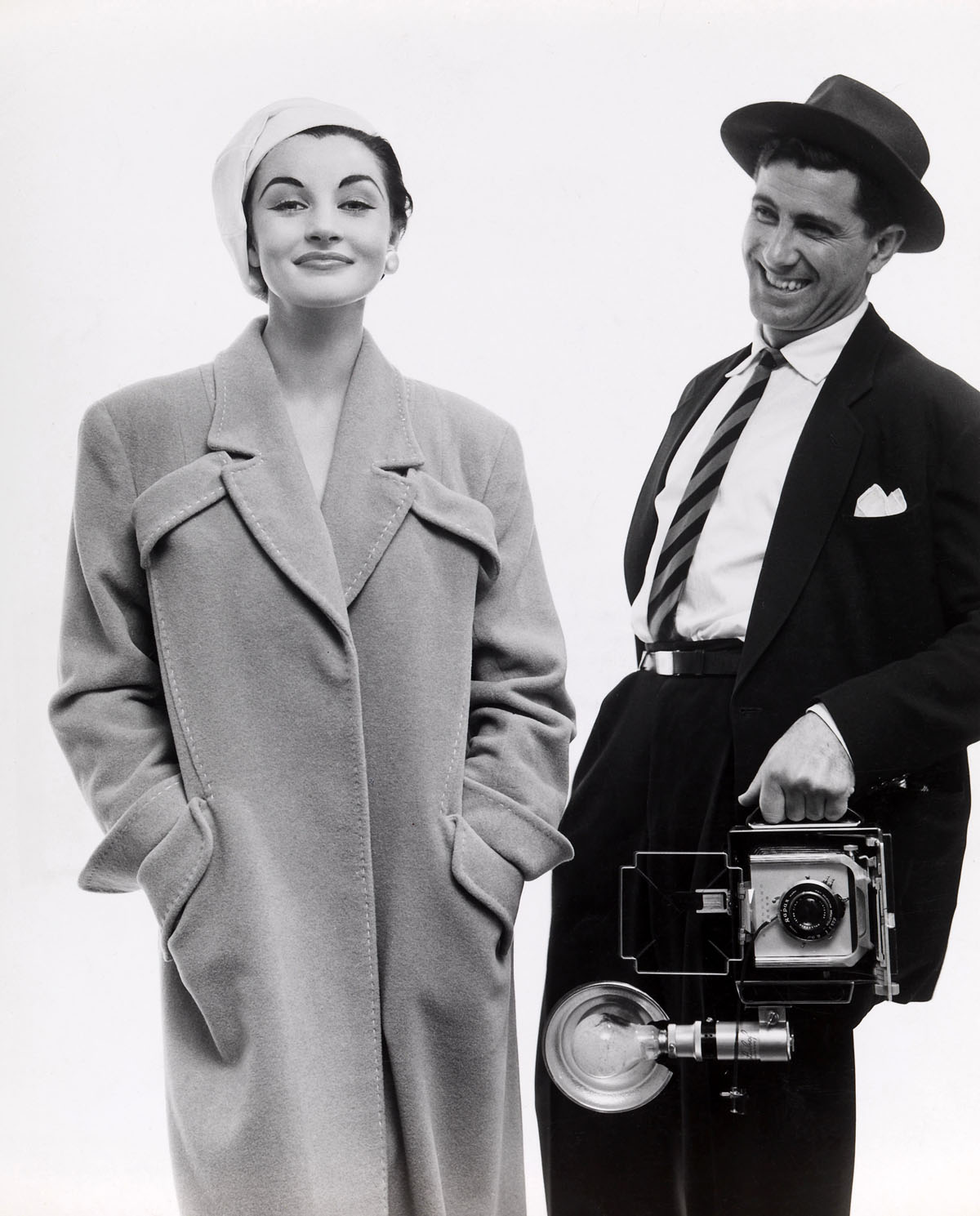
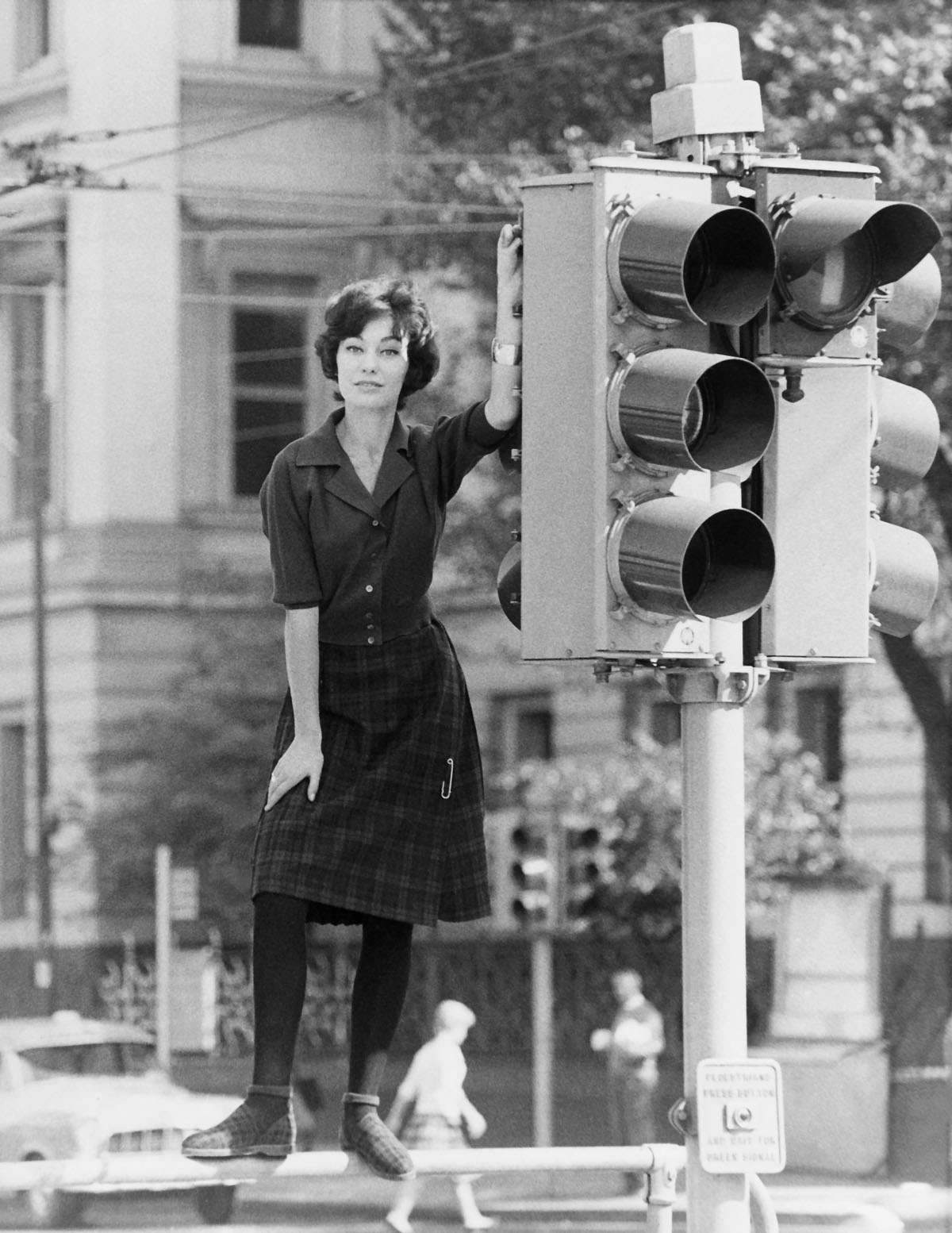
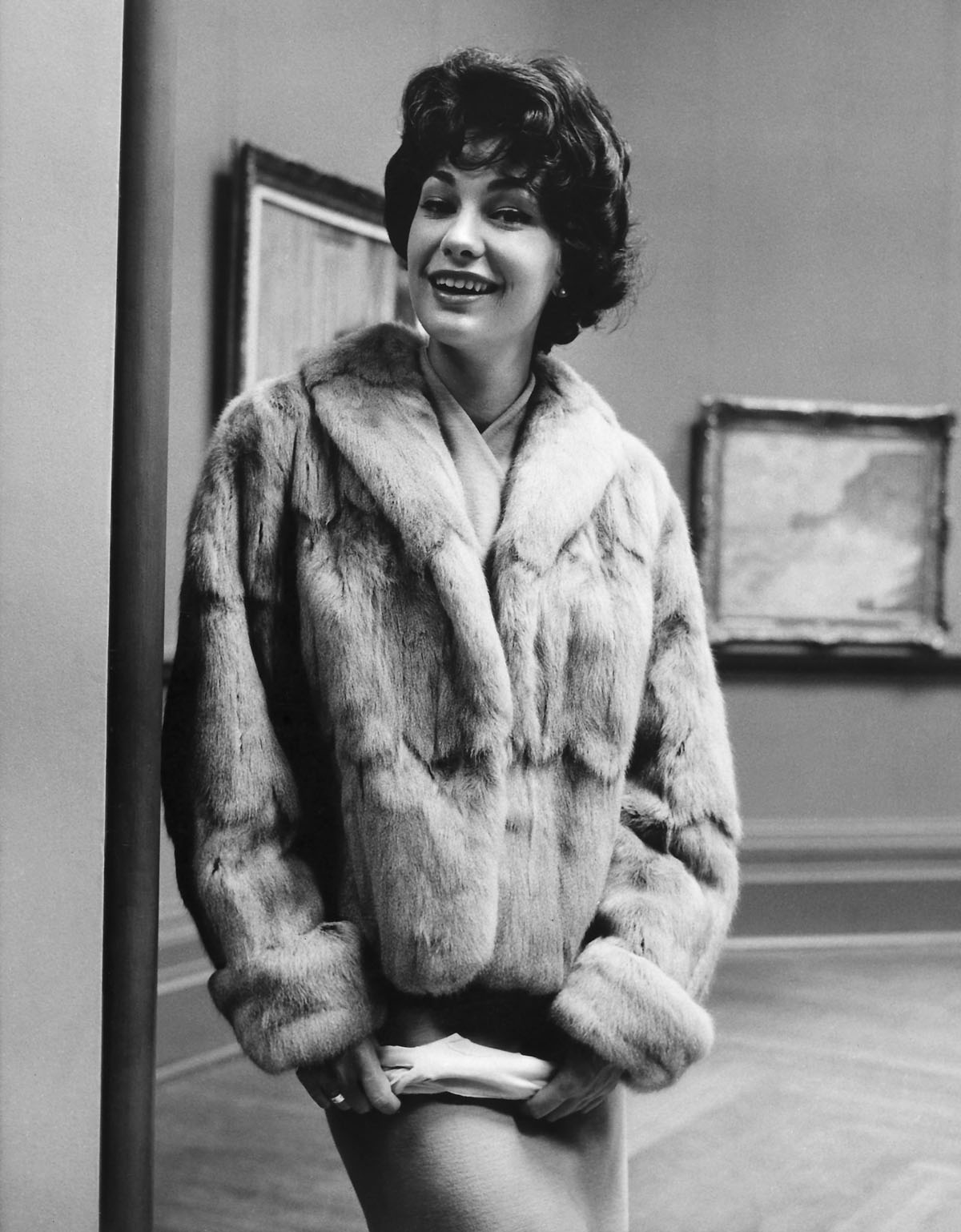
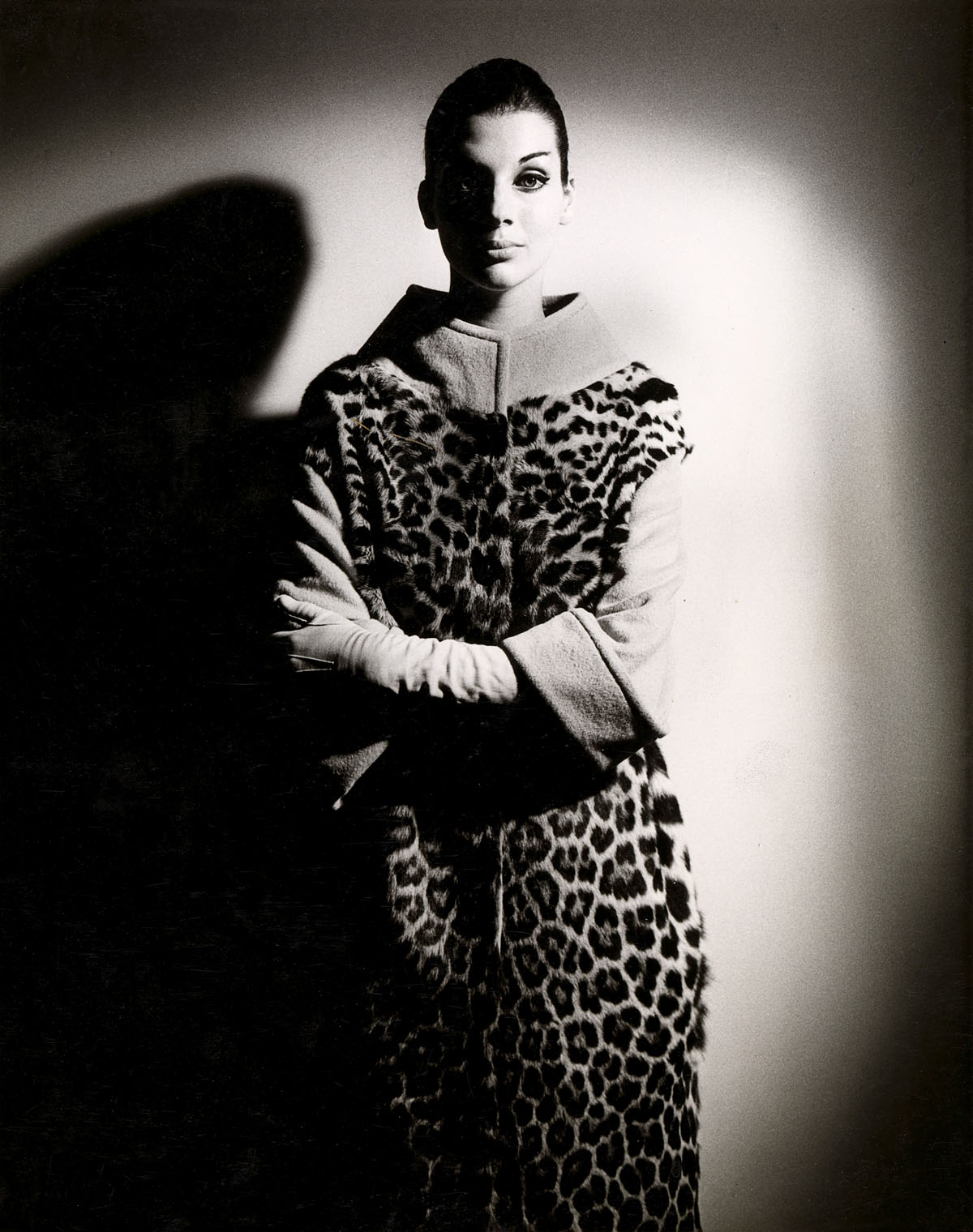
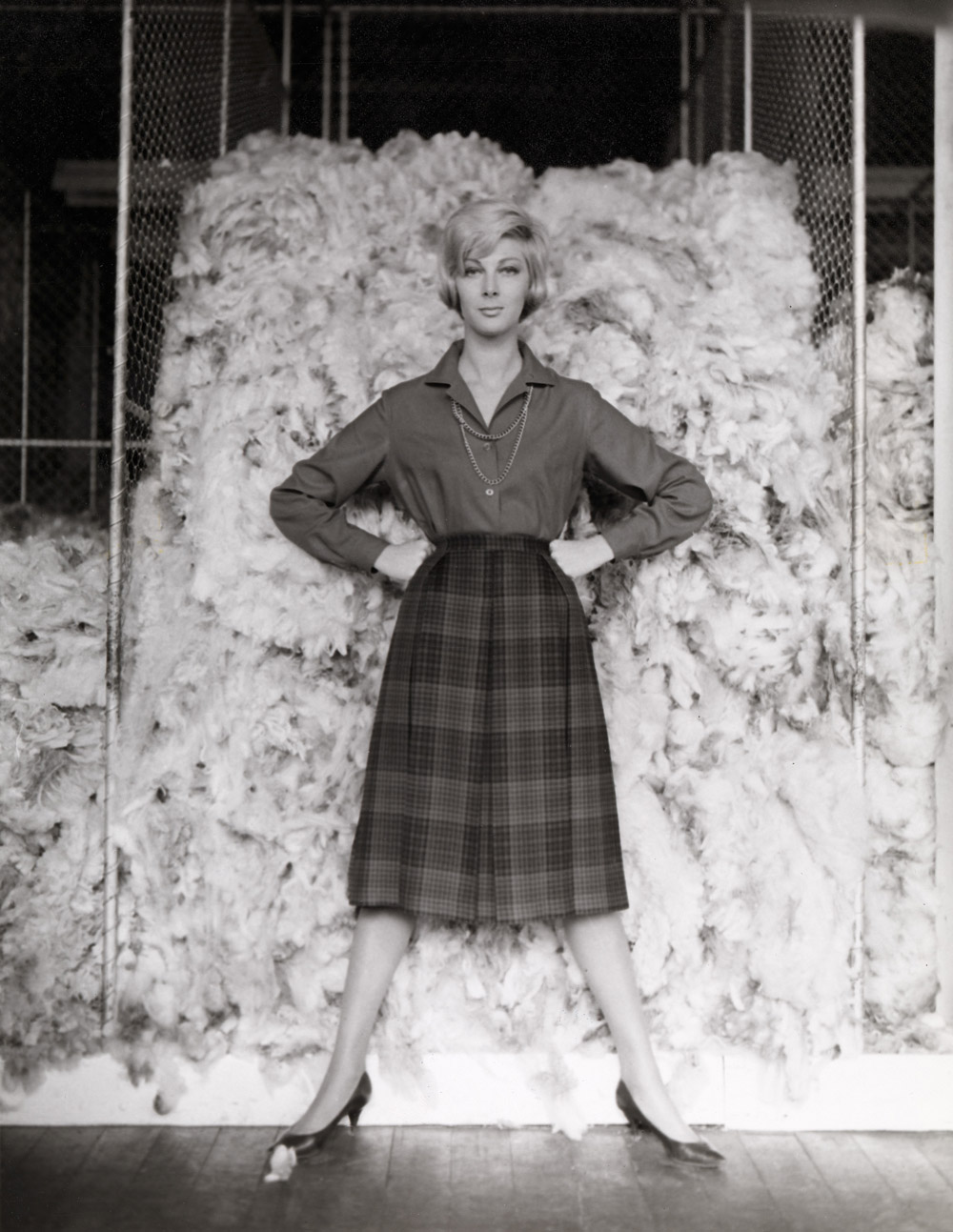
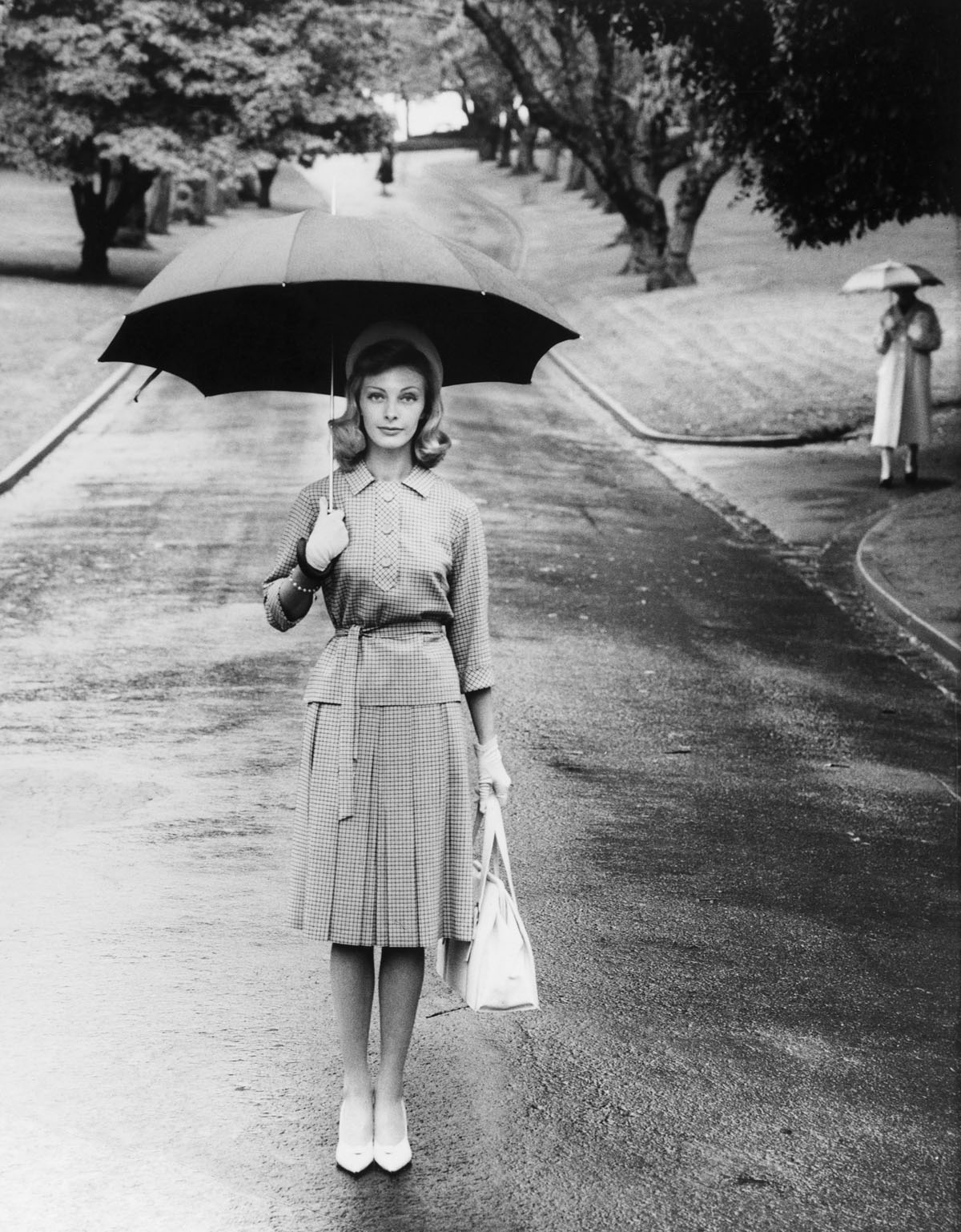
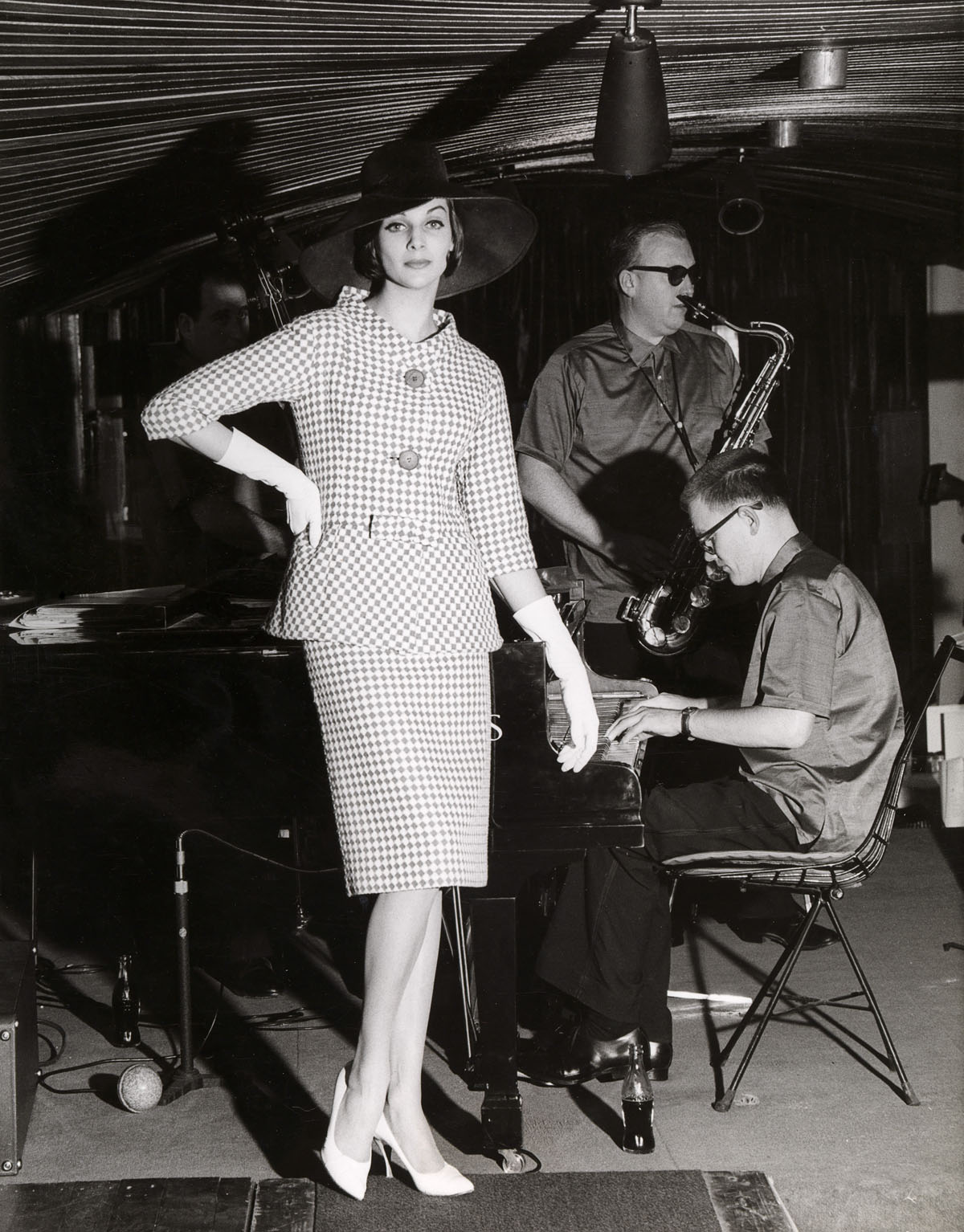
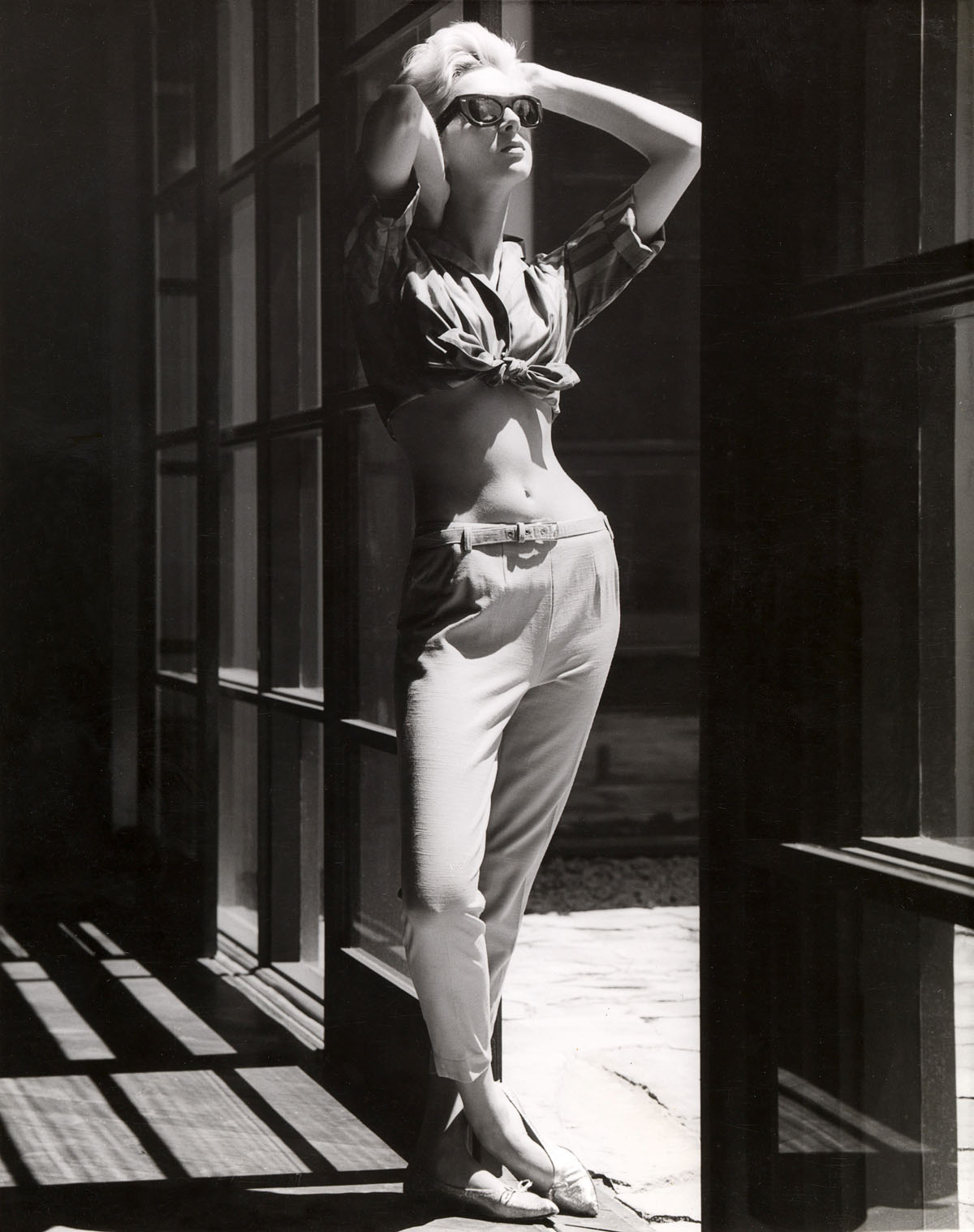

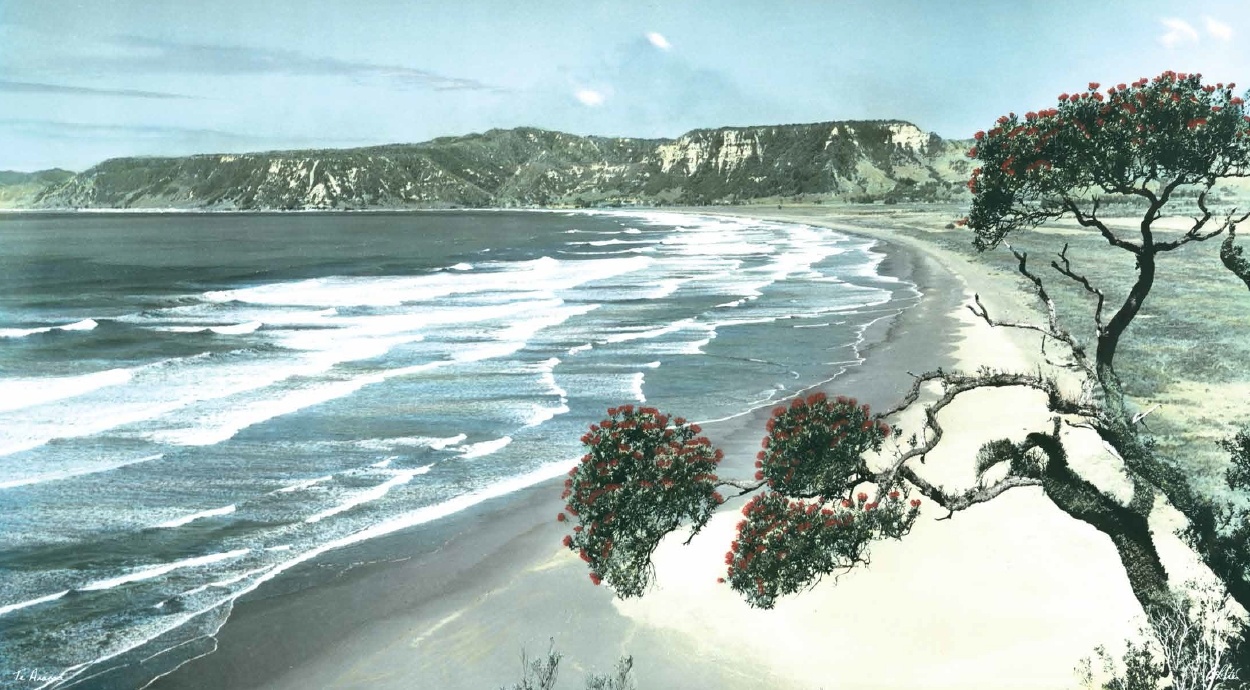


![Unknown photographer (American) '[Jeff Briggs, Robert Sims, Otis Hall, and Peter Pamphlet; Full-Length Mugshot from the Chicago Police Department]' 1936 from the exhibition 'Crime Stories: Photography and Foul Play' at the Metropolitan Museum of Art, New York, March - July, 2016](https://artblart.com/wp-content/uploads/2016/07/mug-shot1-web.jpg "Unknown photographer (American) '[Jeff Briggs, Robert Sims, Otis Hall, and Peter Pamphlet; Full-Length Mugshot from the Chicago Police Department]' 1936 from the exhibition 'Crime Stories: Photography and Foul Play' at the Metropolitan Museum of Art, New York, March - July, 2016")
![Unknown photographer (American) '[John Dillinger's Feet, Chicago Morgue]' 1934 from the exhibition 'Crime Stories: Photography and Foul Play' at the Metropolitan Museum of Art, New York, March - July, 2016](https://artblart.com/wp-content/uploads/2016/07/john-dillingers-body-web.jpg "Unknown photographer (American) '[John Dillinger's Feet, Chicago Morgue]' 1934 from the exhibition 'Crime Stories: Photography and Foul Play' at the Metropolitan Museum of Art, New York, March - July, 2016")
![Unknown photographer (American) '[Jeff Briggs, Robert Sims, Otis Hall, and Peter Pamphlet; Full-Length Mugshot from the Chicago Police Department]' 1936](https://artblart.com/wp-content/uploads/2016/07/mug-shot2-web.jpg "Unknown photographer (American) '[Jeff Briggs, Robert Sims, Otis Hall, and Peter Pamphlet; Full-Length Mugshot from the Chicago Police Department]' 1936")
![Walker Evans (American, St. Louis, Missouri 1903–1975 New Haven, Connecticut) '[Subway Passengers, New York City]' 1938](https://artblart.com/wp-content/uploads/2016/07/walker-evans-subway-passengers-new-york-city-web.jpg "Walker Evans (American, St. Louis, Missouri 1903–1975 New Haven, Connecticut) '[Subway Passengers, New York City]' 1938")


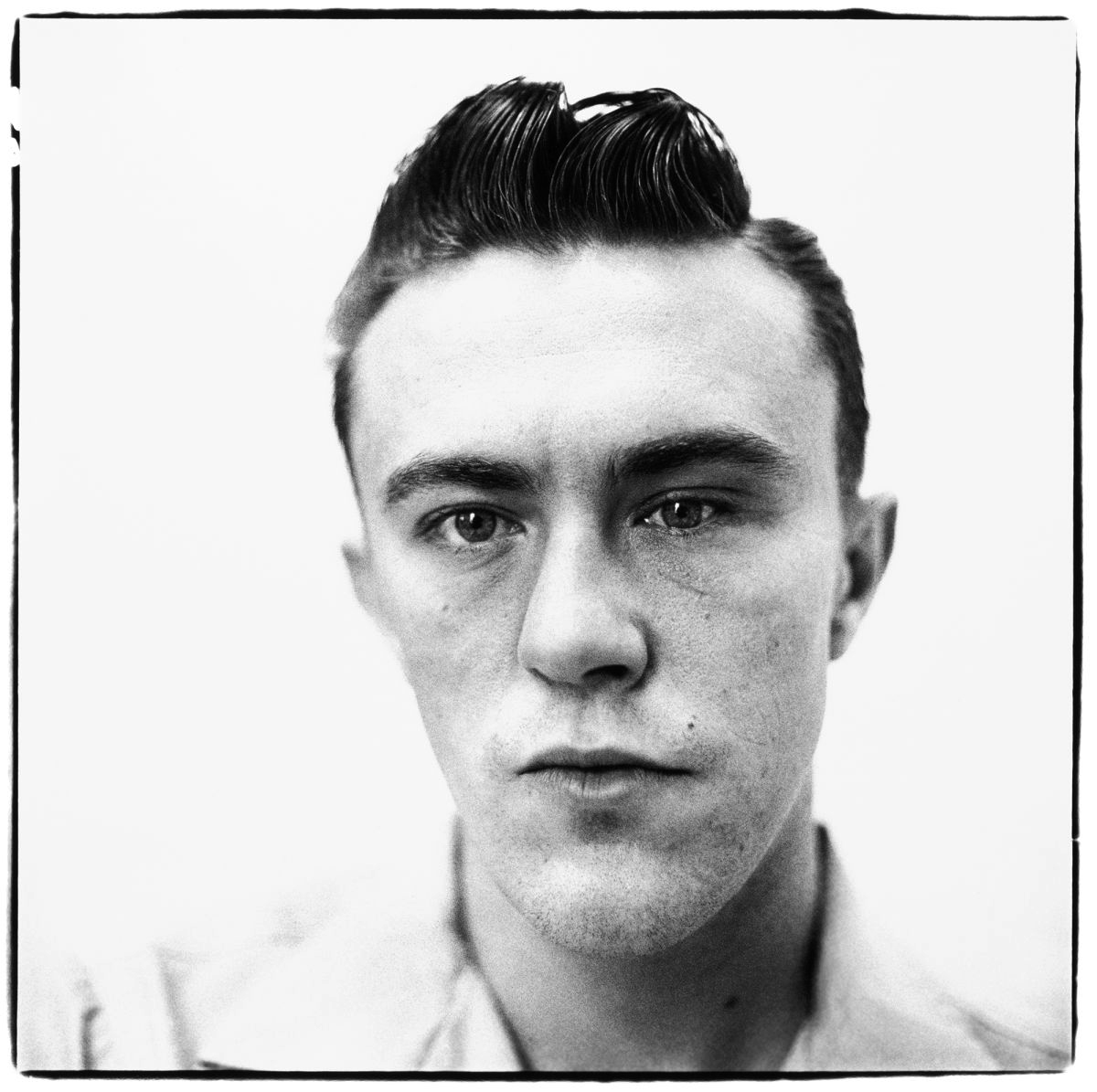
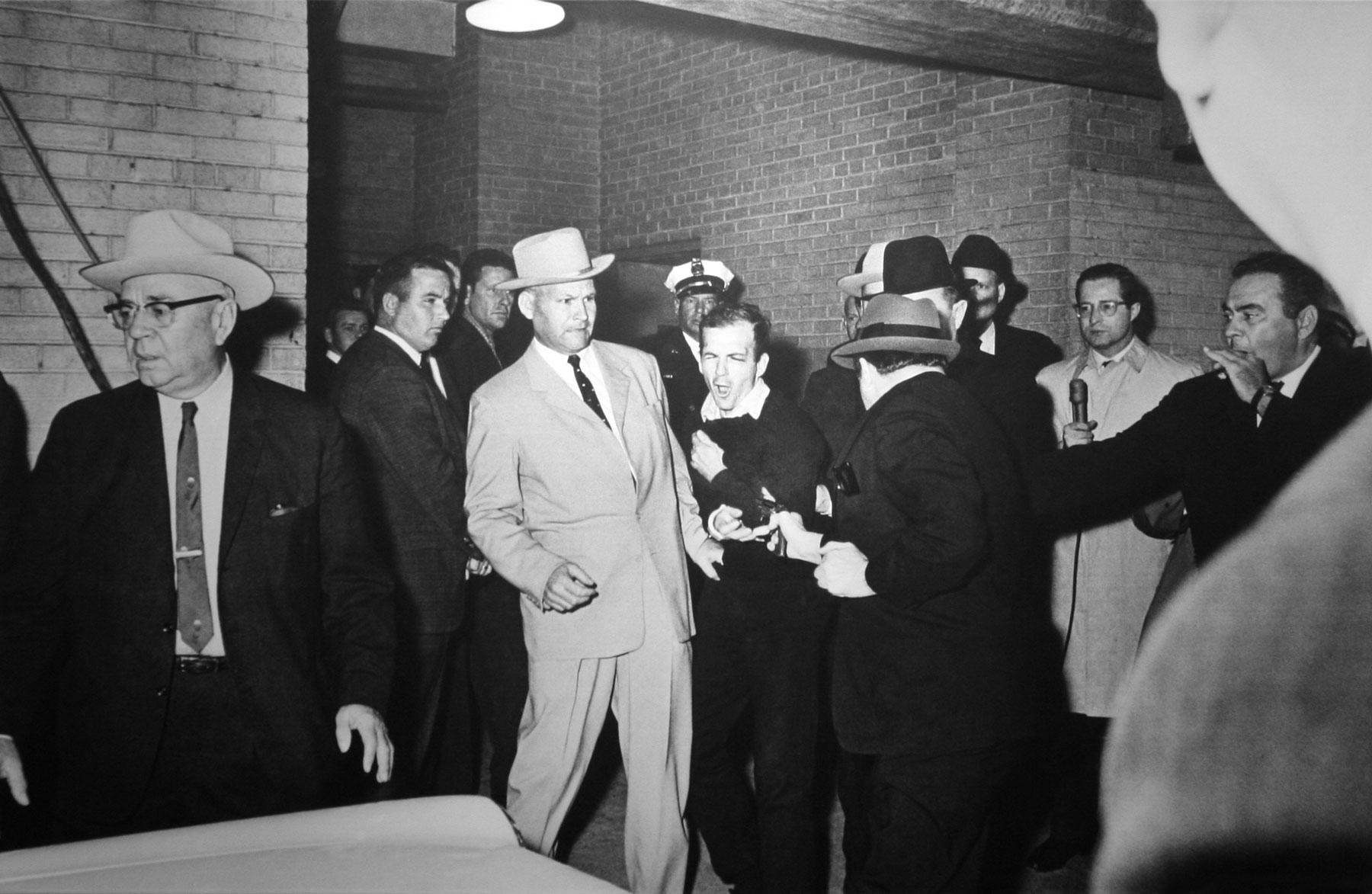
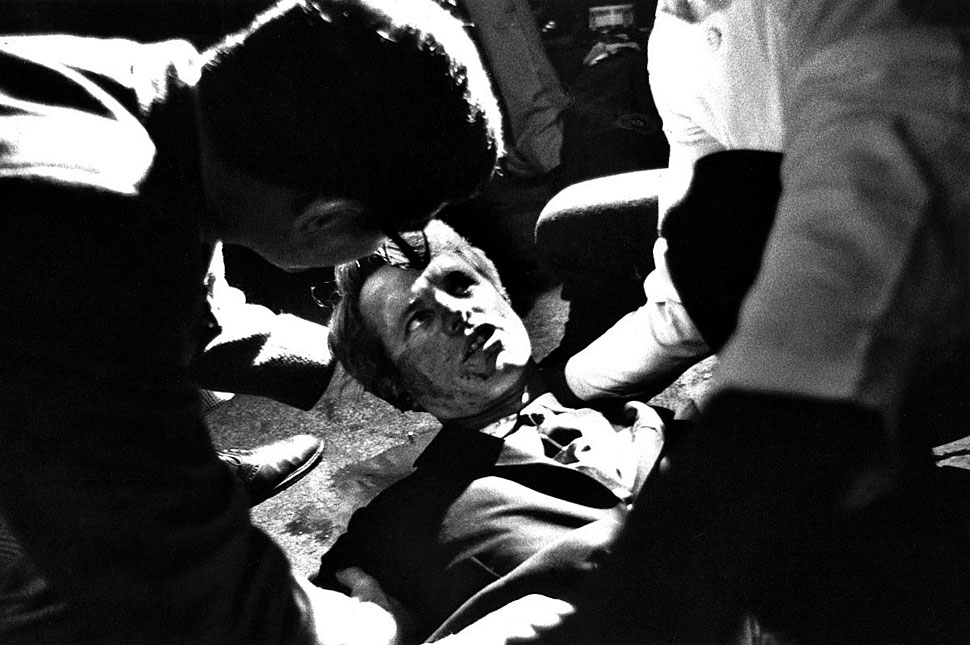

![Alphonse Bertillon (French, 1853-1914) '[Album of Paris Crime Scenes]' 1901-1908](https://artblart.com/wp-content/uploads/2016/07/bertillon-a-web.jpg "Alphonse Bertillon (French, 1853-1914) '[Album of Paris Crime Scenes]' 1901-1908")
![Alphonse Bertillon (French, 1853-1914) '[Album of Paris Crime Scenes]' 1901-1908 (detail)](https://artblart.com/wp-content/uploads/2016/07/bertillon-a-detail.jpg "Alphonse Bertillon (French, 1853-1914) '[Album of Paris Crime Scenes]' 1901-1908 (detail)")
![Alphonse Bertillon (French, 1853-1914) '[Album of Paris Crime Scenes]' 1901-1908](https://artblart.com/wp-content/uploads/2016/07/bertillon-b-web.jpg "Alphonse Bertillon (French, 1853-1914) '[Album of Paris Crime Scenes]' 1901-1908")
![Alphonse Bertillon (French, 1853-1914) '[Album of Paris Crime Scenes]' 1901-1908 (detail)](https://artblart.com/wp-content/uploads/2016/07/bertillon-b-detail.jpg "Alphonse Bertillon (French, 1853-1914) '[Album of Paris Crime Scenes]' 1901-1908 (detail)")
![Alphonse Bertillon (French, 1853-1914) '[Album of Paris Crime Scenes]' 1901-1908](https://artblart.com/wp-content/uploads/2016/07/bertillon-c-web.jpg "Alphonse Bertillon (French, 1853-1914) '[Album of Paris Crime Scenes]' 1901-1908")
![Alphonse Bertillon (French, 1853-1914) '[Album of Paris Crime Scenes]' 1901-1908 (detail)](https://artblart.com/wp-content/uploads/2016/07/bertillon-c-detail.jpg "Alphonse Bertillon (French, 1853-1914) '[Album of Paris Crime Scenes]' 1901-1908 (detail)")
![Alphonse Bertillon (French, 1853-1914) '[Album of Paris Crime Scenes]' 1901-1908](https://artblart.com/wp-content/uploads/2016/07/bertillon-d-web.jpg "Alphonse Bertillon (French, 1853-1914) '[Album of Paris Crime Scenes]' 1901-1908")
![Alphonse Bertillon (French, 1853-1914) '[Album of Paris Crime Scenes]' 1901-1908 (detail)](https://artblart.com/wp-content/uploads/2016/07/bertillon-d-detail.jpg "Alphonse Bertillon (French, 1853-1914) '[Album of Paris Crime Scenes]' 1901-1908 (detail)")
![Alphonse Bertillon (French, 1853-1914) '[Album of Paris Crime Scenes]' 1901-1908](https://artblart.com/wp-content/uploads/2016/07/bertillon-h-web.jpg "Alphonse Bertillon (French, 1853-1914) '[Album of Paris Crime Scenes]' 1901-1908")
![Alphonse Bertillon (French, 1853-1914) '[Album of Paris Crime Scenes]' 1901-1908 (detail)](https://artblart.com/wp-content/uploads/2016/07/bertillon-h-detail.jpg "Alphonse Bertillon (French, 1853-1914) '[Album of Paris Crime Scenes]' 1901-1908 (detail)")
![Alphonse Bertillon (French, 1853-1914) '[Album of Paris Crime Scenes]' 1901-1908](https://artblart.com/wp-content/uploads/2016/07/bertillon-e-web.jpg "Alphonse Bertillon (French, 1853-1914) '[Album of Paris Crime Scenes]' 1901-1908")
![Alphonse Bertillon (French, 1853-1914) '[Album of Paris Crime Scenes]' 1901-1908 (detail)](https://artblart.com/wp-content/uploads/2016/07/bertillon-e-detail.jpg "Alphonse Bertillon (French, 1853-1914) '[Album of Paris Crime Scenes]' 1901-1908 (detail)")
![Alphonse Bertillon (French, 1853-1914) '[Album of Paris Crime Scenes]' 1901-1908](https://artblart.com/wp-content/uploads/2016/07/bertillon-f-web.jpg "Alphonse Bertillon (French, 1853-1914) '[Album of Paris Crime Scenes]' 1901-1908")
![Alphonse Bertillon (French, 1853-1914) '[Album of Paris Crime Scenes]' 1901-1908 (detail)](https://artblart.com/wp-content/uploads/2016/07/bertillon-f-detail.jpg "Alphonse Bertillon (French, 1853-1914) '[Album of Paris Crime Scenes]' 1901-1908 (detail)")
![Alphonse Bertillon (French, 1853-1914) '[Album of Paris Crime Scenes]' 1901-1908](https://artblart.com/wp-content/uploads/2016/07/bertillon-g-web.jpg "Alphonse Bertillon (French, 1853-1914) '[Album of Paris Crime Scenes]' 1901-1908")
![Alphonse Bertillon (French, 1853-1914) '[Album of Paris Crime Scenes]' 1901-1908 (detail)](https://artblart.com/wp-content/uploads/2016/07/bertillon-g-detail.jpg "Alphonse Bertillon (French, 1853-1914) '[Album of Paris Crime Scenes]' 1901-1908 (detail)")


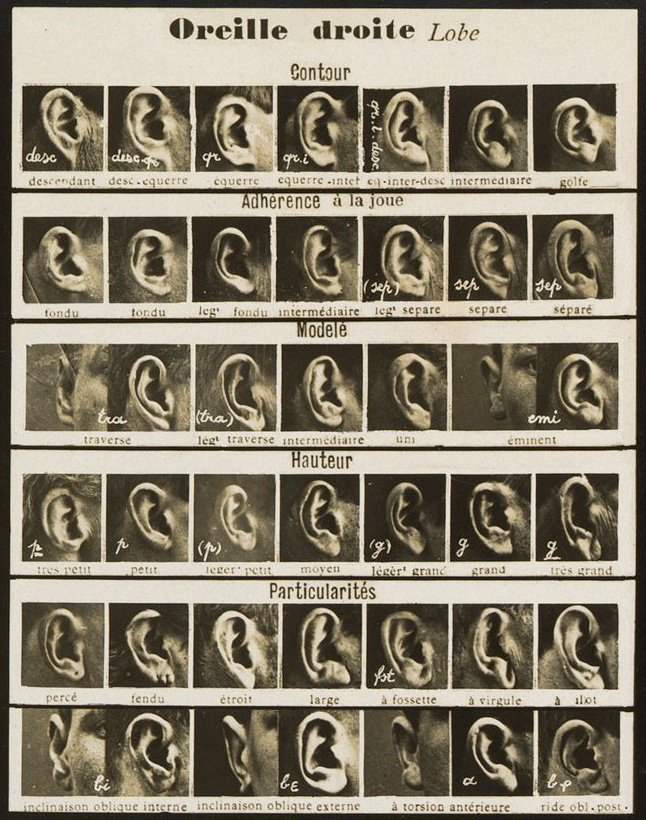


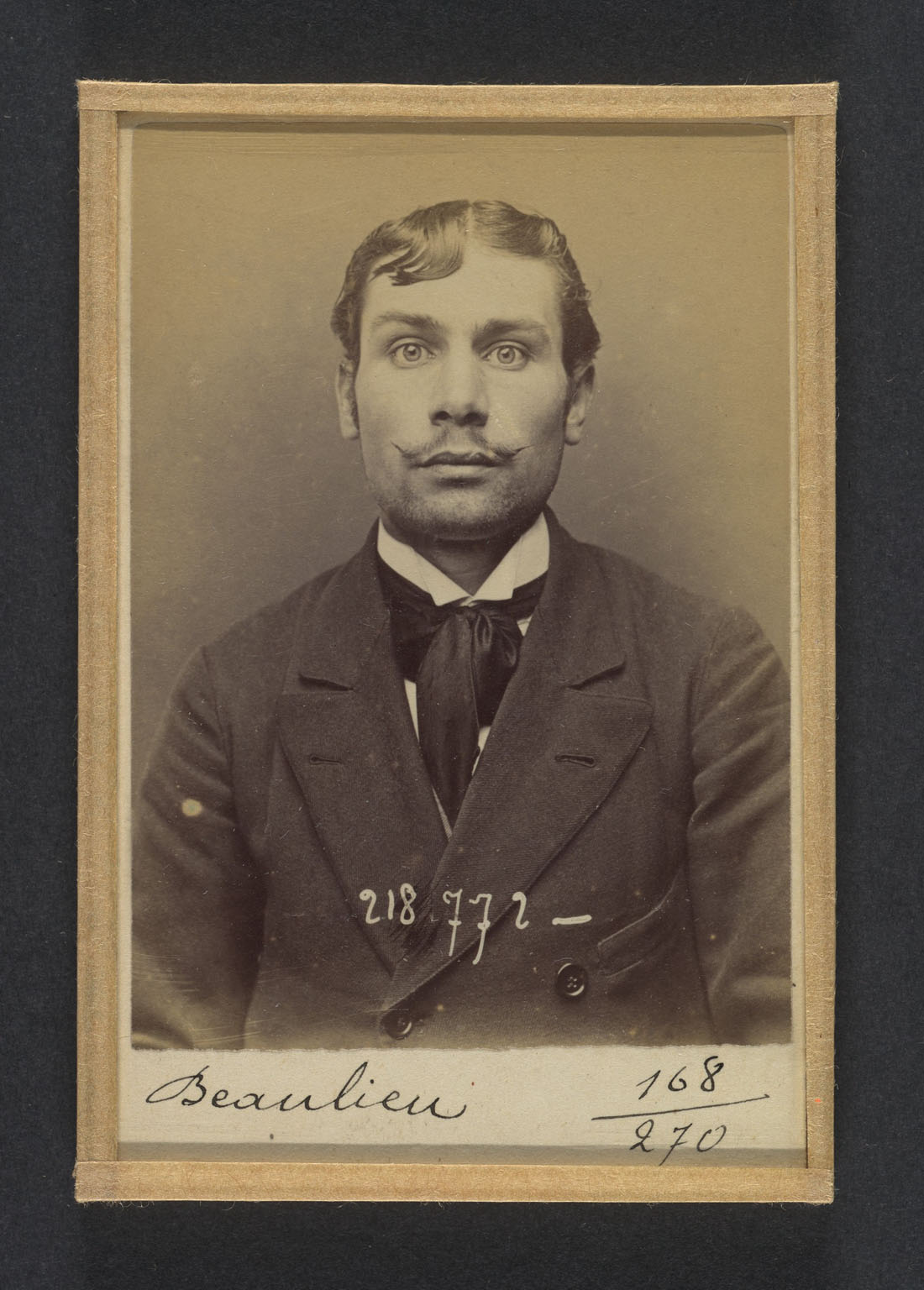





![Unknown photographer (American) '[Broadside for the Capture of John Wilkes Booth, John Surratt, and David Herold]' 1865](https://artblart.com/wp-content/uploads/2014/04/dp274835-murder-web.jpg "Unknown photographer (American) '[Broadside for the Capture of John Wilkes Booth, John Surratt, and David Herold]' 1865")
![Alexander Gardner (American, Glasgow, Scotland 1821 - 1882 Washington, D.C.) 'Lewis Powell [alias Lewis Payne]' April 27, 1865](https://artblart.com/wp-content/uploads/2016/07/lewis-powell-web.jpg "Alexander Gardner (American, Glasgow, Scotland 1821 - 1882 Washington, D.C.) 'Lewis Powell [alias Lewis Payne]' April 27, 186")


![Unknown photographer (American). '[Five Members of the Wild Bunch]' c. 1892](https://artblart.com/wp-content/uploads/2016/07/the-wild-bunch-web.jpg "Unknown photographer (American). '[Five Members of the Wild Bunch]' c. 1892")
![Tom Howard (American, 1894-1961) '[Electrocution of Ruth Snyder, Sing Sing Prison, Ossining, New York]' 1928](https://artblart.com/wp-content/uploads/2016/07/electrocution-of-ruth-snyder-web.jpg "Tom Howard (American, 1894-1961) '[Electrocution of Ruth Snyder, Sing Sing Prison, Ossining, New York]' 1928")

![Unknown photographer (American) '[Automobile Murder Scene]' c. 1935](https://artblart.com/wp-content/uploads/2016/07/automobile-murder-scene-circa-1935-web.jpg "Unknown photographer (American) '[Automobile Murder Scene]' c. 1935")

![Weegee (American, born Ukraine (Austria), Złoczów (Zolochiv) 1899 - 1968 New York) '[Outline of a Murder Victim]' 1942](https://artblart.com/wp-content/uploads/2016/07/weegee-outline-web.jpg "Weegee (American, born Ukraine (Austria), Złoczów (Zolochiv) 1899 - 1968 New York) '[Outline of a Murder Victim]' 1942")


![United Press International (American) '[Bank Robber Aiming at Security Camera, Cleveland, Ohio]' March 8, 1975](https://artblart.com/wp-content/uploads/2016/07/cleveland-1975-web1.jpg "United Press International (American) '[Bank Robber Aiming at Security Camera, Cleveland, Ohio]' March 8, 1975")


![Installation view of the exhibition 'Max and Olive: The photographic life of Olive Cotton and Max Dupain' at The Ian Potter Museum of Art, Melbourne showing at left, Max Dupain's 'Bawley Point landscape' (1938) and at middle, Dupain's 'Untitled [Factory chimney stacks]', 1940](https://artblart.com/wp-content/uploads/2016/07/installation-h.jpg "Installation view of the exhibition 'Max and Olive: The photographic life of Olive Cotton and Max Dupain' at The Ian Potter Museum of Art, Melbourne showing at left, Max Dupain's 'Bawley Point landscape' (1938) and at middle, Dupain's 'Untitled [Factory chimney stacks]', 1940")


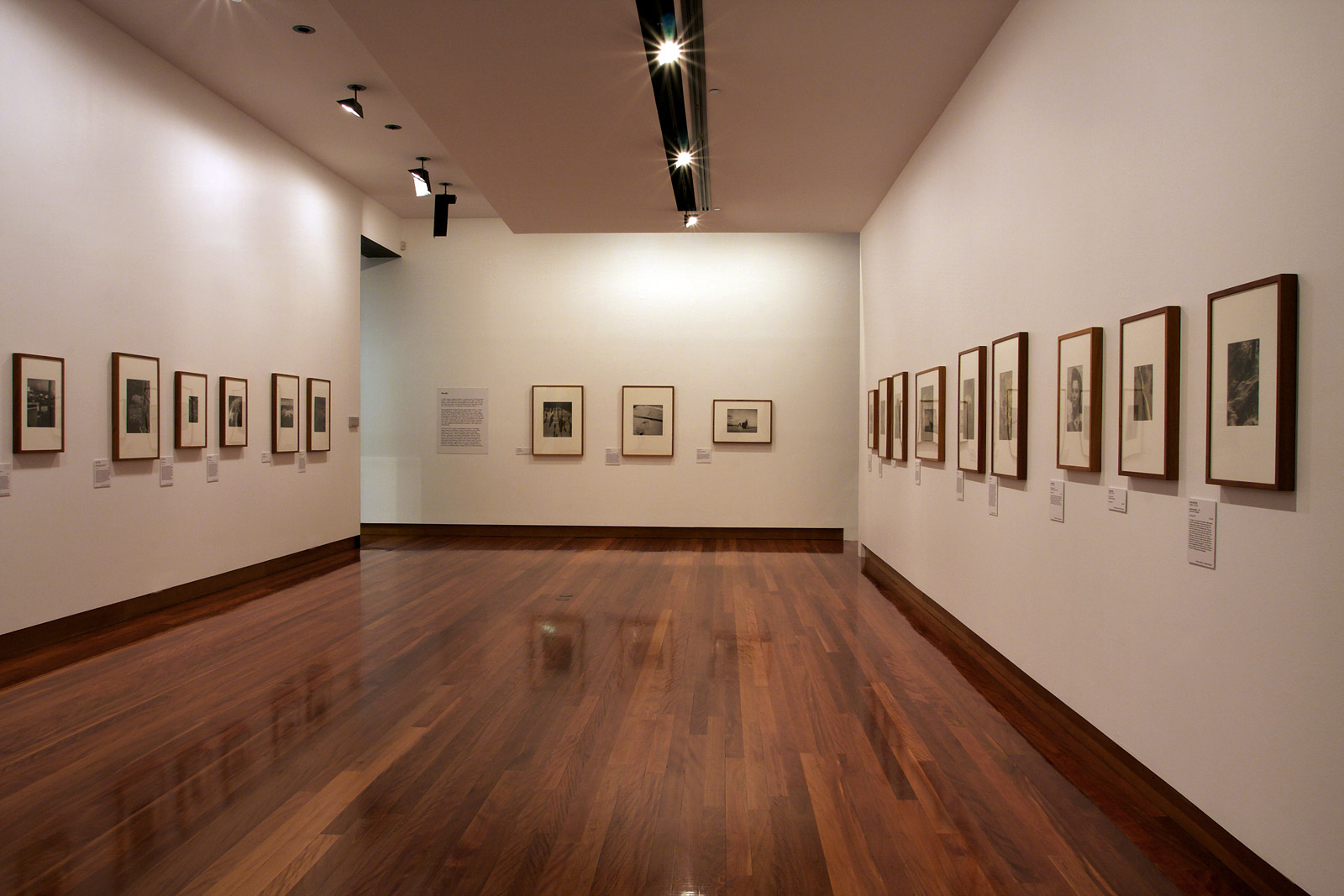


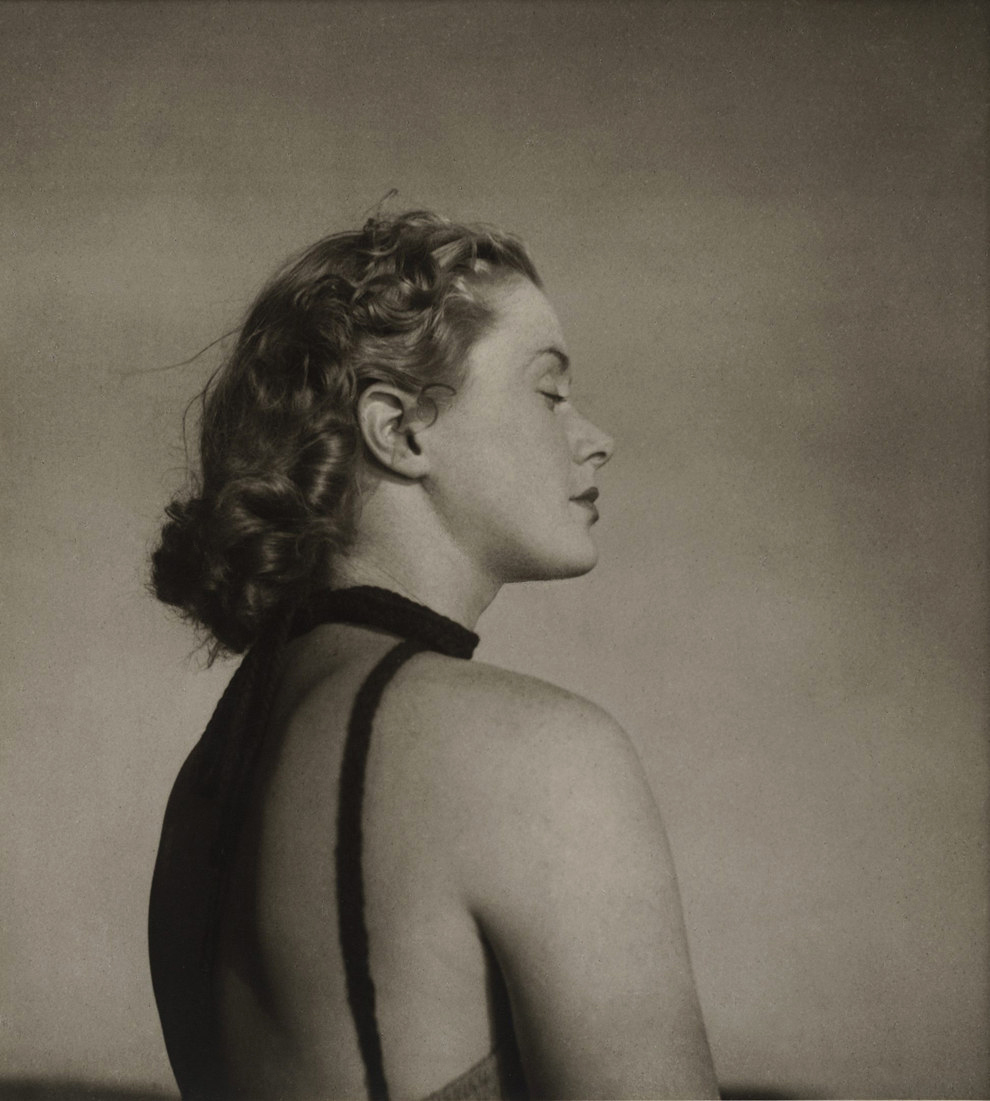
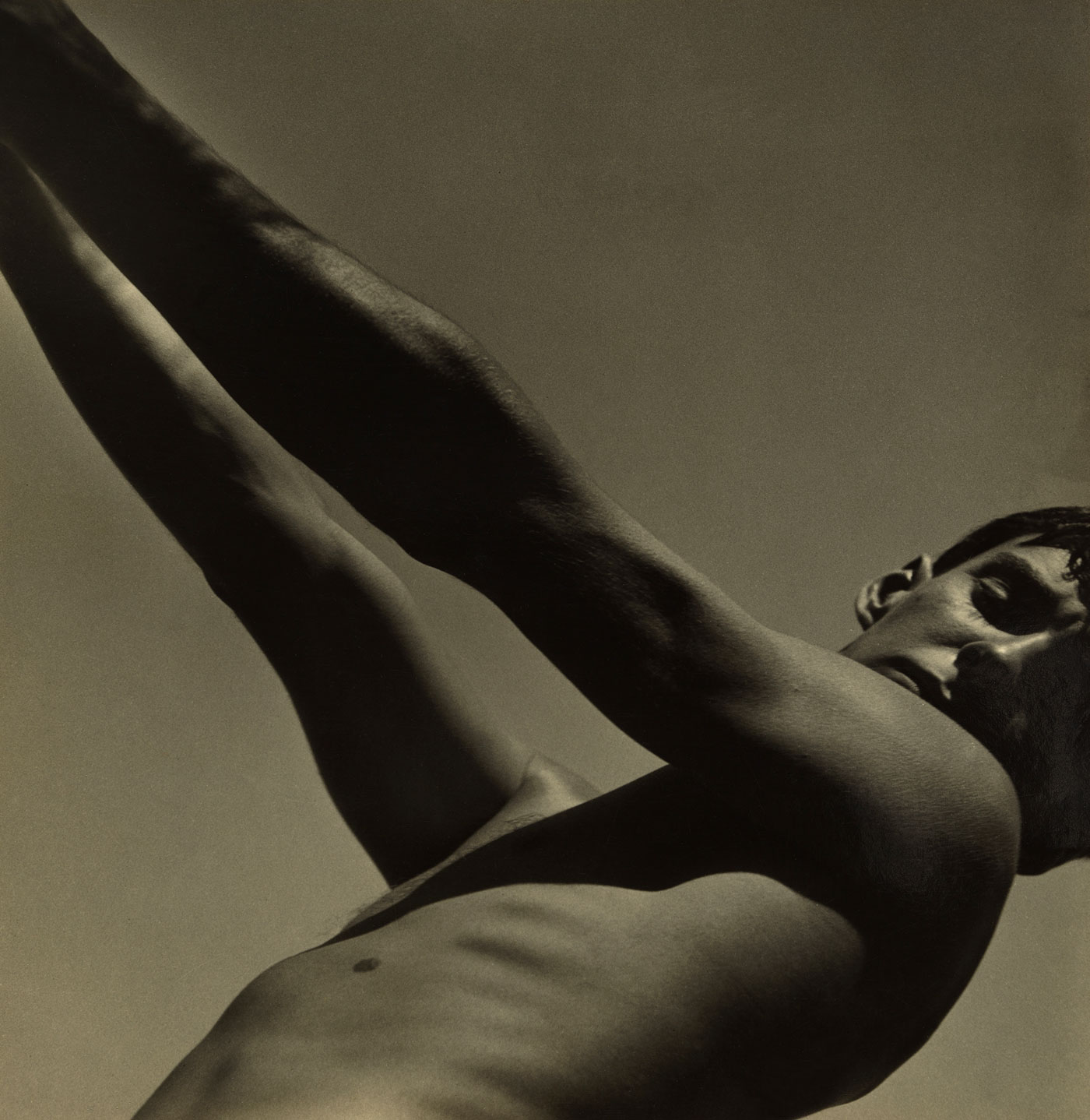
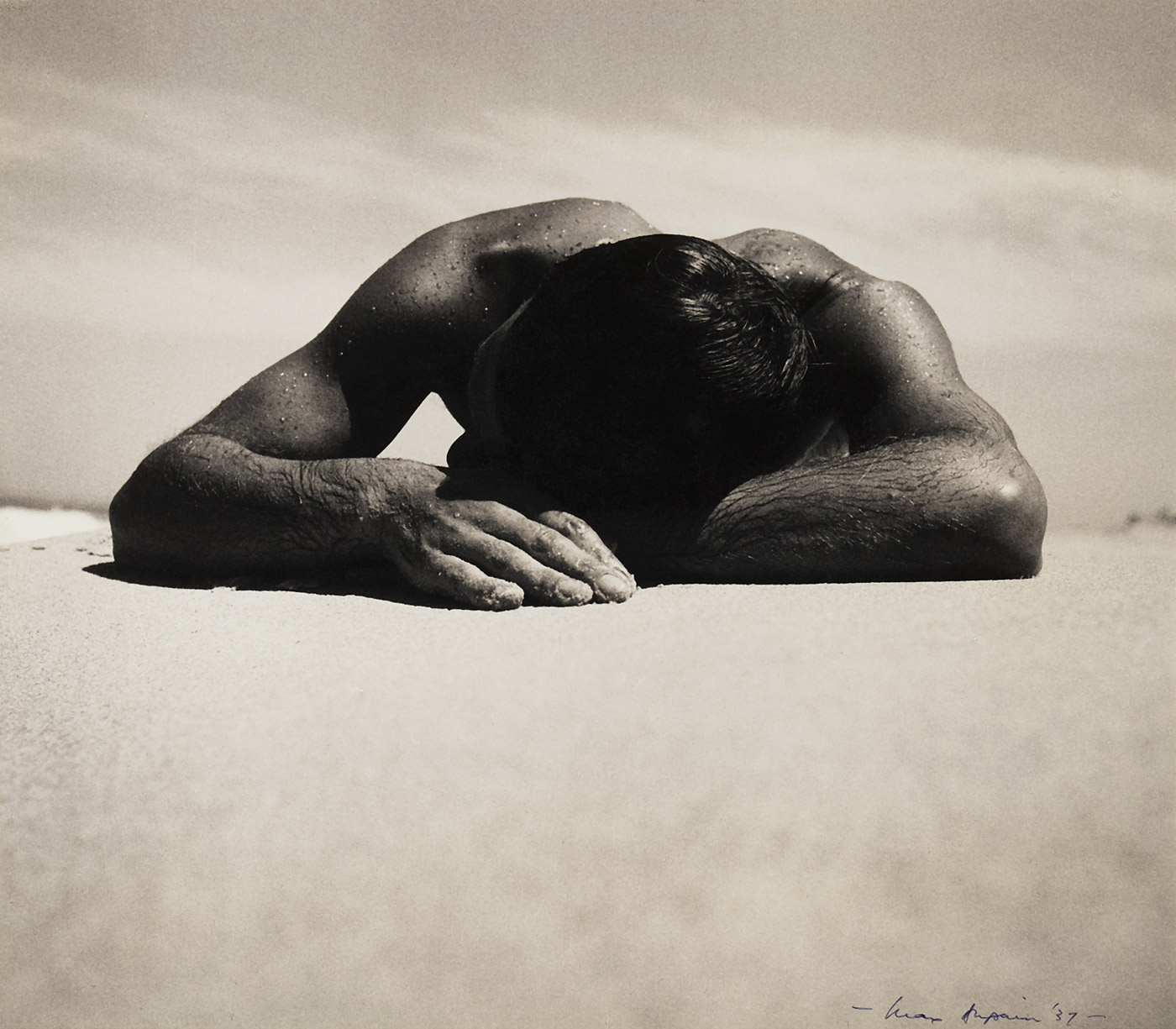

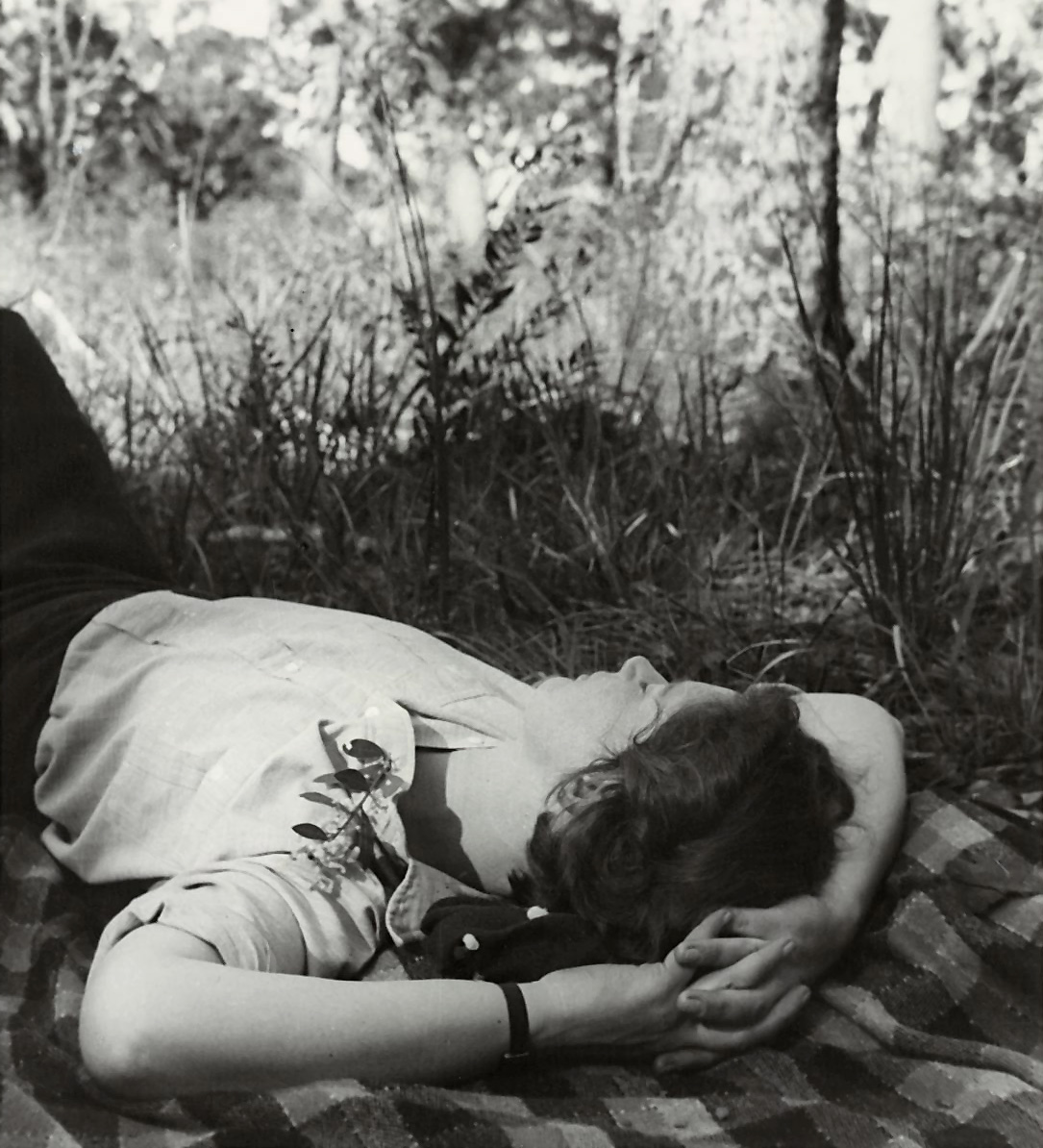
![Max Dupain (Australian, 1911-1992) 'Untitled [Olive Cotton in Wheat Fields]' Nd (probably late 1930s)](https://artblart.com/wp-content/uploads/2016/07/dupain-olive-cotton-in-wheat-fields-nd-web.jpg "Max Dupain (Australian, 1911-1992) 'Untitled [Olive Cotton in Wheat Fields]' Nd (probably late 1930s)")


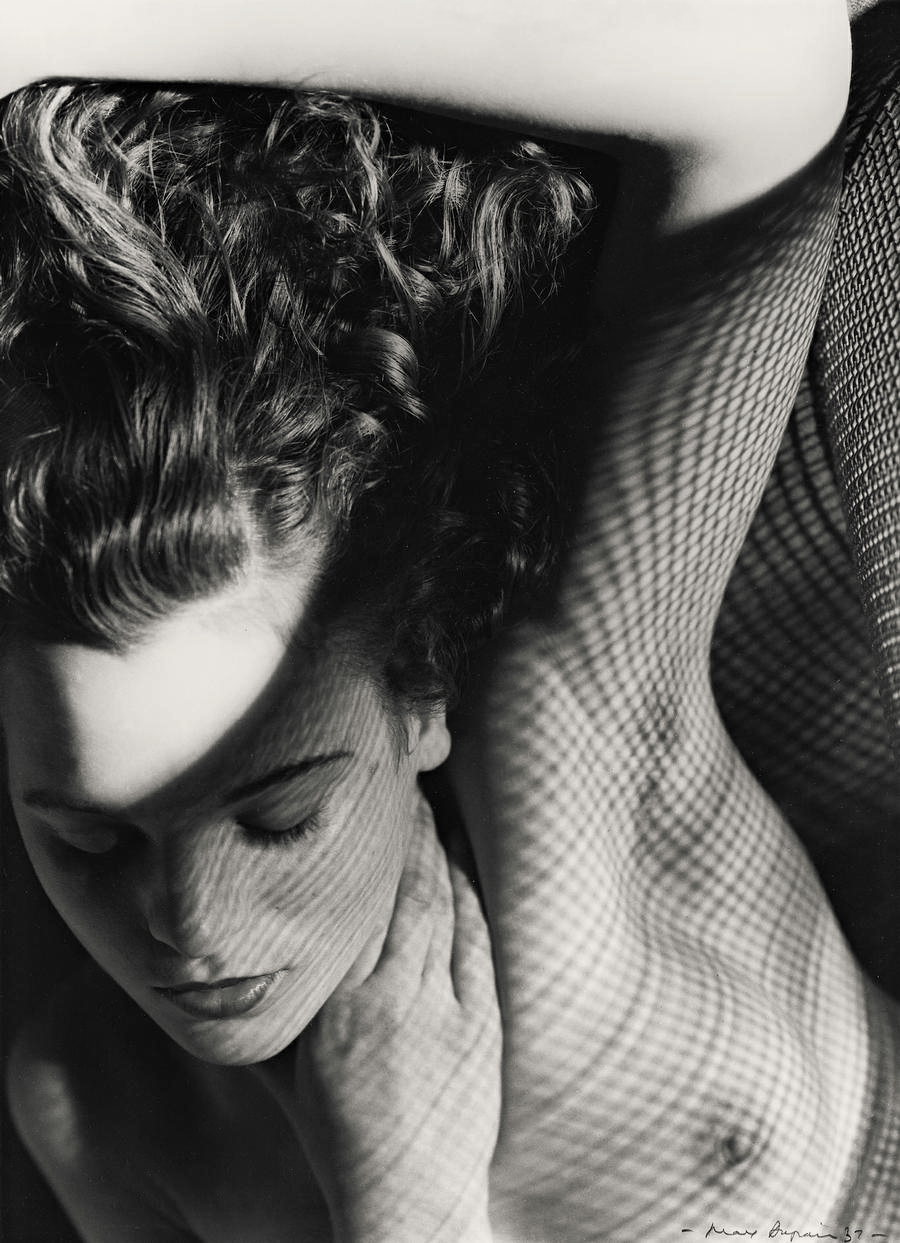
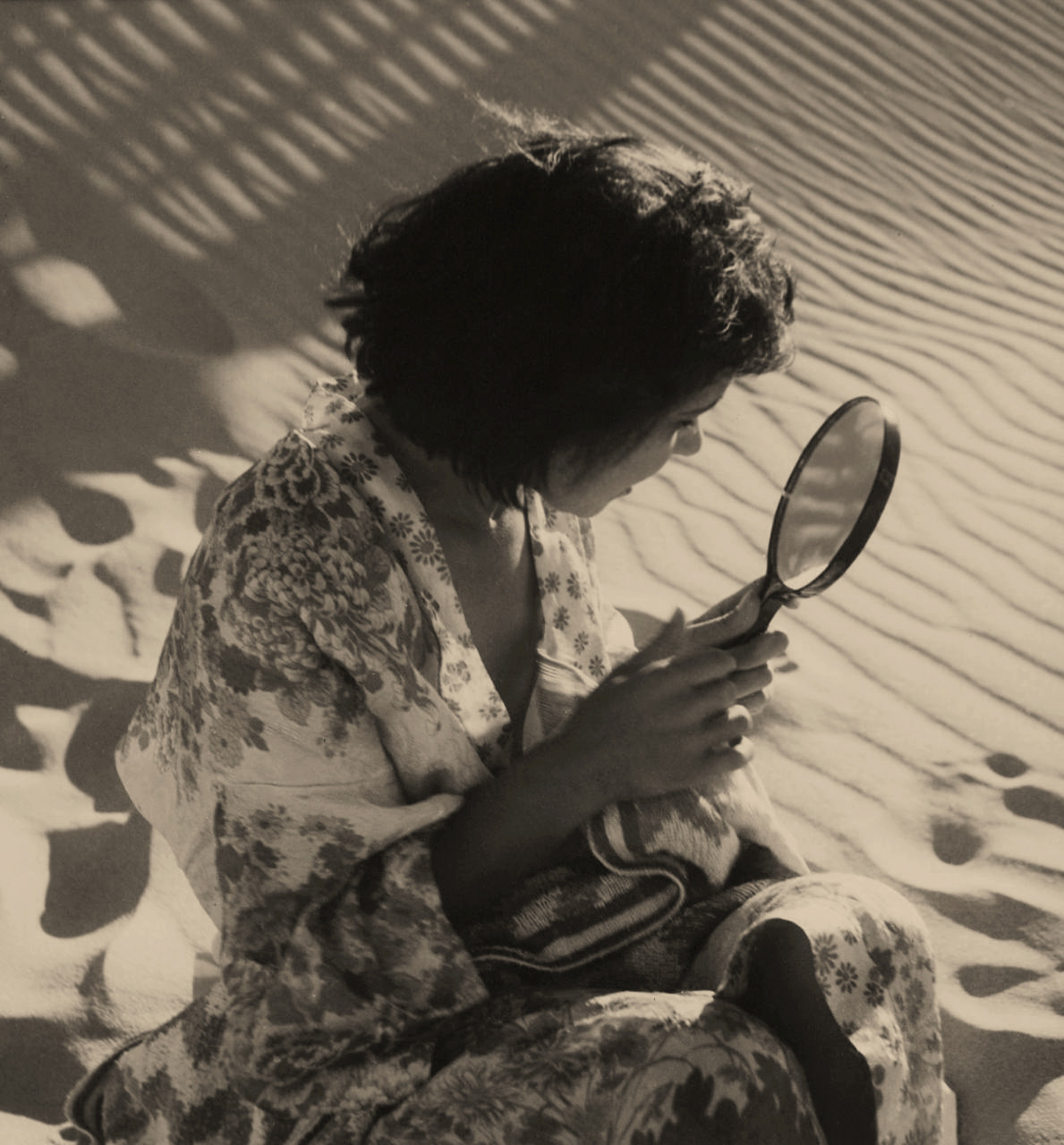

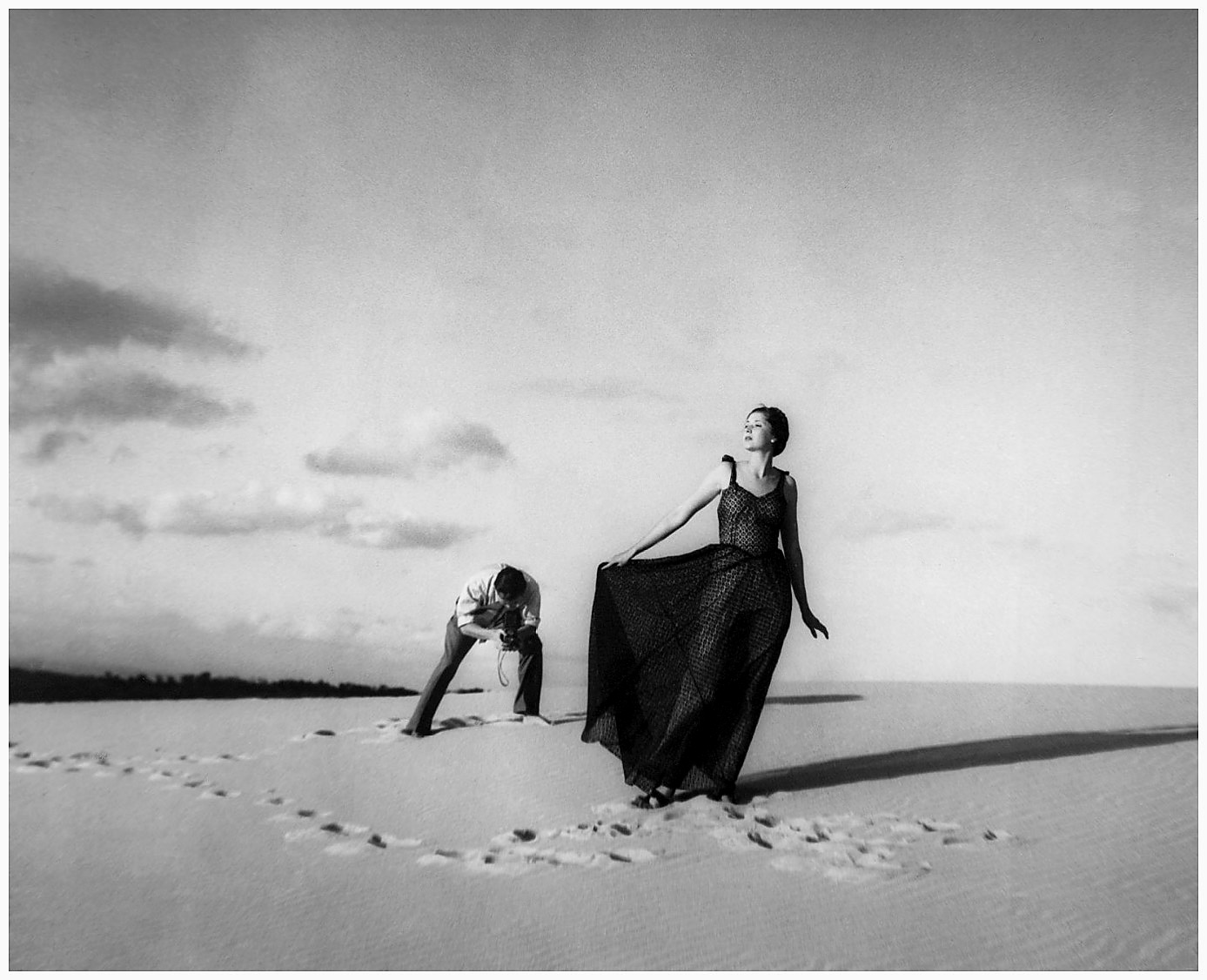
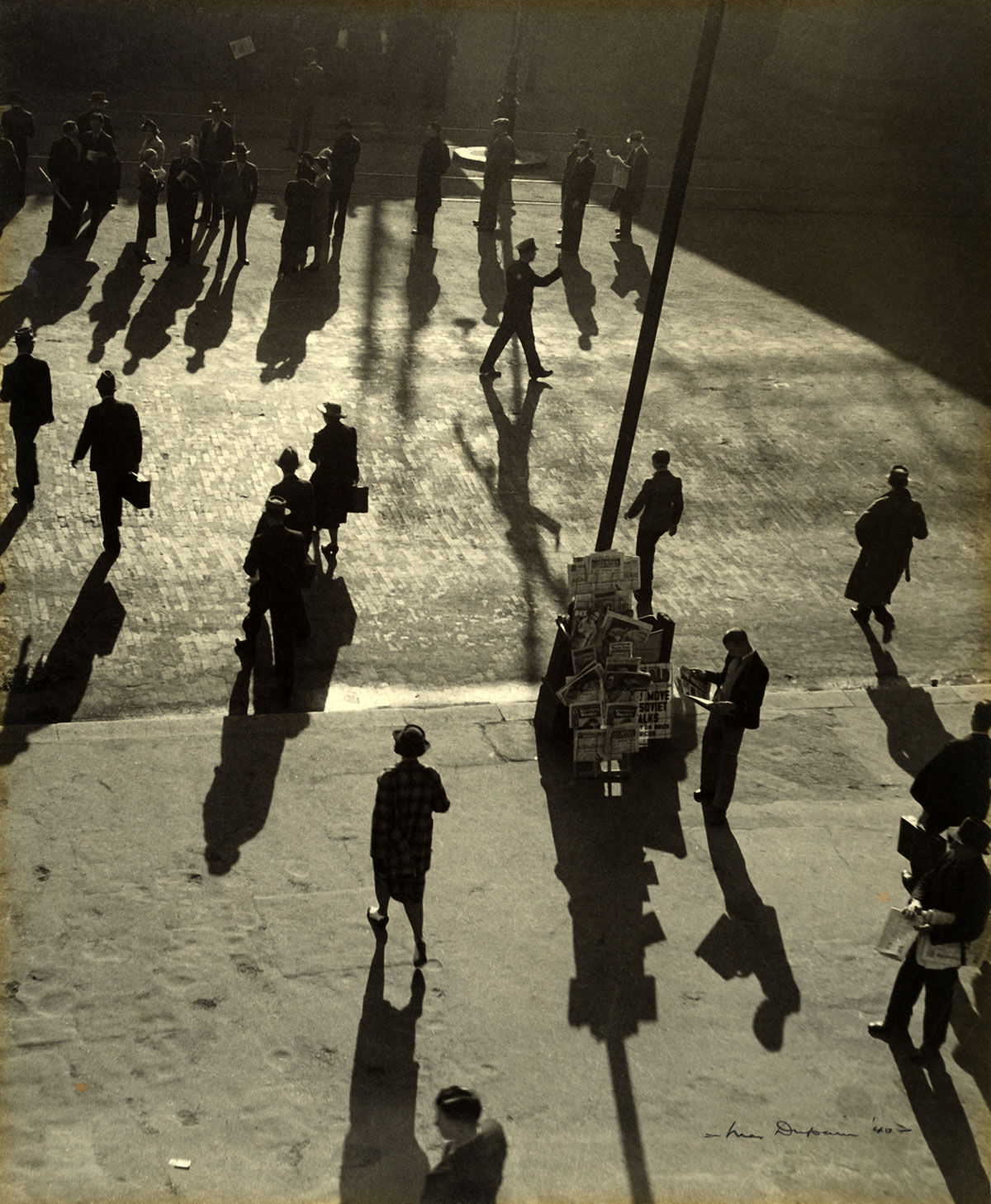


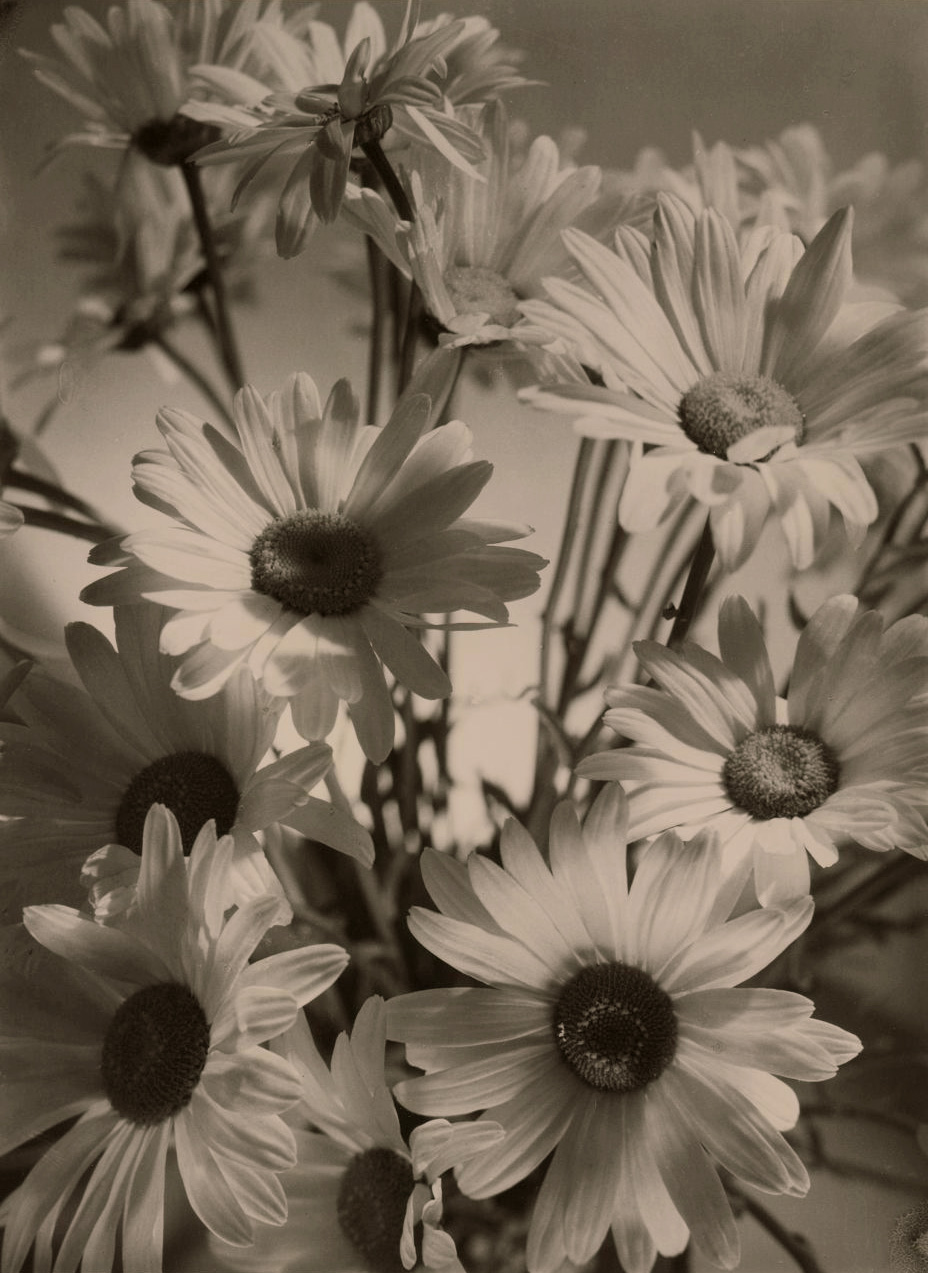
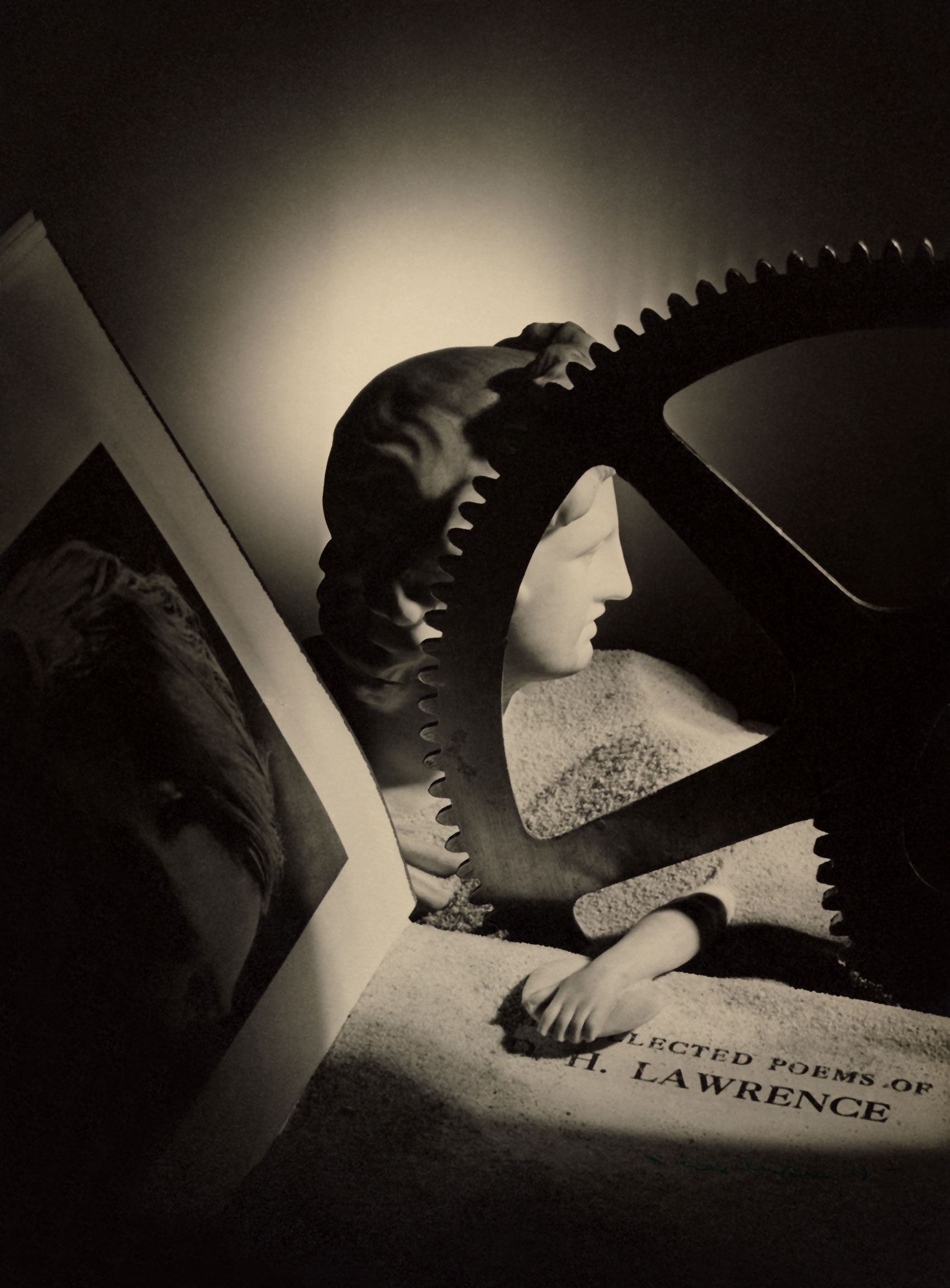

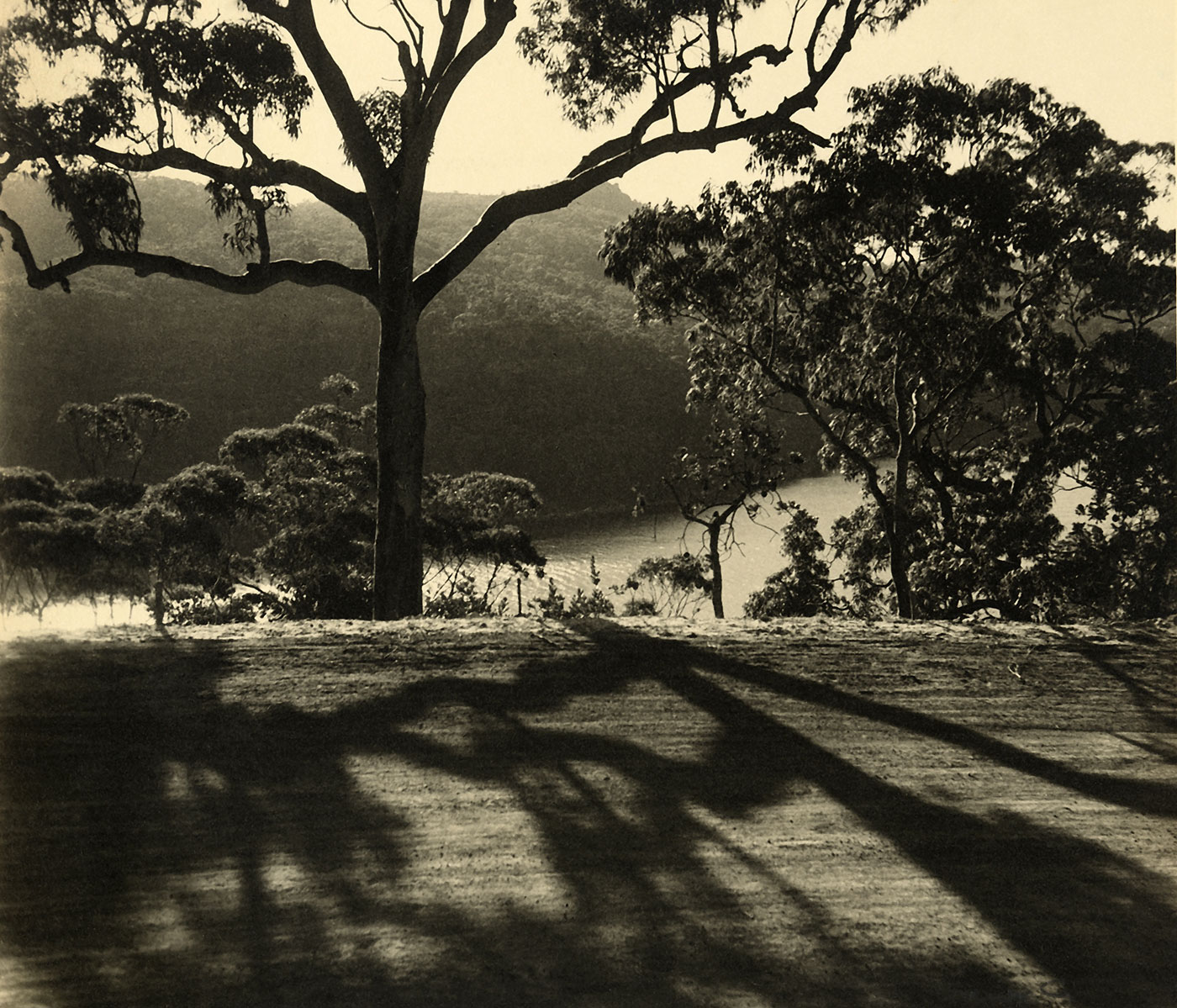
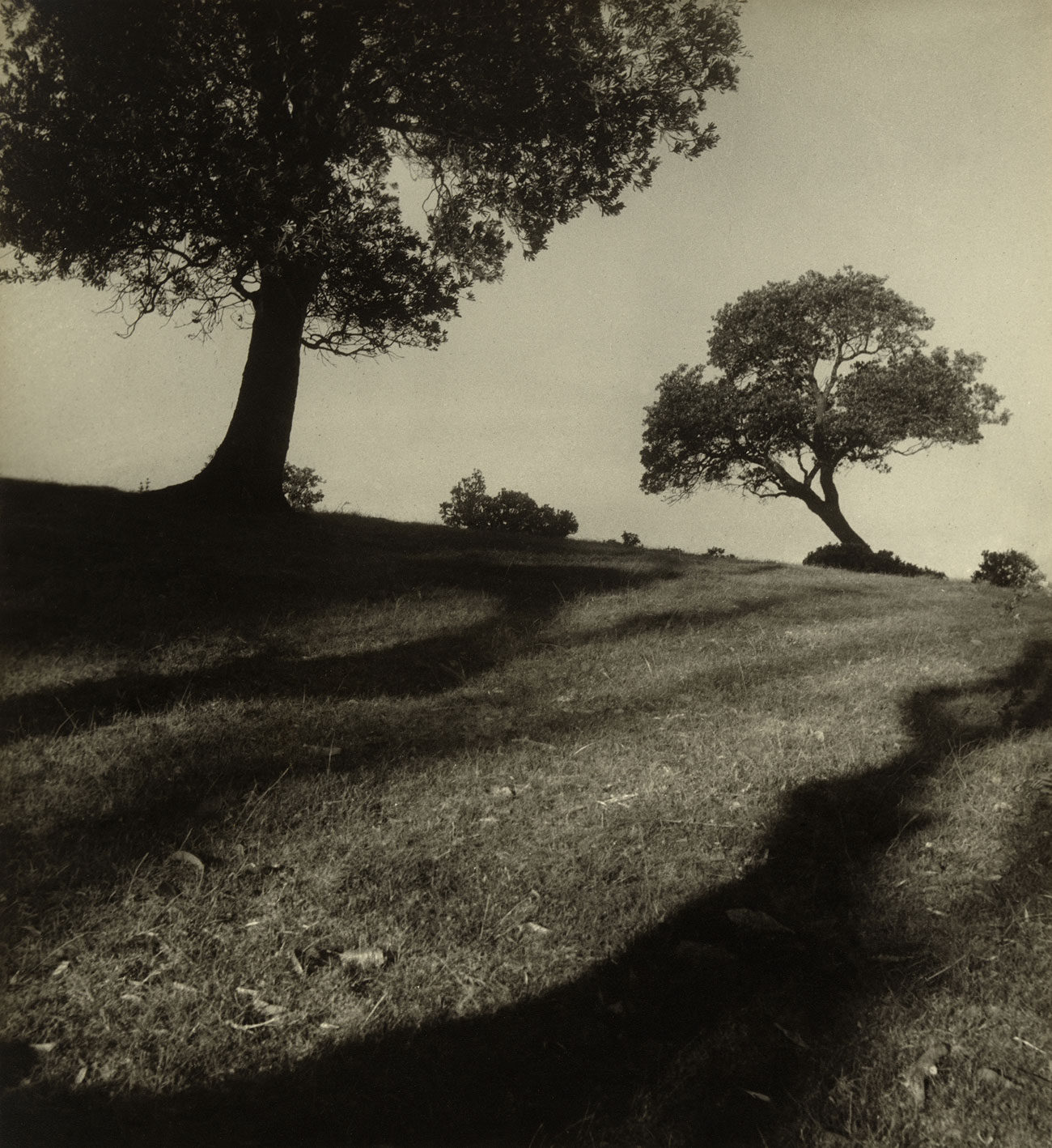


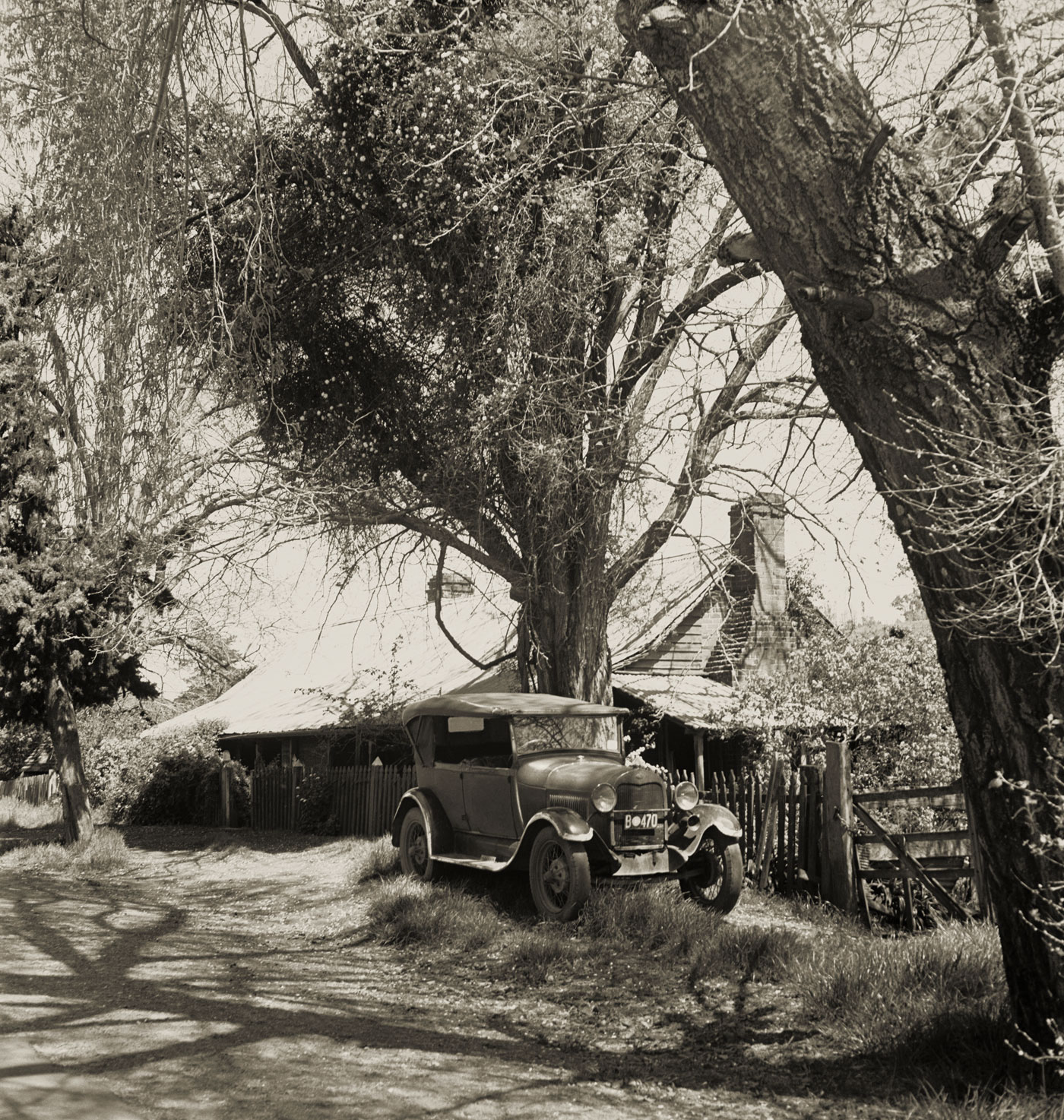




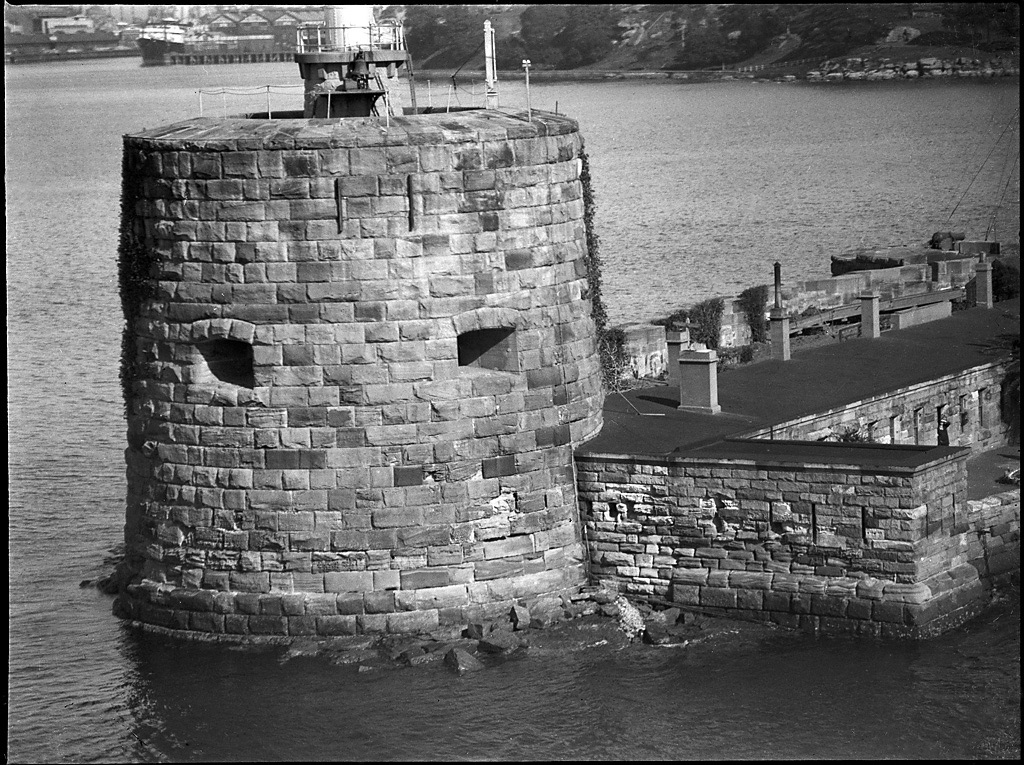
![George Roberts (Australian born United Kingdom, c. 1800-1865) '[Mrs Macquarie's chair]' c. 1843-1865](https://artblart.com/wp-content/uploads/2016/07/mrs-macquaries-chair-web.jpg "George Roberts (Australian born United Kingdom, c. 1800-1865) '[Mrs Macquarie's chair]' c. 1843-1865")


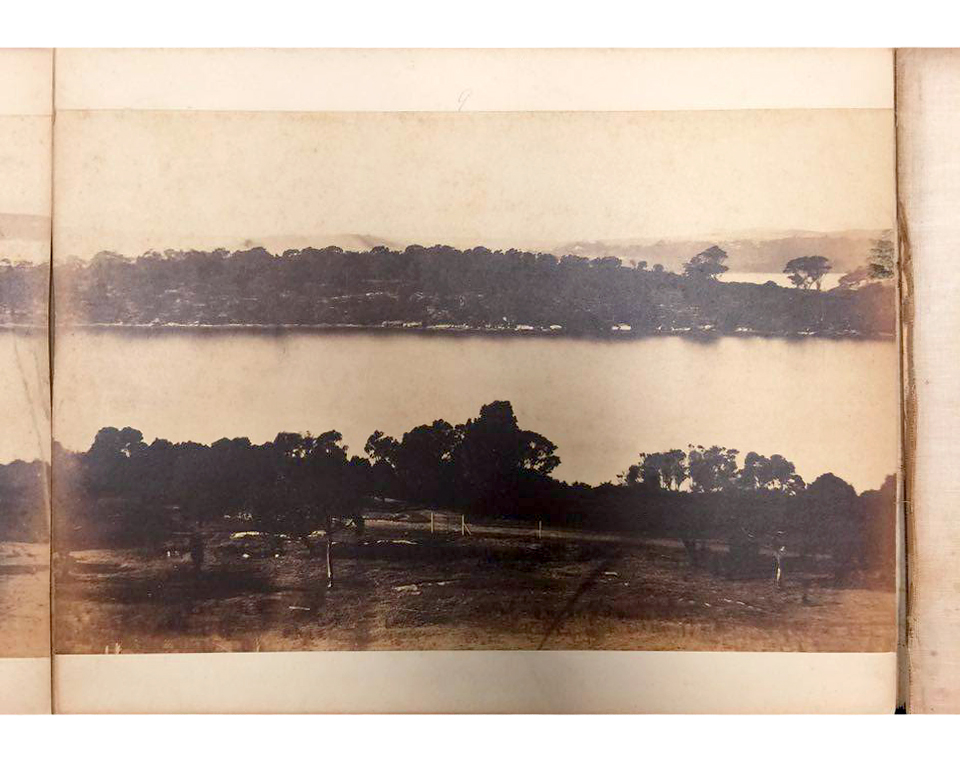


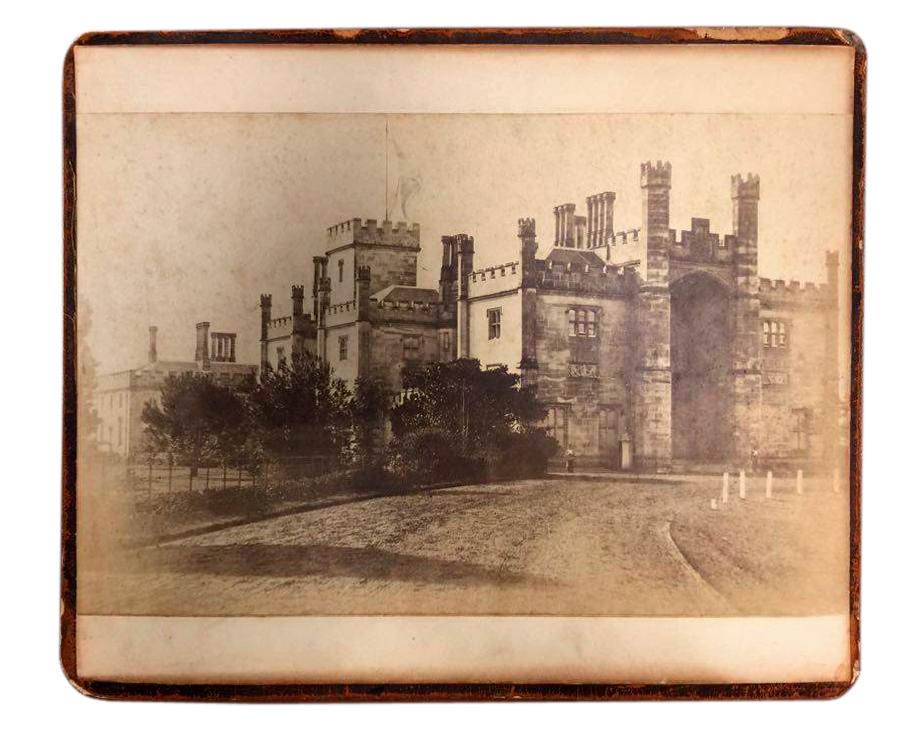


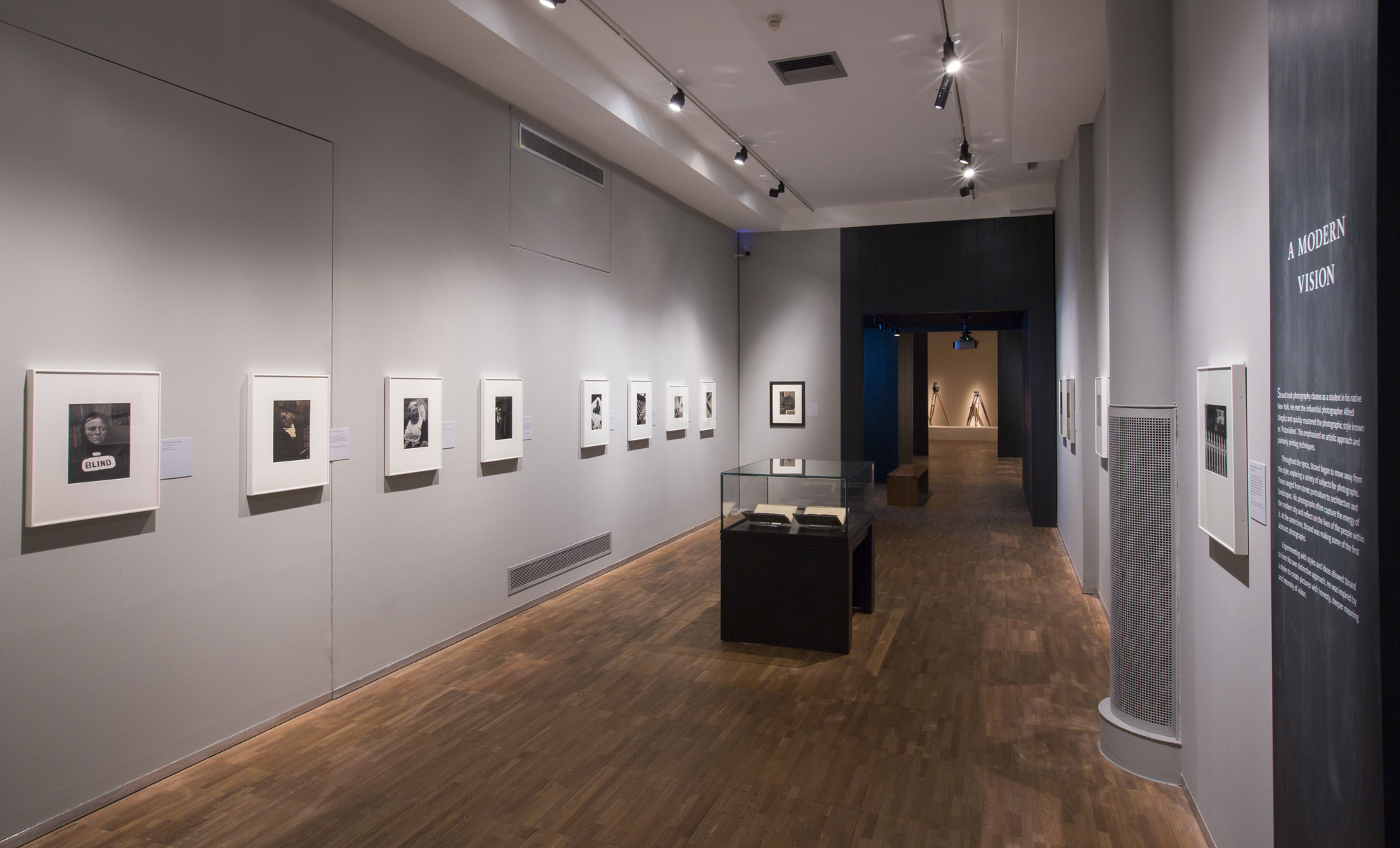
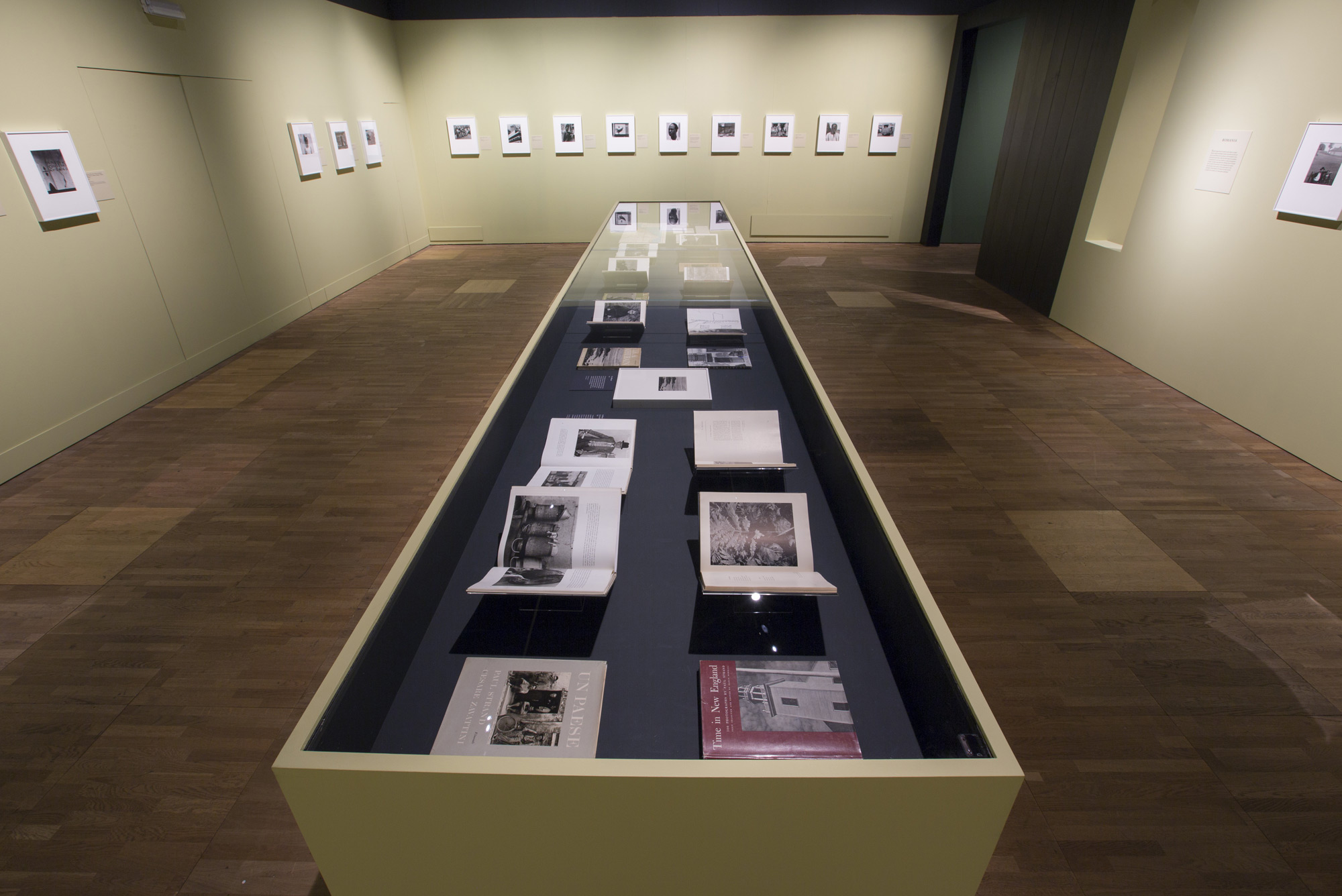


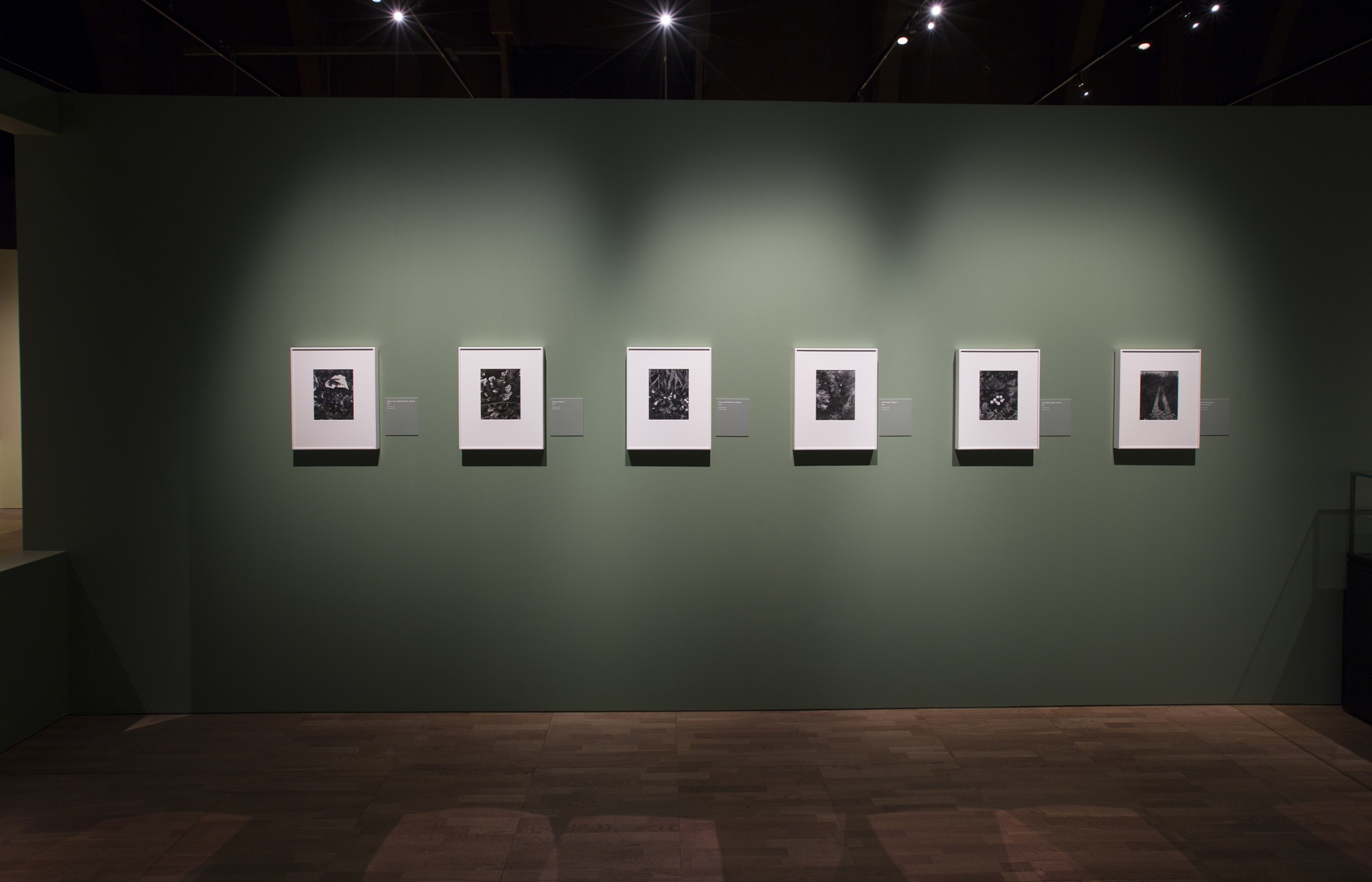
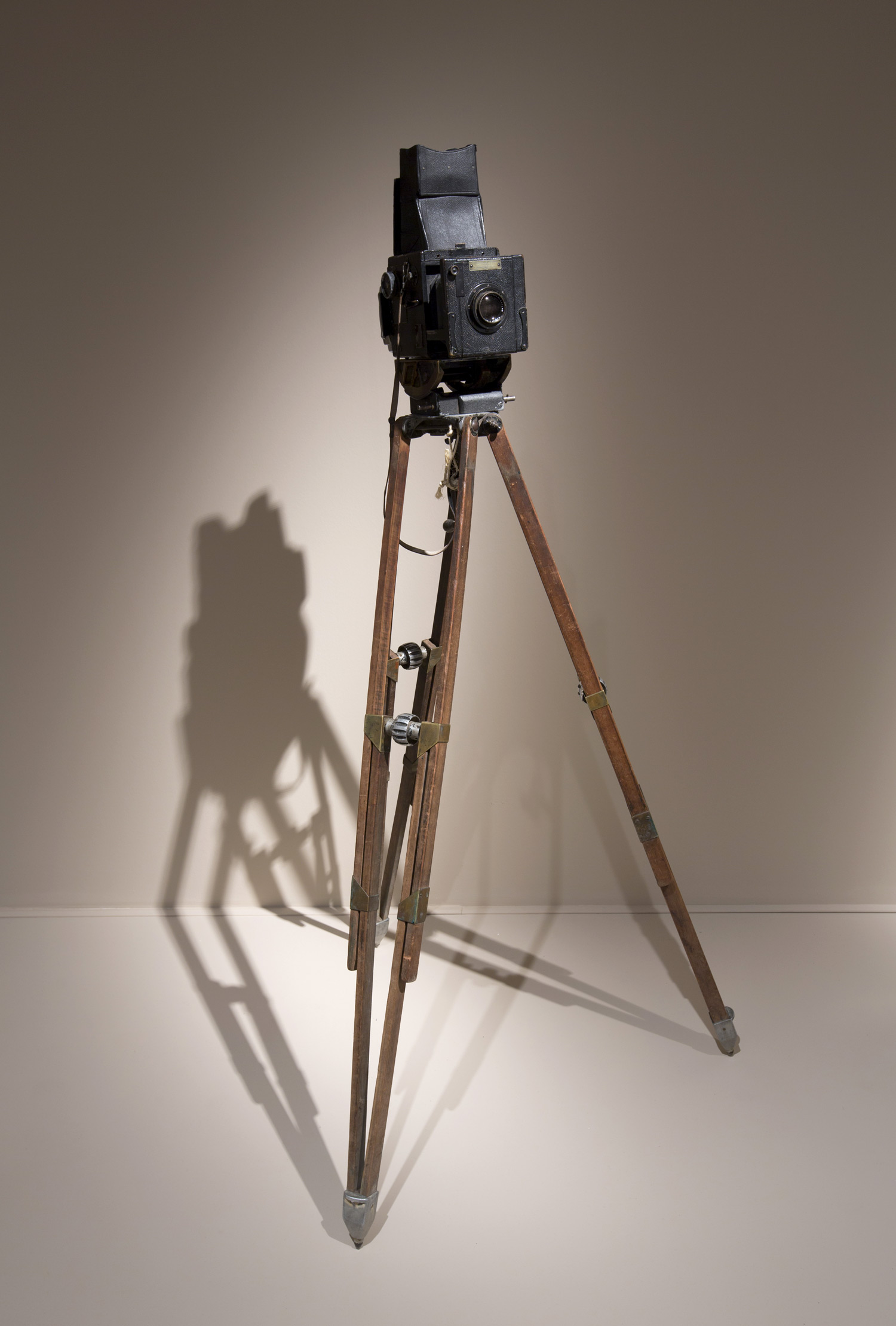
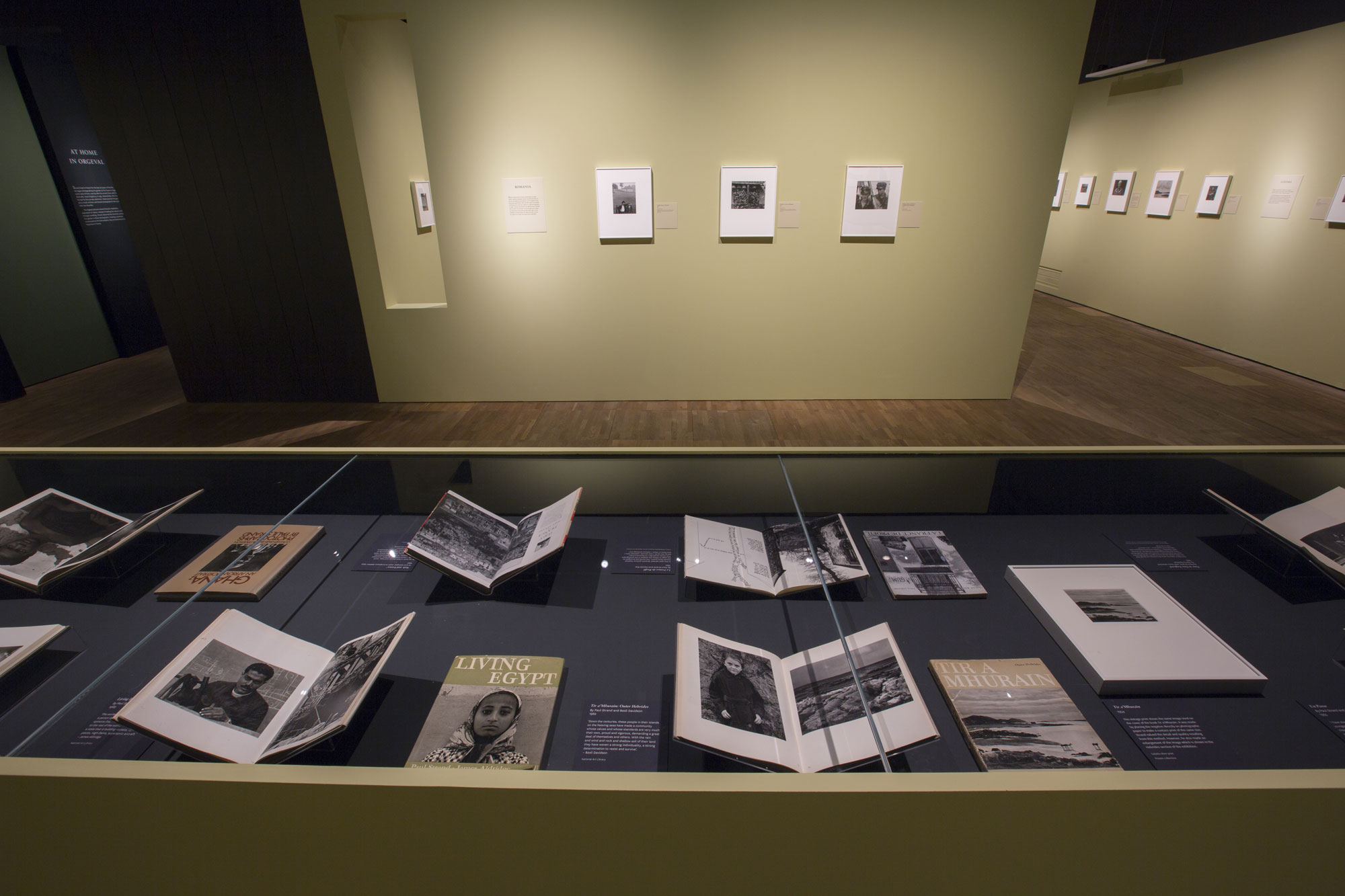


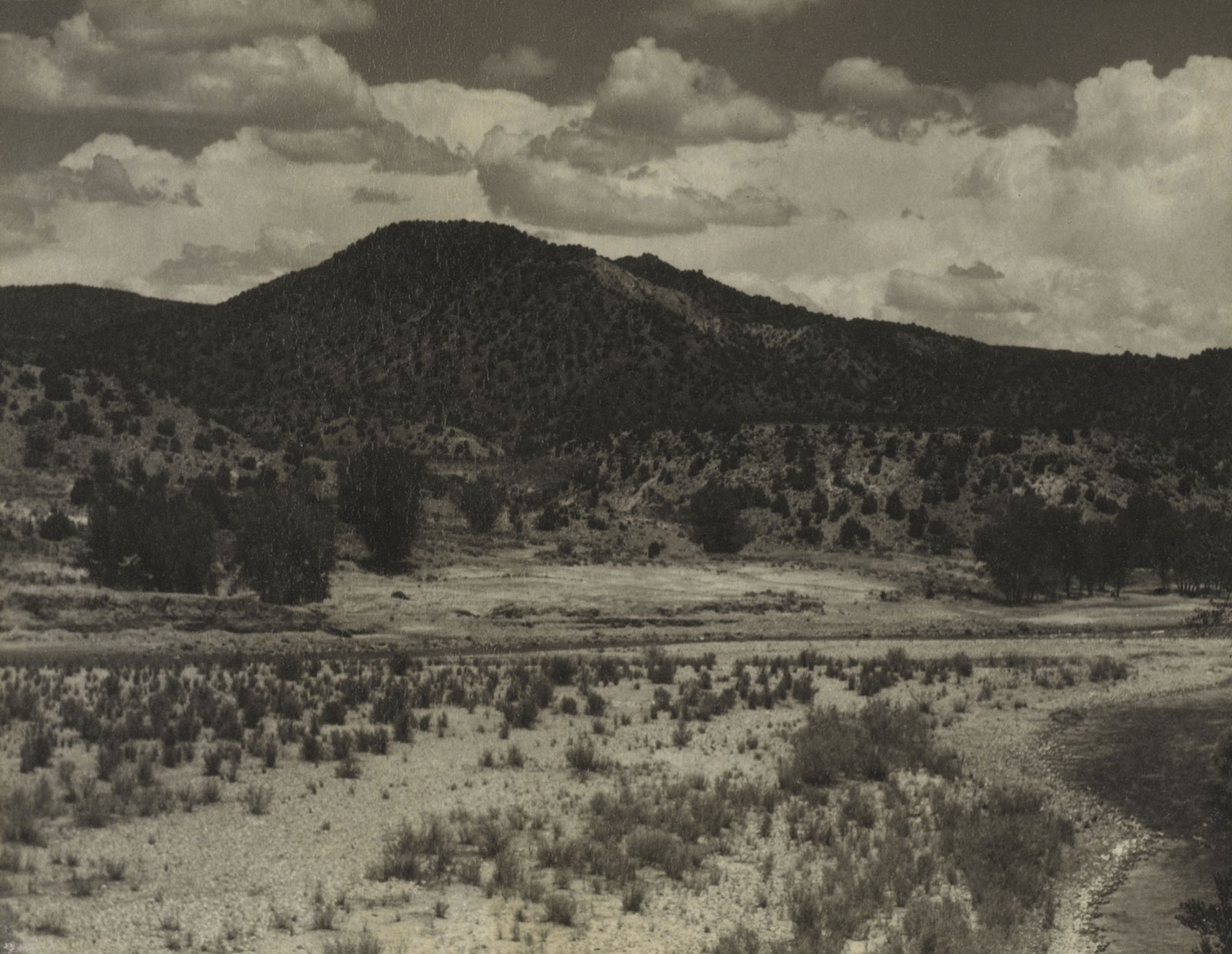

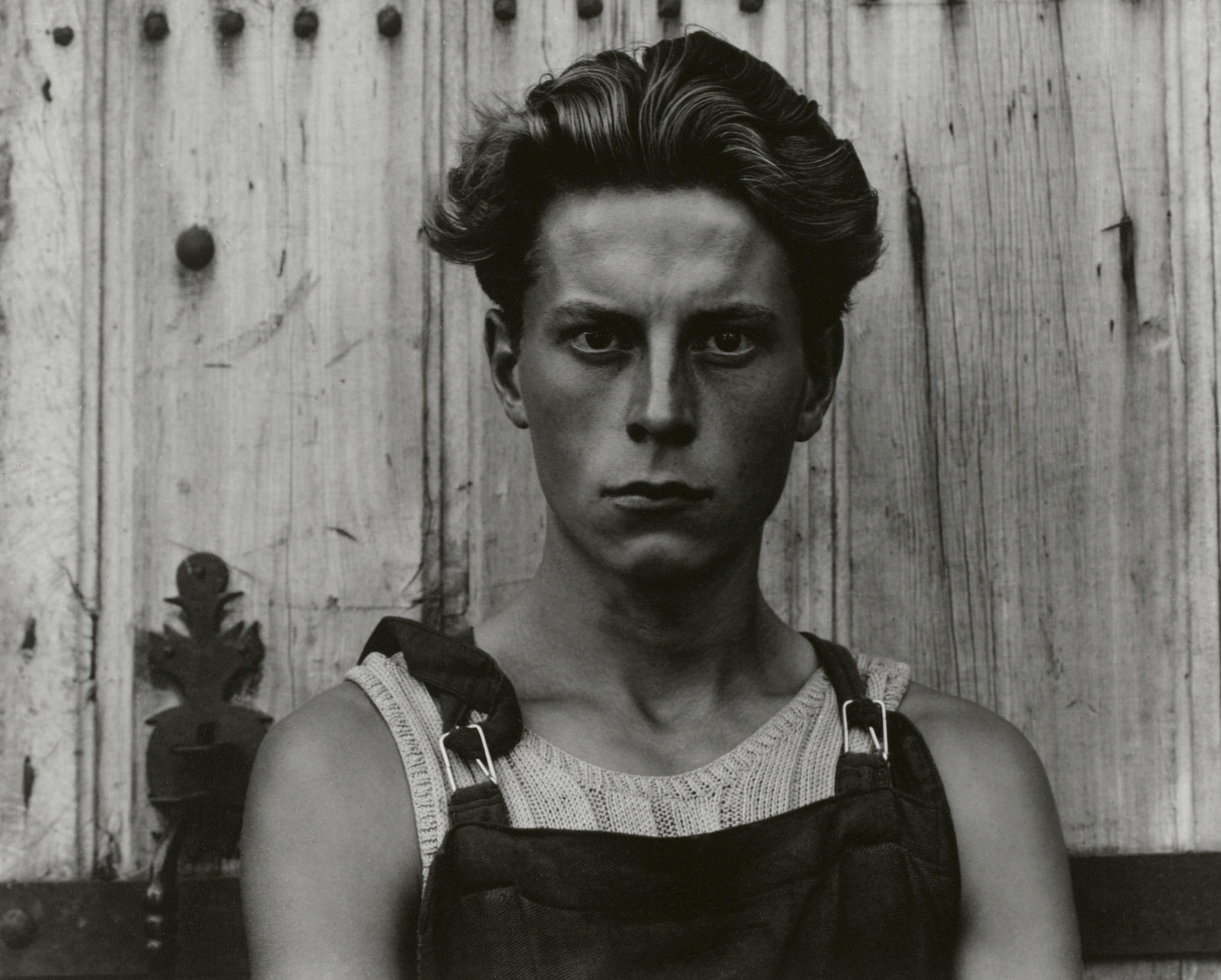
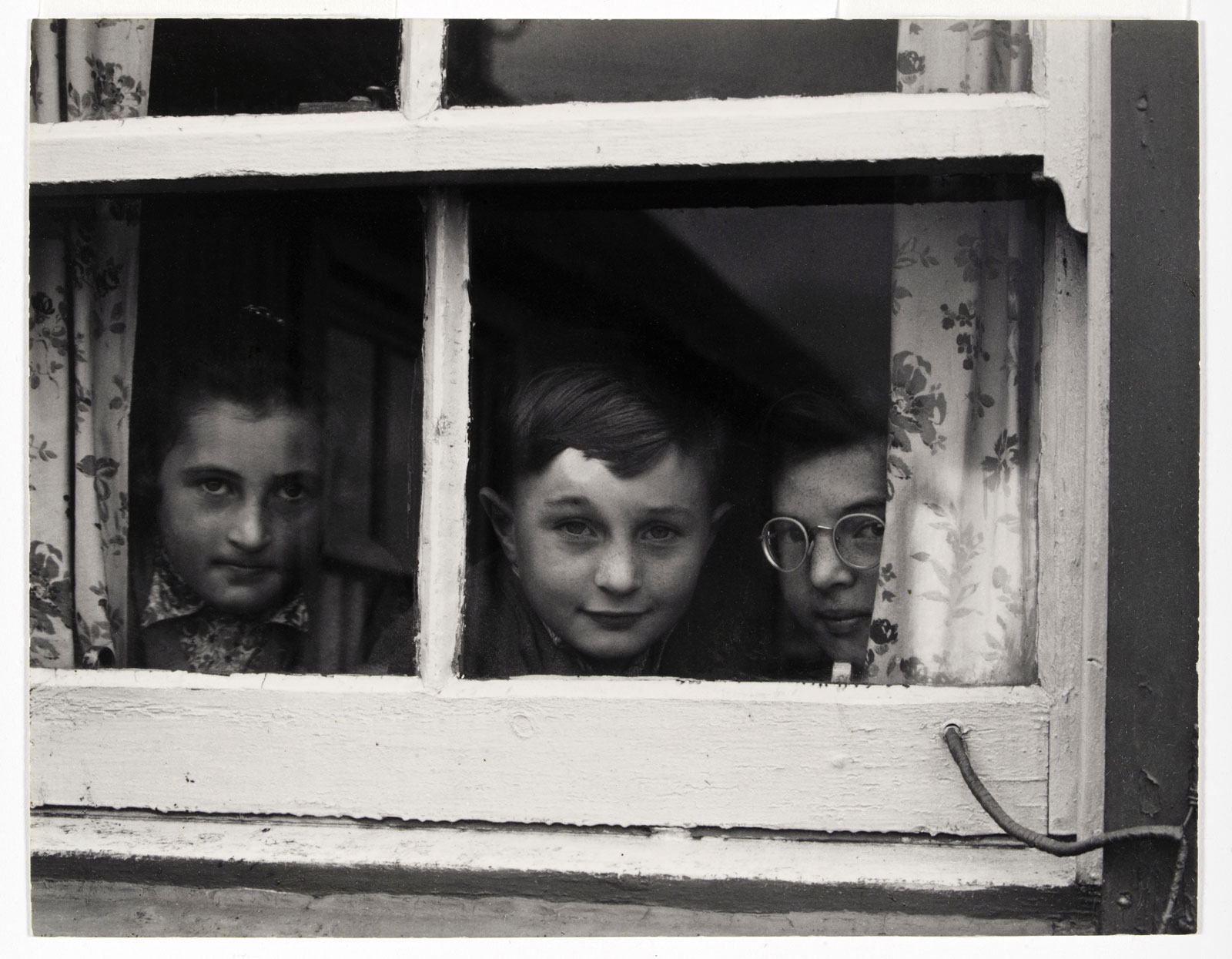

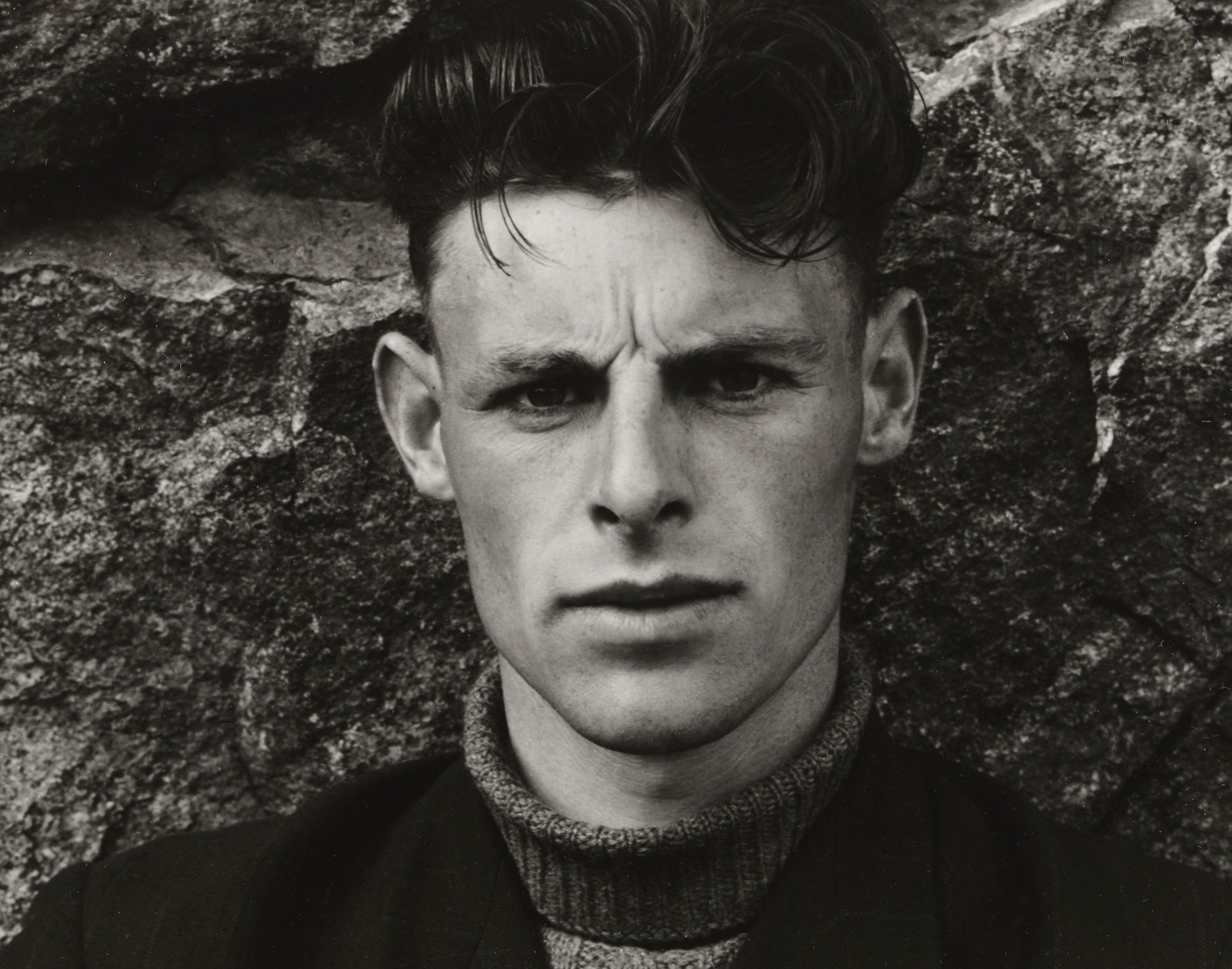


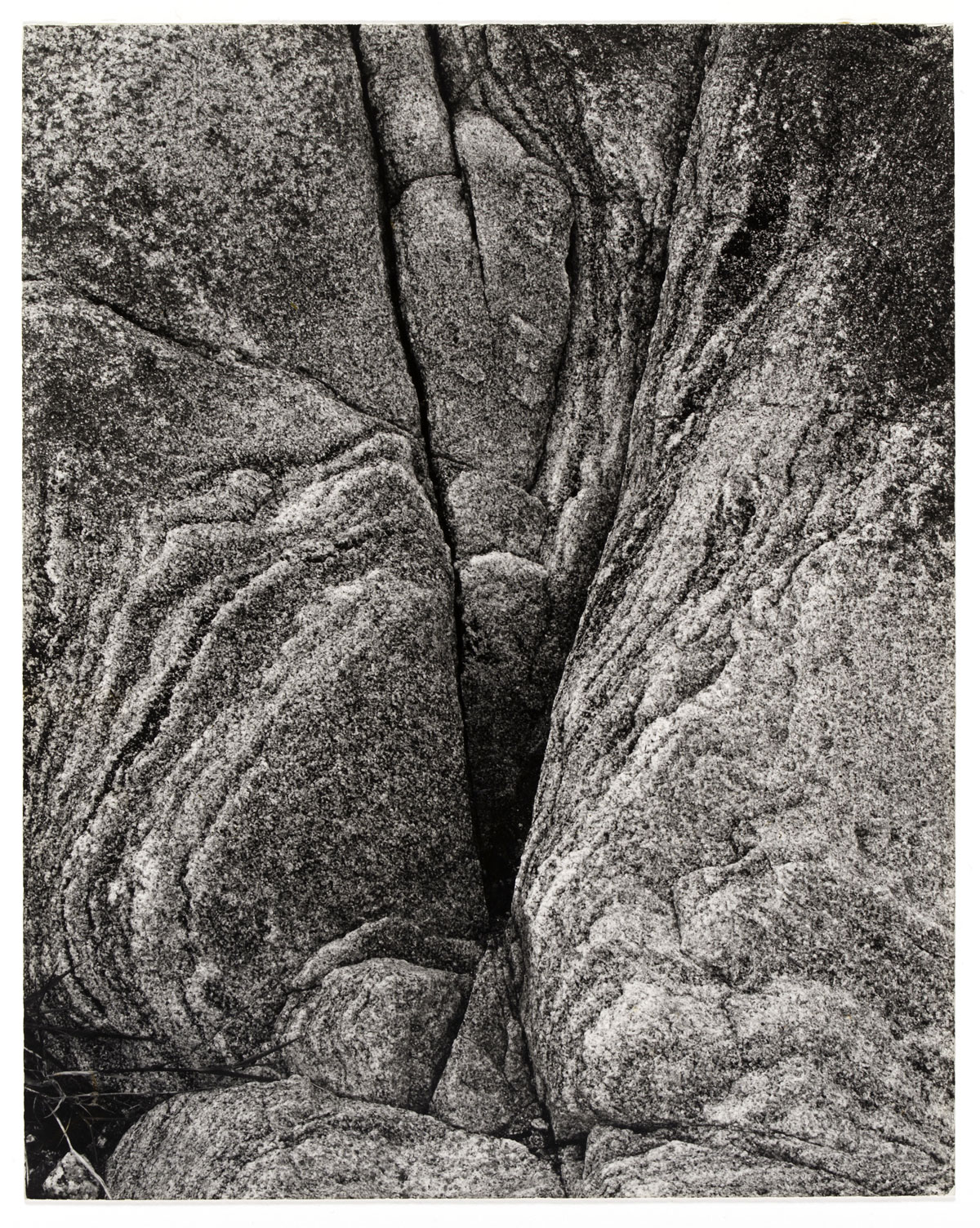

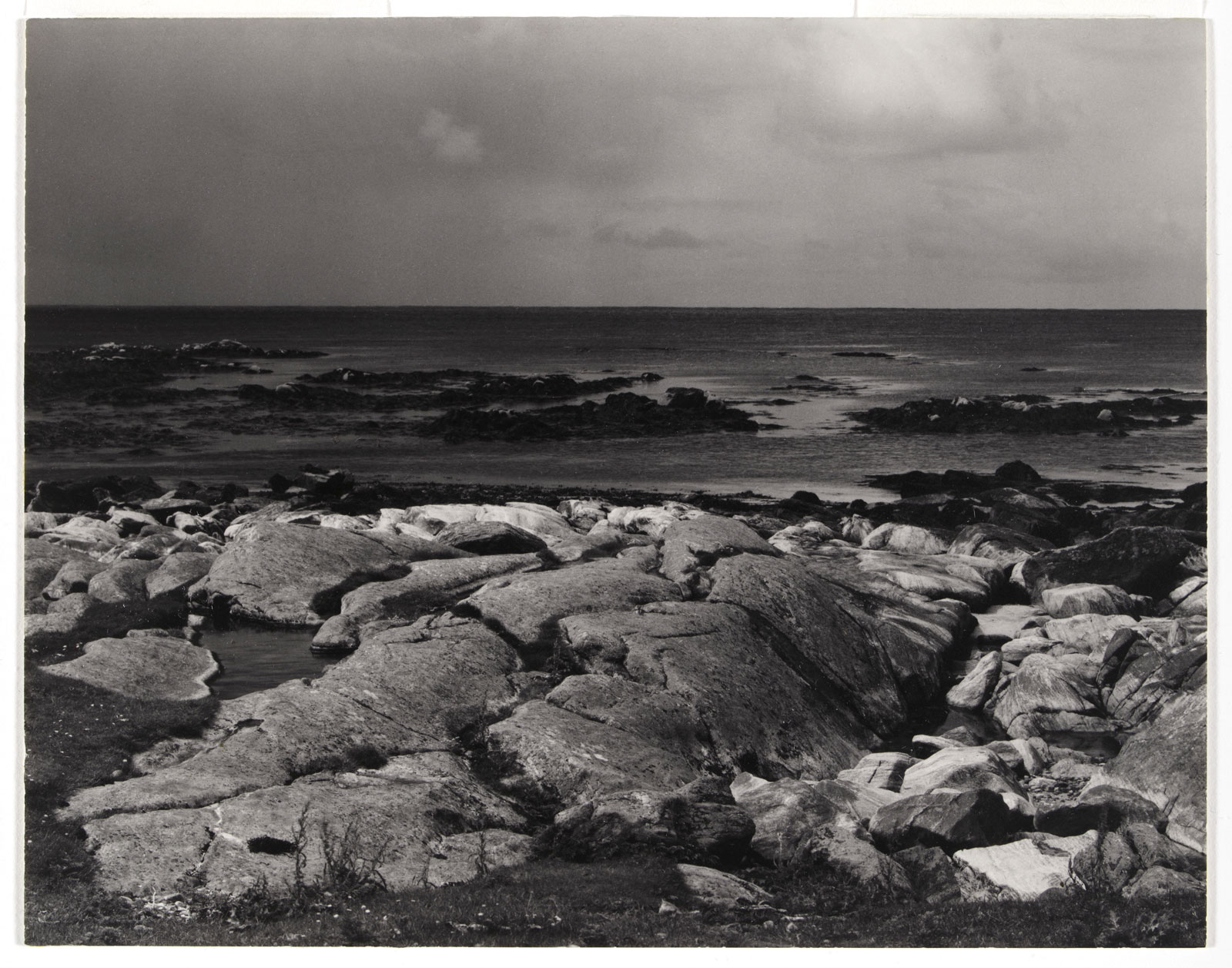
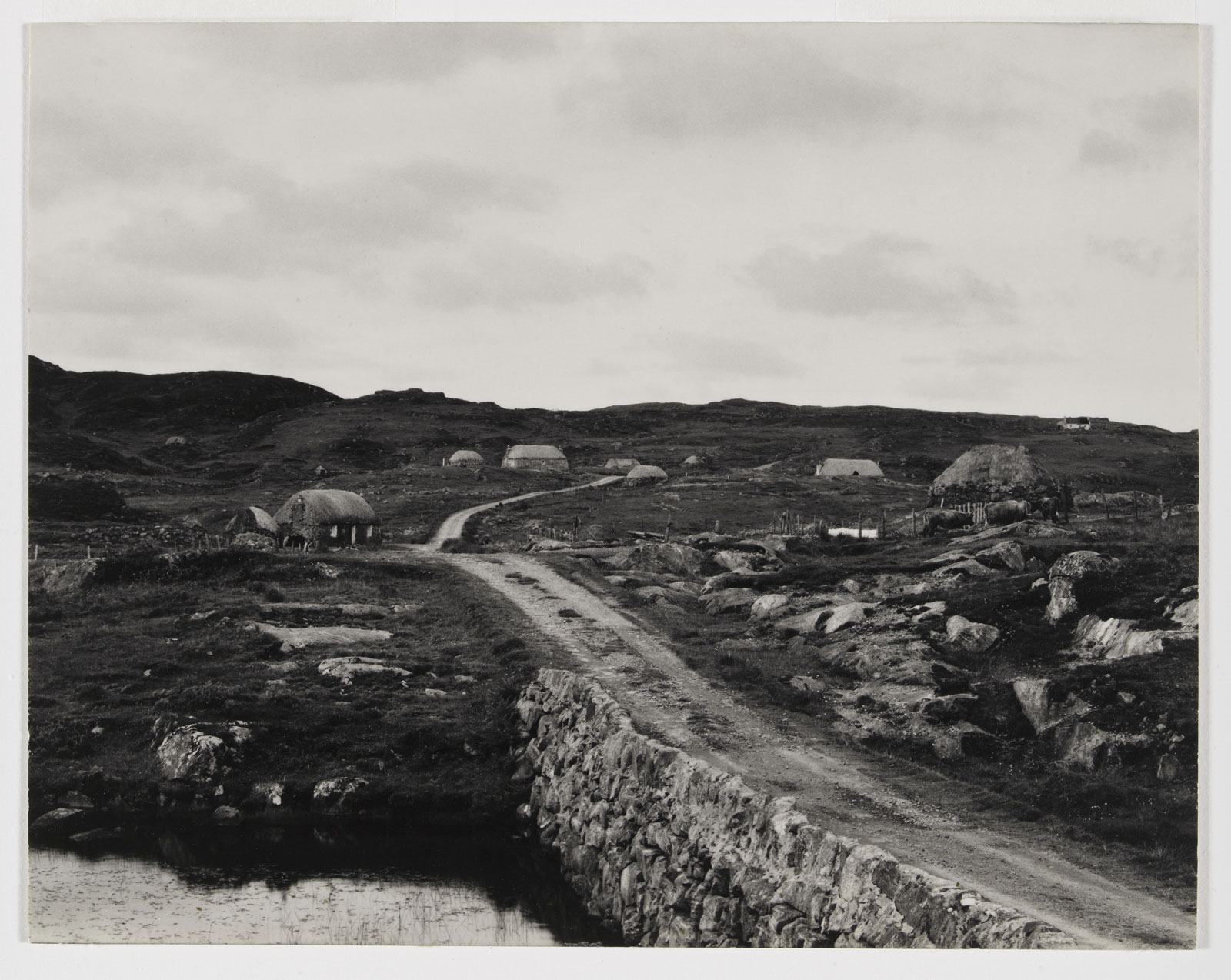


 Art Blart _ art and cultural memory archive
You must be logged in to post a comment.