I’ve never liked the term ‘”vernacular” photography’ because, for me, every time someone presses the shutter of the camera they have a purpose: to capture a scene, however accidental or incidental. That context may lie outside recognised networks of production and legitimation but it does not lie outside performance and ritual. As Catherine Lumby observes, what the promiscuous flow of the contemporary image culture opens up, “is an expanded and abstracted terrain of becoming… whereby images exceed, incorporate or reverse the values that are presumed to reside within them in a patriarchal social order.”1 Pace Evans.
His art of an alternate order, his vision of a terrain of becoming is so particular, so different it has entered the lexicon of America culture.
Dr Marcus Bunyan
1/ Lumby, Catharine. “Nothing Personal: Sex, Gender and Identity in The Media Age,” in Matthews, Jill (ed.,). Sex in Public: Australian Sexual Cultures. St. Leonards: Allen and Unwin, 1997, pp. 14-15.
Walker Evans: “The passionate quest to identify the fundamental features of American vernacular culture… the term “vernacular” designates those popular or informal forms of expression used by ordinary people for everyday purposes – essentially meaning all that falls outside art, outside the recognised networks of production and legitimation, and which in the US thus serves to define a specifically American culture. It is all the little details of the everyday environment that make for “Americanness”: wooden roadside shacks, the way a shopkeeper lays out his wares in the window, the silhouette of the Ford Model T, the pseudo-cursive typography of Coca-Cola signs. It is a crucial notion for the understanding of American culture.”
Text from press release
Many thankx to the Centre Pompidou for allowing me to publish the artwork in the posting. Please click on the art work for a larger version of the image.
Walker Evans (1903-1975) was one of the most important of twentieth-century American photographers. His photographs of the Depression years of the 1930s, his assignments for Fortune magazine in the 1940s and 1950s, and his “documentary style” influenced generations of photographers and artists. His attention to everyday details and the commonplace urban scene did much to define the visual image of 20th-century American culture. Some of his photographs have become iconic.
Conceived as a retrospective of Evans’s work as a whole, the Centre Pompidou exhibition presents three hundred vintage prints in a novel and revelatory thematic organisation. It highlights the photographer’s recurrent concern with roadside buildings, window displays, signs, typography and faces, offering an opportunity to grasp what no doubt lies at the heart of Walker Evans’ work: the passionate quest to identify the fundamental features of American vernacular culture. In an interview of 1971, he explained the attraction as follows: “You don’t want your work to spring from art; you want it to commence from life, and that’s in the street now. I’m no longer comfortable in a museum. I don’t want to go to them, don’t want to be ‘taught’ anything, don’t want to see ‘accomplished’ art. I’m interested in what’s called vernacular. For example, finished, I mean educated, architecture doesn’t interest me, but I love to find American vernacular”.
In the English-speaking countries, and in America more notably, the term “vernacular” designates those popular or informal forms of expression used by ordinary people for everyday purposes – essentially meaning all that falls outside art, outside the recognised networks of production and legitimation, and which in the US thus serves to define a specifically American culture. It is all the little details of the everyday environment that make for “Americanness”: wooden roadside shacks, the way a shopkeeper lays out his wares in the window, the silhouette of the Ford Model T, the pseudo-cursive typography of Coca-Cola signs. It is a crucial notion for the understanding of American culture. It is to be found in the literature as early as the 19th century, but it is only in the late 1920s that it is first deployed in a systematic study of architecture. Its importance in American art would be theorised in the 1940s, by John Atlee Kouwenhoven, a professor of English with a particular interest in American studies who was close to Walker Evans himself.
After an introductory section that looks at Evans’s modernist beginnings, the exhibition introduces the subjects that would fascinate him throughout his career: the typography of signs, the composition of window displays, the frontages of little roadside businesses, and so on. It then goes on to show how Evans himself adopted the methods or visual forms of vernacular photography in becoming, for the time of an assignment, an architectural photographer, a catalogue photographer, an ambulant portrait photographer, while all the time explicitly maintaining the standpoint of an artist.
This exhibition is the first major museum retrospective of Evans’s work in France. Unprecedented in its ambition, it retraces the whole of his career, from his earliest photographs in the 1920s to the Polaroids of the 1970s, through more than 300 vintage prints drawn from the most important American institutions (among them the Metropolitan Museum and the Museum of Modern Art, New York, the J. Paul Getty Museum, Los Angeles, the Art Institute of Chicago, and the National Gallery of Art, Washington D.C.) and also more than a dozen private collections. It also features a hundred or so other exhibits drawn from the post cards, enamel signs, print images and other graphic ephemera that Evans collected his whole life long.
“You don’t want your work to spring from art; you want it to commence from life, and that’s in the street now. I’m no longer comfortable in a museum. I don’t want to go to them, don’t want to be ‘taught’ anything, don’t want to see ‘accomplished’ art. I’m interested in what’s called vernacular.”
Walker Evans, interviewed by Leslie Katz (1971)
Through more than 400 photographs and documents, this retrospective of the work of Walker Evans (1903-1975) explores the American photographer’s fascination with his country’s vernacular culture. Evans was one of the most important of twentieth-century American photographers. His photographs of the Depression years of the 1930s, his “documentary style” and his interest in American popular culture influenced generations of photographers and artists. Bringing together the best examples of his work, drawn from the most important private and public collections, the exhibition also accords a large place to the artefacts that Evans himself collected throughout his life, to offer a fresh approach to the work of one of the most significant figures in the history of photography.
Study of his images – from the very first photographs of the 1920s to the Polaroids of his last years – reveals a fascination with the utilitarian, the domestic and the local. This interest in popular forms and practices emerged very early, when he started to collect postcards as a teenager. More than ten thousand items he had gathered by the time of his death are now held by the Metropolitan Museum, New York. Other everyday objects from his personal collection – enamel signs, handbills and adverts – are exhibited here.
Walker Evans’s attraction to the vernacular finds expression, above all, in his choice of subjects: Victorian architecture, roadside buildings, shopfronts, cinema posters, placards, signs, etc. His pictures also feature the faces and bodies of ordinary people, whether victims of the Depression or anonymous passers-by. Something else “typically American” was the underside of progress. During the 1930s in particular, the American landscape was strewn with ruin and waste. Evans kept an eye on them ever after. Industrial waste, building debris, automobile carcases, wooden houses in ruins, Louisiana mansions fallen in the world, antiques, garbage, faded interiors, bare patches in exterior render: these were the other face of America. Just as much as the towering skyscraper or the gleaming motor car, all this was an element of the modern. This concern with decline and obsolescence gave the photographer a critical edge and reveals a profound fascination with the mechanisms of overproduction and consumption characteristic of the age.
Evans didn’t just collect the forms of the vernacular, he also borrowed its methods. In many of his images, he adopts the codes of applied photography: the shots in series, the frontality, the apparent objectivity. Waiting, camera in hand on the corner of the street or in the subway, he accumulated portraits of city-dwellers by the dozen, releasing his shutter with the mechanical regularity of a photo booth. Working like a post-card photographer or architectural photographer, Evans built up, in surprisingly systematic fashion, a catalogue of churches, doors, monuments and small-town main streets. Sculptures, wrought-iron chairs, household tools: all seem to have been selected for their unique qualities as objects. The repetitivity, the apparent objectivity and the absence of emphasis in these images are typical of commercial photographs produced to order. In 1935, the Museum of Modern Art, New York, asked Evans to photograph the six hundred sculptures of the exhibition of “African Negro Art”. The method he adopted was that of the catalogue photographer, rigorously avoiding dramatic effects by eliminating shadow; tightly framed and set against a neutral background, the pieces find a new elegance. The photographer would often have recourse to this regime in the years that followed, notably for a portfolio entitled “Beauties of the Common Tool”, published in Fortune magazine in July 1955. This adoption of the forms and procedures of non-artistic photography even as Evans laid claim to art prefigures – some decades in advance! – the practices of the conceptual artists of the 1960s.
Clément Chéroux Julie Jones in Code Couleur, No. 28, May – August 2017, pp. 14-17
“A GREAT review Marcus. As always. A master piece.” ~ Peter Barker, artist
Installation view of the entrance to the exhibition Under the sun: Reimagining Max Dupain’s Sunbaker at Monash Gallery of Art, Melbourne Photo: Marcus Bunyan
The misery of too much sun
Simply put (where the work in this exhibition is anything but), this is one of the most depressing Australian group photography exhibitions that I have seen in a very long time. I left the exhibition feeling like I wanted to slit my wrists.
“Reimagining” an image is always going to be problematic, especially such an iconic photograph as Max Dupain’s no-face, monolithic, Uluru-shaped, low depth of field, wet, British male tourist lying on Culburra Beach, New South Wales in the 1930s – an image that “supposedly conveys a quintessential Australian identity,” a “casual holiday snap that came to symbolise leisure and freedom in the 1970s [which] was taken in the uncertain economic times before the Second World War.”
The scope for such a contemporary conceptual exercise is vast and the artists in this exhibition don’t waste the opportunity. Variously but not exclusively we have:
~ Snow White and the Seven Dwarfs, the Breakfast Club (1985), a movie in which five teenagers navigate identity issues ~ Indigenous massacres in Australia … positions of the planets between 1789 and 1928, when 63 massacres of Indigenous peoples took place ~ Samoan culture – malu – the female-Samoan tattoo (tatau) ~ The lifeless body of three-year-old refugee Aylan Kurdi, lying face down on a beach in Turkey which now haunts the figure of the Sunbaker ~ Sufi-inspired choreography, the dancers wearing a hammam cloth ~ 1920s swimwear based on wartime camouflage schemes ~ Reclaiming of the feminist body both as a medium of deliberate submission and active resistance through women’s strength, endurance and resilience by undertaking physical and psychological experiments that test the limits of her body, playfully and painfully ~ Denunciating the violence of the sand mining industry on the ecosystem, the land and its peoples ~ Grandfather opal-mine worker in South Australia excluded from Aboriginal rights until 1967 ~ Paradox of a nation seen as a sun-blessed paradise while its shores have been a place of contestation and misery ~ Memories of childhood landscapes and research into the Massacre Map published by the Koorie Heritage Trust, which identified sites where Indigenous massacres occurred between 1836 and 1853 ~ Digitally animated Sunbaker to make it resonate as a symbol of the 229 years since colonisation
How you get from a holiday snap of a tourist visiting Australia, having a swim, flopping down on the beach and all the joy that this entails to Snow White and the Seven Dwarfs, the Breakfast Club, female-Samoan tattoos, camouflage schemes, reclaiming the feminist body and more contestation and misery than you can poke a stick at – massacres, more massacres, symbol of 229 years of colonisation and a body of a three-year-old refugee which now supposedly haunts the figure of Sunbaker – is mind boggling. And no, the powerful image of that small body does not haunt Sunbaker. It never will. Only in the titular imagination of the artist!
Some of these reconceptualisations draw such a long bow that the arrow fell out of the sky long before the art work was finished. The trajectory of most of this work is so cerebral that you wonder whether the artists actually thought about visual and associative outcomes, something that the viewer would make connection to and with, before they started making the work. Is this really a good idea? Does the image, Sunbaker, actually evoke any of these relationships? For example, what have positions of the planets between 1789 and 1928 and identified sites where Indigenous massacres occurred between 1836 and 1853 have to do with a sun baker… other than to assuage white guilt over the invasion of Aboriginal land? That is the crux of the matter: it’s all about white guilt.
There is such a thing as acknowledging the past and letting it go, while taking responsibility for the present and the future. As a Black American friend of mine said to me recently, he doesn’t blame white people for slavery, and neither do most Black Americans… it’s history, acknowledge it and move on; take responsibility for present injustices. Of course, past, present and future time are linked; memory and history influence culture, narrative and identity. But to constantly conceptualise, as much contemporary Australian photography does, the past AS the present through existential angst ridden explorations that produce forgettable images simply beggars belief. Let’s have more contestation and misery; let’s perpetuate the cycle of guilt, shame, misery and despair that we acknowledge was totally wrong. Let’s invert Sunbaker into a demon – a fractured, negative identity – both literally and metaphysically. Two artists literally do this, as though by inverting an image using this trope, you give the negative image profound power.
Other than Anne Zahalka’s wonderful feminist re-imag(in)ing of Sunbaker, the most evocative excavation of relationship to the original image comes from that gorgeous photographer William Yang. Just a celebration of sun, sand, sea, and male identity through beautiful, intimate images of the male body – “At Bondi Beach, people were sunbathing. There was an attractive openness in the atmosphere…” An atmosphere and a generosity of spirit sorely lacking in the rest of the work.
Max Dupain (Australian, 1911-1992) Sunbaker c. 1937 Gelatin silver print Monash Gallery of Art, City of Monash Collection acquired 1980
Anne Zahalka (Australian, b. 1957) The sunbather #2 1989 From the series Bondi: playground of the Pacific Monash Gallery of Art, City of Monash Collection acquired 1997
Installation views of Sara Oscar’s Pleasant Island (The Pacific Solution) (2017) from the exhibition Under the sun: Reimagining Max Dupain’s Sunbaker at Monash Gallery of Art, Melbourne Photos: Marcus Bunyan
Sara Oscar (Australian born 1975, Sydney, NSW) Pleasant Island (The Pacific Solution) 2017 Inkjet print on Hahnemuehle paper Courtesy the artist
Sara Oscar draws connections between the present and the past. Interested in how time changes the meaning of images, her practice is drawn to allegory and metaphor.
In late 2015, photographs circulated widely of the lifeless body of three-year-old refugee Aylan Kurdi, lying face down on a beach in Turkey. The pose has come to symbolise the plight of all refugees and now haunts the figure of the Sunbaker. Nauru – a picturesque island in Micronesia that imprisons refugees to Australia under the Pacific Solution – is the subject of this series that draws connections between the themes of colonialism, beach culture and immigration.
Nasim Nasr’s multimedia practice explores the cultural differences between East and West, looking at the complex identities that exist at their nexus.
Shot on Culburra Beach, NSW – where Dupain photographed the Sunbaker – Still for Eighty Years juxtaposes traditional motifs from the Middle East with the Australian beach landscape. Here, the beach becomes a place for cross-cultural dialogue. Inviting us to contemplate their mesmerising Sufi-inspired choreography, the dancers wear a hammam cloth specifically woven for the performance. Nasr’s work is a meditation on the transient nature of identity.
Installation views of Nasim Nasr’s Still for Eighty Years (2017) from the exhibition Under the sun: Reimagining Max Dupain’s Sunbaker at Monash Gallery of Art, Melbourne Photos: Marcus Bunyan
Nasim Nasr (born 1964, Tehran, Iran; lives and works Sydney, NSW) Still for Eighty Years 2017 Production stills from video Courtesy the artist and Greenaway Art Gallery, Adelaide
Installation view of Justene Williams’ Home security: out of the sun (2017) from the exhibition Under the sun: Reimagining Max Dupain’s Sunbaker at Monash Gallery of Art, Melbourne Photo: Marcus Bunyan
Justene Williams (Australian, b. 1970, Sydney, NSW) Home security: out of the sun 2017 Dye sublimation print on chromaluxe metal Courtesy of the artist and Sarah Cottier Gallery, Sydney
Home security is inspired by Dupain’s involvement in the Department of Home Security during the Second World War as part of the Sydney Camouflage Group. Working for the Australian Government, the group deployed visual illusions inspired by surrealism, cubism and abstraction to conceal military equipment. With his astute photographic eye for shadows, exposure and patterns, Dupain contributed to The Art of Camouflage, a manual that described techniques he later taught to soldiers in Darwin and Papua-new Guinea.
Inspired by the sheltering trees of the Sydney College of the Arts Callan Park Campus and 1920s swimwear based on wartime camouflage schemes, this work continues Williams exploration of the poetics and politics of camouflage.
Installation view of Daniel von Sturmer’s Sunbaker (MGA replica) (2017) from the exhibition Under the sun: Reimagining Max Dupain’s Sunbaker at Monash Gallery of Art, Melbourne Photo: Marcus Bunyan
Continuing his After Images series (begun in 2013), Daniel von Sturmer has photographed the shadow cast by the replica of Dupain’s Sunbaker held in the Monash Gallery of Art collection. Using a specially constructed ‘set’, the resulting work – a 1:1 image of the Sunbaker shadow – questions the aura held by the original, iconic image. How relevant is the original when multiple reproductions exist?
Examining the ability of photography to accurately capture the real world, this abstract black square draws connections between an image’s meaning and how significance is transferred from the original to the shadow.
Daniel von Sturmer (Born 1972, Auckland, Aotearoa, New Zealand Lives and works in Melbourne, Vic) Sunbaker (MGA replica) 2017 Unique archival pigment print Courtesy the artist and Anna Schwartz Gallery, Melbourne / Sydney
Under the sun: Reimagining Max Dupain’s Sunbaker is a large-scale exhibition of new works commissioned from 15 artists responding to Australian photographer Max Dupain’s iconic ‘Sunbaker’ image. Artists include Peta Clancy, Christopher Day, Destiny Deacon, Michaela Gleave, Nasim Nasr, Sara Oscar, Julie Rrap, Khaled Sabsabi, Yhonnie Scarce, Christian Thompson, Angela Tiatia. Kawita Vatanajyankur, Daniel Von Sturmer, Justene Williams and William Yang. Under the sun is a travelling exhibition produced by the Australian Centre for Photography (ACP).
MGA Curator Stella Loftus-Hills said, “MGA is delighted to be hosting Under the sun and to be revisiting Max Dupain’s Sunbaker (1937) 80 years after its creation. Dupain’s iconic photograph entered MGA’s collection in 1980 and this exhibition is a wonderful opportunity for our audiences to view the work in the context of contemporary art and to reflect upon its relationship to current ideas around national identity.”
Under the sun explores views of our culture, our identity and our nationhood through works that surprise, challenge and enthuse audiences. Commissioned by ACP, the mix of artists reflects Australia’s multi-cultural, multi-ethnic and multi-faith nature, enabling a creative and often very personal exploration of the question ‘is there something new under the sun?’ These artists contemplate, challenge and interpret the representation of Max Dupain’s photograph – which became an icon of a particular time and a particular vision of Australian culture – while offering unique perspectives on what it could possibly signify in our current society.
ACP Curator, Claire Monneraye said: “Max Dupain’s ‘Sunbaker’, remains an iconic representation of the Australian way of life and a milestone in the history of Australian photography. In this exhibition, the 15 artists have interrogated the social and political implications embedded within this image but also challenged the status of this photograph in our visual culture. Pushing the boundaries of the photographic medium, their works expose the aesthetical complexities at play in discussions around collective identity.
Examining the legacy of the past and questioning the relevance that this image might retain in the future, the exhibition draws on a range of diverse practitioners and creative forms to consider questions of representation and cultural pluralism while also reflecting on the depiction of the idealised body, discussing gender issues, cultural and political ideas relating to immigration and colonisation, and our relationship with the land.”
In this video work, Kawita Vatanajyankur reflects on her experience of migrating to Australia, exploring the resulting shift of identity. Celebrating women’s strength, endurance and resilience, Vatanajyankur’s captivating, seductive – and yet disquieting – video work critiques the challenges faced by migrant Asian women in relation to everyday labour.
Referring to her performances as ‘meditation postures’, the artist undertakes physical and psychological experiments that test the limits of her body, playfully and painfully. The artist’s self-objectification is part of a feminist art tradition that reclaims the female body, both as a medium of deliberate submission and active resistance.
Installation views of Kawita Vatanajyankur’s Carrier (2017) from the exhibition Under the sun: Reimagining Max Dupain’s Sunbaker at Monash Gallery of Art, Melbourne Photos: Marcus Bunyan
Kawita Vatanajyankur (Born 1987, Bangkok, Thailand Lives and works Bangkok and Sydney, NSW) Carrier 2017 Video stills Courtesy the artist and Stills Gallery, Sydney
Installation views of Destiny Deacon’s Sand minding and Sand grabs (2017) from the exhibition Under the sun: Reimagining Max Dupain’s Sunbaker at Monash Gallery of Art, Melbourne Photos: Marcus Bunyan
Destiny Deacon (Born 1957, Maryborough, Qld Lives and works Melbourne, Vic KuKu (Cape York) and Erub/Mer (Torres Strait) peoples) Sand minding 2017 Archival inkjet pigment print Sand grabs 2017 Archival inkjet pigment prints Courtesy the artist and Roslyn Oxley9 Gallery, Sydney
Throughout her career Destiny Deacon has orchestrated a personal and political theatre of kitsch and poignant ‘Aboriginalia’ to expose and deconstruct Indigenous issues. Deacon’s anti-art aesthetic confronts us with the cruelty of racism and the sombre reality of Australia’s colonial history.
Acknowledging the sand as central to Dupain’s photograph, Destiny Deacon denunciates the violence of the sand mining industry on the ecosystem, the land and its peoples. While hands are performing a destructive soil surgery, two uncanny dolls emerge from the sand. Both whistleblowers and guardians of the land, they invite us to consider a topical issue and its consequences.
Installation view of Christopher Day’s Untitled (2017) from the exhibition Under the sun: Reimagining Max Dupain’s Sunbaker at Monash Gallery of Art, Melbourne Photo: Marcus Bunyan
Christopher Day (Born 1978, Melbourne, Vic, 1978 Lives and works Melbourne, Vic) Untitled 2017 Pigment print
After processing, developing and scanning the photographs shot on his 35 mm camera, Christopher Day assembles, crops, combines and rearranges his images, again and again. Blending personal and historical narratives, Day’s complex imagery is ambiguous, humorous and allegorical, challenging simplistic definitions of identity and gender.
In this work a shiny round apple bearing visible teeth marks alludes to the story of Snow White and the Seven Dwarfs – each character embodying a set of clichés including Snow White herself, whose beauty and feminine charm become her undoing. The artist also refers to The Breakfast Club (1985), a movie in which five teenagers navigate identity issues.
Installation view of Michaela Gleave’s Under One Sun (2017) from the exhibition Under the sun: Reimagining Max Dupain’s Sunbaker at Monash Gallery of Art, Melbourne Photo: Marcus Bunyan
Michaela Gleave (Born 1980, Alice Springs, NT Lives and works Sydney, NSW) Under One Sun (detail) 2017 Silver gelatin prints Courtesy the artist and Anna Pappas Gallery, Melbourne
Under One Sun highlights the complexity of colonial history and the ambivalence of representing identity. Using Wikipedia‘s listing of Indigenous massacres in Australia, Michaela Gleave highlights the lack of the associated verified historical data. Her zoomed out installation documents the positions of the planets between 1789 and 1928, when 63 massacres of Indigenous peoples took place.
James Cook’s first Pacific voyage, to document the 1769 Transit of Venus and investigate the existence of Terra Australis Incognita, opened the way for the European settlement of Australia. Drawing parallels between the development of photography, science and colonisation, the artist reminds us that technological advances in astronomy and navigation helped expand the British Empire, with science often justifying the atrocities committed.
Installation views of Yhonnie Scarce’s Working Class Man (Andamooka Opal Fields) (2017) from the exhibition Under the sun: Reimagining Max Dupain’s Sunbaker at Monash Gallery of Art, Melbourne Photos: Marcus Bunyan
Yhonnie Scarce (Born 1973, Woomera, SA Lives and works Melbourne, Vic and Adelaide, SA Kokatha and Nukunu peoples) Working Class Man (Andamooka Opal Fields) 2017 Inkjet print on cotton rag paper, vintage metal bucket, blown glass Courtesy the artist and This Is No Fantasy + Dianne Tanzer Gallery, Melbourne
In this deeply personal work, Yhonnie Scarce pays tribute to her grandfather, who endured many hardships during his life as an opal-mine worker in South Australia. Looking at this family photograph, Scarce felt compelled to tell the story of a man who provided for his family and contributed to society, yet remained excluded from the rights of Australian citizenship until 1967.
Beyond the nostalgic, Scarce includes vernacular photographs in her installations not only to control her personal narrative but also to reaffirm the presence of unsung heroes. ‘Politically motivated and emotionally driven’, Working Class Man (Andamooka Opal Fields) epitomises the experience of many Indigenous Australians while interrogating the effects of colonisation on future generations.
Installation views of Angela Tiatia’s Dark Light (2017) from the exhibition Under the sun: Reimagining Max Dupain’s Sunbaker at Monash Gallery of Art, Melbourne Photos: Marcus Bunyan
Angela Tiatia (Born 1973, Auckland, Aotearoa, New Zealand Lives and works in Sydney, NSW) Dark Light 2017 Video, duration: 4 min, self-adhesive inkjet pigment print Courtesy the artist and Alcaston Gallery, Melbourne
With Dark Light, Angela Tiatia deconstructs every element of the Sunbaker to reconfigure its exact opposite. The sensual tension created by this process forces us to re-examine the familiar.
Tiatia also reveals deeper contradictions. A chandelier symbolising opulence and power is hung over the artist’s body which is baring the malu – the female-Samoan tattoo (tatau). In pre-Christian times, the malu signified protection and shelter as young women entered womanhood. However, it was condemned by missionaries alongside their male equivalent (pe’a) and some Samoan communities still forbid women to publicly expose the malu. Dark Light sees Tiatia resisting the forces of colonialism embedded within Samoan culture.
Christian Thompson (Born 1978, Gawler, SA Lives and works in London, England Bidjara people) This Brutal World 2017 Inkjet pigment print Courtesy the artist and Michael Reid, Sydney / Berlin
With This Brutal World, Christian Thompson focuses on portraiture and its ability to trouble the relationship between past and present.
Where Dupain’s Sunbaker supposedly conveys a quintessential Australian identity, Thompson reminds us of assimilation policies first outlined at the Aboriginal Welfare Initial Conference of Commonwealth and State Aboriginal Authorities in 1937. Here the artist wears a costume borrowed from London’s National Theatre. His eyes are covered with dried roses and his body is superimposed on the glittering shallow creek beds – images captured during trips to his traditional homelands in outback Queensland. Thompson employs references to the natural world to evoke spirituality.
Installation views of Julie Rrap’s Speechless (2017) from the exhibition Under the sun: Reimagining Max Dupain’s Sunbaker at Monash Gallery of Art, Melbourne Photos: Marcus Bunyan
Julie Rrap (Born 1950, Lismore, NSW Lives and works Sydney, NSW) Speechless 2017 Bronze and steel Courtesy the artist and Roslyn Oxley9 Gallery, Sydney
Julie Rrap’s long interest in the politics of the human body informed her investigation of the Sunbaker pose. A casual holiday snap that came to symbolise leisure and freedom in the 1970s, Dupain’s photograph was taken in the uncertain economic times before the Second World War.
Exploring the ambivalence of the pose and transposing this contradiction to now, Rrap draws attention to the paradox of a nation seen as a sun-blessed paradise while its shores have been a place of contestation and misery. Speechless places the viewer in two positions, showing the viewpoint of both the person who speaks out and the one who keeps their head down.
Installation views of Peta Clancy’s Fissures in time (2017) from the exhibition Under the sun: Reimagining Max Dupain’s Sunbaker at Monash Gallery of Art, Melbourne Photos: Marcus Bunyan
Peta Clancy (Born 1970, Melbourne, Vic, Lives and works Melbourne, Vic) Fissures in time (L to R) #3 #1 #2 #4 2017 Archival pigment prints Courtesy the artist
Drawing on memories of childhood landscapes, Peta Clancy repeatedly visited several locations in Victoria, taking photographs with her large-format camera. Informed by her research into the Massacre Map published by the Koorie Heritage Trust, which identified sites where Indigenous massacres occurred between 1836 and 1853, the artist has produced placeless images that question our relationship to landscapes of trauma and how we perceive reality.
After photographing a site, Clancy returned to install a large print on a custom-designed frame in front of the same landscape; slicing through the paper, then revealing sections of the scene behind before re-photographing it. The resulting images challenge you to see with fresh eyes.
Installation views of William Yang’s SUMMER, A suite of images and My Time at South Bondi (2017) from the exhibition Under the sun: Reimagining Max Dupain’s Sunbaker at Monash Gallery of Art, Melbourne Photos: Marcus Bunyan
William Yang (Born 1943, Mareeba, Qld Lives and works Sydney, NSW) SUMMER, A suite of images 2017 Digital pigment prints Courtesy the artist and Stills Gallery, Sydney
My Time at South Bondi 2017 Video with music by Daniel Holdsworth Duration: 4 min Courtesy the artist and Stills Gallery, Sydney
A prolific documentary photographer, storyteller and performer, William Yang creates works that tell an intimate, autobiographical story.
For this installation, William Yang draws on his extensive archive of images, memories and sensual experiences, showing the unique atmosphere of freedom that prevailed on Sydney beaches in the 70s, 80s and 90s. Taken around Bondi and Tamarama, Yang has captured the joy of an era and the beauty of the elements with humour and generosity. More than reminiscence or exposé, Yang’s images reveal sensitive connections and insightful reflections about cultural identity.
William Yang (Born 1943, Mareeba, Qld Lives and works Sydney, NSW) Golden Summer 1987/2016 Digital print with gold foil Courtesy the artist and Stills Gallery, Sydney
William Yang (Born 1943, Mareeba, Qld Lives and works Sydney, NSW) Lifesaver Double 1987/2017 Digital print Courtesy the artist and Stills Gallery, Sydney
William Yang (Born 1943, Mareeba, Qld Lives and works Sydney, NSW) Lifesavers #3 1987/2017 Digital print Courtesy the artist and Stills Gallery, Sydney
William Yang (Born 1943, Mareeba, Qld Lives and works Sydney, NSW) Splashproof #1 1994/2017 Digital print with digital text Courtesy the artist and Stills Gallery, Sydney
William Yang (Born 1943, Mareeba, Qld Lives and works Sydney, NSW) Splashproof #2 1994/2017 Digital print Courtesy the artist and Stills Gallery, Sydney
William Yang (Born 1943, Mareeba, Qld Lives and works Sydney, NSW) Splashproof #3 1994/2017 Digital print Courtesy the artist and Stills Gallery, Sydney
William Yang (Born 1943, Mareeba, Qld Lives and works Sydney, NSW) Bondi Beach (1970s) 1970s/2017 Digital print with text Courtesy the artist and Stills Gallery, Sydney
William Yang (Born 1943, Mareeba, Qld Lives and works Sydney, NSW) Tamarama Lifesavers 1981/2017 Digital print Courtesy the artist and Stills Gallery, Sydney
William Yang (Born 1943, Mareeba, Qld Lives and works Sydney, NSW) Checking Out Bondi 1981/2017 Digital print Courtesy the artist and Stills Gallery, Sydney
William Yang (Born 1943, Mareeba, Qld Lives and works Sydney, NSW) Childhood of Icarus 1975/2017 Digital print Courtesy the artist and Stills Gallery, Sydney
Khaled Sabsabi has recreated the negative of the Sunbaker by reframing the image and playing with the essential codes of the photographic medium. Sabsabi has multiplied, handpainted and digitally animated the photograph to make it resonate as a symbol of the 229 years since colonisation.
229 challenges the representation of race by inverting black and white, forcing us to question the almost imperceptible alterations, and examine notions of copyright and origin. Ultimately, 229 asks the viewer to be actively engaged and socially responsible.
Installation views of Khaled Sabsabi’s 229 (2017) from the exhibition Under the sun: Reimagining Max Dupain’s Sunbaker at Monash Gallery of Art, Melbourne Photos: Marcus Bunyan
Khaled Sabsabi (Born 1965, Tripoli, Lebanon Lives and works Sydney, NSW) 229 2017 Production stills from video Courtesy the artist and Milani Gallery, Brisbane
Monash Gallery of Art 860 Ferntree Gully Road, Wheelers Hill Victoria 3150 Australia Phone: + 61 3 8544 0500
Poul C Poulsen (Australian born Denmark, 1857-1925) Bushman with a swag c. 1885 Cabinet photograph
This exhibition looks fascinating. I wish I could have seen it!
Information about some photographers is included in the posting, as much as I could find through research online. Also included is a beautiful photograph of the Cloudland Ballroom (not in the exhibition) which I digitally restored.
I tried to work out the height of the young man in Bushman with a swag (c. 1885, above). If you take the billy can at his feet (bottom left) at about 24cm, measured by my ankles, then his height is around 180cm or 5’9″. What was his name, what did he do in his life?
Also notice the covers on his shoes that hide the laces, and the idyllic, painted pastoral backdrop with bridge. These are the details that fascinate. The studio prop of a rock outcrop against which he stands also appears in another image by the same photographer, Queensland policeman (c. 1885, below). How many days or months were these photographs taken apart? Did they know each other, being of similar age?
The presence of the people in these photographs is incredible. Even though they are posed, they stare back at us from across time and reach out to us to speak of their lives in that moment, in that studio in Brisbane, Australia.
Dr Marcus Bunyan
Many thankx to the Museum of Brisbane for allowing me to publish the photographs in the posting. Please click on the photographs for a larger version of the image.
Poul C Poulsen (Australian born Denmark, 1857-1925) Bushman with a swag (detail) c. 1885 Cabinet photograph
The Poulsen Studio was a very important establishment recording Queensland’s development for a considerable period of time.
Poul C. Poulsen, founder of the Poulsen Studios in Brisbane, was born in Denmark in 1857 and arrived in Sydney in 1876. In 1882, he moved to Queensland and was later joined by his sisters and brothers from Denmark. He opened his own studio at no 7 Queen Street in 1885 and later opened branches, run by his brothers in other Queensland towns. Poulsen vigorously advertised constant improvements and modernisation in his studio and in the service he provided. His sons and grandson followed in his footsteps.
Text from the State Library of Queensland website
Installation views of the exhibition Sit. Pose. Snap. Brisbane Portrait Photography 1850-1950 at the Museum of Brisbane
Sit. Pose. Snap. Brisbane Portrait Photography 1850-1950 explores the phenomenon of studio portrait photography in Brisbane, and shows how the process of capturing and sharing a portrait evolved from the formal studio sittings of the 19th century through to candid and relaxed photographs of the mid-20th century.
With the introduction of commercial photography in the mid 1850s, dozens of photographic studios popped up in and around Brisbane capitalising on this popular new technology. Interest in this novel sensation was high, and profitable – with photographers increasingly savvy when it came to selling their service and products.
Featuring hundreds of Brisbane residents captured in original photographs from local studios between 1850-1950, this exhibition draws from the extensive private collection of Marcel Safier – one of Australia’s most significant collectors of portrait photography. Discover the variety, trends and historical progression of photographic types through this period, from the early forms of daguerreotypes through to carte-de-visites and postcards. Woven into the exhibition is an examination of photographic techniques and technologies; the popularisation of photography; and the ever-increasing control that subjects have over their portrayal.
Significant Brisbane photographic houses of the period and their legacies are also featured. Visitors will have the chance to experience what it felt like to visit Mathewson & Co., one of the leading studios of the time, through an immersive Victorian backdrop and a journalist’s account from 1889. They will also have a chance to take a selfie in this recreated 19th century studio space.
From personal portraits capturing life’s most significant milestones, to the curious and often humorous ways in which people presented themselves, Sit. Pose. Snap. is a charming and nostalgic glimpse into a 19th century photographic studio.
Press release from the Museum of Brisbane
Daniel Marquis (Australian born Scotland, 1829-1879) The same woman in a crinoline dress posing with a chair, then a pedestal 1865-1870 Carte de visite
Daniel Marquis (Australian born Scotland, 1829-1879) The same woman in a crinoline dress posing with a chair, then a pedestal 1865-1870 Carte de visite
Daniel Marquis (1829-1879) was an early portrait photographer in Brisbane, Australia. Marquis was born in Glasgow, Scotland, where he had a studio as a professional photographer at 32 King Street, Stirling. Marquis travelled to Australia in 1865 and was given a land grant at Kangaroo Point, Queensland. He set up his photographic studio in 82 George Street, Brisbane, from 1866 to 1880.
Marquis was one of the earliest portrait photographers in Brisbane, working there exclusively until his death in 1879. Marquis had commissions to photograph leading members of society, for example the Governor of Queensland, Samuel Wensley Blackall, and Judge Alfred Lutwyche.
Alan Davies and Peter Stanbury. The mechanical eye in Australia: photography 1841-1900.
“Oscar [Friström] was soon involved in the business of photography, a popular artistic and cultural pursuit of the time; and it was also a ready source of income. By 1885 he had gone into partnership with the established photographer D Hutchison, and later Edward TB Hutchison. The business operated under various names, including Hutchison, Fristrom and Company and Elite Photographic Company.”
Julie K Brown, Versions of reality, PhD thesis, University of Queensland, 1984, pp. 37, 274 cited in W Ross Johnston. “Reviving Oscar Friström: his Aboriginal paintings,” in the Queensland History Journal Volume 22, No. 4, February 2014, p. 272.
Elite Photo Co’s dates and locations from Alan Davies’ and Peter Stanbury’s book The mechanical eye in Australia: photography 1841-1900:
1894-1895: Charters Towers Brisbane (Eddie T B Hutchison) Brisbane (John S Wiley) Brisbane (S E Hill) Brisbane (J Brame & Co)
Poul C Poulsen (Australian born Denmark, 1857-1925) Queensland policeman c. 1885 Carte de visite
In 1885, Poul C. Poulsen opened his photographic studio at No.7 Queen Street in Brisbane and over time established himself as an important and longstanding early Queensland photographer. State Library of Queensland is fortunate to hold a large collection of photographs taken by the Poulsen Studios.
Polsen was born in Denmark in 1857 and travelled to Sydney in 1876. In 1882 he travelled to Brisbane and in 1885 opened the studio in Queen Street, previously occupied by Gove and Allen, photographers. Via advertisements in local newspapers that year Poulsen proclaimed himself “the people’s favourite photographer” and offered “high class work at moderate charges.” Poulsen’s success enabled him to expanded his business, opening studios in regional centres including Gympie, Maryborough and Laidley as well as additional studios in Brisbane. Poulsen retired to Cooran in 1915, passing away in 1925. He is interred at Bulimba Cemetery. His sons and grandsons continued the family business after his death.
Hundreds of images taken by Poulsen Studios have been digitised and can be viewed online. These photographs range from individual or group portraits to external street views. The quality of these images are superb, most likely due to Poulsen’s desire to use the latest photographic equipment available at the time.
Poul C Poulsen (Australian born Denmark, 1857-1925) Unknown couple c. 1897 Cabinet photograph Marcel Safier collection
Directly opposite Fegan Studios on Queen Street was the studio of Ada Driver. Driver was one of the successful female photographers in Brisbane in the early 20th century, along with Elsie and Trissie Deazeley, Mary Lambert and Dorothy Coleman.
Before starting her own studio, Coleman had gained experience as a camera operator with Thomas Mathewson. Mathewson, along with Poul C Poulsen, set the standard of quality for portrait photography in Brisbane; between them they trained and inspired future generations of photographers.
Poulsen moved to Brisbane in 1882 and opened a branch of Gove and Allen opposite the Treasury Building on Queen Street.
This studio was later known as the American Photo Co, and then Poulsen Studios (below), and remained at this location until 1918. The studio was considered the major ‘society’ studio in Brisbane; Poulsen established a reputation for taking fine portraits of stars of the stage, including Dame Nellie Melba in 1903, and he secured the patronage of several Queensland governors.
Phil Manning. “Northern Exposure,” in Portrait 57 Winter 2017 on the National Portrait Gallery website 25 July 2017 [Online] Cited 13/12/2021
Poulsen Studio Child with bucket and spade 1920s Postcard
Albert Lomer & Co., (Albert Lomer Australian, 1862-1899, active c. 1865 – c. 1895) Three children c. 1885 Cabinet photograph
Professional photographer and colourist of Brisbane, Sydney and Queensland who worked throughout the mid to late 19th century. A one-time partner of Andrew Chandler, Lomer’s later clients included the painter Samuel Elyard.
Lomer worked in Melbourne before 1865 when he opened a studio at Sydney in partnership with Andrew Chandler. They advertised as being from W. Davies & Co. of Melbourne, where both had presumably trained. Their studio, The London Photographic Company, was at 419 George Street, next door to Lassetter’s ironmongery store. By February 1867 Lomer was continuing alone but promising that ‘the business will be conducted in the same efficient manner and under the same liberal principles as hitherto’. He had reduced the old price for cartes-de-visite to two for 5s or 15s a dozen and sold cabinet and other portrait photographs ‘beautifully coloured (on the premises) in oil or water’. Lomer appears to have been his own colourist, regularly advertising as both ‘artist and photographer’ (which this normally signified). In 1872-73 Lomer was working at 57 Bourke Street, Melbourne. He then established a very successful Brisbane studio at 158 Queen Street which lasted from 1874 until 1905, although he apparently no longer ran it after 1880. Branch studios were opened in various parts of the colony: the Lomer studio at Mackay in 1887 (managed by J.P. Kemp), a studio at Toowoomba (1893-96) and one at Ipswich (1898-99). Lomer was again in Sydney in 1880-95. In April 1881 Albert Lomer’s Parlour Studios at 805 George Street opposite the railway terminus,’The Really Popular (and Cheap) Photographer’, was selling cartes-de-visite for 7s 6d a dozen.
1862: Brisbane 1865-1870: 417-419 George Street, Sydney 18??: 775 George Street, Sydney 1872-1873: 57 Bourke Street East, Melbourne 1874-1900: 158 Queen Street, Brisbane 1887: Mackay, Queensland ( J P Kemp) 1893-1896: Toowoomba, Queensland 1894-1895: 158 Queen Street, Brisbane (G A Collins & F T E Keogh) 1896-1897: 158 Queen Street, Brisbane (G A Collins) 1898-1899: Brisbane Street, Ipswich, Queensland
Alan Davies and Peter Stanbury. The mechanical eye in Australia: photography 1841-1900.
Tuttle & Co., Lady in a heavily beaded bodice and skirt 1885-1894 Cabinet photograph
William Nutting Tuttle died 7 April 1895 at Sydney Hospital, Macquarie Street, Sydney buried Waverley Cemetery, Sydney
William Nutting Tuttle and Co. was a commercial photographic firm active in Australia in the 1880s and 1890s. The firm had various studios and were active in a variety of areas: Sydney 1883-91; Goulburn 1895; Brisbane 1885-95; Charters Towers 1888; Adelaide 1882-89; Melbourne 1881-94; Hawthorn 1888-89; Perth 1892, Fremantle 1892; Coolgardie 1895-96 (Davies and Stanbury 1985, p. 244).
“The enterprising gentlemen comprising the firm of Tuttle & Co. took the people of Melbourne by surprise some five years ago [1880]. Since then they have established studios and galleries in the principal cities of Australia. By careful attention to, and despatch of business, the elegance and attractiveness of their rooms, and the splendid finish of their work, they have earned a wide-spread reputation on the island continent, and lead the van there in the photographic art.”
Alan Davies and Peter Stanbury. The mechanical eye in Australia: photography 1841-1900, p. 244.
Tosca Studio Couple with child 1896-1900 Cabinet photograph
The management of the “Tosca” studios in Brisbane make it their proud boast that they are thoroughly up to date in every detail, and in this they challenge comparison with any photographic establishment in the Australian colonies. Their head studios, at 67 Queen-street, Brisbane, are known to all local residents, and since the commencement of their business a reputation has been established for high class work not only in the city of Brisbane, but throughout Queensland. Mr. W. T. Farrell, in whose hands is the sole control of the business, is a man of the widest range of experience in his particular line. He has gained his knowledge in the leading studios of Australasia. The high character of the work produced is vouched for by the fact that the chief operator, Mr. Stuart MacQee, was for many years under engagement to Messrs. W. and D. Downoy, Imperial Court photographers, of Ebury street, London, and was also five years with Messrs. Falle and Co., of Sydney. Branches of the “Tosca” studios have already been established at Gympie, Rockhampton, Charters Towers, and Townsville. It is also contemplated to establish branches in other country towns in the near future. As indicating the amount of business transacted, it may be mentioned that during the present year no fewer than 200,000 cabinet mounts have been imported by the firm. This is exclusive of mounts required for Paris panels, for which there is a very large demand. In the head studio alone, as much as £88 has been taken in one day from sitters.
Anonymous text. “The Tosca Portrait Studios,” in The Brisbane Courier Sat 11 Dec 1897, p. 6 on the Trove website [Online] Cited 13/12/2021
Dana Studio Lady wearing gloves with parasol 1897-1898 Cabinet photograph
James Patching & Co., Young lady in feathered hat leaning on bamboo furniture 1897-1901 Cabinet photograph
John Wiley (active 1880s – 1890s) Seated lady holding flowers 1899-1901 Cabinet photograph
John S Wiley’s dates and locations from Alan Davies’ and Peter Stanbury’s book The mechanical eye in Australia: photography 1841-1900:
Thomas Mathewson & Co., (active c. 1854 – c. 1934) Two Salvation Army girls 1910-1915 Postcard
Thomas Mathewson (born Helensburgh, Dumbartonshire, Scotland, UK, 1842 – died Brisbane 12 May 1934; arrived Australia 1853) was a professional photographer, was born in Helensburgh, Dumbartonshire, Scotland. He was orphaned in early adolescence, shortly after his family migrated to Moreton Bay, Queensland, in 1853. For a few months in 1854 he attended the Anglican Church School in Nicholas Street, Ipswich run by Alfred Hazelton, then learnt photography from Rev. Theophilus Beazeley in evening self-improvement classes at Ipswich. After practising as an amateur Mathewson set up as a professional photographer at Toowoomba in 1861. In 1865 he worked his way through the Darling Downs, via Roma, St George and the Gwydir River, reaching Sydney by late 1867. Travelling northwards, he took photographs at Gympie (1868-72), Rockhampton, Bowen, Charters Towers and Townsville.
Thomas’s brother Peter joined him in 1876 and the firm became Mathewson & Co. until the 1890s, operating mainly from Queen Street, Brisbane, but making regular tours to country towns and rural districts. Thomas, the senior partner, was said in 1894 to have made a speciality ‘of children and other pets’. Peter set up on his own in the late 1890s and his son Thomas eventually took over the firm, so the name Thomas Mathewson was associated with two separate Brisbane photographic studios. Thomas senior eventually renamed his business the Regent Studios, where he was assisted by his son Jack. Thomas junior called his father’s business the Austral Studio when he inherited it.
Thomas Mathewson senior died in Brisbane on 12 May 1934, aged ninety-three. Recognised as the ‘Grand Old Man’ of Queensland photography, he was said in 1894 to have left the ‘tracks of his tripod’ in every inhabited place from the Great Barrier Reef to the South Australian border. Before his death he wrote his recollections, depicting the excitement, initiative and hardships of an early cameraman as he trekked through the countryside ‘fully equipped with tents, one in which to photograph sitters, and another in which to live, together with all the needful paraphernalia of wet-plate photography, all packed in a two-wheeled vehicle drawn by two horses’.
Rod Fisher and Joan Kerr. “Thomas Mathewson,” on the Design & Art Australia Online website 1992 last updated 2011 [Online] Cited 13/12/2021
c. 1854: Ipswich, Qld c. 1853 – c. 1854: Moreton Bay, Qld c. 1867: Sydney, NSW c. 1865 – c. 1867: Gwydir River, NSW c. 1865 – c. 1867: St George, Qld c. 1865 – c. 1867: Roma, NSW c. 1868 – c. 1872: Townsville, Qld c. 1868 – c. 1872: Charters Towers, Qld c. 1868 – c. 1872: Bowen, Qld c. 1868 – c. 1872: Rockhampton, Qld c. 1868 – c. 1872: Gympie, Qld c. 1865 – c. 1867: Darling Downs, NSW c. 1861 – c. 1865: Toowoomba, Qld c. 1876 – c. 1900: Queen Street, Brisbane, Qld
Thomas Mathewson & Co., (active c. 1854 – c. 1934) Thomas Mathewson (inset) and his studio on Queen Street c. 1908 Sandy Barrie collection
Thomas Mathewson is regarded as the father of photography in Queensland, having begun his business in 1864 (the Mathewson family would go on to have a presence in Brisbane’s photographic community until 1940). It is said that Mathewson left the tracks of his tripod in every inhabited place from the Great Barrier Reef to the South Australian border. He returned to Brisbane in 1876, going into partnership with his brother, Peter, in a studio on Queen Street. In 1895 they ended the partnership and Thomas continued on his own, establishing Regent Studios, while Peter established Austral Studios. Both brothers established branches of their respective operations throughout Queensland.
Phil Manning. “Northern Exposure,” in Portrait 57 Winter 2017 on the National Portrait Gallery website 25 July 2017 [Online] Cited 13/12/2021
Thomas Mathewson & Co., (active c. 1854 – c. 1934) Lady in ‘snow’ c. 1880-1885 Cabinet photograph Marcel Safier collection
Regent Studios (Thomas Mathewson) Jane and Thomas Mathewson 1920s Card-mounted sepia-toned silver gelatin photograph
Talma Studios (Ferdinand Sturgess) (Brisbane, 1866-1939) Arthur Kean playing a flute 1915 Postcard
John ‘Jack’ Fegan (Australian, 1839-1919) Lady holding flowers c. 1915 Postcard
Jack Fegan was born John James William Rolling Fegan in 1839 and died in 1919. He operated photographic studios in Gympie and Brisbane. He was the first president of the Professional Photographers of Queensland.
Fegan & Ruddle 1902-1904: Brunswick St. Fortitude Valley 1918-1920: 126 Queen St. Brisbane Fegan Ltd. 126 Queen St. Bris. 1918 -1920. Fegan Studios Mrs Fegan (wife of “Jack”, manager after Jack’s death in 1922) 126 Queen st,. Bris.
John ‘Jack’ Fegan (Australian, 1839-1919) Family portrait before the father left for the First World War 1914-1918 Postcard
Fegan & Ruddle (1866-1939, Brisbane) Harry Smith Jr dressed as Duke of York for Children’s Hospital Ball 1902 Cabinet photograph
George Brown Girl with fancy buckled shoes 1912-1928 Postcard
Murray Studios (Brisbane & Gympie) The Noonans 1916-1919 Postcard
George Hendry Norma Horniblow in a bathing costume c. 1920 Parisian Studio Postcard
Norma Gwendoline Horniblow (1904-1977)
Trissie Deazeley Studio (active c. 1924 – c. 1928) Wedding party c. 1925 Silver gelatin photograph
Trissie Deazeley (active c. 1924 – c. 1928) was an early 20th century Queensland photographer.
One of the first female photographers in Brisbane was Ada Driver, whose Brisbane studio was right in Queen Street Mall along with other female photographers Trissie Deazeley, Dorothy Coleman and Mary Lambert.
c. 1927 – c. 1928: Brisbane, Qld c. 1924 – c. 1927: Toowoomba, Qld
Trissie Deazeley Studio (active c. 1924 – c. 1928) Wedding party (details) c. 1925 Silver gelatin photograph
Regent Studios (Fred Cherry) Girl holding a toy koala and boy holding a toy car 1940s Sepia-toned silver gelatin photograph in presentation folder
Anna Lee Group of friends at Cloudland Ballroom, including Mrs Hobson (front left) 1947-1950 Salon Postcard
Read the fascinating history of Brisbane’s most iconic building, the big arch on the hill that was the Cloudland Ballroom.
“Cloudland Dance Hall” at the time, builders declared, “With its private alcoves, upholstered seating, dressing rooms, and perfect ventilation… the ballroom will be the finest of its kind in Australia.” It was no exaggeration, and Cloudland was without doubt one of the best dance and concert venues in the country. The venue was a classic World War II structure. Inside it had hard timber floors, decorative columns, sweeping curtains, domed skylights and chandeliers. Cloudland also had an upper circle of tiered seating which overlooked the floor and stage.
On a commanding hilltop site in the Bowen Hills above Brisbane, Cloudland’s distinctive parabolic laminated roof arch, nearly 18 meters high, was visible for miles, and was illuminated at night. Inside, as the photo clearly shows, it was famed for elegant decoration and its sprung dance floor, reputed to be the best in Australia. Cloudland was significant as a landmark, and as a place where generations of Brisbane residents went for entertainment. It was illegally demolished in 1982.
Unknown photographer Cloudland Ballroom (digitally restored by MB) Nd
Paragon Portraits Tim, nearly 4 years-old, and Darryl, 2 years-old, at the Caldwell Christmas party 1949 Hand-coloured postcard
Museum of Brisbane Level 3, Brisbane City Hall King George Square, Brisbane
Opening hours: Open 7 days a week, 10am – 5pm daily, and until 7pm Fridays
e e e e e e e e e e e e e e e e e e e e e e e e e e e e e e e e e e e e e e e e e e e e e e e e e e e e e e e e e e e e e e e e e e e e e e e e e e e e e e e e e e e e e e e e e e e e e e e e e e e e e e e e e e e e e e e e e e e e e e e e e e e e e e e e e e e e e e e e e e e e e e e e e e e e e e e e e e e e e e e e e e e e e e e e e e e e e e e e e e e e e e e e e e e e e e e e e e e e e e e e e e e e e e e e e e e e e e e e e e e e e e e e e e e e e e e e e e e e e e e e e e e e e e e e e e e e e e e e e e e e e e e e e e e e e e e e e e e e e e e e e e e e e e e e e e e e e e e e e e e e e e e e e e e e e e e e e e e e e e e e e e e e e e e e e e e e e e e e e e e e e e e e e e e e e e e e e e e e e e e e e e e e e e e e e e e e e e e e e e e e e e e e e e e e e e e e e e e e e e e e e e e e e e e e e e e e e e e e e e e e e e e e e e e e e e e e e e e e e e e e e e e e e e e e e e e e e e e e e e e e e e e e e e e e e e e e e e e e e e e e e e e e e e e e e e e e e e e e e e e e e e e e e e e e e e e e e e e e e e e e e e e e e e e e e e e e e e e e e e e e e e e e e e e e e e e e e e e e e e e e e e e e e e e e e e e e e e e e e e e e e e e e e e e e e e e e e e
E
This polymorphic album of an exhibition by Patrick Pound at NGV Australia, Melbourne is unfortunately stuck with a most ridiculous title.
The great “show and tell” consists of 6 large galleries which are crammed full of thousands of photographs from the artists collection and artefacts from the NGV collection which form a (according to the exhibition blurb) “diagrammatic network of intersections, and in that way shows one of the underlying ideas of the whole exhibition, which is to seek out patterns and similarities and connections across objects and works of art and ideas. In other words, one thing leads to another.”
Not necessarily.
Pound is interested in the writing of Georges Perec (a member of the Oulipo group of writers and mathematicians which formed in France in 1960) and his use of “restrictions in his writing as a way of encouraging new patterns and structures.” Perec wrote a whole novel in 1969, A Void, translated from the original French La Disparition (literally, “The Disappearance”) entirely without using the letter e (except for the author’s name). Oulipo writers sought to produce a document that undermines its own reliability. Through structures – or constraints – on composition, Oulipo writers sought to produce new and interesting works.
In a similar vein Pound restricts his collections of photographs to restrictive themes, such as people falling, sleepers, holes, readers, the air, lamps, listening to music, hands, shadows, interventions, backs, possibly dead people, holding cameras, self-portraits, doubles, entrants, etc. He seeks to gather his thoughts through these collections, and proposes that collecting found photographs “is like taking cuttings from the world.” A form of collage.
For me the grouping of all these “found” photographs together in display cases is a form of conceptual conceit: the collection of such varied instances of the shadow of the photographer appearing in every image, for example, means very little. Unlike the restrictions that Perec proposes which lead to interesting outcomes, Pound’s restrictions do not enrich the individual photographs by placing them all together, in fact the opposite. The totality is less than the sum of the parts. Reductio ad absurdum.
As individual photographs (as seen below in this posting), the images have presence, they have an aura which emanates from the moment, and context, in which the photograph was taken. Different in each instance. But in this exhibition we are overwhelmed by thousands of images and cannot give them due attention; the photographic “trace” becomes specious. The aura of the singular image is denuded; the aura of the collective does not exist. The collections become the collective photograph (of space) as reassurance: that the interrupting time freeze of individual photographs is not unique and occurs again and again and again. Pound’s collections are a form of photographic cancer… a kind of photographic plate-spinning, where the artist tries to keep all topics rotating in mid-air.
Pound’s existential typologies and classifications are a form of superficial play, using one photo to beget another. The addition of artefacts from the NGV collection only highlights the folly, in which two ceramic parrots paired with a photograph of two parrots is the indulgent nadir. The typologies and collections can, however, be seen as an ironic comment on the nature of our image saturated society, where millions of photographs are uploaded and viewed on the www every day. They can also be seen as a comment on the way people view photography in contemporary culture, where every selfie or picture of what I had for breakfast is posted online for consumption. While I admire Pound’s pugnaciousness and the obsessiveness needed to collect all of these images (being a collector myself) and, further, the tenacity required to catalogue and arrange them all – I really wonder about the clinamen, a term coined by Lucretius to describe the unpredictable swerve of atoms in his version of physics. It was adopted by the Oulipo set as – quoting Paul Klee – ‘the error in the system’. By gathering all of these photographs together in groups, the periphery becomes the centre … AND LOSES ITS UNPREDICTABILITY – the collective photographs loose their punctum, their unpredicatability. The photographs loose their individual transcendence of time. Perec’s missing eeeeeeeeeeeeeee’s at the beginning of this text thus exclude chaos, randomness, the capital E.
Other statements and ideas also grate. “The camera reduces the world to a list of things to photograph. When I click BUY on eBay – for me that’s the equivalent of taking a photograph. The mouse is my camera.” Well, no actually. The camera never reduces the world, it just is, it’s a machine. It is the person who takes the photograph, the human, that reduces the world to what they want to photograph. And when you click BUY on eBay it is not the equivalent of taking a photograph. You have used your money, your capitalism, your CAPITAL, to purchase your DESIRE. You are taking someone else’s vernacular, their moment of deciding what to photograph, to purchase their desire so that you can possess it yourself. You are coveting time and space. “Eventually every photograph is a photograph of a dead person.” Well, no actually, because not every photograph is of a person. “The camera is an idling hearse.” Yes, and so is your body, and the motor car, and walking across the road. The effect of these oblique statements is to further dumb down the public understanding of photography.
The work in the exhibition starts to come alive in Room 2 The Museum of There / Not there, where all of the things in the room are asked to stand in for an absence, where everything is a remnant or a trace. “Each thing here is a reminder of something else, it can be seen a surrogate or a partial representation.” The dissociative associations challenge the viewer to create their own connections and narratives from the objects placed before them. They mentally challenge the viewer to imagine. This challenge is further heightened in some of the best work in the exhibition, the series Portmanteau – definition: a large travelling bag; a word blending the sounds and combining the meanings of two others: podcast is a portmanteau, a made-up word coined from a combination of the words iPod and broadcast – in which visually disparate images (a cloud, a person blowing gum; a golf ball hovering over the cup, an eclipse) make unusual but sympathetic and intriguing connections across time and space. Photographs such as High wire act (2015) and The Fountainhead (2016, both below) are complex and creative examples of focused image making which reminded me of the Bauhaus collages of Josef Albers where Albers nowhere changes, “the rules of the game more profoundly than in his collages that feature a multitude of photographs. His collage of a bullfight in San Sebastian can be read as a short story or experimental film, where we as viewers recognise that we are being transported to a distant time and place, no less enchanting for its impossibility.” Randomness and synchronicity are back in the game.
Speaking of games, my favourite Pound objects in the exhibition were his Solander box series The game of things (2016, below). Their charm, wittiness, beauty, visual and mental acuity put paid to many other forced associations in the exhibition. He observes that, “Some things have little to do with each other until they come into contact.” But even when they do come into contact, they can still have very little to do with each other. Why The game of things series works so well is that Pound restricts himself (yes that Perec restriction that actually means something) in order / disorder to create something new and interesting, a document that undermines its own reliability (its a game!). The clinamen, the unpredictable swerve which, according to Lucretius occurs “at no fixed place or time” and which provides the “free will which living things throughout the world have” appears. Pound’s free will combines disparate elements in a pared down aesthetic, a playful game, where there is no need for thousands of photographs to focus his ideas.
While Pound’s description of multiplicities, repetitions and differences is engaging in a humorous and ironic way as “lines of escape from the generalities of society,” they create distance from laws and norms even while still re-enacting them. Much more interesting are Pound’s subversions of a singular reality through the overlapping of images – both mental and physical. While existing in a physical space, the “game of things” actually lives in my mind because humanness is the ultimate clinamen.
Dr Marcus Bunyan
Word count: 1,372
Many thankx to the National Gallery of Victoria for allowing me to publish the photographs in the posting. Please click on the photographs for a larger version of the image. See Part 1 of the posting.
A page from Georges Perec’s book Species of Spaces (Espèces d’espaces) and Other Pieces 1974
Entrance to the exhibition Patrick Pound: The Great Exhibition with the work The photographer’s shadow (2000-2017) right Photo: Wayne Taylor
Installation view of Patrick Pound’s work The photographer’s shadow (2000-2017, detail) Photo: Wayne Taylor
Installation view of Patrick Pound’s work The photographer’s shadow (2000-2017, detail) Photo: Wayne Taylor
Installation views of the exhibition Patrick Pound: The Great Exhibition at NGV Australia, Federation Square. Presented as part of the NGV Festival of Photography. Photos: Wayne Taylor
Installation views of Patrick Pound’s work Damaged 2008-2017 (detail) Photos: Wayne Taylor
Installation views of The Museum of there / Not there 2016-2017 (detail) with (above) John Brack’s Self-portrait (1955), David Potts Cat show, London (1953), Eugène Atget’s Eclipse (1911, top right), Lee Friedlander’s Mount Rushmore (1969, middle right) and Erich Salomon’s Banquet at the Quai d’Orsay, Paris, August 1931 (bottom right). Photos: Wayne Taylor
Erich Salomon (German, 1886-1944) Banquet at the Quai d’Orsay, Paris, August 1931. ‘A le voilà, le roi des indiscrets!’ 1931, printed 1970 Gelatin silver photograph, ed. 3/100 Purchased, 1971
Here are some examples of how The Museum of There / Not there works:
From Rodin’s marble head without its helmet …
to a sculpture that’s lost its head yet remains holding onto its hair …
and from a broken comb found in an Egyptian tomb to a novelty wig …
it is full of missing parts, surrogates and substitutions, apparitions and disappearing acts.
Every representation is, after all, something of a conjurer’s trick.
Patrick Pound
The Museum of There / Not there is a collection of my things, and the NGV’s things. All of the things in this room are asked to stand in for an absence. To make its presence shimmer.
From a ventriloquist’s dummy to a copy of Jean-Paul Sartre’s Being and Nothingness; from a photo of an empty shell to a nineteenth-century bustle; from an American toy border patrol car to a painting of an immigrant – everything in this room is a remnant or a trace. They speak of being there or not being all there.
Each thing here is a reminder of something else, it can be seen a surrogate or a partial representation. There are things that are unfinished or incomplete; there are ghosts and traces; things that are missing parts or that are simply missing. Meanings too might have changed, or become fluid, with the passing of time. In effect, this is a giant collage where things are asked to stand in for other things. They are material realisations of ephemeral and ethereal states.
There is also a soundtrack, featuring music ranging from Tom Petty’s “Refugee” to Aretha Franklin’s “I Wonder (Where You Are Tonight)”.
“To collect is to gather your thoughts through things.”
“When I began collecting photographs I was thinking of the way the camera reduces the world to a list of things to photograph. I thought that to photograph was to collect the world in the form of pictures… As writer Susan Sontag said, photography is not so much a representation of the world but a piece of it. Collecting found photos is like taking cuttings from the world. For me it is a form of collage.”
“I did suggest the call the show ‘Enough Already’ but they went with ‘The Great Exhibition’. Perhaps the best thing about that is that even people who really don’t like it will still have to call it ‘The Great Exhibition’.”
“The camera reduces the world to a list of things to photograph. When I click BUY on eBay – for me that’s the equivalent of taking a photograph. The mouse is my camera.”
“As Honoré de Balzac said, “A hobby, a mania, is pleasure transformed into the shape of an idea!””
“Some things have little to do with each other until they come into contact.”
“To collect is to look for like-minded things. One thing inevitably leads to another. When you pair one thing with another, some things start to make sense – or not. In the end, every collection is, after all, a reflecting pool.”
“Every representation is, after all, something of a conjurer’s trick.”
“Art traditionally becalms her sitters.”
“Photography stops people in their tracks. Eventually every photograph is a photograph of a dead person. The camera is an idling hearse.”
Patrick Pound
Patrick Pound: The Great Exhibition is the first comprehensive exhibition of the New Zealand-born, Melbourne-based artist. An avid collector, Patrick Pound is equally interested in systems and the ordering of objects: an attempt, perhaps, to make things coherent. As Pound says, ‘to collect is to gather your thoughts through things’.
Through complex arrangements and installations of objects drawn from the artist’s expansive archives, Pound’s work playfully and poetically explores the art of collecting, and the ways in which things can hold and project ideas. For this exhibition Pound has created several vast new collections, which he describes as ‘museums of things’. Objects that are seemingly redundant or overlooked are meticulously collected by the artist and put back into ‘use’ in these museums. There are museums of falling, sleepers, and of holes.
The Museum of there / not there houses objects ranging from a souvenir spoon to a mask, a mourning locket to a painted ruin – one thing standing in for another. Within each museum a new logic or narrative is created for the viewer to unravel or identify. In several of Pound’s museums, works from the NGV Collection are grouped into their own categories or sit alongside his ‘things’, with the artist inviting us to rethink these works and consider what it means to collect.
“This room started with my collection of photos of reflections, and of photos of pairs of things; of twins and double exposures. I then began researching the NGV Collection and found an abundance of “pairs and doubles”, assembled within paintings, decorative arts objects, prints and photographs.
To collect is to look for like-minded things. One thing inevitably leads to another. When you pair one thing with another, some things start to make sense – or not. In the end, every collection is, after all, a reflecting pool.”
William De Morgan & Co., London (manufacturer, England 1872-1911) William De Morgan (designer, England 1839-1917) Startled tigers, dish c. 1880 Earthenware Felton Bequest, 1980
Man Ray (born United States 1890, lived in France 1921-1939, 1951-1976, died France 1976) Solarised double portrait 1930s Gelatin silver photograph Purchased through The Art Foundation of Victoria with the assistance of Miss F. MacDonald Anderson and Mrs E. E. O. Lumsden, Founder Benefactors, 1983
Guercino (Italian, 1591-1666) Study for Esther before Ahasuerus c. 1639 Red chalk Felton Bequest, 1923
Patrick Pound (New Zealander/Australian, b. 1962) The collection of shelves (installation view) 1999-2017 Circles 1999-2015 28 (screwed) 2004 Knife blocks 1999-2017 Things Change 2015 The Collector 2000-2017 Some French things 2014 Museum darts 1989-2017 Twenty six and one books 2010 Tangled 2012-2015 Blade magazine 2014 Criminal records 2012 Index cards 2012 Lost birds 1999-2014 Index photos 2013 The names 2007 Small arms 2000-2017 Soldiers 2009 Lockets 1989-2016 26 brown things 2002 Site specific installation comprising objects collected by the artist Photos: Wayne Taylor
Installation view of Patrick Pound’s work Twenty six and one books 2010 (detail) Photo: Wayne Taylor
These shelves house a range of collections which Pound has been gathering over many years: they demonstrate how collections of things gradually evolved into works of art. These collections tend to be smaller than others seen throughout this exhibition, and each one operates according to a very specific constraint. Their organisational technique derives from Pound’s interest in the Oulipo group of writers and mathematicians which formed in France in 1960 and, specifically, in the writing of key member Georges Perec. Pound is fascinated by Perec’s use of restrictions in his writing as a way of encouraging new patterns and structures, and has translated some of those ideas into the formation of these collections.
In Pound’s work Twenty six and one books, 2010, each book has a number in the title, starting with Ground Zero, all the way through to Maxim Gorky’s story collection Twenty-Six and One. The entire 26 brown things, 2002, collection was found and purchased by the artist in one shop, on the same day, with everything being – you guessed it – brown.
Like some vast novel cycle, collections reflect the world. The use of such constraints when organising the collections allows for surprising and poetic responses. If we look closely enough, things are found to reflect, to hold and to project ideas.
Installation view of the exhibition Patrick Pound: The Great Exhibition at NGV Australia with the work Portmanteau (2015-2017) at middle centre. Presented as part of the NGV Festival of Photography. Photo: Wayne Taylor
Photographs, objects and curios sourced from the internet and op shops will be organised alongside artworks from the NGV Collection in a wondrous series of encyclopaedic displays for Patrick Pound’s major exhibition Patrick Pound: The Great Exhibition.
An avid collector, the New Zealand-born, Melbourne-based artist is fascinated by the categorisation and ordering of objects. Irreverently titled The Great Exhibition, with a knowing nod to the epic ambitions of the famous London exposition of 1851, in his largest ever presentation Pound will showcase more than 50 collections, which he describes as ‘museums of things’, featuring hundreds of items from the artist’s expansive archives.
Pound has also extensively researched the scope of the NGV Collection, identifying more than 300 works from across all of the NGV collecting departments to incorporate into his ‘museums of things’. The connections that Pound draws between objects will allow audiences to see the NGV’s diverse holdings in surprising new contexts.
Among the ‘museums’, viewers will encounter vast displays of found photographs which, at closer glance, reveal their common thread, such as The hand of the photographer, a display in which the eclipsing thumb of the photographer is ever-present, and Damaged, a huge display of photographs which have been defaced by their original owners; faces marred by cigarette burns, marker or ripped out of the photo entirely.
Other ‘museums’ incorporate seemingly disparate items, like The Museum of there / Not there, which explores the idea of absence and presence, illustrated by a curated selection of objects such as an obsolete Australian $2 banknote and a mourning locket alongside a milk jug produced to commemorate the forthcoming coronation of King Edward VIII, who abdicated before he was crowned.
Tony Ellwood, Director, NGV, commented, “Through complex arrangements of items drawn from the artist’s archives alongside works from the NGV Collection, Pound’s installations playfully explore the art of collecting, and the ways in which things can hold and project ideas. Within each museum a new logic or exciting narrative is created for the viewer to unravel or identify.”
Pound last exhibited at the NGV in the 2013 exhibition Melbourne Now with his popular “Gallery of Air”, a wunderkammer of diverse artworks and objects that held the idea of air, drawn from the NGV Collection and the artist’s archives.
Press release from the NGV
Room 5
Installation views of the exhibition Patrick Pound: The Great Exhibition at NGV Australia, Federation Square. Presented as part of the NGV Festival of Photography. Photos: Wayne Taylor
This room contains several of Pound’s collections which intersect with each other in various ways, revealing what the artist describes as a ‘matrix of connections’. Occasionally the collections also connect to works of art in the NGV Collection, and vice versa. The room is a vast diagrammatic network of intersections, and in that way shows one of the underlying ideas of the whole exhibition, which is to seek out patterns and similarities and connections across objects and works of art and ideas. In other words, one thing leads to another.
This installation also reflects the way in which Pound searches on the internet, and the ways in which the internet leads us from one thing to another via algorithms. The room is a visual representation of what Pound describes as ‘thinking through things’.
Man Ray (born United States 1890, lived in France 1921-1939, 1951-1976, died France 1976) Eye and tears 1930s, printed 1972 Gelatin silver photograph Purchased, 1973
The photographs collected by Patrick Pound include masses of family and vernacular snapshots, as well as newspaper archives and movie stills, which he describes as being ‘unhinged’ from their original sources. Pound does not create photographs in the traditional sense; rather, he spends hours searching for, sorting and buying prints on the internet. He describes this process as a form of ‘retaking’ the photograph.
The images are then organised according to an idea or theme or pattern, such as: ‘readers’, ‘the air’, ‘lamps’ or ‘listening to music’. Pound says he likes the idea of photographing something you cannot otherwise see. Unexpected connections, repetitions and coincidences emerge when the images are placed together in this way. Looking through these images reminds the viewer of the dramatic changes that have occurred in photography – not only in terms of the evolving technology of cameras and prints, but also in terms of what people photograph, why, and how these photographs are shared.
“When I began collecting photographs I was thinking of the way the camera reduces the world to a list of things to photograph. I thought that to photograph was to collect the world in the form of pictures. I love the way photography is so directly connected with the world. It has a remarkable familiarity. We all think we can understand it immediately. As writer Susan Sontag said, photography is not so much a representation of the world but a piece of it. Collecting found photos is like taking cuttings from the world. For me it is a form of collage.
Typically, the analogue photograph stopped life in its tracks. It couldn’t stop time, of course, but it could hold it up to a mirror. The vernacular snap reminds us that the camera is both a portal and a mirror. Photographers used to put photographs in albums and in boxes to be viewed and reviewed at will. Photographs were never made to be scanned and redistributed on eBay. Whether they are analogue or digital, printed photographs have an afterlife that no one saw coming. Photography used to be the medium of record. Now it is equally the medium of transmission.”
Wall text from the exhibition
Room 6
Installation view of the exhibition Patrick Pound: The Great Exhibition at NGV Australia with at left, People from behind 2016-2017; at centre, People who look dead but (probably) aren’t 2011-2014; and at right, The sleepers 2007-2017. Presented as part of the NGV Festival of Photography. Photo: Wayne Taylor
The exhibition ends as it began, with figures whose backs are turned to us. Alongside are images of people who are asleep for the moment, and some forever; this gallery houses images of people who are all somehow removed from us. They are absorbed in their actions; they are unconscious, or not conscious, of us as they look away. There is a peculiar aspect of voyeurism that is afforded by the camera; the people in these photographs cannot see us looking at them. The camera also has a long association with the idea of stopping time – of freezing, or embalming, fleeting moments.
As Pound says, “Photography stops people in their tracks. Eventually every photograph is a photograph of a dead person. The camera is an idling hearse.”
Elizabeth Gertsakis (Australian, b. 1954) Children Playing (detail) 2017 Digital prints on metallic silver acrylic 39 x 163cm
Conquering Orientalism
A beautiful, sensitive, sensual even, exhibition by the wonderful Elizabeth Gertsakis at William Mora Galleries. The artist forms a living relationship with early images of women and children from the Prefecture of Florina – mostly taken from that most vernacular form of photograph, the postcard – something that was sold as souvenir to the tourist trade, or posted to loved ones overseas.
Gertsakis identifies with their ethnicities and beliefs and physical appearances, transmuting their identities and narratives by printing these ephemeral objects on steel, that most durable of substances, which makes them shine under the gallery lights. The photographs both transcend time and transcend the physicality of the actual photograph… making their hidden histories a precious, and contemporary, thing. Like their protagonists, the steel makes the images and the people in them hardy enough to survive the vicissitudes thrust upon these communal people.
Gertsakis observes, “My voice is in placing myself between the present and the past as it has been generated by the cameras of others.” Beautifully enunciated. With her deep familial roots in the area – one that endured nearly five hundred years of Islamic rule and culture, as well as multiple ethnic communities and religions; Christian Greeks, Slavs, Bulgarians, Jews, Turkic and Albanian Moslems, Vlachs and Gypsies – Gertsakis creates witness and testament to her own communal familial past.
The rare and unique costumes come from the artists personal collection and when I was in the gallery space there seemed to be this electricity flowing between the images and the cloth. It was almost as though the people in the photographs were dancing again, were speaking to us today of their trials and tribulations, of their energy to survive the turmoil of the first decades of the 20th century.
Elizabeth is first generation… her father and grandfather and grandmothers… were those people…. exactly as they appear. They survived the yoke of the oppressor and conquered Orientalism. These are their valuable, inspiring stories, beautifully told.
Installation view of the exhibition Girls In Our Town: Women in the Shadow of ‘The Magnificent Empire’ Florina Prefecture & Region, Macedonia Greece 1900-1917, 2017 by Elizabeth Gertsakis at William Mora Galleries, Richmond Photo: Marcus Bunyan
Elizabeth Gertsakis (Australian, b. 1954) Florina 2017 Digital prints on metallic silver acrylic 39 x 174cm
Elizabeth Gertsakis (Australian, b. 1954) Dancing Macedonian Girls 2017 Digital prints on metallic silver acrylic 39 x 136cm
Installation view of the exhibition Girls In Our Town: Women in the Shadow of ‘The Magnificent Empire’ Florina Prefecture & Region, Macedonia Greece 1900-1917, 2017 by Elizabeth Gertsakis at William Mora Galleries, Richmond Photo: Marcus Bunyan
Installation view of the exhibition Girls In Our Town: Women in the Shadow of ‘The Magnificent Empire’ Florina Prefecture & Region, Macedonia Greece 1900-1917, 2017 by Elizabeth Gertsakis at William Mora Galleries, Richmond Photo: Marcus Bunyan
I was born in the town of Florina, Macedonia, Greece. This town is in the top north western part of Greece adjacent to Albania, FYROM and Bulgaria. My family migrated to Australia in 1954 and I was educated in Australia
Florina was an oriental (ανατολικό) town belonging to the Ottoman Empire which controlled Greece from 1453 to 1922; the people of Florina were a mesh of multiple ethnic communities and religions; Christian Greeks, Slavs, Bulgarians, Jews, Turkic and Albanian Moslems, Vlachs and Gypsies. These religious groups lived and worked together in close proximity. Florina was a typical Balkan town in the later stages of the decline of Ottoman rule in the Balkans.
From 1903-1918, and including World War One (1914) and the Greco-Turkish War of 1919-1922 the entire northern territories of the Graeco-Balkan Peninsula (including Serbia) suffered great population losses through wars, cataclysmic population displacements (ethnic cleansing) and population exchanges. Refugee diaspora was moving in all directions, across from east to west in both directions. This vast political re-construction of Europe and the Balkans may have initially started from wars of revolutionary independence from the Ottomans, and subsequent internal Balkan expansionist claims to new territory, but it was the conflagration of the First World War that irreversibly rocked its cultural foundations for the future, beyond any political value in the creation of new national states in the Balkans and Asia Minor.
This history of diaspora and displacement laid down a new pattern for the twentieth century and into the twenty first century; a set of historical problems that had and continue to have irreversible impact on the function of community memory in relation to identity experienced by each succeeding wave of refugees and migrants who abandon everything in the simple need to escape and to survive.
I have chosen to highlight the consequences of cultural uprooting on memory and identity through the images of women from Florina, taken by various known and unknown photographers in the period from 1900-1918. These photographs were taken by people who may have had commercial or political intentions in the first instance but the resulting image does not always remain in the control of its original maker. Gender is important in this exhibition because it has been traditionally the female that carries the symbolic function of ritual and memory in relation to culture and identity, and ultimately, the idea and meaning of where belonging and home is. In other words the responsibility falls on the refugee and migrant woman if there is any question or ambivalence or sense of lack. This responsibility remains a constant memorial and cognitive challenge to the psyche of the female survivor, refugee and migrant.
I have used archival photographic images and reconfigured them to create a narrative representing difference. They have been extracted from their solitary sources from commercial photography, press photography and the archives of the Photographic Section of the French Army (Campaign d’Orient 1916-1918).
The installations invite entry into unknown individual histories and emphasis shared past communal lives even though there were multiple political differences and historical consequences. The original images were the result of various kinds of personal and spatial exploitation, both desired and undesired. Photography as a commercial technology played a profound role in the identification and changing of the global meaning of identity that resulted from death during war, disruption and the re-allocation of populations.
Today this usage of images of diaspora continues in the same way via 24/7 news and the internet. I feel it is important to examine female representation during times of crisis and trauma. My desire is that this exhibition encourages multiple narratives and a focus on recognition and justice for minorities internationally and in Australia, as well as the recognition and diversity of individual authenticity. Within the stereotype I look for authenticity, not for any kind of ethnic purity; and I know this is the case both within multicultural as well as the liberal concerns for justice and human rights issues in regard to minorities in contemporary art. As a woman it is the moment when, through my life in art, history and photography, that I accepted the bequest of my own historically difficult position as being the reality of my own identity.
Elizabeth Gertsakis, July 2017
Elizabeth Gertsakis (Australian, b. 1954) Lerinki 2017 Digital prints on metallic silver acrylic 39 x 72cm
Elizabeth Gertsakis (Australian, b. 1954) Beautiful Macedonians 2017 Digital prints on metallic silver acrylic 39 x 68cm
Elizabeth Gertsakis (Australian, b. 1954) Noli Me Tangere (Don’t Touch Me) 2017 Digital prints on metallic silver acrylic 60 x 91cm
William Mora Galleries 60 Tanner St, Richmond VIC 3121, Australia Phone: +61 3 9429 1199
Opening hours: Wednesday – Friday 10am – 4pm or by appointment
My hand is progressing slowly. A return to part-time work in the next couple of weeks, for which I will be grateful. It has been tough road dealing with this injury.
Dr Marcus Bunyan
Many thankx to the National Gallery of Victoria for allowing me to publish the photographs in the posting. Please click on the photographs for a larger version of the image.
Antoine-Louis Barye (French, 1796-1875) Walking tiger Tigre qui marche c. 1841, cast 1900 Bronze National Gallery of Victoria Felton Bequest, 1927
John Armstrong (English, 1893-1973) Invocation 1938 Tempera on plywood National Gallery of Victoria Purchased with funds donated by Ian Hicks AM and Dorothy Hicks, 2006
Invocation is one of a series of paintings, which John Armstrong begun in the 1930’s as a direct statement against the rise of Fascism in Europe. John Armstrong observed Fascism in Italy at first hand and became an active left wing campaigner against the proliferation of nuclear weapons. He was commissioned as an official war artist, designing a cover for a leaflet in the 1945 election campaign and contributed occasional articles and poetry to left wing journals. In his painting Victory, he imagined the result of a nuclear holocaust, which attracted the attention at the Royal Academy Summer Exhibition in 1958.
Text from the Leicester Galleries website [Online] Cited 17/07/2017. No longer available online
Eugène Atget (French, 1857-1927) Eclipse 1911, printed 1956- early 1970s Gelatin silver photograph National Gallery of Victoria Purchased, 1978
Surrogates and the Surreal
Atget’s photograph Pendant l’éclipse (During the eclipse) was featured on the cover of the seventh issue of the Parisian Surrealists’ publication La Révolution surréaliste, with the caption Les Dernières Conversions (The last converts), in June 1926. The picture was uncredited, as were the two additional photographs reproduced inside. Although Atget firmly resisted the association, his work – in particular his photographs of shop windows, mannequins, and the street fairs around Paris – had captured the attention of artists with decidedly avant-garde inclinations, such as Man Ray and Tristan Tzara. Man Ray lived on the same street as Atget, and the young American photographer Berenice Abbott (working as Man Ray’s studio assistant) learned of the French photographer and made his acquaintance in the mid-1920s – a relationship that ultimately brought the contents of Atget’s studio at the time of his death (in 1927) to The Museum of Modern Art almost forty years later.
Pierre Bonnard (France, 1867-1947) Siesta La Sieste 1900 Oil on canvas National Gallery of Victoria Felton Bequest, 1949
Eugène Boudin (French, 1824-1998) Low tide at Trouville Trouville, Mareé basse 1894 Oil on canvas National Gallery of Victoria Felton Bequest, 1939
John Brack (Australian, 1920-1999) Self-portrait 1955 Melbourne, Victoria Oil on canvas National Gallery of Victoria Purchased with the assistance of the National Gallery Women’s Association, 2000
Striking in its candour, with its subject stripped of vanity and dressed in early-morning attire, Self portrait is a piercing study of a man engaged in the intimacy of shaving. Although images of women at their toilette have been frequently depicted by both male and female Australian artists, it is unusual for men to be shown or to show themselves in this context. Modest in scale, Brack’s image is conceived in a complex yet subtle colour scheme, applied with clarity and precision.
Geoffrey Smith. “John Brack’s Self Portrait,” on the National Gallery of Victoria website 4th June 2014 [Online] Cited 21/12/2021
Britains Ltd, London manufacturer (English, 1860-1997) Milk float and horse no. 45F from the Model home farm series 1921-1961 c. 1950 Painted lead alloy National Gallery of Victoria Presented by Miss Lucy Kerley and her nephew John Kerley, 1982
Jacques Callot (French, 1592-1635) The firing squad L’Arquebusade Plate 12 from Les Misères et les malheurs de la guerre The miseries and misfortunes of war series 1633 Etching, 2nd of 3 states National Gallery of Victoria Purchased, 1950
Paul Caponigro (American, 1932-2024) Nahant, Massachusetts 1965 Gelatin silver photograph National Gallery of Victoria Purchased with the assistance of the National Gallery Society of Victoria, 1977
Jean Charles Cazin (French, 1841-1901, lived in England 1871-1875) The rainbow L’Arc-en-ciel late 1880s Oil on canvas National Gallery of Victoria Felton Bequest, 1913
Marshall Claxton (English, 1813-1881, lived in Australia 1850-1854) An emigrant’s thoughts of home 1859 Oil on cardboard National Gallery of Victoria Presented by the National Gallery Women’s Association, 1974
Marshall Claxton’s painting An emigrant’s thoughts of home (1859) belongs to a clutch of works, both fine and popular, both pictorial and literary, that for an Australasian audience are perhaps the most resonant of the many products of Victorian culture. Emigration, a social and political phenomenon for mid-nineteenth-century Britain, and the essential lubricant of British imperialism, inspired a profusion of paintings, prints, novels, plays, poems, essays and letters that speak eloquently about the realities and myths of Victorian Britain and its role in the world, engaging concepts of the family, womanhood, the artist’s role and function and, indeed, the meaning of life.
Olive Cotton (Australian, 1911-2003) Teacup ballet 1935, printed 1992 Gelatin silver photograph National Gallery of Victoria Purchased from Admission Funds, 1992
Among Cotton’s most famous photographs, Teacup ballet has very humble origins. It was taken after hours in the Dupain studio and used a set of cheap cups and saucers Cotton had earlier bought from a Woolworths store for use around the studio. As she later recounted: ‘Their angular handles suggested to me the position of “arms akimbo” and that led to the idea of a dance pattern’. The picture uses a range of formal devices that became common to Cotton’s work, especially the strong backlighting used to create dramatic tonal contrasts and shadows. The picture achieved instant success, and was selected for exhibition in the London Salon of Photography for 1935.
Olive Cotton (Australian, 1911-2003) The sleeper 1939, printed 1992 Gelatin silver photograph, ed. 4/25 National Gallery of Victoria Purchased from Admission Funds, 1992
The sleeper 1939, Olive Cotton’s graceful study of her friend Olga Sharp resting while on a bush picnic, made around the same time as Max Dupain’s Sunbaker, presents a different take upon the enjoyment of life in Australia. The woman is relaxed, nestled within the environment. The mood is one of secluded reverie.
Edward Curtis (American, 1868-1952) Kalóqutsuis – Qágyuhl 1914, printed 1915 Photogravure National Gallery of Victoria Gift of Ms Christine Godden, 1991
Not only was he one of the greatest ethnographic photographers of all time (as well as being an ethnographer recording more than 10,000 songs on a primitive wax cylinder, and writing down vocabularies and pronunciation guides for 75 languages) … he was also an aesthetic photographer. Looking at his photographs you can feel that he adhered to the principles of the nature and appreciation of beauty situated within the environment of the Native American cultures and peoples. He had a connection to the people and to the places he was photographing…
Curtis created a body of work unparrallleled in the annals of photography – an ethnographic study of an extant civilisation before it vanished (or so they thought at the time). Such a project stretched over thirty years, producing 45-50 thousand negatives “many of them on glass and some as large as fourteen by seventeen inches” of which 2,200 original photographs appeared in his magnum opus, The North American Indian…
While all great photographers have both technical skill and creative ability it is the dedication of this artist to his task over so many years that sets him apart. That dedication is critically coupled with his innate ability to capture the “spirit” of the Native American cultures and peoples, their humanity.
Frances Derham (Australian, 1894-1987) Building the bridge 1929 Colour linocut on Japanese paper National Gallery of Victoria Gift of Mr Richard Hodgson Derham, 1988
Kerry Dundas (Australian, b. 1931, lived in Europe 1958-1967) A girl is carried away under arrest From the Youth against the Bomb series 1961-1963 Gelatin silver photograph National Gallery of Victoria Purchased 1971
Max Dupain (Australian, 1911-1992) Bondi 1939 Gelatin silver photograph 30.3 × 29.5cm National Gallery of Victoria Purchased with the assistance of the Visual Arts Board, 1976
Walker Evans (American, 1903-1975) Hitchhikers, near Vicksburg, Mississippi 1936, printed c. 1975 Gelatin silver photograph National Gallery of Victoria Purchased 1975
Walker Evans (American, 1903-1975) Auto dump, near Easton, Pennsylvania 1935, printed c. 1975 Gelatin silver photograph National Gallery of Victoria Purchased 1975
William Frater (born Scotland 1890, arrived Australia 1913, died 1974) The blue nude c. 1934 Oil on canvas on cardboard National Gallery of Victoria Gift of Mrs Lina Bryans 1969
His contribution to art in Australia was, however, as a painter who introduced Post-Impressionist principles and challenged the notion that art was an imitation of nature.
Frater’s oeuvre developed between 1915 and 1920 towards a simplification of design, an interplay of massed lights and shadows, and sonorous low-keyed colour that reflected his interest in the classical seventeenth century painters in interaction with the analytical tonal theory of Max Meldrum. Notable examples of his predominantly figure and portrait paintings are ‘The artist’s wife reading’ (1915) and ‘Portrait of artist’s wife’ (1919). An experimental Colourist phase followed in the next decade. His first solo exhibition was held in May 1923 at the Athenaeum, Melbourne, and he exhibited with the Twenty Melbourne Painters from the late 1920s, and the Contemporary Group of Melbourne in the 1930s.
His approach in the 1930s was markedly indebted to Cézanne, especially in the portraits which predominated until his retirement… Frater gave aggressive leadership to the small group of modernists in the 1920s. His example, teaching, lecturing and crusty style of polemic did much to disrupt the academic style as the arbiter of pictorial values and to pioneer a change of taste in the community.
L. J. Course. “Frater, William (1890-1974),” on the Australian Dictionary of Biography website, published first in hardcopy 1981 [Online] Cited 23 December 2021
Emmanuel Frémiet (French, 1824-1910) Gorilla carrying off a woman Gorille enlevant une femme 1887 Bronze National Gallery of Victoria Gift of the artist 1907
Lee Friedlander (American, b. 1934) Hillcrest, New York 1970, printed c. 1977 Gelatin silver photograph National Gallery of Victoria Purchased 1977
Lee Friedlander (American, b. 1934) Mount Rushmore 1969, printed c. 1977 Gelatin silver photograph National Gallery of Victoria Purchased 1977
The ‘tourist gaze’
As Grundberg notes, Friedlander’s terse depiction shows both the sight and the tourists themselves, being brought into existence through the effects of looking, reflecting, framing and imaging. These, he adds, are all linked to the general project of culturally appropriating the natural world. ‘Natural site has become acculturated sight’ (Grundberg 1990: 15).
As the image makes clear, the ‘sight’ or the ‘site’ is a ‘seeing’ without a subject, for it pre-exists the arrival and activity of any individual tourist-photographer, who, once located there, is framed as much as framing. The sight is not so much an object to be viewers an already structured condition of seeing, a situation which places the sightseer even as he or she freely choose to look or shoot.
The effects of photography’s presence in the tourist system merely completed a process under way before photography’s birth. As tourists, even at the moment of photographing, even if touring cameraless, we are not so much looking as looking at images, or looking for images. Tourism provides us less with experience than with events to be seen, Or rather, events to look at. The privileging of the visual grants us separation from our own experience… We look on or look in through the distancing arrangements of the camera or through eyes educated to see with the same ontological remoteness. The world of the tourist is ‘over there’, in the past-present, in the exotic-ordinary. It is framed off, the object of imaging or description, in some spectacular distance, or set back as performance (Greenwood in Smith 1989).
Peter Osborne. Traveling Light: Photography, Travel and Visual Culture. Manchester University Press, 2000, pp. 81-82.
Barbara Hepworth (English, 1903-1975) Eidos 1947 Stone, synthetic polymer paint National Gallery of Victoria Purchased with the assistance of the Samuel E. Wills Bequest to commemorate the retirement of Dr E. Westbrook, Director of Arts for Victoria, 1981
Eidos a Greek term meaning “form” “essence”, “type” or “species”. The early Greek concept of form precedes attested philosophical usage and is represented by a number of words mainly having to do with vision, sight, and appearance. The words, εἶδος (eidos) and ἰδέα (idea) come from the Indo-European root *weid-, “see”.Eidos (though not idea) is already attested in texts of the Homeric era, the earliest Greek literature. This transliteration and the translation tradition of German and Latin lead to the expression “theory of Ideas.” The word is however not the English “idea,” which is a mental concept only.
The meaning of the term εἶδος (eidos), “visible form”, and related terms μορφή (morphē), “shape”, and φαινόμενα (phainomena), “appearances”, from φαίνω (phainō), “shine”, Indo-European *bhā-, remained stable over the centuries until the beginning of philosophy, when they became equivocal, acquiring additional specialised philosophic meanings.
Lewis Hine (American, 1874-1940) Sam Pine, 8 year old truant newsboy who lives at 717 West California Street 1917 Gelatin silver photograph National Gallery of Victoria Purchased 1980
David Hockney (born England 1937, worked in United States 1964-1968, 1975- ) Reclining figure 1975 Etching and liftground etching, ed. 38/75 National Gallery of Victoria Gift of Margaret Toll 2006
Edmond-François Aman-Jean (French, 1860-1936) Woman resting La Femme couchée c. 1904 Oil on canvas National Gallery of Victoria Felton Bequest 1905
Max Klinger (German, 1857-1920) Cast of artist’s hands 1920 plaster National Gallery of Victoria Gift of Mrs Marcelle Osins, 1994
Fred Kruger (Australian born Germany, 1831-1888) Coast scene, Mordialloc Creek, near Cheltenham c. 1871 Albumen silver photograph National Gallery of Victoria Gift of Mrs Beryl M. Curl, 1979
The best of the landscape photographs have nothing to do with Arcadian, pastoral life at all. For me, Kruger’s photographs only start to come alive when he is photographing gum trees against the sky. Anyone who has tried to photograph the Australian bush knows how difficult it is to evince a “feeling” for the bush and Kruger achieves this magnificently in a series of photographs of gum trees in semi-cleared land, such as Bush scene near Highton (c. 1879). These open ‘park-like’ landscapes are not sublime nor do they picture the spread of colonisation but isolate the gum trees against the sky. They rely on the thing itself to speak to the viewer, not a constructed posturing or placement of figures to achieve a sterile mise-en-scène.
Kusakabe Kimbei (Japanese, 1841-1934) No title (Couple with a cabinet photograph and ghost in background) 1880s Albumen silver photograph, colour dyes National Gallery of Victoria Purchased 2004
Kimbei Kusakabe arrived in Yokohama in 1856 and became Felice Beato’s pupil, hand-colouring his photographs until 1863. In 1881, he opened his own studio and promptly became one of the most prosperous and influential photographers of his generation, rivalling the Western artists that had until then dominated the market. With his coloured portraits, everyday scenes and landscapes, he is the purveyor of souvenir images for Westerners visiting Japan. Kimbei Kusakabe depicted men in serene social and economic contexts while women – his favourite subjects – were represented in romantic portraits as well as domestic and cultural scenes. The young mysterious and submissive geisha was particularly appealing to Western audiences and the Japanese photographer helped establish their visual identity as icons of feminine beauty and social etiquette. Kimbei Kusakabe’s rare images are a rich resource for the comprehension of a Japan that has now disappeared.
Text from The Red List website [Online] Cited 17/07/2017. No longer available online
Kusakabe Kimbei worked with Felice Beato and Baron Raimund von Stillfried as a photographic colourist and assistant before opening his own workshop in Yokohama in 1881, in the Benten-dōri quarter, and from 1889 operating in the Honmachi quarter. He also opened a branch in the Ginza quarter of Tokyo. Around 1885, he acquired the negatives of Felice Beato and of Stillfried, as well as those of Uchida Kuichi. Kusakabe also acquired some of Ueno Hikoma’s negatives of Nagasaki. He stopped working as a photographer in 1912-1913.
Dorothea Lange (American, 1895-1965) Towards Los Angeles, California 1936, printed c. 1975 Gelatin silver photograph National Gallery of Victoria Purchased 1975
Dorothea Lange (American, 1895-1965) Ditched, stalled and stranded, San Joaquin Valley, California 1935, printed c. 1975 Gelatin silver photograph National Gallery of Victoria Purchased 1975
Russell Lee (American, 1903-1986) Interlude, after watching the Fourth of July Parade, Vale, Oregon 1941, printed c. 1975 Gelatin silver photograph National Gallery of Victoria Purchased 1975
José López (born Cuba 1941, lived in United States c. 1961-1992, died United States 1992) Luis Medina (born Cuba 1942, lived in United States 1961-1985, died United States 1985) Boy asleep by the beach 1976 Gelatin silver photograph National Gallery of Victoria Purchased 1978
Ruth Maddison (Australian, b. 1945) No title (Woman collecting a Christmas present from the car) from the Christmas Holidays with Bob’s Family, Mermaid Beach, Queensland series 1977-1978, printed 1979 Gelatin silver photograph, coloured pencils and fibre tipped pen, ed. 1/5 National Gallery of Victoria Purchased 1980
This was a very hands on process, an observation confirmed by artist Ruth Maddison. “The process was like hand watering your garden, an intense exchange and engagement with the object. When I started I was completely untrained, but I loved the process. I just experimented in order to understand what medium does what on what paper surface. There was the beauty of its object and its physicality. I just loved the object.” Her series Christmas holiday with Bob’s family, Mermaid Beach, Queensland (1977-1978), photographed over Christmas Day and several days afterwards, evidences this magical transformation. Vernacular photographs of a typical Australia Christmas holiday become something else, transformed into beautiful, atypical representations of family, friendship, celebration and life.
Henri Matisse (France, 1869-1954) Reclining nude on a pink couch Nu couché sur canapé rose 1919 Oil on canvas National Gallery of Victoria Felton Bequest 1952
Amedeo Modigliani (born Italy 1884, lived in France 1906-1920, died France 1920) Nude resting c. 1916-1919 Pencil on buff paper; laid down National Gallery of Victoria Felton Bequest 1948
László Moholy-Nagy (born Hungary 1895, lived in Germany 1920-1934, lived in United States 1935-1937, United States 1937-1946, died United States 1946) Helsinki 1927, printed 1973 Gelatin silver photograph National Gallery of Victoria Purchased 1975
David Moore (Australian, 1927-2003) Migrants arriving in Sydney 1966 Gelatin silver photograph National Gallery of Victoria Purchased 1991
In this evocative image Moore condenses the anticipation and apprehension of immigrants into a tight frame as they arrive in Australia to begin a new life. The generational mix suggests family reconnections or individual courage as each face displays a different emotion.
Moore’s first colour image Faces mirroring their expectations of life in the land down under, passengers crowd the rail of the liner Galileo Galilei in Sydney Harbour was published in National Geographic in 1967.1 In that photograph the figures are positioned less formally and look cheerful. But it is this second image, probably taken seconds later, which Moore printed in black-and-white, that has become symbolic of national identity as it represents a time when Australia’s rapidly developing industrialised economy addressed its labour shortage through immigration. The strength of the horizontal composition of cropped figures underpinned by the ship’s rail is dramatised by the central figure raising her hand – an ambiguous gesture either reaching for a future or reconnecting with family. The complexity of the subject and the narrative the image implies ensured its public success, which resulted in a deconstruction of the original title, ‘European migrants’, by the passengers, four of whom it later emerged were Sydneysiders returning from holiday, alongside two migrants from Egypt and Lebanon.2 Unintentionally Moore’s iconic image has become an ‘historical fiction’, yet the passengers continue to represent an evolving Australian identity in relation to immigration.
1/ Max Dupain and associates: Accessed 17/06/2006. No longer available online 2/ Thomas D & Sayers A 2000, From face to face: portraits by David Moore, Chapter & Verse, Sydney
Henry Moore (English, 1898-1986) Reclining figure distorted – Sectional line 1979 Chalk, charcoal, wax crayon, ballpoint pen and watercolour over pencil National Gallery of Victoria Gift of Ginny Green, Sandra Bardas OAM family, Vicki Vidor OAM and Bindy Koadlow in memory of their parents Loti Smorgon AO and Victor Smorgon AC through the Australian Government’s Cultural Gifts Program, 2014
William De Morgan & Co., London (manufacturer, England 1872-1911) William De Morgan (designer, England 1839-1917) Startled tigers, dish c. 1880 Earthenware National Gallery of Victoria Felton Bequest 1980
Helen Ogilvie (Australian, 1902-1993) (Four figures seated at a table listening to a phonograph through earpieces) Illustration to Flinders Lane: recollections of Alfred Felton by Russell Grimwade. Melbourne University Press, Carlton, 1947 c. 1947 Wood-engraving on Japanese paper, proof National Gallery of Victoria
“What interested me I think were the English wood engravers. I would have seen them in reproductions in books … I think it appealed to me as an artistic expression because it was done so directly with the hand. I know that when a painter is painting the hand is connected with the brain. But with wood engraving it seemed to me it was almost more so. And I got very worked up about it, but I had no way of learning … I know how I got started. Eric Thake was the man who said to me, “I’ll show you how to use your tool.”‘
from Anne Ryan, ‘Australian etchings and engravings 1880s-1930s from the Gallery’s collection’, AGNSW, Sydney 2007
John Perceval (Australian, 1923-2000) Lover’s walk in the corn, summer, England 1964 Oil and toy mouse on canvas National Gallery of Victoria Presented through The Art Foundation of Victoria by Fingal Pastoral Property Limited, Fellow, 1997
Peter Peryer (New Zealand, 1941-2018) Seeing 1989 Gelatin silver photograph National Gallery of Victoria Purchased 1996
G. B. Poletto (Italian, 1915-1988) No title (Ava Gardner in wardrobe still for On the beach: Street) 1957 Gelatin silver photograph National Gallery of Victoria Purchased 2003
David Potts (Australian, 1926-2012, lived in England 1950-1955) Cat show, London 1953 Gelatin silver photograph National Gallery of Victoria Purchased through the KODAK (Australasia) Pty Ltd Fund 1975
August Sander (German, 1876-1964) Itinerant basket makers from the People of the Twentieth Century project 1929, printed 1973 Gelatin silver photograph National Gallery of Victoria Purchased 1974
Nomadism
In the literature on nomadism, there is considerable disagreement over the range of societies that should be designated as “nomadic,” but there is some consensus that at least three categories of mobile peoples should be recognised. The first category, to which many wish to restrict the term “nomadic,” is that of pastoral nomads… The second broad category of nomads is that of hunter-gatherers, whose mode of subsistence sets them apart from both pastoralists and sedentary farmers…
The third basic category is that of Gypsies, itinerant basket-makers, tinkers, weavers, mimes, magicians, musicians, horse dealers, nostrum traders, carnival people, circus performers, and so on. Characterised the variously as “service nomads,” “economic nomads,” “commercial nomads,” “craftsman nomads,” “non-food producing nomads,” “floating industrial populations,” “peripatetic tribes,” “peripatetic peoples” or plain “peripatetics,” these are spatially mobile peoples who primarily exploit resources in the social environment. They exploit what Berland and Salo call a distinct peripatetic niche: “the regular demand for specialised goods and/or services that more sedentary or pastoral communities cannot, or will not, support on a permanent basis.”
Ronald Bogue. Deleuze’s Way: Essays in Transverse Ethics and Aesthetics. London and New York: Routledge, 2007, pp. 114-115.
Ben Shahn (born Lithuania 1898, lived in United States c. 1925-1969, died United States 1969) A deputy with a gun on his hip during the September 1935 strike in Morgantown, West Virginia 1935, printed c. 1975 Gelatin silver photograph National Gallery of Victoria Purchased, 1975
Athol Shmith (Australian, 1914-1990) Misses Mary and Rae Plotkin, bridesmaids at the wedding of Mrs Edith Sheezel 1940 Hand-coloured gelatin silver photograph National Gallery of Victoria Gift of Mary Lipshut through the Australian Government’s Cultural Gift’s Program, 2012
Baron Raimund von Stillfried (Austrian, 1839-1911, lived throughout Europe and Asia 1871-1910) No title (Tattooed bettōs, porters) c. 1875, printed c. 1877-1880 Albumen silver photograph, colour dyes National Gallery of Victoria Purchased through the NGV Foundation with the assistance of The Herald & Weekly Times Limited, Fellow, 2001
“There are two employments which I have mentioned among those of domestic servants because they would be so classed by us, but which in Japan rank among the trades. The jinrikisha man and the groom belong, as a rule, to a certain class at the bottom of the social ladder, and no samurai would think of entering either of these occupations, except under stress of severest poverty. The bettōs, or grooms, are a hereditary class and a regular guild, and have a reputation, among both Japanese and foreigners, as a betting, gambling, cheating, good-for-nothing lot. An honest bettō is a rare phenomenon.”
Alice Mabel Bacon. Japanese Girls and Women. Boston and New York: Houghton Mifflin Company The Riverside Press, 1891, p. 319.
Hiroshi Sugimoto (born Japan 1948, lived in United States and Japan 1976- ) Winnetka Drive-In, Pb aramount 1993 Gelatin silver photograph, ed. 8/25 National Gallery of Victoria Bowness Family Fund for Contemporary Photography, 2009
Hiroshi Sugimoto’s famous series Theaters is represented in the exhibition by the work Winnetka Drive-In, Paramount (1993) where Sugimoto “photographs auditoriums of American movie theaters, and drive-in movies, during showings. The exposure time used for the photograph corresponds with the projection time of the film. This allows him to save the duration of the entire film in a single shot. What remains visible of the film’s time-compressed, individual images is the bright screen of the movie theater, which illuminates the architecture of the space. That its content retreats into the background makes the actual film a piece of information, manifesting itself in the (movie theater) space. As a result, instead of a content-related event, film presents itself here as the relationship between time and spatial perception.”3
If we think of the camera lens as being fully open, like an eye without blinking, for the duration of the length of the film then the shutter of the lens has to be set on “B” for Bulb which allows for long exposure times under the direct control of the photographer. “The term bulb is a reference to old-style pneumatically actuated shutters; squeezing an air bulb would open the shutter and releasing the bulb would close it… It appears that when instantaneous shutters were introduced, they included a B setting so that the familiar bulb behaviour could be duplicated with a cable release.”4 In other words light waves, reflecting from the surface of objects, are controlled by the photographer over an indefinite period (not the short “snap” of the freeze frame / the decisive moment), accumulating light from thousands of years in the past through the lens of the camera onto the focal plane, coalescing into a single image, controlled and constructed by the photographer.
Dr Marcus Bunyan from a review of the NGV exhibition Light Works 2012
3/ Kellein, Thomas and Sugimoto, Hiroshi. Time Exposed. Thames & Hudson, First edition, 1995, p. 91, quoted in Heike Helfert. “Hiroshi Sugimoto “Theaters”,” on the Media Art Net website Nd [Online] Cited 08/09/2012. 4/ Anonymous. “Bulb (photography),” on the Wikipedia website Nd [Online] Cited 08/09/2012.
James Thomas (English, 1854-1921, lived in Italy 1889-1906) Thyrsis 1914 Bronze, patina National Gallery of Victoria Felton Bequest, 1915
Joseph Turner (active in Australia 1856-1880s) No title (Laying the foundation stone of the Geelong clock tower) 1856 Daguerreotype leather, wood, silk, gilt metal and glass (case) National Gallery of Victoria Purchased, 1974
Market Square was a town square located in the centre of Geelong, Victoria, Australia. Consisting of eight acres (2.9 hectares) of land, the area was reserved by Governor Sir George Gipps as a town square during the initial surveying of Geelong. The area later became a produce market, before being progressively built upon. Today the Market Square Shopping Centre occupies the site, having been opened in 1985 by the City of Geelong…
A clock tower was built in the centre of the square in 1856. It was the idea of the second mayor of Geelong James Austin, who offered to pay for a clock tower in Geelong to mark his term as mayor. The clock was featured in The Illustrated London News in March 1855. Components for the clock arrived in Geelong on November 13, 1855 from England, but the location for the clock had yet to be decided. Suggestions of high ground at top of Moorabool, Yarra or Gheringhap Streets were put forward at the time, the indecision lasting into early 1856. In July 1857 a decision was made, and the foundation stone was finally laid in the Market Square…
The clock tower remained until October 1923 when it was demolished to make way for the CML Building. There was a public outcry, and no one was willing to demolish it. However, it was deemed too impractical to move intact, and was brought down by steel cables attached to traction engine. The site of the clock tower is marked by a plaque in the Market Square Shopping Centre.
Curators: guest curator Wanda M. Corn, Robert and Ruth Halperin Professor Emerita in Art History, Stanford University, and coordinated by Lisa Small, Curator of European Painting and Sculpture, Brooklyn Museum
Hilda Belcher (American, 1881-1963) The Checkered Dress (Young Georgia O’Keeffe) 1907 Oil on canvas
I love this woman. Such style, class and talent.
Fabulous art, clothes and photographs. An icon in every sense of the word.
Dr Marcus Bunyan
Many thankx to the Brooklyn Museum for allowing me to publish the photographs in the posting. Please click on the photographs for a larger version of the image.
Georgia O’Keeffe (American, 1887-1986) Blue #2 1916 Watercolour on paper 15 7/8 x 11 in. (40.3 x 27.8cm) Brooklyn Museum; Bequest of Mary T. Cockcroft, by exchange Photo: Sarah DeSantis, Brooklyn Museum
“Even in photographs in which O’Keeffe gazes directly at the camera, she telegraphs an elegant aloofness – not a coldness, exactly, but a demand to be seen from a distance, like the vast Southwestern landscapes that she made her own. Looking into her face repeated on gallery walls, I was reminded of the way a horizon invites one’s eye to the farthest possible point. Our gaze shifts; the horizon stays the same.”
Georgia O’Keeffe: Living Modern takes a new look at how the renowned modernist artist proclaimed her progressive, independent lifestyle through a self-crafted public persona – including her clothing and the way she posed for the camera. The exhibition expands our understanding of O’Keeffe by focusing on her wardrobe, shown for the first time alongside key paintings and photographs. It confirms and explores her determination to be in charge of how the world understood her identity and artistic values.
In addition to selected paintings and items of clothing, the exhibition presents photographs of O’Keeffe and her homes by Alfred Stieglitz, Ansel Adams, Annie Leibovitz, Philippe Halsman, Yousuf Karsh, Cecil Beaton, Andy Warhol, Bruce Weber, and others. It also includes works that entered the Brooklyn collection following O’Keeffe’s first-ever museum exhibition – held at the Brooklyn Museum in 1927.
The exhibition is organised in sections that run from her early years, when O’Keeffe crafted a signature style of dress that dispensed with ornamentation; to her years in New York, in the 1920s and 1930s, when a black-and-white palette dominated much of her art and dress; and to her later years in New Mexico, where her art and clothing changed in response to the surrounding colours of the Southwestern landscape. The final section explores the enormous role photography played in the artist’s reinvention of herself in the Southwest, when a younger generation of photographers visited her, solidifying her status as a pioneer of modernism and as a contemporary style icon.
Georgia O’Keeffe: Living Modern is organised by guest curator Wanda M. Corn, Robert and Ruth Halperin Professor Emerita in Art History, Stanford University, and coordinated by Lisa Small, Curator of European Painting and Sculpture, Brooklyn Museum.
Text from the Brooklyn Museum website
Installation views of the exhibition Georgia O’Keeffe: Living Modern at the Brooklyn Museum, New York with Alfred Stieglitz’s Georgia O’Keeffe at 291 (1917) at left, and Gaston Lachaise’s sculpture Georgia O’Keeffe (1925-1927, below) at centre
Gaston Lachaise (American born France, 1882-1935) Georgia O’Keeffe 1925-27 Alabaster H. 22 3/4 x W. 7 3/4 x D. 12 1/4 in. (57.8 x 19.7 x 31.1cm); including 5 3/4 in. high base Weight 70lb (31.8kg) Alfred Stieglitz Collection, 1949 The Metropolitan Museum of Art
Georgia O’Keeffe: Living Modern installation view with her painting Clam and Mussel (1926, below) at second left
Installation views of the exhibition Georgia O’Keeffe: Living Modern at the Brooklyn Museum, New York with in the bottom image, O’Keeffe’s painting Manhattan (1932, below) at left, and Brooklyn Bridge (1949, below) at right
Georgia O’Keeffe (American, 1887-1986) Manhattan 1932 Oil on canvas 84 3/8 x 48 1/4 in. (214.3 x 122.6cm) Smithsonian American Art Museum, Washington, D.C.; Gift of The Georgia O’Keeffe Foundation Photo: Smithsonian American Art Museum, Washington, D.C./Art Resource, NY
Georgia O’Keeffe (American, 1887-1986) Brooklyn Bridge 1949 Oil on Masonite 48 x 35 7/8 in. (121.8 x 91.1cm) Brooklyn Museum; Bequest of Mary Childs Draper Photo: Brooklyn Museum
Installation view of the exhibition Georgia O’Keeffe: Living Modern at the Brooklyn Museum, New York with her painting Rams Head, White Hollyhock – Hills (Rams Head and White Hollyhock, New Mexico) (1935) at right
Installation view of the exhibition Georgia O’Keeffe: Living Modern at the Brooklyn Museum, New York with her painting In the Patio IX (1950, below) at left; and an Emilio Pucci dress second right
Installation view of the exhibition Georgia O’Keeffe: Living Modern at the Brooklyn Museum, New York with her painting The Mountain, New Mexico (1931) at left
Installation view of the exhibition Georgia O’Keeffe: Living Modern at the Brooklyn Museum, New York with in the bottom image, Georgia O’Keeffe by Irving Penn (1948) second left, and Georgia O’Keeffe by Laura Gilpin (1953, below) at right
Georgia O’Keeffe (American, 1887-1986) Black Pansy & Forget-Me-Nots (Pansy) 1926 Oil on canvas 27 1/8 x 12 1/4 in. (68.9 x 31.1cm) Brooklyn Museum; Gift of Mrs. Alfred S. Rossin Photo: Christine Gant, Brooklyn Museum
Georgia O’Keeffe: Living Modern offers a new look at the iconic American artist’s powerful ownership of her identity as an artist and a woman. This major exhibition examines the modernist persona that Georgia O’Keeffe crafted for herself through her art, her dress, and her progressive, independent lifestyle. It will mark the first time O’Keeffe’s understated yet remarkable wardrobe will be presented in dialogue with key paintings, photographs, jewellery, accessories, and ephemera. Opening on March 3, Georgia O’Keeffe: Living Modern represents a homecoming of sorts, as the artist had her first solo museum exhibition at the Brooklyn Museum, in 1927.
On view through July 23, 2017, Georgia O’Keeffe: Living Modern is part of A Year of Yes: Reimagining Feminism at the Brooklyn Museum, a yearlong project celebrating a decade of feminist thinking at the Brooklyn Museum.
In addition to a number of O’Keeffe’s key paintings and never-before-exhibited selections from her wardrobe, the exhibition will also feature portraits of her by such luminary photographers as Alfred Stieglitz, Ansel Adams, Philippe Halsman, Yousuf Karsh, Todd Webb, Cecil Beaton, Bruce Weber, Annie Leibovitz, and others. These images, along with the garments and artworks on view, testify to the ways that O’Keeffe learned to use photographic sittings as a way to construct her persona, framing her status as a pioneer of modernism and as a style icon.
“Fifteen years ago I learned that when Georgia O’Keeffe died and left her two homes to her estate, her closets were filled with her belongings. The O’Keeffe Museum in Santa Fe now owns the homes and their contents, but no one had yet studied the sixty years of dresses, coats, suits, casual wear, and accessories she left behind. I took on that task. The Georgia O’Keeffe who emerged from my research and is presented in this exhibition was an artist not only in her studio but also in her homemaking and self-fashioning,” says guest curator, Wanda M. Corn, Robert and Ruth Halperin Professor Emerita in Art History, Stanford University.
“This exhibition reveals O’Keeffe’s commitment to core principles associated with modernism – minimalism, seriality, simplification – not only in her art, but also in her distinctive style of dress,” says Lisa Small, Curator of European Painting and Sculpture, Brooklyn Museum, who serves as the exhibition’s in-house coordinator.
Georgia O’Keeffe: Living Modern opens with an introduction that demonstrates how O’Keeffe began to craft her signature clothing style as a high school student, dispensing with the bows and frills worn by young women at the time. The exhibition continues in four parts. The first is devoted to New York in the 1920s and ’30s, when she lived with Alfred Stieglitz and made many of her own clothes. It also examines Stieglitz’s multiyear, serial portrait project, which ultimately helped her to become one of the most photographed American artists in history and contributed to her understanding of photography’s power to shape her public image.
Her years in New Mexico comprise the second section, in which the desert landscape – surrounded by colour in the yellows, pinks, and reds of rocks and cliffs, and the blue sky – influenced her painting and dress palette. A small third section explores the influence and importance of Asian aesthetics in her personal style. The final section displays images made after Stieglitz’s era by photographers who came to visit her in the Southwest.
Georgia O’Keeffe (American, 1887-1986) The Mountain, New Mexico 1931 Oil on canvas 30 1/16 × 36 1/8 in. (76.4 × 91.8cm) Whitney Museum of American Art, New York
Georgia O’Keeffe (American, 1887-1986) Rams Head, White Hollyhock – Hills (Rams Head and White Hollyhock, New Mexico) 1935 Oil on canvas 30 x 36 in. (76.2 x 91.4cm) Brooklyn Museum; Bequest of Edith and Milton Lowenthal Photo: Brooklyn Museum
Featured artists (selection): Ottomar Anschütz | Bill Brandt | Brassaï | Günter Brus | John Coplans | Hugo Erfurth | Trude Fleischmann | Seiichi Furuya | Eikoh Hosoe | Martin Imboden | Dora Kallmus | Rudolf Koppitz | Johann Victor Krämer | Heinrich Kühn | Helmar Lerski | O. Winston Link | Will McBride | Arnulf Rainer | Henry Peach Robinson | Otto Schmidt | Rudolf Schwarzkogler | Franz Xaver Setzer | Anton Josef Trčka | Erwin Wurm
Anonymous photographer The Sculptor Hans Gasser and Workshop Assistants at Work 1855-1857 Daguerreotype Albertina, permanent loan of the Höhere Graphische Bundes-Lehr-und Versuchsanstalt, Vienna
I made this posting way before my operation, but have been unable to post until now because of my ongoing recuperation.
While the exhibition may have finished, I am so enamoured of the theme of the exhibition, the people and artists, that I think it’s valuable to have the posting, images and the additional research I did online. I especially like the striking work of Helmar Lerski and the “Aktionen” of Rudolf Schwarzkogler which reflect on the hurtfulness of the world, but remind me of the yet to come political art of the first wave of HIV/AIDS. What a beautiful installation as well…
Dr Marcus Bunyan
Many thankx to the Albertina for allowing me to publish the photographs in the posting. Please click on the photographs for a larger version of the image.
Anton Josef Trčka (Czech, 1893-1940) Egon Schiele 1914 Gelatin silver print Albertina, Vienna
Josef Anton Trčka, Antios (7. September 1893 Vienna – 16. March 1940), was a Czech photographer , painter, sculptor, draftsman, designer of tapestries and silver jewellery, collector of folk art Moravian, occasional antiquarian, poet and philosopher. He was a representative of Viennese Modernism, Art Movement, which influenced European culture of the 20th century…
Around 1910 the Trčka decided to study at the professional school of photography Lehr- Graphische und Versuchsanstalt in Vienna, one of the best in Europe. Coincidentally, at the school was Professor Karel Novák, in his time one of the most important personalities of the beginnings of art photography. In 1914 he got the opportunity to portray several leading personalities of Viennese Modernism. Among them was Gustav Klimt, Peter Alternberg and the 50 year old Josef Svatopluk Machar. However, the highlight for Trčka prewar contracts were the photographic series of portraits of Egon Schiele, which focused on facial expressions and hand gestures.
Franz Xaver Setzer, actually Franz Anton Adolf (6 August 1886 in Vienna – 10 January 1939) was an Austrian photographer.
Hans Walter Conrad Veidt (22 January 1893 – 3 April 1943) was a German actor best remembered for his roles in films such as The Cabinet of Dr. Caligari (1920), The Man Who Laughs (1928), and, after being forced to migrate to Britain by the rise of Nazism in Germany, his English-speaking roles in The Thief of Bagdad (1940), and, in Hollywood, Casablanca (1942). After a successful career in German silent film, where he was one of the best-paid stars of Ufa, he left Germany in 1933 with his new Jewish wife after the Nazis came to power. They settled in Britain, where he participated in a number of films before emigrating to the United States around 1941…
He starred in a few films, such as George Cukor’s A Woman’s Face (1941) where he received billing just under Joan Crawford’s and Nazi Agent (1942), in which he had a dual role as both an aristocratic German Nazi spy and as the man’s twin brother, an anti-Nazi American. His best-known Hollywood role was as the sinister Major Heinrich Strasser in Casablanca (1942), a film which was written and began pre-production before the United States entered the war.
In 1943, at the age of fifty, he died of a massive heart attack while playing golf at the Riviera Country Club in Los Angeles. In 1998, his ashes were placed in a niche of the columbarium at the Golders Green Crematorium in north London.
Dora Kallmus (Madame d’Ora) (Austrian, 1881-1963), Arthur Benda (German, 1885-1969) Anita Berber and Sebastian Droste in their dance Märtyrer [Martyrs] 1922 Gelatin silver print Albertina, Vienna
Dora Philippine Kallmus (20 March 1881 – 28 October 1963), also known as Madame D’Ora or Madame d’Ora, was an Austrian fashion and portrait photographer.
In 1907, she established her own studio with Arthur Benda in Vienna called the Atelier d’Ora or Madame D’Ora-Benda. The name was based on the pseudonym “Madame d’Ora”, which she used professionally. D’ora and Benda operated a summer studio from 1921 to 1926 in Karlsbad, Germany, and opened another gallery in Paris in 1925. She was represented by Schostal Photo Agency (Agentur Schostal) and it was her intervention that saved the agency’s owner after his arrest by the Nazis, enabling him to flee to Paris from Vienna.
Her subjects included Josephine Baker, Coco Chanel, Tamara de Lempicka, Alban Berg, Maurice Chevalier, Colette, and other dancers, actors, painters, and writers.
Arthur Benda (23 March 1885, in Berlin – 7 September 1969, in Vienna) was a German photographer. From 1907 to 1938 he worked in the photo studio d’Ora in Vienna, from 1921 as a partner of Dora Kallmus and from 1927 under the name d’Ora-Benda as the sole owner. …
In 1906, Arthur Benda met photographer Dora Kallmus, who also trained with Perscheid. When she opened the Atelier d’Ora on Wipplingerstrasse in Vienna in 1907, Benda became her assistant. The Atelier d’Ora specialised in portrait and fashion photography. Kallmus and Benda quickly made a name for themselves and soon supplied the most important magazines. The peak of renown was reached when Madame d’Ora photographed the present nobility in 1916 on the occasion of the coronation of Emperor Charles I as King of Hungary.
In 1921, Arthur Benda became a partner in Atelier d’Ora, which also ran a branch in Karlovy Vary during the season. In 1927 Arthur Benda took over the studio of Dora Kallmus, who had run a second studio in Paris since 1925, and continued it under the name d’Ora-Benda together with his wife Hanny Mittler. In addition to portraits, he mainly photographed nudes that made the new company name known in men’s magazines worldwide. A major order from the King of Albania Zogu I, who had himself and his family photographed in 1937 for three weeks by Arthur Benda in Tirana secured Arthur Benda financially. In 1938 he opened a new studio at the Kärntnerring in Vienna, which he continued to operate under his own name after the Second World War.
Anita Berber (10 June 1899 – 10 November 1928) was a German dancer, actress, and writer who was the subject of an Otto Dix painting. She lived during the time of the Weimar Republic. …
Her hair was cut fashionably into a short bob and was frequently bright red, as in 1925 when the German painter Otto Dix painted a portrait of her, titled “The Dancer Anita Berber”. Her dancer friend and sometime lover Sebastian Droste, who performed in the film Algol (1920), was skinny and had black hair with gelled up curls much like sideburns. Neither of them wore much more than low slung loincloths and Anita occasionally a corsage worn well below her small breasts.
Her performances broke boundaries with their androgyny and total nudity, but it was her public appearances that really challenged taboos. Berber’s overt drug addiction and bisexuality were matters of public chatter. In addition to her addiction to cocaine, opium and morphine, one of Berber’s favourites was chloroform and ether mixed in a bowl. This would be stirred with a white rose, the petals of which she would then eat.
Aside from her addiction to narcotic drugs, she was also a heavy alcoholic. In 1928, at the age of 29, she suddenly gave up alcohol completely, but died later the same year. She was said to be surrounded by empty morphine syringes.
Rudolf Koppitz (Austrian, 1884-1936) In the Arms of Nature [self-portrait] 1923 Multicolour gum bichromate print Albertina, permanent loan of the Höhere Graphische Bundes-Lehr-und Versuchsanstalt, Vienna
Rudolf Koppitz (4 January 1884 – 8 July 1936), often credited as Viennese or Austrian, was a Photo-Secessionist whose work includes straight photography and modernist images. He was one of the leading representatives of art photography in Vienna between the world wars. Koppitz is best known for his works of the human figure including his iconic Bewegungsstudie, “Motion Study” and his use of the nude in natural settings. …
After the [First World] war, Koppitz returned to the Institute to teach photography where in 1923 he took the nude self-portrait, In the Bosom of Nature [above], in which he framed himself by tree trunks, rocks, snowy mountains, and is posed to convey a dreamlike harmony reminiscent of a symbolist painting and graphic art. In c. 1925 Koppitz created his masterpiece, Bewegungsstudie, “Motion Study” in which he photographed dancers from the Vienna State Opera; the nude dancer, credited to be the Russian Claudia Issatschenko but is more likely, her daughter, ballet dancer and choreographer, Tatyana Issatschenko Gsovsky, with her head thrown dramatically back and flanked by three dark-robed women, lends Bewegungsstudie to the highly decorative and symbolist tradition of the Viennese Jugendstil.
Rudolf Koppitz (Austrian, 1884-1936) Bewegungsstudie (Motion Study) 1926 Multicolor gum bichromate print Albertina, permanent loan of the Höhere Graphische Bundes-Lehr-und Versuchsanstalt, Vienna
Rudolf Koppitz (4 January 1884 – 8 July 1936), often credited as Viennese or Austrian, was a Photo-Secessionist whose work includes straight photography and modernist images. He was one of the leading representatives of art photography in Vienna between the world wars. Koppitz is best known for his works of the human figure including his iconic Bewegungsstudie, “Motion Study” and his use of the nude in natural settings….
Koppitz’s work is marked by a pronounced awareness of form, line, and the surface play of light and shadow. Early in his career, Koppitz was known for staging groups of subjects in the style of the Vienna Secession, the most well known example of this being his Bewegungsstudie, “Motion Study”.
Bewegungsstudie (Motion Study) is surely the most widely published and best known image in Austrian photography from the early decades of the last century. This is for good reason, as no photograph better captures the cultural strands that characterized the Austrian avant-garde at that time. Here one can see a graphic strength and compositional clarity that reflects the modernist ambitions initiated in the fine as in the applied arts by the Secession and by the Wiener Werkstätte. But what gives the image its power is the aura of mystery, of symbolist sensuality that resonates through this enigmatic grouping of the three uniformly coiffed and draped figures and the one single naked figure.” ~ Christies
Bewegungsstudie’s languid nude, elaborately robed women and undeniable sensuality, in the context of its rigorous and artistic composition, bring to mind the sexual morbidity of Viennese artists like Gustav Klimt and Alphonse Mucha, as well as the Swiss symbolist painter Ferdinand Hodler and has made it as unforgettable then as it is today. It has become the Koppitz’s signature image, and was also his best-seller. Prints of the image were purchased by, among others, the Toledo Museum of Art; the New York Camera Club notable Joseph Bing, head of that club’s print committee; and the Englishman Stephen Tyng, who published it in a small portfolio of works from his collection.
His earliest works show evidence of influence by Gustav Klimt, Japanese art, Art Nouveau and Constructivism. During the First World War, Koppitz’s photographs took on a documentary quality when his photographs became more simple and direct in their subject matter and composition. Koppitz’s work came of age during the inter-war period when most of Austria’s photographers were supporters of art photography. Photographs from that time are full of symbolic meanings often capturing nude and clothed dancers as well as liberal use of both male and female, many of which were of Koppitz himself and female nudes placed in elements of nature and posed to give the impression of a Greek or Roman statue…
Although he did not possess a consistent style, Koppitz was a virtuoso of the dark room, seemingly determined to make the photograph as much of an art object as possible. His beautifully grainy, subtly tinted images align him with American Pictorialists like Edward Steichen and Clarence Smith. Koppitz’s work, much of it using the gum bichromate process, reflected his links with modern artists such as Gustav Klimt and Egon Schiele, and their involvement with the ‘life reform’ movement including; nudism, sun culture, and expressive dance popular in Central Europe from the early 1900s as well as agrarian romanticism. Koppitz’s extraordinary mastery of pictorial processes – pigment, carbon, gum, and bromoil process of transfer printing – gained the respect of his colleagues throughout the world and garnered mention in the Encyclopædia Britannica of 1929.
Trude Fleischmann (American born Austria, 1895-1990) Actress and Dancer Lucy Kieselhausen c. 1925 Gelatin silver print Albertina, Vienna
Trude Fleischmann (22 December 1895 – 21 January 1990) was an Austrian-born American photographer. After becoming a notable society photographer in Vienna in the 1920s, she re-established her business in New York in 1940. …
In 1920, at the age of 25, Fleischmann opened her own studio close to Vienna’s city hall. Her glass plates benefitted from her careful use of diffuse artificial light. Photographing music and theatre celebrities, her work was published in journals such as Die Bühne, Moderne Welt, ‘Welt und Mode and Uhu. She was represented by Schostal Photo Agency (Agentur Schostal). In addition to portraits of Karl Kraus and Adolf Loos, in 1925 she took a nude series of the dancer Claire Bauroff which the police confiscated when the images were displayed at a Berlin theatre, bringing her international fame. Fleischmann also did much to encourage other women to become professional photographers.
With the Anschluss in 1938, Fleischmann was forced to leave the country. She moved first to Paris, then to London and finally, together with her former student and companion Helen Post, in April 1939 to New York. In 1940, she opened a studio on West 56th Street next to Carnegie Hall which she ran with Frank Elmer who had also emigrated from Vienna. In addition to scenes of New York City, she photographed celebrities and notable immigrants including Albert Einstein, Eleanor Roosevelt, Oskar Kokoschka, Lotte Lehmann, Otto von Habsburg, Count Richard von Coudenhove-Kalergi and Arturo Toscanini. She also worked as a fashion photographer, contributing to magazines such as Vogue. She established a close friendship with the photographer Lisette Model.
Lucy Kieselhausen was born in 1897 in Vienna, Austria. She was an actress, known for Tausend und eine Frau. Aus dem Tagebuch eines Junggesellen (1918), Erdgeist (1923) and Die siebente Großmacht (1919). She was a student of Grete Wiesenthal and was celebrated as a successful dancer at the beginning of the 20th century who had great successes on German stages. Besides her dancing activity she also wrote the dance drama “Salambo”, which was set to music by Heinz Tiessen. She died in December 1926 in Berlin, Germany.
“Around 1915 another Viennese, Lucy Kieselhausen (1897-1927), began specializing in performing waltzes. She, too, had evolved out of ballet culture, but her embodiment of the waltz was virtually opposite that of Wiesenthal. She favoured luxuriously decorative hothouse costumes and the utmost refinement of movement. For her the waltz was not a lyrical expansion of space into the freedom of nature but an almost perfumed distillation of the stirrings within an opulent boudoir, with its scenography of exquisite privileges and voluptuous secrets. An adroit sense of irony shaded her movements with a abruptly “bizarre and jerky” rhythms; “her joyfully flashing temperament did not hover on a smooth surface but over a shadowy abyss from which issued her fool’s dance with its slumbering, half-animal rapture.” Her curious appropriation of the waltz ended suddenly when she died in a benzine explosion.”
Karl Eric Toepfer. Empire of Ecstasy: Nudity and Movement in German Body Culture, 1910-1935. University of California Press, 1997, pp. 161-162.
Hugo Erfurth (German, 1874-1948) Clotilde von Derp-Sacharoff c. 1928 Gelatin silver print Albertina, Vienna – permanent loan of the Austrian Ludwig Foundation for Art and Science
Hugo Erfurth (14 October 1874 – 14 February 1948) was a German photographer known for his portraits of celebrities and cultural figures of the early twentieth century. …
During the next ten years [after 1896] he ran the Schröder studio, then established his own studio, art gallery, and home in the Palais Lüttichau. He became a member of the German Werkbund and was appointed an honorary member of the London’s Royal Photographic Society and of Munich’s Süddeutsche Photographen-Verein. He married Helene Reuther in 1898 and fathered three children over the next 6 years. He photographed for the Royal Playhouse in Dresden from 1913-1919.
During this time, Dresden was home to a cultural elite that included Otto Dix, Erich Heckel, Paul Klee, and Oskar Kokoschka. These artists and writers, who considered Erfurth their creative equal, frequented his studio to have their portraits taken. He also photographed opera and dance performers, did work in industrial photography, and experimented with photograms and photomontage.
In 1922, Erfurth opened a gallery under the name “Graphisches Kabinett Hugo Erfurth” with an exhibition of works by Oskar Kokoschka. In 1925, works by Emil Nolde were shown and the exhibition “7 Bauhaus Masters” was organised, with works by Paul Klee and Wassily Kandinsky, among others. The gallery also supported young Dresden artists such as Hans Grundig, Wilhelm Lachnit, and Kurt Schütze.
By the late 1920s, Erfurth had established himself as one of Germany’s leading portraitists and was known for a broad range of work around photography…
Clotilde von Derp, stage name of Clotilde Margarete Anna Edle von der Planitz(5 November 1892 – 11 January 1974), was a German expressionist dancer, an early exponent of modern dance. Her career was spent essentially dancing together with her husband Alexander Sakharoff with whom she enjoyed a long-lasting relationship…
Among her admirers were artists such as Rainer Maria Rilke and Yvan Goll. For his Swiss dance presentations, Alexej von Jawlensky gave her make-up resembling his abstract portraits. From 1913, Clotilde appeared with the Russian dancer Alexander Sacharoff with whom she moved to Switzerland during the First World War. Both Sacharoff and Clotilde were known for their transvestite costumes. Clotilde’s femininity was said to be accentuated by the male attire. Her costumes took on an ancient Greek look which she used in Danseuse de Delphes in 1916. Her style was said to be elegant and more modern than that achieved by Isadora Duncan. Their outrageous costumes included wigs made from silver and gold coloured metal, with hats and outfits decorated with flowers and wax fruit.
They married in 1919 and. with the financial support of Edith Rockefeller, appeared at the Metropolitan Opera in New York but without any great success. They lived in Paris until the Second World War. Using the name “Les Sakharoff”. Their 1921 poster by George Barbier to advertise their work was seen as showing a “mutually complementary androgynous couple” “united in dance” joined together in an act of “artistic creation.”
They toured widely visiting China and Japan which was so successful that they returned again in 1934. They and their extravagant costumes visited both North and South America. They found themselves in Spain when France was invaded by Germany. They returned to South America making a new base in Buenos Aires until 1949. They toured Italy the following year and they took up an invitation to teach in Rome by Guido Chigi Saracini. They taught at the Accademia Musicale Chigiana in Siena for Saracini and they also opened their own dance school in Rome. She and Sakharoff stopped dancing together in 1956. They both continued to live in Rome until their deaths. Clotilde gave and sold many of their writings and costumes, that still remained, to museums and auctions. She eventually sold the iconic 1909 painting of her husband by Alexander Jawlensky. In 1997 the German Dance Archive Cologne purchased many remaining items and they have 65 costumes, hundreds of set and costume designs and 500 photographs.
Martin Imboden (Swiss, 1893-1935) The Dancer Gertrud Kraus c. 1929 Gelatin silver print Albertina, Vienna
Martin Imboden (born November 10, 1893 in Stans, Nidwalden; died August 19, 1935 in Zurich ) was a Swiss photographer. …
Born into a Swiss working-class family, Imboden first trained as a cabinetmaker 1909-1912 and worked as a carpenter in Switzerland and in France 1913-1917 then in Basel and Zurich 1918-1929. It was only in 1923 that he began to take photographs.
In 1929 Imboden moved to Vienna, where he began to work as a freelance architectural photographer, at the same time undertaking courses at the Urania (opened in 1910 by Franz Joseph I of Austria as an educational facility with a public observatory and named after the Muse Urania who represents Astronomy) and at the Photosezession which had inspired Steiglitz’s 1902 American version.
Imboden had arrived in the city during the peak of Red Vienna (1918 to 1934) when the Socialist Workers’ Party of German Austria repeatedly won absolute majorities in the elections to parliament and local council. The Socialists undertook extensive multi-storey social housing projects on the back of a fiscal policy that brought bold reforms in the social, health and education policies. He photographed many of these municipal buildings.
At this time he encountered Gertrud Kraus and her New School of Arts which she had opened in 1927 in Vienna. It was a private school for rhythmic gymnastics and artistic dance. In this rare group of images he documents Kraus’s own energetic and expressionist performances.
Interest in modern, or ‘free’, dance was not uncommon, especially in the German area, but also worldwide, in the first half of the 20th century given the popularity of physical culture Körperkultur, the hygiene and care of one’s own body.
Kraus devised training particularly to improve the physical health of women. Through her program many young women, including Jula Isenburger and Mia Slavenska, ventured into and found success in a career in dance and movement. Imboden’s photography pays tribute to their strength of personality and physical presence through this series of portraits.
His approach is clearly experimental, though it is Photo-Secessionist rather than Modernist in spirit. The lighting is appropriately theatrical, intensifying the performative nature of these portraits in which the self-contained concentration of each young woman is paramount. He used bromoil and carbon printing, favourite printing techniques of the Pictorialist photographers, which enable adjustment of lights and intensification of darks through the application of a brush during development, with a painterly quality and warmth, often on hand-laid papers. There is no sense that these women are posing for a male gaze (the gaze of only one meets the lens) and in fact it is hard to find full-length photographs of these individuals by Imboden…
James McArdle. “November 10: Dance,” on the On This Date In Photography website 10/11/2016 [Online] Cited 19/12/2021
Gertrud Kraus (Hebrew: גרטרוד קראוס; 5 May 1901 – 13 November 1977) was an Israeli pioneer of modern dance in Israel. …
In the 1920s, Gertrud Kraus’s style was known as expressionistic dance, or German dance. In 1929 Gertrud Kraus, together with Gisa Geert, was chief assistant to Rudolf von Laban, director of a trade union parade during the “Vienna Festival” in Vienna.
In 1930, an impresario invited her to perform in Mandate Palestine. Her tour was a great success and she was invited back the following season. In 1933, her company performed her work Die Stadt wartet (“The City Waits”), presenting the modern metropolis as a fascinating but dangerous place. It was based on a short story by Maxim Gorki. On the night that Adolf Hitler was elected chancellor of Germany, Kraus’s company performed this piece on the open-air stage in the Burg-garden next to the Hofburg.
In 1933, while she was in Prague performing for the Zionist Congress, leaders of a Czech communist cell contacted her and tried to recruit her for their purposes. The next day, she went to the Palestine Office in Prague, and applied for immigration. Kraus moved to Tel Aviv in 1935, first living with friends and then renting a basement that became her studio. She formed a modern dance company affiliated with the Tel Aviv Folk Opera, which was probably the only one of its kind in the world. In 1949, she won a scholarship to travel to the United States to learn the newest trends in modern dance.
In 1950-1951, she founded the Israel Ballet Theatre, and became its artistic director. The company folded after a year due to financial difficulties. Until her death in 1977, Kraus devoted herself to teaching dance, as well as painting and sculpture.
In the above image at left, Rudolph Koppitz’s Bewegungsstudie (Motion Study) 1926
In the above image at centre, Rudolph Koppitz’s In the Arms of Nature [self-portrait] 1923
In the above image at left and centre, the work of Jan Coplans
In the above image, Erwin Wurm’s One Minute Sculptures at right
Installation views of the exhibition Acting for the Camera at the Albertina, Vienna, March – June 2017
With circa 120 works from the Albertina’s Photographic Collection, the exhibition Acting for the Camera examines the diverse ways in which models are staged or stage themselves before the camera. The featured photographic works, created between the 1850s and the present, represent a cross-section of photographic history as well as the diversity of the Albertina’s own holdings. The present selection is divided between six thematic emphases: motion studies, models for artists, dance, picture stories, portraits of actresses and actors, and Viennese Actionist stagings of the body.
All of these photographs arose from diverse and multi-layered forms of collaboration between the model before and the photographer behind the camera lens. Some of the models are staged according to their photographers’ instructions, while other shots originated via a creative process in which model and photographer collaborated on an equal footing. And in some cases, the pictures were even taken according to highly specific instructions given by the model.
Beginnings
It was photographic studies done in the interest of scientific research that made it possible for the first time to visually analyse the processes of human locomotion in high detail. Anonymous models, such as in the photographs taken by Ottomar Anschütz beginning around 1890, made themselves available in order to render understandable processes such as spear-throwing. The individuals seen in such works act according to the exact instructions of the photographer. Series of this type were used to compare the motion patterns of “healthy” and “unhealthy” bodies as well as undergird medical theories with visual evidence.
While such motion studies occasionally doubled as working studies for artworks by other artists, there was also a category of works created specifically for this purpose such as Johann Victor Krämer’s staged studio photographs as well as Otto Schmidt’s nudes, and some of these were also sold “under the table” as pornography.
Expressive Gestures
A strong and likewise mutually influential relationship arose between photography and dance. At the beginning of the 20th century, modern expressionist dance was an avant-garde art form, and dancers would work together closely with photographers in order to document and disseminate their performances. Such partnerships made possible expressive stagings that helped define the styles of that era. The expressive gestures often seen therein were also taken up by Anton Josef Trčka, who had Egon Schiele pose with a hand position reminiscent of something one might see in dance.
Portraits of well-known actors such as a laughing Romy Schneider, along with role-portraits for film productions, were created in Viennese studios by photographers such as Trude Fleischmann and Madame d’Ora, and these iconic pictures represent yet another emphasis in this presentation.
Bodies as Photographic Material
Much like the way in which classic portraits convey the personalities of those being portrayed, photography can also stage the body in the opposite way, as something purely material. Helmar Lerski, for example, treated the human face as a landscape that could be modelled by light and shadow. John Coplans, on the other hand, explored his own naked body centimetre by centimetre, portraying himself without his head and thus questioning stagings of masculinity and social norms.
In Viennese Actionism, the artists likewise placed themselves front and centre as pictorial subjects. Rudolf Schwarzkogler, who wrapped himself like a mummy in muslin bandages during the late 1960s, as well as his Actionist colleague Günter Brus, staged performances specifically for the photographic camera. And the newest works in Acting for the Camera are as recent as Erwin Wurm’s One Minute Sculptures, for which the artist had models assume ridiculous poses with everyday objects.
Following Black & White (2015) and Landscapes & People (2016), this is the third large-scale presentation of the Albertina’s Photographic Collection. The Albertina, as a treasure trove of visual knowledge, began collecting photographs all the way back in the mid-19th century – but it was only upon the establishment of the Photographic Collection in 1999 that these fascinating works were rediscovered.
… In 1915 Lerski returned to Europe and started a career in cinematography. For over ten years, he worked as a cameraman, lighting technician and expert on special effects for numerous expressionistic silent films in Berlin, among others Fritz Lang’s “Metropolis” (1925/26). At the end of the 1920s, he turned his attention once again to portrait photography and took part in the avant-garde movement that was trying to effect radical changes in the language of the photographic image. At the legendary Werkbund exhibition “Film und Foto” (1929), at which the New Photography made its greatest appearance at first in Stuttgart and subsequently in Zurich, Lerski – who had in the meantime become the best-known portrait photographer of his time – was well represented with 15 photographs.
But Lerski’s pictures were only partly in line with the maxims of the New Photography, and they questioned the validity of pure objectivity. The distinguishing characteristics of his portraits included a theatrical-expressionistic, sometimes dramatic use of lighting inspired by the silent film. Although his close-up photographs captured the essential features of a face – eyes, nose and mouth –, his primary concern was not individual appearance or superficial likeness but the deeper inner potential: he emphasised the changeability, the different faces of an individual. Lerski, who sympathised with the political left wing, thereby infiltrated the photography of types that was practised (and not infrequently misused for racist purposes) by many of Lerski’s contemporaries.
In his book “Köpfe des Alltags” (1931), a milestone in the history of photographic books, Lerski clearly expressed his convictions: he showed portraits of anonymous people from the underclass of the Berlin society, presenting them as theatrical figures so that professional titles such as “chamber maid”, “beggar” or “textile worker” appeared as arbitrarily applied roles. Thus his photographs may be interpreted as an important opposite standpoint to the work of August Sander, who was at the same time working on his project “Menschen des 20. Jahrhunderts” – that large-scale attempt at a social localisation of various representatives of the Weimar society.
But Helmar Lerski’s attitude was at its most radical in his work entitled “Metamorphosis”. This was completed within a few months at the beginning of 1936 in Palestine, to where Lerski and his second wife Anneliese had immigrated in 1932. In “Verwandlungen durch Licht” (this is the second title for this work), Lerski carried his theatrical talent to extremes. With the help of up to 16 mirrors and filters, he directed the natural light of the sun in constant new variations and refractions onto his model, the Bernese-born, at the time out-of-work structural draughtsman and light athlete Leo Uschatz. Thus he achieved, in a series of over 140 close-ups “hundreds of different faces, including that of a hero, a prophet, a peasant, a dying soldier, an old woman and a monk from one single original face” (Siegfried Kracauer). According to Lerski, these pictures were intended to provide proof “that the lens does not have to be objective, that the photographer can, with the help of light, work freely, characterise freely, according to his inner face.” Contrary to the conventional idea of the portrait as an expression of human identity, Lerski used the human face as a projection surface for the figures of his imagination. We are only just becoming aware of the modernity of this provocative series of photographs.
Peter Pfrunder. “Helmar Lerski: Metamorphosis,” on the Fotostiftung Schweiz 2005 [Online] Cited 17/12/2021. No longer available online
Wall texts
Motion Studies
Photographs taken in the context of scientific experimental arrangements visualise the different phases of human and animal locomotion sequences. Several cameras are mounted one after another, their shutters release at short intervals while the model is moving. Shortly after Eadweard Muybridge, who makes a name for himself with motion studies of racehorses in 1877, achieves his first successes, the physician Étienne-Jules Marey and the photographers Ottomar Anschütz and Albert Londe also dedicate themselves to capturing movement sequences photographically. Londe works with Jean-Martin Charcot, a neurologist at the Pitié-Salpêtrière psychiatric hospital in Paris. Anonymous models have to perform certain movements defined by the scientists. The photographs are used to compare the movement patterns of “healthy” and”unhealthy” people and to provide visual evidence for medical theories. Artists interested in the anatomically correct representation of movements use the photographs as models.
Models for Artists
Photographs are used as a workaround in the fine arts quite early on; special collections are compiled. Photographs of models in motion, for example, come to replace preparatory drawings after nature. The expanding demand for photographic material creates a new market for professional studios. The Viennese photographer and publisher Otto Schmidt produces body and facial expression studies as well as nudes (so-called academies). Since these photographs, thanks to their erotic pictorial repertoire, enjoy great popularity not only with artists, Schmidt’s circle of customers keeps growing.
The reduction in price and the easier handling of the photographic material increases the number of artists that take up a camera themselves. The painter Johann Victor Krämer has his models pose in front of half-finished paintings to check or complete their posture and gestures. Grids drawn on the photographs sometimes help to transfer subjects to the canvas.
Dance
Germany’s and Austria’s cultural scenes of the early twentieth century see the triumphant progress of modern expressionist dance. Many dancers develop choreographies and movement vocabularies of their own. They visit photographic studios, commissioning presentation and promotion materials. The artists present themselves in the costumes of the performances they currently star in on the stage.
Photographers resort to various possibilities for their dance studies. Hugo Erfurth relies on sequences to convey the flow of movements. The emphasis is on the dancer’s pose in these photographs from the early days of modern dance. Shadows are eliminated by massive retouches, since the pictures were to be reproduced in the book Der Künstlerische Tanz unserer Zeit (The Artistic Dance of Our Time, 1928), published by Langewiesche. Martin Imboden, on the other hand, focuses on the expression of the artistic performance in his static suggestive photographs.
Picture Stories
Restaging paintings and other works of art is a favourite pastime of the upper middle classes and the aristocracy in the nineteenth century. Costumed amateur actors adopting rigid poses for a few moments present the “living pictures” at certain events. The emergence of photography makes it possible to reenact these fleeting performances in the studio and to preserve them for the long term. The theatrical group photos are sold as editions on the art market or used as models to emulate.
Henry Peach Robinson is one of those who devote themselves to staging photographs in a way that lean on the tradition of tableaux vivants. Brassaï’s and Bill Brandt’s photo reportages, which seem to document nocturnal scenes the photographers chanced upon, are actually staged for the occasion. Brandt, for example, has members of his family embody precisely conceived parts in his mysteriously toned series A Night in London. The American O. Winston Link, who shows a penchant for steam engines, plans his pictures in every detail. Relying on an elaborate flash technique and the use of spotlights, his photographs, taken in the open and by night, exhibit a filmic aesthetic.
Portraits of Actresses and Actors
In Vienna, Madame d’Ora, Franz Xaver Setzer, and Trude Fleischmann specialise in portraits of performing artists from the 1910s to the 1930s. They not only catered to the public’s great demand; focusing on the cultural scene’s clientele also ties in with the personal interest of the studios’ owners. The models collaborate with the photographers to realise the desired notions regarding their appearance and the interpretation of their look. Stars from the theatre world choose the costume, make-up, and pose they prefer for their photographic portraits. Some of the character portraits and scenic representations show sweepingly theatrical gestures. Film actresses and actors are only rarely captured in traditional character portraits in the early days of the medium. Setzer’s portrait of Conrad Veidt, who stars in The Cabinet of Dr. Caligari in 1919, is an exception. The lighting and styling as well as his facial expression and the expressive gesture of his hand mirror the film’s Expressionism.
Actionist Stagings of the Body
The Actionist art gaining momentum from the 1960s on shows itself inseparably bound up with photography. Next to film, photography is the only way to provide live documentations of performances. Some actions are specifically staged for the photo camera. From about the mid-1960s on, the Viennese Actionist artists Günter Brus and Rudolf Schwarzkogler realise constellations of bodies and objects for photographs that are intended as visual works of art.
Arnulf Rainer, whose grimaces, like the Vienna Actionists’s works, are aimed at criticising the socially standardised body, also poses for a photographer. The photographer was not supposed to pursue an artistic approach of his own but to neutrally capture the given representations of the body. After the pictures were taken, Rainer defines the final image area and overpaints the photos by relying on gestural techniques that emphasise physical and emotional moments of expression.
John Coplans combines observations on the representation of the body with reflections on the nature of media. Using a straightforward and precise exposure technique and keen on obtaining sharp pictures, he confronts the viewer with defamiliarised views of his body transforming it into sculptural fragments. The humorous and absurd poses in which models present themselves for Erwin Wurm’s One Minute Sculptures with the help of everyday objects are often based on drawn studies and are captured in factual photographs lending the ephemeral performances durability.
Rudolf Schwarzkogler (Austrian, 1940-1969) 2nd Action 1965 Gelatin Silver Print
Rudolf Schwarzkogler (Austrian, 1940-1969) 3rd Action 1965 Gelatin Silver Print
Rudolf Schwarzkogler (Austrian, 1940-1969) 4th Action 1965 Gelatin Silver Print
Rudolf Schwarzkogler (13 November 1940, Vienna – 20 June 1969, Vienna) was an Austrian performance artist closely associated with the Viennese Actionism group that included artists Günter Brus, Otto Mühl, and Hermann Nitsch.
He is best known today for photographs depicting his series of closely controlled “Aktionen” featuring such iconography as a dead fish, a dead chicken, bare light bulbs, coloured liquids, bound objects, and a man wrapped in gauze. The enduring themes of Schwarzkogler’s works involved experience of pain and mutilation, often in an incongruous clinical context, such as 3rd Aktion (1965) in which a patient’s head swathed in bandages is being pierced by what appears to be a corkscrew, producing a bloodstain under the bandages. They reflect a message of despair at the disappointments and hurtfulness of the world.
Schwarzkogler devoted himself entirely to free art from 1965 and quit his job. He started out with horse betting and was interested in winning systems. In 1968 he took part in film projects. In 1969, he died after falling from the window of his apartment. He was buried at the Vienna Central Cemetery.
Seiichi Furuya (古屋 誠一, Furuya Seiichi, born 1950) in Izu, Shizuoka is a Japanese photographer.
As a student Furuya studied architecture and then spent two years at Tokyo College of Photography. In 1973 he left his studies and his native Japan and traveled, ending up, according to Arthur Ollman in his book, The Model Wife, “a man in exile. He wears alienation like an obligation.” In Austria where he lived since 1982 he met and married Christine Gössler. From 1984 to 1987 he lived in East Berlin and worked as translator. Christine was to become the primary subject of his photography until her suicide in 1985. His last pictures of her are of her shoes, neatly placed by the window she had just jumped out of, and her body, shot from the same window, on the ground, nine stories below.
“The other person is absent as a point of reference but present as an addressee. This strangely warped situation causes an unbearable presence: You are gone (which I lament); you are here (because I am turning to you).”
~ Roland Barthes, A Lover’s Discourse
“If you consider the taking of photographs to be in a sense a matter of fixing time and space, then this work – the documenting of the life of one human being – is exceptionally thrilling… in facing her, in photographing her, and looking at her in photographs, I also see and discover “myself.””
~ Seiichi Furuya, 1979
Seiichi Furuya and Christine Gössler would soon marry, and they would later have a child, Komyo. Throughout their seven years together, Christine would plunge in and out of depressions and psychiatric institutions. And one Sunday in October of 1985, she would jump to her death from the 9th floor of their apartment building in East Berlin. Furuya photographed her throughout, to the very end. And this faithful and macabre portrait making would become his artistic and philosophical project.
Stacey Platt. “The Art of Losing Love, pt.2: Seiichi Furuya and Christine Gössler,” on the space in between website October 28, 2004 [Online] Cited 17/12/2021. No longer available online
Erwin Wurm (Austrian, b. 1954) One Minute Sculpture 1997 Silver dye bleach print Albertina, Vienna
Erwin Wurm (born 1954) is an Austrian artist born in Bruck an der Mur, Styria, Austria. He lives and works in Vienna and Limberg, Austria. …
Since the late 1980s, he has developed an ongoing series of One Minute Sculptures, in which he poses himself or his models in unexpected relationships with everyday objects close at hand, prompting the viewer to question the very definition of sculpture. He seeks to use the “shortest path” in creating a sculpture – a clear and fast, sometimes humorous, form of expression. As the sculptures are fleeting and meant to be spontaneous and temporary, the images are only captured in photos or on film.
To make a One Minute Sculpture, the viewer has to part with his habits. Wurm’s instructions for his audience are written by hand in a cartoon-like style. Either Wurm himself or a volunteer follow the instructions for the sculpture, which is meant to put the body in an absurd and ridiculous-looking relationship with everyday objects. Whoever chooses to do one of Wurm’s One Minute Sculptures holds the pose for a minute, or the time it takes to capture the scene photographically. These positions are often difficult to hold; although a minute is very short, a minute for a One Minute Sculpture can feel like an eternity.
If one thing matters, everything matters (A love letter to Wolfgang Tillmans)
I believe that Wolfgang Tillmans is the number one photo-media artist working today. I know it’s a big call, but that’s how I see it.
His whole body of work is akin to a working archive – of memories, places, contexts, identities, landscapes (both physical and imagined) and people. He experiments, engages, and imagines all different possibilities in and through art. As Adrian Searle observes in his review of the exhibition, “Tillmans’ work is all a kind of evidence – a sifting through material to find meaning.” And that meaning varies depending on the point of view one comes from, or adopts, in relation to the art. The viewer is allowed to make their own mind up, to dis/assemble or deepen relationships between things as they would like, or require, or not as the case may be. Tillmans is not didactic, but guides the viewer on that journey through intersections and nodal points of existence. The nexus of life.
Much as I admire the writing of art critic John McDonald, I disagree with his assessment of the work of Wolfgang Tillmans at Tate Modern (see quotation below). Personally, I find that there are many memorable photographs in this exhibition … as valuable and as valid a way of seeing the world in a contemporary sense, as Eggleston’s photographs are in a historic visualisation. I can recall Tillmans’ images just an intimately as I can Eggleston’s. But they are of a different nature, and this is where McDonald’s analysis is like comparing apples and pears. Eggleston’s classical modernist photographs depend on the centrality of composition where his images are perfectly self-contained, whether he is photographing a woman in a blue dress sitting on a kerb or an all green bathroom. They are of their time. Times have changed, and how we view the world has changed.
For Tillmans no subject matter is trivial (If One Thing Matters, Everything Matters – the title of a 2003 exhibition at Tate Britain), and how he approaches the subject is totally different from Eggleston. As he says of his work, his images are “calls to attentiveness.” What does he mean by this? Influenced by the work of the philosopher Jiddu Krishnamurti whom I have also studied, a call to attentiveness is a way of being open and responsive to the world around you, to its infinite inflections, and to not walk around as if in a dream, letting the world pass you by. To be open and receptive to the energies and connections of the world spirit by seeing clearly.
Krishnamurti insightfully observed that we do not need to make images out of every word, out of every vision and desire. We must be attentive to the clarity of not making images – of desire, of prejudice, of flattery – and then we might become aware of the world that surrounds us, just for what it is and nothing more.1 Then there would be less need for the absenting of self into the technological ether or the day dreams of foreign lands or the desire for a better life. But being aware is not enough, we must be attentive of that awareness and not make images just because we can or must. This is a very contemporary way of looking at the world. As Krishnamurti says,
“Now with that same attention I’m going to see that when you flatter me, or insult me, there is no image, because I’m tremendously attentive … I listen because the mind wants to find out if it is creating an image out of every word, out of every contact. I’m tremendously awake, therefore I find in myself a person who is inattentive, asleep, dull, who makes images and gets hurt – not an intelligent man. Have you understood it at least verbally? Now apply it. Then you are sensitive to every occasion, it brings its own right action. And if anybody says something to you, you are tremendously attentive, not to any prejudices, but you are attentive to your conditioning. Therefore you have established a relationship with him, which is entirely different from his relationship with you. Because if he is prejudiced, you are not; if he is unaware, you are aware. Therefore you will never create an image about him. You see the difference?”2
Then you are sensitive to every occasion, it brings its own right action. You are attentive and tremendously awake.
This is the essence of Tillmans work. He is tremendously attentive to the images he is making (“a representation of an unprivileged gaze or view” as he puts it) and to the associations that are possible between images, that we make as human beings. He is open and receptive to his conditioning and offers that gift to us through his art, if we recognise it and accept it for what it is. If you really look and understand what the artist is doing, these images are music, poetry and beauty – are time, place, belonging, voyeurism, affection, sex. They are archaic and shapeless and fluid and joy and magic and love…
They are the air between everything.
Dr Marcus Bunyan
1/ Krishnamurti. Beginnings of Learning. London: Penguin, 1975, p. 131 2/ Ibid., pp. 130-131
Many thankx to the Tate Modern for allowing me to publish the art work in the posting. Please click on the photographs for a larger version of the image.
“To look at Eggleston alongside those he has inspire [Wolfgang Tillmans and Juergen Teller for example] is to see a surprisingly old-fashioned artist. No matter how instinctive his approach or how trivial his subjects, Eggleston believes in the centrality of composition. His images are perfectly self-contained. They don’t depend on a splashy, messy installation or a political stance. …
In the current survey of Tillmans’s work at Tate Modern photos of every description are plastered across the walls in the most anarchic manner, with hardly a memorable composition. Yet this shapeless stuff is no longer reviled by the critics – it’s the height of fashion.”
John McDonald for The Sydney Morning Herald column. “William Eggleston: Portraits” on the John McDonald website June 1, 2017 [Online] Cited 17/12/2021
“For a long time in Britain, there was a deep suspicion of my work. People saw me as a commercial artist trying to get into the art world, and the work was dismissed as shallow or somehow lightweight. There are still many misconceptions about what I do – that my images are random and everyday, when they are actually neither. They are, in fact, the opposite. They are calls to attentiveness.”
The Tate show includes a room full of his “truth study centres”, which comprise often contradictory newspaper cuttings as well as photographs and pamphlets that aim to show how news is manipulated according to the political loyalties of those who produce it. As activists go, though, Tillmans is defiantly centre ground. “This is about strengthening the centre. I can understand left-wing politics from a passionate, idealistic point of view, but I do not think it is the solution to where we are now. The solution is good governance, moderation, agreement. Post-Brexit, post-Trump, the voices of reason need to be heard more than ever.”
The State We’re In, A, is part of Neue Welt [New World], the loose family of pictures I began at the end of the last decade. These had two points of departure: “What does the outside world look like to me 20 years after I began photographing?” and “What does it look like in particular with a new photographic medium?”
Wolfgang Tillmans
“This exhibition is not about politics, it’s about poetry, it’s about installation art. It’s about thinking about the world. I’ve never felt that l can be separated, because the political is only the accumulation of many people’s private lives, which constitute the body politics…”
“My work has always been motivated by talking about society, by talking about how we live together, by how we feel in our bodies. Sexuality, like beauty, is never un-political, because they relate to what’s accepted in society. Two men kissing, is that acceptable? These are all questions to do with beauty.”
“There is music. There is dancing. Bewilderment is part of the pleasure, as we move between images and photographic abstractions. Tillmans’ asks us to make connections of all kinds – formal, thematic, spatial, political. He asks what the limits of photography are. There are questions here about time, place, belonging, voyeurism, affection, sex. After a while it all starts to tumble through me.”
What are we to make of the world in which we find ourselves today? Contemporary artist Wolfgang Tillmans offers plenty of food for thought.
This is Wolfgang Tillmans’s first ever exhibition at Tate Modern and brings together works in an exciting variety of media – photographs, of course, but also video, digital slide projections, publications, curatorial projects and recorded music – all staged by the artist in characteristically innovative style. Alongside portraiture, landscape and intimate still lifes, Tillmans pushes the boundaries of the photographic form in abstract artworks that range from the sculptural to the immersive.
The year 2003 is the exhibition’s point of departure, representing for Tillmans the moment the world changed, with the invasion of Iraq and anti-war demonstrations. The social and political form a rich vein throughout the artist’s work. German-born, international in outlook and exhibited around the world, Tillmans spent many years in the UK and is currently based in Berlin. In 2000, he was the first photographer and first non-British artist to receive the Turner Prize.
Room one
Static interference typically appears on a television screen when an analogue signal is switched off. This can occur when a station’s official programme finishes for the night or if a broadcast is censored. In Tillmans’s Sendeschluss / End of Broadcast 2014 it represents the coexistence of two different generations of technology. The chaotic analogue static was displayed on a digital television, which allowed Tillmans’s high-resolution digital camera to record the pattern as it really appeared, something that would not have been possible with a traditional cathode ray tube television. This work shows Tillmans’s interest in questioning what we believe to be true: the seemingly black-and-white image turns out to be extremely colourful when viewed very close up.
Other works in this room reflect on digital printmaking and photography today. For example, the technical ability to photograph a nightscape from a moving vehicle without blurring, as in these images of Sunset Boulevard, is unprecedented. Itself the subject of many famous art photographs, this iconic roadway appears here littered with large format inkjet prints in the form of advertising billboards. In Double Exposure 2012-2013 Tillmans juxtaposes images of two trade fairs – one for digital printers, the other for fruit and vegetables. Encounter 2014 shows a different photo-sensitive process. A pot had been left on top of a planter preventing light from reaching the sprouts underneath and leaving them white, while the surrounding growths that caught the daylight turned green.
Television white noise that the artist photographed while in Russia. For Tillmans, the image signifies resistance on his part to making clear images, but without the text its ostensibly radical nature would not be known.
Installation view of room 1 (detail), with Sendeschluss / End of Broadcast I, 2014, at left
Tillmans spends much of his time in the studio, yet he only occasionally uses it as a set for taking portraits. Instead, it is where prints are made and exhibitions are planned in architectural models, and where he collects materials and generates ideas. Over the years this environment has become a subject for his photographs, presenting a radically different view of the artist’s studio to the more traditional depictions seen in paintings over the centuries.
These works made around the studio demonstrate Tillmans’s concern with the physical process of making photographs, from chemical darkroom processes and their potential to create abstract pictures without the camera, to digital technology that is vital to the production of contemporary images, and the paper onto which they are printed. Tillmans’s understanding of the material qualities of paper is fundamental to his work, and photographs can take on a sculptural quality in series such as Lighter, 2005-ongoing and paper drop, 2001-ongoing, seen later in the exhibition.
In CLC 800, dismantled 2011 Tillmans uses photography to record a temporary installation, the result of unfastening every single screw in his defunct colour photocopier. He prefers to photograph his three-dimensional staged scenarios rather than actually displaying them as sculptures. He has often described the core of his work as ‘translating the three dimensional world into two dimensional pictures’.
Perhaps as a continuation of his more textural photographs – depicting fabrics and still lifes so close up they become difficult to read – experiments in abstraction followed suit, many of them featuring what is perhaps his favourite motif: the fold, which, as the exhibition’s curator Chris Dercon kindly reminded us, was considered by the philosopher Leibniz as one of the most accurate ways to depict the complexities of the human soul.
Having spent the preceding decade working largely on conceptual and abstract photographs, in 2009 Tillmans embarked on the four-year project Neue Welt. Looking at the world with fresh eyes, he aimed to depict how it has changed since he first took up the camera in 1988. He travelled to five continents to find places unknown to him and visited familiar places as if experiencing them for the first time. Interested in the surface of things as they appeared in those lucid first days of being in a new environment, he immersed himself in each location for just a brief period. Now using a high resolution digital camera, Tillmans captured images in a depth of detail that is immediately compelling, but also suggests the excess of information that is often described as a condition of contemporary life.
Communal spaces, people, animals, and still-life studies of nature or food are just some of the subjects that feature in Neue Welt. Seen together, these images offer a deliberately fragmented view. Rather than making an overarching statement about the changing character of modern life, Tillmans sought only to record, and to create a more empathetic understanding of the world. Over the course of the project, however, some shrewd observations about contemporary worldviews did emerge. One related to the changing shape of car headlights, which he noted are now very angular in shape, giving them a predatory appearance that might reflect a more competitive climate.
In the mid-2000s, prompted by global events, such as the claim that Iraq had weapons of mass destruction, Tillmans became interested in the assertions made by individuals, groups or organisations around the world that their viewpoint represented the absolute truth about a number of political and ethical questions.
He began his wryly-named truth study center project in 2005. Photographs, clippings from newspapers and magazines, objects, drawings, and copies of his own images are laid out in deliberate – and often provocative – juxtapositions. These arrangements reflect the presentation of information by news outlets in print and online. They also draw attention to gaps in knowledge, or areas where there is room for doubt. For each installation, the material presented in the truth study centers is selected according to its topical and geographic context. In 2017, the subject of truth and fake news is at the heart of political discourse across the world. This iteration of the project focuses in particular on how constructions of truth work on a psychological and physiological level.
The Silver 1998-ongoing prints connect to reality in a different way. Made by passing monochromatically exposed photographic paper through a dirty photo-developing machine, they collect particles and residue from the rollers and liquids. This makes them, in effect, a record of the chemical and mechanical process from which they originate.
Tillmans has described how, as a photographer, he feels increasingly less obligated to reflect solely on the outside world through documentary images. In his abstract works, he looks inwards: exploring the rudiments of photographic processes and their potential to be used as a form of self-expression.
Like the Silver works in the previous room, the abstract Greifbar 2014-2015 images are made without a camera. Working in the darkroom, Tillmans traces light directly onto photographic paper. The vast swathes of colour are a record of the physical gestures involved in their construction, but also suggest aspects of the body such as hair, or pigmentation of the skin. This reference to the figurative is reflected in the title, which translates as ‘tangible’.
Tillmans has observed that even though these works are made by the artist’s hand, they look as though they could be ‘scientific’ evidence of natural processes. For him, this interpretation is important, because it disassociates the works from the traditional gestural technique of painting. That the image is read as a photographic record, and not the result of the artist’s brushstroke, is essential to its conceptual meaning.
Tillmans is interested in social life in its broadest sense, encompassing our participation in society. His photographs of individuals and groups are underpinned by his conviction that we are all vulnerable, and that our well-being depends upon knowing that we are not alone in the world.
Tillmans has observed that although cultural attitudes towards race, gender and sexuality have become more open over the three decades since he began his artistic practice, there is also greater policing of nightlife, and urban social spaces are closing down. His photographs taken in clubs, for example, testify to the importance of places where people can go today to feel safe, included, and free.
This concern with freedom also extends to the ways in which people organise themselves to make their voices heard. Images of political marches and protests draw attention to the cause for which they are fighting. They also form part of a wider study of what Tillmans describes as the recent ‘re-emergence’ of activism.
Playback Room is a space designed for listening to recorded music. The project first ran at Between Bridges, the non-profit exhibition space Tillmans opened in London in 2006 and has since transferred to Berlin. In three exhibition (‘Colourbox’, ‘American Producers’ ‘Bring Your Own’) that took place between September 2014 and February 2015, he invited visitors to come and listen to music at almost the same quality at which it was originally mastered.
Whereas live music can be enjoyed in concert halls and stadiums, and visual art can be enjoyed in museums, no comparable space exists for appreciating studio music. Musicians and producers spend months recording tracks at optimal quality, yet we often listen to the results through audio equipment and personal devices that are not fit for perfect sound reproduction. Playback Room is a response to this. An example of Tillmans’s curatorial practice, he has chosen to include it here to encourage others to think about how recorded music can be given prominence within the museum setting.
The three tracks you hear in this room are by Colourbox, an English band who were active between 1982 and 1987. Tillmans, a long-term fan of the band, chose their music for Playback Room because they never performed live, thus emphasising the importance of the studio recordings.
Room eight
Tillmans began experimenting with abstraction while in high school, using the powerful enlargement function of an early digital photocopier to copy and degrade his own photographs as well as those cut from newspapers. He describes the coexistence of chance and control involved in this process as an essential ingredient in most of his work.
Ever since then, he has found ways to resist the idea that the photograph is solely a direct record of reality. In 2011, this area of his practice was compiled for the first time in his book Abstract Pictures. For a special edition of 176 copies Tillmans manipulated the printing press, for example by running it without plates or pouring ink into the wrong compartments, to create random effects and overprinted pages.
Some of his abstract photographs are made with a camera and others without, through the manipulation of chemicals, light, or the paper itself. Importantly, however, Tillmans does not distinguish between the abstract and the representational. He is more interested in what they have in common. The relationship between photography, sculpture and the body, for example, is expressed in abstract photographs made by crumpling a sheet of photographic paper, but also in close-ups of draped and wrinkled clothing such as Faltenwurf (Pines) a, 2016 in Room 9.
Artist books, exhibition catalogues, newspaper supplements and magazine spreads, posters and leaflets are an integral part of Tillmans’s output. These various formats and the ways in which they are distributed or made visible in the public space allow him to present work and engage audiences in a completely different manner to exhibitions. For him the printed page is as valid a venue for artistic creation as the walls of a museum. Many such projects are vital platforms on which he can speak out about a political topic, or express his continued interest in subjects such as musicians, or portraiture in general.
Recently, the print layout has enabled Tillmans to share a more personal aspect of his visual archive. Originally designed as a sixty-six page spread for the Winter 2015/Spring 2016 edition of Arena Homme +, this grid of images looks back at Fragile, the name he gave as a teenager to his creative alter-ego. Spanning 1983 to 1989 – the year before he moved to England to study – the photographs and illustrations provide a sensitive insight into a formative period in Tillmans’s life, predating the time when he chose photography as his main medium of expression.
The layout is also an example of the intricate collaging technique that he has employed in printed matter since 2011, deliberately obscuring some images by overlapping others on top of them
An acute awareness of fragility endures across Tillmans’s practice in all of its different forms. Often this is expressed in his attentiveness to textures and surfaces. Collum 2011 is taken from Central Nervous System 2008-2013, a group of portraits featuring only one subject, where the focus on intimate details, such as the nape of the neck or the soft skin of the outer ear, both emphasises and celebrates the frailty of the human body.
Weed 2014, a four-metre tall photograph taken in the garden of the artist’s London home, invites us to consider the beauty and complexity of a plant usually seen as a nuisance. The dead leaf of a nearby fig tree appears as both a sculptural form and a memento mori. Dusty Vehicle 2012, photographed in Jeddah, Saudi Arabia, is highly specific in its depiction of texture, yet the reasons leading to this roadside arrangement remain a mystery.
The focus on a very few works in this room serves as an example of Tillmans’s varied approaches to exhibiting his prints. Though best known for installations comprising many pictures, he always places emphasis on the strength of the individual image. By pinning and taping work to the wall, as well as using frames, Tillmans draws attention to the edges of the print, encouraging the viewer to interact with the photograph as an object, rather than a conduit for an image.
In this room Tillmans highlights the coexistence of the personal, private, public, and political spheres in our lives. The simultaneity of a life lived as a sexual being as well as a political being, or in Tillmans’s case as a conceptual artist as well as a visually curious individual, plays out through the installation.
The entirely white view taken from the inside of a cloud, a word charged with multiple meanings, is presented alongside the close-up and matter-of-fact view of male buttocks and testicles. Like nackt, 2 2014, the small photograph The Air Between 2016 is the result of a lifelong interest in visually describing what it feels like to live in our bodies. Here the attention lies in photographing the air, the empty space between our skin and our clothes.
In still life, Calle Real II 2013, a severed agave chunk is placed on a German newspaper article describing the online depiction of atrocities by Islamic State. The image is as startling in its depiction of the finest green hues as it is in capturing how, simultaneously, we take in world events alongside details of our personal environment.
This room, which Tillmans considers as one work or installation in its entirety, is an example of his innovative use of different photographic prints and formats to reflect upon how we experience vastly different aspects of the world at the same time.
Tillmans has always been sensitive to the public side of his role as an artist, acknowledging that putting images out in the public world unavoidably places himself in the picture as well. His participation in activities such as lectures and interviews has been a platform for his voice from the beginning of his career.
Since 2014 he has also allowed performance to become a more prominent strand of his practice. Filmed in a hotel room in Los Angeles and an apartment in Tehran, Instrument 2015 is the first time that Tillmans has put himself in front of the camera for a video piece. Across a split screen, we see two separate occasions on which he has filmed himself dancing. The accompanying soundtrack was created by distorting the sound of his feet hitting the floor. In the absence of any other music, his body becomes an instrument.
On one side of the screen we see his body, on the other only his shadow. Referring to the shadow, New York Times critic Roberta Smith commented that:
“Disconcertingly, this insubstantial body is slightly out of sync with the fleshly one. It is a ghost, a shade, the specter that drives us all. The ease with which we want to believe that the two images are connected, even though they were filmed separately, might also act as a reminder to question what we assume to be true.”
Room thirteen
Portraiture has been central to Tillmans’s practice for three decades. For him, it is a collaborative act that he has described as ‘a good levelling instrument’. No matter who the sitter – a stranger or someone close to him, a public figure, an unknown individual, or even the artist himself – the process is characterised by the same dynamics: of vulnerability, exposure, honesty and always, to some extent, self-consciousness. Tillmans sees every portrait as resulting from the expectations and hopes of both sitter and photographer.
The portrait’s ability to highlight the relationship between appearance and identity is a recurring point of interest. In 2016, at HM Prison Reading, Tillmans took a distorted self-portrait in a damaged mirror once used by inmates. The disfigured result is the artist’s expression of the effects on the soul wrought by physical and psychological confinement and also censorship. Whoever looked into the reflective surface would gain a completely inaccurate impression of what they looked like, and how they are perceived by others.
“The image’s reference to both Dorian Gray and Francis Bacon is evident. This catapults a new association: perhaps Bacon was painting Gray all along. Insistently, fearlessly, longingly.
As with much of Bacon’s oeuvre, and the very particular picture of Dorian Gray, a distorted, forward-facing male figure intimidates the viewer with his unmade face. However, Tillsman’s piece is not a picture, it is a photograph. Here, the artist (as was the case with Bacon/Wilde) is not the one dissembling what’s inside the frame, subjecting it with his brush. No. In Tillsman’s image, a piece of thick glass distorts the artist. Here, the artist is no longer the lens that is able to affect his surroundings. Here, the surroundings distort the artist.
The message Tillsman delivers is clear: things have changed. The world disfigures the subject while the artist is trapped, forced to stand there and watch.”
Text by Ana Maria Caballero on The Drugstore Notebook website [Online] Cited 07/06/2017. No longer available online
Room fourteen
Symbol and allegory are artistic strategies Tillmans is usually keen to avoid. The State We’re In, A 2015 is a departure from this stance: the work’s title is a direct reference to current global political tensions. Depicting the Atlantic Ocean, a vast area that crosses time zones and national frontiers, it records the sea energised by opposing forces, but not yet breaking into waves. Differing energies collide, about to erupt into conflict.
The photographs in this room deal with borders and how they seem clear-cut but are actually fluid. In these images, borders are made tangible in the vapour between clouds, the horizon itself or the folds in the two Lighter photo-objects. The shipwreck left behind by refugees on the Italian island of Lampedusa, depicted in this photograph from 2008, is a reminder that borders, represented elsewhere in more poetic delineations, can mean a question of life and death.
The text and tables sculpture Time Mirrored 3 2017 represents Tillmans’s interest in connecting the time in which we live to a broader historical context. He always understands the ‘Now’ as the history of the future. Events perceived as having happened over a vast gulf of time between us and the past, become tangible when ‘mathematically mirrored’ and connected to more recent periods of time in our living memory.
In contrast to the epic themes of sea and time, the pictures of an apple tree outside the artist’s London front door, a subject he has photographed since 2002, suggest a day-to-day positive outlook.
Book for Architects 2014 is the culmination of Tillmans’s longstanding fascination with architecture. First presented at Rem Koolhaas’s 14th International Architecture Exhibition, Venice, 2013, it explores the contrast between the rationality and utopianism that inform design and the reality of how buildings and streets come to be constructed and inhabited.
In 450 images taken in 37 countries, across 5 continents, Tillmans hones in on the resourceful and ingenious ways in which people adapt their surroundings to fit their needs. These are individual and uncoordinated decisions that were not anticipated in architects’ plans, but still impact the contemporary built environment.
Across the double projection, we see examples of how buildings come to sit within a city plan, the ad-hoc ways in which they are modified, and the supposed ‘weaknesses’ of a space such as the corners where there are service doors, fire escapes, or alarm systems.
“He has said of his photographs that “they are a representation of an unprivileged gaze or view … In photography I like to assume exactly the unprivileged position, the position that everybody can take, that chooses to sit at an airplane window or chooses to climb a tower.”
Wolfgang Tillmans quoted in Peter Halley, Midori Matsui, Jan Verwoert, Wolfgang Tillmans, London 2002, p. 136
Wolfgang Tillmans has earned recognition as one of the most exciting and innovative artists working today. Tate Modern presents an exhibition concentrating on his production across different media since 2003. First rising to prominence in the 1990s for his photographs of everyday life and contemporary culture, Tillmans has gone on to work in an ever greater variety of media and has taken an increasingly innovative approach to staging exhibitions. Tate Modern brings this variety to the fore, offering a new focus on his photographs, video, digital slide projections, publications, curatorial projects and recorded music.
Social and political themes form a rich vein throughout Tillmans’s work. The destabilisation of the world has arisen as a recurring concern for the artist since 2003, an important year when he felt the world changed with the invasion of Iraq and anti-war demonstrations. In 2017, at a moment when the subject of truth and fake news is at the heart of political discourse, Tillmans presents a new configuration of his tabletop installation truth study center 2005-ongoing. This ongoing project uses an assembly of printed matter from pamphlets to newspaper cuttings to his own works on paper to highlight Tillmans’s continued interest in word events and how they are communicated in the media.
Wolfgang Tillmans: 2017 will particularly highlight the artist’s deeper engagement with abstraction, beginning with the important work Sendeschluss / End of Broadcast I 2014. Based on images the artist took of an analogue TV losing signal, this work combines two opposing technologies – the digital and the analogue. Other works such as the series Blushes 2000-ongoing, made without a camera by manipulating the effects of light directly on photographic paper, show how the artist’s work with abstraction continues to push the boundaries and definitions of the photographic form.
The exhibition includes portraiture, landscape and still lives. A nightclub scene might record the joy of a safe social space for people to be themselves, while large-scale images of the sea such as La Palma 2014 or The State We’re In, A 2015 document places where borders intersect and margins are ever shifting. At the same time, intimate portraits like Collum 2011 focus on the delicacy, fragility and beauty of the human body. In 2009, Tillmans began using digital photography and was struck by the expanded opportunities the technology offered him. He began to travel more extensively to capture images of the commonplace and the extraordinary, photographing people and places across the world for the series Neue Welt 2009-2012.
The importance of Tillmans’s interdisciplinary practice is showcased throughout the exhibition. His Playback Room project, first shown at his Berlin exhibition space Between Bridges, provides a space within the museum for visitors to experience popular music by Colourbox at the best possible quality. The video installation Instrument 2015 shows Tillmans dancing to a soundtrack made by manipulating the sound of his own footsteps, while in the Tanks Studio his slide projection Book for Architects 2014 is being shown for the first time in the UK. Featuring thirty-seven countries and five continents, it reveals the tension between architectural form and function. In March, Tillmans will also take over Tate Modern’s south Tank for ten days with a specially-commissioned installation featuring live music events.
Wolfgang Tillmans: 2017 is co-curated by Chris Dercon and Helen Sainsbury, Head of Programme Realisation, Tate Modern with Emma Lewis, Assistant Curator, Tate Modern. The exhibition is accompanied by a catalogue from Tate Publishing designed by Wolfgang Tillmans and a programme of talks and events in the gallery.
Press release from Tate Modern
Images from the exhibition
Installation view of the exhibition Wolfgang Tillmans: 2017 with at left, Sunset night drive (2014) and at centre right, Young Man, Jeddah (2012)
“Now the camera is staring into a big cardboard box, half-filled with pharmacist’s tubs and packages, 17 years’ supply of antiretroviral and other medications to treat HIV/AIDS. I imagine the sound that box would make if you shook it, what that sound might say about a human life, its vulnerability and value.”
Curators: Alan Govenar, with Martina Caruso, Collections Manager and Registrar, and Michelle Kennedy, Collections Assistant at the Seaport Museum
Tattooing Tools c. 1900-1940 (metal, wood, bone, plastic, textile, paper) Courtesy South Street Seaport Museum
THIS IS THE FIRST POSTING SINCE MY OPERATION. THIS AND THE NEXT FEW POSTINGS WERE CREATED WELL BEFORE THE OPERATION. I AM NOT USING MY INJURED HAND WHICH IS IN A CAST UNTIL THE 15th JUNE 2017. THANK YOU!
I love the (hand coloured) photographs of Australia and New Zealand among the pages of the Souvenirs of the Travels and Experiences of the Original Gus Wagner, Globe Trotter & Tattoo Artist scrapbook, and the photographs of early Australian tattooing.
The ink work over the background photograph of Victor Lundblad (?) tattooed by Gus Wagner 1902 (left) and Gus Age 30 (right) (1902, below) adds an altered dimension to the photographic image, both physical and visual … from the hand coloured roses on the studio background, to the all seeing eyes staring at the viewer on the back of Victor Lundblad’s legs and on to the eyelashes of both men, which are like that of a Victorian doll. The male body as tattoo schematic, as a representational topography.
Dr Marcus Bunyan
Many thanks to the South Street Seaport Museum for allowing me to publish the artwork in the posting. Please click on the photographs for a larger version of the image.
“There is something about tattooing which I cannot explain… and why so many people have it done I don’t know. It may be vain, but I find it fascinating and very useful in traveling. Every symbol and every design made up of symbols has a meaning. These on my body, for instance, are mementos featuring incidents of my life and travels. Then, too, in every country where tattooing is practiced a tattooed person who is able to tattoo needs to further introduction to the natives, be they civilised or uncivilised, or even barbaric and cannibalistic.”
Gus Wagner
Tattooing Tools c. 1900-1940 (metal, wood, bone, plastic, textile, paper) Courtesy South Street Seaport Museum
Augustus “Gus” Wagner (American, 1872-1941) Souvenirs of the Travels and Experiences of the Original Gus Wagner, Globe Trotter & Tattoo Artist scrapbook c. 1897-1941 Leather, paper, photographic print, ink, thread Courtesy South Street Seaport Museum
Augustus “Gus” Wagner (American, 1872-1941) Pages from Souvenirs of the Travels and Experiences of the Original Gus Wagner, Globe Trotter & Tattoo Artist scrapbook c. 1897-1941 Leather, paper, photographic print, ink, thread Courtesy South Street Seaport Museum
Augustus “Gus” Wagner (American, 1872-1941) Taken on board R.M.S. Ormuz in Sydney Harbor Sydney new South Wales Australia, March 1899 1899 Pages from Souvenirs of the Travels and Experiences of the Original Gus Wagner, Globe Trotter & Tattoo Artist scrapbook (detail) c. 1897-1941 Leather, paper, photographic print, ink, thread Courtesy South Street Seaport Museum
(colour correction and light digital clean)
RMS Ormuz, built in the Glasgow shipyards and she was capable of sailing from Sydney, as it was advertised locally, to London in just 30 days. The truth is that she was indeed capable, and she even did it once, however, filled with passengers and with suitable ports of call for the enjoyment of the ships guests, the voyage would usually take six weeks…
In 1883 The Orient Steam Navigation Co. Ltd., of London signed a contract with the Government of New South Wales, Australia to carry emigrants from the United Kingdom. The Company would be paid £15 per head for up to four hundred persons and £14 and 10 Shillings for numbers between four and six hundred persons per voyage…
Having been carefully planned and using one of the company’s finest interior designers, such as J. J. Stevenson F.R.I.B.A., who had already worked on a number of earlier ships and would now place his stamp on the Ormuz! Thus an order was placed for her to be built at Fairfield Shipbuilding and Engineering Co. Ltd., Glasgow, where her hull was laid down in Yard 317.
The new almost completed liner was officially launched on September 29, 1886 and after her fit-out and trials were completed, on December 29, 1886 she was registered at Glasgow in the ownership of the Orient Steam Navigation Co. Ltd., London, named the “Ormuz.” She was then officially handed over to the Orient Line at Tilbury.
The 6,031 GRT (Gross Registered Ton) RMS Ormuz was 464.5ft – 141.55m long and she accommodated 334 passengers in comfortable First and Second Class accommodations. In addition there were the more humble migrant accommodations, which were generally large all male and female dormitories with some 6 to 8 berth cabins and a few 4 berth cabins for ladies with babies, or very young children sailing. In all there would be 300 migrants onboard, thus a total of 634 passengers, that is if the ship was fully booked!
When it came to cargo she carried general cargoes in her five holds, but she did have 44,501 cubic feet of refrigerated cargo space to transport lamb, butter, and fruit from Australia to Great Britain, and as we have already ready it arrived in a fresh and excellent condition!
The RMS Ormuz departed on her maiden voyage from London (Tilbury) to Australia on February 3, 1887 and it was a most successful voyage. She received a wonderful welcome in Sydney as what was the grand new four mast twin funnelled Orient Line steamship, which for her day would have looked quite a sight as she entered Sydney in record time!
Having arrived again in Melbourne on November 20, 1887, the RMS Ormuz had improved on her earlier time, thus the very next day the “Melbourne Daily Telegraph” described the Ormuz as “The Fastest Ship in the World” on the basis that it had “placed the metropolis of the world within twenty-seven days six hours of its antipodes.”
Augustus “Gus” Wagner (American, 1872-1941) Hobart, Tasmania, taken 1899 Years 1899 Pages from Souvenirs of the Travels and Experiences of the Original Gus Wagner, Globe Trotter & Tattoo Artist scrapbook (detail) c. 1897-1941 Leather, paper, photographic print, ink, thread Courtesy South Street Seaport Museum
Augustus “Gus” Wagner (American, 1872-1941) Pages from Souvenirs of the Travels and Experiences of the Original Gus Wagner, Globe Trotter & Tattoo Artist scrapbook c. 1897-1941 Leather, paper, photographic print, ink, thread Courtesy South Street Seaport Museum
Augustus “Gus” Wagner (American, 1872-1941) As seen by Gus Pages from Souvenirs of the Travels and Experiences of the Original Gus Wagner, Globe Trotter & Tattoo Artist scrapbook (detail) c. 1897-1941 Leather, paper, photographic print, ink, thread Courtesy South Street Seaport Museum
Augustus “Gus” Wagner (American, 1872-1941) Pages from Souvenirs of the Travels and Experiences of the Original Gus Wagner, Globe Trotter & Tattoo Artist scrapbook c. 1897-1941 Leather, paper, photographic print, ink, thread Courtesy South Street Seaport Museum
Augustus “Gus” Wagner (American, 1872-1941) Sydney N.S.W. Australia Pages from Souvenirs of the Travels and Experiences of the Original Gus Wagner, Globe Trotter & Tattoo Artist scrapbook (detail) c. 1897-1941 Leather, paper, photographic print, ink, thread Courtesy South Street Seaport Museum
Augustus “Gus” Wagner (American, 1872-1941) New Castle N.S.W. Australia Pages from Souvenirs of the Travels and Experiences of the Original Gus Wagner, Globe Trotter & Tattoo Artist scrapbook (detail) c. 1897-1941 Leather, paper, photographic print, ink, thread Courtesy South Street Seaport Museum
Augustus “Gus” Wagner (American, 1872-1941) Gus shell hunting in the Islands (?) Pages from Souvenirs of the Travels and Experiences of the Original Gus Wagner, Globe Trotter & Tattoo Artist scrapbook (detail) c. 1897-1941 Leather, paper, photographic print, ink, thread Courtesy South Street Seaport Museum
(colour correction and light digital clean)
Augustus “Gus” Wagner (American, 1872-1941) tattooed by Gus Wagner 1899 1899 Pages from Souvenirs of the Travels and Experiences of the Original Gus Wagner, Globe Trotter & Tattoo Artist scrapbook (detail) c. 1897-1941 Leather, paper, photographic print, ink, thread Courtesy South Street Seaport Museum
Augustus “Gus” Wagner (American, 1872-1941) tattooed by Gus Wagner 1901 1901 Pages from Souvenirs of the Travels and Experiences of the Original Gus Wagner, Globe Trotter & Tattoo Artist scrapbook (detail) c. 1897-1941 Leather, paper, photographic print, ink, thread Courtesy South Street Seaport Museum
The Original Gus Wagner: The Maritime Roots of Modern Tattoo explores Augustus “Gus” Wagner’s (American, 1872-1941) early life as a merchant seaman and tattoo artist who traveled the world from 1898-1902, and his return to the United States as a professional tattooist and tattooed man.
Gus Wagner was born in 1872 in Marietta, Ohio, a trading and boat building town on the Ohio River. At age twelve he saw his first heavily tattooed man, “Captain Costentenus the Greek Albanian,” in a traveling show. In his 20’s, he set out as an itinerant salesman and labourer. In 1897 he boarded the cargo steamer Bellona at Newport News, Virginia, thus embarking on a four-year career as a merchant seaman. By traveling around the world, Gus Wagner got to know many seaports: Vera Cruz, London, Cape Town, Sydney, Auckland, Honolulu, New York, San Francisco, and others. It was during this time that he discovered the art of tattooing.
By 1901 Gus reportedly had 264 tattoos of his own, (and over 800 by 1908) allowing him to promote himself as “the most artistically marked up man in America.” After briefly moving home to Ohio, Gus embarked on a forty-year career as a traveling tattooist, tattooed man, and circus performer. He largely eschewed the new electric tattooing machines that transformed the art form after 1890, and remained faithful to his hand-held instruments. With other wandering artists, he carried tattooing inland from coastal ports, making it part of the culture of small-town America in the 20th century.
The exhibition will show original and reproduced artefacts from the Seaport Museum’s Alan Govenar and Kaleta Doolin Tattoo Collection such as tattooing tools, a selection of tattoo flashes (drawings and sketches, on recycled paper based materials, displaying variations of tattoo designs) and a selection of pages from the artist’s scrapbook – a 400 page book composed of press clippings, postcards, business cards, sketches, and photographs, that relate to his introduction to tattooing as a sailor.
The exhibition will familiarise viewers with hand tattoo techniques, and make the case for the importance of researching, documenting, and preserving tattoo collections in museums and research institutes. Most of the artefacts are not on view due to their fragile condition and conservation needs. The reproductions and video projection in the exhibition are a testimony of the richness of Gus Wagner’s image vocabulary, his life and artistic influences, and a relatively unknown area of American history during the period from the 1890s to the 1930s.
The exhibition is curated by Alan Govenar, with Martina Caruso, Collections Manager and Registrar, and Michelle Kennedy, Collections Assistant at the Seaport Museum. The design and art direction is curated by Rob Wilson and Christine Picone of Bowne Printers, the Museum’s historic print shop.
Press release from the South Street Seaport Museum
Unknown photographer Maud Stevens Wagner, tattoo artist Nd
Maud Wagner (wife of Gus Wagner). Gus taught her to tattoo (in trade for a date, they say) and she was also an aerialist and contortionist in a circus.
Unknown photographer Gus and Maude Nd
Unknown photographer Gus Wagner tattooing Nd
Augustus “Gus” Wagner (American, 1872-1941) Pages from Souvenirs of the Travels and Experiences of the Original Gus Wagner, Globe Trotter & Tattoo Artist scrapbook c. 1897-1941 Leather, paper, photographic print, ink, thread Courtesy South Street Seaport Museum
Augustus “Gus” Wagner (American, 1872-1941) Jeneoffly (?). Australian By bennell Australia. Tattooed by John W. Bennell c. 1901 Pages from Souvenirs of the Travels and Experiences of the Original Gus Wagner, Globe Trotter & Tattoo Artist scrapbook (detail) c. 1897-1941 Leather, paper, photographic print, ink, thread Courtesy South Street Seaport Museum
Augustus “Gus” Wagner (American, 1872-1941) Pages from Souvenirs of the Travels and Experiences of the Original Gus Wagner, Globe Trotter & Tattoo Artist scrapbook c. 1897-1941 Leather, paper, photographic print, ink, thread Courtesy South Street Seaport Museum
Augustus “Gus” Wagner (American, 1872-1941) Tattoo design from Souvenirs of the Travels and Experiences of the Original Gus Wagner, Globe Trotter & Tattoo Artist scrapbook (detail) c. 1897-1941 Leather, paper, photographic print, ink, thread Courtesy South Street Seaport Museum
Augustus “Gus” Wagner (American, 1872-1941) Tattoo design from Souvenirs of the Travels and Experiences of the Original Gus Wagner, Globe Trotter & Tattoo Artist scrapbook (detail) c. 1897-1941 Leather, paper, photographic print, ink, thread Courtesy South Street Seaport Museum
Augustus “Gus” Wagner (American, 1872-1941) Pages from Souvenirs of the Travels and Experiences of the Original Gus Wagner, Globe Trotter & Tattoo Artist scrapbook c. 1897-1941 Leather, paper, photographic print, ink, thread Courtesy South Street Seaport Museum
Augustus “Gus” Wagner (American, 1872-1941) Pages from Souvenirs of the Travels and Experiences of the Original Gus Wagner, Globe Trotter & Tattoo Artist scrapbook c. 1897-1941 Leather, paper, photographic print, ink, thread Courtesy South Street Seaport Museum
Augustus “Gus” Wagner (American, 1872-1941) Tattoo design from Souvenirs of the Travels and Experiences of the Original Gus Wagner, Globe Trotter & Tattoo Artist scrapbook (detail) c. 1897-1941 Leather, paper, photographic print, ink, thread Courtesy South Street Seaport Museum
Augustus “Gus” Wagner (American, 1872-1941) Pages from Souvenirs of the Travels and Experiences of the Original Gus Wagner, Globe Trotter & Tattoo Artist scrapbook c. 1897-1941 Leather, paper, photographic print, ink, thread Courtesy South Street Seaport Museum
Augustus “Gus” Wagner (American, 1872-1941) Tattoo designs from Souvenirs of the Travels and Experiences of the Original Gus Wagner, Globe Trotter & Tattoo Artist scrapbook (detail) c. 1897-1941 Leather, paper, photographic print, ink, thread Courtesy South Street Seaport Museum
Augustus “Gus” Wagner (American, 1872-1941) Pages from Souvenirs of the Travels and Experiences of the Original Gus Wagner, Globe Trotter & Tattoo Artist scrapbook c. 1897-1941 Leather, paper, photographic print, ink, thread Courtesy South Street Seaport Museum
Augustus “Gus” Wagner (American, 1872-1941) Tattoo designs from Souvenirs of the Travels and Experiences of the Original Gus Wagner, Globe Trotter & Tattoo Artist scrapbook (detail) c. 1897-1941 Leather, paper, photographic print, ink, thread Courtesy South Street Seaport Museum
Augustus “Gus” Wagner (American, 1872-1941) Pages from Souvenirs of the Travels and Experiences of the Original Gus Wagner, Globe Trotter & Tattoo Artist scrapbook c. 1897-1941; these photographs 1902 Leather, paper, photographic print, ink, thread Courtesy South Street Seaport Museum
Augustus “Gus” Wagner (American, 1872-1941) Victor Lundblad (?) tattooed by Gus Wagner 1902 (left) and Gus Age 30 (right) 1902 Page from Souvenirs of the Travels and Experiences of the Original Gus Wagner, Globe Trotter & Tattoo Artist scrapbook (detail) c. 1897-1941 Leather, paper, photographic print, ink, thread Courtesy South Street Seaport Museum
Augustus “Gus” Wagner (American, 1872-1941) Victor Lundblad (?) tattooed by Gus Wagner 1902 (left) and Gus Age 30 (right) 1902 Page from Souvenirs of the Travels and Experiences of the Original Gus Wagner, Globe Trotter & Tattoo Artist scrapbook (detail) c. 1897-1941 Leather, paper, photographic print, ink, thread Courtesy South Street Seaport Museum
Augustus “Gus” Wagner (American, 1872-1941) Victor Lundblad (?) tattooed by Gus Wagner 1902 (left) and Gus Age 30 (right) 1902 Page from Souvenirs of the Travels and Experiences of the Original Gus Wagner, Globe Trotter & Tattoo Artist scrapbook (detail) c. 1897-1941 Leather, paper, photographic print, ink, thread Courtesy South Street Seaport Museum
Augustus “Gus” Wagner (American, 1872-1941) Victor Lundblad (?) tattooed by Gus Wagner 1902 (left) and Gus Age 30 (right) 1902 Page from Souvenirs of the Travels and Experiences of the Original Gus Wagner, Globe Trotter & Tattoo Artist scrapbook (detail) c. 1897-1941 Leather, paper, photographic print, ink, thread Courtesy South Street Seaport Museum
Augustus “Gus” Wagner (American, 1872-1941) Self-Portrait, Tattoo Flash c. 1910-1930 Photographic print, ink, cardboard Courtesy South Street Seaport Museum
Augustus “Gus” Wagner (American, 1872-1941) Self-Portrait, Tattoo Flash (detail) c. 1910-1930 Photographic print, ink, cardboard Courtesy South Street Seaport Museum
Augustus “Gus” Wagner (American, 1872-1941) Self-Portrait, Tattoo Flash c. 1910-1930 Photographic print, ink, cardboard Courtesy South Street Seaport Museum
Augustus “Gus” Wagner (American, 1872-1941) Self-Portrait, Tattoo Flash (detail) c. 1910-1930 Photographic print, ink, cardboard Courtesy South Street Seaport Museum
South Street Seaport Museum 12 Fulton Street New York, NY 10038 Phone: 212-748-8600

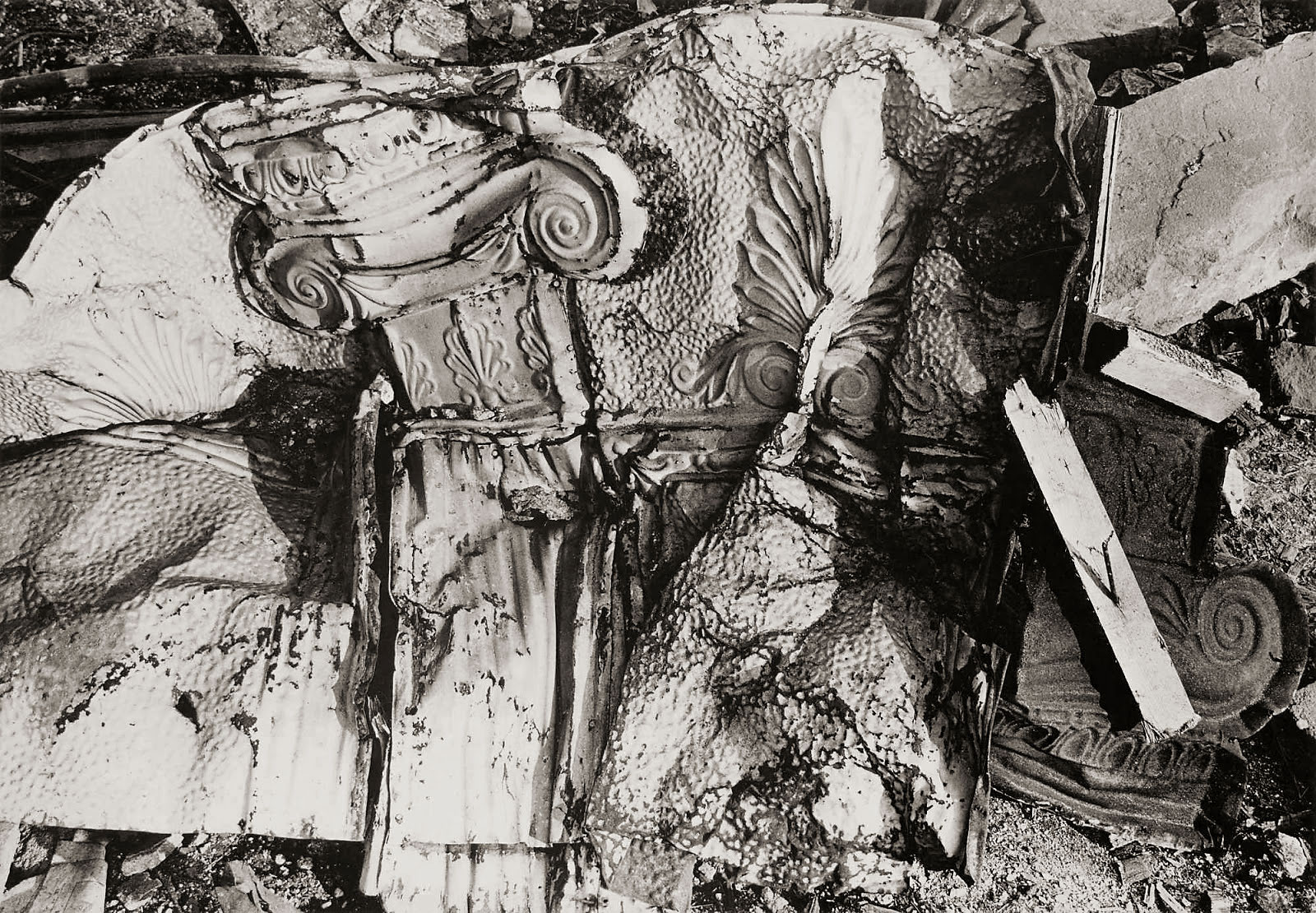
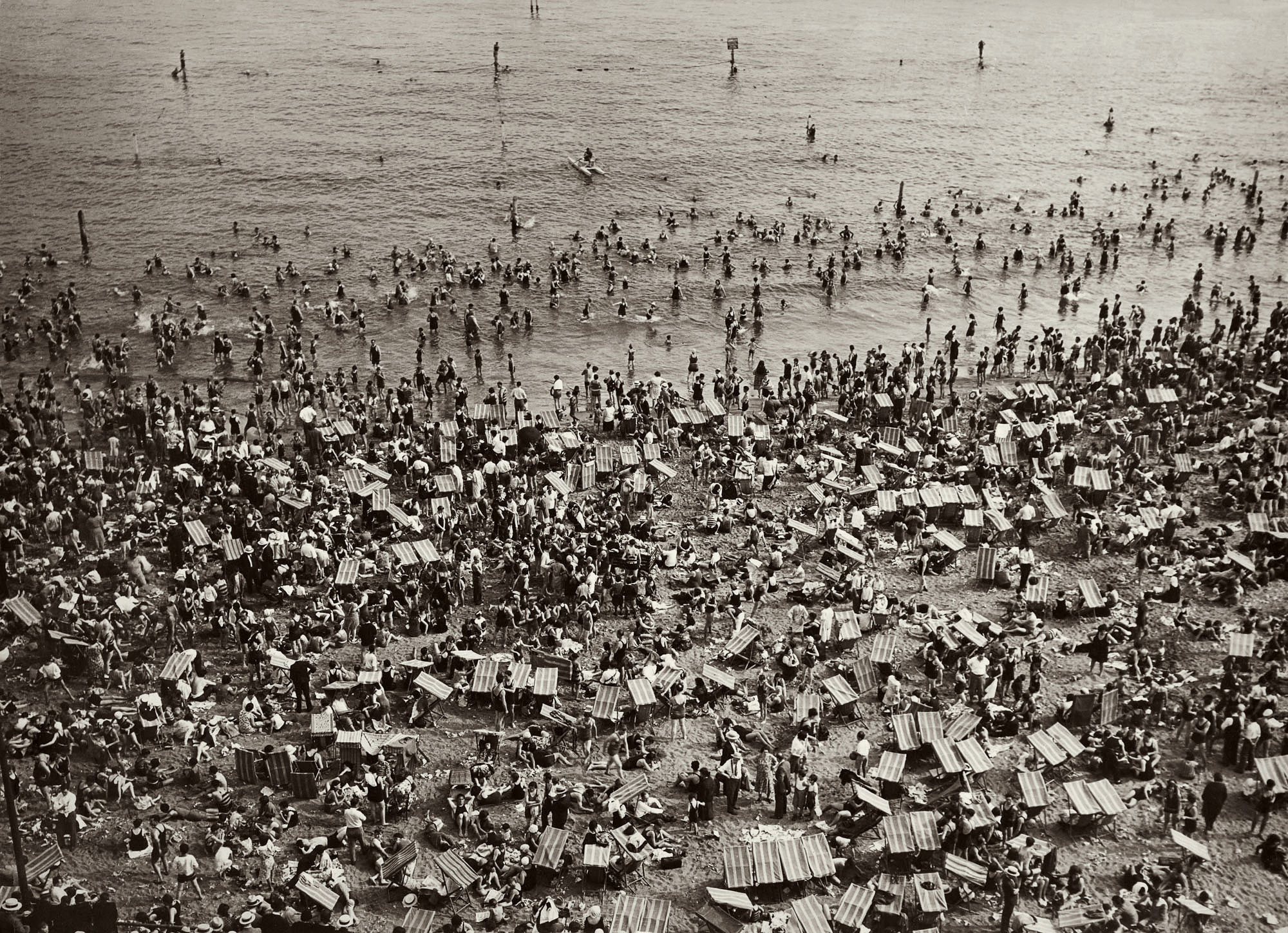
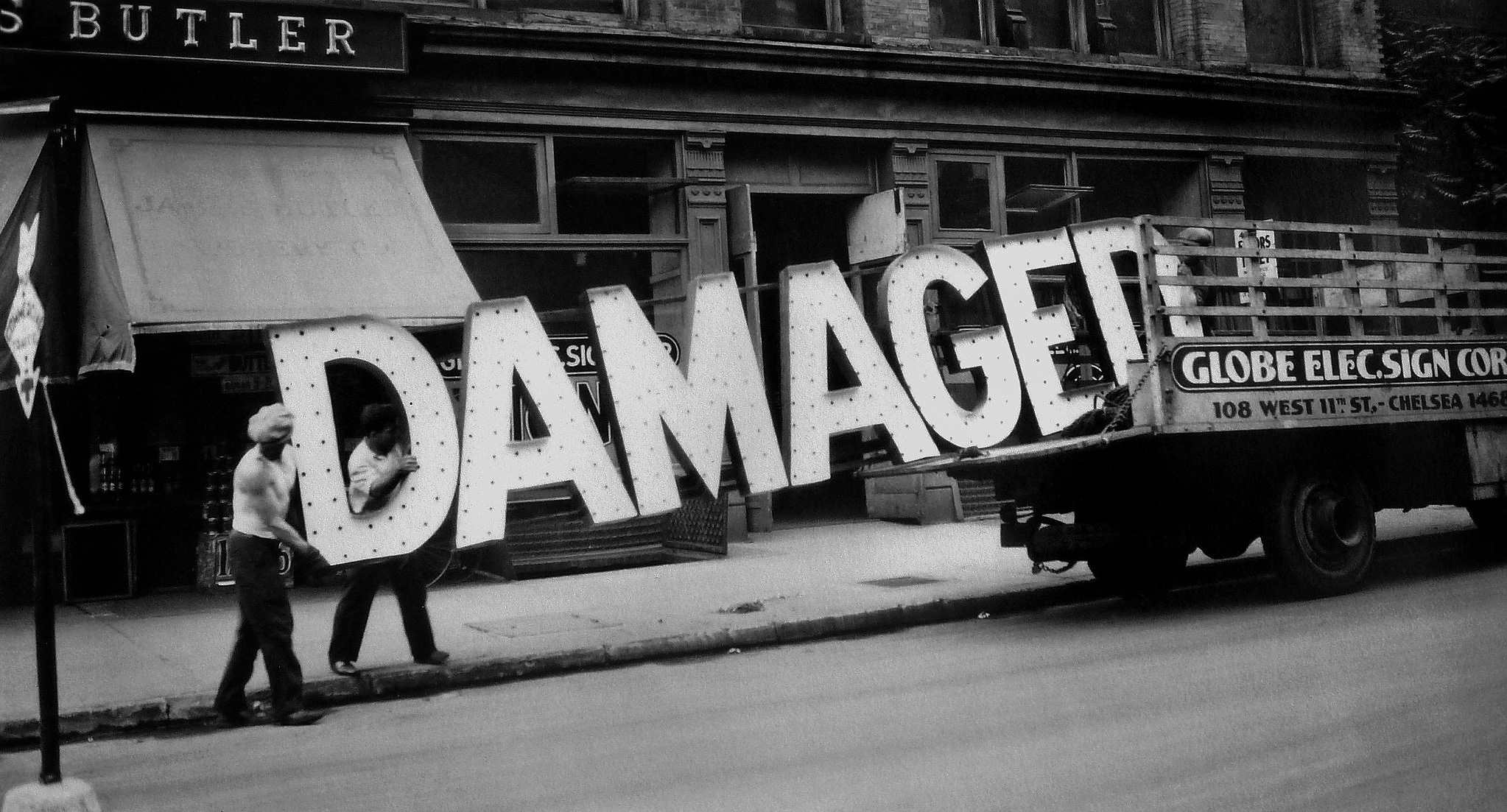
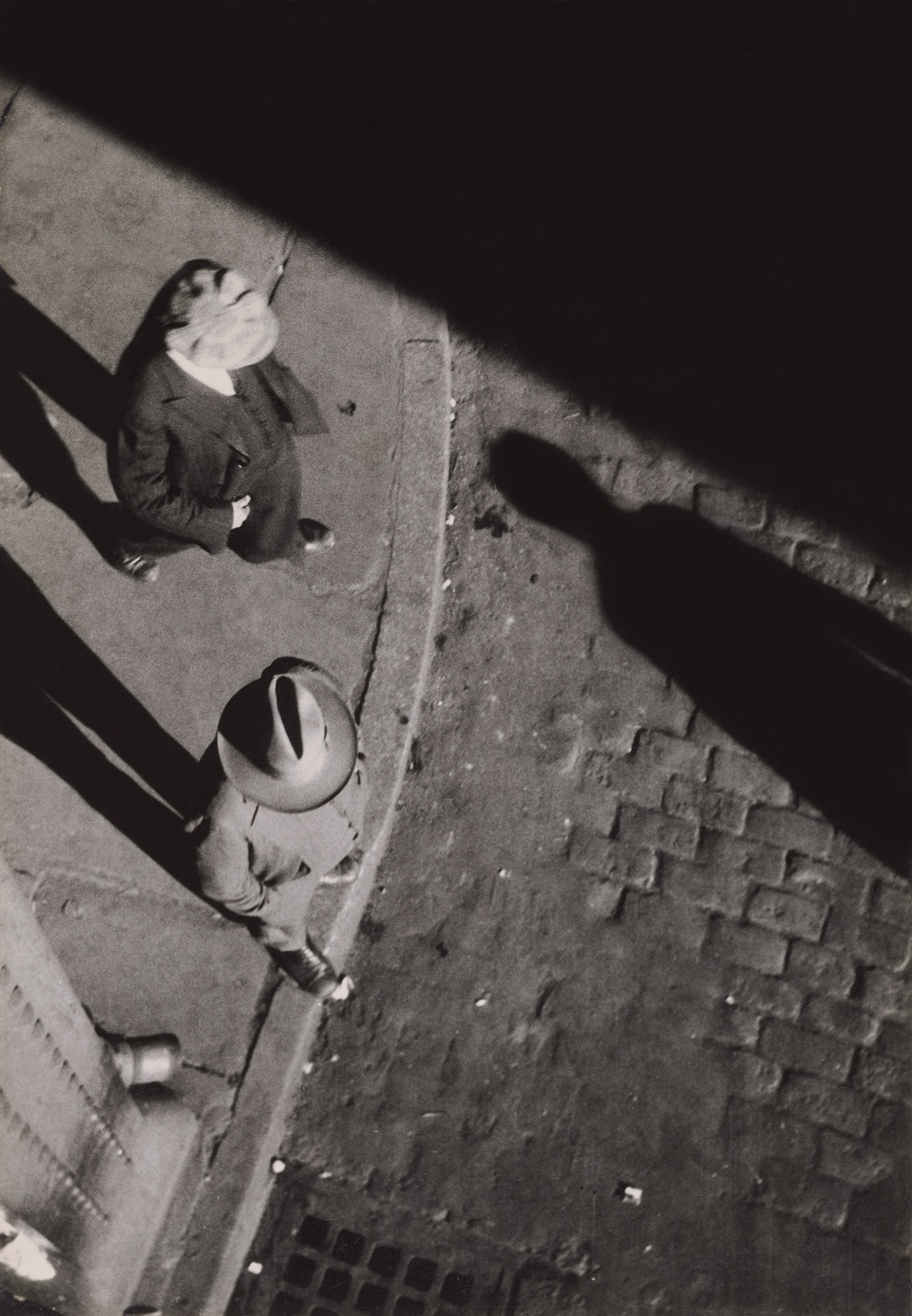
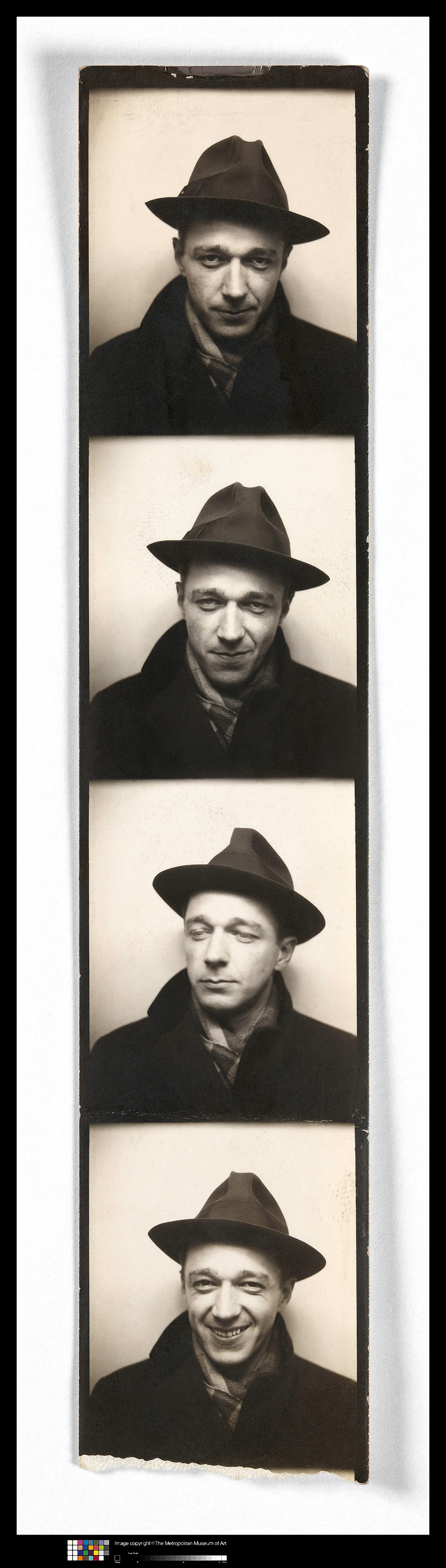

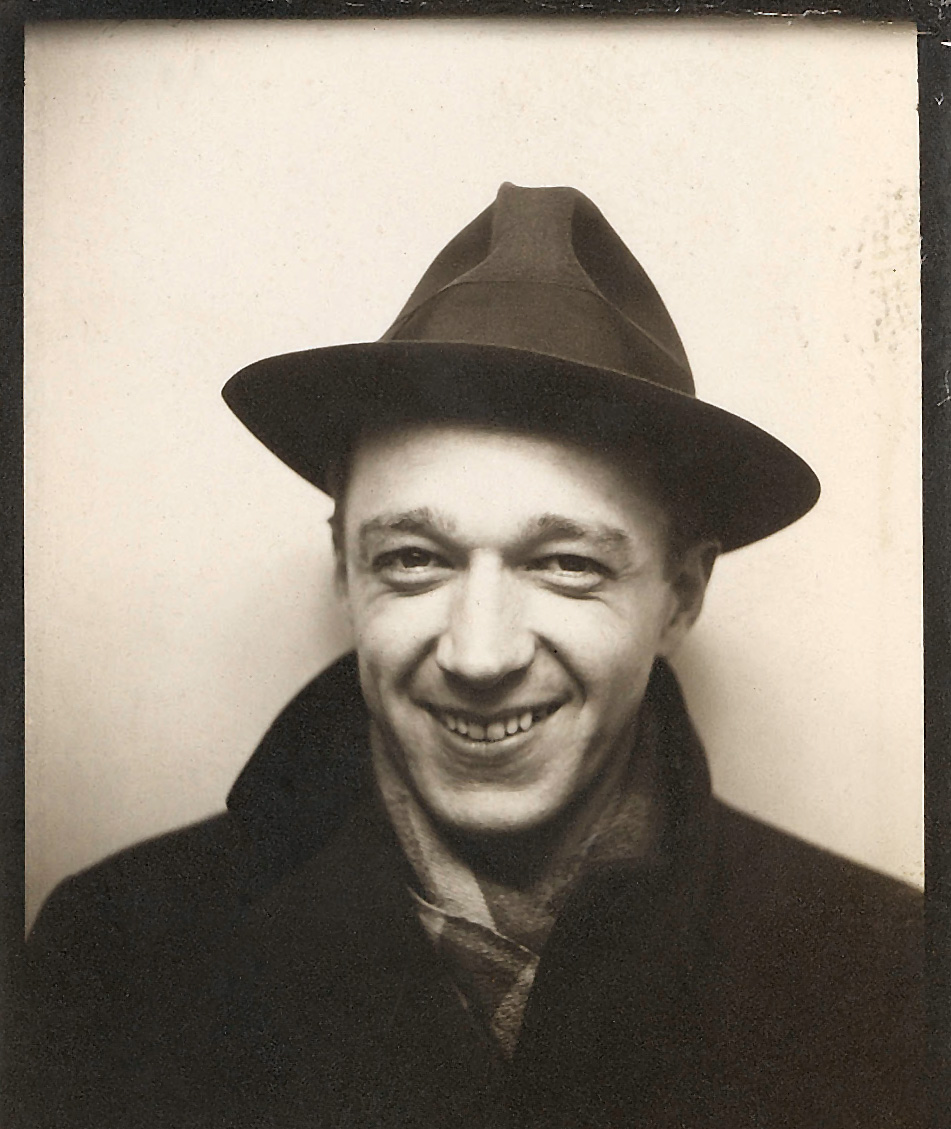
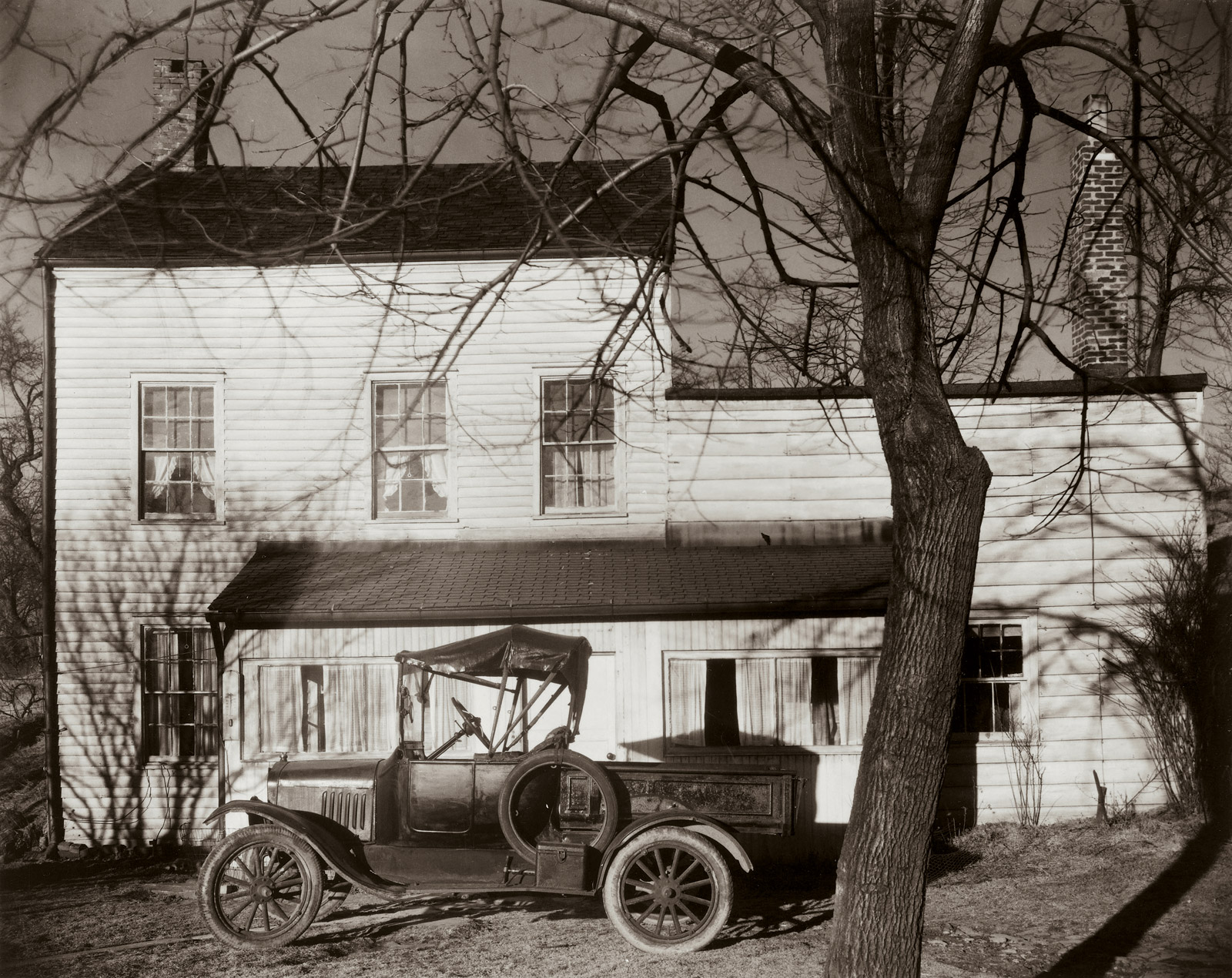


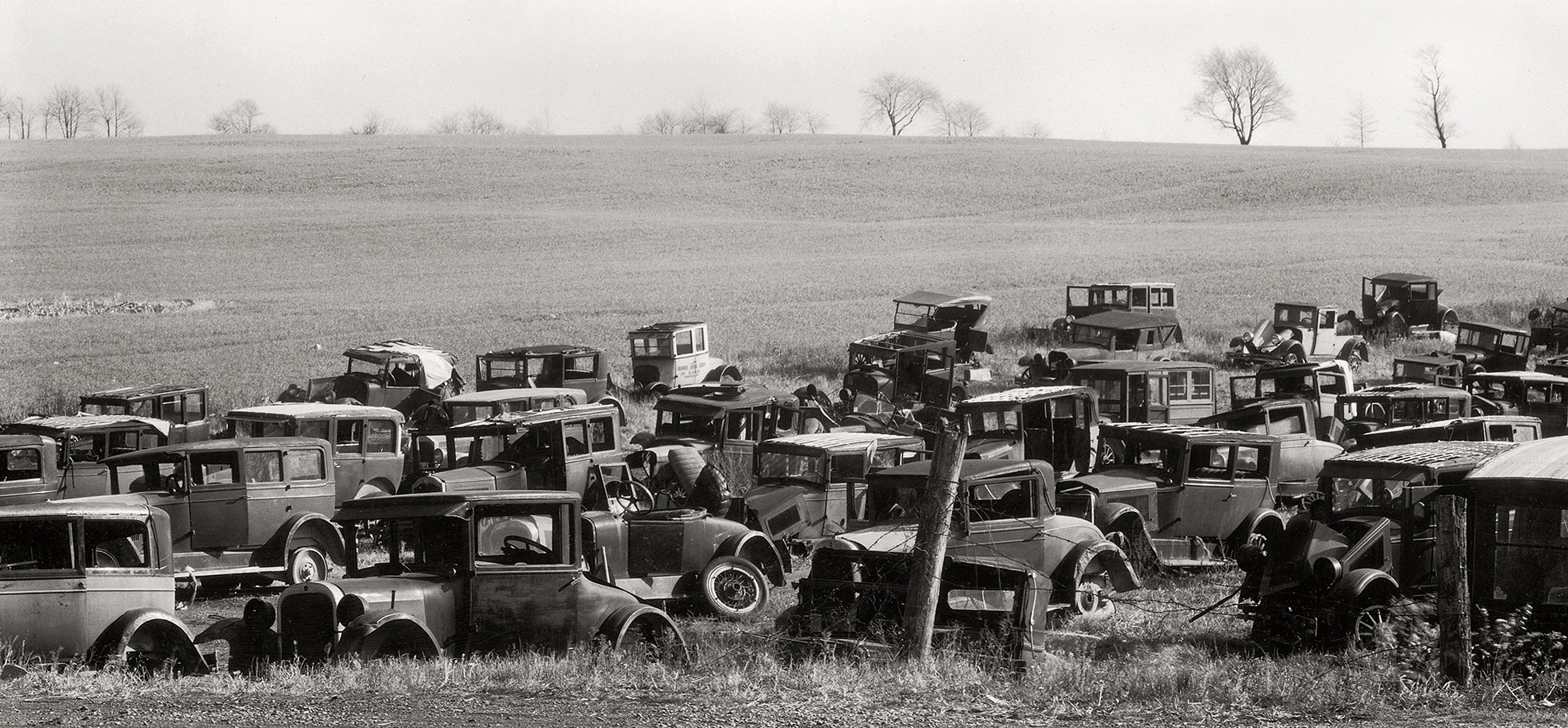
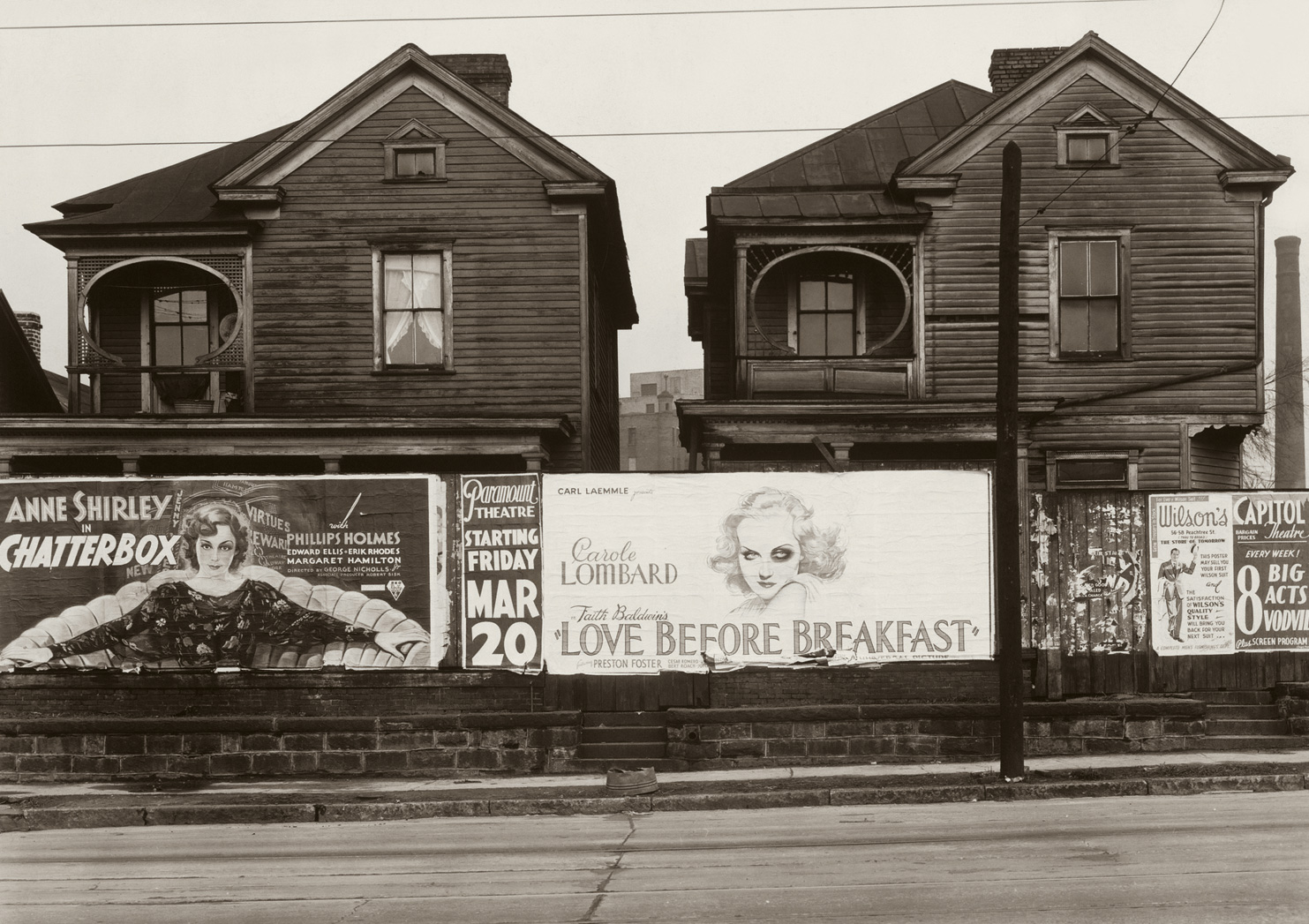
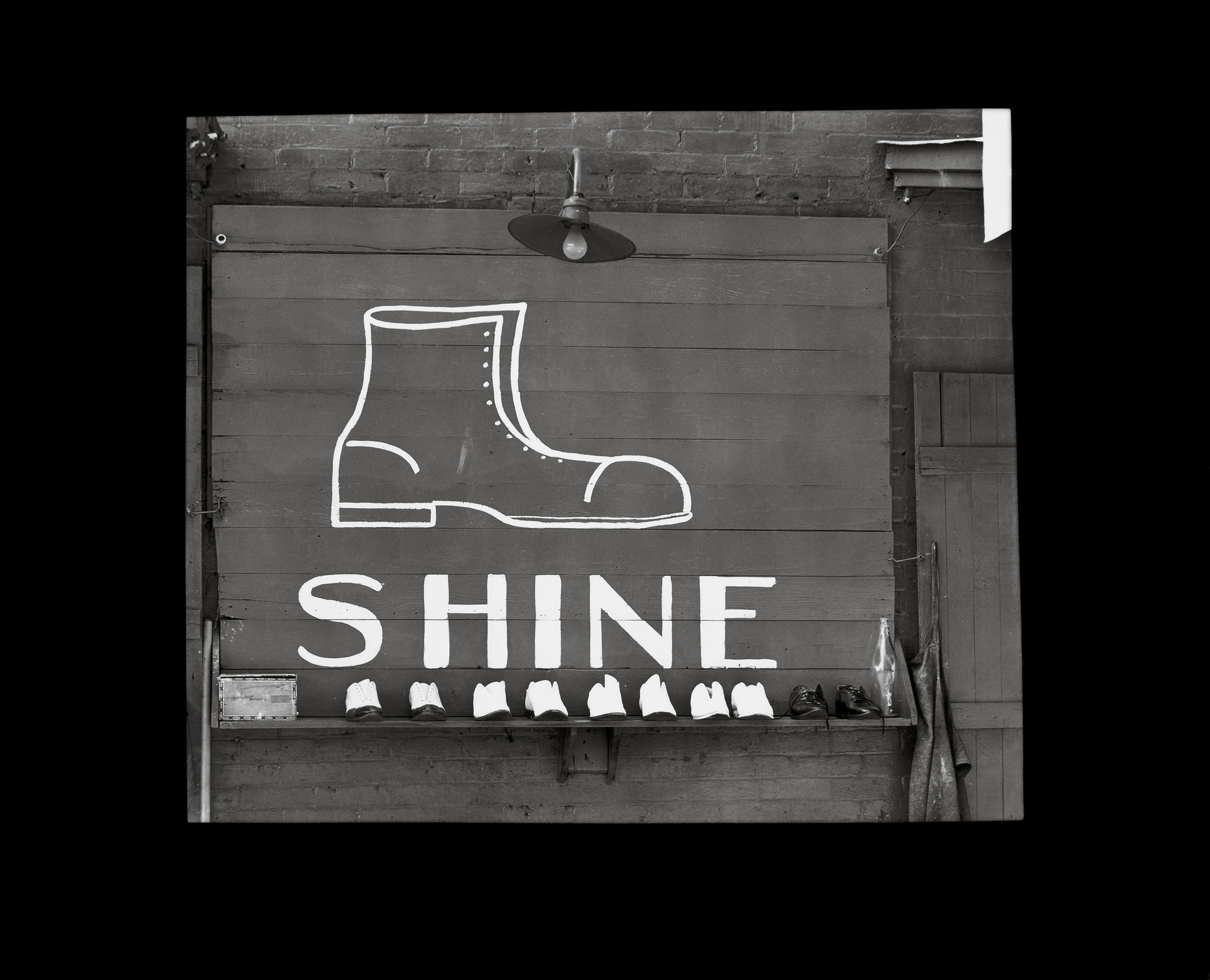


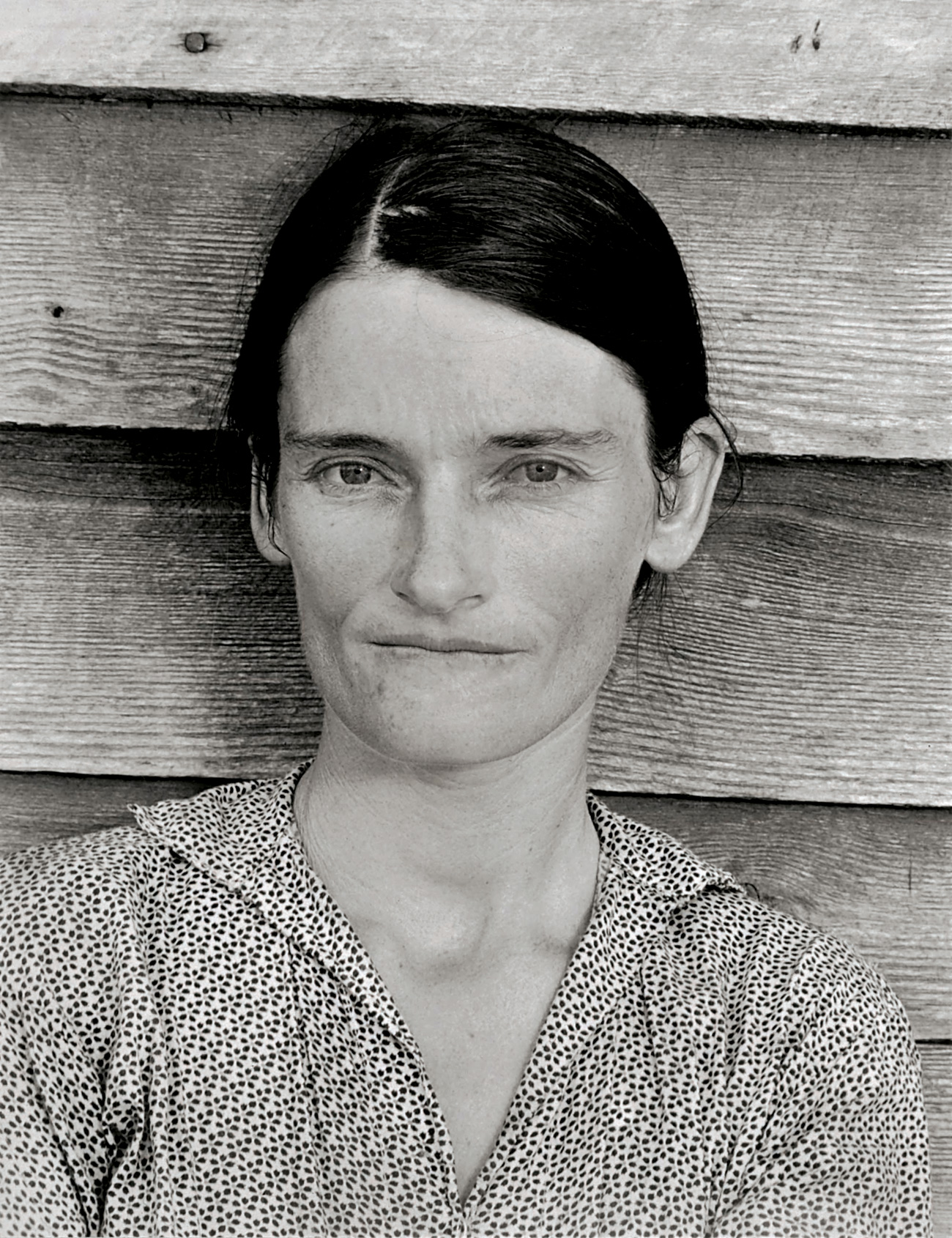

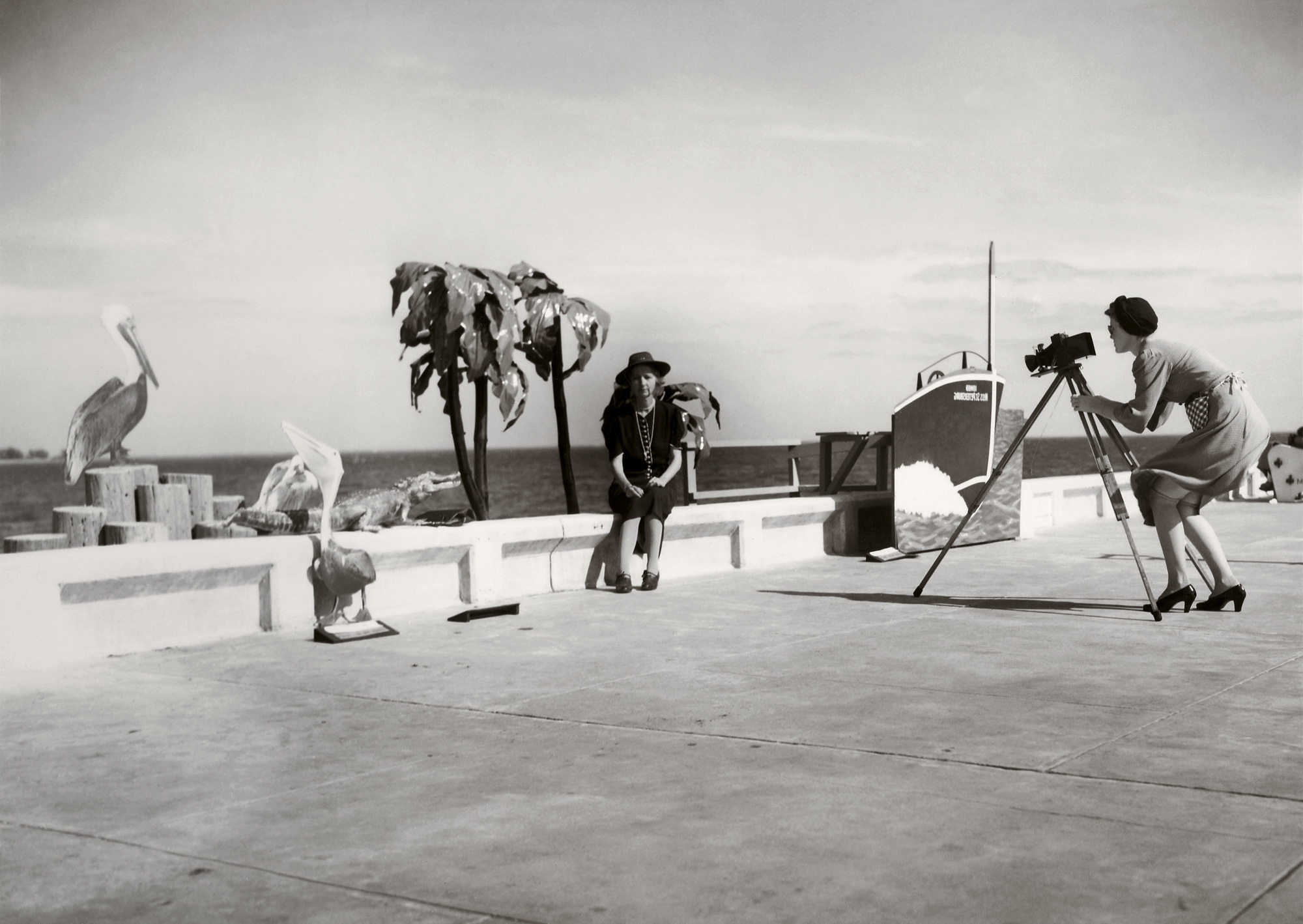
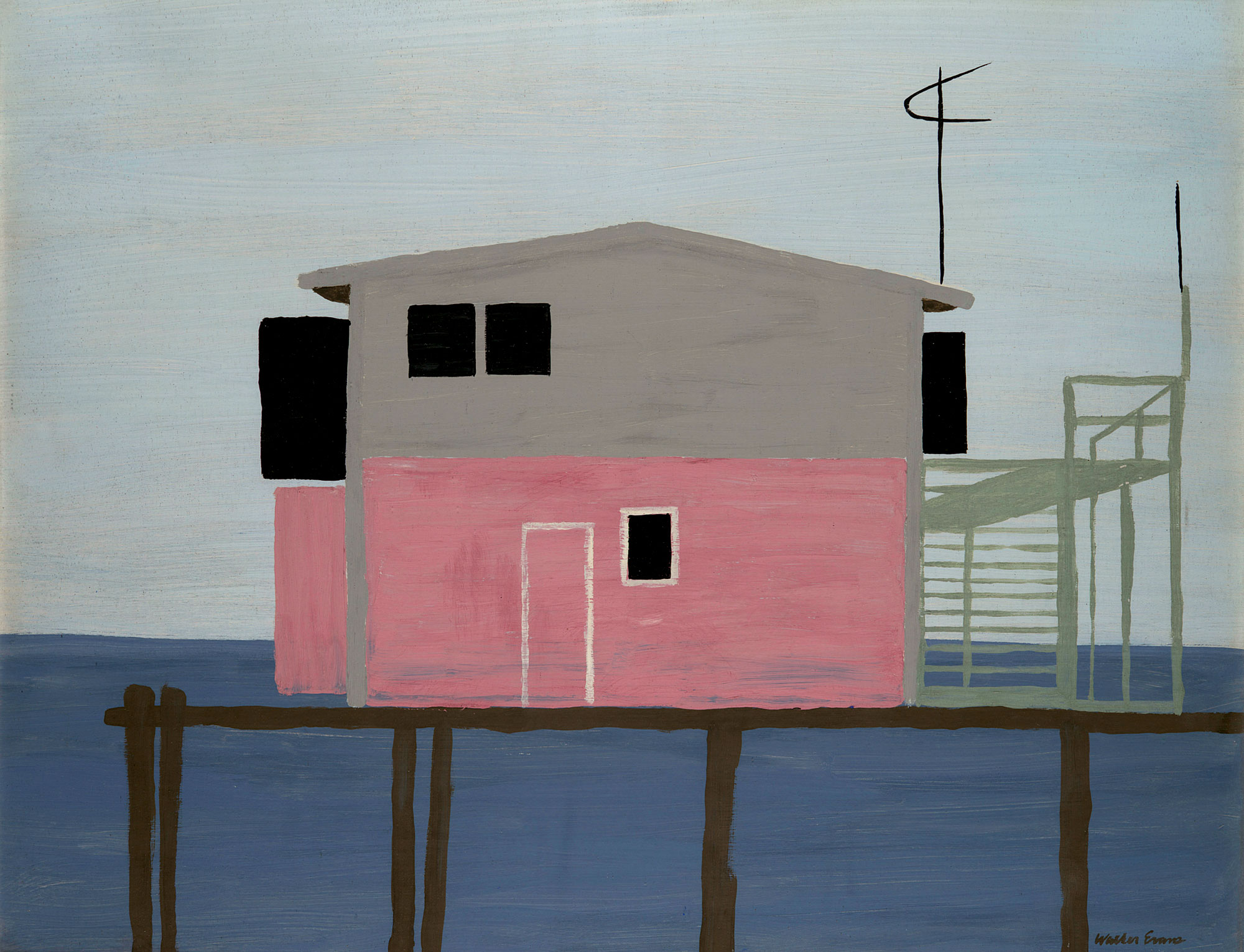


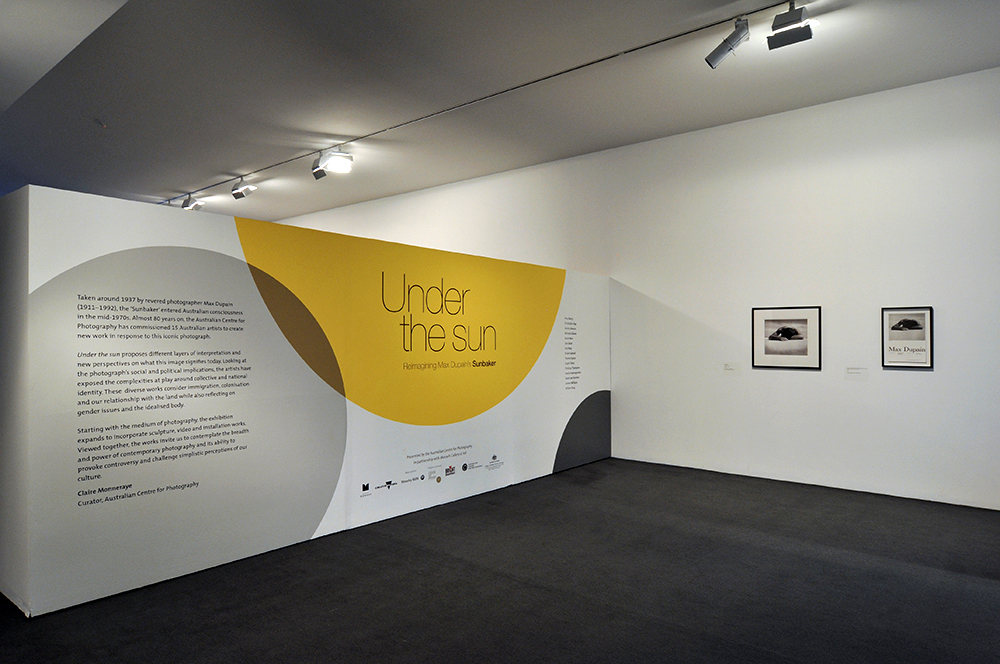
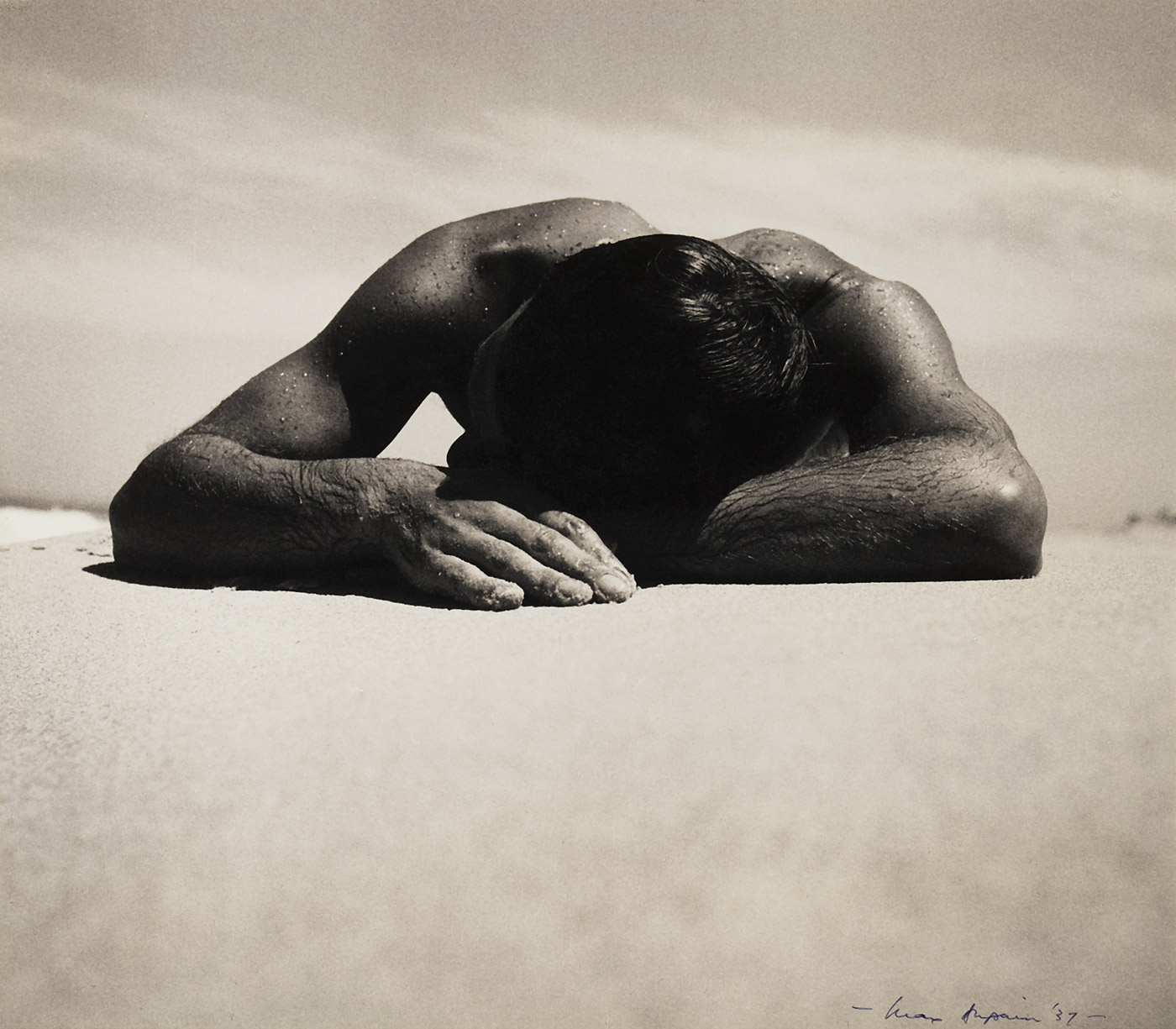
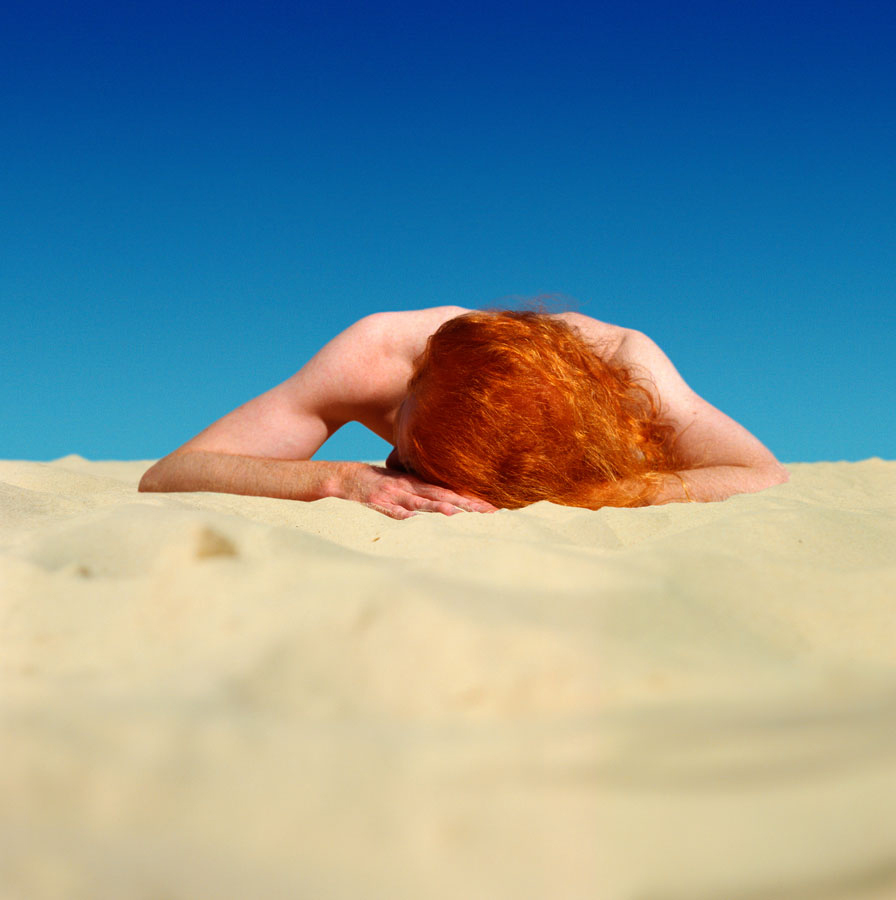
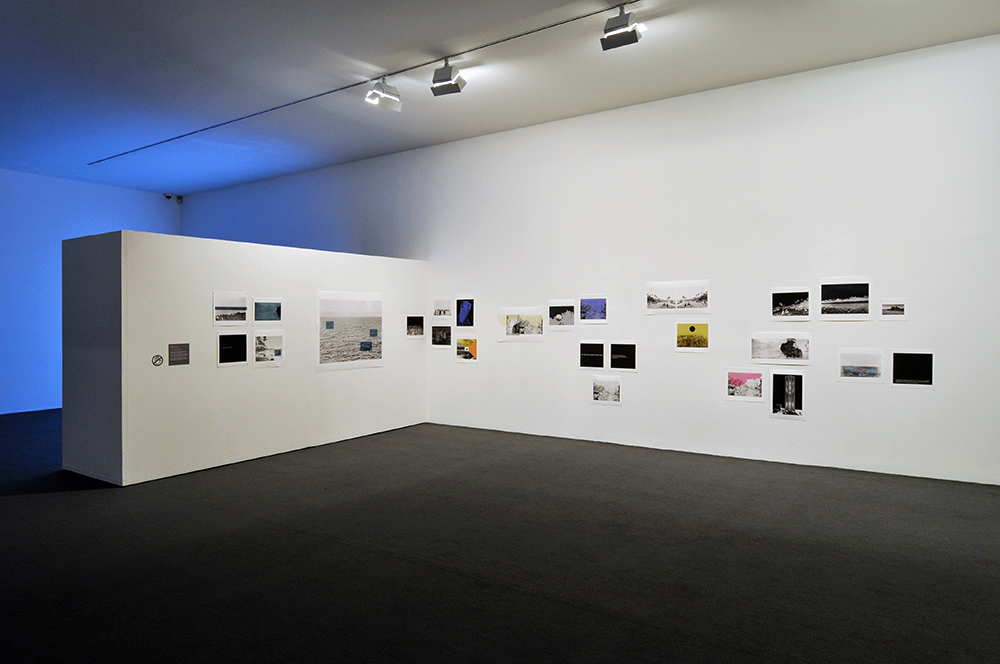
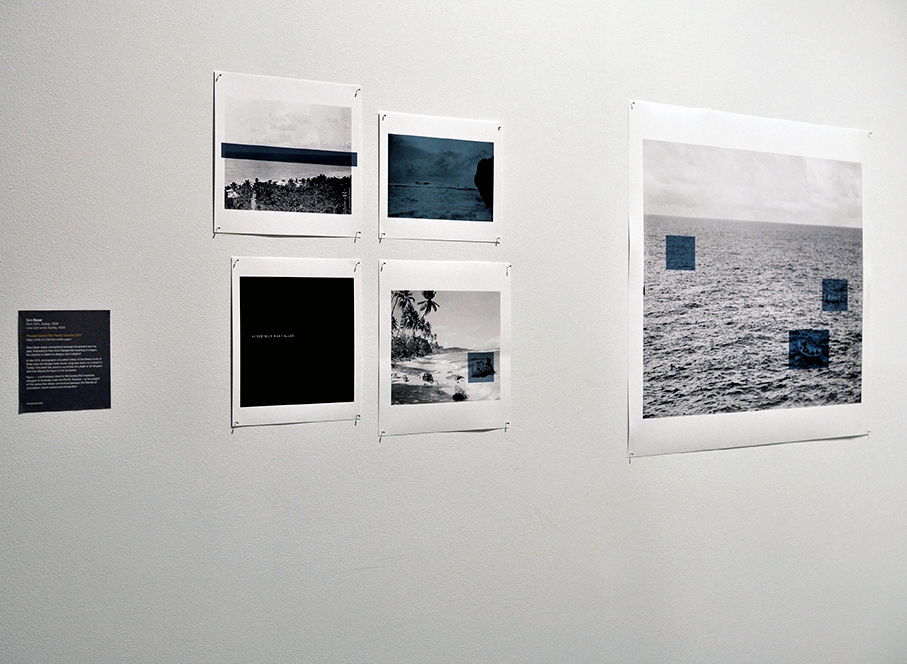
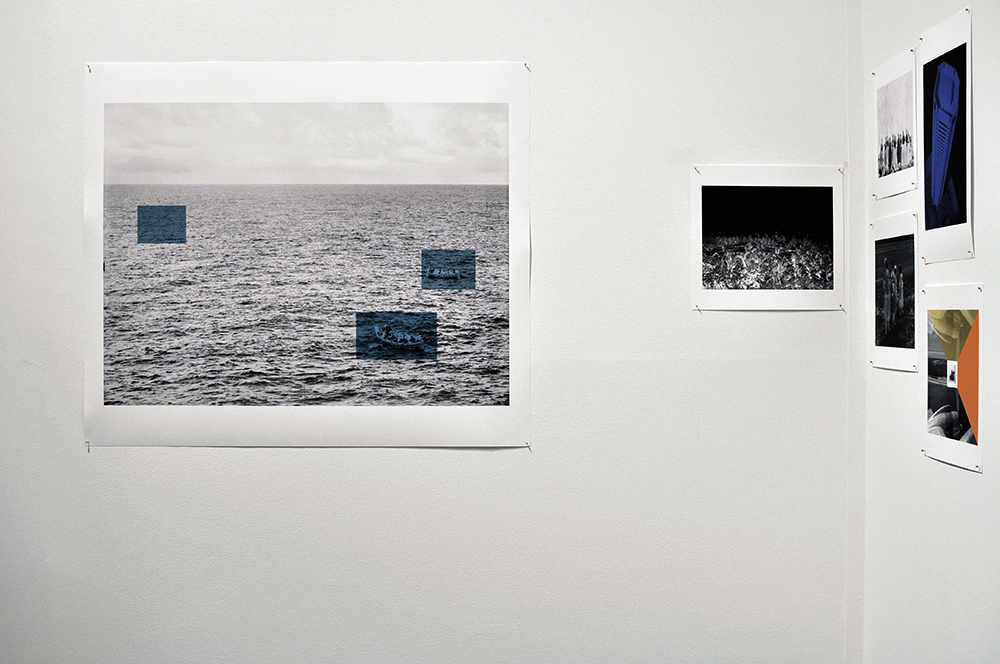
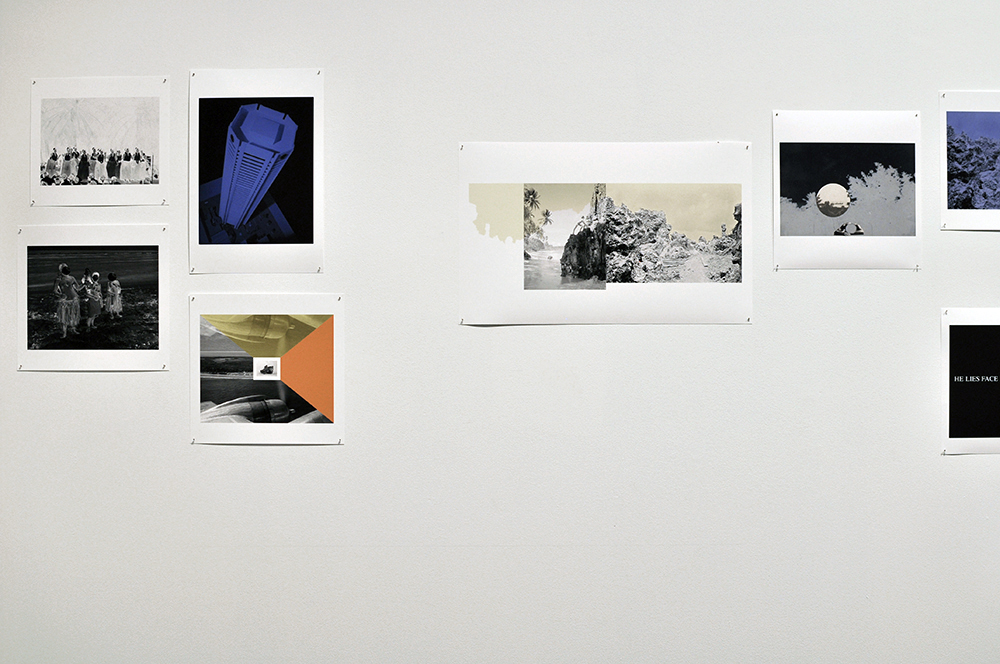
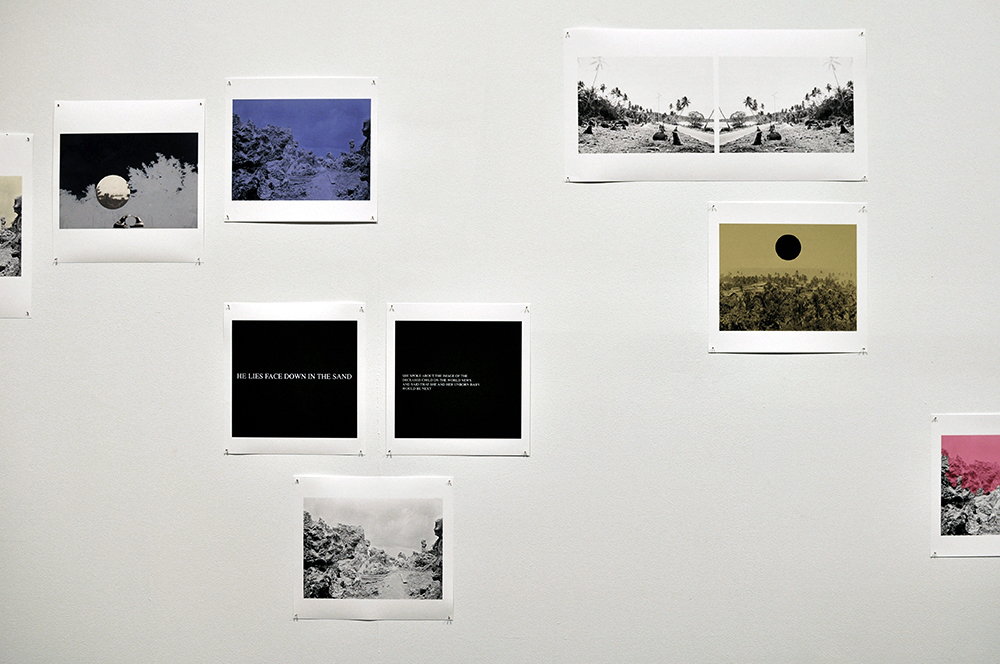
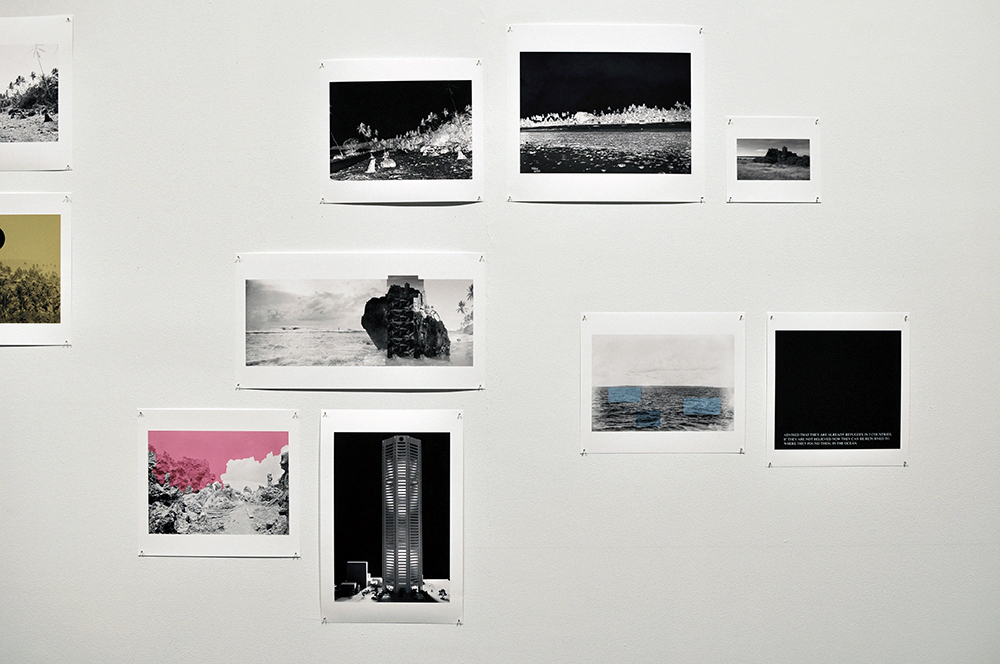
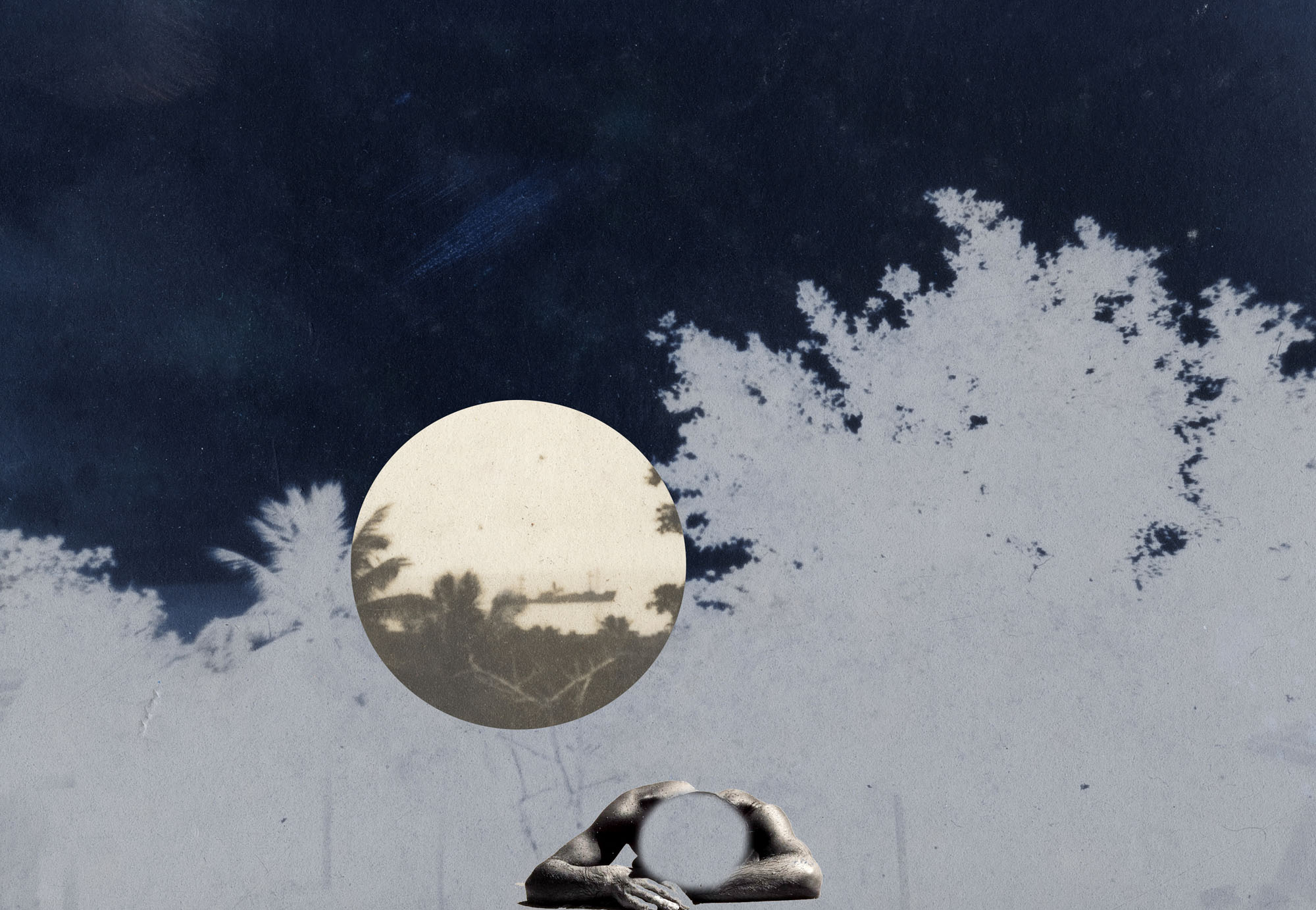
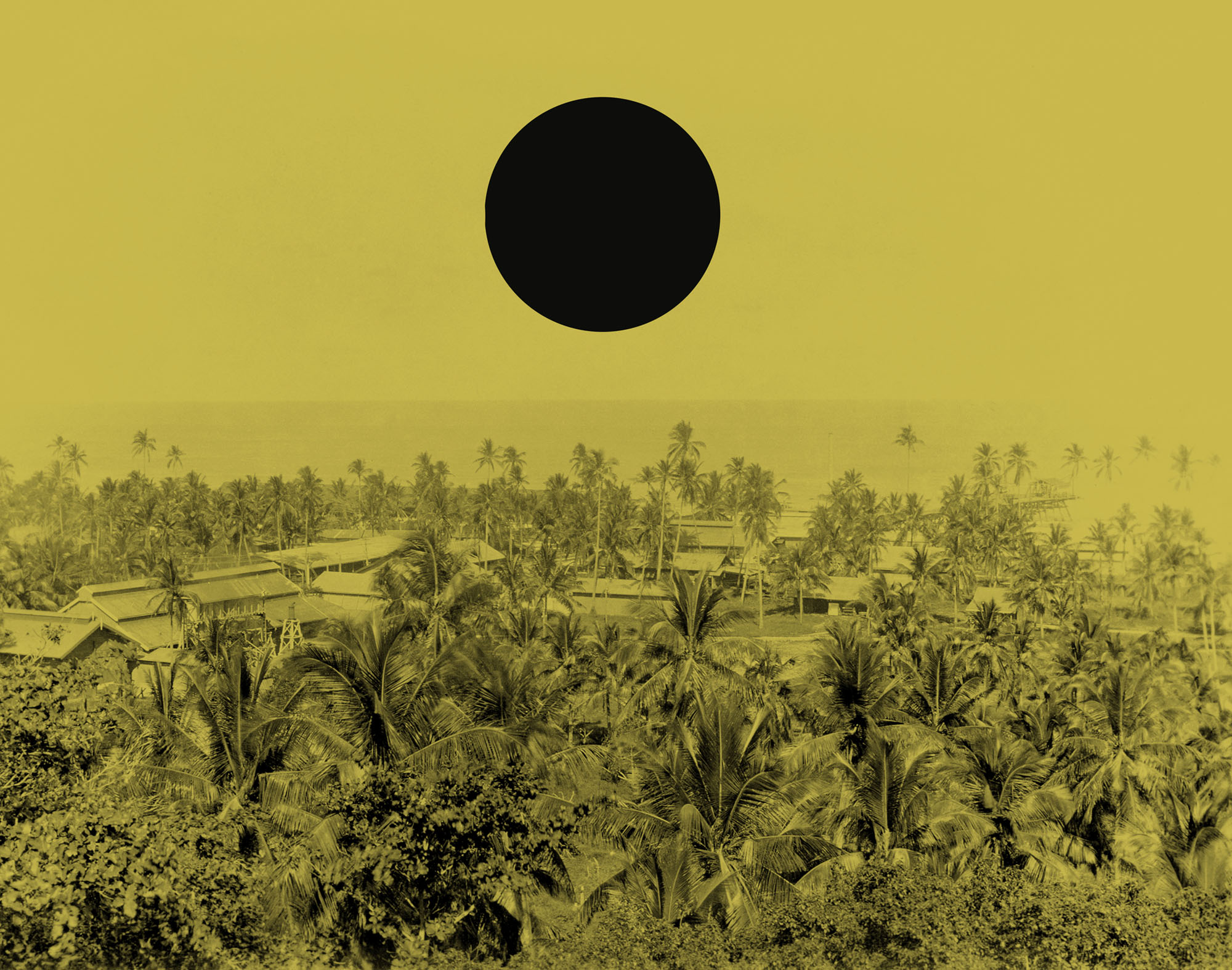
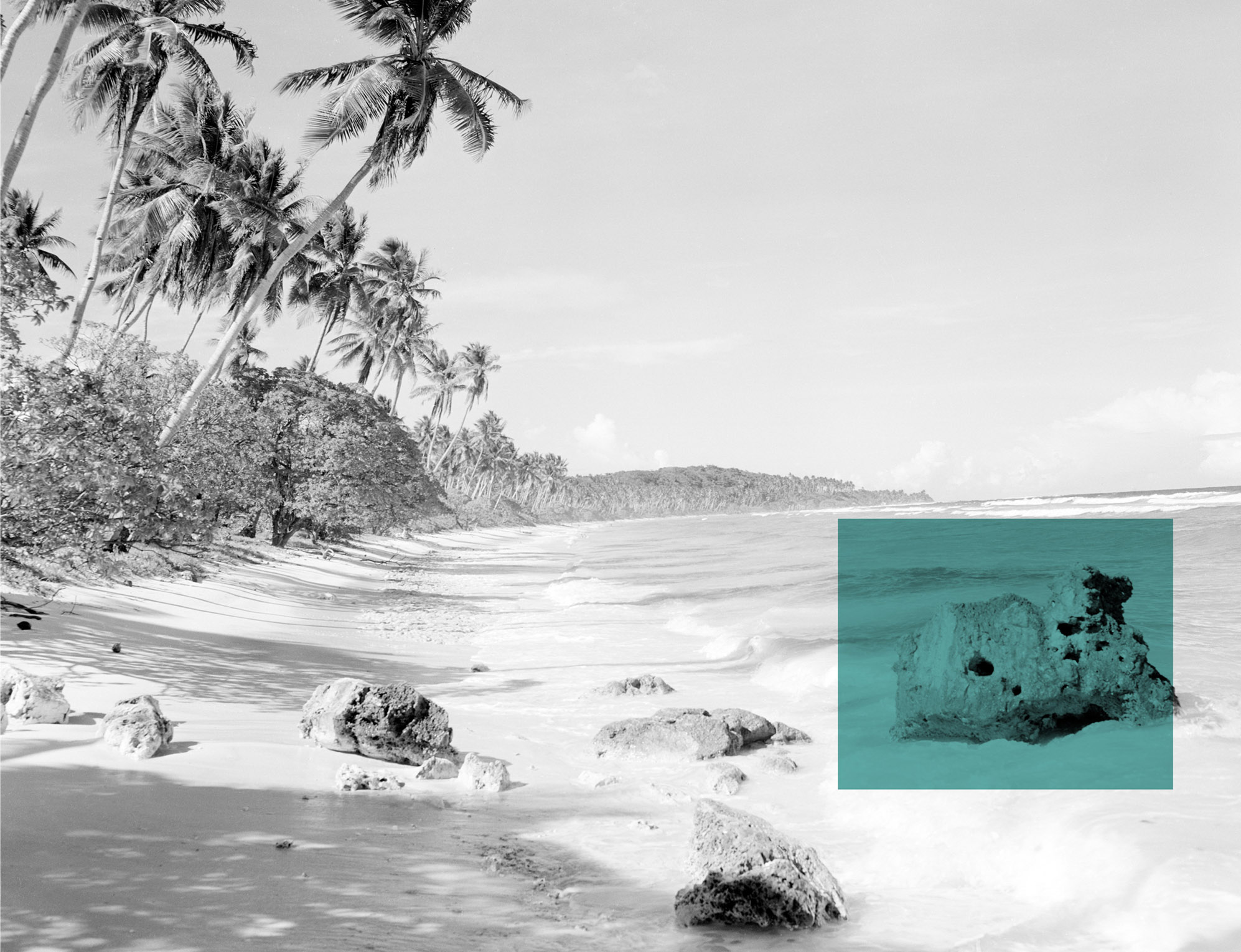
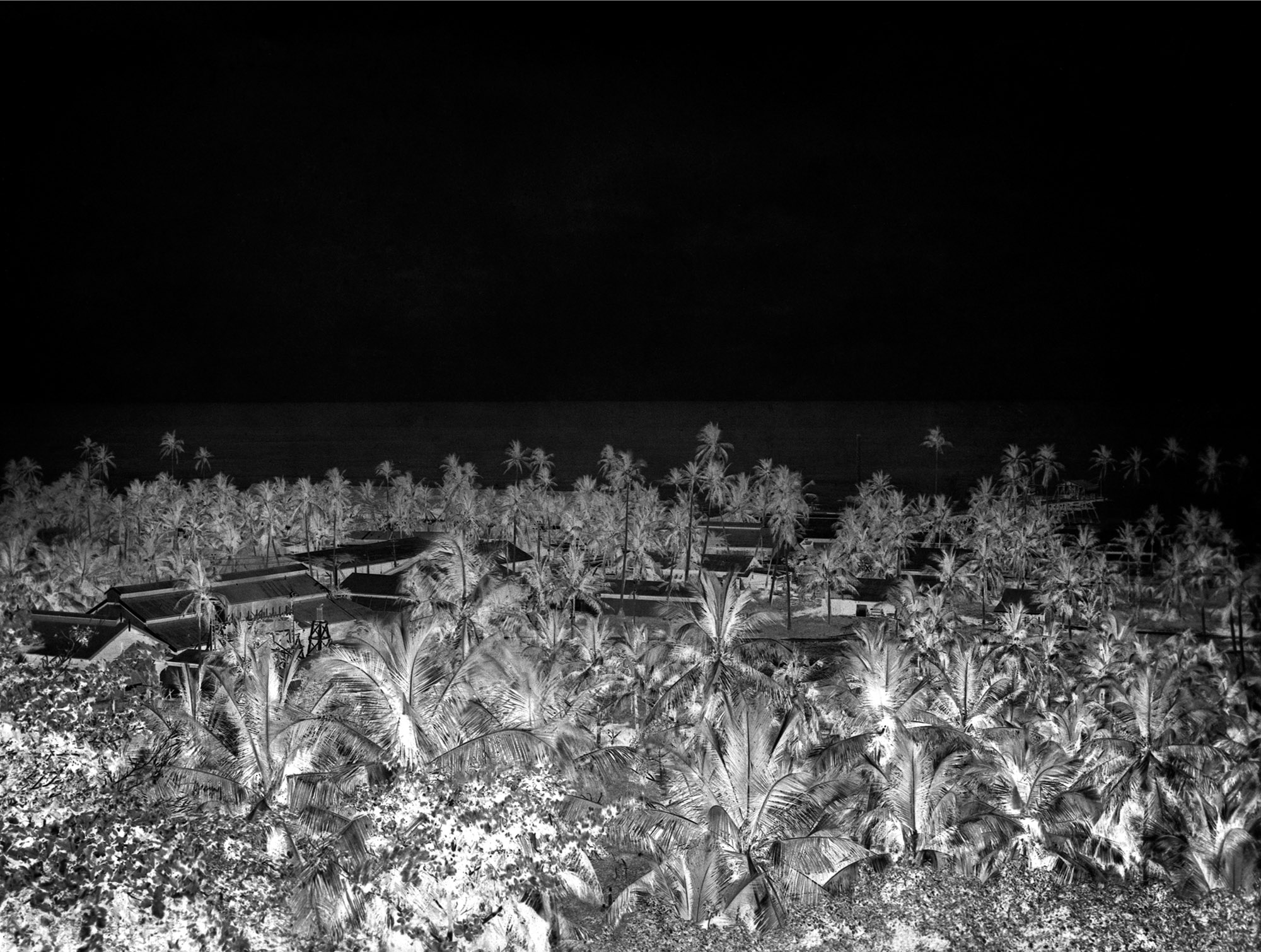
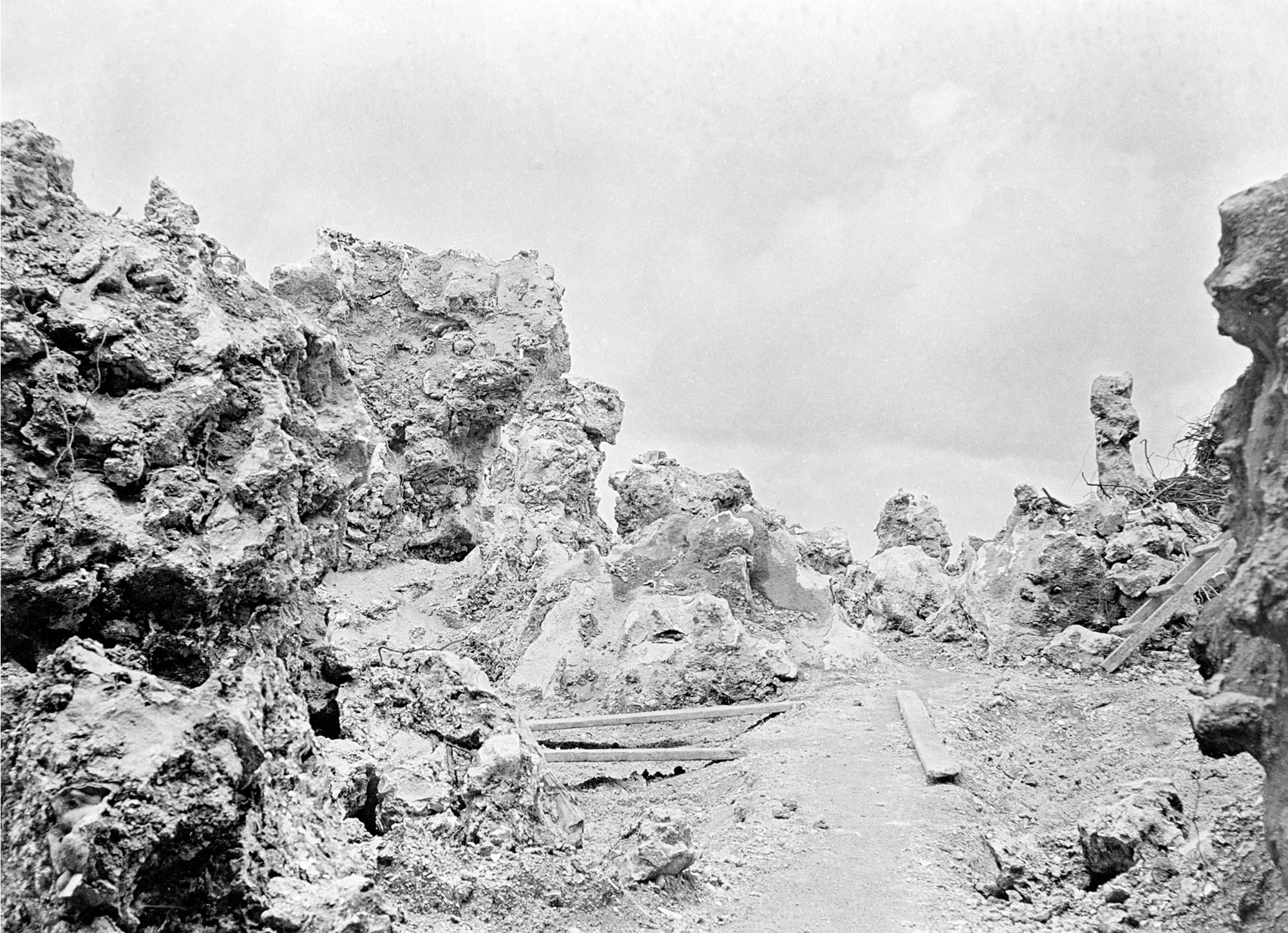
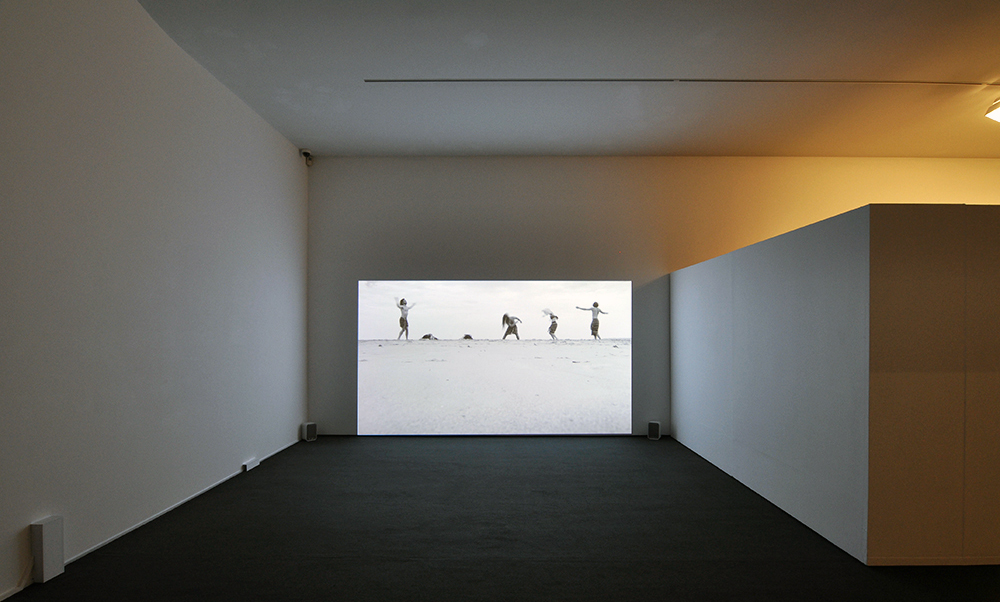
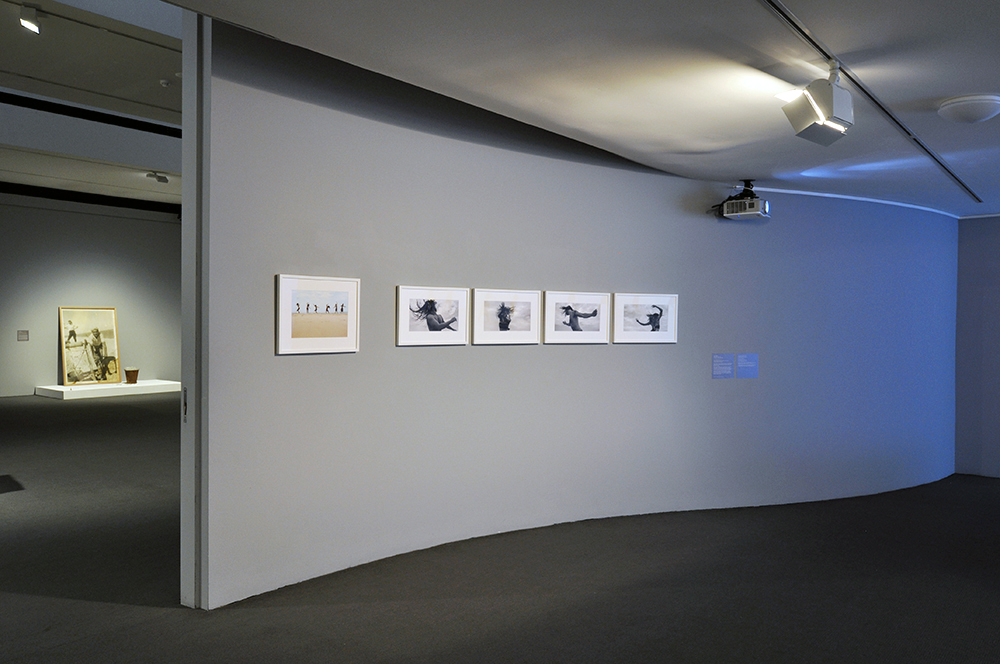
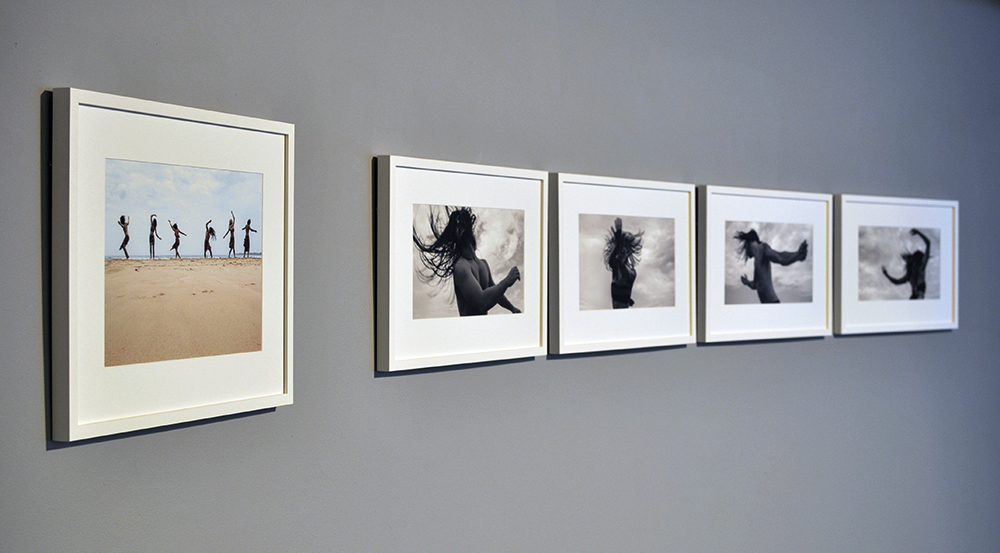
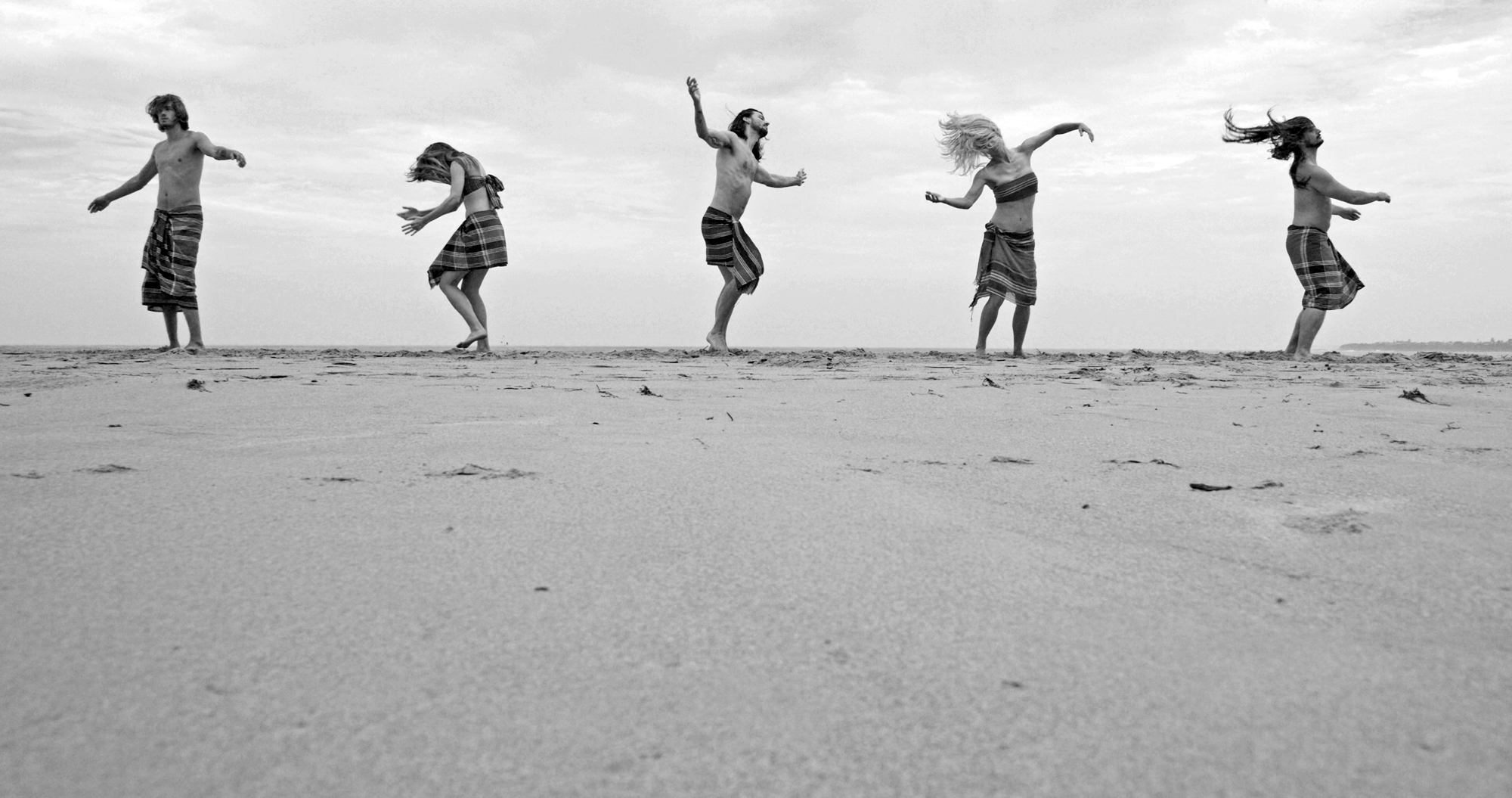
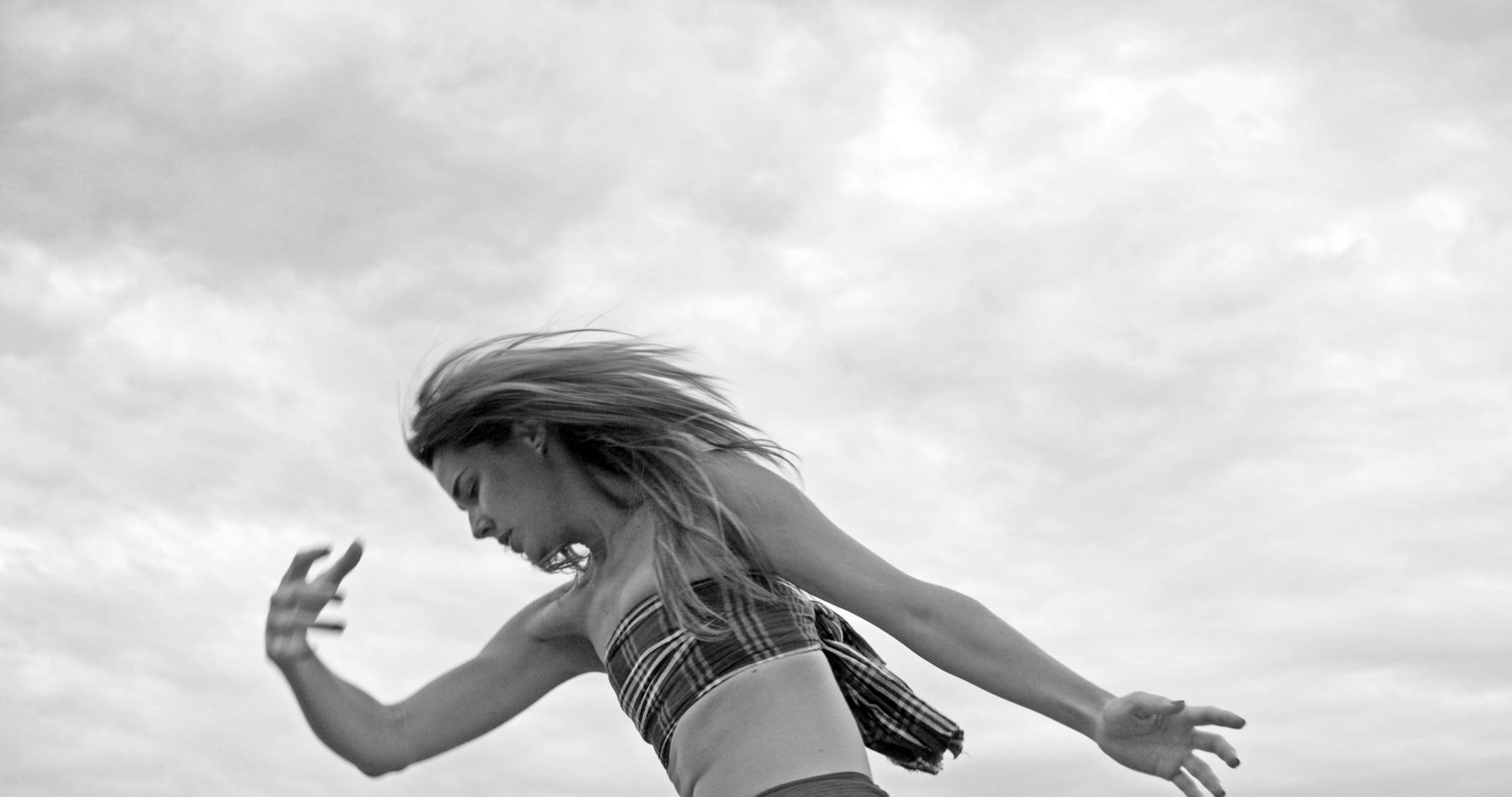
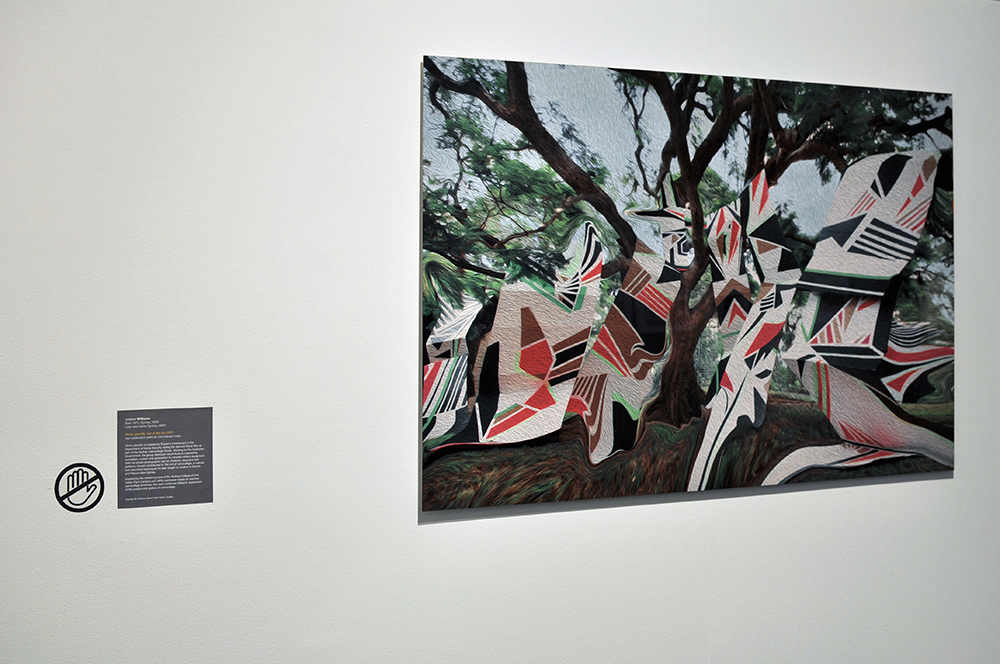
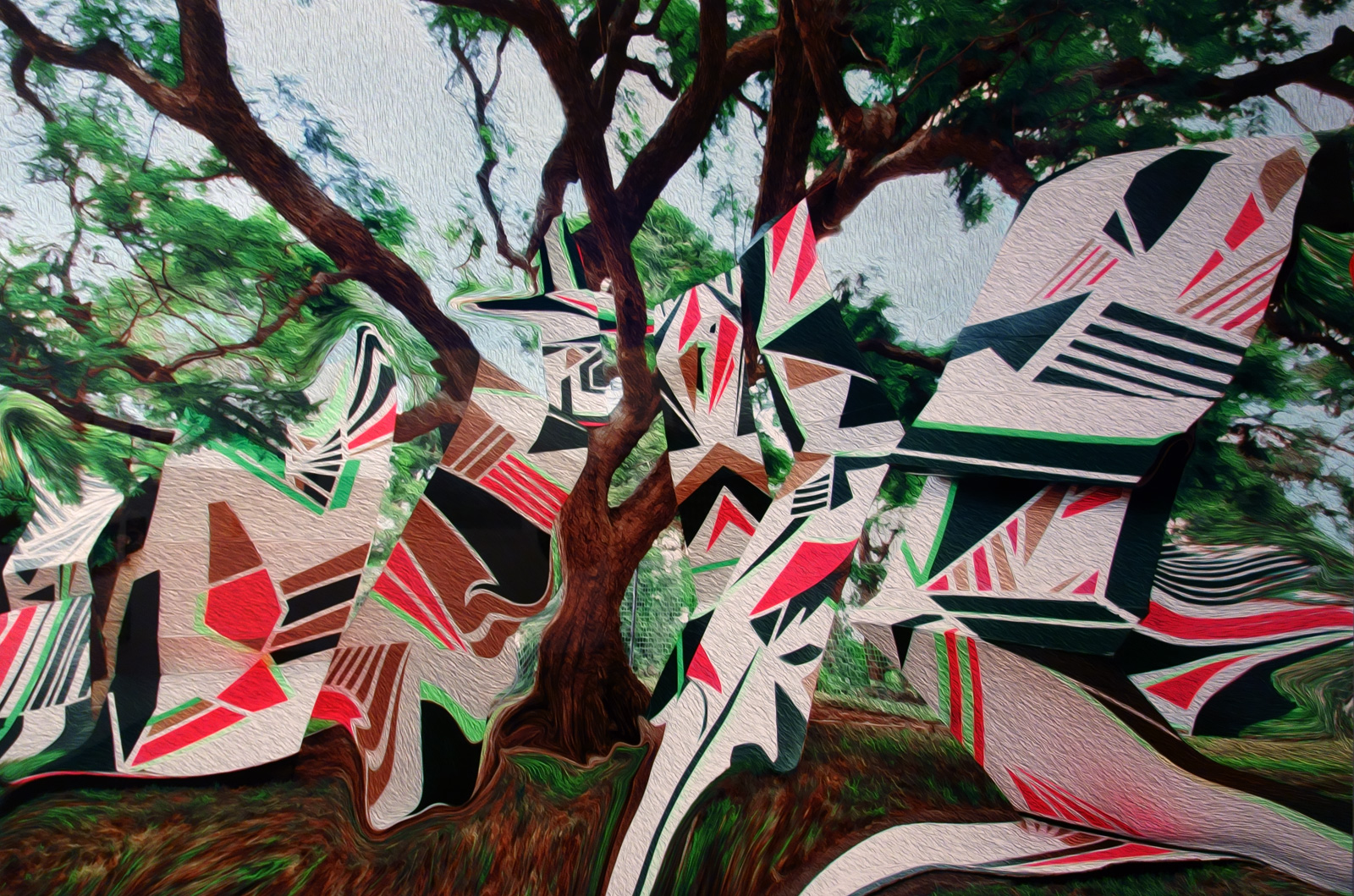
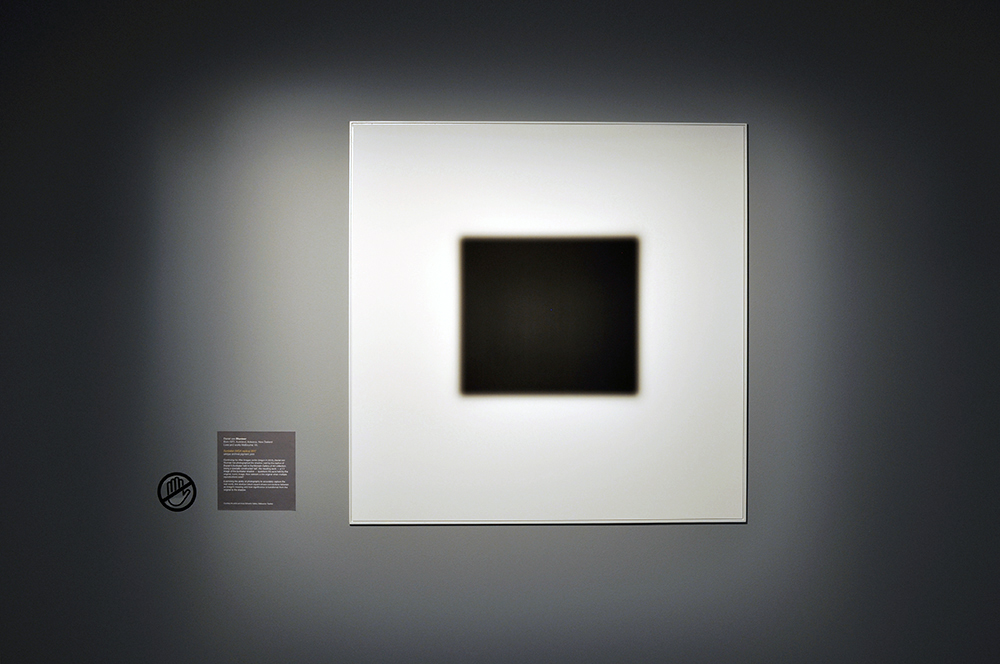

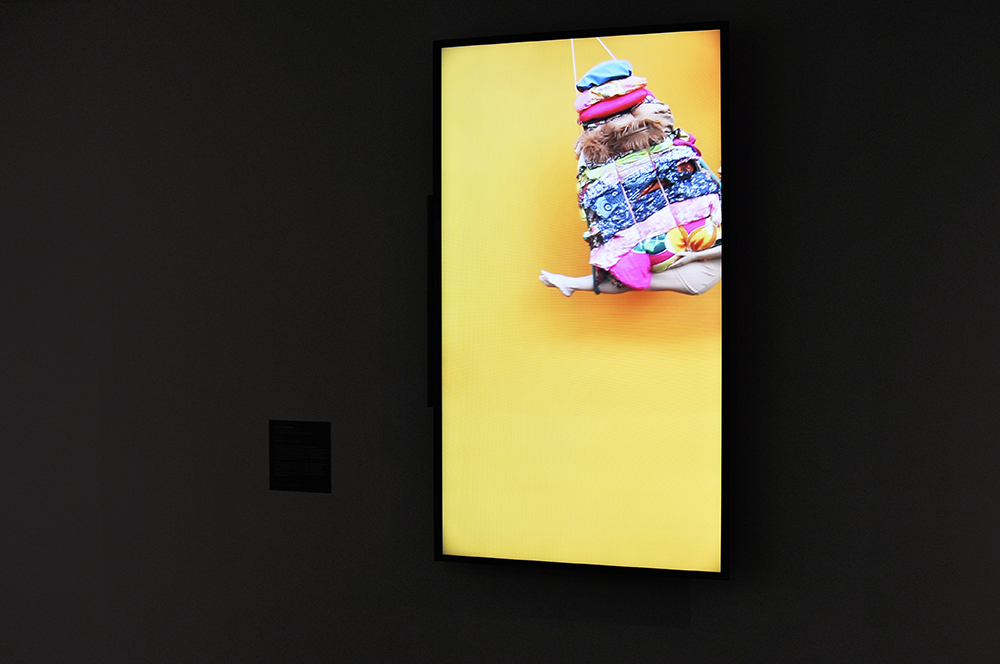
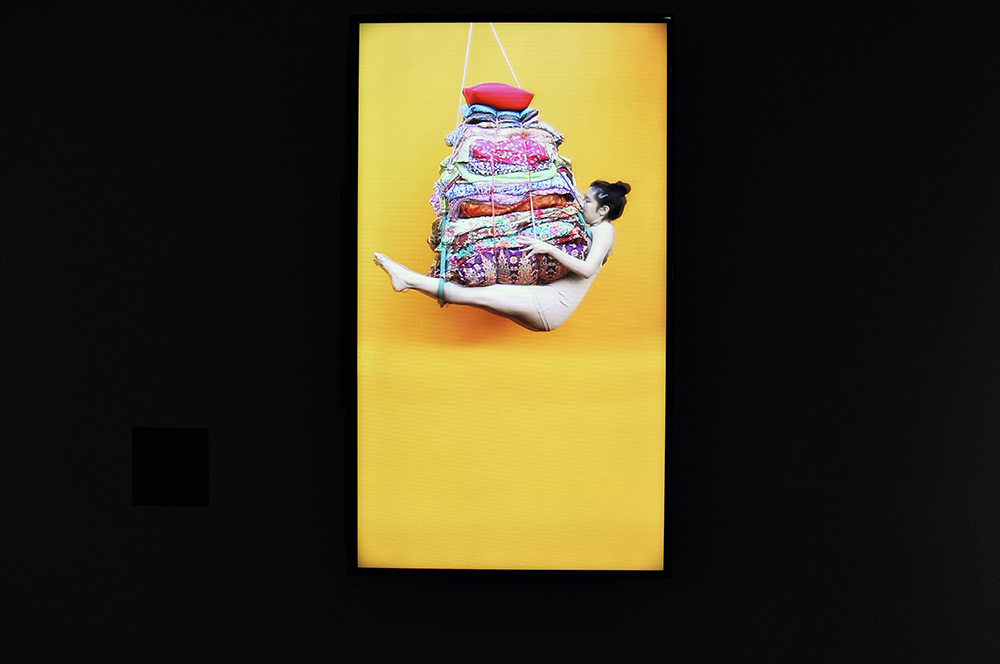


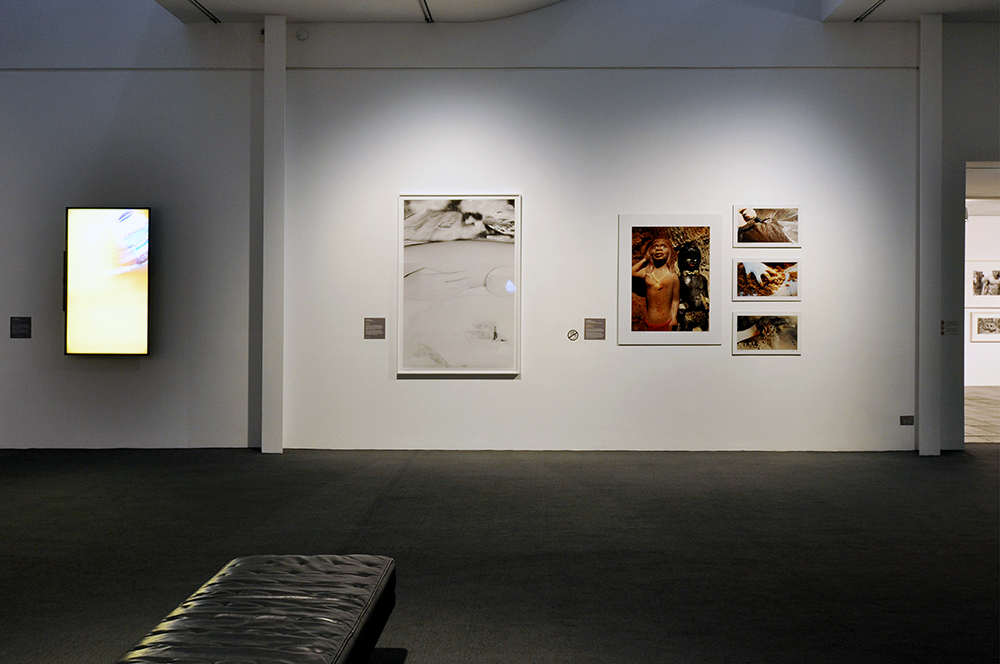
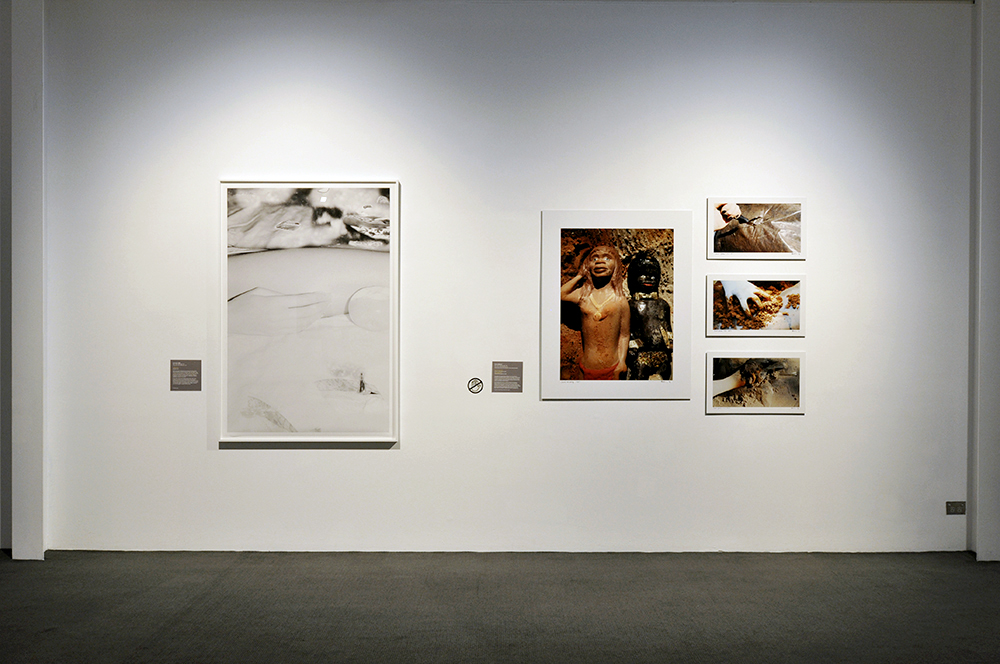
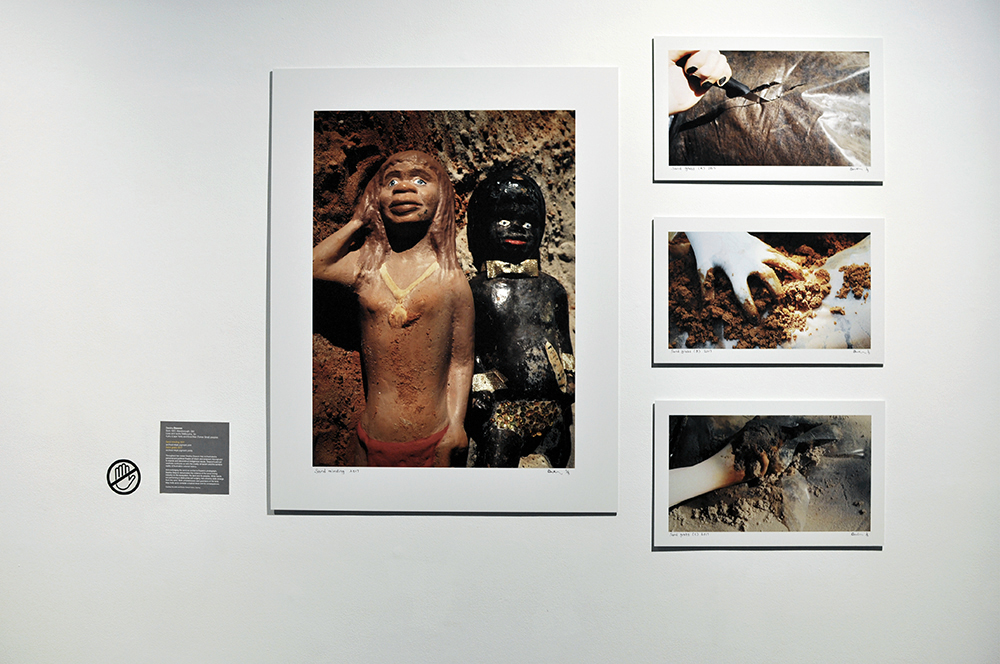
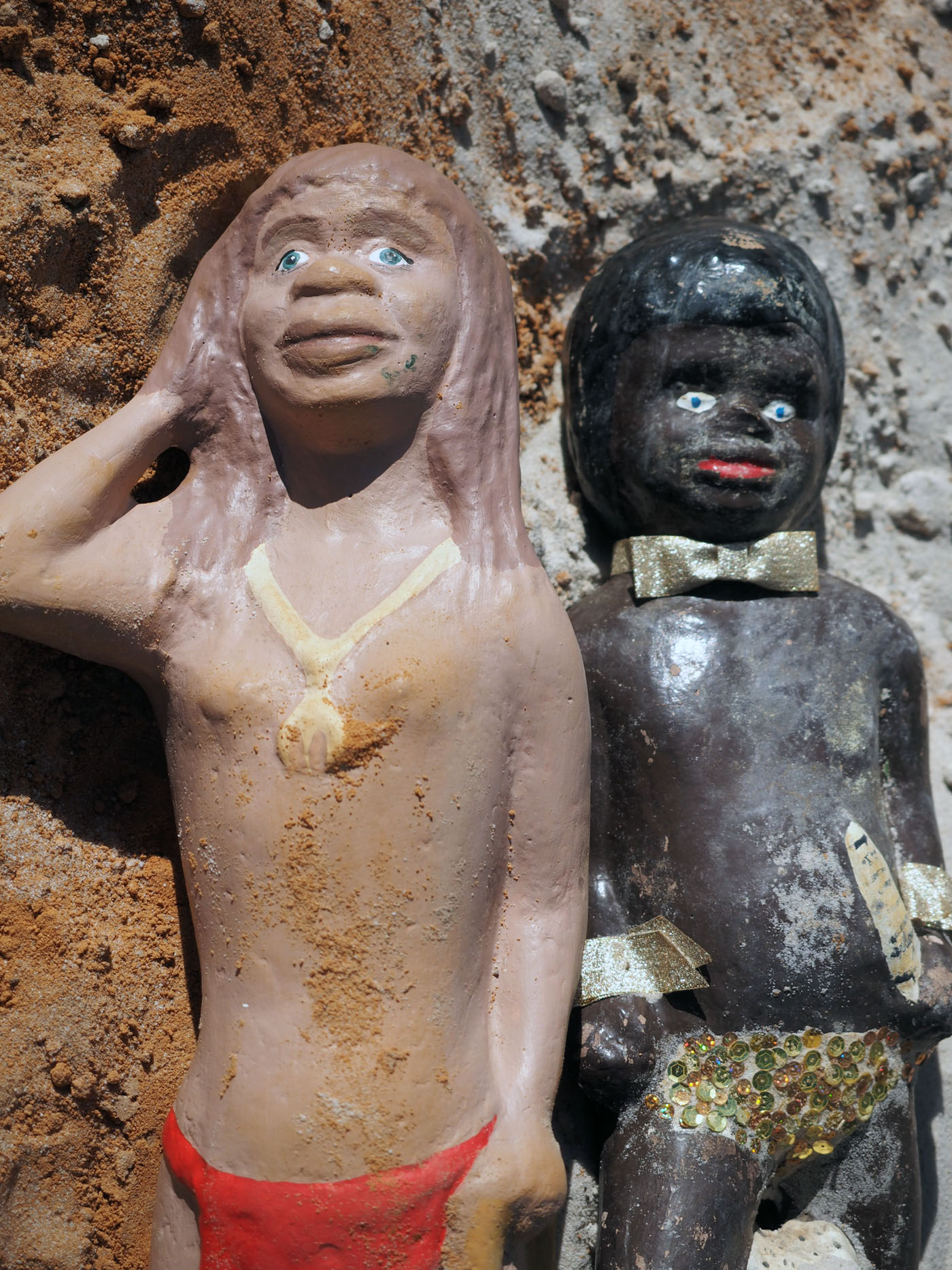
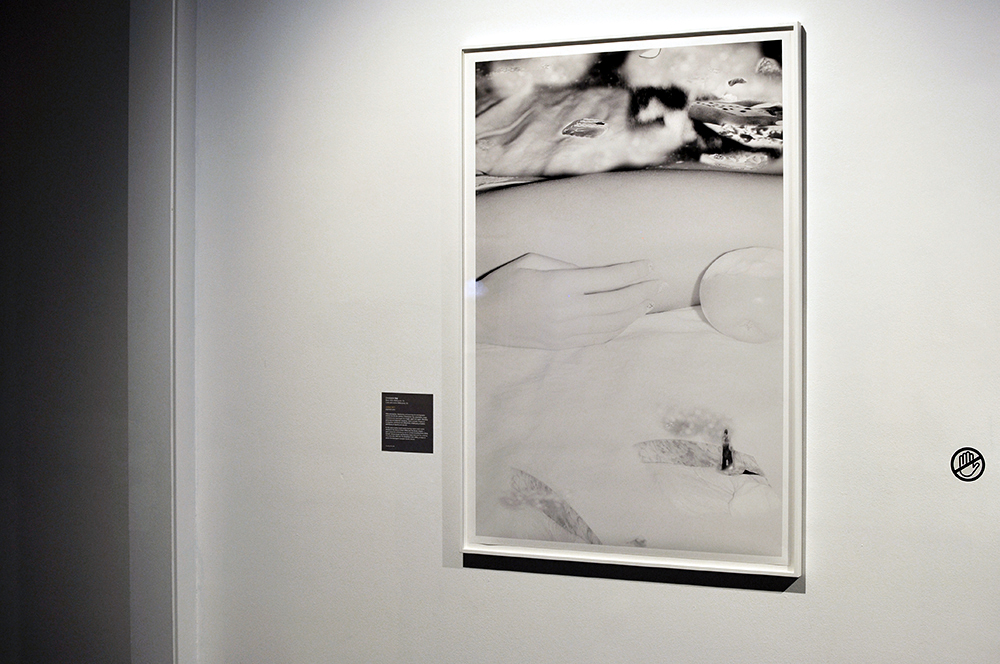

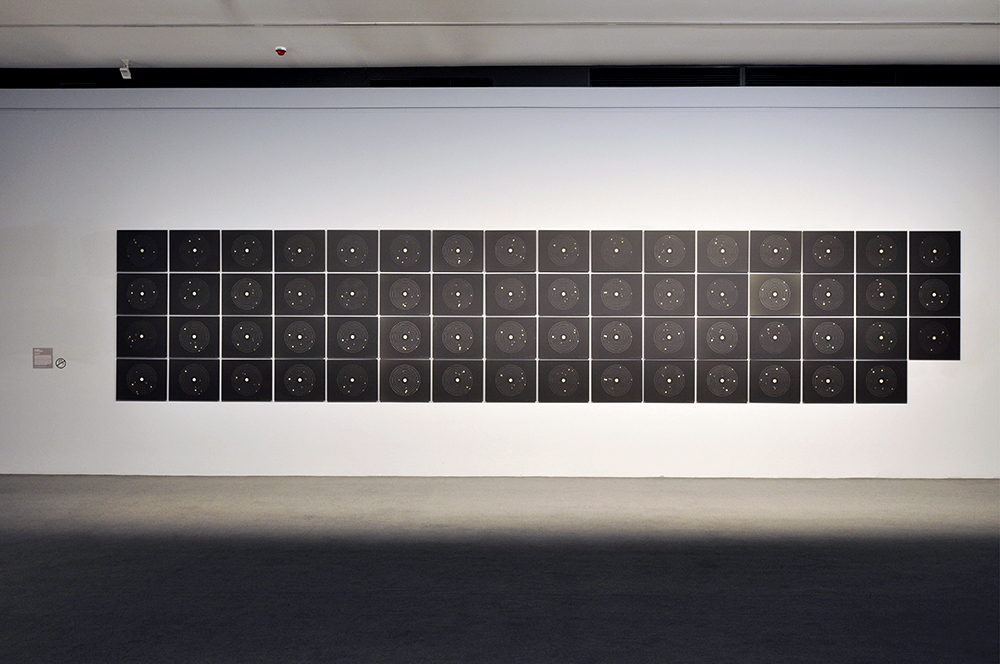

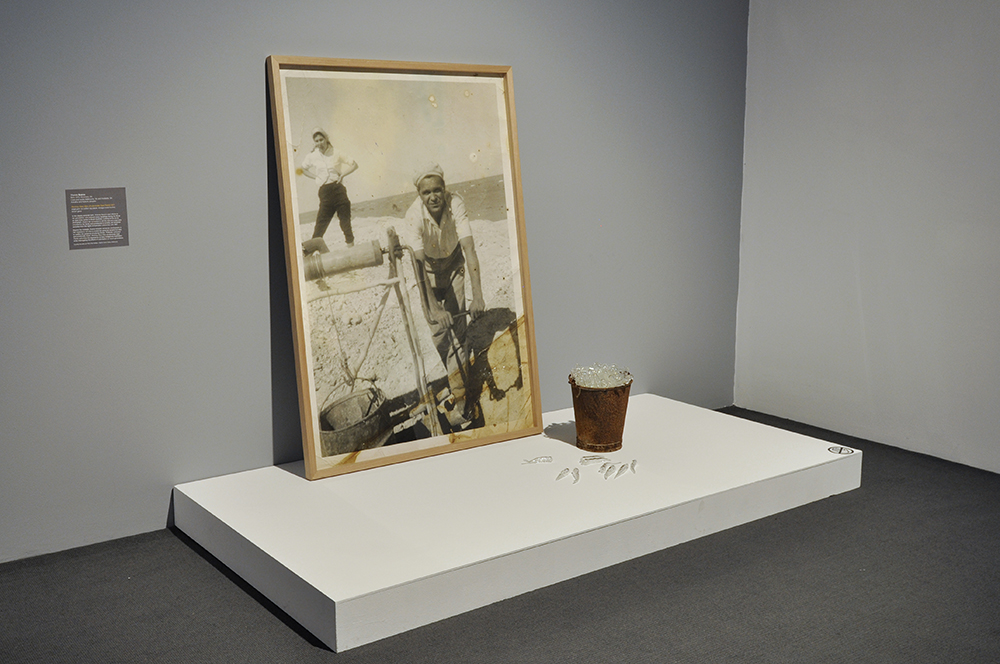
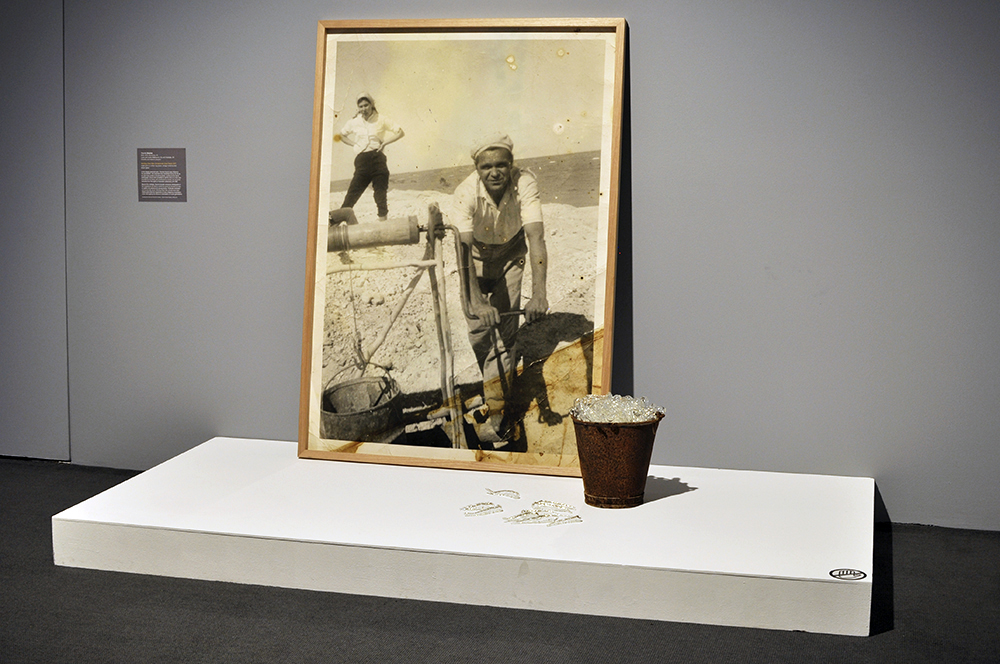
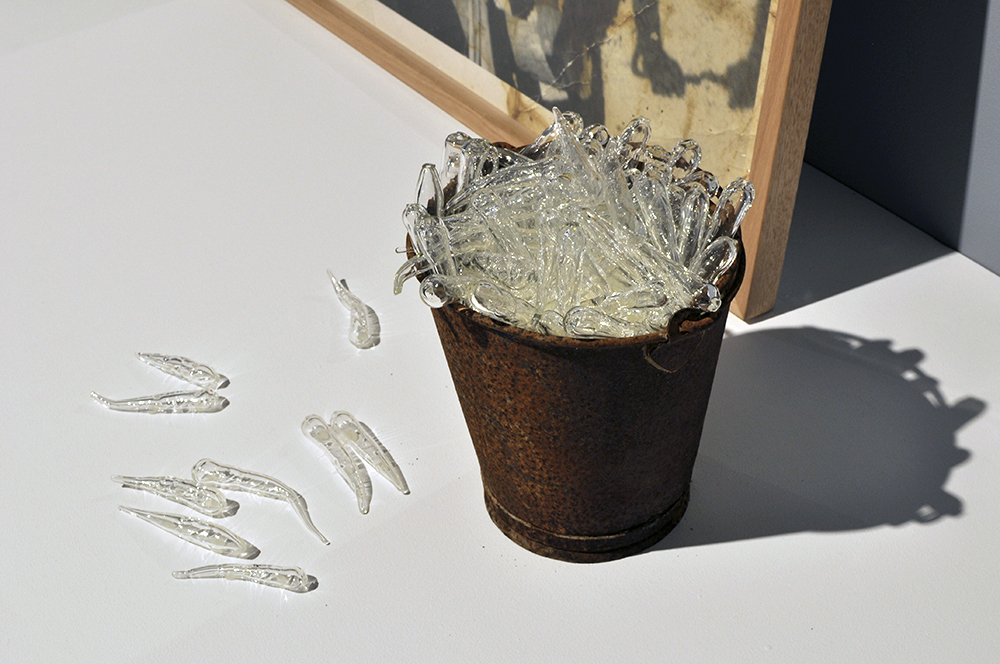
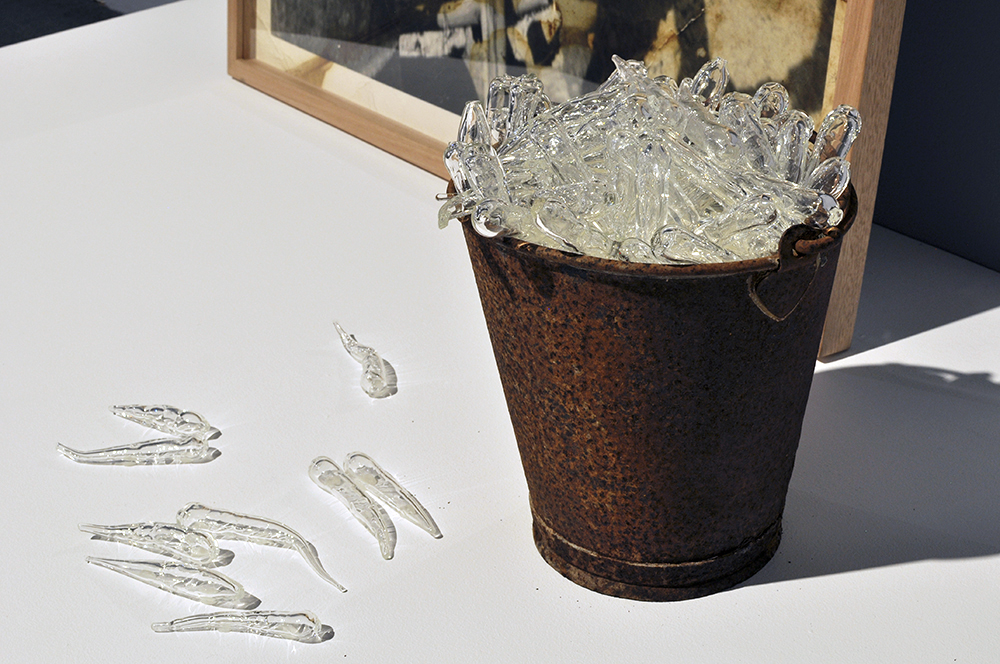
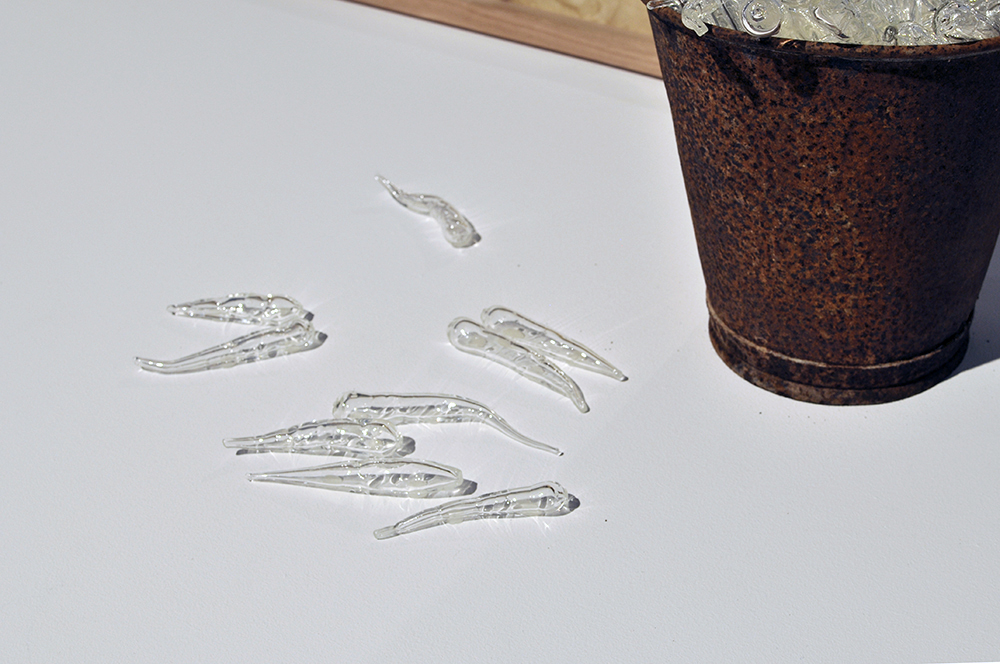
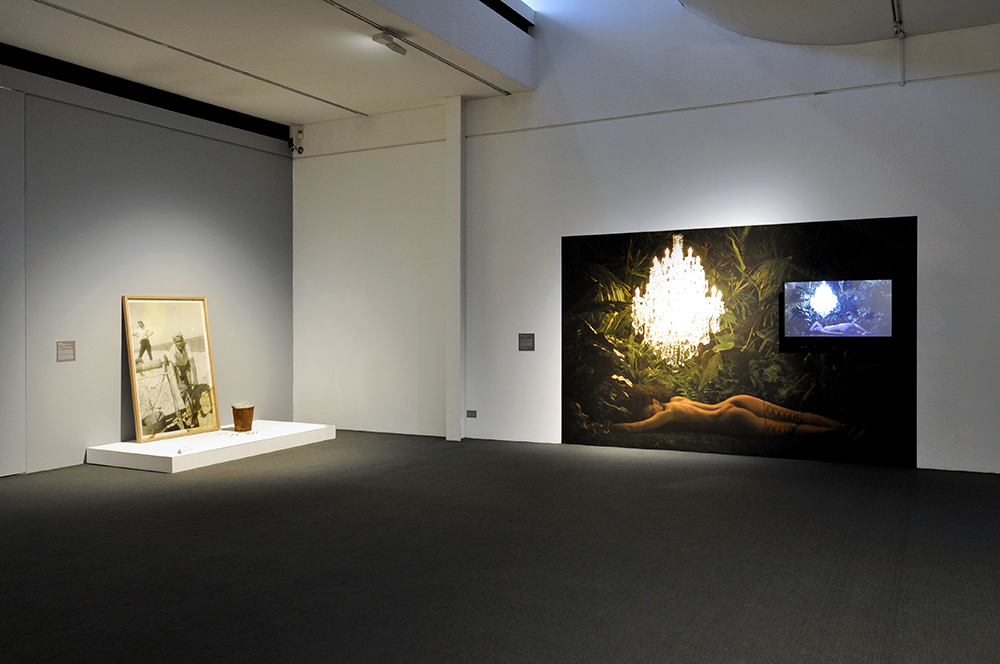
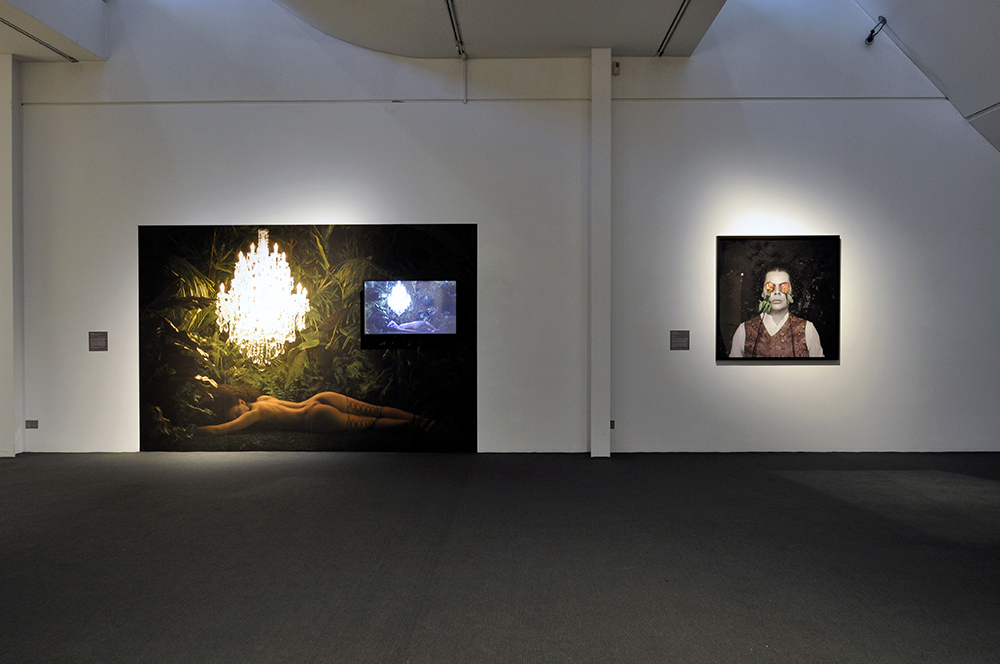
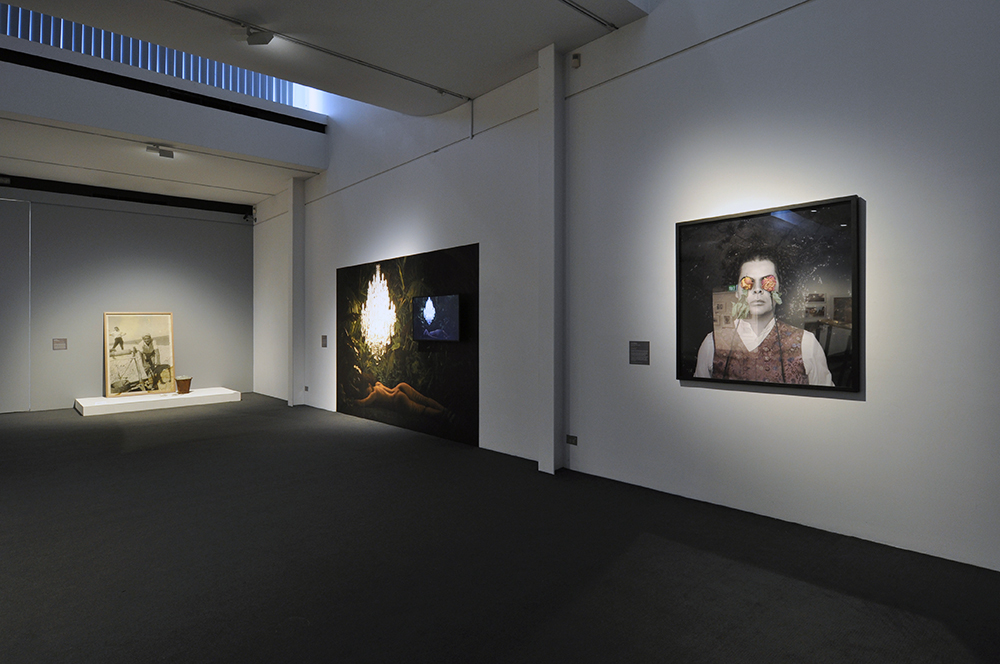
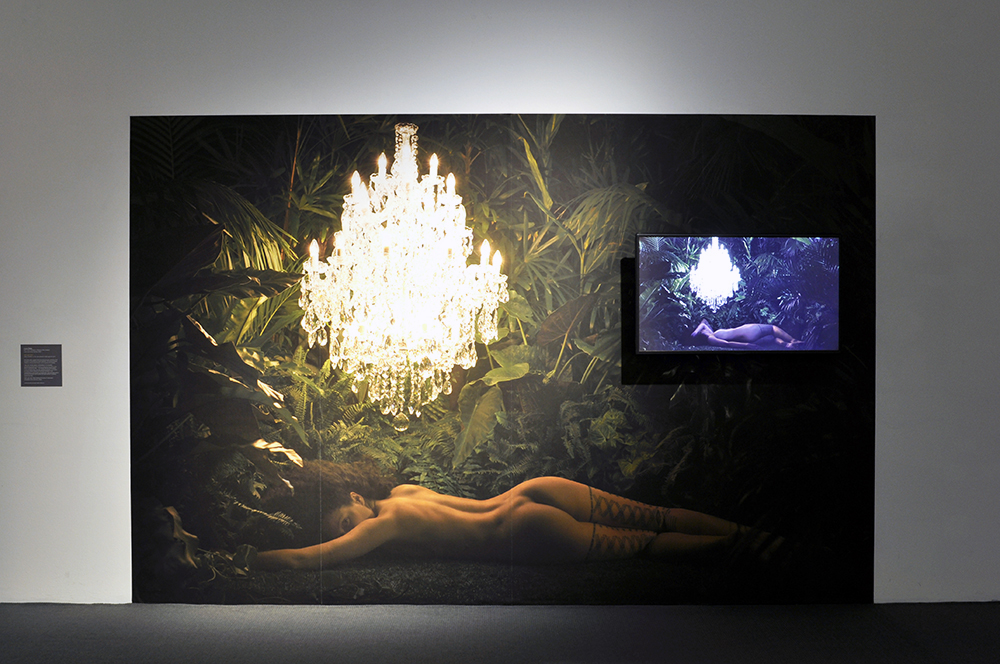
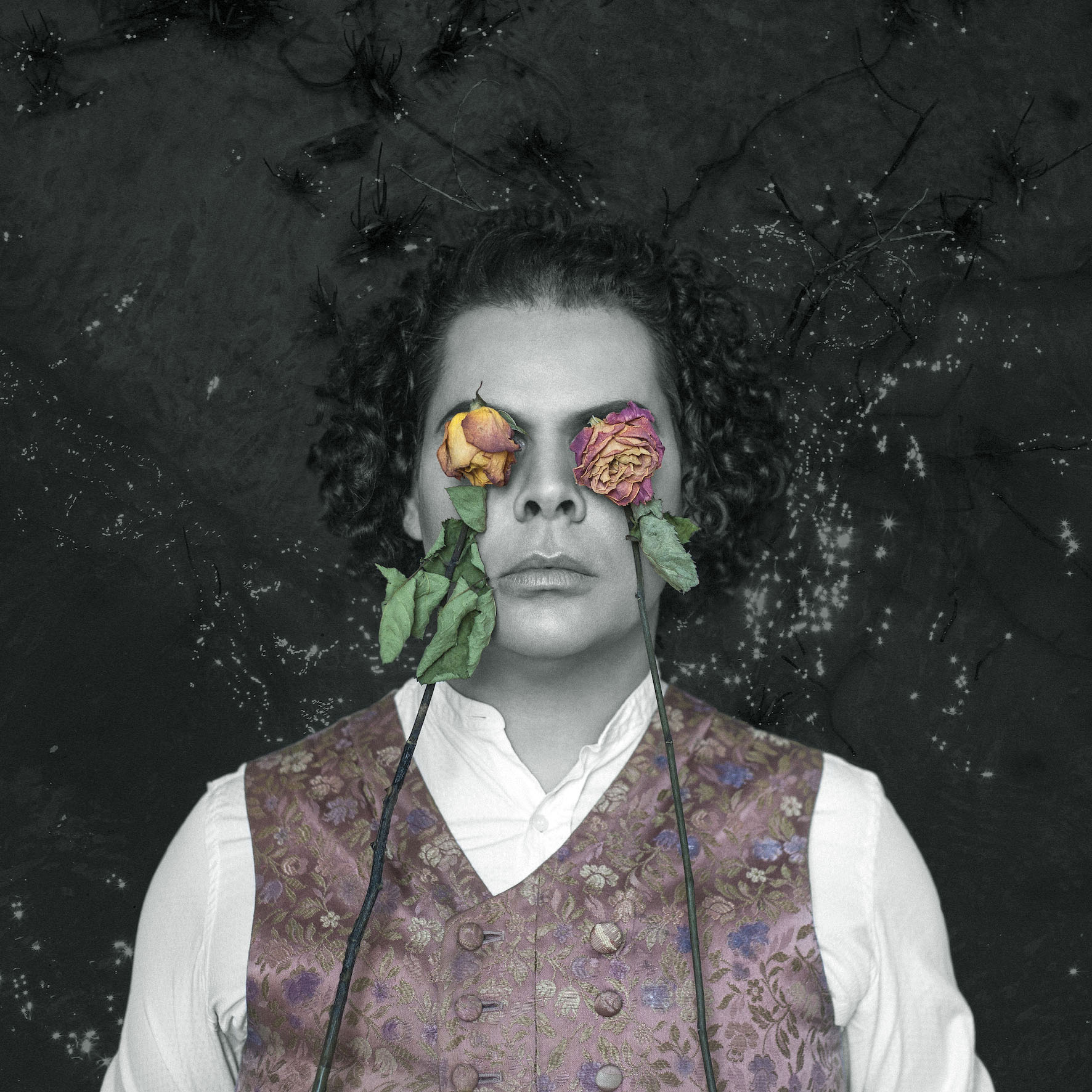
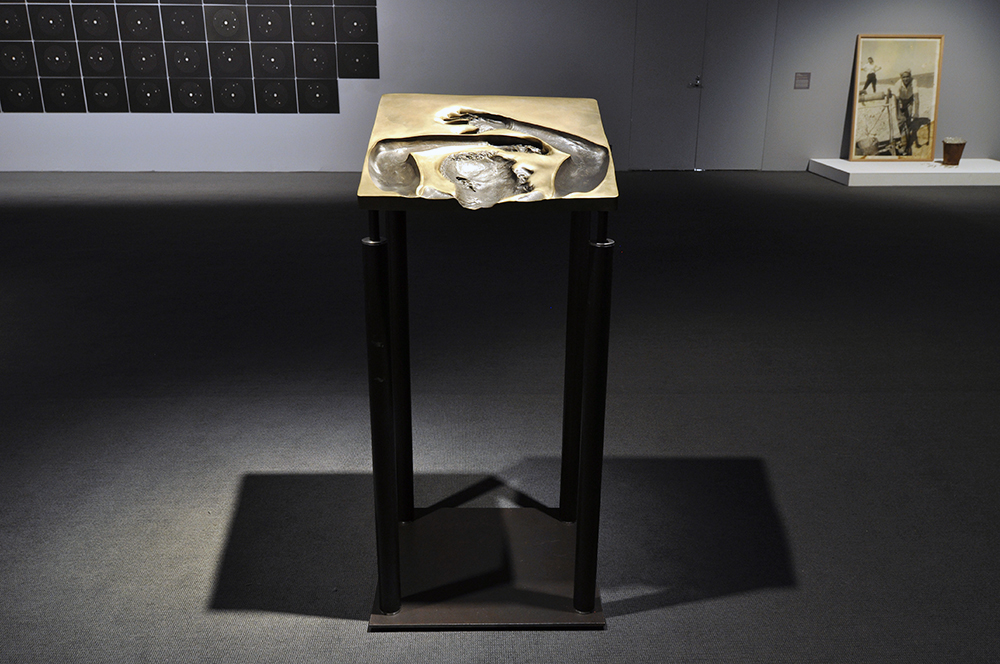
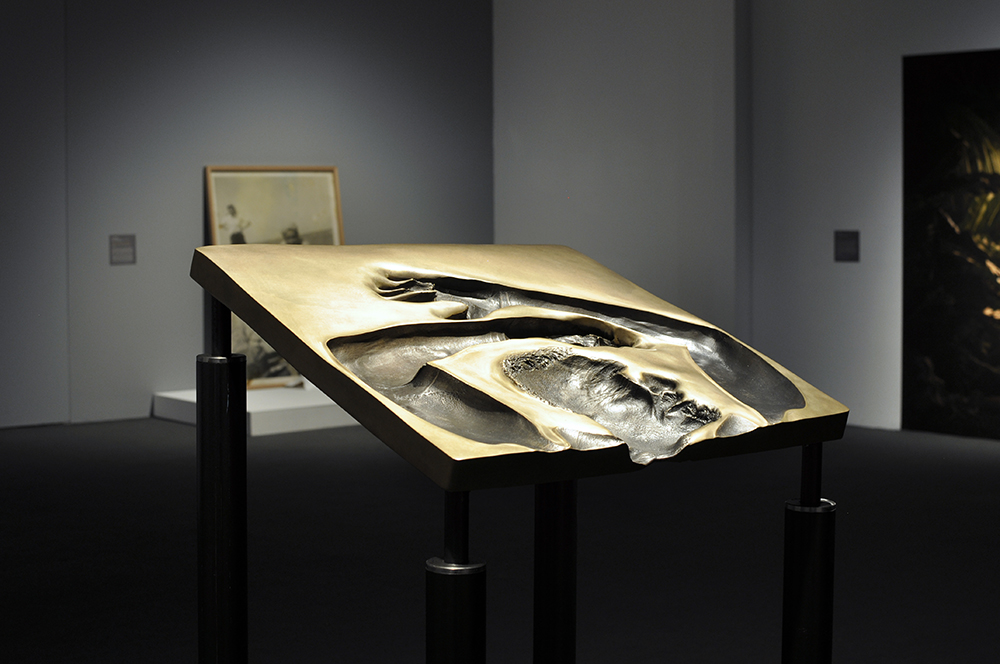
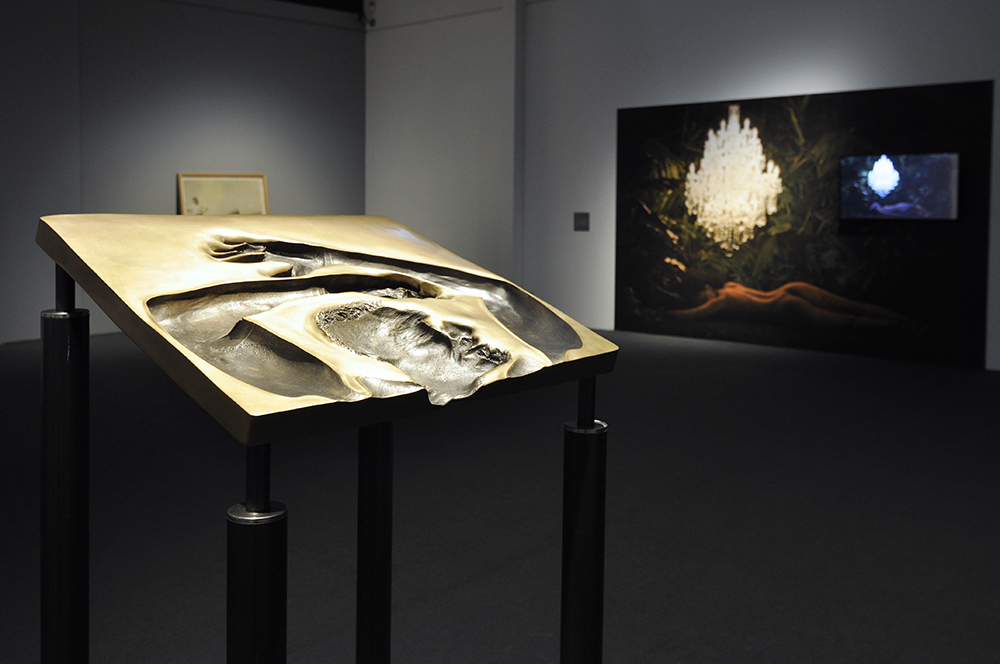
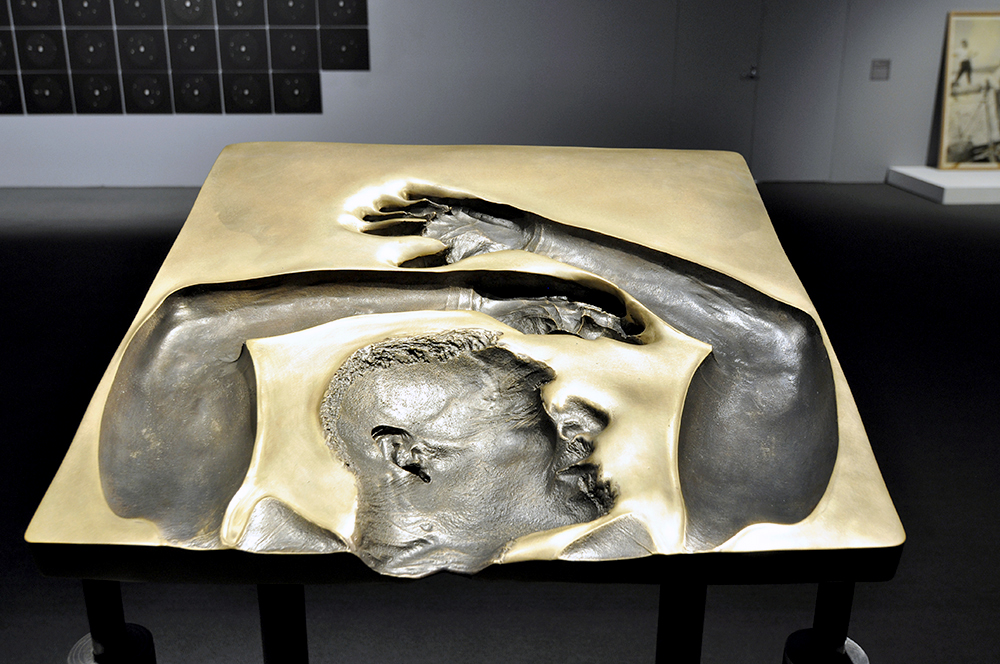
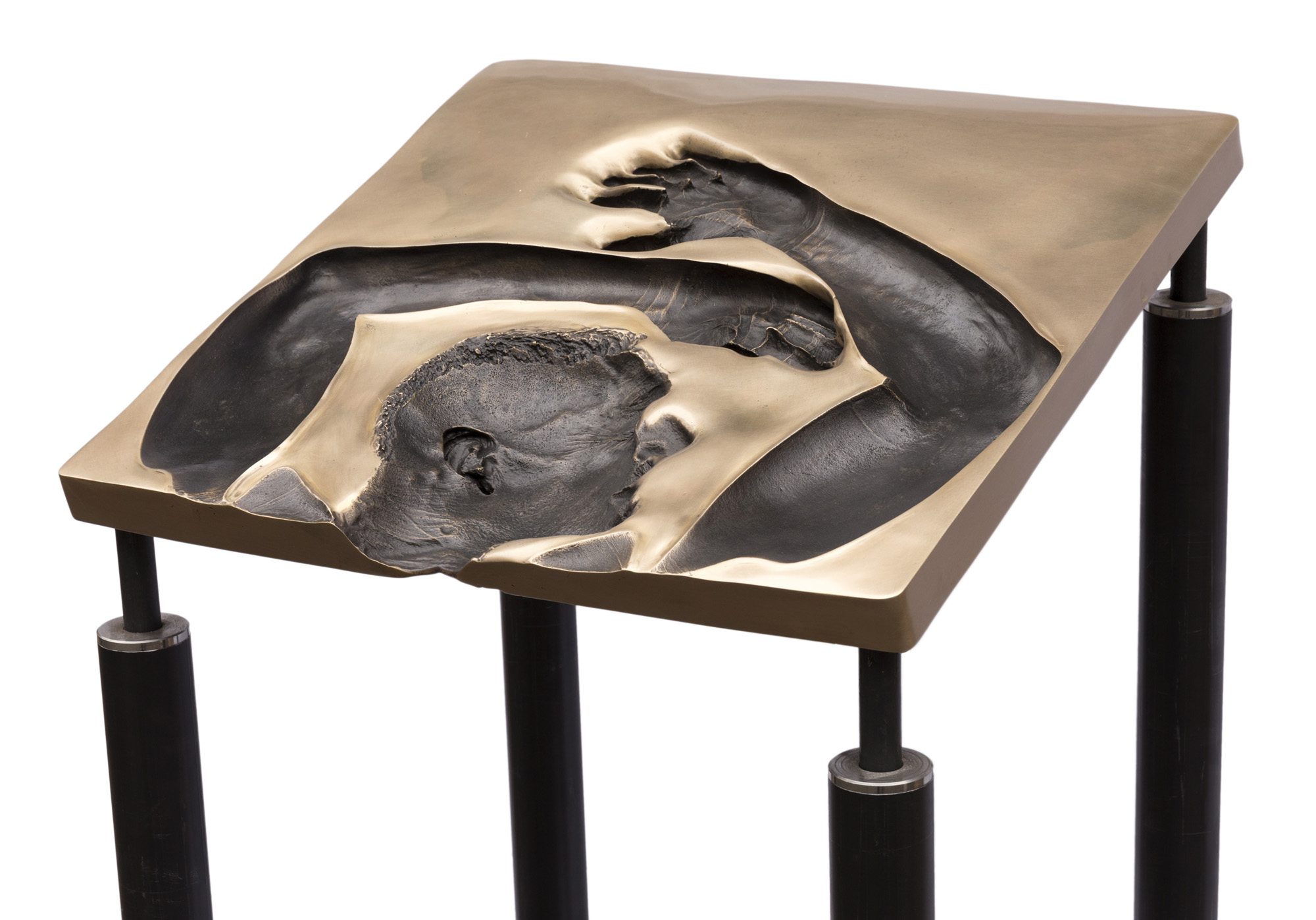
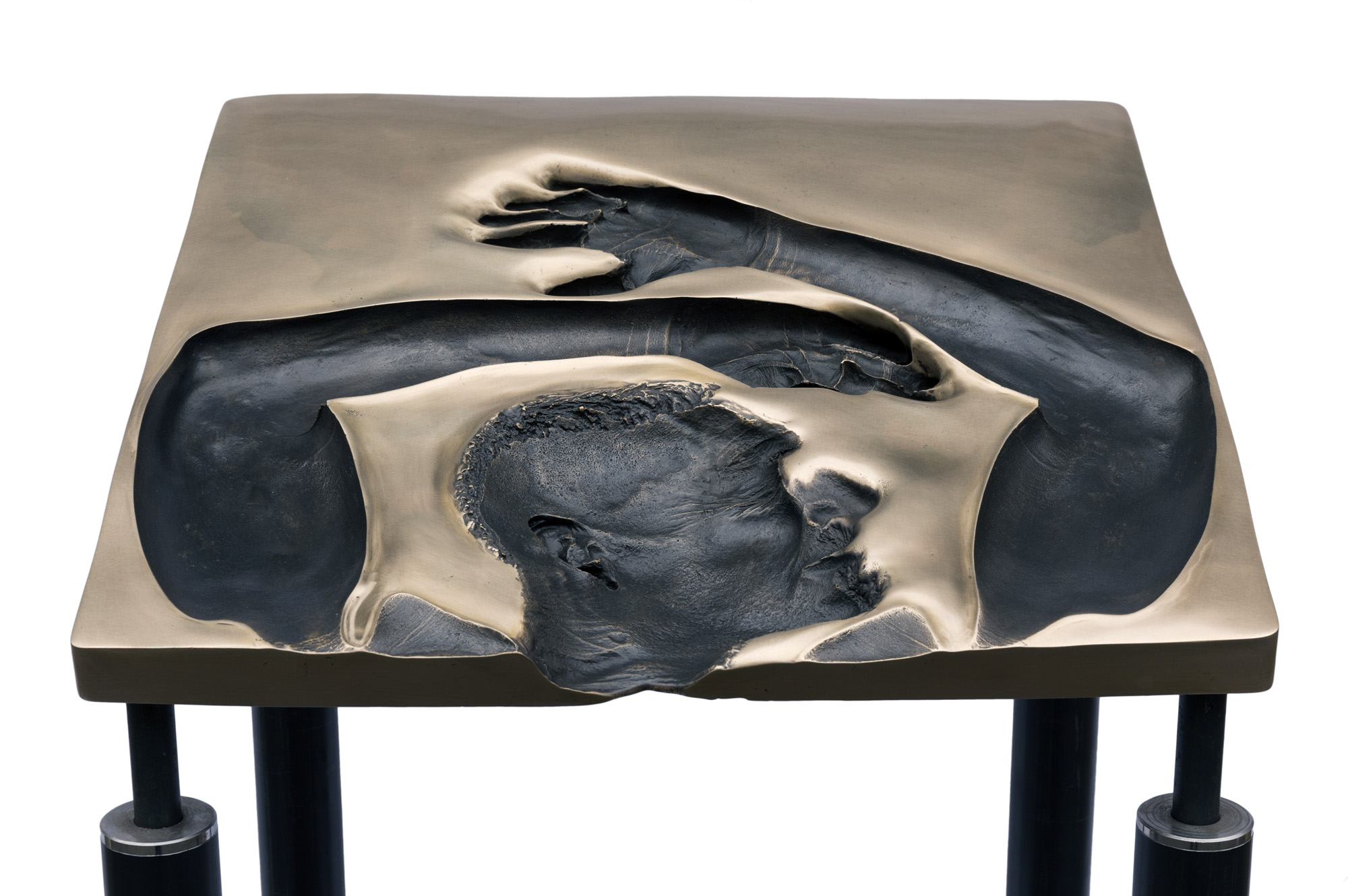
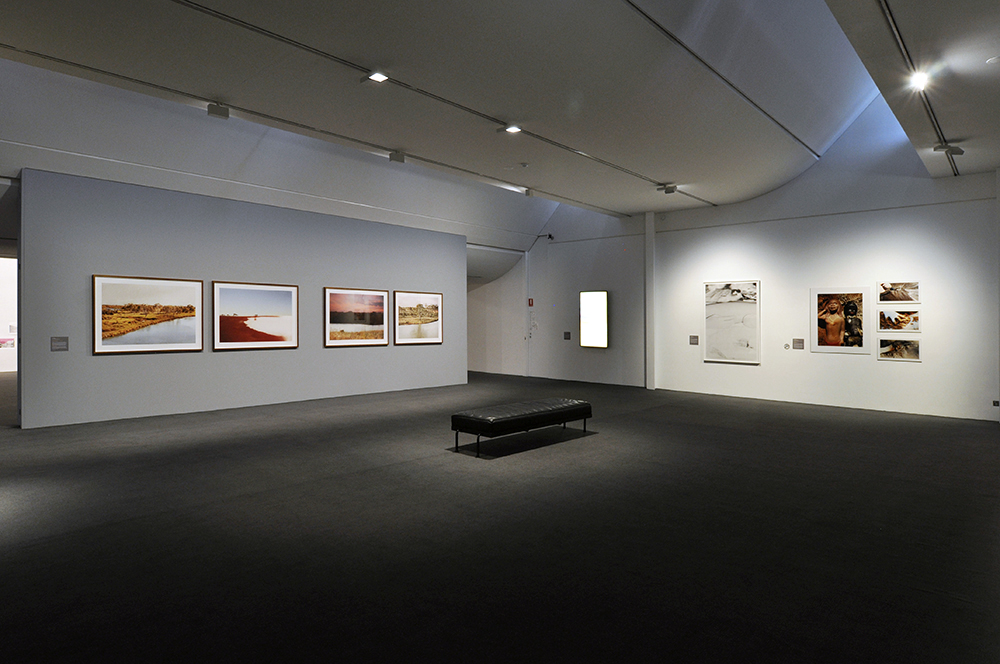
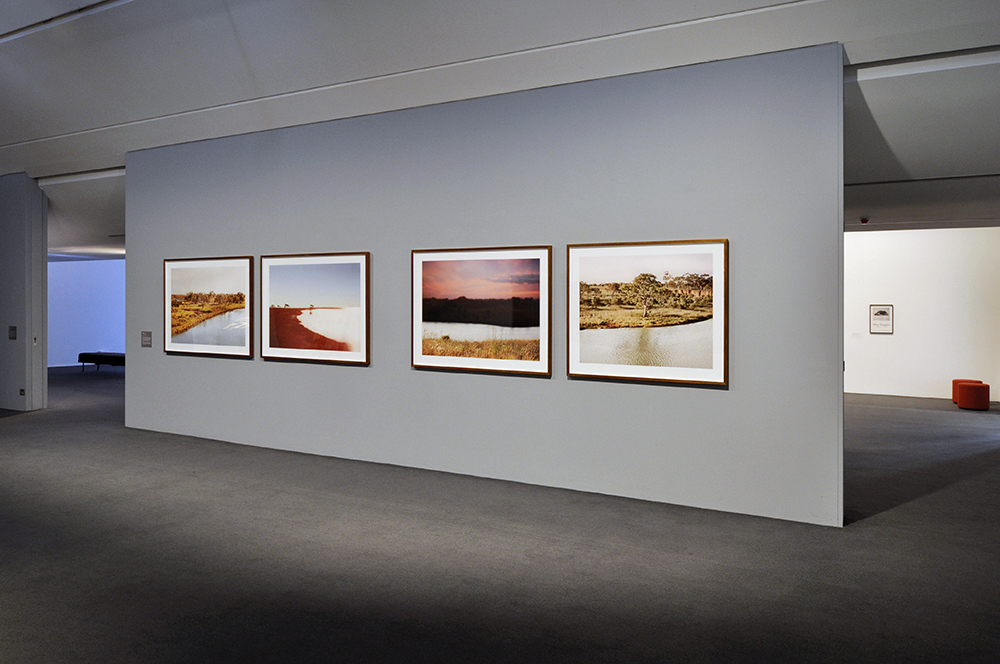
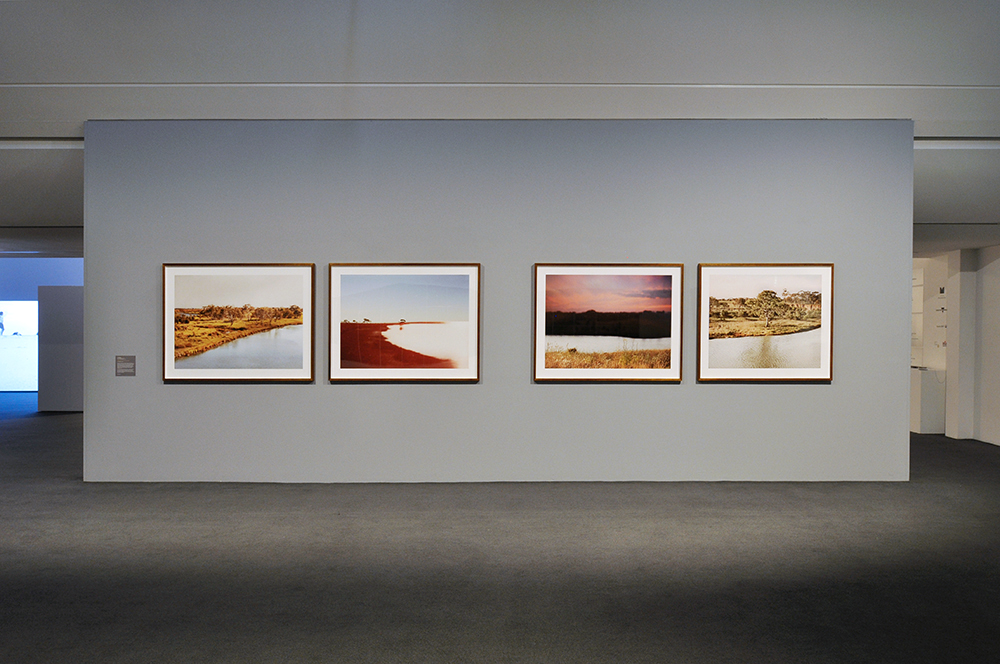
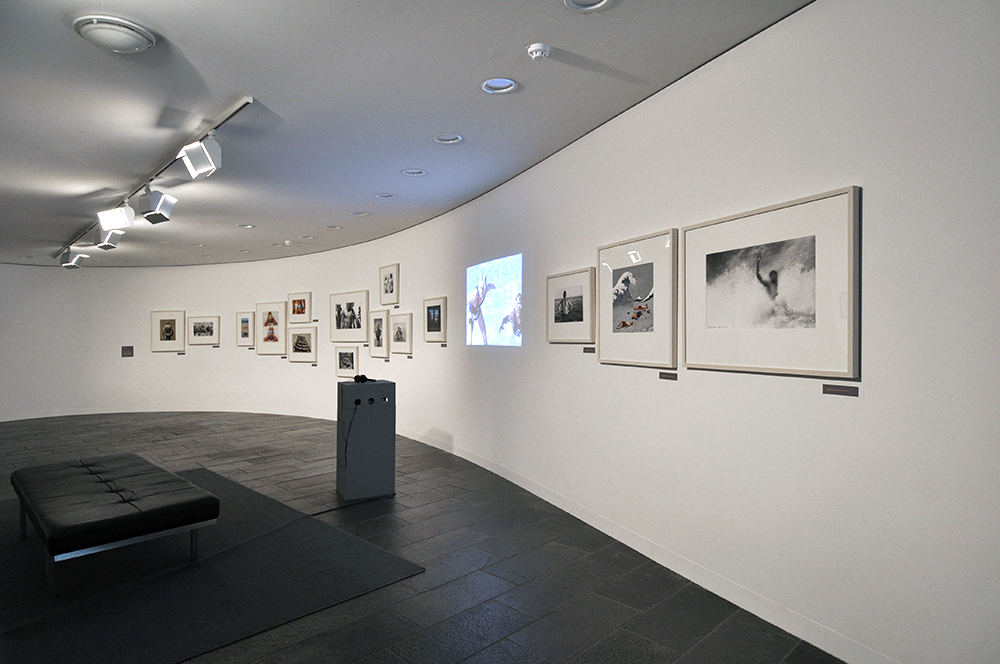
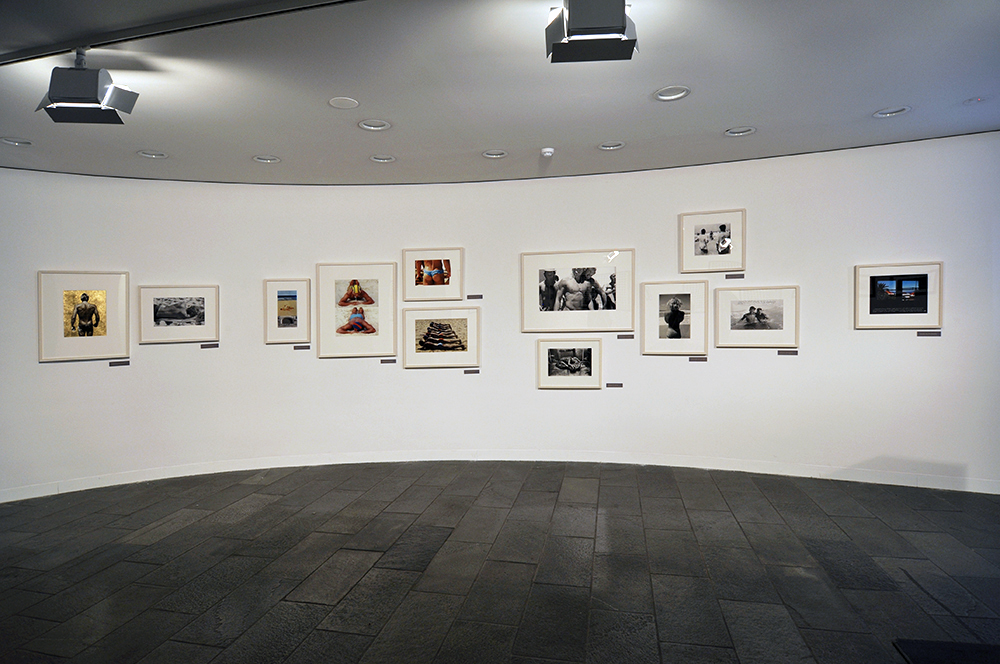
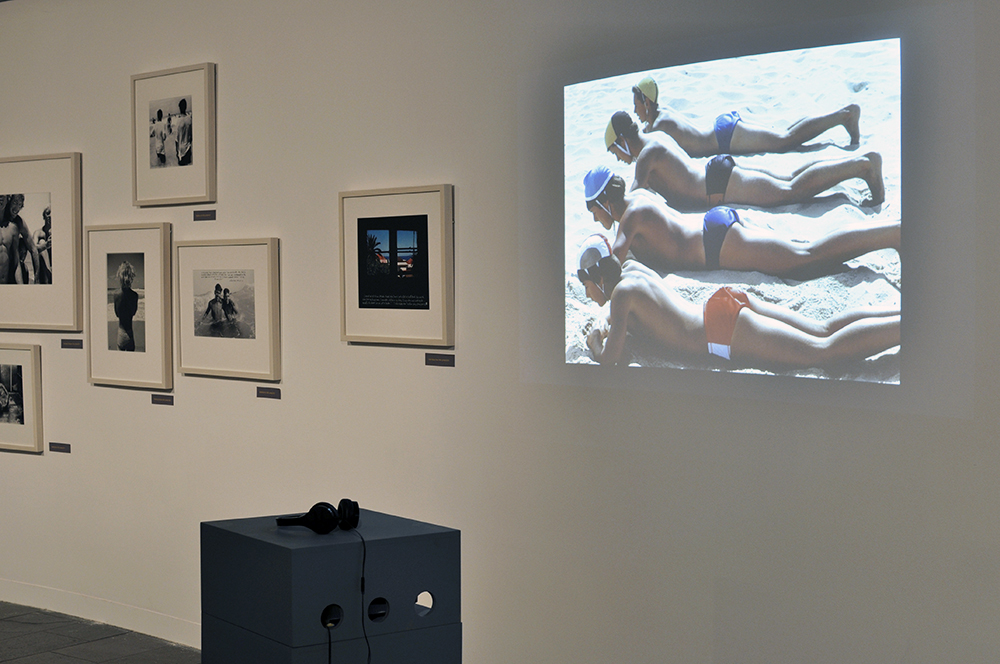
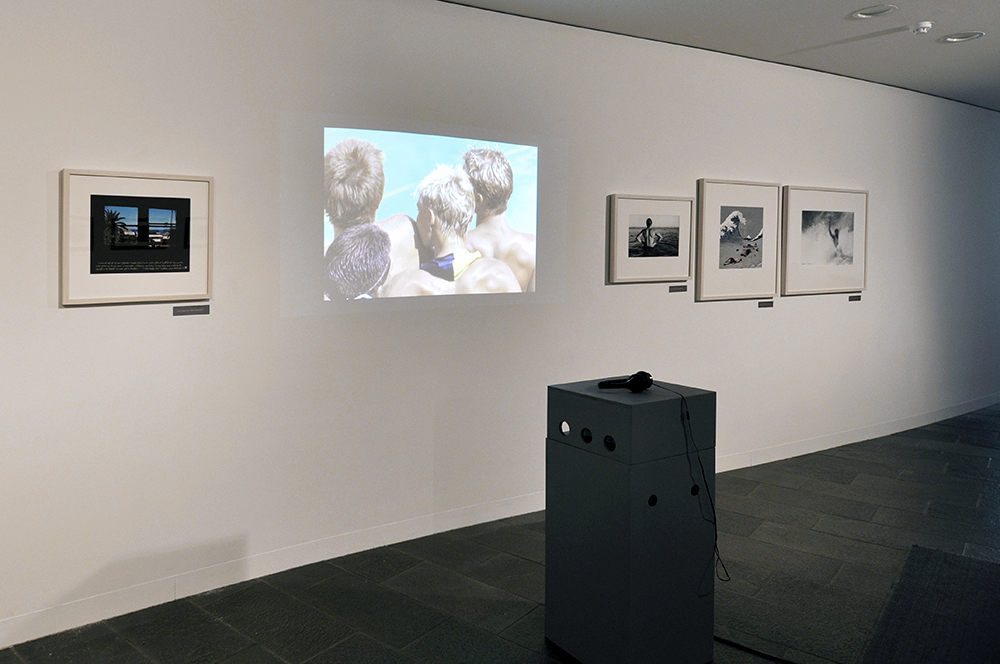
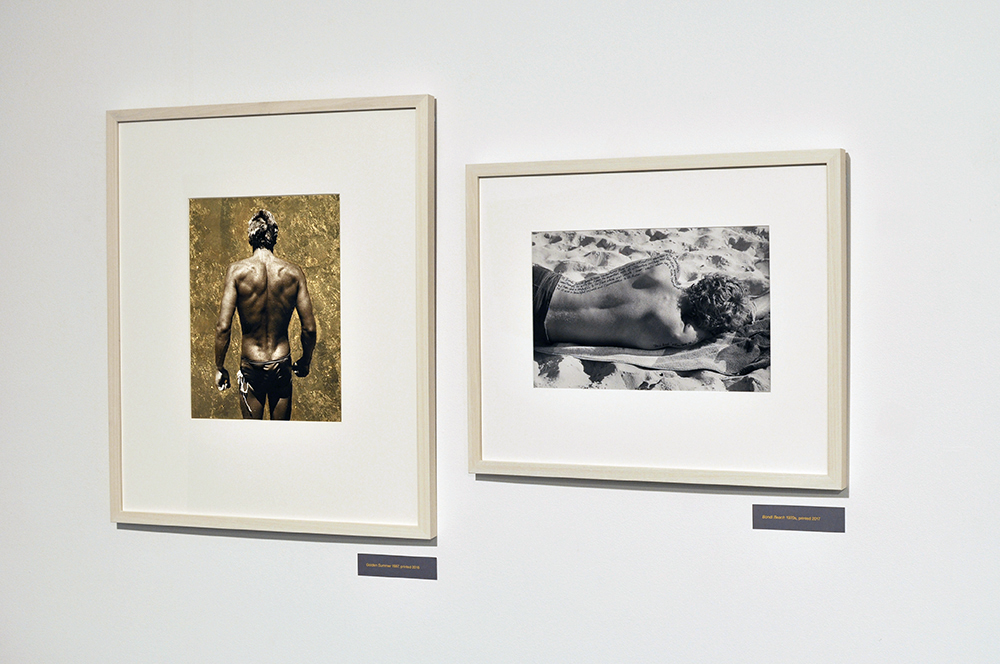
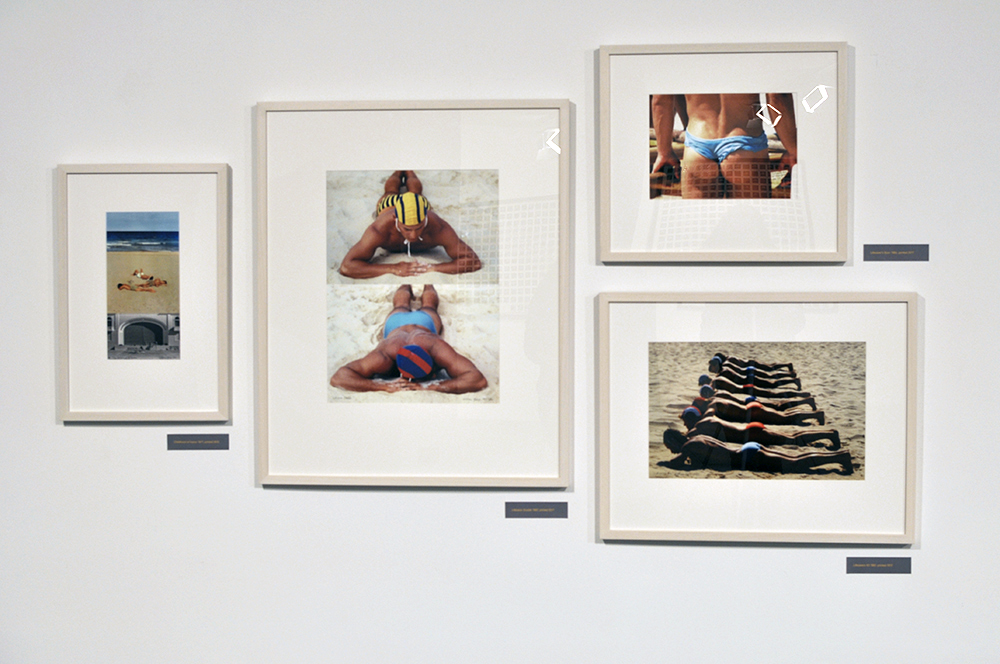
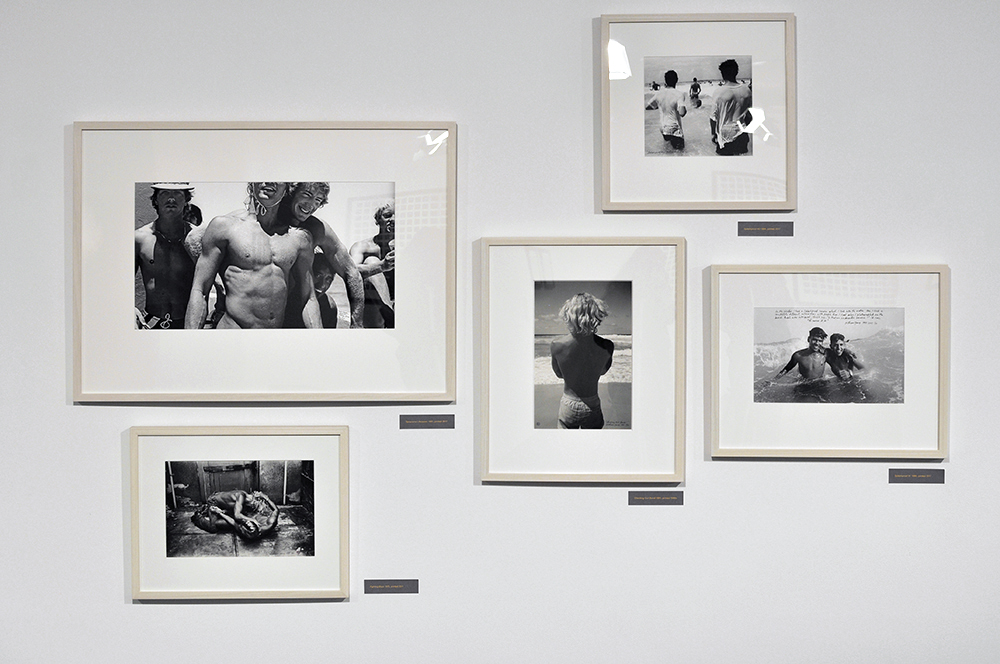
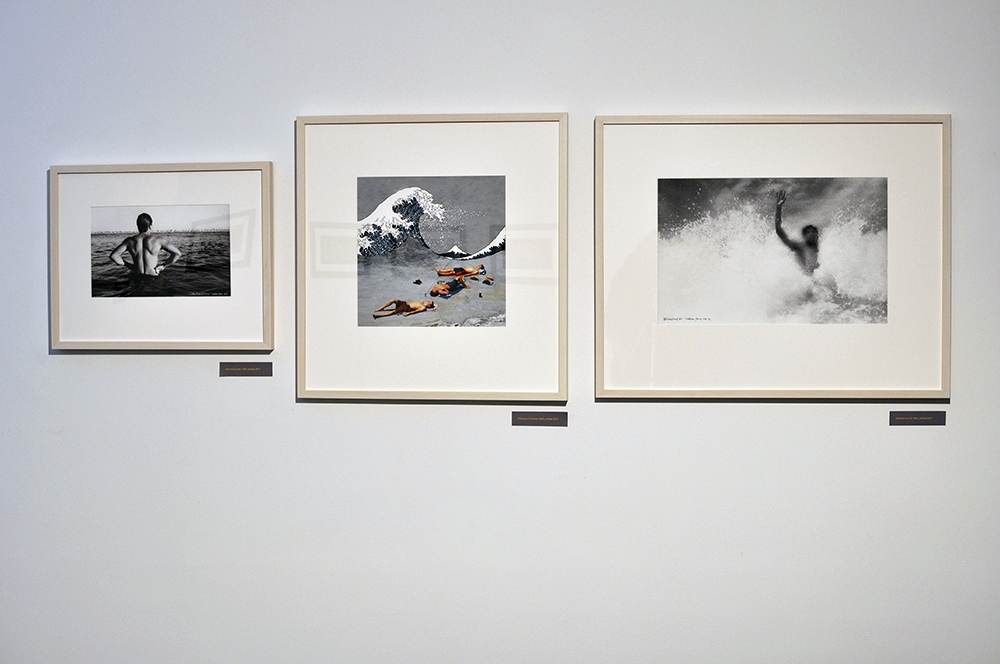


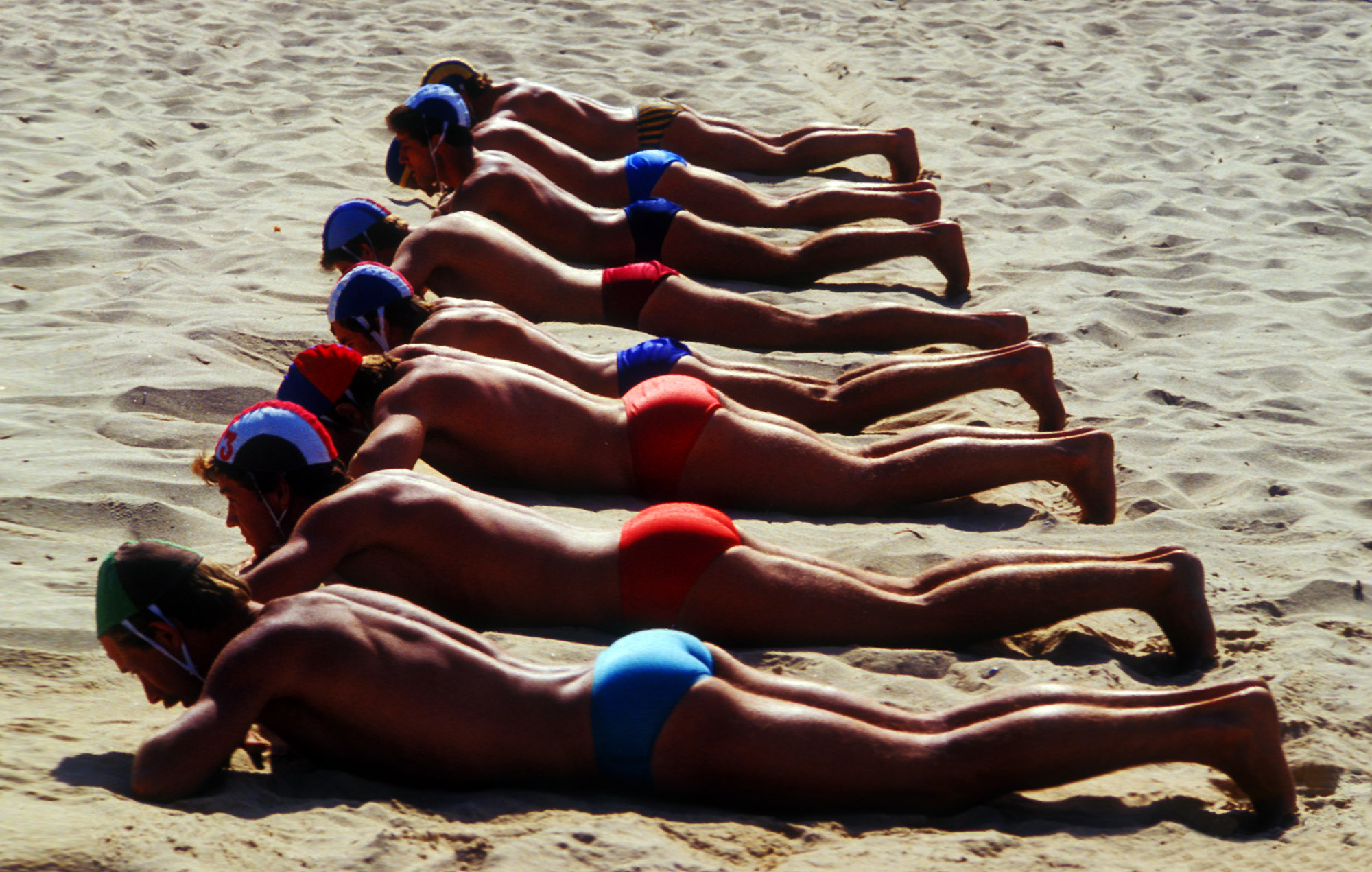
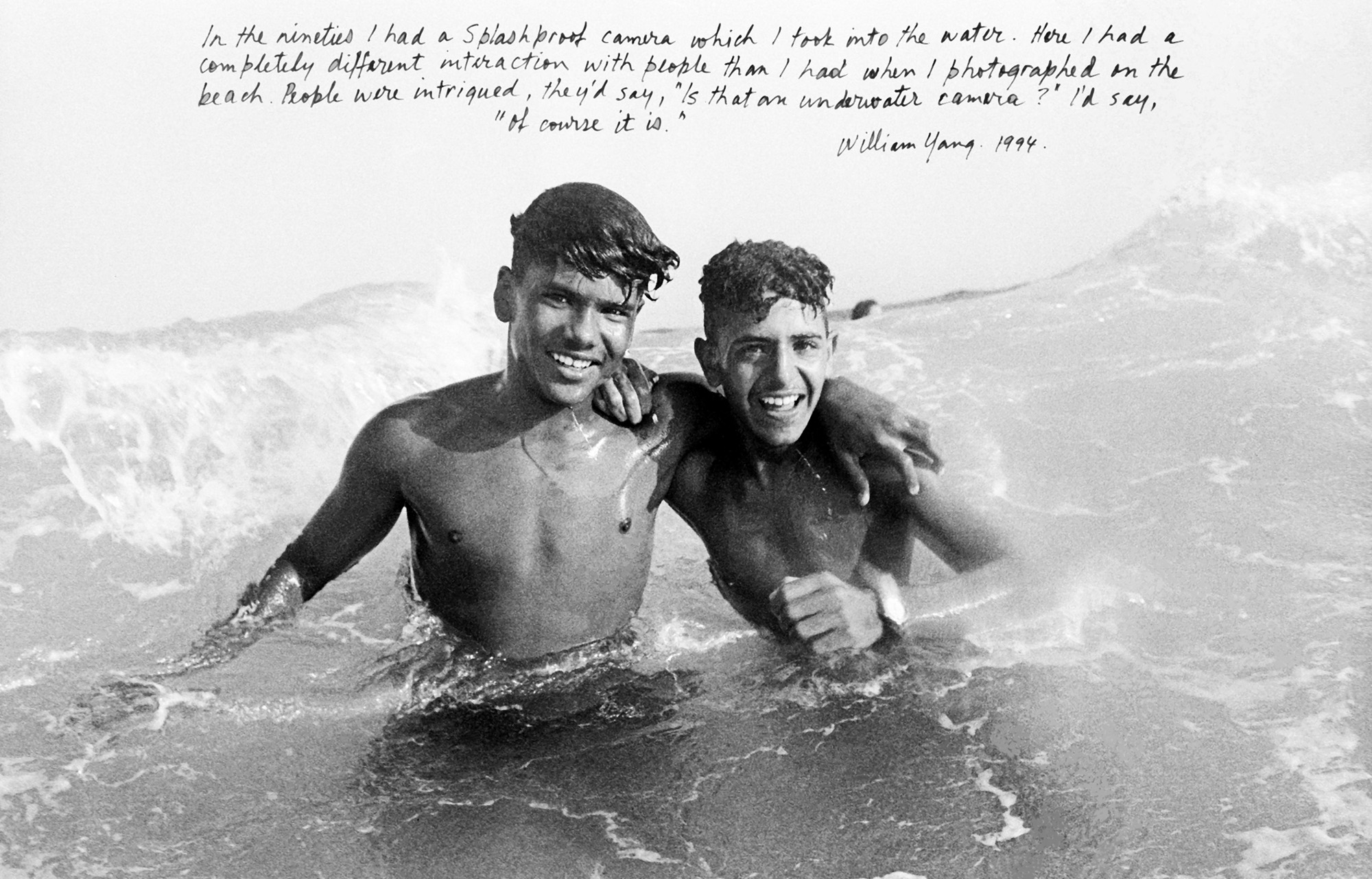
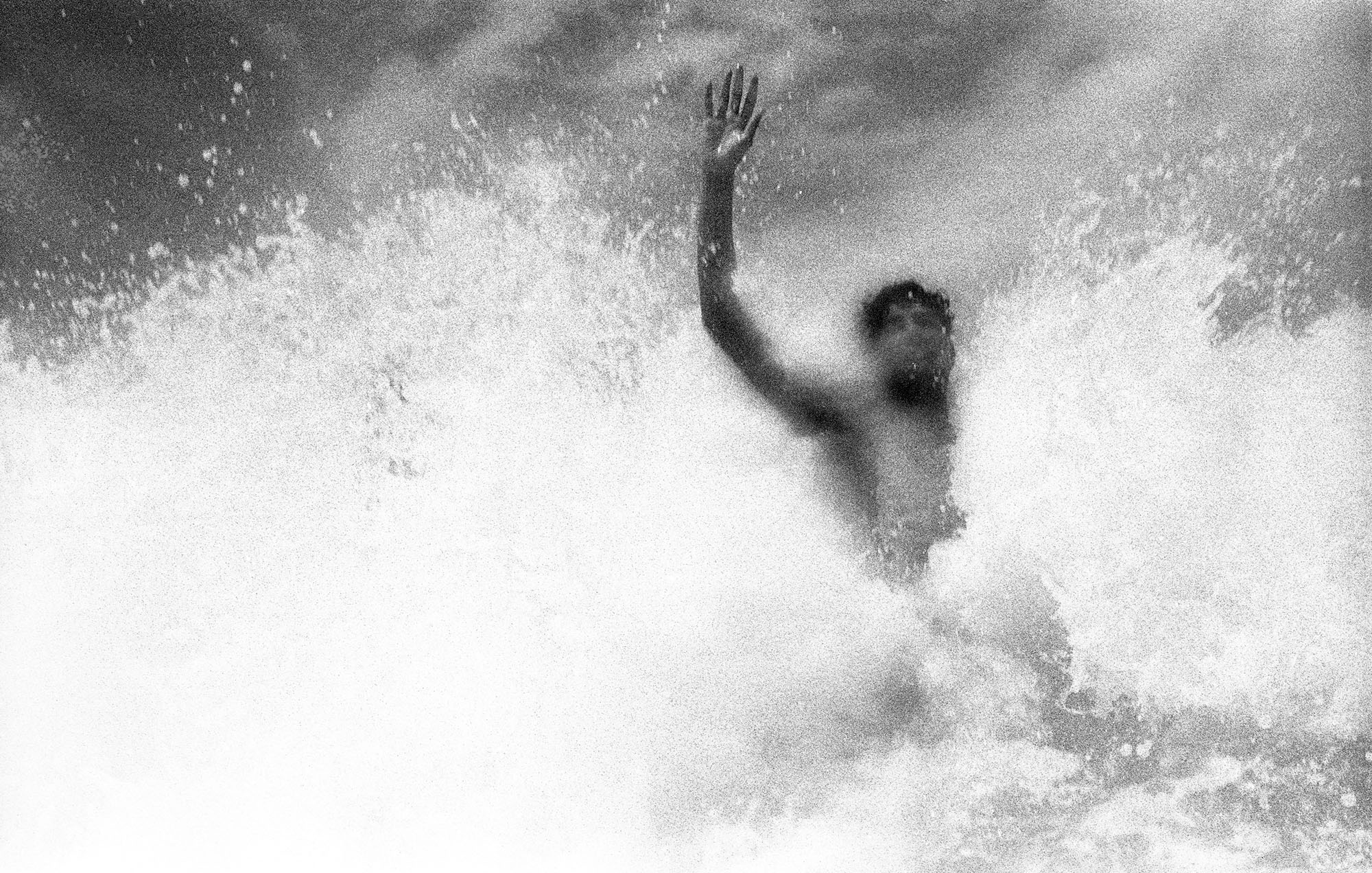
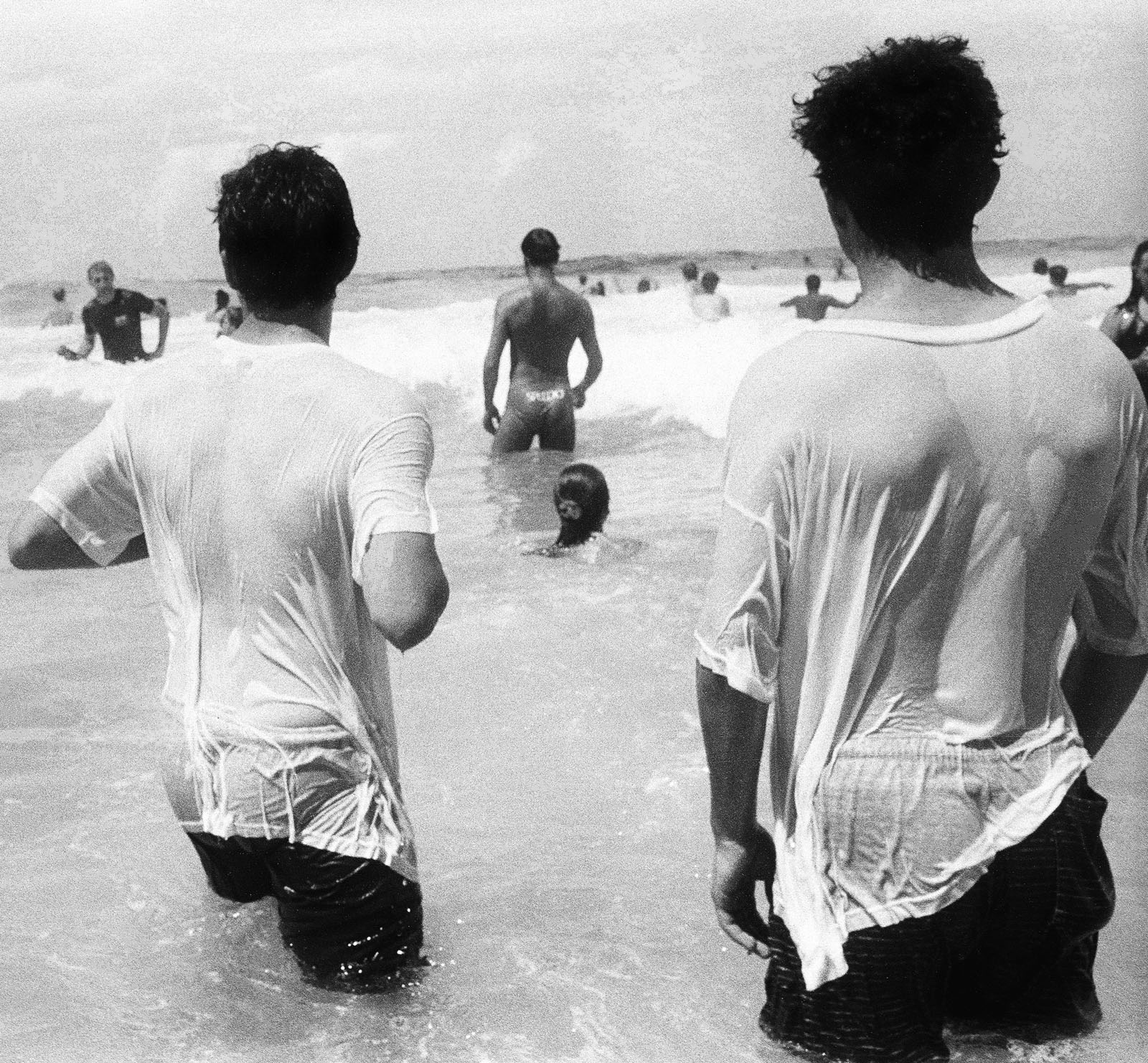
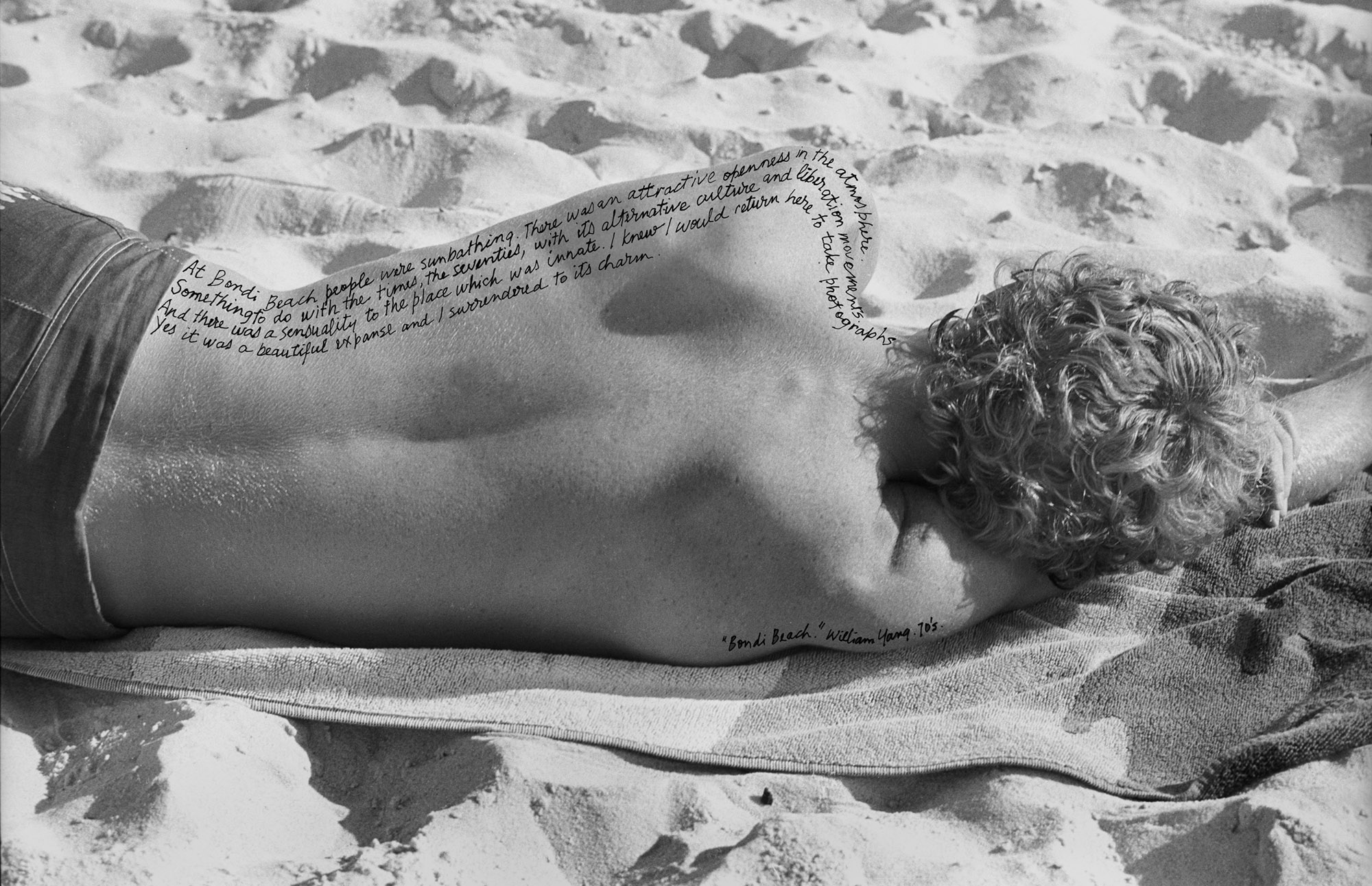
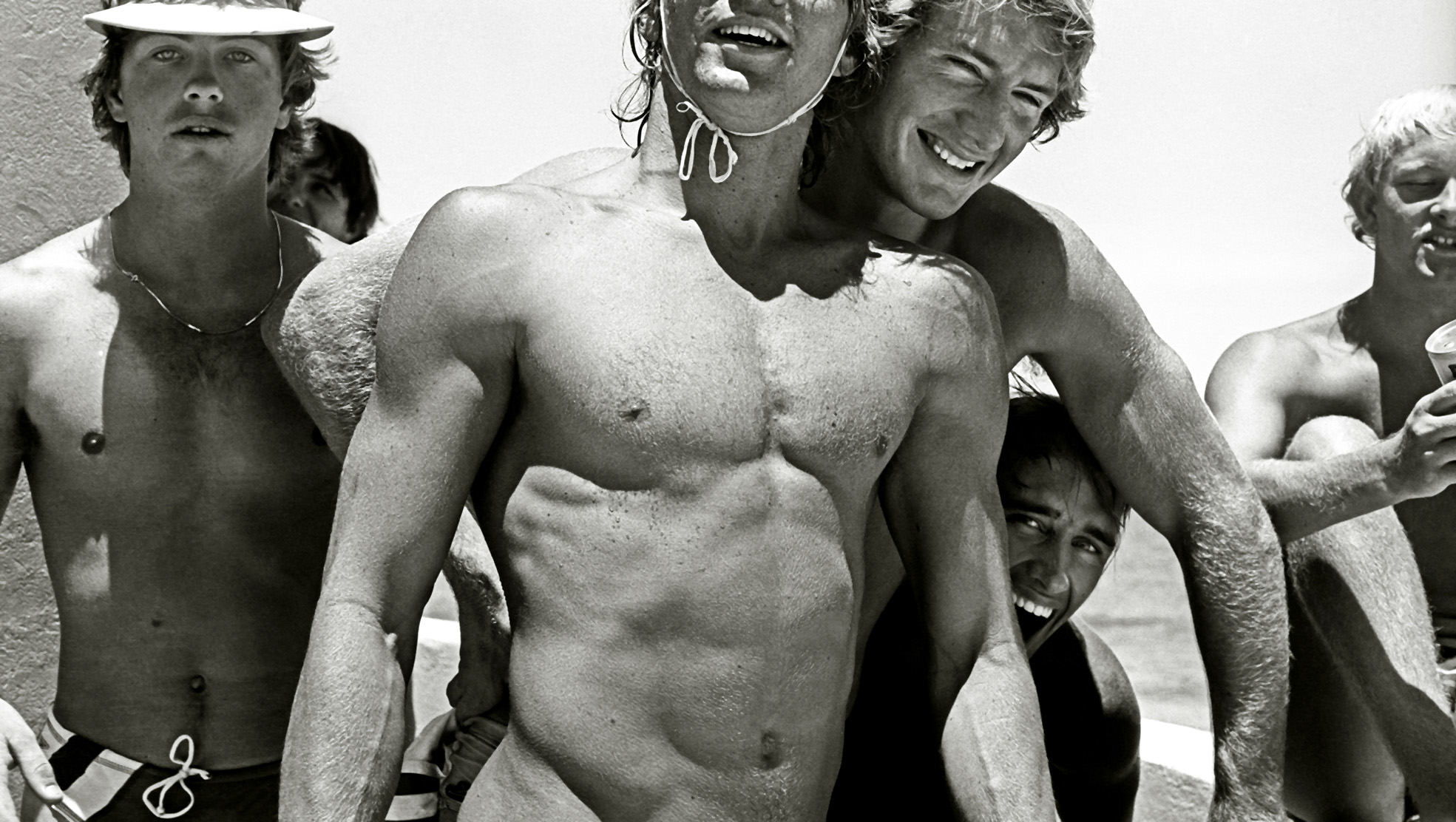
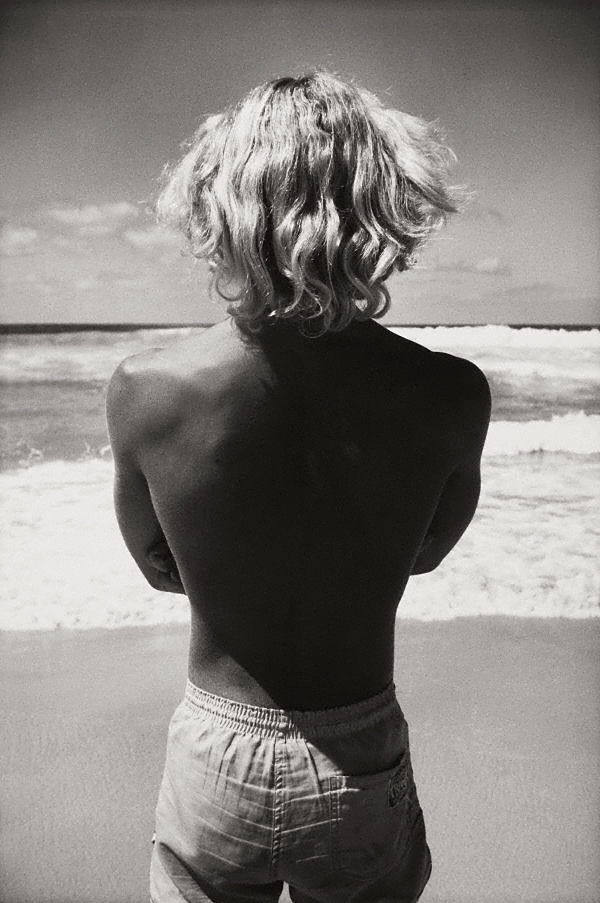
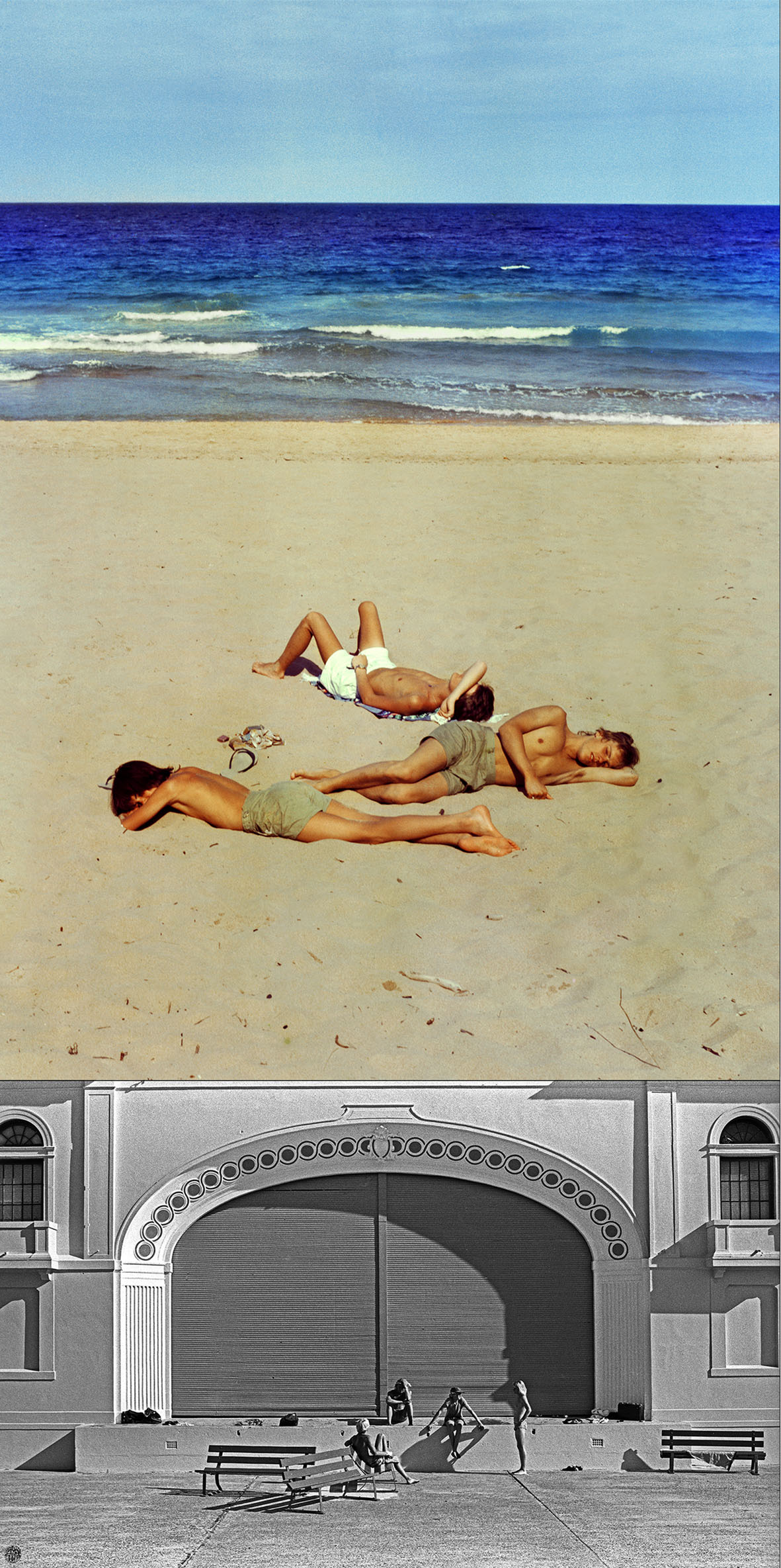
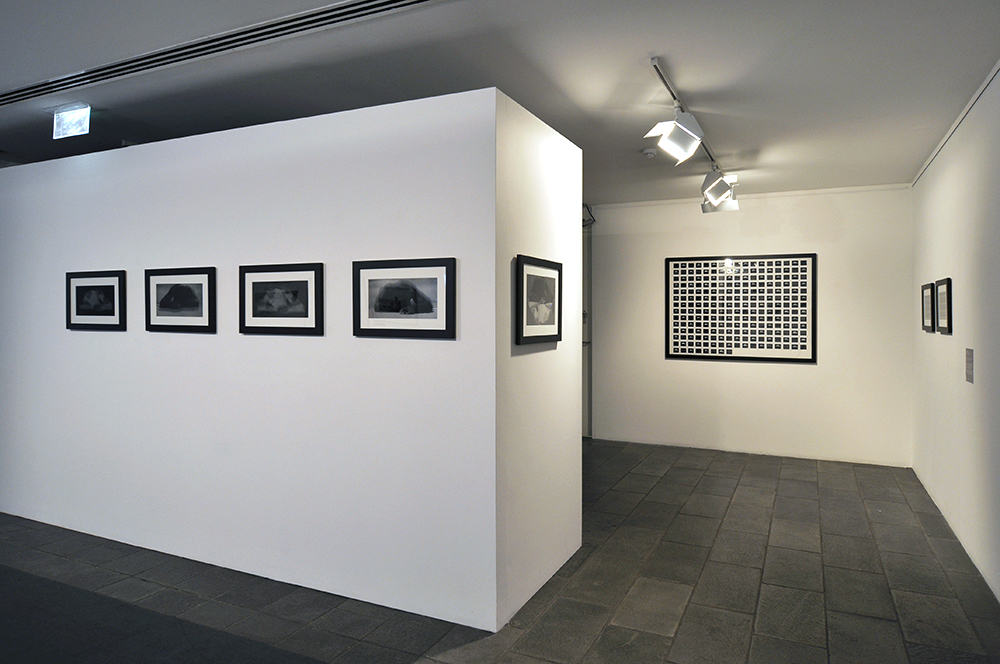
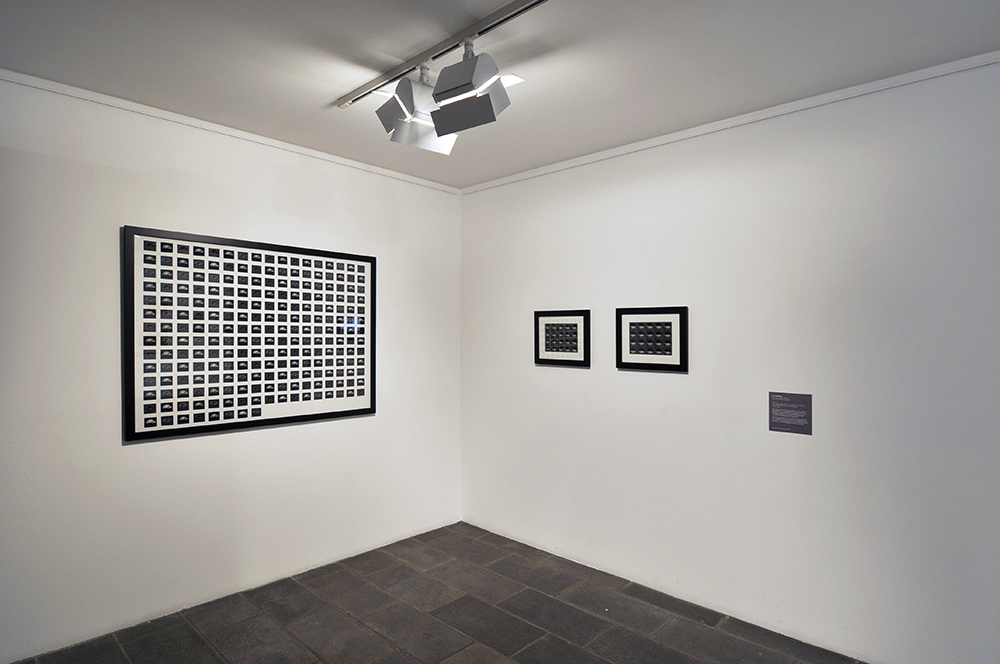
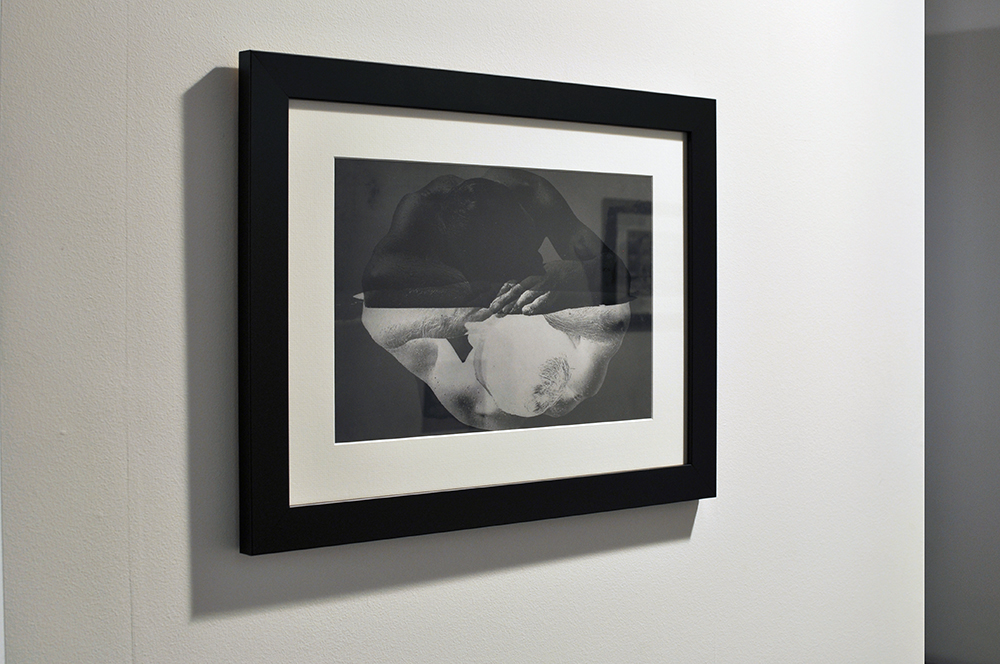
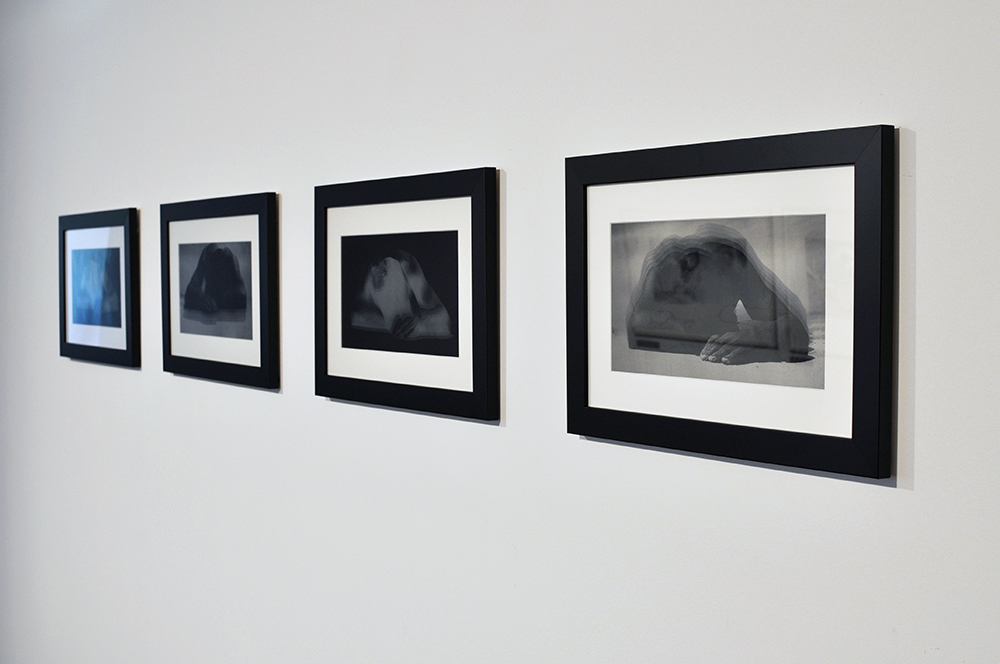
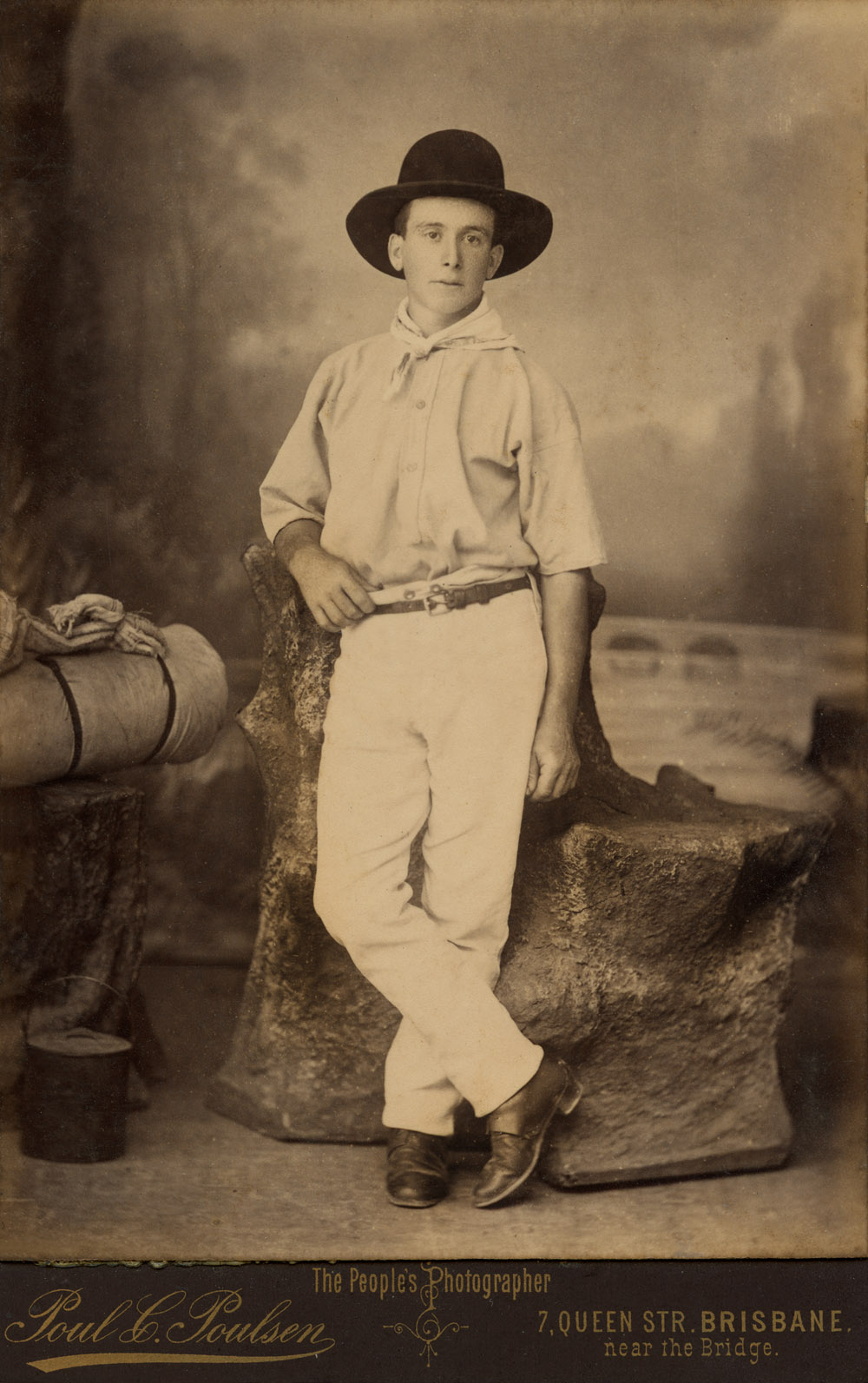

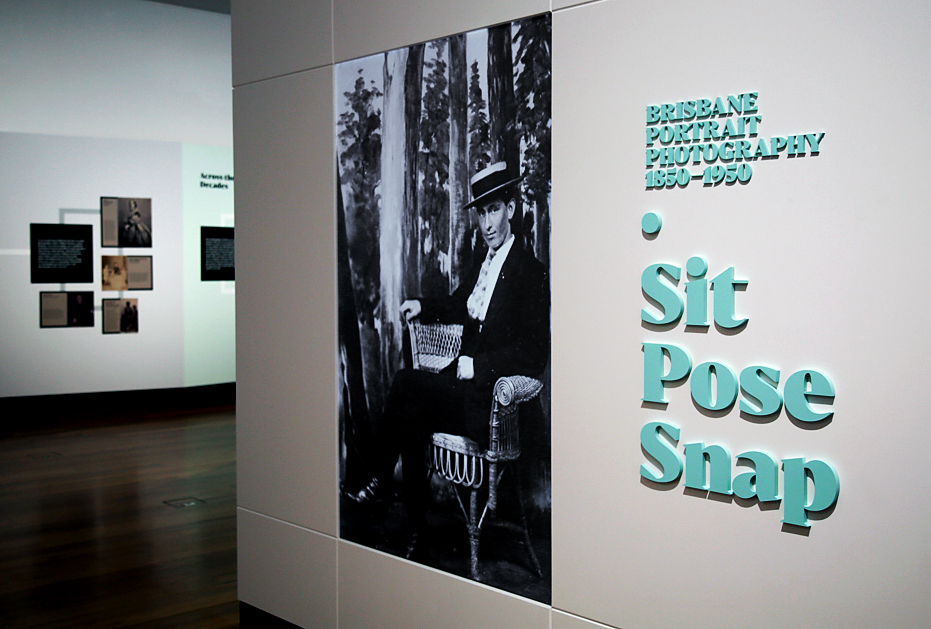
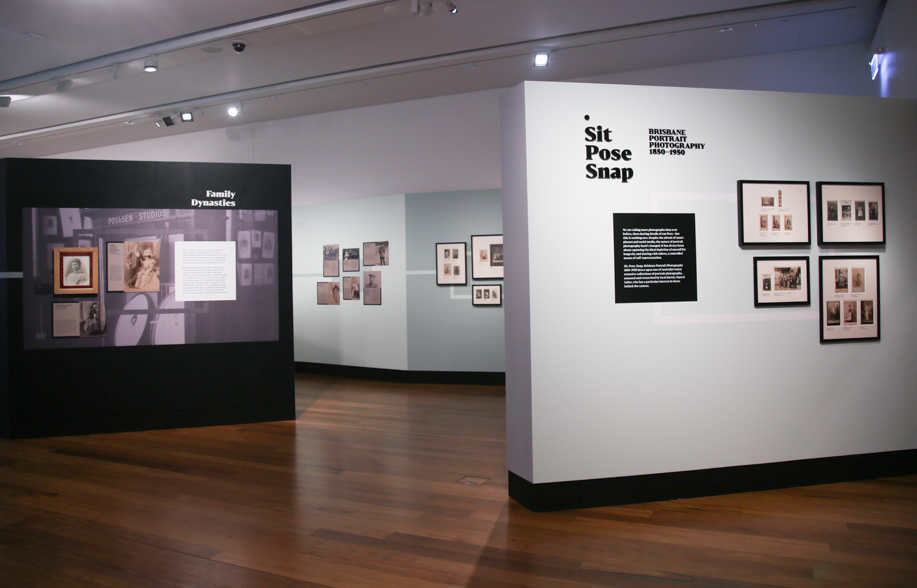
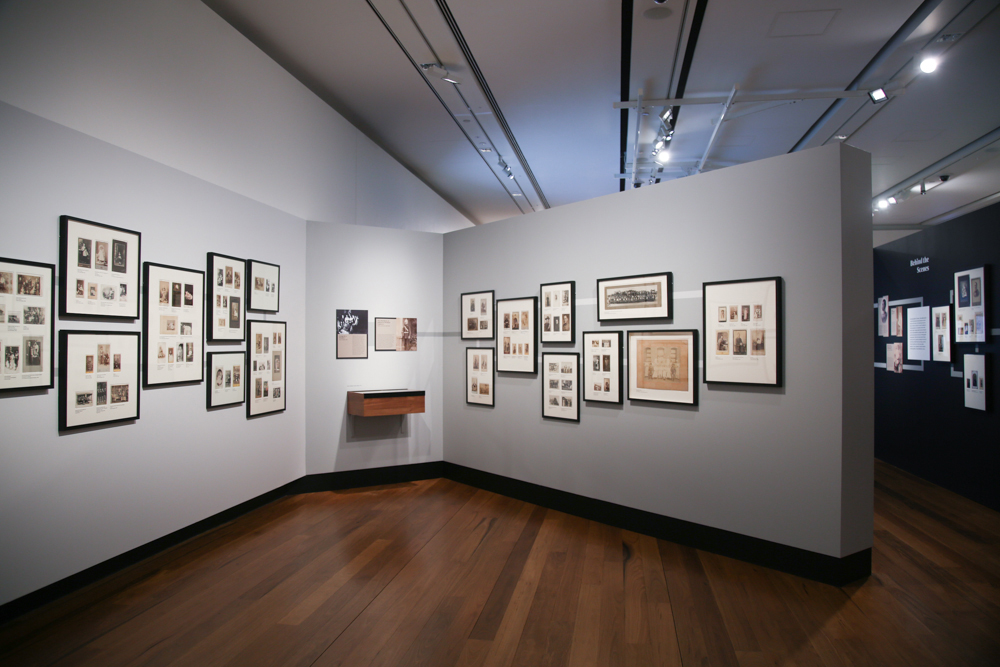
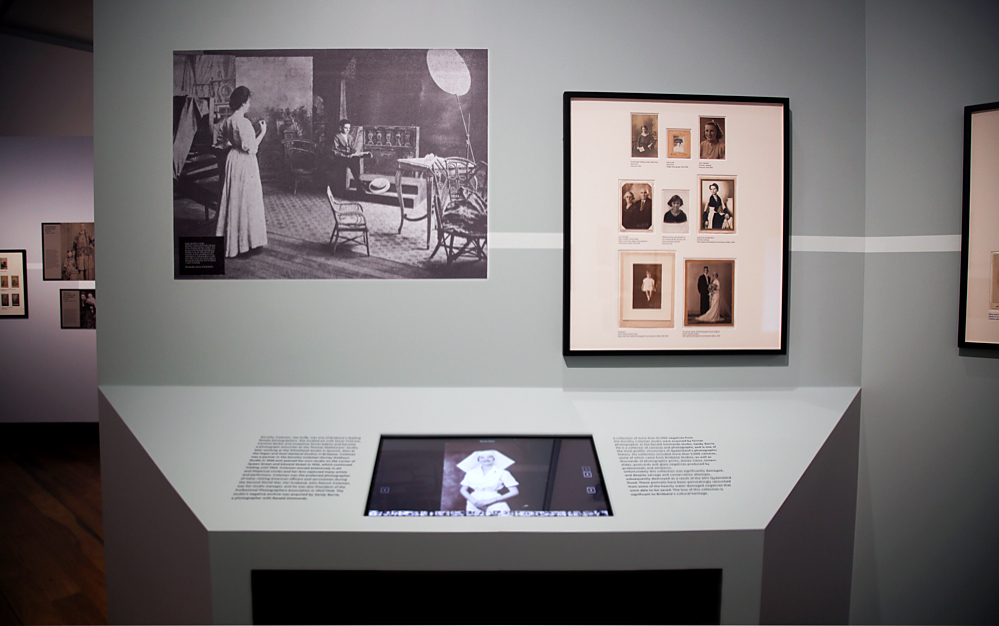
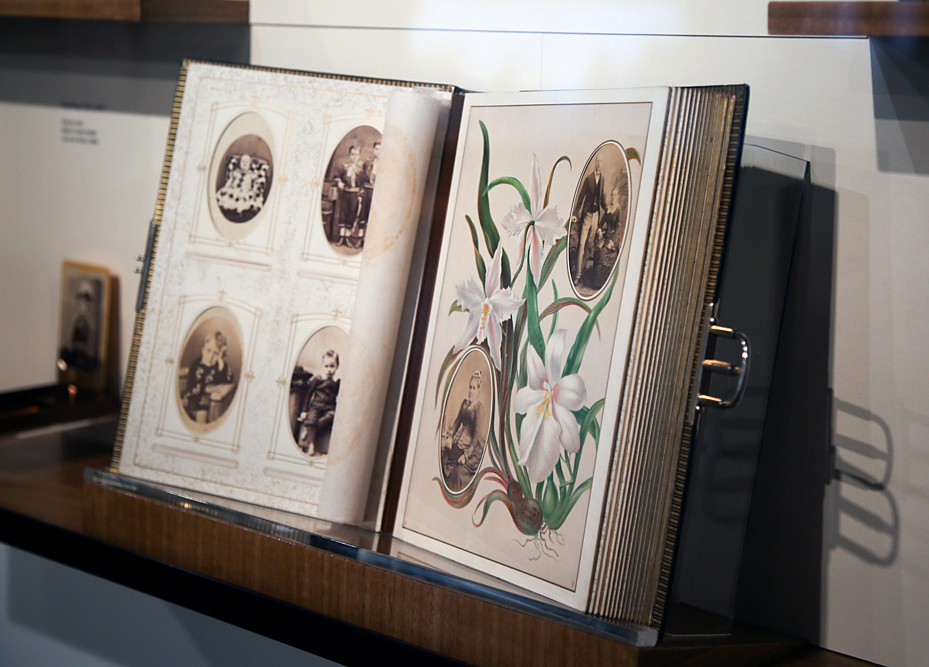
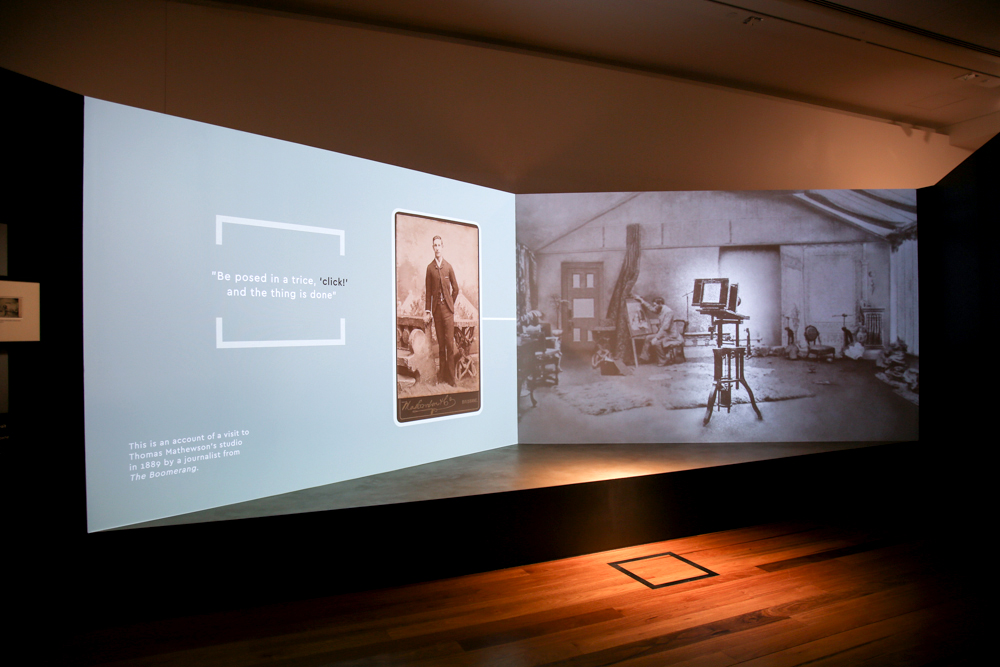
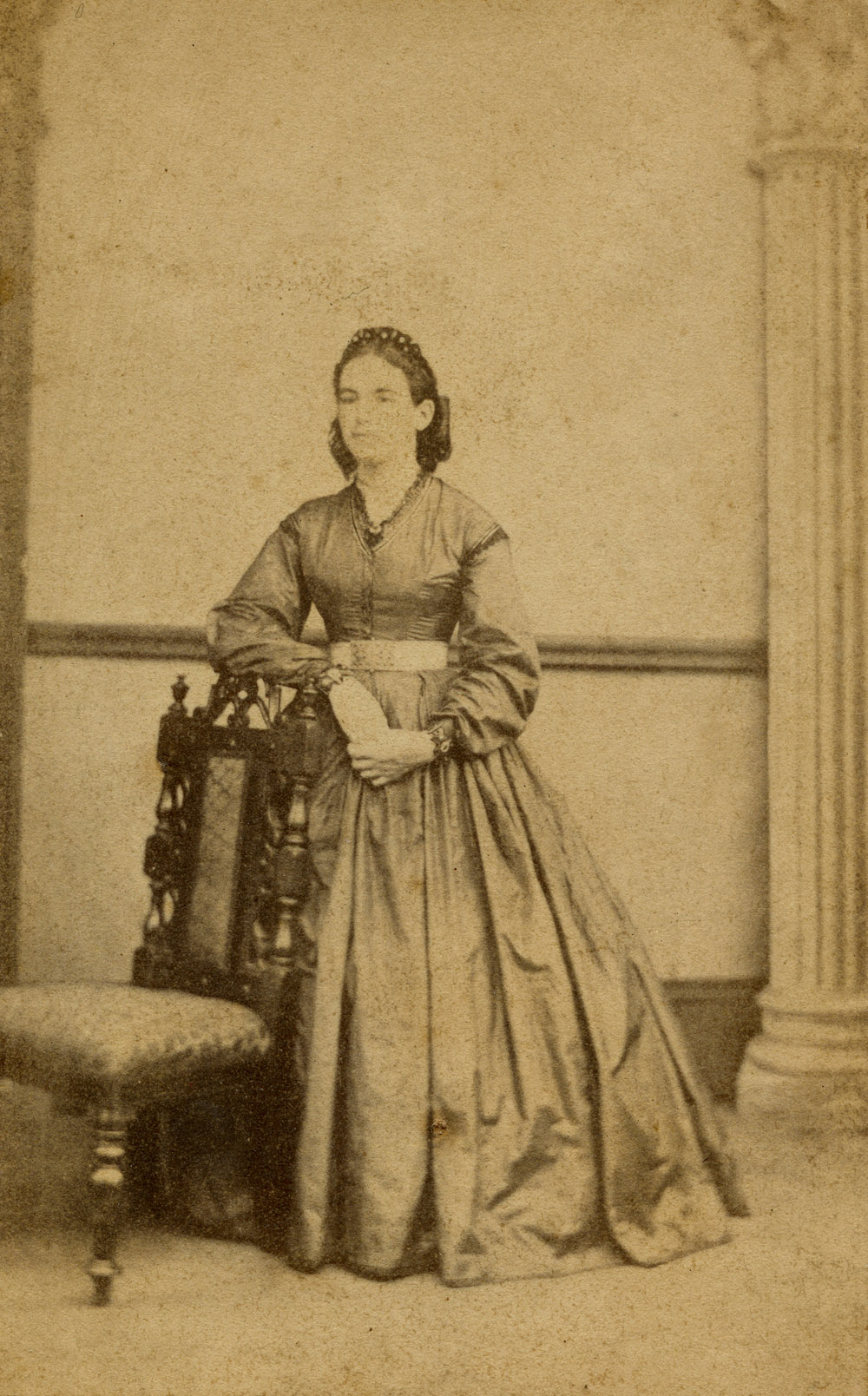


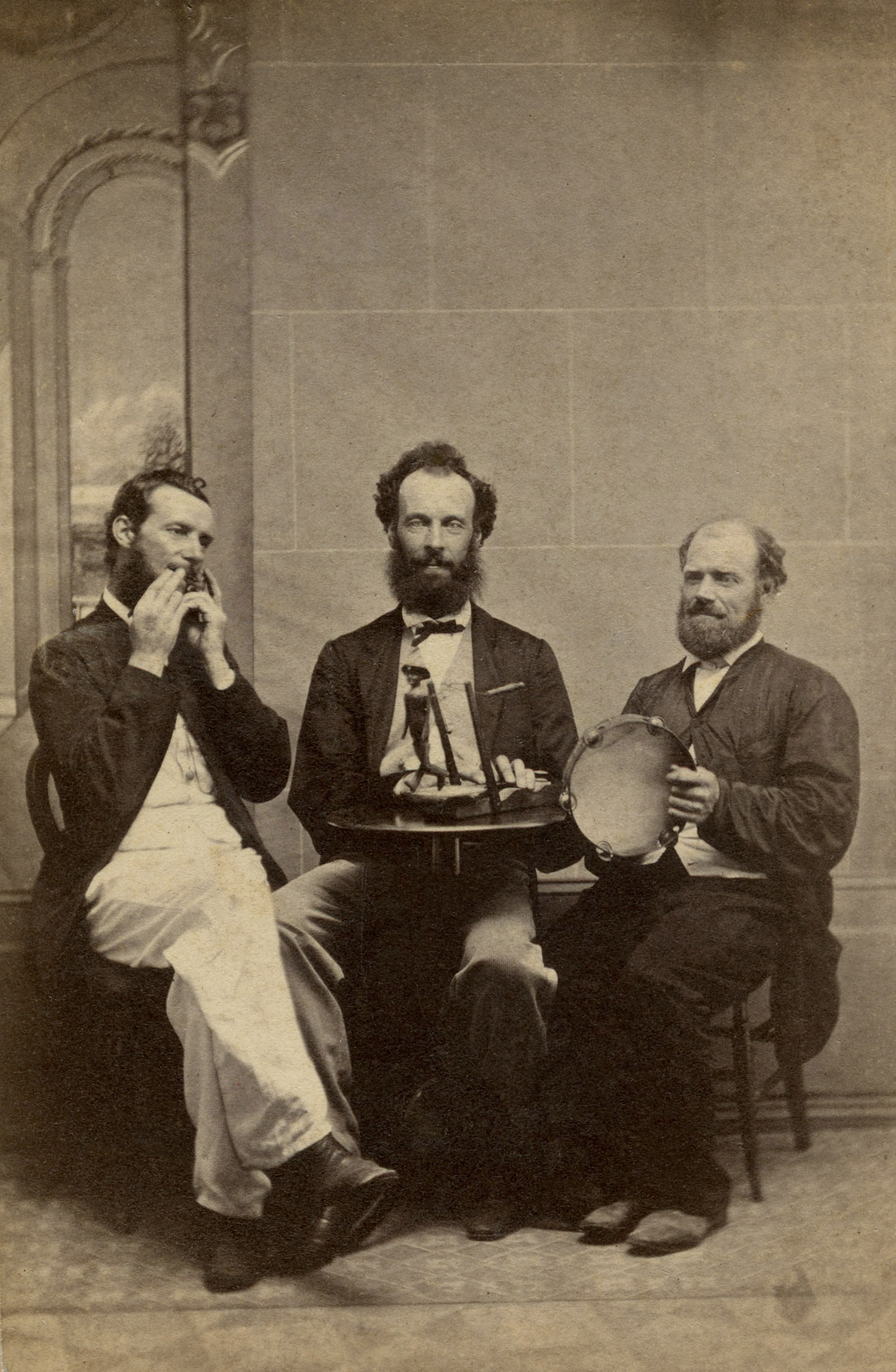

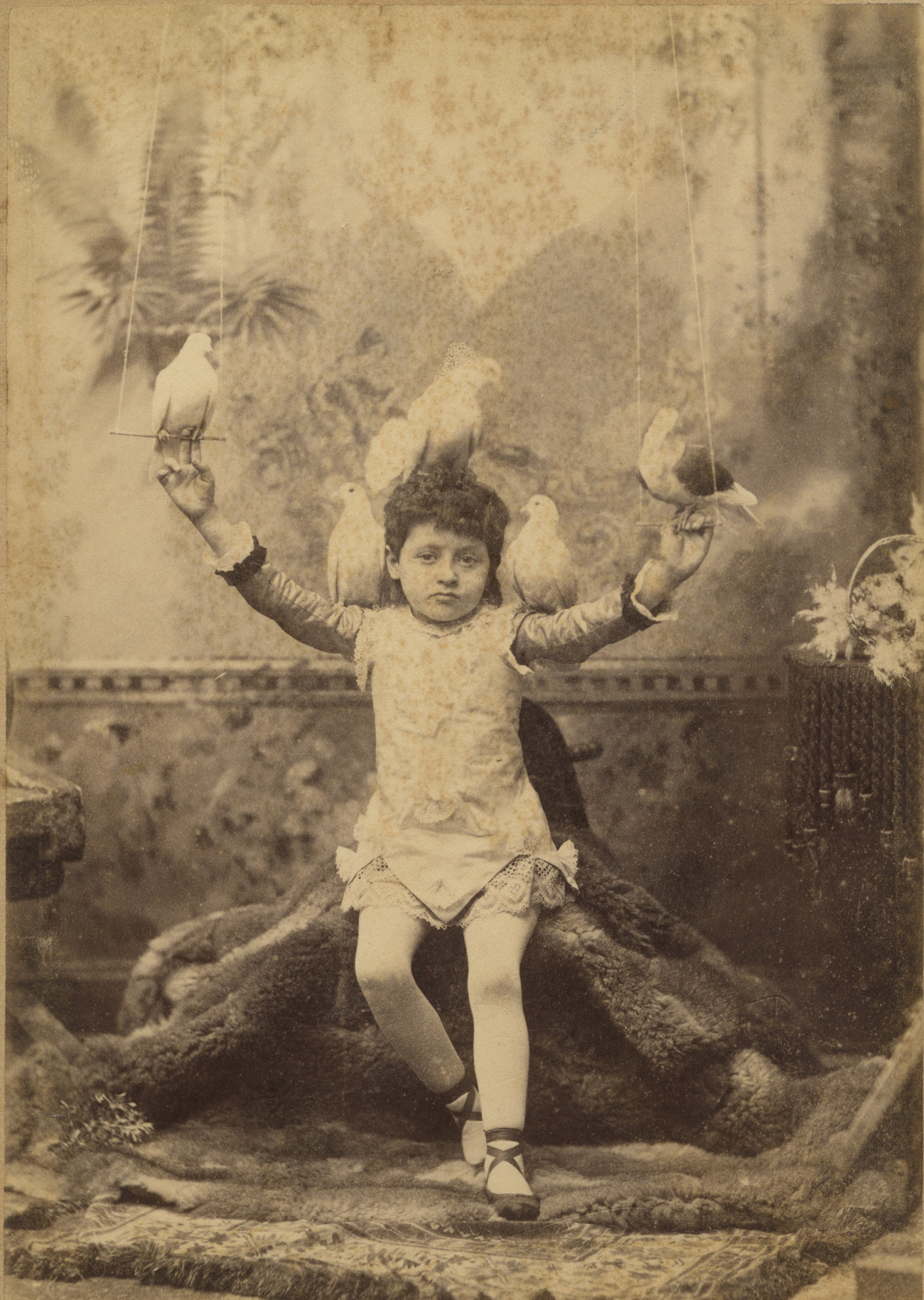
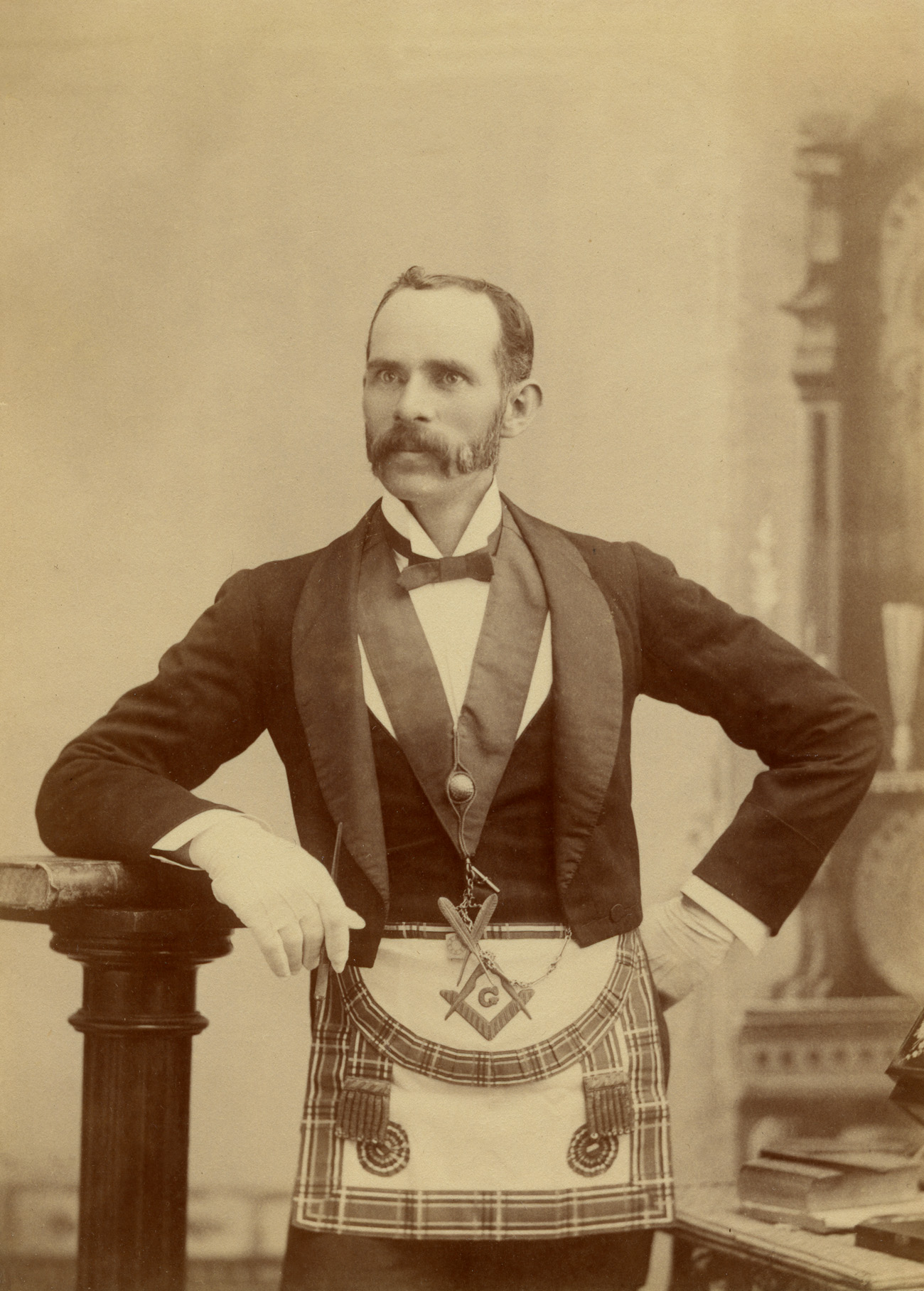
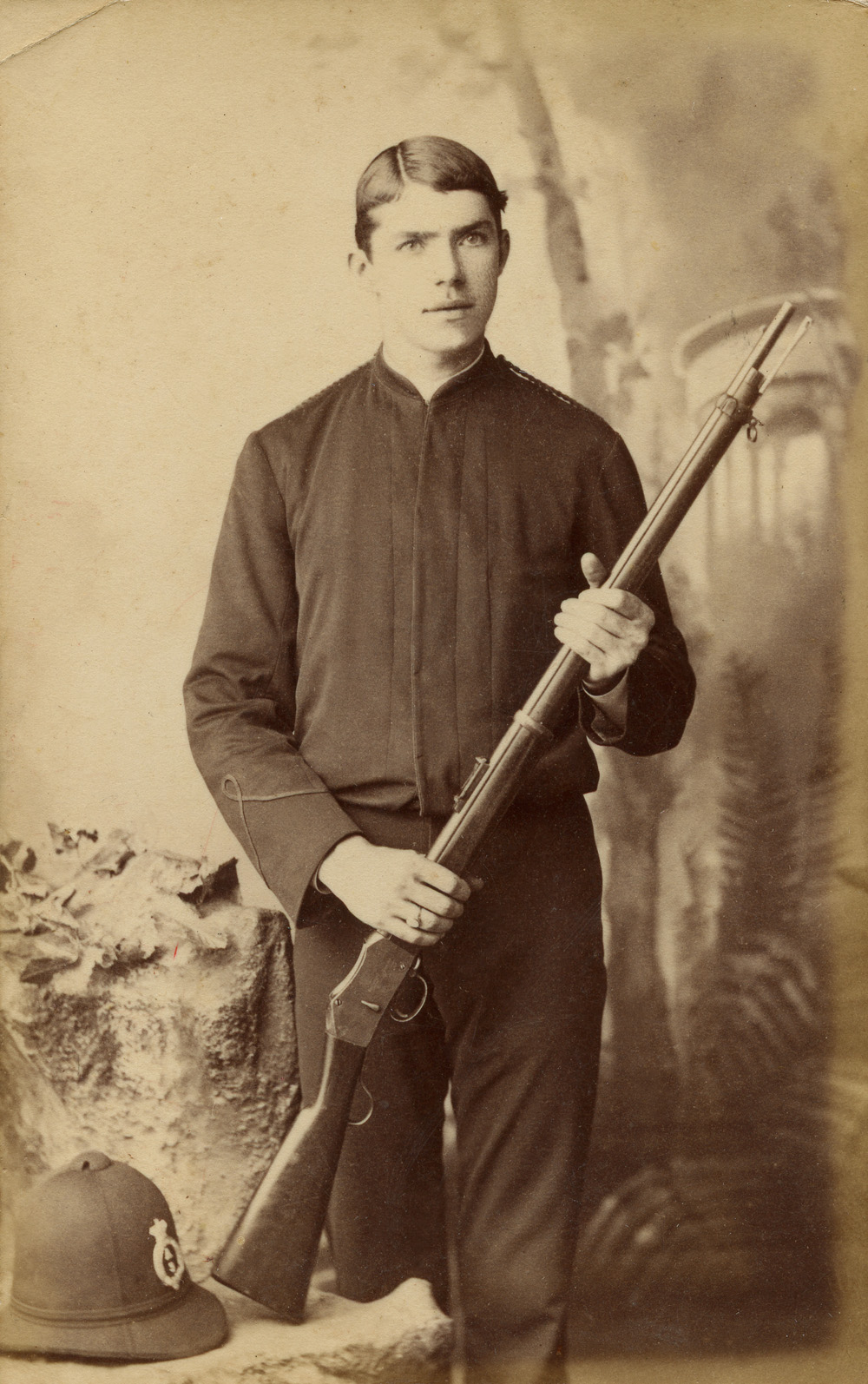
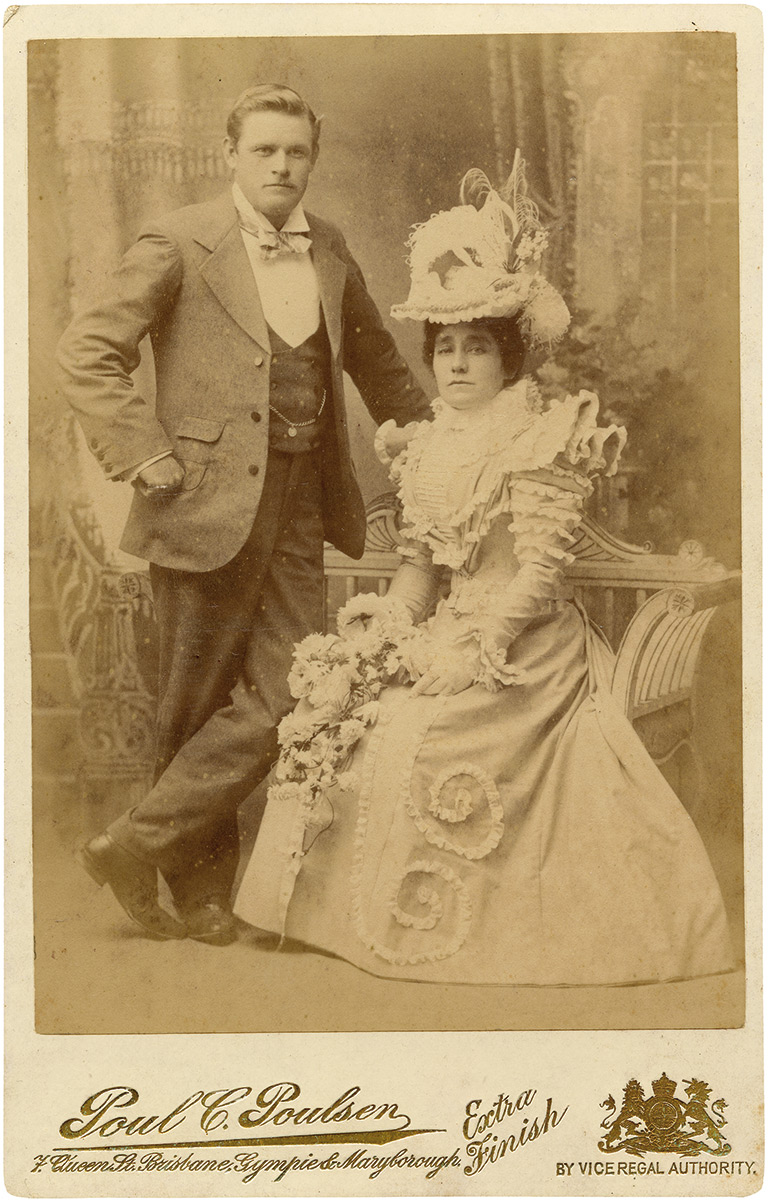
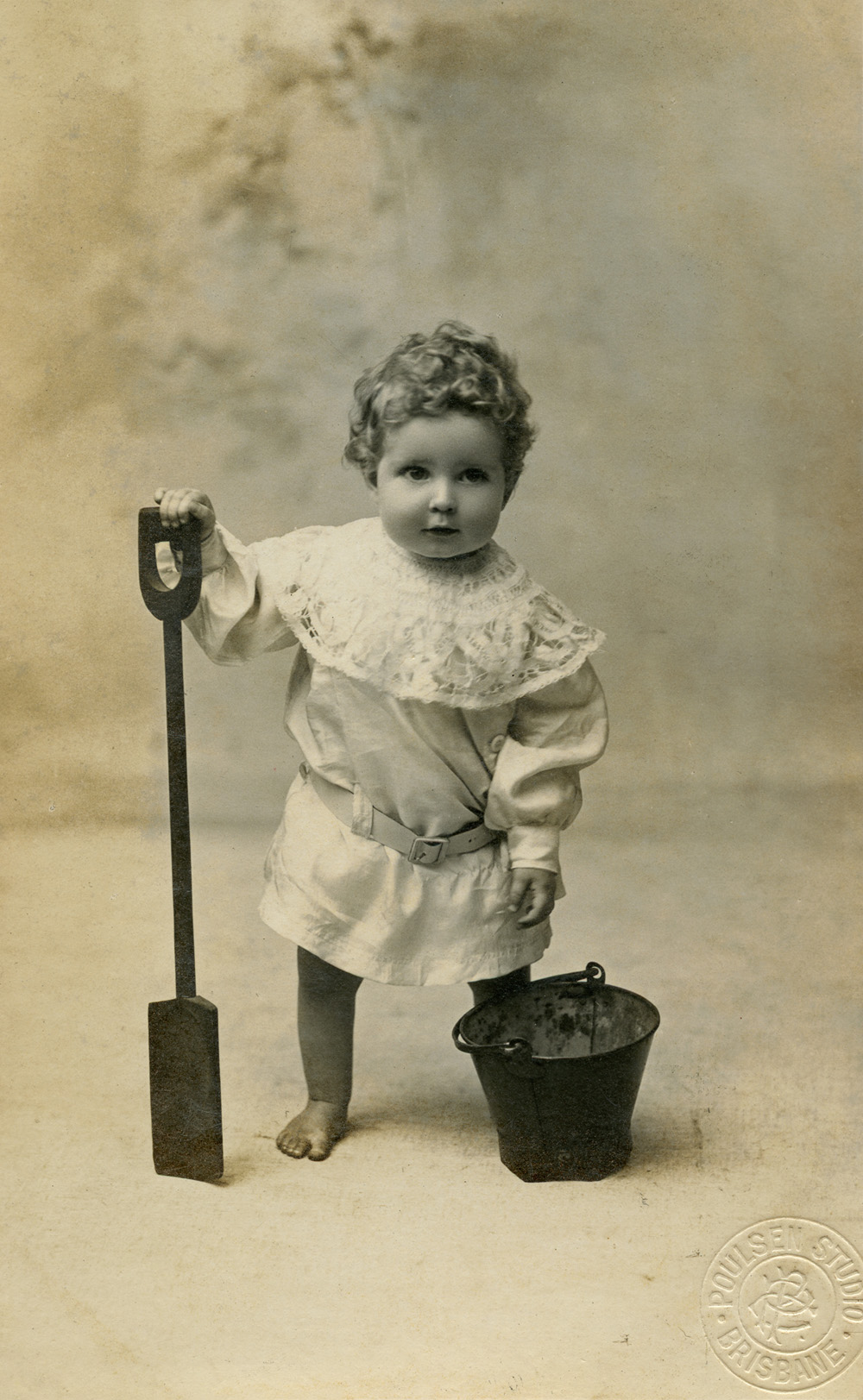
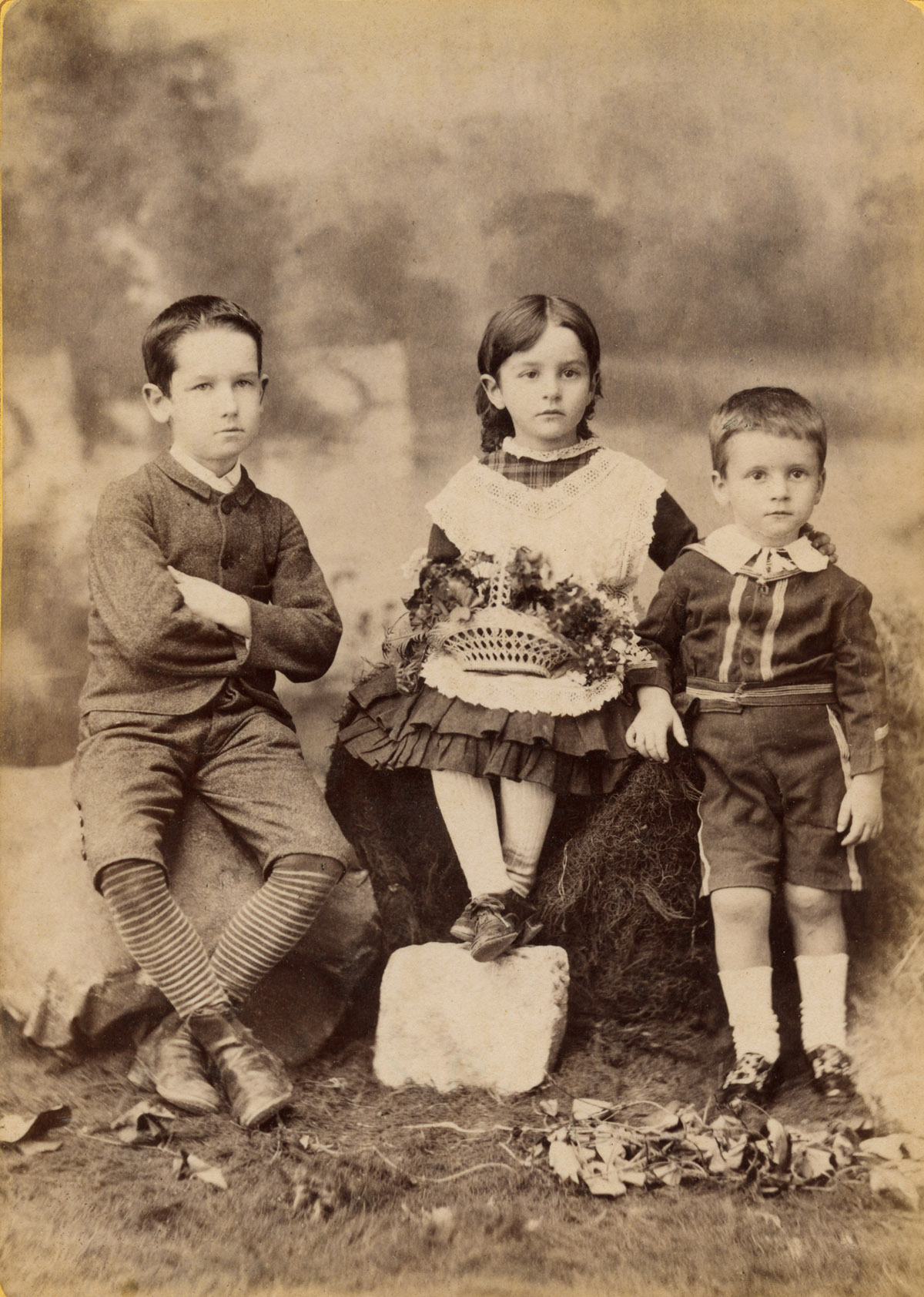
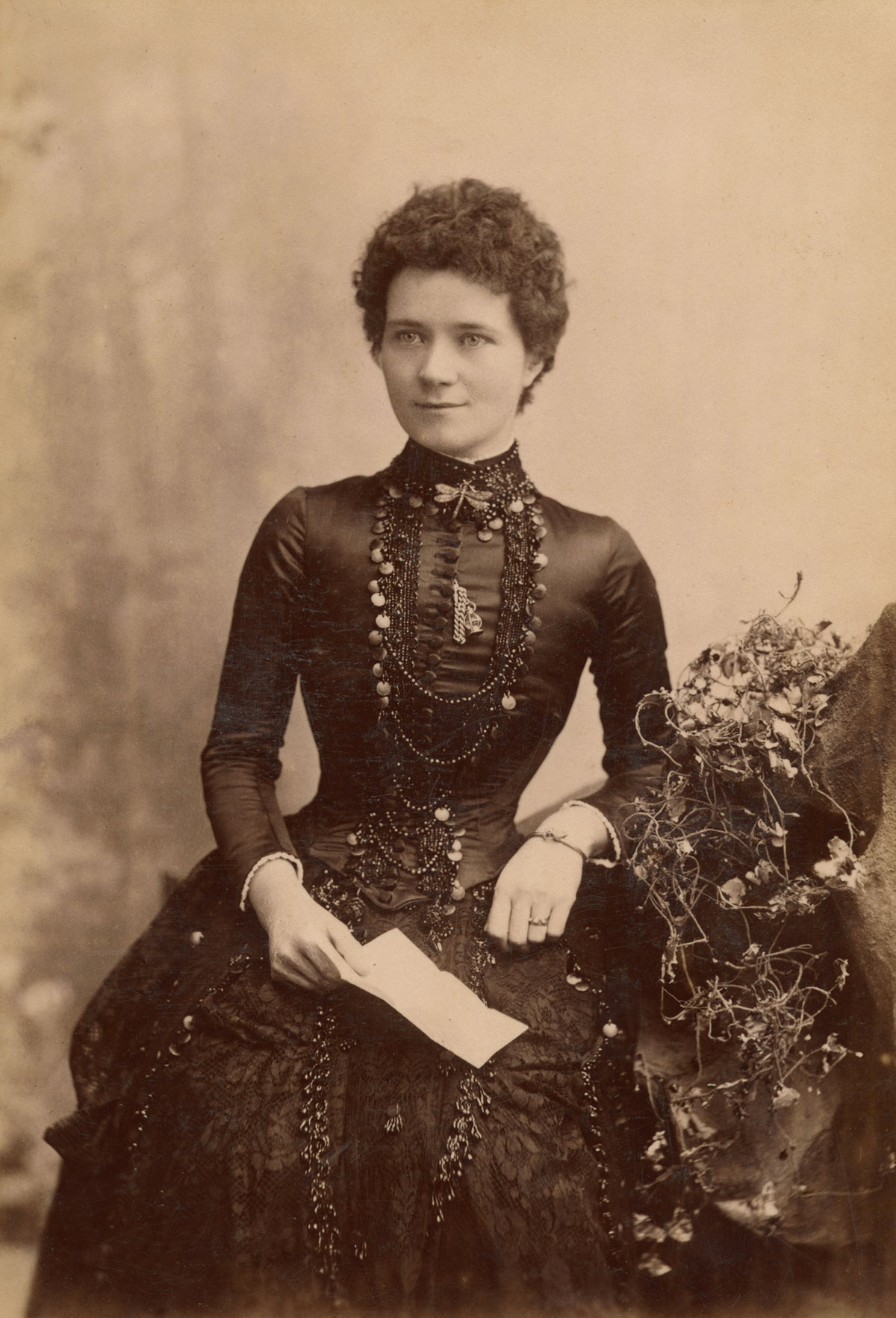

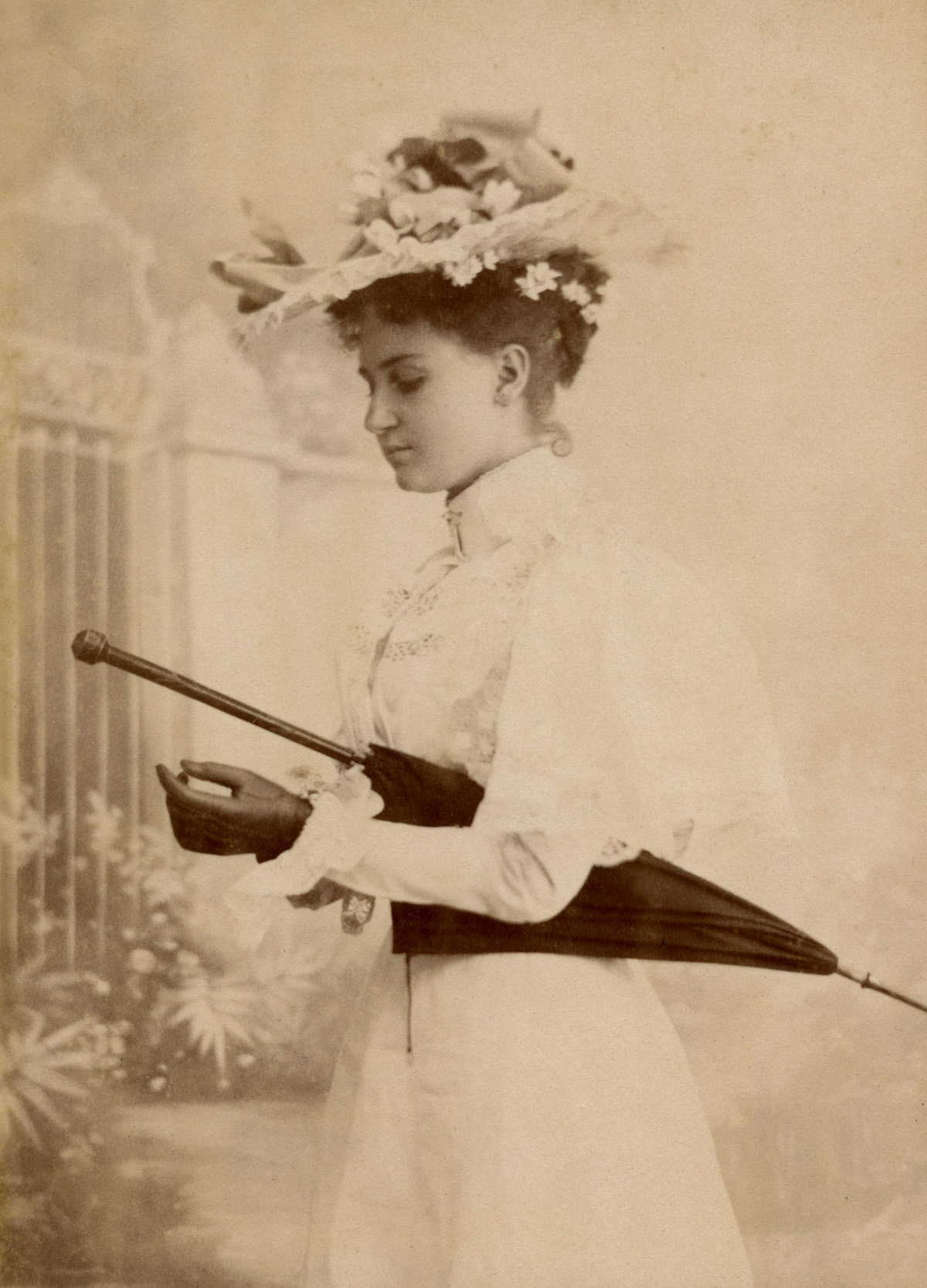
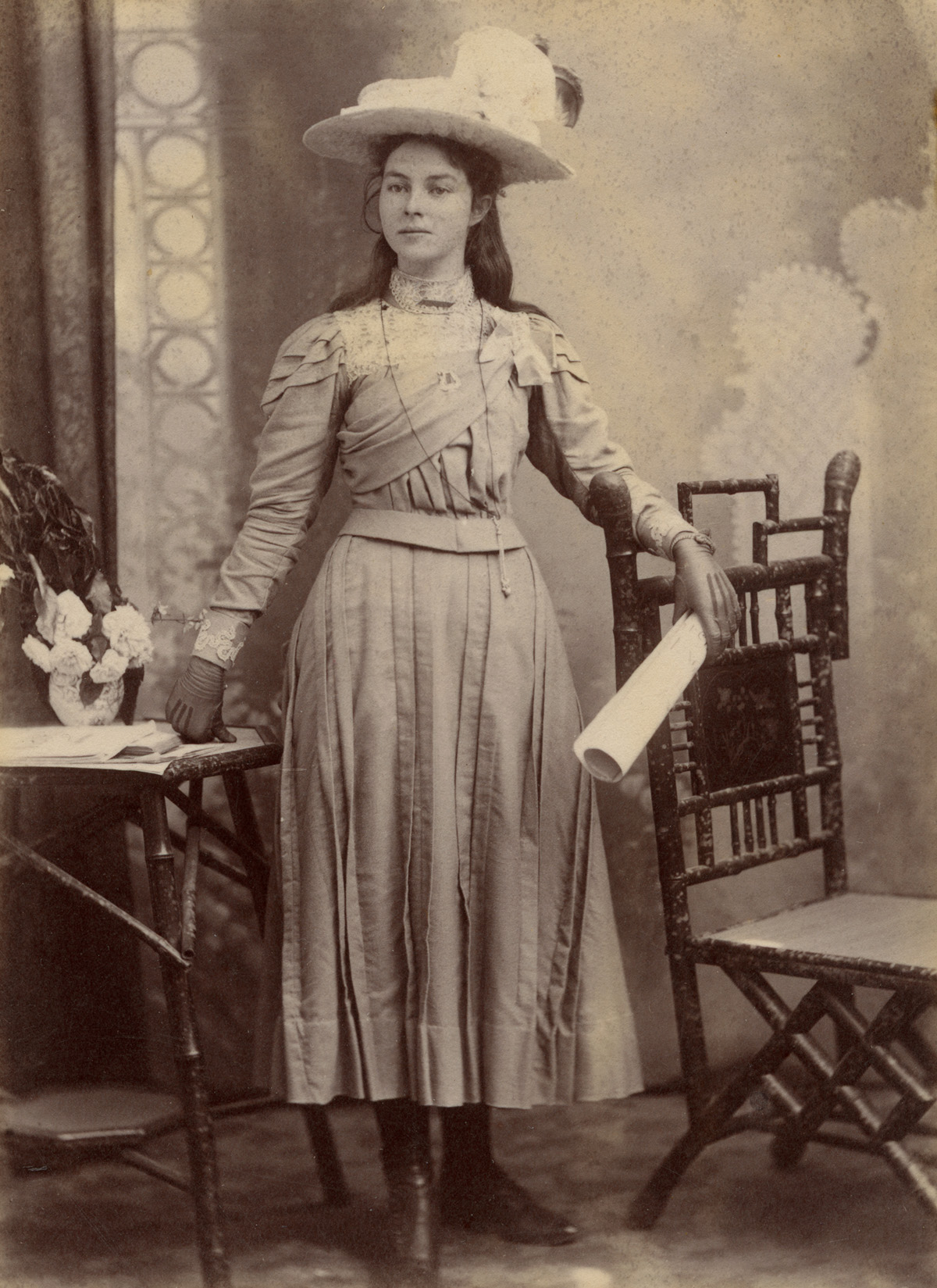
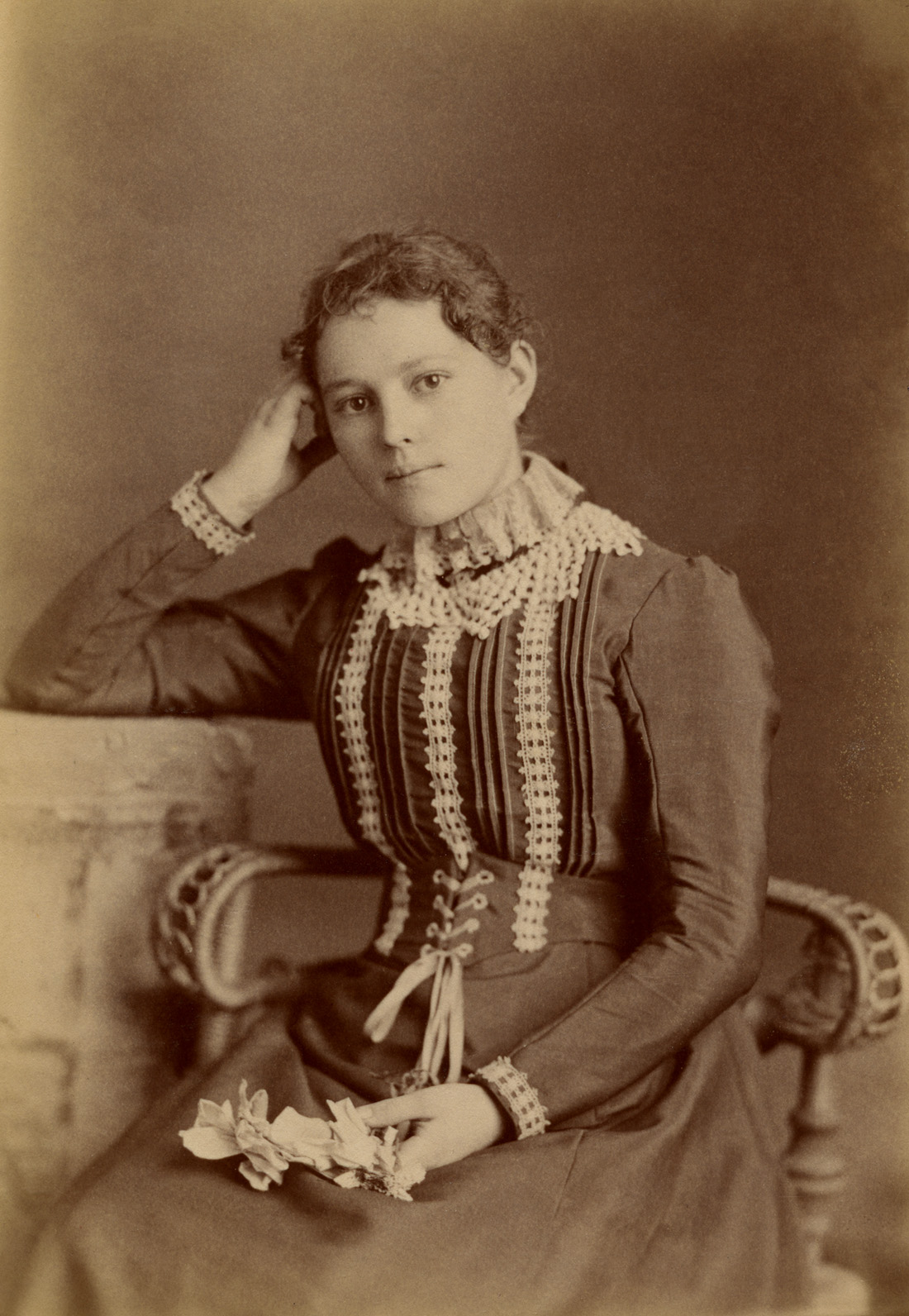

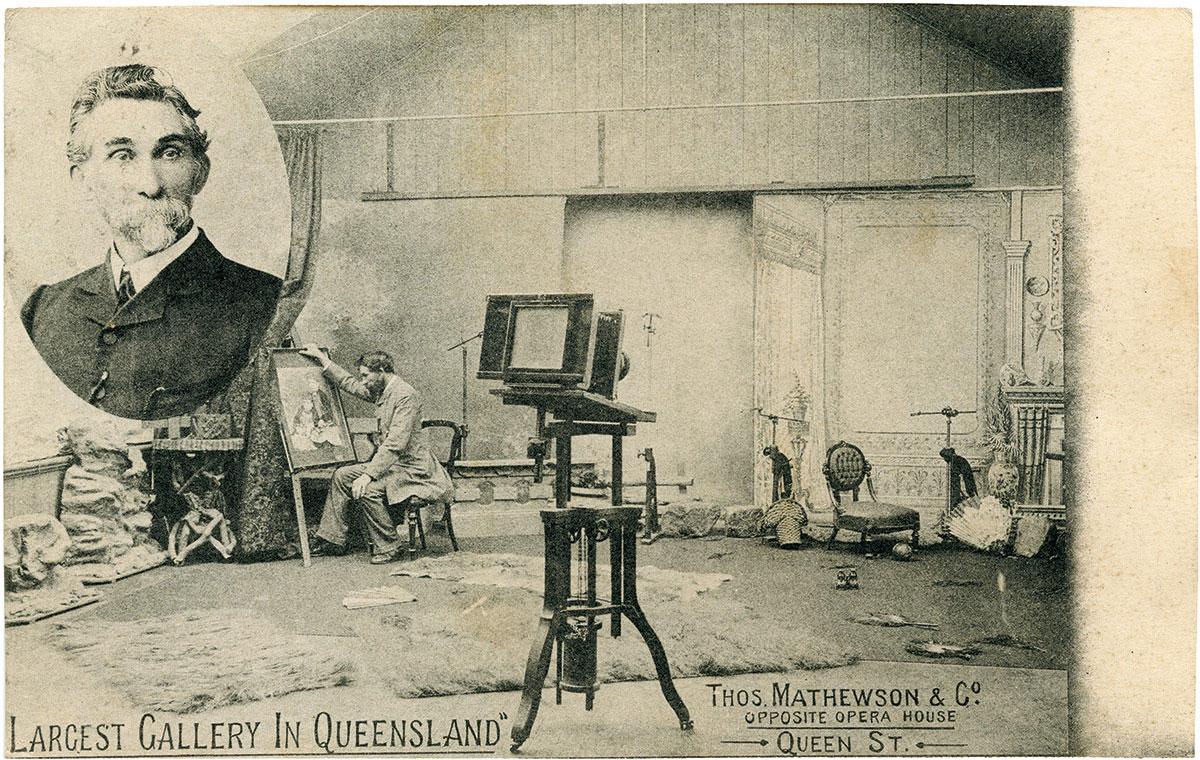
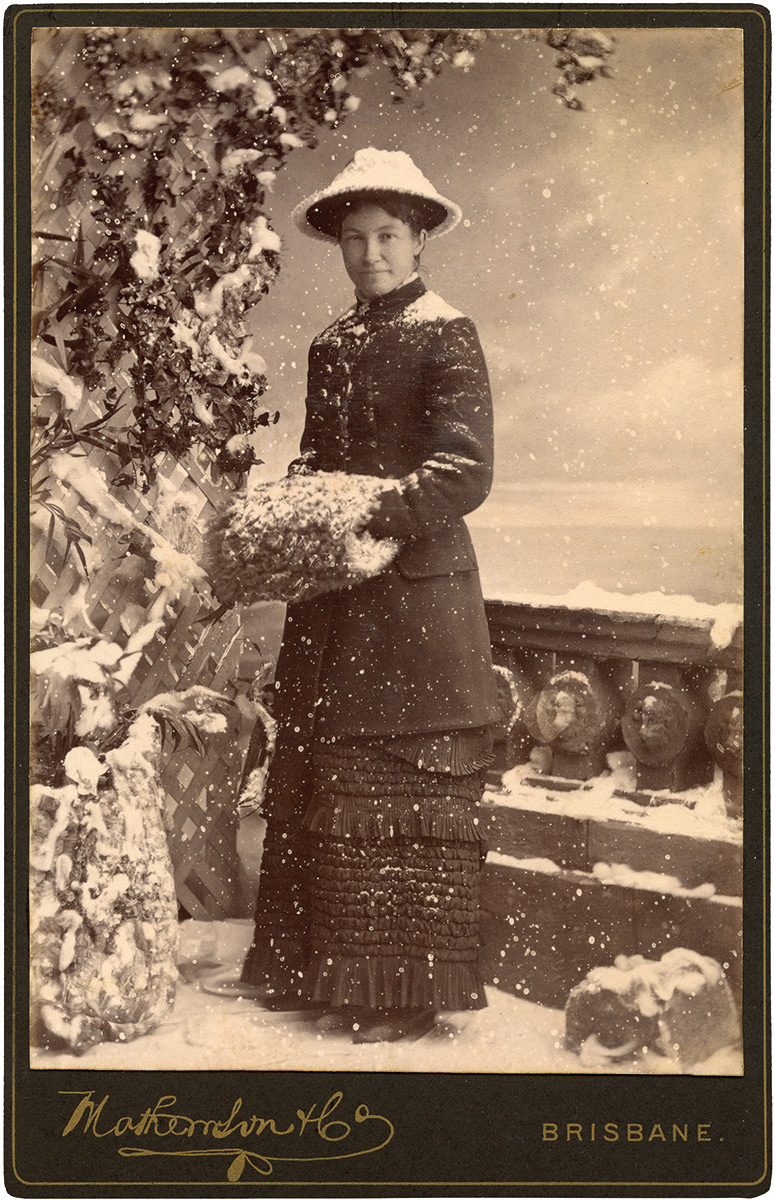


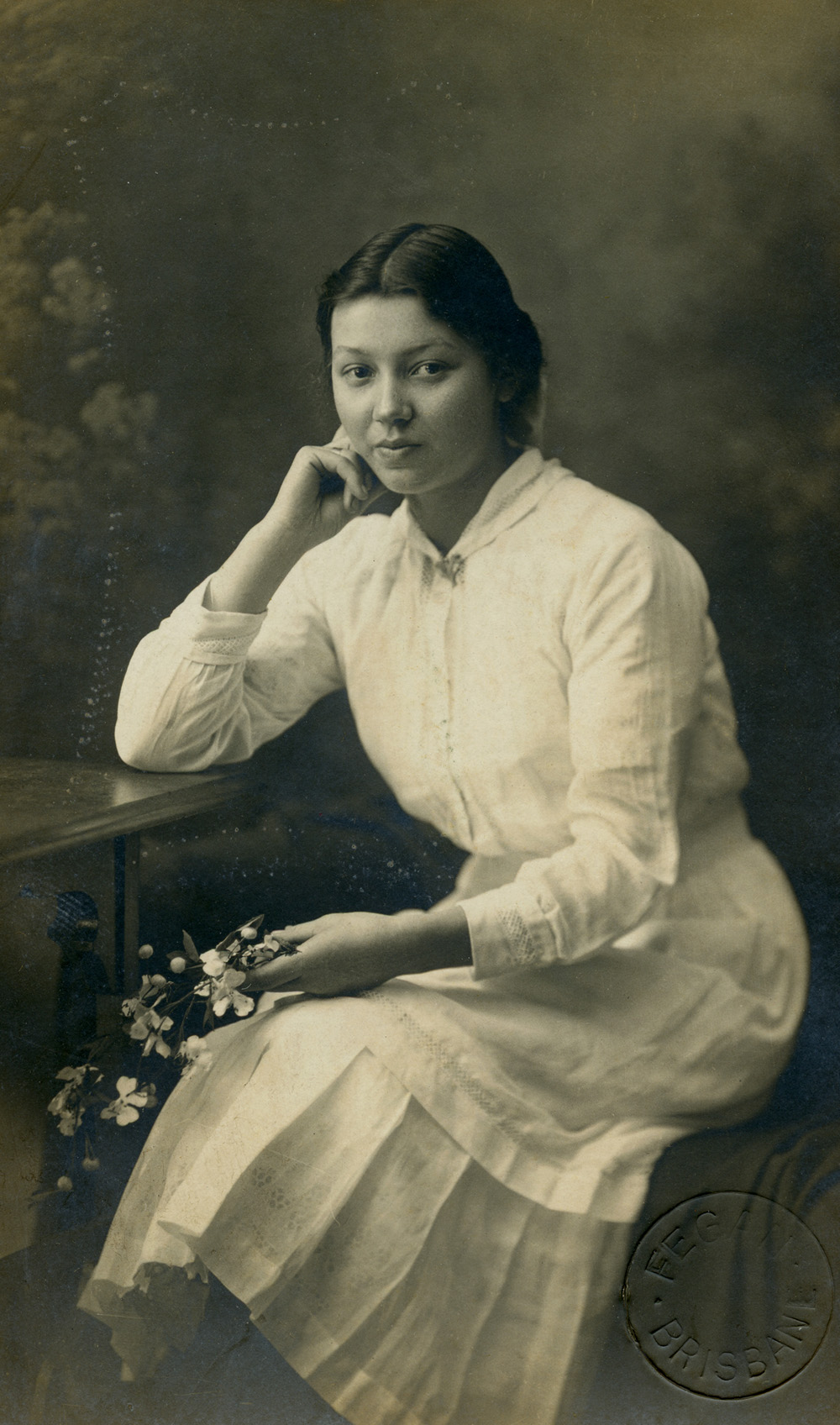

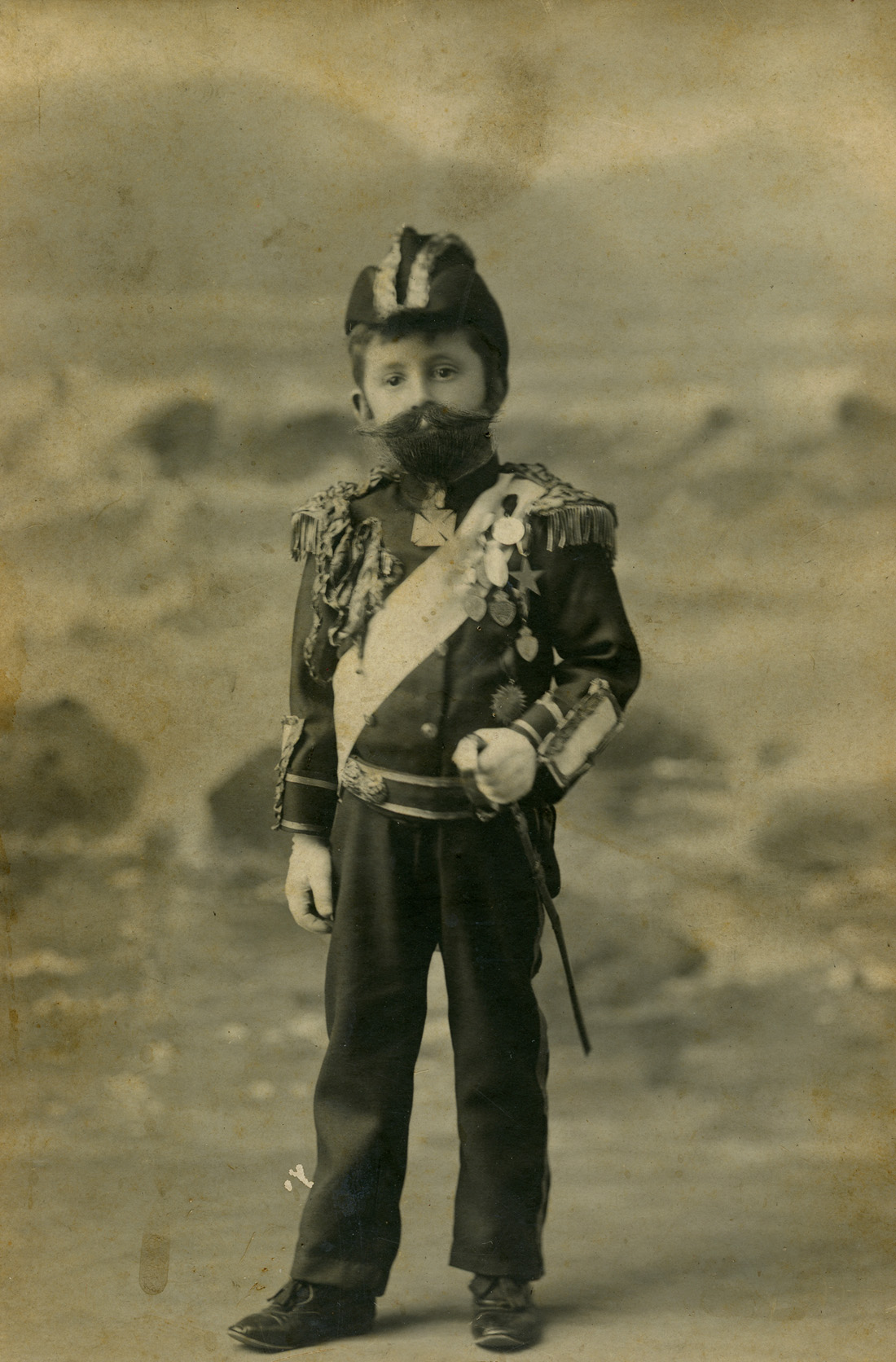
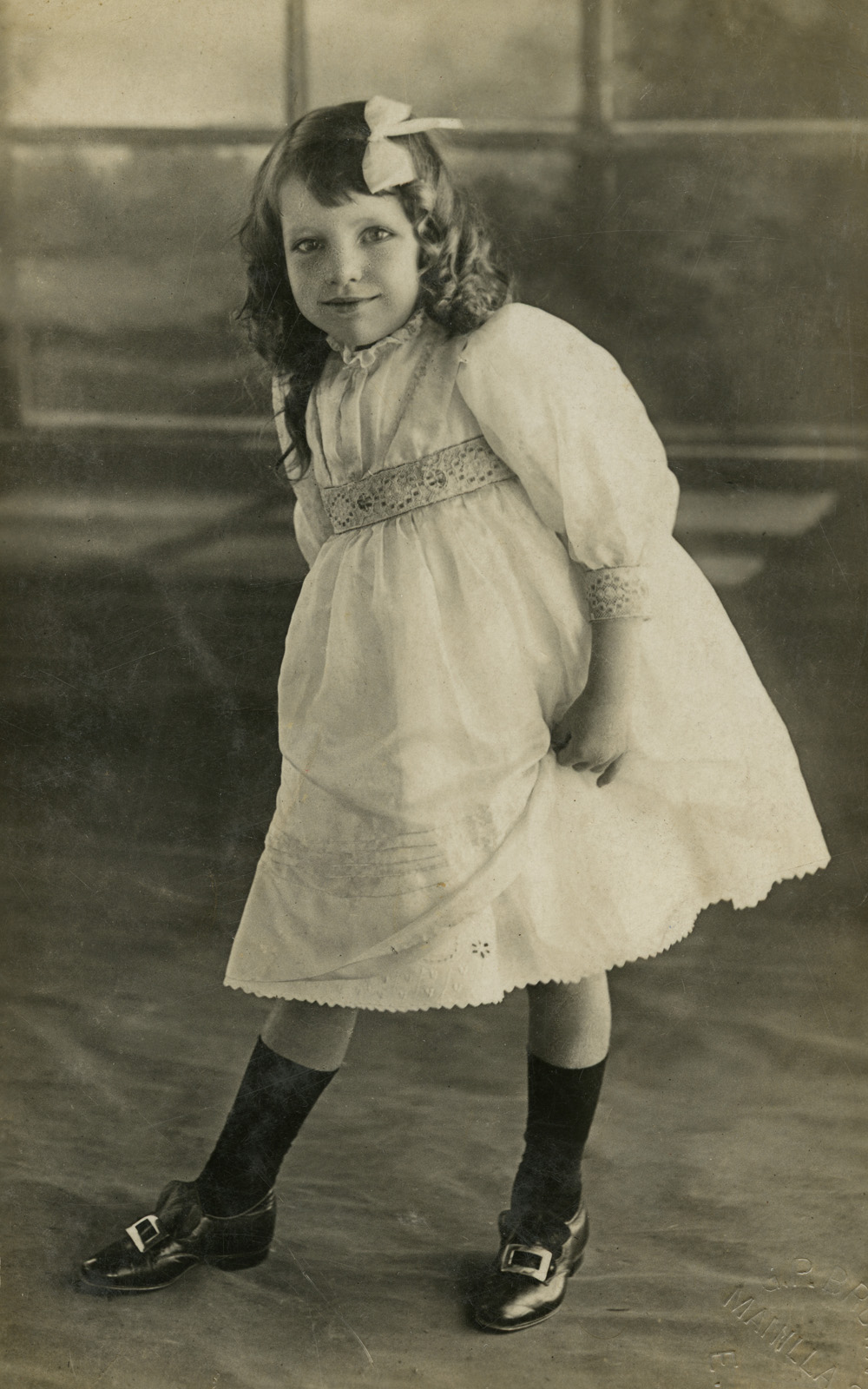
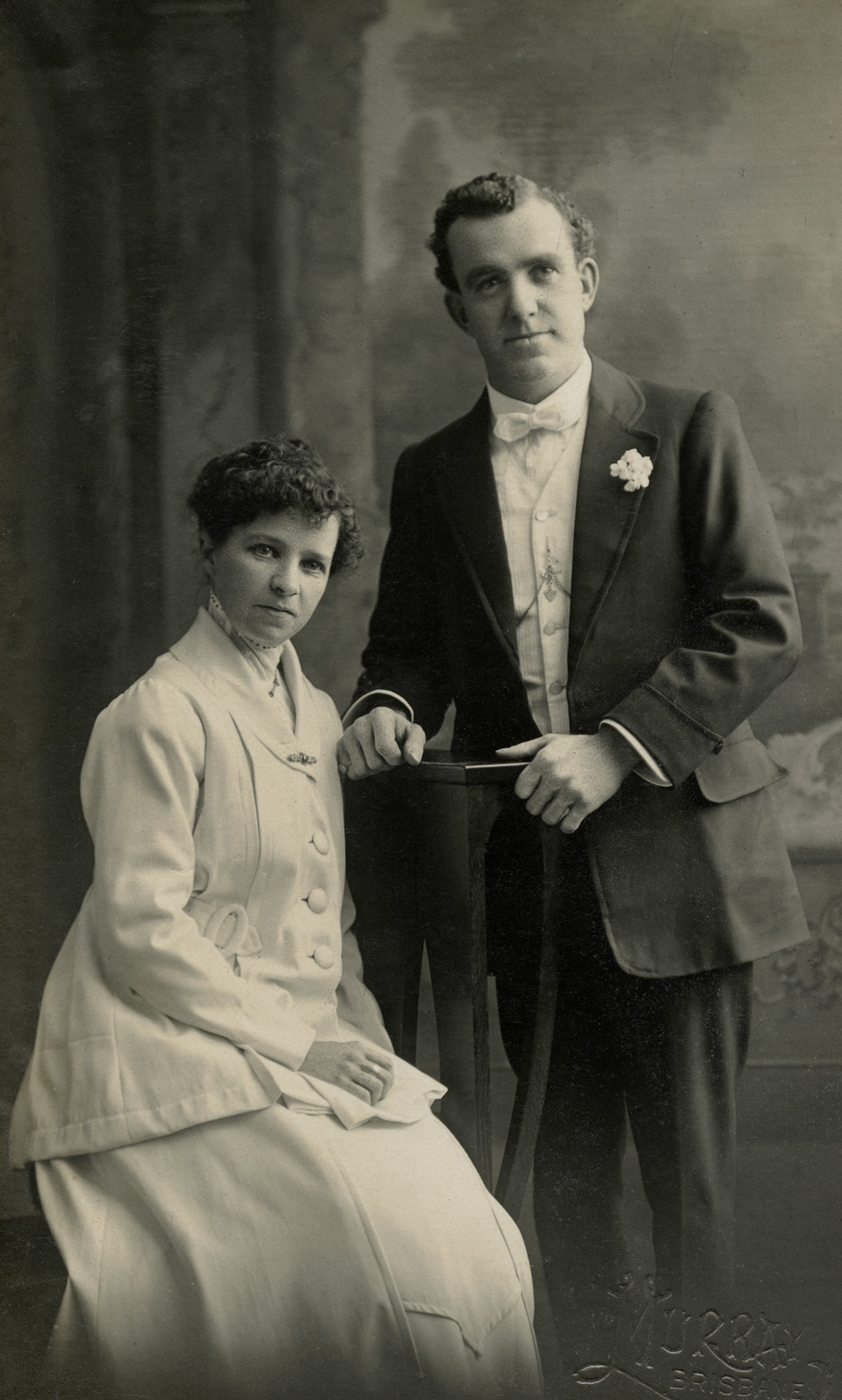
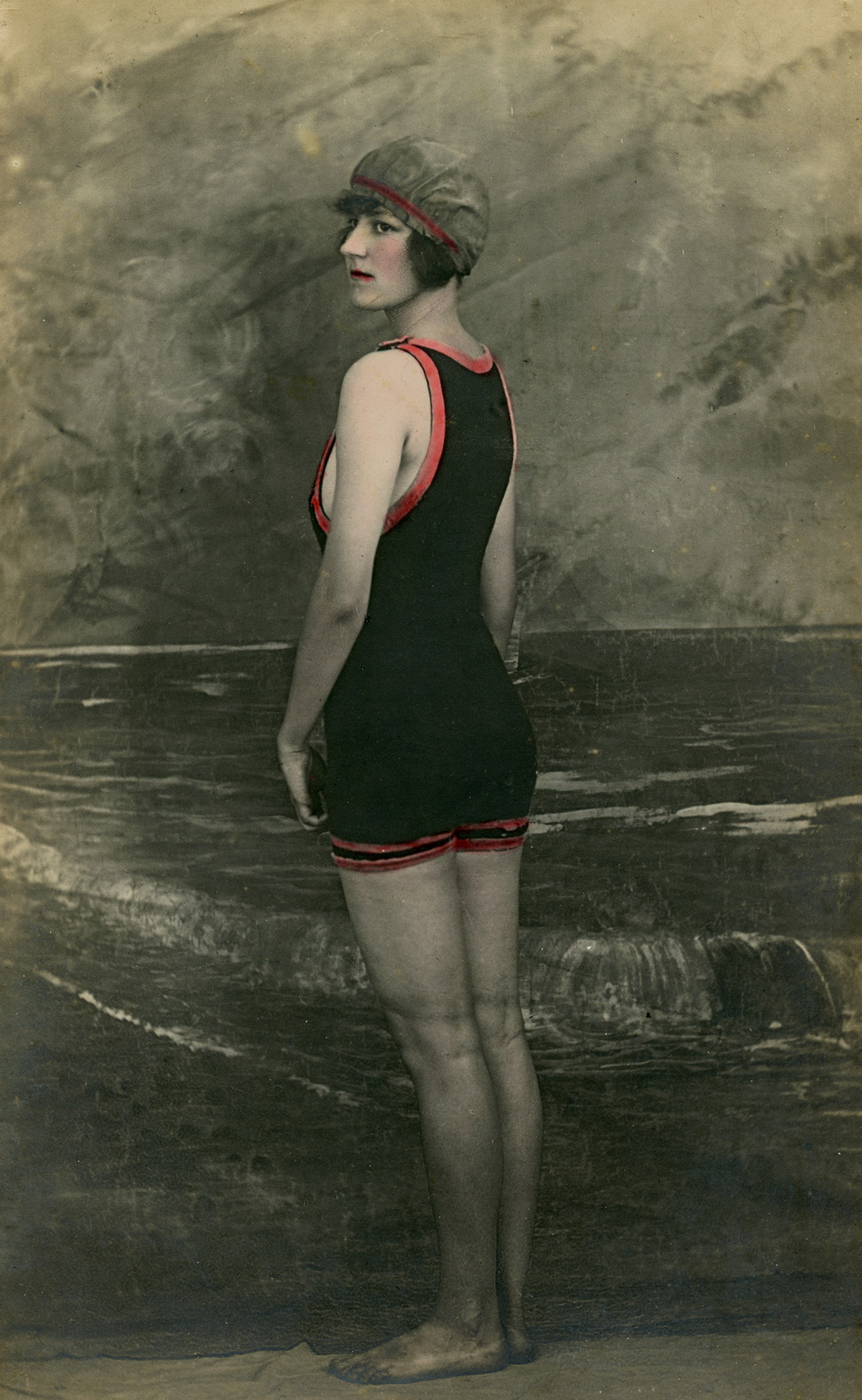
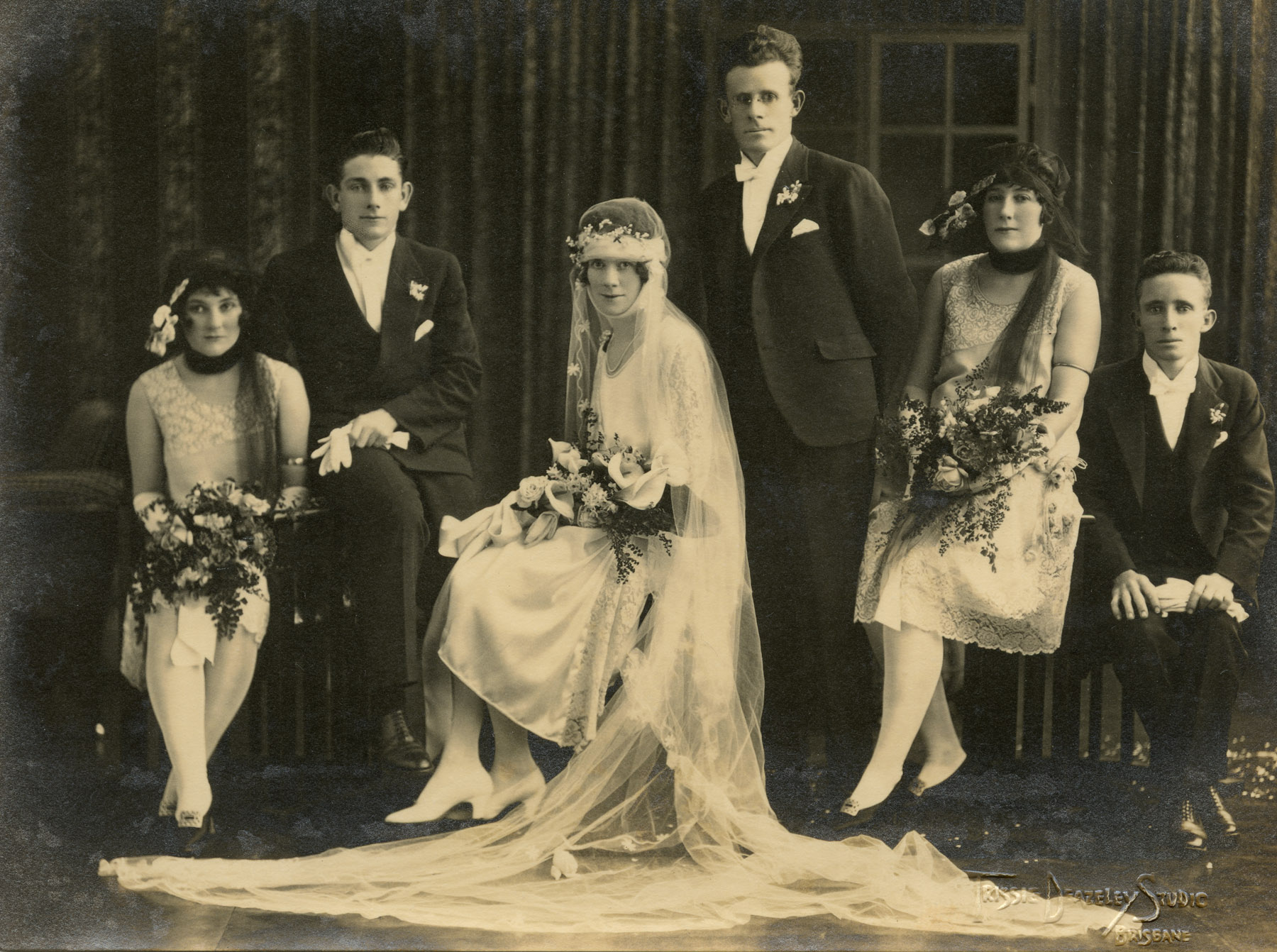
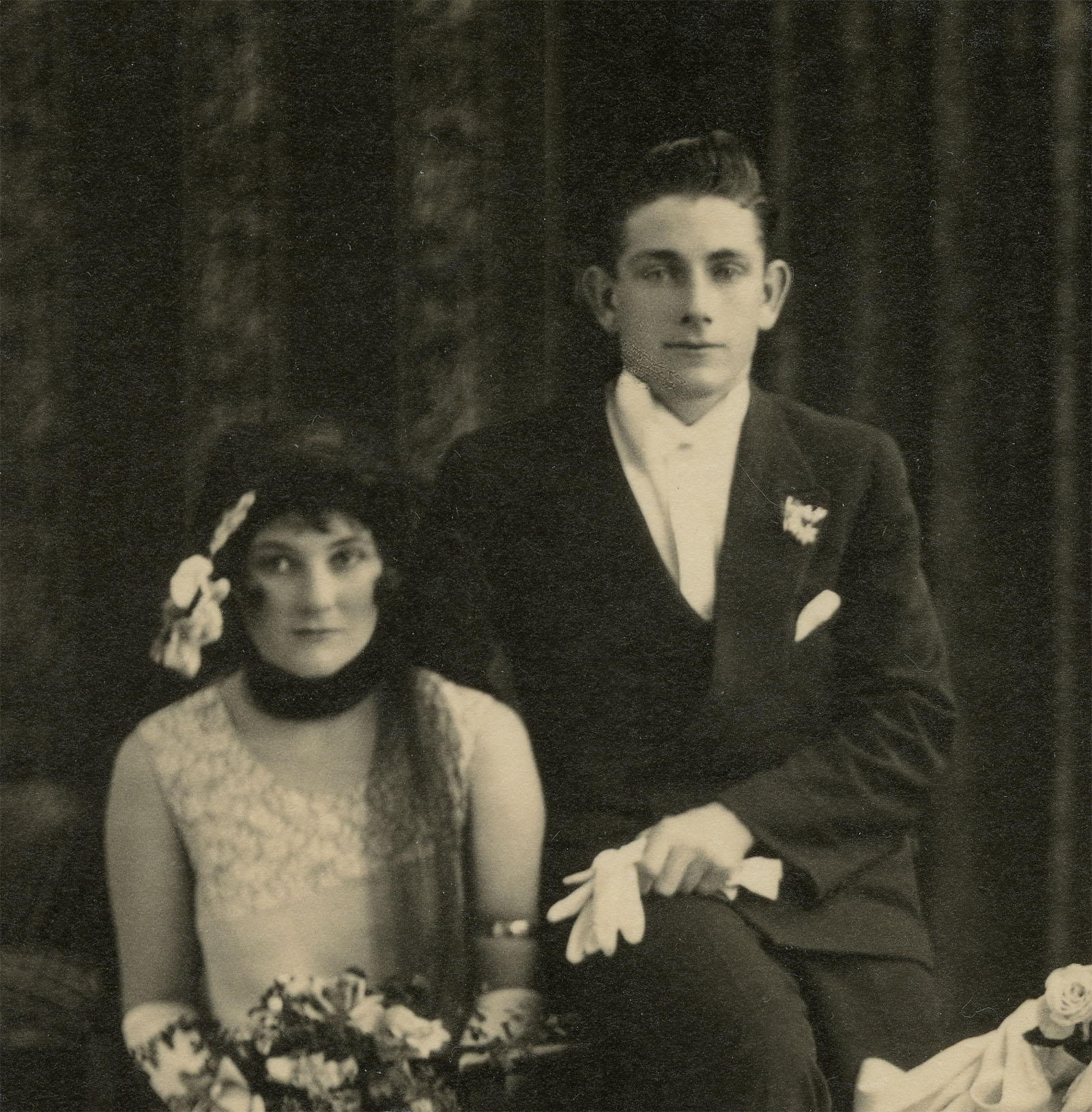
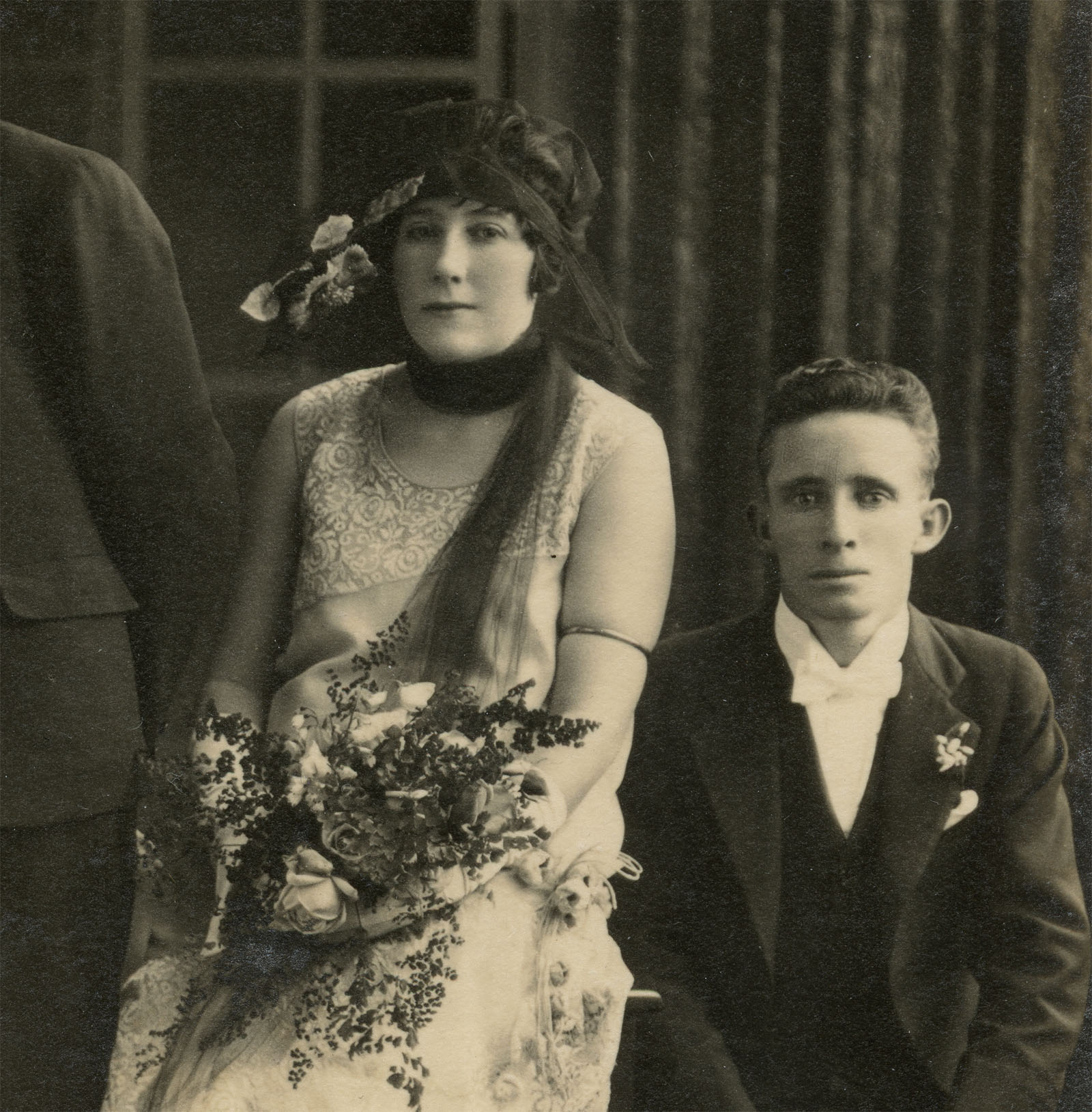


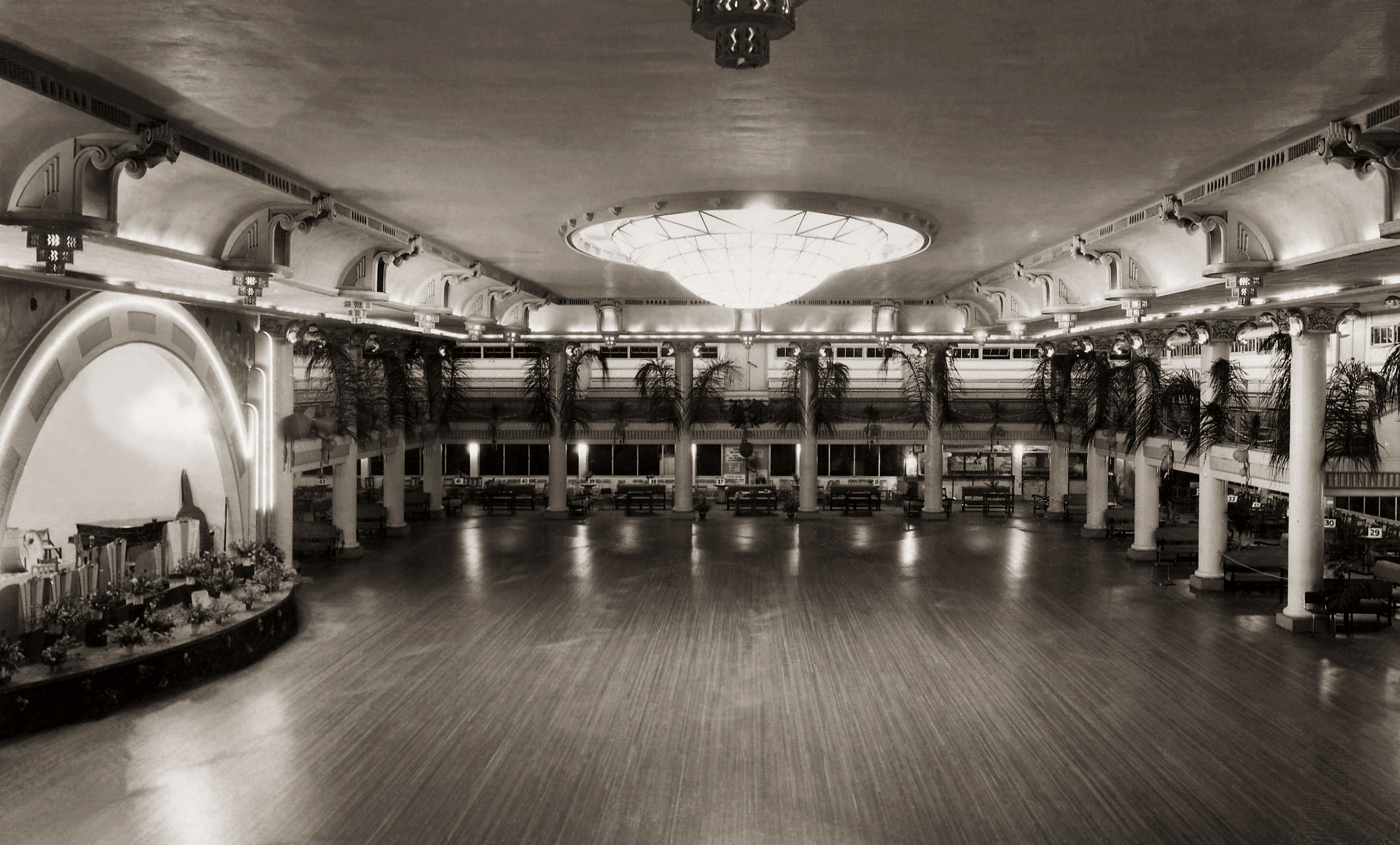

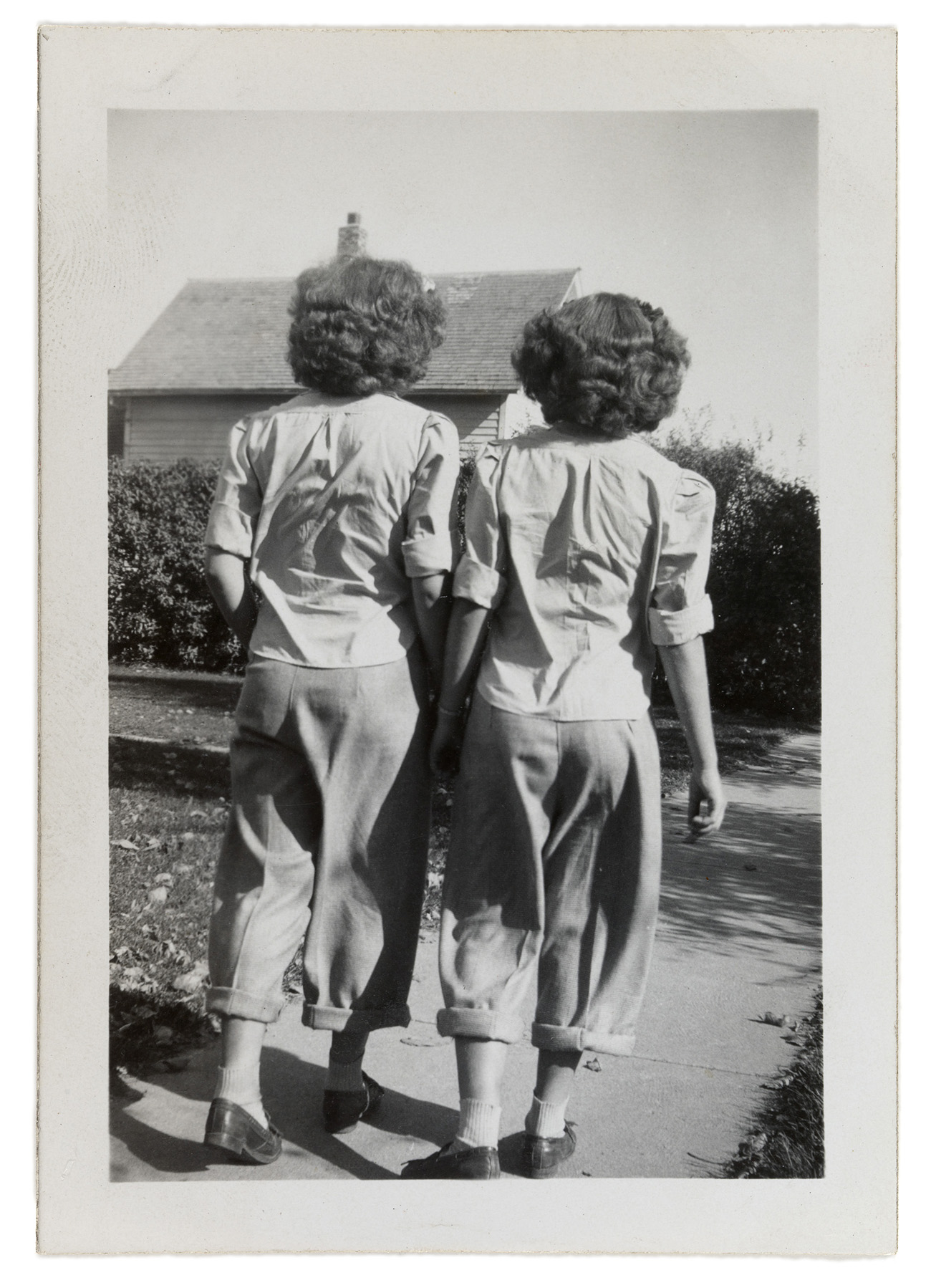
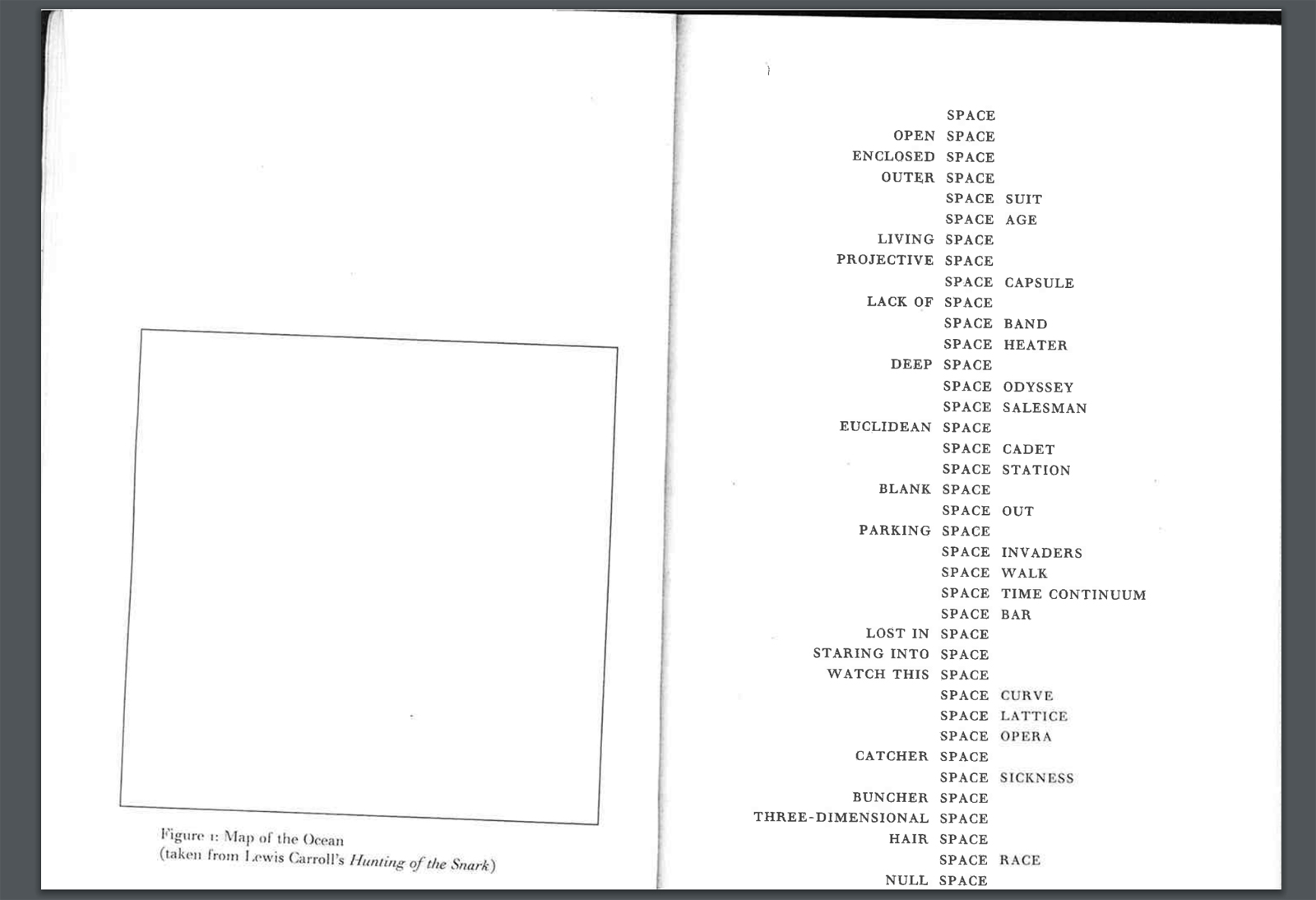
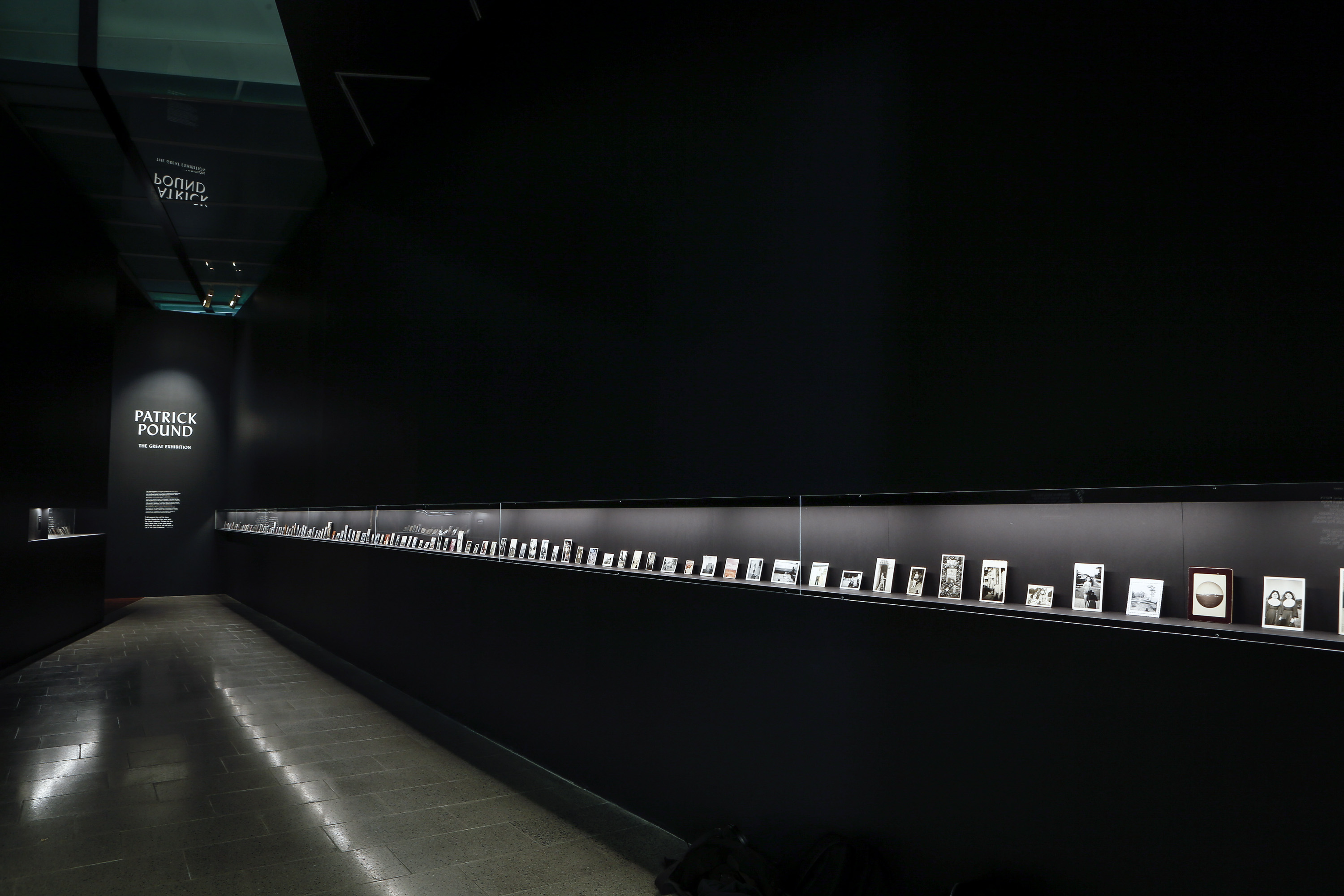
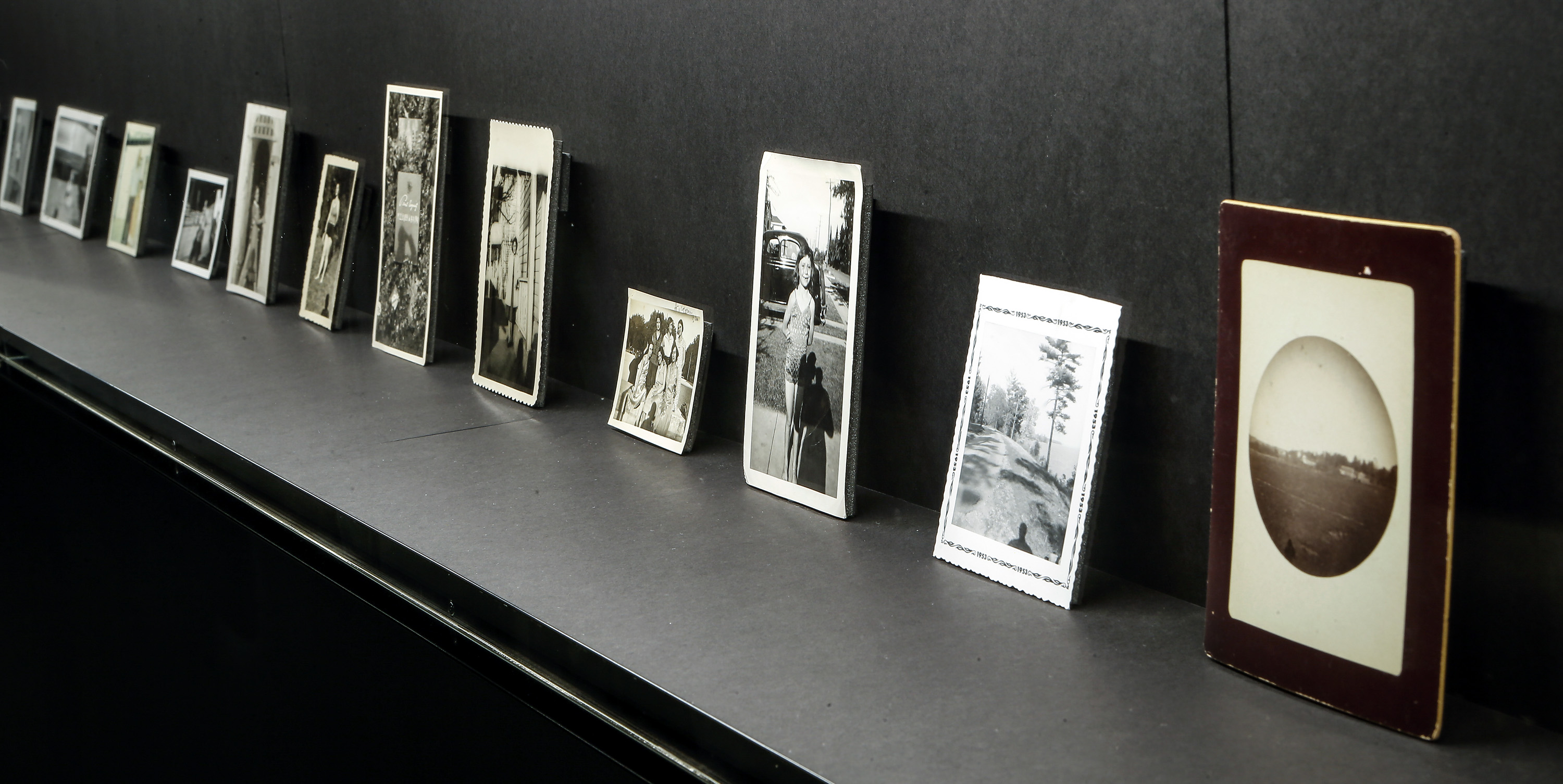
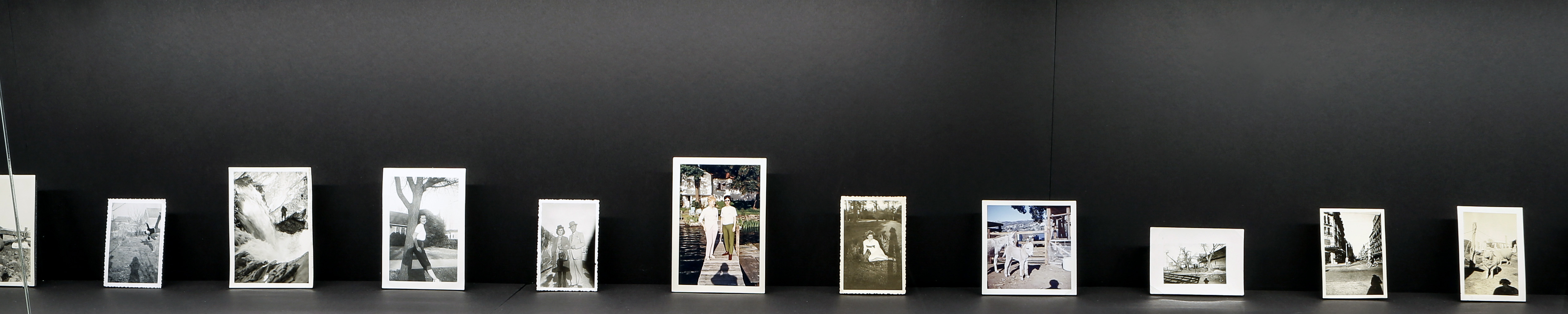

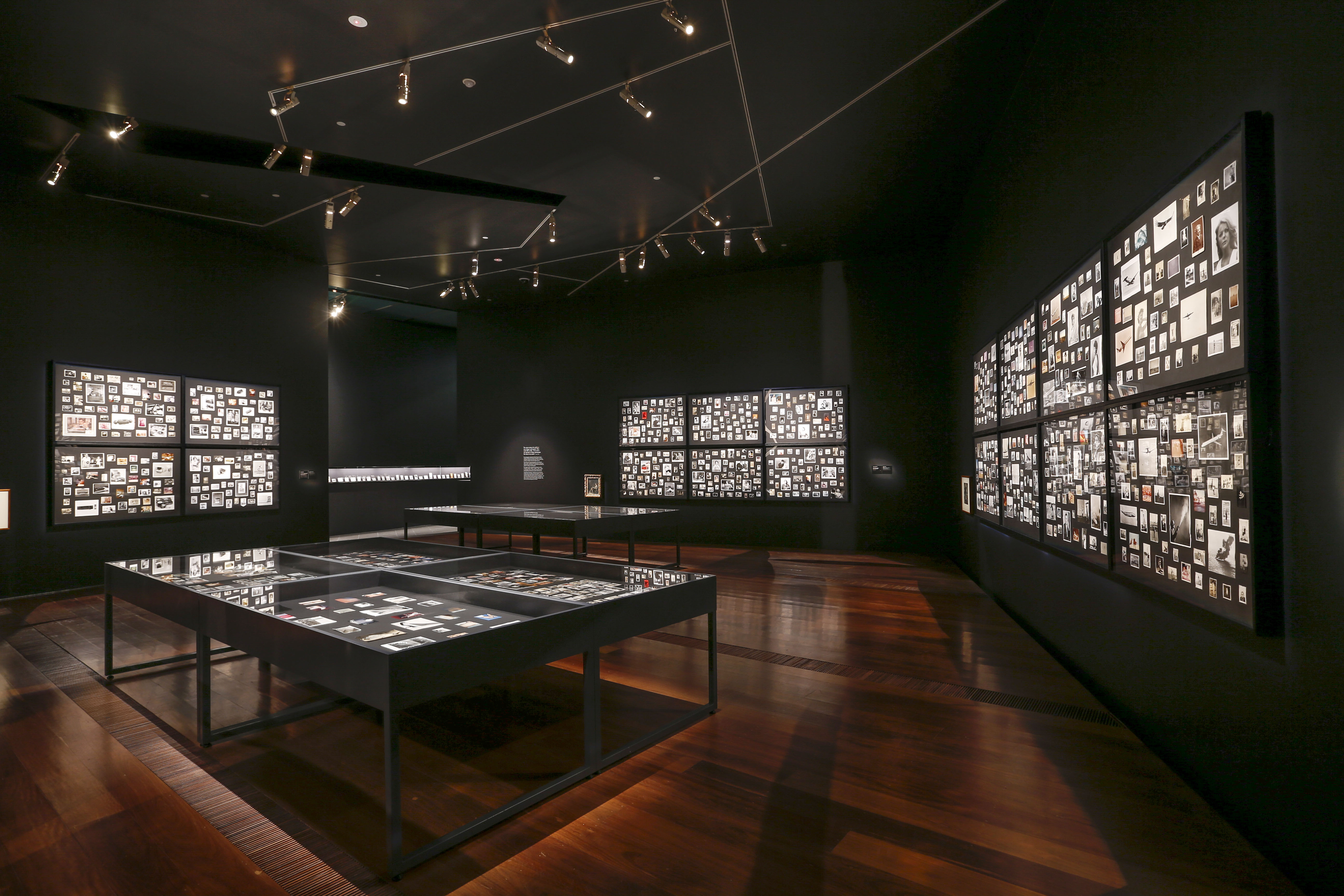
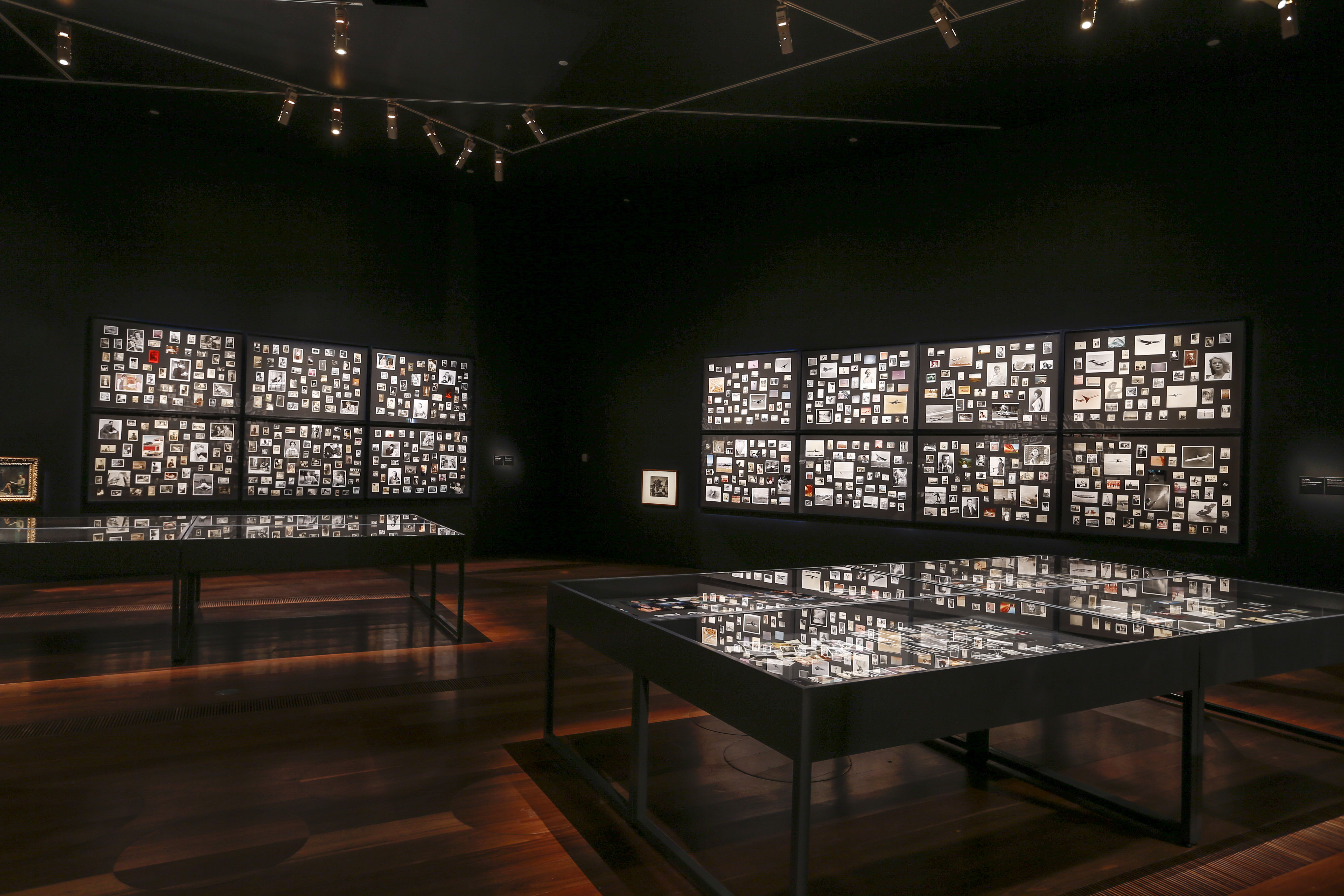

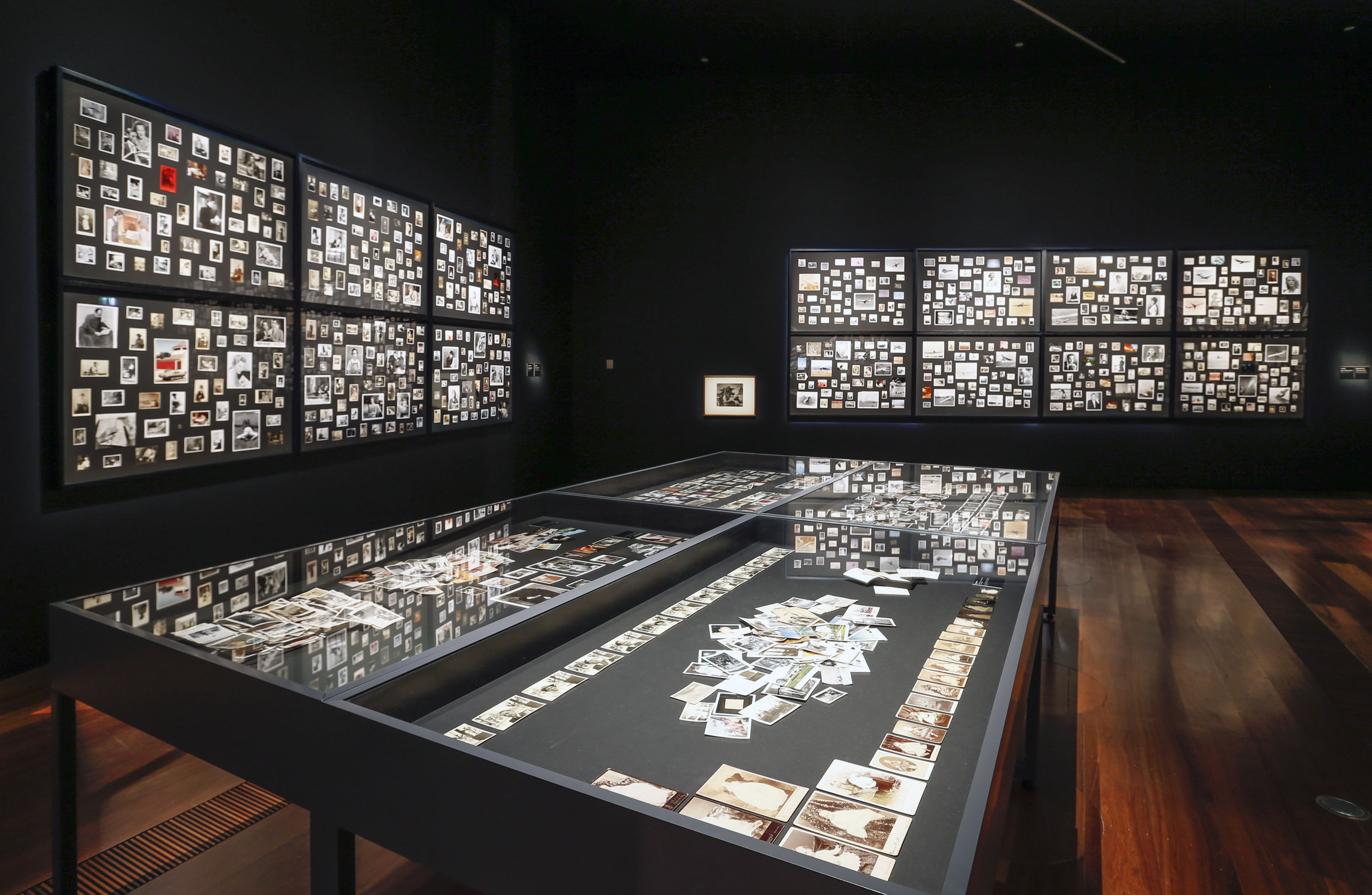
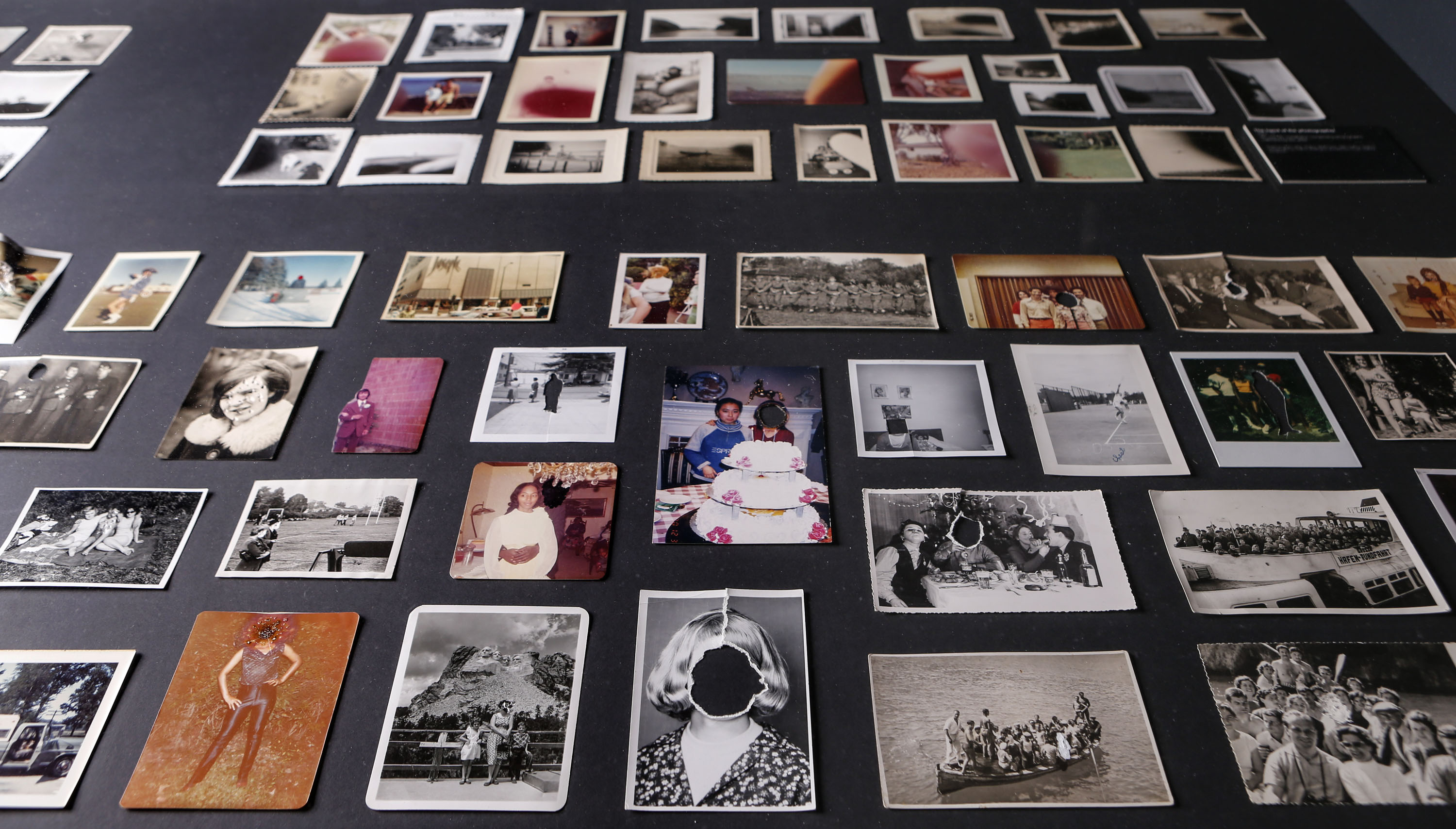

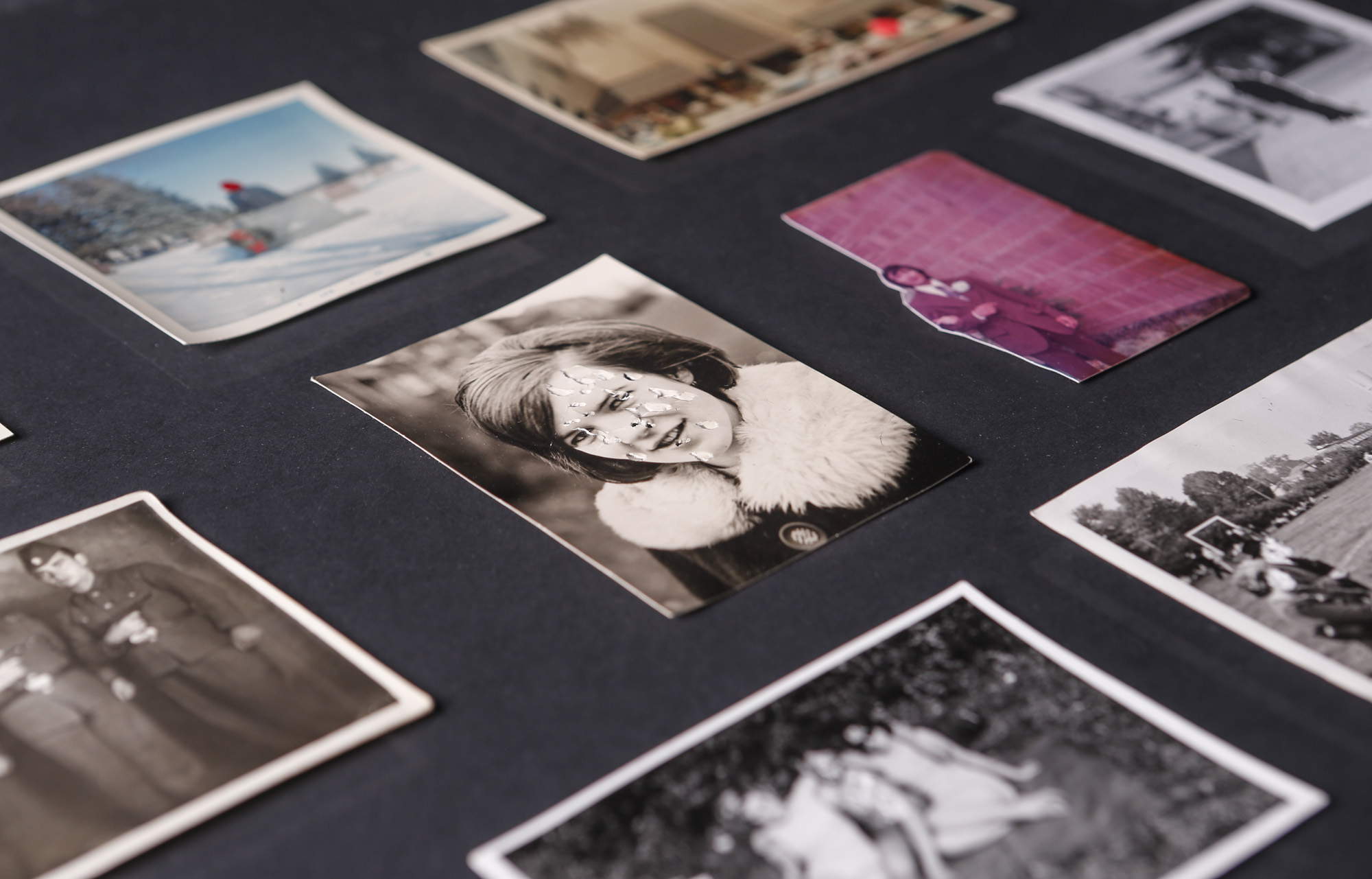

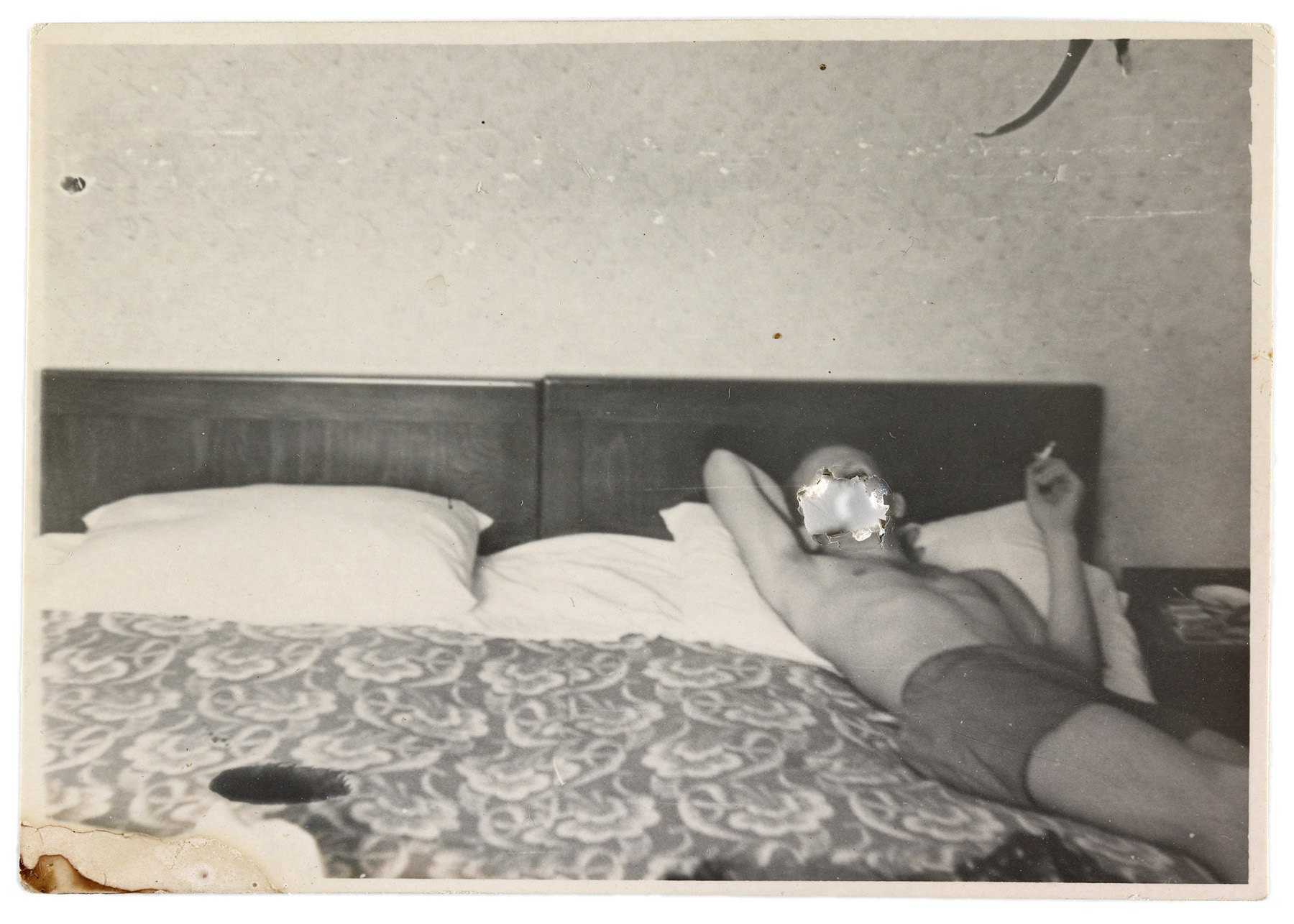
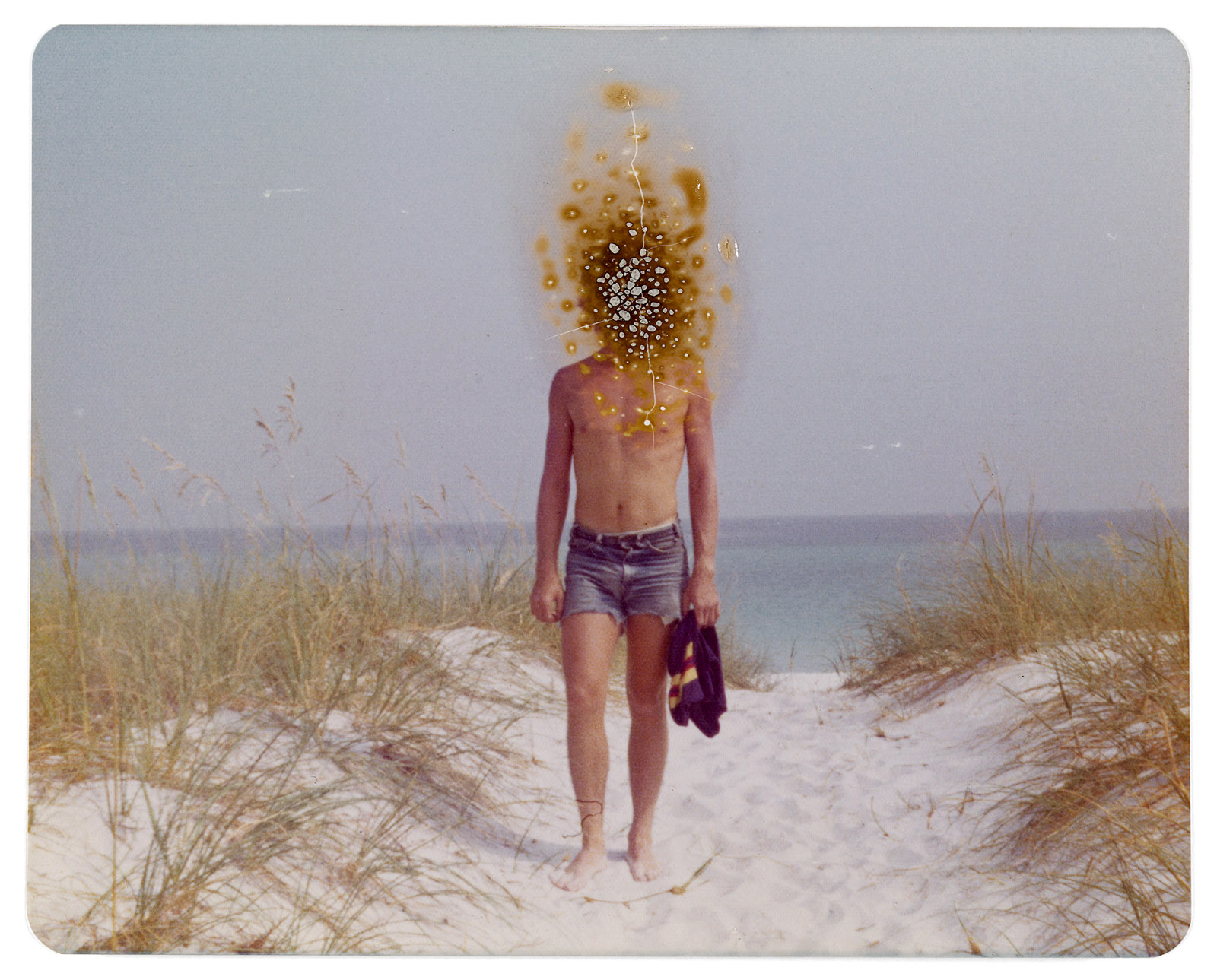
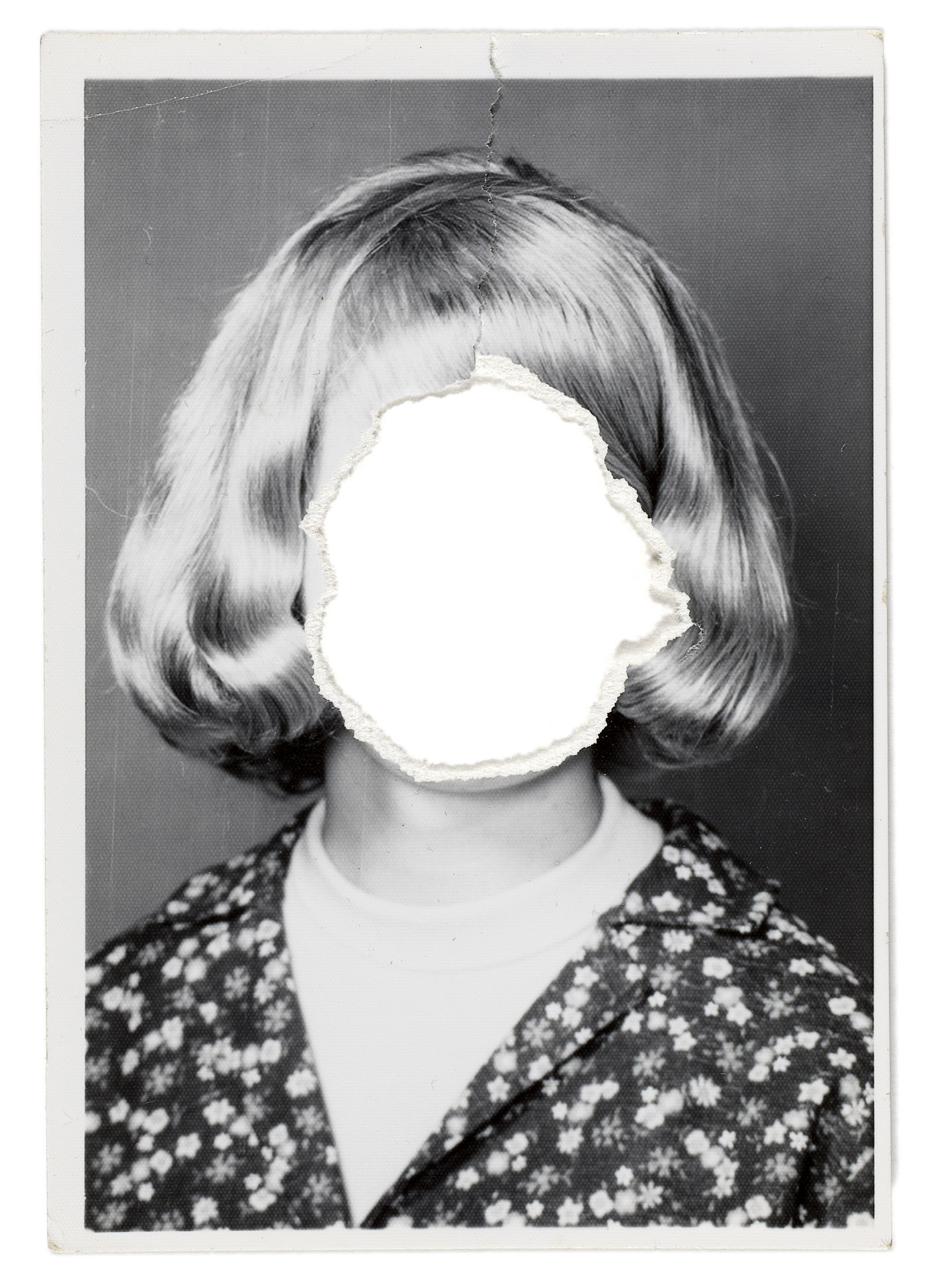


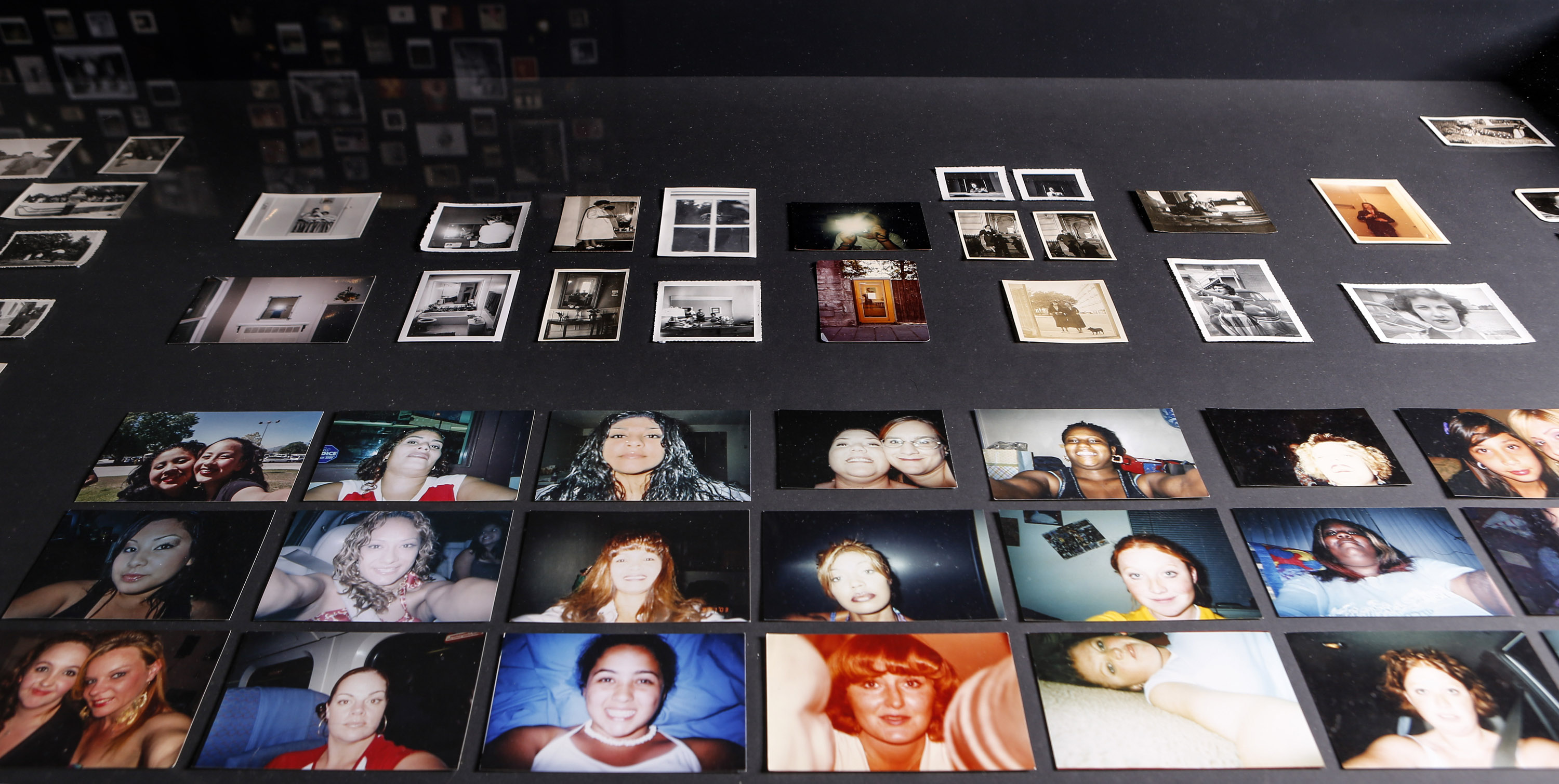
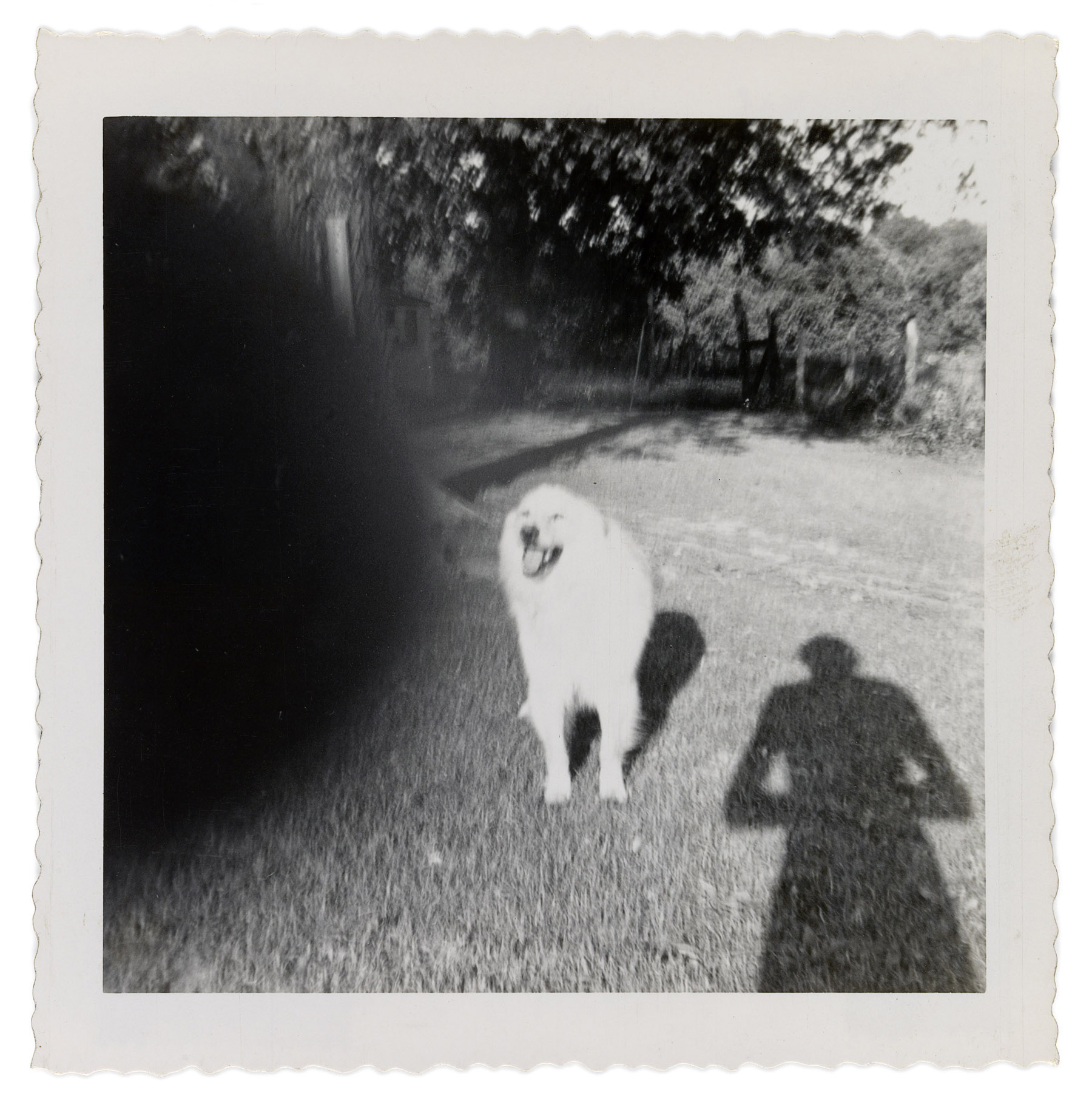


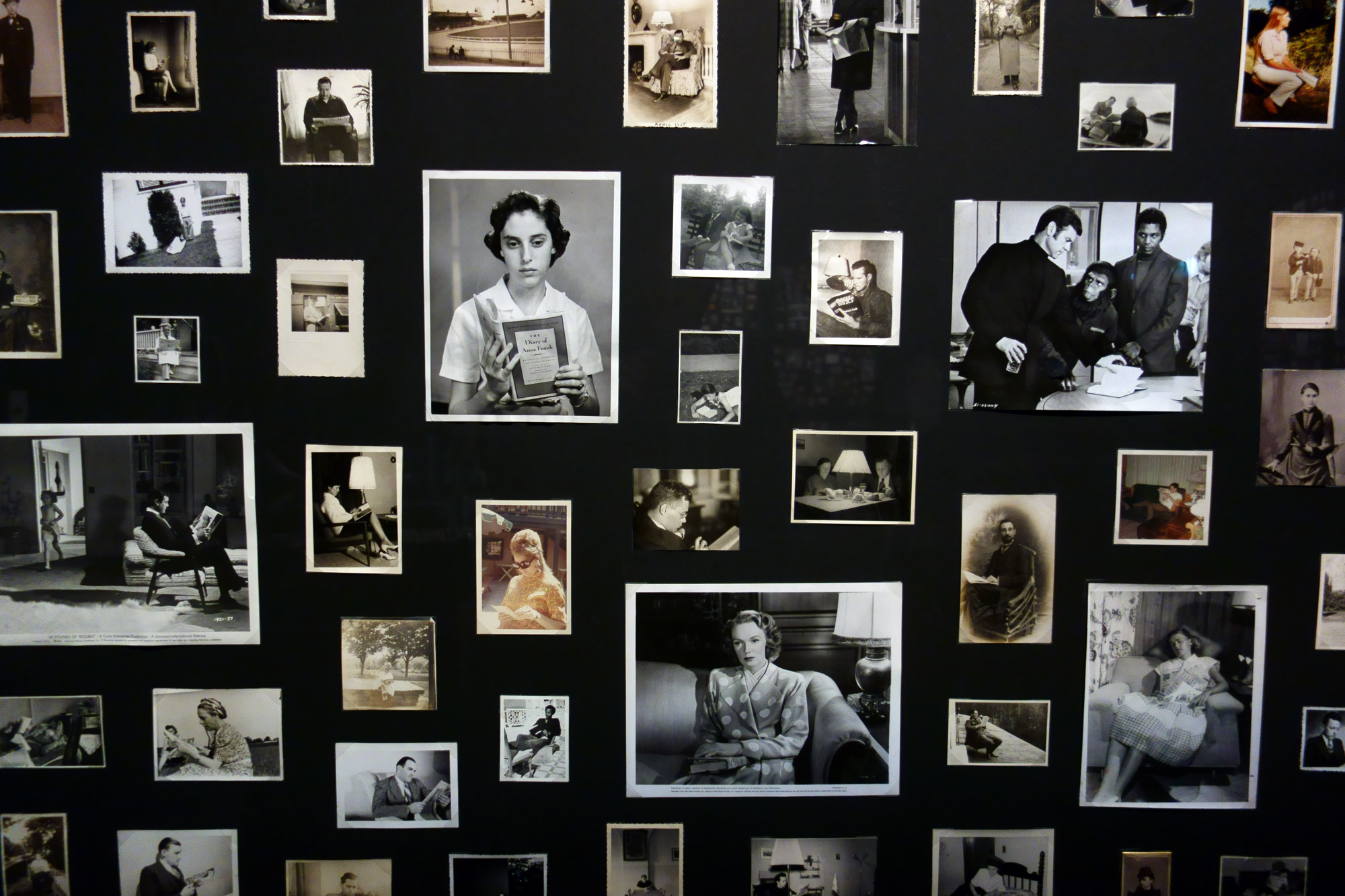


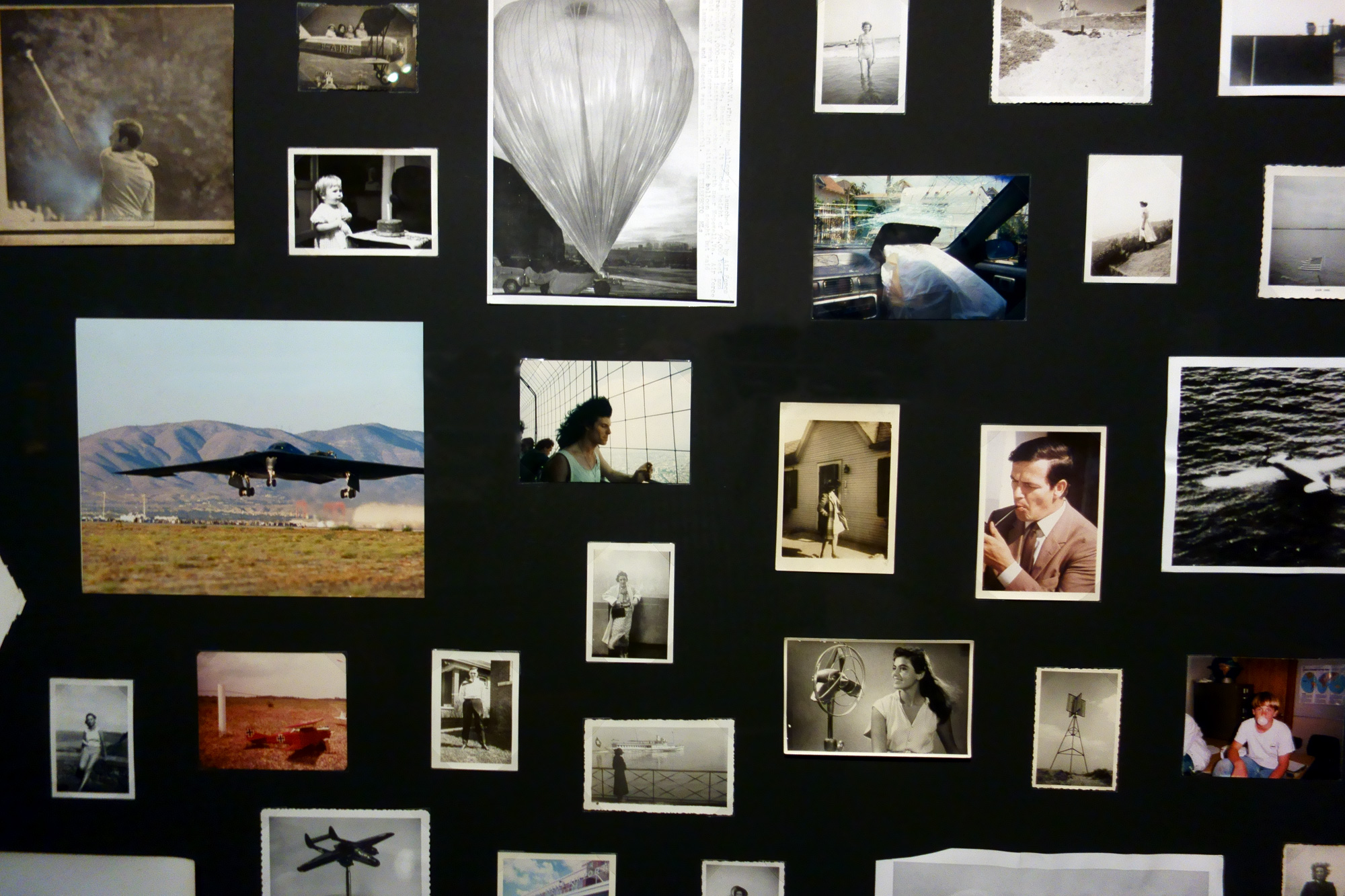
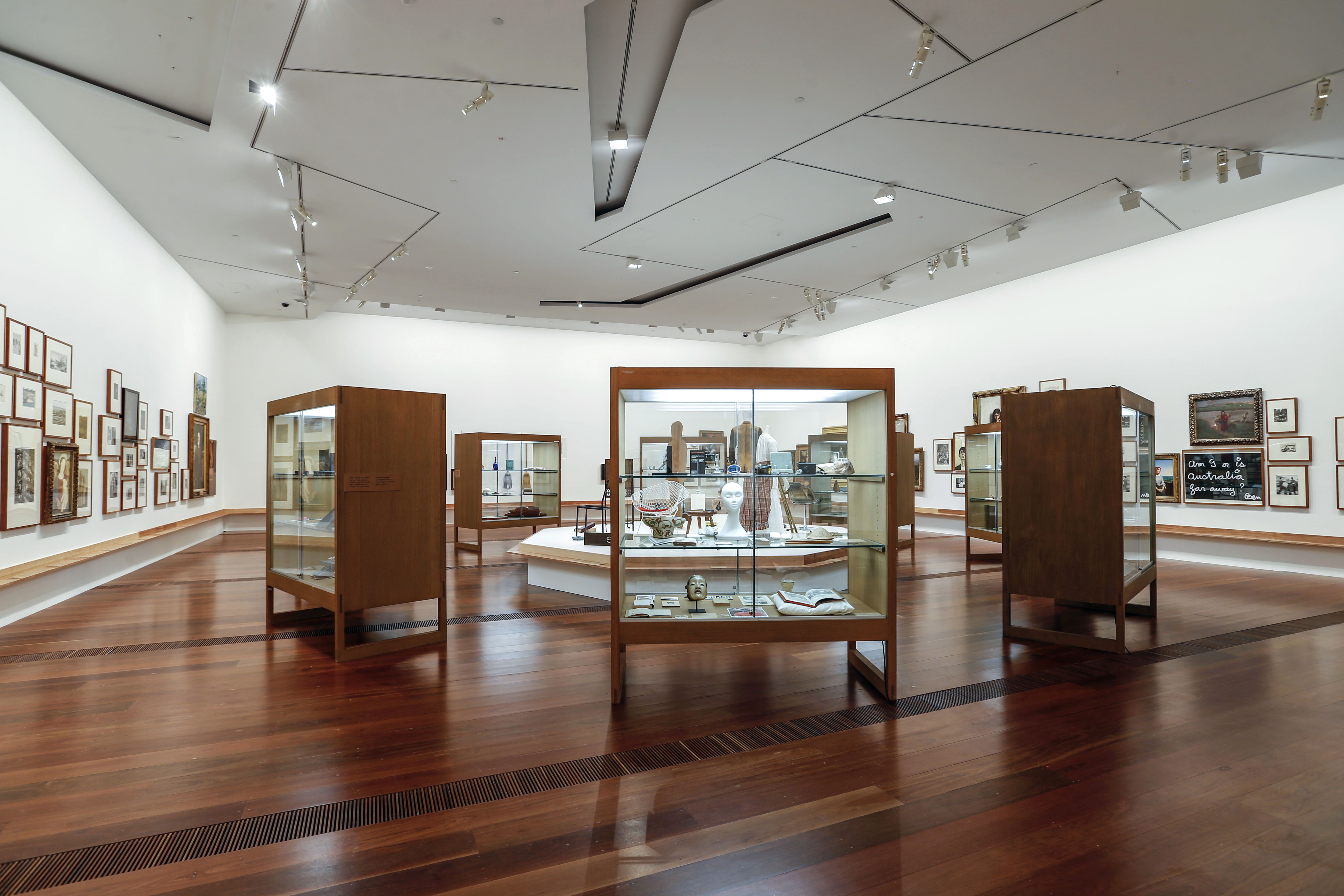


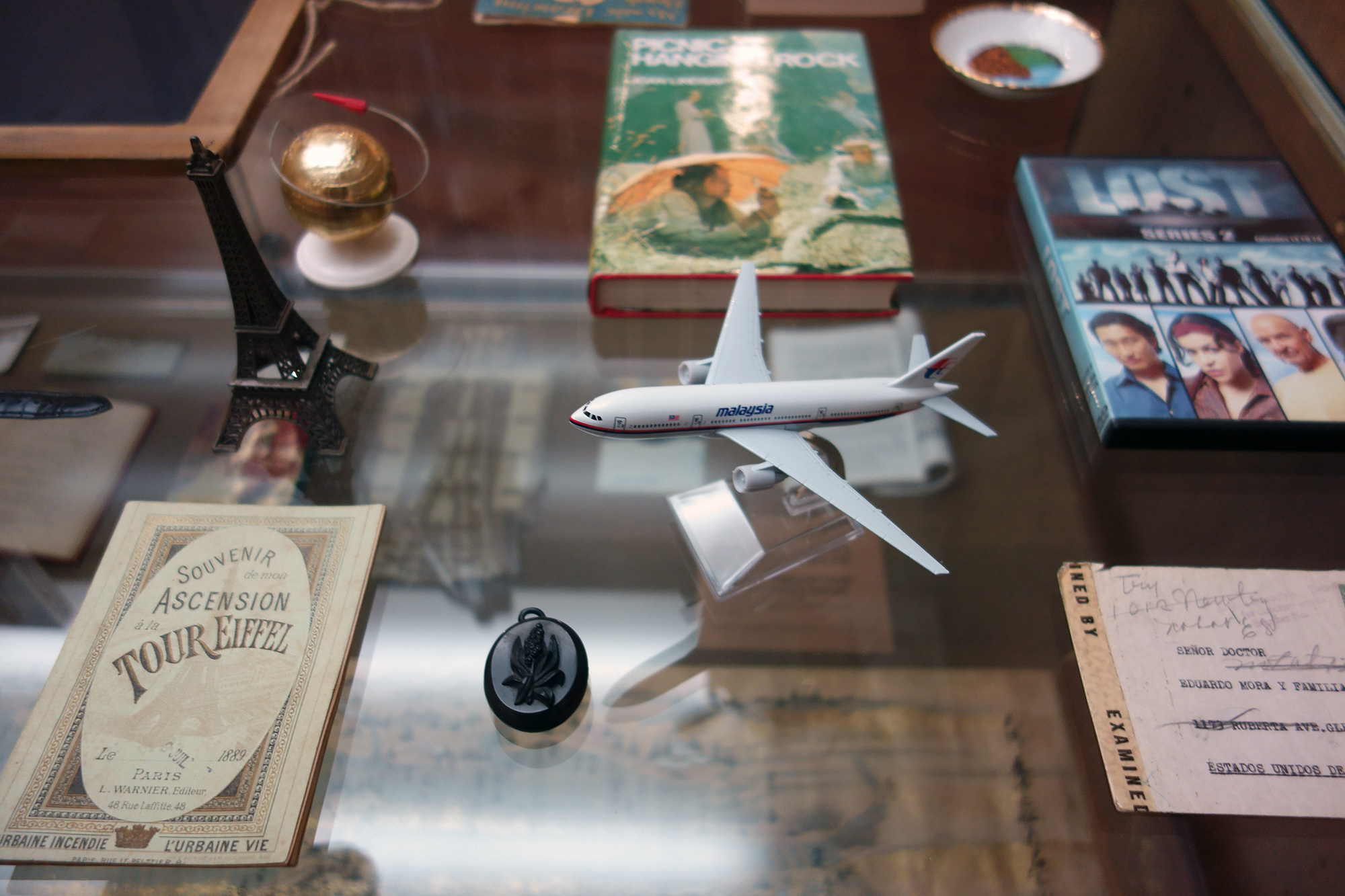

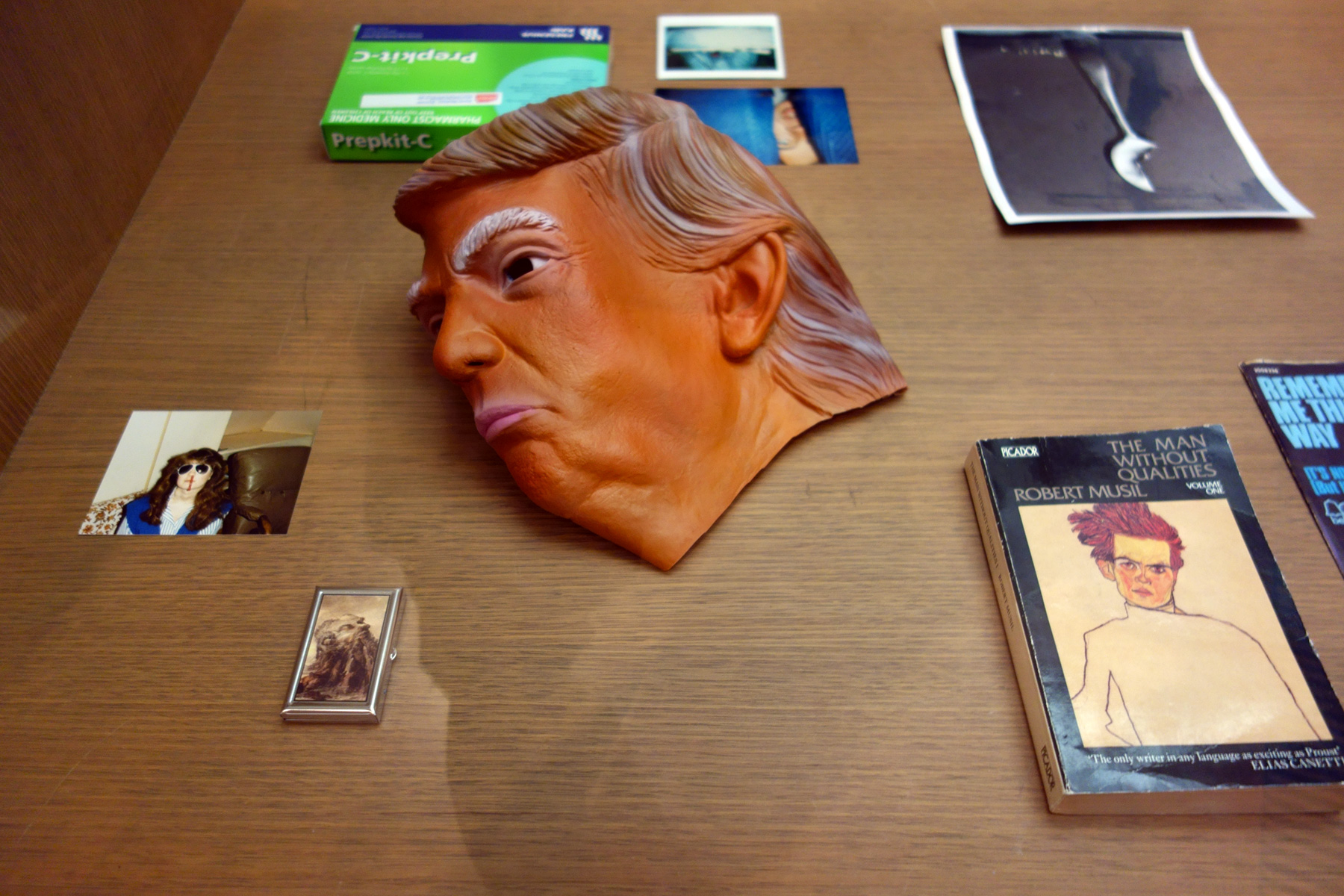
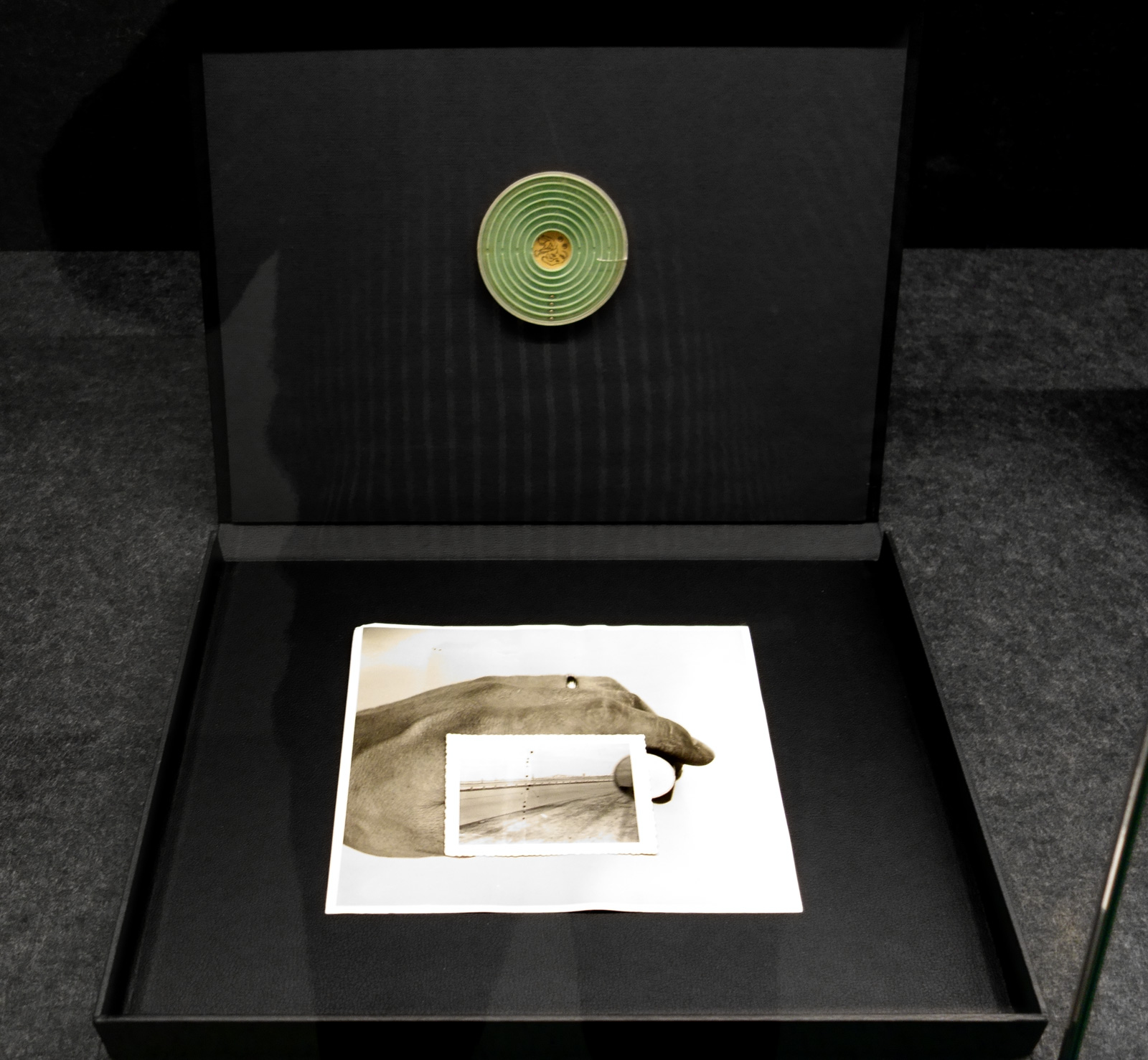


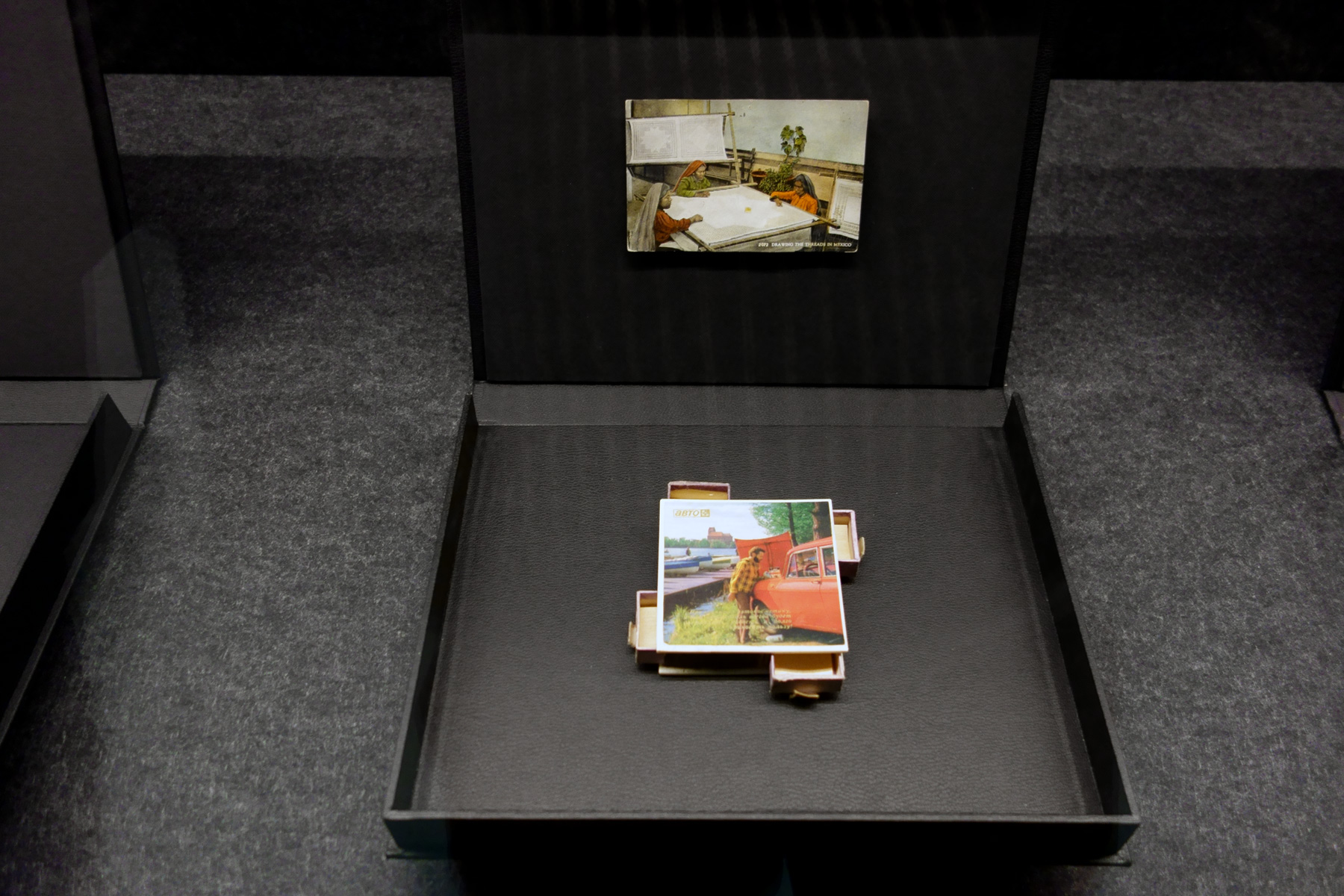
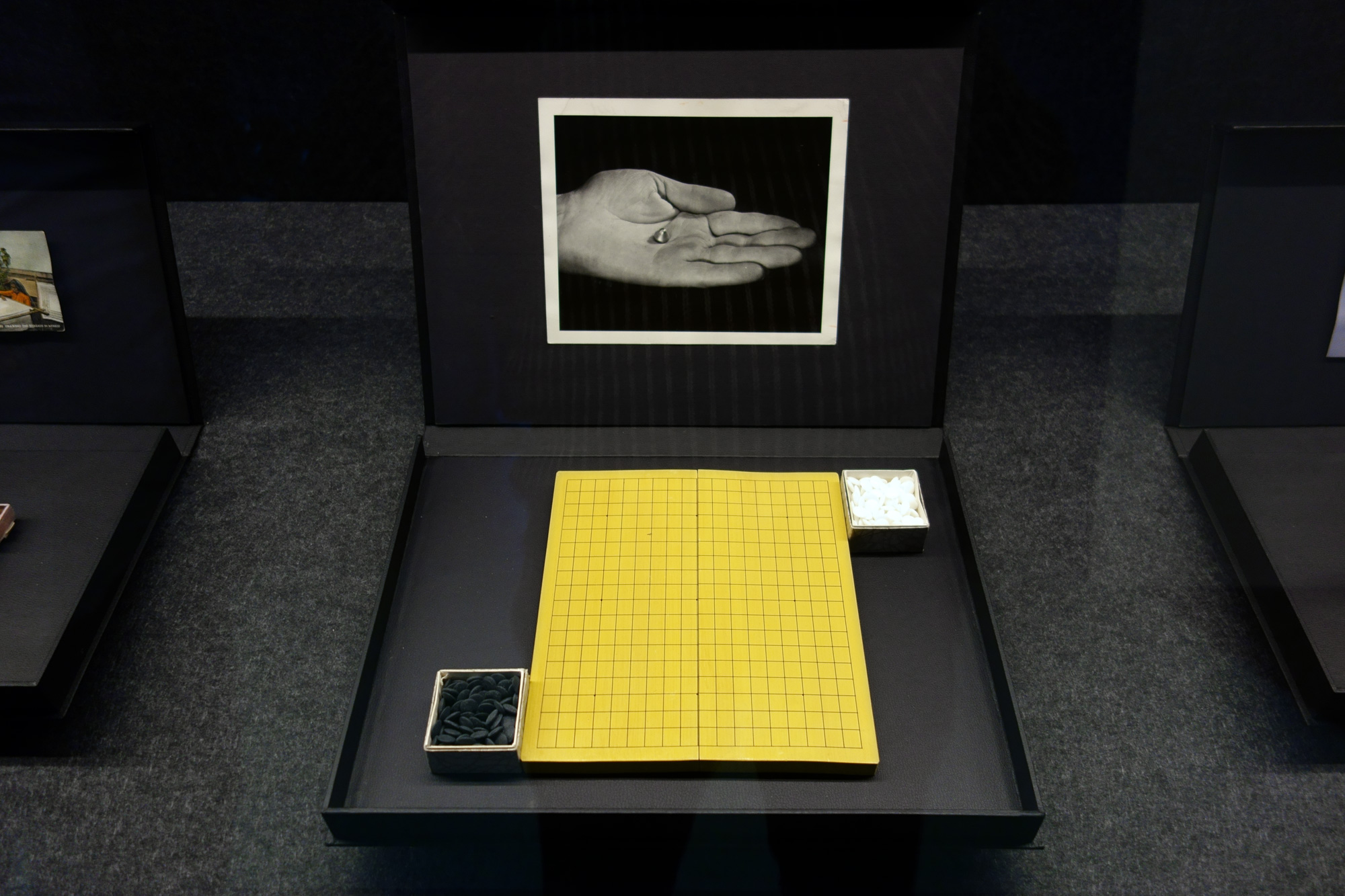
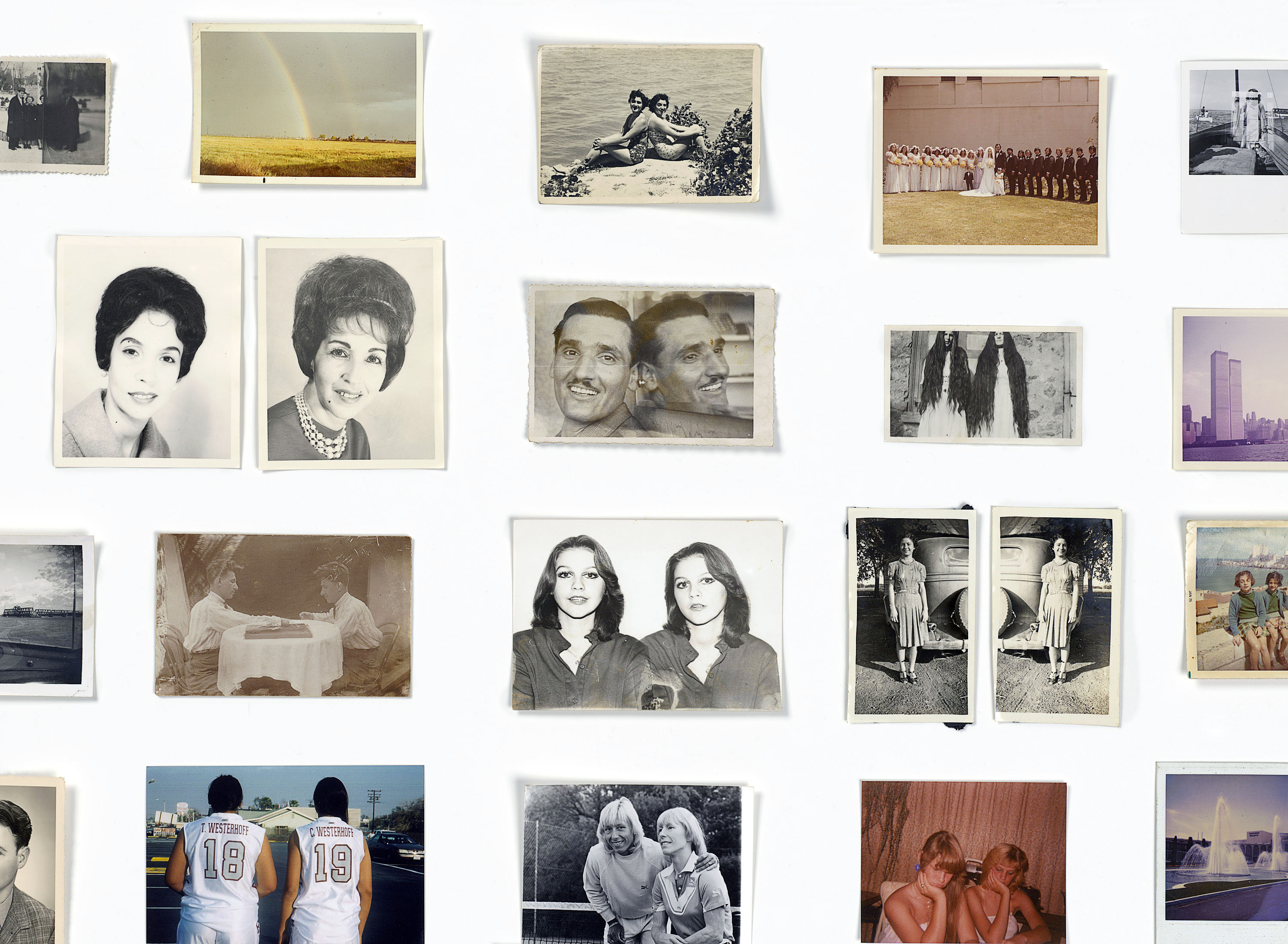
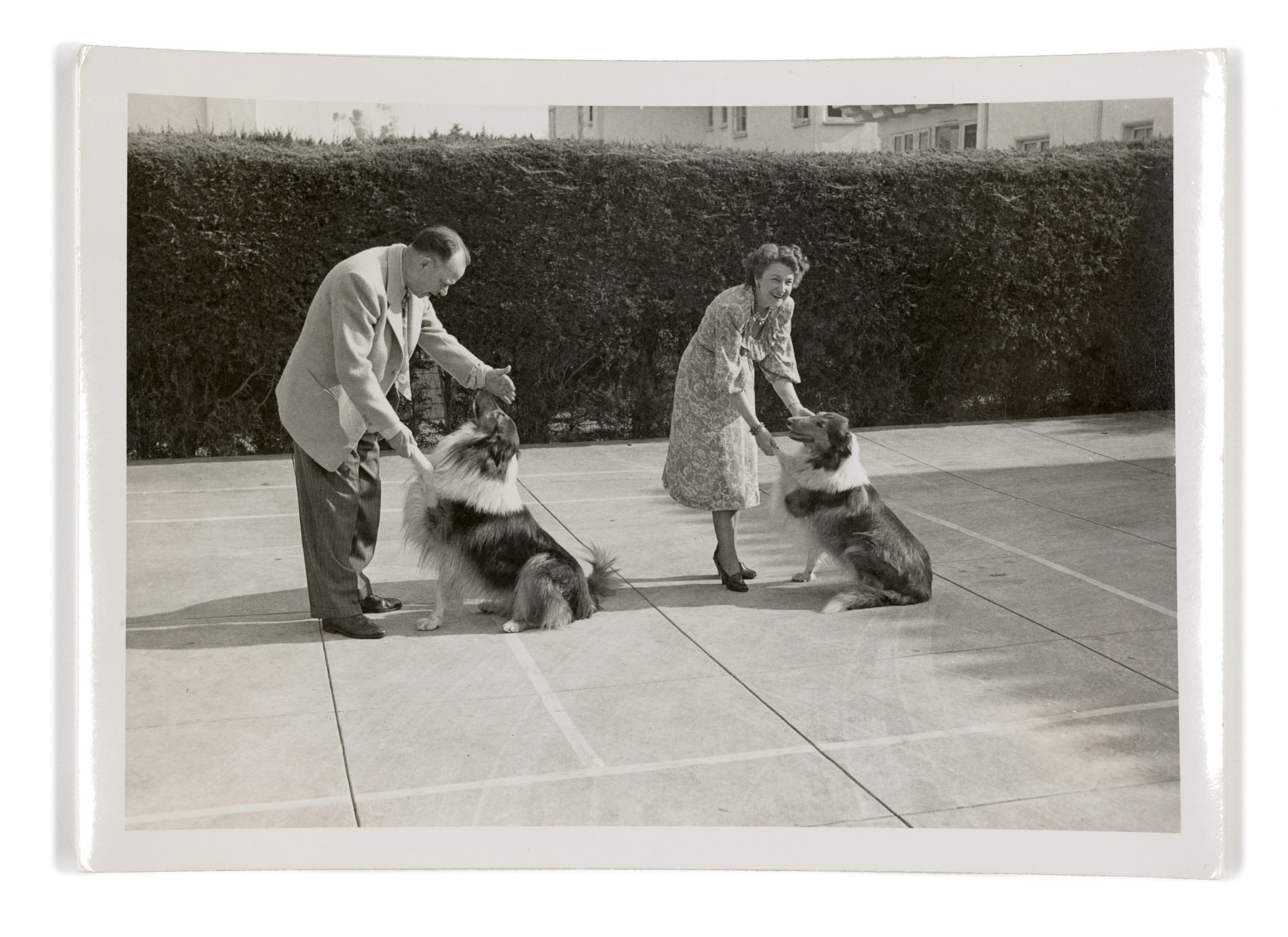
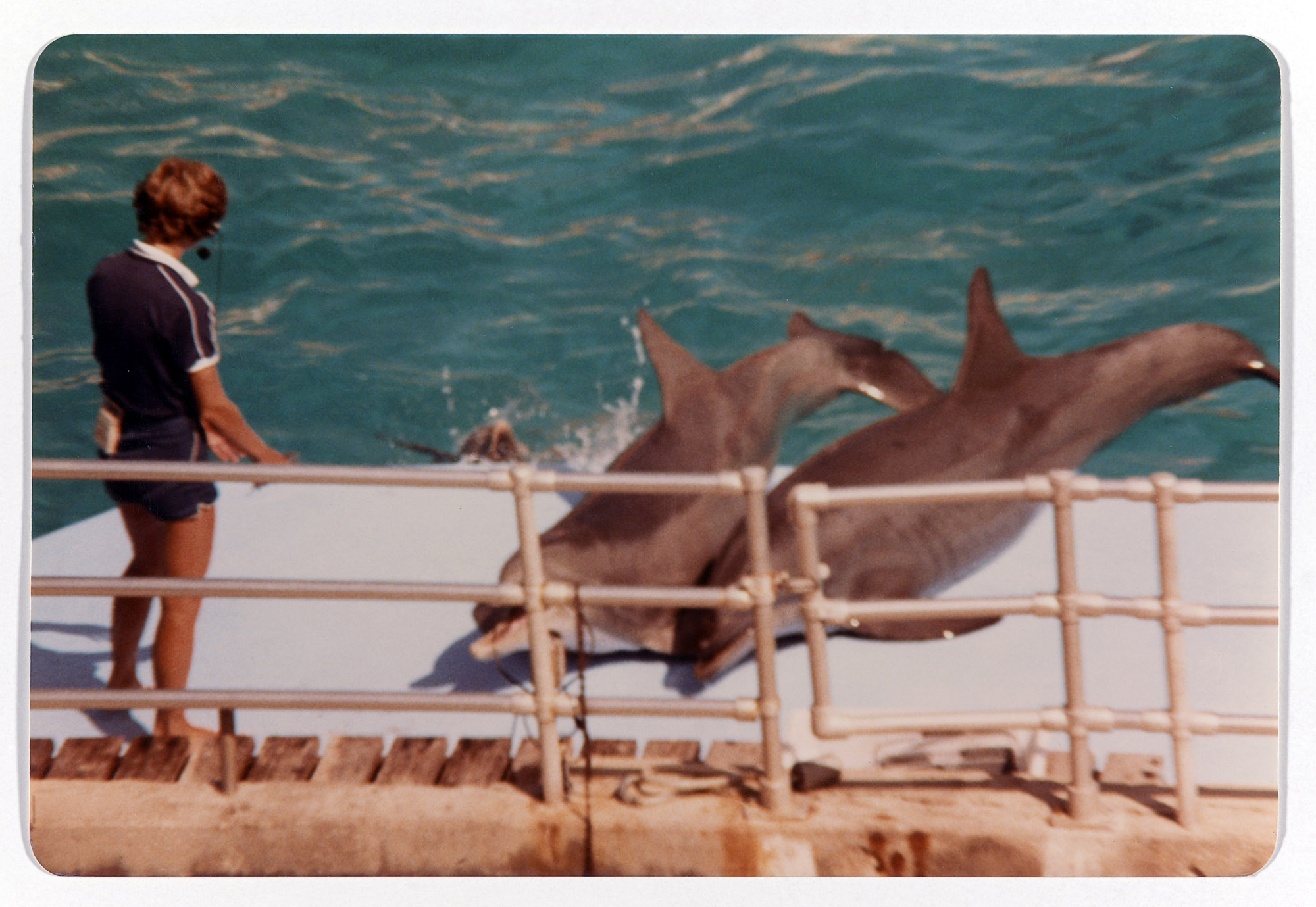
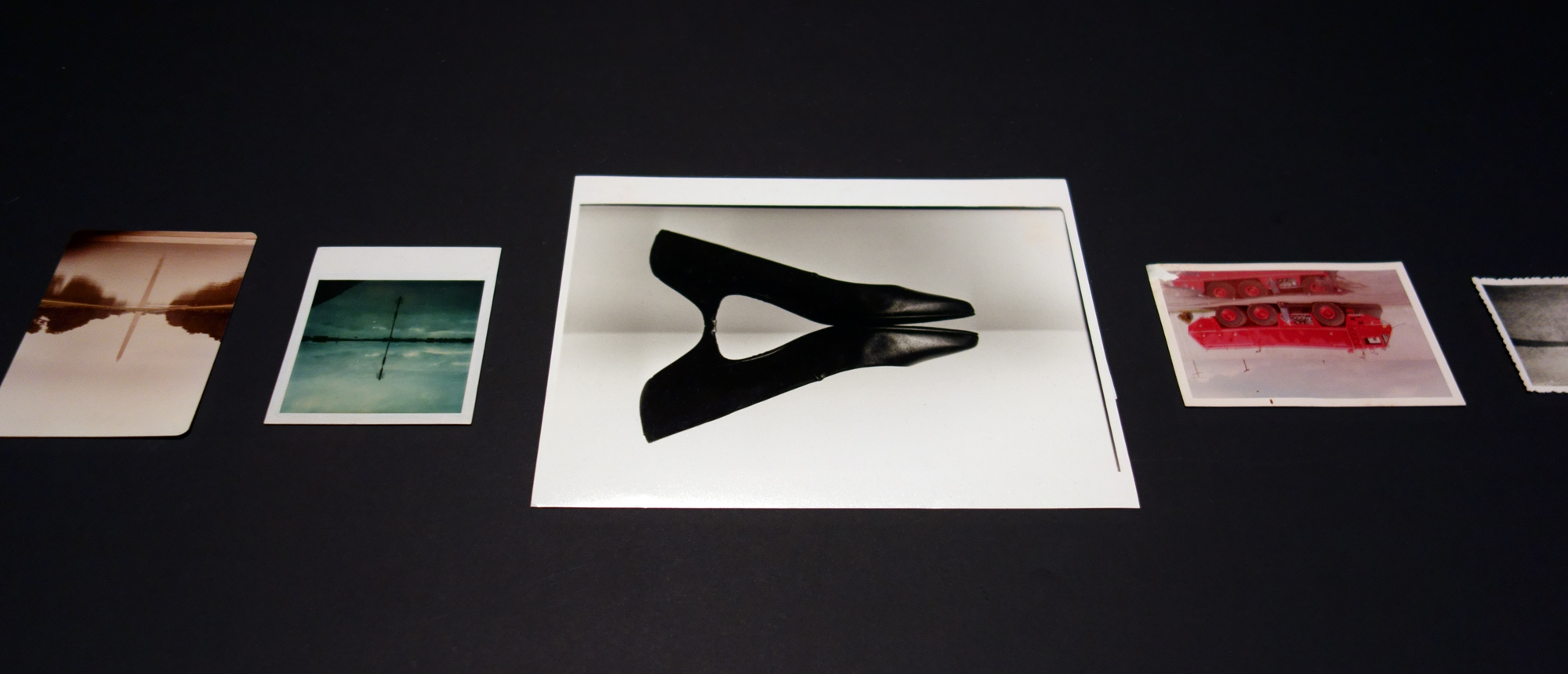


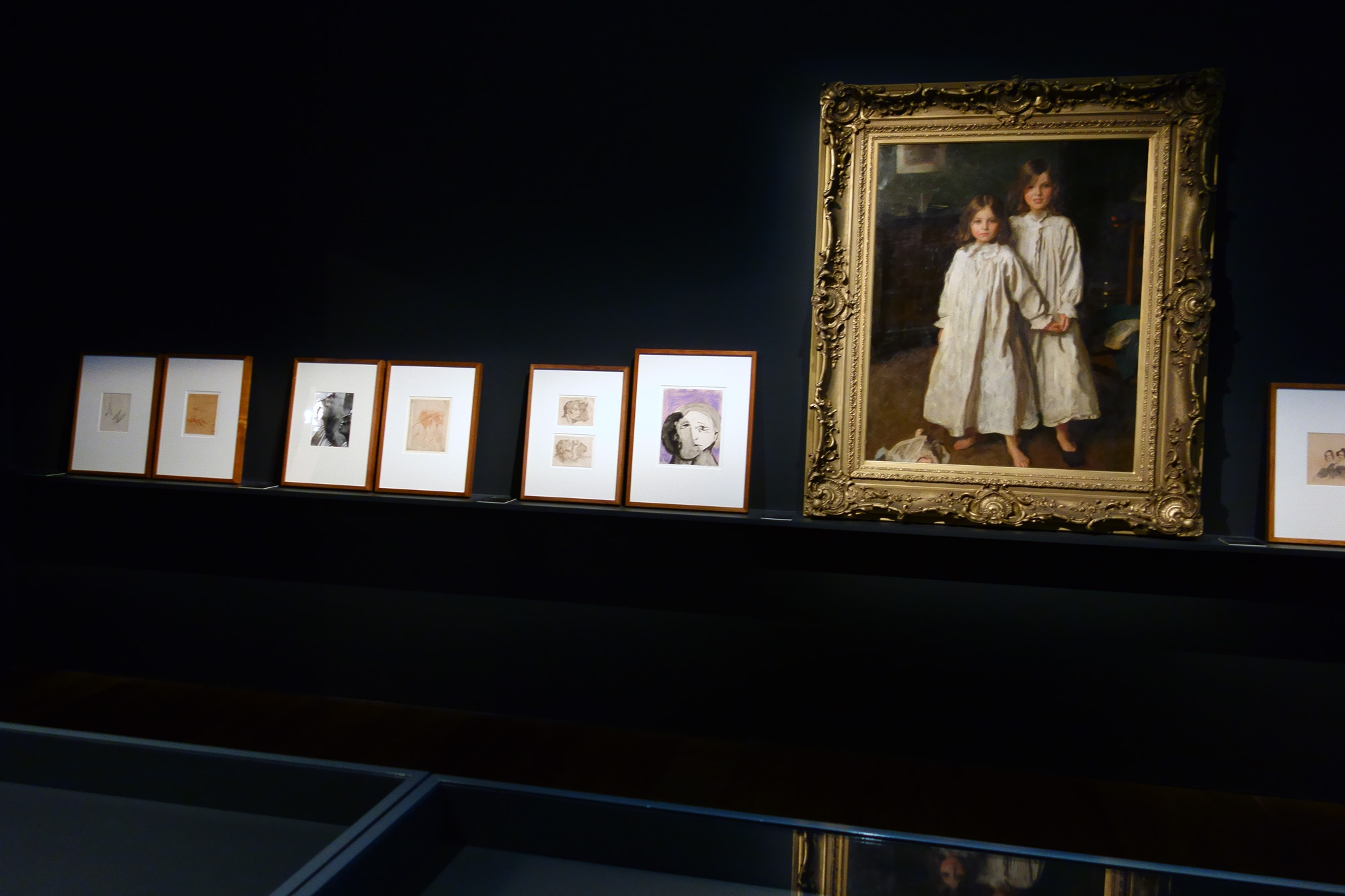
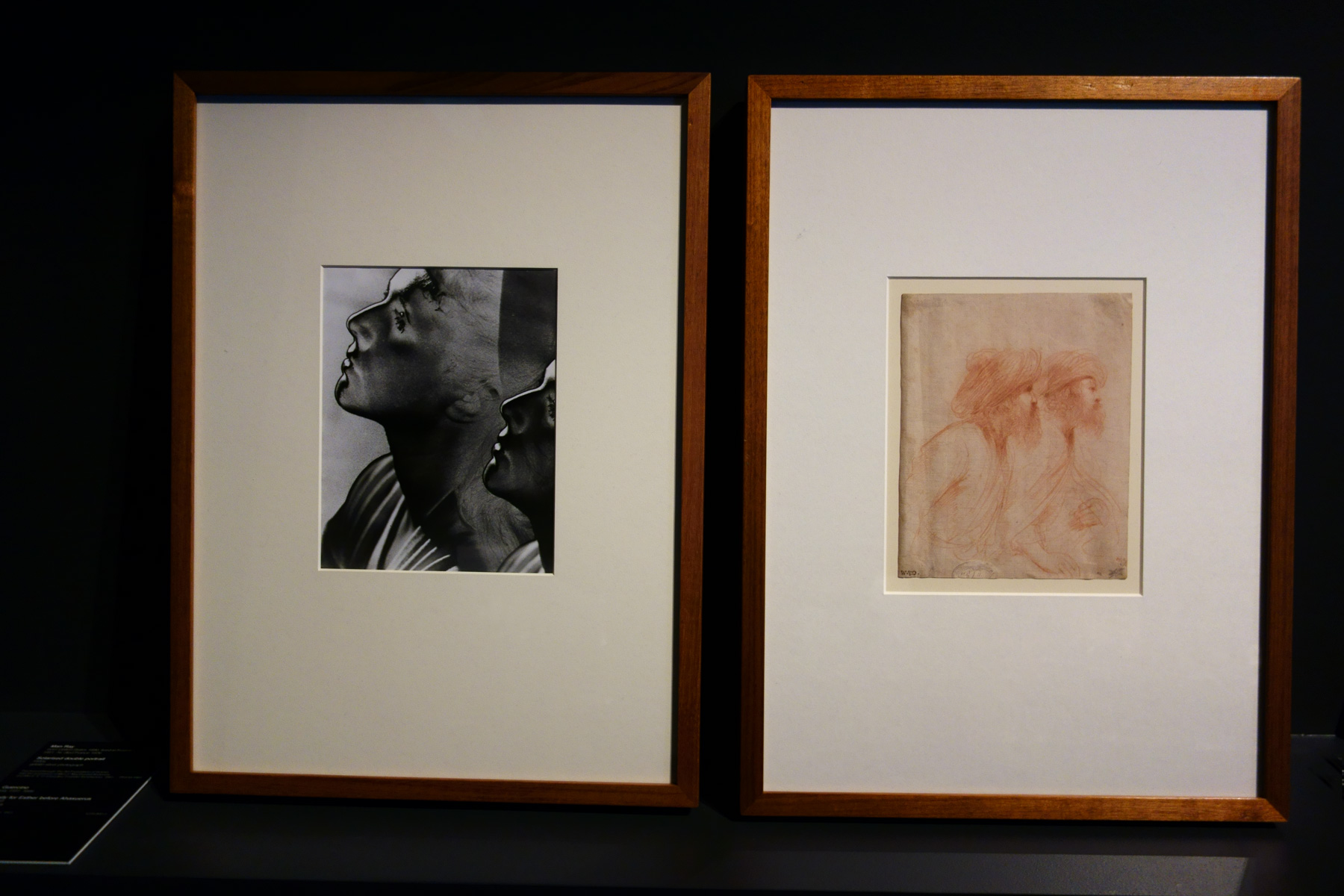
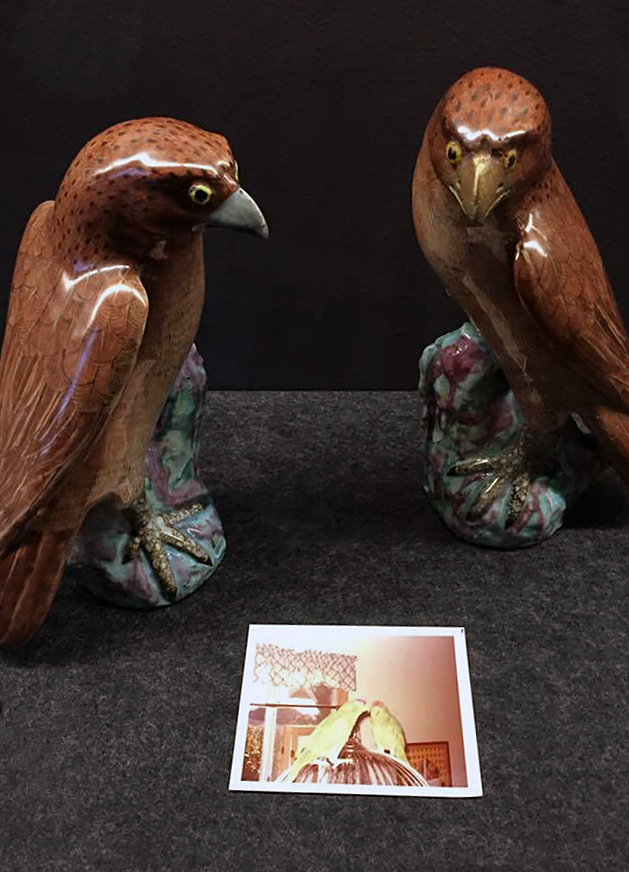
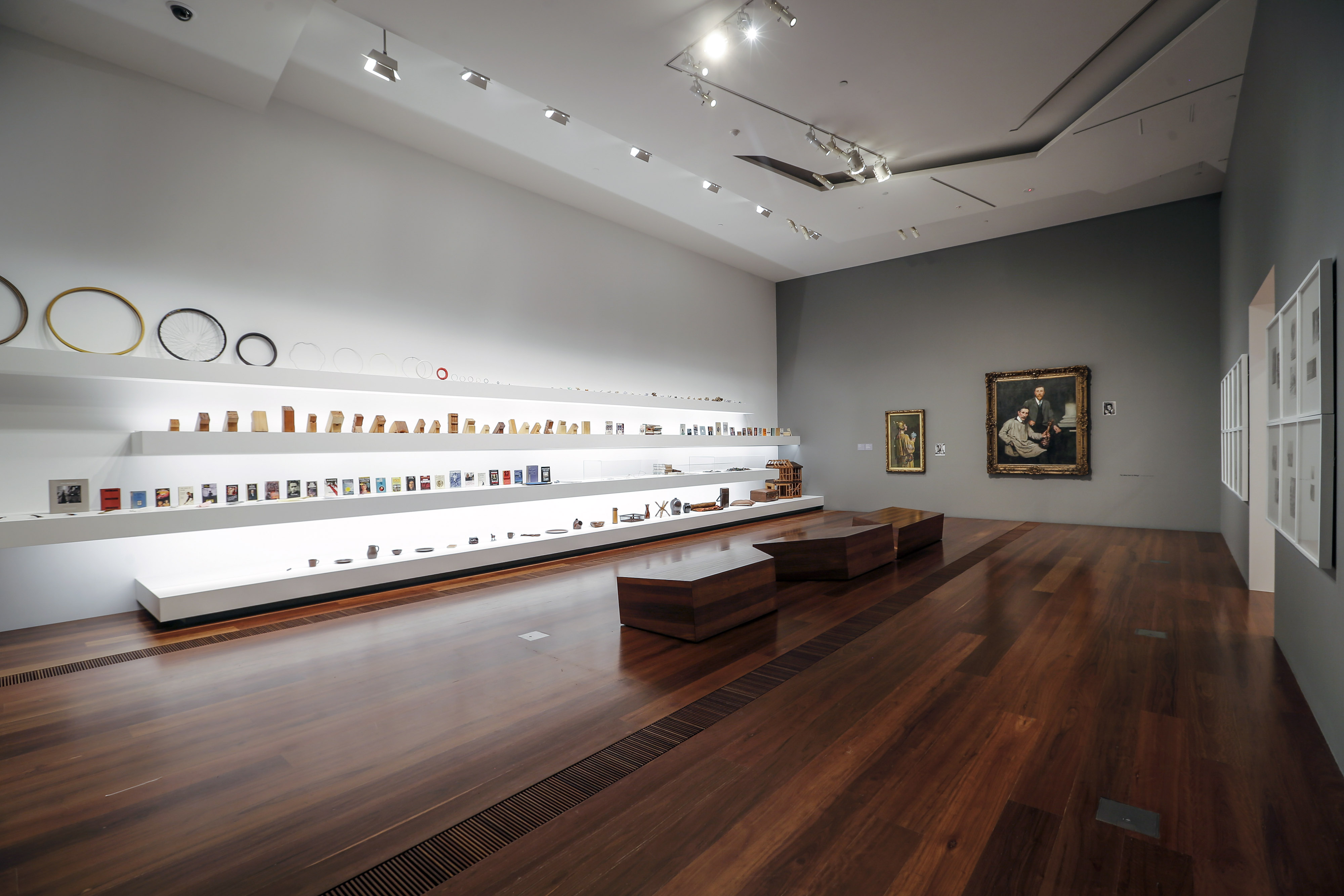
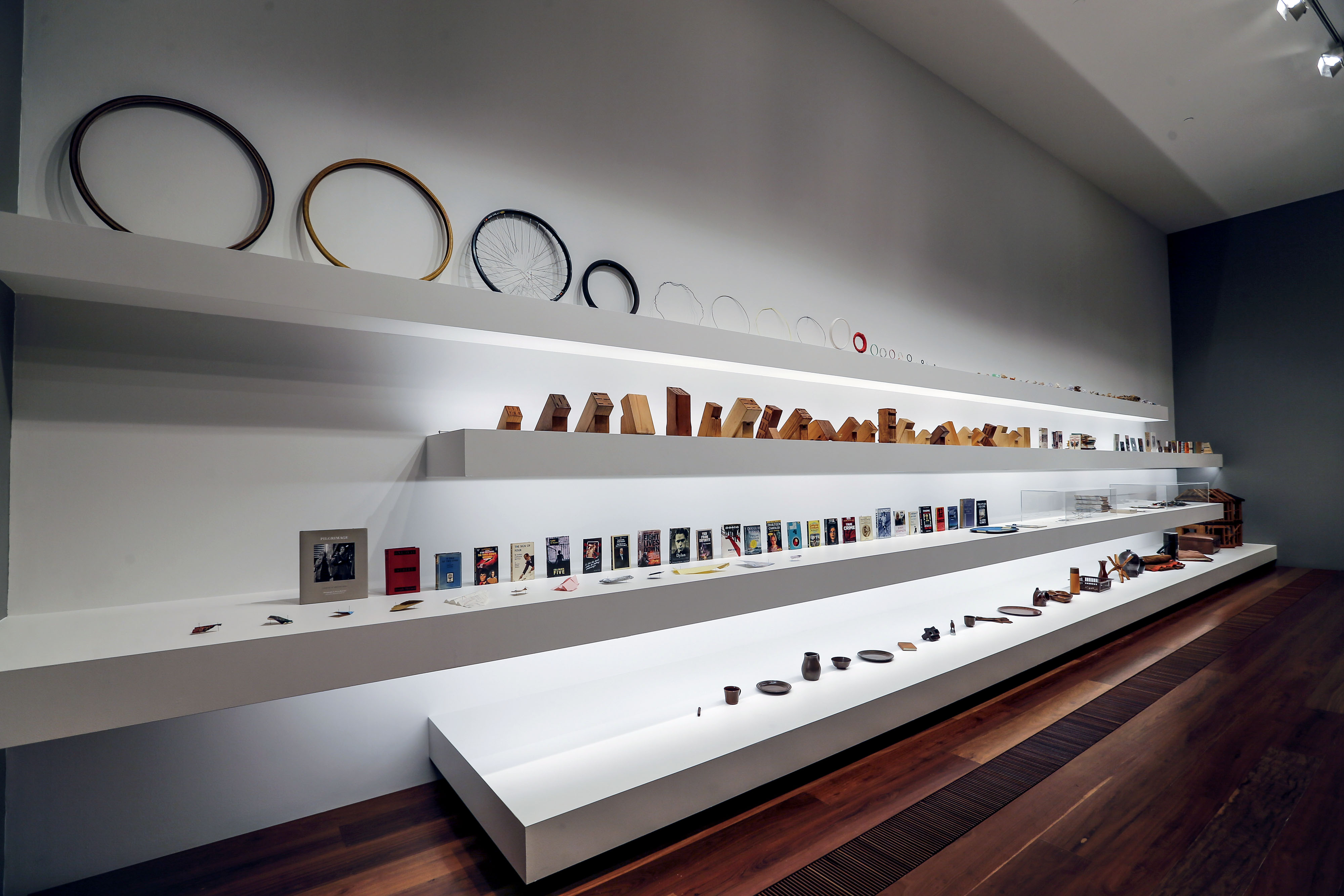

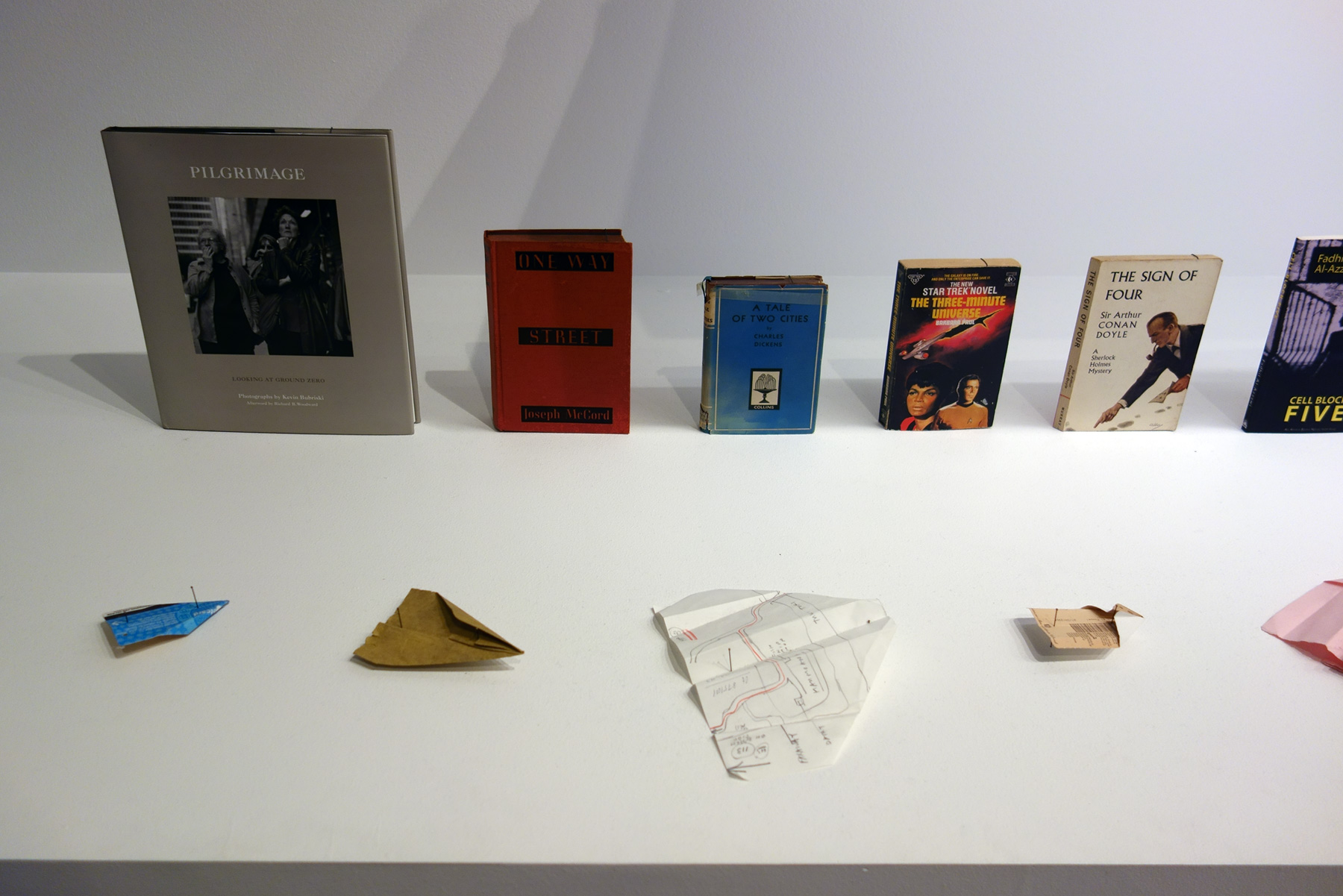


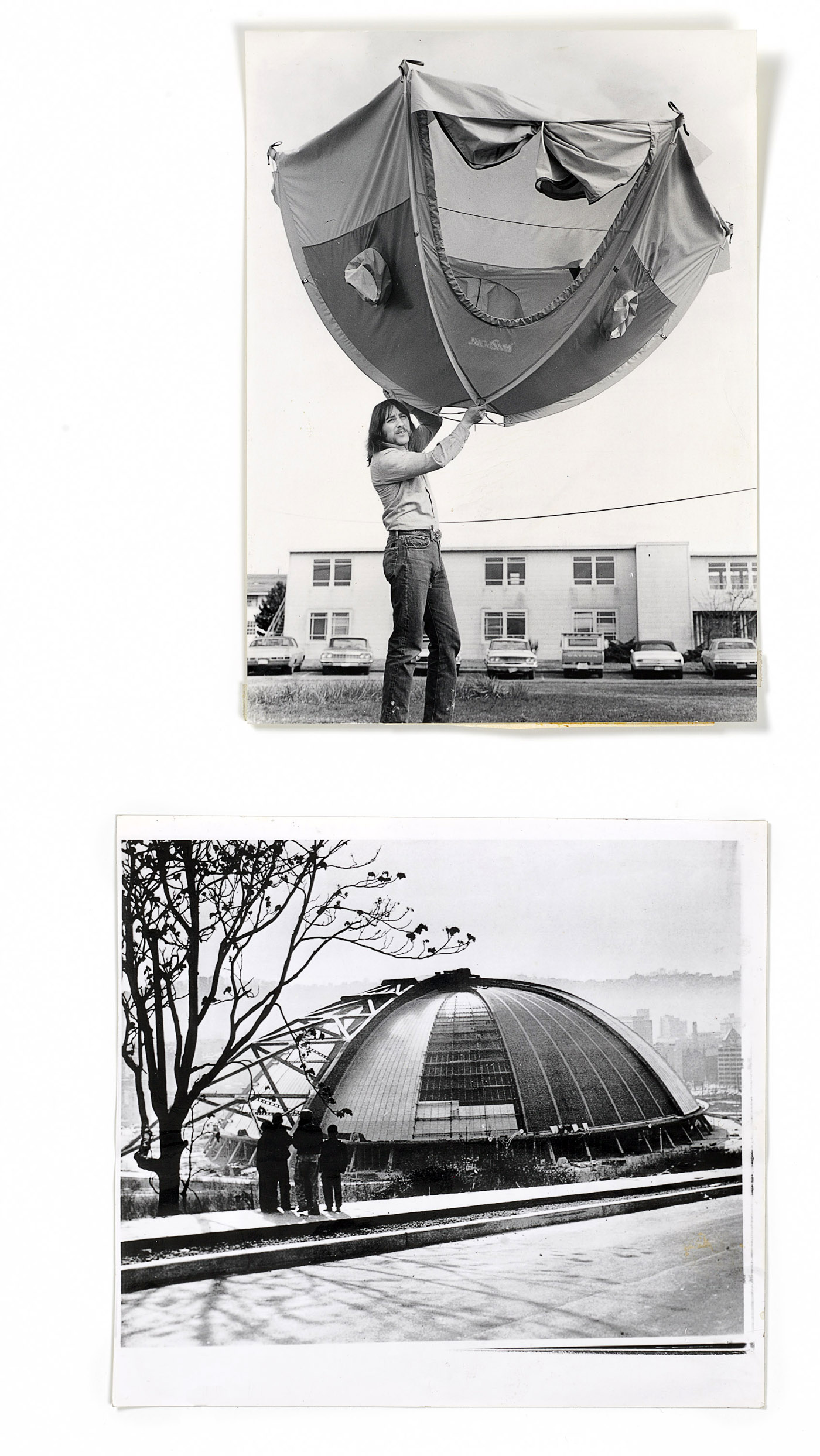
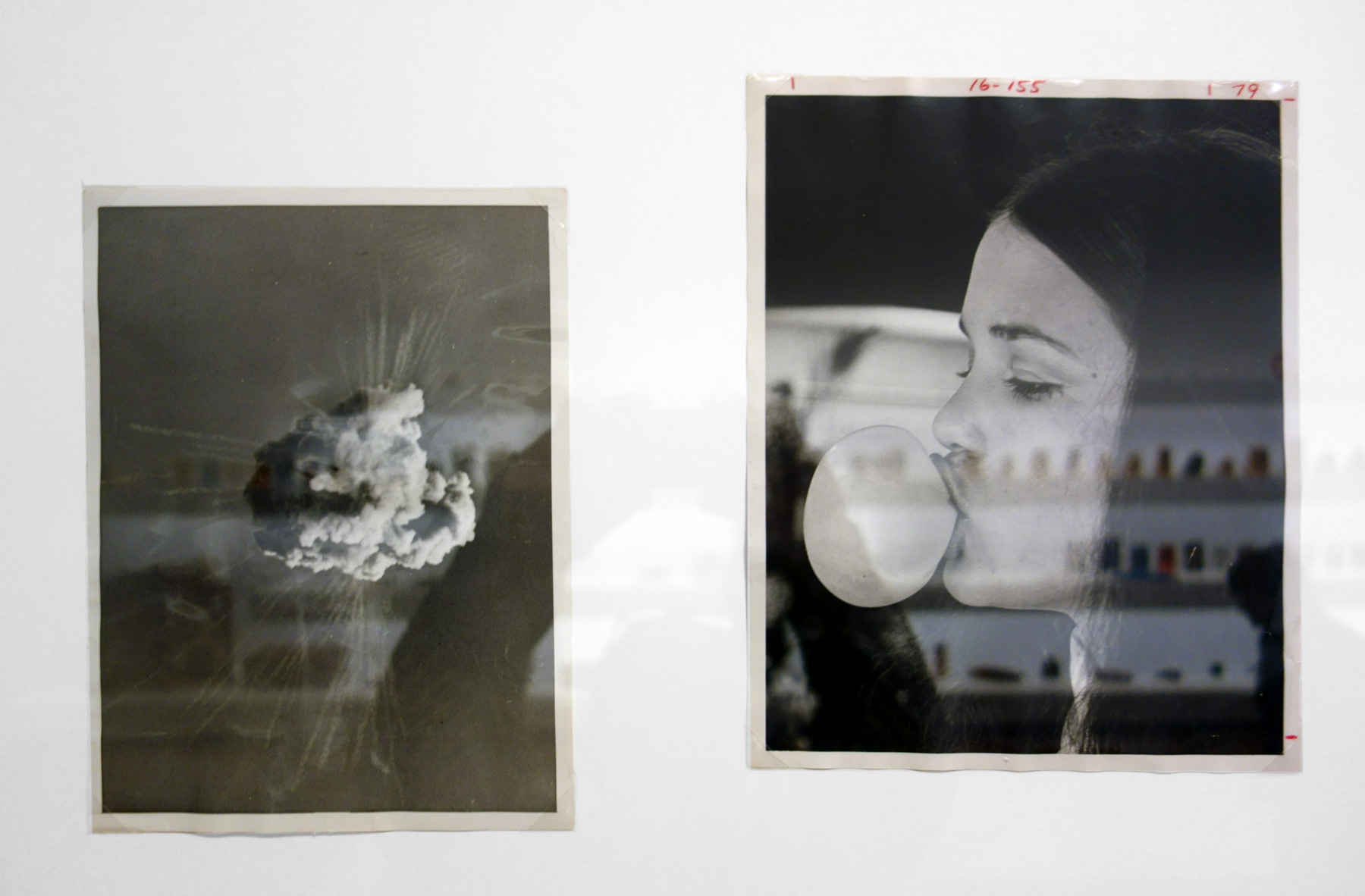
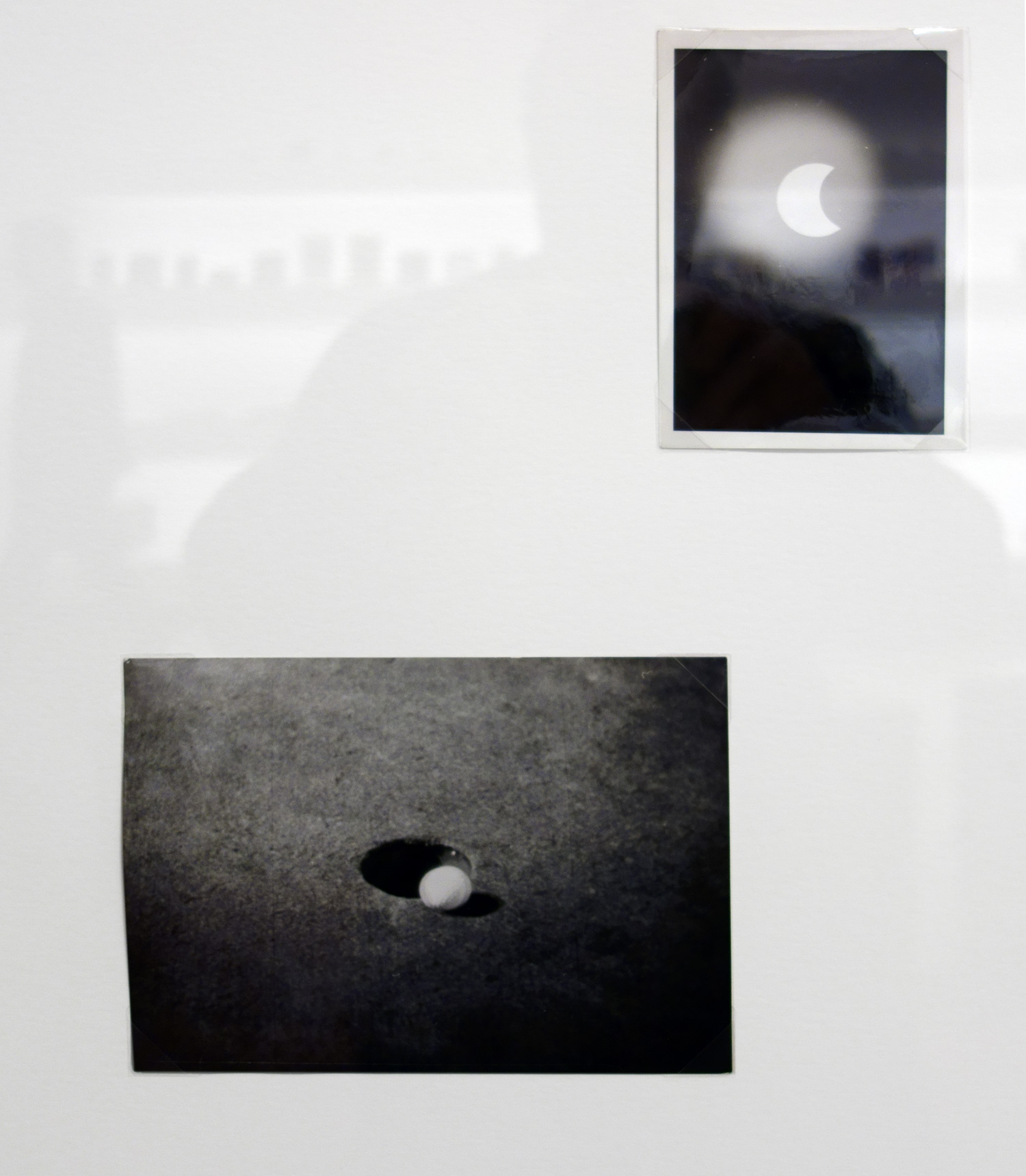
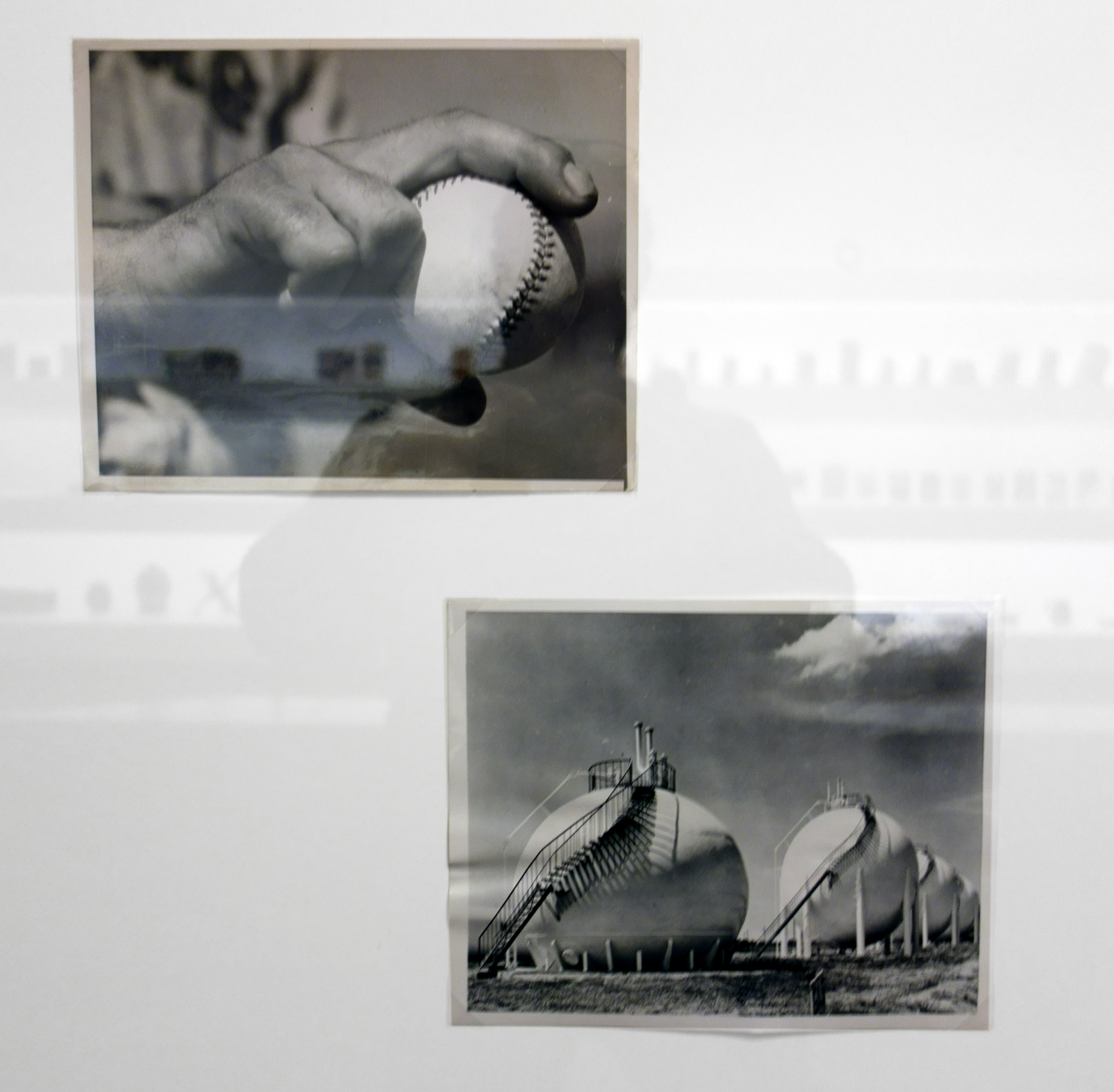
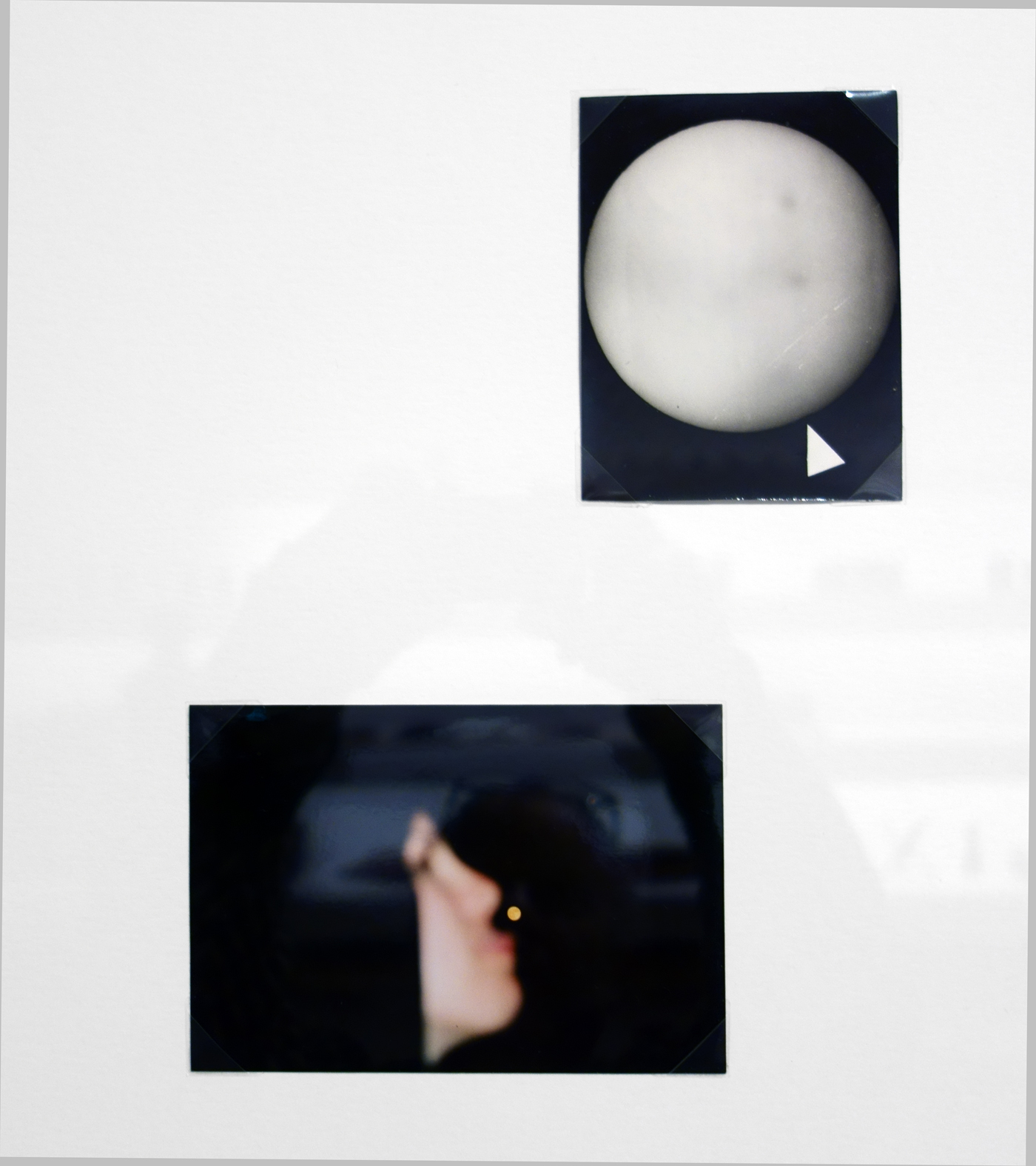

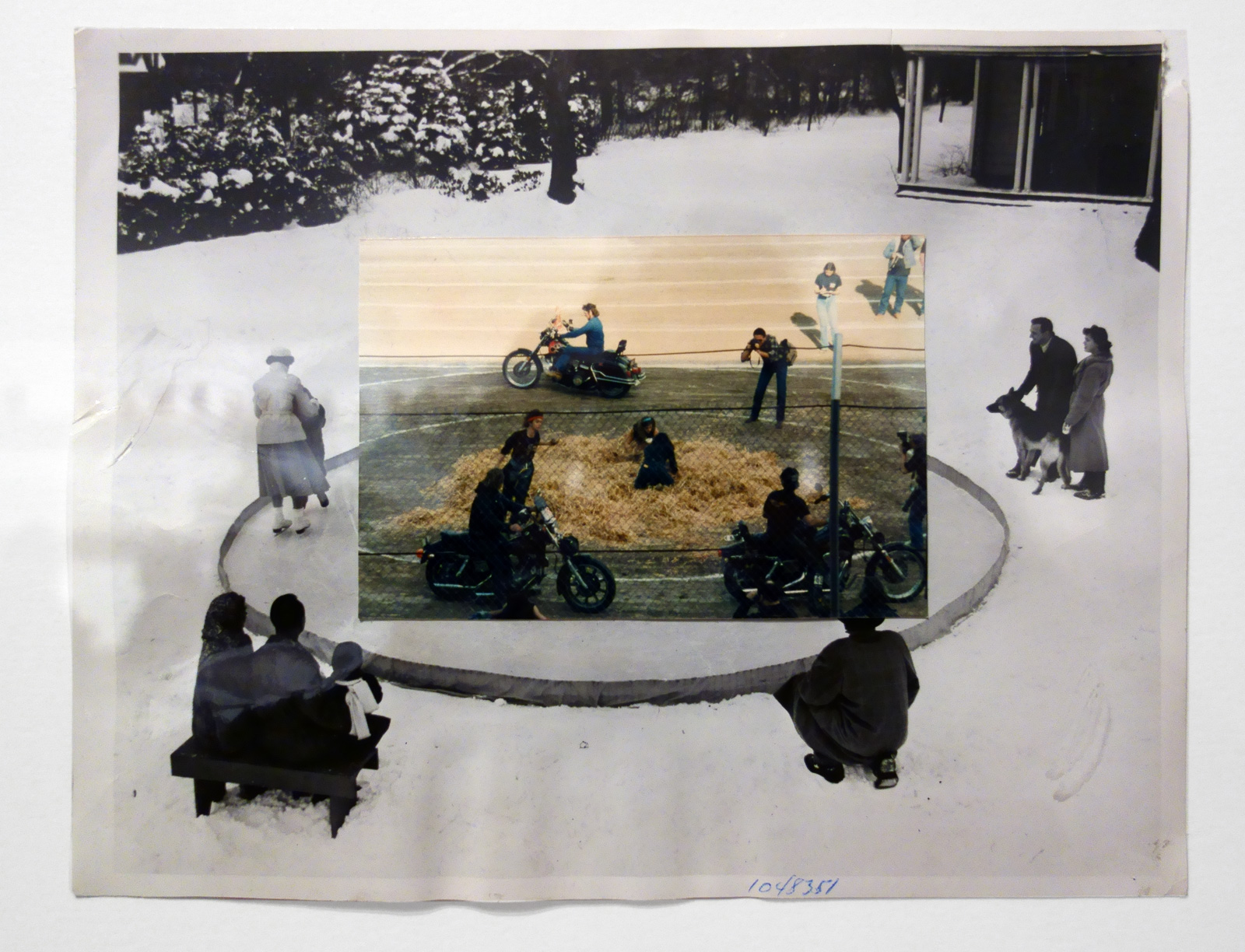
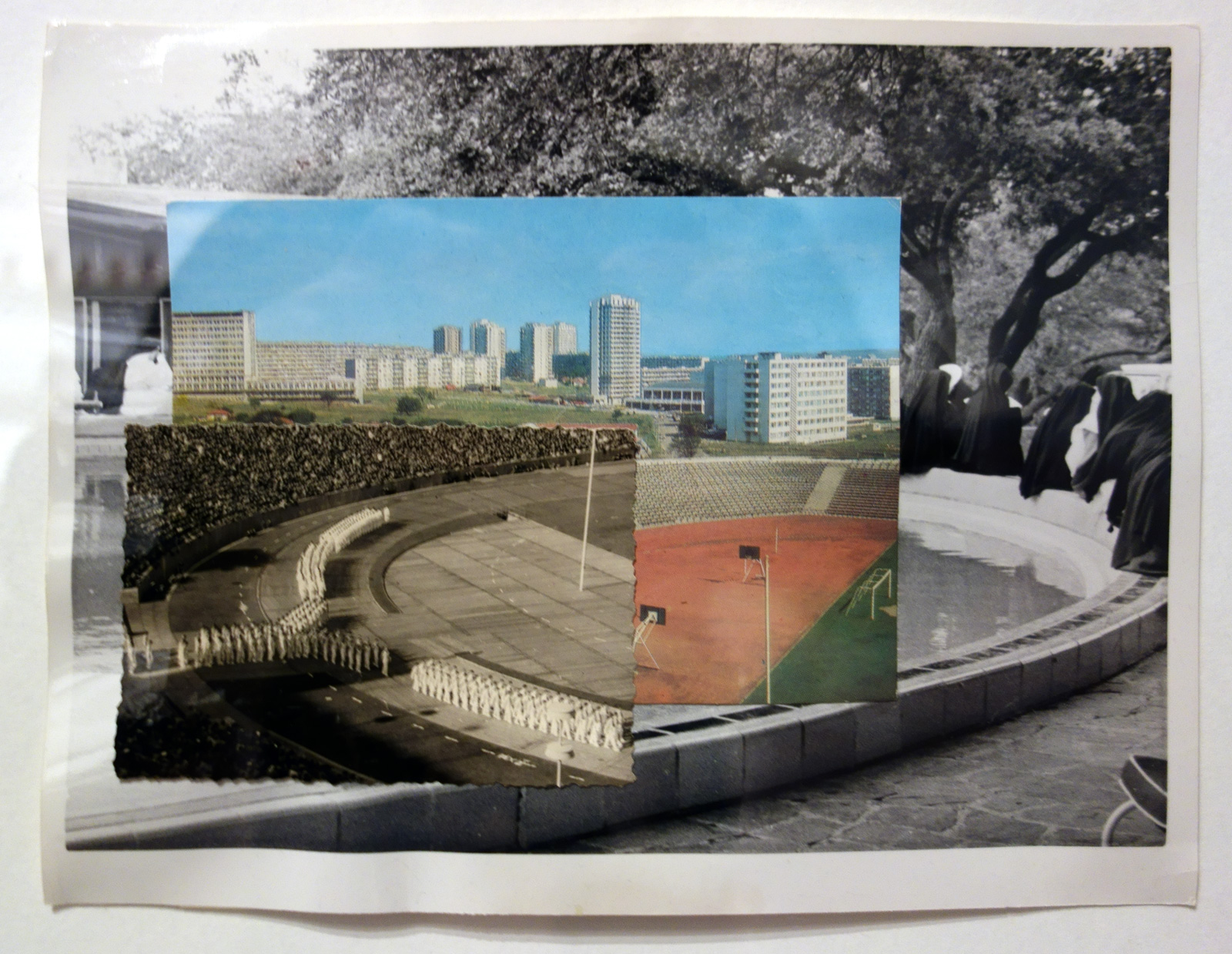
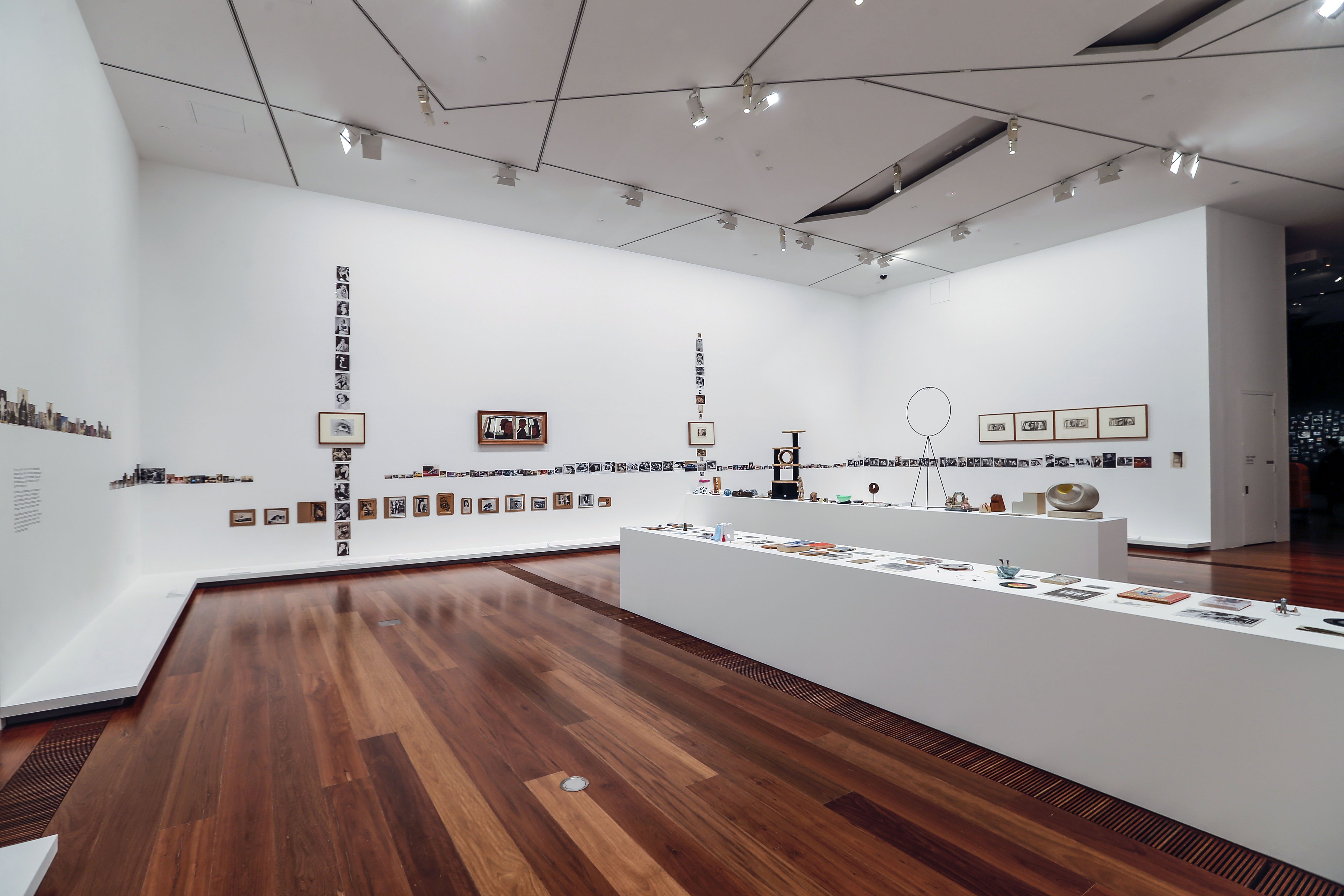


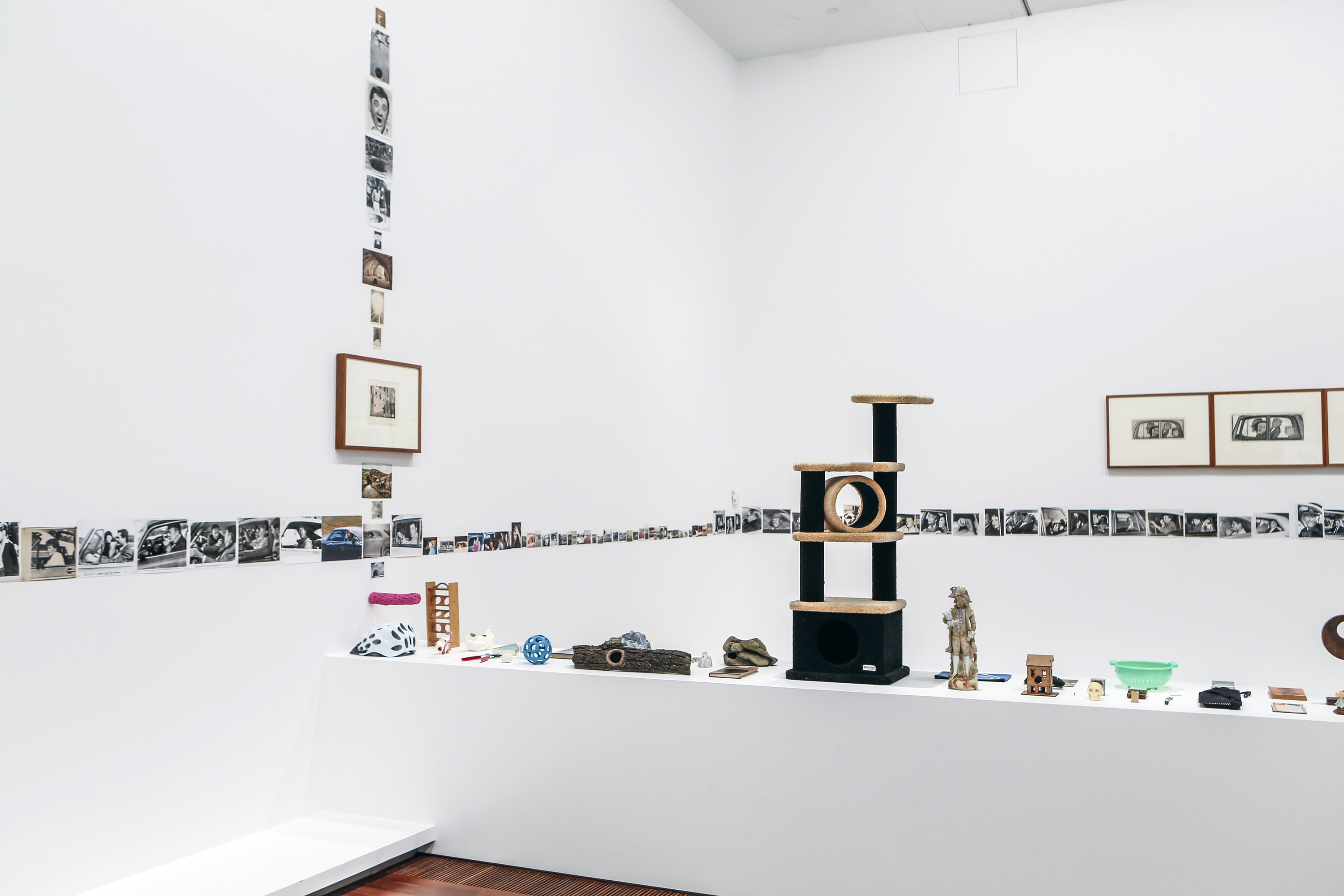


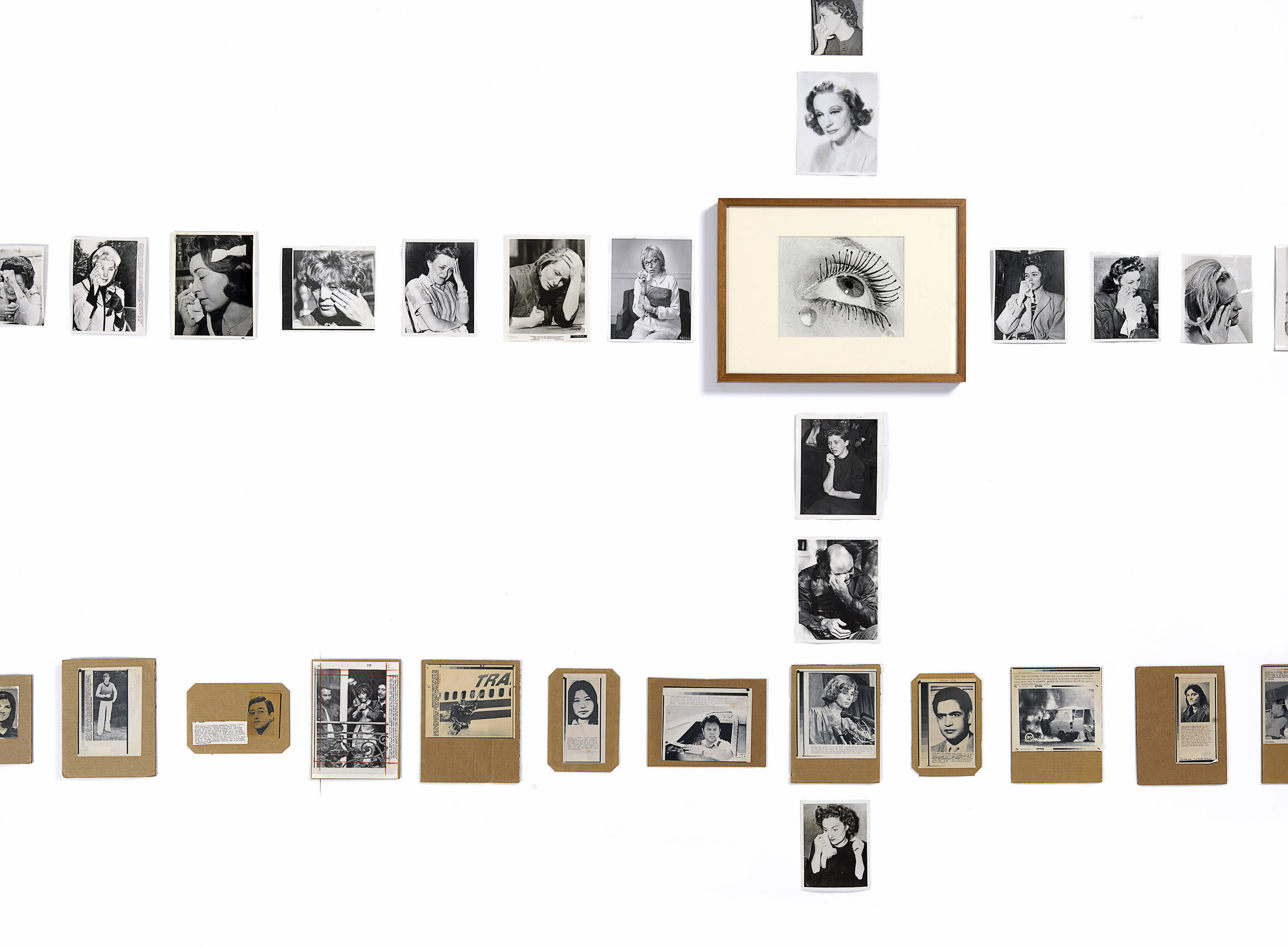

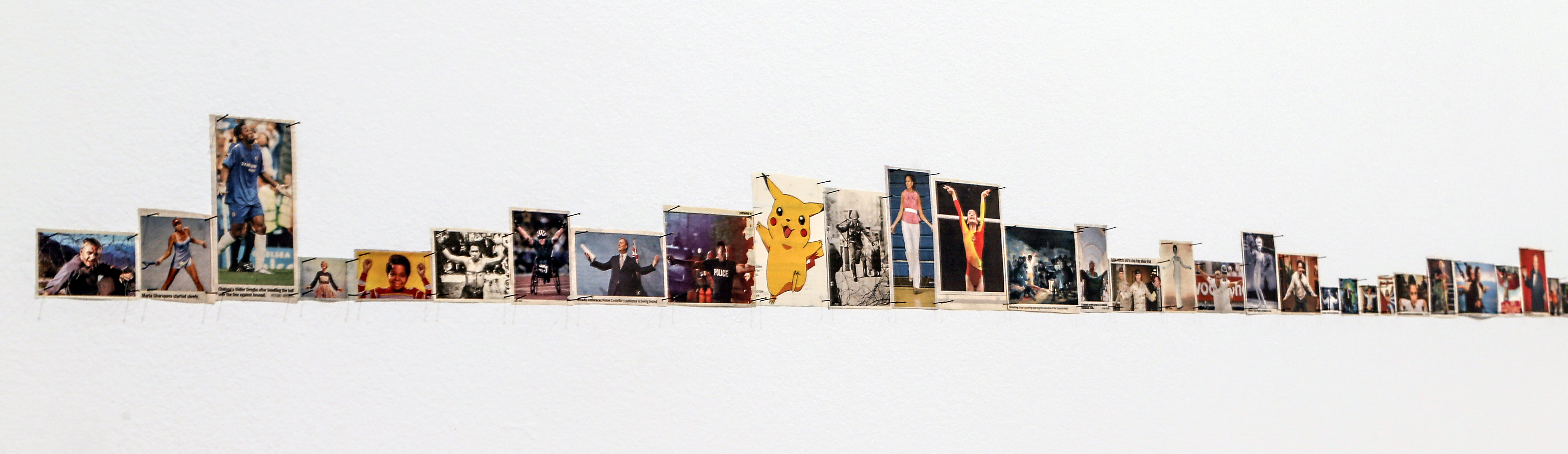


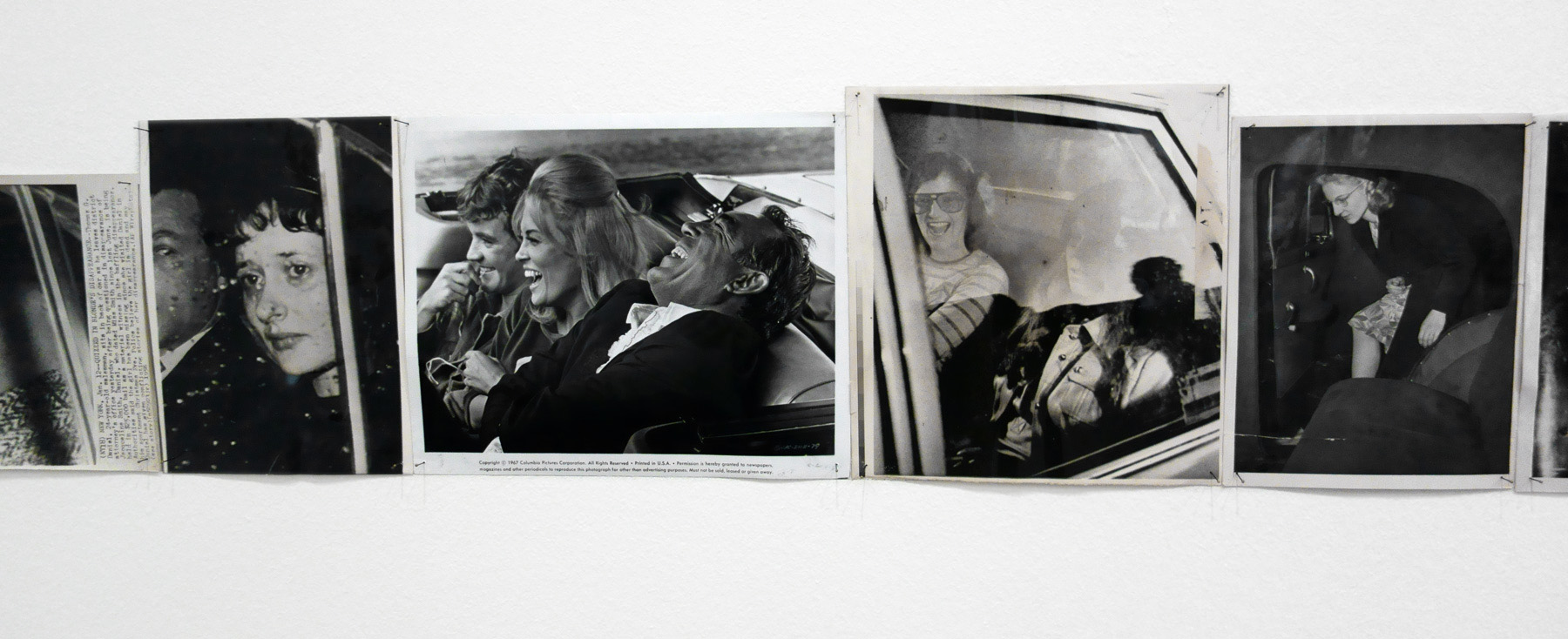
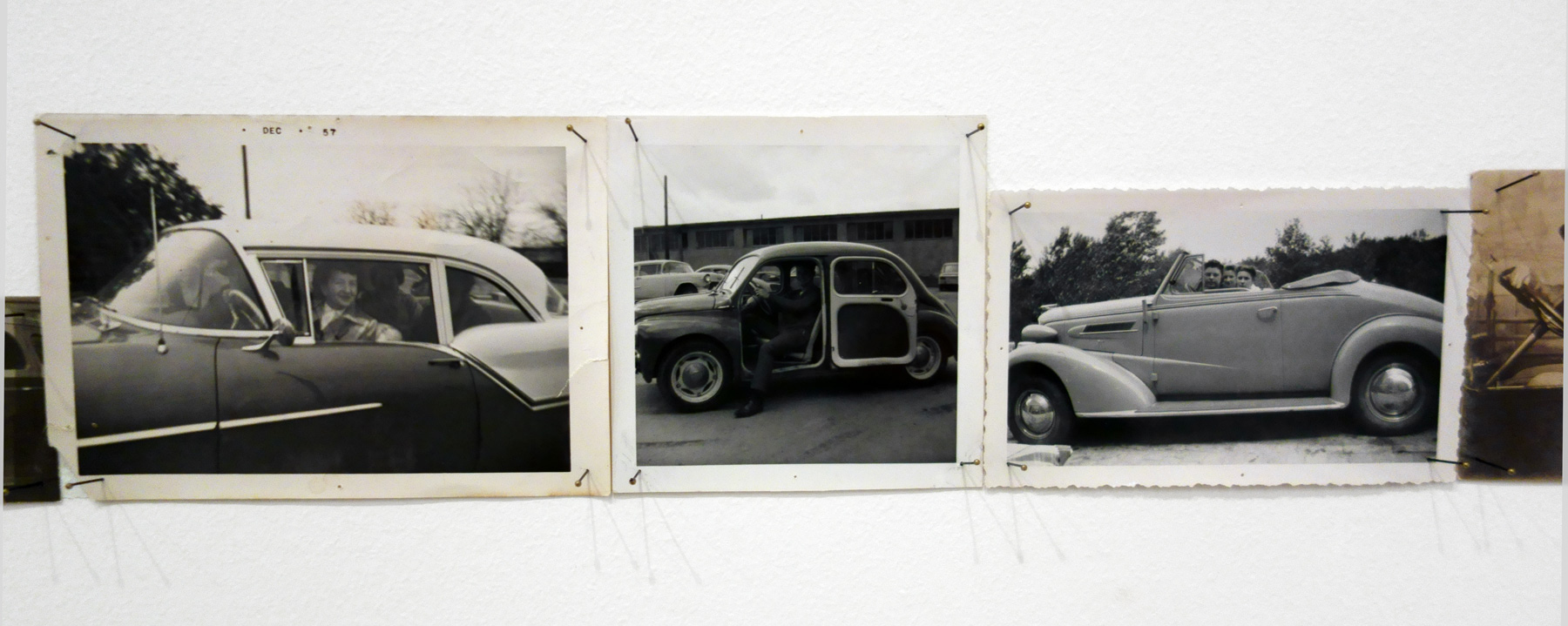
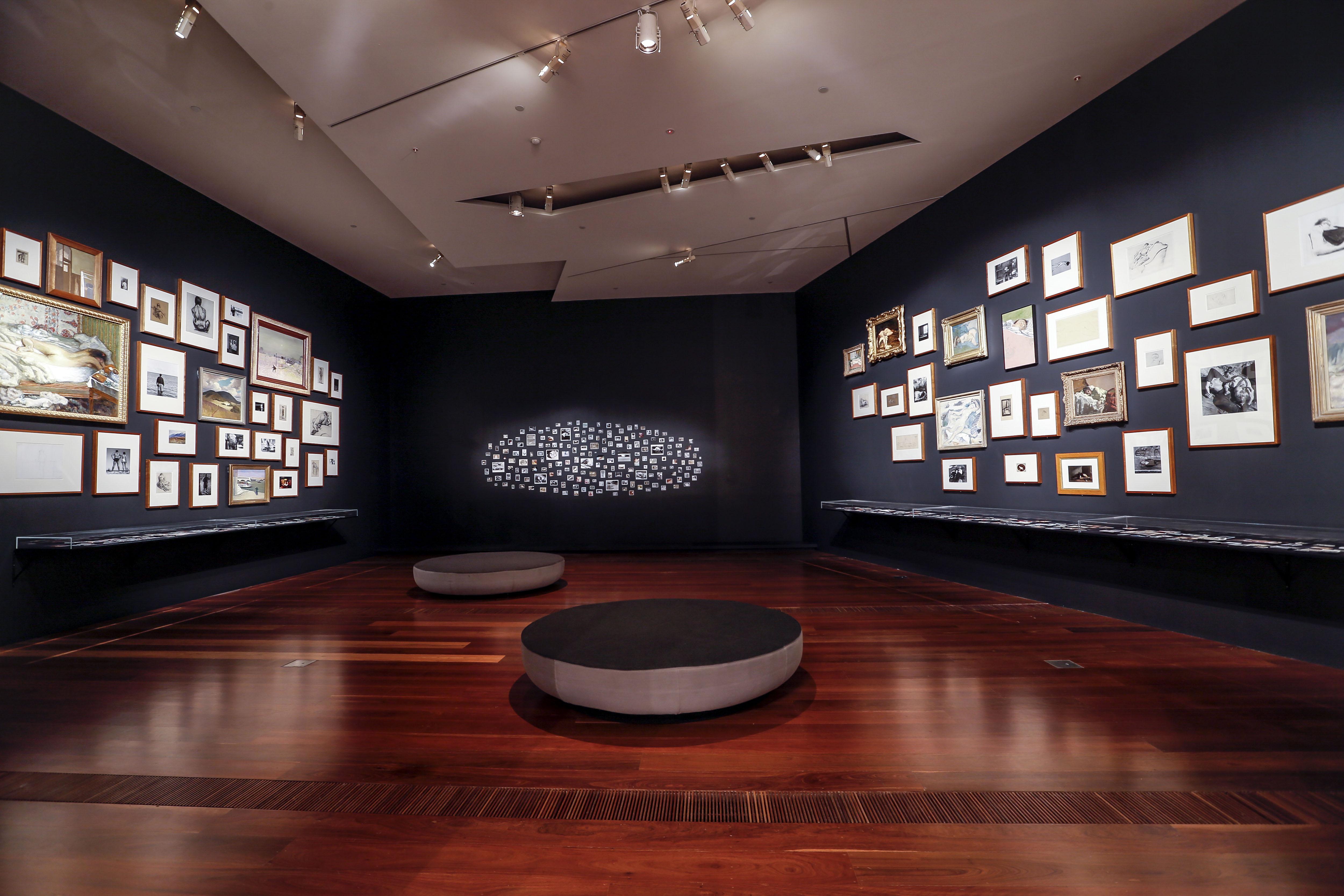
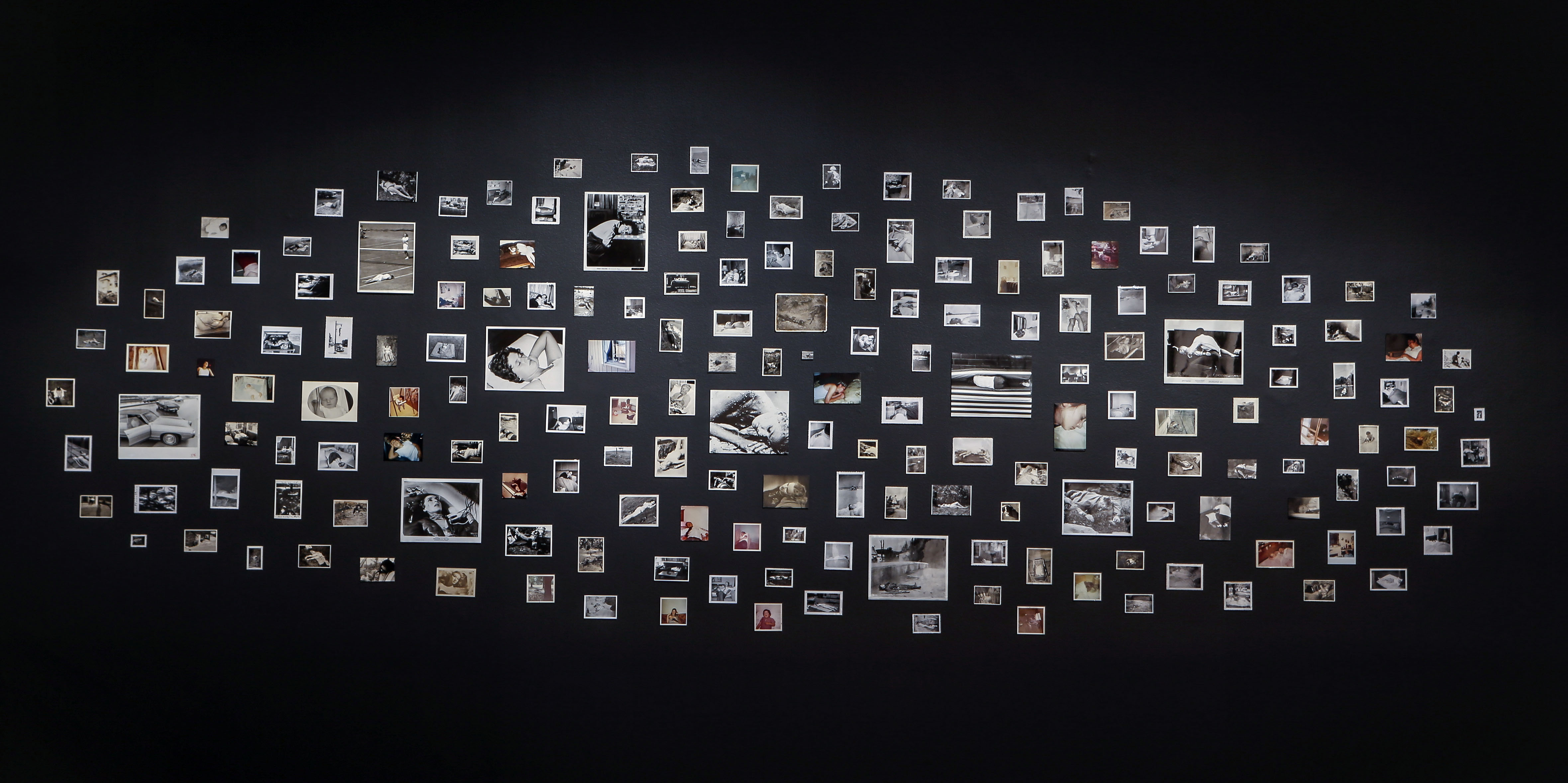
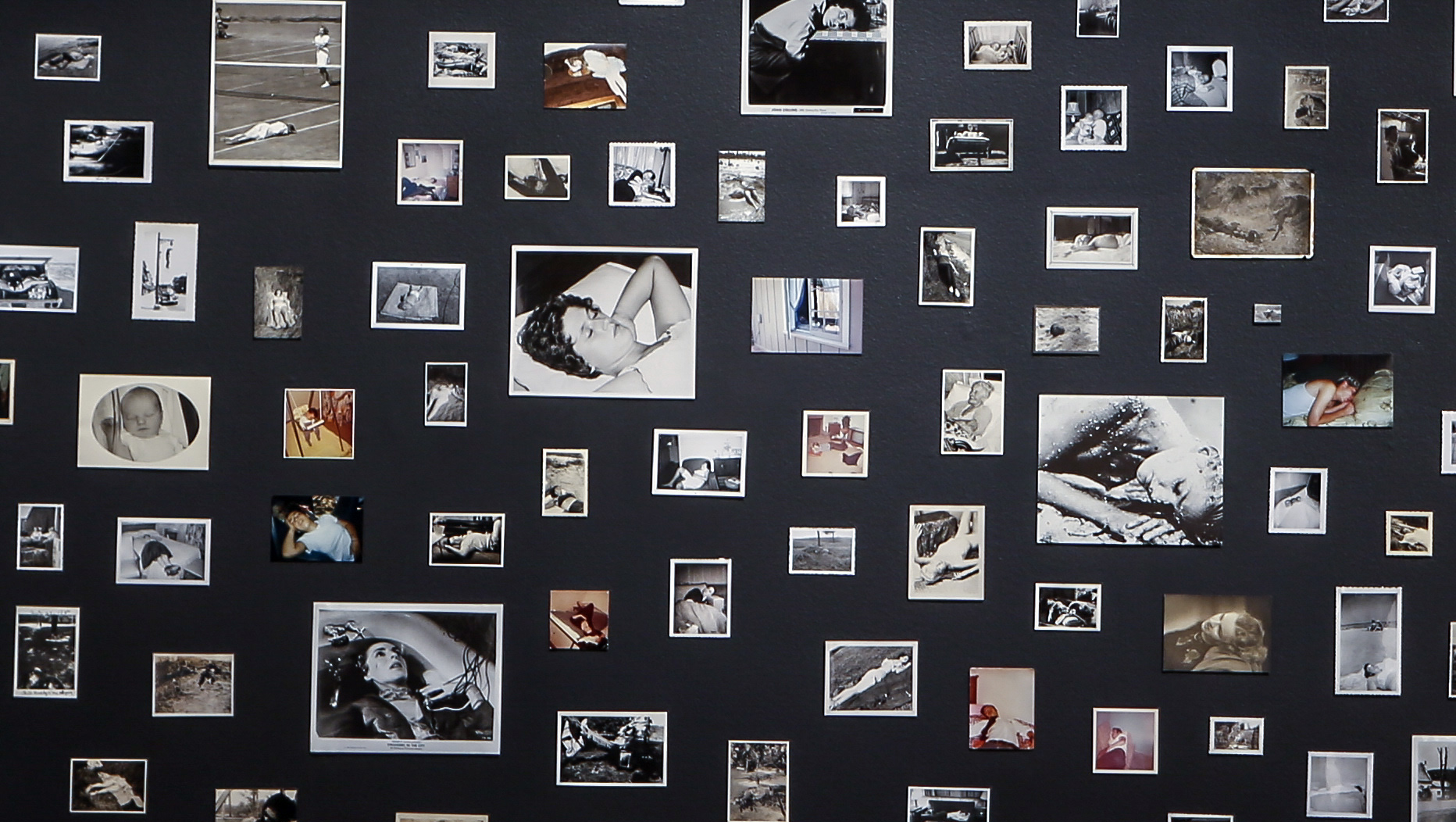
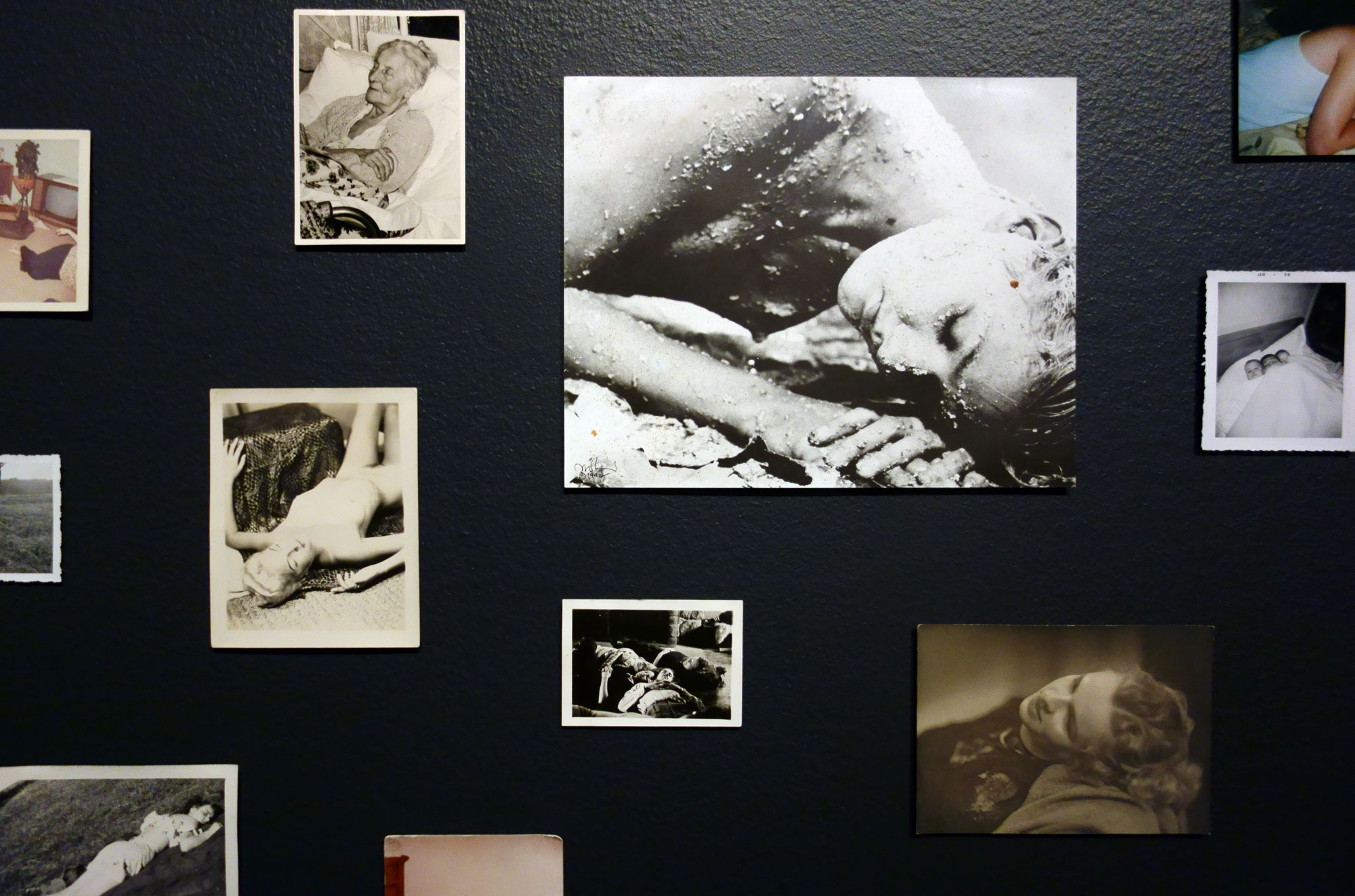
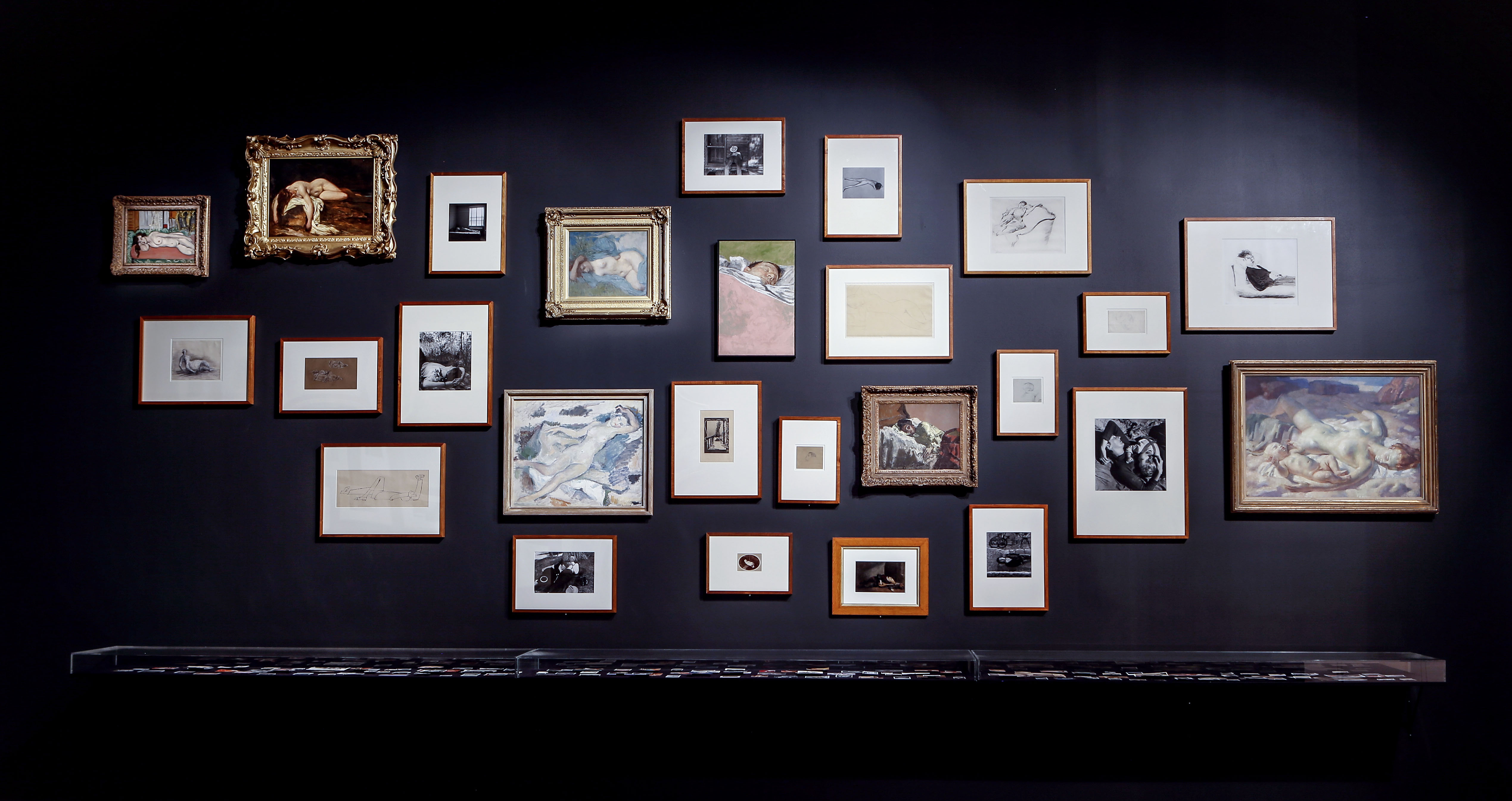


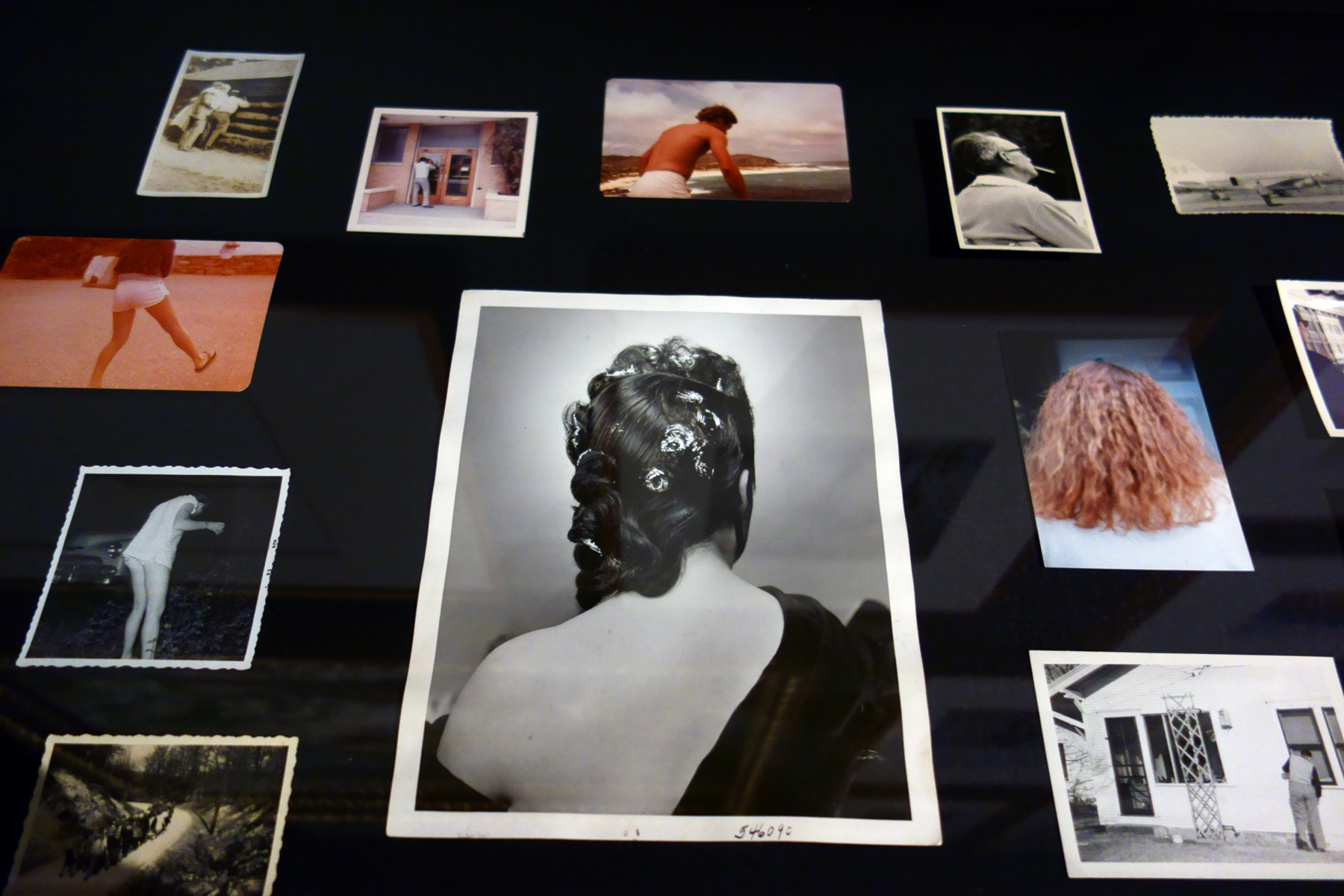
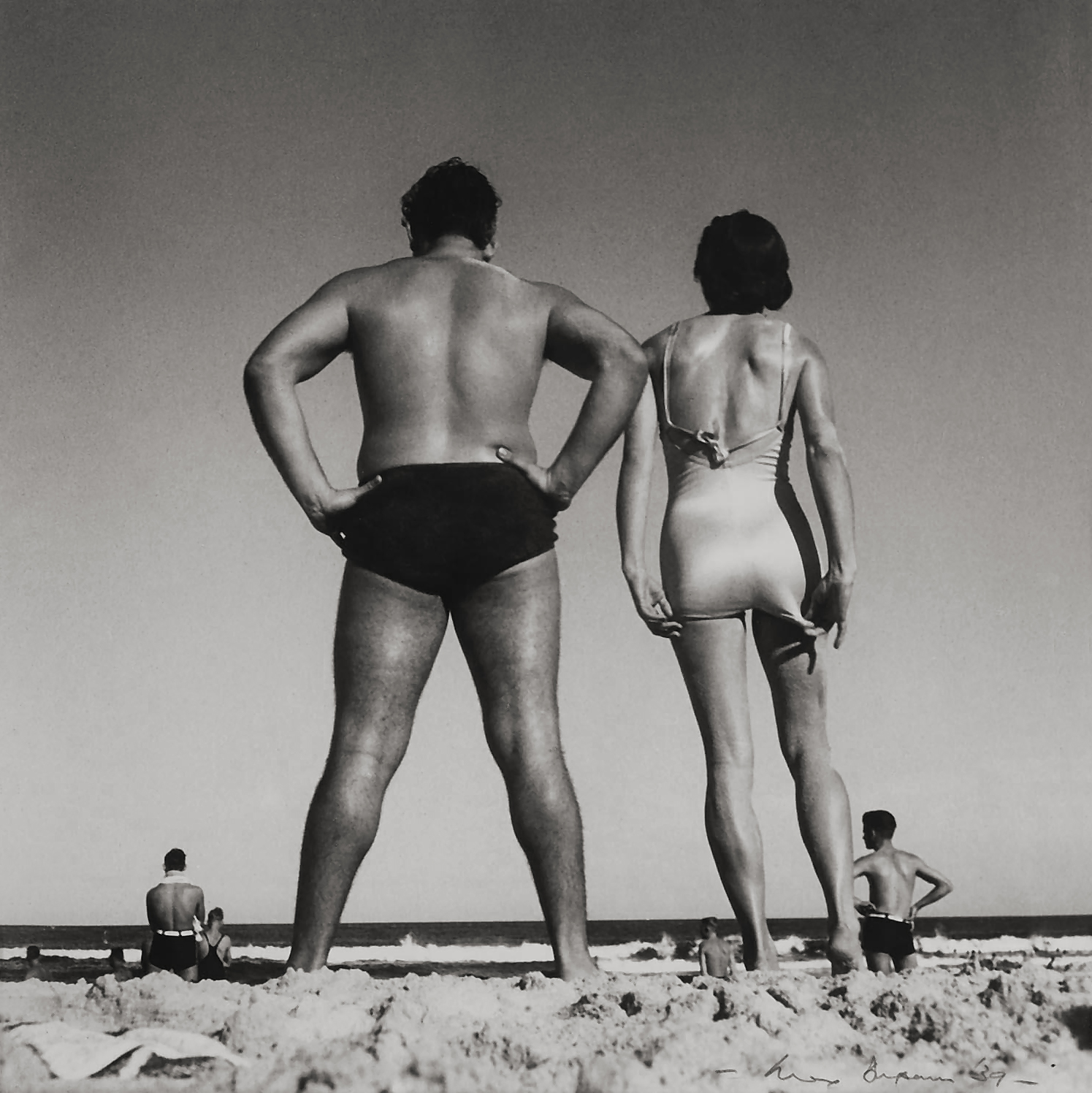
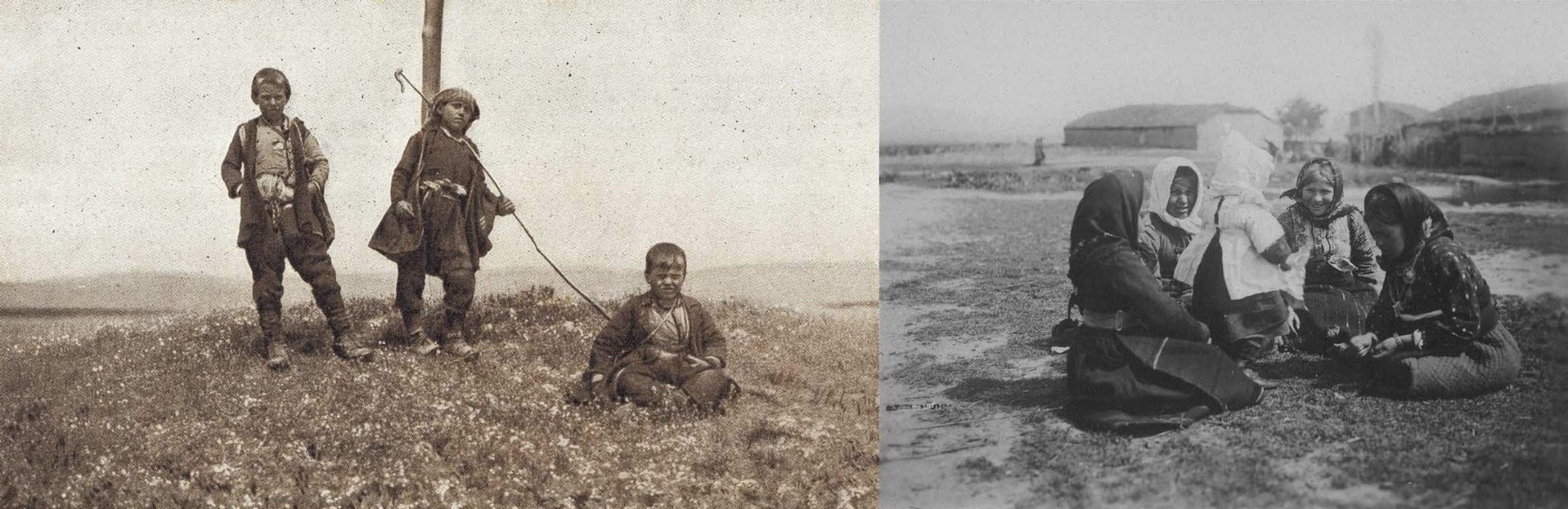










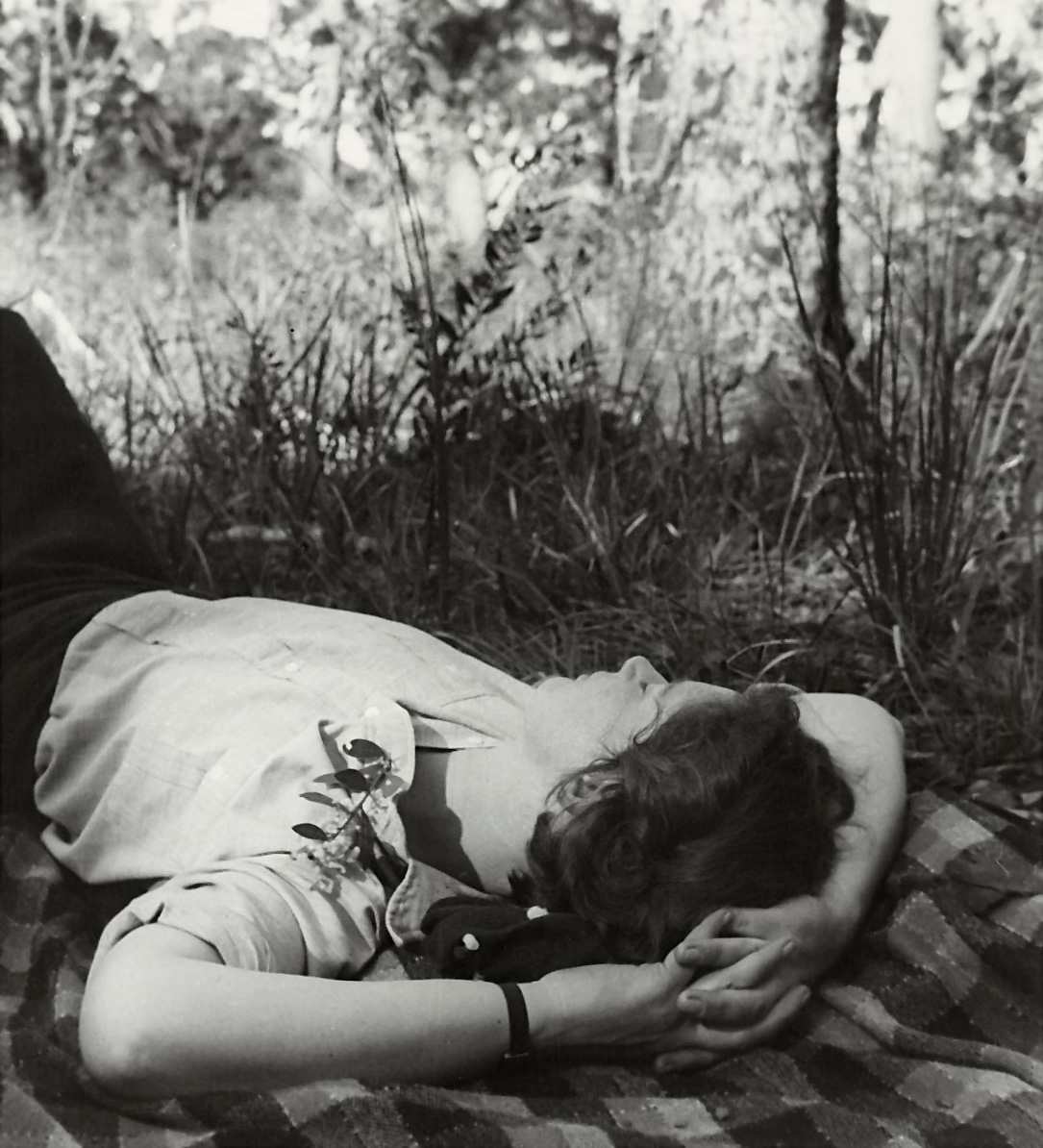



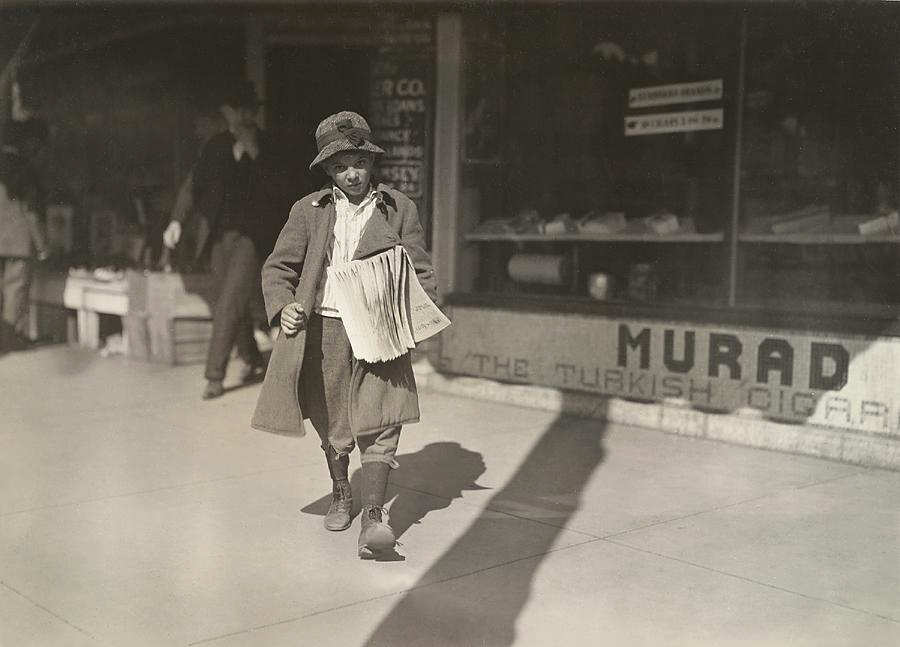

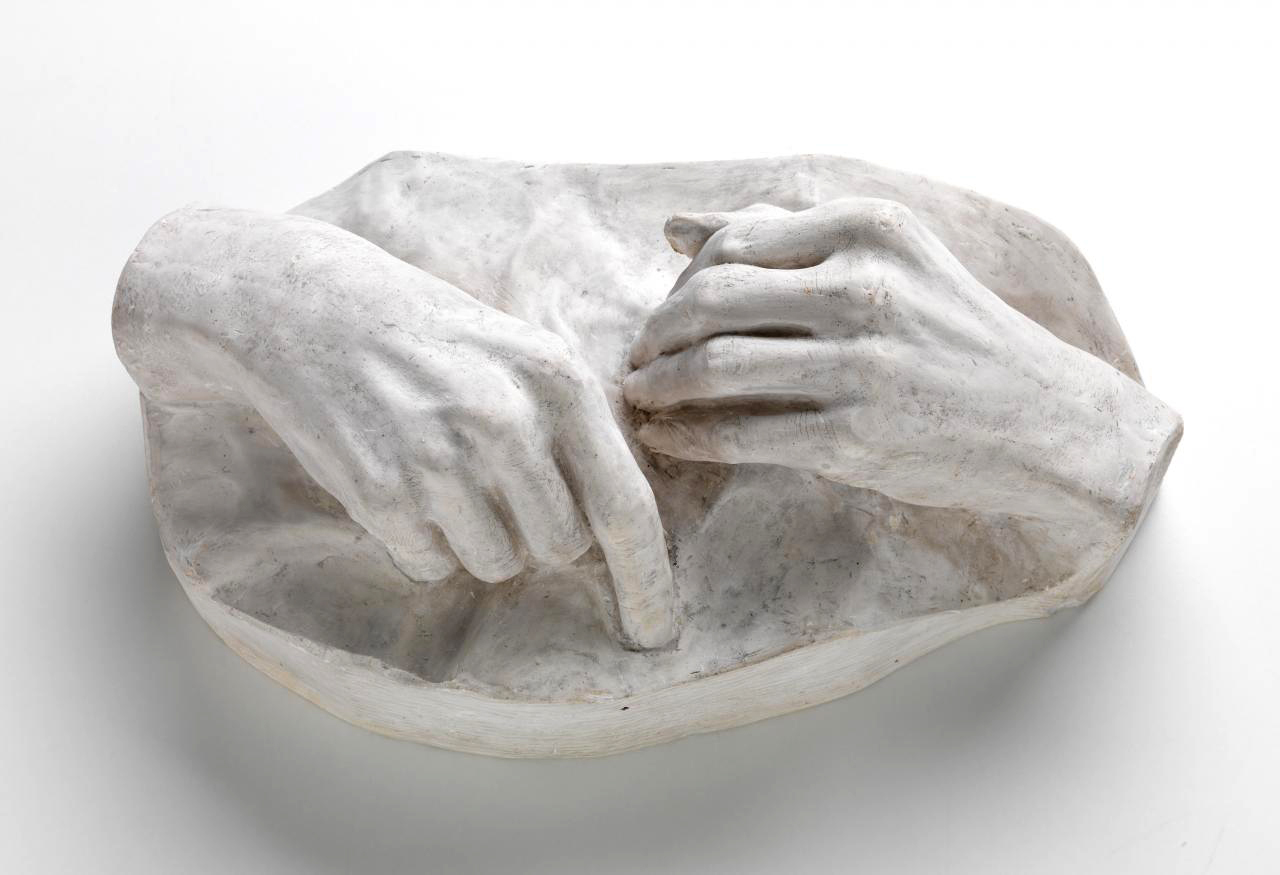


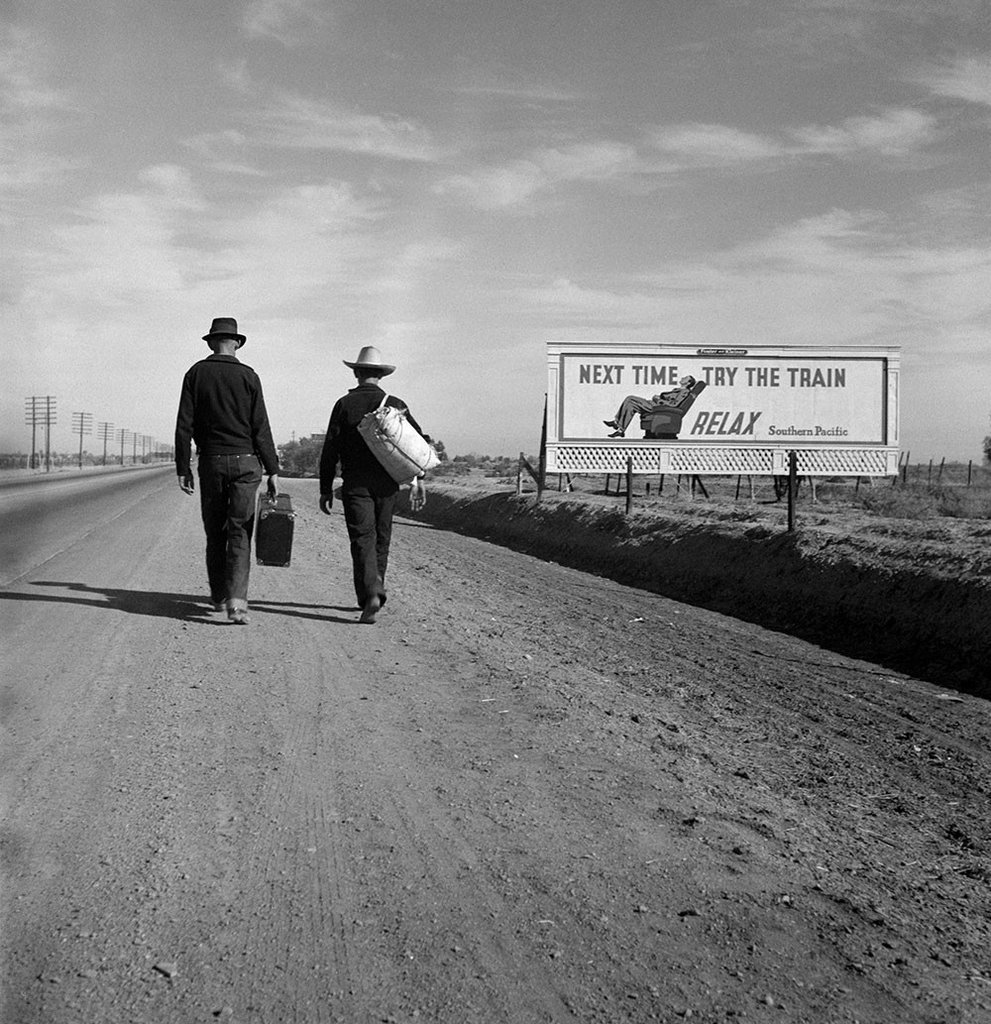

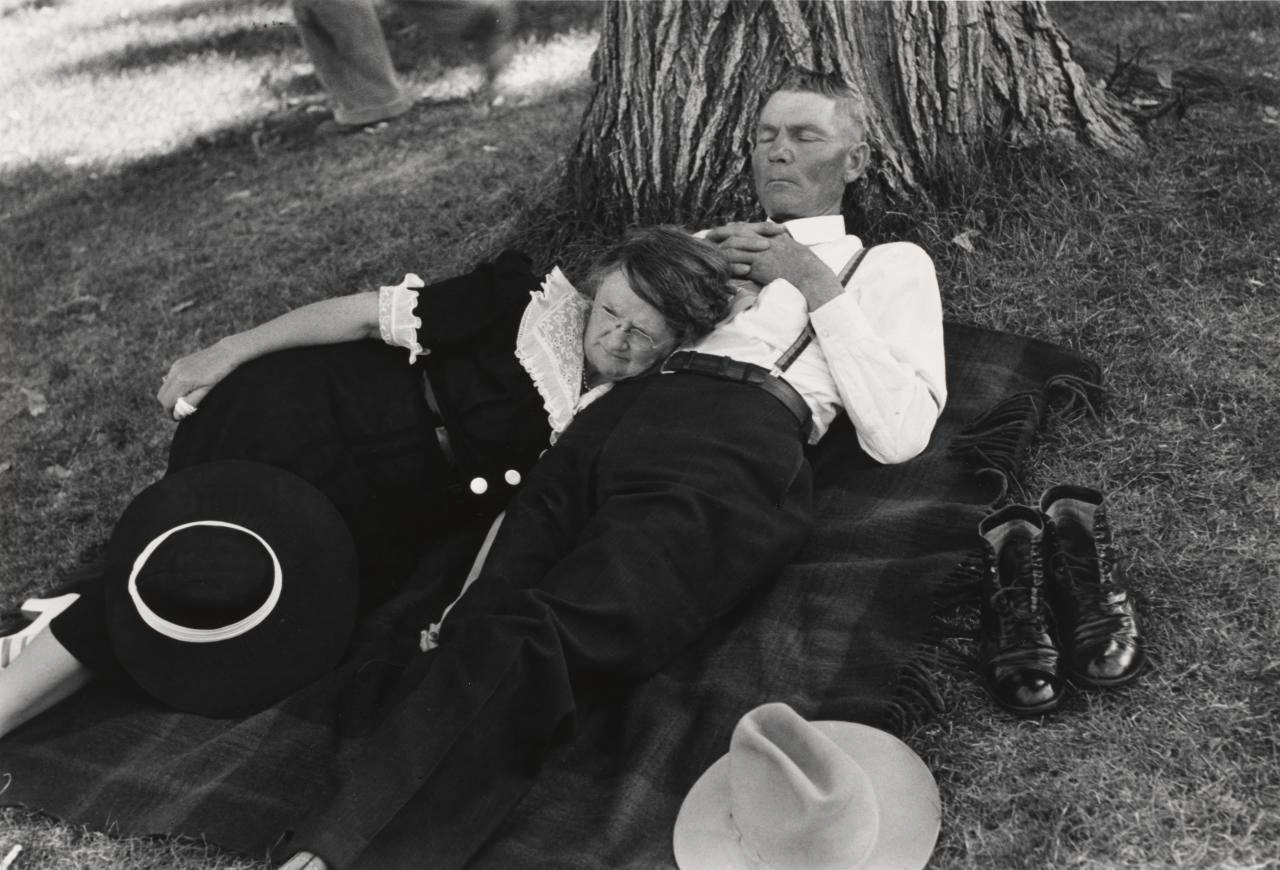


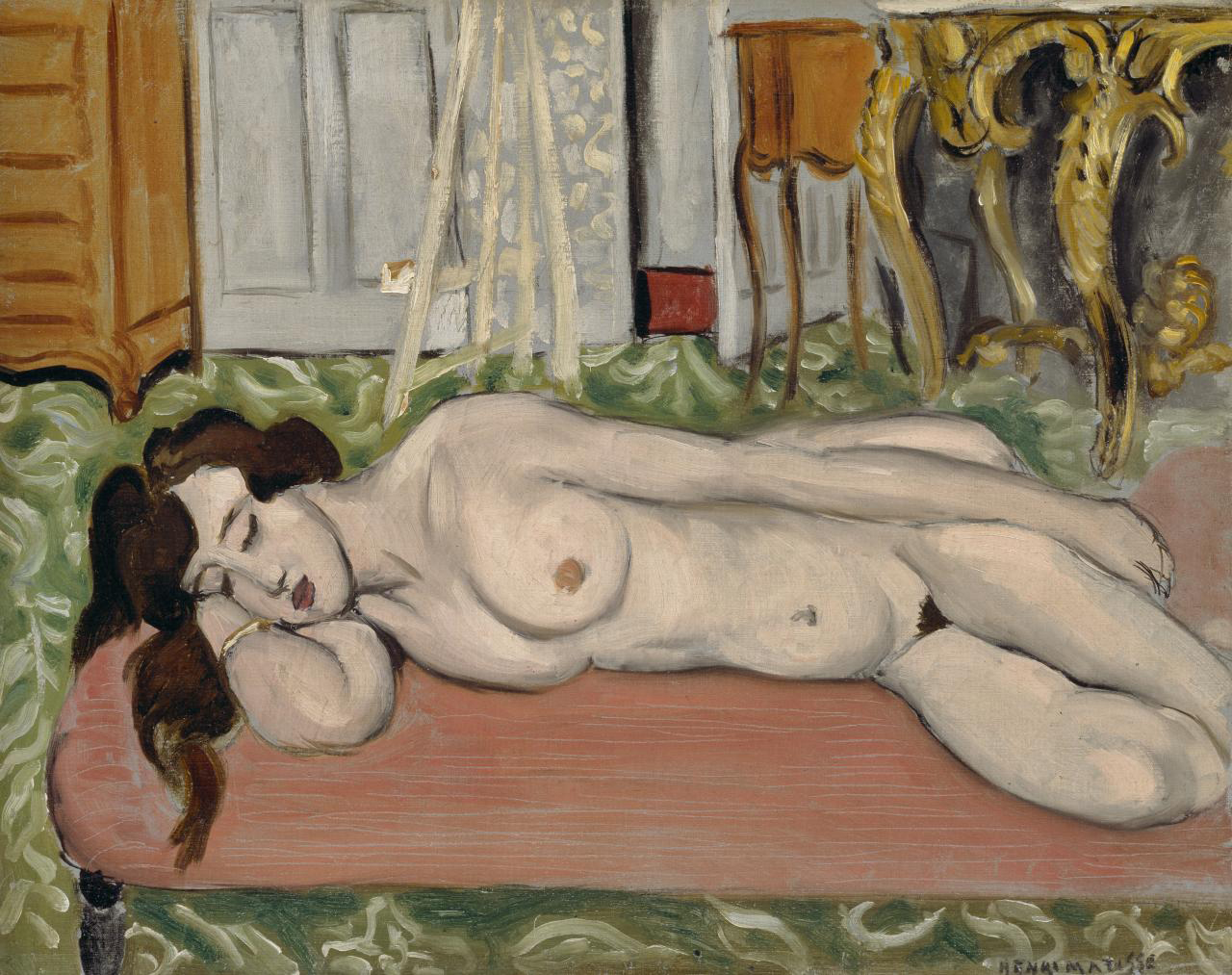




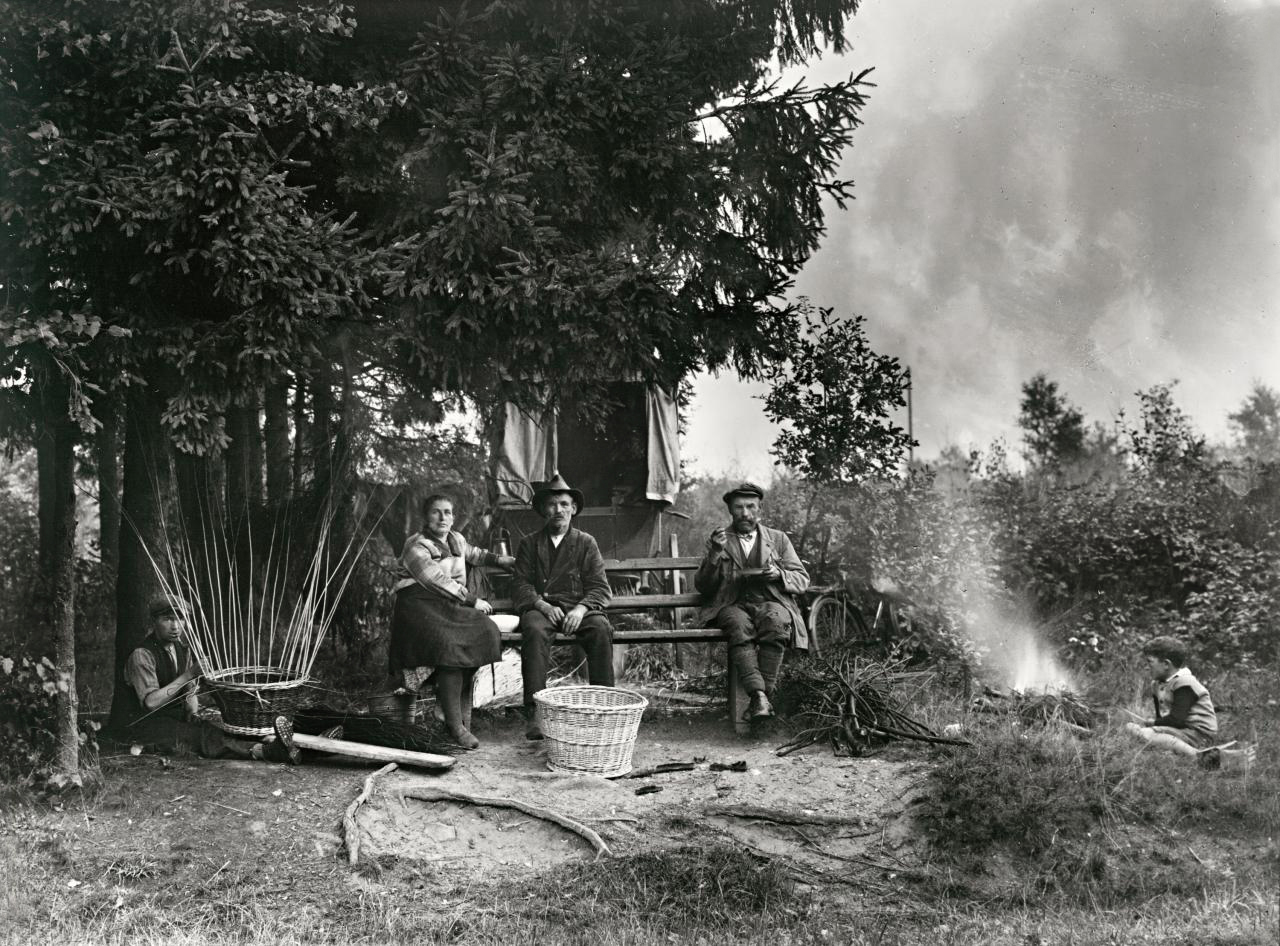


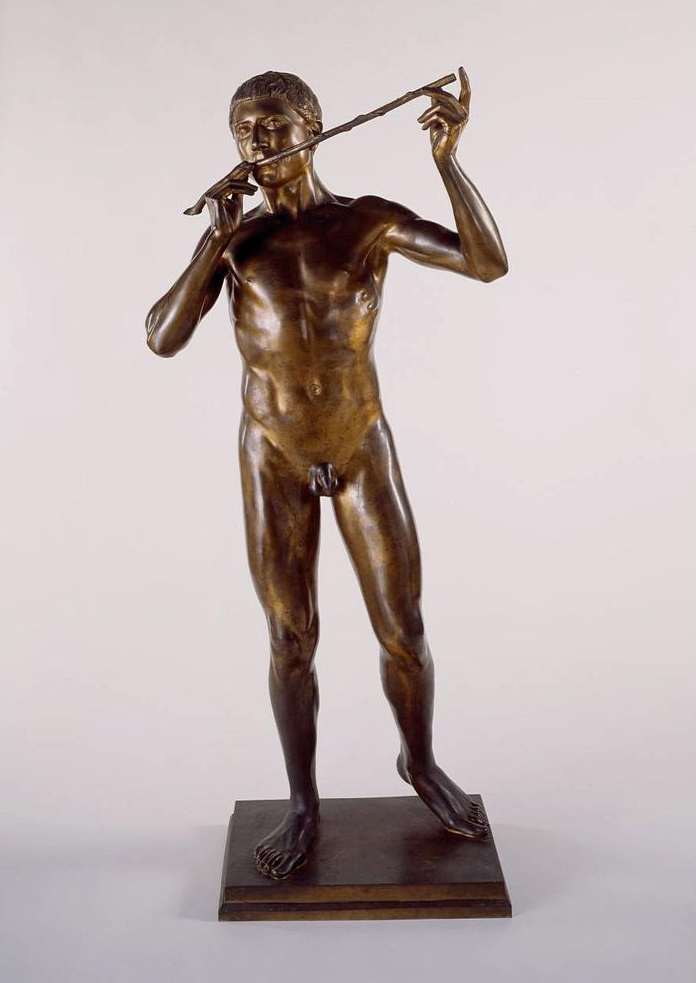
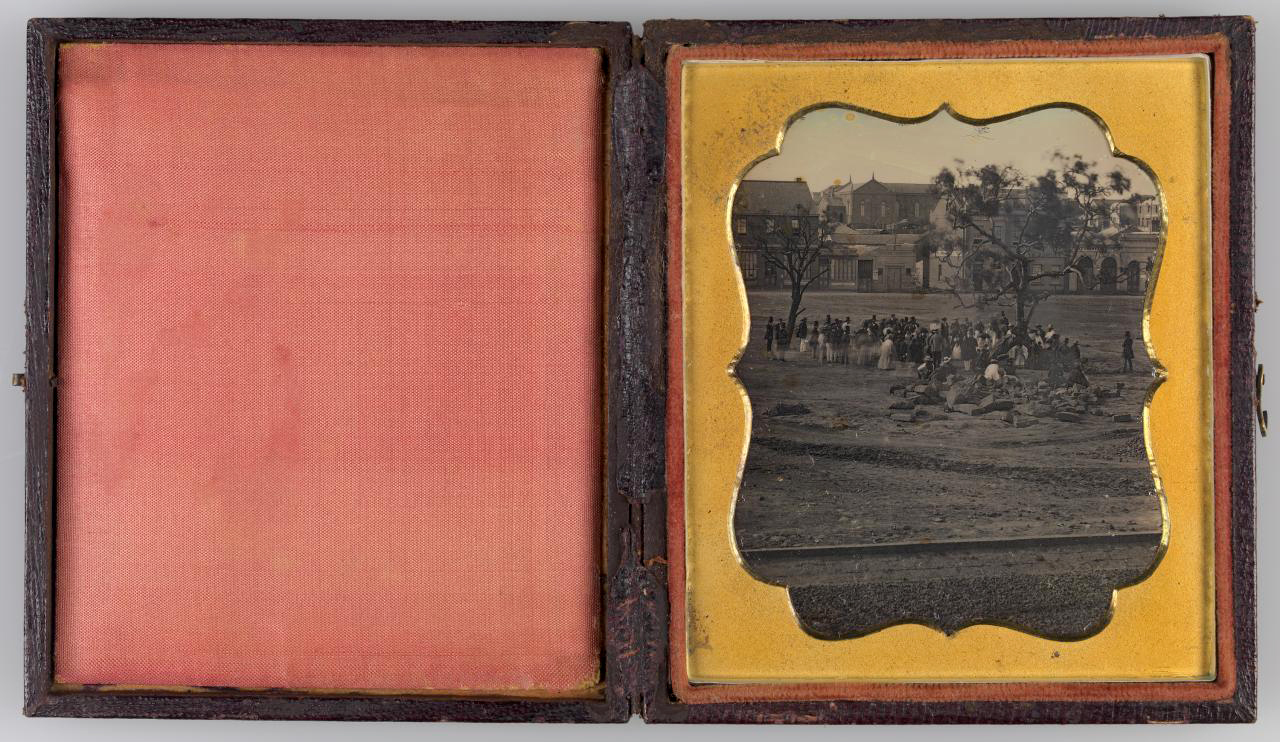

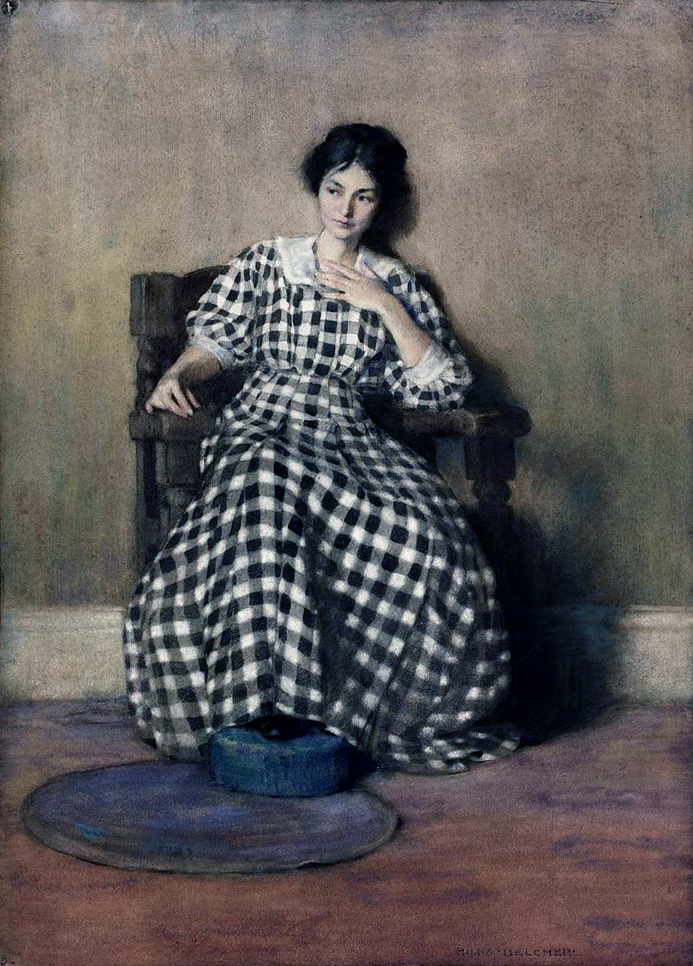


















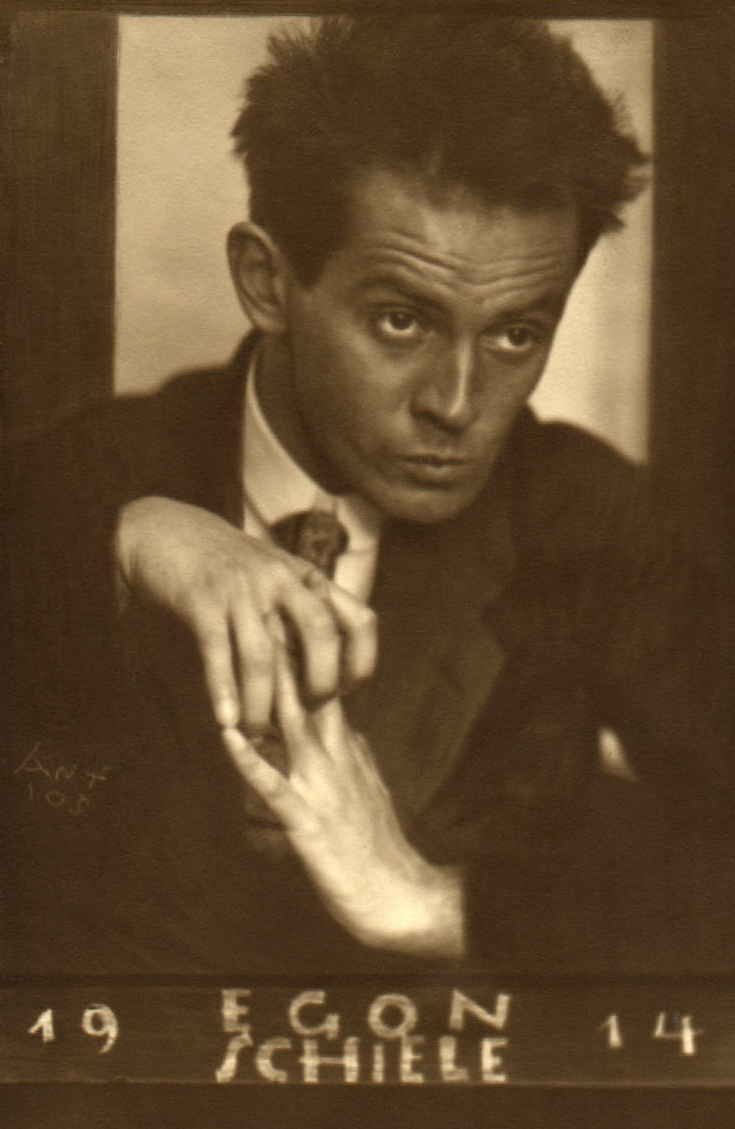

![Dora Kallmus (Madame d'Ora) (Austrian, 1881-1963), Arthur Benda (German, 1885-1969) 'Anita Berber and Sebastian Droste in their dance Märtyrer [Martyrs]' 1922](https://artblart.com/wp-content/uploads/2017/04/dora-kallmus-arthur-benda-anita-berber-and-sebastian-droste-web.jpg "Dora Kallmus (Madame d'Ora) (Austrian, 1881-1963), Arthur Benda (German, 1885-1969) 'Anita Berber and Sebastian Droste in their dance Märtyrer [Martyrs]' 1922")


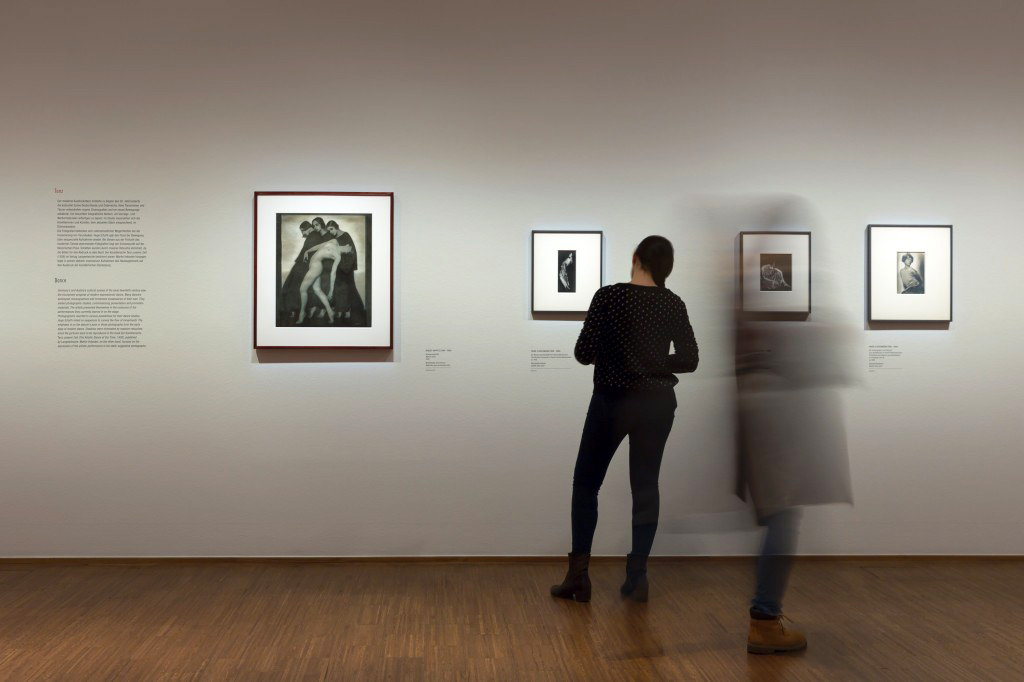
![Installation view of the exhibition 'Acting for the Camera' at the Albertina, Vienna, March - June 2017 showing at centre, Rudolph Koppitz's 'In the Arms of Nature [self-portrait]' 1923](https://artblart.com/wp-content/uploads/2017/04/install-c.jpg "Installation view of the exhibition 'Acting for the Camera' at the Albertina, Vienna, March - June 2017 showing at centre, Rudolph Koppitz's 'In the Arms of Nature [self-portrait]' 1923")


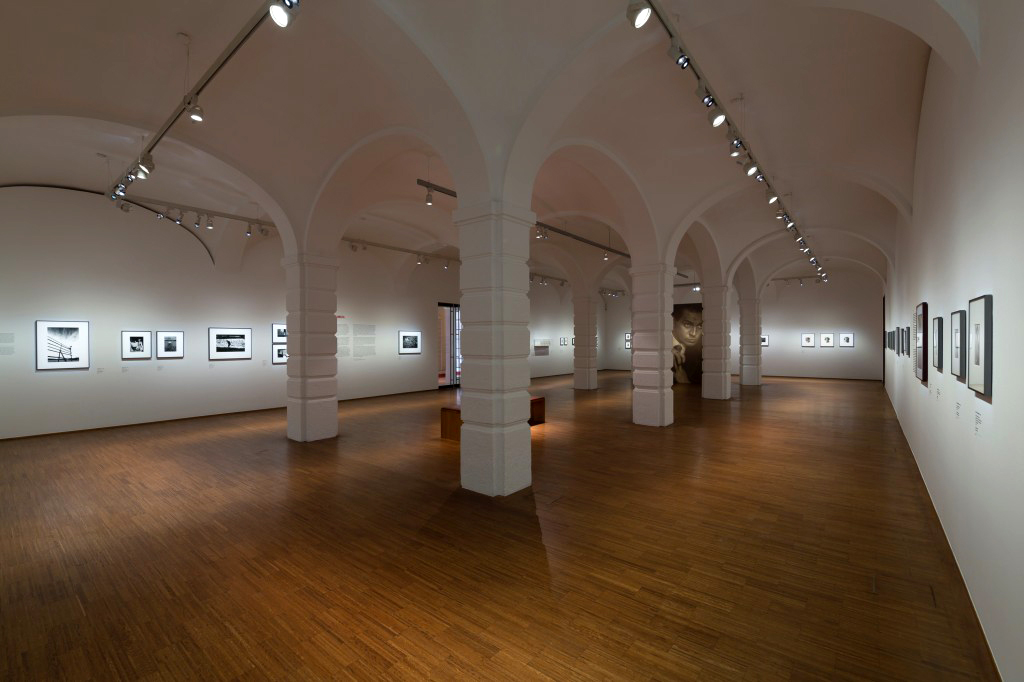


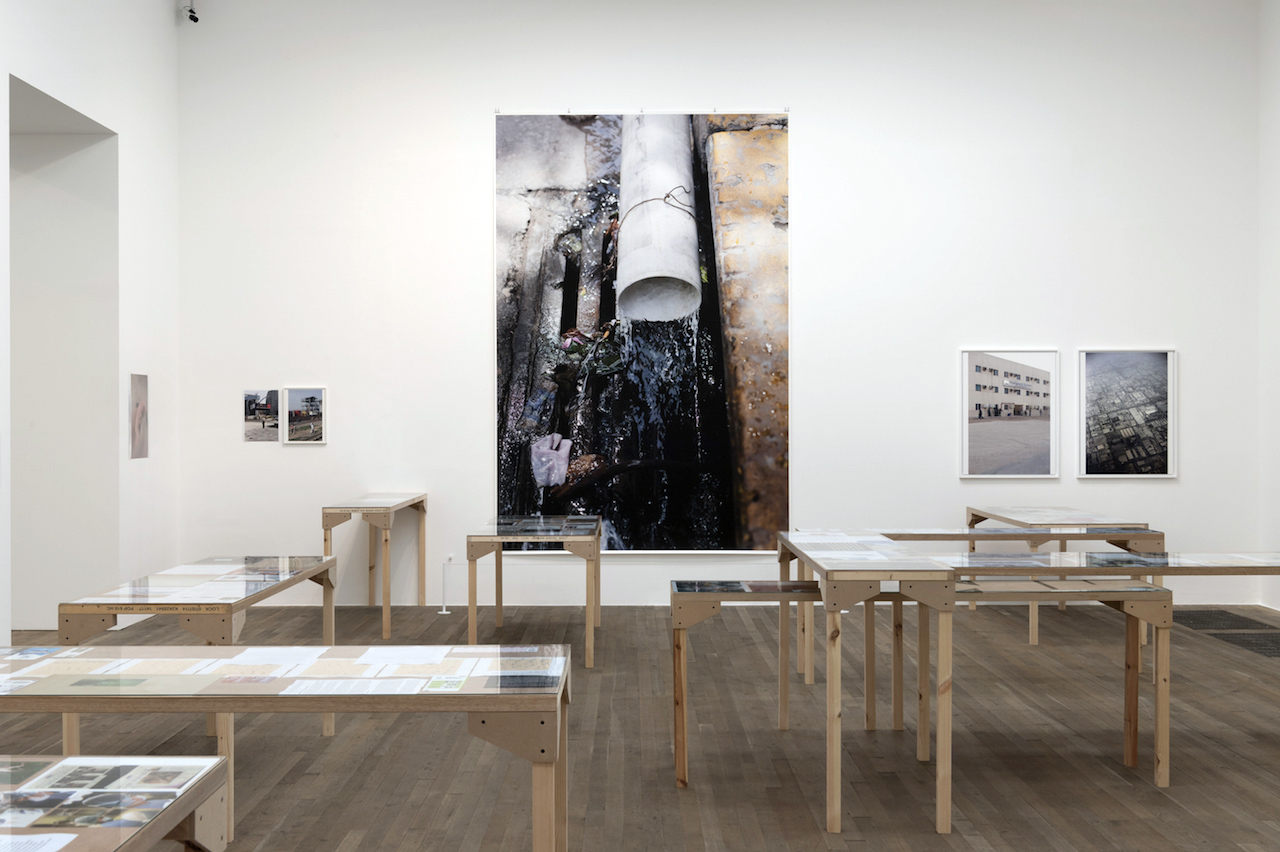
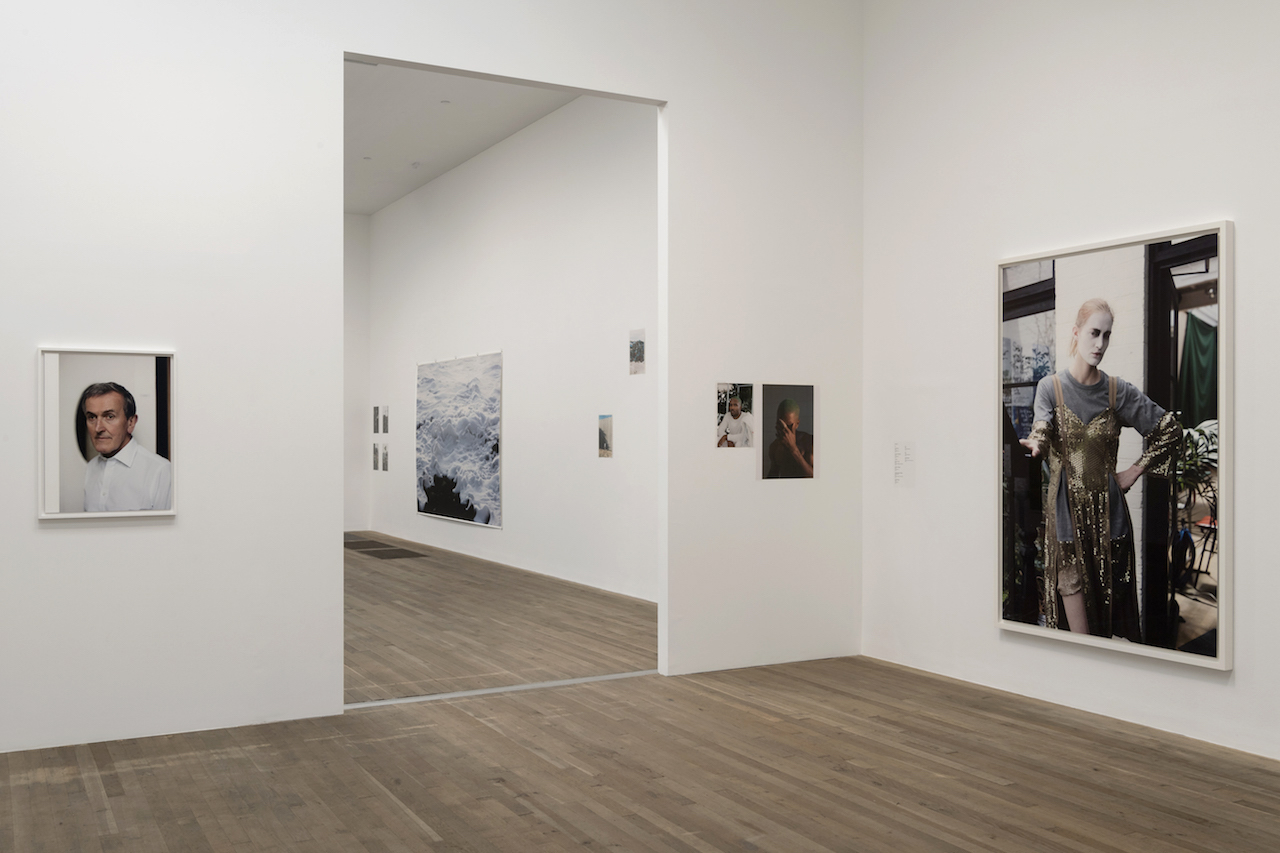




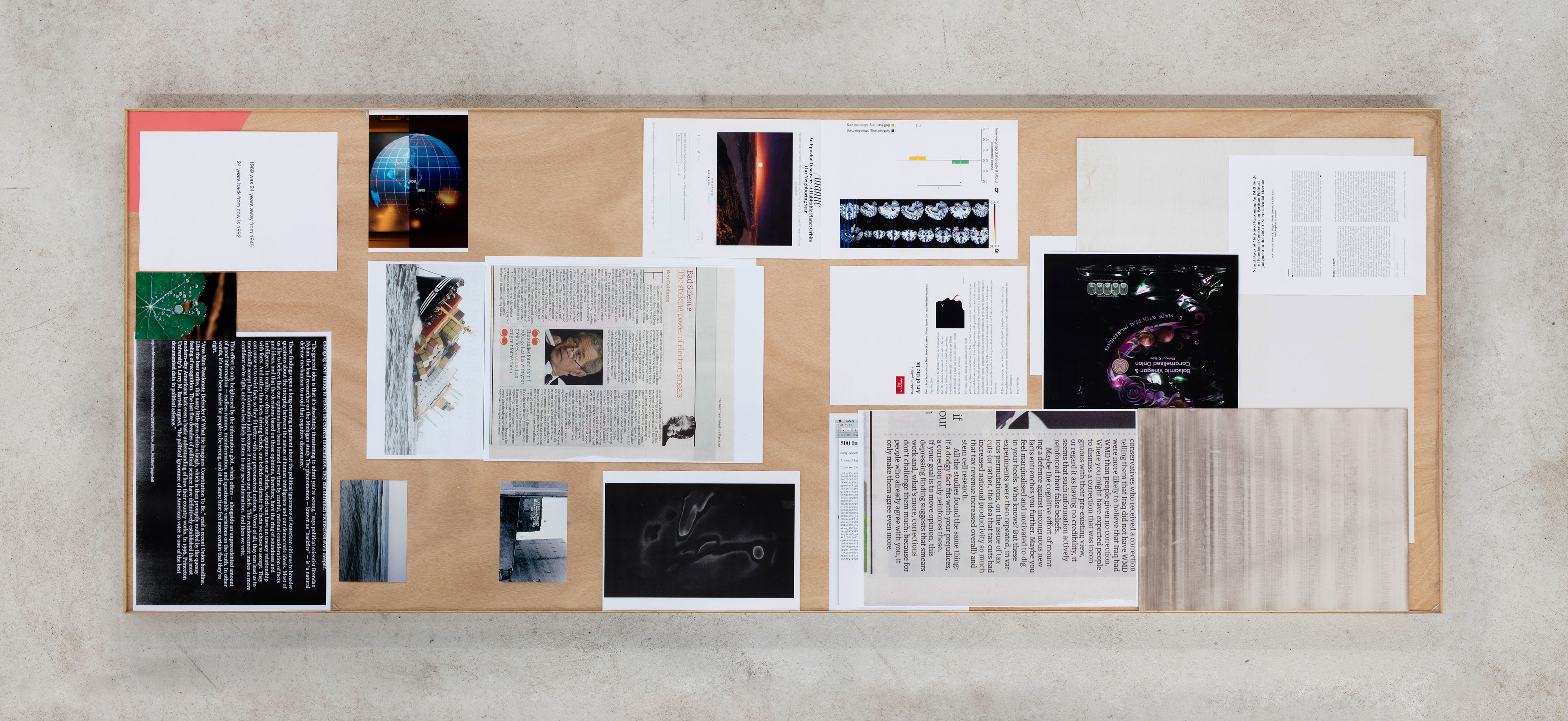


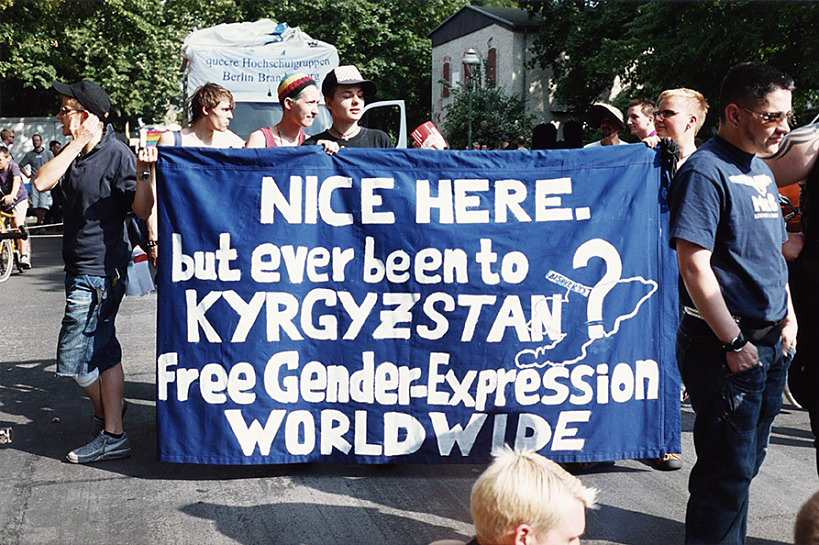








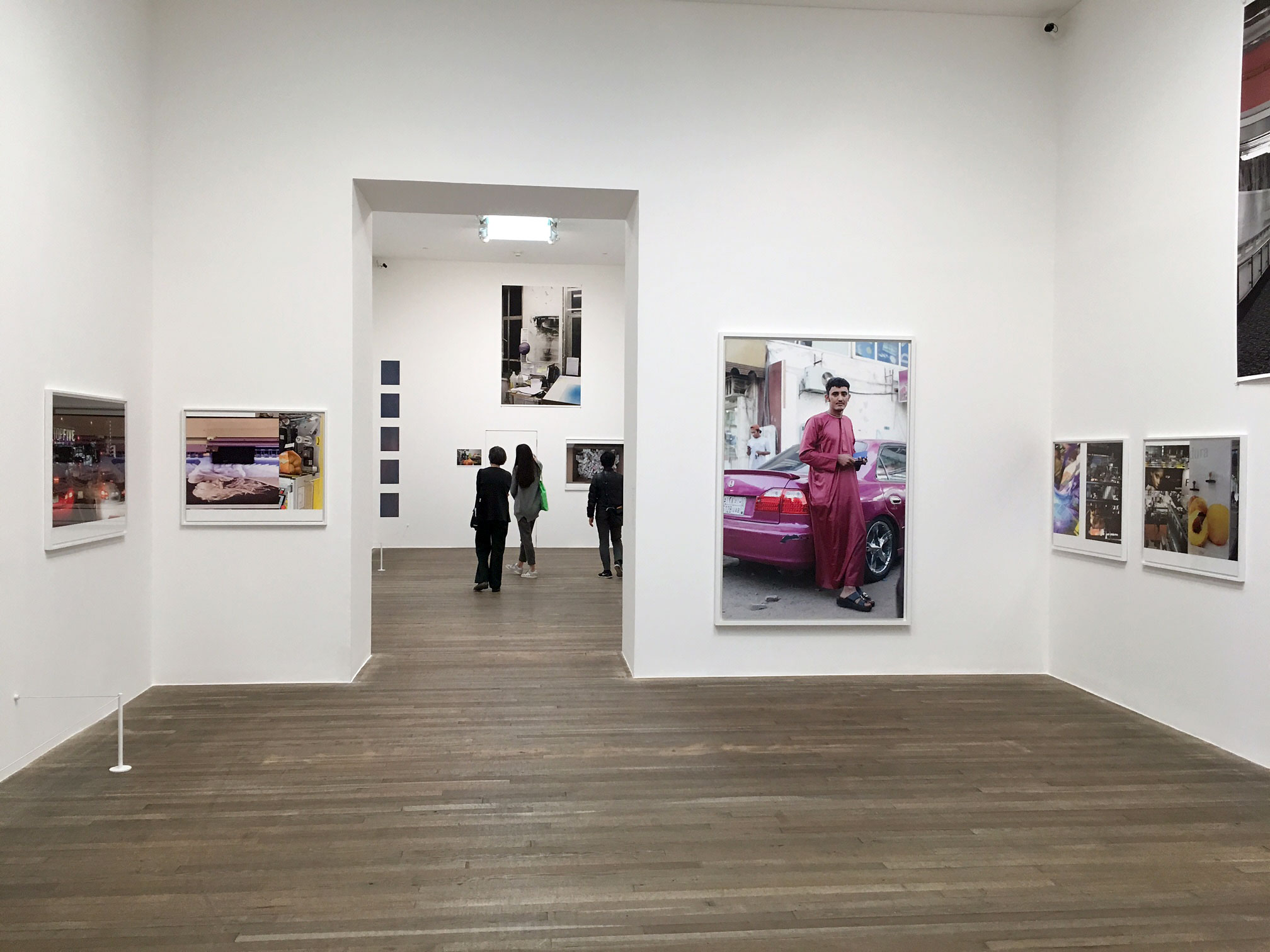










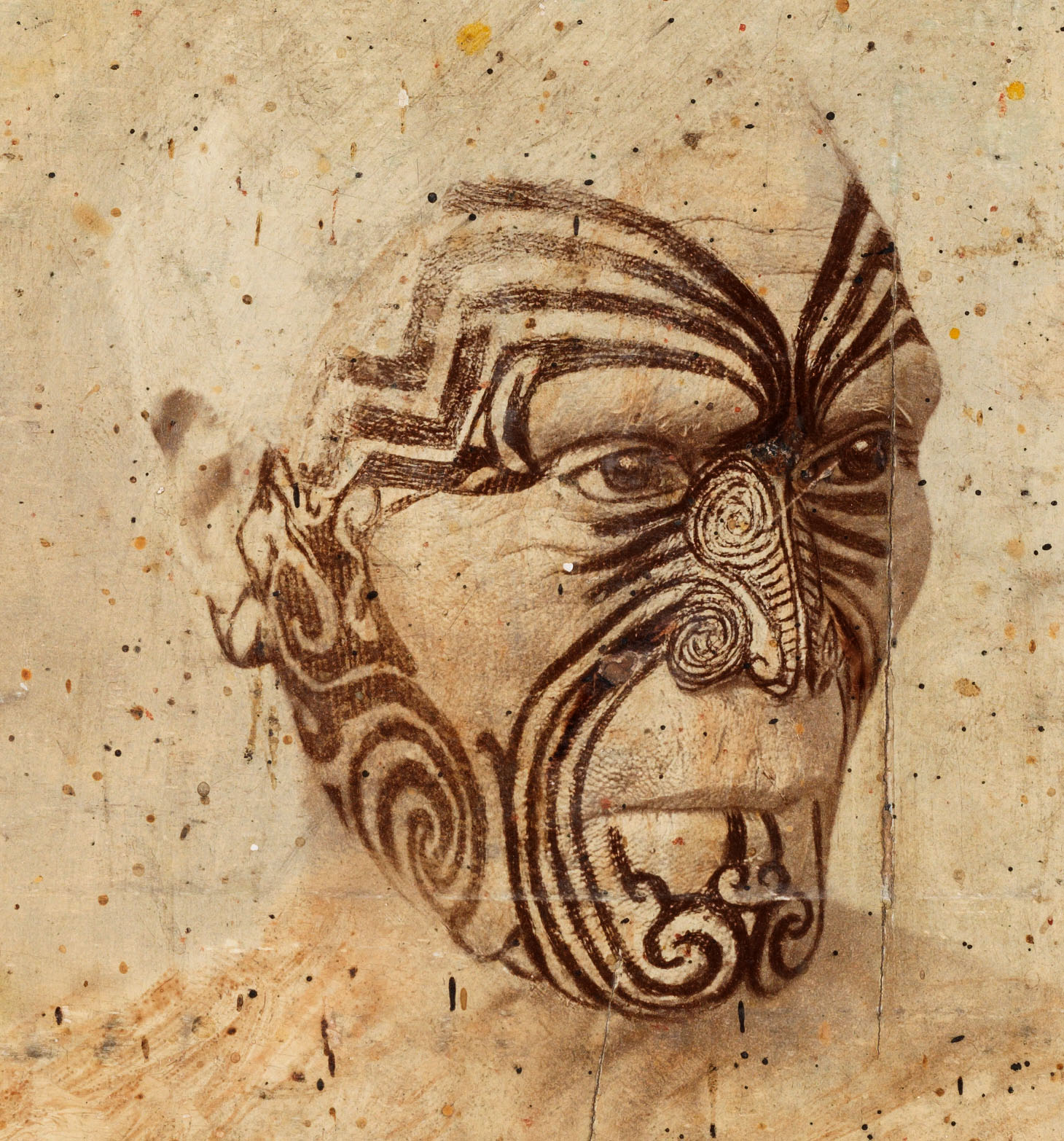

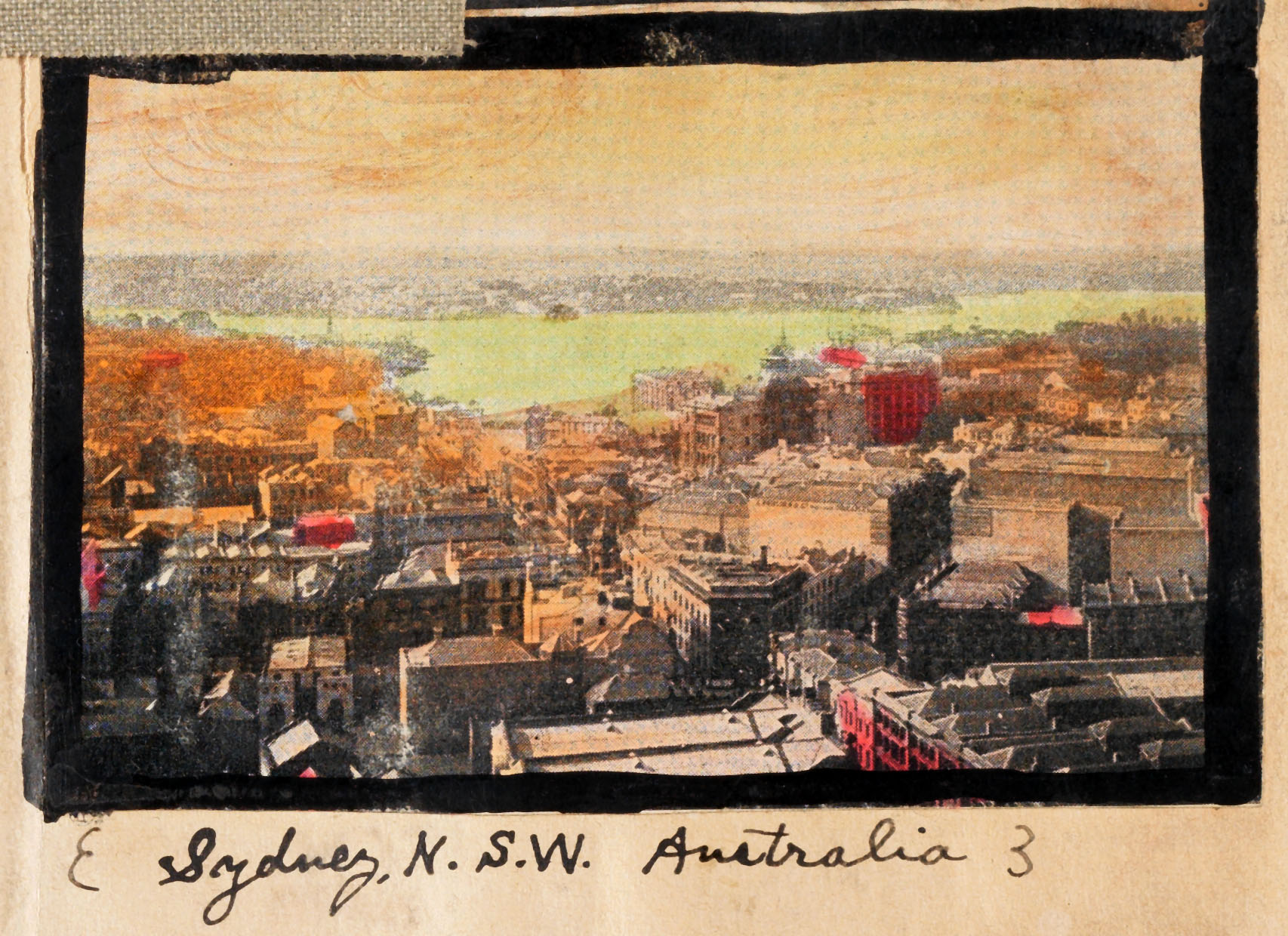

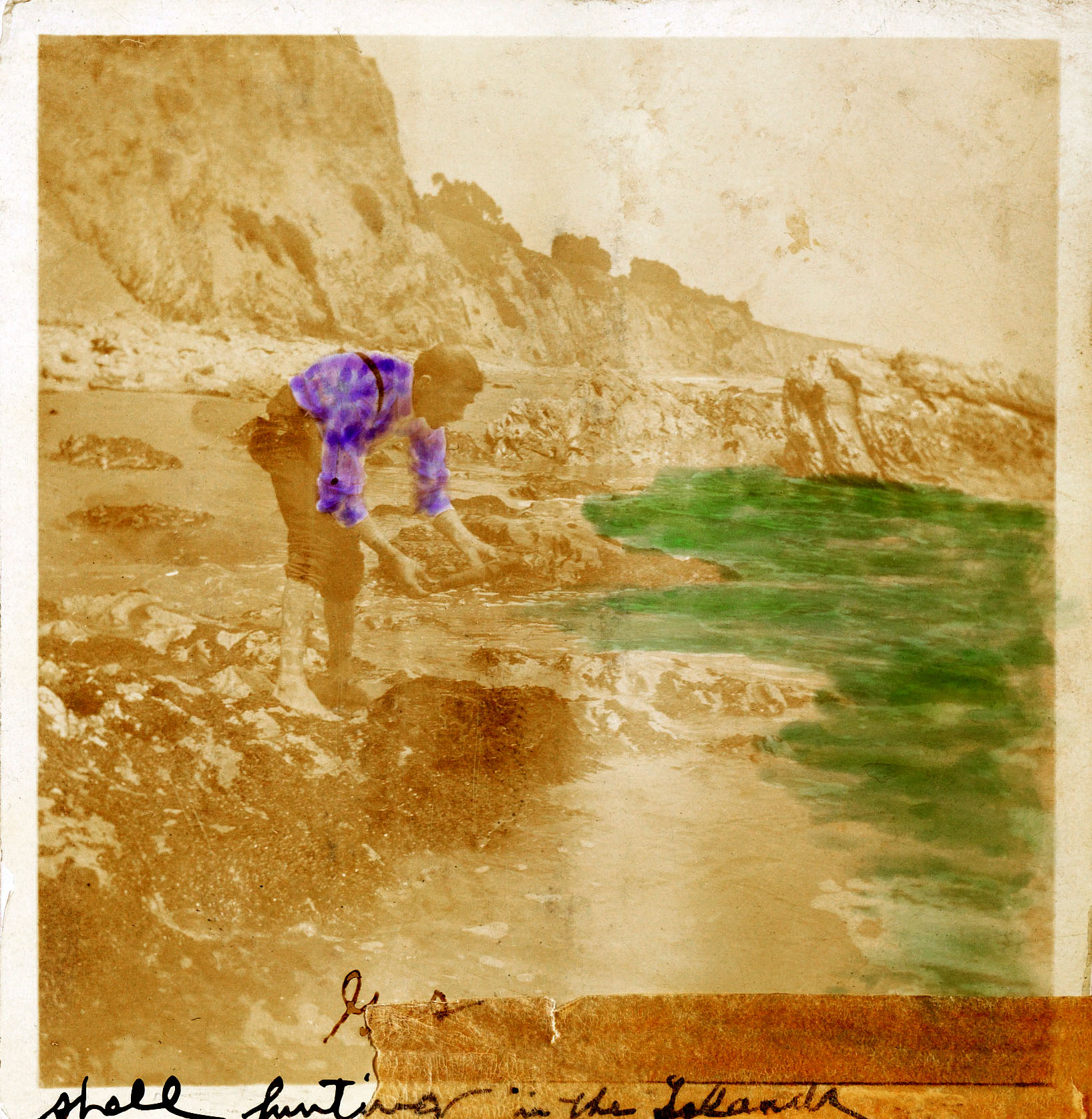
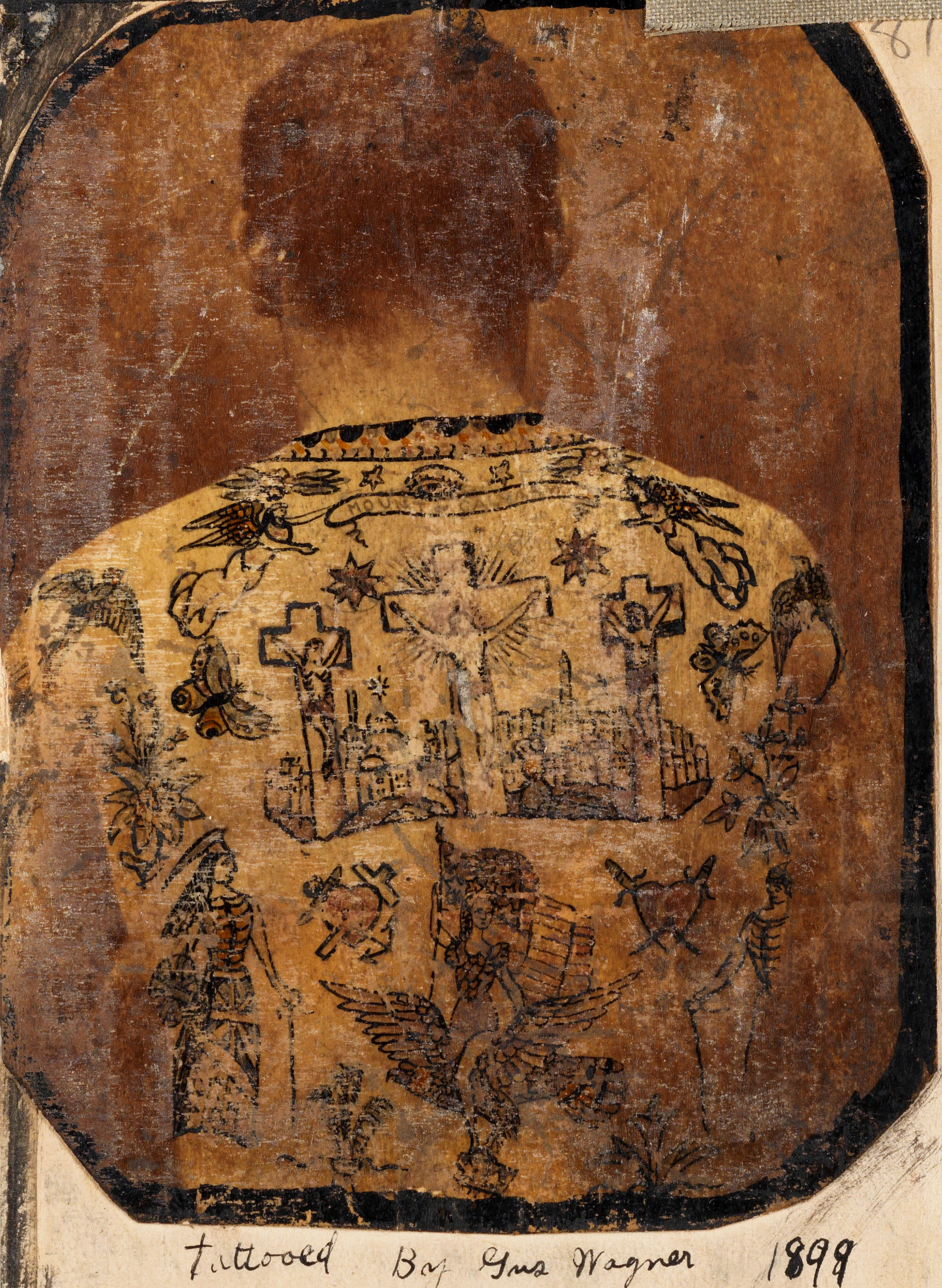




 Art Blart _ art and cultural memory archive
You must be logged in to post a comment.