“Strange, haunting and evocative, Moriyama’s black & white photographs project the derangement of the world onto the psyche of the viewer” Dr Marcus Bunyan
Exhibition dates: 7th April – 31st July, 2012
Curator: Edward Robinson, Associate Curator of the Wallis Annenberg Photography Department at LACMA
How can we put this. The early black and white photographs are magnificent; the later colour photographs pedestrian and mundane. It is quite amazing how an artist with such skill and panache in the 1960s-1980s can run out of ideas and make such stock standard work 30 years later.
Does the artist loose the talent, the energy or just the persistence of vision that made their earlier work so vibrant and alive, or did the work just emerge from the time / space / energy of the artist in that particular period, never to appear again?
Moriyama’s black and white photographs provide “a raw, restless vision of city life and the chaos of everyday existence, strange worlds, and unusual characters.”
More than that, they plunge us into a mesmerising, hypnotic world where the viewer is immersed in a fractured dream / scape / space. Kagerou (Mayfly) (1972, below) is just such an example of this holographic, bugs caught in amber view of our world; the dirty footed, fleeing creature in Untitled (woman in white dress running) (1971, below) confirms this ambiguity, the trapped animal caught by the flash of the camera.
Strange, haunting and evocative, Moriyama’s black and white photographs project the derangement of the world onto the psyche of the viewer, producing an abnormal condition of the mind that promotes a loss of contact with reality. The colour photographs never stand a chance against such life changing affirmations.
Dr Marcus Bunyan
Many thankx to the Los Angeles County Museum of Art for allowing me to publish the photographs in the posting. Please click on the photographs for a larger version of the image.
Installation views of the exhibition Fracture: Daido Moriyama at the Los Angeles County Museum of Art (LACMA) Courtesy of Daido Moriyama and Los Angeles County Museum of Art, Los Angeles
The Los Angeles County Museum of Art (LACMA) presents Fracture: Daido Moriyama, the first solo museum exhibition of photographer Daido Moriyama (b. 1938) to be shown in Los Angeles. Moriyama first came to prominence in the mid-1960s with his gritty depictions of Japanese urban life. His highly innovative and intensely personal photographic approach often incorporates high contrast, graininess, and tilted vantages to convey the fragmentary nature of modern realities.
Spanning his early years to present day, the show features nearly fifty works, including a range of Moriyama’s renowned black-and-white photographs, his many important photo books, and the debut of recent colour work taken in Tokyo.
“Daido Moriyama’s immensely inventive and prolific achievements make him one of the leading photographers of our era. Inspiring viewers and artists world-wide, Moriyama continues to demonstrate a raw and restless exploration of the fractured realities of modern times, including his most recent colour work, appearing for the first time,” observes Edward Robinson, associate curator of LACMA’s Wallis Annenberg Photography Department and curator of the exhibition.
Exhibition overview
Responding to the rapid changes that transformed post-World War II Japan, Daido Moriyama’s black-and-white works express a fascination with the cultural contradictions of age-old traditions persisting within modern society, along with the effects of westernisation and consumerism.
Providing a raw, restless vision of city life and the chaos of everyday existence, strange worlds, and unusual characters, Moriyama frequently photographs while on walks through Tokyo – particularly the dark, labyrinthine streets of the Shinjuku district – as well as when traveling on Japan’s postwar highways and during strolls through other urban centers in Japan and abroad. His work suggests the bold intuition informing the artist’s ongoing exploration of urban mystery, memory, and photographic invention.
Fracture: Daido Moriyama will display the artist’s iconic black-and-white photographs, exemplifying the are, bure, boke (grainy, blurry, out-offocus) style, in addition to a new installation of recent colour work. An accompanying video will feature documentary footage of the photographer at work, exploring by foot and responding to the vibrant cityscape of Tokyo. Also on view will be a selection of books – Moriyama has published more than forty to date – which highlights the artist’s highly influential experimentation with reproduction media and the transformative possibilities of the printed page.
About Daido Moriyama
Born in Ikeda, Osaka, Moriyama trained in graphic design, then took up photography with Takeji Iwaniya, a professional photographer of architecture and crafts. Moving to Tokyo in 1961, he assisted photographer Eikoh Hosoe for three years and became familiar with the trenchant societal critiques produced by photographer Shomei Tomatsu. Moriyama also drew inspiration from William Klein’s confrontational photographs of New York, Andy Warhol’s silkscreened multiples of newspaper images, and the writings of Jack Kerouac and Yukio Mishima.
His work has been collected by numerous public and private collections internationally, including LACMA, the Museum of Modern Art, New York, the San Francisco Museum of Modern Art, the Metropolitan Museum of Art, New York, the Getty Museum, Los Angeles, the Museum of Fine Arts, Boston, and the Centre Pompidou, Paris. Moriyama has had recent major solo shows at The Fondation Cartier pour l’Art Contemporain, Paris, The Fotomuseum, Winterthur, Switzerland, the Metropolitan Museum of Photography in Tokyo, and will be exhibited with William Klein at the Tate Modern this fall.
The “Beast III” has a Chrysler Hemi engine and was the fastest single-engine car in America in 1952. It was the first car to have its body designed in a wind tunnel.
Continuing my fascination with the design of the automobile, here are another selection of classics!
Dr Marcus Bunyan
Many thankx to the Utah Museum of Fine Arts for allowing me to publish the photographs in the posting. Please click on the photograph for a larger version of the image.
The “Mormon Meteor III,” the last Duesenberg built, set more long-distance land-speed records than any other car in history. It has a handcrafted Curtis Conqueror aircraft V12 engine.
Racing into town this summer, Speed: The Art of the Performance Automobile will be on display at the University of Utah on the first-floor galleries of the Utah Museum of Fine Arts in the Marcia and John Price Museum Building from June 2 – September 16. The exhibition comprises 19 of the world’s finest automobiles and was organised by automotive historian, museum consultant and guest curator Ken Gross.
Speed will showcase a century of automobiles that exemplify premier aerodynamics, engineering, art and design of their eras. The cars range from the menacing 1952 “Beast III” Bonneville racer to the ultra-cool 1957 Jaguar XK-SS Roadster, once owned by Steve McQueen. The cars are on loan from some of the country’s top automobile collections, including the Price Museum of Speed; National Automobile Museum; Petersen Automotive Museum; Bruce Meyer; Peter and Merle Mullin; Jon and Mary Shirley; and the Larry H. Miller Family.
“We are delighted to be presenting ‘Speed: The Art of the Performance Automobile’ and are confident that our visitors will be amazed at the beauty, engineering, and amazing stories of these incredible cars” says Gretchen Dietrich, executive director of the UMFA. “We hope many first time visitors will come to see the exhibition and be introduced to our wonderful museum and collection.”
A number of art museums in America and Europe recently presented popular exhibitions of cars, including Curves of Steel at the Phoenix Art Museum (2007), Allure of the Automobile at the High Museum of Art in Atlanta (2010) and the Portland Art Museum (2011), as well as L’Art de L’Automobile: Chef d’Oeuvres de la Collection Ralph Lauren at the Les Arts Décoratifs in Paris (2011). The first art exhibition of cars was Eight Automobiles, mounted sixty years ago at the Museum of Modern Art in New York City (1951).
The UMFA’s automobile exhibition, however, is the first of its kind. Speed will examine automobiles not only as works of art and design, but as objects of rich racing history. The featured cars were created by legendary engineers, distinguished designers, and storied automobile companies; many are speed record-setters that were owned and raced by famous drivers and other notable people of their time. This is the first and only time these 19 cars have been seen together in one venue.
Many of the cars in Speed: The Art of the Performance Automobile have a special connection to Utah’s famed Bonneville Salt Flats, where racers from all over the world traveled, and continue to travel, in attempts to break land speed records. The “Mormon Meteor III” is perhaps the most famous Bonneville race car. Designed and driven by legendary racer and former Salt Lake City Mayor David Abbott “Ab” Jenkins (1883-1956), the “Mormon Meteor III” set more long distance land speed records than any other automobile in history, and it still holds 12 of them today.
“These 19 special automobiles comprise a remarkable selection of historic racers and high performance cars, spanning more than a century,” notes guest curator Ken Gross. “Unlikely to be repeated, this exhibition represents a once-in-a-lifetime opportunity to see and study these legends on wheels.”
Curators: Japanese photographer Munemasa Takahashi, Japanese curator Hiroshi Hatate, and Australian-based curator Kristian Häggblom from the Wallflower Photomedia Gallery
I choose to remember
This is a profound exhibition of photographs that have been lost then found. Too damaged to be returned to the families of their missing owners after the 3.11 East Japan Tsunami they have been cleaned, dried, digitally catalogued and put on display. As remnants of disaster they have taken on an ethereal, abstract expressionist beauty.
Like Atget’s photographs (his “documents for artists”) they were never meant to be “art”, but through morphogenesis (‘beginning of the shape’) these snapshots of places, family and friends reveal their inherent form. This beginning of form has been exposed through displacement, washing and erasure. Through this process of erasure these anonymous images reveal their underlying structure with its link to alchemy, as the image dis/appears from view; they have become unfixed (as in the fixer that stabilises the image in the analogue darkroom) from reality. In this process they have become art.
The images are incredibly beautiful.
They hid secrets (of ownership, names, families and places, of time and space).
Something (energy, spirit?) emerges when you least expect it.
Photographs are coded, but usually so as to appear uncoded but here the link to the indexicality of the image – the idea of the visible as evidence of truth – has been broken. These photographs, taken out of their original context, have lost their specific use value in the particular time and place of their consumption. The fragmentation of this use value, together with the dissolution of their formal characteristics, means that they are freed of the conditions that limit and determine their meaning.1 As Annette Kuhn has written in The Power of the Image, “Meanings do not reside in images, then: they are circulated between representation, spectator and social function.”2 And in these images all three things have changed.
Further, the link between the image and its referent, the photograph and the thing being photographed has been irreversibly broken. As the French critic Maurice Blanchot has written, “The image has nothing to do with signification, meaning, as implied by the existence of the world, the effort of truth, the law and the brightness of the day. Not only is the image of an object not the meaning of that object and of no help in comprehending it, but it tends to withdraw it from its meaning by maintaining it in the immobility of a resemblance that it has nothing to resemble.”3 In other words (and especially in these photographs) it is this severance of meaning and its object, this resemblance of nothing.
But think about this idea:
THINK ABOUT THE IDEA OF RE(AS)SEMBLANCE!
DOES THE PHOTOGRAPH REASSEMBLE A SIGNIFICATION, A MEANING WHOLLY ITS OWN, OR IS THAT RE(AS)SEMBLANCE PART OF THE ORIGINAL MEANING OF THE OBJECT PHOTOGRAPHED?
In these photographs there is an obfuscation of reality in which the usually coded photographs now appear to be uncoded in some visceral sense. In fact there is a double obfuscation, a double effacement, as the images are displayed on the wall like a series of bathroom tiles in plastic sleeves, here not at one remove but at two (the clouding of the image and the clouding through the plastic). What emerges from this alchemical miasma is the ghost of the meaning of the object, where we acknowledge that the essence of these people did really exist. The recognition of their presence, this partial reassemblance of the context and meaning of the object originally photographed, is the strength of these images: our acknowledgment of some form of existence in the trace of the photograph, where seeing is subconsciously believing.
What we are left with in these images are vestiges of presence, remnants or traces of people that have passed on. In a kind of divine intervention, these photographs ask the viewer questions about the one fact that we cannot avoid in our lives, our own mortality, and what remains after we pass on. We can never know these people and places, just as we can never know the place and time of our death – when our “time” is up – but these photographs awaken in us a subconscious remembering: that we may be found (in life), then lost (through death), then found again in the gaze of the viewer looking at the photographs in the future present. We are (dis)continuous beings.
There is no one single reading of these photographs for “there are only competing narratives and interpretations of a world that cannot be wholly, accurately described.”4 These indescribable photographs impinge on our consciousness calling on us to remember even as the speed of contemporary life asks us to forget. This ethical act of looking, of mourning and remembering, of paying homage to presence acknowledges that we choose not to let pass into the dark night of the soul these traces of our forebears, for each emanation is deeply embedded within individual and cultural memory.
These photographs are a contemporary form of Western ‘dreaming’ in which we feel a link to the collective human experience. In this reification, we bear witness to the (re)assemblance of life, the abstract made (subconsciously) concrete, as material thing. These images of absent presence certainly reached out and touched my soul.
Vividly, I choose to remember rather than to forget.
Dr Marcus Bunyan
Footnotes
1/ Kuhn, Annette. The Power of the Image: Essays on Representation and Sexuality. London: Routledge and Kegan Paul, 1985, p. 6
2/ Ibid.,
3/ Blanchot, Maurice. The Gaze of Orpheus. New York: Barrytown, 1981, p. 85
4/ Townsend, Chris. Vile Bodies: Photography and the Crisis of Looking. Munich: Prestel, 1998, p. 10
Many thankx to Munemasa Takahashi, Kristian Haggblom and Karra Rees for their help and the CCP for allowing me to publish the photographs in the posting. Please click on the photographs to view a larger version of the image.
Opening of the Lost & Found exhibition at the Centre for Contemporary Photography, Melbourne
Lost & Found is a profoundly moving exhibition of collected photographs recovered from the devastation following the earthquake and tsunami and subsequent nuclear catastrophe that took place in the Tohoku region in 2011. The tsunami not only swept the harbour away, but also houses, cars, trains; and many people lost their lives. Although no longer in the media, people in this region are still in great need. These photographs remind us of their presence and make us aware of their silent voices. The exhibition also gives us an opportunity to think about the relationship people have with their photographs.
The Lost & Found project is attempting to return pictures from the collection to their owners by cleaning, cataloguing and creating a digital database of the photographs. Many images were too badly damaged and can not be returned; rather than discard them, the project team decided to exhibit the imagery and give people the opportunity to see these photographs in the belief that they carry powerful messages. This project was initiated by Munemasa Takahashi and Hiroshi Hatate in Japan and Kristian Haggblom from Wallflower Photomedia Gallery in Australia. Funds raised will go directly to the people of Yamamoto-cho.
Text from the CCP website
All photographs are from the exhibition Lost & Found
“The lens of the camera becomes an extension of Self, the shutter his very existence and the digital screen on the back of the camera his tabula rasa, a “blank slate” upon which he writes his experience and perception, his knowledge of the world.” Dr Marcus Bunyan
Exhibition dates: 4th August – 18th August, 2012
Curator: Kate Martin
Andrew Follows (Australian, d. 2019) Untitled 2012 From the sequence Night’s Ocean Shore Digital inkjet print
This sequence is part of a joint exhibition by blind photographers Andrew Follows and Rosita McKenzie titled Through the Looking Glass Dimly to be held at The Old Ambulance Depot, Edinburgh in August 2012. The exhibition is part of the Edinburgh Art Festival.
On his first trip overseas Follows is travelling to Scotland with his trusty companion Eamon, his guide dog. The words below are an analysis of Andrew’s work, a photographer who only has 15% vision in one eye and is legally blind. This is the first time anyone has written about Andrew’s work in any depth. It has been great fun to work with Andrew on this project and it is a privilege to write some hopefully insightful words about his art practice.
The exhibition by Follows and McKenzie takes a twofold path. Firstly, work from both photographers will investigate the resilience of bush-fire prone landscapes in both Scotland and Australia. Secondly, work will portray the fluid spaces of the urban and natural landscape at night in both the Southern and Northern hemispheres. The exhibition is curated by Kate Martin from the Contemporary Art Exchange.
This is a beautiful, well resolved sequence that has a very intimate narrative, a journey of discovery from the stars in the night sky to our own star, the sun and on to the illumination of the earth at night. Under any circumstances, Follows’ vision is outstanding.
Dr Marcus Bunyan
Please click on the photographs for a larger version of the image. Many thankx to Andrew Follows for allowing me to publish the photographs in the posting.
Andrew Follows Night’s Ocean Shore sequence 2012
The Eye that sees the Sun: Andrew Follows and his Tabula rasa
“‘The world is my representation’: this is a truth valid with reference to every living and knowing being, although man alone can bring it into reflective, abstract consciousness. If he really does so, philosophical discernment has dawned on him. It then becomes clear and certain to him that he does not know a sun and an earth, but only an eye that sees a sun, a hand that feels the earth; that the world around him is there only as representation, i.e. only in reference to another, the representer, which is he himself.”
Arthur Schopenhauer. The World as Will and Representation 1818
Please close your left eye and place your left hand over it; now make a circle with the thumb and forefinger of your right hand and curl the rest of your fingers to make a tunnel; now place this hand to your right eye and close the aperture until you can only see a small amount of the world. Imagine, seeing the world through this one eye with only fifteen percent vision. This is the field of vision, the line of sight of artist Andrew Follows.
The artist’s visual acuity (the capacity of the eye to see fine detail, measured by determining the finest detail that can just be detected) has been with him since birth. He has always seen the world this way and does not regard it as a disability. In fact, his highly refined sense of “sight” enables spaces of poss/ability (not dis/ability) within his artistic practice. The development of an abnormal keen-sightedness helps him record his impression of the world via the medium of photography.
His is not the vision of im(pair)ment as the rest of us see the world, through two eyes, but the holistic vision of a monocular eye that becomes the root of his photography. The lens of the camera becomes an extension of Self, the shutter his very existence and the digital screen on the back of the camera his tabula rasa, a “blank slate” upon which he writes his experience and perception, his knowledge of the world. His experience of vision and the evidence of his photographs become both the beginning and the end of the work, a place in which his fundamental nature resides.
In today’s polyvocal world, with the proliferation of visual protheses (such as smart phones and digital cameras) we are now seeing the encoding of increasingly mental images of the material world. Follows’ photographs are an amalgamation of these mental images and what he can physically see on the screen, for when taking a photograph he cannot see details in the image he is taking. Follows takes the ‘I can see’ of sight, located within his field of vision, and through his organisation of the spatio-temporal field of vision and perception, he offers the viewer a unique ‘take’ on the world. His point of view is a collection of objects to which the eye is directed and on which it rests within a certain distance.
From a visual point of view this resting facilitates in Follows’ work a particular serenity and beauty. His skill as an artist is to combine his imagination with what he sees through the screens of camera and computer to create ‘other’ worlds. These other worlds are evidenced in Follows’ love of night time photography, as though his view of the environment, the spaces and places that surround him, is enhanced through a doubling of perception: of light, at night, through tunnel vision. Our eyes rest upon the effervescent lights of an oil refinery on the outskirts of Melbourne; the star trails blazing across the night sky; the reflections in water at Corio Bay, Geelong. Most importantly, it is the quality of light that imbues Follows’ work that enhances the narrative, the journey on which the artist takes us.
Follows’ shows us his world, and our world, as we have never seen it before. What is important in the work is that he asks us to embrace his vision and incorporate his photographs into our collective memory. The world is his representation, a truth valid with reference to every living and knowing being, brought by us into reflective, abstract consciousness. We the viewer become his eye, his only eye that sees Schopenhauer’s sun.
Dr Marcus Bunyan May 2012
Andrew Follows (Australian, d. 2019) Untitled From the sequence Night’s Ocean Shore 2012 Digital inkjet prints
Contemporary Art Exchange presents Through the Looking Glass Dimly a unique collaboration and exchange project between Australian and Scottish photographers Andrew Follows (Melbourne) and Rosita McKenzie (Edinburgh). Drawn together by their shared passion for photography, their experiences of visual impairment, and a desire to share their knowledge and skills globally, Andrew and Rosita have embarked on an ambitious visual arts project to raise awareness about visual impairment issues, celebrate recent artistic achievements and create the first international network for visually impaired artists.
Digital photography is an excellent medium for reflecting and exploring blind or vision impaired artists’ life experiences. For Rosita it provides ‘a voice’ and dispels the myth that totally blind people cannot possess vision and artistic imagination or participate fully in the visual arts. For Andrew, who has Retinitis Pigmentosa – a degenerative eye condition leaving him blind in one eye and with only fifteen percent vision in the other – it is a tool that enables him to see small glimpses of his fading world.
Andrew and Rosita have been collaborating to develop an exhibition of previous and new work. Since 2009, Andrew has documented the effects of, and resilience to, the devastating Black Saturday bushfires in the Victorian Highlands. Rosita, although having never ‘seen’ Andrew’s work, has responded to it by embarking on her own documentation of the effects of and regrowth after the unusual forest fires in the Scottish Highlands earlier this year. Andrew has also been experimenting with night photography and has developed a number of photographs capturing the Southern Hemisphere by night. In response, Rosita will develop a new body of work capturing the night sky from a Northern Hemisphere perspective. Both artists will also showcase examples from their wide range of photographs dealing with similar themes from natural and urban settings.
The project will be registered with the 2012 Edinburgh Art Festival and the Year of Creative Scotland. Through the Looking Glass Dimly will also coincide with other major international events taking place in Edinburgh during August such as the first International Cultural Summit, the Edinburgh International Festival, the Edinburgh Fringe Festival and the Festival of Politics at The Scottish Parliament.”
Text from the Contemporary Art Exchange
The Old Ambulance Depot 77 Brunswick Street Edinburgh EH7 5HS
Only open to the public during exhibitions and events
Andrew Follows (Australian, d. 2019) Untitled 2012 From the series Night’s Ocean Shore
As you may know I have been helping vision impaired Australian photographer Andrew Follows as he prepares for the greatest adventure of his life, a joint exhibition as part of the Edinburg… Art Festival titled Through the Looking Glass, Dimly. The works have all be printed and framed and are on their way to Scotland at this very moment.
“Will the real Cindy Sherman (if ever there is such a thing) please stand up and tell us: what do you really stand for, where as a human being, is your spirit really at?” Dr Marcus Bunyan
Exhibition dates: 26th February – 11th June, 2012
Curators: Eva Respini (Associate Curator) and Lucy Gallun (Curatorial Assistant) from the Department of Photography, MoMA
Installation view of the exhibition Cindy Sherman at MoMA, New York showing at left and centre, Cindy Sherman society portraits (2008)
Ceaselessly inventive, the bodies (literally) of work of Cindy Sherman are a wonder to behold. From film stills to head shots, from history portrait to society portraits, Sherman constantly reinvents herself, her variations of identity exploring “the complexity of representation in a world saturated with images,” her iterations into the construction of femininity and masculinity constantly “provocative, disparaging, empathetic, and mysterious.”
Where to next? Her recent series of digitally altered landscapes and portraits (Cindy Sherman at Metro Pictures, New York, April – June 2012) seem less resolved than her earlier work, becoming almost a pastiche of themselves. Despite their massive size they seem to lack resolution, the great female impersonator of our time relying for effect on Self as feminine earth (m)Other, tricked up in dubious, quasi-ethnic regalia.
Sherman is almost sacrosanct with regard to criticism but it’s about time someone said it: these images are pretty awful.
After so many simulacra, so many layerings and expositions of identity isn’t it about time Sherman got back to basics and ditched these grandiose notions of identity sublime. The sublimation (an unconscious defence mechanism by which consciously unacceptable instinctual drives are expressed in personally and socially acceptable channels) of her/Self, her actual body, the energy of her (non) presence is finally starting to wear thin.
Will the real Cindy Sherman (if ever there is such a thing) please stand up and tell us: what do you really stand for, where as a human being, is your spirit really at?
Dr Marcus Bunyan
Many thankx to MoMA for allowing me to publish the photographs in the posting. Please click on the photographs for a larger version of the image.
Installation view of the exhibition Cindy Sherman at MoMA, New York showing Cindy Sherman history portraits (1988-1990)
Installation view of the exhibition Cindy Sherman at MoMA, New York showing Cindy Shermanheadshots (2000-2002)
Cindy Sherman (American, b. 1954) Untitled Film Still #21 1978 Gelatin silver print 7 1/2 x 9 1/2″ (19.1 x 24.1cm) The Museum of Modern Art, New York. Horace W. Goldsmith Fund through Robert B. Menschel
Cindy Sherman (American, b. 1954) Untitled Film Still #6 1977 Gelatin silver print 9 7/16 x 6 1/2″ (24 x 16.5cm) The Museum of Modern Art, New York Acquired through the generosity of Jo Carole and Ronald S. Lauder in memory of Eugene M. Schwartz
Cindy Sherman (American, b. 1954) Untitled Film Still #56 1980 Gelatin silver print 6 3/8 x 9 7/16″ (16.2 x 24cm) The Museum of Modern Art, New York Acquired through the generosity of Jo Carole and Ronald S. Lauder in memory of Mrs. John D. Rockefeller 3rd
Gallery 2
In fall 1977, Sherman began making pictures that would eventually become her groundbreaking Untitled Film Stills. Over three years, the series (presented here in its entirety) grew to comprise a total of seventy black-and-white photographs. Taken as a whole, the Untitled Film Stills – resembling publicity pictures made on movie sets – read like an encyclopaedic roster of stereotypical female roles inspired by 1950s and 1960s Hollywood, film noir, B movies, and European art-house films. But while the characters and scenarios may seem familiar, Sherman’s Stills are entirely fictitious; they represent clichés (career girl, bombshell, girl on the run, vamp, housewife, and so on) that are deeply embedded in the cultural imagination. While the pictures can be appreciated individually, much of their significance comes in the endless variation of identities from one photograph to the next. As a group they explore the complexity of representation in a world saturated with images, and refer to the cultural filter of images (moving and still) through which we see the world.
Wall text from the exhibition
Cindy Sherman (American, b. 1954) Untitled #137
1984
Chromogenic colour print
70 1/2 x 47 3/4″ (179.1 x 121.3cm)
Philadelphia Museum of Art
Purchased with the Alice Newton Osborn Fund, 1985
Cindy Sherman (American, b. 1954) Untitled #458 2007-08 Chromogenic colour print 77 3/8″ x 58 1/4″ (196.5 x 148cm) Glenstone
Gallery 3
Fashion – a daily form of masquerade that communicates culture, gender, and class – has been a constant source of inspiration for Sherman and a leading ingredient in the creation of her work. Throughout her career the artist has completed a number of commissions for fashion designers and magazines, and this gallery gathers many of these works. Sherman’s fashion pictures challenge the industry’s conventions of beauty and grace. Her first such commission, made in 1983, parodies typical fashion photography. Rather than projecting glamour, sex, or wealth, the pictures feature characters that are far from desirable – whether goofy, hysterical, angry, or slightly mad. Later commissions resulted in more extreme images of characters with bloodshot eyes, bruises, and scars. These exaggerated figures reached ostentatious heights in a 2007-08 commission, in which fashion victims – including steely fashion editors, PR mavens, assistant buyers, and wannabe fashionistas – wear clothing designed by Balenciaga and ham it up for the camera. Sherman’s interest in the construction of femininity and the mass circulation of images informs much of her work; the projects that take fashion as their subject illustrate the artist’s fascination with fashion images but also her critique of what they represent.
Wall text from the exhibition
Cindy Sherman (American, b. 1954) Untitled #424 2004 Chromogenic colour print 53 3/4 x 54 3/4″ (136.5 x 139.1cm) Holzer Family Collection
Gallery 5
Sherman, who photographs alone in her studio, has used a variety of techniques to suggest different locations and imaginary (sometimes impossible) spaces, extending the narrative possibilities of her images. In her first foray into colour, in 1980, the artist photographed herself in front of rear-screen projections of various cityscapes and landscapes, evoking films from the 1950s and 1960s that used similar techniques to create the illusion of a change in location. In later series, such as the head shots (2000-2002), clowns (2003-04), and society portraits (2008), the artist used digital tools to create a variety of environments. The garish fluorescent colours in a clown picture contribute to the disturbing quality of the portrait, while a fairy tale forest provides a dreamy backdrop for a well-to-do lady.
Wall text from the exhibition
The Museum of Modern Art presents the exhibition Cindy Sherman, a retrospective tracing the groundbreaking artist’s career from the mid-1970s to the present, from February 26 to June 11, 2012. The exhibition brings together 171 key photographs from the artist’s significant series – including the complete Untitled Film Stills (1977-80), the critically acclaimed centerfolds (1981), and the celebrated history portraits (1988-90) – plus examples from all of her most important bodies of work, ranging from her fashion photography of the early 1980s to the breakthrough sex pictures of 1992 to her 2003-04 clowns and monumental society portraits from 2008. In addition, the exhibition features the American premiere of her 2010 photographic mural. An exhibition of films drawn from MoMA’s collection selected by Sherman will also be presented in the Museum’s theatres in April. Cindy Sherman is organised by Eva Respini, Associate Curator, with Lucy Gallun, Curatorial Assistant, Department of Photography, The Museum of Modern Art.
Cindy Sherman is widely considered to be one of the most important and influential artists of our time and her work is the unchallenged cornerstone of post-modern photography. Masquerading as a myriad of characters in front of her own camera, Sherman creates invented personas and tableaus that examine the construction of identity, the nature of representation, and the artifice of photography. Her works speak to an increasingly image-saturated world, drawing on the unlimited supply of visual material provided by movies, television, magazines, the Internet, and art history.
Ms. Respini says, “To create her photographs, Sherman works unassisted in her studio and assumes multiple roles as photographer, model, art director, make-up artist, hairdresser, and stylist. Whether portraying a career girl or a blond bombshell, a fashion victim or a clown, a French aristocrat or a society lady of a certain age, for over 35 years this relentlessly adventurous artist has created an eloquent and provocative body of work that resonates deeply with our visual culture.”
The American premiere of Sherman’s recent photographic mural (2010) will be installed outside the galleries on the sixth floor. The mural represents the artist’s first foray into transforming space through site-specific fictive environments. In the mural Sherman transforms her face via digital means, exaggerating her features through Photoshop by elongating her nose, narrowing her eyes, or creating smaller lips. The characters, who sport an odd mix of costumes and are taken from daily life, are elevated to larger-than-life status and tower over the viewer. Set against a decorative toile backdrop, her characters seem like protagonists from their own carnivalesque worlds, where fantasy and reality merge. The emphasis on new work presents an opportunity for reassessment in light of the latest developments in Sherman’s oeuvre.
Entering the galleries, the exhibition strays from a chronological narrative typical of retrospectives, and groups photographs thematically to create new and surprising juxtapositions and to suggest common threads across several series. A gallery devoted to her work made for the fashion industry brings together commissions from 1983 to 2011. Sherman’s interest in the construction of femininity and mass circulation of images informs much of the work that takes fashion as its subject, illustrating not only a fascination with fashion images but also a critical stance against what they represent. A gallery exploring themes of the grotesque focuses on bodies of work from the mid-1980s through the mid-1990s, including disasters (1986-89) and sex pictures (1992). Sherman’s investigation of macabre narratives followed a trajectory of the physical disintegration of the body, and features prosthetic parts as a stand-in for the human body. A gallery devoted to Sherman’s exploration of myth, carnival, and fairy tales pairs works from her 2003 clowns with her 1985 fairy tales series. These theatrical pictures revel in their own artificiality, with menacing characters and fantastical narratives.
Galleries devoted to single bodies of work are interspersed among the thematic rooms. Sherman’s seminal series the Untitled Film Stills, comprising 70 black-and-white photographs made between 1977 and 1980, are presented in their entirety (the complete series is in MoMA’s collection). Made to look like publicity pictures taken on movie sets, the Untitled Film Stills read like an encyclopaedic roster of female roles inspired by 1950s and 1960s Hollywood, film noir, B movies, and European art-house films. While the characters and scenarios may seem familiar, Sherman’s Stills are entirely fictitious. Her characters represent deeply embedded clichés (career girl, bombshell, girl on the run, housewife, and so on) and rely on the persistence of recognisable manufactured stereotypes that loom large in the cultural imagination.
Other series presented in depth include Sherman’s 1981 series of 12-colour photographs known as the centerfolds. Originally commissioned by Artforum magazine, these send-ups of men’s erotic magazine centerfolds depict characters in a variety of emotional states, ranging from terrified to heartbroken to melancholic. With this series, Sherman plays into the male conditioning of looking at photographs of exposed women, but she turns this on its head by taking on the roles of both (assumed) male photographer and female pinup. The history portraits investigate the relationships between painter and model, and are featured in depth in the exhibition. These theatrical portraits borrow from a number of art historical periods, from Renaissance, Baroque, Rococo, and Neoclassical. This free-association sampling creates an illusion of familiarity, but not with any one specific era or style (just as the Untitled Film Stills evoke generic types, not particular films). The subjects (for the first time, many are men) include aristocrats, Madonna and child, clergymen, women of leisure, and milkmaids, who pose with props, elaborate costumes, and obvious prostheses.
Sherman has explored the experience of ageing in a youth- and status-obsessed society with several bodies of work made since 2000. For her headshots from 2000-2002 (sometimes called Hollywood / Hamptons), the artist conceived a cast of characters of would-be or has-been actors (in reality secretaries, housewives, or gardeners) posing for head shots to get an acting job. With this series, Sherman underscores the transformative qualities of makeup, hair, expression, and pose, and the recognition of certain stereotypes as powerful transmitters of cultural clichés. Her monumental 2008 society portraits feature women “of a certain age” from the top echelons of society who struggle with today’s impossible standards of beauty. The psychological weight of these pictures comes through in the unrelenting honesty of the description of ageing and the small details that belie the attempt to project a certain appearance. In the infinite possibilities of the mutability of identity, these pictures stand out for their ability to be at once provocative, disparaging, empathetic, and mysterious.
Press release from the MoMA website
Cindy Sherman (American, b. 1954) Untitled #193 1989 Chromogenic colour print 48 7/8 x 41 15/16″ (124.1 x 106.5cm) The Doris and Donald Fisher Collection
Cindy Sherman (American, b. 1954) Untitled #213 1989 Chromogenic colour print 41 1/2 x 33″ (105.4 x 83.8cm) Courtesy the artist and Metro Pictures, New York
Cindy Sherman (American, b. 1954) Untitled #216 1989 Chromogenic colour print 87 1/8″ x 56 1/8″ (221.3 x 142.5cm) The Museum of Modern Art, New York. Gift of Werner and Elaine Dannheisser
Gallery 7
Sherman’s history portraits (1988-90) investigate modes of representation in art history and the relationship between painter and model. These classically composed portraits borrow from a number of art-historical periods – Renaissance, baroque, rococo, Neoclassical – and make allusions to paintings by Raphael, Caravaggio, Fragonard, and Ingres (who, like all the Old Masters, were men). This free-association sampling creates a sense of familiarity, but not of any one specific era or style. The subjects (for the first time for Sherman, many are men) include aristocrats, Madonnas with child, clergymen, women of leisure, and milk-maids, who pose with props, costumes, and obvious prostheses. Theatrical and artificial – full of large noses, bulging bellies, squirting breasts, warts, and unibrows – the history portraits are poised between humorous parody and grotesque caricature.
A handful of Sherman’s portraits were inspired by actual paintings. Untitled #224 was made after Caravaggio’s Sick Bacchus (c. 1593), which is commonly believed to be a self-portrait of the artist as the Roman god of wine. In Sherman’s reinterpretation, the numerous layers of representation – a female artist impersonating a male artist impersonating a pagan divinity – create a sense of remove, pastiche, and criticality. Even where Sherman’s pictures offer a gleam of art-historical recognition, she has inserted her own interpretation of the canonised paintings, creating contemporary artefacts of a bygone era.
Wall text from the exhibition
Cindy Sherman (American, b. 1954) Untitled #359 2000 Chromogenic color print 30 x 20″ (76.2 x 50.8cm) Collection Metro Pictures, New York
Gallery 8
After almost a decade of staging still lifes with dolls and props, in her 2000-2002 head-shots series Sherman returned to a more intimate scale and to using herself as a model. The format recalls ID pictures, head shots, or vanity portraits made in garden-variety portrait studios by professional photographers. First exhibited in Beverly Hills, the series explores the cycle of desire and failed ambition that permeates Hollywood. Sherman conceived a cast of would-be or has-been female actors posing for head shots in order to get acting jobs; later, for an exhibition in New York, she added East Coast types. Whichever part of the country they’re from, we’ve seen these women before – on reality television, in soap operas, or at a PTA meeting. With these pictures, Sherman underscores the transformative qualities of makeup, hair, expression, and pose, and the power of stereotypes as transmitters of cultural clichés. She projects well-drawn personas: the enormous pouting lips of the woman in Untitled #360 suggest a yearning for youth, while the glittery makeup and purple iridescent dress worn by the character in Untitled #400 indicate an aspiration to reach a certain social status. In her role as both sitter and photographer, Sherman has disrupted the usual power dynamic between model and photographer and created new avenues through which to explore the very apparatus of portrait photography itself.
Cindy Sherman (American, b. 1954) Untitled #465 2008 Chromogenic colour print 63 3/4 x 57 1/4″ (161.9 x 145.4cm) Whitney Museum of American Art, New York Purchase, with funds from the Painting and Sculpture Committee and the Photography Committee, 2009
Cindy Sherman (American, b. 1954) Untitled #474 2008 Chromogenic colour print 7′ 7″ x 60 1/4″ (231.1 x 153cm) The Museum of Modern Art, New York Acquired through the generosity of an anonymous donor, Michael Lynne, Charles Heilbronn, and the Carol and David Appel Family Fund
Gallery 10
Set against opulent backdrops and presented in ornate frames, the characters in Sherman’s 2008 society portraits seem at once tragic and vulgar. The figures are not based on specific women, but the artist has made them look entirely familiar in their struggle with the impossible standards of beauty that prevail in a youth – and status – obsessed culture. At this large scale, it is easy to decipher the characters’ vulnerability behind the makeup, clothes, and jewellery. The psychological weight of these pictures comes through the unrelenting honesty of their description of ageing, the tell-tale signs of cosmetic alteration, and the small details that belie the characters’ attempts to project a polished and elegant appearance. Upon careful viewing, they reveal a dark reality lurking beneath the glossy surface of perfection. As with much of her work, in her society portraits Sherman has demonstrated a remarkable capacity to channel the zeitgeist. These well-heeled divas presaged the financial collapse of 2008, the end of an era of opulence – the size of the photographs alone seems a commentary on an age of excess. Among the numerous iterations of contemporary identity, these pictures stand out as at once provocative, disparaging, empathetic, and mysterious.
Wall text from the exhibition
Cindy Sherman (American, b. 1954) Untitled #475 2008 Chromogenic colour print 86 3/8″ x 71 1/2″ (219.4 x 181.6cm) The Broad Art Foundation, Santa Monica
Gallery 11
Because the majority of Sherman’s pictures feature the artist as model, they showcase a single character. In the 1970s Sherman experimented with cutouts of multiple figures, in her whimsical 1975 stop-motion animated short film Doll Clothes and her rarely seen 1976 collages, which were achieved through a labor-intensive process of cutting and pasting multiple photographs. When Sherman began working digitally in the early 2000s, she was able to more easily incorporate multiple figures in one frame, allowing for a variety of new narrative possibilities. Where the early works chart the movements and gestures of a single character through space, the multiple figures in recent works interact with one another to create tableaus.
Wall text from the exhibition
The Museum of Modern Art 11 West 53 Street New York, NY 10019 Phone: (212) 708-9400
Opening hours: 10.30am – 5.30pm Open seven days a week
Curators: Andrew Perchuk (deputy director) and Rani Singh (senior research associate), with Glenn Phillips (principal project specialist and consulting curator) and Catherine Taft (curatorial associate)
List of artists represented: Peter Alexander, John Altoon, Chuck Arnoldi, John Baldessari, Larry Bell, Billy Al Bengston, Karl Benjamin, Ed Bereal, Tony Berlant, Wallace Berman, Marjorie Cameron, Cameron, Vija Celmins, Judy Chicago, Mary Corse, Ronald Davis, Richard Diebenkorn, Laddie John Dill, Melvin Edwards, Frederick Eversley, Lorser Feitelson, Llyn Foulkes, Sam Francis, Joe Goode, Robert Graham, Frederick Hammersley, George Herms, David Hockney, Stephan von Huene, Craig Kauffman, Edward Kienholz, Helen Lundeberg, John Mason, Allan McCollum, John McLaughlin, Ron Miyashiro, Ed Moses, Lee Mullican, Bruce Nauman, Helen Pashgian, Ken Price, Noah Purifoy, Ed Ruscha, Betye Saar, Henry Takemoto, DeWain Valentine, Gordon Wagner, Norman Zammitt.
Ed Ruscha (American, b. 1937) Standard Station, Amarillo, Texas 1963 Oil on Canvas Hood Museum of Art, Dartmouth College, Hanover, New Hampshire Gift of James Meeker, Class of 1958, in memory of Lee English, Class of 1958, scholar, poet, athlete and friend to all
What a bumper posting – so much to enjoy and something for everyone!
Dr Marcus Bunyan
Many thankx to Martin-Gropuis-Bau for allowing me to publish the artwork in the posting. Please click on the photographs for a larger version of the image.
Karl Benjamin (American, 1925-2012) Stage II 1959 Oil on canvas 50 x 70 inches; 127 x 177.8cm
Karl Stanley Benjamin (December 29, 1925 – July 26, 2012) was an American painter of vibrant geometric abstractions, who rose to fame in 1959 as one of four Los Angeles-based Abstract Classicists and subsequently produced a critically acclaimed body of work that explores a vast array of colour relationships. Working quietly at his home in Claremont, California, he developed a rich vocabulary of colours and hard-edge shapes in masterful compositions of tightly balanced repose or high-spirited energy. At once intuitive and systematic, the artist was, in the words of critic Christopher Knight, “a colorist of great wit and inventiveness.”
Judy Chicago (American, b. 1939) Car Hood 1964 Sprayed acrylic and lacquer on car hood 109 x 125 x 11cm
Betye Saar (African-American, b. 1926) The Phrenologer’s Window 1966 Assemblage of two panel wood frame with print and collage Private Collection; courtesy of Michael Rosenfeld Gallery, LLC, New York, NY
Lee Mullican (American, 1919-1998) Untitled (Venice) 1967 Oil on canvas
Ronald Davis (American, b. 1937) Vector 1968 Polyester Resin and Fiberglass 60 1/2 x 132 inches (shaped) Tate Gallery, London
Ronald “Ron” Davis (born 1937) is an American painter whose work is associated with geometric abstraction, abstract illusionism, lyrical abstraction, hard-edge painting, shaped canvas painting, color field painting, and 3D computer graphics. He is a veteran of nearly seventy solo exhibitions and hundreds of group exhibitions.
Wallace Berman (American, 1926-1976) Semina Cover with Wife (Photograph of Shirley Berman) 1959 Halftone reproduction on cardstock Getty Research Institute, Los Angeles, CA
The exhibition project Pacific Standard Time – Art in Los Angeles, 1950-1980 traces the development of the Los Angeles art scene during the post-war period, when the city on the Pacific hosted an impressively varied and versatile art scene, thus proving that it was more than Hollywood and a sprawling metropolis in the land of sunshine and palm trees. Pacific Standard Time features such internationally esteemed artists as John Baldessari, David Hockney, Edward Kienholz or Ed Ruscha as well as protagonists that are yet to be discovered like the abstract painters Helen Lundeberg and Karl Benjamin, the ceramicists Ken Price and John Mason, and sculptors such as De Wain Valentine.
The mega show – over 60 institutions and galleries in Los Angeles were involved – is taking the two main core exhibitions of the Getty Museum and the Getty Research Institute to Europe. The sole European venue is the Martin-Gropius-Bau in Berlin. The section of the exhibition that was to be seen in Los Angeles’ Getty Museum under the title of Crosscurrents in L.A. – Painting and Sculpture, 1950-1970, presents painting and sculpture. In the second part that was to be seen in Los Angeles under the title of Greetings from L.A. – Artists and Publics, 1950-1980, posters, artists’ catalogues, postcards, invitation cards and other memorabilia are shown which offer a deeper insight into the networks of the Los Angeles art scene at that time. For Berlin the show has been supplemented to include photographs by Julius Shulman, whose architectural shots defined the image of the Californian lifestyle in the 1950s. His incomparable sensibility and intuitive feel for composition and the ‘critical moment’ established him as a master of his craft.
Part One: Crosscurrents
The first part of the Berlin show brings together more than 70 works by over 50 artists and traces the rise of the Southern Californian art scene between 1945 and 1980. The list of names reads like a Who’s Who of today’s internationally esteemed artists, as people like John Baldessari, David Hockney, Edward Kienholz, Bruce Nauman or Ed Ruscha began their careers here.
The entrée into Pacific Standard Time begins with British artist David Hockney’s iconic painting A Bigger Splash from the year 1967. It is one of the key pictures of the exhibition and stands for the hedonistic life under palm trees with permanent sunshine and never-ending parties.
The exhibition is structured both chronologically and thematically, comprising six sections that reflect the entire spectrum of the art trends that sprang up simultaneously in Los Angeles. Abstract works – ceramic sculptures and paintings of bleak clarity – are to be seen in the first section. The second section shows assemblage sculptures and collages by artists like George Herms, Wallace Berman and Ed Bereal, who paved the way for this artistic approach in the 1950s, and their successors, including many African-American artists. The third section documents the rise of Los Angeles to become an important art centre, while the fourth shows paintings by internationally recognised Los Angeles artists as Richard Diebenkorn, David Hockney and Ed Ruscha. It becomes clear that Southern California was one of the leading centres for large-format pop art and abstract painting in the 1960s. The fifth section examines how, at a time when painting was growing in significance on the Atlantic Coast of the USA, artists on the West Coast were beginning to extend their notions of traditional painting and sculpture, with perceptual phenomena and the material processes of artistic production coming to the fore. Here we find works that have arisen out of a collision between art and technology, such as a sculpture by De Wain Valentine, who uses industrial materials like polyester casting resin, or a canvas by Mary Corse, into which the smallest, high-grade reflecting glass microspheres have been worked. We are also introduced to a group of artists whose works show traces of their creation, such as those of Joe Goode, Allan McCollum, Ed Moses and Peter Alexander.
Berlin is supplementing the Getty exhibition by devoting a special room to the early international perception of art in Los Angeles. It will feature the works Berlin Red by Sam Francis, a 8 x 12 metre painting that was commissioned by Berlin’s Neue Nationalgalerie in 1969, and Volksempfängers (People’s Wireless) by Edward Kienholz. As a DAAD scholar Kienholz often lived in Berlin from 1973 on.
Another distinctive feature of the exhibition are the various room installations, including Stuck Red and Stuck Blue by James Turrell and Four Corner Piece by Bruce Nauman. In 1966 Turrell began working on his Light Room installations. In the work displayed in the Martin-Gropius-Bau that he designed in 1970, he uses light to dissolve the borders of spatial structures and transform them. In his Four Corner Piece from 1971 Bruce Nauman creates a particular spatial experience through the interplay of physical information vs. visual information.
Part Two: Greetings from L. A.
In the second part of the exhibition, elaborated by the Getty Research Institute, the Martin-Gropius-Bau shows over 200 objects – photographs, artists’ catalogues, books, posters, postcards, invitations, letters and artworks, of which many are on public view for the first time. We are given a sense of how Californian artists, through the involvement of a wide audience, brought art into contact with the general public. We also see how intensely the international networks linking groups of artists functioned.
Greetings from L.A. begins with Making the Scene and describes the gallery scene in Los Angeles from the 1950s to the 1970s. We are introduced to art dealers and collectors of the kind who congregated at La Cienega Boulevard – Rolf Nelson, Riko Mizuno and Betty Asher. On this gallery-lined boulevard, which crosses the Sunset Boulevard immortalised by Ed Ruscha, the reputation of Los Angeles as a city of modern and contemporary art was made.
Public Disturbances, the second section of the show, is devoted to three important exhibitions which drew fierce criticism and even led to arrests. Wallace Berman’s 1957 exhibition in the Ferus Gallery was closed down by the police. Violent controversies were triggered by the War Babies exhibition (1961) in the Huysman Gallery. There were also strong differences of opinion between the Los Angeles County Museum of Art (LACMA) and the Los Angeles County Board of Supervisors over the inclusion of Kienholz’s installation Back Seat Dodge ’38 (1964) in his grand retrospective of 1966.
The Private Assembly section of the exhibition focuses on the works created by Wallace Berman, George Herms, Charles Brittin and their circle in the 1950s and 1960s. The intimacy of these objects is explained not only by the unmistakable traces of artistic authorship they bear, but also by the fact that they were only accessible to a select, non-public audience. Mainly active outside the commercial gallery scene, this group of assemblage artists concentrated their energies on private artworks, which they handed over personally or sent by mail as a token of friendship.
The fourth section, Mass Media, introduces artists who selected the mass media as a model for their own art. Ed Ruscha, Allen Ruppersberg and Chris Burden occupied themselves with popular culture and mass production as alternative means of production and distribution. They used impersonal forms, such as those of objects or advertising materials commercially produced and sold as consumer goods. By avoiding conventional exhibition rooms, these artists reached a new public. They often exhibited anonymously, thus making the identity of artist and work secondary.
Art School as Audience, the fifth section of the exhibition, sheds light on the important role of art schools in the development of contemporary art forms. They served as the static pole, because in them artists constituted the audience of other fellow artists. The California Institute of the Arts, commonly known as CalArts, and its predecessor, the Chouinard Art Institute, were key venues for important groups of artists, as can be seen from the works of such students as Ed Ruscha and Joe Goode, and such teachers as John Baldessari, Miriam Schapiro and Judy Chicago. Other important forums were the new art faculties that came into existence at the universities and other higher education facilities in Los Angeles County. At the campuses of Irvine or San Diego in particular there was a stimulating audience for the experiments of such artists as Martha Rosler, Barbara Smith and Eleanor Antin.
The last section, The Art of Protest, examines how social and political developments mobilised artists to display their works in the street. In the 1960s Los Angeles became the scene of the first protests led by artists against the Vietnam War. This gave rise in 1966 to the construction of a Peace Tower at the corner of La Cienega and Sunset Boulevards. In the following decade it was feminism that moved many artists to become social activists, as can be seen from the work of Suzanne Lacy and Leslie Labowitz-Starus In Mourning and in Rage 1977, a highly esteemed protest performed on the steps of City Hall.
Greetings from L.A. offers a new look at art in Southern California by showing how the artists of this region changed the conventional relations between art and public and developed alternatives for a public role of art and its place in society.
The exhibition affords glimpses into some recently acquired archives, like those of Betty Asher, Hal Glicksman, George Herms, Wolfgang Stoerchle, High Performance magazine, the galleries of Rolf Nelson, Mizuno and Jan Baum as well as of the papers of Charles Brittin and Edmund Teske. These are supplemented by material from archives not normally associated with Southern California, such as the papers of the critics Irving Sandler, Barbara Rose and Lawrence Alloway of New York; of Marcia Tucker, the founder and curator of New York’s New Museum of Contemporary Art; and of the Kasmin Gallery, London.
Part Three: Julius Shulman
The last part of the Berlin exhibition shows over 50 photographs by Julius Shulman – the most important American photographer of architecture in the post-war period. For more than thirty years he photographed Modernist houses – built by Richard Neutra, Frank Lloyd Wright, or Frank Gehry – thus making many of them into architectural icons. The exhibition shows some of his key works.
Kristian Laemmle-Ruff (Australian) Truck in Safi 2010 Type C print 100 x 67cm
Jeff Wall, the renowned Canadian photographer, observed recently that, “Photography is such a wide, complex art form medium that there’s no real single way of practising it. Up until 30 to 40 years ago, it was pretty much presumed that the way you practised photography seriously was in the documentary mode. It was very unilateral, other things weren’t really plausible. I never objected to documentary photography, but it’s not the whole story…”1
How true. In this post-photography world there are many spaces in the city for showing all kinds of photographic work, notably at the Centre for Contemporary Photography in Fitzroy. While the viewer does learn about different modes of photographic representation through experiential learning (making meaning from the direct experience of looking at such work), personally some contemporary photography often leaves me feeling rather underwhelmed. Rarely do I leave the CCP thinking, wow, that was a great “photography” exhibition, I have seen something amazing about the world that I had not recognised before. Interesting: possibly; inspiring / engaging / memorable: occasionally, which is perhaps why reviews of exhibitions at the CCP occur rather rarely in this archive. This is not to belittle the work that the CCP does as an establishment, far from it, but just to note that not much contemporary photography lasts long in the mind.
It was such a joy then to walk around the corner from the CCP to the Colour Factory Gallery and view the exhibition Littoral by emerging artist Kristian Laemmle-Ruff. This is one of the best, if not the best, “photography” exhibition I have seen so far this year. As soon as you walk into the simple, elegant gallery you are surrounded by fourteen large scale horizontal photographs that are suffused with colour variations bouncing across the gallery – here a blue, there a green, now a lush orange palette. The effect is much like Monet’s waterlilies at the Musée de l’Orangeriein Paris; seated in the middle of the four curved paintings you are surrounded by large daubs of paint of various hues that have an elemental effect – resonances of earth, air, water, fire – on the viewer. The same affection of colour and space can be found in Laemmle-Ruff’s photographs.
The artist’s literal rendition (the definition of littoral is that it relates to the coastal zone between the limits of high and low tides) of the interstitial spaces at the edge of urbana, the fluid spaces of a no man’s land, are beautifully visualised in the work. These entropic spaces are mainly devoid of physical human presence but filled with the detritus of humanity: concrete boxes and tangled beams of steel, satellite dishes and red-eyed chimney stacks. In Casablanca Terrace II (2010, below) satellite dishes shimmer in orange while in the distance alien lights seem to hover over the city; in Manneheim (2010, below) the whole photograph is a cold, chilly blue the only visible signs of human existence a couple of lights peeping from the flat windows (at left) while the belching smoke from numerous alien, red-eyed War of the Worlds chimney stacks blends seamlessly into the overcast sky (please enlarge the photograph to see these). When first looking at New Homes (2011, above) I thought the green lines at bottom left were trenches until I realised they were hedges. Then I noticed the empty oval in the upper right quadrant – a demolished sporting facility… a racetrack… a spaceship landing pad? In these familiar but alien landscapes (ice covered swimming pools, graveyards sitting under mountains) Laemmle-Ruff plays with colour, space and depth of field. In some photographs, such as Road to Essaouira (2010, below bottom) the depth of field is very shallow, the focus point in the photograph being the road and gravel, silver road sign and buildings falling out of focus beyond. Like the shifting of colour, this expansion and contraction of DOF from one photograph to the next adds to the body of works ethereality.
The best print in the exhibition is Truck in Safi (2010, above) which is an absolute knockout. The composition is beautifully visualised and the print is incredibly luminous and well balanced. The large white ‘M’ on the back of the earth-filled truck solidifies our gaze in the mid-foreground while, metaphorically, the letter stamps the earth as the possession of man. The road curves into the distance and upon it, as minute specks, are a bicycle and two motorbikes. The sweep of an industrial plant fills the horizon line in a sensuous entanglement of vessels and pipes. This truly is a beautiful photograph and therein lies the contradiction present in Laemmle-Ruff’s body of work.
While seeking to capture the paradoxes of urbanisation and consumerism, a vernacular world, familiar and normal (both the beauty and frailty of our times as Laemmle-Ruff puts it), the beauty of the photographs becomes the heart of the work, its strength in the presence of the viewer and perhaps its slight weakness as well.
The artist’s visual acoustics, his mythologising of the city if you like – the (dis)ease of the city as sublime photograph picturing the picturesque – has, to my mind, elements of Pictorialism in the artist’s scopophiliac looking. Nothing wrong with that, but we must acknowledge that there is a contradiction here, not between the beauty and frailty of our times, but between the frailty of the earth and the constructed beauty of the photograph seen through a desirous looking that might be at odds with Laemmle-Ruff’s intended project.
Be that as it may, it is a great pleasure to see a young, emerging artist produce such memorable photographic works. Walking into the gallery the viewer can littorally feel the pleasure that the artist has in capturing these complex, fluid spaces. The artist is at the beginning of a path of exploration where each new body of work will develop thematically out of concerns that have been evidenced here. Where this journey will take him is unknown but with courage, fortitude, knowledge, passion, a good eye and a camera he will go far. Good stuff!
Dr Marcus Bunyan
1/ Wall, Jeff quoted in Laurie, Victoria. “Lights, Camera,” in The Weekend Australian Review. May 19-20 2012, p. 5
Many thankx to the artist and the Colour Factory Gallery for allowing me to publish the photographs in the posting. Please click on the photographs for a larger version of the image.
Kristian Laemmle-Ruff (Australian) Safi 2010-2012 Type C print 100 x 67cm
Kristian Laemmle-Ruff (Australian) New Homes 2011 Type C print 100 x 67cm
Kristian Laemmle-Ruff (Australian) Casablanca Terrace II 2010 Type C print 100 x 67cm
Kristian Laemmle-Ruff (Australian) Manneheim 2010 Type C print 100 x 67cm
Littoral examines the shifting overlap between landscape and urbanscape. As a reaction to a traditional approach where the two are consciously separated, Laemmle-Ruff focuses on the often grotesque and ever-expanding littoral zone between civilisation and nature.
“I found these undefined zones did not discriminate on place or culture. From Morocco to the post WWII suburbs of Germany, somber skies were met with stubborn and aggressive urbanisation. I was drawn to contradictions. “The World Tastes Better with Pall Mall” claimed the cigarette ad. These empty remarks of consumerism seemed to go unchallenged. My intention was to capture these paradoxes and pull them from the wallpaper of modern sensibility. Our gaze once traveled to picturesque, unspoiled horizons, forests in mist and rolling plains. Instead it stops on concrete or becomes tangled in steel beams.”
Littoral presents us with spaces anticipating themselves. Housing estates on the fringe of development yet to be occupied; North African peasants walking past the mall’s facade where the market once stood; roof top terraces lined with satellite dishes streaming immaculate reception. We are left to wonder who will fill these homes. Who is in control of where urbanisation will go next?
Ultimately, this series may appear to be a presentation of a vernacular world, familiar and normal. This, in turn alludes to a desensitisation to our changing surroundings in an age of globalisation and overpopulation. Our landscape is increasingly becoming a manifestation of ourselves. Littoral urges one to question where the present seems to be leading us.
Practicing in both documentary and conceptual photography, from warm narratives to surreal visions, Kristian Laemmle-Ruff’s photographs subtly bring to light both the beauty and frailty of our times. As we spiral up the exponential curve of ‘progress’ there are dynamic ruptures, vulnerabilities and regenerative possibilities in our human reality – this is his motivation – a truth worth capturing.
Press release from the Colour Factory Gallery website
Kristian Laemmle-Ruff (Australian) Olympic Stadium 2012 Type C print 100 x 67cm
Kristian Laemmle-Ruff (Australian) Road to Essaouira 2010 Type C print 100 x 67cm
Kristian Laemmle-Ruff (Australian) Aqua dynamics 2010-2012 Type C print 100 x 67cm
Kristian Laemmle-Ruff (Australian) Valle de Zimatlan 2010-2012 Type C print 100 x 67cm
Kristian Laemmle-Ruff (Australian) Pall Mall 2010-2012 Type C print 100 x 67cm
Colour Factory Gallery 409-429 Gore Street Fitzroy, Victoria 3056 Phone: +61 3 9419 8756
Curators: Clément Chéroux, Sam Stourdzé, and Anne Lacoste
Artists: Jean-Michel Alberola, Louis Aragon, Marie-Berthe Aurenche, Richard Avedon, Alain Baczynsky, Jared Bark, Marc Bellini, Jacques-André Boiffard, André Breton, Hansjürg Buchmeier, Anita Cruz-Eberhard, Sabine Delafon, Anne Deleporte, Paul Eluard, Max Ernst, Michael Fent, Michel Folco, Valentine Fournier, Lee Friedlander, Näkki Goranin, Jeff Grostern, Susan Hiller, Dick Jewell , Svetlana Khachaturova, Jürgen Klauke, Jacques-Henri Lartigue, Naomi Leibowitz, Leon Levinstein, Annette Messager, Willy Michel, Daniel Minnick, Suzanne Muzard, Raynal Pellicer, Mathieu Pernot, Steven Pippin, Jacques Prévert, Raymond Queneau, Arnulf Rainer, Timm Rautert, Bruno Richard, Gerhard Richter, Thomas Ruff, Michel Salsmann, Tomoko Sawada, Joachim Schmid, Cindy Sherman, Lorna Simpson, Dimitri Soulas, Yves Tanguy, Amanda Tetrault, Roland Topor, Franco Vaccari, Andy Warhol, Gillian Wearing, Jan Wenzel, David Wojnarowicz and the group Fluxus.
This is one exhibition I wish I could really see in person. Such a fascinating subject!
The images are timeless, contextless and quite beguiling.
The exhibition questions the aesthetics of the photobooth through six major themes: The Booth, Automatism, The Strip, Who Am I?, Who Are You?, Who Are We?. In Melbourne there are still two black and white photobooths outside the Elizabeth Street exit of Flinders Street railway station, standing there like silent sentinels of a bygone age. I remember when I was younger queueing to have my photograph taken, for student cards and for my first passport. You needed two nearly identical black and white shoulder up portraits, no smiling, no glasses on. Now you just go to the chemist for your colour renditions. The magic and the fun has gone.
The whole performance has the illusion of the cinematic. You queue to get in, drawing back the curtain and closing it behind you, as they close the doors of the cinema. The privacy of the booth, not in darkness but behind a curtain that shields your face from prying eyes but leaves the lower half of your body exposed. Behind where you will be sitting another curtain – drawn or open? What background do you want? You adjust the seat up and down so that your face is at the correct level with the mark on the screen, enter your money and wait. The red light comes on, you (com)pose yourself and a couple of seconds later: flash! Your eyes try to recover in time for the next red light: flash!
Time seems to slow down and almost stop between the flashes of light. The experience of your performance before the screen possesses such a visceral, tense, gut feel but also a disembodied feeling. I never know how I am going to look on the cinematic film strip, not at 24 frames a second, but at 4 frames per minute. What happens to the time in between?
Standing outside the booth waiting for a strip of paper with your impression on it, not knowing what the images are going to be like, whether the development of the image in such a short space of time has worked correctly – and the smell of the chemicals on the paper as you handle the still wet strip. Magic…
Dr Marcus Bunyan
Many thankx to the Musée de l’Elysée for allowing me to publish the photographs in the posting. Please click on the photographs for a larger version of the image.
When the first photobooths were set up in Paris in 1928, the Surrealists used them heavily and compulsively. In a few minutes, and for a small price, the machine offered them, through a portrait, an experience similar to automatic writing. Since then, generations of artists have been fascinated by the concept of the photobooth. From Andy Warhol to Arnulf Rainer, Thomas Ruff, Cindy Sherman and Gillian Wearing, many used it to play with their identity, tell stories, or simply create worlds.
Behind the Curtain – the Aesthetics of the Photobooth, an exhibition created by the Musée de l’Elysée, is the first to focus on the aesthetics of the photobooth. It is divided into six major themes: the booth, the automated process, the strip, who am I ?, who are you?, who are we? Provider of standardised legal portraits, it is the ideal tool for introspection and reflection on others, whether individually or in groups. By bringing together over 600 pieces made on different media (photographs, paintings, lithographs and videos ) from sixty international artists, the exhibition reveals the influence of the photobooth within the artistic community, from its inception to the present day.
The exhibition questions the aesthetics of the photobooth through six major themes.
The Booth
An isolated space, closed in as if it were some sort of modern confessional, the photobooth is an invitation to the most intimate revelations. Generally located in public spaces-subway station, department store or train station-it also offers an extraordinary observation point onto the urban hustle and bustle. It is a world in between the intimate and the public, the inside and the outside, the debarred and the open.
Automatism
From the Surrealists to the most contemporary artists, all have been fascinated by the automatism of the photobooth. The machine does the work. The author vanishes behind the almighty technology. Malfunction can occur at times. The result is a form of poetry of the automatism made visible in its faults, failures or blunders.
The Strip
As a series of juxtaposed images, the strip recreates spatial or temporal continuities. It reconstructs improbable spaces: a closer look shows that, in fact, the adjacent image is the following image. Through this succession of images, the photobooth holds, as if folded into it, the principle of the cinema. Putting images side by side is already telling a story.
Who am I?
Identity is embodied within the space of the photobooth. It is a space for self-staging, where social, ethnic, sexual, community or any other identity can be strengthened or undone. One can pretend to ascertain one’s naked identity through the mirror of the photobooth, or on the contrary, by pulling faces or in disguise, to establish metamorphoses of the self. The photobooth is the ideal introspective tool.
Who are you?
The photobooth is not only a place suitable for self-reflection, it is also a place in which the other can be questioned, in particular through the legal identification system that delivers what is commonly referred to as ‘ID’. In devoting oneself to the compulsive and bulimic collecting of photobooth strips, one can also get lost in the faces of others.
Who are we?
While it allows us to reflect upon our own identity, or other people’s, the photobooth is also an opportunity to ponder about the nature of the couple, or the group. Inside the booth, some build their image through the mirror of the other, or of others; they pose in pairs or more, thus asserting their affiliation to a social entity. The photobooth reinforces our gregarious instinct; it embodies collective identity.
With works by Jacques-Henri Lartigue, Willy Michel, Lorna Simpson, Amanda Tetrault and the collection of albums of purikuras (see photograph below: in Japan, the name purikuras refers to a photo sticker booth or the product of such a photo booth. The name is a shortened form of the registered trademark Purinto Kurabu (プリント倶楽部). The term derives from the English print club. Jointly developed by Atlus and Sega, the first purikura machines were sold in July 1995).
The hand of the monkey Clear on the thigh of Dayaba Usman (see photograph below) – and the look on his face – makes us wonder who is really in chains.
Dr Marcus Bunyan
Many thankx to the Hague Museum of Photography for allowing me to publish the photographs in the posting. Please click on the photographs for a larger version of the image.
The South African photographer Pieter Hugo’s (b. 1976) monumental photographs, centred around contemporary Africa, are now well known around the world. He has already won numerous awards including the KLM Paul Huf award in 2008 and was recently nominated for the Deutsche Börse Photography Prize 2012. The Hague Museum of Photography will be the first museum to exhibit a comprehensive survey of Hugo’s work from 2002-2011. Together with many previously unseen works, the exhibition will include a curated selection of his most well-known series: The Hyena & Other Men, the bizarre Nollywood and the striking Permanent Error. His impressive portraits tell personal stories about recurring themes throughout his oeuvre, namely those people who inhabit the margins of society in Sub-Saharan Africa. The differences between the West and Africa, rich and poor, white and black are confronted in Hugo’s vivid compositions. Many of his series are prompted by newspaper articles, or radio and television pieces, which he finds compelling. He came in contact, for instance with the group of men who travel around Nigeria with hyenas and pythons, through an image sent via cell phone camera by a friend. He decided to accompany the group on their travels, and the outcome of this experience is The Hyena & Other Men (2005-2007), a series of portraits from a travelling group of street performers, who together with their – sometimes forcefully – tamed animals earn money to continue travelling.
In the series Permanent Error (2009-2010) he offers portraits of young men and woman who live amidst an immense waste dump of broken computers, mother boards and keyboards. To earn money these young people burn the computers dumped here as a means to extract valuable metals. The dangerous and poisonous vapours produce a hell on earth, where the quality of life is already challenging. The people who pose for Hugo stand in front of the camera with a defiant self-confidence.
From a different perspective comes his series about Nollywood (2008-2009) in Nigeria, the biggest film industry in the world after Hollywood and Bollywood. Here, stories that have for centuries been part of an oral tradition are told in dramatic films in which a central role is reserved for themes such as romance, witchcraft, bribery and prostitution. It is this world, where the everyday and the surreal exist simultaneously, that Hugo finds fascinating. In this series Hugo depicts actors and assistants posing in the role of movie characters. The result is an absurd tableau such as a photo of a half-naked woman sitting on a bed with a bloody knife stuck between her breasts. All the while she stares blankly at the camera. In another image, a woman well-dressed in Nigerian clothing sits completely unfazed by the man next to her made-up as the devil.
Press release from The Hague Museum of Photography website

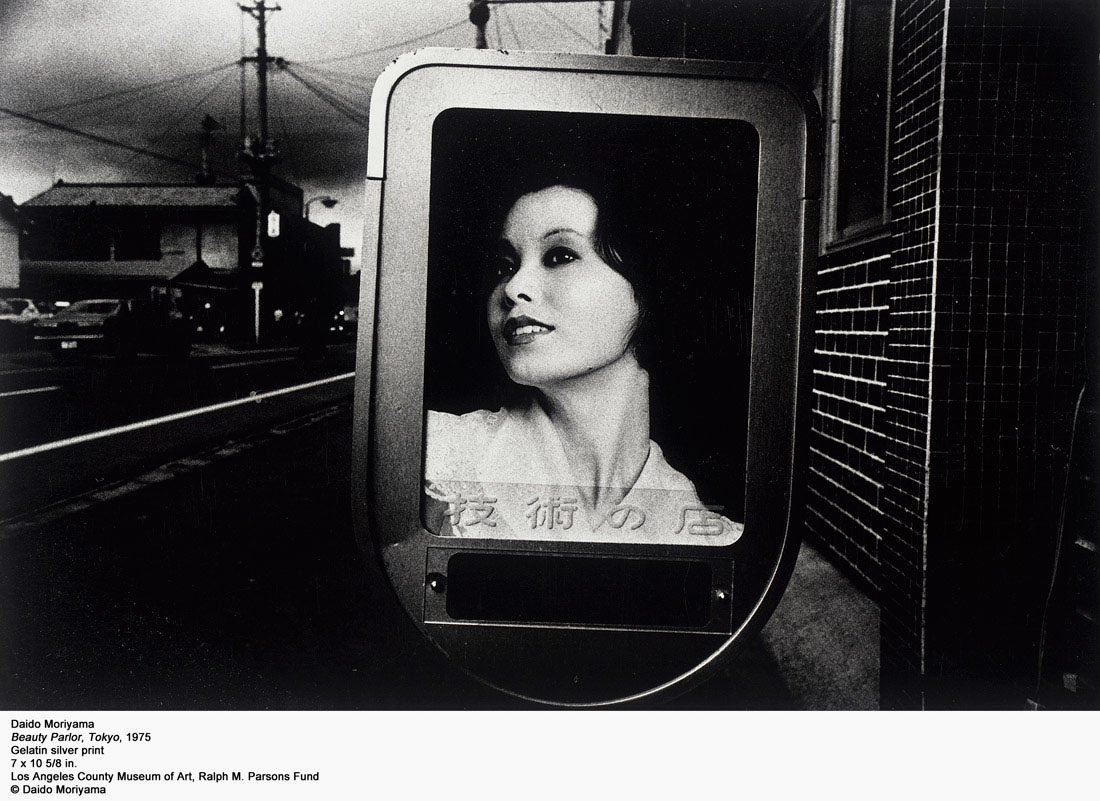
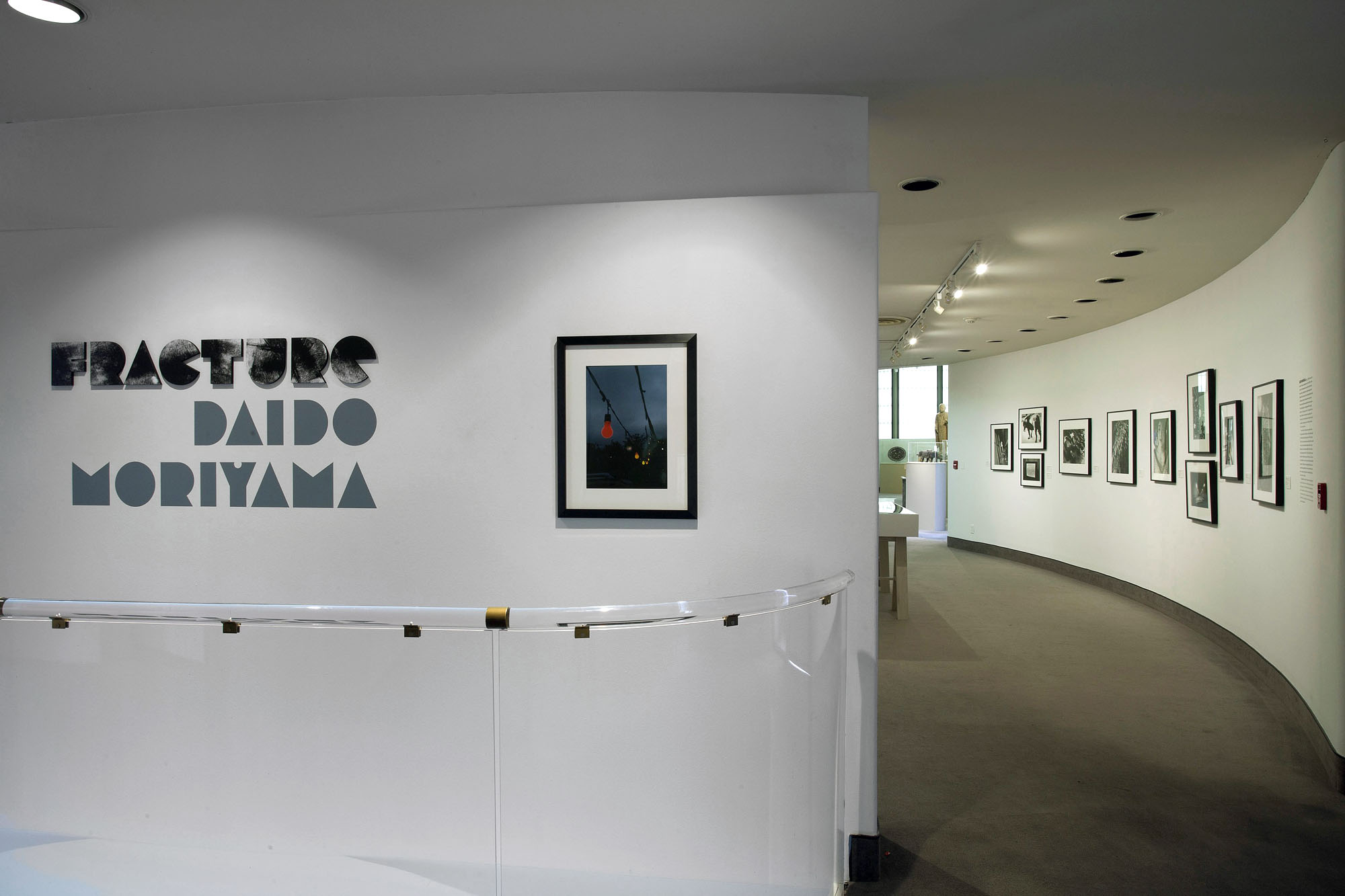
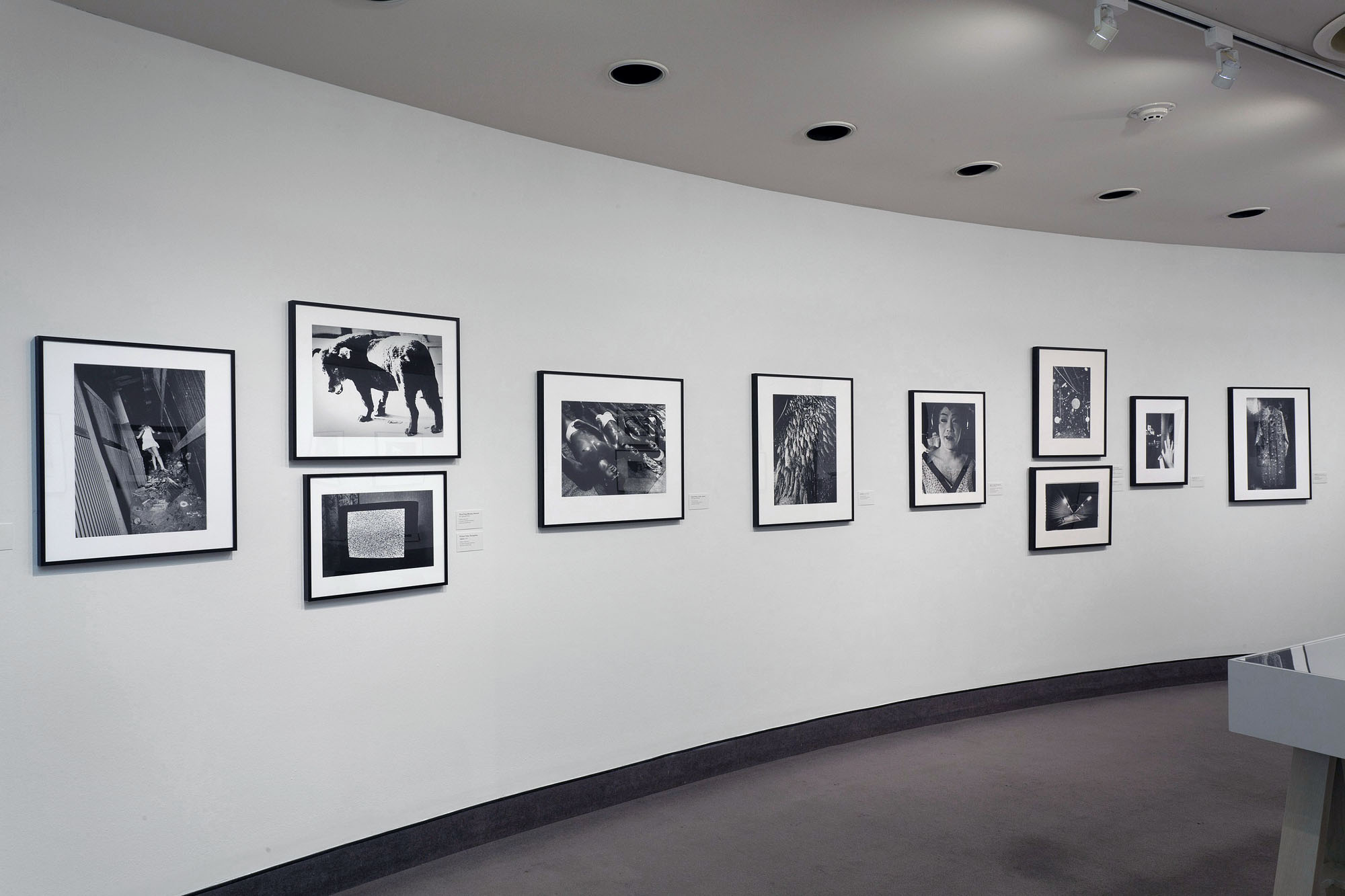
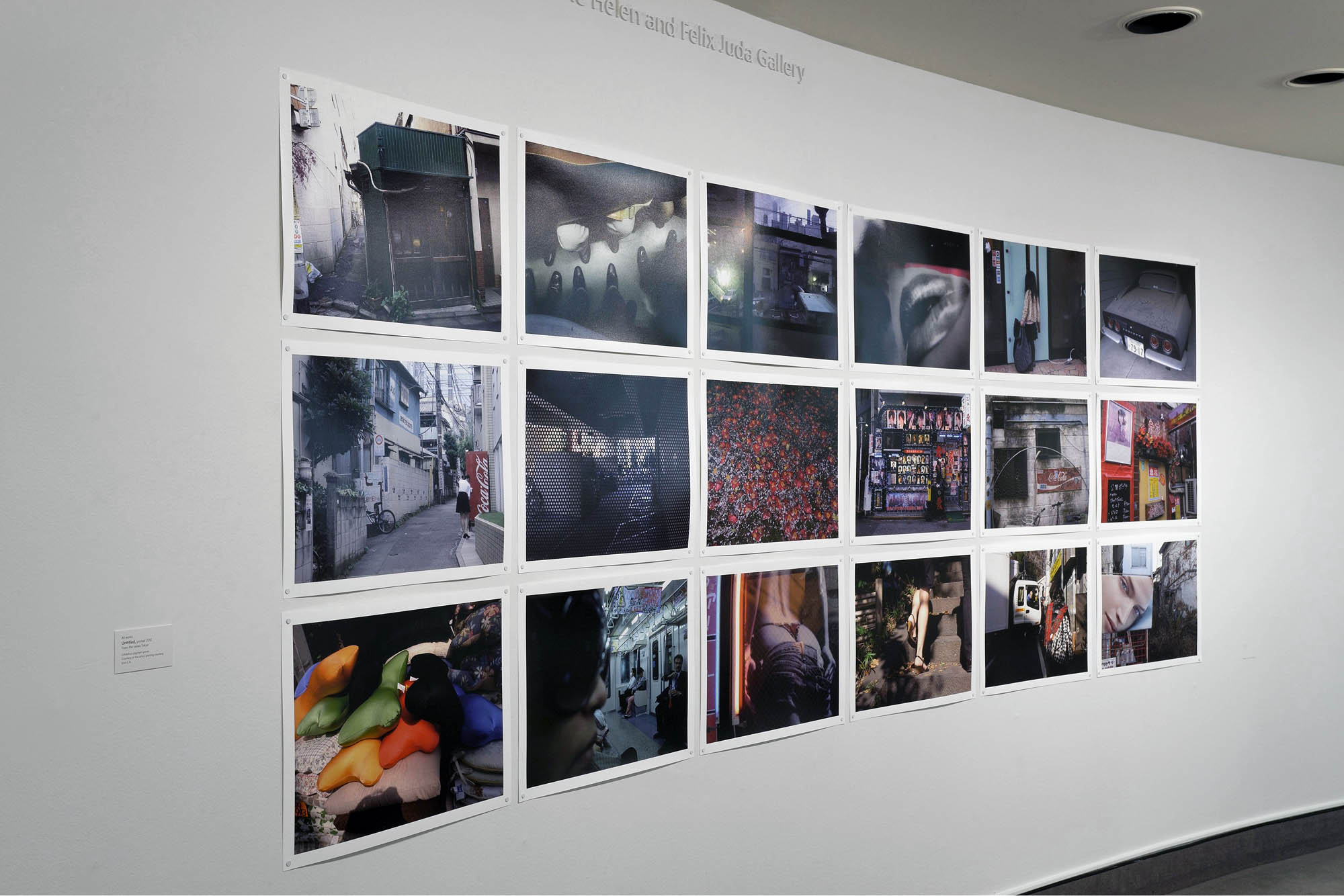
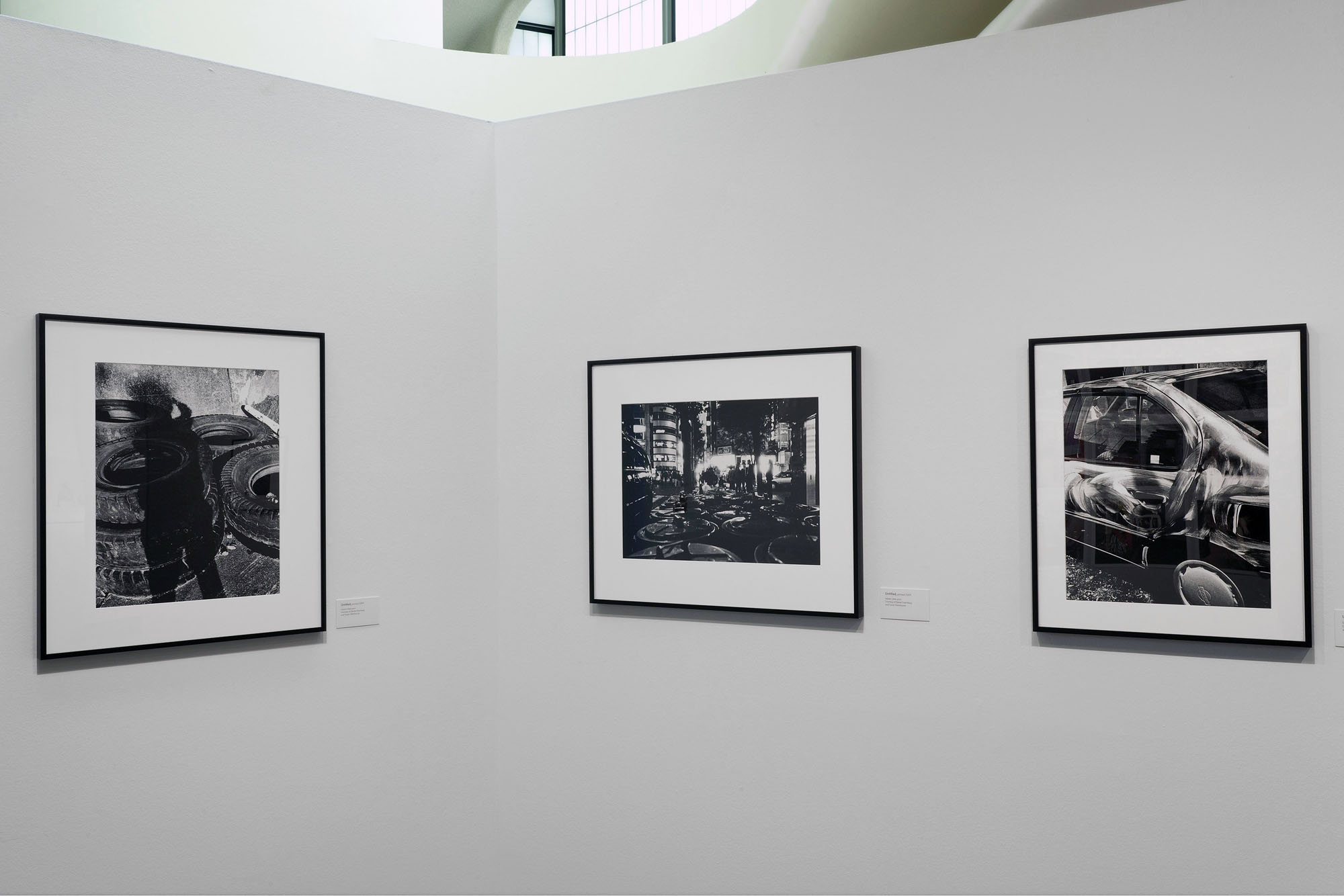
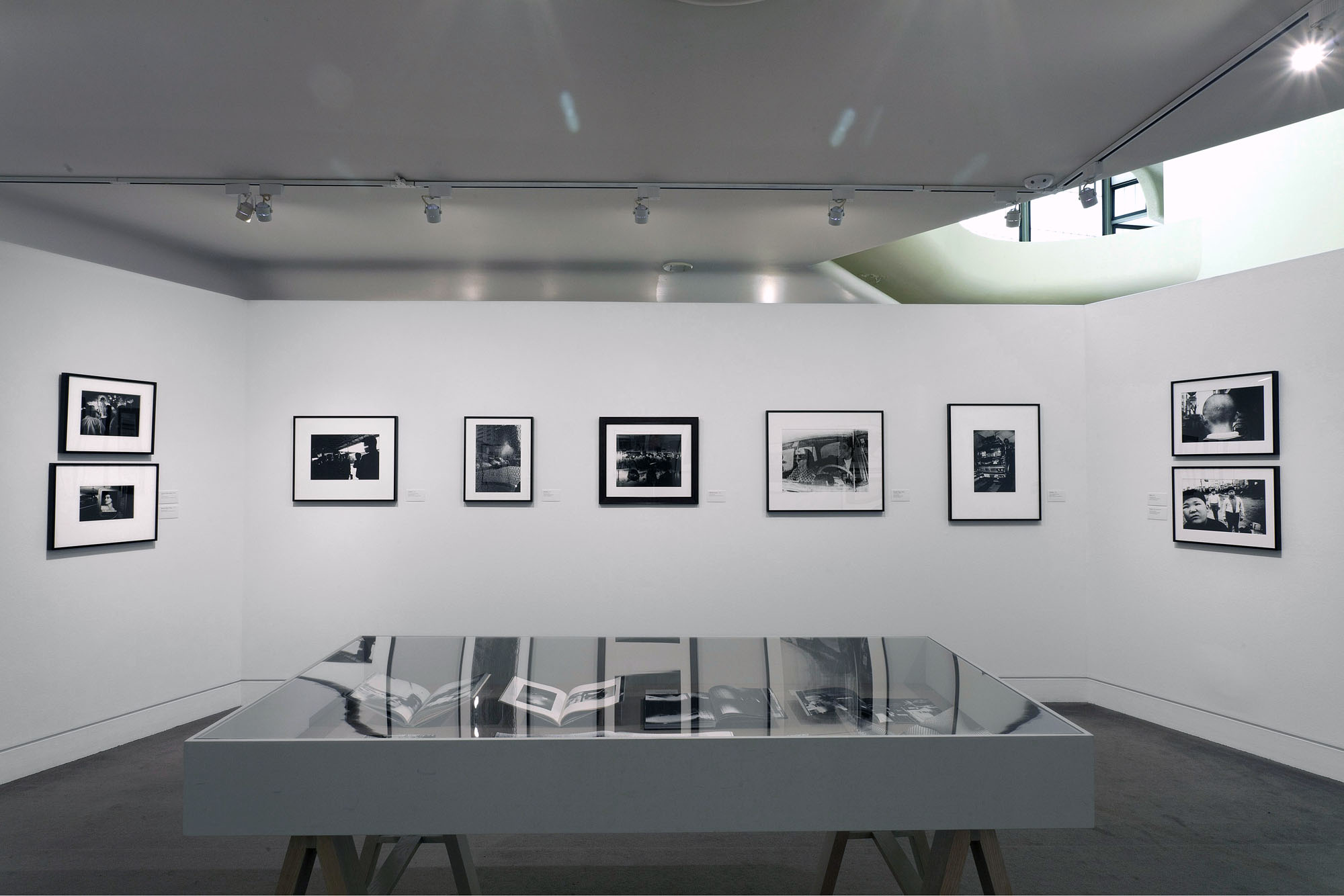
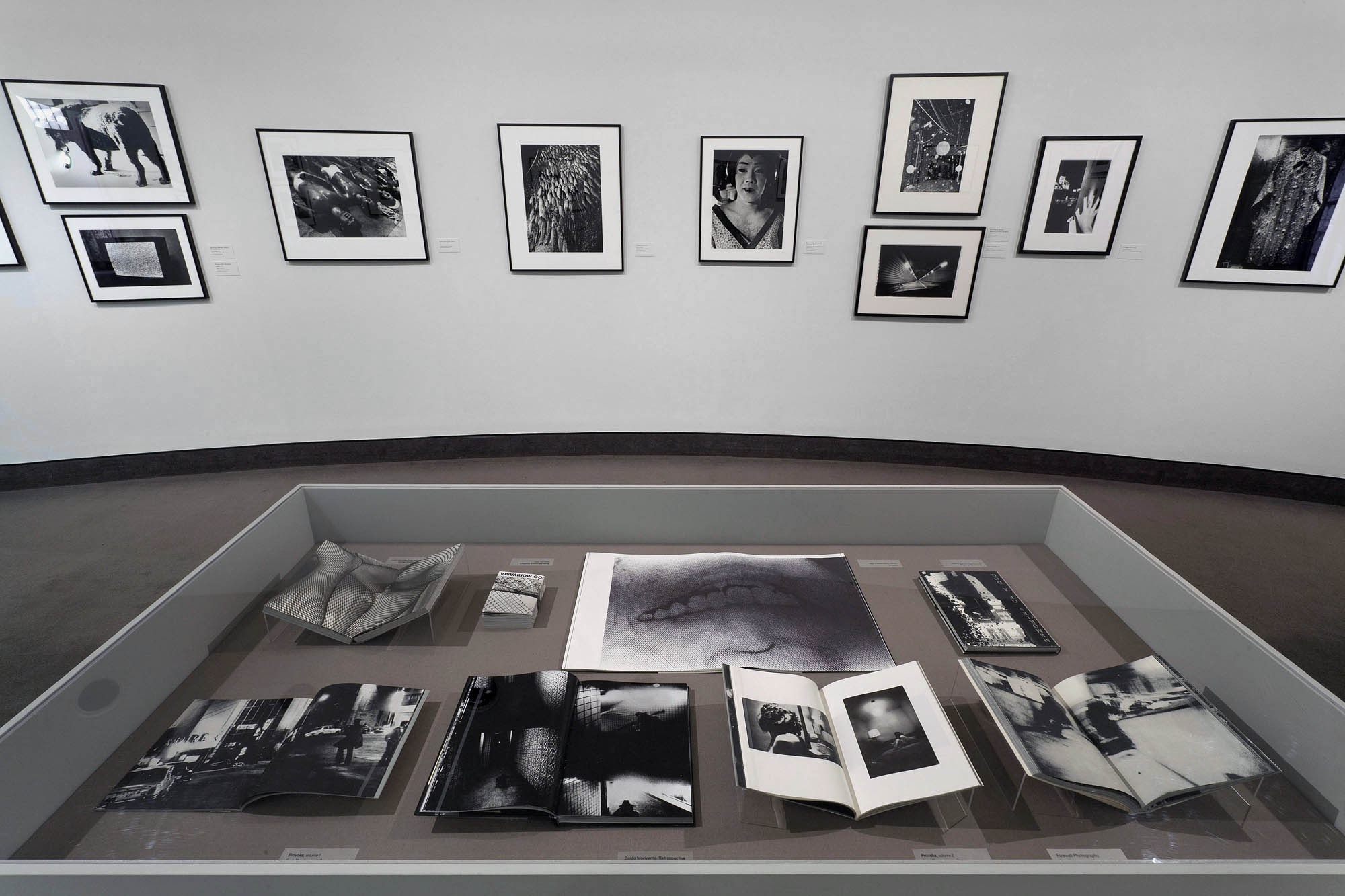
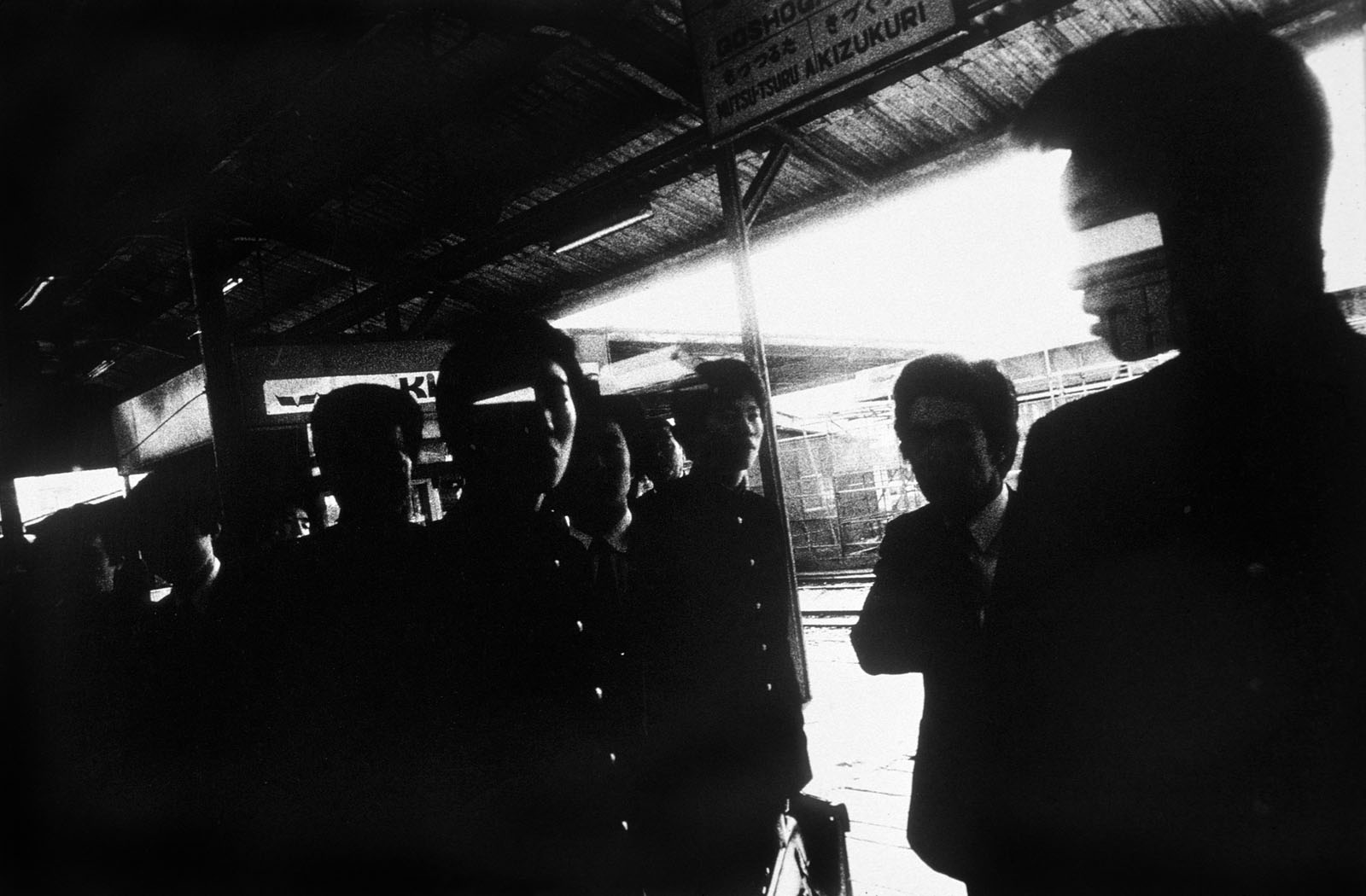
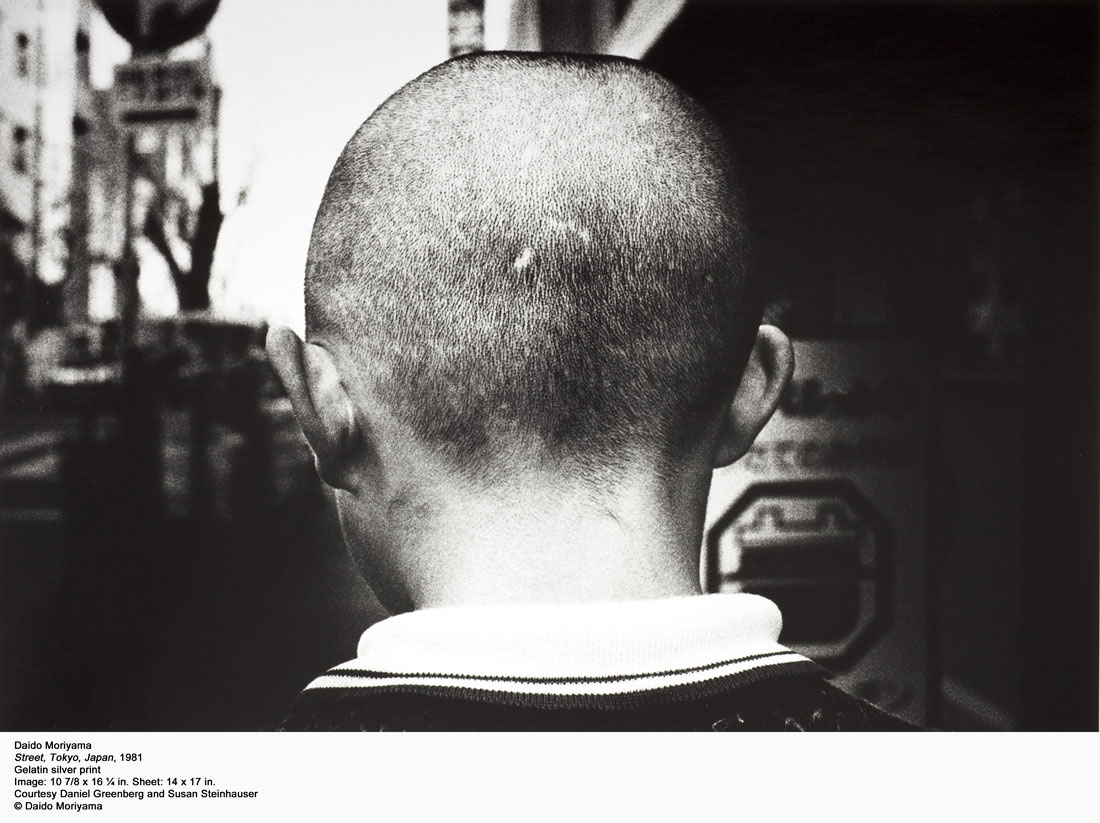
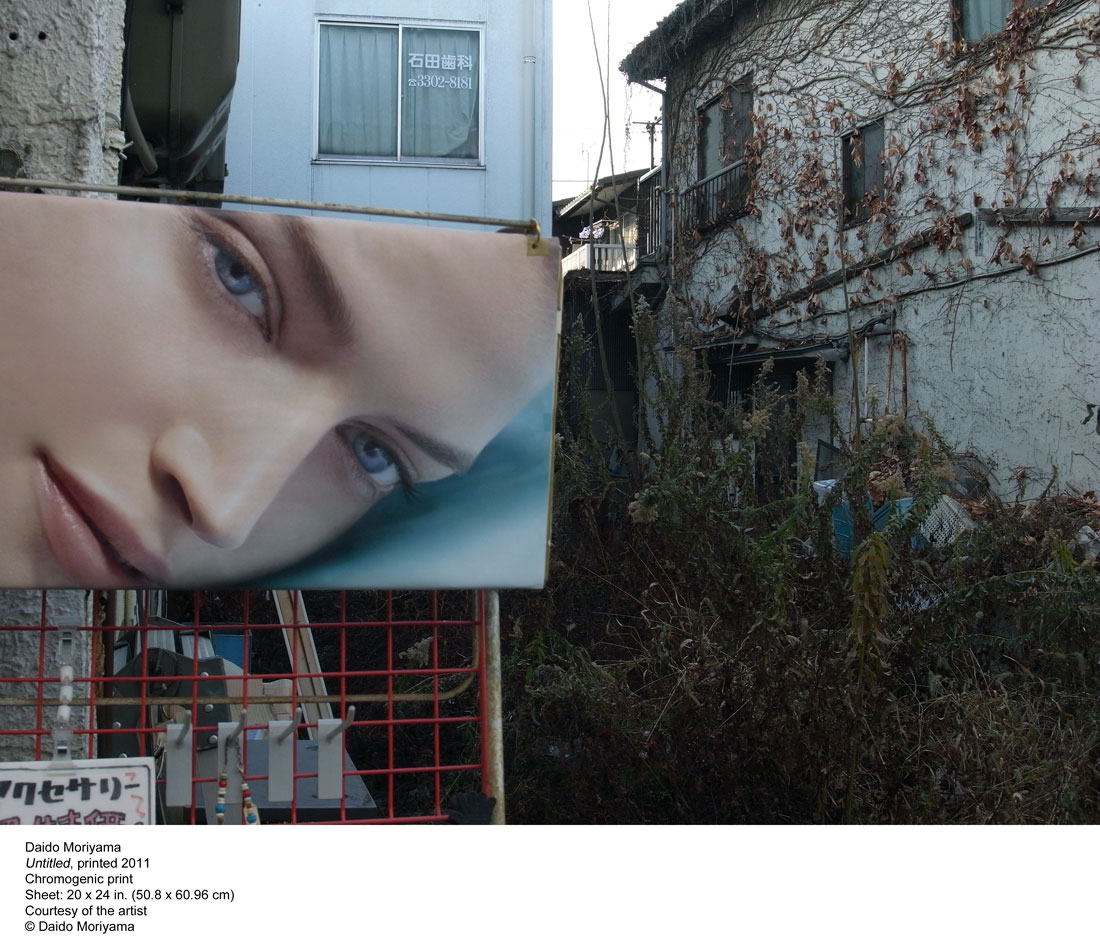
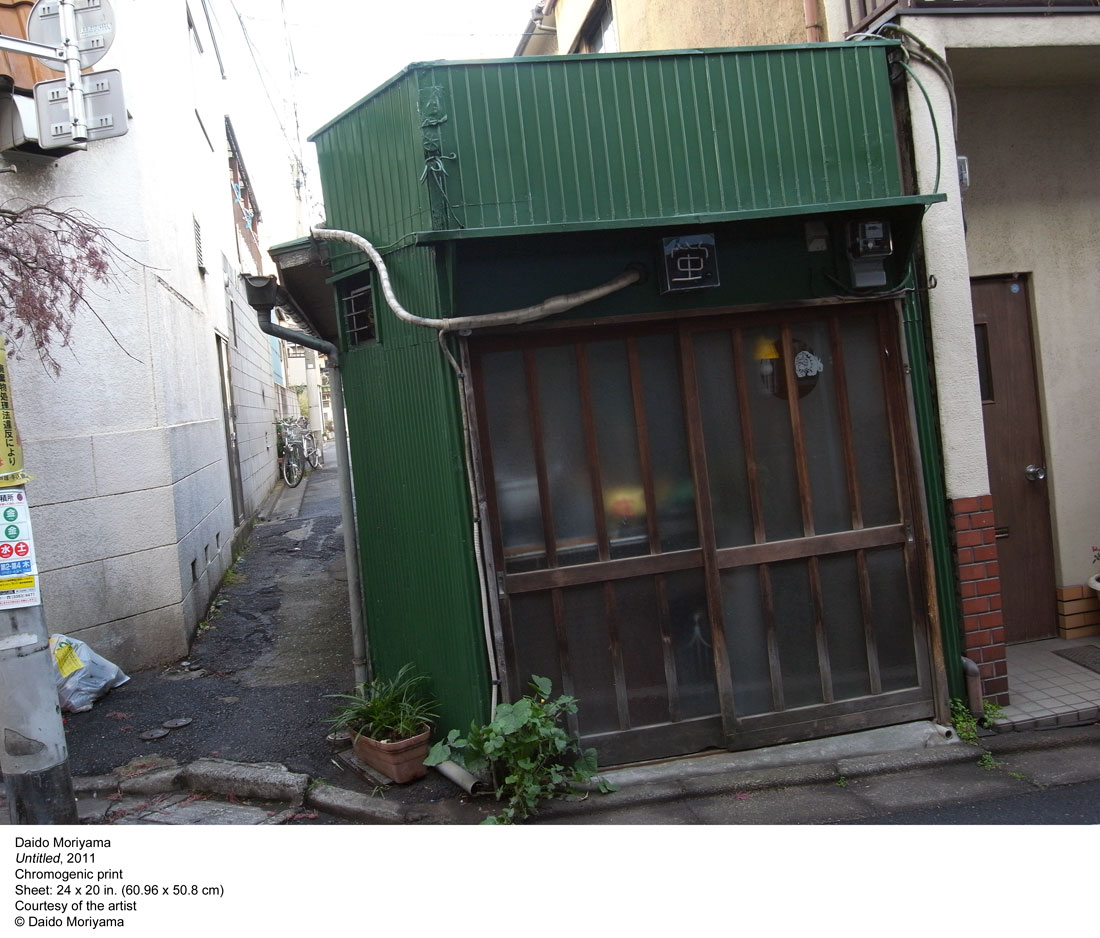
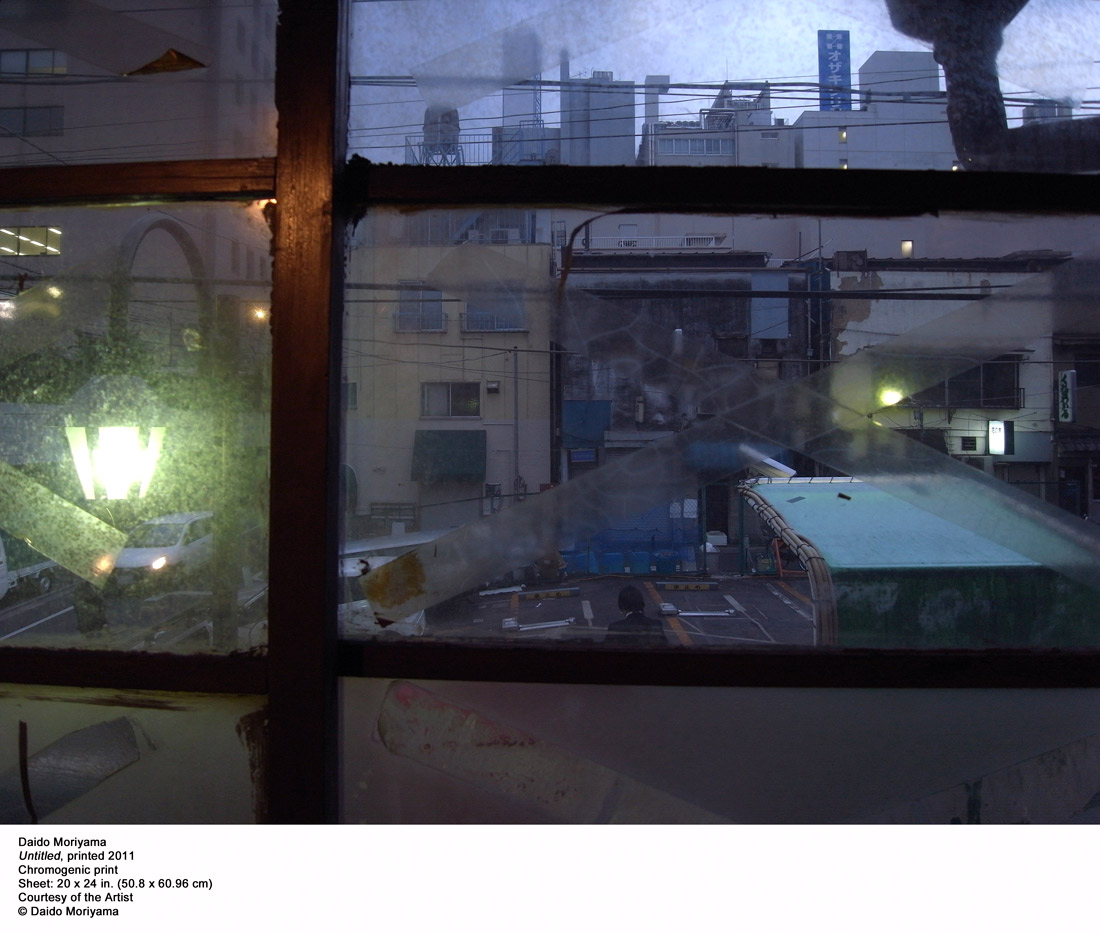
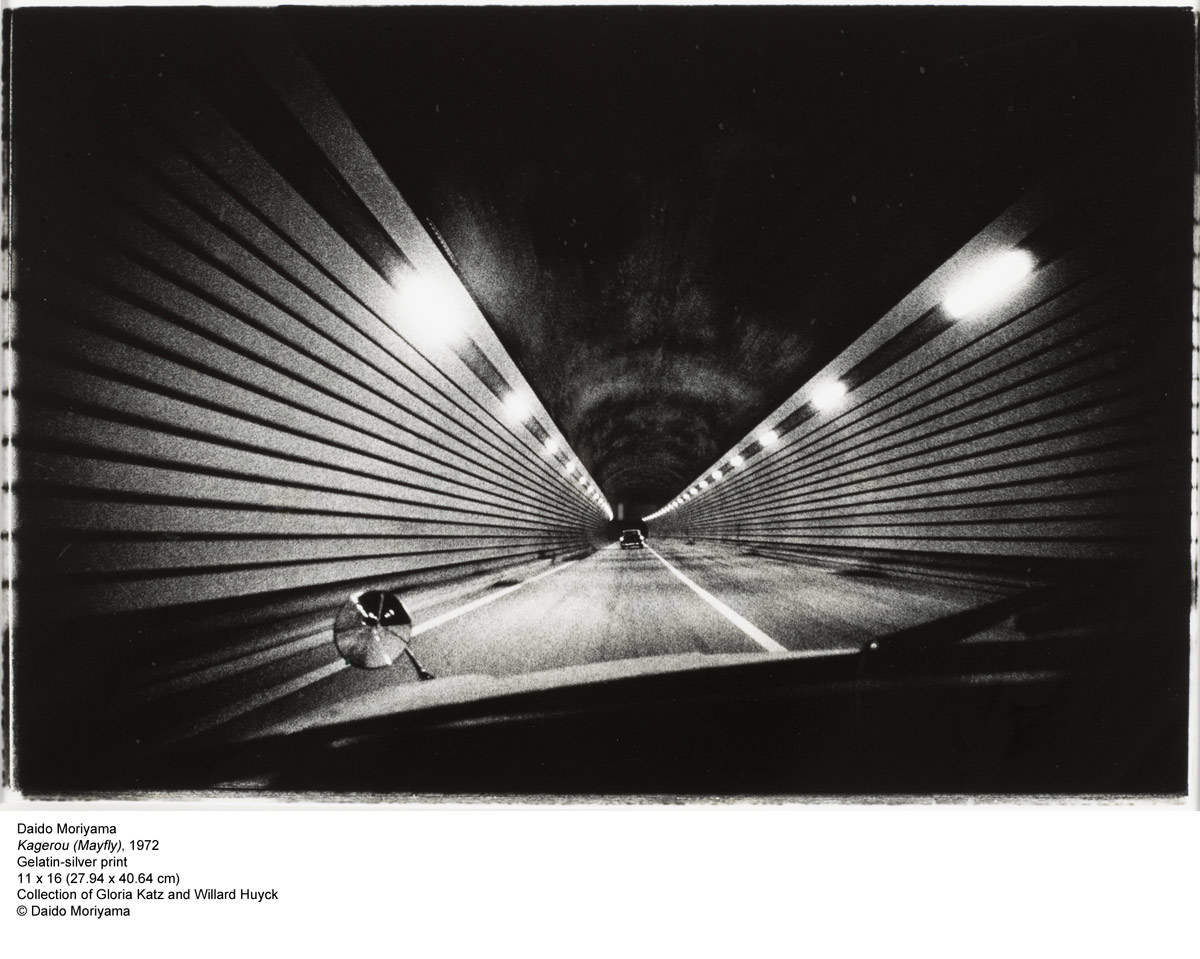
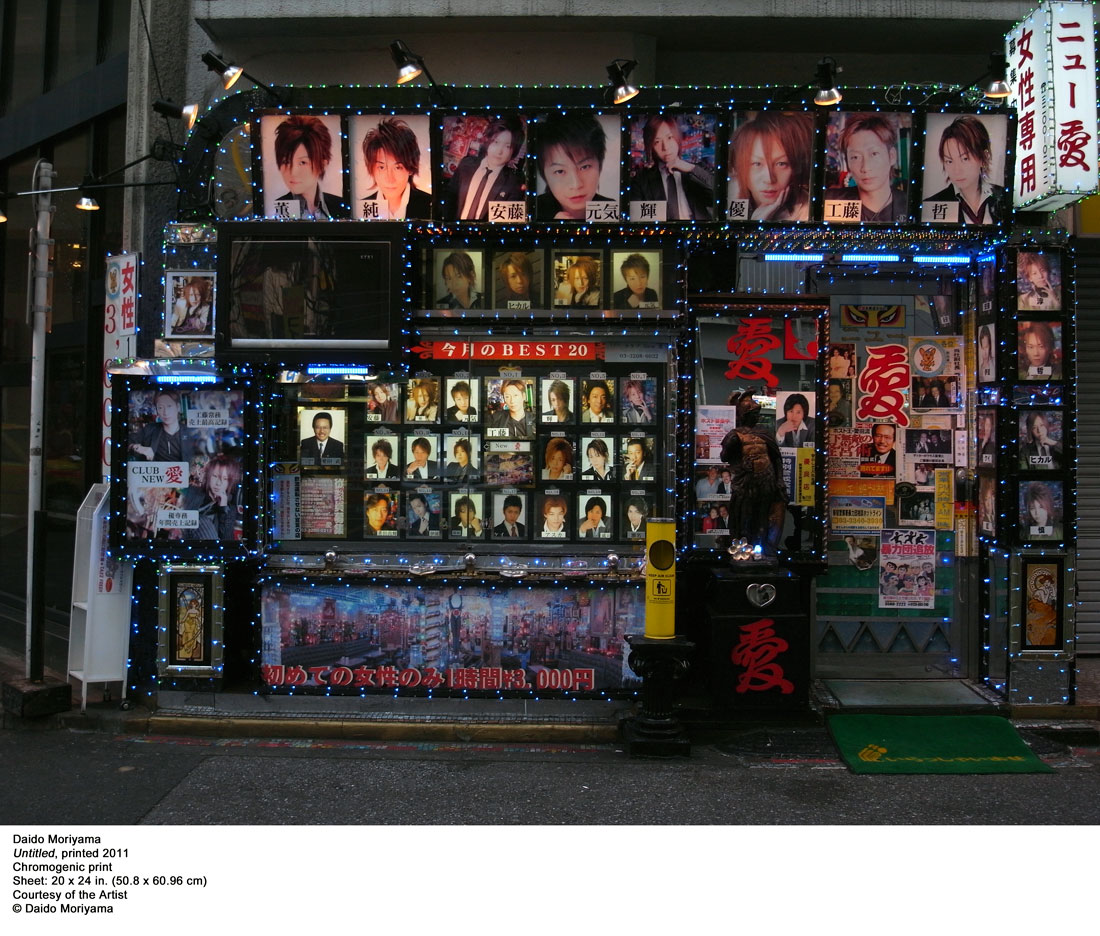
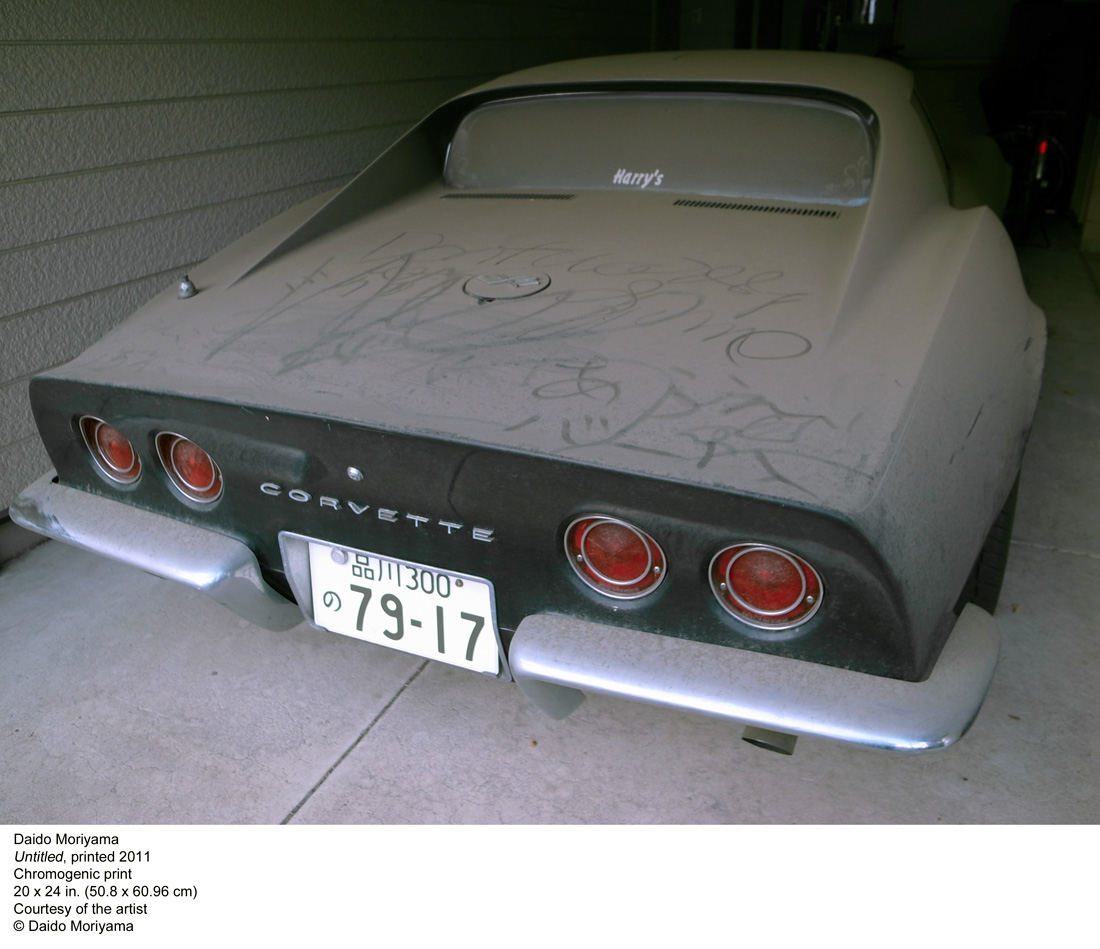
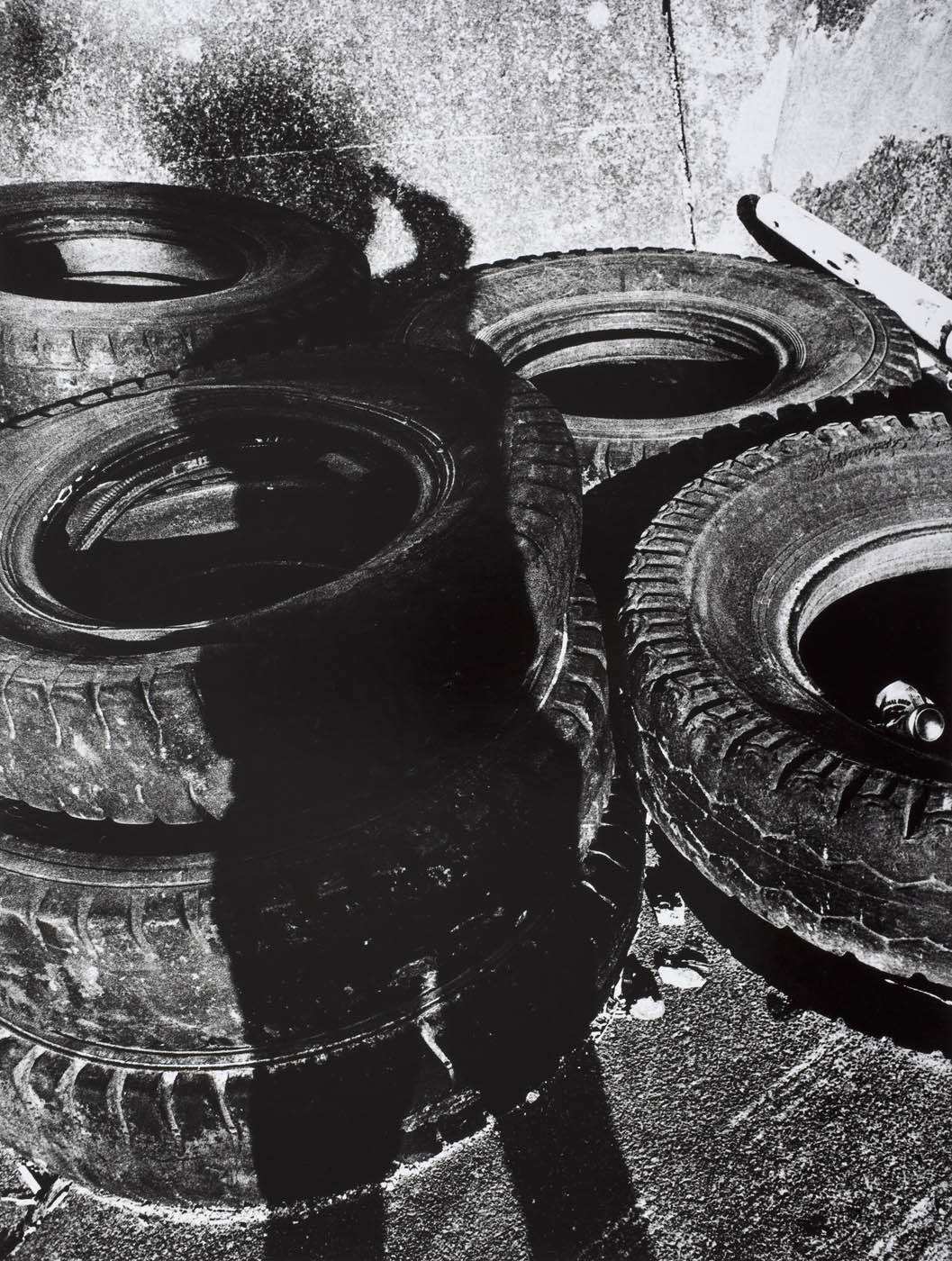

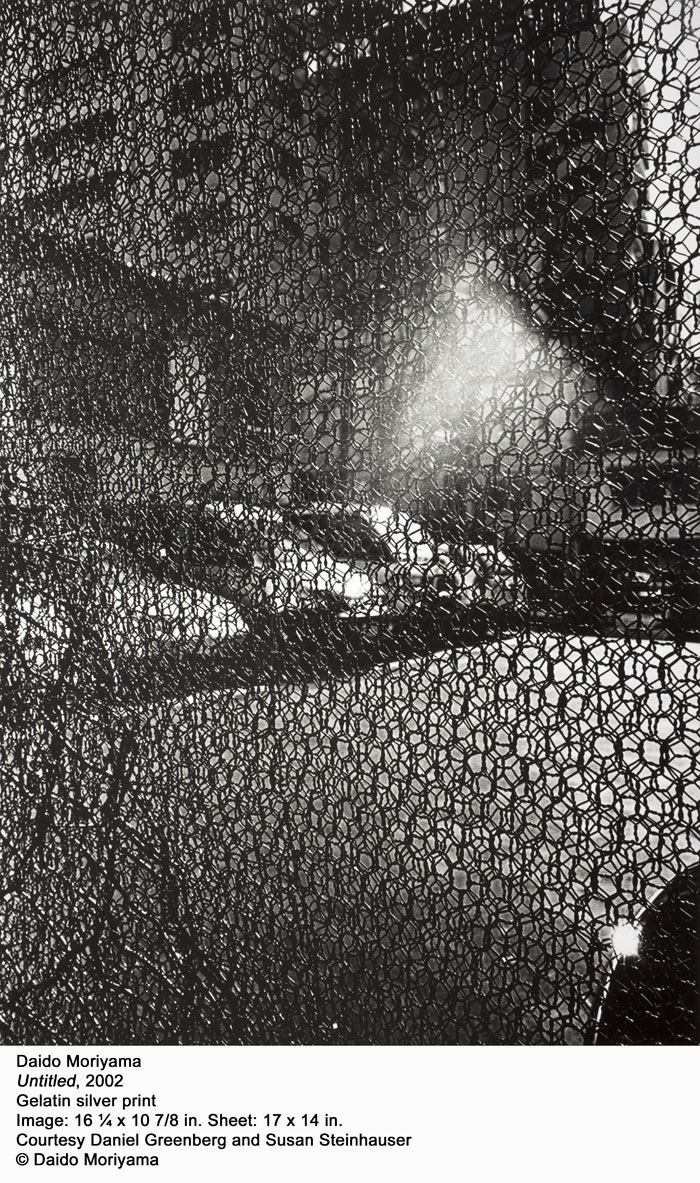
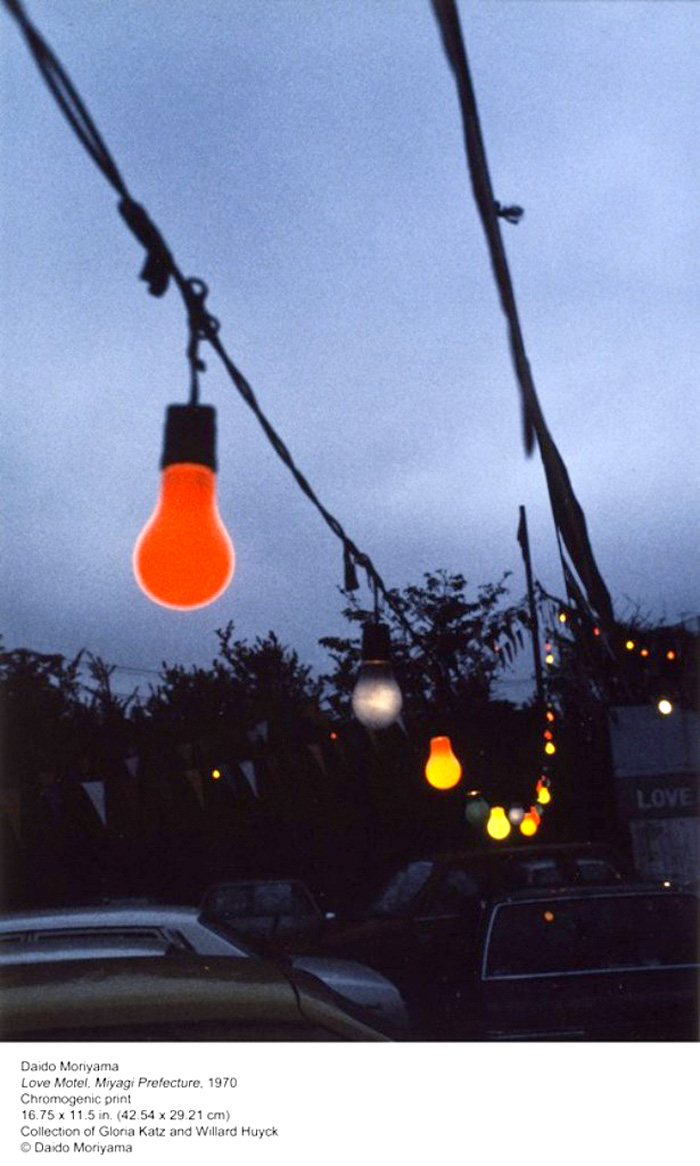
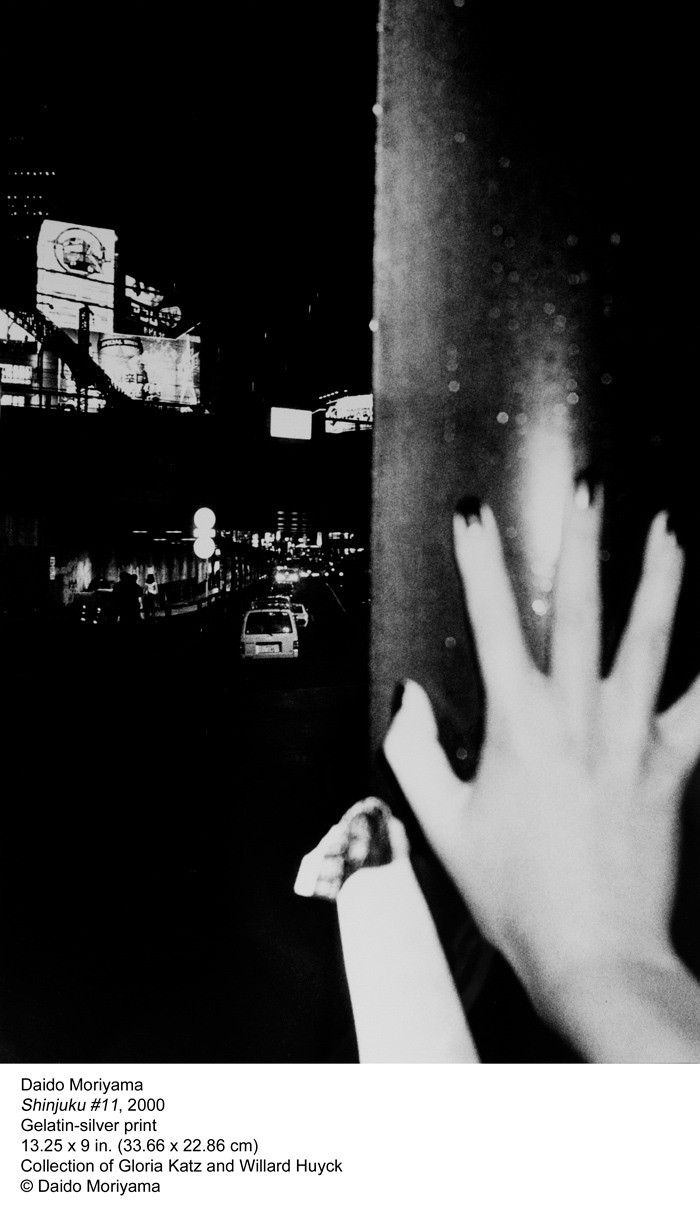

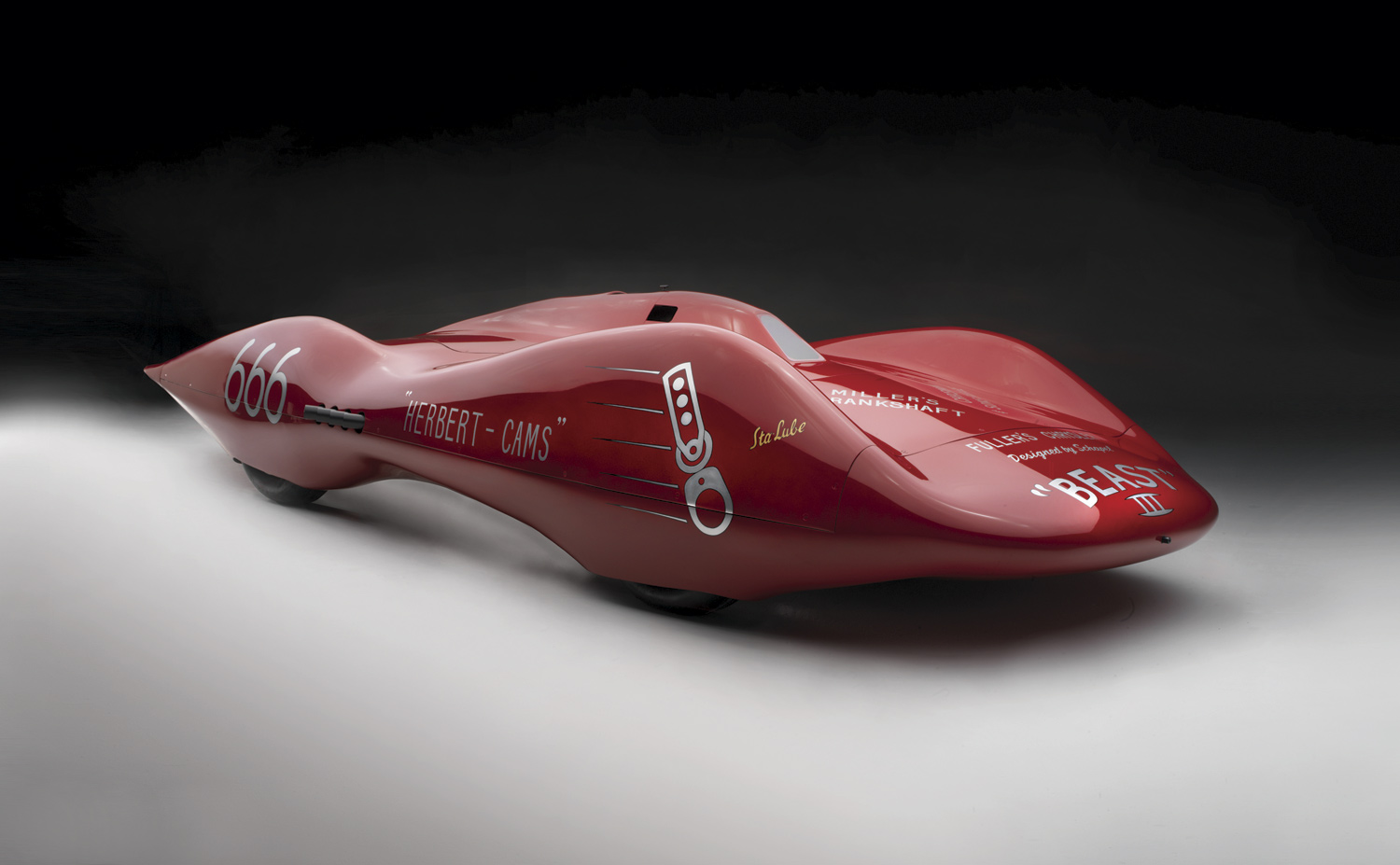
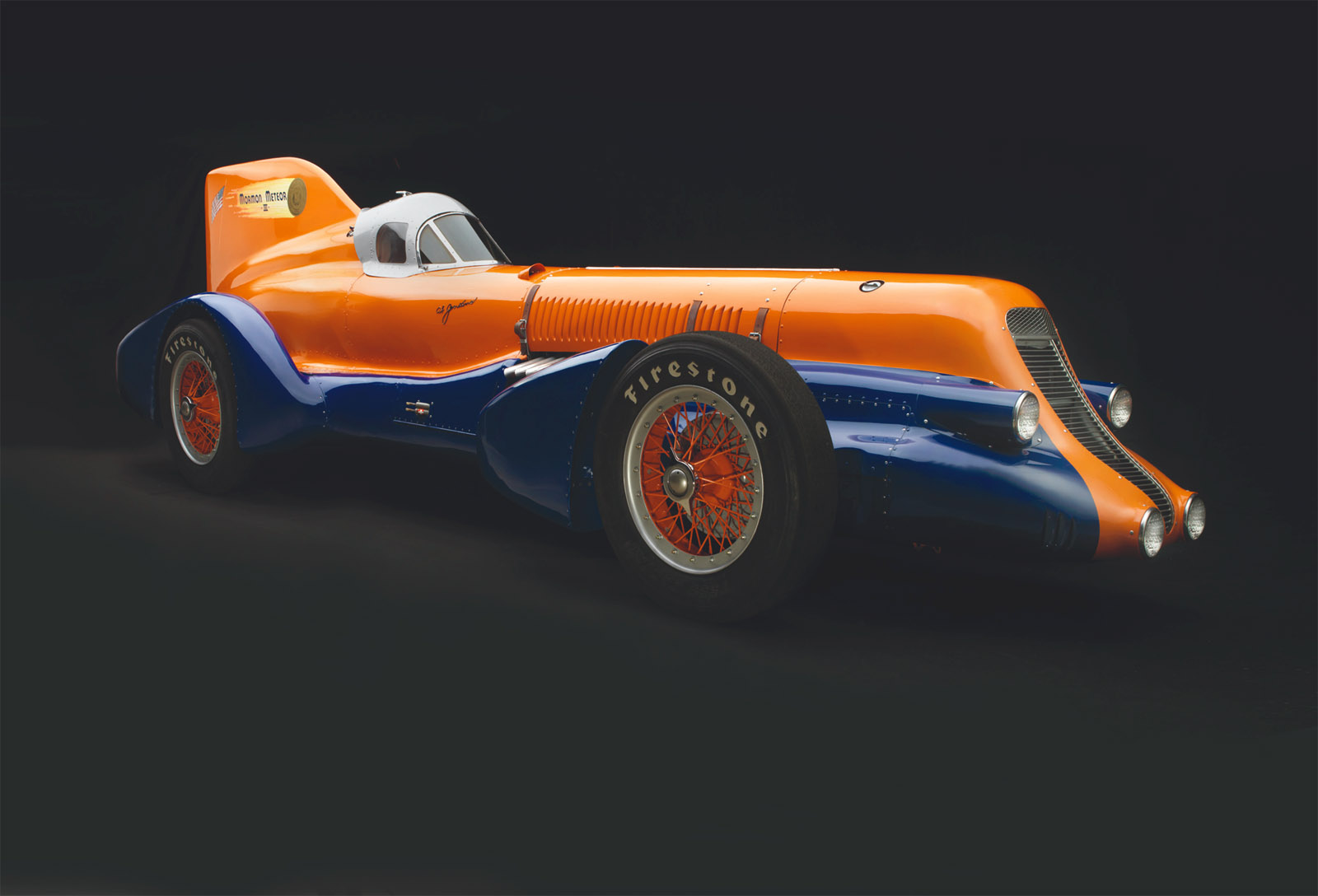
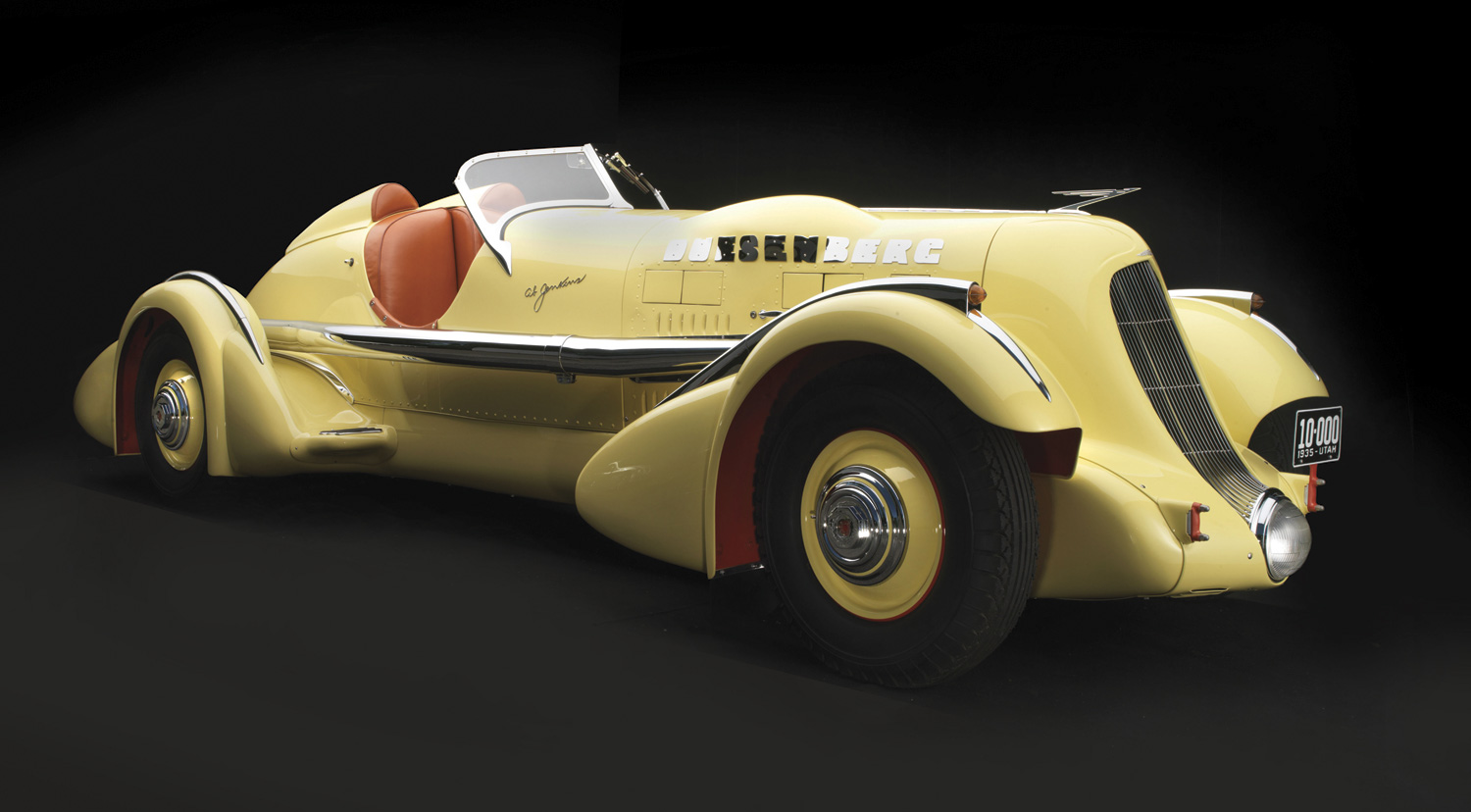
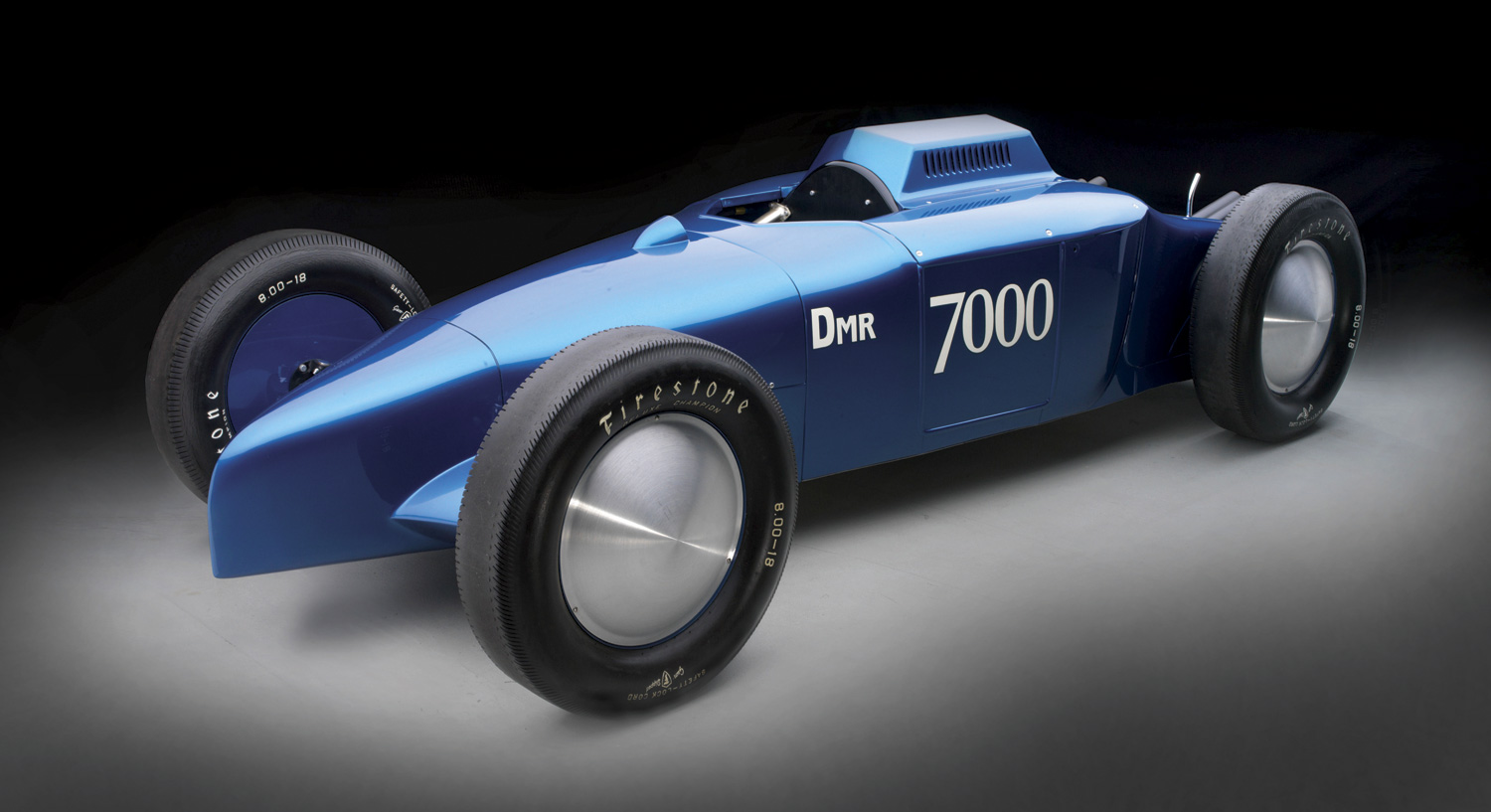
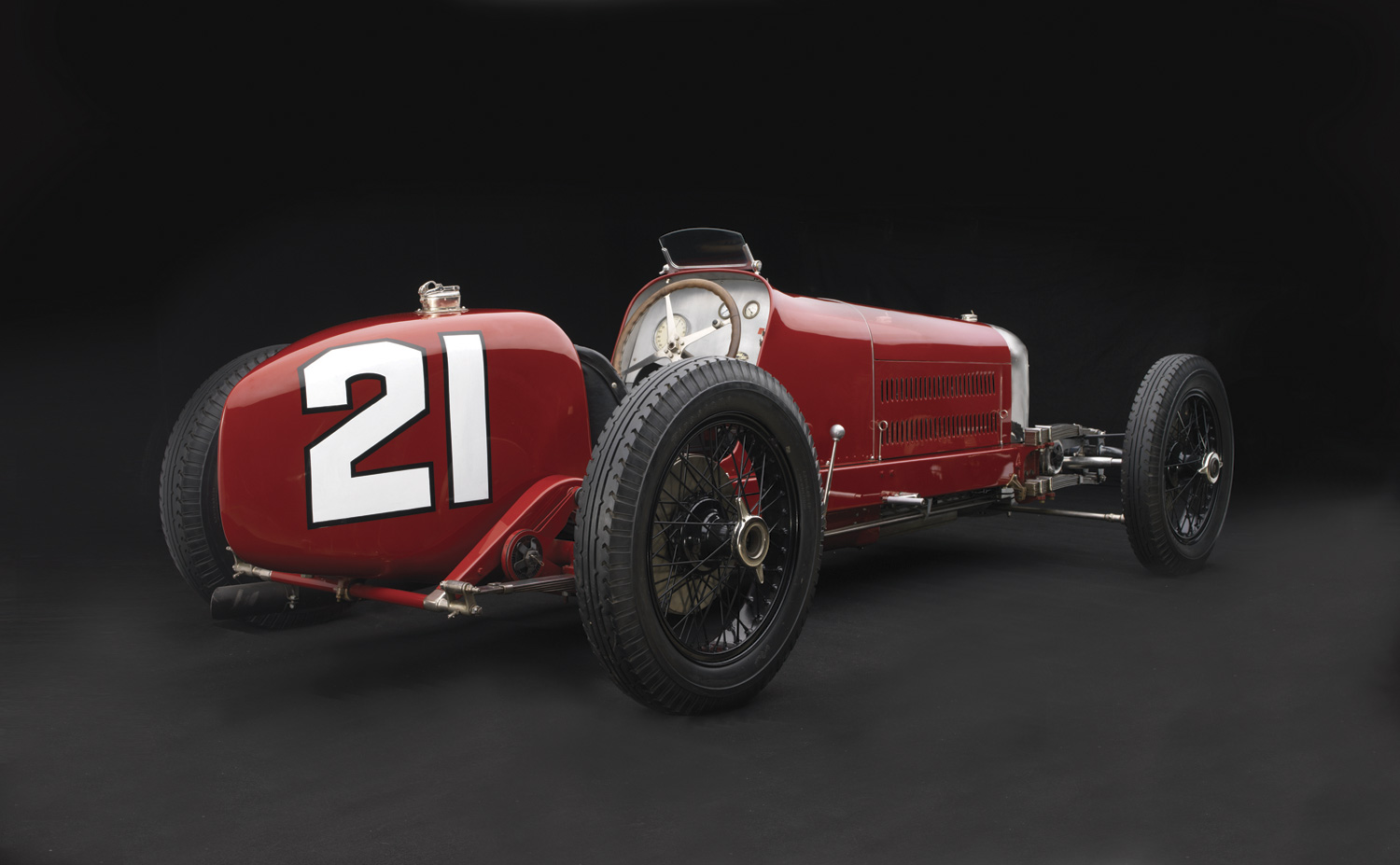
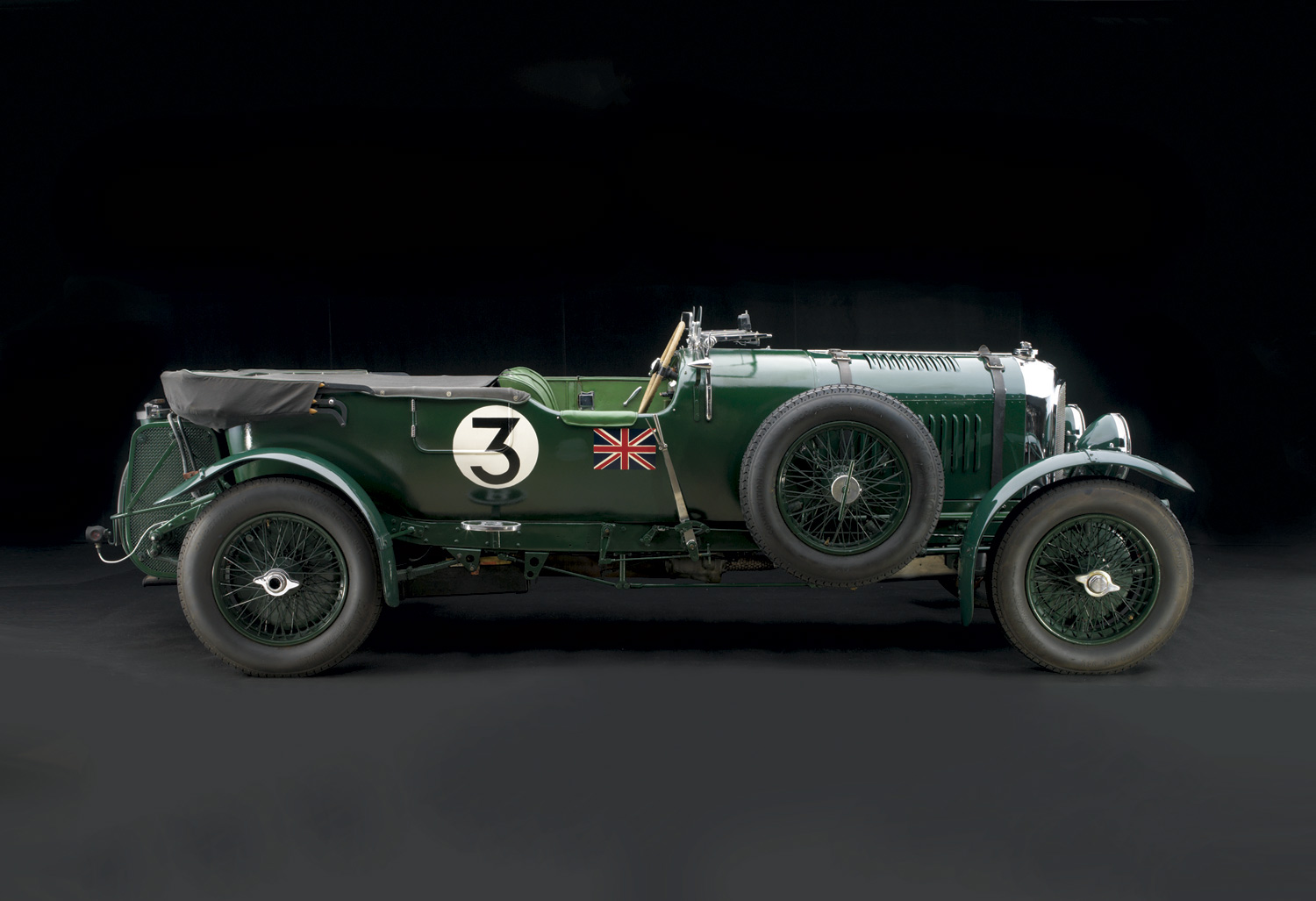
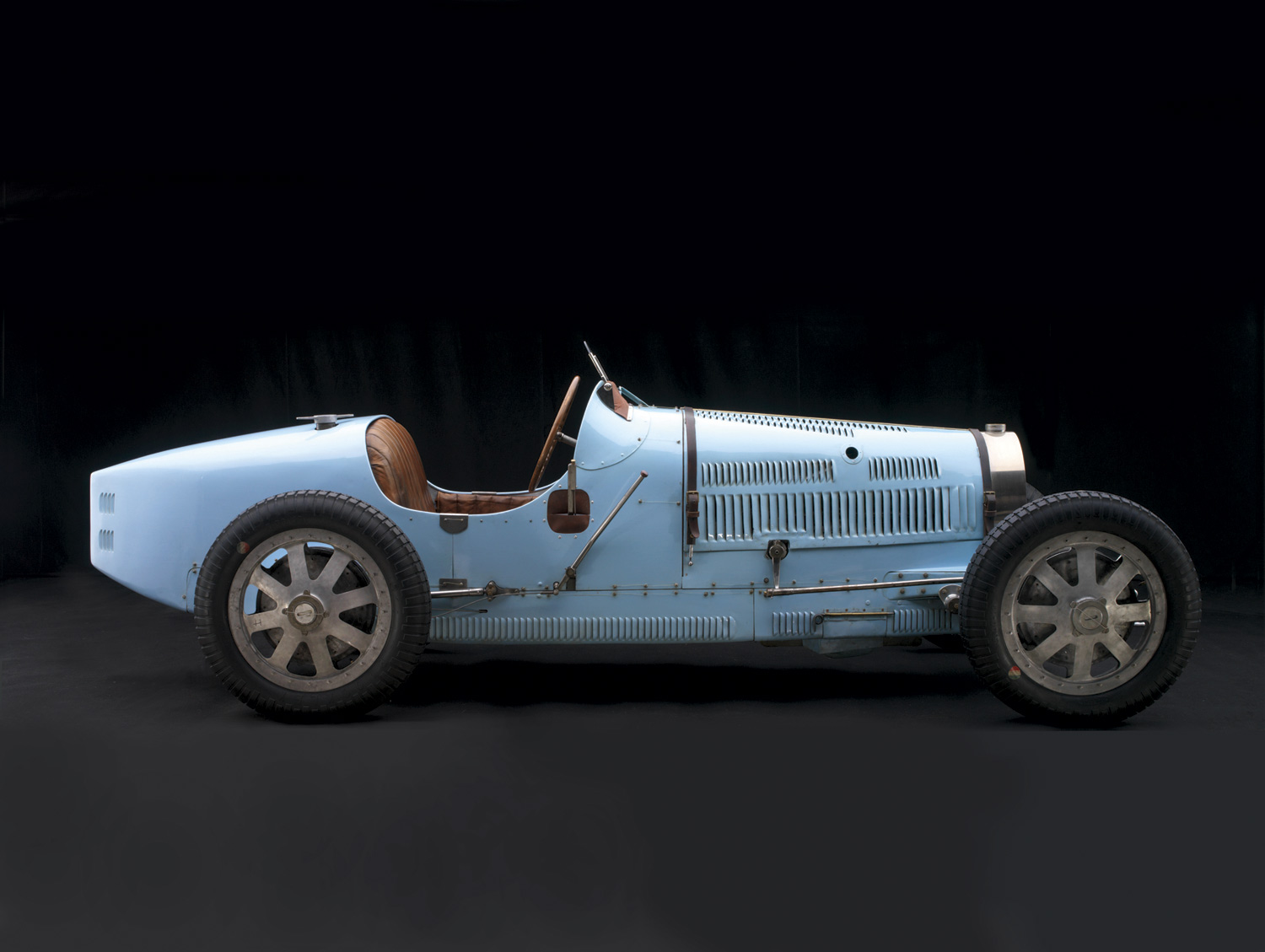
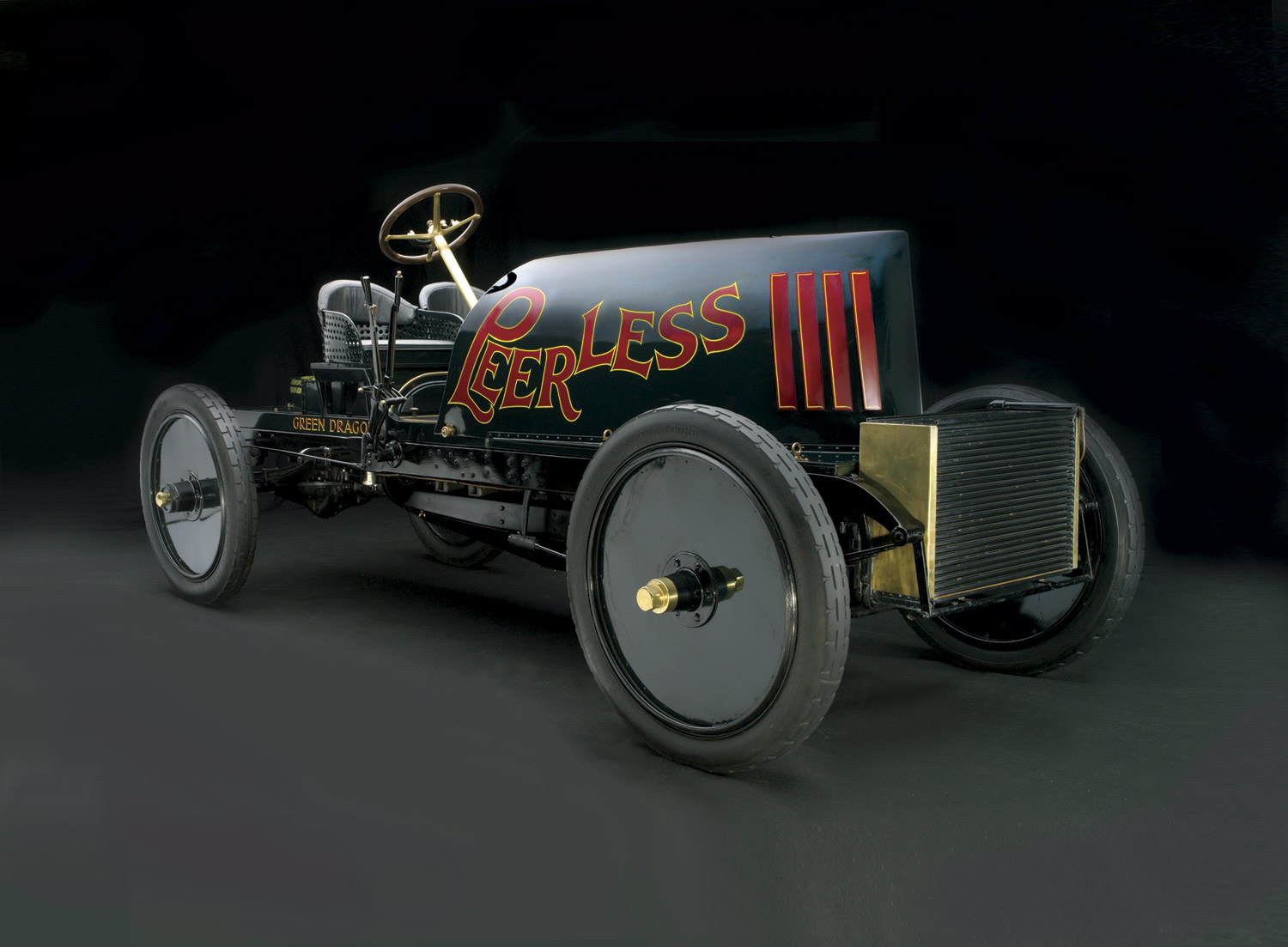
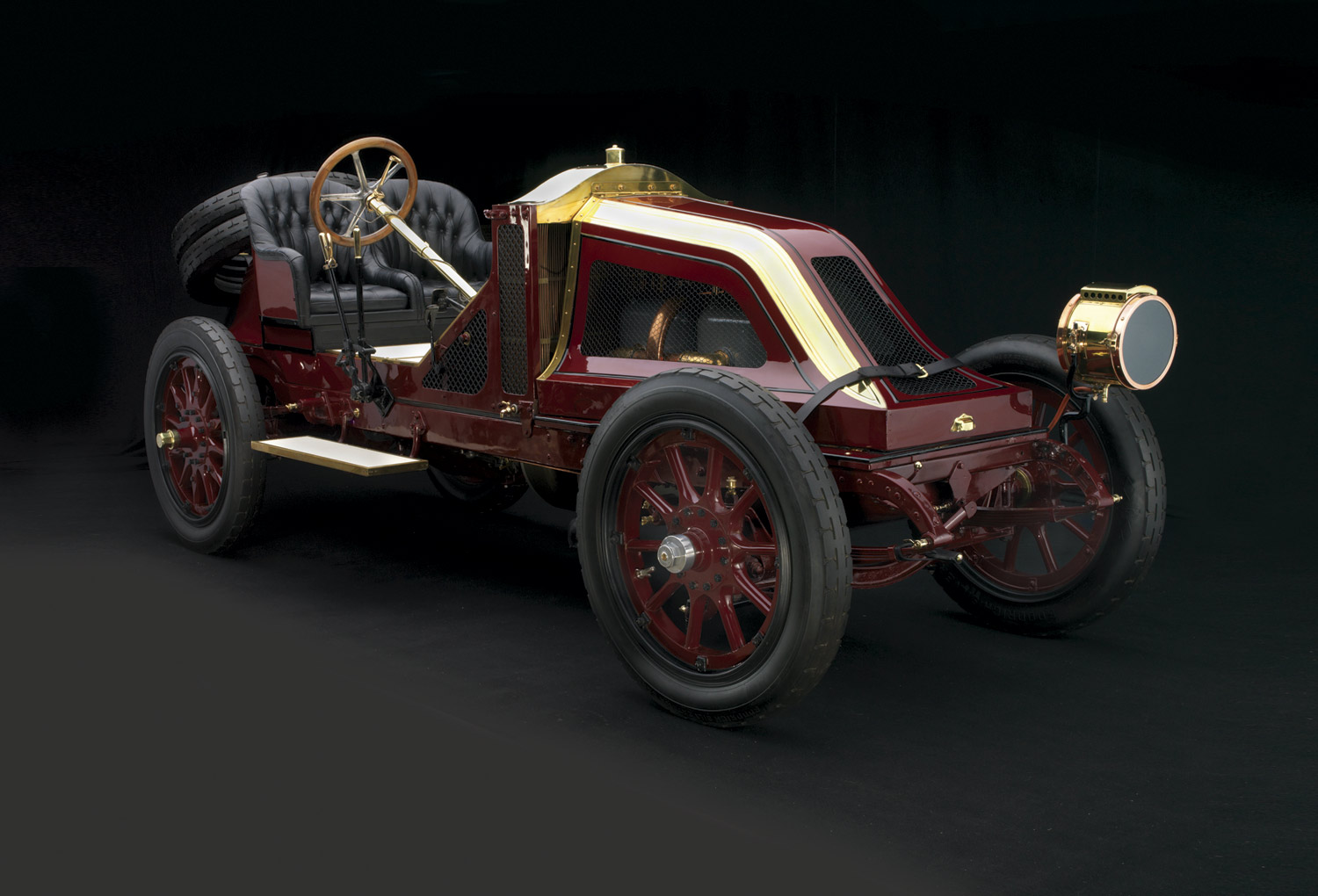
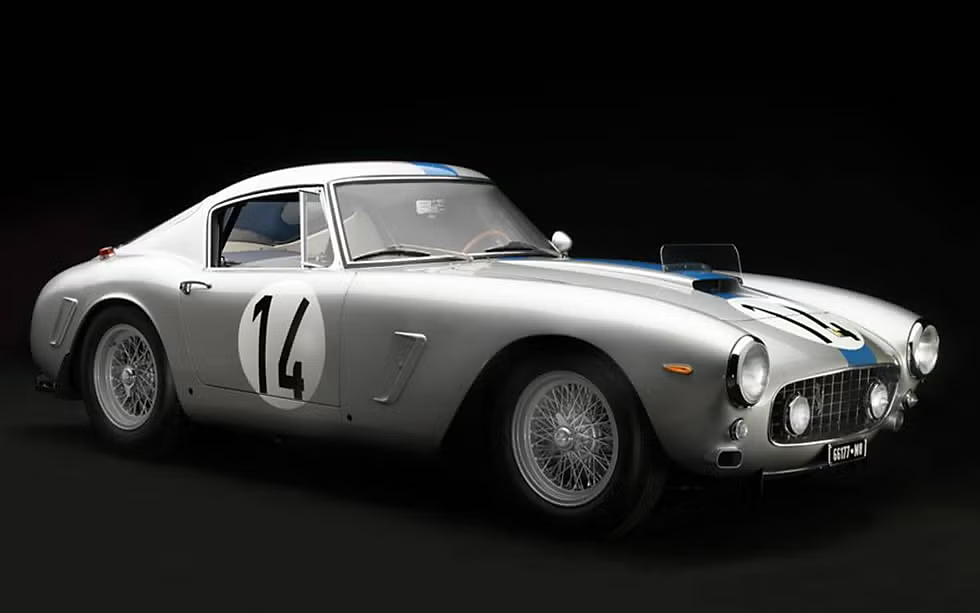
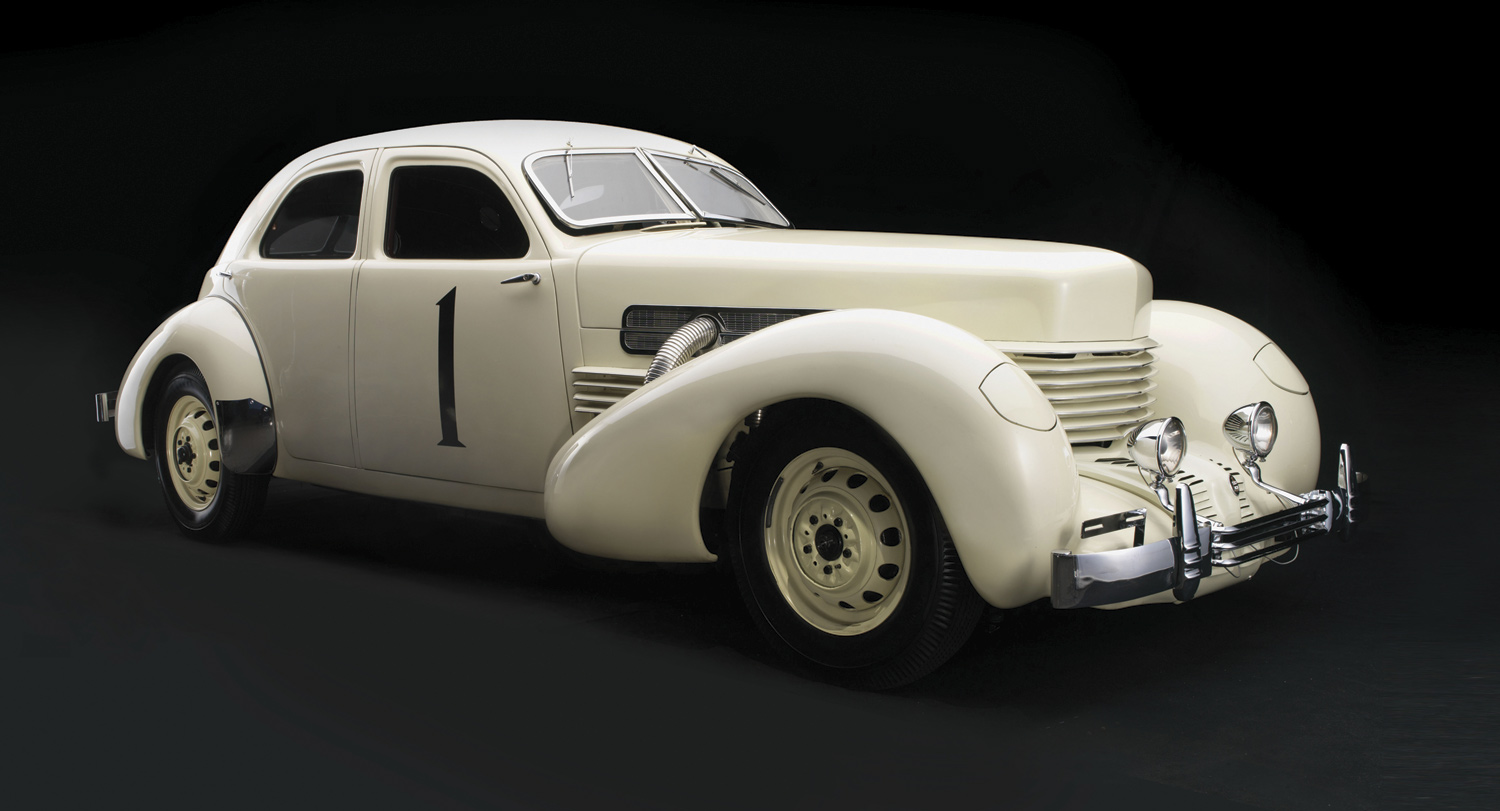
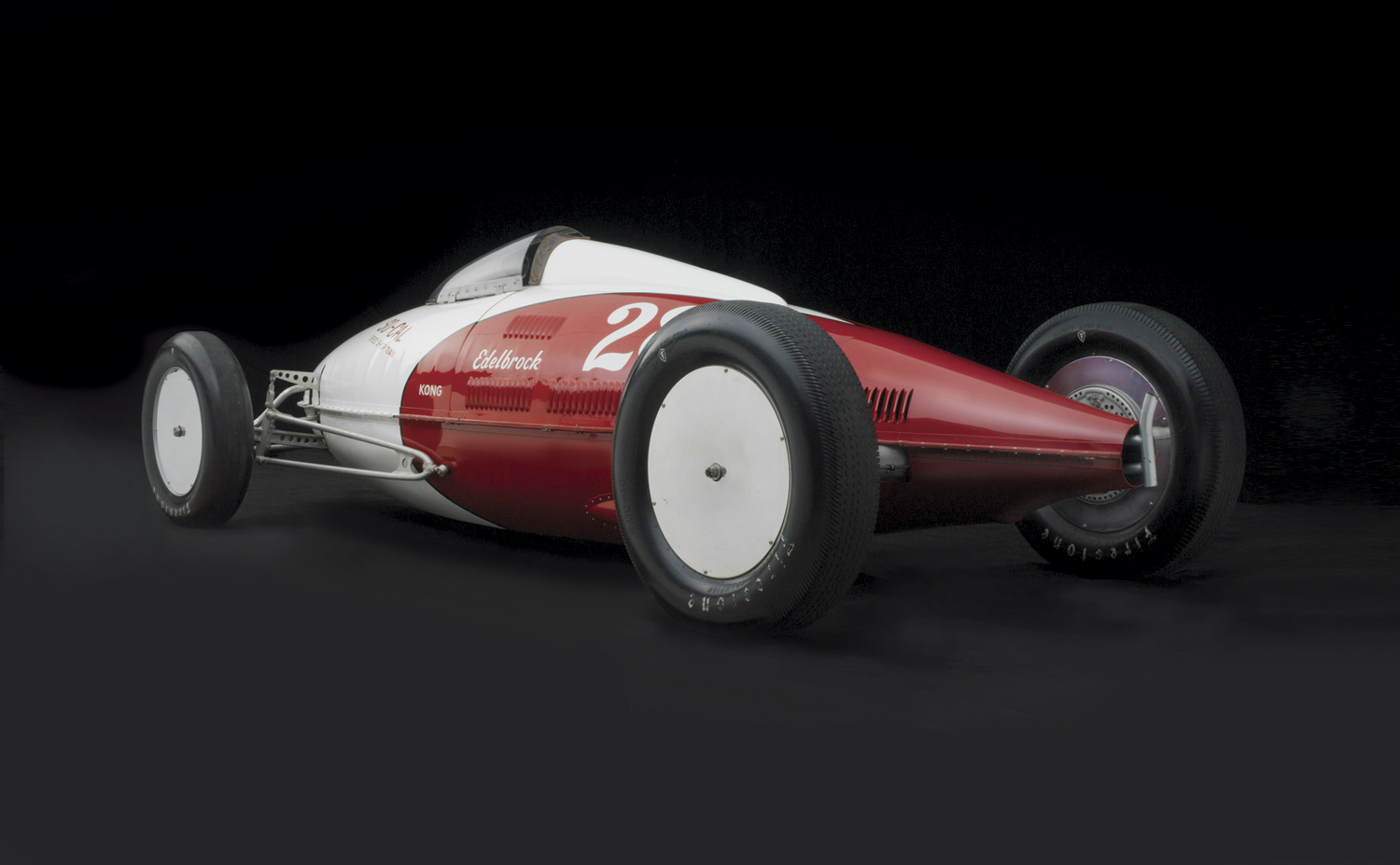
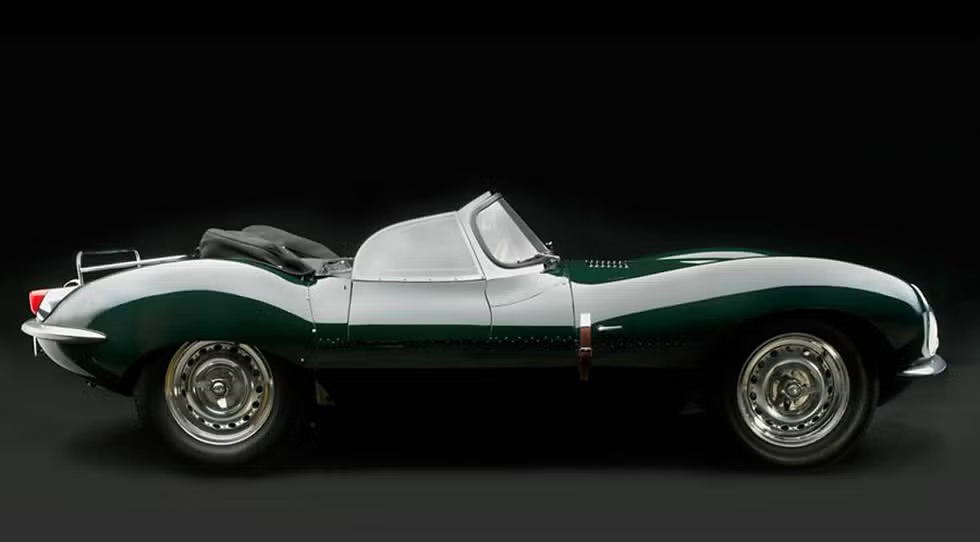
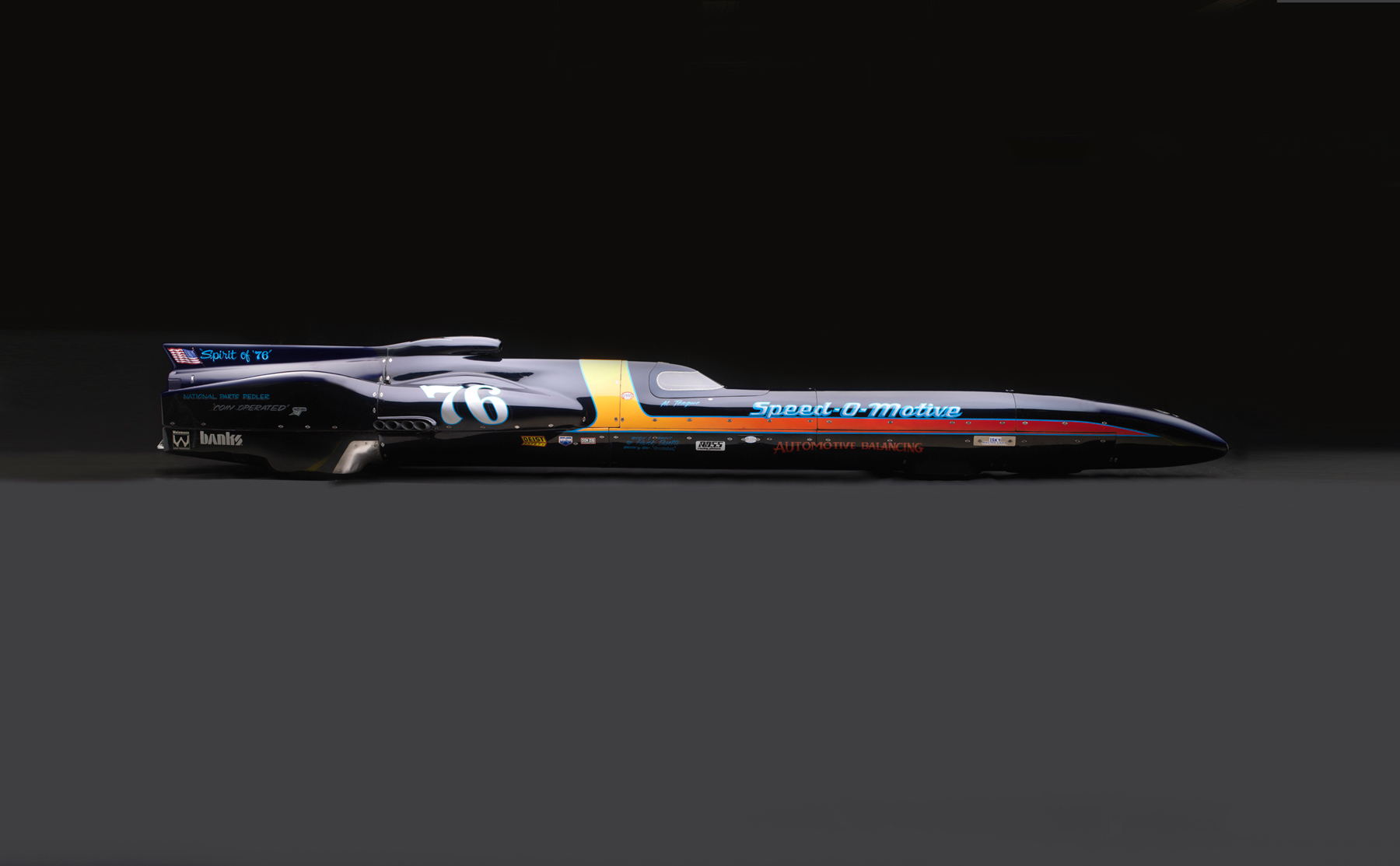
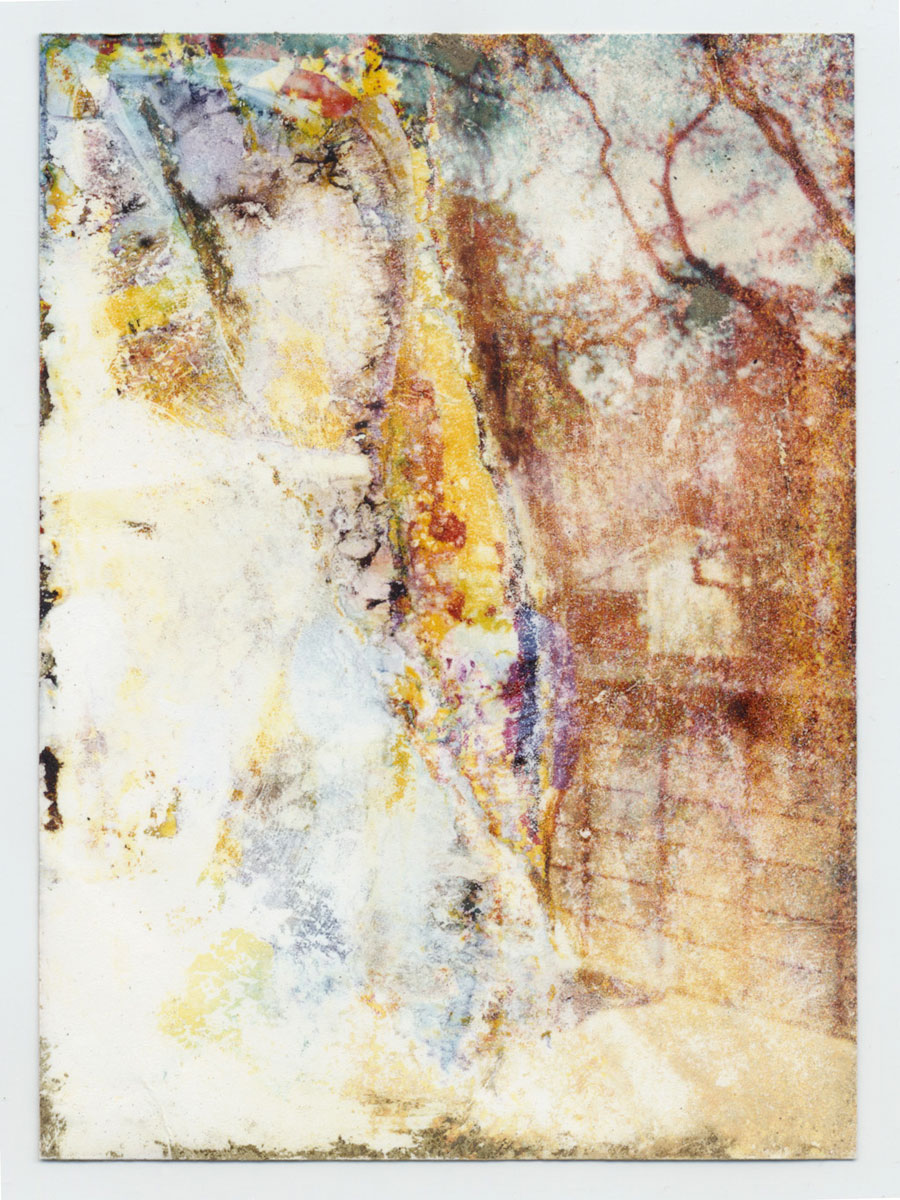


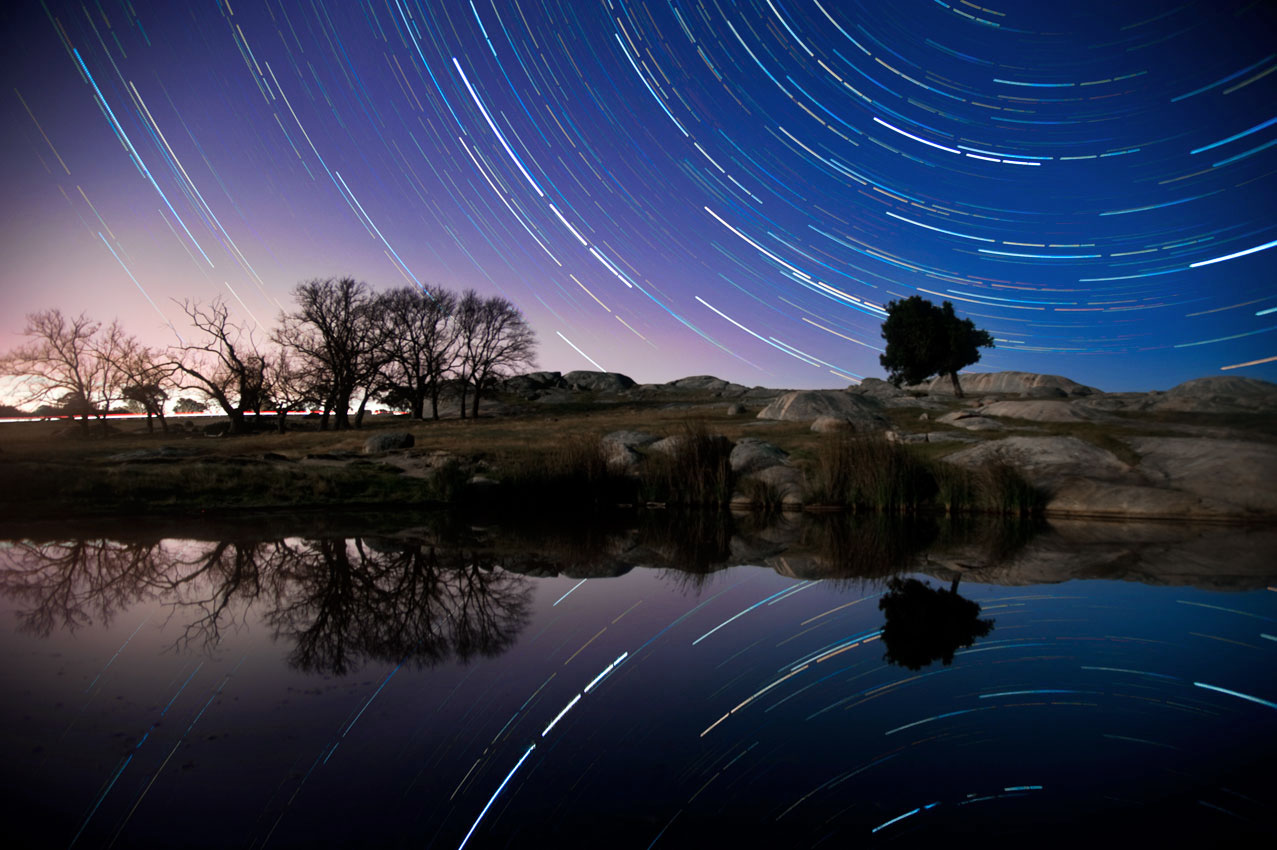


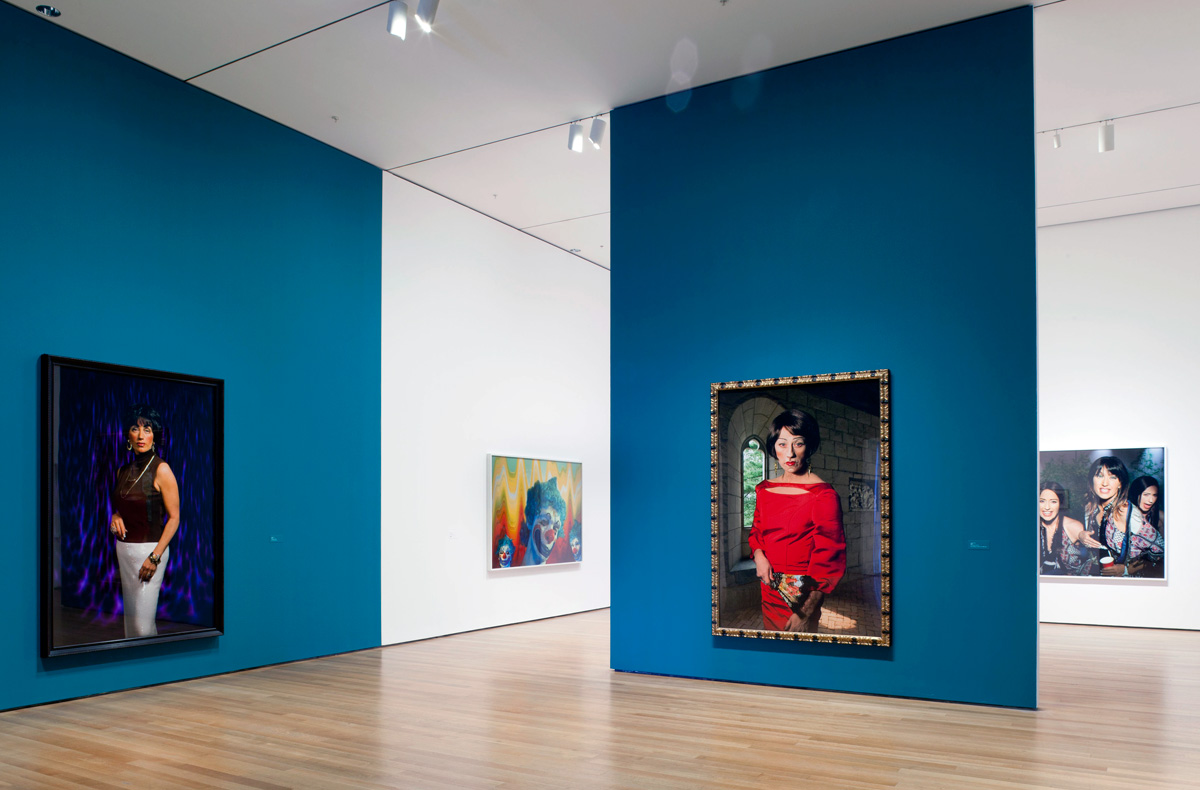
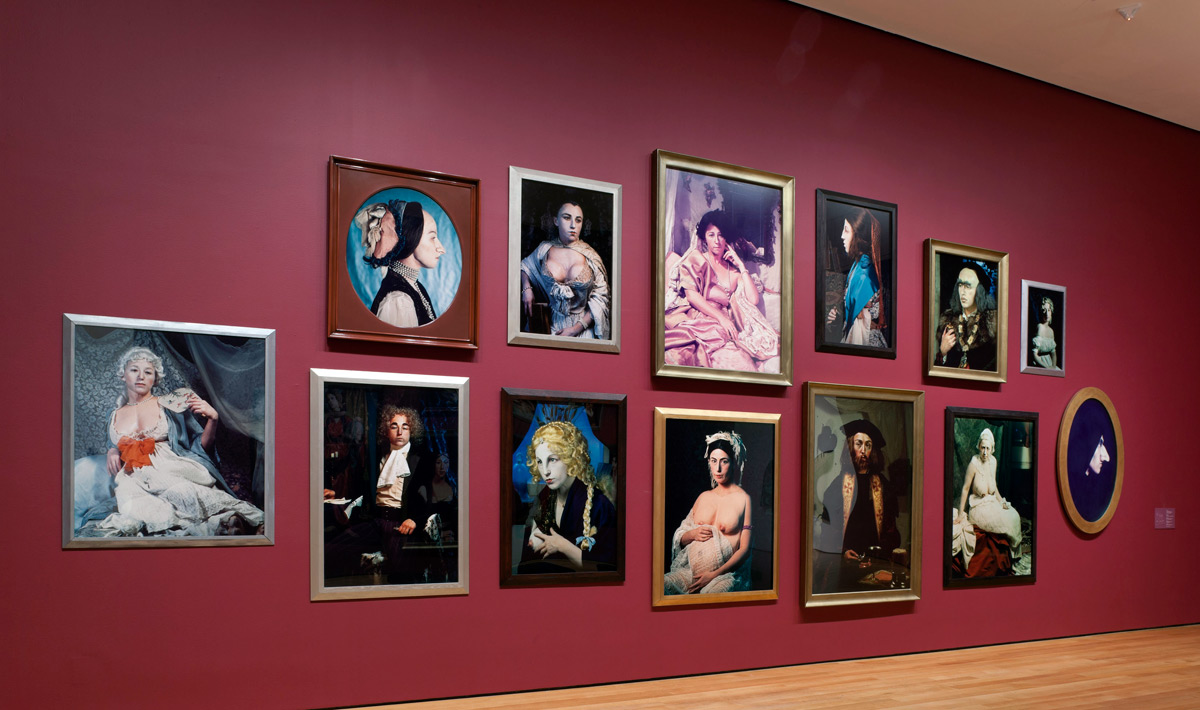
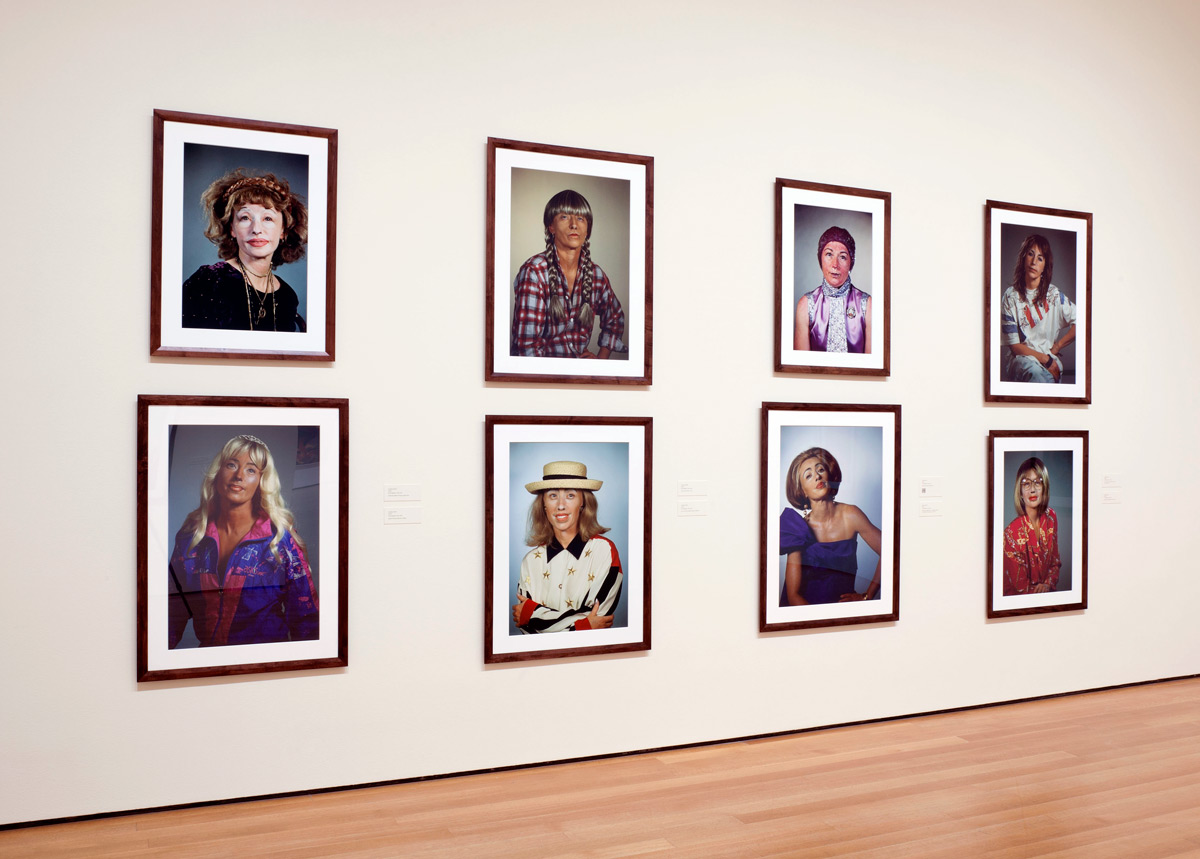

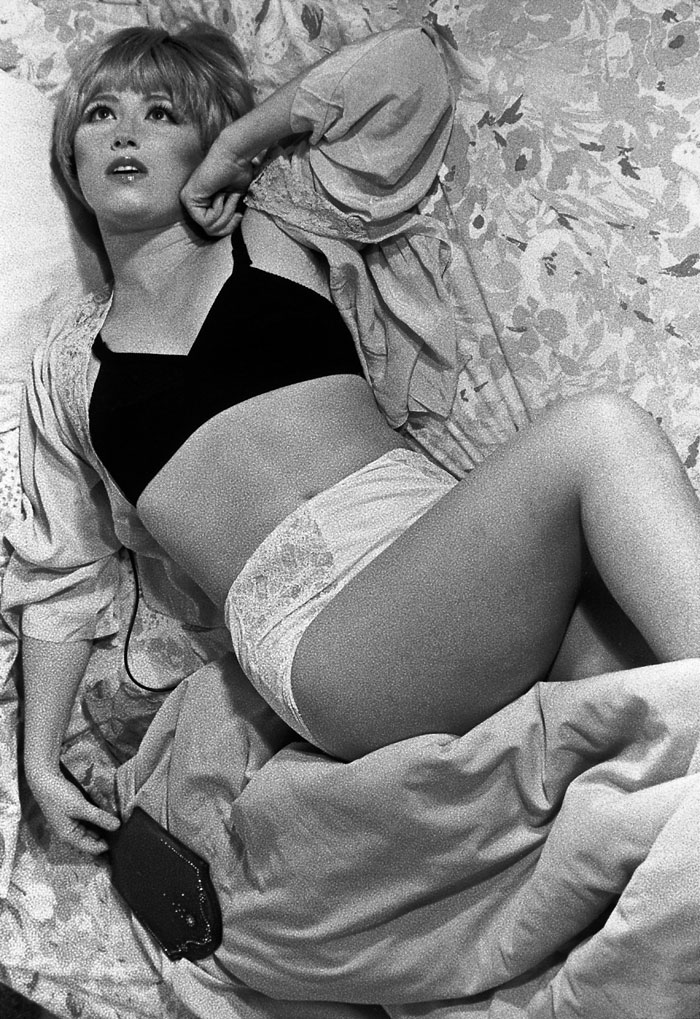
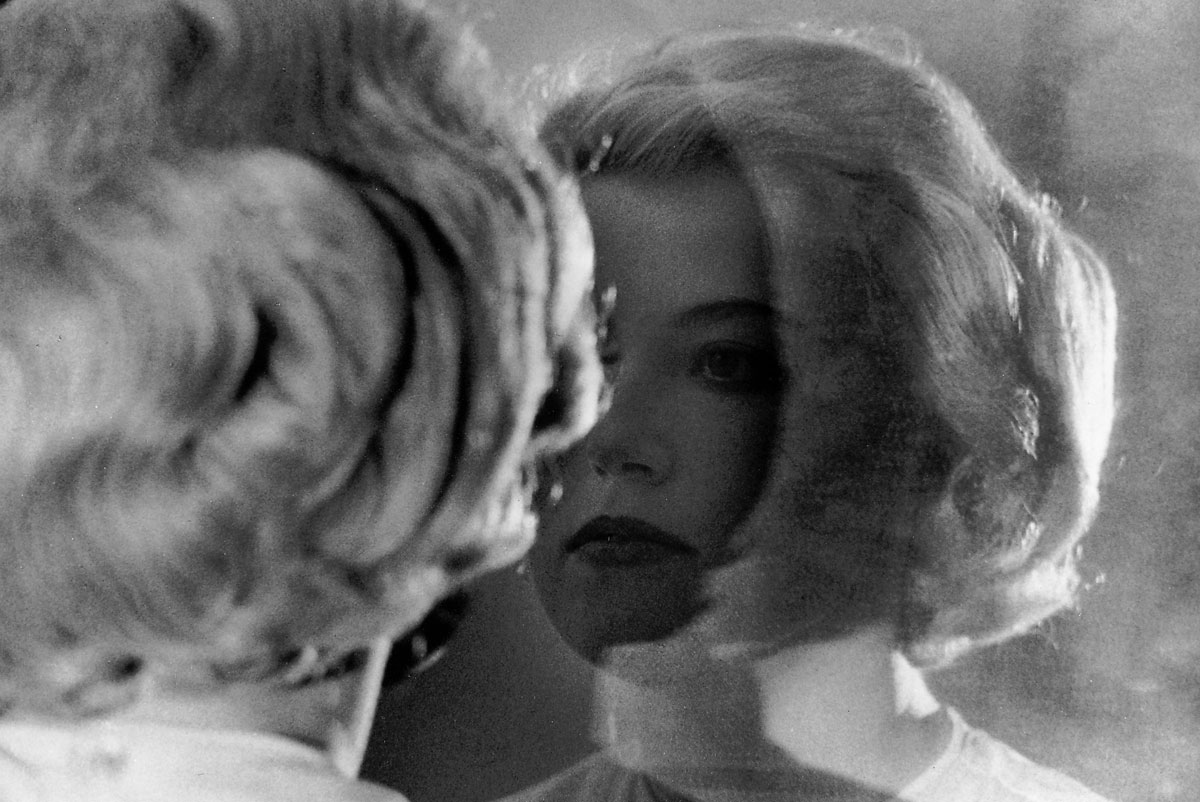
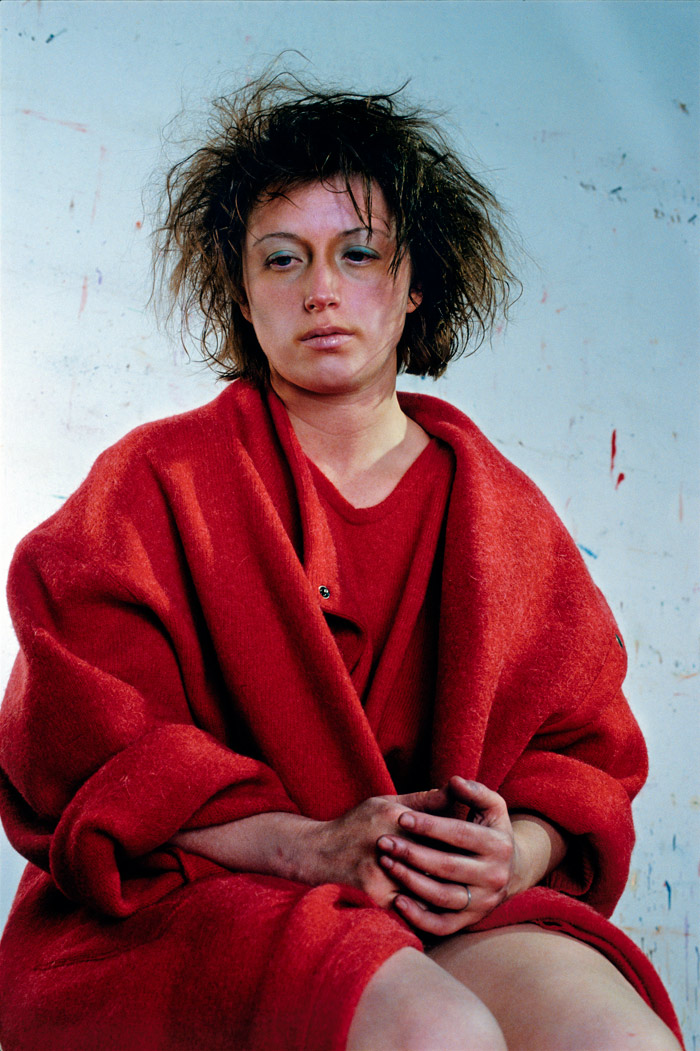
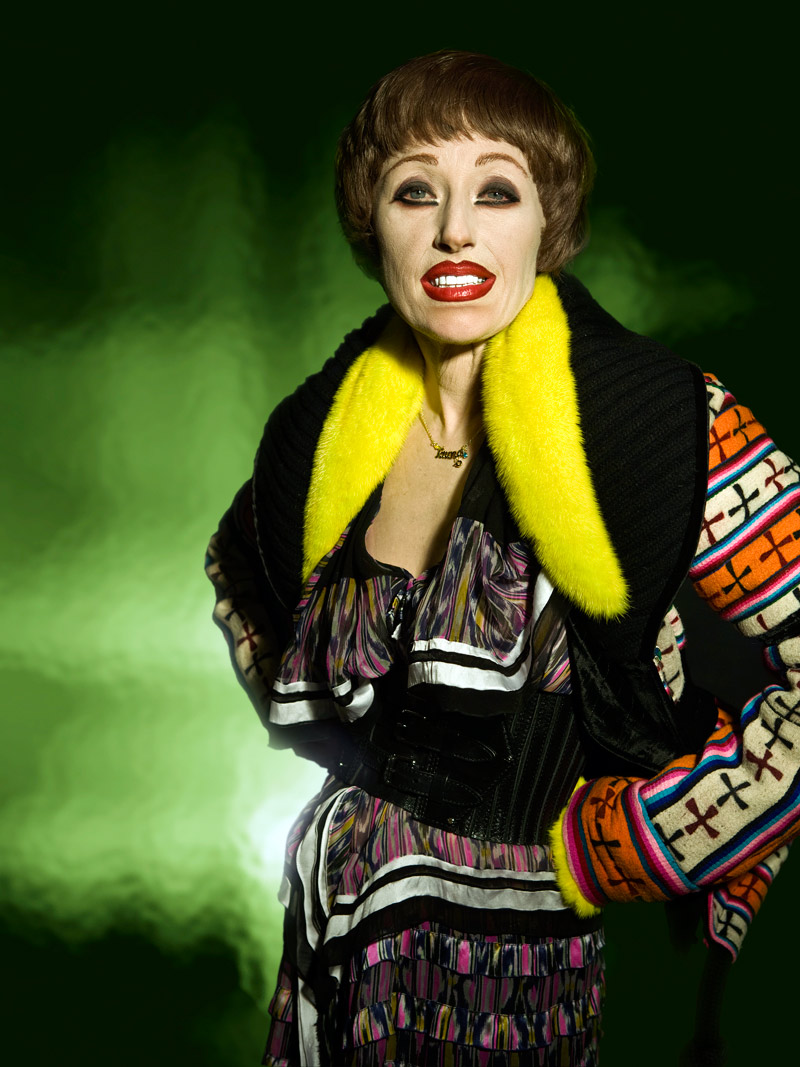
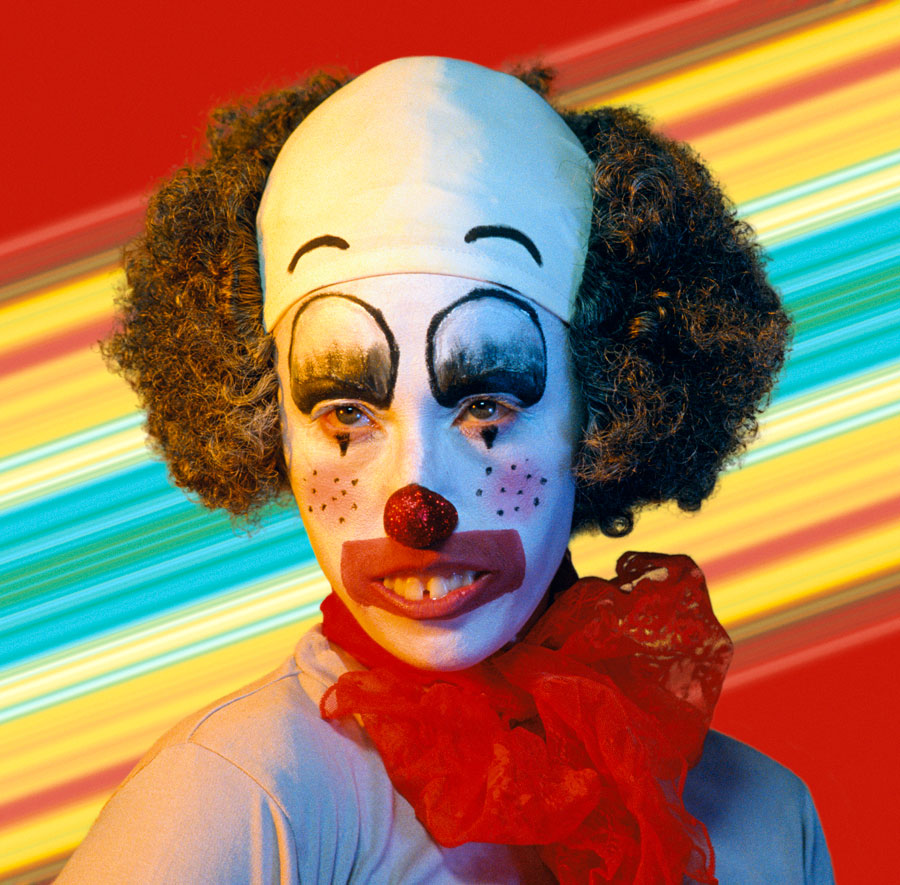

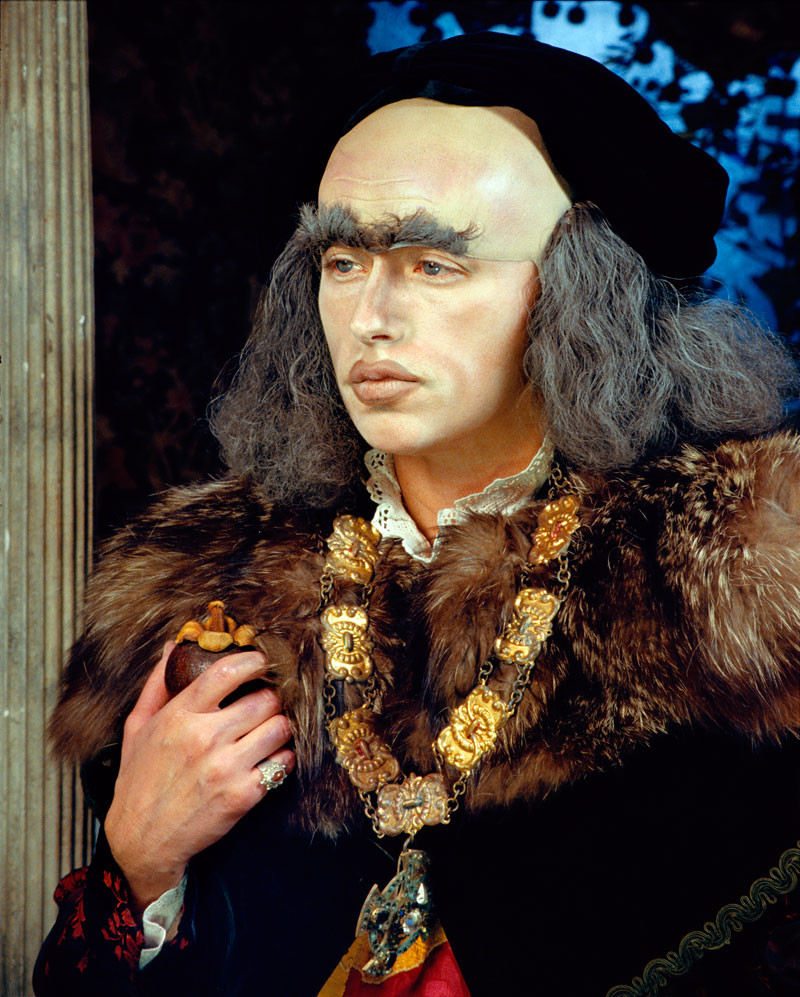
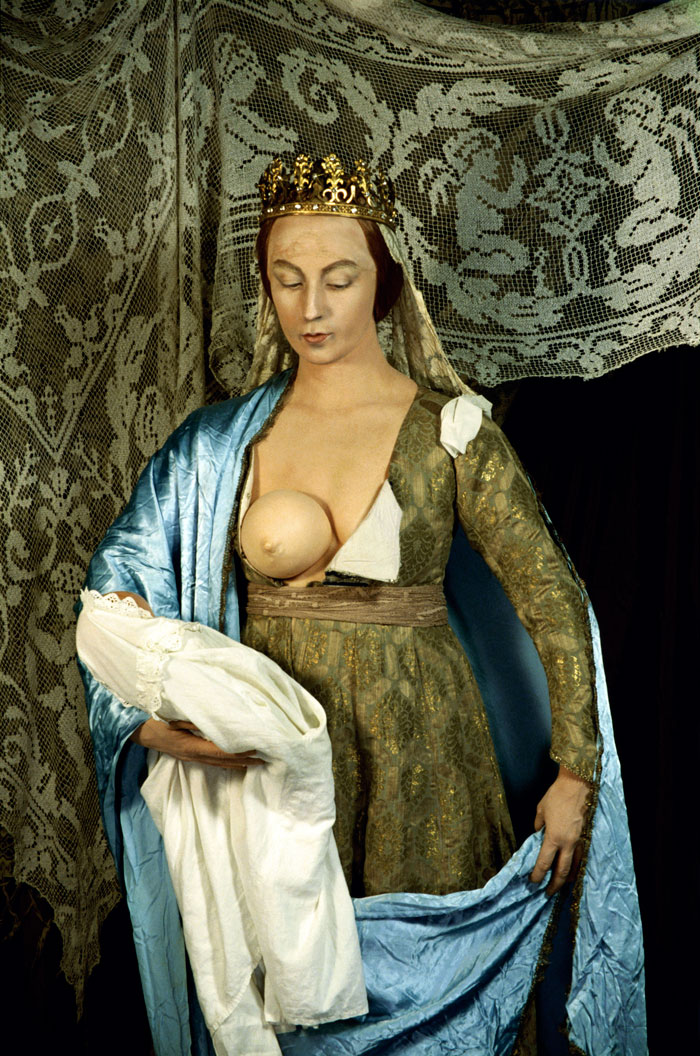

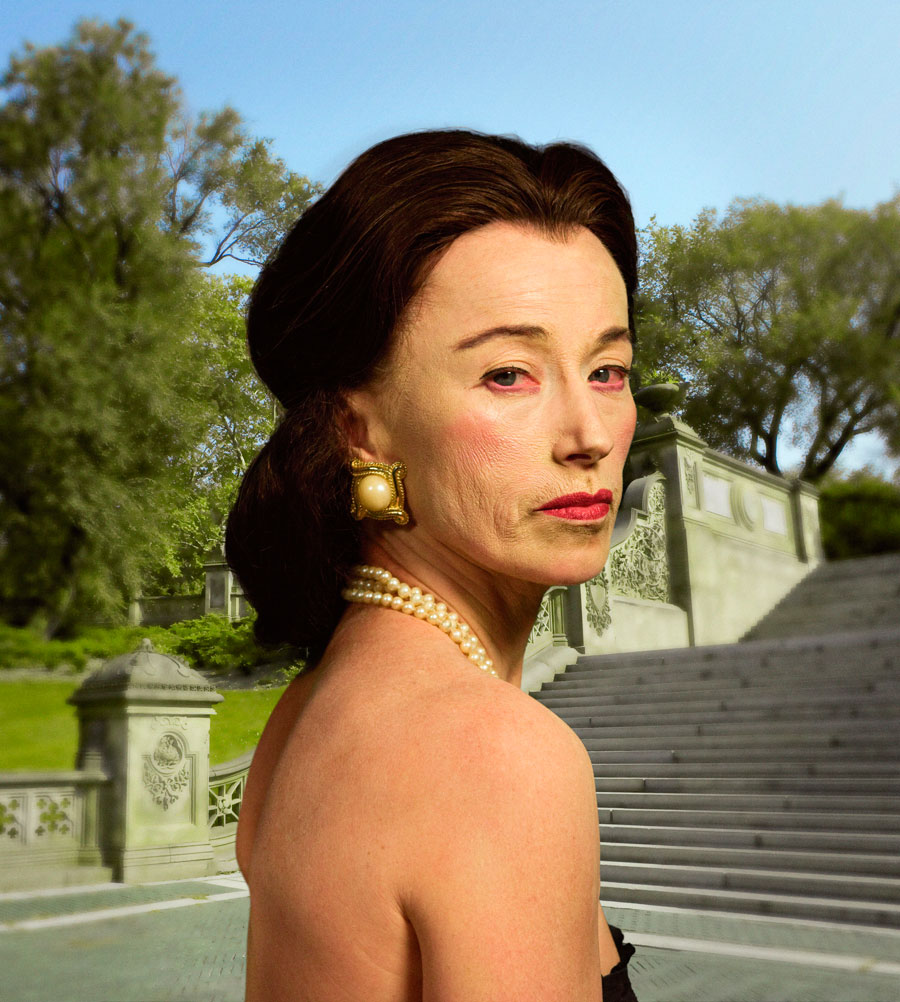
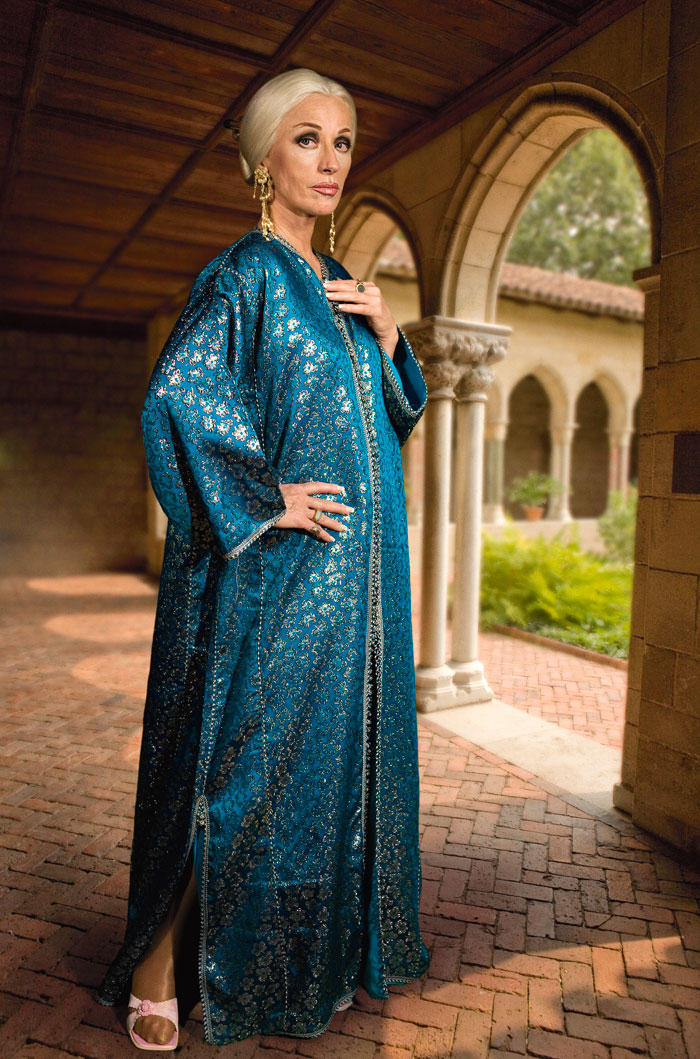
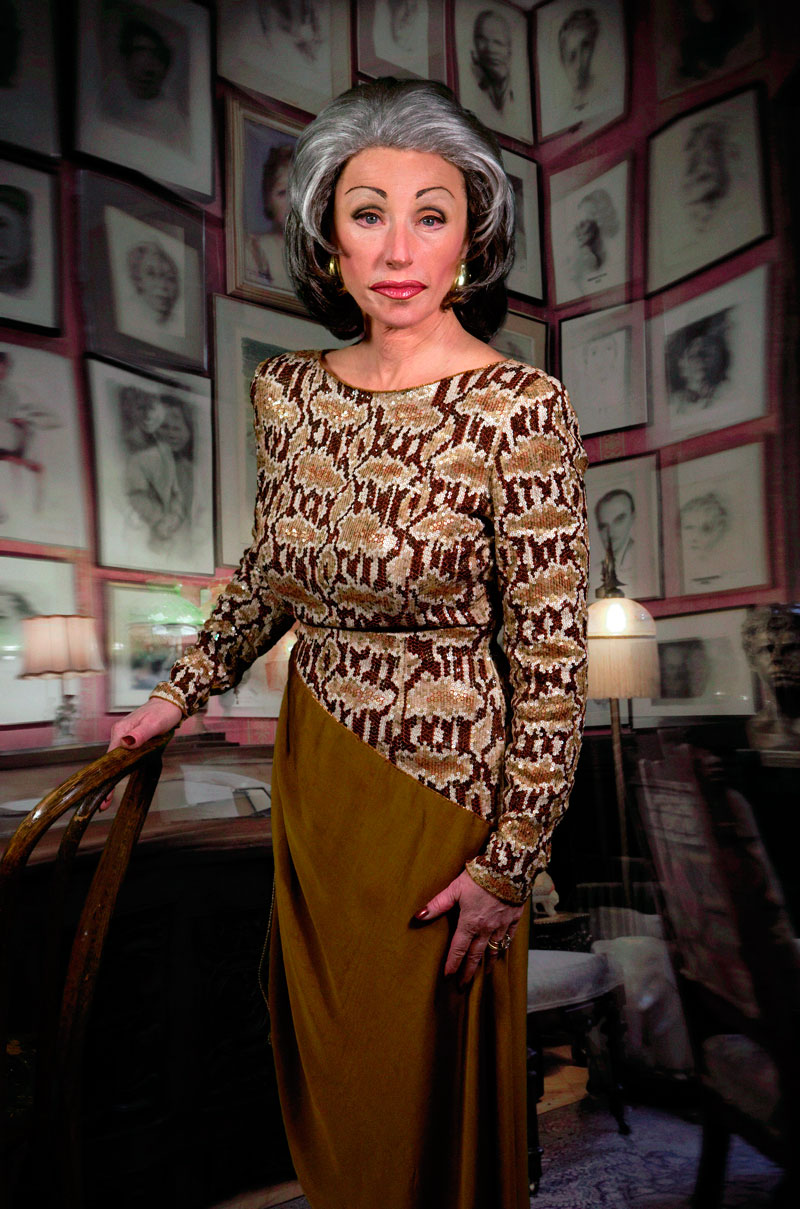

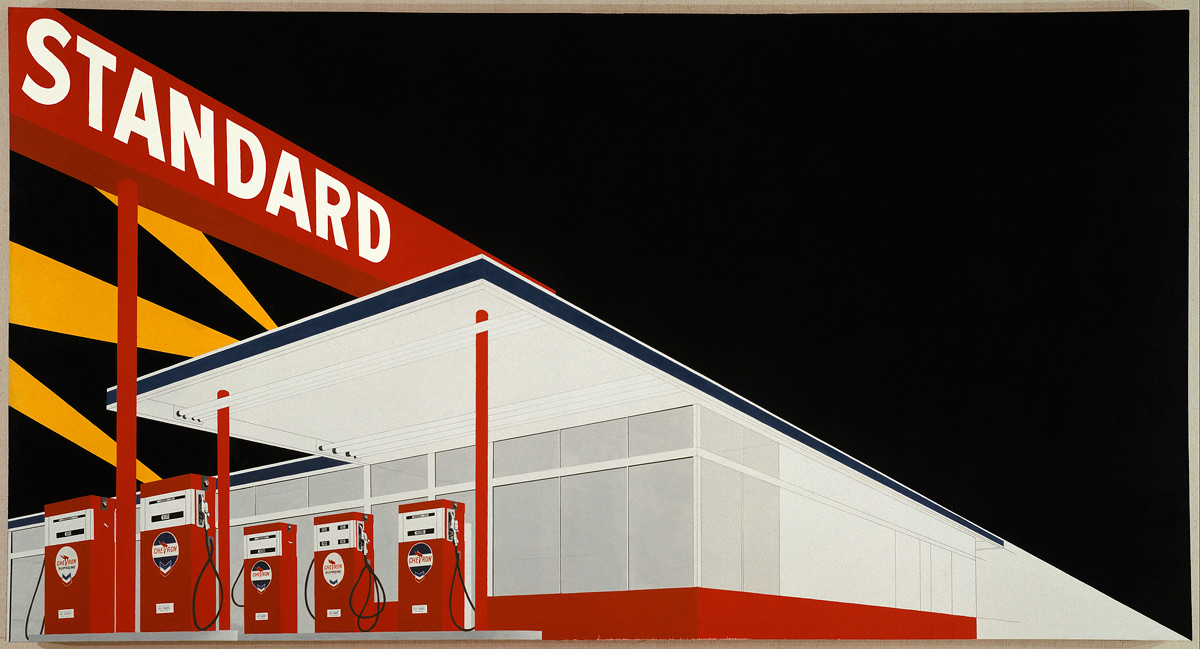
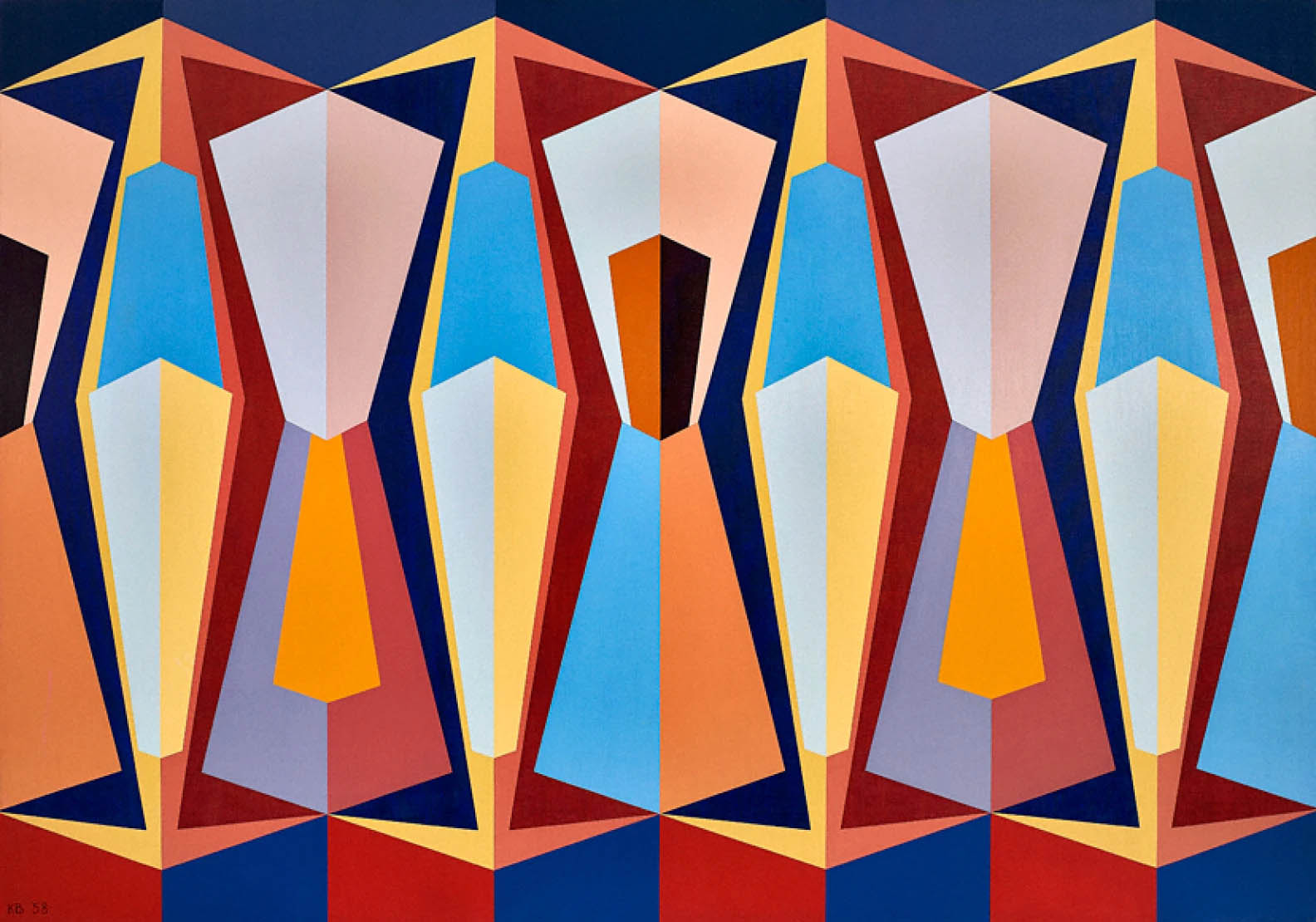
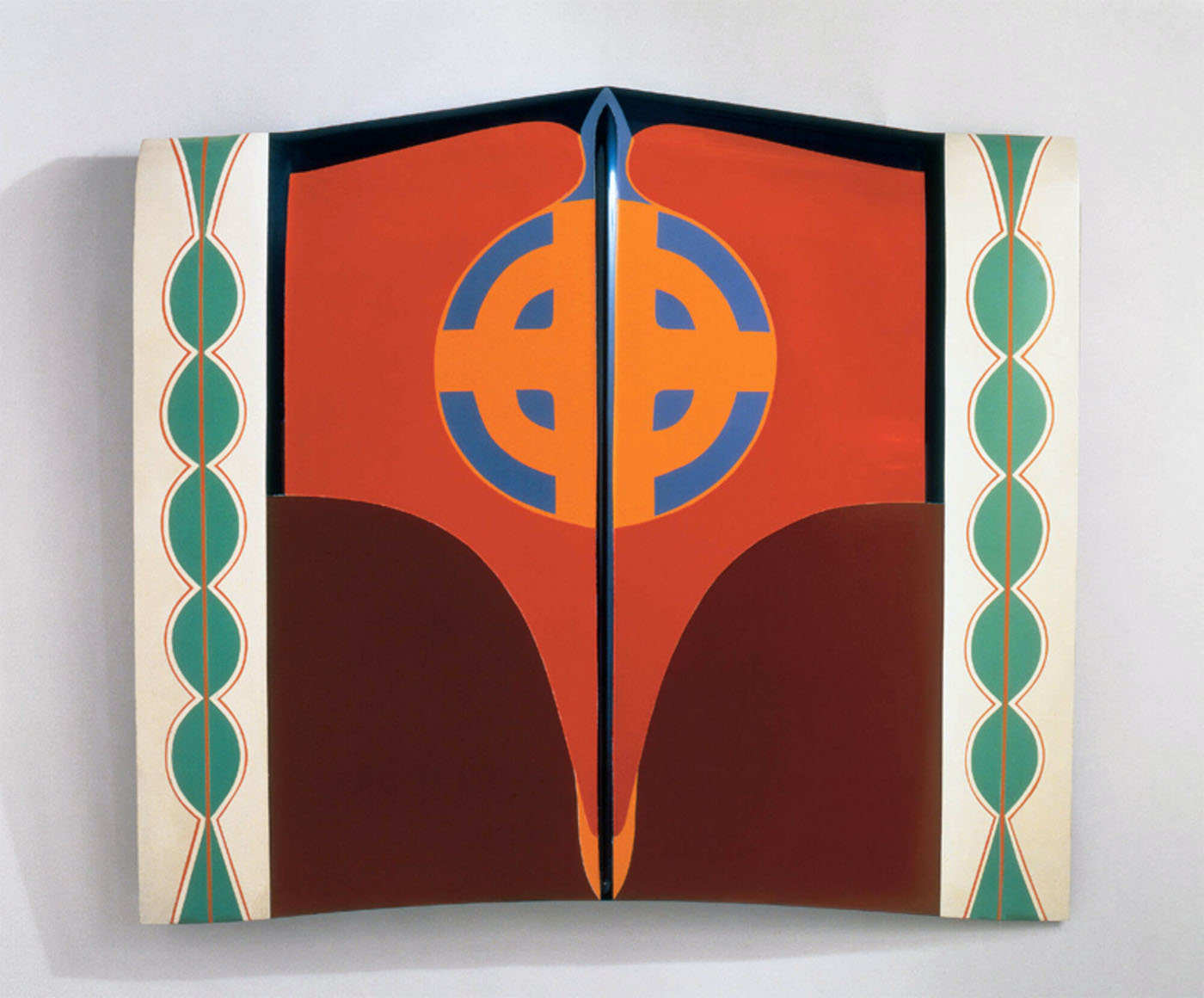
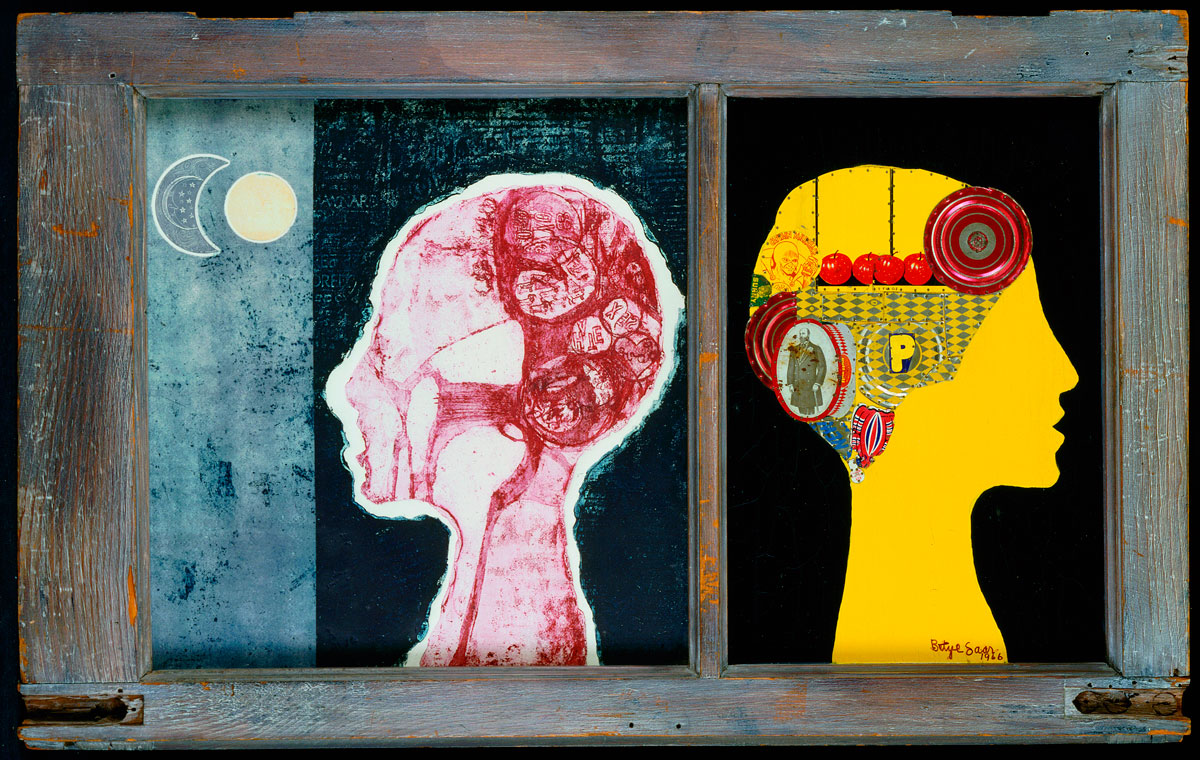
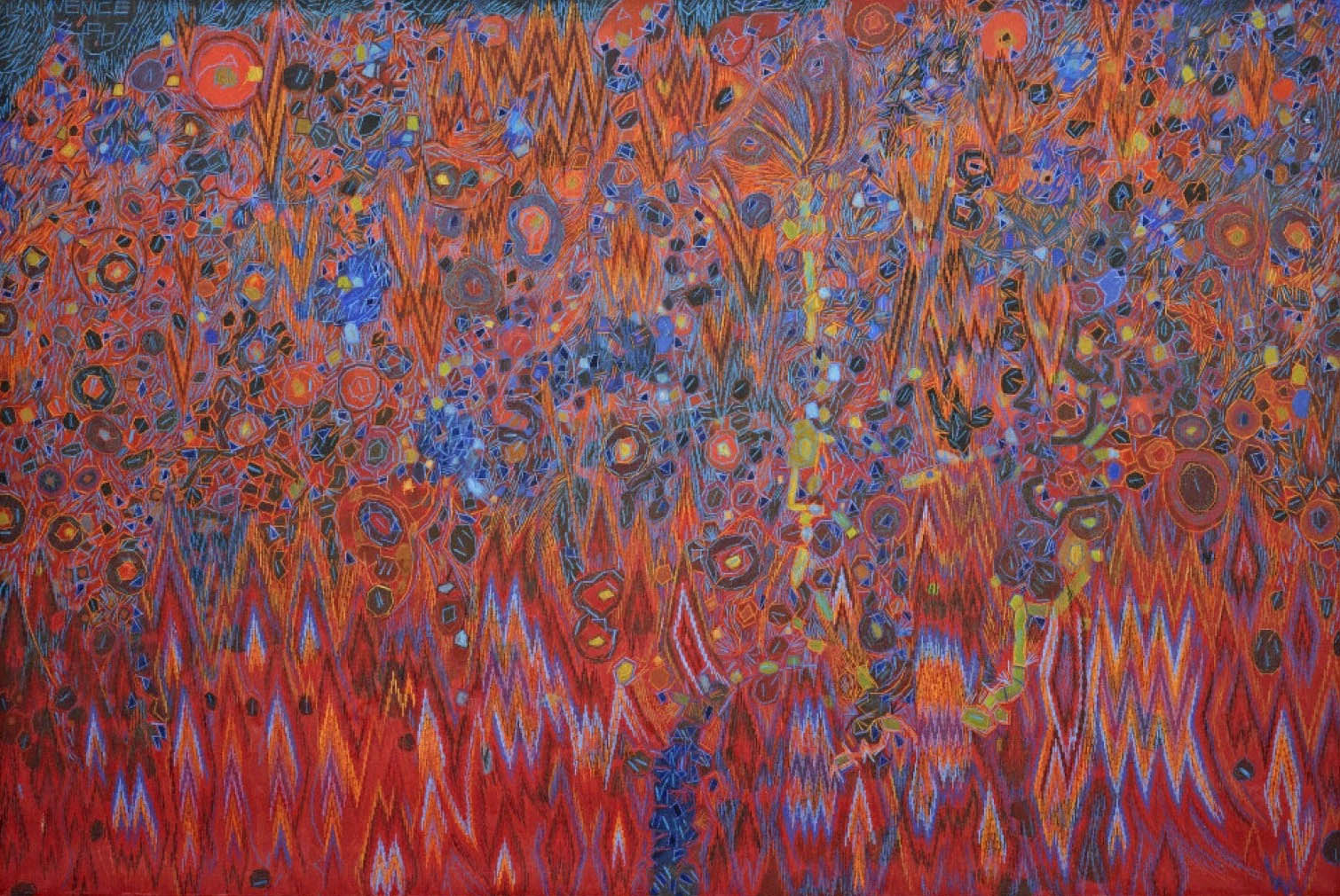
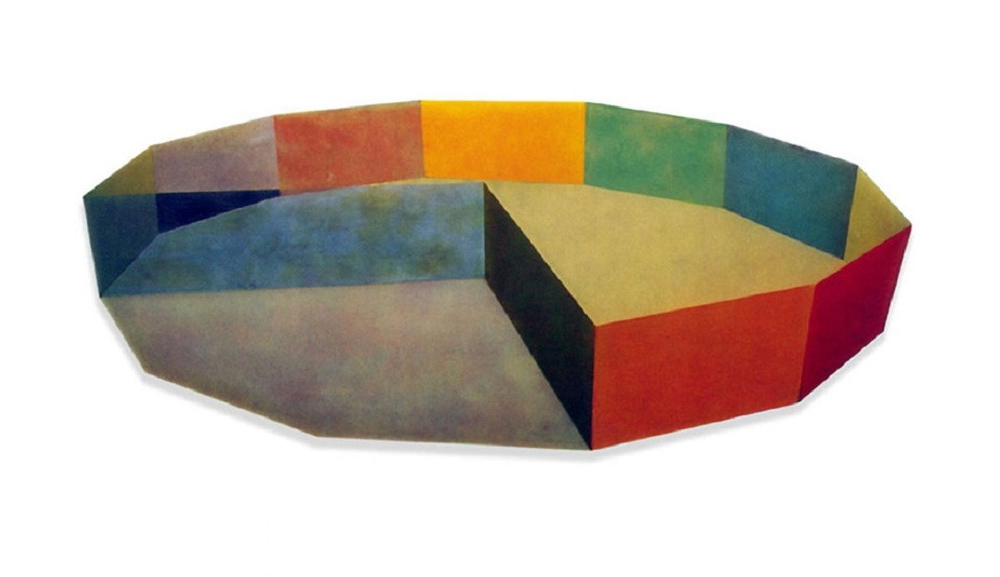
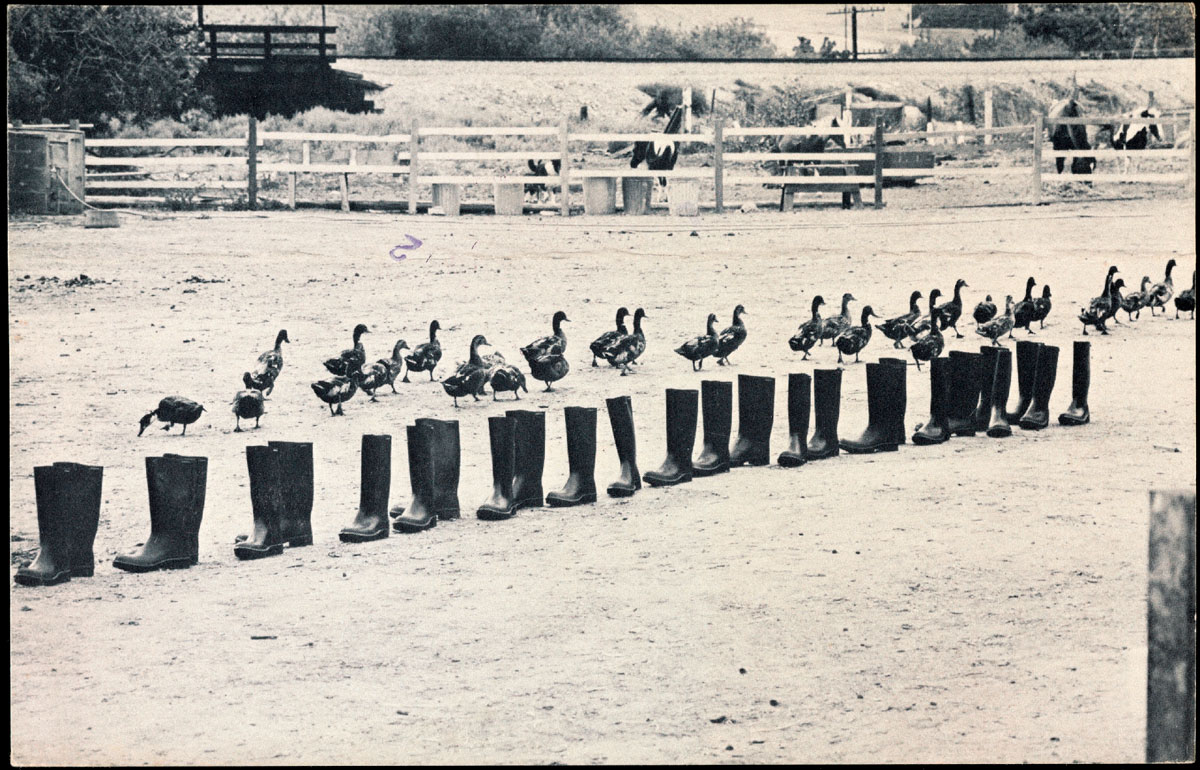
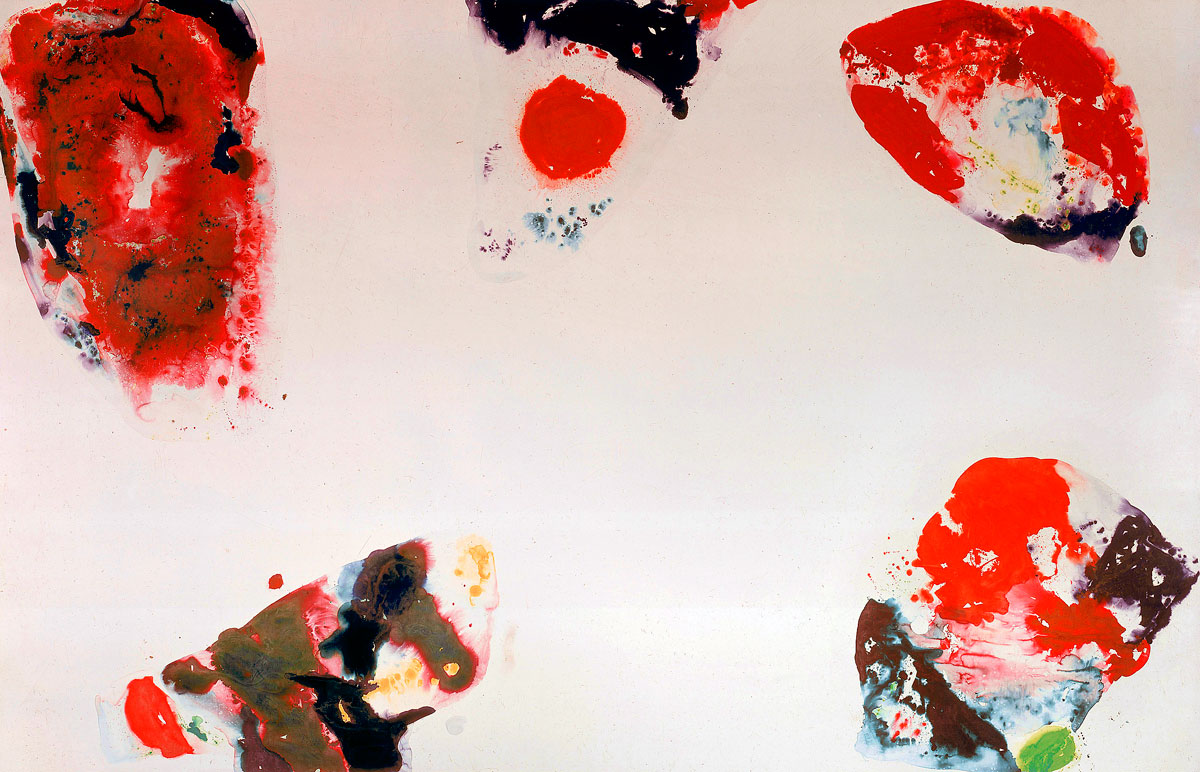
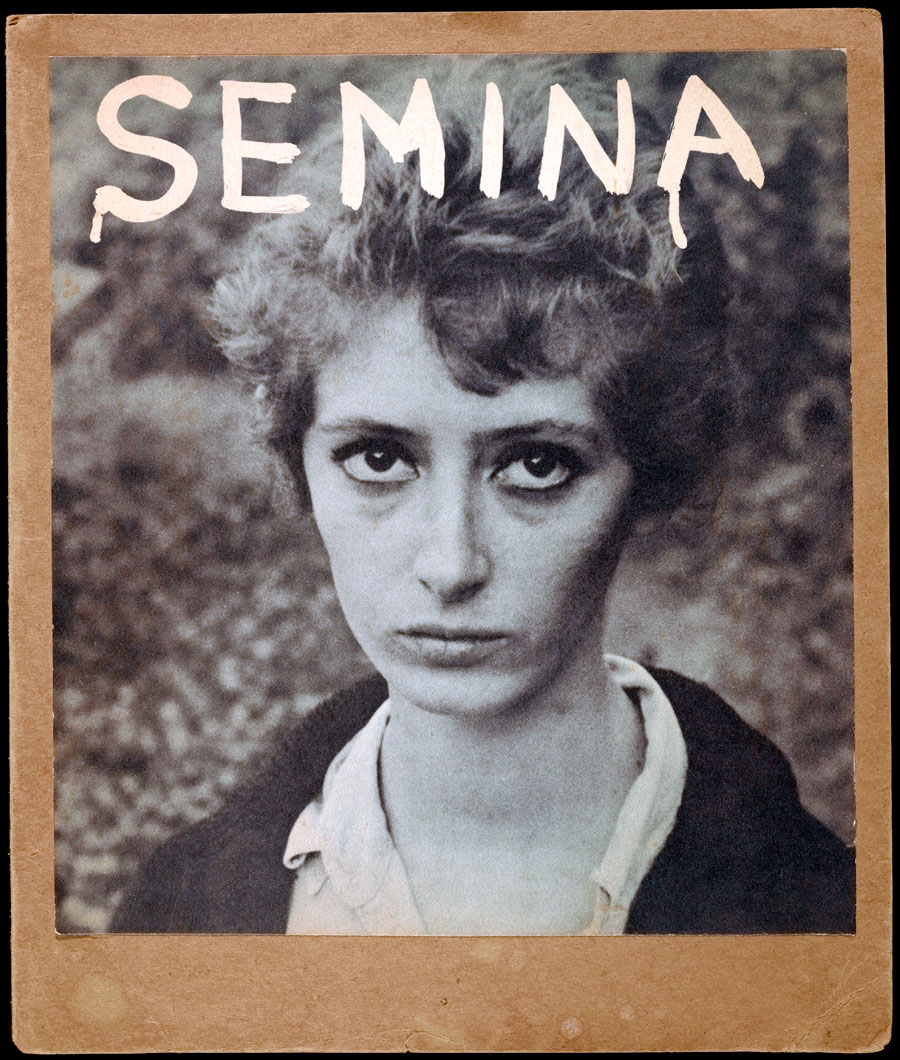
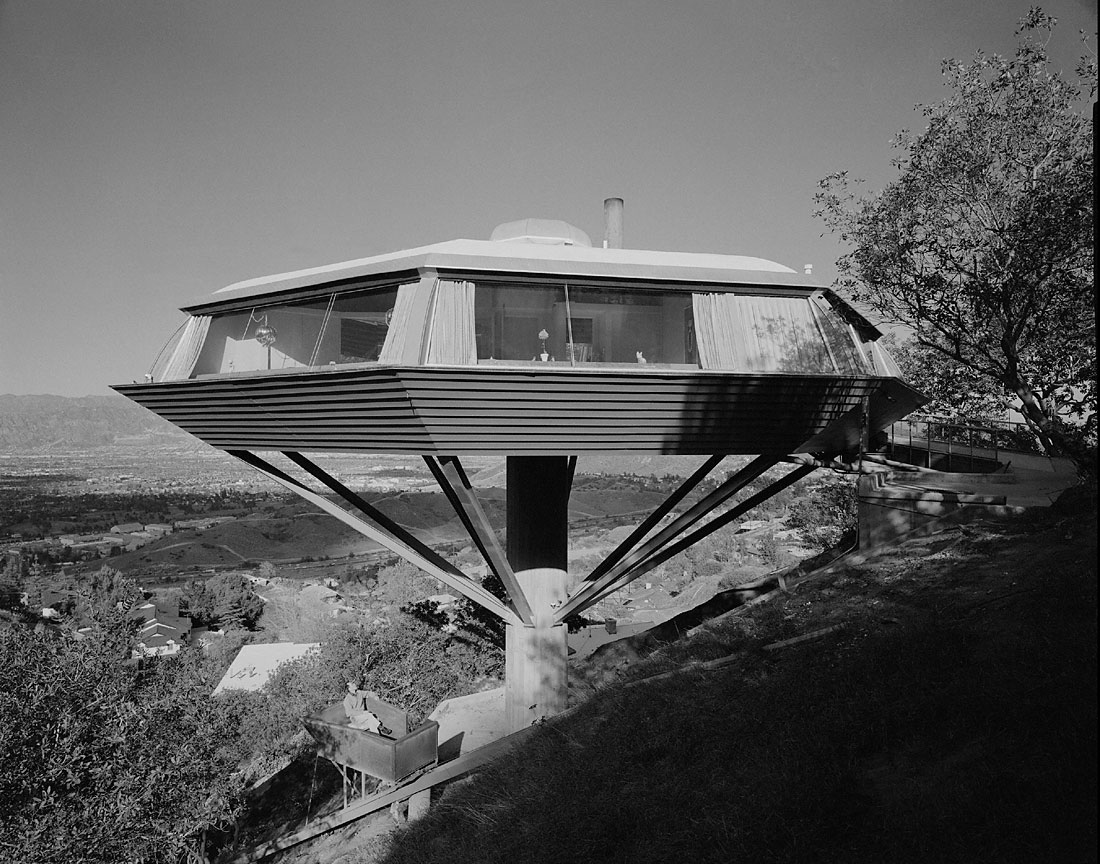
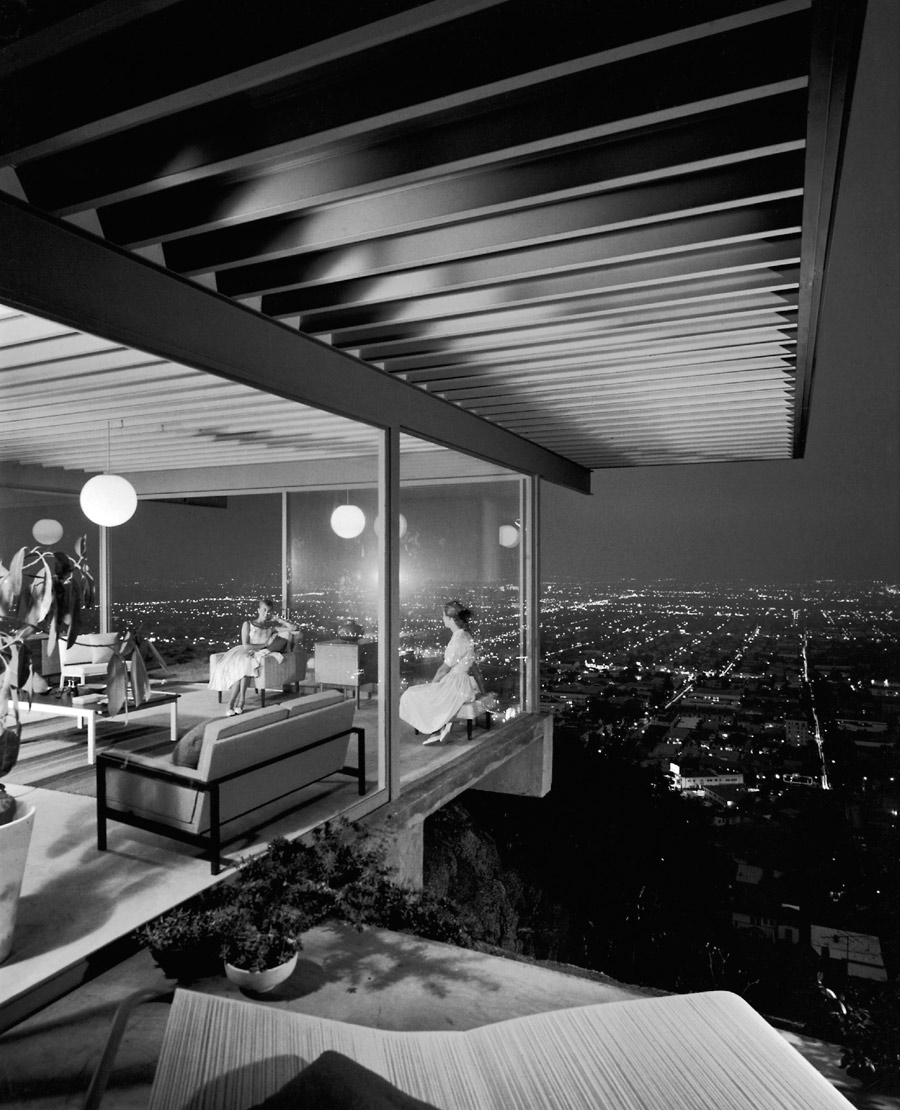


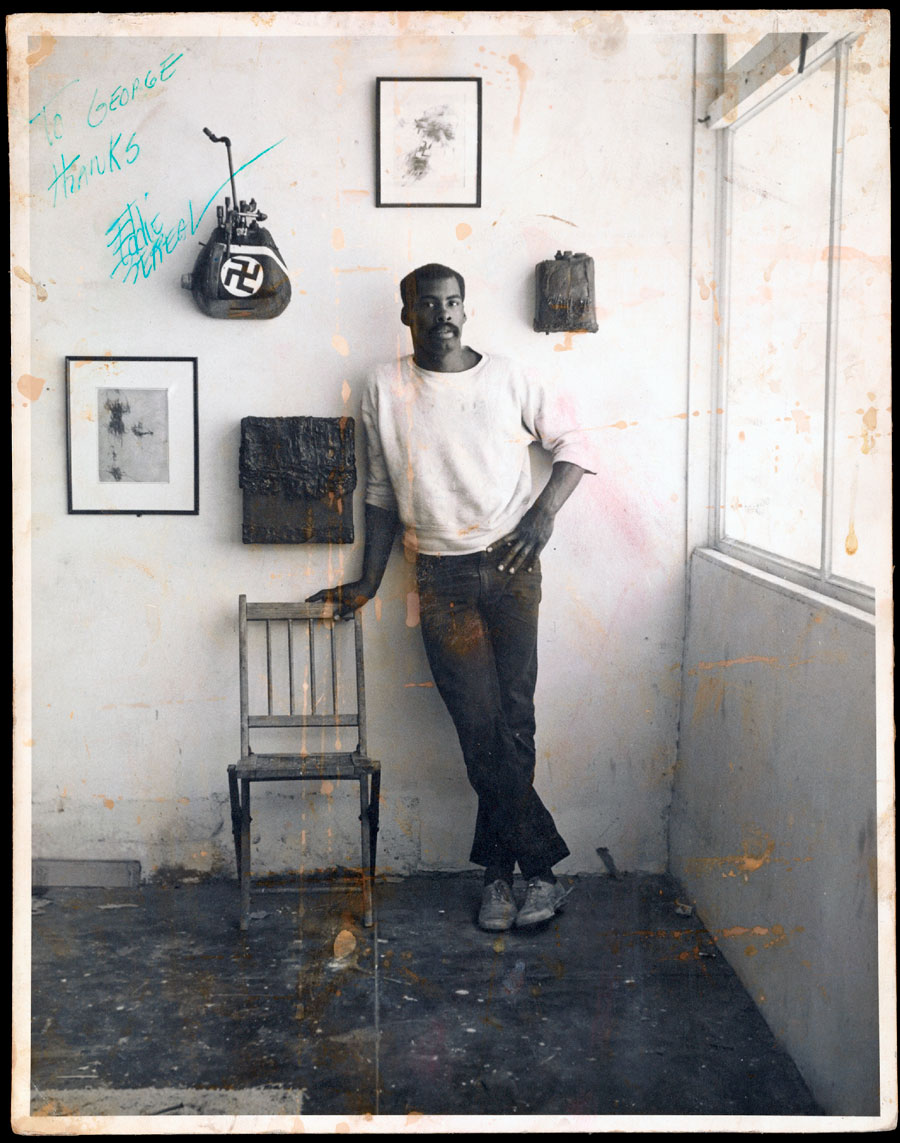
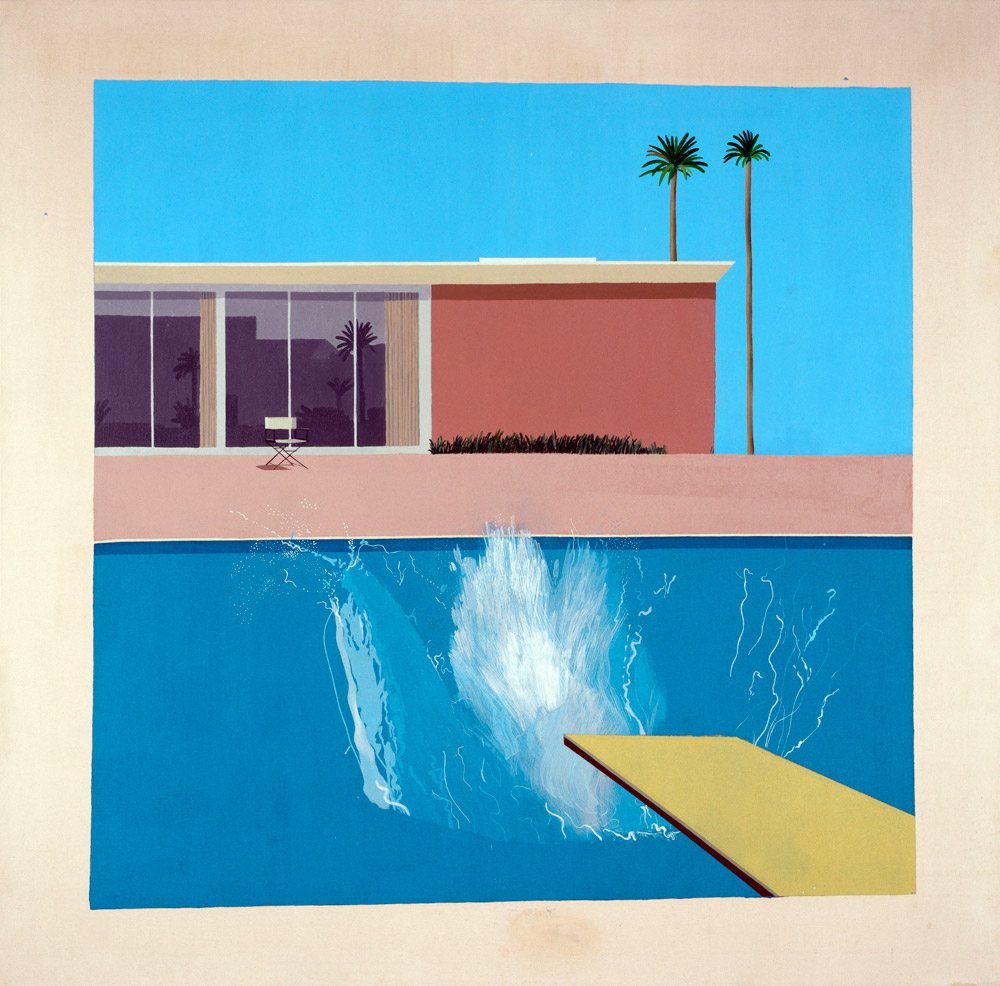
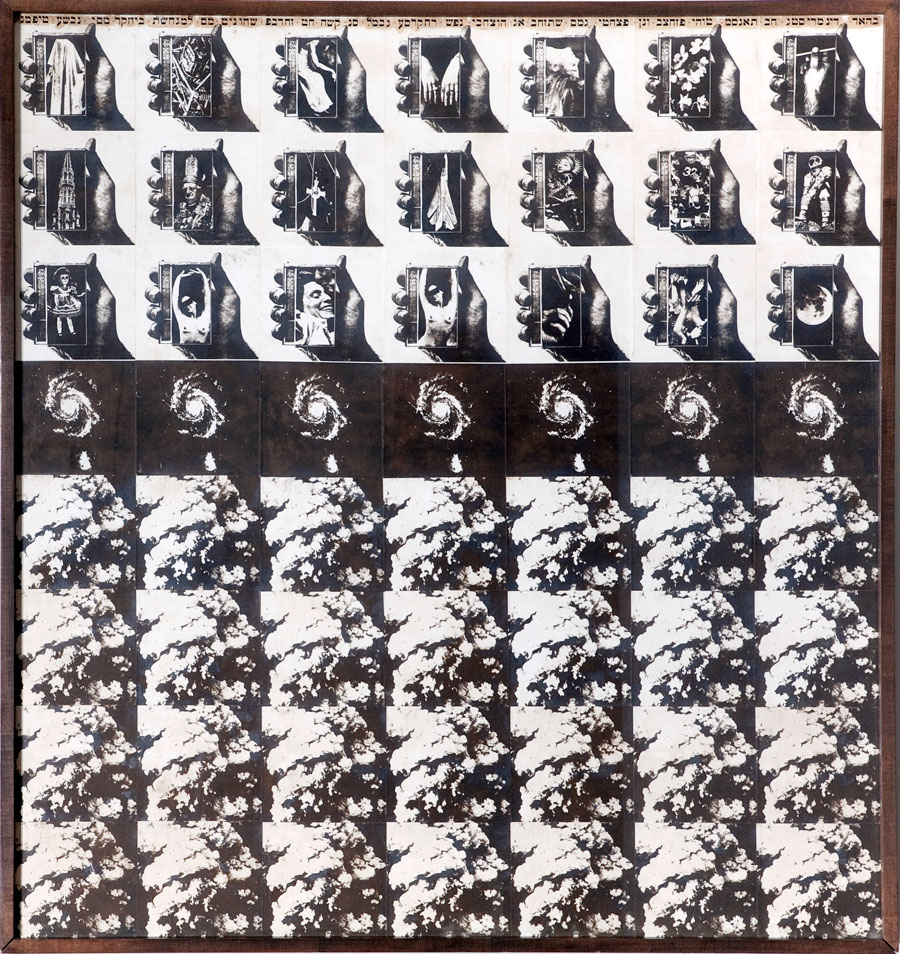

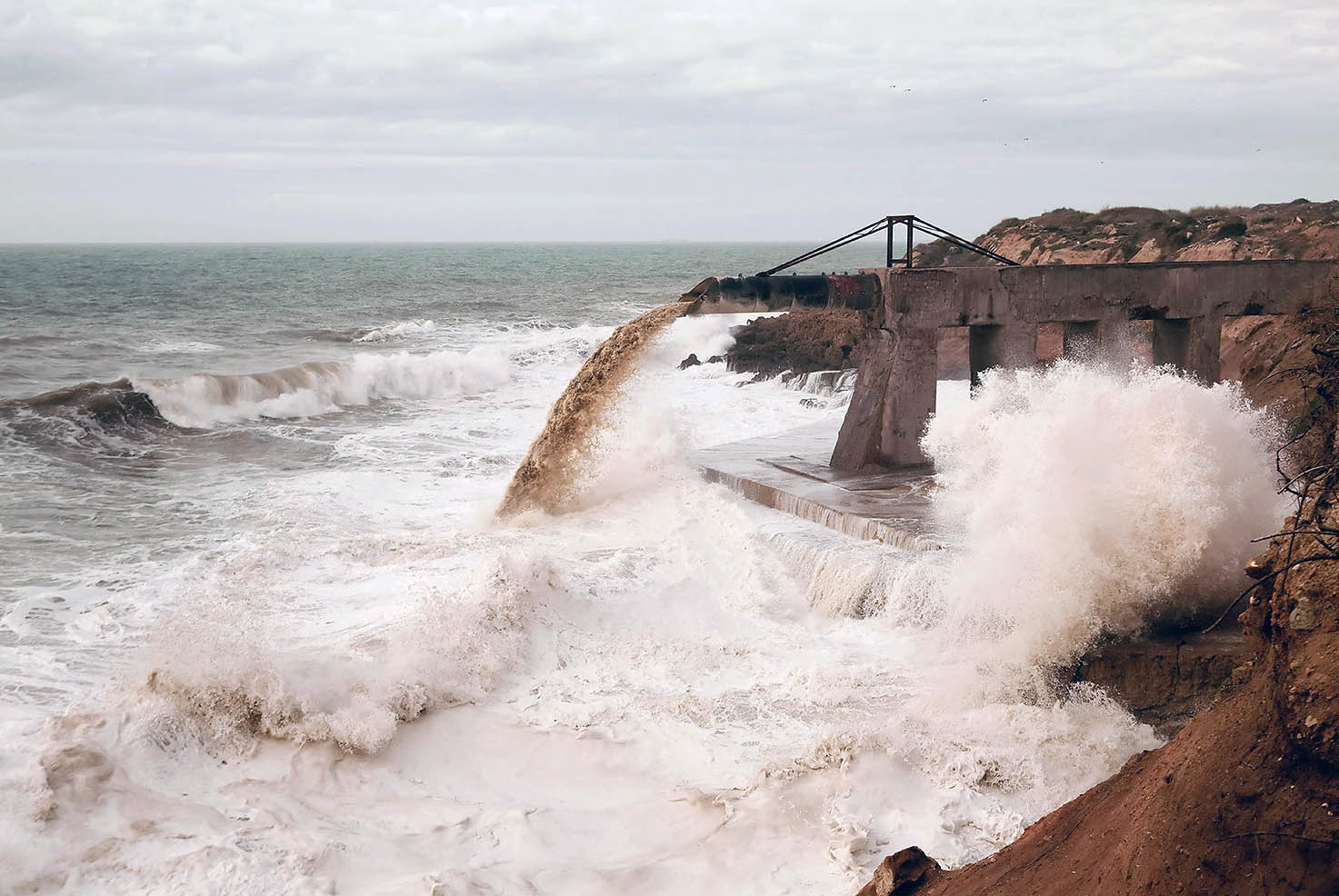
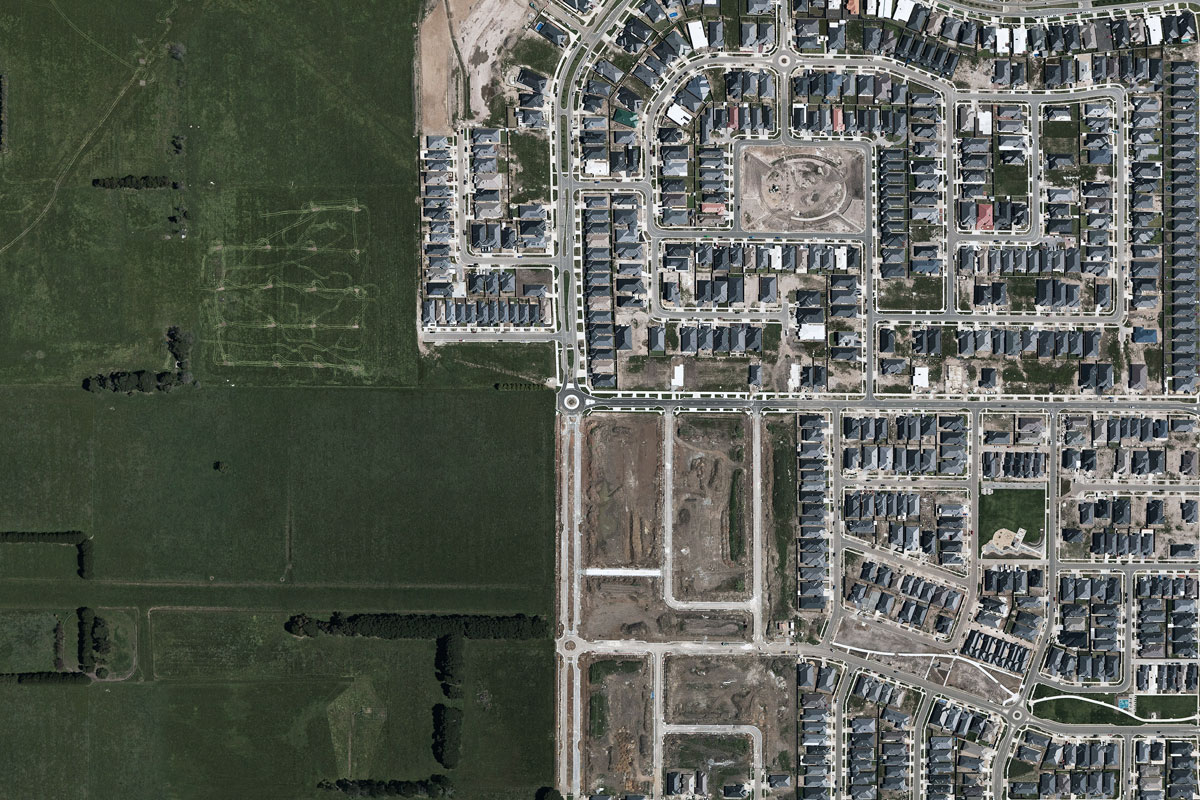


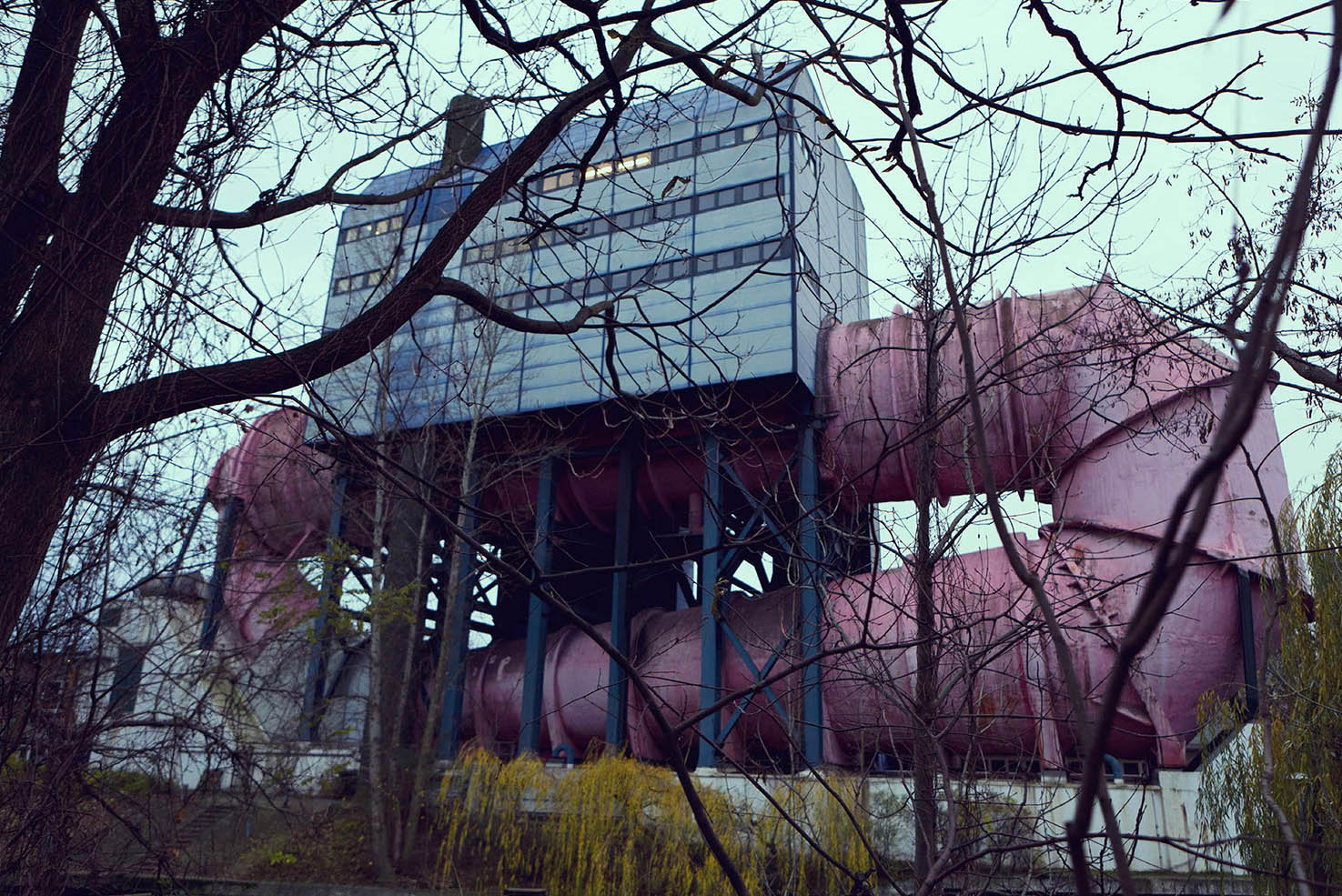
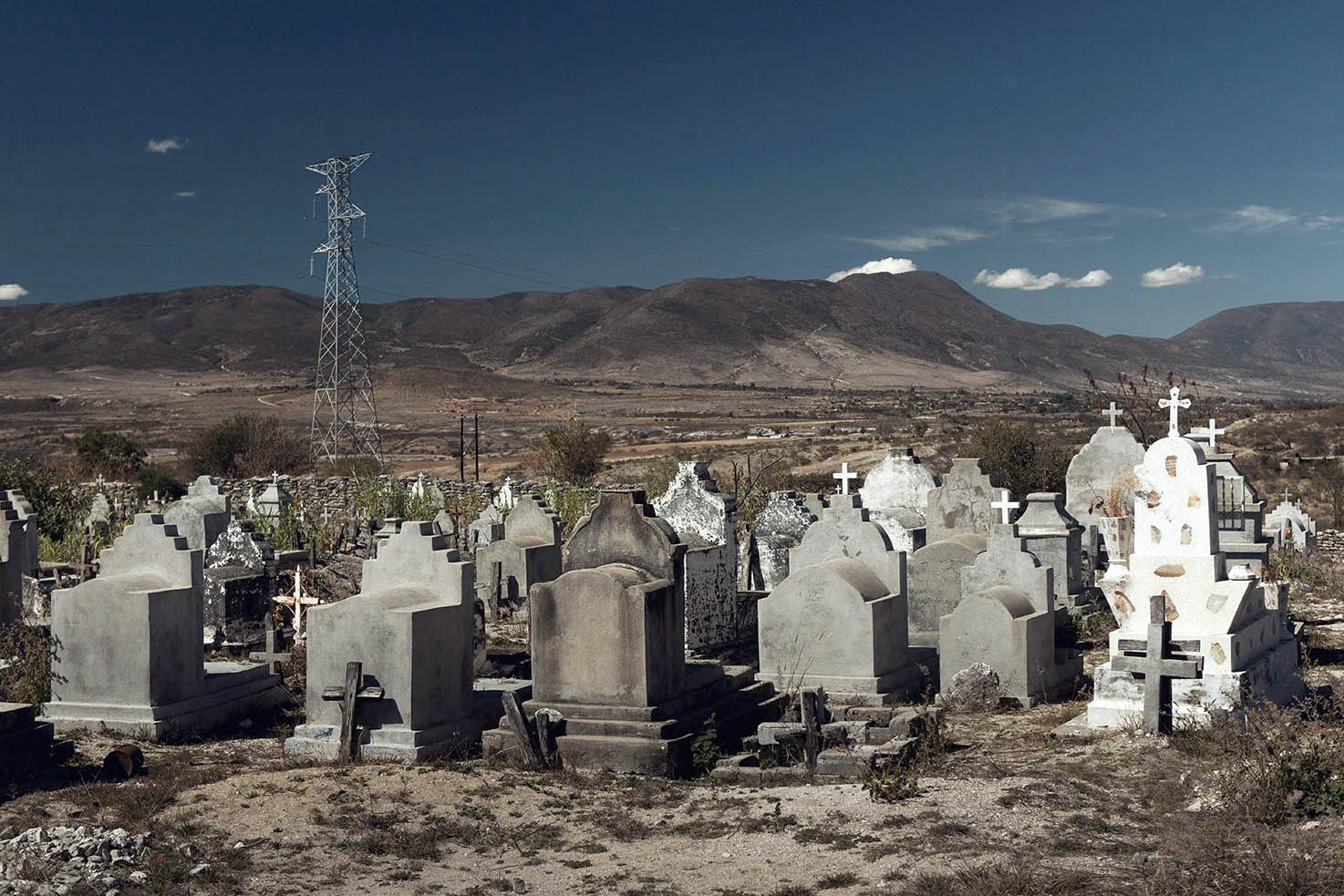
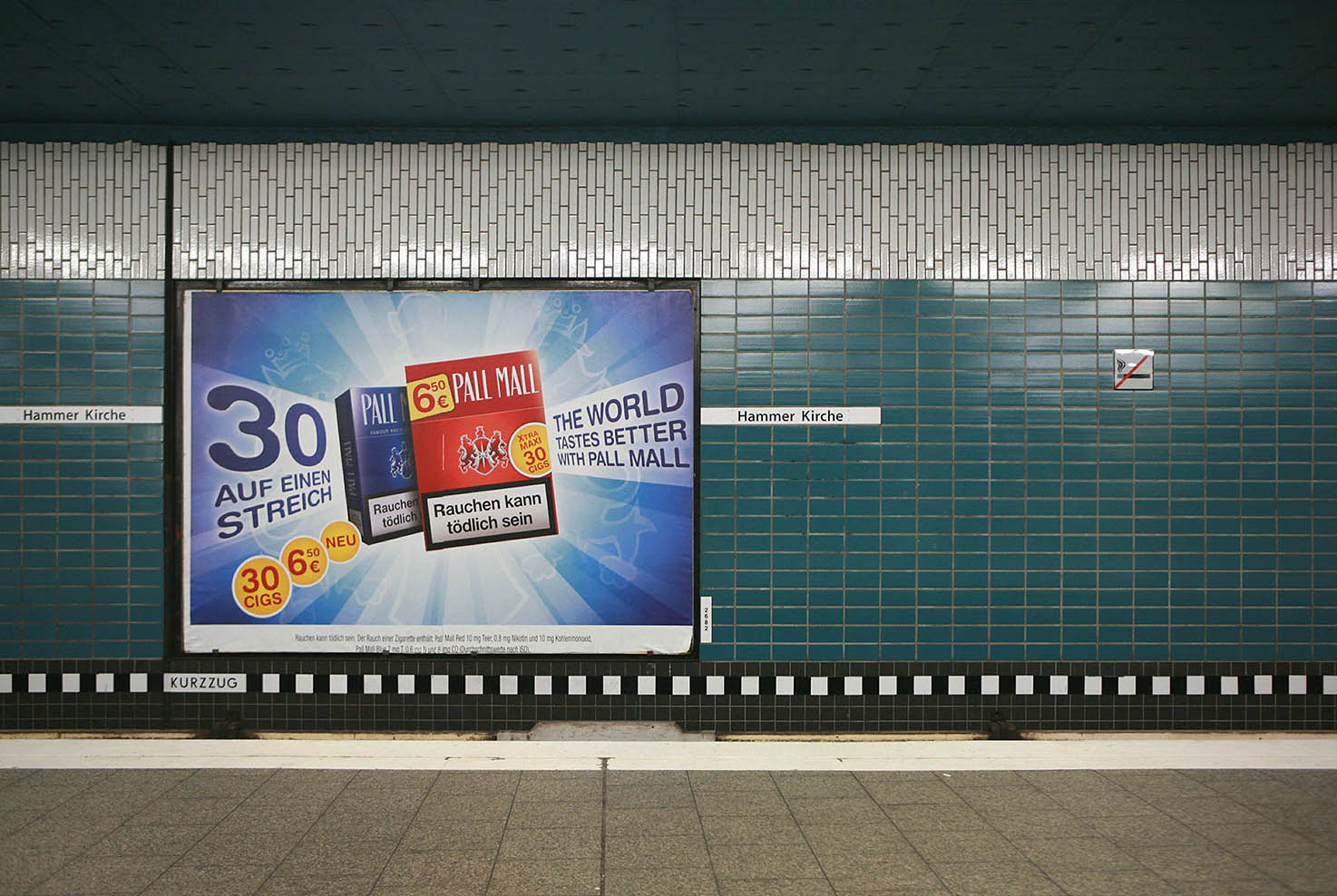

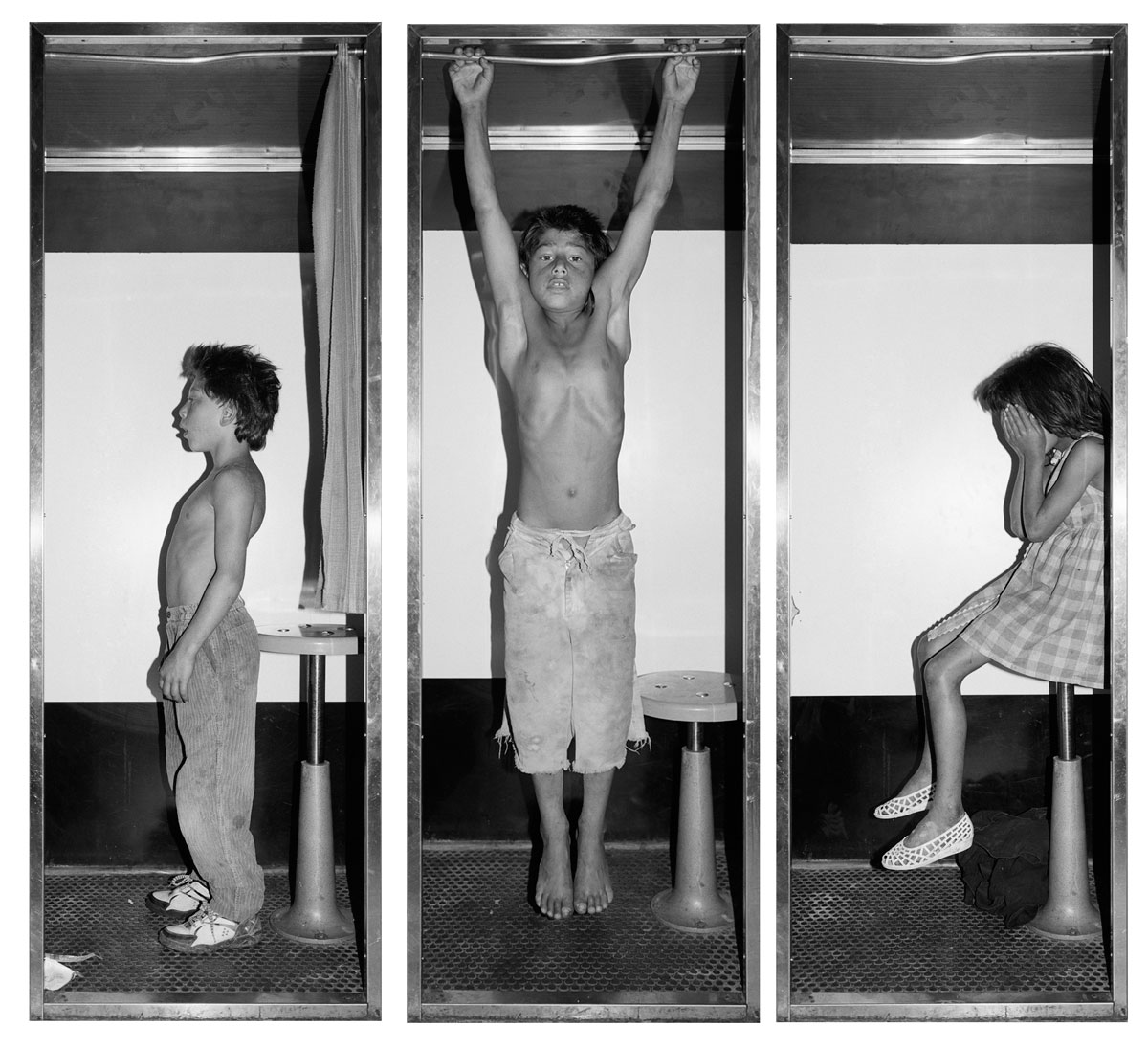


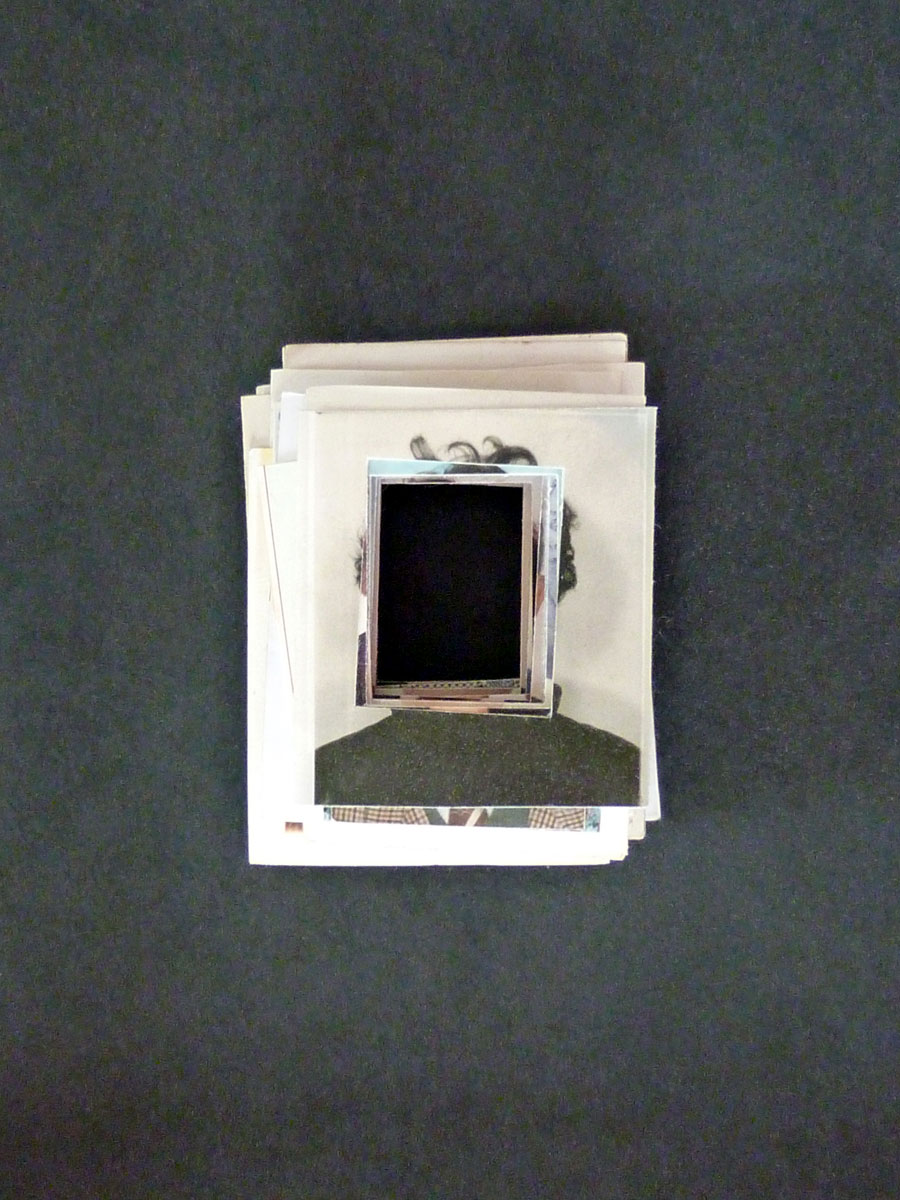


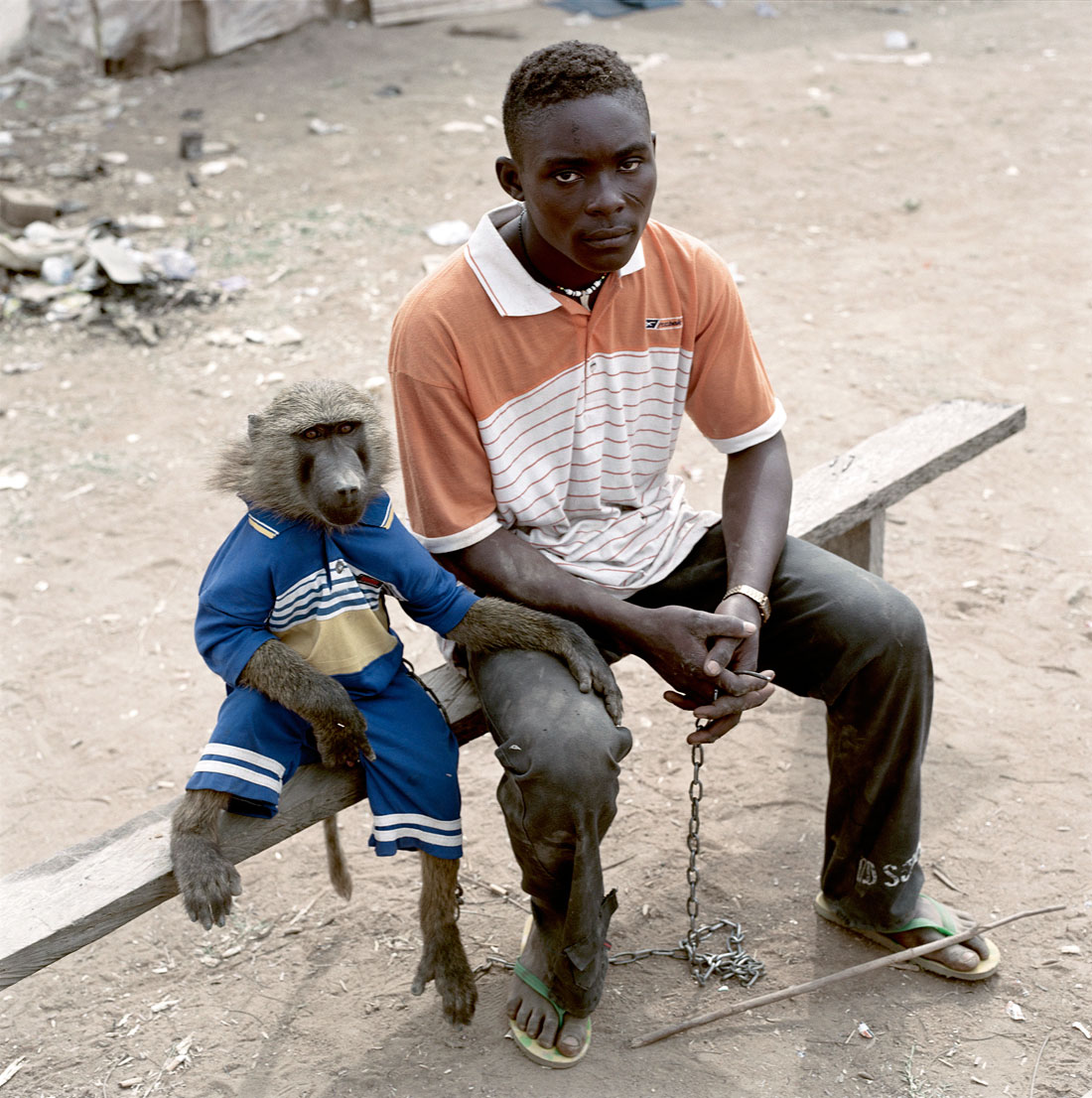


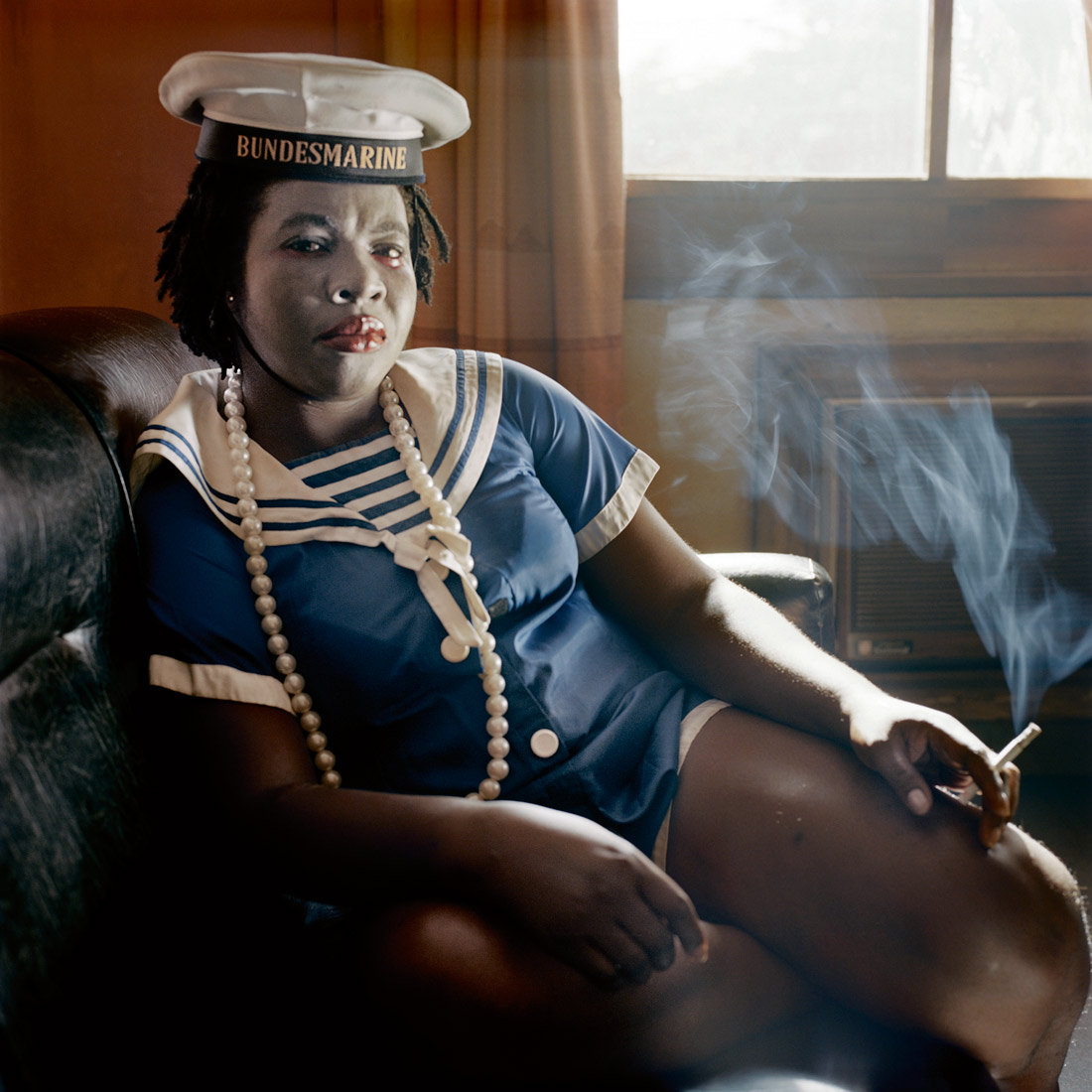


You must be logged in to post a comment.