Exhibition: ‘HIJACKED 2: Australia/Germany’ at the Anne & Gordon Samstag Museum of Art, Adelaide

Exhibition dates: 13th May – 1st July 2011


Many thankx to the Anne & Gordon Samstag Museum of Art for allowing me to publish the photographs in the posting. Please click on the photographs for a larger version of the image.


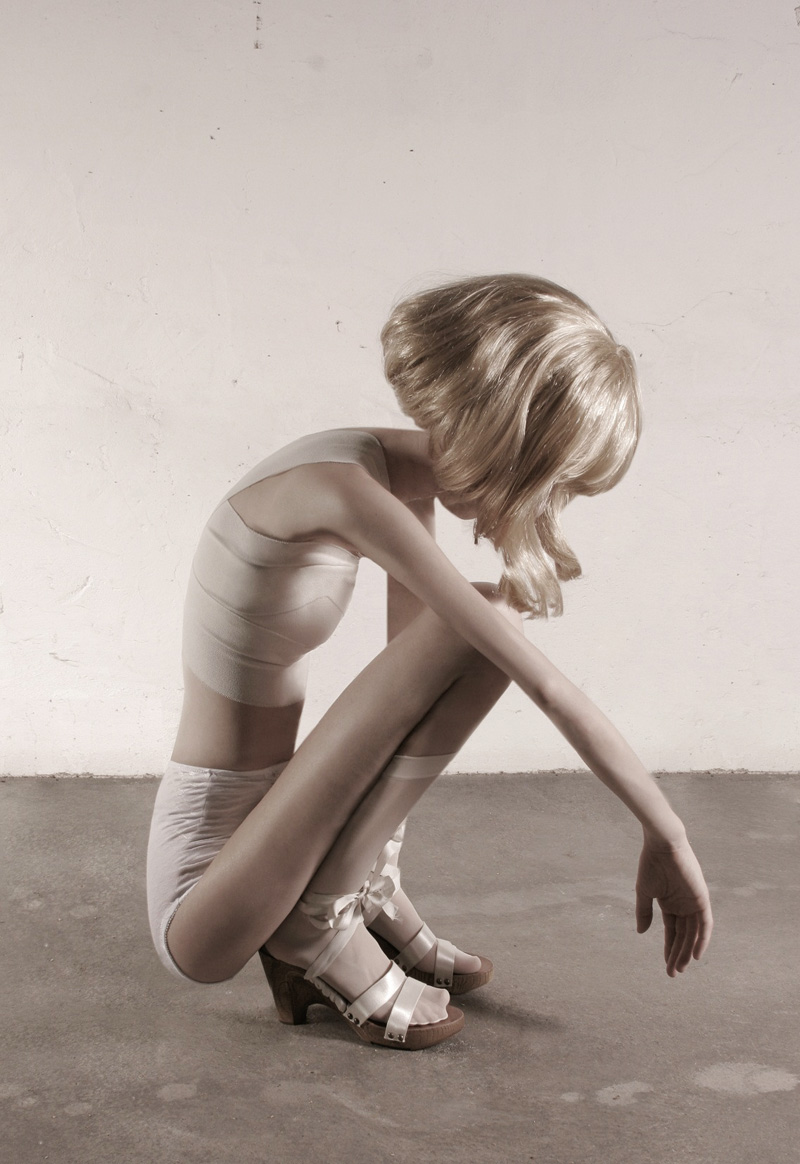
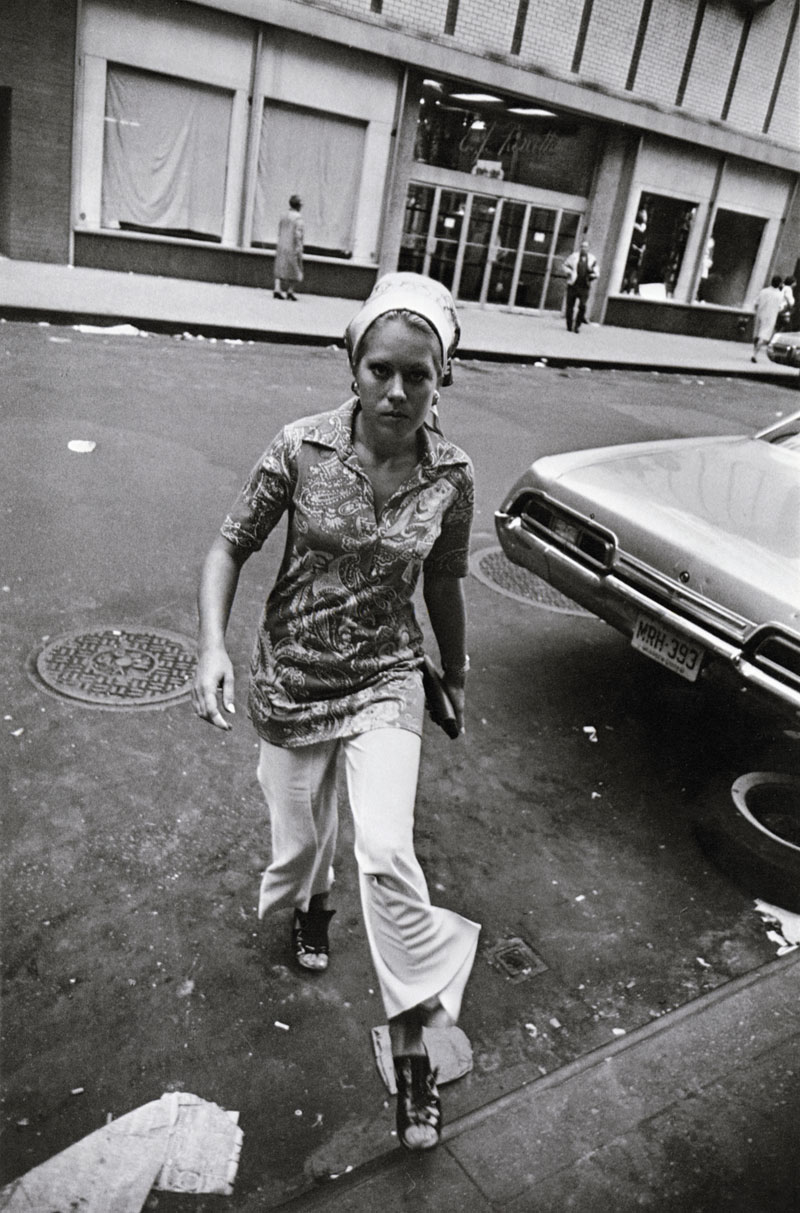
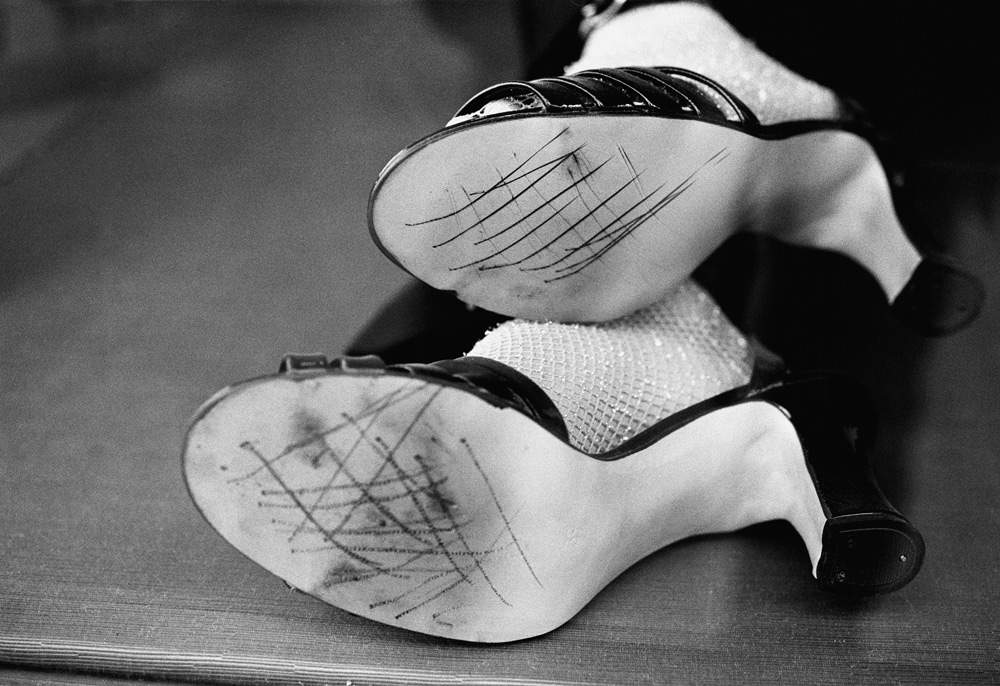
Olaf Unverzart (German, b. 1972) 'Untitled' (from the Series ‘Fallen Kann Ich Auch Alleine’) 1999


Olaf Unverzart (German, b. 1972)
Untitled (from the series Fallen Kann Ich Auch Alleine)
1999
Pigment print
56 x 38cm/125 x 85cm
Courtesy of Oechsner Galerie


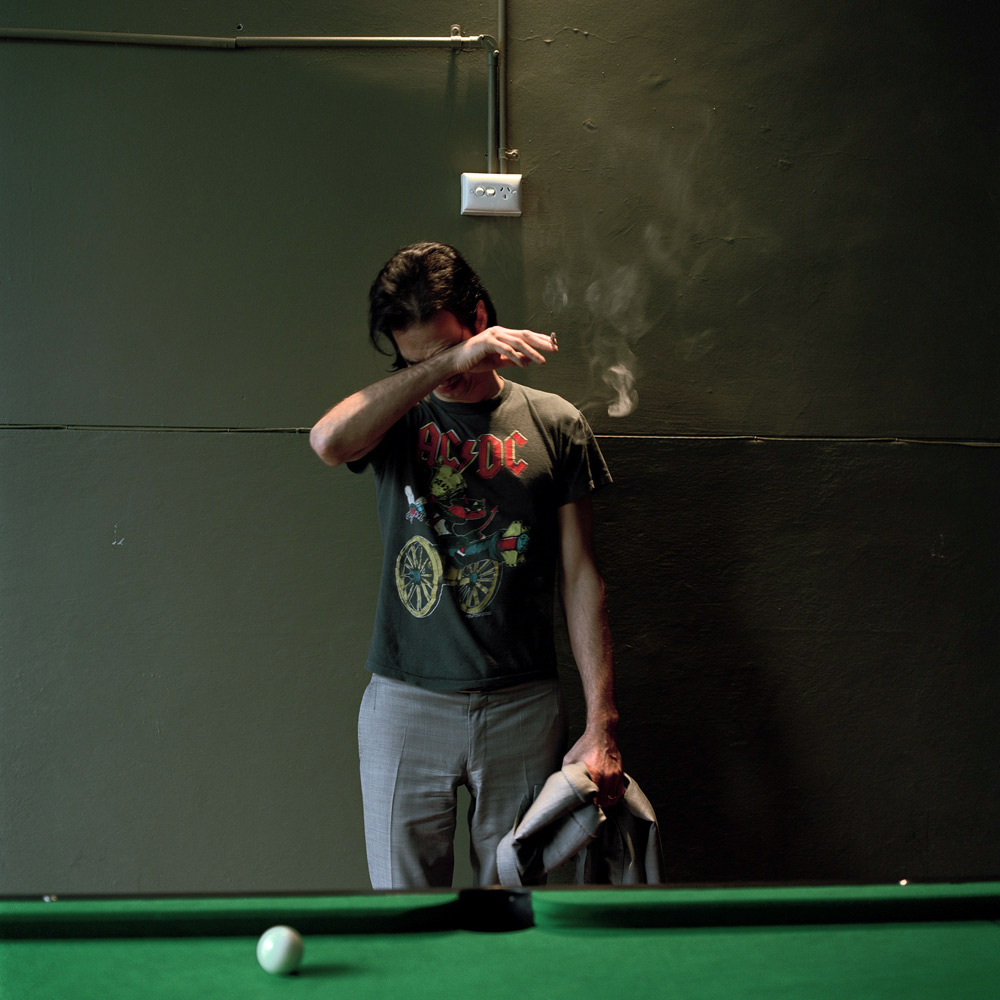
Ingvar Kenne (Australian born Sweden, b. 1965) 'Nick Cave' 2001


Ingvar Kenne (Australian born Sweden, b. 1965)
Nick Cave
2001
From the series Citizen 1997-2012
C-type print
100 x 100cm
Courtesy of the artist


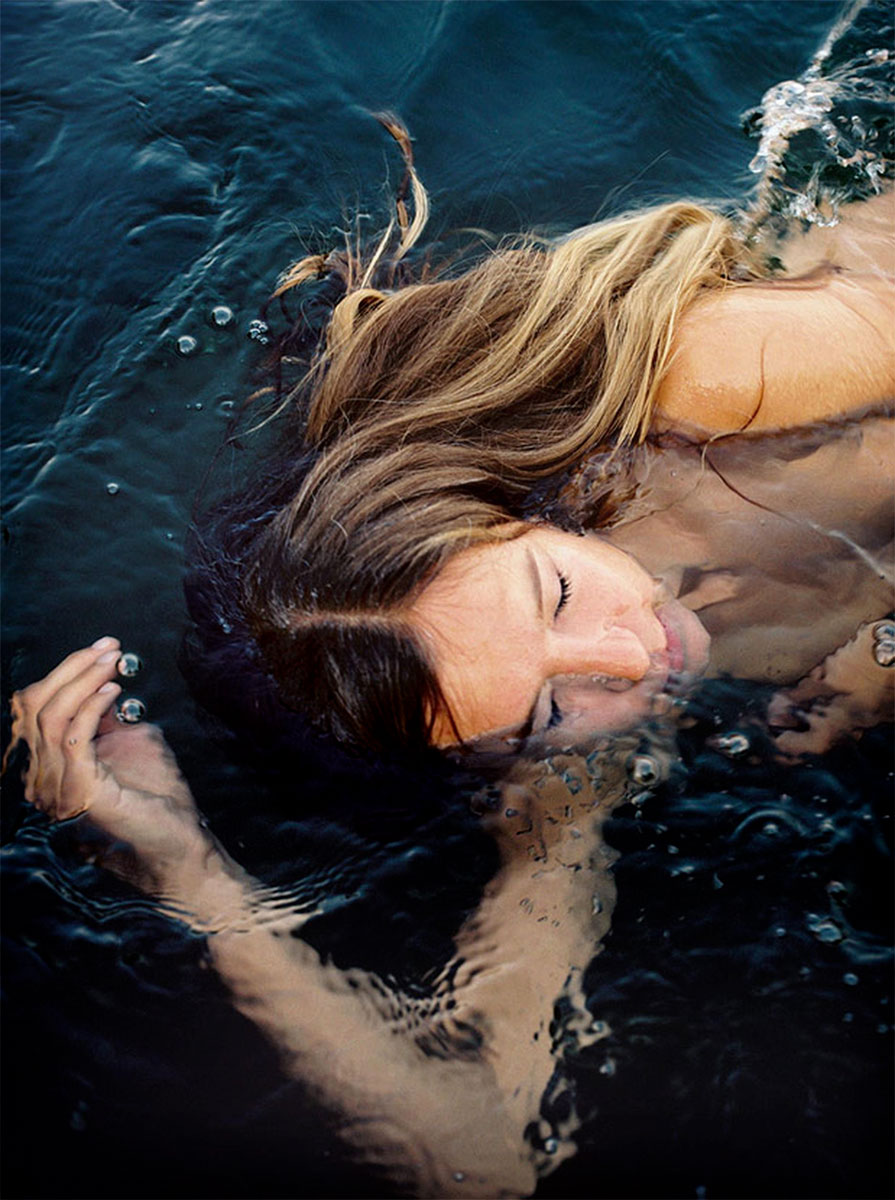
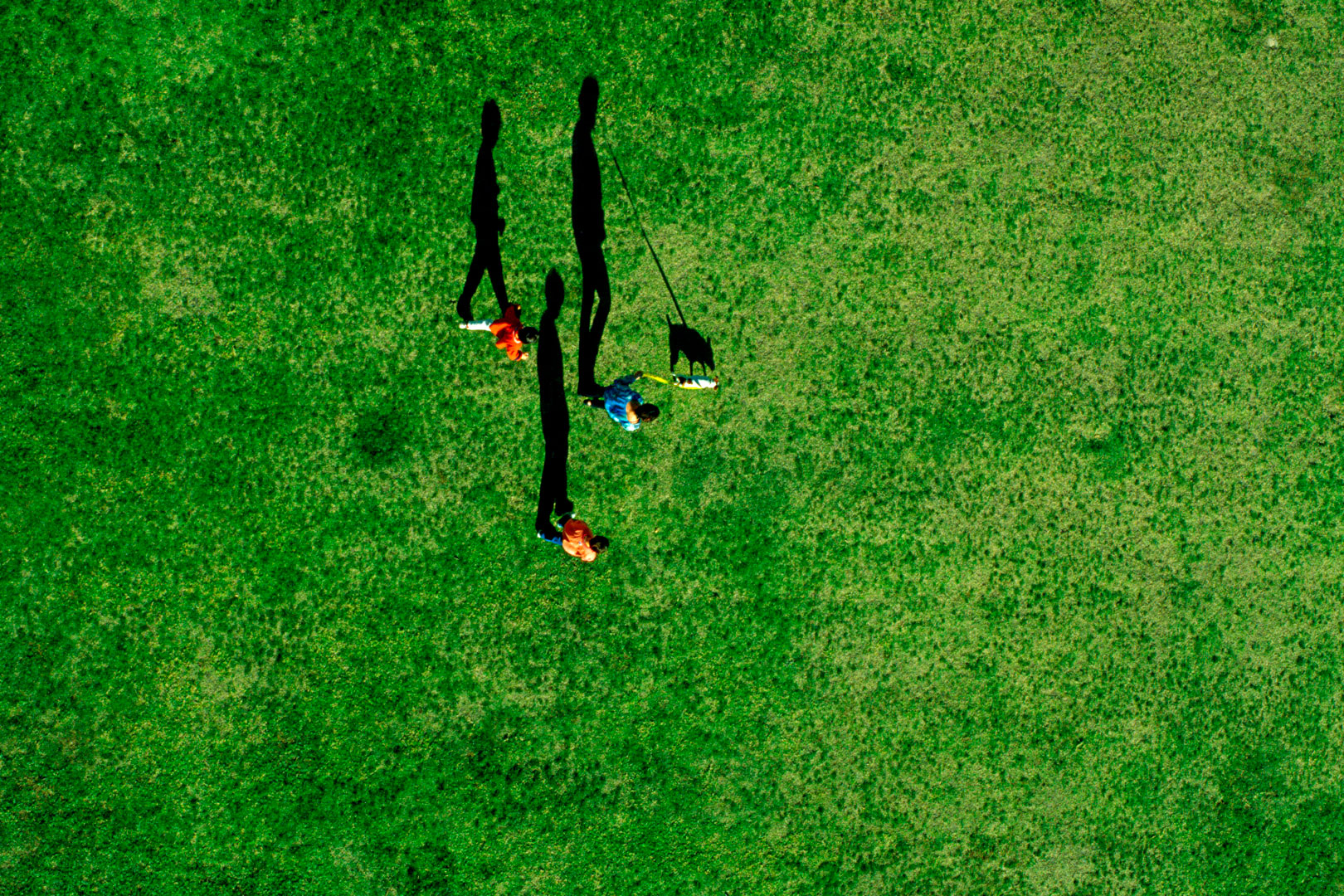
Narelle Autio (Australian, b. 1969) 'Untitled 8' (from the series 'Not of This Earth') 2001


Narelle Autio (Australian, b. 1969)
Untitled 8 (from the series Not of This Earth)
2001
Courtesy of the artist


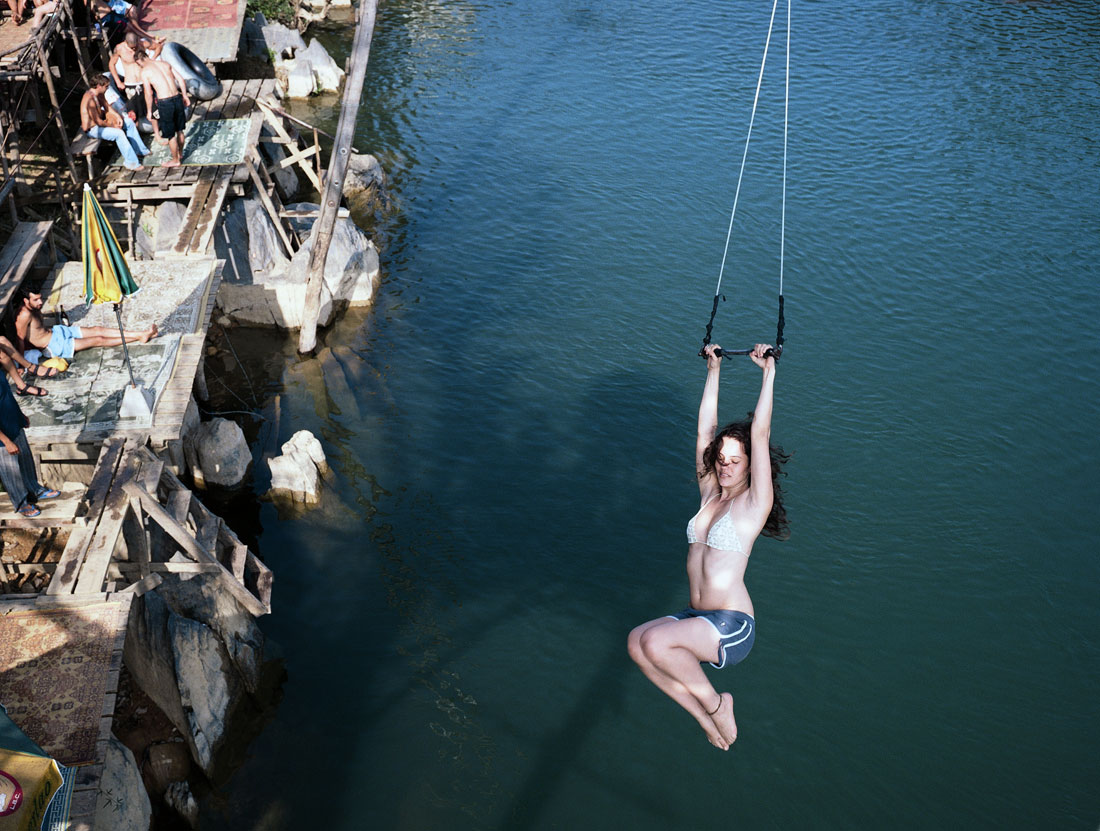
Jörg Brüggemann (German, b. 1979) 'Nam Song River, Vang Vieng, Laos, December 2007' 2007


Jörg Brüggemann (German, b. 1979)
Nam Song River, Vang Vieng, Laos, December 2007
2007
C-type print
69 x 57cm
Courtesy of the artist and Ostkreuz


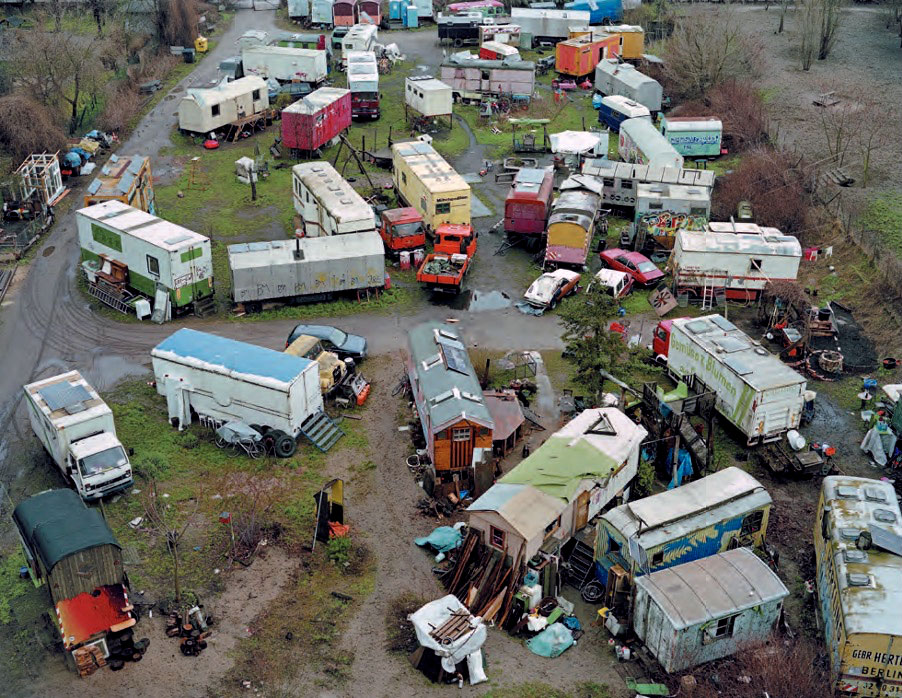
Johanna Ahlert (German, b. 1980) 'Truck and Trailer Castle, Berlin' 2008


Johanna Ahlert (German, b. 1980)
Truck and Trailer Castle, Berlin
2008
From the series CONVOI 2008
C-type print
100 x 127cm
Courtesy of the artist


Polixeni Papapetrou (Australian, 1960-2018) 'The loners' 2009


Polixeni Papapetrou (Australian, 1960-2018)
The loners
2009
From the series Between worlds
Pigment ink-jet print
105 x 105cm


Ingvar Kenne (Australian born Sweden, b. 1965) 'Mona Chuguna, Author, Broome, Australia' 2009


Ingvar Kenne (Australian born Sweden, b. 1965)
Mona Chuguna, Author, Broome, Australia
2009
From the series Citizen 1997-2012
C-type print
100 x 100cm
Courtesy of the artist


Hijacked 2: Australia/Germany builds on the very considerable success of the inaugural exhibition, Hijacked 1 – Australia and America, and its internationally celebrated and hugely successful book. This new exhibition effectively considers two socially disparate nations, Germany and Australia, through an expansive photographic anthology of fascinating works, juxtaposed to suggest connections.

Hijacked 2 has been curated by Mark McPherson and Ute Noll and showcases the diverse talents and perspectives of thirty contemporary German and Australian photographers. With a focus on the depiction of the young, the boundary-riding, and the fringe-dwelling, Hijacked 2 is evocative, confronting, dreamlike and rousing.

Featured artists from Australia are: Narelle Autio, James Brickwood, Michael Corridore, Andrew Cowen, Tamara Dean, Suzie Fox, Lee Grant, Derek Henderson, Rebecca Ann Hobbs, Ingvar Kenne, Bronek Kózka, Georgia Metaxas, Polixeni Papapetrou and Louis Porter.

From Germany the artists are: Johanna Ahlert, Natalie Bothur, Jörg Brüggemann, Thekla Ehling, Albrecht Fuchs, Jan von Holleben, Karsten Kronas, Anne Lass, Jens Liebchen, Myriam Lutz, Julian Röder, Josef Schulz, Oliver Sieber, Ivonne Thein, Olaf Unverzart and Sascha Weidner.

Hijacked 2: Australia/Germany is toured by the Australian Centre for Photography. A substantial 412-page publication accompanies the exhibition with texts by Uta Daur, Bec Dean, Alasdair Foster, Bill Kouwenhoven, Katja Melzer, Daniel Palmer and Katrina Schwarz.

Text from the Anne & Gordon Samstag Museum of Art website


Ivon Thein (German, b. 1979) 'Untitled 07' (from the series ‘Thirty-Two Kilos') 2006


Ivon Thein (German, b. 1979)
Untitled 07 (from the series Thirty-Two Kilos)
2006
C-type print
55 x 80cm
Courtesy of Galerie Voss


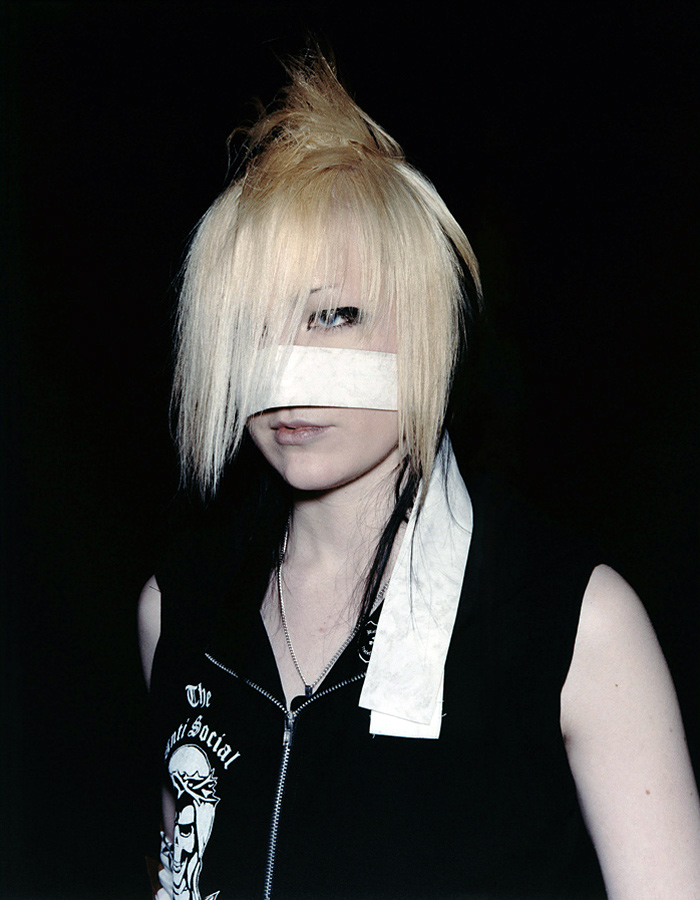
Oliver Sieber (German, b. 1966) 'Reita, Köln' 2007


Oliver Sieber (German, b. 1966)
Reita, Köln, 2007
2007
Pigment print
34 x 27cm
Courtesy Galerie Priska Pasquer, Germany


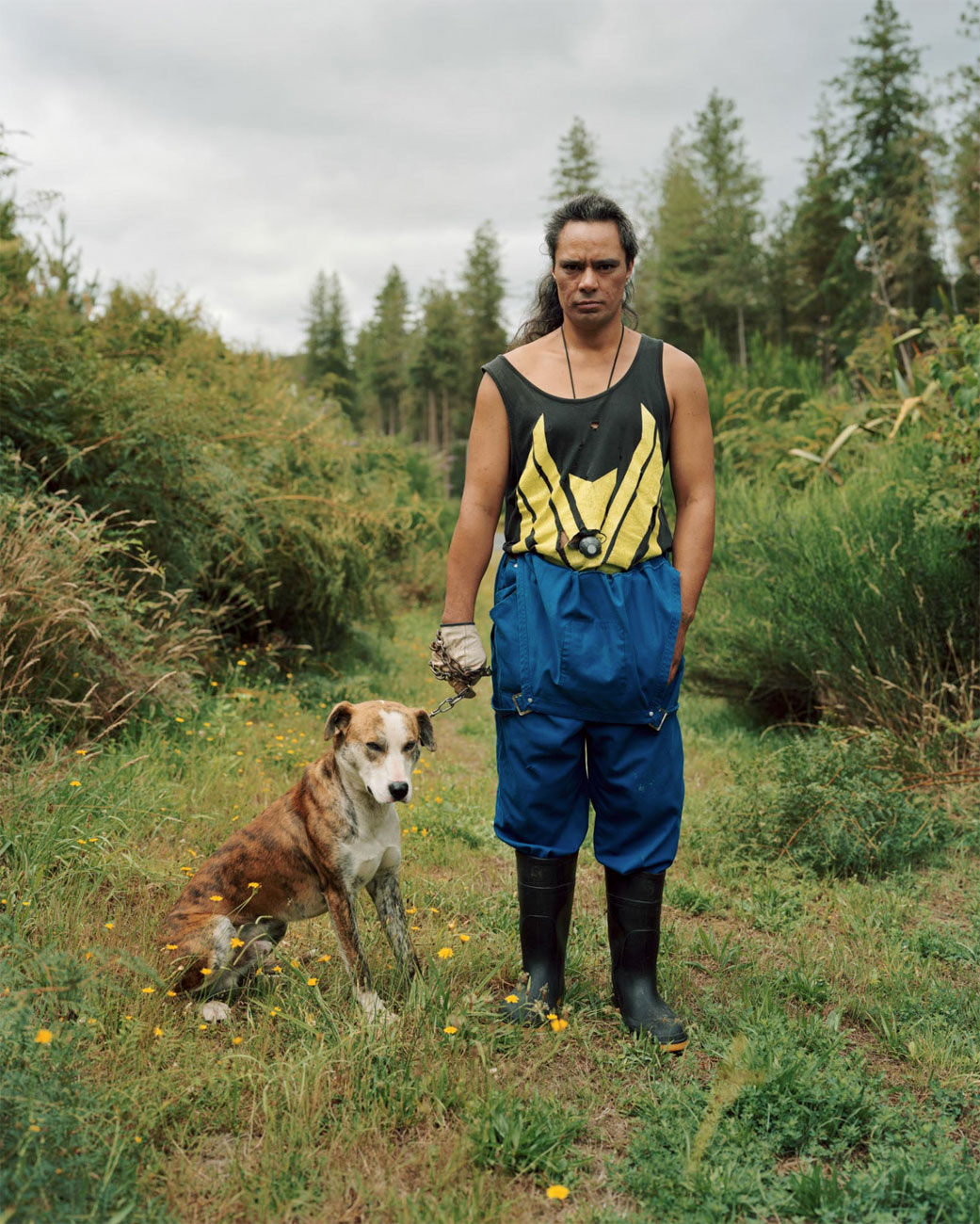
David Henderson (New Zealand, b. 1963) 'Dave Omeka Kidwell and Feather, Ātiamuri' 2008


David Henderson (New Zealand, b. 1963)
Dave Omeka Kidwell and Feather, Ātiamuri
2008
From the series Mercy Mercer


Thekla Ehling (German, b. 1968) 'Untitled' 2011


Thekla Ehling (German, b. 1968)
Untitled
2011
From the series Vergiszmeinnicht (forget-me-not)


Anne & Gordon Samstag Museum of Art
Hawke Building, City West campus
University of South Australia
55 North Terrace, Adelaide
Phone: (08) 8302 0870

Opening hours:
Tuesday – Saturday 10am – 5pm

Anne & Gordon Samstag Museum of Art website

LIKE ART BLART ON FACEBOOK

Back to top

Exhibition: ‘Vienna – Art & Design’ at the National Gallery of Victoria, Melbourne

Exhibition dates: 18th June – 9th October 2011


Media preview for 'Vienna - Art & Design' at the National Gallery of Victoria


Media preview for Vienna – Art & Design at the National Gallery of Victoria
Photo: Marcus Bunyan


A subtle pleasure

The delicate paintings are smaller with a flatness of texture and a sombreness than I had not imagined; magnificent in their subtlety. However, the real stars of this wonderful exhibition are the design pieces.

Whether silver, wood, ceramic, glass or jewellery the designs are balanced by a glorious aesthetic. Never has a tea service looked so ravishing or decadent.

This is not a wham bang show like Dali or that other King of some fame showing elsewhere. This is for a discerning audience – one that can take time (between pots of tea) to study and go ooh and aah!

Dr Marcus Bunyan


Many thankx to the National Gallery of Victoria for inviting me and for allowing me to publish the photographs in the posting. Please click on the photographs for a larger version of the image. All photographs © Marcus Bunyan 2011 except the photographs of the full paintings which come from the NGV press CD ROM.


Installation view of the exhibition 'Vienna - Art & Design' at the National Gallery of Victoria


I just couldn’t help myself!
Photo: Marcus Bunyan


Installation view of first room of the exhibition 'Vienna - Art & Design' at the National Gallery of Victoria


Installation view of first room of the exhibition Vienna – Art & Design at the National Gallery of Victoria
Photo: Marcus Bunyan


Wilhelm Gause (Germany 1853-1916) 'Vienna Municipal Ball' 1904


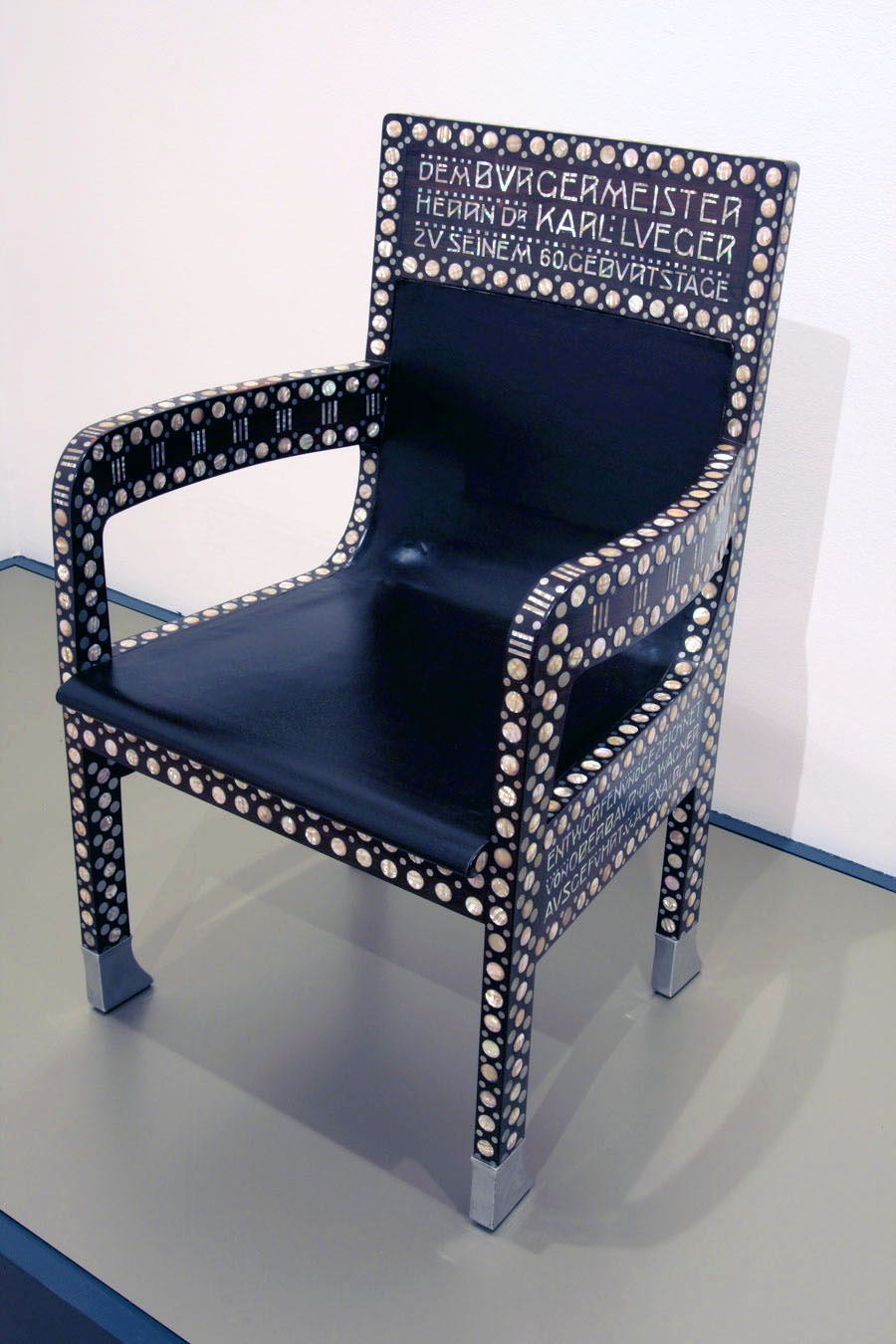
Installation view of first room of the exhibition Vienna – Art & Design at the National Gallery of Victoria showing at left:

Otto Wagner (architect) (Austrian, 1841-1918)
Alexander Albert (manufacturer) Austria active c. 1904
Chair for Dr Karl Lueger
1904
Rosewood (Dalbergia sp.), mother-of-pearl, leather
98.5 x 63 x 59.5cm
Wien Museum, Vienna
Estate of Karl Lueger, 1910

at right:

Wilhelm Gause (Germany 1853-1916)
Vienna Municipal Ball
1904
Watercolour and oil on cardboard
62 x 88cm
Wien Museum, Vienna
Commissioned by the City of Vienna, 1904
Photo: Marcus Bunyan
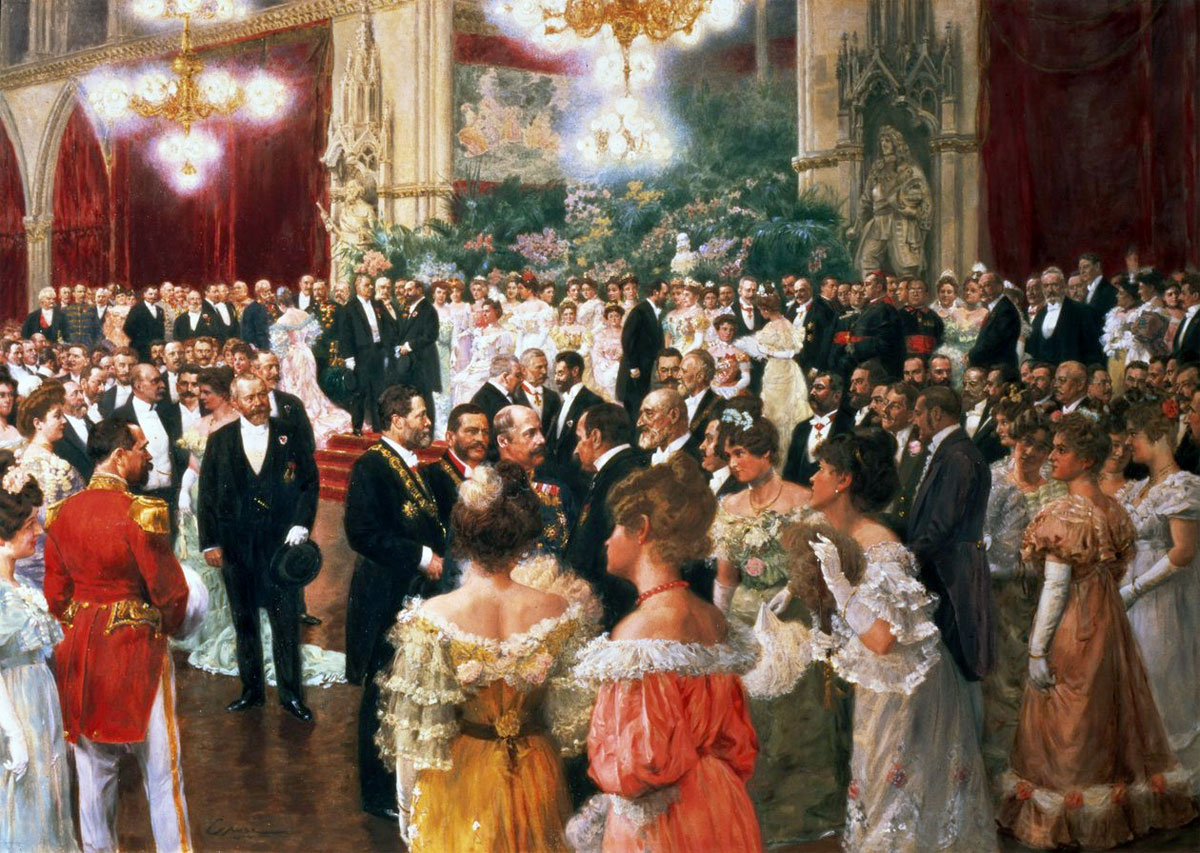
 

Wilhelm Gause (Germany 1853-1916) 'Vienna Municipal Ball' 1904


Wilhelm Gause (Germany 1853-1916)
Vienna Municipal Ball
1904
Watercolour and oil on cardboard
62 x 88cm
Wien Museum, Vienna
Commissioned by the City of Vienna, 1904


Stylish, provocative, rebellious, and unforgettable – the world has seen nothing like Vienna in 1900. A century ago, a group of radical young artists, architects, writers, musicians, designers and thinkers overturned all the rules and created a brave new world. Gustav Klimt, Egon Schiele, Josef Hoffmann and Adolf Loos were central to this artistic revolution which transformed Vienna into a dynamic metropolis at the forefront of ground-breaking modernism.

Vienna at the dawn of the twentieth century was opulent, elegant and daring. Casting aside outmoded social mores and moralities, private life became public spectacle. Cabarets, coffee houses, and nightclubs teemed with radical debate and artistic abandon. Gustav Klimt’s society portraits immortalise the chic women who presided over this creative ferment. Josef Hoffmann and the Vienna Workshops created the bold new interior design and the household objects with which these women furnished their elegant homes, establishing the modern ‘look’. As Sigmund Freud defined sexual fragmentation and erotic obsession for a new millennium, Egon Schiele explored human sexuality in images of unparalleled and startling frankness.

Vienna: Art & Design will explore this extraordinary period of artistic and intellectual genius, bringing together more than 250 works of art, including painting, drawing, graphic and decorative art, furniture, fashion, jewellery and photography, most never before seen in Australia. Visitors will experience the inventiveness and brilliance of a unique generation who laid the foundations for life in the twentieth century – a legacy still vividly alive today.

Text from the National Gallery of Victoria website Nd [Online] Cited 22/07/2022
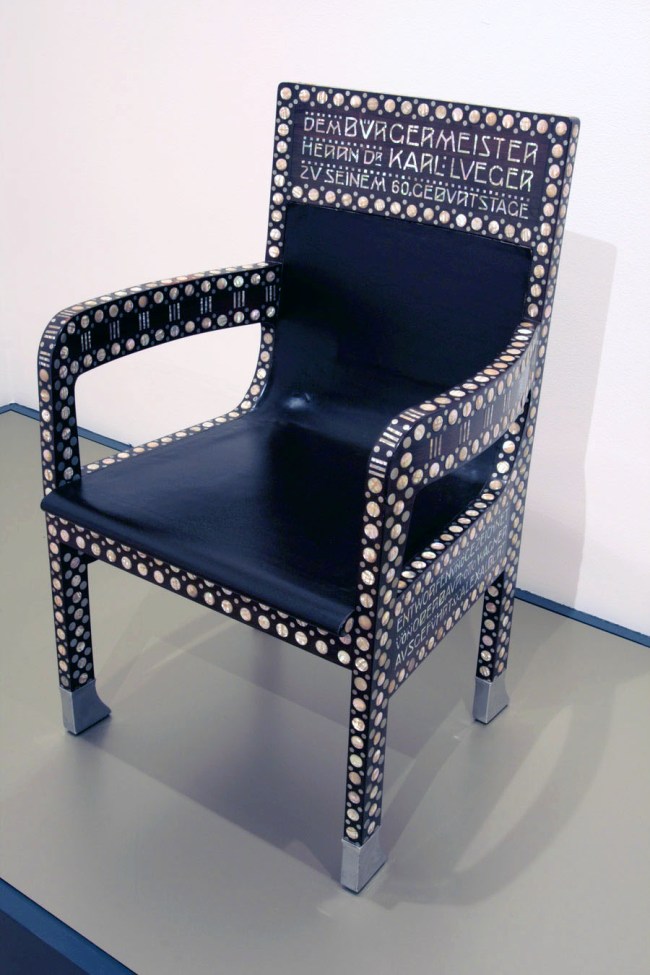
 

Otto Wagner (Austrian, 1841-1918)(architect) Alexander Albert (Austria active c. 1904) (manufacturer) 'Chair for Dr Karl Lueger' 1904


Otto Wagner (Austrian, 1841-1918) (architect)
Alexander Albert (Austria active c. 1904) (manufacturer)
Chair for Dr Karl Lueger
1904
Rosewood (Dalbergia sp.), mother-of-pearl, leather
98.5 x 63 x 59.5cm
Wien Museum, Vienna
Estate of Karl Lueger, 1910
Photo: Marcus Bunyan
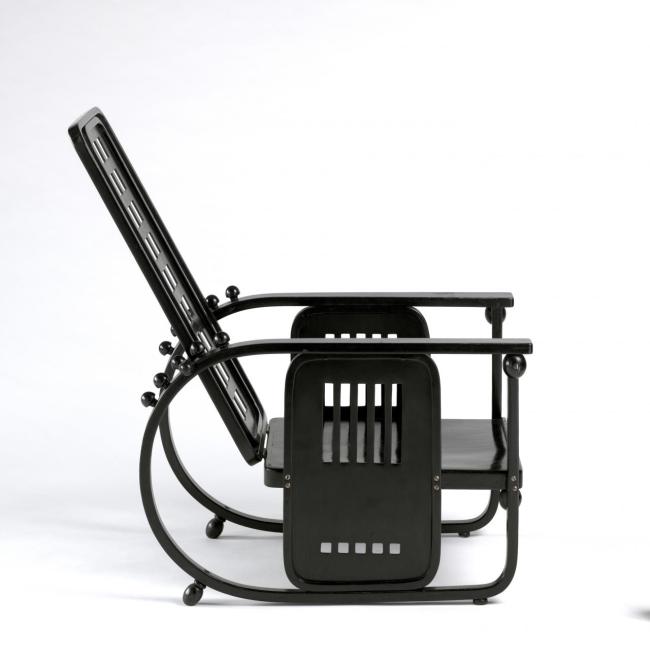
 

Josef Hoffmann (Austrian, 1870-1956) (designer) J. & J. Kohn, Vienna (manufacturer) 'Adjustable-back chair' (Sitzmaschine) 1908


Josef Hoffmann (Austrian, 1870-1956) (designer)
J. & J. Kohn, Vienna (manufacturer)
Adjustable-back chair (Sitzmaschine)
1908
Ebonised Beech (Fagus sp.), plywood, steel
(a-b) 110.8 x 68.1 x 83.7cm (overall)
National Gallery of Victoria, Melbourne
Purchased through The Art Foundation of Victoria with the assistance of Jardine Matheson Australia, Fellow, 1983
© Estate of Josef Hoffmann


Josef Hoffmann (Austrian, 1870-1956) (designer) Wiener Werkstätte, Vienna (commissioning workshop) J. Soulek, Vienna (manufacturer) 'Bureau, from the Gallia apartment boudoir' 1913


Josef Hoffmann (Austrian, 1870-1956) (designer)
Wiener Werkstätte, Vienna (commissioning workshop)
J. Soulek, Vienna (manufacturer)
Bureau, from the Gallia apartment boudoir
1913
Painted wood, gilt, glass, silk, brass
(a-m) 179.4 x 110.9 x 64.6cm (overall)
National Gallery of Victoria, Melbourne
Samuel E. Wills Bequest, 1976
© Estate of Josef Hoffmann
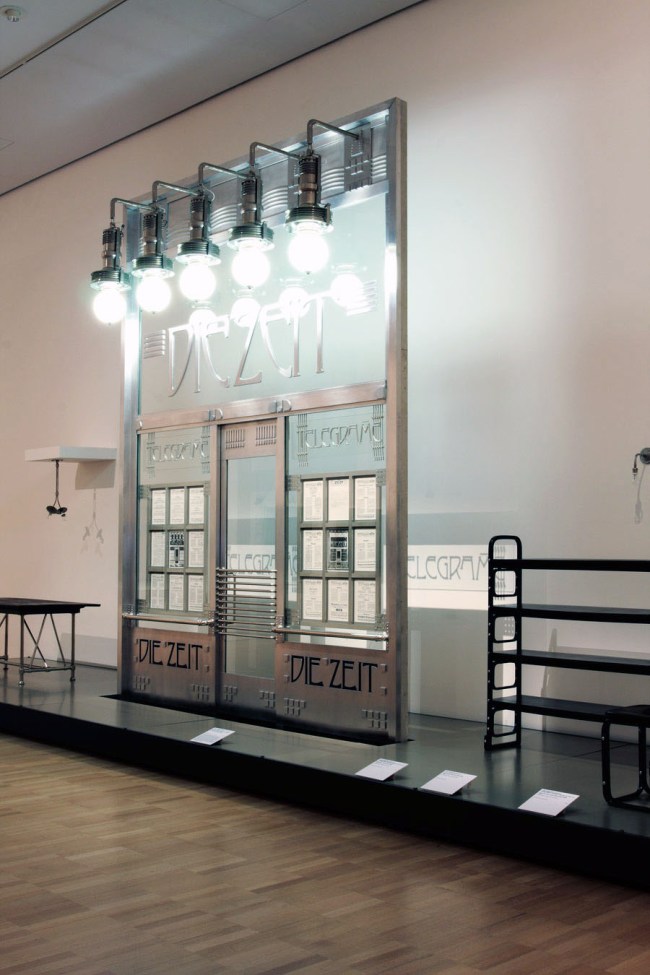
 

Otto Wagner (Austria 1841-1918) (architect) Reconstruction of facade for 'Die Zeit' 1902 designed, 1985 made


Otto Wagner (Austria 1841-1918) (architect)
Reconstruction of facade for Die Zeit (installation view)
1902 designed, 1985 made
Iron, aluminium, nickel-plated iron, glass
450 x 332cm
Wien Museum, Vienna
Commissioned by the Historisches Museum der Stadt Wien, 1985
Photo: Marcus Bunyan


Otto Wagner (Austria 1841-1918) (architect) Reconstruction of facade for 'Die Zeit' 1902 designed, 1985 made (installation detail)


Otto Wagner (Austria 1841-1918) (architect)
Reconstruction of facade for Die Zeit (installation detail)
1902 designed, 1985 made
Iron, aluminium, nickel-plated iron, glass
450 x 332cm
Wien Museum, Vienna
Commissioned by the Historisches Museum der Stadt Wien, 1985
Photo: Marcus Bunyan


Otto Wagner objects including shelving, stool, chair and hot air blower (rear) in the exhibition 'Vienna - Art & Design' at the National Gallery of Victoria


Otto Wagner objects including shelving, stool, chair and hot air blower (rear) in the exhibition Vienna – Art & Design at the National Gallery of Victoria
Photo: Marcus Bunyan


Gustav Klimt (Austria 1862-1918) 'The Park' 1909 (installation detail)


Gustav Klimt (Austria 1862-1918)
The Park (installation detail)
1909
Oil on canvas
Photo: Marcus Bunyan
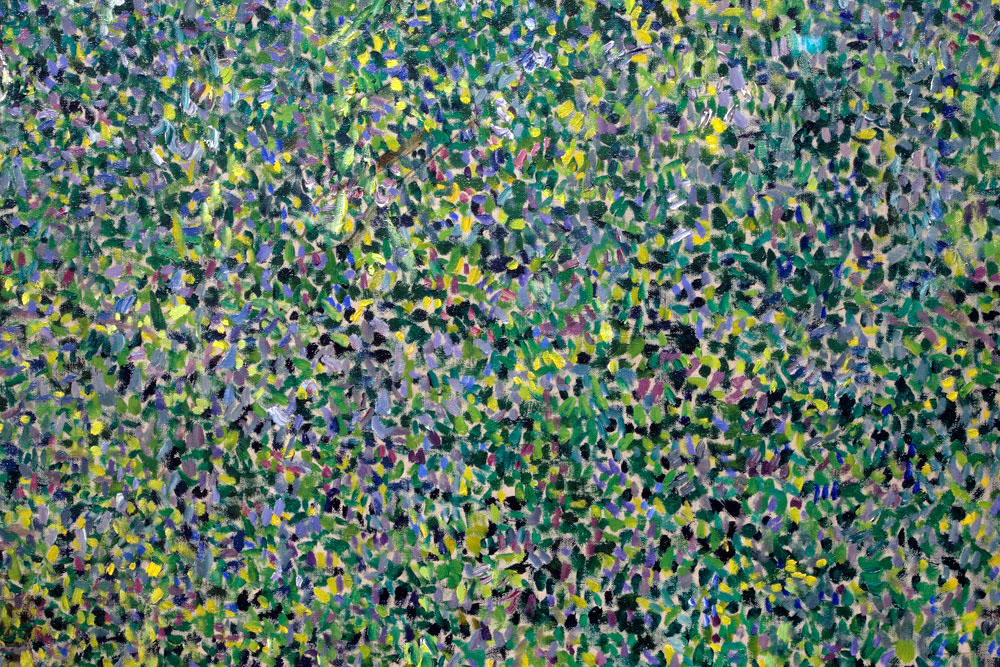
 

Gustav Klimt (Austria 1862-1918) The Park' 1909 (installation detail)


Gustav Klimt (Austria 1862-1918)
The Park (installation detail)
1909
Oil on canvas
Photo: Marcus Bunyan


Installation view part of the second room of the exhibition 'Vienna - Art & Design' at the National Gallery of Victoria


Installation view part of the second room of the exhibition Vienna – Art & Design at the National Gallery of Victoria
Photo: Marcus Bunyan


Wilhelm Otto List. 'Young lady in black and white' 1904 (installation detail)


Wilhelm Otto List
Young lady in black and white (installation detail)
1904
Oil on canvas
Photo: Marcus Bunyan
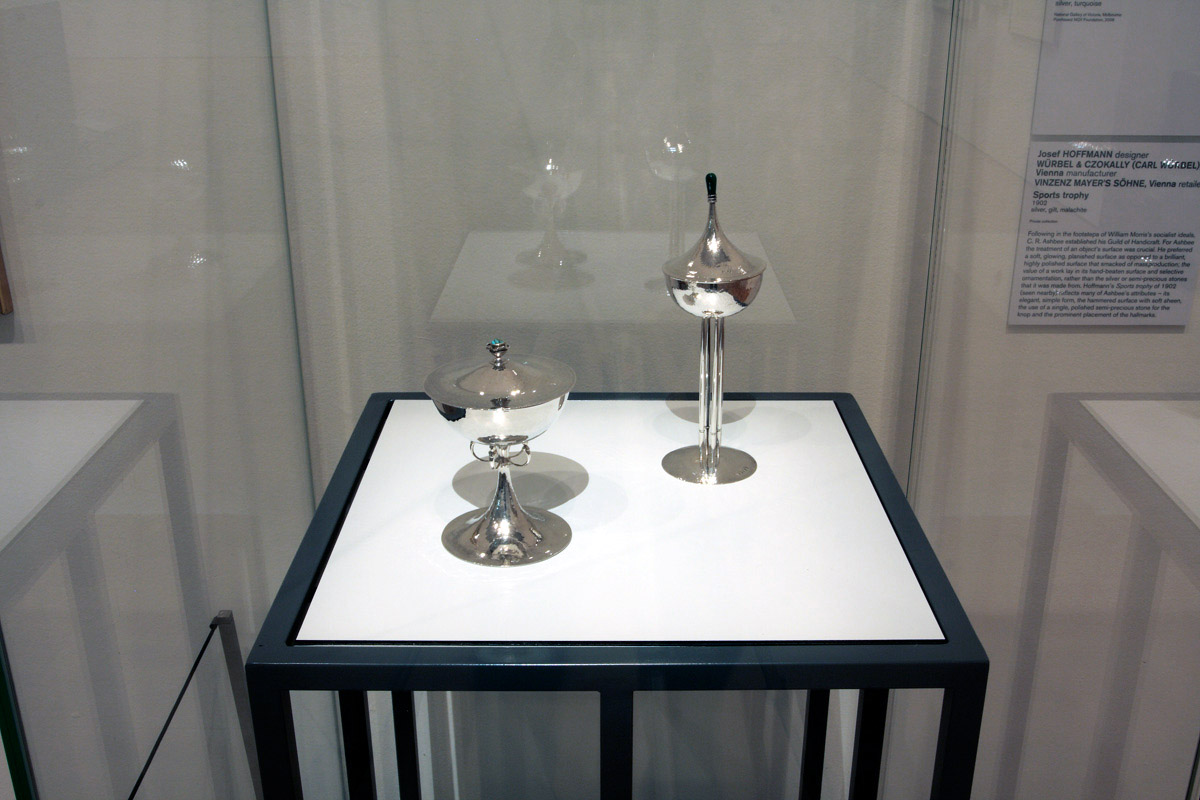
 

Charles Robert Ashbee (designer) 'Standing cup and cover' 1901 and Josef Hoffmann. 'Sports Trophy' 1902 (installation view)


Charles Robert Ashbee (designer) (British, 1863-1942)
Standing cup and cover (installation view)
1901
Silver, turqoise

Josef Hoffmann (designer) (Austria-Hungary 1870-1956)
Sports Trophy (installation view)
1902
Silver, gilt, malachite
Photo: Marcus Bunyan
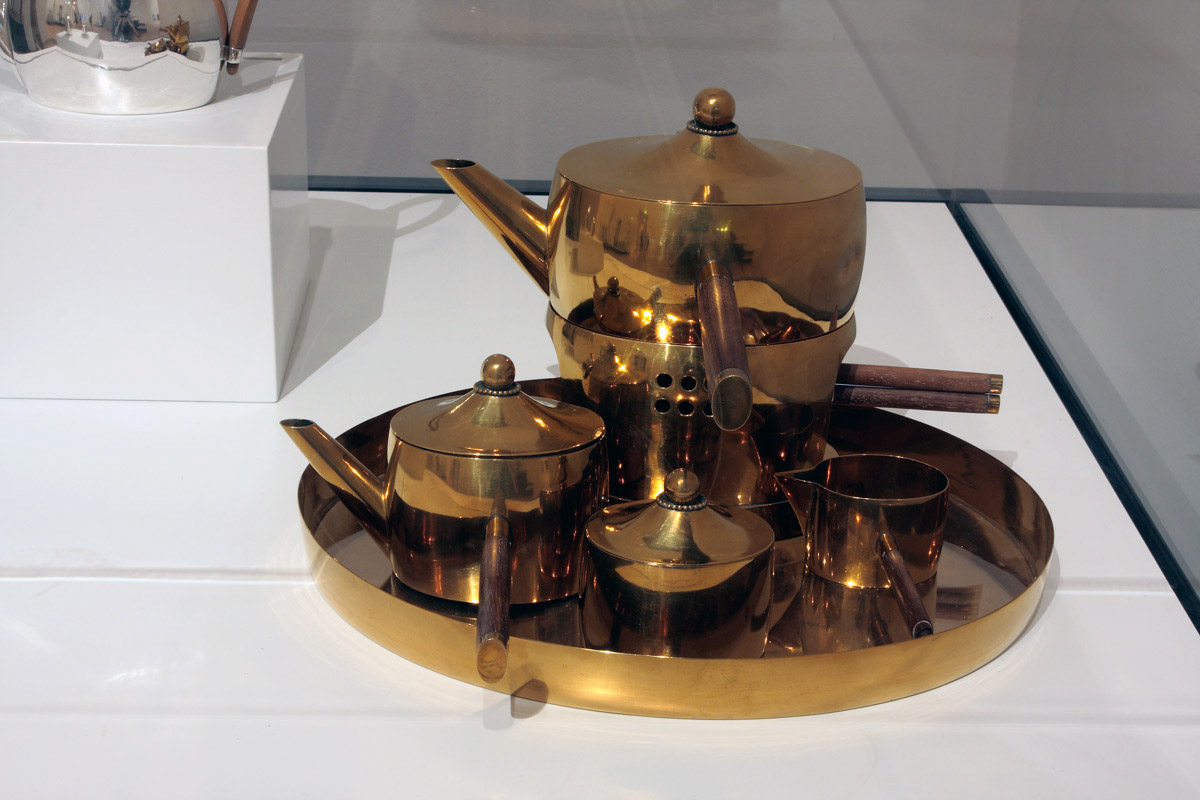
 

Josef Hoffmann (Austria-Hungary 1870-1956) (designer) Wiener Werkstätte, Vienna (manufacturer) (Austria-Hungary 1903-1932) 'Tea service' (c. 1909-1911) (installation view)


Josef Hoffmann (Austria-Hungary 1870-1956) (designer)
Wiener Werkstätte, Vienna (manufacturer) (Austria-Hungary 1903-1932)
Tea service (installation view)
c. 1909-1911
Silver-gilt, wood
(1.A-E) 21.5 x 29.0 x 26.8cm (overall) (kettle, stand and burner)
(2) 10.8 x 15.4 x 20.2cm (teapot)
(3.A-B) 8.7 x 8.8 x 6.8cm (overall) (sugar basin and lid)
(4) 4.8 x 8.5 x 15.6cm (milk jug)
(5) 3.4 x 36.3 x 29.9cm (tray)
National Gallery of Australia, Canberra
Purchased, 1985
Photo: Marcus Bunyan


Installation view of room three of the exhibition 'Vienna - Art & Design' at the National Gallery of Victoria showing part of Gustave Klimt's 'Beethoven Frieze: Central wall' 1901-02 (detail at top)


Installation view of room three of the exhibition Vienna – Art & Design at the National Gallery of Victoria showing part of Gustave Klimt’s Beethoven Frieze: Central wall 1901-1902 (detail at top)
Photo: Marcus Bunyan
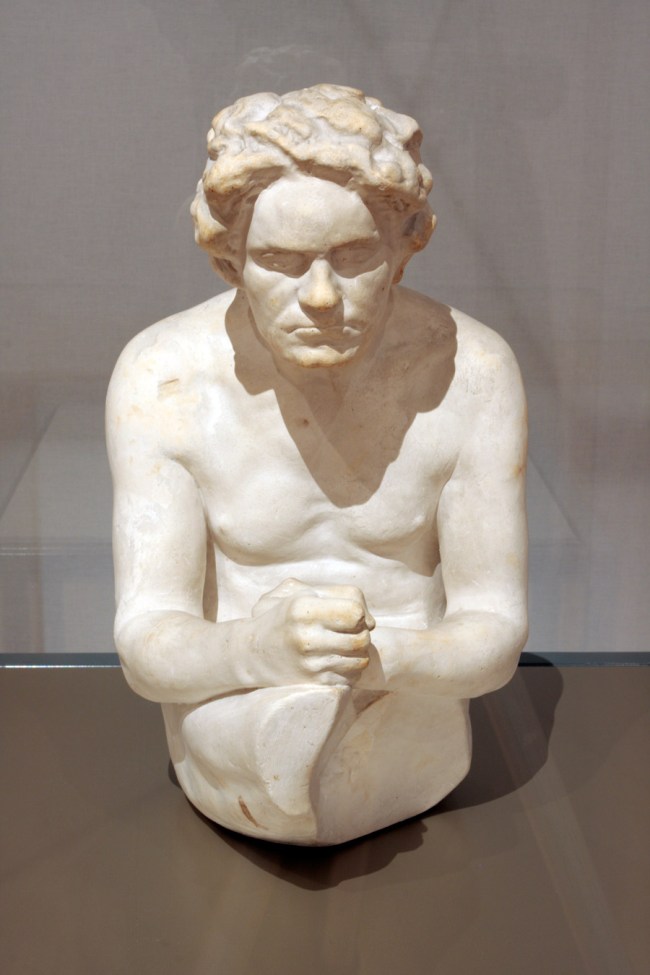
 

Max Klinger (German, 1857-1920) 'Beethoven' c. 1902 (installation view)


Max Klinger (German, 1857-1920)
Beethoven (installation view)
c. 1902
Plaster
Photo: Marcus Bunyan


Installation view of room four of the exhibition 'Vienna - Art & Design' at the National Gallery of Victoria


Installation view of room four of the exhibition Vienna – Art & Design at the National Gallery of Victoria with at right, Gustav Klimt’s painting Emilie Flöge (1902)
Photo: Marcus Bunyan
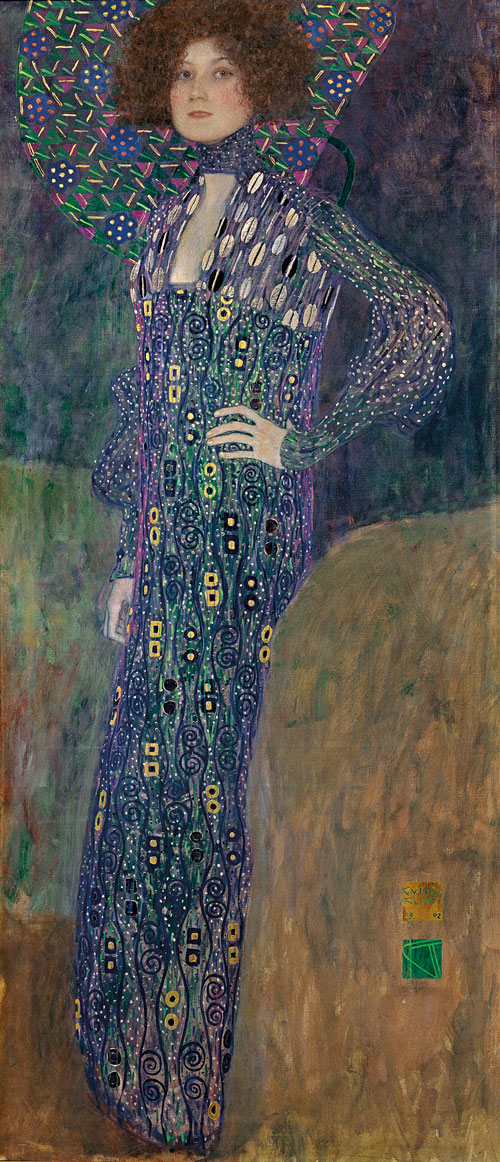
 

Gustav Klimt (Austria 1862-1918) 'Emilie Flöge' 1902


Gustav Klimt (Austrian, 1862-1918)
Emilie Flöge
1902
Oil on canvas
178.0 x 80.0cm
Wien Museum, Vienna
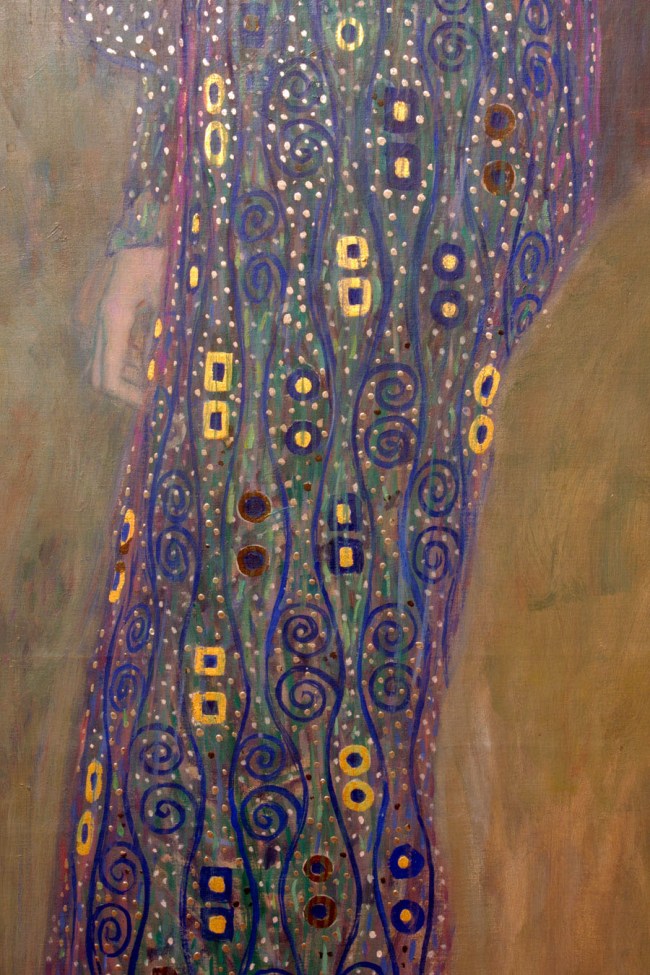
 

Gustav Klimt (Austria 1862-1918) 'Emilie Flöge' 1902 (installation detail)


Gustav Klimt (Austrian, 1862-1918)
Emilie Flöge (installation detail)
1902
Oil on canvas
178.0 x 80.0cm
Wien Museum, Vienna
Photo: Marcus Bunyan


Installation view of room five of the exhibition 'Vienna - Art & Design' at the National Gallery of Victoria


Installation view of room five of the exhibition Vienna – Art & Design at the National Gallery of Victoria
Photo: Marcus Bunyan


Koloman Moser (designer) 'Armchair' 1903 and Josef Hoffmann (designer) 'Collapsible library steps' 1905 (installation view)


Installation view of first room of the exhibition Vienna – Art & Design at the National Gallery of Victoria showing at right:

Koloman Moser (Austrian, 1868-1918) (designer)
Armchair (installation view)
1903
Painted beech

at second right

Josef Hoffmann (Austrian, 1870-1956) (designer)
Collapsible library steps (installation view)
1905
Photo: Marcus Bunyan
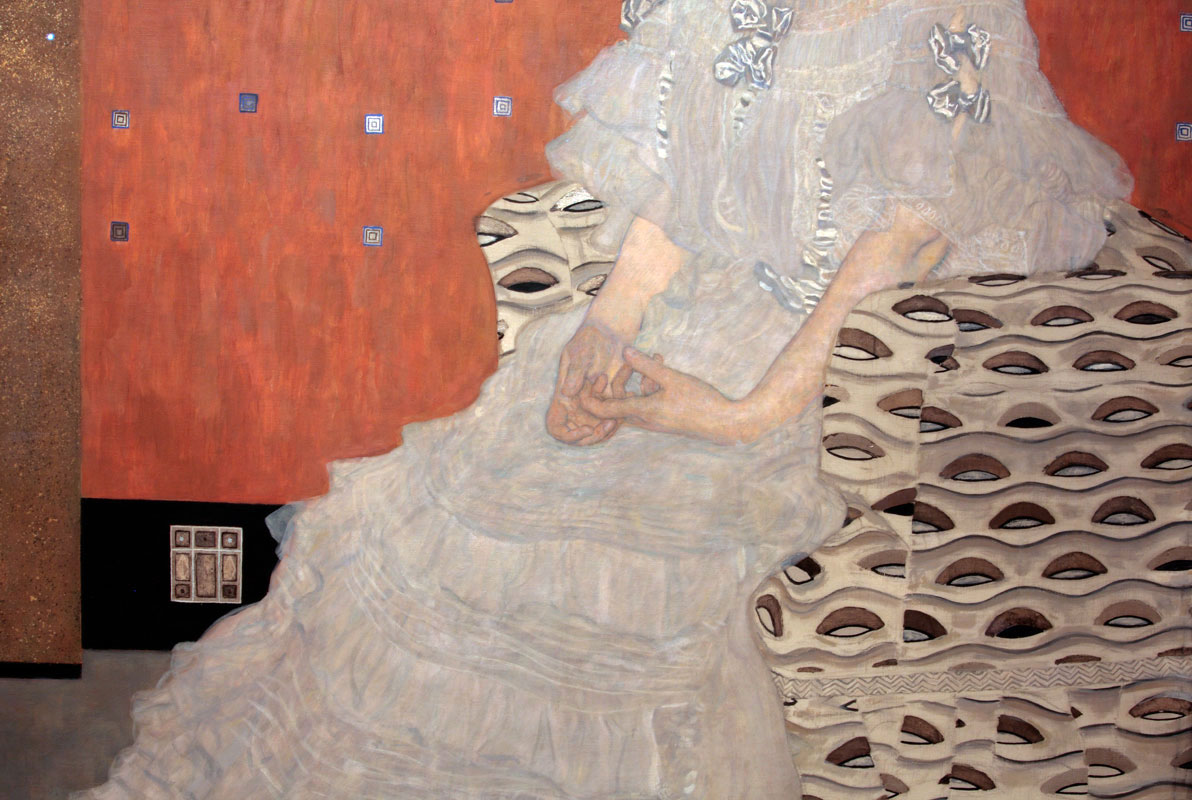
 

Gustav Klimt (Austria 1862-1918) 'Fritza Riedler' 1906 (installation detail)


Gustav Klimt (Austrian, 1862-1918)
Fritza Riedler (installation detail)
1906
Oil on canvas
Photo: Marcus Bunyan
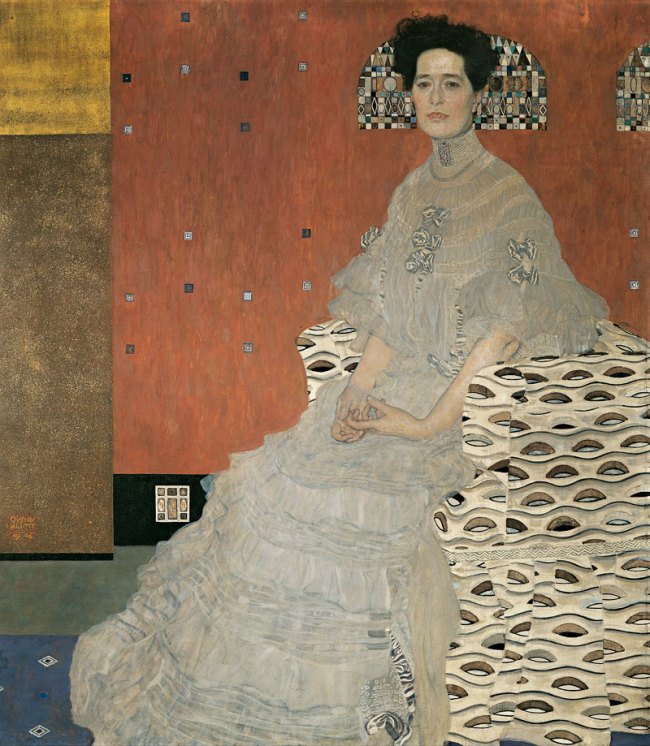
 

Gustav Klimt (Austria 1862-1918) 'Fritza Riedler' 1906


Gustav Klimt (Austrian, 1862-1918)
Fritza Riedler
1906
Oil on canvas
152.0 x 134.0cm
Belvedere, Vienna


Installation view of room six of the exhibition 'Vienna - Art & Design' at the National Gallery of Victoria

Installation view of room six of the exhibition 'Vienna - Art & Design' at the National Gallery of Victoria


Installation views of room six of the exhibition Vienna – Art & Design at the National Gallery of Victoria
Photos: Marcus Bunyan
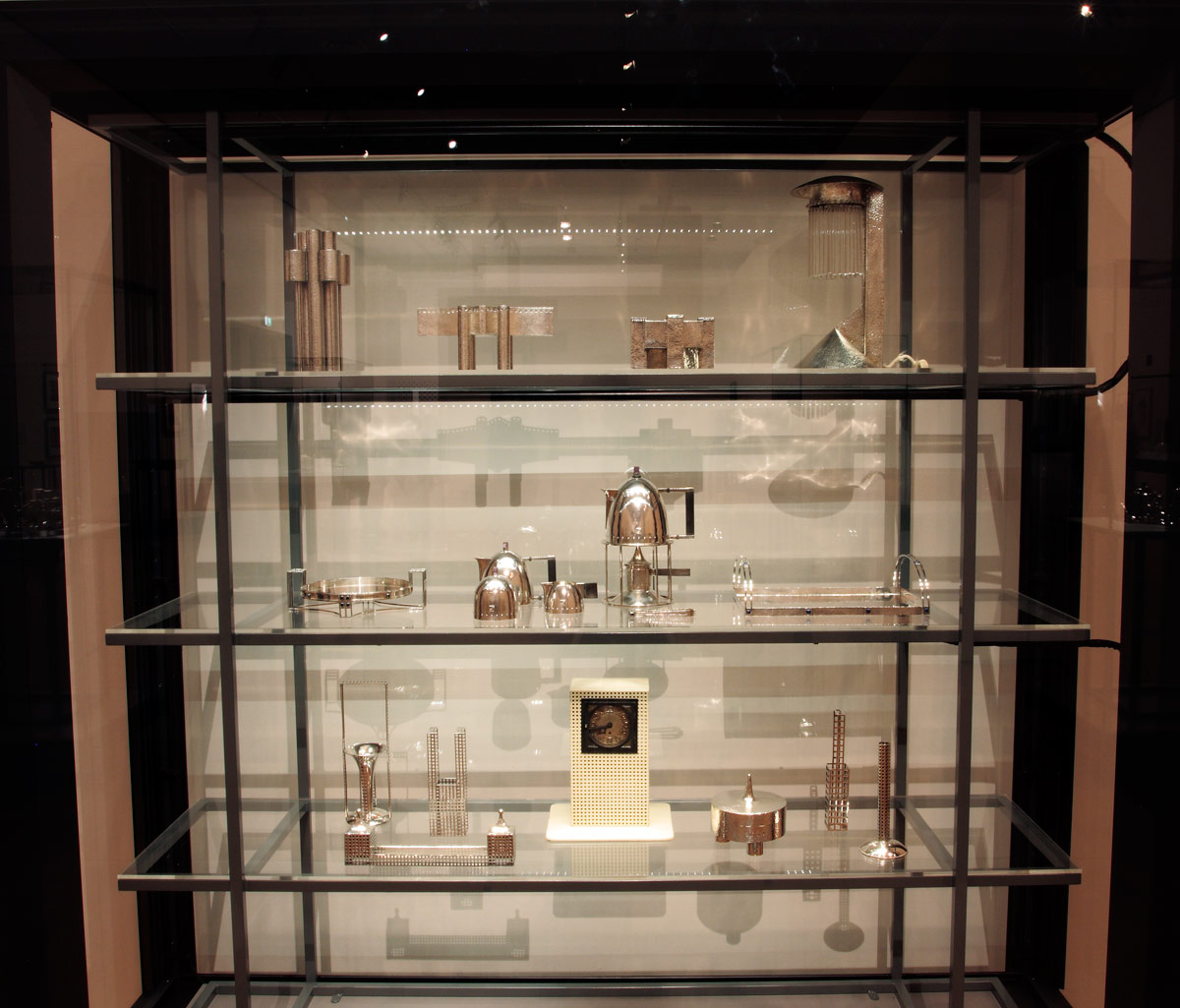
 

Josef Hoffmann (Austrian, 1870-1956) 'Tea and coffee service' 1909 (installation view)


Josef Hoffmann (Austrian, 1870-1956)
Tea and coffee service (installation view)
1909
Silver, ivory
Photo: Marcus Bunyan
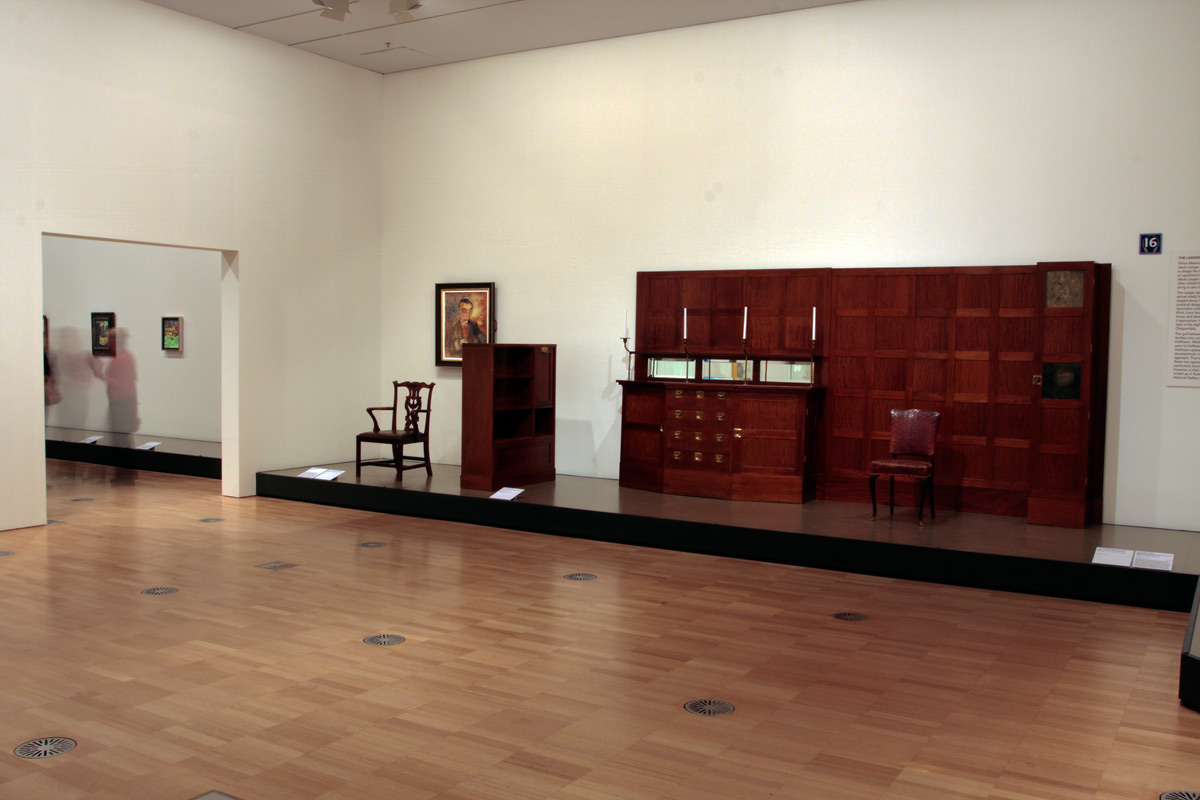
 

Installation view of room seven of the exhibition 'Vienna - Art & Design' at the National Gallery of Victoria showing Adolf Loos (Austrian, 1870-1933) (designer) 'Sideboard, from the Langer apartment' 1903


Installation view of room seven of the exhibition Vienna – Art & Design at the National Gallery of Victoria with, against the wall,

Adolf Loos (Austrian, 1870-1933) (designer)
Sideboard, from the Langer apartment
1903
Mahogany (Swietenia sp.), mirror, brass
Photo: Marcus Bunyan


Adolf Loos (Austrian, 1870-1933) (designer) Johann Heeg (manufacturer) 'Clock' 1906-1907


Adolf Loos (Austrian, 1870-1933) (designer)
Johann Heeg (manufacturer)
Clock
1906-1907
Brass, glass, clock mechanism, enamel paint, steel
(a-b) 42.7 x 43.0 x 32.7cm (overall) (c) 7.4 x 5.5 x 0.8cm (key)
National Gallery of Victoria, Melbourne
Purchased through The Art Foundation of Victoria with the assistance of Waltons Limited, Fellow, 1987


Installation view of room seven of the exhibition 'Vienna - Art & Design' at the National Gallery of Victoria


Installation view of room seven of the exhibition Vienna – Art & Design at the National Gallery of Victoria
Photo: Marcus Bunyan


Ferdinand Andri (Austrian, 1871-1956) 'The Gallia children' 1901 (installation view)


Ferdinand Andri (Austrian, 1871-1956)
The Gallia children (installation view)
1901
Oil on canvas

with Josef Hoffmann furniture in the foreground
Photo: Marcus Bunyan
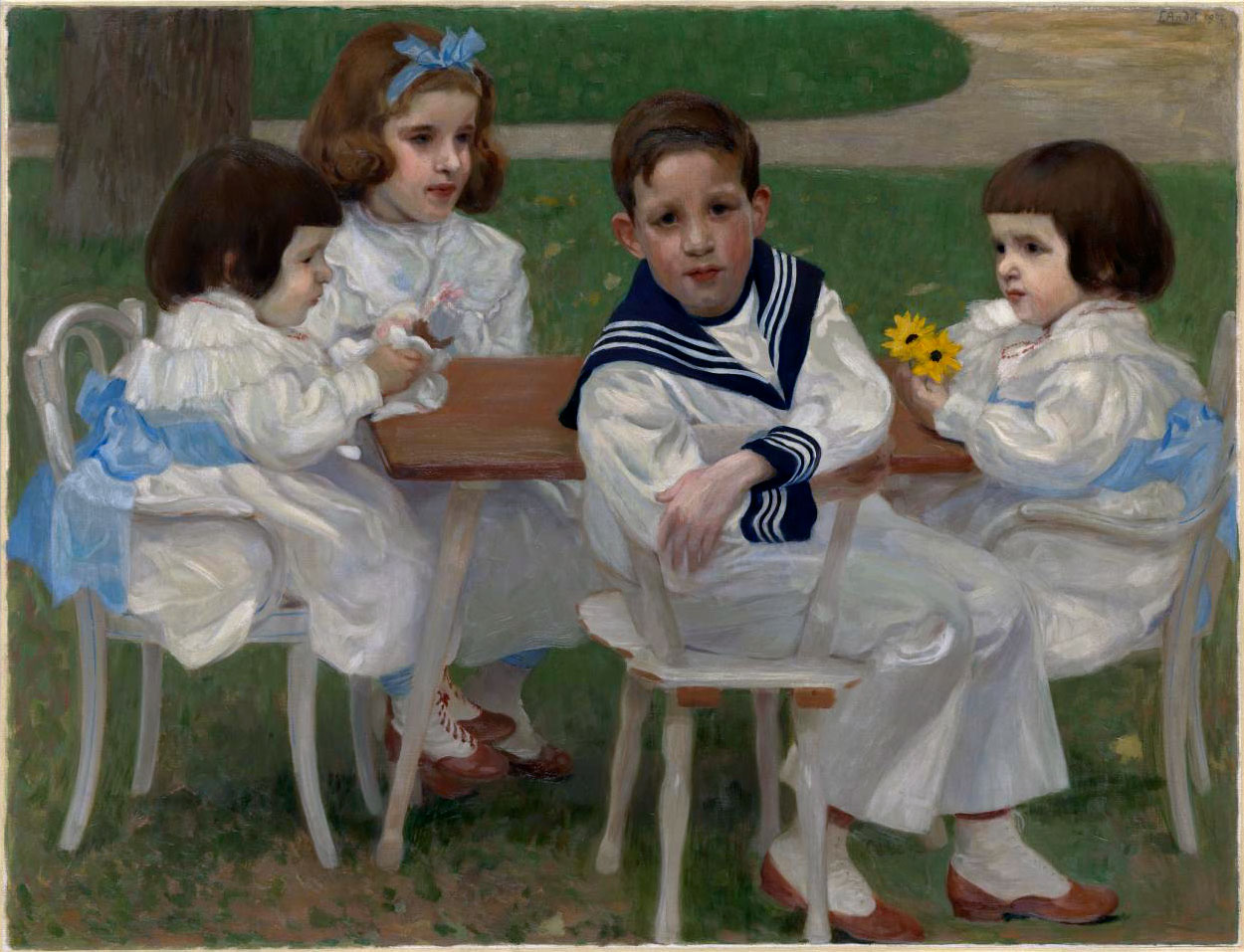
 

Ferdinand Andri (Austrian, 1871-1956) 'The Gallia children' 1901


Ferdinand Andri (Austrian, 1871-1956)
The Gallia children
1901
Oil on canvas
100.4 × 130.8cm
National Gallery of Victoria, Melbourne
Presented by the family of Moriz and Hermine Gallia, 1976
© the artist’s estate


Gustave Klimt (Austrian, 1862-1918) 'Portrait of Hermine Gallia' 1904 (installation view detail)


Gustave Klimt (Austrian, 1862-1918)
Portrait of Hermine Gallia (installation view detail)
1904
Oil on canvas
Photo: Marcus Bunyan


Pieces of Josef Hoffmann and Koloman Mosser silver in the exhibition 'Vienna - Art & Design' at the National Gallery of Victoria


Pieces of Josef Hoffmann and Koloman Mosser silver in the exhibition Vienna – Art & Design at the National Gallery of Victoria
Photo: Marcus Bunyan

Love the reflected light!


Installation view of room eight of the exhibition 'Vienna - Art & Design' at the National Gallery of Victoria

Installation view of room eight of the exhibition 'Vienna - Art & Design' at the National Gallery of Victoria


Installation views of room eight of the exhibition Vienna – Art & Design at the National Gallery of Victoria
Photos: Marcus Bunyan


Objects by Dagobert Peche (left, right and second right) and Josef Hoffmann in the exhibition 'Vienna - Art & Design' at the National Gallery of Victoria


Objects by Dagobert Peche (left, right and second right) and Josef Hoffmann in the exhibition Vienna – Art & Design at the National Gallery of Victoria
Photo: Marcus Bunyan


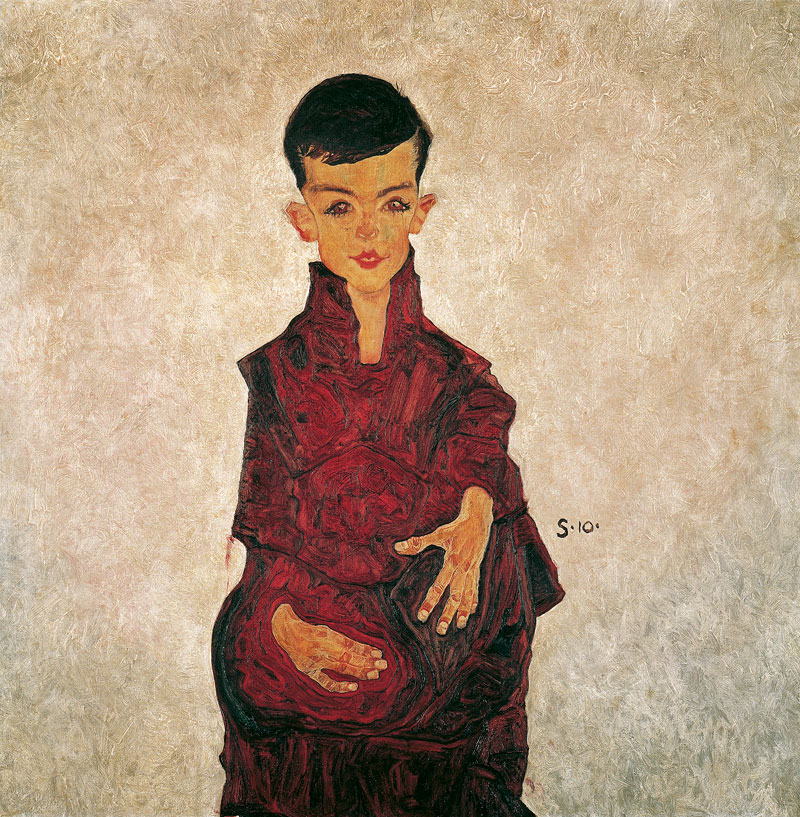
Egon Schiele (Austria 1890-1918) 'Portrait of a boy (Portrait of Herbert Rainer aged approximately six)' 1910 (installation detail)


Egon Schiele (Austrian, 1890-1918)
Portrait of a boy (Portrait of Herbert Rainer aged approximately six (installation detail)
1910
Oil on canvas
Photo: Marcus Bunyan
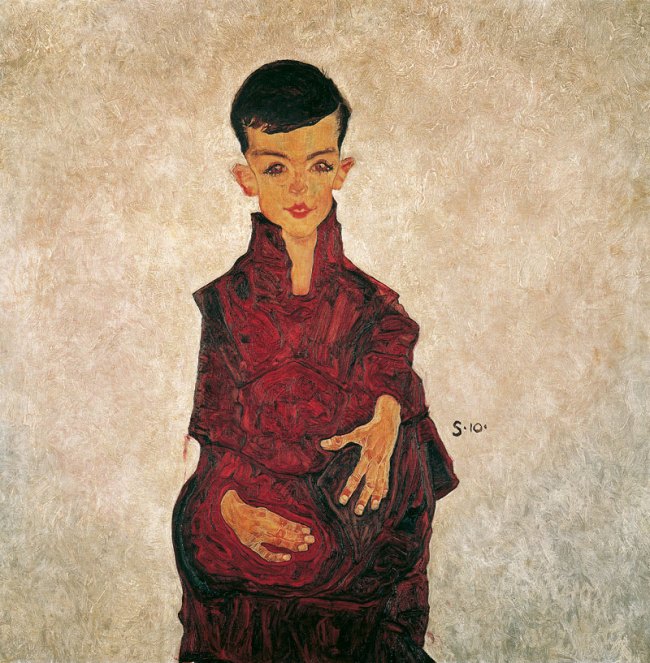
 

Egon Schiele (Austria 1890-1918) 'Portrait of a boy (Portrait of Herbert Rainer aged approximately six)' 1910


Egon Schiele (Austrian, 1890-1918)
Portrait of a boy (Portrait of Herbert Rainer aged approximately six)
1910
Oil on canvas
101.0 x 101.5cm
Belvedere, Vienna


NGV International
180 St Kilda Road

Opening hours:
Daily 10am – 5pm

National Gallery of Victoria website

LIKE ART BLART ON FACEBOOK

Back to top

Review: ‘Trace’ by Murray Fredericks at Arc One Gallery, Melbourne

Exhibition dates: 24th May – 18th June 2011


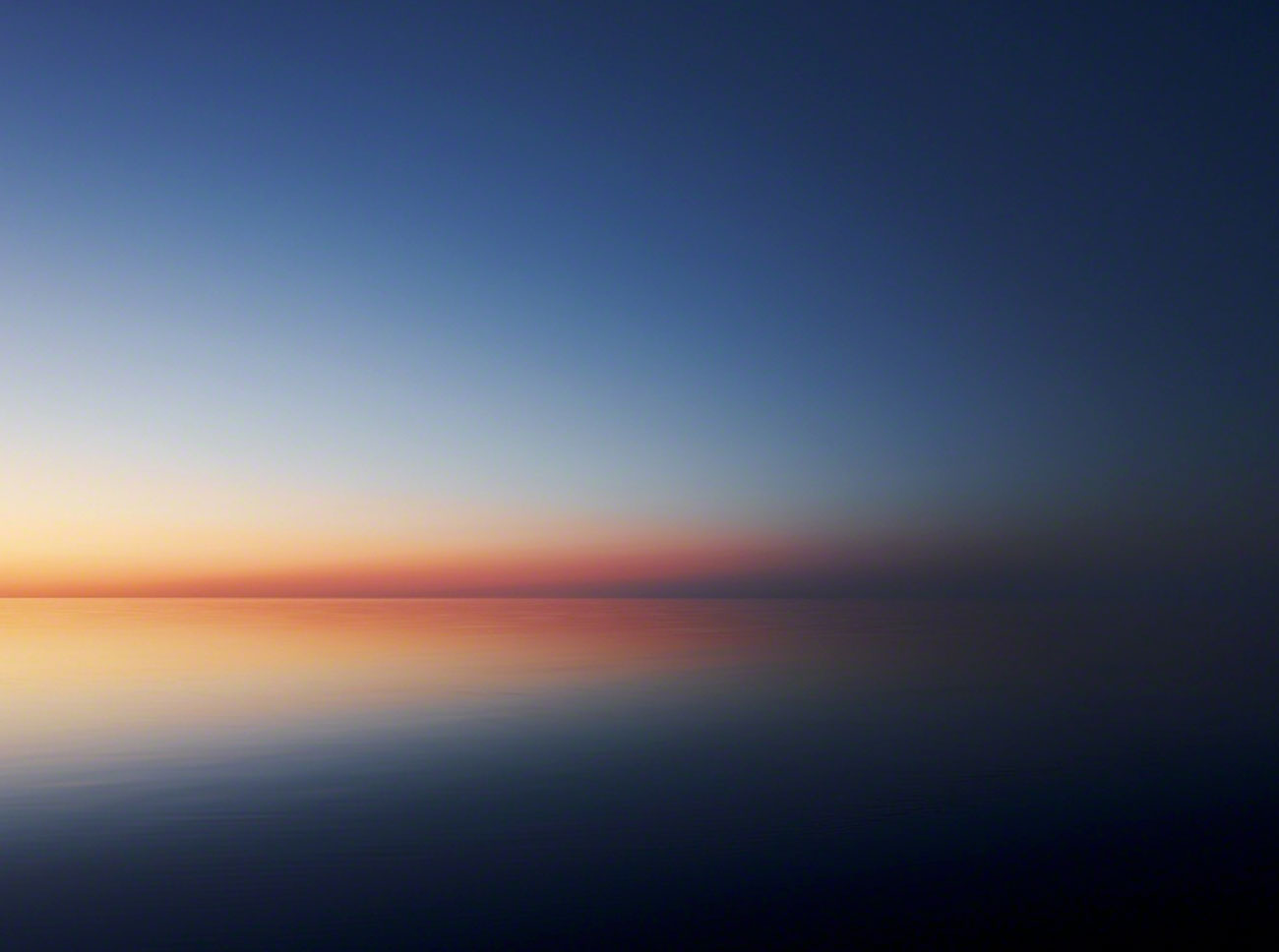
Murray Fredericks (Australian, b. 1970) 'Salt 271' 2011


Murray Fredericks (Australian, b. 1970)
Salt 271
2011
150 x 120cm
Pigment print on cotton rag


“Photographers tell me what I already know. The recognition of the beautiful, bizarre, or boring (the three photographic B’s) is not the problem. You would have to be a refrigerator not to be moved by the beauty of Yosemite. The problem is to deal with one’s total experience, emotionally as well as visually. Photographers should tell me what I don’t know.”


Duane Michals Real Dreams1


“While we cannot describe its appearance (the equivalent), we can define its function. When a photograph functions as an Equivalent we can say that at that moment, and for that person the photograph acts as a symbol or plays the role of a metaphor for something that is beyond the subject photographed.”


Minor White


Fredericks new infrared panoramic works show the strength of nature at it’s finest (9 out of 10 to nature especially when see through this type of filtration), excellent technical skills and good printing but somehow any revelation of spirit in the sublime has been lost in these photographs.

The photographer does not take me anywhere, there is no new space to step into, another view of the world that I want to spend time with. The relationship between the two series is also nebulous, the critical ice / fire space between the works adding little frisson to the exhibition.

I ask: Is it sufficient to use a digital scientific infrared back, if for no other reason that it is there? Is it sufficient to know that these climatic conditions take place in the same area each day, at the same time, place the camera down and just capture the scene? Is there really a non-decisive moment in these photographs, a poetic insight, or is this just what was, literally, hanging around so to speak?

The answer to all three questions I leave up to the reader.

Personally, I need photography to push the boundaries of elusiveness through an understanding in revelation, not just through an understanding of space and form, light and colour. I believe that conventional patterns of perception are there to be broken in ways that disrupt the technologies of the self – the self-regulating of our senses, the conventions of cultural capital – but too what do we open ourselves up to?

As Minor White says: ‘The sound of one hand clapping’.

While the photographs have the weight of serious equipment and professional acumen behind them after the initial awe on viewing they fall to earth, like the rainstorms they portray. As with my earlier review of Salt they seem to be more about the photographer than any revelation of the thing being photographed.

Duane Michals observes that, “The best artists give themselves in their work” but this giving is ego-less, the dropping away of the bells and whistles to let an’other’ emerge: in this sense I do not feel the total experience, emotionally as well as visually.

Paul Strand said that it took him 10 years to start to become an artist, to let go of ego in his work; paradoxically after this the work became more his own.

For me, these photographs never become a metaphor for something that is beyond the subject being photographed.

Dr Marcus Bunyan


1/ Michals, Duane. Real Dreams 1976 [Online] Cited 08/06/2011, on longer available online.


Many thankx to Angela Connor for her help and to Arc One Gallery for allowing me to publish the photographs in the posting. Please click on the photographs for a larger version of the image.


Murray Fredericks (Australian, b. 1970) 'Salt 272' 2010


Murray Fredericks (Australian, b. 1970)
Salt 272
2010
Pigment print on cotton rag
150 x 120cm


Murray Fredericks (Australian, b. 1970) 'Salt 273' 2011


Murray Fredericks (Australian, b. 1970)
Salt 273
2011
Pigment print on cotton rag
150 x 120cm


Salt began in 2003 and is a series of photographs of vast empty landscapes. Each image in the series is connected by the placement of the horizon running across the lower third of the frame. The horizon is the only referential form, breaking the void and providing the viewer with an element that paradoxically ‘defines’ the space. These new works add another dimension to Salt, with the water from last year’s rains now creating scenes diametrically opposed to the work occupying the adjacent walls as Hector.

Hector draws its title from an affectionately name atmospheric phenomenon that produces some of the world’s biggest thunderstorms. These new black and white works employ Murray’s methodical consistency of composition with distinctly different outcomes to the Zen-like vistas of Salt. In these works the expanse of the storm is consciously contained and forced into a barometric battle with the invisible air at its limits for the place of subject within the photograph…

By juxtaposing these series, each viewer is at once placed outside the containers which harbour these landscapes of remote territories – one calm and one facing the eye of the storm – and at the same time place in the centre of Murray’s minimal, ethereal representations of these places. In this way we can trace his exploration into these subjects – capturing the moment is our witness to a reverence to land and country.

Text from Arc One Gallery


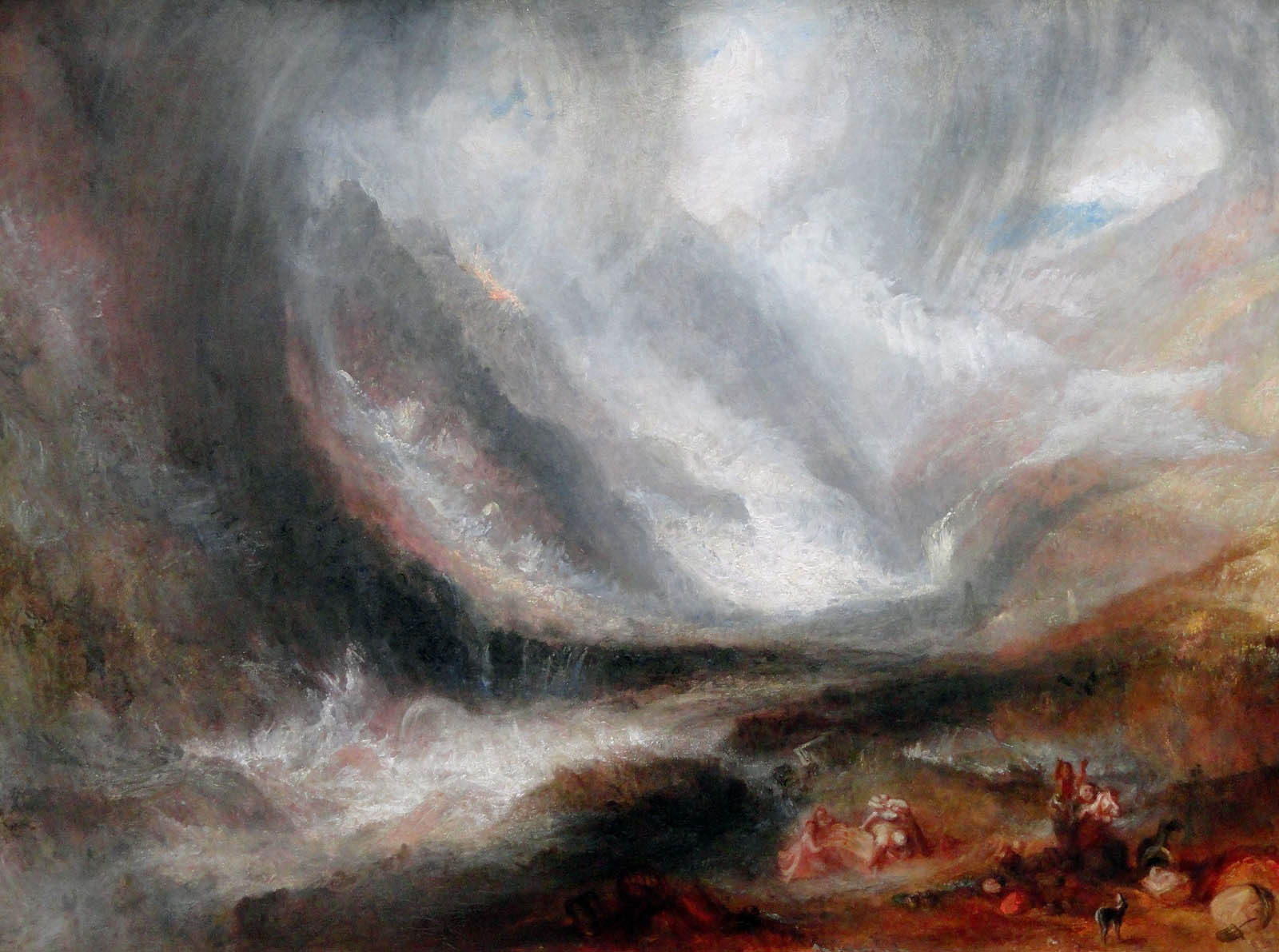
Joseph Mallord William Turner (English, 1775-1851) 'Valley of Aosta: Snowstorm, Avalanche, and Thunderstorm' 1836/37


Joseph Mallord William Turner (English, 1775-1851)
Valley of Aosta: Snowstorm, Avalanche, and Thunderstorm
1836/37
Oil on canvas
36 1/4 x 48 in. (92.2 x 123cm)
The Art Institute of Chicago: Frederick T. Haskell Collection


Murray Fredericks (Australian, b. 1970) 'Hector 10' 2011


Murray Fredericks (Australian, b. 1970)
Hector 10
2011
220 x 120cm
Pigment print on cotton rag


Murray Fredericks (Australian, b. 1970) 'Hector 11' 2011


Murray Fredericks (Australian, b. 1970)
Hector 11
2011
204 x 120cm
Pigment print on cotton rag


Arc One Gallery
45 Flinders Lane
Melbourne, 3000
Phone: (03) 9650 0589

Opening hours:
Wed – Sat 11am – 5pm

Arc One Gallery website

LIKE ART BLART ON FACEBOOK

Back to top
Review: ‘Time Machine: Sue Ford’ at Monash Gallery of Art, Wheelers Hill, Victoria

Exhibition dates: 7th April – 19th June 2011


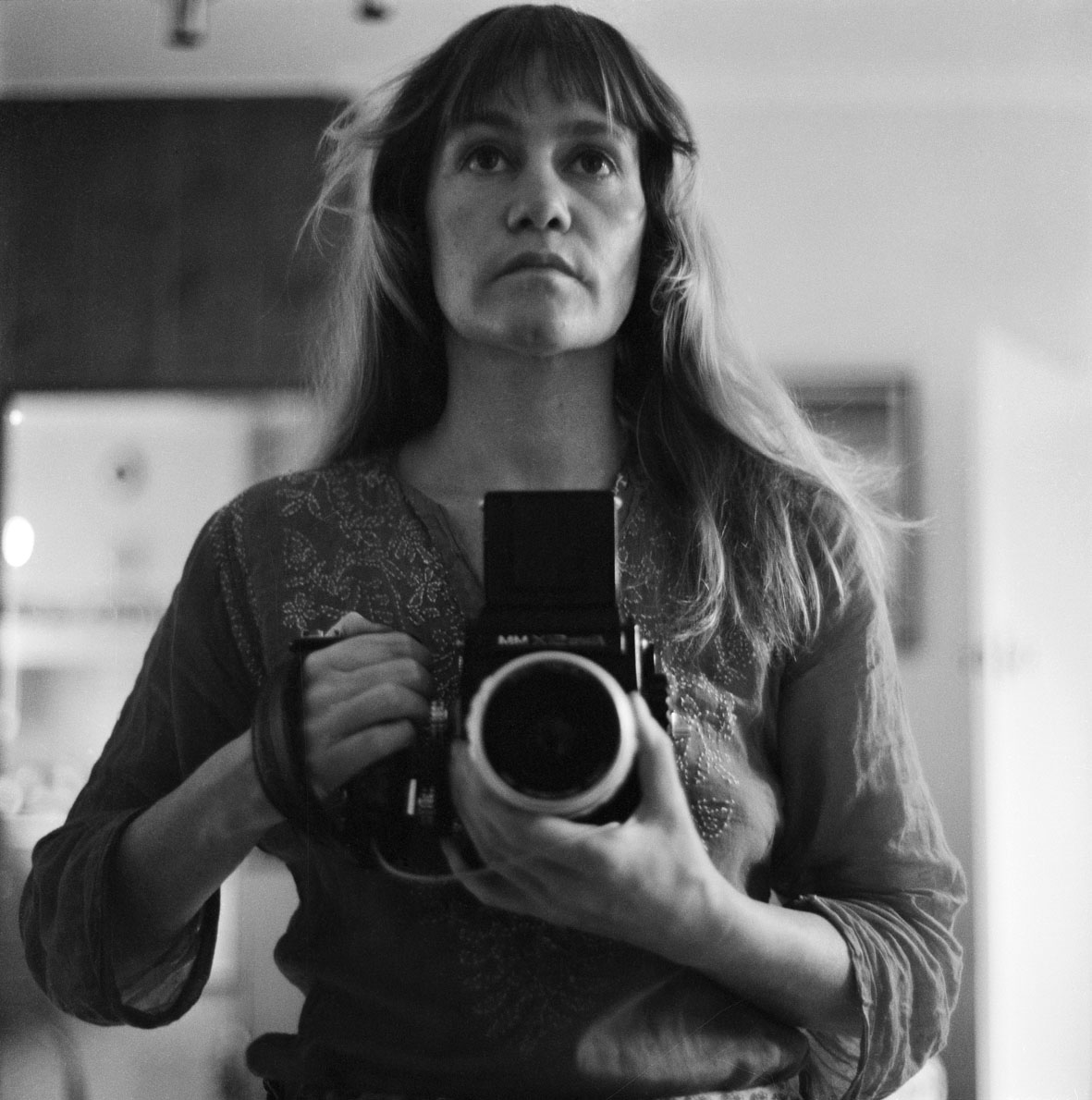
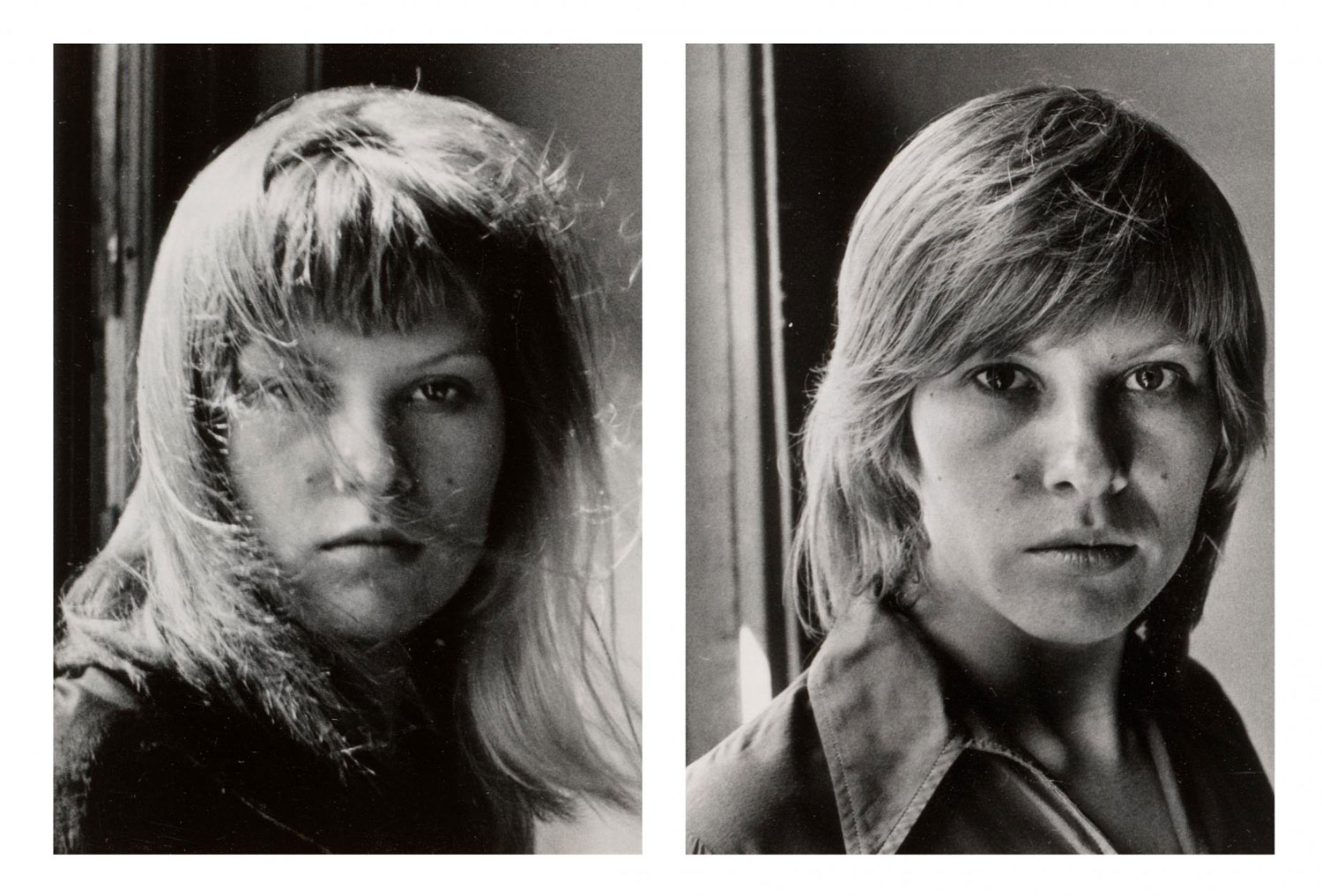
Sue Ford (1943-2009) 'Self-portrait' 1968


Sue Ford (Australian, 1943-2009)
Self-portrait 1968
1968, printed 2011
From the series Self-portrait with camera (1960-2006)
Selenium toned gelatin silver
22.8 x 24 cm
Courtesy Sue Ford Archive


“Choosing to photograph oneself, one’s life and one’s time exemplified the now well-worn slogan ‘the person is political’. Ford’s self-examination across the decades is unflinching and exacting. As Janine Burke wrote in 1980, her ‘psychological history [is] etched in her face for everyone to see’. Burke concluded that Ford’s self-portraits are ‘as honest as one can ever be about oneself’.”


Helen Ennis. Faces are Maps: Sue Ford and Portraiture.1


“The search for the self is a journey into a mental labyrinth that takes random courses and ultimately ends at impasses. The memory fragments recovered along the way cannot provide us with a basis for interpreting the overall meaning of the journey. The meanings that we derive from our memories are only partial truths, and their value is ephemeral. For Foucault, the psyche is not an archive but only a mirror. To search the psyche for the truth about ourselves is a futile task because the psyche can only reflect the images we have conjured up to describe ourselves. Looking into the psyche, therefore, is like looking into the mirror image of a mirror. One sees oneself reflected in an image of infinite regress. Our gaze is led not toward the substance of our beginnings but rather into the meaninglessness of previously discarded images of the self.”


Patrick Hutton. Foucault, Freud,
and the Technologies of the Self.2


This is a solid exhibition of the work of beloved Australian photographer Sue Ford, essential looking for anyone wanting to have an overview of Australian photography.

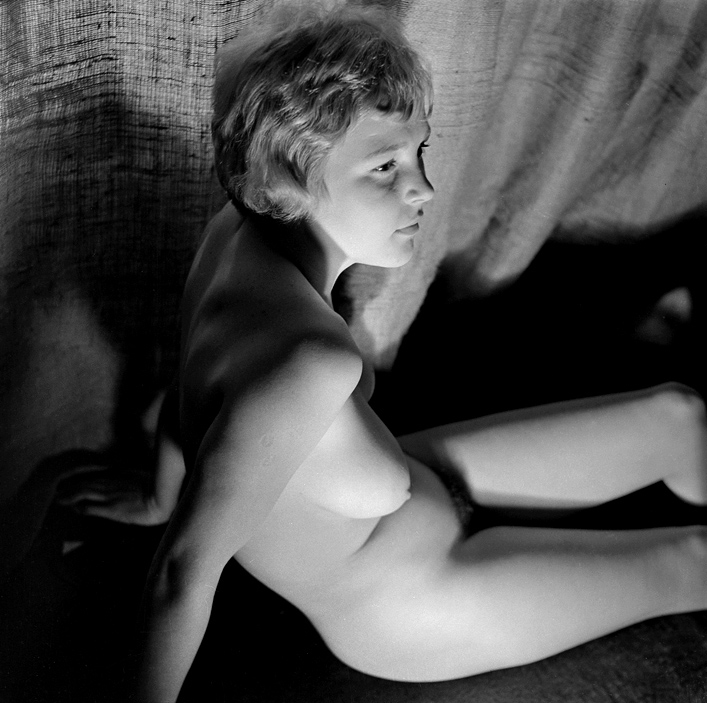
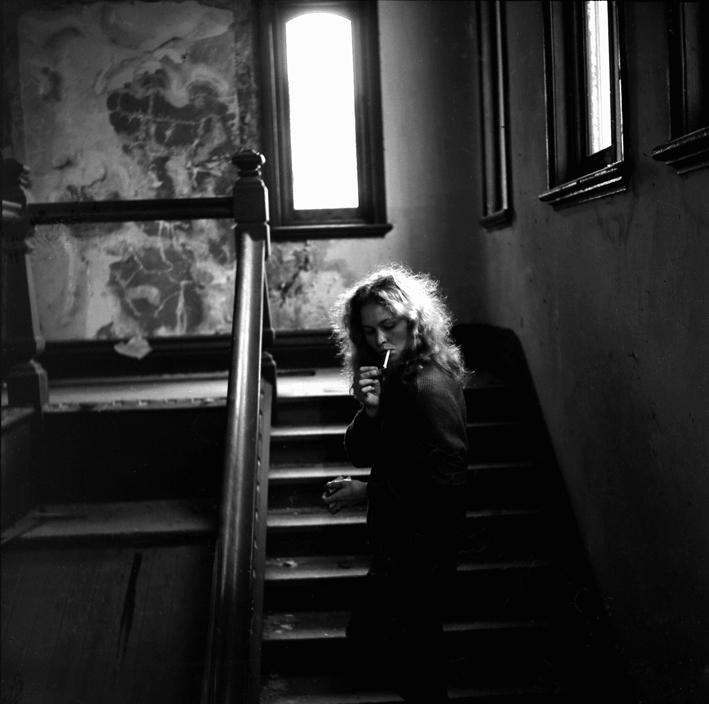
The beautifully hung exhibition flows like music, interweaving up and down, the photographs framed in thin, black wood frames. It features examples of Ford’s black and white fashion and street photography; a selection of work from the famous black and white Time series (being bought for their collection by the Art Gallery of New South Wales) – small, snapshot size double portraits, the first portraits taken during the 1960’s, the second around 1974, formalist portraits in which the sitter is closely cropped around head and shoulders with the photographer using the camera as objectively as possible, the double portrait used to display changes in identity over time; a selection of Photographs of Women – modern prints from the Sue Ford archive that are wonderfully composed photographs with deep blacks that portray strong, independent, vulnerable, joyous women (see last four photographs below); and the most interesting work in the exhibition, the posthumous new series Self-portrait with camera (1960-2006) that evidence, through a 47 part investigation using colour prints from Polaroids, silver gelatin prints printed by the artist, prints made from original negatives and prints from scanned images where there was no negative available, a self-portrait of the artist in the process of ageing (see the two photographs above and below this review).

One of my favourite photographs in the exhibition was Margaret with Emma, Redcliffs, Queensland, 1971. The black and white photograph features a grandmother with her granddaughter, close to each other, both wearing floral dresses of different pattern, both staring intently out of the image at what is possibly a television with a weatherboard backdrop. A dark form hovers at the upper left of the photograph adding a disturbing note to the image but it is the look on the grandmother’s face – a look of shock, enthralment, blankness with eyes wide, that is matched by the intensity on the granddaughter’s face as she stares intently – that transcends the distance between photograph and viewer, between grandmother and granddaughter across time and space. The process of looking and ageing captured by the ‘time machine’, the camera, in one single image. The viewer understands this photograph for we all experience the evidence of our bodies, our mortality. We relate intimately to how the photograph reanimates in the present this moment from the past, the momenti mori of the photograph, the little death becoming our future death.

This notion is particularly poignant in the series Self-portrait with camera (1960-2006), a work that Sue Ford was actively engaged with before her death. Smaller colour prints from negatives and Polaroids are here interspersed with black and white photographs up to about 8″ x 10″ in size: the series contains 12 chromogenic photographs, 7 silver gelatin photographs, 6 dye fusion photographs and 22 selenium-toned photographs (printed 2011). In dark, contrasty prints the artist has photographed herself looking down into the camera shooting into a mirror, looking directly into the mirror with camera, with the camera on a timer, with the camera in/visible, being shot by other people with the camera pointed directly at her, with the camera perpendicular to the artist shot by someone else, with Ford behind a movie camera, with multiple refractions in mirrors. Sometimes Ford even becomes the camera (as in the 1986 self-portrait below: I am the camera, the camera is me).

Ford becomes the “one who looks” knowingly at herself, sometimes the author of that observation, sometimes oblivious to it (until later when she has collected these images). As Burke and Ennis note, these photographs of self-examination across the decades are as honest as one can ever be about oneself. This a deeply political but also deeply psychoanalytical investigation: not to “take care of yourself” as a form of knowing as in Greco-Roman antiquity but “knowing yourself” as the fundamental principle of understanding yourself: a procedure of objectification and subjection in which the photograph ‘marks’ our status and the passage of time, that makes us who we are – photographs as vital techniques in the constitution of the self as subject.3

The mirror is frequently used in these photographs to portray the self. While it is true that these are strong, intimate, unflinching and exacting images, in the use of the mirror the im(pose)tures of life are singled / doubled / tripled – a reflection of the psyche that lead to discarded images of the self that are of little use in understanding the substance of our beginnings … or the overall interpretation of the journey. What they do offer is cumulative evidence of a deep, personal conviction into the inquiry: who am I?

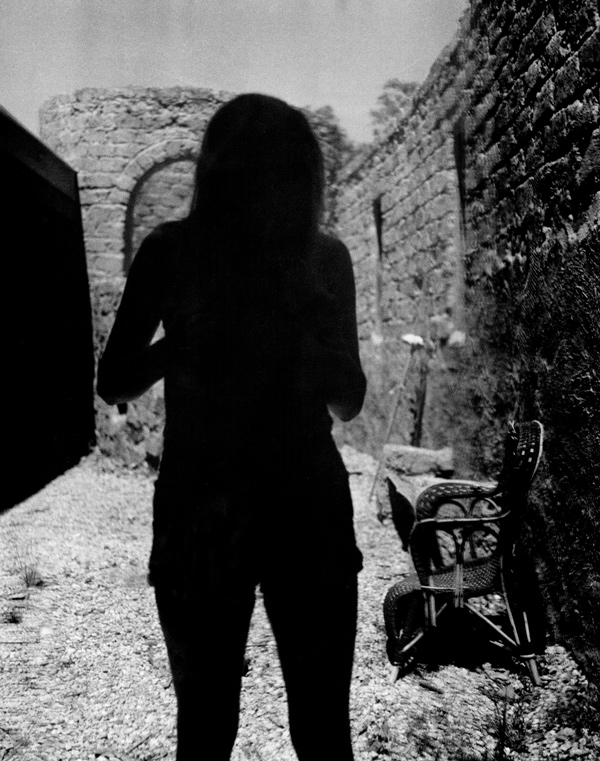
Rembrandt famously painted, drew and etched himself hundreds of times in the process of ageing; Ford has likewise done the same. If, as Victor Burgin observes, “An identity implies not only a location but a duration, a history,”4 then the nature of photography (including Ford’s self-reflexive project), concerned as it is with space and time, becomes the mirror in a search for identity. Photography as a mirror on the world constantly repeats moments of illumination in a re/vision of eternal recurrence, a performance that is a hybrid site: both a homogenous (the same “I”) and heterogenous (a different “I”) site of self-representation, different every time we look. To that end I would like you to look at the self-portrait from 1976 (below). The artist is completely absent, her silhouette, her dark shadow swallowed whole by the blank photographic plate on the left hand side of the image as though Ford, the camera and an image of infinite regress have become one, eternally engulfed by space-time but open to re/view at any time.

Whether looking down, looking toward or looking inward these fantastic photographs show a strong, independent women with a vital mind, an élan vital, a critical self-organisation and an understanding of the morphogenesis of things that will engage us for years to come. Essential looking.

Dr Marcus Bunyan


1/ Burke, Janine. Self-portrait/self-image 1980-1981. Melbourne: Australian Directors’ Council, 1981. p. 4 quoted in Ennis, Helen. “Faces are Maps: Sue Ford and Portraiture,” in Lakin, Shaune (ed.,). Sue Ford: Self-portrait with camera (1960-2006). Melbourne: Monash Gallery of Art, 2011, np.

2/ Hutton, Patrick. “Foucault, Freud, and the Technologies of the Self,” in Martin, Luther and Gutman, Huck and Hutton, Patrick (eds.,). Technologies of the Self: A Seminar with Michel Foucault. London: Tavistock Publications, 1988, p. 139

3/ Foucault, Michel. Discipline and Punish, quoted in Gutman, Huck. “Rousseau’s Confessions: A Technology of the Self,” in Martin, Luther and Gutman, Huck and Hutton, Patrick (eds.,). Technologies of the Self: A Seminar with Michel Foucault. London: Tavistock Publications, 1988, p. 99

4/ Burgin, Victor. In/Different Spaces: Place and Memory in Visual Culture. Berkeley: University of California Press, 1995, p. 36


Many thankx to Mark Hislop for his help and the Monash Gallery of Art for allowing me to publish the photographs in the posting. Please click on the photographs for a larger version of the image.


Sue Ford (Australian, 1943-2009) 'Self-portrait 1986' 1986


Sue Ford (Australian, 1943-2009)
Self-portrait 1986
1986
From the series Self-portrait with camera (1960-2006)
Gelatin silver print, printed 2011
8.4 x 6.5cm
Courtesy Sue Ford Archive


Sue Ford (Australian, 1943-2009) 'Self-portrait 1976' 1976


Sue Ford (Australian, 1943-2009)
Self-portrait 1976
1976, printed 2011
From the series Self-portrait with camera (1960-2006)
Selenium toned gelatin silver print
24 x 18cm
Courtesy Sue Ford Archive


Sue Ford (1943–2009) 'Self-portrait 1974' 1974


Sue Ford (Australian, 1943-2009)
Self-portrait 1974
1974, printed 2011
From the series Self-portrait with camera (1960-2006)
Selenium toned gelatin silver print
19.9 x 18cm
Courtesy Sue Ford Archive


On 16 April 2011, the first major exhibition of the work of the late Sue Ford for two decades will open at Monash Gallery of Art.

Sue Ford (1943-2010) was one of Australia’s most important photographers and filmmakers. Ford studied photography at RMIT and in 1974 was the first Australian photographer to be given a solo exhibition at the National Gallery of Victoria.

Ford passed away in 2009. Before her death, she was working with Monash Gallery of Art on an exhibition of her work which would feature her final major project Self-portrait with camera (1960-2006). This series of 47 photographs has never been shown before, and presents a compelling self-portrait of an artist. It underscores the central role the camera played in Ford’s life. Self-portrait with camera will be shown alongside a survey of Ford’s black-and-white photographs from the 1960s and 70s and examples of her most iconic work, Time series (1960s-1970s).

The exhibition describes a period when photography was charged with political and personal meaning. As photographic historian and contributor to the publication accompanying the exhibition Helen Ennis states: “Ford’s approach to art making has always been straightforward … She does not cultivate a mysterious artistic persona [since] … her art practice is purposeful; it is the outcome of her view of art as a political activity that is democratic, liberating and relevant to contemporary society.”

As MGA Director and curator of the exhibition Shaune Lakin states: “This exhibition provides a great opportunity for Australian audiences to reassess the work of this important photographer, whose work was always at once political, beautiful and elegiac. In an era when the photograph has become a highly disposable thing, it is important to acknowledge its role as an agent of change and memory.”

Press release from the Monash Gallery of Art


Sue Ford (Australian, 1943-2009)
Helen, 1962; Helen, 1974
1974
From the series Time series
Gelatin silver prints
11.0 x 8.0cm; 11.5 x 8.3cm
Museum of Australian Photography, City of Monash Collection
Acquired with assistance from the Robert Salzer Foundation and the Friends of MGA Inc 2020


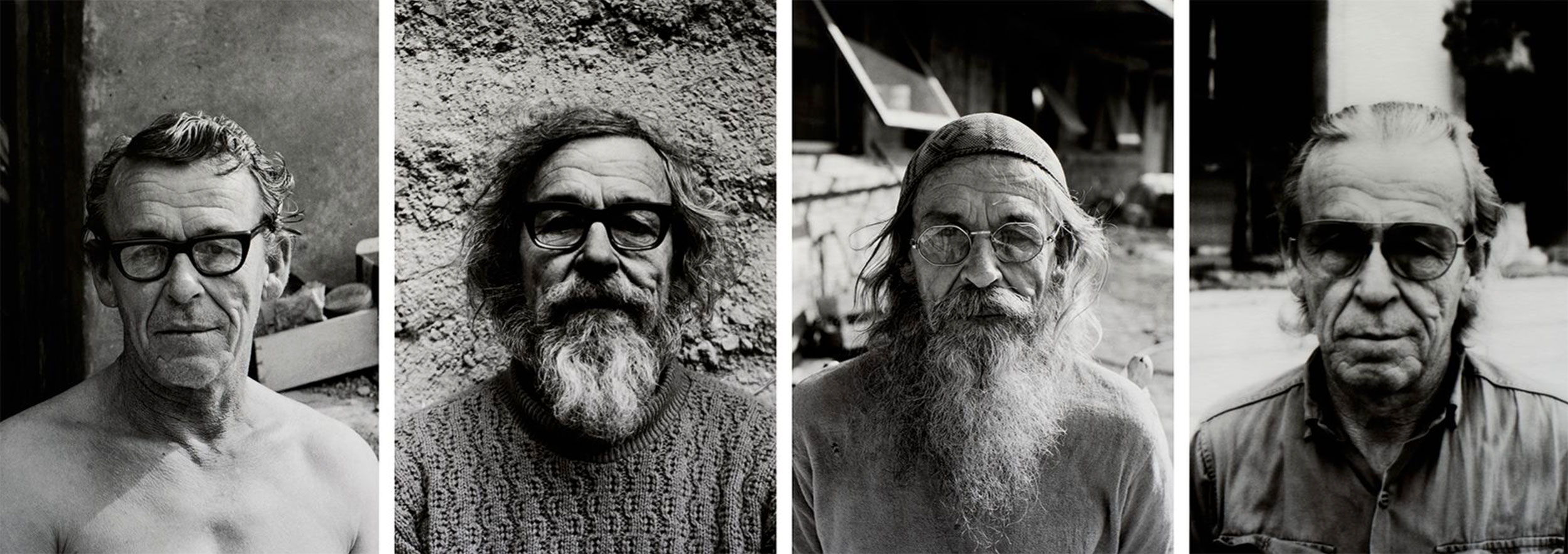
Sue Ford (1943-2009) was one of Australia’s most important twentieth-century photographers, and Time series is her most iconic body of work, widely recognised as a key moment in the history of Australian photography. First exhibited at the NGV and Brummels Gallery of Photography in 1974, the series highlights Ford’s interest in the camera’s ability to record the effects of time and history. To create this series, Ford made portraits of her friends and acquaintances during the early to mid-1960s then rephotographed the sitters around a decade later, showing the second portraits beside the first. In some cases Ford later added third and fourth portraits to create Time series II, which she made for exhibition at the 1982 Sydney Biennale. Ford described the camera as a ‘time machine’ and the works in these series bracket periods in the lives of her subjects. With a tender pathos, they evoke the inevitability of time’s passing along with the processes of human ageing and constant change.

Text from the Museum of Australian Photography website 2021


Sue Ford (Australian, 1943-2009) 'Annette 1962; Annette 1974' 1974


Sue Ford (Australian, 1943-2009)
Annette 1962; Annette 1974
1974
From the Time series
Gelatin silver prints
11.1 x 20.1cm
National Gallery of Victoria, Melbourne
Purchased with the assistance of the Visual Arts Board and the KODAK (Australasia) Pty Ltd Fund, 1974


Sue Ford (Australian, 1943-2009) 'Jim, 1964; Jim, 1969; Jim, 1974; Jim, 1979' 1982


Sue Ford (Australian, 1943-2009)
Jim, 1964; Jim, 1969; Jim, 1974; Jim, 1979
1982
From the series Time series
Gelatin silver prints
11.0 x 7.6cm (each)
Museum of Australian Photography, City of Monash Collection
donated by the Sue Ford Archive 2020


Sue Ford (1943-2009) 'Lynne and Carol' 1962


Sue Ford (Australian, 1943-2009)
Lynne and Carol
1962, printed 2011
Selenium toned gelatin silver print
38.0 x 38.0cm
Courtesy Sue Ford Archive


Sue Ford (1943-2009) 'Carol, Little Collins St studio' 1962


Sue Ford (Australian, 1943-2009)
Carol, Little Collins St studio
1962, printed 2011
Selenium toned gelatin silver print
37.9 x 38.1cm
Courtesy Sue Ford Archive


Sue Ford (1943-2009) 'St Kilda' 1963


Sue Ford (Australian, 1943-2009)
St Kilda
1963, printed 2011
Selenium toned gelatin silver print
38.0 x 38.0cm
Courtesy Sue Ford Archive


Sue Ford (1943-2009) 'Untitled [Bliss at Yellow House, King's Cross, Sydney]' c. 1972–1973


Sue Ford (Australian, 1943-2009)
Untitled [Bliss at Yellow House, King’s Cross, Sydney]
c. 1972-3, printed 2011
Selenium toned gelatin silver print
47.9 x 34.2cm
Courtesy Sue Ford Archive


Monash Gallery of Art
860 Ferntree Gully Road, Wheelers Hill
Victoria 3150 Australia
phone: + 61 3 8544 0500

Opening hours:
Tue – Fri 10am – 5pm
Sat – Sun 10pm – 4pm
Mon/public holidays closed

Monash Gallery of Art website

LIKE ART BLART ON FACEBOOK

Back to top
Exhibition: ‘Helios: Eadweard Muybridge in a Time of Change’ at the San Francisco Museum of Modern Art (SFMOMA)

Exhibition dates: 26th February – 7th June, 2011


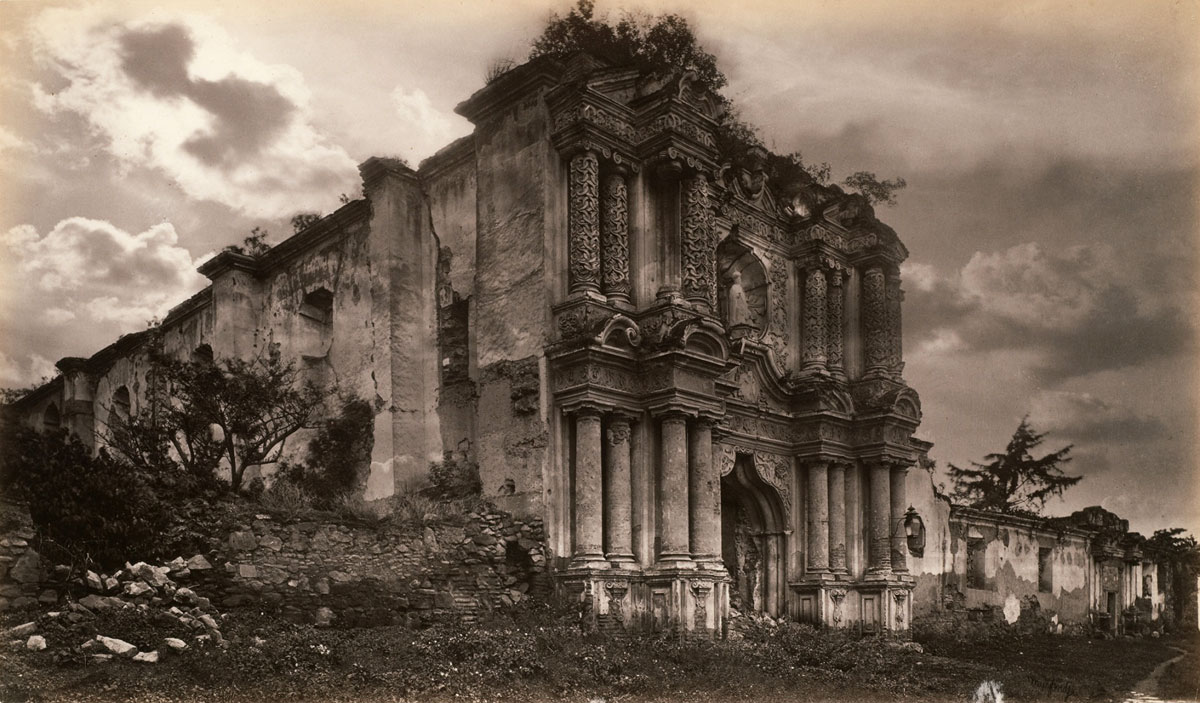
Eadweard Muybridge (English-American, 1830-1904) 'Ruins of a Church, Antigua, Guatemala' 1875


Eadweard Muybridge (English-American, 1830-1904)
Ruins of a Church, Antigua, Guatemala
1875
Albumen print
Collection Centre Canadien d’Architecture/Canadian Centre for Architecture, Montreal


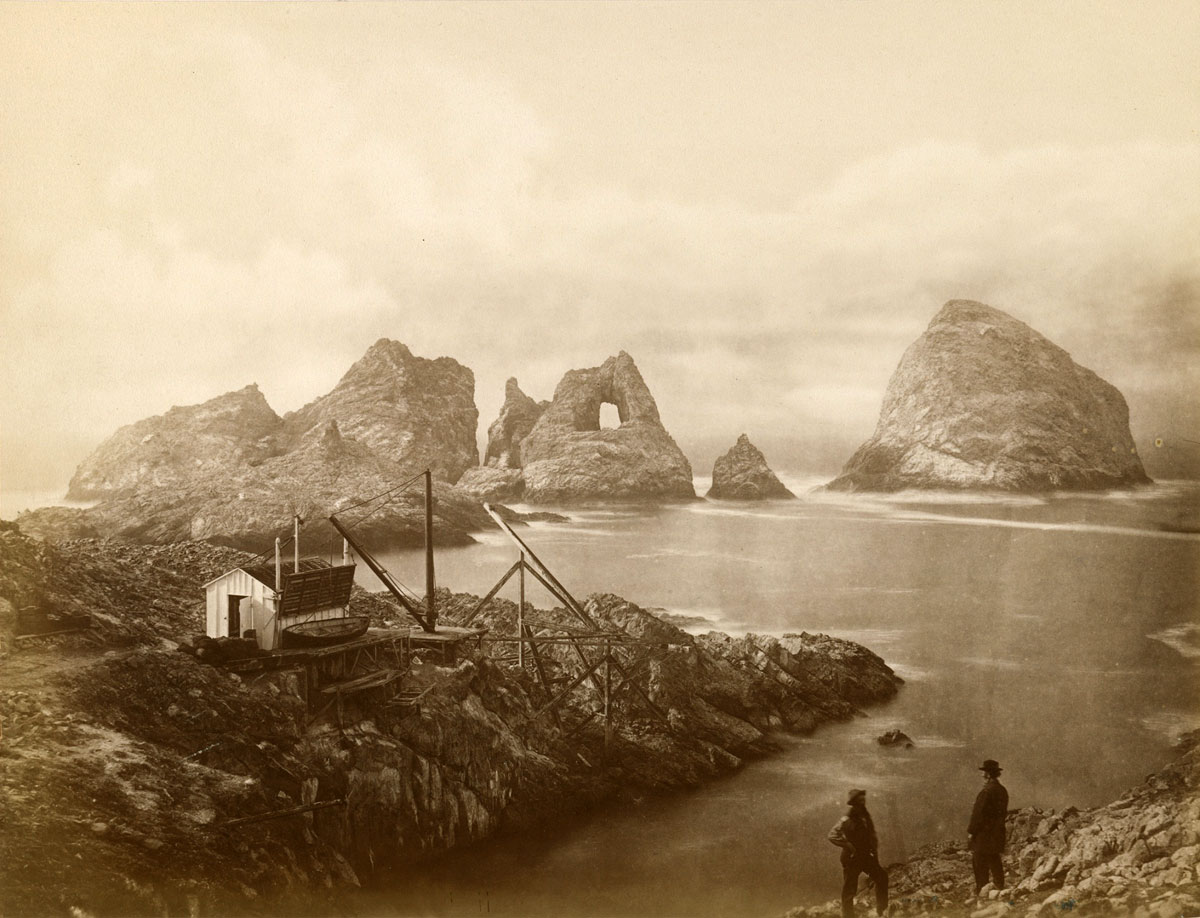
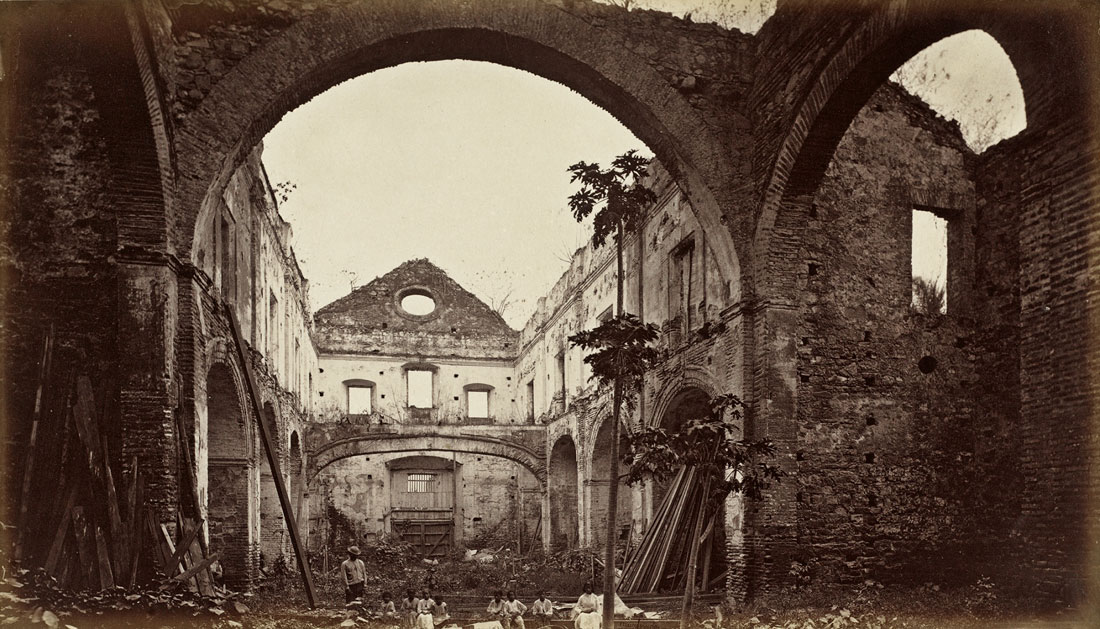
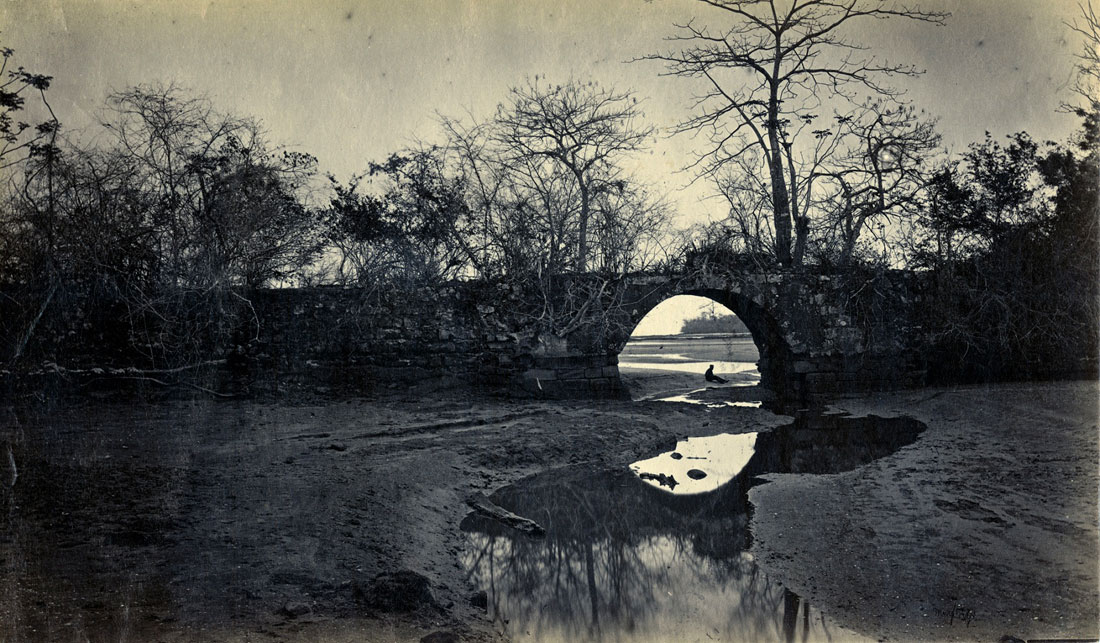
While rightly famous for his work on animal locomotion it is the first group of photographs in this posting that shine most brightly. It is often overlooked how magnificent a photographer Eadweard Muybridge was and what a brilliant eye he had. The top three photographs, especially the first one (above), are knockouts – radiant jewels in which the tensional points of the composition and the atmosphere of the scene are captured magnificently. I also love the use of human figures to give scale to the scene.

It is rare to find Eadweard Muybridge photographs other than his locomotion studies on the Internet (do a search under Google and see for yourself!), so it is a particular pleasure to post these photographs. It is something I have been wanted to do for quite a while now and finally it has come to pass; earlier iterations of this exhibition had few press images so I must heartily thank the San Francisco Museum of Modern Art (SFMOMA) for allowing me to publish the photographs in the posting.

Dr Marcus Bunyan


Many thankx to the San Francisco Museum of Modern Art (SFMOMA) for allowing me to publish the photographs in the posting. Please click on the photograph for a larger version of the image.


Eadweard Muybridge (English-American, 1830-1904) 'The Ramparts, Funnel Rock, Hole in the Wall, Pyramid, Sugar Loaf, Oil House, and Landing Cove on Fisherman's Bay, South Farallon Island (4150)' 1871


Eadweard Muybridge (English-American, 1830-1904)
The Ramparts, Funnel Rock, Hole in the Wall, Pyramid, Sugar Loaf, Oil House, and Landing Cove on Fisherman’s Bay, South Farallon Island (4150)
1871
Albumen print
U.S. Coast Guard Historian’s Office


Eadweard Muybridge (English-American, 1830-1904) 'Ruins of the Church of San Domingo, Panama' 1875


Eadweard Muybridge (English-American, 1830-1904)
Ruins of the Church of San Domingo, Panama
1875
Albumen print
Image courtesy The Board of Trustees, National Gallery of Art, Washington


Eadweard Muybridge (English-American, 1830-1904) 'Bridge on the Porto Bello, Panama' 1875


Eadweard Muybridge (English-American, 1830-1904)
Bridge on the Porto Bello, Panama
1875
Albumen print
Department of Special Collections, Charles E. Young Research Library, UCLA


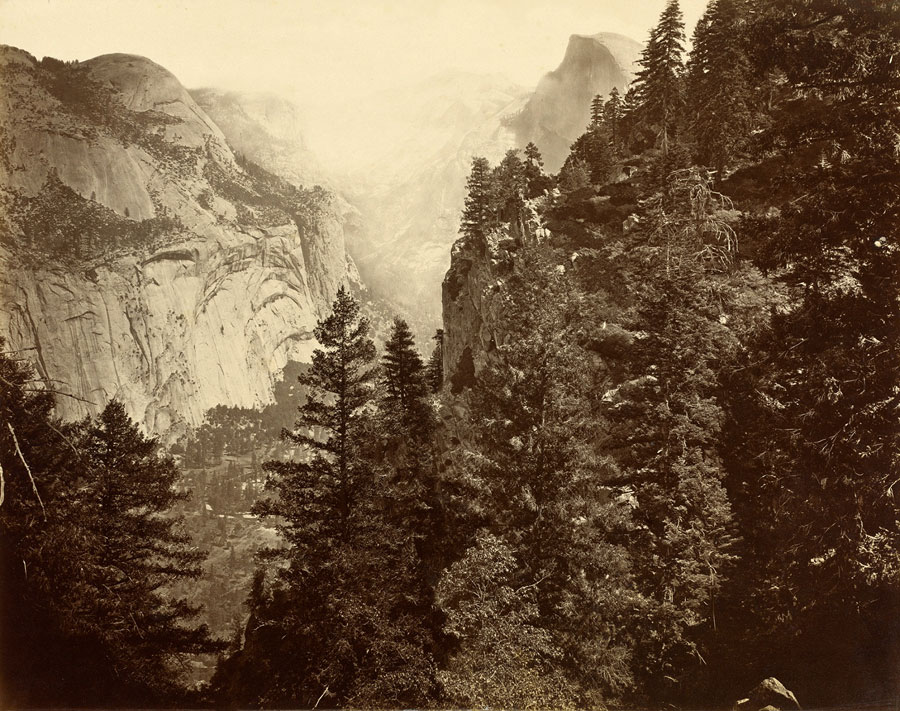
Eadweard Muybridge (English-American, 1830-1904) 'Tenaya Canyon. Valley of the Yosemite. From Union Point. No. 35,'1872


Eadweard Muybridge (English-American, 1830-1904)
Tenaya Canyon. Valley of the Yosemite. From Union Point. No. 35
1872
Albumen print
Collection National Gallery of Art, Washington, DC


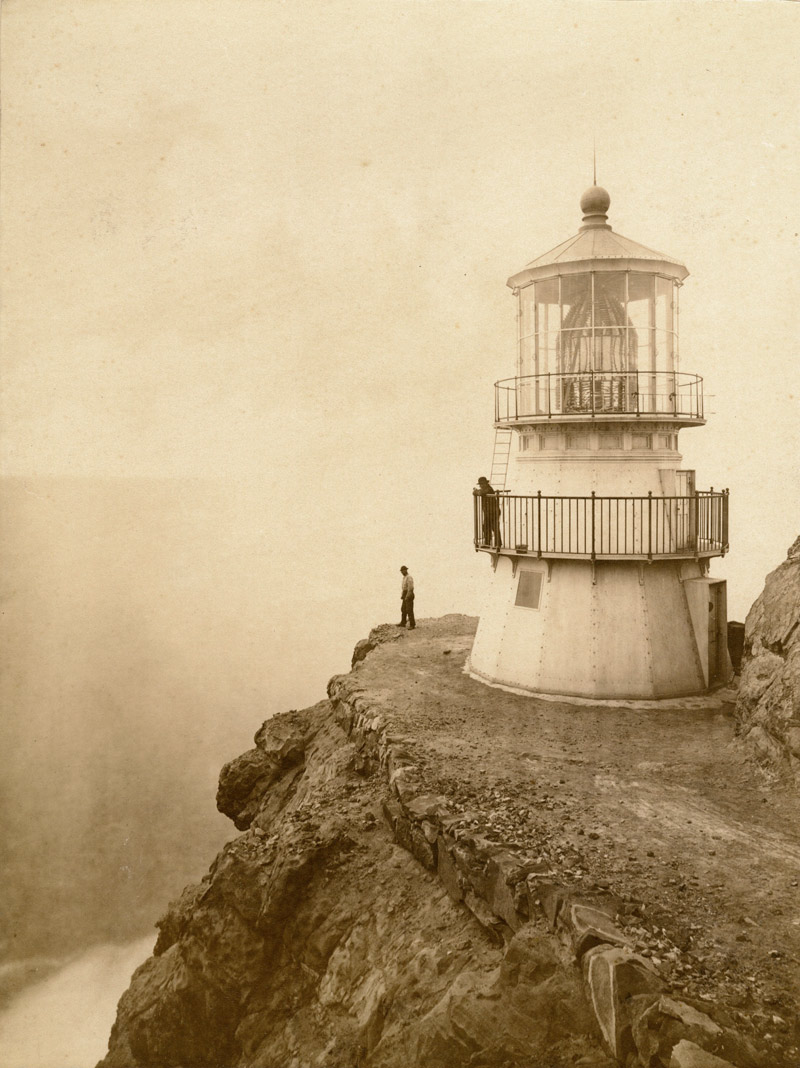
Eadweard Muybridge (English-American, 1830-1904) 'First-Order Lighthouse at Punta de los Reyes, Seacoast of California, 296 Feet Above Sea (4136)' 1871


Eadweard Muybridge (English-American, 1830-1904)
First-Order Lighthouse at Punta de los Reyes, Seacoast of California, 296 Feet Above Sea (4136)
1871
Albumen print
U.S. Coast Guard Historian’s Office


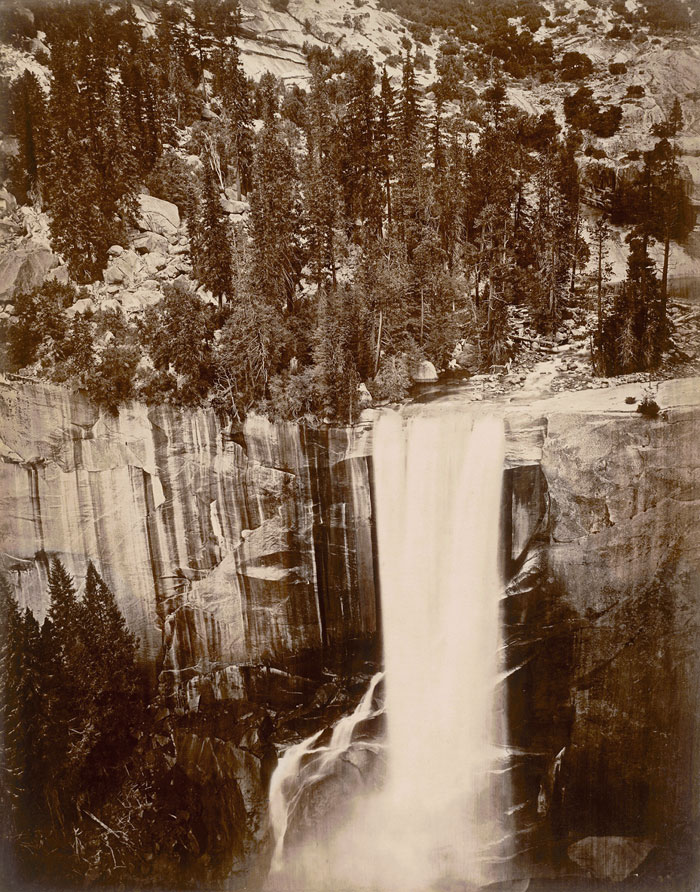
Eadweard Muybridge (English-American, 1830-1904) Pi-Wi-Ack. Valley of the Yosemite. (Shower of Stars) “Vernal Fall.” 400 Feet Fall. No. 29, 1872


Eadweard Muybridge (English-American, 1830-1904)
Pi-Wi-Ack. Valley of the Yosemite. (Shower of Stars) “Vernal Fall.” 400 Feet Fall. No. 29
1872
Albumen print
Collection San Francisco Museum of Modern Art; gift of Jeffrey Fraenkel and Frish Brandt


From February 26 through June 7, 2011, the San Francisco Museum of Modern Art (SFMOMA) will showcase the first-ever retrospective examining all aspects of artist Eadweard Muybridge’s pioneering photography. Helios: Eadweard Muybridge in a Time of Change brings together more than 300 objects created between 1857 and 1893, including Muybridge’s only surviving zoopraxiscope – an apparatus he designed in 1879 to project motion pictures. Originally organised by Philip Brookman, Corcoran Gallery of Art chief curator and head of research, the San Francisco presentation is organised by SFMOMA Associate Curator of Photography Corey Keller.

Helios: Eadweard Muybridge in a Time of Change includes numerous vintage photographs, albums, stereographs, lantern slides, glass negatives and positives, patent models, zoopraxiscope discs, proof prints, notes, books, and other ephemera. The works have been brought together from 38 different collections and include a number of Muybridge’s photographs of Yosemite Valley, including dramatic waterfalls and mountain views from 1867 and 1872; images of Alaska and the Pacific coast; an 1869 survey of the Central Pacific and Union Pacific Railroads in California, Nevada, and Utah; pictures from the Modoc War, pictures from Panama and Guatemala; and urban panoramas of San Francisco. The exhibition also includes examples from Muybridge’s experimental series of sequential stop-motion photographs such as Attitudes of Animals in Motion (1881) and his later masterpiece Animal Locomotion (1887).

The exhibition is organised in a series of thematic sections that present the chronology of Muybridge’s career, the evolution of his unique sensibility, the foundations of his experimental approach to photography, and his connections to other people and events that helped guide his work. The sections include: Introduction: The Art of Eadweard Muybridge (1857-1887); The Infinite Landscape: Yosemite Valley and the Western Frontier (1867-1869); From California to the End of the Earth: San Francisco, Alaska, the Railroads, and the Pacific Coast (1868-1872); The Geology of Time: Yosemite and the High Sierra (1872); Stopping Time: California at the Crossroads of Perception (1872-1878); War, Murder, and the Production of Coffee: the Modoc War and the Development of Central America (1873-1875); Urban Panorama (1877-1880); The Horse in Motion (1877-1881); Motion Pictures: the Zoopraxiscope (1879-1893); and Animal Locomotion (1883-1893).

Muybridge and San Francisco

Best known for his groundbreaking studies of animals and humans in motion, Muybridge (1830-1904) was also an innovative and successful landscape and survey photographer, documentary artist, inventor, and war correspondent. Born in Kingston upon Thames, England, in 1830, Muybridge immigrated to the United States around 1851. He worked as a bookseller in New York and San Francisco and returned to London in 1860 following a serious injury. Muybridge learned photography in Britain and by 1867 returned to the United States, where began his career as a photographer in San Francisco. He gained recognition through innovative landscape photographs, which showed the grandeur and expansiveness of the American West. Between 1867 and 1871, these were published under the pseudonym “Helios.”

Muybridge spent most of his career in San Francisco and Philadelphia during a time of rapid industrial and technological growth. In the 1870s he developed new ways to stop motion with his camera. Muybridge’s legendary sequential photographs of running horses helped change how people saw the world. His projected animations inspired the early development of cinema, and his revolutionary techniques produced timeless images that have profoundly influenced generations of photographers, filmmakers, and visual artists.

Press release from the San Francisco Museum of Modern Art (SFMOMA) website [Online] Cited 02/06/2011 no longer available online


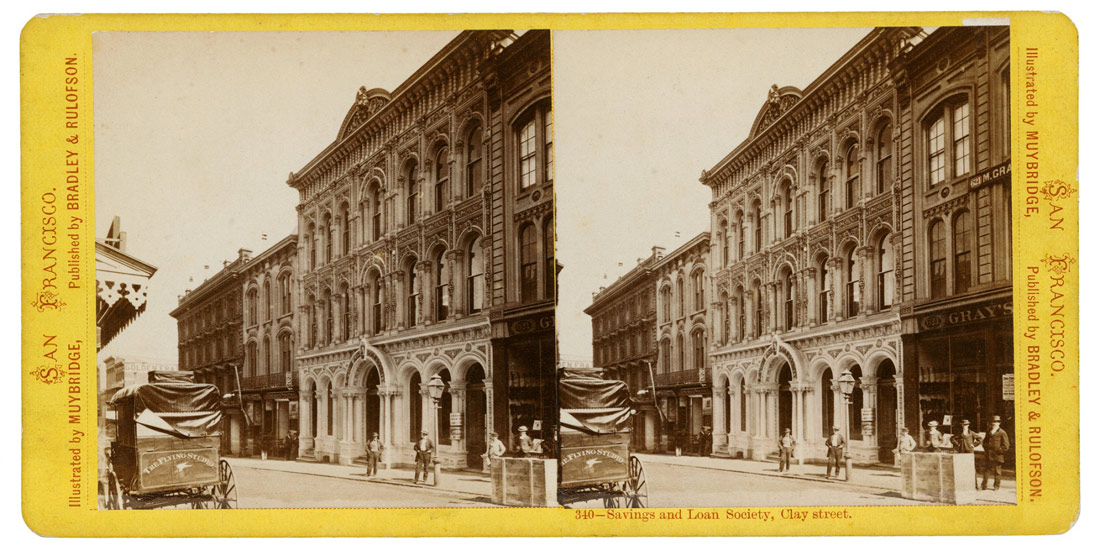
Eadweard Muybridge (English-American, 1830-1904) Savings and Loan Society, Clay Street (340), 1869


Eadweard Muybridge (English-American, 1830-1904)
Savings and Loan Society, Clay Street (340)
1869
albumen stereograph
Collection of Leonard A. Calle


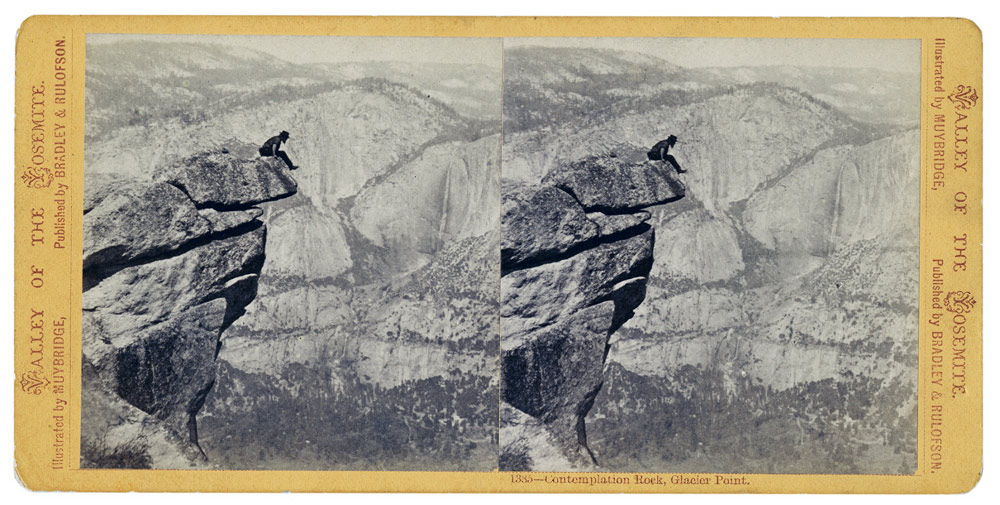
Eadweard Muybridge (English-American, 1830-1904) Contemplation Rock, Glacier Point (1385), 1872


Eadweard Muybridge (English-American, 1830-1904)
Contemplation Rock, Glacier Point (1385)
1872
Albumen stereograph
Collection of California Historical Society


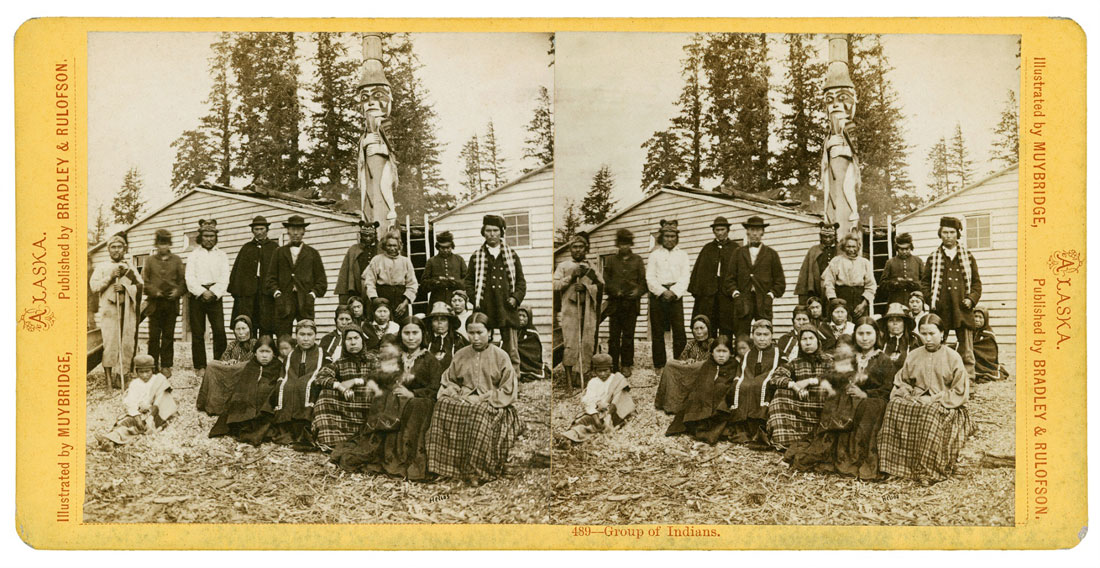
Eadweard Muybridge (English-American, 1830-1904) 'Group of Indians (489)' 1868


Eadweard Muybridge (English-American, 1830-1904)
Group of Indians (489)
1868
Albumen stereograph
Collection of Leonard A. Walle


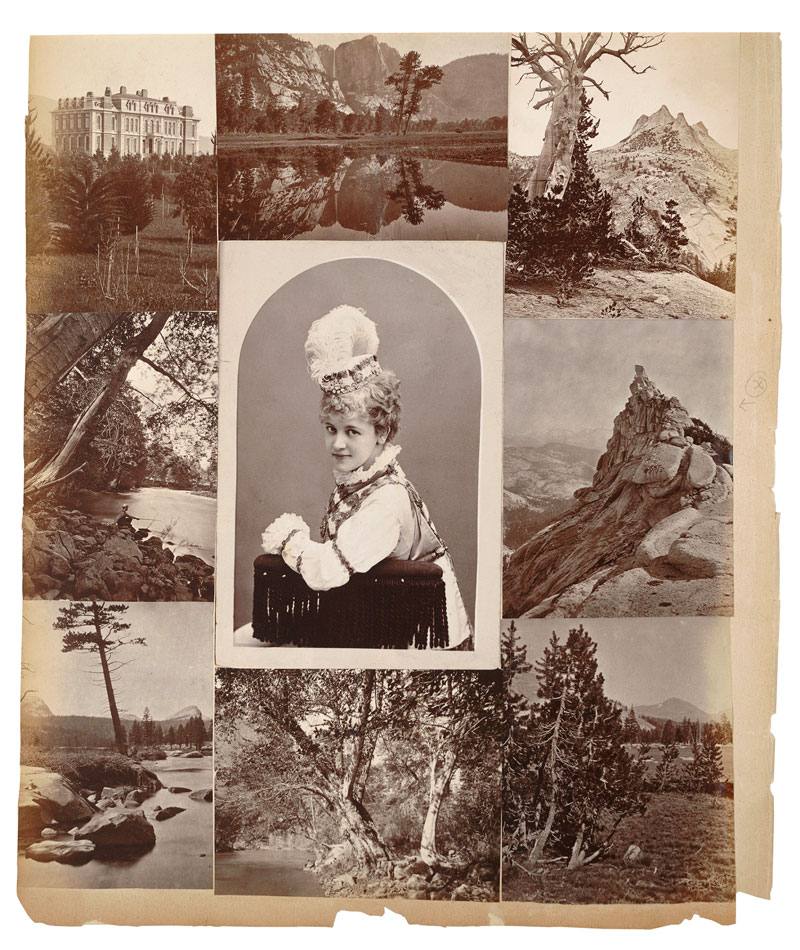
Eadweard Muybridge (English-American, 1830-1904) 'The Brandenburg Album of Bradley & Rolufson "Celebrities" and Muybridge Photographs, page 104' 1874


Eadweard Muybridge (English-American, 1830-1904)
The Brandenburg Album of Bradley & Rolufson “Celebrities” and Muybridge Photographs, page 104
1874
Albumen prints
Iris & B. Gerald Cantor Center for Visual Arts at Stanford University, Museum Purchase Fund


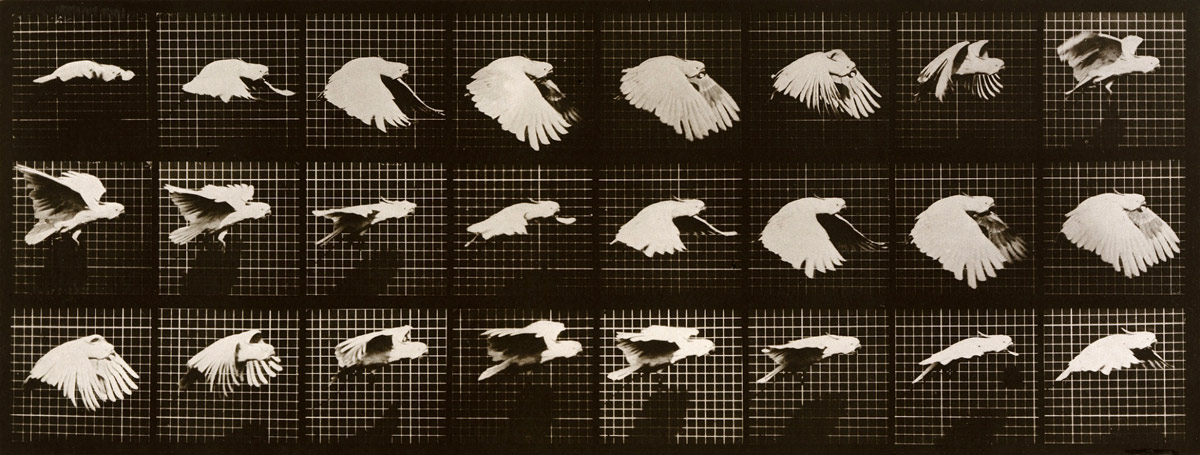
Eadweard Muybridge (English-American, 1830-1904) 'Cockatoo; flying. Plate 759' 1887


Eadweard Muybridge (English-American, 1830-1904)
Cockatoo; flying. Plate 759
1887
Collotype
Corcoran Gallery of Art, Washington, D.C.


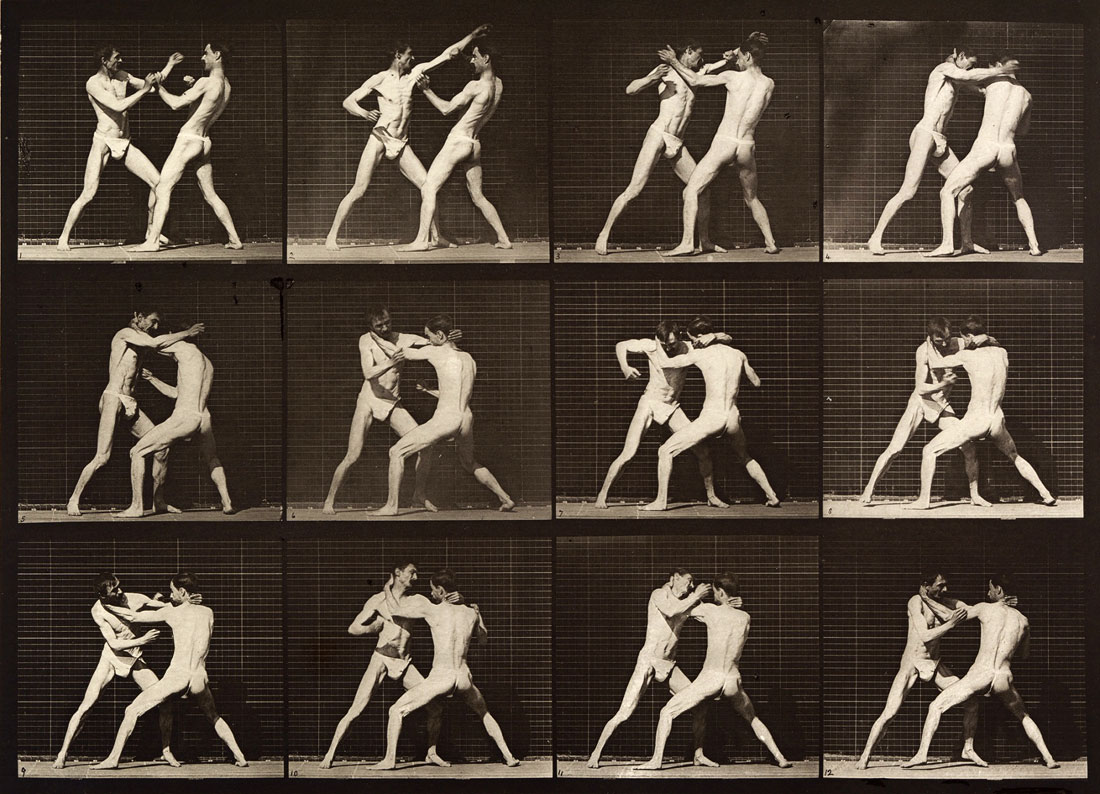
Eadweard Muybridge (English-American, 1830-1904) 'Boxing; open-hand. Plate 340' 1887


Eadweard Muybridge (English-American, 1830-1904)
Boxing; open-hand. Plate 340
1887
Collotype
Corcoran Gallery of Art, Washington, D.C.


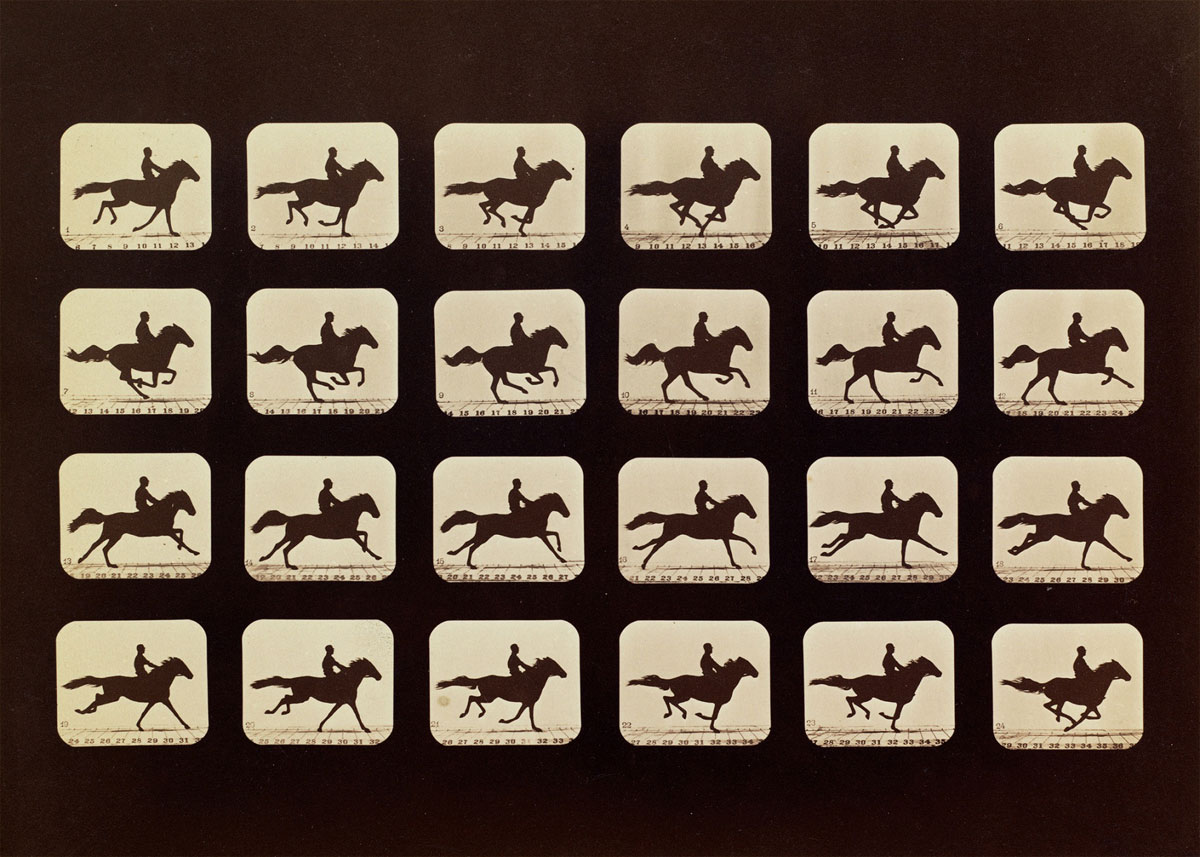
Eadweard Muybridge (English-American, 1830-1904) 'Horses. Running. Phryne L. Plate 40, 1879, from 'The Attitudes of Animals in Motion'' 1881


Eadweard Muybridge (English-American, 1830-1904)
Horses. Running. Phryne L. Plate 40
1879
From The Attitudes of Animals in Motion, 1881
Albumen print
Image courtesy The Board of Trustees, National Gallery of Art, Washington, Gift of Mary and Dan Solomon


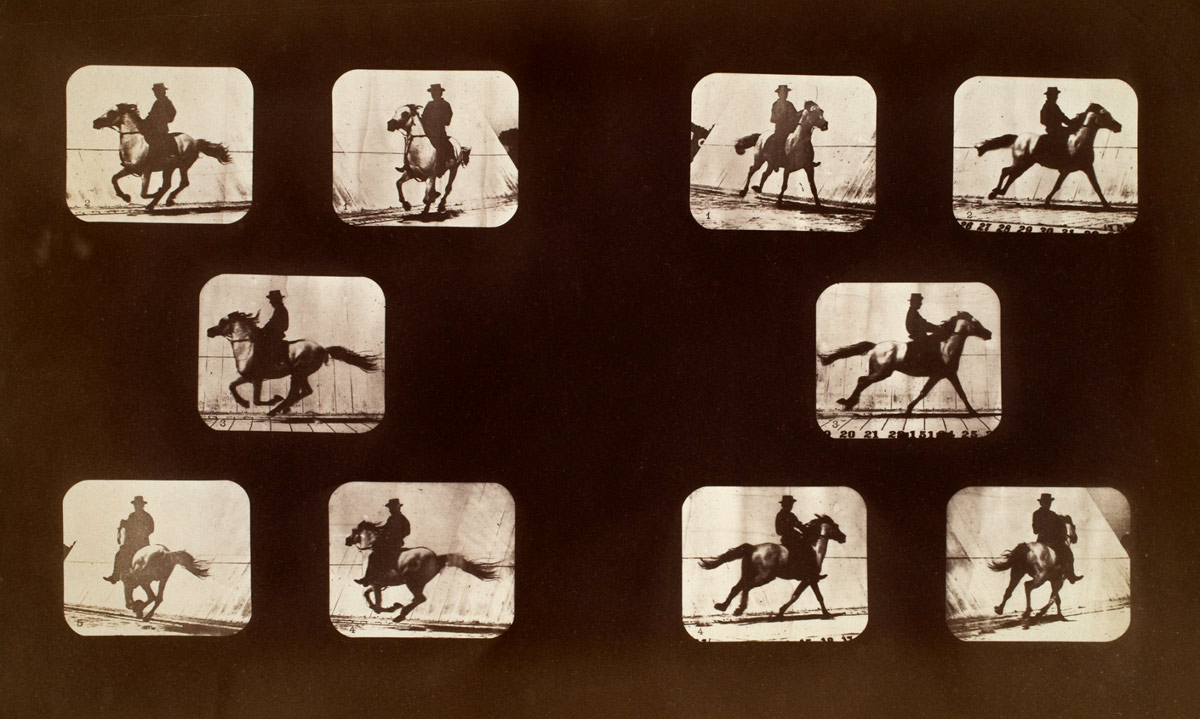
Eadweard Muybridge (English-American, 1830-1904) 'Studies of Foreshortenings. Horses. Running. Mahomet. Plates 143-144, 1879, from 'The Attitudes of Animals in Motion'' 1881


Eadweard Muybridge (English-American, 1830-1904)
Studies of Foreshortenings. Horses. Running. Mahomet. Plates 143-144
1879
From The Attitudes of Animals in Motion, 1881
Albumen print
Chrysler Museum of Art, Norfolk, VA


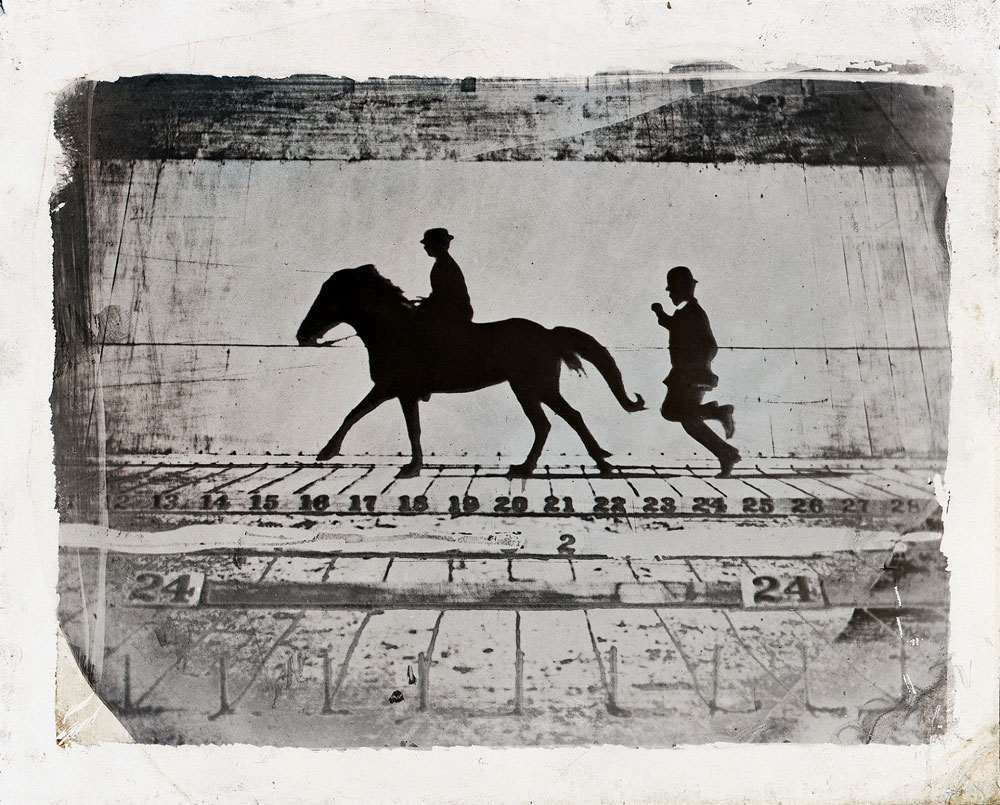
Eadweard Muybridge (English-American, 1830-1904) 'Leland Stanford, Jr. on his pony “Gypsy” - Phases of a Stride by a Pony While Cantering' 1879


Eadweard Muybridge (English-American, 1830-1904)
Leland Stanford, Jr. on his pony “Gypsy” – Phases of a Stride by a Pony While Cantering
1879
Collodion positive on glass
Wilson Centre for Photography


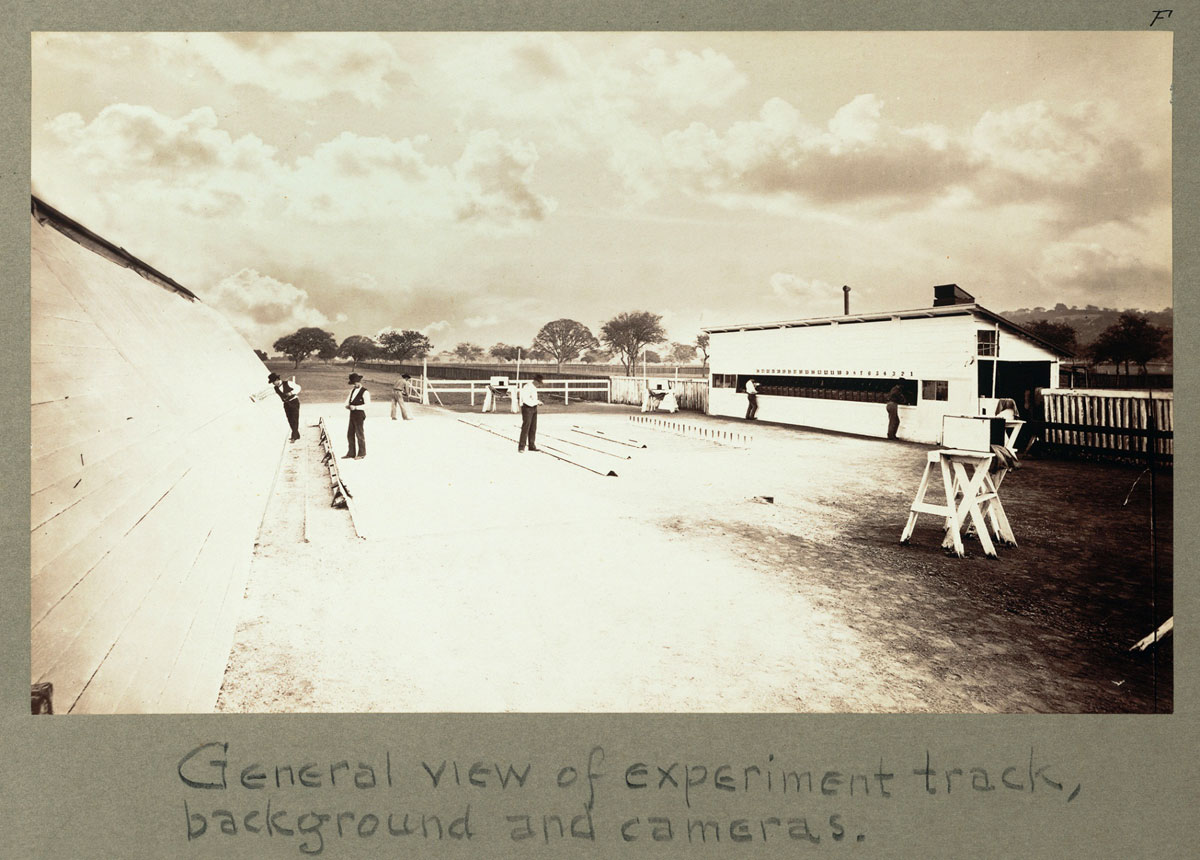
Eadweard Muybridge (English-American, 1830-1904) 'General view of experiment track, background and cameras, Plate F, from The Attitudes of Animals in Motion' 1881


Eadweard Muybridge (English-American, 1830-1904)
General view of experiment track, background and cameras, Plate F
1881
From The Attitudes of Animals in Motion, 1881
Albumen print
Courtesy Special Collections, Stanford University Libraries


San Francisco Museum of Modern Art (SFMOMA)
151 Third Street (between Mission + Howard)
San Francisco CA 94103

Opening hours:
Friday – Tuesday 10 am – 5 pm and Thursday 10 am – 9 pm
Wednesday Closed

San Francisco Museum of Modern Art website

LIKE ART BLART ON FACEBOOK

Back to top
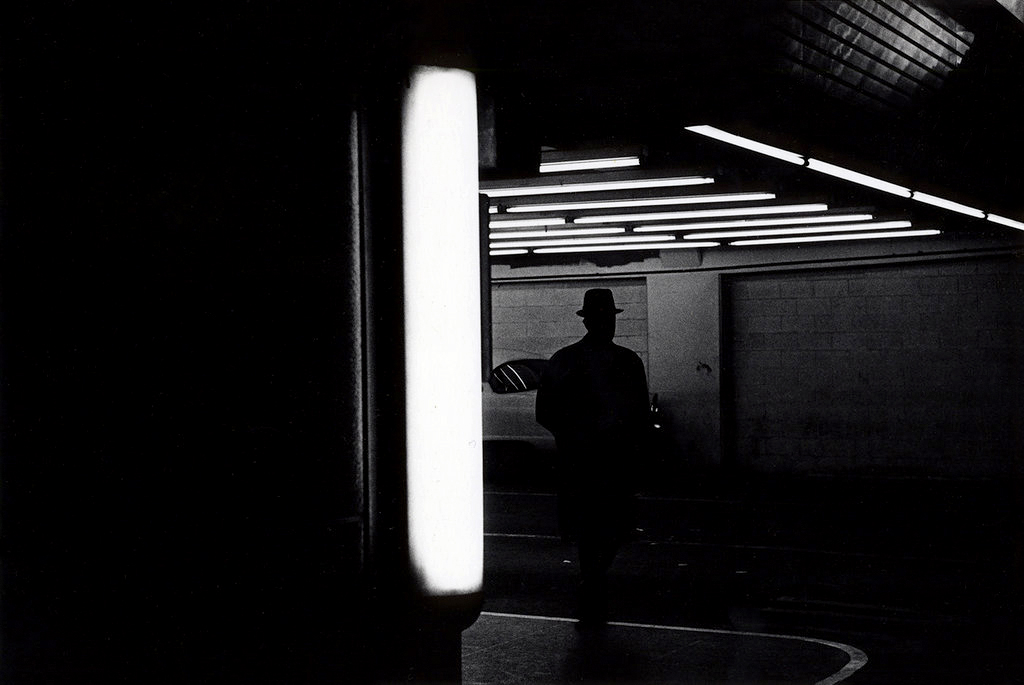
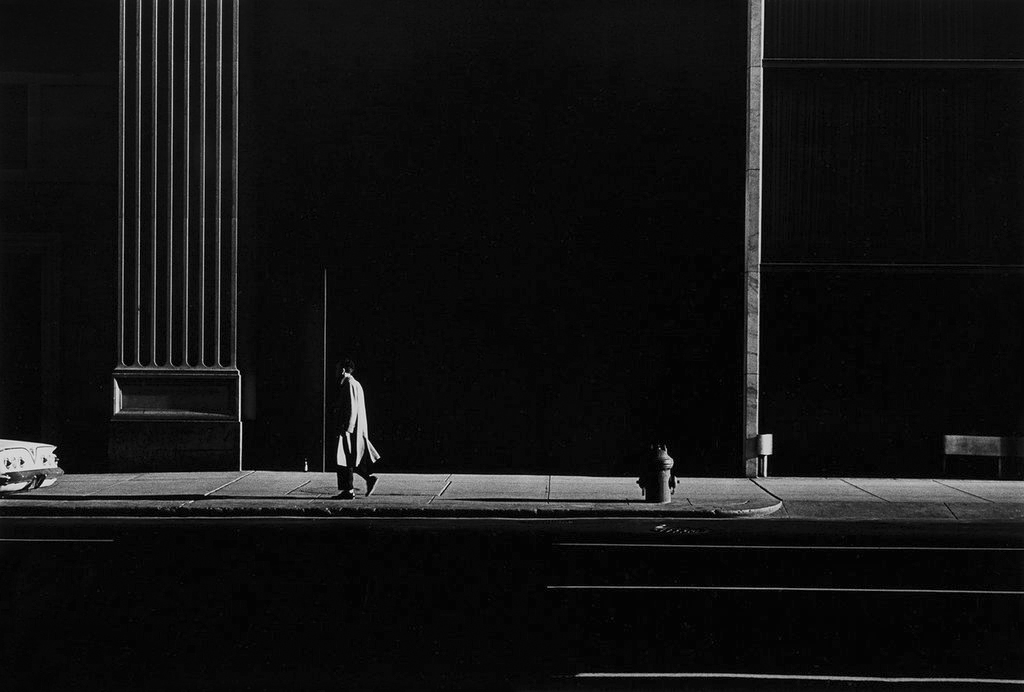
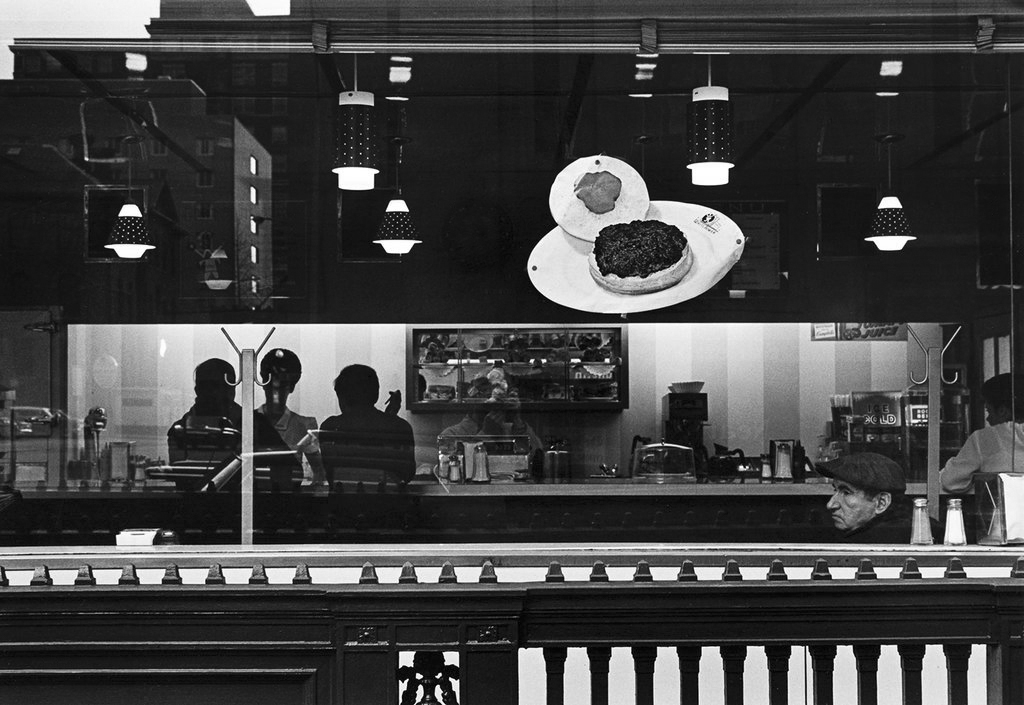
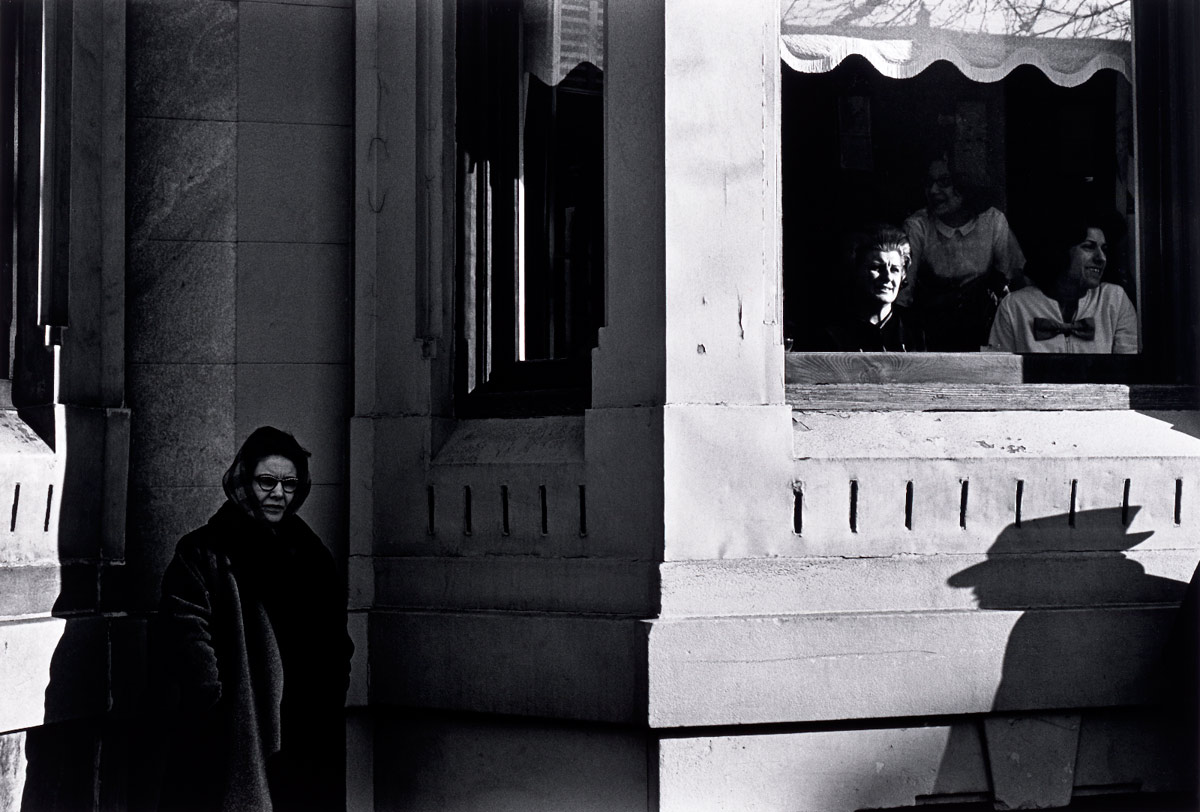
Exhibition: ‘The Photographs of Ray K. Metzker’ at The Nelson-Atkins Museum of Art, Kansas City, Missouri

Exhibition dates: 15th January – 5th June, 2011


Many thankx to The Nelson-Atkins Museum of Art for allowing me to publish the photographs in the posting. Please click on the photograph for a larger version of the image.


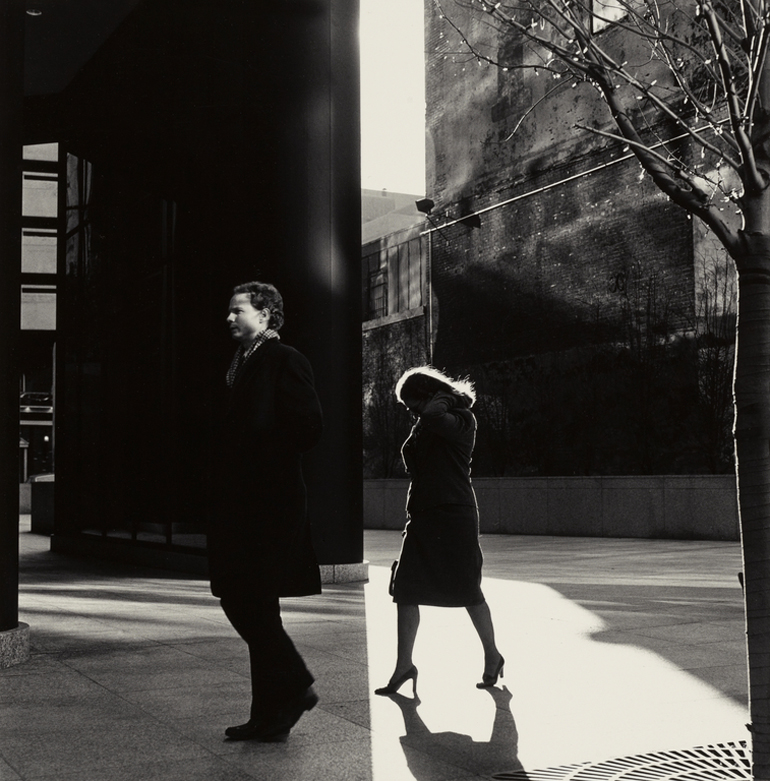
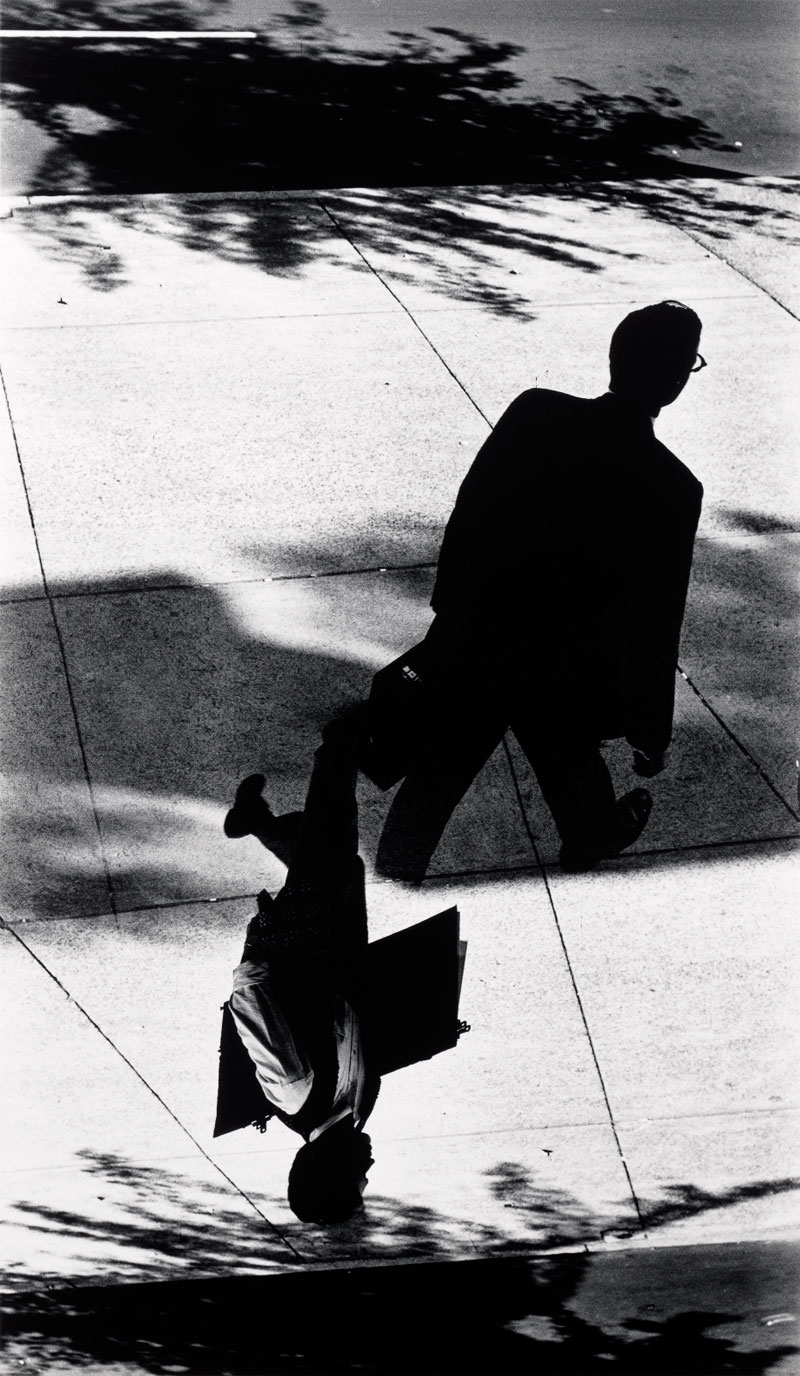
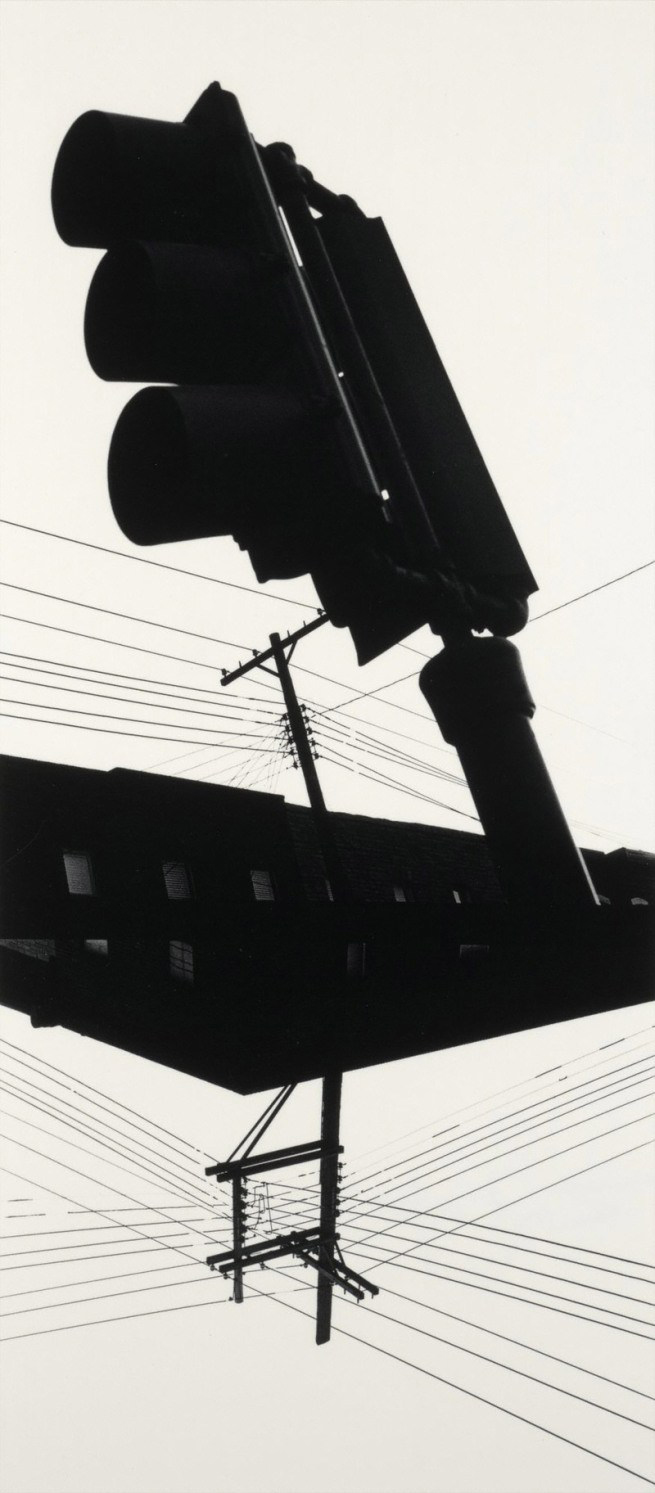
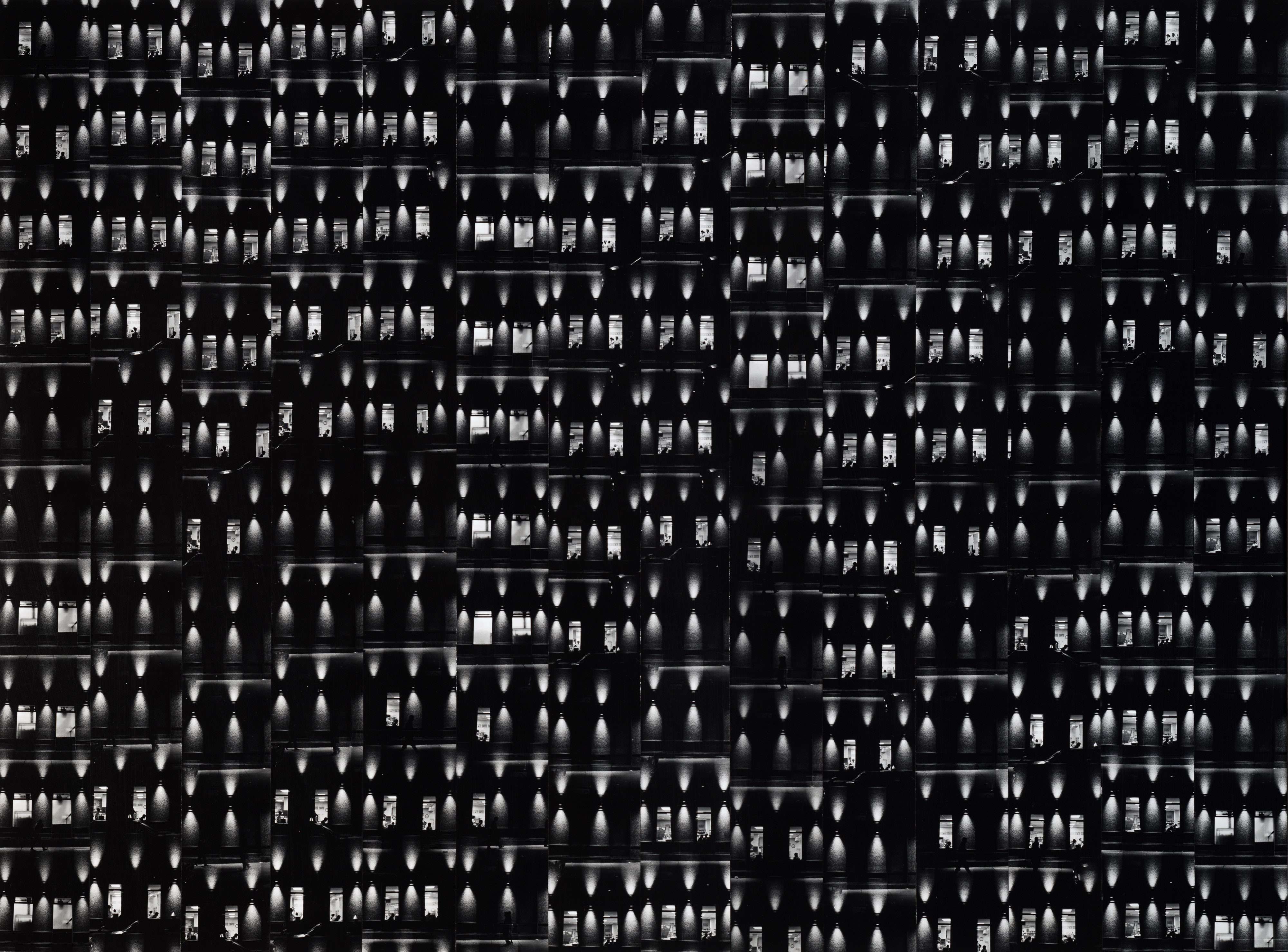
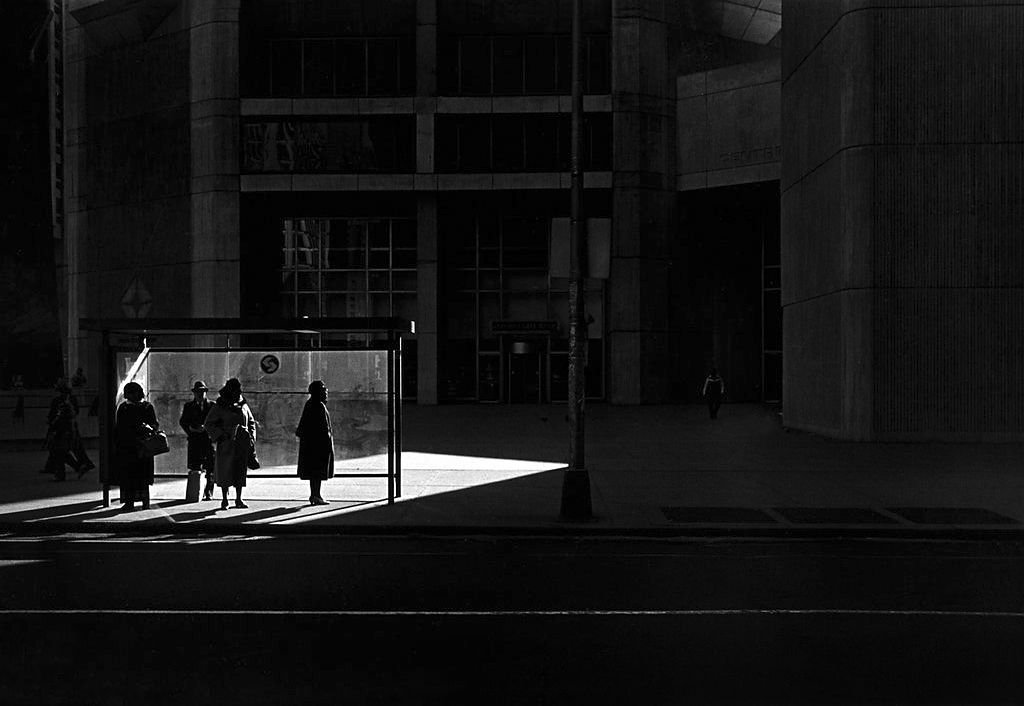
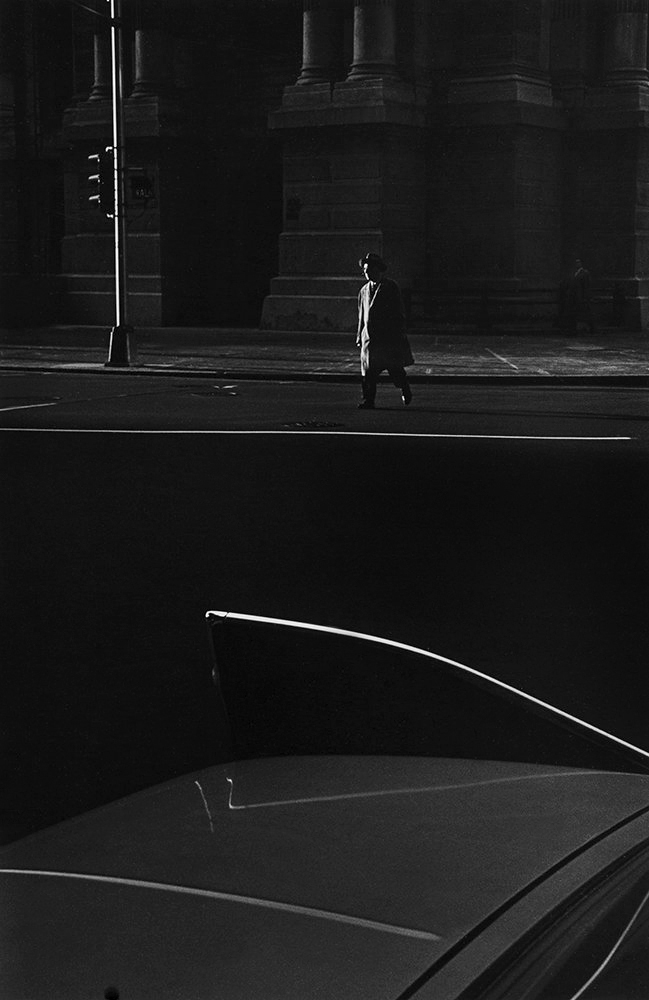
Ray K. Metzker (American, 1931-2014) 'City Whispers, Philadelphia' 1983


Ray K. Metzker (American, 1931-2014)
City Whispers, Philadelphia
1983
Gelatin silver print
The Nelson-Atkins Museum of Art, Kansas City, Missouri
© Ray K. Metzker, courtesy of the Laurence Miller Gallery


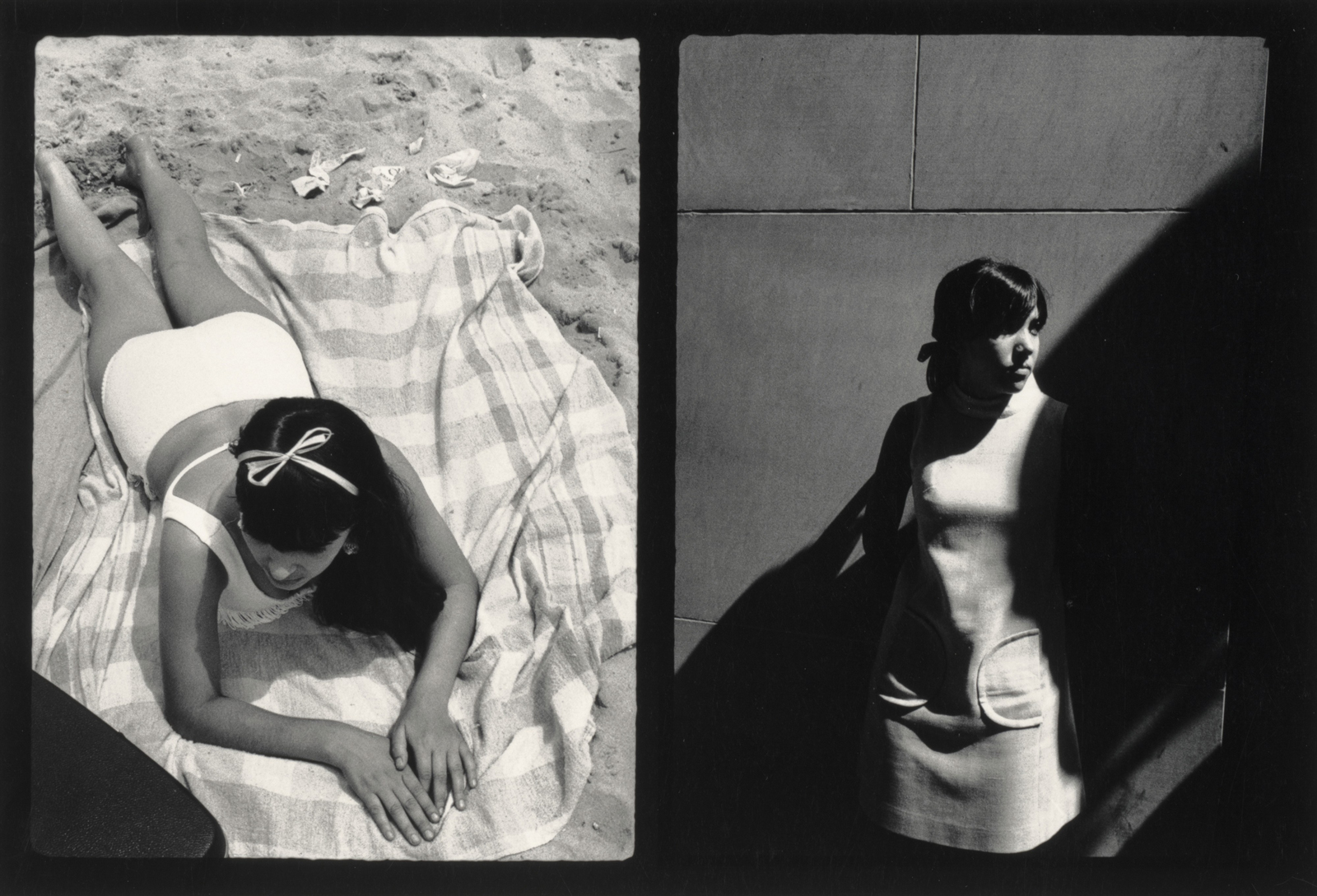
Ray K. Metzker (American, 1931-2014) 'Couplets: Atlantic City/New York City' 1969/1968


Ray K. Metzker (American, 1931-2014)
Couplets: Atlantic City/New York City
1969/1968
Gelatin silver print
The Nelson-Atkins Museum of Art, Kansas City, Missouri
© Ray K. Metzker, courtesy of the Laurence Miller Gallery


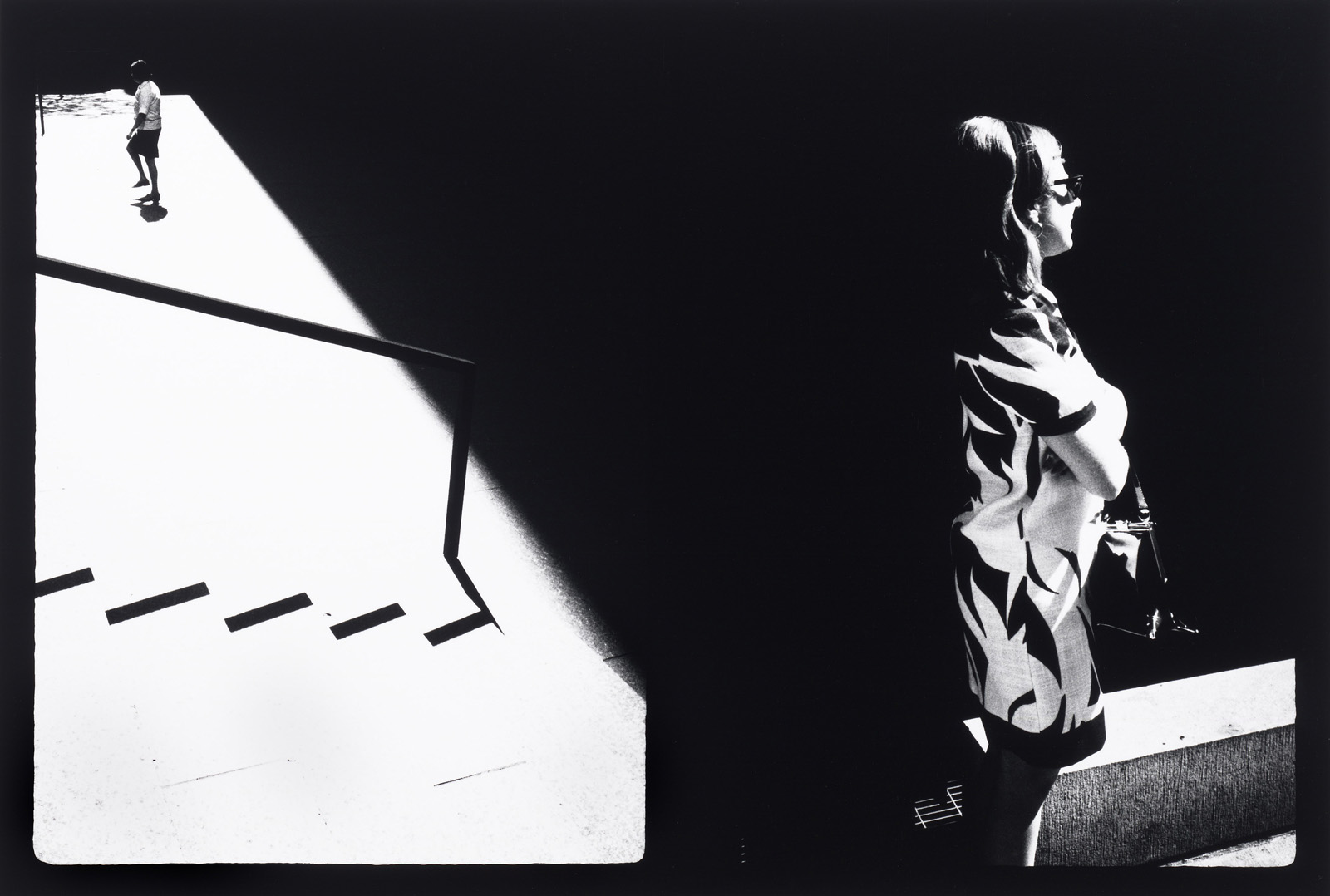
Ray K. Metzker (American, 1931-2014) 'Couplets: New York City' 1968


Ray K. Metzker (American, 1931-2014)
Couplets: New York City
1968
Gelatin silver print
The Nelson-Atkins Museum of Art, Kansas City, Missouri
Gift of the Hall Family Foundation
© Ray K. Metzker, courtesy of the Laurence Miller Gallery


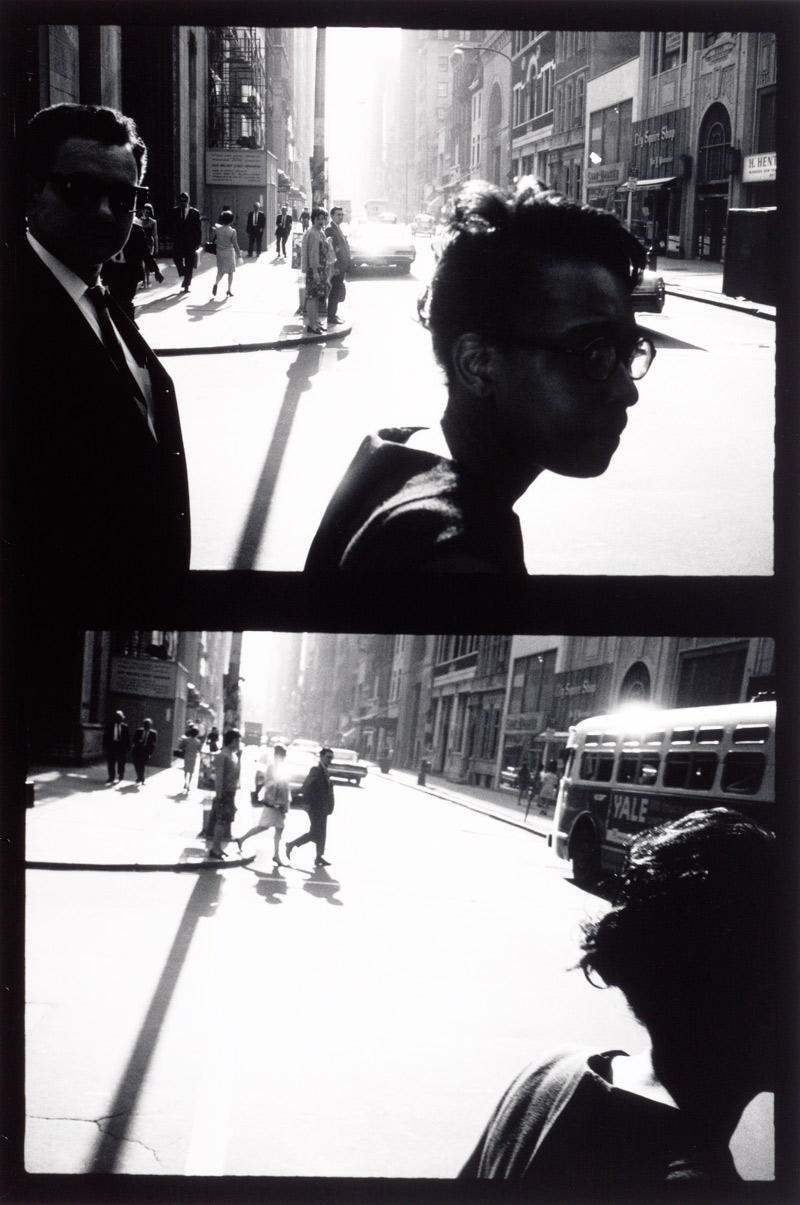
Ray K. Metzker (American, 1931-2014) 'Double Frames: Philadelphia' 1965


Ray K. Metzker (American, 1931-2014)
Double Frames: Philadelphia
1965, printed 1984
Gelatin silver print
Gift of the Hall Family Foundation
© Ray K. Metzker, Courtesy of the Laurence Miller Gallery


Ray K. Metzker (American, 1931-2014) 'Double Frames: Philadelphia' 1965, printed 1972


Ray K. Metzker (American, 1931-2014)
Double Frames: Philadelphia
1965, printed 1972
Gelatin silver print
Gift of the Hall Family Foundation
The Nelson-Atkins Museum of Art
© Ray K. Metzker, Courtesy of the Laurence Miller Gallery


Ray K. Metzker (American, 1931-2014) 'Couplets: Philadelphia' 1968


Ray K. Metzker (American, 1931-2014)
Couplets: Philadelphia
1968, printed 2002
Gelatin silver print
Gift of the Hall Family Foundation
© Ray K. Metzker, Courtesy of the Laurence Miller Gallery


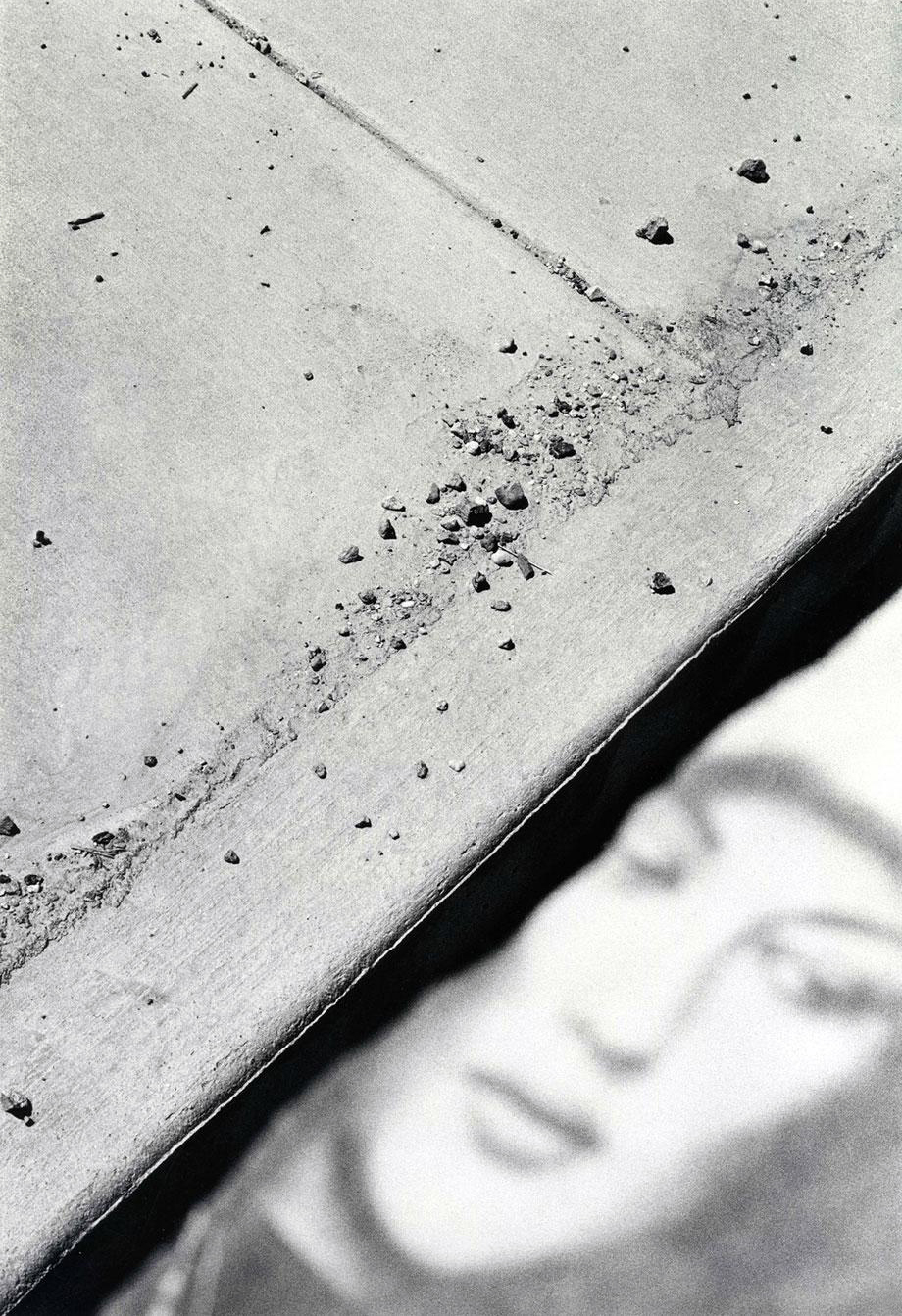
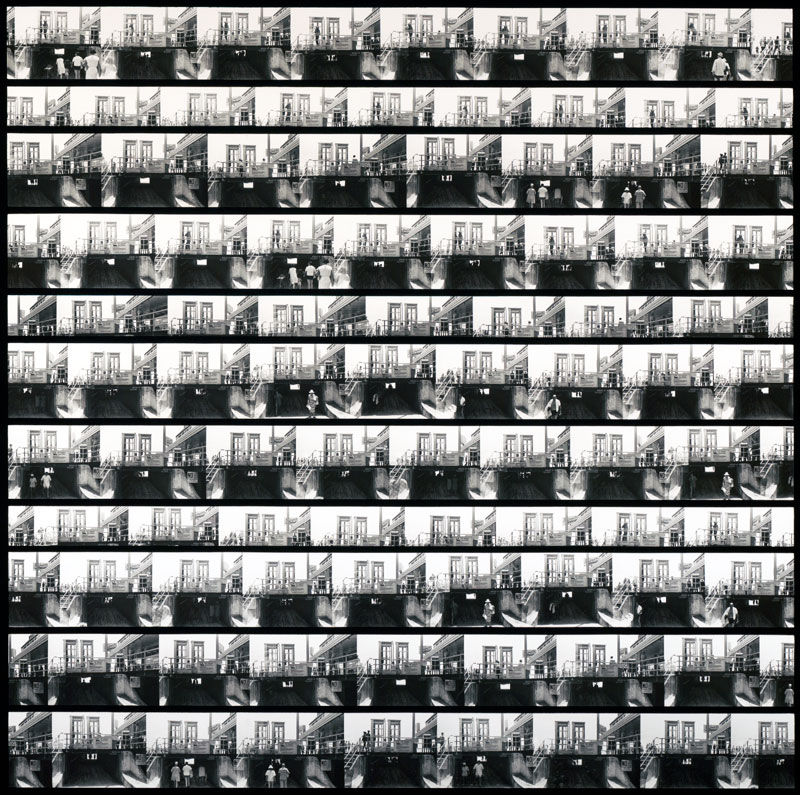
Ray K. Metzker (American, 1931-2014) 'Pictus Interruptus: Philadelphia' 1977


Ray K. Metzker (American, 1931-2014)
Pictus Interruptus: Philadelphia
1977
Gelatin silver print
Gift of the Hall Family Foundation
© Ray K. Metzker, Courtesy of the Laurence Miller Gallery


Works by Ray K. Metzker, one of the most original and influential photographers of the last half century, will be on view from Jan. 15 to June 5, 2011, at The Nelson-Atkins Museum of Art. The Photographs of Ray K. Metzker will reveal Metzker’s ability to turn ordinary subjects, including the urban experience and nature, into the visual poetry of the finely crafted black-and-white print.

At the age of nearly 80, Metzker is greatly admired for his passionate engagement with both photography and the world. He has explored the use of high contrast and selective focus, the potentials of multiple and composite images, and the infinite gradations of daylight, from dazzling white to inky shadow.

This is great and lasting work – the very best of a classic form of American modernism, said Keith F. Davis, senior curator of photography at the Nelson-Atkins. Metzker has led a life of deep devotion to understanding the potential, challenge and pleasure of photographic seeing. In so doing, he has transcended any simple notion of technical experimentation or formalism to illuminate a vastly larger human realm – one of uncertainty, isolation and vulnerability, as well as of unexpected beauty, grace and transcendence.

Thanks to a major gift from the Hall Family Foundation, the Nelson-Atkins now has the largest holding of Metzker’s work (92 prints) in the United States.

Born in Milwaukee, Wis., in 1931, Metzker first took up photography as a teenager. After two years in the army, he entered the graduate program at the Institute of Design, Chicago, in the fall of 1956. His professors, Aaron Siskind and Harry Callahan, were acclaimed artists and inspiring teachers, and they emphasised the medium’s remarkable range and visual potential. Metzker’s artistic vision grew from a union of ideas: the realities of modern life, the medium’s myriad technical possibilities, and the quest for a distinctly individual vision.

Metzker has lived and worked in Philadelphia since 1962, and as he approaches the age of 80, he continues to make new pictures there.

The photographs in the exhibition feature examples from all his major series, including his earliest mature work from Chicago (1957-1959); photographs from an extended visit to Europe (1960-1961); the street activity, people, and structures of Philadelphia (from 1962 to the present); beachgoers at the New Jersey shore, Sand Creatures (1968-1977); the starkness of the Southwestern light and landscape, New Mexico (1971-1972); and the lush mysteries of the natural realm, in his Landscapes (1985-1996) from Italy, France and the United States.

The exhibition features a host of innovative and ingenious approaches to photography, including the use of the double image, Double Frame (1964-1966) and Couplets (1968-1969); single works created from an entire roll of film, Composites (1964-1966); and the creative control of focus in both Pictus Interruptus (1976-1980) and Landscapes (1985-1996).

Press release from The Nelson-Atkins Museum of Art website


Ray K. Metzker (American, 1931-2014) 'Chicago' 1957


Ray K. Metzker (American, 1931-2014)
Chicago
1957
Gelatin silver print
Gift of Hallmark Cards, Inc.,
© Ray K. Metzker, Courtesy of the Laurence Miller Gallery


Ray K. Metzker (American, 1931-2014) 'Chicago' 1959


Ray K. Metzker (American, 1931-2014)
Chicago
1959, printed 1989
Gelatin silver print
Gift of Hallmark Cards, Inc.,
© Ray K. Metzker, Courtesy of the Laurence Miller Gallery


Ray K. Metzker (American, 1931-2014) 'Philadelphia' 1963


Ray K. Metzker (American, 1931-2014)
Philadelphia
1963, printed 1986
Gelatin silver print
Gift of the Hall Family Foundation
© Ray K. Metzker, Courtesy of the Laurence Miller Gallery


Ray K. Metzker (American, 1931-2014) 'Man in Canoe' 1961


Ray K. Metzker (American, 1931-2014)
Man in Canoe
1961
Gelatin silver print
Gift of Hallmark Cards, Inc.,
© Ray K. Metzker, Courtesy of the Laurence Miller Gallery


Ray K. Metzker (American 1931-2014) 'Philadelphia, 1963' 1963


Ray K. Metzker (American 1931-2014)
Philadelphia, 1963
1963
Gelatin silver print
Gift of Hallmark Cards, Inc.,
© Ray K. Metzker, Courtesy of the Laurence Miller Gallery


Ray K. Metzker (American 1931-2014) 'Philadelphia, 1963' 1963


Ray K. Metzker (American 1931-2014)
Philadelphia, 1963
1963
Gelatin silver print
Gift of Hallmark Cards, Inc.,
© Ray K. Metzker, Courtesy of the Laurence Miller Gallery


Ray K. Metzker (American 1931-2014) 'Philadelphia' 1963


Ray K. Metzker (American 1931-2014)
Philadelphia, 1963
1963
Gelatin silver print
Gift of Hallmark Cards, Inc.,
© Ray K. Metzker, Courtesy of the Laurence Miller Gallery


Ray K. Metzker (American 1931-2014) 'Philadelphia' 1964


Ray K. Metzker (American, 1931-2014)
Philadelphia
1964, printed 1989
Gelatin silver print
Gift of Hallmark Cards, Inc.,
© Ray K. Metzker, Courtesy of the Laurence Miller Gallery


Ray K. Metzker (American, 1931-2014) 'Philadelphia' 1964


Ray K. Metzker (American, 1931-2014)
Philadelphia
1964, printed 1989
Gelatin silver print
Gift of Hallmark Cards, Inc.,
© Ray K. Metzker, Courtesy of the Laurence Miller Gallery


Ray K. Metzker (American, 1931-2014) 'Composite: Atlantic City' 1966


Ray K. Metzker (American, 1931-2014)
Composite: Atlantic City
1966
Gelatin silver print
Gift of Hallmark Cards, Inc.,
© Ray K. Metzker, Courtesy of the Laurence Miller Gallery


Ray K. Metzker (American, 1931-2014) 'Composites: Night at the Terminal' about 1966


Ray K. Metzker (American, 1931-2014)
Composites: Night at the Terminal
about 1966
Gelatin silver print
The Nelson-Atkins Museum of Art
© Ray K. Metzker, courtesy of Lawrence Miller Gallery


Ray K. Metzker (American 1931-2014) 'Philadelphia' 1981


Ray K. Metzker (American 1931-2014)
Philadelphia
1981
Gelatin silver print
Gift of Hallmark Cards, Inc.,
© Ray K. Metzker, Courtesy of the Laurence Miller Gallery


Ray K. Metzker (American 1931-2014) 'Philadelphia' 1964


Ray K. Metzker (American 1931-2014)
Philadelphia, 1964
1963
Gelatin silver print
Gift of Hallmark Cards, Inc.,
© Ray K. Metzker, Courtesy of the Laurence Miller Gallery


Ray K. Metzker (American 1931-2014) 'Philadelphia' 1963


Ray K. Metzker (American 1931-2014)
Philadelphia, 1963
1963
Gelatin silver print
Gift of Hallmark Cards, Inc.,
© Ray K. Metzker, Courtesy of the Laurence Miller Gallery


The Nelson-Atkins Museum of Art
4525 Oak Street
Kansas City, MO 64111

Opening hours:
Thursday – Monday 10am – 5pm
Closed Tuesdays and Wednesdays

The Nelson-Atkins Museum of Art website

LIKE ART BLART ON FACEBOOK

Back to top
Exhibition: ‘Garry Winogrand. Women are beautiful’ at Fundació Foto Colectania, Barcelona

Exhibition dates: 23rd February – 4th June 2011


Many thankx to Fundació Foto Colectania for allowing me to publish the photographs in the posting. Please click on the photograph for a larger version of the image.


Garry Winogrand (American, 1928-1984) 'Centennial Ball, Metropolitan Museum' New York, 1969


Garry Winogrand (American, 1928-1984)
Centennial Ball, Metropolitan Museum
New York, 1969, printed 1981
Silver gelatin print
22 x 33cm
© The Estate of Garry Winogrand, courtesy Fraenkel Gallery, San Francisco


Garry Winogrand (American, 1928-1984) 'Untitled', New York, 1965


Garry Winogrand (American, 1928-1984)
Untitled
New York, 1965, printed 1981
Silver gelatin print
22 x 33cm
© The Estate of Garry Winogrand, courtesy Fraenkel Gallery, San Francisco


Garry Winogrand (American, 1928-1984) 'Untitled', New York, 1968


Garry Winogrand (American, 1928-1984)
Untitled
New York, 1968, printed 1981
Silver gelatin print
22 x 33cm
© The Estate of Garry Winogrand, courtesy Fraenkel Gallery, San Francisco


Foundation Foto Colectania presents for the first time in Barcelona the famous series Women Are Beautiful by Garry Winogrand.

Garry Winogrand is considered one of the greatest innovators of photography of the twentieth-century in America. He knew like no other how to capture the social transformation of females in the 60’s and 70’s through his portraits of women who stand as an allegory of women’s emancipation and their new role in society. The Foundation Foto Colectania presents his series Women Are Beautiful, including 85 photographs taken between 1960 and 1975 and collected in the book with the same title by the legendary director of photography at the MoMA, John Szarkowski. The exhibition from the collection of Lola Garrido, is part of the programming line of the foundation which is dedicated to authors who changed the course of the history of photography. The exhibition can be seen in Barcelona until June 4, 2011. In the 60’s ended the era of big images as symbols of timeless truths, by the devastating influence first from Walker Evans, and later from Robert Frank and William Klein. The pictures are focused on the reflection of reality, no retouching or other ideas added. Garry Winogrand and Lee Friedlander represent “the new American style” which broke new ground in the so-called Street Photography.

Winogrand combines spontaneity with an apparent confusion, which is more than aware of the complexity of the photography world: “I photograph to see what the world looks like in photographs.” The presence of human beings, contrasting with the crowds and the streets in his photographs reveals a new way of looking, in which the anarchy results in a wealth of shapes and structures. The biased and cold style of Winogrand is associated with Abstract Expressionism and its sharp diagonals are similar to paint brush strokes of those years. If the photographer Robert Frank was critical of the 50’s, Garry Winogrand is one of the largest photographers of the 60’s.

Press release from the Fundació Foto Colectania website


Garry Winogrand (American, 1928-1984) 'World's Fair', New York, 1964


Garry Winogrand (American, 1928-1984)
World’s Fair
New York, 1964, printed 1981
Silver gelatin print
22 x 33cm
© The Estate of Garry Winogrand, courtesy Fraenkel Gallery, San Francisco


Garry Winogrand (American, 1928-1984) 'New York City' 1967, printed 1981


Garry Winogrand (American, 1928-1984)
New York City
1967, printed 1981
Silver gelatin print
22 x 33cm
© The Estate of Garry Winogrand, courtesy Fraenkel Gallery, San Francisco


Garry Winogrand (American, 1928-1984) 'Central Park, New York' 1968, printed 1981


Garry Winogrand (American, 1928-1984)
Central Park, New York
1968, printed 1981
Silver gelatin print
22 x 33cm
© The Estate of Garry Winogrand, courtesy Fraenkel Gallery, San Francisco


Garry Winogrand (American, 1928-1984) 'Untitled' New York, c. 1970, printed 1981


Garry Winogrand (American, 1928-1984)
Untitled
New York, c. 1970, printed 1981
Silver gelatin print
22 x 33cm
© The Estate of Garry Winogrand, courtesy Fraenkel Gallery, San Francisco


Garry Winogrand (American, 1928-1984) 'New York' 1961, printed 1981


Garry Winogrand (American, 1928-1984)
New York
1961, printed 1981
Silver gelatin print
33 x 22cm
© The Estate of Garry Winogrand, courtesy Fraenkel Gallery, San Francisco


Garry Winogrand (American, 1928-1984) 'Untitled', New York, 1969


Garry Winogrand (American, 1928-1984)
Untitled
New York, 1969, printed 1981
Silver gelatin print
33 x 22cm
© The Estate of Garry Winogrand, courtesy Fraenkel Gallery, San Francisco


Garry Winogrand (American, 1928-1984) 'Untitled', New York, 1968


Garry Winogrand (American, 1928-1984)
Untitled
New York, 1968, printed 1981
Silver gelatin print
33 x 22 cm
© The Estate of Garry Winogrand, courtesy Fraenkel Gallery, San Francisco


Fundació Foto Colectania
Julián Romea 6, D2
08006
Barcelona

Opening hours:
Wednesday to Saturday: 11am – 2.30pm and 4pm – 8 pm
Sunday: 11am – 3pm

Fundació Foto Colectania website

LIKE ART BLART ON FACEBOOK

Back to top
Exhibition: ‘A Ballad of Love and Death: Pre-Raphaelite Photography in Great Britain, 1848-1875’ at the Musée d’Orsay, Paris

Exhibition dates: 8th March – 29th May 2011


Julia Margaret Cameron – you are one of my heroes!


Many thankx to the Musée d’Orsay for allowing me to publish the photographs in the posting. Please click on the photographs for a larger version of the image.


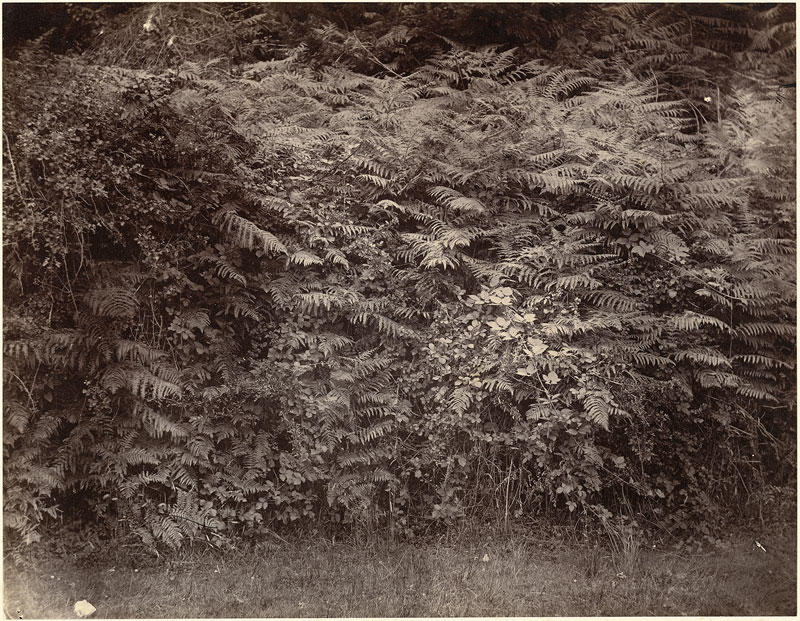
Henry White (British, 1819-1903) 'Ferns and brambles' 1856


Henry White (British, 1819-1903)
Fougères et ronces (Ferns and brambles)
1856
Albumen print
19.1 x 24.1cm
Collection particulière
© Droits réservés


John Ruskin (English, 1819-1900) 'Fribourg' 1859


John Ruskin (English, 1819-1900)
Fribourg
1859
Pencil, ink, watercolour and gouache on paper
22.5 x 28.7cm
London, The British Museum
© The Trustees of The British Museum. All rights reserved


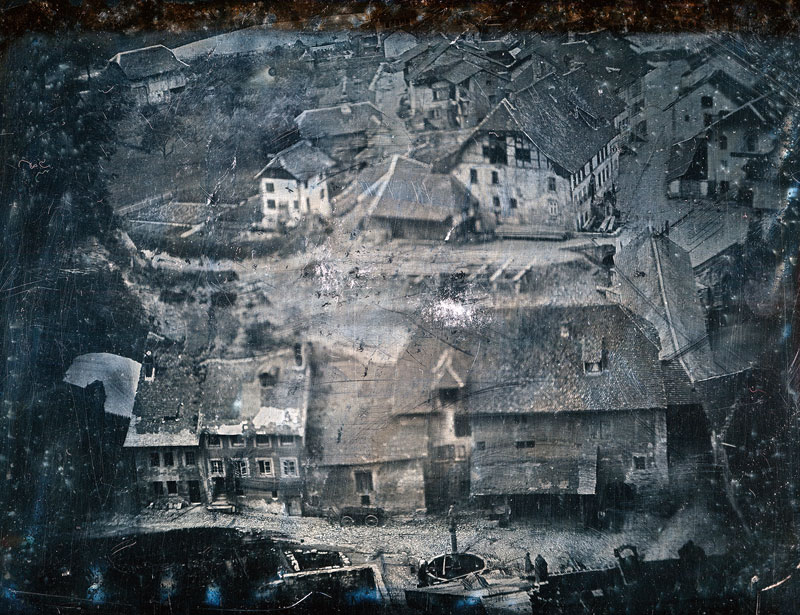
Frederick Crawley, under the direction of John Ruskin (English, 1819-1900) 'Fribourg, Switzerland, Palm Street and Berne Bridge' about 1854 or 1856


Frederick Crawley, under the direction of John Ruskin (English, 1819-1900)
Fribourg, Suisse, Rue de la Palme et Pont de Berne (Fribourg, Switzerland, Palm Street and Berne Bridge)
about 1854 or 1856
Daguerréotype
11.5 x 15.1cm
Angleterre, Courtesy K. and J. Jacobson
© Droits réservés


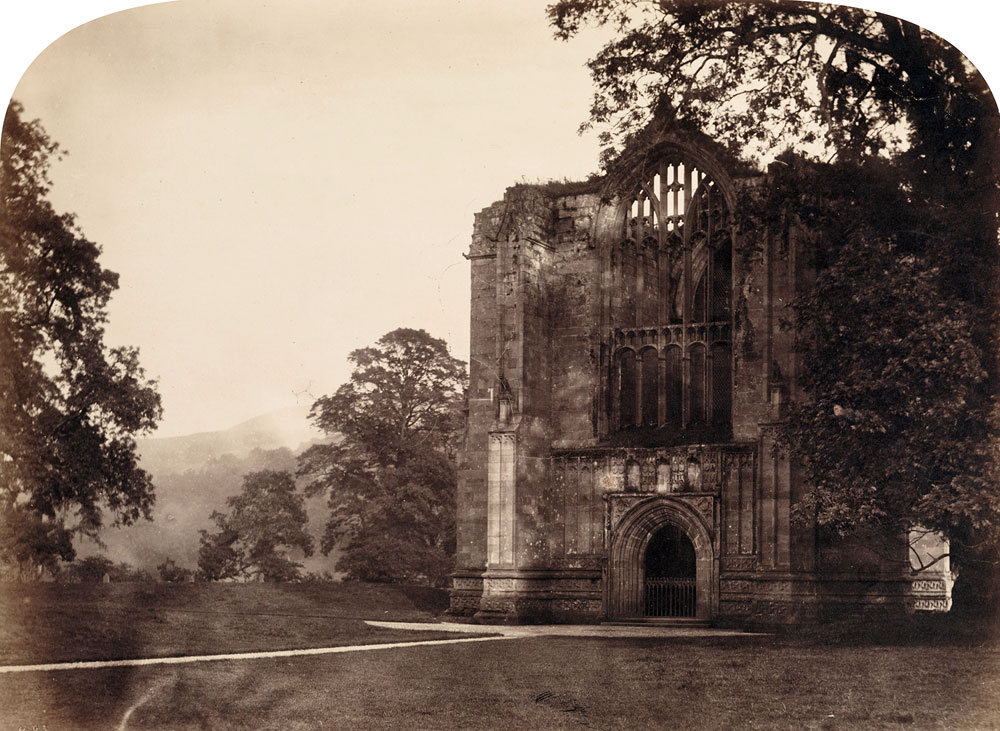
Roger Fenton (British, 1819-1869) 'Bolton Abbey' 1854


Roger Fenton (British, 1819-1869)
Bolton Abbey, West window
1854
Albumen print
25.1 x 34.5cm
Bradford, National Media Museum
© National Media Museum, Bradford/Science & Society Picture Library


John William Inchbold (English, 1830-1888) 'La Chapelle de Bolton Abbey' 1853


John William Inchbold (English, 1830-1888)
La Chapelle de Bolton Abbey (The Vault of Bolton Abbey)
1853
Oil on canvas
50 x 68.4cm
Northampton, Museum and Art Gallery
© Northampton, Museum and Art Gallery


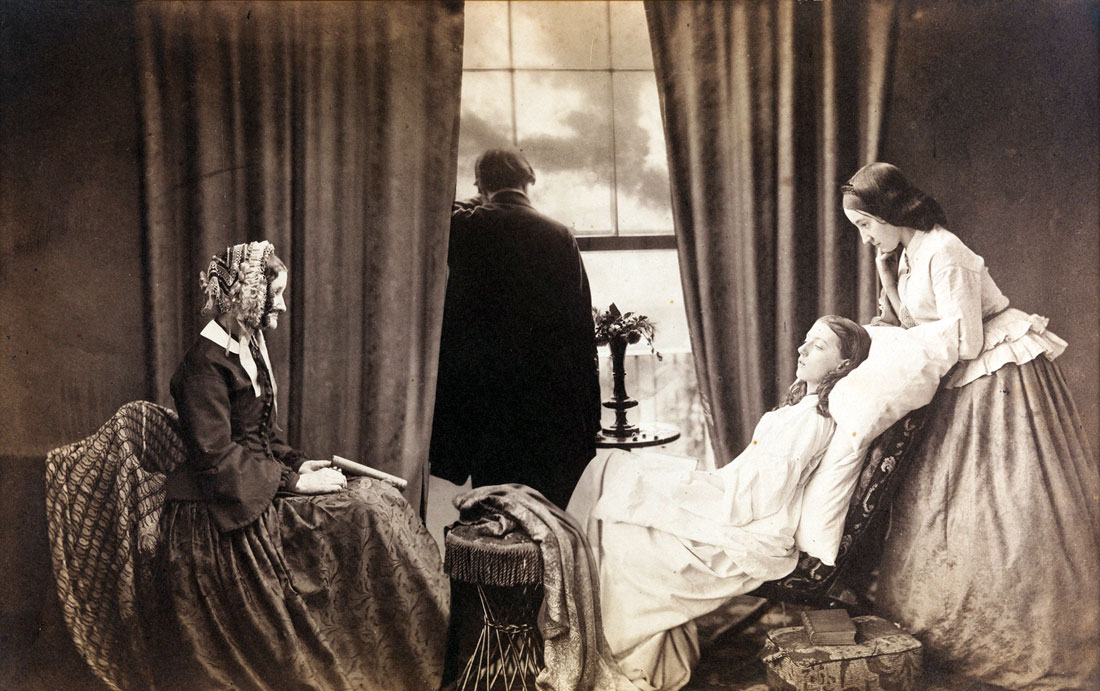
Henry Peach Robinson (English, 1830-1901) 'Fading Away' 1858


Henry Peach Robinson (English, 1830-1901)
Fading Away
1858
Albumen print
28.8 x 52.1cm
Bradford, The Royal Photographic Society Collection au National Media Museum.
© National Media Museum, Bradford/Science & Society Picture Library


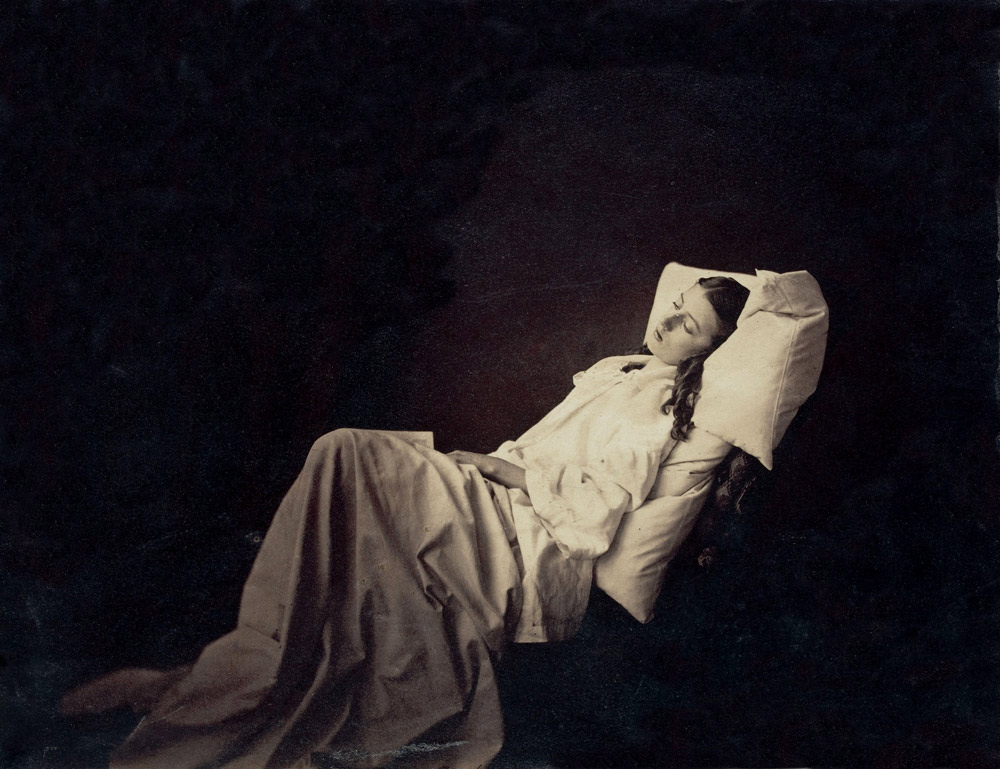
Henry Peach Robinson (English, 1830-1901) 'She Never Told her Love' 1857


Henry Peach Robinson (English, 1830-1901)
She Never Told her Love
1857
Albumen print
18.6 x 23.3cm
Paris, musée d’Orsay
© Musée d’Orsay (dist. RMN)/Patrice Schmidt


Consumed by the passion of unrequited love, a young woman lies suspended in the dark space of her unrealised dreams in Henry Peach Robinson’s illustration of the Shakespearean verse “She never told her love,/ But let concealment, like a worm i’ the bud,/ Feed on her damask cheek” (Twelfth Night II,iv,111-13). Although this picture was exhibited by Robinson as a discrete work, it also served as a study for the central figure in his most famous photograph, Fading Away, of 1858.

Purportedly showing a young consumptive surrounded by family in her final moments, Fading Away was hotly debated for years. On the one hand, Robinson was criticised for the presumed indelicacy of having invaded the death chamber at the most private of moments. On the other, those who recognised the scene as having been staged and who understood that Robinson had created the picture through combination printing (a technique that utilised several negatives to create a single printed image) accused him of dishonestly using a medium whose chief virtue was its truthfulness.

While addressing the moral and literary themes that Robinson believed crucial if photography were to aspire to high art, this picture makes only restrained use of the cloying sentimentality and showy technical artifice that often characterise this artist’s major exhibition pictures. Perhaps intended to facilitate the process of combination printing, the unnaturally black background serves also to envelop the figure in palpable melancholia.

Text from the Metropolitan Museum of Art website [Online] Cited 27/01/2020


Frederick Pickersgill (English, 1820-1900) 'Sunshine and Shade' 1859


Frederick Pickersgill (English, 1820-1900)
Sunshine and Shade
1859
Albumen print
16.4 x 19.4cm
The Royal Photographic Society Collection at the National Media Museum.
© National Media Museum, Bradford/Science & Society Picture Library


The historian and art critic, John Ruskin, had a great influence in Great Britain not only on the Pre-Raphaelite movement created in 1848, but on the development of early photography in the 1850s. The leading Pre-Raphaelite painters, John Everett Millais, Dante Gabriel Rossetti, Holman Hunt and Ford Madox Brown and their followers, wished to change the pictorial conventions laid down by the Royal Academy, and in order to demonstrate the transformations in modern life, invented a radically new idiom marked by bright colours and clarity of detail.

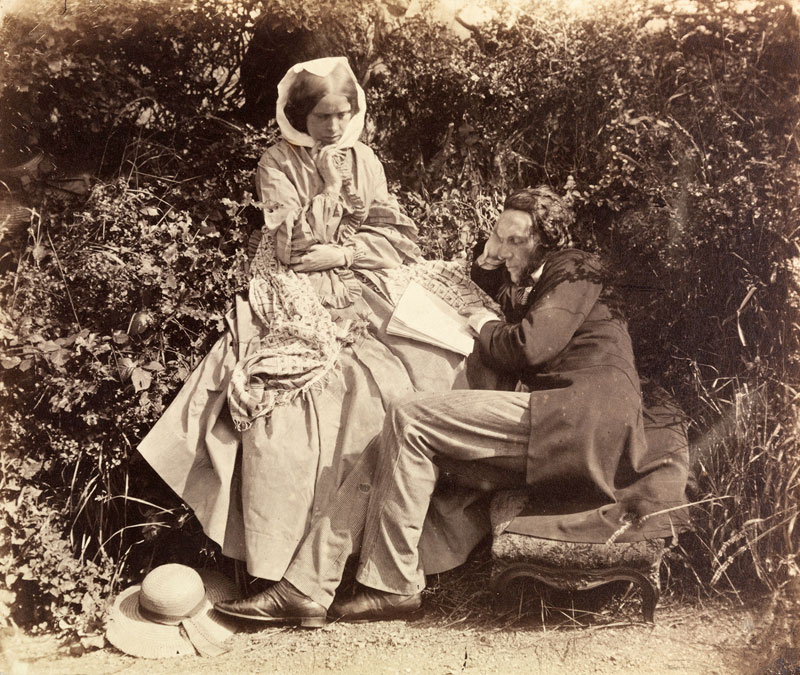
Pre-Raphaelite painters and photographers frequently made similar choices of subjects, and the photographers, particularly Julia Margaret Cameron, David Wilkie Wynfield and Lewis Carroll, were often had close links with the painters.

When painting landscapes, the Pre-Raphaelite artists answered Ruskin’s call, meticulously observing nature in order to capture every nuance of detail. For their part, photographers, such as Roger Fenton, Henry White, William J. Stillman and Colonel Henry Stuart Wortley, experimented with the new process of wet plate collodion negatives that allowed much greater image detail, and achieved similar effects. Although highly impressed at first by the daguerreotype, which enabled the eye to see tiny, overlooked details, Ruskin was nonetheless still very critical of landscape photography, which could not reproduce the colours of nature and in particular of the sky. This failing also gave rise to a major debate amongst photography critics.

In portraiture, there were clear links between the painted portraits of Watts and Cameron’s photographic portraits. By using special lenses and photographing her models in close-up, Cameron, achieved, with a glass negative, exactly the opposite effect to the clear image advocated by Ruskin, and her work was distinctive for the breadth of relief and contour, as well as the compositions evoking Raphael’s paintings, also a source of inspiration for Watts.

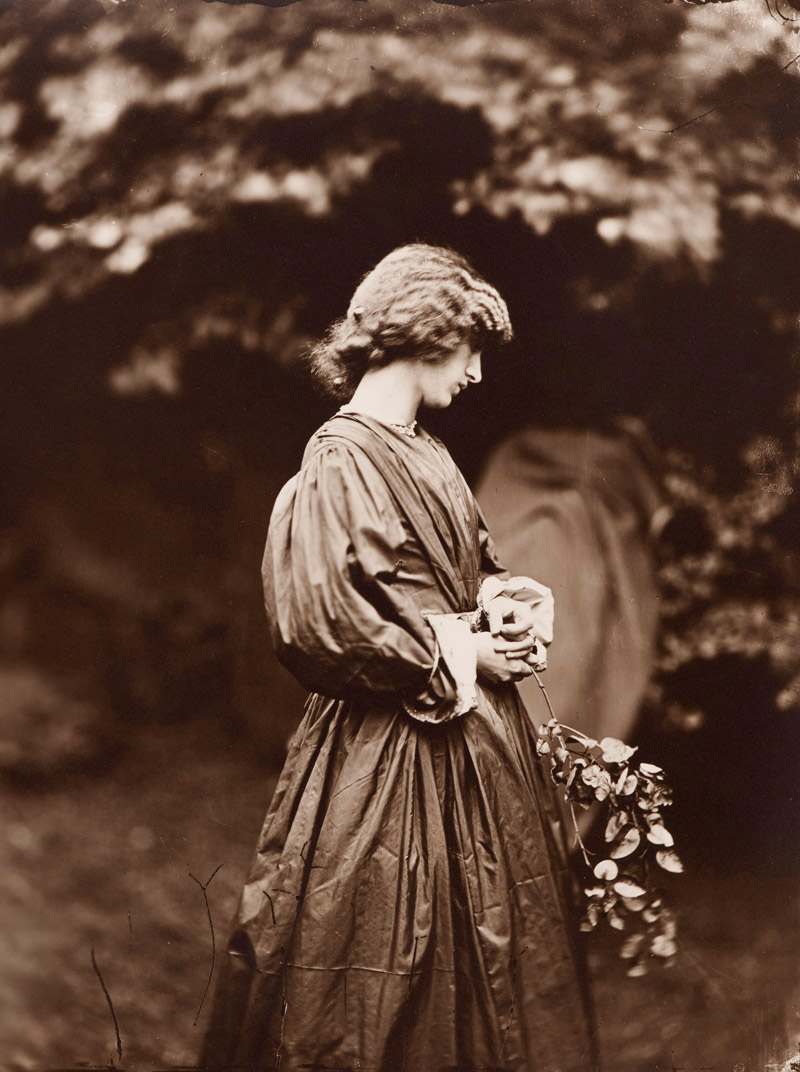
The painter Dante Gabriel Rossetti repeatedly drew and painted Jane Morris, a model with whom he was infatuated, and he asked Robert Parsons to produce a series of photographs, under his personal direction, which captured the fascinating presence of the young woman as effectively as his own paintings.

Just like the Pre-Raphaelite painters, Victorian photographers would turn to religious or historical subjects, finding a shared inspiration in the poems of Dante, Shakespeare and possibly Byron, and above all in the Arthurian legend made popular once more by Lord Tennyson, the poet laureate. From a formal point of view, Millais’ Ophelia, one of his most successful paintings, was a source for Henry Peach Robinson’s photograph, The Lady of Shalott, even though it had a different theme.

Finally, Pre-Raphaelite painters and Victorian photographers both liked to present scenes from modern life with a moralising undertone: hence She Never Told Her Love, a photograph by Robinson that was very successful when exhibited at the Crystal Palace in 1858, William Holman Hunt’s painting, Awakening of Conscience, and Rossetti’s Found, a painting depicting a countryman who comes across his former sweetheart, now a prostitute in the city.

In the 1880s, Pre-Raphaelite painting would be transformed, with artists and writers like William Morris, Burne-Jones, Whistler and Oscar Wilde, into a very different movement concerned only with the cult of beauty and rejecting Ruskin’s concept of art as something moral or useful. British photographers, however, inspired by the Pre-Raphaelites would inspire the Pictorialist movement that flourished in the 1890s, encouraged by the writings of Henry Peach Robinson and Peter Henry Emerson, extolling artistic photography.

Press release from the Musée d’Orsay website


James Sinclair 14th Earl of Caithness (Scottish, 1821-1881) 'Weston Avenue, Warwickshire' c. 1860


James Sinclair 14th Earl of Caithness (Scottish, 1821-1881)
Avenue à Weston, Warwickshire (Weston Avenue, Warwickshire)
c. 1860
Albumen print
23 x 18.3cm
New York, Courtesy George Eastman House Rochester
© Courtesy of George Eastman House, International Museum of Photography and Film


Julia Margaret Cameron (British, 1815-1879) 'The sunflower' 1866-1870


Julia Margaret Cameron (British, 1815-1879)
Le tournesol (The sunflower)
1866-1870
Albumen print
35.2 x 24.3cm
Washington, National Gallery of Art, Fond Paul Mellon
© National Gallery of Art, Washington


John Robert Parsons (Irish, 1826-1909), under the direction of Dante Gabriel Rossetti (English, 1828-1882) 'Jane Morris posing in the house of Rossetti' summer 1865


John Robert Parsons (Irish, 1826-1909), under the direction of Dante Gabriel Rossetti (English, 1828-1882)
Jane Morris posant dans la maison de Rossetti (Jane Morris posing in the house of Rossetti)
Summer 1865
Modern print
22.6 x 17.5cm
London, Victoria and Albert Museum
© V&A Images / Victoria and Albert Museum, London


John Robert Parsons (Irish, 1826-1909) 'Jane Morris posing in the garden of the house of Rossetti' summer 1865


John Robert Parsons (Irish, 1826-1909)
Jane Morris posant dans le jardin de la maison de Rossetti (Jane Morris posing in the garden of the house of Rossetti)
Summer 1865
Albumen print
Private collection
© Tim Hurst Photography


Dante Gabriel Rossetti (English, 1828-1882) 'Jane Morris, the blue silk dress' 1868


Dante Gabriel Rossetti (English, 1828-1882)
Jane Morris, the blue silk dress
1868
Oil on canvas
110.5 x 90.2cm
Londres, The Society of Antiquaries
© Kelmscott Manor Collection, by Permission of the Society of Antiquaries of London


Charles Lutwidge Dodgson (Lewis Caroll) (English, 1832-1898) 'Amy Hughes' 1863


Charles Lutwidge Dodgson (Lewis Caroll) (English, 1832-1898)
Amy Hughes
1863
Austin, The University of Texas, Harry Ransom Center, Gernsheim Collection
© Droits réservés


Julia Margaret Cameron (British, 1815-1879) 'Maud' 1875


Julia Margaret Cameron (British, 1815-1879)
Maud
1875
Charcoal print
30 x 25cm
Paris, musée d’Orsay
© Musée d’Orsay (dist. RMN)/Patrice Schmidt


Sir John Everett Millais (British, 1829-1896) 'A Huguenot, on St. Bartholomew's Day Refusing to Shield Himself from Danger by Wearing the Roman Catholic Badge' 1851-1852


Sir John Everett Millais (British, 1829-1896)
A Huguenot, on St. Bartholomew’s Day Refusing to Shield Himself from Danger by Wearing the Roman Catholic Badge
1851-1852
Oil on canvas
91.4 x 62.2cm
Collection Makins
© The Makins Collection/The Bridgeman Art Library


Sir Edward Burne-Jones (British, 1833-1898) 'Princess Sabra (The King's Daughter)' 1865-1866


Sir Edward Burne-Jones (British, 1833-1898)
Princess Sabra (The King’s Daughter)
1865-1866
Oil on canvas
105 x 61cm
Paris, Musée d’Orsay
© Musée d’Orsay (dist. RMN)/Patrice Schmidt


Julia Margaret Cameron  (British, 1815-1879) 'And Enid Sang' 1874


Julia Margaret Cameron  (British, 1815-1879)
And Enid Sang
1874
Print on albumen paper, collodion glass negative, laminated on cardboard
35 x 28cm
Paris, Musée d’Orsay
© Musée d’Orsay (dist. RMN)


Musée d’Orsay
62, rue de Lille
75343 Paris Cedex 07
France

Opening hours:
Tuesday – Sunday 9.30am – 6pm
Thursdays 9.30am – 9.45pm
Closed on Mondays

Musée d’Orsay website

LIKE ART BLART ON FACEBOOK

Back to top
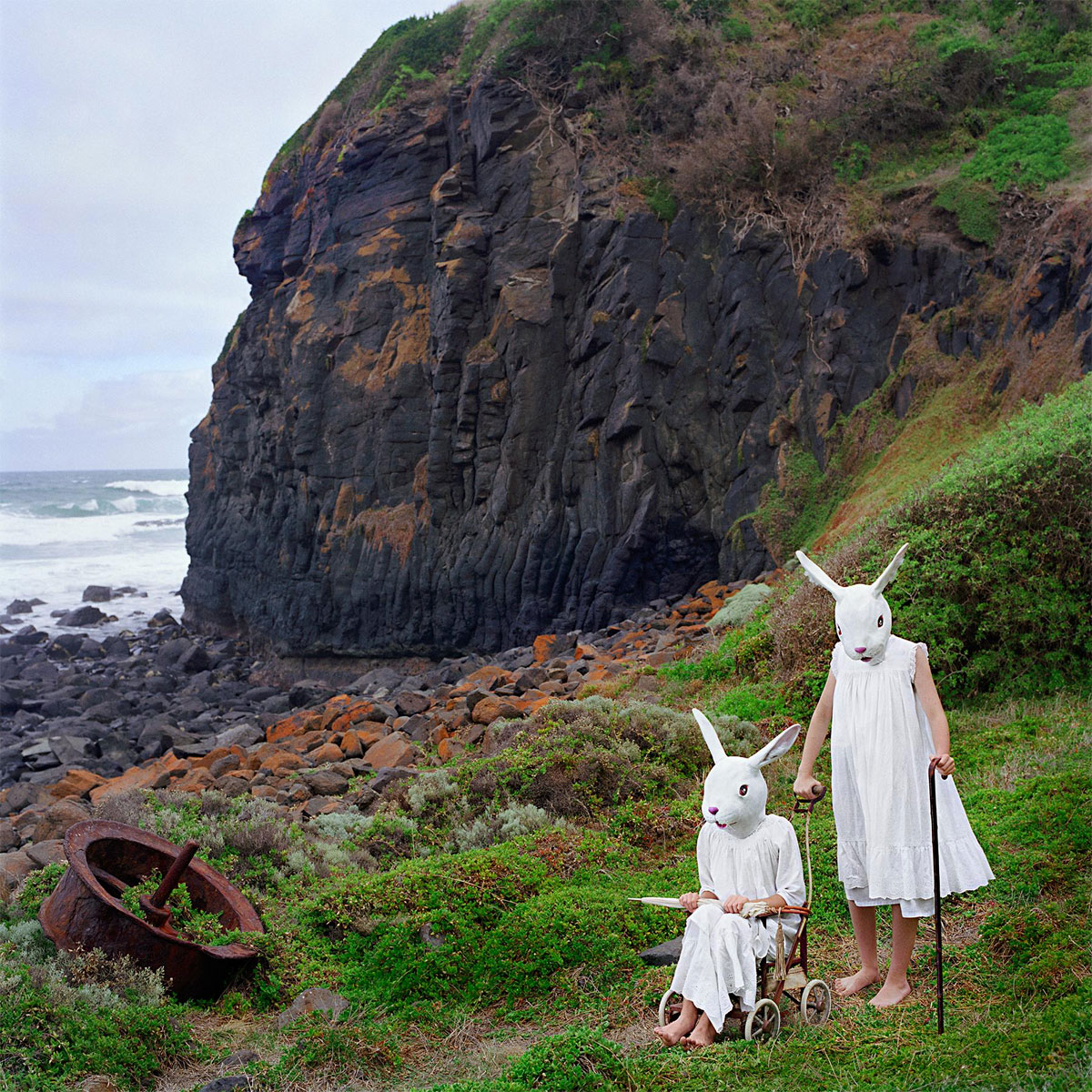
Exhibition: ‘Kurt Kranz: Programming of Beauty’ at the Bauhaus Dessau, Berlin

Exhibition marking the 100th birthday of Kurt Kranz
19th November 2010 – 29th May 2011


Kurt Kranz (German, 1910-1997) 'Perspective' 1931


Kurt Kranz (German, 1910-1997)
Perspective
1931
Ingrid Kranz / Stiftung Bauhaus Dessau
Foto: Lars Lohrisch / Abdruck mit Genehmigung der Kunsthalle


One of the great pleasures of publishing this archive is that I get to research the life of an artist whose work I never knew before. Kurt Kranz is one such artist.

Dr Marcus Bunyan


Many thankx to the the Bauhaus Dessau for allowing me to publish the photographs in the posting. Please click on the photograph for a larger version of the image.


Kurt Kranz (German, 1910-1997) 'Vereinsamung' Dessau 1930


Kurt Kranz (German, 1910-1997)
Vereinsamung (Isolation)
Dessau
1930
Ingrid Kranz / Stiftung Bauhaus Dessau
Leihgeber: Kunsthalle Bremen


Installation photograph of 'Programming of Beauty' by Kurt Kranz at the Bauhaus Dessau


Installation photograph of Programming of Beauty by Kurt Kranz at the Bauhaus Dessau


Kurt Kranz (German, 1910-1997) 'Versinkende' (Sinking one) 1931


Kurt Kranz (German, 1910-1997)
Versinkende (Sinking one)
1931
Ingrid Kranz / Stiftung Bauhaus Dessau


Kurt Kranz (German, 1910-1997) 'Persischer Garten' (Persian garden) 1970


Kurt Kranz (German, 1910-1997)
Persischer Garten (Persian garden)
1970
Ingrid Kranz / Stiftung Bauhaus Dessau
Foto: Uwe Jacobshagen


The Bauhaus Dessau dedicates a comprehensive exhibition to the painter, graphic designer and photographer Kurt Kranz to mark his 100th birthday. In 1930, the then twenty-year-old lithographer came from Bielefeld to study at the Bauhaus Dessau, where he soon established himself as a pioneer of serial and generative methods. With his avant-garde work, Kranz’s methods anticipated those of later generations.

Inspired by a lecture by László Moholy-Nagy, Kurt Kranz came to the Bauhaus Dessau in April 1930. In Walter Peterhans’s photography class, Kranz began to experiment with photographic techniques and created some of the most striking abstract picture series to emerge from the Bauhaus. Alienated and abstracted faces and hands appear repeatedly in his dynamic picture series. These show Kranz’s early affinity for film as, page for page, the abstract forms interact with one another. Kranz drafted his first concepts for abstract films at the Bauhaus, although he was first able to realise these decades later in 1972.

The exhibition to mark the artist’s 100th birthday shows works from Kranz’s Bauhaus years and his later work as an advertising graphic designer, and focuses on a selection of his large picture cycles. Strikingly diverse leporellos dating from the 1960s onwards take centre stage, as do the so-called “Matrix-und Schiebebilder”

Text from the Bauhaus Dessau website


Kurt Kranz (German, 1910-1997) 'Selbstporträt en face (objektives Foto)' (Self-portrait with face (objective photo)) 1931


Kurt Kranz (German, 1910-1997)
Selbstporträt en face (objektives Foto) (Self-portrait with face (objective photo))
1931
Ingrid Kranz / Stiftung Bauhaus Dessau


Kurt Kranz (German, 1910-1997) 'Rasterfoto' (Raster photograph) 1932


Kurt Kranz (German, 1910-1997)
Rasterfoto (Raster photograph)
1932
Ingrid Kranz / Stiftung Bauhaus Dessau


Kurt Kranz (German, 1910-1997) 'Schwarz : Weiß' (Black: White) 1928-29


Kurt Kranz (German, 1910-1997)
Schwarz: Weiß (Black: White)
1928-1929
Ingrid Kranz / Stiftung Bauhaus Dessau
Privatbesitz


Kurt Kranz (German, 1910-1997) 'Schwarz : Weiß' (Black: White) 1928-29


Kurt Kranz (German, 1910-1997)
Schwarz: Weiß (Black: White)
1928-1929
Ingrid Kranz / Stiftung Bauhaus Dessau
Privatbesitz


Kurt Kranz (German, 1910-1997) 'Schwarz : Weiß' (Black: White) 1928-29


Kurt Kranz (German, 1910-1997)
Schwarz: Weiß (Black: White)
1928-1929
Ingrid Kranz / Stiftung Bauhaus Dessau
Privatbesitz


Kurt Kranz (German, 1910-1997) 'Schrift Entwurf aus Satzmaterial' (Writing draft from sentence material) Dessau 1931


Kurt Kranz (German, 1910-1997)
Schrift Entwurf aus Satzmaterial (Writing draft from sentence material)
Dessau
1931
Ingrid Kranz / Stiftung Bauhaus Dessau


Kurt Kranz (German, 1910-1997) Aus der Serie "Sieben Schritte zum symmetrischen Oval"' (From the series "Seven steps to the symmetrical Oval") 1982


Kurt Kranz (German, 1910-1997)
Aus der Serie “Sieben Schritte zum symmetrischen Oval” (From the series “Seven steps to the symmetrical Oval”)
1982
Ingrid Kranz / Stiftung Bauhaus Dessau
Foto: Uwe Jacobshagen


Kurt Kranz (German, 1910-1997) 'Augenreihe' (Eye rows) 1931


Kurt Kranz (German, 1910-1997)
Augenreihe (Eye rows)
1931 (montiert 1981) (1931 (1981 install))
Ingrid Kranz / Stiftung Bauhaus Dessau
Leihgeber: Kunsthalle Bremen


Kurt Kranz (German, 1910-1997) 'Mund-Reihen' (Mouth rows) 1931


Kurt Kranz (German, 1910-1997)
Mund-Reihen (Mouth rows)
1931
Ingrid Kranz / Stiftung Bauhaus Dessau
Leihgeber: Kunsthalle Bremen
Foto: Ingrid Kranz, Wedel


Bauhaus Dessau
Gropiusalle 38, Dessau, Germany

Opening hours:
Tue – Sun 10am – 6pm

Bauhaus Dessau website

LIKE ART BLART ON FACEBOOK

Back to top
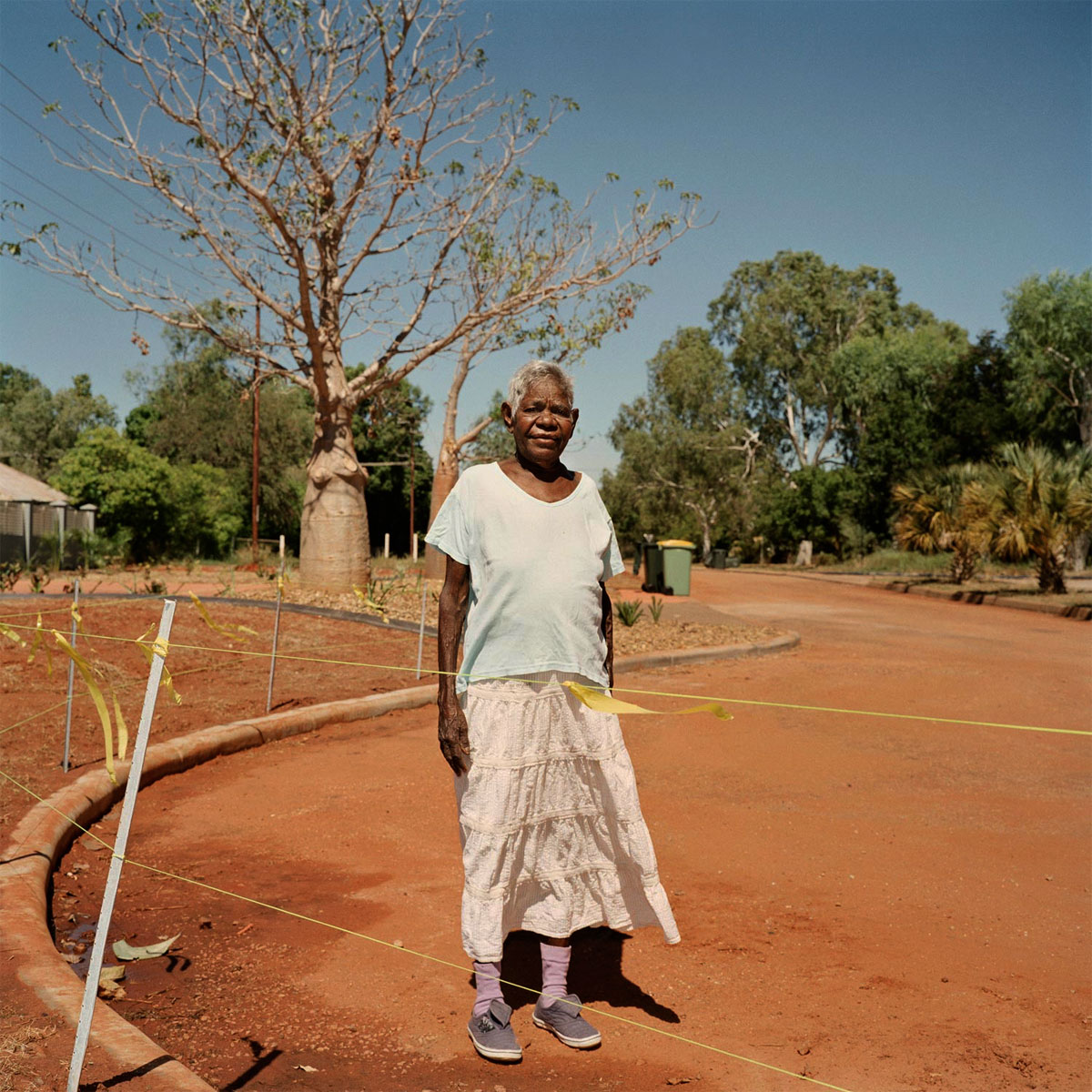
Exhibition: ‘Jeanloup Sieff’ at Moderna Museet, Stockholm

Exhibition dates: 19th February – 22nd May 2011

Curator: Anna Tellgren


Many thankx to the Moderna Museet for allowing me to publish the photographs in the posting. Please click on the photographs for a larger version of the image.


Jeanloup Sieff (French, 1933-2000)
'Ballet, Paris Opera, 1960' 1960


Jeanloup Sieff (French, 1933-2000)
Ballet, Paris Opera, 1960
1960
Gelatin silver print
© The Estate of Jeanloup Sieff, Paris


Jeanloup Sieff (French, 1933-2000)
'Carolyn Carlson, Paris, 1974' 1974


Jeanloup Sieff (French, 1933-2000)
Carolyn Carlson, Paris, 1974
1974
Gelatin silver print
© The Estate of Jeanloup Sieff, Paris


Jeanloup Sieff (French, 1933-2000)
'Yves Saint Laurent, Paris, 1971' 1971


Jeanloup Sieff (French, 1933-2000)
Yves Saint Laurent, Paris, 1971
1971
Gelatin silver print
© The Estate of Jeanloup Sieff, Paris


Jeanloup Sieff (French, 1933-2000)
'Catherine Deneuve, dress Yves Saint Laurent, Paris, 'Vogue Italia''
1969


Jeanloup Sieff (French, 1933-2000)
Catherine Deneuve, dress Yves Saint Laurent, Paris, ‘Vogue Italia’
1969
Gelatin silver print
© The Estate of Jeanloup Sieff, Paris


Jeanloup Sieff (French, 1933-2000)
'Ma Fille Sonia, Paris' 1985


Jeanloup Sieff (French, 1933-2000)
Ma Fille Sonia, Paris
1985
Gelatin silver print
© The Estate of Jeanloup Sieff, Paris


The French photographer Jeanloup Sieff (1933-2000) is a legend in fashion photography and one of the most prominent photographers of his generation. Opening on 19 February, Moderna Museet in Stockholm presents the first Nordic solo exhibition of Jeanloup Sieff.

Jeanloup Sieff began photographing in the early 1950s, as a contemporary of Helmut Newton and David Bailey, belonging to the generation succeeding Irving Penn. In the course of a long career, his photography spanned from fashion, advertising and portraits to reportage and landscapes. His images are often sensual and elegant, and in the 1960s he was much in demand as a fashion photographer, especially in the USA, where he lived for some years in New York. As a respected fashion photographer, Sieff had assignments for magazines such as Elle, Harper’s Bazaar, Vogue, Esquire, Glamour and Jardin des Modes. Sieff also engaged in commercial photography, including promotion campaigns for Chanel and Revlon and the first Yves Saint Laurent fragrance.

“In his fashion and advertising photographs the models are characteristically close to the pictorial surface, an effect achieved by using a wide-angle lens. His working method was based on physical and emotional closeness. This lack of distance makes his images exciting and visually interesting,” says Anna Tellgren, curator.

In the course of his career, Jeanloup Sieff took several now classic portraits of prominent fashion icons, including Yves Saint Laurent, Karl Lagerfeld and Jane Birkin. French cultural celebrities such as François Truffaut, Catherine Deneuve and Serge Gainsbourg have also been portrayed by Sieff. Several of these portraits will be featured in the exhibition at Moderna Museet. Jeanloup Sieff was deeply fascinated by dance, another of his frequent subjects. He got to know Rudolf Nureyev just after he had defected to the West, and collaborated with the American dancer and choreographer Carolyn Carlson. The exhibition at Moderna Museet presents a selection of 53 pictures from Sieff’s photographic oeuvre, with an emphasis on his dance photography.

“He was interested in the dancers as artists, and the actual struggle during rehearsal to get their bodies to perform more or less impossible movements. His dance photographs are fascinating because they really convey the smell of sweat and the shuffling sound of dance shoes, which is exactly what he was after,” Anna Tellgren, the curator of the exhibition, commented.

Text from the Moderna Museet website


Jeanloup Sieff (French, 1933-2000) 'Claire Motte, Paris' 1960


Jeanloup Sieff (French, 1933-2000)
Claire Motte, Paris
1960
Gelatin silver print
© The Estate of Jeanloup Sieff, Paris


Jeanloup Sieff (French, 1933-2000) 'Larrio Exon, Paris' 1976


Jeanloup Sieff (French, 1933-2000)
Larrio Exon, Paris
1976
Gelatin silver print
© The Estate of Jeanloup Sieff, Paris


Jeanloup Sieff (French, 1933-2000) 'Harper’s Bazaar, Palm Beach' 1964


Jeanloup Sieff (French, 1933-2000)
Harper’s Bazaar, Palm Beach
1964
Gelatin silver print
© The Estate of Jeanloup Sieff, Paris


Jeanloup Sieff (French, 1933-2000) 'East Hampton in Winter' 1965


Jeanloup Sieff (French, 1933-2000)
East Hampton in Winter
1965
Gelatin silver print
© The Estate of Jeanloup Sieff, Paris


Jeanloup Sieff (French, 1933-2000) 'Autoportrait, Paris' 1978


Jeanloup Sieff (French, 1933-2000)
Autoportrait, Paris
1978
Gelatin silver print
© The Estate of Jeanloup Sieff, Paris


Jeanloup Sieff (French, 1933-2000)
'Opéra de Paris, 1988' 1988


Jeanloup Sieff (French, 1933-2000)
Opéra de Paris, 1988
1988
Gelatin silver print
© The Estate of Jeanloup Sieff, Paris


Jeanloup Sieff (French, 1933-2000)
'La Maison Noire' 1965


Jeanloup Sieff (French, 1933-2000)
La Maison Noire
1965
Gelatin silver print
© The Estate of Jeanloup Sieff, Paris


Jeanloup Sieff (French, 1933-2000)
'Judy, New York, 1965' 1965


Jeanloup Sieff (French, 1933-2000)
Judy, New York, 1965
1965
Gelatin silver print
© The Estate of Jeanloup Sieff, Paris


Jeanloup Sieff (French, 1933-2000)
'Yves Saint-Laurent, Vogue Italie' 1969


Jeanloup Sieff (French, 1933-2000)
Yves Saint-Laurent, Vogue Italie
1969
Gelatin silver print
15 7/10 × 11 4/5 in (40 × 30cm)
© The Estate of Jeanloup Sieff, Paris


Jeanloup Sieff (French, 1933-2000)
'Harper's Bazaar, Hollywood, 1962' 1962


Jeanloup Sieff (French, 1933-2000)
Harper’s Bazaar, Hollywood, 1962
1962
Gelatin silver print
© The Estate of Jeanloup Sieff, Paris


Moderna Museet, Stockholm

Moderna Museet is ten minutes away from Kungsträdgården, and twenty minutes from T-Centralen or Gamla Stan. Walk past Grand Hotel and Nationalmuseum on Blasieholmen, opposite the Royal Palace. After crossing the bridge to Skeppsholmen, continue up the hill. The entrance to Moderna Museet and Arkitekturmuseet is on the left-hand side.

Opening hours:
Tuesday and Friday 10 – 20
Wednesday, Thursday, Saturday and Sunday 10 – 18
Monday closed

Moderna Museet website

LIKE ART BLART ON FACEBOOK

Back to top