Opening date: 17th August 2013 BiFB dates: 17th August – 15th September, 2013
Venue: The Mining Exchange, 12 Lydiard Street North, Ballarat Opening hours: 9am – 5pm daily
John Cato (Australian, 1926-2011) Tree, a journey #18 From the Tree, a journey series 1971-73 Gelatin silver photograph 45.3 x 35.1cm
I have the great honour of being guest speaker at the John Cato Retrospective and book launch at the Ballarat International Foto Biennale on the 17th August, 2013. My essay … And His Forms Were Without Number from the 2002 retrospective I co-curated with William Heimerman (1950-2017) at the Photographers’ Gallery and Workshop, has been included in the book. John is one of the most underr
ated but influential artists in the history of Australian photography and it is wonderful that a book is being published about his work. Finally, the recognition he so strongly deserves.
I have also written the catalogue essay for another core program, Erika Diettes Sudarios (Shrouds) that also opens on the same day. This was one of the most complex writing assignments that I have undertaken for the subject matter is very difficult and I wanted to do the work justice. I will publish the essay in an upcoming posting. The artist is flying over from Colombia for the opening so it will be great to meet her.
I hope you can make the trip to Ballarat for these important events!
Dr Marcus Bunyan
“Probably John Cato was the most philosophical of the lecturers at Prahran. Paul [Cox] was away with the fairies, while John was really into that because of the way he photographed the landscape. It was all symbolic, to draw out a picture of a root or a bit of seaweed, it describes his personality as well. He was a very direct person. There’s no bullshit with John; he’d talk about things in simple emotional terms, nothing intellectual about it, but it wasn’t bullshit, it was his belief and he was passionate about it. I believe he’s the only photographer that’s come to terms with the Australian landscape; and it was hard, because, how do you get the dimension, the size of the space, of the air in a bloody picture? How do you convey that kind of feeling of isolation and vulnerability when there’s a big open sky and the sun’s beating down? He did it all…”
Jim McFarlane quoted in James McArdle. “Élan,” on the On This Date In Photography website 29th February 2024 [Online] Cited 02/03/2024. Used under fair use conditions for the purposes of education and research
John Cato Retrospective
“The meeting of land and sea has always held a mystic fascination for me. Through my camera, my experience of it has been heightened, my awareness of its wonder deepened. Above all, I remember its clamourous silence.”
John Cato 1976
John Cato was one of the first photographers in Australia to consider the lyrical and poetic aspects of landscape and to create extended series of photographic essays. He wanted to ‘explore the elements of landscape’ and gave himself 10 years to complete his study, two years for each of the five elements. His practice would take him into the desert for extended periods of time. He would spend 40 days, seeing, observing and waiting for the perfect conditions for the shot, on one occasion exposing 3 rolls of film and being satisfied enough to use only 11 photographs from them. These powerful images, free of manipulation, capture the essential qualities of natural elements and indeed how John Cato saw the world.
This exhibition of work from 1971-1991 honours the achievement of John Cato as mentor and as teacher. It pays homage to his significant contribution of photography in Australia. John Cato was born in Hobart, Tasmania in 1926. From the age of 12 years he was apprenticed to his father the photographer Jack Cato. John Cato had been a press photographer with the Argus newspaper and a commercial photographer in partnership with Athol Shmith for 20 years before experiencing ‘a kind of menopause’. He walked away from a successful career, quietly burned all his commercial work and became an educator and fine art photographer. Cato was involved in the foundation years of the Photography Studies College, still in South Melbourne, and a lecturer there and at Prahran College of Advanced Education becoming Department Head in 1979 until he retired in 1991 by which time it was called Victoria College. He felt ‘duty bound’ to hand on his experience. He loved teaching and he was a much-loved teacher. Many of his past students are now highly regarded photographers, whilst others hold important positions in universities and art institutions around Australia.
Cato exhibited nationally and internationally in solo and group exhibitions and his work is featured in many public collections, including the National Gallery of Australia, the National Gallery of Victoria and the Bibliotheque Nationale, Paris.
Text from the Ballarat International Foto Biennale core special guide.
The exhibition is curated by Paul Cox.
John Cato (Australian, 1926-2011) Tree, a journey #1 From the Tree, a journey series 1971-73 Gelatin silver photograph 45.3 x 35.1cm
John Cato (Australian, 1926-2011) Double concerto #13 From the Double Concerto series 1985-91 Gelatin silver photograph 45.5 x 32.8cm
Erika Diettes Sudarios (Shrouds)
Many times, with my camera, I have been a witness of the moment when people have to close their eyes as they recall the event which divided their life into two parts. My decision to create Sudarios (Shrouds) comes from unanswered questions that came out of my pervious series Silencios (Silences), which dealt with survivors of the Second World War who live in Colombia. Similarities are also to be found in Río Abajo (Drifting Away), a series which focuses on the victims of forced disappearance, and A Punta de Sangre (By Force of Blood), a series in which I examine the idea of the search for the bodies of the disappeared by their families, who, in the midst of despair, find a ray of hope in the vultures that might lead them to the remains of their loved ones. To date, I have received the testimonies of more than 300 victims of the violence in Colombia. They have confided intimacies of this violence to me: not only its harrowing details, but the way they rebuild their lives and keep going despite what they have suffered.
The women who serve as the models in Sudarios were first-hand witnesses of acts of horror. The intention of the series is to enable the spectator to observe the moment when these women close their eyes, with no other way to communicate the horror that they witnessed and the intensity of the sorrow they were subjected to. They were forced to feel on their own flesh, or in front of their own eyes, that there is no difference between man and the most savage beasts of nature; but that we are the only species capable of mass murder and the only ones who do not adapt to our own kind (N. Timbergen, 1968). I am convinced that this series speaks of something that is timeless, universal and infinite.
Erika Diettes is a visual artist who lives and works in Bogotá. Her work explores the problems of memory, sorrow, absence and death. She has a Masters in Anthropology from the Universidad de los Andes, Bogotá, with a major in photographic production, and a degree in Social Communication from the Pontificia Universidad de Bogotá.
Text from the Ballarat International Foto Biennale core special guide.
Ballarat International Foto Biennale 12 Lydiard Street North, Ballarat 3350 Australia PO Box 41 Ballarat Central 3353 Australia Email: info[at]ballaratfoto.org
Anne Ferran (Australian, b. 1949) Agitated thrush 2013 From Box of Birds series Pigment print 72 x 48cm Editions of 5 + 2AP
tar·ant·ism [tar-uhn-tiz-uhm] noun a mania characterised by an uncontrollable impulse to dance, especially as prevalent in southern Italy from the 15th to the 17th century, popularly attributed to the bite of the tarantula.
I have never been a great fan of Anne Ferran’s exhumations. Her digging into the ground of history and restoring, reviving (after neglect or a period of forgetting) traces of life and bringing them into light (through photography) – bringing them back to light – has resulted in images that are paradoxically pretty, lifeless. For example, photographs of patches of grass in Lost to Worlds (2008) are given great import as contemporary evidence of the site of a female convict prison, near the small village of Ross, Tasmania as Ferran, “continues to play with the invisibility of this specific history, using large-scale photographs to show what little remains today, and to collectively reflect on the difficulty of grasping a ruined and fragmented past.”
And… so… what else?
These photographs really mean very little, another example of an artist picking at the scab of history to what end, what purpose, other than to dig up deleted histories that are past their use by date. Move on, move on, nothing to see here!
And there is literally nothing to see, except patches of grass that are given import by the contextualisation of the artist, the “look at this, I think it is important because I have seen it, because I have researched it, because I am an artist, because I am aware” – when the interrogation actually means very little. It is like the prevalence of contemporary photographs of empty, abandoned spaces – abandoned petrol stations, hospitals, insane asylums – that are supposed to impart great poetry and narrative to the spaces. Ruin porn as Dan Rule termed it recently.
Thankfully, these latest photographs are of a different taxonomic order. They are vital, alive, full of swirling tarantism that beautifully expresses the trapped energy that Ferran saw in a 1940s photographic archive of 38 unidentified women who were patients of a Sydney psychiatric hospital. In their formalist abstraction the artist has perfectly captured the unquiet spirit of the women and – here is the crux of the matter for me – these photographs allow me to go further into the subject, they take me to a different place and don’t just leave me on the surface of the image / history.
They speak to me, they n/trance in multiple ways like little of Ferran’s work has done before for I feel this work, this hidden narrative, in the artist’s performative shaping of reality. Suddenly these women, trapped in a space (of the photograph, of the archive) and place (of the hospital), can spread their wings and anonymously, metaphorically, shake their feathers (their spirit) with declamatory enthusiasm.
As an artist friend of mine Julie Clarke observed, “I was captured by the amount of folds in the fabric Ferran has used. Her emphasis on ‘felt’ as felt emotion and the feeling associated with those almost absent bodies is intriguing.” And how that felt emotion relates to the work of Joseph Beuys and his use of felt as insulation, warmth and a kind of comfort, here represented in institutional form (I am reminded by the markings on the felt of the arrows of prison garments).
As the text for the exhibition states, “This new series marks a significant shift in approach, as Ferran harnesses photography and performance in an endeavour to manifest the archive’s continuing power in the present. Ferran’s performers conceal their identities behind lengths and swathes of painted felt, in some cases creating strange and outlandish figures in a disorder of material, bodies and space.”
It is a welcome shift in approach. Ferran’s mental, material dis/order produces significantly more memorable images than what has “passed” before, imaging as they do a conflation of past, present and future rather than relying on the death of the historical archive evidenced in the deathly photograph.
Dr Marcus Bunyan
Many thankx to Stills Gallery for allowing me to publish the photographs in the posting. Please click on the photographs for a larger version of the image.
Anne Ferran (Australian, b. 1949) Clamorous shrike 2013 From Box of Birds series Pigment print 72 x 48cm Editions of 5 + 2AP
Anne Ferran (Australian, b. 1949) Conspicuous kite 2013 From Box of Birds series Pigment print 72 x 48cm Editions of 5 + 2AP
Anne Ferran (Australian, b. 1949) Night whistler 2013 From Box of Birds series Pigment print 72 x 48cm Editions of 5 + 2AP
Anne Ferran (Australian, b. 1949) Pale-headed flycatcher 2013 From Box of Birds series Pigment print 72 x 48cm Editions of 5 + 2AP
Anne Ferran (Australian, b. 1949) Slender-throated warbler 2013 From Box of Birds series Pigment print 72 x 48cm Editions of 5 + 2AP
Anne Ferran (Australian, b. 1949) Stonebird 2013 From Box of Birds series Pigment print 72 x 48cm Editions of 5 + 2AP
Anne Ferran (Australian, b. 1949) Tricoloured sylph 2013 From Box of Birds series Pigment print 72 x 48cm Editions of 5 + 2AP
Anne Ferran (Australian, b. 1949) Feathered Emissary 2013 From Box of Birds series Pigment print 60 x 80cm Editions of 5 + 2AP
Over the past 20 years Anne Ferran has worked with the residues of Australia and New Zealand’s colonial histories, probing them for gaps and silences. She has been especially drawn to the lives of anonymous women and children, seeking to shed light on their presence, and absence, in museum collections, photographic archives and historic sites. It is characteristic of Ferran’s images that the subject is not what is seen but rather what haunts it, something only partially visible. Intellectually and emotionally engaging, her photographs have explored episodes of incarceration in prisons, asylums, hospitals and nurseries, giving voice to the spectres of the lost and unseen.
Box of Birds returns to the subject matter of her previous works INSULA and 1-38: 1940s photographs of 38 unidentified women who were patients of a Sydney psychiatric hospital. In a significant shift of approach, rather than exhuming traces of the past, Ferran harnesses photography and performance in an endeavour to manifest its continuing power in the present.
Ferran’s process alternated between the considered and the uncontrollable. Female performers were instructed to hold pieces of felt up to her camera, the 38 lengths of dyed and painted fabric recalling the crumpled clothes worn by the women in the original photographic archive. Other images were wholly improvised, the performers creating strange and outlandish figures out of a disorder of material, bodies and space.
In a deliberate departure from the 1940s archive, Ferran’s performers conceal their identities behind lengths and swathes of fabric, raising ethical questions about photography’s role in recognition, representation and expression.
All the work in Box of Birds aims to elicit the energy Ferran saw trapped in those 1940s photographs, their unquiet spirit.
Press release from the Stills Gallery website
Anne Ferran (Australian, b. 1949) Chorus No.1 2013 From Box of Birdsseries 38 Pigment prints 60 x 42cm each Editions of 5 + 2AP
Anne Ferran (Australian, b. 1949) Chorus No.2 2013 From Box of Birds series 38 Pigment prints 60 x 42cm each Editions of 5 + 2AP
Anne Ferran (Australian, b. 1949) Chorus No.3 2013 From Box of Birds series 38 Pigment prints 60 x 42cm each Editions of 5 + 2AP
Anne Ferran (Australian, b. 1949) Chorus No.4 2013 From Box of Birds series 38 Pigment prints 60 x 42cm each Editions of 5 + 2AP
Anne Ferran (Australian, b. 1949) Chorus No.5 2013 From Box of Birds series 38 Pigment prints 60 x 42cm each Editions of 5 + 2AP
“Racism, an insidious element of the colonial White Australia Policy (which only ended in 1973), is ever prevalent beneath the surface of Australian society.” Dr Marcus Bunyan
Exhibition dates: 15th June – 20th July 2013
Many thankx to Tolarno Gallery for allowing me to publish the photographs in the posting. Please click on the photographs for a larger version of the image.
This text investigates the concepts of postcolonialism / neo-colonialism and argues that Australia is a neo-colonial rather than a postcolonial country. It examines the work of two Australian artists in order to understand how their work is linked to the concept of neo-colonialism and ideas of contemporary Aboriginal identity, Otherness, localism and internationalism.
Keywords
postcolonialism, postcolonial, art, neo-colonialism, Australian art, Australian artists, Aboriginal photography, hybridism, localism, internationalism, Otherness, Australian identity, Brook Andrew, Ricky Maynard, Helen Ennis.
Australia and postcolonialism / neo-colonialism
Defining the concept of postcolonialism is difficult. “To begin with, “post-colonial” is used as a temporal marker referring to the period after official decolonisation,”1 but it also refers to a general theory that Ania Loomba et al. call “the shifting and often interrelated forms of dominance and resistance; about the constitution of the colonial archive; about the interdependent play of race and class; about the significance of gender and sexuality; about the complex forms in which subjectivities are experienced and collectivities mobilized; about representation itself; and about the ethnographic translation of cultures.”2
“Postcolonial theory formulates its critique around the social histories, cultural differences and political discrimination that are practised and normalised by colonial and imperial machineries… Postcolonial critique can be defined as a dialectical discourse which broadly marks the historical facts of decolonisation. It allows people emerging from socio-political and economic domination to reclaim their sovereignty; it gives them a negotiating space for equity.”3
While colonialism and imperialism is about territory, possession, domination and power,4 postcolonialism is concerned with the history of colonialism, the psychology of racial representation and the frame of representation of the ‘Other’. It addresses the ongoing effects of colonialism and imperialism even after the colonial period has ended.
“Past and present inform each other, each implies the other and… each co-exists with the other.”5 Even after colonialism has supposedly ended there will always be remains that flow into the next period. What is important is not so much the past itself but its bearing upon cultural attitudes of the present and how the uneven relationships of the past are remembered differently.6 While the aims of postcolonialism are transformative, its objectives involve a wide-ranging political project – to reorient ethical norms, turn power structures upside down and investigate “the interrelated histories of violence, domination, inequality and injustice”7 and develop a tradition of resistance to the praxis of hegemony.
McCarthy and Dimitriadis posit three important motifs in postcolonial art.8 Briefly, they can be summarised as follows:
1/ A vigorous challenge to hegemonic forms of representation in Western models of classical realism and technologies of truth in which the eye of the Third World is turned on the West and challenges the ruling narrating subject through multiple perspectives and points of view.
2/ A rewriting of the narrative of modernity through a joining together of the binaries ‘centre’ and ‘periphery’, ‘developed’ and ‘underdeveloped’, and ‘civilised’ and ‘primitive’. “Culture, for these [postcolonial] artists, is a crucible of encounter, a crucible of hybridity in which all of cultural form is marked by twinness of subject and other.”9
3/ A critical reflexivity and thoughtfulness as elements of an artistic practice of freedom. This practice looks upon traditions with dispassion, one in which all preconceived visions and discourses are disrupted, a practice in which transformative possibilities are not given but have to worked for in often unpredictable and counter-intuitive ways.
According to Robert Young the paradigm of postcolonialism is to “locate the hidden rhizomes of colonialism’s historical reach, of what remains invisible, unseen, silent or unspoken” to examine “the continuing projection of past conflicts into the experience of the present, the insistent persistence of the afterimages of historical memory that drive the desire to transform the present.”10 This involves an investigation into a dialectic of visibility and invisibility where subjugated peoples were present but absent under the eye of the coloniser through a refusal of those in power to see who or what was there. “Postcolonialsm, in its original impulse, was concerned to make visible areas, nations, cultures of the world which were notionally acknowledged, technically there, but which in significant other senses were not there…”11 In other words, to acknowledge the idea of the ‘Other’ as a self determined entity if such an other should ever exist because, as Young affirms, “Tolerance requires that there be no “other,” that others should not be othered. We could say that there can be others, but there should be no othering of “the other.”12
The “Other” itself is a product of racial theory but Young suggests that “the question is not how to come to know “the other,” but for majority groups to stop othering minorities altogether, at which point minorities will be able to represent themselves as they are, in their specific forms of difference, rather than as they are othered.”13 Unfortunately, with regard to breaking down the divisiveness of the same-other split, “As soon as you have employed the very category of “the other” with respect to other peoples or societies, you are imprisoned in the framework of your own predetermining conceptualisation, perpetuating its form of exclusion.”14 Hence, as soon as the dominant force names the “other” as a paradigm of society, you perpetuate its existence as an object of postcolonial desire. This politics of recognition can only be validated by the other if the other choses to name him or herself in order to “describe a situation of historical discrimination which requires challenge, change and transformation… Othering was a colonial strategy of exclusion: for the postcolonial, there are only other human beings.”15
Important questions need to be asked about the contextual framework of postcolonialism as it is linked to race, culture, gender, settler and native: “When does a settler become coloniser, colonised and postcolonial? When does a race cease to be an oppressive agent and become a wealth of cultural diversities of a postcolonial setting? Or in the human history of migrations, when does the settler become native, indigenous, a primary citizen? And lastly, when does the native become truly postcolonial?”16
This last question is pertinent with regard to Australian culture and identity. It can be argued that Australia is not a postcolonial but a neo-colonial country. Imperialism as a concept and colonialism as a practice are still active in a new form. This new form is neo-colonialism. Rukundwa and van Aarde observe that, “Neo-colonialism is another form of imperialism where industrialised powers interfere politically and economically in the affairs of post-independent nations. For Cabral (in McCulloch 1983: 120-121), neo-colonialism is “an outgrowth of classical colonialism.” Young (2001: 44-52) refers to neo-colonialism as “the last stage of imperialism” in which a postcolonial country is unable to deal with the economic domination that continues after the country gained independence. Altbach (1995: 452-56) regards neo-colonialism as “partly planned policy” and a “continuation of the old practices”.”17
Australia is not a post-independent nation but an analogy can be made. The Australian government still interferes with the running of Aboriginal communities through the NT Intervention or, as it is more correctly known, Northern Territory National Emergency Response Act 2007. Under the Stronger Futures legislation that recently passed through the senate, this intervention has been extended by another 10 years. “Its flagship policies are increased government engagement, income management, stabilisation, mainstreaming, and the catch cries “closing the gap” and “real jobs”.”18 As in colonial times the government has control of a subjugated people, their lives, income, health and general wellbeing, instead of partnering and supporting Aboriginal organisations and communities to take control of their futures.19
Further, Australia is still a colony, the Queen of England is still the Queen of Australia; Britannia remains in the guise of the “Commonwealth.” Racism, an insidious element of the colonial White Australia Policy (which only ended in 1973), is ever prevalent beneath the surface of Australian society. Witness the recent racial vilification of Sydney AFL (Aussie Rules!) player Adam Goodes by a teenager20 and the inexcusable racial vilification by Collingwood president Eddie McGuire when he said that Goodes could be used to promote the musical King Kong.21
“The dialectics of liberation from colonialism, whether political, economic, or cultural, demand that both the colonizer and the colonized liberate themselves at the same time.”22 This has not happened in Australia. The West’s continuing political, economic and cultural world domination has “lead to a neo-colonial situation, mistakenly called post-coloniality, which does not recognize the liberated other as a historical subject (in sociological theory, a historical subject is someone thought capable of taking an active role in shaping events) – as part of the historical transforming processes of modernity.”23 As has been shown above, Aboriginal communities are still thought incapable of taking an active role in shaping and administering their own communities. The result of this continuation of old practices is that Australia can be seen as a neo-colonial, not postcolonial, country.
Kathryn Trees asks, “Does post-colonial suggest colonialism has passed? For whom is it ‘post’? Surely not for Australian Aboriginal people at least, when land rights, social justice, respect and equal opportunity for most does not exist because of the internalised racism of many Australians. In countries such as Australia where Aboriginal sovereignty, in forms appropriate to Aboriginal people, is not legally recognised, post-colonialism is not merely a fiction, but a linguistic manoeuvre on the part of some ‘white’ theorists who find this a comfortable zone that precludes the necessity for political action.”24
Two Australian artists, two different approaches
There are no dots or cross-hatching in the work of Ricky Maynard or Brook Andrew; no reference to some arcane Dreaming, for their work is contemporary art that addresses issues of identity and empowerment in different ways. Unlike remote Indigenous art that artist Richard Bell has labelled ‘Ooga Booga Art’ (arguing that it is based upon a false notion of tradition that casts Indigenous people as the exotic other, produced under the white, primitivist gaze),25 the work of these two artists is temporally complex (conflating past, present and future) and proposes that identity is created at the intersection of historically shifting subject positions, which destabilises any claim to an ‘authentic’ identity position and brings into question the very label ‘Aboriginal’ art and ‘Aboriginality’. By labelling an artist ‘Aboriginal’ or ‘gay’ for example, do you limit the subject matter that those artists can legitimately talk about, or do you just call them artists?
As Stephanie Radok has speculated, “surely as long as we call it Aboriginal art we are defining it ethnically and foregrounding its connection to a particular culture, separating it from other art and seeing it as a gift, a ‘present’ from another ethnography.”26 Be that as it may, artists can work from within a culture, a system, in order to critique the past in new ways: “The collective efforts of contemporary artists… do not reflect an escapist return to the past but a desire to think about what the past might now mean in new, creative ways.”27
Ways that un/settle Aboriginality through un/settling photography, in this case.
Since the 1980s photographers addressing Indigenous issues have posed an alternative reality or viewpoint that, “articulates the concept of time as a continuum where the past, present and future co-exist in a dynamic form. This perspective has an overtly political dimension, making the past not only visible but also unforgettable.”28 The perspective proposes different strategies to deliberately unsettle white history so that “the future is as open as the past, and both are written in tandem.”29
Artists Ricky Maynard and Brook Andrew both critique neo-colonialism from inside the Western gallery system using a relationship of interdependence (Aboriginal/colonial) to find their place in the world, to help understand who they are and, ex post facto, to make a living from their art. They both offer an examination of place, space and identity construction through what I call ‘the industry of difference’.
Ricky Maynard works with a large format camera and analogue, black and white photography in the Western documentary tradition to record traditional narratives of Tasmanian Aboriginal people in order to undermine the myth that they were all wiped off the face of the planet by colonisation. Through his photography he re-identifies the narratives of a subjugated and supposedly exterminated people, narratives that are thousands of years old, narratives that challenge a process of Othering or exclusion and which give voice to the oppressed.
“Portrait of a Distant Land is done through the genre of documentary in a way that offers authenticity and honest image making in the process. It has to deal with all those ethical questions of creating visual history, the tools to tell it with and how we reclaim our own identity and history from the way we tell our own stories. It comes from the extension of the way the colonial camera happened way back in the 19th century and how it misrepresented Aboriginal people. The Government anthropologists and photographers were setting up to photograph the dying race. Of course it simply wasn’t true. That was a way that colonial people wanted to record their history. You see those earlier colonial and stereotypical images of Aboriginal people in historic archives, their photographic recordings were acts of invasion and subjugation used for their own purpose.”30
Ricky Maynard (Australian, b. 1953) Coming Home 2005 From Portrait of a Distant Land Gelatin silver print 34 x 52cm, edition of 10 + 3 AP
“I can remember coming here as a boy in old wooden boats to be taught by my grandparents and my parents.
I’ll be 57 this year and I have missed only one year when my daughter Leanne was born. Mutton birding is my life. To me it’s a gathering of our fella’s where we sit and yarn we remember and we honour all of those birders who have gone before us. Sometimes I just stand and look out across these beautiful islands remembering my people and I know I’m home. It makes me proud to be a strong Tasmanian black man.
This is something that they can never take away from me.”
Murray Mansell Big Dog Island, Bass Strait, 2005 31
Ricky Maynard (Australian, b. 1953) Vansittart Island, Bass Strait, Tasmania 2005 From Portrait of a Distant Land Gelatin silver print 34 x 52cm, edition of 10 + 3 AP
“As late as 1910 men came digging on Vansittart and Tin Kettle Islands looking for skeletons here. We moved them where none will find them, at the dead of night my people removed the bodies of our grandmothers and took them to other islands, we planted shamrocks over the disturbed earth, so the last resting place of those girls who once had slithered over the rocks for seals will remain a secret forever.”
Old George Maynard 1975 32
Ricky Maynard (Australian, b. 1953) The Healing Garden, Wybalenna, Flinders Island, Tasmania 2005 From Portrait of a Distant Land Gelatin silver print 34 x 52cm, edition of 10 + 3 AP
“It’s pretty important you know, the land, it doesn’t matter how small, it’s something, just a little sacred site, that’s Wybalenna. There was a massacre there, sad things there, but we try not to go over that. Where the bad was we can always make it good.”
Aunty Ida West 1995 Flinders Island, Tasmania 33
Maynard’s photographs are sites of contestation, specific, recognisable sites redolent with contested history. They are at once both local (specific) and global (addressing issues that affect all subjugated people and their stories, histories). Through his art practice Maynard journeys from the periphery to the centre to become a fully recognised historical subject, one that can take an active role in shaping events on a global platform, a human being that aims to create what he describes as “a true visual account of life now.”34 But, as Ian McLean has noted of the work of Derrida on the idea of repression, what returns in such narratives is not an authentic, original Aboriginality but the trace of an economy of repression: “Hence the return of the silenced nothing called Aboriginal as the being and truth of the place, is not the turn-around it might seem, because it does not reinstate an original Aboriginality, but reiterates the discourses of colonialism.”35
Sad and poignant soliloquies they may be, but in these ‘true’ visual accounts it is the trace of repression represented through Western technology (the camera, the photograph) and language (English is used to describe the narratives, see above) that is evidenced in these critiques of neo-colonialism (a reiteration of the discourses of colonialism) – not just an authentic lost and reclaimed Aboriginality – for these photographs are hybrid discourses that are both local/global, European/Indigenous.
In his art practice Brook Andrew pursues a more conceptual mutli-disciplinary approach, one that successfully mines the colonial photographic archive to interrogate the colonial power narrative of subjugation, genocide, disenfranchisement through a deconstructive discourse, one that echoes with the repetitions of coloniality and evidences the fragments of racism through the status of appearances. “Through his persistent confrontation with the historical legacy of physiognomia in our public Imaginary”36 in video, neon, sculpture, craniology, old photography, old postcards, music, books, ethnography and anthropology, Andrew re-images and reconceptualises the colonial archive. His latest body of work 52 Portraits (Tolarno Galleries 15 June – 20 July 2013), is “a play on Gerhard Richter’s 48 Portraits projects, which lifted images of influential Western men from the pages of encyclopaedias, 52 Portraits shifts the gaze to the ubiquitous and exotic other.”37 The colonial portraits are screen-printed in black onto silver-coated canvases giving them an ‘other’ worldly, alien effect (as of precious metal), which disrupts the surface and identity of the original photographs. Variously, the unnamed portraits taken from his personal collection of old colonial postcards re-present unknown people from the Congo, Africa, Argentina, Ivory Coast, Brazil, Algeria, Australia, South America, etc… the images incredibly beautiful in their silvered, slivered reality (as of the time freeze of the camera), replete with fissures and fractures inherent in the printing process. Accompanying the series is an installation titled Vox: Beyond Tasmania (2013), a Wunderkammer containing a skeleton and colonial artefacts, the case with attached wooden trumpet (reminding me appropriately of His Master’s Voice) that focuses the gaze upon an anonymous skull, an unknowable life from the past. In the catalogue essay for the exhibition, Ian Anderson observes, “His view is global – and even though my response is highly local – I too see the resonances of a global cultural process that re-ordered much of humanity through the perspective of colonizing peoples.”38
While this may be true, it is only true for the limited number of people that will see the exhibition – usually white, well-educated people, “The realities of the commercial art world are such that it is chiefly the white upper crust that will see these works. Make of that what you will.”39 Through a lumping together of all minority people – as though multiple, local indigeneties can be spoken for through a single global indigeneity – Andrew seems to want to speak for all anonymous Indigenous people from around the world through his ‘industry of difference’. Like colonialism, this speaking is again for the privileged few, as only they get to see these transformed images, in which only those with money can afford to buy into his critique.
Personally, I believe that Andrew’s constant remapping and re-presentation of the colonial archive in body after body of work, this constant picking at the scab of history, offers no positive outcomes for the future. It is all too easy for an artist to be critical; it takes a lot more imagination for an artist to create positive images for a better future.
Conclusion
By the mid-eighties black and indigenous subjectivities were no longer transgressive and the ‘black man’s’ burden’ had shifted from being a figure of oblivion to that of a minority voice.40 Black subjectivities as minority identities use the language of difference to envisage zones of liberation in which marginality is a site of transformation. But, as Ian McLean asks, “Have these post or anti-colonial identities repulsed the return of coloniality?”41 In the fight against neo-colonialism he suggests not, when the role of minority discourses “are simultaneously marginalised and occupy an important place in majority texts.”42 Periphery becomes centre becomes periphery again. “Minority artists are not left alone on the periphery of dominant discourse. Indeed, they are required to be representatives of, or speak for, a particular marginalised community; and because of this, their speech is severely circumscribed. They bear a ‘burden of representation’.”43 McLean goes on to suggest the burden of representation placed on Aboriginal artists is one that cannot be escaped. The category ‘Aboriginal’ is too over determined. Aboriginal artists, like gay artists addressing homosexuality, can only address issues of race, identity and place.44
“Aboriginal artists must address issues of race, and all on the stage of an identity politics. Black artists, it seems, can perform only if they perform blackness. Reduced to gestures of revolt, they only reinforce the scene of repression played out in majority discourses of identity and otherness. Allowed to enter the field of majority language as divergent and hence transgressive discourses which police as much as they subvert the boundaries of this field, they work to extend certain boundaries necessary to Western identity formations, but which its traditions have repressed. In other words, minority discourses are complicit with majority texts.”45
As social constructs (the heart of the political terrain of imperial worlds) have been interrogated by artists, this has led to the supposed dissolution of conceptual binaries such as European Self / Indigenous Other, superior / inferior, centre / periphery.46 The critique of neo-colonialism mobilises a new, unstable conceptual framework, one that unsettles both imperialist structures of domination and a sense of an original Aboriginality. Counter-colonial perspectives might critique neo-colonial power through disruptive inhabitations of colonialist constructs (such as the photograph and the colonial photographic archive) but they do so through a nostalgic reworking and adaptation of the past in the present (through stories that are eons old in the case of Ricky Maynard or through appropriation of the colonial photographic archive in the case of Brook Andrew). Minority discourses un/settle Aboriginality in ways not intended by either Ricky Maynard or Brook Andrew, by reinforcing the boundaries of the repressed ‘Other’ through a Western photographic interrogation of age-old stories and the colonial photographic archive.
Both Maynard and Andrew picture identities that are reductively marshalled under the sign of minority discourse, a discourse that re-presents a field of representation in a particularly singular way (addressed to a privileged few). The viewer is not caught between positions, between voices, as both artists express an Aboriginal (not Australian) subjectivity, one that reinforces a black subjectivity and oppression by naming Aboriginal as ‘Other’ (let me be clear: here I am not proposing “assimilation”, far from it, but inclusion through difference, much as gay people are now just members of society not deviants and outsiders).
Finally, what interests me further is how minority voices can picture the future not by looking at the past or by presenting some notion of a unitary representation (local / global) of identity, but by how they can interrogate and image the subject positions, political processes, cultural articulation and critical perspectives of neo-colonialism in order that these systems become the very preconditions to decolonisation.
Dr Marcus Bunyan July 2013
Word count: 3,453 excluding image titles and captions.
Endnotes
1/ Abraham, Susan. “What Does Mumbai Have to Do with Rome? Postcolonial Perspectives on Globalization and Theology,” in Theological Studies 69, 2008, pp. 376-93 cited in Kenzo, Mabiala Justin-Robert. What Is Postcolonialism and Why Does It Matter: An African Perspective. Nd [Online] Cited 13/06/2013. No longer available online
2/ Loomba, Ania et al. “Beyond What? An Introduction,” in Loomba, Ania et al. (ed.,). Postcolonial Studies and Beyond. Durham, N.C.: Duke University, 2005, pp. 1-38
3/ Rukundwa, Lazare S and van Aarde, Andries G. “The formation of postcolonial theory,” in HTS Teologiese Studies / Theological Studies 63(3), 2007, p. 1174
4/ “Neither imperialism nor colonialism is a simple act of accumulation and acquisition. Both are supported and perhaps even impelled by impressive ideological formations that include notions that certain territories and people require and beseech domination, as well as forms of knowledge affiliated with domination: the vocabulary of classic nineteenth-century imperial cultural is plentiful with such words and concepts as ‘inferior’ or ‘subject races’, ‘subordinate people’, ‘dependency’, ‘expansion’, and ‘authority’.” Said, Edward. “Overlapping Territories, Intertwined Histories,” in Said, Edward. Culture and Imperialism. London: Chatto and Windus, 1993, p. 8
5/ Ibid., p. 2
6/ Ibid., p. 19
7/ Young, Robert J.C. “Postcolonial Remains,” in New Literary History Vol. 43. No. 1. Winter 2012, p. 20
8/ See McCarthy, Cameron and Dimitriadis, Greg. “The Work of Art in the Postcolonial Imagination,” in Discourse: Studies in the Cultural Politics of Education 21(1), 2000, p. 61
9/ Ibid., p. 61
10/ Young, Op. cit., p. 21
11/ Young, Ibid., p. 23
12/ “Critical analysis of subjection to the demeaning experience of being othered by a dominant group has been a long-standing focus for postcolonial studies, initiated by Frantz Fanon in his Black Skin, White Masks (1952).” Young, Robert J.C. “Postcolonial Remains,” in New Literary History Vol. 43. No. 1. Winter 2012, p. 36
19/ Karvelas, Patricia. “Senate approves Aboriginal intervention by 10 years,” on The Australian website June 29, 2012 [Online] Cited 16/06/2013. No longer available online
22/ Araeen, Rasheed. “The artist as a post-colonial subject and this individual’s journey towards ‘the centre’,” in King, Catherine. View of Difference. Different Views of Art. Yale University Press, 1999, p. 232
23/ Ibid.,
24/ Trees, Kathryn. “Postcolonialism: Yet Another Colonial Strategy?” in Span, Vol. 1, No. 36, 1993, pp. 264-265 quoted in Heiss, Anita. “Post-Colonial-NOT!” in Dhuuluu Yala (To Talk Straight): Publishing Aboriginal Writing in Australia. Canberra: Aboriginal Studies Press, 2003, pp. 43-46
25/ Skerritt, Henry F. “Drawing NOW: Jus’ Drawn'” in Art Guide Australia, September/ October 2010, pp. 34-35 [Online] Cited 17/06/2013.
26/ Ibid.,
27/ Ennis, Helen. “The Presence of the Past,” in Ennis, Helen. Photography and Australia. London: Reaktion Books, 2007, p. 141
28/ Ibid., p. 135
29/ Ibid., “Black to Blak,” p. 45
30/ Maynard, Ricky quoted in Perkins, Hetti. Art + Soul. Melbourne: The Miegunyah Press, Melbourne University Publishing, 2010, p. 85
34/ Maynard, Ricky. “The Craft of Documentary Photography,” in Phillips, Sandra. Racism, Representation and Photography. Sydney, 1994, p. 115 quoted in Ennis, Helen. Photography and Australia. London: Reaktion Books, 2007, p. 106
35/ McLean, Ian. “Post colonial: return to sender” 1998 paper delivered as the Hancock lecture at the University of Sydney on 11/11/1998 as part of the annual conference of the Australian Academy of Humanities which had as its theme: ‘First Peoples Second Chance Australia In Between Cultures’
36/ Papastergiadis, Nikos. “Brook Andrew: Counterpoints and Harmonics.” Catalogue essay for Brook Andrew’s exhibition 52 Portraits at Tolarno Galleries, Melbourne, June 2013
37/ Rule, Dan. “Brook Andrew: 52 Portraits,” in Arts & Entertainment, Lifestyle, in The Saturday Age newspaper, June 29th 2013, p. 5
38/ Anderson, Pangkarner Ian. “Re-Assembling the trophies and curios of Colonialism & the Silent Terror.” Catalogue essay for Brook Andrew’s exhibition 52 Portraits at Tolarno Galleries, Melbourne, June 2013
39/ Rule, Dan. Op. cit.,
40/ McLean, Ian. “Post colonial: return to sender” 1998
41/ Ibid.,
42/ Ibid.,
43/ Ibid.,
44/ “Whether they like it or not, they [Aboriginal artists] bear a burden of representation. This burden is triply inscribed. First, they can only enter the field of representation or art as a disruptive force. Second, their speaking position is rigidly circumscribed: they are made to speak as representatives of a particular, that is, Aboriginal community. Third, this speaking is today made an essential component of the main game, the formation of Australian identity – what Philip Batty called ‘Australia’s desire to know itself through Aboriginal culture’.” McLean, Ian. “Post colonial: return to sender” 1998
45/ Ibid.,
46/ Jacobs observes, “As the work on the nexus of power and identity within the imperial process has been elaborated, so many of the conceptual binaries that were seen as fundamental to its architecture of power have been problematised. Binary couplets like core / periphery, inside / outside. Self / Other, First World / Third World, North / South have given way to tropes such as hybridity, diaspora, creolisation, transculturation, border.” Jacobs, J. M. “(Post)colonial spaces,” Chapter 2 in Edge of Empire. London: Routledge, 1996, p. 13
Bibliography
Anderson, Pangkarner Ian. “Re-Assembling the trophies and curios of Colonialism & the Silent Terror.” Catalogue essay for Brook Andrew’s exhibition 52 Portraits at Tolarno Galleries, Melbourne, June 2013
Araeen, Rasheed. “The artist as a post-colonial subject and this individual’s journey towards ‘the centre’,” in King, Catherine. View of Difference. Different Views of Art. Yale University Press, 1999, p. 232
Abraham, Susan. “What Does Mumbai Have to Do with Rome? Postcolonial Perspectives on Globalization and Theology,” in Theological Studies 69, 2008, pp. 376-93 cited in Kenzo, Mabiala Justin-Robert. What Is Postcolonialism and Why Does It Matter: An African Perspective. Nd [Online] Cited 13/06/2013
Ennis, Helen. “The Presence of the Past,” in Ennis, Helen. Photography and Australia. London: Reaktion Books, 2007, p. 141
Heiss, Anita. “Post-Colonial-NOT!” in Dhuuluu Yala (To Talk Straight): Publishing Aboriginal Writing in Australia. Canberra: Aboriginal Studies Press, 2003, pp. 43-46
Jacobs, J. M. “(Post)colonial spaces,” Chapter 2 in Edge of Empire. London: Routledge, 1996, p. 13
Karvelas, Patricia. “Senate approves Aboriginal intervention by 10 years,” on The Australian website June 29, 2012 [Online] Cited 16/06/2013
Kenzo, Mabiala Justin-Robert. What Is Postcolonialism and Why Does It Matter: An African Perspective. Nd [Online] Cited 13/06/2013.
King, Catherine. View of Difference. Different Views of Art. Yale University Press, 1999
Loomba, Ania et al. “Beyond What? An Introduction,” in Loomba, Ania et al. (ed.,). Postcolonial Studies and Beyond. Durham, N.C.: Duke University, 2005, pp. 1-38
Maynard, Ricky. “The Craft of Documentary Photography,” in Phillips, Sandra. Racism, Representation and Photography. Sydney, 1994, p.115 quoted in Ennis, Helen. Photography and Australia. London: Reaktion Books, 2007, p. 106
McCarthy, Cameron and Dimitriadis, Greg. “The Work of Art in the Postcolonial Imagination,” in Discourse: Studies in the Cultural Politics of Education 21(1), 2000, p. 61
McLean, Ian. “Post colonial: return to sender” 1998 paper delivered as the Hancock lecture at the University of Sydney on 11/11/1998 as part of the annual conference of the Australian Academy of Humanities which had as its theme: ‘First Peoples Second Chance Australia In Between Cultures’
Papastergiadis, Nikos. “Brook Andrew: Counterpoints and Harmonics.” Catalogue essay for Brook Andrew’s exhibition 52 Portraits at Tolarno Galleries, Melbourne, June 2013
Perkins, Hetti. Art + Soul. Melbourne: The Miegunyah Press, Melbourne University Publishing, 2010, p. 85
Phillips, Sandra. Racism, Representation and Photography. Sydney, 1994, p. 115
Rukundwa, Lazare S and van Aarde, Andries G. “The formation of postcolonial theory” in HTS Teologiese Studies/Theological Studies 63(3), 2007, p. 1174
Rule, Dan. “Brook Andrew: 52 Portraits,” in Arts & Entertainment, Lifestyle, in The Saturday Age newspaper, June 29th 2013, p. 5
Said, Edward. “Overlapping Territories, Intertwined Histories,” in Said, Edward. Culture and imperialism. London: Chatto and Windus, 1993, p. 8
Skerritt, Henry F. “Drawing NOW: Jus’ Drawn'” in Art Guide Australia, September/ October 2010, pp. 34-35 [Online] Cited 17/06/2013
Trees, Kathryn. “Postcolonialism: Yet Another Colonial Strategy?” in Span, Vol. 1, No. 36, 1993, pp. 264-265 quoted in Heiss, Anita. “Post-Colonial-NOT!” in Dhuuluu Yala (To Talk Straight): Publishing Aboriginal Writing in Australia. Canberra: Aboriginal Studies Press, 2003, pp. 43-46
Young, Robert J.C. “Postcolonial Remains,” in New Literary History Vol. 43. No. 1. Winter 2012, p. 20
Brook Andrew (Australian, b. 1970) Portrait 19 (Manitoba, Canada) 2013 Mixed media on Belgian linen 70 x 55 x 5cm Edition of 3 + 2 AP Real photo postcard Title: An Old Savage of Manitoba
Brook Andrew (Australian, b. 1970) Portrait 9 (Arab) 2013 Mixed media on Belgian linen 70 x 55 x 5cm Edition of 3 + 2 AP Real photo postcard Title: Danseuse arabe Publisher: Photo Garrigues Tunis – 2008 Inscribed on front: Tunis 20/8/04
Brook Andrew (Australian, b. 1970) Portrait 7 (Australia) 2013 Mixed media on Belgian linen 70 x 55 x 5cm Edition of 3 + 2 AP Title: “An Australian Wild Flower” Pub. Kerry & Co., Sydney One Penny Stamp with post mark on image side of card. No Address.
Brook Andrew (Australian, b. 1970) Portrait 40 (Unknown) 2013 Mixed media on Belgian linen 70 x 55 x 5cm Edition of 3 + 2 AP Title: “Typical Ricksha Boys.” R.111. Copyright Pub. Sapsco Real Photo, Pox 5792, Johannesburg Pencil Mark €5
Brook Andrew (Australian, b. 1970) Portrait 44 (Syria) 2013 Mixed media on Belgian linen 70 x 55 x 5cm Edition of 3 + 2 AP Real photo postcard Title: Derviches tourneurs á Damas Printed on verso: Turquie, Union Postal Universelle, Carte postale
Brook Andrew (Australian, b. 1970) Vox: Beyond Tasmania (full piece and detail shots) 2013 Timber, glass and mixed media 267 x 370 x 271cm
Brook Andrew’s newest exhibition is a blockbuster comprising 52 portraits, all mixed media and all measuring 70 x 55 x 5cm. The portraits are of unknown people from Africa, Argentina, Ivory Coast, Syria, Sudan, Japan, Australia … They are based on 19th century postcards which Brook Andrew has collected over many years. These postcards were originally made for an international market interested in travel.
‘Colonial photographers made a trade in photographic images, which were on sold as postcards and souvenirs,’ writes Professor Ian Anderson in Re-assembling the trophies and curios of Colonialism & the Silent Terror. According to Brook Andrew, ‘names were not recorded when Indigenous peoples were photographed for ethnographic and curio purposes. The history and identity of these people remain absent. In rare instances, some families might know an ancestor from a postcard.’
The exhibition takes it title from a book of drawings by Anatomist Richard Berry: TRANSACTIONS of the ROYAL SOCIETY OF VICTORIA. Published in 1909, Volume V of this rare book contains FIFTY-TWO TASMANIA CRANIA – tracings of 52 Tasmanian Aboriginal skulls that were at the time mainly in private collections.
‘These skulls,’ says Brook Andrew, ‘represented a pan-international practice of collecting Aboriginal skulls as trophies, a practice dependent on theories of Aboriginal people being part of the most primitive race of the world, hence a dying species. This theory activated many collections and grave robbing simultaneously.’
In 52 Portraits Brook Andrew delves into hidden histories such as the ‘dark art of body-snatching’ and continues his fascination with the meaning of appearances. ‘He zooms in on the head and torso of young men and women,’ says Nikos Papastergiadis. ‘Brook Andrew’s exhibition, takes us to another intersection where politics and aesthetics run in and over each other.’ The original images embody the colonial fantasies of innocence and backwardness, as well as more aggressive, but tacit expression of the wish to express uninhibited sexual availability. Brook Andrew aims to confront both the lascivious fascination that dominated the earlier consumption of these images and prudish aversions and repressive gaze that informs our more recent and much more ‘politically correct’ vision. His images make the viewer consider the meaning of these bodies and his focus also directs a critical reflection on the assumptions that frame the status of these images.
The centre piece of the exhibition is a kind of Wunderkammer containing all manner of ‘curiosities’ including a skull, drawings of skulls, a partial skeleton, photographs, diaries, glass slides, a stone axe and Wiradjuri shield.Titled Vox: Beyond Tasmania, the Wunderkammer/Gramophone plays out stories of Indigenous peoples.
In the interplay between the 52 Portraits and Vox: Beyond Tasmania, Brook Andrew aims to stir and open our hearts with his powerful 21st century ‘memorial’.
Press release from the Tolarno Galleries website
Tolarno Galleries Level 4, 104 Exhibition Street Melbourne VIC 3000, Australia Phone: 61 3 9654 6000
Papapetrou curator: Professor Anne Marsh in consultation with the artist
Polixeni Papapetrou (Australian, 1960-2018) Drag queen wearing cut out dress 1993 Gelatin silver photograph 28.5 x 28.5cm Courtesy the artist and Nellie Castan Gallery, Melbourne and Stills Gallery, Sydney
Two solid if not overly memorable exhibitions are presented at the Centre for Contemporary Photography.
Polixeni Papapetrou A Performative Paradox is a bit of a dog’s breakfast. While it is wonderful to see early work by this artist – work that features Marilyn and Elvis impersonators, circus people, body builders and drag queens – too many bodies of work are crammed into too small a space with too few images. Some of the later series are represented by just one image giving a hotch potch feel to the whole exhibition ensemble. Perhaps it would have been better to concentrate solely on the early black-and-white images and colour images, work that is rarely seen and informs the staged work that followed. Having said that the black-and-white photographs are a joy to behold, documenting as they do performative identities. The photographs have an intangible presence. There are strong elements of the frontality of Diane Arbus in the photographs of circus performers and drag queens, coupled with a intrinsic understanding of light and texture. The photographs of drag queens are the highlight of both exhibitions and Drag queen wearing cut out dress (1993, below) reminded me of an early black-and-white photograph by Fiona Hall (Leura, New South Wales, 1974) in its use of patterned wallpaper. Let us hope there is a large retrospective of Polixeni’s work (at NGV or Heide for example) in the future, one that can do justice to the depth and complexity of her vision as an artist.
Daniel von Sturmer After Images is an interesting conceptual experiment, one that investigates the splitting of the image (shadow) from its referent (object). “The images propose a kind of transference; the object itself may be insignificant but its subjective meaning carries weight, and its shadow leaves a space the viewer fills with their own reading.” In their black-and-white fuzziness the work looks impressive when viewed in the gallery space (see installation views below) but upon close inspection the individual photographs fail to hold the viewers attention. Personally, I found it difficult to impart any great meaning to any of these works and the investigation certainly does not produce memorable images, ones that will stay with the viewer months and years later. For me the exhibition became an exercise in guessing what shadows were which objects, a game that grew quickly tiresome. The work then became an exercise in the importance of captioning an image, as I constantly looked around the room trying to match the titles of the works with the images themselves. As abstract images they imparted little metaphysical poetry as ghost images (an afterimage or ghost image is an optical illusion that refers to an image continuing to appear in one’s vision after the exposure to the original image has ceased). As images that investigate the link between text, object, shadow and language they started to become what the artist sought to enunciate: shadow objects bound to the realm of signification in some amorphous play, shadows that have the potential to become ‘Other’.
PS. As an analogy you could see these images as the equivalent of Jung’s human “shadow aspect” where, according to Jung, the shadow, in being instinctive and irrational, is prone to projection (as these shadows are projected by their objects). The shadow represents the entirety of the unconscious, ie. everything of which a person is not fully conscious, and is the seat of creativity. “Everyone carries a shadow,” Jung wrote, “and the less it is embodied in the individual’s conscious life, the blacker and denser it is.” (Jung, C.G. (1938). “Psychology and Religion.” In CW 11: Psychology and Religion: West and East. p. 131).
Hence the potential halo/cination of these images.
Polixeni Papapetrou (Australian, 1960-2018) Suzie, Elvis fan at home, Melbourne 1989 Selenium toned gelatin silver photograph 40.7 x 40.7cm Courtesy the artist and Nellie Castan Gallery, Melbourne and Stills Gallery, Sydney
Polixeni Papapetrou (Australian, 1960-2018) Indian Brave 2002 Pigment ink print 85 x 85cm Courtesy the artist and Nellie Castan Gallery, Melbourne and Stills Gallery, Sydney
Polixeni Papapetrou (Australian, 1960-2018) Three young men paying homage to Elvis on the 13th anniversary of Elvis’ death, Elvis Memorial Melbourne 1990 Selenium toned gelatin silver photograph 40.7 x 40.7cm Courtesy the artist and Nellie Castan Gallery, Melbourne and Stills Gallery, Sydney
This exhibition focuses on the performative in the work of Polixeni Papapetrou, from her early documentary work through to her directorial work with her children since 2002, regarded internationally as some of the most powerful and provocative works in the field of perfomative photography. Papapetrou’s enduring interest is in how the ‘other’ is represented and how the ‘other’ performs in reinforcing our own identity.
Polixeni Papapetrou is one of Australia’s leading contemporary photomedia artists. She has been exploring relationships between history, contemporary culture, landscape, identity and childhood through her photographic practice since the mid-eighties. In this exhibition, selected by Professor Anne Marsh in consultation with the artist, a particular thread has been selected across Papapetrou’s practice – that of the performative – from her early documentary work through to her directorial work with her children from 2002 to the present.
Her images are informed by her own experience as ‘other’, growing up as a Greek immigrant in a white, Anglo-Saxon, male-dominated culture in Australia in the 1960s and 1970s. Marilyn Monroe impersonators, Elvis Presley fans, body builders, circus performers and drag queens have all taken their turn in front of Papapetrou’s camera. All of these people are, one way or another, performing identities.
In 2002 Papapetrou turned her focus to the experience of childhood, using her children as the performers in her pictures. There is a challenging confusion between fantasy, mythology, archetype, animism and theatricality present in these works, ranging from the playful to the transgressive, wrangling with the question of identity and stressing the embodied nature of experience.
Text from the CCP website
Polixeni Papapetrou (Australian, 1960-2018) Fortune teller (detail) 1989 From the series Ashton Circus, Silvers Circus 1989-1990
Polixeni Papapetrou (Australian, 1960-2018) Levitation, Silvers Circus (detail) 1989 From the series Ashton Circus, Silvers Circus 1989-1990
Polixeni Papapetrou (Australian, 1960-2018) Ashton Circus, Silvers Circus series (installation view) 1989-1990 Photo: Marcus Bunyan
Installation views of Polixeni Papapetrou A Performative Paradox at the Centre for Contemporary Photography (CCP) Photos: Marcus Bunyan
Daniel von Sturmer (New Zealand, b. 1972) Production Still for After Images Courtesy the artist and Anna Schwartz Gallery, Melbourne and Sydney
In After Images the shadows of a set of subjectively ‘important artefacts’ (a business card, a phone, a letter…) are presented alongside generic objects from the studio, for example: a bin, some tape, a ruler… Presented at 1:1 scale, the images propose a kind of transference; the object itself may be insignificant but its subjective meaning carries weight, and its shadow leaves a space the viewer fills with their own reading.
Photographed using a specially constructed ‘set’ to enable the separation of an object from its shadow, the resulting image stands alone, separated from its object yet inextricably bound to the realm of signification from which it has been cast.
Text from the CCP website
Installation views of Daniel von Sturmer After Images at the Centre for Contemporary Photography (CCP) Photos: Marcus Bunyan
Petrina Hicks (Australian, b. 1972) Venus 2013 Pigment print, Edition of 8 100 x 100cm
“They’re thoughtful pictures that arouse curiosity rather than desire.”
Robert Nelson
A stunning, eloquent and conceptually complex exhibition buy Petrina Hicks at Helen Gory Galerie. It seems churlish to repeat writing about the themes and mythologies exhibited in the work after they have been so excellently delineated in the catalogue essay by Dan Rule. Everything that you need to know about the work is in that concise piece of writing.
I am just going to add that the photograph Venus (2013, above) is one of the most beautiful photographs that I have seen “in the flesh” (so to speak) for a long time. Hicks control over the ‘presence’ of the image, her control over the presence within the image is immaculate. To observe how she modulates the colour shift from blush of pink within the conch shell, to colour of skin, to colour of background is an absolute joy to behold. The pastel colours of skin and background only serve to illuminate the richness of the pink within the shell as a form of immaculate conception (an openness of the mind and of the body). I don’t really care who is looking at this photograph (not another sexualised male gaze!) the form is just beauty itself. I totally fell in love with this work.
Forget the neo-feminist readings, one string of text came to mind: The high fidelity of a fetishistic fecundity.
Dr Marcus Bunyan
Many thankx to Helen Gory Galeries for allowing me to publish the photographs in the posting. Please click on the photographs for a larger version of the image.
Petrina Hicks (Australian, b. 1972) The Birth of Venus 2013 Pigment print, Edition of 8 100 x 133cm
Petrina Hicks (Australian, b. 1972) Birdfingers 2013 Pigment print, Edition of 8 100 x 100cm
Beauty and Artifice
Catalogue Essay by Dan Rule
“There’s a particular acuteness to the various strands, cues and counterpoints informing Petrina Hicks’ by now extensive body of work. Her highly keyed brand of hyperrealism is at once incisive in tenor and rich in historical, referential and allegorical depth.
An obvious vantage has long been that of the advertised image. Hicks’ subjects, palette and props are enveloped in a slickened and stunningly sickening sheen that is all too familiar. Augmented, buffed and polished, her works are traces of the highly aestheticised and fetishistic images that proliferate throughout the popular visual language. The skin, hair, clothing, surface and light assume an all but unsettling patina. The index is set askew amid the insidious markers of style and desire.
But Hicks’ highly constructed images aren’t mere transgressions of what has become a gleaming vernacular form. Every encroachment into the frame, every flat, luridly coloured backdrop has an implication and a consequence. In previous works, she has broached creation mythologies; she has recast religious subplots and in gloss and saccharine. Her 2011 series Hippy and the Snake – which comprised a painstakingly realised 25-minute video work alongside a collection of large-scale photographs – might have been read as a flirtation with Eve’s dalliance with the serpent in a re-imagined Garden of Eden.
Sex, birth and death also lurk amid Hicks’ latest series of images, presented as the central strand of her Selected Photographs exhibition. Set against a muted, neutral backdrop, these large-format photographs broach both the portrait and the still life, teasing out a taxonomy of sensuous allegories and sinister omens. In the somewhat aptly titled Bird Fingers, a young girl intently studies her fingertips, each of which is adorned with a tiny bird’s skull, as if a finger puppet or a jewel. That the girl’s expression is neither one of fear nor admiration – but rather, a measured intrigue – gives this work a fascinating twist. Her reaction to death is unlearned; she studies and surveys and pieces together the evidence. Another work, The Hand That Feeds, sees another young protagonist calmly offering her palm to a crow – an avian so often cast with the pall of death.
Venus, meanwhile, sees a woman hold a glossy, pink conch shell – fleshy and open – before her face as if a beacon. The accompanying Birth of Venus is a still life comprising a conflation of symbologies and references. An overfilled champagne glass perches beside the aforementioned shell, a string of pearls draped across and within its span. It delves deep into both art and socio-feminist history. While the pearl has long invoked purity and femininity throughout mythology, the conch engenders that of fertility. But these works also echo with a more contemporary resonance – one perhaps found in second-wave feminism. While the champagne might be read as an allusion to upward mobility and financial independence, the string pearls almost resemble birth control pills (perhaps an allegory for the emancipation of the female reproductive organs?). In New Age, a jagged crystal takes the place of pubic hair, resting hard and sharp against the softness and fragility of the flesh. This symbol for healing only works to amplify the vulnerability of the body. That Hicks’ engages with such themes in 2013 points to the folly of complacency. The notion that we can sleep in the wake of feminism is bogus, null and void.
Indeed, Hicks’ retrieval and reinterpretation of mythologies and social precedents suggests that history repeats. While her images of children suggest minds unsullied by the scourge of learned prejudices and social mores, Venus and her like describe the continuum of the sexualised male gaze. That Hicks’ co-opts a visual language so often used to hock products and desires serves as the ultimate repost. Human complexity can continue to exist, even amid the cycle and the cynicism of the commercial artifice.
Installation views of Petrina Hicks: Selected Photographs, 2013 at Helen Gory Galerie Photos: Marcus Bunyan
Petrina Hicks (Australian, b. 1972) Enigma 2013 Pigment print, Edition of 8 100 x 100cm
Petrina Hicks (Australian, b. 1972) The Hand That Feeds 2013 Pigment print, Edition of 8 100 x 220cm
Petrina Hicks (Australian, b. 1972) The Beauty of History 2010 Pigment print, Edition of 8 85 x 85cm
Petrina Hicks (Australian, b. 1972) New Age 2013 Pigment print, Edition of 8 100 x 220cm
Curator: Dr. Troy Ruffels alongside accompanying catalogue text written by arts writer and curator Marguerite Brown
Troy Ruffels (Australian, b. 1972) Cicada 2013 Archival solvent based inkjet print on composite aluminium 120 cm x 240cm Edition of 3
This scratching away at reality. Abstractness of becoming.
Tension. Music. Light. Undertow.
1/ A current below the surface of the sea moving in the opposite direction to the surface current.
2/ An implicit quality, emotion, or influence underlying the surface aspects of something and leaving a particular impression.
Imagined, chthonian (of or relating to the underworld, from Greek khthonios, of the earth) landscape.
(Dis)possession of the land, as though the land is rebelling against subjective gaze of the viewer.
Prosaic titles (Bracken, Cinder, Rift) with a poetic zest (remains of the day).
Spaces of isolation / human marking (thumbprints on work) / absence / presence.
Manifestations of the mind.
The landscape as Other.
Dr Marcus Bunyan
Many thankx to James Makin Gallery for allowing me to publish the photographs in the posting. Please click on the photographs for a larger version of the image.
Gustave Courbet (French, 1819-1877) The Wave c. 1869
Troy Ruffels (Australian, b. 1972) Sea #3 (remains of the day) 2013 Archival solvent based inkjet print on composite aluminium 107 cm x 107cm Edition of 12
Troy Ruffels (Australian, b. 1972) Bracken 2013 Archival solvent based inkjet print on composite aluminium 107 cm x 107cm Edition of 12
Troy Ruffels (Australian, b. 1972) Cinder 2013 Archival solvent based inkjet print on composite aluminium 107 cm x 107cm Edition of 12
Troy Ruffels (Australian, b. 1972) Sea #4 (Second Winter) 2013 Archival solvent based inkjet print on composite aluminium 107 cm x 107cm Edition of 12
This exhibition sees photo media artist Troy Ruffels employ innovative techniques to create his evocative imagery, which is heavily informed by the natural world. Ruffels has developed a unique process of drawing from multiple photographic source images to create each final work, which is subsequently printed using solvent based inks onto composite aluminium sheets, as opposed to standard archival papers. By utilising the reflective qualities of the aluminium Ruffels illuminates his intriguing landscape imagery with shifting light effects.
“Photo-media artist Troy Ruffels extends the boundaries of traditional photography towards a realm of limitless creative possibilities. Observing and recording sites within the Tasmanian wilderness and beyond, Ruffels draws from multiple source images to arrive at his final works. In doing so the artist weaves a highly personal and emotive response to various locations within the natural world that have remained lodged in his imagination. His process allows for a range of atmospheres and moods to be evoked, from a dreamlike softness, to a densely weighted gravity.
Overall the works in Cinder reflect a highly personal response to place, as in the process of revealing nature’s secrets the artist reveals a part of himself. Ruffels displays his impressive technical and creative prowess in transfiguring and reassembling the elements, blending fact with fiction to tell the understory of the night.” (Marguerite Brown, Cat. Essay JMG Journal, 2013)
Press release from the James Makin Gallery website
Installation views of Troy Ruffels: Cinder at James Makin Gallery Photos: Marcus Bunyan
Troy Ruffels (Australian, b. 1972) Etude No.9 2013 Archival solvent based inkjet print on composite aluminium 107 cm x 107cm Edition of 12
Troy Ruffels (Australian, b. 1972) Rift 2013 Archival solvent based inkjet print on composite aluminium 107 cm x 107cm Edition of 12
Troy Ruffels (Australian, b. 1972) Understory 2013 Archival solvent based inkjet print on composite aluminium 107 cm x 107cm Edition of 12
Troy Ruffels (Australian, b. 1972) Sea #1 (Arc) 2013 Archival solvent based inkjet print on composite aluminium 107 cm x 107cm Edition of 12
Joan Ross (Australian, b. 1961) Mine 2013 Hand painted pigment print on cotton rag paper 40 x 60cm Edition of 3
The claiming of things The touching of things The digging of land The tagging of place The taking over of the world
Tag and capture. Tag and capture. Shop, dig, spray, destroy.
An ironic critique of the pastoral, neo/colonial world, tagged and captured in the 21st century.
Excellent work. The construction, sensibility and humour of the videos is outstanding. I also responded to the two works Tag and capture and Shopping for butterfly (both 2013, below).
Dr Marcus Bunyan
Many thankx to Bett Gallery for allowing me to publish the photographs and videos in the posting. Please click on the photographs for a larger version of the image.
Joan Ross (Australian, b. 1961) I dig your land 2013 Hand painted pigment print on cotton rag paper 31 x 50cm Edition of 3
Joan Ross (Australian, b. 1961) Lassie come home 2013 Hand painted pigment print on cotton rag paper 32 x 50cm Edition of 3
Joan Ross (Australian, b. 1961) Tagging 2013 Hand painted pigment print on cotton rag paper 33.5 x 60cm Edition of 3
Joan Ross (Australian, b. 1961) Shopping for butterfly 2013 Hand painted pigment print on cotton rag paper 51.5 x 50cm Edition of 3
Joan Ross (Australian, b. 1961) Tag and capture 2013 Hand painted pigment print on cotton rag paper 50 x 47cm Edition of 3
Joan Ross (Australian, b. 1961) The naming of things 2013 Hand painted pigment print on cotton rag paper 40 x 70cm Edition of 3
Joan Ross (Australian, b. 1961) Together we can take over the world 2012 found ceramic and fluorescent reflector tape 50 x 24 x 20cm
Bett Galllery 369 Elizabeth Street North Hobart Tasmania 7000 Australia Phone: +61 (0) 3 6231 6511
PLEASE NOTE: THIS POSTING CONTAINS ART PHOTOGRAPHS OF MALE NUDITY – IF YOU DO NOT LIKE PLEASE DO NOT LOOK, FAIR WARNING HAS BEEN GIVEN
Marcus Bunyan (Australian, b. 1958) Stained glass, cracked 1994 Silver gelatin photograph
I am scanning my negatives made during the years 1991-1997 to preserve them in the form of an online archive as a process of active memory, so that the images are not lost forever. These photographs were images of my life and imagination at the time of their making, the ideas I was thinking about and the people and things that surrounded me.
Photographs are available from this series for purchase. As a guide, a vintage 8″ x 10″ silver gelatin print costs $700 plus tracked and insured shipping. For more information please see my Store web page.
Marcus Bunyan (Australian, b. 1958) White door 1 1994 Silver gelatin photograph
Marcus Bunyan (Australian, b. 1958) Damien, 1994 1994 Silver gelatin photograph
Marcus Bunyan (Australian, b. 1958) Night repair 1994 Silver gelatin photograph
Marcus Bunyan (Australian, b. 1958) Jerry holding a brush, South Yarra 1994 Silver gelatin photograph
Marcus Bunyan (Australian, b. 1958) Jerry behind safety screen, Punt Road, South Yarra 1994 Silver gelatin photograph
Marcus Bunyan (Australian, b. 1958) Presence 1994 Silver gelatin photograph
Marcus Bunyan (Australian, b. 1958) Nautilus shell in cup 1994 Silver gelatin photograph
Marcus Bunyan (Australian, b. 1958) Jerry with shaved head 1994 Silver gelatin photograph
Marcus Bunyan (Australian, b. 1958) Undergrowth 1994 Silver gelatin photograph
Marcus Bunyan (Australian, b. 1958) White door 2 1994 Silver gelatin photograph
Marcus Bunyan (Australian, b. 1958) Damien sitting outside his flat, South Yarra, 1994 1994 Silver gelatin photograph
Marcus Bunyan (Australian, b. 1958) Trees, capstone, shadows 1994 Silver gelatin photograph
Marcus Bunyan (Australian, b. 1958) Damien with snake 1994 Silver gelatin photograph
Marcus Bunyan (Australian, b. 1958) Glass bird, Punt Road, South Yarra 1994 Silver gelatin photograph
Marcus Bunyan (Australian, b. 1958) Easter Sunday 1994 Silver gelatin photograph
Marcus Bunyan (Australian, b. 1958) Capstone, night, Windsor train station 1994 Silver gelatin photograph
Marcus Bunyan (Australian, b. 1958) Paul, cock on anvil 1994 Silver gelatin photograph
Lee Grant (Australian, b. 1973) Belco Pride
2008
Archival pigment print
60 x 60cm
Edition of 8 + 2 AP
In Belco Pride, the photographer Lee Grant comes as close as you are ever likely to come to an Australian version of the American photographer Alec Soth (Sleeping by the Mississippi, Niagara). That is a great compliment indeed.
This is an intelligent, cohesive exhibition which features 5 large colour photographs and a grid of 3 x 9 smaller colour photographs that form a topographical map of a suburb in Canberra called Belconnen. The body of work investigates how humans inhabit a specific place and how that place in turn influences the formation of identity and a sense of belonging and community. These themes are set in the context of a shifting, migratory, multicultural Australian suburb. The photographs are beautifully shot and individually well resolved; these square photographs then go on to form a holistic body that give the viewer a wonderful sense of the people and place being photographed.
Grant likes to shoot formally and frontally, but that does not mean that there is not subtly and humour present in these photographs. Technically she likes to vary depth of field to emphasise the context of place: in some images, for example Ashleigh in her Formal Dress (2008, below), depth of field is minimal in order to bring focus onto Ashleigh and the texture of her formal dress. The artist also likes to change light conditions from bright sunlight (Alisha and baby Saul, 2009 below), to overcast (Belco Pride, 2008 above) to gathering gloom (George with his model aeroplane, 2008 below); she also likes to push and pull figures and objects within the pictorial frame, from close up to mid-distance to infinity (the rendering of houses for example). This shading of space and tonality adds a beautiful luminosity to the series.
The humour and detail present is also fun: the suits of the sons two sizes too big in The Duot Family (2009, below); the barbed wire looming ominously above the white graffiti ‘Belco Pride’; the off kilter lamp post in Suburban Hedge (2008, below) being swallowed by the hedge; and the delicious way that the lead from Kiki travels down and trails along the ground to Chucky the dog. There is a real affection and affinity for this place and these people that is expressed in these photographs. They are unusually contemplative for this type of photography and that is perhaps a reflection on Grant’s Korean-Australian heritage.
Other work on her website is a mixed bag: the Sudanese Portraits are very successful, reminding me of the work of Mali photographer Malick Sidibé, while Window on the Orient is interesting but the photographs are a little ‘flat’ due to their subject matter. The Road to Kuvera and Welcome to Vietnam lack the same connection and insight into the human condition that Belco Pride possesses, and this body of work seems to be her strongest so far in terms of an enunciation of her inner vision. I await new work with interest.
Dr Marcus Bunyan
Many thankx to Edmund Pearce for allowing me to publish the photographs in the posting. Please click on the photographs for a larger version of the image.
Lee Grant (Australian, b. 1973) The Duot Family 2009 Archival pigment print 110 x 110cm Edition of 4 + 2 AP
Lee Grant (Australian, b. 1973) Cactus Garden 2012 Archival pigment print 110 x 110cm Edition of 4 + 2 AP
Lee Grant (Australian, b. 1973) Ashleigh in her Formal Dress 2008 Archival pigment print 110 x 110cm Edition of 4 + 2 AP
Lee Grant (Australian, b. 1973) Suburban Hedge 2008 Archival pigment print 110 x 110cm Edition of 4 + 2 AP
Lee Grant (Australian, b. 1973) Graffheads 2009 Archival pigment print 60 x 60cm Edition of 8 + 2 AP
Lee Grant (Australian, b. 1973) Roxy and Jess 2008 Archival pigment print 60 x 60cm Edition of 8 + 2 AP
Belco’s a hole… but it’s our hole.
I’ve been told that you never truly leave behind the place you grew up. That it remains deep within your experience of the world. Feeling conflicted about one’s place of origin is certainly not unique, but for me, the process of returning ‘home’ and reconciling my perception of place with its banal and vernacular reality was a surprising yet cathartic experience. The photographs in this series express the idea that belonging, connection and identity is deeply rooted in the specifics of one’s inhabited landscape. The landscape depicted here being the 25 northernmost suburbs of Canberra known as Belconnen, or to us locals, as ‘Belco’.
As a photographer, I am interested in the way migrant communities adapt to new environments, particularly in western cultures and much of my work explores themes of identity, belonging and community set often in the context of the Australian suburbs.
Lee Grant
“I always believed it was the things you don’t choose that makes you who you are. Your city, your neighbourhood, your family. People here take pride in these things, like it was something they’d accomplished. The bodies around their souls, the cities wrapped around those. I lived on this block my whole life; most of these people have.”
Dennis Lehane
Lee Grant’s latest exhibition at Edmund Pearce, Belco Pride, explores how belonging, connection and identity is deeply rooted in the specifics of one’s inhabited landscape. The landscape depicted here being the 25 northernmost suburbs of Canberra known as Belconnen, or to the locals, as ‘Belco’.
Lee is a documentary photographer who lives and works in Canberra. She holds a degree in Anthropology and in 2010 completed a Master of Philosophy at the ANU School of Art. Lee has exhibited at the Australian Centre for Photography, the Monash Gallery of Art and the National Portrait Gallery amongst others. She has been a finalist in the National Photographic Portrait Prize, the Head On Alternative Portrait Prize, the Josephine Ulrick and Win Schubert Prize and the Olive Cotton Award. Lee was also the winner of the prestigious Bowness Photography Prize in 2010. Her work is held in the National Library, the Canberra Museum and Art Gallery as well as numerous private collections.
Lee Grant (Australian, b. 1973) Kiki and Chucky 2008 Archival pigment print 60 x 60cm Edition of 8 + 2 AP
Lee Grant (Australian, b. 1973) Nathan & Mac, BMX bros 2009 Archival pigment print 60 x 60cm Edition of 8 + 2 AP
Lee Grant (Australian, b. 1973) A View of Suburbia 2009 Archival pigment print 60 x 60cm Edition of 8 + 2 AP
Lee Grant (Australian, b. 1973) Alisha and baby Saul 2009 Archival pigment print 60 x 60cm Edition of 8 + 2 AP
Lee Grant (Australian, b. 1973) George with his model aeroplane 2008 Archival pigment print 60 x 60cm Edition of 8 + 2 AP
Lee Grant (Australian, b. 1973) Ginninderra Creek on a Winter’s morning 2008 Archival pigment print 60 x 60cm Edition of 8 + 2 AP
Lee Grant (Australian, b. 1973) The Beehive 2008 Archival pigment print 60 x 60cm Edition of 8 + 2 AP
Lee Grant (Australian, b. 1973) Lee 2010 Archival pigment print 60 x 60cm Edition of 8 + 2 AP
David Wood (Australian) Ghost Gum Three 2013 Stainless steel and red gum 76 x 310 x 44cm Photo: Marcus Bunyan
A solid first solo exhibition from my friend David Wood at Gasworks Arts Park. Conceptually the show needed a little tightening but technically the work is outstanding (as you would expect from the owner of Bent Metal and one of Melbourne’s best blacksmiths) and aesthetically pleasing. I particularly liked the topographic remapping of both Port Phillip Bay and St Kilda Junction.
Anyone who knows Melbourne intimately would recognise the ramps and walkways that bisect the interior of the junction even in their abstract form, especially the tram ramp ascending from Dandenong Road to St Kilda Road. I also admired the Nardoo sentinels, which are to be made at full size for a public park in Berwick later in the year.
Dr Marcus Bunyan
Many thankx to Woody for allowing me to publish the photographs in the posting. Please click on the photographs for a larger version of the image.
David Wood (Australian) Ghost Gum One 2013 Stainless steel and red gum 72 x 170 x 39cm Photo: Marcus Bunyan
David Wood (Australian) Ghost Gum Two 2013 Stainless steel and red gum 78 x 24 x 36cm Photo: Marcus Bunyan
Installation view of the exhibition Sentinels by David Wood at Gasworks Art Park Photo: Marcus Bunyan
My work has two main driving forces – a desire to explore and continue a blacksmithing inheritance and investigating place and how we interact with the physical world. I am interested in how landmarks within landscape can shape, reflect and define our Nation’s ethos and their place as sentinels within our history.
I use traditional forging techniques and prefer to leave hammer marks and traces of process exposed, as testament, on the finished sculpture. The medium itself represents an industry crucial to our economy but detrimental to our landscape.
This current group of work, inspired by the burning of two ghost gums in the Northern Territory is a personal muse on Australian culture. The burning of the ghost gums made famous by Albert Namatjira was a terrible act of vandalism. Small silvery ghostly gum trees stand upon burnt timber bases intended to evoke images of landscape and cultural practice, both ancient and current. Forged vessels take inspiration from the ghost gums’ colour and form.
The pieces are abstract representations in metals and timber of trees, mountain ranges and land formations. Mountain ranges are used to survey our cities and towns. They collect our water and are harvested for their riches. Once they were homes to spiritual beings.
I was born at the base of mount Baw Baw and have created homage. This mountain for me is a keeper of secrets. As an adult I live upon the shores of Port Phillip Bay, a quiet sleeping giant. St Kilda junction is a lyrical gesture to paths crossing and the corroboree tree that still watches over this site.
Bought together, the sculptures encapsulate a personal sense of belonging to a place. They also endeavour to explore greater cultural notions of ownership.
Artist statement by David Wood
David Wood (Australian) Port Phillip Bay 2013 Copper 33 x 33 x 70cm Photo: Marcus Bunyan
David Wood (Australian) St Kilda Junction 2013 Stainless steel, mild steel and copper 27 x 40 x 32cm Photo: Marcus Bunyan
David Wood (Australian) St Kilda Junction (detail)
2013
Stainless steel, mild steel and copper
27 x 40 x 32cm Photo: Marcus Bunyan
David Wood (Australian) Nardoo sentinels (detail) 2013 Mild steel Photos: Marcus Bunyan
Nardoo sentinels
Inspired by classical structures within great gardens, in particular the Temple of the Winds in the Royal Melbourne Botanic Gardens, this functional sculpture reflects the transparency of our native landscape, significant in shaping our cultural ethos. Mirroring a cluster of trees with their canopy hovering above, it defines its space and surrounds. This group of sentinels stand together to offer protection from the elements.
The singular motif takes the form of nardoo, a native water and food plant. Its finishes mimicking its natural colours and hues. Intended to be a water collector, the shelter is engineered to allow rainwater to drain through its canopy and channel down its stems. Visibility of water flow adds a kinetic dimension to the sculpture. Commissioned exclusively by Pask Development Group, via Tract Landscape Architects, this rotunda is a central feature for a public park. It will stand proud later this year.
David Wood (Australian) Nardoo sentinels (left) and Reed Rotunda (right) 2013 Mild steel Photo: Marcus Bunyan
David Wood (Australian) Reed rotunda 2013 Mild steel 70 x 70 x 46cm Photo: Marcus Bunyan
Reed rotunda
The design derives a motif from the natural growth of the Phragmite Australis reeds, a wetland plant indigenous to our continent home.
The common reed is known to everyone and surrounds us. It plays an integral role in conservation as habitat and a guardian for wildlife. A natural purifier, removing toxins from our creeks and wetlands. A reed standing alone may be insignificant, but when congregating on mass, it becomes a formidable force in both structure and function. An organic organism that frames and protects the landscape, moves and changes colour with the seasons, rides the wind and plays with light and shade.
Often overlooked as a feature of landscape or viewed as slightly raggedy, this piece invites visitors to celebrate these reeds as something beautiful and to use them as a metaphor for community, refuge and purification of the spirit and soul.
David Wood (Australian) Baw Baw wall feature (detail) 2013 Mild steel, stainless steel, copper, brass, aluminium and glass 6200 x 500 x 70cm Photos: Marcus Bunyan
Gasworks Arts Park 21 Graham Street Albert Park VIC 3206 Phone: (03) 8606 4200

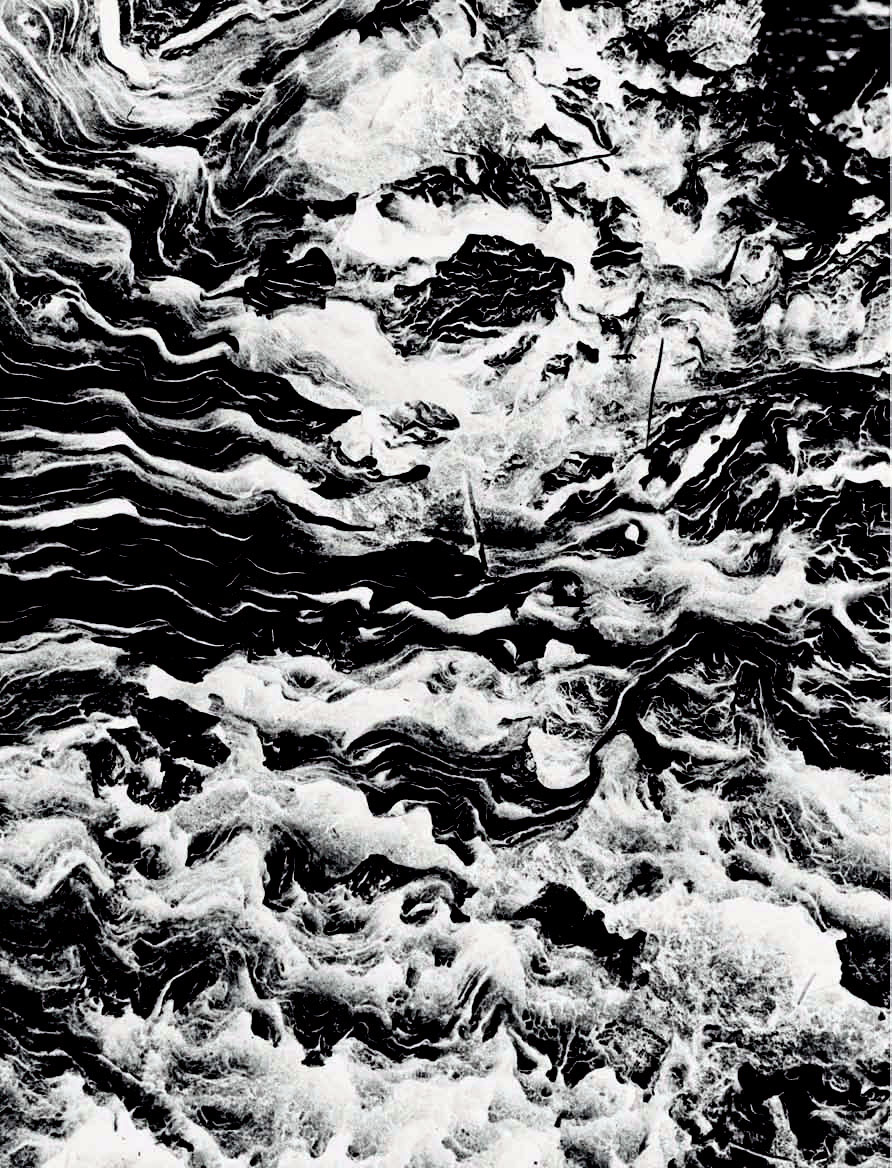
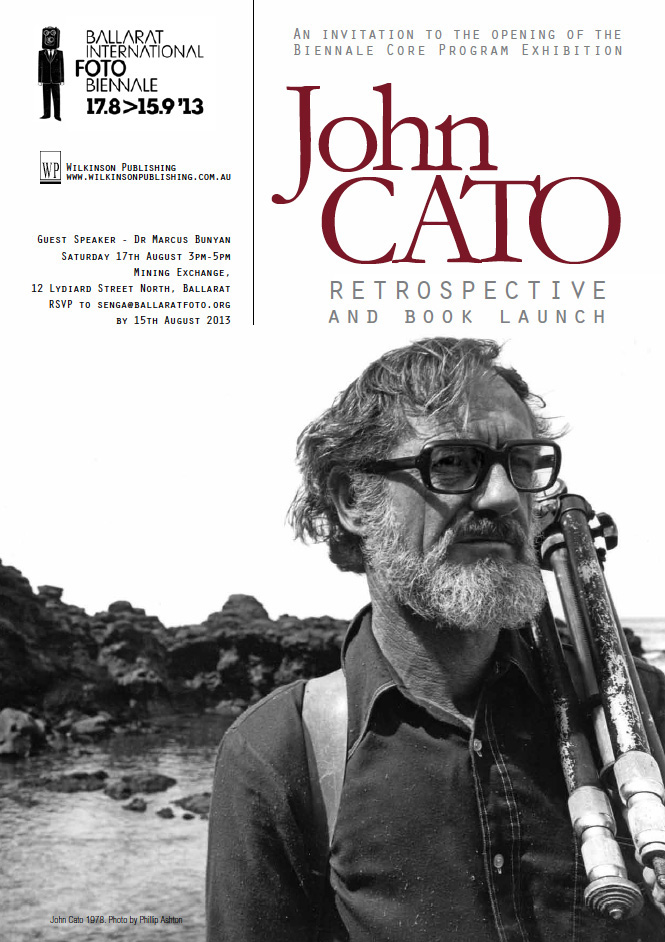
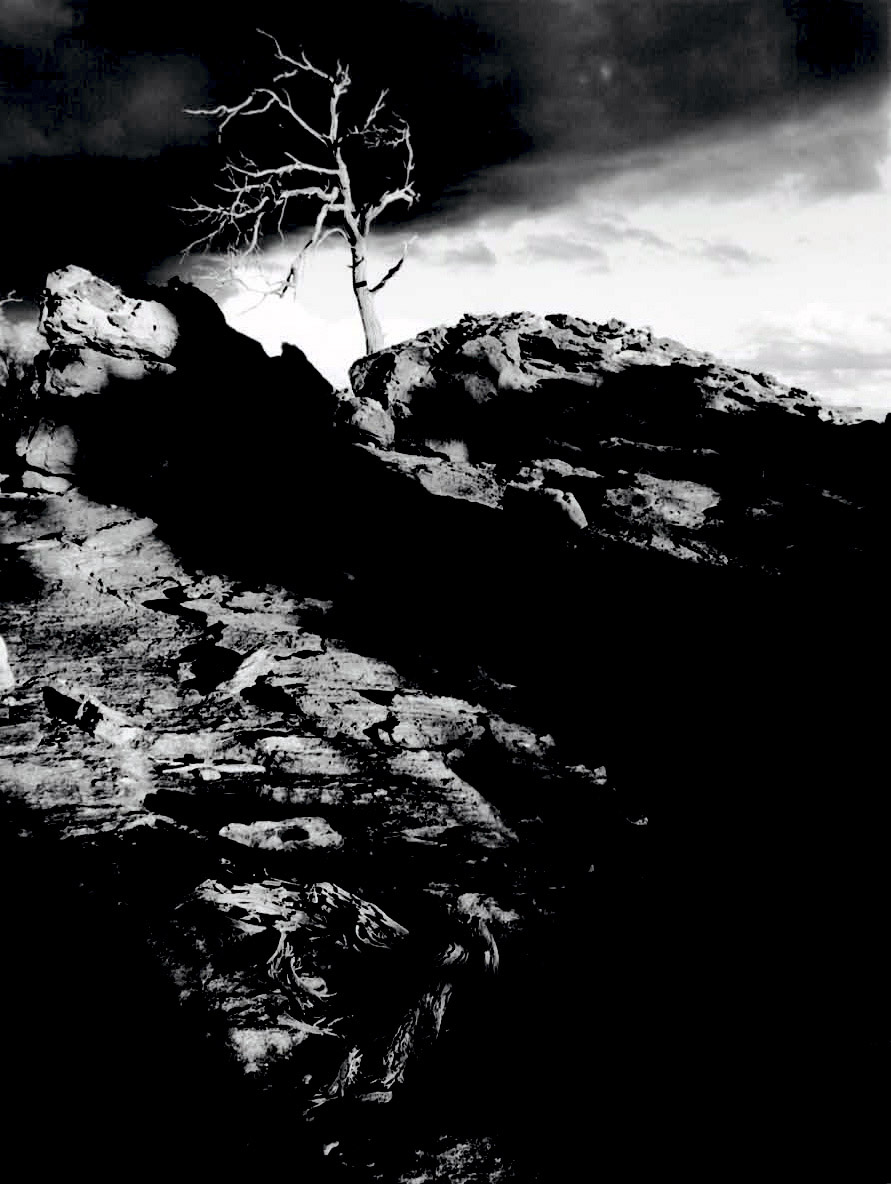
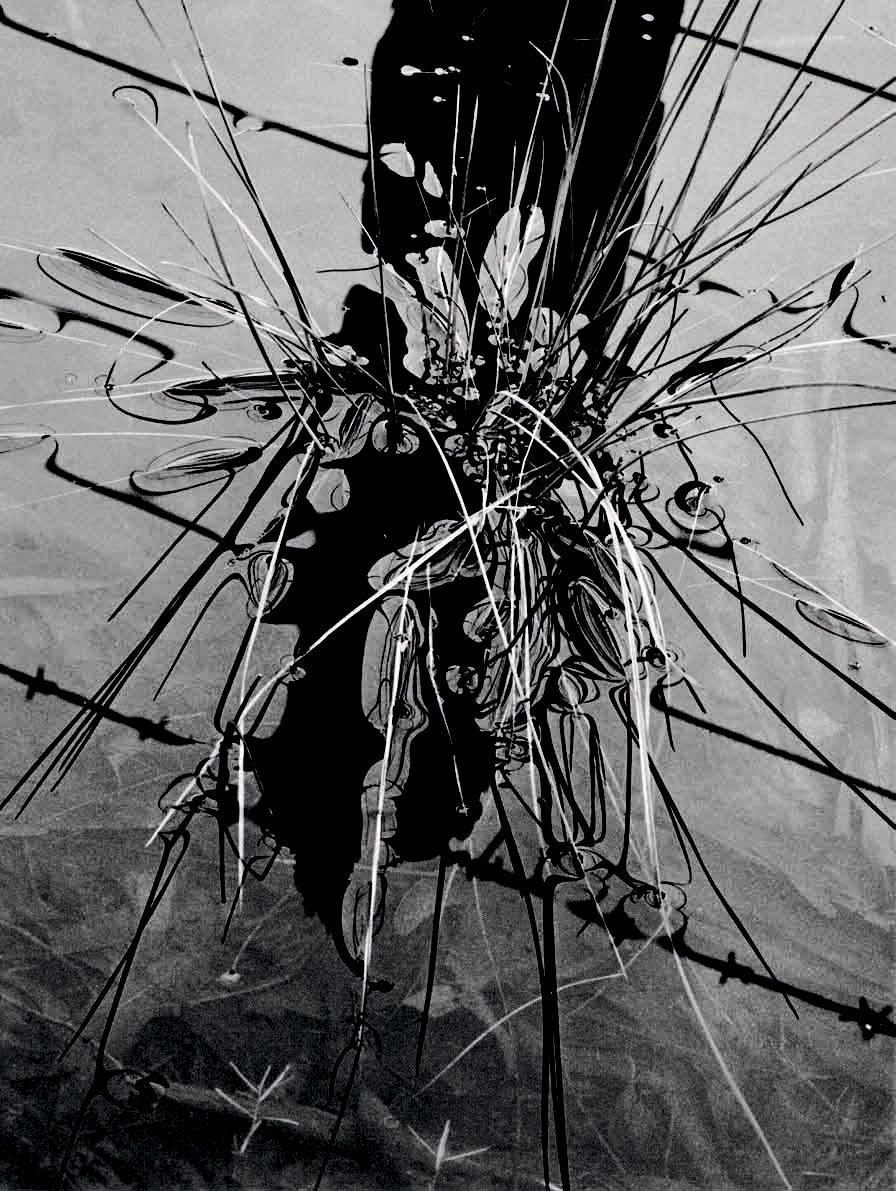
![Installation photograph of Erika Diettes 'Sudarios' (Shrouds) at Iglesia de Chinquinquirá (La Chinca). Santa Fe de Antioquia [COL] December 5-9, 2012](https://artblart.com/wp-content/uploads/2013/07/04.jpg "Installation photograph of Erika Diettes 'Sudarios' (Shrouds) at Iglesia de Chinquinquirá (La Chinca). Santa Fe de Antioquia [COL] December 5-9, 2012")
![Installation photograph of Erika Diettes 'Sudarios' (Shrouds) at Iglesia de Chinquinquirá (La Chinca). Santa Fe de Antioquia [COL] December 5-9, 2012](https://artblart.com/wp-content/uploads/2013/07/06.jpg "Installation photograph of Erika Diettes 'Sudarios' (Shrouds) at Iglesia de Chinquinquirá (La Chinca). Santa Fe de Antioquia [COL] December 5-9, 2012")
![Installation photograph of Erika Diettes 'Sudarios' (Shrouds) at Ex Teresa Arte Actual. México D.F. [MEX] May-Jun, 2012](https://artblart.com/wp-content/uploads/2013/07/sudarios_mex_02.jpg "Installation photograph of Erika Diettes 'Sudarios' (Shrouds) at Ex Teresa Arte Actual. México D.F. [MEX] May-Jun, 2012")
![Installation photograph of Erika Diettes 'Sudarios' (Shrouds) at Trinity Episcopal Church. Houston TX [USA] Feb-Apr 2012](https://artblart.com/wp-content/uploads/2013/07/006-houston.jpg "Installation photograph of Erika Diettes 'Sudarios' (Shrouds) at Trinity Episcopal Church. Houston TX [USA] Feb-Apr 2012")
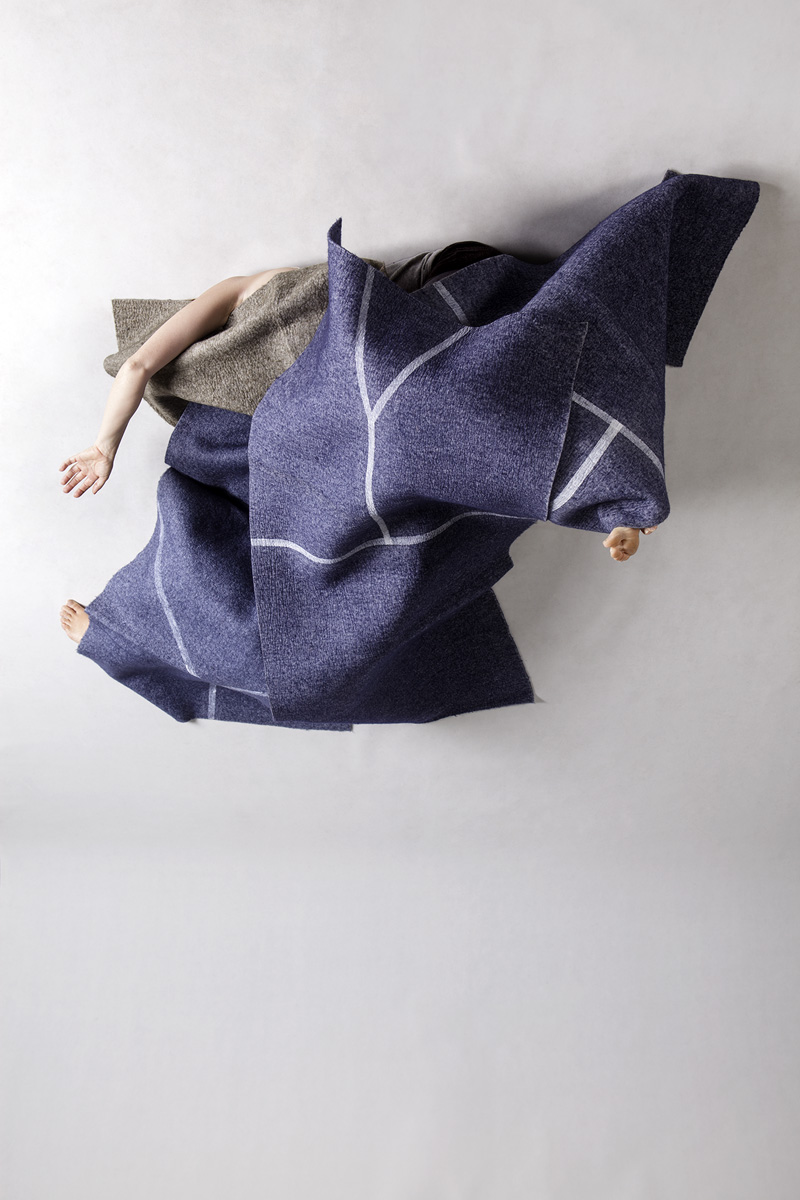
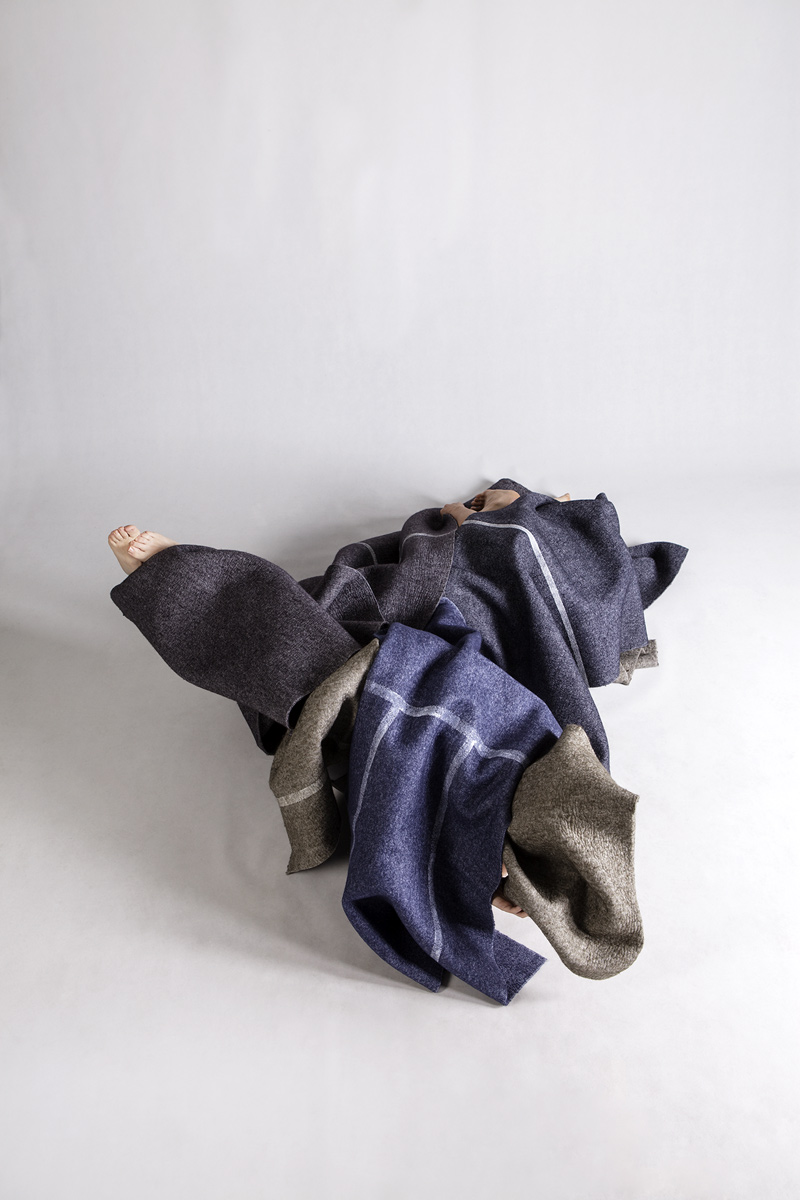
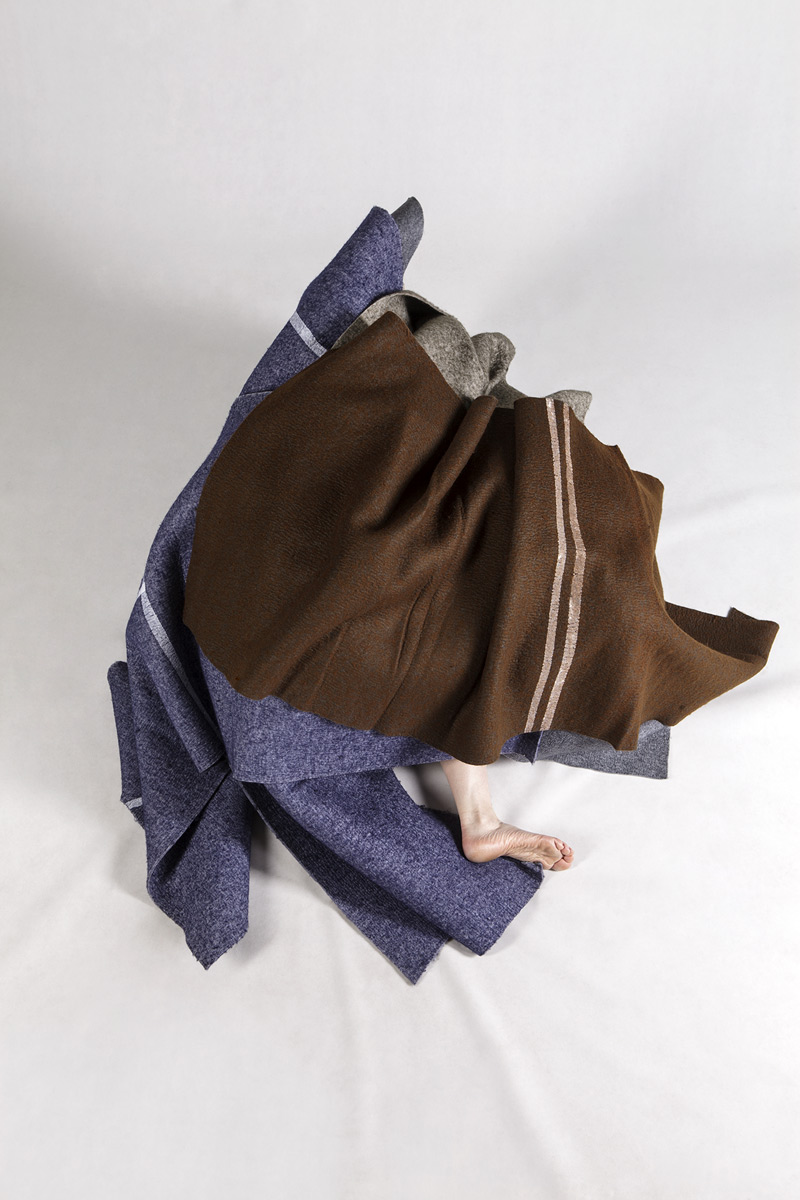

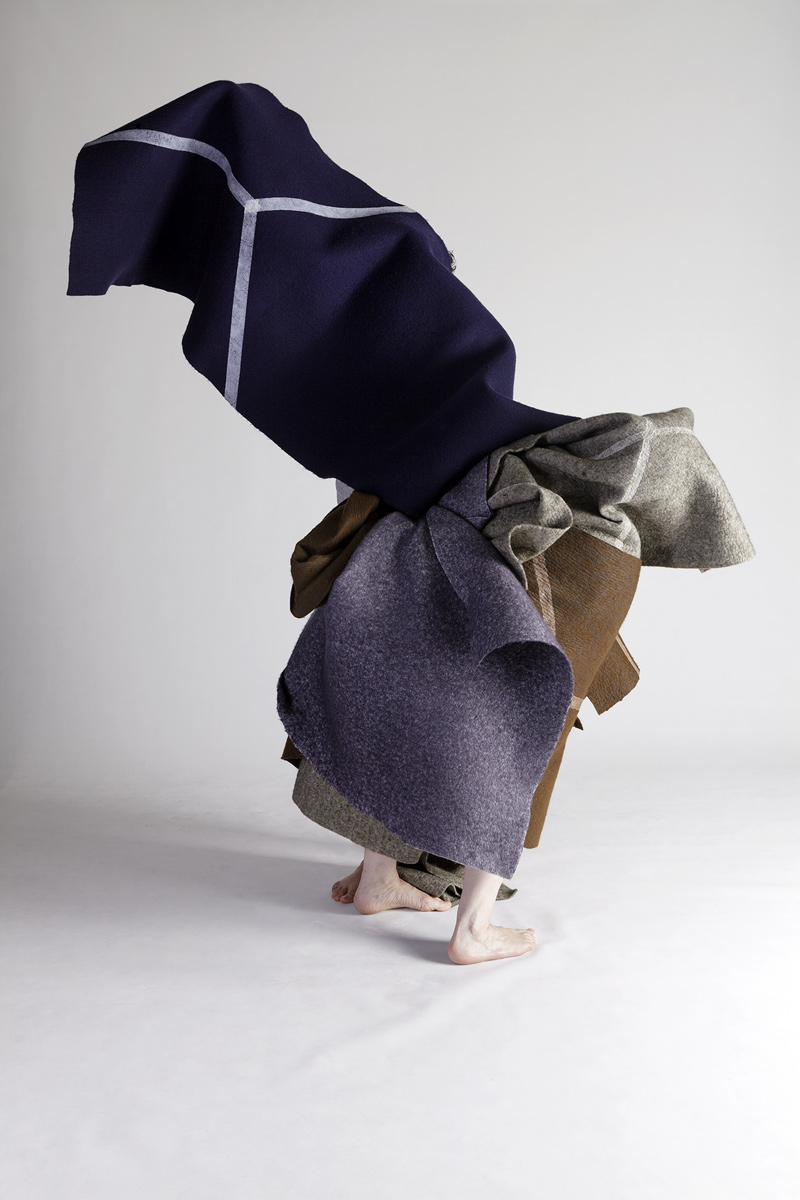
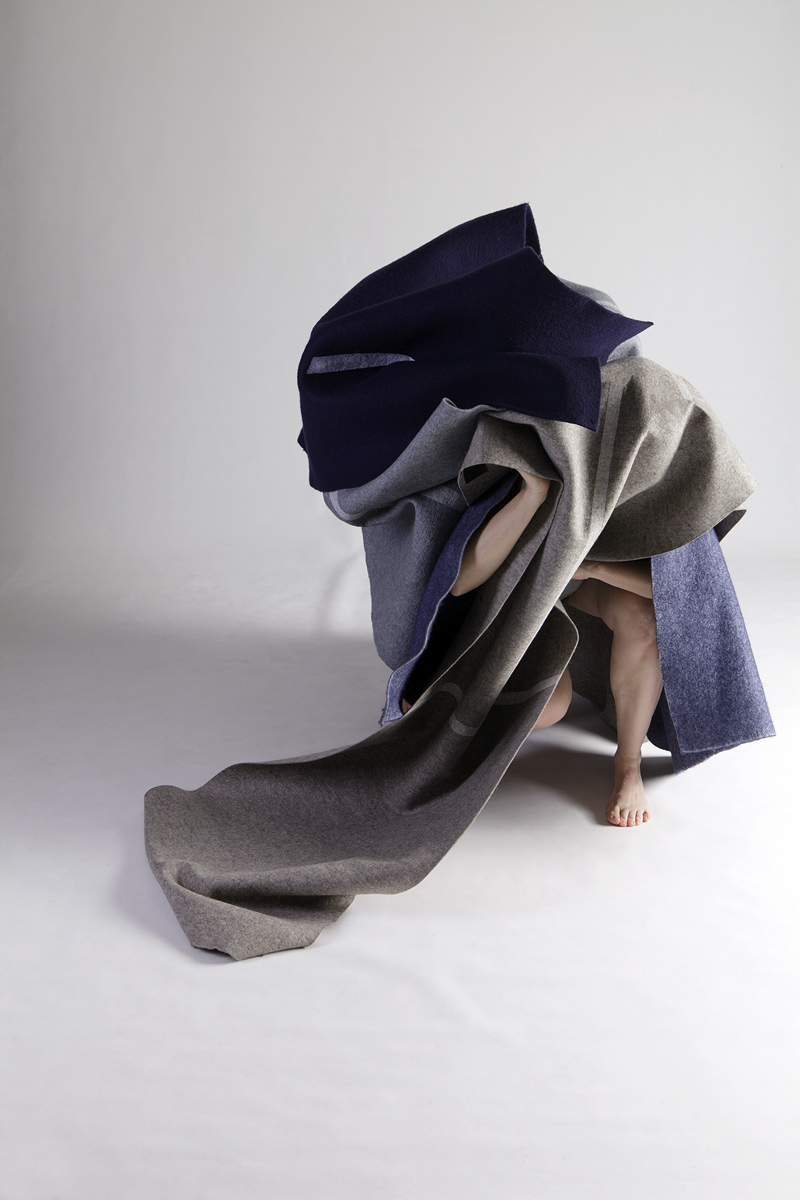

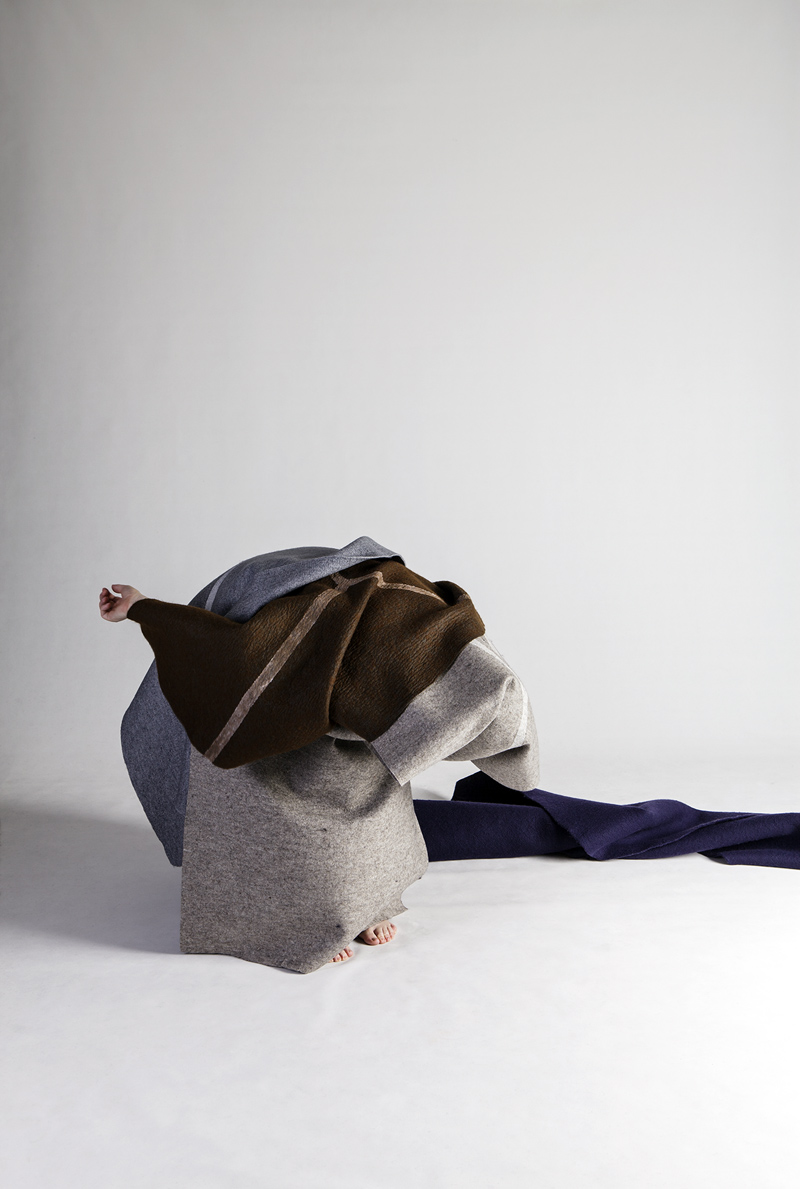

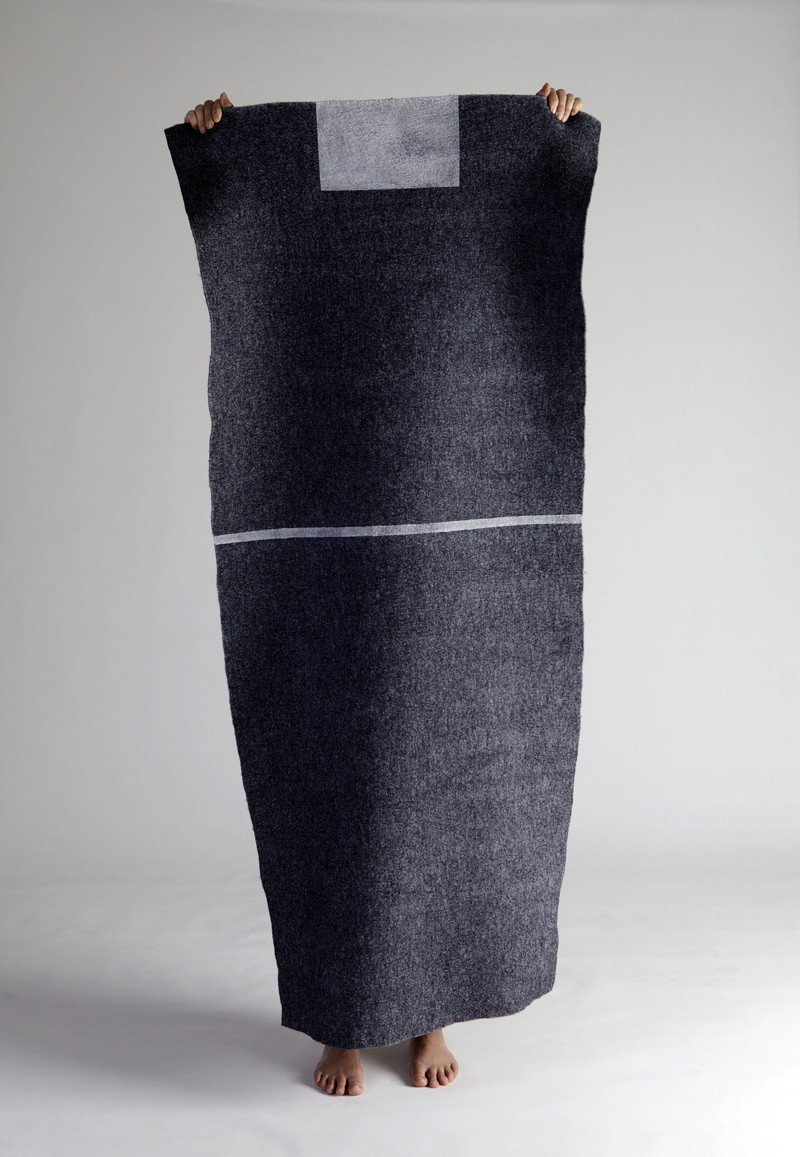

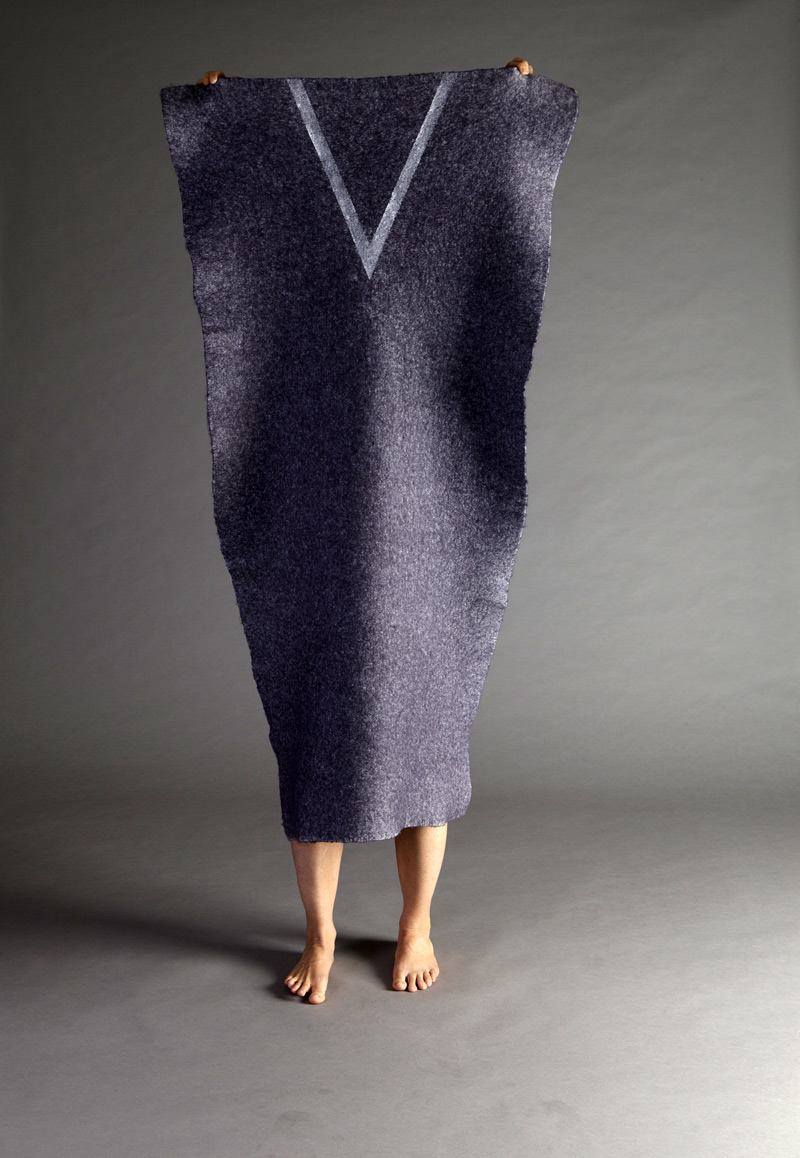
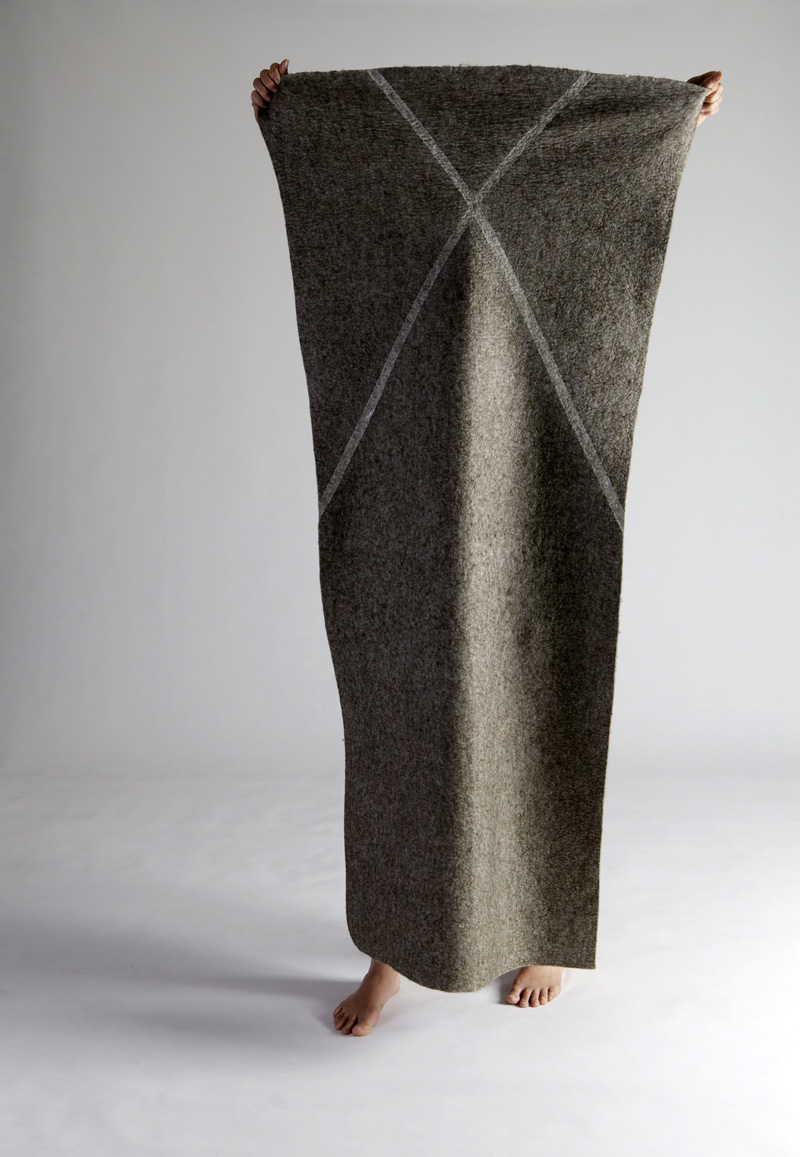
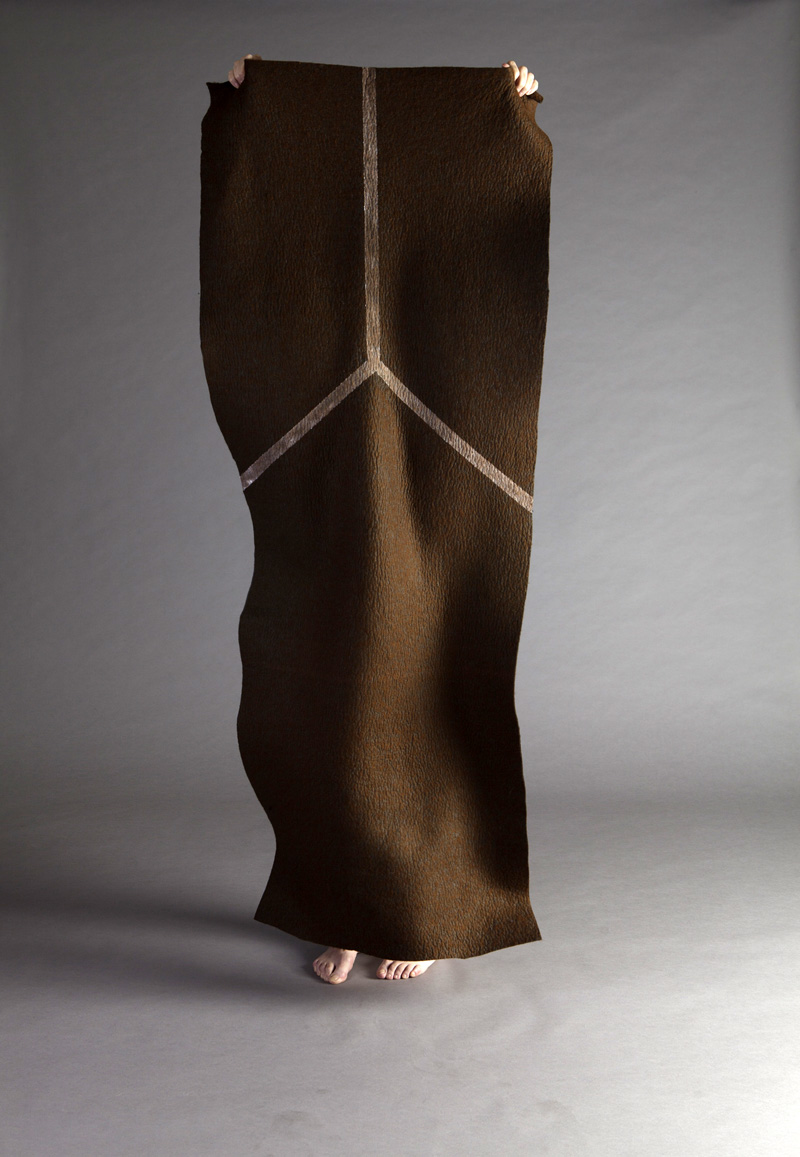

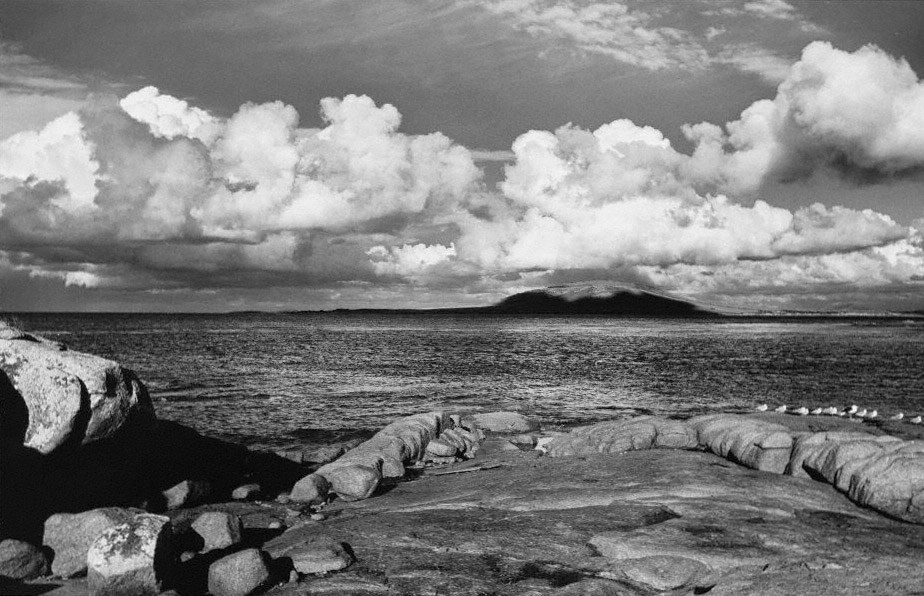
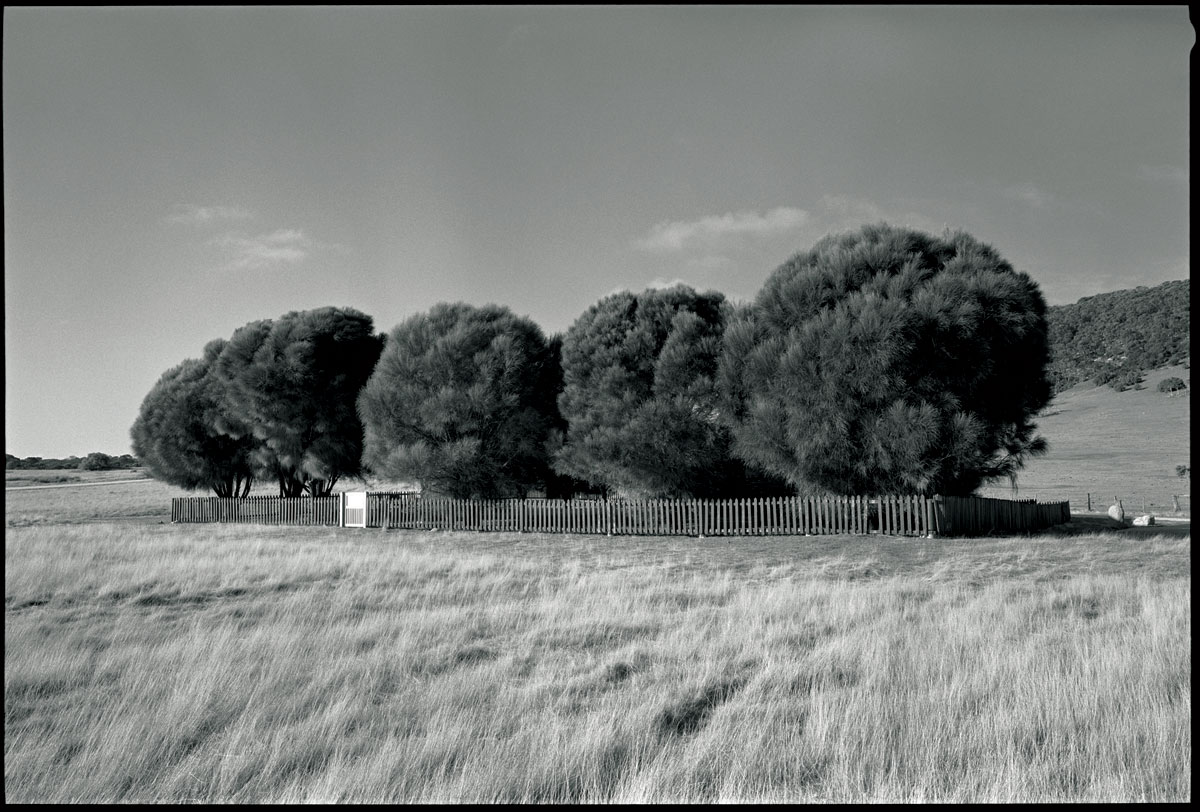


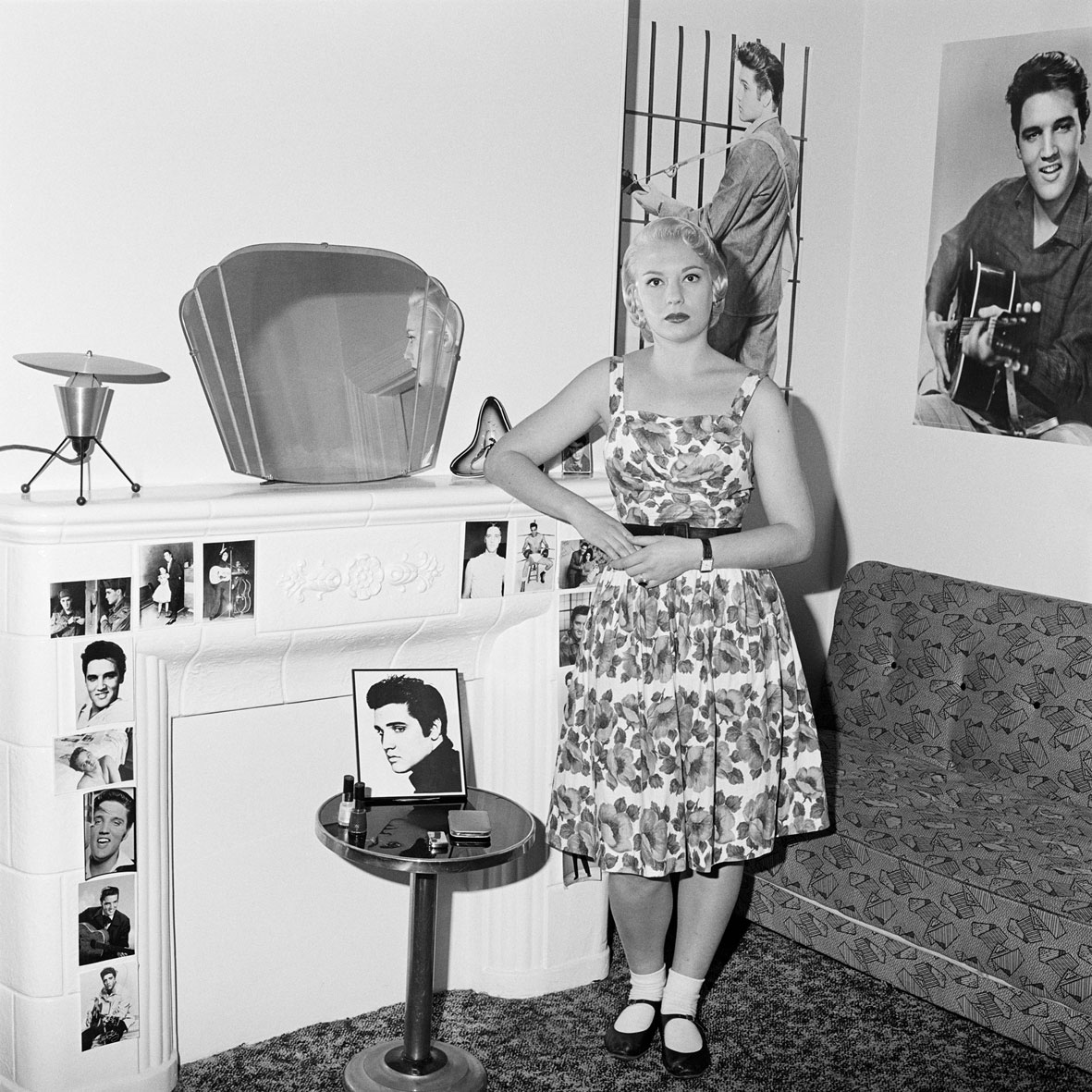


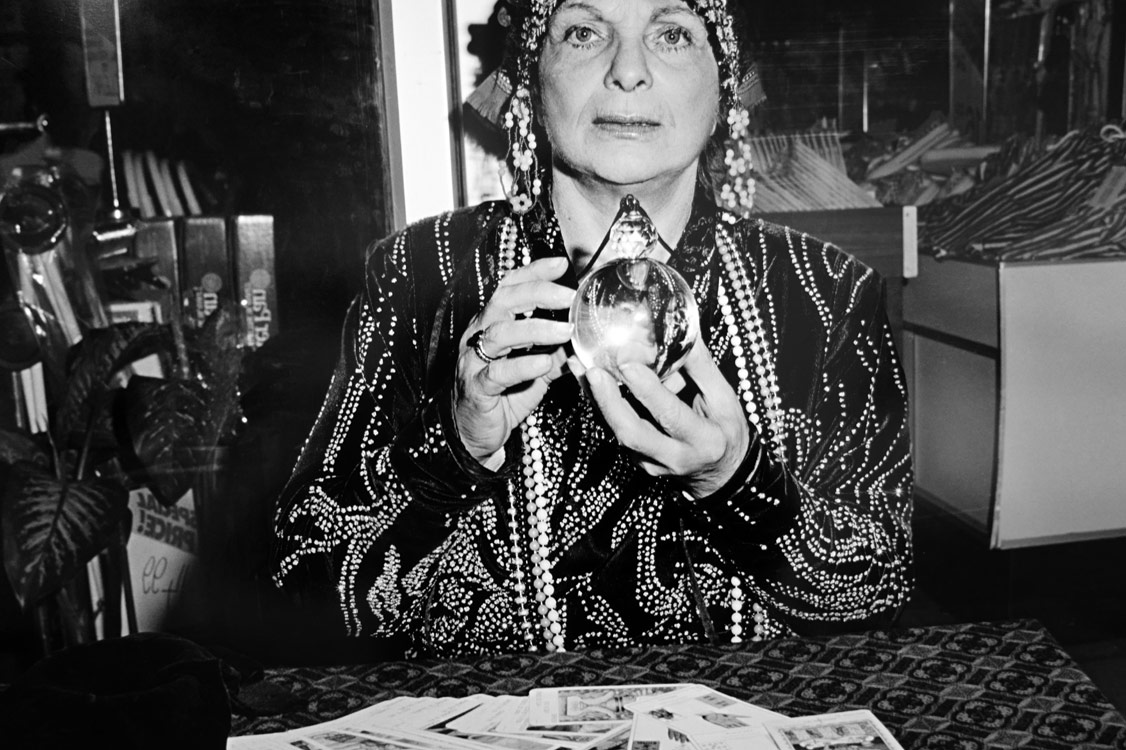

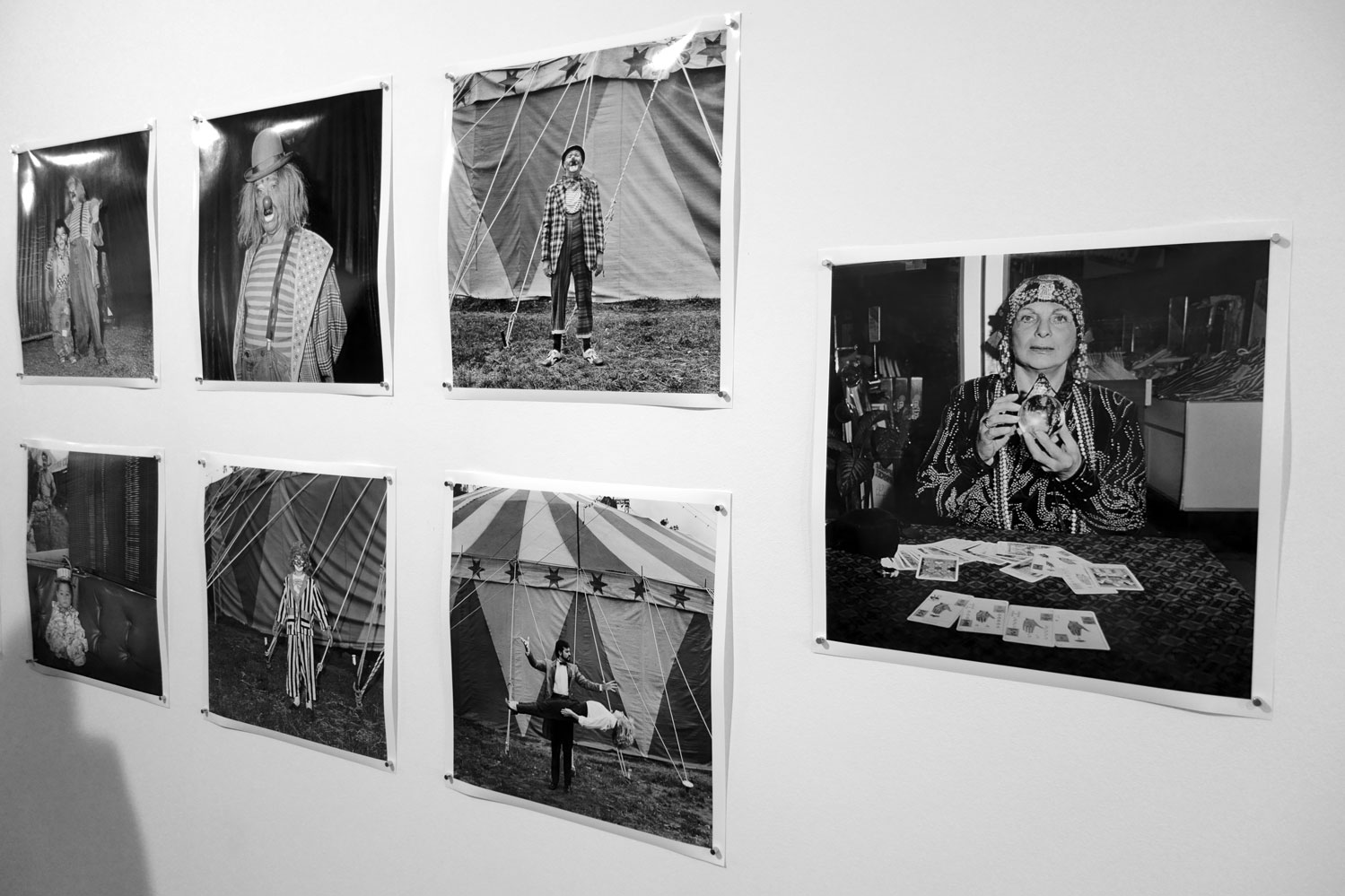
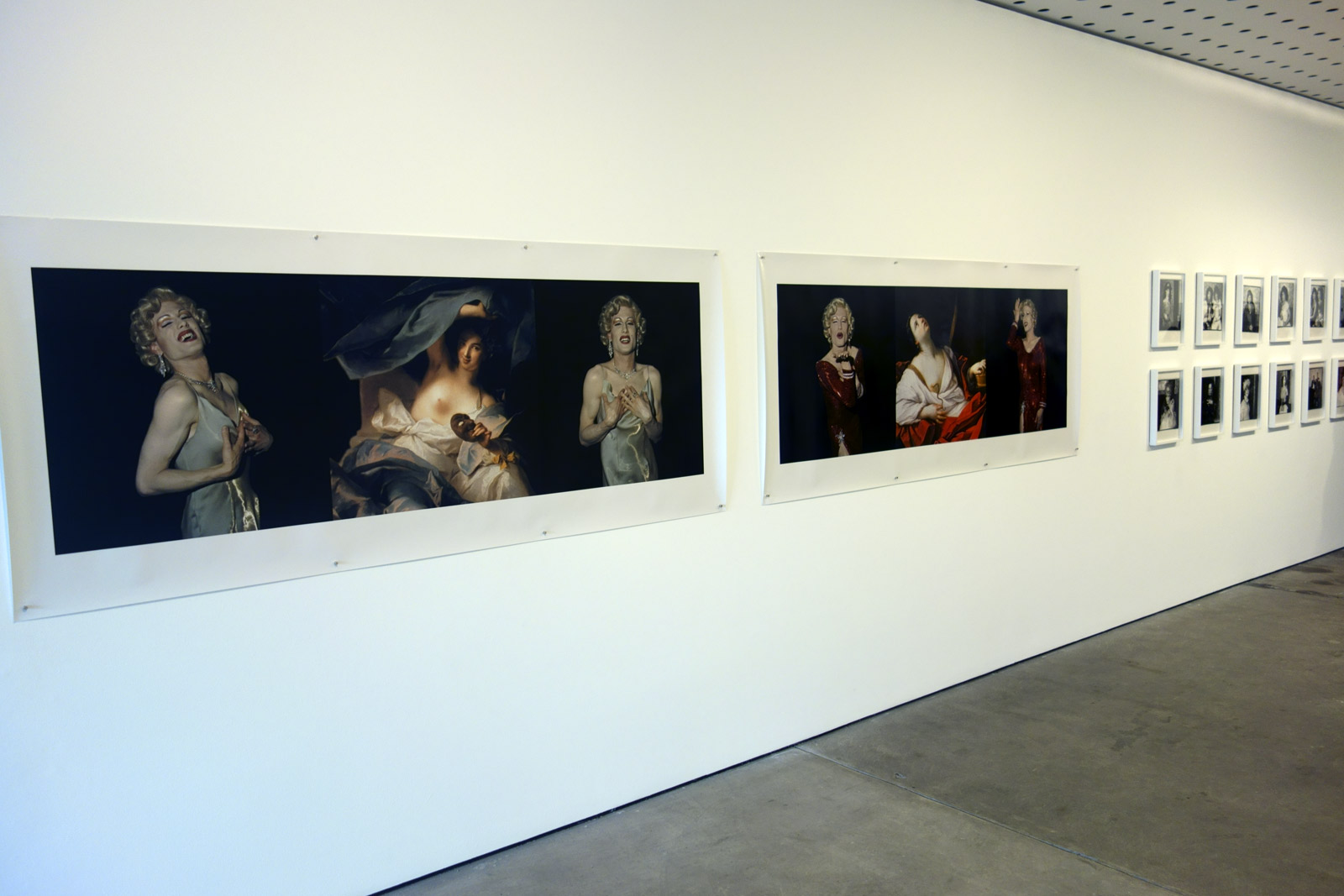

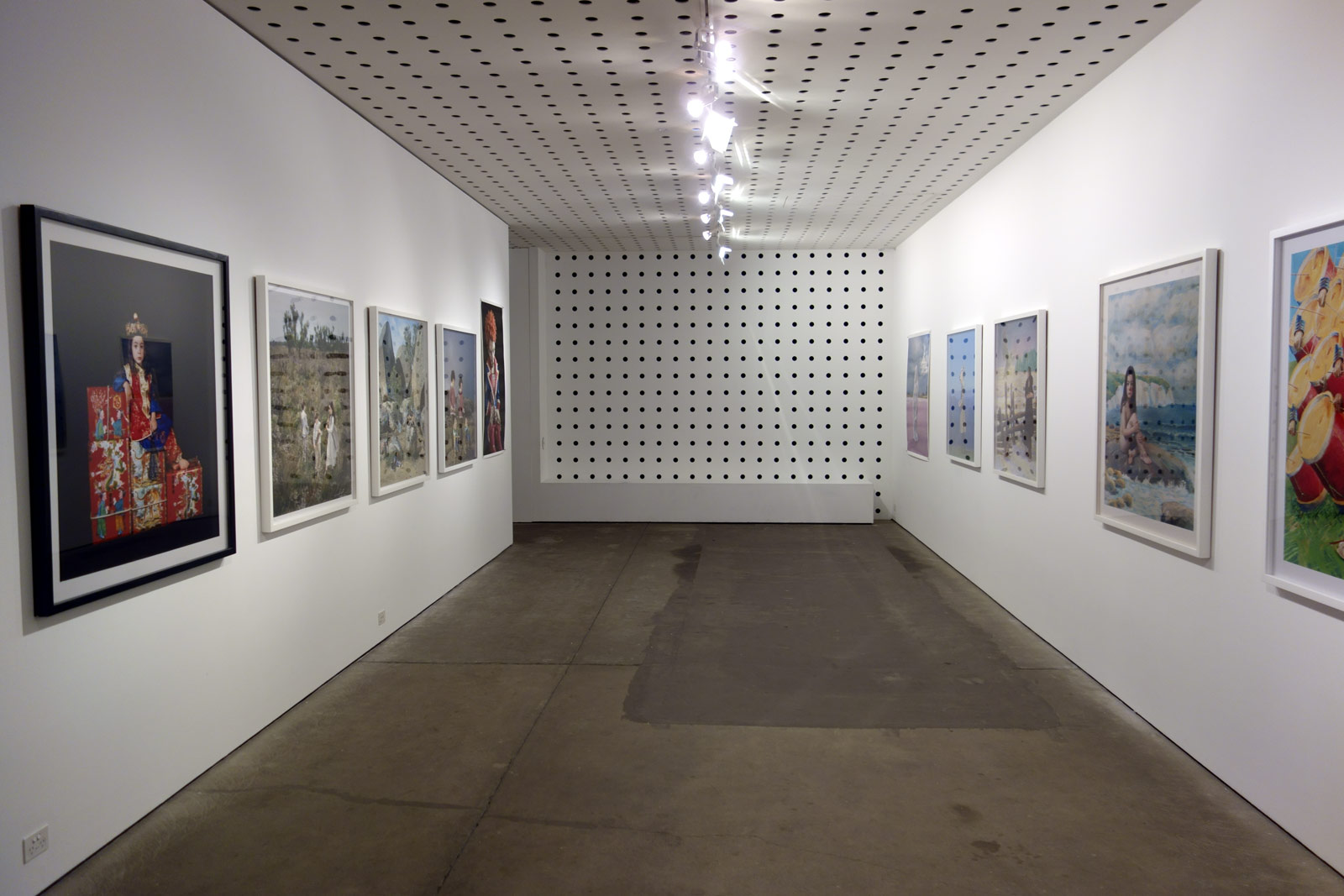
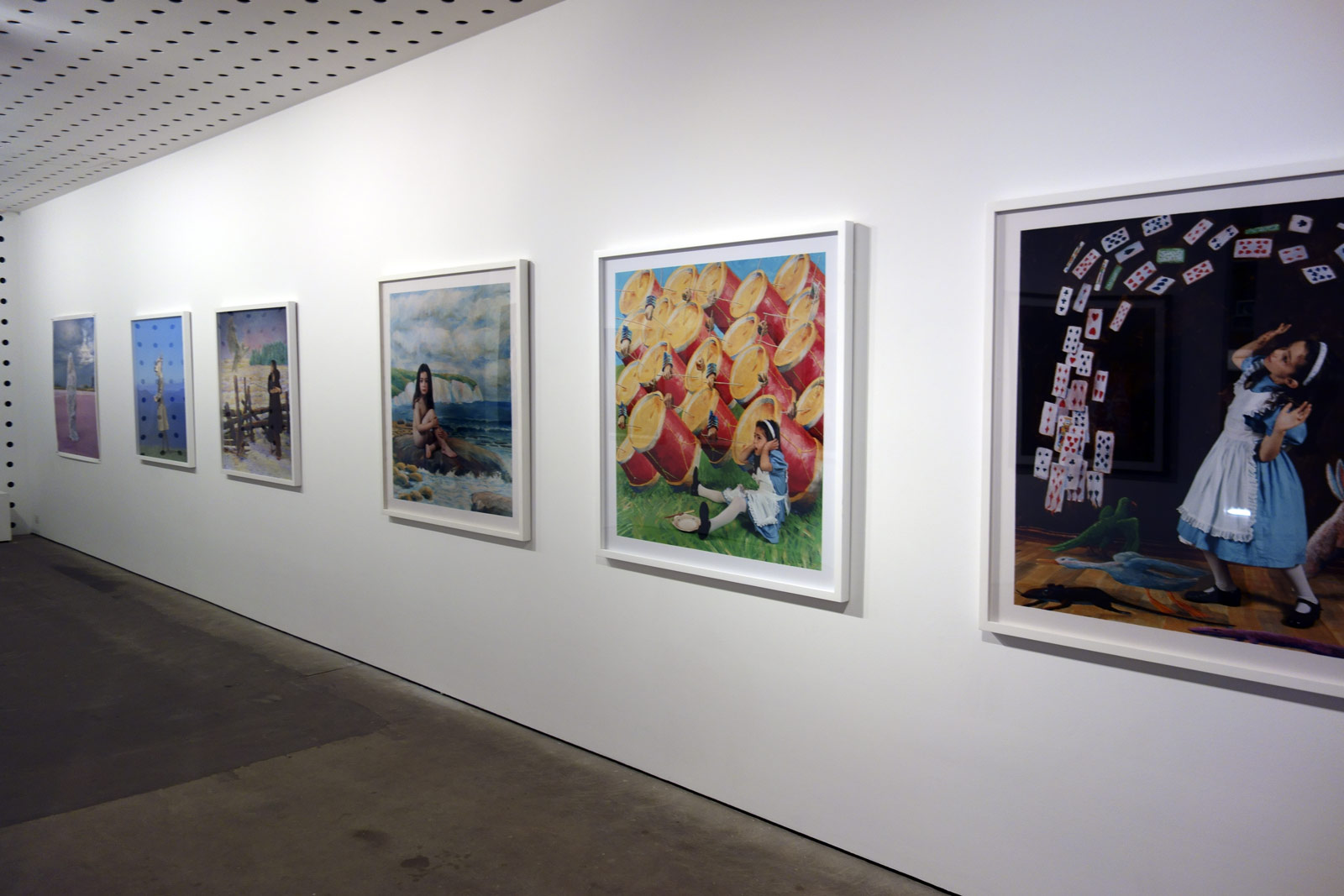
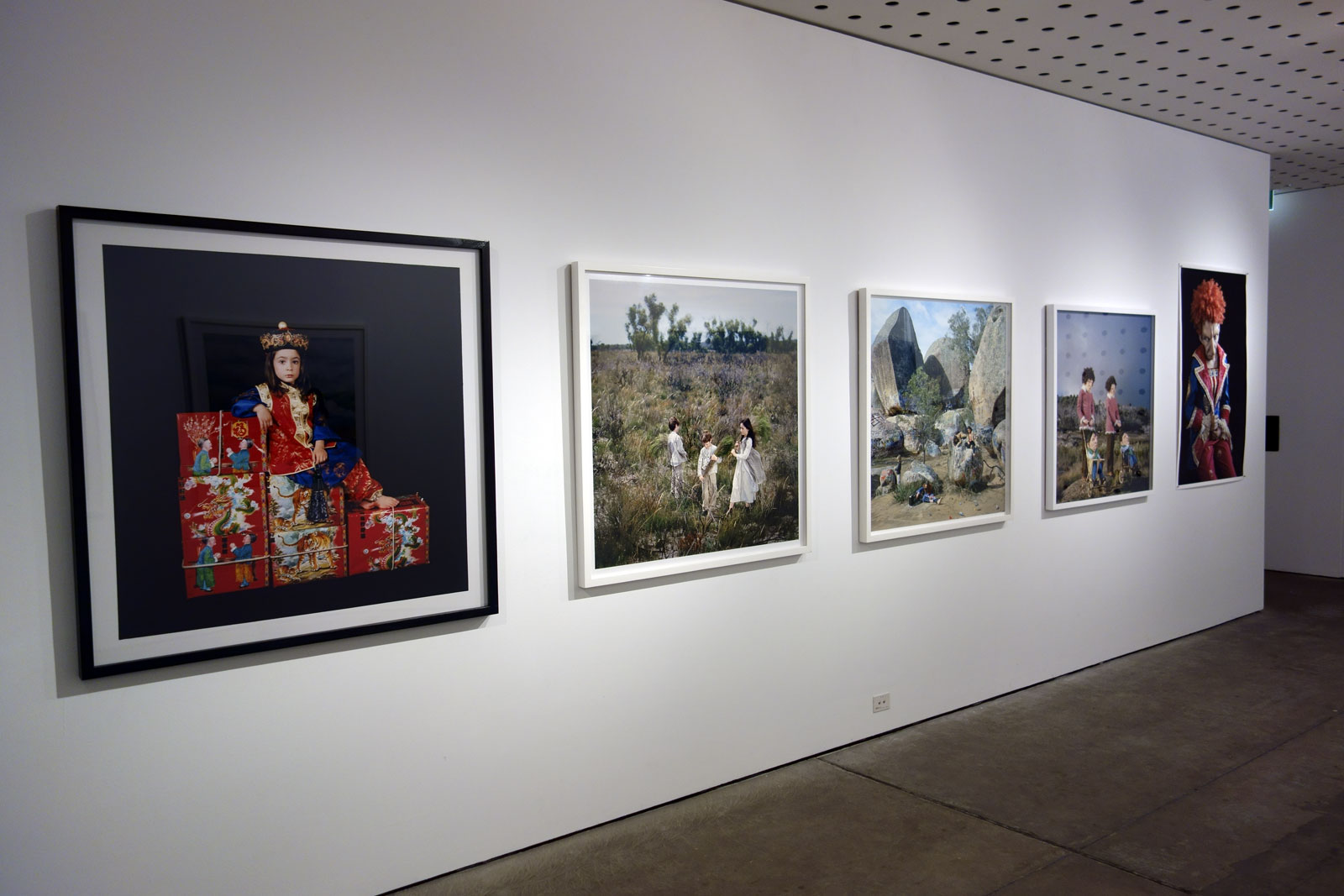

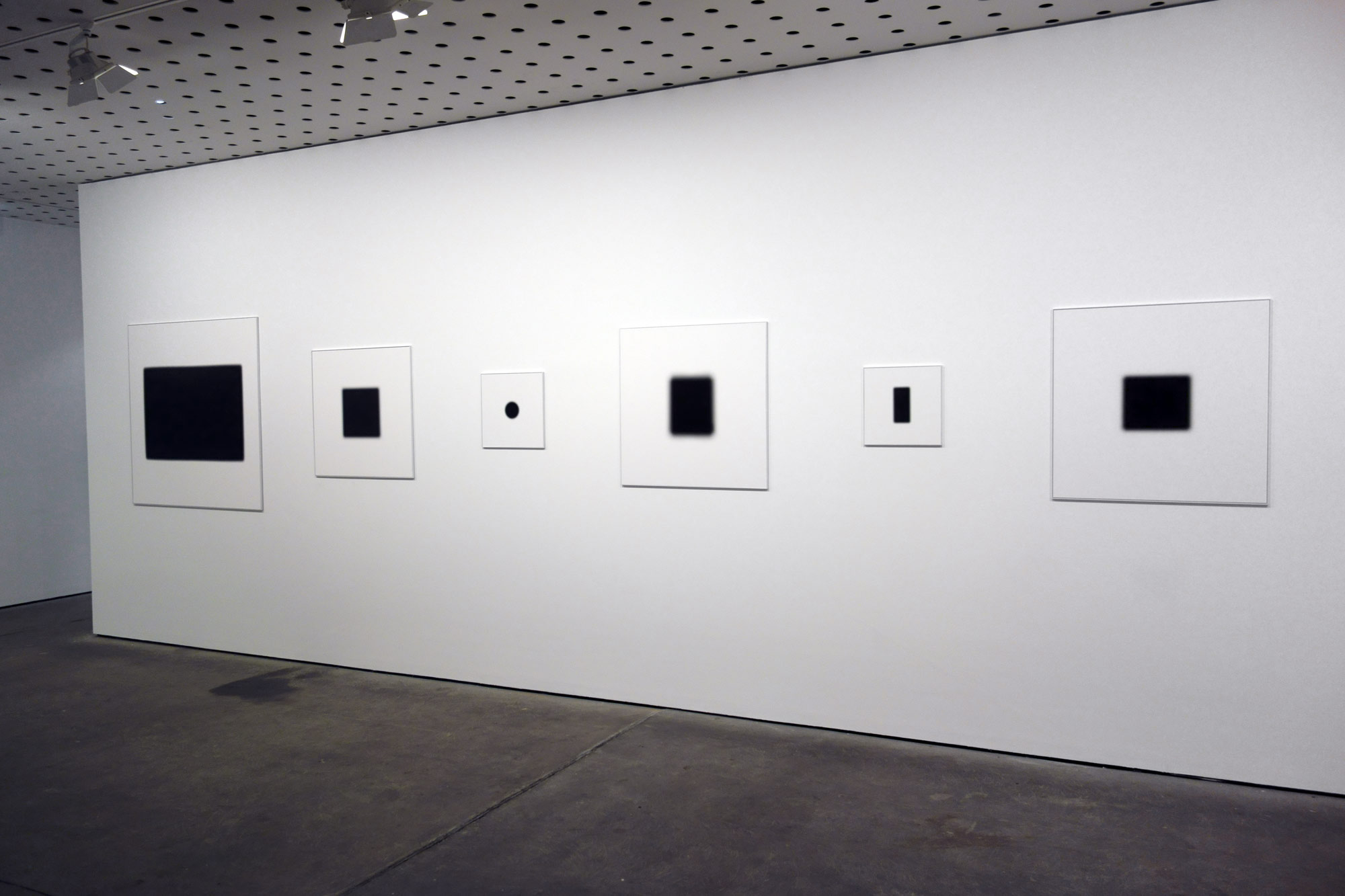


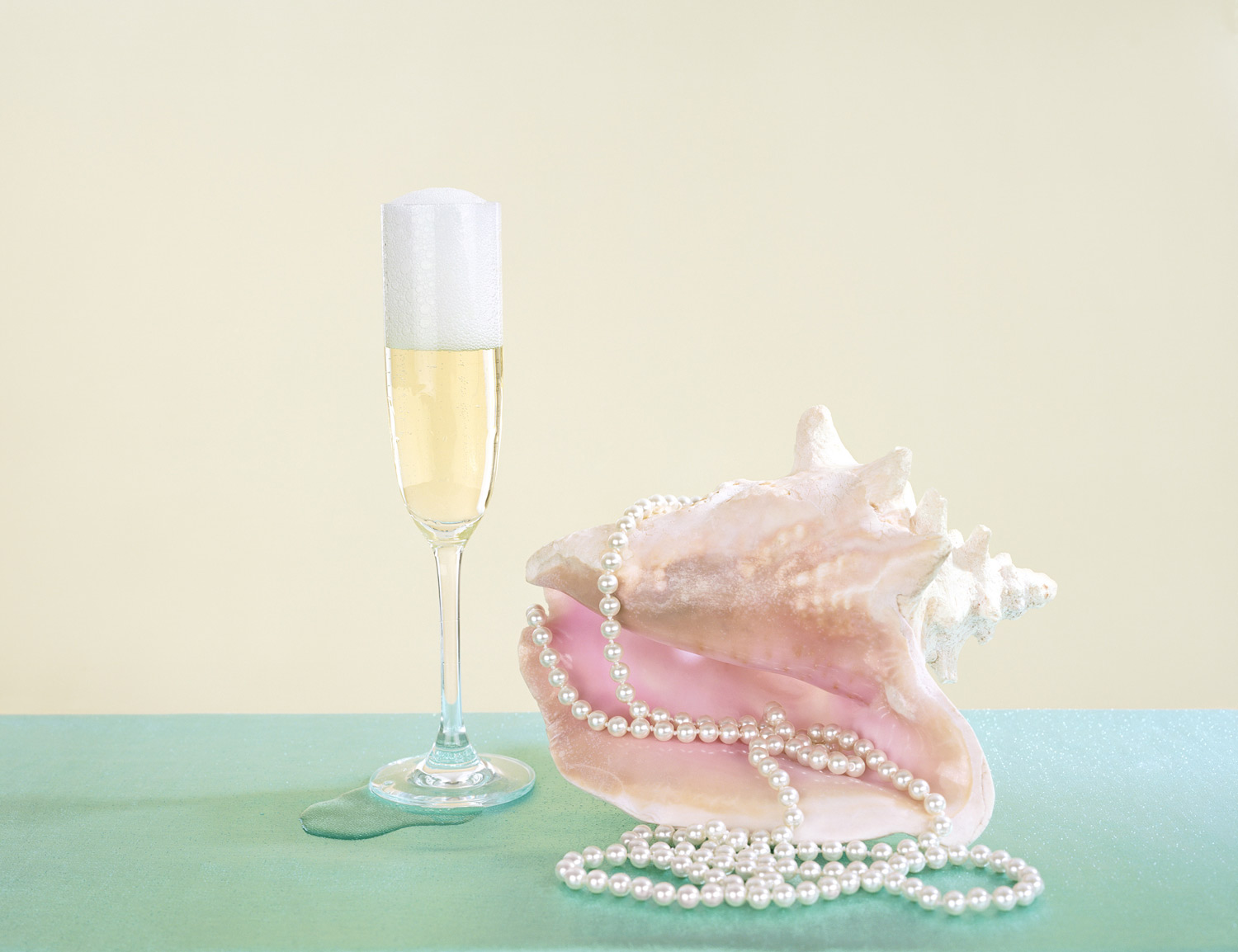
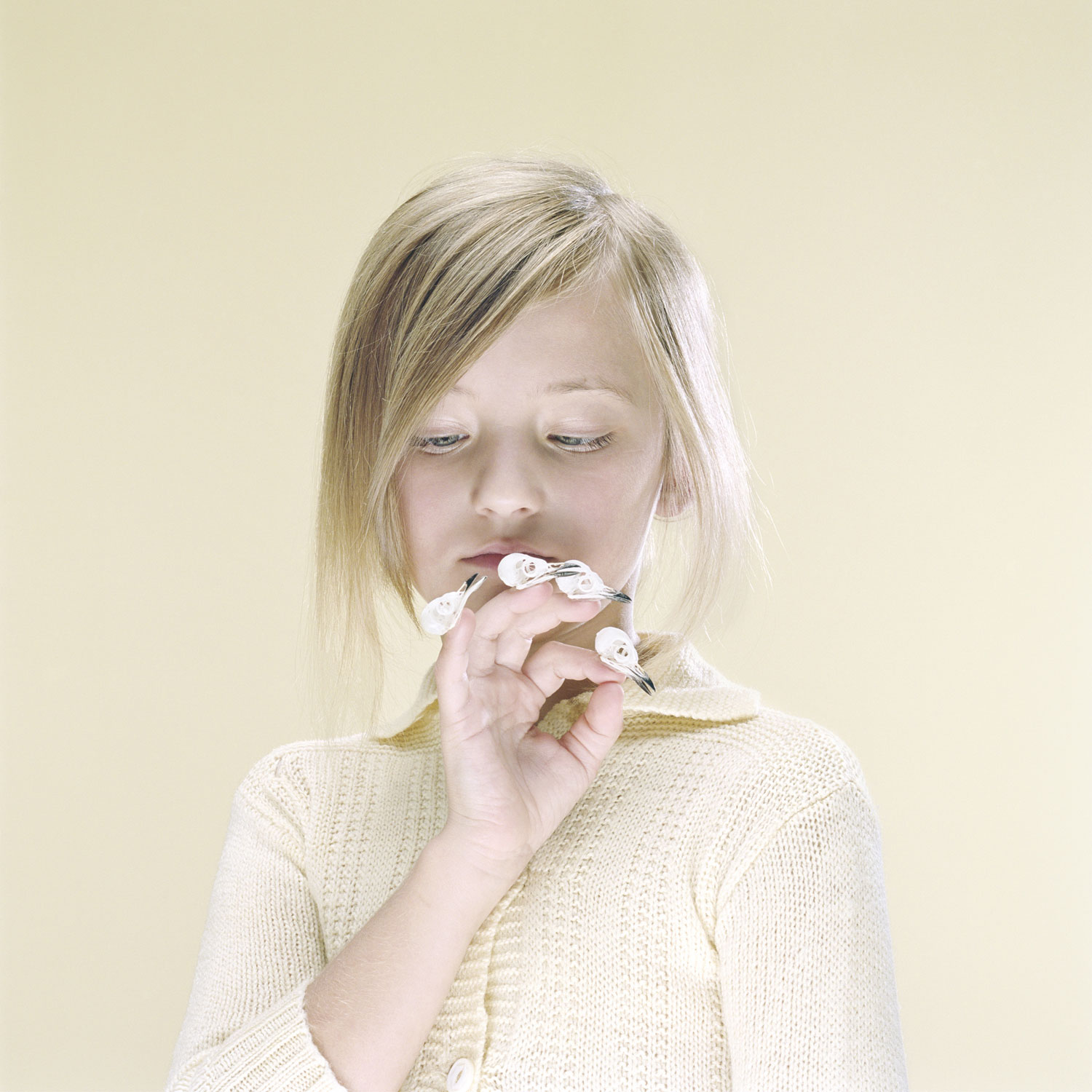
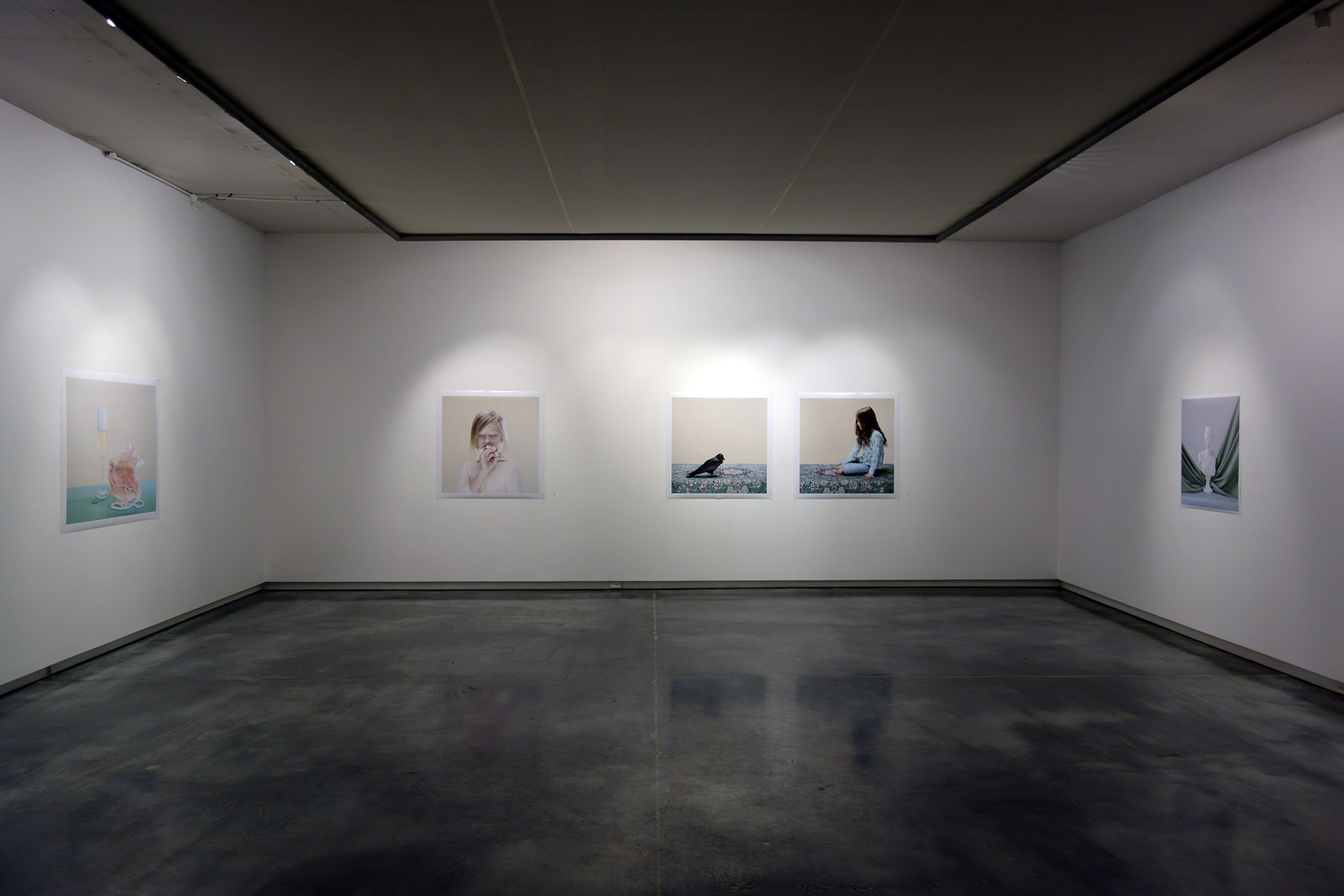

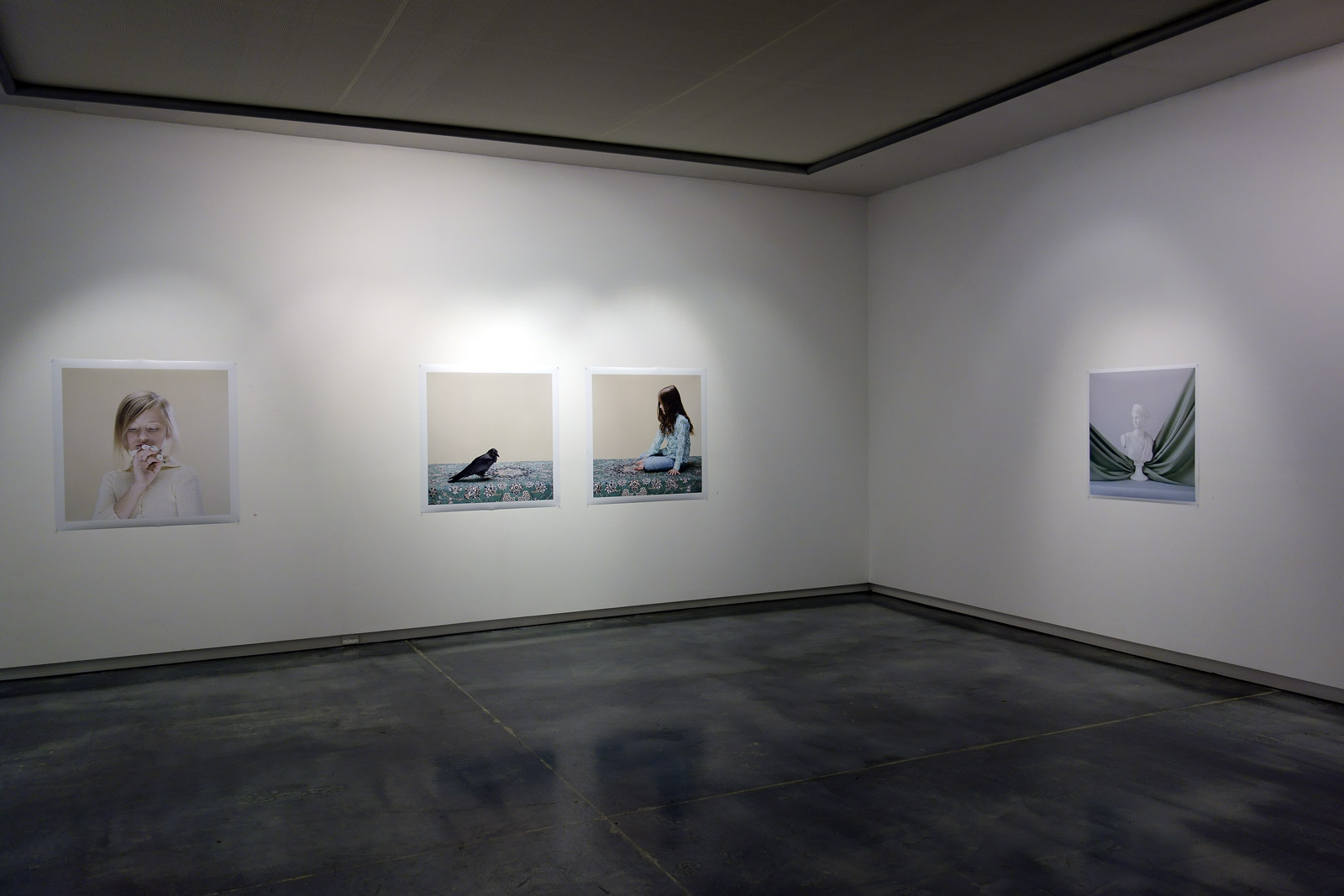

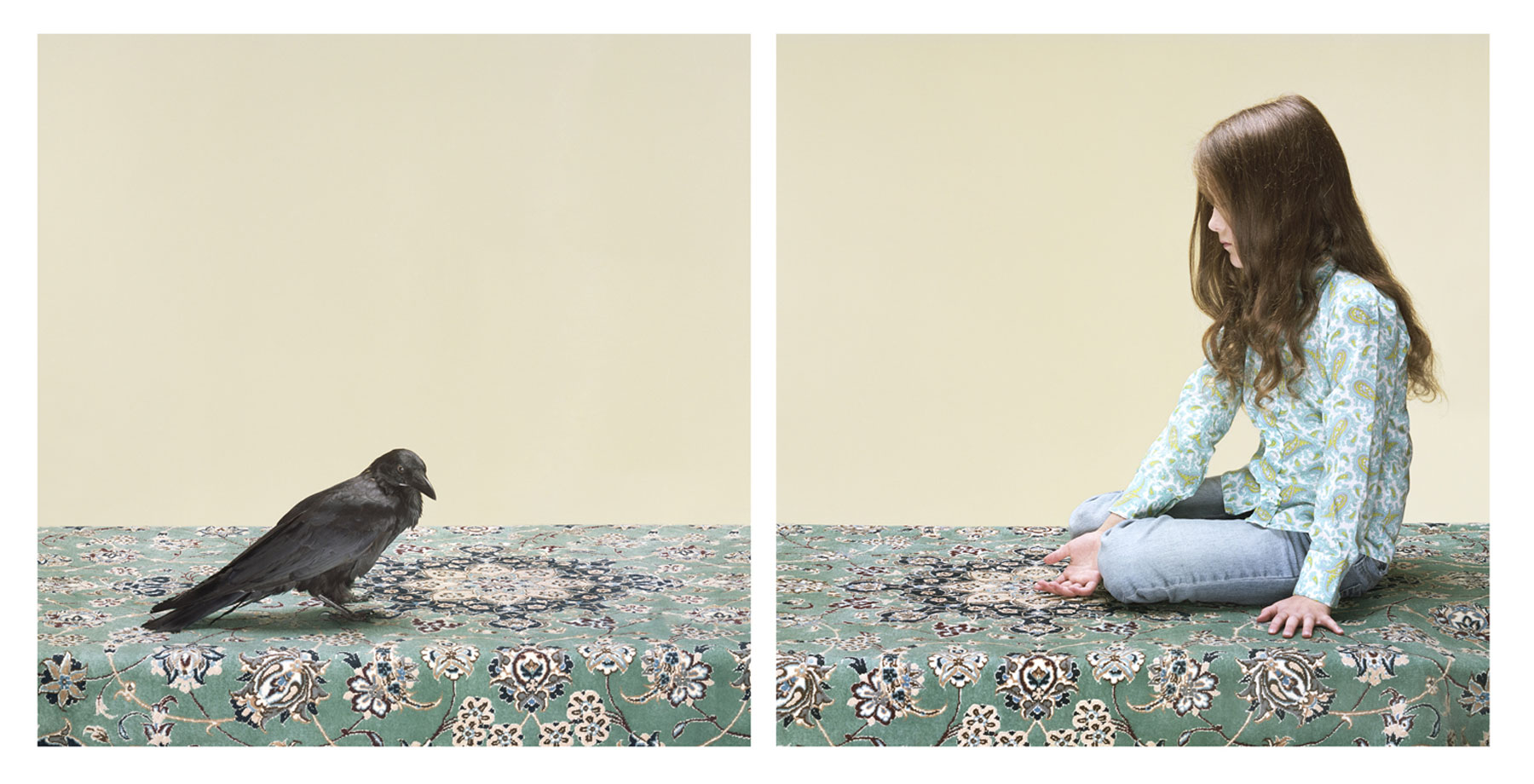


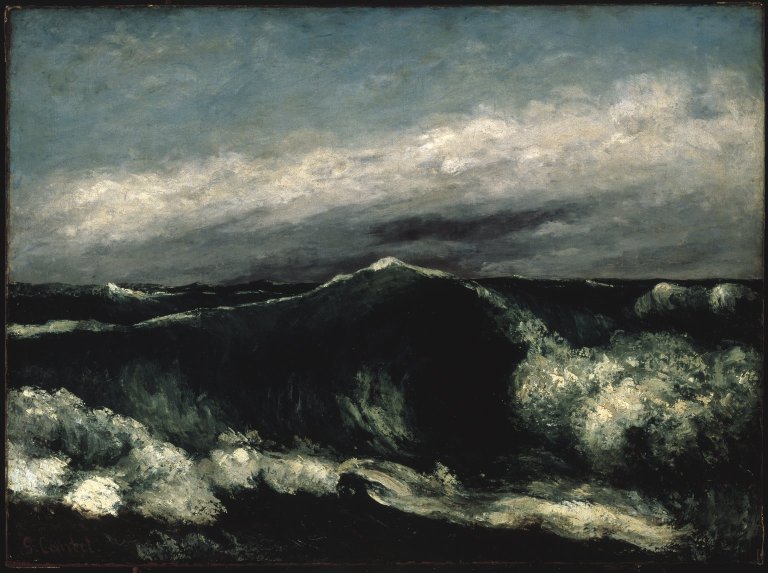


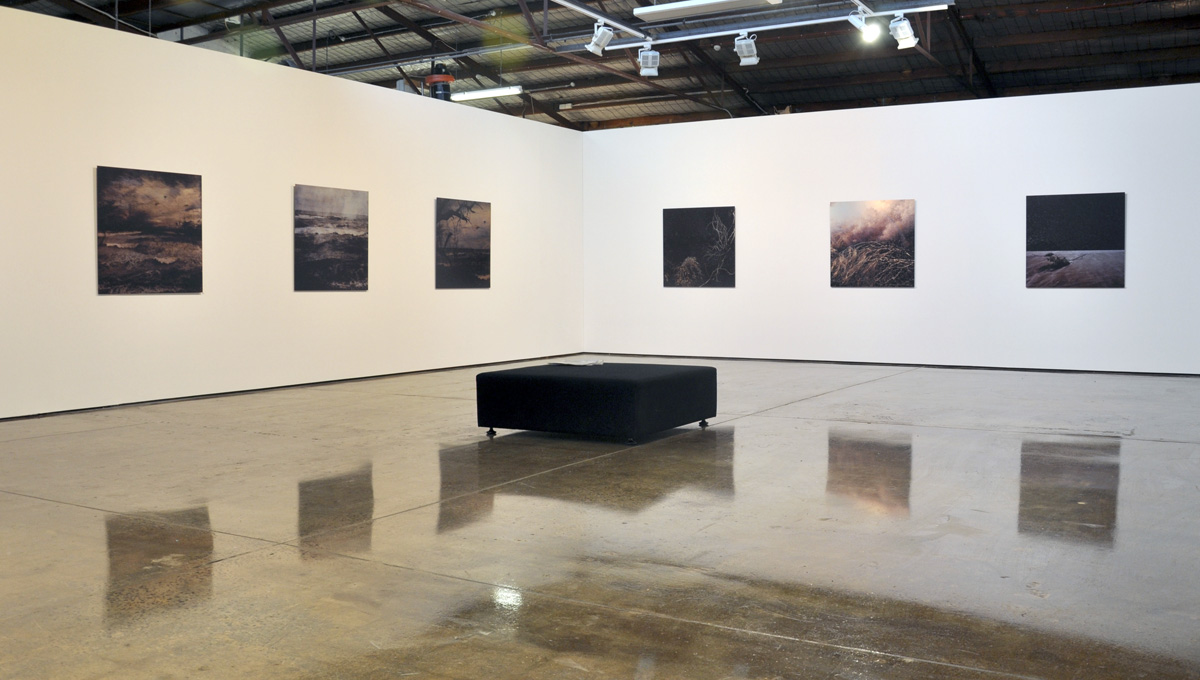

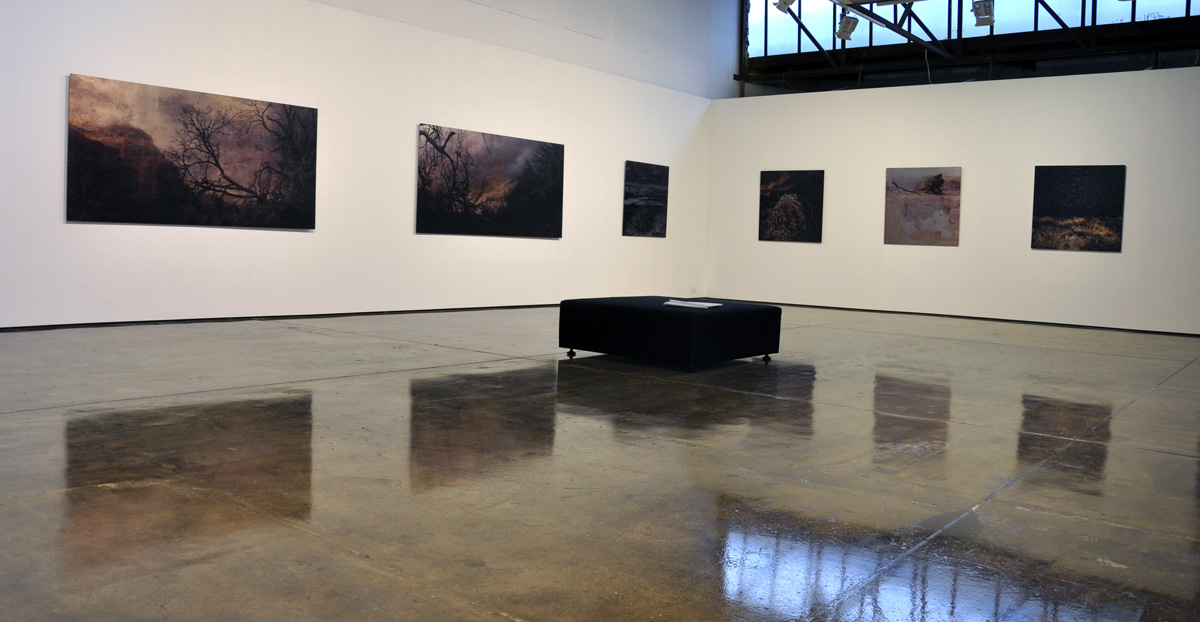
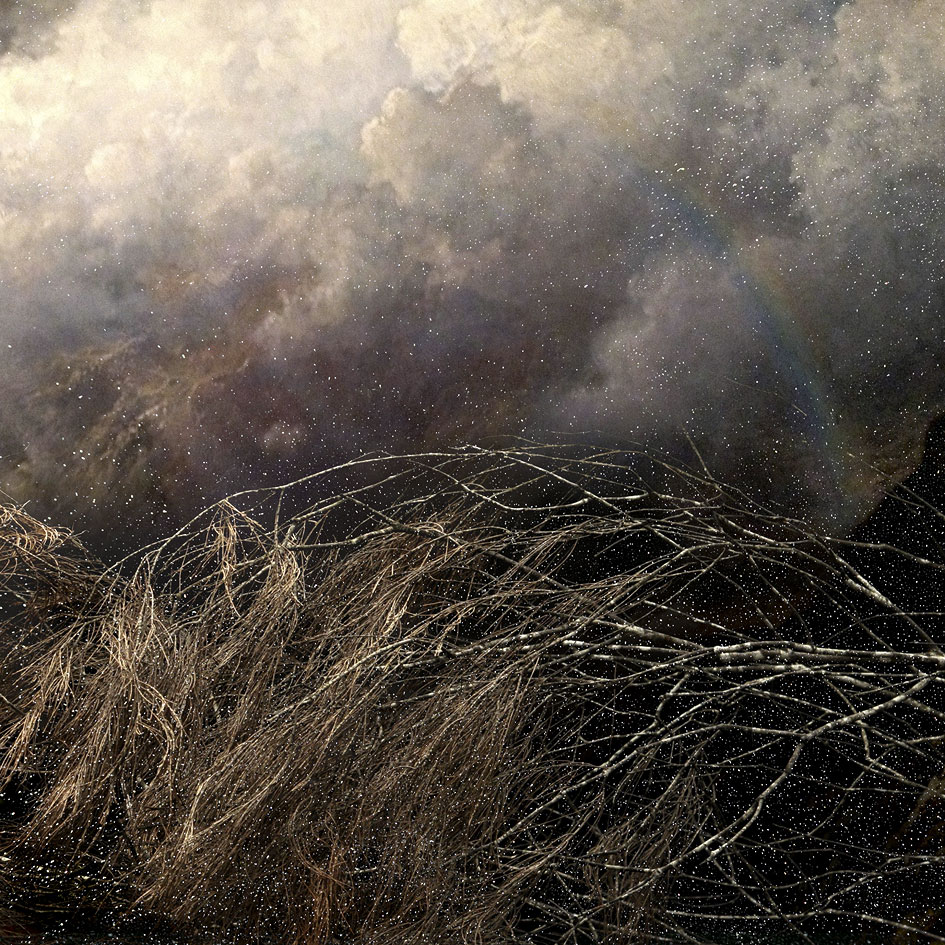
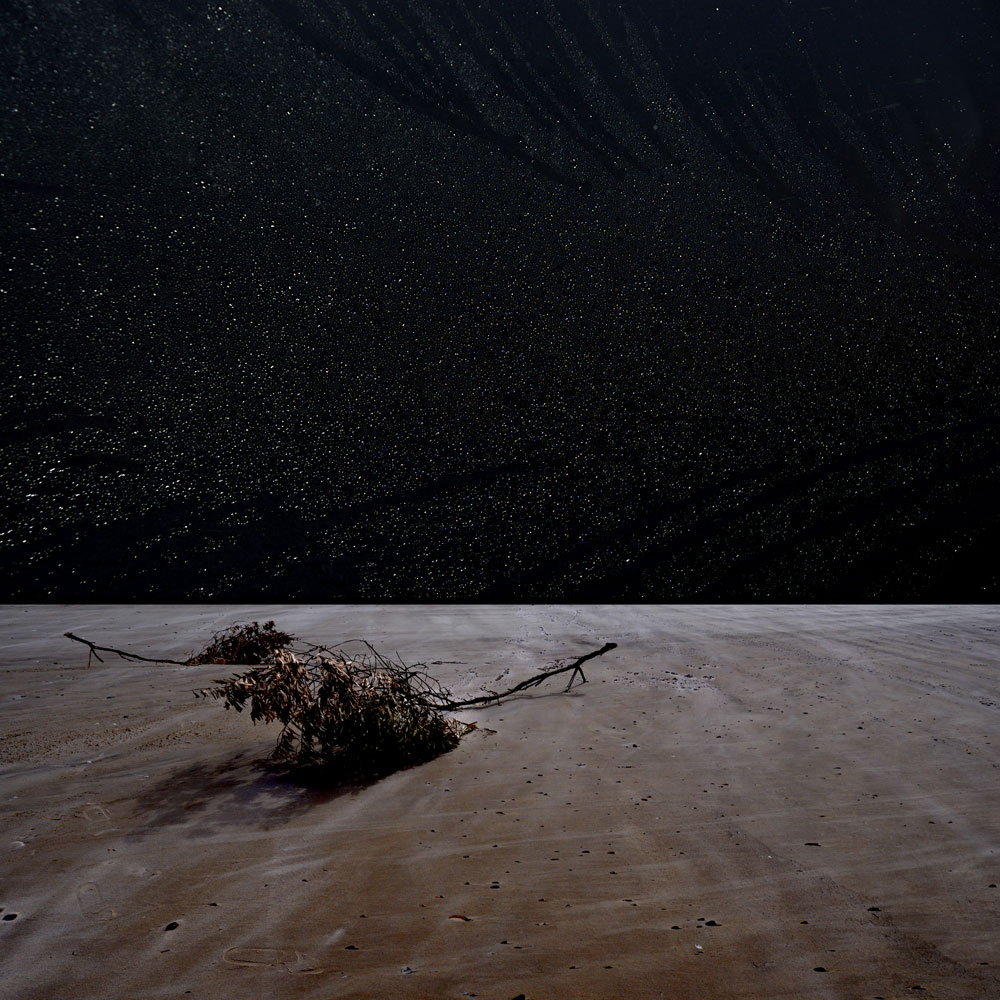

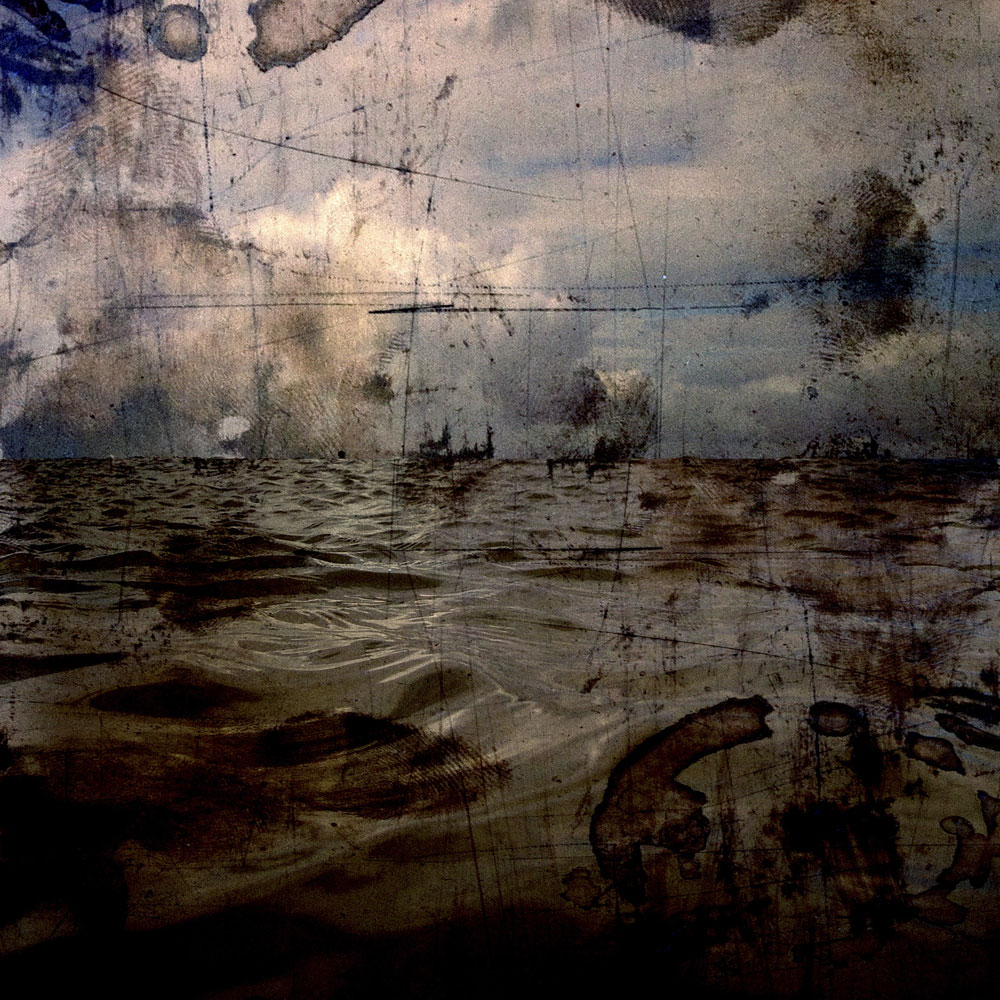
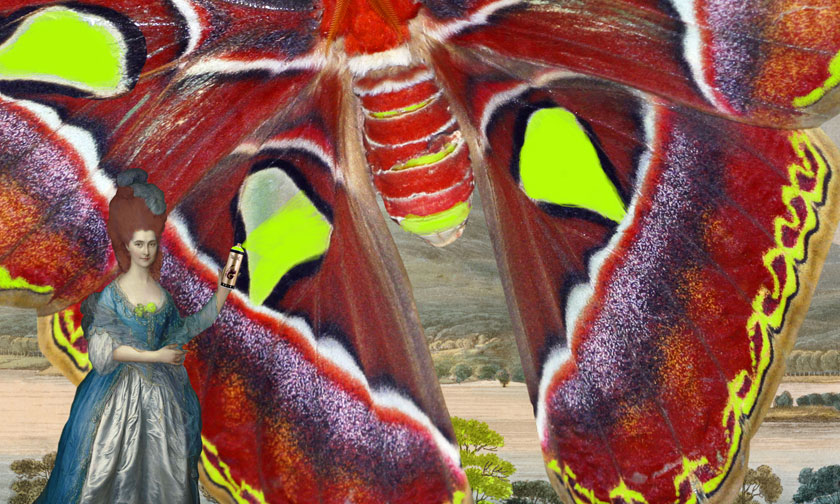
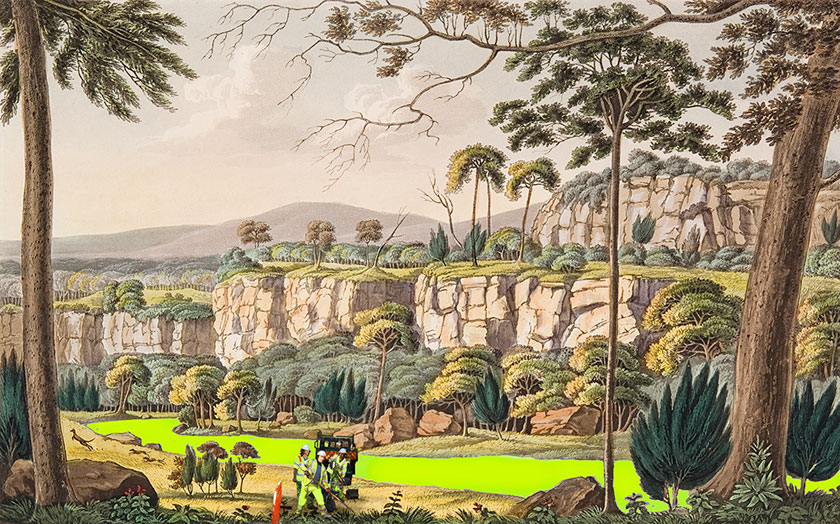
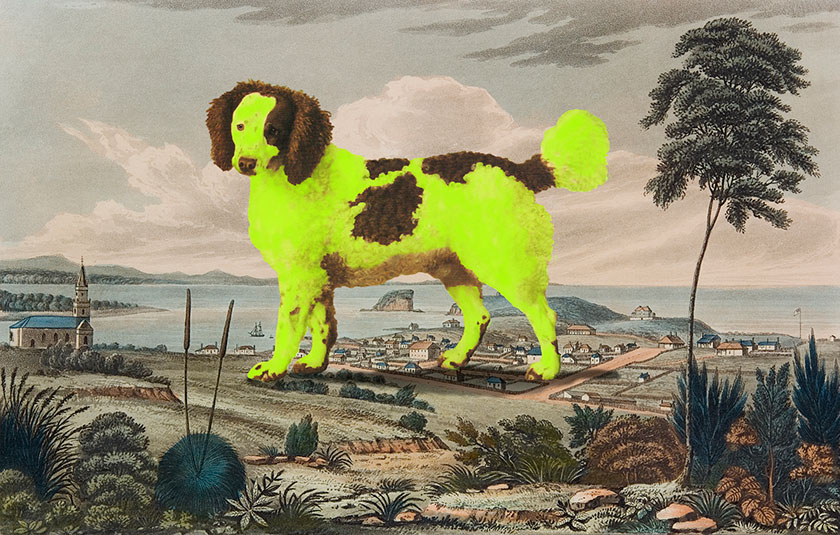
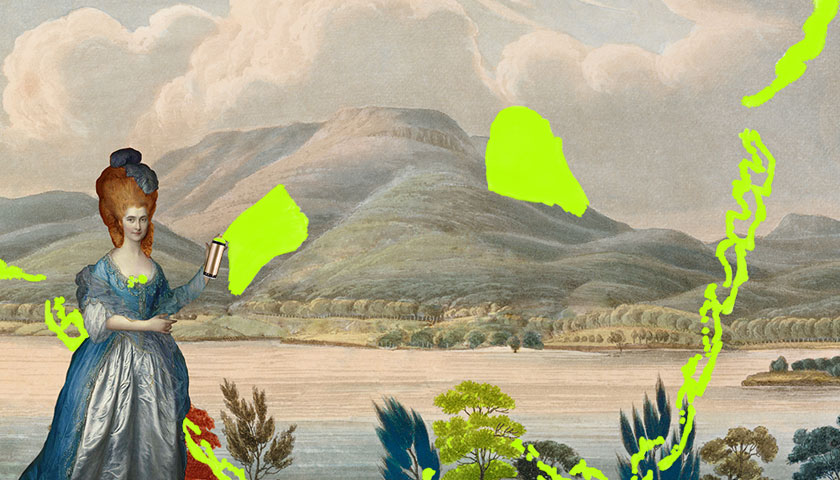


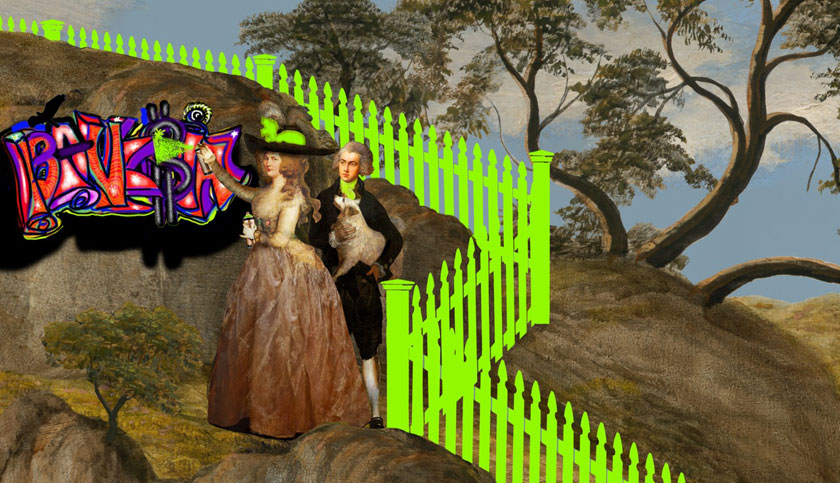
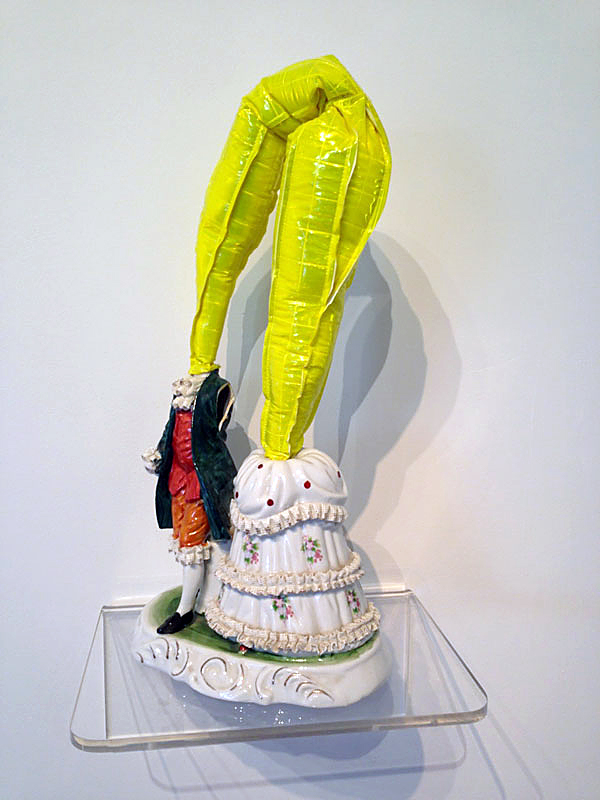
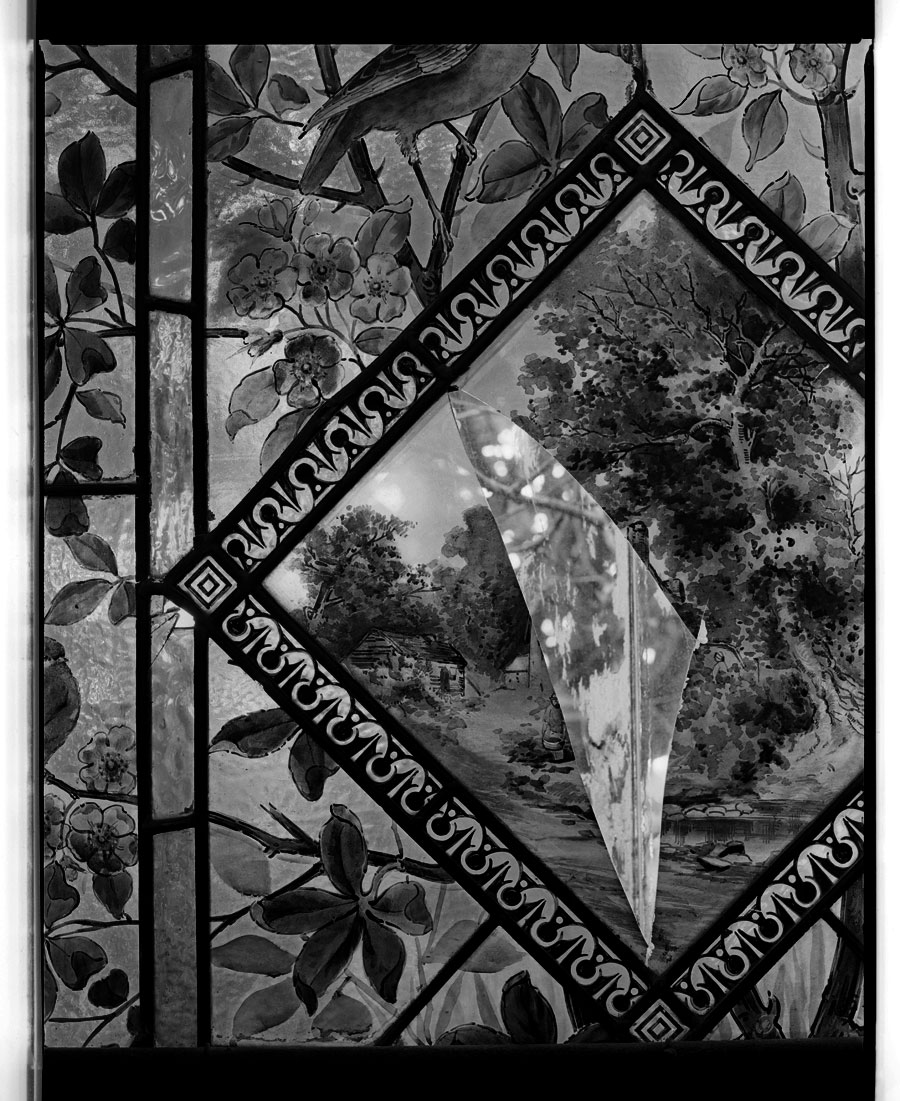
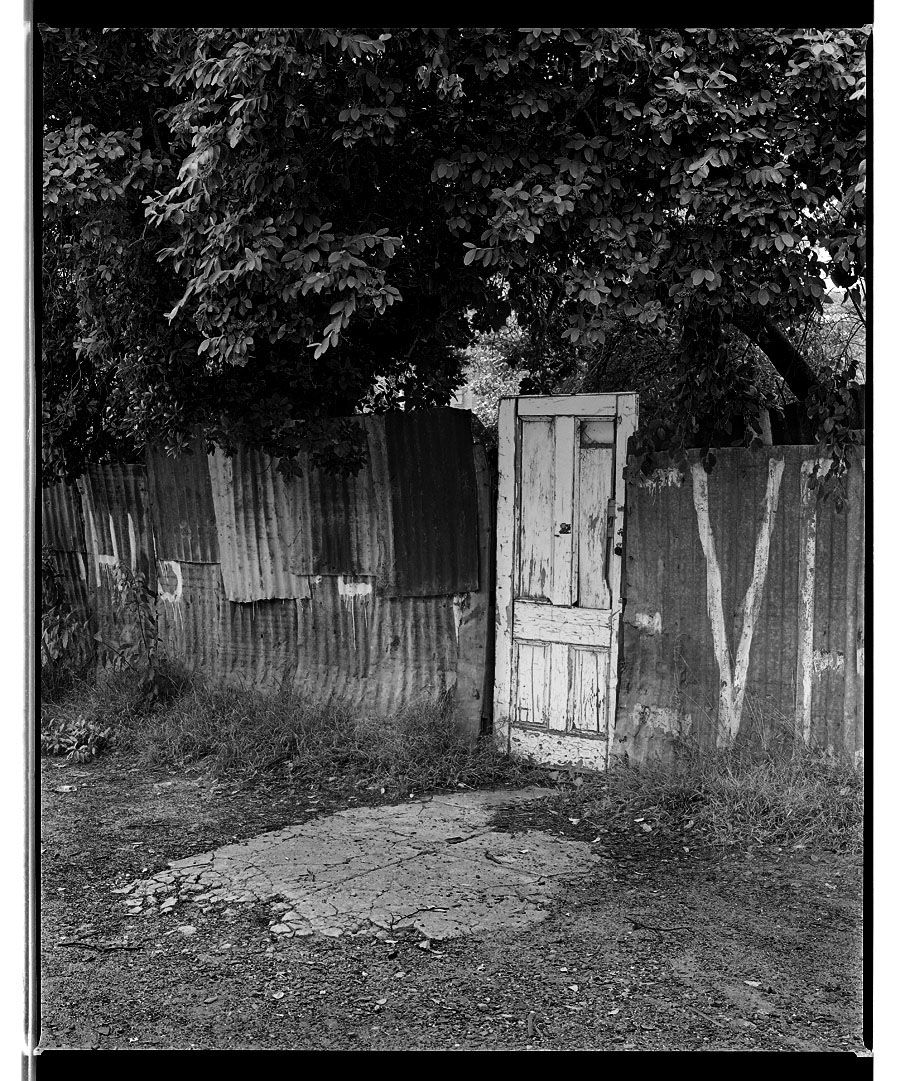
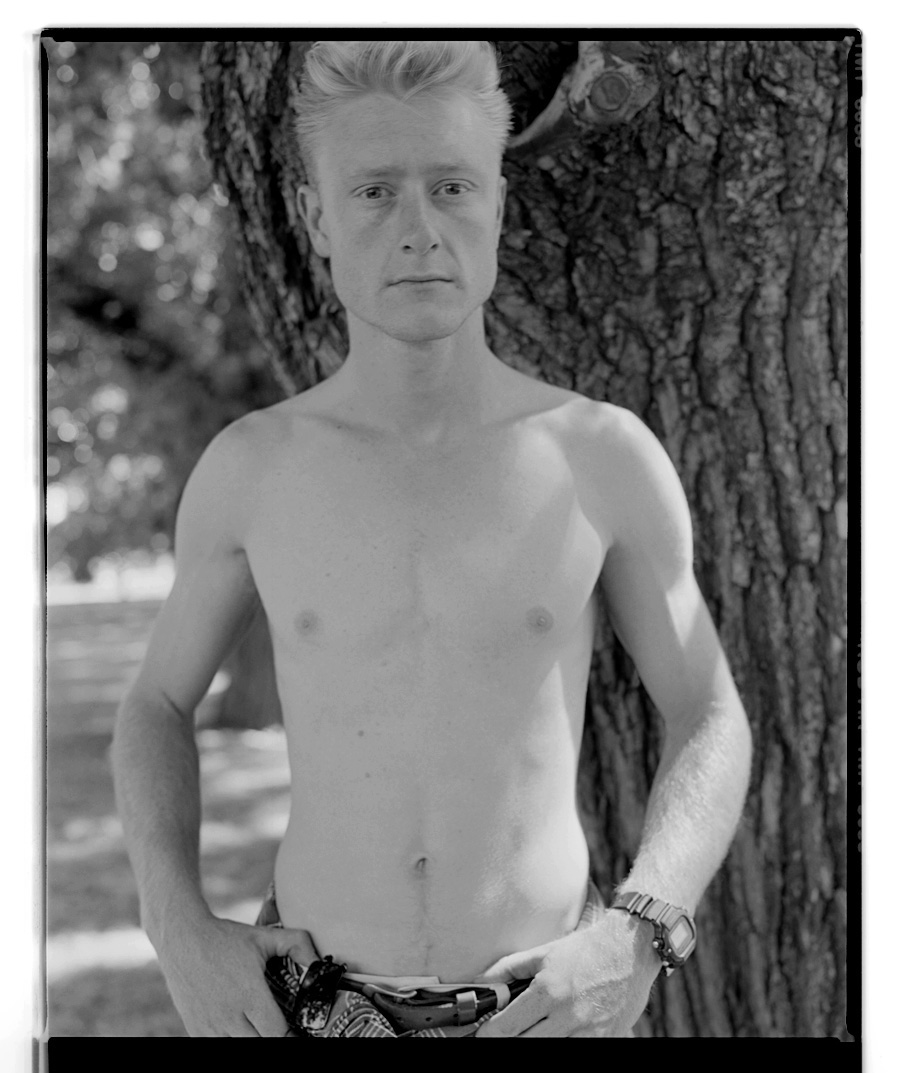
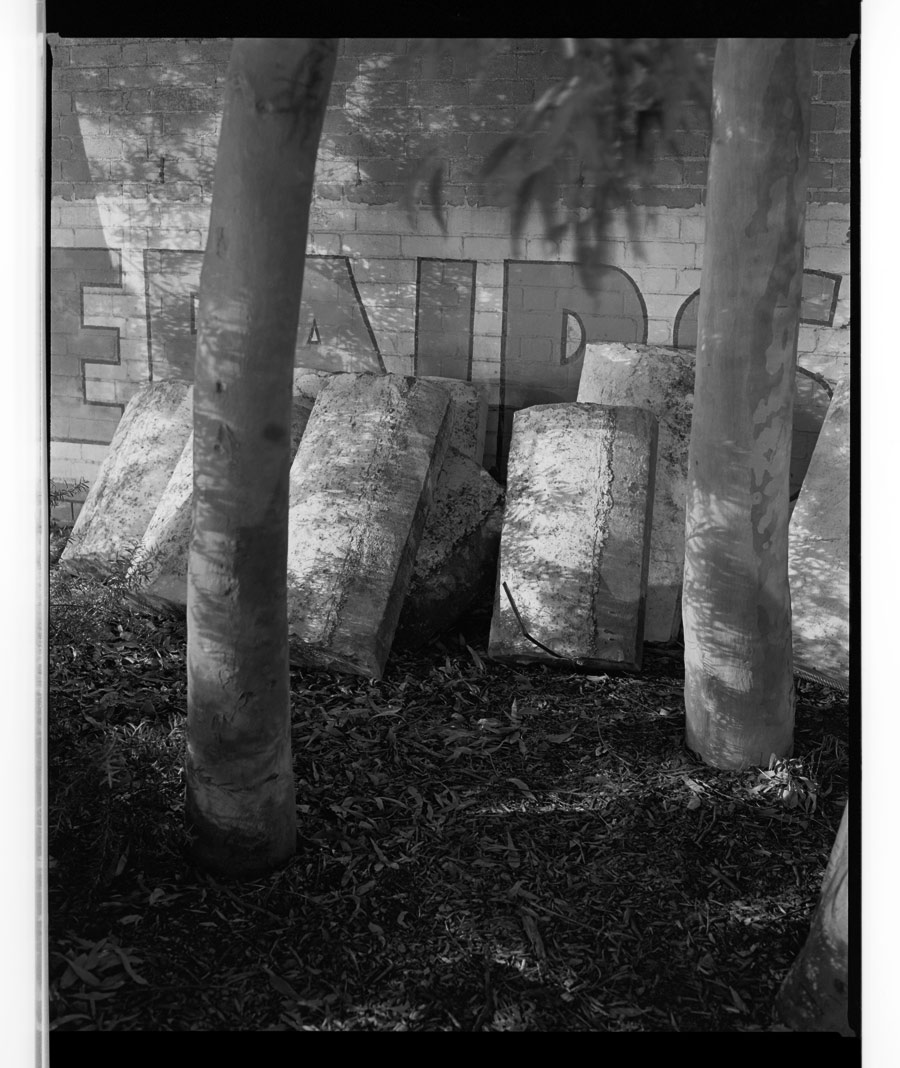
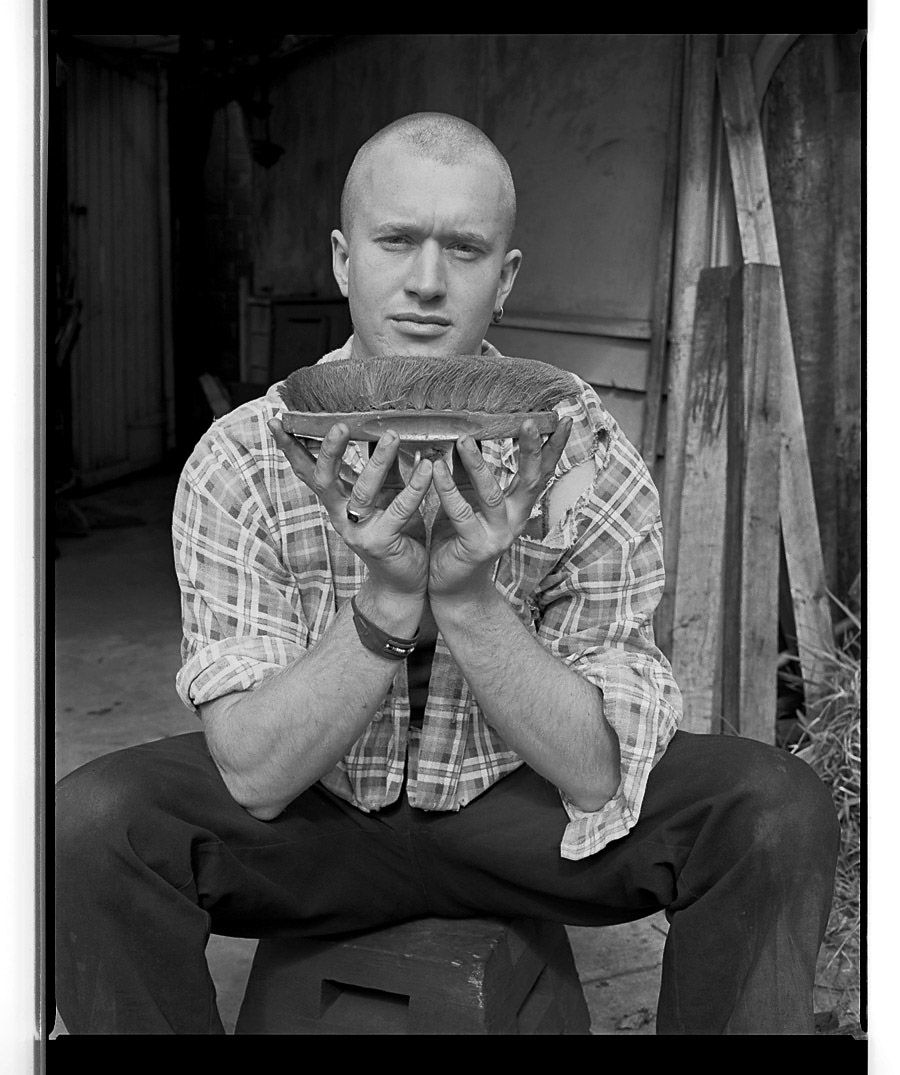
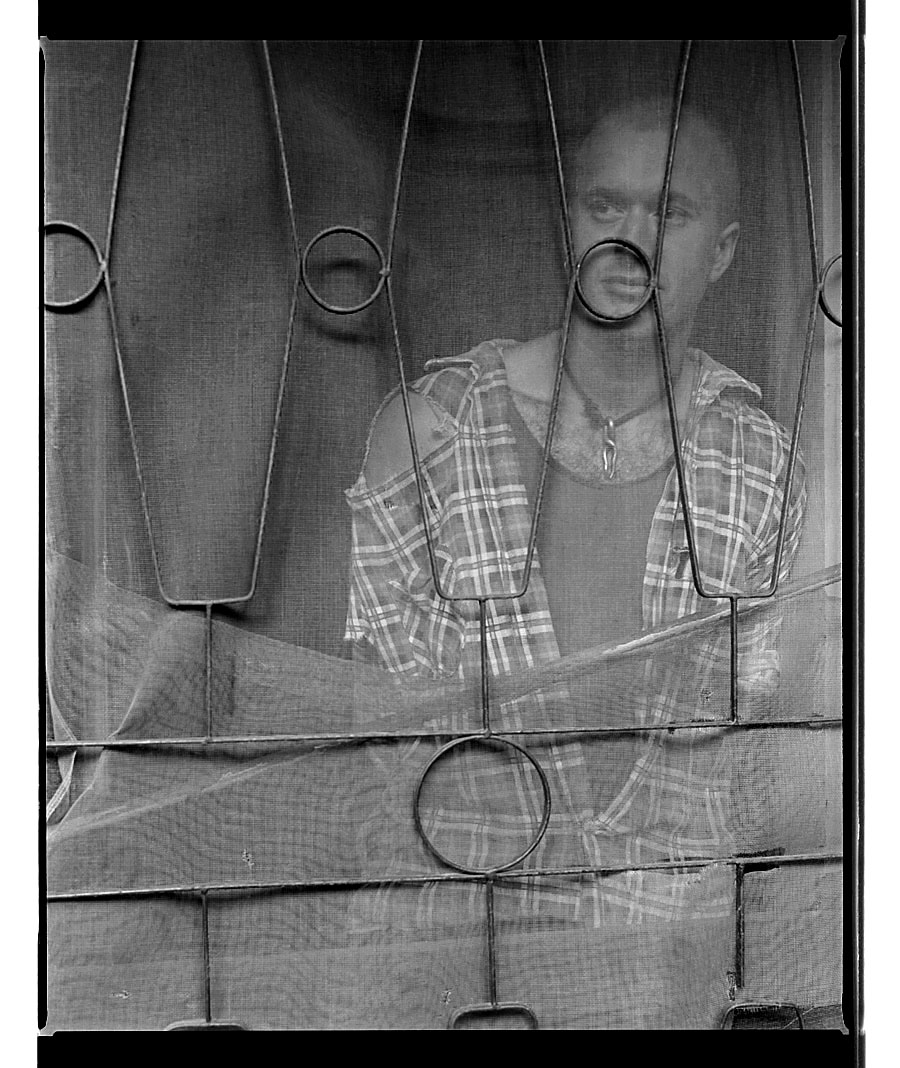
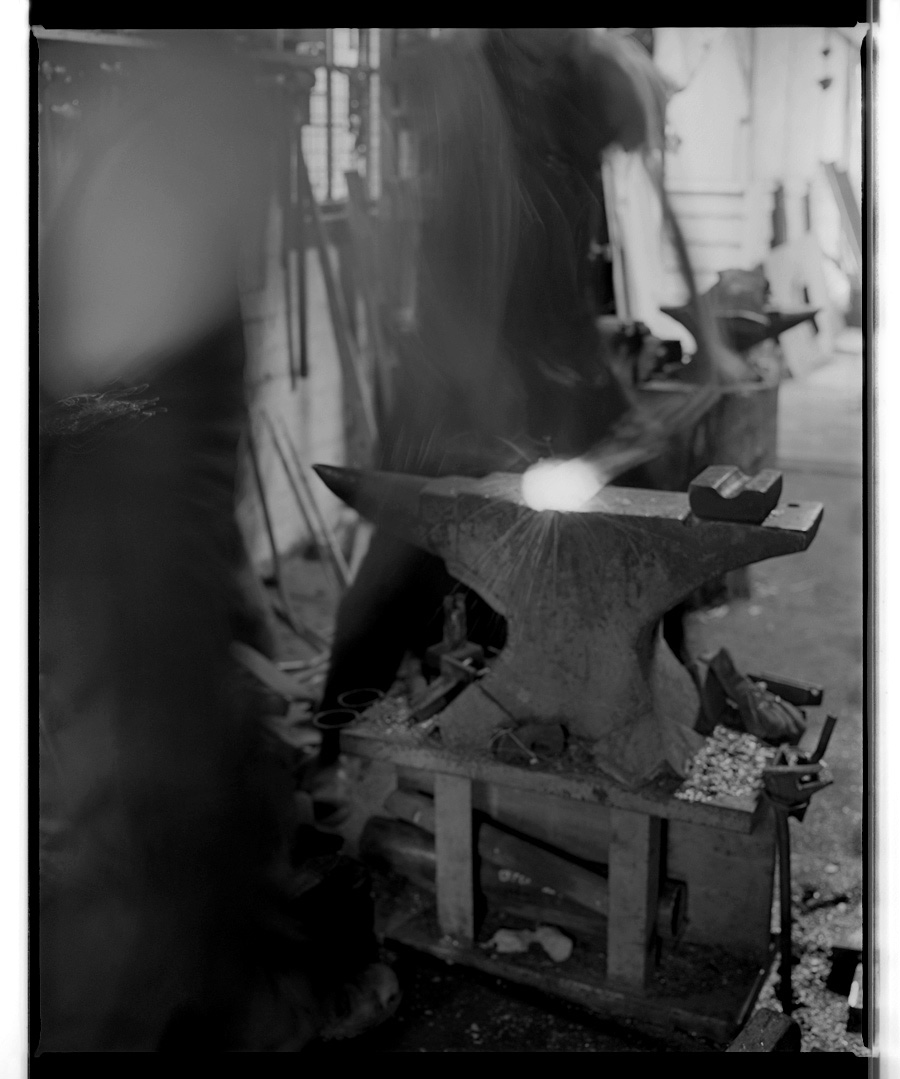
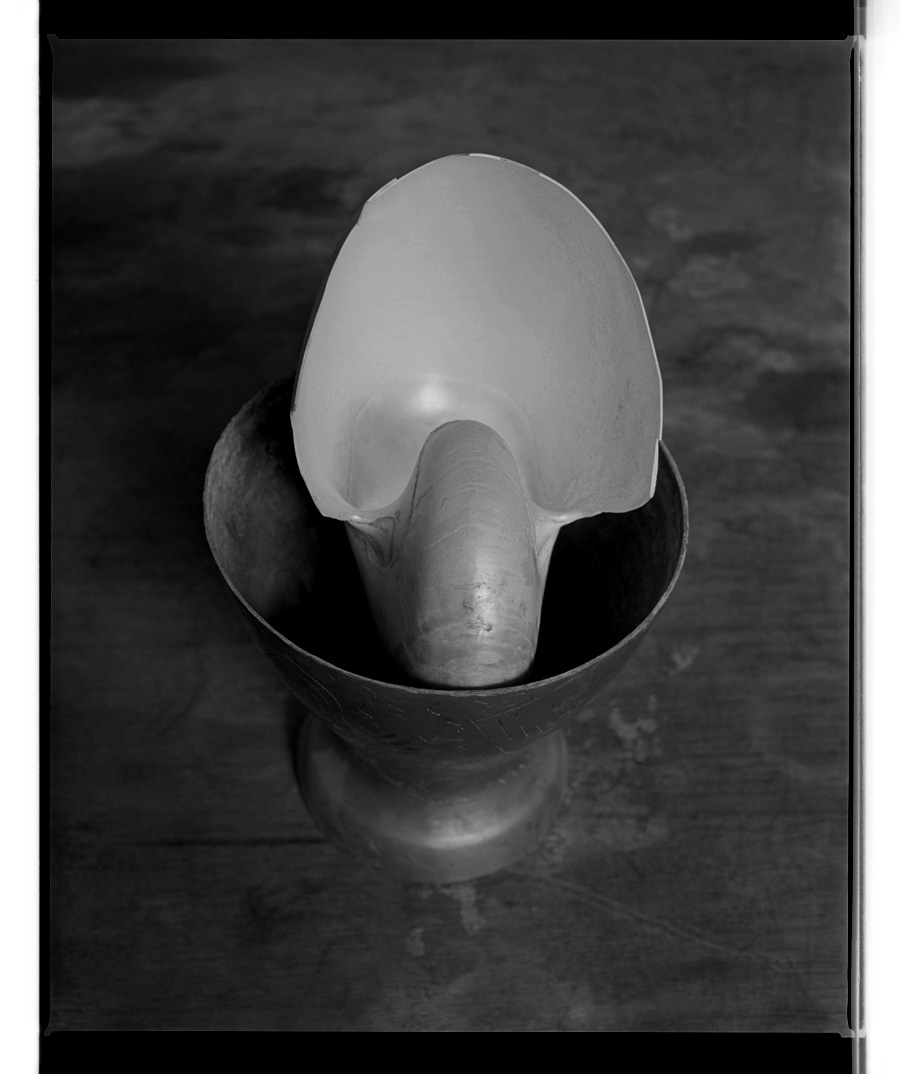
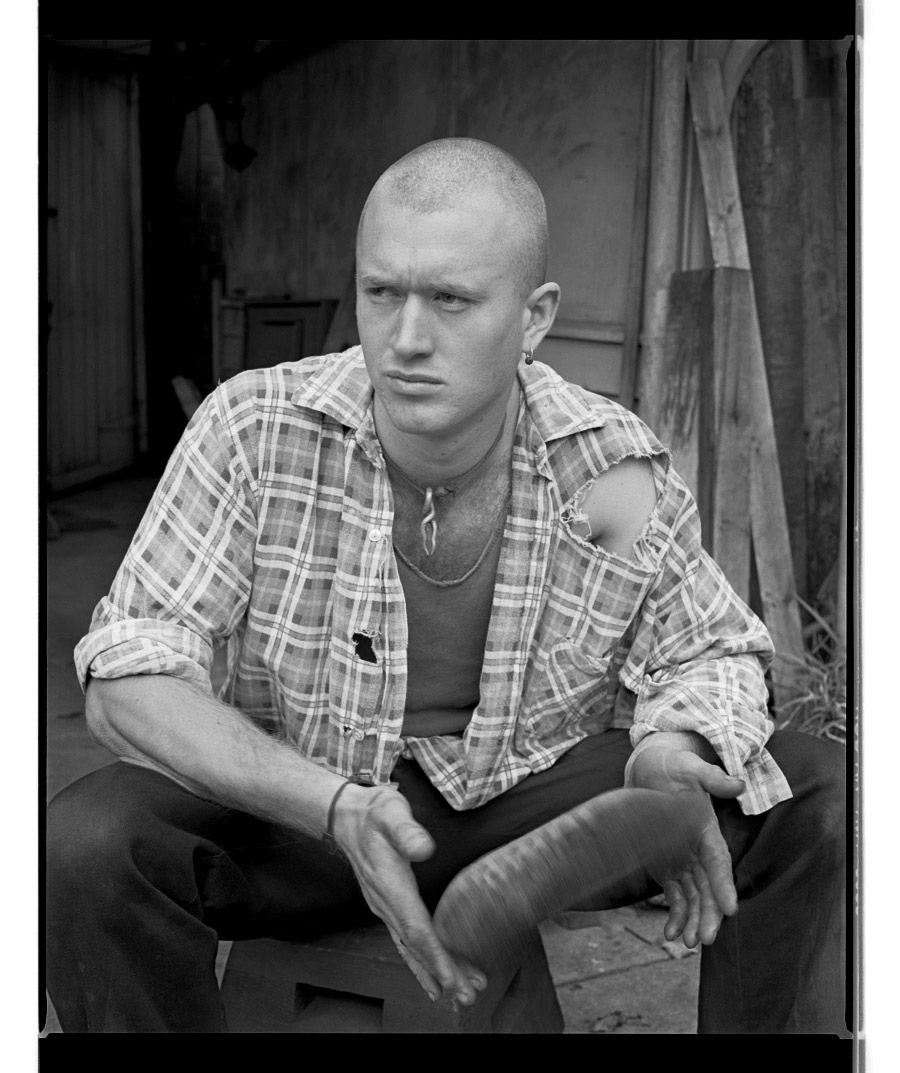
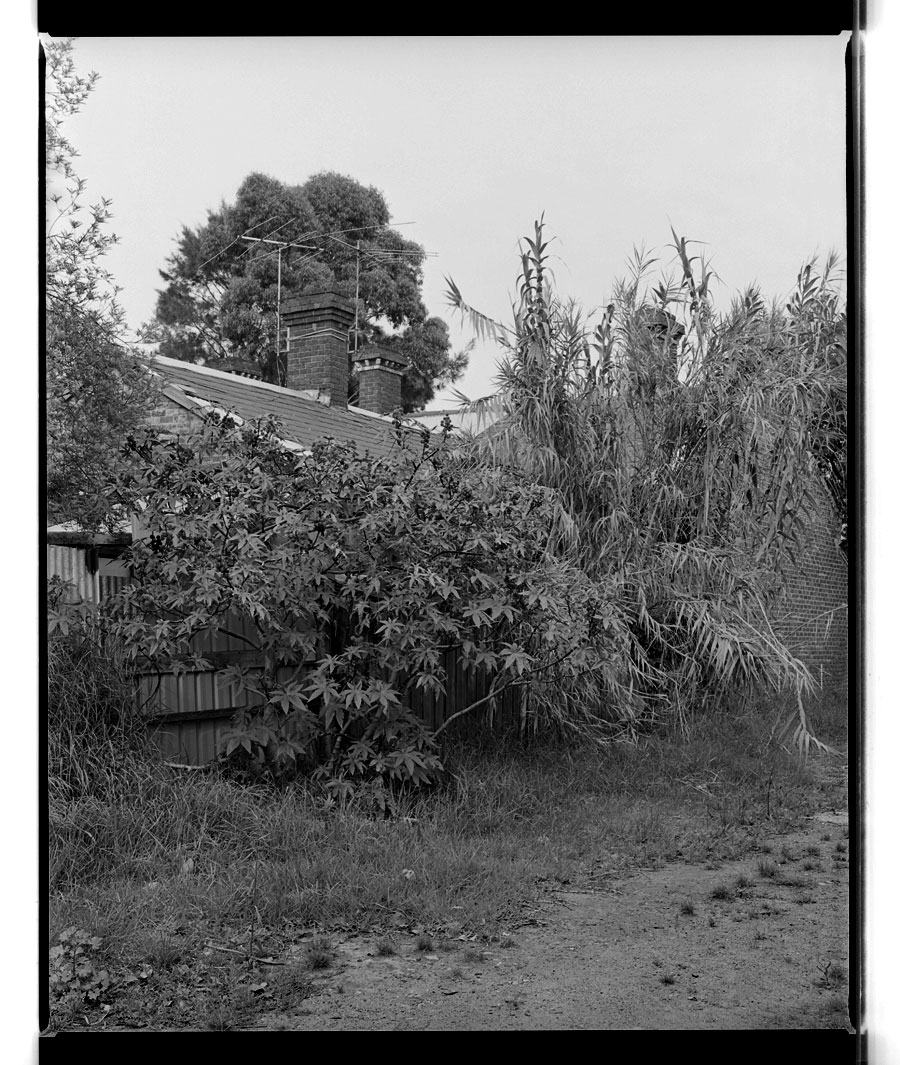
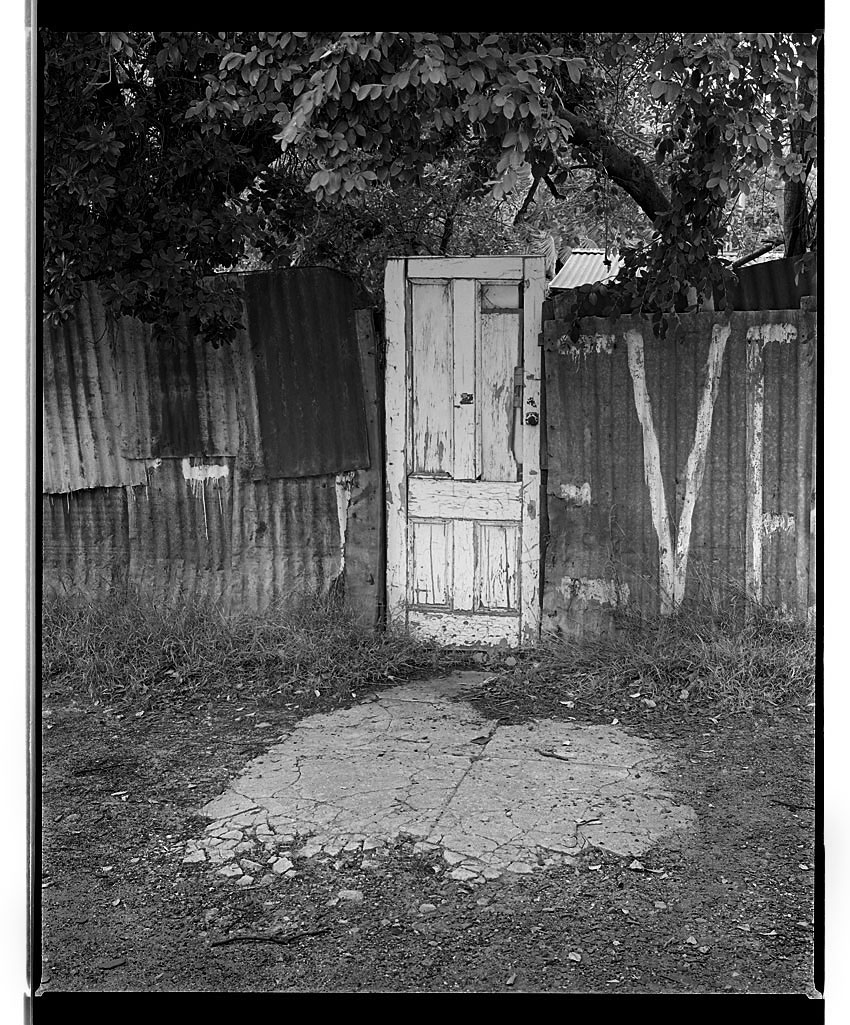
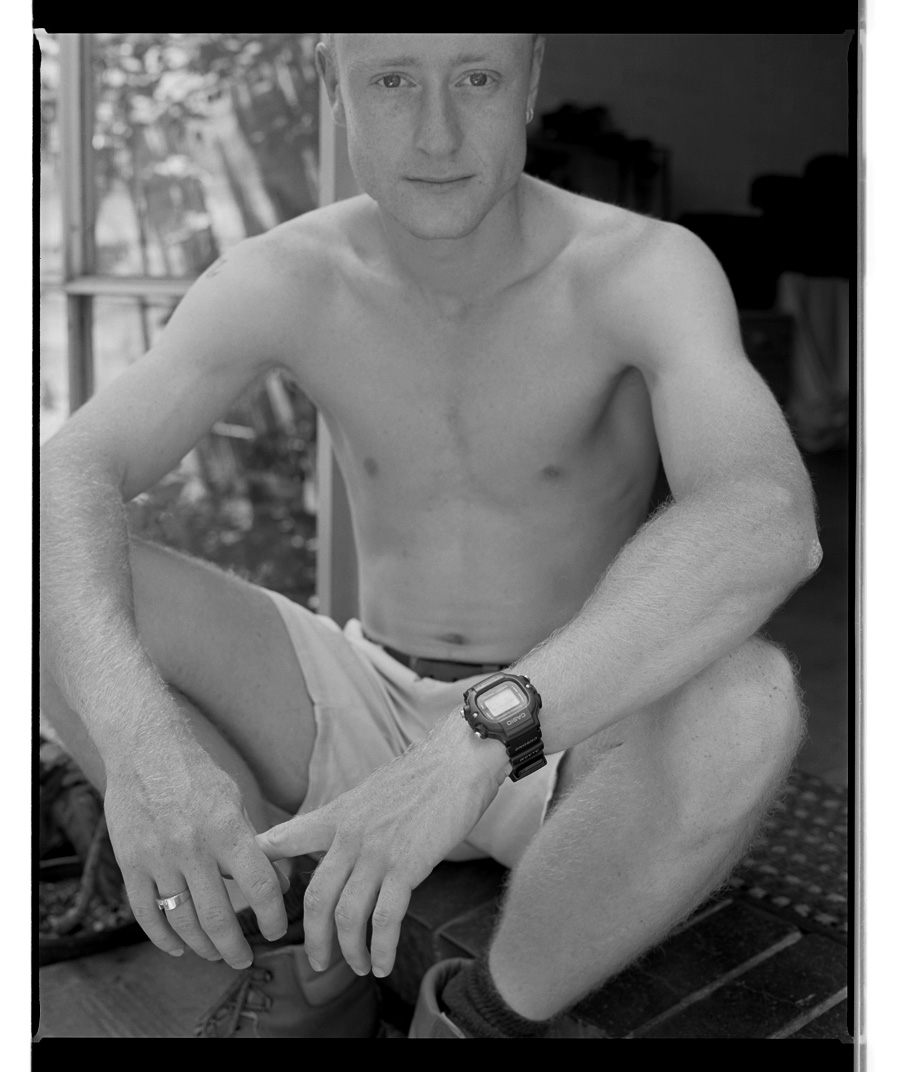
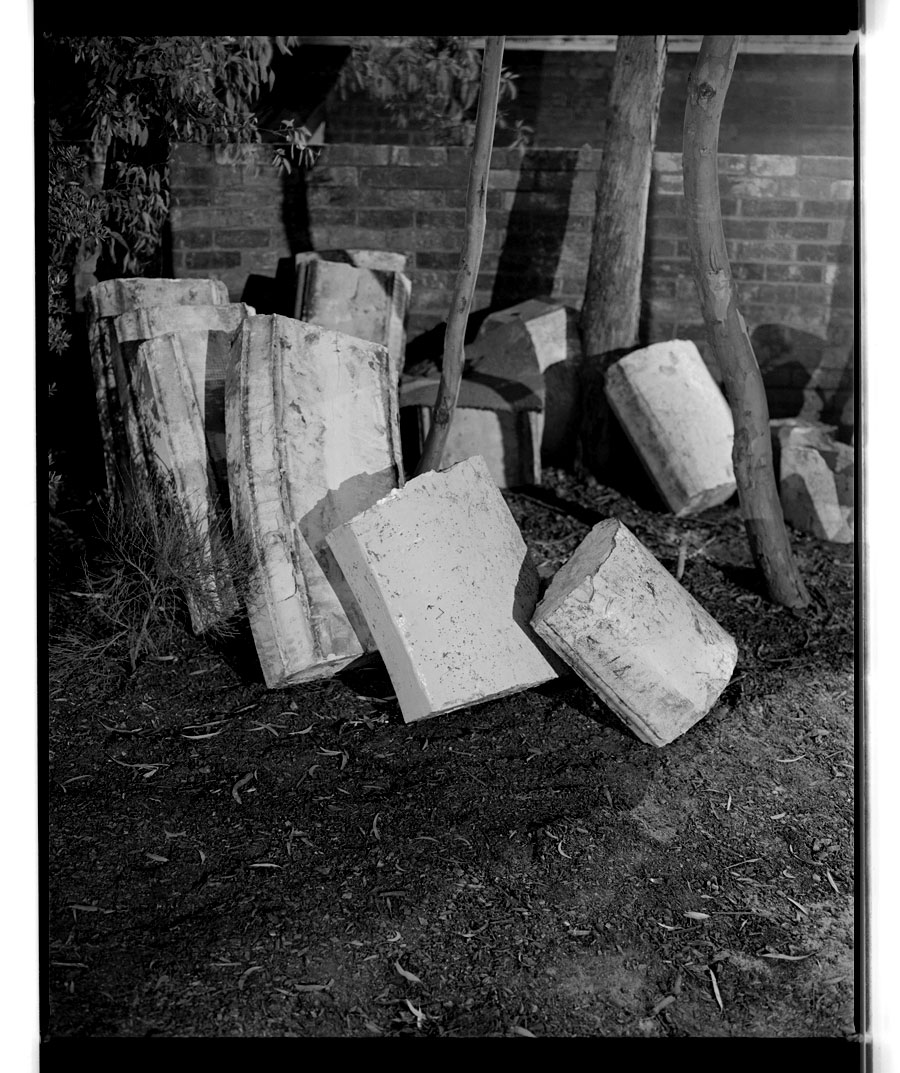
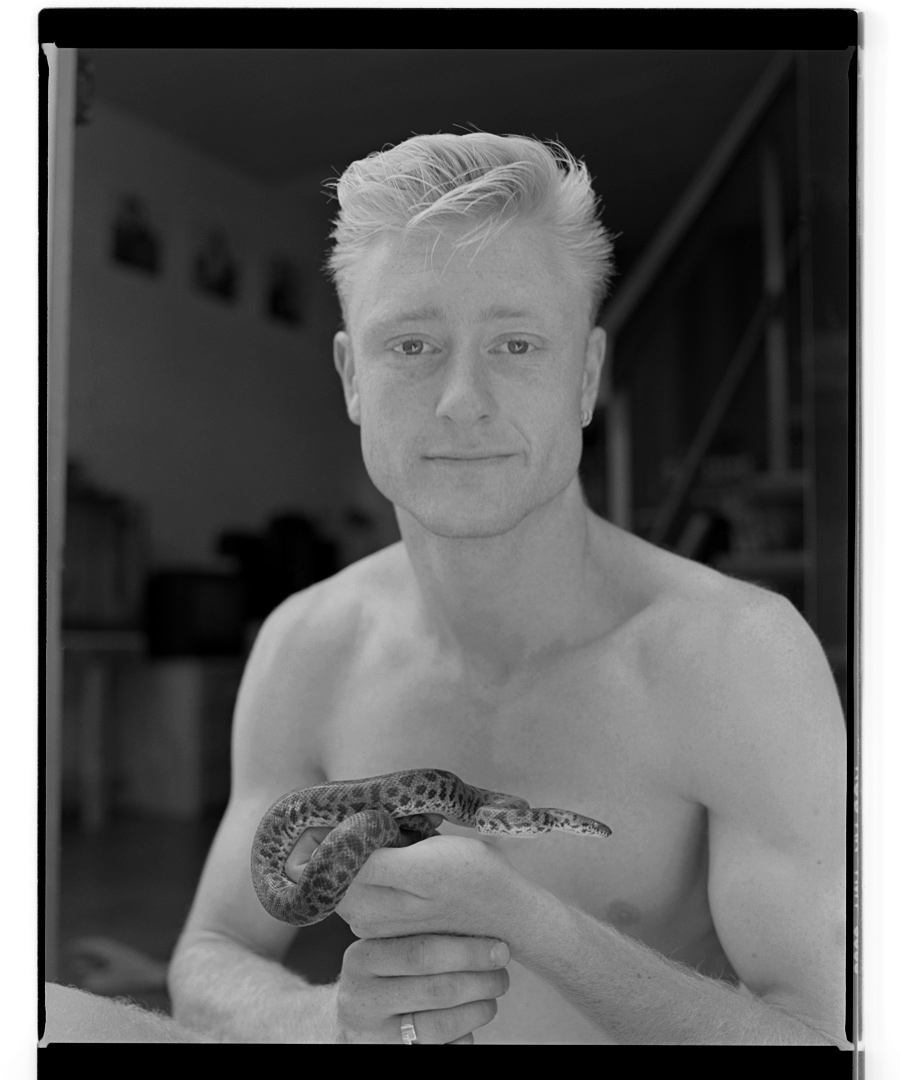
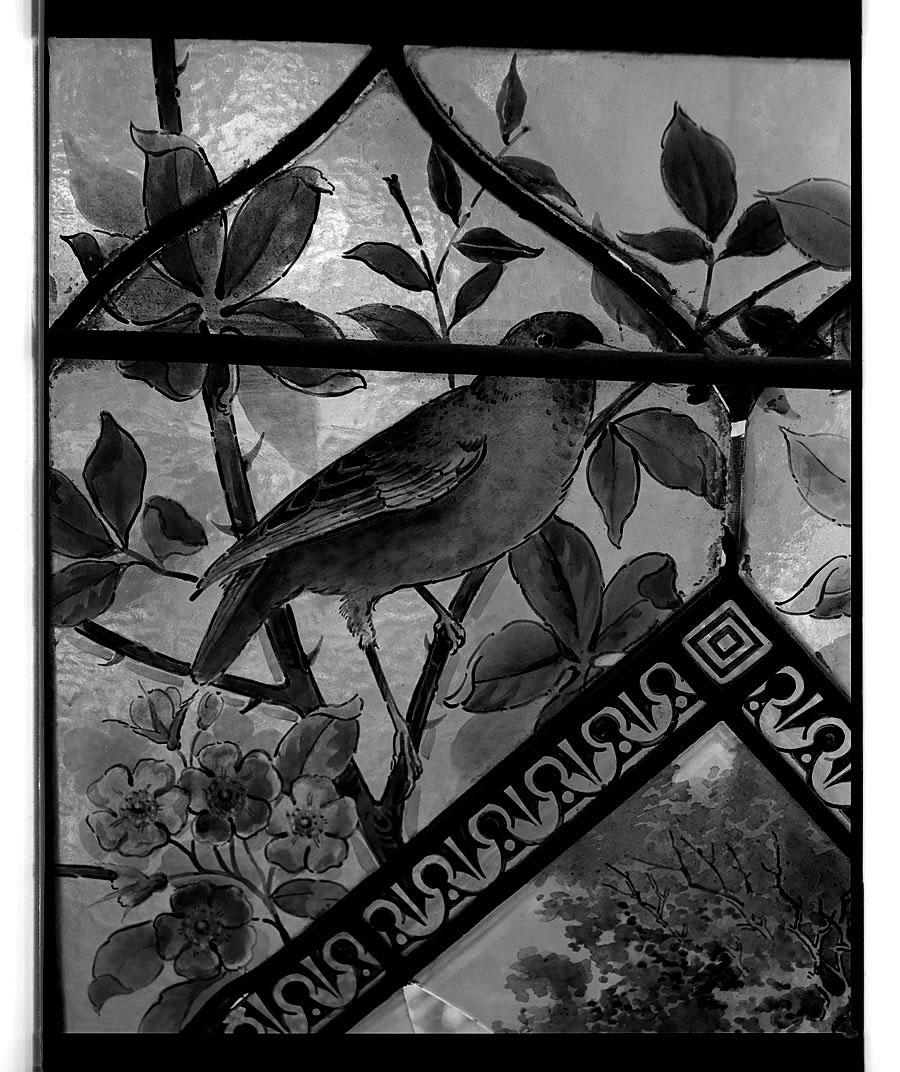
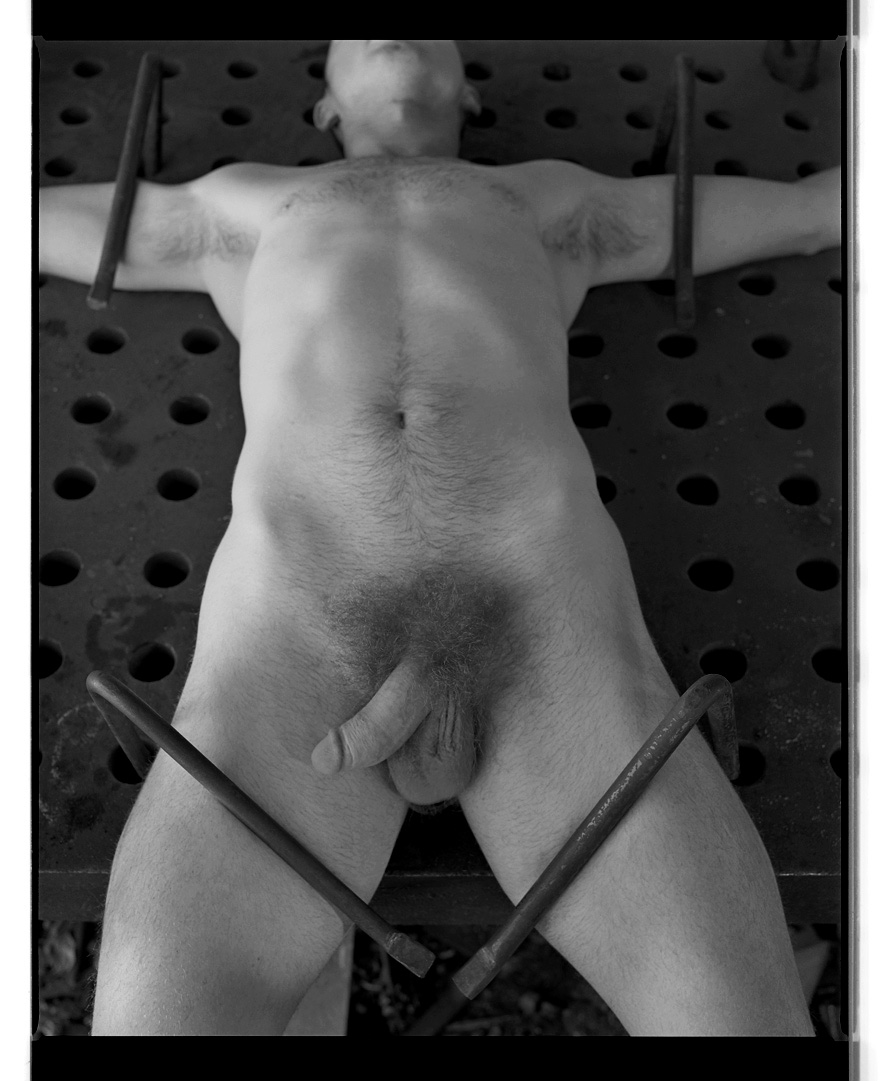
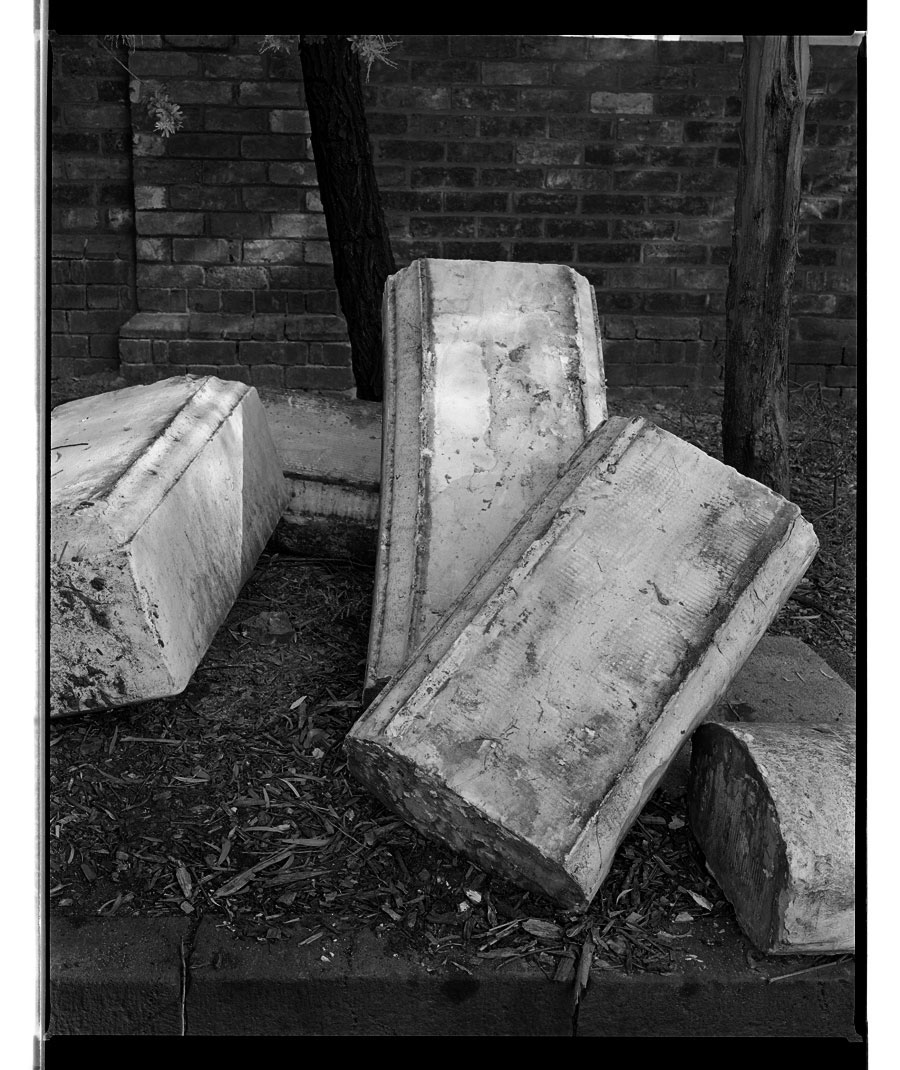
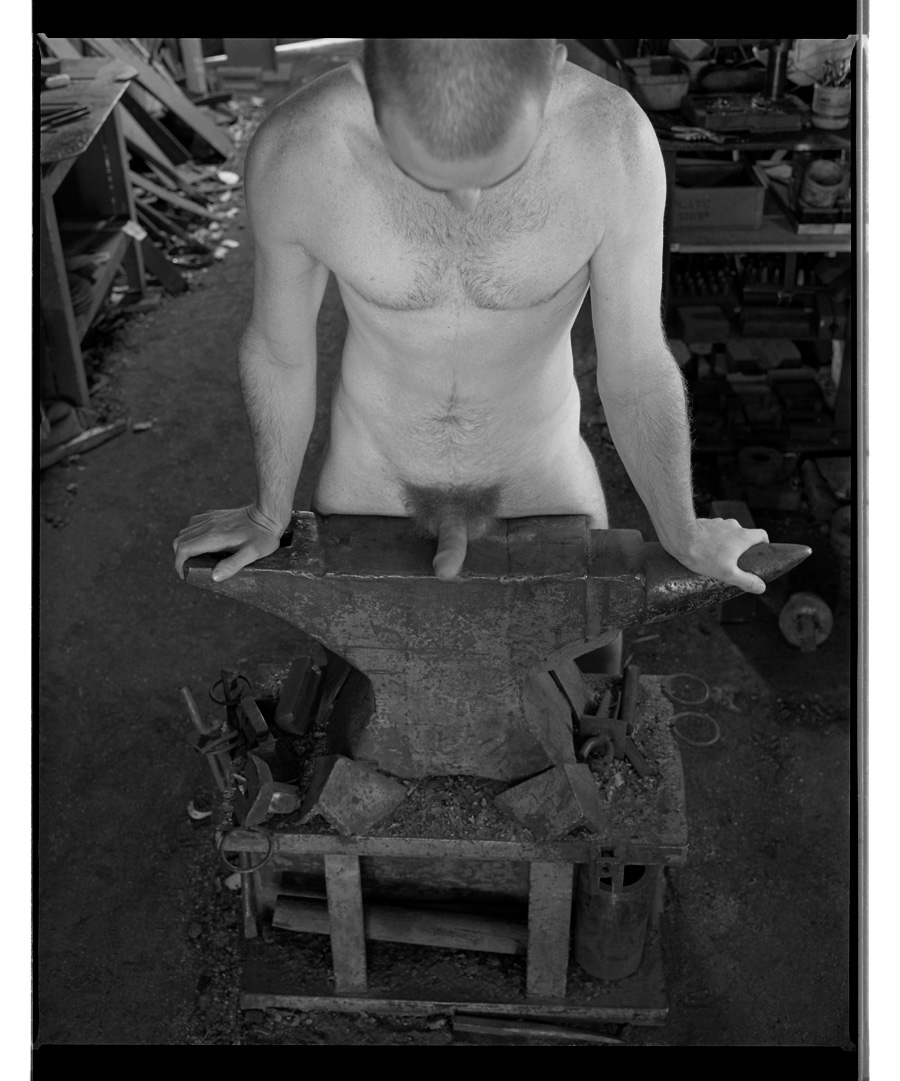


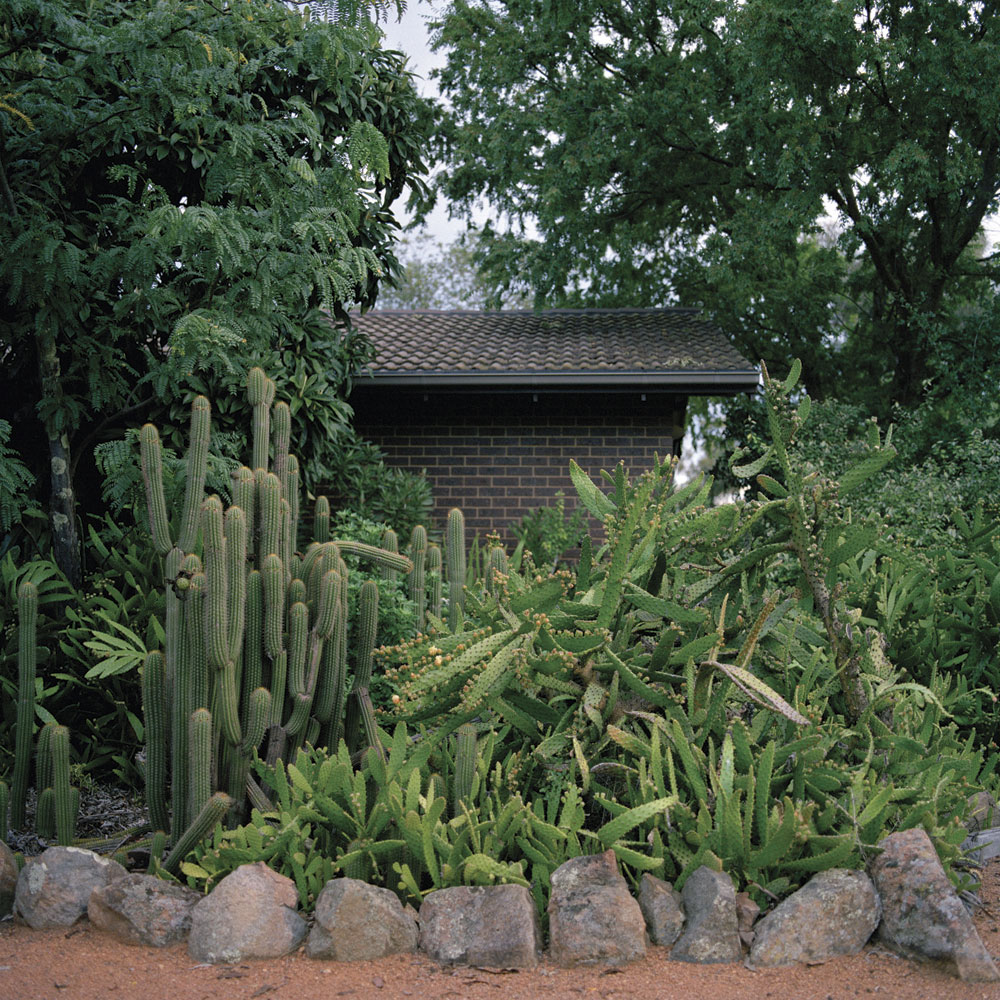

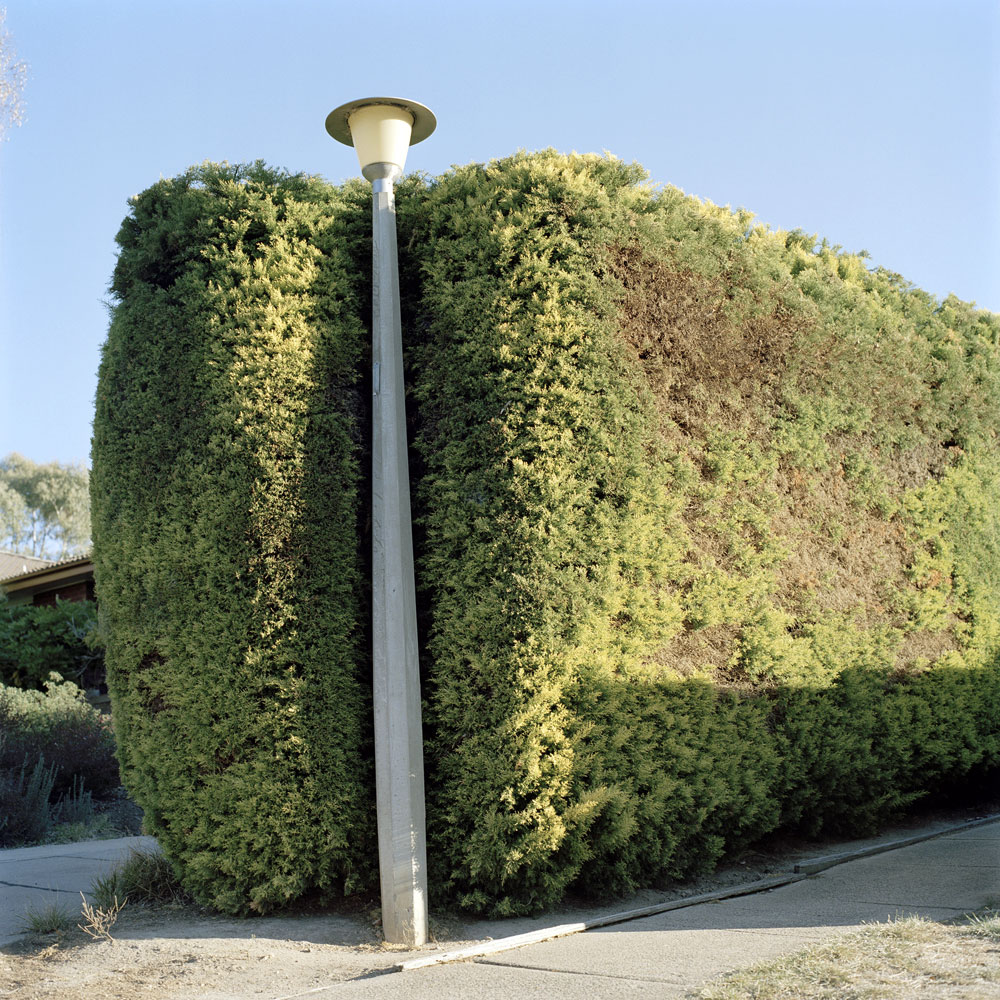


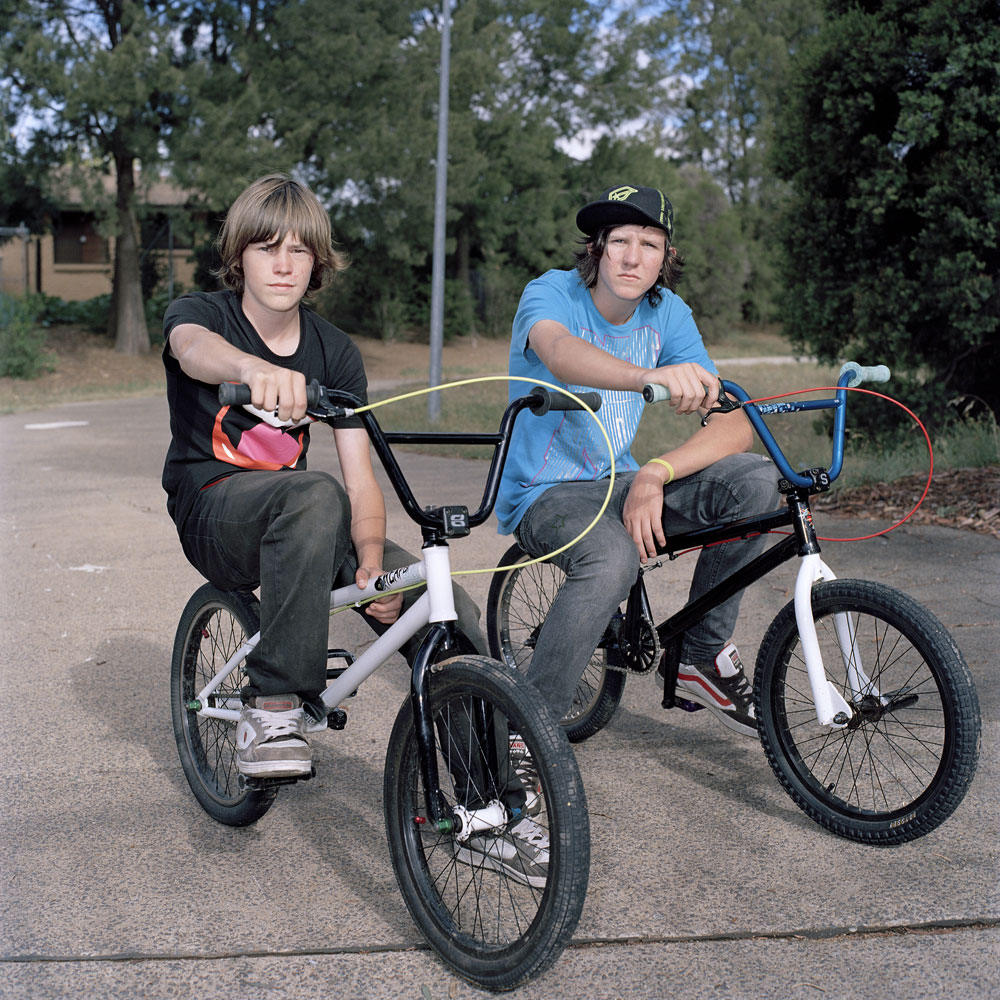

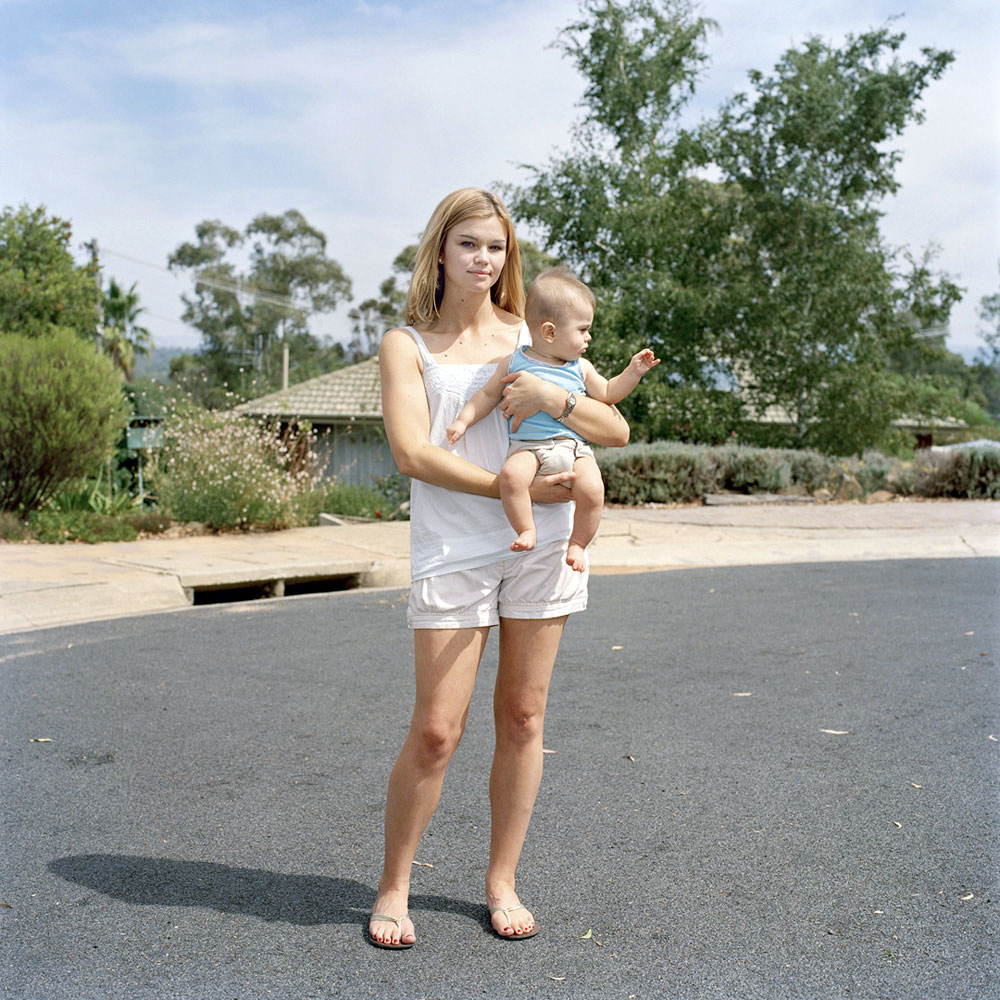

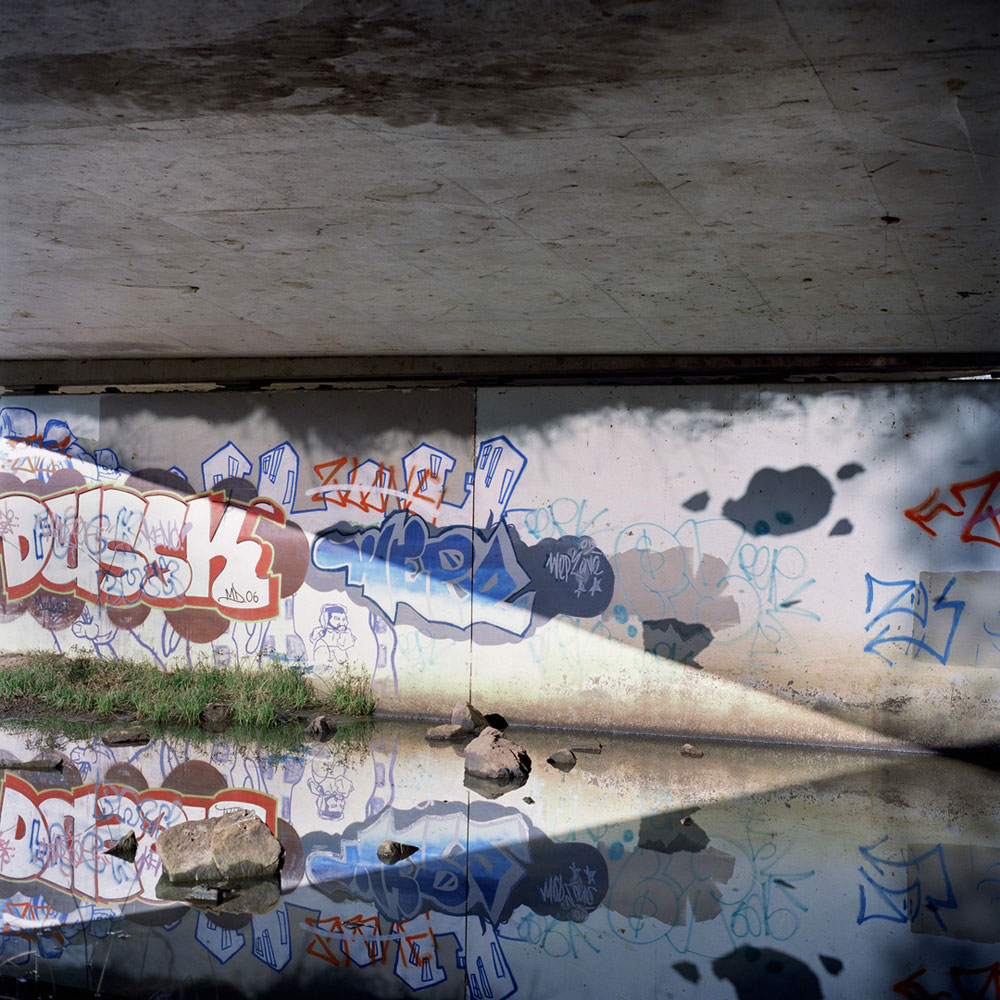


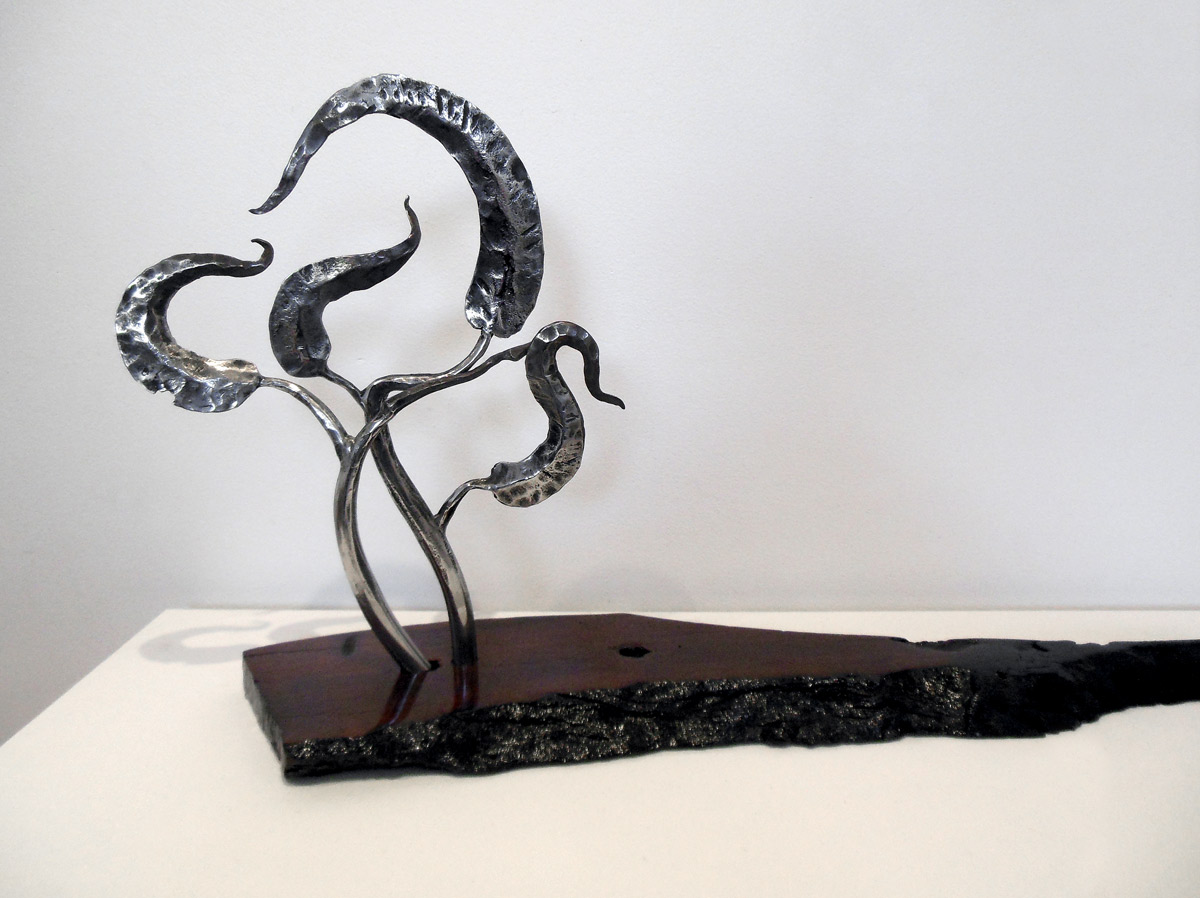




 Art Blart _ art and cultural memory archive
You must be logged in to post a comment.