Unknown photographer (Australian) The Nobbies, Phillip Island, Victoria, Australia 1960s Ektachrome medium format transparency scanned
Further Australian photographs from scans of 73 medium format Kodak Ektakchrome slides found in a country town in Victoria, Australia taken in Australia, Mexico, United States of America and Canada in the mid-1960s. I believe that the photographer was an Australian who was on holiday in Mexico, United States of America and Canada.
In nearly 40 years of being a photographer I have never seen colour medium format slides from the 1960s. There was no colour fading to the slides. The person who took the photographs was shooting medium format colour in the 1960s so they would have been a photographic aficionado. Just by holding the slides up to the light I could see the photographs were compositionally very interesting. Whoever the photographer was they had a great eye!
There are some beautiful photographs of the Australian landscape here. And the Australian “light” and colour are so different from the rest of the photographs (see part 1 of the posting).
I have also included an example of how incredibly dirty these slides were, see Untitled (Australian landscape) (detail uncleaned and cleaned) 1960s (below), and note how much work and many hours were required to bring these images back into a state of grace … and preservation.
Unknown photographer (Australian) Untitled (Australian landscape) 1960s Ektachrome medium format transparency scanned
The fault at left appears in several other slides in these Ektachromes and must have been in the camera as it’s not in the slide itself…
Unknown photographer (Australian) Untitled (Australian landscape) 1960s Ektachrome medium format transparency scanned
Unknown photographer (Australian) Untitled (Australian landscape) 1960s Ektachrome medium format transparency scanned
There is a Mini panel van on the causeway!
Unknown photographer (Australian) Untitled (Australian landscape) 1960s Ektachrome medium format transparency scanned
The same landscape as the two photographs below
Unknown photographer (Australian) Untitled (Australian landscape) 1960s Ektachrome medium format transparency scanned
Unknown photographer (Australian) Untitled (Australian landscape) 1960s Ektachrome medium format transparency scanned
Unknown photographer (Australian) Untitled (Australian landscape) (detail uncleaned and cleaned) 1960s Ektachrome medium format transparency scanned
Unknown photographer (Australian) Untitled (Man holding his movie camera, Australia) 1960s Ektachrome medium format transparency scanned
Australian built Ford XR Falcon station wagon
Unknown photographer (Australian) Unknown woman 1960s Ektachrome medium format transparency scanned
I don’t know where this is but it feels Australian to me, especially the fashion…
Unknown photographer (Australian) Untitled (Australian landscape, possibly South Point, Wilson’s Prom, Victoria) 1960s Ektachrome medium format transparency scanned
Australian coastal she oak and tea tree.
Unknown photographer (Australian) Untitled (Australian landscape) 1960s Ektachrome medium format transparency scanned
Wonderful photograph of the Australian landscape…
Unknown photographer (Australian) Untitled (Australian landscape) 1960s Ektachrome medium format transparency scanned
Unknown photographer (Australian) Untitled (Australian landscape) 1960s Ektachrome medium format transparency scanned
Unknown photographer (Australian) Untitled (Australian landscape) 1960s Ektachrome medium format transparency scanned
Max Dupain (Australian, 1911-1992) Silos through windscreen 1935 Gelatin silver print
Unknown photographer (Australian) Untitled (Australian landscape) 1960s Ektachrome medium format transparency scanned
The second photograph taken through the windscreen of a car
Unknown photographer (Australian) Untitled (Australian landscape) 1960s Ektachrome medium format transparency scanned
Unknown photographer (Australian) Untitled 1960s Ektachrome medium format transparency scanned
I’m not sure what they are doing or where this is (possibly Australia) but I like the photo!
Unknown photographer (Australian) Untitled 1960s Ektachrome medium format transparency scanned
A geologist hammer in his hand?
Unknown photographer (Australian) Untitled (Visitors must not leave pathway) 1960s Ektachrome medium format transparency scanned
Exhibition dates: 21st October 2023 – 14th April 2024
John Thomson (Scottish, 1837-1921) A Siamese monk holding a fan 1865 Photograph from a glass photonegative, wet collodion Public domain
A bridge between past and present
An Easter Monday posting.
Magnificent large format photographs of the landscape and people of Siam (now Thailand), just two decades after the invention of photography. The photographs give “us a glimpse into some characteristics of people and places of Siam in the 1860s.”
In the portrait photographs the engagement revealed by the photographer of the subject with the camera lens is masterful. To elicit this response from people unused to posing in front of a large, bulky camera shows how the photographer must have been empathetic to his subjects and put them at their ease with the process of having their photograph taken.
The subjects are not apprehensive of the camera. The images show them directly: composed, reserved, non-declamatory and possessing a powerful presence. The exchange between subject and photographer evidences a direct line of communication with the sitter.
The eyes of A Siamese boy (1865, below) drill into mine and I feel a profound engagement with his questioning gaze. I am pierced by his gaze … which forces me to confront my own identity, and mortality.
As a viewer of these human beings all these decades later (a bridge between past and present), it’s as if I could reach out and touch their humanity. Their soul.
Dr Marcus Bunyan
Many thankx to the Russell-Cotes Art Gallery and Museum for allowing me to publish the photographs in the posting. Please click on the photographs for a larger version of the image.
In the mid-19th century, John Thomson arrived in Siam with a fairly new invention of those days photography….
Step back in time and immerse yourself in the wonders of 19th-century Southeast Asia as seen through the lens of the intrepid adventurer and photographer, John Thomson. The Russell-Cotes Art Gallery & Museum is proud to present an enchanting new exhibition Siam: Through the Lens of John Thomson on display from 21 October 2023 to 14 April 2024, inviting visitors to embark on a captivating journey through time and space. This extraordinary showcase offers a unique glimpse into the captivating landscapes, diverse cultures, and fascinating history of Southeast Asia.
A British photographer with an exceptional eye for detail, Thomson embarked on a groundbreaking journey to Siam during the late Victorian era, with a fairly new invention in those days: photography, capturing scenes that had been scarcely witnessed before in the Western world. Throughout his remarkable career, Thomson ventured into uncharted territories and documented the exotic beauty and cultural richness of Thailand and Cambodia in stunning detail. Featuring dramatic images developed from negatives preserved in London’s Wellcome Collection, this exhibition introduces the sights and people of nineteenth-century Thailand and Cambodia as witnessed by Thomson first hand. In this new exhibition, visitors to the Russell-Cotes Art Gallery & Museum will have the privilege of witnessing many meticulously preserved photographs taken by Thomson during his travels, carefully curated to provide an insightful narrative of his exploration. Each image tells a story of its own, serving as a bridge between the past and the present, enabling visitors to forge a deeper connection with the cultures and history of Thailand and Cambodia.
Text from the Russell-Cotes Art Gallery and Museum website
Siam Through the Lens of John Thomson, 1865-66: In-Focus audio tour with Jo O’Rourke when the exhibition was at Chester Beatty
This exhibition gives us a glimpse into some characteristics of people and places of Siam in the 1860s. We are guided through a wonderful collection of images taken with great sensitivity by one of the pioneers of photojournalism John Thomson (1837-1921).
John Thomson (Scottish, 1837-1921) The Chao Phraya River and Rattanakosin Island from the Prang of Wat Arun 1865 Panorama of three photographs from a glass photonegatives, wet collodion Public domain
John Thomson (Scottish, 1837-1921) King Mongkut (King Rama IV) in the uniform of a French Field Marshall 1865 Photograph from a glass photonegative, wet collodion Public domain
“A shrill blast of horns heralded the approach of the King and caused us hastily to descend into the court,” Thomson wrote of the occasion. “His Majesty entered through a massive gateway, and I must confess that I felt much impressed by his appearance, as I had never been in the presence of an anointed sovereign before. He stood about five feet eight inches, and his figure was erect and commanding; but an expression of severe gravity was settled on his somewhat haggard face. His dress was a robe of spotless white, which reached right down to his feet; his head was bare.
“All was prepared beneath a space in the court when, just as I was about to take the photograph, His Majesty changed his mind, and without a word to anyone, passed suddenly out of sight. We patiently waited, and at length the King reappeared, dressed this time in a sort of French Field Marshal’s uniform. The portrait was a great success, and His Majesty afterwards sat in his court robes, requesting me to place him where and how I pleased.”
In the photo of the King in the field marshal’s regalia, he wears the sash of the Legion d’honneur and the Star First Class presented to him on behalf of Emperor Napoleon III by the admiral of the French fleet in Indochina. On a side able rests a small telescope, reflecting the king’s interest in astronomy and its Western means of study.
John Thomson (Scottish, 1837-1921) King Mongkut (King Rama IV) in state attire 1865 Photograph from a glass photonegative, wet collodion Public domain
John Thomson (Scottish, 1837-1921) Prince Chulalongkorn 1865 Photograph from a glass photonegative, wet collodion Public domain
Prince Chulalongkorn, subsequently King Chulalongkorn (1853-1910), aged 12 years, wearing a top-knot, fine traditional Thai clothes and jewellery. Standing in a courtyard of the Grand Palace, Bangkok, between an ornamental table and an urn.
John Thomson (Scottish, 1837-1921) Royal Barge Anantanakkharat / A Royal Barge Procession marks the Buddhist Kathin festival on Oct. 14, 1865 1865 Photograph from a glass photonegative, wet collodion Public domain
John Thomson (Scottish, 1837-1921) Offering lunch to Buddhist monks 1865-1866 Photograph from a glass photonegative, wet collodion Public domain
John Thomson (Scottish, 1837-1921) Khon and Lakhon troupe 1865-1866 Photograph from a glass photonegative, wet collodion Public domain
John Thomson (Scottish, 1837-1921) A white elephant belonging to King Mongkut 1865-1866 Photograph from a glass photonegative, wet collodion Public domain
John Thomson (Scottish, 1837-1921) Siam (Thailand) 1865 Photograph from a glass photonegative, wet collodion Public domain
John Thomson (Scottish, 1837-1921) A Siamese boy 1865 Photograph from a glass photonegative, wet collodion Public domain
John Thomson (Scottish, 1837-1921) Portrait of a princess with her maidservant (possibly a daughter of Prince Nilarat, Prince of Alongkot Kitpreecha) 1865 Photograph from a glass photonegative, wet collodion Public domain
Step back in time and immerse yourself in the wonders of 19th-century Southeast Asia as seen through the lens of the intrepid adventurer and photographer, John Thomson. The Russell-Cotes Art Gallery & Museum is proud to present an enchanting new exhibition Siam: Through the Lens of John Thomson on display from 21 October 2023 to 14 April 2024, inviting visitors to embark on a captivating journey through time and space. This extraordinary showcase offers a unique glimpse into the captivating landscapes, diverse cultures, and fascinating history of Southeast Asia, as captured by the illustrious Scottish Victorian photographer, John Thomson.
A Scottish photographer with an exceptional eye for detail, Thomson embarked on a groundbreaking journey to Siam during the late Victorian era, with a fairly new invention in those days: photography, capturing scenes that had been scarcely witnessed before in the Western world. Throughout his remarkable career, Thomson ventured into uncharted territories and documented the exotic beauty and cultural richness of Thailand and Cambodia in stunning detail. His evocative photographs offer an invaluable historical record and a testament to his artistic sensibility and his photographic vision marks him out as one of history’s most important travel photographers.
The founders of the Russell-Cotes Art Gallery and Museum, Merton and Annie Russell-Cotes travelled extensively in their lifetime, bringing back crates full of ‘objets d’art’,as Merton described them in his memoirs. These were to fill almost every room of the house alongside Merton’s vast art collection and, in some cases, inspired the Russell-Cotes to alter and adapt rooms to a particular theme. As they visited almost every continent during their grand worldwide tours, it is only fitting that this exhibition works in collaboration with the vast collections from around the world on display at the Russell-Cotes Art Gallery and Museum today. Annie and Merton witnessed similar scenes to John Thomson, but chose to collect objects, rather than images.
Featuring dramatic images developed from negatives preserved in London’s Wellcome Collection, this exhibition introduces the sights and people of nineteenth-century Thailand and Cambodia as witnessed by Thomson first hand. In this new exhibition, visitors to the Russell-Cotes Art Gallery & Museum will have the privilege of witnessing many meticulously preserved photographs taken by Thomson during his travels, carefully curated to provide an insightful narrative of his exploration. Each image tells a story of its own, serving as a bridge between the past and the present, enabling visitors to forge a deeper connection with the cultures and history of Thailand and Cambodia.
The photographs on display encompass a diverse range of subjects, including awe-inspiring temples, architectural marvels, picturesque landscapes, and enchanting portraits of everyday life, ceremonies royalty, tradition, and customs. Each photograph serves as a testament to Thomson’s skill as a storyteller, highlighting the allurement of these distant lands. Thomson also received special permission to visit Angkor Wat (then under Siam’s control), becoming the first to photograph its famous ruins.
He used the wet-collodion process as his method for taking photographs, so called because an exposure was made onto a glass negative. His process had to be carried out in complete darkness, requiring a portable darkroom tent and a large amount of equipment. He travelled around Siam with many crates of glass negatives and bottles of potentially harmful chemicals, which was remarkable considering the difficult terrain and unfamiliar regions he often visited. Despite these challenges, Thomson was able to capture the natural beauty of the land as well as the daily lives of the people he encountered. His style has been described as “photo-journalistic,” a term which acknowledges his ability to capture authentic and natural moments through his photography.
In addition to the captivating photographs, the exhibition will also feature informative panels, present day photographs and an exciting calendar of insightful talks and workshops. Visitors will have the opportunity to engage with historical context of the time and gain insights into Thomson’s wet collodion photography methods and techniques to understand the cultural significance of his work in Southeast Asia and the world of photography.
Press release from Russell-Cotes Art Gallery and Museum
John Thomson (Scottish, 1837-1921) Phra Chom Klao Bridge, Phetchaburi River 1865-1866
The Phra Chom Klao bridge over the Phetchaburi river.
John Thomson (Scottish, 1837-1921) The wife of the Prime Minister (Kralahom) of Siam 1865 Photograph from a glass photonegative, wet collodion Public domain
John Thomson (Scottish, 1837-1921) Siamese boatman 1865 Photograph from a glass photonegative, wet collodion Public domain
John Thomson (Scottish, 1837-1921) Face-towers of the Bayon temple, Angkor Wat 1866 Photograph from a glass photonegative, wet collodion Public domain
John Thomson (Scottish, 1837-1921) Elephants outside Angkor Wat 1866 Photograph from a glass photonegative, wet collodion Public domain
John Thomson (Scottish, 1837-1921) The western Gopura, Angkor Wat 1866 Photograph from a glass photonegative, wet collodion Public domain
Siam: Through the Lens of John Thomson (1865-66) poster
Russell-Cotes Art Gallery & Museum East Cliff Promenade, Bournemouth, BH1 3AA
Opening hours: Tuesdays – Sundays and Bank Holiday Mondays, 10am – 5pm
Here is another woman photographer with an strong, passionate, objective but sensitive eye who seems to have slipped through the cracks of time, history and recognition. Would you believe it, this is the first comprehensive survey of the work of photographer Hildegard Heise (German, 1897-1979).
At first New Objectivity, New Vision to the fore… multiples, rows and grids. Carousel horses shot from below, town hall towers as a medieval encampment, and a mass of herring barrels so perfect in their unity higher than the surrounding buildings. An then my favourite, the mass and floating weight of the leaves of the Victoria Regia… the rigour of the composition, its cadences, and the tonality and feeling of the image are just superb. I could go on: the cactus, the crystal, the china – so pure and clean. Followed by glorious almost breathless landscape photographs – Wintry trees, Hamburg (1955, below) and Blossoming apple trees (1961, below). Where has this woman been?
The star of the show has to be her portrait photography. THIS is how you take a portrait, unlike those modestly proficient evocations we saw from Man Ray in the last posting. In these portraits Heise shows her strength and understanding of subject matter, she grasps the essence of the person she is photographing… the whimsy of Alfred Mahlau with film strips (1928-1933, below); the sensitivity of the hands of Carpet weaver Alen Müller-Hellwig at work (1930, below); the windswept bravura of Siegfried Leber, cow hand in Neuendorf on Hiddensee (1934-1938, below); and the composure of the mother in Mother and child on the inter-island steamer (1938, below) with the shadow of the hat covering her face, and the placement of the hands of both mother and child. You could almost pick these people out of the photo and shake them, ask them about their lives, empathise with them. They have true presence. Call me an old romantic, but I could rave on and on about this photographer’s work.
And to top it all off, we have a self-knowing, all-knowing self-portrait where Hildegard (which is a female name derived from the Old High German hild (‘war’ or ‘battle’) and gard (‘enclosure’ or ‘yard’), and means ‘battle enclosure’) appears as if a Sander archetype, staring directly at the camera like a Wagnerian god/ess, both masculine and feminine at the same time. A true enunciation of Gesamtkunstwerk, where art, design, creative process and life combine to create a single cohesive whole.
I take a lovely enjoyment, finally, in her success (Freudenfreude).
Dr Marcus Bunyan
Many thankx to the Museum fur Kunst und Gewerbe Hamburg for allowing me to publish the photographs in the posting. Please click on the photographs for a larger version of the image.
It was in the 1920s, a decade when new career prospects were opening up for women, that Hildegard Heise discovered her passion for photography.
Photography during this period reflected the upheavals and transformation of society in the wake of the First World War. Heise found innovative ways to picture these developments, often choosing unusual perspectives. In line with the “new” genre of object photography, which showcased the world of things, she emphasised the structure, surfaces and form of her subjects. Heise for example shot the “bathing machines” in the French beach town of Carolles from a plunging angle to highlight their graphic structures, and focused in on the shiny surfaces of technical vessels produced by a Berlin porcelain manufactory.
Heise found portrait models all around her, photographing mainly children and artists. In 1937 she took a long trip through the Caribbean, portraying people in their communities, their home settings and landscapes. A precise observer, she succeeded in painting a multifaceted picture of a foreign, still little-travelled region. Even at an advanced age, Heise was still capturing landscapes with her camera; her last pictures show the view out her window of passing cloud formations.
The Museum für Kunst und Gewerbe Hamburg (MK&G) is proud to present the first comprehensive survey of the work of photographer Hildegard Heise (1897-1979). The photographs she produced between 1928 and the early 1970s are nothing less than a revelation. In 1930, Heise exhibited alongside avant-garde photographers such as Max Burchartz, Andreas Feininger, Hans Finsler, Hein Gorny and Anneliese Kretschmer at the “Internationale Ausstellung – Das Lichtbild” in Munich. But this buoyant period of bright prospects was followed after 1945 by a systematic side-lining of women artists. Heise continued to privately pursue photography, but her work fell into oblivion and was little researched. With around 160 images on view, the exhibition now pays delayed tribute to this important photographer. As an exponent of the New Objectivity, Heise often focused in closely on details and emphasised the structure, surfaces and form of her subjects. Her images span the areas of object photography, portraiture, in particular portraits of children, city scenes, travel photography and landscapes. Heise lived in Lübeck until 1933 and in Hamburg from 1945 to 1959, where she helped shape the city’s cultural life together with her husband, Carl Georg Heise, director of the Hamburger Kunsthalle from 1945. The couple counted among their close friends the painter Anita Rée, the graphic artist and painter Alfred Mahlau, and the photographer Albert Renger-Patzsch. Heise did a number of portraits while in Hamburg, for example of Oskar Kokoschka, Karl Schmidt-Rottluff and the weaver Alen Müller-Hellwig. Hildegard Heise’s estate, comprising around 3000 photographs and 2500 negatives, is housed at MK&G.
The exhibition is organised along Heise’s major areas of focus. In her OBJECT PHOTOGRAPHY she highlighted graphic structures and the formal qualities of the objects depicted. In 1930, for example, she photographed the “bathing machines” in the French town of Carolles from an unusual camera angle and showed the turrets lined up atop Lübeck’s town hall. She devoted the same attention to the worn surfaces of Much-Loved Dolls (1928) as she did to the immaculate exteriors of technical vessels produced by a Berlin porcelain manufactory [see below].
Heise found models for her PORTRAITS all around her, for example among her friends or artists such as Oskar Kokoschka, Karl Schmidt-Rottluff and Alfred Mahlau. These are often half-length portraits concentrating on the sitter’s face, manifesting the great preoccupation during this period with physiognomy. Children’s portraiture – mainly the realm of women photographers at the time – became a specialty that Heise continued to pursue over the years. She did such portraits on commission but also in her circle of friends, where she proved to be an attentive observer, seemingly capturing candid moments.
From 1934 to 1936 Heise created an extensive CITY PORTRAIT of Emden that interweaves photographs of people, the cityscape and the northern German dike landscape. Her study of Emden combines shots of boatmen, carters and other occupational groups with scenes of the harbour with its herring factory and views of the Hanseatic city’s architecture and cultural monuments. Heise would continue in the following decades to work with the stylistic device of linking varied perspectives.
In 1937-1938, Heise and her husband took an extended trip to the islands of St. Thomas, St. Croix, Jamaica and Hispaniola in search of traces of her Caribbean grandmother. The PHOTOGRAPHIC TRAVEL REPORTAGE she created during the journey conjoins portraits with scenes of the landscape and built environment. In addition to the sea, exotic vegetation and architecture, she evinced a keen interest in the people she encountered and the different ways of life of the various social classes. Her subjects include the wife of a priest, an elegantly dressed Caribbean lady she spied on a ferry as well as a chambermaid in a grand hotel and the children of market vendors. By addressing everyday human experiences, Heise’s work thus anticipates the humanist photography of the post-war period. After the war, Heise’s travel photography became even more spontaneous and situational. In Naples in the 1960s, she captured the colourful comings and goings at the harbour, and in 1969 she observed the process of wood being loaded onto ships at a port in Finland. The photographer’s pronounced interest in painting a broad portrait of society with its different classes and cultures is in evidence once more in her images of New York’s Central Park (1970).
Another consistent theme in Heise’s work is LANDSCAPE PHOTOGRAPHY. Until an advanced age, she engaged in an almost meditative contemplation of trees and their root systems, remaining true to her matter-of-fact, objective approach. Her nature observations intensified even further after she moved to Nußdorf am Inn, where starting in 1960 she produced extensive series of scenes of the Upper Bavarian winter landscape surrounding her new home. Photography would remain an important means of expression for her until the very last; she was still photographing passing clouds from the window of the residential home where she spent her final years.
Hildegard Heise, born in Lübeck in 1897, initially trained during the First World War as a kindergarten teacher, baby nurse and social worker, unusual occupations for a woman from the upper middle class that testify to her social commitment. After marrying Carl Georg Heise in 1922, she gave up these activities and took up photography, studying in 1928 with her contemporary Albert Renger-Patzsch, a friend of the couple who was at the time a museum director in Lübeck. She accompanied Renger-Patzsch to Holland and Alsace as his assistant. From 1929 to 1930 she continued her training with Hans Finsler (head of the photography class at the Burg Giebichenstein School of Art in Halle) and spent three months working in Grete Kolliner’s portrait studio in Vienna. In 1930 Heise exhibited at the “Internationale Ausstellung – Das Lichtbild” in Munich. Thereafter she participated in a showing of the “Kurt Kirchbach Collection” at the Hamburger Kunstverein in 1932 and in an exhibition on “Contemporary German Photography” at Mills College in California around 1934. Her photographs were featured in magazines including Atlantis, Das Deutsche Familienblatt and the Allgemeiner Wegweiser. Heise sold her pictures through the photography agencies Bavaria and kind-foto and accepted commissions to document works of art and decorative art and architecture, including for the publication Das Lübecker Orgelbuch (1931). From 1945 until the early 1970s, Heise continued to pursue her artistic activities in private.
Press release from the Museum fur Kunst und Gewerbe Hamburg
“I can no longer find my way in such a world, to which I no longer belong and I have no desire but to leave it. What is the point – without a family, without the once loved art and without any people – to continue to vegetate alone in such an indescribable, madness-riddled world … ?”
Anita Rée in her farewell letter to her sister before committing suicide in 1933
Anita Clara Rée (born 9 February 1885 in Hamburg, died 12 December 1933 in Kampen) was a German avant-garde painter during the Weimar Republic. After she took her own life the anti-Semitic government declared her work degenerate. Her works were saved by a groundskeeper. …
In 1930, she received a commission to create a triptych for the altar at the new Ansgarkirche in Langenhorn. The church fathers were not happy with her designs, however, and the commission was withdrawn in 1932 over “religious concerns”. Meanwhile, the Nazis had denounced her as a Jew and the Hamburg Art Association called her an “alien”. Shortly after, she moved to Sylt.
She was a suicide in 1933, partly as a result of having been subjected to such hostility and continuing harassment by antisemitic forces, partly due to disappointments on the personal level. In a note to her sister, she decried the insanity of the world. In 1937, the Nazis designated Rée’s work as “Degenerate art” and began purging it from museum collections. Wilhelm Werner, a groundskeeper at the Kunsthalle Hamburg preserved many of Rée’s paintings by hiding them in his apartment.
Anita Rée is one of the most fascinating and enigmatic artist of the 1920s. In many respects she lived a life in between worlds: as an independent woman in an art world on the verge between tradition and Modernism, as a regional artist with international aspirations, as a native from Hamburg brought up as a Protestant, with South American and Jewish roots. The works of Anita Rée (1885-1933) also reflect the at times radical changes in modern society at the beginning of the 20th century. Yet their main focus lies on the search for one’s own identity that is still highly topical and existential.
In hauntingly intense paintings, Rée depicts both people of different origins and the self as a foreign being. Her intimate female nudes continue to touch us today. Portraits of society gentlemen, the southern landscape as a place of yearning, worldly figure paintings with religious overtones or lone animals in stark dunes mirror the wide variety of her motives.
Text from the Hamburger Kunsthalle website [Online] Cited 12/02/2022. No longer available online
Alfred Mahlau (21 June 1894 – 22 January 1967) German painter, illustrator and teacher.
Alfred Mahlau was born in Berlin on 21 June 1894. He was best known for his graphical work and illustrations, and for the large stained glass window, Dance of Death, in the Lübeck Marienkirche (St. Mary’s Church in Lübeck), which paid homage to a famous mural of the Dance of Death in the church that was destroyed in the bombing of Lübeck during World War II. His books include a number of works with paintings and drawings of Hamburg and the Hamburg port. In the 1920s Mahlau created packaging design for Niederegger, and in 1927 he created the company profile that it still uses today.
During the Third Reich he was a celebrated artist, and was drafted only at a very late stage, to Berlin in April of 1945. He was captured by the Soviets, and held in custody for a couple of months. After the war he became a professor in 1946 at the Hamburg Academy of Fine Arts in Lerchenfeld.
Alen Müller-Hellwig, née Müller ( October 7, 1901 in Lauenburg in Pomerania – December 9, 1993 in Lübeck) was a German weaver.
Alen Müller learned hand weaving and embroidery, first at the Hamburg School of Applied Arts as a student of Paul Helms and Maria Brinckmann, then at the Munich School of Applied Arts with Else Jaskolla. In 1925 she passed the master’s examination as an embroiderer and in 1928 as a hand weaver.
From 1926 to 1991 she had a workshop for hand weaving in Lübeck. In 1934 she was given the castle gate (tower and the customs officer’s house to the east ) as a place to work and live. She had been married to the violin maker Günther Hellwig (1903-1985) since 1937, who also moved his workshop here and devoted himself specifically to building the viola da gamba .
As one of the first weavers, she created a tapestry using only undyed sheep’s wool, working solely with the natural shades and material appeal of the undyed and partially unwashed wool. When Der Baum, her first work of this kind, was exhibited in the Grassi Museum in Leipzig in autumn 1927, it caused a sensation. She was then invited to all major exhibitions of German arts and crafts abroad.
Her style came close to the ideas of the Bauhaus. She “invented constructive motifs from the technique of warp and weft.” With the exhibition Handwoven Carpets from the Best German Weaving Mills in the Behnhaus, Carl Georg Heise offered her the first great opportunity to present herself in Lübeck and showed her work again in the Hallway of the Behnhaus on the occasion of the major Lübeck Carl Milles exhibition in 1929. From 1929, Mies van der Rohe and Lilly Reich ordered a series of monochrome, hand-knotted sheep’s wool carpets from her for the Villa Tugendhat, the Barcelona pavilionand buildings in Paris and Milan. In 1931 she received the honorary award of the city of Berlin. She took part in the world exhibitions in Chicago in 1933 and in Paris in 1937. In Paris she received a gold medal.
Alfred Mahlau, Robert Pudlich and Ervin Bossányi, among others, provided designs for their carpets. A template by Bossányi was her first figurative weaving motif. In 1932 she was the only woman to co-found the artist group Werkgruppe Lübeck with the painters Curt Stoermer and Hans Peters, the graphic artist Alfred Mahlau, the garden architect Harry Maasz and the architects Wilhelm Bräck and Emil Steffann.
From 1934 to 1939, 70 carpets were made based on designs by Alfred Mahlau, mainly on behalf of the Reich Air Ministry, but also for municipalities and private individuals. This kept the growing workshop busy. In 1935 it comprised ten looms, a wool washer, a spinning mill with nine spinning wheels, a showroom and an office and sales room and employed three journeymen, four apprentices, two clerks, three unskilled workers, nine homeworkers and two interns. The first carpet in this series was the curtain Drei Möwen for Kiel-Holtenau Airport. Most of the works from this period have been destroyed or lost. Some examples including the cycle However, the four elements from 1939 have been preserved because they were acquired by Walter Passarge for the Kunsthalle Mannheim. The cooperation with Mahlau ended in 1940 because Alen Müller-Hellwig wanted to support Hildegard Osten, who had worked for many years, after opening her own workshop. In March 1942, during the German occupation, an exhibition was held in the Reichsmuseum Amsterdam under the title Exhibition of modern tapestries based on designs by Alfred Mahlau and Alen Müller-Hellwig Lübeck. fabrics and embroidery. Alfred Mahlau Lübeck. Cardboard boxes for tapestries from the workshop of Alen Müller Hellwig.
Alen Müller-Hellwig turned back to her own designs and created until 1942 a series of tapestries with plant motifs such as Foxglove Meadow (1940), Spiraea, Bear’s Hogweed and Mullein. Also after the air raid on Lübeck on March 29, 1942, where her workshop remained undamaged, she continued to run it in the Lübeck Burgtor (she brought her two children Friedemann and Barbara to safety in Timmendorfer Strand). After the end of the war, the work was expanded to include textiles for everyday use (bed linen, towels, tablecloths) and employed numerous women, especially from East Germany, e.g. Spinners from East Prussia. After the industrial production of textiles got going again, she limited her work to decorative pieces and floor carpets. In 1954 she received the Art Prize of the State of Schleswig-Holstein. Alen Müller-Hellwig ran her workshop until 1990.
Her last trainee Ruth Löbe (1959-2016) took over the workshop in 1992 and continued it until her death in January 2016.
A consistent theme in Hildegard Heise’s work is landscape photography.Up until old age, the photographer repeatedly dealt with trees and roots in an almost meditative repetition, while remaining true to her objective, sober approach.After moving to Nußdorf am Inn, she intensified her engagement with nature observation, where from 1960 extensive series about the Upper Bavarian winter landscape in the vicinity of her new place of residence were created.Photography remained Heise’s most important means of expression until the end of her life.From around 1965, Hildegard Heise photographed simultaneously in black and white and with colour slides.Heise photographed the passing clouds from the window of the residential home where she lived between 1973 and 1975.
Esther Ruelfs on the Museum fur Kunst und Gewerbe Hamburg website Nd [Online] Cited 11/02/2022
Publisher: Ernst Wasmuth A.G. / Berlin With an Introduction by Charles F. G. Masterman
E. O. Hoppé (British born Germany, 1878-1972) 225: York Minster 1926
The last in my four part series on photographs which appear in E. O. Hoppé’s Picturesque Great Britain: Its Architecture and Landscape (1926).
This posting features photographs of the Lake District, Scotland and Ireland.
Today, it seems incredibly strange that Hoppé would include Dublin and all parts Ireland in the catch all “Great Britain”, especially as most of Ireland gained independence from Great Britain in 1922, after the bloody Irish War of Independence.
Dr Marcus Bunyan
Please click on the photographs for a larger version of the image. These photographs are published under fair use conditions for educational purposes only. See Part 1; Part 2; Part 3 of the posting.
This magnificent set of pictures displays, with all the art of genius both in selection and technical skill, the beauty of the British Isles. I know of no similar collection which could give alike to the foreigner who wonders what England is like, to the Englishman who has wandered from his native land into all the great dominions of the world, and to the man who has remained behind, that particular sense of pleasure mingled with pain which all beauty excites, and excites especially a passionate love in the vision of home.
This is an introduction to pictures of the landscapes and the works of man; these latter ennobled by the associations of time, and in some cases by time’s decay. They open vistas through which one may gaze at the history of England for a thousand years.
Charles F. G. Masterman
E. O. Hoppé (British born Germany, 1878-1972) 234: Roman Wall 1926
E. O. Hoppé (British born Germany, 1878-1972) 235: In Westmorland Country 1926
E. O. Hoppé (British born Germany, 1878-1972) 236: Kendal, Westmorland 1926
E. O. Hoppé (British born Germany, 1878-1972) 237: Windemere, Westmorland 1926
E. O. Hoppé (British born Germany, 1878-1972) 238: Newcastle, Northumberland 1926
E. O. Hoppé (British born Germany, 1878-1972) 239: Carter Bar, Northumberland 1926
E. O. Hoppé (British born Germany, 1878-1972) 240: Dunbar, Scotland 1926
E. O. Hoppé (British born Germany, 1878-1972) 241: Dunbar, Scotland 1926
E. O. Hoppé (British born Germany, 1878-1972) 242: Edinburgh Castle, Scotland 1926
E. O. Hoppé (British born Germany, 1878-1972) 243: The Castle, Edinburgh, Scotland 1926
E. O. Hoppé (British born Germany, 1878-1972) 244: Canongate with Tolbooth, Edinburgh, Scotland 1926
E. O. Hoppé (British born Germany, 1878-1972) 248: The Advocates Walk, Edingburgh, Scotland 1926
E. O. Hoppé (British born Germany, 1878-1972) 249: Forth Bridge, Edingburgh, Scotland 1926
E. O. Hoppé (British born Germany, 1878-1972) 255: The Viaduct, Montrose, Scotland 1926
E. O. Hoppé (British born Germany, 1878-1972) 257: Near Peebles, Scotland 1926
E. O. Hoppé (British born Germany, 1878-1972) 259: The Harbour, Aberdeen, Scotland 1926
E. O. Hoppé (British born Germany, 1878-1972) 261: Deeside, Aberdeen, Scotland 1926
E. O. Hoppé (British born Germany, 1878-1972) 262: Braemar Castle, Scotland 1926
E. O. Hoppé (British born Germany, 1878-1972) 264: Devil’s Elbow, Scotland 1926
E. O. Hoppé (British born Germany, 1878-1972) 265: On the Road to Balmoral, Scotland 1926
E. O. Hoppé (British born Germany, 1878-1972) 267: Highland Cattle, Scotland 1926
E. O. Hoppé (British born Germany, 1878-1972) 268: Loch Lomond, Scotland 1926
E. O. Hoppé (British born Germany, 1878-1972) 269: A Scottish Sunset 1926
E. O. Hoppé (British born Germany, 1878-1972) 272: The Scottish Highlands 1926
E. O. Hoppé (British born Germany, 1878-1972) 273: The College Green, Dublin, Ireland 1926
E. O. Hoppé (British born Germany, 1878-1972) 274: Loch Tulla, Argyllshire, Scotland 1926
E. O. Hoppé (British born Germany, 1878-1972) 275: Dumbarton, Scotland 1926
E. O. Hoppé (British born Germany, 1878-1972) 276: Glasgow, Lanarkshire, Scotland 1926
E. O. Hoppé (British born Germany, 1878-1972) 277: Christchurch, Dublin, Ireland 1926
E. O. Hoppé (British born Germany, 1878-1972) 278: Christchurch, Dublin, Ireland 1926
E. O. Hoppé (British born Germany, 1878-1972) 279: The Custom’s House, Dublin, Ireland 1926
E. O. Hoppé (British born Germany, 1878-1972) 280: Spittal of Glenshee, Scotland 1926
E. O. Hoppé (British born Germany, 1878-1972) 281: Powerscourt, Enniskerry, Ireland 1926
E. O. Hoppé (British born Germany, 1878-1972) 283: Lambay Castle, Ireland 1926
E. O. Hoppé (British born Germany, 1878-1972) 284: Luccan, Ireland 1926
E. O. Hoppé (British born Germany, 1878-1972) 287: Glendalough Lake, Ireland 1926
E. O. Hoppé (British born Germany, 1878-1972) 289: Glendalough, Ireland 1926
E. O. Hoppé (British born Germany, 1878-1972) 291: Carrick-on-Suir, Ireland 1926
E. O. Hoppé (British born Germany, 1878-1972) 292: Carrick-on-Suir, Ireland 1926
E. O. Hoppé (British born Germany, 1878-1972) 293: The Middle Lake, Killarney, Ireland 1926
E. O. Hoppé (British born Germany, 1878-1972) 296: The Cathedral, Cork, Ireland 1926
E. O. Hoppé (British born Germany, 1878-1972) 297: The Memorial Church, Cork, Ireland 1926
E. O. Hoppé (British born Germany, 1878-1972) 299: The Lower Lake, Killarney, Ireland 1926
E. O. Hoppé (British born Germany, 1878-1972) 301: The River Shannon, Limerick, Ireland 1926
E. O. Hoppé (British born Germany, 1878-1972) 302: Limerick, Ireland 1926
E. O. Hoppé (British born Germany, 1878-1972) 303: The Cathedral, Limerick, Ireland 1926
E. O. Hoppé (British born Germany, 1878-1972) 304: The Scalp Mountains, Ireland 1926
Scheidegger & Spiess (publisher) Walter Mittelholzer Revisited from the photo archive of Walter Mittelholzer (front cover) Edited by Michael Gasser and Nicole Graf 1st edition, 2017 Pictorial Worlds: Photographs from the image Archive, ETH-Bibliothek Volume 6 Text English and German Hardback 192 pages, 47 colour and 158 b/w illustrations 20 x 26cm ISBN 978-3-85881-543-9
Do you have a new book fetish? I know I do!
I just love the feel of a brand new, unopened book. The density and quality of the boards, the dynamics of the graphics on the cover… and then, opening the book for the first time, the thickness of the paper, the typography and layout, and the quality of the photographic printing. But above all, it is the smell of a new book that is so intoxicating. I like nothing better than to stick my nose into a new book and savor the smell.
Every new book is different. Each has their own unique aroma, which is caused by a number of chemical reactions used when they are manufactured. “The smell of new books can be attributed to three factors: the paper itself (it smells good because of the chemicals used to manufacture it), the ink used to print the book, and the adhesives used in the process of book-binding.” Which brings me to the book under review today, Walter Mittelholzer Revisited from the photo archive of Walter Mittelholzer, published by Scheidegger & Spiess (2017).
This just under A4 sized hardback book is handsomely produced by Scheidegger & Spiess, No. 6 in the Pictorial Worlds: Photographs from the image Archive, ETH-Bibliothek series. It feels good and solid in the hand. The 23cm thick book has a plain white cover with minimal text. Inset into an embossed area of the cover is a photographic print of Mittelholzer’s Flugplatz in Addis Abeba [Airfield in Addis Ababa] c. 1934. This is an elegant opening statement (see above).
Thick boards lead to plain, light grey endpapers, and on to the pages of the book themselves: excellent quality paper with a slightly textured surface with eminently readable typography. The Editors Foreword and Introduction (with bibliography), printed in both German and English, takes up the first 47 pages of the 192 page book. Images on these pages are rather small and are inset into the text with titles underneath; footnotes are at the bottom of each page.
As for the images themselves, the are well printed within the body of the book, mainly four horizontal images per page with vertical images one to a page. Colour saturation and reproduction is excellent with the images moving from cool, blue tones to warmer yellows and browns. Contrary to what the name suggests, black and white photography is never truly black and white and there are many variations of colour in black and white prints including split toning (a mixture of cool and warm tones together). The printing in this book perfectly captures the colour tonality of the original photographs. Large photographs are printed across the gutter of the book. In the main this works reasonably well, but on occasion (such as the photograph on p. 110 of an African sitting on the ground in camp), the gutter runs right through the subjects’ body, rending the image almost unreadable. In this instance, a fold out of the photograph with the fold repositioned to avoid the figure would have been a desirable outcome.
In terms of the work itself, one cannot underestimate the determination and courage that Mittelholzer possessed in undertaking dangerous journeys through various continents early in the 20th century to document the life of people and place. The reliability of the aircraft, and the hostility of some of the population were constant threats: you only have to look at the photograph Captain Wood and Wegmann still found a cozy spot in the cabin filled with gasoline and oil barrels (1930-31, below) to understand the inherent dangers of flying in those days, surrounded by gasoline and oil barrels. While it could be said that these photographs are just “tourist” photos and Mittelholzer a keen media entrepreneur, marketing “the pictures of his travels to Spitsbergen, Persia or Abyssinia on all channels: in books, films and in the press” – they rise above the purely commercial in their use of aerial photography to transcend and abstract the landscape into pattern and form. The “airplane eye,” a symbiosis of man and machine, was a way of collapsing space… “The verticals that had hitherto defined the artistic gaze had suddenly become obsolete. The tilting of viewer space and oblique perspectives from both above and below were elevated to a new program for both architecture and art.” (p. 35)
Less savoury is Mittelholzer’s patronising view of Africa and its peoples and cultures, even as he and his fellow travellers constantly searched for the most “natural”, the most “authentic” Africa (in their eyes). From a contemporary perspective, these photographs must always be looked at through the prism of colonialism, for this is a white, European male view of these continents and their people. Today, the colonial stereotypes implicit in the photographs are as strong as ever: black / white, male / female, empowered / disempowered seen through the male gaze. More troubling still, and something the Introduction does not shy away from, is Mittelholzer’s connections to the National Socialist party in Germany, the Nazis.
“His images also won approval of the Fascists. His contribution to the German anthology Flug und Wolken published after the Nazis seized power in fact comprised not just photographs but also one of the three prefaces, the other two being the work of Herman Göring, the “Third Reich’s” commander-in chief of the Luftwaffe, and Italo Balbo, Fascist Italy’s aviation minister. Göring for his part lavished praised on the “high artistic appeal” of a book showing the beauty of the “conquered world of the clouds.” (p. 35) You could also add, the conquered lands of the people – for Germany, Britain, Italy and France all had colonies in Africa. His flights in 1924 to Spitsbergen to assist Polar explorer Roald Amundsen and a year later to deliver a plane to Persia were both undertaken for the German aircraft manufacturer Junkers.
Reading between the lines, Mittelholzer seems to have been untroubled by his relationship with the Nazis, perhaps even sympathetic to their cause? His celebrity status allowed him access to elite circles, people such as Baron Louis von Rothschild, socialites, bankers and publishers to fund his expeditions. This state of affairs reminds me of that celebrated German photographer, Leni Riefenstahl – climbing on the back of ambition and closeness to power, whilst denying that she did anything wrong or knew of the despicable acts that were being perpetrated under the National Socialist regime. In the end it’s all about ambition and ego and what you are willing to sacrifice to achieve your goals. Bear that in mind when you are looking at these images.
Dr Marcus Bunyan
Many thankx to Scheidegger & Spiess for the review copy of the book, and for allowing me to publish the photographs in the posting. Please click on the photographs for a larger version of the image.
Pictures from Cape Town to Spitsbergen: How aviation pioneer and photographer Walter Mittelholzer became a media entrepreneur.
Walter Mittelholzer (Swiss, 1894-1937) Castell in Aleppo 1925 Persia flight 1924-1925 Silver gelatin photograph 12 x 17 cm
Entrance to the citadel of Aleppo, 1925. The citadel is one of the oldest fortresses in the world; its origins can be traced back to the 3rd millennium B.C. The ongoing Syrian Civil War has left it badly damaged.
The Citadel of Aleppo is a large medieval fortified palace in the centre of the old city of Aleppo, northern Syria. It is considered to be one of the oldest and largest castles in the world. Usage of the Citadel hill dates back at least to the middle of the 3rd millennium BC. Subsequently occupied by many civilizations including the Greeks, Byzantines, Ayyubids and Mamluks, the majority of the construction as it stands today is thought to originate from the Ayyubid period. An extensive conservation work took place in the 2000s by the Aga Khan Trust for Culture in collaboration with Aleppo Archeological Society. Dominating the city, the Citadel is part of the Ancient City of Aleppo, a UNESCO World Heritage Site since 1986. The Citadel has received significant damage in the ongoing Syrian Civil War.
Walter Mittelholzer (2 April 1894 – 9 May 1937) was a Swiss aviation pioneer. He was active as a pilot, photographer, travel writer, as well as of the first aviation entrepreneurs. Mittelholzer was born on 2 April 1894 in St. Gallen, the son of a baker, earned his private pilot’s license in 1917. In 1918 he completed his instruction as a military pilot.
On 5 November 1919 he co-founded an air-photo and passenger flight business, Comte, Mittelholzer, and Co. In 1920 this firm merged with the financially stronger Ad Astra Aero. Mittelholzer was the director and head pilot of Ad Astra Aero, which later became Swissair.
He made the first north-south flight across Africa. It took him 77 days. Mittelholzer started in Zürich on 7 December 1926, flying via Alexandria and landing in Cape Town on 21 February 1927. Earlier, he had been the first to do serious aerial reconnaissance of Spitsbergen, in a Junkers monoplane, in 1923. On 08 January 1930 he became the first person to fly over Mount Kilimanjaro; he planned to fly over Mount Everest later in 1930. In 1931, Mittelholzer was appointed technical director of the new airline called Swissair, formed from the merger of Ad Astra Aero and Balair. Throughout his life he published many books of aerial photographs and marketed his expeditions through films and the media as well. He died in 1937 in a climbing accident on an expedition in the Hochschwab massif in southwest face of Stangenwand in Styria, Austria.
Walter Mittelholzer (Swiss, 1894-1937) Buschehr aus 800 m Höhe 1925 Persia flight 1924-1925 Silver gelatin photograph 12 x 17cm
The peninsula with Bushehr on the Persian Gulf, 1925
Walter Mittelholzer (Swiss, 1894-1937) Flugplatz Isfahan mit A 20 am Boden [Airfield Isfahan with A 20 on the ground] 1925 Persia flight 1924-1925 Silver gelatin photograph 12 x 17cm
Isfahan, historically also rendered in English as Ispahan, Sepahan, Esfahan or Hispahan, is the capital of Isfahan Province in Iran, located about 340 kilometres (211 miles) south of Tehran.
Walter Mittelholzer (Swiss, 1894-1937) Wilde Schlussszene des Opfertanzes [Wild final scene of the sacrificial dance] 1926-1927 Silver gelatin photograph
Walter Mittelholzer (Swiss, 1894-1937) Die Expeditionsteilnehmer: René Gouzy, Arnold Heim, Walter Mittelholzer, Hans Hartmann 1926-1927 Silver gelatin photograph
Walter Mittelholzer (Swiss, 1894-1937) Dornier Merkur, CH-171 “Switzerland” der Ad Astra Aero AG auf dem Zürichsee vor dem Afrikaflug [Dornier Merkur, CH-171 “Switzerland” of Ad Astra Aero AG on Lake Zurich before the Africa flight] c. 1926 Silver gelatin photograph 13 x 18cm
Walter Mittelholzer (Swiss, 1894-1937) Westabsturz des Mokattamgebirge mit Niltal [Western Plateau of the Mokattam Mountains with Nile Valley] 1929 Silver gelatin photograph 9 x 12cm
The plateau of Mokattam near Cairo, 1930. The balloonist Eduard Spelterini also photographed this landscape from the air during his 1904 expedition to Egypt.
Walter Mittelholzer (Swiss, 1894-1937) Fremdenverkehr vor der Sphinx [Tourism in front of the Sphinx] 1929 Silver gelatin photograph 9 x 12cm
The Pyramids of Giza with the Sphinx and tourists, 1930. The archaeological excavations there began with Napoleon’s Egyptian campaign of 1798.
Walter Mittelholzer (Swiss, 1894-1937) Totentempel Ramses III., Theben [Mortuary temple of Ramses III, Thebes] 1929 Silver gelatin photograph 9 x 12cm
Walter Mittelholzer (1894-1937) was a pioneering aviator and cofounder of Switzerland’s legendary airline Swissair. From his earliest flights, he was also an avid aerial photographer, and his spectacular views of the Swiss Alps have been popular ever since he began publishing them in the 1920s. Mittelholzer also participated in expeditions to more distant locations, supporting his activities by selling photographs and receiving donations from patrons. Today, the Mittelholzer archive is part of the vast image archive at ETH Bibliothek, the main library at the Swiss Federal Institute of Technology (ETH Zurich).
The sixth volume in Scheidegger & Spiess’s Pictorial Worlds series, Walter Mittelholzer Revisited reproduces two hundred of the most striking and historically significant photographs from the archive. Together, the photographs document Mittelholzer’s extensive travels, including trips to what is today Iran, Ethiopia, and the Svalbard Islands of northern Norway, as well as his 1926-7 trip to Africa on the seaplane Switzerland, which made Mittelholzer a household name both in aviation and photography. Rounding out the book is an essay that revisits Mittelholzer’s activities from a contemporary perspective, with a focus on the issue of colonialism and his patronising view of Africa and its peoples and cultures. The book will appeal to anyone interested in the history of photography.
Walter Mittelholzer (1894-1937), aviation pioneer and one of the co-founders of Swissair, is best known as a great aerial photographer. In particular, his photographs of the Swiss Alps are still present today. Less well known are Mittelholzer’s flight expeditions abroad, with which he also proved to be a keen media entrepreneur. He marketed the pictures of his travels to Spitsbergen, Persia or Abyssinia on all channels: in books, films and in the press. The breakthrough came Mittelholzer with the Africa flight 1926/27 in the seaplane Switzerland from Zurich to Cape Town. Mittelholzer’s flights were financially supported by important industrialists and bankers of the time and had the declared intention of making aviation popular in Switzerland.
The new volume of the series Bilderwelten sheds light on 200 media images and an essay on Mittelholzer’s media presence, inquires into the African image of the aviation and photo pioneer and tells how Swissair stood out against a largely colonialistic backdrop.
Pictorial Worlds: Photographs from the Image archive, ETH-Bibliothek, Vol. 6
Edited by Michael Gasser and Nicole Graf 1st edition, 2017 Text English and German Hardback 192 pages, 47 colour and 158 b/w illustrations 20 x 26 cm ISBN 978-3-85881-543-9
Imagery. Photographs from the image archive of the ETH-Bibliothek. Volume 6
Text from the Scheidegger & Spiess website
Walter Mittelholzer (Swiss, 1894-1937) Krater des Kibo Teil des Kilimanjaro-Massivs [Part of the Kilimanjaro massif] 1930 Silver gelatin photograph 13 x 18cm
On his Kilimanjaro flight Mittelholzer flew over both Mount Kibo (this image) and Mount Kenya, one of Africa’s highest peaks, 1930.
Mount Kilimanjaro with its three volcanic cones, “Kibo”, “Mawenzi”, and “Shira”, is a dormant volcano in Tanzania. It is the highest mountain in Africa, and rises approximately 4,900 metres (16,100 ft) from its base to 5,895 metres (19,341 ft) above sea level. The first persons known to have reached the summit of the mountain were Hans Meyer and Ludwig Purtscheller in 1889. The mountain is part of the Kilimanjaro National Park and is a major climbing destination. The mountain has been the subject of many scientific studies because of its shrinking glaciers and disappearing ice fields.
Text from the Wikipedia website
Walter Mittelholzer (Swiss, 1894-1937) Tanken in Mongalla [Refuelling in Mongalla] 1930 Silver gelatin photograph 9 x 12cm
Refuelling stop at Mongalla, Sudan, 1930. Oil and gasoline were supplied to the various way stations by the Anglo-Dutch company Shell.
Mongalla or Mangalla is a community in Jubek State in South Sudan, on the east side of the Bahr al Jebel or White Nile river. It lies about 75 km by road northeast of Juba. The towns of Terekeka and Bor lie downstream, north of Mongalla.
During the colonial era, Mongalla was capital of Mongalla Province, which reached south to Uganda and east towards Ethiopia. On 7 December 1917 the last of the northern Sudanese troops were withdrawn from Mongalla, replaced by Equatorial troops. These southern and at least nominally Christian troops remained the only permanent garrison of the town and province until their mutiny in August 1955. Mongalla and the surrounding province was then absorbed into Equatoria Province in 1956. The town was taken and retaken more than once during the Second Sudanese Civil War (1983-2005).
Text from the Wikipedia website
Walter Mittelholzer (Swiss, 1894-1937) Massaifrauen mit Kupferringen als Schmuck [Massai women with copper rings as jewellery] 1930 Silver gelatin photograph 9 x 12cm
The Maasai are a Nilotic ethnic group inhabiting southern Kenya and northern Tanzania. They are among the best known local populations due to their residence near the many game parks of the African Great Lakes, and their distinctive customs and dress. The Maasai speak the Maa language (ɔl Maa), a member of the Nilo-Saharan family that is related to Dinka and Nuer. They are also educated in the official languages of Kenya and Tanzania, Swahiliand English. The Maasai population has been reported as numbering 841,622 in Kenya in the 2009 census…
Text from the Wikipedia website
Walter Mittelholzer (Swiss, 1894-1937) In der mit Benzin- und Ölfässern gefüllten Kabine haben Captain Wood and Wegmann doch noch ein gemütliches Plätzchen gefunden [Captain Wood and Wegmann still found a cozy spot in the cabin filled with gasoline and oil barrels] 1930-1931 Silver gelatin photograph 9 x 12cm
Mittelholzer always flew with a copilot so that he could take photographs while in the air. Here, he himself is at the controls. Seated in the cabin alongside the oil drums are the mechanic Werner Wegmann and the expedition organiser Georg Wood, 1930/31.
Walter Mittelholzer (Swiss, 1894-1937) Marrakech aus 200 m Höhe 1930-1931 Silver gelatin photograph 9 x 12cm
Like many Moroccan cities, Marrakesh comprises an old fortified city packed with vendors and their stalls (the medina), bordered by modern neighbourhoods, the most prominent of which is Gueliz. Today it is one of the busiest cities in Africa and serves as a major economic centre and tourist destination. Tourism is strongly advocated by the reigning Moroccan monarch, Mohammed VI, with the goal of doubling the number of tourists visiting Morocco to 20 million by 2020. Despite the economic recession, real estate and hotel development in Marrakesh has grown dramatically in the 21st century. Marrakesh is particularly popular with the French, and numerous French celebrities own property in the city. Marrakesh has the largest traditional market (souk) in Morocco, with some 18 souks selling wares ranging from traditional Berber carpets to modern consumer electronics. Crafts employ a significant percentage of the population, who primarily sell their products to tourists.
Text from the Wikipedia website
Walter Mittelholzer (Swiss, 1894-1937) Kano 1930-1931 Silver gelatin photograph 9 x 12cm
Kano is the state capital of Kano State in North West, Nigeria. It is situated in the Sahelian geographic region, south of the Sahara. Kano is the commercial nerve centre of Northern Nigeria and is the second largest city in Nigeria, after Lagos. The Kano metropolis initially covered 137 square kilometres (53 square miles), and comprised six local government areas (LGAs) … The total area of Metropolitan Kano is now 499 square kilometres (193 square miles), with a population of 2,828,861 as of the 2006 Nigerian census. The principal inhabitants of the city are the Hausa people. As in most parts of northern Nigeria, the Hausa language is widely spoken in Kano. The city is the capital of the Kano Emirate.
Text from the Wikipedia website
Walter Mittelholzer (Swiss, 1894-1937) Typen aus dem Atlas: der rastlose Händler [Types from the Atlas: the restless dealer] 1930-1931 Silver gelatin photograph 9 x 12cm
Berbers at a cattle market in the High Atlas, 1930/31
Walter Mittelholzer (Swiss, 1894-1937) Felsgrab Khazne al-Firaun, Petra [Rock Tomb Khazne al-Firaun, Petra] 1934 Silver gelatin photograph 6 x 6cm
Four-day visit to the ancient, rock-hewn city of Petra, 1934. Petra was rediscovered for the Europeans by the Basel adventurer Jean Louis Burckhardt in 1812. Mittelholzer often followed the routes taken by earlier explorers of Asia and Africa and saw his own “expeditions” as continuing their tradition.
Walter Mittelholzer (Swiss, 1894-1937) Kaiser Haile Selassie, Addis Abeba c. 1934 Silver gelatin photograph 6 x 6 cm
Haile Selassie I (23 July 1892 – 27 August 1975), born Tafari Makonnen Woldemikael, was Ethiopia’s regent from 1916 to 1930 and emperor from 1930 to 1974. He also served as Chairperson of the Organisation of African Unity from 25 May 1963 to 17 July 1964 and 5 November 1966 to 11 September 1967. He was a member of the Solomonic Dynasty. …
Among the Rastafari movement, whose followers are estimated at between two and four million, Haile Selassie is revered as the returned messiah of the Bible, God incarnate. Beginning in Jamaica in the 1930s, the Rastafari movement perceives Haile Selassie as a messianic figure who will lead a future golden age of eternal peace, righteousness, and prosperity. Haile Selassie was an Ethiopian Orthodox Christian throughout his life. He is a defining figure in Ethiopian history. Haile Selassie died on 27 August 1975 at the age of 83, following a coup d’état.
Text from the Wikipedia website
Walter Mittelholzer (Swiss, 1894-1937) Itu-Mann vom Südosten Abessiniens [Itu man from southeastern Abyssinia] c. 1934 Silver gelatin photograph 6 x 6cm
Walter Mittelholzer (Swiss, 1894-1937) Dankali-Mädchen [Dankali girl] c. 1934 Silver gelatin photograph 6 x 6cm
Walter Mittelholzer (Swiss, 1894-1937) Flugplatz in Addis Abeba [Airfield in Addis Ababa] c. 1934 Silver gelatin photograph 6 x 6cm
Walter Mittelholzer (Swiss, 1894-1937) Übergabe von Schild und Degen an Walter Mittelholzer [Handover of shield and sword to Walter Mittelholzer] c. 1934 Silver gelatin photograph 6 x 6cm
Walter Mittelholzer (Swiss, 1894-1937) Sudanesischer Kolonialsoldat des englischen Imperiums [Sudanese colonial soldier of the English Empire] c. 1934 Silver gelatin photograph 6 x 6cm
Tom Goldner (Australian, b. 1984) Valley 2015-2016 Silver gelatin print
It is such a pleasure to be able to walk into a gallery – in this case, one located in the recently restored Young Husband Wool Store in Kensington: a building originally built in the late 1800s which is now home to a vibrant community of artists, musicians, designers and makers – to view strong, fibre-based analogue black and white photographs printed by the artist from medium format negatives. No worrying about crappy, digital ink-jet prints which don’t do the tableau justice. Just the pure pleasure of looking at the wondrous landscape.
Goldner is working in the formalist way of modernist photographers and in a long tradition of mountain photography – a combination of travel, mountaineering and fine-art photography. As the text from the recent exhibition at the Musée de l’Elysée Vertical No Limit: Mountain Photography observes: “… photography invented the mountain landscape by revealing it to the eyes of the world. Photography is heir to a certain idea of the mountains and of the sublime, closely linked to pictorial romanticism.” In Goldner’s work, this romanticism is subdued but still present: reflection in lake, mist over treetop, and the capture of human figures in the landscape to give scale to the great beyond, a feature of Victorian landscape photography, mountain or otherwise.
However, the photographs contain a certain innocence: not the romantic, isn’t the world grand BUT this is the world. Goldner celebrates photography by allowing the camera to do what it does best – capture reality. He takes things as they are. There is no waiting for a particularly dramatic sky, the artist just takes what he sees. In this sense his everyday skies undercut the dramatic romanticism of place by allowing the possibility that these images (or variations of them) could be taken day after day, year after year. This is the natural state of being of these places and he pushes no further.
This is where the title of the exhibition and words supporting it are confusing. There is nothing transitional, transnational, or transient about these images – no movement from one state to another as in a “passage” – and certainly no discernible difference from one year to the next. Goldner’s photographs show the everyday, just how it is. That is their glorious strength: their clarity of vision, their ability to celebrate the here and now, which can be witnessed every day in the passes and peaks around the Mont Blanc regions of France, Italy and Switzerland. And then I ask, is that innocence enough?
Dr Marcus Bunyan
Many thankx to Tom Goldner for allowing me to publish the photographs in the posting. Please click on the photographs for a larger version of the image.
Tom Goldner (Australian, b. 1984) Passage 2015-2016 Silver gelatin print
Tom Goldner (Australian, b. 1984) Lake 2015-2016 Silver gelatin print
The world around us is perpetually changing – ice melts, glaciers shift, weather changes and time passes. Nowhere stays the same, and neither do we.
Passage captures a transitional time in Tom Goldner’s photography practice. In 2015 and 2016, Tom made two physical expeditions around the Mont Blanc regions of France, Italy and Switzerland. Ever-conscious of the changing nature of the landscape – the fact that you could stand in the same spot one year later and find everything had changed – he shot fleeting moments on medium format film.
Back in Melbourne, Tom painstakingly developed and printed each photograph by hand in his darkroom. The experience reawakened his love of manual photography, and he saw parallels between the physical exertion of actually taking the pictures and the intense concentration needed in producing the series of atmospheric silver gelatin prints.
Artist’s statement
Tom Goldner (Australian, b. 1984) Pines 2015-2016 Silver gelatin print
Tom Goldner (Australian, b. 1984) Rocks 2015-2016 Silver gelatin print
Tom Goldner (Australian, b. 1984) Window (a) 2015-2016 Silver gelatin print
Tom Goldner (Australian, b. 1984) Window (b) 2015-2016 Silver gelatin print
Tom Goldner (Australian, b. 1984) Hill 2015-2016 Silver gelatin print
Tom Goldner (Australian, b. 1984) Col de la Seigne 2015-2016 Silver gelatin print
Tom Goldner (Australian, b. 1984) Aiguille du Midi 2015-2016 Silver gelatin print
It takes some time to form an opinion as to the merit of Lee Miller’s work, given the amount of photographs available online, including the ones available on the Lee Miller Archives website. It is also difficult to separate the muse / socialite from the artist, the icon from the person.
Certainly there are unforgettable photographs, such as the haunting SS Guard in Canal, Dachau, Germany (1945, below). Once seen, never forgotten. But then there are the usual fashion photographs for Vogue that are no different from anyone else, a lot of pretty average social documentary photographs, some excellent and not so excellent portraits of friends and artists, and some surreal offerings that sometimes hit the mark.
Only occasionally do her photographs raise themselves above the mundane. This is not the fault of Lee Miller, but the fault of people claiming that someone is more than they are. The fault of people in control of her image. And that all comes down to money and power.
Instead of limiting access to her photographs, if her work was just left to breathe – just letting Lee Miller be nothing, in a Zenian sense – just let the work be what it is … then she and the work might attain more credibility than it has at the moment.
If Lee Miller was not set up as this icon, if she just is, then the work would be all the better for it. Icon and artist need to be separated. Let’s see more of the work freely available, for only then can we truly understand, believe.
Dr Marcus Bunyan
Many thankx to the Albertina for allowing me to publish the photographs in the posting. Please click on the photographs for a larger version of the image.
Lee Miller (1907-1977) is considered one of the most fascinating artists of the 20th century. In only 16 years, she produced a body of photographic work of a range that remains unparalleled, and that unites the most divergent genres. Miller’s oeuvre extends from surrealistic images to photography in the fields of fashion, travelling, portraiture and even war correspondence; the Albertina presents a survey of the work in its breadth and depth, with the aid of 100 selected pieces.
Lee Miller began her artistic career as a surrealist photographer in the Paris of 1929. She alienated motifs by using narrow image frames and applying experimental techniques like solarisation, so that it would be possible to see paradox reality. Travel photography, in which she translated the landscape into modernistic and ambiguous shapes, originated in Egypt in 1934.
As one of just a handful of female photojournalists, she began to photograph the disastrous consequences of the Second World War back in 1940. Lee Miller photographed the attack on London by the German Luftwaffe (“the Blitz”), as well as the eventual liberation of Paris. Her reporting led her to Vienna via Salzburg in 1945 where she photographed a cityscape destroyed by war, as well as the hardships in the children’s hospitals. In this exhibit, the focus is specifically placed on the vast bulk of this unpublished group of works.
Irmgard Seefried (9 October 1919 – 24 November 1988) was a distinguished German soprano who sang opera, sacred music, and lieder.
One of the outstanding singers to emerge immediately after the Second World War, she was noted for her Mozart and Richard Strauss roles. But she also sang in other composers’ operas; the title role in Puccini’s Madama Butterfly, Marie in Alban Berg’s Wozzeck, Eva in Meistersinger, Blanche in Poulenc’s Dialogues des Carmélites, and the title role in Janáček’s Káťa Kabanová. She was also a noted lieder singer, and a number of her Salzburg Festival recitals were recorded. She left many recordings of oratorio and sacred music by Bach, Mozart, Haydn (including at least four different renditions of the Archangel Gabriel in Die Schöpfung), Brahms, Fauré, Beethoven, Dvořák, Verdi and Stravinsky.
Although she was a high soprano, she performed, and recorded, both the trouser roles of the Composer and Octavian in Richard Strauss’s Ariadne auf Naxos and Der Rosenkavalier, respectively. These roles are usually associated with weightier voices, and today are usually sung by mezzo-sopranos.
She often sang with Elisabeth Schwarzkopf, who said in interview that Seefried was naturally able to achieve results effortlessly which other singers, including Schwarzkopf herself, had to work hard to produce.
Curator: Beth Citron, Assistant Curator at The Rubin Museum of Art
Marc Riboud (French, 1923-2016) Road to Khyber Pass Afghanistan, 1956 60 x 94cm
I am not convinced by these. There are a couple of brilliant images in the posting, such as Forbidden City (Beijing, 1957), Darjeeling (Darjeeling, India, 1956), and Photography Fair 150 Kilometers from Tokyo (Japan, 1958) but the rest vary between plain (Between Konark and Puri, Orissa, India, 1956), kitsch or is it cheesy (Road to Khyber Pass, Afghanistan, 1956) to downright obvious (Cave Dwelling, between Urgup and Uchisar, Cappadocia, Turkey, 1955).
Dr Marcus Bunyan
Many thankx to The Rubin Museum of Art for allowing me to publish the photographs in the posting. Please click on the photographs for a larger version of the image.
Marc Riboud (French, 1923-2016) Photography Fair 150 Kilometers from Tokyo Japan, 1958 40 x 50cm
Marc Riboud (French, 1923-2016) Darjeeling Darjeeling, India, 1956 30 x 40cm
Marc Riboud (French, 1923-2016) Forbidden City Beijing, 1957 40 x 50cm
Marc Riboud (French, 1923-2016) Between Konark and Puri Orissa, India, 1956 Vintage print 18 x 27.2cm
Marc Riboud (French, 1923-2016) Camel Market Nagaur, Rajasthan, India, 1956 Vintage print 33.5 x 49.5cm
Marc Riboud’s first New York exhibition in over 25 Years chronicles the artist’s expeditions across Asia
Photography exhibition at Rubin Museum of Art offers rare glimpse into life at critical time in trans-regional Asian history
This October, the Rubin Museum of Art will open Witness at a Crossroads: Photographer Marc Riboud in Asia, a photography exhibition that chronicles the French artist’s journeys across Asia, with particular focus on his travels from 1955 through 1958. The first New York museum exhibition of Riboud’s work in over 25 years, Witness at a Crossroads will illustrate the artist’s perspective on the confluence of tradition and modern culture in mid-century Asia. On view from October 16, 2014 through March 23, 2015, Witness at a Crossroads will feature approximately 100 black-and-white photographs from the mid-to-late 1950s, as well as images from Riboud’s pioneering visit to China in the 1960s. The exhibition will also present ephemeral objects including press cards, contact sheets, and international magazines where photographs of Riboud’s travels were published.
Organised in thematic clusters – regionally and chronologically – the exhibition will examine Riboud’s travels across Turkey, Iran, Afghanistan, Pakistan, India, Nepal, China, and Japan. Riboud’s photographs provide an honest and accessible window into the daily lives of the diverse people of the region and illuminate the tension created by cultural shifts during this period. These early images provide important context for Riboud’s later works and illuminate the influence of his experience in Asia on his career.
“Marc Riboud captured a period of significant cultural transformation and postwar modernisation through the lives of everyday individuals, creating an important living document. The exhibition provides a broad lens through which to look at trans-regional Asian dynamics and history in these critical years,” said Beth Citron, Assistant Curator at the Rubin Museum of Art. “Witness at a Crossroadsis the latest exhibition at the Rubin Museum of Art to illuminate the profound impact of cultures across Asia on the work of modern and contemporary artists from across the globe. Our latest exhibition affirms the institution’s commitment to providing a comprehensive view of artistic activity coming out of – and impacted by – these diverse cultures.”
Riboud left for Asia shortly after beginning his career at the photo agency Magnum. The photographer’s explorations were shaped in part by his correspondence with his mentor Henri Cartier-Bresson, the father of photojournalism, who provided insight to his protégé on engaging with new cultures. The exhibition highlights common themes in Riboud’s work and underscores the artist’s use of photography to investigate culture and his ability to capture intimate glimpses of everyday life. One of the first foreign photographers allowed into China after the country’s Cultural Revolution of 1949, Riboud was a pioneer in documenting the region, as demonstrated in images such as Forbidden City (1957), where a silhouette of a figure is framed by the angular rooftops, fences, and walls. A strong sense of composition is also apparent in images like On the Backs of Ganges (1956), where bathers relaxing after a swim are divided by a draping sheet in the centre of the photograph. Works like Darjeeling (1956), a look at the Indian city on a rainy day, demonstrate Riboud’s ability to create poetic and atmospheric images of the countries he explored.
About Marc Riboud
Before beginning his career as a photographer, Marc Riboud worked as a factory engineer until 1951. After a week on holiday, during which he covered the cultural festival of Lyon, Riboud dropped his engineering job for photography and moved to Paris in 1952. He was invited by Henri Cartier-Bresson and Robert Capa to join Magnum as an associate that same year.
In 1957, Riboud made his first trip to China. He returned multiple times, including a 1965 trio with writer K.S. Karol. In 1968, 1972, and 1976, Riboud made several reportages on North Vietnam in addition to continuing his travels all over the world, mostly in Asia, Africa, the U.S., and Japan. He is best known for his extensive reports on the East: The Three Banners of China (1966), Face of North Vietnam (1970), Visions of China (1981) and In China (1966). He has received many awards including two by the Overseas Press Clun, the Time-Life Achievement, the Lucie Award and the ICP Infinity Award.
Press release from The Rubin Museum of Art website
Marc Riboud (French, 1923-2016) Cave Dwelling, between Urgup and Uchisar Cappadocia, Turkey, 1955 24 x 30cm
Marc Riboud (French, 1923-2016) Istanbul Istanbul, Turkey, 1955 30 x 40cm
Marc Riboud (French, 1923-2016) Jaipur Jaipur, India, 1956 23.2 x 33cm
Marc Riboud (French, 1923-2016) On a Train from Hong Kong to Guangzhou China, January 1, 1957 20.2 x 30cm
Marc Riboud (French, 1923-2016) Preparing Kites on a Sunday Morning Ankara, Turkey, 1955 Vintage print 17 x 25.3cm
Marc Riboud (French, 1923-2016) Untitled Afghanistan, 1955 Vintage print 16.2 x 23.7cm
Marc Riboud (French, 1923-2016) Street Show Beijing, China, 1957 Vintage print 20.4 x 29.9cm
The Rubin Museum of Art 150 West 17th Street New York City
Opening hours: Thursday 11.00am – 5.00pm Friday 11.00am – 10.00pm Saturday – Sunday 11.00am – 5.00pm Closed Mondays – Wednesdays The museum is closed on Christmas, Thanksgiving, and New Year’s Day
The Prince saw the Parthenon on 30 May, the day before Bedford took this photograph. The group drove there in a carriage at 8am, stopping on the way to see a newly excavated amphitheatre. At the Acropolis, the royal party was joined by the Director of Antiquities who showed them the site. The Prince described the ruins as ‘beautiful’.
The photograph is signed, dated and captioned in the negative, ‘F Bedford Athens 163’, 31 May 1862. See RCIN 2861702 for another print of the same image.
These photographs are absolutely glorious!
Bedford had one advantage… what subject matter to work with. The quality is outstanding and the images really bring these treasures alive. The photographs breathe history, but they also breathe the space and light that surround these great monuments.
It takes special skill as an artist to position the camera in just the right place – to tension the image, to let it breathe, to capture the magic of their continued existence – like Charles Marville and Eugène Atget did with the streets of Old Paris. You can see why Francis Bedford was considered one of the finest landscape photographers in Victorian England.
Just look at the space in photographs such as Acropolis and Temple of Jupiter Olympus (31 May 1862, below) and, my favourite, Tombs of the Memlooks at Cairo (25 Mar 1862, below). In the latter, vibrations in the energy of the air and the earth – oscillating at numerous frequencies simultaneously – flow towards the viewer like a sound wave, akin to musical harmonics.
These works veritably sing to you. You only have to look at the stereograph by an anonymous photographer of the same subject to realise what a master photographer like Bedford can achieve.
Please look at these photographs at the large size. They are truly stunning.
Dr Marcus Bunyan
Many thankx to The Queen’s Gallery for allowing me to publish the photographs in the posting. Please click on the photographs for a larger version of the image.
“This exhibition follows the journey taken by the Prince of Wales (later King Edward VII) in 1862, as he undertook a four month tour around the Middle East. Seen through the photographs of Francis Bedford (1815-1894), the first photographer to travel on a royal tour, it explores the cultural and political significance Victorian Britain attached to the region, which was then as complex and contested as it remains today.
The tour took the Prince to Egypt, Palestine and the Holy Land, Syria, Lebanon, Turkey and Greece where he met rulers, politicians and other notable figures, and travelled in a manner not associated with royalty – by horse and camping out in tents. On the royal party’s return to England, Francis Bedford’s work was displayed in what was described as “the most important photographic exhibition that has hitherto been placed before the public.”
The photograph shows marble blocks from the frieze that ran around all four sides of the Parthenon, a temple dedicated to the goddess Athena. The frieze was sculpted probably between 438 and 432 BC. In the early 19th century, Thomas Bruce the 7th Earl of Elgin removed about half of the surviving marble blocks from the Parthenon. In 1816 they ended up in the British Museum. The head of the Prince’s party, Robert Bruce, was the younger son of the 7th Earl. Bedford photographed several of the blocks which remained in Athens.
The photograph is signed, captioned and dated in the negative, ‘F Bedford Athens’, 31 May 1862. See RCIN 2861704 for another print of the same image.
After leaving Constantinople, the royal party sailed to Athens. Their first stop upon arrival was to visit the King and Queen of Greece. They then spent two days sightseeing and shopping before rejoining the Royal Yacht. The Erechtheum, set on the Acropolis, is a Greek temple probably built between 421 and 406 BC. The figures of six maidens (the ‘caryatids’) are used to support the porch.
The photograph is signed, captioned and dated in the negative, ‘F Bedford Athens’, 30 May 1862. See RCIN 2861708 for another print of this image.
The best-known and most-copied examples are those of the six figures of the Caryatid Porch of the Erechtheion on the Acropolis at Athens. One of those original six figures, removed by Lord Elgin in the early 19th century, is now in the British Museum in London. The Acropolis Museum holds the other five figures, which are replaced onsite by replicas. The five originals that are in Athens are now being exhibited in the new Acropolis Museum, on a special balcony that allows visitors to view them from all sides. The pedestal for the Caryatid removed to London remains empty. From 2011 to 2015, they were cleaned by a specially constructed laser beam, which removed accumulated soot and grime without harming the marble’s patina. Each Caryatid was cleaned in place, with a television circuit relaying the spectacle live to museum visitors.
Although of the same height and build, and similarly attired and coiffed, the six Caryatids are not the same: their faces, stance, draping, and hair are carved separately; the three on the left stand on their right foot, while the three on the right stand on their left foot. Their bulky, intricately arranged hairstyles serve the crucial purpose of providing static support to their necks, which would otherwise be the thinnest and structurally weakest part.
The columns in the foreground are part of the remains of the Olympieion, also known as the Temple of Olympic Zeus. This vast temple was dedicated to Zeus, King of the Gods. During the Roman period, it was renowned as the largest temple in Greece. The Acropolis, with the ruins of the Parthenon, can be seen beyond.
The photograph is signed, captioned and dated in the negative, ‘F Bedford Athens’, 31 May 1862. See RCIN 2861698 for another print of this image.
The royal party spent about a day and a half exploring Baalbek. Most of the time was spent in and around this temple. The Prince wrote in his journal that ‘Mr Bedford took some excellent views of it, which will be a great addition to his collection of photographs.’
The photograph is signed, captioned and dated in the negative, ‘F Bedford Baalbec’. The number in the Day & Son series is 111.
The six standing columns are all that remain of the colonnade that ran around the outside of the Temple of Jupiter. The columns are the largest in the world, at a height of 22.9 metres. A legend about the founding of Baalbek stated that a race of giants constructed the buildings.
The photograph is signed, captioned and dated in the negative, ‘F Bedford Baalbec’. It is number 106 in the Day & Son series.
In 334 BC, Alexander The Great conquered Baalbek and the process of Hellenization began. After the death of Alexander the Great, the Ptolemies of Egypt invaded Baalbek and they renamed it to Heliopolis, the City of the Sun. They identified Baal with Zeus and the temple was mentioned as a place of oracular divination. During the Greek era, the court was enlarged and a podium was completed to support a classic temple that was never built.
During the Roman era, Baalbek entered its golden age. In 15 BC, Julius Caesar settled in Baalbek and began the construction of a temple complex consisting of three temples: Jupiter (God of sky and thunder), Bacchus (God of agriculture and wine), and Venus (God of love and beauty). On a nearby hill, the Romans built the temple of Mercury. The construction of the temple complex was completed in several phases over three centuries during the Roman Empire.
Extract from Lauren Zak, “Baalbek: The Unsolved Enigma,” on the Exposing the Truth website, June 23, 2014 [Online] Cited 12/07/2021. Used under fair use conditions for the purposes of education and research
The ‘colossi’ are two statues of the Pharaoh Amenhotep III, standing about 18 m (60 ft) high. They are all that remain of a large mortuary temple to Amenhotep, originally serving as guardians to the entrance of the temple. During the Roman period, one of the statues was believed to ‘sing’ at dawn and thus was linked to the legendary figure of Memnon. As the son of Eos the dawn, he was believed to greet her each morning with a sigh.
The photograph is signed, captioned and dated in the negative. The number in the Day & Son series is 38.
The twin statues depict Amenhotep III (fl. 14th century BC) in a seated position, his hands resting on his knees and his gaze facing eastwards (actually ESE in modern bearings) towards the river. Two shorter figures are carved into the front throne alongside his legs: these are his wife Tiy and mother Mutemwiya. The side panels depict the Nile god Hapy.
The statues are made from blocks of quartzite sandstone which was quarried at el-Gabal el-Ahmar (near modern-day Cairo) and transported 675 km (420 mi) overland to Thebes. (They are too heavy to have been transported upstream on the Nile.) The blocks used by later Roman engineers to reconstruct the northern colossus may have come from Edfu (north of Aswan). Including the stone platforms on which they stand – themselves about 4 m (13 ft) – the colossi reach a towering 18 m (60 ft) in height and weigh an estimated 720 tons each The two figures are about 15 m (50 ft) apart.
Both statues are quite damaged, with the features above the waist virtually unrecognisable. The southern statue is a single piece of stone, but the northern figure has a large extentive crack in the lower half and above the waist consists of 5 tiers of stone. These upper levels consist of a different type of sandstone, and are the result of a later (Roman Empire) reconstruction attempt. It is believed that originally the two statues were identical to each other, although inscriptions and minor art may have varied.
The original function of the Colossi was to stand guard at the entrance to Amenhotep’s memorial temple (or mortuary temple): a massive construct built during the pharaoh’s lifetime, where he was worshipped as a god-on-earth both before and after his departure from this world. In its day, this temple complex was the largest and most opulent in Egypt. Covering a total of 35 hectares (86 acres), even later rivals such as Ramesses II’s Ramesseum or Ramesses III’s Medinet Habu were unable to match it in area; even the Temple of Karnak, as it stood in Amenhotep’s time, was smaller.
The Prince and his companions visited the pyramids on camels, which the Prince described as ‘not at all an unpleasant mode of conveyance’. They viewed the Sphinx just before sunset and decided to set up an encampment below the pyramids where they slept for the night in order to climb the Great Pyramid before sunrise the following day.
The photograph is signed, captioned and dated in the negative, ‘F Bedford Pyramids Gizeh’. The number in the Day & Son series is 14.
In 1862, the 20-year-old Prince of Wales, eldest son of Queen Victoria and Prince Albert (and the future King Edward VII), embarked on a tour of the Middle East, accompanied by the photographer Francis Bedford. The resulting images, produced little more than 20 years after the arrival of photography, were the first-ever visual record of a royal tour.
A new exhibition Cairo to Constantinople: Early Photographs of the Middle East on view at The Queen’s Gallery, Buckingham Palace this Friday reveals the Prince’s journey through Egypt, Palestine and the Holy Land, Syria, Lebanon, Turkey and Greece in over 100 spectacular photographs.
The Prince of Wales’s four-month tour, the first official royal tour of the Middle East, had been carefully planned by his parents to occupy him after university and before he was married. Despite Prince Albert’s sudden death just two months earlier in December 1861, Queen Victoria was determined that her son’s visit should go ahead. The Prince travelled in a manner unassociated with royalty at the time, by horse and camping in tents, and met rulers, politicians and other notable figures throughout his journey. He diligently recorded his travels in a private journal, which is on show for the first time.
Photography of a royal tour was a new concept, inspired in part by Queen Victoria and Prince Albert’s avid interest in the medium. Francis Bedford had already impressed the Queen with his photographs of places associated with Prince Albert’s childhood in Germany, an earlier royal commission. In mid-February 1862, the Photographic News announced that the Prince of Wales was to be accompanied by ‘eight gentlemen only’, including Mr Bedford, on a tour to be undertaken ‘in as private a manner as possible’. The presence of a photographer was “the first public act which illustrates that the heir to England’s throne takes as deep an interest in photography as his late royal father.”
The main purpose of Bedford’s work was to capture historic and sacred landscapes – the young Prince and his companions appear in only three of the 191 surviving photographs. Two of these were taken in Egypt, showing the party in front of the pyramids at Giza and at the Temple of Amun at Karnak, ancient Thebes. In the third, they are having lunch under a fig tree at Capernaum, on the northern shore of the Sea of Galilee. The rest of the photographs reflect a growing public demand for romantic images of biblical sites, Egyptian and Greek ruins, and mosques. By the 1860s leisure travel to the Middle East was increasing, stimulated by major archaeological discoveries in the region. The introduction of steamships to Alexandria in 1840 had cut journey times and made the area more accessible for European pilgrims and tourists.
In his lifetime, Francis Bedford was considered one of the greatest British photographers, and on his return from the Middle East many of his photographs of the royal tour were exhibited to the public in a gallery on New Bond Street. Among those now on display for the first time since then are views of the Colossi of Memnon and of the Temple of Horus at Edfu on the west bank of the Nile, in which Bedford’s portable darkroom can be seen in the shadow of the temple. Bedford would have had to take a large amount of equipment with him, including plates, tripods, lenses, chemicals and a darkroom, as well as the camera itself.
A number of antiquities collected by the Prince also are on display for the first time. They include an ancient Egyptian papyrus inscribed with the Amduat, a funerary text which describes the journey of regeneration of Re, the Egyptian sun god, and pottery vessels from an excavation on the island of Rhodes. Also among the objects is a marble fragment from Syria inscribed From the remains of the Christian Quarter at Damascus, May. 1862. Syria, reflecting the devastation caused by the 1860 conflict between the Christian Maronites and the Druze, when the Christian quarter in Damascus was destroyed. A marble bust of Princess Alexandra, who married the Prince the following year, shows her wearing a brooch set with one of the scarabs acquired by the Prince in Egypt, which is also on display.
Sophie Gordon, Royal Collection Trust, curator of the exhibition, said, “Today royal tours are widely photographed, and the pictures are transmitted instantly around the world. Bedford’s photographs were not seen by the public until over a month after the royal party’s return to England, but his presence on the tour was widely reported in the press. The intense interest in his work at the time shows just how innovative and ground-breaking a move it was to invite Bedford to accompany the tour.”
Writer and broadcaster John McCarthy, who has written the foreword to the exhibition publication, said, “The first thing that strikes me about Bedford’s photographs is how good they are. It is only 20 or 30 years after the invention of the medium, and yet the quality of the images is stunning. They manage to bring alive the places the royal party visited, capturing the majesty and romance of what were then largely unvisited sites. One hundred and fifty years on and the Middle East continues to hold our attention – for the wonderful sites, but also for the political landscape in which they are set.
A group of eight men, with the Prince of Wales (later Edward VII) at the centre and Prince Louis of Hesse standing on the right. The Prince of Wales rests his hand against his face, while an open book is held in front of him.
This photograph was taken at the beginning of the Prince of Wales’s tour to the Middle East. He travelled out by train through Europe, meeting various dignitaries en route. Prince Louis of Hesse (who was to marry the prince’s sister, Princess Alice, in July 1862) met the royal party in Darmstadt on 8 February 1862. The Prince of Wales and Prince Louis were photographed with a number of the party who accompanied the Prince from Windsor. The Prince wrote about the occasion in his journal, ‘before luncheon we went through the ordeal of being photography by Mr. Albert and the result was very successful’.
Edfu is the site of an important temple complex to the falcon-headed god Horus, constructed between 237 and 51 BC. The main gateway, properly known as the First Pylon, is covered in carvings showing the Pharaoh Ptolemy XII defeating his enemies in the presence of the god Horus and goddess Hathor, both of whom appear twice, on either side of the gateway.
The photograph is signed, captioned and dated in the negative, ‘F Bedford Edfou’. The number in the Day & Son series is 23.
Edfu is the site of an important temple complex to the falcon-headed god Horus, constructed between 237 and 51 BC. The main gateway, properly known as the First Pylon, is covered in carvings showing the Pharaoh Ptolemy XII defeating his enemies in the presence of the god Horus and goddess Hathor, both of whom appear twice, on either side of the gateway.
The photograph is signed, captioned and dated in the negative, ‘F Bedford Edfou’. The number in the Day & Son series is 22.
Edfu was one of several temples built during the Ptolemaic period, including Dendera, Esna, Kom Ombo and Philae. Its size reflects the relative prosperity of the time. The present temple, which was begun “on 23 August 237 BC, initially consisted of a pillared hall, two transverse halls, and a barque sanctuary surrounded by chapels.” The building was started during the reign of Ptolemy III and completed in 57 BC under Ptolemy XII. It was built on the site of an earlier, smaller temple also dedicated to Horus, although the previous structure was oriented east-west rather than north-south as in the present site. A ruined pylon lies just to the east of the current temple; inscriptional evidence has been found indicating a building program under the New Kingdom rulers Ramesses I, Seti I and Ramesses II. A naos of Nectanebo II, a relic from an earlier building, is preserved in the inner sanctuary, which stands alone while the temple’s barque sanctuary is surrounded by nine chapels.
The temple of Edfu fell into disuse as a religious monument following Theodosius I’s edict banning non-Christian worship within the Roman Empire in 391. As elsewhere, many of the temple’s carved reliefs were razed by followers of the Christian faith which came to dominate Egypt. The blackened ceiling of the hypostyle hall, visible today, is believed to be the result of arson intended to destroy religious imagery that was then considered pagan.
Over the centuries, the temple became buried to a depth of 12 metres (39 ft) beneath drifting desert sand and layers of river silt deposited by the Nile. Local inhabitants built homes directly over the former temple grounds. Only the upper reaches of the temple pylons were visible by 1798, when the temple was identified by a French expedition. In 1860 Auguste Mariette, a French Egyptologist, began the work of freeing Edfu temple from the sands.
The Temple of Edfu is nearly intact and a very good example of an ancient Egyptian temple. The Temple of Edfu’s archaeological significance and high state of preservation has made it a centre for tourism in Egypt and a frequent stop for the many riverboats that cruise the Nile. In 2005, access to the temple was revamped with the addition of a visitor centre and paved carpark. A sophisticated lighting system was added in late 2006 to allow night visits.
Once the royal party returned to Cairo, Francis Bedford spent some time photographing the sites alone while the Prince undertook a separate programme of events. Bedford visited a number of fine examples of Islamic architecture. Emir Qawsun was one of the most powerful emirs during the 14th century. His tomb and khanqah (a large hall for gatherings for prayer and meditation) were built in 1335-1336.
The photograph is signed, captioned and dated in the negative, ‘F Bedford Cairo’. The number in the Day & Son series is 9.
Anonymous photographer View of the Tombs of the Memlook Kings, Cairo, Egypt Nd 7.75 x 4.2 inches From the collection of Dr Paula Sanders, Rice University
View of Mosque of Mohammed Ali in Cairo, Egypt. Alabaster building seen across square, with 2 tall minarets centre. Single row of columns supporting round arches lining court, left. The mosque was built in the Ottoman style between 1830 and 1848 for the son of the ruler Muhammad Ali Pasha (Mehmet Ali). The Prince of Wales and his party visited the mosque on 3 March 1862. They climbed to the roof to get a view of the town and country, and were able to see the pyramids in the distance. They also visited Mehmet Ali’s tomb within the mosque (he died in 1849).
The photograph is signed, captioned and dated in the negative, ‘F Bedford Cairo’. The number in the Day & Son series is 10.
The Prince spent a few days in Cairo before travelling down the Nile. The royal party were taken to visit the Mosque of Muhammad Ali (r. 1805-1848), who was the founder of the dynasty ruling the country at that time. The Mosque, only completed in 1857, remains today one of the most prominent landmarks in the city.
The photographer, Francis Bedford, wrote in his catalogue of this scene, “This light and elegant edifice has long and justly been celebrated as one of the most beautiful fountains in the mosks of Cairo. As is apparent in the Photograph, it is fast hastening to decay; and it is altogether to be lamented that among the inhabitants of modern Egypt so little provision is made for the repair and preservation of interesting monuments of ancient art.” (Bedford photographic catalogue 1862, pp. 4-5).
The photograph is signed, captioned and dated in the negative, ‘F Bedford Cairo’. The number in the Day & Son series is 11.
The Garden of Gethsemane has always been identified as an olive grove. Here the carefully tended, centuries-old olive trees are easily identified.
The photograph is signed, captioned and dated (incorrectly as 2 March 1862) in the negative, ‘F Bedford Gethsemane’. The number in the Day & Son series is 68.
The Mount of Olives rises to the east of Jerusalem. The walled enclosure to the right contains the site identified as the Garden of Gethsemane. After the Last Supper, Jesus went to the garden where he prayed, accompanied by St Peter, St John and St James the Greater. Jesus was subsequently betrayed by Judas in the garden and arrested.
The photograph is signed, captioned and dated (incorrectly as 2 March 1862) in the negative, ‘F Bedford Jerusalem’. The number in the Day & Son series is 63.
The Islamic shrine was constructed on a site traditionally identified with Solomon’s Temple, which was later replaced with the Second Temple only to be destroyed by the Romans. The Dome of the Rock was constructed between 688 and 691 AD. The ‘rock’ is believed to be the place from where the prophet Muhammad ascended to Heaven in his Night Journey. Other traditions identify the rock as the place where Abraham was asked to sacrifice Isaac.
The photograph is signed, captioned and dated in the negative, ‘F Bedford Jerusalem’. The number in the Day & Son series is 55.
The Royal Yacht reached Jaffa (modern-day Tel Aviv) on 29 March. The following day the royal party set out on horses in the direction of Jerusalem. En route they visited Beit Ur al-Foqa from where they could view the Valley of Ajalon, the site of a famous biblical battle, fought by Joshua, the leader of the Israelites, against the Amorite kings.
The photograph is signed, captioned and dated in the negative, ‘F Bedford Bethoron’. The number in the Day & Son series is 50.
View across rooftops of dilapidated buildings in Damascus. Minarets and dome of Great Mosque visible in distance, left. The ruins were a consequence of the conflict during the 1860 massacres.
The photograph is signed, captioned and dated in the negative, ‘F Bedford Damascus’. The number in the Day & Son series is 95.
View up Straight Street – narrow lane running between Christian and Jews’ Quarter in Damascus. Buildings either side stand in ruins.
The ‘Street called Straight’ led out of the Christian quarter. Signs of the 1860 conflict are still apparent in the photograph. The street, however, was known as the place where St Paul (formerly Saul) regained his sight and converted to Christianity, having been blinded by holy light three days earlier while travelling on the road to Damascus. The Christian quarter is to the north-east of the street. This reflects a decision made in 636 by Khalid Ibn al-Walid, the Muslim conqueror of Damascus, to retain the orthodox churches in this area and to continue to provide access for the Christians to these buildings.
The photograph is signed, captioned and dated in the negative, ‘F Bedford Damascus’. The number in the Day & Son series is 97.
View of the Galata Tower, in the Galata district of Constantinople [Istanbul]. The tower was built by the Genoese community in 1348 and was known as the ‘Christea Turris’ [Tower of Christ]. Various restoration works have taken place over the years, and the tower now has a conical turret at the top, rather than the two-storey pavilion seen in the photograph. The Prince of Wales makes no mention in his journal of visiting or climbing the tower. It was not far from the arsenal and the Nusretiye Mosque, which he visited on 21 May 1862.
The photograph is signed and captioned in the negative, ‘F Bedford Constantinople’. See RCIN 2861678 for another print of this image.
The Romanesque style tower was built as Christea Turris (Tower of Christ) in 1348 during an expansion of the Genoese colony in Constantinople. Galata Tower was the tallest building in Istanbul at 219 1/2 feet (66.9 m) when it was built in 1348. It was built to replace the old Tower of Galata, an original Byzantine tower named Megalos Pyrgos (English: Great Tower) which controlled the northern end of the massive sea chain that closed the entrance to the Golden Horn. That tower was on a different site and was largely destroyed in 1203, during the Fourth Crusade of 1202-1204.
The upper section of the tower with the conical cap was slightly modified in several restorations during the Ottoman period when it was used as an observation tower for spotting fires. According to the Seyahatname of Ottoman historian and traveller Evliya Çelebi, in circa 1630-1632, Hezarfen Ahmet Çelebi flew as an early intercontinental aviator using artificial wings for gliding from this tower over the Bosphorus to the slopes of Üsküdar on the Anatolian side, nearly six kilometres away. Evliyâ Çelebi also tells of Hezarfen’s brother, Lagari Hasan Çelebi, performing the first flight with a rocket in a conical cage filled with gunpowder in 1633.
Starting from 1717 the Ottomans began to use the tower for spotting fires in the city. In 1794, during the reign of Sultan Selim III, the roof of the tower made of lead and wood, and the stairs were severely damaged by a fire. Another fire damaged the building in 1831, upon which a new restoration work took place.
In 1875, during a storm, the conical roof on the top of the building was destroyed. The tower remained without this conical roof for the rest of the Ottoman period. Many years later, during the restoration works between 1965 and 1967, the conical roof was reconstructed. During this final restoration in the 1960s, the wooden interior of the tower was replaced by a concrete structure and it was commercialised and opened to the public.
The Colossus of Rhodes, one of the seven wonders of the ancient world, was said to have straddled the entrance to the harbour into Rhodes Town. The Colossus was a statue of the Titan Helios, standing at about 30 m (107 ft) high. It was constructed to commemorate an unsuccessful siege of the island in 305 BC.
The photograph is signed and captioned in the negative, ‘F Bedford Rhodes’.
The Grotto, or ‘Great Cave’, on the small island of Antiparos, has been a tourist attraction for hundreds of years. The Prince of Wales described his visit, “A ride of 45 minutes brought us to the entrance of a large grotto or cave which is 60 fathoms in depth. We descended it by means of rope and rope ladders, and it was by no means an easy job. … There are some very fine stalactites in the cave.”
The photograph is signed and captioned in the negative, ‘F Bedford Antiparos’. See RCIN 2861673 for another print of this image.
Photographic title page from Francis Bedford’s Middle East views of 1862. Includes a copy of Bedford’s view of the ‘Mosque of Omar from the Governor’s House’ in Jerusalem
A carte-de-visite portrait of the Prince of Wales (right) with Prince Louis of Hesse (Grand Duke Ludwig IV). Prince Louis was engaged to marry the Prince’s sister, Princess Alice.
This photograph was taken when the Prince was travelling across Europe in order to meet the royal yacht at Venice, in order to commence his tour of the Middle East. Both princes wear overcoats and hats, and are smoking cigarettes; the Prince of Wales is holding a cane. The Prince later wrote about this occasion in his journal, “Before luncheon we went through the ordeal of being photographed by Mr Albert and the result was very successful” (11 February 1862).
The Queen’s Gallery Buckingham Palace Road, London SW1A 1AA, United Kingdom Phone: +44 20 7766 7300
Opening hours: 10.00 – 17.30 Closed Tuesdays and Wednesdays
Steichen, Penn, Avedon, Newman – and then there is Horst, master of them all. Style, elegance, lighting, framing, colour but above all panache – the guts and talent to push it just that little bit further.
Dr Marcus Bunyan
Many thankx to the Victoria & Albert Museum for allowing me to publish the photographs in the posting. Please click on the photographs for a larger version of the image.
“Fashion is an expression of the times. Elegance is something else again.”
This autumn, the V&A will present the definitive retrospective exhibition of the work of master photographer Horst P. Horst (1906-1999) – one of the leading photographers of the 20th century. In his illustrious 60-year career, German-born Horst worked predominantly in Paris and New York and creatively traversed the worlds of photography, art, fashion, design, theatre and high society.
Horst: Photographer of Style will display 250 photographs, alongside haute couture garments, magazines, film footage and ephemera. The exhibition explores Horst’s collaborations and friendships with leading couturiers such as Coco Chanel and Elsa Schiaparelli in Paris; stars including Marlene Dietrich and Noël Coward; and artists and designers such as Salvador Dalí and Jean-Michel Frank. Highlights of the exhibition include photographs recently donated to the V&A by Gert Elfering, art collector and owner of the Horst Estate, previously unpublished vintage prints, and more than 90 Vogue covers by Horst.
The exhibition will also reveal lesser-known aspects of Horst’s work: nude studies, travel photographs from the Middle East and patterns created from natural forms. The creative process behind some of his most famous photographs, such as the Mainbocher Corset, will be revealed through the inclusion of original contact sheets, sketches and cameras. The many sources that influenced Horst – from ancient Classical art to Bauhaus ideals of modern design and Surrealism in 1930s Paris – will be explored.
Martin Roth, Director of the V&A said: “Horst was one of the greatest photographers of fashion and society and produced some of the most famous and evocative images of the 20th century. This exhibition will shine a light on all aspects of his long and distinguished career. Horst’s legacy and influence, which has been seen in work by artists, designers and performers including Herb Ritts, Robert Mapplethorpe, Bruce Weber and Madonna, continues today.”
Horst’s career straddled the opulence of pre-war Parisian haute couture and the rise of ready-to-wear in post-war New York and his style developed from lavish studio set-ups to a more austere approach in the latter half of the 20th century. The exhibition will begin in the 1930s with Horst’s move to Paris and his early experiments in the Vogue studio. Among his first models and muses were Lisa Fonssagrives, Helen Bennett and Lyla Zelensky. Vintage black and white photographs from the archive of Paris Vogue will be displayed alongside garments in shades of black, white, silver and gold by Parisian couturiers such as Chanel, Lanvin, Molyneux and Vionnet.
The exhibition will then focus on Horst’s Surreal-inspired studies and collaborations with Salvador Dalí and Elsa Schiaparelli. Fashion photographs will be shown with trompe l’oeil portraits and haunting still life. Horst excelled at portraiture and in the 1930s he captured some of Hollywood’s brightest stars: Rita Hayworth, Bette Davis, Vivien Leigh, Noël Coward, Ginger Rogers, Marlene Dietrich and Joan Crawford, to name a few.
Horst travelled widely throughout the 1940s and 1950s to Israel, Iran, Syria, Italy and Morocco. An escape from the world of fashion and city environs, his little-known travel photographs reveal a fascination for ancient cultures, landscapes and architecture. On display will be works taken in Iran such as the Persepolis Bull, Horst’s powerful image of a vast sculpture head amidst the ruins of a once magnificent palace, and images documenting the annual migration of the nomadic Qashqai clan.
Detailed studies of natural forms such as flowers, minerals, shells and butterfly wings from the project Patterns From Nature, will be shown alongside a series of kaleidoscopic collages made by arranging photographs in simple repeat; his intention was that these dynamic patterns could be used as designs for textiles, wallpaper, carpets, plastics and glass.
Horst was admired for his dramatic lighting and became one of the first photographers to perfect the new colour techniques of the 1930s. A short film of him at work in the Vogue studios during the 1940s will be shown with an introduction to his peers including Lee Miller, Cecil Beaton and Irving Penn. The advent of colour enabled a fresh approach and Horst went on to create more than 90 Vogue covers and countless pages in vivid colour. A selection of 25 large colour photographs, newly printed from the original transparencies from the Condé Nast Archive, will demonstrate Horst’s exceptional skill as a colourist. These prints feature Horst’s favourite models from the 1940s and 50s, such as Carmen Dell’Orefice, Muriel Maxwell and Dorian Leigh, and will be shown together with preparatory sketches, which have never previously been exhibited.
In the early 1950s, Horst created a series of male nudes for an exhibition in Paris for which the models were carefully posed and dramatically lit to accentuate their musculature. The series evokes the classical sculpture that Horst so admired throughout his career. During the 1960s and 1970s, Horst photographed some of the world’s most beautiful and luxurious homes for House and Garden and Vogue under the editorship of his friend Diana Vreeland. A three-sided projection and interactive screens will present these colourful studies. Among the most memorable are the Art Deco apartment of Karl Lagerfeld, the three lavish dwellings of Yves Saint Laurent and the Roman palazzo of artist Cy Twombly.
In the latter years of Horst’s life, his early aesthetic experienced a renaissance. The period also witnessed a flurry of new books, exhibitions, and television documentaries celebrating his work. Horst produced new, lavish prints in platinum-palladium for museums and the collector’s market, selecting emblematic works from every decade of his career, which will be showcased as the finale to the exhibition.
A fore-runner of the timeless look of Chanel, here in brown and white check rayon with collar, cuffs and lapels in white piquè that matches the buttoned top.
Model (unidentified) and Dorian Leigh (r) in bathing suit and sleeveless shirt cover-up by Carolyn Schnurer 1951 Vogue
Haute Couture
When Horst joined Vogue in 1931, Paris was still the world’s undisputed centre of high fashion. Photography had begun to eclipse graphic illustration in fashion magazines and the publisher Condé Montrose Nast devoted large sums to improving the quality of image reproduction. He insisted that Vogue photographers work with a large format camera, which produced richly detailed negatives measuring ten by eight inches.
The creation of a Horst photograph was a collaborative process, involving the talents of the photographer and model, the art director, fashion editor, studio assistants and set technicians. The modelling profession was still in its infancy in the 1930s and many of those who posed under the hot studio lights were stylish friends of the magazine’s staff, often actresses or aristocrats.
By the mid 1930s, Horst had superseded his mentor George Hoyningen-Huene as Paris Vogue‘s primary photographer. His images frequently appeared in the French, British and American editions of the magazine. Many of the photographs on display in the exhibition are vintage prints from the company’s archive.
This film reveals the process of creating new colour prints for the exhibition Horst: Photographer of Style. Horst was quick to master new colour processes, introduced in the late 1930s, and he created hundreds of vibrant fashion photographs for Vogue.
The V&A team worked closely with specialists at the Condé Nast Archive and expert printer Ken Allen to select and print from Horst’s early transparencies, which date from the 1930s to the 1950s. The film includes insights into Horst’s dynamic approach from model Carmen Dell’Orefice and Vogue‘s International Editor at Large, Hamish Bowles.
Fashion in Colour
The 1930s ushered in huge technical advancements in colour photography. Horst adapted quickly to a new visual vocabulary, creating some of Vogue‘s most dazzling colour images. In 1935 he photographed the Russian Princess Nadejda Sherbatow in a red velveteen jacket for the first of his many Vogue cover pictures.
The occupation of Paris transformed the world of fashion. The majority of French ateliers closed and many couturiers and buyers left the country. Remaining businesses struggled with extreme shortages of cloth and other supplies. The scarcity of French fashions in America, however, enabled American designers to come into their own.
Horst’s colour photographs are rarely exhibited because few vintage prints exist. Colour capture took place on a transparency which could be reproduced on the magazine page without the need to create a photographic print. The size of the new prints displayed in this room of the exhibition echoes the large scale of a group of Horst images printed in 1938 at the Condé Nast press.
At 17, in Beverly Hills wearing a tabletop dress by Howard Greer. Tabletop dresses looked good from the waist up when stars were photographed sitting in restaurants and nightclub.
Stage and Screen
Horst’s portraits spanned a wide cross-section of subjects, from artists and writers to presidents and royalty. In the 1930s, he became aware of a new focus for his work. As he later noted in his book Salute to the Thirties (1971), glamorous Hollywood movie stars were imperceptibly assuming the place left vacant by Europe’s vanishing royal families. With the approach of the Second World War, the escapism offered by theatre and cinema gained in popularity. Horst began to photograph these new, classless celebrities, both in costume and as themselves.
The first well-known star Horst photographed was the English performer Gertrude Lawrence, then appearing in Ronald Jeans’ play Can the Leopard…? at the Theatre Royal, Haymarket. Horst’s first portrait of a Hollywood actress, Bette Davis, appeared in Vogue‘s sister magazine Vanity Fair in 1932.
The 1980s witnessed a flurry of new books, exhibitions and television documentaries about Horst. He produced new prints for museums and the collector’s market, selecting emblematic works from every decade of his career to be reprinted in platinum-palladium, sometimes with new titles. This was a complex and expensive technique, employing metals more expensive than gold. Failing eyesight finally forced him to stop working in 1992.
Horst’s platinum-palladium prints are treasured for their nuanced tones, surface quality and permanence. His style had experienced a renaissance in 1978 when Francine Crescent, French Vogue‘s editor in chief, had invited him to photograph the Paris collections. Horst’s work for her echoed his atmospheric, spot-lit studies of the 1930s. His use of the platinum process for creating new and reproducing early works ensured his mastery of light, mood and composition would be enjoyed by a new audience.
In the early 1950s Horst produced a set of distinctive photographs unlike much of his previous output. These male figure studies were exhibited for the first time in Paris in 1953 and reprinted using the platinum-palladium process in the 1980s. The studies exemplify Horst’s sense of form. All emphasis is on the idealised human body, expressive light and shadow. Monumental and anonymous nudes resemble classical sculptures. As Mehemed Agha (1929-78), art director of American Vogue, commented:
“Horst takes the inert clay of human flesh and models it into the decorative shapes of his own devising. Every gesture of his models is planned, every line controlled and coordinated to the whole of the picture. Some gestures look natural and careless, because carefully rehearsed; the others, like Voltaire’s god, were invented by the artist because they did not exist.”
The Surrealist art movement explored unique ways of interpreting the world, turning to dreams and the unconscious for inspiration. During the 1930s Surrealism escaped its radical avant-garde roots and transformed design, fashion, advertising, theatre and film. Horst’s photographs of this period feature mysterious, whimsical and surreal elements combined with his classical aesthetic. He created trompe l’oeil still life, photographed the surreal-infused dress designs of his friend Elsa Schiaparelli and collaborated with the artist Salvador Dalí. He shared with the Surrealists a fascination with the representation of the female body, often fragmenting and eroticising the human form in his images.
His most celebrated photograph of the era is Mainbocher Corset (1939). Decades after the photograph was made, Main Bocher himself expressed his admiration for Horst’s virtuosity, writing,
“Your photographs are sheer genius and delight my soul … each one is perfect by itself.”
Horst’s second book, Patterns from Nature (1946), and the photographs from which it originated, are a surprising diversion from the high glamour of his fashion and celebrity photographs. These close-up, black and white images of plants, shells and minerals were taken in New York’s Botanical Gardens, in the forests of New England, in Mexico, and along the Atlantic and Pacific coasts.
This personal project was partly inspired by photographs of plants by Karl Blossfeldt (1865-1932). Horst was struck by “their revelation of the similarity of vegetable forms to art forms like wrought iron and Gothic architecture.” Horst’s interest was also linked to the technical purity of ‘photographic seeing’, a philosophy associated with the New Objectivity movement of the 1920s and ’30s. Practitioners took natural forms out of their contexts and examined them with such close attention that they became unfamiliar and revelatory.
In the summer of 1949, Horst journeyed to the Middle East with his partner Valentine Lawford, then political counsellor at the British Embassy in Tehran. They travelled by road from Beirut to Persepolis, where Horst was able to photograph parts of the ancient Persian city that had only recently been uncovered. Afterwards, Horst visited the newly established State of Israel on a photographic assignment for Vogue.
The trip left a strong impression on Horst and he returned in the spring of 1950. He spent a week with Lawford at the relatively remote south-eastern shore of the Caspian Sea, before documenting the annual migration of the Qashqa’i clan. Horst and Lawford were invited by Malik Mansur Khan Qashqa’i to spend ten days with his tribe as they travelled by camel and horse, in search of vegetation for their flocks.
In 1947 Horst acquired five acres of land in Oyster Bay Cove, Long Island, part of the estate once owned by the designer Louis Comfort Tiffany. On the land he described as ‘everything I had ever dreamed of’, Horst built a unique house and landscaped garden. British diplomat Valentine Lawford visited for the first time in 1947, with Noël Coward, Christopher Isherwood, and Greta Garbo. It was the beginning of a relationship with Horst that would last until Lawford’s death in 1991.
They welcomed many friends and visitors to Long Island, including the dynamic editor Diana Vreeland. She left Harper’s Bazaar for Vogue in 1962 and soon put the couple to work on Vogue‘s ‘Fashions in Living’ pages. The homes and tastes of everyone from Jackie Onassis to the Duke and Duchess of Windsor, Andy Warhol and Karl Lagerfeld featured in their articles. Horst’s creative chemistry with Vreeland brought him a new lease of life.
During the 1940s Horst worked primarily in the Condé Nast studio on the 19th floor of the Graybar Building, an Art Deco skyscraper on Manhattan’s Lexington Avenue. The busy studio was well equipped with a variety of lights and props and Horst worked closely with talented art director Alexander Liberman. Like Horst, he had found refuge in the artistic circles of Paris and New York, and enjoyed a long career with Condé Nast.
By 1946 dressing the American woman had become one of the country’s largest industries, grossing over six billion dollars a year. The staff of Vogue expanded accordingly. In 1951 Horst found a studio of his own, the former penthouse apartment of artist Pavel Tchelitchew, with high ceilings and a spectacular view over the river. Horst developed a new approach to photography in response to the abundance of daylight and for a time his famous atmospheric shadows disappeared.
Victoria and Albert Museum Cromwell Road, London SW7 2RL
Opening hours: The V&A is open daily from 10.00 to 17.45 and until 22.00 on Fridays

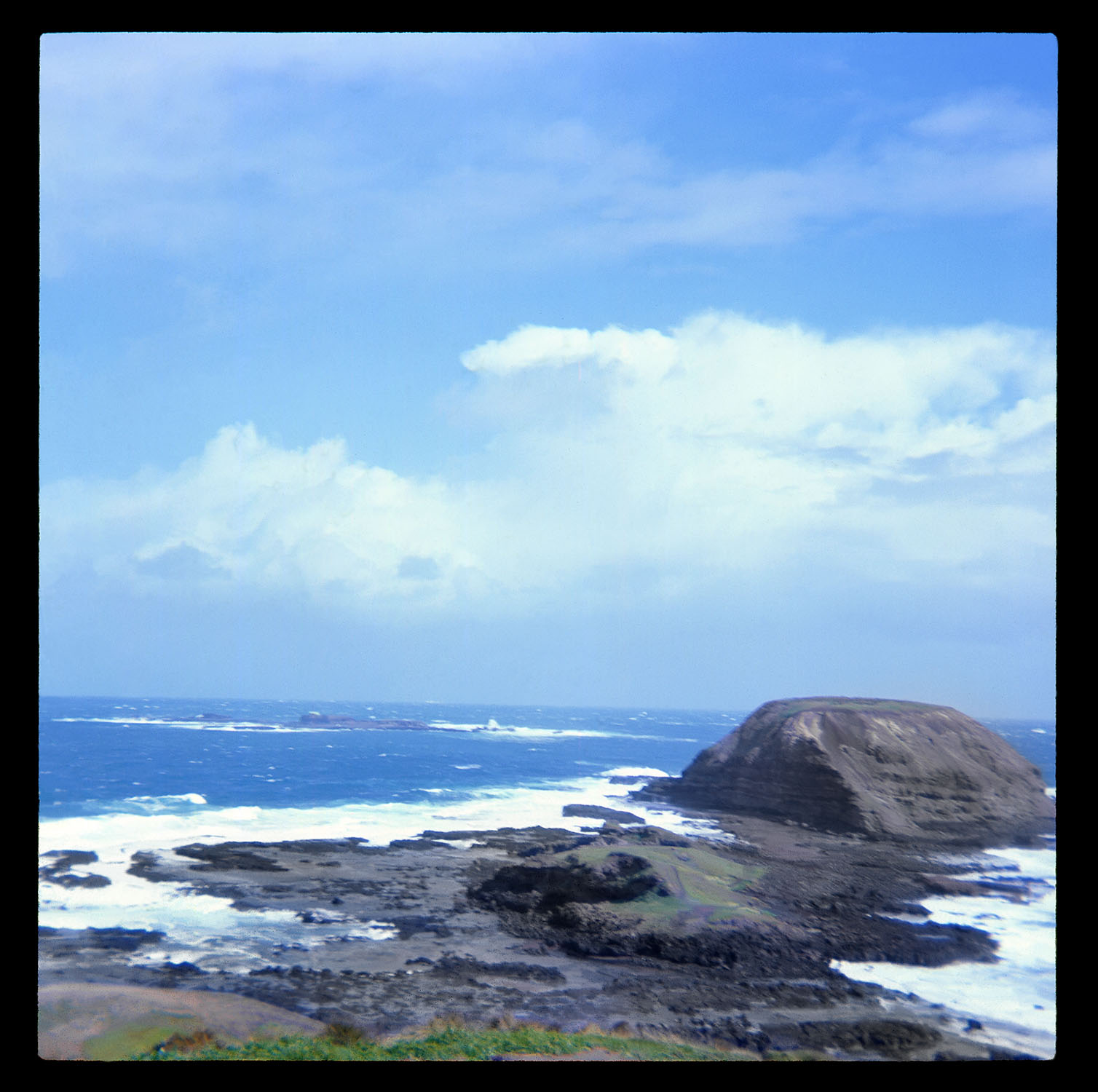
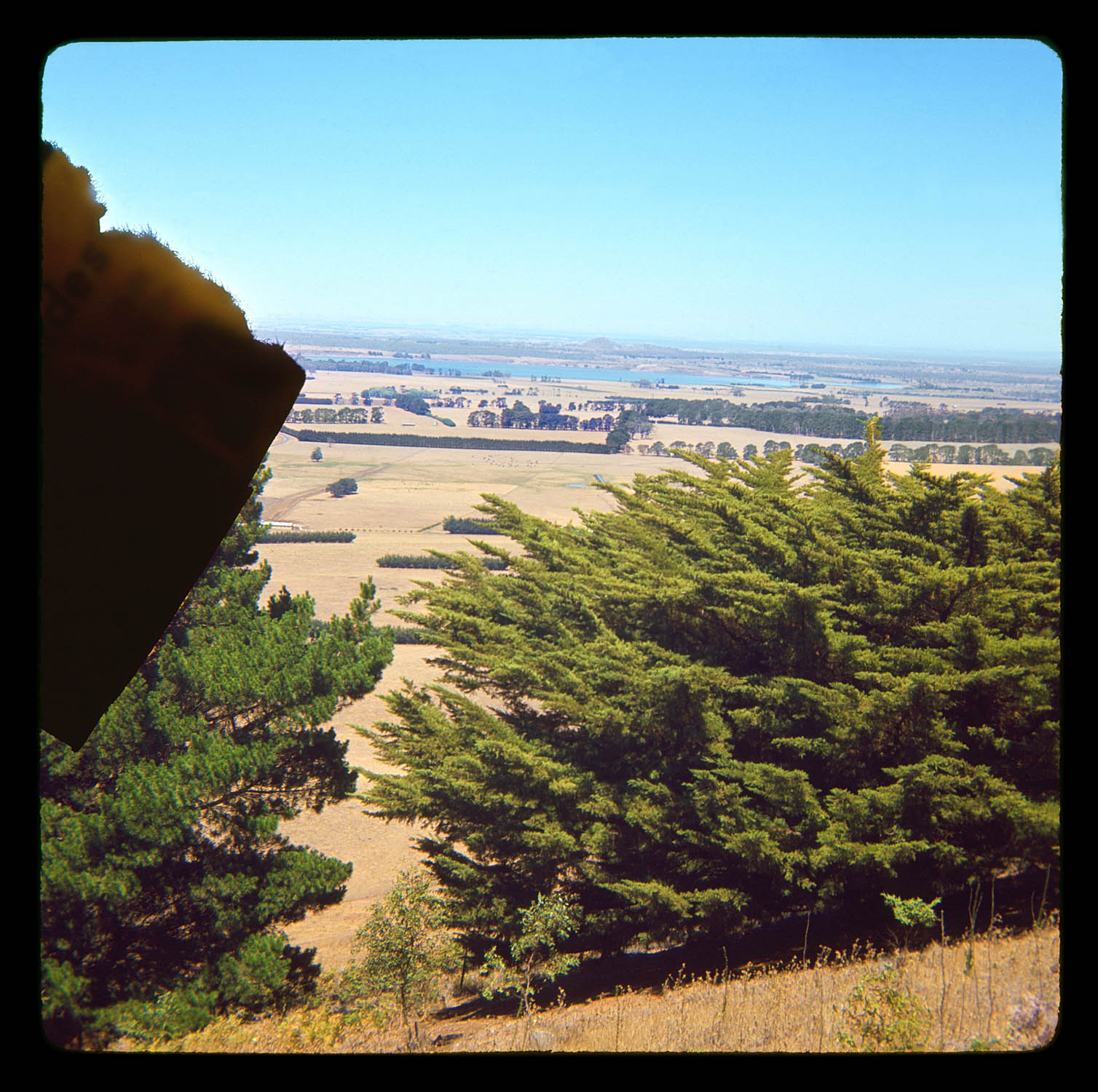
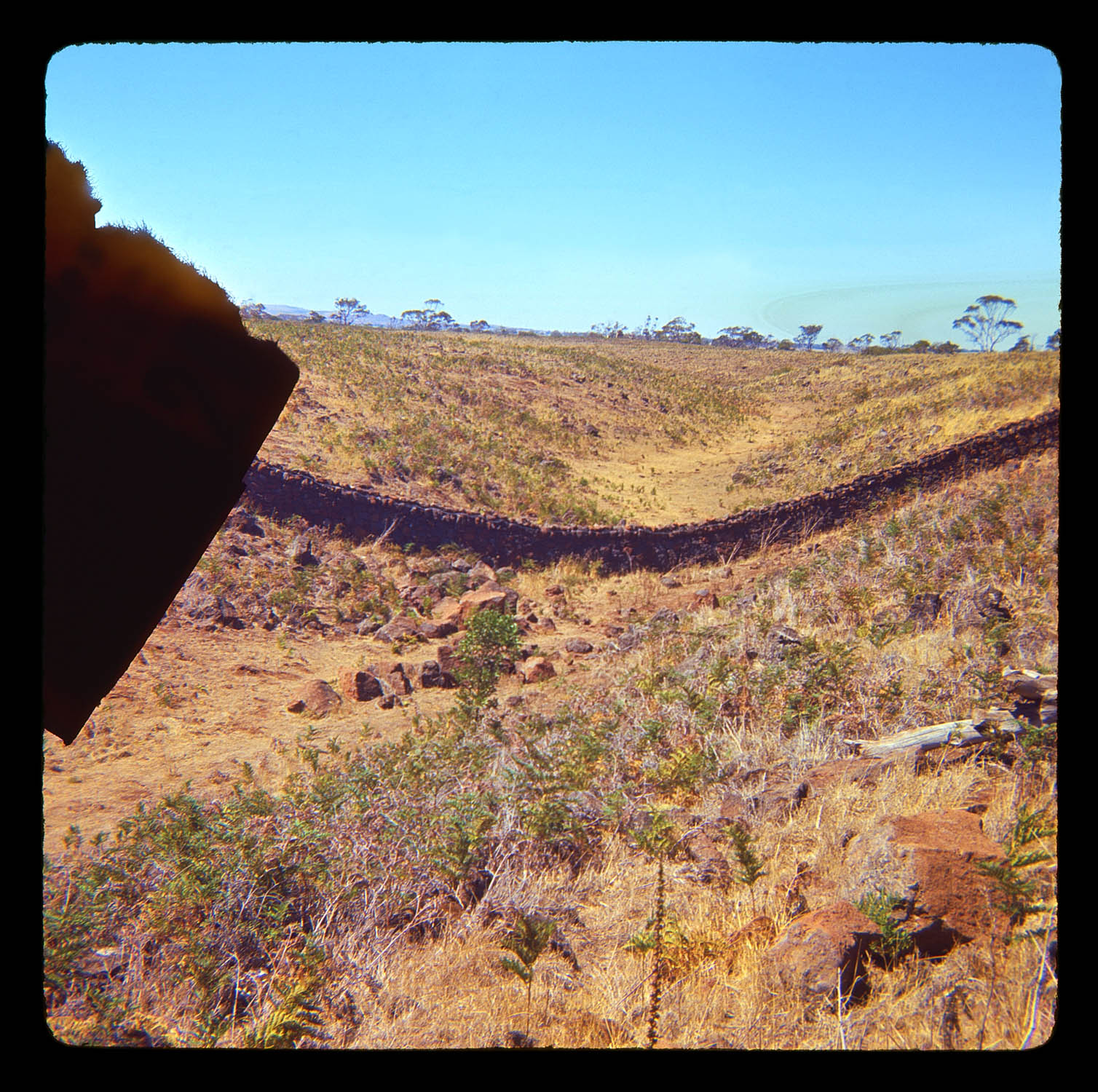
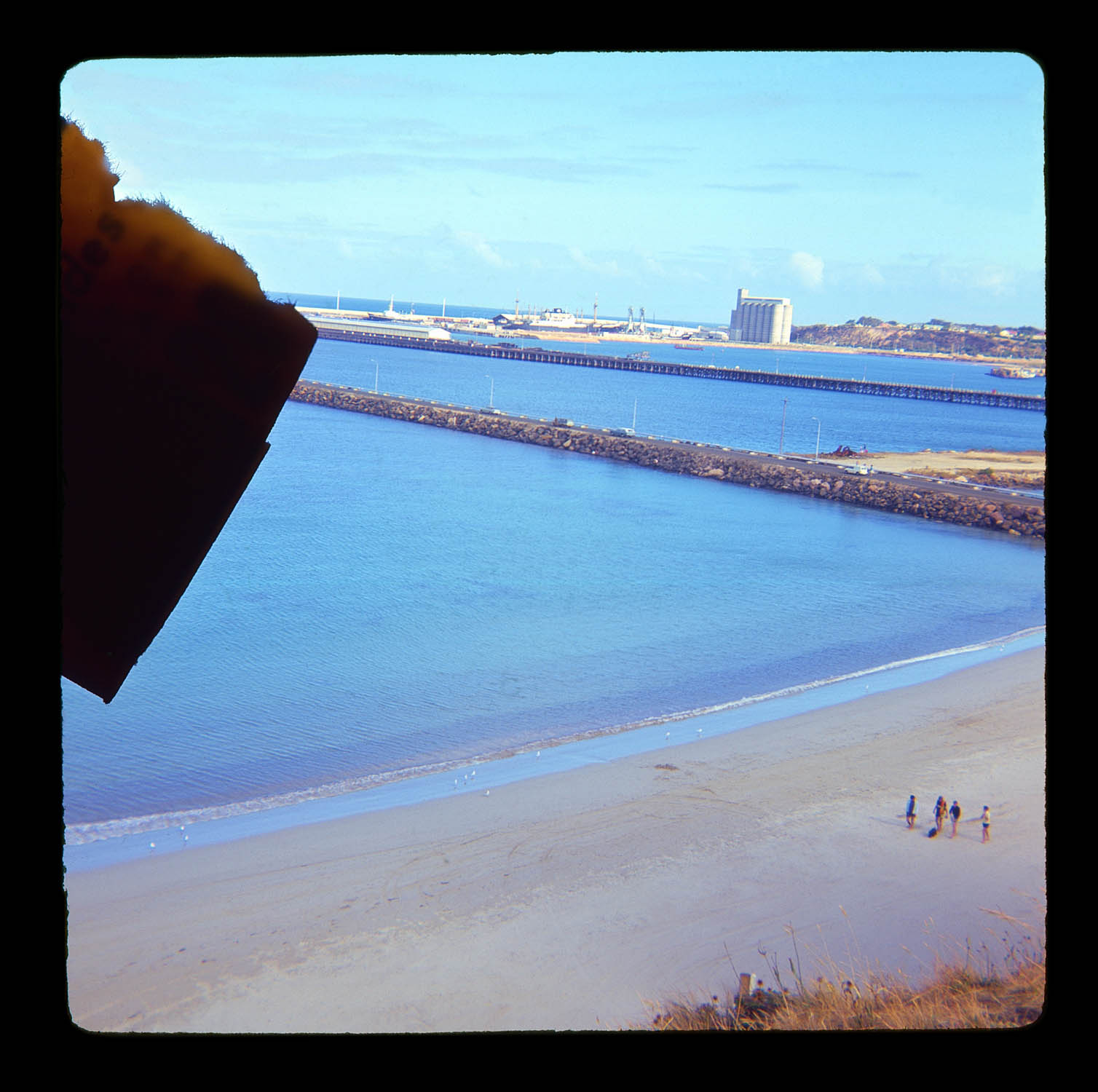
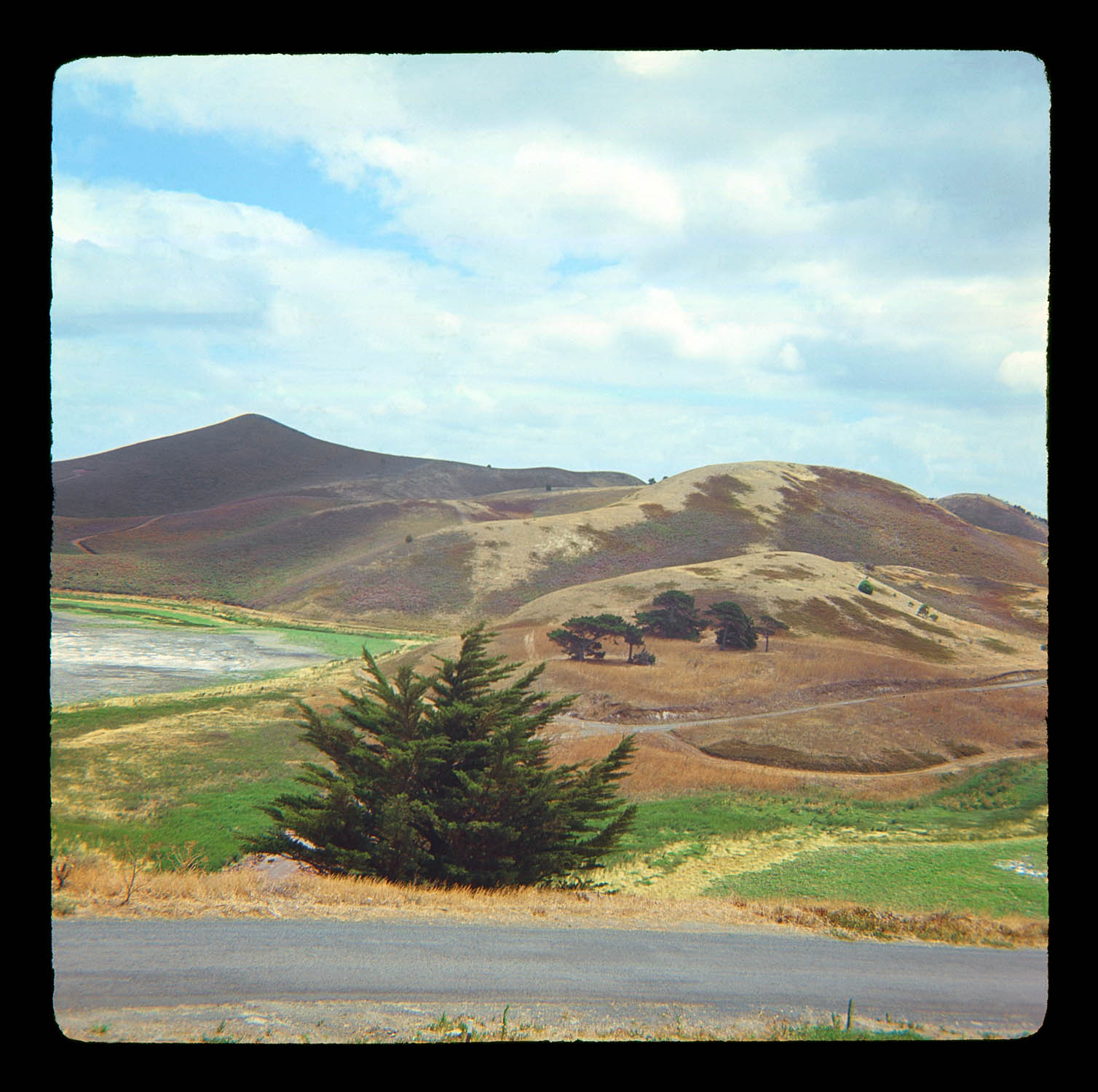
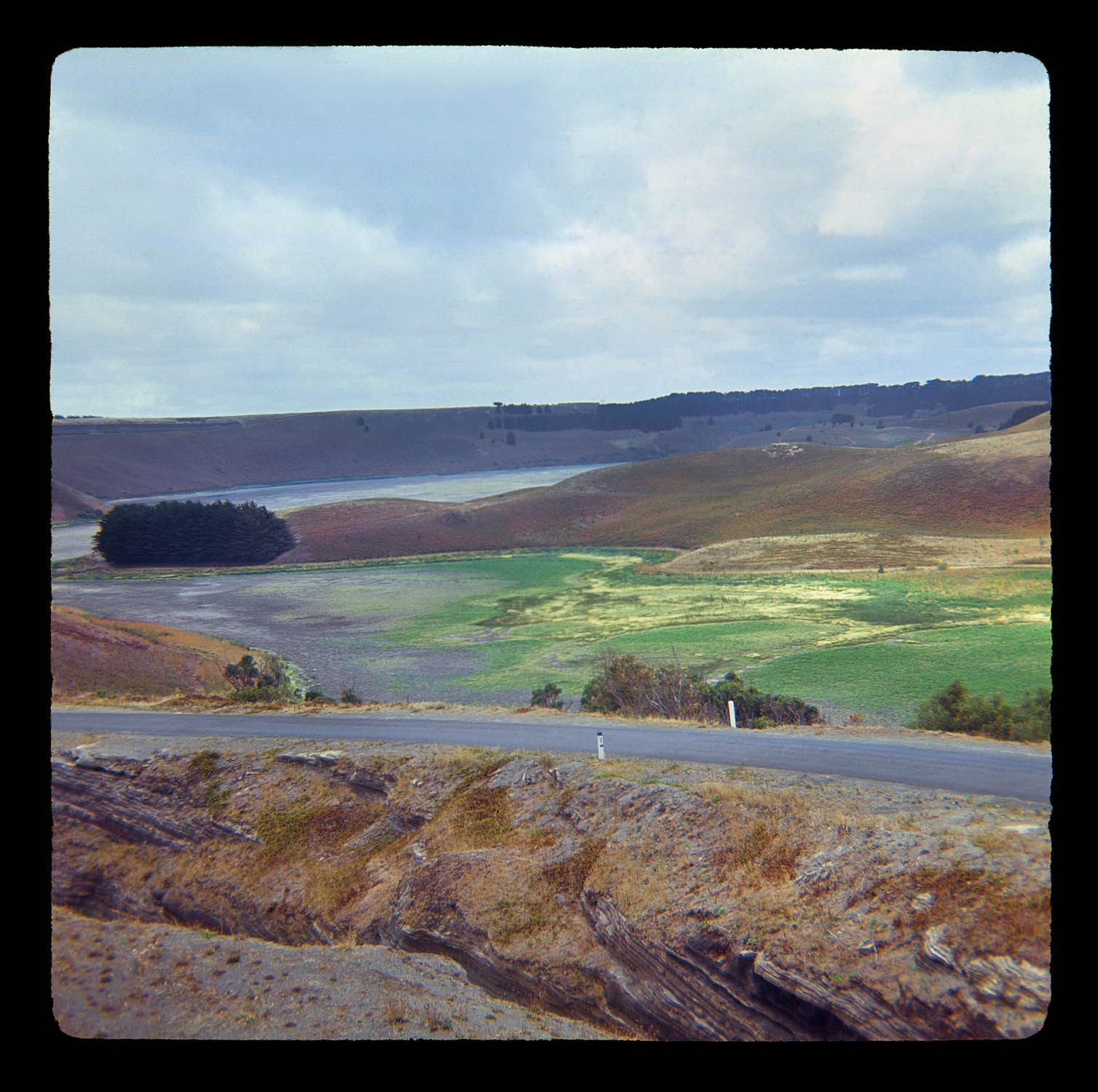

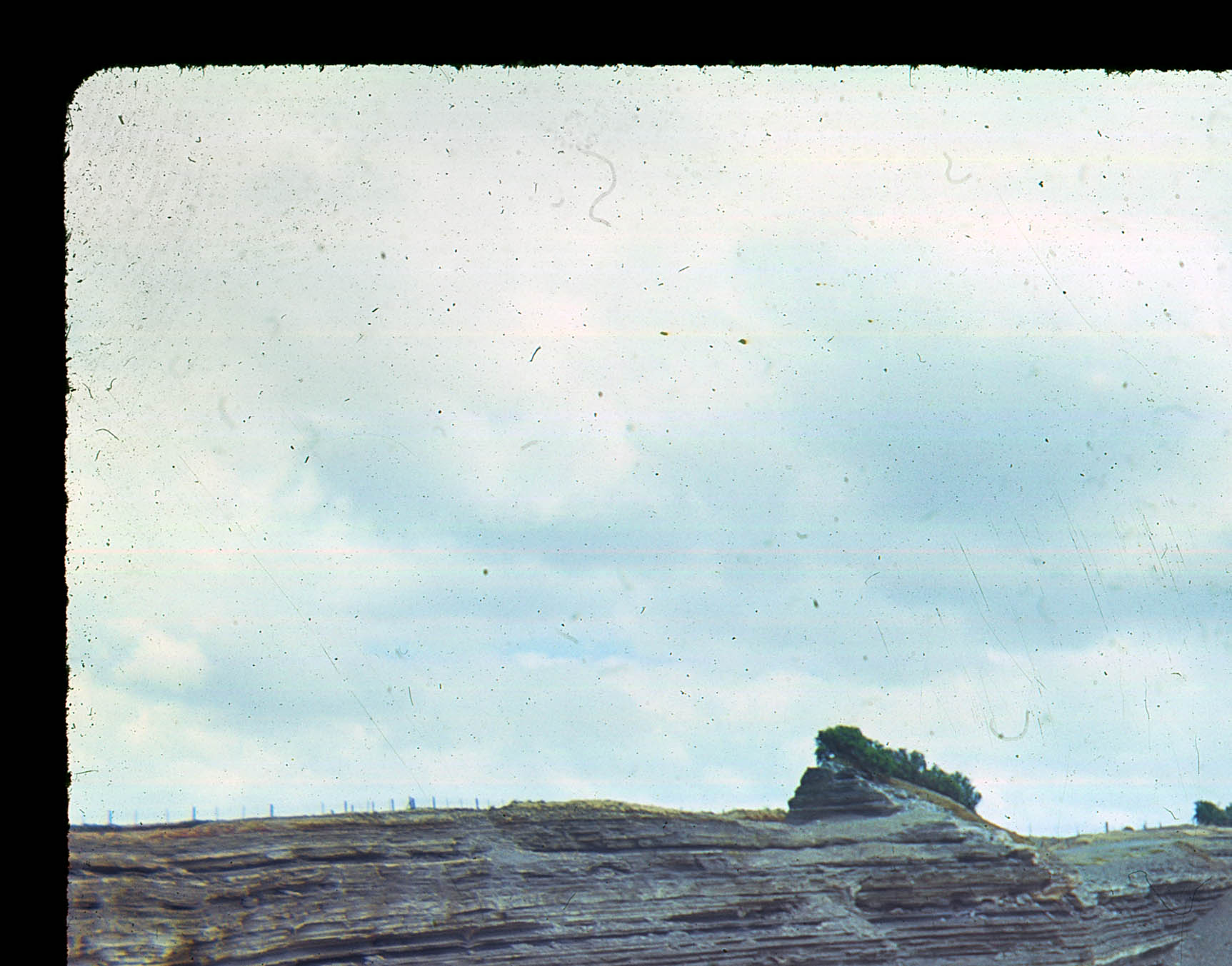
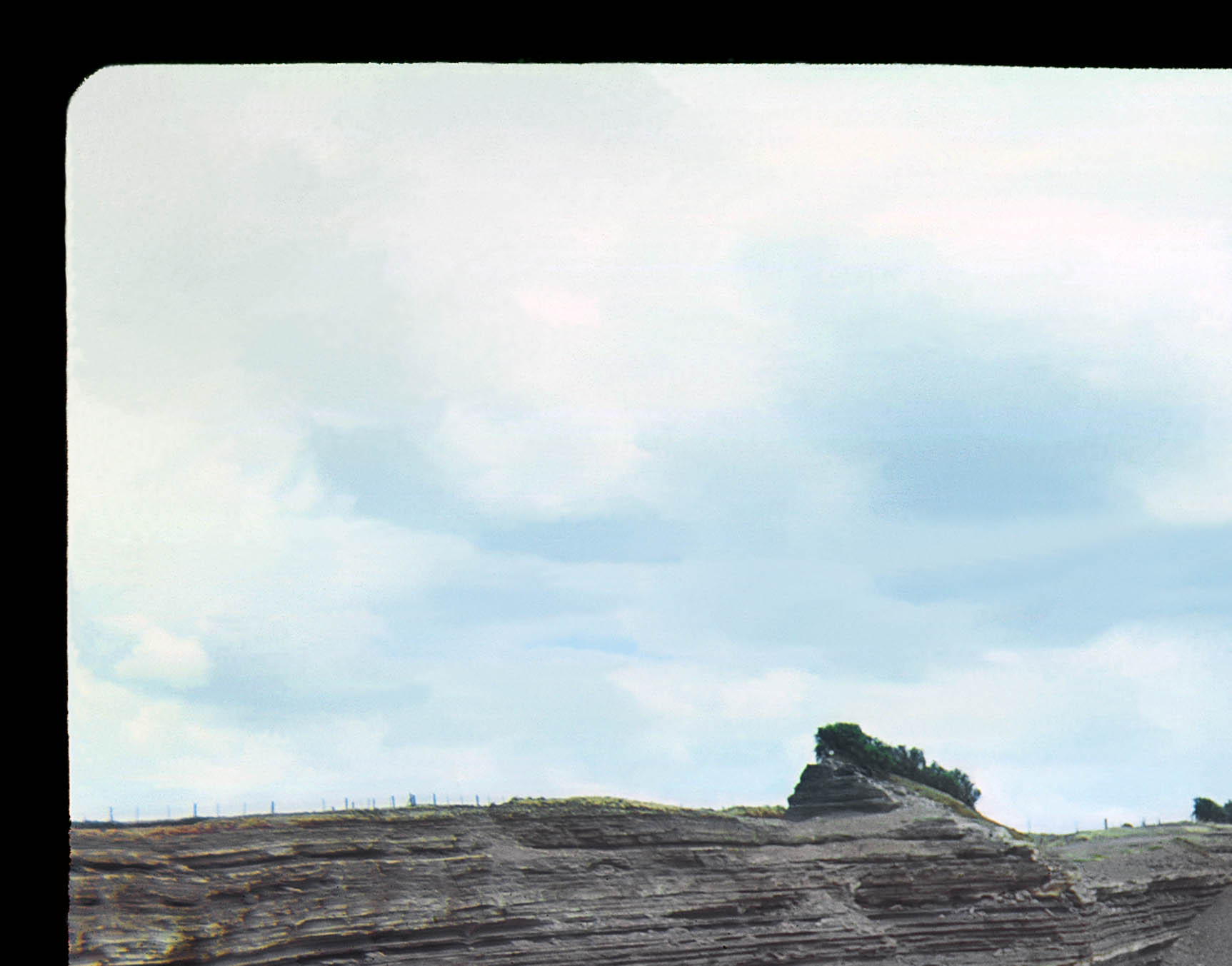
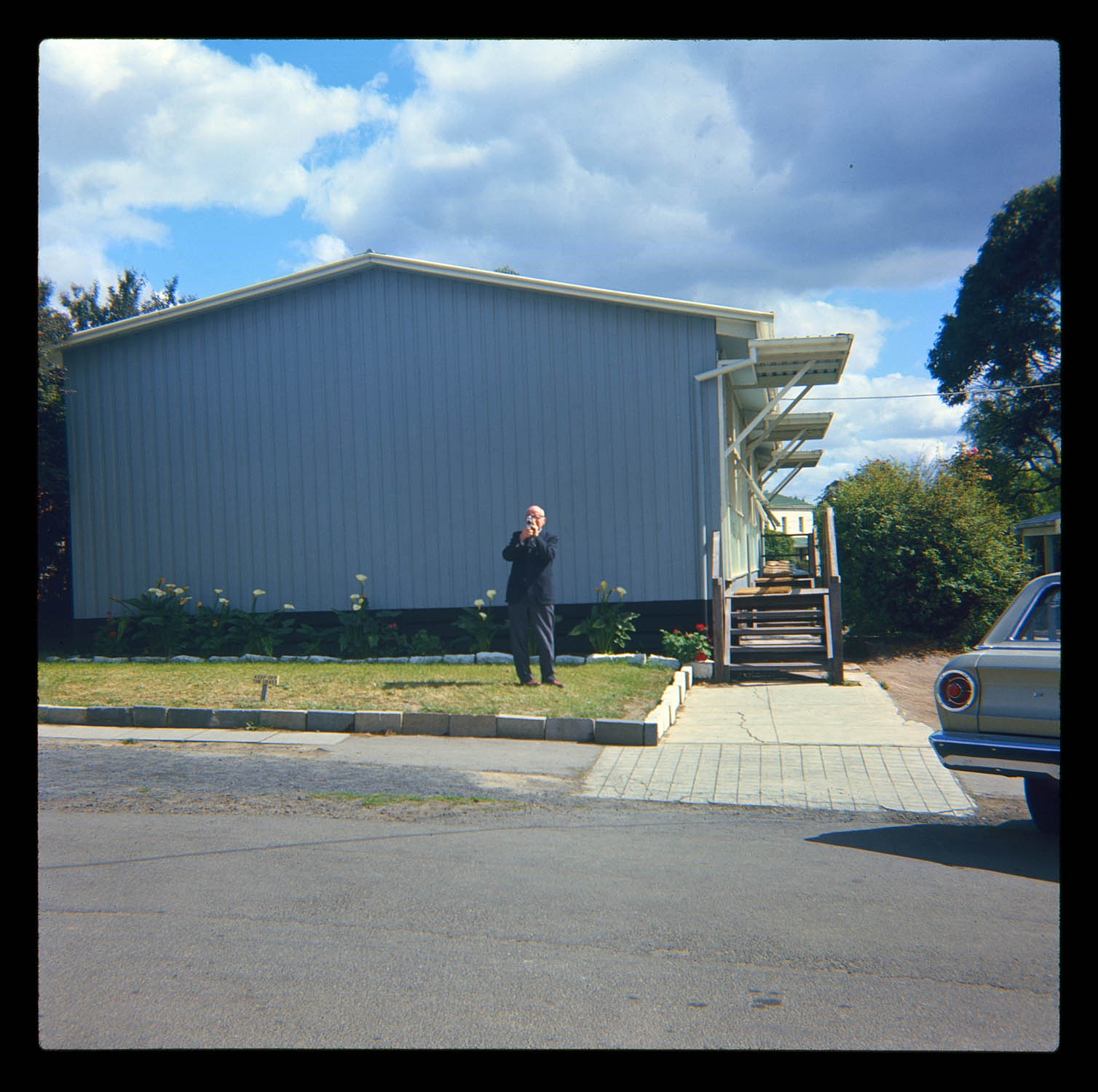
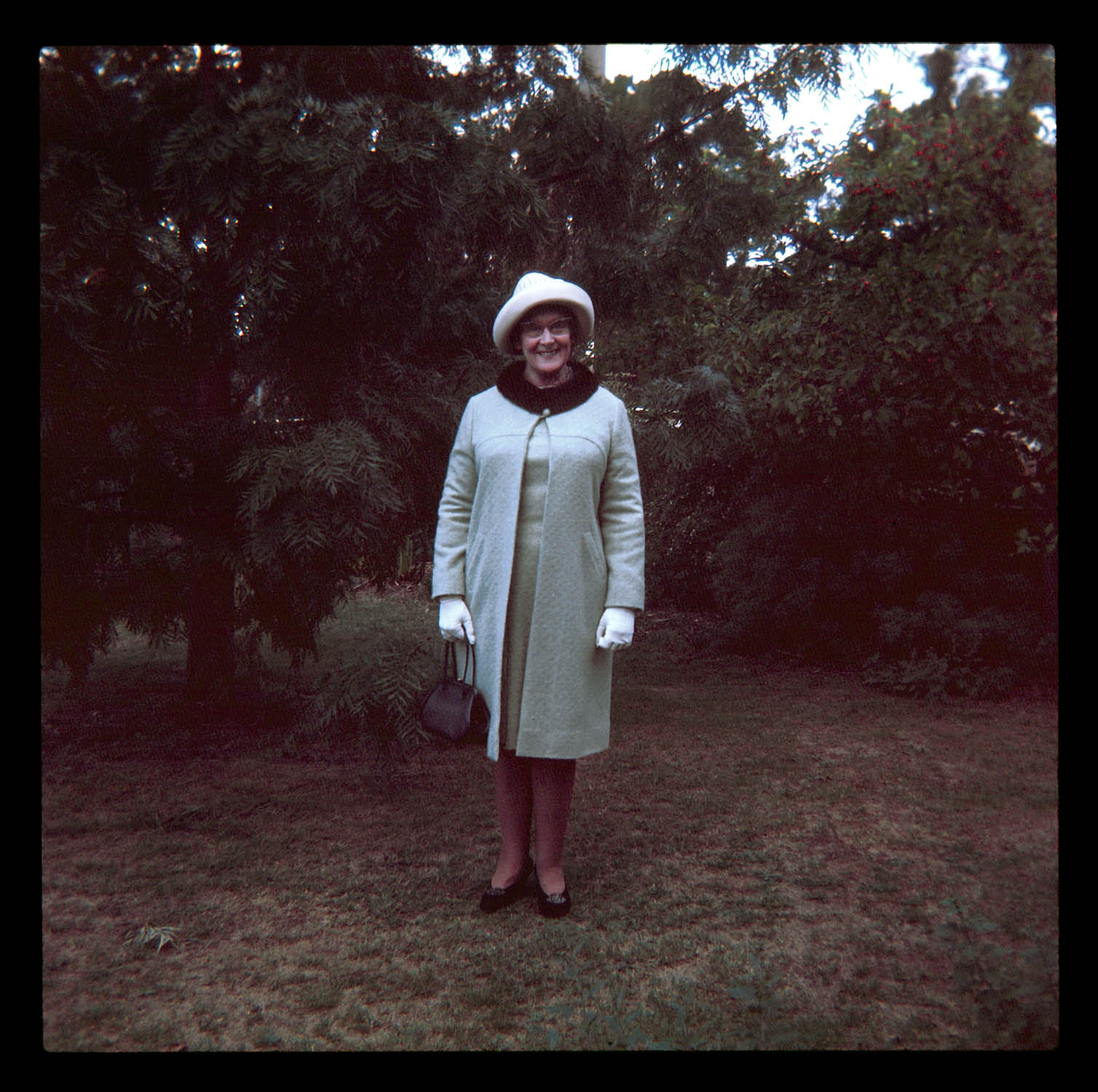
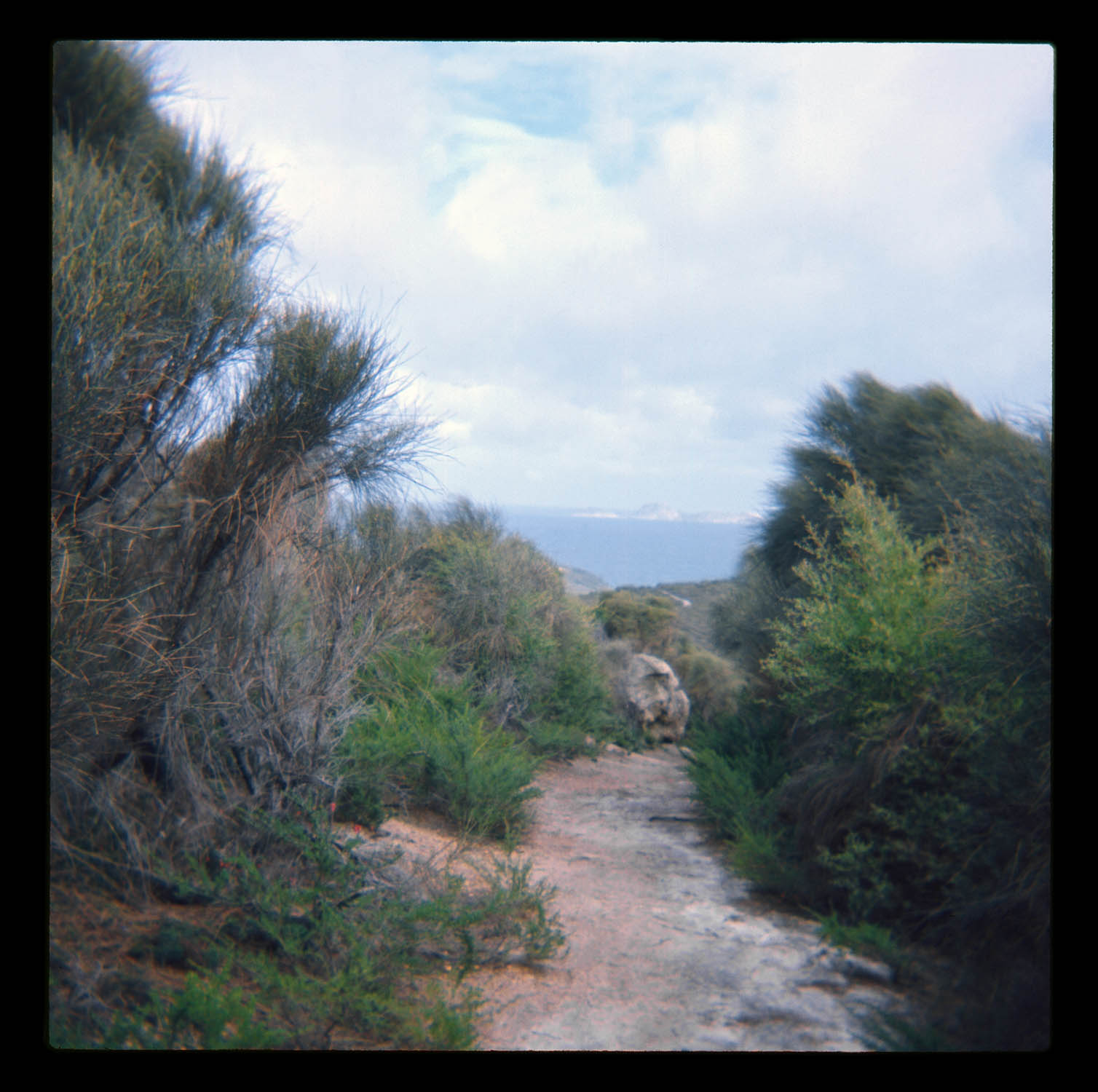
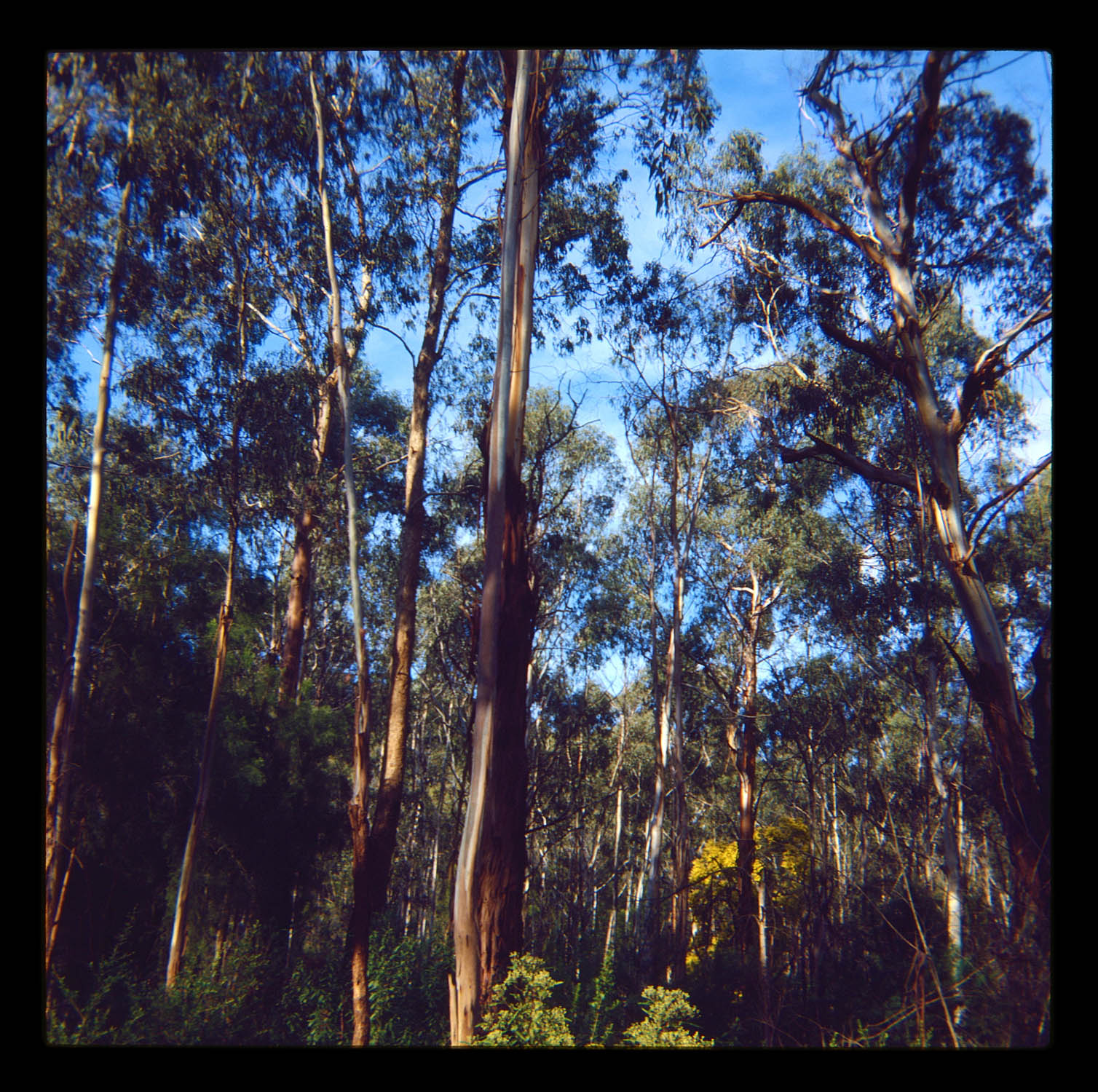
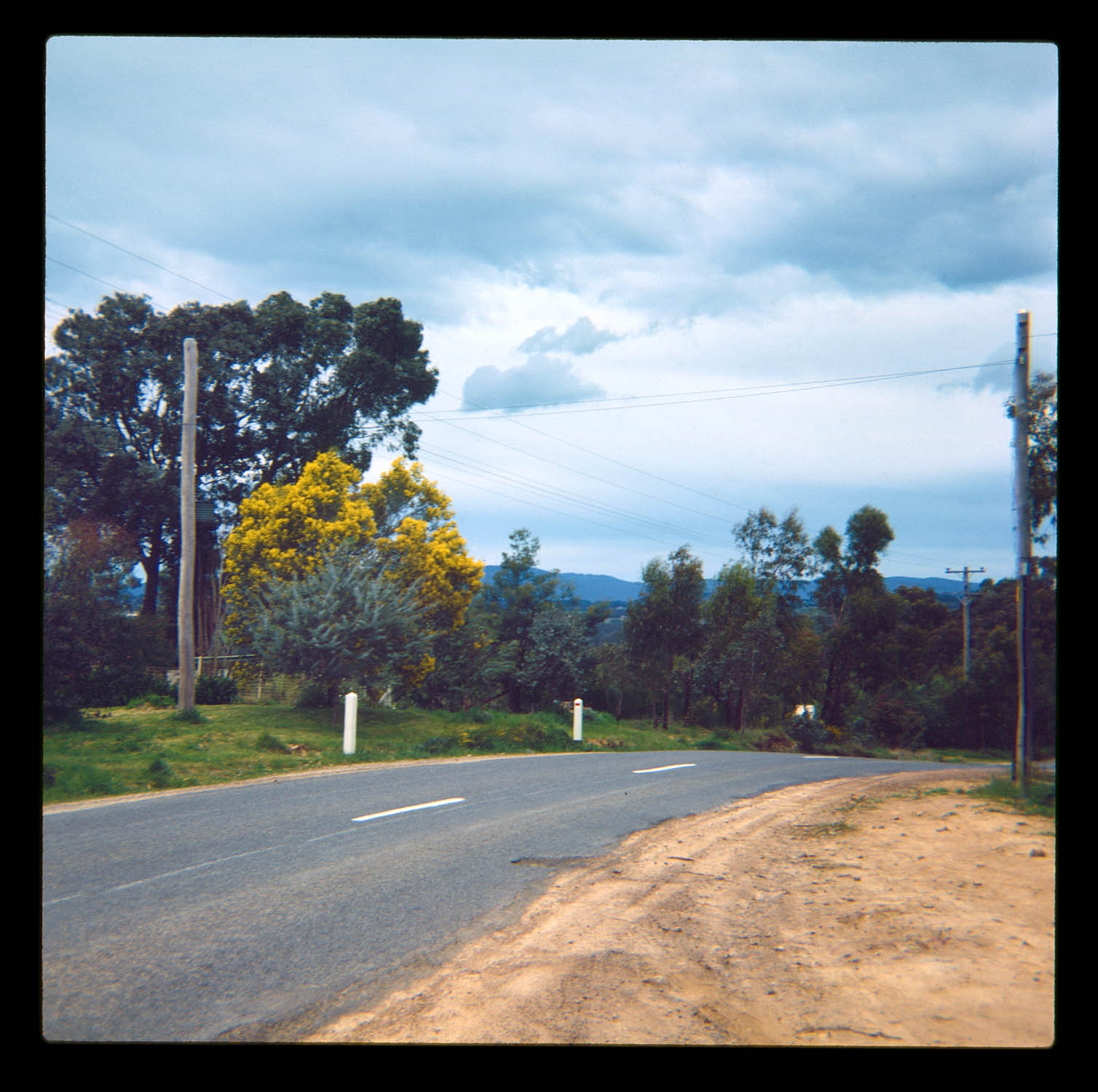
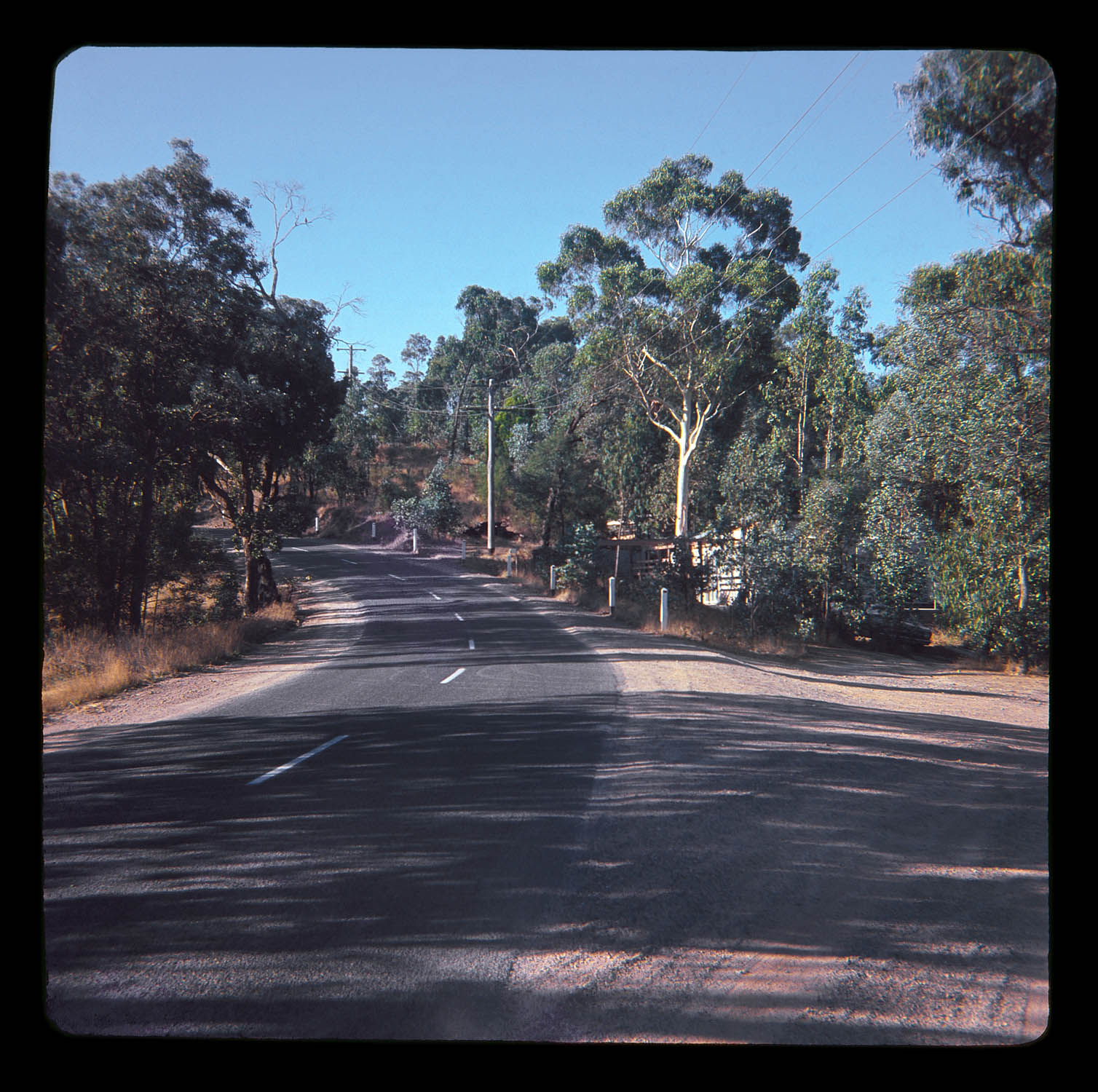
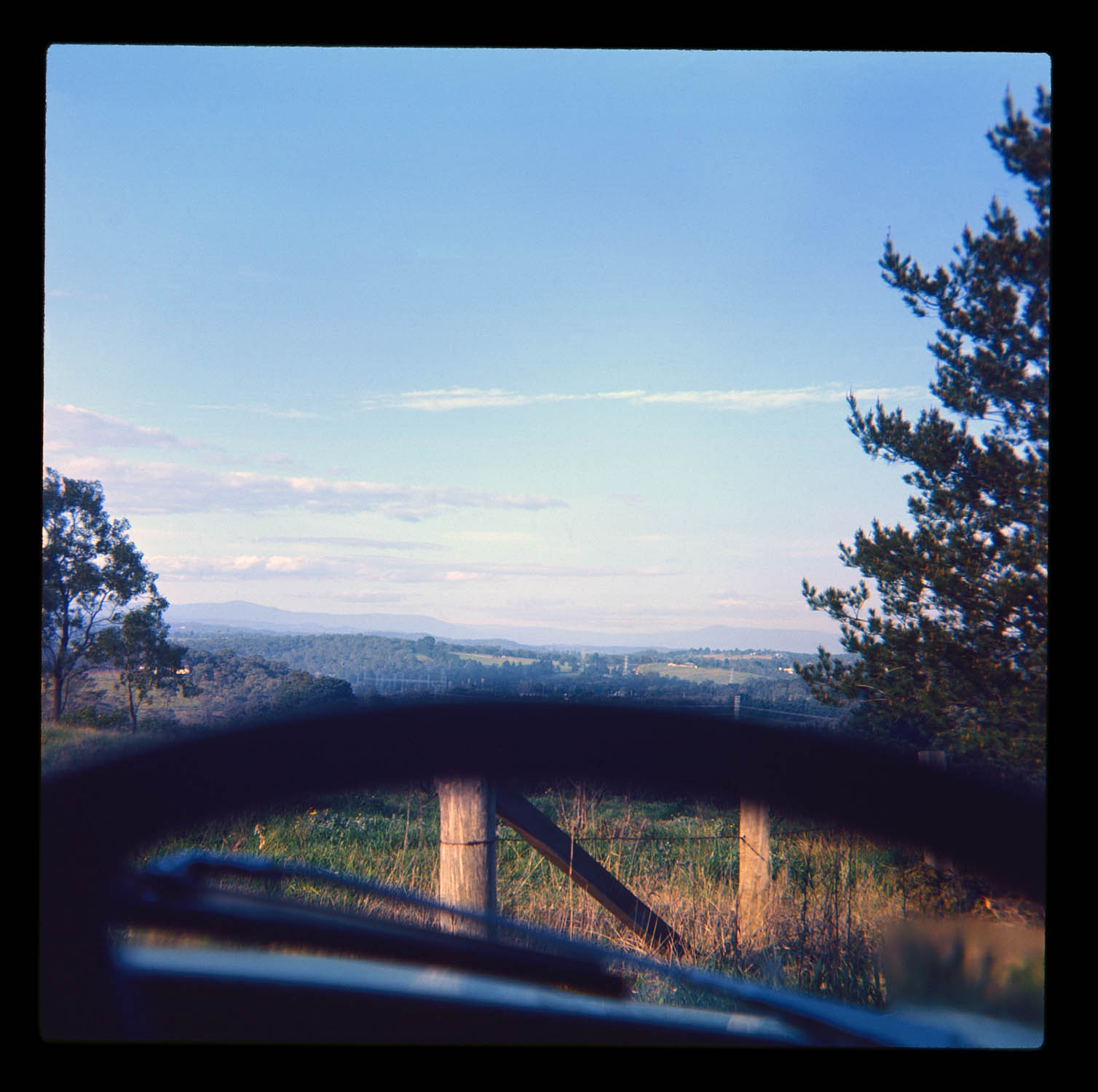

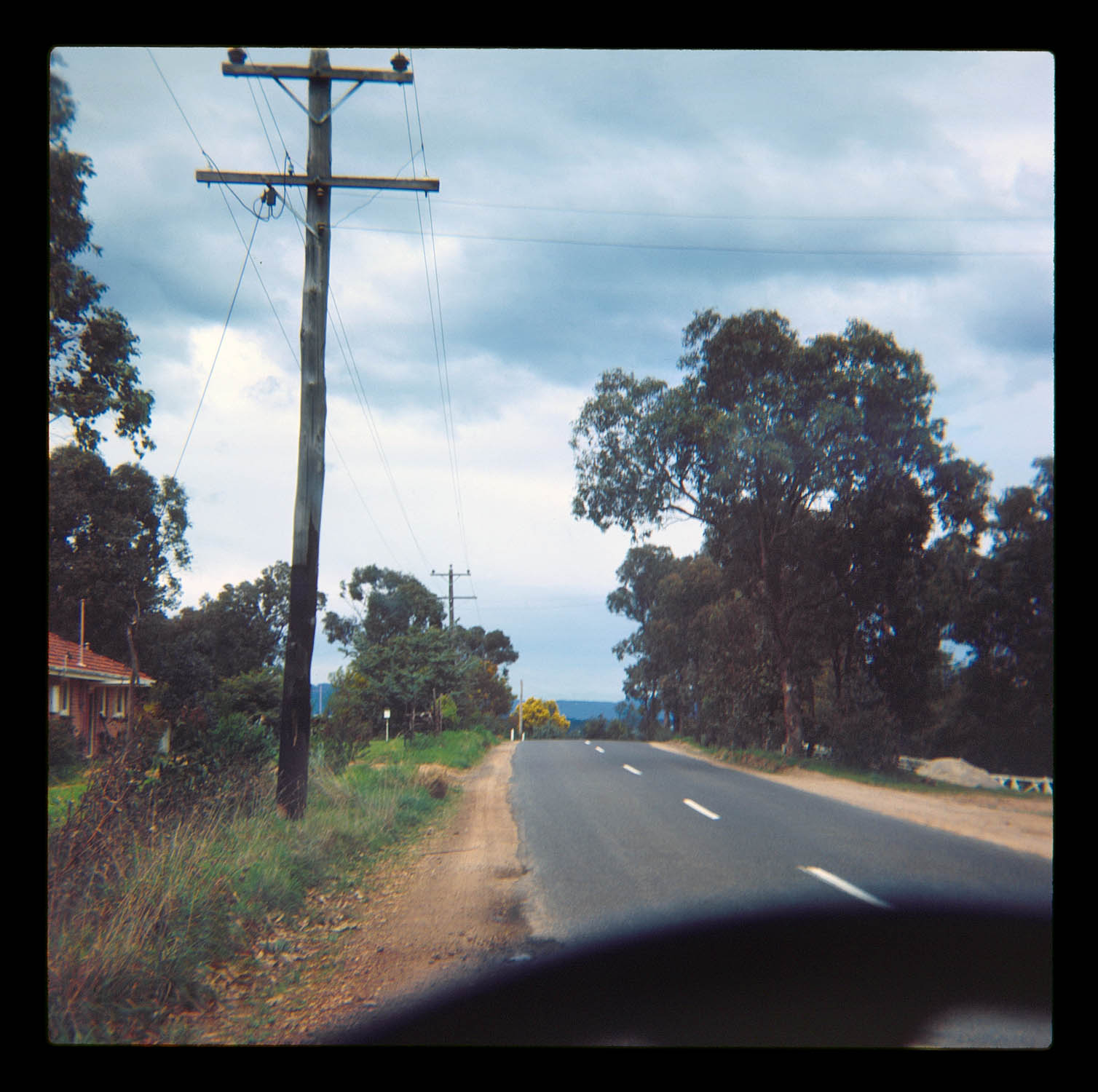
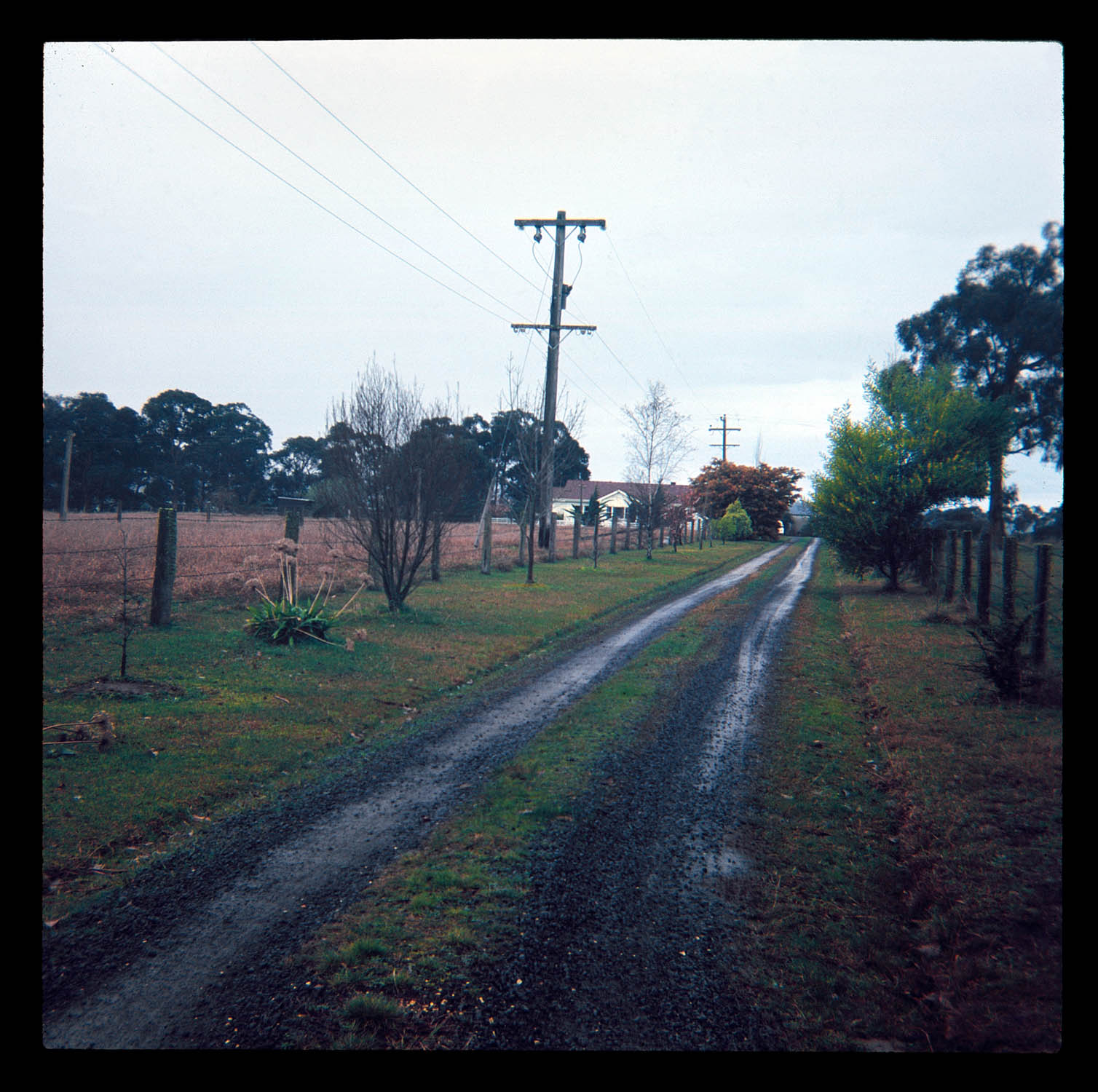
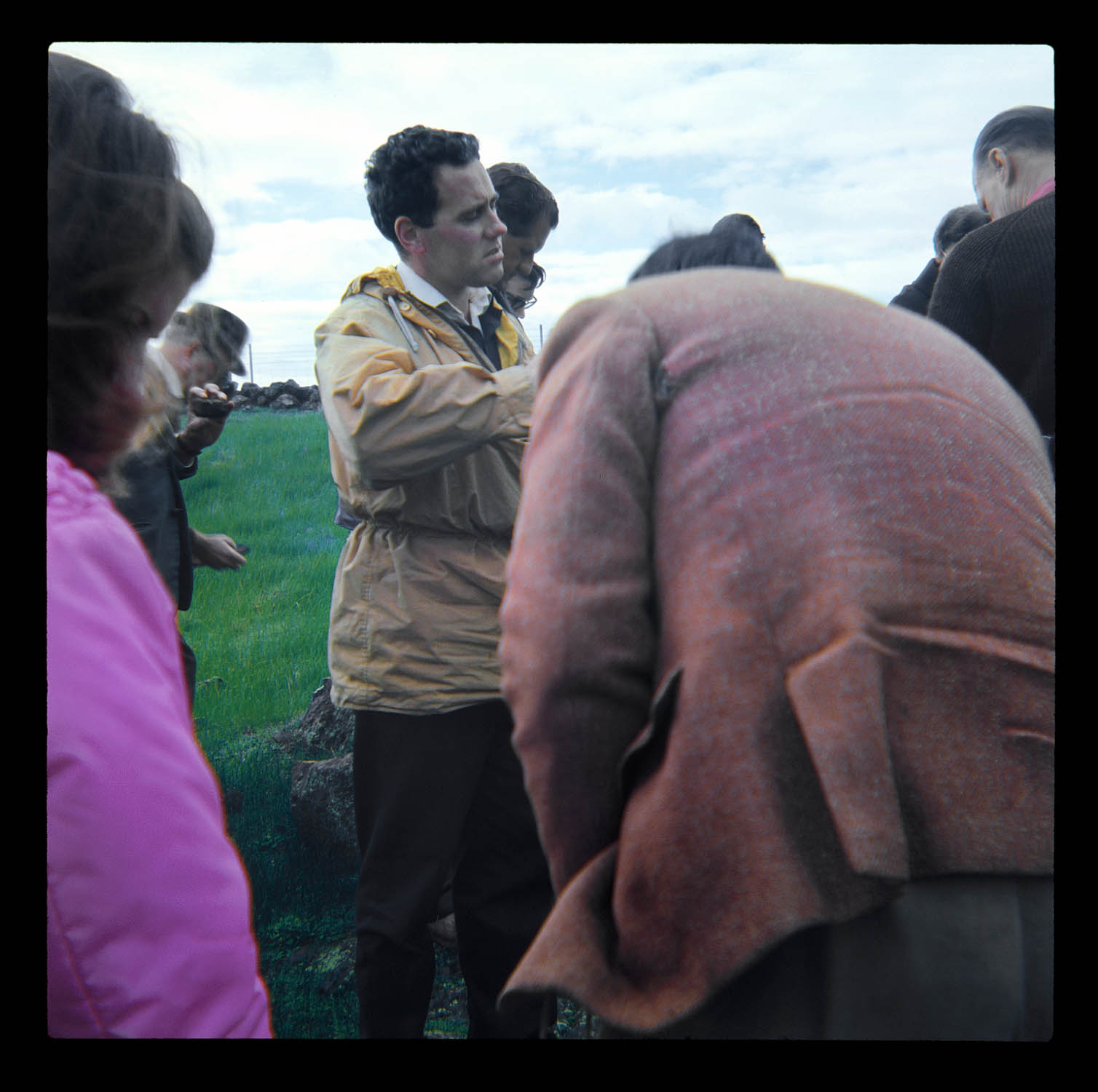
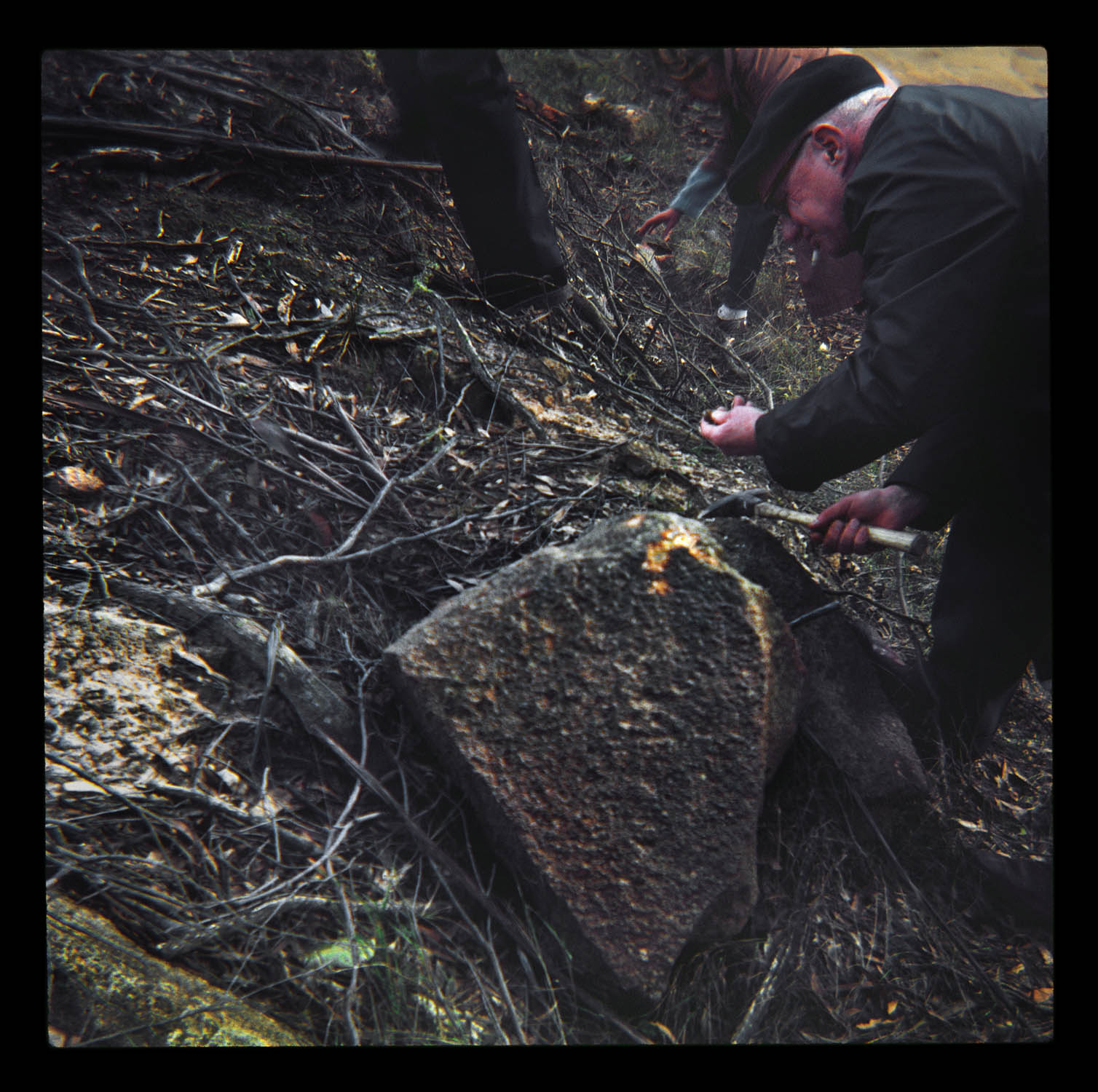
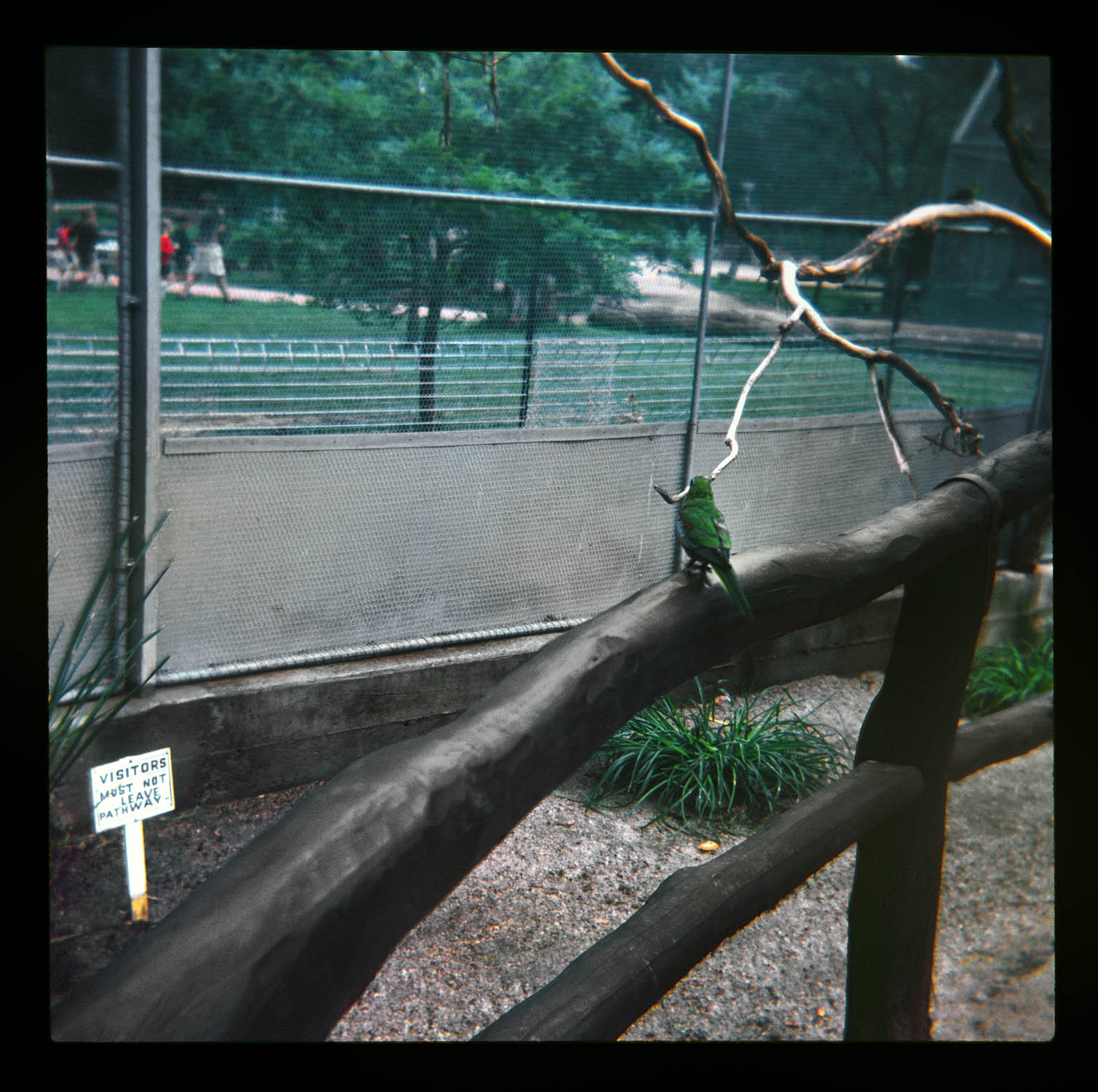
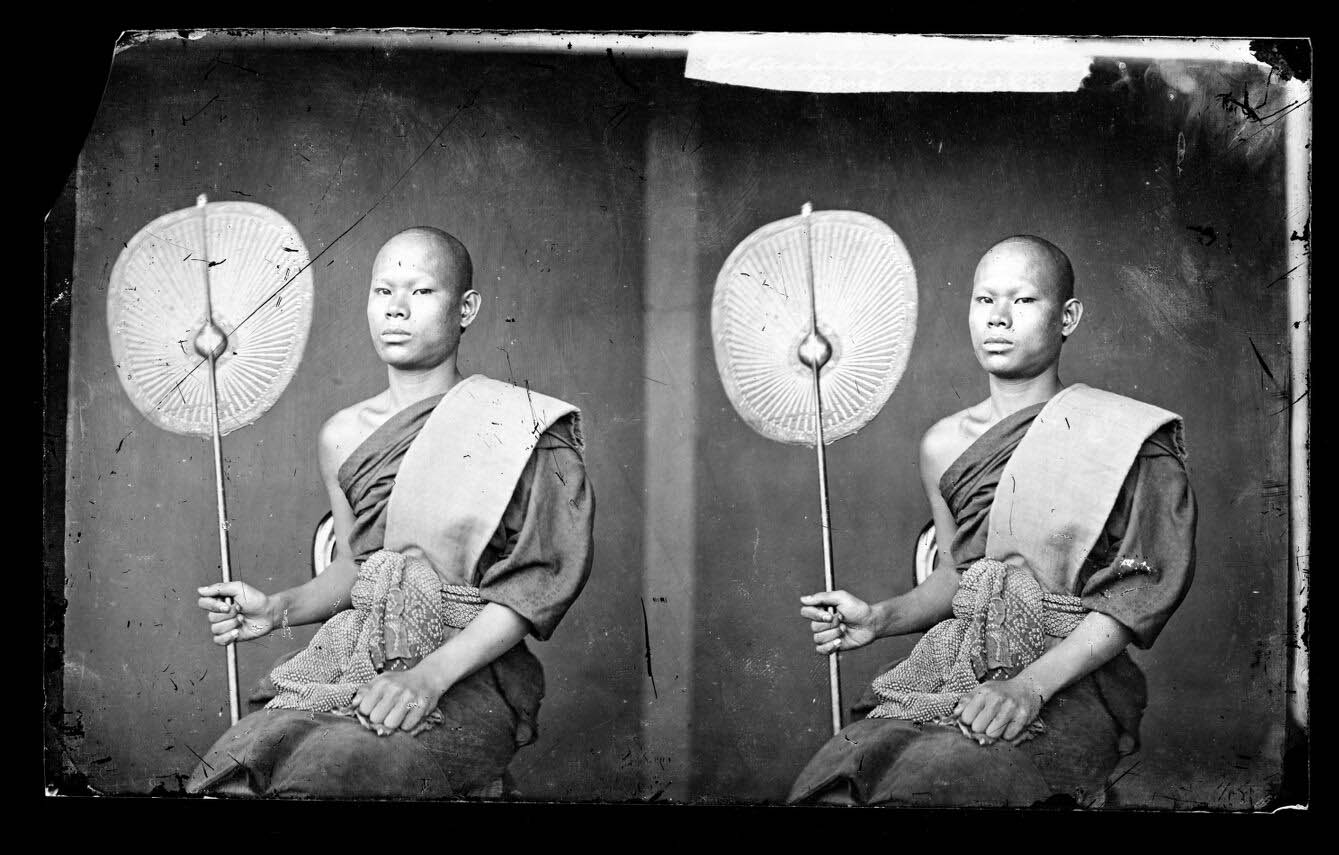

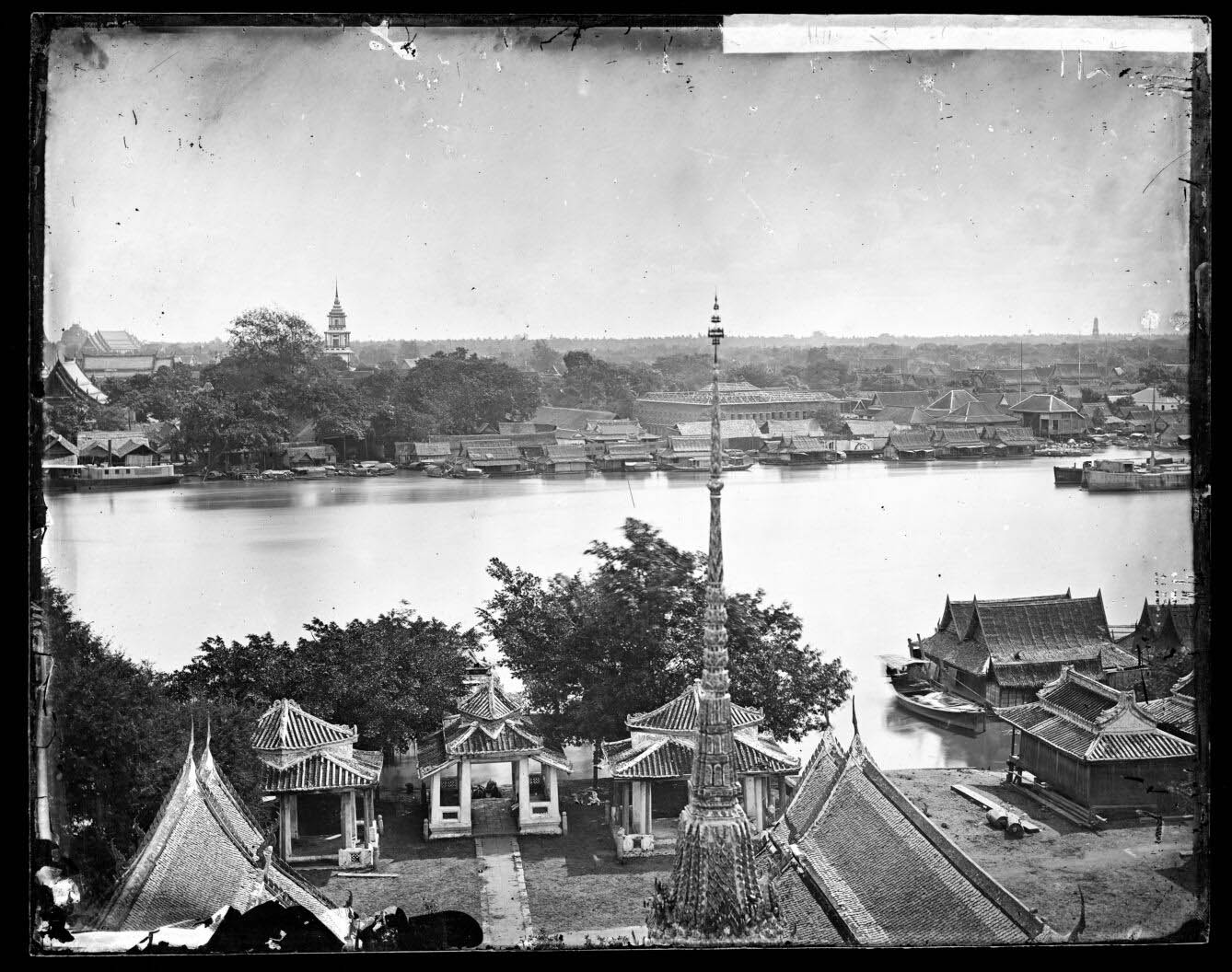


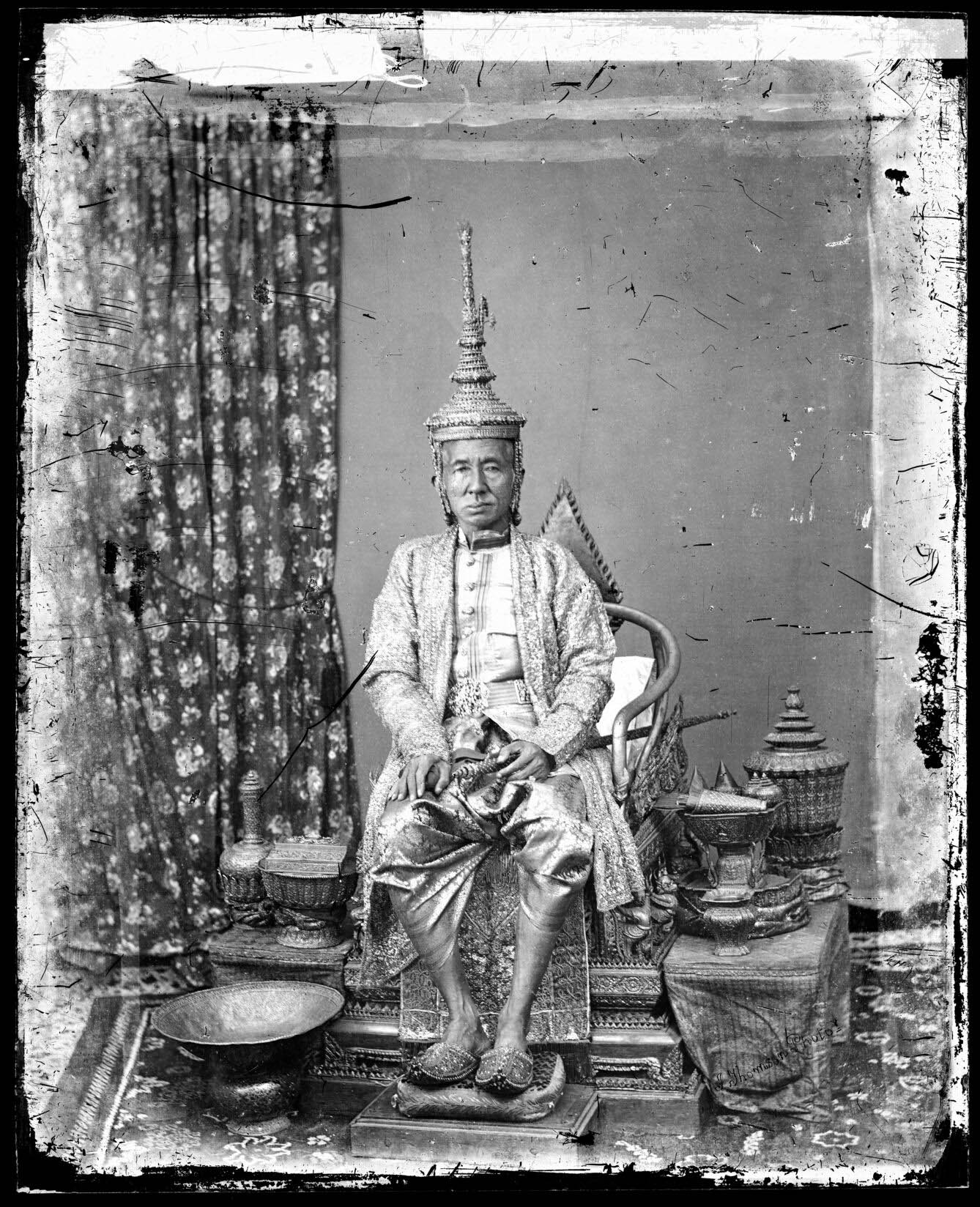
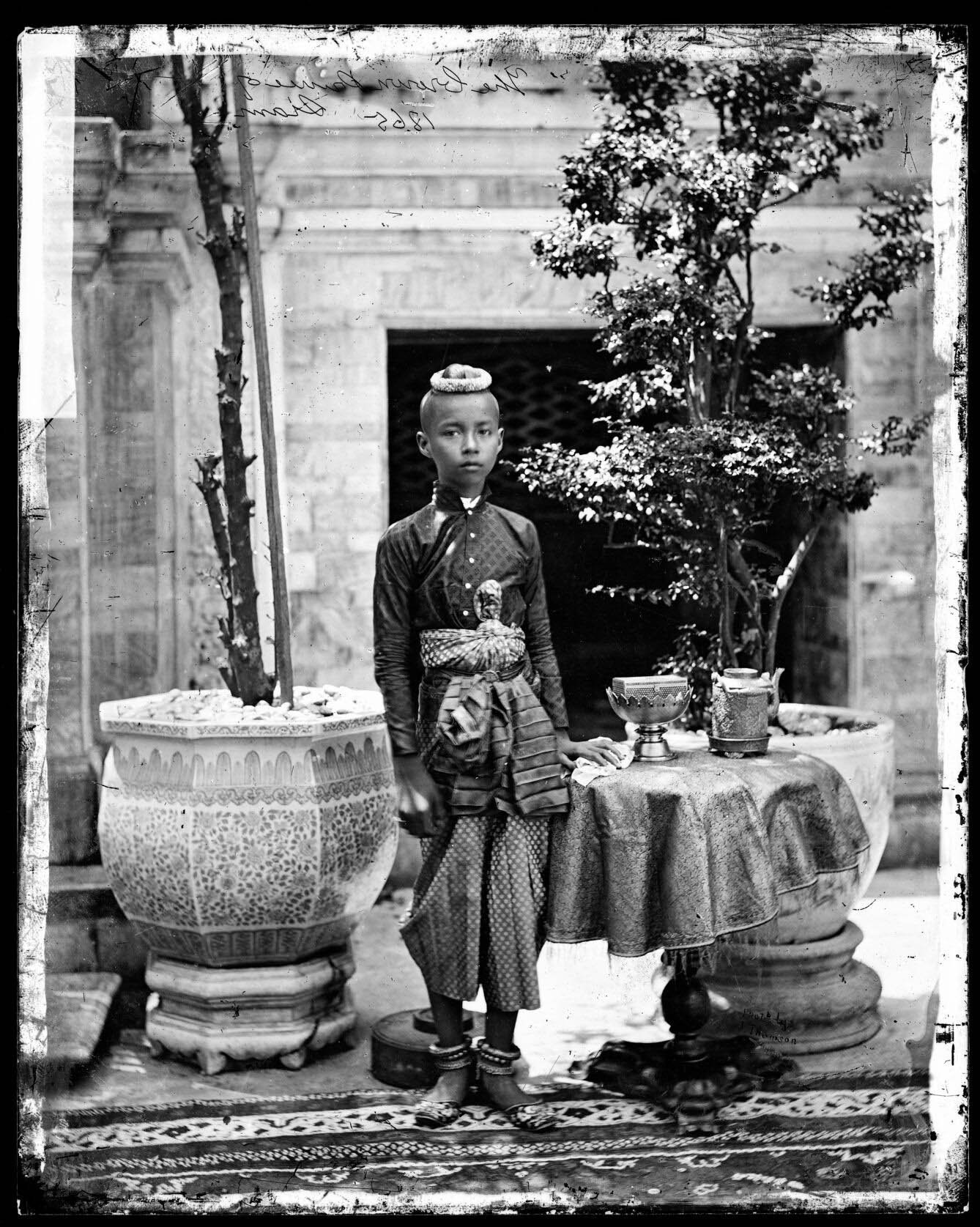


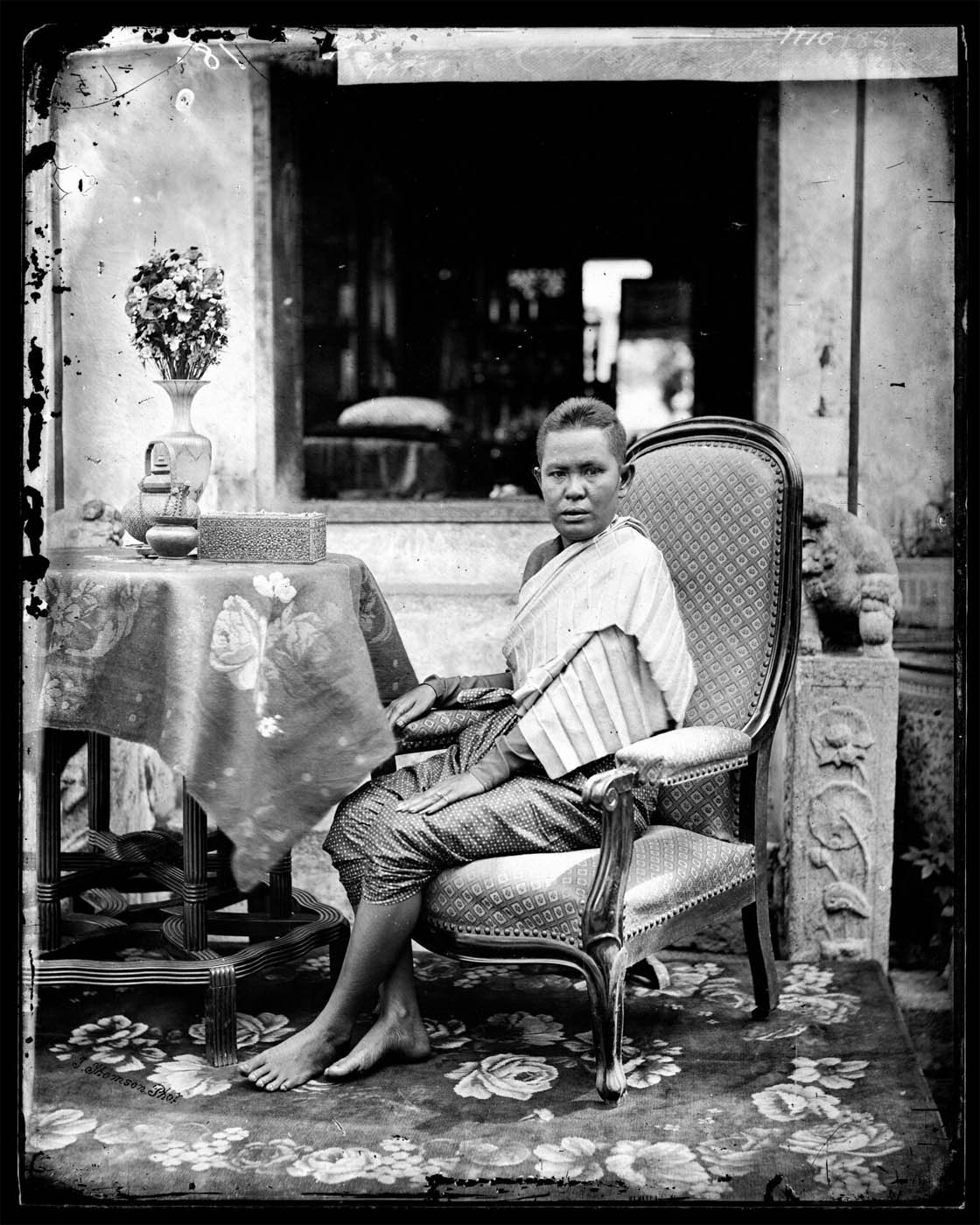

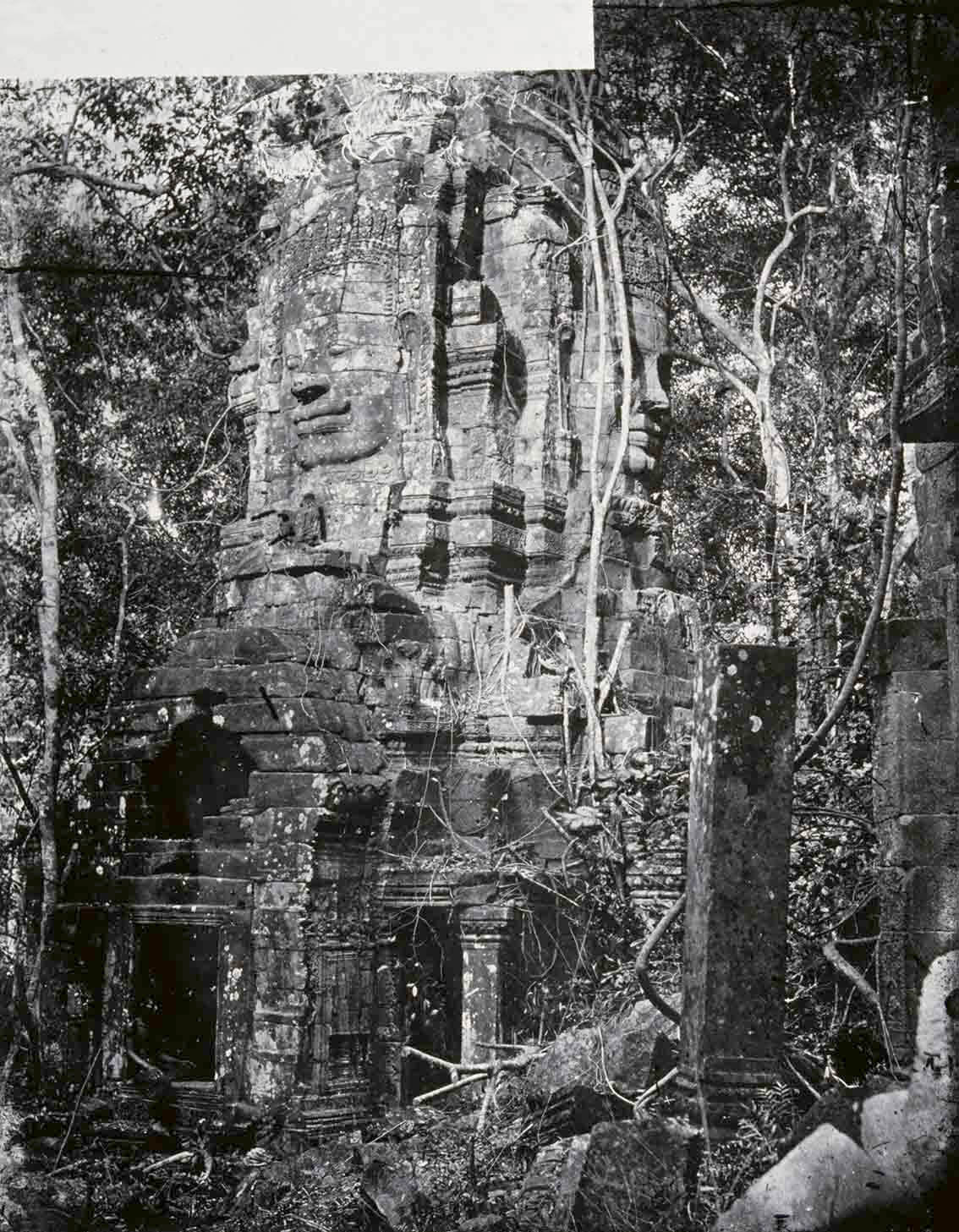
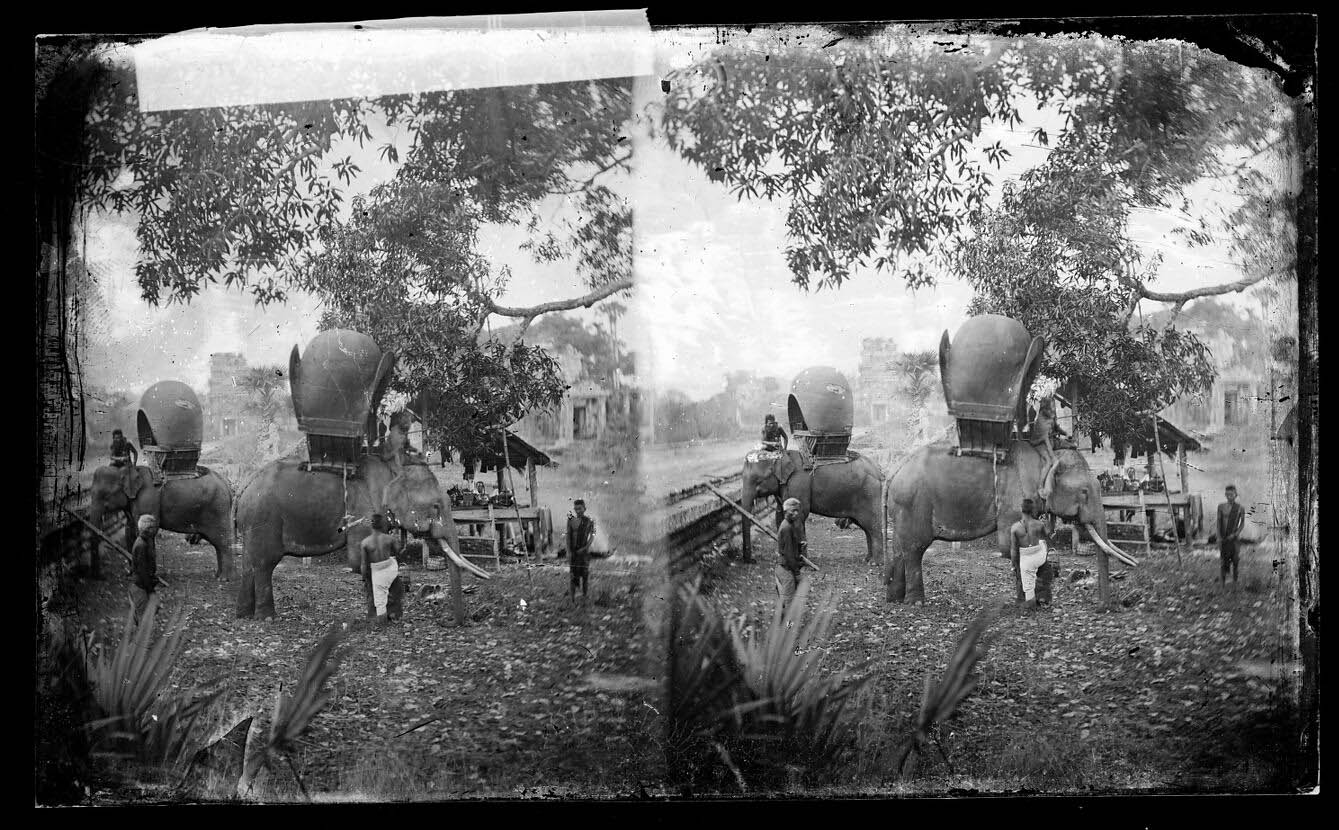


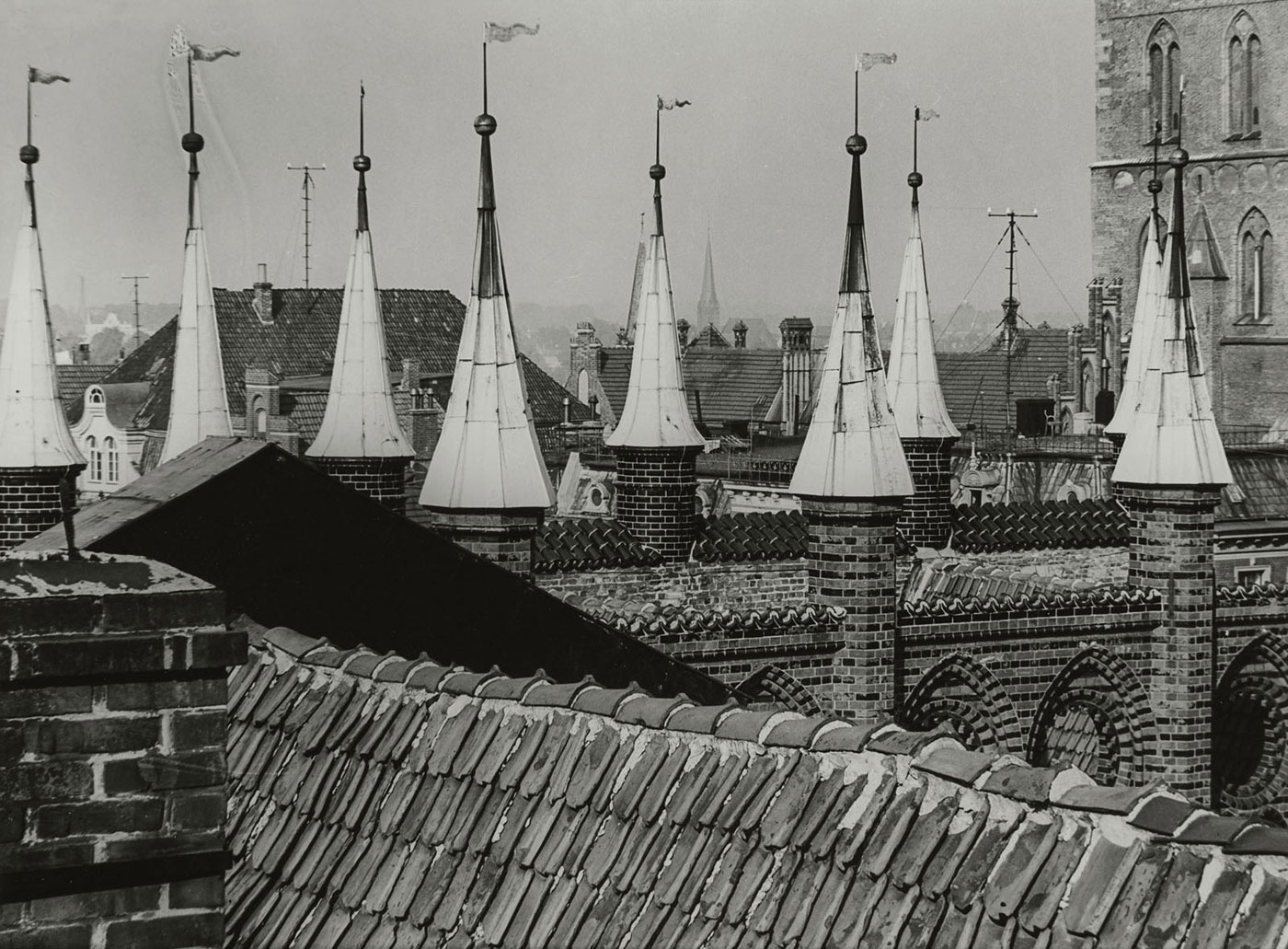


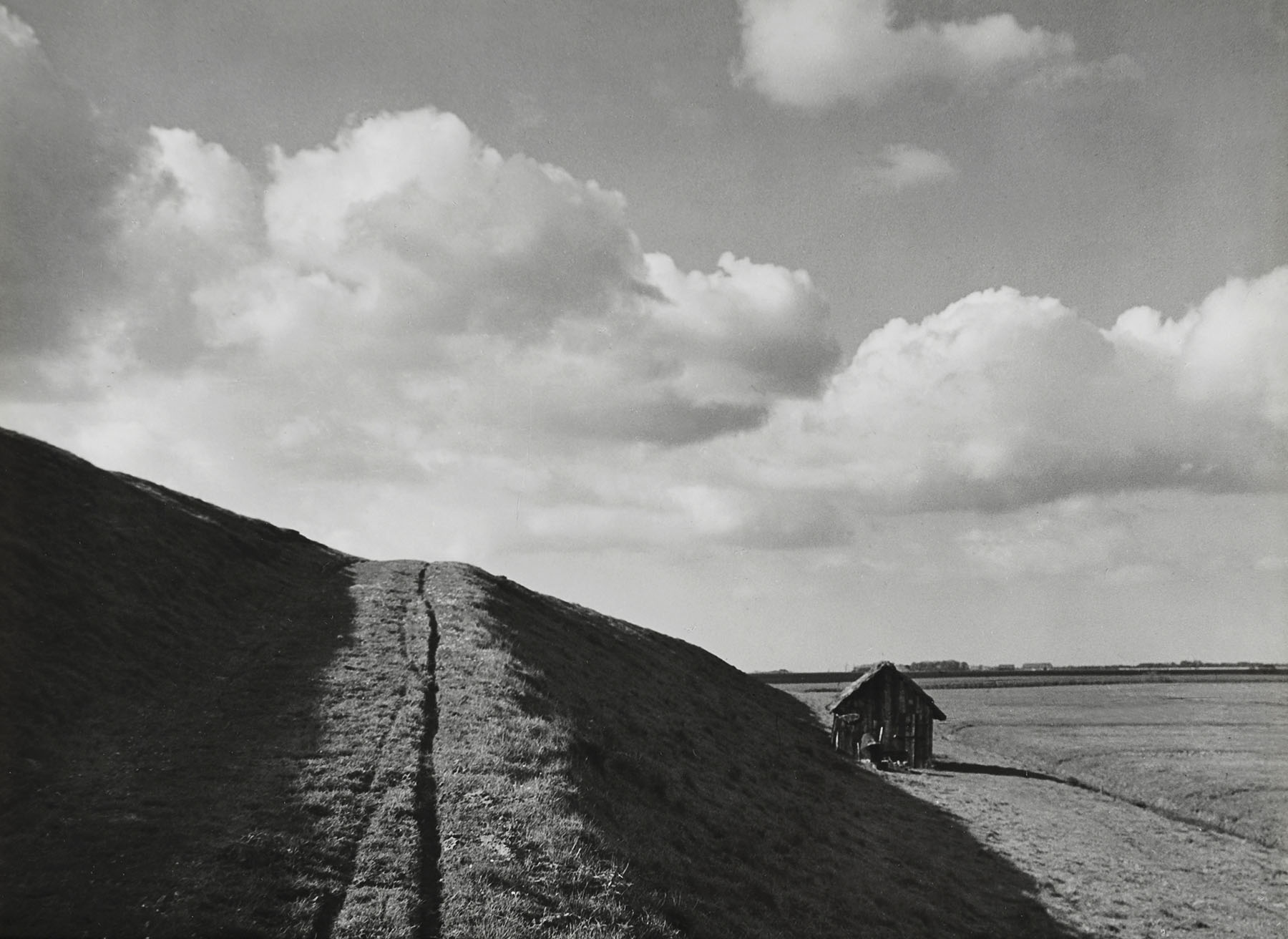

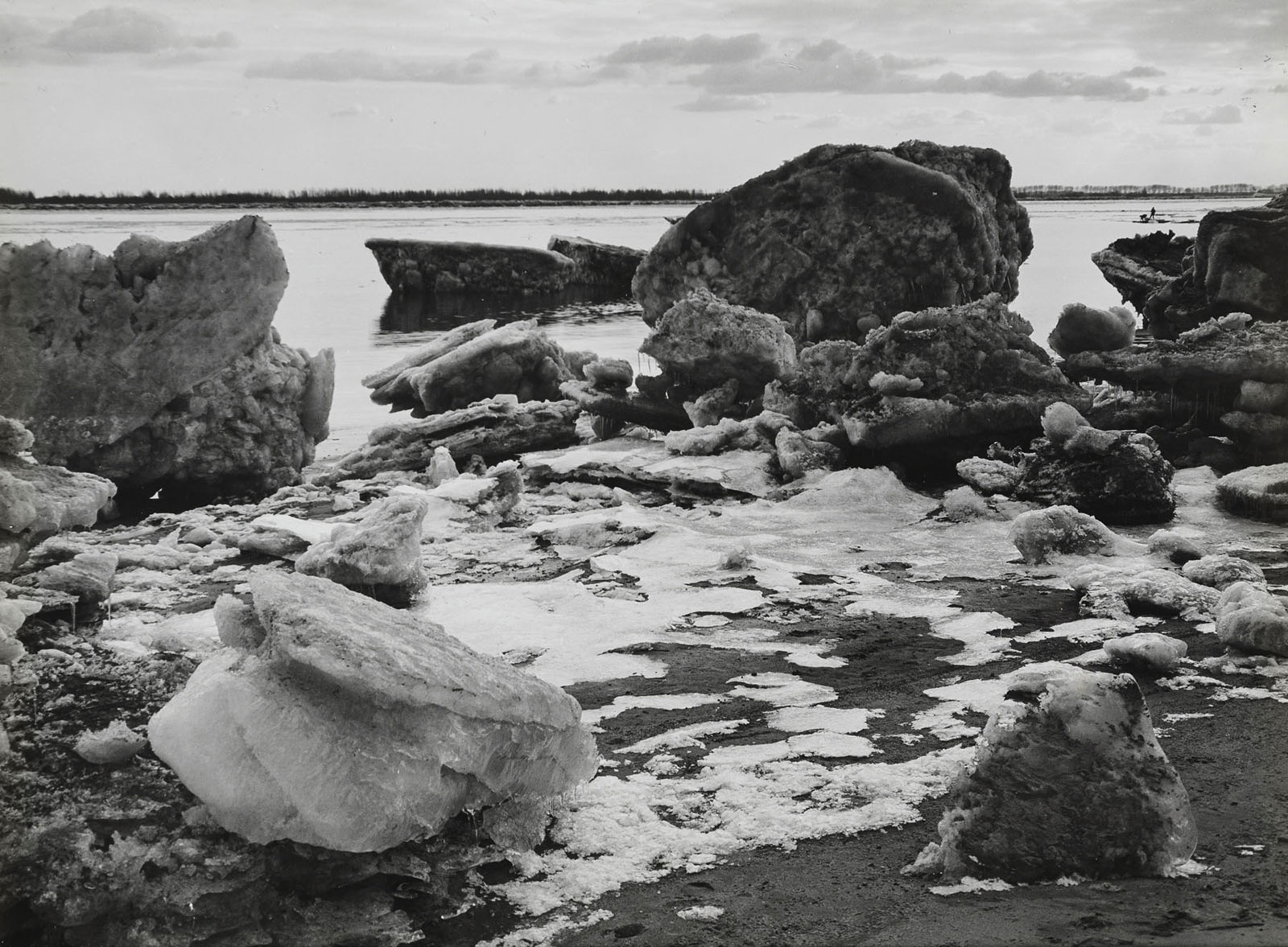
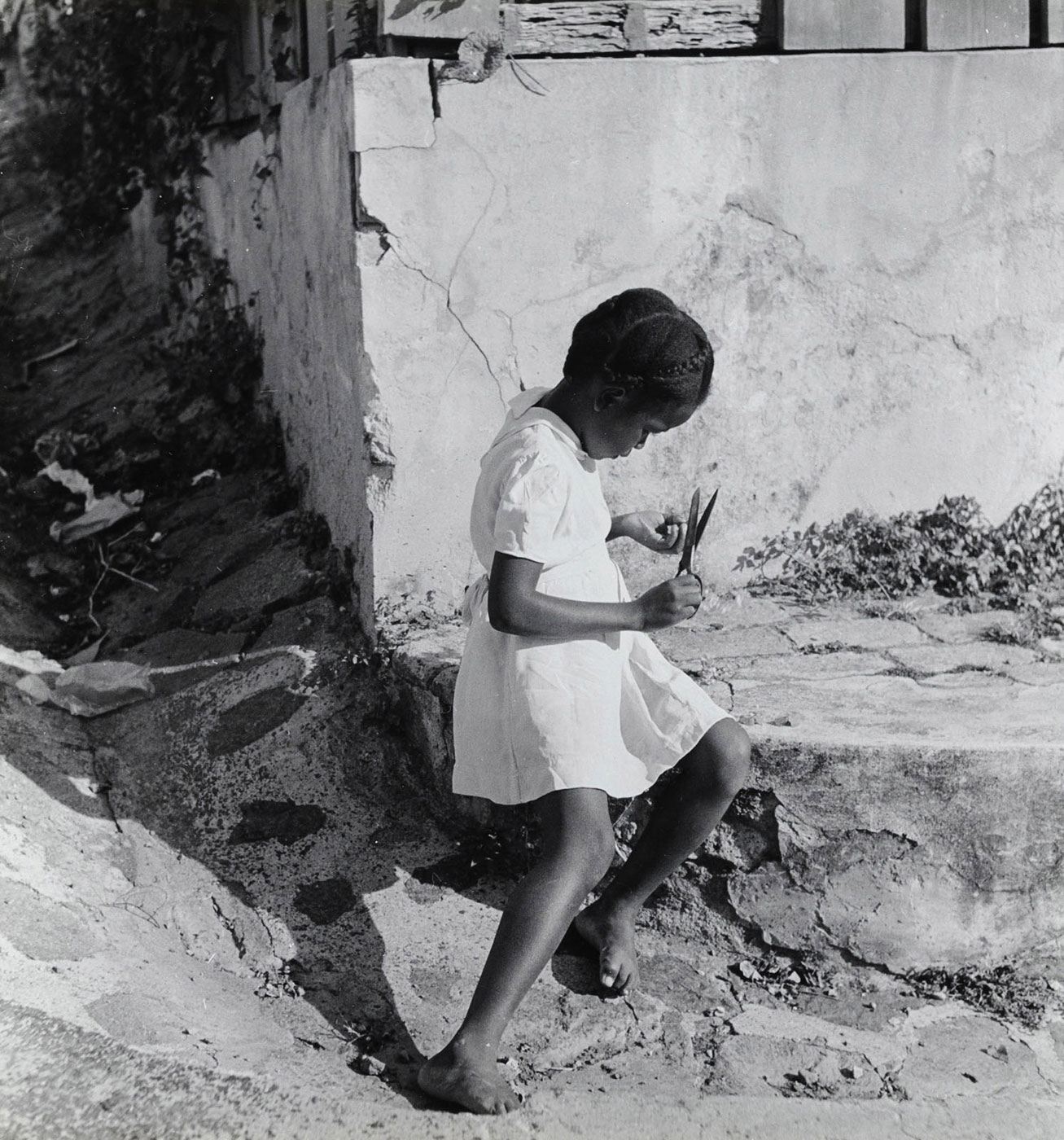


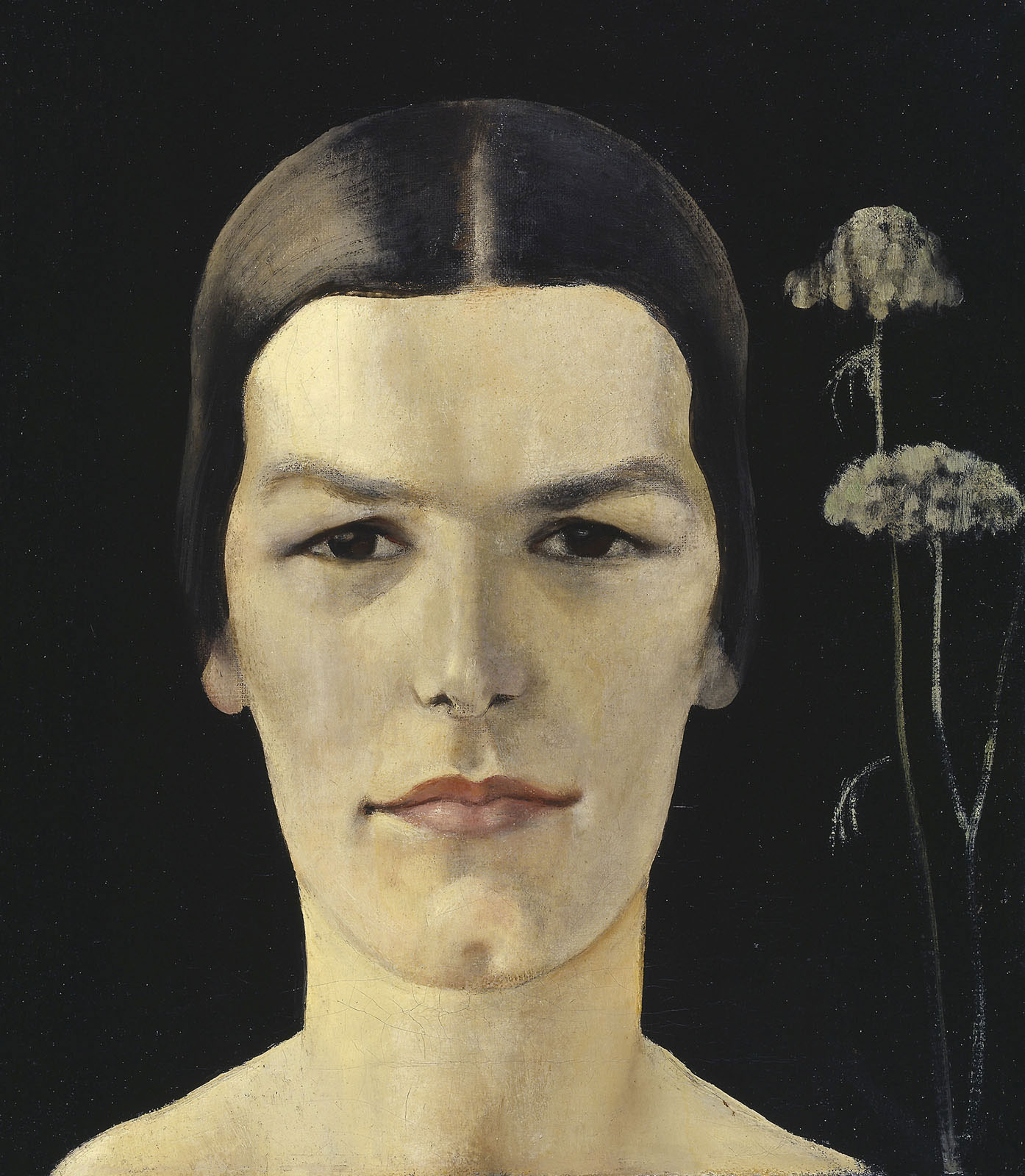


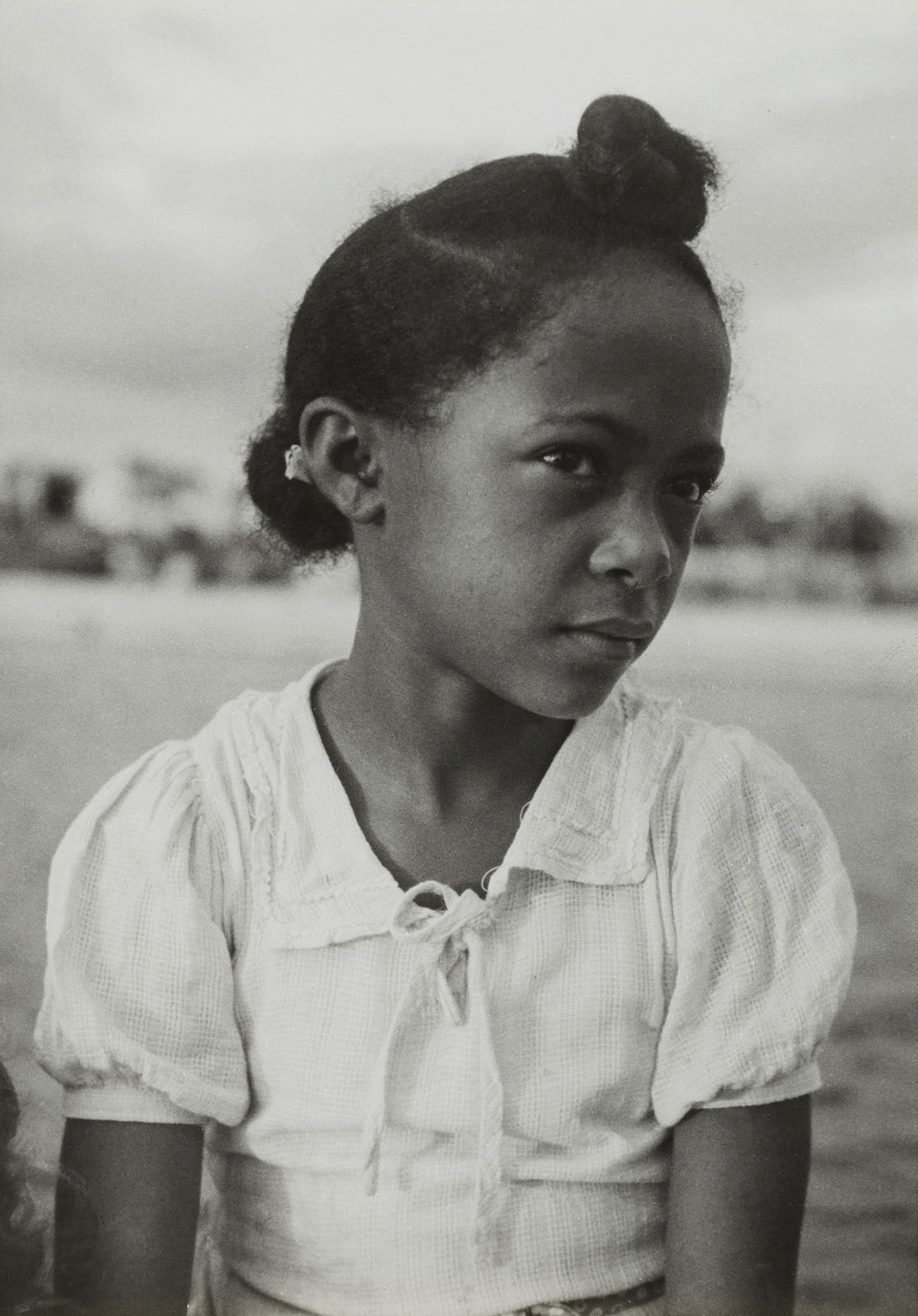


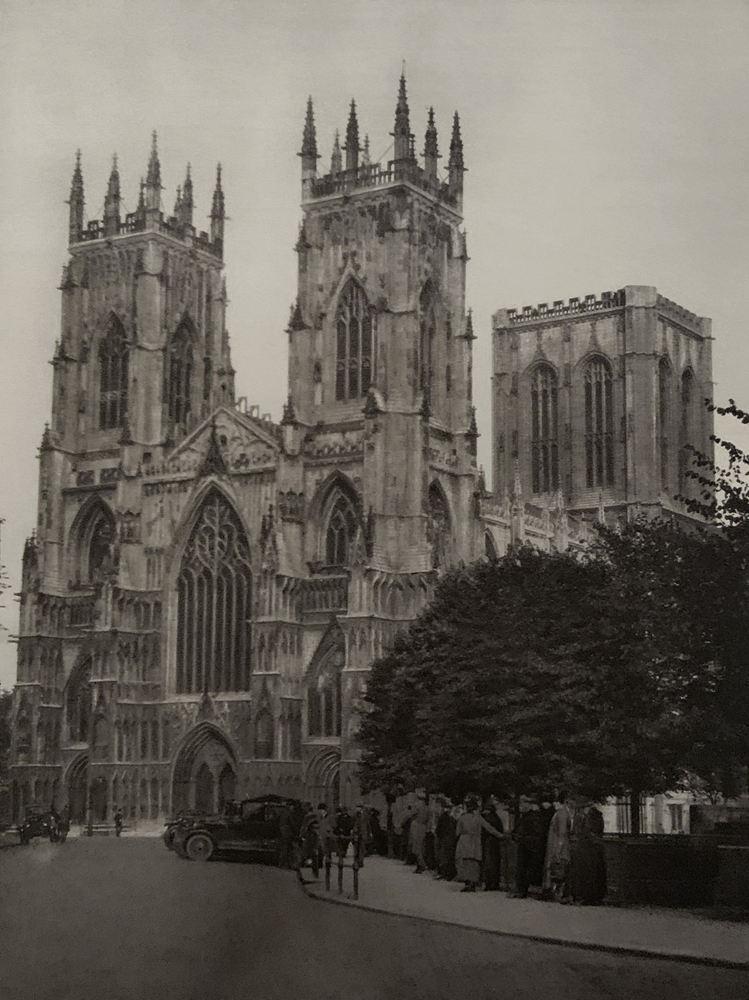
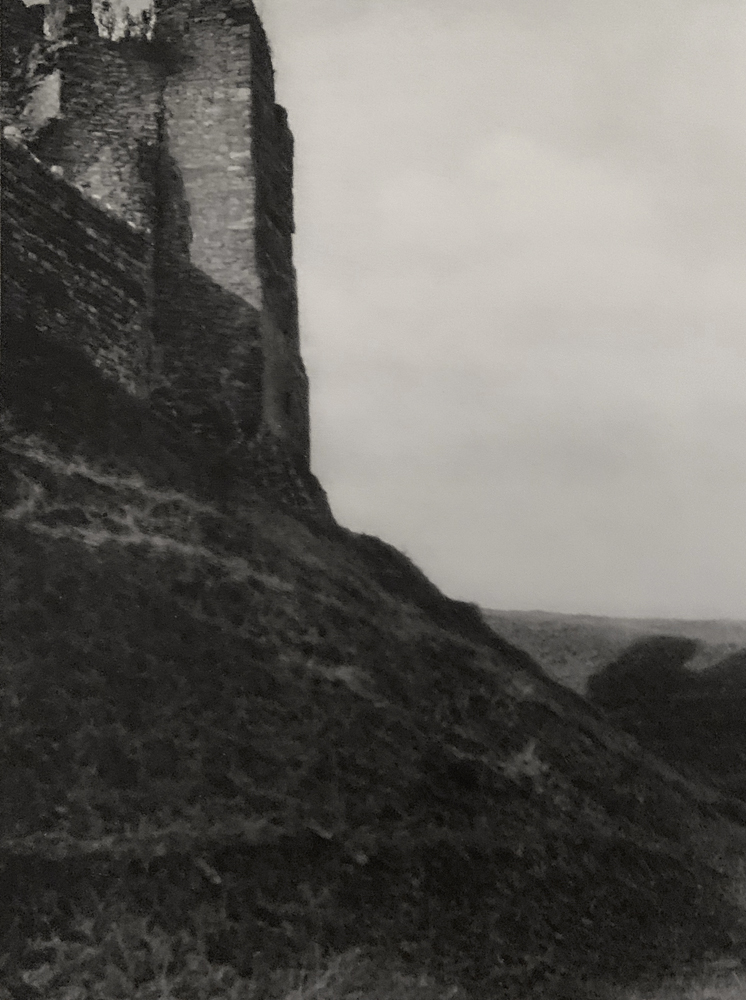
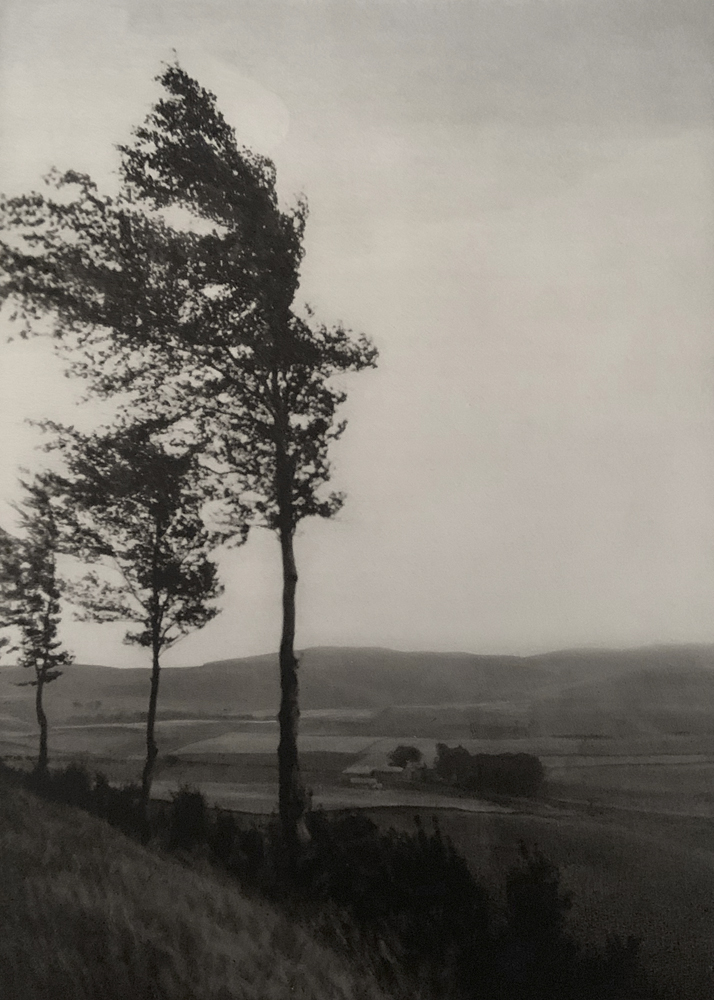

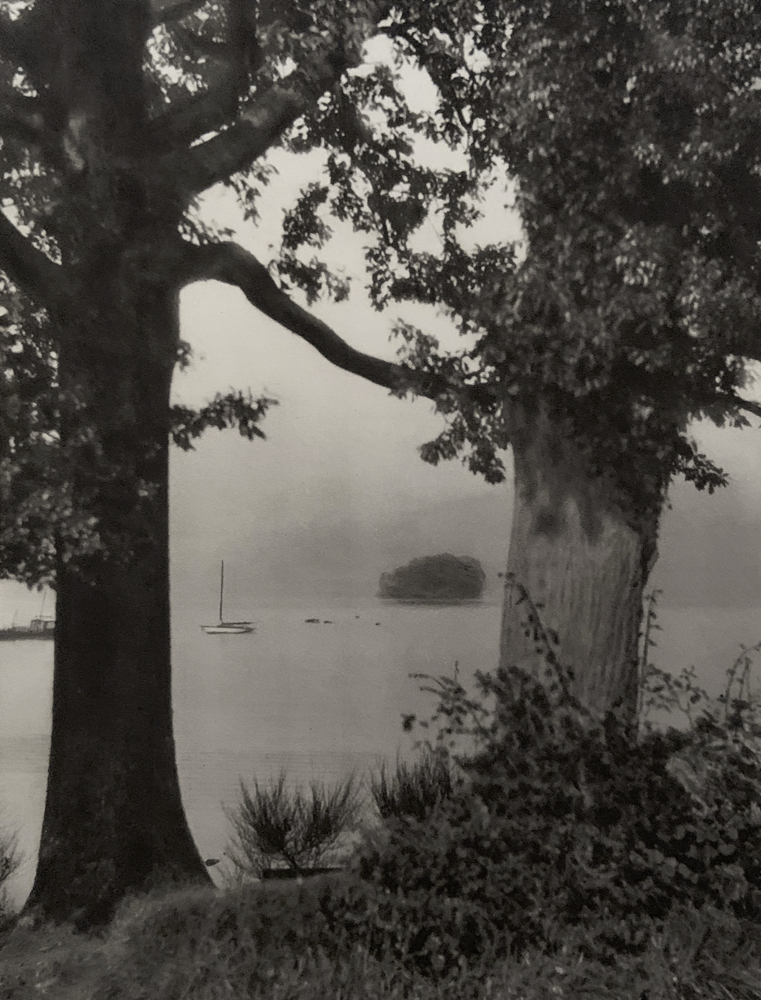

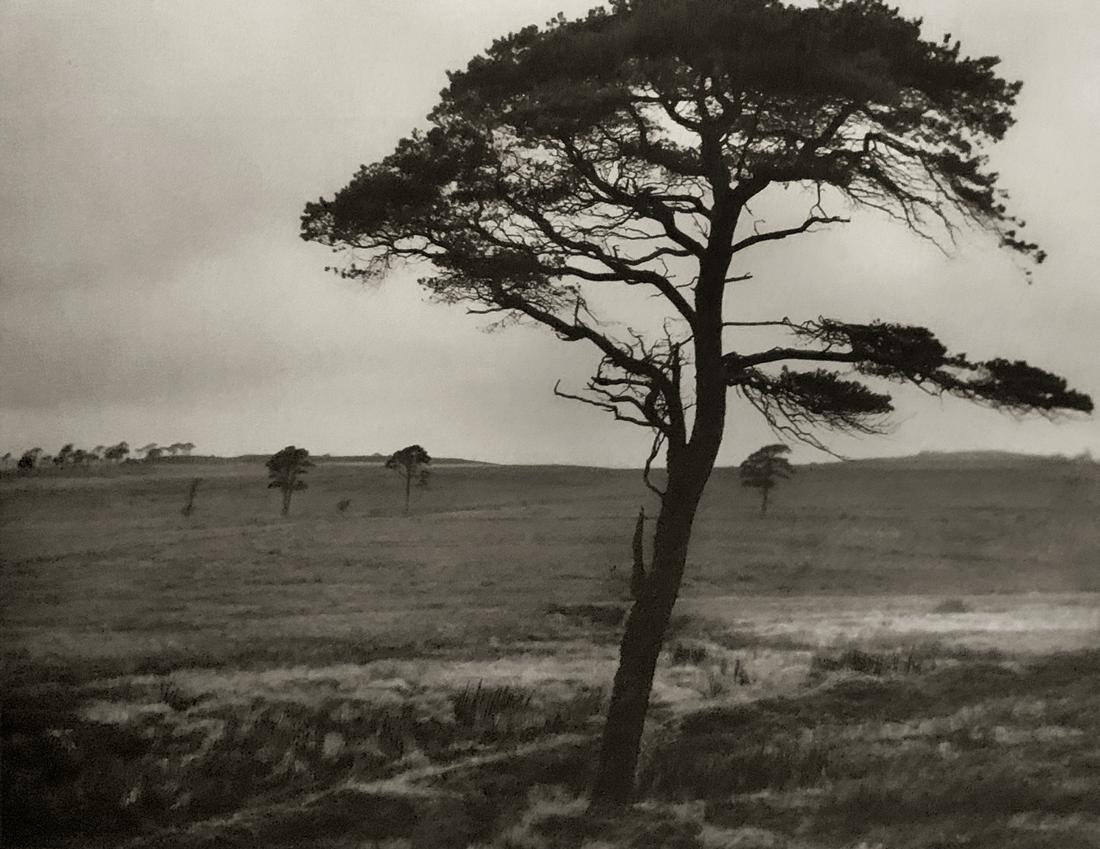
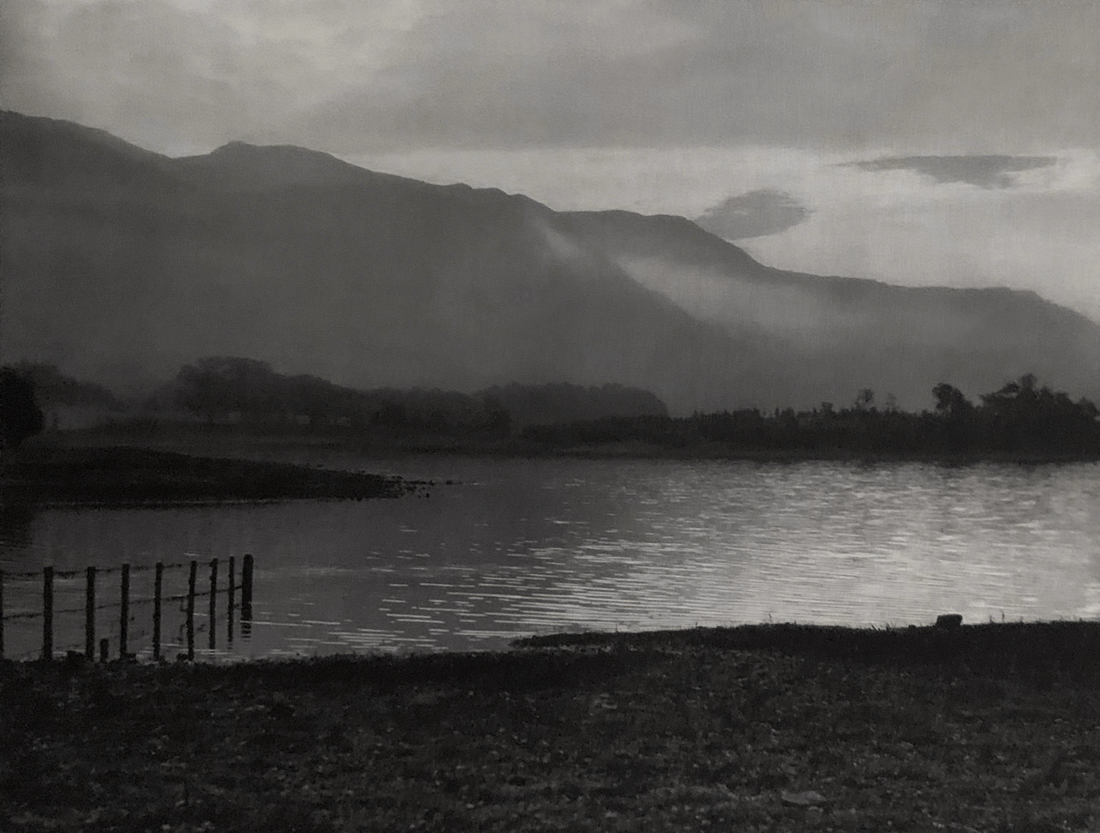
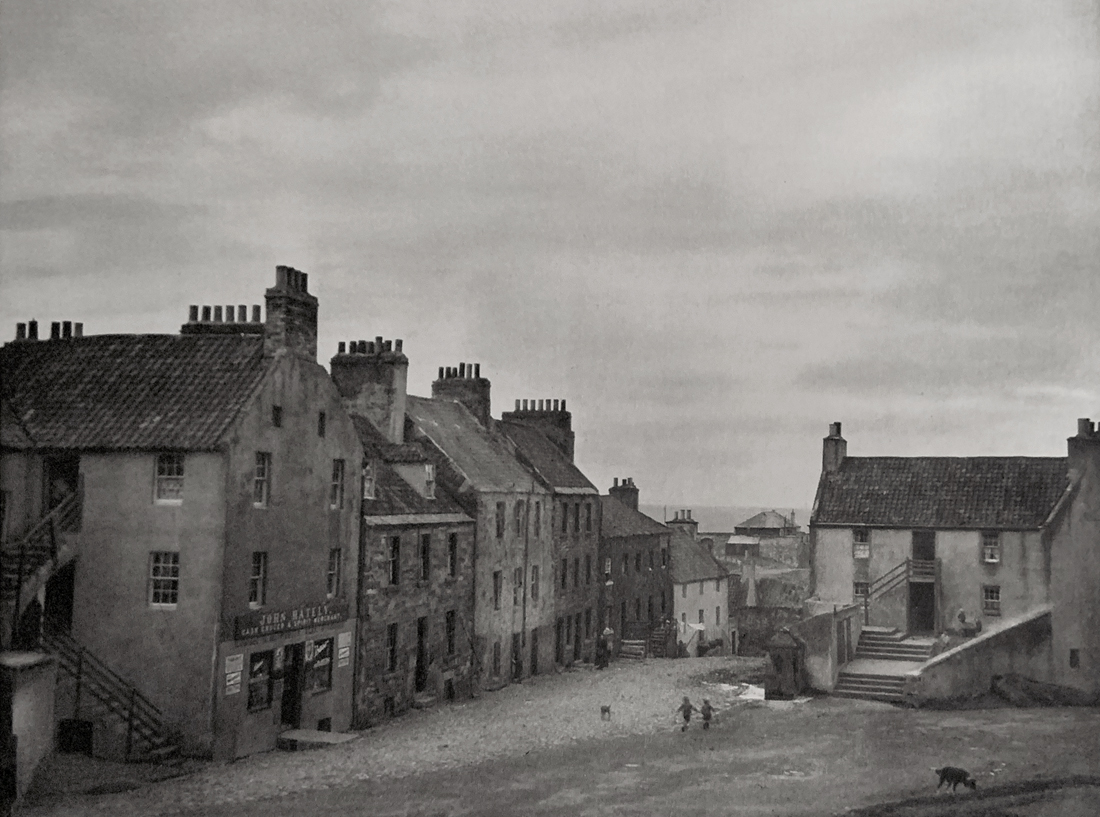
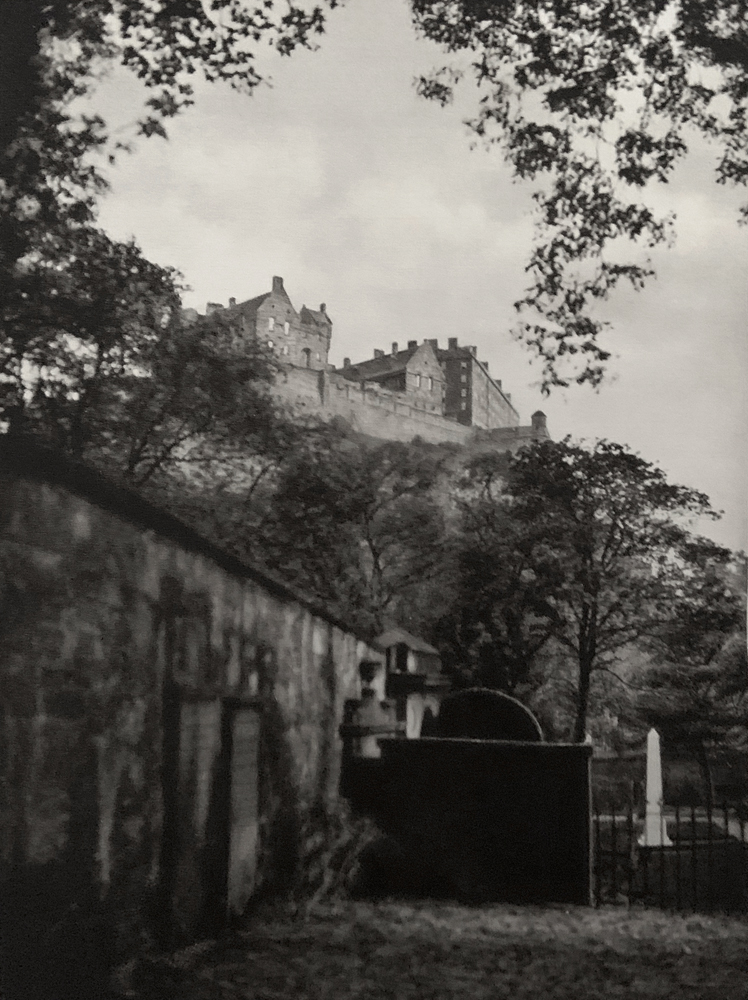

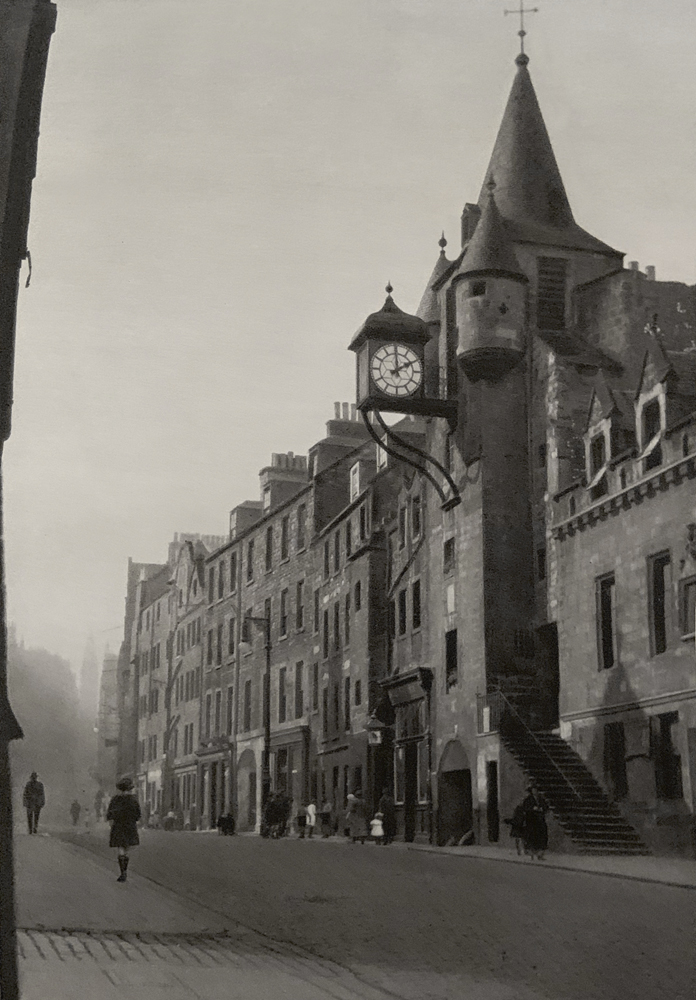
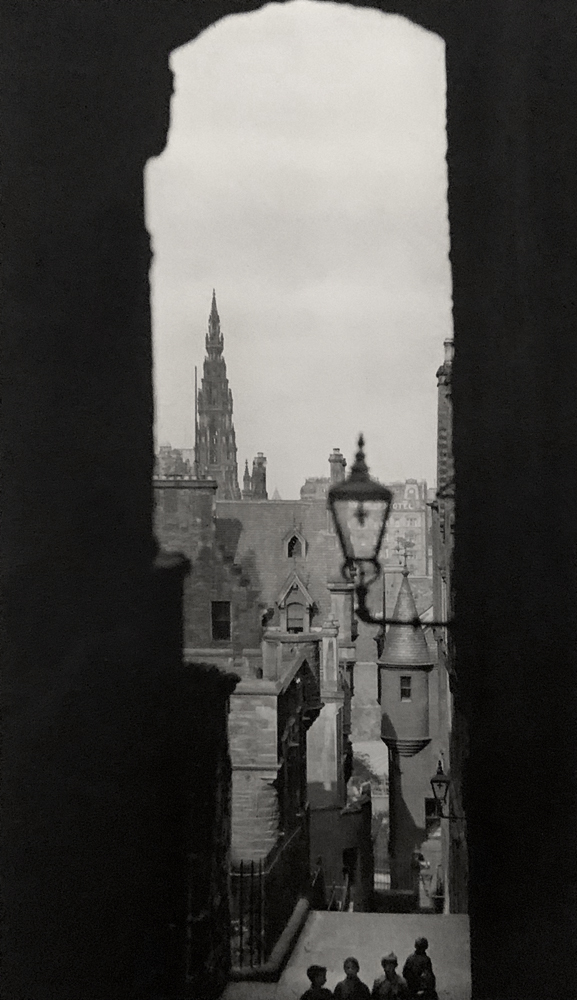
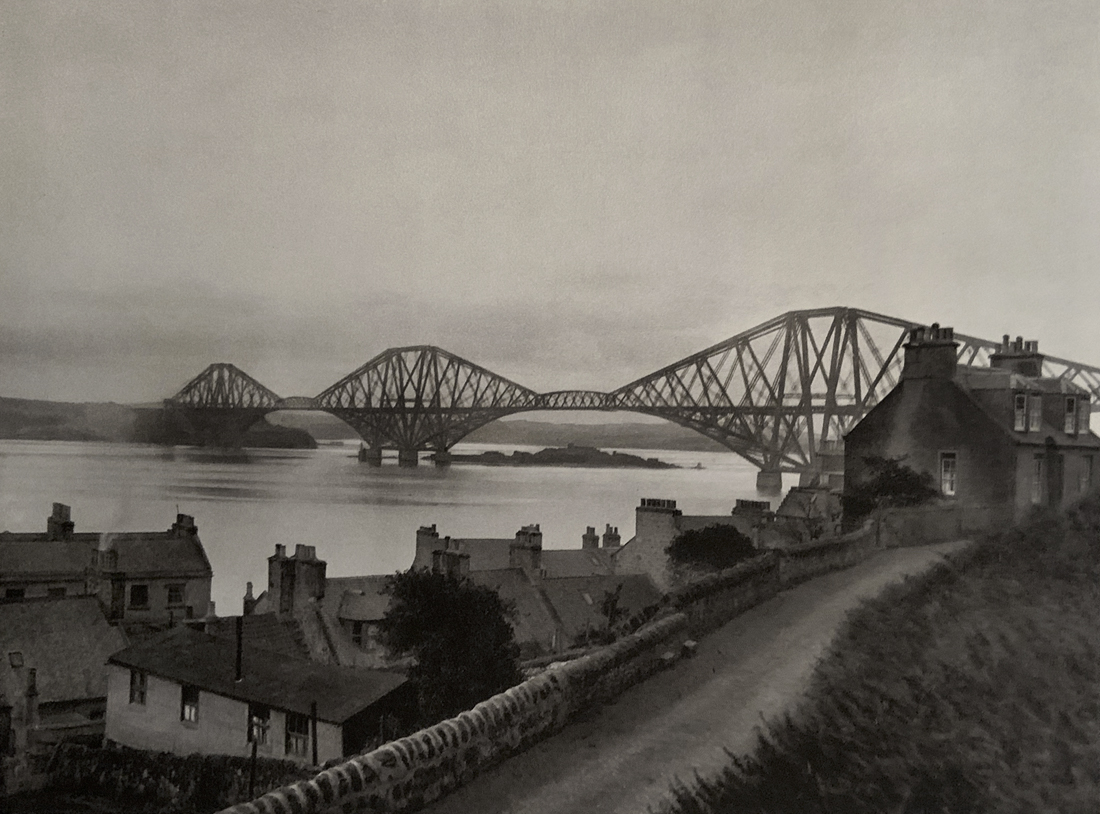
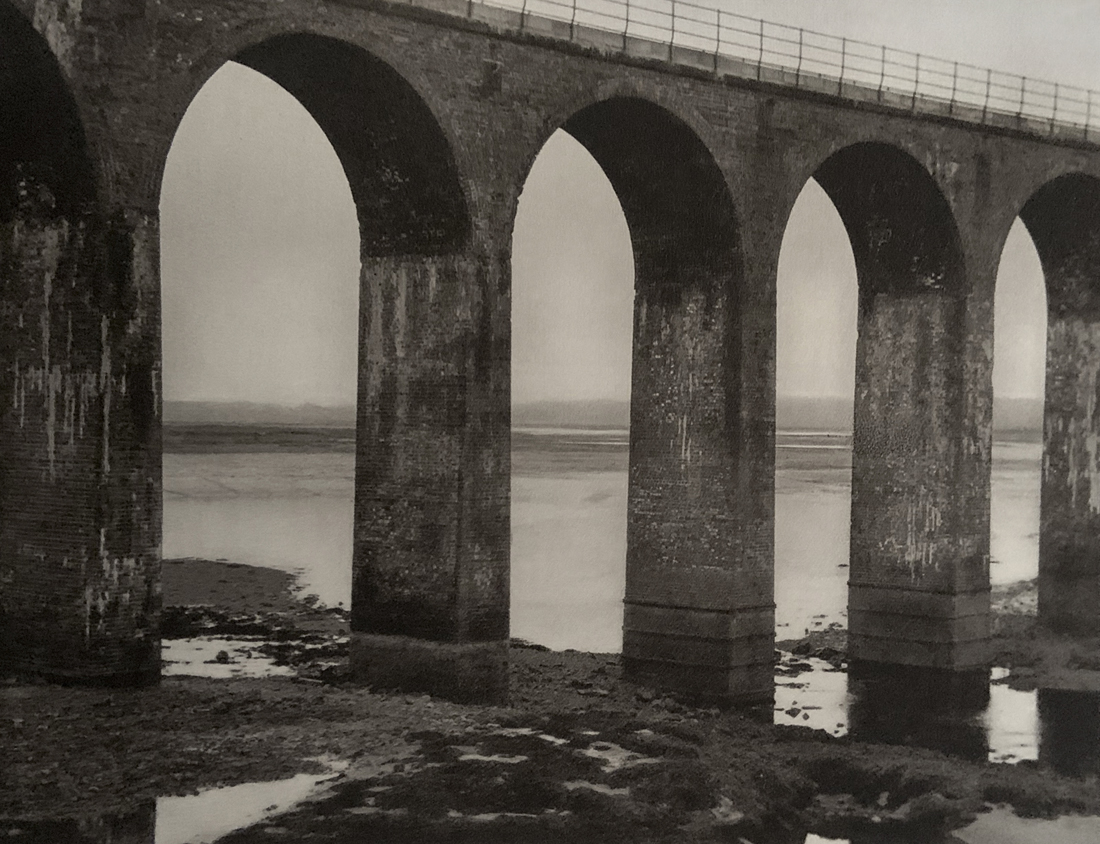
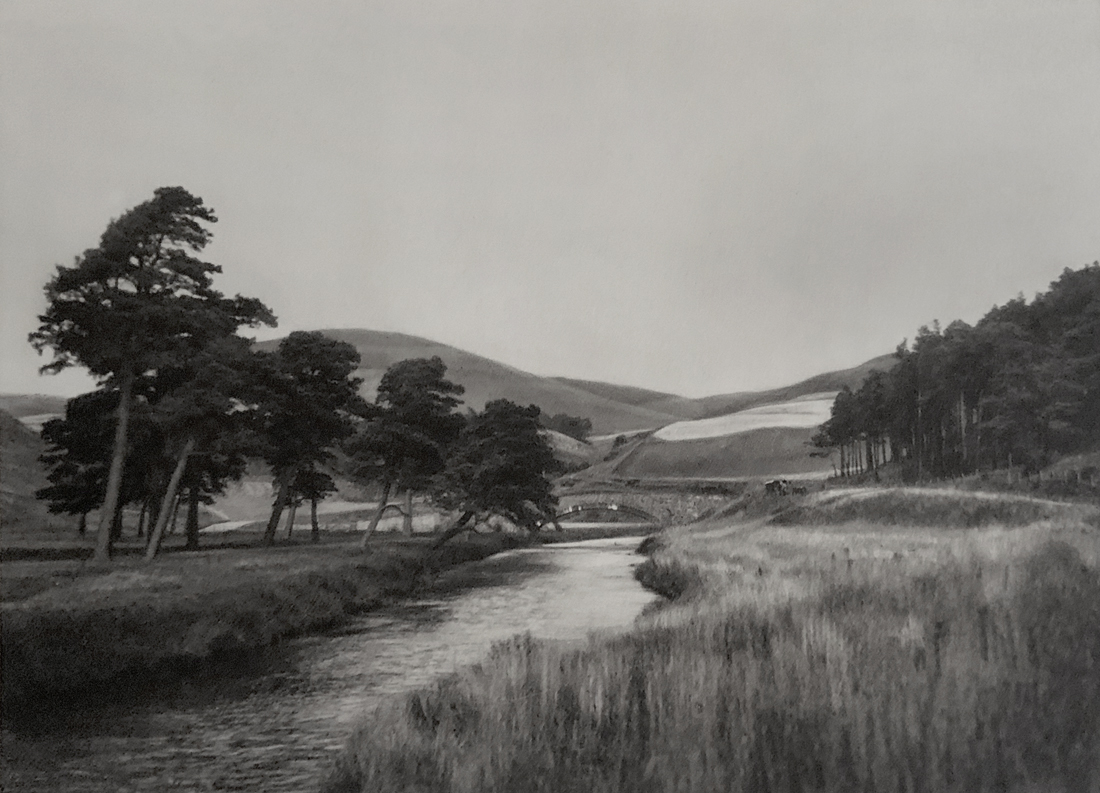
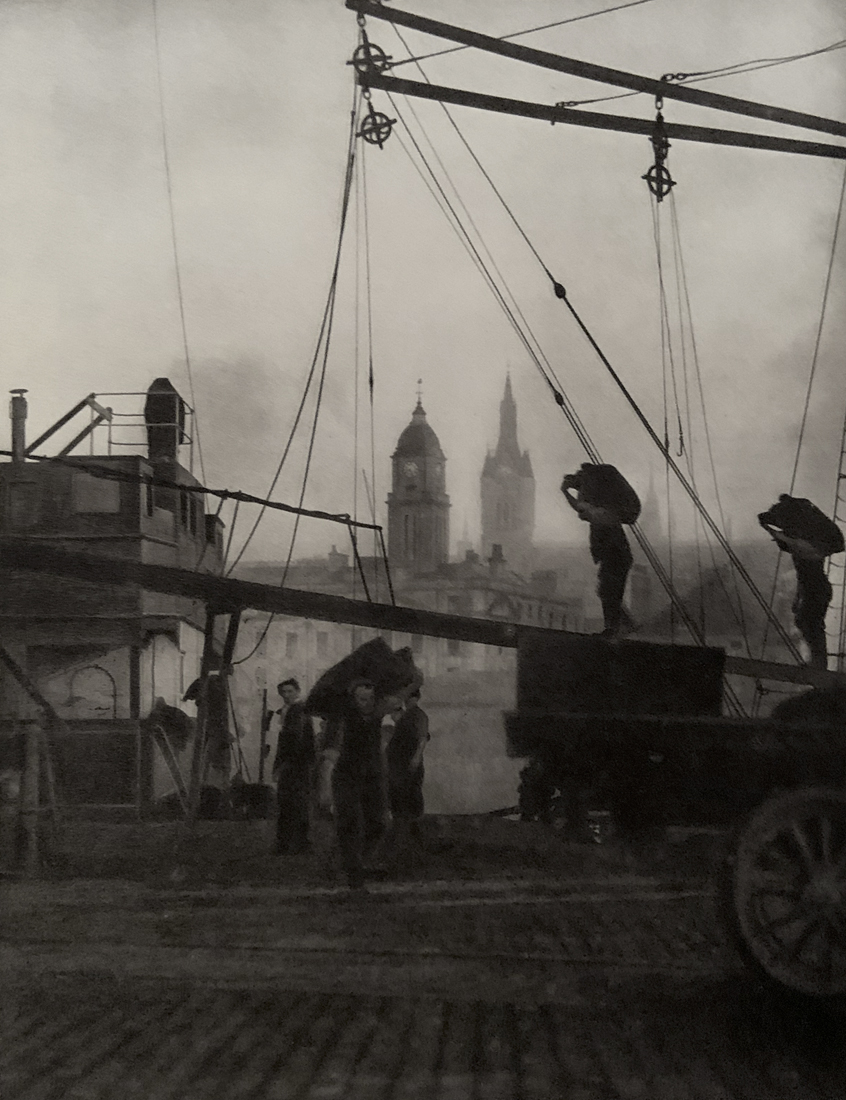
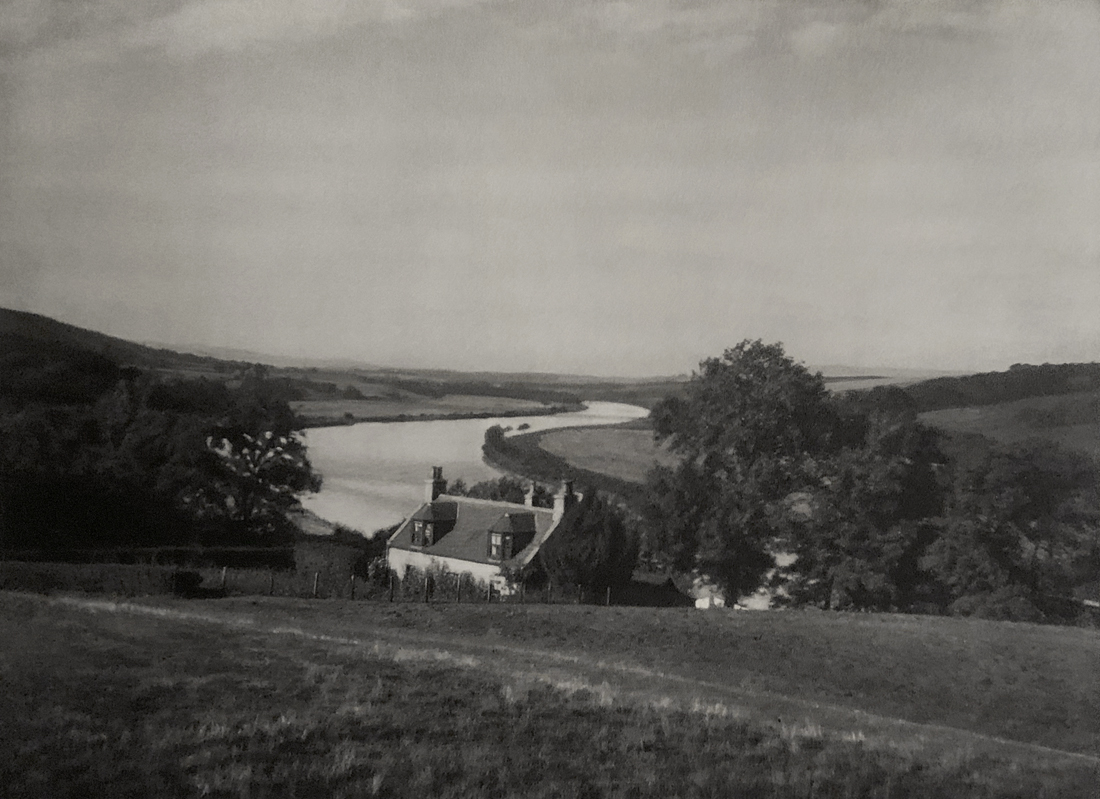
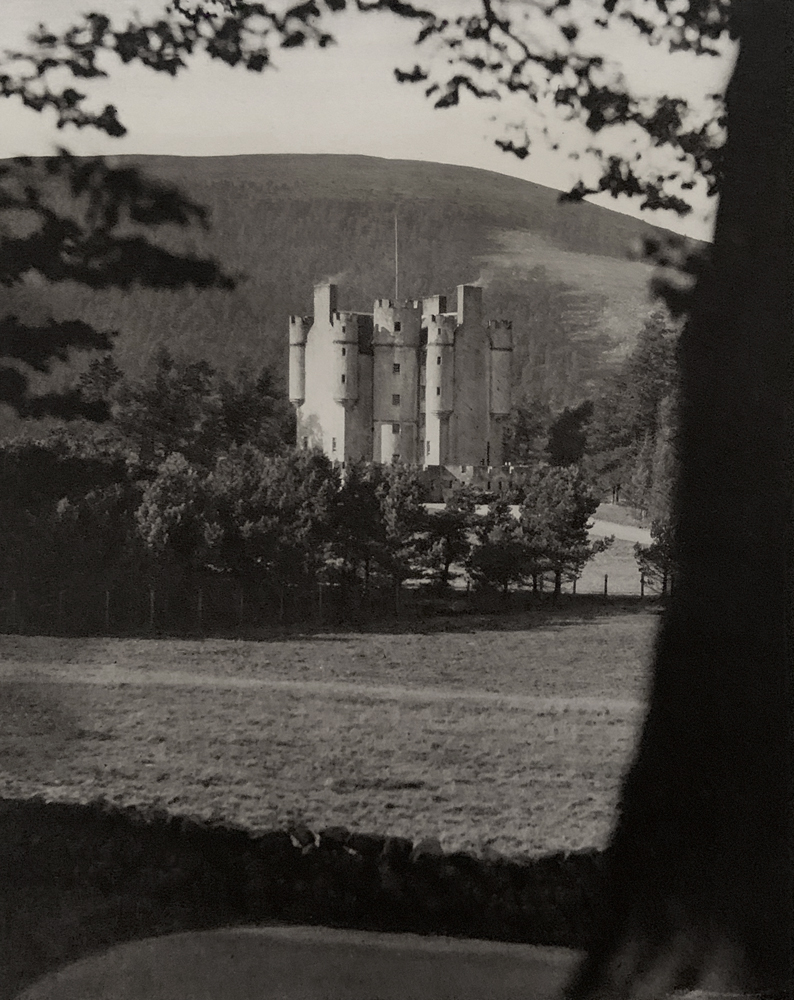
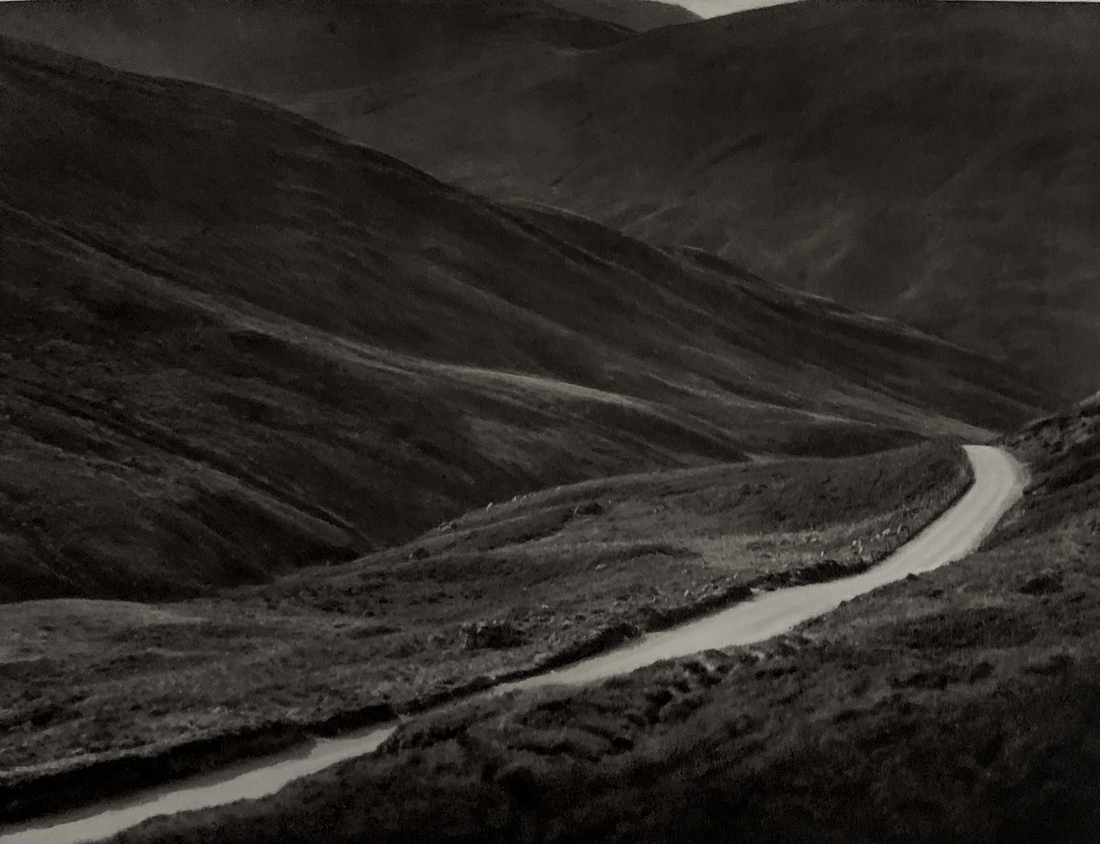
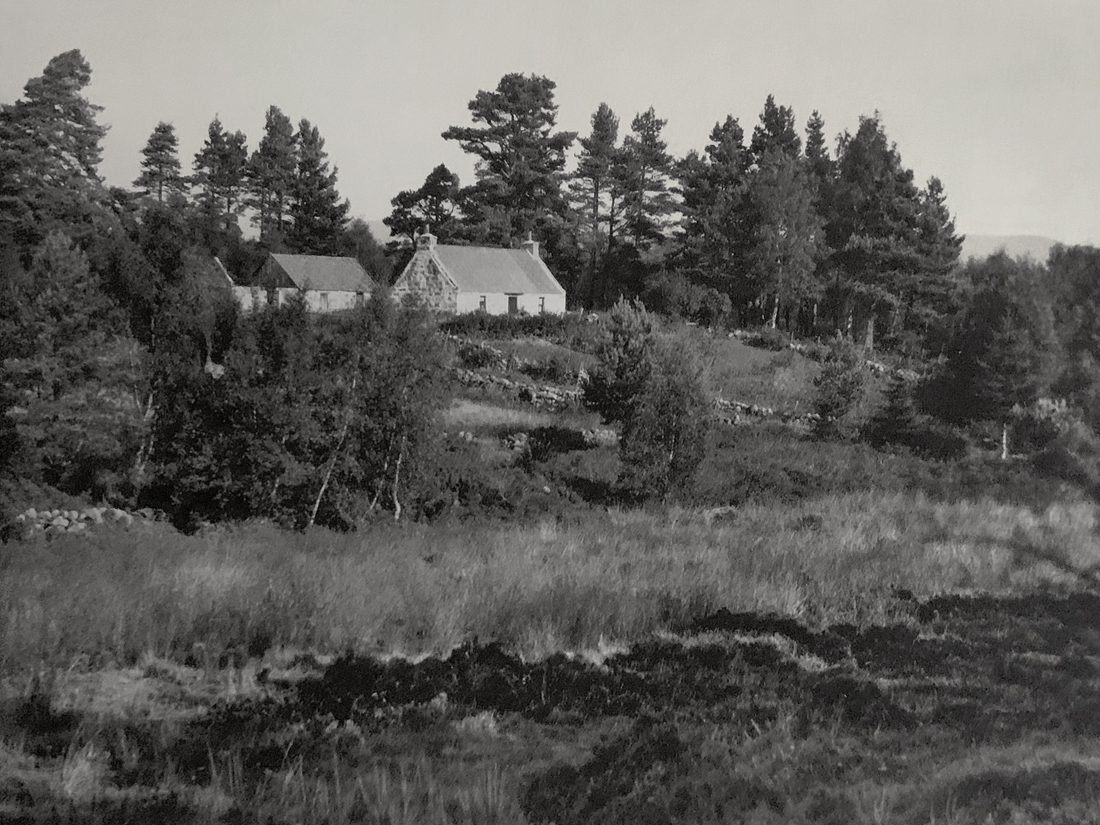
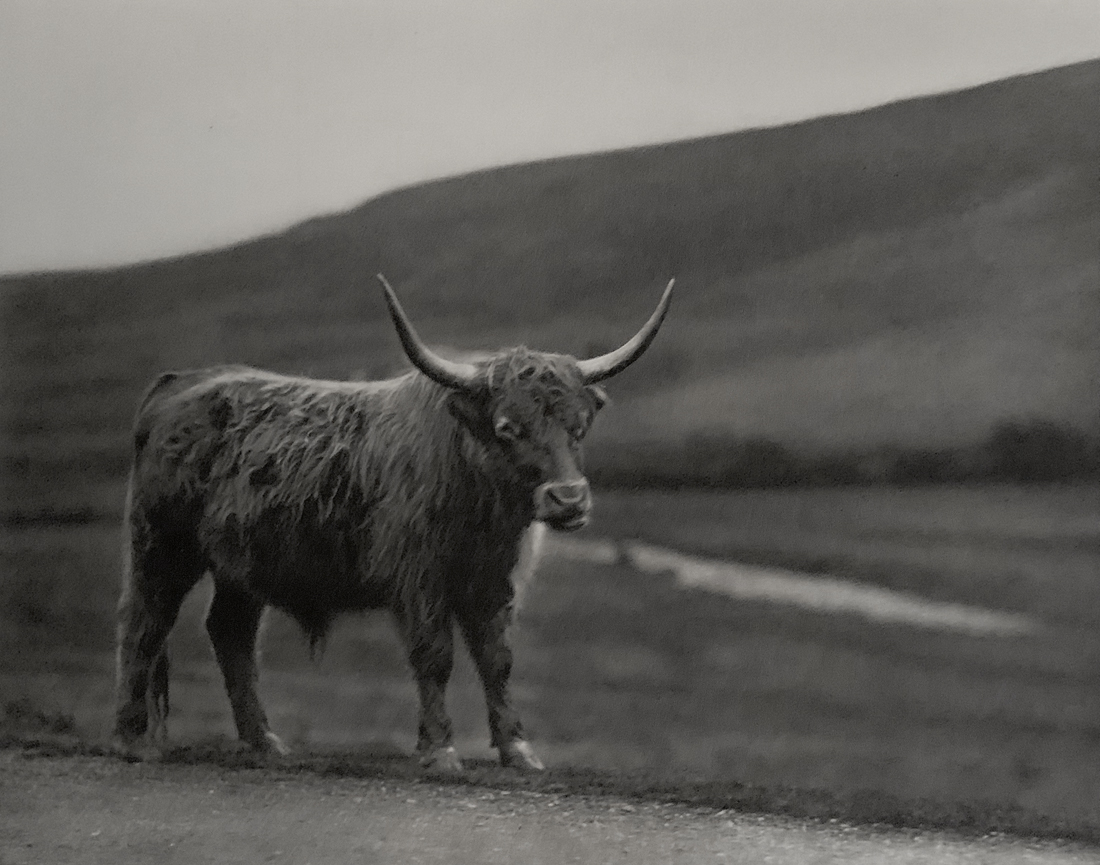
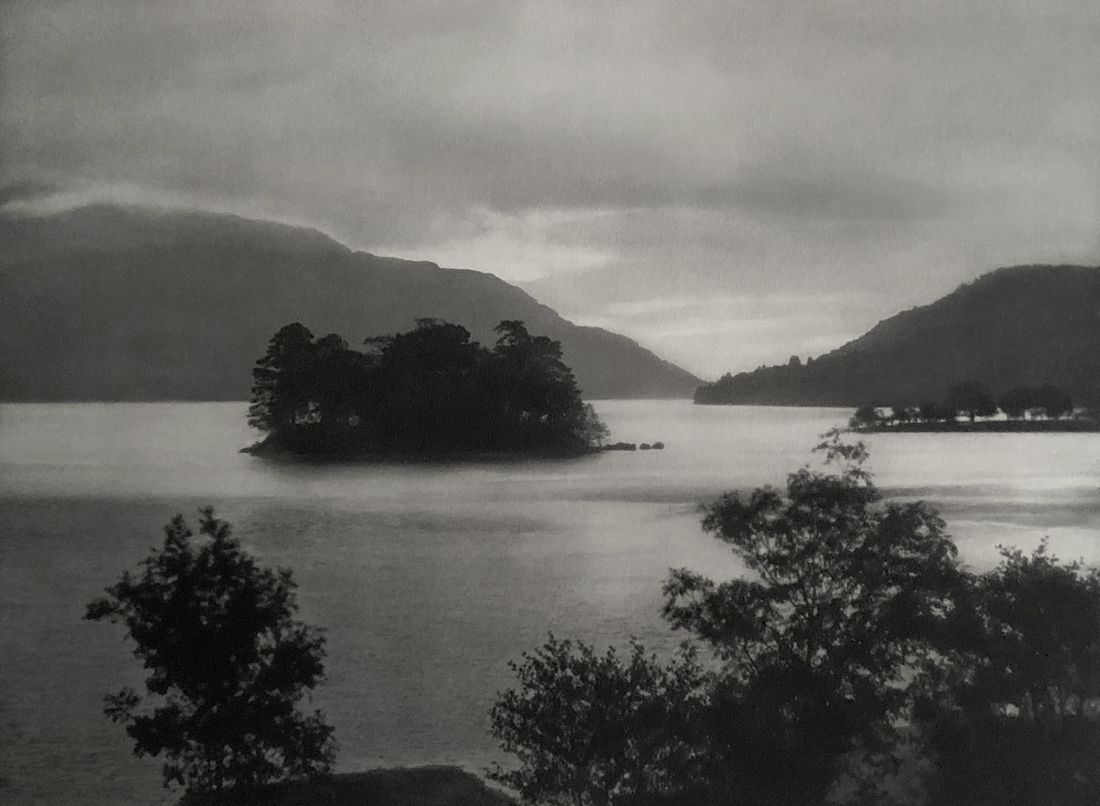
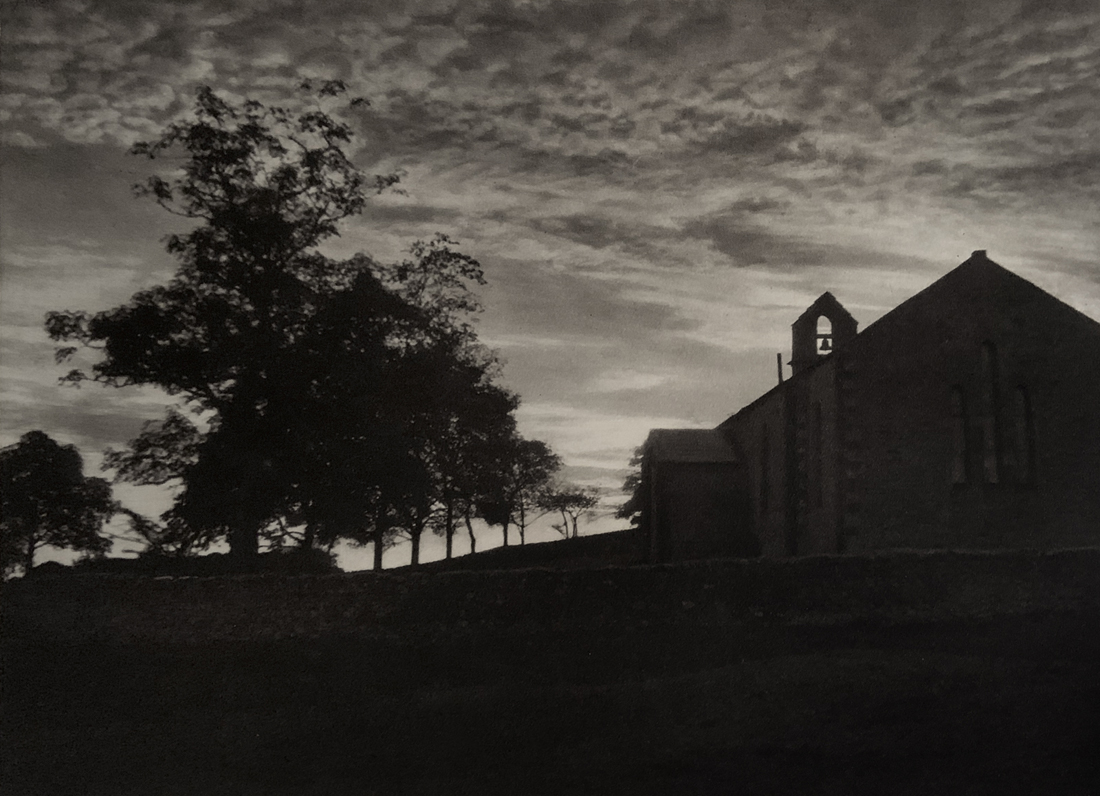
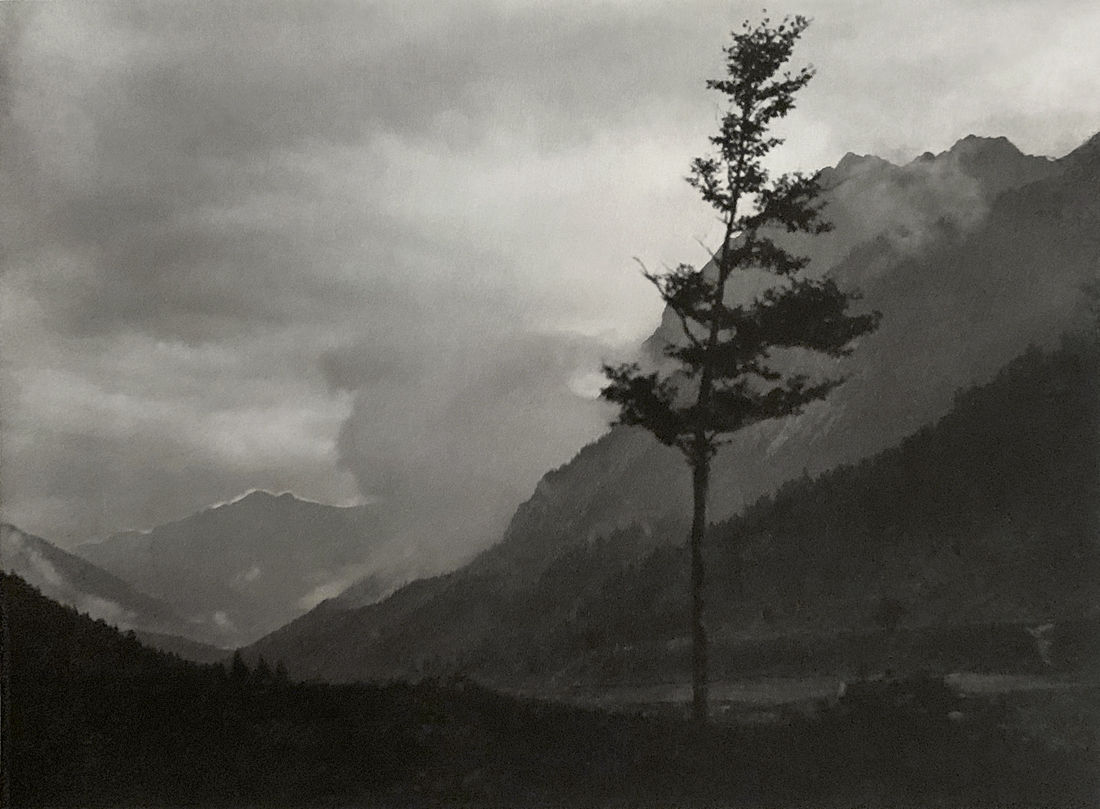
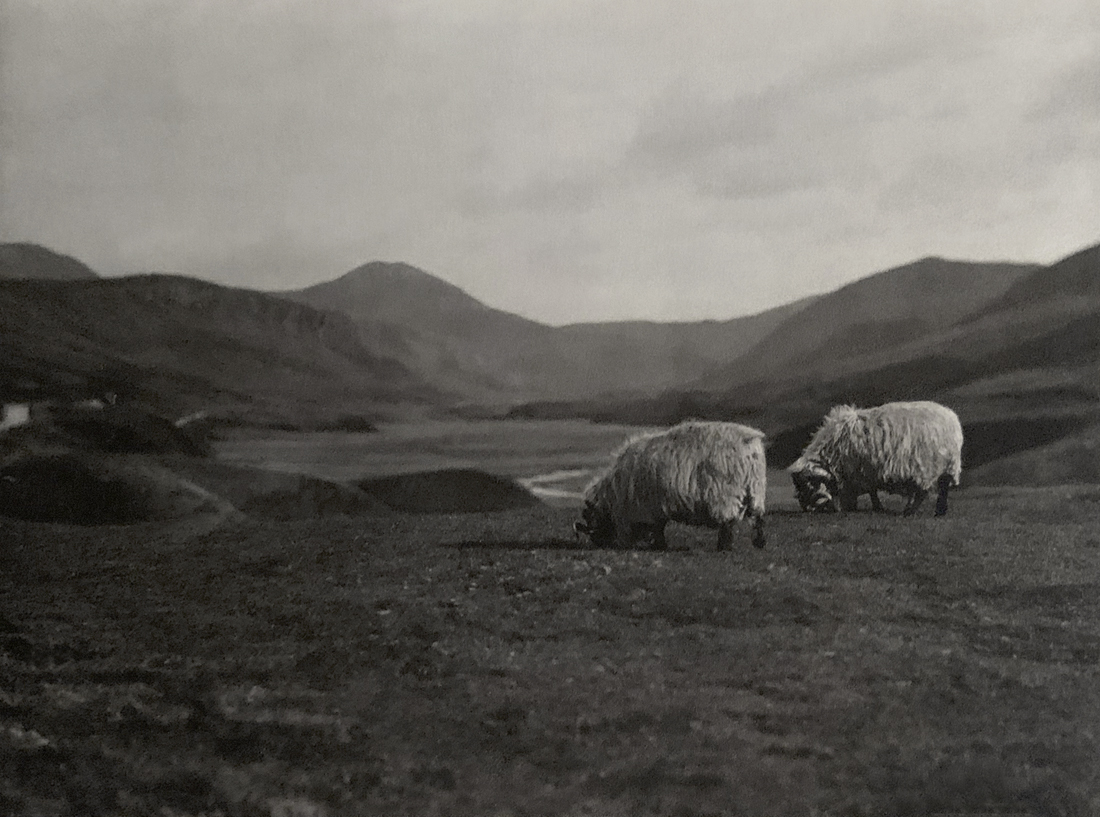
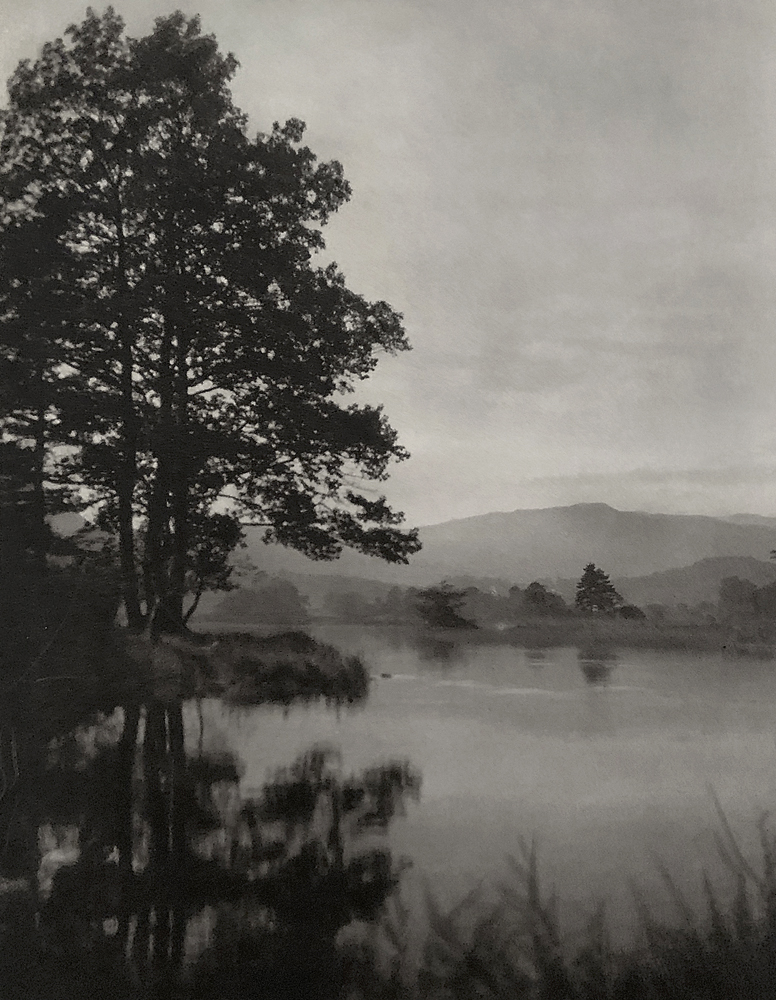

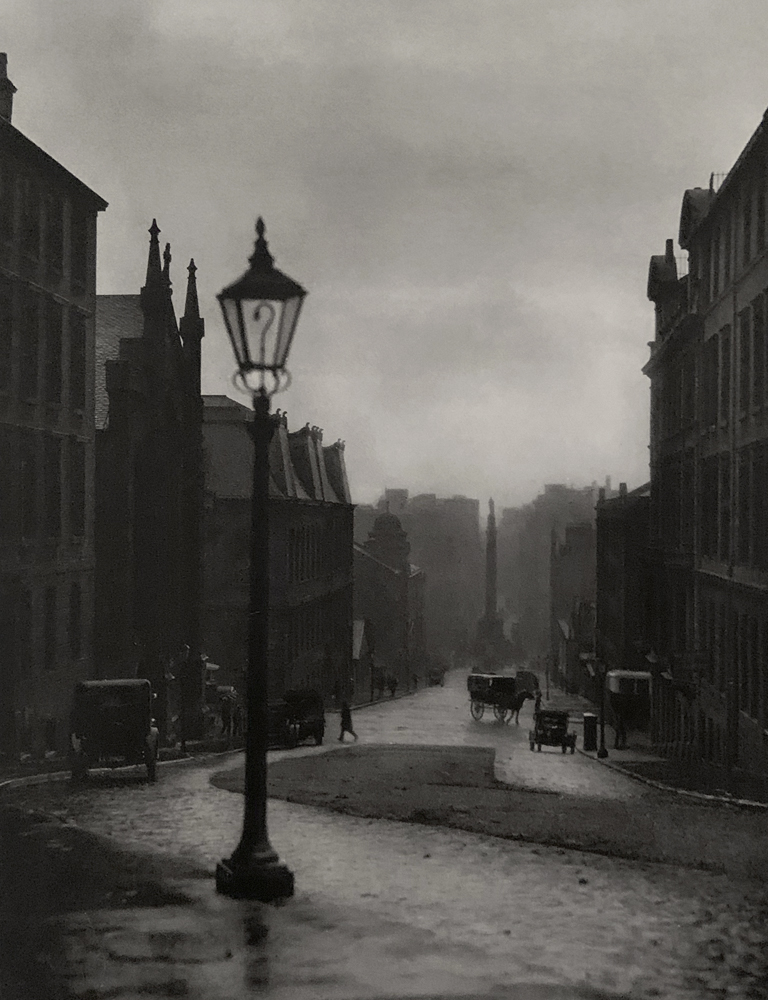
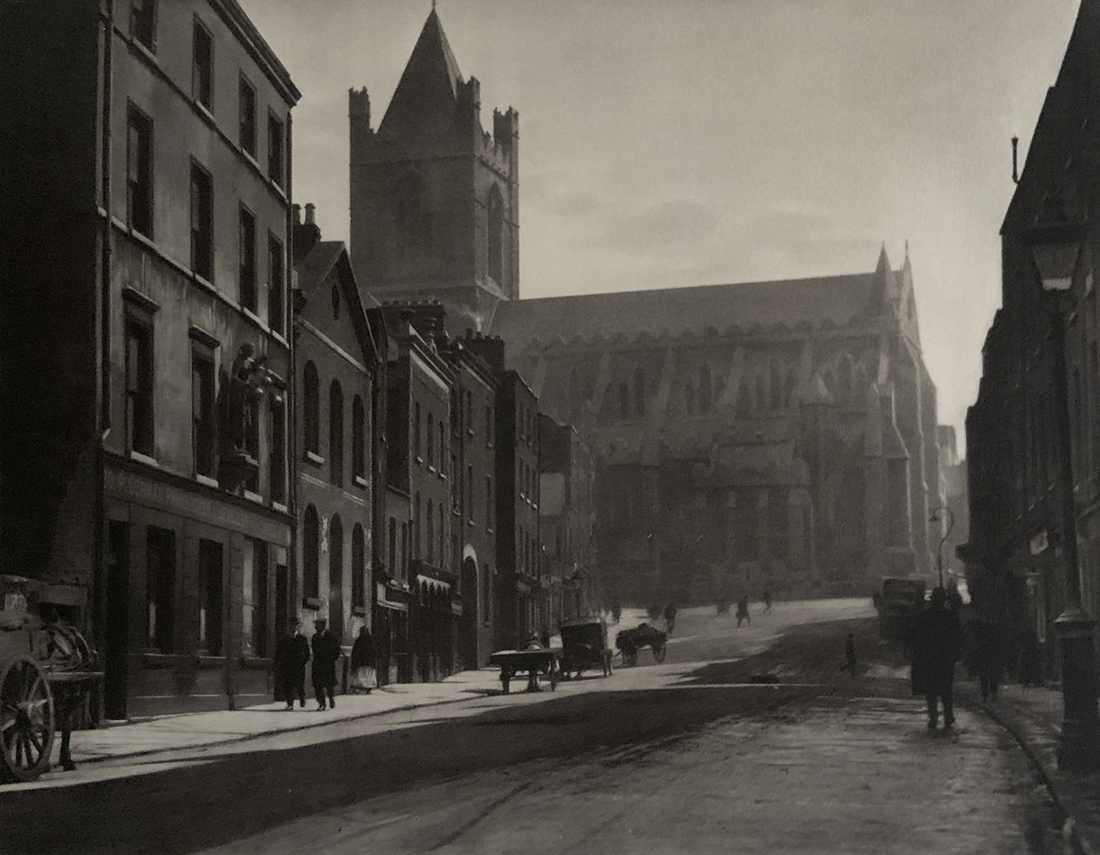
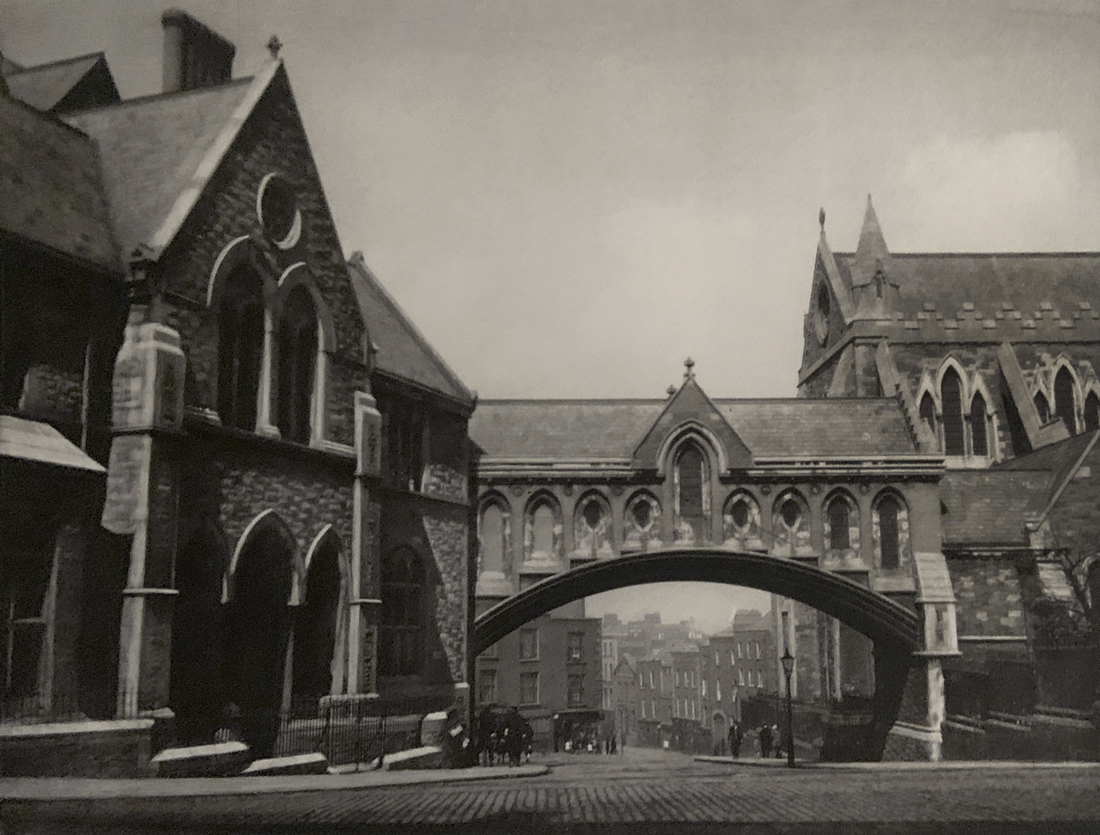
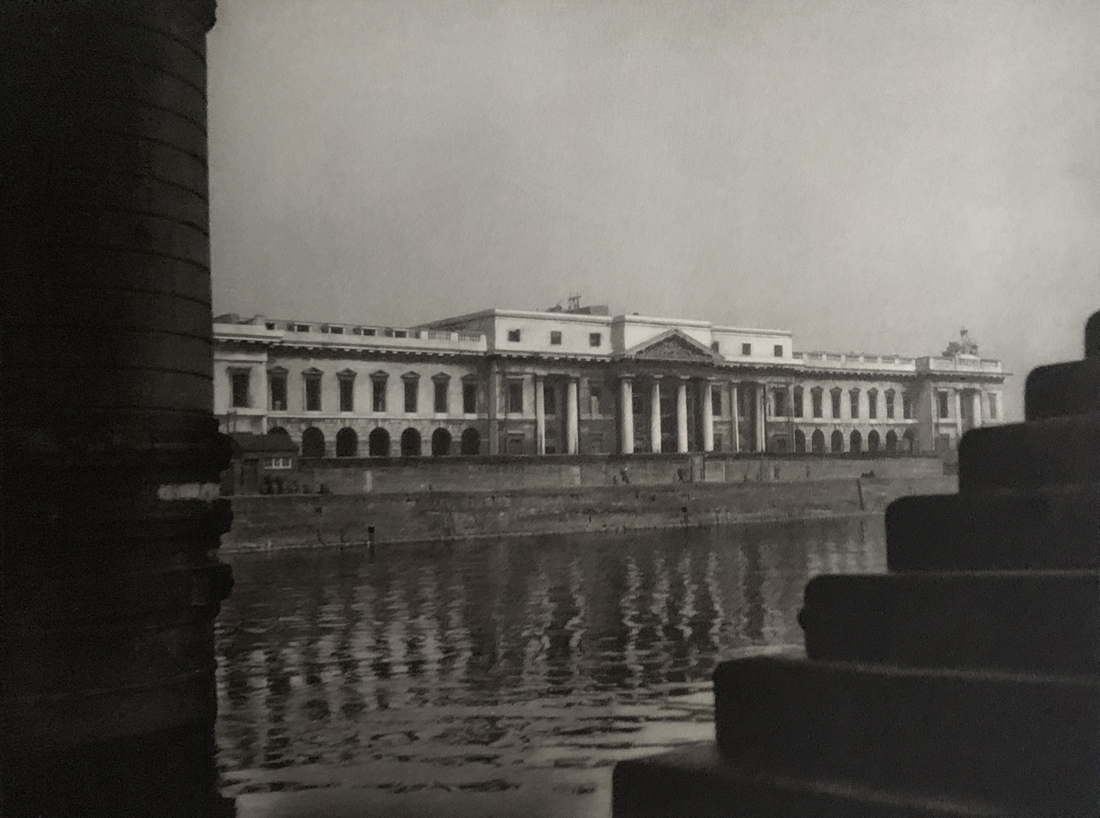

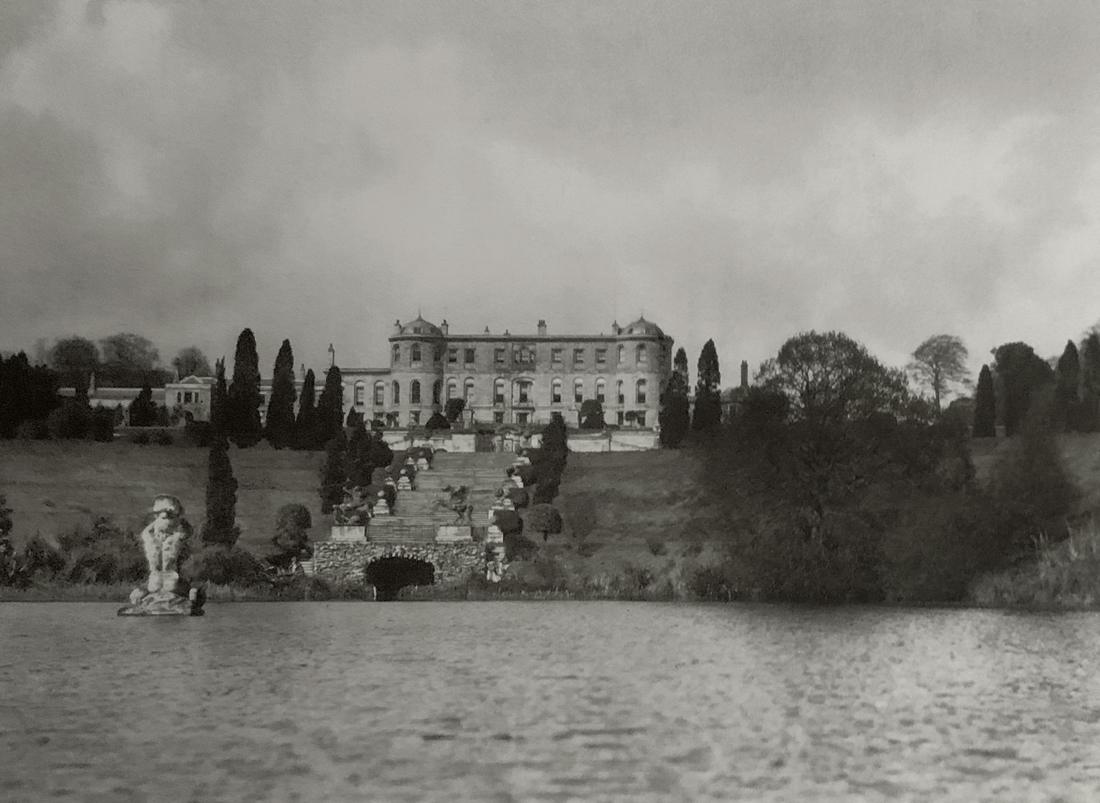
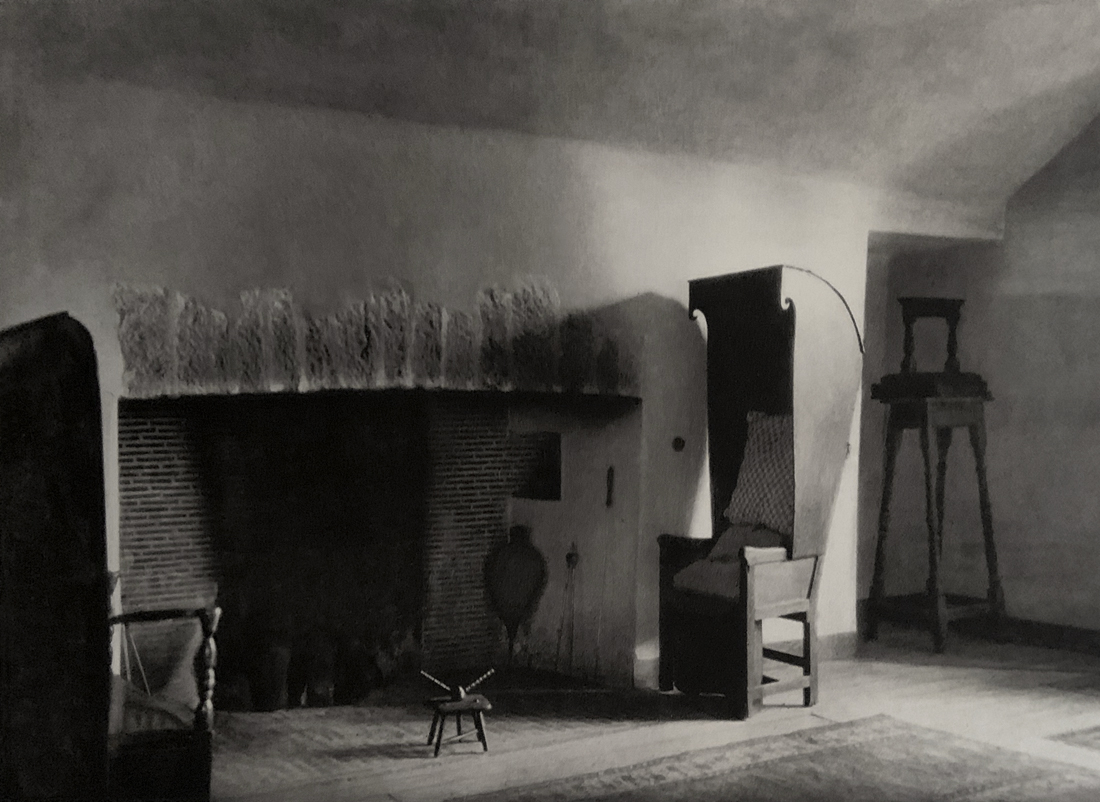


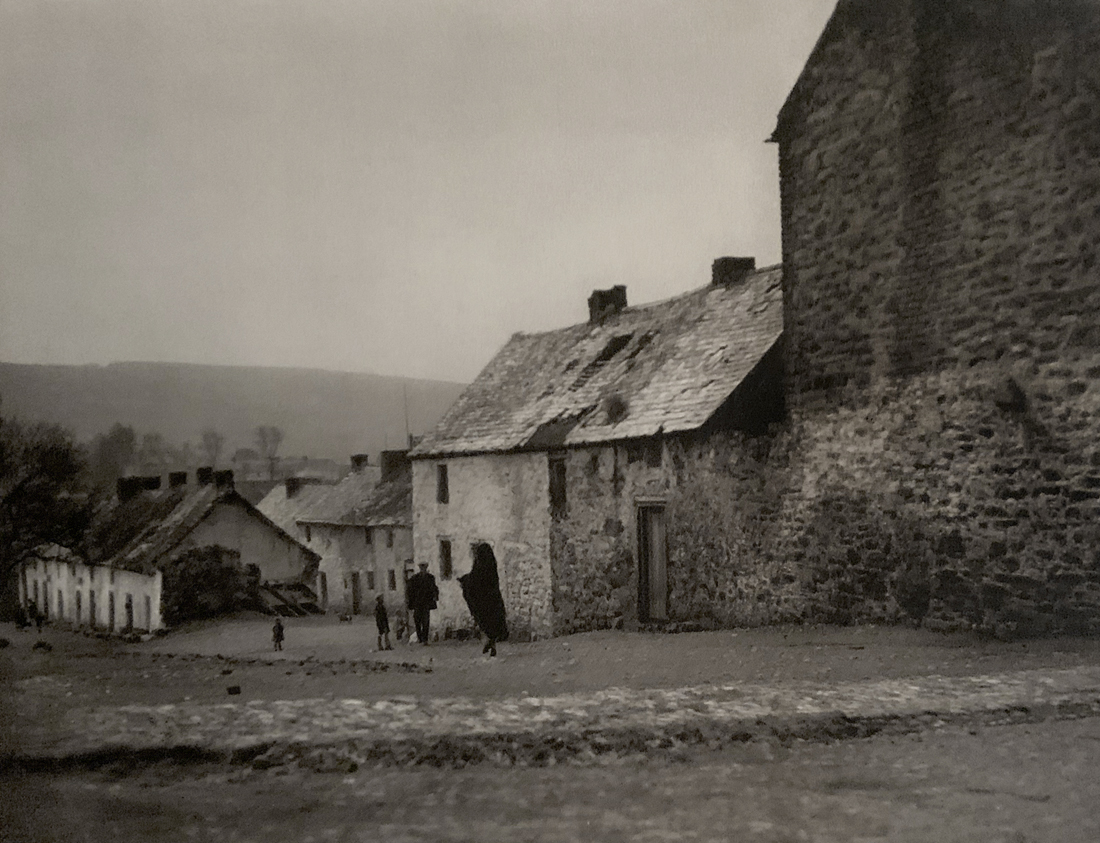
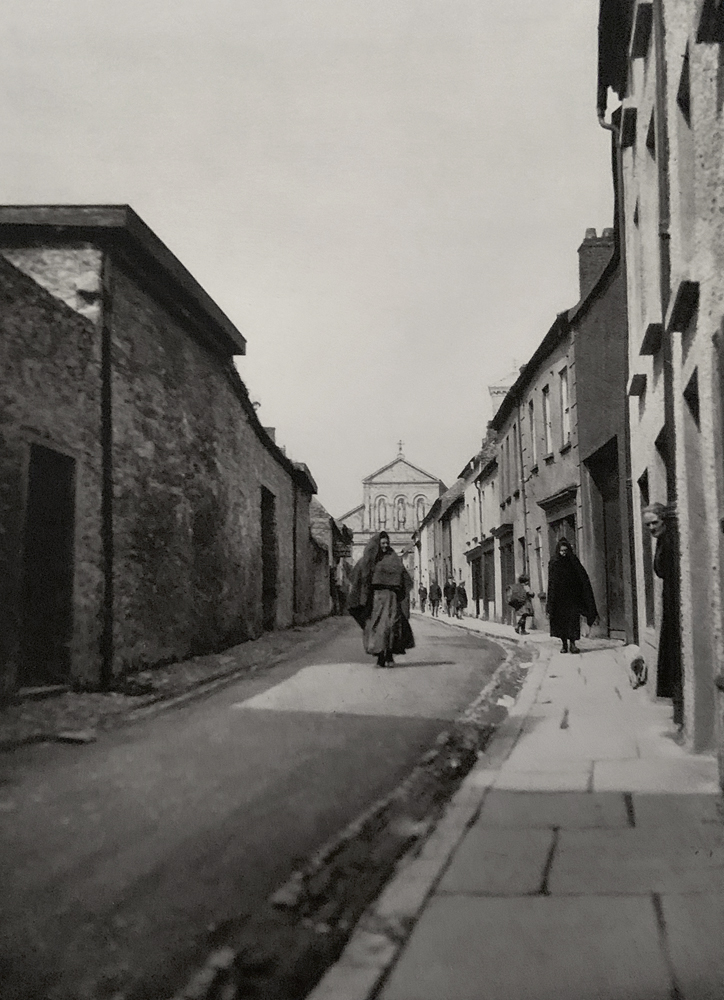
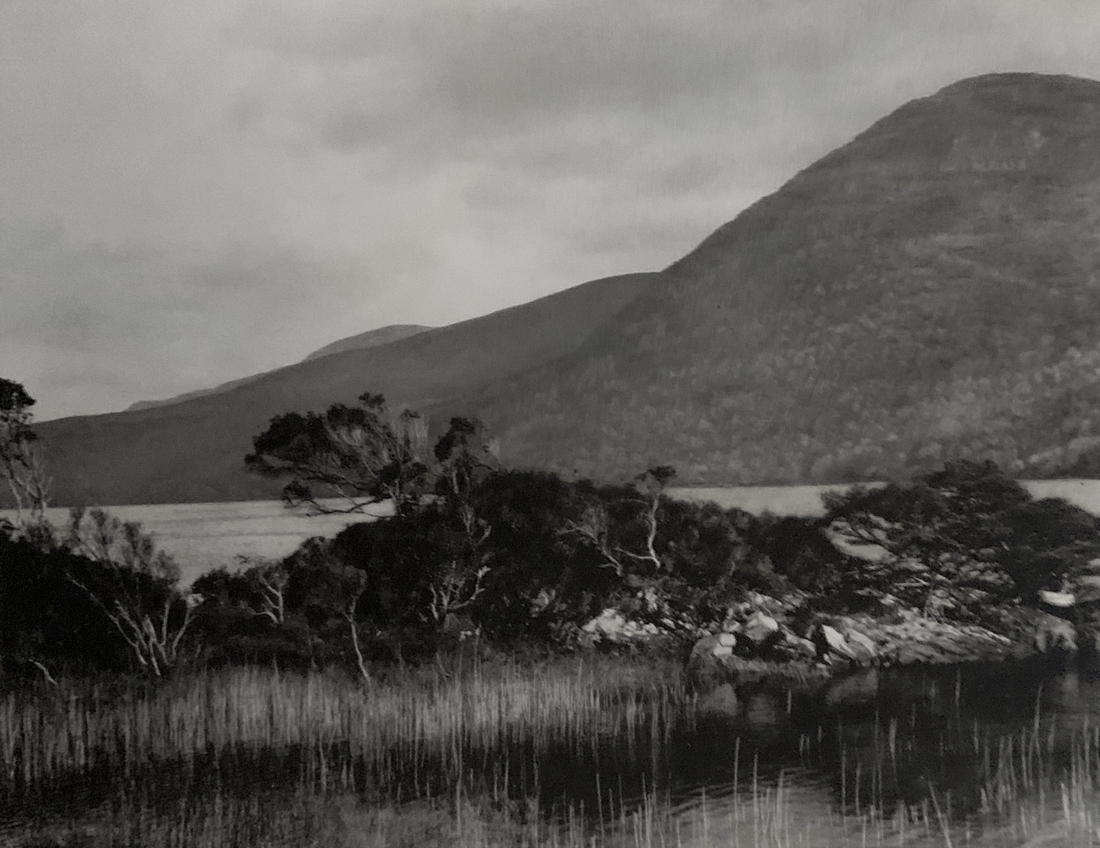
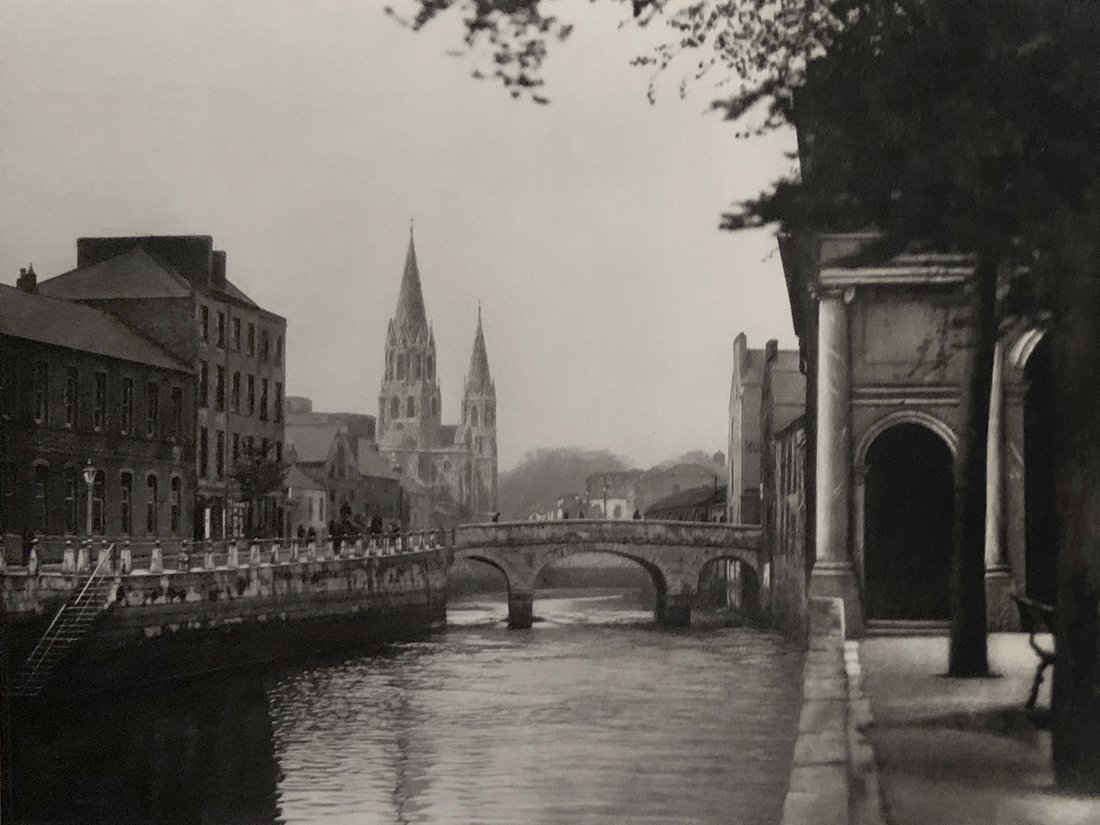
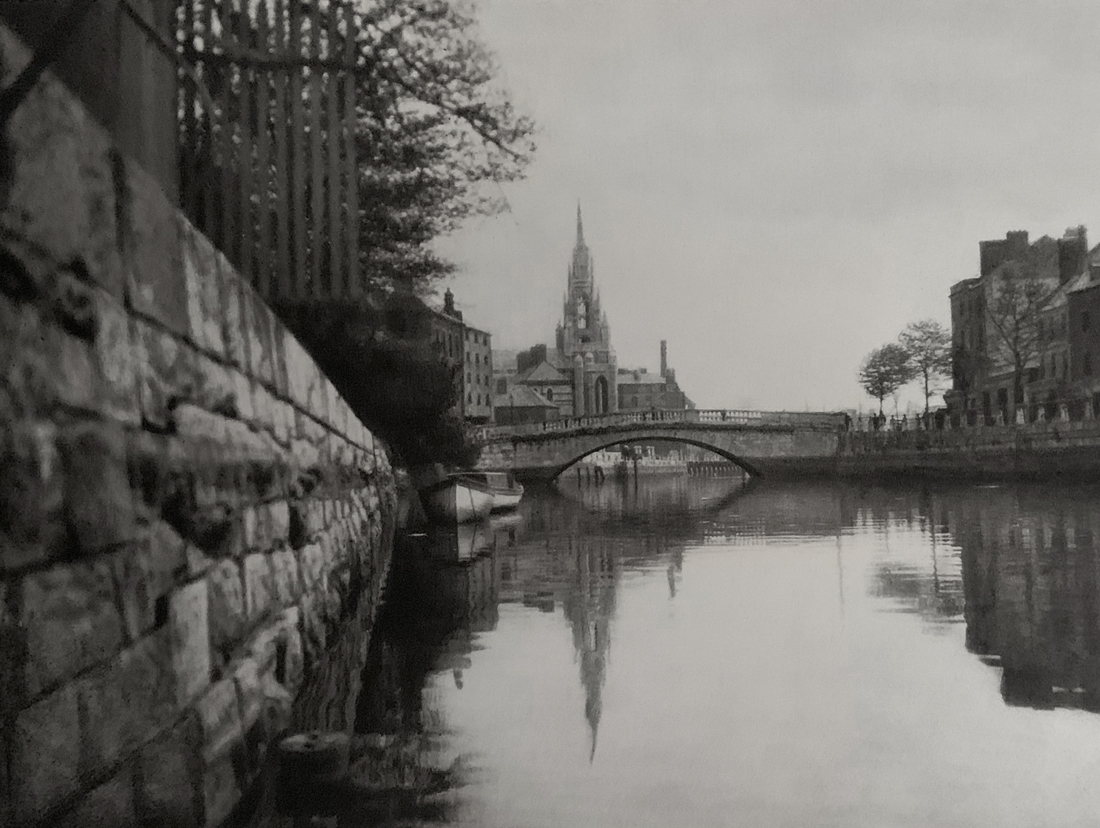

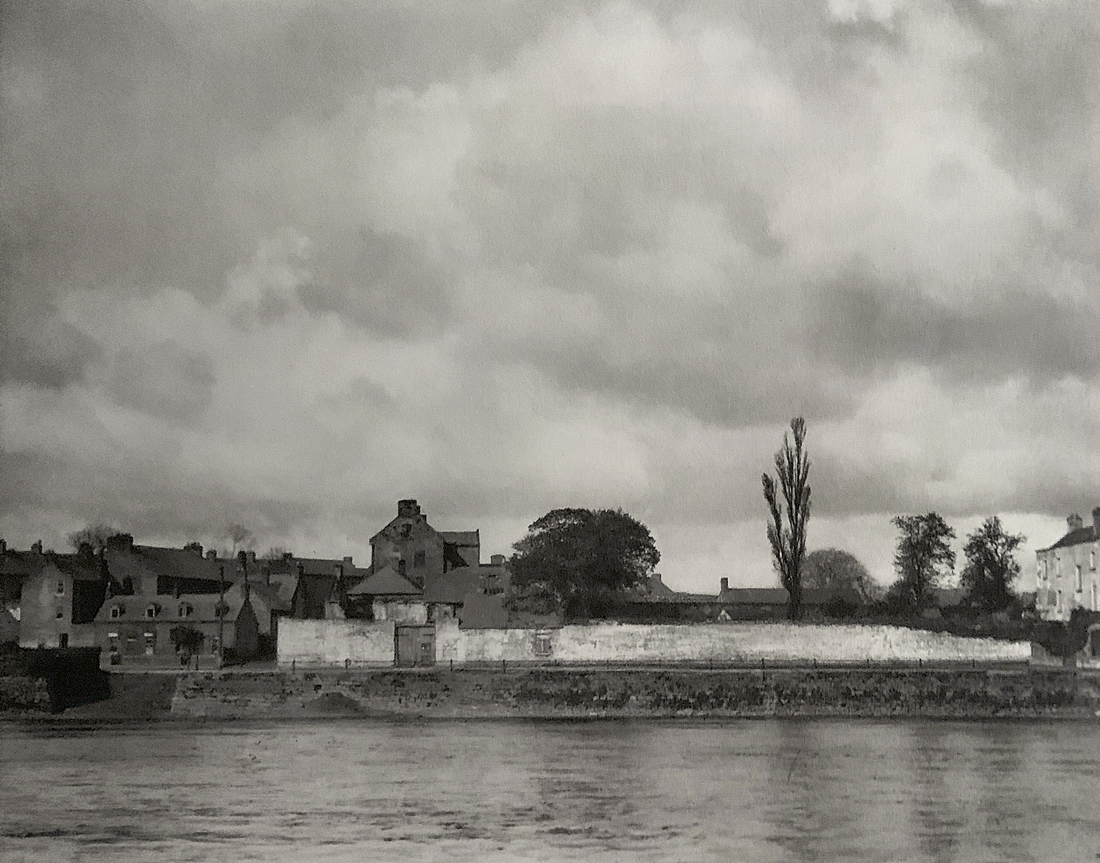
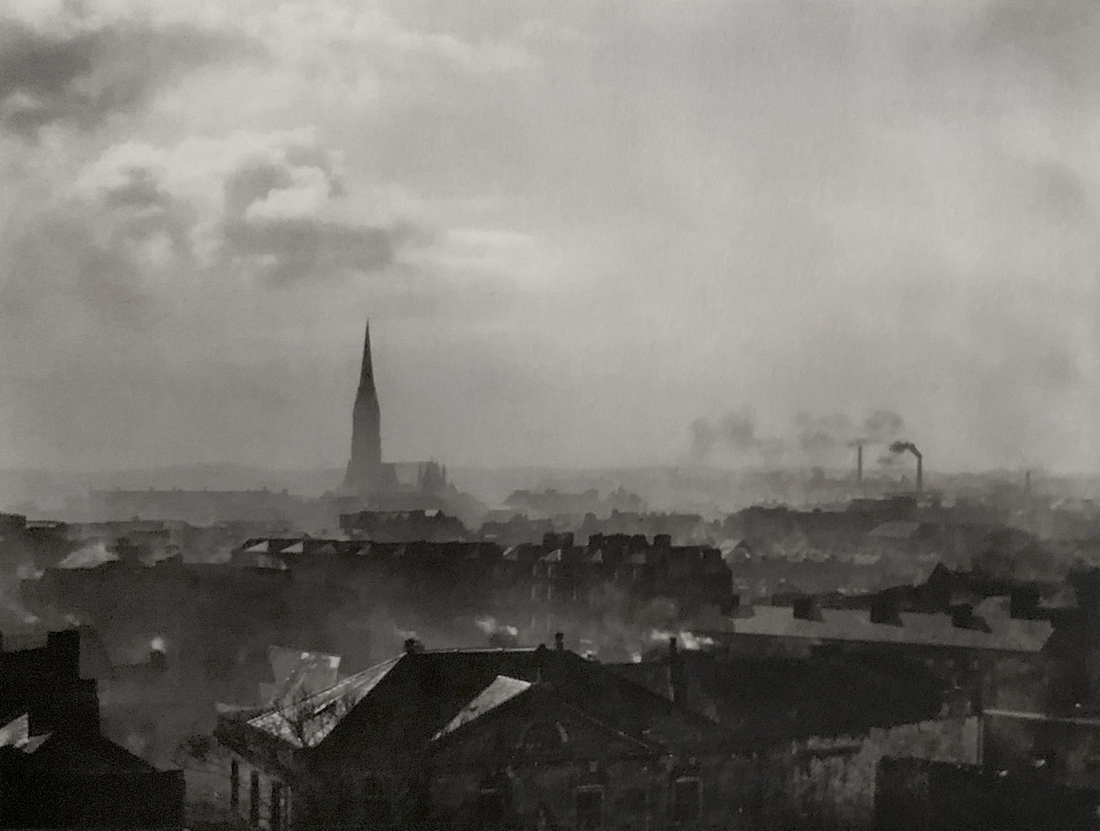
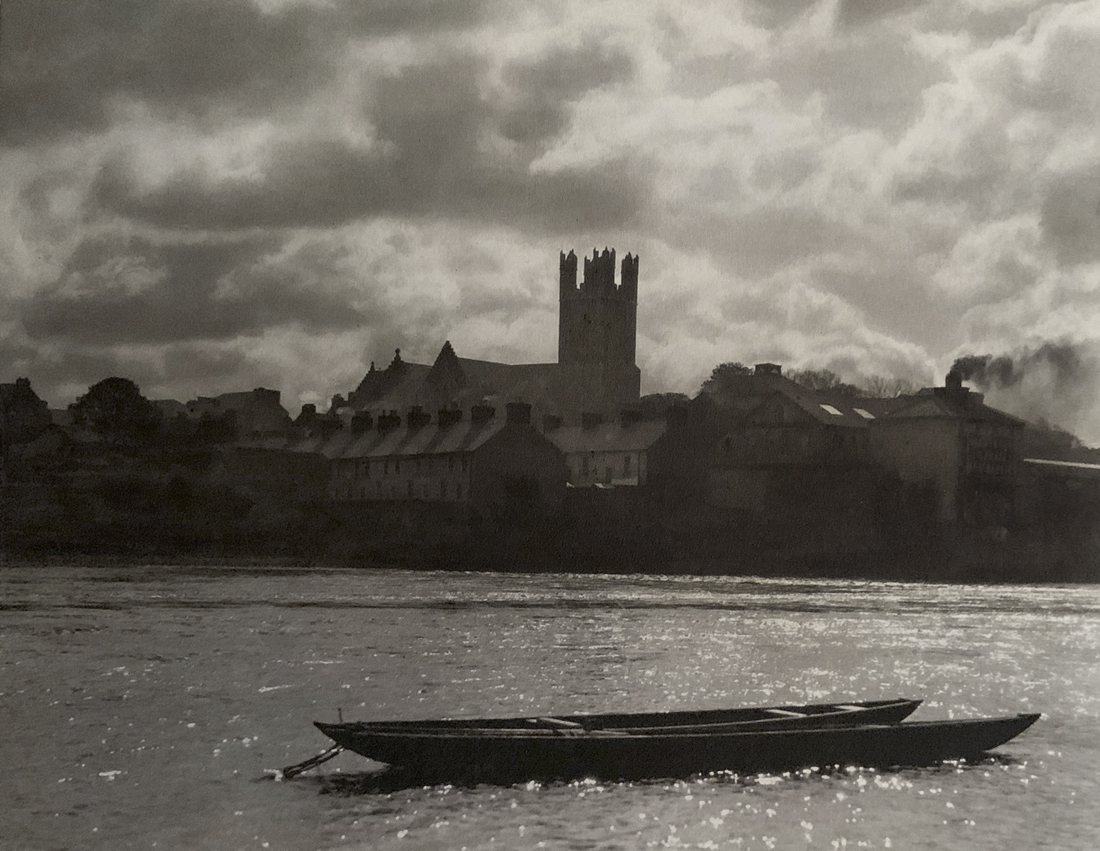
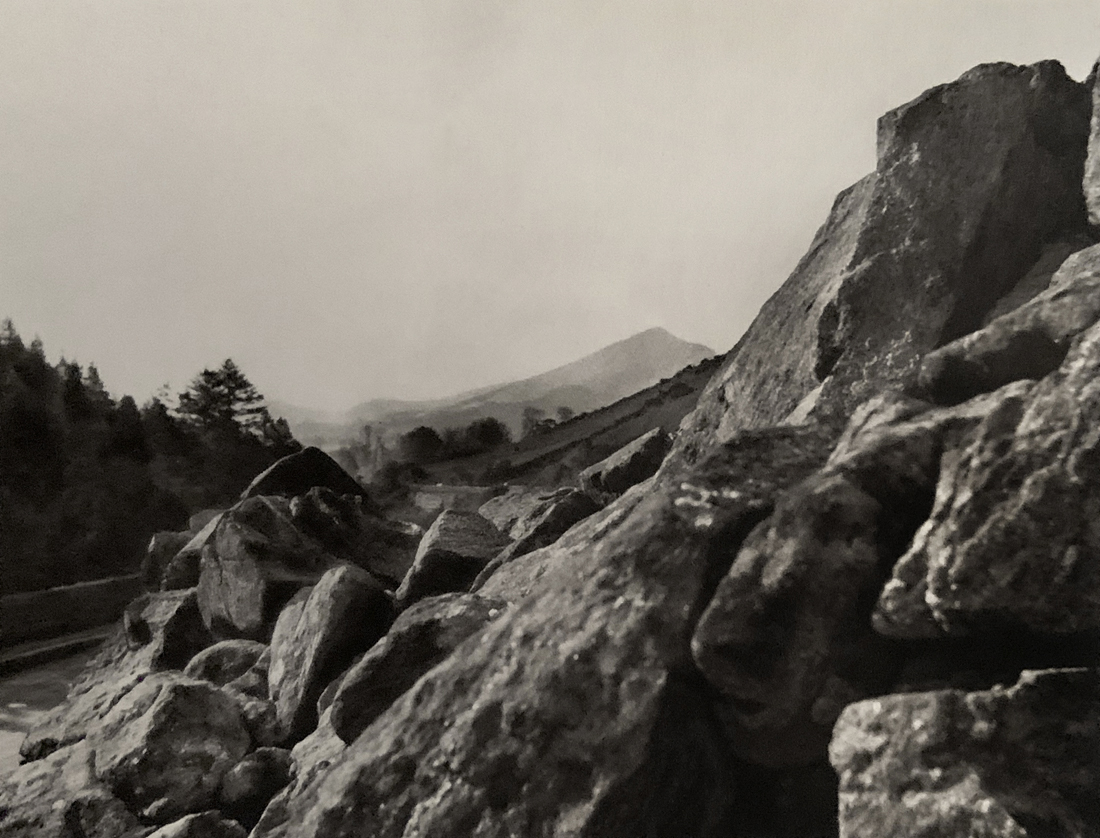
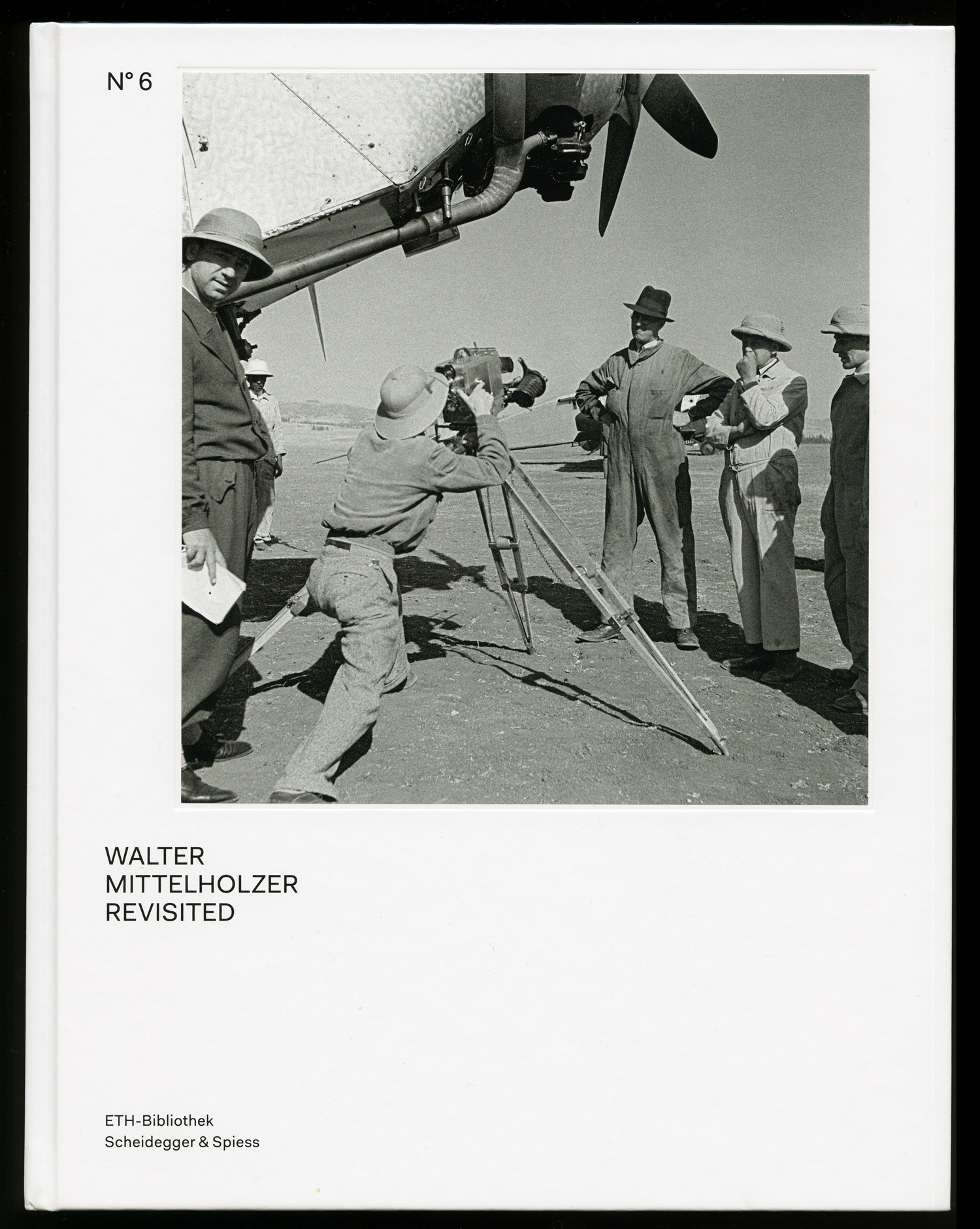
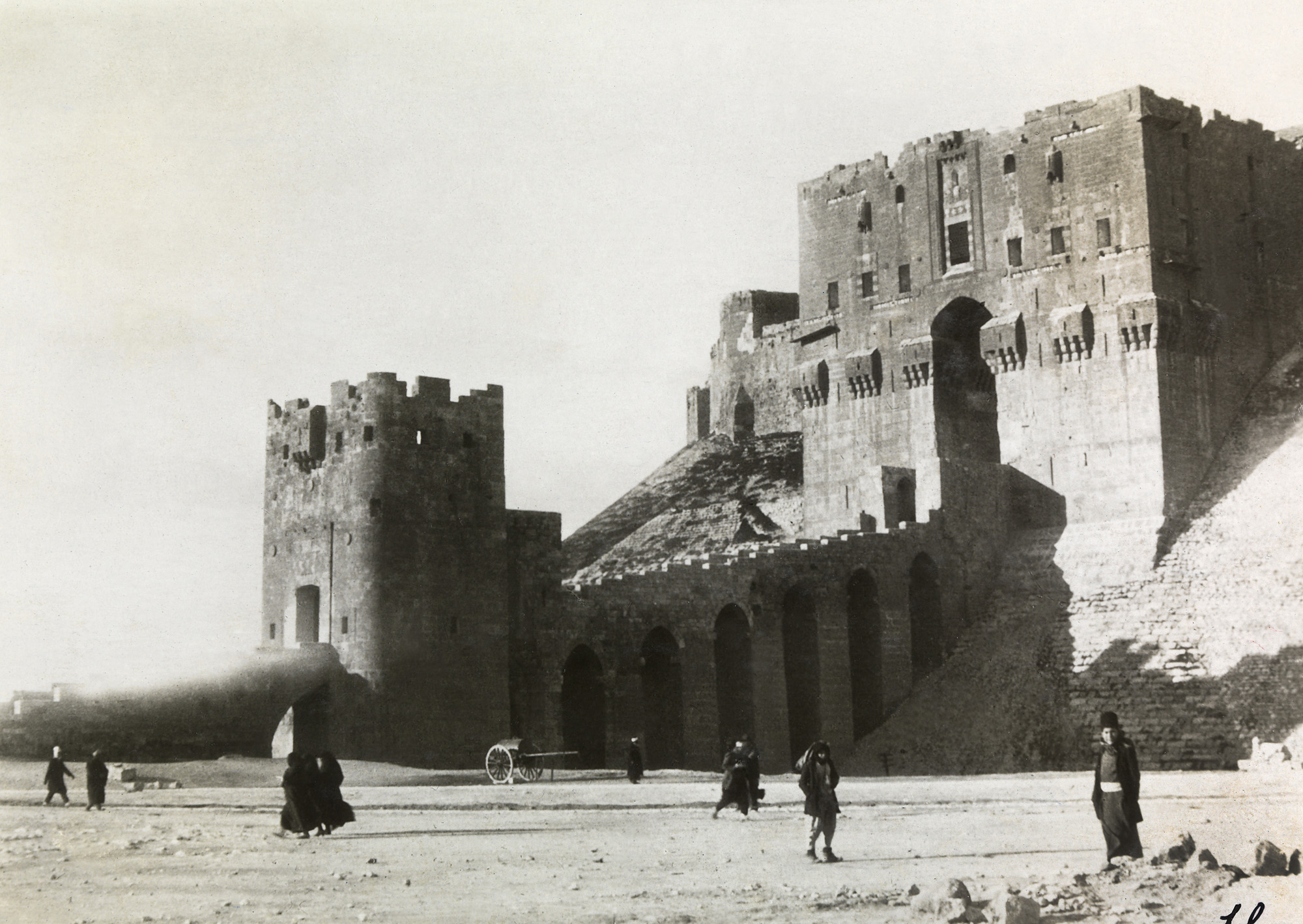
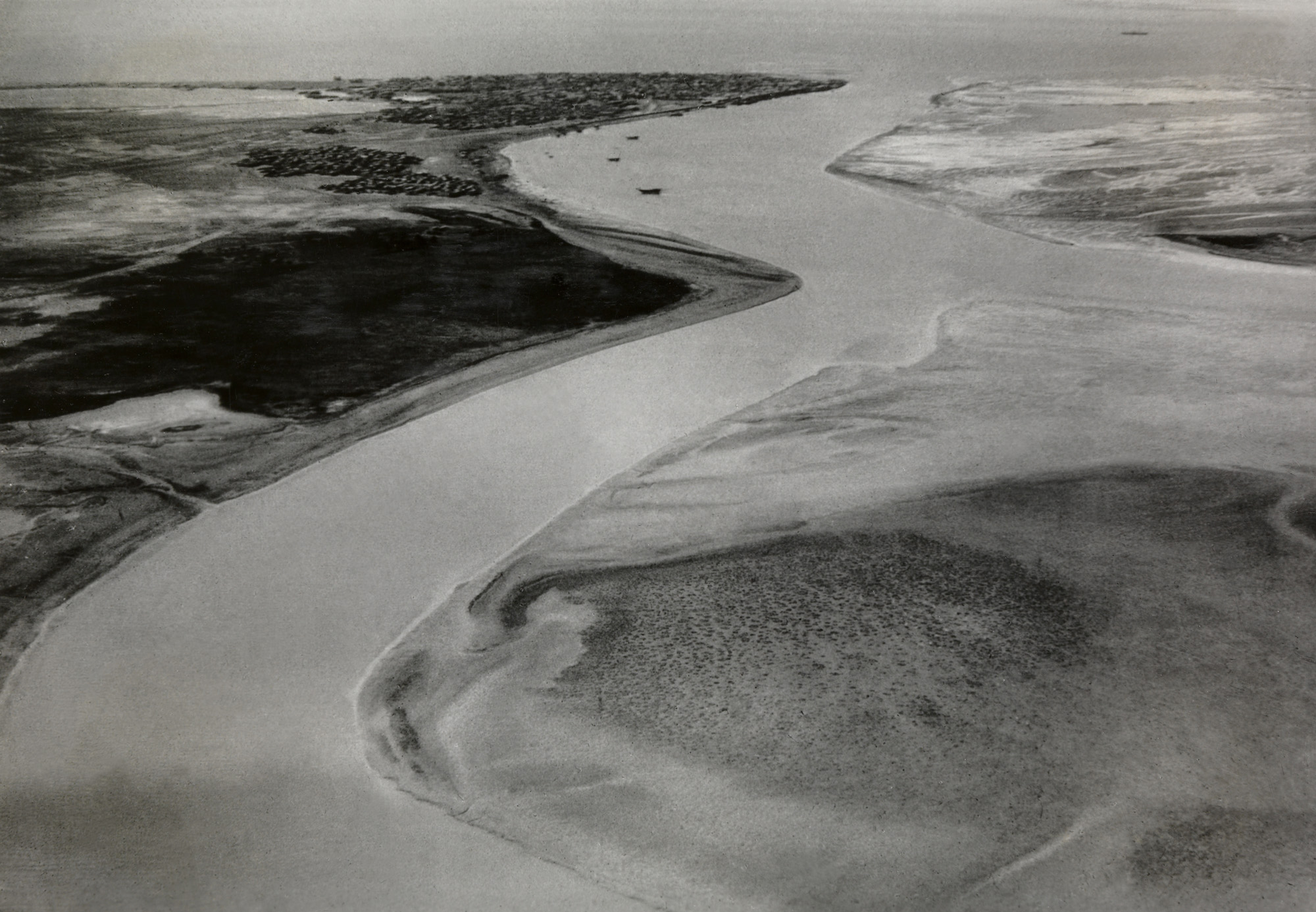
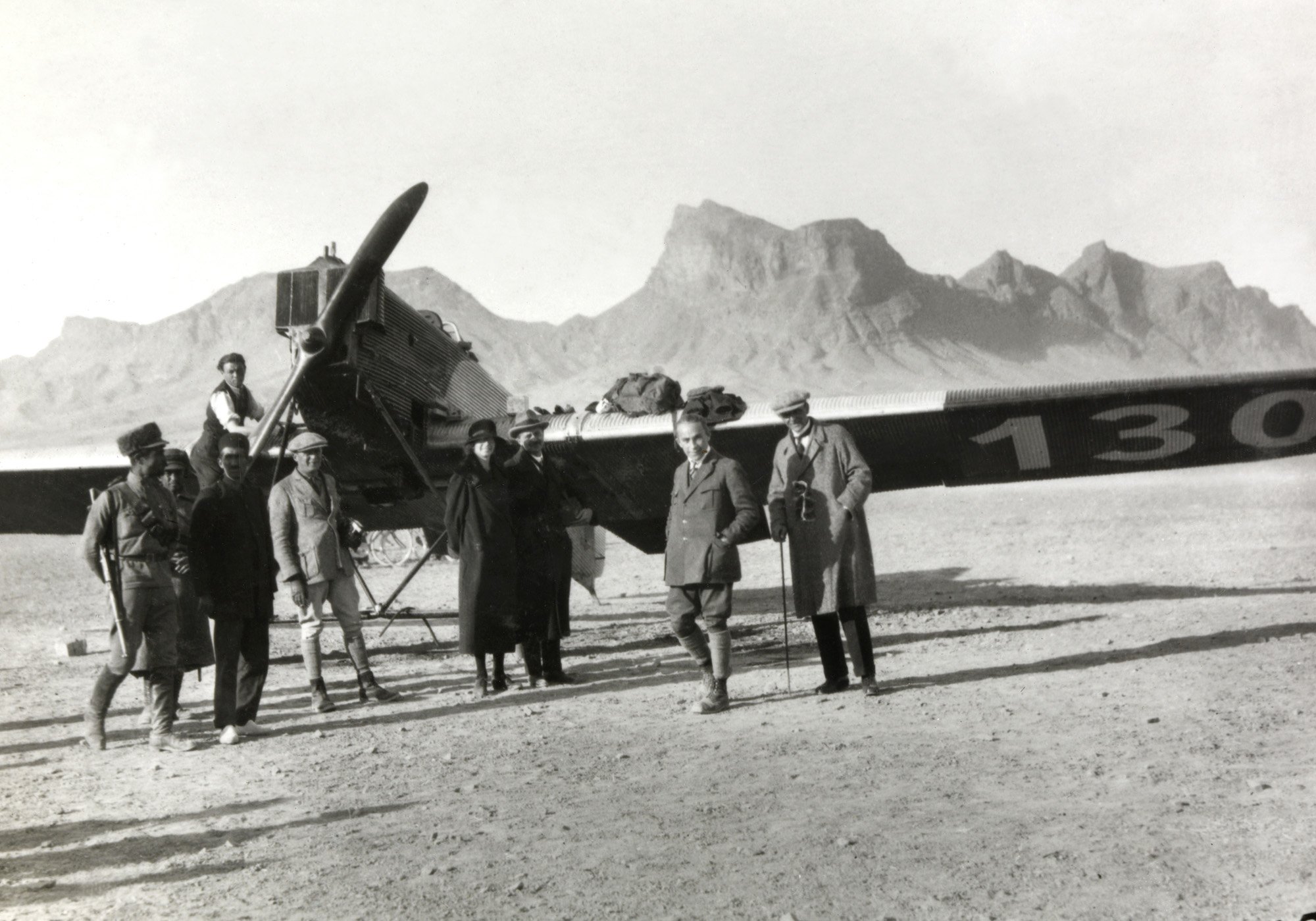
![Walter Mittelholzer (Swiss, 1894-1937) 'Wilde Schlussszene des Opfertanzes [Wild final scene of the sacrificial dance]' 1926-1927](https://artblart.com/wp-content/uploads/2017/11/lbs_mh02-03-0084-a-web.jpg "Walter Mittelholzer (Swiss, 1894-1937) 'Wilde Schlussszene des Opfertanzes [Wild final scene of the sacrificial dance]' 1926-1927")
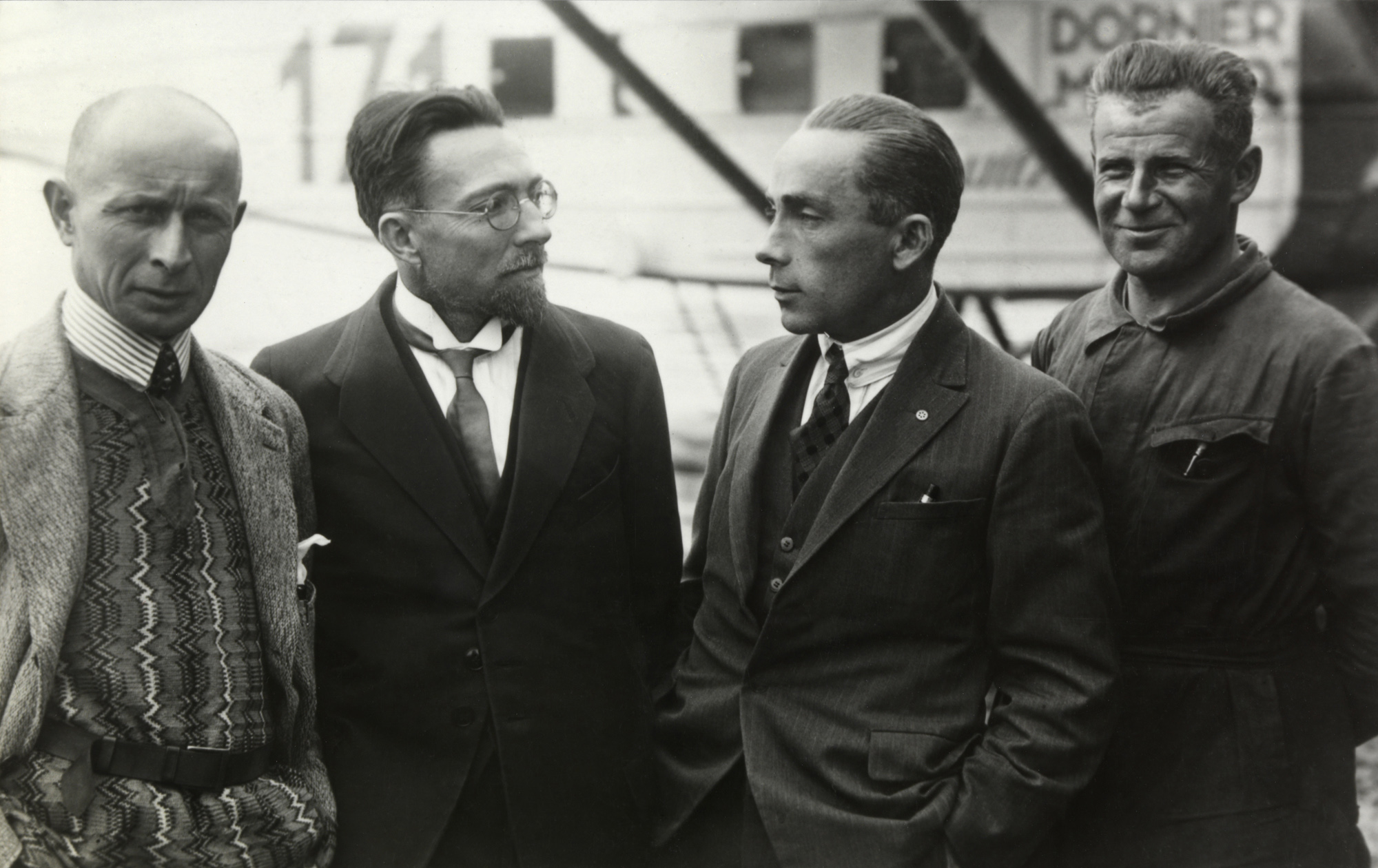
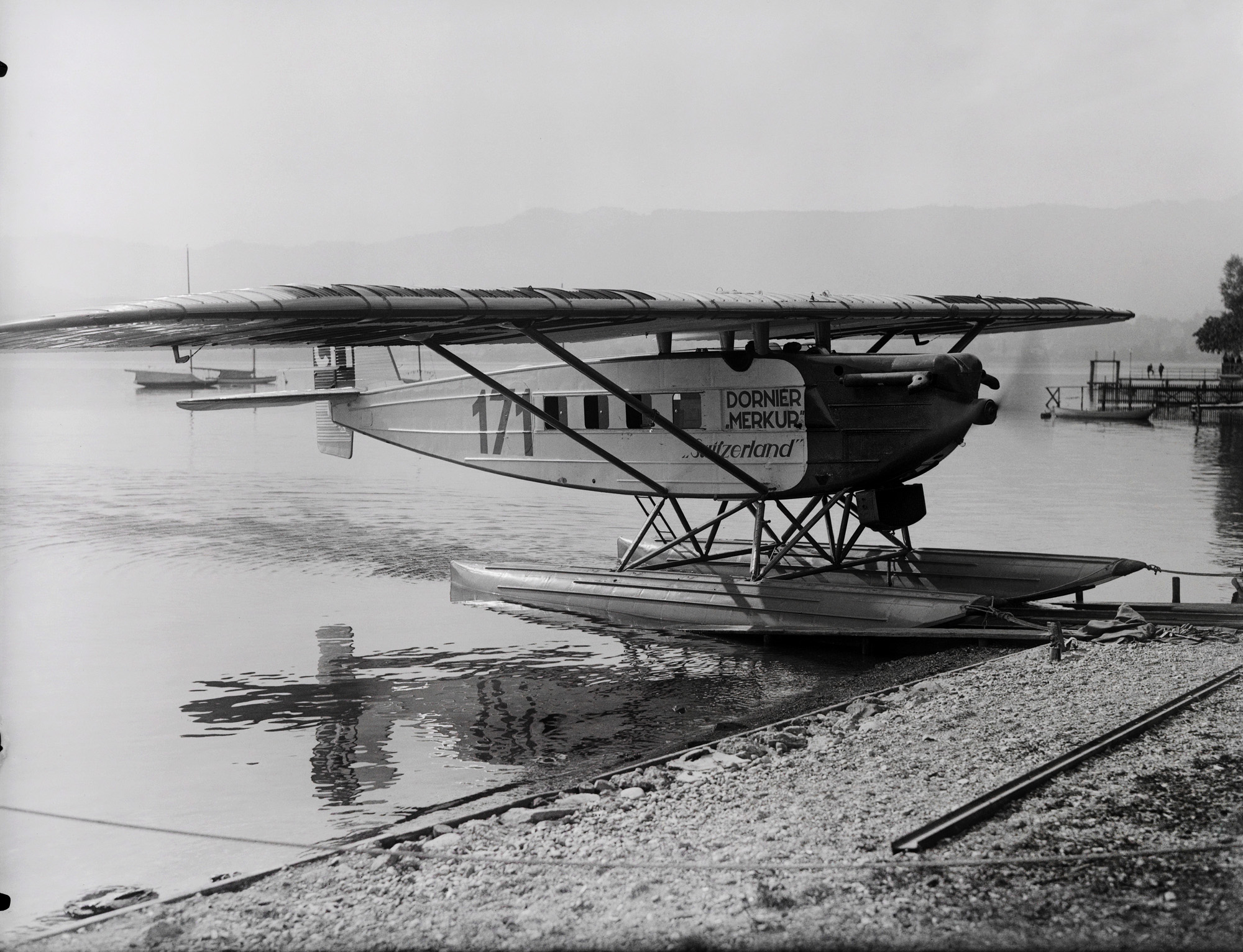
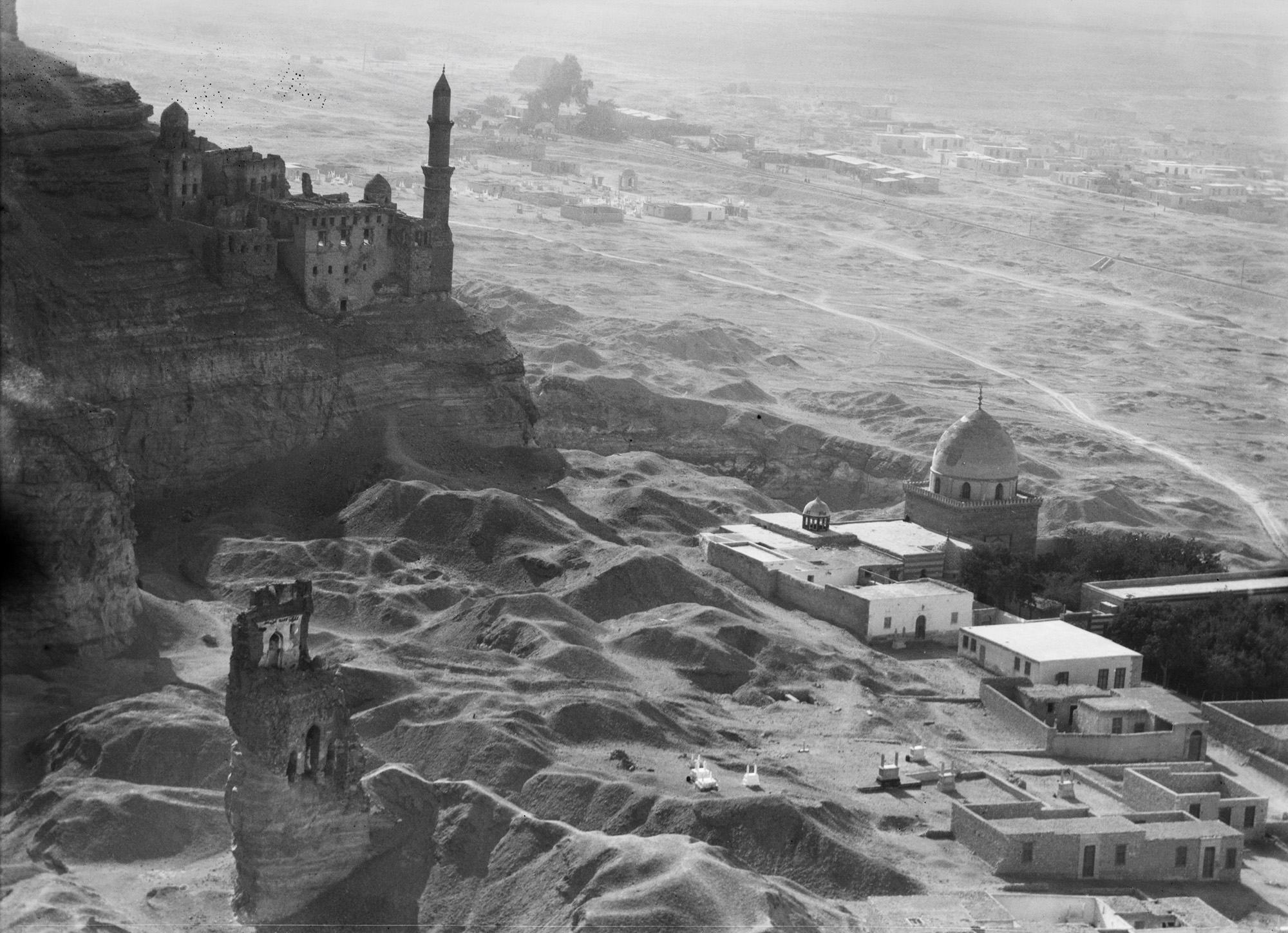
![Walter Mittelholzer (Swiss, 1894-1937) 'Fremdenverkehr vor der Sphinx [Tourism in front of the Sphinx]' 1929](https://artblart.com/wp-content/uploads/2017/11/lbs_mh02-07-0161-web.jpg "Walter Mittelholzer (Swiss, 1894-1937) 'Fremdenverkehr vor der Sphinx [Tourism in front of the Sphinx]' 1929")
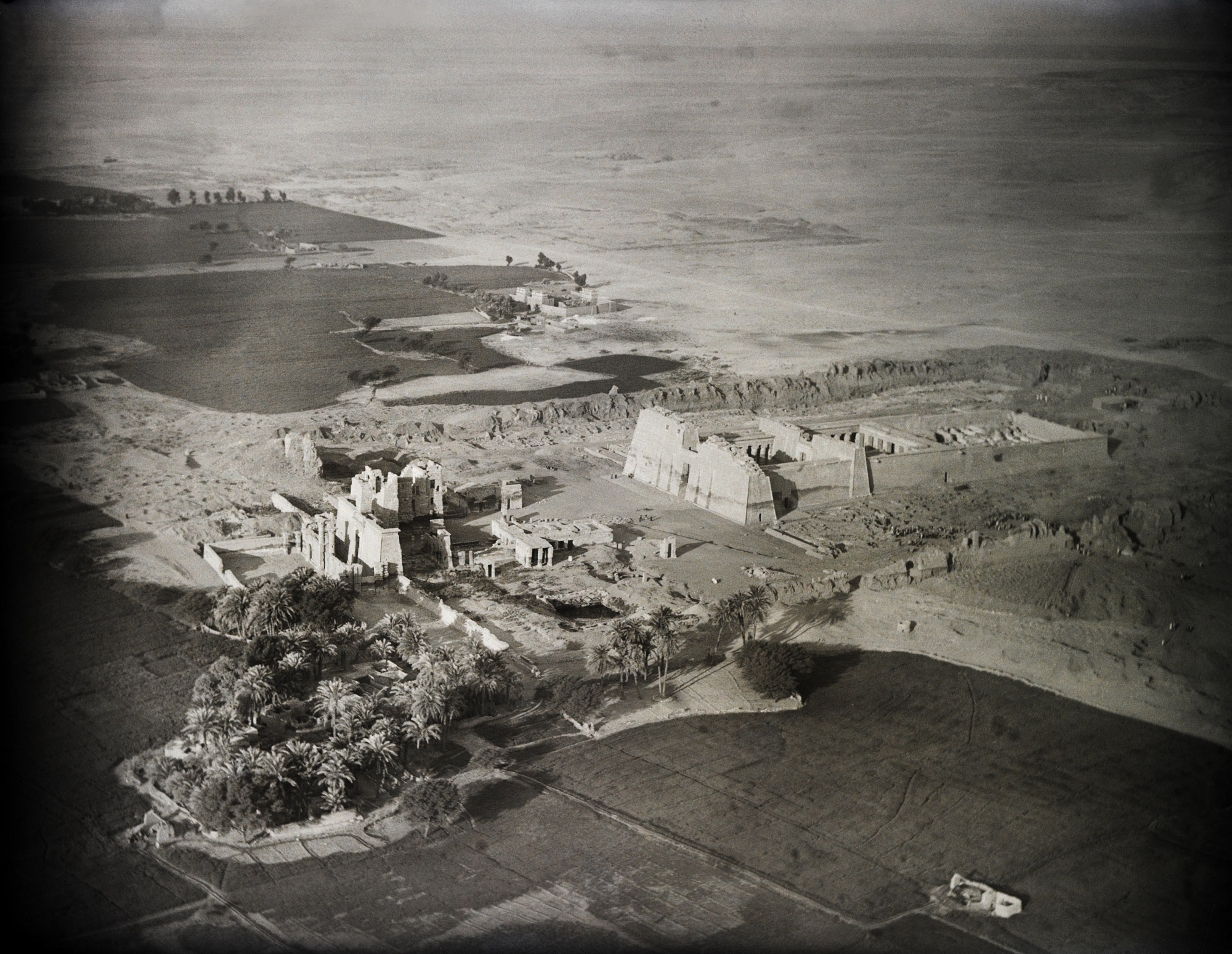
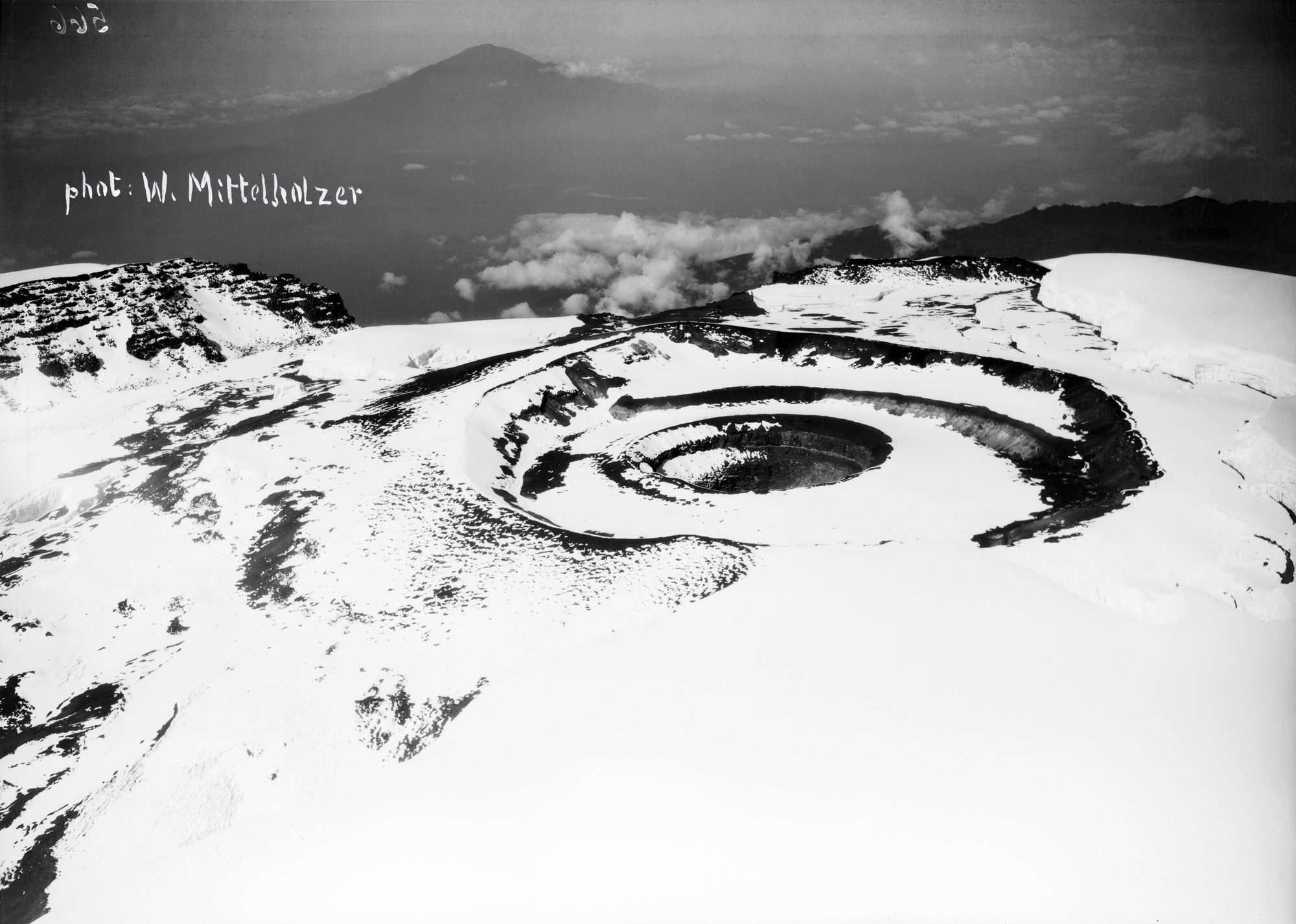
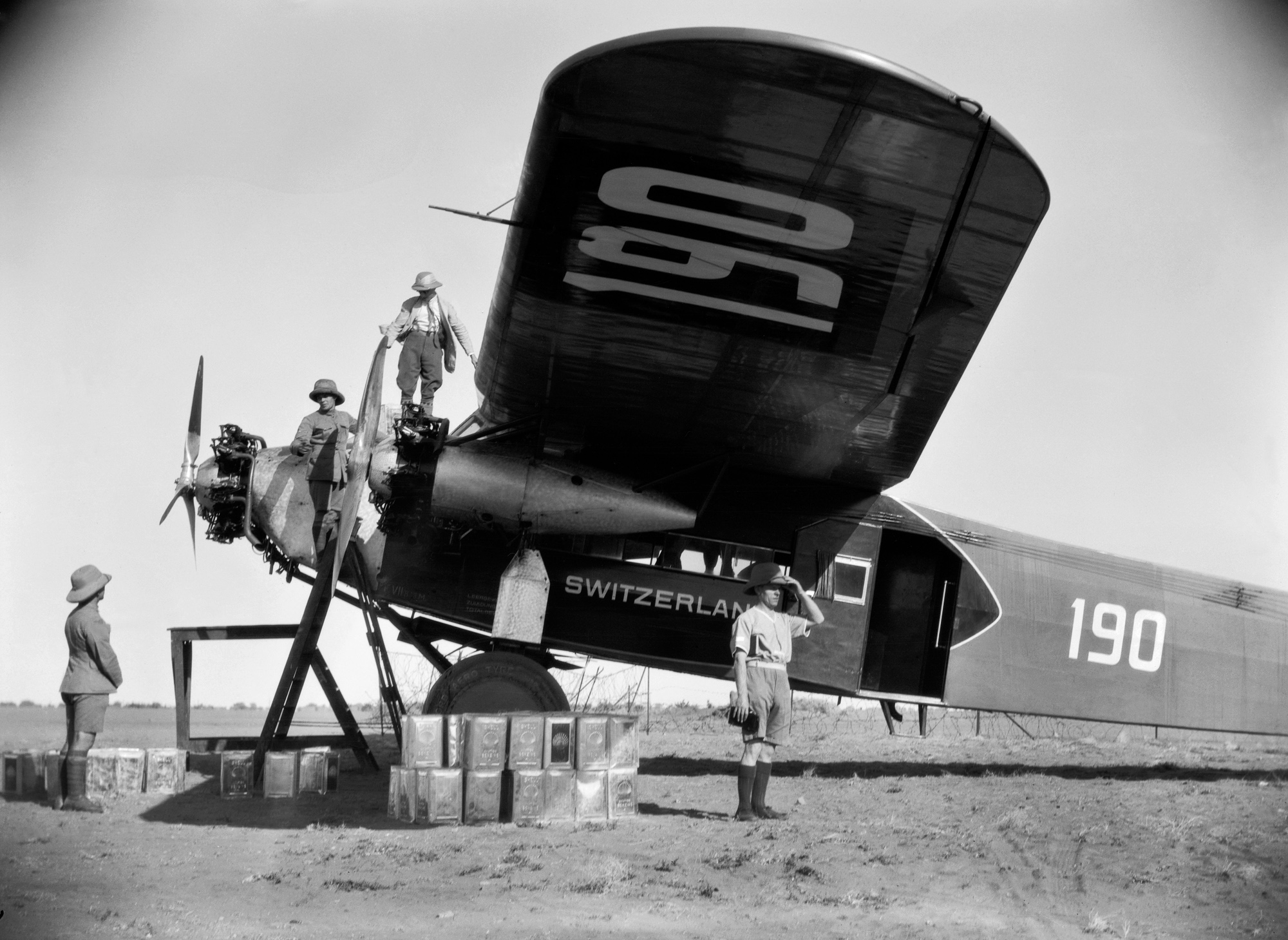
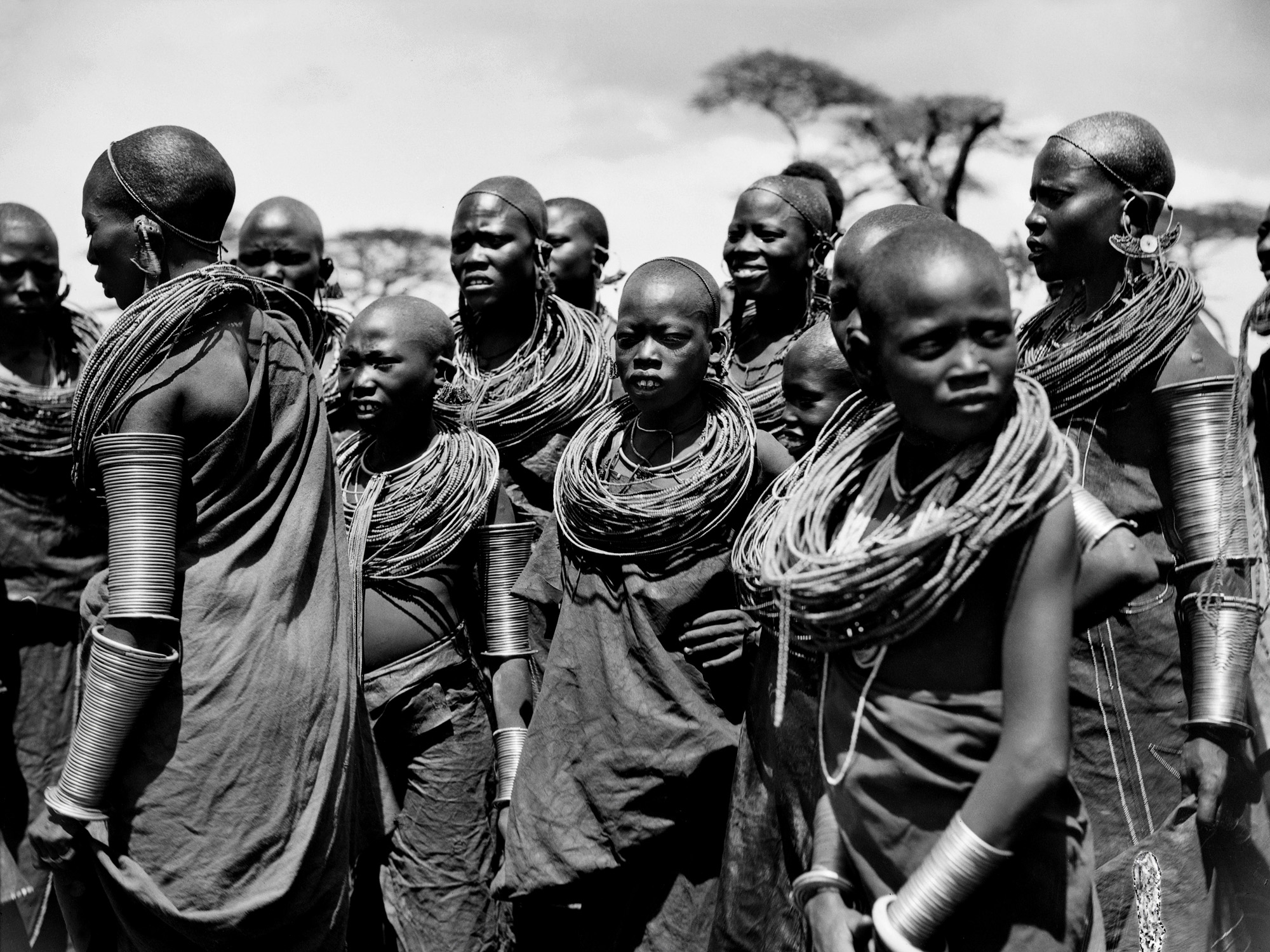
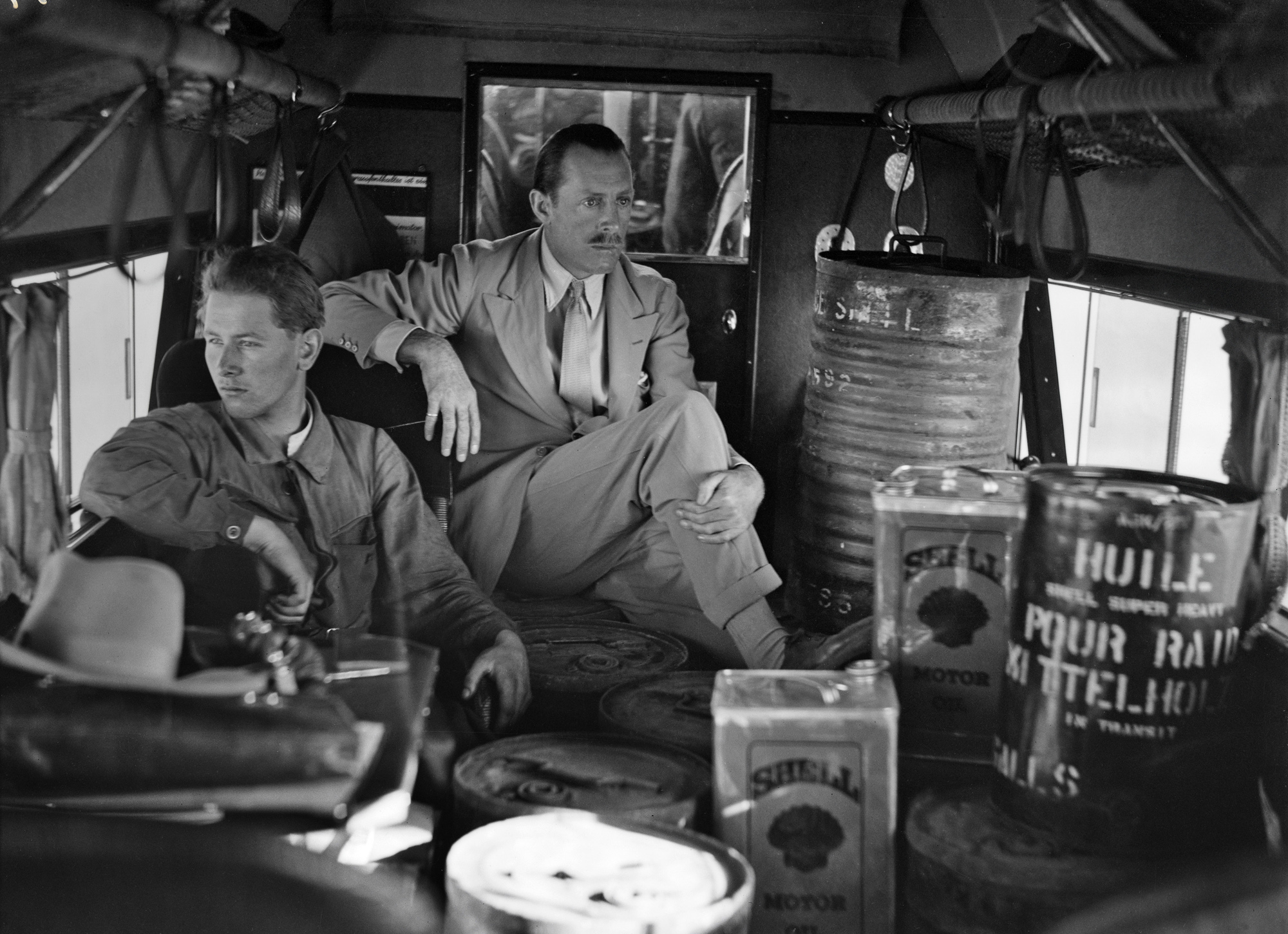
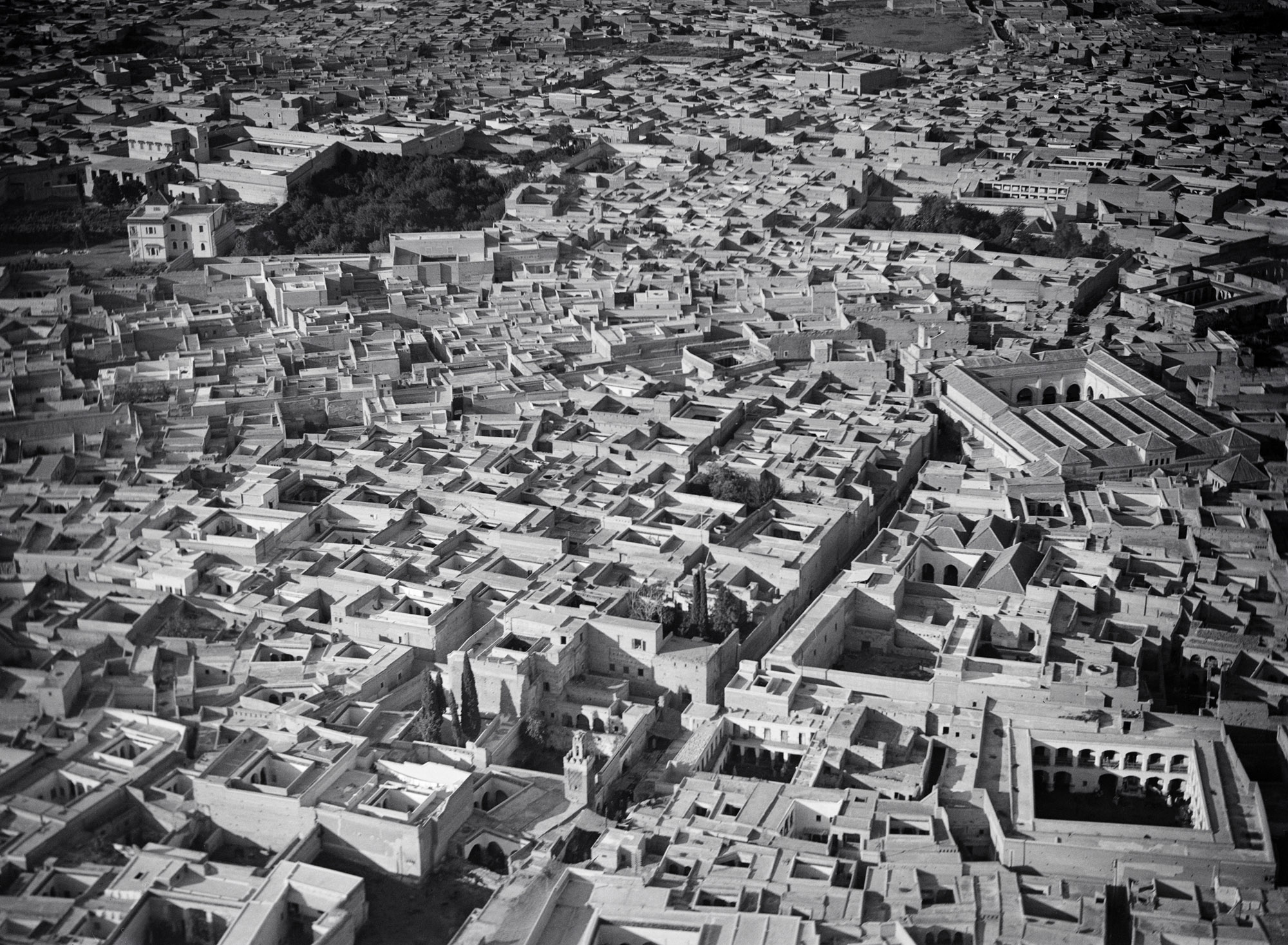
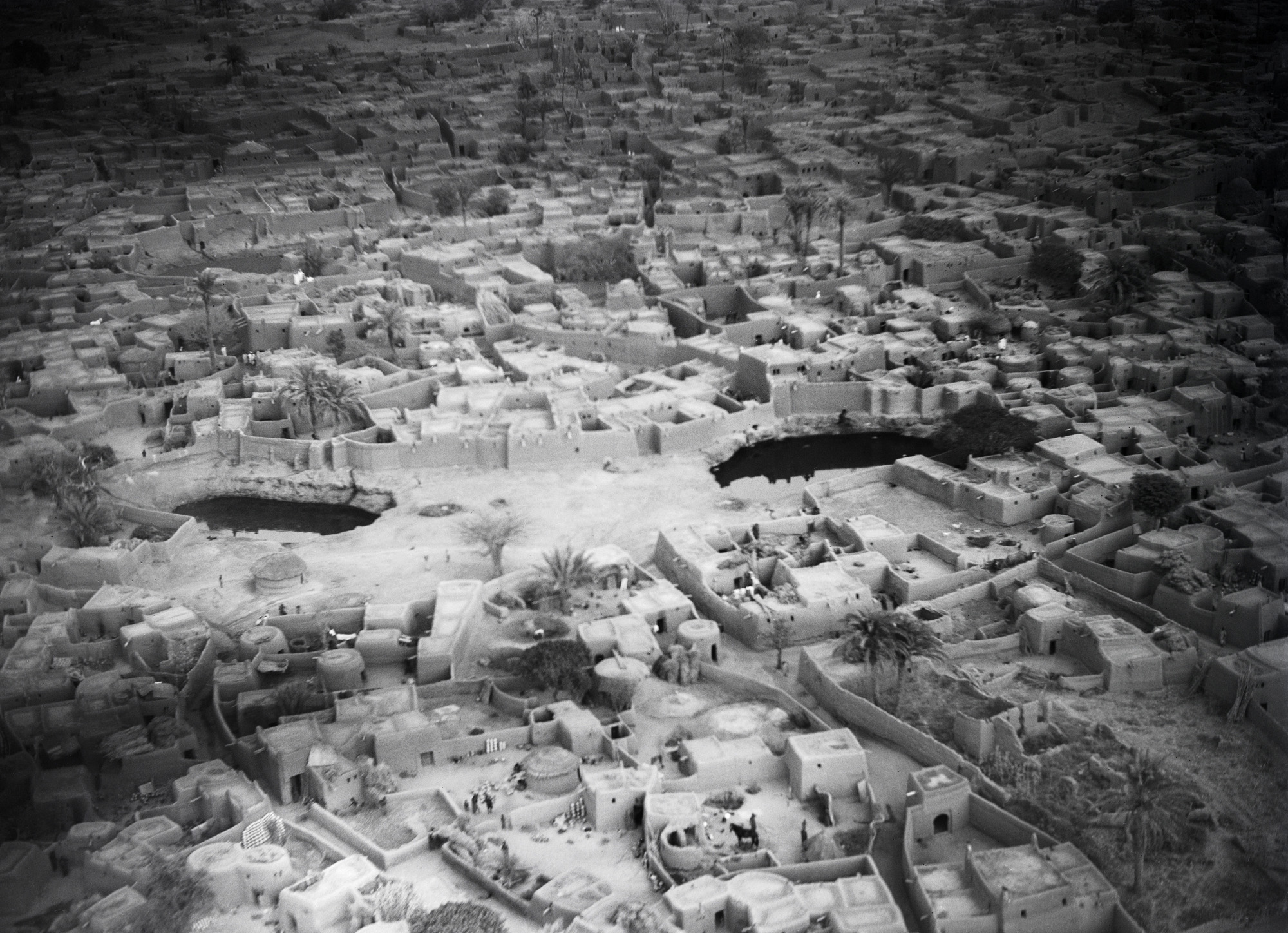
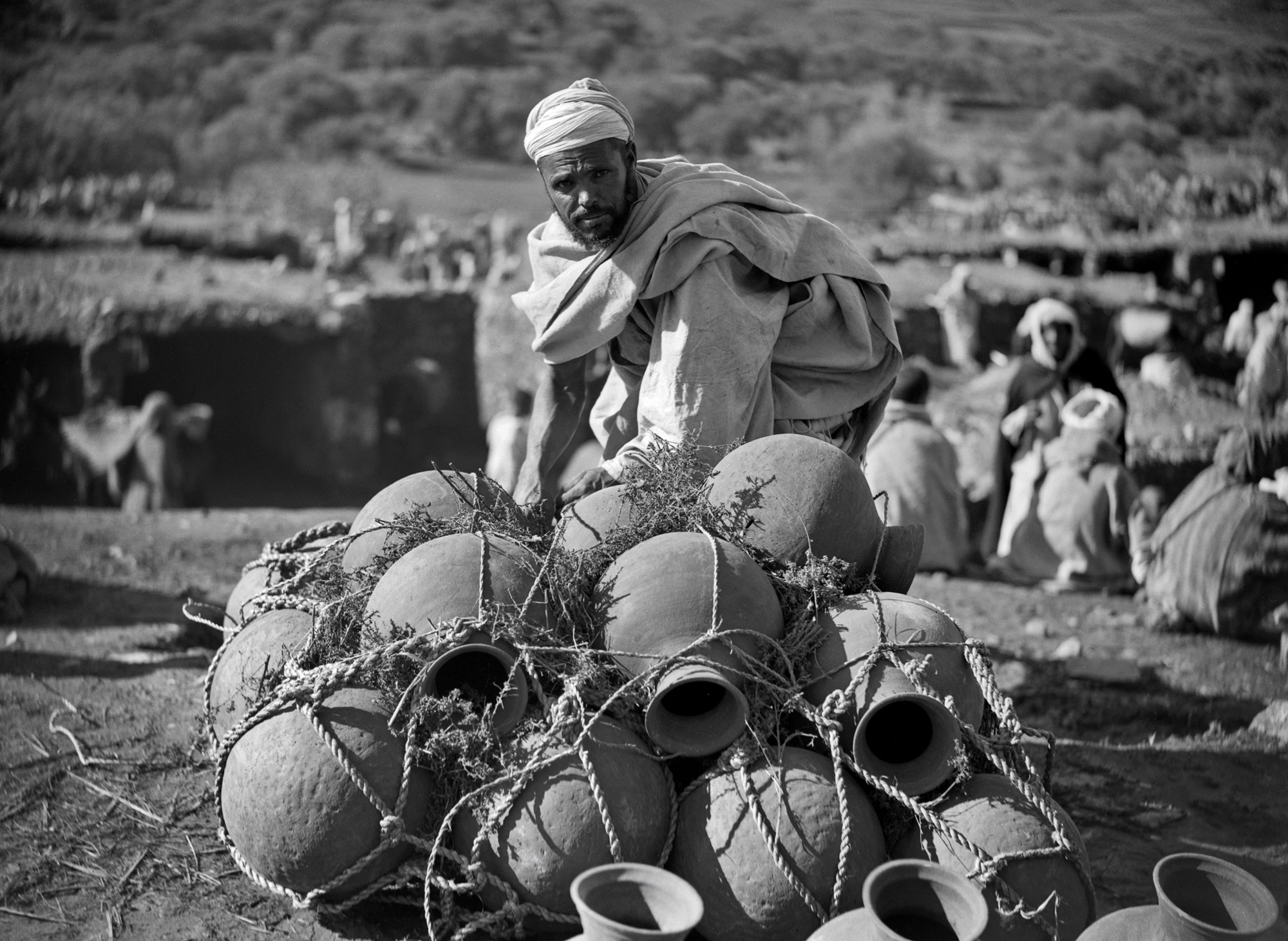
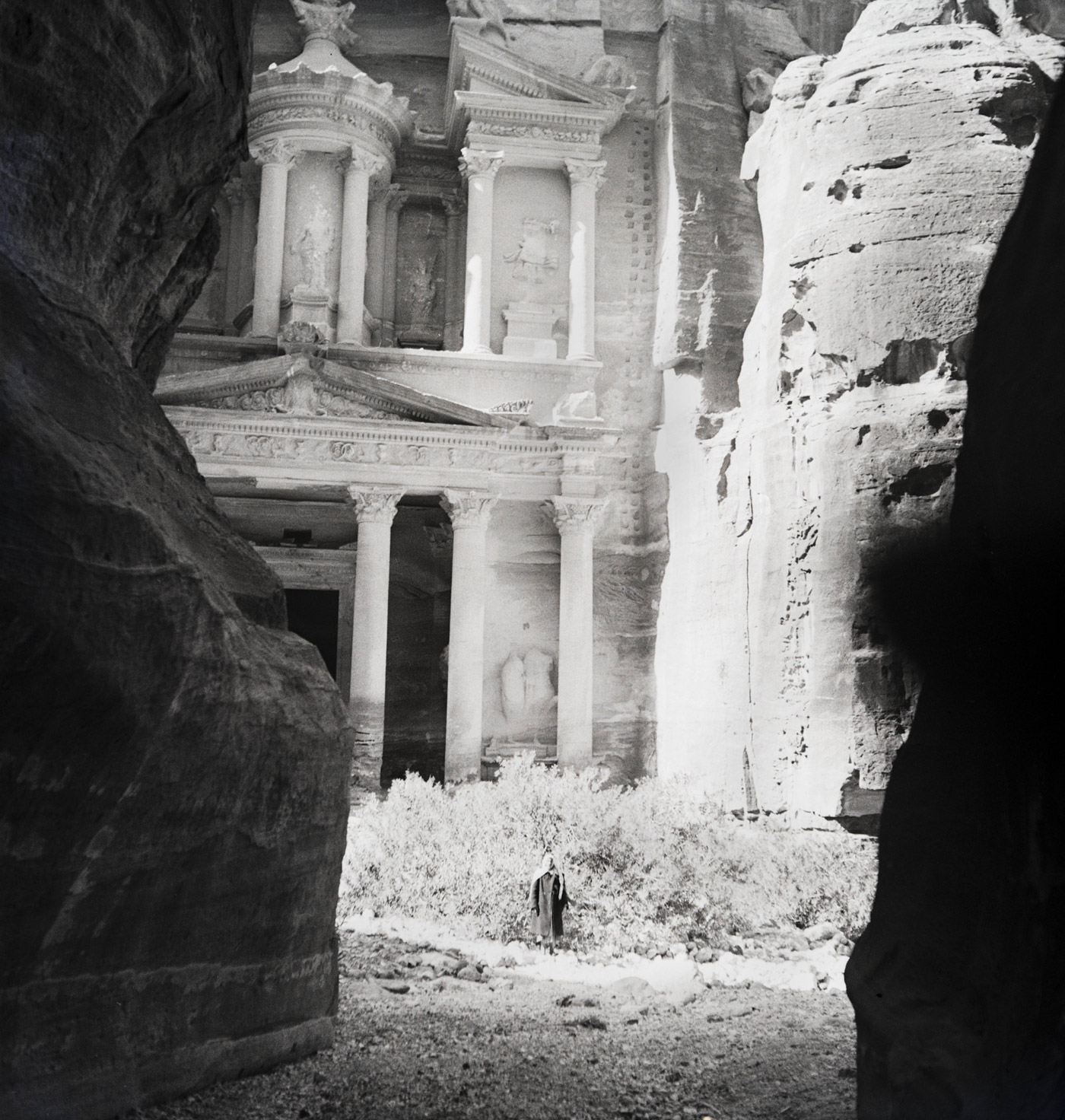
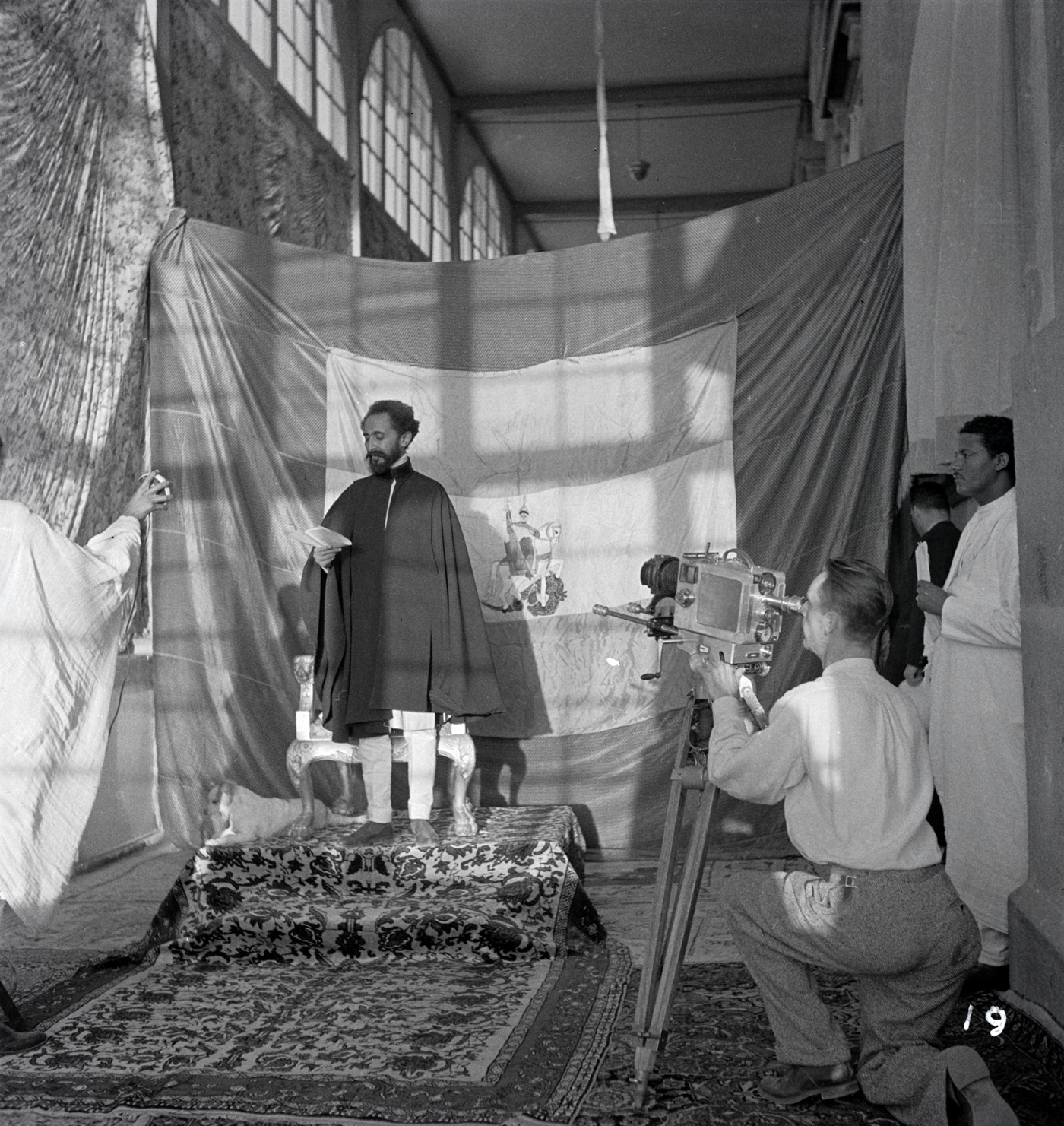
![Walter Mittelholzer (Swiss, 1894-1937) 'Itu-Mann vom Südosten Abessiniens [Itu man from southeastern Abyssinia]' c. 1934](https://artblart.com/wp-content/uploads/2017/11/lbs_mh02-22-0756-web.jpg "Walter Mittelholzer (Swiss, 1894-1937) 'Itu-Mann vom Südosten Abessiniens [Itu man from southeastern Abyssinia]' c. 1934")
![Walter Mittelholzer (Swiss, 1894-1937) 'Dankali-Mädchen [Dankali girl]' c. 1934](https://artblart.com/wp-content/uploads/2017/11/lbs_mh02-22-0775-web.jpg "Walter Mittelholzer (Swiss, 1894-1937) 'Dankali-Mädchen [Dankali girl]' c. 1934")
![Walter Mittelholzer (Swiss, 1894-1937) 'Flugplatz in Addis Abeba [Airfield in Addis Ababa]' c. 1934](https://artblart.com/wp-content/uploads/2017/11/lbs_mh02-22-0778-web.jpg "Walter Mittelholzer (Swiss, 1894-1937) 'Flugplatz in Addis Abeba [Airfield in Addis Ababa]' c. 1934")
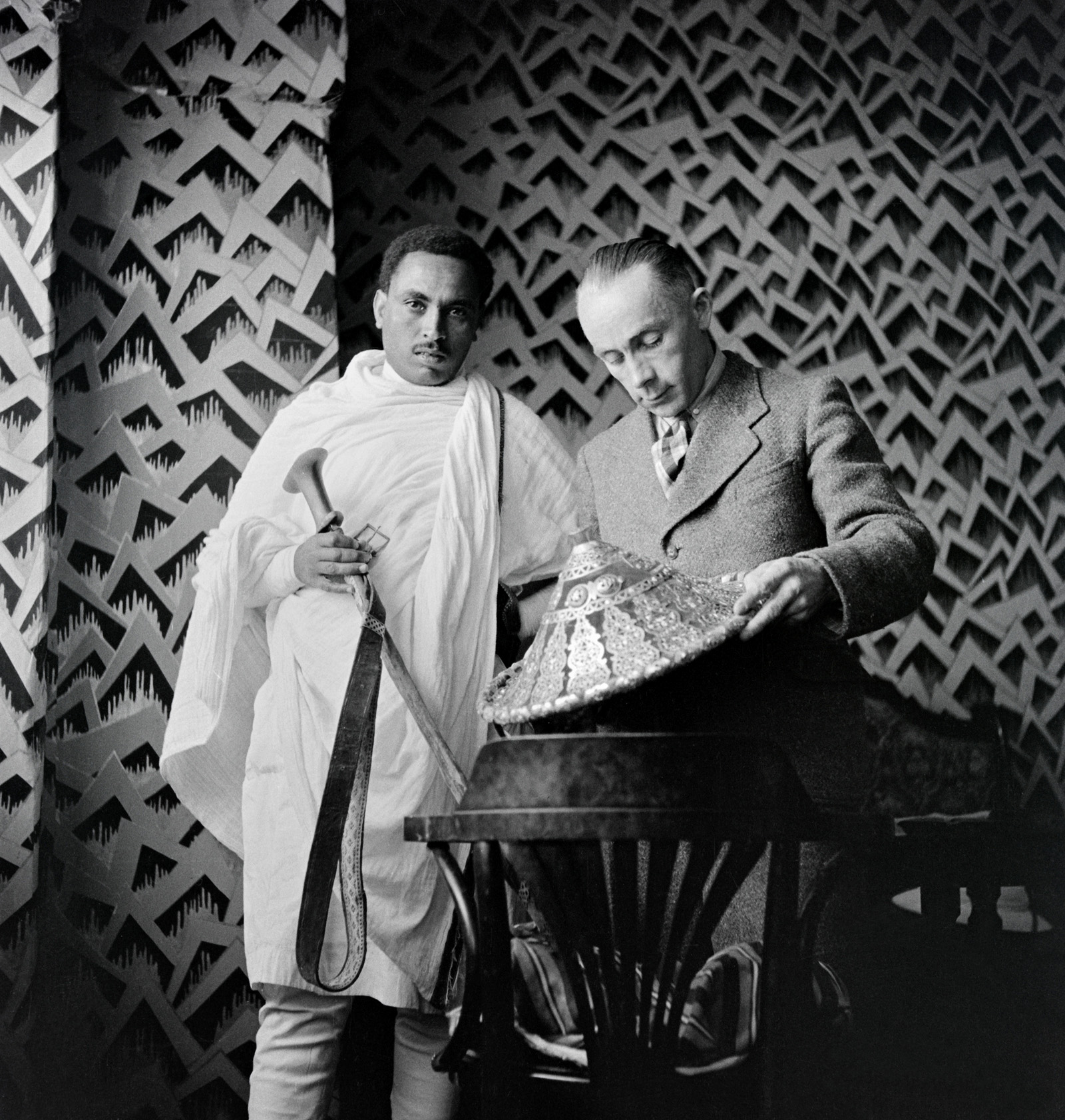
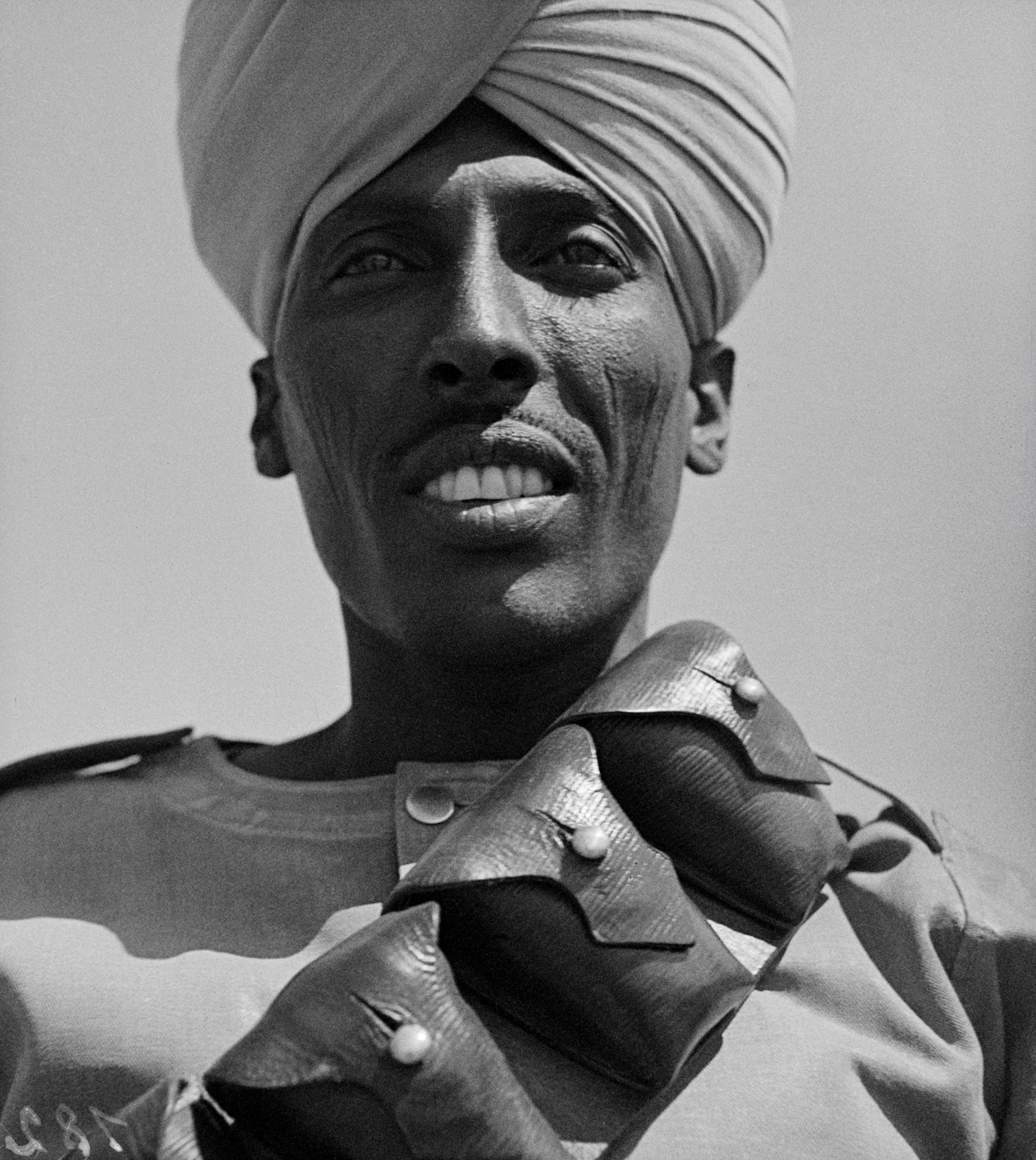
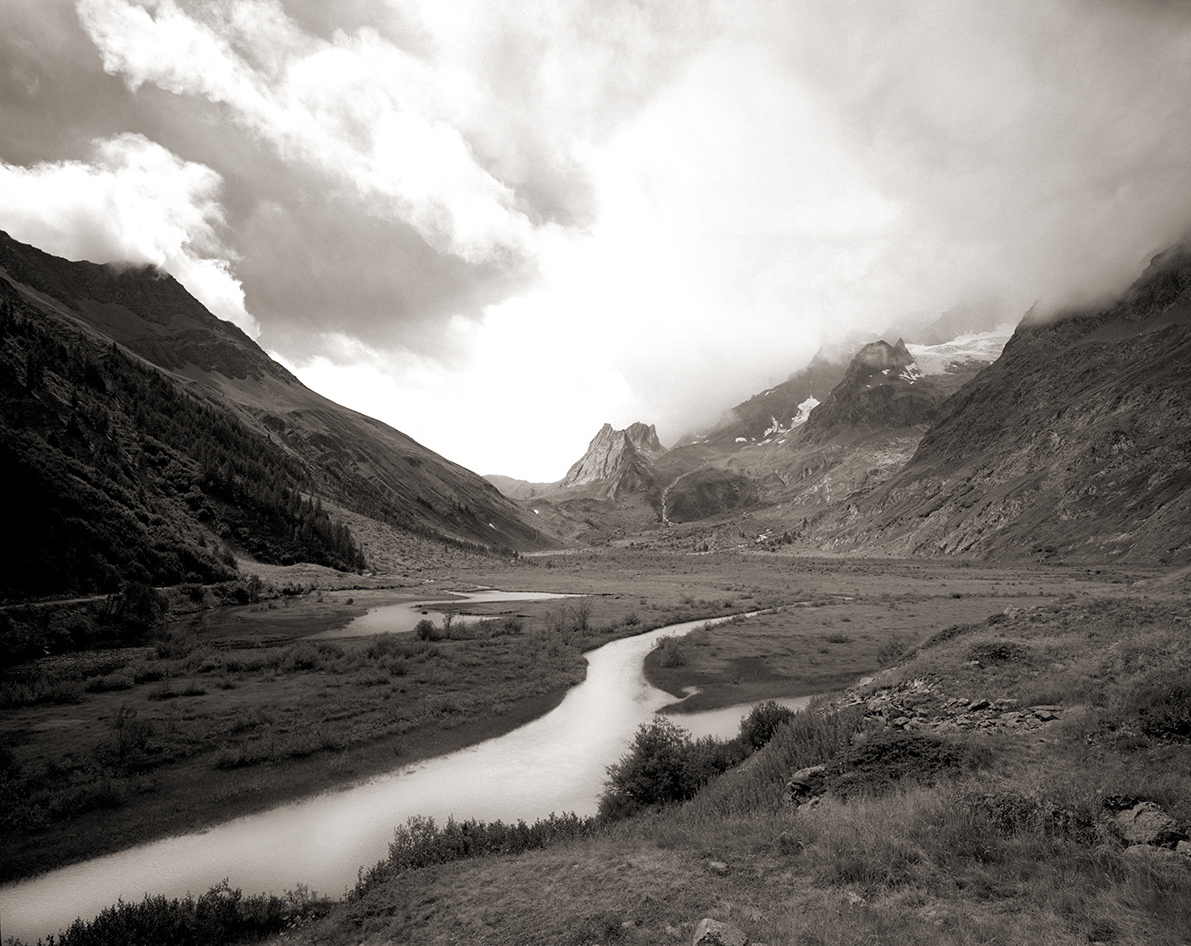

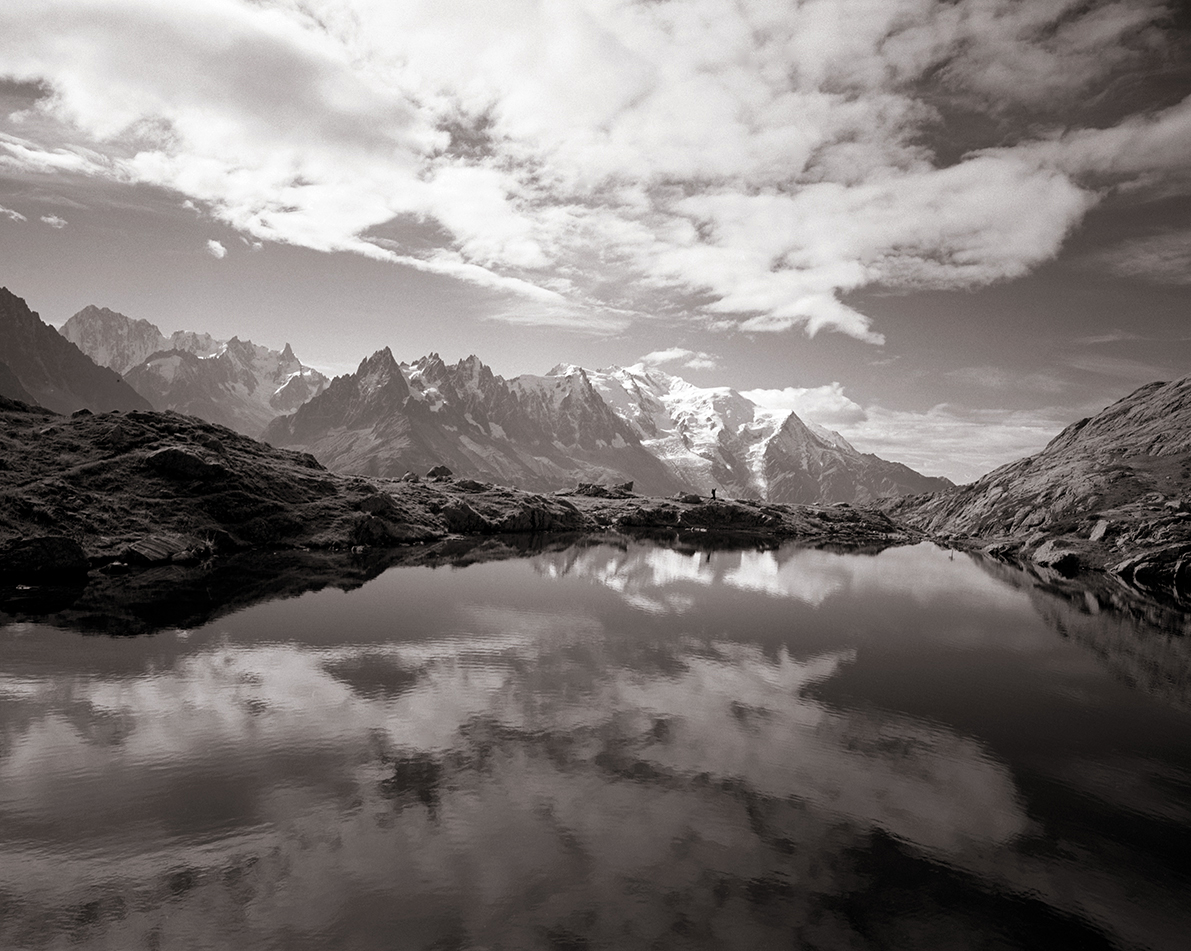
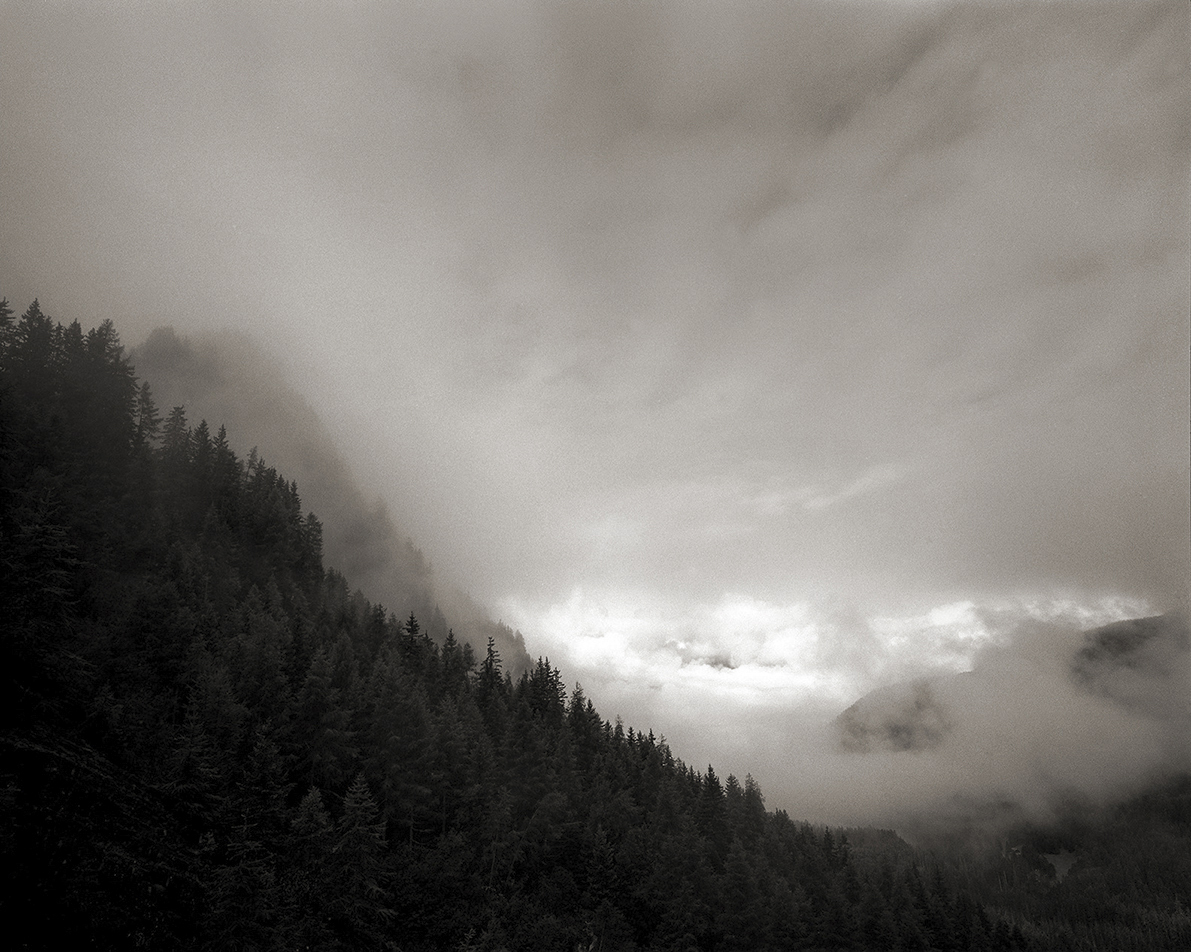
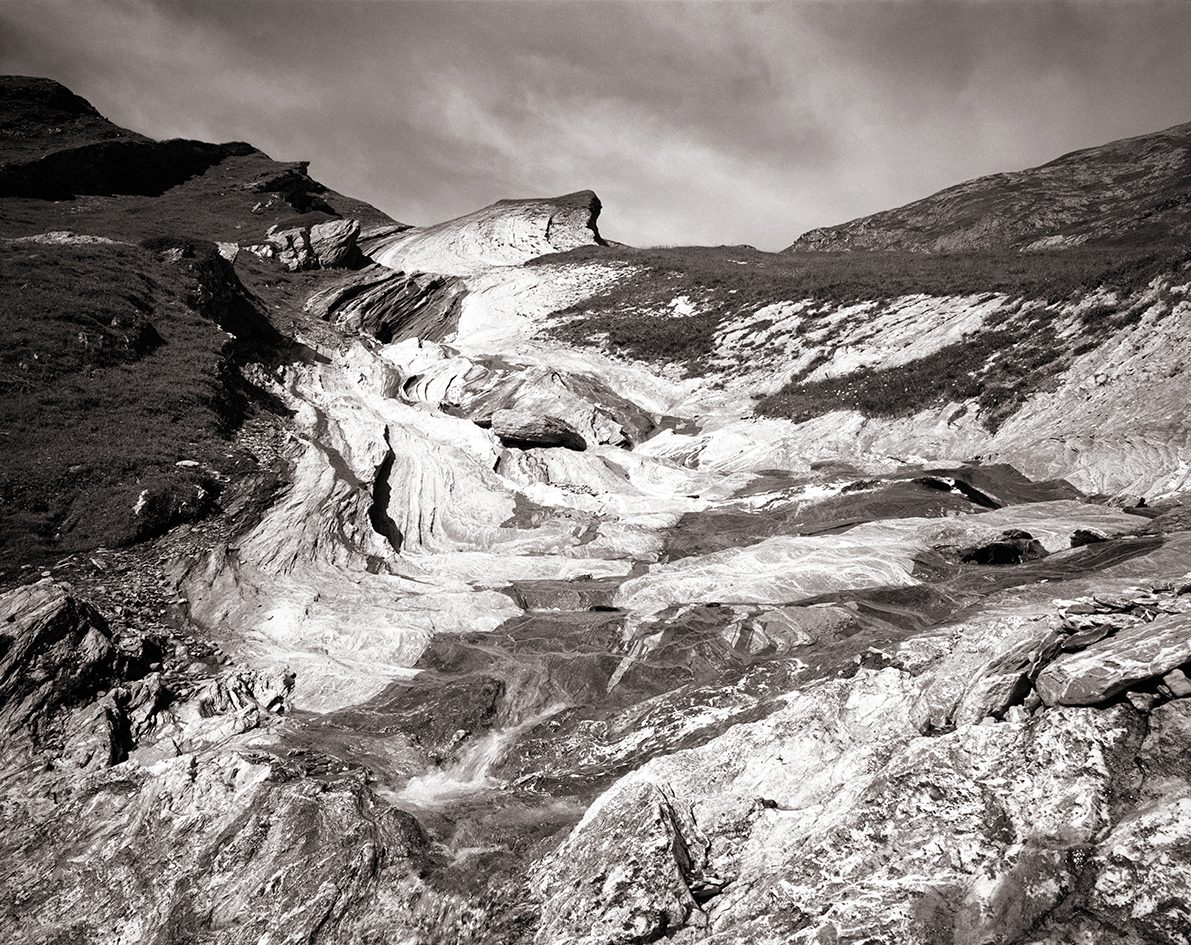

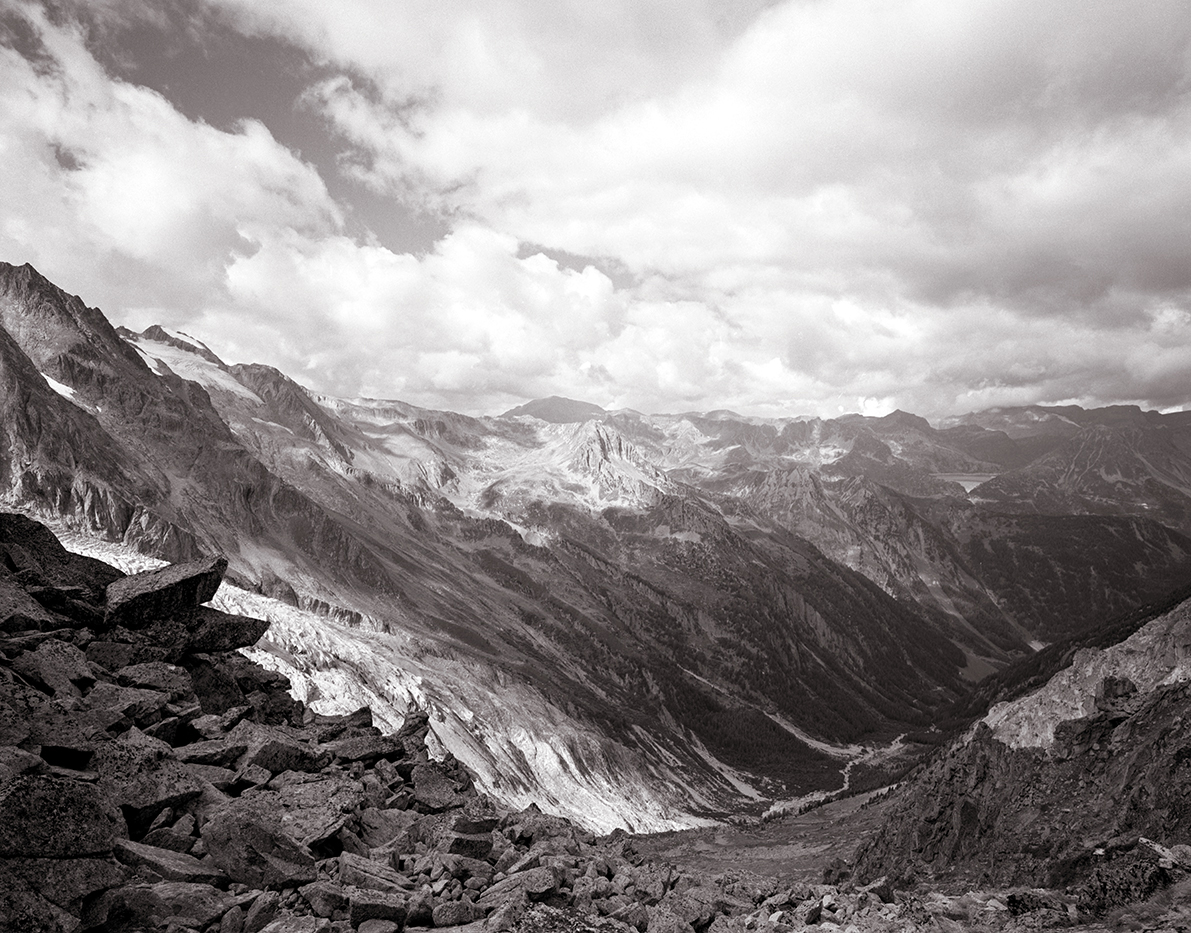
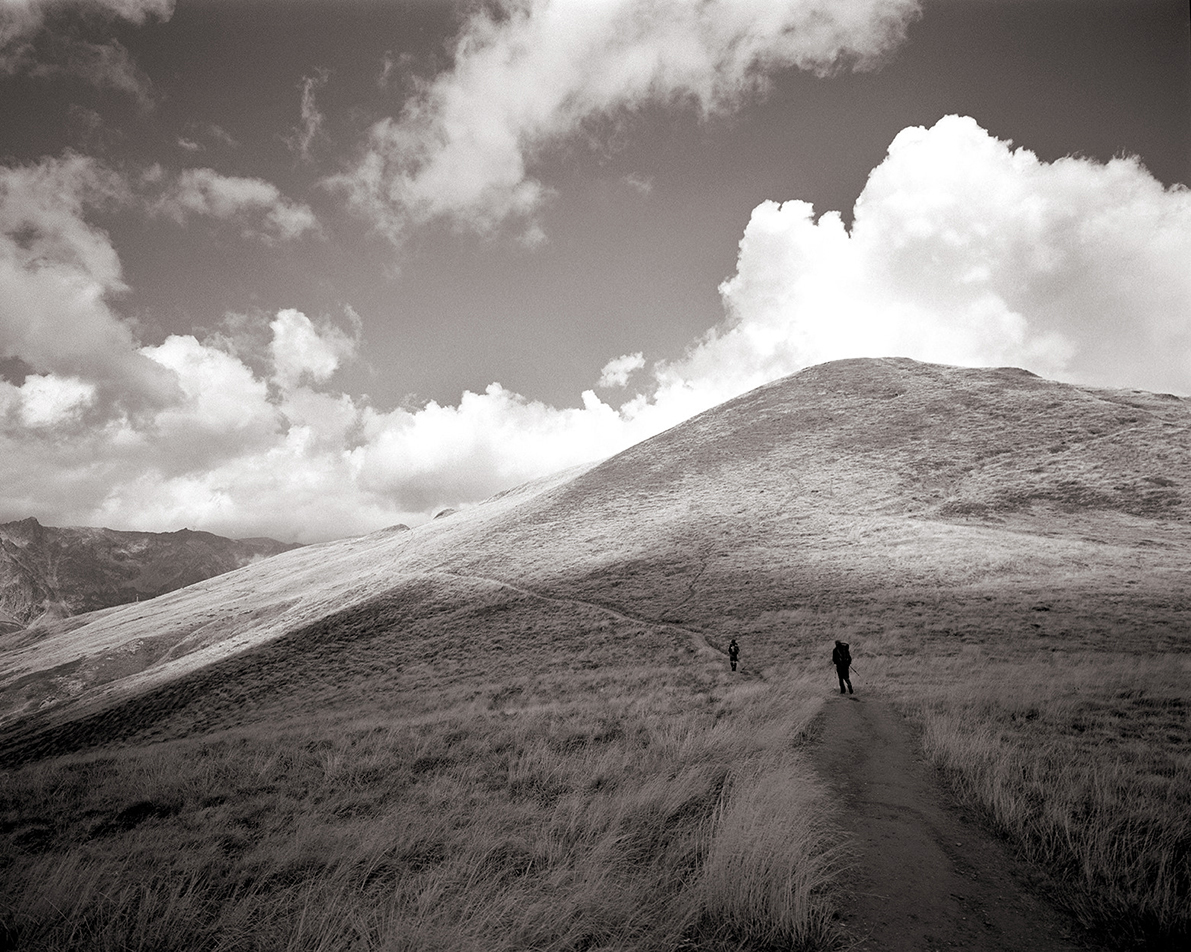


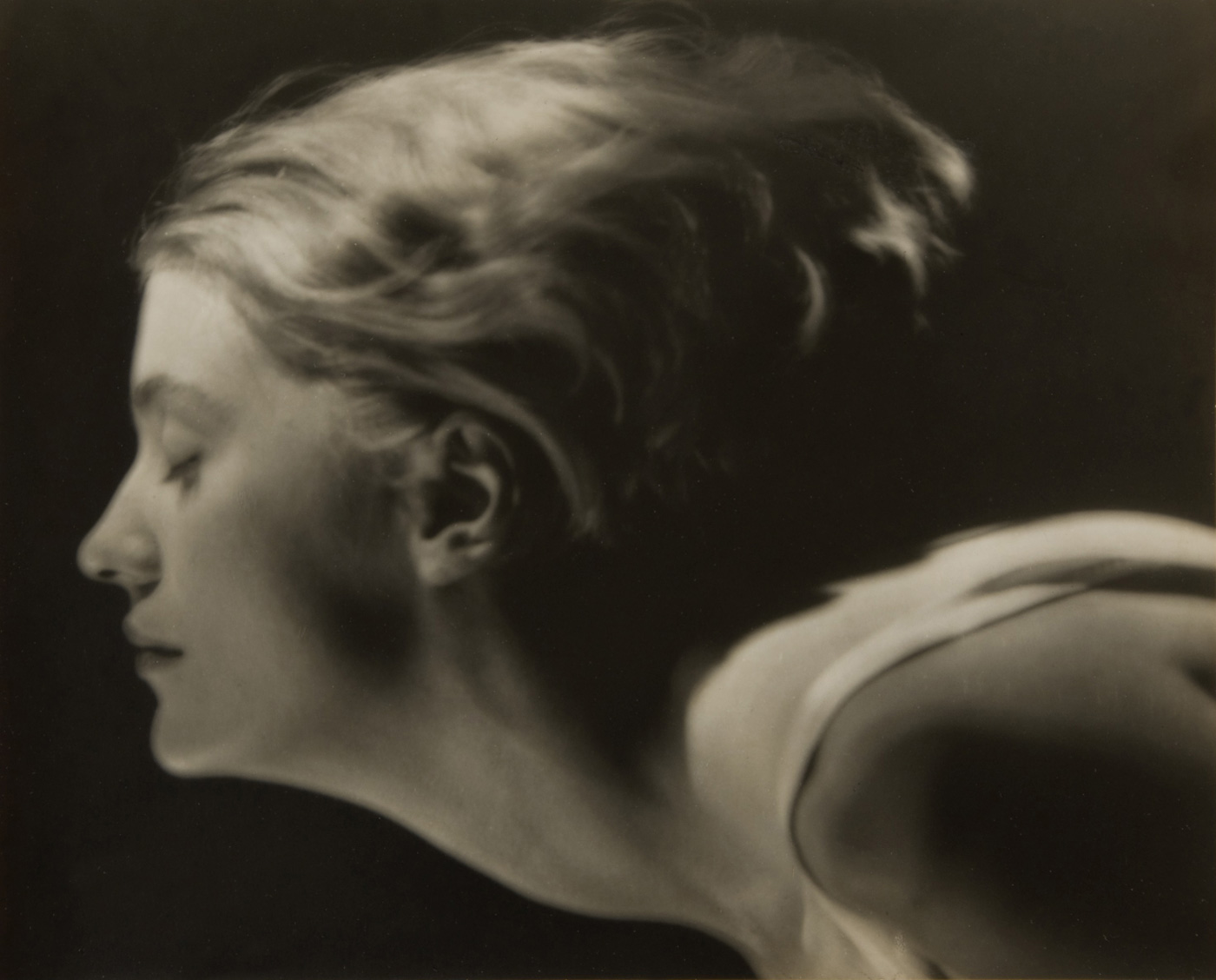
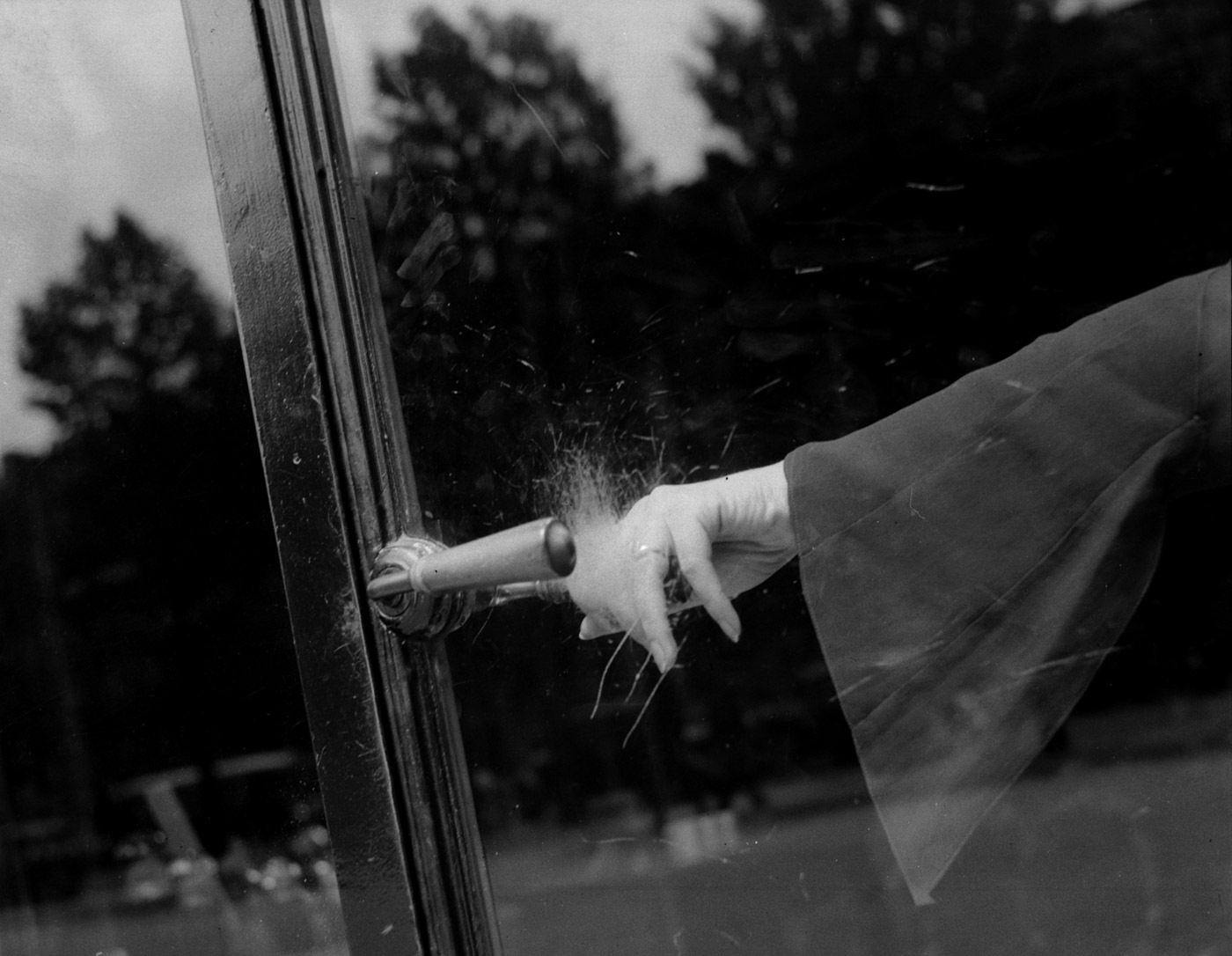

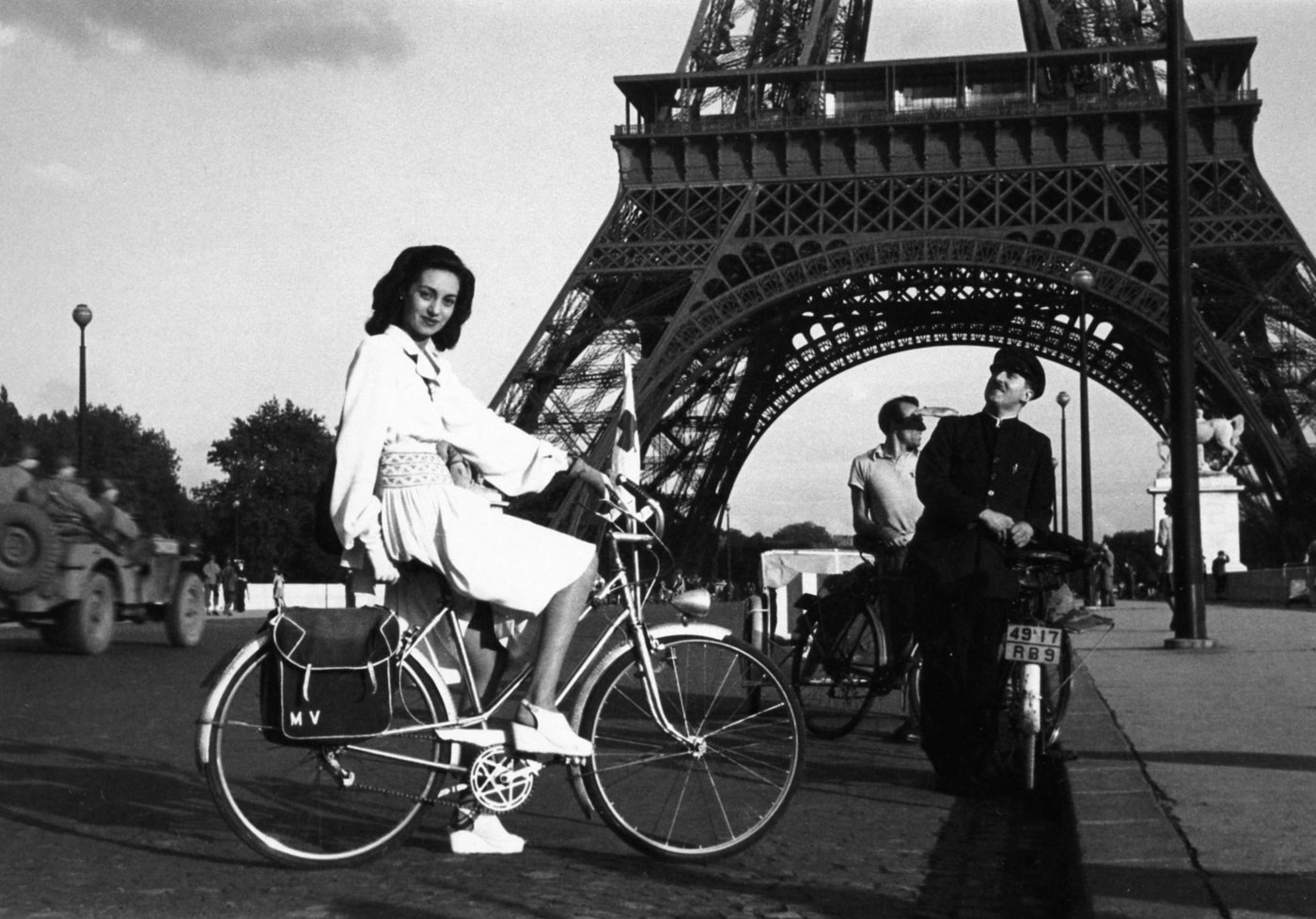

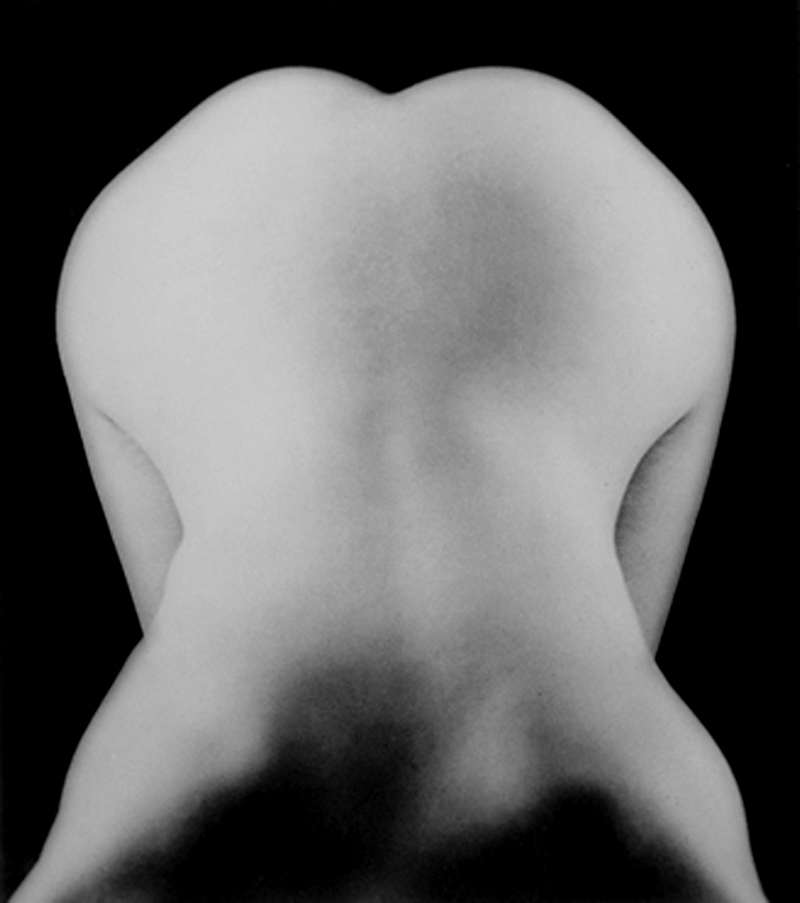



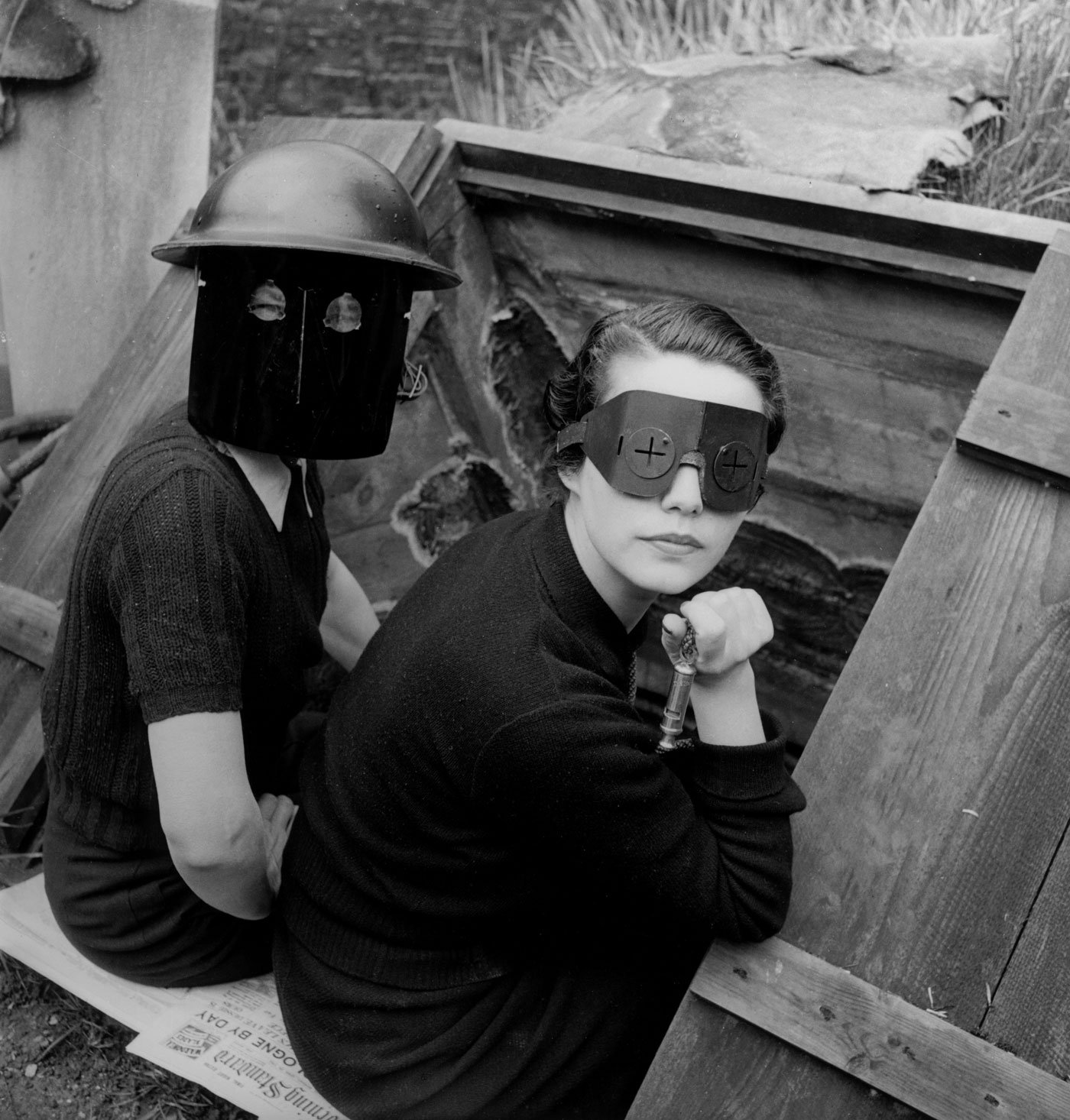


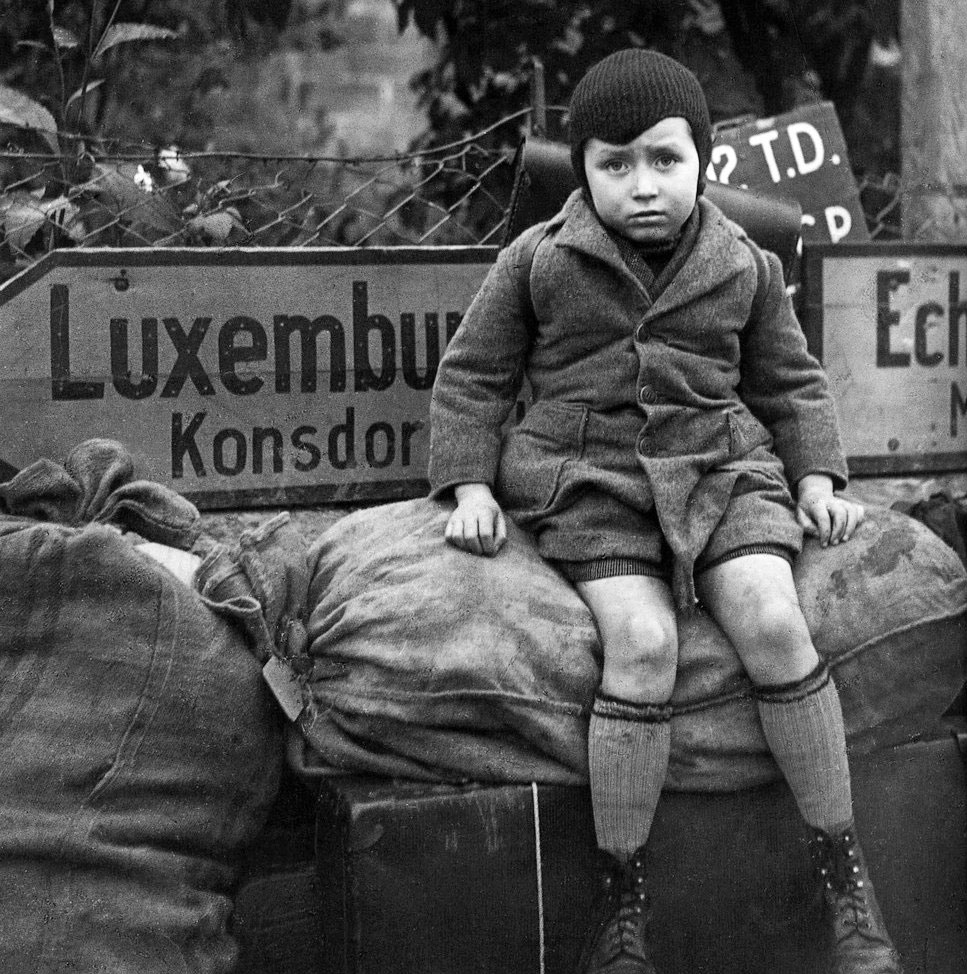


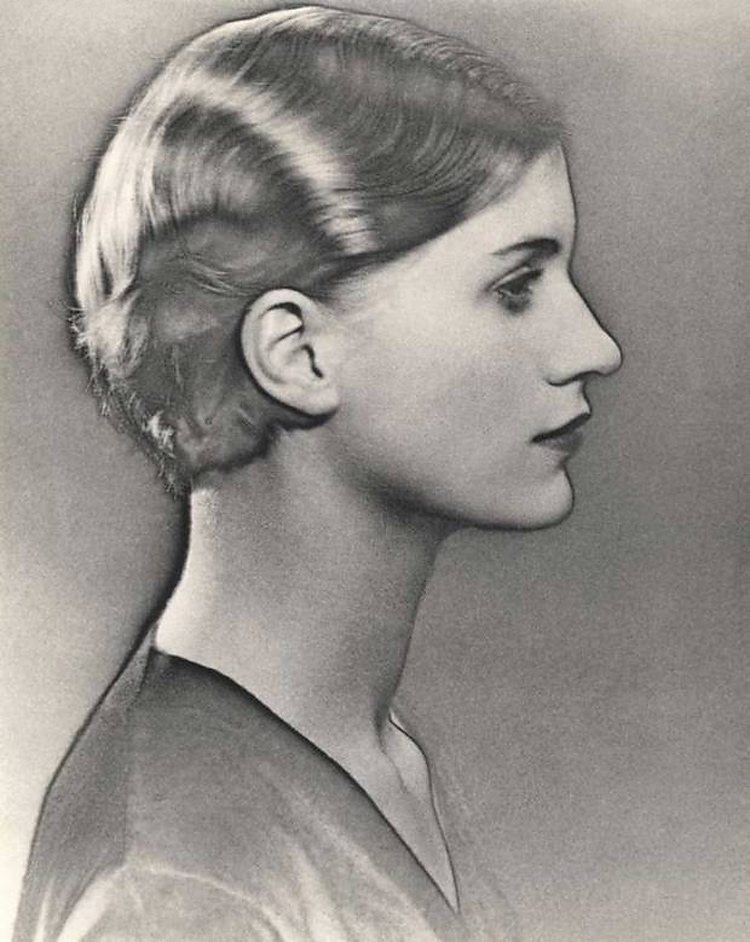


![Francis Bedford (English, 1815-1894) (photographer) 'South West View of the Parthenon [on the Acropolis, Athens, Greece]' 31 May 1862 from the exhibition 'Cairo to Constantinople: Early Photographs of the Middle East' at The Queen's Gallery, Buckingham Palace, London, November 2014 - February 2015](https://artblart.com/wp-content/uploads/2015/02/south-west-view-of-the-parthenon-web.jpg "Francis Bedford (English, 1815-1894) (photographer) 'South West View of the Parthenon [on the Acropolis, Athens, Greece]' 31 May 1862 from the exhibition 'Cairo to Constantinople: Early Photographs of the Middle East' at The Queen's Gallery, Buckingham Palace, London, November 2014 - February 2015")
![Francis Bedford (English, 1815-1894) (photographer) 'Portions of the Frieze of the Parthenon [Athens, Greece]' 31 May 1862 from the exhibition 'Cairo to Constantinople: Early Photographs of the Middle East' at The Queen's Gallery, Buckingham Palace, London, November 2014 - February 2015](https://artblart.com/wp-content/uploads/2015/02/portions-of-the-frieze-of-the-parthenon-web.jpg "Francis Bedford (English, 1815-1894) (photographer) 'Portions of the Frieze of the Parthenon [Athens, Greece]' 31 May 1862 from the exhibition 'Cairo to Constantinople: Early Photographs of the Middle East' at The Queen's Gallery, Buckingham Palace, London, November 2014 - February 2015")
![Francis Bedford (English, 1815-1894) (photographer) 'The Caryatid porch of the Erechtheum [Athens, Greece]' 30 May 1862](https://artblart.com/wp-content/uploads/2015/02/the-caryatid-porch-of-the-erechtheum-web.jpg "Francis Bedford (English, 1815-1894) (photographer) 'The Caryatid porch of the Erechtheum [Athens, Greece]' 30 May 1862")
![Francis Bedford (English, 1815-1894) (photographer) 'Acropolis and Temple of Jupiter Olympus [Olympieion, Athens]' 31 May 1862](https://artblart.com/wp-content/uploads/2015/02/acropolis-and-temple-of-jupiter-olympus-web.jpg "Francis Bedford (English, 1815-1894) (photographer) 'Acropolis and Temple of Jupiter Olympus [Olympieion, Athens]' 31 May 1862")
![Francis Bedford (English, 1815-1894) (photographer) 'The Temple of Jupiter from the north west [Baalbek, Lebanon]' 3 May 1862](https://artblart.com/wp-content/uploads/2015/02/the-temple-of-jupiter-web.jpg "Francis Bedford (English, 1815-1894) (photographer) 'The Temple of Jupiter from the north west [Baalbek, Lebanon]' 3 May 1862")
![Francis Bedford (English, 1815-1894) (photographer) 'The Temple of the Sun and Temple of Jupiter [Baalbek, Lebanon]' 4 May 1862](https://artblart.com/wp-content/uploads/2015/02/the-temple-of-the-sun-web.jpg "Francis Bedford (English, 1815-1894) (photographer) 'The Temple of the Sun and Temple of Jupiter [Baalbek, Lebanon]' 4 May 1862")
![Francis Bedford (English, 1815-1894) (photographer) 'The Colossi on the plain of Thebes [Colossi of Memnon]' 17 Mar 1862](https://artblart.com/wp-content/uploads/2015/02/the-colossi-on-the-plain-of-thebes-web.jpg "Francis Bedford (English, 1815-1894) (photographer) 'The Colossi on the plain of Thebes [Colossi of Memnon]' 17 Mar 1862")

![Joseph Albert (German, 1825-1886) (photographer) '[The Prince of Wales with Prince Louis of Hesse, and companions, in Munich, February 1862]' 1862](https://artblart.com/wp-content/uploads/2015/02/the-prince-of-wales-and-companions-web.jpg "Joseph Albert (German, 1825-1886) (photographer) '[The Prince of Wales with Prince Louis of Hesse, and companions, in Munich, February 1862]' 1862")
![Francis Bedford (English, 1815-1894) (photographer) 'View through the Great Gateway into the Grand Court of the Temple of Edfou [Temple of Horus, Edfu]' 14 Mar 1862](https://artblart.com/wp-content/uploads/2015/02/view-through-the-great-gateway-web.jpg "Francis Bedford (English, 1815-1894) (photographer) 'View through the Great Gateway into the Grand Court of the Temple of Edfou [Temple of Horus, Edfu]' 14 Mar 1862")
![Francis Bedford (English, 1815-1894) (photographer) 'The Great Propylon of the Temple at Edfou [Pylon of the Temple of Horus, Edfu]' 14 Mar 1862](https://artblart.com/wp-content/uploads/2015/02/the-great-propylon-of-the-temple-at-edfou-web.jpg "Francis Bedford (English, 1815-1894) (photographer) 'The Great Propylon of the Temple at Edfou [Pylon of the Temple of Horus, Edfu]' 14 Mar 1862")
![Francis Bedford (English, 1815-1894) (photographer) 'Tombs of the Memlooks at Cairo [Mausoleum and Khanqah of Emir Qawsun]' 25 Mar 1862](https://artblart.com/wp-content/uploads/2015/02/tombs-of-the-memlooks-at-cairo-web.jpg "Francis Bedford (English, 1815-1894) (photographer) 'Tombs of the Memlooks at Cairo [Mausoleum and Khanqah of Emir Qawsun]' 25 Mar 1862")
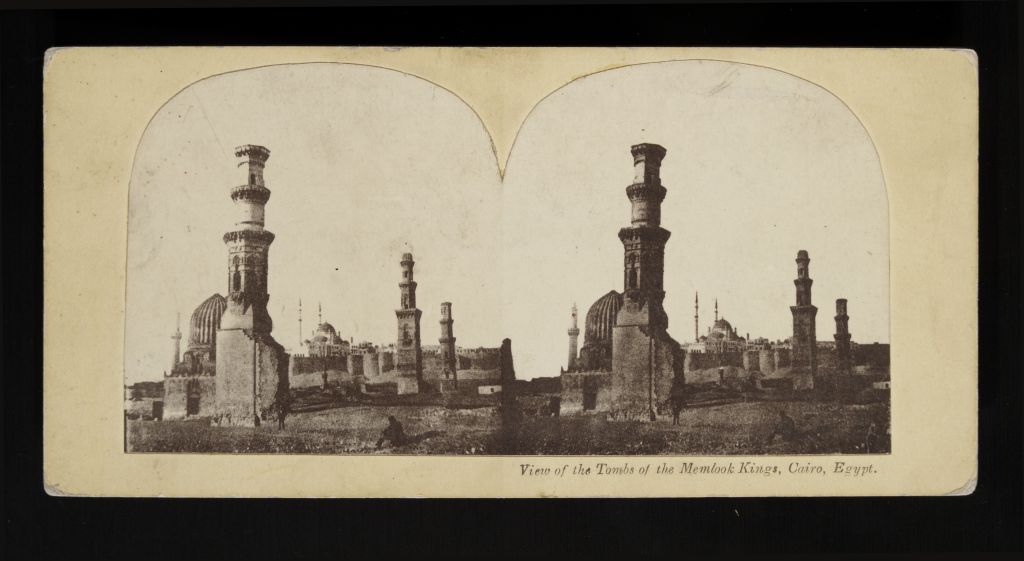
![Francis Bedford (English, 1815-1894) (photographer) 'Mosque of Mehemet Ali [Mosque of Muhammad Ali, Cairo]' 8 March 1862](https://artblart.com/wp-content/uploads/2015/02/mosque-of-mehemet-ali-web.jpg "Francis Bedford (English, 1815-1894) (photographer) 'Mosque of Mehemet Ali [Mosque of Muhammad Ali, Cairo]' 8 March 1862")
![Francis Bedford (English, 1815-1894) (photographer) 'Fountain in the Court of the Mosque of Mehemet Ali [Mosque of Muhammad Ali, Cairo]' 3 Mar 1862](https://artblart.com/wp-content/uploads/2015/02/fountain-in-the-court-of-the-mosque-web.jpg "Francis Bedford (English, 1815-1894) (photographer) 'Fountain in the Court of the Mosque of Mehemet Ali [Mosque of Muhammad Ali, Cairo]' 3 Mar 1862")
![Francis Bedford (English, 1815-1894) (photographer) 'Garden of Gethsemane [Jerusalem]' 2 Apr 1862](https://artblart.com/wp-content/uploads/2015/02/garden-of-gethsemane-web.jpg "Francis Bedford (English, 1815-1894) (photographer) 'Garden of Gethsemane [Jerusalem]' 2 Apr 1862")
![Francis Bedford (English, 1815-1894) (photographer) 'The Mount of Olives and Garden of Gethsemane [Jerusalem]' 2 Apr 1862](https://artblart.com/wp-content/uploads/2015/02/the-mount-of-olives-web.jpg "Francis Bedford (English, 1815-1894) (photographer) 'The Mount of Olives and Garden of Gethsemane [Jerusalem]' 2 Apr 1862")
![Francis Bedford (English, 1815-1894) (photographer) 'West Front of the Mosque of Omar [Dome of the Rock, Jerusalem]' 1 Apr 1862](https://artblart.com/wp-content/uploads/2015/02/west-front-of-the-mosque-of-omar-web.jpg "Francis Bedford (English, 1815-1894) (photographer) 'West Front of the Mosque of Omar [Dome of the Rock, Jerusalem]' 1 Apr 1862")
![Francis Bedford (English, 1815-1894) (photographer) 'Upper Bethoron [Beit Ur al-Foqa and the Valley of Ajalon]' 31 Mar 1862](https://artblart.com/wp-content/uploads/2015/02/upper-bethoron-web.jpg "Francis Bedford (English, 1815-1894) (photographer) 'Upper Bethoron [Beit Ur al-Foqa and the Valley of Ajalon]' 31 Mar 1862")
![Francis Bedford (English, 1815-1894) (photographer) 'Damascus - from a minaret in the Christian quarter [Syria]' 30 Apr 1862](https://artblart.com/wp-content/uploads/2015/02/damascus-web.jpg "Francis Bedford (English, 1815-1894) (photographer) 'Damascus - from a minaret in the Christian quarter [Syria]' 30 Apr 1862")
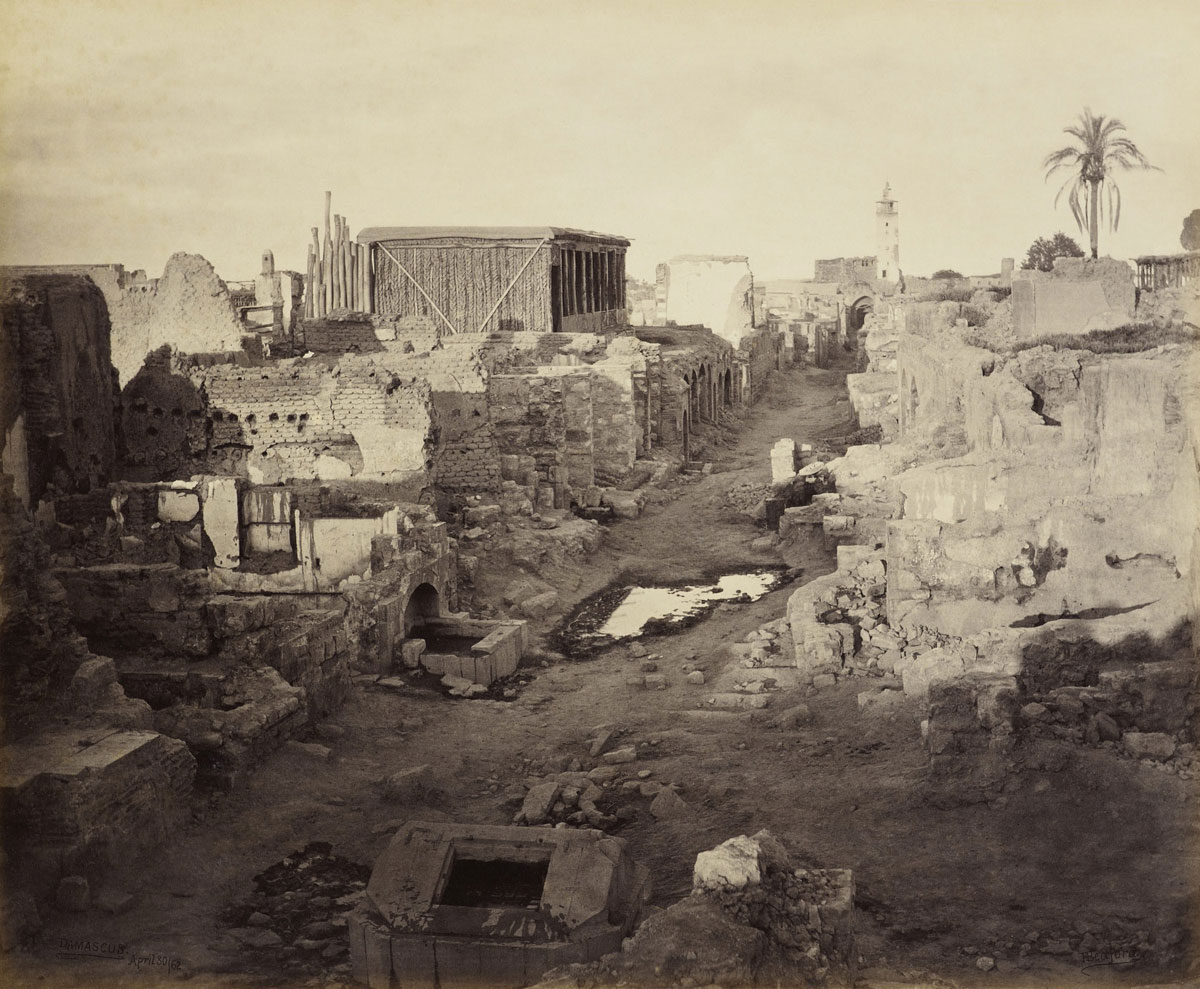
![Francis Bedford (English, 1815-1894) (photographer) 'Tower of Galata and part of Turkish burial ground [Istanbul, Turkey]' 21 May 1862](https://artblart.com/wp-content/uploads/2015/02/tower-of-galata-web.jpg "Francis Bedford (English, 1815-1894) (photographer) 'Tower of Galata and part of Turkish burial ground [Istanbul, Turkey]' 21 May 1862")
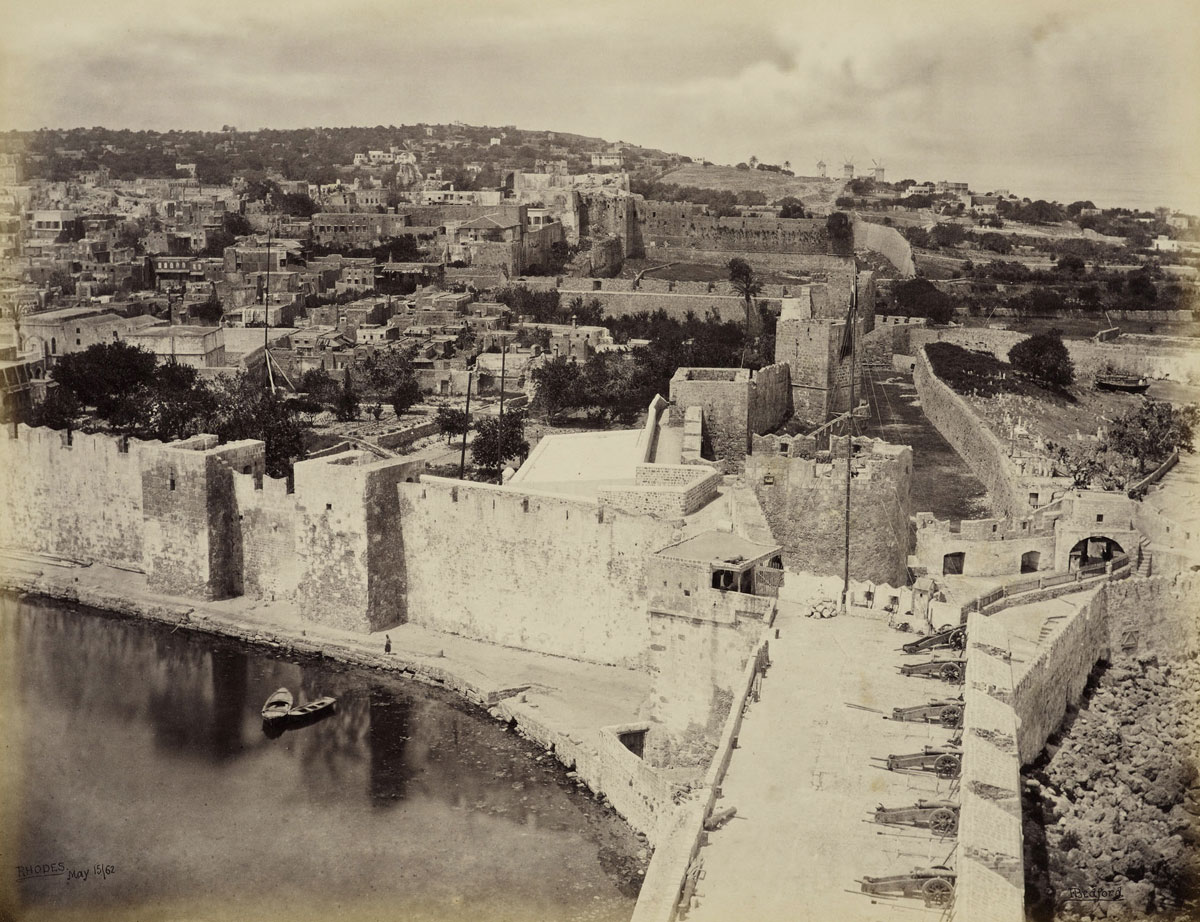


![Joseph Albert (English, 1825-1886) (photographer) '[The Prince of Wales and Prince Louis of Hesse, 11 February 1862]' Feb 1862](https://artblart.com/wp-content/uploads/2015/02/the-prince-of-wales-web.jpg "Joseph Albert (English, 1825-1886) (photographer) '[The Prince of Wales and Prince Louis of Hesse, 11 February 1862]' Feb 1862")





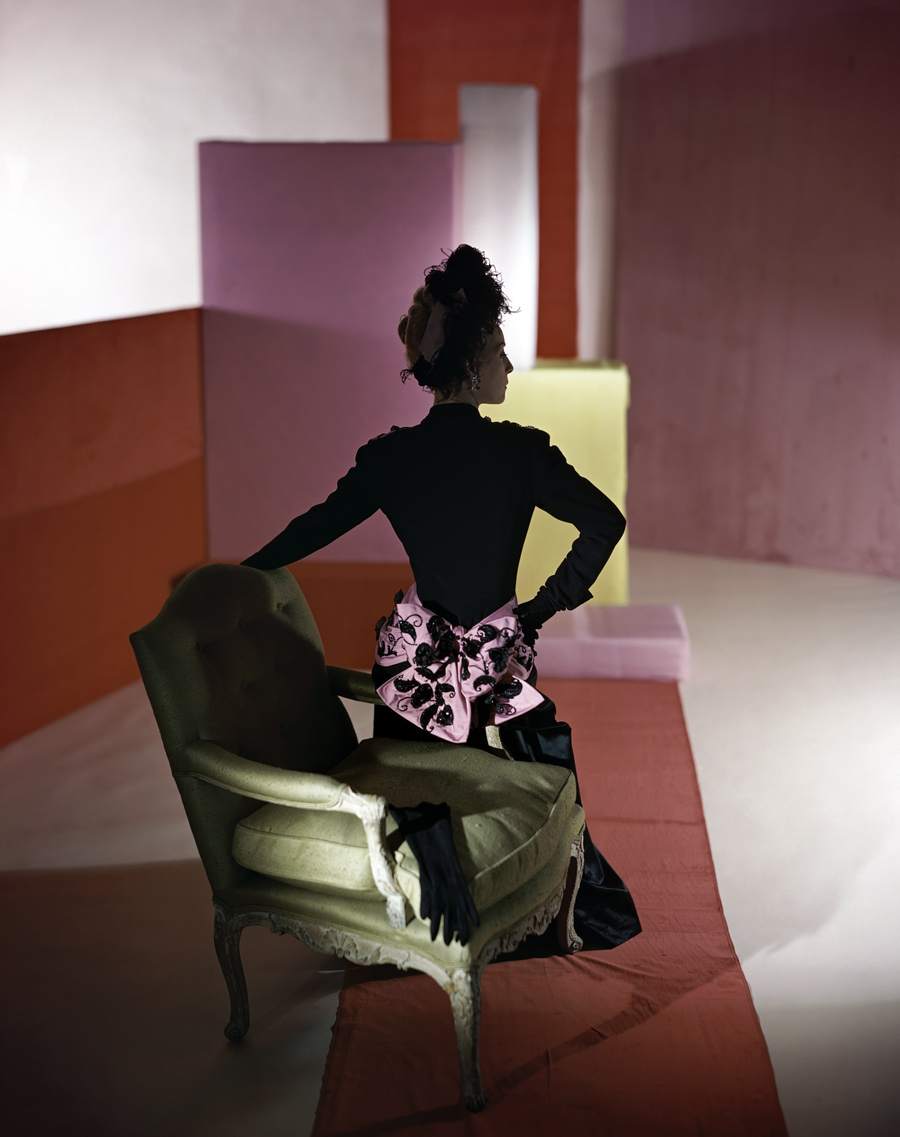


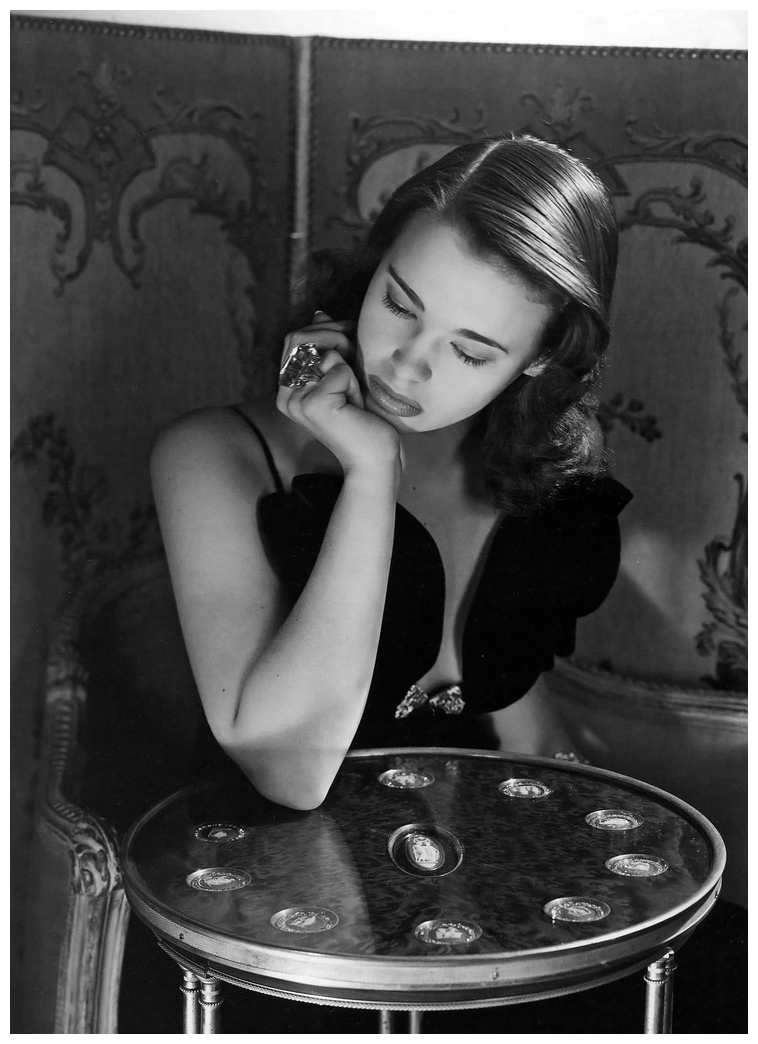


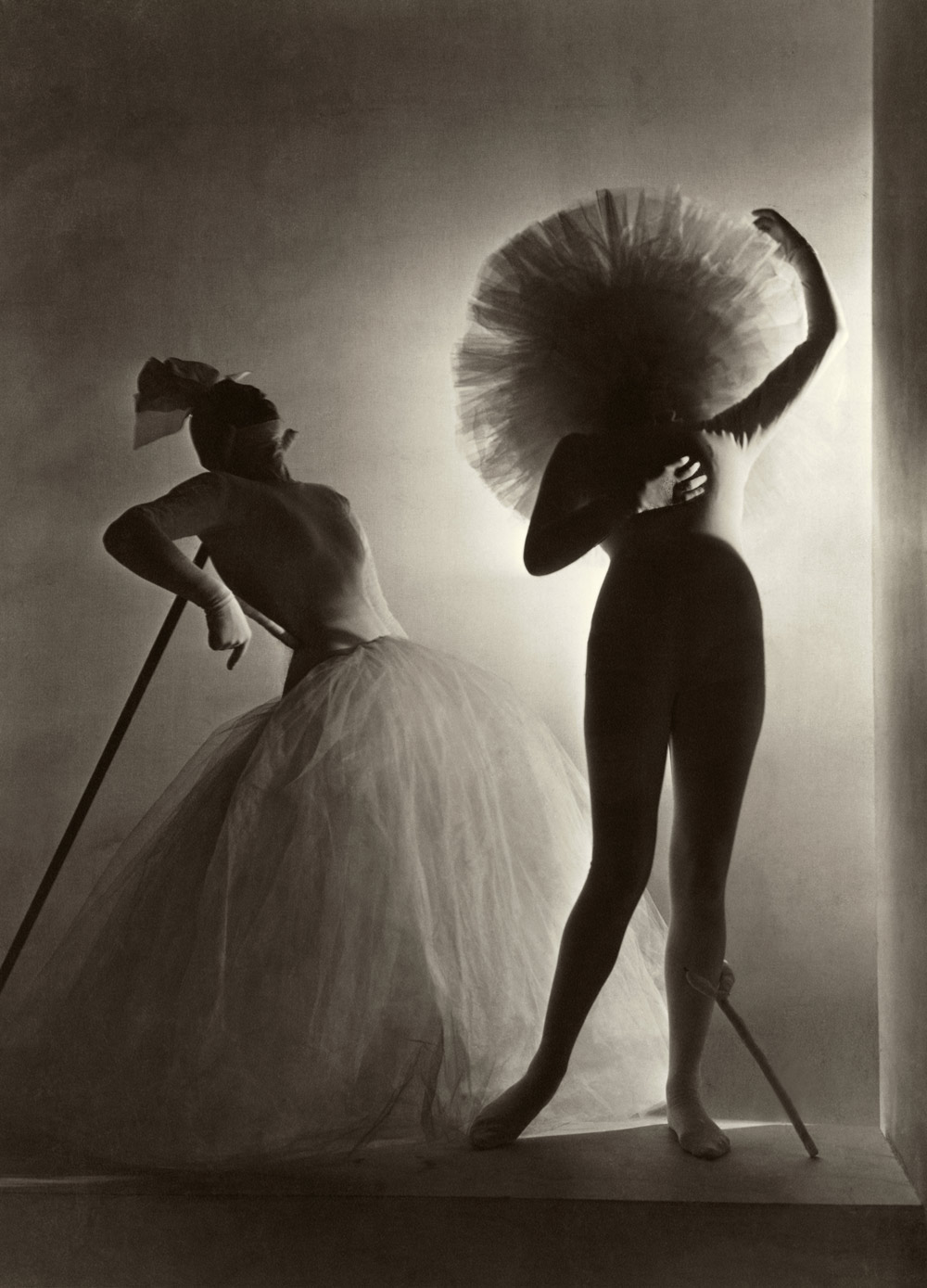


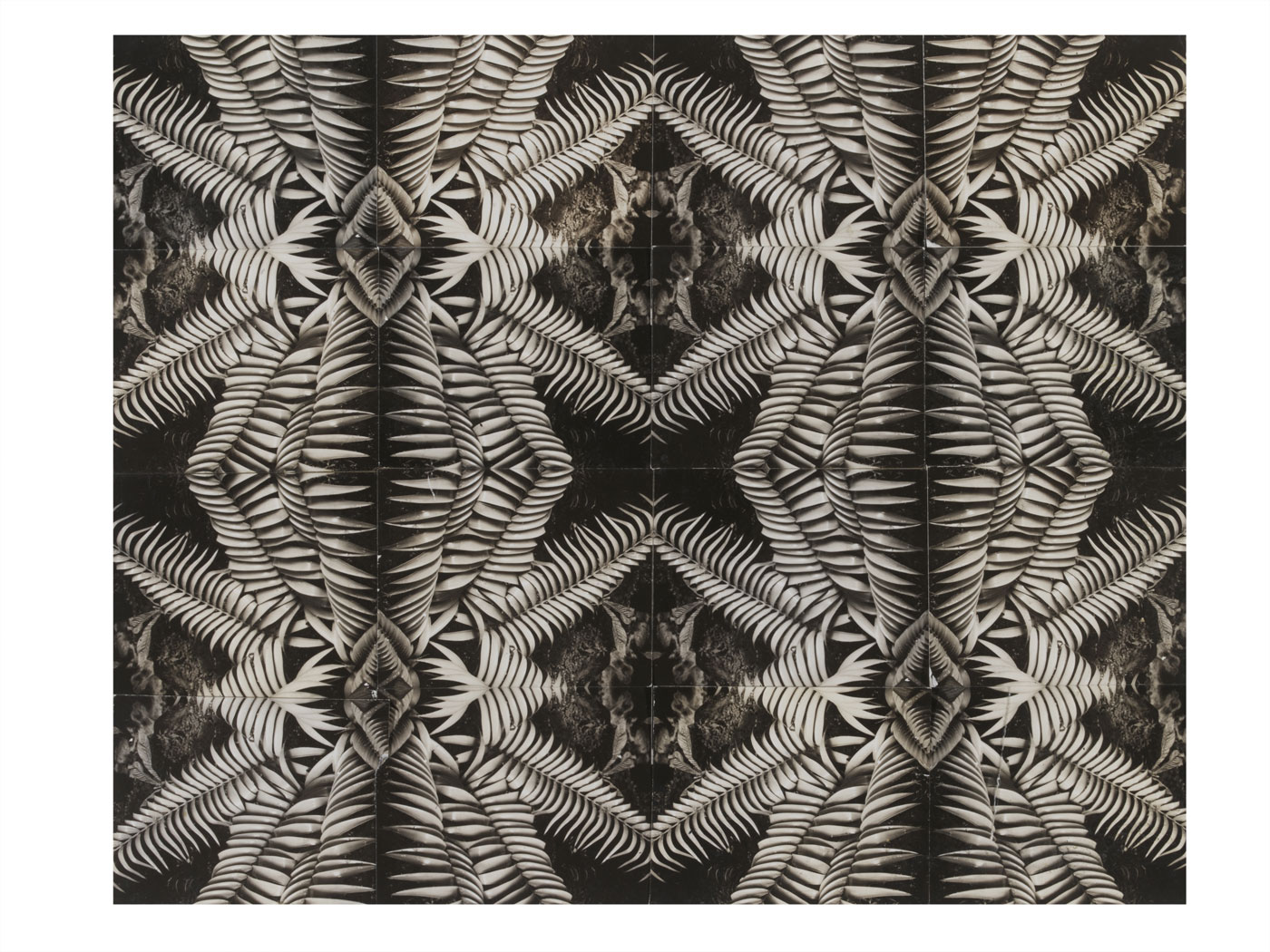


 Art Blart _ art and cultural memory archive
You must be logged in to post a comment.